

Gadiriyya Shrine
Muslim Travel Guide China 2026: Luling Mosque, Gadiriyya Shrine and Hui Muslim Heritage
Articles • ali2007fr posted the article • 0 comments • 287 views • 2026-05-21 12:46
Reposted from the web
Summary: Muslim Travel Guide China 2026: Luling Mosque, Gadiriyya Shrine and Hui Muslim Heritage is presented here as a clear English travel account for Muslim readers, beginning with this scene: Hanzhong is the area in Shaanxi province with the next largest population of Hui Muslims after Xi'an, Zhen'an County, and Ankang. Hui Muslims in Hanzhong mainly live in the city center and the nearby Xixiang. The article keeps the original place names, food details, photographs, and cultural context while focusing on Luling Mosque, Gadiriyya Shrine, Hui Muslims.
Hanzhong is the area in Shaanxi province with the next largest population of Hui Muslims after Xi'an, Zhen'an County, and Ankang. Hui Muslims in Hanzhong mainly live in the city center and the nearby Xixiang County. My destination for this trip is Chengguan Town in Xixiang County. You can take a bus or a train from Hanzhong city to Xixiang, and the trip takes about an hour and a half. Before leaving for Xixiang County, I stopped by to visit the Hanzhong Mosque.
Hanzhong Mosque
Built in 1986, Hanzhong Mosque features a Roman-style dome and is the only mosque in the Hanzhong city area. Legend has it that before the Tongzhi era of the Qing Dynasty, Hui Muslims made up nearly one-third of the population in Shaanxi and had over 800 mosques. After the Tongzhi era, the Hui Muslim population in Shaanxi nearly disappeared, leaving only the Muslim Quarter in Xi'an, as most were forced to move to Ningxia.
If the Tongzhi incident had not happened, the Qing Dynasty would have collapsed in a few more years, and the Hui Muslims in Shaanxi would have developed much better. But history cannot be rewritten.
Xixiang County is where the most Hui Muslims in Hanzhong live, with a current population of over 4,000. The details of the mosques and shrines (gongbei) are in the table below:
The table comes from "Mosques and Communities in a Context of Large-Scale Dispersion and Small-Scale Concentration: An Investigation into the Status of Islam in Xixiang County, Shaanxi Province" by Ma Qiang.
Xixiang County South Mosque
The South Mosque is located on Chayuan Street in the West Gate area and covers about 2.6 mu. During the democratic reform of the feudal religious system in 1958, the South Mosque was forced to stop religious activities, and the community's religious life was merged into the North Mosque. The South Mosque's large dressing mirror, ceramic cooling stools, wooden chairs, and other items were sold off. Before the South Mosque closed in 1958, it followed the Gedimu tradition. After religious activities officially resumed in 2001, it began following the Ikhwan tradition.
According to Ma Shinian's research, during the Republic of China era, this county had the largest number of Hui Muslims in the Hanzhong region, with over 600 households and three mosques located on North Street. The imam of the South Mosque was surnamed Chen and was from Gansu. The imam of the North Mosque was surnamed Wang and was from Ankang. The imam for the Old Mosque had not yet been hired. Each imam was very dedicated to religious affairs, and the South Mosque had a school dedicated to studying scriptures. Education was well-developed throughout the county, and many people studied religious scriptures. The Hui Muslims were generally well-off. Local prominent gentlemen, such as those surnamed Mu and Suo, were very enthusiastic about promoting public welfare and education for the community.
Xixiang County North Mosque
The Xixiang North Mosque was originally called Jingning Mosque. It was built in 1614 during the 42nd year of the Wanli reign of the Ming Dynasty. It is located on North Back Street in the West Gate area, about 300 meters from the South Mosque, and follows the Ikhwan tradition. During the Cultural Revolution, the military occupied the mosque. Oral tradition says that soldiers left after seeing a vision of an old man in white wearing a prayer cap (tasdar) praying. I suspect the vision was a jinn, because like humans, jinn can be Muslim or non-Muslim, and Muslim jinn also pray in mosques, though they are not easily seen by ordinary people.
In 1953, Imam Yuan Fuxiang (1924–1982, from Hanzhong, Shaanxi) came to the North Mosque to teach at the invitation of Suo Wande, Wen Jinzhang, Ha Zihe, Ma Youheng, and others. The following year, during the month of Rajab (the seventh month of the Islamic calendar), he proposed that the South, North, and West mosques hold joint Friday prayers (Jumu'ah). The proposal received a positive response, and since then, the three mosques have taken turns hosting the Friday prayers, with the imams taking turns giving sermons (wa'z).
Ma's handmade beef pulled noodles (che mian).
I was looking for food in Xixiang and walked along the main road without seeing a single halal restaurant. I wondered if the Hui Muslims in Xixiang had become that scarce. Just as I was losing hope, I found this beef pulled noodle shop. The owner is a local and told me that if I walked further in, I would find two mosques. The area nearby is a residential neighborhood for Hui Muslims. These pulled noodles are a local specialty and are slightly spicy because Xixiang is close to Sichuan, and the locals even have a Sichuan accent when they speak.
I really like eating at these small shops tucked deep inside residential areas, as the taste best represents the local flavor.
This noodle shop also sells beef pies. I asked, and they are indeed a local snack. People in Xi'an call them crispy beef pies (xiangsu niurou bing), and some people add the word 'palace' (gongting) in front of the name.
Luling Cultural Square.
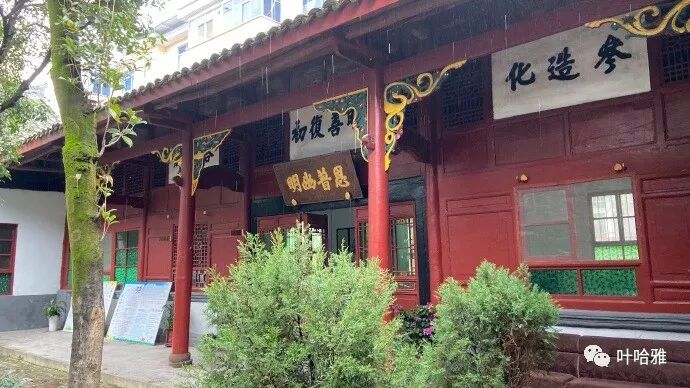
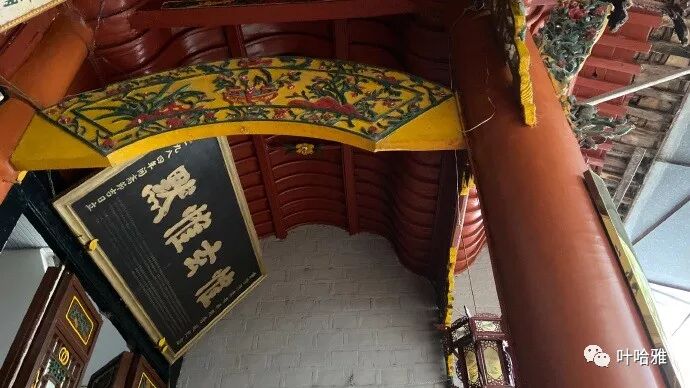
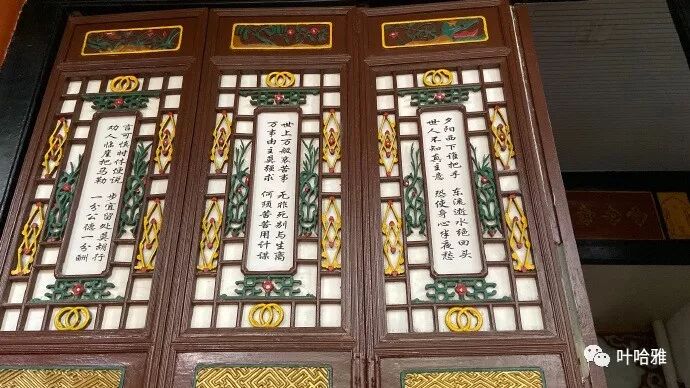
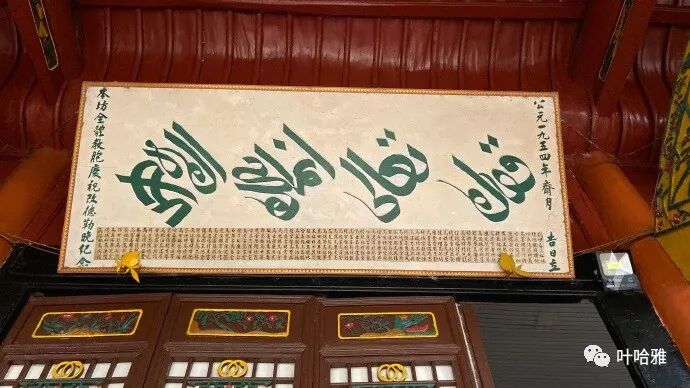
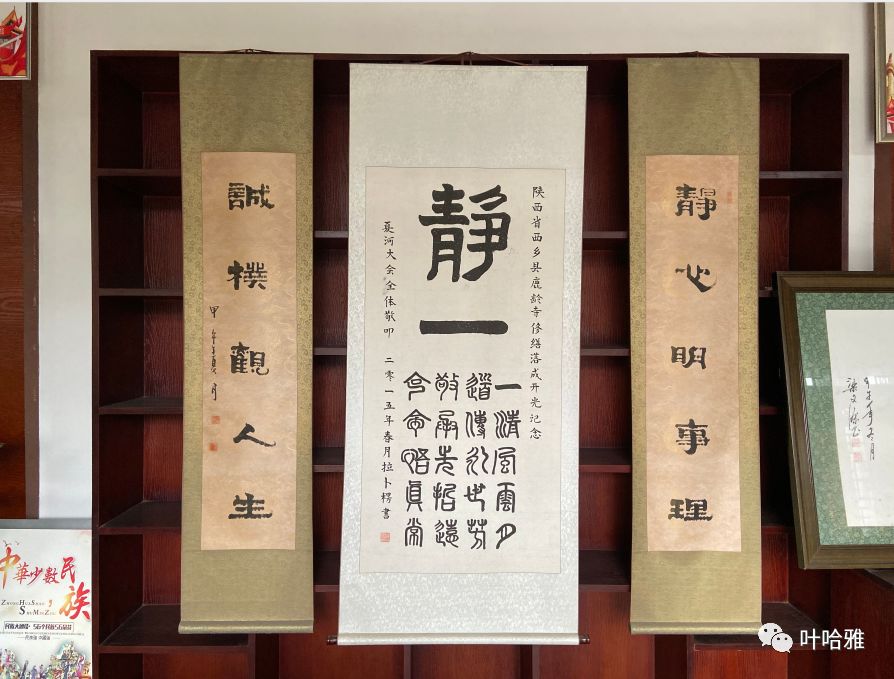
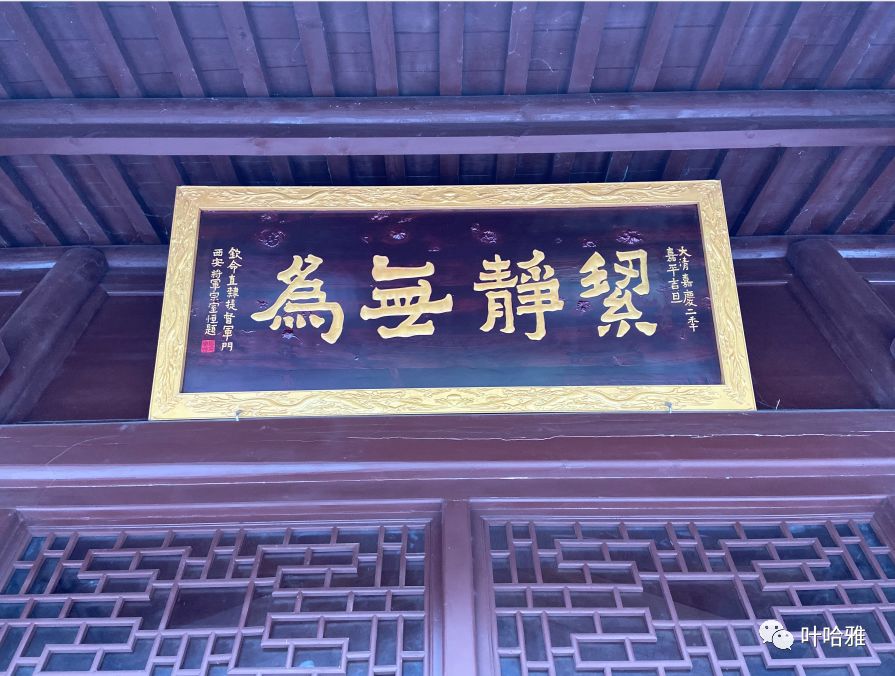
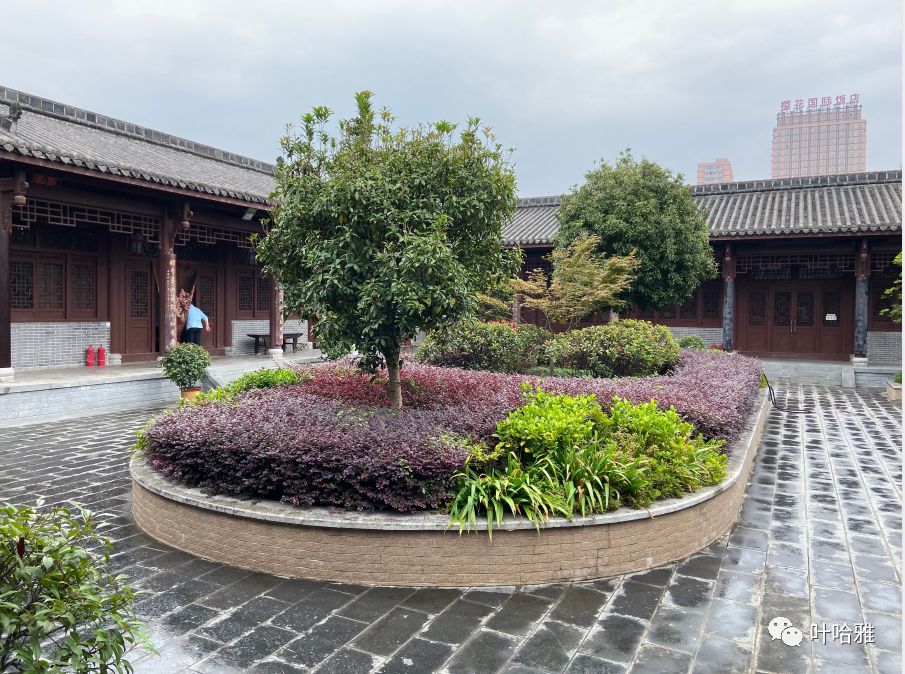
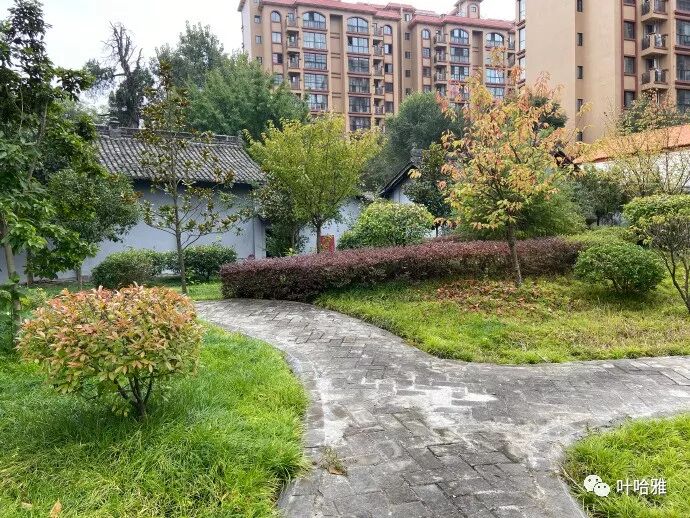
Luling Mosque, also known as Youjiu Ting, is an important place where the great master Qi Jingyi of the Qadiriyya menhuan practiced, preached, and passed away. Luling Mosque consists of three main parts: Xiangen Mosque, the meditation room (jing shi), and Luling Mosque itself. It is a key cultural relic site under provincial protection in Shaanxi. Experts from the Architectural Design and Research Institute of Tongji University and the Kunihiro George Urban Architecture Institute in Japan visited the Linxia Great Gongbei, the Langzhong Baba Mosque, and the Xixiang Mosque. After nearly three years of in-depth research, they finally determined the design plan for Luling Mosque.
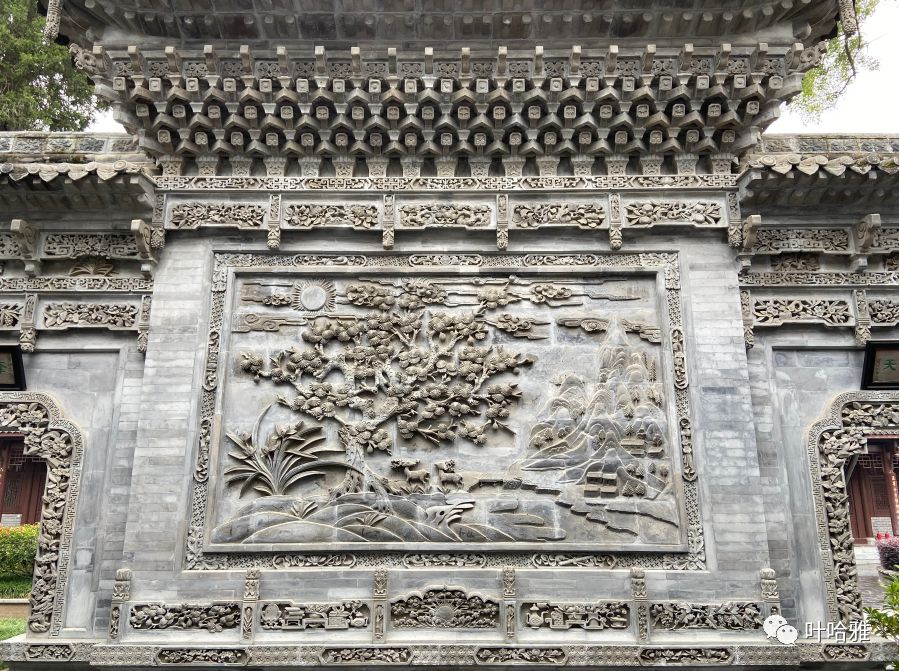
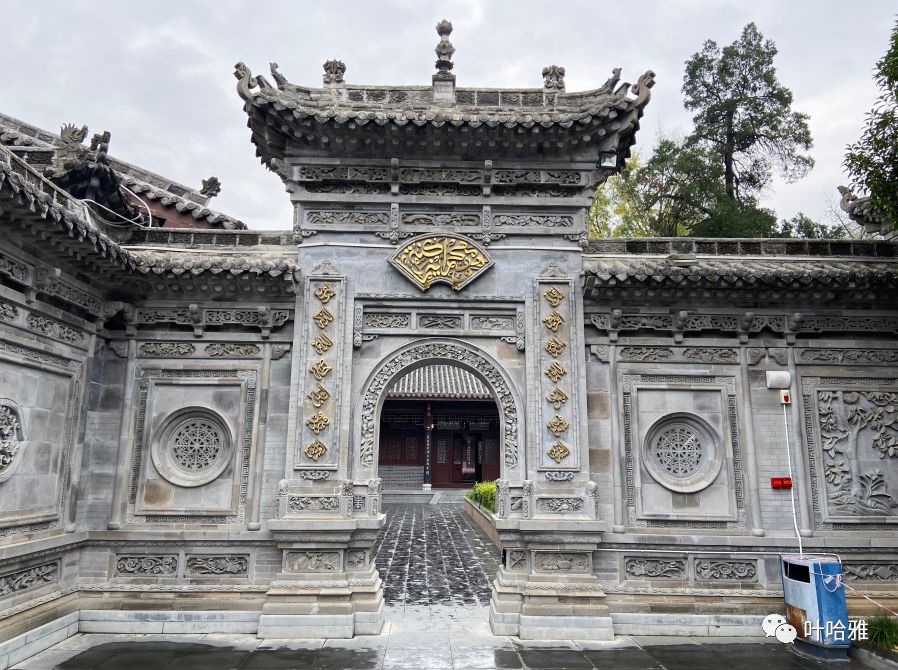
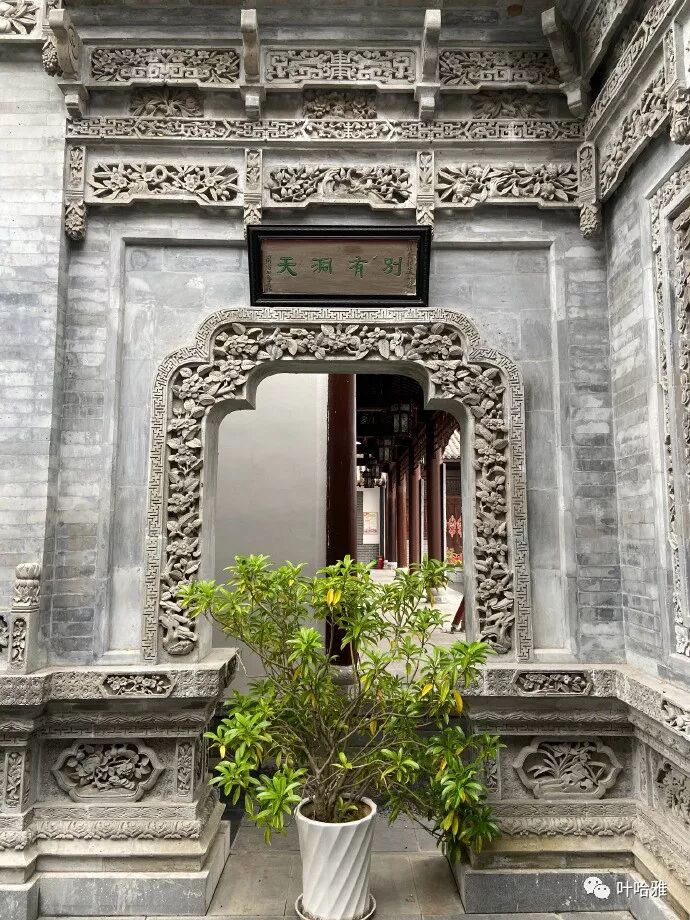
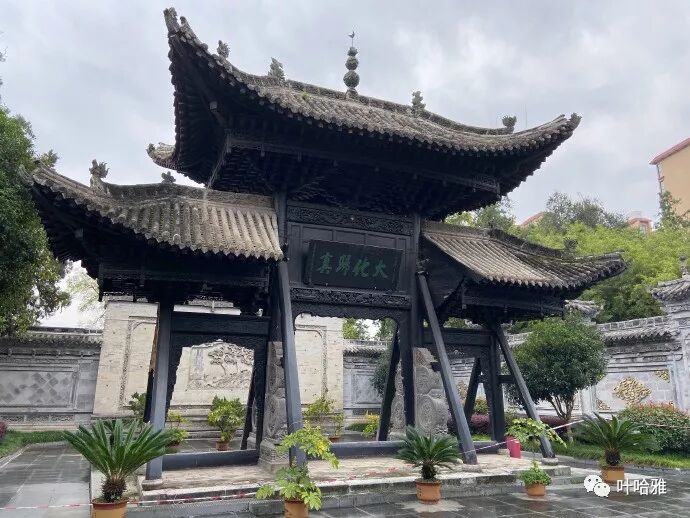
Luling Mosque has six courtyards with a total of 99 rooms: Zhonghe Courtyard (containing a memorial archway, a front screen wall, an Arabic brick carving cultural art wall, and a brick arched gate), Yangzhi Courtyard (containing the Jiuzhao Pavilion, a rear screen wall, and a Qing Dynasty brick carving wall), Yuanmu Courtyard (containing a reception hall, dining room, and guest rooms), Jingxin Study (containing the Jingyi School and a cultural relic exhibition hall), Jingtang Courtyard (containing the Luling Academy and a cultural exhibition hall), and the prayer hall.
As for the origin of the name Luling Mosque, People say during the early construction period in the Kangxi era, this place was a dense forest. While the great master Qi Jingyi was preaching, sika deer often came to listen quietly, and the name of the mosque came from this. Another story says that when Qi Jingyi's disciples were building a tomb pavilion for him, a pair of sika deer lay under a pine tree. The followers believed that a deer living for a thousand years was an auspicious sign, symbolizing that the teachings of the Qadiriyya menhuan would last for thousands of generations, so they named it Luling Mosque.
Meditation room (jing shi).
Luling Academy
A major feature of the Qadiriyya menhuan is its monastic system, which divides monks into three levels:
The first level of monks must enter the order as children and undergo long-term training involving begging, hunger, and mountain retreats.
The second level of monks are called 'jijiaoren' (those who record the teachings). They can join later in life, but they are limited to living and practicing at the gongbei and do not beg or go into the mountains.
The third level of monks are the caretakers who manage the gongbei, and their lives are not as difficult as the first two groups.
Monks must be approved by their teacher beforehand. Once they join, they must practice celibacy, which means avoiding sexual desire, the six senses, and the pursuit of wealth and status. They also follow five rules: diligently studying the rules, begging for food, practicing hard, lighting incense in the morning, and bathing frequently. Imams and regular believers are considered laypeople and do not need to follow these rules. However, this unique way of practicing has also been criticized by some other sects.
On the 11th day of the 9th lunar month in the 58th year of the Kangxi reign, or 1719 AD, the great ancestor Qi Jingyi passed away at the age of 63. Followers from Yangtuojia in Linxia suggested that the ancestor's remains should be moved back to his hometown of Hezhou. After discussion among the community, they decided to move his remains after the 100-day memorial, relocating them from Xixiang County to the west of Bafang in Hezhou. view all
Summary: Muslim Travel Guide China 2026: Luling Mosque, Gadiriyya Shrine and Hui Muslim Heritage is presented here as a clear English travel account for Muslim readers, beginning with this scene: Hanzhong is the area in Shaanxi province with the next largest population of Hui Muslims after Xi'an, Zhen'an County, and Ankang. Hui Muslims in Hanzhong mainly live in the city center and the nearby Xixiang. The article keeps the original place names, food details, photographs, and cultural context while focusing on Luling Mosque, Gadiriyya Shrine, Hui Muslims.
Hanzhong is the area in Shaanxi province with the next largest population of Hui Muslims after Xi'an, Zhen'an County, and Ankang. Hui Muslims in Hanzhong mainly live in the city center and the nearby Xixiang County. My destination for this trip is Chengguan Town in Xixiang County. You can take a bus or a train from Hanzhong city to Xixiang, and the trip takes about an hour and a half. Before leaving for Xixiang County, I stopped by to visit the Hanzhong Mosque.
Hanzhong Mosque
Built in 1986, Hanzhong Mosque features a Roman-style dome and is the only mosque in the Hanzhong city area. Legend has it that before the Tongzhi era of the Qing Dynasty, Hui Muslims made up nearly one-third of the population in Shaanxi and had over 800 mosques. After the Tongzhi era, the Hui Muslim population in Shaanxi nearly disappeared, leaving only the Muslim Quarter in Xi'an, as most were forced to move to Ningxia.
If the Tongzhi incident had not happened, the Qing Dynasty would have collapsed in a few more years, and the Hui Muslims in Shaanxi would have developed much better. But history cannot be rewritten.
Xixiang County is where the most Hui Muslims in Hanzhong live, with a current population of over 4,000. The details of the mosques and shrines (gongbei) are in the table below:
The table comes from "Mosques and Communities in a Context of Large-Scale Dispersion and Small-Scale Concentration: An Investigation into the Status of Islam in Xixiang County, Shaanxi Province" by Ma Qiang.
Xixiang County South Mosque
The South Mosque is located on Chayuan Street in the West Gate area and covers about 2.6 mu. During the democratic reform of the feudal religious system in 1958, the South Mosque was forced to stop religious activities, and the community's religious life was merged into the North Mosque. The South Mosque's large dressing mirror, ceramic cooling stools, wooden chairs, and other items were sold off. Before the South Mosque closed in 1958, it followed the Gedimu tradition. After religious activities officially resumed in 2001, it began following the Ikhwan tradition.
According to Ma Shinian's research, during the Republic of China era, this county had the largest number of Hui Muslims in the Hanzhong region, with over 600 households and three mosques located on North Street. The imam of the South Mosque was surnamed Chen and was from Gansu. The imam of the North Mosque was surnamed Wang and was from Ankang. The imam for the Old Mosque had not yet been hired. Each imam was very dedicated to religious affairs, and the South Mosque had a school dedicated to studying scriptures. Education was well-developed throughout the county, and many people studied religious scriptures. The Hui Muslims were generally well-off. Local prominent gentlemen, such as those surnamed Mu and Suo, were very enthusiastic about promoting public welfare and education for the community.
Xixiang County North Mosque
The Xixiang North Mosque was originally called Jingning Mosque. It was built in 1614 during the 42nd year of the Wanli reign of the Ming Dynasty. It is located on North Back Street in the West Gate area, about 300 meters from the South Mosque, and follows the Ikhwan tradition. During the Cultural Revolution, the military occupied the mosque. Oral tradition says that soldiers left after seeing a vision of an old man in white wearing a prayer cap (tasdar) praying. I suspect the vision was a jinn, because like humans, jinn can be Muslim or non-Muslim, and Muslim jinn also pray in mosques, though they are not easily seen by ordinary people.
In 1953, Imam Yuan Fuxiang (1924–1982, from Hanzhong, Shaanxi) came to the North Mosque to teach at the invitation of Suo Wande, Wen Jinzhang, Ha Zihe, Ma Youheng, and others. The following year, during the month of Rajab (the seventh month of the Islamic calendar), he proposed that the South, North, and West mosques hold joint Friday prayers (Jumu'ah). The proposal received a positive response, and since then, the three mosques have taken turns hosting the Friday prayers, with the imams taking turns giving sermons (wa'z).
Ma's handmade beef pulled noodles (che mian).
I was looking for food in Xixiang and walked along the main road without seeing a single halal restaurant. I wondered if the Hui Muslims in Xixiang had become that scarce. Just as I was losing hope, I found this beef pulled noodle shop. The owner is a local and told me that if I walked further in, I would find two mosques. The area nearby is a residential neighborhood for Hui Muslims. These pulled noodles are a local specialty and are slightly spicy because Xixiang is close to Sichuan, and the locals even have a Sichuan accent when they speak.
I really like eating at these small shops tucked deep inside residential areas, as the taste best represents the local flavor.
This noodle shop also sells beef pies. I asked, and they are indeed a local snack. People in Xi'an call them crispy beef pies (xiangsu niurou bing), and some people add the word 'palace' (gongting) in front of the name.
Luling Cultural Square.
Luling Mosque, also known as Youjiu Ting, is an important place where the great master Qi Jingyi of the Qadiriyya menhuan practiced, preached, and passed away. Luling Mosque consists of three main parts: Xiangen Mosque, the meditation room (jing shi), and Luling Mosque itself. It is a key cultural relic site under provincial protection in Shaanxi. Experts from the Architectural Design and Research Institute of Tongji University and the Kunihiro George Urban Architecture Institute in Japan visited the Linxia Great Gongbei, the Langzhong Baba Mosque, and the Xixiang Mosque. After nearly three years of in-depth research, they finally determined the design plan for Luling Mosque.
Luling Mosque has six courtyards with a total of 99 rooms: Zhonghe Courtyard (containing a memorial archway, a front screen wall, an Arabic brick carving cultural art wall, and a brick arched gate), Yangzhi Courtyard (containing the Jiuzhao Pavilion, a rear screen wall, and a Qing Dynasty brick carving wall), Yuanmu Courtyard (containing a reception hall, dining room, and guest rooms), Jingxin Study (containing the Jingyi School and a cultural relic exhibition hall), Jingtang Courtyard (containing the Luling Academy and a cultural exhibition hall), and the prayer hall.
As for the origin of the name Luling Mosque, People say during the early construction period in the Kangxi era, this place was a dense forest. While the great master Qi Jingyi was preaching, sika deer often came to listen quietly, and the name of the mosque came from this. Another story says that when Qi Jingyi's disciples were building a tomb pavilion for him, a pair of sika deer lay under a pine tree. The followers believed that a deer living for a thousand years was an auspicious sign, symbolizing that the teachings of the Qadiriyya menhuan would last for thousands of generations, so they named it Luling Mosque.
Meditation room (jing shi).
Luling Academy
A major feature of the Qadiriyya menhuan is its monastic system, which divides monks into three levels:
The first level of monks must enter the order as children and undergo long-term training involving begging, hunger, and mountain retreats.
The second level of monks are called 'jijiaoren' (those who record the teachings). They can join later in life, but they are limited to living and practicing at the gongbei and do not beg or go into the mountains.
The third level of monks are the caretakers who manage the gongbei, and their lives are not as difficult as the first two groups.
Monks must be approved by their teacher beforehand. Once they join, they must practice celibacy, which means avoiding sexual desire, the six senses, and the pursuit of wealth and status. They also follow five rules: diligently studying the rules, begging for food, practicing hard, lighting incense in the morning, and bathing frequently. Imams and regular believers are considered laypeople and do not need to follow these rules. However, this unique way of practicing has also been criticized by some other sects.
On the 11th day of the 9th lunar month in the 58th year of the Kangxi reign, or 1719 AD, the great ancestor Qi Jingyi passed away at the age of 63. Followers from Yangtuojia in Linxia suggested that the ancestor's remains should be moved back to his hometown of Hezhou. After discussion among the community, they decided to move his remains after the 100-day memorial, relocating them from Xixiang County to the west of Bafang in Hezhou. view all
Reposted from the web
Summary: Muslim Travel Guide China 2026: Luling Mosque, Gadiriyya Shrine and Hui Muslim Heritage is presented here as a clear English travel account for Muslim readers, beginning with this scene: Hanzhong is the area in Shaanxi province with the next largest population of Hui Muslims after Xi'an, Zhen'an County, and Ankang. Hui Muslims in Hanzhong mainly live in the city center and the nearby Xixiang. The article keeps the original place names, food details, photographs, and cultural context while focusing on Luling Mosque, Gadiriyya Shrine, Hui Muslims.
Hanzhong is the area in Shaanxi province with the next largest population of Hui Muslims after Xi'an, Zhen'an County, and Ankang. Hui Muslims in Hanzhong mainly live in the city center and the nearby Xixiang County. My destination for this trip is Chengguan Town in Xixiang County. You can take a bus or a train from Hanzhong city to Xixiang, and the trip takes about an hour and a half. Before leaving for Xixiang County, I stopped by to visit the Hanzhong Mosque.
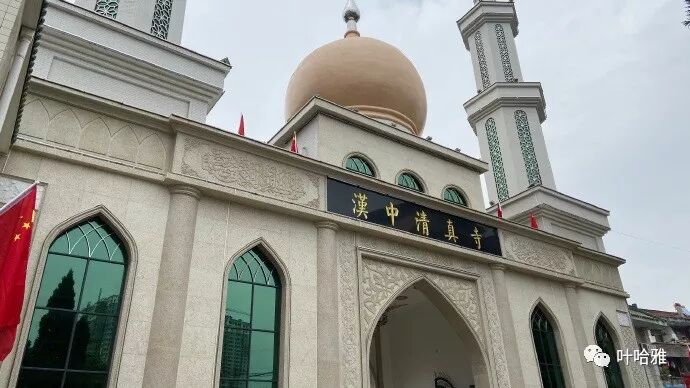
Hanzhong Mosque
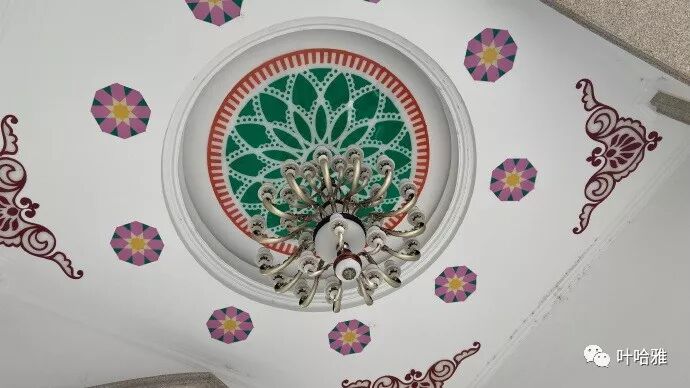
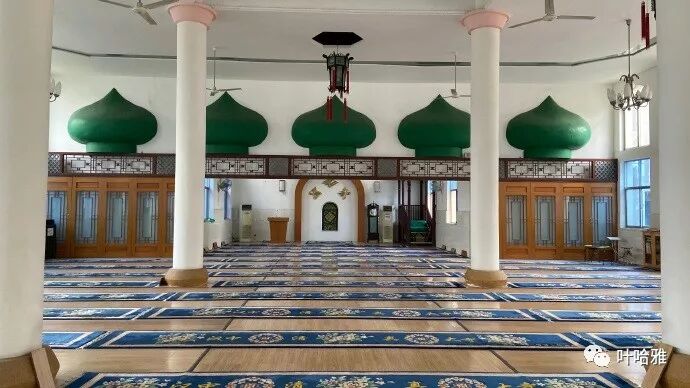
Built in 1986, Hanzhong Mosque features a Roman-style dome and is the only mosque in the Hanzhong city area. Legend has it that before the Tongzhi era of the Qing Dynasty, Hui Muslims made up nearly one-third of the population in Shaanxi and had over 800 mosques. After the Tongzhi era, the Hui Muslim population in Shaanxi nearly disappeared, leaving only the Muslim Quarter in Xi'an, as most were forced to move to Ningxia.
If the Tongzhi incident had not happened, the Qing Dynasty would have collapsed in a few more years, and the Hui Muslims in Shaanxi would have developed much better. But history cannot be rewritten.
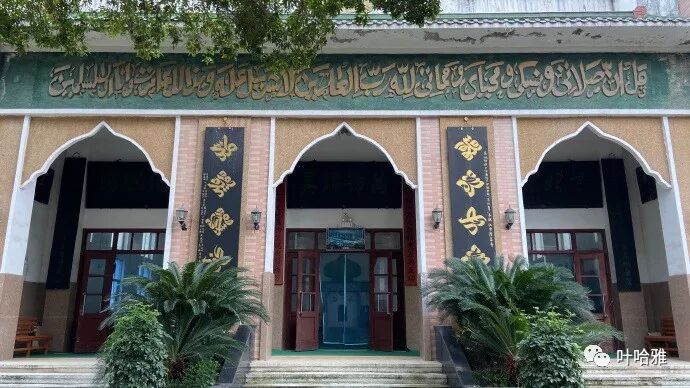
Xixiang County is where the most Hui Muslims in Hanzhong live, with a current population of over 4,000. The details of the mosques and shrines (gongbei) are in the table below:
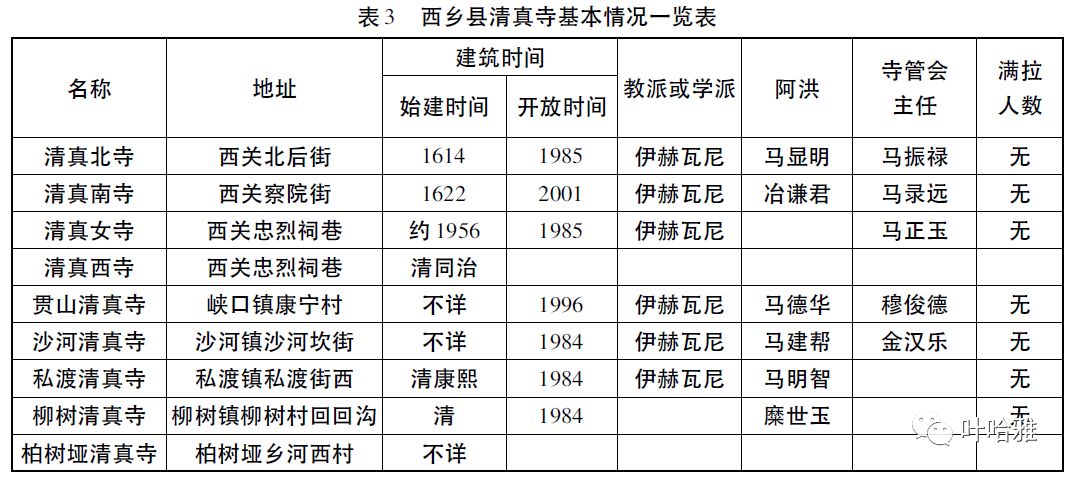
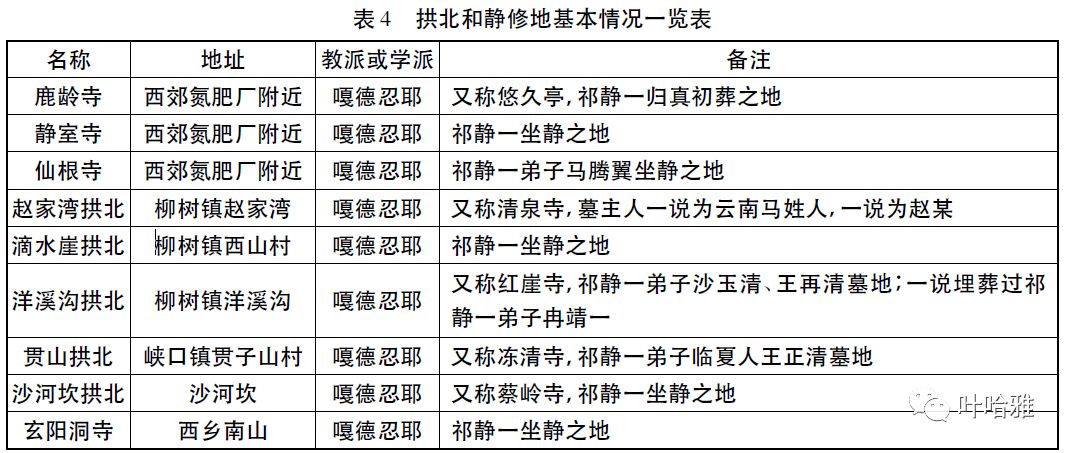
The table comes from "Mosques and Communities in a Context of Large-Scale Dispersion and Small-Scale Concentration: An Investigation into the Status of Islam in Xixiang County, Shaanxi Province" by Ma Qiang.
Xixiang County South Mosque
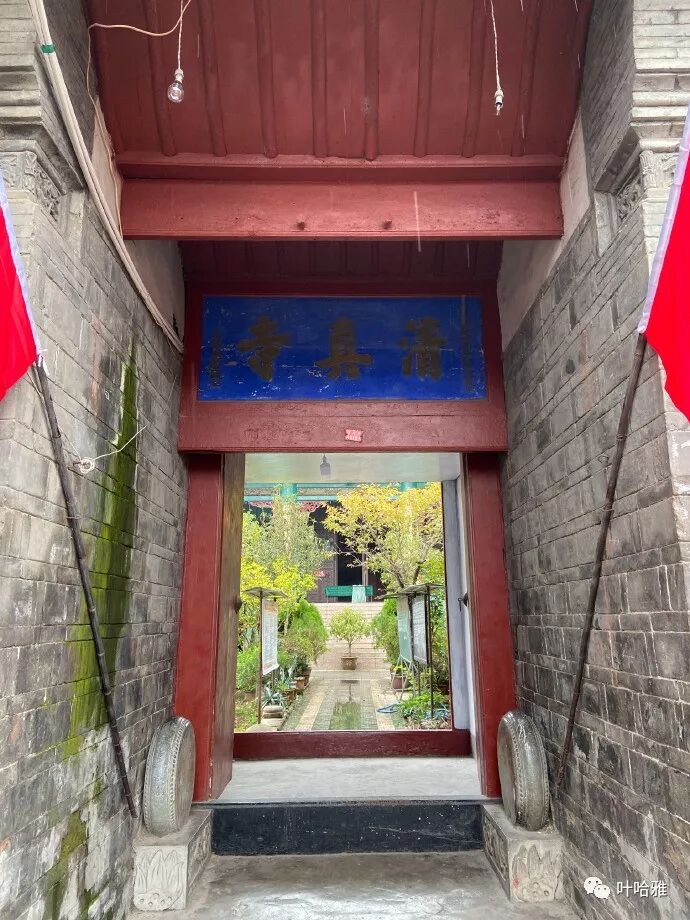
The South Mosque is located on Chayuan Street in the West Gate area and covers about 2.6 mu. During the democratic reform of the feudal religious system in 1958, the South Mosque was forced to stop religious activities, and the community's religious life was merged into the North Mosque. The South Mosque's large dressing mirror, ceramic cooling stools, wooden chairs, and other items were sold off. Before the South Mosque closed in 1958, it followed the Gedimu tradition. After religious activities officially resumed in 2001, it began following the Ikhwan tradition.
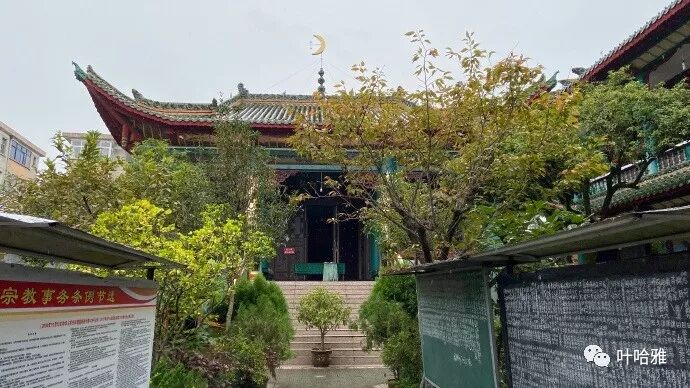
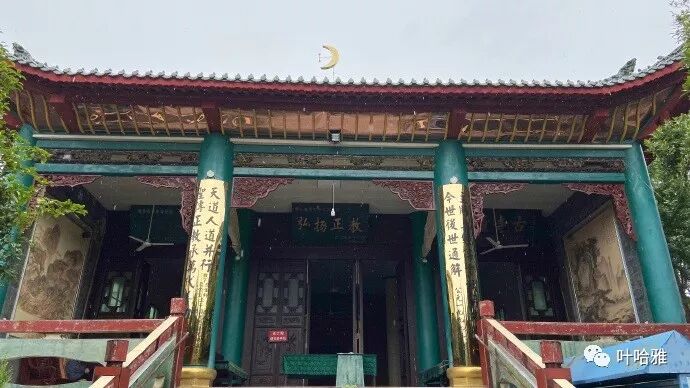
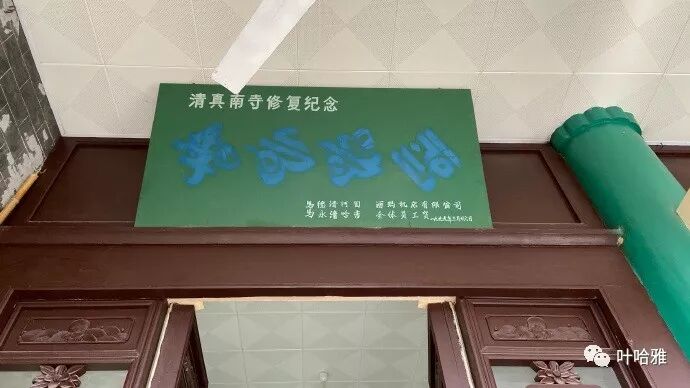
According to Ma Shinian's research, during the Republic of China era, this county had the largest number of Hui Muslims in the Hanzhong region, with over 600 households and three mosques located on North Street. The imam of the South Mosque was surnamed Chen and was from Gansu. The imam of the North Mosque was surnamed Wang and was from Ankang. The imam for the Old Mosque had not yet been hired. Each imam was very dedicated to religious affairs, and the South Mosque had a school dedicated to studying scriptures. Education was well-developed throughout the county, and many people studied religious scriptures. The Hui Muslims were generally well-off. Local prominent gentlemen, such as those surnamed Mu and Suo, were very enthusiastic about promoting public welfare and education for the community.
Xixiang County North Mosque
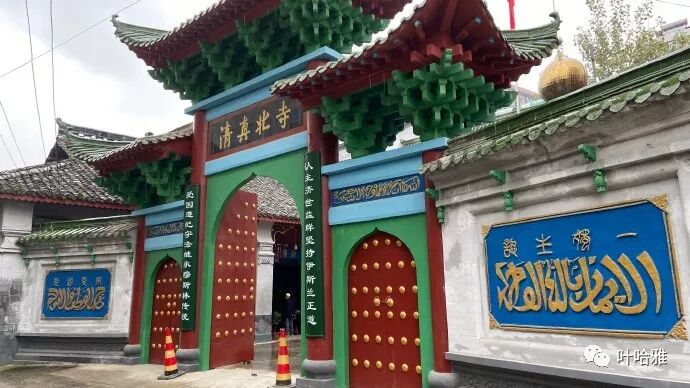
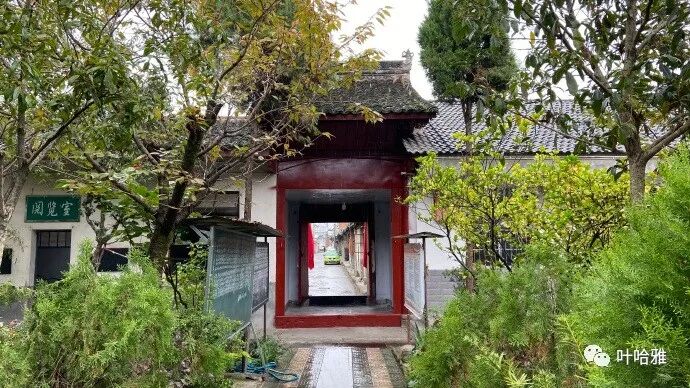
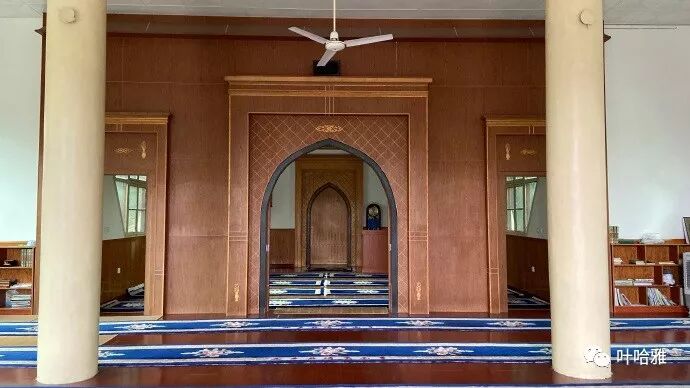
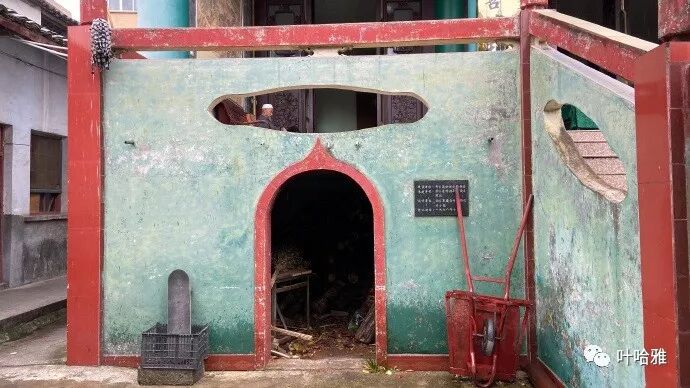
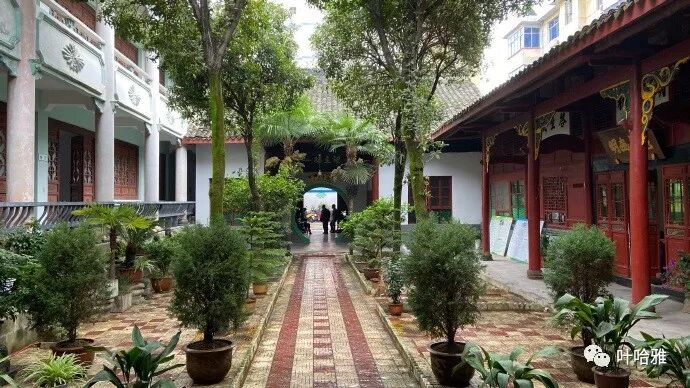
The Xixiang North Mosque was originally called Jingning Mosque. It was built in 1614 during the 42nd year of the Wanli reign of the Ming Dynasty. It is located on North Back Street in the West Gate area, about 300 meters from the South Mosque, and follows the Ikhwan tradition. During the Cultural Revolution, the military occupied the mosque. Oral tradition says that soldiers left after seeing a vision of an old man in white wearing a prayer cap (tasdar) praying. I suspect the vision was a jinn, because like humans, jinn can be Muslim or non-Muslim, and Muslim jinn also pray in mosques, though they are not easily seen by ordinary people.
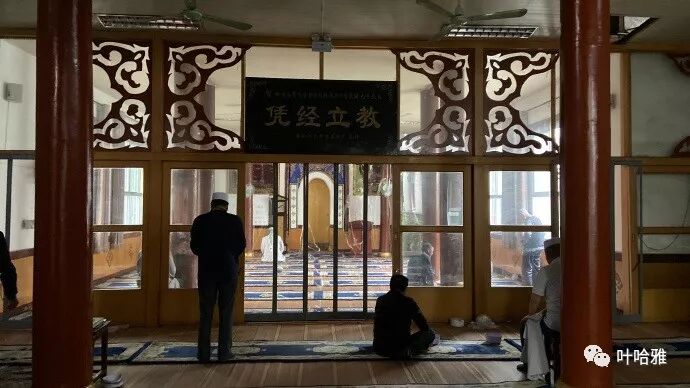
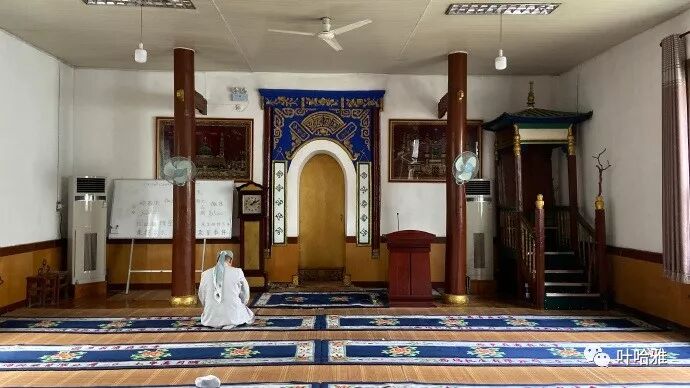
In 1953, Imam Yuan Fuxiang (1924–1982, from Hanzhong, Shaanxi) came to the North Mosque to teach at the invitation of Suo Wande, Wen Jinzhang, Ha Zihe, Ma Youheng, and others. The following year, during the month of Rajab (the seventh month of the Islamic calendar), he proposed that the South, North, and West mosques hold joint Friday prayers (Jumu'ah). The proposal received a positive response, and since then, the three mosques have taken turns hosting the Friday prayers, with the imams taking turns giving sermons (wa'z).
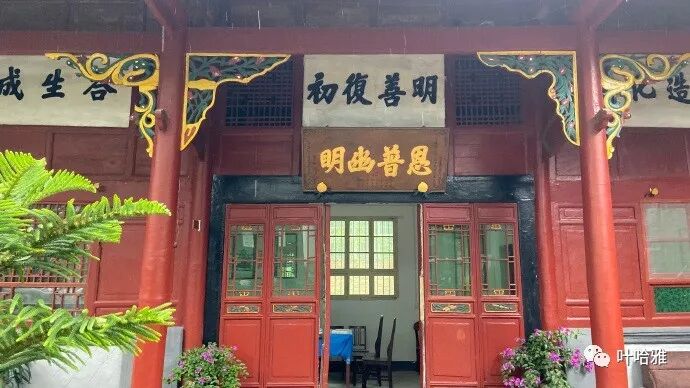
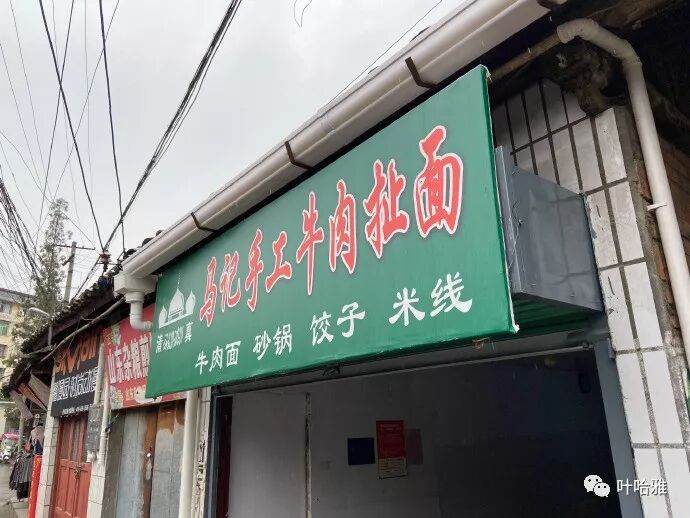
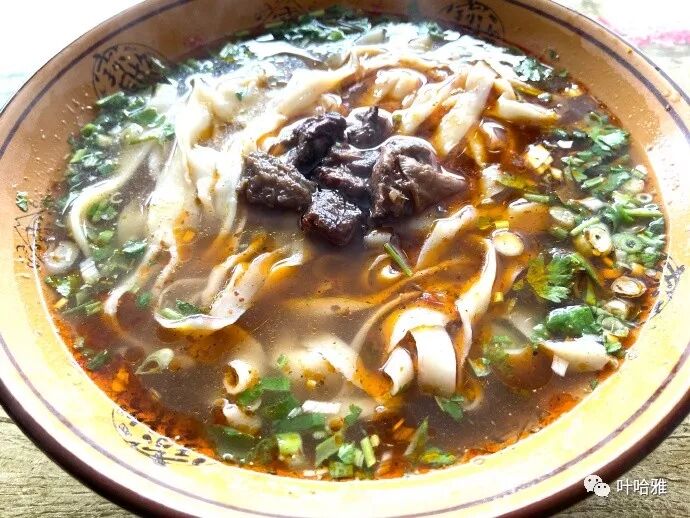
Ma's handmade beef pulled noodles (che mian).
I was looking for food in Xixiang and walked along the main road without seeing a single halal restaurant. I wondered if the Hui Muslims in Xixiang had become that scarce. Just as I was losing hope, I found this beef pulled noodle shop. The owner is a local and told me that if I walked further in, I would find two mosques. The area nearby is a residential neighborhood for Hui Muslims. These pulled noodles are a local specialty and are slightly spicy because Xixiang is close to Sichuan, and the locals even have a Sichuan accent when they speak.
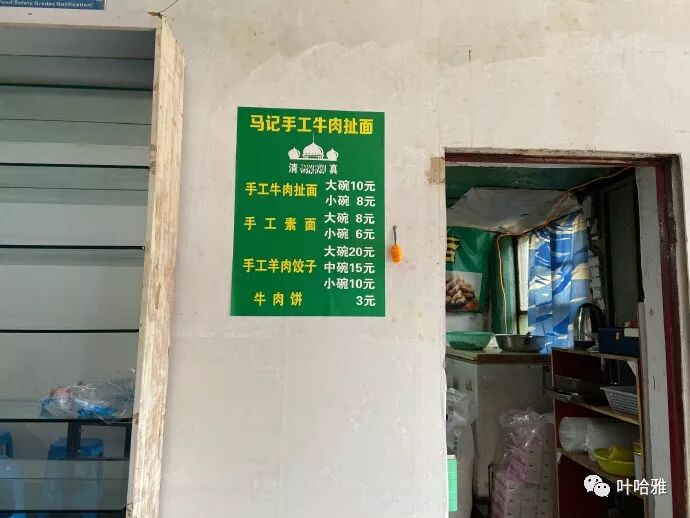
I really like eating at these small shops tucked deep inside residential areas, as the taste best represents the local flavor.
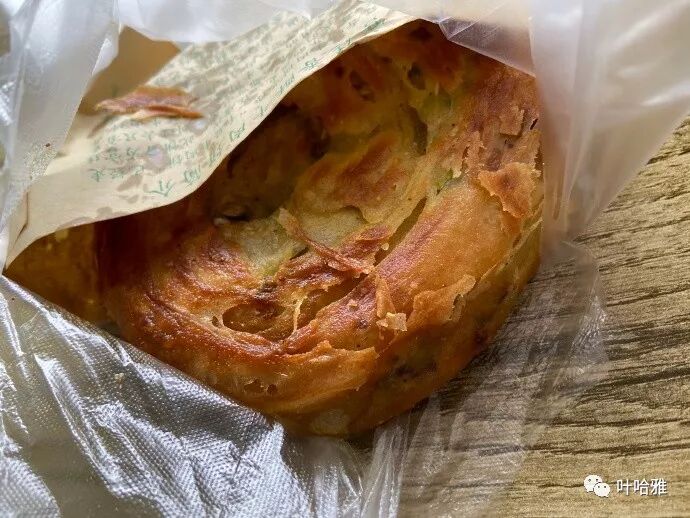
This noodle shop also sells beef pies. I asked, and they are indeed a local snack. People in Xi'an call them crispy beef pies (xiangsu niurou bing), and some people add the word 'palace' (gongting) in front of the name.
Luling Cultural Square.
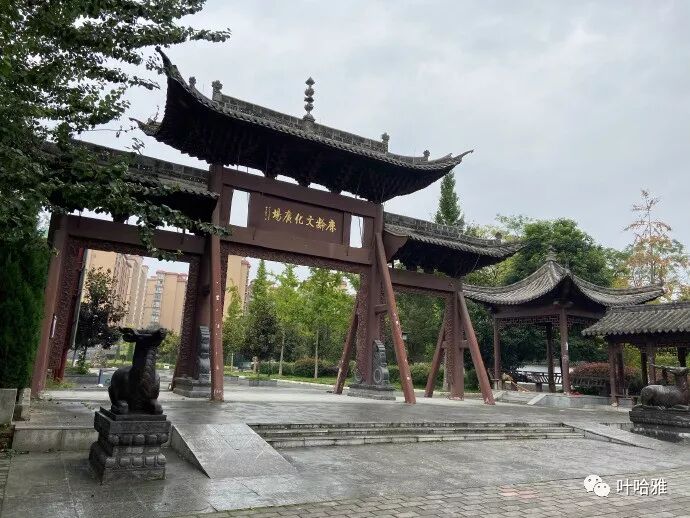
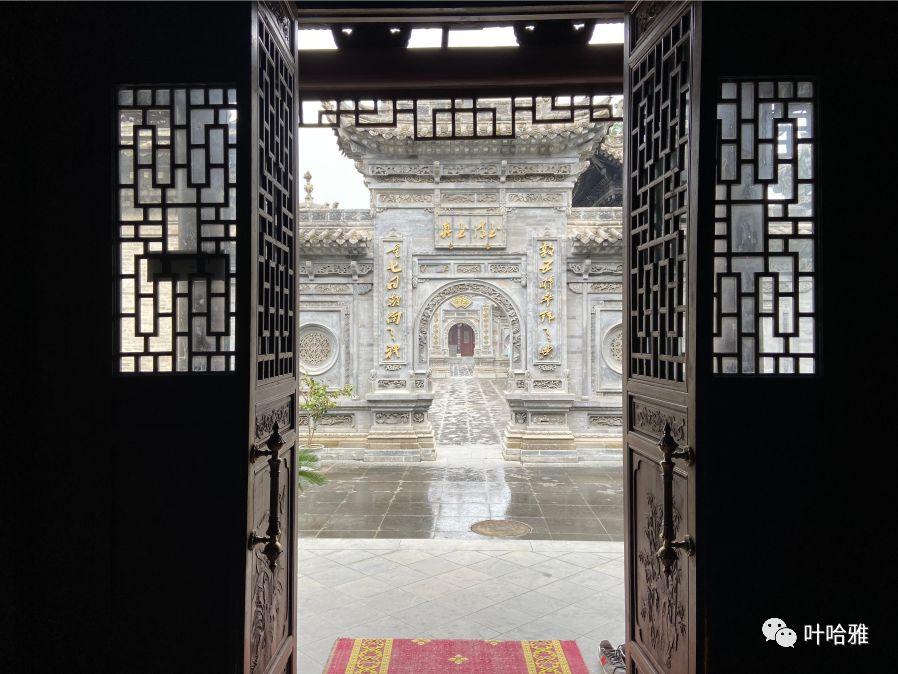
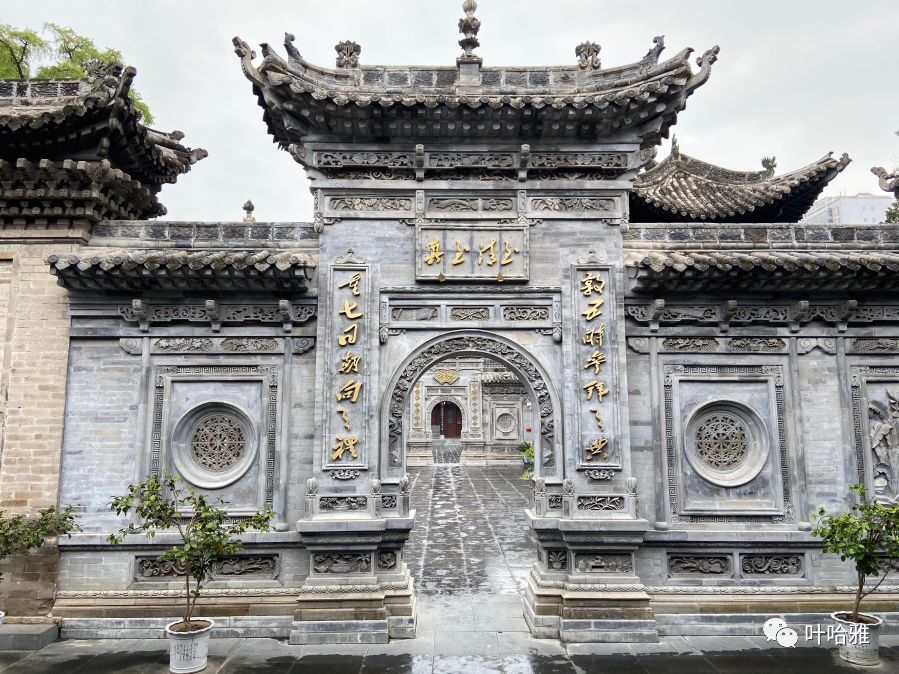
Luling Mosque, also known as Youjiu Ting, is an important place where the great master Qi Jingyi of the Qadiriyya menhuan practiced, preached, and passed away. Luling Mosque consists of three main parts: Xiangen Mosque, the meditation room (jing shi), and Luling Mosque itself. It is a key cultural relic site under provincial protection in Shaanxi. Experts from the Architectural Design and Research Institute of Tongji University and the Kunihiro George Urban Architecture Institute in Japan visited the Linxia Great Gongbei, the Langzhong Baba Mosque, and the Xixiang Mosque. After nearly three years of in-depth research, they finally determined the design plan for Luling Mosque.
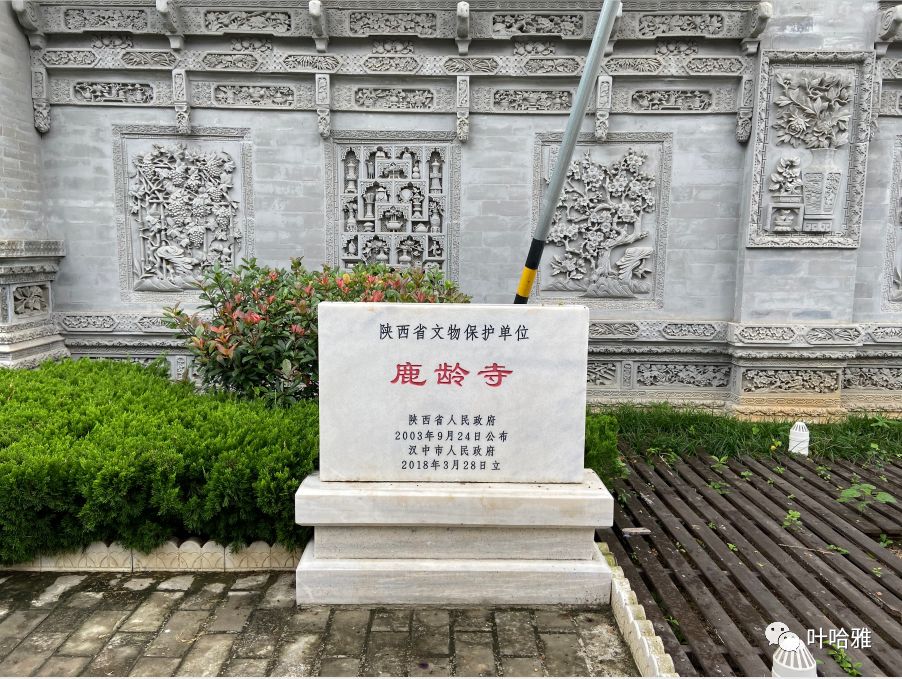
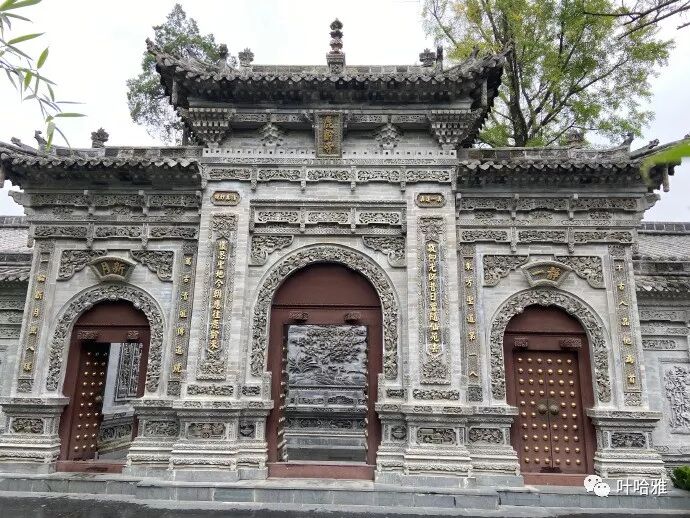
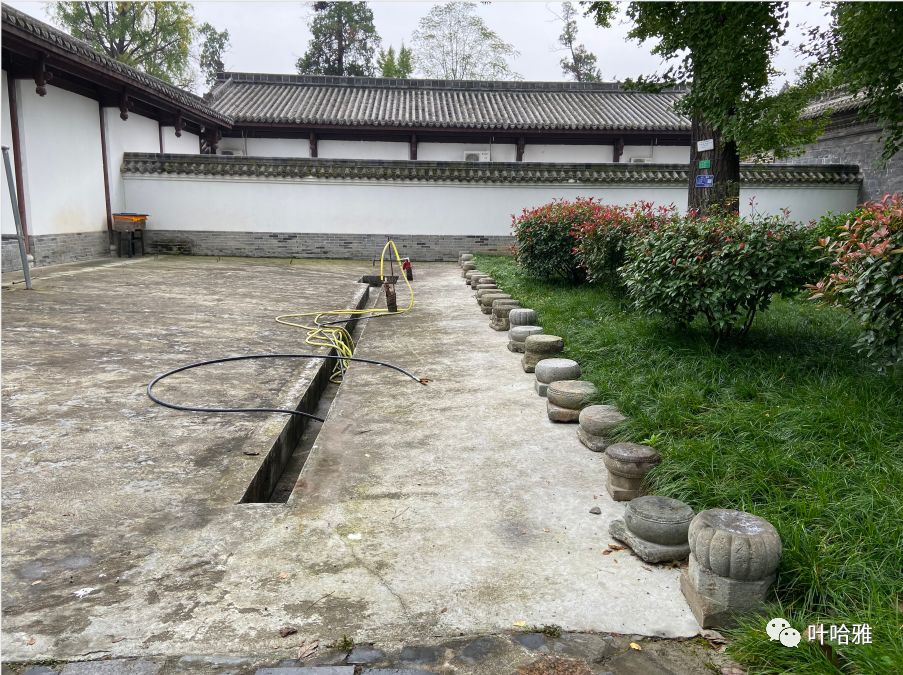
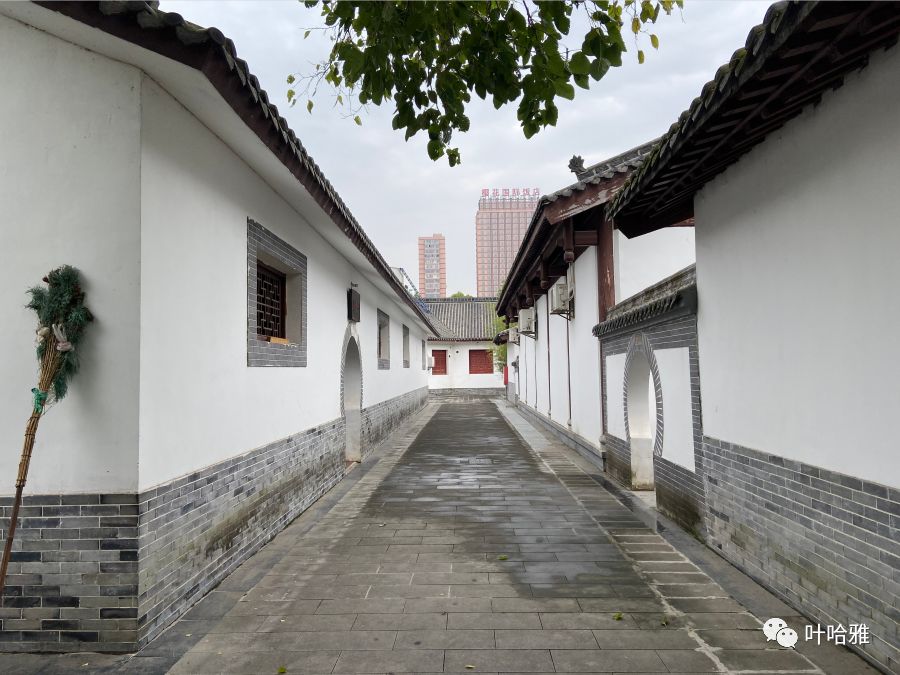
Luling Mosque has six courtyards with a total of 99 rooms: Zhonghe Courtyard (containing a memorial archway, a front screen wall, an Arabic brick carving cultural art wall, and a brick arched gate), Yangzhi Courtyard (containing the Jiuzhao Pavilion, a rear screen wall, and a Qing Dynasty brick carving wall), Yuanmu Courtyard (containing a reception hall, dining room, and guest rooms), Jingxin Study (containing the Jingyi School and a cultural relic exhibition hall), Jingtang Courtyard (containing the Luling Academy and a cultural exhibition hall), and the prayer hall.
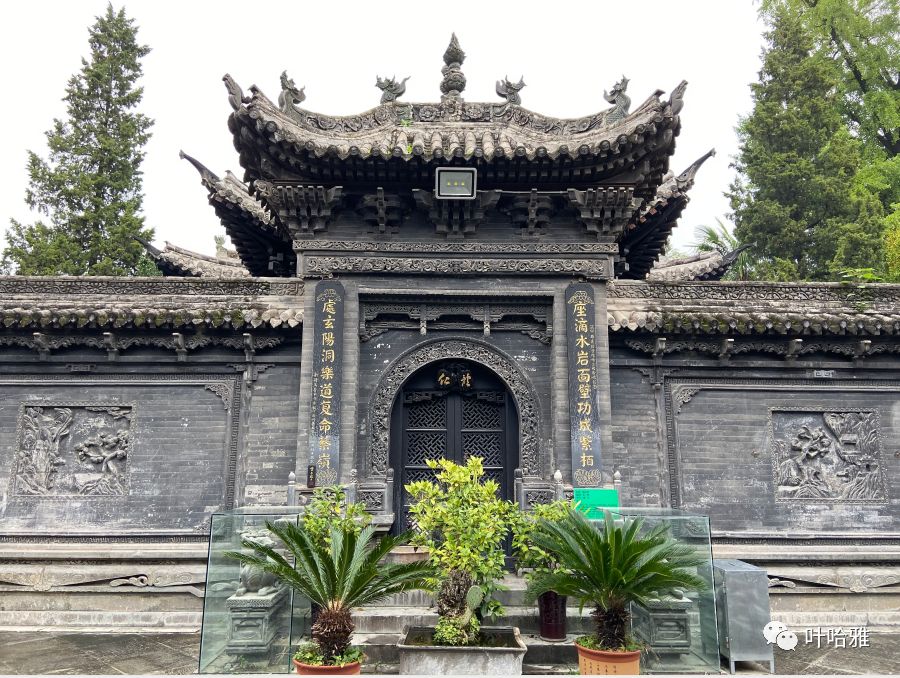
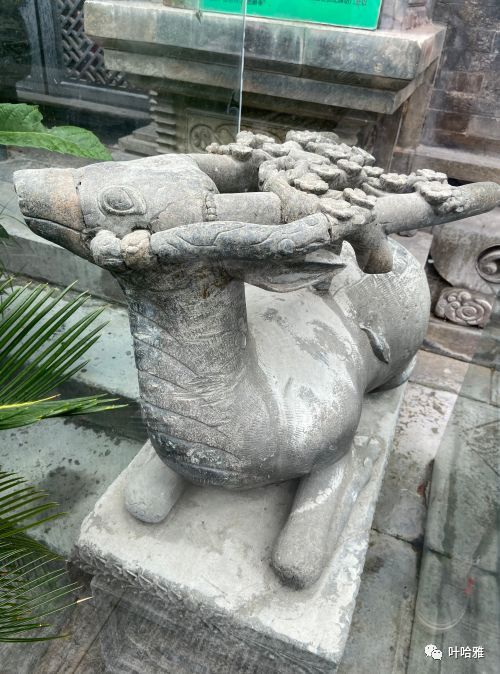
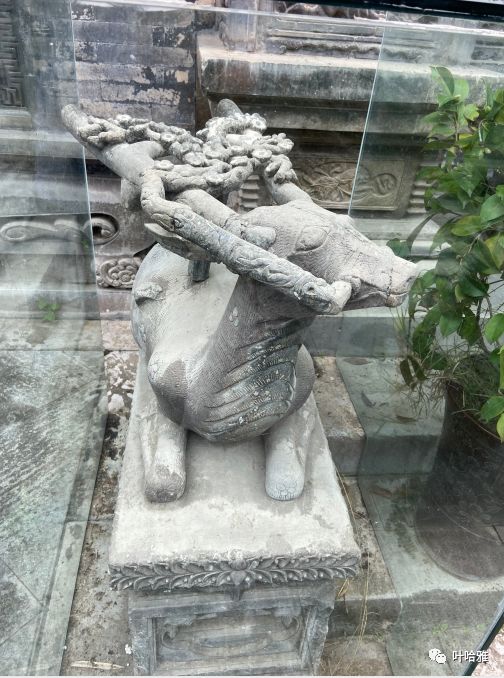
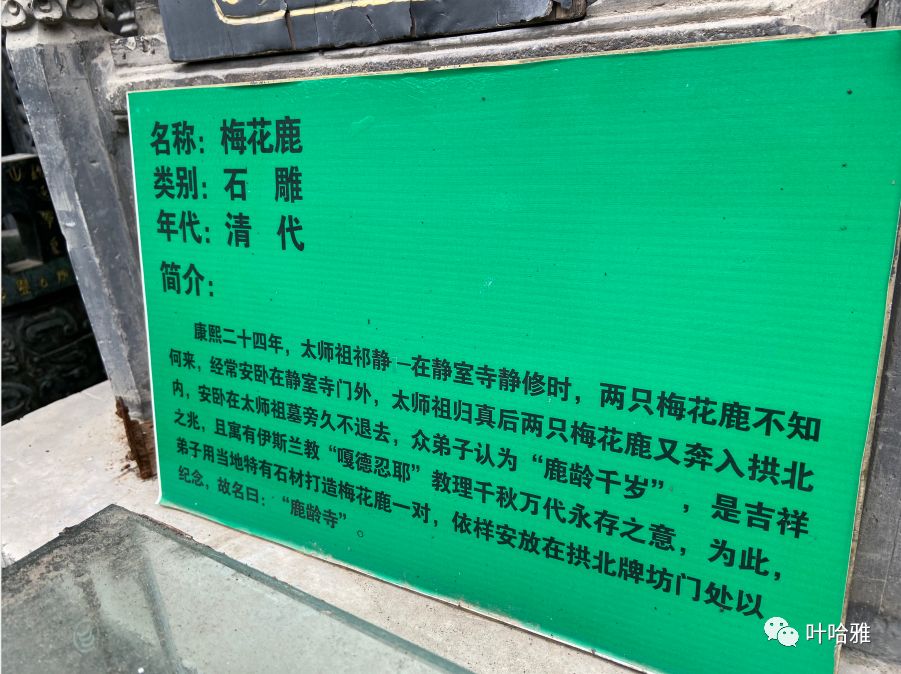
As for the origin of the name Luling Mosque, People say during the early construction period in the Kangxi era, this place was a dense forest. While the great master Qi Jingyi was preaching, sika deer often came to listen quietly, and the name of the mosque came from this. Another story says that when Qi Jingyi's disciples were building a tomb pavilion for him, a pair of sika deer lay under a pine tree. The followers believed that a deer living for a thousand years was an auspicious sign, symbolizing that the teachings of the Qadiriyya menhuan would last for thousands of generations, so they named it Luling Mosque.
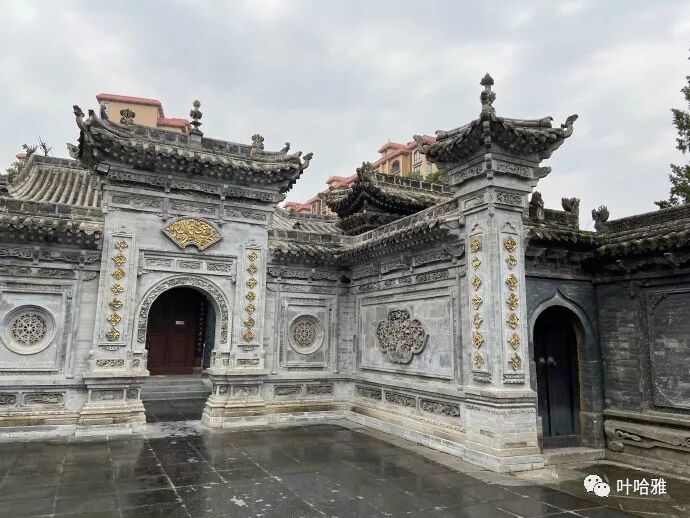
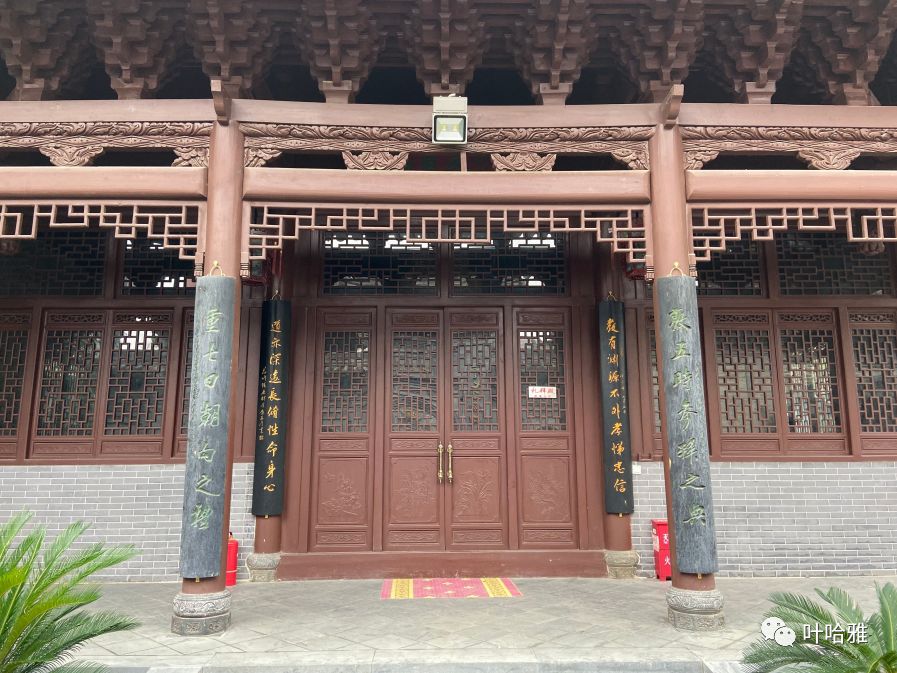
Meditation room (jing shi).
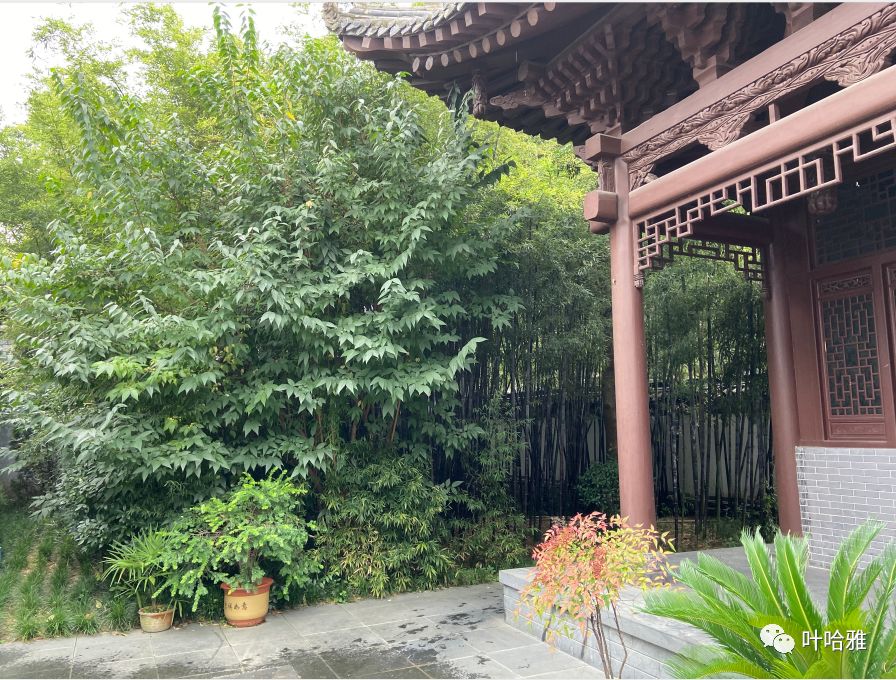
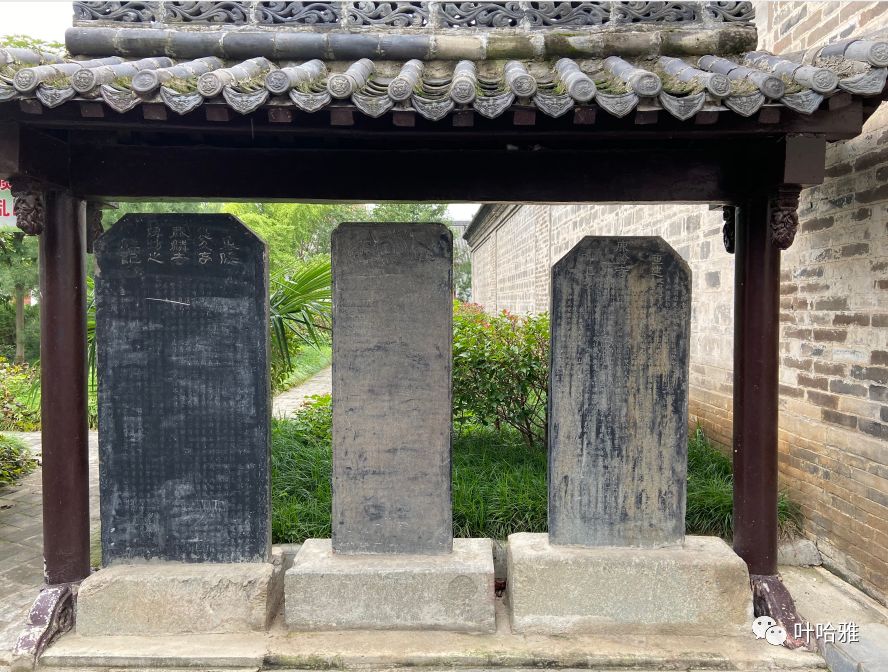
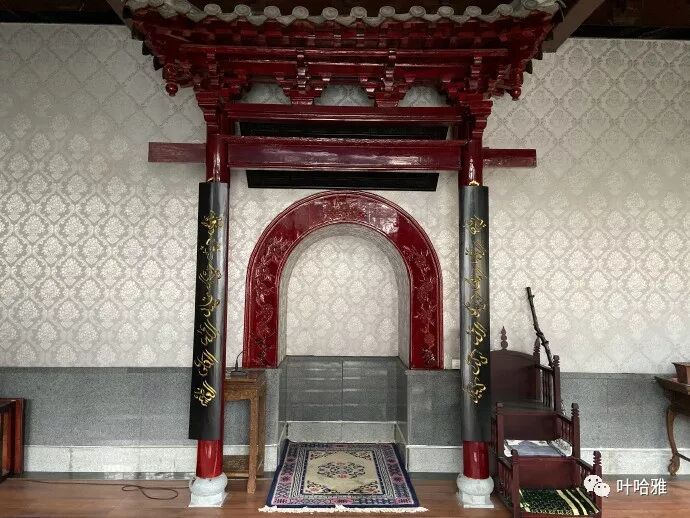
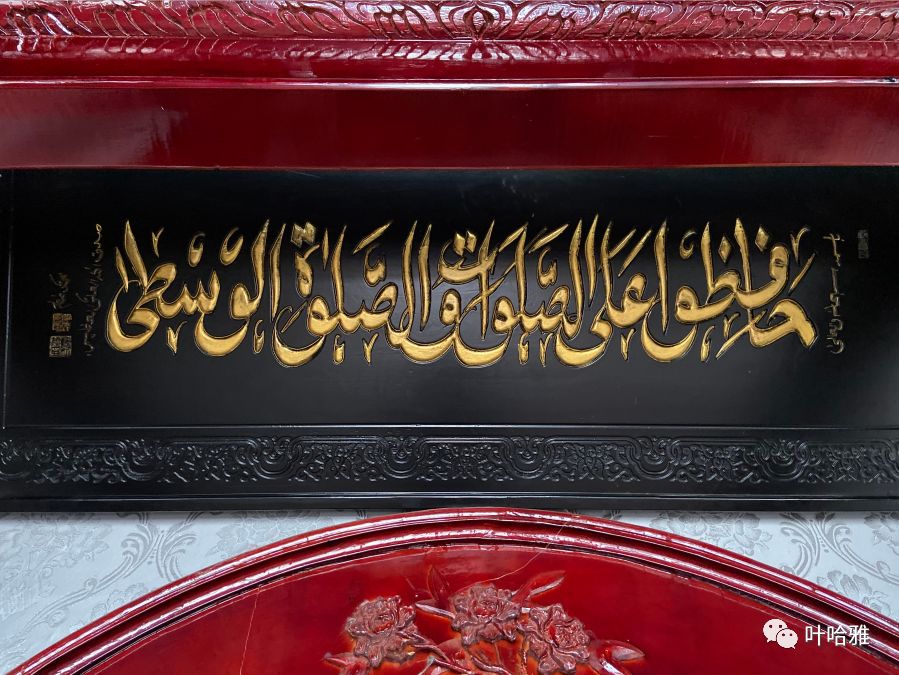
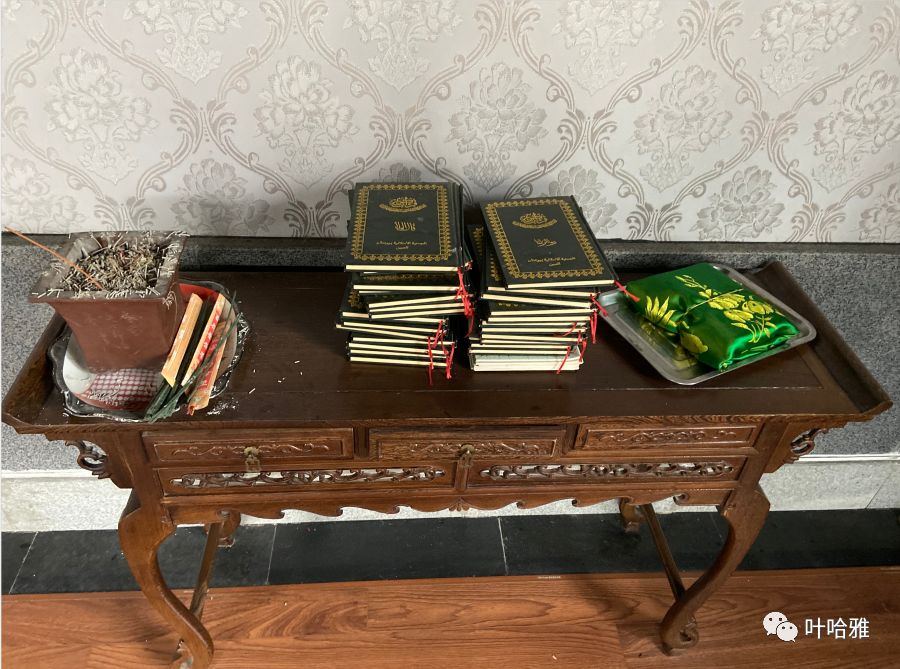
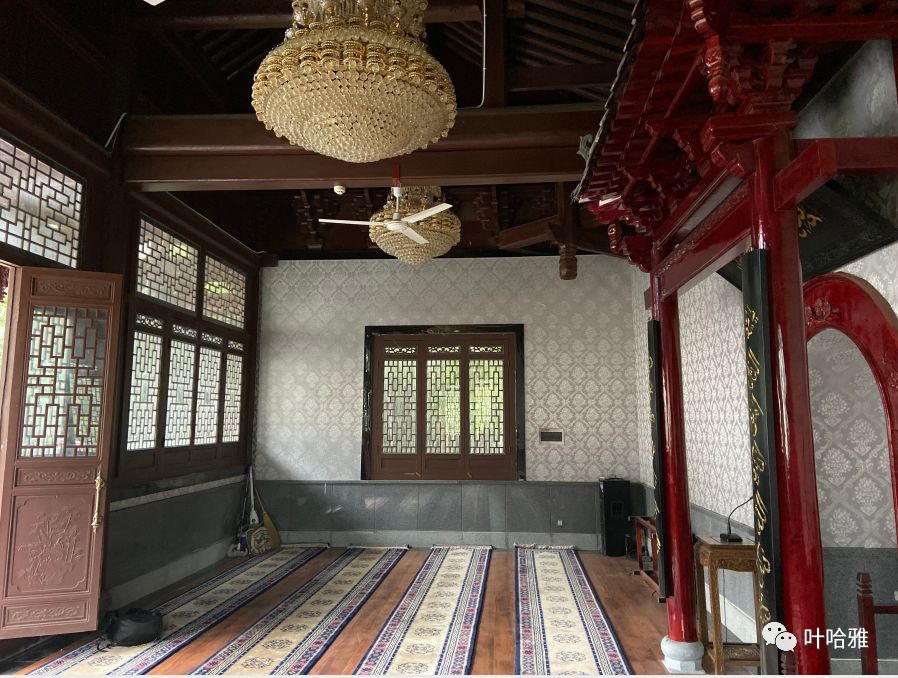
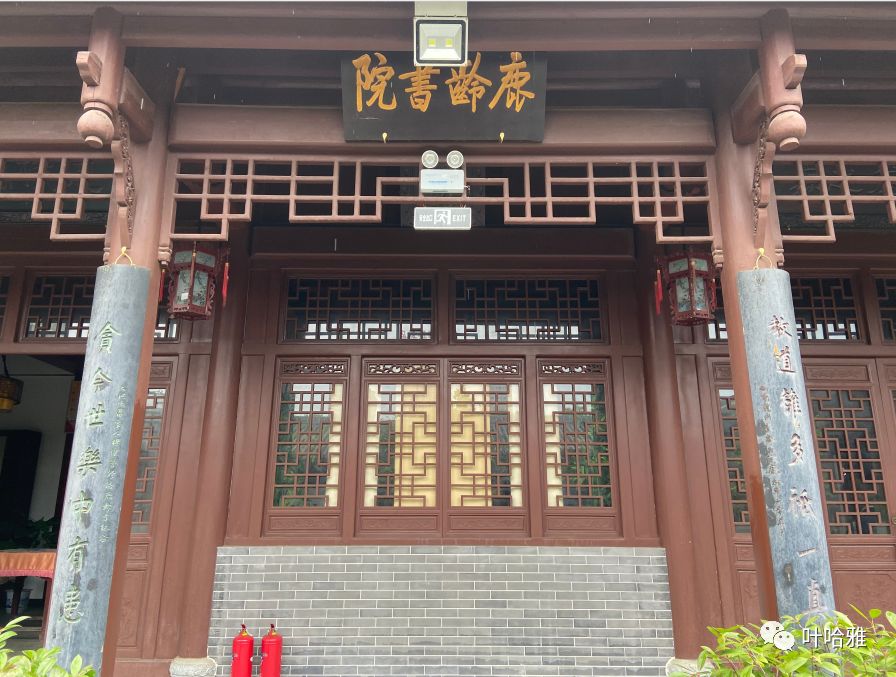
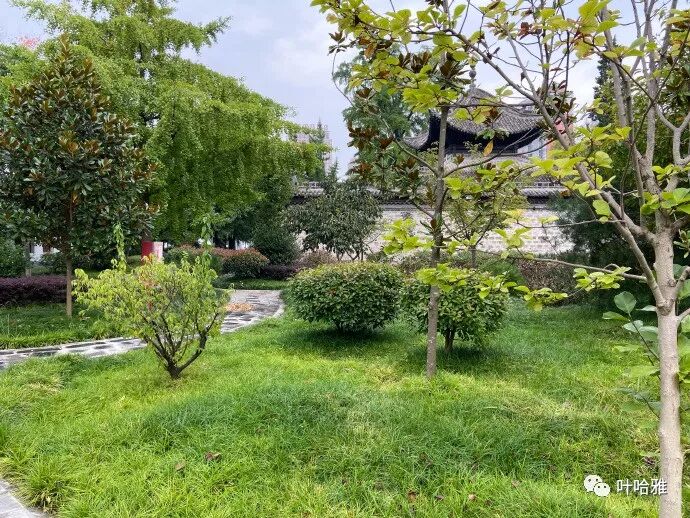
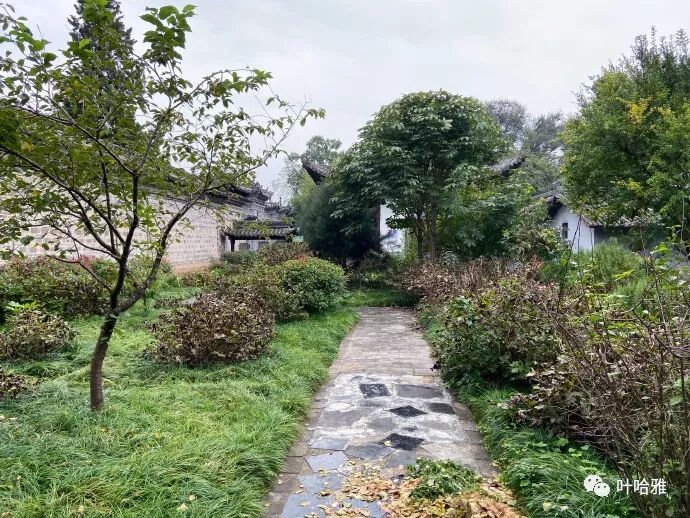
Luling Academy
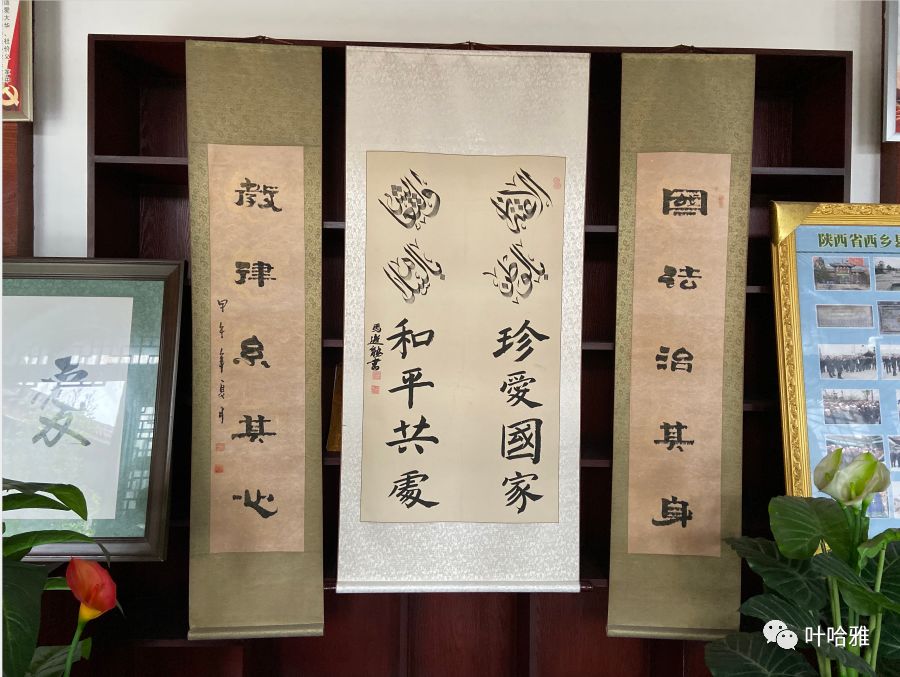
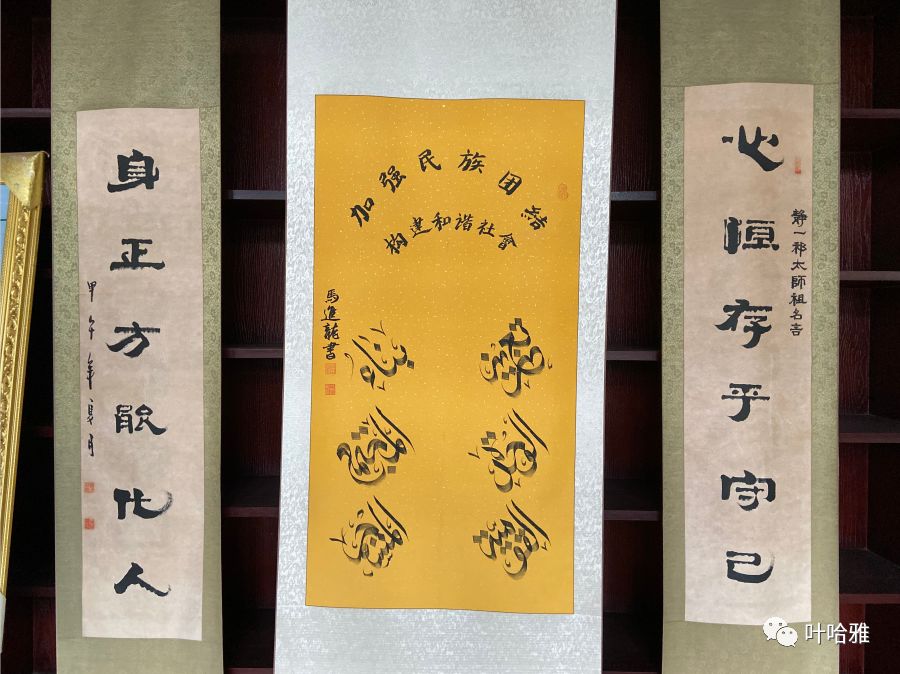
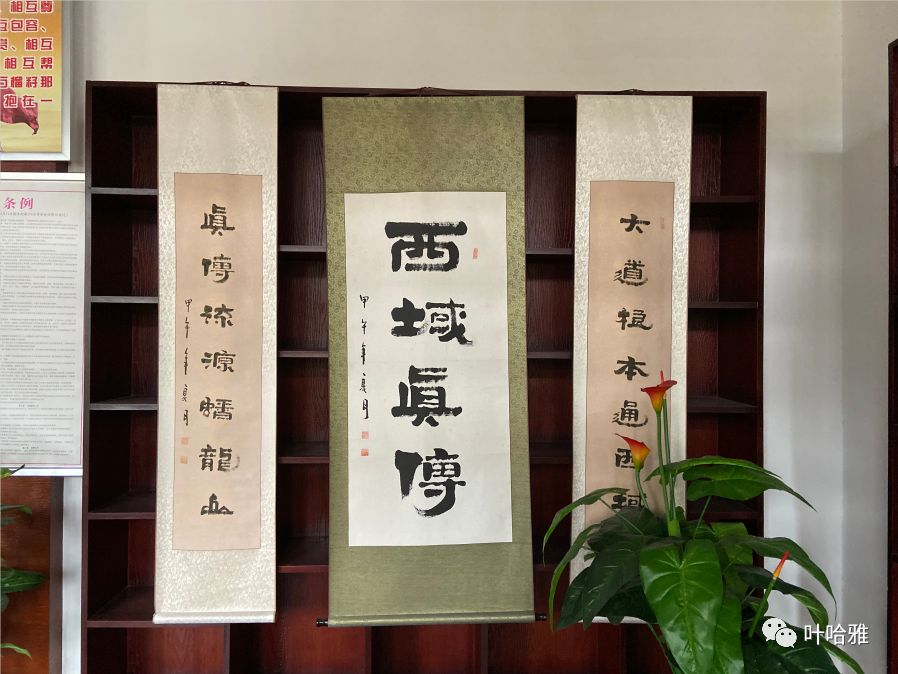
A major feature of the Qadiriyya menhuan is its monastic system, which divides monks into three levels:
The first level of monks must enter the order as children and undergo long-term training involving begging, hunger, and mountain retreats.
The second level of monks are called 'jijiaoren' (those who record the teachings). They can join later in life, but they are limited to living and practicing at the gongbei and do not beg or go into the mountains.
The third level of monks are the caretakers who manage the gongbei, and their lives are not as difficult as the first two groups.
Monks must be approved by their teacher beforehand. Once they join, they must practice celibacy, which means avoiding sexual desire, the six senses, and the pursuit of wealth and status. They also follow five rules: diligently studying the rules, begging for food, practicing hard, lighting incense in the morning, and bathing frequently. Imams and regular believers are considered laypeople and do not need to follow these rules. However, this unique way of practicing has also been criticized by some other sects.
On the 11th day of the 9th lunar month in the 58th year of the Kangxi reign, or 1719 AD, the great ancestor Qi Jingyi passed away at the age of 63. Followers from Yangtuojia in Linxia suggested that the ancestor's remains should be moved back to his hometown of Hezhou. After discussion among the community, they decided to move his remains after the 100-day memorial, relocating them from Xixiang County to the west of Bafang in Hezhou.
Summary: Muslim Travel Guide China 2026: Luling Mosque, Gadiriyya Shrine and Hui Muslim Heritage is presented here as a clear English travel account for Muslim readers, beginning with this scene: Hanzhong is the area in Shaanxi province with the next largest population of Hui Muslims after Xi'an, Zhen'an County, and Ankang. Hui Muslims in Hanzhong mainly live in the city center and the nearby Xixiang. The article keeps the original place names, food details, photographs, and cultural context while focusing on Luling Mosque, Gadiriyya Shrine, Hui Muslims.
Hanzhong is the area in Shaanxi province with the next largest population of Hui Muslims after Xi'an, Zhen'an County, and Ankang. Hui Muslims in Hanzhong mainly live in the city center and the nearby Xixiang County. My destination for this trip is Chengguan Town in Xixiang County. You can take a bus or a train from Hanzhong city to Xixiang, and the trip takes about an hour and a half. Before leaving for Xixiang County, I stopped by to visit the Hanzhong Mosque.
Hanzhong Mosque
Built in 1986, Hanzhong Mosque features a Roman-style dome and is the only mosque in the Hanzhong city area. Legend has it that before the Tongzhi era of the Qing Dynasty, Hui Muslims made up nearly one-third of the population in Shaanxi and had over 800 mosques. After the Tongzhi era, the Hui Muslim population in Shaanxi nearly disappeared, leaving only the Muslim Quarter in Xi'an, as most were forced to move to Ningxia.
If the Tongzhi incident had not happened, the Qing Dynasty would have collapsed in a few more years, and the Hui Muslims in Shaanxi would have developed much better. But history cannot be rewritten.
Xixiang County is where the most Hui Muslims in Hanzhong live, with a current population of over 4,000. The details of the mosques and shrines (gongbei) are in the table below:
The table comes from "Mosques and Communities in a Context of Large-Scale Dispersion and Small-Scale Concentration: An Investigation into the Status of Islam in Xixiang County, Shaanxi Province" by Ma Qiang.
Xixiang County South Mosque
The South Mosque is located on Chayuan Street in the West Gate area and covers about 2.6 mu. During the democratic reform of the feudal religious system in 1958, the South Mosque was forced to stop religious activities, and the community's religious life was merged into the North Mosque. The South Mosque's large dressing mirror, ceramic cooling stools, wooden chairs, and other items were sold off. Before the South Mosque closed in 1958, it followed the Gedimu tradition. After religious activities officially resumed in 2001, it began following the Ikhwan tradition.
According to Ma Shinian's research, during the Republic of China era, this county had the largest number of Hui Muslims in the Hanzhong region, with over 600 households and three mosques located on North Street. The imam of the South Mosque was surnamed Chen and was from Gansu. The imam of the North Mosque was surnamed Wang and was from Ankang. The imam for the Old Mosque had not yet been hired. Each imam was very dedicated to religious affairs, and the South Mosque had a school dedicated to studying scriptures. Education was well-developed throughout the county, and many people studied religious scriptures. The Hui Muslims were generally well-off. Local prominent gentlemen, such as those surnamed Mu and Suo, were very enthusiastic about promoting public welfare and education for the community.
Xixiang County North Mosque
The Xixiang North Mosque was originally called Jingning Mosque. It was built in 1614 during the 42nd year of the Wanli reign of the Ming Dynasty. It is located on North Back Street in the West Gate area, about 300 meters from the South Mosque, and follows the Ikhwan tradition. During the Cultural Revolution, the military occupied the mosque. Oral tradition says that soldiers left after seeing a vision of an old man in white wearing a prayer cap (tasdar) praying. I suspect the vision was a jinn, because like humans, jinn can be Muslim or non-Muslim, and Muslim jinn also pray in mosques, though they are not easily seen by ordinary people.
In 1953, Imam Yuan Fuxiang (1924–1982, from Hanzhong, Shaanxi) came to the North Mosque to teach at the invitation of Suo Wande, Wen Jinzhang, Ha Zihe, Ma Youheng, and others. The following year, during the month of Rajab (the seventh month of the Islamic calendar), he proposed that the South, North, and West mosques hold joint Friday prayers (Jumu'ah). The proposal received a positive response, and since then, the three mosques have taken turns hosting the Friday prayers, with the imams taking turns giving sermons (wa'z).
Ma's handmade beef pulled noodles (che mian).
I was looking for food in Xixiang and walked along the main road without seeing a single halal restaurant. I wondered if the Hui Muslims in Xixiang had become that scarce. Just as I was losing hope, I found this beef pulled noodle shop. The owner is a local and told me that if I walked further in, I would find two mosques. The area nearby is a residential neighborhood for Hui Muslims. These pulled noodles are a local specialty and are slightly spicy because Xixiang is close to Sichuan, and the locals even have a Sichuan accent when they speak.
I really like eating at these small shops tucked deep inside residential areas, as the taste best represents the local flavor.
This noodle shop also sells beef pies. I asked, and they are indeed a local snack. People in Xi'an call them crispy beef pies (xiangsu niurou bing), and some people add the word 'palace' (gongting) in front of the name.
Luling Cultural Square.
Luling Mosque, also known as Youjiu Ting, is an important place where the great master Qi Jingyi of the Qadiriyya menhuan practiced, preached, and passed away. Luling Mosque consists of three main parts: Xiangen Mosque, the meditation room (jing shi), and Luling Mosque itself. It is a key cultural relic site under provincial protection in Shaanxi. Experts from the Architectural Design and Research Institute of Tongji University and the Kunihiro George Urban Architecture Institute in Japan visited the Linxia Great Gongbei, the Langzhong Baba Mosque, and the Xixiang Mosque. After nearly three years of in-depth research, they finally determined the design plan for Luling Mosque.
Luling Mosque has six courtyards with a total of 99 rooms: Zhonghe Courtyard (containing a memorial archway, a front screen wall, an Arabic brick carving cultural art wall, and a brick arched gate), Yangzhi Courtyard (containing the Jiuzhao Pavilion, a rear screen wall, and a Qing Dynasty brick carving wall), Yuanmu Courtyard (containing a reception hall, dining room, and guest rooms), Jingxin Study (containing the Jingyi School and a cultural relic exhibition hall), Jingtang Courtyard (containing the Luling Academy and a cultural exhibition hall), and the prayer hall.
As for the origin of the name Luling Mosque, People say during the early construction period in the Kangxi era, this place was a dense forest. While the great master Qi Jingyi was preaching, sika deer often came to listen quietly, and the name of the mosque came from this. Another story says that when Qi Jingyi's disciples were building a tomb pavilion for him, a pair of sika deer lay under a pine tree. The followers believed that a deer living for a thousand years was an auspicious sign, symbolizing that the teachings of the Qadiriyya menhuan would last for thousands of generations, so they named it Luling Mosque.
Meditation room (jing shi).
Luling Academy
A major feature of the Qadiriyya menhuan is its monastic system, which divides monks into three levels:
The first level of monks must enter the order as children and undergo long-term training involving begging, hunger, and mountain retreats.
The second level of monks are called 'jijiaoren' (those who record the teachings). They can join later in life, but they are limited to living and practicing at the gongbei and do not beg or go into the mountains.
The third level of monks are the caretakers who manage the gongbei, and their lives are not as difficult as the first two groups.
Monks must be approved by their teacher beforehand. Once they join, they must practice celibacy, which means avoiding sexual desire, the six senses, and the pursuit of wealth and status. They also follow five rules: diligently studying the rules, begging for food, practicing hard, lighting incense in the morning, and bathing frequently. Imams and regular believers are considered laypeople and do not need to follow these rules. However, this unique way of practicing has also been criticized by some other sects.
On the 11th day of the 9th lunar month in the 58th year of the Kangxi reign, or 1719 AD, the great ancestor Qi Jingyi passed away at the age of 63. Followers from Yangtuojia in Linxia suggested that the ancestor's remains should be moved back to his hometown of Hezhou. After discussion among the community, they decided to move his remains after the 100-day memorial, relocating them from Xixiang County to the west of Bafang in Hezhou.
Muslim Travel Guide China 2026: Luling Mosque, Gadiriyya Shrine and Hui Muslim Heritage
Articles • ali2007fr posted the article • 0 comments • 287 views • 2026-05-21 12:46
Reposted from the web
Summary: Muslim Travel Guide China 2026: Luling Mosque, Gadiriyya Shrine and Hui Muslim Heritage is presented here as a clear English travel account for Muslim readers, beginning with this scene: Hanzhong is the area in Shaanxi province with the next largest population of Hui Muslims after Xi'an, Zhen'an County, and Ankang. Hui Muslims in Hanzhong mainly live in the city center and the nearby Xixiang. The article keeps the original place names, food details, photographs, and cultural context while focusing on Luling Mosque, Gadiriyya Shrine, Hui Muslims.
Hanzhong is the area in Shaanxi province with the next largest population of Hui Muslims after Xi'an, Zhen'an County, and Ankang. Hui Muslims in Hanzhong mainly live in the city center and the nearby Xixiang County. My destination for this trip is Chengguan Town in Xixiang County. You can take a bus or a train from Hanzhong city to Xixiang, and the trip takes about an hour and a half. Before leaving for Xixiang County, I stopped by to visit the Hanzhong Mosque.
Hanzhong Mosque
Built in 1986, Hanzhong Mosque features a Roman-style dome and is the only mosque in the Hanzhong city area. Legend has it that before the Tongzhi era of the Qing Dynasty, Hui Muslims made up nearly one-third of the population in Shaanxi and had over 800 mosques. After the Tongzhi era, the Hui Muslim population in Shaanxi nearly disappeared, leaving only the Muslim Quarter in Xi'an, as most were forced to move to Ningxia.
If the Tongzhi incident had not happened, the Qing Dynasty would have collapsed in a few more years, and the Hui Muslims in Shaanxi would have developed much better. But history cannot be rewritten.
Xixiang County is where the most Hui Muslims in Hanzhong live, with a current population of over 4,000. The details of the mosques and shrines (gongbei) are in the table below:
The table comes from "Mosques and Communities in a Context of Large-Scale Dispersion and Small-Scale Concentration: An Investigation into the Status of Islam in Xixiang County, Shaanxi Province" by Ma Qiang.
Xixiang County South Mosque
The South Mosque is located on Chayuan Street in the West Gate area and covers about 2.6 mu. During the democratic reform of the feudal religious system in 1958, the South Mosque was forced to stop religious activities, and the community's religious life was merged into the North Mosque. The South Mosque's large dressing mirror, ceramic cooling stools, wooden chairs, and other items were sold off. Before the South Mosque closed in 1958, it followed the Gedimu tradition. After religious activities officially resumed in 2001, it began following the Ikhwan tradition.
According to Ma Shinian's research, during the Republic of China era, this county had the largest number of Hui Muslims in the Hanzhong region, with over 600 households and three mosques located on North Street. The imam of the South Mosque was surnamed Chen and was from Gansu. The imam of the North Mosque was surnamed Wang and was from Ankang. The imam for the Old Mosque had not yet been hired. Each imam was very dedicated to religious affairs, and the South Mosque had a school dedicated to studying scriptures. Education was well-developed throughout the county, and many people studied religious scriptures. The Hui Muslims were generally well-off. Local prominent gentlemen, such as those surnamed Mu and Suo, were very enthusiastic about promoting public welfare and education for the community.
Xixiang County North Mosque
The Xixiang North Mosque was originally called Jingning Mosque. It was built in 1614 during the 42nd year of the Wanli reign of the Ming Dynasty. It is located on North Back Street in the West Gate area, about 300 meters from the South Mosque, and follows the Ikhwan tradition. During the Cultural Revolution, the military occupied the mosque. Oral tradition says that soldiers left after seeing a vision of an old man in white wearing a prayer cap (tasdar) praying. I suspect the vision was a jinn, because like humans, jinn can be Muslim or non-Muslim, and Muslim jinn also pray in mosques, though they are not easily seen by ordinary people.
In 1953, Imam Yuan Fuxiang (1924–1982, from Hanzhong, Shaanxi) came to the North Mosque to teach at the invitation of Suo Wande, Wen Jinzhang, Ha Zihe, Ma Youheng, and others. The following year, during the month of Rajab (the seventh month of the Islamic calendar), he proposed that the South, North, and West mosques hold joint Friday prayers (Jumu'ah). The proposal received a positive response, and since then, the three mosques have taken turns hosting the Friday prayers, with the imams taking turns giving sermons (wa'z).
Ma's handmade beef pulled noodles (che mian).
I was looking for food in Xixiang and walked along the main road without seeing a single halal restaurant. I wondered if the Hui Muslims in Xixiang had become that scarce. Just as I was losing hope, I found this beef pulled noodle shop. The owner is a local and told me that if I walked further in, I would find two mosques. The area nearby is a residential neighborhood for Hui Muslims. These pulled noodles are a local specialty and are slightly spicy because Xixiang is close to Sichuan, and the locals even have a Sichuan accent when they speak.
I really like eating at these small shops tucked deep inside residential areas, as the taste best represents the local flavor.
This noodle shop also sells beef pies. I asked, and they are indeed a local snack. People in Xi'an call them crispy beef pies (xiangsu niurou bing), and some people add the word 'palace' (gongting) in front of the name.
Luling Cultural Square.
Luling Mosque, also known as Youjiu Ting, is an important place where the great master Qi Jingyi of the Qadiriyya menhuan practiced, preached, and passed away. Luling Mosque consists of three main parts: Xiangen Mosque, the meditation room (jing shi), and Luling Mosque itself. It is a key cultural relic site under provincial protection in Shaanxi. Experts from the Architectural Design and Research Institute of Tongji University and the Kunihiro George Urban Architecture Institute in Japan visited the Linxia Great Gongbei, the Langzhong Baba Mosque, and the Xixiang Mosque. After nearly three years of in-depth research, they finally determined the design plan for Luling Mosque.
Luling Mosque has six courtyards with a total of 99 rooms: Zhonghe Courtyard (containing a memorial archway, a front screen wall, an Arabic brick carving cultural art wall, and a brick arched gate), Yangzhi Courtyard (containing the Jiuzhao Pavilion, a rear screen wall, and a Qing Dynasty brick carving wall), Yuanmu Courtyard (containing a reception hall, dining room, and guest rooms), Jingxin Study (containing the Jingyi School and a cultural relic exhibition hall), Jingtang Courtyard (containing the Luling Academy and a cultural exhibition hall), and the prayer hall.
As for the origin of the name Luling Mosque, People say during the early construction period in the Kangxi era, this place was a dense forest. While the great master Qi Jingyi was preaching, sika deer often came to listen quietly, and the name of the mosque came from this. Another story says that when Qi Jingyi's disciples were building a tomb pavilion for him, a pair of sika deer lay under a pine tree. The followers believed that a deer living for a thousand years was an auspicious sign, symbolizing that the teachings of the Qadiriyya menhuan would last for thousands of generations, so they named it Luling Mosque.
Meditation room (jing shi).
Luling Academy
A major feature of the Qadiriyya menhuan is its monastic system, which divides monks into three levels:
The first level of monks must enter the order as children and undergo long-term training involving begging, hunger, and mountain retreats.
The second level of monks are called 'jijiaoren' (those who record the teachings). They can join later in life, but they are limited to living and practicing at the gongbei and do not beg or go into the mountains.
The third level of monks are the caretakers who manage the gongbei, and their lives are not as difficult as the first two groups.
Monks must be approved by their teacher beforehand. Once they join, they must practice celibacy, which means avoiding sexual desire, the six senses, and the pursuit of wealth and status. They also follow five rules: diligently studying the rules, begging for food, practicing hard, lighting incense in the morning, and bathing frequently. Imams and regular believers are considered laypeople and do not need to follow these rules. However, this unique way of practicing has also been criticized by some other sects.
On the 11th day of the 9th lunar month in the 58th year of the Kangxi reign, or 1719 AD, the great ancestor Qi Jingyi passed away at the age of 63. Followers from Yangtuojia in Linxia suggested that the ancestor's remains should be moved back to his hometown of Hezhou. After discussion among the community, they decided to move his remains after the 100-day memorial, relocating them from Xixiang County to the west of Bafang in Hezhou. view all
Summary: Muslim Travel Guide China 2026: Luling Mosque, Gadiriyya Shrine and Hui Muslim Heritage is presented here as a clear English travel account for Muslim readers, beginning with this scene: Hanzhong is the area in Shaanxi province with the next largest population of Hui Muslims after Xi'an, Zhen'an County, and Ankang. Hui Muslims in Hanzhong mainly live in the city center and the nearby Xixiang. The article keeps the original place names, food details, photographs, and cultural context while focusing on Luling Mosque, Gadiriyya Shrine, Hui Muslims.
Hanzhong is the area in Shaanxi province with the next largest population of Hui Muslims after Xi'an, Zhen'an County, and Ankang. Hui Muslims in Hanzhong mainly live in the city center and the nearby Xixiang County. My destination for this trip is Chengguan Town in Xixiang County. You can take a bus or a train from Hanzhong city to Xixiang, and the trip takes about an hour and a half. Before leaving for Xixiang County, I stopped by to visit the Hanzhong Mosque.
Hanzhong Mosque
Built in 1986, Hanzhong Mosque features a Roman-style dome and is the only mosque in the Hanzhong city area. Legend has it that before the Tongzhi era of the Qing Dynasty, Hui Muslims made up nearly one-third of the population in Shaanxi and had over 800 mosques. After the Tongzhi era, the Hui Muslim population in Shaanxi nearly disappeared, leaving only the Muslim Quarter in Xi'an, as most were forced to move to Ningxia.
If the Tongzhi incident had not happened, the Qing Dynasty would have collapsed in a few more years, and the Hui Muslims in Shaanxi would have developed much better. But history cannot be rewritten.
Xixiang County is where the most Hui Muslims in Hanzhong live, with a current population of over 4,000. The details of the mosques and shrines (gongbei) are in the table below:
The table comes from "Mosques and Communities in a Context of Large-Scale Dispersion and Small-Scale Concentration: An Investigation into the Status of Islam in Xixiang County, Shaanxi Province" by Ma Qiang.
Xixiang County South Mosque
The South Mosque is located on Chayuan Street in the West Gate area and covers about 2.6 mu. During the democratic reform of the feudal religious system in 1958, the South Mosque was forced to stop religious activities, and the community's religious life was merged into the North Mosque. The South Mosque's large dressing mirror, ceramic cooling stools, wooden chairs, and other items were sold off. Before the South Mosque closed in 1958, it followed the Gedimu tradition. After religious activities officially resumed in 2001, it began following the Ikhwan tradition.
According to Ma Shinian's research, during the Republic of China era, this county had the largest number of Hui Muslims in the Hanzhong region, with over 600 households and three mosques located on North Street. The imam of the South Mosque was surnamed Chen and was from Gansu. The imam of the North Mosque was surnamed Wang and was from Ankang. The imam for the Old Mosque had not yet been hired. Each imam was very dedicated to religious affairs, and the South Mosque had a school dedicated to studying scriptures. Education was well-developed throughout the county, and many people studied religious scriptures. The Hui Muslims were generally well-off. Local prominent gentlemen, such as those surnamed Mu and Suo, were very enthusiastic about promoting public welfare and education for the community.
Xixiang County North Mosque
The Xixiang North Mosque was originally called Jingning Mosque. It was built in 1614 during the 42nd year of the Wanli reign of the Ming Dynasty. It is located on North Back Street in the West Gate area, about 300 meters from the South Mosque, and follows the Ikhwan tradition. During the Cultural Revolution, the military occupied the mosque. Oral tradition says that soldiers left after seeing a vision of an old man in white wearing a prayer cap (tasdar) praying. I suspect the vision was a jinn, because like humans, jinn can be Muslim or non-Muslim, and Muslim jinn also pray in mosques, though they are not easily seen by ordinary people.
In 1953, Imam Yuan Fuxiang (1924–1982, from Hanzhong, Shaanxi) came to the North Mosque to teach at the invitation of Suo Wande, Wen Jinzhang, Ha Zihe, Ma Youheng, and others. The following year, during the month of Rajab (the seventh month of the Islamic calendar), he proposed that the South, North, and West mosques hold joint Friday prayers (Jumu'ah). The proposal received a positive response, and since then, the three mosques have taken turns hosting the Friday prayers, with the imams taking turns giving sermons (wa'z).
Ma's handmade beef pulled noodles (che mian).
I was looking for food in Xixiang and walked along the main road without seeing a single halal restaurant. I wondered if the Hui Muslims in Xixiang had become that scarce. Just as I was losing hope, I found this beef pulled noodle shop. The owner is a local and told me that if I walked further in, I would find two mosques. The area nearby is a residential neighborhood for Hui Muslims. These pulled noodles are a local specialty and are slightly spicy because Xixiang is close to Sichuan, and the locals even have a Sichuan accent when they speak.
I really like eating at these small shops tucked deep inside residential areas, as the taste best represents the local flavor.
This noodle shop also sells beef pies. I asked, and they are indeed a local snack. People in Xi'an call them crispy beef pies (xiangsu niurou bing), and some people add the word 'palace' (gongting) in front of the name.
Luling Cultural Square.
Luling Mosque, also known as Youjiu Ting, is an important place where the great master Qi Jingyi of the Qadiriyya menhuan practiced, preached, and passed away. Luling Mosque consists of three main parts: Xiangen Mosque, the meditation room (jing shi), and Luling Mosque itself. It is a key cultural relic site under provincial protection in Shaanxi. Experts from the Architectural Design and Research Institute of Tongji University and the Kunihiro George Urban Architecture Institute in Japan visited the Linxia Great Gongbei, the Langzhong Baba Mosque, and the Xixiang Mosque. After nearly three years of in-depth research, they finally determined the design plan for Luling Mosque.
Luling Mosque has six courtyards with a total of 99 rooms: Zhonghe Courtyard (containing a memorial archway, a front screen wall, an Arabic brick carving cultural art wall, and a brick arched gate), Yangzhi Courtyard (containing the Jiuzhao Pavilion, a rear screen wall, and a Qing Dynasty brick carving wall), Yuanmu Courtyard (containing a reception hall, dining room, and guest rooms), Jingxin Study (containing the Jingyi School and a cultural relic exhibition hall), Jingtang Courtyard (containing the Luling Academy and a cultural exhibition hall), and the prayer hall.
As for the origin of the name Luling Mosque, People say during the early construction period in the Kangxi era, this place was a dense forest. While the great master Qi Jingyi was preaching, sika deer often came to listen quietly, and the name of the mosque came from this. Another story says that when Qi Jingyi's disciples were building a tomb pavilion for him, a pair of sika deer lay under a pine tree. The followers believed that a deer living for a thousand years was an auspicious sign, symbolizing that the teachings of the Qadiriyya menhuan would last for thousands of generations, so they named it Luling Mosque.
Meditation room (jing shi).
Luling Academy
A major feature of the Qadiriyya menhuan is its monastic system, which divides monks into three levels:
The first level of monks must enter the order as children and undergo long-term training involving begging, hunger, and mountain retreats.
The second level of monks are called 'jijiaoren' (those who record the teachings). They can join later in life, but they are limited to living and practicing at the gongbei and do not beg or go into the mountains.
The third level of monks are the caretakers who manage the gongbei, and their lives are not as difficult as the first two groups.
Monks must be approved by their teacher beforehand. Once they join, they must practice celibacy, which means avoiding sexual desire, the six senses, and the pursuit of wealth and status. They also follow five rules: diligently studying the rules, begging for food, practicing hard, lighting incense in the morning, and bathing frequently. Imams and regular believers are considered laypeople and do not need to follow these rules. However, this unique way of practicing has also been criticized by some other sects.
On the 11th day of the 9th lunar month in the 58th year of the Kangxi reign, or 1719 AD, the great ancestor Qi Jingyi passed away at the age of 63. Followers from Yangtuojia in Linxia suggested that the ancestor's remains should be moved back to his hometown of Hezhou. After discussion among the community, they decided to move his remains after the 100-day memorial, relocating them from Xixiang County to the west of Bafang in Hezhou. view all
Reposted from the web
Summary: Muslim Travel Guide China 2026: Luling Mosque, Gadiriyya Shrine and Hui Muslim Heritage is presented here as a clear English travel account for Muslim readers, beginning with this scene: Hanzhong is the area in Shaanxi province with the next largest population of Hui Muslims after Xi'an, Zhen'an County, and Ankang. Hui Muslims in Hanzhong mainly live in the city center and the nearby Xixiang. The article keeps the original place names, food details, photographs, and cultural context while focusing on Luling Mosque, Gadiriyya Shrine, Hui Muslims.
Hanzhong is the area in Shaanxi province with the next largest population of Hui Muslims after Xi'an, Zhen'an County, and Ankang. Hui Muslims in Hanzhong mainly live in the city center and the nearby Xixiang County. My destination for this trip is Chengguan Town in Xixiang County. You can take a bus or a train from Hanzhong city to Xixiang, and the trip takes about an hour and a half. Before leaving for Xixiang County, I stopped by to visit the Hanzhong Mosque.
Hanzhong Mosque
Built in 1986, Hanzhong Mosque features a Roman-style dome and is the only mosque in the Hanzhong city area. Legend has it that before the Tongzhi era of the Qing Dynasty, Hui Muslims made up nearly one-third of the population in Shaanxi and had over 800 mosques. After the Tongzhi era, the Hui Muslim population in Shaanxi nearly disappeared, leaving only the Muslim Quarter in Xi'an, as most were forced to move to Ningxia.
If the Tongzhi incident had not happened, the Qing Dynasty would have collapsed in a few more years, and the Hui Muslims in Shaanxi would have developed much better. But history cannot be rewritten.
Xixiang County is where the most Hui Muslims in Hanzhong live, with a current population of over 4,000. The details of the mosques and shrines (gongbei) are in the table below:
The table comes from "Mosques and Communities in a Context of Large-Scale Dispersion and Small-Scale Concentration: An Investigation into the Status of Islam in Xixiang County, Shaanxi Province" by Ma Qiang.
Xixiang County South Mosque
The South Mosque is located on Chayuan Street in the West Gate area and covers about 2.6 mu. During the democratic reform of the feudal religious system in 1958, the South Mosque was forced to stop religious activities, and the community's religious life was merged into the North Mosque. The South Mosque's large dressing mirror, ceramic cooling stools, wooden chairs, and other items were sold off. Before the South Mosque closed in 1958, it followed the Gedimu tradition. After religious activities officially resumed in 2001, it began following the Ikhwan tradition.
According to Ma Shinian's research, during the Republic of China era, this county had the largest number of Hui Muslims in the Hanzhong region, with over 600 households and three mosques located on North Street. The imam of the South Mosque was surnamed Chen and was from Gansu. The imam of the North Mosque was surnamed Wang and was from Ankang. The imam for the Old Mosque had not yet been hired. Each imam was very dedicated to religious affairs, and the South Mosque had a school dedicated to studying scriptures. Education was well-developed throughout the county, and many people studied religious scriptures. The Hui Muslims were generally well-off. Local prominent gentlemen, such as those surnamed Mu and Suo, were very enthusiastic about promoting public welfare and education for the community.
Xixiang County North Mosque
The Xixiang North Mosque was originally called Jingning Mosque. It was built in 1614 during the 42nd year of the Wanli reign of the Ming Dynasty. It is located on North Back Street in the West Gate area, about 300 meters from the South Mosque, and follows the Ikhwan tradition. During the Cultural Revolution, the military occupied the mosque. Oral tradition says that soldiers left after seeing a vision of an old man in white wearing a prayer cap (tasdar) praying. I suspect the vision was a jinn, because like humans, jinn can be Muslim or non-Muslim, and Muslim jinn also pray in mosques, though they are not easily seen by ordinary people.
In 1953, Imam Yuan Fuxiang (1924–1982, from Hanzhong, Shaanxi) came to the North Mosque to teach at the invitation of Suo Wande, Wen Jinzhang, Ha Zihe, Ma Youheng, and others. The following year, during the month of Rajab (the seventh month of the Islamic calendar), he proposed that the South, North, and West mosques hold joint Friday prayers (Jumu'ah). The proposal received a positive response, and since then, the three mosques have taken turns hosting the Friday prayers, with the imams taking turns giving sermons (wa'z).
Ma's handmade beef pulled noodles (che mian).
I was looking for food in Xixiang and walked along the main road without seeing a single halal restaurant. I wondered if the Hui Muslims in Xixiang had become that scarce. Just as I was losing hope, I found this beef pulled noodle shop. The owner is a local and told me that if I walked further in, I would find two mosques. The area nearby is a residential neighborhood for Hui Muslims. These pulled noodles are a local specialty and are slightly spicy because Xixiang is close to Sichuan, and the locals even have a Sichuan accent when they speak.
I really like eating at these small shops tucked deep inside residential areas, as the taste best represents the local flavor.
This noodle shop also sells beef pies. I asked, and they are indeed a local snack. People in Xi'an call them crispy beef pies (xiangsu niurou bing), and some people add the word 'palace' (gongting) in front of the name.
Luling Cultural Square.
Luling Mosque, also known as Youjiu Ting, is an important place where the great master Qi Jingyi of the Qadiriyya menhuan practiced, preached, and passed away. Luling Mosque consists of three main parts: Xiangen Mosque, the meditation room (jing shi), and Luling Mosque itself. It is a key cultural relic site under provincial protection in Shaanxi. Experts from the Architectural Design and Research Institute of Tongji University and the Kunihiro George Urban Architecture Institute in Japan visited the Linxia Great Gongbei, the Langzhong Baba Mosque, and the Xixiang Mosque. After nearly three years of in-depth research, they finally determined the design plan for Luling Mosque.
Luling Mosque has six courtyards with a total of 99 rooms: Zhonghe Courtyard (containing a memorial archway, a front screen wall, an Arabic brick carving cultural art wall, and a brick arched gate), Yangzhi Courtyard (containing the Jiuzhao Pavilion, a rear screen wall, and a Qing Dynasty brick carving wall), Yuanmu Courtyard (containing a reception hall, dining room, and guest rooms), Jingxin Study (containing the Jingyi School and a cultural relic exhibition hall), Jingtang Courtyard (containing the Luling Academy and a cultural exhibition hall), and the prayer hall.
As for the origin of the name Luling Mosque, People say during the early construction period in the Kangxi era, this place was a dense forest. While the great master Qi Jingyi was preaching, sika deer often came to listen quietly, and the name of the mosque came from this. Another story says that when Qi Jingyi's disciples were building a tomb pavilion for him, a pair of sika deer lay under a pine tree. The followers believed that a deer living for a thousand years was an auspicious sign, symbolizing that the teachings of the Qadiriyya menhuan would last for thousands of generations, so they named it Luling Mosque.
Meditation room (jing shi).
Luling Academy
A major feature of the Qadiriyya menhuan is its monastic system, which divides monks into three levels:
The first level of monks must enter the order as children and undergo long-term training involving begging, hunger, and mountain retreats.
The second level of monks are called 'jijiaoren' (those who record the teachings). They can join later in life, but they are limited to living and practicing at the gongbei and do not beg or go into the mountains.
The third level of monks are the caretakers who manage the gongbei, and their lives are not as difficult as the first two groups.
Monks must be approved by their teacher beforehand. Once they join, they must practice celibacy, which means avoiding sexual desire, the six senses, and the pursuit of wealth and status. They also follow five rules: diligently studying the rules, begging for food, practicing hard, lighting incense in the morning, and bathing frequently. Imams and regular believers are considered laypeople and do not need to follow these rules. However, this unique way of practicing has also been criticized by some other sects.
On the 11th day of the 9th lunar month in the 58th year of the Kangxi reign, or 1719 AD, the great ancestor Qi Jingyi passed away at the age of 63. Followers from Yangtuojia in Linxia suggested that the ancestor's remains should be moved back to his hometown of Hezhou. After discussion among the community, they decided to move his remains after the 100-day memorial, relocating them from Xixiang County to the west of Bafang in Hezhou.
Summary: Muslim Travel Guide China 2026: Luling Mosque, Gadiriyya Shrine and Hui Muslim Heritage is presented here as a clear English travel account for Muslim readers, beginning with this scene: Hanzhong is the area in Shaanxi province with the next largest population of Hui Muslims after Xi'an, Zhen'an County, and Ankang. Hui Muslims in Hanzhong mainly live in the city center and the nearby Xixiang. The article keeps the original place names, food details, photographs, and cultural context while focusing on Luling Mosque, Gadiriyya Shrine, Hui Muslims.
Hanzhong is the area in Shaanxi province with the next largest population of Hui Muslims after Xi'an, Zhen'an County, and Ankang. Hui Muslims in Hanzhong mainly live in the city center and the nearby Xixiang County. My destination for this trip is Chengguan Town in Xixiang County. You can take a bus or a train from Hanzhong city to Xixiang, and the trip takes about an hour and a half. Before leaving for Xixiang County, I stopped by to visit the Hanzhong Mosque.
Hanzhong Mosque
Built in 1986, Hanzhong Mosque features a Roman-style dome and is the only mosque in the Hanzhong city area. Legend has it that before the Tongzhi era of the Qing Dynasty, Hui Muslims made up nearly one-third of the population in Shaanxi and had over 800 mosques. After the Tongzhi era, the Hui Muslim population in Shaanxi nearly disappeared, leaving only the Muslim Quarter in Xi'an, as most were forced to move to Ningxia.
If the Tongzhi incident had not happened, the Qing Dynasty would have collapsed in a few more years, and the Hui Muslims in Shaanxi would have developed much better. But history cannot be rewritten.
Xixiang County is where the most Hui Muslims in Hanzhong live, with a current population of over 4,000. The details of the mosques and shrines (gongbei) are in the table below:
The table comes from "Mosques and Communities in a Context of Large-Scale Dispersion and Small-Scale Concentration: An Investigation into the Status of Islam in Xixiang County, Shaanxi Province" by Ma Qiang.
Xixiang County South Mosque
The South Mosque is located on Chayuan Street in the West Gate area and covers about 2.6 mu. During the democratic reform of the feudal religious system in 1958, the South Mosque was forced to stop religious activities, and the community's religious life was merged into the North Mosque. The South Mosque's large dressing mirror, ceramic cooling stools, wooden chairs, and other items were sold off. Before the South Mosque closed in 1958, it followed the Gedimu tradition. After religious activities officially resumed in 2001, it began following the Ikhwan tradition.
According to Ma Shinian's research, during the Republic of China era, this county had the largest number of Hui Muslims in the Hanzhong region, with over 600 households and three mosques located on North Street. The imam of the South Mosque was surnamed Chen and was from Gansu. The imam of the North Mosque was surnamed Wang and was from Ankang. The imam for the Old Mosque had not yet been hired. Each imam was very dedicated to religious affairs, and the South Mosque had a school dedicated to studying scriptures. Education was well-developed throughout the county, and many people studied religious scriptures. The Hui Muslims were generally well-off. Local prominent gentlemen, such as those surnamed Mu and Suo, were very enthusiastic about promoting public welfare and education for the community.
Xixiang County North Mosque
The Xixiang North Mosque was originally called Jingning Mosque. It was built in 1614 during the 42nd year of the Wanli reign of the Ming Dynasty. It is located on North Back Street in the West Gate area, about 300 meters from the South Mosque, and follows the Ikhwan tradition. During the Cultural Revolution, the military occupied the mosque. Oral tradition says that soldiers left after seeing a vision of an old man in white wearing a prayer cap (tasdar) praying. I suspect the vision was a jinn, because like humans, jinn can be Muslim or non-Muslim, and Muslim jinn also pray in mosques, though they are not easily seen by ordinary people.
In 1953, Imam Yuan Fuxiang (1924–1982, from Hanzhong, Shaanxi) came to the North Mosque to teach at the invitation of Suo Wande, Wen Jinzhang, Ha Zihe, Ma Youheng, and others. The following year, during the month of Rajab (the seventh month of the Islamic calendar), he proposed that the South, North, and West mosques hold joint Friday prayers (Jumu'ah). The proposal received a positive response, and since then, the three mosques have taken turns hosting the Friday prayers, with the imams taking turns giving sermons (wa'z).
Ma's handmade beef pulled noodles (che mian).
I was looking for food in Xixiang and walked along the main road without seeing a single halal restaurant. I wondered if the Hui Muslims in Xixiang had become that scarce. Just as I was losing hope, I found this beef pulled noodle shop. The owner is a local and told me that if I walked further in, I would find two mosques. The area nearby is a residential neighborhood for Hui Muslims. These pulled noodles are a local specialty and are slightly spicy because Xixiang is close to Sichuan, and the locals even have a Sichuan accent when they speak.
I really like eating at these small shops tucked deep inside residential areas, as the taste best represents the local flavor.
This noodle shop also sells beef pies. I asked, and they are indeed a local snack. People in Xi'an call them crispy beef pies (xiangsu niurou bing), and some people add the word 'palace' (gongting) in front of the name.
Luling Cultural Square.
Luling Mosque, also known as Youjiu Ting, is an important place where the great master Qi Jingyi of the Qadiriyya menhuan practiced, preached, and passed away. Luling Mosque consists of three main parts: Xiangen Mosque, the meditation room (jing shi), and Luling Mosque itself. It is a key cultural relic site under provincial protection in Shaanxi. Experts from the Architectural Design and Research Institute of Tongji University and the Kunihiro George Urban Architecture Institute in Japan visited the Linxia Great Gongbei, the Langzhong Baba Mosque, and the Xixiang Mosque. After nearly three years of in-depth research, they finally determined the design plan for Luling Mosque.
Luling Mosque has six courtyards with a total of 99 rooms: Zhonghe Courtyard (containing a memorial archway, a front screen wall, an Arabic brick carving cultural art wall, and a brick arched gate), Yangzhi Courtyard (containing the Jiuzhao Pavilion, a rear screen wall, and a Qing Dynasty brick carving wall), Yuanmu Courtyard (containing a reception hall, dining room, and guest rooms), Jingxin Study (containing the Jingyi School and a cultural relic exhibition hall), Jingtang Courtyard (containing the Luling Academy and a cultural exhibition hall), and the prayer hall.
As for the origin of the name Luling Mosque, People say during the early construction period in the Kangxi era, this place was a dense forest. While the great master Qi Jingyi was preaching, sika deer often came to listen quietly, and the name of the mosque came from this. Another story says that when Qi Jingyi's disciples were building a tomb pavilion for him, a pair of sika deer lay under a pine tree. The followers believed that a deer living for a thousand years was an auspicious sign, symbolizing that the teachings of the Qadiriyya menhuan would last for thousands of generations, so they named it Luling Mosque.
Meditation room (jing shi).
Luling Academy
A major feature of the Qadiriyya menhuan is its monastic system, which divides monks into three levels:
The first level of monks must enter the order as children and undergo long-term training involving begging, hunger, and mountain retreats.
The second level of monks are called 'jijiaoren' (those who record the teachings). They can join later in life, but they are limited to living and practicing at the gongbei and do not beg or go into the mountains.
The third level of monks are the caretakers who manage the gongbei, and their lives are not as difficult as the first two groups.
Monks must be approved by their teacher beforehand. Once they join, they must practice celibacy, which means avoiding sexual desire, the six senses, and the pursuit of wealth and status. They also follow five rules: diligently studying the rules, begging for food, practicing hard, lighting incense in the morning, and bathing frequently. Imams and regular believers are considered laypeople and do not need to follow these rules. However, this unique way of practicing has also been criticized by some other sects.
On the 11th day of the 9th lunar month in the 58th year of the Kangxi reign, or 1719 AD, the great ancestor Qi Jingyi passed away at the age of 63. Followers from Yangtuojia in Linxia suggested that the ancestor's remains should be moved back to his hometown of Hezhou. After discussion among the community, they decided to move his remains after the 100-day memorial, relocating them from Xixiang County to the west of Bafang in Hezhou.