

Guangyuan Mosque
Guangyuan Shanghe Street Mosque Guide: Sichuan Muslim Heritage and Halal Travel
Articles • ali2007fr posted the article • 0 comments • 171 views • 2026-05-17 07:13
Reposted from the web
Summary: This travel note introduces Guangyuan Shanghe Street Mosque Guide: Sichuan Muslim Heritage and Halal Travel. On August 15, 2020, I traveled from Nanchong to Guangyuan and visited the Shanghe Street Mosque. It is useful for readers interested in Guangyuan Mosque, Sichuan Travel, Muslim Heritage.
On August 15, 2020, I traveled from Nanchong to Guangyuan and visited the Shanghe Street Mosque. The mosque is located in a bustling downtown area by the Jialing River. It was first built in 1721 and expanded in 1777. None of the original historical structures remain, and the current building was constructed in 2004.
Looking at the Jialing River from the roof of the mosque.
The mosque currently houses nine precious plaques from the Qing Dynasty and the Republican era. In the 1960s and 1970s, these nine plaques were covered with layers of paper and painted over with red lacquer to display the 'highest instructions' regarding ethnic unity, which ultimately saved them from destruction. These nine plaques are now hung on the walls of the mosque's staircases and corridors, which are:
1. The 1748 'Qingzhensi' (Mosque) plaque.
2. The 1803 'Renzhu Wu'er' (Recognize that there is no god but Allah) plaque, presented by the imperial-appointed Baturu Min Huaixi.
3. The 1811 'Qiqing Lizhen' (Pure spirit and true principle) plaque, erected by Geng Ziyu, the garrison commander of the Guangyuan Battalion.
4. The 1849 small-character plaque inscribed by Min Zhengfeng, the Provincial Commander-in-Chief of Guangxi.
5. The 1873 'Guanche Weichen' (Thoroughly penetrating the subtle truth) plaque, erected by Jiang Guolin, an imperial-appointed commander of the Guangyuan Battalion.
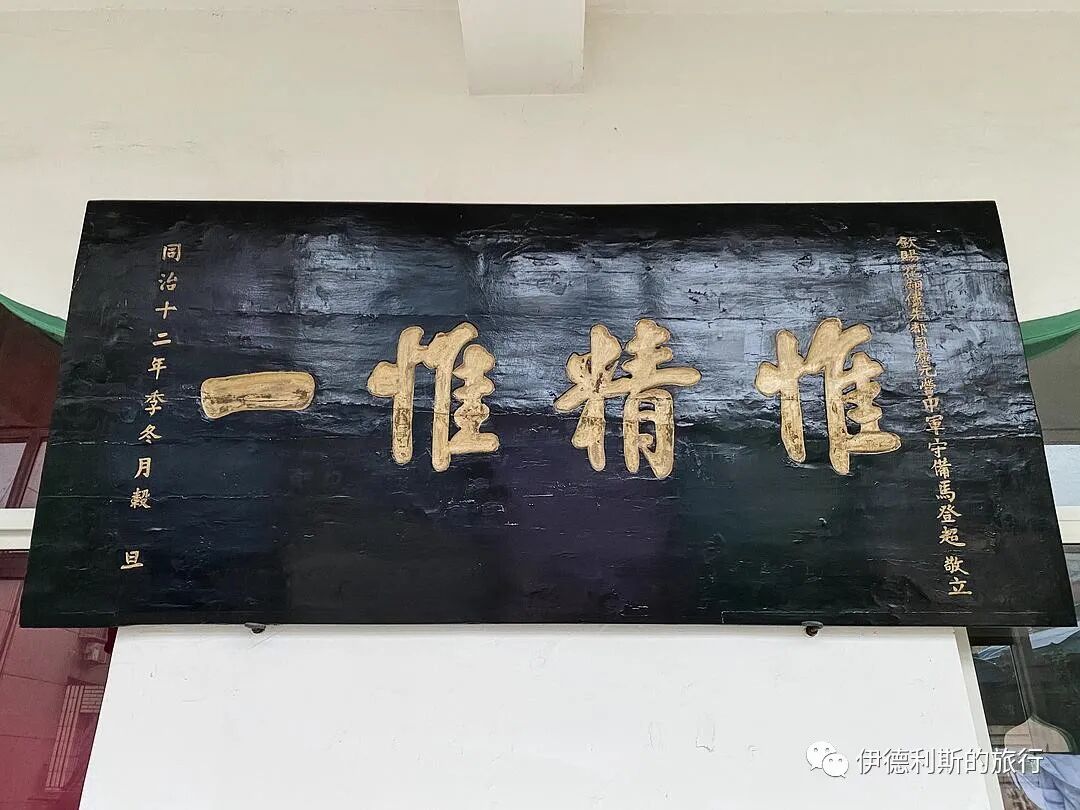
6. The 1873 'Weijing Weiyi' (Focusing on the essence and the oneness) plaque, erected by Ma Dengchao, an imperial-appointed garrison commander of the Guangyuan Battalion.
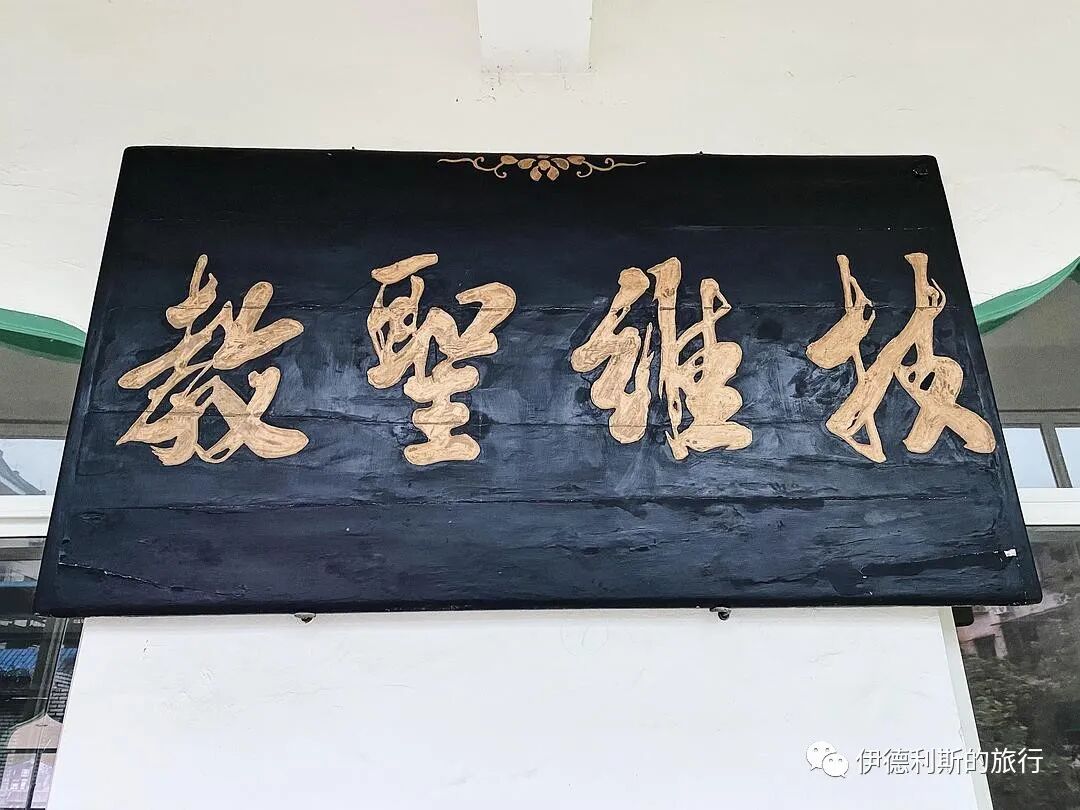
7. The 'Zhiwei Shengjiao' (Supporting the holy religion) plaque, presented by Mu Xiangfu, a garrison commander in Guangyuan during the Guangxu reign.
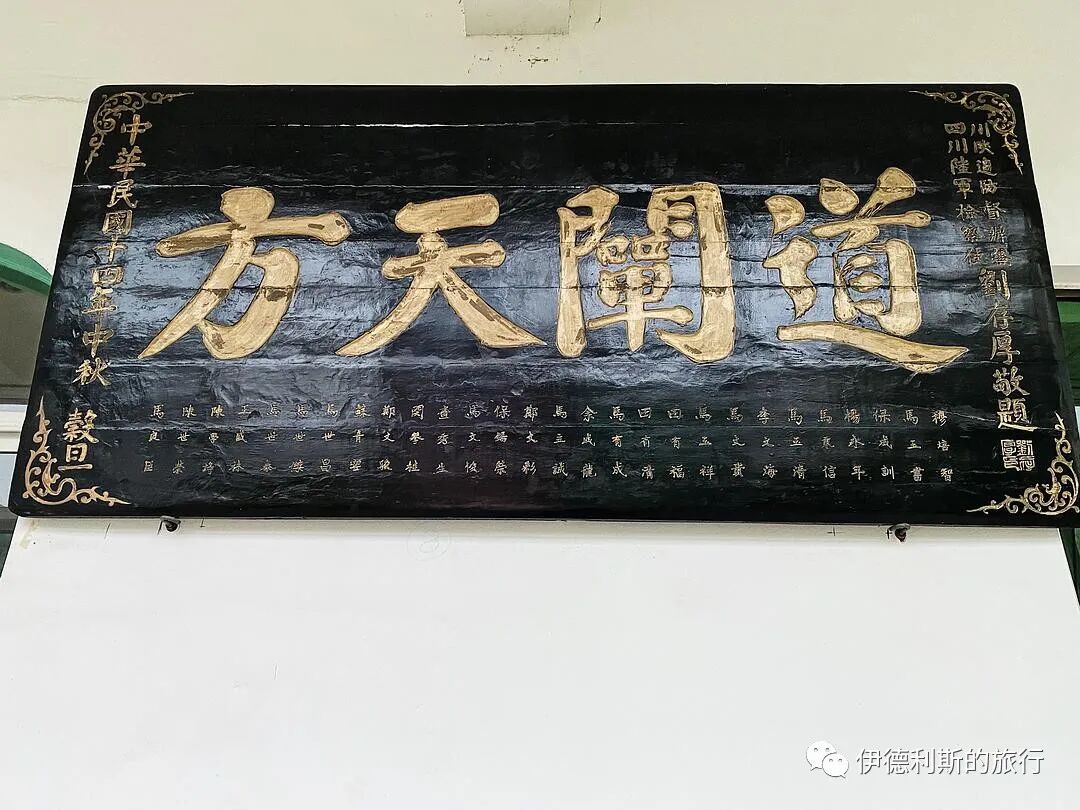
8. The 1932 'Daochan Tianfang' (Spreading the way of the Islamic faith) plaque, inscribed by Liu Cunhou, the Border Defense Commissioner of Sichuan and Shaanxi and the Inspection Commissioner of the Sichuan Army.
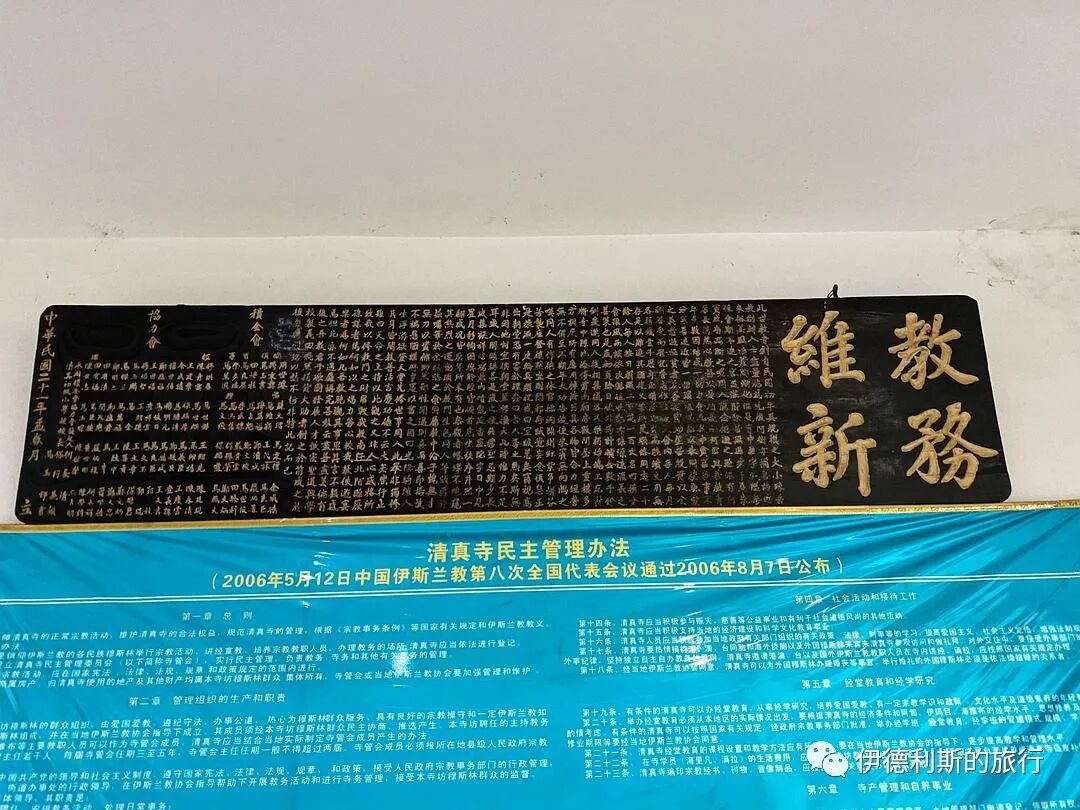
9. The 1932 'Jiaowu Weixin' (Innovating religious affairs) plaque, erected by the Guangyuan Muslim Funeral Association.
When I arrived, it was raining heavily. During Namaz (prayer), I only met one elderly gentleman, who very warmly invited me to eat beef huimo (stewed flatbread). I later learned that he was Haji Ma Jianzhong, the teacher of Imam Feng Yong from the Nanchong Mosque.
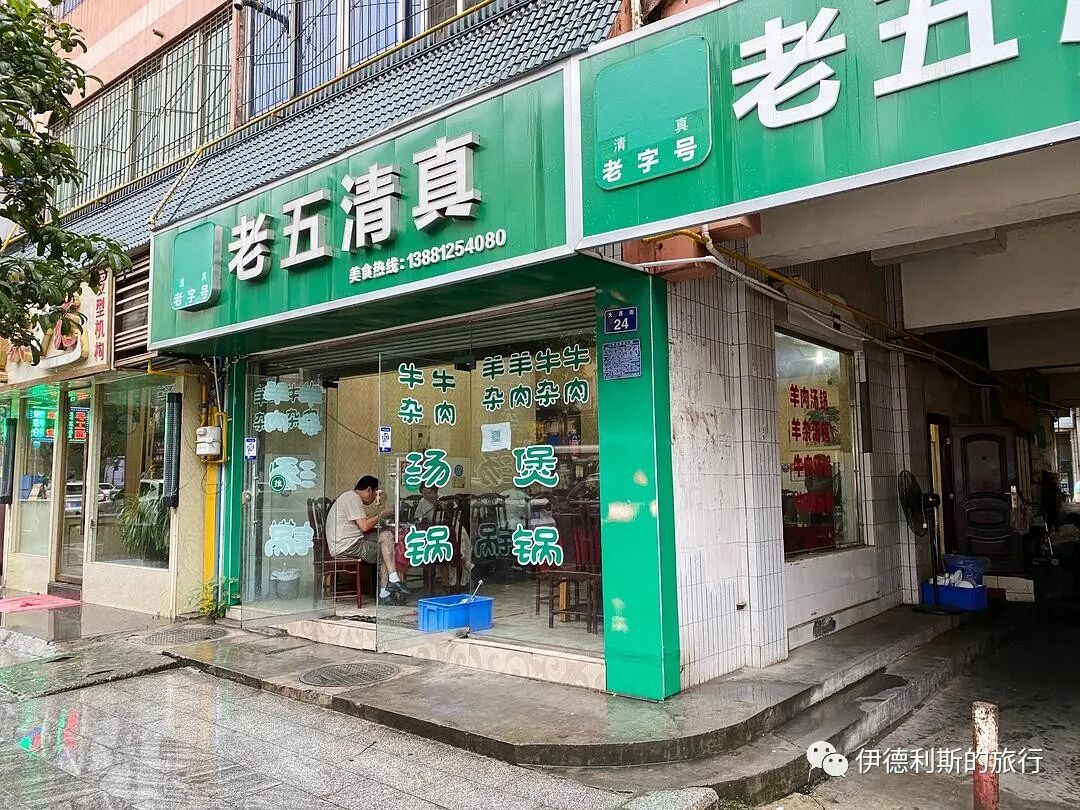
Behind the Shanghe Street Mosque, there are many local halal restaurants specializing in beef soup pots and huimo. Compared to those in Sichuan, the halal food here is closer to that of Hanzhong, Shaanxi.
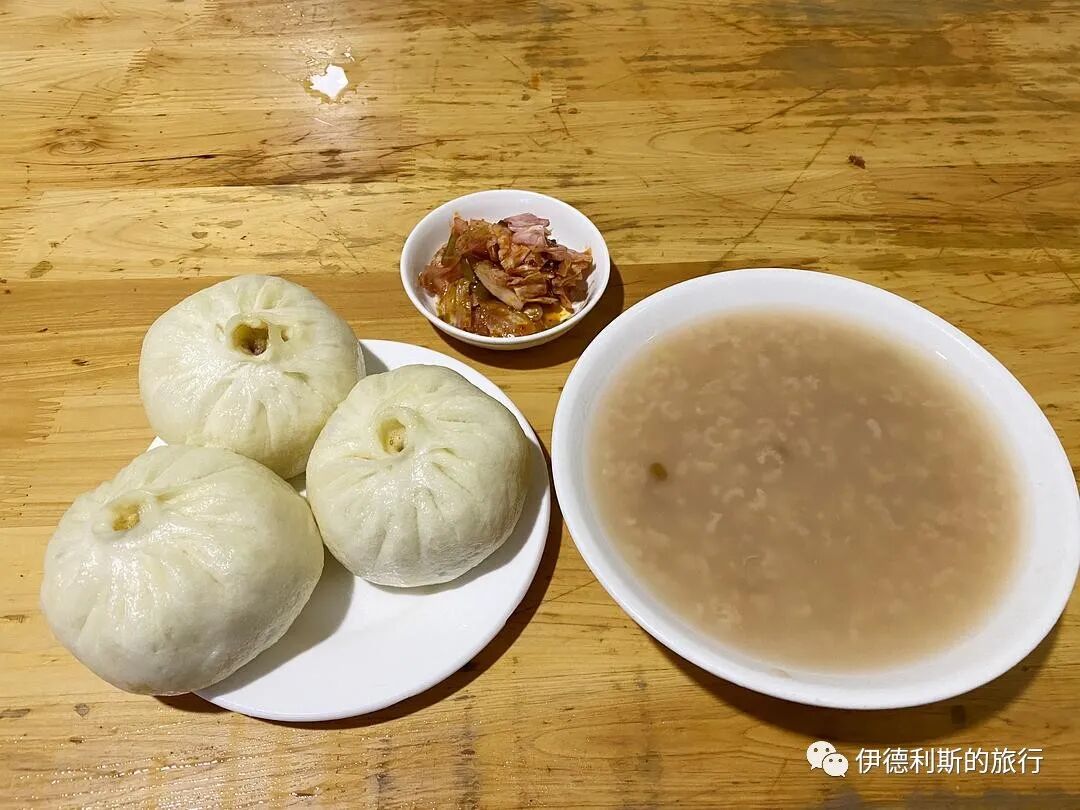
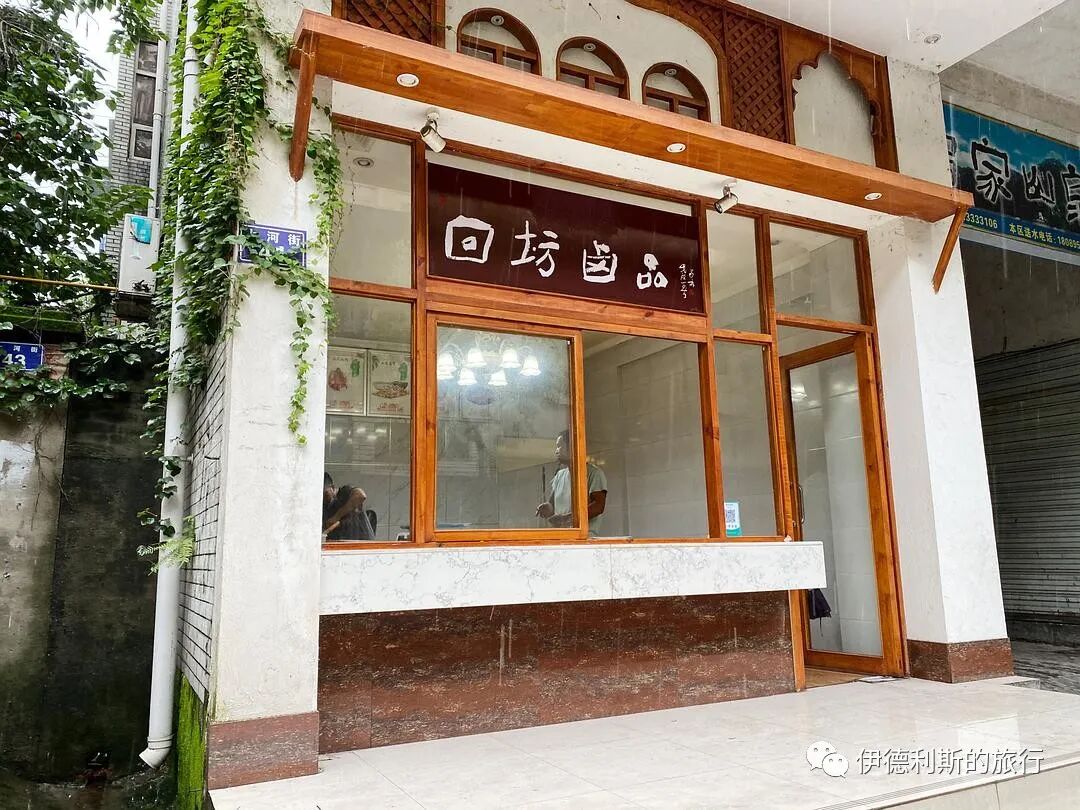
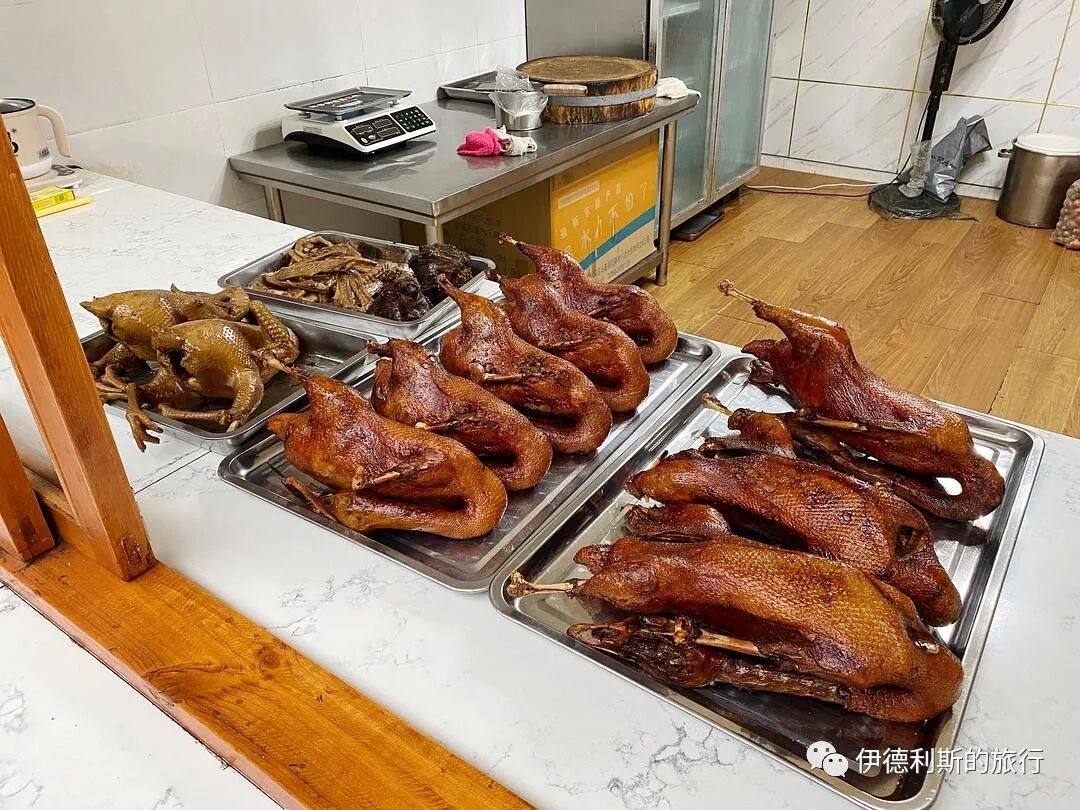
The next morning, I had beef baozi (steamed stuffed buns) with congee and pickles next to the mosque, and there was also a shop selling lu-ji (braised chicken) across the street.
The Hui Muslims with the surname Ma in downtown Guangyuan originally came from Yi County, Hebei. They arrived in Guangyuan for business during the Qianlong reign, settled in Xiahe Street, and established commercial firms such as 'Chunshengxiang,' 'Yushungong,' and 'Songbaitang'.
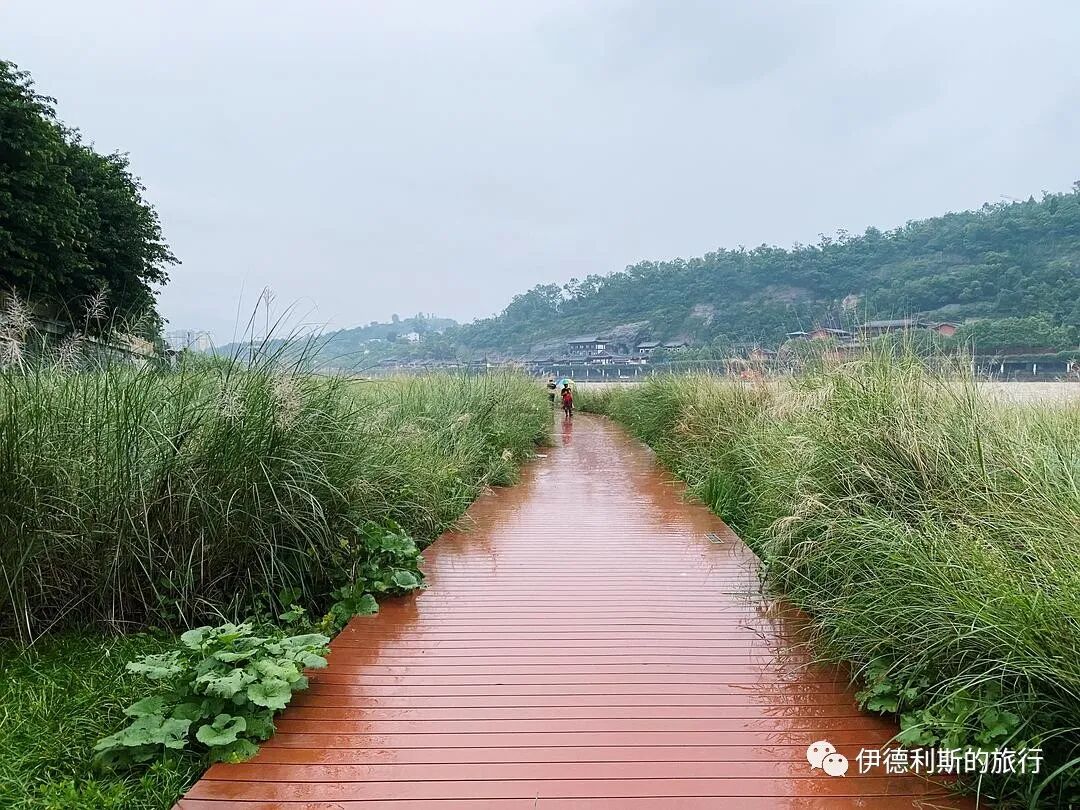
Jialing River plank road.
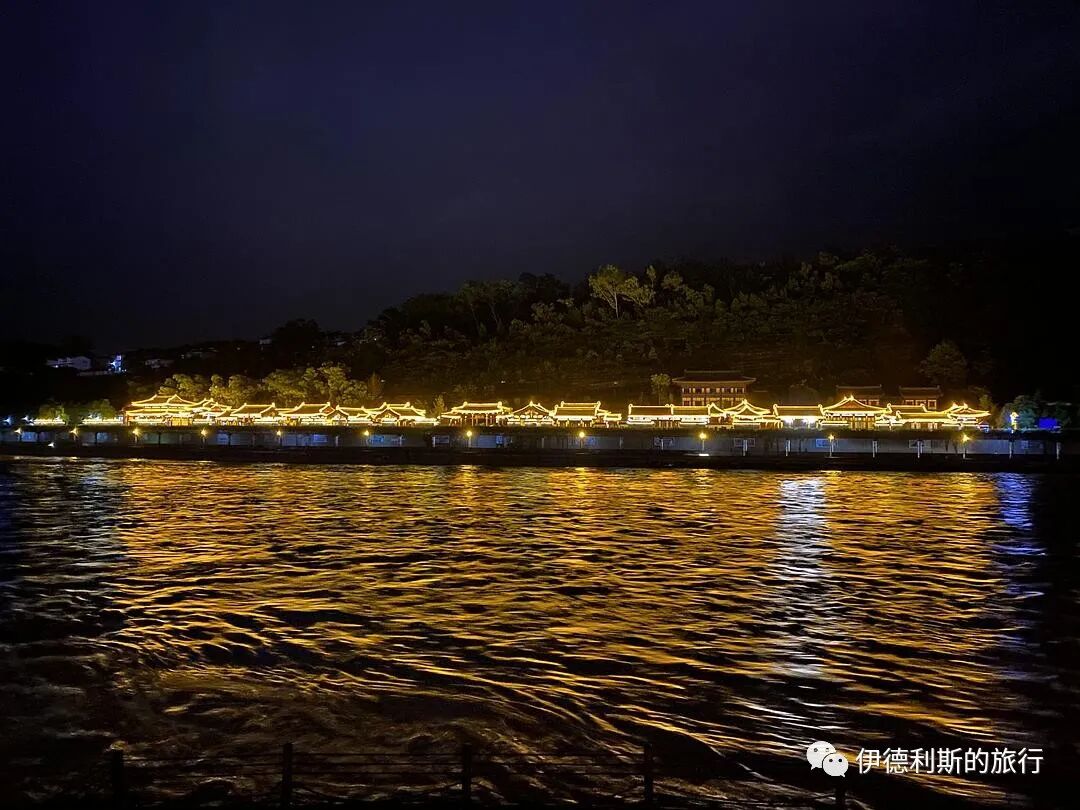
Night view of the Jialing River. view all
Summary: This travel note introduces Guangyuan Shanghe Street Mosque Guide: Sichuan Muslim Heritage and Halal Travel. On August 15, 2020, I traveled from Nanchong to Guangyuan and visited the Shanghe Street Mosque. It is useful for readers interested in Guangyuan Mosque, Sichuan Travel, Muslim Heritage.
On August 15, 2020, I traveled from Nanchong to Guangyuan and visited the Shanghe Street Mosque. The mosque is located in a bustling downtown area by the Jialing River. It was first built in 1721 and expanded in 1777. None of the original historical structures remain, and the current building was constructed in 2004.
Looking at the Jialing River from the roof of the mosque.
The mosque currently houses nine precious plaques from the Qing Dynasty and the Republican era. In the 1960s and 1970s, these nine plaques were covered with layers of paper and painted over with red lacquer to display the 'highest instructions' regarding ethnic unity, which ultimately saved them from destruction. These nine plaques are now hung on the walls of the mosque's staircases and corridors, which are:
1. The 1748 'Qingzhensi' (Mosque) plaque.
2. The 1803 'Renzhu Wu'er' (Recognize that there is no god but Allah) plaque, presented by the imperial-appointed Baturu Min Huaixi.
3. The 1811 'Qiqing Lizhen' (Pure spirit and true principle) plaque, erected by Geng Ziyu, the garrison commander of the Guangyuan Battalion.
4. The 1849 small-character plaque inscribed by Min Zhengfeng, the Provincial Commander-in-Chief of Guangxi.
5. The 1873 'Guanche Weichen' (Thoroughly penetrating the subtle truth) plaque, erected by Jiang Guolin, an imperial-appointed commander of the Guangyuan Battalion.
6. The 1873 'Weijing Weiyi' (Focusing on the essence and the oneness) plaque, erected by Ma Dengchao, an imperial-appointed garrison commander of the Guangyuan Battalion.
7. The 'Zhiwei Shengjiao' (Supporting the holy religion) plaque, presented by Mu Xiangfu, a garrison commander in Guangyuan during the Guangxu reign.
8. The 1932 'Daochan Tianfang' (Spreading the way of the Islamic faith) plaque, inscribed by Liu Cunhou, the Border Defense Commissioner of Sichuan and Shaanxi and the Inspection Commissioner of the Sichuan Army.
9. The 1932 'Jiaowu Weixin' (Innovating religious affairs) plaque, erected by the Guangyuan Muslim Funeral Association.
When I arrived, it was raining heavily. During Namaz (prayer), I only met one elderly gentleman, who very warmly invited me to eat beef huimo (stewed flatbread). I later learned that he was Haji Ma Jianzhong, the teacher of Imam Feng Yong from the Nanchong Mosque.
Behind the Shanghe Street Mosque, there are many local halal restaurants specializing in beef soup pots and huimo. Compared to those in Sichuan, the halal food here is closer to that of Hanzhong, Shaanxi.
The next morning, I had beef baozi (steamed stuffed buns) with congee and pickles next to the mosque, and there was also a shop selling lu-ji (braised chicken) across the street.
The Hui Muslims with the surname Ma in downtown Guangyuan originally came from Yi County, Hebei. They arrived in Guangyuan for business during the Qianlong reign, settled in Xiahe Street, and established commercial firms such as 'Chunshengxiang,' 'Yushungong,' and 'Songbaitang'.
Jialing River plank road.
Night view of the Jialing River. view all
Reposted from the web
Summary: This travel note introduces Guangyuan Shanghe Street Mosque Guide: Sichuan Muslim Heritage and Halal Travel. On August 15, 2020, I traveled from Nanchong to Guangyuan and visited the Shanghe Street Mosque. It is useful for readers interested in Guangyuan Mosque, Sichuan Travel, Muslim Heritage.
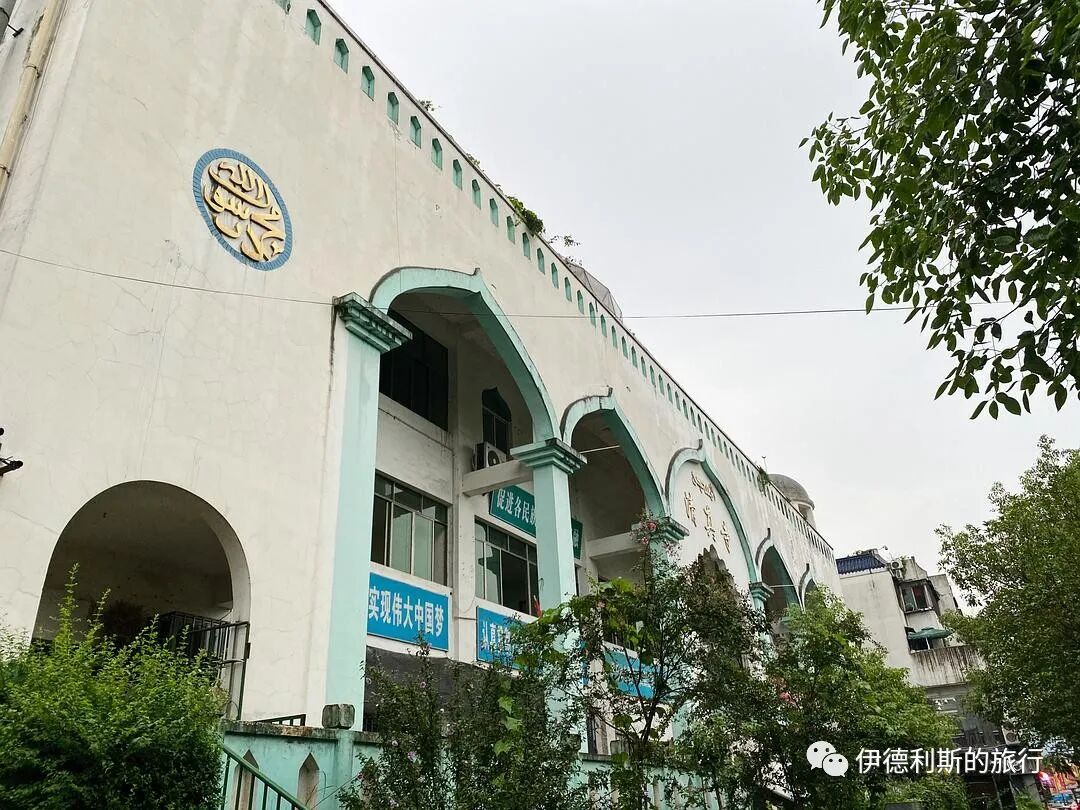
On August 15, 2020, I traveled from Nanchong to Guangyuan and visited the Shanghe Street Mosque. The mosque is located in a bustling downtown area by the Jialing River. It was first built in 1721 and expanded in 1777. None of the original historical structures remain, and the current building was constructed in 2004.
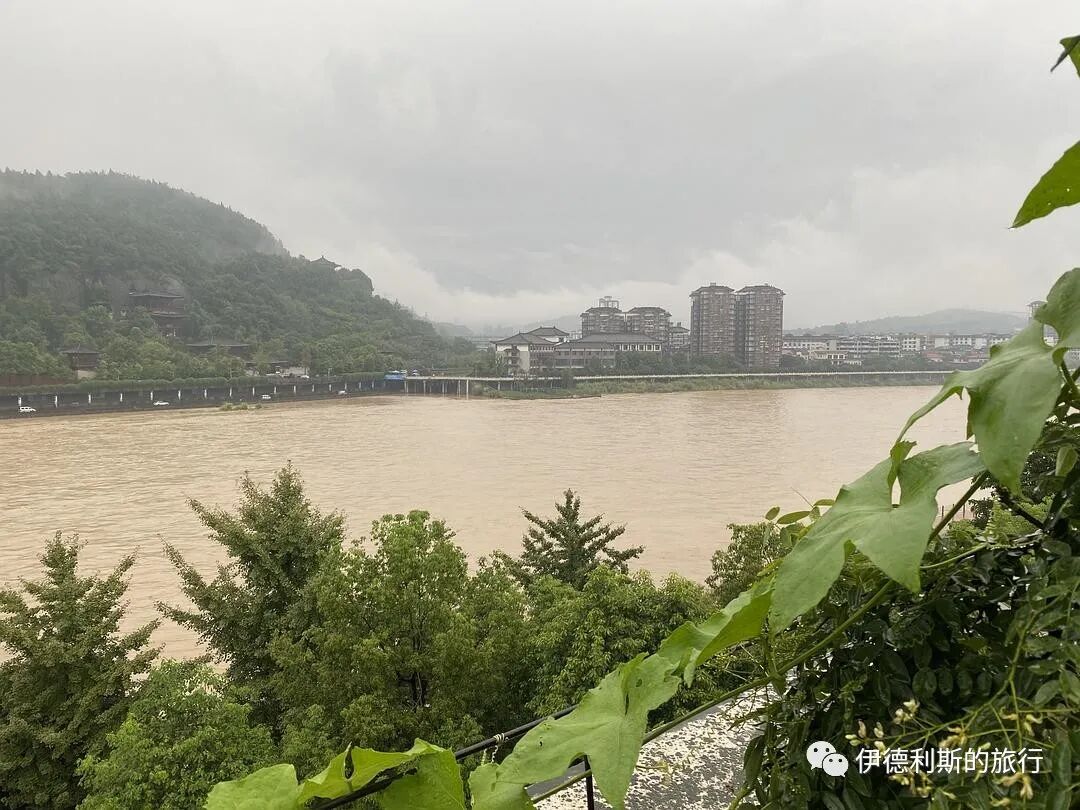
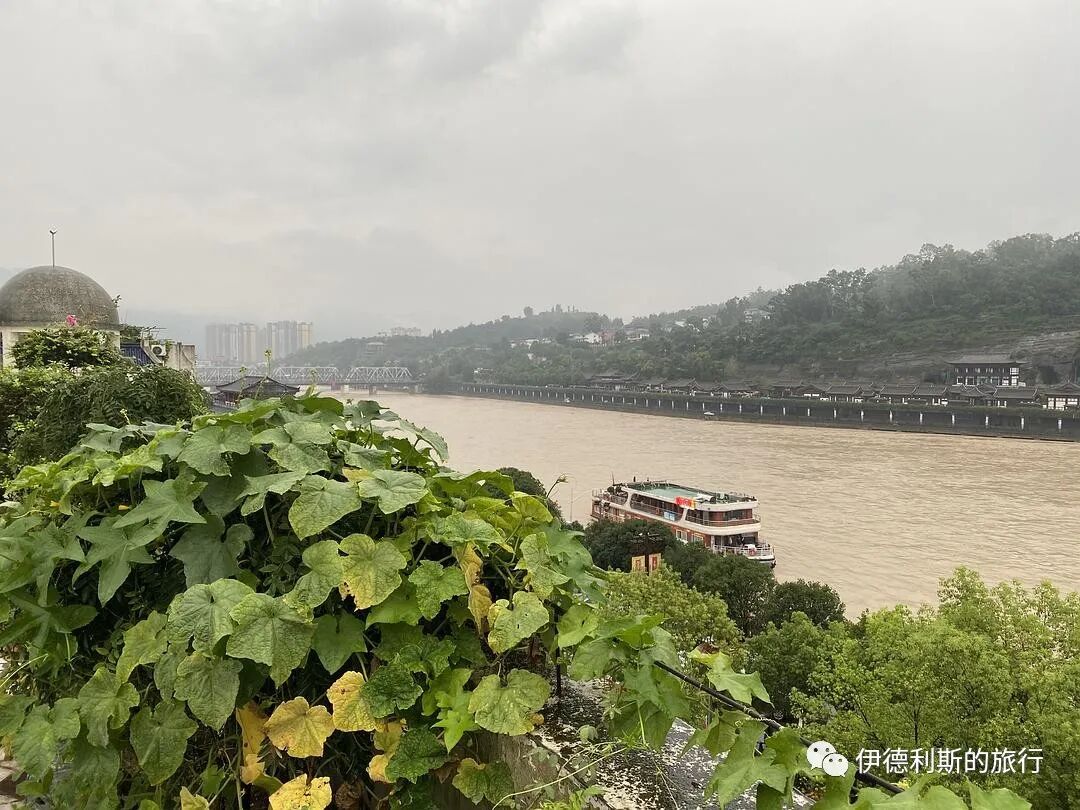
Looking at the Jialing River from the roof of the mosque.
The mosque currently houses nine precious plaques from the Qing Dynasty and the Republican era. In the 1960s and 1970s, these nine plaques were covered with layers of paper and painted over with red lacquer to display the 'highest instructions' regarding ethnic unity, which ultimately saved them from destruction. These nine plaques are now hung on the walls of the mosque's staircases and corridors, which are:
1. The 1748 'Qingzhensi' (Mosque) plaque.
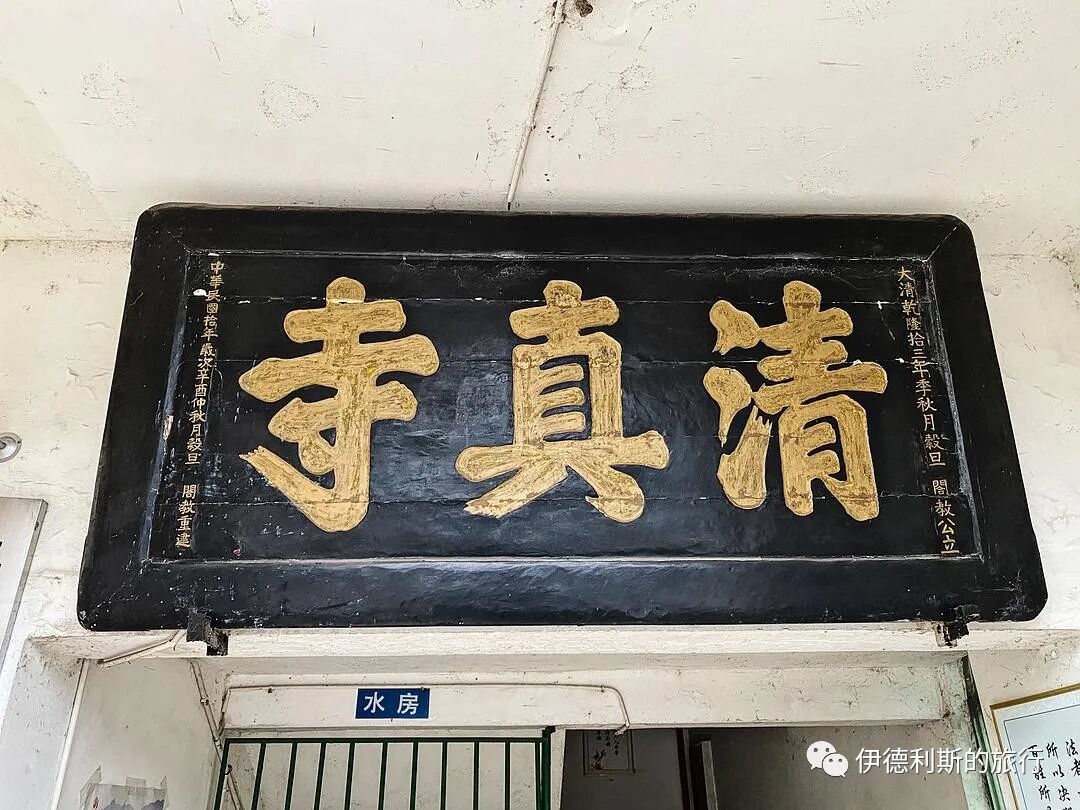
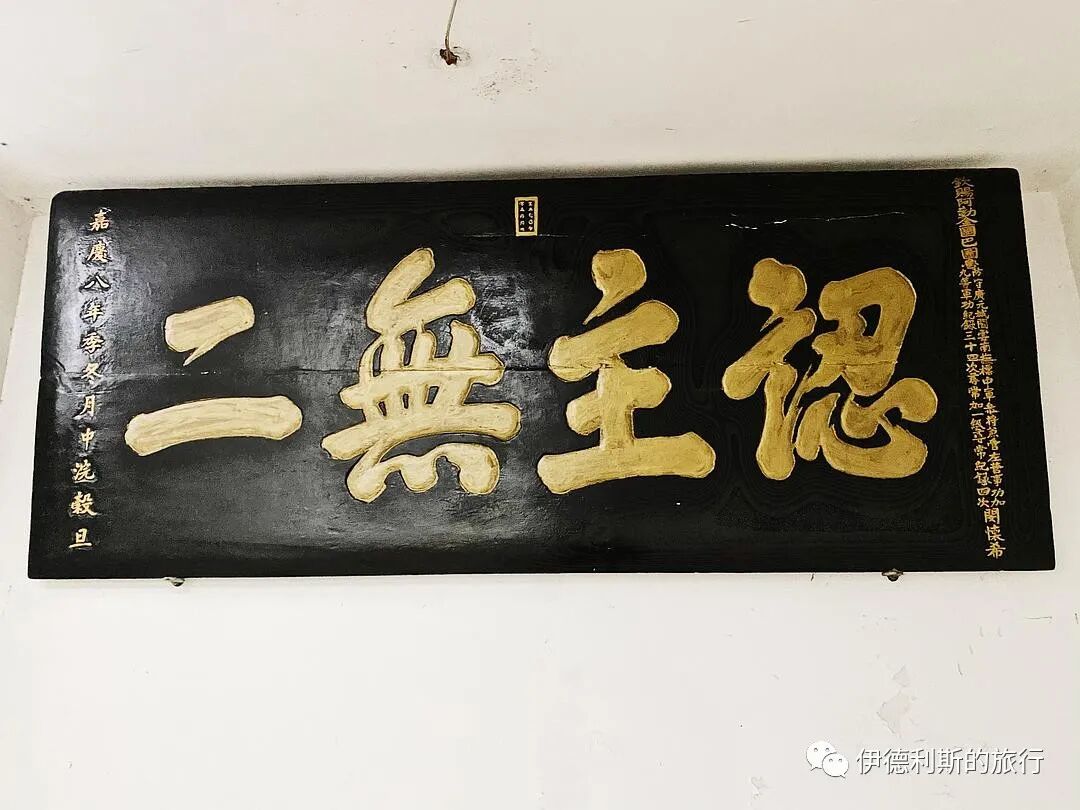
2. The 1803 'Renzhu Wu'er' (Recognize that there is no god but Allah) plaque, presented by the imperial-appointed Baturu Min Huaixi.
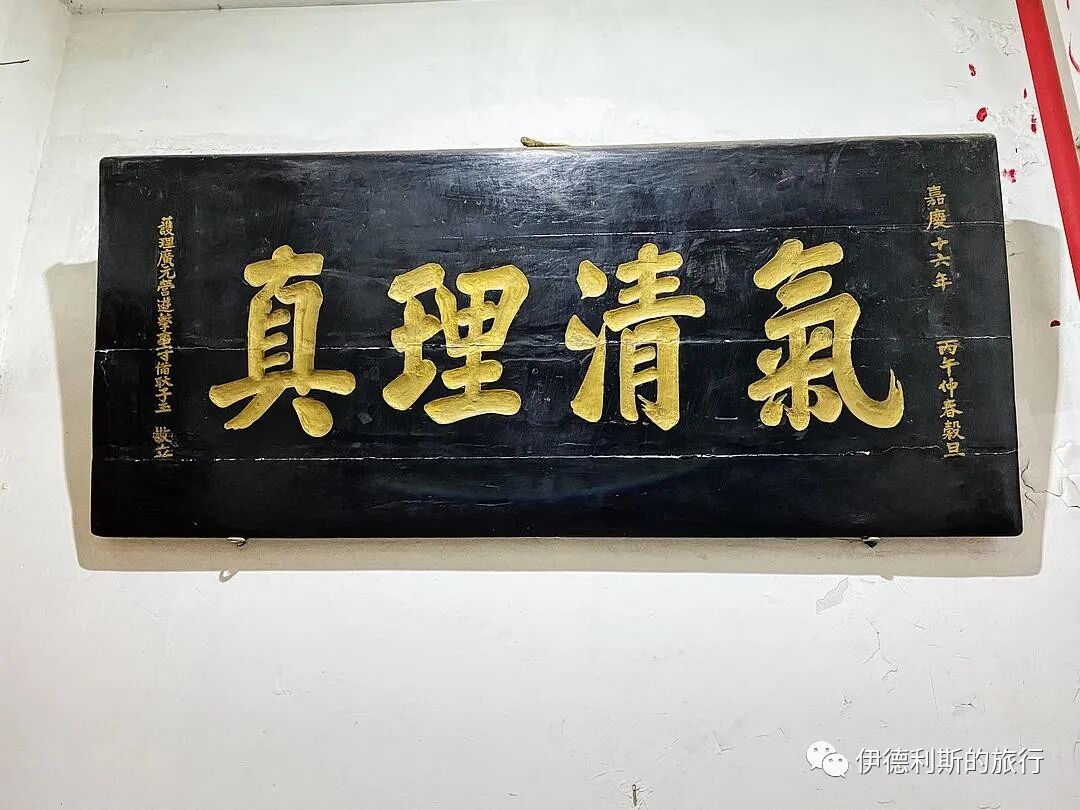
3. The 1811 'Qiqing Lizhen' (Pure spirit and true principle) plaque, erected by Geng Ziyu, the garrison commander of the Guangyuan Battalion.
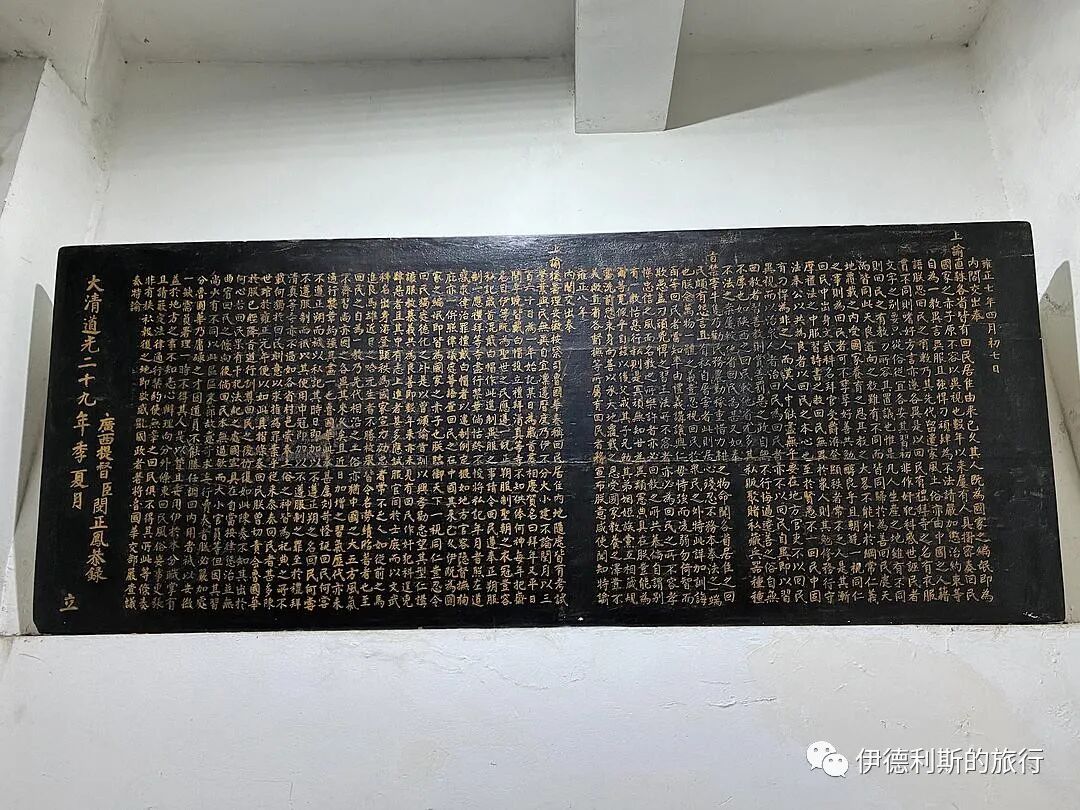
4. The 1849 small-character plaque inscribed by Min Zhengfeng, the Provincial Commander-in-Chief of Guangxi.
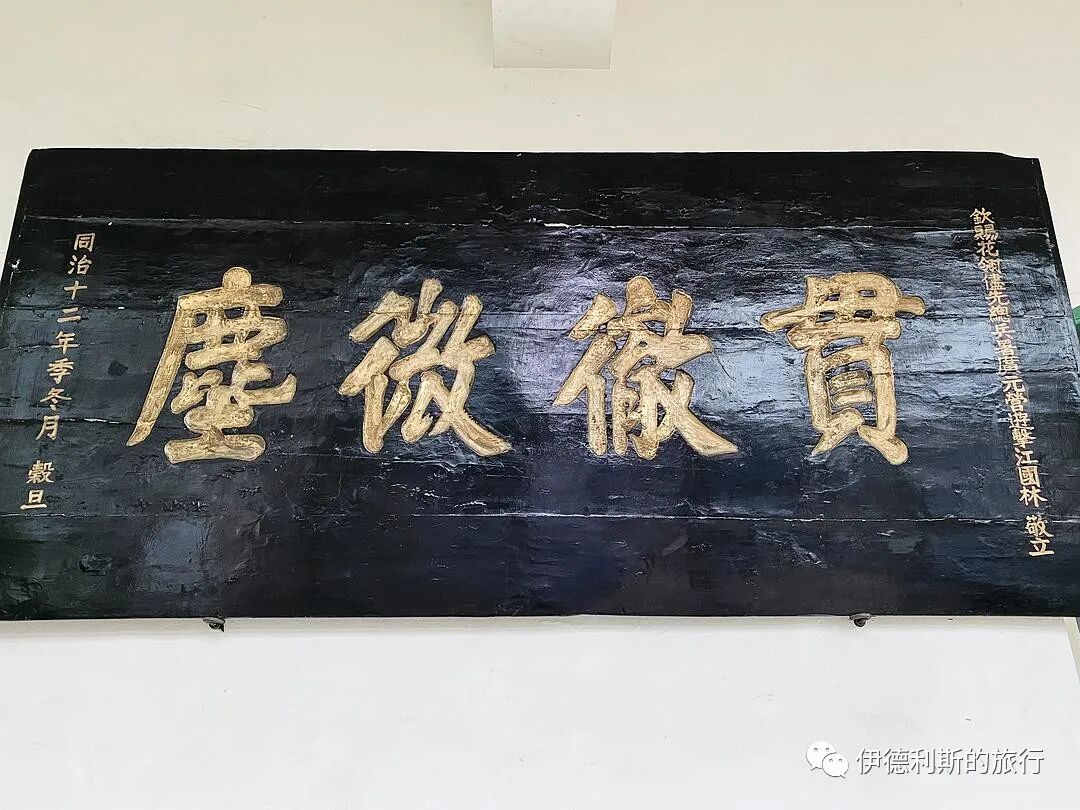
5. The 1873 'Guanche Weichen' (Thoroughly penetrating the subtle truth) plaque, erected by Jiang Guolin, an imperial-appointed commander of the Guangyuan Battalion.
6. The 1873 'Weijing Weiyi' (Focusing on the essence and the oneness) plaque, erected by Ma Dengchao, an imperial-appointed garrison commander of the Guangyuan Battalion.
7. The 'Zhiwei Shengjiao' (Supporting the holy religion) plaque, presented by Mu Xiangfu, a garrison commander in Guangyuan during the Guangxu reign.
8. The 1932 'Daochan Tianfang' (Spreading the way of the Islamic faith) plaque, inscribed by Liu Cunhou, the Border Defense Commissioner of Sichuan and Shaanxi and the Inspection Commissioner of the Sichuan Army.
9. The 1932 'Jiaowu Weixin' (Innovating religious affairs) plaque, erected by the Guangyuan Muslim Funeral Association.
When I arrived, it was raining heavily. During Namaz (prayer), I only met one elderly gentleman, who very warmly invited me to eat beef huimo (stewed flatbread). I later learned that he was Haji Ma Jianzhong, the teacher of Imam Feng Yong from the Nanchong Mosque.
Behind the Shanghe Street Mosque, there are many local halal restaurants specializing in beef soup pots and huimo. Compared to those in Sichuan, the halal food here is closer to that of Hanzhong, Shaanxi.
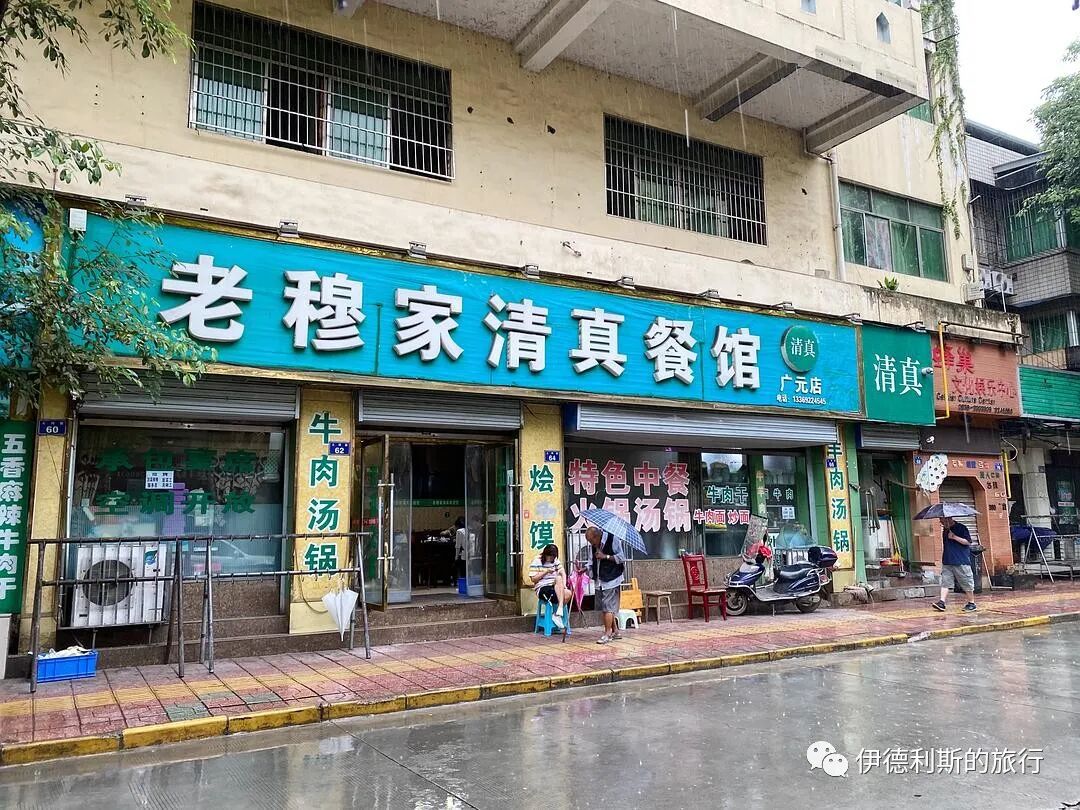
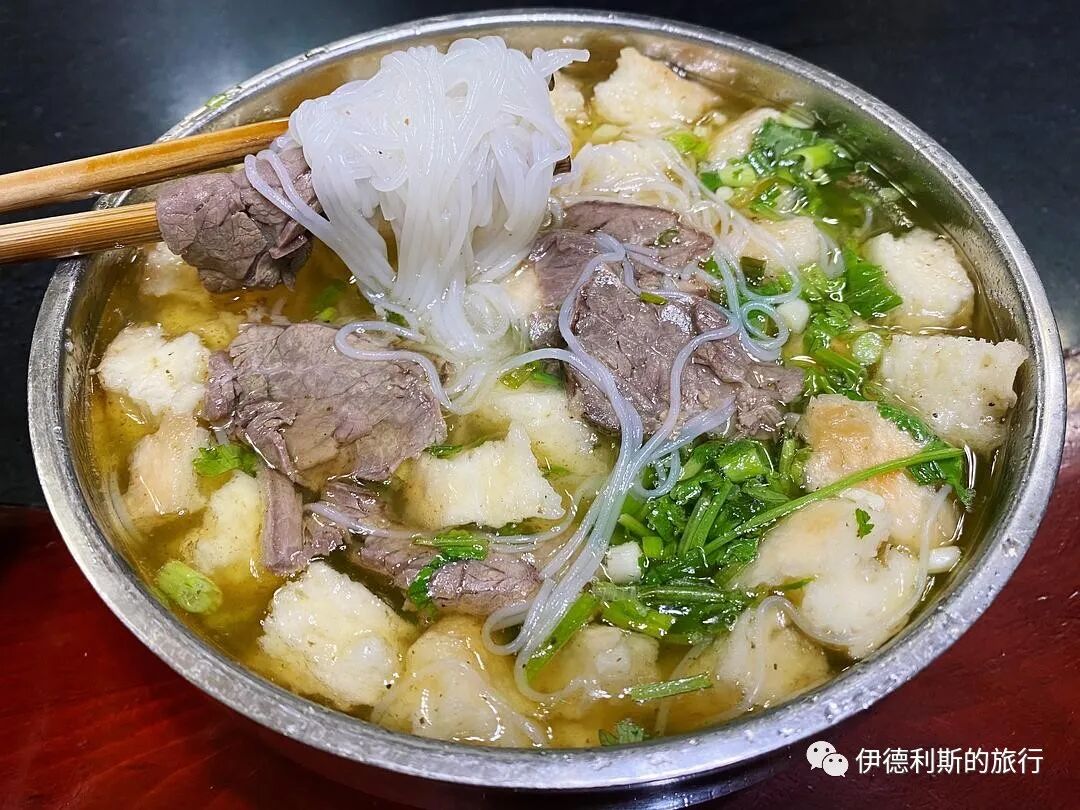
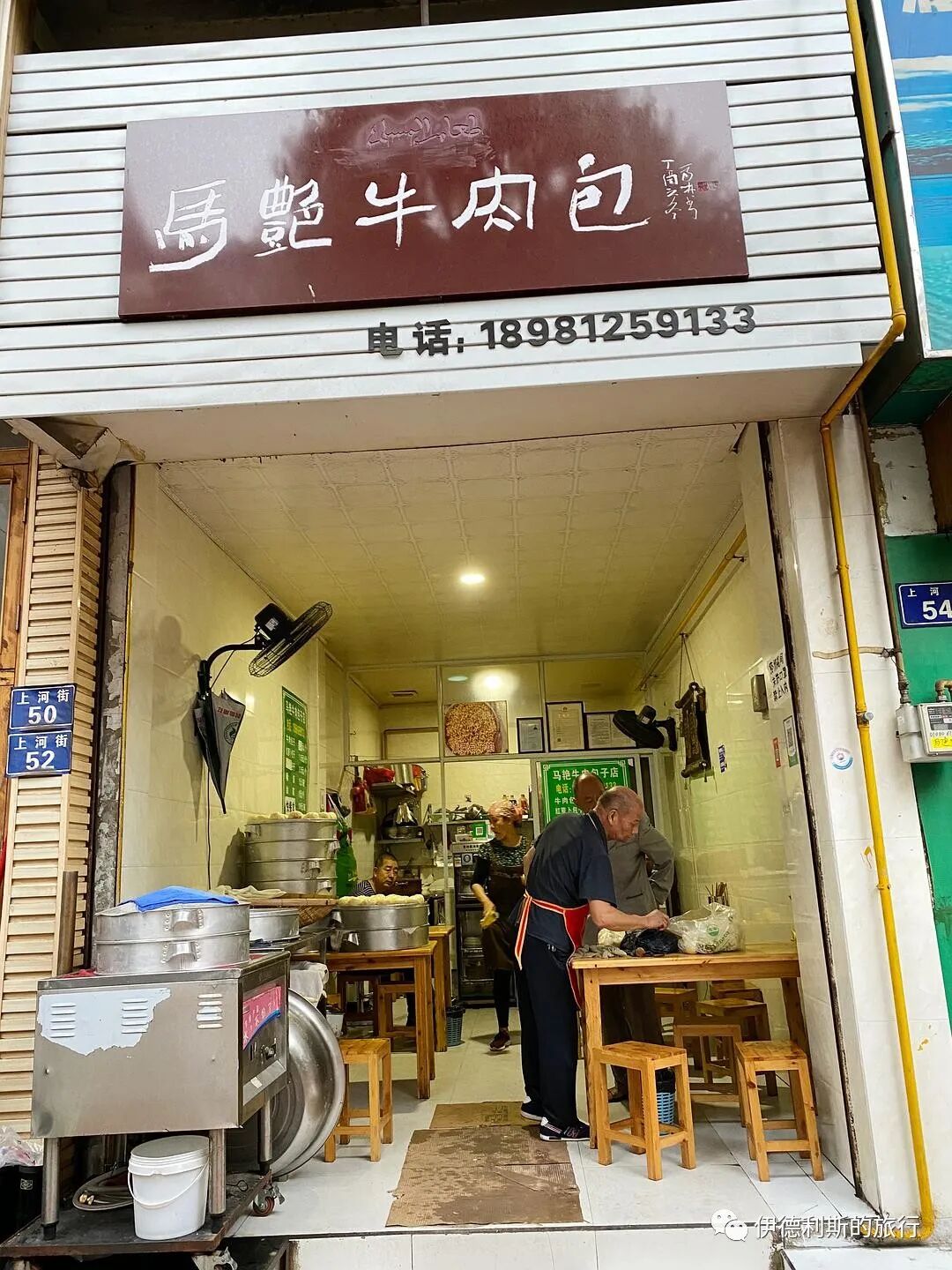
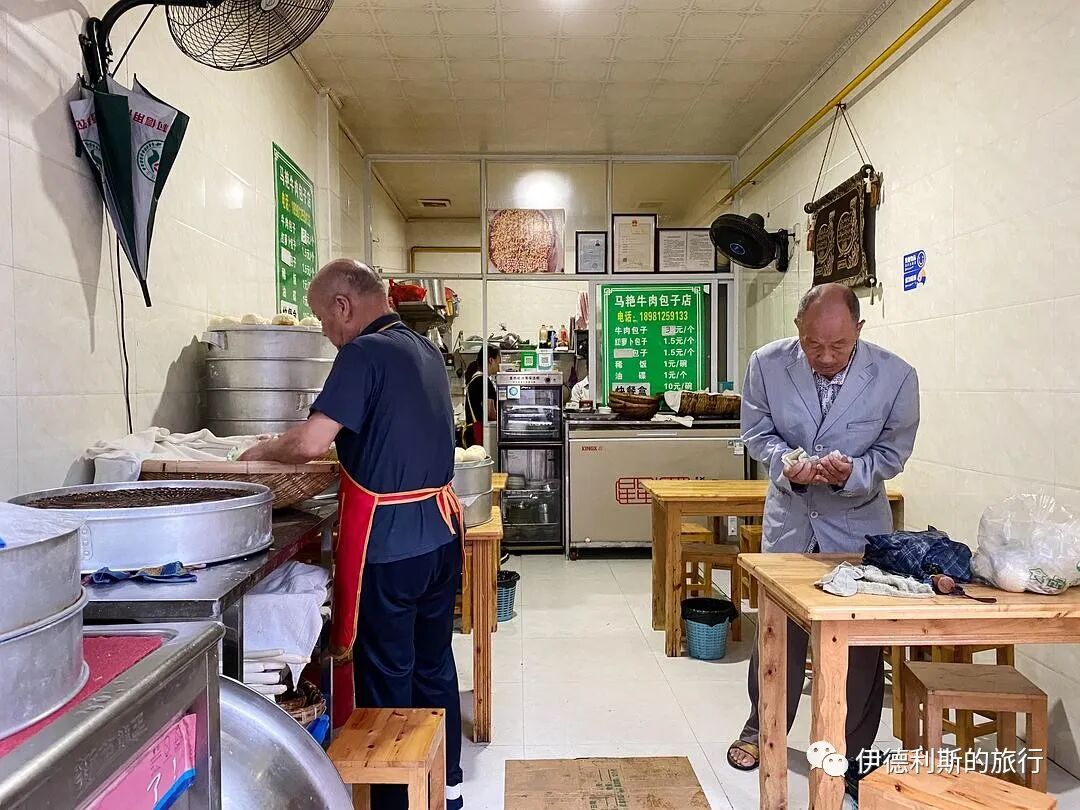
The next morning, I had beef baozi (steamed stuffed buns) with congee and pickles next to the mosque, and there was also a shop selling lu-ji (braised chicken) across the street.
The Hui Muslims with the surname Ma in downtown Guangyuan originally came from Yi County, Hebei. They arrived in Guangyuan for business during the Qianlong reign, settled in Xiahe Street, and established commercial firms such as 'Chunshengxiang,' 'Yushungong,' and 'Songbaitang'.
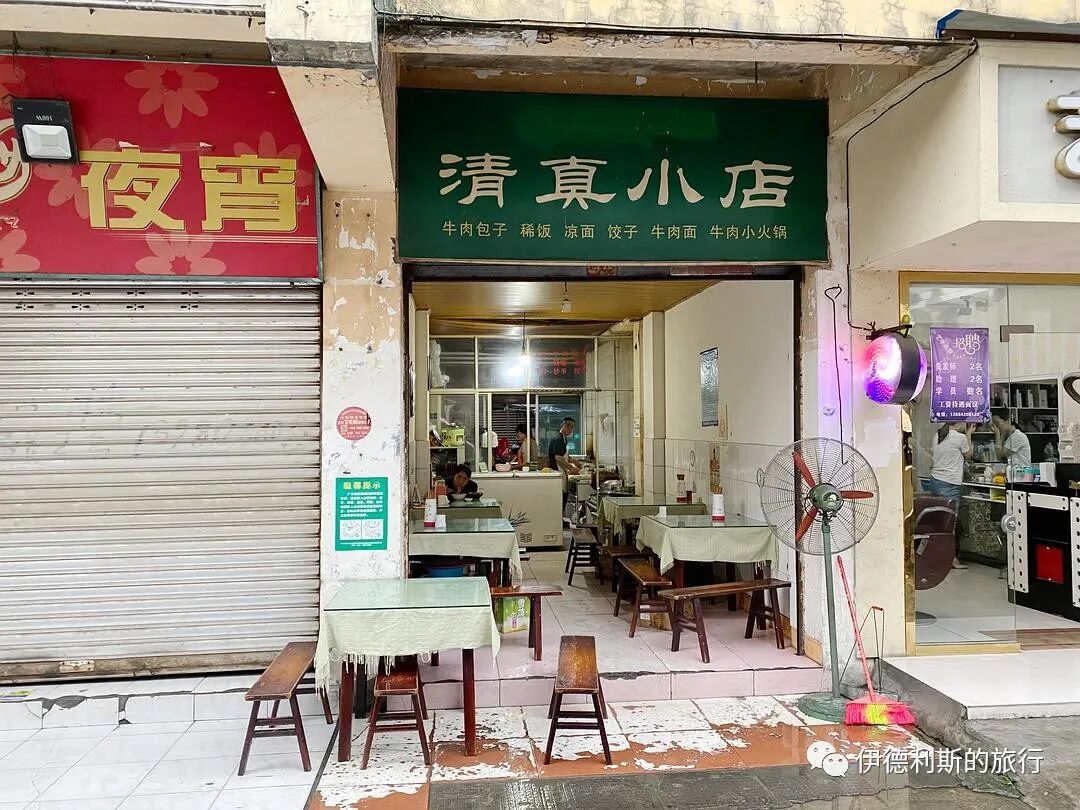
Jialing River plank road.
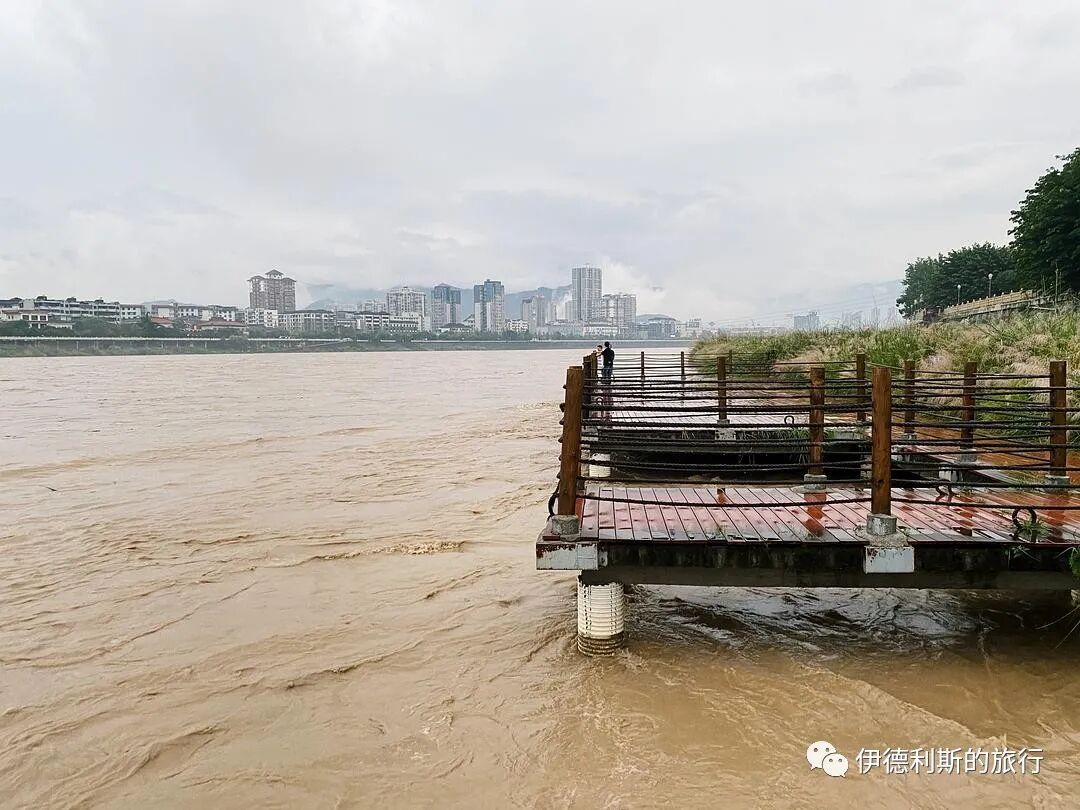
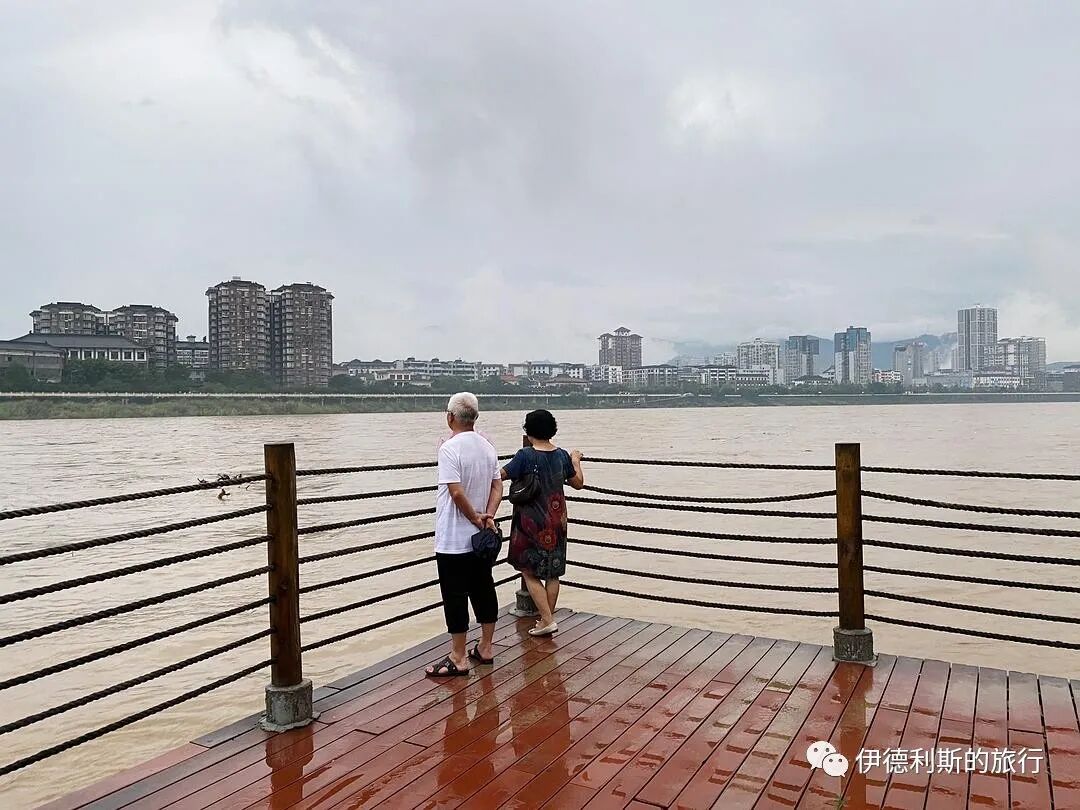
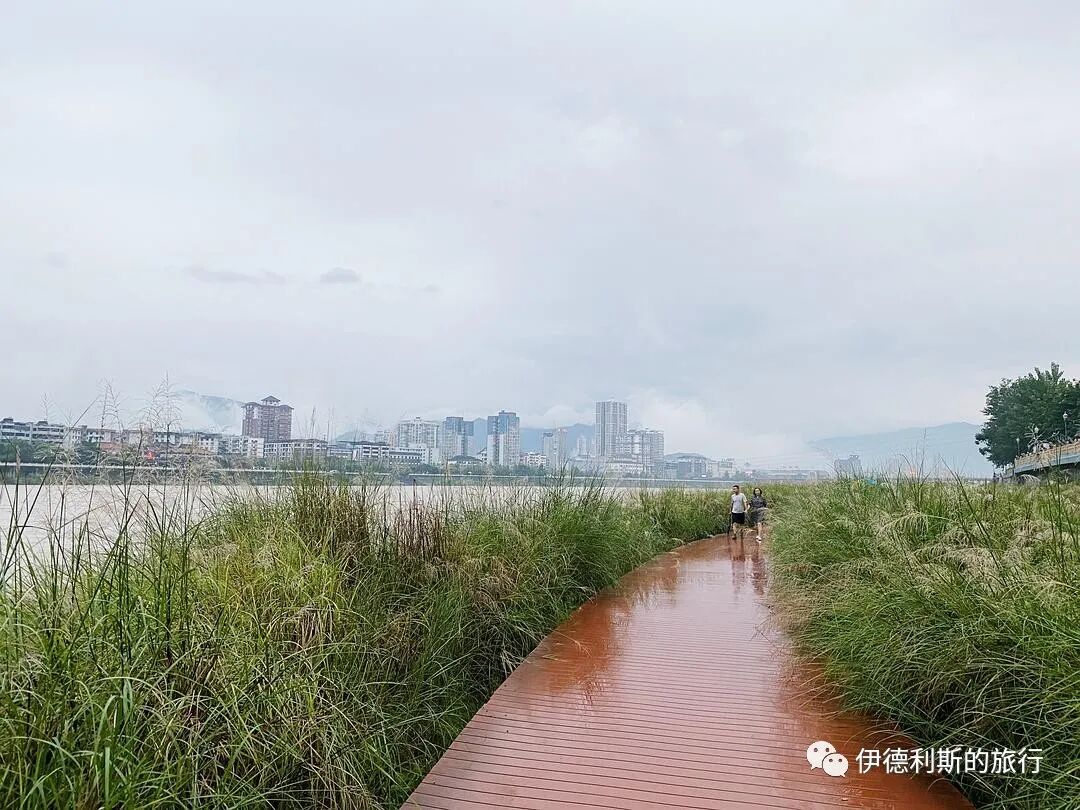
Night view of the Jialing River.
Summary: This travel note introduces Guangyuan Shanghe Street Mosque Guide: Sichuan Muslim Heritage and Halal Travel. On August 15, 2020, I traveled from Nanchong to Guangyuan and visited the Shanghe Street Mosque. It is useful for readers interested in Guangyuan Mosque, Sichuan Travel, Muslim Heritage.
On August 15, 2020, I traveled from Nanchong to Guangyuan and visited the Shanghe Street Mosque. The mosque is located in a bustling downtown area by the Jialing River. It was first built in 1721 and expanded in 1777. None of the original historical structures remain, and the current building was constructed in 2004.
Looking at the Jialing River from the roof of the mosque.
The mosque currently houses nine precious plaques from the Qing Dynasty and the Republican era. In the 1960s and 1970s, these nine plaques were covered with layers of paper and painted over with red lacquer to display the 'highest instructions' regarding ethnic unity, which ultimately saved them from destruction. These nine plaques are now hung on the walls of the mosque's staircases and corridors, which are:
1. The 1748 'Qingzhensi' (Mosque) plaque.
2. The 1803 'Renzhu Wu'er' (Recognize that there is no god but Allah) plaque, presented by the imperial-appointed Baturu Min Huaixi.
3. The 1811 'Qiqing Lizhen' (Pure spirit and true principle) plaque, erected by Geng Ziyu, the garrison commander of the Guangyuan Battalion.
4. The 1849 small-character plaque inscribed by Min Zhengfeng, the Provincial Commander-in-Chief of Guangxi.
5. The 1873 'Guanche Weichen' (Thoroughly penetrating the subtle truth) plaque, erected by Jiang Guolin, an imperial-appointed commander of the Guangyuan Battalion.
6. The 1873 'Weijing Weiyi' (Focusing on the essence and the oneness) plaque, erected by Ma Dengchao, an imperial-appointed garrison commander of the Guangyuan Battalion.
7. The 'Zhiwei Shengjiao' (Supporting the holy religion) plaque, presented by Mu Xiangfu, a garrison commander in Guangyuan during the Guangxu reign.
8. The 1932 'Daochan Tianfang' (Spreading the way of the Islamic faith) plaque, inscribed by Liu Cunhou, the Border Defense Commissioner of Sichuan and Shaanxi and the Inspection Commissioner of the Sichuan Army.
9. The 1932 'Jiaowu Weixin' (Innovating religious affairs) plaque, erected by the Guangyuan Muslim Funeral Association.
When I arrived, it was raining heavily. During Namaz (prayer), I only met one elderly gentleman, who very warmly invited me to eat beef huimo (stewed flatbread). I later learned that he was Haji Ma Jianzhong, the teacher of Imam Feng Yong from the Nanchong Mosque.
Behind the Shanghe Street Mosque, there are many local halal restaurants specializing in beef soup pots and huimo. Compared to those in Sichuan, the halal food here is closer to that of Hanzhong, Shaanxi.
The next morning, I had beef baozi (steamed stuffed buns) with congee and pickles next to the mosque, and there was also a shop selling lu-ji (braised chicken) across the street.
The Hui Muslims with the surname Ma in downtown Guangyuan originally came from Yi County, Hebei. They arrived in Guangyuan for business during the Qianlong reign, settled in Xiahe Street, and established commercial firms such as 'Chunshengxiang,' 'Yushungong,' and 'Songbaitang'.
Jialing River plank road.
Night view of the Jialing River.
Guangyuan Shanghe Street Mosque Guide: Sichuan Muslim Heritage and Halal Travel
Articles • ali2007fr posted the article • 0 comments • 171 views • 2026-05-17 07:13
Reposted from the web
Summary: This travel note introduces Guangyuan Shanghe Street Mosque Guide: Sichuan Muslim Heritage and Halal Travel. On August 15, 2020, I traveled from Nanchong to Guangyuan and visited the Shanghe Street Mosque. It is useful for readers interested in Guangyuan Mosque, Sichuan Travel, Muslim Heritage.
On August 15, 2020, I traveled from Nanchong to Guangyuan and visited the Shanghe Street Mosque. The mosque is located in a bustling downtown area by the Jialing River. It was first built in 1721 and expanded in 1777. None of the original historical structures remain, and the current building was constructed in 2004.
Looking at the Jialing River from the roof of the mosque.
The mosque currently houses nine precious plaques from the Qing Dynasty and the Republican era. In the 1960s and 1970s, these nine plaques were covered with layers of paper and painted over with red lacquer to display the 'highest instructions' regarding ethnic unity, which ultimately saved them from destruction. These nine plaques are now hung on the walls of the mosque's staircases and corridors, which are:
1. The 1748 'Qingzhensi' (Mosque) plaque.
2. The 1803 'Renzhu Wu'er' (Recognize that there is no god but Allah) plaque, presented by the imperial-appointed Baturu Min Huaixi.
3. The 1811 'Qiqing Lizhen' (Pure spirit and true principle) plaque, erected by Geng Ziyu, the garrison commander of the Guangyuan Battalion.
4. The 1849 small-character plaque inscribed by Min Zhengfeng, the Provincial Commander-in-Chief of Guangxi.
5. The 1873 'Guanche Weichen' (Thoroughly penetrating the subtle truth) plaque, erected by Jiang Guolin, an imperial-appointed commander of the Guangyuan Battalion.
6. The 1873 'Weijing Weiyi' (Focusing on the essence and the oneness) plaque, erected by Ma Dengchao, an imperial-appointed garrison commander of the Guangyuan Battalion.
7. The 'Zhiwei Shengjiao' (Supporting the holy religion) plaque, presented by Mu Xiangfu, a garrison commander in Guangyuan during the Guangxu reign.
8. The 1932 'Daochan Tianfang' (Spreading the way of the Islamic faith) plaque, inscribed by Liu Cunhou, the Border Defense Commissioner of Sichuan and Shaanxi and the Inspection Commissioner of the Sichuan Army.
9. The 1932 'Jiaowu Weixin' (Innovating religious affairs) plaque, erected by the Guangyuan Muslim Funeral Association.
When I arrived, it was raining heavily. During Namaz (prayer), I only met one elderly gentleman, who very warmly invited me to eat beef huimo (stewed flatbread). I later learned that he was Haji Ma Jianzhong, the teacher of Imam Feng Yong from the Nanchong Mosque.
Behind the Shanghe Street Mosque, there are many local halal restaurants specializing in beef soup pots and huimo. Compared to those in Sichuan, the halal food here is closer to that of Hanzhong, Shaanxi.
The next morning, I had beef baozi (steamed stuffed buns) with congee and pickles next to the mosque, and there was also a shop selling lu-ji (braised chicken) across the street.
The Hui Muslims with the surname Ma in downtown Guangyuan originally came from Yi County, Hebei. They arrived in Guangyuan for business during the Qianlong reign, settled in Xiahe Street, and established commercial firms such as 'Chunshengxiang,' 'Yushungong,' and 'Songbaitang'.
Jialing River plank road.
Night view of the Jialing River. view all
Summary: This travel note introduces Guangyuan Shanghe Street Mosque Guide: Sichuan Muslim Heritage and Halal Travel. On August 15, 2020, I traveled from Nanchong to Guangyuan and visited the Shanghe Street Mosque. It is useful for readers interested in Guangyuan Mosque, Sichuan Travel, Muslim Heritage.
On August 15, 2020, I traveled from Nanchong to Guangyuan and visited the Shanghe Street Mosque. The mosque is located in a bustling downtown area by the Jialing River. It was first built in 1721 and expanded in 1777. None of the original historical structures remain, and the current building was constructed in 2004.
Looking at the Jialing River from the roof of the mosque.
The mosque currently houses nine precious plaques from the Qing Dynasty and the Republican era. In the 1960s and 1970s, these nine plaques were covered with layers of paper and painted over with red lacquer to display the 'highest instructions' regarding ethnic unity, which ultimately saved them from destruction. These nine plaques are now hung on the walls of the mosque's staircases and corridors, which are:
1. The 1748 'Qingzhensi' (Mosque) plaque.
2. The 1803 'Renzhu Wu'er' (Recognize that there is no god but Allah) plaque, presented by the imperial-appointed Baturu Min Huaixi.
3. The 1811 'Qiqing Lizhen' (Pure spirit and true principle) plaque, erected by Geng Ziyu, the garrison commander of the Guangyuan Battalion.
4. The 1849 small-character plaque inscribed by Min Zhengfeng, the Provincial Commander-in-Chief of Guangxi.
5. The 1873 'Guanche Weichen' (Thoroughly penetrating the subtle truth) plaque, erected by Jiang Guolin, an imperial-appointed commander of the Guangyuan Battalion.
6. The 1873 'Weijing Weiyi' (Focusing on the essence and the oneness) plaque, erected by Ma Dengchao, an imperial-appointed garrison commander of the Guangyuan Battalion.
7. The 'Zhiwei Shengjiao' (Supporting the holy religion) plaque, presented by Mu Xiangfu, a garrison commander in Guangyuan during the Guangxu reign.
8. The 1932 'Daochan Tianfang' (Spreading the way of the Islamic faith) plaque, inscribed by Liu Cunhou, the Border Defense Commissioner of Sichuan and Shaanxi and the Inspection Commissioner of the Sichuan Army.
9. The 1932 'Jiaowu Weixin' (Innovating religious affairs) plaque, erected by the Guangyuan Muslim Funeral Association.
When I arrived, it was raining heavily. During Namaz (prayer), I only met one elderly gentleman, who very warmly invited me to eat beef huimo (stewed flatbread). I later learned that he was Haji Ma Jianzhong, the teacher of Imam Feng Yong from the Nanchong Mosque.
Behind the Shanghe Street Mosque, there are many local halal restaurants specializing in beef soup pots and huimo. Compared to those in Sichuan, the halal food here is closer to that of Hanzhong, Shaanxi.
The next morning, I had beef baozi (steamed stuffed buns) with congee and pickles next to the mosque, and there was also a shop selling lu-ji (braised chicken) across the street.
The Hui Muslims with the surname Ma in downtown Guangyuan originally came from Yi County, Hebei. They arrived in Guangyuan for business during the Qianlong reign, settled in Xiahe Street, and established commercial firms such as 'Chunshengxiang,' 'Yushungong,' and 'Songbaitang'.
Jialing River plank road.
Night view of the Jialing River. view all
Reposted from the web
Summary: This travel note introduces Guangyuan Shanghe Street Mosque Guide: Sichuan Muslim Heritage and Halal Travel. On August 15, 2020, I traveled from Nanchong to Guangyuan and visited the Shanghe Street Mosque. It is useful for readers interested in Guangyuan Mosque, Sichuan Travel, Muslim Heritage.
On August 15, 2020, I traveled from Nanchong to Guangyuan and visited the Shanghe Street Mosque. The mosque is located in a bustling downtown area by the Jialing River. It was first built in 1721 and expanded in 1777. None of the original historical structures remain, and the current building was constructed in 2004.
Looking at the Jialing River from the roof of the mosque.
The mosque currently houses nine precious plaques from the Qing Dynasty and the Republican era. In the 1960s and 1970s, these nine plaques were covered with layers of paper and painted over with red lacquer to display the 'highest instructions' regarding ethnic unity, which ultimately saved them from destruction. These nine plaques are now hung on the walls of the mosque's staircases and corridors, which are:
1. The 1748 'Qingzhensi' (Mosque) plaque.
2. The 1803 'Renzhu Wu'er' (Recognize that there is no god but Allah) plaque, presented by the imperial-appointed Baturu Min Huaixi.
3. The 1811 'Qiqing Lizhen' (Pure spirit and true principle) plaque, erected by Geng Ziyu, the garrison commander of the Guangyuan Battalion.
4. The 1849 small-character plaque inscribed by Min Zhengfeng, the Provincial Commander-in-Chief of Guangxi.
5. The 1873 'Guanche Weichen' (Thoroughly penetrating the subtle truth) plaque, erected by Jiang Guolin, an imperial-appointed commander of the Guangyuan Battalion.
6. The 1873 'Weijing Weiyi' (Focusing on the essence and the oneness) plaque, erected by Ma Dengchao, an imperial-appointed garrison commander of the Guangyuan Battalion.
7. The 'Zhiwei Shengjiao' (Supporting the holy religion) plaque, presented by Mu Xiangfu, a garrison commander in Guangyuan during the Guangxu reign.
8. The 1932 'Daochan Tianfang' (Spreading the way of the Islamic faith) plaque, inscribed by Liu Cunhou, the Border Defense Commissioner of Sichuan and Shaanxi and the Inspection Commissioner of the Sichuan Army.
9. The 1932 'Jiaowu Weixin' (Innovating religious affairs) plaque, erected by the Guangyuan Muslim Funeral Association.
When I arrived, it was raining heavily. During Namaz (prayer), I only met one elderly gentleman, who very warmly invited me to eat beef huimo (stewed flatbread). I later learned that he was Haji Ma Jianzhong, the teacher of Imam Feng Yong from the Nanchong Mosque.
Behind the Shanghe Street Mosque, there are many local halal restaurants specializing in beef soup pots and huimo. Compared to those in Sichuan, the halal food here is closer to that of Hanzhong, Shaanxi.
The next morning, I had beef baozi (steamed stuffed buns) with congee and pickles next to the mosque, and there was also a shop selling lu-ji (braised chicken) across the street.
The Hui Muslims with the surname Ma in downtown Guangyuan originally came from Yi County, Hebei. They arrived in Guangyuan for business during the Qianlong reign, settled in Xiahe Street, and established commercial firms such as 'Chunshengxiang,' 'Yushungong,' and 'Songbaitang'.
Jialing River plank road.
Night view of the Jialing River.
Summary: This travel note introduces Guangyuan Shanghe Street Mosque Guide: Sichuan Muslim Heritage and Halal Travel. On August 15, 2020, I traveled from Nanchong to Guangyuan and visited the Shanghe Street Mosque. It is useful for readers interested in Guangyuan Mosque, Sichuan Travel, Muslim Heritage.
On August 15, 2020, I traveled from Nanchong to Guangyuan and visited the Shanghe Street Mosque. The mosque is located in a bustling downtown area by the Jialing River. It was first built in 1721 and expanded in 1777. None of the original historical structures remain, and the current building was constructed in 2004.
Looking at the Jialing River from the roof of the mosque.
The mosque currently houses nine precious plaques from the Qing Dynasty and the Republican era. In the 1960s and 1970s, these nine plaques were covered with layers of paper and painted over with red lacquer to display the 'highest instructions' regarding ethnic unity, which ultimately saved them from destruction. These nine plaques are now hung on the walls of the mosque's staircases and corridors, which are:
1. The 1748 'Qingzhensi' (Mosque) plaque.
2. The 1803 'Renzhu Wu'er' (Recognize that there is no god but Allah) plaque, presented by the imperial-appointed Baturu Min Huaixi.
3. The 1811 'Qiqing Lizhen' (Pure spirit and true principle) plaque, erected by Geng Ziyu, the garrison commander of the Guangyuan Battalion.
4. The 1849 small-character plaque inscribed by Min Zhengfeng, the Provincial Commander-in-Chief of Guangxi.
5. The 1873 'Guanche Weichen' (Thoroughly penetrating the subtle truth) plaque, erected by Jiang Guolin, an imperial-appointed commander of the Guangyuan Battalion.
6. The 1873 'Weijing Weiyi' (Focusing on the essence and the oneness) plaque, erected by Ma Dengchao, an imperial-appointed garrison commander of the Guangyuan Battalion.
7. The 'Zhiwei Shengjiao' (Supporting the holy religion) plaque, presented by Mu Xiangfu, a garrison commander in Guangyuan during the Guangxu reign.
8. The 1932 'Daochan Tianfang' (Spreading the way of the Islamic faith) plaque, inscribed by Liu Cunhou, the Border Defense Commissioner of Sichuan and Shaanxi and the Inspection Commissioner of the Sichuan Army.
9. The 1932 'Jiaowu Weixin' (Innovating religious affairs) plaque, erected by the Guangyuan Muslim Funeral Association.
When I arrived, it was raining heavily. During Namaz (prayer), I only met one elderly gentleman, who very warmly invited me to eat beef huimo (stewed flatbread). I later learned that he was Haji Ma Jianzhong, the teacher of Imam Feng Yong from the Nanchong Mosque.
Behind the Shanghe Street Mosque, there are many local halal restaurants specializing in beef soup pots and huimo. Compared to those in Sichuan, the halal food here is closer to that of Hanzhong, Shaanxi.
The next morning, I had beef baozi (steamed stuffed buns) with congee and pickles next to the mosque, and there was also a shop selling lu-ji (braised chicken) across the street.
The Hui Muslims with the surname Ma in downtown Guangyuan originally came from Yi County, Hebei. They arrived in Guangyuan for business during the Qianlong reign, settled in Xiahe Street, and established commercial firms such as 'Chunshengxiang,' 'Yushungong,' and 'Songbaitang'.
Jialing River plank road.
Night view of the Jialing River.