

Guangzhou
Halal Travel Guide: Guangzhou Xiaobei - Moroccan Food and Halal Dim Sum
Articles • ali2007fr posted the article • 0 comments • 362 views • 2026-05-20 22:08
Reposted from the web
Summary: Guangzhou's Xiaobei area brings together Moroccan food, African restaurants, halal Cantonese dim sum, and late-night street life near Taojin and Baohan Straight Street. This account covers the meals, restaurants, and neighborhood changes while preserving the source's food details and local observations.
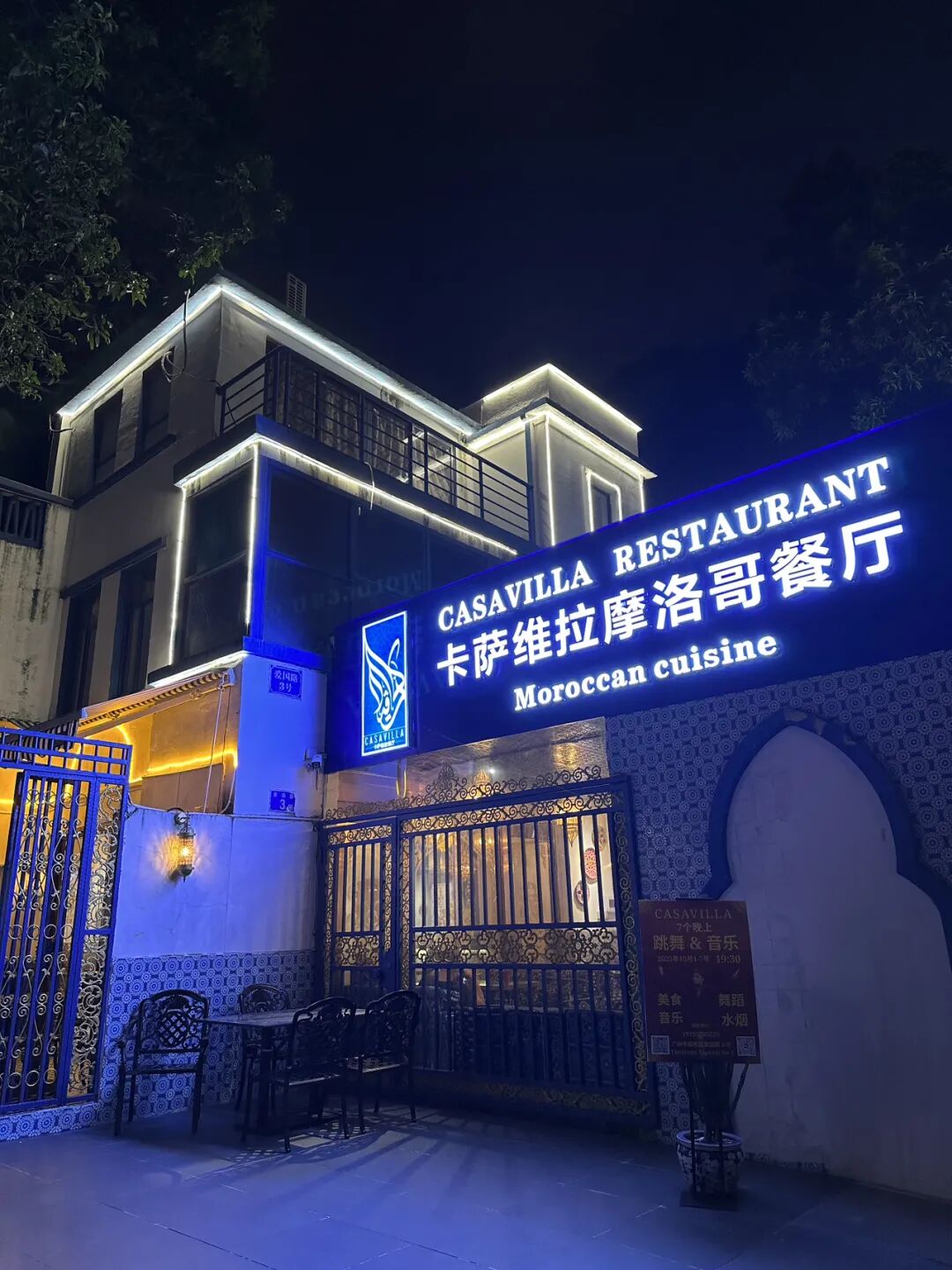
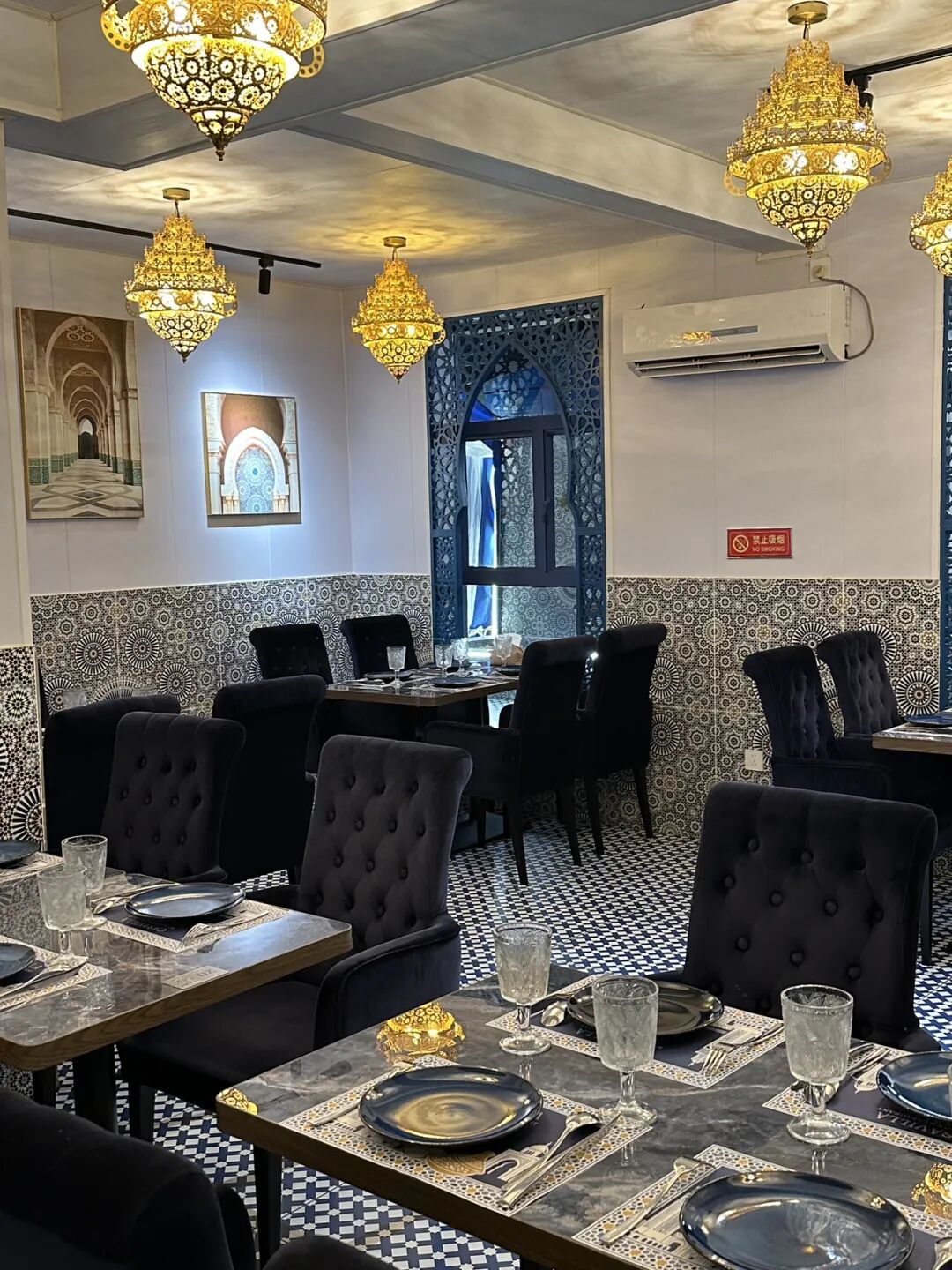
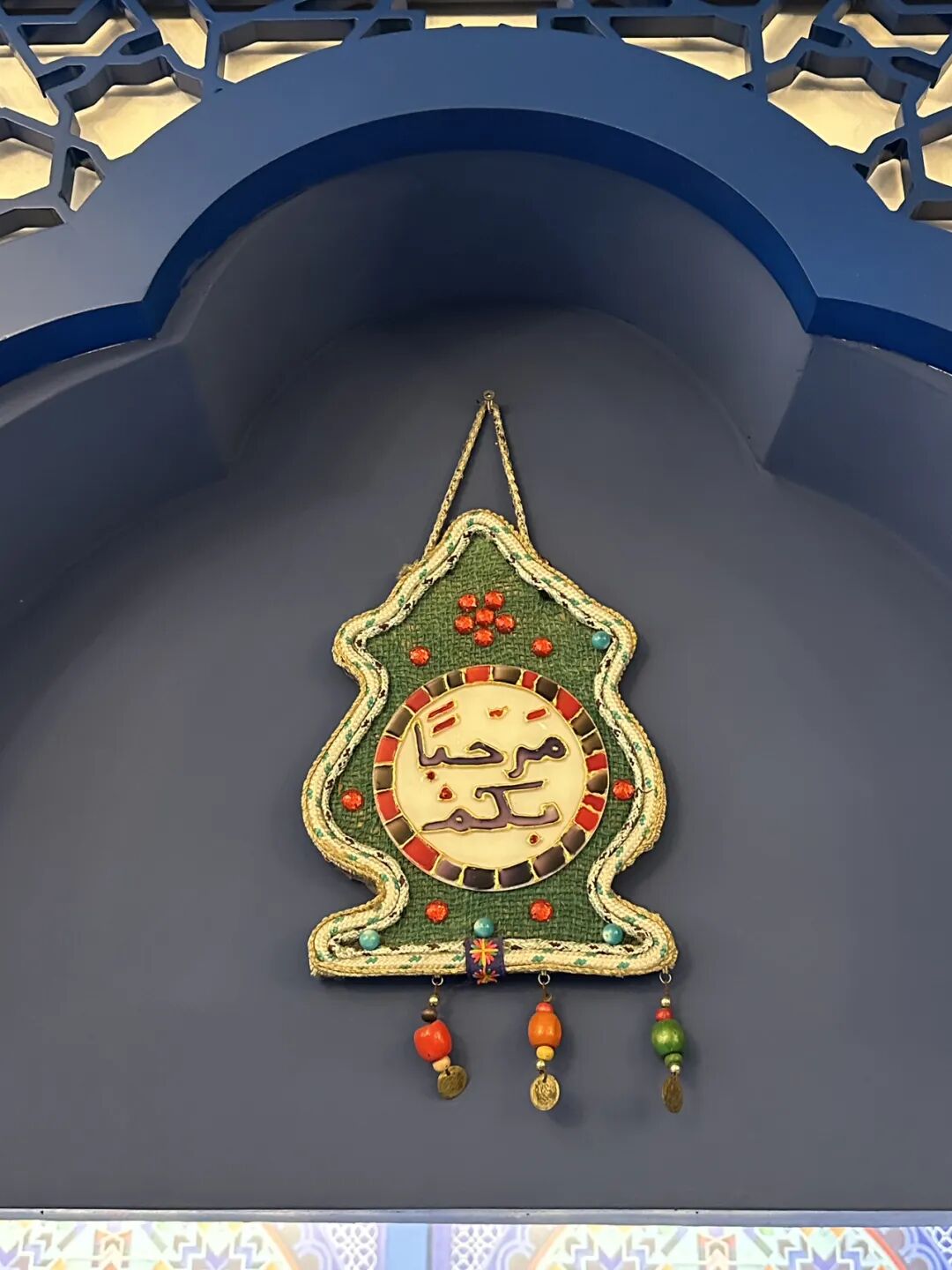
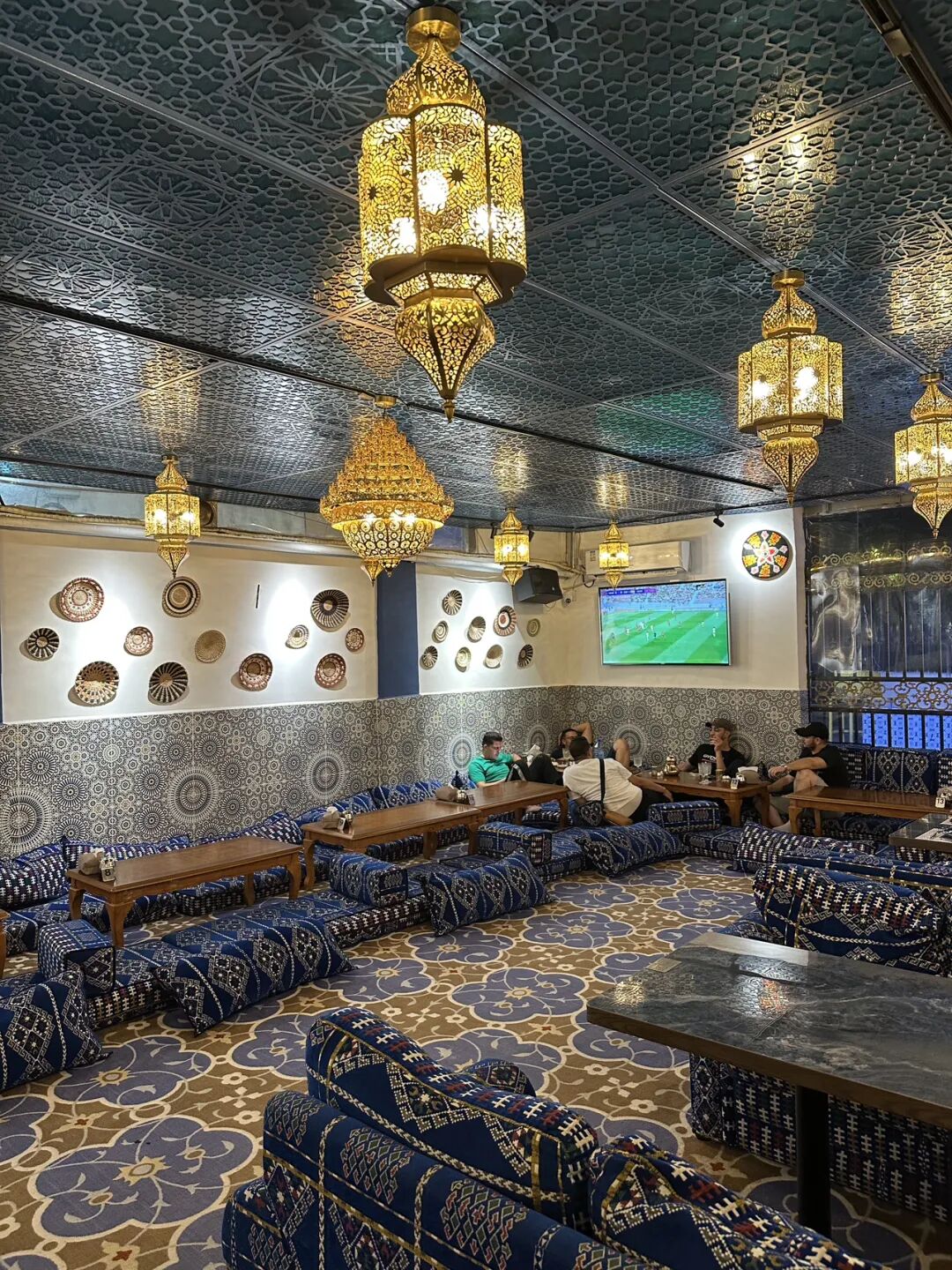
I arrived in Guangzhou on the first night of the National Day holiday. I took the subway straight to Taojin near Xiaobei for Moroccan food, where I ordered a lamb tagine (tajin), avocado shrimp salad, and Moroccan mint tea. The restaurant has chair seating, floor seating, and an outdoor area. The floor seating has the best atmosphere, but the hookah smoke is quite choking at night.
The lamb tagine is very authentic. The lamb is tender, and the pot is deep with plenty of meat. It comes with fluffy leavened flatbread (da famian bing) that tastes great dipped in the meat juices. The mint black tea is also delicious. People all over the Maghreb region drink mint tea, and it is especially popular to sit on the street, drink tea, and chat. It is a pity that their salad uses Thousand Island dressing. How can a proper Middle Eastern restaurant use Thousand Island dressing? It is really lazy.
After eating, I took a night walk in Xiaobei and had some authentic yogurt shaved ice on Baohan Straight Street.
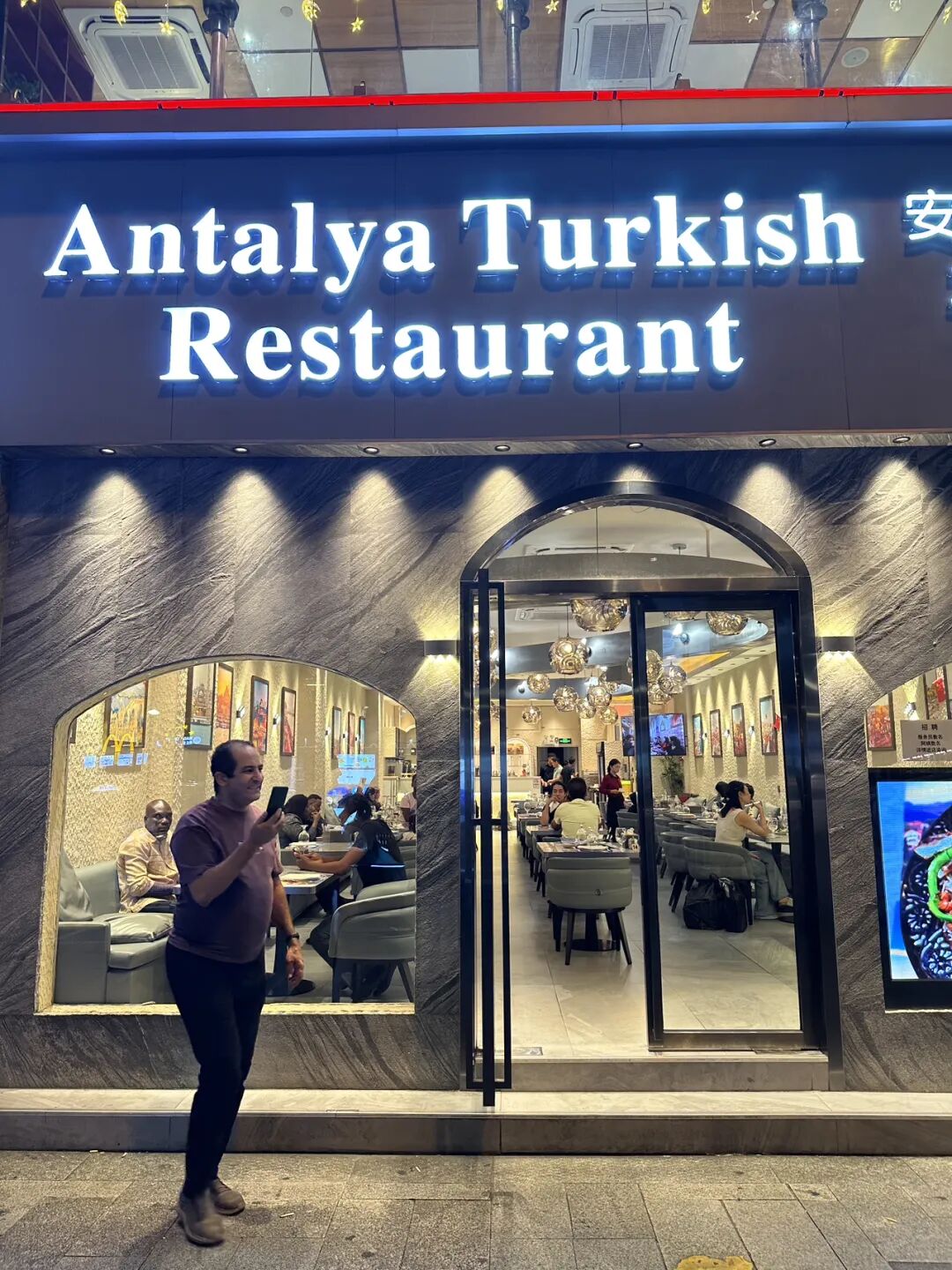
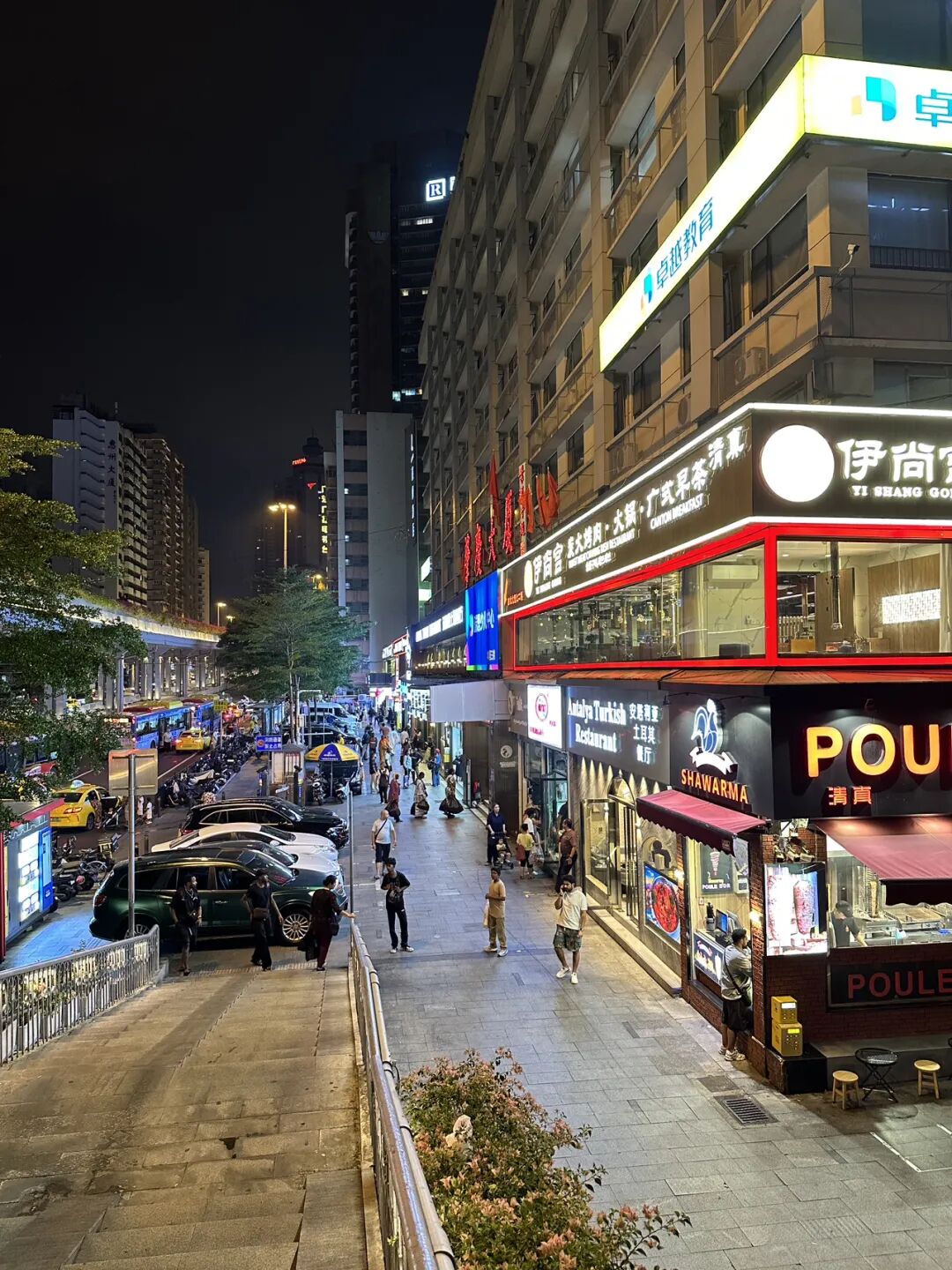
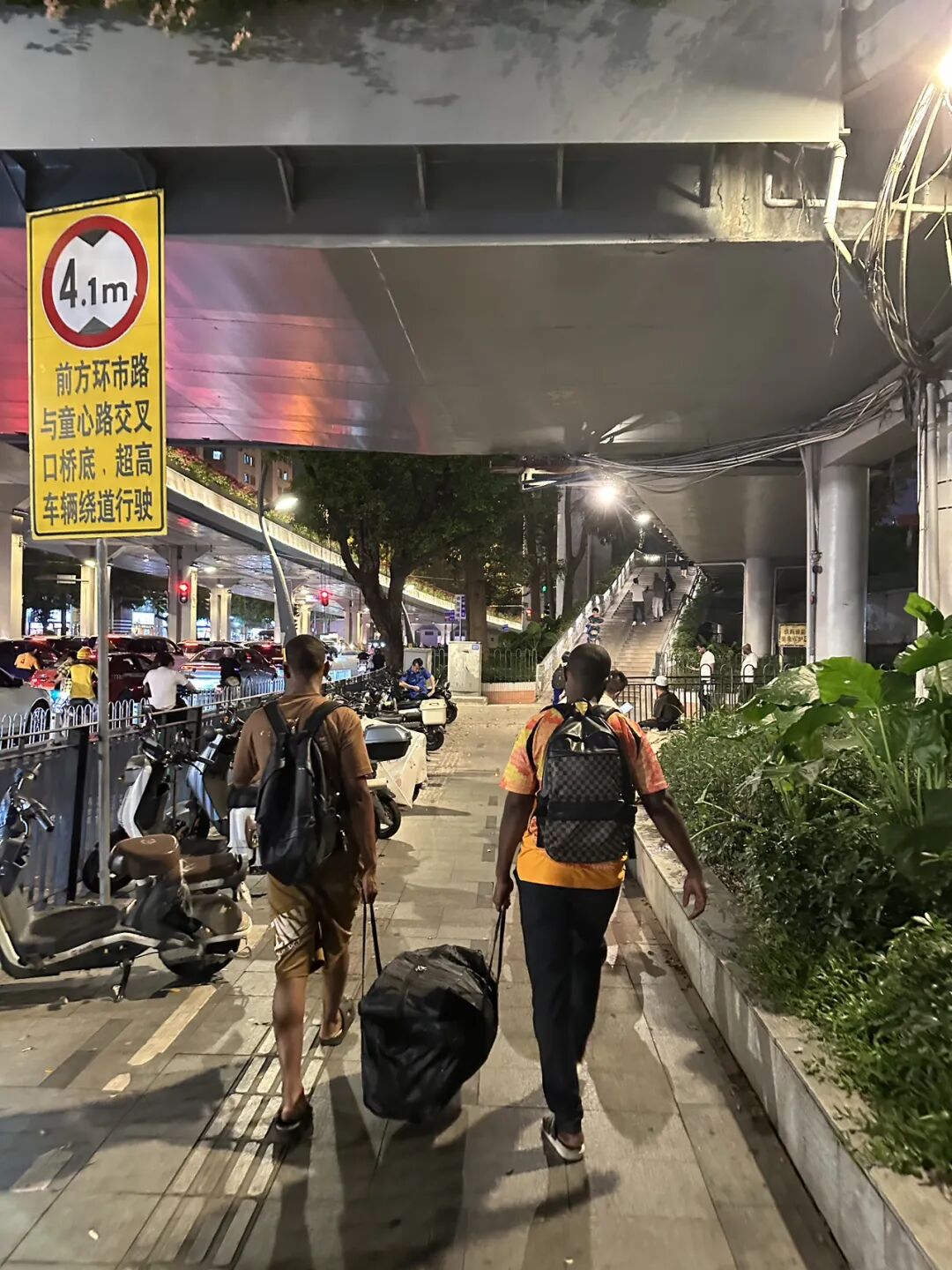
It feels like the number of Africans coming to Xiaobei to source goods has returned to pre-2020 levels. At ten o'clock at night, the area is brightly lit and crowded with people, and many new African restaurants have opened on the street. By comparison, I feel that Guangzhou's Xiaobei has more African people, while Yiwu has more Arabs and Turks.
In the morning, I had dim sum at Yishanggong in Guangzhou's Xiaobei. They open at seven, but since Xiaobei is a foreign residential area, few people get up early, and most foreign restaurants here do not start serving breakfast until ten or eleven.
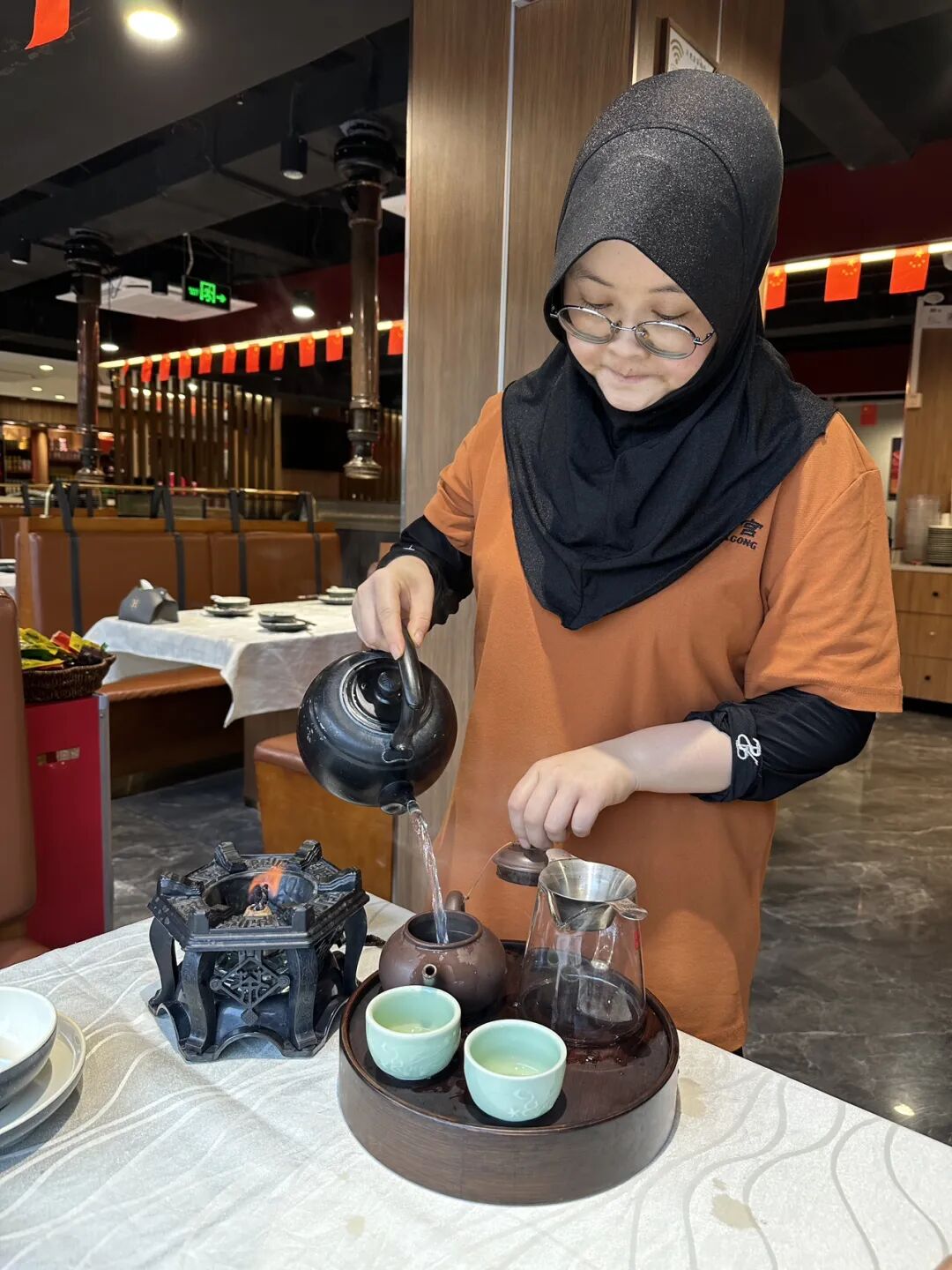
Yishanggong is the third halal Cantonese dim sum restaurant in Guangzhou. The owner is a Hui Muslim from Tianshui, Gansu. They sell Korean barbecue and hot pot at night and hire local Cantonese chefs to make dim sum during the day. Their ingredients are more reliable than those at other Hui Muslim restaurants, so I feel more comfortable eating here.
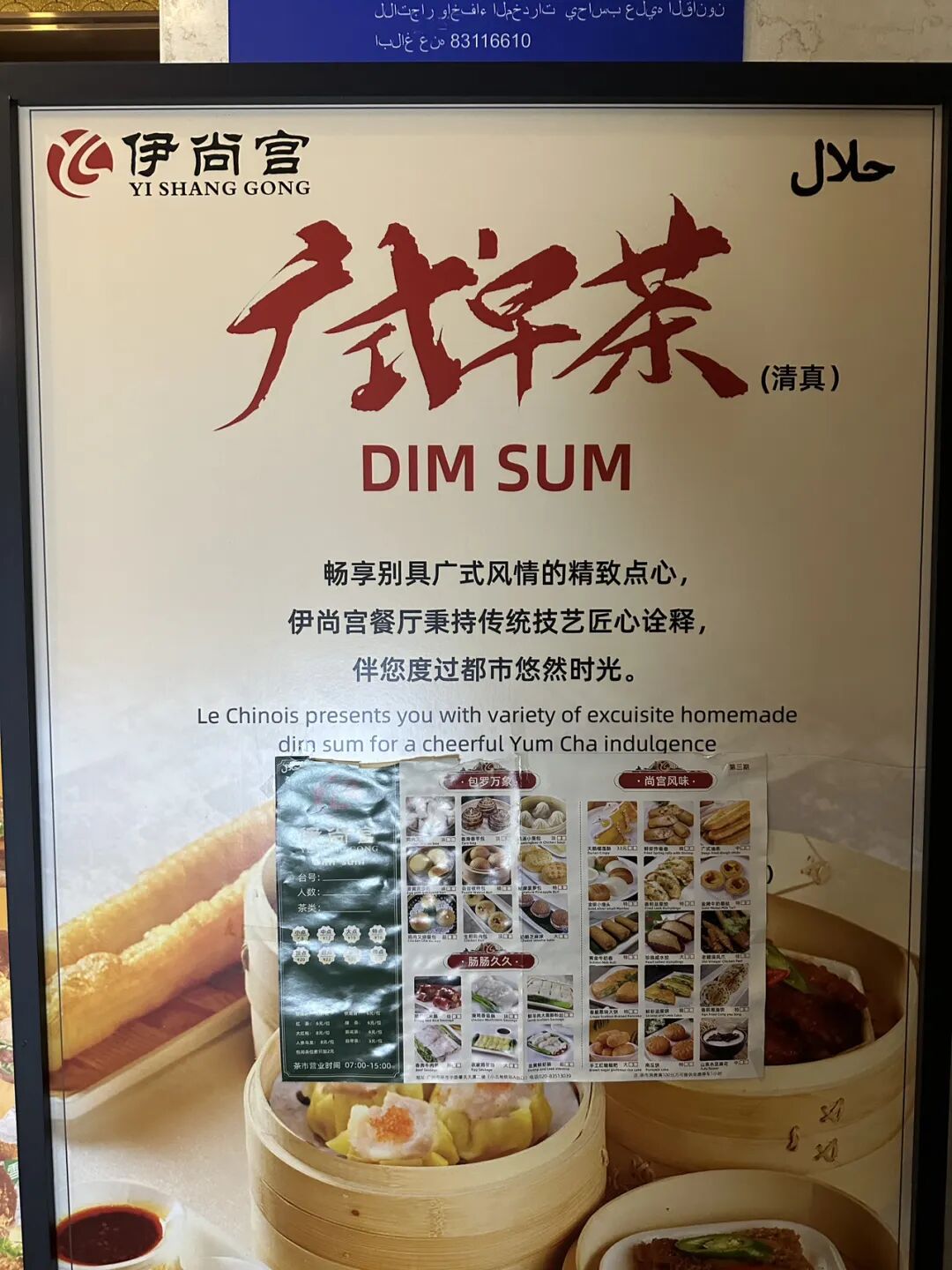
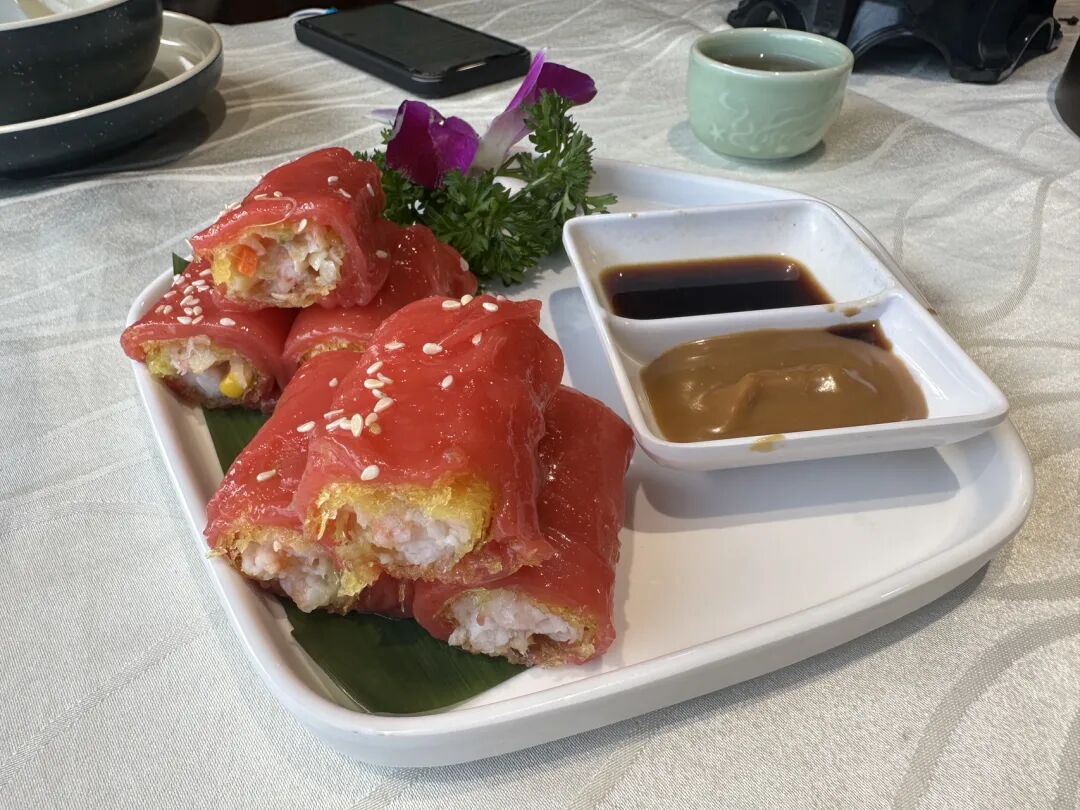
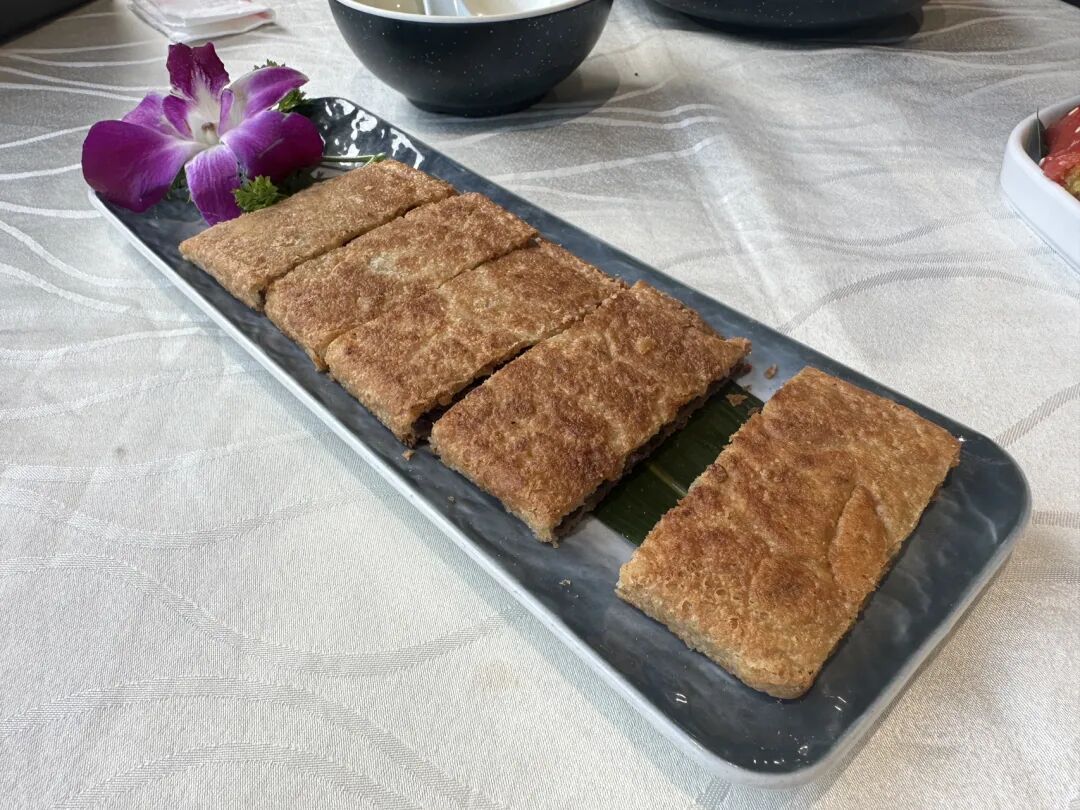
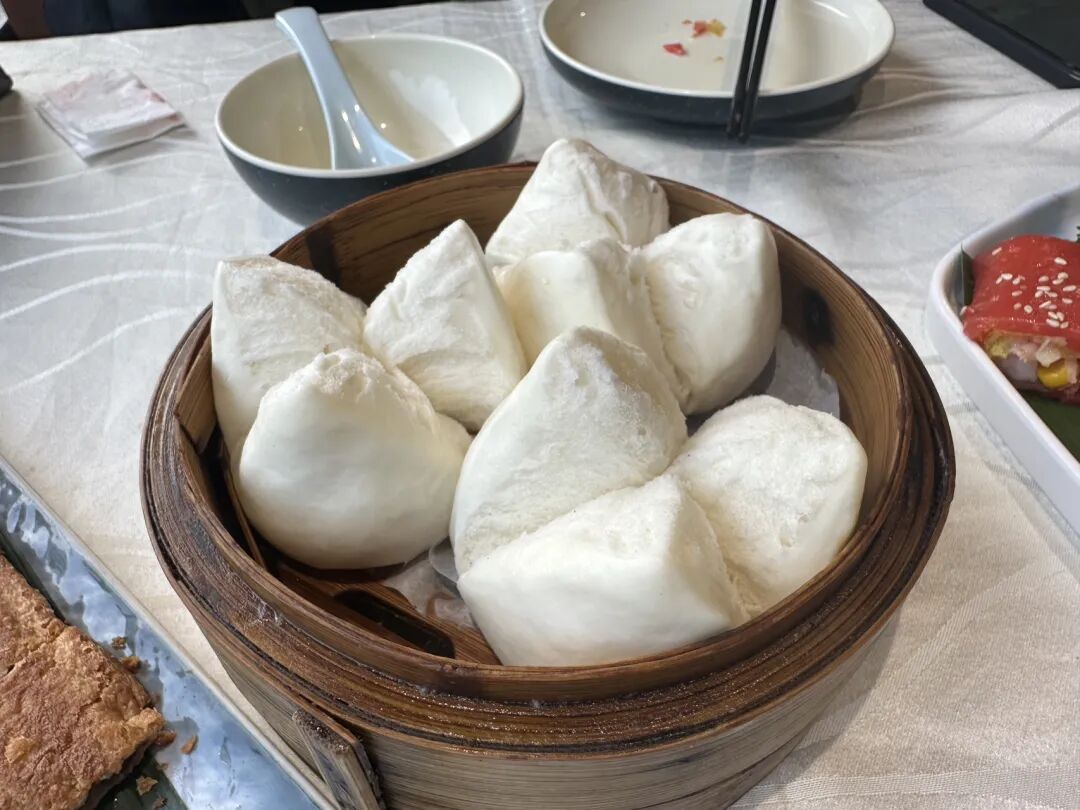
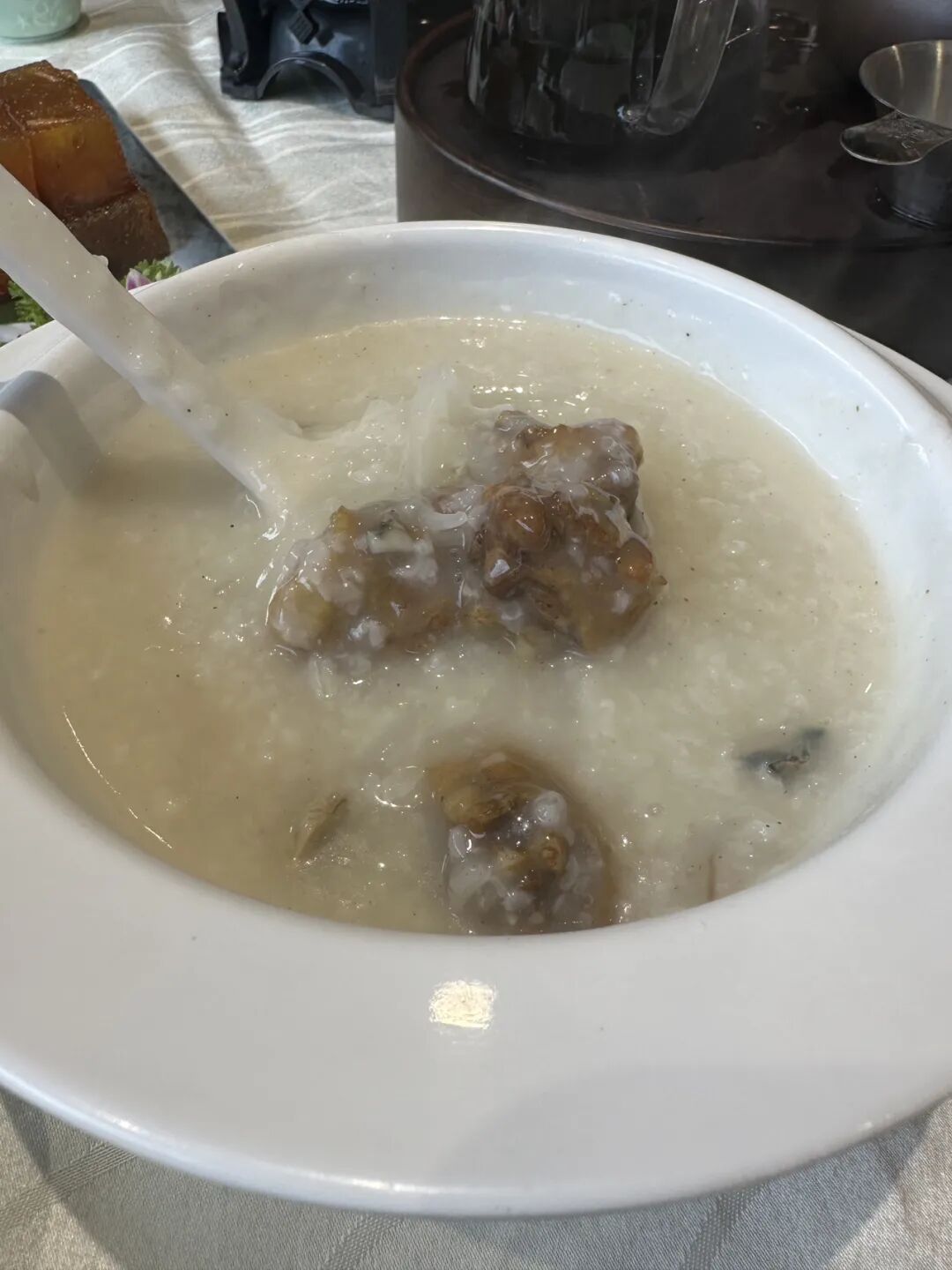
We ordered pu-erh tea, chicken char siu bao, crispy red rice noodle rolls (changfen), cilantro beef noodle rolls, handmade beef balls, sugarcane juice water chestnut cake, pan-fried red bean cakes, and salty chicken, dried oyster, and shredded radish porridge. Their portions are much larger than those at the Guangzhou Hui Muslim Restaurant or the Ai-Kwan Centre in Hong Kong. We ordered too much based on our previous experience and felt quite stuffed.
Their stir-fried beef noodles are delicious, and the noodle rolls have a good texture that slides right down, unlike the ones at Ai-Kwan in Hong Kong, which are a bit hard. The salty porridge also tastes good; it is very comfortable to have porridge in the morning. The red bean cake is quite crispy and also acceptable. The filling in the char siu bao is too small, much worse than at the Hui Muslim Restaurant, and the radish cake is a bit oily; the one at the Ai-Kwan Building is better. view all
Summary: Guangzhou's Xiaobei area brings together Moroccan food, African restaurants, halal Cantonese dim sum, and late-night street life near Taojin and Baohan Straight Street. This account covers the meals, restaurants, and neighborhood changes while preserving the source's food details and local observations.
I arrived in Guangzhou on the first night of the National Day holiday. I took the subway straight to Taojin near Xiaobei for Moroccan food, where I ordered a lamb tagine (tajin), avocado shrimp salad, and Moroccan mint tea. The restaurant has chair seating, floor seating, and an outdoor area. The floor seating has the best atmosphere, but the hookah smoke is quite choking at night.
The lamb tagine is very authentic. The lamb is tender, and the pot is deep with plenty of meat. It comes with fluffy leavened flatbread (da famian bing) that tastes great dipped in the meat juices. The mint black tea is also delicious. People all over the Maghreb region drink mint tea, and it is especially popular to sit on the street, drink tea, and chat. It is a pity that their salad uses Thousand Island dressing. How can a proper Middle Eastern restaurant use Thousand Island dressing? It is really lazy.
After eating, I took a night walk in Xiaobei and had some authentic yogurt shaved ice on Baohan Straight Street.
It feels like the number of Africans coming to Xiaobei to source goods has returned to pre-2020 levels. At ten o'clock at night, the area is brightly lit and crowded with people, and many new African restaurants have opened on the street. By comparison, I feel that Guangzhou's Xiaobei has more African people, while Yiwu has more Arabs and Turks.
In the morning, I had dim sum at Yishanggong in Guangzhou's Xiaobei. They open at seven, but since Xiaobei is a foreign residential area, few people get up early, and most foreign restaurants here do not start serving breakfast until ten or eleven.
Yishanggong is the third halal Cantonese dim sum restaurant in Guangzhou. The owner is a Hui Muslim from Tianshui, Gansu. They sell Korean barbecue and hot pot at night and hire local Cantonese chefs to make dim sum during the day. Their ingredients are more reliable than those at other Hui Muslim restaurants, so I feel more comfortable eating here.
We ordered pu-erh tea, chicken char siu bao, crispy red rice noodle rolls (changfen), cilantro beef noodle rolls, handmade beef balls, sugarcane juice water chestnut cake, pan-fried red bean cakes, and salty chicken, dried oyster, and shredded radish porridge. Their portions are much larger than those at the Guangzhou Hui Muslim Restaurant or the Ai-Kwan Centre in Hong Kong. We ordered too much based on our previous experience and felt quite stuffed.
Their stir-fried beef noodles are delicious, and the noodle rolls have a good texture that slides right down, unlike the ones at Ai-Kwan in Hong Kong, which are a bit hard. The salty porridge also tastes good; it is very comfortable to have porridge in the morning. The red bean cake is quite crispy and also acceptable. The filling in the char siu bao is too small, much worse than at the Hui Muslim Restaurant, and the radish cake is a bit oily; the one at the Ai-Kwan Building is better. view all
Reposted from the web
Summary: Guangzhou's Xiaobei area brings together Moroccan food, African restaurants, halal Cantonese dim sum, and late-night street life near Taojin and Baohan Straight Street. This account covers the meals, restaurants, and neighborhood changes while preserving the source's food details and local observations.
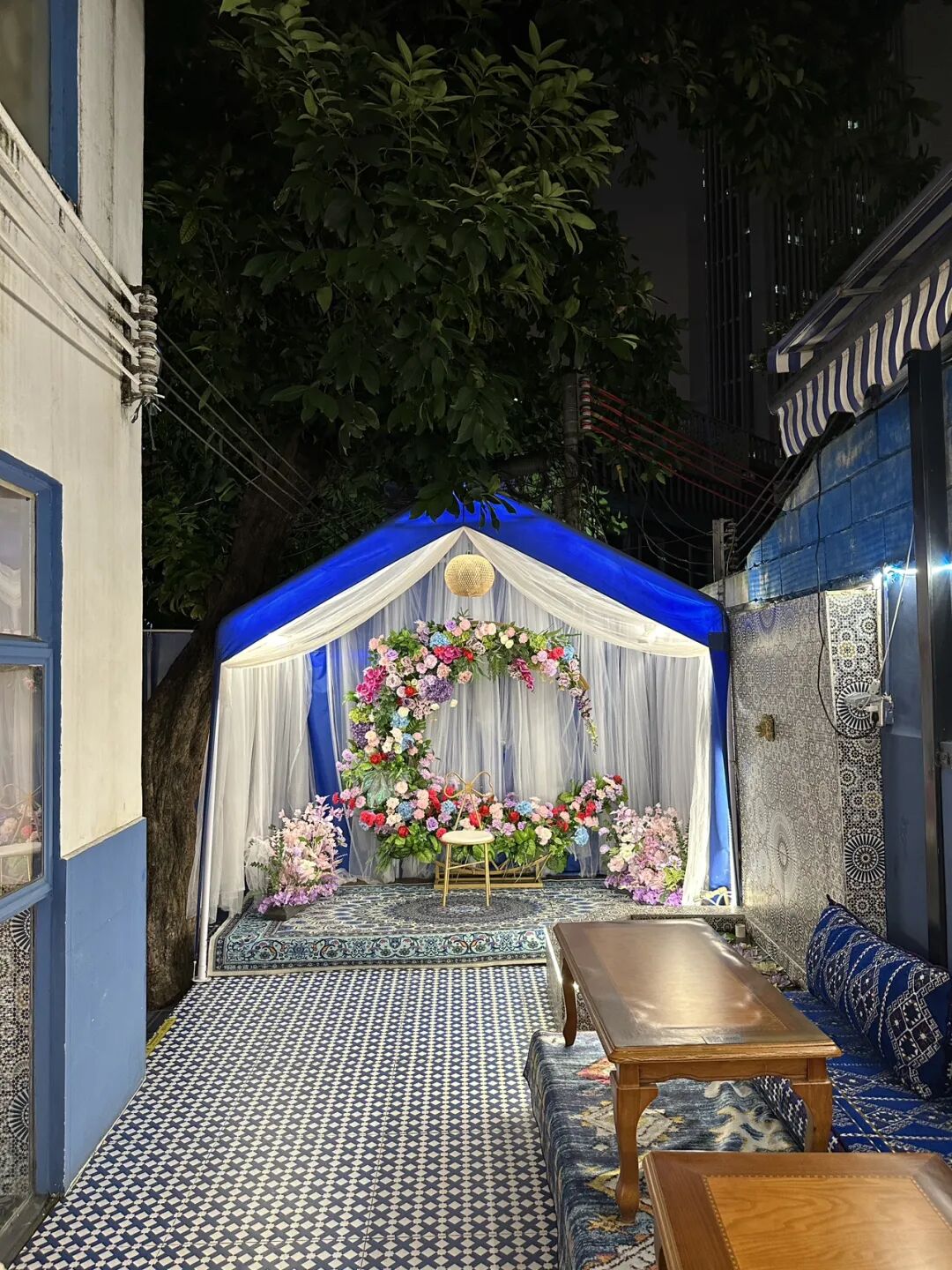
I arrived in Guangzhou on the first night of the National Day holiday. I took the subway straight to Taojin near Xiaobei for Moroccan food, where I ordered a lamb tagine (tajin), avocado shrimp salad, and Moroccan mint tea. The restaurant has chair seating, floor seating, and an outdoor area. The floor seating has the best atmosphere, but the hookah smoke is quite choking at night.
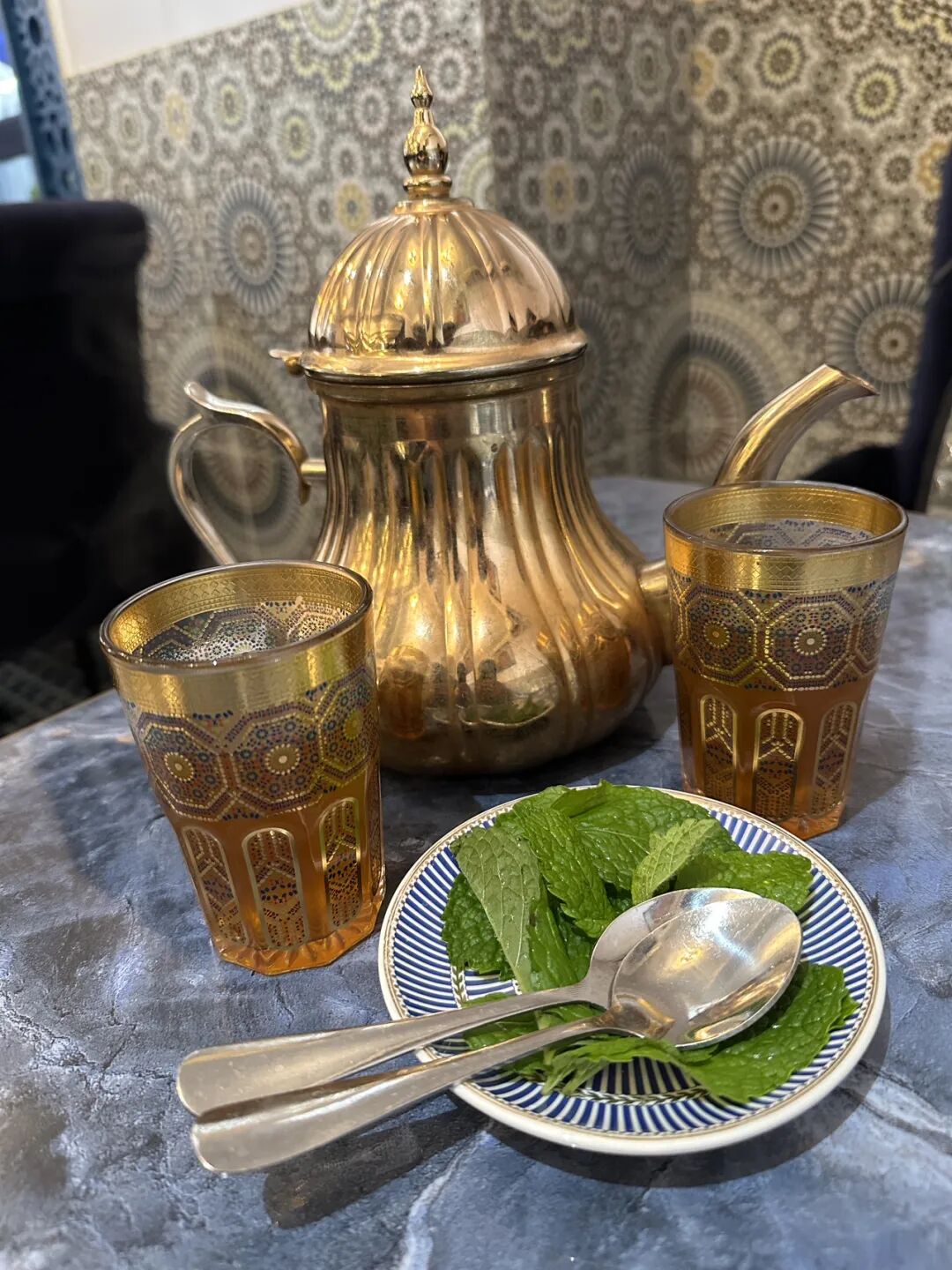
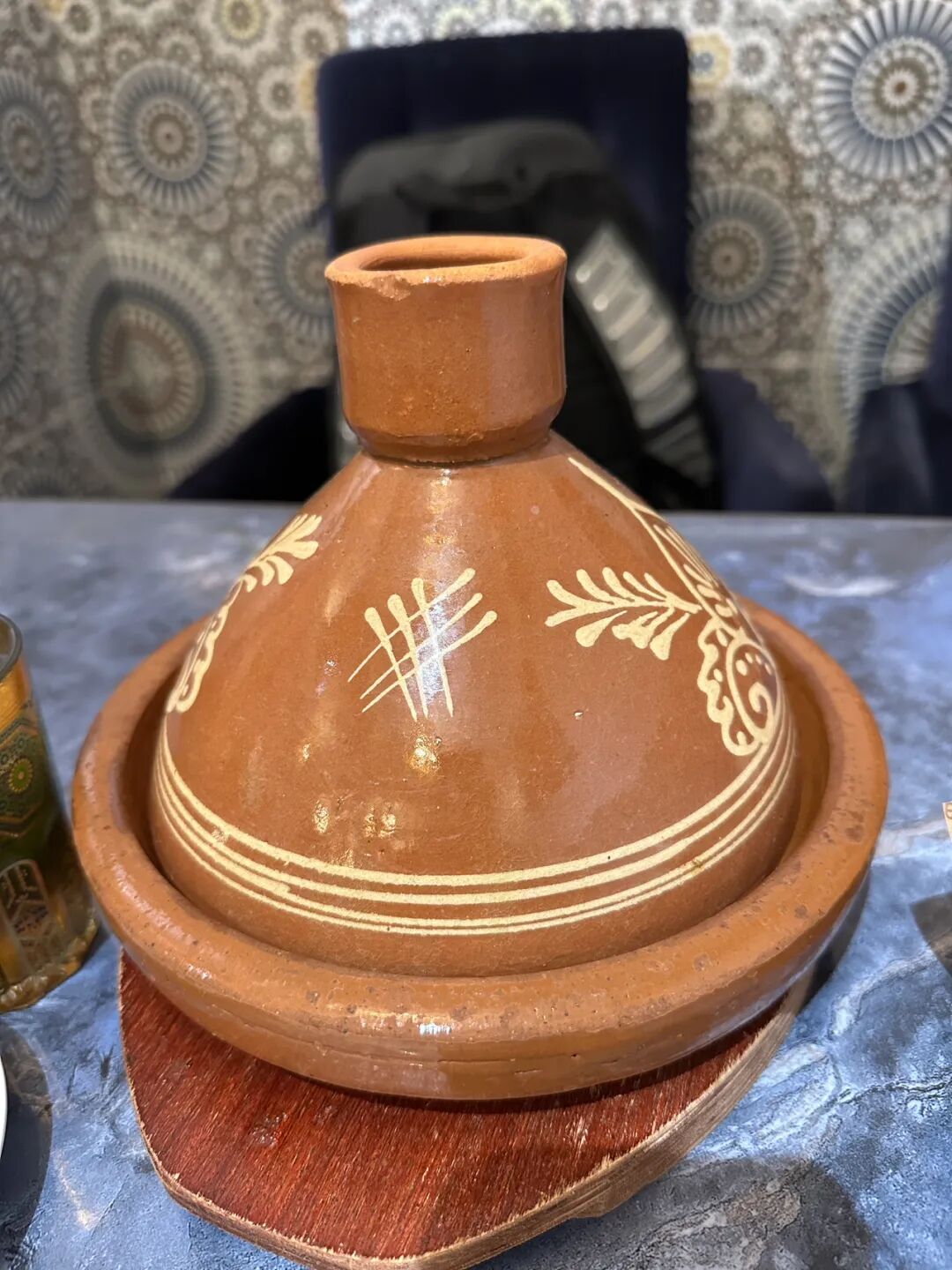
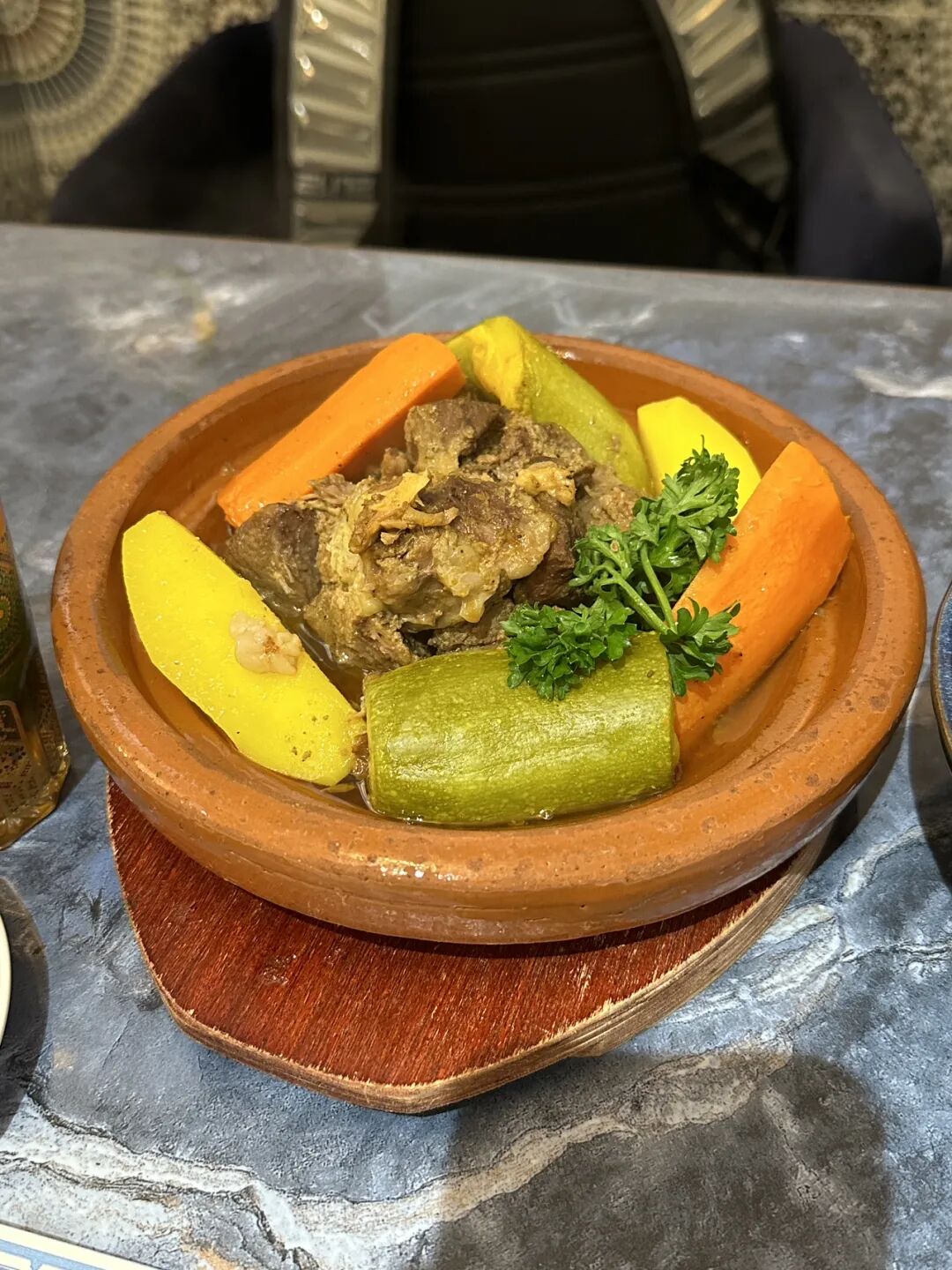
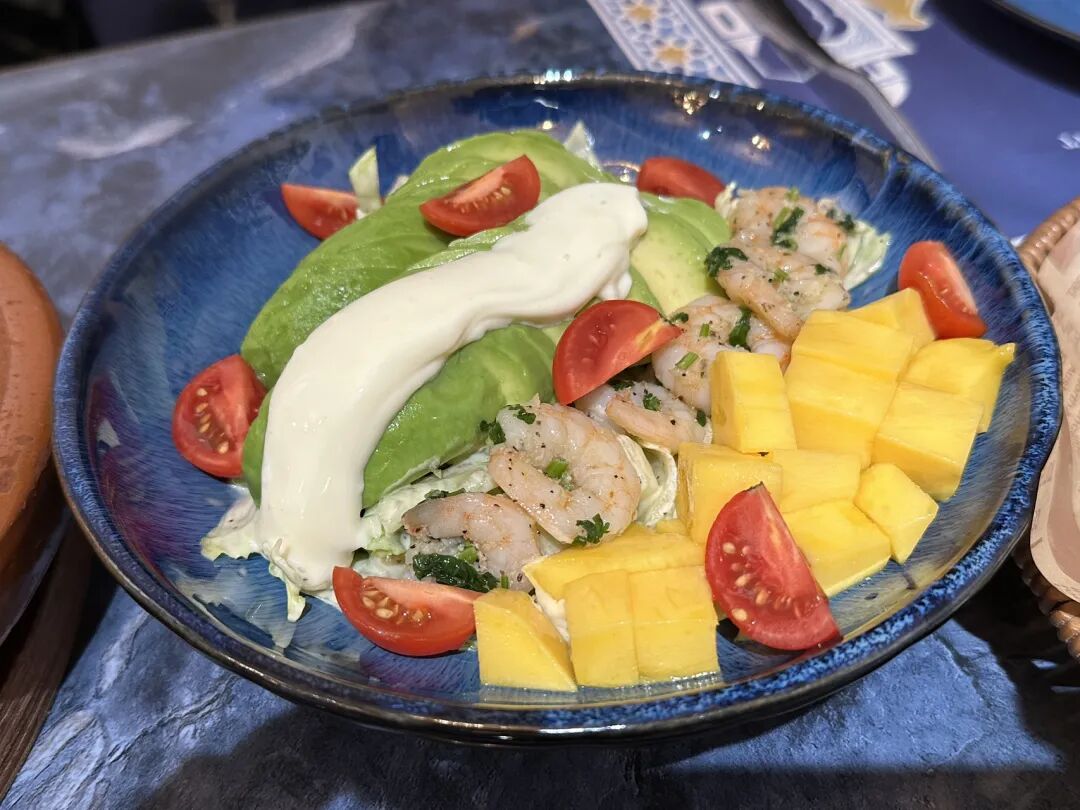
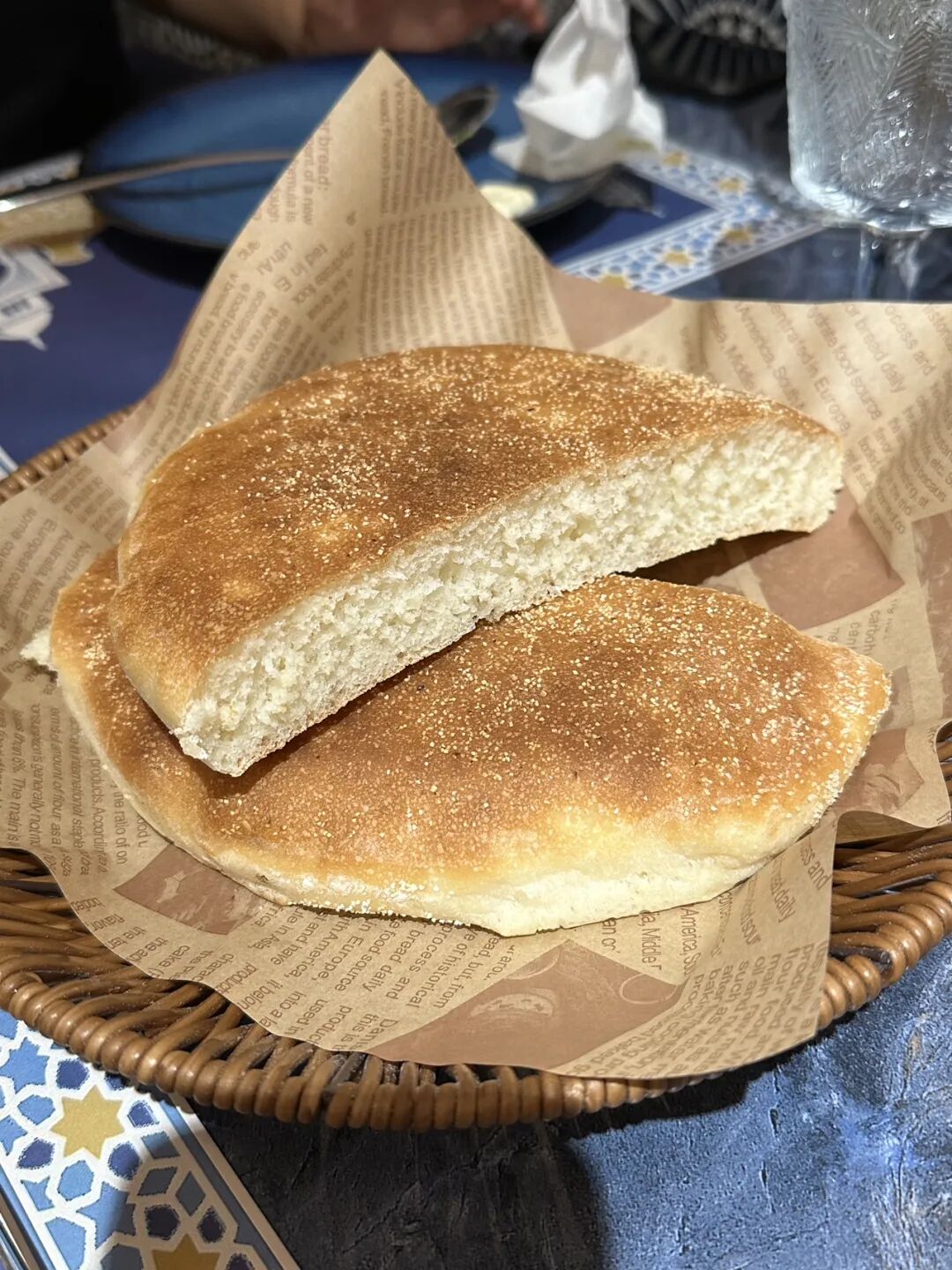
The lamb tagine is very authentic. The lamb is tender, and the pot is deep with plenty of meat. It comes with fluffy leavened flatbread (da famian bing) that tastes great dipped in the meat juices. The mint black tea is also delicious. People all over the Maghreb region drink mint tea, and it is especially popular to sit on the street, drink tea, and chat. It is a pity that their salad uses Thousand Island dressing. How can a proper Middle Eastern restaurant use Thousand Island dressing? It is really lazy.
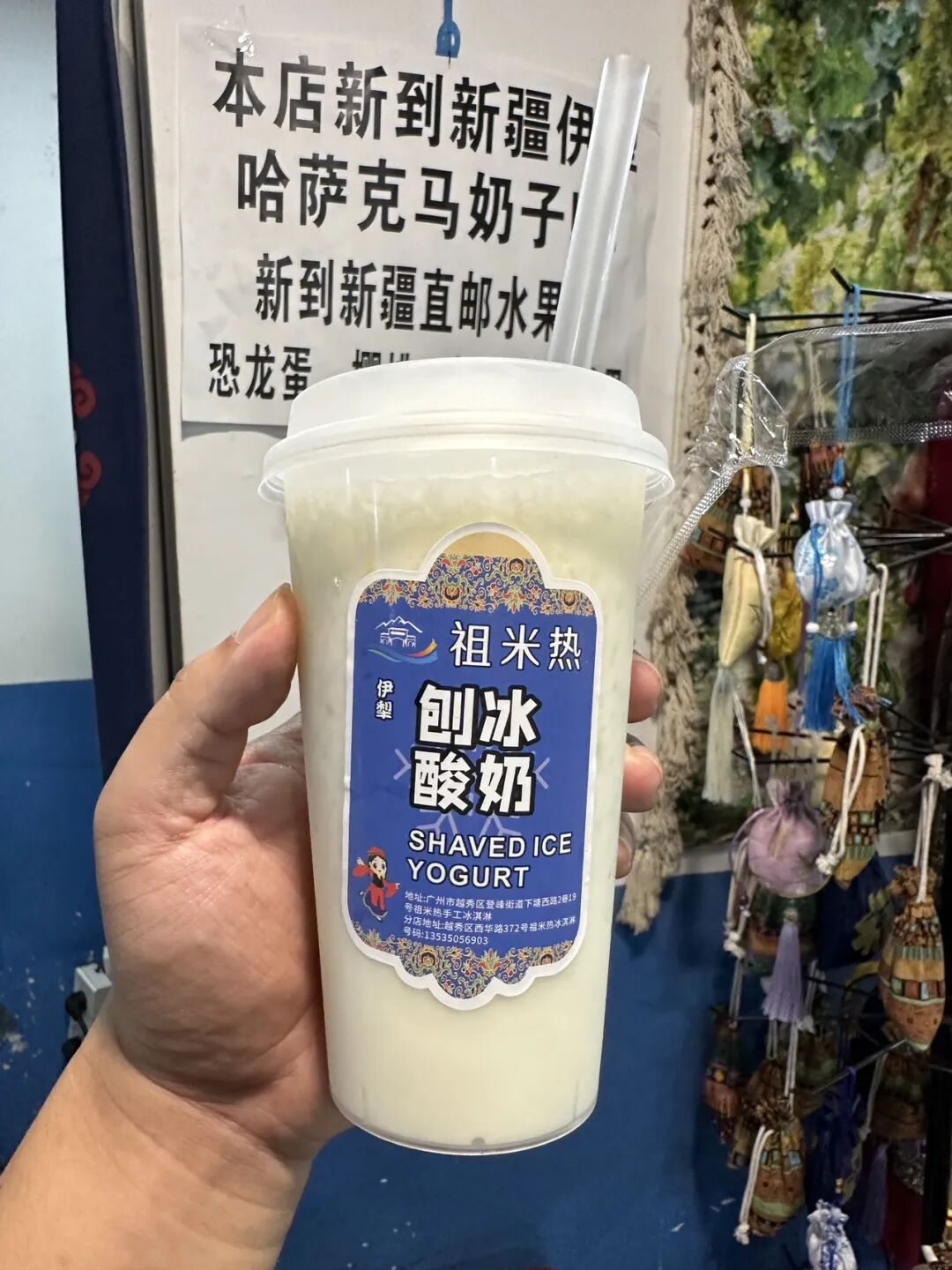
After eating, I took a night walk in Xiaobei and had some authentic yogurt shaved ice on Baohan Straight Street.
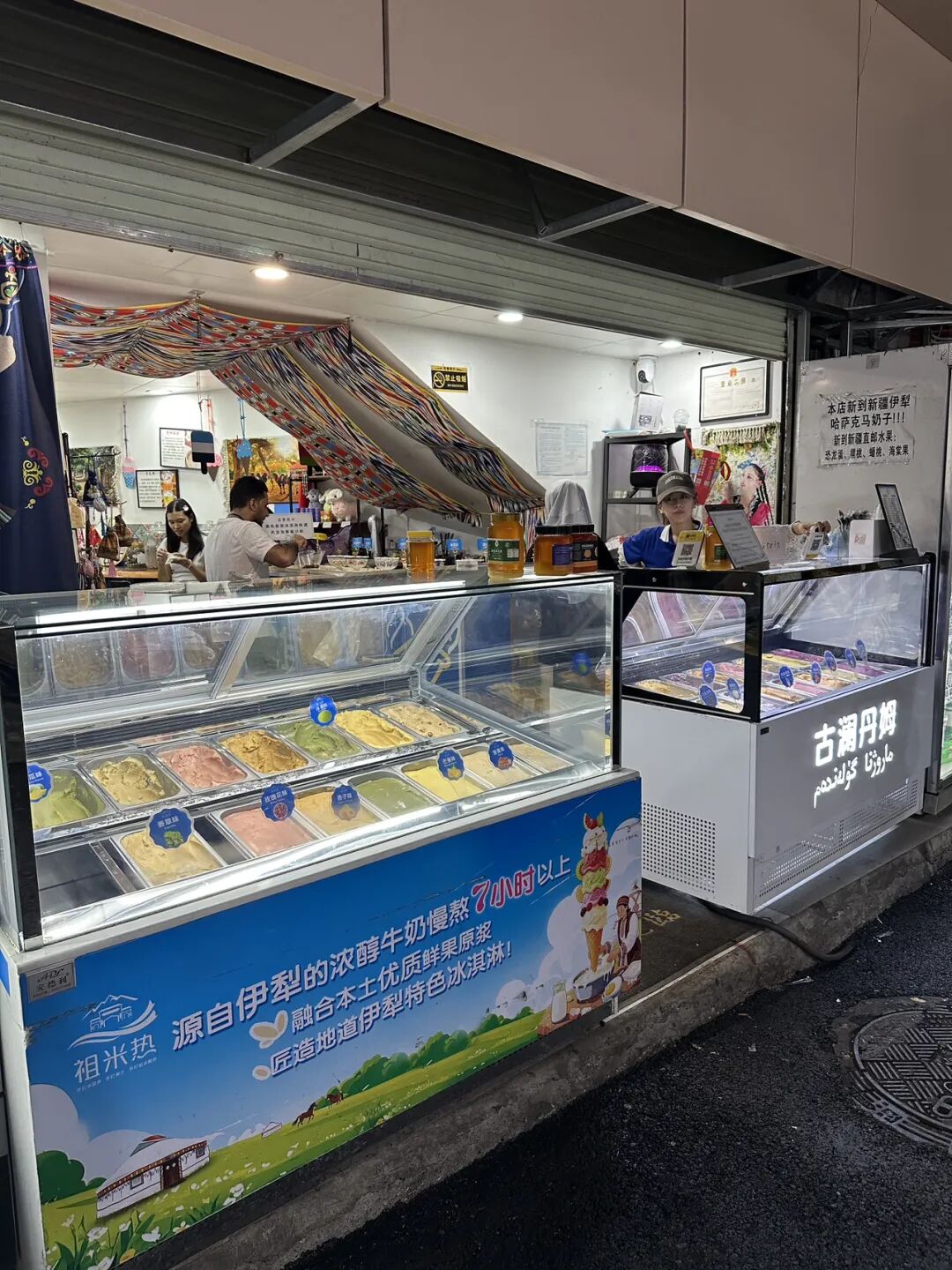
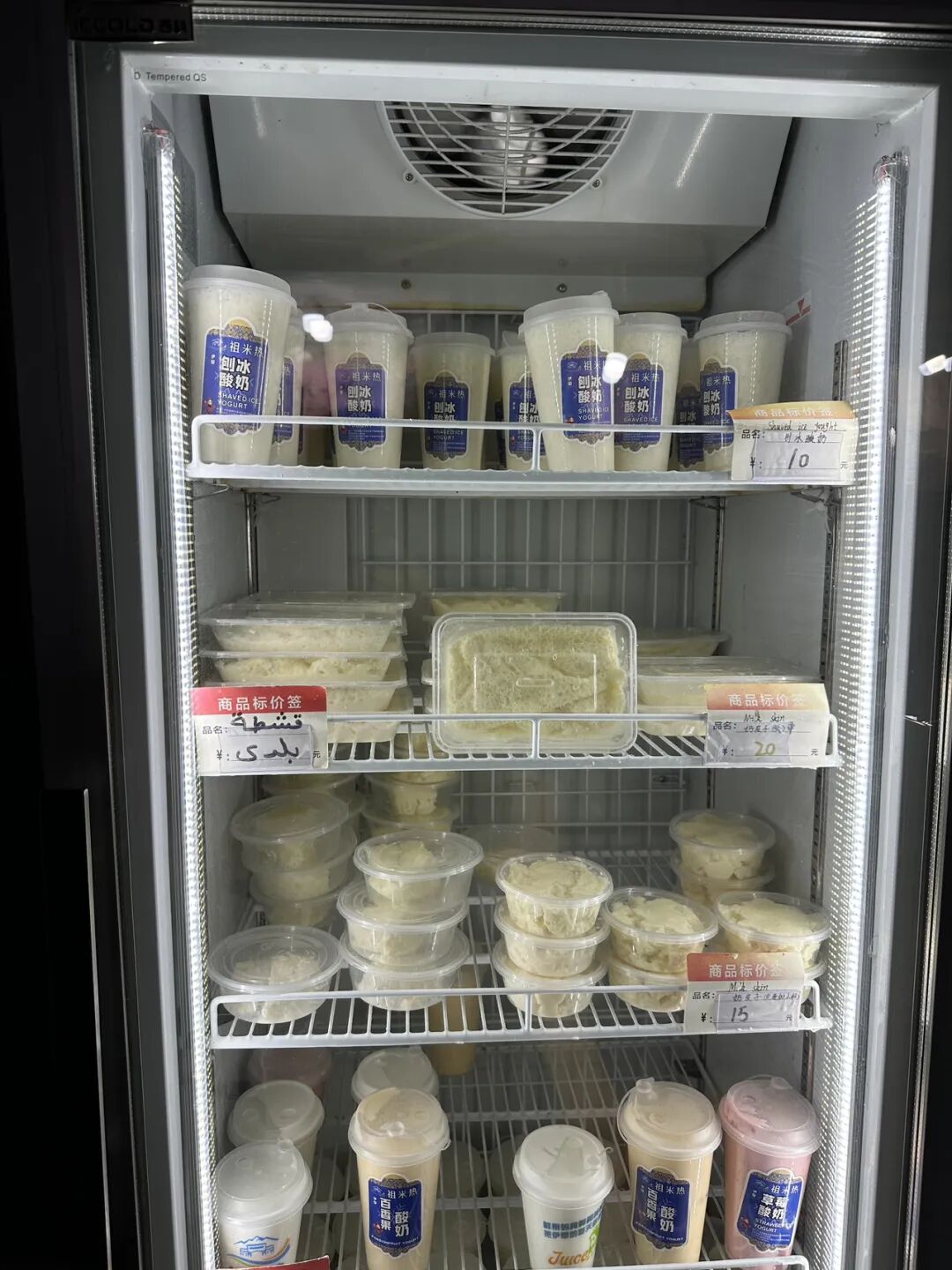
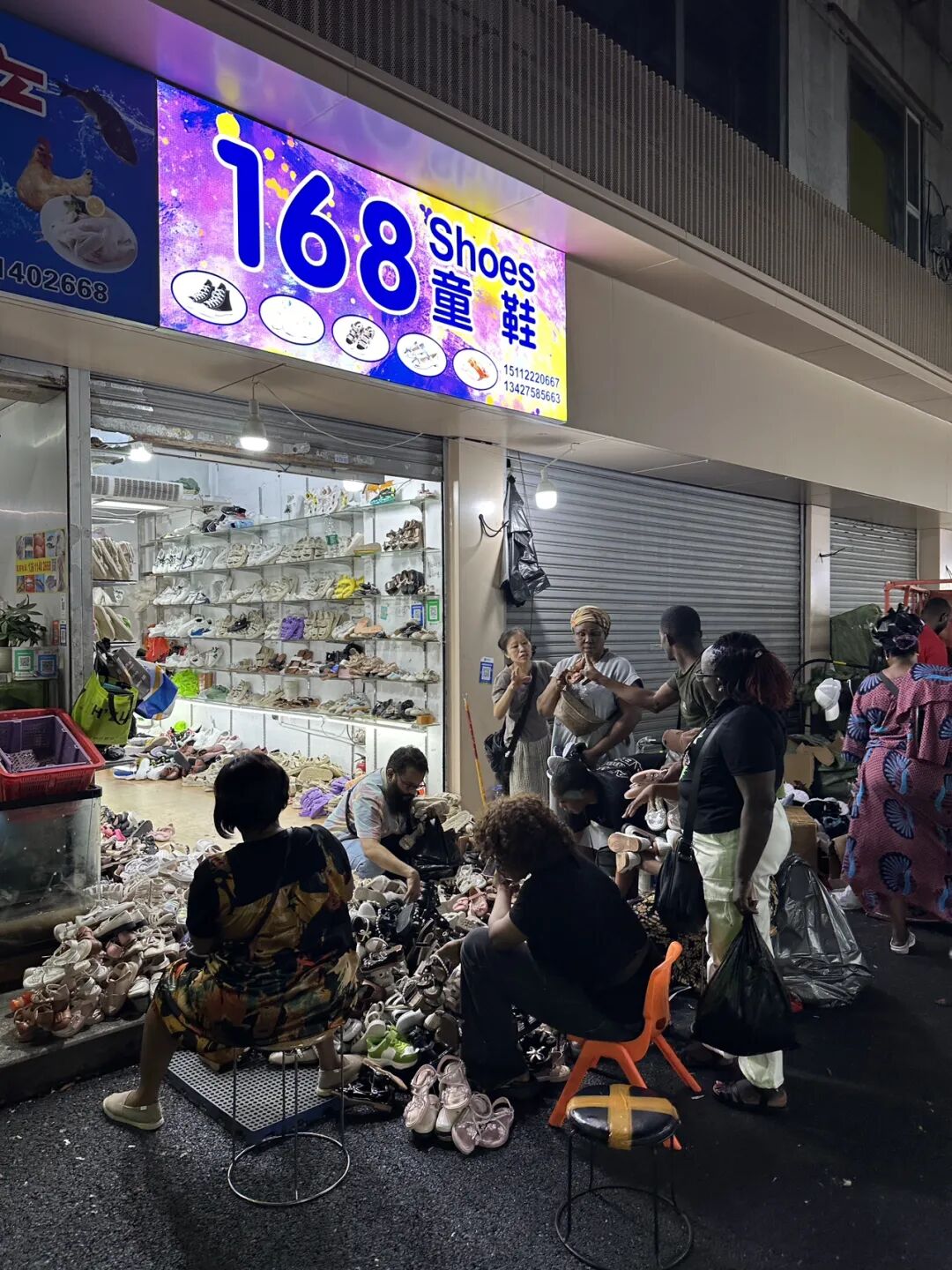
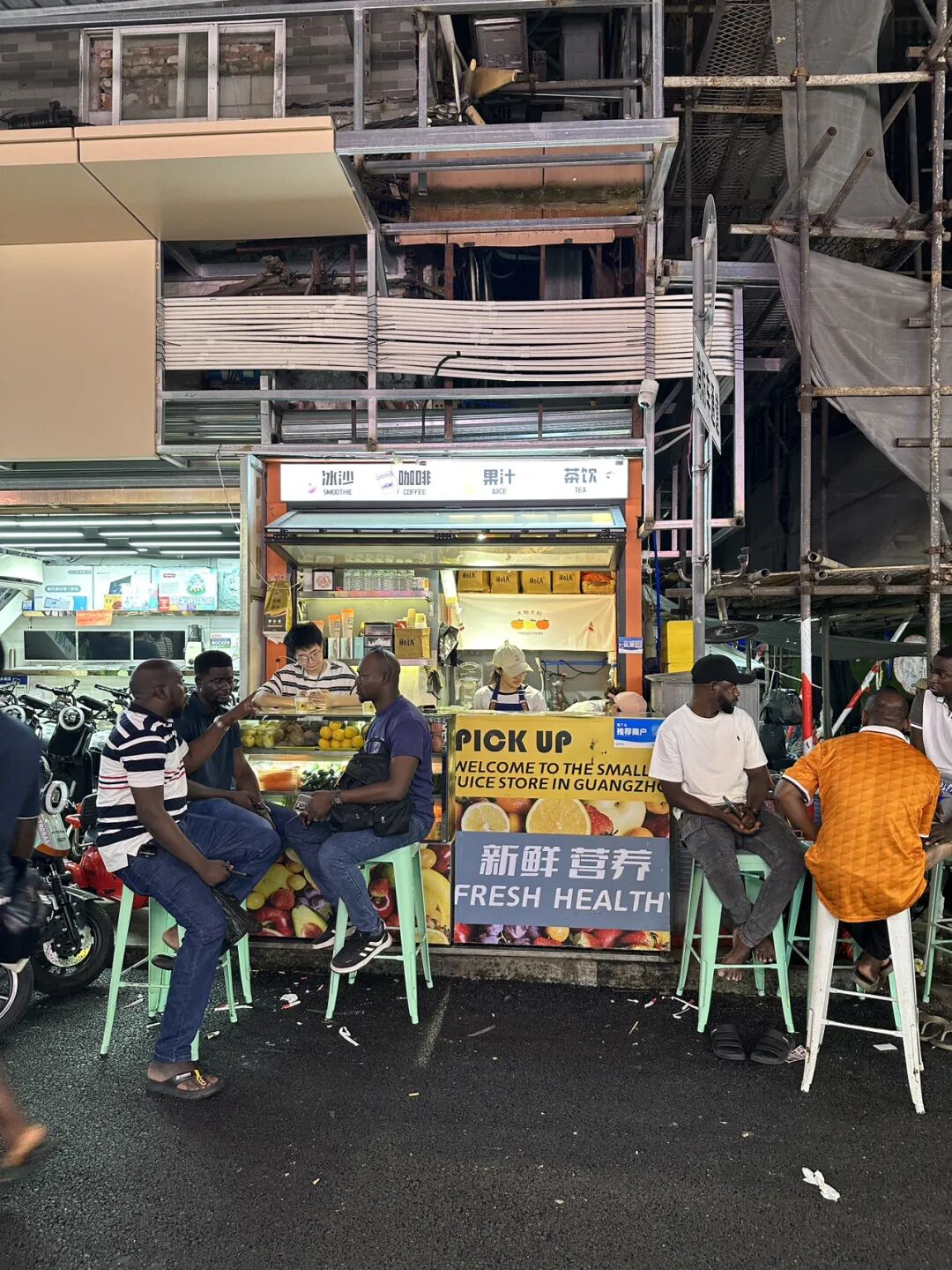
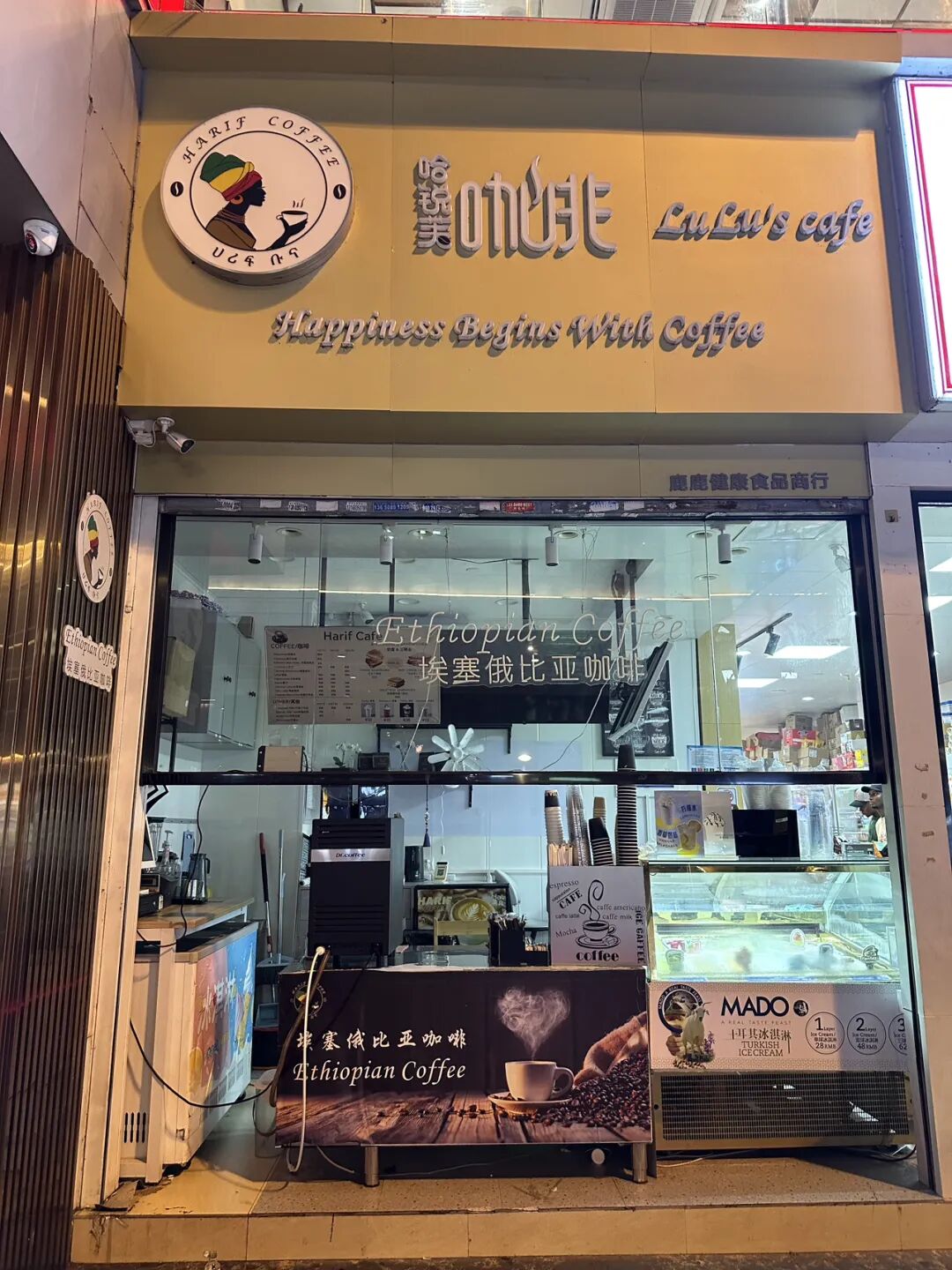
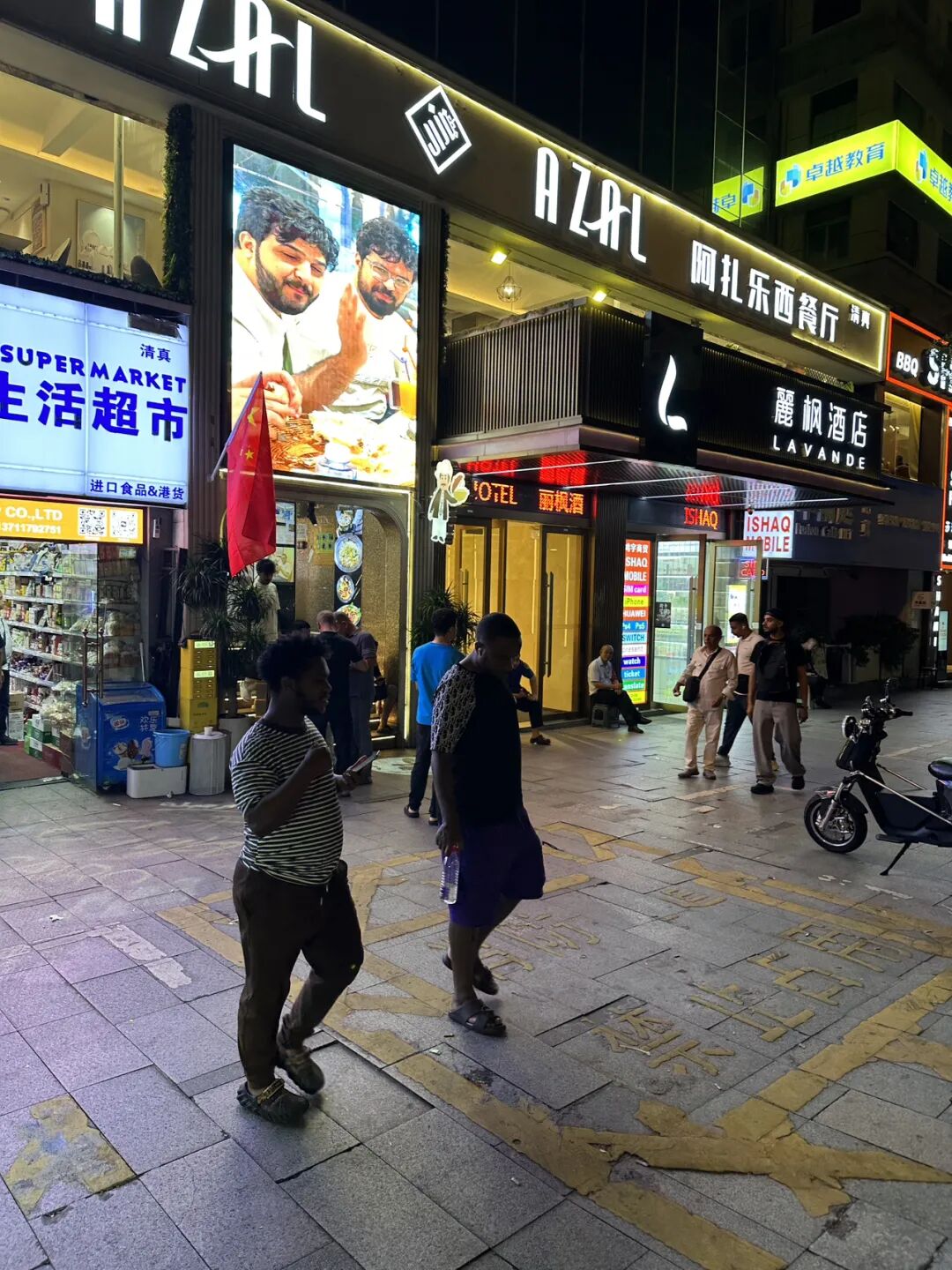
It feels like the number of Africans coming to Xiaobei to source goods has returned to pre-2020 levels. At ten o'clock at night, the area is brightly lit and crowded with people, and many new African restaurants have opened on the street. By comparison, I feel that Guangzhou's Xiaobei has more African people, while Yiwu has more Arabs and Turks.
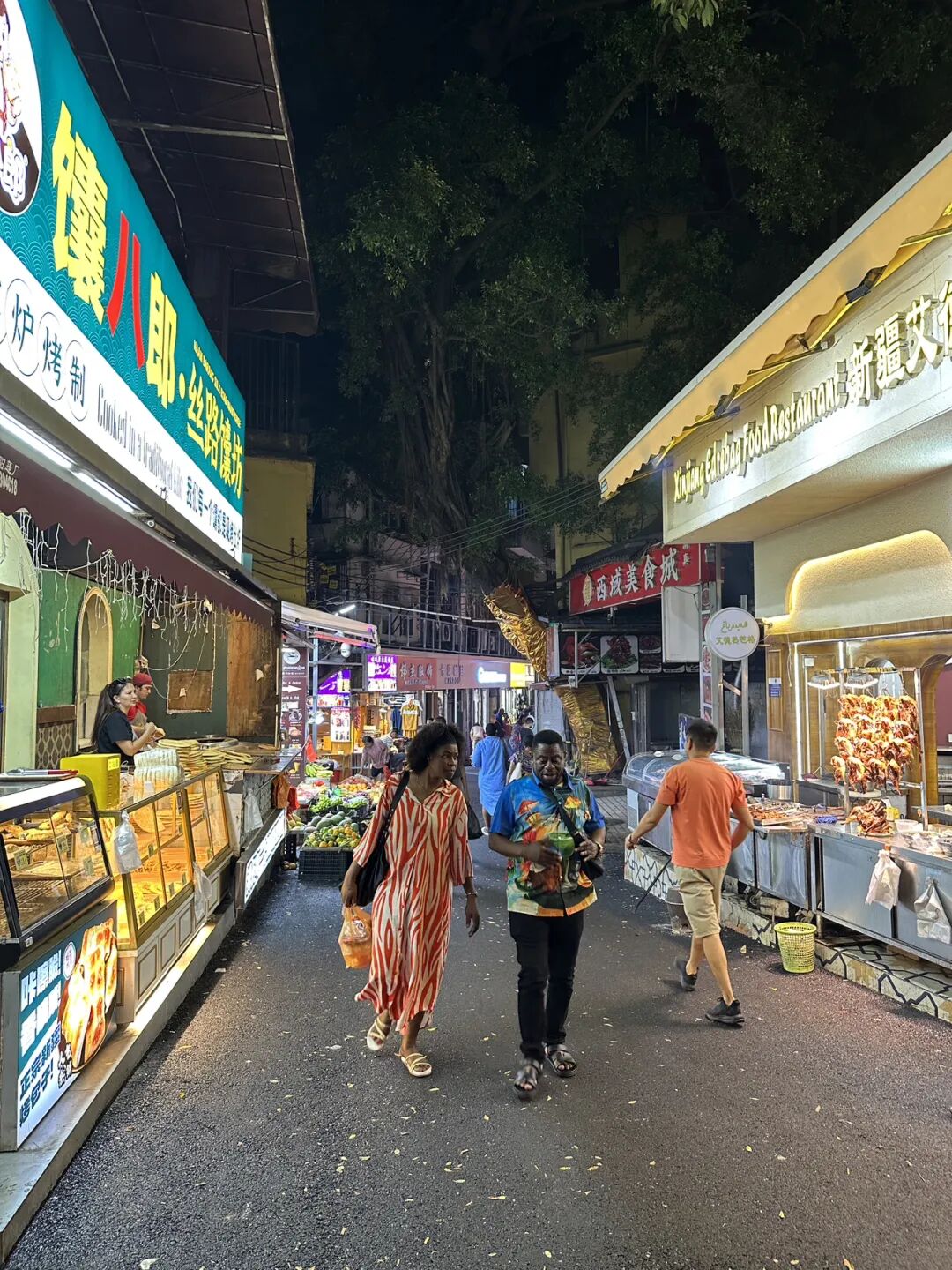
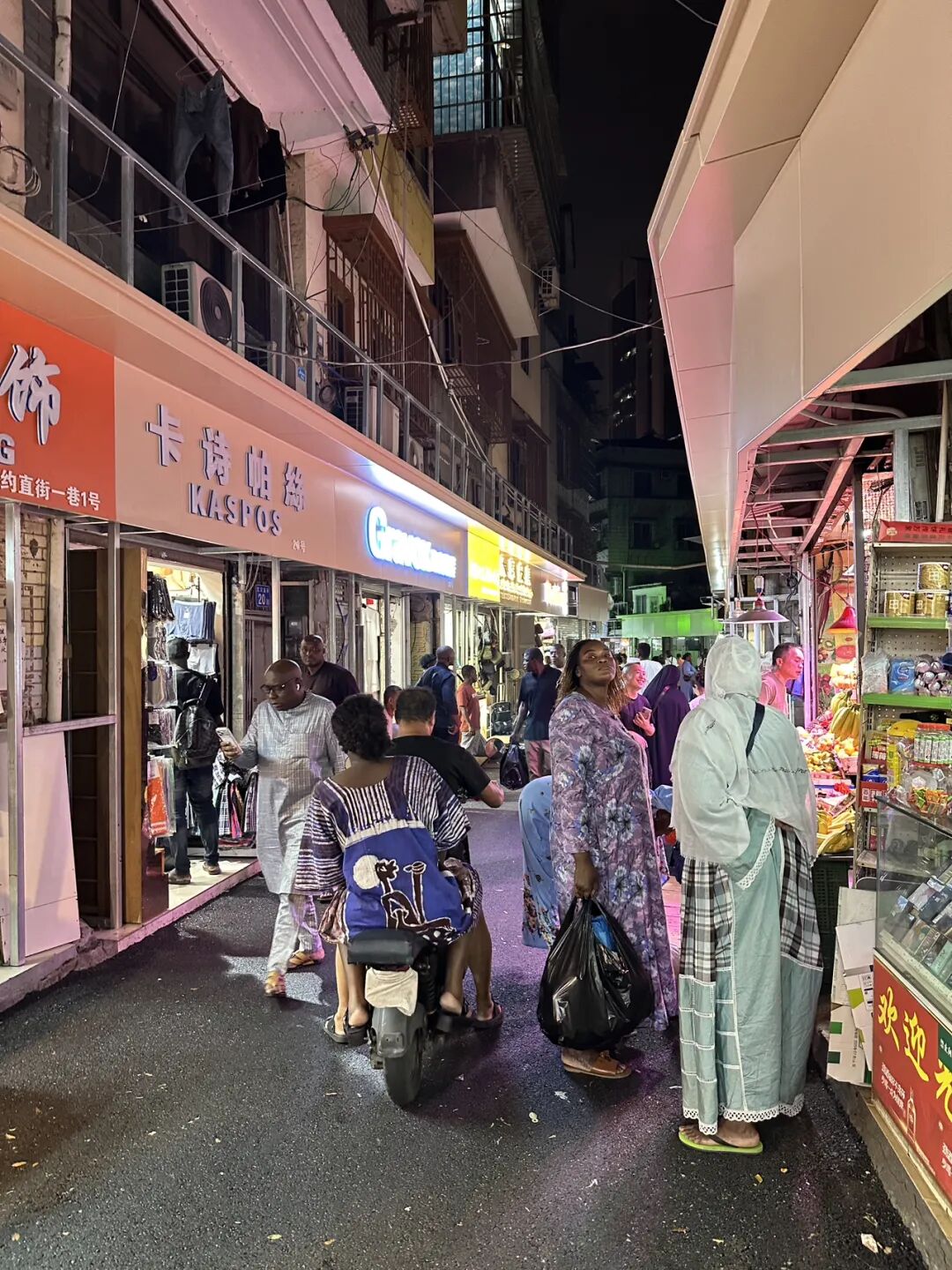
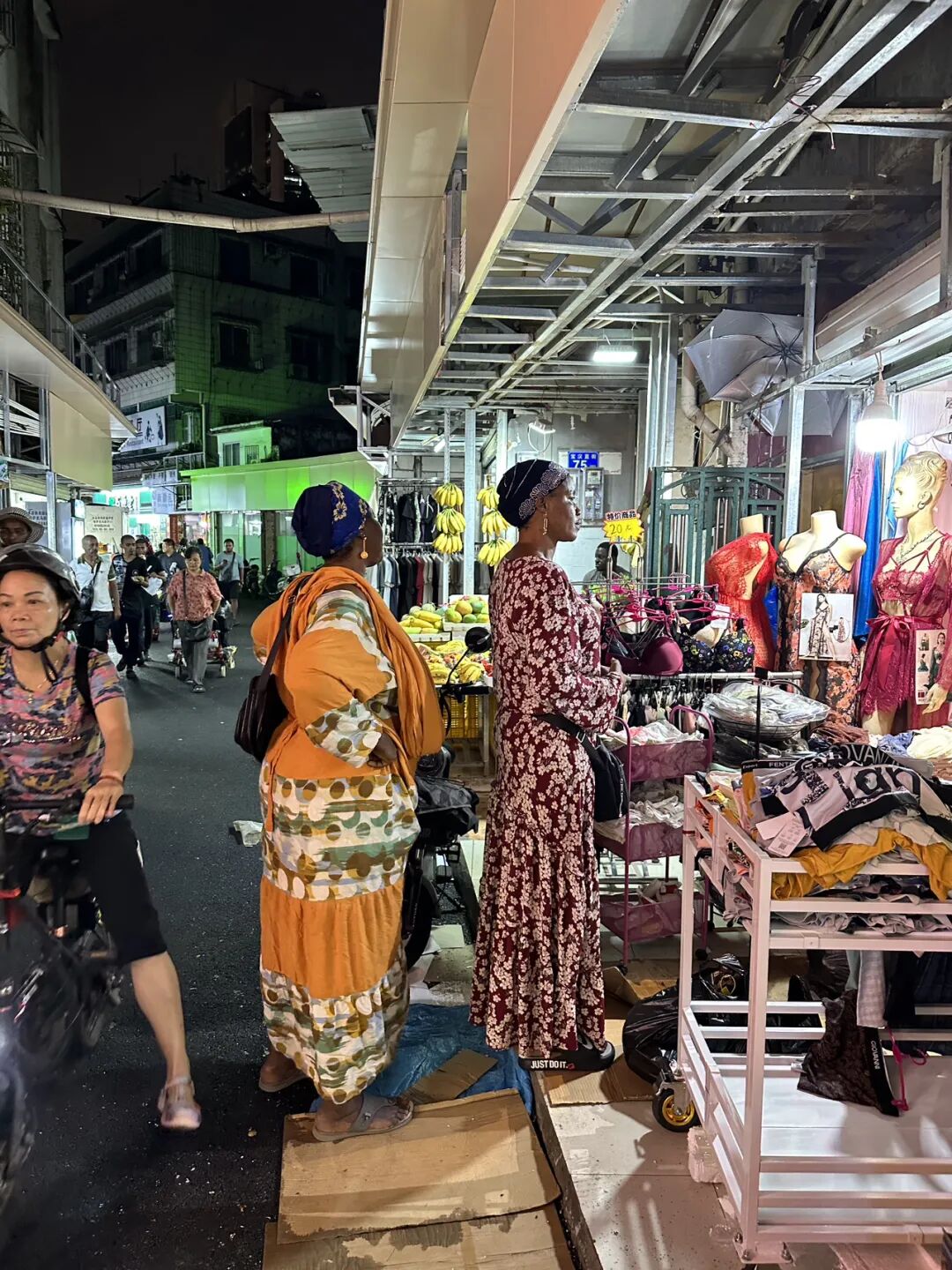
In the morning, I had dim sum at Yishanggong in Guangzhou's Xiaobei. They open at seven, but since Xiaobei is a foreign residential area, few people get up early, and most foreign restaurants here do not start serving breakfast until ten or eleven.
Yishanggong is the third halal Cantonese dim sum restaurant in Guangzhou. The owner is a Hui Muslim from Tianshui, Gansu. They sell Korean barbecue and hot pot at night and hire local Cantonese chefs to make dim sum during the day. Their ingredients are more reliable than those at other Hui Muslim restaurants, so I feel more comfortable eating here.
We ordered pu-erh tea, chicken char siu bao, crispy red rice noodle rolls (changfen), cilantro beef noodle rolls, handmade beef balls, sugarcane juice water chestnut cake, pan-fried red bean cakes, and salty chicken, dried oyster, and shredded radish porridge. Their portions are much larger than those at the Guangzhou Hui Muslim Restaurant or the Ai-Kwan Centre in Hong Kong. We ordered too much based on our previous experience and felt quite stuffed.
Their stir-fried beef noodles are delicious, and the noodle rolls have a good texture that slides right down, unlike the ones at Ai-Kwan in Hong Kong, which are a bit hard. The salty porridge also tastes good; it is very comfortable to have porridge in the morning. The red bean cake is quite crispy and also acceptable. The filling in the char siu bao is too small, much worse than at the Hui Muslim Restaurant, and the radish cake is a bit oily; the one at the Ai-Kwan Building is better.
Summary: Guangzhou's Xiaobei area brings together Moroccan food, African restaurants, halal Cantonese dim sum, and late-night street life near Taojin and Baohan Straight Street. This account covers the meals, restaurants, and neighborhood changes while preserving the source's food details and local observations.
I arrived in Guangzhou on the first night of the National Day holiday. I took the subway straight to Taojin near Xiaobei for Moroccan food, where I ordered a lamb tagine (tajin), avocado shrimp salad, and Moroccan mint tea. The restaurant has chair seating, floor seating, and an outdoor area. The floor seating has the best atmosphere, but the hookah smoke is quite choking at night.
The lamb tagine is very authentic. The lamb is tender, and the pot is deep with plenty of meat. It comes with fluffy leavened flatbread (da famian bing) that tastes great dipped in the meat juices. The mint black tea is also delicious. People all over the Maghreb region drink mint tea, and it is especially popular to sit on the street, drink tea, and chat. It is a pity that their salad uses Thousand Island dressing. How can a proper Middle Eastern restaurant use Thousand Island dressing? It is really lazy.
After eating, I took a night walk in Xiaobei and had some authentic yogurt shaved ice on Baohan Straight Street.
It feels like the number of Africans coming to Xiaobei to source goods has returned to pre-2020 levels. At ten o'clock at night, the area is brightly lit and crowded with people, and many new African restaurants have opened on the street. By comparison, I feel that Guangzhou's Xiaobei has more African people, while Yiwu has more Arabs and Turks.
In the morning, I had dim sum at Yishanggong in Guangzhou's Xiaobei. They open at seven, but since Xiaobei is a foreign residential area, few people get up early, and most foreign restaurants here do not start serving breakfast until ten or eleven.
Yishanggong is the third halal Cantonese dim sum restaurant in Guangzhou. The owner is a Hui Muslim from Tianshui, Gansu. They sell Korean barbecue and hot pot at night and hire local Cantonese chefs to make dim sum during the day. Their ingredients are more reliable than those at other Hui Muslim restaurants, so I feel more comfortable eating here.
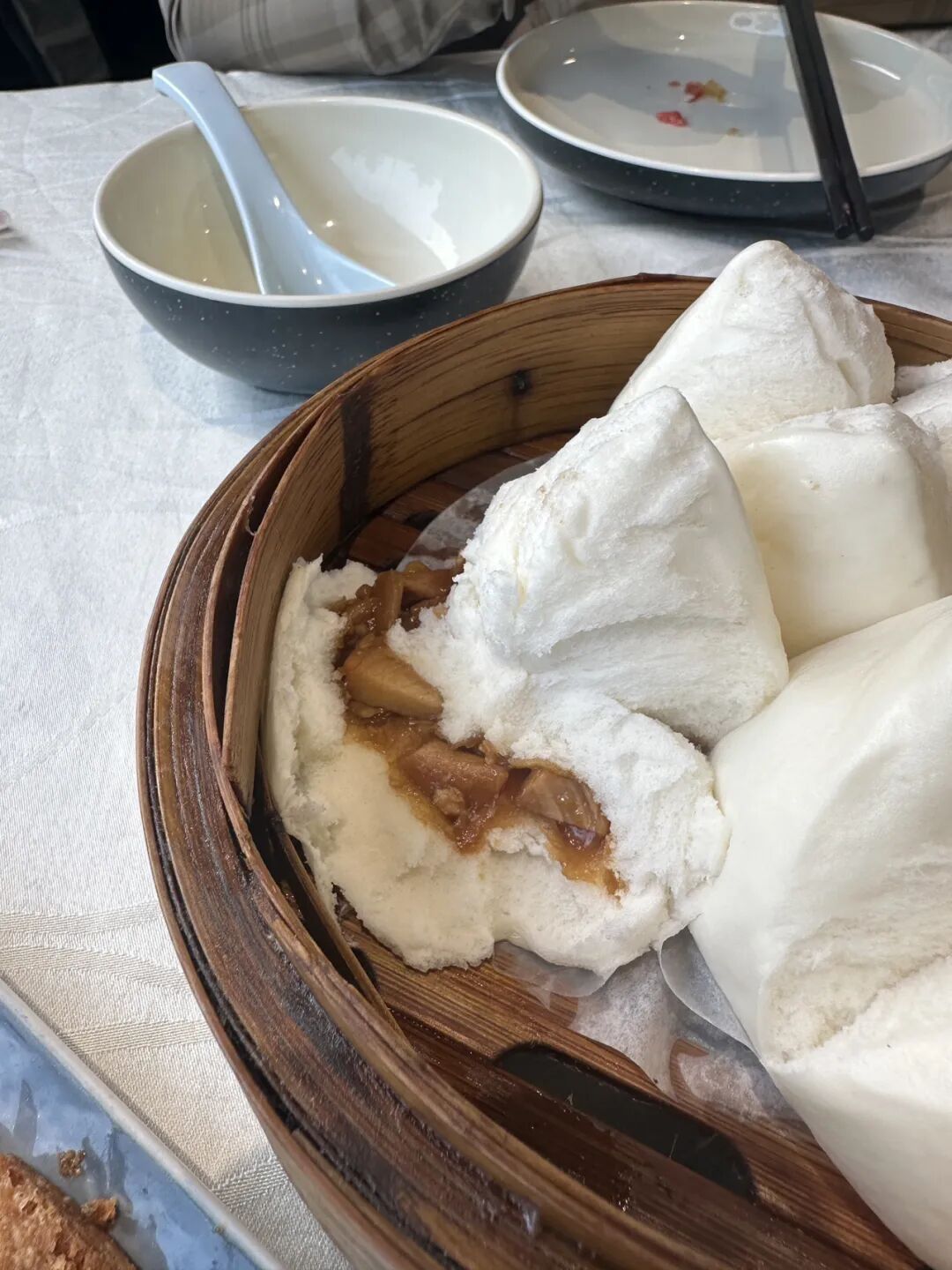
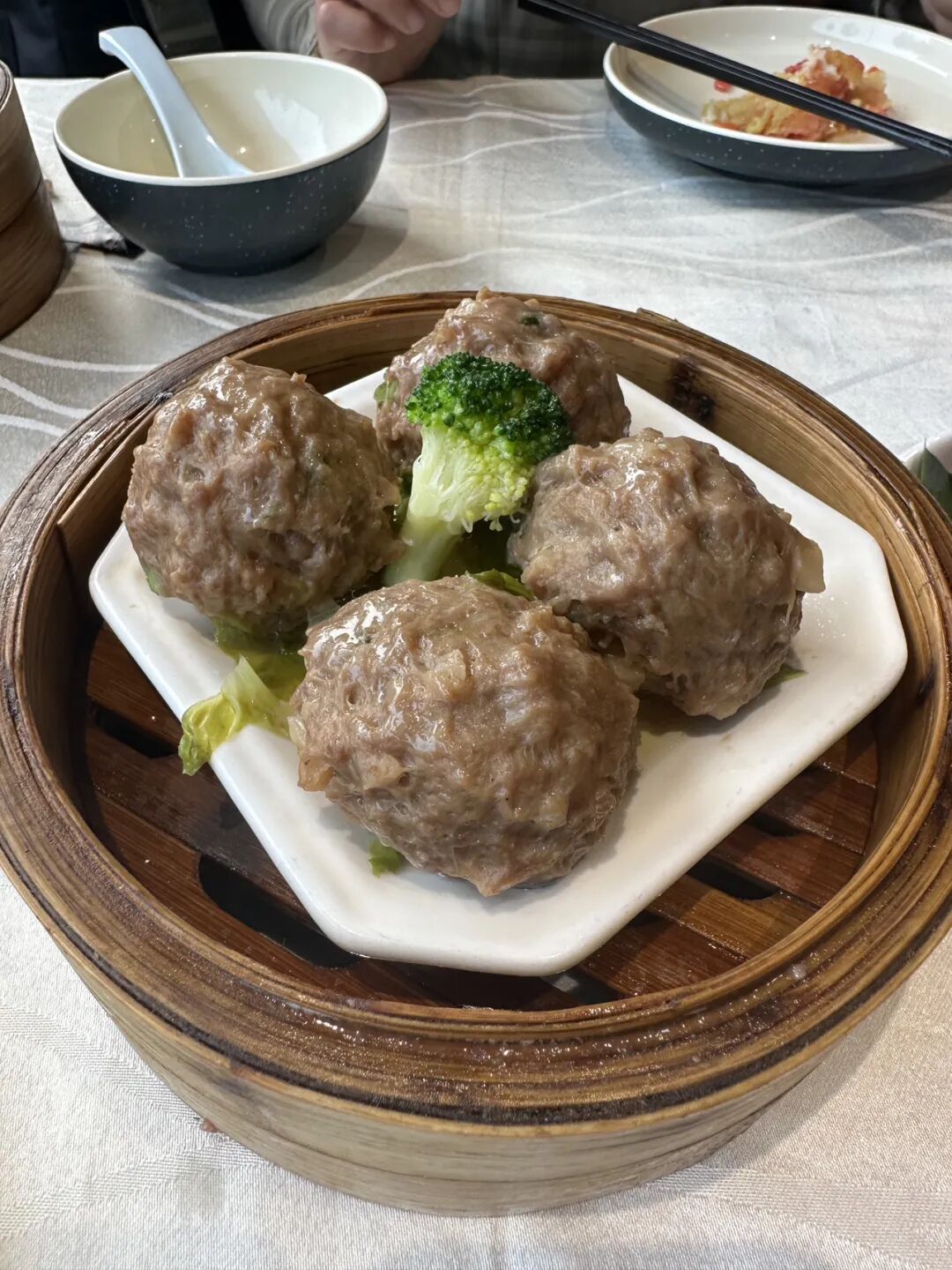
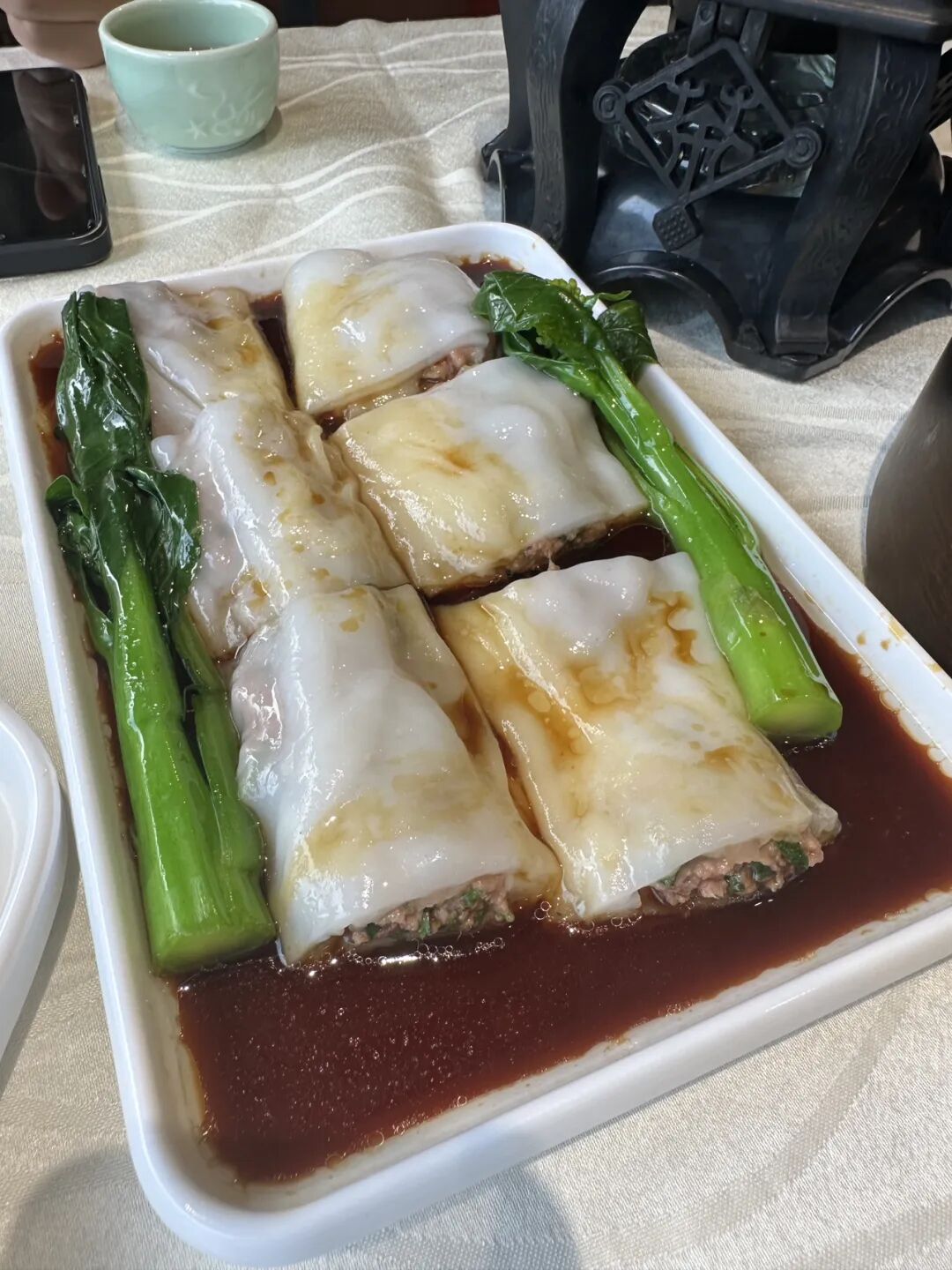
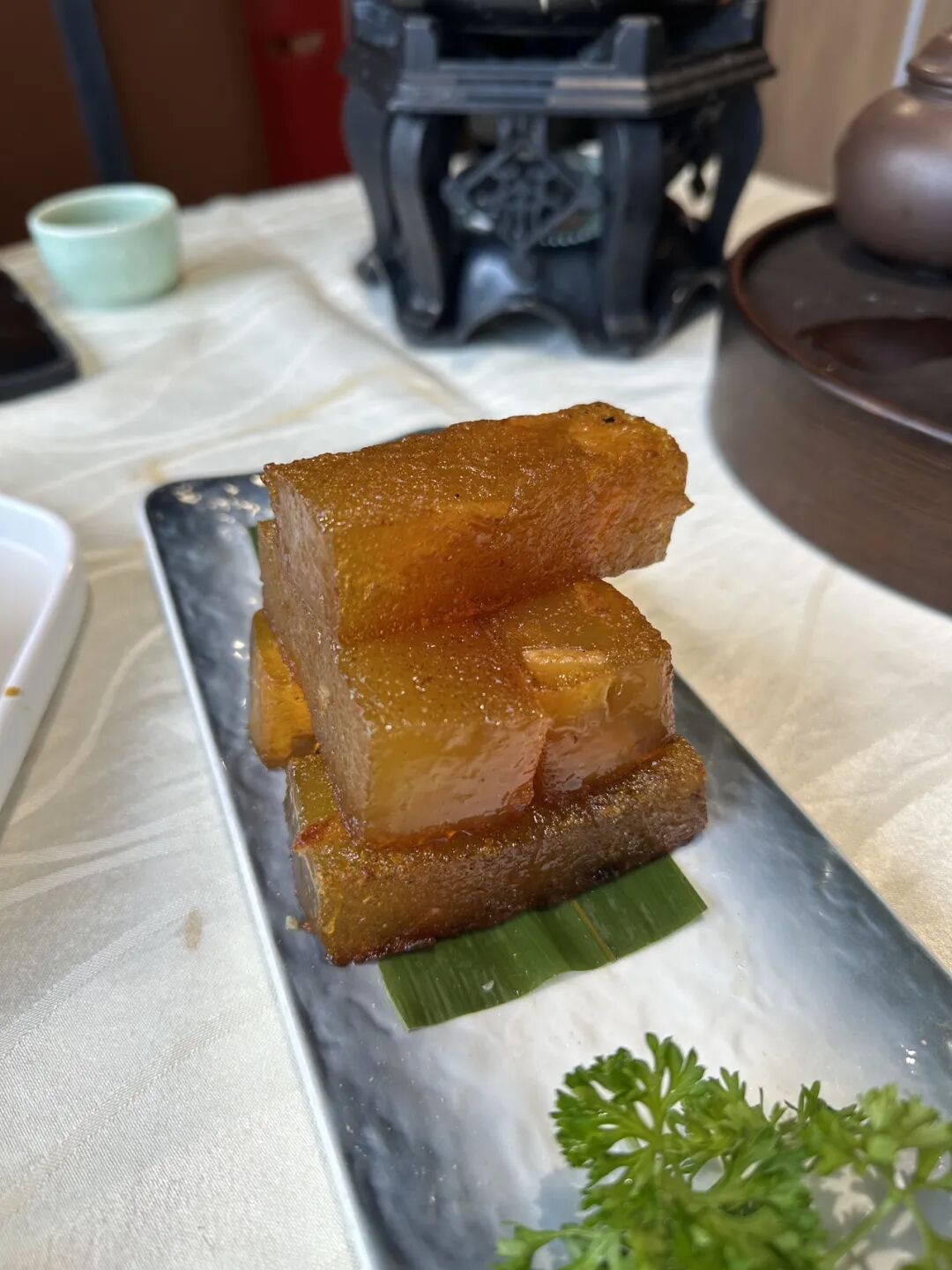
We ordered pu-erh tea, chicken char siu bao, crispy red rice noodle rolls (changfen), cilantro beef noodle rolls, handmade beef balls, sugarcane juice water chestnut cake, pan-fried red bean cakes, and salty chicken, dried oyster, and shredded radish porridge. Their portions are much larger than those at the Guangzhou Hui Muslim Restaurant or the Ai-Kwan Centre in Hong Kong. We ordered too much based on our previous experience and felt quite stuffed.
Their stir-fried beef noodles are delicious, and the noodle rolls have a good texture that slides right down, unlike the ones at Ai-Kwan in Hong Kong, which are a bit hard. The salty porridge also tastes good; it is very comfortable to have porridge in the morning. The red bean cake is quite crispy and also acceptable. The filling in the char siu bao is too small, much worse than at the Hui Muslim Restaurant, and the radish cake is a bit oily; the one at the Ai-Kwan Building is better.
Halal Travel Guide: Guangzhou Xiaobei - Moroccan Food and Halal Dim Sum
Articles • ali2007fr posted the article • 0 comments • 362 views • 2026-05-20 22:08
Reposted from the web
Summary: Guangzhou's Xiaobei area brings together Moroccan food, African restaurants, halal Cantonese dim sum, and late-night street life near Taojin and Baohan Straight Street. This account covers the meals, restaurants, and neighborhood changes while preserving the source's food details and local observations.
I arrived in Guangzhou on the first night of the National Day holiday. I took the subway straight to Taojin near Xiaobei for Moroccan food, where I ordered a lamb tagine (tajin), avocado shrimp salad, and Moroccan mint tea. The restaurant has chair seating, floor seating, and an outdoor area. The floor seating has the best atmosphere, but the hookah smoke is quite choking at night.
The lamb tagine is very authentic. The lamb is tender, and the pot is deep with plenty of meat. It comes with fluffy leavened flatbread (da famian bing) that tastes great dipped in the meat juices. The mint black tea is also delicious. People all over the Maghreb region drink mint tea, and it is especially popular to sit on the street, drink tea, and chat. It is a pity that their salad uses Thousand Island dressing. How can a proper Middle Eastern restaurant use Thousand Island dressing? It is really lazy.
After eating, I took a night walk in Xiaobei and had some authentic yogurt shaved ice on Baohan Straight Street.
It feels like the number of Africans coming to Xiaobei to source goods has returned to pre-2020 levels. At ten o'clock at night, the area is brightly lit and crowded with people, and many new African restaurants have opened on the street. By comparison, I feel that Guangzhou's Xiaobei has more African people, while Yiwu has more Arabs and Turks.
In the morning, I had dim sum at Yishanggong in Guangzhou's Xiaobei. They open at seven, but since Xiaobei is a foreign residential area, few people get up early, and most foreign restaurants here do not start serving breakfast until ten or eleven.
Yishanggong is the third halal Cantonese dim sum restaurant in Guangzhou. The owner is a Hui Muslim from Tianshui, Gansu. They sell Korean barbecue and hot pot at night and hire local Cantonese chefs to make dim sum during the day. Their ingredients are more reliable than those at other Hui Muslim restaurants, so I feel more comfortable eating here.
We ordered pu-erh tea, chicken char siu bao, crispy red rice noodle rolls (changfen), cilantro beef noodle rolls, handmade beef balls, sugarcane juice water chestnut cake, pan-fried red bean cakes, and salty chicken, dried oyster, and shredded radish porridge. Their portions are much larger than those at the Guangzhou Hui Muslim Restaurant or the Ai-Kwan Centre in Hong Kong. We ordered too much based on our previous experience and felt quite stuffed.
Their stir-fried beef noodles are delicious, and the noodle rolls have a good texture that slides right down, unlike the ones at Ai-Kwan in Hong Kong, which are a bit hard. The salty porridge also tastes good; it is very comfortable to have porridge in the morning. The red bean cake is quite crispy and also acceptable. The filling in the char siu bao is too small, much worse than at the Hui Muslim Restaurant, and the radish cake is a bit oily; the one at the Ai-Kwan Building is better. view all
Summary: Guangzhou's Xiaobei area brings together Moroccan food, African restaurants, halal Cantonese dim sum, and late-night street life near Taojin and Baohan Straight Street. This account covers the meals, restaurants, and neighborhood changes while preserving the source's food details and local observations.
I arrived in Guangzhou on the first night of the National Day holiday. I took the subway straight to Taojin near Xiaobei for Moroccan food, where I ordered a lamb tagine (tajin), avocado shrimp salad, and Moroccan mint tea. The restaurant has chair seating, floor seating, and an outdoor area. The floor seating has the best atmosphere, but the hookah smoke is quite choking at night.
The lamb tagine is very authentic. The lamb is tender, and the pot is deep with plenty of meat. It comes with fluffy leavened flatbread (da famian bing) that tastes great dipped in the meat juices. The mint black tea is also delicious. People all over the Maghreb region drink mint tea, and it is especially popular to sit on the street, drink tea, and chat. It is a pity that their salad uses Thousand Island dressing. How can a proper Middle Eastern restaurant use Thousand Island dressing? It is really lazy.
After eating, I took a night walk in Xiaobei and had some authentic yogurt shaved ice on Baohan Straight Street.
It feels like the number of Africans coming to Xiaobei to source goods has returned to pre-2020 levels. At ten o'clock at night, the area is brightly lit and crowded with people, and many new African restaurants have opened on the street. By comparison, I feel that Guangzhou's Xiaobei has more African people, while Yiwu has more Arabs and Turks.
In the morning, I had dim sum at Yishanggong in Guangzhou's Xiaobei. They open at seven, but since Xiaobei is a foreign residential area, few people get up early, and most foreign restaurants here do not start serving breakfast until ten or eleven.
Yishanggong is the third halal Cantonese dim sum restaurant in Guangzhou. The owner is a Hui Muslim from Tianshui, Gansu. They sell Korean barbecue and hot pot at night and hire local Cantonese chefs to make dim sum during the day. Their ingredients are more reliable than those at other Hui Muslim restaurants, so I feel more comfortable eating here.
We ordered pu-erh tea, chicken char siu bao, crispy red rice noodle rolls (changfen), cilantro beef noodle rolls, handmade beef balls, sugarcane juice water chestnut cake, pan-fried red bean cakes, and salty chicken, dried oyster, and shredded radish porridge. Their portions are much larger than those at the Guangzhou Hui Muslim Restaurant or the Ai-Kwan Centre in Hong Kong. We ordered too much based on our previous experience and felt quite stuffed.
Their stir-fried beef noodles are delicious, and the noodle rolls have a good texture that slides right down, unlike the ones at Ai-Kwan in Hong Kong, which are a bit hard. The salty porridge also tastes good; it is very comfortable to have porridge in the morning. The red bean cake is quite crispy and also acceptable. The filling in the char siu bao is too small, much worse than at the Hui Muslim Restaurant, and the radish cake is a bit oily; the one at the Ai-Kwan Building is better. view all
Reposted from the web
Summary: Guangzhou's Xiaobei area brings together Moroccan food, African restaurants, halal Cantonese dim sum, and late-night street life near Taojin and Baohan Straight Street. This account covers the meals, restaurants, and neighborhood changes while preserving the source's food details and local observations.
I arrived in Guangzhou on the first night of the National Day holiday. I took the subway straight to Taojin near Xiaobei for Moroccan food, where I ordered a lamb tagine (tajin), avocado shrimp salad, and Moroccan mint tea. The restaurant has chair seating, floor seating, and an outdoor area. The floor seating has the best atmosphere, but the hookah smoke is quite choking at night.
The lamb tagine is very authentic. The lamb is tender, and the pot is deep with plenty of meat. It comes with fluffy leavened flatbread (da famian bing) that tastes great dipped in the meat juices. The mint black tea is also delicious. People all over the Maghreb region drink mint tea, and it is especially popular to sit on the street, drink tea, and chat. It is a pity that their salad uses Thousand Island dressing. How can a proper Middle Eastern restaurant use Thousand Island dressing? It is really lazy.
After eating, I took a night walk in Xiaobei and had some authentic yogurt shaved ice on Baohan Straight Street.
It feels like the number of Africans coming to Xiaobei to source goods has returned to pre-2020 levels. At ten o'clock at night, the area is brightly lit and crowded with people, and many new African restaurants have opened on the street. By comparison, I feel that Guangzhou's Xiaobei has more African people, while Yiwu has more Arabs and Turks.
In the morning, I had dim sum at Yishanggong in Guangzhou's Xiaobei. They open at seven, but since Xiaobei is a foreign residential area, few people get up early, and most foreign restaurants here do not start serving breakfast until ten or eleven.
Yishanggong is the third halal Cantonese dim sum restaurant in Guangzhou. The owner is a Hui Muslim from Tianshui, Gansu. They sell Korean barbecue and hot pot at night and hire local Cantonese chefs to make dim sum during the day. Their ingredients are more reliable than those at other Hui Muslim restaurants, so I feel more comfortable eating here.
We ordered pu-erh tea, chicken char siu bao, crispy red rice noodle rolls (changfen), cilantro beef noodle rolls, handmade beef balls, sugarcane juice water chestnut cake, pan-fried red bean cakes, and salty chicken, dried oyster, and shredded radish porridge. Their portions are much larger than those at the Guangzhou Hui Muslim Restaurant or the Ai-Kwan Centre in Hong Kong. We ordered too much based on our previous experience and felt quite stuffed.
Their stir-fried beef noodles are delicious, and the noodle rolls have a good texture that slides right down, unlike the ones at Ai-Kwan in Hong Kong, which are a bit hard. The salty porridge also tastes good; it is very comfortable to have porridge in the morning. The red bean cake is quite crispy and also acceptable. The filling in the char siu bao is too small, much worse than at the Hui Muslim Restaurant, and the radish cake is a bit oily; the one at the Ai-Kwan Building is better.
Summary: Guangzhou's Xiaobei area brings together Moroccan food, African restaurants, halal Cantonese dim sum, and late-night street life near Taojin and Baohan Straight Street. This account covers the meals, restaurants, and neighborhood changes while preserving the source's food details and local observations.
I arrived in Guangzhou on the first night of the National Day holiday. I took the subway straight to Taojin near Xiaobei for Moroccan food, where I ordered a lamb tagine (tajin), avocado shrimp salad, and Moroccan mint tea. The restaurant has chair seating, floor seating, and an outdoor area. The floor seating has the best atmosphere, but the hookah smoke is quite choking at night.
The lamb tagine is very authentic. The lamb is tender, and the pot is deep with plenty of meat. It comes with fluffy leavened flatbread (da famian bing) that tastes great dipped in the meat juices. The mint black tea is also delicious. People all over the Maghreb region drink mint tea, and it is especially popular to sit on the street, drink tea, and chat. It is a pity that their salad uses Thousand Island dressing. How can a proper Middle Eastern restaurant use Thousand Island dressing? It is really lazy.
After eating, I took a night walk in Xiaobei and had some authentic yogurt shaved ice on Baohan Straight Street.
It feels like the number of Africans coming to Xiaobei to source goods has returned to pre-2020 levels. At ten o'clock at night, the area is brightly lit and crowded with people, and many new African restaurants have opened on the street. By comparison, I feel that Guangzhou's Xiaobei has more African people, while Yiwu has more Arabs and Turks.
In the morning, I had dim sum at Yishanggong in Guangzhou's Xiaobei. They open at seven, but since Xiaobei is a foreign residential area, few people get up early, and most foreign restaurants here do not start serving breakfast until ten or eleven.
Yishanggong is the third halal Cantonese dim sum restaurant in Guangzhou. The owner is a Hui Muslim from Tianshui, Gansu. They sell Korean barbecue and hot pot at night and hire local Cantonese chefs to make dim sum during the day. Their ingredients are more reliable than those at other Hui Muslim restaurants, so I feel more comfortable eating here.
We ordered pu-erh tea, chicken char siu bao, crispy red rice noodle rolls (changfen), cilantro beef noodle rolls, handmade beef balls, sugarcane juice water chestnut cake, pan-fried red bean cakes, and salty chicken, dried oyster, and shredded radish porridge. Their portions are much larger than those at the Guangzhou Hui Muslim Restaurant or the Ai-Kwan Centre in Hong Kong. We ordered too much based on our previous experience and felt quite stuffed.
Their stir-fried beef noodles are delicious, and the noodle rolls have a good texture that slides right down, unlike the ones at Ai-Kwan in Hong Kong, which are a bit hard. The salty porridge also tastes good; it is very comfortable to have porridge in the morning. The red bean cake is quite crispy and also acceptable. The filling in the char siu bao is too small, much worse than at the Hui Muslim Restaurant, and the radish cake is a bit oily; the one at the Ai-Kwan Building is better.