

Gubei Water Town
Muslim Friendly Beijing: Miyun Gubei Water Town, Halal Hotpot and Mosque Travel
Articles • yusuf908 posted the article • 0 comments • 277 views • 2026-05-21 20:43
Reposted from the web
Summary: Muslim Friendly Beijing: Miyun Gubei Water Town, Halal Hotpot and Mosque Travel is presented here as a clear English account for Muslim readers, beginning with this scene: Before New Year's Day, I received an invitation from AXA Insurance Group to visit Gubei Water Town in Miyun. Because I sold a lot of AXA insurance last year, they rewarded their top-performing brokers with a trip to. The article keeps the original names, food details, mosque details, photographs, and cultural context while focusing on Beijing Halal Travel, Gubei Water Town, Halal Hotpot.
Before New Year's Day, I received an invitation from AXA Insurance Group to visit Gubei Water Town in Miyun. Because I sold a lot of AXA insurance last year, they rewarded their top-performing brokers with a trip to thank our agency channel. It is not because of this reward trip that I recommend their insurance. In fact, I did not know about the reward trip when I first recommended AXA products. I recommend them because they are one of the nine global insurance giants considered too big to fail. With over 200 years of history, AXA provides excellent products and services for cancer medical insurance for the elderly and accident insurance. That is why I recommend them. We insurance brokers represent products from more than one insurance company. We do not stand for any single company. As long as a product is good enough, it makes it onto our recommendation list.
— Hello, Travel —
Miyun currently has three mosques. The first is Gubeikou Mosque. Its founding date is unknown, but stone tablets found in the courtyard record that it was rebuilt in the second year of the Chongzhen reign of the Ming Dynasty (1629). We can infer it was built before then. In the 42nd year of the Kangxi reign (1703), Ma Jinliang from Gansu, who served as the Gubeikou commander, renovated the mosque. Gubeikou Mosque is currently a Miyun district-level cultural relic protection unit.
The second is Beimujiayu Mosque, located in the Hui Muslim village of Mujiayu, south of the Miyun Reservoir. The original mosque was built on a mountain. According to the Miyun County Annals, Beimujiayu Mosque had 21 rooms. It was once seized by the Kuomintang's Volunteer Militia to use as a barracks and was later destroyed by artillery fire. In the past, this was the main road from Beijing to the Chengde Mountain Resort. Many Hui Muslims in the village have the surname Mu and have a tradition of practicing martial arts. Some people from the Mu family served as adjutants under Zhang Zuolin. Beimujiayu Mosque and Gubeikou Mosque are quite far from Gubei Water Town, so I have not visited them yet.
The third mosque is on Nange Street in Miyun County, called Chengguan Mosque. I passed by it on the way to Gubei Water Town. According to the Miyun County Annals, the mosque was built in the county seat in the eighth year of the Tongzhi reign (1869). After expansion, it covered 8 mu of land. It was rebuilt at a new site in 1986 with government funding, and in 2006, urban planning moved the mosque to the southeast.
Chengguan Mosque
The main gate of Chengguan Mosque is the largest among all mosques in Beijing. The gate uses a three-bay side-by-side hanging flower gate (chuihuamen) style.
Nange Street
This is the archway on Nange Street, but this is an old photo. The renovated archway no longer has a dome.
Nange Street, where Chengguan Mosque is located, is a halal food street. There are many different halal restaurants on the street. Besides some Beijing-style snacks, there is also seafood barbecue.
Gubei Light Hot Spring Resort Hotel
We were arranged to stay at the Gubei Light Hotel in Gubei Water Town. This is the largest hotel in the town. Besides hotels, Gubei Water Town has many high-quality guesthouses, but they are often fully booked during holidays, so remember to book in advance before you leave.
Hotel lobby
Breakfast restaurant
Swimming pool
Guests staying at the Gubei Light Hotel can use the hot springs for free, but both the hot springs and the swimming pool have capacity limits, so you need to book in advance.
We wandered around the ancient town together at night to enjoy the view. The nights in Miyun are very cold, so remember to wear a thick coat and warm shoes.
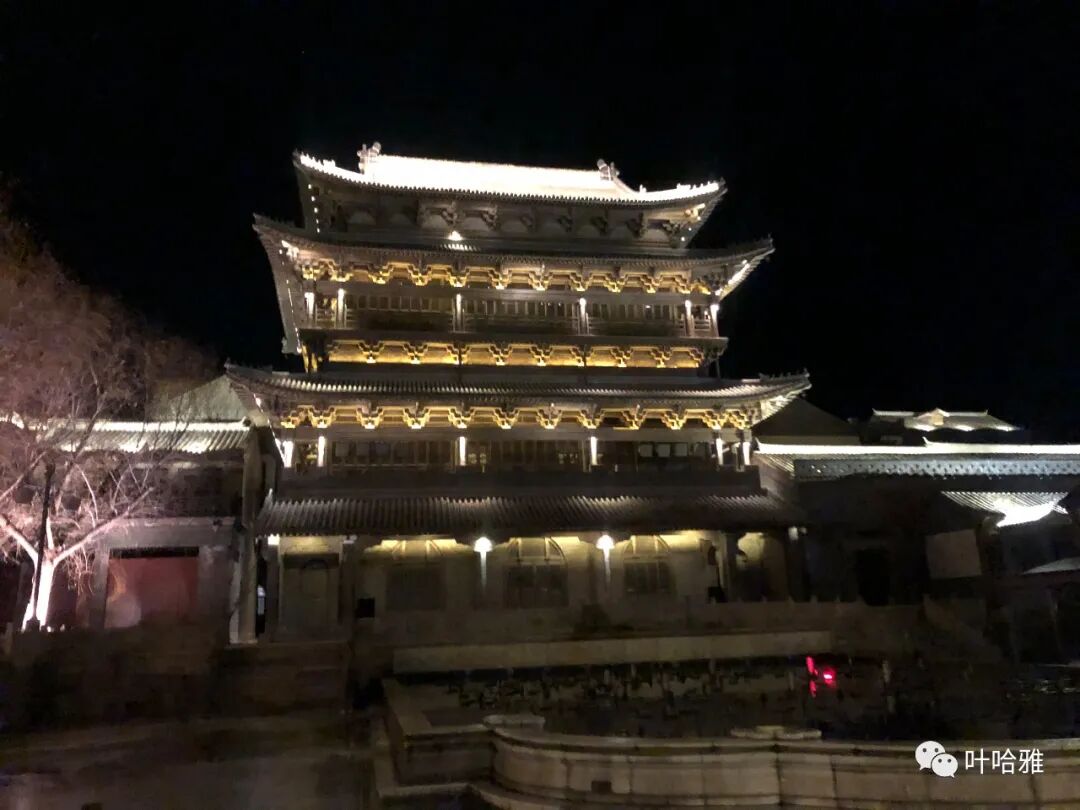
This Drum Tower is where the musical fountain opera is performed at night. After dark, there is a show where lights from a distance project a short play onto the outer wall of the tower, accompanied by a musical fountain. It is well worth seeing.
Enjoying the opera prelude
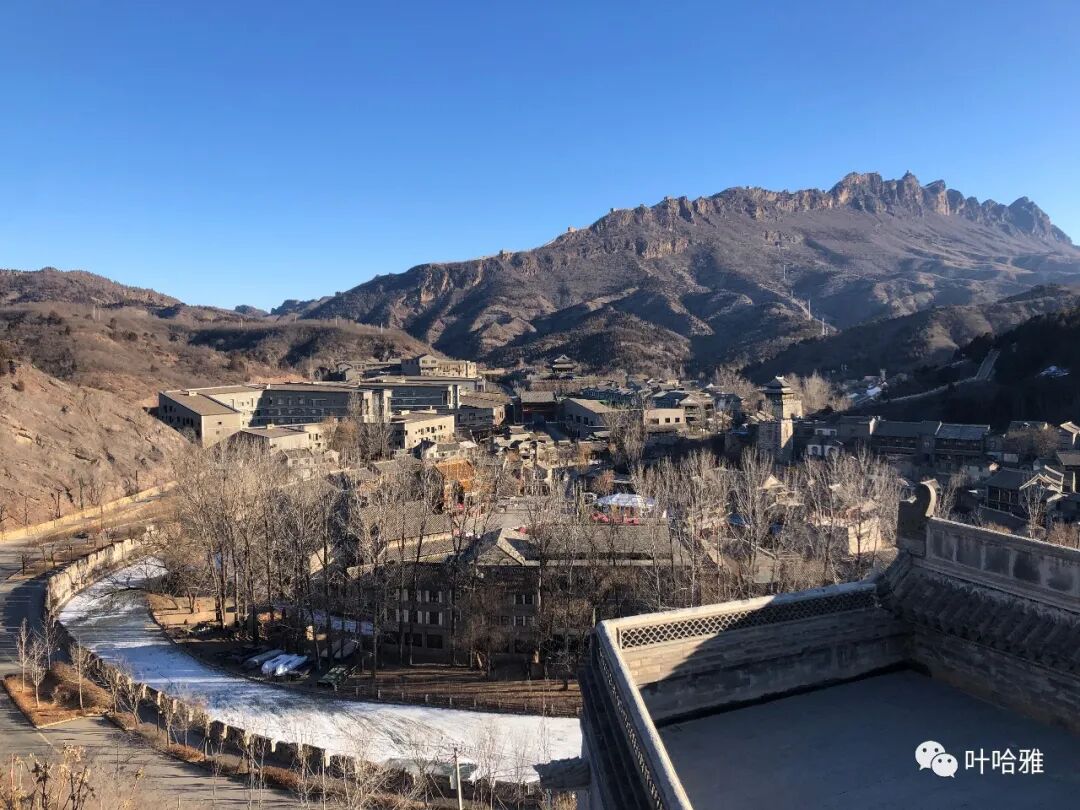
The Great Wall is on the mountain in the distance. You can take a cable car up to the Great Wall, which takes about three hours for a round trip.
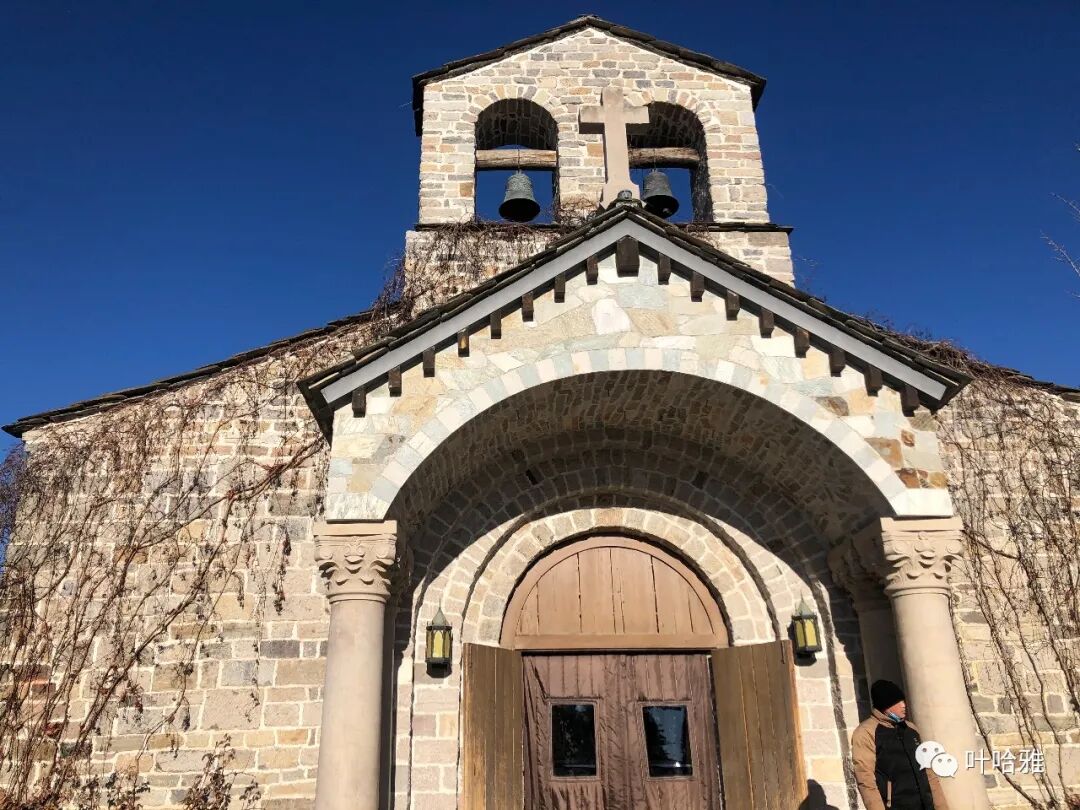
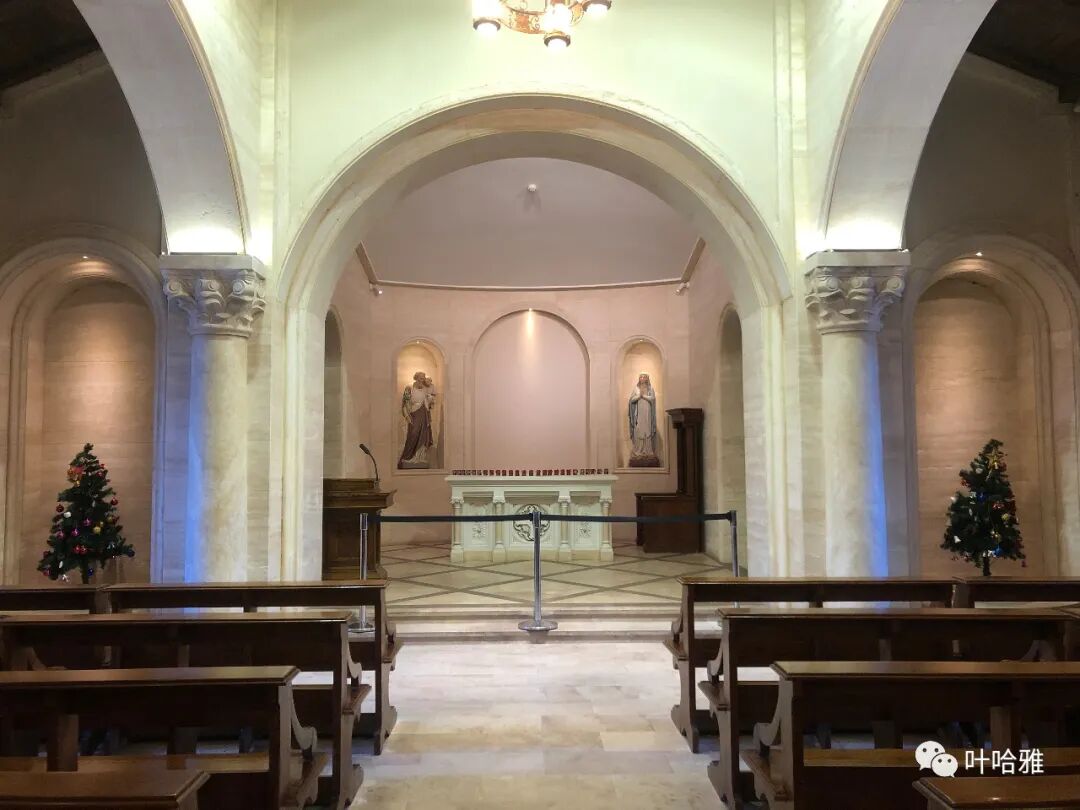
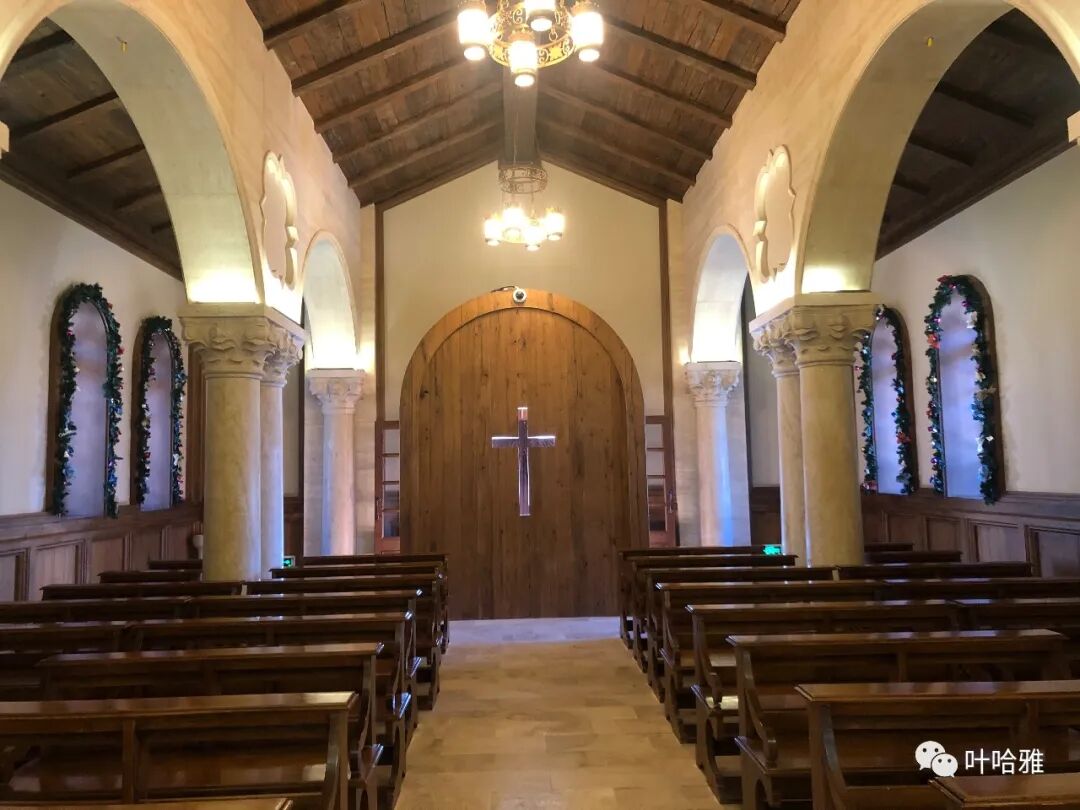
Church on the top of the ancient town mountain
There are Buddhist temples, Taoist temples, and churches in the ancient town, but there is no mosque.
Tanghe Halal Restaurant
Staying in the ancient town makes dining very convenient, as there are two nice halal restaurants to choose from. This Tanghe Halal Restaurant specializes in local stir-fried dishes, including Gubei roasted lamb (gubei shaoyangrou) and various river seafood. The prices are affordable, with an average cost of no more than 100 yuan per person.
Guguan Hot Pot Restaurant
Guguan Hot Pot Restaurant is a Beijing-style shabu-shabu place where you can have individual hot pots or stir-fried dishes. The prices are also quite cheap, staying the same as in the city even though it is inside a tourist area.
Individual small hot pots are clean and hygienic.
Deep-fried crispy pork (zha xiaosu rou)
Australian beef and lamb platter
Gubei Water Town has plenty of fun things to do. There are all kinds of folk performances. We watched shadow puppetry, listened to Beijing-style drum storytelling (jingyun dagu), and saw a magic show in the square. There are also various exhibitions of collectibles. The town is right next to the Simatai Great Wall, so you can wake up early and hike the wall for exercise. They recently added an ice lantern show, too. If you cannot go home for the New Year, come to Gubei Water Town to experience these local traditions. view all
Summary: Muslim Friendly Beijing: Miyun Gubei Water Town, Halal Hotpot and Mosque Travel is presented here as a clear English account for Muslim readers, beginning with this scene: Before New Year's Day, I received an invitation from AXA Insurance Group to visit Gubei Water Town in Miyun. Because I sold a lot of AXA insurance last year, they rewarded their top-performing brokers with a trip to. The article keeps the original names, food details, mosque details, photographs, and cultural context while focusing on Beijing Halal Travel, Gubei Water Town, Halal Hotpot.
Before New Year's Day, I received an invitation from AXA Insurance Group to visit Gubei Water Town in Miyun. Because I sold a lot of AXA insurance last year, they rewarded their top-performing brokers with a trip to thank our agency channel. It is not because of this reward trip that I recommend their insurance. In fact, I did not know about the reward trip when I first recommended AXA products. I recommend them because they are one of the nine global insurance giants considered too big to fail. With over 200 years of history, AXA provides excellent products and services for cancer medical insurance for the elderly and accident insurance. That is why I recommend them. We insurance brokers represent products from more than one insurance company. We do not stand for any single company. As long as a product is good enough, it makes it onto our recommendation list.
— Hello, Travel —
Miyun currently has three mosques. The first is Gubeikou Mosque. Its founding date is unknown, but stone tablets found in the courtyard record that it was rebuilt in the second year of the Chongzhen reign of the Ming Dynasty (1629). We can infer it was built before then. In the 42nd year of the Kangxi reign (1703), Ma Jinliang from Gansu, who served as the Gubeikou commander, renovated the mosque. Gubeikou Mosque is currently a Miyun district-level cultural relic protection unit.
The second is Beimujiayu Mosque, located in the Hui Muslim village of Mujiayu, south of the Miyun Reservoir. The original mosque was built on a mountain. According to the Miyun County Annals, Beimujiayu Mosque had 21 rooms. It was once seized by the Kuomintang's Volunteer Militia to use as a barracks and was later destroyed by artillery fire. In the past, this was the main road from Beijing to the Chengde Mountain Resort. Many Hui Muslims in the village have the surname Mu and have a tradition of practicing martial arts. Some people from the Mu family served as adjutants under Zhang Zuolin. Beimujiayu Mosque and Gubeikou Mosque are quite far from Gubei Water Town, so I have not visited them yet.
The third mosque is on Nange Street in Miyun County, called Chengguan Mosque. I passed by it on the way to Gubei Water Town. According to the Miyun County Annals, the mosque was built in the county seat in the eighth year of the Tongzhi reign (1869). After expansion, it covered 8 mu of land. It was rebuilt at a new site in 1986 with government funding, and in 2006, urban planning moved the mosque to the southeast.
Chengguan Mosque
The main gate of Chengguan Mosque is the largest among all mosques in Beijing. The gate uses a three-bay side-by-side hanging flower gate (chuihuamen) style.
Nange Street
This is the archway on Nange Street, but this is an old photo. The renovated archway no longer has a dome.
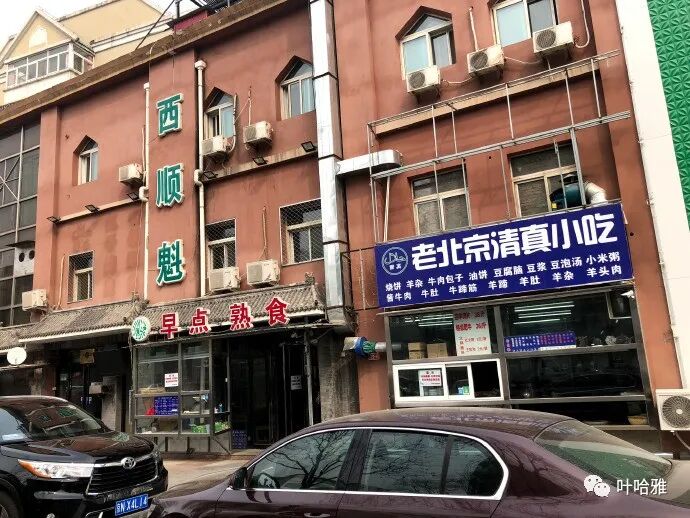
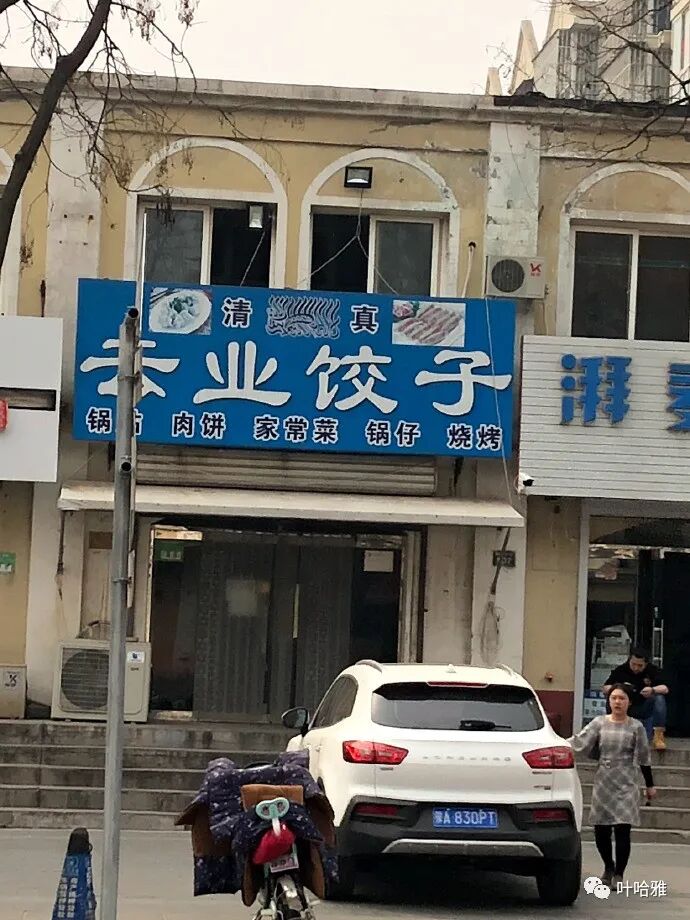
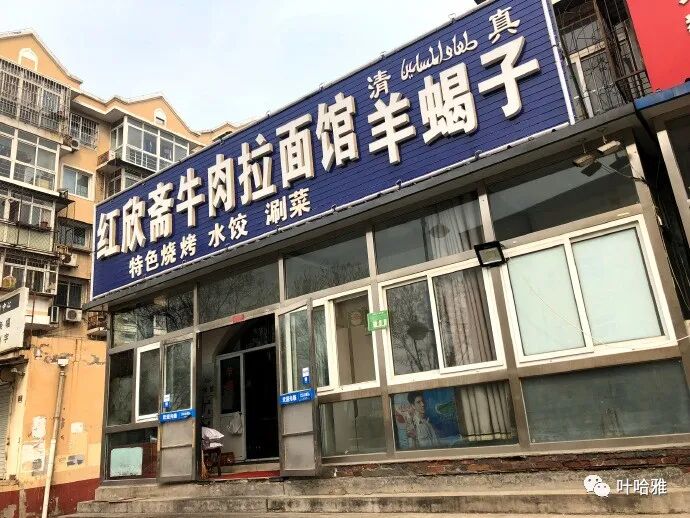
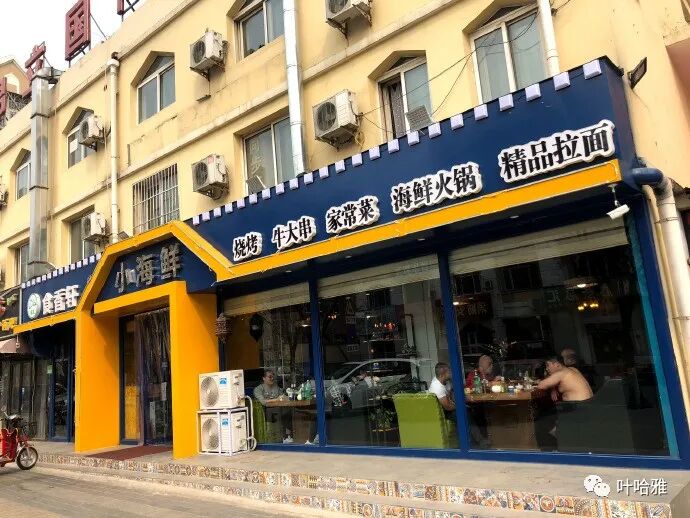
Nange Street, where Chengguan Mosque is located, is a halal food street. There are many different halal restaurants on the street. Besides some Beijing-style snacks, there is also seafood barbecue.
Gubei Light Hot Spring Resort Hotel
We were arranged to stay at the Gubei Light Hotel in Gubei Water Town. This is the largest hotel in the town. Besides hotels, Gubei Water Town has many high-quality guesthouses, but they are often fully booked during holidays, so remember to book in advance before you leave.
Hotel lobby
Breakfast restaurant
Swimming pool
Guests staying at the Gubei Light Hotel can use the hot springs for free, but both the hot springs and the swimming pool have capacity limits, so you need to book in advance.
We wandered around the ancient town together at night to enjoy the view. The nights in Miyun are very cold, so remember to wear a thick coat and warm shoes.
This Drum Tower is where the musical fountain opera is performed at night. After dark, there is a show where lights from a distance project a short play onto the outer wall of the tower, accompanied by a musical fountain. It is well worth seeing.
Enjoying the opera prelude
The Great Wall is on the mountain in the distance. You can take a cable car up to the Great Wall, which takes about three hours for a round trip.
Church on the top of the ancient town mountain
There are Buddhist temples, Taoist temples, and churches in the ancient town, but there is no mosque.
Tanghe Halal Restaurant
Staying in the ancient town makes dining very convenient, as there are two nice halal restaurants to choose from. This Tanghe Halal Restaurant specializes in local stir-fried dishes, including Gubei roasted lamb (gubei shaoyangrou) and various river seafood. The prices are affordable, with an average cost of no more than 100 yuan per person.
Guguan Hot Pot Restaurant
Guguan Hot Pot Restaurant is a Beijing-style shabu-shabu place where you can have individual hot pots or stir-fried dishes. The prices are also quite cheap, staying the same as in the city even though it is inside a tourist area.
Individual small hot pots are clean and hygienic.
Deep-fried crispy pork (zha xiaosu rou)
Australian beef and lamb platter
Gubei Water Town has plenty of fun things to do. There are all kinds of folk performances. We watched shadow puppetry, listened to Beijing-style drum storytelling (jingyun dagu), and saw a magic show in the square. There are also various exhibitions of collectibles. The town is right next to the Simatai Great Wall, so you can wake up early and hike the wall for exercise. They recently added an ice lantern show, too. If you cannot go home for the New Year, come to Gubei Water Town to experience these local traditions. view all
Reposted from the web
Summary: Muslim Friendly Beijing: Miyun Gubei Water Town, Halal Hotpot and Mosque Travel is presented here as a clear English account for Muslim readers, beginning with this scene: Before New Year's Day, I received an invitation from AXA Insurance Group to visit Gubei Water Town in Miyun. Because I sold a lot of AXA insurance last year, they rewarded their top-performing brokers with a trip to. The article keeps the original names, food details, mosque details, photographs, and cultural context while focusing on Beijing Halal Travel, Gubei Water Town, Halal Hotpot.
Before New Year's Day, I received an invitation from AXA Insurance Group to visit Gubei Water Town in Miyun. Because I sold a lot of AXA insurance last year, they rewarded their top-performing brokers with a trip to thank our agency channel. It is not because of this reward trip that I recommend their insurance. In fact, I did not know about the reward trip when I first recommended AXA products. I recommend them because they are one of the nine global insurance giants considered too big to fail. With over 200 years of history, AXA provides excellent products and services for cancer medical insurance for the elderly and accident insurance. That is why I recommend them. We insurance brokers represent products from more than one insurance company. We do not stand for any single company. As long as a product is good enough, it makes it onto our recommendation list.

— Hello, Travel —
Miyun currently has three mosques. The first is Gubeikou Mosque. Its founding date is unknown, but stone tablets found in the courtyard record that it was rebuilt in the second year of the Chongzhen reign of the Ming Dynasty (1629). We can infer it was built before then. In the 42nd year of the Kangxi reign (1703), Ma Jinliang from Gansu, who served as the Gubeikou commander, renovated the mosque. Gubeikou Mosque is currently a Miyun district-level cultural relic protection unit.
The second is Beimujiayu Mosque, located in the Hui Muslim village of Mujiayu, south of the Miyun Reservoir. The original mosque was built on a mountain. According to the Miyun County Annals, Beimujiayu Mosque had 21 rooms. It was once seized by the Kuomintang's Volunteer Militia to use as a barracks and was later destroyed by artillery fire. In the past, this was the main road from Beijing to the Chengde Mountain Resort. Many Hui Muslims in the village have the surname Mu and have a tradition of practicing martial arts. Some people from the Mu family served as adjutants under Zhang Zuolin. Beimujiayu Mosque and Gubeikou Mosque are quite far from Gubei Water Town, so I have not visited them yet.
The third mosque is on Nange Street in Miyun County, called Chengguan Mosque. I passed by it on the way to Gubei Water Town. According to the Miyun County Annals, the mosque was built in the county seat in the eighth year of the Tongzhi reign (1869). After expansion, it covered 8 mu of land. It was rebuilt at a new site in 1986 with government funding, and in 2006, urban planning moved the mosque to the southeast.
Chengguan Mosque
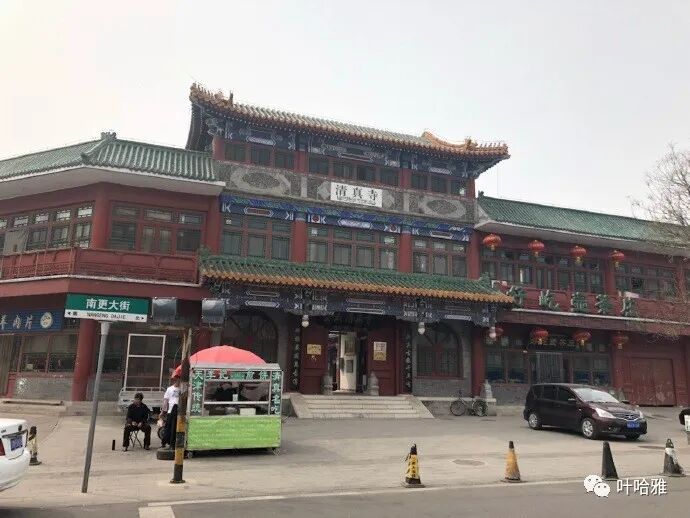
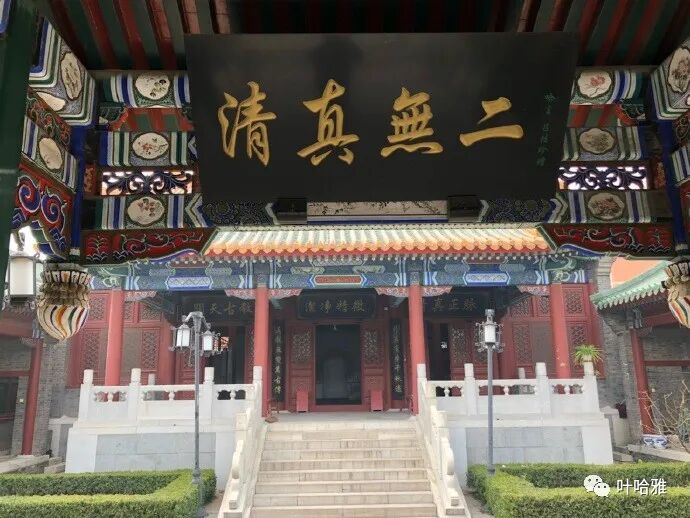
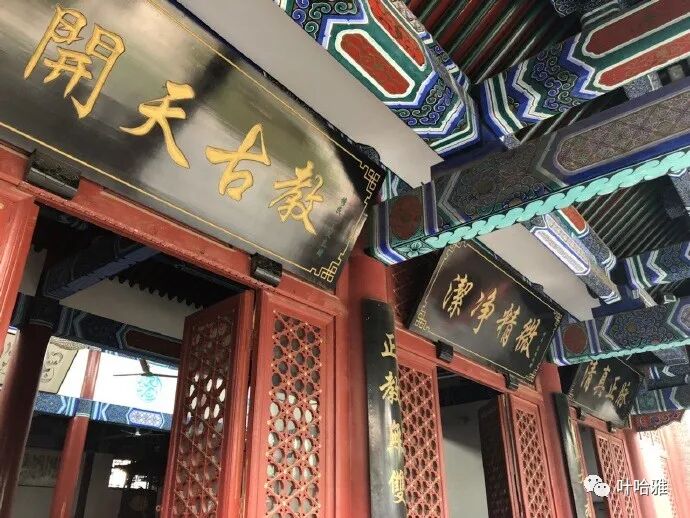
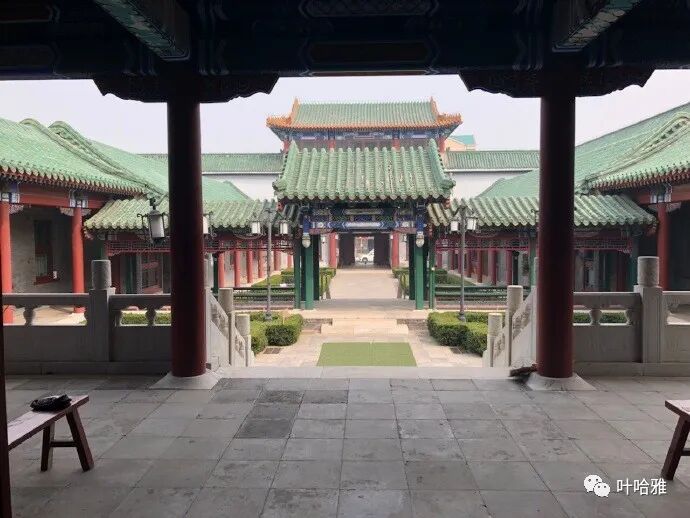
The main gate of Chengguan Mosque is the largest among all mosques in Beijing. The gate uses a three-bay side-by-side hanging flower gate (chuihuamen) style.
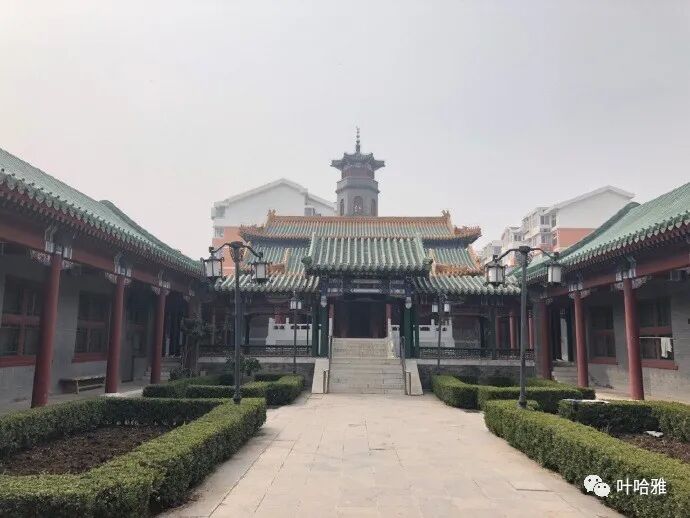
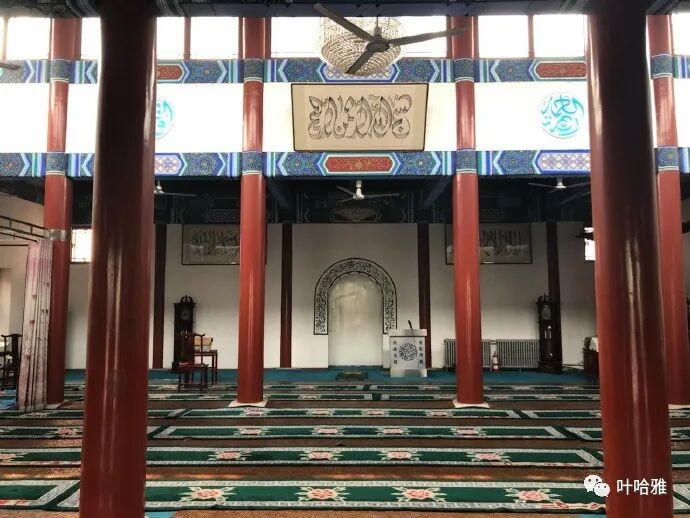
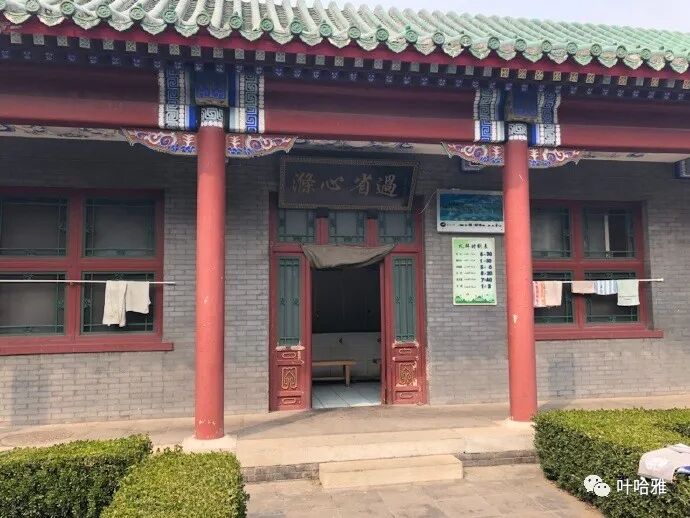
Nange Street
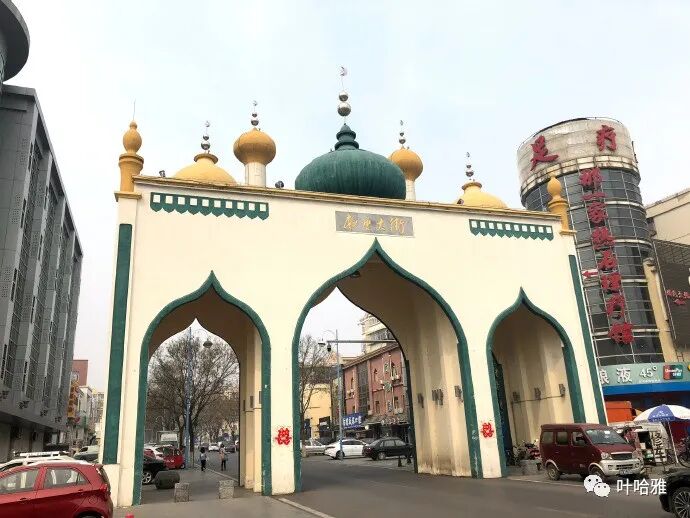
This is the archway on Nange Street, but this is an old photo. The renovated archway no longer has a dome.
Nange Street, where Chengguan Mosque is located, is a halal food street. There are many different halal restaurants on the street. Besides some Beijing-style snacks, there is also seafood barbecue.
Gubei Light Hot Spring Resort Hotel
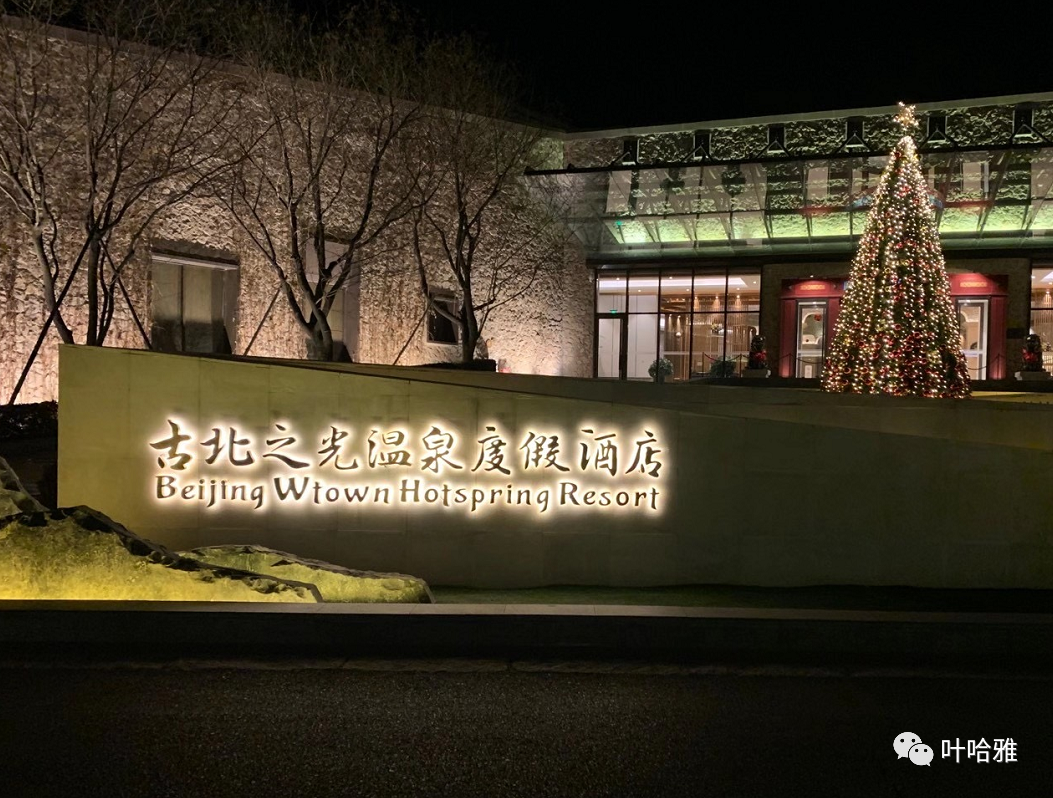
We were arranged to stay at the Gubei Light Hotel in Gubei Water Town. This is the largest hotel in the town. Besides hotels, Gubei Water Town has many high-quality guesthouses, but they are often fully booked during holidays, so remember to book in advance before you leave.
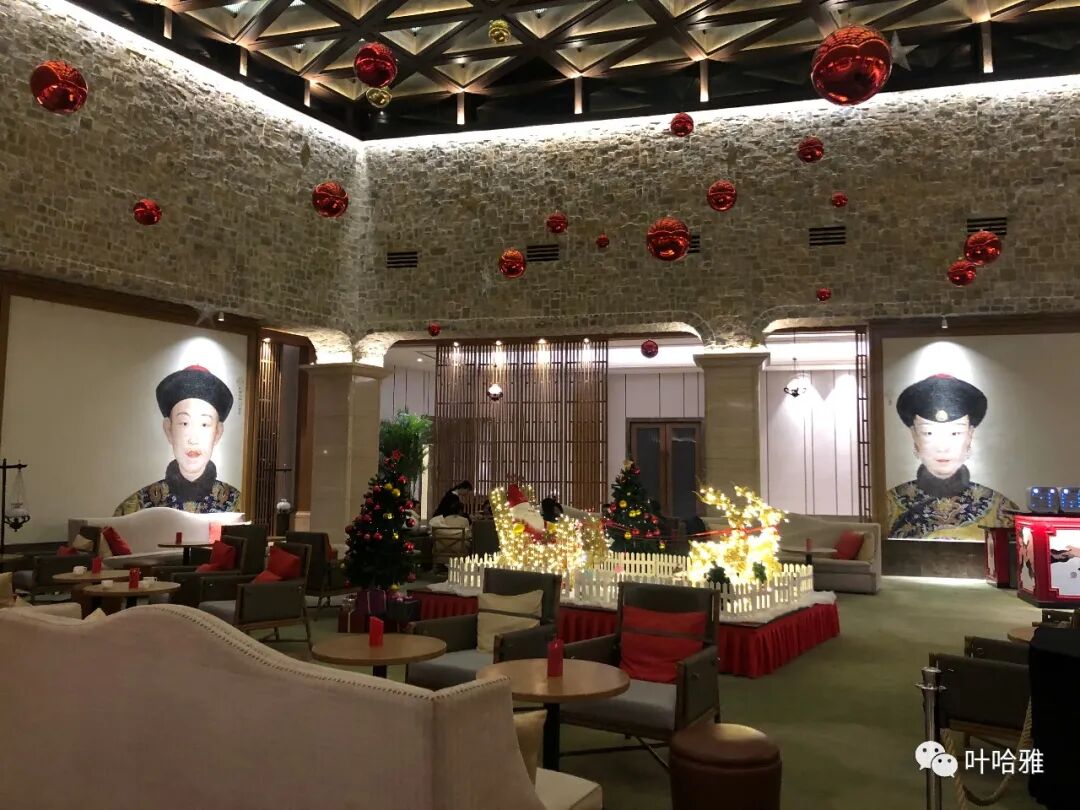
Hotel lobby
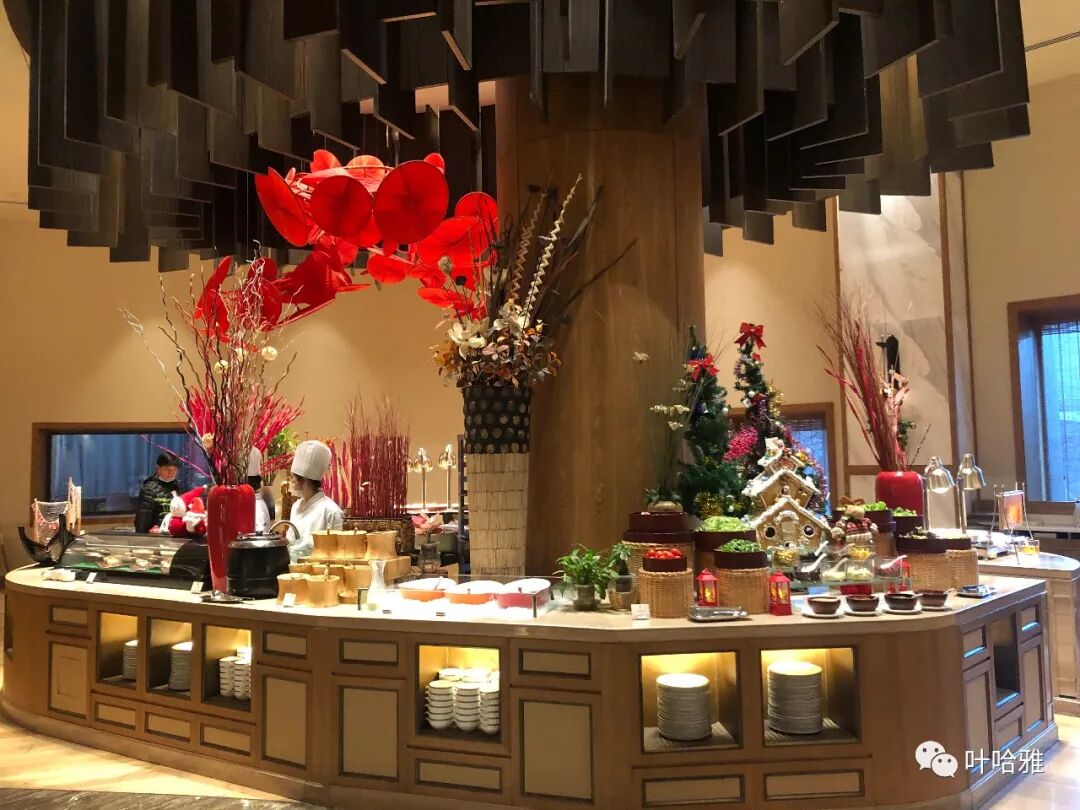
Breakfast restaurant
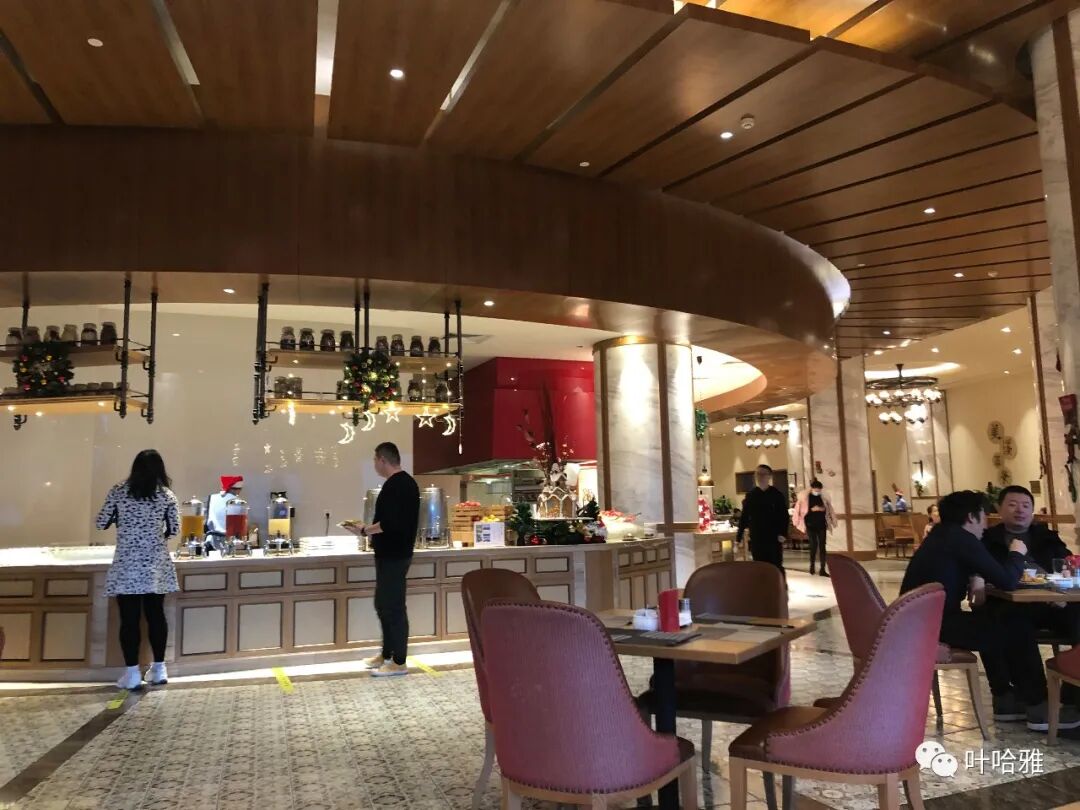
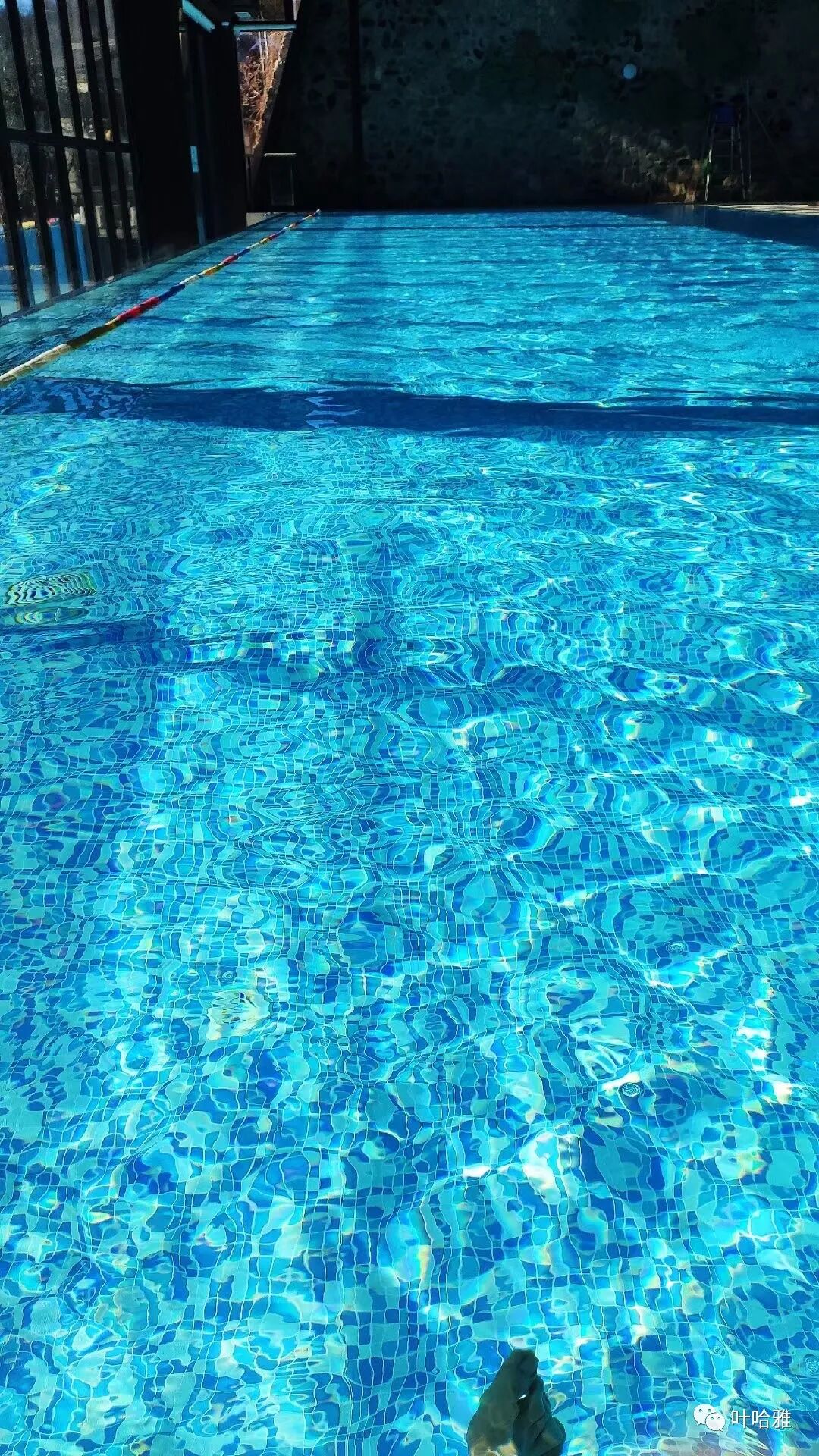
Swimming pool
Guests staying at the Gubei Light Hotel can use the hot springs for free, but both the hot springs and the swimming pool have capacity limits, so you need to book in advance.
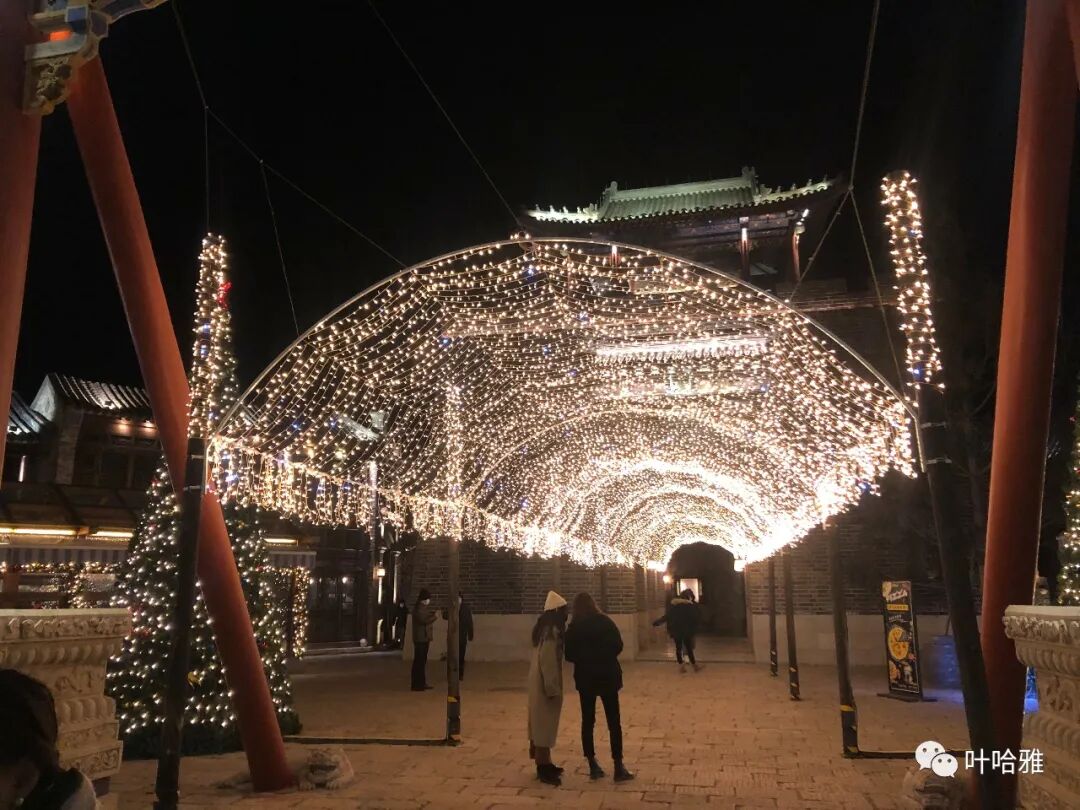
We wandered around the ancient town together at night to enjoy the view. The nights in Miyun are very cold, so remember to wear a thick coat and warm shoes.
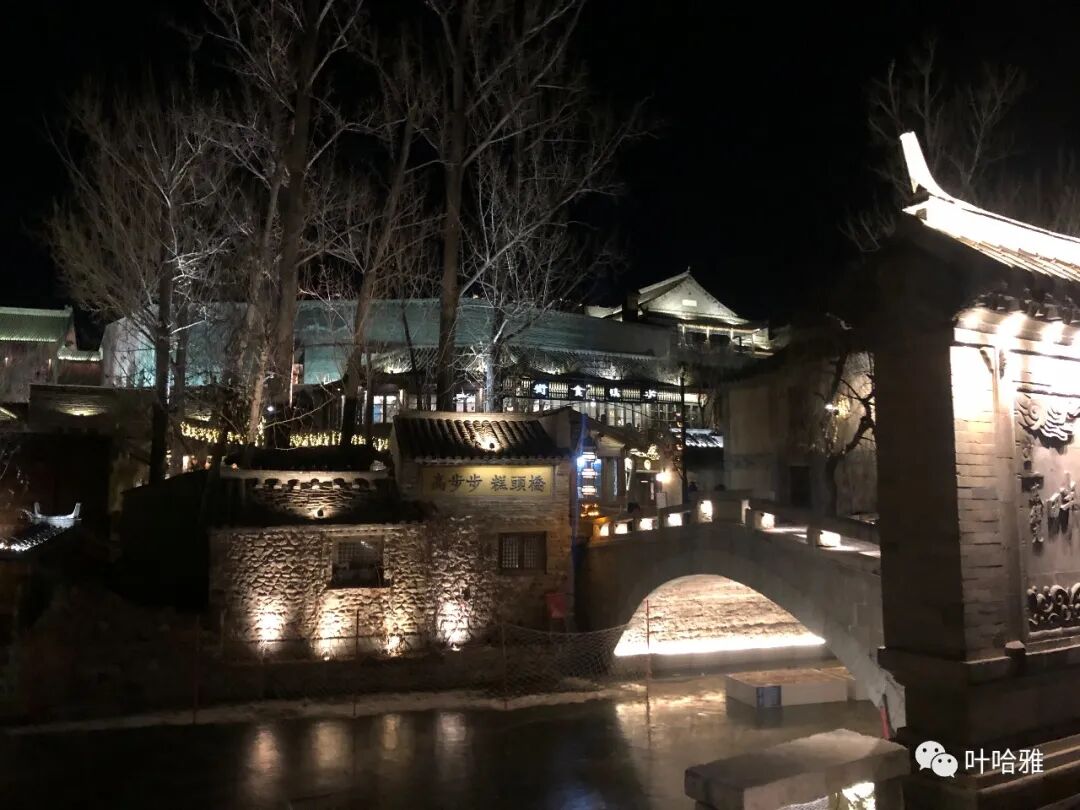
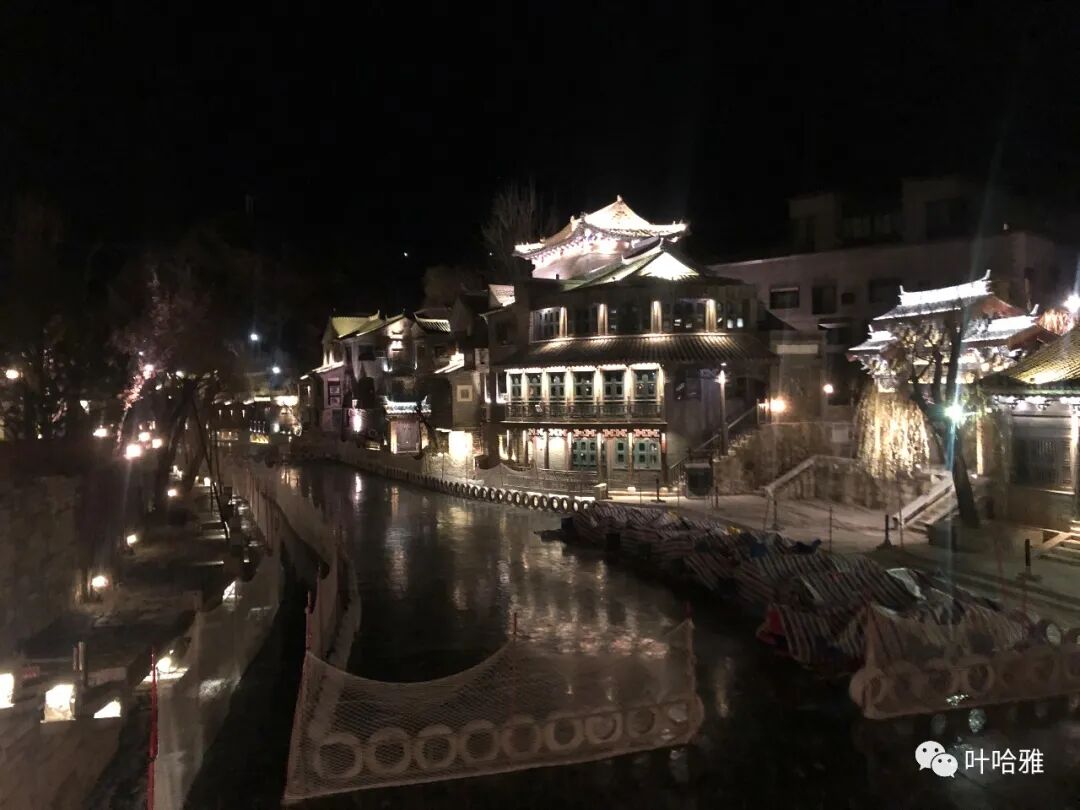
This Drum Tower is where the musical fountain opera is performed at night. After dark, there is a show where lights from a distance project a short play onto the outer wall of the tower, accompanied by a musical fountain. It is well worth seeing.
Enjoying the opera prelude
The Great Wall is on the mountain in the distance. You can take a cable car up to the Great Wall, which takes about three hours for a round trip.
Church on the top of the ancient town mountain
There are Buddhist temples, Taoist temples, and churches in the ancient town, but there is no mosque.
Tanghe Halal Restaurant
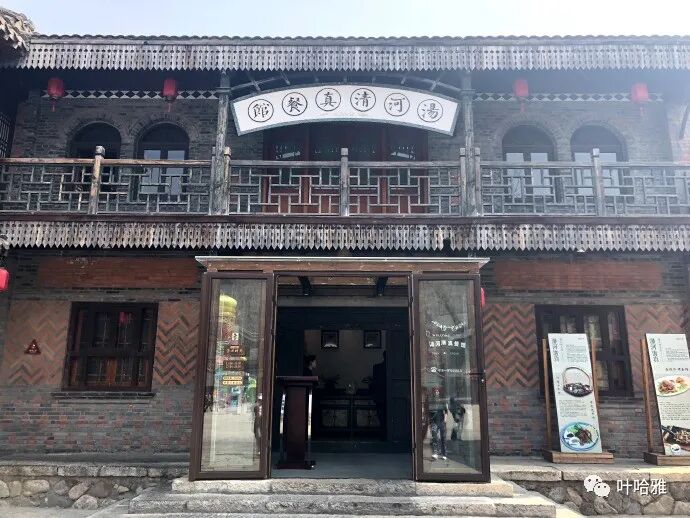
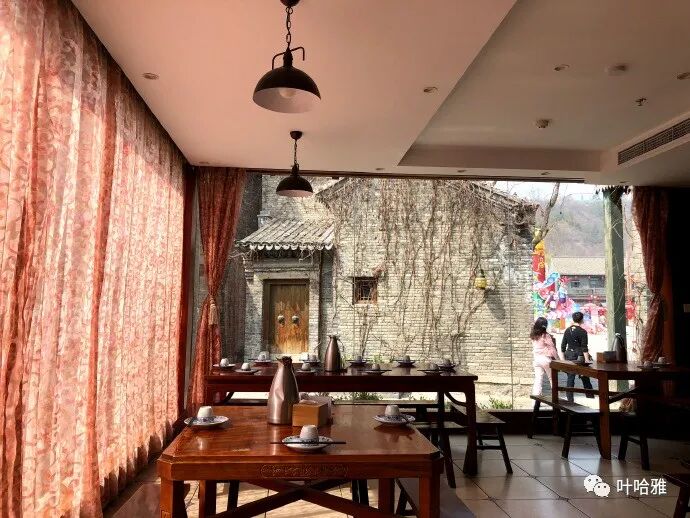
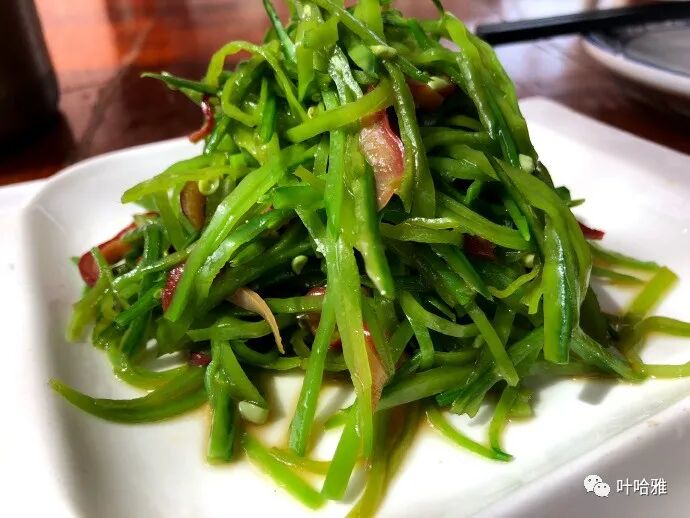
Staying in the ancient town makes dining very convenient, as there are two nice halal restaurants to choose from. This Tanghe Halal Restaurant specializes in local stir-fried dishes, including Gubei roasted lamb (gubei shaoyangrou) and various river seafood. The prices are affordable, with an average cost of no more than 100 yuan per person.
Guguan Hot Pot Restaurant
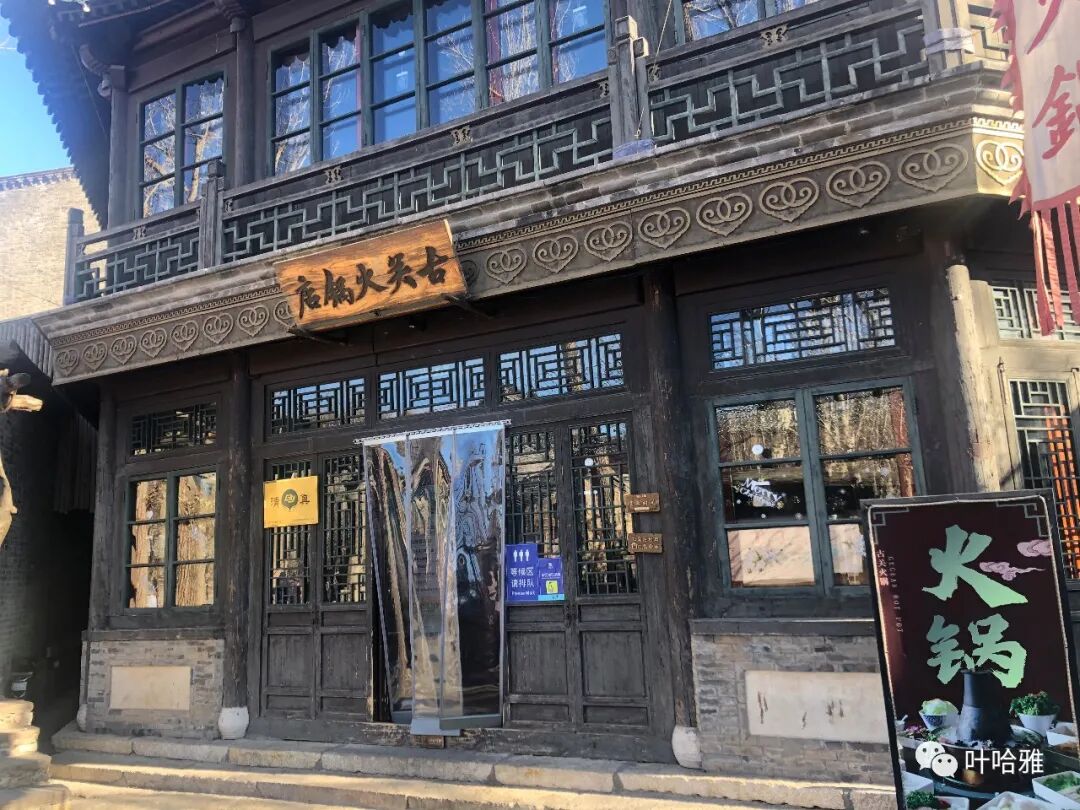
Guguan Hot Pot Restaurant is a Beijing-style shabu-shabu place where you can have individual hot pots or stir-fried dishes. The prices are also quite cheap, staying the same as in the city even though it is inside a tourist area.
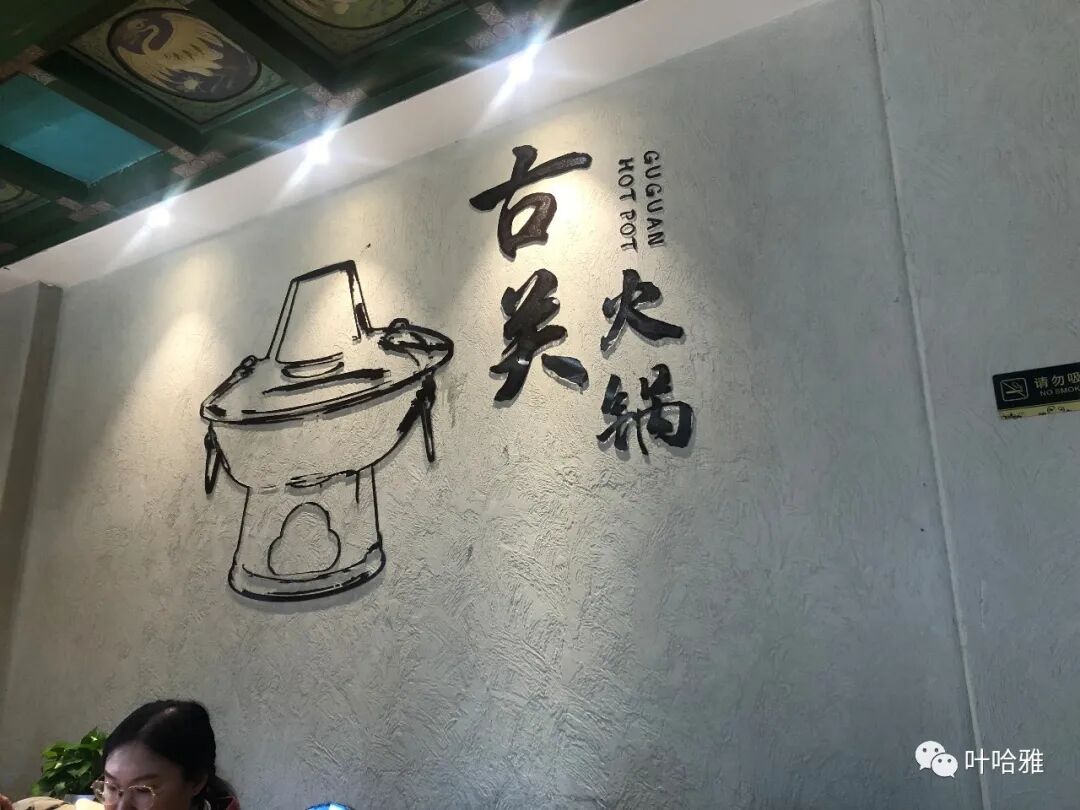
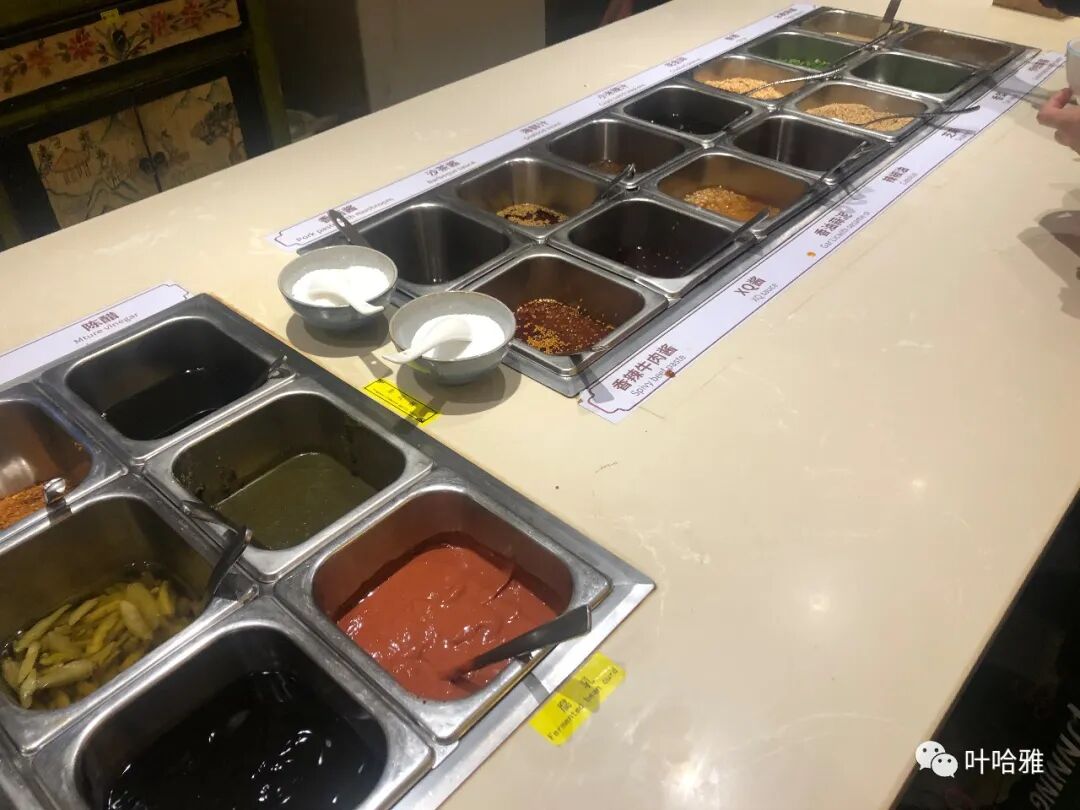
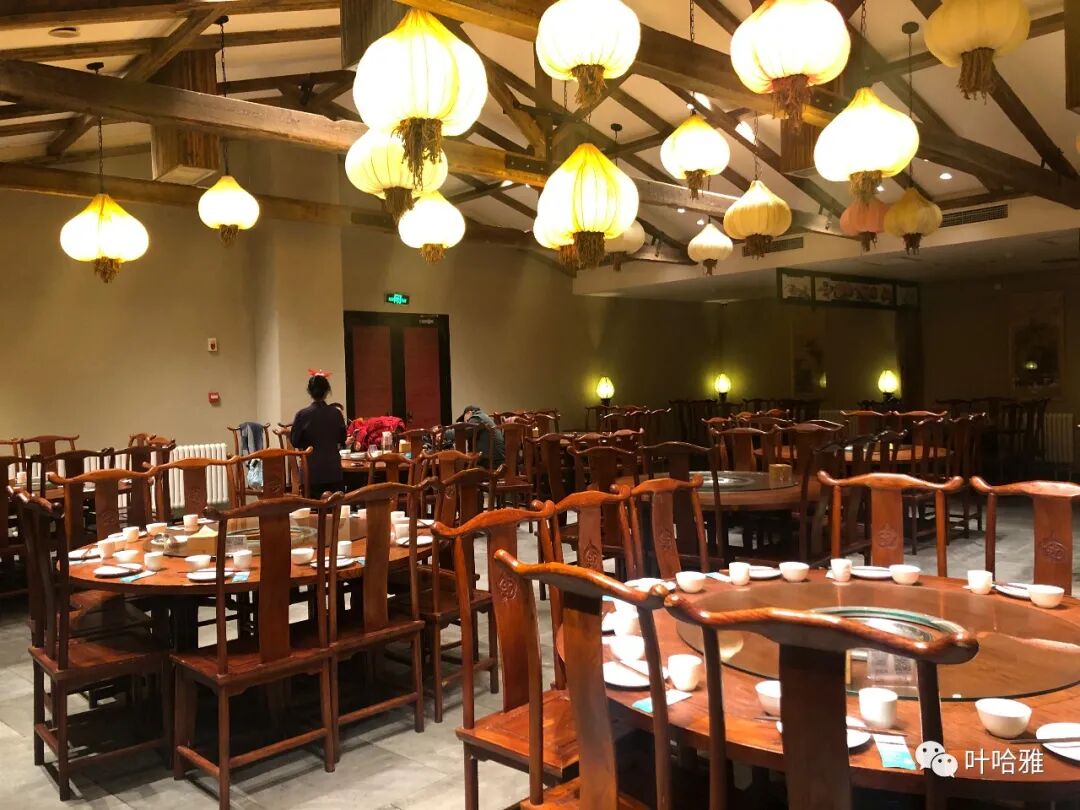
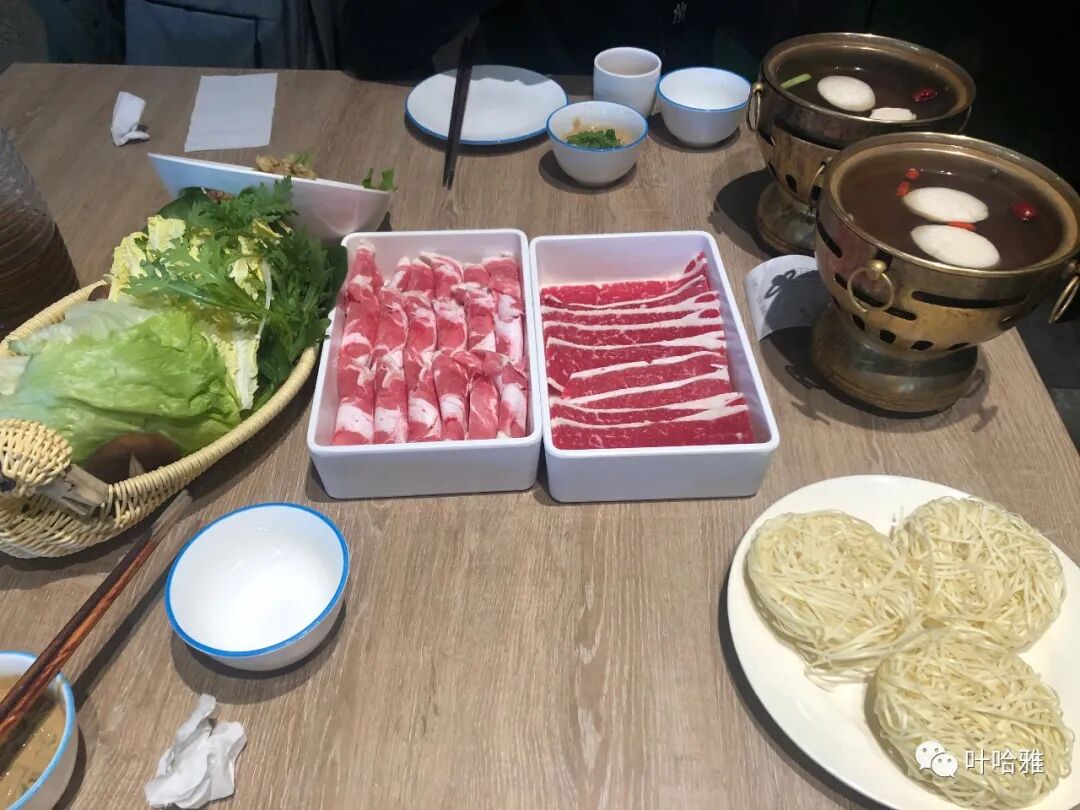
Individual small hot pots are clean and hygienic.
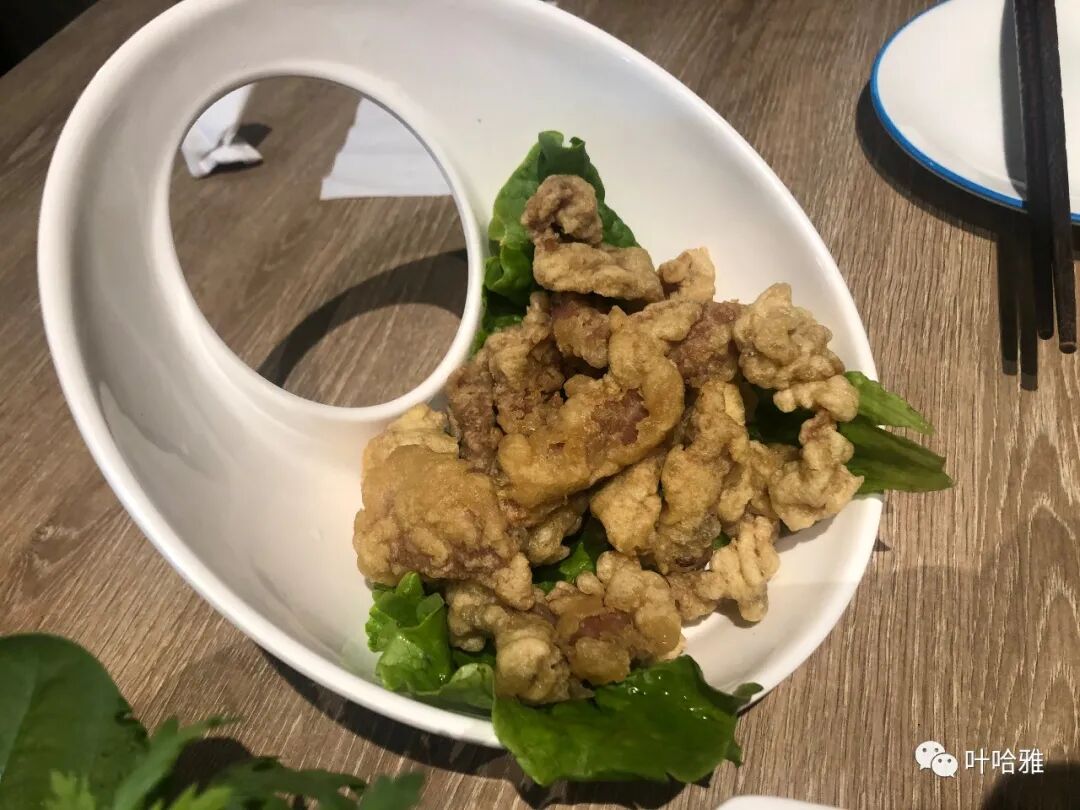
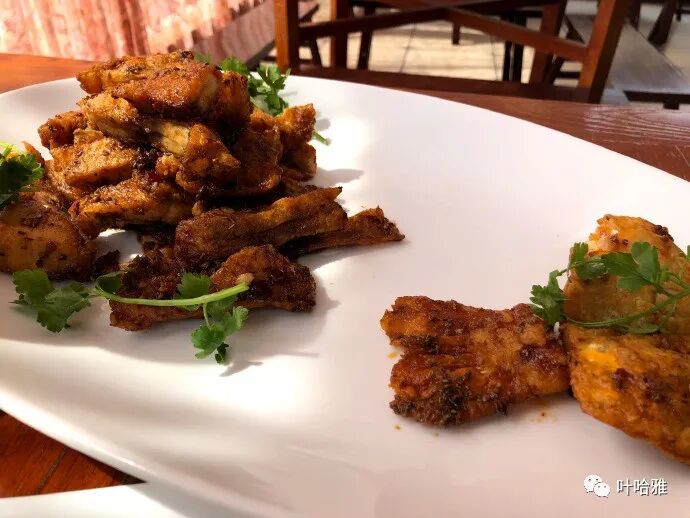
Deep-fried crispy pork (zha xiaosu rou)
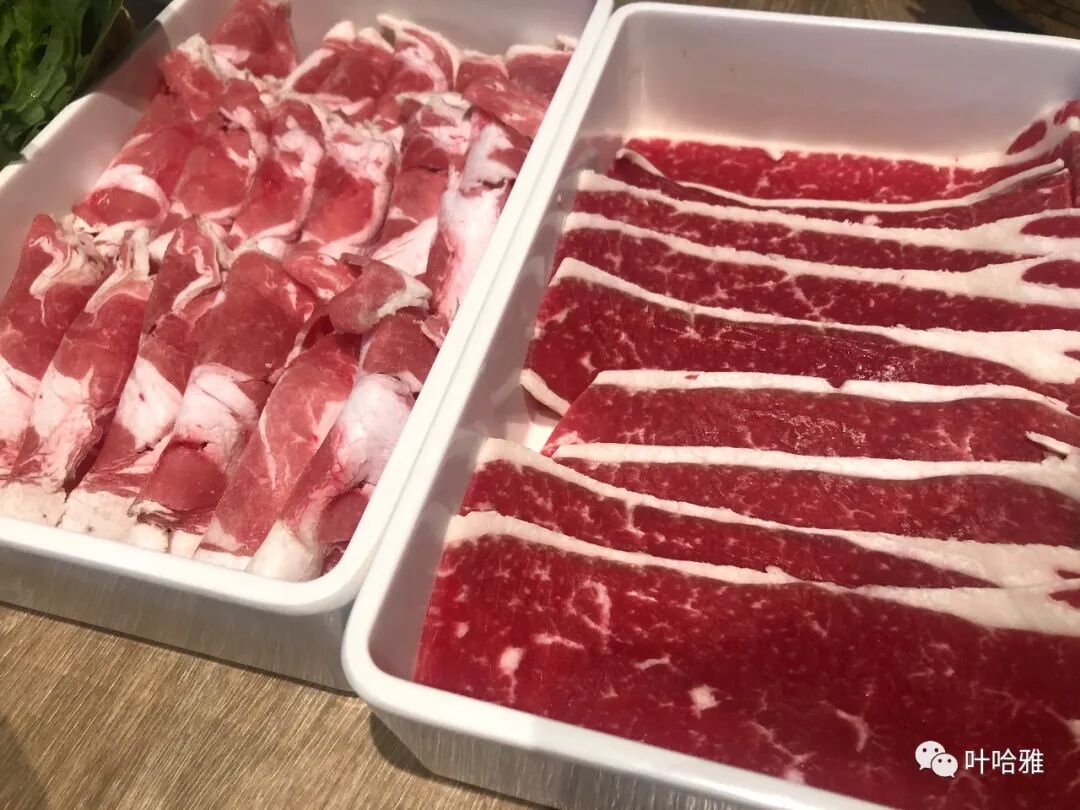
Australian beef and lamb platter
Gubei Water Town has plenty of fun things to do. There are all kinds of folk performances. We watched shadow puppetry, listened to Beijing-style drum storytelling (jingyun dagu), and saw a magic show in the square. There are also various exhibitions of collectibles. The town is right next to the Simatai Great Wall, so you can wake up early and hike the wall for exercise. They recently added an ice lantern show, too. If you cannot go home for the New Year, come to Gubei Water Town to experience these local traditions.
Summary: Muslim Friendly Beijing: Miyun Gubei Water Town, Halal Hotpot and Mosque Travel is presented here as a clear English account for Muslim readers, beginning with this scene: Before New Year's Day, I received an invitation from AXA Insurance Group to visit Gubei Water Town in Miyun. Because I sold a lot of AXA insurance last year, they rewarded their top-performing brokers with a trip to. The article keeps the original names, food details, mosque details, photographs, and cultural context while focusing on Beijing Halal Travel, Gubei Water Town, Halal Hotpot.
Before New Year's Day, I received an invitation from AXA Insurance Group to visit Gubei Water Town in Miyun. Because I sold a lot of AXA insurance last year, they rewarded their top-performing brokers with a trip to thank our agency channel. It is not because of this reward trip that I recommend their insurance. In fact, I did not know about the reward trip when I first recommended AXA products. I recommend them because they are one of the nine global insurance giants considered too big to fail. With over 200 years of history, AXA provides excellent products and services for cancer medical insurance for the elderly and accident insurance. That is why I recommend them. We insurance brokers represent products from more than one insurance company. We do not stand for any single company. As long as a product is good enough, it makes it onto our recommendation list.
— Hello, Travel —
Miyun currently has three mosques. The first is Gubeikou Mosque. Its founding date is unknown, but stone tablets found in the courtyard record that it was rebuilt in the second year of the Chongzhen reign of the Ming Dynasty (1629). We can infer it was built before then. In the 42nd year of the Kangxi reign (1703), Ma Jinliang from Gansu, who served as the Gubeikou commander, renovated the mosque. Gubeikou Mosque is currently a Miyun district-level cultural relic protection unit.
The second is Beimujiayu Mosque, located in the Hui Muslim village of Mujiayu, south of the Miyun Reservoir. The original mosque was built on a mountain. According to the Miyun County Annals, Beimujiayu Mosque had 21 rooms. It was once seized by the Kuomintang's Volunteer Militia to use as a barracks and was later destroyed by artillery fire. In the past, this was the main road from Beijing to the Chengde Mountain Resort. Many Hui Muslims in the village have the surname Mu and have a tradition of practicing martial arts. Some people from the Mu family served as adjutants under Zhang Zuolin. Beimujiayu Mosque and Gubeikou Mosque are quite far from Gubei Water Town, so I have not visited them yet.
The third mosque is on Nange Street in Miyun County, called Chengguan Mosque. I passed by it on the way to Gubei Water Town. According to the Miyun County Annals, the mosque was built in the county seat in the eighth year of the Tongzhi reign (1869). After expansion, it covered 8 mu of land. It was rebuilt at a new site in 1986 with government funding, and in 2006, urban planning moved the mosque to the southeast.
Chengguan Mosque
The main gate of Chengguan Mosque is the largest among all mosques in Beijing. The gate uses a three-bay side-by-side hanging flower gate (chuihuamen) style.
Nange Street
This is the archway on Nange Street, but this is an old photo. The renovated archway no longer has a dome.
Nange Street, where Chengguan Mosque is located, is a halal food street. There are many different halal restaurants on the street. Besides some Beijing-style snacks, there is also seafood barbecue.
Gubei Light Hot Spring Resort Hotel
We were arranged to stay at the Gubei Light Hotel in Gubei Water Town. This is the largest hotel in the town. Besides hotels, Gubei Water Town has many high-quality guesthouses, but they are often fully booked during holidays, so remember to book in advance before you leave.
Hotel lobby
Breakfast restaurant
Swimming pool
Guests staying at the Gubei Light Hotel can use the hot springs for free, but both the hot springs and the swimming pool have capacity limits, so you need to book in advance.
We wandered around the ancient town together at night to enjoy the view. The nights in Miyun are very cold, so remember to wear a thick coat and warm shoes.
This Drum Tower is where the musical fountain opera is performed at night. After dark, there is a show where lights from a distance project a short play onto the outer wall of the tower, accompanied by a musical fountain. It is well worth seeing.
Enjoying the opera prelude
The Great Wall is on the mountain in the distance. You can take a cable car up to the Great Wall, which takes about three hours for a round trip.
Church on the top of the ancient town mountain
There are Buddhist temples, Taoist temples, and churches in the ancient town, but there is no mosque.
Tanghe Halal Restaurant
Staying in the ancient town makes dining very convenient, as there are two nice halal restaurants to choose from. This Tanghe Halal Restaurant specializes in local stir-fried dishes, including Gubei roasted lamb (gubei shaoyangrou) and various river seafood. The prices are affordable, with an average cost of no more than 100 yuan per person.
Guguan Hot Pot Restaurant
Guguan Hot Pot Restaurant is a Beijing-style shabu-shabu place where you can have individual hot pots or stir-fried dishes. The prices are also quite cheap, staying the same as in the city even though it is inside a tourist area.
Individual small hot pots are clean and hygienic.
Deep-fried crispy pork (zha xiaosu rou)
Australian beef and lamb platter
Gubei Water Town has plenty of fun things to do. There are all kinds of folk performances. We watched shadow puppetry, listened to Beijing-style drum storytelling (jingyun dagu), and saw a magic show in the square. There are also various exhibitions of collectibles. The town is right next to the Simatai Great Wall, so you can wake up early and hike the wall for exercise. They recently added an ice lantern show, too. If you cannot go home for the New Year, come to Gubei Water Town to experience these local traditions.
Muslim Friendly Beijing: Miyun Gubei Water Town, Halal Hotpot and Mosque Travel
Articles • yusuf908 posted the article • 0 comments • 277 views • 2026-05-21 20:43
Reposted from the web
Summary: Muslim Friendly Beijing: Miyun Gubei Water Town, Halal Hotpot and Mosque Travel is presented here as a clear English account for Muslim readers, beginning with this scene: Before New Year's Day, I received an invitation from AXA Insurance Group to visit Gubei Water Town in Miyun. Because I sold a lot of AXA insurance last year, they rewarded their top-performing brokers with a trip to. The article keeps the original names, food details, mosque details, photographs, and cultural context while focusing on Beijing Halal Travel, Gubei Water Town, Halal Hotpot.
Before New Year's Day, I received an invitation from AXA Insurance Group to visit Gubei Water Town in Miyun. Because I sold a lot of AXA insurance last year, they rewarded their top-performing brokers with a trip to thank our agency channel. It is not because of this reward trip that I recommend their insurance. In fact, I did not know about the reward trip when I first recommended AXA products. I recommend them because they are one of the nine global insurance giants considered too big to fail. With over 200 years of history, AXA provides excellent products and services for cancer medical insurance for the elderly and accident insurance. That is why I recommend them. We insurance brokers represent products from more than one insurance company. We do not stand for any single company. As long as a product is good enough, it makes it onto our recommendation list.
— Hello, Travel —
Miyun currently has three mosques. The first is Gubeikou Mosque. Its founding date is unknown, but stone tablets found in the courtyard record that it was rebuilt in the second year of the Chongzhen reign of the Ming Dynasty (1629). We can infer it was built before then. In the 42nd year of the Kangxi reign (1703), Ma Jinliang from Gansu, who served as the Gubeikou commander, renovated the mosque. Gubeikou Mosque is currently a Miyun district-level cultural relic protection unit.
The second is Beimujiayu Mosque, located in the Hui Muslim village of Mujiayu, south of the Miyun Reservoir. The original mosque was built on a mountain. According to the Miyun County Annals, Beimujiayu Mosque had 21 rooms. It was once seized by the Kuomintang's Volunteer Militia to use as a barracks and was later destroyed by artillery fire. In the past, this was the main road from Beijing to the Chengde Mountain Resort. Many Hui Muslims in the village have the surname Mu and have a tradition of practicing martial arts. Some people from the Mu family served as adjutants under Zhang Zuolin. Beimujiayu Mosque and Gubeikou Mosque are quite far from Gubei Water Town, so I have not visited them yet.
The third mosque is on Nange Street in Miyun County, called Chengguan Mosque. I passed by it on the way to Gubei Water Town. According to the Miyun County Annals, the mosque was built in the county seat in the eighth year of the Tongzhi reign (1869). After expansion, it covered 8 mu of land. It was rebuilt at a new site in 1986 with government funding, and in 2006, urban planning moved the mosque to the southeast.
Chengguan Mosque
The main gate of Chengguan Mosque is the largest among all mosques in Beijing. The gate uses a three-bay side-by-side hanging flower gate (chuihuamen) style.
Nange Street
This is the archway on Nange Street, but this is an old photo. The renovated archway no longer has a dome.
Nange Street, where Chengguan Mosque is located, is a halal food street. There are many different halal restaurants on the street. Besides some Beijing-style snacks, there is also seafood barbecue.
Gubei Light Hot Spring Resort Hotel
We were arranged to stay at the Gubei Light Hotel in Gubei Water Town. This is the largest hotel in the town. Besides hotels, Gubei Water Town has many high-quality guesthouses, but they are often fully booked during holidays, so remember to book in advance before you leave.
Hotel lobby
Breakfast restaurant
Swimming pool
Guests staying at the Gubei Light Hotel can use the hot springs for free, but both the hot springs and the swimming pool have capacity limits, so you need to book in advance.
We wandered around the ancient town together at night to enjoy the view. The nights in Miyun are very cold, so remember to wear a thick coat and warm shoes.
This Drum Tower is where the musical fountain opera is performed at night. After dark, there is a show where lights from a distance project a short play onto the outer wall of the tower, accompanied by a musical fountain. It is well worth seeing.
Enjoying the opera prelude
The Great Wall is on the mountain in the distance. You can take a cable car up to the Great Wall, which takes about three hours for a round trip.
Church on the top of the ancient town mountain
There are Buddhist temples, Taoist temples, and churches in the ancient town, but there is no mosque.
Tanghe Halal Restaurant
Staying in the ancient town makes dining very convenient, as there are two nice halal restaurants to choose from. This Tanghe Halal Restaurant specializes in local stir-fried dishes, including Gubei roasted lamb (gubei shaoyangrou) and various river seafood. The prices are affordable, with an average cost of no more than 100 yuan per person.
Guguan Hot Pot Restaurant
Guguan Hot Pot Restaurant is a Beijing-style shabu-shabu place where you can have individual hot pots or stir-fried dishes. The prices are also quite cheap, staying the same as in the city even though it is inside a tourist area.
Individual small hot pots are clean and hygienic.
Deep-fried crispy pork (zha xiaosu rou)
Australian beef and lamb platter
Gubei Water Town has plenty of fun things to do. There are all kinds of folk performances. We watched shadow puppetry, listened to Beijing-style drum storytelling (jingyun dagu), and saw a magic show in the square. There are also various exhibitions of collectibles. The town is right next to the Simatai Great Wall, so you can wake up early and hike the wall for exercise. They recently added an ice lantern show, too. If you cannot go home for the New Year, come to Gubei Water Town to experience these local traditions. view all
Summary: Muslim Friendly Beijing: Miyun Gubei Water Town, Halal Hotpot and Mosque Travel is presented here as a clear English account for Muslim readers, beginning with this scene: Before New Year's Day, I received an invitation from AXA Insurance Group to visit Gubei Water Town in Miyun. Because I sold a lot of AXA insurance last year, they rewarded their top-performing brokers with a trip to. The article keeps the original names, food details, mosque details, photographs, and cultural context while focusing on Beijing Halal Travel, Gubei Water Town, Halal Hotpot.
Before New Year's Day, I received an invitation from AXA Insurance Group to visit Gubei Water Town in Miyun. Because I sold a lot of AXA insurance last year, they rewarded their top-performing brokers with a trip to thank our agency channel. It is not because of this reward trip that I recommend their insurance. In fact, I did not know about the reward trip when I first recommended AXA products. I recommend them because they are one of the nine global insurance giants considered too big to fail. With over 200 years of history, AXA provides excellent products and services for cancer medical insurance for the elderly and accident insurance. That is why I recommend them. We insurance brokers represent products from more than one insurance company. We do not stand for any single company. As long as a product is good enough, it makes it onto our recommendation list.
— Hello, Travel —
Miyun currently has three mosques. The first is Gubeikou Mosque. Its founding date is unknown, but stone tablets found in the courtyard record that it was rebuilt in the second year of the Chongzhen reign of the Ming Dynasty (1629). We can infer it was built before then. In the 42nd year of the Kangxi reign (1703), Ma Jinliang from Gansu, who served as the Gubeikou commander, renovated the mosque. Gubeikou Mosque is currently a Miyun district-level cultural relic protection unit.
The second is Beimujiayu Mosque, located in the Hui Muslim village of Mujiayu, south of the Miyun Reservoir. The original mosque was built on a mountain. According to the Miyun County Annals, Beimujiayu Mosque had 21 rooms. It was once seized by the Kuomintang's Volunteer Militia to use as a barracks and was later destroyed by artillery fire. In the past, this was the main road from Beijing to the Chengde Mountain Resort. Many Hui Muslims in the village have the surname Mu and have a tradition of practicing martial arts. Some people from the Mu family served as adjutants under Zhang Zuolin. Beimujiayu Mosque and Gubeikou Mosque are quite far from Gubei Water Town, so I have not visited them yet.
The third mosque is on Nange Street in Miyun County, called Chengguan Mosque. I passed by it on the way to Gubei Water Town. According to the Miyun County Annals, the mosque was built in the county seat in the eighth year of the Tongzhi reign (1869). After expansion, it covered 8 mu of land. It was rebuilt at a new site in 1986 with government funding, and in 2006, urban planning moved the mosque to the southeast.
Chengguan Mosque
The main gate of Chengguan Mosque is the largest among all mosques in Beijing. The gate uses a three-bay side-by-side hanging flower gate (chuihuamen) style.
Nange Street
This is the archway on Nange Street, but this is an old photo. The renovated archway no longer has a dome.
Nange Street, where Chengguan Mosque is located, is a halal food street. There are many different halal restaurants on the street. Besides some Beijing-style snacks, there is also seafood barbecue.
Gubei Light Hot Spring Resort Hotel
We were arranged to stay at the Gubei Light Hotel in Gubei Water Town. This is the largest hotel in the town. Besides hotels, Gubei Water Town has many high-quality guesthouses, but they are often fully booked during holidays, so remember to book in advance before you leave.
Hotel lobby
Breakfast restaurant
Swimming pool
Guests staying at the Gubei Light Hotel can use the hot springs for free, but both the hot springs and the swimming pool have capacity limits, so you need to book in advance.
We wandered around the ancient town together at night to enjoy the view. The nights in Miyun are very cold, so remember to wear a thick coat and warm shoes.
This Drum Tower is where the musical fountain opera is performed at night. After dark, there is a show where lights from a distance project a short play onto the outer wall of the tower, accompanied by a musical fountain. It is well worth seeing.
Enjoying the opera prelude
The Great Wall is on the mountain in the distance. You can take a cable car up to the Great Wall, which takes about three hours for a round trip.
Church on the top of the ancient town mountain
There are Buddhist temples, Taoist temples, and churches in the ancient town, but there is no mosque.
Tanghe Halal Restaurant
Staying in the ancient town makes dining very convenient, as there are two nice halal restaurants to choose from. This Tanghe Halal Restaurant specializes in local stir-fried dishes, including Gubei roasted lamb (gubei shaoyangrou) and various river seafood. The prices are affordable, with an average cost of no more than 100 yuan per person.
Guguan Hot Pot Restaurant
Guguan Hot Pot Restaurant is a Beijing-style shabu-shabu place where you can have individual hot pots or stir-fried dishes. The prices are also quite cheap, staying the same as in the city even though it is inside a tourist area.
Individual small hot pots are clean and hygienic.
Deep-fried crispy pork (zha xiaosu rou)
Australian beef and lamb platter
Gubei Water Town has plenty of fun things to do. There are all kinds of folk performances. We watched shadow puppetry, listened to Beijing-style drum storytelling (jingyun dagu), and saw a magic show in the square. There are also various exhibitions of collectibles. The town is right next to the Simatai Great Wall, so you can wake up early and hike the wall for exercise. They recently added an ice lantern show, too. If you cannot go home for the New Year, come to Gubei Water Town to experience these local traditions. view all
Reposted from the web
Summary: Muslim Friendly Beijing: Miyun Gubei Water Town, Halal Hotpot and Mosque Travel is presented here as a clear English account for Muslim readers, beginning with this scene: Before New Year's Day, I received an invitation from AXA Insurance Group to visit Gubei Water Town in Miyun. Because I sold a lot of AXA insurance last year, they rewarded their top-performing brokers with a trip to. The article keeps the original names, food details, mosque details, photographs, and cultural context while focusing on Beijing Halal Travel, Gubei Water Town, Halal Hotpot.
Before New Year's Day, I received an invitation from AXA Insurance Group to visit Gubei Water Town in Miyun. Because I sold a lot of AXA insurance last year, they rewarded their top-performing brokers with a trip to thank our agency channel. It is not because of this reward trip that I recommend their insurance. In fact, I did not know about the reward trip when I first recommended AXA products. I recommend them because they are one of the nine global insurance giants considered too big to fail. With over 200 years of history, AXA provides excellent products and services for cancer medical insurance for the elderly and accident insurance. That is why I recommend them. We insurance brokers represent products from more than one insurance company. We do not stand for any single company. As long as a product is good enough, it makes it onto our recommendation list.
— Hello, Travel —
Miyun currently has three mosques. The first is Gubeikou Mosque. Its founding date is unknown, but stone tablets found in the courtyard record that it was rebuilt in the second year of the Chongzhen reign of the Ming Dynasty (1629). We can infer it was built before then. In the 42nd year of the Kangxi reign (1703), Ma Jinliang from Gansu, who served as the Gubeikou commander, renovated the mosque. Gubeikou Mosque is currently a Miyun district-level cultural relic protection unit.
The second is Beimujiayu Mosque, located in the Hui Muslim village of Mujiayu, south of the Miyun Reservoir. The original mosque was built on a mountain. According to the Miyun County Annals, Beimujiayu Mosque had 21 rooms. It was once seized by the Kuomintang's Volunteer Militia to use as a barracks and was later destroyed by artillery fire. In the past, this was the main road from Beijing to the Chengde Mountain Resort. Many Hui Muslims in the village have the surname Mu and have a tradition of practicing martial arts. Some people from the Mu family served as adjutants under Zhang Zuolin. Beimujiayu Mosque and Gubeikou Mosque are quite far from Gubei Water Town, so I have not visited them yet.
The third mosque is on Nange Street in Miyun County, called Chengguan Mosque. I passed by it on the way to Gubei Water Town. According to the Miyun County Annals, the mosque was built in the county seat in the eighth year of the Tongzhi reign (1869). After expansion, it covered 8 mu of land. It was rebuilt at a new site in 1986 with government funding, and in 2006, urban planning moved the mosque to the southeast.
Chengguan Mosque
The main gate of Chengguan Mosque is the largest among all mosques in Beijing. The gate uses a three-bay side-by-side hanging flower gate (chuihuamen) style.
Nange Street
This is the archway on Nange Street, but this is an old photo. The renovated archway no longer has a dome.
Nange Street, where Chengguan Mosque is located, is a halal food street. There are many different halal restaurants on the street. Besides some Beijing-style snacks, there is also seafood barbecue.
Gubei Light Hot Spring Resort Hotel
We were arranged to stay at the Gubei Light Hotel in Gubei Water Town. This is the largest hotel in the town. Besides hotels, Gubei Water Town has many high-quality guesthouses, but they are often fully booked during holidays, so remember to book in advance before you leave.
Hotel lobby
Breakfast restaurant
Swimming pool
Guests staying at the Gubei Light Hotel can use the hot springs for free, but both the hot springs and the swimming pool have capacity limits, so you need to book in advance.
We wandered around the ancient town together at night to enjoy the view. The nights in Miyun are very cold, so remember to wear a thick coat and warm shoes.
This Drum Tower is where the musical fountain opera is performed at night. After dark, there is a show where lights from a distance project a short play onto the outer wall of the tower, accompanied by a musical fountain. It is well worth seeing.
Enjoying the opera prelude
The Great Wall is on the mountain in the distance. You can take a cable car up to the Great Wall, which takes about three hours for a round trip.
Church on the top of the ancient town mountain
There are Buddhist temples, Taoist temples, and churches in the ancient town, but there is no mosque.
Tanghe Halal Restaurant
Staying in the ancient town makes dining very convenient, as there are two nice halal restaurants to choose from. This Tanghe Halal Restaurant specializes in local stir-fried dishes, including Gubei roasted lamb (gubei shaoyangrou) and various river seafood. The prices are affordable, with an average cost of no more than 100 yuan per person.
Guguan Hot Pot Restaurant
Guguan Hot Pot Restaurant is a Beijing-style shabu-shabu place where you can have individual hot pots or stir-fried dishes. The prices are also quite cheap, staying the same as in the city even though it is inside a tourist area.
Individual small hot pots are clean and hygienic.
Deep-fried crispy pork (zha xiaosu rou)
Australian beef and lamb platter
Gubei Water Town has plenty of fun things to do. There are all kinds of folk performances. We watched shadow puppetry, listened to Beijing-style drum storytelling (jingyun dagu), and saw a magic show in the square. There are also various exhibitions of collectibles. The town is right next to the Simatai Great Wall, so you can wake up early and hike the wall for exercise. They recently added an ice lantern show, too. If you cannot go home for the New Year, come to Gubei Water Town to experience these local traditions.
Summary: Muslim Friendly Beijing: Miyun Gubei Water Town, Halal Hotpot and Mosque Travel is presented here as a clear English account for Muslim readers, beginning with this scene: Before New Year's Day, I received an invitation from AXA Insurance Group to visit Gubei Water Town in Miyun. Because I sold a lot of AXA insurance last year, they rewarded their top-performing brokers with a trip to. The article keeps the original names, food details, mosque details, photographs, and cultural context while focusing on Beijing Halal Travel, Gubei Water Town, Halal Hotpot.
Before New Year's Day, I received an invitation from AXA Insurance Group to visit Gubei Water Town in Miyun. Because I sold a lot of AXA insurance last year, they rewarded their top-performing brokers with a trip to thank our agency channel. It is not because of this reward trip that I recommend their insurance. In fact, I did not know about the reward trip when I first recommended AXA products. I recommend them because they are one of the nine global insurance giants considered too big to fail. With over 200 years of history, AXA provides excellent products and services for cancer medical insurance for the elderly and accident insurance. That is why I recommend them. We insurance brokers represent products from more than one insurance company. We do not stand for any single company. As long as a product is good enough, it makes it onto our recommendation list.
— Hello, Travel —
Miyun currently has three mosques. The first is Gubeikou Mosque. Its founding date is unknown, but stone tablets found in the courtyard record that it was rebuilt in the second year of the Chongzhen reign of the Ming Dynasty (1629). We can infer it was built before then. In the 42nd year of the Kangxi reign (1703), Ma Jinliang from Gansu, who served as the Gubeikou commander, renovated the mosque. Gubeikou Mosque is currently a Miyun district-level cultural relic protection unit.
The second is Beimujiayu Mosque, located in the Hui Muslim village of Mujiayu, south of the Miyun Reservoir. The original mosque was built on a mountain. According to the Miyun County Annals, Beimujiayu Mosque had 21 rooms. It was once seized by the Kuomintang's Volunteer Militia to use as a barracks and was later destroyed by artillery fire. In the past, this was the main road from Beijing to the Chengde Mountain Resort. Many Hui Muslims in the village have the surname Mu and have a tradition of practicing martial arts. Some people from the Mu family served as adjutants under Zhang Zuolin. Beimujiayu Mosque and Gubeikou Mosque are quite far from Gubei Water Town, so I have not visited them yet.
The third mosque is on Nange Street in Miyun County, called Chengguan Mosque. I passed by it on the way to Gubei Water Town. According to the Miyun County Annals, the mosque was built in the county seat in the eighth year of the Tongzhi reign (1869). After expansion, it covered 8 mu of land. It was rebuilt at a new site in 1986 with government funding, and in 2006, urban planning moved the mosque to the southeast.
Chengguan Mosque
The main gate of Chengguan Mosque is the largest among all mosques in Beijing. The gate uses a three-bay side-by-side hanging flower gate (chuihuamen) style.
Nange Street
This is the archway on Nange Street, but this is an old photo. The renovated archway no longer has a dome.
Nange Street, where Chengguan Mosque is located, is a halal food street. There are many different halal restaurants on the street. Besides some Beijing-style snacks, there is also seafood barbecue.
Gubei Light Hot Spring Resort Hotel
We were arranged to stay at the Gubei Light Hotel in Gubei Water Town. This is the largest hotel in the town. Besides hotels, Gubei Water Town has many high-quality guesthouses, but they are often fully booked during holidays, so remember to book in advance before you leave.
Hotel lobby
Breakfast restaurant
Swimming pool
Guests staying at the Gubei Light Hotel can use the hot springs for free, but both the hot springs and the swimming pool have capacity limits, so you need to book in advance.
We wandered around the ancient town together at night to enjoy the view. The nights in Miyun are very cold, so remember to wear a thick coat and warm shoes.
This Drum Tower is where the musical fountain opera is performed at night. After dark, there is a show where lights from a distance project a short play onto the outer wall of the tower, accompanied by a musical fountain. It is well worth seeing.
Enjoying the opera prelude
The Great Wall is on the mountain in the distance. You can take a cable car up to the Great Wall, which takes about three hours for a round trip.
Church on the top of the ancient town mountain
There are Buddhist temples, Taoist temples, and churches in the ancient town, but there is no mosque.
Tanghe Halal Restaurant
Staying in the ancient town makes dining very convenient, as there are two nice halal restaurants to choose from. This Tanghe Halal Restaurant specializes in local stir-fried dishes, including Gubei roasted lamb (gubei shaoyangrou) and various river seafood. The prices are affordable, with an average cost of no more than 100 yuan per person.
Guguan Hot Pot Restaurant
Guguan Hot Pot Restaurant is a Beijing-style shabu-shabu place where you can have individual hot pots or stir-fried dishes. The prices are also quite cheap, staying the same as in the city even though it is inside a tourist area.
Individual small hot pots are clean and hygienic.
Deep-fried crispy pork (zha xiaosu rou)
Australian beef and lamb platter
Gubei Water Town has plenty of fun things to do. There are all kinds of folk performances. We watched shadow puppetry, listened to Beijing-style drum storytelling (jingyun dagu), and saw a magic show in the square. There are also various exhibitions of collectibles. The town is right next to the Simatai Great Wall, so you can wake up early and hike the wall for exercise. They recently added an ice lantern show, too. If you cannot go home for the New Year, come to Gubei Water Town to experience these local traditions.