

Gubeikou Mosque
Halal Travel Guide: Gubeikou Mosque — Muslim Heritage Near the Great Wall
Articles • ali2007fr posted the article • 0 comments • 176 views • 2026-05-18 02:56
Reposted from the web
Summary: Gubeikou Mosque — Muslim Heritage Near the Great Wall is presented here as a firsthand travel account in clear English, beginning with this scene: On the first day after Eid al-Fitr, I decided to visit the mosque in Gubeikou, Miyun. The account keeps its focus on Gubeikou Mosque, Beijing Mosques, Muslim Heritage while preserving the names, places, food, and historical details from the Chinese source.
On the first day after Eid al-Fitr, I decided to visit the mosque in Gubeikou, Miyun. I left home just after 5:00 a.m. to catch the Huaimi suburban railway line at Beijing North Station. The Baikui shop on Kuanjie Street was already open at 5:30 a.m., so I bought a savory crepe (jianbing), tofu pudding (doufunao), and tea-boiled eggs (chajidan). The tofu pudding had plenty of meat in it!
You don't need to enter the main train station to catch the Huaimi line; you can board right from the underground plaza at the Xizhimen subway exit, which is very convenient.
I ate my breakfast after getting on the train.
I arrived in Gubeikou after more than two hours. Gubeikou train station sits halfway up Wohu Mountain. The Great Wall is above it, and a wooden boardwalk leading to Hexi Village is below. The scenery is beautiful.
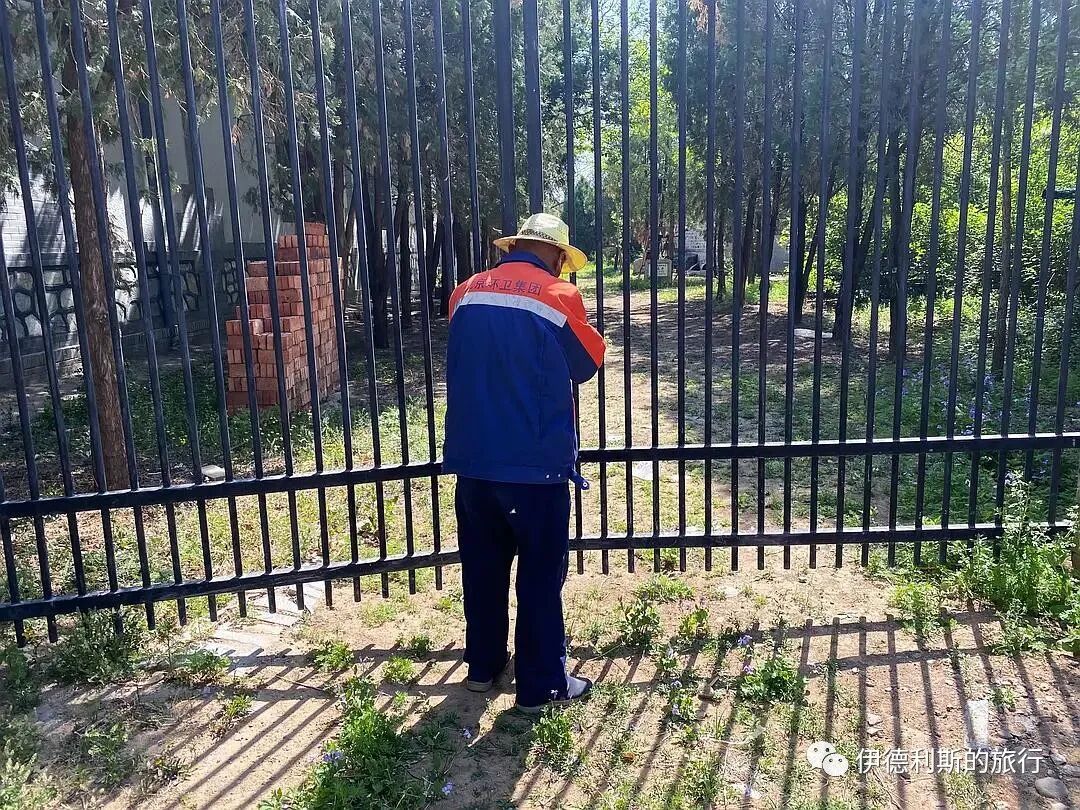
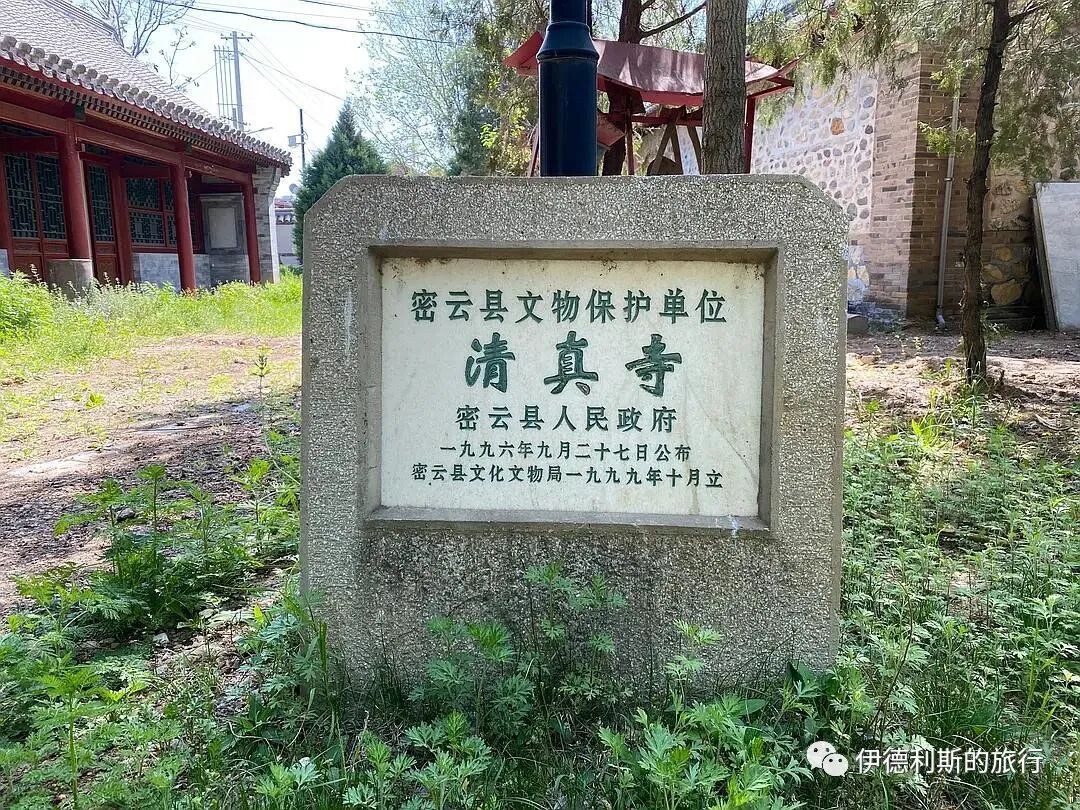
I arrived at the Gubeikou Mosque at the east end of the village, and a Hui Muslim man from the neighborhood opened the door for me. The original construction date of the mosque is unknown, but a stone tablet from the Ming Dynasty inside the mosque records that it was renovated in the second year of the Chongzhen reign (1629).
During the Kangxi reign, Gubeikou was a vital military hub for the Emperor's campaigns against the Dzungars and served as an imperial route for his trips to Rehe for hunting and inspections. In the 32nd year of the Kangxi reign (1693), a military camp called Liulinying was established on the mountain in Hexi, Gubeikou, and was guarded by a large force. In the 34th year of the Kangxi reign (1695), a Hui Muslim officer named Ma Jinliang was transferred to Gubeikou to serve as the regional commander due to his military achievements. In the 42nd year of the Kangxi reign (1703), he was promoted to commander-in-chief of the Zhili region. People called him General Ma the Hui, and he was stationed in Hexi Village, Gubeikou. While in Gubeikou, Ma Jinliang oversaw the renovation of the Gubeikou Mosque. The current mosque is basically the same size as it was after that renovation during the Kangxi reign. Ma Jinliang also rebuilt the tomb of Bo Hazhi Shaihai Baba in Heying, Changping. The tomb still keeps a stone tablet inscribed by Ma Jinliang in the 53rd year of the Kangxi reign (1714).
As the imperial road fell into disrepair at the end of the Qing Dynasty, Liulinying was abolished in the 16th year of the Guangxu reign (1890), and Hexi Village gradually became quiet. After the 1960s, the Gubeikou Mosque was taken over by the brigade headquarters, and religious activities stopped. It was renovated in 2004 for the Olympics, but religious activities have not resumed to this day.
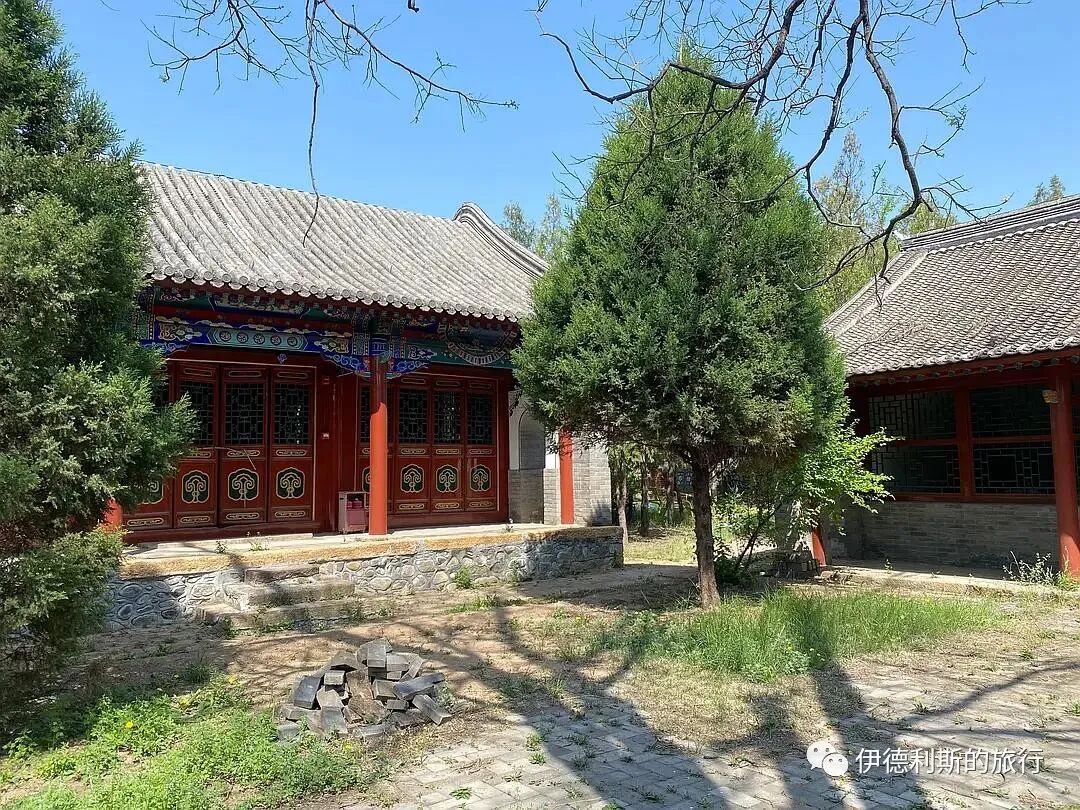
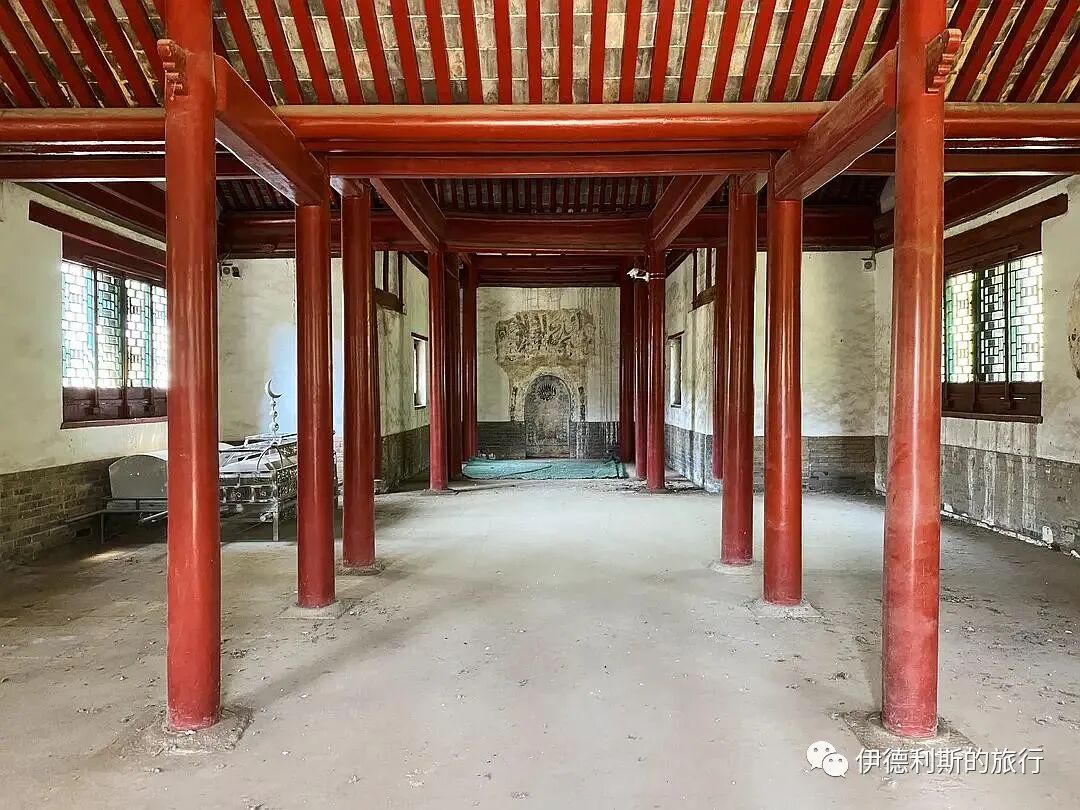
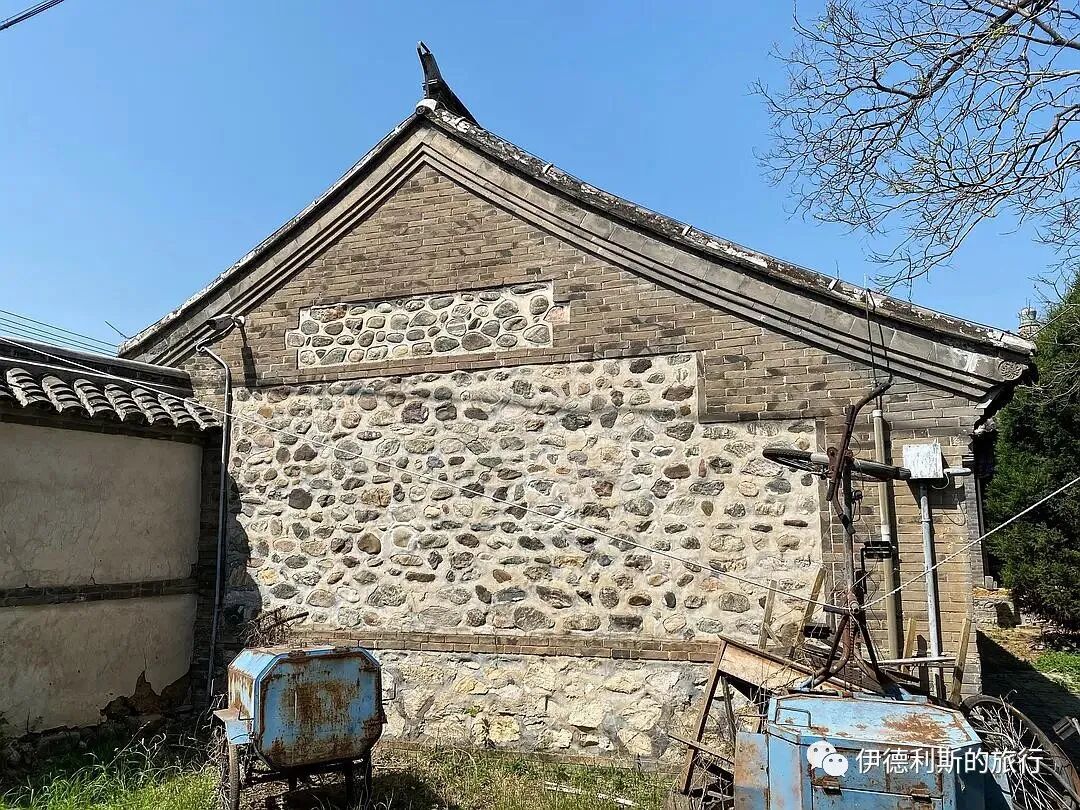
On the east side of the main hall are the north and south side rooms. Like the Heying Mosque in Changping, they are built with stone in the middle and bricks around the edges, which is a traditional feature of mountain architecture. I only noticed the original murals preserved on the side rooms when I looked at my photos later. It is a pity I was careless and did not record them. I hope fellow friends (dost) who visit in the future can take pictures and share them.
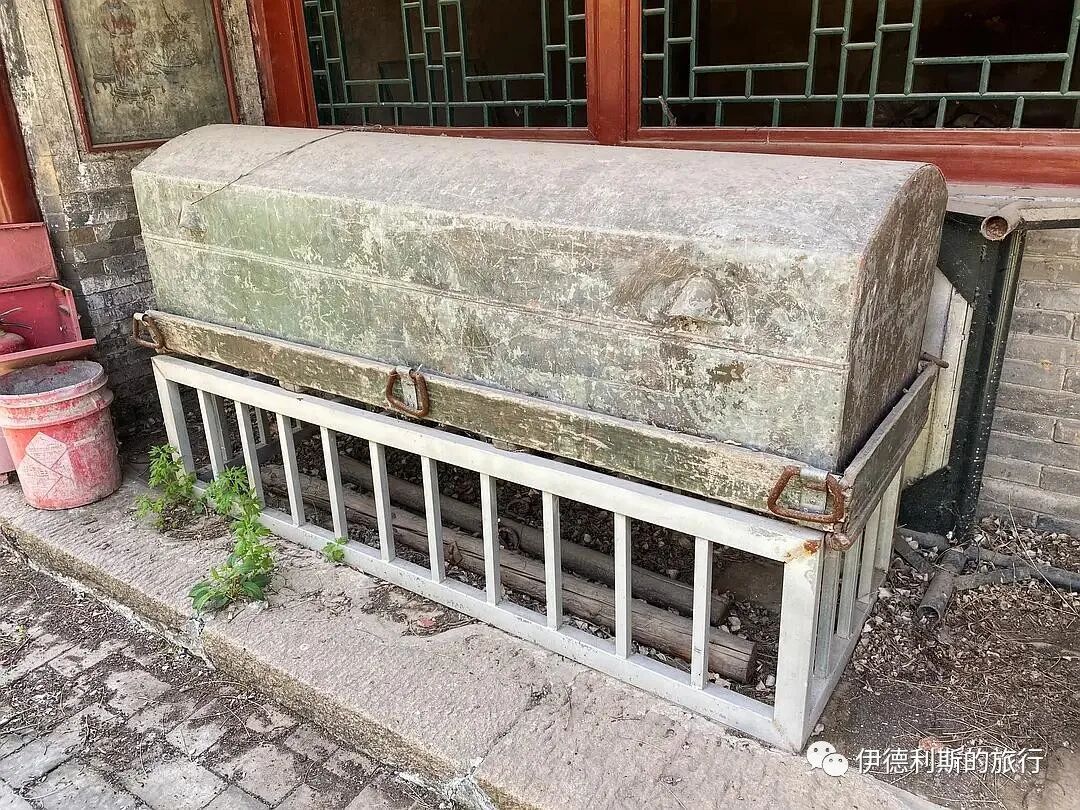
Outside the south side room sits a casket for the deceased (maiti). When the faith in a community declines, a mosque gradually changes from a place for Allah's worship into a place only for funeral rites (maiti). The next step is abandonment. I have encountered all these situations during my travels.
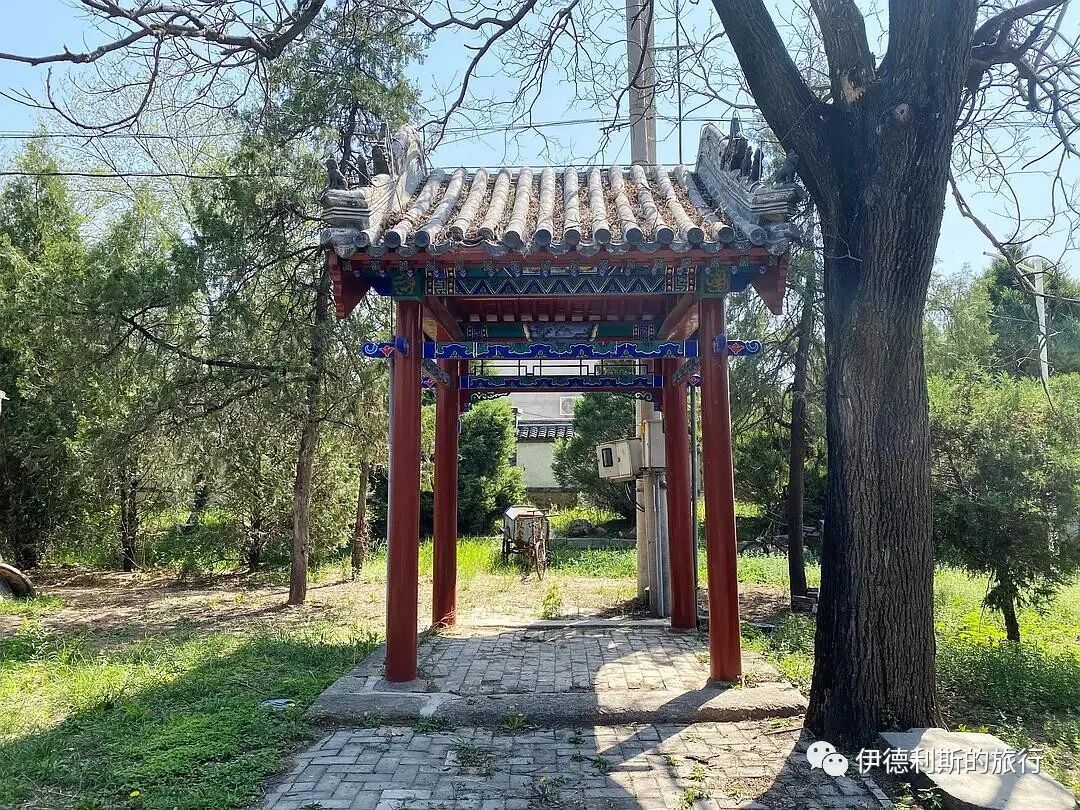
In the middle of the courtyard stands a pavilion-style building. The stone tablet lying on the ground next to it was unearthed earlier. It is still unclear if it is a tablet pavilion or the remains of a hanging flower gate (chuihuamen) from the second courtyard. On the east side of the pavilion are some foundation stones. According to the layout of traditional northern mosques, these should be the remains of the main gate and the gatehouse (daozuofang).
The brick carvings of dua and colorful paintings at Gubeikou Mosque.
The tablet from the 9th year of the Chongzhen reign in the courtyard commemorates a renovation, but unfortunately, the text is too worn to read.
The National Library also holds a stone tablet record from the Gubeikou Mosque dated 1870, the ninth year of the Tongzhi reign of the Qing Dynasty. It records that in 1870, the late Qing general Zheng Kuishi, who was the Gubeikou commander at the time, joined local elders from Rehe, Dage Town (now Fengning, Chengde), and Gubeikou to donate funds to rebuild the mosque's kiln hall (yaodian), expanding it from one story to two.
Right next to the south side of the mosque lives the Hui Muslim uncle who holds the key. This is a very beautiful traditional courtyard, and the main house features exquisite brick carvings. I originally wanted to visit, but the uncle later rode off on his three-wheeled motorcycle and never came back, which was another regret of this trip.
Some Hui Muslims still live at the east end of Hexi Village, mostly with the surnames Ha and Ma, who are descendants of the former Gubeikou garrison. In the village's East Stockade (Dongzhazi), I saw a house with a Bismillah door plaque (tasimi mendu), which is also a very traditional residence inside. The East Stockade (Dongzhazi) is the former east gate of the Liulin Camp.
Crossing the Chao River eastward from Hexi Village brings you to Gubeikou Village. There is a halal snack shop here, but unfortunately, the owner hadn't started cooking because they weren't offering dine-in service. I will have to try it next time.
The village preserves many historical sites, including an old stone bridge built in 1378, the eleventh year of the Hongwu reign of the Ming Dynasty, where the stone slabs on the bridge deck are connected by iron clamps.
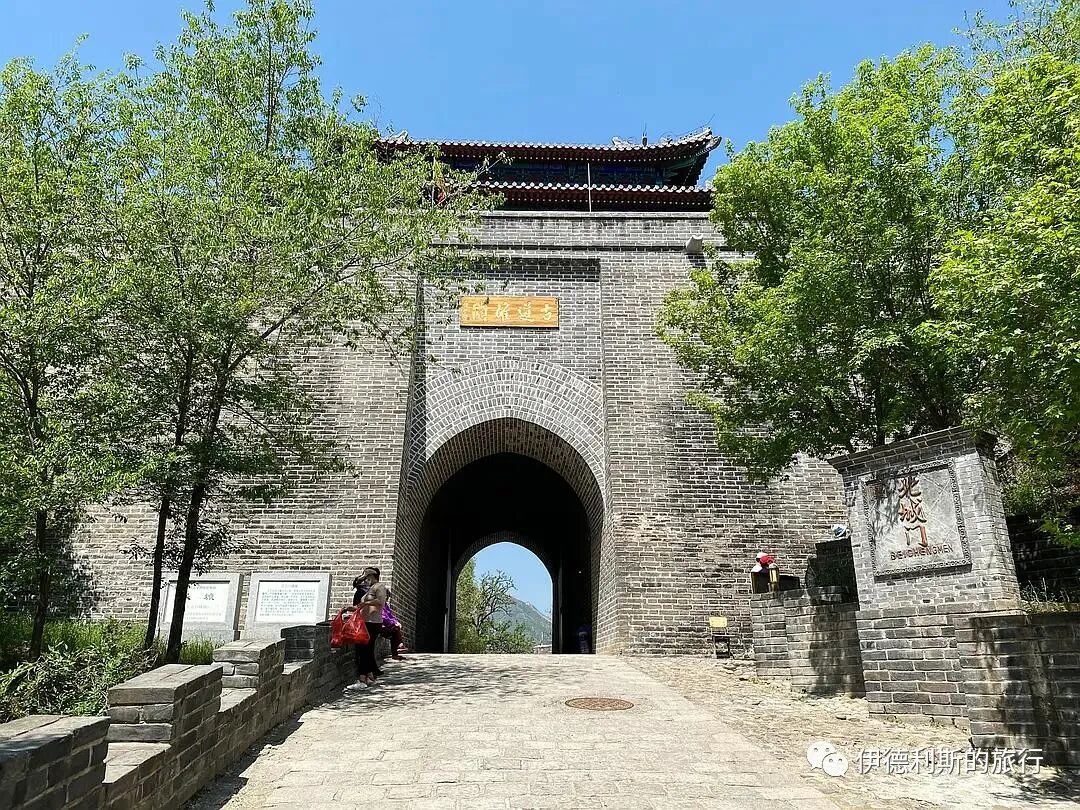
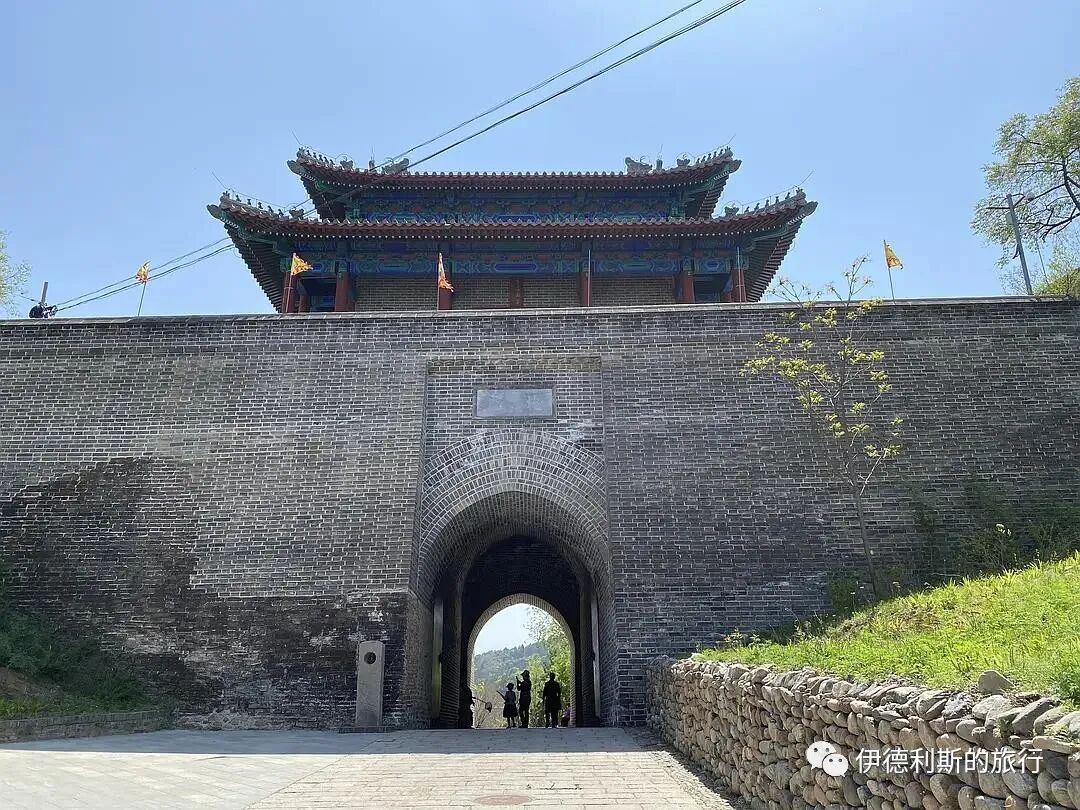
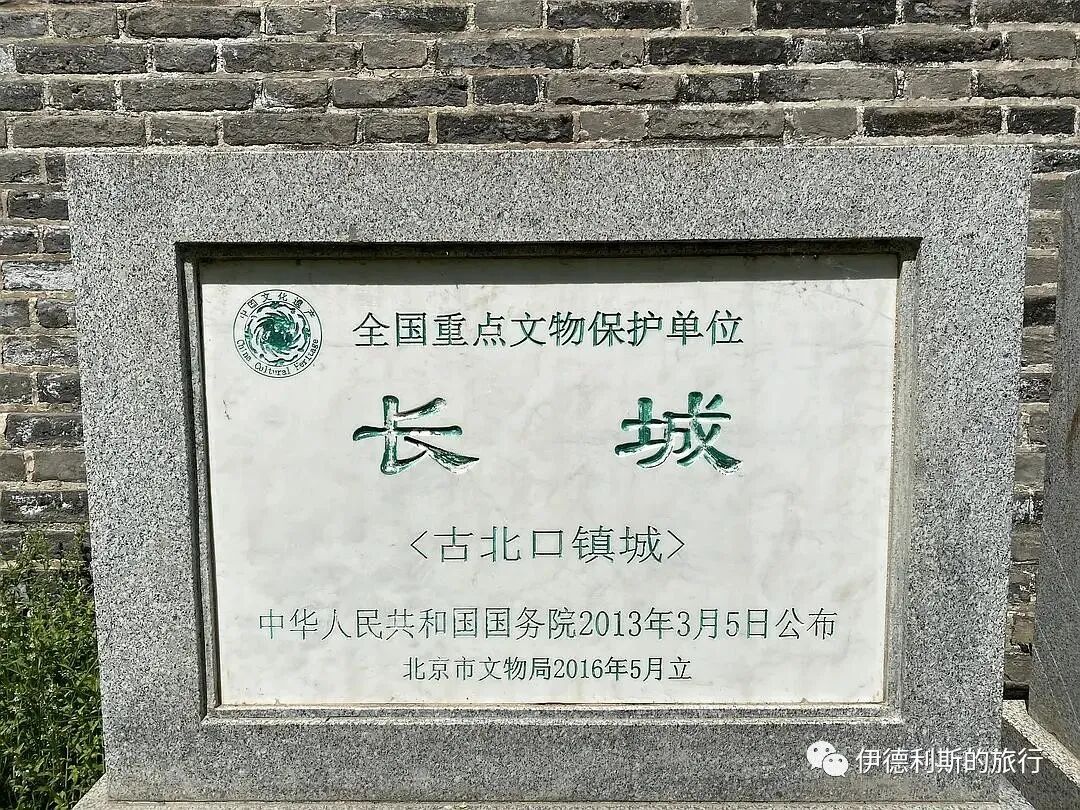
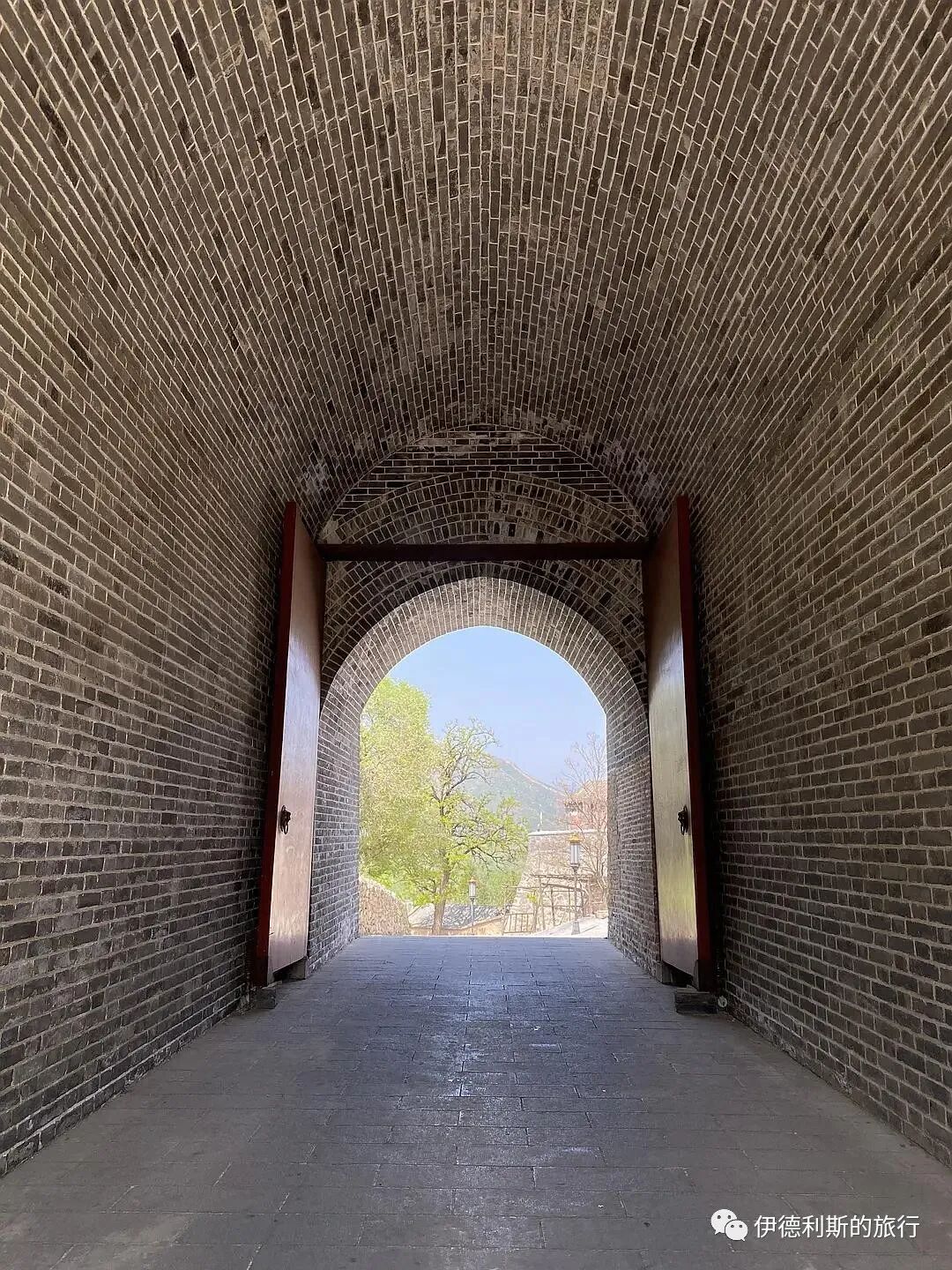
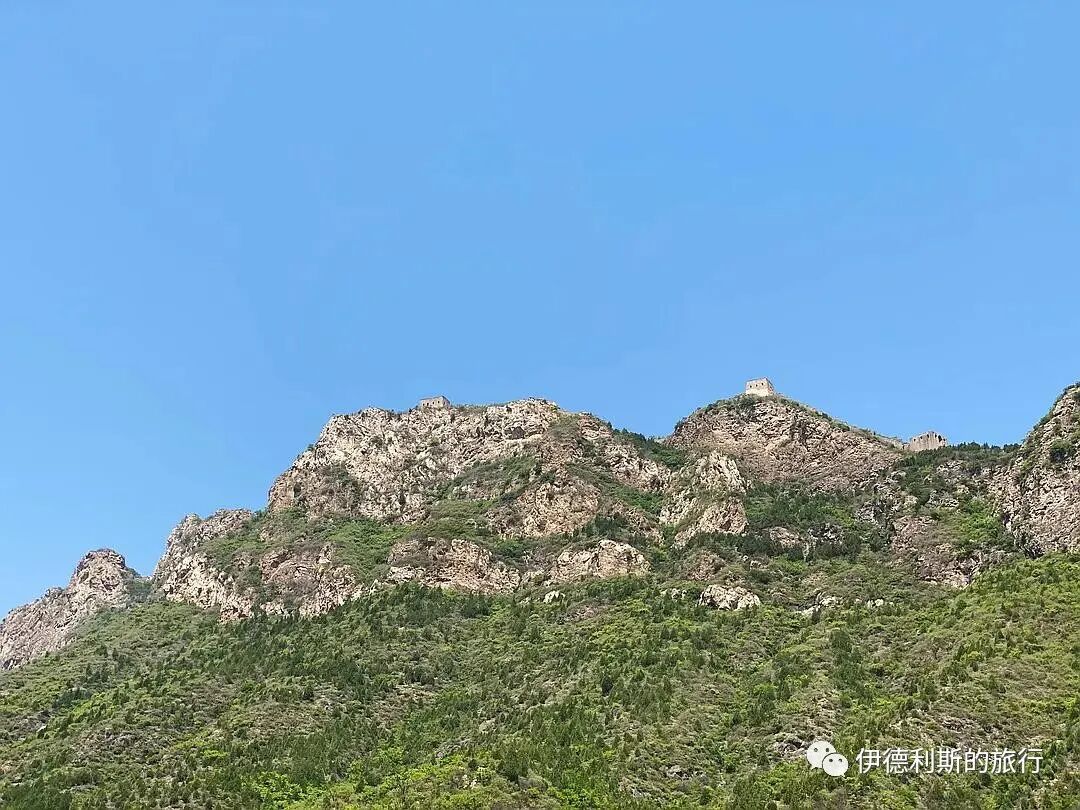
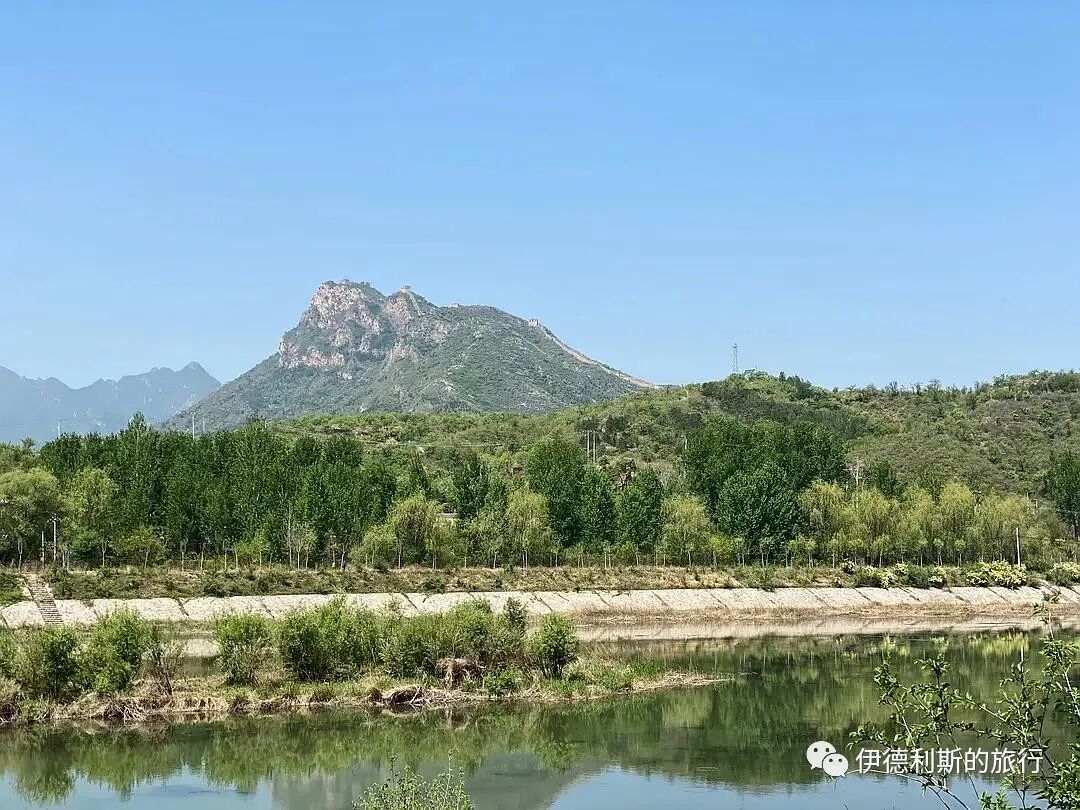
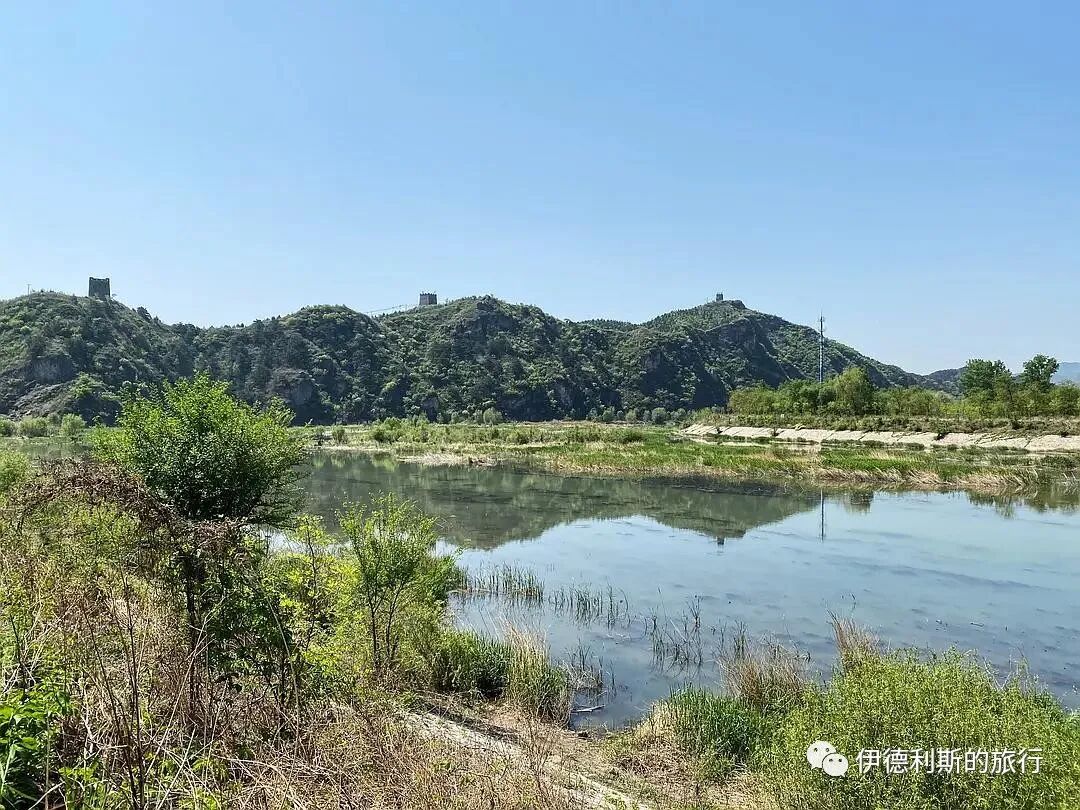
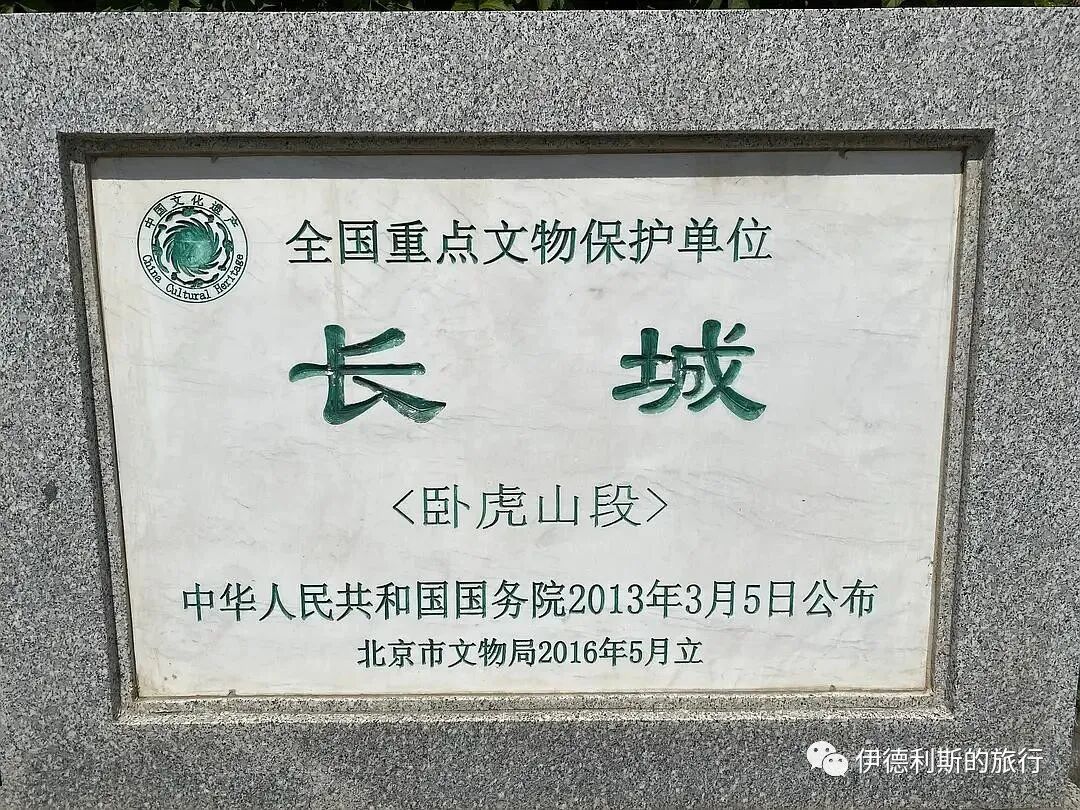
Gubeikou Town is located between Shanhai Pass and Juyong Pass, serving as an important gateway to the capital from Mongolia and the Northeast. The town was built in 1378 (the eleventh year of the Hongwu reign of the Ming Dynasty) under the direction of Xu Da on the foundation of the Northern Qi Great Wall, and it was extensively renovated in 1567 (the first year of the Longqing reign of the Ming Dynasty) under the direction of Qi Jiguang. After the Japanese army occupied Gubeikou in 1933, they tore down the north gate, which was then restored in 2012. North of Gubeikou is the Crouching Tiger Mountain (Wohushan) Great Wall. The mountain top looks like two tigers lying down. It faces the Panlong Mountain Great Wall to the south, and together they guard the main pass at Gubeikou.
I took a green-skinned train back. The carriage was very empty. With the green fans and windows that actually open, it felt just like being a kid again.
The train stops at every small station.
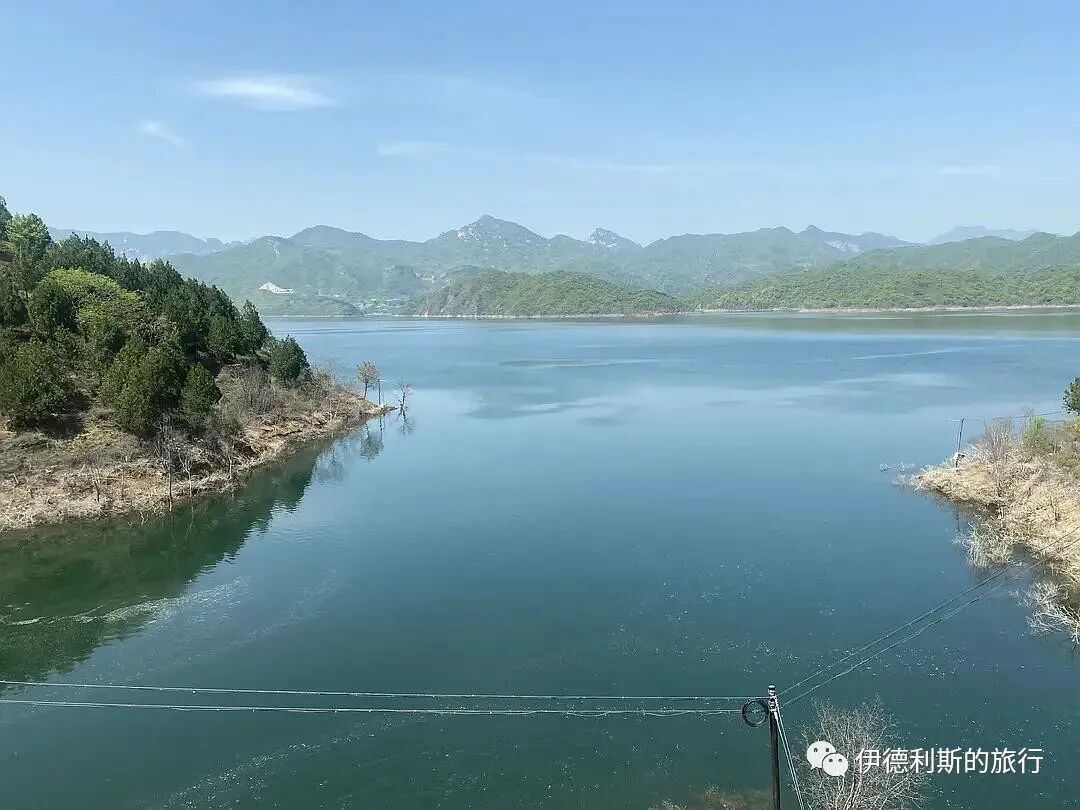
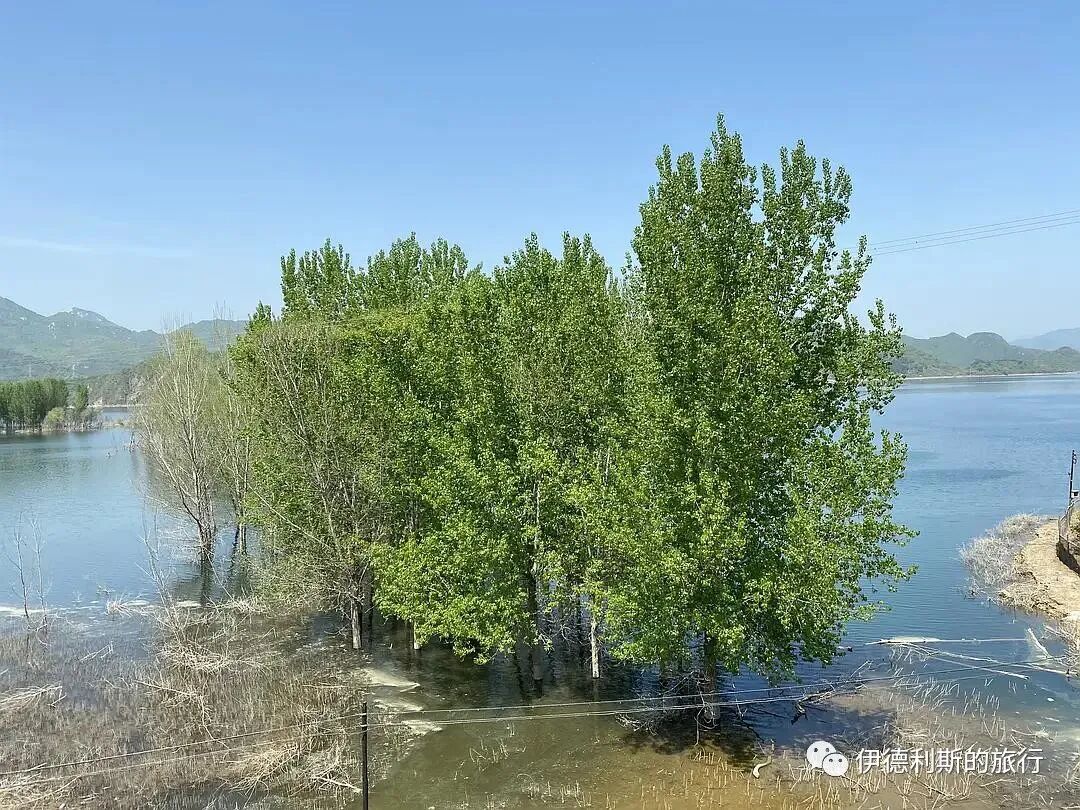
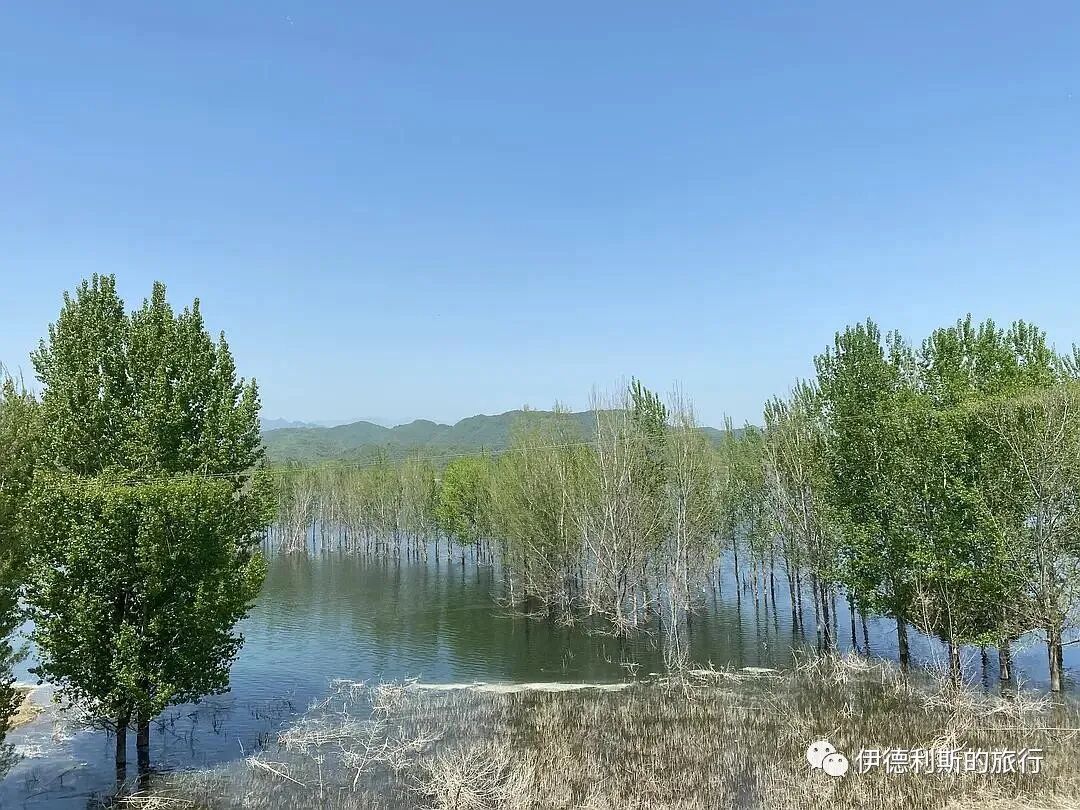
The train passes through the Miyun Reservoir. view all
Summary: Gubeikou Mosque — Muslim Heritage Near the Great Wall is presented here as a firsthand travel account in clear English, beginning with this scene: On the first day after Eid al-Fitr, I decided to visit the mosque in Gubeikou, Miyun. The account keeps its focus on Gubeikou Mosque, Beijing Mosques, Muslim Heritage while preserving the names, places, food, and historical details from the Chinese source.
On the first day after Eid al-Fitr, I decided to visit the mosque in Gubeikou, Miyun. I left home just after 5:00 a.m. to catch the Huaimi suburban railway line at Beijing North Station. The Baikui shop on Kuanjie Street was already open at 5:30 a.m., so I bought a savory crepe (jianbing), tofu pudding (doufunao), and tea-boiled eggs (chajidan). The tofu pudding had plenty of meat in it!
You don't need to enter the main train station to catch the Huaimi line; you can board right from the underground plaza at the Xizhimen subway exit, which is very convenient.
I ate my breakfast after getting on the train.
I arrived in Gubeikou after more than two hours. Gubeikou train station sits halfway up Wohu Mountain. The Great Wall is above it, and a wooden boardwalk leading to Hexi Village is below. The scenery is beautiful.
I arrived at the Gubeikou Mosque at the east end of the village, and a Hui Muslim man from the neighborhood opened the door for me. The original construction date of the mosque is unknown, but a stone tablet from the Ming Dynasty inside the mosque records that it was renovated in the second year of the Chongzhen reign (1629).
During the Kangxi reign, Gubeikou was a vital military hub for the Emperor's campaigns against the Dzungars and served as an imperial route for his trips to Rehe for hunting and inspections. In the 32nd year of the Kangxi reign (1693), a military camp called Liulinying was established on the mountain in Hexi, Gubeikou, and was guarded by a large force. In the 34th year of the Kangxi reign (1695), a Hui Muslim officer named Ma Jinliang was transferred to Gubeikou to serve as the regional commander due to his military achievements. In the 42nd year of the Kangxi reign (1703), he was promoted to commander-in-chief of the Zhili region. People called him General Ma the Hui, and he was stationed in Hexi Village, Gubeikou. While in Gubeikou, Ma Jinliang oversaw the renovation of the Gubeikou Mosque. The current mosque is basically the same size as it was after that renovation during the Kangxi reign. Ma Jinliang also rebuilt the tomb of Bo Hazhi Shaihai Baba in Heying, Changping. The tomb still keeps a stone tablet inscribed by Ma Jinliang in the 53rd year of the Kangxi reign (1714).
As the imperial road fell into disrepair at the end of the Qing Dynasty, Liulinying was abolished in the 16th year of the Guangxu reign (1890), and Hexi Village gradually became quiet. After the 1960s, the Gubeikou Mosque was taken over by the brigade headquarters, and religious activities stopped. It was renovated in 2004 for the Olympics, but religious activities have not resumed to this day.
On the east side of the main hall are the north and south side rooms. Like the Heying Mosque in Changping, they are built with stone in the middle and bricks around the edges, which is a traditional feature of mountain architecture. I only noticed the original murals preserved on the side rooms when I looked at my photos later. It is a pity I was careless and did not record them. I hope fellow friends (dost) who visit in the future can take pictures and share them.
Outside the south side room sits a casket for the deceased (maiti). When the faith in a community declines, a mosque gradually changes from a place for Allah's worship into a place only for funeral rites (maiti). The next step is abandonment. I have encountered all these situations during my travels.
In the middle of the courtyard stands a pavilion-style building. The stone tablet lying on the ground next to it was unearthed earlier. It is still unclear if it is a tablet pavilion or the remains of a hanging flower gate (chuihuamen) from the second courtyard. On the east side of the pavilion are some foundation stones. According to the layout of traditional northern mosques, these should be the remains of the main gate and the gatehouse (daozuofang).
The brick carvings of dua and colorful paintings at Gubeikou Mosque.
The tablet from the 9th year of the Chongzhen reign in the courtyard commemorates a renovation, but unfortunately, the text is too worn to read.
The National Library also holds a stone tablet record from the Gubeikou Mosque dated 1870, the ninth year of the Tongzhi reign of the Qing Dynasty. It records that in 1870, the late Qing general Zheng Kuishi, who was the Gubeikou commander at the time, joined local elders from Rehe, Dage Town (now Fengning, Chengde), and Gubeikou to donate funds to rebuild the mosque's kiln hall (yaodian), expanding it from one story to two.
Right next to the south side of the mosque lives the Hui Muslim uncle who holds the key. This is a very beautiful traditional courtyard, and the main house features exquisite brick carvings. I originally wanted to visit, but the uncle later rode off on his three-wheeled motorcycle and never came back, which was another regret of this trip.
Some Hui Muslims still live at the east end of Hexi Village, mostly with the surnames Ha and Ma, who are descendants of the former Gubeikou garrison. In the village's East Stockade (Dongzhazi), I saw a house with a Bismillah door plaque (tasimi mendu), which is also a very traditional residence inside. The East Stockade (Dongzhazi) is the former east gate of the Liulin Camp.
Crossing the Chao River eastward from Hexi Village brings you to Gubeikou Village. There is a halal snack shop here, but unfortunately, the owner hadn't started cooking because they weren't offering dine-in service. I will have to try it next time.
The village preserves many historical sites, including an old stone bridge built in 1378, the eleventh year of the Hongwu reign of the Ming Dynasty, where the stone slabs on the bridge deck are connected by iron clamps.
Gubeikou Town is located between Shanhai Pass and Juyong Pass, serving as an important gateway to the capital from Mongolia and the Northeast. The town was built in 1378 (the eleventh year of the Hongwu reign of the Ming Dynasty) under the direction of Xu Da on the foundation of the Northern Qi Great Wall, and it was extensively renovated in 1567 (the first year of the Longqing reign of the Ming Dynasty) under the direction of Qi Jiguang. After the Japanese army occupied Gubeikou in 1933, they tore down the north gate, which was then restored in 2012. North of Gubeikou is the Crouching Tiger Mountain (Wohushan) Great Wall. The mountain top looks like two tigers lying down. It faces the Panlong Mountain Great Wall to the south, and together they guard the main pass at Gubeikou.
I took a green-skinned train back. The carriage was very empty. With the green fans and windows that actually open, it felt just like being a kid again.
The train stops at every small station.
The train passes through the Miyun Reservoir. view all
Reposted from the web
Summary: Gubeikou Mosque — Muslim Heritage Near the Great Wall is presented here as a firsthand travel account in clear English, beginning with this scene: On the first day after Eid al-Fitr, I decided to visit the mosque in Gubeikou, Miyun. The account keeps its focus on Gubeikou Mosque, Beijing Mosques, Muslim Heritage while preserving the names, places, food, and historical details from the Chinese source.
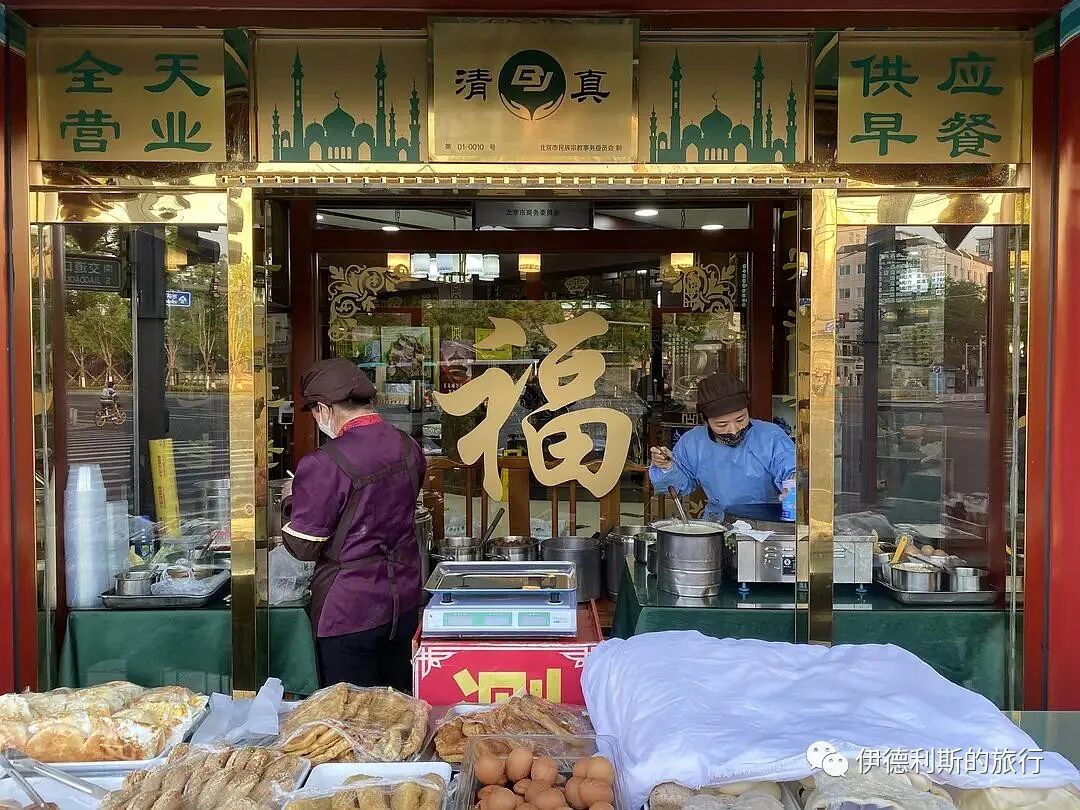
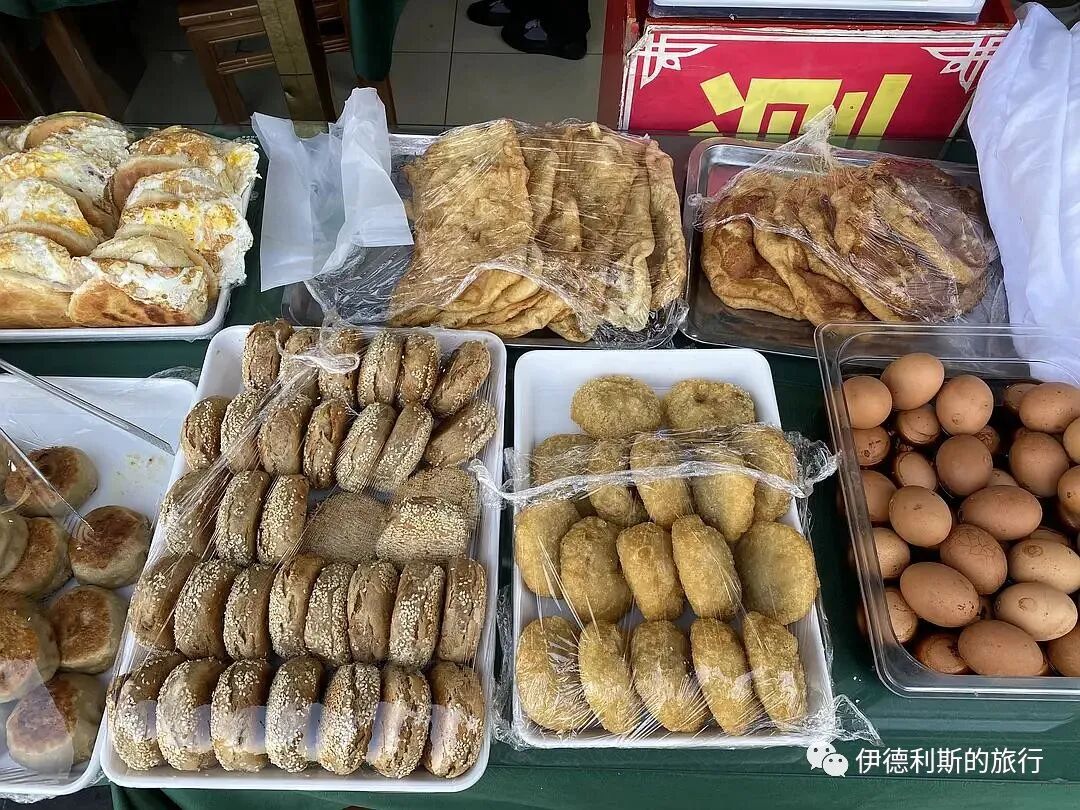
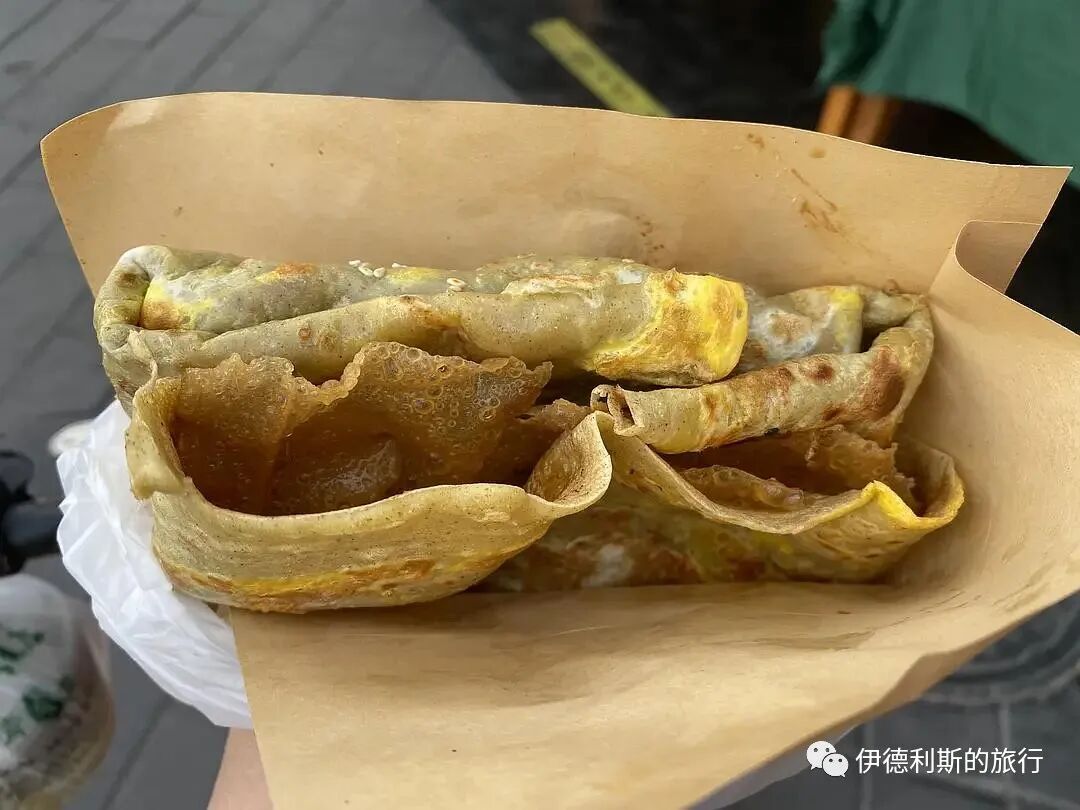
On the first day after Eid al-Fitr, I decided to visit the mosque in Gubeikou, Miyun. I left home just after 5:00 a.m. to catch the Huaimi suburban railway line at Beijing North Station. The Baikui shop on Kuanjie Street was already open at 5:30 a.m., so I bought a savory crepe (jianbing), tofu pudding (doufunao), and tea-boiled eggs (chajidan). The tofu pudding had plenty of meat in it!
You don't need to enter the main train station to catch the Huaimi line; you can board right from the underground plaza at the Xizhimen subway exit, which is very convenient.
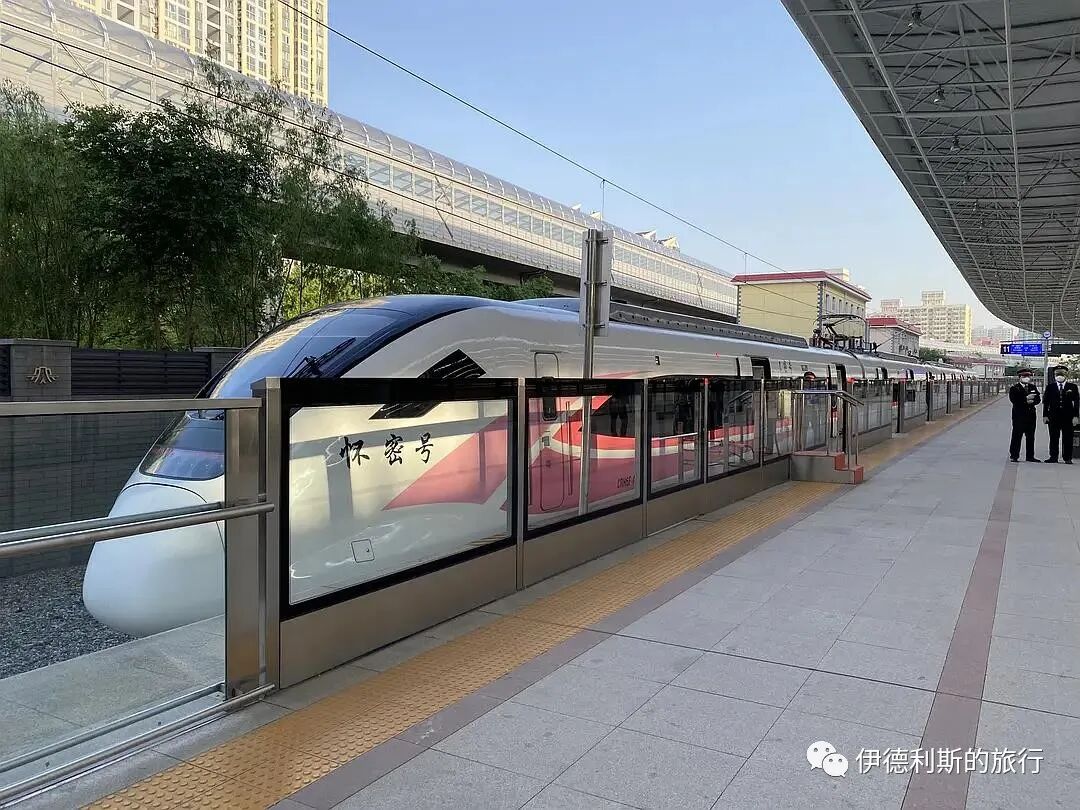
I ate my breakfast after getting on the train.
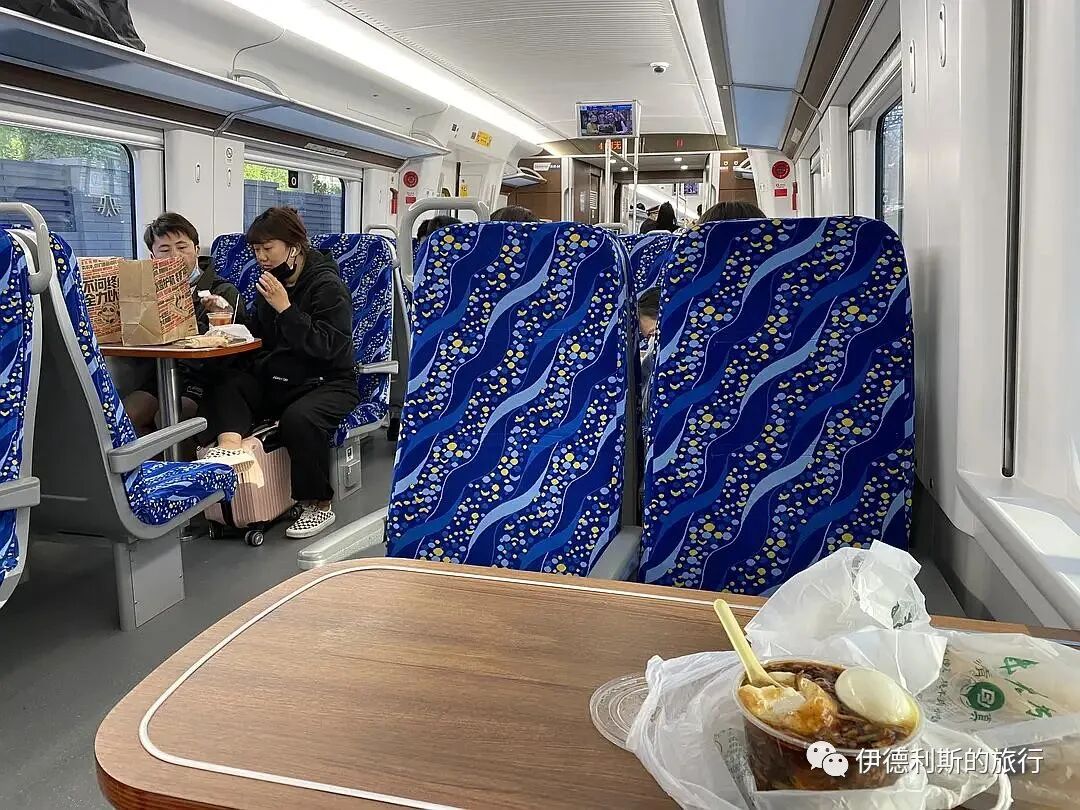
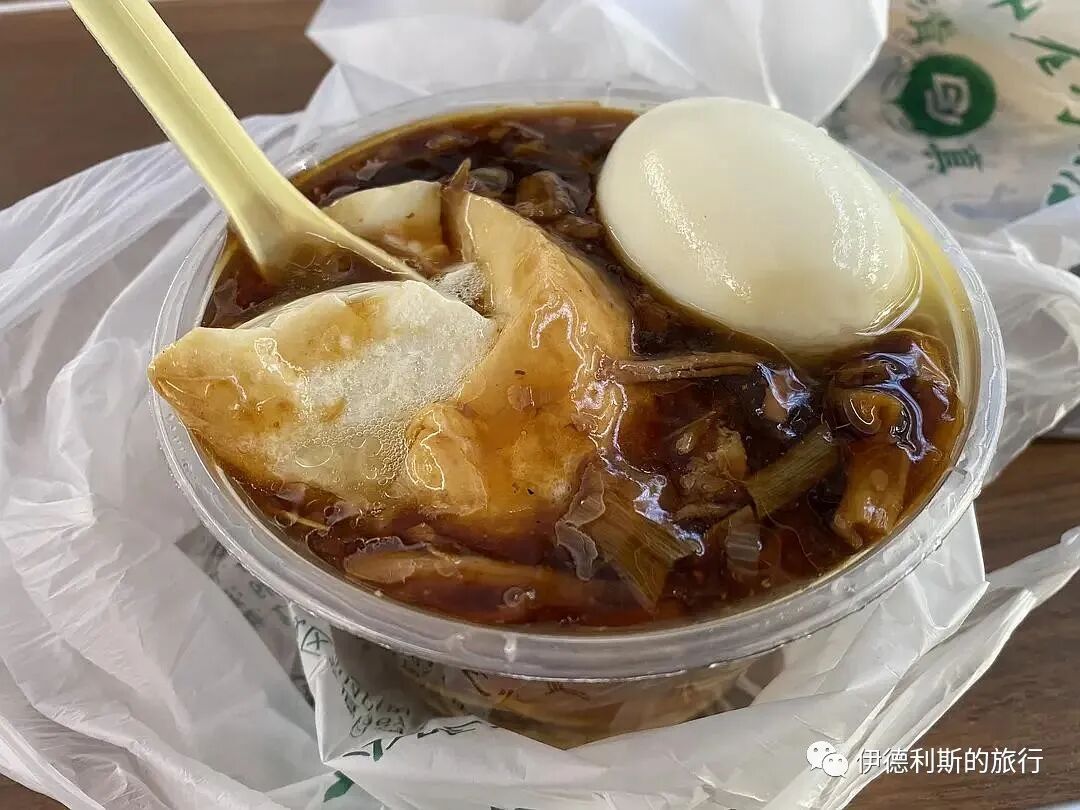
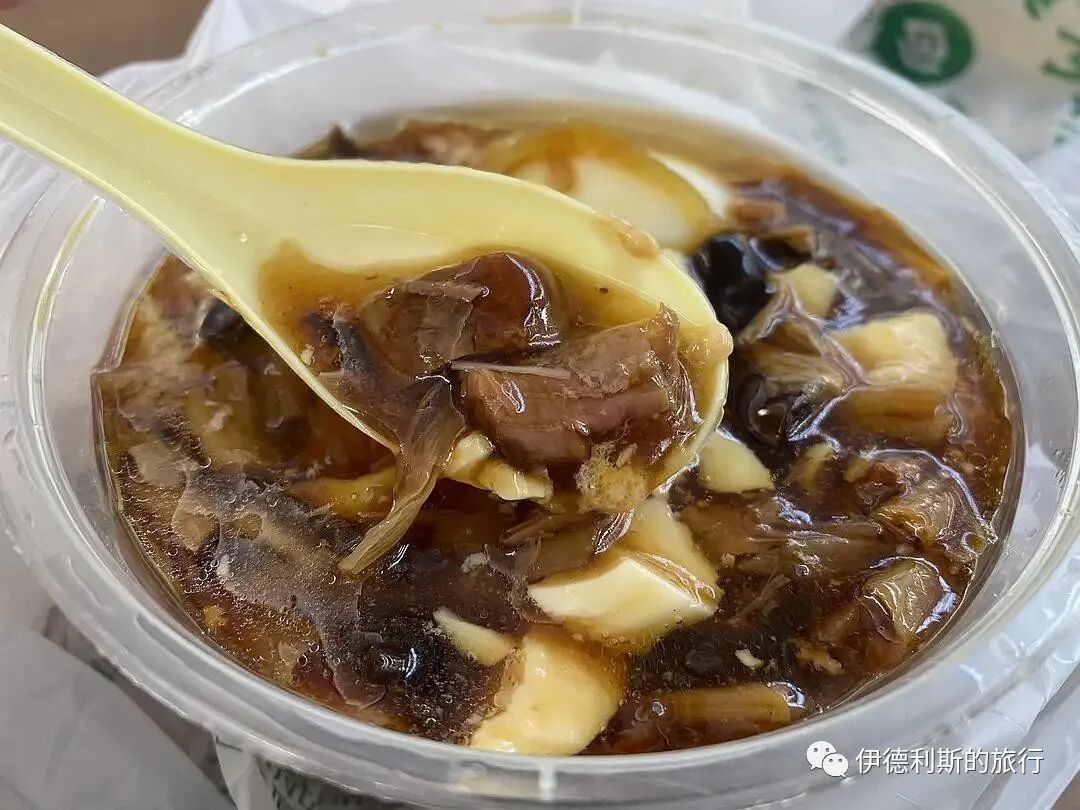
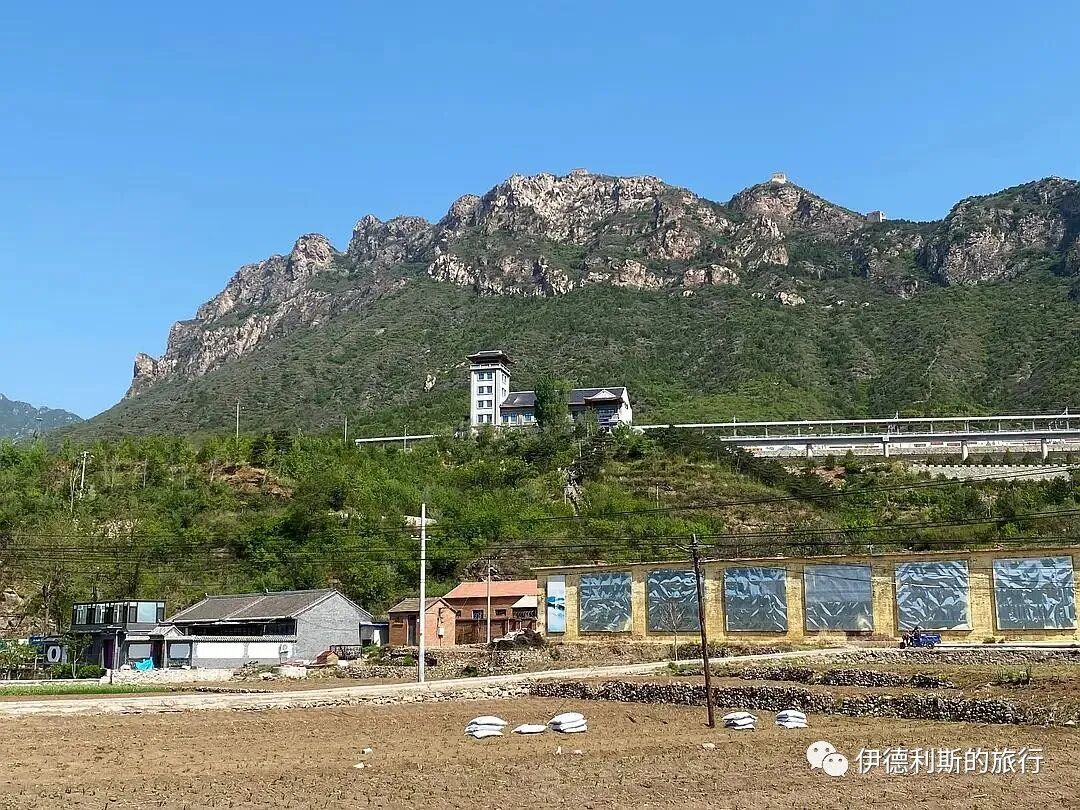
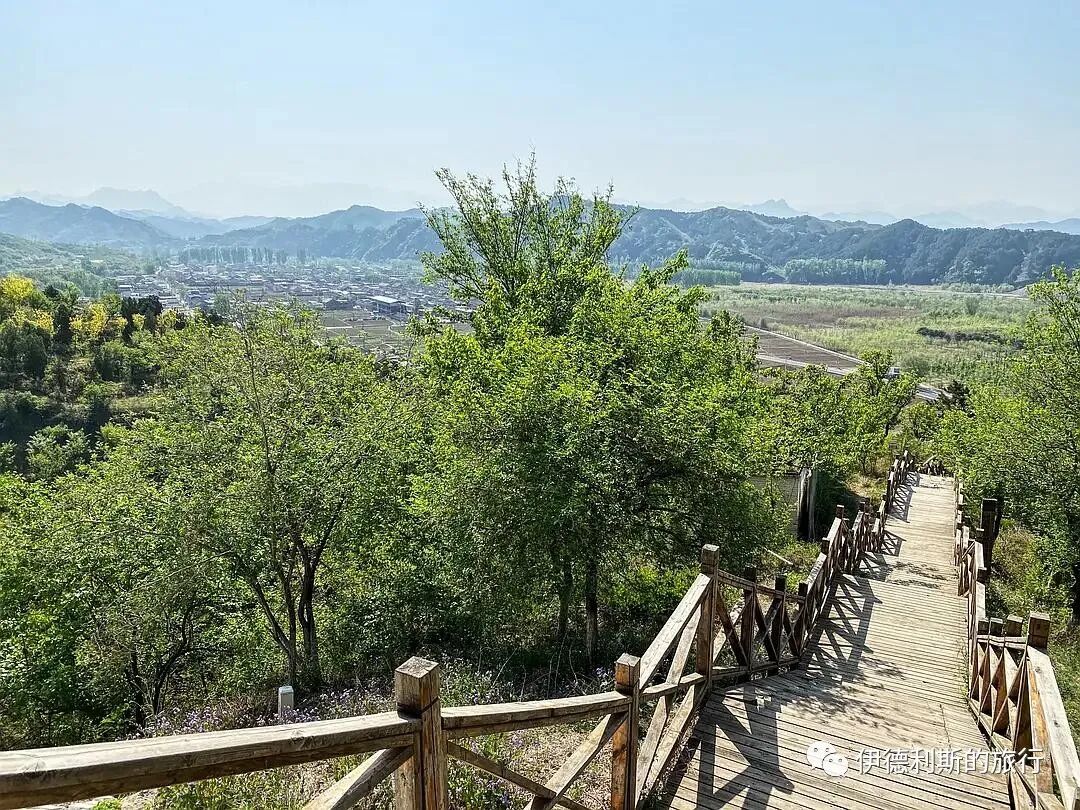
I arrived in Gubeikou after more than two hours. Gubeikou train station sits halfway up Wohu Mountain. The Great Wall is above it, and a wooden boardwalk leading to Hexi Village is below. The scenery is beautiful.
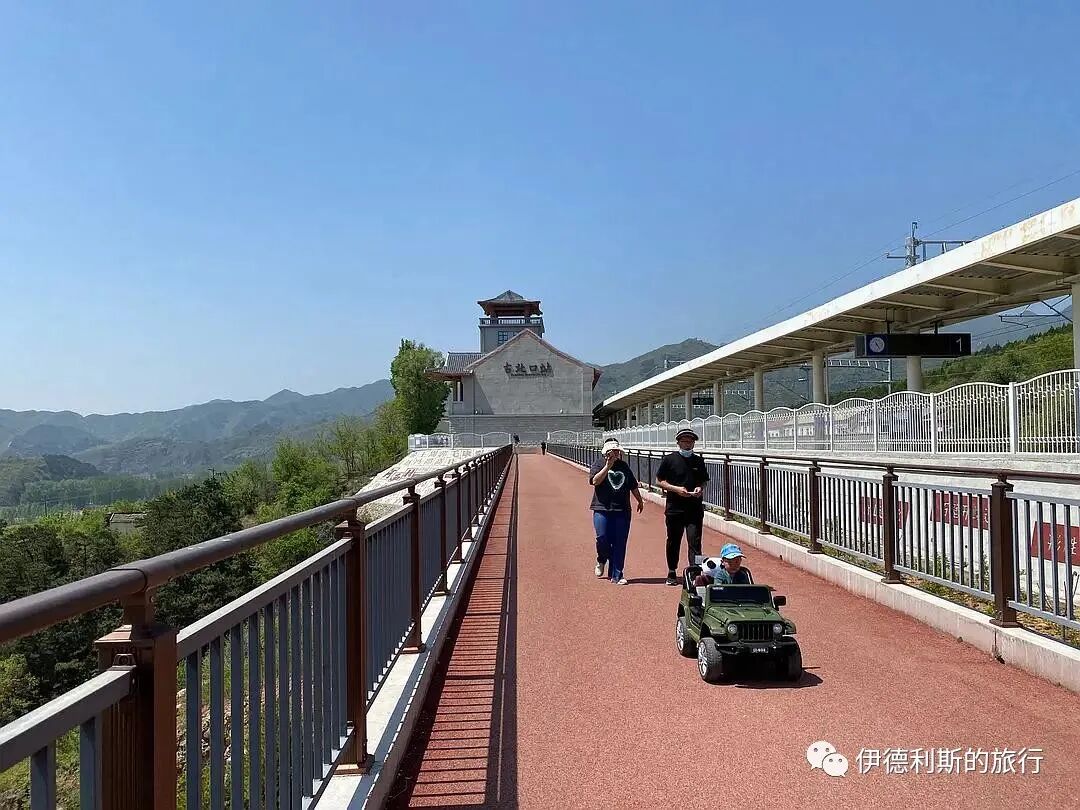
I arrived at the Gubeikou Mosque at the east end of the village, and a Hui Muslim man from the neighborhood opened the door for me. The original construction date of the mosque is unknown, but a stone tablet from the Ming Dynasty inside the mosque records that it was renovated in the second year of the Chongzhen reign (1629).
During the Kangxi reign, Gubeikou was a vital military hub for the Emperor's campaigns against the Dzungars and served as an imperial route for his trips to Rehe for hunting and inspections. In the 32nd year of the Kangxi reign (1693), a military camp called Liulinying was established on the mountain in Hexi, Gubeikou, and was guarded by a large force. In the 34th year of the Kangxi reign (1695), a Hui Muslim officer named Ma Jinliang was transferred to Gubeikou to serve as the regional commander due to his military achievements. In the 42nd year of the Kangxi reign (1703), he was promoted to commander-in-chief of the Zhili region. People called him General Ma the Hui, and he was stationed in Hexi Village, Gubeikou. While in Gubeikou, Ma Jinliang oversaw the renovation of the Gubeikou Mosque. The current mosque is basically the same size as it was after that renovation during the Kangxi reign. Ma Jinliang also rebuilt the tomb of Bo Hazhi Shaihai Baba in Heying, Changping. The tomb still keeps a stone tablet inscribed by Ma Jinliang in the 53rd year of the Kangxi reign (1714).
As the imperial road fell into disrepair at the end of the Qing Dynasty, Liulinying was abolished in the 16th year of the Guangxu reign (1890), and Hexi Village gradually became quiet. After the 1960s, the Gubeikou Mosque was taken over by the brigade headquarters, and religious activities stopped. It was renovated in 2004 for the Olympics, but religious activities have not resumed to this day.
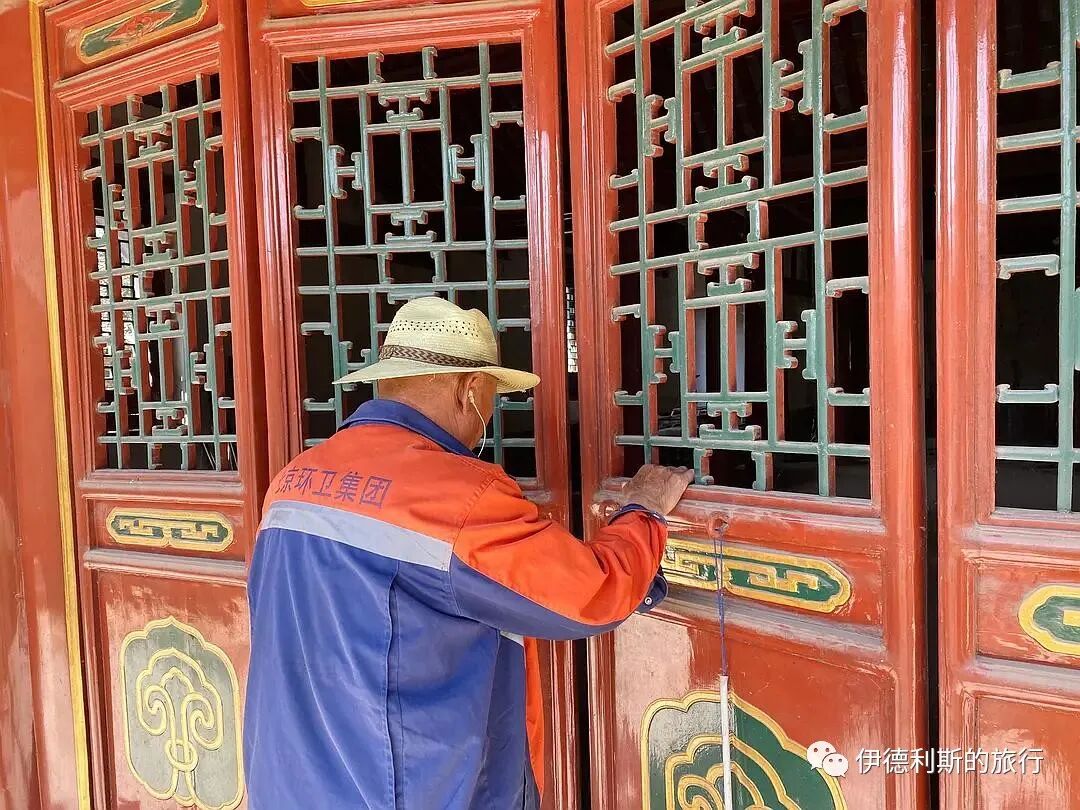
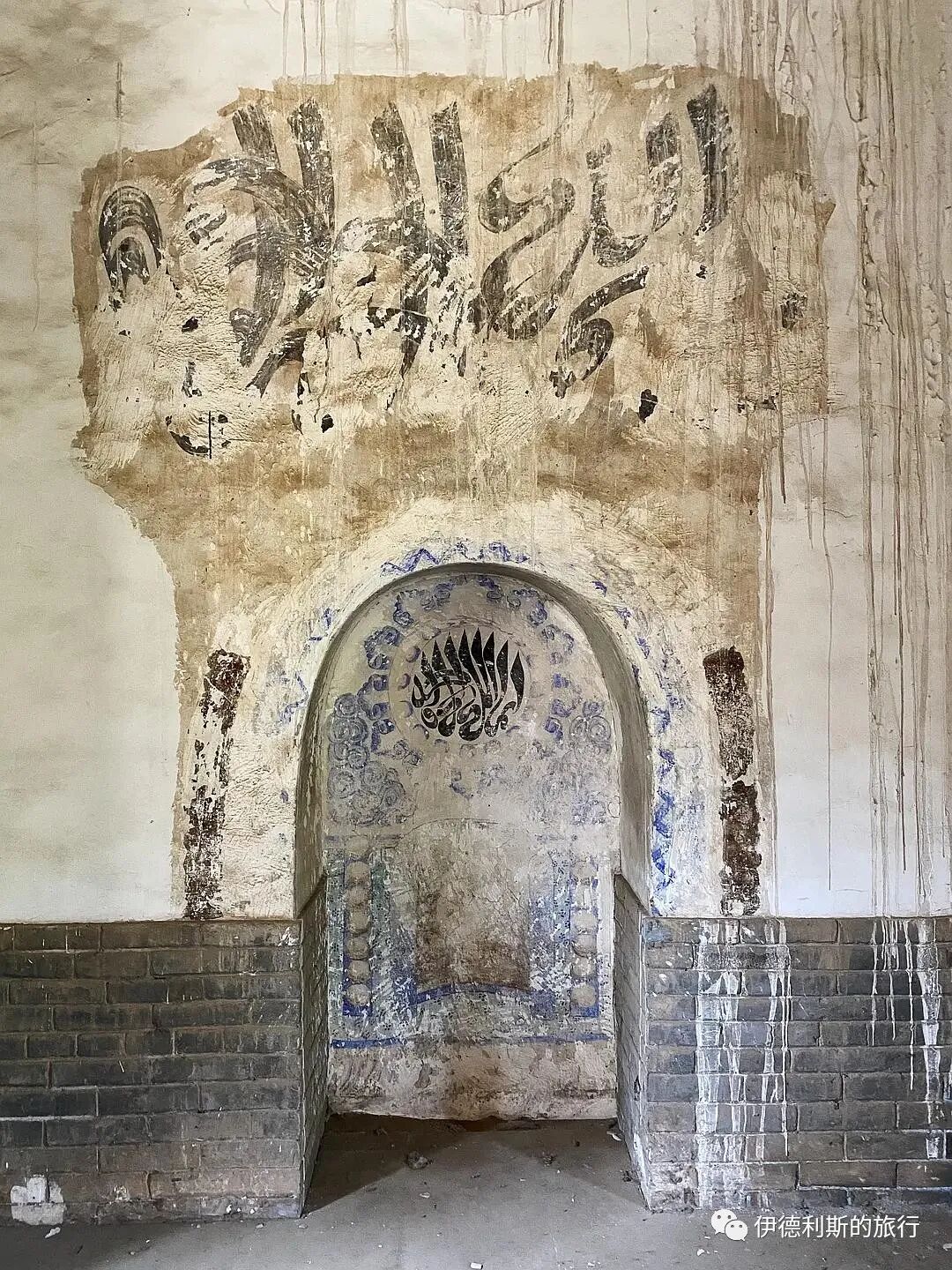
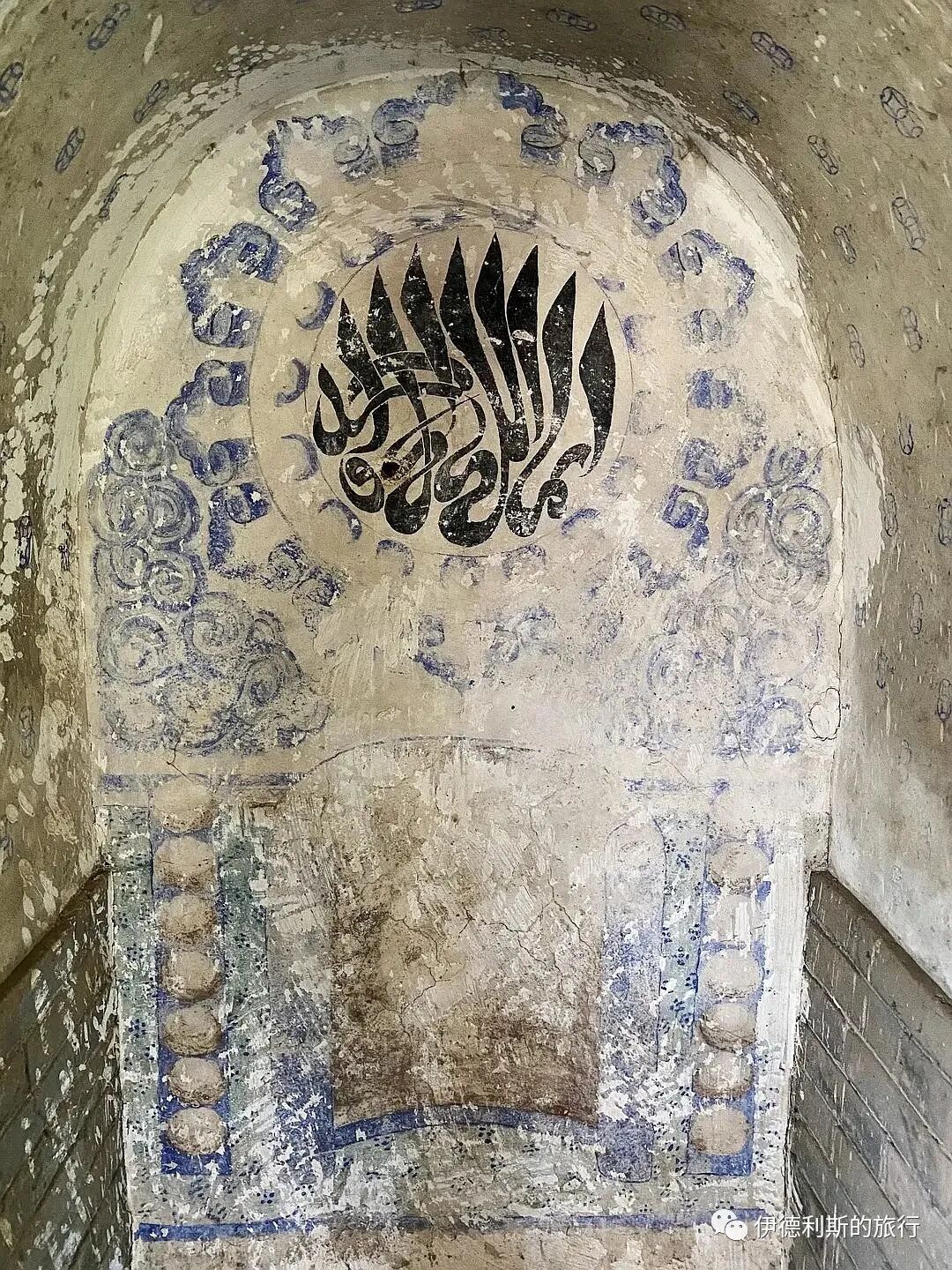
On the east side of the main hall are the north and south side rooms. Like the Heying Mosque in Changping, they are built with stone in the middle and bricks around the edges, which is a traditional feature of mountain architecture. I only noticed the original murals preserved on the side rooms when I looked at my photos later. It is a pity I was careless and did not record them. I hope fellow friends (dost) who visit in the future can take pictures and share them.
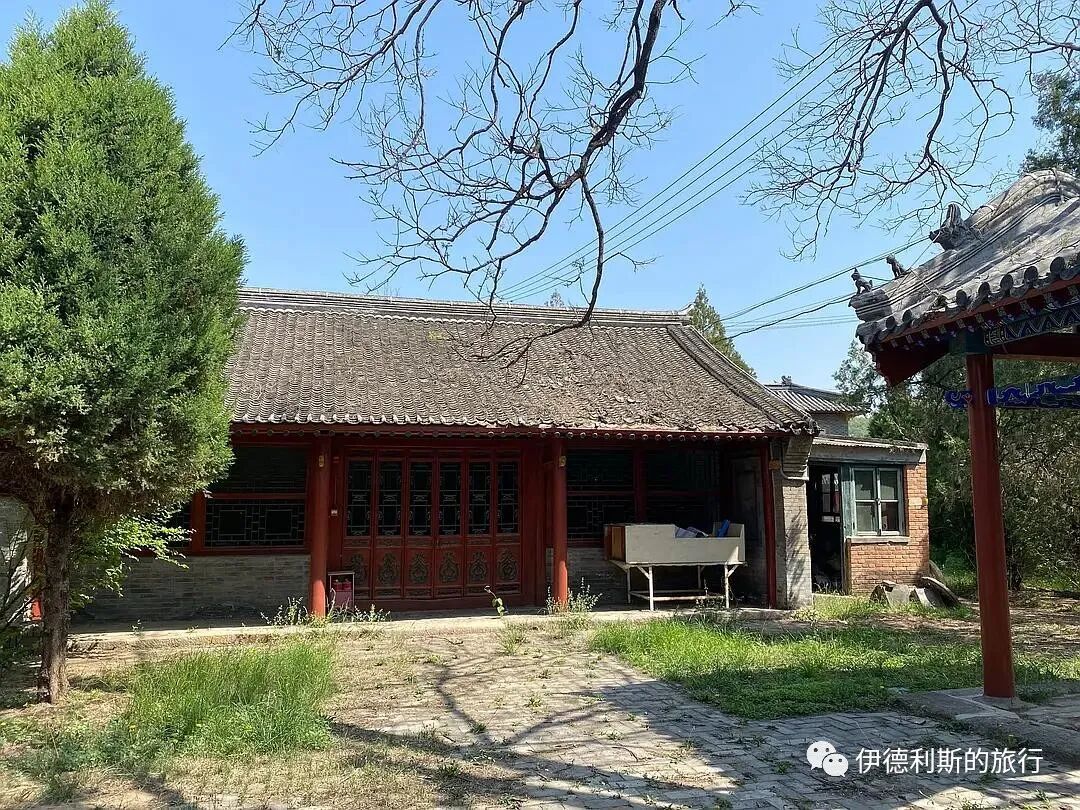
Outside the south side room sits a casket for the deceased (maiti). When the faith in a community declines, a mosque gradually changes from a place for Allah's worship into a place only for funeral rites (maiti). The next step is abandonment. I have encountered all these situations during my travels.
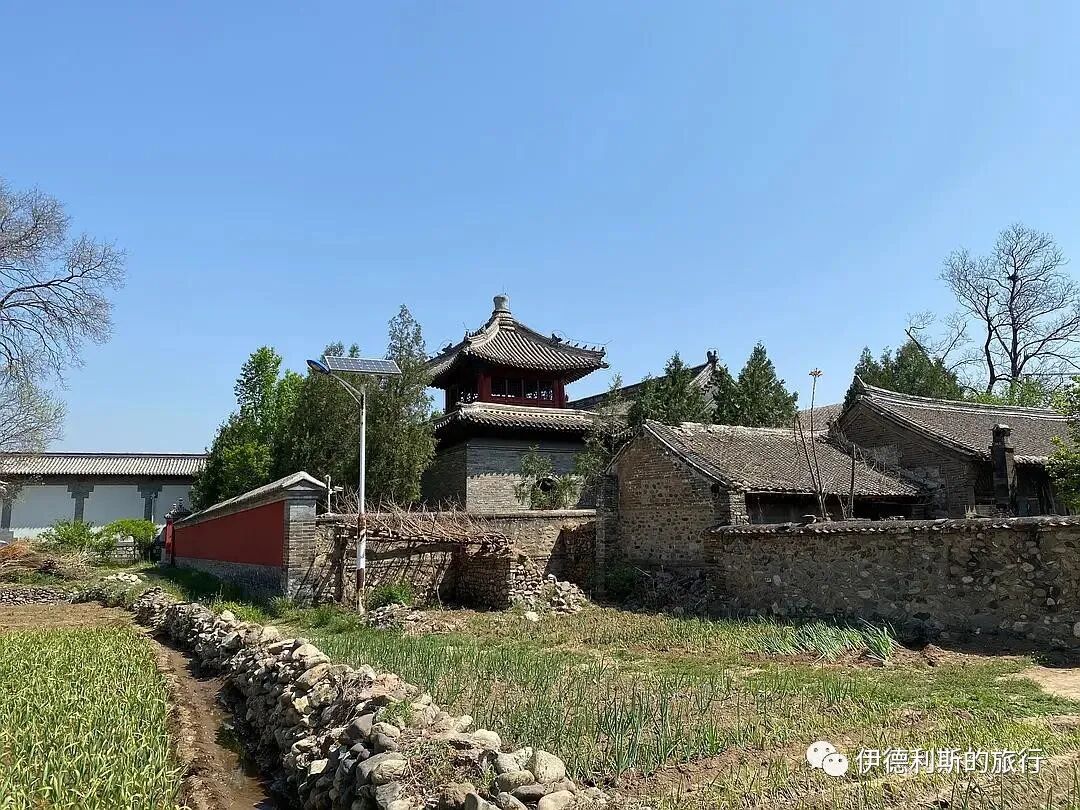
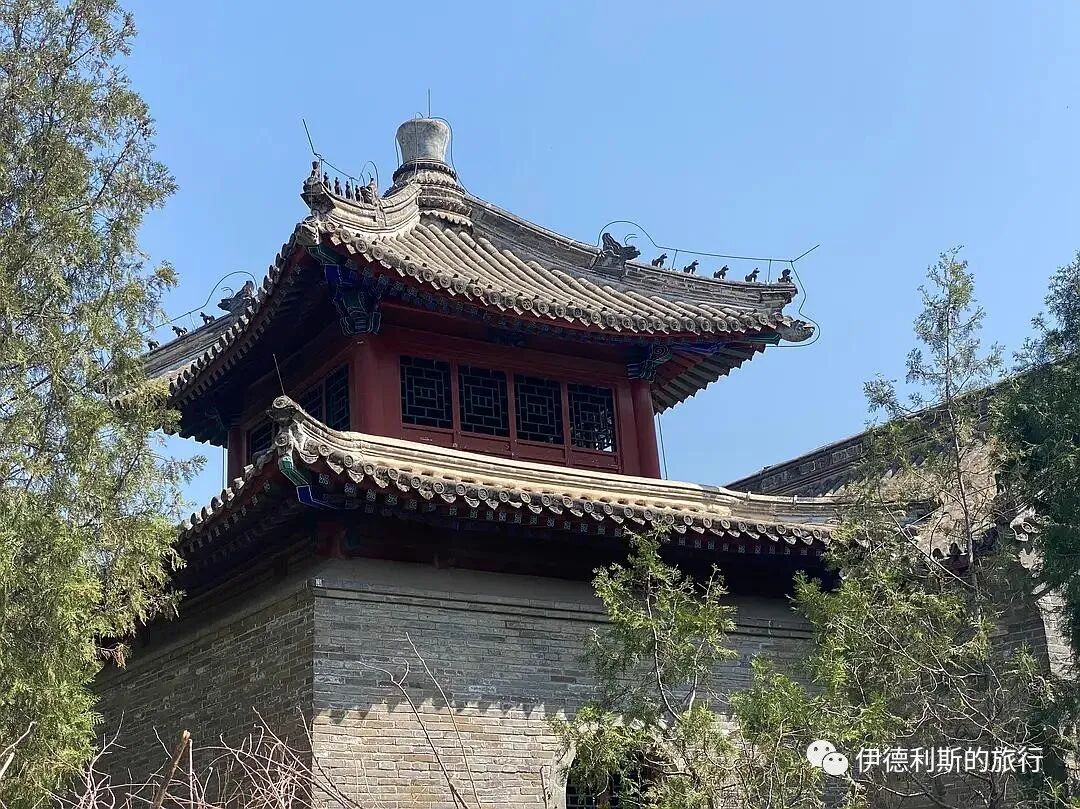
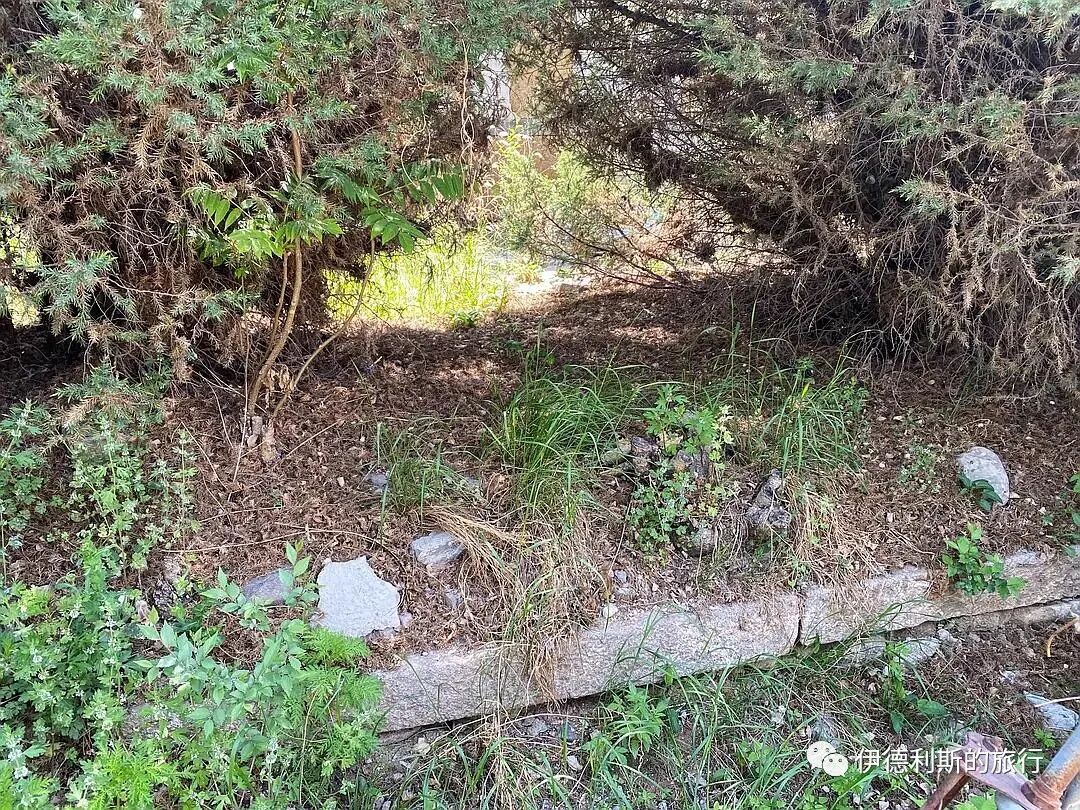
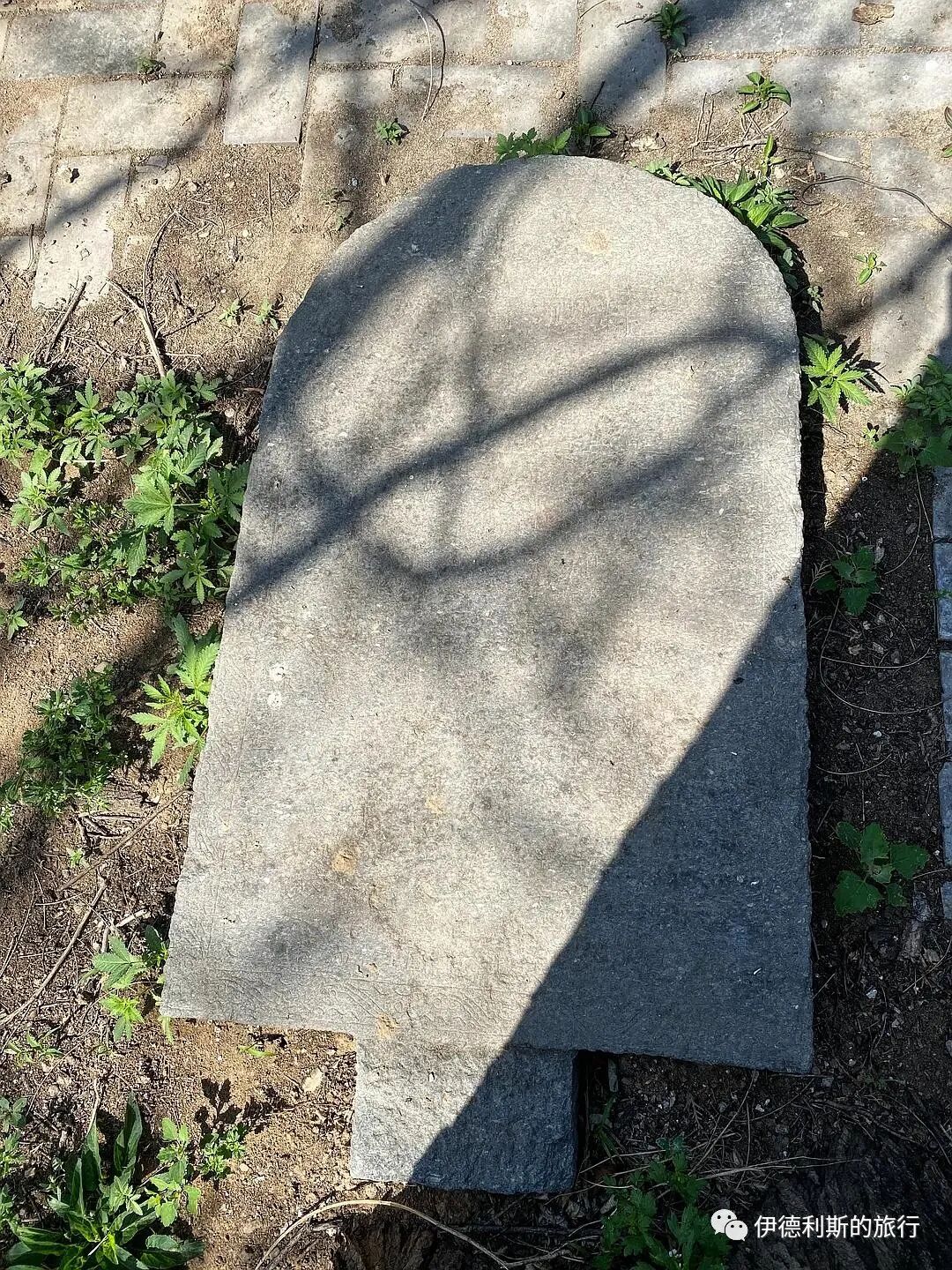
In the middle of the courtyard stands a pavilion-style building. The stone tablet lying on the ground next to it was unearthed earlier. It is still unclear if it is a tablet pavilion or the remains of a hanging flower gate (chuihuamen) from the second courtyard. On the east side of the pavilion are some foundation stones. According to the layout of traditional northern mosques, these should be the remains of the main gate and the gatehouse (daozuofang).
The brick carvings of dua and colorful paintings at Gubeikou Mosque.
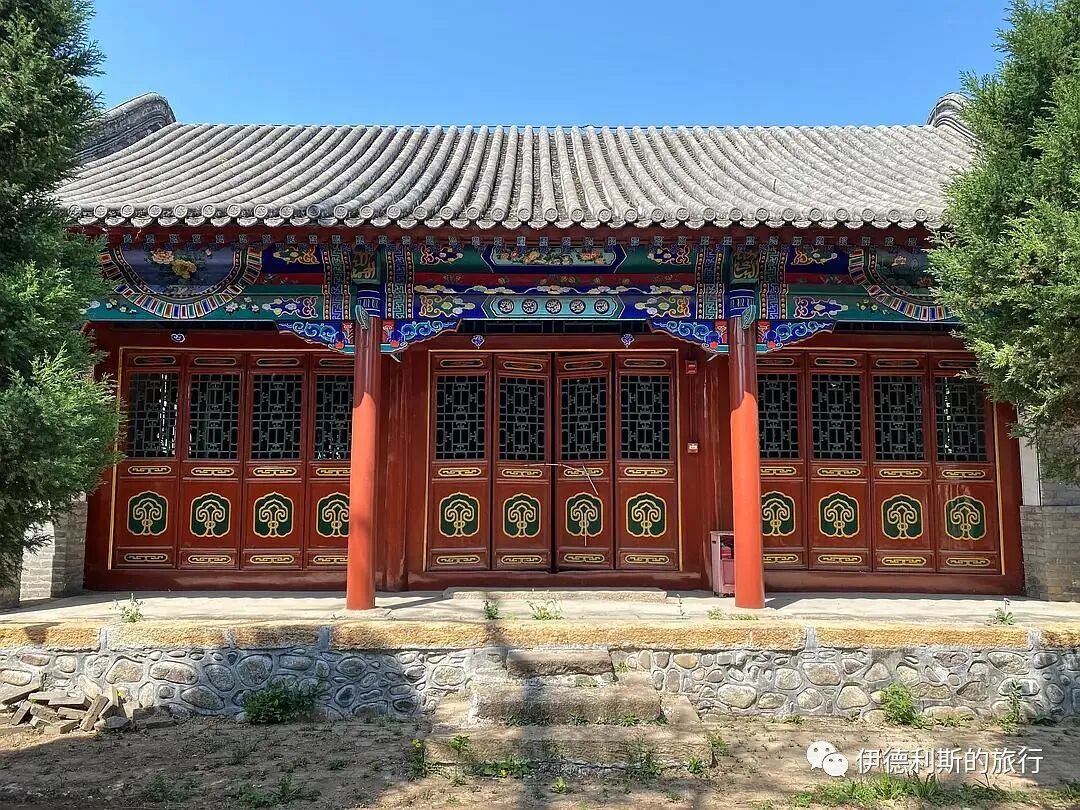
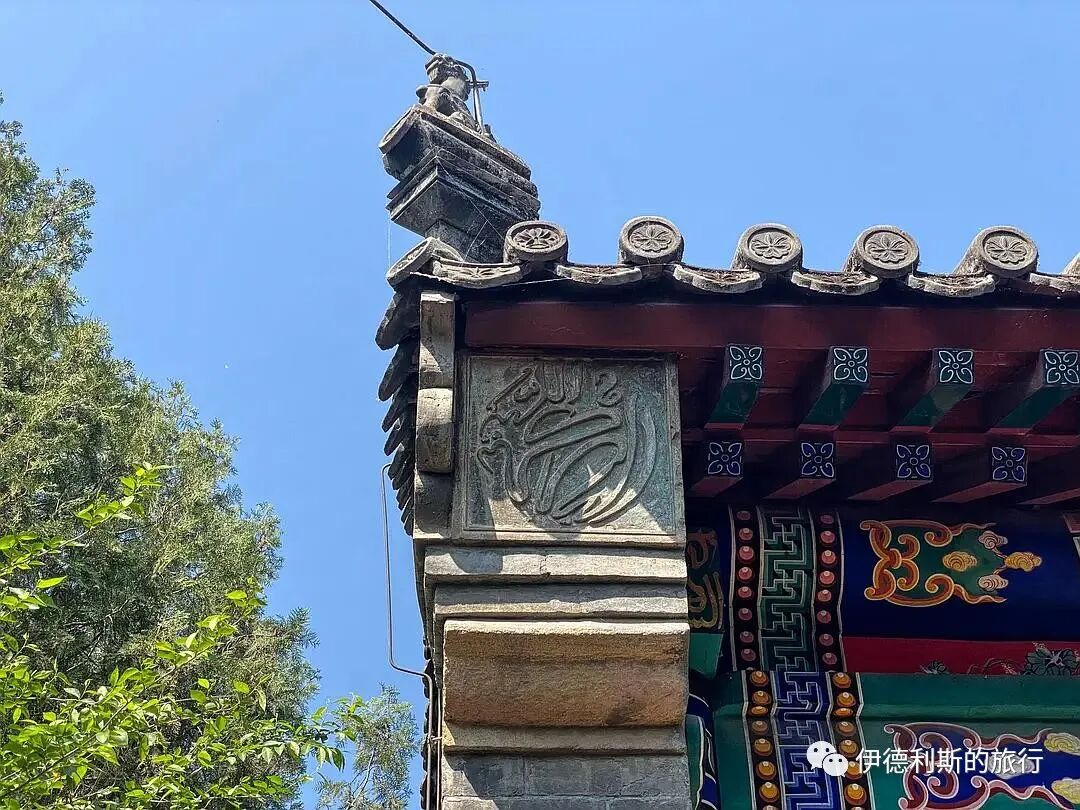
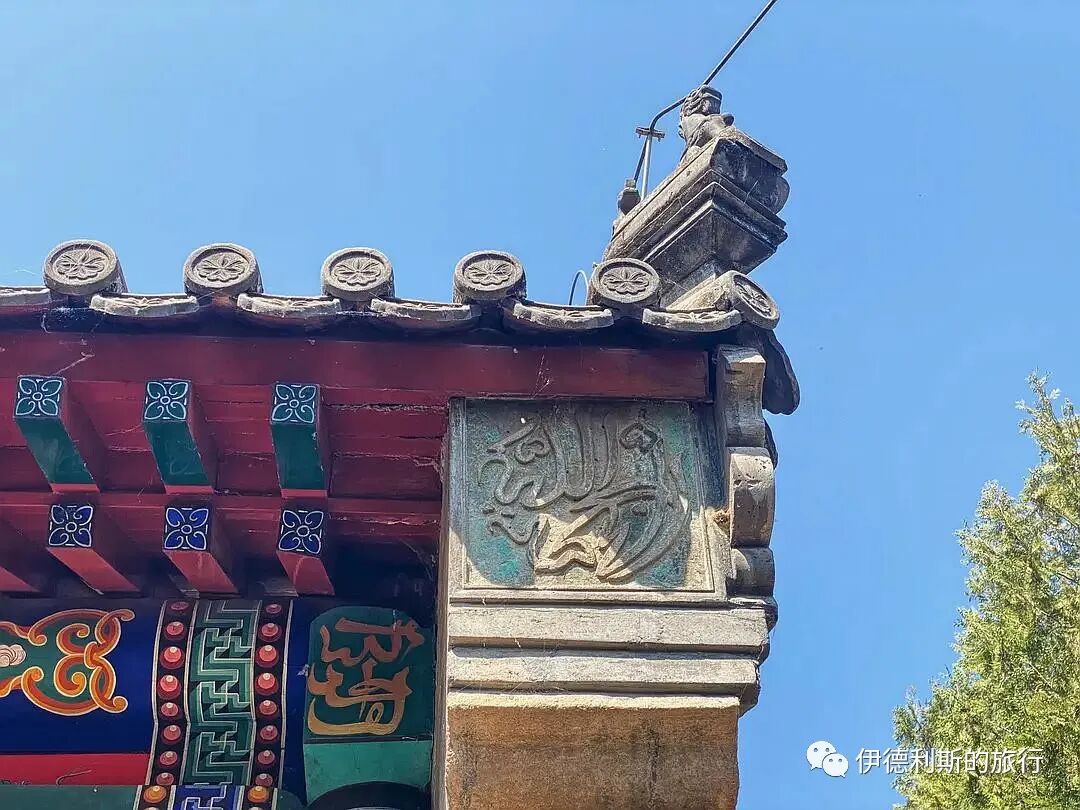
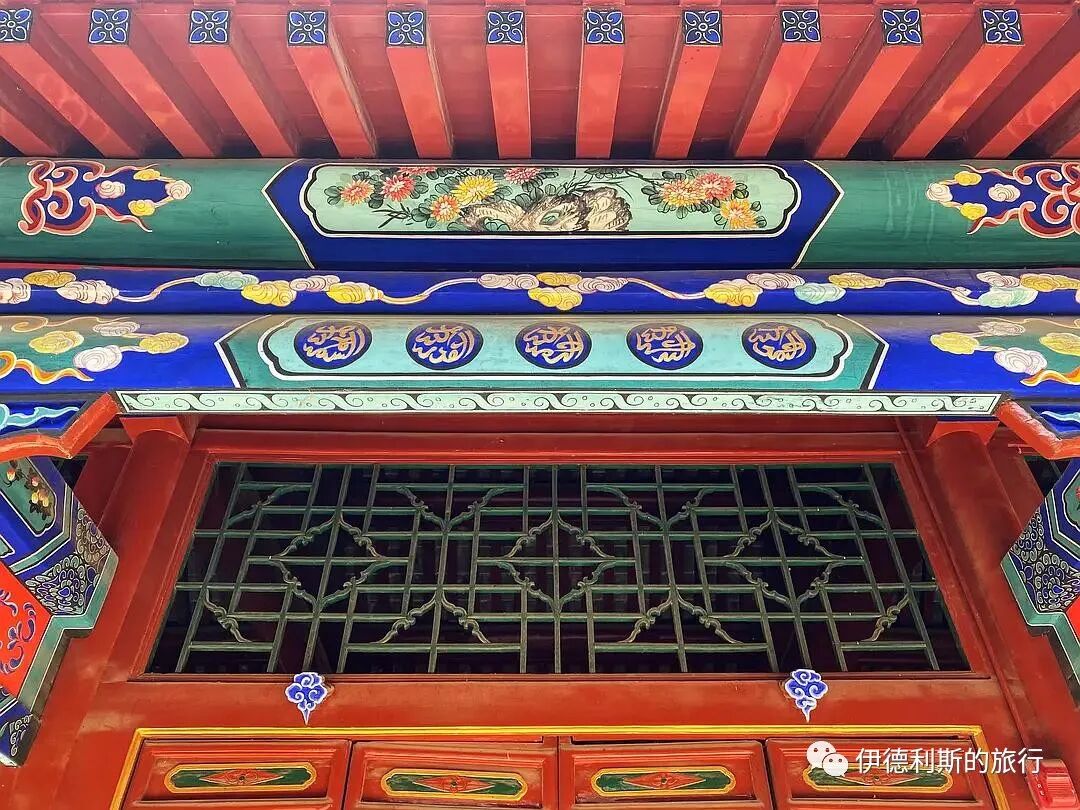
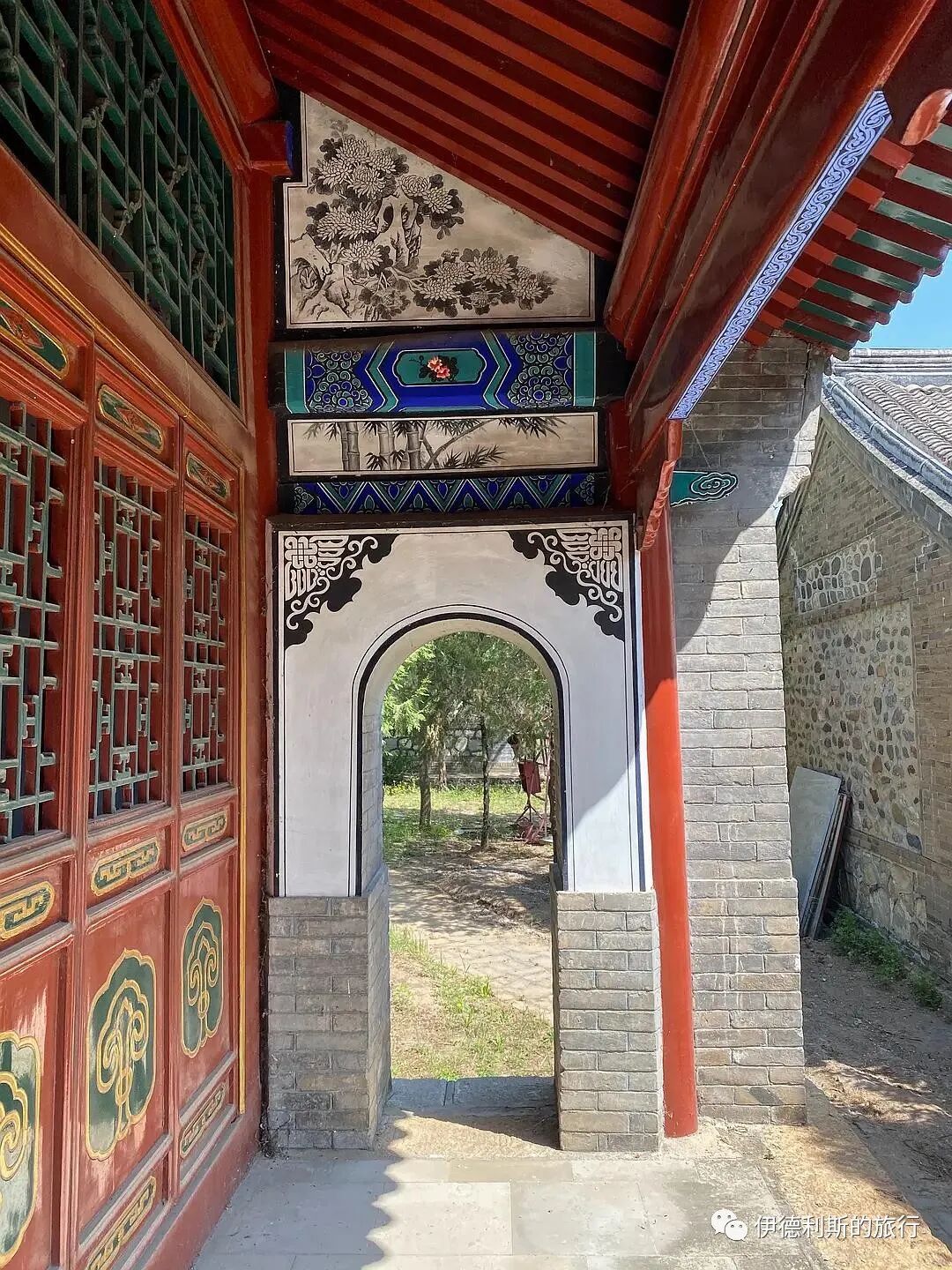
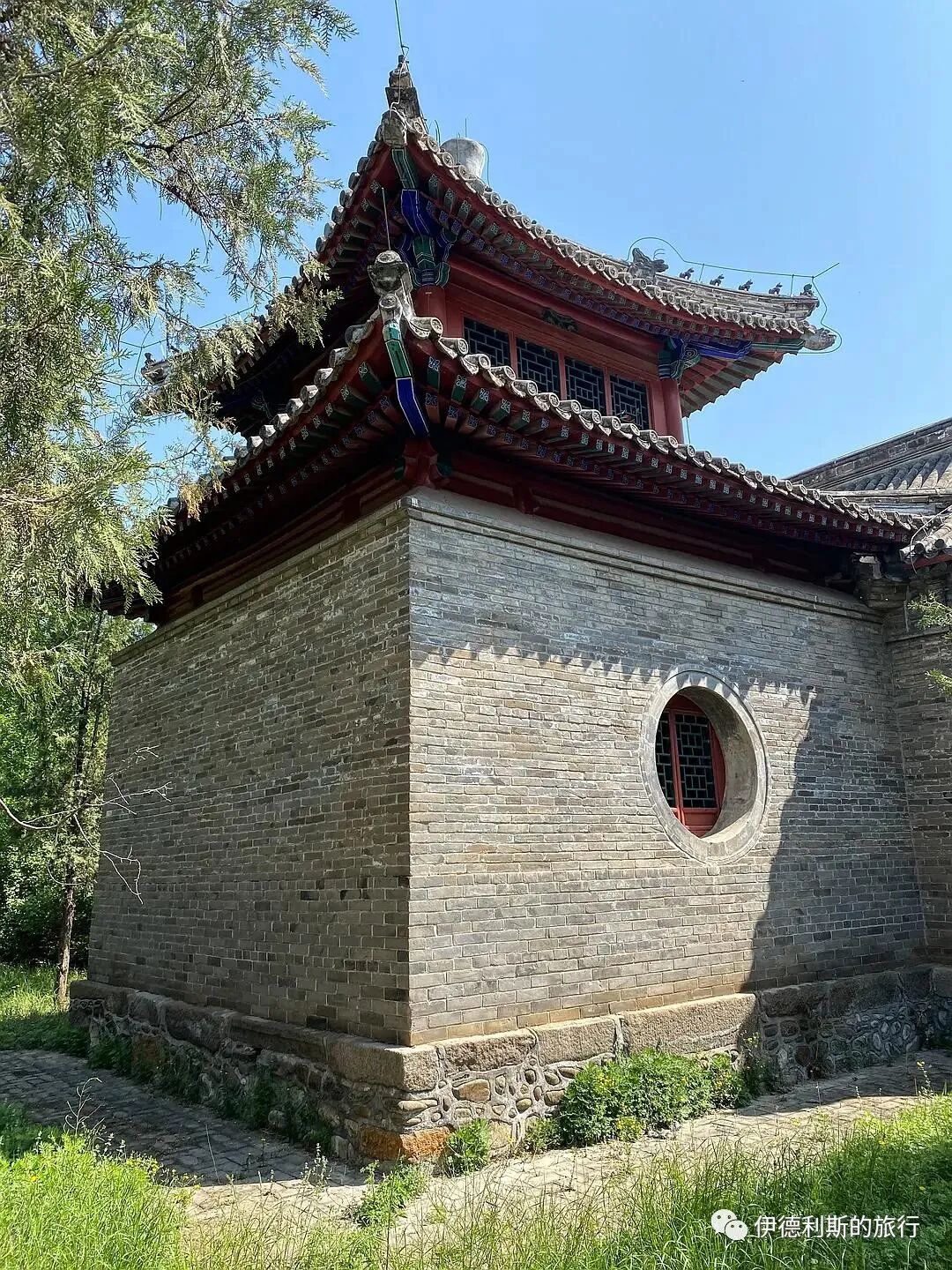
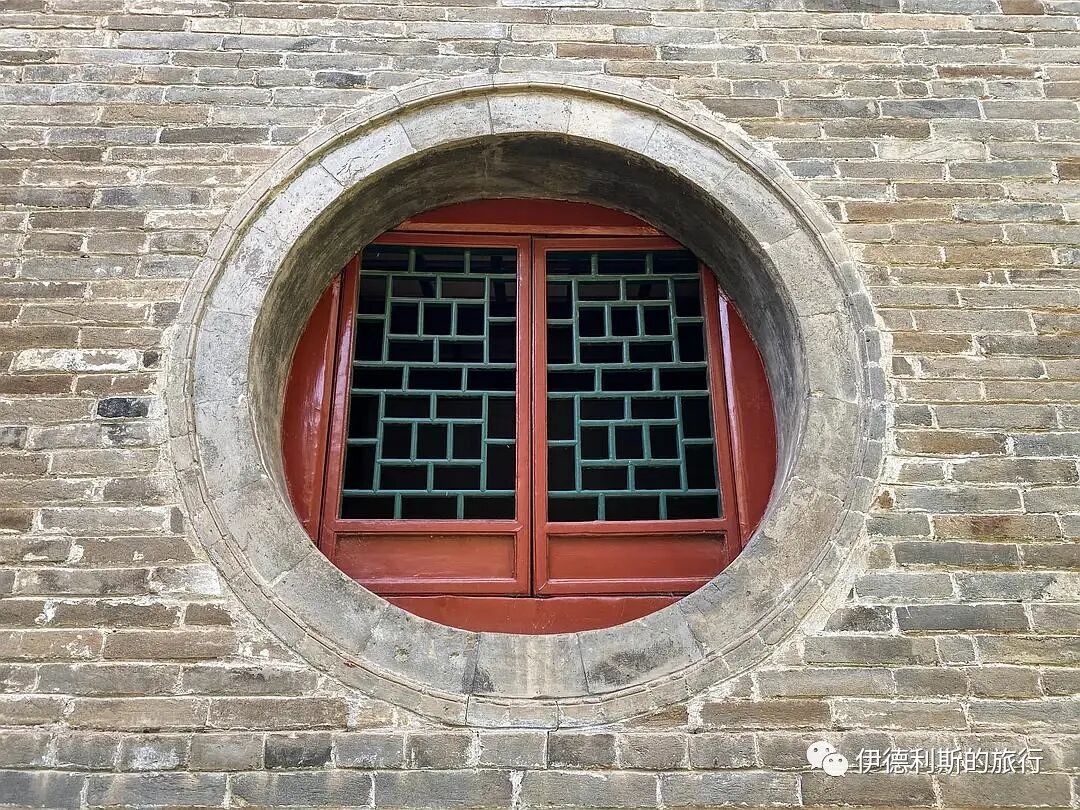
The tablet from the 9th year of the Chongzhen reign in the courtyard commemorates a renovation, but unfortunately, the text is too worn to read.
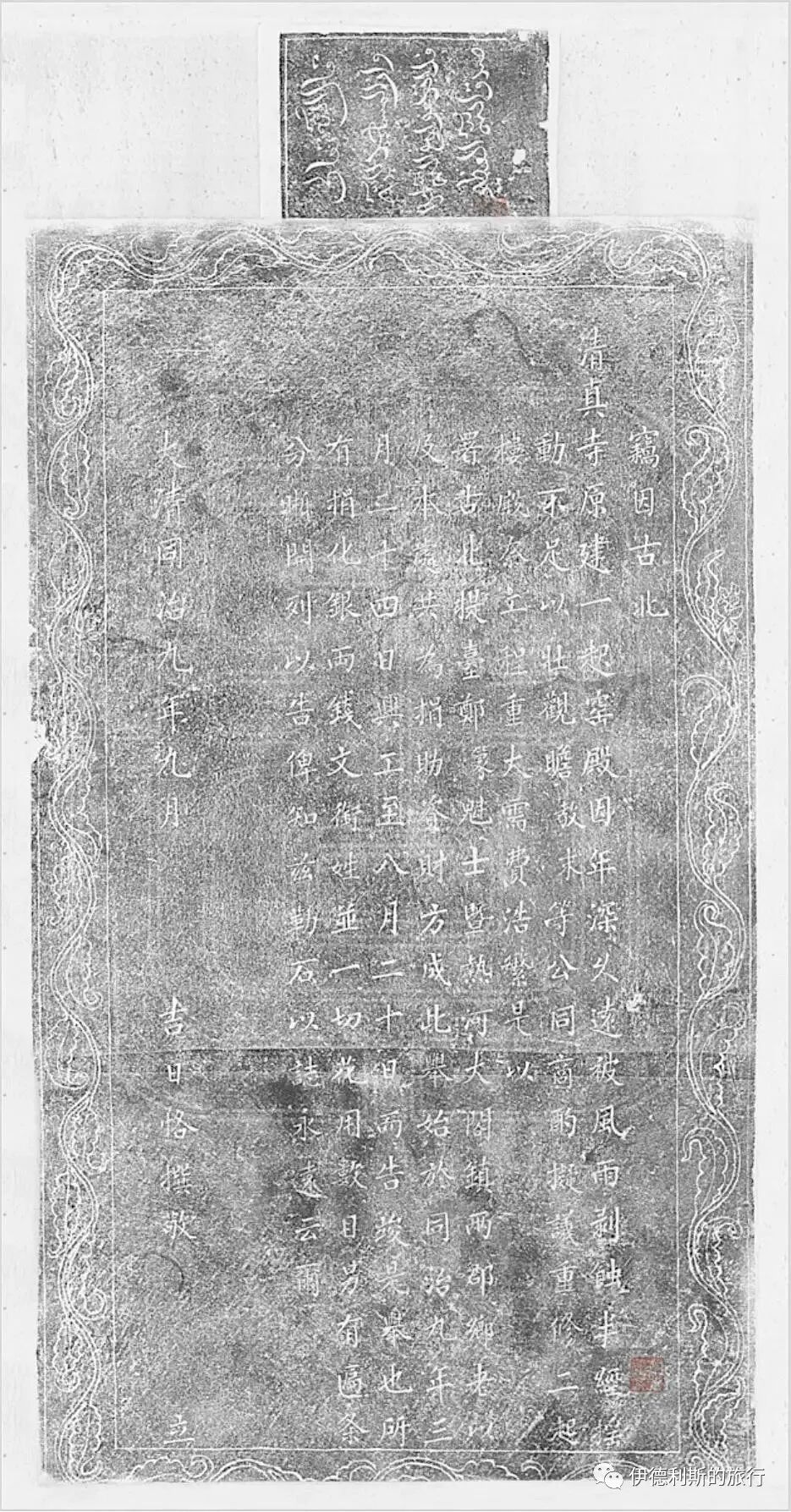
The National Library also holds a stone tablet record from the Gubeikou Mosque dated 1870, the ninth year of the Tongzhi reign of the Qing Dynasty. It records that in 1870, the late Qing general Zheng Kuishi, who was the Gubeikou commander at the time, joined local elders from Rehe, Dage Town (now Fengning, Chengde), and Gubeikou to donate funds to rebuild the mosque's kiln hall (yaodian), expanding it from one story to two.
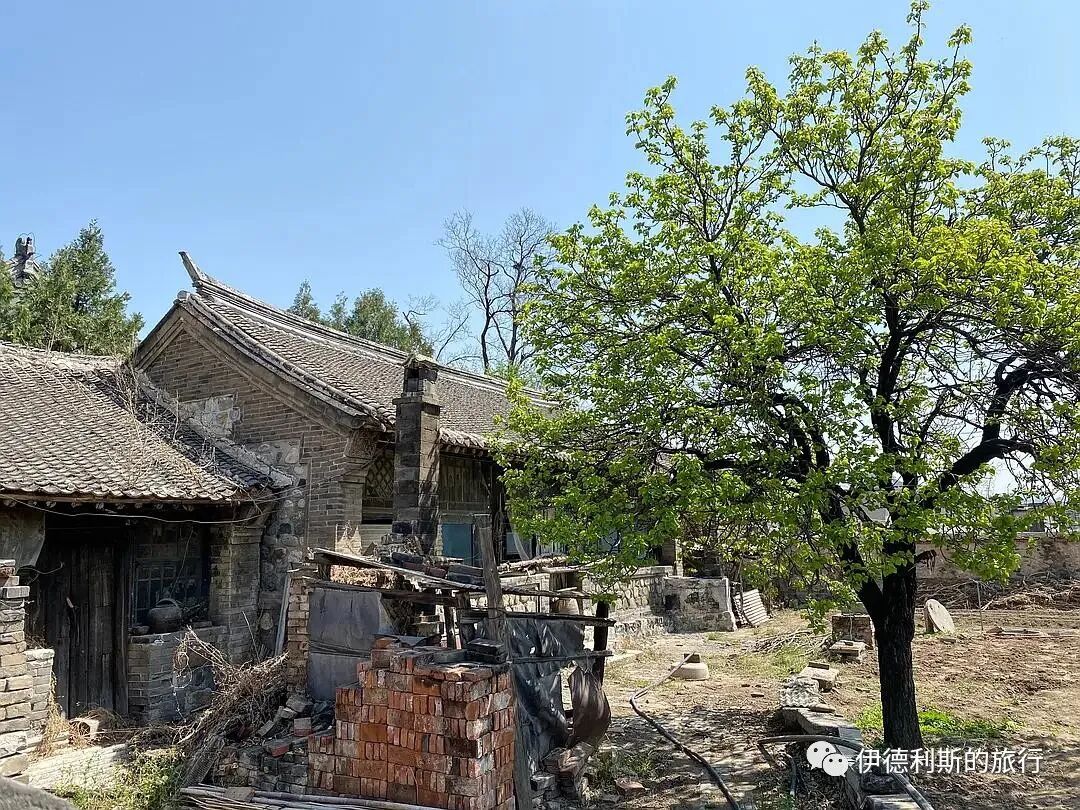
Right next to the south side of the mosque lives the Hui Muslim uncle who holds the key. This is a very beautiful traditional courtyard, and the main house features exquisite brick carvings. I originally wanted to visit, but the uncle later rode off on his three-wheeled motorcycle and never came back, which was another regret of this trip.
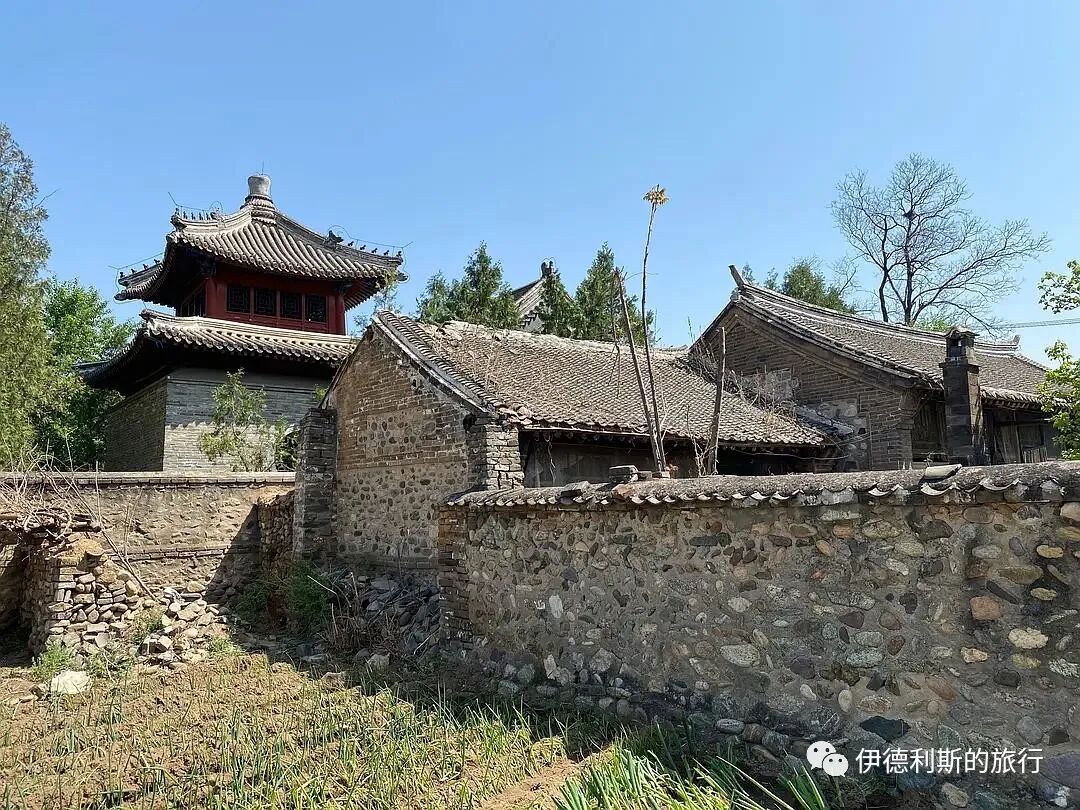
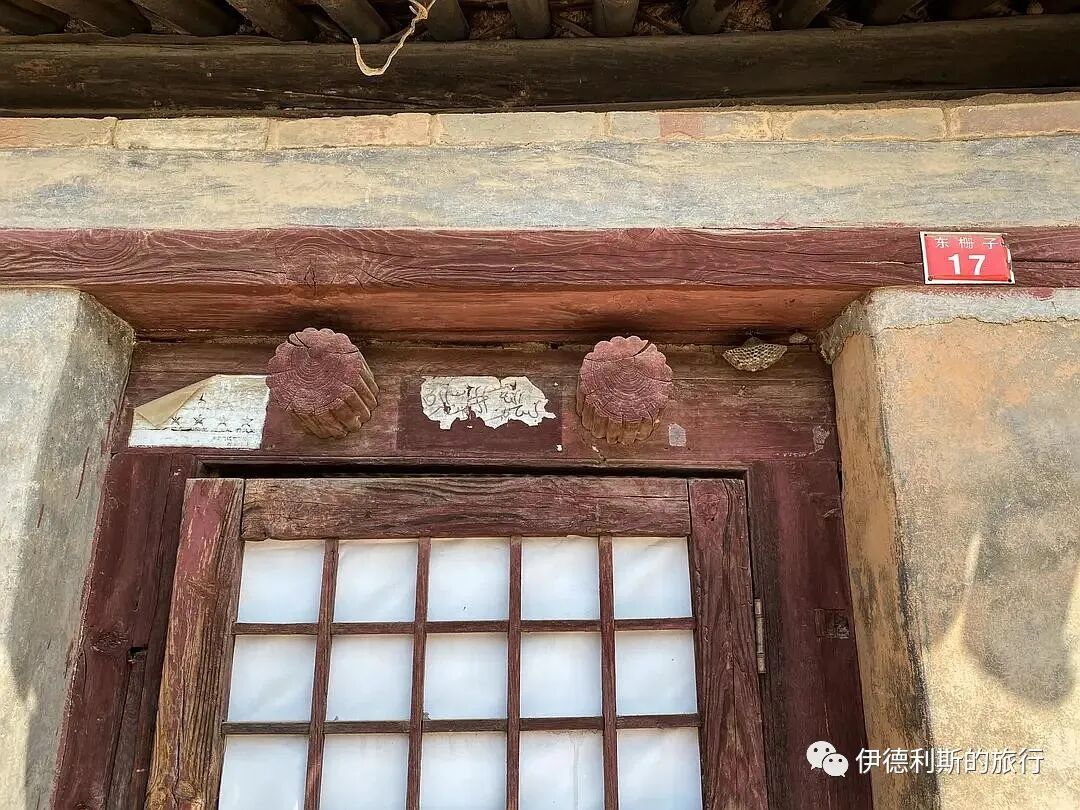
Some Hui Muslims still live at the east end of Hexi Village, mostly with the surnames Ha and Ma, who are descendants of the former Gubeikou garrison. In the village's East Stockade (Dongzhazi), I saw a house with a Bismillah door plaque (tasimi mendu), which is also a very traditional residence inside. The East Stockade (Dongzhazi) is the former east gate of the Liulin Camp.
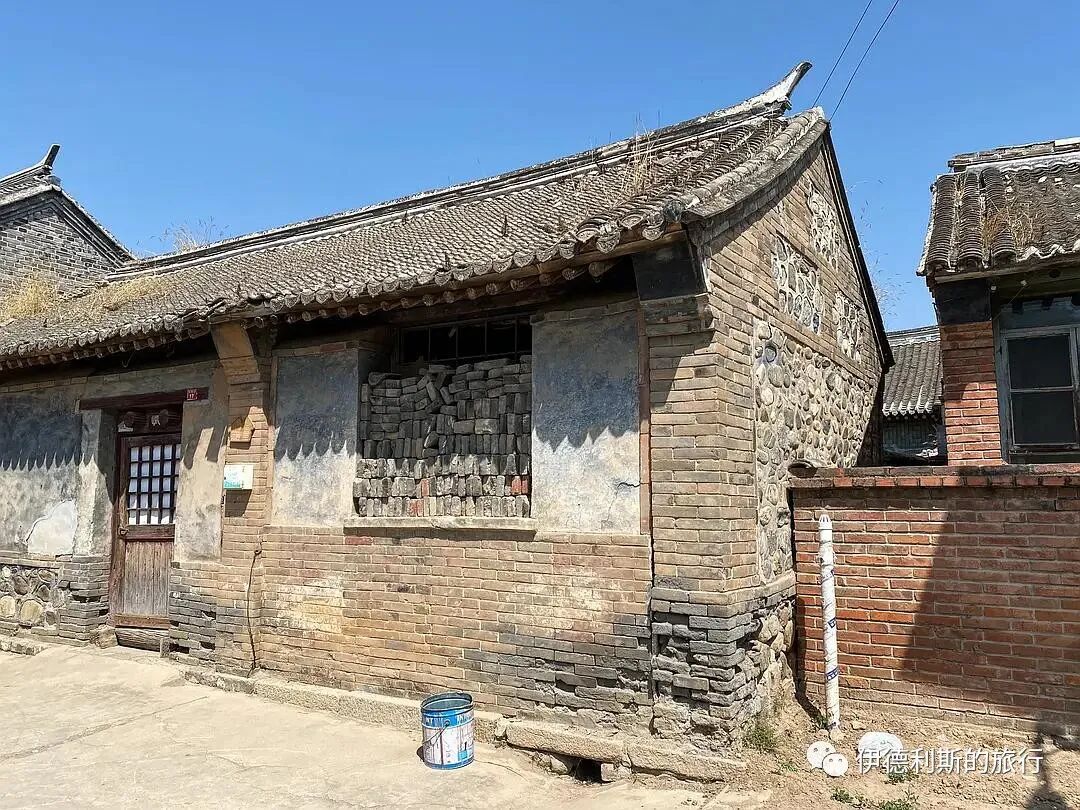
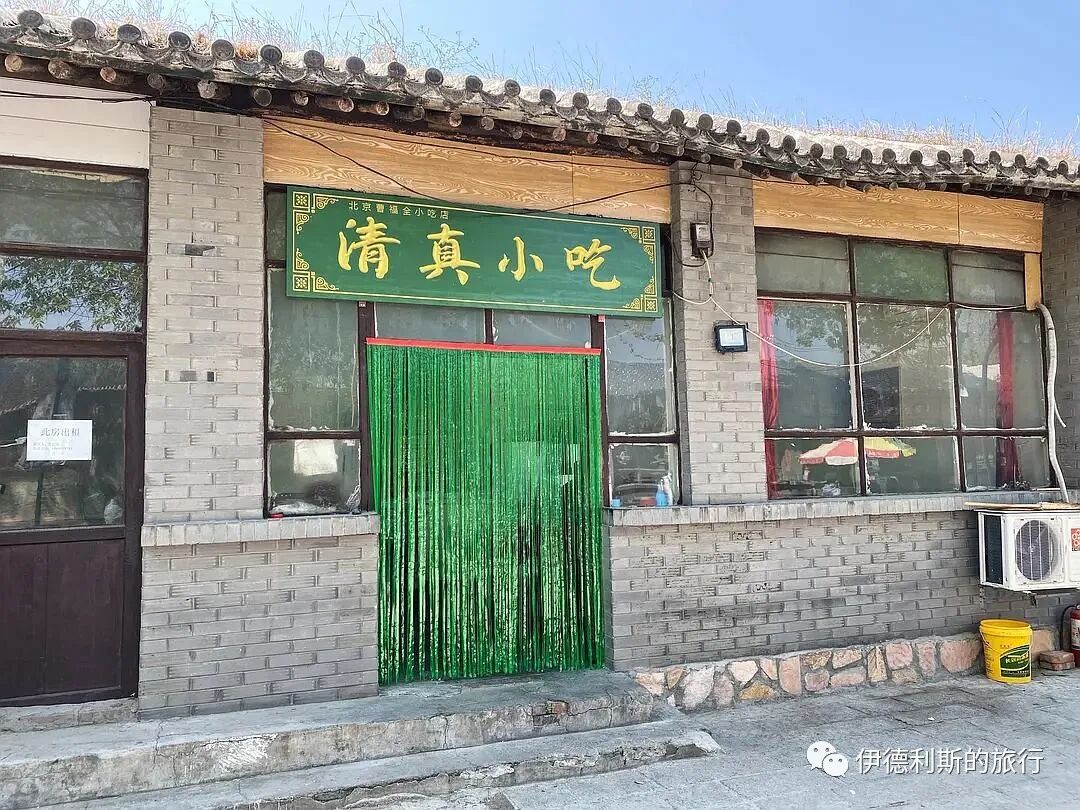
Crossing the Chao River eastward from Hexi Village brings you to Gubeikou Village. There is a halal snack shop here, but unfortunately, the owner hadn't started cooking because they weren't offering dine-in service. I will have to try it next time.
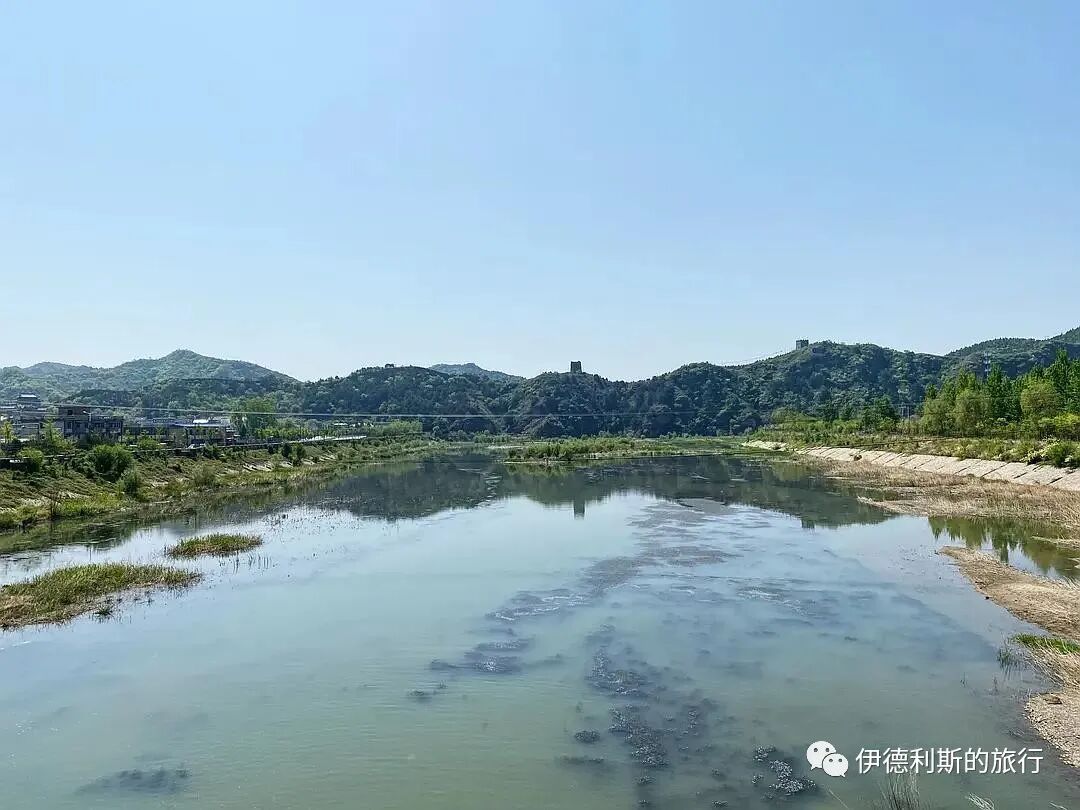
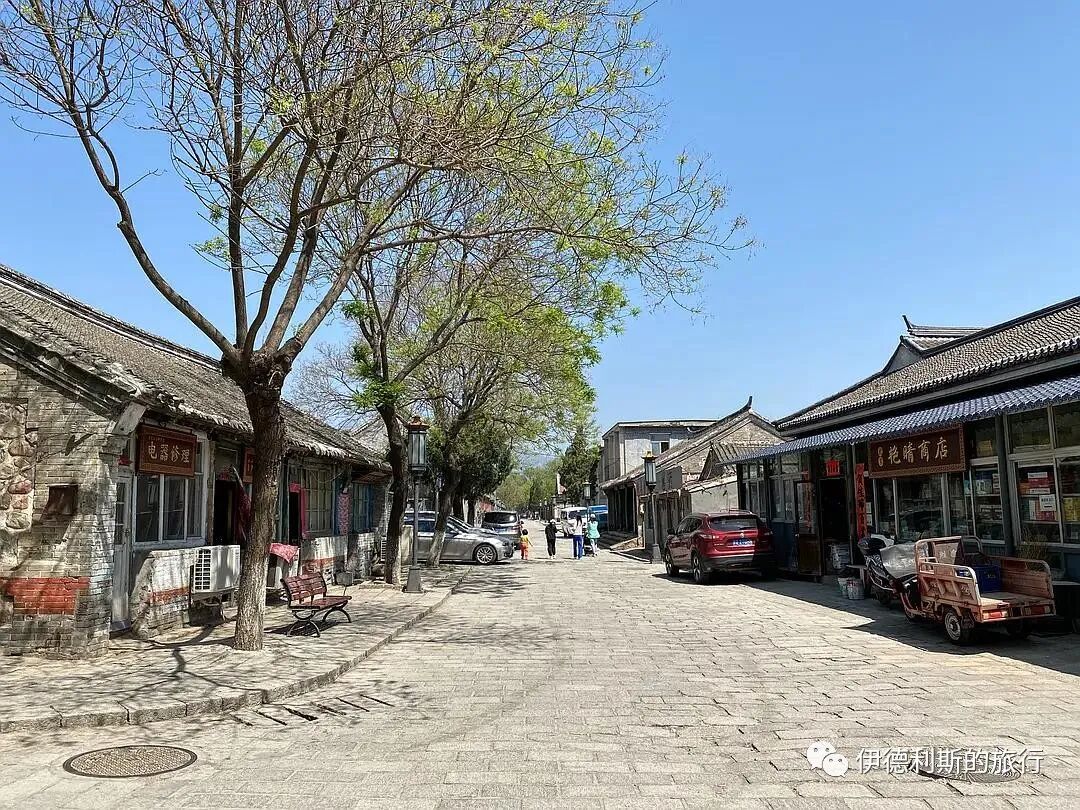
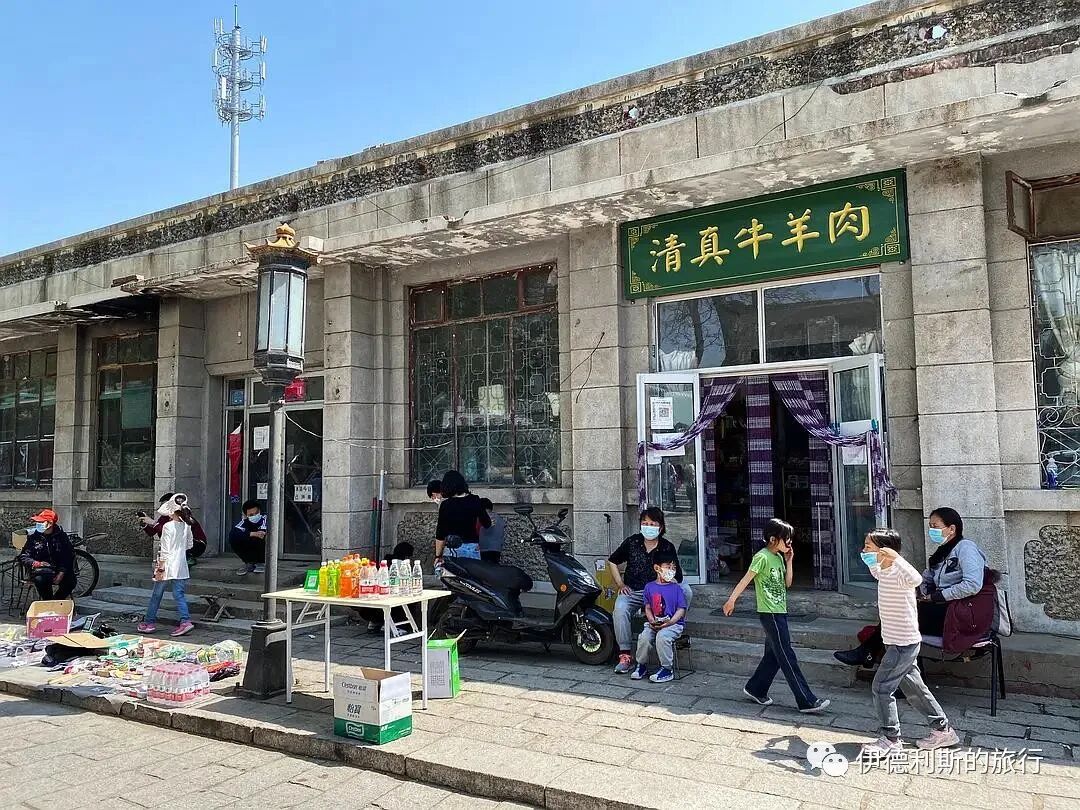
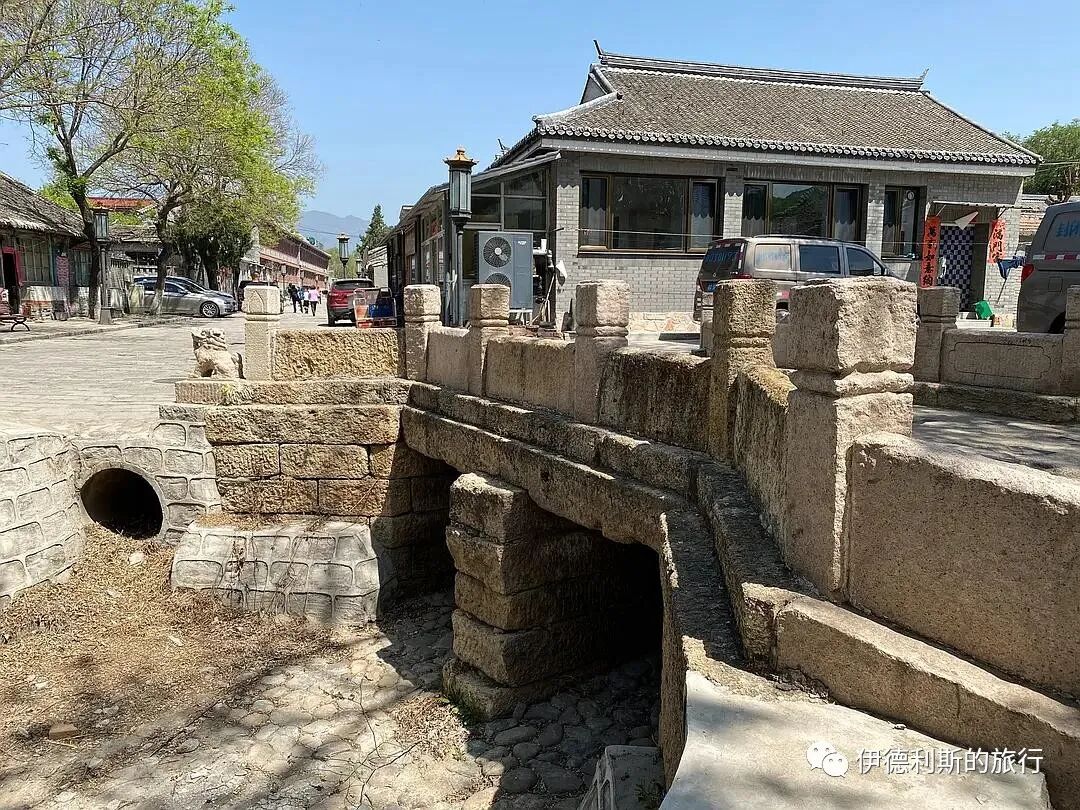
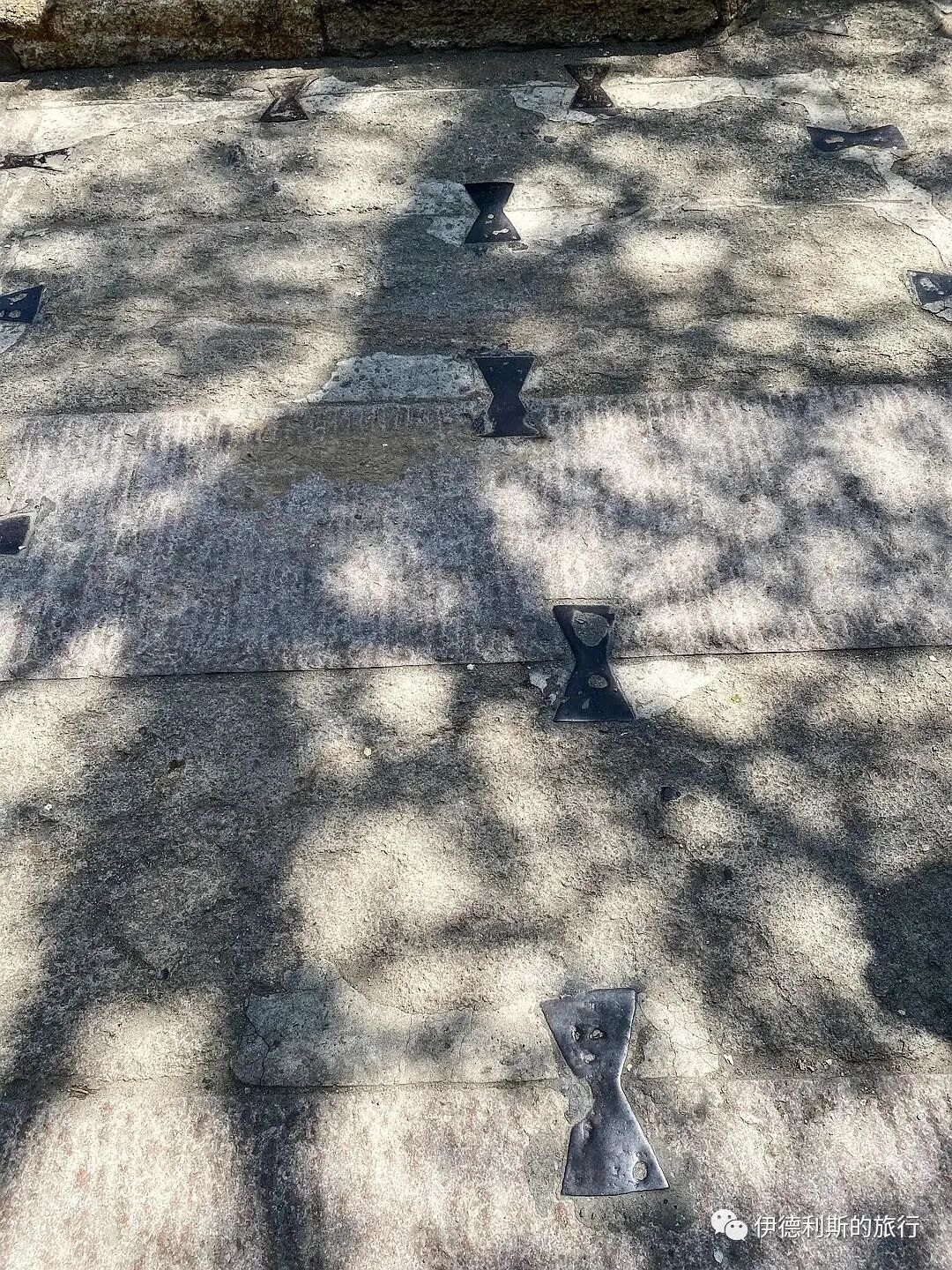
The village preserves many historical sites, including an old stone bridge built in 1378, the eleventh year of the Hongwu reign of the Ming Dynasty, where the stone slabs on the bridge deck are connected by iron clamps.
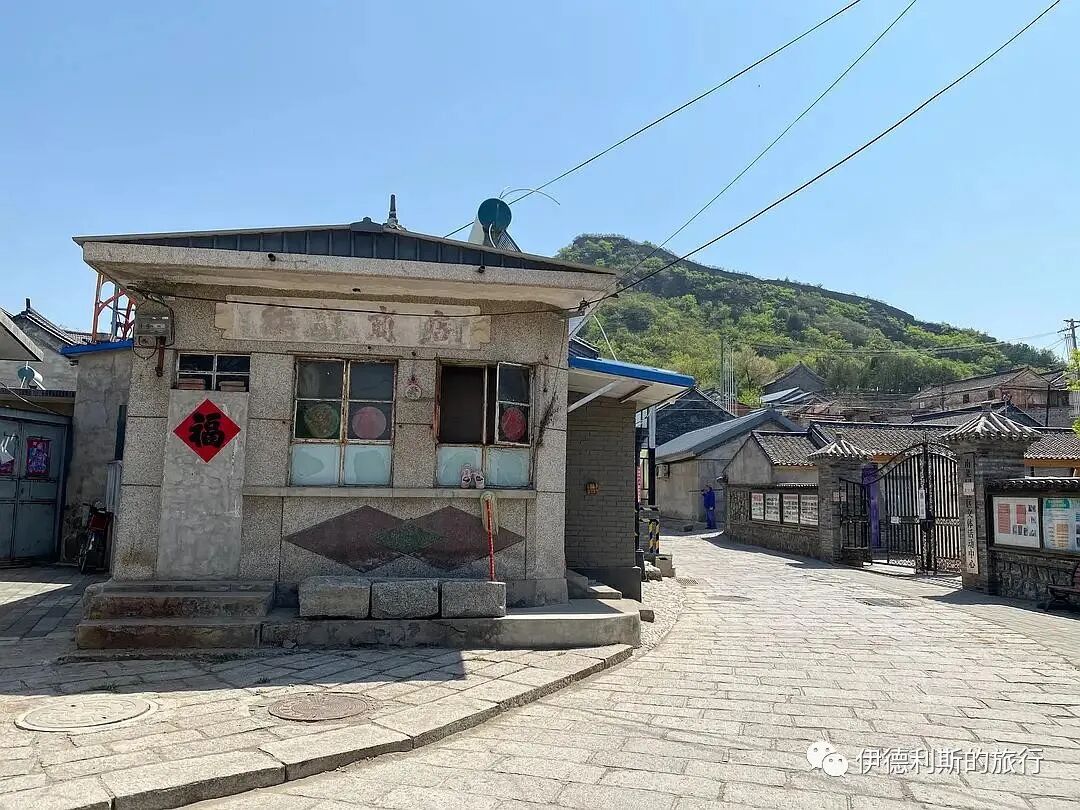
Gubeikou Town is located between Shanhai Pass and Juyong Pass, serving as an important gateway to the capital from Mongolia and the Northeast. The town was built in 1378 (the eleventh year of the Hongwu reign of the Ming Dynasty) under the direction of Xu Da on the foundation of the Northern Qi Great Wall, and it was extensively renovated in 1567 (the first year of the Longqing reign of the Ming Dynasty) under the direction of Qi Jiguang. After the Japanese army occupied Gubeikou in 1933, they tore down the north gate, which was then restored in 2012. North of Gubeikou is the Crouching Tiger Mountain (Wohushan) Great Wall. The mountain top looks like two tigers lying down. It faces the Panlong Mountain Great Wall to the south, and together they guard the main pass at Gubeikou.
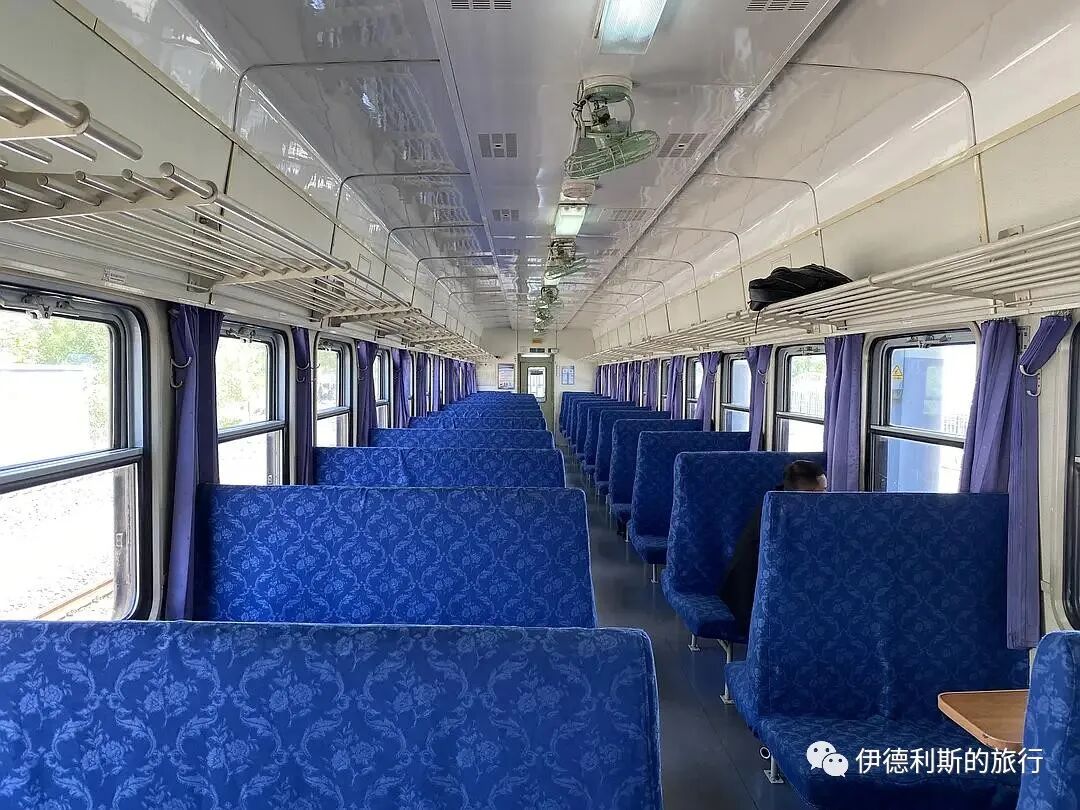
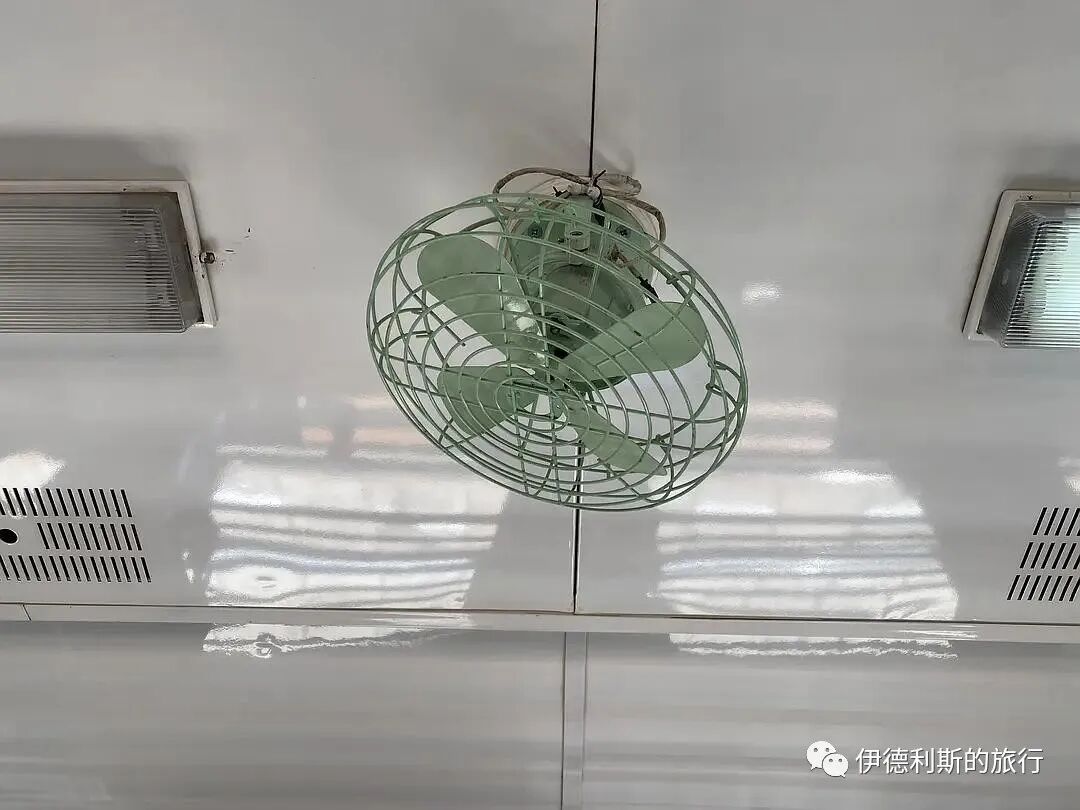
I took a green-skinned train back. The carriage was very empty. With the green fans and windows that actually open, it felt just like being a kid again.
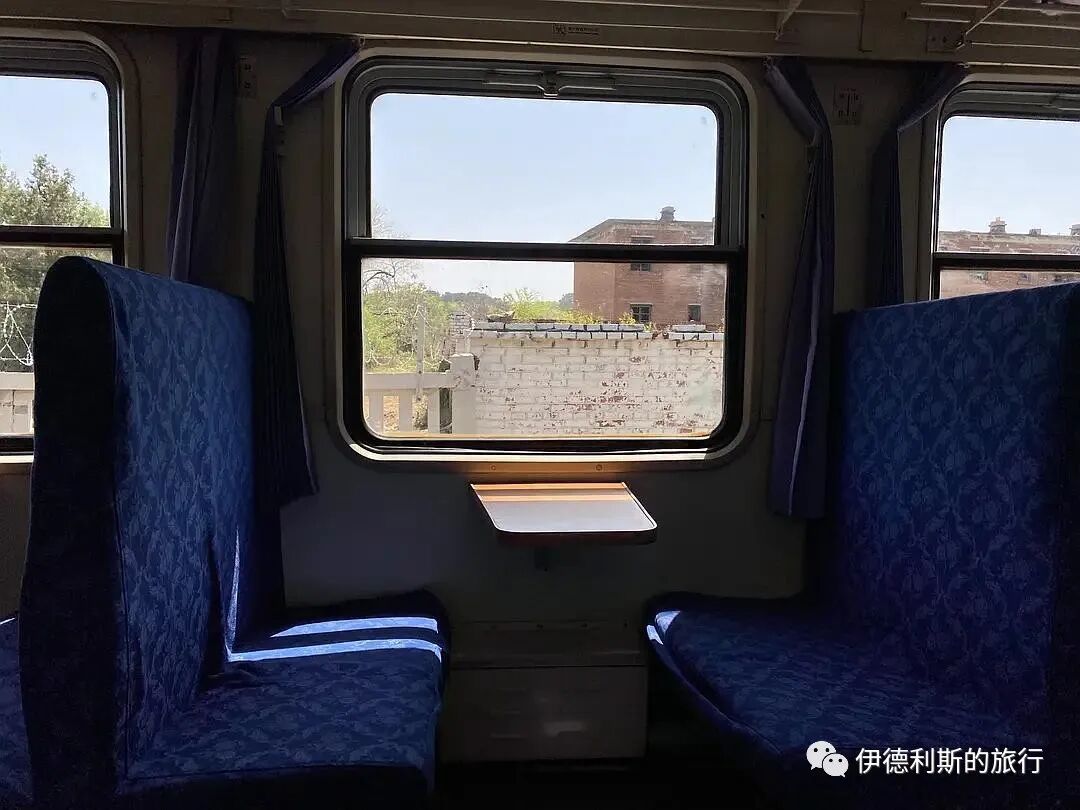
The train stops at every small station.
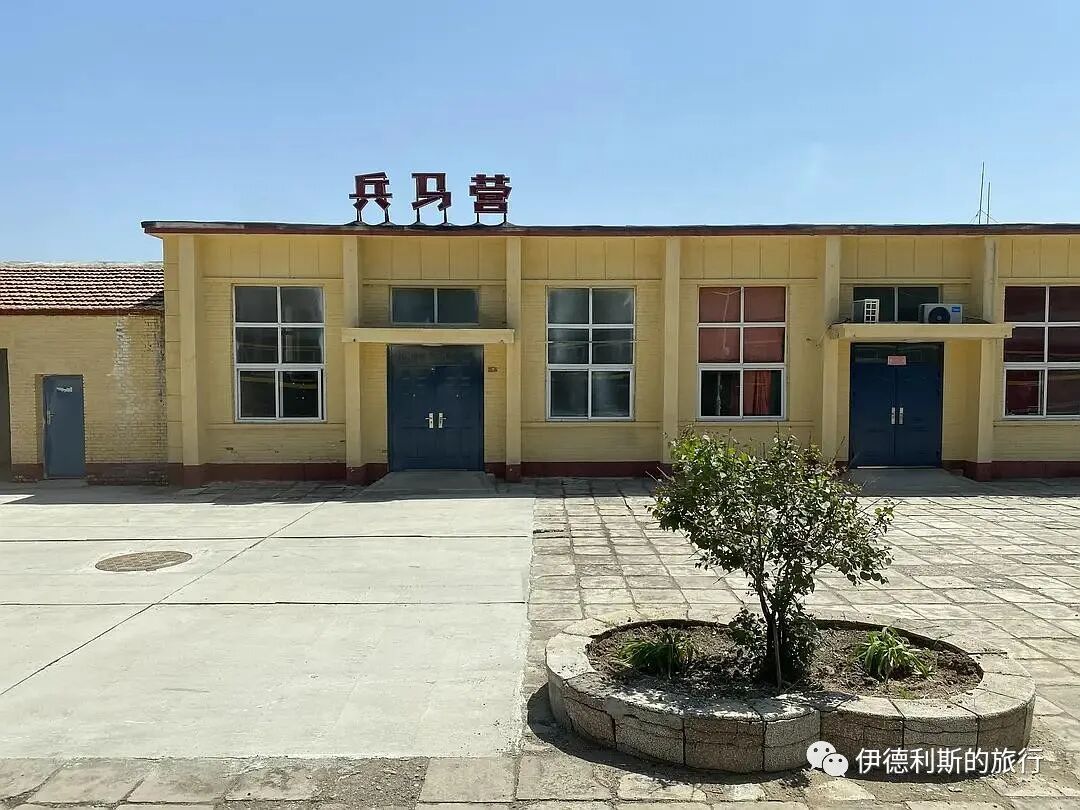
The train passes through the Miyun Reservoir.
Summary: Gubeikou Mosque — Muslim Heritage Near the Great Wall is presented here as a firsthand travel account in clear English, beginning with this scene: On the first day after Eid al-Fitr, I decided to visit the mosque in Gubeikou, Miyun. The account keeps its focus on Gubeikou Mosque, Beijing Mosques, Muslim Heritage while preserving the names, places, food, and historical details from the Chinese source.
On the first day after Eid al-Fitr, I decided to visit the mosque in Gubeikou, Miyun. I left home just after 5:00 a.m. to catch the Huaimi suburban railway line at Beijing North Station. The Baikui shop on Kuanjie Street was already open at 5:30 a.m., so I bought a savory crepe (jianbing), tofu pudding (doufunao), and tea-boiled eggs (chajidan). The tofu pudding had plenty of meat in it!
You don't need to enter the main train station to catch the Huaimi line; you can board right from the underground plaza at the Xizhimen subway exit, which is very convenient.
I ate my breakfast after getting on the train.
I arrived in Gubeikou after more than two hours. Gubeikou train station sits halfway up Wohu Mountain. The Great Wall is above it, and a wooden boardwalk leading to Hexi Village is below. The scenery is beautiful.
I arrived at the Gubeikou Mosque at the east end of the village, and a Hui Muslim man from the neighborhood opened the door for me. The original construction date of the mosque is unknown, but a stone tablet from the Ming Dynasty inside the mosque records that it was renovated in the second year of the Chongzhen reign (1629).
During the Kangxi reign, Gubeikou was a vital military hub for the Emperor's campaigns against the Dzungars and served as an imperial route for his trips to Rehe for hunting and inspections. In the 32nd year of the Kangxi reign (1693), a military camp called Liulinying was established on the mountain in Hexi, Gubeikou, and was guarded by a large force. In the 34th year of the Kangxi reign (1695), a Hui Muslim officer named Ma Jinliang was transferred to Gubeikou to serve as the regional commander due to his military achievements. In the 42nd year of the Kangxi reign (1703), he was promoted to commander-in-chief of the Zhili region. People called him General Ma the Hui, and he was stationed in Hexi Village, Gubeikou. While in Gubeikou, Ma Jinliang oversaw the renovation of the Gubeikou Mosque. The current mosque is basically the same size as it was after that renovation during the Kangxi reign. Ma Jinliang also rebuilt the tomb of Bo Hazhi Shaihai Baba in Heying, Changping. The tomb still keeps a stone tablet inscribed by Ma Jinliang in the 53rd year of the Kangxi reign (1714).
As the imperial road fell into disrepair at the end of the Qing Dynasty, Liulinying was abolished in the 16th year of the Guangxu reign (1890), and Hexi Village gradually became quiet. After the 1960s, the Gubeikou Mosque was taken over by the brigade headquarters, and religious activities stopped. It was renovated in 2004 for the Olympics, but religious activities have not resumed to this day.
On the east side of the main hall are the north and south side rooms. Like the Heying Mosque in Changping, they are built with stone in the middle and bricks around the edges, which is a traditional feature of mountain architecture. I only noticed the original murals preserved on the side rooms when I looked at my photos later. It is a pity I was careless and did not record them. I hope fellow friends (dost) who visit in the future can take pictures and share them.
Outside the south side room sits a casket for the deceased (maiti). When the faith in a community declines, a mosque gradually changes from a place for Allah's worship into a place only for funeral rites (maiti). The next step is abandonment. I have encountered all these situations during my travels.
In the middle of the courtyard stands a pavilion-style building. The stone tablet lying on the ground next to it was unearthed earlier. It is still unclear if it is a tablet pavilion or the remains of a hanging flower gate (chuihuamen) from the second courtyard. On the east side of the pavilion are some foundation stones. According to the layout of traditional northern mosques, these should be the remains of the main gate and the gatehouse (daozuofang).
The brick carvings of dua and colorful paintings at Gubeikou Mosque.
The tablet from the 9th year of the Chongzhen reign in the courtyard commemorates a renovation, but unfortunately, the text is too worn to read.
The National Library also holds a stone tablet record from the Gubeikou Mosque dated 1870, the ninth year of the Tongzhi reign of the Qing Dynasty. It records that in 1870, the late Qing general Zheng Kuishi, who was the Gubeikou commander at the time, joined local elders from Rehe, Dage Town (now Fengning, Chengde), and Gubeikou to donate funds to rebuild the mosque's kiln hall (yaodian), expanding it from one story to two.
Right next to the south side of the mosque lives the Hui Muslim uncle who holds the key. This is a very beautiful traditional courtyard, and the main house features exquisite brick carvings. I originally wanted to visit, but the uncle later rode off on his three-wheeled motorcycle and never came back, which was another regret of this trip.
Some Hui Muslims still live at the east end of Hexi Village, mostly with the surnames Ha and Ma, who are descendants of the former Gubeikou garrison. In the village's East Stockade (Dongzhazi), I saw a house with a Bismillah door plaque (tasimi mendu), which is also a very traditional residence inside. The East Stockade (Dongzhazi) is the former east gate of the Liulin Camp.
Crossing the Chao River eastward from Hexi Village brings you to Gubeikou Village. There is a halal snack shop here, but unfortunately, the owner hadn't started cooking because they weren't offering dine-in service. I will have to try it next time.
The village preserves many historical sites, including an old stone bridge built in 1378, the eleventh year of the Hongwu reign of the Ming Dynasty, where the stone slabs on the bridge deck are connected by iron clamps.
Gubeikou Town is located between Shanhai Pass and Juyong Pass, serving as an important gateway to the capital from Mongolia and the Northeast. The town was built in 1378 (the eleventh year of the Hongwu reign of the Ming Dynasty) under the direction of Xu Da on the foundation of the Northern Qi Great Wall, and it was extensively renovated in 1567 (the first year of the Longqing reign of the Ming Dynasty) under the direction of Qi Jiguang. After the Japanese army occupied Gubeikou in 1933, they tore down the north gate, which was then restored in 2012. North of Gubeikou is the Crouching Tiger Mountain (Wohushan) Great Wall. The mountain top looks like two tigers lying down. It faces the Panlong Mountain Great Wall to the south, and together they guard the main pass at Gubeikou.
I took a green-skinned train back. The carriage was very empty. With the green fans and windows that actually open, it felt just like being a kid again.
The train stops at every small station.
The train passes through the Miyun Reservoir.
Halal Travel Guide: Gubeikou Mosque — Muslim Heritage Near the Great Wall
Articles • ali2007fr posted the article • 0 comments • 176 views • 2026-05-18 02:56
Reposted from the web
Summary: Gubeikou Mosque — Muslim Heritage Near the Great Wall is presented here as a firsthand travel account in clear English, beginning with this scene: On the first day after Eid al-Fitr, I decided to visit the mosque in Gubeikou, Miyun. The account keeps its focus on Gubeikou Mosque, Beijing Mosques, Muslim Heritage while preserving the names, places, food, and historical details from the Chinese source.
On the first day after Eid al-Fitr, I decided to visit the mosque in Gubeikou, Miyun. I left home just after 5:00 a.m. to catch the Huaimi suburban railway line at Beijing North Station. The Baikui shop on Kuanjie Street was already open at 5:30 a.m., so I bought a savory crepe (jianbing), tofu pudding (doufunao), and tea-boiled eggs (chajidan). The tofu pudding had plenty of meat in it!
You don't need to enter the main train station to catch the Huaimi line; you can board right from the underground plaza at the Xizhimen subway exit, which is very convenient.
I ate my breakfast after getting on the train.
I arrived in Gubeikou after more than two hours. Gubeikou train station sits halfway up Wohu Mountain. The Great Wall is above it, and a wooden boardwalk leading to Hexi Village is below. The scenery is beautiful.
I arrived at the Gubeikou Mosque at the east end of the village, and a Hui Muslim man from the neighborhood opened the door for me. The original construction date of the mosque is unknown, but a stone tablet from the Ming Dynasty inside the mosque records that it was renovated in the second year of the Chongzhen reign (1629).
During the Kangxi reign, Gubeikou was a vital military hub for the Emperor's campaigns against the Dzungars and served as an imperial route for his trips to Rehe for hunting and inspections. In the 32nd year of the Kangxi reign (1693), a military camp called Liulinying was established on the mountain in Hexi, Gubeikou, and was guarded by a large force. In the 34th year of the Kangxi reign (1695), a Hui Muslim officer named Ma Jinliang was transferred to Gubeikou to serve as the regional commander due to his military achievements. In the 42nd year of the Kangxi reign (1703), he was promoted to commander-in-chief of the Zhili region. People called him General Ma the Hui, and he was stationed in Hexi Village, Gubeikou. While in Gubeikou, Ma Jinliang oversaw the renovation of the Gubeikou Mosque. The current mosque is basically the same size as it was after that renovation during the Kangxi reign. Ma Jinliang also rebuilt the tomb of Bo Hazhi Shaihai Baba in Heying, Changping. The tomb still keeps a stone tablet inscribed by Ma Jinliang in the 53rd year of the Kangxi reign (1714).
As the imperial road fell into disrepair at the end of the Qing Dynasty, Liulinying was abolished in the 16th year of the Guangxu reign (1890), and Hexi Village gradually became quiet. After the 1960s, the Gubeikou Mosque was taken over by the brigade headquarters, and religious activities stopped. It was renovated in 2004 for the Olympics, but religious activities have not resumed to this day.
On the east side of the main hall are the north and south side rooms. Like the Heying Mosque in Changping, they are built with stone in the middle and bricks around the edges, which is a traditional feature of mountain architecture. I only noticed the original murals preserved on the side rooms when I looked at my photos later. It is a pity I was careless and did not record them. I hope fellow friends (dost) who visit in the future can take pictures and share them.
Outside the south side room sits a casket for the deceased (maiti). When the faith in a community declines, a mosque gradually changes from a place for Allah's worship into a place only for funeral rites (maiti). The next step is abandonment. I have encountered all these situations during my travels.
In the middle of the courtyard stands a pavilion-style building. The stone tablet lying on the ground next to it was unearthed earlier. It is still unclear if it is a tablet pavilion or the remains of a hanging flower gate (chuihuamen) from the second courtyard. On the east side of the pavilion are some foundation stones. According to the layout of traditional northern mosques, these should be the remains of the main gate and the gatehouse (daozuofang).
The brick carvings of dua and colorful paintings at Gubeikou Mosque.
The tablet from the 9th year of the Chongzhen reign in the courtyard commemorates a renovation, but unfortunately, the text is too worn to read.
The National Library also holds a stone tablet record from the Gubeikou Mosque dated 1870, the ninth year of the Tongzhi reign of the Qing Dynasty. It records that in 1870, the late Qing general Zheng Kuishi, who was the Gubeikou commander at the time, joined local elders from Rehe, Dage Town (now Fengning, Chengde), and Gubeikou to donate funds to rebuild the mosque's kiln hall (yaodian), expanding it from one story to two.
Right next to the south side of the mosque lives the Hui Muslim uncle who holds the key. This is a very beautiful traditional courtyard, and the main house features exquisite brick carvings. I originally wanted to visit, but the uncle later rode off on his three-wheeled motorcycle and never came back, which was another regret of this trip.
Some Hui Muslims still live at the east end of Hexi Village, mostly with the surnames Ha and Ma, who are descendants of the former Gubeikou garrison. In the village's East Stockade (Dongzhazi), I saw a house with a Bismillah door plaque (tasimi mendu), which is also a very traditional residence inside. The East Stockade (Dongzhazi) is the former east gate of the Liulin Camp.
Crossing the Chao River eastward from Hexi Village brings you to Gubeikou Village. There is a halal snack shop here, but unfortunately, the owner hadn't started cooking because they weren't offering dine-in service. I will have to try it next time.
The village preserves many historical sites, including an old stone bridge built in 1378, the eleventh year of the Hongwu reign of the Ming Dynasty, where the stone slabs on the bridge deck are connected by iron clamps.
Gubeikou Town is located between Shanhai Pass and Juyong Pass, serving as an important gateway to the capital from Mongolia and the Northeast. The town was built in 1378 (the eleventh year of the Hongwu reign of the Ming Dynasty) under the direction of Xu Da on the foundation of the Northern Qi Great Wall, and it was extensively renovated in 1567 (the first year of the Longqing reign of the Ming Dynasty) under the direction of Qi Jiguang. After the Japanese army occupied Gubeikou in 1933, they tore down the north gate, which was then restored in 2012. North of Gubeikou is the Crouching Tiger Mountain (Wohushan) Great Wall. The mountain top looks like two tigers lying down. It faces the Panlong Mountain Great Wall to the south, and together they guard the main pass at Gubeikou.
I took a green-skinned train back. The carriage was very empty. With the green fans and windows that actually open, it felt just like being a kid again.
The train stops at every small station.
The train passes through the Miyun Reservoir. view all
Summary: Gubeikou Mosque — Muslim Heritage Near the Great Wall is presented here as a firsthand travel account in clear English, beginning with this scene: On the first day after Eid al-Fitr, I decided to visit the mosque in Gubeikou, Miyun. The account keeps its focus on Gubeikou Mosque, Beijing Mosques, Muslim Heritage while preserving the names, places, food, and historical details from the Chinese source.
On the first day after Eid al-Fitr, I decided to visit the mosque in Gubeikou, Miyun. I left home just after 5:00 a.m. to catch the Huaimi suburban railway line at Beijing North Station. The Baikui shop on Kuanjie Street was already open at 5:30 a.m., so I bought a savory crepe (jianbing), tofu pudding (doufunao), and tea-boiled eggs (chajidan). The tofu pudding had plenty of meat in it!
You don't need to enter the main train station to catch the Huaimi line; you can board right from the underground plaza at the Xizhimen subway exit, which is very convenient.
I ate my breakfast after getting on the train.
I arrived in Gubeikou after more than two hours. Gubeikou train station sits halfway up Wohu Mountain. The Great Wall is above it, and a wooden boardwalk leading to Hexi Village is below. The scenery is beautiful.
I arrived at the Gubeikou Mosque at the east end of the village, and a Hui Muslim man from the neighborhood opened the door for me. The original construction date of the mosque is unknown, but a stone tablet from the Ming Dynasty inside the mosque records that it was renovated in the second year of the Chongzhen reign (1629).
During the Kangxi reign, Gubeikou was a vital military hub for the Emperor's campaigns against the Dzungars and served as an imperial route for his trips to Rehe for hunting and inspections. In the 32nd year of the Kangxi reign (1693), a military camp called Liulinying was established on the mountain in Hexi, Gubeikou, and was guarded by a large force. In the 34th year of the Kangxi reign (1695), a Hui Muslim officer named Ma Jinliang was transferred to Gubeikou to serve as the regional commander due to his military achievements. In the 42nd year of the Kangxi reign (1703), he was promoted to commander-in-chief of the Zhili region. People called him General Ma the Hui, and he was stationed in Hexi Village, Gubeikou. While in Gubeikou, Ma Jinliang oversaw the renovation of the Gubeikou Mosque. The current mosque is basically the same size as it was after that renovation during the Kangxi reign. Ma Jinliang also rebuilt the tomb of Bo Hazhi Shaihai Baba in Heying, Changping. The tomb still keeps a stone tablet inscribed by Ma Jinliang in the 53rd year of the Kangxi reign (1714).
As the imperial road fell into disrepair at the end of the Qing Dynasty, Liulinying was abolished in the 16th year of the Guangxu reign (1890), and Hexi Village gradually became quiet. After the 1960s, the Gubeikou Mosque was taken over by the brigade headquarters, and religious activities stopped. It was renovated in 2004 for the Olympics, but religious activities have not resumed to this day.
On the east side of the main hall are the north and south side rooms. Like the Heying Mosque in Changping, they are built with stone in the middle and bricks around the edges, which is a traditional feature of mountain architecture. I only noticed the original murals preserved on the side rooms when I looked at my photos later. It is a pity I was careless and did not record them. I hope fellow friends (dost) who visit in the future can take pictures and share them.
Outside the south side room sits a casket for the deceased (maiti). When the faith in a community declines, a mosque gradually changes from a place for Allah's worship into a place only for funeral rites (maiti). The next step is abandonment. I have encountered all these situations during my travels.
In the middle of the courtyard stands a pavilion-style building. The stone tablet lying on the ground next to it was unearthed earlier. It is still unclear if it is a tablet pavilion or the remains of a hanging flower gate (chuihuamen) from the second courtyard. On the east side of the pavilion are some foundation stones. According to the layout of traditional northern mosques, these should be the remains of the main gate and the gatehouse (daozuofang).
The brick carvings of dua and colorful paintings at Gubeikou Mosque.
The tablet from the 9th year of the Chongzhen reign in the courtyard commemorates a renovation, but unfortunately, the text is too worn to read.
The National Library also holds a stone tablet record from the Gubeikou Mosque dated 1870, the ninth year of the Tongzhi reign of the Qing Dynasty. It records that in 1870, the late Qing general Zheng Kuishi, who was the Gubeikou commander at the time, joined local elders from Rehe, Dage Town (now Fengning, Chengde), and Gubeikou to donate funds to rebuild the mosque's kiln hall (yaodian), expanding it from one story to two.
Right next to the south side of the mosque lives the Hui Muslim uncle who holds the key. This is a very beautiful traditional courtyard, and the main house features exquisite brick carvings. I originally wanted to visit, but the uncle later rode off on his three-wheeled motorcycle and never came back, which was another regret of this trip.
Some Hui Muslims still live at the east end of Hexi Village, mostly with the surnames Ha and Ma, who are descendants of the former Gubeikou garrison. In the village's East Stockade (Dongzhazi), I saw a house with a Bismillah door plaque (tasimi mendu), which is also a very traditional residence inside. The East Stockade (Dongzhazi) is the former east gate of the Liulin Camp.
Crossing the Chao River eastward from Hexi Village brings you to Gubeikou Village. There is a halal snack shop here, but unfortunately, the owner hadn't started cooking because they weren't offering dine-in service. I will have to try it next time.
The village preserves many historical sites, including an old stone bridge built in 1378, the eleventh year of the Hongwu reign of the Ming Dynasty, where the stone slabs on the bridge deck are connected by iron clamps.
Gubeikou Town is located between Shanhai Pass and Juyong Pass, serving as an important gateway to the capital from Mongolia and the Northeast. The town was built in 1378 (the eleventh year of the Hongwu reign of the Ming Dynasty) under the direction of Xu Da on the foundation of the Northern Qi Great Wall, and it was extensively renovated in 1567 (the first year of the Longqing reign of the Ming Dynasty) under the direction of Qi Jiguang. After the Japanese army occupied Gubeikou in 1933, they tore down the north gate, which was then restored in 2012. North of Gubeikou is the Crouching Tiger Mountain (Wohushan) Great Wall. The mountain top looks like two tigers lying down. It faces the Panlong Mountain Great Wall to the south, and together they guard the main pass at Gubeikou.
I took a green-skinned train back. The carriage was very empty. With the green fans and windows that actually open, it felt just like being a kid again.
The train stops at every small station.
The train passes through the Miyun Reservoir. view all
Reposted from the web
Summary: Gubeikou Mosque — Muslim Heritage Near the Great Wall is presented here as a firsthand travel account in clear English, beginning with this scene: On the first day after Eid al-Fitr, I decided to visit the mosque in Gubeikou, Miyun. The account keeps its focus on Gubeikou Mosque, Beijing Mosques, Muslim Heritage while preserving the names, places, food, and historical details from the Chinese source.
On the first day after Eid al-Fitr, I decided to visit the mosque in Gubeikou, Miyun. I left home just after 5:00 a.m. to catch the Huaimi suburban railway line at Beijing North Station. The Baikui shop on Kuanjie Street was already open at 5:30 a.m., so I bought a savory crepe (jianbing), tofu pudding (doufunao), and tea-boiled eggs (chajidan). The tofu pudding had plenty of meat in it!
You don't need to enter the main train station to catch the Huaimi line; you can board right from the underground plaza at the Xizhimen subway exit, which is very convenient.
I ate my breakfast after getting on the train.
I arrived in Gubeikou after more than two hours. Gubeikou train station sits halfway up Wohu Mountain. The Great Wall is above it, and a wooden boardwalk leading to Hexi Village is below. The scenery is beautiful.
I arrived at the Gubeikou Mosque at the east end of the village, and a Hui Muslim man from the neighborhood opened the door for me. The original construction date of the mosque is unknown, but a stone tablet from the Ming Dynasty inside the mosque records that it was renovated in the second year of the Chongzhen reign (1629).
During the Kangxi reign, Gubeikou was a vital military hub for the Emperor's campaigns against the Dzungars and served as an imperial route for his trips to Rehe for hunting and inspections. In the 32nd year of the Kangxi reign (1693), a military camp called Liulinying was established on the mountain in Hexi, Gubeikou, and was guarded by a large force. In the 34th year of the Kangxi reign (1695), a Hui Muslim officer named Ma Jinliang was transferred to Gubeikou to serve as the regional commander due to his military achievements. In the 42nd year of the Kangxi reign (1703), he was promoted to commander-in-chief of the Zhili region. People called him General Ma the Hui, and he was stationed in Hexi Village, Gubeikou. While in Gubeikou, Ma Jinliang oversaw the renovation of the Gubeikou Mosque. The current mosque is basically the same size as it was after that renovation during the Kangxi reign. Ma Jinliang also rebuilt the tomb of Bo Hazhi Shaihai Baba in Heying, Changping. The tomb still keeps a stone tablet inscribed by Ma Jinliang in the 53rd year of the Kangxi reign (1714).
As the imperial road fell into disrepair at the end of the Qing Dynasty, Liulinying was abolished in the 16th year of the Guangxu reign (1890), and Hexi Village gradually became quiet. After the 1960s, the Gubeikou Mosque was taken over by the brigade headquarters, and religious activities stopped. It was renovated in 2004 for the Olympics, but religious activities have not resumed to this day.
On the east side of the main hall are the north and south side rooms. Like the Heying Mosque in Changping, they are built with stone in the middle and bricks around the edges, which is a traditional feature of mountain architecture. I only noticed the original murals preserved on the side rooms when I looked at my photos later. It is a pity I was careless and did not record them. I hope fellow friends (dost) who visit in the future can take pictures and share them.
Outside the south side room sits a casket for the deceased (maiti). When the faith in a community declines, a mosque gradually changes from a place for Allah's worship into a place only for funeral rites (maiti). The next step is abandonment. I have encountered all these situations during my travels.
In the middle of the courtyard stands a pavilion-style building. The stone tablet lying on the ground next to it was unearthed earlier. It is still unclear if it is a tablet pavilion or the remains of a hanging flower gate (chuihuamen) from the second courtyard. On the east side of the pavilion are some foundation stones. According to the layout of traditional northern mosques, these should be the remains of the main gate and the gatehouse (daozuofang).
The brick carvings of dua and colorful paintings at Gubeikou Mosque.
The tablet from the 9th year of the Chongzhen reign in the courtyard commemorates a renovation, but unfortunately, the text is too worn to read.
The National Library also holds a stone tablet record from the Gubeikou Mosque dated 1870, the ninth year of the Tongzhi reign of the Qing Dynasty. It records that in 1870, the late Qing general Zheng Kuishi, who was the Gubeikou commander at the time, joined local elders from Rehe, Dage Town (now Fengning, Chengde), and Gubeikou to donate funds to rebuild the mosque's kiln hall (yaodian), expanding it from one story to two.
Right next to the south side of the mosque lives the Hui Muslim uncle who holds the key. This is a very beautiful traditional courtyard, and the main house features exquisite brick carvings. I originally wanted to visit, but the uncle later rode off on his three-wheeled motorcycle and never came back, which was another regret of this trip.
Some Hui Muslims still live at the east end of Hexi Village, mostly with the surnames Ha and Ma, who are descendants of the former Gubeikou garrison. In the village's East Stockade (Dongzhazi), I saw a house with a Bismillah door plaque (tasimi mendu), which is also a very traditional residence inside. The East Stockade (Dongzhazi) is the former east gate of the Liulin Camp.
Crossing the Chao River eastward from Hexi Village brings you to Gubeikou Village. There is a halal snack shop here, but unfortunately, the owner hadn't started cooking because they weren't offering dine-in service. I will have to try it next time.
The village preserves many historical sites, including an old stone bridge built in 1378, the eleventh year of the Hongwu reign of the Ming Dynasty, where the stone slabs on the bridge deck are connected by iron clamps.
Gubeikou Town is located between Shanhai Pass and Juyong Pass, serving as an important gateway to the capital from Mongolia and the Northeast. The town was built in 1378 (the eleventh year of the Hongwu reign of the Ming Dynasty) under the direction of Xu Da on the foundation of the Northern Qi Great Wall, and it was extensively renovated in 1567 (the first year of the Longqing reign of the Ming Dynasty) under the direction of Qi Jiguang. After the Japanese army occupied Gubeikou in 1933, they tore down the north gate, which was then restored in 2012. North of Gubeikou is the Crouching Tiger Mountain (Wohushan) Great Wall. The mountain top looks like two tigers lying down. It faces the Panlong Mountain Great Wall to the south, and together they guard the main pass at Gubeikou.
I took a green-skinned train back. The carriage was very empty. With the green fans and windows that actually open, it felt just like being a kid again.
The train stops at every small station.
The train passes through the Miyun Reservoir.
Summary: Gubeikou Mosque — Muslim Heritage Near the Great Wall is presented here as a firsthand travel account in clear English, beginning with this scene: On the first day after Eid al-Fitr, I decided to visit the mosque in Gubeikou, Miyun. The account keeps its focus on Gubeikou Mosque, Beijing Mosques, Muslim Heritage while preserving the names, places, food, and historical details from the Chinese source.
On the first day after Eid al-Fitr, I decided to visit the mosque in Gubeikou, Miyun. I left home just after 5:00 a.m. to catch the Huaimi suburban railway line at Beijing North Station. The Baikui shop on Kuanjie Street was already open at 5:30 a.m., so I bought a savory crepe (jianbing), tofu pudding (doufunao), and tea-boiled eggs (chajidan). The tofu pudding had plenty of meat in it!
You don't need to enter the main train station to catch the Huaimi line; you can board right from the underground plaza at the Xizhimen subway exit, which is very convenient.
I ate my breakfast after getting on the train.
I arrived in Gubeikou after more than two hours. Gubeikou train station sits halfway up Wohu Mountain. The Great Wall is above it, and a wooden boardwalk leading to Hexi Village is below. The scenery is beautiful.
I arrived at the Gubeikou Mosque at the east end of the village, and a Hui Muslim man from the neighborhood opened the door for me. The original construction date of the mosque is unknown, but a stone tablet from the Ming Dynasty inside the mosque records that it was renovated in the second year of the Chongzhen reign (1629).
During the Kangxi reign, Gubeikou was a vital military hub for the Emperor's campaigns against the Dzungars and served as an imperial route for his trips to Rehe for hunting and inspections. In the 32nd year of the Kangxi reign (1693), a military camp called Liulinying was established on the mountain in Hexi, Gubeikou, and was guarded by a large force. In the 34th year of the Kangxi reign (1695), a Hui Muslim officer named Ma Jinliang was transferred to Gubeikou to serve as the regional commander due to his military achievements. In the 42nd year of the Kangxi reign (1703), he was promoted to commander-in-chief of the Zhili region. People called him General Ma the Hui, and he was stationed in Hexi Village, Gubeikou. While in Gubeikou, Ma Jinliang oversaw the renovation of the Gubeikou Mosque. The current mosque is basically the same size as it was after that renovation during the Kangxi reign. Ma Jinliang also rebuilt the tomb of Bo Hazhi Shaihai Baba in Heying, Changping. The tomb still keeps a stone tablet inscribed by Ma Jinliang in the 53rd year of the Kangxi reign (1714).
As the imperial road fell into disrepair at the end of the Qing Dynasty, Liulinying was abolished in the 16th year of the Guangxu reign (1890), and Hexi Village gradually became quiet. After the 1960s, the Gubeikou Mosque was taken over by the brigade headquarters, and religious activities stopped. It was renovated in 2004 for the Olympics, but religious activities have not resumed to this day.
On the east side of the main hall are the north and south side rooms. Like the Heying Mosque in Changping, they are built with stone in the middle and bricks around the edges, which is a traditional feature of mountain architecture. I only noticed the original murals preserved on the side rooms when I looked at my photos later. It is a pity I was careless and did not record them. I hope fellow friends (dost) who visit in the future can take pictures and share them.
Outside the south side room sits a casket for the deceased (maiti). When the faith in a community declines, a mosque gradually changes from a place for Allah's worship into a place only for funeral rites (maiti). The next step is abandonment. I have encountered all these situations during my travels.
In the middle of the courtyard stands a pavilion-style building. The stone tablet lying on the ground next to it was unearthed earlier. It is still unclear if it is a tablet pavilion or the remains of a hanging flower gate (chuihuamen) from the second courtyard. On the east side of the pavilion are some foundation stones. According to the layout of traditional northern mosques, these should be the remains of the main gate and the gatehouse (daozuofang).
The brick carvings of dua and colorful paintings at Gubeikou Mosque.
The tablet from the 9th year of the Chongzhen reign in the courtyard commemorates a renovation, but unfortunately, the text is too worn to read.
The National Library also holds a stone tablet record from the Gubeikou Mosque dated 1870, the ninth year of the Tongzhi reign of the Qing Dynasty. It records that in 1870, the late Qing general Zheng Kuishi, who was the Gubeikou commander at the time, joined local elders from Rehe, Dage Town (now Fengning, Chengde), and Gubeikou to donate funds to rebuild the mosque's kiln hall (yaodian), expanding it from one story to two.
Right next to the south side of the mosque lives the Hui Muslim uncle who holds the key. This is a very beautiful traditional courtyard, and the main house features exquisite brick carvings. I originally wanted to visit, but the uncle later rode off on his three-wheeled motorcycle and never came back, which was another regret of this trip.
Some Hui Muslims still live at the east end of Hexi Village, mostly with the surnames Ha and Ma, who are descendants of the former Gubeikou garrison. In the village's East Stockade (Dongzhazi), I saw a house with a Bismillah door plaque (tasimi mendu), which is also a very traditional residence inside. The East Stockade (Dongzhazi) is the former east gate of the Liulin Camp.
Crossing the Chao River eastward from Hexi Village brings you to Gubeikou Village. There is a halal snack shop here, but unfortunately, the owner hadn't started cooking because they weren't offering dine-in service. I will have to try it next time.
The village preserves many historical sites, including an old stone bridge built in 1378, the eleventh year of the Hongwu reign of the Ming Dynasty, where the stone slabs on the bridge deck are connected by iron clamps.
Gubeikou Town is located between Shanhai Pass and Juyong Pass, serving as an important gateway to the capital from Mongolia and the Northeast. The town was built in 1378 (the eleventh year of the Hongwu reign of the Ming Dynasty) under the direction of Xu Da on the foundation of the Northern Qi Great Wall, and it was extensively renovated in 1567 (the first year of the Longqing reign of the Ming Dynasty) under the direction of Qi Jiguang. After the Japanese army occupied Gubeikou in 1933, they tore down the north gate, which was then restored in 2012. North of Gubeikou is the Crouching Tiger Mountain (Wohushan) Great Wall. The mountain top looks like two tigers lying down. It faces the Panlong Mountain Great Wall to the south, and together they guard the main pass at Gubeikou.
I took a green-skinned train back. The carriage was very empty. With the green fans and windows that actually open, it felt just like being a kid again.
The train stops at every small station.
The train passes through the Miyun Reservoir.