

Haji Mohamed Salleh Mosque
Muslim Travel Guide Singapore: Haji Mohamed Salleh Mosque, Habib Noh Shrine and Prayer Hall
Articles • Hasan09 posted the article • 0 comments • 306 views • 2026-05-24 01:47
Reposted from the web
Summary: This Singapore Muslim travel guide turns from Habib Noh Shrine to Haji Mohamed Salleh Mosque itself. It keeps the mosque layout, prayer-hall notes, hillside setting, and source sequence unchanged.
Last time we focused on the tomb (gongbei) on the small hill next to the mosque. This time, let's look at the mosque itself. This mosque started as a small prayer room next to a tomb. It was later expanded to its current size.
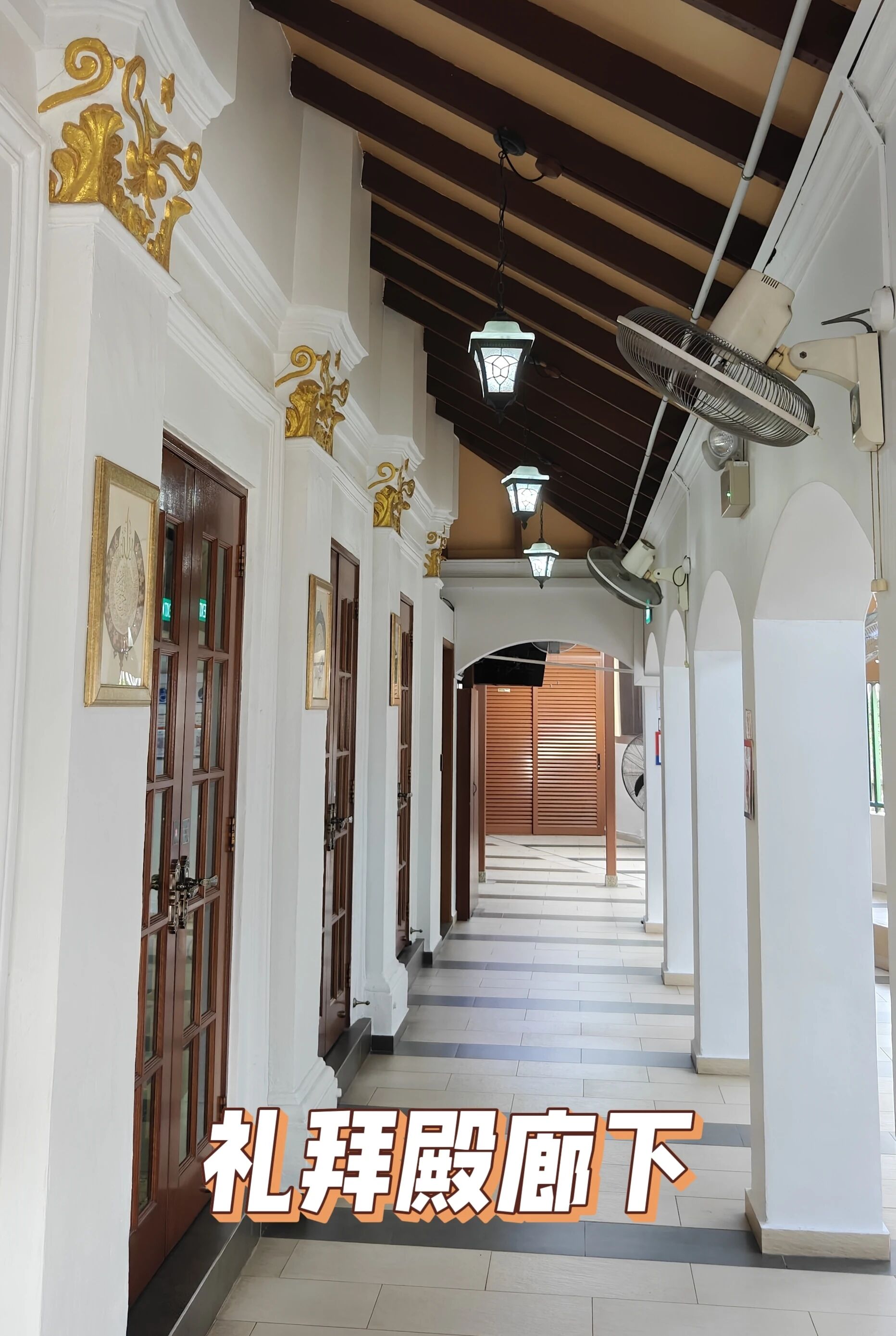
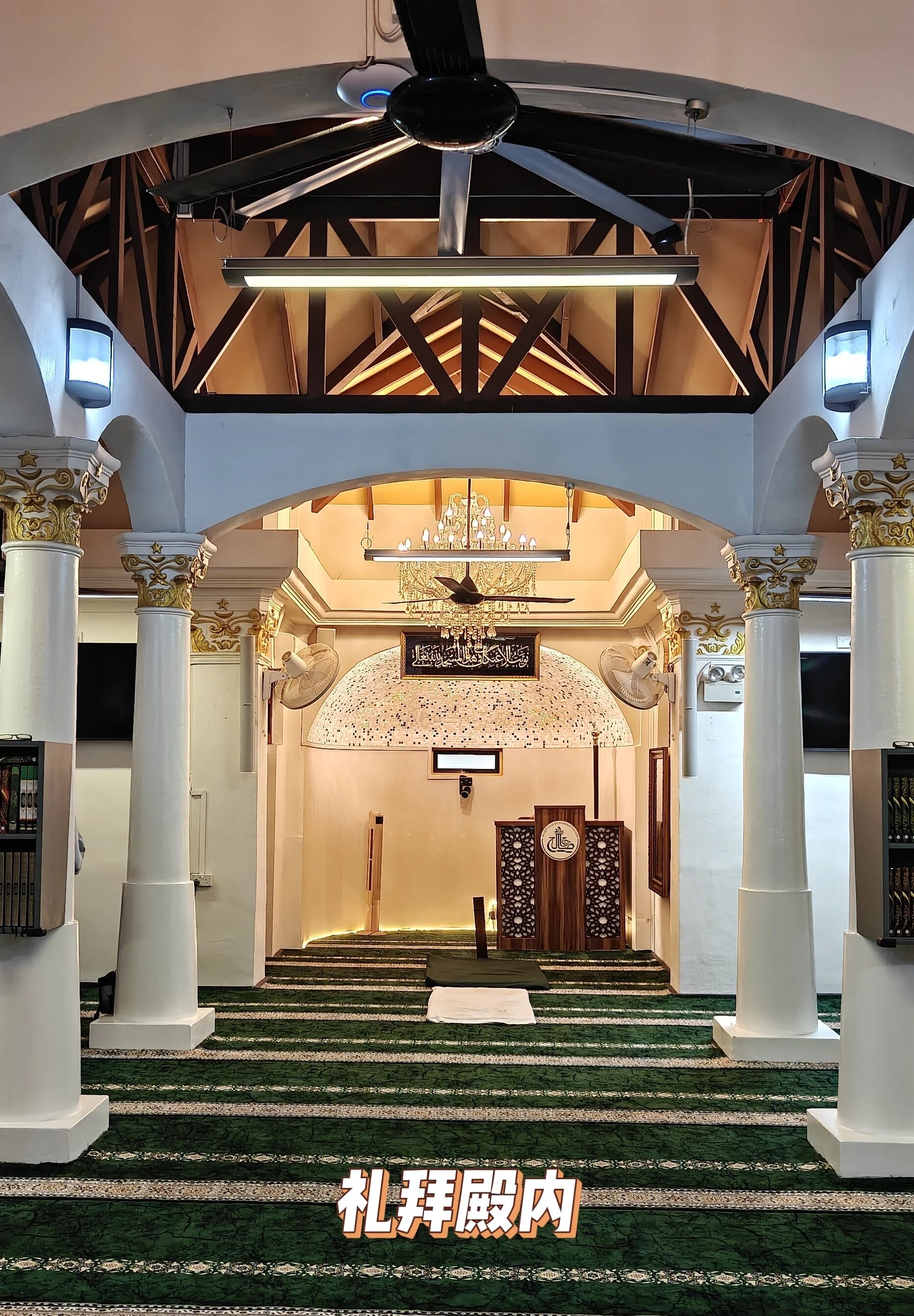
The prayer hall is not very large, but it is small and beautiful. The interior decoration is simple and plain, but it is definitely not crude. The pillars inside are mostly pure white, but the tops are accented with a touch of gold, adding a bit of elegance to the hall.
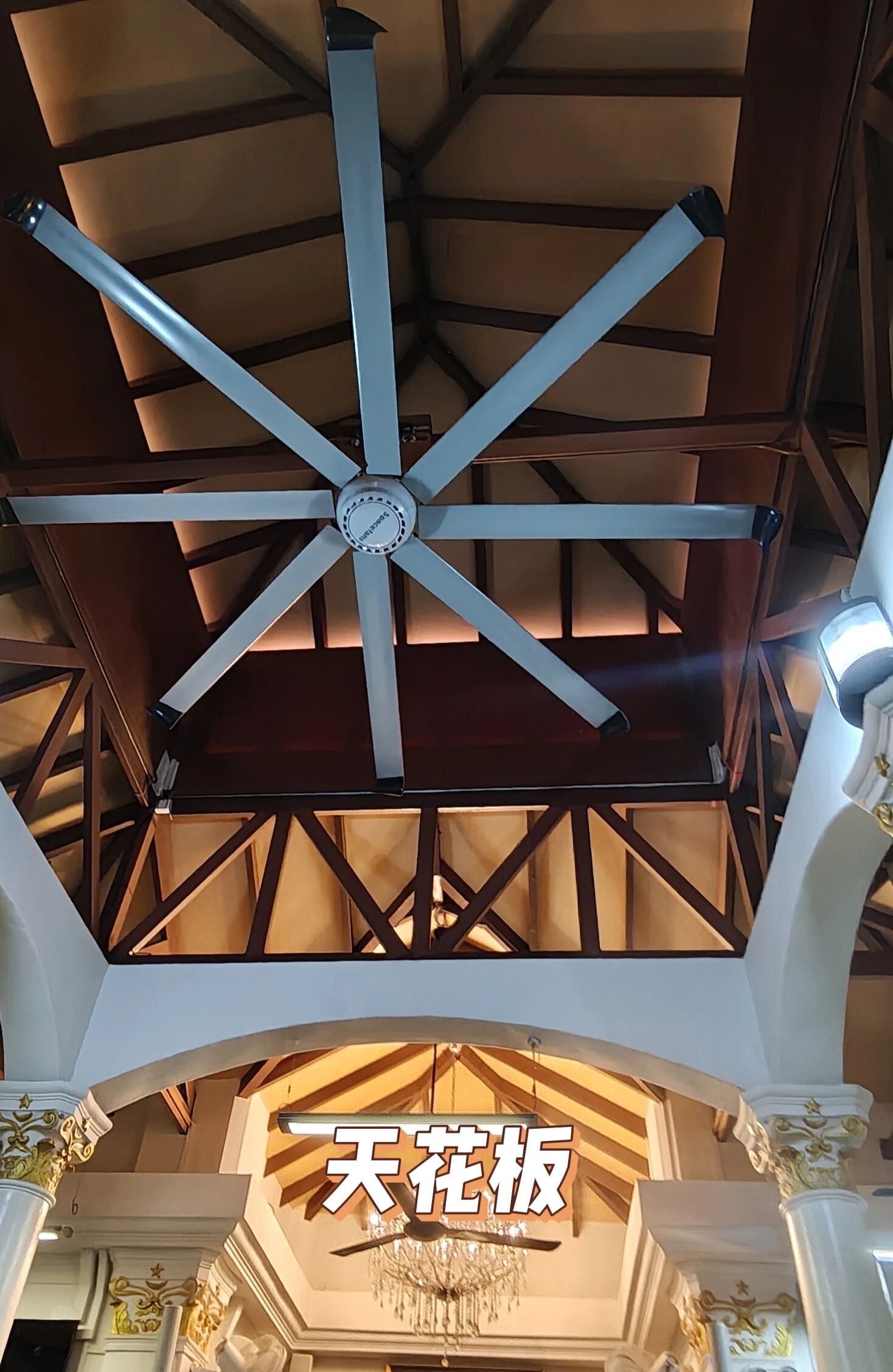
The ceiling (Image 3) is low, but it has an open design that shows the wooden structure. This keeps the ceiling from feeling heavy, as a solid ceiling in such a low room would make people feel cramped.
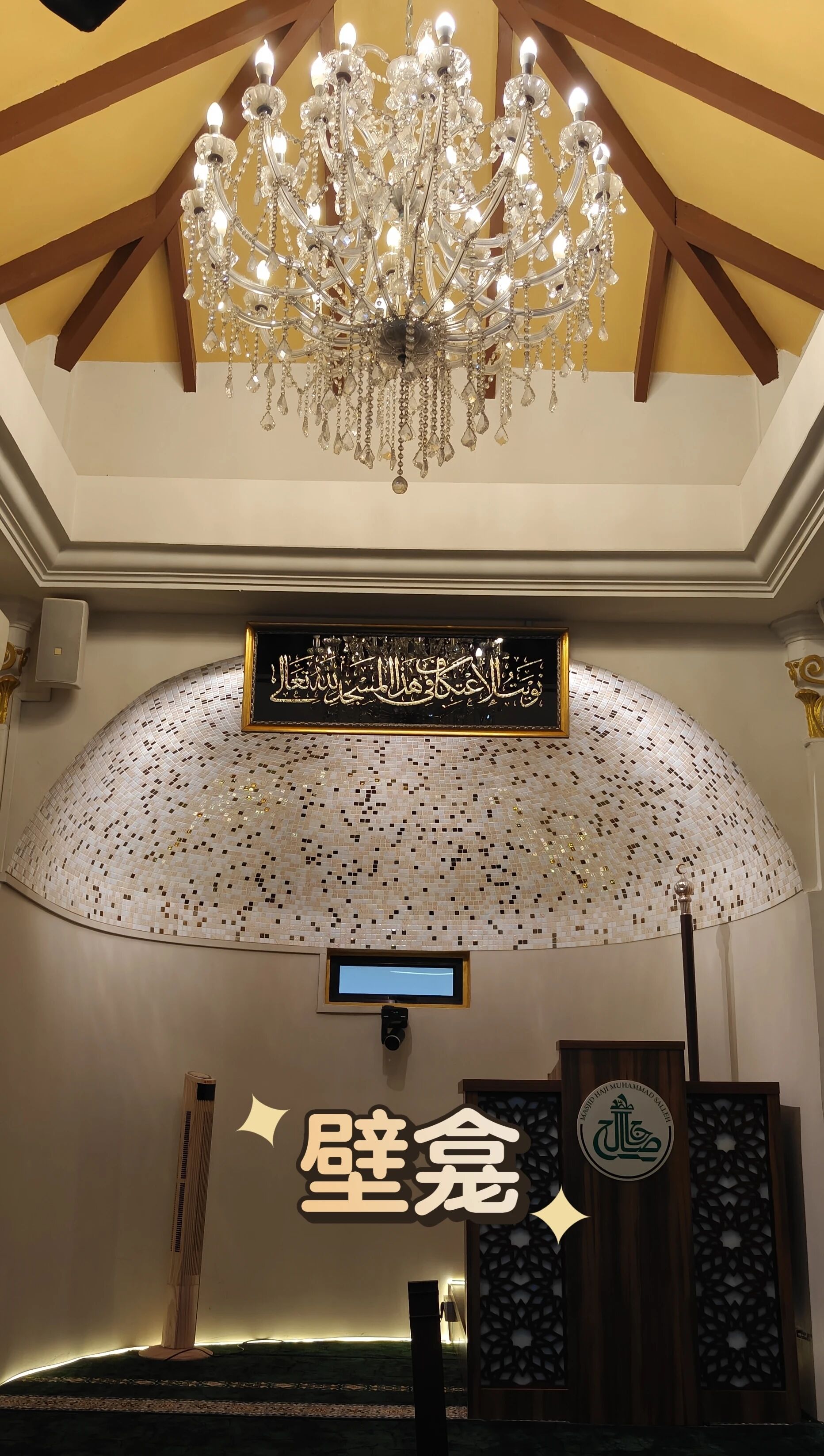
The top of the mihrab (Image 5) is covered in simple mosaic tiles. The colors are muted and the design is simple, so it does not look too flashy or distract from the space.
A staff stands on the pulpit. The khutbah staff here in Singapore is different from the ones in China, where they are usually smooth, dry branches that keep the original shape of the wood. The one here in Singapore is a straight metal staff with a metal sphere on top.
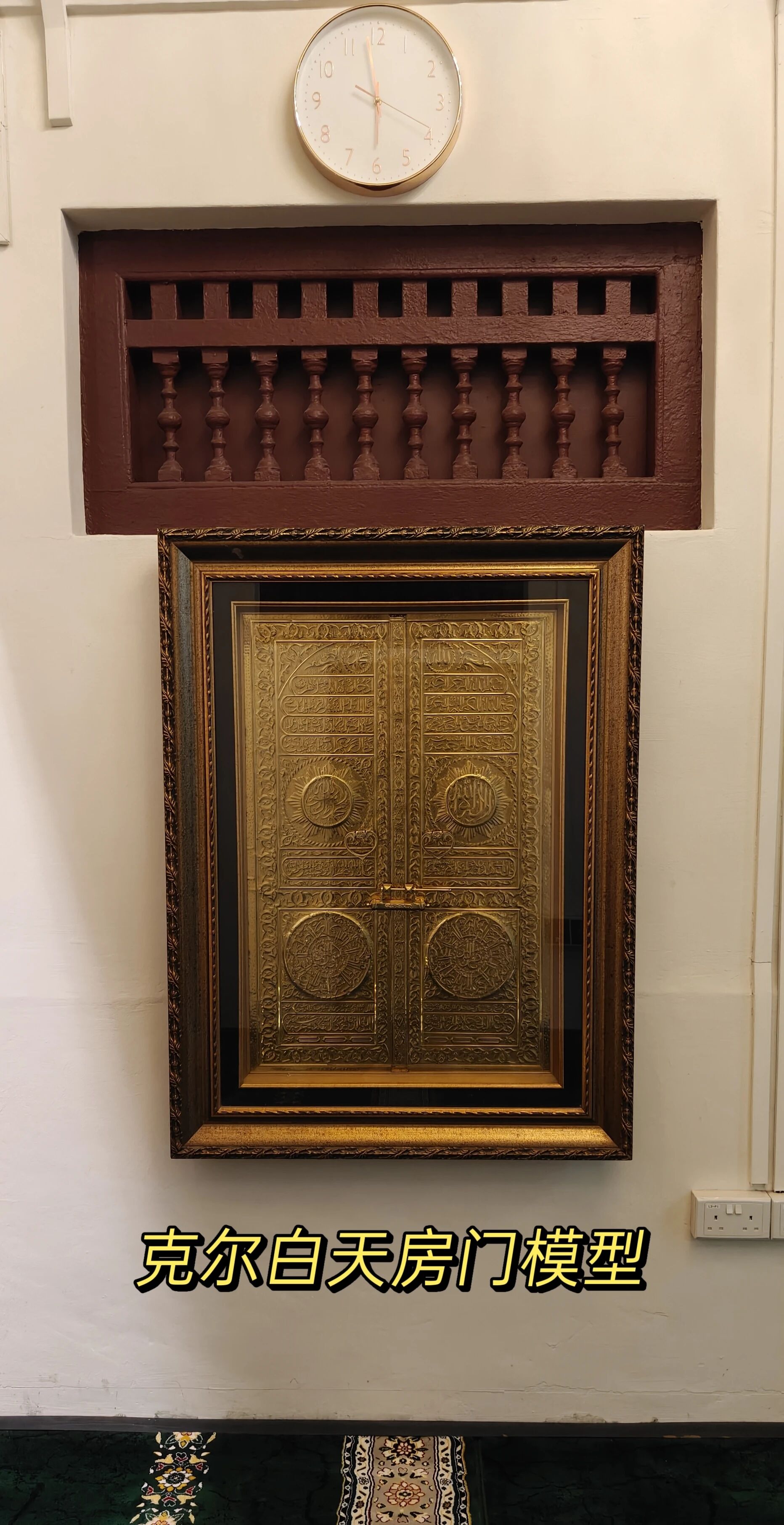
On the right side inside the niche, there is a miniature model of the door of the Kaaba in Mecca (Image 6). I have seen this type of model in the shop at the Islamic Arts Museum Malaysia, so it seems popular in mosques across Singapore and Malaysia.
Copies of the Quran (Image 7) are neatly stacked on the pillars in the prayer hall. In some mosques, the books are placed a bit randomly and come in different styles.
I think the mosque management intentionally bought many copies of the Quran with the same covers to keep the interior looking tidy. Someone is specifically in charge of organizing them, making sure books with the same covers are kept together.
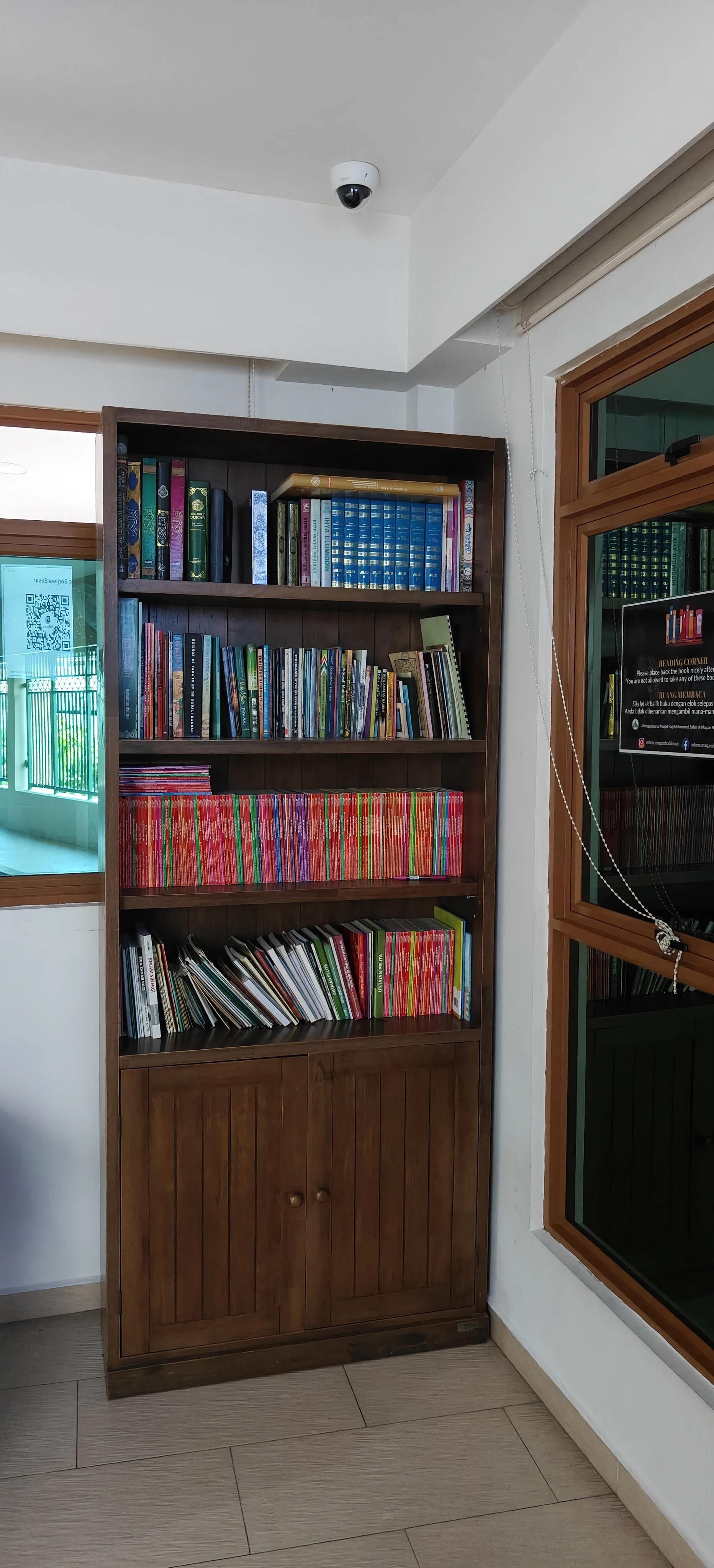
Let's look outside the prayer hall. Some guides mention a library here (Figure 10), which likely refers to a reading corner behind the prayer hall.
This small mosque also has an accessible elevator. I only noticed it while looking through my photos, even though I visited twice and never saw it.
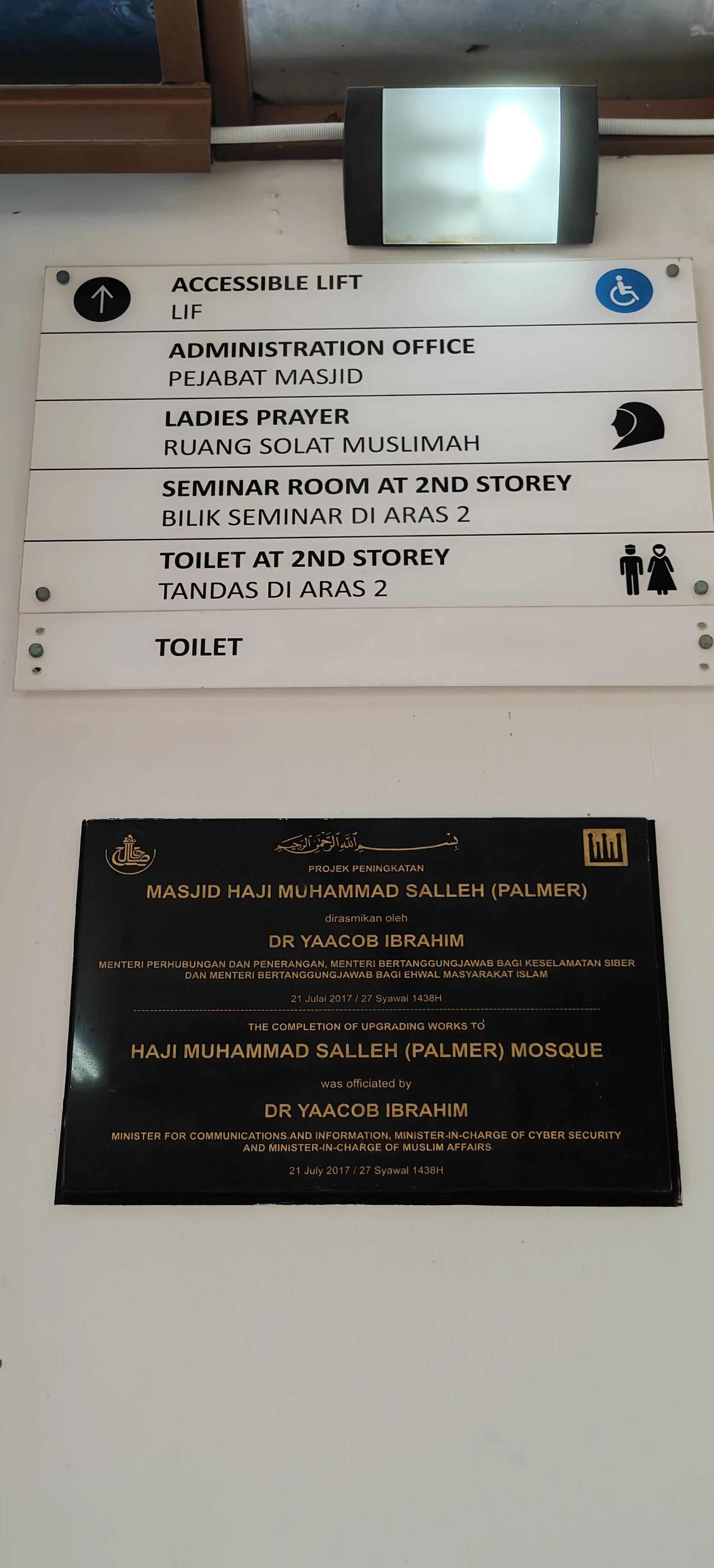
According to the sign (Figure 11), the second floor has a small meeting room, a women's prayer area, restrooms, and an administrative office.
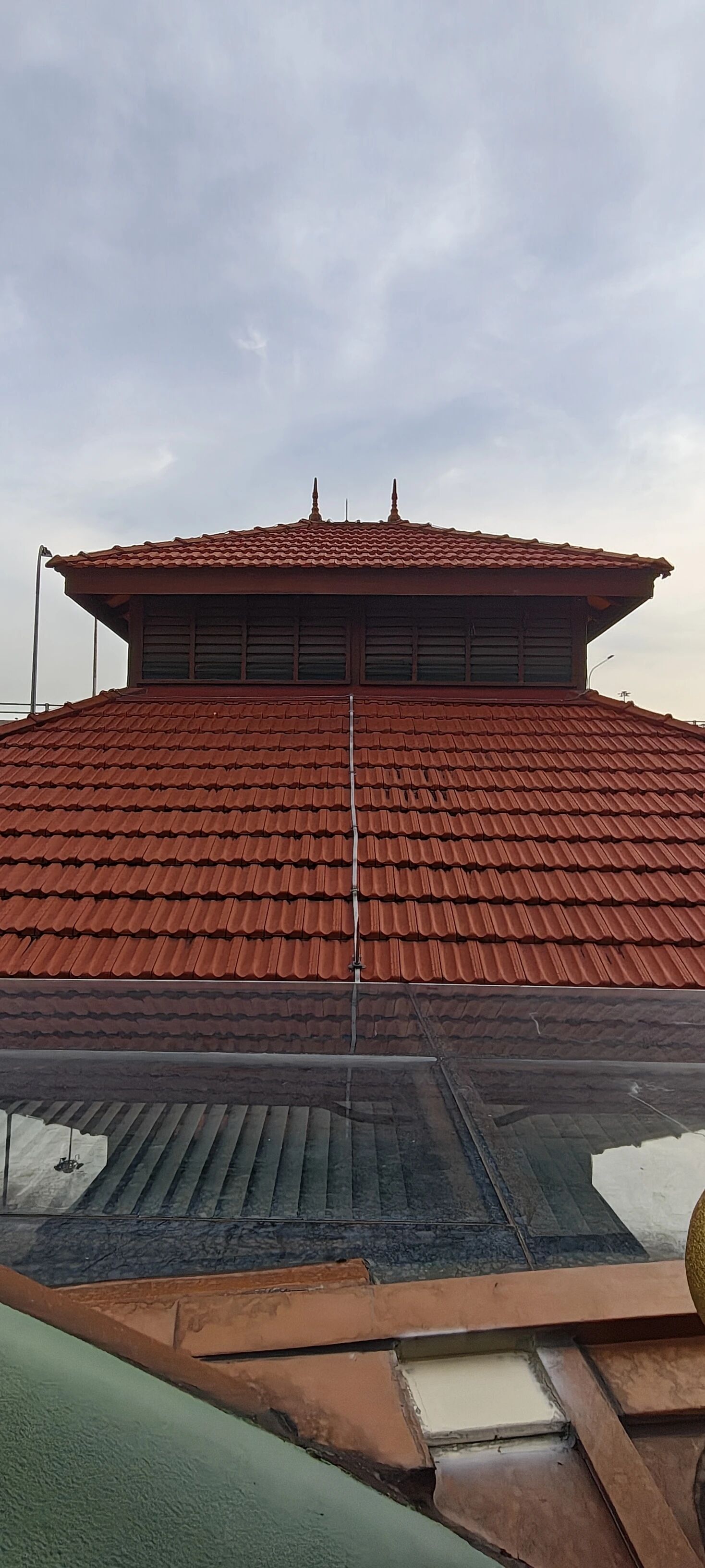
Climb the long steps up the nearby hill to see the roof of the mosque's prayer hall (Figure 12, Figure 13). The Malay-style building features this kind of sloped roof. view all
Summary: This Singapore Muslim travel guide turns from Habib Noh Shrine to Haji Mohamed Salleh Mosque itself. It keeps the mosque layout, prayer-hall notes, hillside setting, and source sequence unchanged.
Last time we focused on the tomb (gongbei) on the small hill next to the mosque. This time, let's look at the mosque itself. This mosque started as a small prayer room next to a tomb. It was later expanded to its current size.
The prayer hall is not very large, but it is small and beautiful. The interior decoration is simple and plain, but it is definitely not crude. The pillars inside are mostly pure white, but the tops are accented with a touch of gold, adding a bit of elegance to the hall.
The ceiling (Image 3) is low, but it has an open design that shows the wooden structure. This keeps the ceiling from feeling heavy, as a solid ceiling in such a low room would make people feel cramped.
The top of the mihrab (Image 5) is covered in simple mosaic tiles. The colors are muted and the design is simple, so it does not look too flashy or distract from the space.
A staff stands on the pulpit. The khutbah staff here in Singapore is different from the ones in China, where they are usually smooth, dry branches that keep the original shape of the wood. The one here in Singapore is a straight metal staff with a metal sphere on top.
On the right side inside the niche, there is a miniature model of the door of the Kaaba in Mecca (Image 6). I have seen this type of model in the shop at the Islamic Arts Museum Malaysia, so it seems popular in mosques across Singapore and Malaysia.
Copies of the Quran (Image 7) are neatly stacked on the pillars in the prayer hall. In some mosques, the books are placed a bit randomly and come in different styles.
I think the mosque management intentionally bought many copies of the Quran with the same covers to keep the interior looking tidy. Someone is specifically in charge of organizing them, making sure books with the same covers are kept together.
Let's look outside the prayer hall. Some guides mention a library here (Figure 10), which likely refers to a reading corner behind the prayer hall.
This small mosque also has an accessible elevator. I only noticed it while looking through my photos, even though I visited twice and never saw it.
According to the sign (Figure 11), the second floor has a small meeting room, a women's prayer area, restrooms, and an administrative office.
Climb the long steps up the nearby hill to see the roof of the mosque's prayer hall (Figure 12, Figure 13). The Malay-style building features this kind of sloped roof. view all
Reposted from the web
Summary: This Singapore Muslim travel guide turns from Habib Noh Shrine to Haji Mohamed Salleh Mosque itself. It keeps the mosque layout, prayer-hall notes, hillside setting, and source sequence unchanged.
Last time we focused on the tomb (gongbei) on the small hill next to the mosque. This time, let's look at the mosque itself. This mosque started as a small prayer room next to a tomb. It was later expanded to its current size.
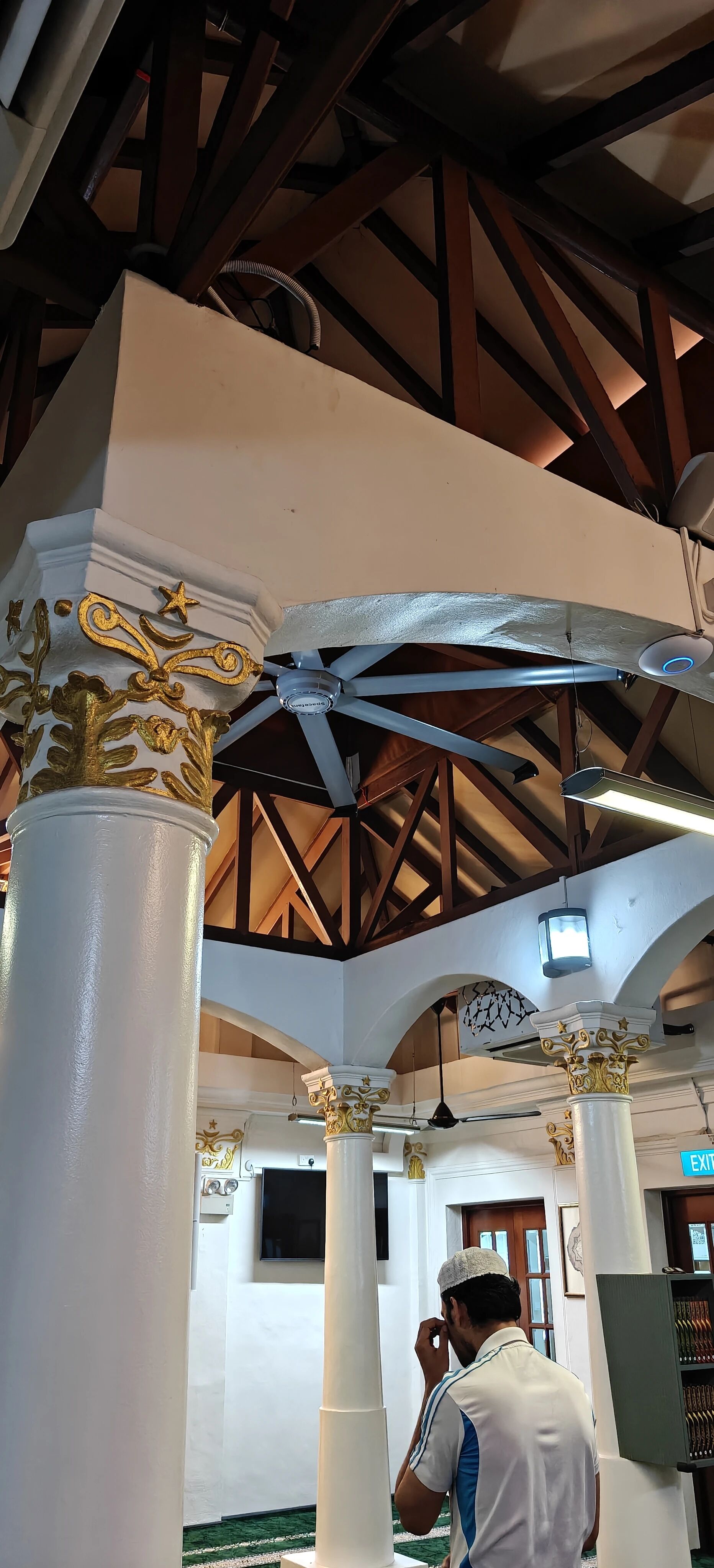
The prayer hall is not very large, but it is small and beautiful. The interior decoration is simple and plain, but it is definitely not crude. The pillars inside are mostly pure white, but the tops are accented with a touch of gold, adding a bit of elegance to the hall.
The ceiling (Image 3) is low, but it has an open design that shows the wooden structure. This keeps the ceiling from feeling heavy, as a solid ceiling in such a low room would make people feel cramped.
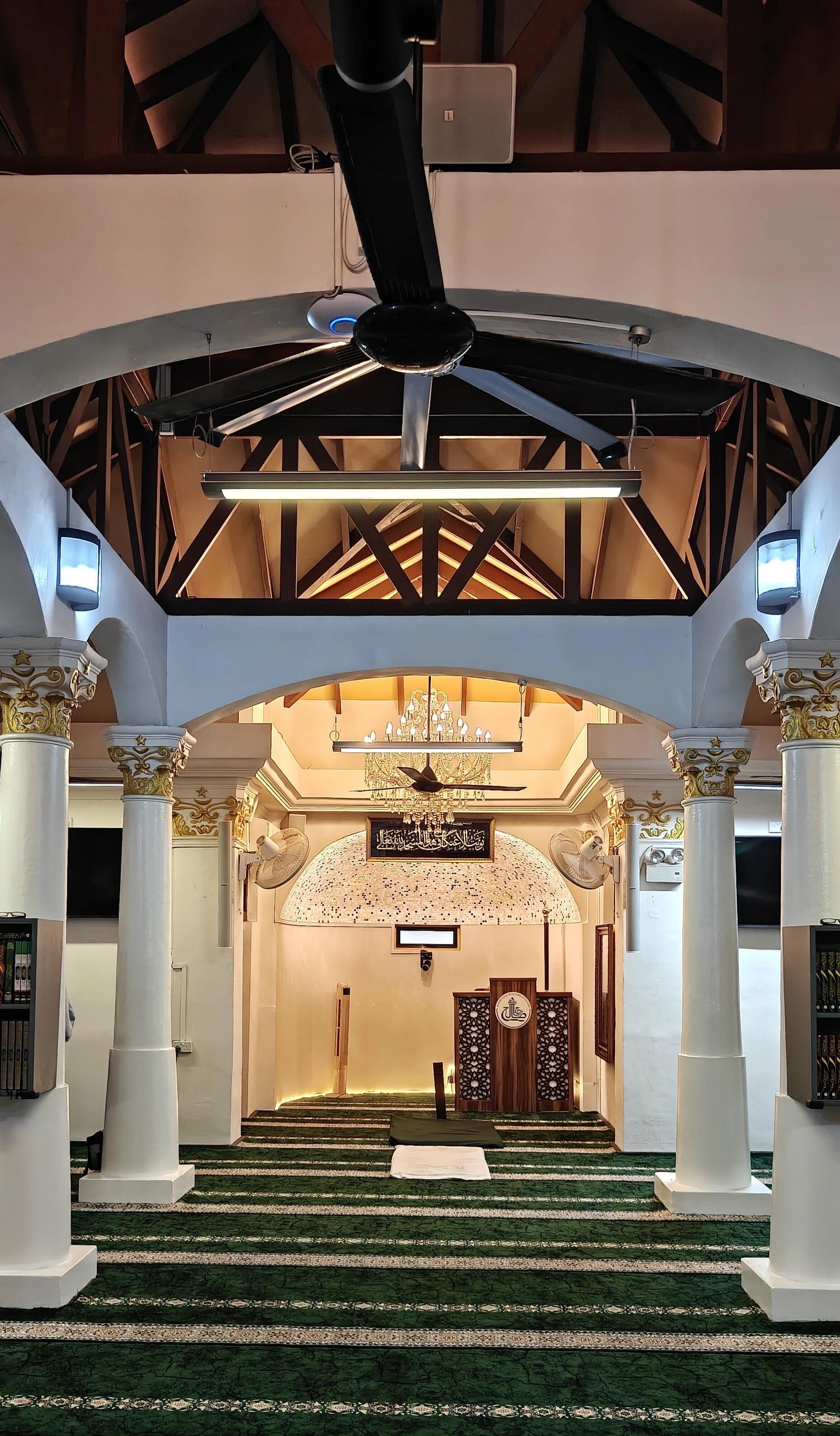
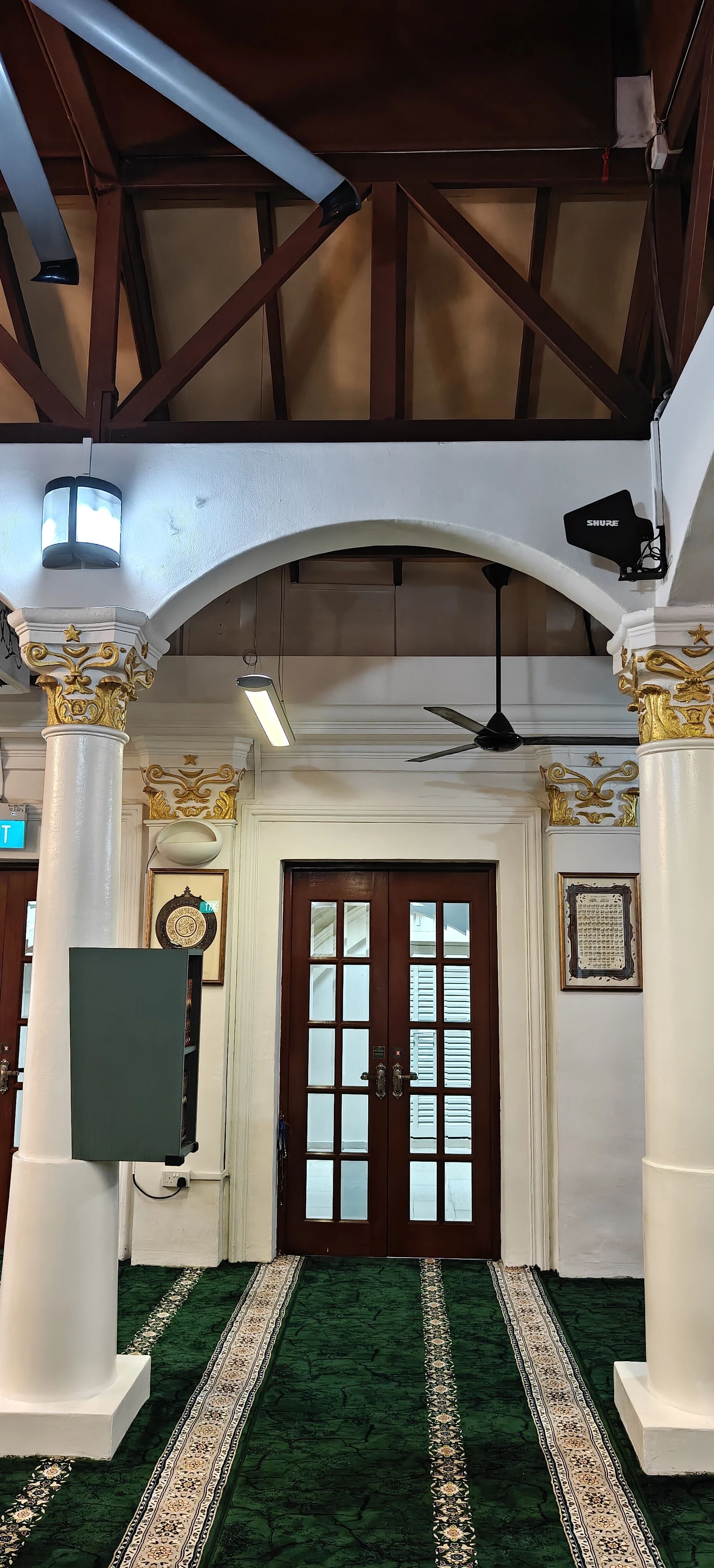
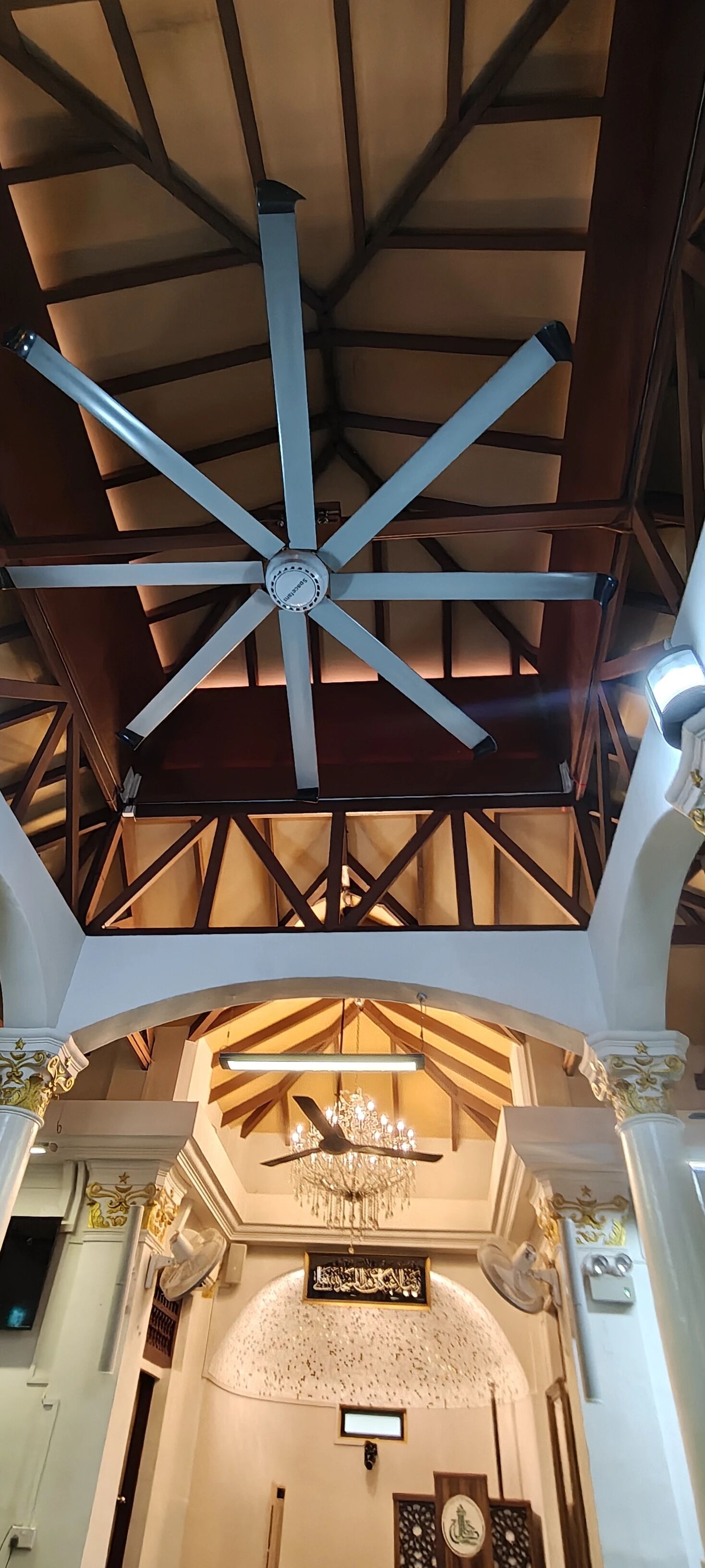
The top of the mihrab (Image 5) is covered in simple mosaic tiles. The colors are muted and the design is simple, so it does not look too flashy or distract from the space.
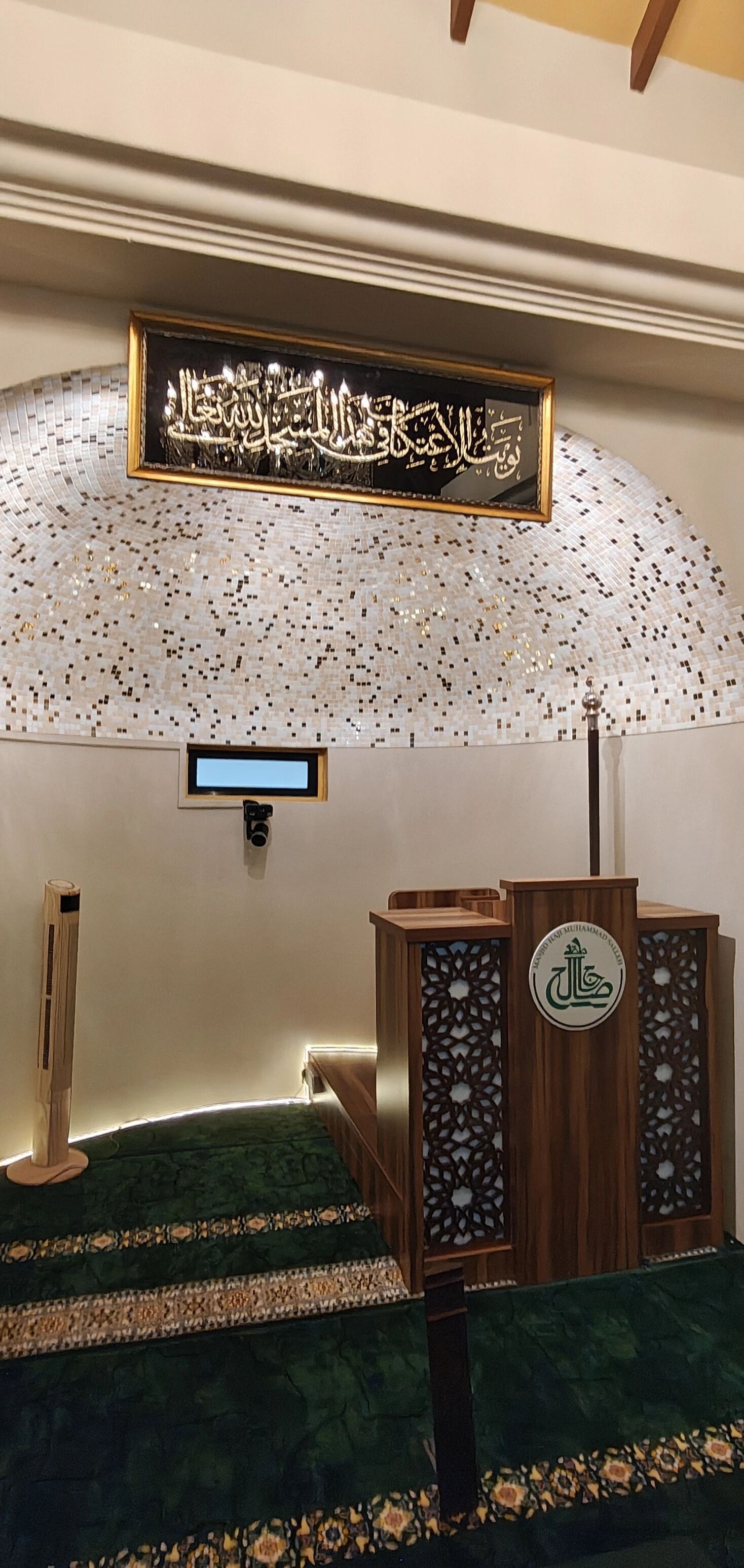
A staff stands on the pulpit. The khutbah staff here in Singapore is different from the ones in China, where they are usually smooth, dry branches that keep the original shape of the wood. The one here in Singapore is a straight metal staff with a metal sphere on top.
On the right side inside the niche, there is a miniature model of the door of the Kaaba in Mecca (Image 6). I have seen this type of model in the shop at the Islamic Arts Museum Malaysia, so it seems popular in mosques across Singapore and Malaysia.
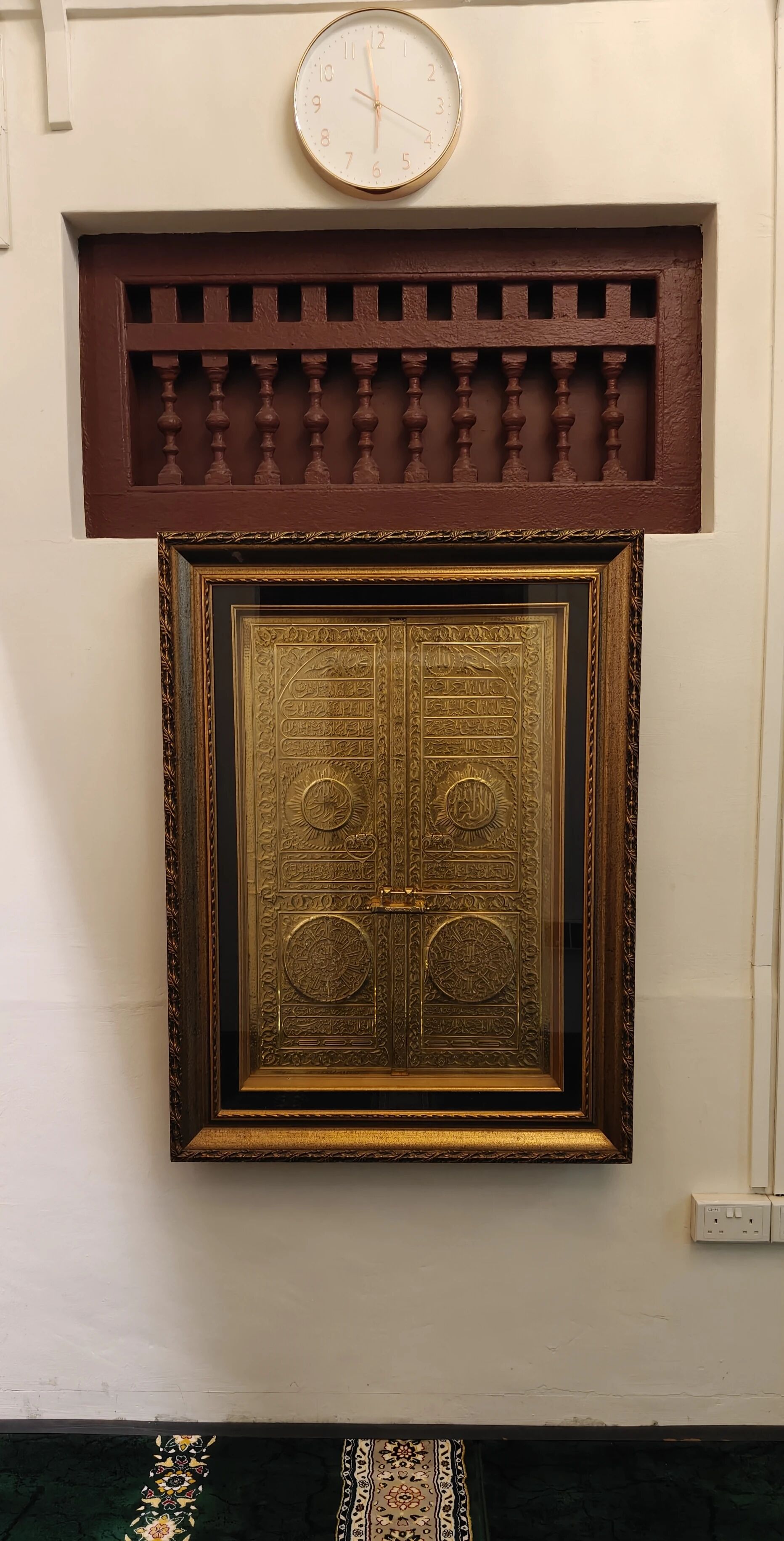
Copies of the Quran (Image 7) are neatly stacked on the pillars in the prayer hall. In some mosques, the books are placed a bit randomly and come in different styles.
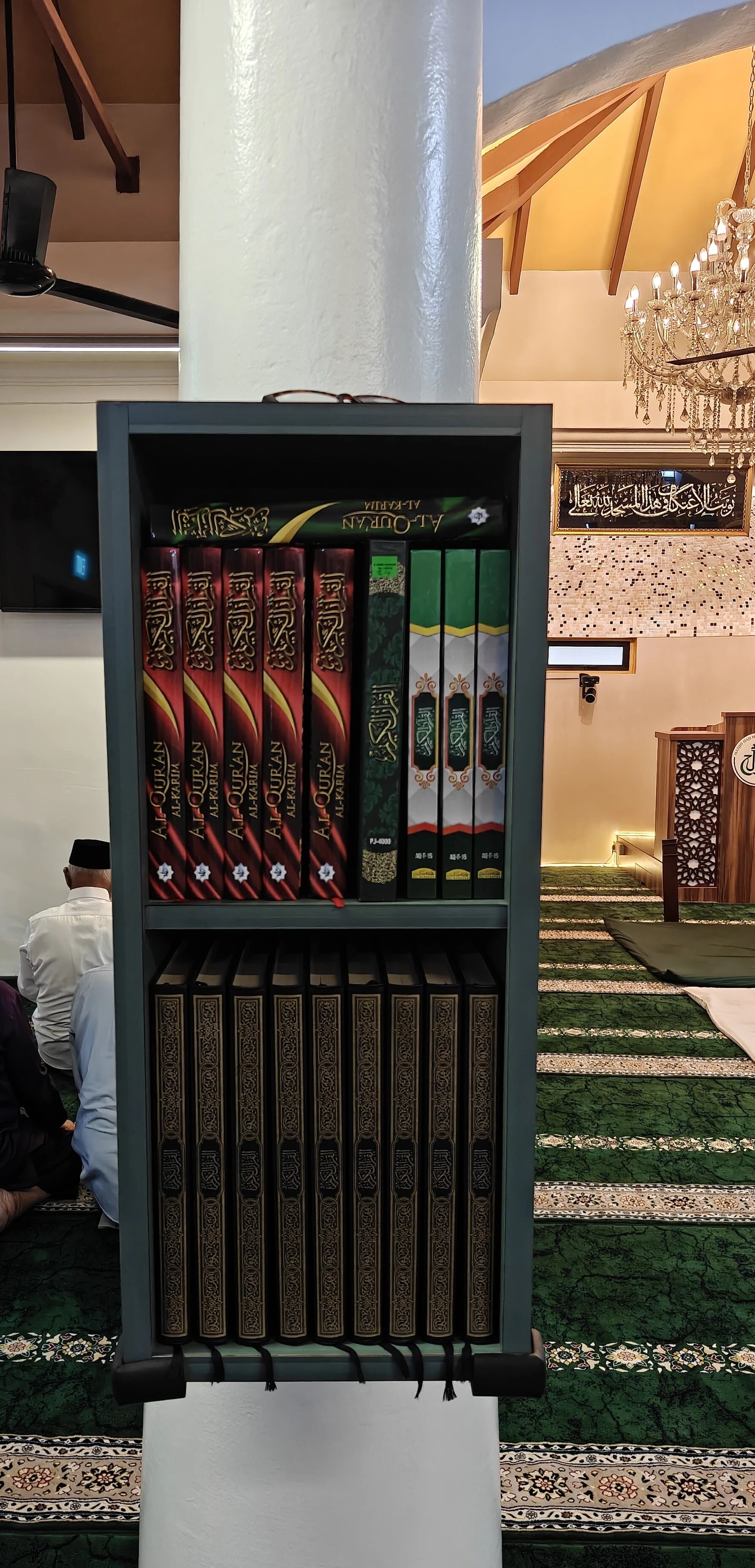
I think the mosque management intentionally bought many copies of the Quran with the same covers to keep the interior looking tidy. Someone is specifically in charge of organizing them, making sure books with the same covers are kept together.
Let's look outside the prayer hall. Some guides mention a library here (Figure 10), which likely refers to a reading corner behind the prayer hall.
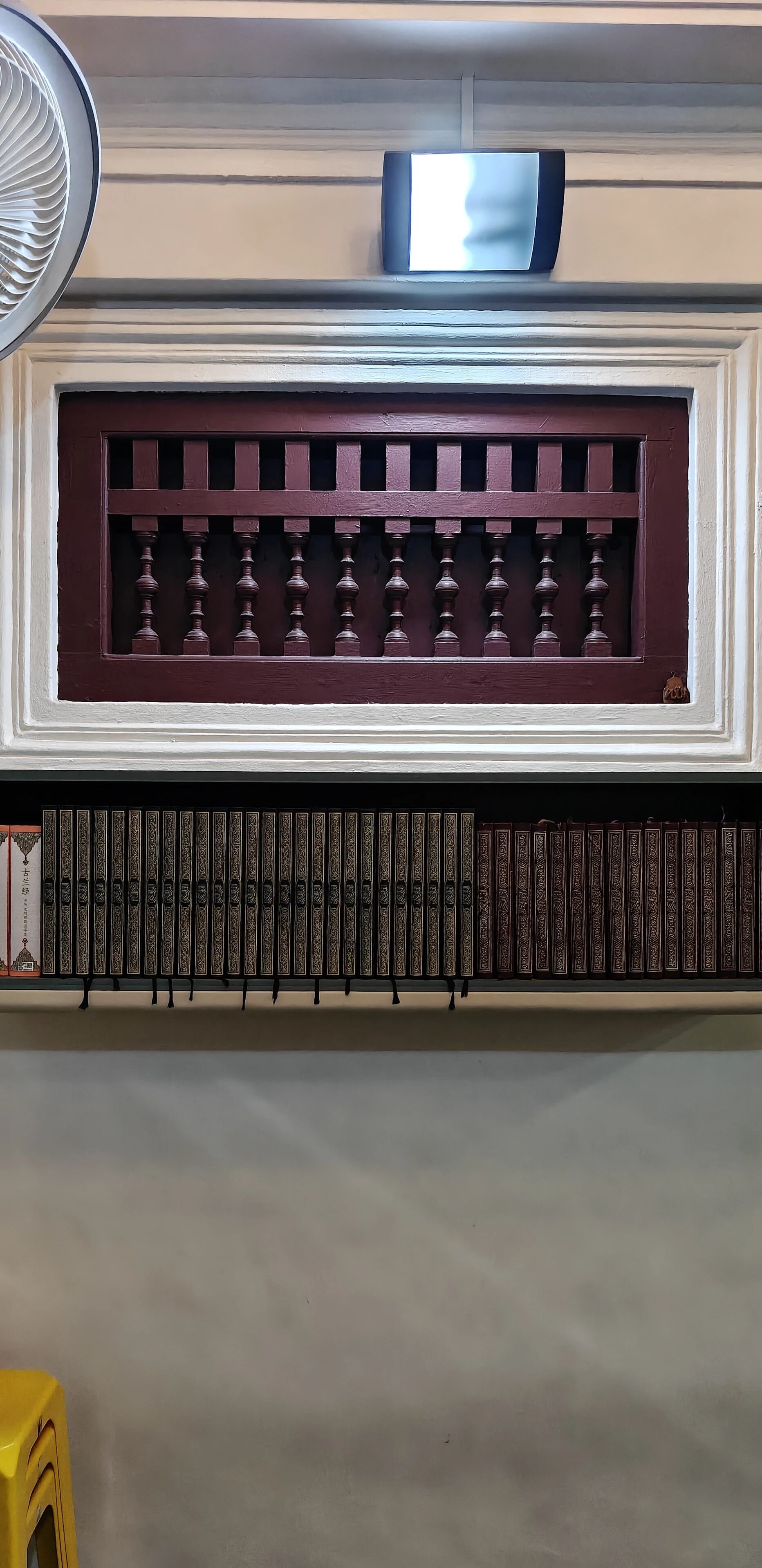
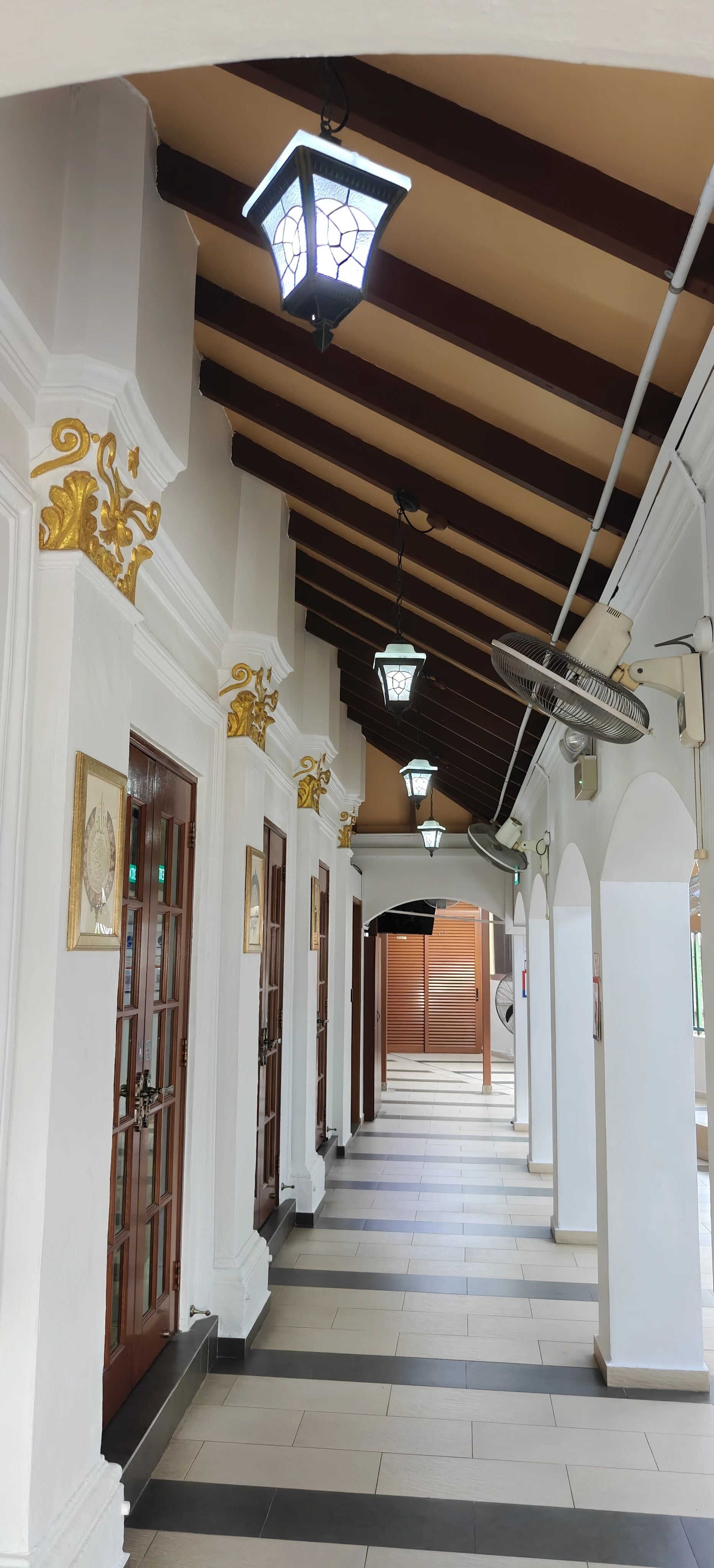
This small mosque also has an accessible elevator. I only noticed it while looking through my photos, even though I visited twice and never saw it.
According to the sign (Figure 11), the second floor has a small meeting room, a women's prayer area, restrooms, and an administrative office.
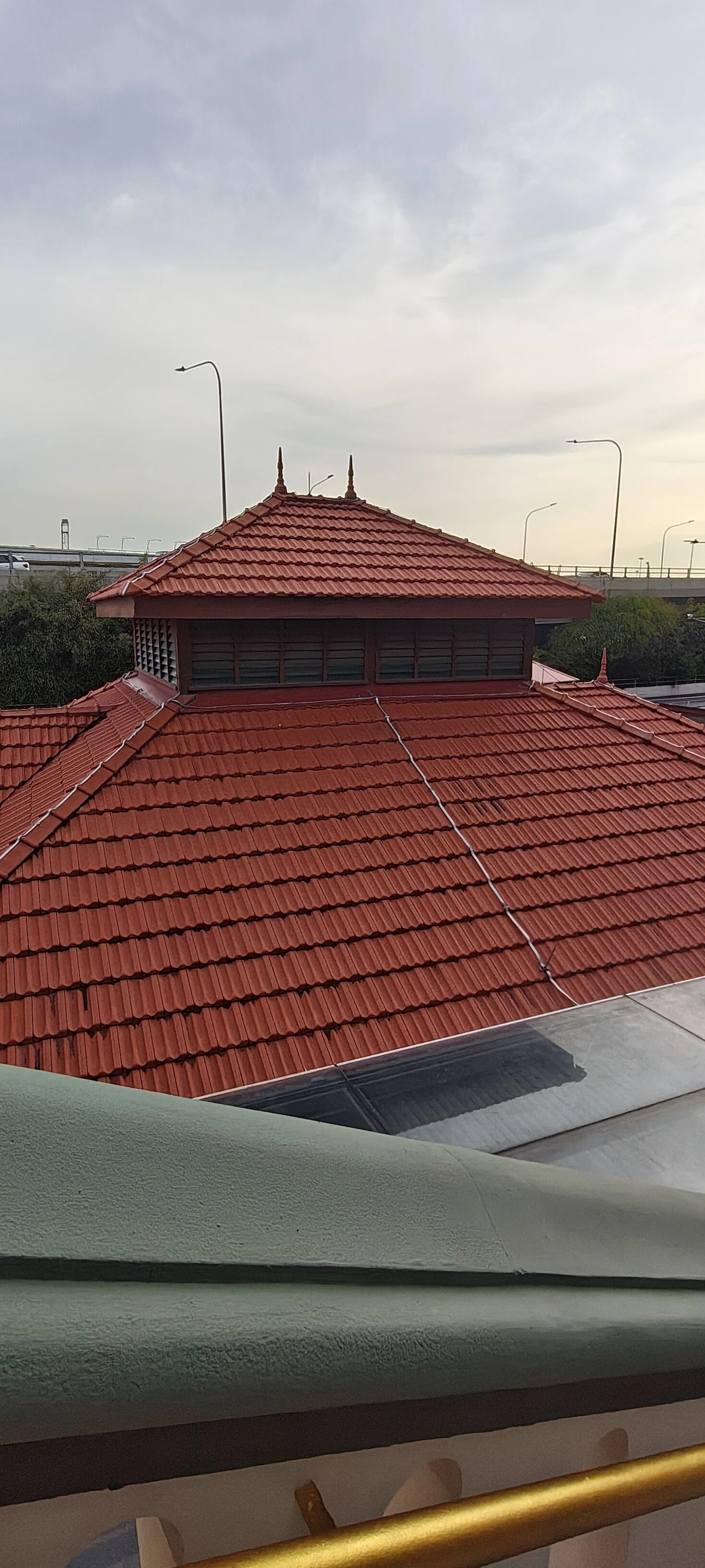
Climb the long steps up the nearby hill to see the roof of the mosque's prayer hall (Figure 12, Figure 13). The Malay-style building features this kind of sloped roof.
Summary: This Singapore Muslim travel guide turns from Habib Noh Shrine to Haji Mohamed Salleh Mosque itself. It keeps the mosque layout, prayer-hall notes, hillside setting, and source sequence unchanged.
Last time we focused on the tomb (gongbei) on the small hill next to the mosque. This time, let's look at the mosque itself. This mosque started as a small prayer room next to a tomb. It was later expanded to its current size.
The prayer hall is not very large, but it is small and beautiful. The interior decoration is simple and plain, but it is definitely not crude. The pillars inside are mostly pure white, but the tops are accented with a touch of gold, adding a bit of elegance to the hall.
The ceiling (Image 3) is low, but it has an open design that shows the wooden structure. This keeps the ceiling from feeling heavy, as a solid ceiling in such a low room would make people feel cramped.
The top of the mihrab (Image 5) is covered in simple mosaic tiles. The colors are muted and the design is simple, so it does not look too flashy or distract from the space.
A staff stands on the pulpit. The khutbah staff here in Singapore is different from the ones in China, where they are usually smooth, dry branches that keep the original shape of the wood. The one here in Singapore is a straight metal staff with a metal sphere on top.
On the right side inside the niche, there is a miniature model of the door of the Kaaba in Mecca (Image 6). I have seen this type of model in the shop at the Islamic Arts Museum Malaysia, so it seems popular in mosques across Singapore and Malaysia.
Copies of the Quran (Image 7) are neatly stacked on the pillars in the prayer hall. In some mosques, the books are placed a bit randomly and come in different styles.
I think the mosque management intentionally bought many copies of the Quran with the same covers to keep the interior looking tidy. Someone is specifically in charge of organizing them, making sure books with the same covers are kept together.
Let's look outside the prayer hall. Some guides mention a library here (Figure 10), which likely refers to a reading corner behind the prayer hall.
This small mosque also has an accessible elevator. I only noticed it while looking through my photos, even though I visited twice and never saw it.
According to the sign (Figure 11), the second floor has a small meeting room, a women's prayer area, restrooms, and an administrative office.
Climb the long steps up the nearby hill to see the roof of the mosque's prayer hall (Figure 12, Figure 13). The Malay-style building features this kind of sloped roof.
Muslim Travel Guide Singapore: Habib Noh Shrine, Gongbei Tomb and Haji Mohamed Salleh Mosque
Articles • Hasan09 posted the article • 0 comments • 337 views • 2026-05-24 01:47
Reposted from the web
Summary: This Singapore Muslim travel guide visits Habib Noh Shrine beside Haji Mohamed Salleh Mosque. It preserves the route, the 1788-1866 date note, the gongbei tomb description, and the local Muslim heritage details.
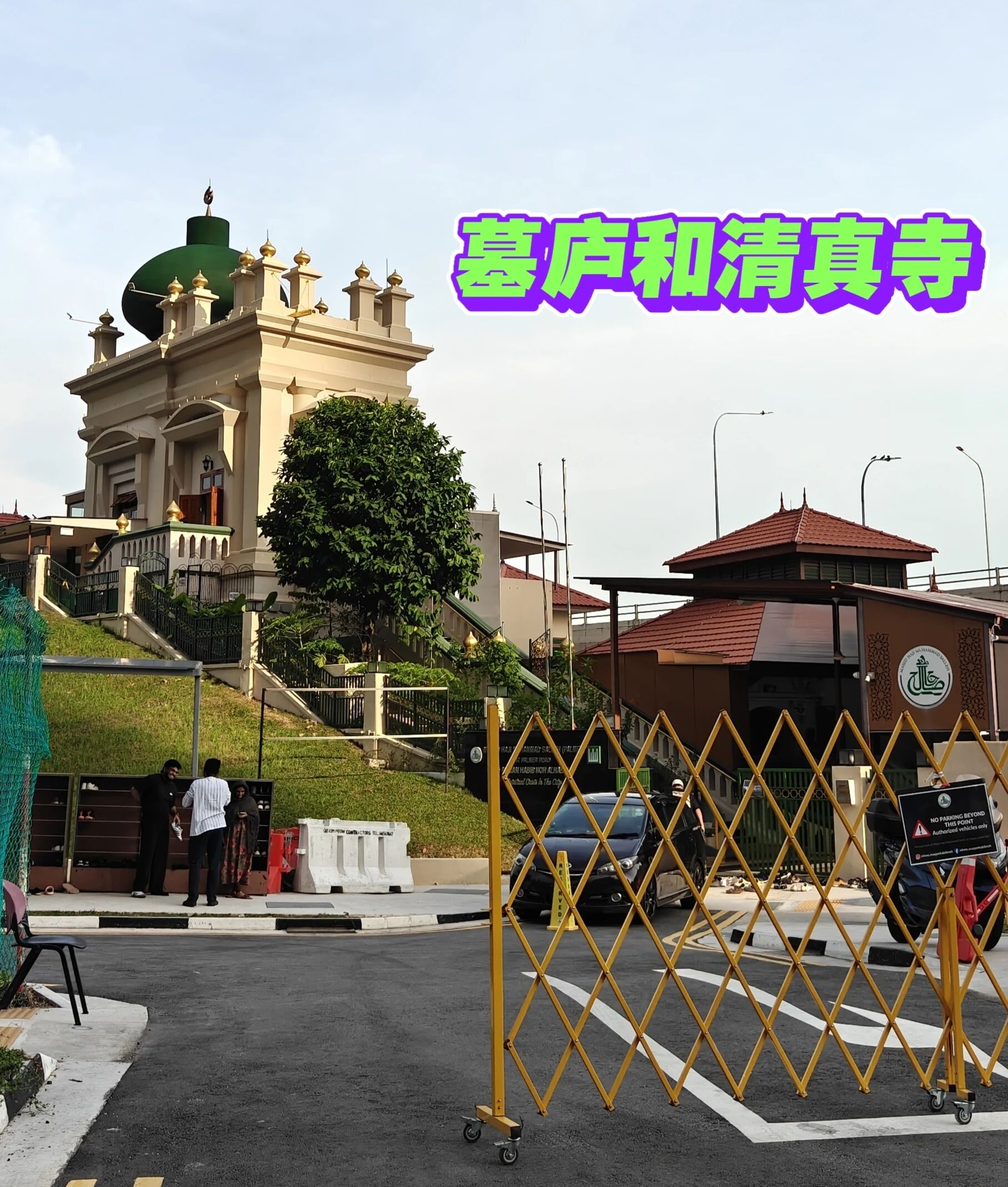
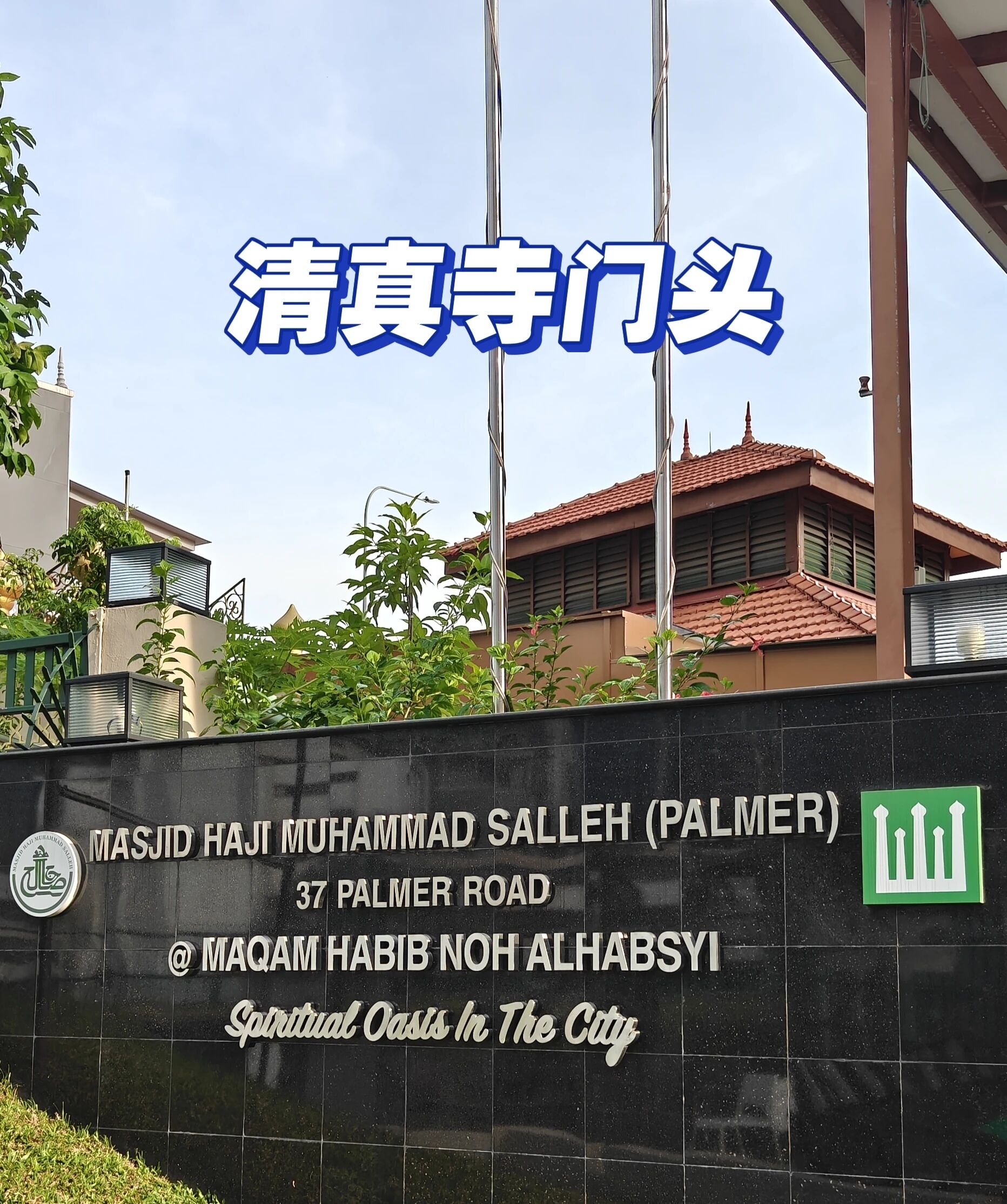
To get here, set your navigation for Haji Muhammad Salleh Mosque. The mosque sits next to a small hill where a Muslim sage named Habib Noh (1788–1866) is buried. The building with the dome is his tomb (gongbei).
Haji Muhammad Salleh, a friend of Habib Noh, originally built a prayer room next to the tomb, which was later expanded into this mosque.
I visited at the end of last year, but the tomb was closed for renovations. So, I only visited the mosque and did not go up to the tomb. This time, the renovations were finished, so I could go up.
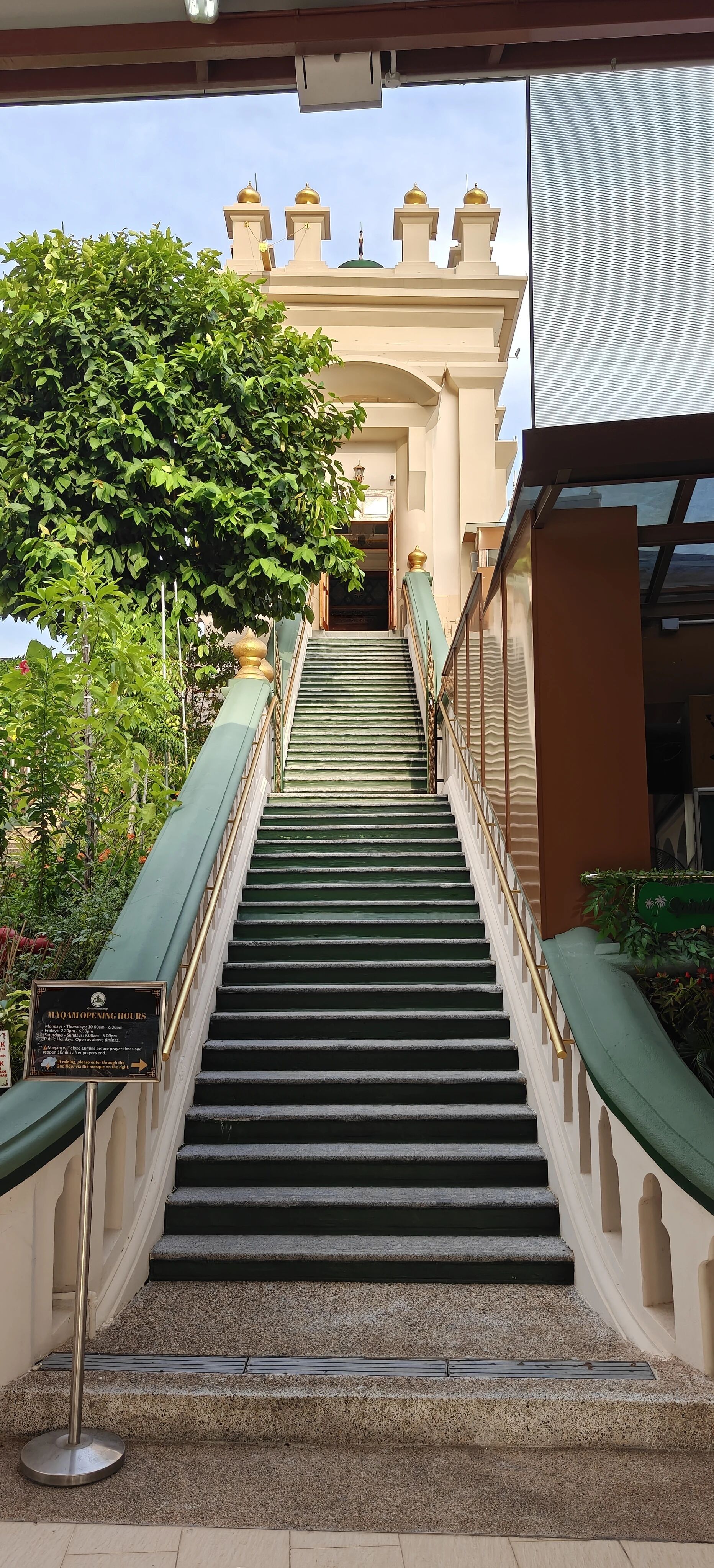
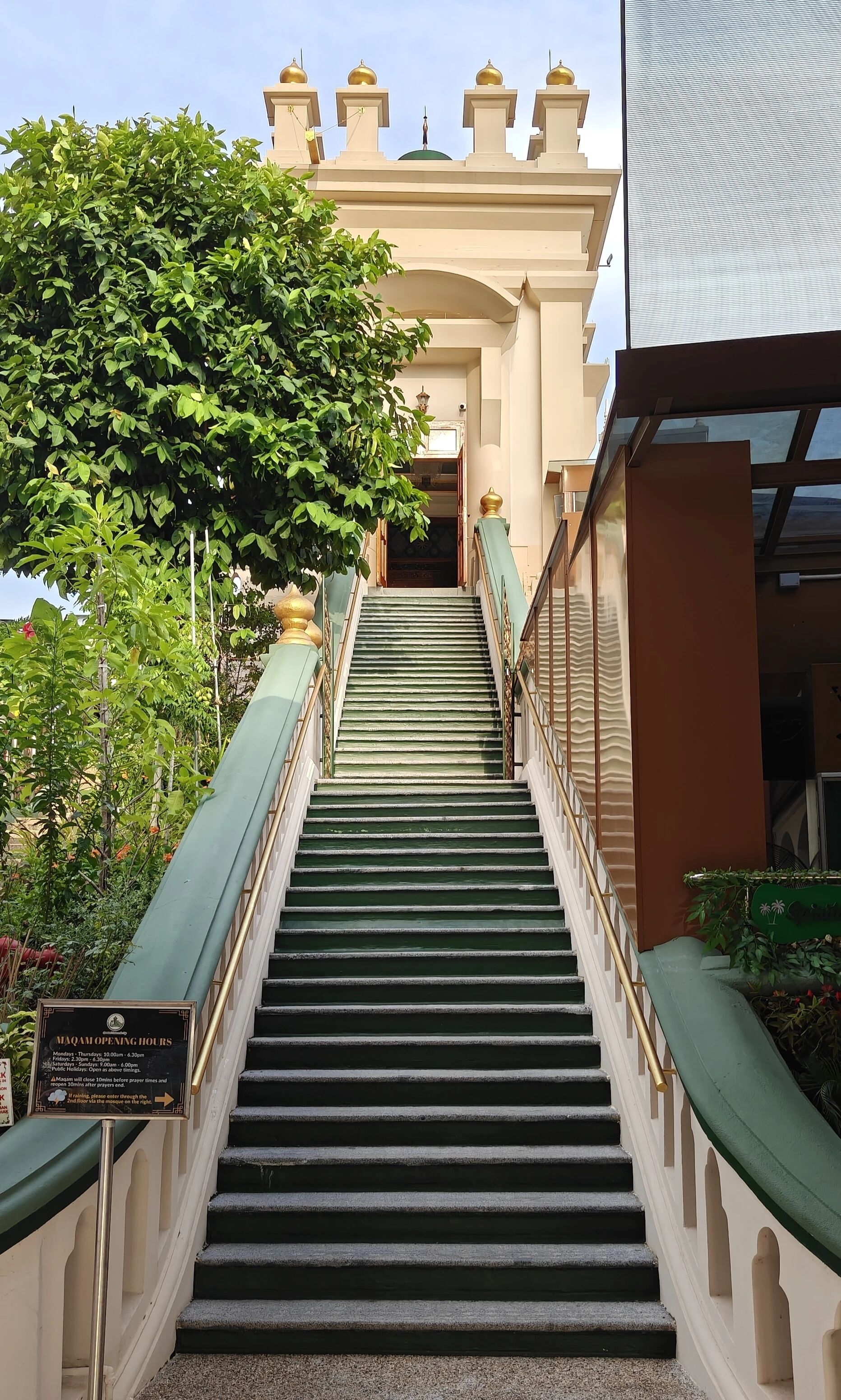
You have to climb a flight of stairs to reach the tomb's front hall. An elderly volunteer who guards the tomb told me that Habib Noh was a descendant of the Prophet and suggested I look up more information about him.
It turns out this sage grew up in Penang, Malaysia, before moving to Singapore. His family was from Yemen, and he was born on a ship heading to Penang. He often spent time meditating on Palmer Hill, the same small hill where he is buried today.
People say that after he passed away, they tried to move his body to a cemetery, but they could not move him at all. At this point, someone remembered he had said before he died that he wanted to be buried on the hills of Parma. Only then were they able to bury him successfully. Everyone can form their own opinion on this story.
We can enter the tomb chamber by taking the long stairs shown in picture three.
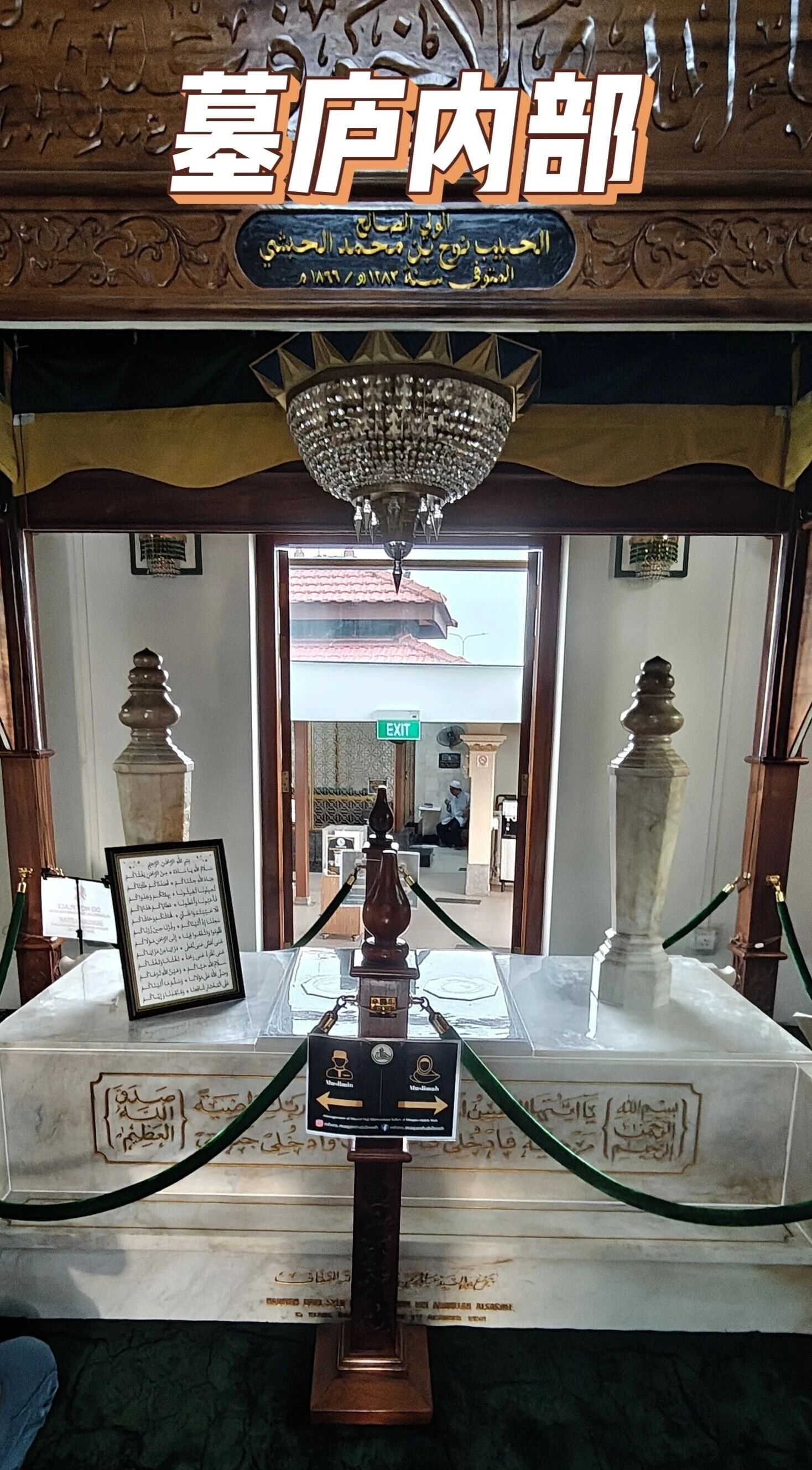
Once inside the tomb chamber, I sat cross-legged. The people around me knelt, whispered prayers, and then raised their hands to make dua.
Behind the tomb chamber is another grave covered by a metal grid, where Habib Nuh's cousin, Habib Abdul Rahman, is buried. He was the first kadi (Islamic judge) of Singapore.
We returned to the mosque, where some introductory religious books were displayed at the entrance (picture nine); judging by the covers, the one on the left likely teaches how to perform wudu before namaz.
The book on the right features an elephant and a meteorite on the cover, so it is likely about the story of the Elephant in the Quran, making it a book of Quranic stories.
The mosque at the foot of the hill has a distinct Southeast Asian style with a clearly visible roof structure, similar to the huts built by the Malay people. It seems like living in a house like this would be very cool.
Inside the mihrab niche, there is also a miniature model of the door to the Kaaba in Mecca (Figure 14).
This place is very close to the busy areas of Singapore, so I usually head over to the Flower Dome after visiting here. view all
Summary: This Singapore Muslim travel guide visits Habib Noh Shrine beside Haji Mohamed Salleh Mosque. It preserves the route, the 1788-1866 date note, the gongbei tomb description, and the local Muslim heritage details.
To get here, set your navigation for Haji Muhammad Salleh Mosque. The mosque sits next to a small hill where a Muslim sage named Habib Noh (1788–1866) is buried. The building with the dome is his tomb (gongbei).
Haji Muhammad Salleh, a friend of Habib Noh, originally built a prayer room next to the tomb, which was later expanded into this mosque.
I visited at the end of last year, but the tomb was closed for renovations. So, I only visited the mosque and did not go up to the tomb. This time, the renovations were finished, so I could go up.
You have to climb a flight of stairs to reach the tomb's front hall. An elderly volunteer who guards the tomb told me that Habib Noh was a descendant of the Prophet and suggested I look up more information about him.
It turns out this sage grew up in Penang, Malaysia, before moving to Singapore. His family was from Yemen, and he was born on a ship heading to Penang. He often spent time meditating on Palmer Hill, the same small hill where he is buried today.
People say that after he passed away, they tried to move his body to a cemetery, but they could not move him at all. At this point, someone remembered he had said before he died that he wanted to be buried on the hills of Parma. Only then were they able to bury him successfully. Everyone can form their own opinion on this story.
We can enter the tomb chamber by taking the long stairs shown in picture three.
Once inside the tomb chamber, I sat cross-legged. The people around me knelt, whispered prayers, and then raised their hands to make dua.
Behind the tomb chamber is another grave covered by a metal grid, where Habib Nuh's cousin, Habib Abdul Rahman, is buried. He was the first kadi (Islamic judge) of Singapore.
We returned to the mosque, where some introductory religious books were displayed at the entrance (picture nine); judging by the covers, the one on the left likely teaches how to perform wudu before namaz.
The book on the right features an elephant and a meteorite on the cover, so it is likely about the story of the Elephant in the Quran, making it a book of Quranic stories.
The mosque at the foot of the hill has a distinct Southeast Asian style with a clearly visible roof structure, similar to the huts built by the Malay people. It seems like living in a house like this would be very cool.
Inside the mihrab niche, there is also a miniature model of the door to the Kaaba in Mecca (Figure 14).
This place is very close to the busy areas of Singapore, so I usually head over to the Flower Dome after visiting here. view all
Reposted from the web
Summary: This Singapore Muslim travel guide visits Habib Noh Shrine beside Haji Mohamed Salleh Mosque. It preserves the route, the 1788-1866 date note, the gongbei tomb description, and the local Muslim heritage details.
To get here, set your navigation for Haji Muhammad Salleh Mosque. The mosque sits next to a small hill where a Muslim sage named Habib Noh (1788–1866) is buried. The building with the dome is his tomb (gongbei).
Haji Muhammad Salleh, a friend of Habib Noh, originally built a prayer room next to the tomb, which was later expanded into this mosque.
I visited at the end of last year, but the tomb was closed for renovations. So, I only visited the mosque and did not go up to the tomb. This time, the renovations were finished, so I could go up.
You have to climb a flight of stairs to reach the tomb's front hall. An elderly volunteer who guards the tomb told me that Habib Noh was a descendant of the Prophet and suggested I look up more information about him.
It turns out this sage grew up in Penang, Malaysia, before moving to Singapore. His family was from Yemen, and he was born on a ship heading to Penang. He often spent time meditating on Palmer Hill, the same small hill where he is buried today.
People say that after he passed away, they tried to move his body to a cemetery, but they could not move him at all. At this point, someone remembered he had said before he died that he wanted to be buried on the hills of Parma. Only then were they able to bury him successfully. Everyone can form their own opinion on this story.
We can enter the tomb chamber by taking the long stairs shown in picture three.
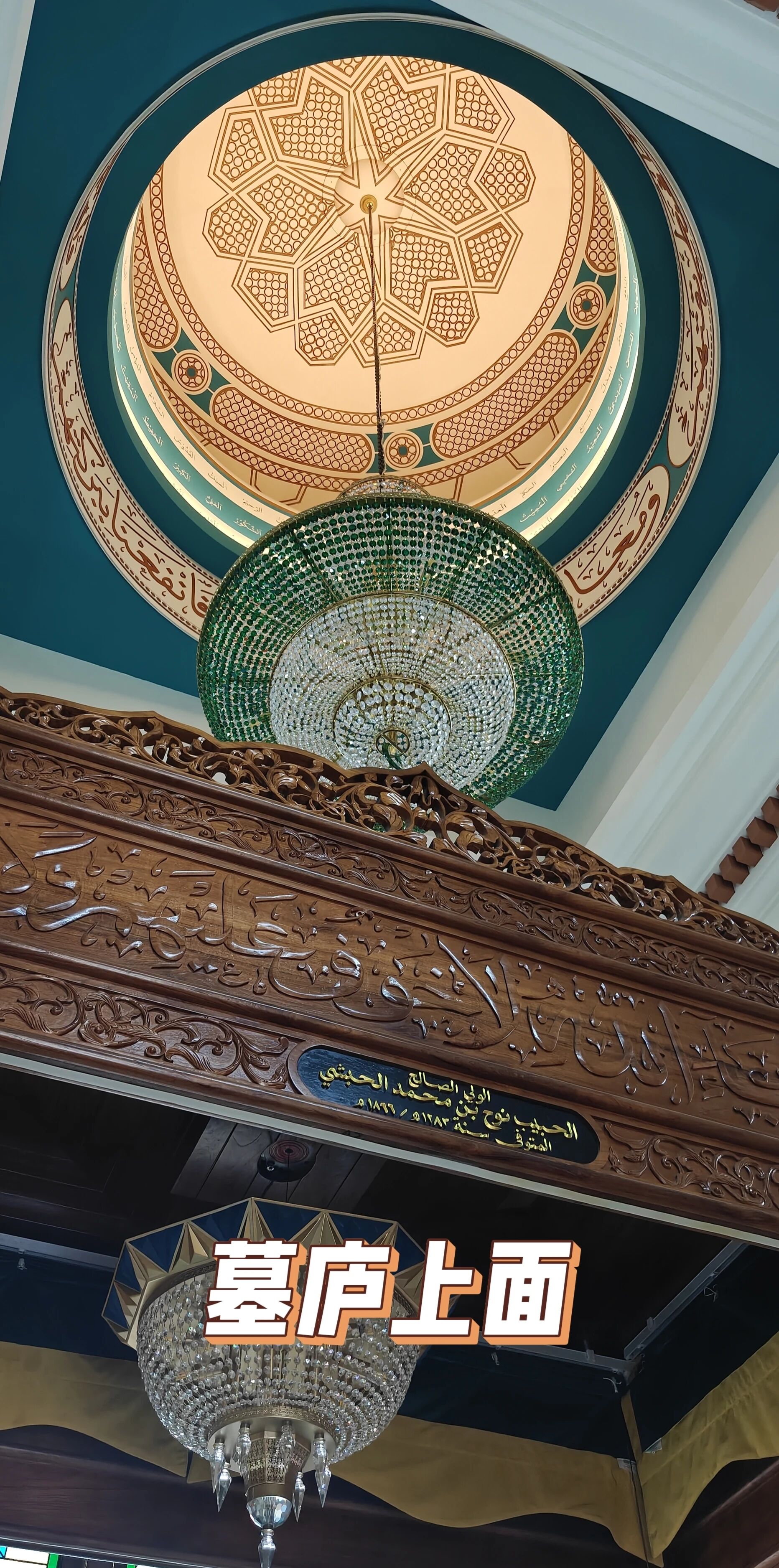
Once inside the tomb chamber, I sat cross-legged. The people around me knelt, whispered prayers, and then raised their hands to make dua.
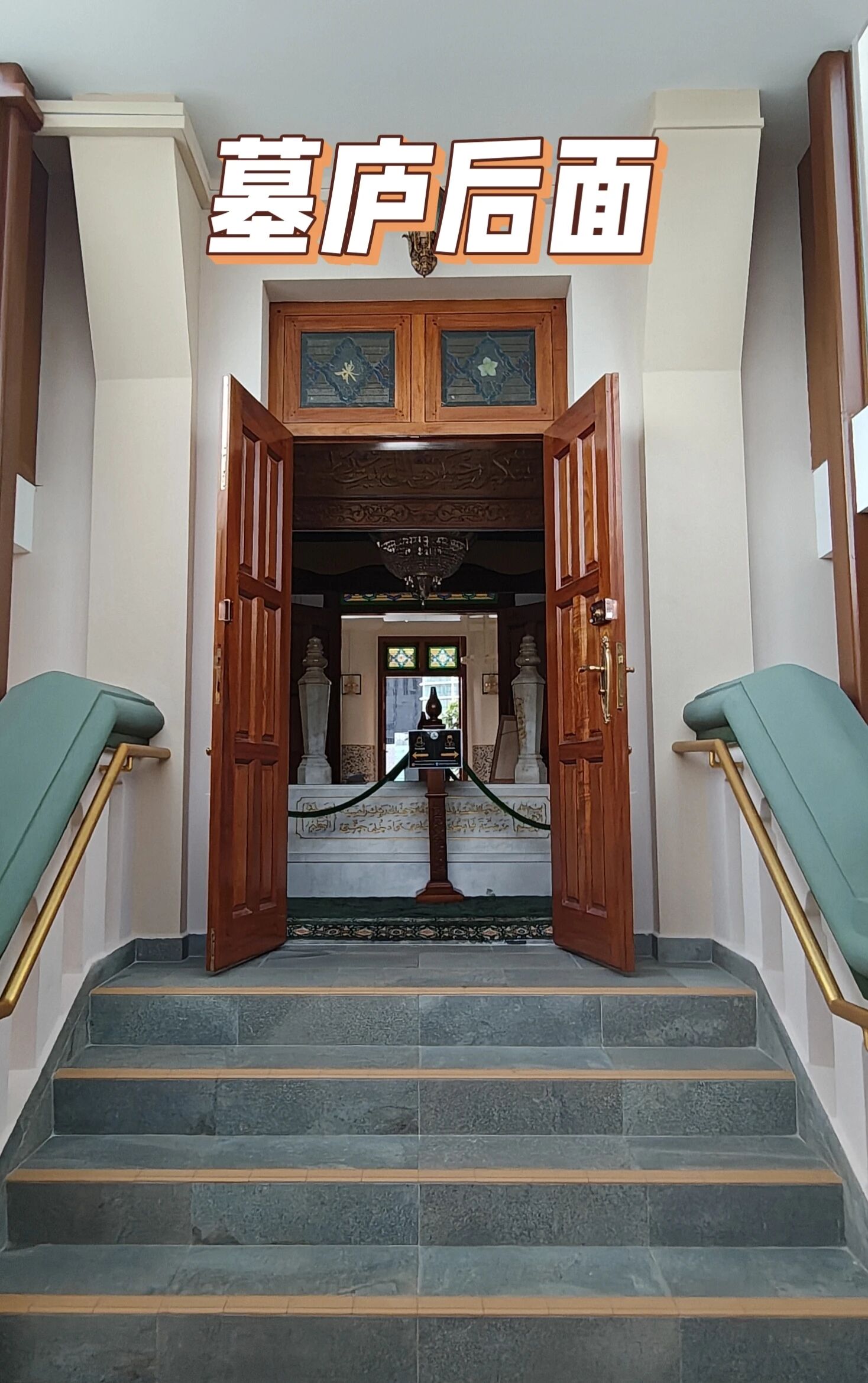
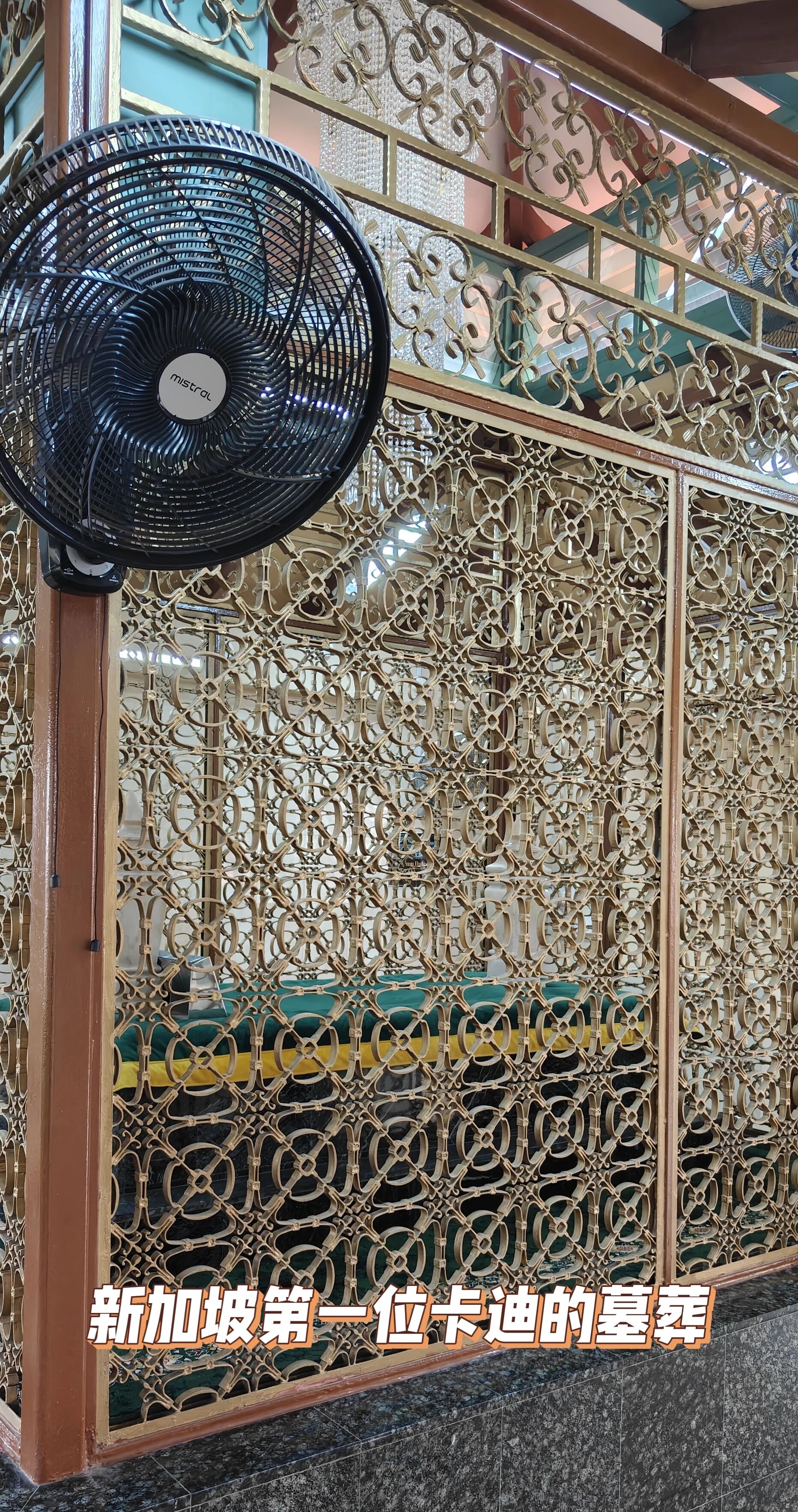
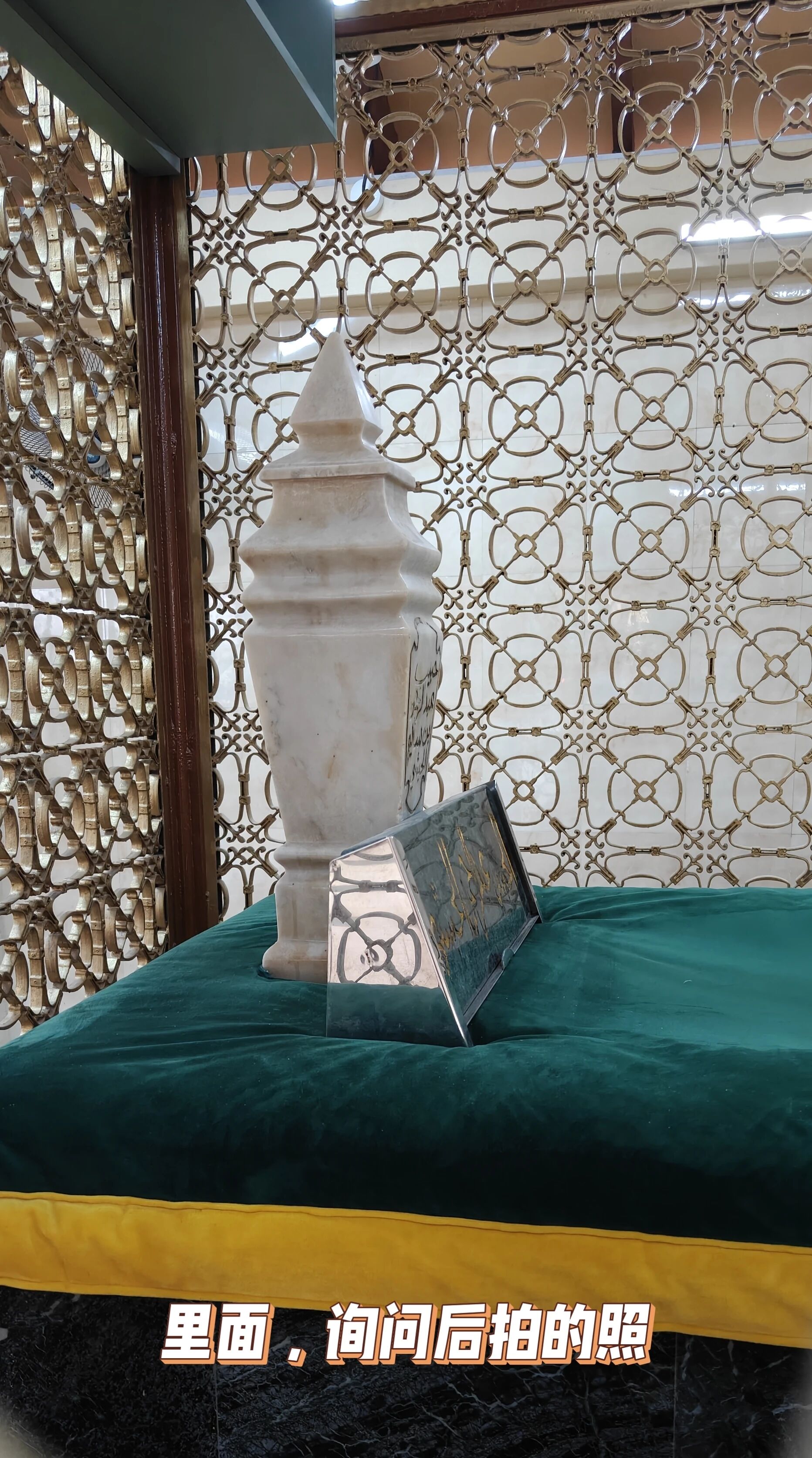
Behind the tomb chamber is another grave covered by a metal grid, where Habib Nuh's cousin, Habib Abdul Rahman, is buried. He was the first kadi (Islamic judge) of Singapore.
We returned to the mosque, where some introductory religious books were displayed at the entrance (picture nine); judging by the covers, the one on the left likely teaches how to perform wudu before namaz.
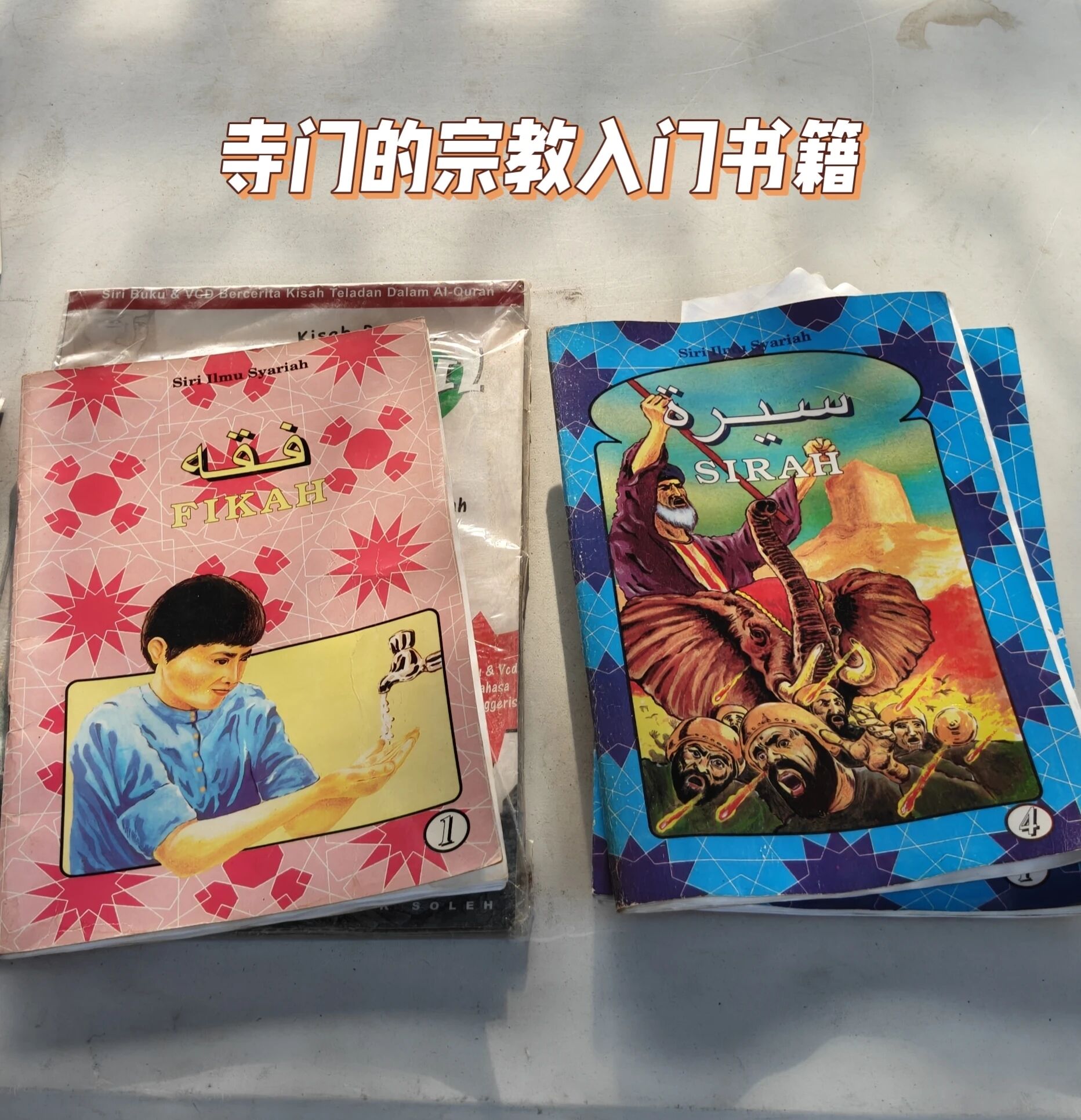
The book on the right features an elephant and a meteorite on the cover, so it is likely about the story of the Elephant in the Quran, making it a book of Quranic stories.
The mosque at the foot of the hill has a distinct Southeast Asian style with a clearly visible roof structure, similar to the huts built by the Malay people. It seems like living in a house like this would be very cool.
Inside the mihrab niche, there is also a miniature model of the door to the Kaaba in Mecca (Figure 14).
This place is very close to the busy areas of Singapore, so I usually head over to the Flower Dome after visiting here.
Summary: This Singapore Muslim travel guide visits Habib Noh Shrine beside Haji Mohamed Salleh Mosque. It preserves the route, the 1788-1866 date note, the gongbei tomb description, and the local Muslim heritage details.
To get here, set your navigation for Haji Muhammad Salleh Mosque. The mosque sits next to a small hill where a Muslim sage named Habib Noh (1788–1866) is buried. The building with the dome is his tomb (gongbei).
Haji Muhammad Salleh, a friend of Habib Noh, originally built a prayer room next to the tomb, which was later expanded into this mosque.
I visited at the end of last year, but the tomb was closed for renovations. So, I only visited the mosque and did not go up to the tomb. This time, the renovations were finished, so I could go up.
You have to climb a flight of stairs to reach the tomb's front hall. An elderly volunteer who guards the tomb told me that Habib Noh was a descendant of the Prophet and suggested I look up more information about him.
It turns out this sage grew up in Penang, Malaysia, before moving to Singapore. His family was from Yemen, and he was born on a ship heading to Penang. He often spent time meditating on Palmer Hill, the same small hill where he is buried today.
People say that after he passed away, they tried to move his body to a cemetery, but they could not move him at all. At this point, someone remembered he had said before he died that he wanted to be buried on the hills of Parma. Only then were they able to bury him successfully. Everyone can form their own opinion on this story.
We can enter the tomb chamber by taking the long stairs shown in picture three.
Once inside the tomb chamber, I sat cross-legged. The people around me knelt, whispered prayers, and then raised their hands to make dua.
Behind the tomb chamber is another grave covered by a metal grid, where Habib Nuh's cousin, Habib Abdul Rahman, is buried. He was the first kadi (Islamic judge) of Singapore.
We returned to the mosque, where some introductory religious books were displayed at the entrance (picture nine); judging by the covers, the one on the left likely teaches how to perform wudu before namaz.
The book on the right features an elephant and a meteorite on the cover, so it is likely about the story of the Elephant in the Quran, making it a book of Quranic stories.
The mosque at the foot of the hill has a distinct Southeast Asian style with a clearly visible roof structure, similar to the huts built by the Malay people. It seems like living in a house like this would be very cool.
Inside the mihrab niche, there is also a miniature model of the door to the Kaaba in Mecca (Figure 14).
This place is very close to the busy areas of Singapore, so I usually head over to the Flower Dome after visiting here.
Muslim Travel Guide Singapore: Haji Mohamed Salleh Mosque, Habib Noh Shrine and Prayer Hall
Articles • Hasan09 posted the article • 0 comments • 306 views • 2026-05-24 01:47
Reposted from the web
Summary: This Singapore Muslim travel guide turns from Habib Noh Shrine to Haji Mohamed Salleh Mosque itself. It keeps the mosque layout, prayer-hall notes, hillside setting, and source sequence unchanged.
Last time we focused on the tomb (gongbei) on the small hill next to the mosque. This time, let's look at the mosque itself. This mosque started as a small prayer room next to a tomb. It was later expanded to its current size.
The prayer hall is not very large, but it is small and beautiful. The interior decoration is simple and plain, but it is definitely not crude. The pillars inside are mostly pure white, but the tops are accented with a touch of gold, adding a bit of elegance to the hall.
The ceiling (Image 3) is low, but it has an open design that shows the wooden structure. This keeps the ceiling from feeling heavy, as a solid ceiling in such a low room would make people feel cramped.
The top of the mihrab (Image 5) is covered in simple mosaic tiles. The colors are muted and the design is simple, so it does not look too flashy or distract from the space.
A staff stands on the pulpit. The khutbah staff here in Singapore is different from the ones in China, where they are usually smooth, dry branches that keep the original shape of the wood. The one here in Singapore is a straight metal staff with a metal sphere on top.
On the right side inside the niche, there is a miniature model of the door of the Kaaba in Mecca (Image 6). I have seen this type of model in the shop at the Islamic Arts Museum Malaysia, so it seems popular in mosques across Singapore and Malaysia.
Copies of the Quran (Image 7) are neatly stacked on the pillars in the prayer hall. In some mosques, the books are placed a bit randomly and come in different styles.
I think the mosque management intentionally bought many copies of the Quran with the same covers to keep the interior looking tidy. Someone is specifically in charge of organizing them, making sure books with the same covers are kept together.
Let's look outside the prayer hall. Some guides mention a library here (Figure 10), which likely refers to a reading corner behind the prayer hall.
This small mosque also has an accessible elevator. I only noticed it while looking through my photos, even though I visited twice and never saw it.
According to the sign (Figure 11), the second floor has a small meeting room, a women's prayer area, restrooms, and an administrative office.
Climb the long steps up the nearby hill to see the roof of the mosque's prayer hall (Figure 12, Figure 13). The Malay-style building features this kind of sloped roof. view all
Summary: This Singapore Muslim travel guide turns from Habib Noh Shrine to Haji Mohamed Salleh Mosque itself. It keeps the mosque layout, prayer-hall notes, hillside setting, and source sequence unchanged.
Last time we focused on the tomb (gongbei) on the small hill next to the mosque. This time, let's look at the mosque itself. This mosque started as a small prayer room next to a tomb. It was later expanded to its current size.
The prayer hall is not very large, but it is small and beautiful. The interior decoration is simple and plain, but it is definitely not crude. The pillars inside are mostly pure white, but the tops are accented with a touch of gold, adding a bit of elegance to the hall.
The ceiling (Image 3) is low, but it has an open design that shows the wooden structure. This keeps the ceiling from feeling heavy, as a solid ceiling in such a low room would make people feel cramped.
The top of the mihrab (Image 5) is covered in simple mosaic tiles. The colors are muted and the design is simple, so it does not look too flashy or distract from the space.
A staff stands on the pulpit. The khutbah staff here in Singapore is different from the ones in China, where they are usually smooth, dry branches that keep the original shape of the wood. The one here in Singapore is a straight metal staff with a metal sphere on top.
On the right side inside the niche, there is a miniature model of the door of the Kaaba in Mecca (Image 6). I have seen this type of model in the shop at the Islamic Arts Museum Malaysia, so it seems popular in mosques across Singapore and Malaysia.
Copies of the Quran (Image 7) are neatly stacked on the pillars in the prayer hall. In some mosques, the books are placed a bit randomly and come in different styles.
I think the mosque management intentionally bought many copies of the Quran with the same covers to keep the interior looking tidy. Someone is specifically in charge of organizing them, making sure books with the same covers are kept together.
Let's look outside the prayer hall. Some guides mention a library here (Figure 10), which likely refers to a reading corner behind the prayer hall.
This small mosque also has an accessible elevator. I only noticed it while looking through my photos, even though I visited twice and never saw it.
According to the sign (Figure 11), the second floor has a small meeting room, a women's prayer area, restrooms, and an administrative office.
Climb the long steps up the nearby hill to see the roof of the mosque's prayer hall (Figure 12, Figure 13). The Malay-style building features this kind of sloped roof. view all
Reposted from the web
Summary: This Singapore Muslim travel guide turns from Habib Noh Shrine to Haji Mohamed Salleh Mosque itself. It keeps the mosque layout, prayer-hall notes, hillside setting, and source sequence unchanged.
Last time we focused on the tomb (gongbei) on the small hill next to the mosque. This time, let's look at the mosque itself. This mosque started as a small prayer room next to a tomb. It was later expanded to its current size.
The prayer hall is not very large, but it is small and beautiful. The interior decoration is simple and plain, but it is definitely not crude. The pillars inside are mostly pure white, but the tops are accented with a touch of gold, adding a bit of elegance to the hall.
The ceiling (Image 3) is low, but it has an open design that shows the wooden structure. This keeps the ceiling from feeling heavy, as a solid ceiling in such a low room would make people feel cramped.
The top of the mihrab (Image 5) is covered in simple mosaic tiles. The colors are muted and the design is simple, so it does not look too flashy or distract from the space.
A staff stands on the pulpit. The khutbah staff here in Singapore is different from the ones in China, where they are usually smooth, dry branches that keep the original shape of the wood. The one here in Singapore is a straight metal staff with a metal sphere on top.
On the right side inside the niche, there is a miniature model of the door of the Kaaba in Mecca (Image 6). I have seen this type of model in the shop at the Islamic Arts Museum Malaysia, so it seems popular in mosques across Singapore and Malaysia.
Copies of the Quran (Image 7) are neatly stacked on the pillars in the prayer hall. In some mosques, the books are placed a bit randomly and come in different styles.
I think the mosque management intentionally bought many copies of the Quran with the same covers to keep the interior looking tidy. Someone is specifically in charge of organizing them, making sure books with the same covers are kept together.
Let's look outside the prayer hall. Some guides mention a library here (Figure 10), which likely refers to a reading corner behind the prayer hall.
This small mosque also has an accessible elevator. I only noticed it while looking through my photos, even though I visited twice and never saw it.
According to the sign (Figure 11), the second floor has a small meeting room, a women's prayer area, restrooms, and an administrative office.
Climb the long steps up the nearby hill to see the roof of the mosque's prayer hall (Figure 12, Figure 13). The Malay-style building features this kind of sloped roof.
Summary: This Singapore Muslim travel guide turns from Habib Noh Shrine to Haji Mohamed Salleh Mosque itself. It keeps the mosque layout, prayer-hall notes, hillside setting, and source sequence unchanged.
Last time we focused on the tomb (gongbei) on the small hill next to the mosque. This time, let's look at the mosque itself. This mosque started as a small prayer room next to a tomb. It was later expanded to its current size.
The prayer hall is not very large, but it is small and beautiful. The interior decoration is simple and plain, but it is definitely not crude. The pillars inside are mostly pure white, but the tops are accented with a touch of gold, adding a bit of elegance to the hall.
The ceiling (Image 3) is low, but it has an open design that shows the wooden structure. This keeps the ceiling from feeling heavy, as a solid ceiling in such a low room would make people feel cramped.
The top of the mihrab (Image 5) is covered in simple mosaic tiles. The colors are muted and the design is simple, so it does not look too flashy or distract from the space.
A staff stands on the pulpit. The khutbah staff here in Singapore is different from the ones in China, where they are usually smooth, dry branches that keep the original shape of the wood. The one here in Singapore is a straight metal staff with a metal sphere on top.
On the right side inside the niche, there is a miniature model of the door of the Kaaba in Mecca (Image 6). I have seen this type of model in the shop at the Islamic Arts Museum Malaysia, so it seems popular in mosques across Singapore and Malaysia.
Copies of the Quran (Image 7) are neatly stacked on the pillars in the prayer hall. In some mosques, the books are placed a bit randomly and come in different styles.
I think the mosque management intentionally bought many copies of the Quran with the same covers to keep the interior looking tidy. Someone is specifically in charge of organizing them, making sure books with the same covers are kept together.
Let's look outside the prayer hall. Some guides mention a library here (Figure 10), which likely refers to a reading corner behind the prayer hall.
This small mosque also has an accessible elevator. I only noticed it while looking through my photos, even though I visited twice and never saw it.
According to the sign (Figure 11), the second floor has a small meeting room, a women's prayer area, restrooms, and an administrative office.
Climb the long steps up the nearby hill to see the roof of the mosque's prayer hall (Figure 12, Figure 13). The Malay-style building features this kind of sloped roof.
Muslim Travel Guide Singapore: Habib Noh Shrine, Gongbei Tomb and Haji Mohamed Salleh Mosque
Articles • Hasan09 posted the article • 0 comments • 337 views • 2026-05-24 01:47
Reposted from the web
Summary: This Singapore Muslim travel guide visits Habib Noh Shrine beside Haji Mohamed Salleh Mosque. It preserves the route, the 1788-1866 date note, the gongbei tomb description, and the local Muslim heritage details.
To get here, set your navigation for Haji Muhammad Salleh Mosque. The mosque sits next to a small hill where a Muslim sage named Habib Noh (1788–1866) is buried. The building with the dome is his tomb (gongbei).
Haji Muhammad Salleh, a friend of Habib Noh, originally built a prayer room next to the tomb, which was later expanded into this mosque.
I visited at the end of last year, but the tomb was closed for renovations. So, I only visited the mosque and did not go up to the tomb. This time, the renovations were finished, so I could go up.
You have to climb a flight of stairs to reach the tomb's front hall. An elderly volunteer who guards the tomb told me that Habib Noh was a descendant of the Prophet and suggested I look up more information about him.
It turns out this sage grew up in Penang, Malaysia, before moving to Singapore. His family was from Yemen, and he was born on a ship heading to Penang. He often spent time meditating on Palmer Hill, the same small hill where he is buried today.
People say that after he passed away, they tried to move his body to a cemetery, but they could not move him at all. At this point, someone remembered he had said before he died that he wanted to be buried on the hills of Parma. Only then were they able to bury him successfully. Everyone can form their own opinion on this story.
We can enter the tomb chamber by taking the long stairs shown in picture three.
Once inside the tomb chamber, I sat cross-legged. The people around me knelt, whispered prayers, and then raised their hands to make dua.
Behind the tomb chamber is another grave covered by a metal grid, where Habib Nuh's cousin, Habib Abdul Rahman, is buried. He was the first kadi (Islamic judge) of Singapore.
We returned to the mosque, where some introductory religious books were displayed at the entrance (picture nine); judging by the covers, the one on the left likely teaches how to perform wudu before namaz.
The book on the right features an elephant and a meteorite on the cover, so it is likely about the story of the Elephant in the Quran, making it a book of Quranic stories.
The mosque at the foot of the hill has a distinct Southeast Asian style with a clearly visible roof structure, similar to the huts built by the Malay people. It seems like living in a house like this would be very cool.
Inside the mihrab niche, there is also a miniature model of the door to the Kaaba in Mecca (Figure 14).
This place is very close to the busy areas of Singapore, so I usually head over to the Flower Dome after visiting here. view all
Summary: This Singapore Muslim travel guide visits Habib Noh Shrine beside Haji Mohamed Salleh Mosque. It preserves the route, the 1788-1866 date note, the gongbei tomb description, and the local Muslim heritage details.
To get here, set your navigation for Haji Muhammad Salleh Mosque. The mosque sits next to a small hill where a Muslim sage named Habib Noh (1788–1866) is buried. The building with the dome is his tomb (gongbei).
Haji Muhammad Salleh, a friend of Habib Noh, originally built a prayer room next to the tomb, which was later expanded into this mosque.
I visited at the end of last year, but the tomb was closed for renovations. So, I only visited the mosque and did not go up to the tomb. This time, the renovations were finished, so I could go up.
You have to climb a flight of stairs to reach the tomb's front hall. An elderly volunteer who guards the tomb told me that Habib Noh was a descendant of the Prophet and suggested I look up more information about him.
It turns out this sage grew up in Penang, Malaysia, before moving to Singapore. His family was from Yemen, and he was born on a ship heading to Penang. He often spent time meditating on Palmer Hill, the same small hill where he is buried today.
People say that after he passed away, they tried to move his body to a cemetery, but they could not move him at all. At this point, someone remembered he had said before he died that he wanted to be buried on the hills of Parma. Only then were they able to bury him successfully. Everyone can form their own opinion on this story.
We can enter the tomb chamber by taking the long stairs shown in picture three.
Once inside the tomb chamber, I sat cross-legged. The people around me knelt, whispered prayers, and then raised their hands to make dua.
Behind the tomb chamber is another grave covered by a metal grid, where Habib Nuh's cousin, Habib Abdul Rahman, is buried. He was the first kadi (Islamic judge) of Singapore.
We returned to the mosque, where some introductory religious books were displayed at the entrance (picture nine); judging by the covers, the one on the left likely teaches how to perform wudu before namaz.
The book on the right features an elephant and a meteorite on the cover, so it is likely about the story of the Elephant in the Quran, making it a book of Quranic stories.
The mosque at the foot of the hill has a distinct Southeast Asian style with a clearly visible roof structure, similar to the huts built by the Malay people. It seems like living in a house like this would be very cool.
Inside the mihrab niche, there is also a miniature model of the door to the Kaaba in Mecca (Figure 14).
This place is very close to the busy areas of Singapore, so I usually head over to the Flower Dome after visiting here. view all
Reposted from the web
Summary: This Singapore Muslim travel guide visits Habib Noh Shrine beside Haji Mohamed Salleh Mosque. It preserves the route, the 1788-1866 date note, the gongbei tomb description, and the local Muslim heritage details.
To get here, set your navigation for Haji Muhammad Salleh Mosque. The mosque sits next to a small hill where a Muslim sage named Habib Noh (1788–1866) is buried. The building with the dome is his tomb (gongbei).
Haji Muhammad Salleh, a friend of Habib Noh, originally built a prayer room next to the tomb, which was later expanded into this mosque.
I visited at the end of last year, but the tomb was closed for renovations. So, I only visited the mosque and did not go up to the tomb. This time, the renovations were finished, so I could go up.
You have to climb a flight of stairs to reach the tomb's front hall. An elderly volunteer who guards the tomb told me that Habib Noh was a descendant of the Prophet and suggested I look up more information about him.
It turns out this sage grew up in Penang, Malaysia, before moving to Singapore. His family was from Yemen, and he was born on a ship heading to Penang. He often spent time meditating on Palmer Hill, the same small hill where he is buried today.
People say that after he passed away, they tried to move his body to a cemetery, but they could not move him at all. At this point, someone remembered he had said before he died that he wanted to be buried on the hills of Parma. Only then were they able to bury him successfully. Everyone can form their own opinion on this story.
We can enter the tomb chamber by taking the long stairs shown in picture three.
Once inside the tomb chamber, I sat cross-legged. The people around me knelt, whispered prayers, and then raised their hands to make dua.
Behind the tomb chamber is another grave covered by a metal grid, where Habib Nuh's cousin, Habib Abdul Rahman, is buried. He was the first kadi (Islamic judge) of Singapore.
We returned to the mosque, where some introductory religious books were displayed at the entrance (picture nine); judging by the covers, the one on the left likely teaches how to perform wudu before namaz.
The book on the right features an elephant and a meteorite on the cover, so it is likely about the story of the Elephant in the Quran, making it a book of Quranic stories.
The mosque at the foot of the hill has a distinct Southeast Asian style with a clearly visible roof structure, similar to the huts built by the Malay people. It seems like living in a house like this would be very cool.
Inside the mihrab niche, there is also a miniature model of the door to the Kaaba in Mecca (Figure 14).
This place is very close to the busy areas of Singapore, so I usually head over to the Flower Dome after visiting here.
Summary: This Singapore Muslim travel guide visits Habib Noh Shrine beside Haji Mohamed Salleh Mosque. It preserves the route, the 1788-1866 date note, the gongbei tomb description, and the local Muslim heritage details.
To get here, set your navigation for Haji Muhammad Salleh Mosque. The mosque sits next to a small hill where a Muslim sage named Habib Noh (1788–1866) is buried. The building with the dome is his tomb (gongbei).
Haji Muhammad Salleh, a friend of Habib Noh, originally built a prayer room next to the tomb, which was later expanded into this mosque.
I visited at the end of last year, but the tomb was closed for renovations. So, I only visited the mosque and did not go up to the tomb. This time, the renovations were finished, so I could go up.
You have to climb a flight of stairs to reach the tomb's front hall. An elderly volunteer who guards the tomb told me that Habib Noh was a descendant of the Prophet and suggested I look up more information about him.
It turns out this sage grew up in Penang, Malaysia, before moving to Singapore. His family was from Yemen, and he was born on a ship heading to Penang. He often spent time meditating on Palmer Hill, the same small hill where he is buried today.
People say that after he passed away, they tried to move his body to a cemetery, but they could not move him at all. At this point, someone remembered he had said before he died that he wanted to be buried on the hills of Parma. Only then were they able to bury him successfully. Everyone can form their own opinion on this story.
We can enter the tomb chamber by taking the long stairs shown in picture three.
Once inside the tomb chamber, I sat cross-legged. The people around me knelt, whispered prayers, and then raised their hands to make dua.
Behind the tomb chamber is another grave covered by a metal grid, where Habib Nuh's cousin, Habib Abdul Rahman, is buried. He was the first kadi (Islamic judge) of Singapore.
We returned to the mosque, where some introductory religious books were displayed at the entrance (picture nine); judging by the covers, the one on the left likely teaches how to perform wudu before namaz.
The book on the right features an elephant and a meteorite on the cover, so it is likely about the story of the Elephant in the Quran, making it a book of Quranic stories.
The mosque at the foot of the hill has a distinct Southeast Asian style with a clearly visible roof structure, similar to the huts built by the Malay people. It seems like living in a house like this would be very cool.
Inside the mihrab niche, there is also a miniature model of the door to the Kaaba in Mecca (Figure 14).
This place is very close to the busy areas of Singapore, so I usually head over to the Flower Dome after visiting here.