

Halal Airport Food
Muslim Travel Guide Hong Kong: Kowloon Mosque, Halal Airport Food and Prayer Rooms
Articles • yusuf908 posted the article • 0 comments • 175 views • 2026-05-22 20:52
Reposted from the web
Summary: This Muslim travel guide to Hong Kong covers halal airport food, prayer rooms with wudu facilities, Disneyland halal dining, local Muslim restaurants, Kowloon Mosque, and the century-old Chinese Muslim Cultural and Fraternal Association.
A Halal Tour of Hong Kong: The Century-old Chinese Muslim Cultural and Fraternal Association (Zhonghua Huijiao Bo'aishe) is presented here as a firsthand travel account in clear English, beginning with this scene: Hong Kong reopened after three years, and my travel permit for Hong Kong and Macau changed from a paper booklet to a chip card. The account keeps its focus on Hong Kong Travel, Kowloon, Muslim Travel while preserving the names, places, food, and historical details from the Chinese source.
Hong Kong reopened after three years, and my travel permit for Hong Kong and Macau changed from a paper booklet to a chip card. Getting the permit is simple. You just book an appointment online, then go to the local police station's entry and exit office to take a photo and pay. You do not need to do this in your hometown. You can apply for the permit and the travel endorsement at the same time. Each endorsement lets you stay in Hong Kong or Macau for 7 days. You can use a self-service machine for future endorsements, which takes less than 10 minutes.
To save money, I suggest entering Hong Kong from Shenzhen. Flights to Shenzhen are usually cheaper than flying directly to Hong Kong. Taking the subway from Shenzhen to Hong Kong takes about an hour, including customs, which is about the same time it takes to get from Hong Kong airport to the city center.
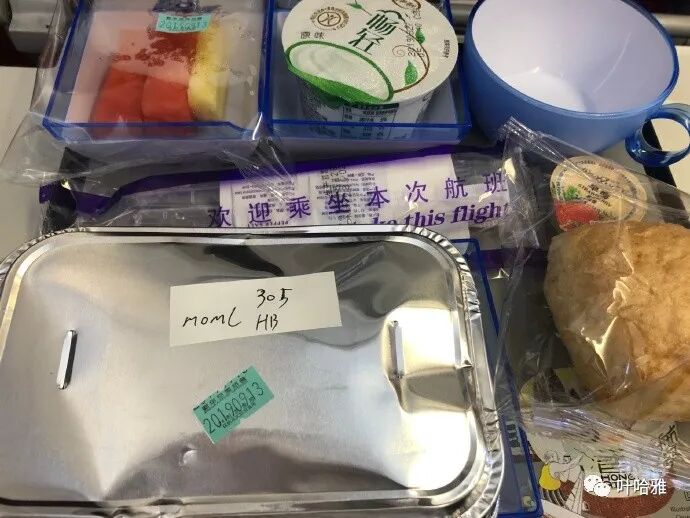
You need to call customer service at least 24 hours in advance to book a halal meal on Hong Kong Airlines. WeChat Pay and Alipay are now widely used in Hong Kong. You can also use your phone to pay for most subways and buses. I did not exchange any Hong Kong dollars for this trip, but some shops still insist on cash, so it is good to have some on hand just in case.
Old Town White Coffee (no alcohol)
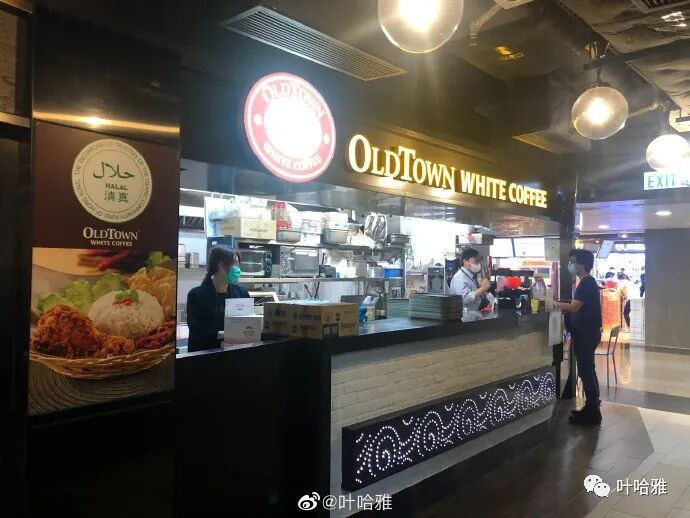
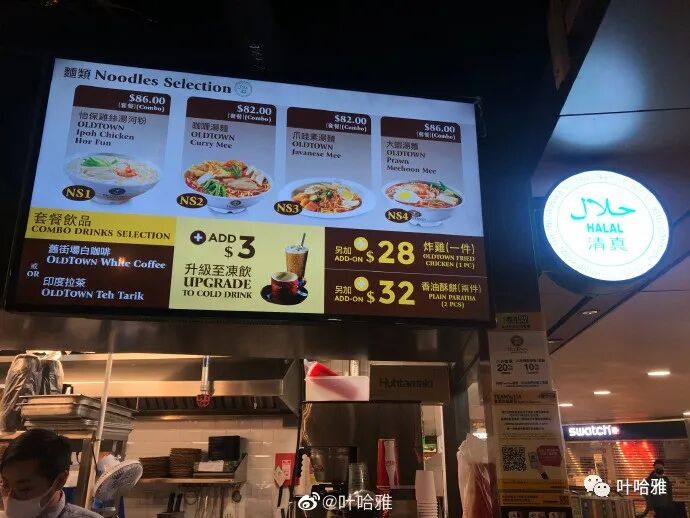
Old Town White Coffee is the only halal-certified restaurant at Hong Kong International Airport. It serves Southeast Asian food and does not serve alcohol. It is open from 7:00 to 21:00 and is located in the food court.
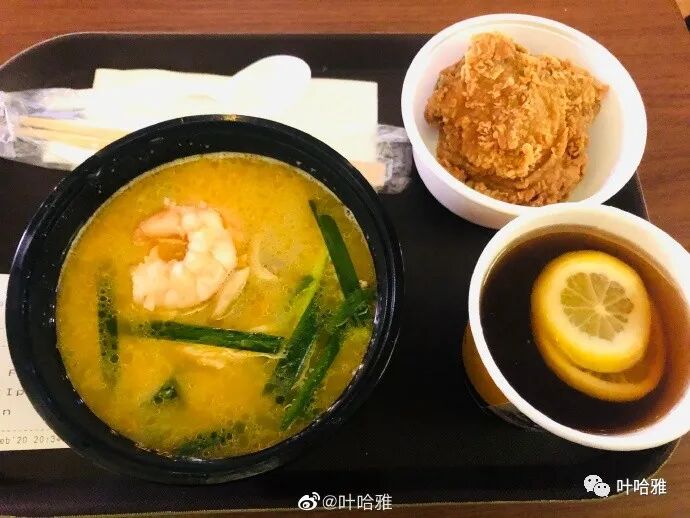
I ordered a bowl of Ipoh chicken noodle soup (ipoh jisi hefen), a side of fried chicken, and lemon tea. It tasted good.
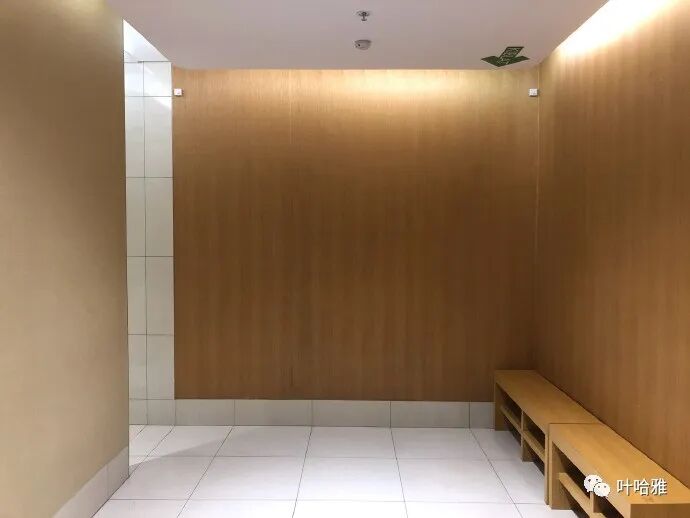
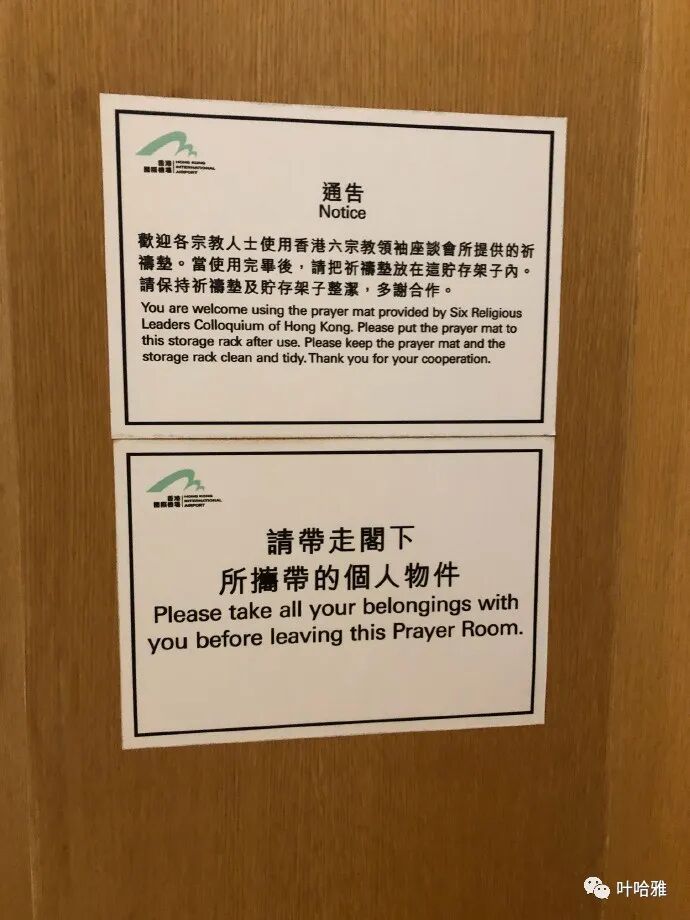
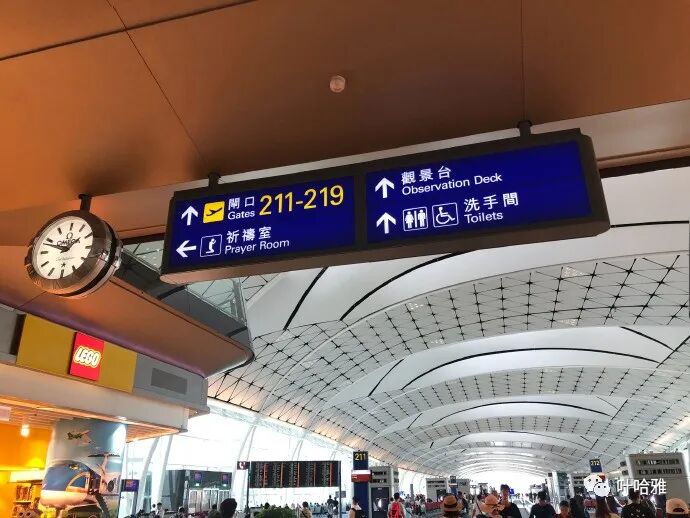
Hong Kong airport now has two prayer rooms, one near gate 43 and another near gate 211. The prayer rooms are for people of all six major religions and include a place to perform wudu. An airport cannot be called an international airport without a prayer room.
Gate 43 prayer room
Wudu area
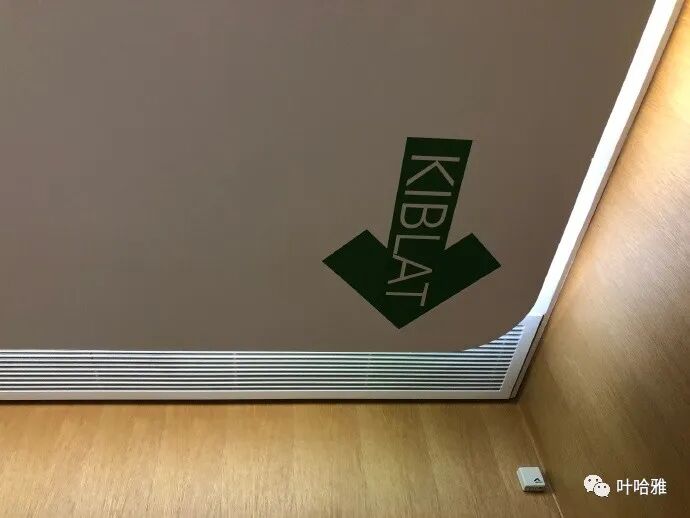
Qibla direction
Gate 211 dua room
Disneyland Tahitian Terrace (alcohol-free)
Disneyland is a must-visit spot when bringing kids to Hong Kong. I went alone in 2015 and took the Disneyland Resort Line subway to get to the park.
You can book Disneyland tickets online in advance. The park has two halal restaurants that do not sell alcohol and serve Southeast Asian flavors. There is also one called the Explorer's Club Restaurant. You can see people dressed in Southeast Asian Muslim attire all over the streets of Hong Kong now.
Hong Kong-style halal Wai Kee (alcohol-free)
Wai Kee is a Hong Kong-style roast duck stall run by local Hui Muslims. It is located at Stall 5, Cooked Food Centre, 1/F, Bowrington Road Market. Wai Kee has been open in Hong Kong for over sixty years and has passed down through three generations. According to local Hui Muslims in Hong Kong, the original owner's surname was Wang, and Wai Kee was likely the surname of the owner's wife. Later, it was passed down to the son-in-law, whose surname was Chow.
I thought the elderly gentleman in the shop was the owner of Wai Kee, but I heard from a local friend (dosti) that these staff members are not the owners, just employees. The owner of Wai Kee is responsible for ingredient quality control and teaching the techniques. There is another roast duck shop in this market called Hoi Kee, which is said to have been opened by a former Wai Kee employee who went out on their own.
Wai Kee is quite famous locally and is open from 11:00 AM to 6:00 PM. Brother Jin brought me here to get takeout, including roast duck, curry beef, and pomelo peel with shrimp roe.
There is more than one halal restaurant run by local Hong Kong people, but as time passes, some families are no longer willing to take over the family business. People say the descendants of Ma Kee Halal Restaurant have all immigrated.
The famous hanging-oven roast duck is truly delicious, with crispy skin, tender meat, and great flavor. Later, during a gathering, another friend (dosti) brought some as takeout, and I ate more than half of it.
Famous hanging-oven roast duck
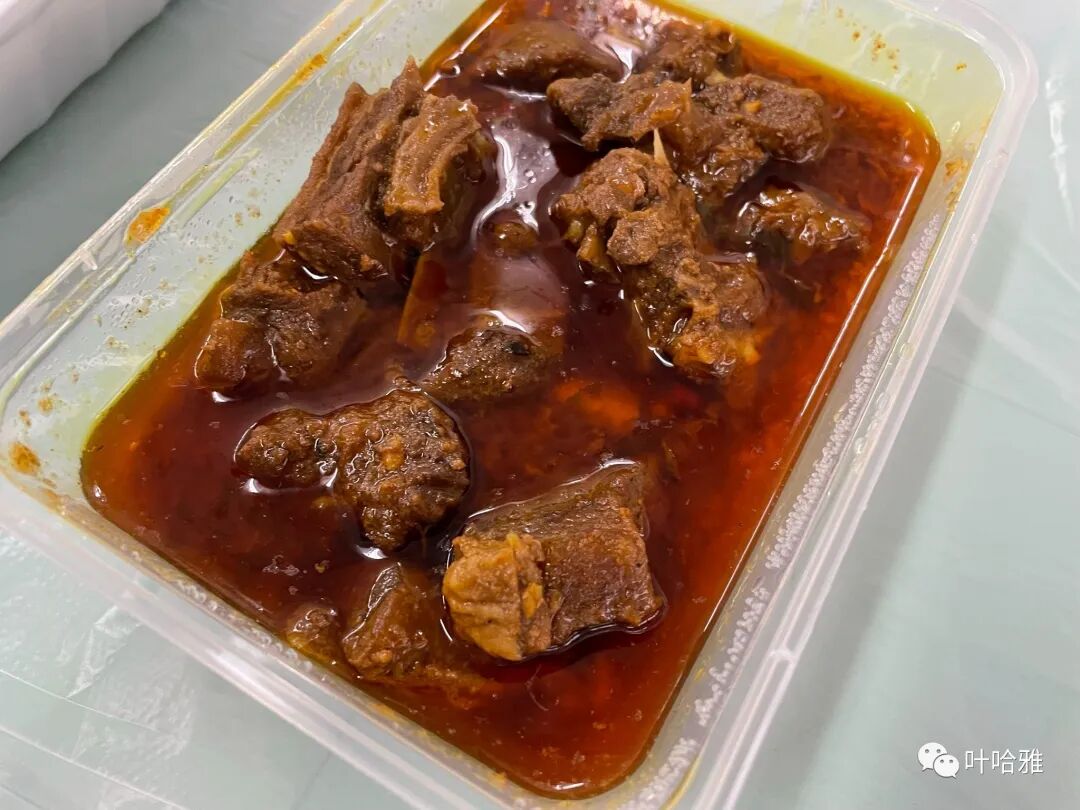
Smooth and savory curry beef
Beef curry tastes best mixed with rice. It is slightly spicy, salty, and savory, and I like it too.
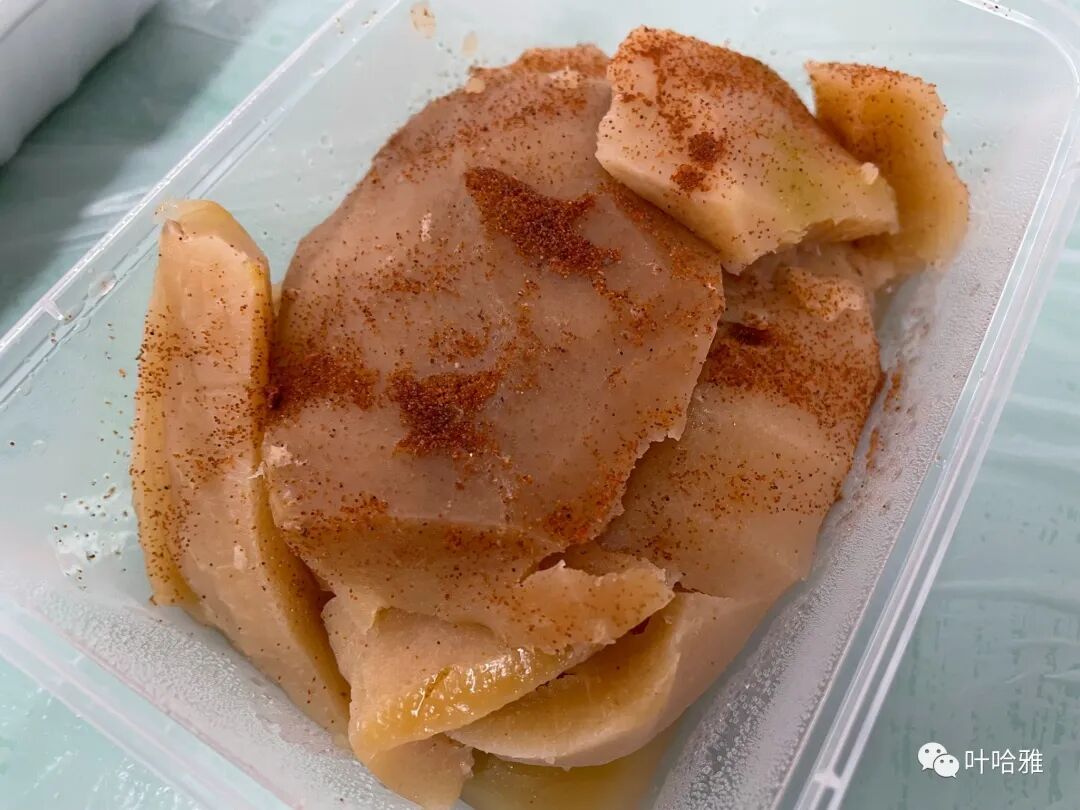
Shrimp roe pomelo peel (xiazi youpi)
Shrimp roe pomelo peel (xiazi youpi) is a cold dish made by marinating pomelo peel. It has a strange, indescribable taste and a texture I have never had before, but locals seem to love it, and it is one of the signature dishes at Wai Kee.
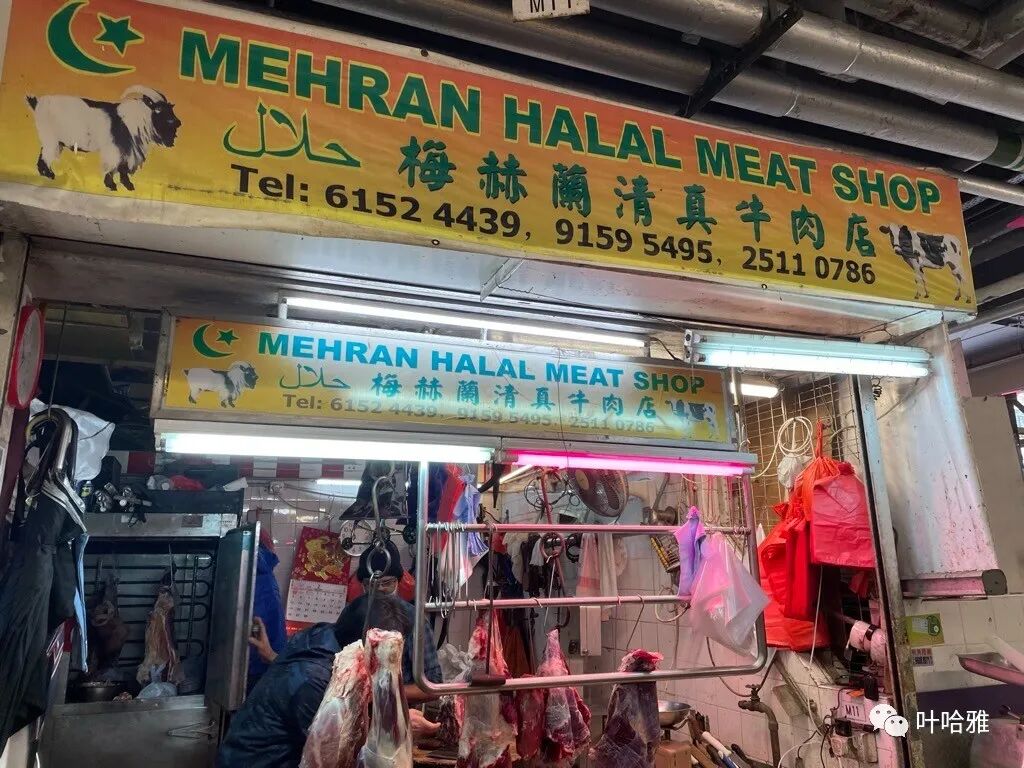
To prepare for a dinner party, Brother Jin from Hong Kong specifically came to this Pakistani-run Mehrab Halal Beef Shop to buy steaks. He said some Pakistani shops in Hong Kong are unreliable and sell beef that seems to have been injected with water, but the meat at this shop looks more trustworthy.
Hong Kong-style Islamic Centre Canteen (alcohol-free)
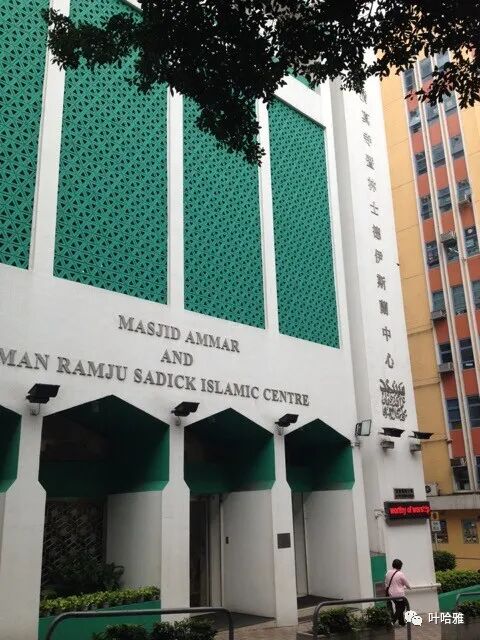
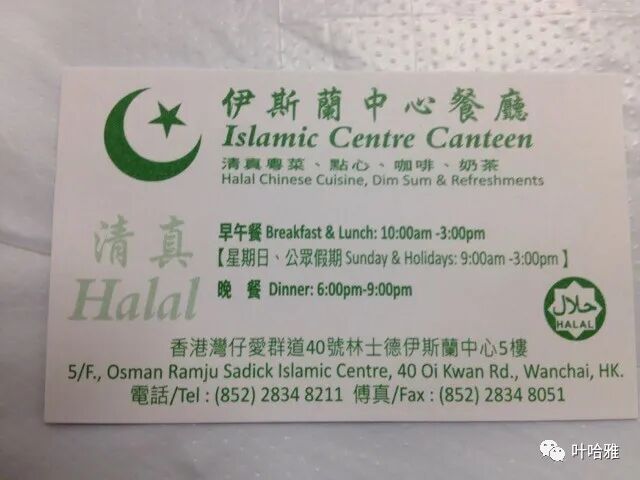
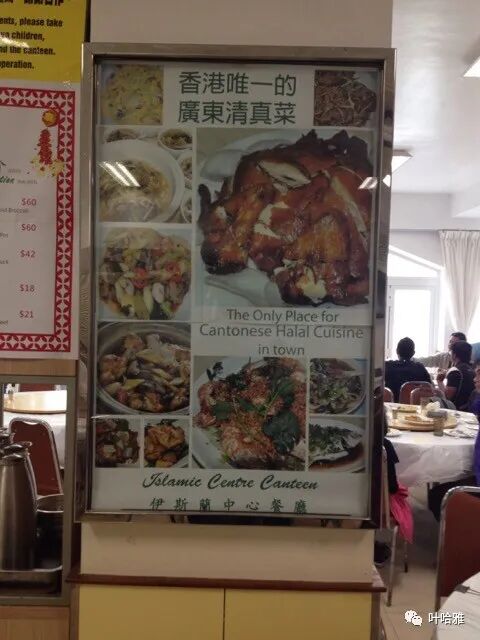
The Islamic Centre is a mosque, also known as the Wan Chai Mosque. On the fifth floor, it opened Hong Kong's first Cantonese halal tea restaurant, which serves dim sum and main meals.
I filmed this restaurant in 2015, but to this day, it remains the only halal Cantonese restaurant in Hong Kong that serves dim sum.
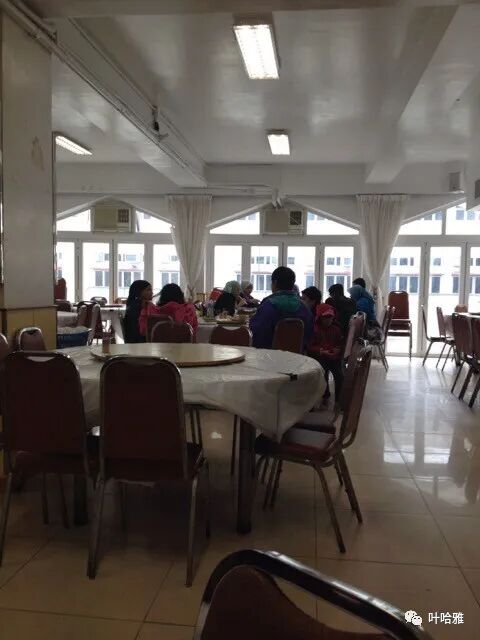
Most people wearing headscarves in Hong Kong are Indonesian. Many work in domestic service. Although the pay is not high, it is still more than what they earn in Indonesia, though sometimes they have to help their employers prepare non-halal food.
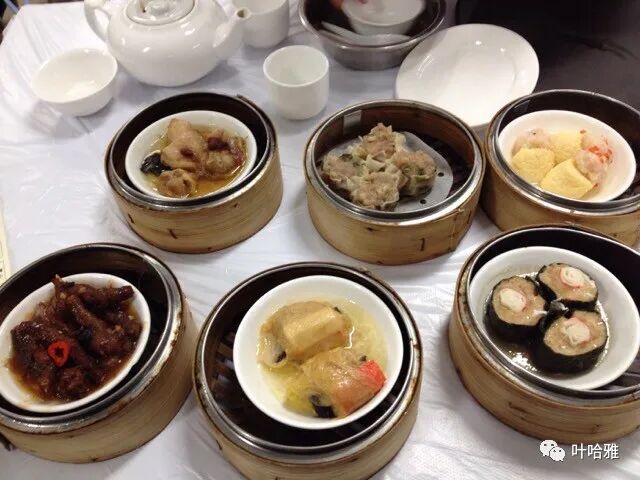
Dim sum is served from 10 a.m. to 3 p.m., and dinner is from 6 p.m. to 9 p.m. Prices in Hong Kong are on the high side, and the average cost per person here is about 150 RMB. After eating, you can pray and study in the mosque.
Chinese Muslim Cultural and Fraternal Association
The Chinese Muslim Cultural and Fraternal Association was founded in 1917. It has a history of 106 years and is a Chinese Islamic organization approved by the Hong Kong government. The first chairman was Jin Yiqing, and the current chairman is Sa Zhisheng. This functions like a board of directors, and the imam is hired by the board. The association has its own properties, including the Islamic Kindergarten in Yau Oi Estate in Tuen Mun, the Islamic Fraternal Kindergarten in Cheung On Estate in Tsing Yi, an Islamic primary school, and an Islamic English secondary school. The income from these properties is used to cover the association's daily expenses.
There are currently 11 Muslim organizations in Hong Kong:
1. Chinese Muslim Cultural and Fraternal Association of Hong Kong;
2. The Chinese Muslim Association of Hong Kong;
3. Muslim Women's Association of Hong Kong;
4. The Incorporated Trustees of the Islamic Community Fund of Hong Kong;
5. Islamic Union of Hong Kong;
6. Hong Kong Islamic Youth Association;
7. Hong Kong Islamic Centre;
8. International Islamic Society of Hong Kong;
9. Pakistan Association of Hong Kong;
10. Hong Kong Indian Muslim Association;
11. Dawoodi Bohra Association of Hong Kong (Shia).
I met a Pakistani friend (dosti) here on Saturday. He has lived in China for over 40 years and speaks fluent Chinese. He studied in Beijing when he was younger, and his two children now work in Hong Kong. During our chat, he shared his views on the Afghan Taliban. When I learned he does not eat at the same table with women outside his family, I understood his perspective and once again marveled at Hong Kong's openness and tolerance.
Friends (dosti) gather at the Bo'ai Society every Saturday and Sunday because most people work during the week.
The Bo'ai Society has many books, including a large number of Chinese translations of Islamic law and doctrine that are no longer sold in mainland China.
One of my goals for this trip to Hong Kong was to buy books. Imam (ahong) Yang told me to check out the Eslite Bookstore in Hong Kong, saying I would find something good. The largest Eslite Bookstore is only about 800 meters from the Bo'ai Society.
Imam Yang showed me a rare book from the society's collection. The book in the picture below is a textbook for the Hui Evangelism (huixuan), an organization dedicated to spreading Christianity among Muslims. This book teaches missionaries how to communicate with Muslims. Hui Evangelism has been active in China for 200 years. They usually disguise themselves as Muslims and learn a little about basic Islamic concepts, then use deceptive methods to lead Muslims toward Christianity. However, there is no need to worry; in the 200 years they have been working in China, the number of Muslims they have converted is very small.
That is why I say Hong Kong is an open and tolerant place where you can always find something new, not just in people, but in these books as well. The books in the picture below are what I bought at the Eslite Bookstore. Just by looking at the titles, you can tell these books could not be published in mainland China anytime soon. The red book in the top left corner is an original, authentic copy of Al-Qaradawi's famous work, The Lawful and the Prohibited in Islam. I have only read pirated versions in the mainland. This book was a gift from Imam Yang, and it is worth keeping. Imam Yang once visited the home of Elder Al-Qaradawi and speaks very highly of him.
These books were imported from Taiwan, and the book bands feature recommendations from several Taiwanese friends (dosti) I know. To show my support for Islamic academic work in Taiwan, I spent over 800 Hong Kong dollars on these five books, which is 1.5 to 3 times more expensive than the price in Taiwan.
The first floor of the Bo'ai Society is a prayer room. Men stand in the front row and women in the back. Imam Yang led everyone in prayer (namaz). Afterward, we sat in a circle to talk and learn. I happened to meet several local Hong Kong friends (dosti) that day, including two Hui Muslim elders. One was a retired police officer whom everyone called 'Sir,' and the other was a 'Miss Ma' who moved to Hong Kong from Beijing at age 17. 'Miss Ma' is a nickname; she is actually over 80 years old but is as lively as a young girl. When I first saw her from a distance, she was wearing a pink headscarf, which made me mistake her for a young girl.
Another person is a local convert in his twenties. He said he converted during the pandemic after being moved by the friends (dosti) around him, which led him to learn about Islam. There are also friends (dosti) from the mainland working or studying in Hong Kong. Some have already received Hong Kong residency, and some are new Hong Kongers who have brought their families to settle in the city.
The friends (dosti) brought lamb chops packed from a Hong Kong Pakistani restaurant (bayi canting). The address on the bag is 43 Water Street, Sai Ying Pun, ground floor. We chatted while eating. Many of the friends (dosti) working in Hong Kong are in the finance industry. We exchanged thoughts on current Islamic finance concepts, and I have published my ideas on my official WeChat account.
The picture below shows the steak Brother Jin bought from a Pakistani friend and pan-fried himself. Brother Jin is from Shandong. He is warm and generous, exactly the image of a typical Shandong man in my mind. He is not used to southern food and likes his steak well-done.
The picture below is the Henan version of Xinjiang big plate chicken (dapanji). The chef is a brother from Henan, or more precisely, from Luoyang. He didn't make the noodles like the traditional Xinjiang belt noodles (kudaimian) but tried something new. You could call them hand-pulled noodles (latiaozi), but the taste is just as great. Everyone said they had homemade Xi'an meatball spicy soup (rouwan hulatang) last week. I am very grateful to be able to eat these in Hong Kong.
Friends (dosti) who have the chance to visit the Bo'ai Society on weekends can also enjoy the homemade food, but it is best not to come empty-handed. The remaining Hong Kong food spots I haven't visited yet are listed below. These are screenshots from Dazhong Dianping, and you can use Google Maps to search for the restaurant names to find their locations.
There are currently five mosques in Hong Kong:
1. Jamia Mosque (Shelley Street Mosque): Located on Shelley Street in Central, Hong Kong Island.
2. Kowloon Mosque: Located in the "Golden Mile" of Nathan Road in Kowloon, right next to Kowloon Park.
3. Ammar Mosque (Oi Kwan Road Mosque): Located at 40 Oi Kwan Road.
4. Chai Wan Mosque: Located inside the Chai Wan Muslim Cemetery.
5. Stanley Mosque: Located on the Stanley Peninsula at the southern tip of Hong Kong.
I have visited three of them. I have not been to the Stanley Mosque, which is built inside a prison, or the Chai Wan Mosque, which is built inside a Muslim cemetery.
Kowloon Mosque
Kowloon Mosque was first built in 1896 by Muslim soldiers from the British Indian garrison. It is currently the largest mosque in Hong Kong. It is a three-story building with offices on the first floor, classrooms on the second, and a prayer hall on the third. It is managed by a committee of Muslims from different countries.
Pakistani brothers are teaching the children Arabic. In many places around the world where Muslims are a minority, Pakistani brothers often help maintain the faith. From my observations, these Pakistani brothers have strong language skills. Some born in Hong Kong speak fluent Cantonese and English, and some families have been rooted in Hong Kong for three generations.
Jamia Mosque
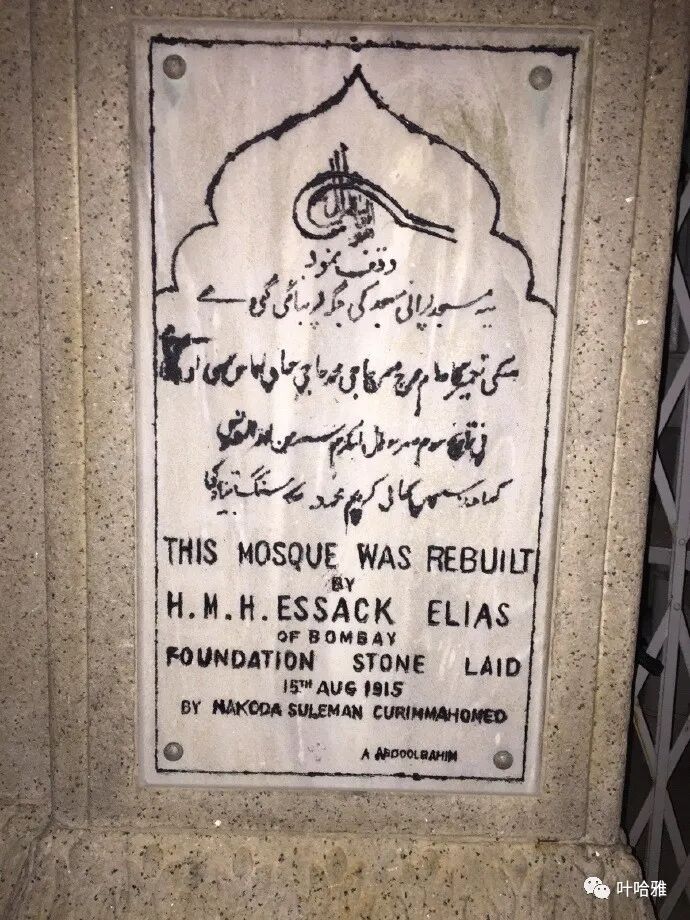
Jamia Mosque is the oldest mosque in Hong Kong, built in 1870. The street it is on is called Mosque Street.
It was initially built with funds raised by over 100 Hong Kong Muslims. In 1905, a Muslim philanthropist from Mumbai, India, named Ishaq, funded its reconstruction. He also built a shelter for elderly and widowed Muslims. The mosque is managed by the Incorporated Trustees of the Islamic Community Fund of Hong Kong.
For someone like me born in the 1980s, Hong Kong symbolizes a memory of youth. My early impressions of Hong Kong all came from the Hong Kong and Taiwanese movies and TV shows I watched as a teenager. Back then, compared to the mainland, Hong Kong was more prosperous, fashionable, and international. But looking at Hong Kong now, I always feel like I am in a scene from an old movie.
The old street views, narrow alleys, and the crowds of busy workers all suggest that Hong Kong's economy has fallen behind major mainland cities. I entered Hong Kong from Shenzhen, and the gap in hotel facilities and service quality was very obvious. I do not know if Hong Kong will ever return to its former prosperity, but that does not matter to me. If it were not for nostalgia, the existence of the Hong Kong Muslim community would probably be the only reason I would come back. view all
Summary: This Muslim travel guide to Hong Kong covers halal airport food, prayer rooms with wudu facilities, Disneyland halal dining, local Muslim restaurants, Kowloon Mosque, and the century-old Chinese Muslim Cultural and Fraternal Association.
A Halal Tour of Hong Kong: The Century-old Chinese Muslim Cultural and Fraternal Association (Zhonghua Huijiao Bo'aishe) is presented here as a firsthand travel account in clear English, beginning with this scene: Hong Kong reopened after three years, and my travel permit for Hong Kong and Macau changed from a paper booklet to a chip card. The account keeps its focus on Hong Kong Travel, Kowloon, Muslim Travel while preserving the names, places, food, and historical details from the Chinese source.
Hong Kong reopened after three years, and my travel permit for Hong Kong and Macau changed from a paper booklet to a chip card. Getting the permit is simple. You just book an appointment online, then go to the local police station's entry and exit office to take a photo and pay. You do not need to do this in your hometown. You can apply for the permit and the travel endorsement at the same time. Each endorsement lets you stay in Hong Kong or Macau for 7 days. You can use a self-service machine for future endorsements, which takes less than 10 minutes.
To save money, I suggest entering Hong Kong from Shenzhen. Flights to Shenzhen are usually cheaper than flying directly to Hong Kong. Taking the subway from Shenzhen to Hong Kong takes about an hour, including customs, which is about the same time it takes to get from Hong Kong airport to the city center.
You need to call customer service at least 24 hours in advance to book a halal meal on Hong Kong Airlines. WeChat Pay and Alipay are now widely used in Hong Kong. You can also use your phone to pay for most subways and buses. I did not exchange any Hong Kong dollars for this trip, but some shops still insist on cash, so it is good to have some on hand just in case.
Old Town White Coffee (no alcohol)
Old Town White Coffee is the only halal-certified restaurant at Hong Kong International Airport. It serves Southeast Asian food and does not serve alcohol. It is open from 7:00 to 21:00 and is located in the food court.
I ordered a bowl of Ipoh chicken noodle soup (ipoh jisi hefen), a side of fried chicken, and lemon tea. It tasted good.
Hong Kong airport now has two prayer rooms, one near gate 43 and another near gate 211. The prayer rooms are for people of all six major religions and include a place to perform wudu. An airport cannot be called an international airport without a prayer room.
Gate 43 prayer room
Wudu area
Qibla direction
Gate 211 dua room
Disneyland Tahitian Terrace (alcohol-free)
Disneyland is a must-visit spot when bringing kids to Hong Kong. I went alone in 2015 and took the Disneyland Resort Line subway to get to the park.
You can book Disneyland tickets online in advance. The park has two halal restaurants that do not sell alcohol and serve Southeast Asian flavors. There is also one called the Explorer's Club Restaurant. You can see people dressed in Southeast Asian Muslim attire all over the streets of Hong Kong now.
Hong Kong-style halal Wai Kee (alcohol-free)
Wai Kee is a Hong Kong-style roast duck stall run by local Hui Muslims. It is located at Stall 5, Cooked Food Centre, 1/F, Bowrington Road Market. Wai Kee has been open in Hong Kong for over sixty years and has passed down through three generations. According to local Hui Muslims in Hong Kong, the original owner's surname was Wang, and Wai Kee was likely the surname of the owner's wife. Later, it was passed down to the son-in-law, whose surname was Chow.
I thought the elderly gentleman in the shop was the owner of Wai Kee, but I heard from a local friend (dosti) that these staff members are not the owners, just employees. The owner of Wai Kee is responsible for ingredient quality control and teaching the techniques. There is another roast duck shop in this market called Hoi Kee, which is said to have been opened by a former Wai Kee employee who went out on their own.
Wai Kee is quite famous locally and is open from 11:00 AM to 6:00 PM. Brother Jin brought me here to get takeout, including roast duck, curry beef, and pomelo peel with shrimp roe.
There is more than one halal restaurant run by local Hong Kong people, but as time passes, some families are no longer willing to take over the family business. People say the descendants of Ma Kee Halal Restaurant have all immigrated.
The famous hanging-oven roast duck is truly delicious, with crispy skin, tender meat, and great flavor. Later, during a gathering, another friend (dosti) brought some as takeout, and I ate more than half of it.
Famous hanging-oven roast duck
Smooth and savory curry beef
Beef curry tastes best mixed with rice. It is slightly spicy, salty, and savory, and I like it too.
Shrimp roe pomelo peel (xiazi youpi)
Shrimp roe pomelo peel (xiazi youpi) is a cold dish made by marinating pomelo peel. It has a strange, indescribable taste and a texture I have never had before, but locals seem to love it, and it is one of the signature dishes at Wai Kee.
To prepare for a dinner party, Brother Jin from Hong Kong specifically came to this Pakistani-run Mehrab Halal Beef Shop to buy steaks. He said some Pakistani shops in Hong Kong are unreliable and sell beef that seems to have been injected with water, but the meat at this shop looks more trustworthy.
Hong Kong-style Islamic Centre Canteen (alcohol-free)
The Islamic Centre is a mosque, also known as the Wan Chai Mosque. On the fifth floor, it opened Hong Kong's first Cantonese halal tea restaurant, which serves dim sum and main meals.
I filmed this restaurant in 2015, but to this day, it remains the only halal Cantonese restaurant in Hong Kong that serves dim sum.
Most people wearing headscarves in Hong Kong are Indonesian. Many work in domestic service. Although the pay is not high, it is still more than what they earn in Indonesia, though sometimes they have to help their employers prepare non-halal food.
Dim sum is served from 10 a.m. to 3 p.m., and dinner is from 6 p.m. to 9 p.m. Prices in Hong Kong are on the high side, and the average cost per person here is about 150 RMB. After eating, you can pray and study in the mosque.
Chinese Muslim Cultural and Fraternal Association
The Chinese Muslim Cultural and Fraternal Association was founded in 1917. It has a history of 106 years and is a Chinese Islamic organization approved by the Hong Kong government. The first chairman was Jin Yiqing, and the current chairman is Sa Zhisheng. This functions like a board of directors, and the imam is hired by the board. The association has its own properties, including the Islamic Kindergarten in Yau Oi Estate in Tuen Mun, the Islamic Fraternal Kindergarten in Cheung On Estate in Tsing Yi, an Islamic primary school, and an Islamic English secondary school. The income from these properties is used to cover the association's daily expenses.
There are currently 11 Muslim organizations in Hong Kong:
1. Chinese Muslim Cultural and Fraternal Association of Hong Kong;
2. The Chinese Muslim Association of Hong Kong;
3. Muslim Women's Association of Hong Kong;
4. The Incorporated Trustees of the Islamic Community Fund of Hong Kong;
5. Islamic Union of Hong Kong;
6. Hong Kong Islamic Youth Association;
7. Hong Kong Islamic Centre;
8. International Islamic Society of Hong Kong;
9. Pakistan Association of Hong Kong;
10. Hong Kong Indian Muslim Association;
11. Dawoodi Bohra Association of Hong Kong (Shia).
I met a Pakistani friend (dosti) here on Saturday. He has lived in China for over 40 years and speaks fluent Chinese. He studied in Beijing when he was younger, and his two children now work in Hong Kong. During our chat, he shared his views on the Afghan Taliban. When I learned he does not eat at the same table with women outside his family, I understood his perspective and once again marveled at Hong Kong's openness and tolerance.
Friends (dosti) gather at the Bo'ai Society every Saturday and Sunday because most people work during the week.
The Bo'ai Society has many books, including a large number of Chinese translations of Islamic law and doctrine that are no longer sold in mainland China.
One of my goals for this trip to Hong Kong was to buy books. Imam (ahong) Yang told me to check out the Eslite Bookstore in Hong Kong, saying I would find something good. The largest Eslite Bookstore is only about 800 meters from the Bo'ai Society.
Imam Yang showed me a rare book from the society's collection. The book in the picture below is a textbook for the Hui Evangelism (huixuan), an organization dedicated to spreading Christianity among Muslims. This book teaches missionaries how to communicate with Muslims. Hui Evangelism has been active in China for 200 years. They usually disguise themselves as Muslims and learn a little about basic Islamic concepts, then use deceptive methods to lead Muslims toward Christianity. However, there is no need to worry; in the 200 years they have been working in China, the number of Muslims they have converted is very small.
That is why I say Hong Kong is an open and tolerant place where you can always find something new, not just in people, but in these books as well. The books in the picture below are what I bought at the Eslite Bookstore. Just by looking at the titles, you can tell these books could not be published in mainland China anytime soon. The red book in the top left corner is an original, authentic copy of Al-Qaradawi's famous work, The Lawful and the Prohibited in Islam. I have only read pirated versions in the mainland. This book was a gift from Imam Yang, and it is worth keeping. Imam Yang once visited the home of Elder Al-Qaradawi and speaks very highly of him.
These books were imported from Taiwan, and the book bands feature recommendations from several Taiwanese friends (dosti) I know. To show my support for Islamic academic work in Taiwan, I spent over 800 Hong Kong dollars on these five books, which is 1.5 to 3 times more expensive than the price in Taiwan.
The first floor of the Bo'ai Society is a prayer room. Men stand in the front row and women in the back. Imam Yang led everyone in prayer (namaz). Afterward, we sat in a circle to talk and learn. I happened to meet several local Hong Kong friends (dosti) that day, including two Hui Muslim elders. One was a retired police officer whom everyone called 'Sir,' and the other was a 'Miss Ma' who moved to Hong Kong from Beijing at age 17. 'Miss Ma' is a nickname; she is actually over 80 years old but is as lively as a young girl. When I first saw her from a distance, she was wearing a pink headscarf, which made me mistake her for a young girl.
Another person is a local convert in his twenties. He said he converted during the pandemic after being moved by the friends (dosti) around him, which led him to learn about Islam. There are also friends (dosti) from the mainland working or studying in Hong Kong. Some have already received Hong Kong residency, and some are new Hong Kongers who have brought their families to settle in the city.
The friends (dosti) brought lamb chops packed from a Hong Kong Pakistani restaurant (bayi canting). The address on the bag is 43 Water Street, Sai Ying Pun, ground floor. We chatted while eating. Many of the friends (dosti) working in Hong Kong are in the finance industry. We exchanged thoughts on current Islamic finance concepts, and I have published my ideas on my official WeChat account.
The picture below shows the steak Brother Jin bought from a Pakistani friend and pan-fried himself. Brother Jin is from Shandong. He is warm and generous, exactly the image of a typical Shandong man in my mind. He is not used to southern food and likes his steak well-done.
The picture below is the Henan version of Xinjiang big plate chicken (dapanji). The chef is a brother from Henan, or more precisely, from Luoyang. He didn't make the noodles like the traditional Xinjiang belt noodles (kudaimian) but tried something new. You could call them hand-pulled noodles (latiaozi), but the taste is just as great. Everyone said they had homemade Xi'an meatball spicy soup (rouwan hulatang) last week. I am very grateful to be able to eat these in Hong Kong.
Friends (dosti) who have the chance to visit the Bo'ai Society on weekends can also enjoy the homemade food, but it is best not to come empty-handed. The remaining Hong Kong food spots I haven't visited yet are listed below. These are screenshots from Dazhong Dianping, and you can use Google Maps to search for the restaurant names to find their locations.
There are currently five mosques in Hong Kong:
1. Jamia Mosque (Shelley Street Mosque): Located on Shelley Street in Central, Hong Kong Island.
2. Kowloon Mosque: Located in the "Golden Mile" of Nathan Road in Kowloon, right next to Kowloon Park.
3. Ammar Mosque (Oi Kwan Road Mosque): Located at 40 Oi Kwan Road.
4. Chai Wan Mosque: Located inside the Chai Wan Muslim Cemetery.
5. Stanley Mosque: Located on the Stanley Peninsula at the southern tip of Hong Kong.
I have visited three of them. I have not been to the Stanley Mosque, which is built inside a prison, or the Chai Wan Mosque, which is built inside a Muslim cemetery.
Kowloon Mosque
Kowloon Mosque was first built in 1896 by Muslim soldiers from the British Indian garrison. It is currently the largest mosque in Hong Kong. It is a three-story building with offices on the first floor, classrooms on the second, and a prayer hall on the third. It is managed by a committee of Muslims from different countries.
Pakistani brothers are teaching the children Arabic. In many places around the world where Muslims are a minority, Pakistani brothers often help maintain the faith. From my observations, these Pakistani brothers have strong language skills. Some born in Hong Kong speak fluent Cantonese and English, and some families have been rooted in Hong Kong for three generations.
Jamia Mosque
Jamia Mosque is the oldest mosque in Hong Kong, built in 1870. The street it is on is called Mosque Street.
It was initially built with funds raised by over 100 Hong Kong Muslims. In 1905, a Muslim philanthropist from Mumbai, India, named Ishaq, funded its reconstruction. He also built a shelter for elderly and widowed Muslims. The mosque is managed by the Incorporated Trustees of the Islamic Community Fund of Hong Kong.
For someone like me born in the 1980s, Hong Kong symbolizes a memory of youth. My early impressions of Hong Kong all came from the Hong Kong and Taiwanese movies and TV shows I watched as a teenager. Back then, compared to the mainland, Hong Kong was more prosperous, fashionable, and international. But looking at Hong Kong now, I always feel like I am in a scene from an old movie.
The old street views, narrow alleys, and the crowds of busy workers all suggest that Hong Kong's economy has fallen behind major mainland cities. I entered Hong Kong from Shenzhen, and the gap in hotel facilities and service quality was very obvious. I do not know if Hong Kong will ever return to its former prosperity, but that does not matter to me. If it were not for nostalgia, the existence of the Hong Kong Muslim community would probably be the only reason I would come back. view all
Reposted from the web
Summary: This Muslim travel guide to Hong Kong covers halal airport food, prayer rooms with wudu facilities, Disneyland halal dining, local Muslim restaurants, Kowloon Mosque, and the century-old Chinese Muslim Cultural and Fraternal Association.
A Halal Tour of Hong Kong: The Century-old Chinese Muslim Cultural and Fraternal Association (Zhonghua Huijiao Bo'aishe) is presented here as a firsthand travel account in clear English, beginning with this scene: Hong Kong reopened after three years, and my travel permit for Hong Kong and Macau changed from a paper booklet to a chip card. The account keeps its focus on Hong Kong Travel, Kowloon, Muslim Travel while preserving the names, places, food, and historical details from the Chinese source.
Hong Kong reopened after three years, and my travel permit for Hong Kong and Macau changed from a paper booklet to a chip card. Getting the permit is simple. You just book an appointment online, then go to the local police station's entry and exit office to take a photo and pay. You do not need to do this in your hometown. You can apply for the permit and the travel endorsement at the same time. Each endorsement lets you stay in Hong Kong or Macau for 7 days. You can use a self-service machine for future endorsements, which takes less than 10 minutes.
To save money, I suggest entering Hong Kong from Shenzhen. Flights to Shenzhen are usually cheaper than flying directly to Hong Kong. Taking the subway from Shenzhen to Hong Kong takes about an hour, including customs, which is about the same time it takes to get from Hong Kong airport to the city center.
You need to call customer service at least 24 hours in advance to book a halal meal on Hong Kong Airlines. WeChat Pay and Alipay are now widely used in Hong Kong. You can also use your phone to pay for most subways and buses. I did not exchange any Hong Kong dollars for this trip, but some shops still insist on cash, so it is good to have some on hand just in case.
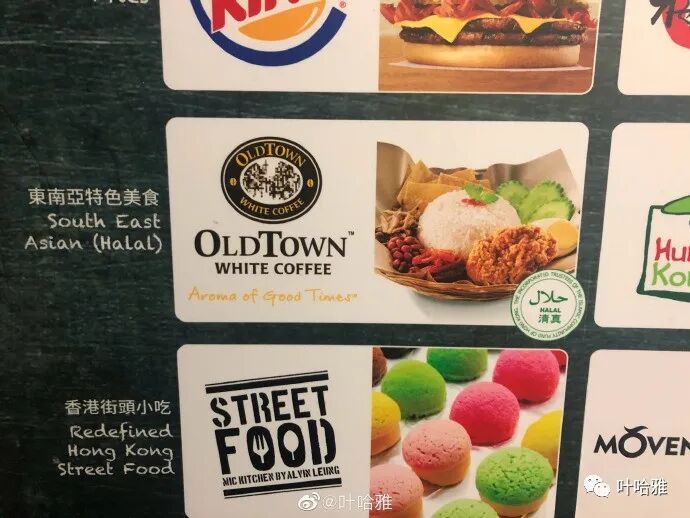
Old Town White Coffee (no alcohol)
Old Town White Coffee is the only halal-certified restaurant at Hong Kong International Airport. It serves Southeast Asian food and does not serve alcohol. It is open from 7:00 to 21:00 and is located in the food court.
I ordered a bowl of Ipoh chicken noodle soup (ipoh jisi hefen), a side of fried chicken, and lemon tea. It tasted good.
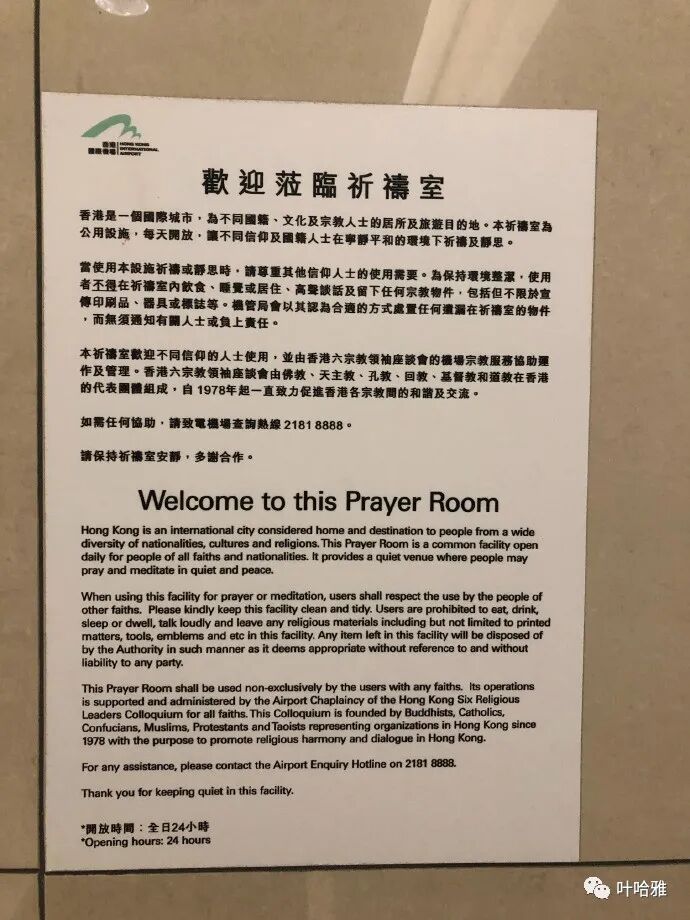
Hong Kong airport now has two prayer rooms, one near gate 43 and another near gate 211. The prayer rooms are for people of all six major religions and include a place to perform wudu. An airport cannot be called an international airport without a prayer room.
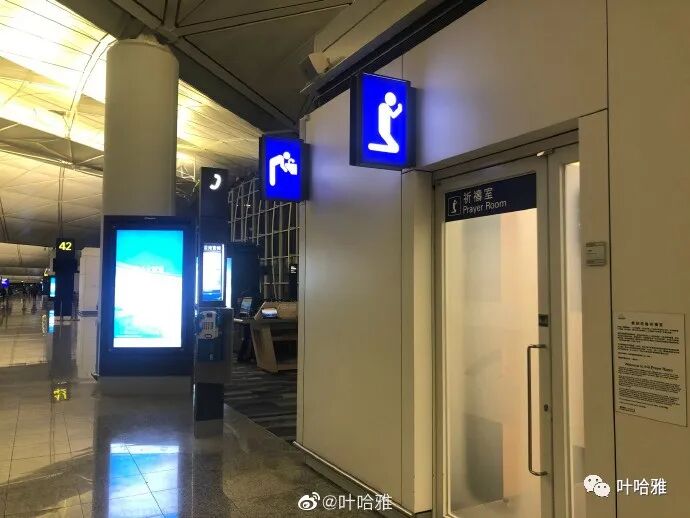
Gate 43 prayer room
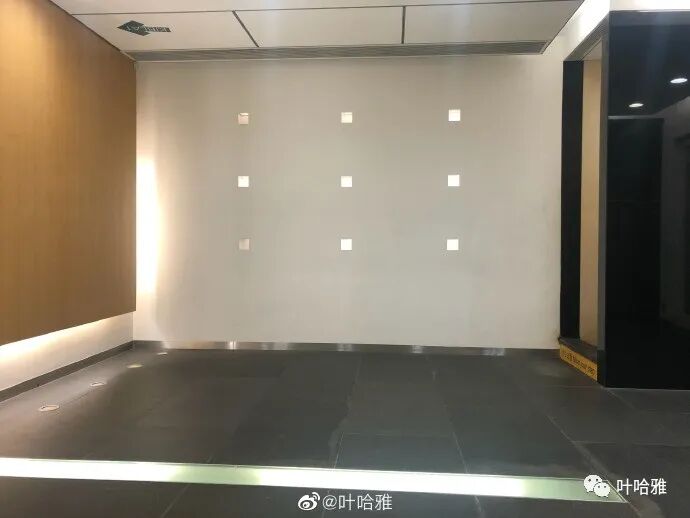
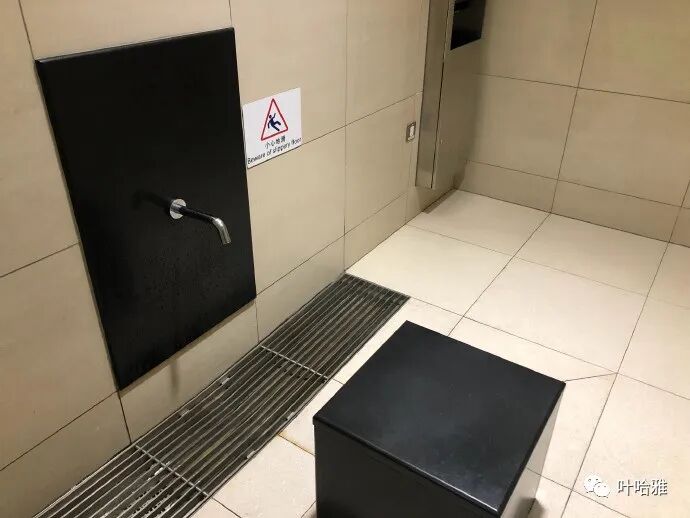
Wudu area
Qibla direction
Gate 211 dua room
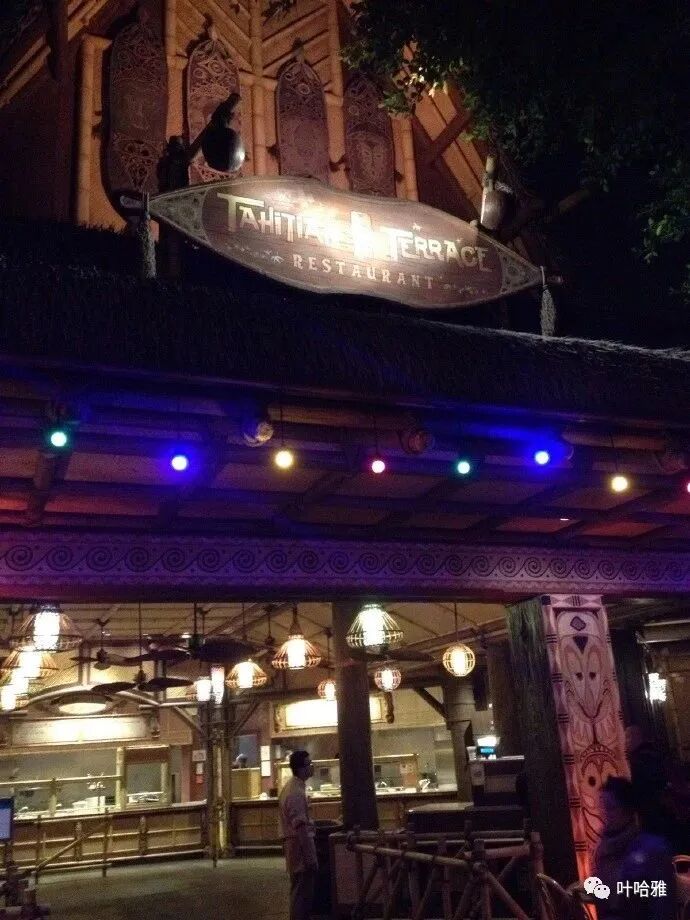
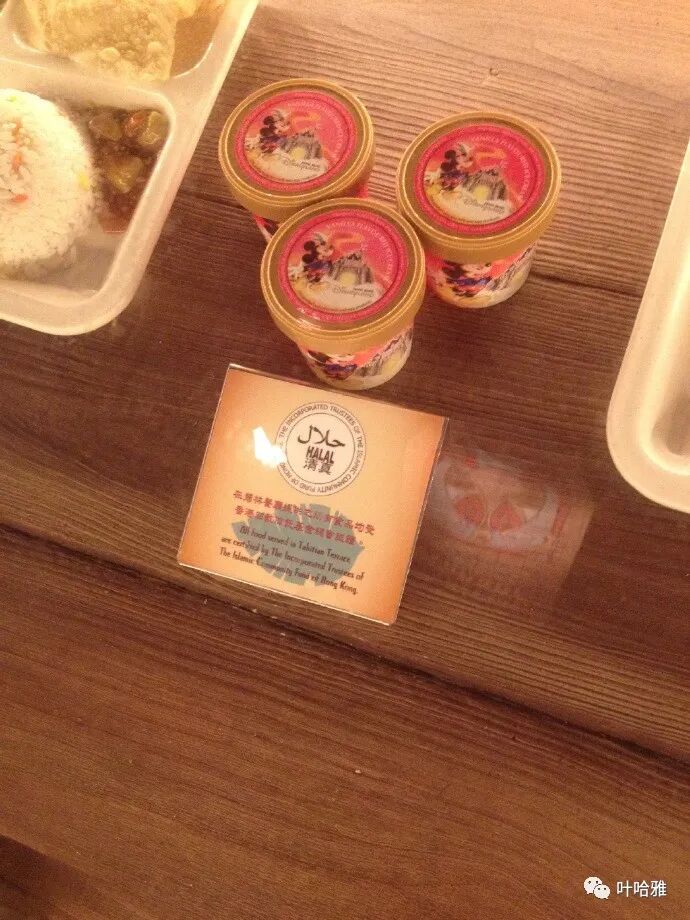
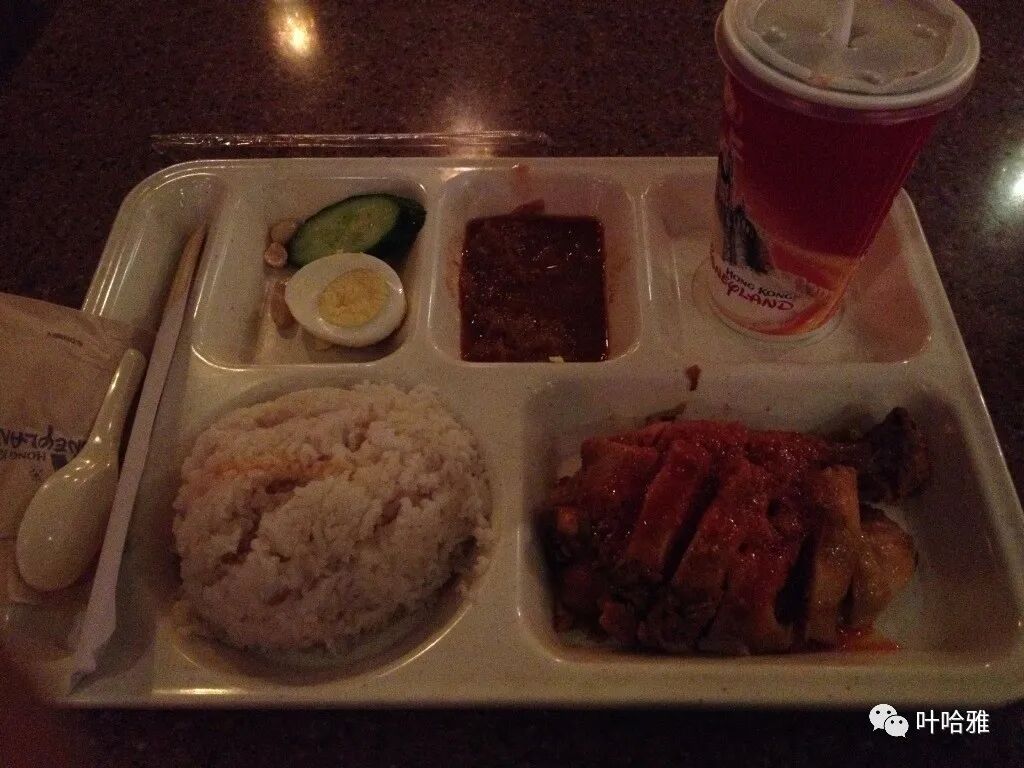
Disneyland Tahitian Terrace (alcohol-free)
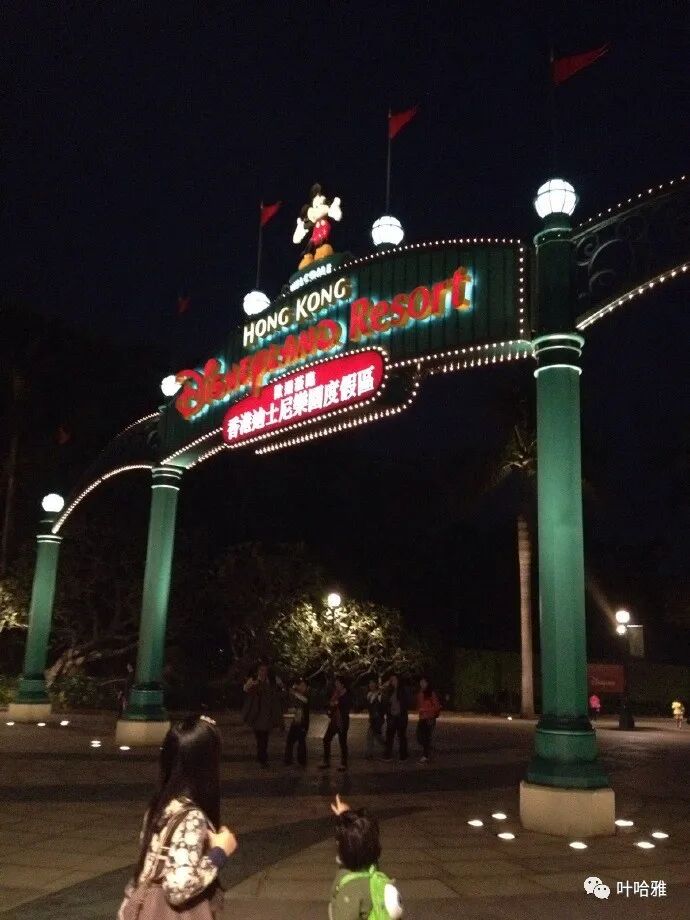
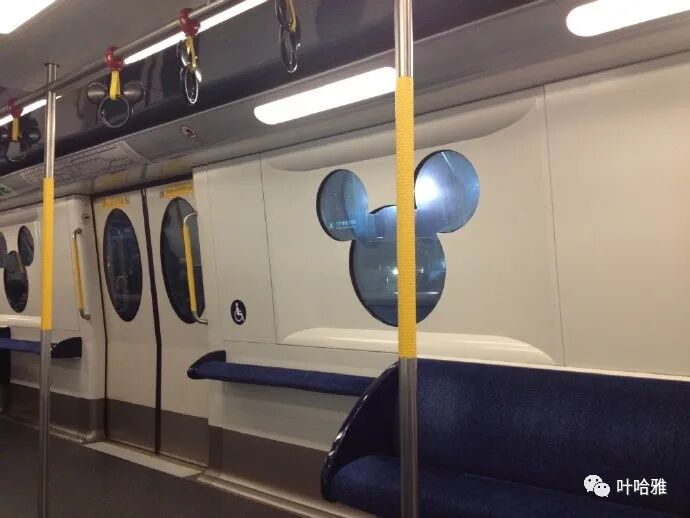
Disneyland is a must-visit spot when bringing kids to Hong Kong. I went alone in 2015 and took the Disneyland Resort Line subway to get to the park.
You can book Disneyland tickets online in advance. The park has two halal restaurants that do not sell alcohol and serve Southeast Asian flavors. There is also one called the Explorer's Club Restaurant. You can see people dressed in Southeast Asian Muslim attire all over the streets of Hong Kong now.
Hong Kong-style halal Wai Kee (alcohol-free)
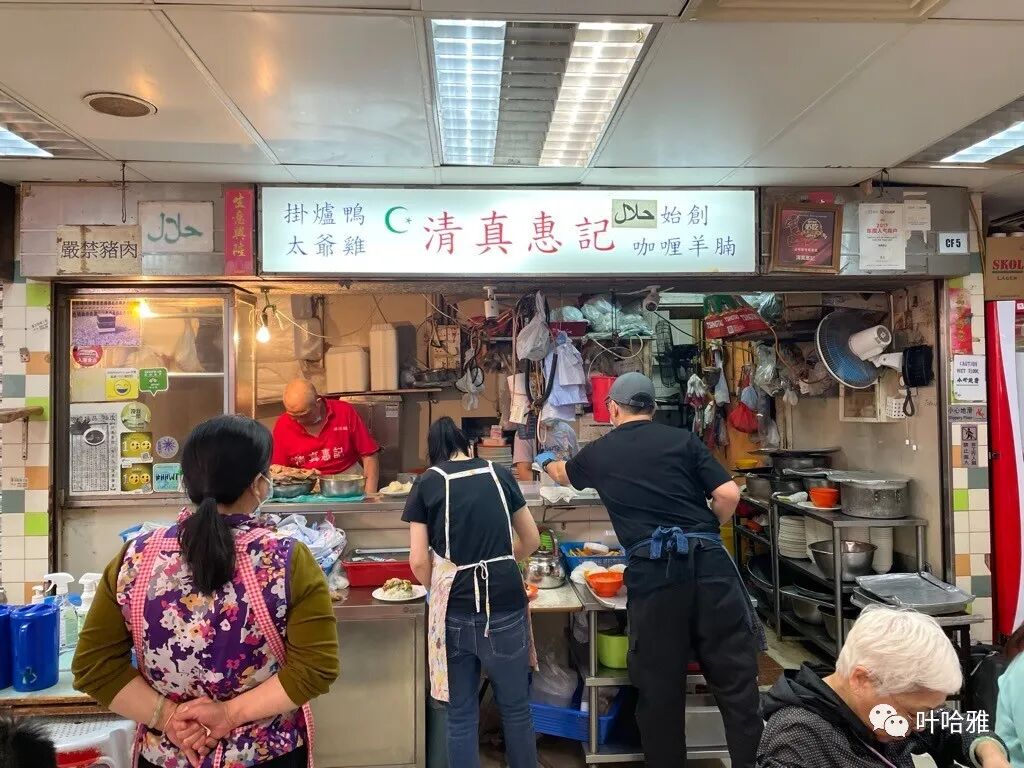
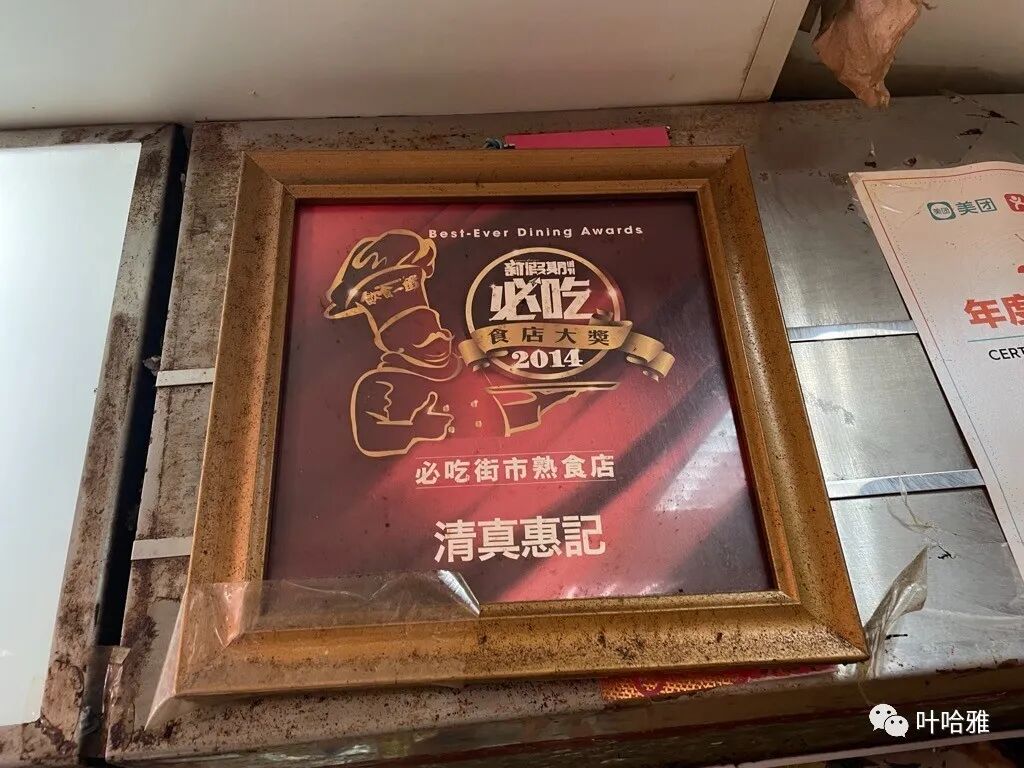
Wai Kee is a Hong Kong-style roast duck stall run by local Hui Muslims. It is located at Stall 5, Cooked Food Centre, 1/F, Bowrington Road Market. Wai Kee has been open in Hong Kong for over sixty years and has passed down through three generations. According to local Hui Muslims in Hong Kong, the original owner's surname was Wang, and Wai Kee was likely the surname of the owner's wife. Later, it was passed down to the son-in-law, whose surname was Chow.
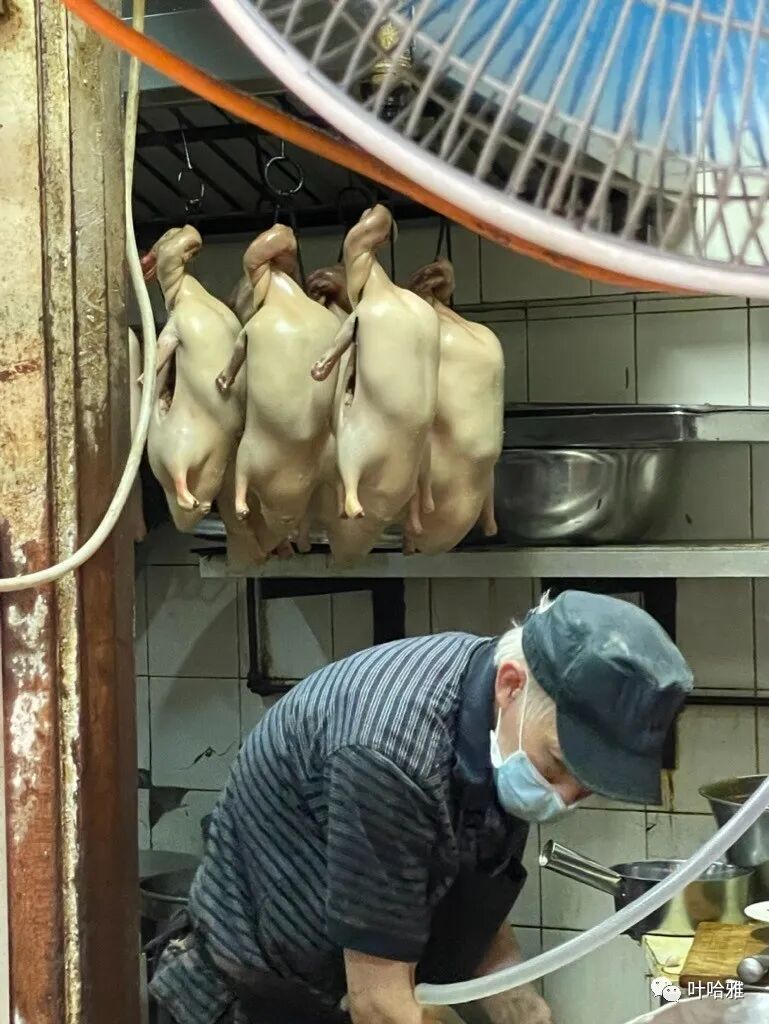
I thought the elderly gentleman in the shop was the owner of Wai Kee, but I heard from a local friend (dosti) that these staff members are not the owners, just employees. The owner of Wai Kee is responsible for ingredient quality control and teaching the techniques. There is another roast duck shop in this market called Hoi Kee, which is said to have been opened by a former Wai Kee employee who went out on their own.
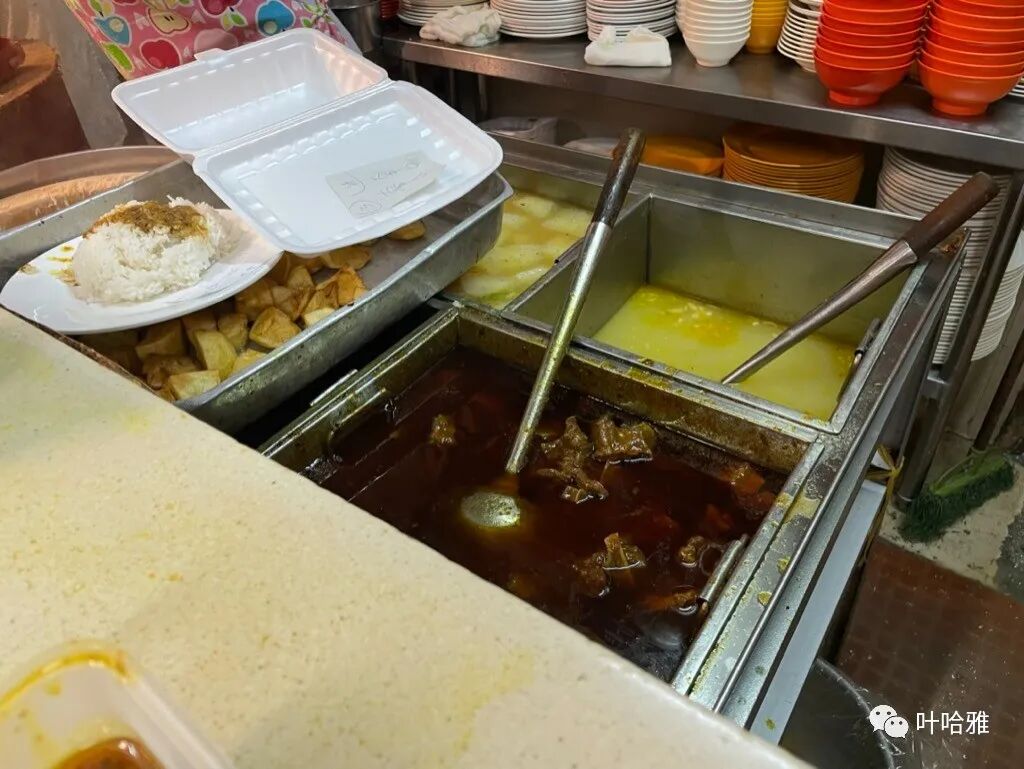
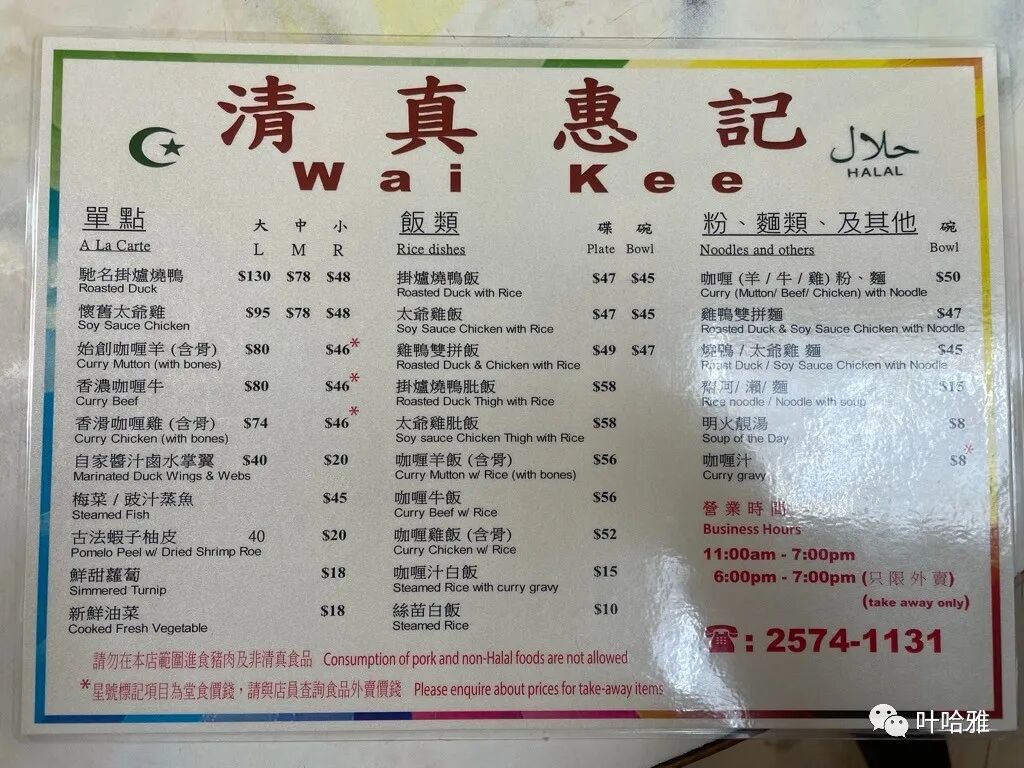
Wai Kee is quite famous locally and is open from 11:00 AM to 6:00 PM. Brother Jin brought me here to get takeout, including roast duck, curry beef, and pomelo peel with shrimp roe.
There is more than one halal restaurant run by local Hong Kong people, but as time passes, some families are no longer willing to take over the family business. People say the descendants of Ma Kee Halal Restaurant have all immigrated.
The famous hanging-oven roast duck is truly delicious, with crispy skin, tender meat, and great flavor. Later, during a gathering, another friend (dosti) brought some as takeout, and I ate more than half of it.
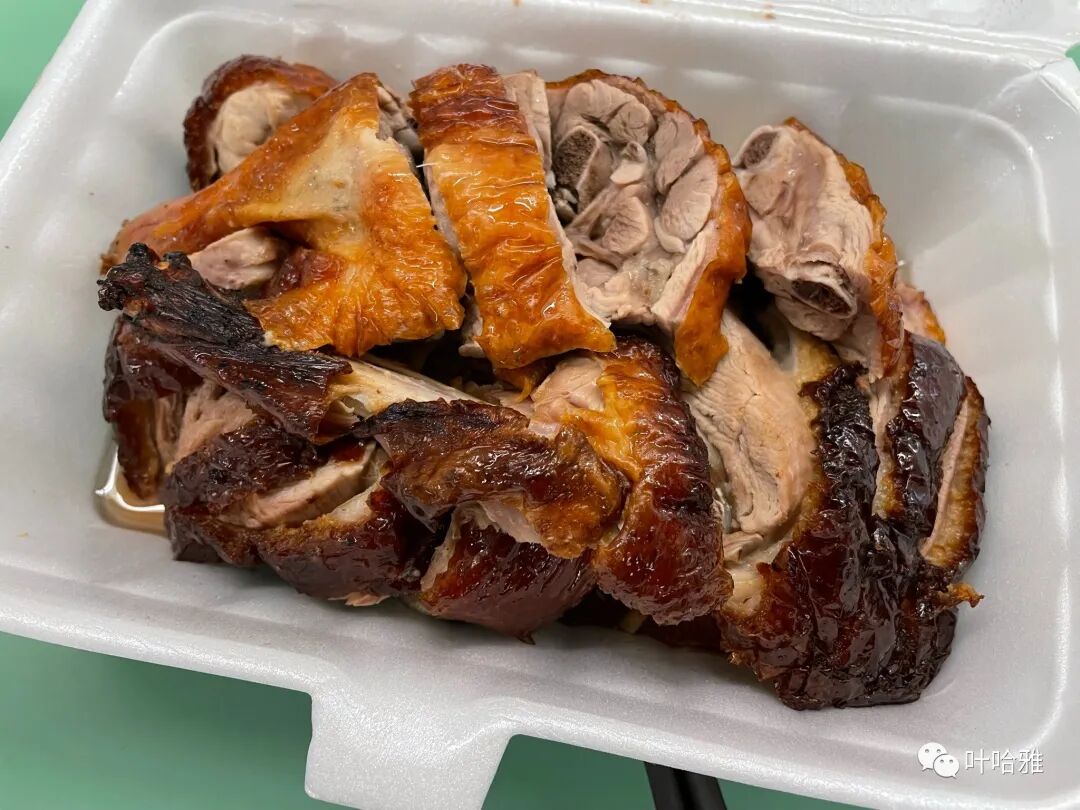
Famous hanging-oven roast duck
Smooth and savory curry beef
Beef curry tastes best mixed with rice. It is slightly spicy, salty, and savory, and I like it too.
Shrimp roe pomelo peel (xiazi youpi)
Shrimp roe pomelo peel (xiazi youpi) is a cold dish made by marinating pomelo peel. It has a strange, indescribable taste and a texture I have never had before, but locals seem to love it, and it is one of the signature dishes at Wai Kee.
To prepare for a dinner party, Brother Jin from Hong Kong specifically came to this Pakistani-run Mehrab Halal Beef Shop to buy steaks. He said some Pakistani shops in Hong Kong are unreliable and sell beef that seems to have been injected with water, but the meat at this shop looks more trustworthy.
Hong Kong-style Islamic Centre Canteen (alcohol-free)
The Islamic Centre is a mosque, also known as the Wan Chai Mosque. On the fifth floor, it opened Hong Kong's first Cantonese halal tea restaurant, which serves dim sum and main meals.
I filmed this restaurant in 2015, but to this day, it remains the only halal Cantonese restaurant in Hong Kong that serves dim sum.
Most people wearing headscarves in Hong Kong are Indonesian. Many work in domestic service. Although the pay is not high, it is still more than what they earn in Indonesia, though sometimes they have to help their employers prepare non-halal food.
Dim sum is served from 10 a.m. to 3 p.m., and dinner is from 6 p.m. to 9 p.m. Prices in Hong Kong are on the high side, and the average cost per person here is about 150 RMB. After eating, you can pray and study in the mosque.
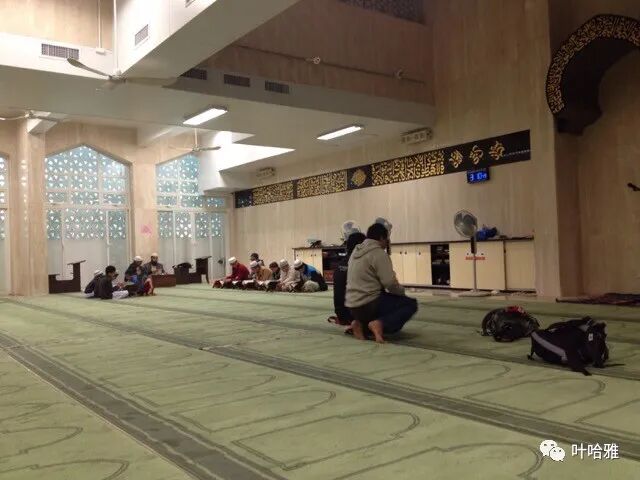
Chinese Muslim Cultural and Fraternal Association
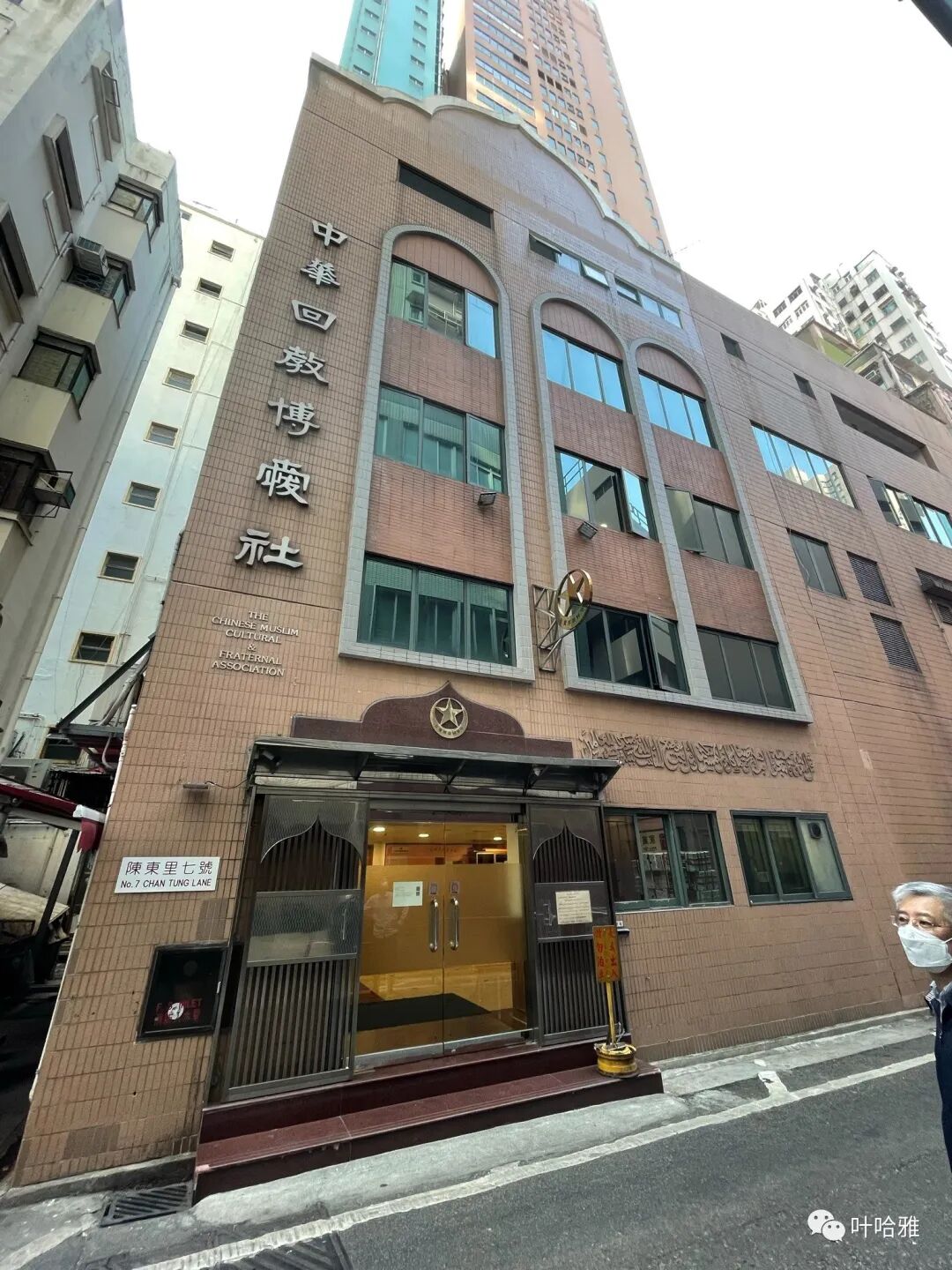
The Chinese Muslim Cultural and Fraternal Association was founded in 1917. It has a history of 106 years and is a Chinese Islamic organization approved by the Hong Kong government. The first chairman was Jin Yiqing, and the current chairman is Sa Zhisheng. This functions like a board of directors, and the imam is hired by the board. The association has its own properties, including the Islamic Kindergarten in Yau Oi Estate in Tuen Mun, the Islamic Fraternal Kindergarten in Cheung On Estate in Tsing Yi, an Islamic primary school, and an Islamic English secondary school. The income from these properties is used to cover the association's daily expenses.
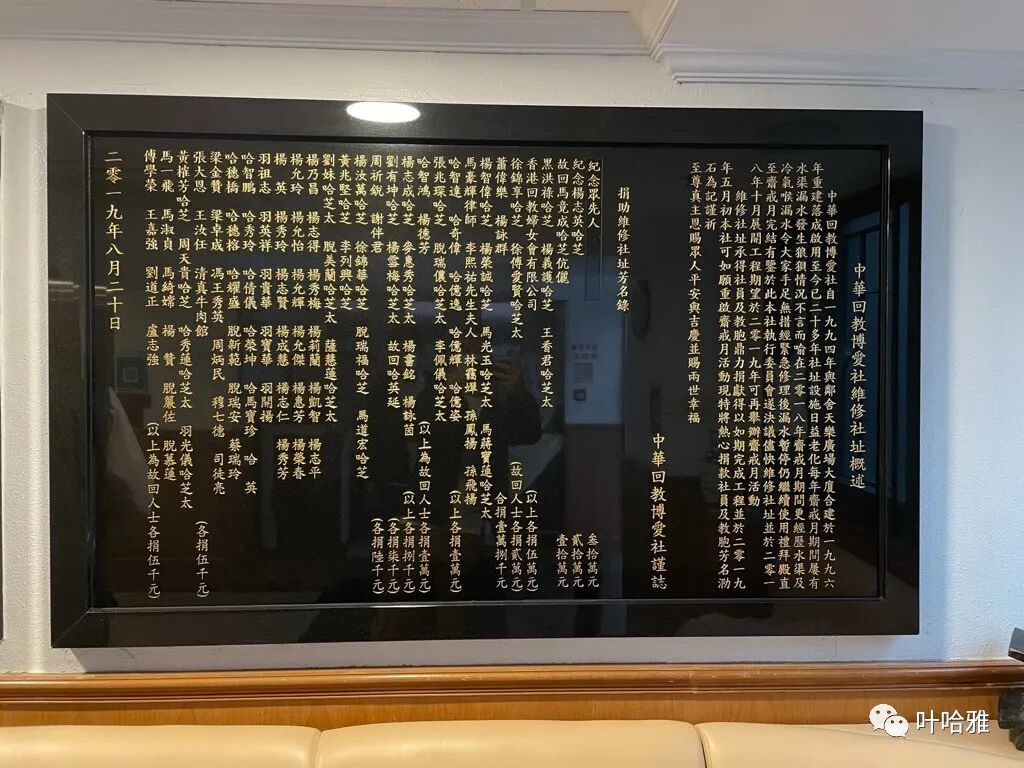
There are currently 11 Muslim organizations in Hong Kong:
1. Chinese Muslim Cultural and Fraternal Association of Hong Kong;
2. The Chinese Muslim Association of Hong Kong;
3. Muslim Women's Association of Hong Kong;
4. The Incorporated Trustees of the Islamic Community Fund of Hong Kong;
5. Islamic Union of Hong Kong;
6. Hong Kong Islamic Youth Association;
7. Hong Kong Islamic Centre;
8. International Islamic Society of Hong Kong;
9. Pakistan Association of Hong Kong;
10. Hong Kong Indian Muslim Association;
11. Dawoodi Bohra Association of Hong Kong (Shia).
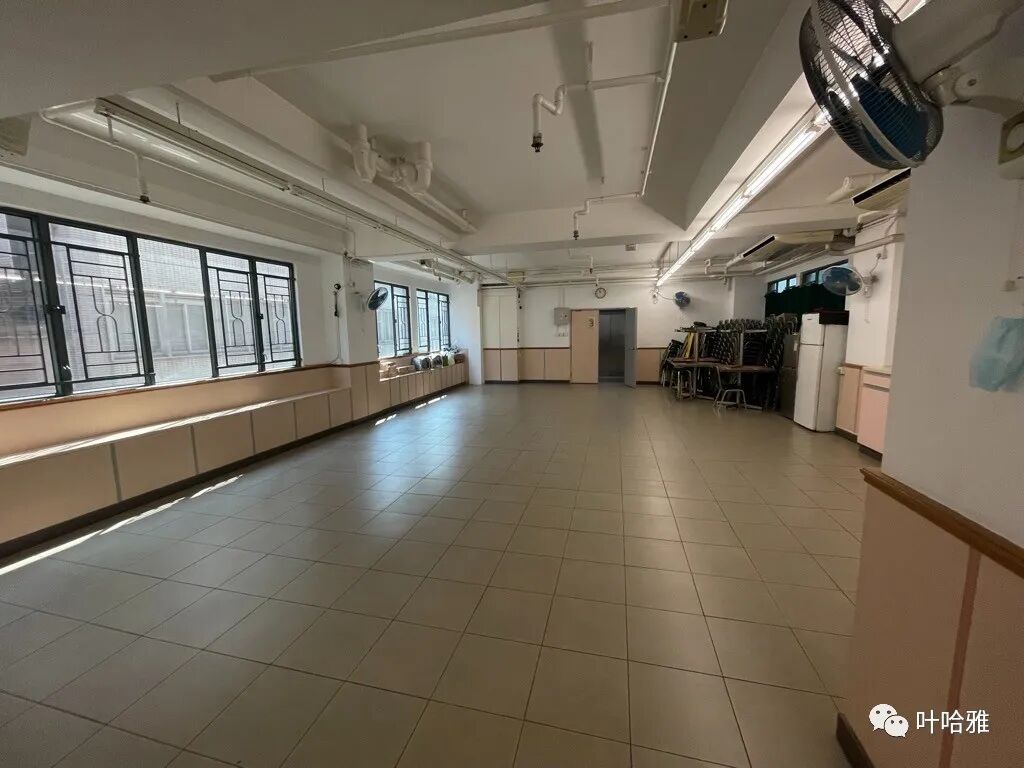
I met a Pakistani friend (dosti) here on Saturday. He has lived in China for over 40 years and speaks fluent Chinese. He studied in Beijing when he was younger, and his two children now work in Hong Kong. During our chat, he shared his views on the Afghan Taliban. When I learned he does not eat at the same table with women outside his family, I understood his perspective and once again marveled at Hong Kong's openness and tolerance.
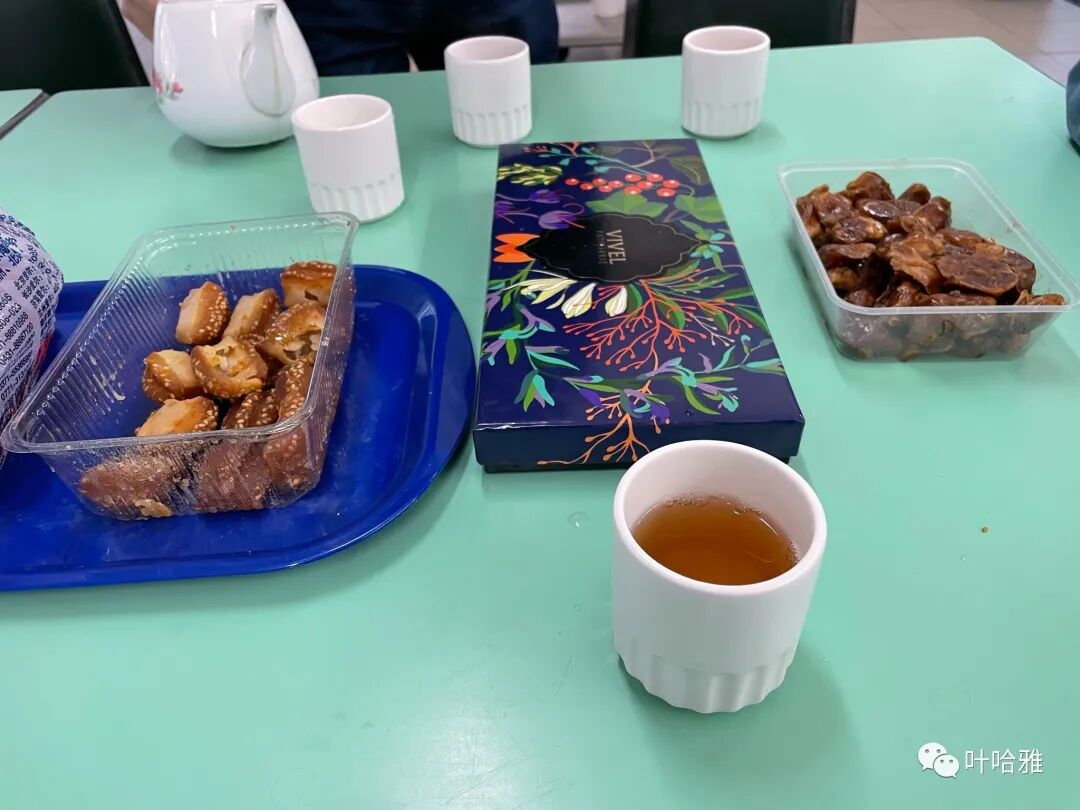
Friends (dosti) gather at the Bo'ai Society every Saturday and Sunday because most people work during the week.
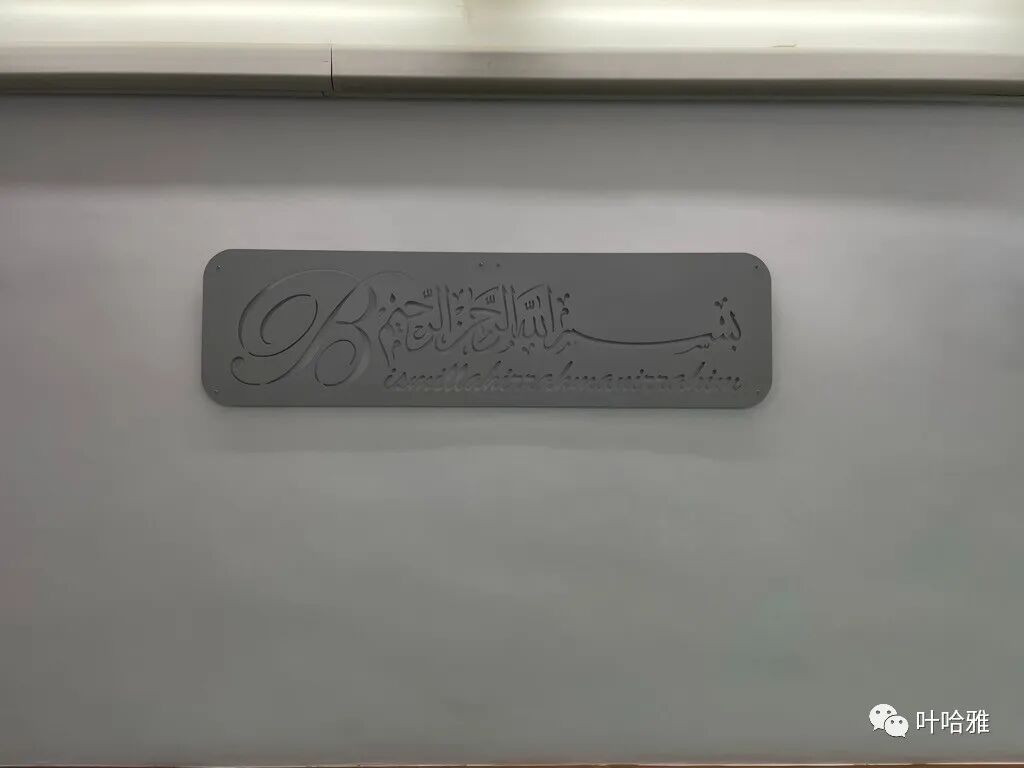
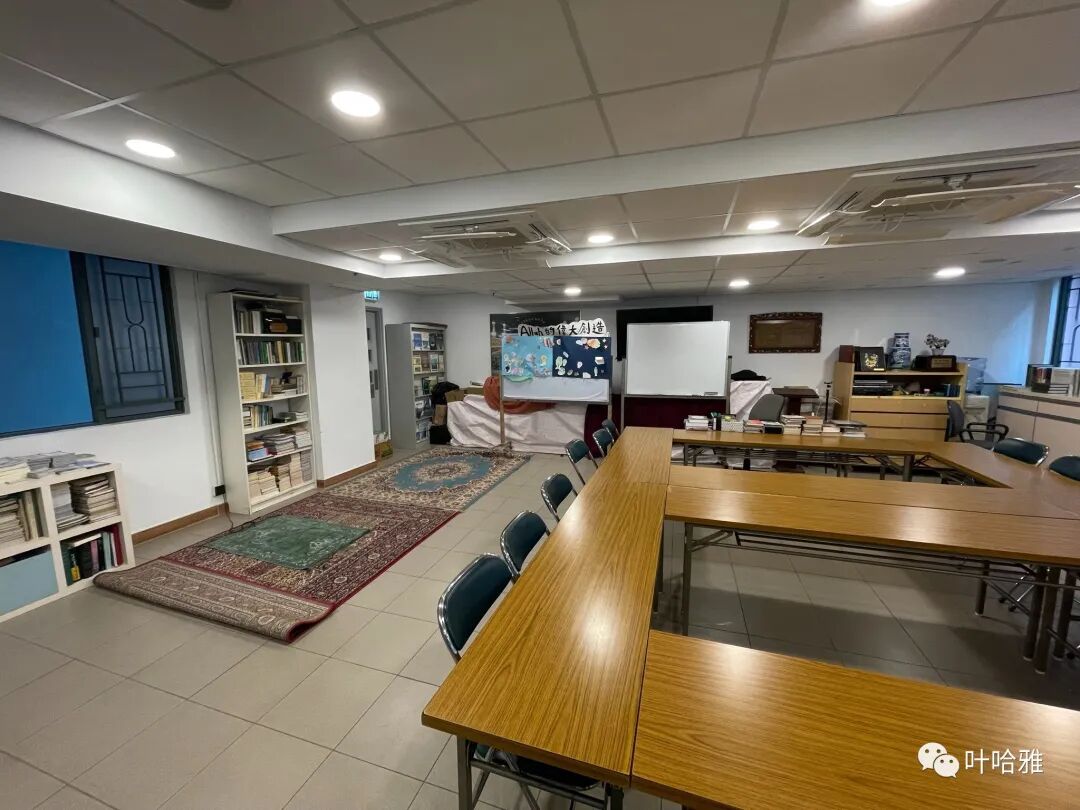
The Bo'ai Society has many books, including a large number of Chinese translations of Islamic law and doctrine that are no longer sold in mainland China.
One of my goals for this trip to Hong Kong was to buy books. Imam (ahong) Yang told me to check out the Eslite Bookstore in Hong Kong, saying I would find something good. The largest Eslite Bookstore is only about 800 meters from the Bo'ai Society.
Imam Yang showed me a rare book from the society's collection. The book in the picture below is a textbook for the Hui Evangelism (huixuan), an organization dedicated to spreading Christianity among Muslims. This book teaches missionaries how to communicate with Muslims. Hui Evangelism has been active in China for 200 years. They usually disguise themselves as Muslims and learn a little about basic Islamic concepts, then use deceptive methods to lead Muslims toward Christianity. However, there is no need to worry; in the 200 years they have been working in China, the number of Muslims they have converted is very small.
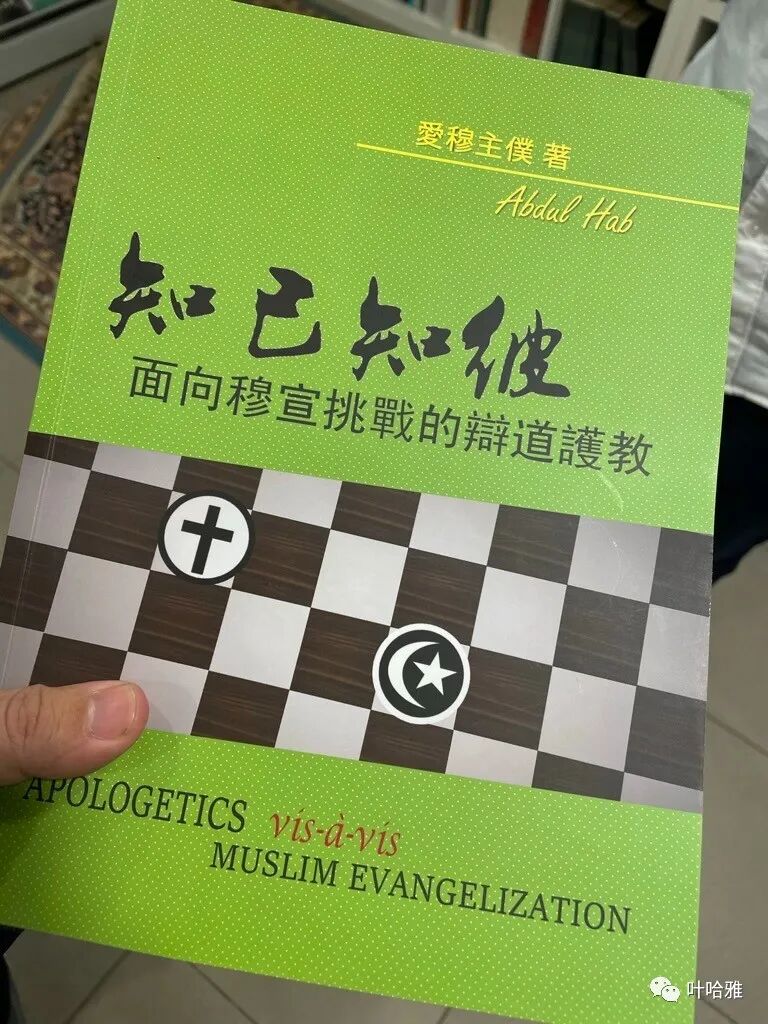
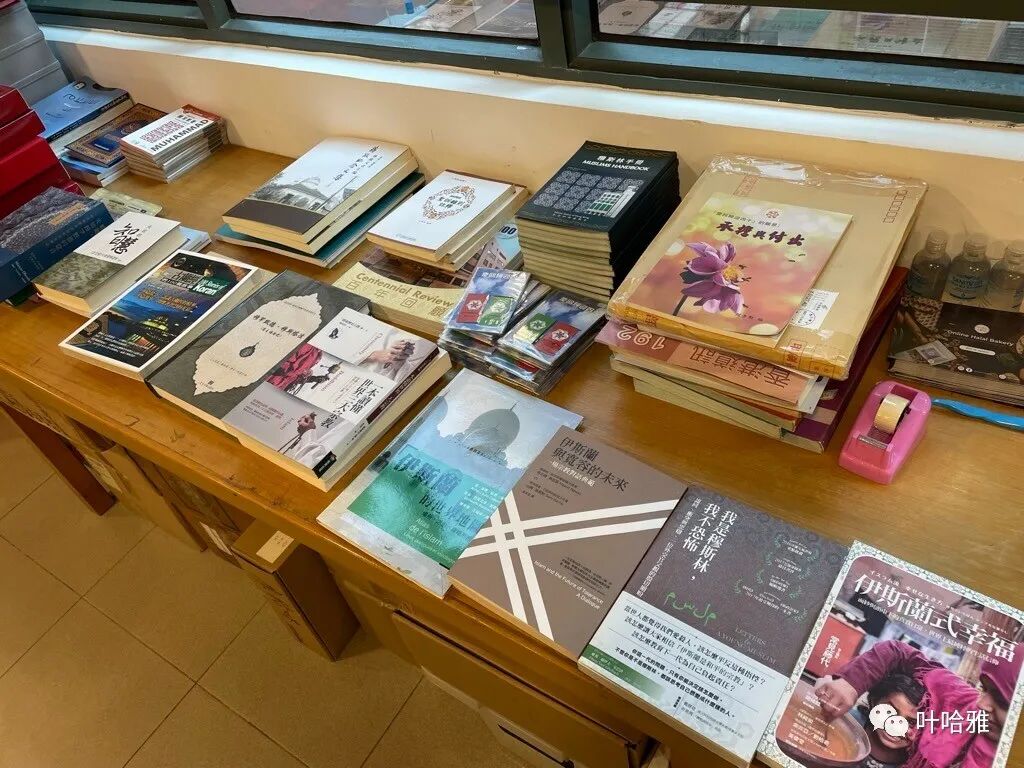
That is why I say Hong Kong is an open and tolerant place where you can always find something new, not just in people, but in these books as well. The books in the picture below are what I bought at the Eslite Bookstore. Just by looking at the titles, you can tell these books could not be published in mainland China anytime soon. The red book in the top left corner is an original, authentic copy of Al-Qaradawi's famous work, The Lawful and the Prohibited in Islam. I have only read pirated versions in the mainland. This book was a gift from Imam Yang, and it is worth keeping. Imam Yang once visited the home of Elder Al-Qaradawi and speaks very highly of him.
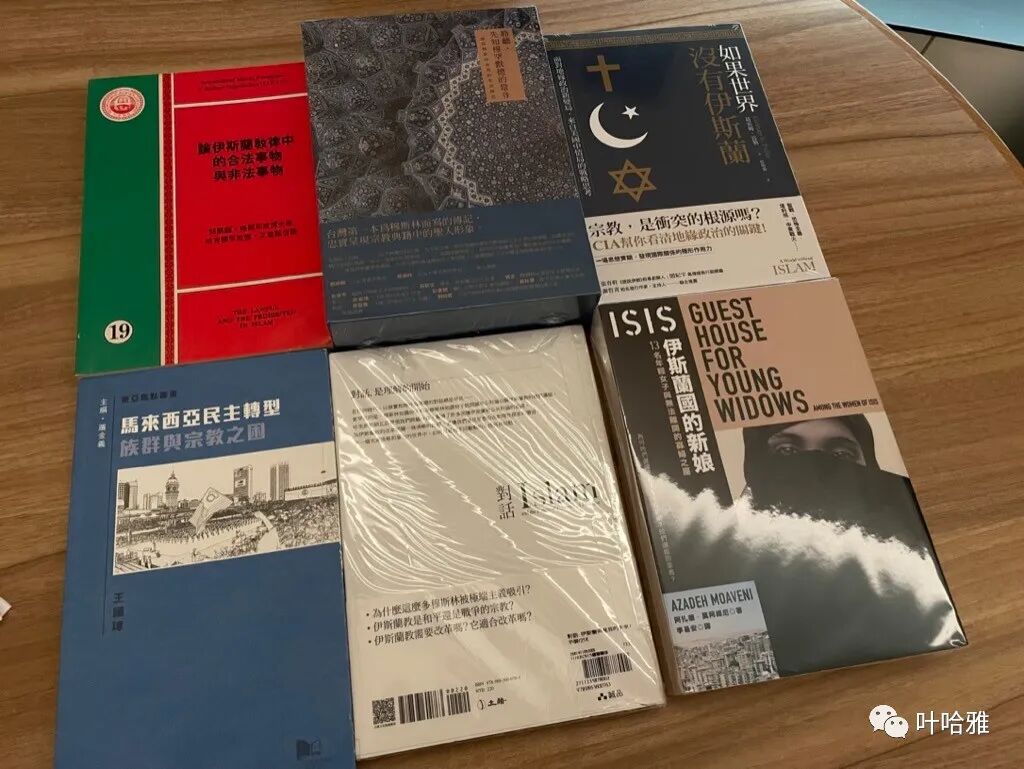
These books were imported from Taiwan, and the book bands feature recommendations from several Taiwanese friends (dosti) I know. To show my support for Islamic academic work in Taiwan, I spent over 800 Hong Kong dollars on these five books, which is 1.5 to 3 times more expensive than the price in Taiwan.
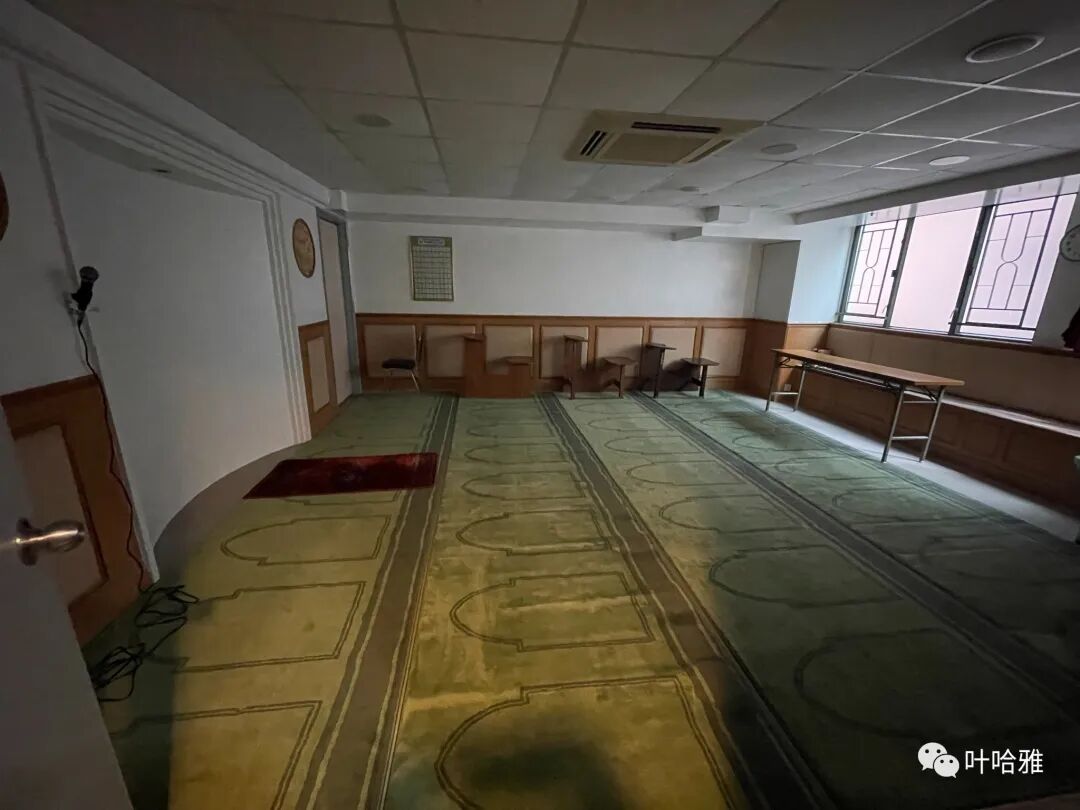
The first floor of the Bo'ai Society is a prayer room. Men stand in the front row and women in the back. Imam Yang led everyone in prayer (namaz). Afterward, we sat in a circle to talk and learn. I happened to meet several local Hong Kong friends (dosti) that day, including two Hui Muslim elders. One was a retired police officer whom everyone called 'Sir,' and the other was a 'Miss Ma' who moved to Hong Kong from Beijing at age 17. 'Miss Ma' is a nickname; she is actually over 80 years old but is as lively as a young girl. When I first saw her from a distance, she was wearing a pink headscarf, which made me mistake her for a young girl.
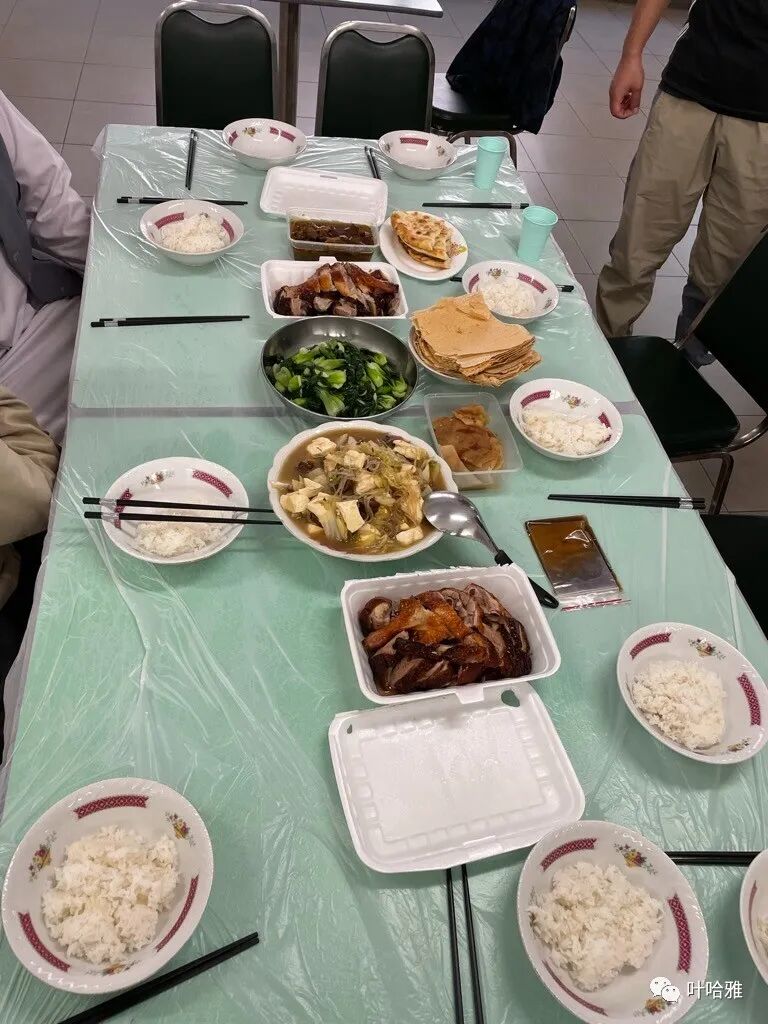
Another person is a local convert in his twenties. He said he converted during the pandemic after being moved by the friends (dosti) around him, which led him to learn about Islam. There are also friends (dosti) from the mainland working or studying in Hong Kong. Some have already received Hong Kong residency, and some are new Hong Kongers who have brought their families to settle in the city.
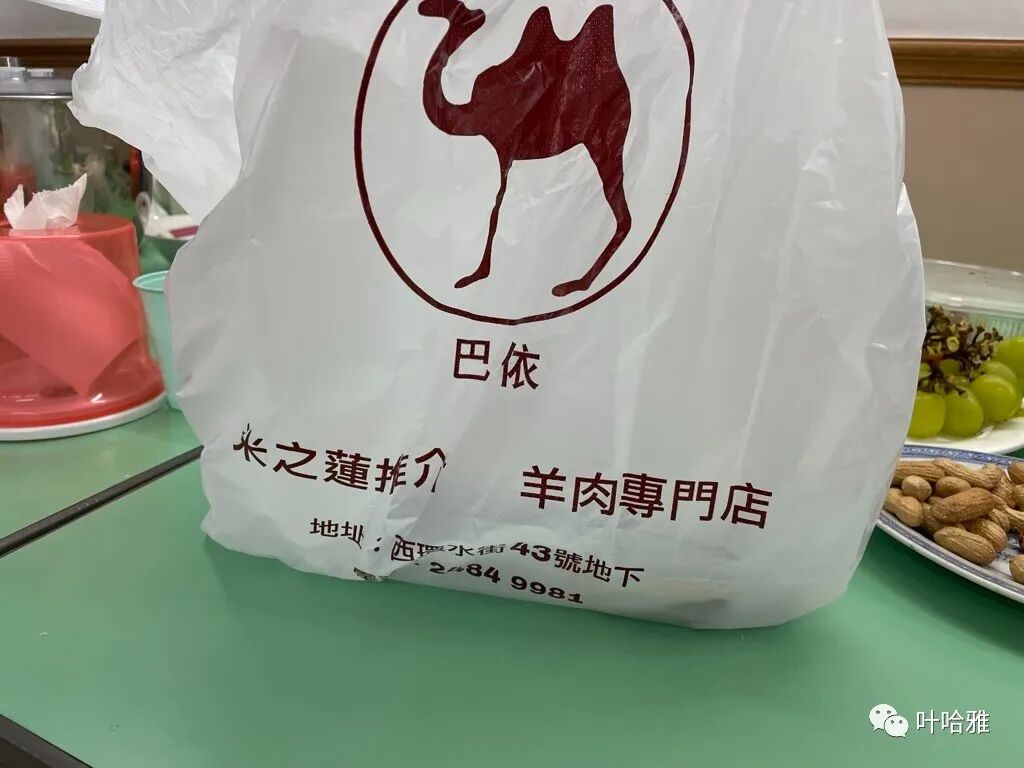
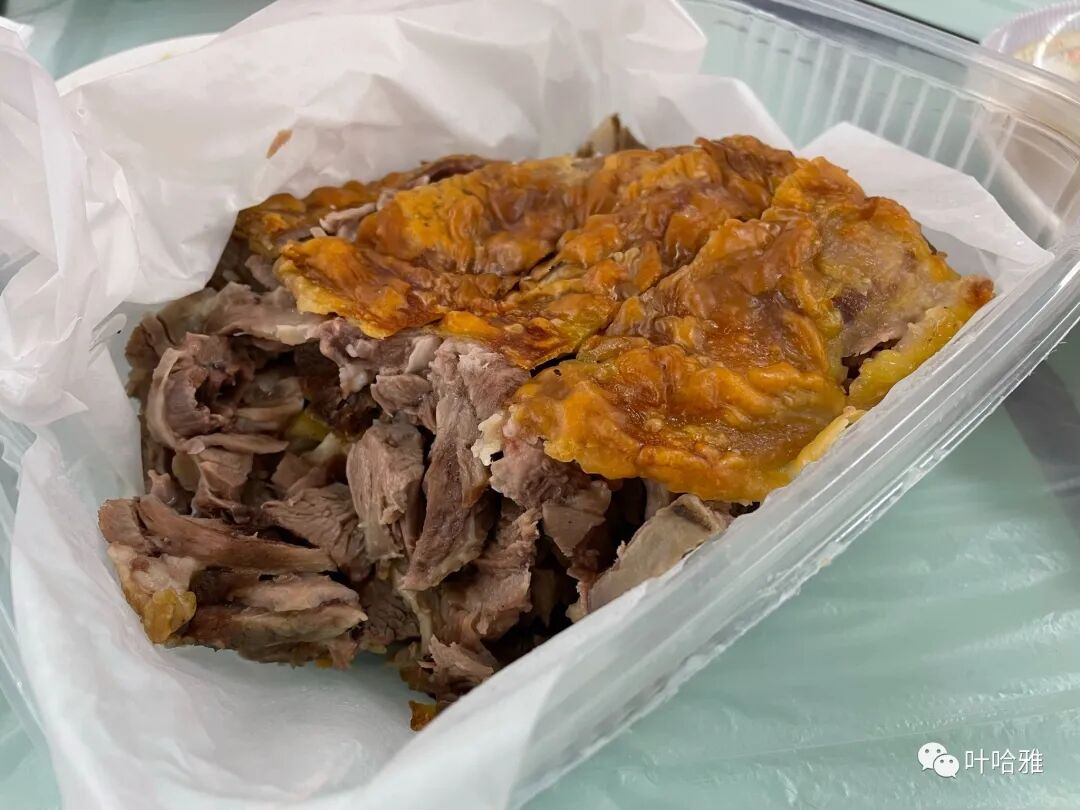
The friends (dosti) brought lamb chops packed from a Hong Kong Pakistani restaurant (bayi canting). The address on the bag is 43 Water Street, Sai Ying Pun, ground floor. We chatted while eating. Many of the friends (dosti) working in Hong Kong are in the finance industry. We exchanged thoughts on current Islamic finance concepts, and I have published my ideas on my official WeChat account.
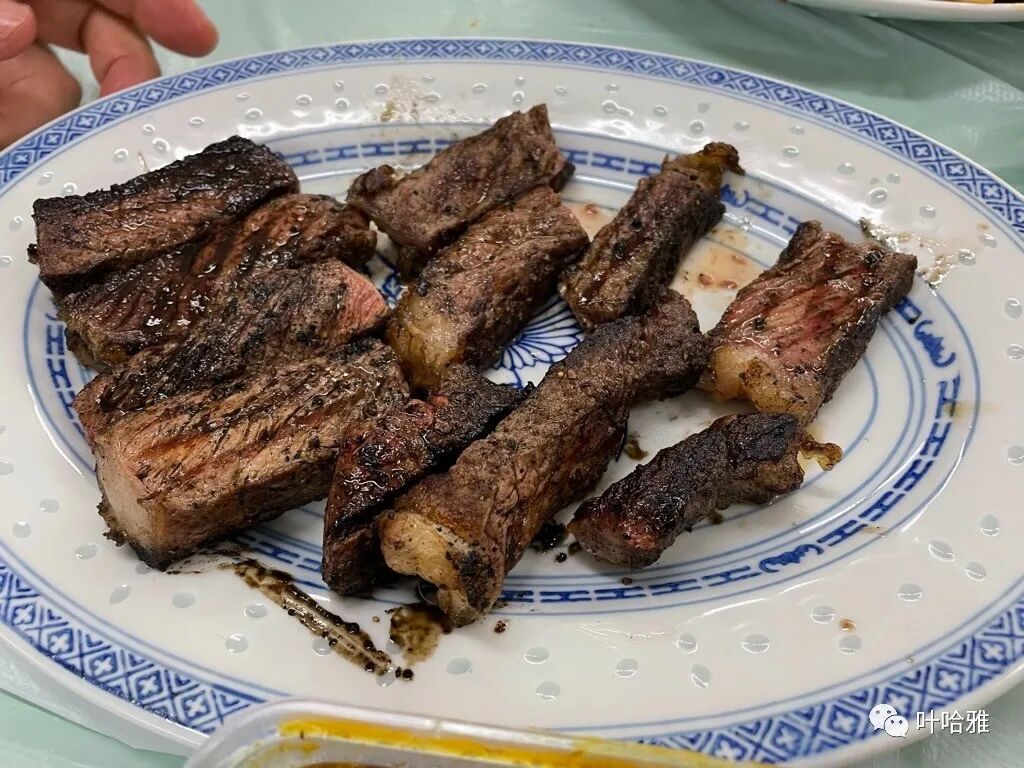
The picture below shows the steak Brother Jin bought from a Pakistani friend and pan-fried himself. Brother Jin is from Shandong. He is warm and generous, exactly the image of a typical Shandong man in my mind. He is not used to southern food and likes his steak well-done.
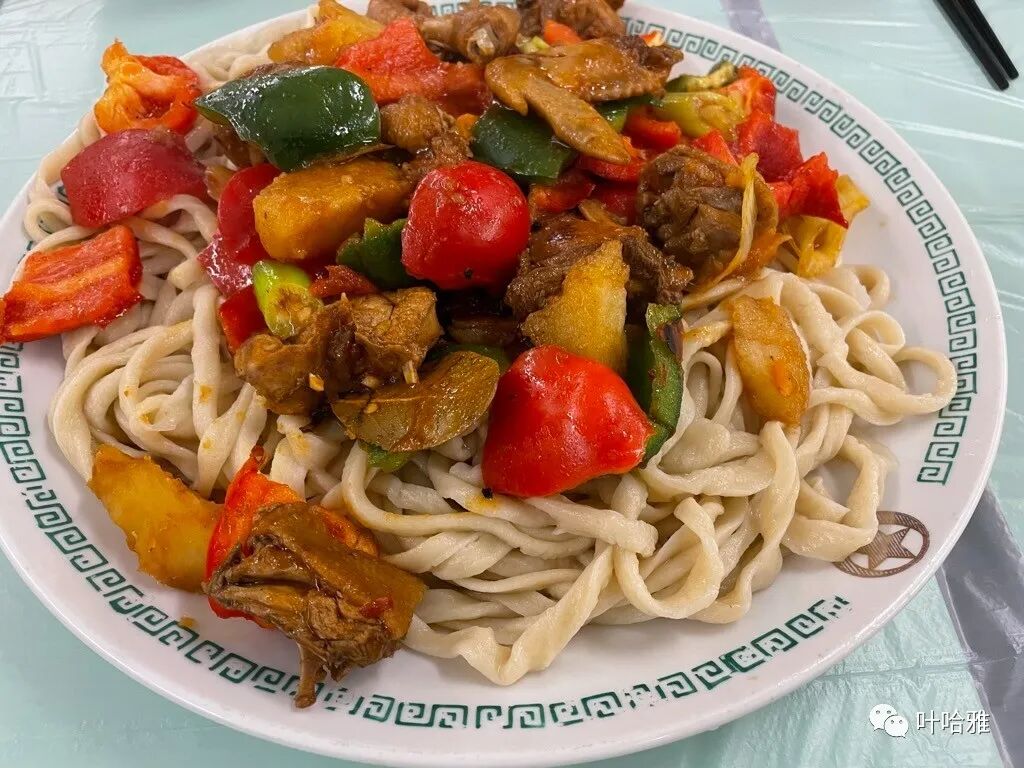
The picture below is the Henan version of Xinjiang big plate chicken (dapanji). The chef is a brother from Henan, or more precisely, from Luoyang. He didn't make the noodles like the traditional Xinjiang belt noodles (kudaimian) but tried something new. You could call them hand-pulled noodles (latiaozi), but the taste is just as great. Everyone said they had homemade Xi'an meatball spicy soup (rouwan hulatang) last week. I am very grateful to be able to eat these in Hong Kong.
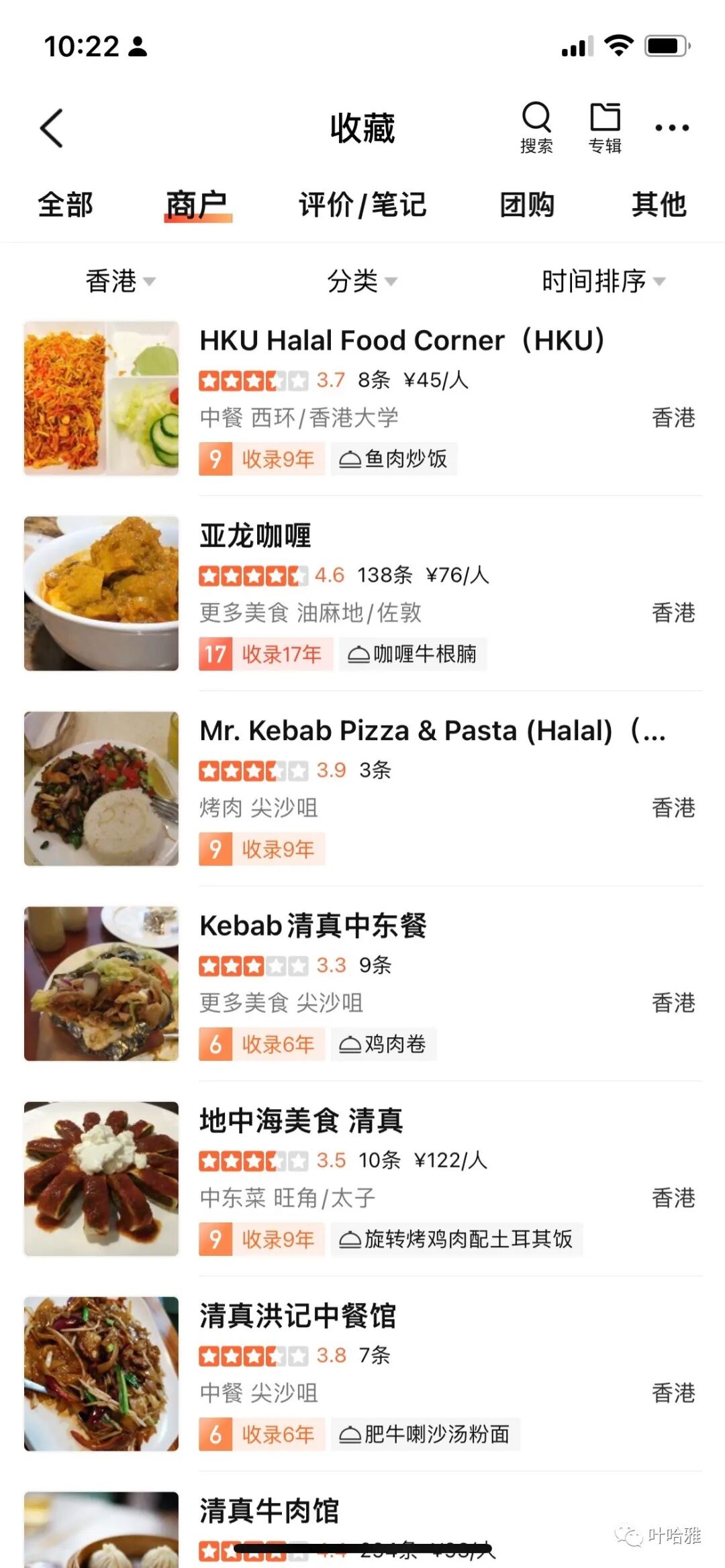
Friends (dosti) who have the chance to visit the Bo'ai Society on weekends can also enjoy the homemade food, but it is best not to come empty-handed. The remaining Hong Kong food spots I haven't visited yet are listed below. These are screenshots from Dazhong Dianping, and you can use Google Maps to search for the restaurant names to find their locations.
There are currently five mosques in Hong Kong:
1. Jamia Mosque (Shelley Street Mosque): Located on Shelley Street in Central, Hong Kong Island.
2. Kowloon Mosque: Located in the "Golden Mile" of Nathan Road in Kowloon, right next to Kowloon Park.
3. Ammar Mosque (Oi Kwan Road Mosque): Located at 40 Oi Kwan Road.
4. Chai Wan Mosque: Located inside the Chai Wan Muslim Cemetery.
5. Stanley Mosque: Located on the Stanley Peninsula at the southern tip of Hong Kong.
I have visited three of them. I have not been to the Stanley Mosque, which is built inside a prison, or the Chai Wan Mosque, which is built inside a Muslim cemetery.
Kowloon Mosque
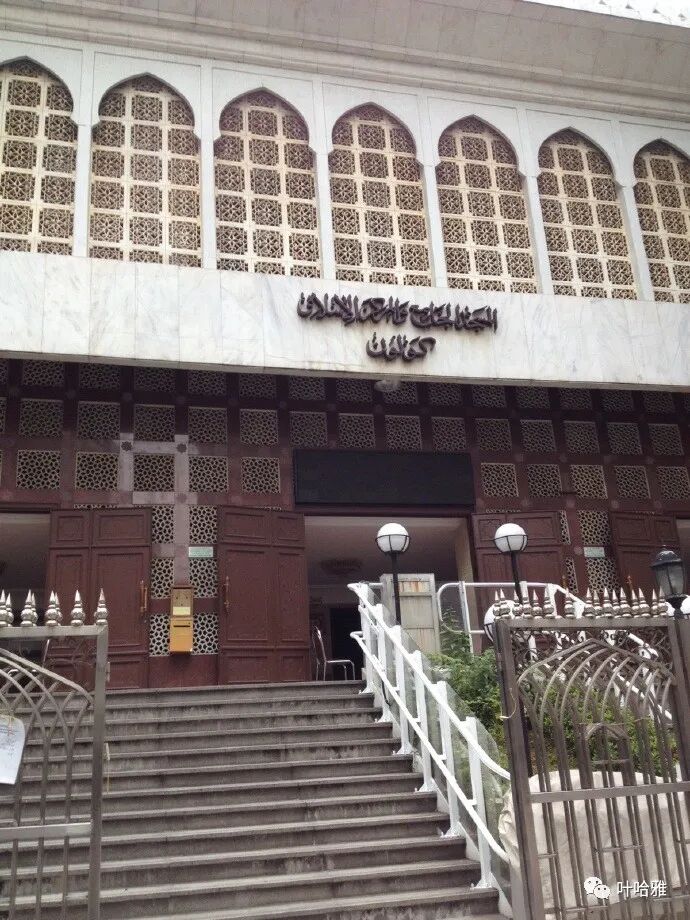
Kowloon Mosque was first built in 1896 by Muslim soldiers from the British Indian garrison. It is currently the largest mosque in Hong Kong. It is a three-story building with offices on the first floor, classrooms on the second, and a prayer hall on the third. It is managed by a committee of Muslims from different countries.
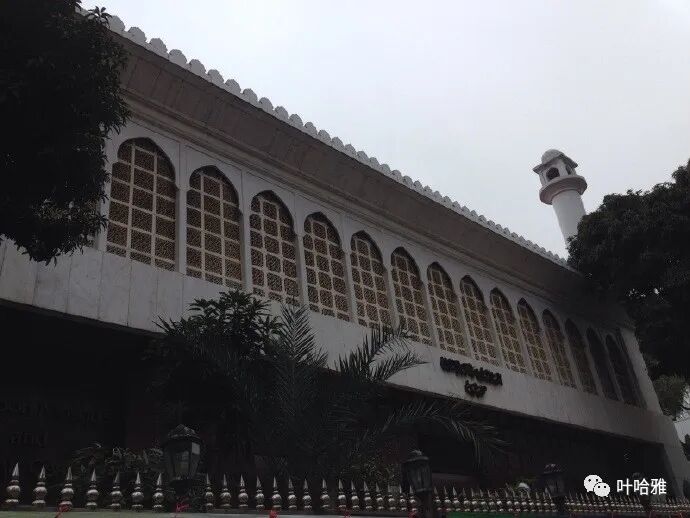
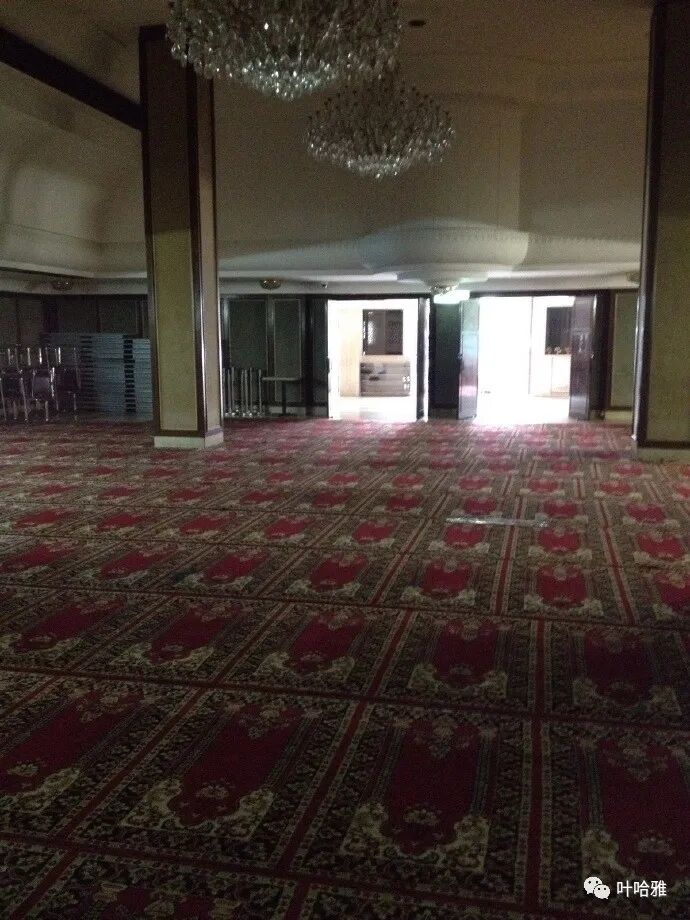
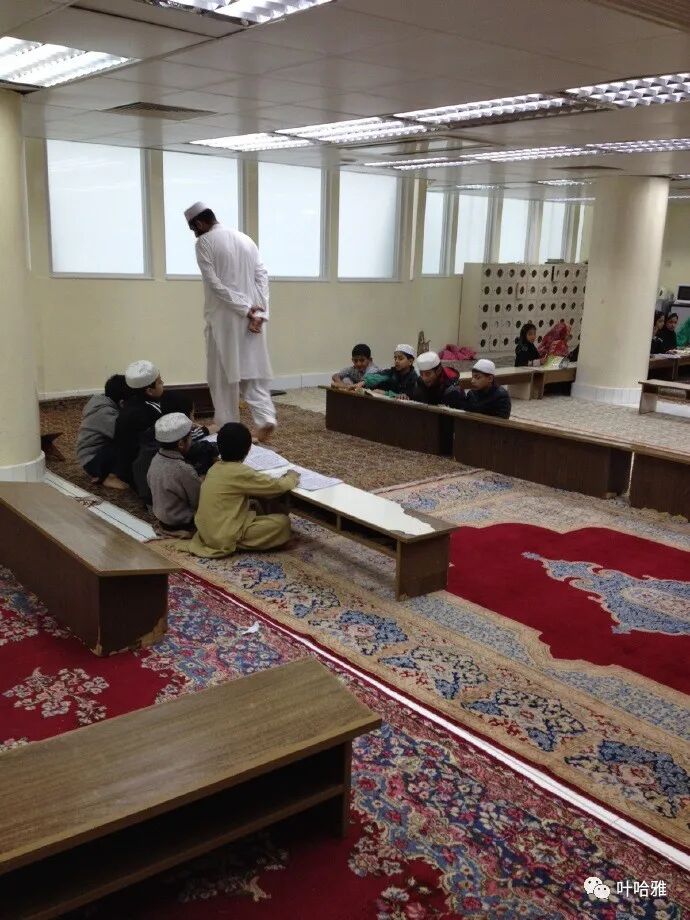
Pakistani brothers are teaching the children Arabic. In many places around the world where Muslims are a minority, Pakistani brothers often help maintain the faith. From my observations, these Pakistani brothers have strong language skills. Some born in Hong Kong speak fluent Cantonese and English, and some families have been rooted in Hong Kong for three generations.
Jamia Mosque
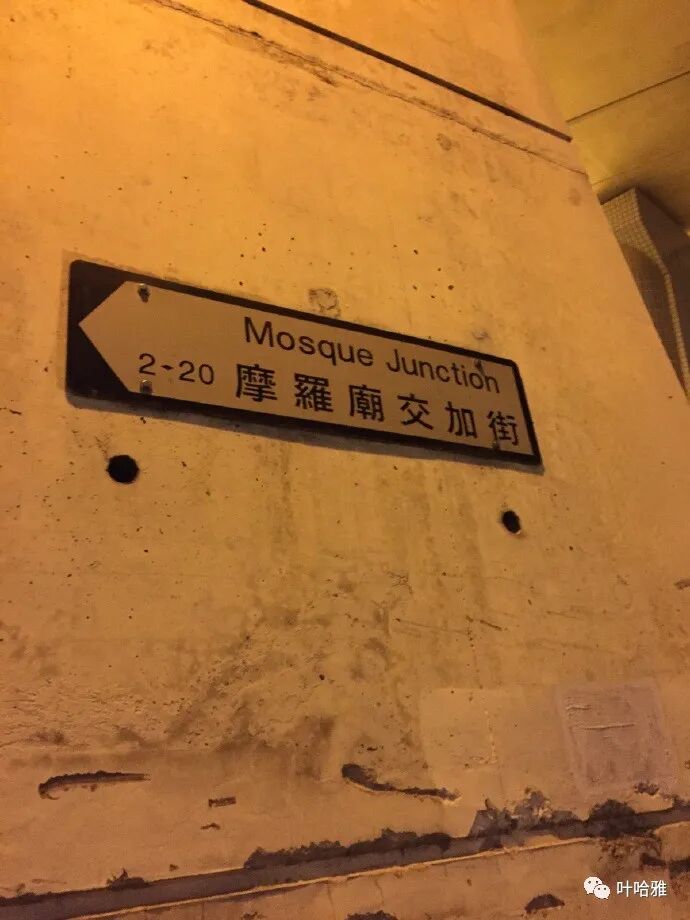
Jamia Mosque is the oldest mosque in Hong Kong, built in 1870. The street it is on is called Mosque Street.
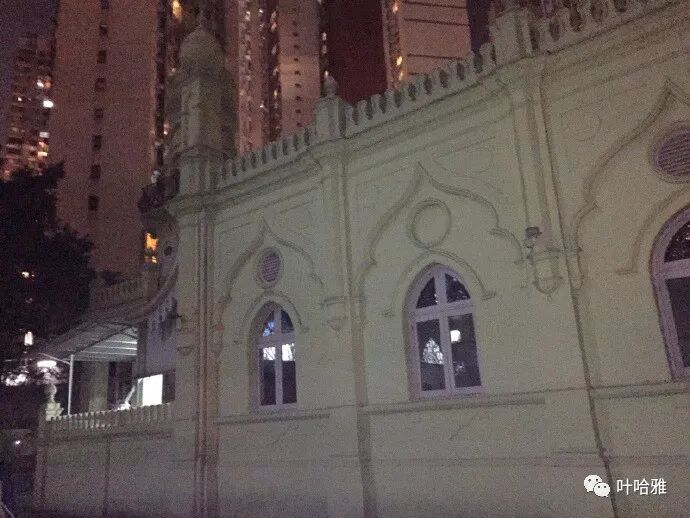
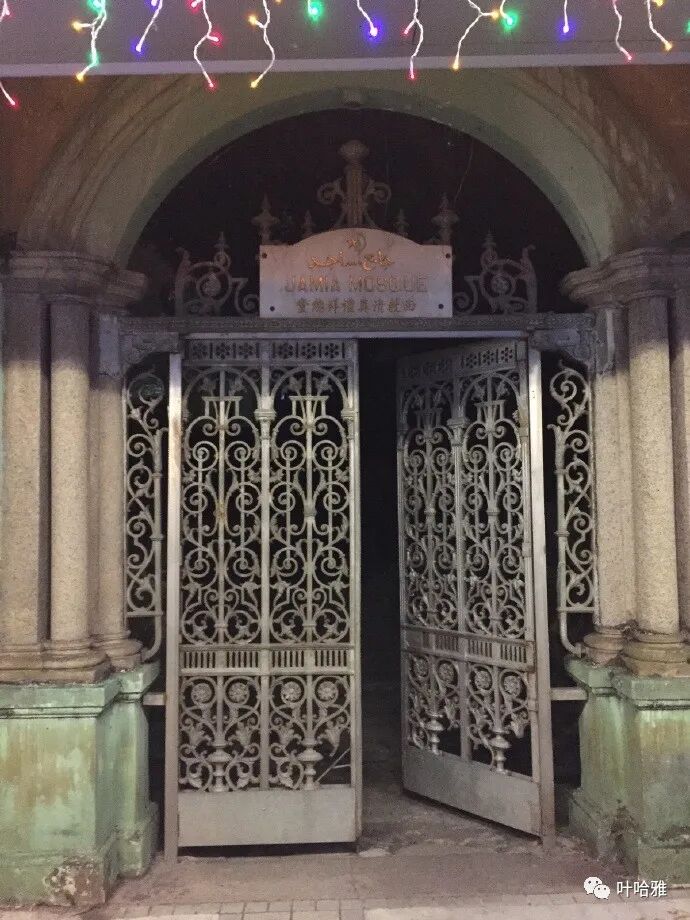
It was initially built with funds raised by over 100 Hong Kong Muslims. In 1905, a Muslim philanthropist from Mumbai, India, named Ishaq, funded its reconstruction. He also built a shelter for elderly and widowed Muslims. The mosque is managed by the Incorporated Trustees of the Islamic Community Fund of Hong Kong.
For someone like me born in the 1980s, Hong Kong symbolizes a memory of youth. My early impressions of Hong Kong all came from the Hong Kong and Taiwanese movies and TV shows I watched as a teenager. Back then, compared to the mainland, Hong Kong was more prosperous, fashionable, and international. But looking at Hong Kong now, I always feel like I am in a scene from an old movie.
The old street views, narrow alleys, and the crowds of busy workers all suggest that Hong Kong's economy has fallen behind major mainland cities. I entered Hong Kong from Shenzhen, and the gap in hotel facilities and service quality was very obvious. I do not know if Hong Kong will ever return to its former prosperity, but that does not matter to me. If it were not for nostalgia, the existence of the Hong Kong Muslim community would probably be the only reason I would come back.
Summary: This Muslim travel guide to Hong Kong covers halal airport food, prayer rooms with wudu facilities, Disneyland halal dining, local Muslim restaurants, Kowloon Mosque, and the century-old Chinese Muslim Cultural and Fraternal Association.
A Halal Tour of Hong Kong: The Century-old Chinese Muslim Cultural and Fraternal Association (Zhonghua Huijiao Bo'aishe) is presented here as a firsthand travel account in clear English, beginning with this scene: Hong Kong reopened after three years, and my travel permit for Hong Kong and Macau changed from a paper booklet to a chip card. The account keeps its focus on Hong Kong Travel, Kowloon, Muslim Travel while preserving the names, places, food, and historical details from the Chinese source.
Hong Kong reopened after three years, and my travel permit for Hong Kong and Macau changed from a paper booklet to a chip card. Getting the permit is simple. You just book an appointment online, then go to the local police station's entry and exit office to take a photo and pay. You do not need to do this in your hometown. You can apply for the permit and the travel endorsement at the same time. Each endorsement lets you stay in Hong Kong or Macau for 7 days. You can use a self-service machine for future endorsements, which takes less than 10 minutes.
To save money, I suggest entering Hong Kong from Shenzhen. Flights to Shenzhen are usually cheaper than flying directly to Hong Kong. Taking the subway from Shenzhen to Hong Kong takes about an hour, including customs, which is about the same time it takes to get from Hong Kong airport to the city center.
You need to call customer service at least 24 hours in advance to book a halal meal on Hong Kong Airlines. WeChat Pay and Alipay are now widely used in Hong Kong. You can also use your phone to pay for most subways and buses. I did not exchange any Hong Kong dollars for this trip, but some shops still insist on cash, so it is good to have some on hand just in case.
Old Town White Coffee (no alcohol)
Old Town White Coffee is the only halal-certified restaurant at Hong Kong International Airport. It serves Southeast Asian food and does not serve alcohol. It is open from 7:00 to 21:00 and is located in the food court.
I ordered a bowl of Ipoh chicken noodle soup (ipoh jisi hefen), a side of fried chicken, and lemon tea. It tasted good.
Hong Kong airport now has two prayer rooms, one near gate 43 and another near gate 211. The prayer rooms are for people of all six major religions and include a place to perform wudu. An airport cannot be called an international airport without a prayer room.
Gate 43 prayer room
Wudu area
Qibla direction
Gate 211 dua room
Disneyland Tahitian Terrace (alcohol-free)
Disneyland is a must-visit spot when bringing kids to Hong Kong. I went alone in 2015 and took the Disneyland Resort Line subway to get to the park.
You can book Disneyland tickets online in advance. The park has two halal restaurants that do not sell alcohol and serve Southeast Asian flavors. There is also one called the Explorer's Club Restaurant. You can see people dressed in Southeast Asian Muslim attire all over the streets of Hong Kong now.
Hong Kong-style halal Wai Kee (alcohol-free)
Wai Kee is a Hong Kong-style roast duck stall run by local Hui Muslims. It is located at Stall 5, Cooked Food Centre, 1/F, Bowrington Road Market. Wai Kee has been open in Hong Kong for over sixty years and has passed down through three generations. According to local Hui Muslims in Hong Kong, the original owner's surname was Wang, and Wai Kee was likely the surname of the owner's wife. Later, it was passed down to the son-in-law, whose surname was Chow.
I thought the elderly gentleman in the shop was the owner of Wai Kee, but I heard from a local friend (dosti) that these staff members are not the owners, just employees. The owner of Wai Kee is responsible for ingredient quality control and teaching the techniques. There is another roast duck shop in this market called Hoi Kee, which is said to have been opened by a former Wai Kee employee who went out on their own.
Wai Kee is quite famous locally and is open from 11:00 AM to 6:00 PM. Brother Jin brought me here to get takeout, including roast duck, curry beef, and pomelo peel with shrimp roe.
There is more than one halal restaurant run by local Hong Kong people, but as time passes, some families are no longer willing to take over the family business. People say the descendants of Ma Kee Halal Restaurant have all immigrated.
The famous hanging-oven roast duck is truly delicious, with crispy skin, tender meat, and great flavor. Later, during a gathering, another friend (dosti) brought some as takeout, and I ate more than half of it.
Famous hanging-oven roast duck
Smooth and savory curry beef
Beef curry tastes best mixed with rice. It is slightly spicy, salty, and savory, and I like it too.
Shrimp roe pomelo peel (xiazi youpi)
Shrimp roe pomelo peel (xiazi youpi) is a cold dish made by marinating pomelo peel. It has a strange, indescribable taste and a texture I have never had before, but locals seem to love it, and it is one of the signature dishes at Wai Kee.
To prepare for a dinner party, Brother Jin from Hong Kong specifically came to this Pakistani-run Mehrab Halal Beef Shop to buy steaks. He said some Pakistani shops in Hong Kong are unreliable and sell beef that seems to have been injected with water, but the meat at this shop looks more trustworthy.
Hong Kong-style Islamic Centre Canteen (alcohol-free)
The Islamic Centre is a mosque, also known as the Wan Chai Mosque. On the fifth floor, it opened Hong Kong's first Cantonese halal tea restaurant, which serves dim sum and main meals.
I filmed this restaurant in 2015, but to this day, it remains the only halal Cantonese restaurant in Hong Kong that serves dim sum.
Most people wearing headscarves in Hong Kong are Indonesian. Many work in domestic service. Although the pay is not high, it is still more than what they earn in Indonesia, though sometimes they have to help their employers prepare non-halal food.
Dim sum is served from 10 a.m. to 3 p.m., and dinner is from 6 p.m. to 9 p.m. Prices in Hong Kong are on the high side, and the average cost per person here is about 150 RMB. After eating, you can pray and study in the mosque.
Chinese Muslim Cultural and Fraternal Association
The Chinese Muslim Cultural and Fraternal Association was founded in 1917. It has a history of 106 years and is a Chinese Islamic organization approved by the Hong Kong government. The first chairman was Jin Yiqing, and the current chairman is Sa Zhisheng. This functions like a board of directors, and the imam is hired by the board. The association has its own properties, including the Islamic Kindergarten in Yau Oi Estate in Tuen Mun, the Islamic Fraternal Kindergarten in Cheung On Estate in Tsing Yi, an Islamic primary school, and an Islamic English secondary school. The income from these properties is used to cover the association's daily expenses.
There are currently 11 Muslim organizations in Hong Kong:
1. Chinese Muslim Cultural and Fraternal Association of Hong Kong;
2. The Chinese Muslim Association of Hong Kong;
3. Muslim Women's Association of Hong Kong;
4. The Incorporated Trustees of the Islamic Community Fund of Hong Kong;
5. Islamic Union of Hong Kong;
6. Hong Kong Islamic Youth Association;
7. Hong Kong Islamic Centre;
8. International Islamic Society of Hong Kong;
9. Pakistan Association of Hong Kong;
10. Hong Kong Indian Muslim Association;
11. Dawoodi Bohra Association of Hong Kong (Shia).
I met a Pakistani friend (dosti) here on Saturday. He has lived in China for over 40 years and speaks fluent Chinese. He studied in Beijing when he was younger, and his two children now work in Hong Kong. During our chat, he shared his views on the Afghan Taliban. When I learned he does not eat at the same table with women outside his family, I understood his perspective and once again marveled at Hong Kong's openness and tolerance.
Friends (dosti) gather at the Bo'ai Society every Saturday and Sunday because most people work during the week.
The Bo'ai Society has many books, including a large number of Chinese translations of Islamic law and doctrine that are no longer sold in mainland China.
One of my goals for this trip to Hong Kong was to buy books. Imam (ahong) Yang told me to check out the Eslite Bookstore in Hong Kong, saying I would find something good. The largest Eslite Bookstore is only about 800 meters from the Bo'ai Society.
Imam Yang showed me a rare book from the society's collection. The book in the picture below is a textbook for the Hui Evangelism (huixuan), an organization dedicated to spreading Christianity among Muslims. This book teaches missionaries how to communicate with Muslims. Hui Evangelism has been active in China for 200 years. They usually disguise themselves as Muslims and learn a little about basic Islamic concepts, then use deceptive methods to lead Muslims toward Christianity. However, there is no need to worry; in the 200 years they have been working in China, the number of Muslims they have converted is very small.
That is why I say Hong Kong is an open and tolerant place where you can always find something new, not just in people, but in these books as well. The books in the picture below are what I bought at the Eslite Bookstore. Just by looking at the titles, you can tell these books could not be published in mainland China anytime soon. The red book in the top left corner is an original, authentic copy of Al-Qaradawi's famous work, The Lawful and the Prohibited in Islam. I have only read pirated versions in the mainland. This book was a gift from Imam Yang, and it is worth keeping. Imam Yang once visited the home of Elder Al-Qaradawi and speaks very highly of him.
These books were imported from Taiwan, and the book bands feature recommendations from several Taiwanese friends (dosti) I know. To show my support for Islamic academic work in Taiwan, I spent over 800 Hong Kong dollars on these five books, which is 1.5 to 3 times more expensive than the price in Taiwan.
The first floor of the Bo'ai Society is a prayer room. Men stand in the front row and women in the back. Imam Yang led everyone in prayer (namaz). Afterward, we sat in a circle to talk and learn. I happened to meet several local Hong Kong friends (dosti) that day, including two Hui Muslim elders. One was a retired police officer whom everyone called 'Sir,' and the other was a 'Miss Ma' who moved to Hong Kong from Beijing at age 17. 'Miss Ma' is a nickname; she is actually over 80 years old but is as lively as a young girl. When I first saw her from a distance, she was wearing a pink headscarf, which made me mistake her for a young girl.
Another person is a local convert in his twenties. He said he converted during the pandemic after being moved by the friends (dosti) around him, which led him to learn about Islam. There are also friends (dosti) from the mainland working or studying in Hong Kong. Some have already received Hong Kong residency, and some are new Hong Kongers who have brought their families to settle in the city.
The friends (dosti) brought lamb chops packed from a Hong Kong Pakistani restaurant (bayi canting). The address on the bag is 43 Water Street, Sai Ying Pun, ground floor. We chatted while eating. Many of the friends (dosti) working in Hong Kong are in the finance industry. We exchanged thoughts on current Islamic finance concepts, and I have published my ideas on my official WeChat account.
The picture below shows the steak Brother Jin bought from a Pakistani friend and pan-fried himself. Brother Jin is from Shandong. He is warm and generous, exactly the image of a typical Shandong man in my mind. He is not used to southern food and likes his steak well-done.
The picture below is the Henan version of Xinjiang big plate chicken (dapanji). The chef is a brother from Henan, or more precisely, from Luoyang. He didn't make the noodles like the traditional Xinjiang belt noodles (kudaimian) but tried something new. You could call them hand-pulled noodles (latiaozi), but the taste is just as great. Everyone said they had homemade Xi'an meatball spicy soup (rouwan hulatang) last week. I am very grateful to be able to eat these in Hong Kong.
Friends (dosti) who have the chance to visit the Bo'ai Society on weekends can also enjoy the homemade food, but it is best not to come empty-handed. The remaining Hong Kong food spots I haven't visited yet are listed below. These are screenshots from Dazhong Dianping, and you can use Google Maps to search for the restaurant names to find their locations.
There are currently five mosques in Hong Kong:
1. Jamia Mosque (Shelley Street Mosque): Located on Shelley Street in Central, Hong Kong Island.
2. Kowloon Mosque: Located in the "Golden Mile" of Nathan Road in Kowloon, right next to Kowloon Park.
3. Ammar Mosque (Oi Kwan Road Mosque): Located at 40 Oi Kwan Road.
4. Chai Wan Mosque: Located inside the Chai Wan Muslim Cemetery.
5. Stanley Mosque: Located on the Stanley Peninsula at the southern tip of Hong Kong.
I have visited three of them. I have not been to the Stanley Mosque, which is built inside a prison, or the Chai Wan Mosque, which is built inside a Muslim cemetery.
Kowloon Mosque
Kowloon Mosque was first built in 1896 by Muslim soldiers from the British Indian garrison. It is currently the largest mosque in Hong Kong. It is a three-story building with offices on the first floor, classrooms on the second, and a prayer hall on the third. It is managed by a committee of Muslims from different countries.
Pakistani brothers are teaching the children Arabic. In many places around the world where Muslims are a minority, Pakistani brothers often help maintain the faith. From my observations, these Pakistani brothers have strong language skills. Some born in Hong Kong speak fluent Cantonese and English, and some families have been rooted in Hong Kong for three generations.
Jamia Mosque
Jamia Mosque is the oldest mosque in Hong Kong, built in 1870. The street it is on is called Mosque Street.
It was initially built with funds raised by over 100 Hong Kong Muslims. In 1905, a Muslim philanthropist from Mumbai, India, named Ishaq, funded its reconstruction. He also built a shelter for elderly and widowed Muslims. The mosque is managed by the Incorporated Trustees of the Islamic Community Fund of Hong Kong.
For someone like me born in the 1980s, Hong Kong symbolizes a memory of youth. My early impressions of Hong Kong all came from the Hong Kong and Taiwanese movies and TV shows I watched as a teenager. Back then, compared to the mainland, Hong Kong was more prosperous, fashionable, and international. But looking at Hong Kong now, I always feel like I am in a scene from an old movie.
The old street views, narrow alleys, and the crowds of busy workers all suggest that Hong Kong's economy has fallen behind major mainland cities. I entered Hong Kong from Shenzhen, and the gap in hotel facilities and service quality was very obvious. I do not know if Hong Kong will ever return to its former prosperity, but that does not matter to me. If it were not for nostalgia, the existence of the Hong Kong Muslim community would probably be the only reason I would come back.
Muslim Travel Guide Hong Kong: Kowloon Mosque, Halal Airport Food and Prayer Rooms
Articles • yusuf908 posted the article • 0 comments • 175 views • 2026-05-22 20:52
Reposted from the web
Summary: This Muslim travel guide to Hong Kong covers halal airport food, prayer rooms with wudu facilities, Disneyland halal dining, local Muslim restaurants, Kowloon Mosque, and the century-old Chinese Muslim Cultural and Fraternal Association.
A Halal Tour of Hong Kong: The Century-old Chinese Muslim Cultural and Fraternal Association (Zhonghua Huijiao Bo'aishe) is presented here as a firsthand travel account in clear English, beginning with this scene: Hong Kong reopened after three years, and my travel permit for Hong Kong and Macau changed from a paper booklet to a chip card. The account keeps its focus on Hong Kong Travel, Kowloon, Muslim Travel while preserving the names, places, food, and historical details from the Chinese source.
Hong Kong reopened after three years, and my travel permit for Hong Kong and Macau changed from a paper booklet to a chip card. Getting the permit is simple. You just book an appointment online, then go to the local police station's entry and exit office to take a photo and pay. You do not need to do this in your hometown. You can apply for the permit and the travel endorsement at the same time. Each endorsement lets you stay in Hong Kong or Macau for 7 days. You can use a self-service machine for future endorsements, which takes less than 10 minutes.
To save money, I suggest entering Hong Kong from Shenzhen. Flights to Shenzhen are usually cheaper than flying directly to Hong Kong. Taking the subway from Shenzhen to Hong Kong takes about an hour, including customs, which is about the same time it takes to get from Hong Kong airport to the city center.
You need to call customer service at least 24 hours in advance to book a halal meal on Hong Kong Airlines. WeChat Pay and Alipay are now widely used in Hong Kong. You can also use your phone to pay for most subways and buses. I did not exchange any Hong Kong dollars for this trip, but some shops still insist on cash, so it is good to have some on hand just in case.
Old Town White Coffee (no alcohol)
Old Town White Coffee is the only halal-certified restaurant at Hong Kong International Airport. It serves Southeast Asian food and does not serve alcohol. It is open from 7:00 to 21:00 and is located in the food court.
I ordered a bowl of Ipoh chicken noodle soup (ipoh jisi hefen), a side of fried chicken, and lemon tea. It tasted good.
Hong Kong airport now has two prayer rooms, one near gate 43 and another near gate 211. The prayer rooms are for people of all six major religions and include a place to perform wudu. An airport cannot be called an international airport without a prayer room.
Gate 43 prayer room
Wudu area
Qibla direction
Gate 211 dua room
Disneyland Tahitian Terrace (alcohol-free)
Disneyland is a must-visit spot when bringing kids to Hong Kong. I went alone in 2015 and took the Disneyland Resort Line subway to get to the park.
You can book Disneyland tickets online in advance. The park has two halal restaurants that do not sell alcohol and serve Southeast Asian flavors. There is also one called the Explorer's Club Restaurant. You can see people dressed in Southeast Asian Muslim attire all over the streets of Hong Kong now.
Hong Kong-style halal Wai Kee (alcohol-free)
Wai Kee is a Hong Kong-style roast duck stall run by local Hui Muslims. It is located at Stall 5, Cooked Food Centre, 1/F, Bowrington Road Market. Wai Kee has been open in Hong Kong for over sixty years and has passed down through three generations. According to local Hui Muslims in Hong Kong, the original owner's surname was Wang, and Wai Kee was likely the surname of the owner's wife. Later, it was passed down to the son-in-law, whose surname was Chow.
I thought the elderly gentleman in the shop was the owner of Wai Kee, but I heard from a local friend (dosti) that these staff members are not the owners, just employees. The owner of Wai Kee is responsible for ingredient quality control and teaching the techniques. There is another roast duck shop in this market called Hoi Kee, which is said to have been opened by a former Wai Kee employee who went out on their own.
Wai Kee is quite famous locally and is open from 11:00 AM to 6:00 PM. Brother Jin brought me here to get takeout, including roast duck, curry beef, and pomelo peel with shrimp roe.
There is more than one halal restaurant run by local Hong Kong people, but as time passes, some families are no longer willing to take over the family business. People say the descendants of Ma Kee Halal Restaurant have all immigrated.
The famous hanging-oven roast duck is truly delicious, with crispy skin, tender meat, and great flavor. Later, during a gathering, another friend (dosti) brought some as takeout, and I ate more than half of it.
Famous hanging-oven roast duck
Smooth and savory curry beef
Beef curry tastes best mixed with rice. It is slightly spicy, salty, and savory, and I like it too.
Shrimp roe pomelo peel (xiazi youpi)
Shrimp roe pomelo peel (xiazi youpi) is a cold dish made by marinating pomelo peel. It has a strange, indescribable taste and a texture I have never had before, but locals seem to love it, and it is one of the signature dishes at Wai Kee.
To prepare for a dinner party, Brother Jin from Hong Kong specifically came to this Pakistani-run Mehrab Halal Beef Shop to buy steaks. He said some Pakistani shops in Hong Kong are unreliable and sell beef that seems to have been injected with water, but the meat at this shop looks more trustworthy.
Hong Kong-style Islamic Centre Canteen (alcohol-free)
The Islamic Centre is a mosque, also known as the Wan Chai Mosque. On the fifth floor, it opened Hong Kong's first Cantonese halal tea restaurant, which serves dim sum and main meals.
I filmed this restaurant in 2015, but to this day, it remains the only halal Cantonese restaurant in Hong Kong that serves dim sum.
Most people wearing headscarves in Hong Kong are Indonesian. Many work in domestic service. Although the pay is not high, it is still more than what they earn in Indonesia, though sometimes they have to help their employers prepare non-halal food.
Dim sum is served from 10 a.m. to 3 p.m., and dinner is from 6 p.m. to 9 p.m. Prices in Hong Kong are on the high side, and the average cost per person here is about 150 RMB. After eating, you can pray and study in the mosque.
Chinese Muslim Cultural and Fraternal Association
The Chinese Muslim Cultural and Fraternal Association was founded in 1917. It has a history of 106 years and is a Chinese Islamic organization approved by the Hong Kong government. The first chairman was Jin Yiqing, and the current chairman is Sa Zhisheng. This functions like a board of directors, and the imam is hired by the board. The association has its own properties, including the Islamic Kindergarten in Yau Oi Estate in Tuen Mun, the Islamic Fraternal Kindergarten in Cheung On Estate in Tsing Yi, an Islamic primary school, and an Islamic English secondary school. The income from these properties is used to cover the association's daily expenses.
There are currently 11 Muslim organizations in Hong Kong:
1. Chinese Muslim Cultural and Fraternal Association of Hong Kong;
2. The Chinese Muslim Association of Hong Kong;
3. Muslim Women's Association of Hong Kong;
4. The Incorporated Trustees of the Islamic Community Fund of Hong Kong;
5. Islamic Union of Hong Kong;
6. Hong Kong Islamic Youth Association;
7. Hong Kong Islamic Centre;
8. International Islamic Society of Hong Kong;
9. Pakistan Association of Hong Kong;
10. Hong Kong Indian Muslim Association;
11. Dawoodi Bohra Association of Hong Kong (Shia).
I met a Pakistani friend (dosti) here on Saturday. He has lived in China for over 40 years and speaks fluent Chinese. He studied in Beijing when he was younger, and his two children now work in Hong Kong. During our chat, he shared his views on the Afghan Taliban. When I learned he does not eat at the same table with women outside his family, I understood his perspective and once again marveled at Hong Kong's openness and tolerance.
Friends (dosti) gather at the Bo'ai Society every Saturday and Sunday because most people work during the week.
The Bo'ai Society has many books, including a large number of Chinese translations of Islamic law and doctrine that are no longer sold in mainland China.
One of my goals for this trip to Hong Kong was to buy books. Imam (ahong) Yang told me to check out the Eslite Bookstore in Hong Kong, saying I would find something good. The largest Eslite Bookstore is only about 800 meters from the Bo'ai Society.
Imam Yang showed me a rare book from the society's collection. The book in the picture below is a textbook for the Hui Evangelism (huixuan), an organization dedicated to spreading Christianity among Muslims. This book teaches missionaries how to communicate with Muslims. Hui Evangelism has been active in China for 200 years. They usually disguise themselves as Muslims and learn a little about basic Islamic concepts, then use deceptive methods to lead Muslims toward Christianity. However, there is no need to worry; in the 200 years they have been working in China, the number of Muslims they have converted is very small.
That is why I say Hong Kong is an open and tolerant place where you can always find something new, not just in people, but in these books as well. The books in the picture below are what I bought at the Eslite Bookstore. Just by looking at the titles, you can tell these books could not be published in mainland China anytime soon. The red book in the top left corner is an original, authentic copy of Al-Qaradawi's famous work, The Lawful and the Prohibited in Islam. I have only read pirated versions in the mainland. This book was a gift from Imam Yang, and it is worth keeping. Imam Yang once visited the home of Elder Al-Qaradawi and speaks very highly of him.
These books were imported from Taiwan, and the book bands feature recommendations from several Taiwanese friends (dosti) I know. To show my support for Islamic academic work in Taiwan, I spent over 800 Hong Kong dollars on these five books, which is 1.5 to 3 times more expensive than the price in Taiwan.
The first floor of the Bo'ai Society is a prayer room. Men stand in the front row and women in the back. Imam Yang led everyone in prayer (namaz). Afterward, we sat in a circle to talk and learn. I happened to meet several local Hong Kong friends (dosti) that day, including two Hui Muslim elders. One was a retired police officer whom everyone called 'Sir,' and the other was a 'Miss Ma' who moved to Hong Kong from Beijing at age 17. 'Miss Ma' is a nickname; she is actually over 80 years old but is as lively as a young girl. When I first saw her from a distance, she was wearing a pink headscarf, which made me mistake her for a young girl.
Another person is a local convert in his twenties. He said he converted during the pandemic after being moved by the friends (dosti) around him, which led him to learn about Islam. There are also friends (dosti) from the mainland working or studying in Hong Kong. Some have already received Hong Kong residency, and some are new Hong Kongers who have brought their families to settle in the city.
The friends (dosti) brought lamb chops packed from a Hong Kong Pakistani restaurant (bayi canting). The address on the bag is 43 Water Street, Sai Ying Pun, ground floor. We chatted while eating. Many of the friends (dosti) working in Hong Kong are in the finance industry. We exchanged thoughts on current Islamic finance concepts, and I have published my ideas on my official WeChat account.
The picture below shows the steak Brother Jin bought from a Pakistani friend and pan-fried himself. Brother Jin is from Shandong. He is warm and generous, exactly the image of a typical Shandong man in my mind. He is not used to southern food and likes his steak well-done.
The picture below is the Henan version of Xinjiang big plate chicken (dapanji). The chef is a brother from Henan, or more precisely, from Luoyang. He didn't make the noodles like the traditional Xinjiang belt noodles (kudaimian) but tried something new. You could call them hand-pulled noodles (latiaozi), but the taste is just as great. Everyone said they had homemade Xi'an meatball spicy soup (rouwan hulatang) last week. I am very grateful to be able to eat these in Hong Kong.
Friends (dosti) who have the chance to visit the Bo'ai Society on weekends can also enjoy the homemade food, but it is best not to come empty-handed. The remaining Hong Kong food spots I haven't visited yet are listed below. These are screenshots from Dazhong Dianping, and you can use Google Maps to search for the restaurant names to find their locations.
There are currently five mosques in Hong Kong:
1. Jamia Mosque (Shelley Street Mosque): Located on Shelley Street in Central, Hong Kong Island.
2. Kowloon Mosque: Located in the "Golden Mile" of Nathan Road in Kowloon, right next to Kowloon Park.
3. Ammar Mosque (Oi Kwan Road Mosque): Located at 40 Oi Kwan Road.
4. Chai Wan Mosque: Located inside the Chai Wan Muslim Cemetery.
5. Stanley Mosque: Located on the Stanley Peninsula at the southern tip of Hong Kong.
I have visited three of them. I have not been to the Stanley Mosque, which is built inside a prison, or the Chai Wan Mosque, which is built inside a Muslim cemetery.
Kowloon Mosque
Kowloon Mosque was first built in 1896 by Muslim soldiers from the British Indian garrison. It is currently the largest mosque in Hong Kong. It is a three-story building with offices on the first floor, classrooms on the second, and a prayer hall on the third. It is managed by a committee of Muslims from different countries.
Pakistani brothers are teaching the children Arabic. In many places around the world where Muslims are a minority, Pakistani brothers often help maintain the faith. From my observations, these Pakistani brothers have strong language skills. Some born in Hong Kong speak fluent Cantonese and English, and some families have been rooted in Hong Kong for three generations.
Jamia Mosque
Jamia Mosque is the oldest mosque in Hong Kong, built in 1870. The street it is on is called Mosque Street.
It was initially built with funds raised by over 100 Hong Kong Muslims. In 1905, a Muslim philanthropist from Mumbai, India, named Ishaq, funded its reconstruction. He also built a shelter for elderly and widowed Muslims. The mosque is managed by the Incorporated Trustees of the Islamic Community Fund of Hong Kong.
For someone like me born in the 1980s, Hong Kong symbolizes a memory of youth. My early impressions of Hong Kong all came from the Hong Kong and Taiwanese movies and TV shows I watched as a teenager. Back then, compared to the mainland, Hong Kong was more prosperous, fashionable, and international. But looking at Hong Kong now, I always feel like I am in a scene from an old movie.
The old street views, narrow alleys, and the crowds of busy workers all suggest that Hong Kong's economy has fallen behind major mainland cities. I entered Hong Kong from Shenzhen, and the gap in hotel facilities and service quality was very obvious. I do not know if Hong Kong will ever return to its former prosperity, but that does not matter to me. If it were not for nostalgia, the existence of the Hong Kong Muslim community would probably be the only reason I would come back. view all
Summary: This Muslim travel guide to Hong Kong covers halal airport food, prayer rooms with wudu facilities, Disneyland halal dining, local Muslim restaurants, Kowloon Mosque, and the century-old Chinese Muslim Cultural and Fraternal Association.
A Halal Tour of Hong Kong: The Century-old Chinese Muslim Cultural and Fraternal Association (Zhonghua Huijiao Bo'aishe) is presented here as a firsthand travel account in clear English, beginning with this scene: Hong Kong reopened after three years, and my travel permit for Hong Kong and Macau changed from a paper booklet to a chip card. The account keeps its focus on Hong Kong Travel, Kowloon, Muslim Travel while preserving the names, places, food, and historical details from the Chinese source.
Hong Kong reopened after three years, and my travel permit for Hong Kong and Macau changed from a paper booklet to a chip card. Getting the permit is simple. You just book an appointment online, then go to the local police station's entry and exit office to take a photo and pay. You do not need to do this in your hometown. You can apply for the permit and the travel endorsement at the same time. Each endorsement lets you stay in Hong Kong or Macau for 7 days. You can use a self-service machine for future endorsements, which takes less than 10 minutes.
To save money, I suggest entering Hong Kong from Shenzhen. Flights to Shenzhen are usually cheaper than flying directly to Hong Kong. Taking the subway from Shenzhen to Hong Kong takes about an hour, including customs, which is about the same time it takes to get from Hong Kong airport to the city center.
You need to call customer service at least 24 hours in advance to book a halal meal on Hong Kong Airlines. WeChat Pay and Alipay are now widely used in Hong Kong. You can also use your phone to pay for most subways and buses. I did not exchange any Hong Kong dollars for this trip, but some shops still insist on cash, so it is good to have some on hand just in case.
Old Town White Coffee (no alcohol)
Old Town White Coffee is the only halal-certified restaurant at Hong Kong International Airport. It serves Southeast Asian food and does not serve alcohol. It is open from 7:00 to 21:00 and is located in the food court.
I ordered a bowl of Ipoh chicken noodle soup (ipoh jisi hefen), a side of fried chicken, and lemon tea. It tasted good.
Hong Kong airport now has two prayer rooms, one near gate 43 and another near gate 211. The prayer rooms are for people of all six major religions and include a place to perform wudu. An airport cannot be called an international airport without a prayer room.
Gate 43 prayer room
Wudu area
Qibla direction
Gate 211 dua room
Disneyland Tahitian Terrace (alcohol-free)
Disneyland is a must-visit spot when bringing kids to Hong Kong. I went alone in 2015 and took the Disneyland Resort Line subway to get to the park.
You can book Disneyland tickets online in advance. The park has two halal restaurants that do not sell alcohol and serve Southeast Asian flavors. There is also one called the Explorer's Club Restaurant. You can see people dressed in Southeast Asian Muslim attire all over the streets of Hong Kong now.
Hong Kong-style halal Wai Kee (alcohol-free)
Wai Kee is a Hong Kong-style roast duck stall run by local Hui Muslims. It is located at Stall 5, Cooked Food Centre, 1/F, Bowrington Road Market. Wai Kee has been open in Hong Kong for over sixty years and has passed down through three generations. According to local Hui Muslims in Hong Kong, the original owner's surname was Wang, and Wai Kee was likely the surname of the owner's wife. Later, it was passed down to the son-in-law, whose surname was Chow.
I thought the elderly gentleman in the shop was the owner of Wai Kee, but I heard from a local friend (dosti) that these staff members are not the owners, just employees. The owner of Wai Kee is responsible for ingredient quality control and teaching the techniques. There is another roast duck shop in this market called Hoi Kee, which is said to have been opened by a former Wai Kee employee who went out on their own.
Wai Kee is quite famous locally and is open from 11:00 AM to 6:00 PM. Brother Jin brought me here to get takeout, including roast duck, curry beef, and pomelo peel with shrimp roe.
There is more than one halal restaurant run by local Hong Kong people, but as time passes, some families are no longer willing to take over the family business. People say the descendants of Ma Kee Halal Restaurant have all immigrated.
The famous hanging-oven roast duck is truly delicious, with crispy skin, tender meat, and great flavor. Later, during a gathering, another friend (dosti) brought some as takeout, and I ate more than half of it.
Famous hanging-oven roast duck
Smooth and savory curry beef
Beef curry tastes best mixed with rice. It is slightly spicy, salty, and savory, and I like it too.
Shrimp roe pomelo peel (xiazi youpi)
Shrimp roe pomelo peel (xiazi youpi) is a cold dish made by marinating pomelo peel. It has a strange, indescribable taste and a texture I have never had before, but locals seem to love it, and it is one of the signature dishes at Wai Kee.
To prepare for a dinner party, Brother Jin from Hong Kong specifically came to this Pakistani-run Mehrab Halal Beef Shop to buy steaks. He said some Pakistani shops in Hong Kong are unreliable and sell beef that seems to have been injected with water, but the meat at this shop looks more trustworthy.
Hong Kong-style Islamic Centre Canteen (alcohol-free)
The Islamic Centre is a mosque, also known as the Wan Chai Mosque. On the fifth floor, it opened Hong Kong's first Cantonese halal tea restaurant, which serves dim sum and main meals.
I filmed this restaurant in 2015, but to this day, it remains the only halal Cantonese restaurant in Hong Kong that serves dim sum.
Most people wearing headscarves in Hong Kong are Indonesian. Many work in domestic service. Although the pay is not high, it is still more than what they earn in Indonesia, though sometimes they have to help their employers prepare non-halal food.
Dim sum is served from 10 a.m. to 3 p.m., and dinner is from 6 p.m. to 9 p.m. Prices in Hong Kong are on the high side, and the average cost per person here is about 150 RMB. After eating, you can pray and study in the mosque.
Chinese Muslim Cultural and Fraternal Association
The Chinese Muslim Cultural and Fraternal Association was founded in 1917. It has a history of 106 years and is a Chinese Islamic organization approved by the Hong Kong government. The first chairman was Jin Yiqing, and the current chairman is Sa Zhisheng. This functions like a board of directors, and the imam is hired by the board. The association has its own properties, including the Islamic Kindergarten in Yau Oi Estate in Tuen Mun, the Islamic Fraternal Kindergarten in Cheung On Estate in Tsing Yi, an Islamic primary school, and an Islamic English secondary school. The income from these properties is used to cover the association's daily expenses.
There are currently 11 Muslim organizations in Hong Kong:
1. Chinese Muslim Cultural and Fraternal Association of Hong Kong;
2. The Chinese Muslim Association of Hong Kong;
3. Muslim Women's Association of Hong Kong;
4. The Incorporated Trustees of the Islamic Community Fund of Hong Kong;
5. Islamic Union of Hong Kong;
6. Hong Kong Islamic Youth Association;
7. Hong Kong Islamic Centre;
8. International Islamic Society of Hong Kong;
9. Pakistan Association of Hong Kong;
10. Hong Kong Indian Muslim Association;
11. Dawoodi Bohra Association of Hong Kong (Shia).
I met a Pakistani friend (dosti) here on Saturday. He has lived in China for over 40 years and speaks fluent Chinese. He studied in Beijing when he was younger, and his two children now work in Hong Kong. During our chat, he shared his views on the Afghan Taliban. When I learned he does not eat at the same table with women outside his family, I understood his perspective and once again marveled at Hong Kong's openness and tolerance.
Friends (dosti) gather at the Bo'ai Society every Saturday and Sunday because most people work during the week.
The Bo'ai Society has many books, including a large number of Chinese translations of Islamic law and doctrine that are no longer sold in mainland China.
One of my goals for this trip to Hong Kong was to buy books. Imam (ahong) Yang told me to check out the Eslite Bookstore in Hong Kong, saying I would find something good. The largest Eslite Bookstore is only about 800 meters from the Bo'ai Society.
Imam Yang showed me a rare book from the society's collection. The book in the picture below is a textbook for the Hui Evangelism (huixuan), an organization dedicated to spreading Christianity among Muslims. This book teaches missionaries how to communicate with Muslims. Hui Evangelism has been active in China for 200 years. They usually disguise themselves as Muslims and learn a little about basic Islamic concepts, then use deceptive methods to lead Muslims toward Christianity. However, there is no need to worry; in the 200 years they have been working in China, the number of Muslims they have converted is very small.
That is why I say Hong Kong is an open and tolerant place where you can always find something new, not just in people, but in these books as well. The books in the picture below are what I bought at the Eslite Bookstore. Just by looking at the titles, you can tell these books could not be published in mainland China anytime soon. The red book in the top left corner is an original, authentic copy of Al-Qaradawi's famous work, The Lawful and the Prohibited in Islam. I have only read pirated versions in the mainland. This book was a gift from Imam Yang, and it is worth keeping. Imam Yang once visited the home of Elder Al-Qaradawi and speaks very highly of him.
These books were imported from Taiwan, and the book bands feature recommendations from several Taiwanese friends (dosti) I know. To show my support for Islamic academic work in Taiwan, I spent over 800 Hong Kong dollars on these five books, which is 1.5 to 3 times more expensive than the price in Taiwan.
The first floor of the Bo'ai Society is a prayer room. Men stand in the front row and women in the back. Imam Yang led everyone in prayer (namaz). Afterward, we sat in a circle to talk and learn. I happened to meet several local Hong Kong friends (dosti) that day, including two Hui Muslim elders. One was a retired police officer whom everyone called 'Sir,' and the other was a 'Miss Ma' who moved to Hong Kong from Beijing at age 17. 'Miss Ma' is a nickname; she is actually over 80 years old but is as lively as a young girl. When I first saw her from a distance, she was wearing a pink headscarf, which made me mistake her for a young girl.
Another person is a local convert in his twenties. He said he converted during the pandemic after being moved by the friends (dosti) around him, which led him to learn about Islam. There are also friends (dosti) from the mainland working or studying in Hong Kong. Some have already received Hong Kong residency, and some are new Hong Kongers who have brought their families to settle in the city.
The friends (dosti) brought lamb chops packed from a Hong Kong Pakistani restaurant (bayi canting). The address on the bag is 43 Water Street, Sai Ying Pun, ground floor. We chatted while eating. Many of the friends (dosti) working in Hong Kong are in the finance industry. We exchanged thoughts on current Islamic finance concepts, and I have published my ideas on my official WeChat account.
The picture below shows the steak Brother Jin bought from a Pakistani friend and pan-fried himself. Brother Jin is from Shandong. He is warm and generous, exactly the image of a typical Shandong man in my mind. He is not used to southern food and likes his steak well-done.
The picture below is the Henan version of Xinjiang big plate chicken (dapanji). The chef is a brother from Henan, or more precisely, from Luoyang. He didn't make the noodles like the traditional Xinjiang belt noodles (kudaimian) but tried something new. You could call them hand-pulled noodles (latiaozi), but the taste is just as great. Everyone said they had homemade Xi'an meatball spicy soup (rouwan hulatang) last week. I am very grateful to be able to eat these in Hong Kong.
Friends (dosti) who have the chance to visit the Bo'ai Society on weekends can also enjoy the homemade food, but it is best not to come empty-handed. The remaining Hong Kong food spots I haven't visited yet are listed below. These are screenshots from Dazhong Dianping, and you can use Google Maps to search for the restaurant names to find their locations.
There are currently five mosques in Hong Kong:
1. Jamia Mosque (Shelley Street Mosque): Located on Shelley Street in Central, Hong Kong Island.
2. Kowloon Mosque: Located in the "Golden Mile" of Nathan Road in Kowloon, right next to Kowloon Park.
3. Ammar Mosque (Oi Kwan Road Mosque): Located at 40 Oi Kwan Road.
4. Chai Wan Mosque: Located inside the Chai Wan Muslim Cemetery.
5. Stanley Mosque: Located on the Stanley Peninsula at the southern tip of Hong Kong.
I have visited three of them. I have not been to the Stanley Mosque, which is built inside a prison, or the Chai Wan Mosque, which is built inside a Muslim cemetery.
Kowloon Mosque
Kowloon Mosque was first built in 1896 by Muslim soldiers from the British Indian garrison. It is currently the largest mosque in Hong Kong. It is a three-story building with offices on the first floor, classrooms on the second, and a prayer hall on the third. It is managed by a committee of Muslims from different countries.
Pakistani brothers are teaching the children Arabic. In many places around the world where Muslims are a minority, Pakistani brothers often help maintain the faith. From my observations, these Pakistani brothers have strong language skills. Some born in Hong Kong speak fluent Cantonese and English, and some families have been rooted in Hong Kong for three generations.
Jamia Mosque
Jamia Mosque is the oldest mosque in Hong Kong, built in 1870. The street it is on is called Mosque Street.
It was initially built with funds raised by over 100 Hong Kong Muslims. In 1905, a Muslim philanthropist from Mumbai, India, named Ishaq, funded its reconstruction. He also built a shelter for elderly and widowed Muslims. The mosque is managed by the Incorporated Trustees of the Islamic Community Fund of Hong Kong.
For someone like me born in the 1980s, Hong Kong symbolizes a memory of youth. My early impressions of Hong Kong all came from the Hong Kong and Taiwanese movies and TV shows I watched as a teenager. Back then, compared to the mainland, Hong Kong was more prosperous, fashionable, and international. But looking at Hong Kong now, I always feel like I am in a scene from an old movie.
The old street views, narrow alleys, and the crowds of busy workers all suggest that Hong Kong's economy has fallen behind major mainland cities. I entered Hong Kong from Shenzhen, and the gap in hotel facilities and service quality was very obvious. I do not know if Hong Kong will ever return to its former prosperity, but that does not matter to me. If it were not for nostalgia, the existence of the Hong Kong Muslim community would probably be the only reason I would come back. view all
Reposted from the web
Summary: This Muslim travel guide to Hong Kong covers halal airport food, prayer rooms with wudu facilities, Disneyland halal dining, local Muslim restaurants, Kowloon Mosque, and the century-old Chinese Muslim Cultural and Fraternal Association.
A Halal Tour of Hong Kong: The Century-old Chinese Muslim Cultural and Fraternal Association (Zhonghua Huijiao Bo'aishe) is presented here as a firsthand travel account in clear English, beginning with this scene: Hong Kong reopened after three years, and my travel permit for Hong Kong and Macau changed from a paper booklet to a chip card. The account keeps its focus on Hong Kong Travel, Kowloon, Muslim Travel while preserving the names, places, food, and historical details from the Chinese source.
Hong Kong reopened after three years, and my travel permit for Hong Kong and Macau changed from a paper booklet to a chip card. Getting the permit is simple. You just book an appointment online, then go to the local police station's entry and exit office to take a photo and pay. You do not need to do this in your hometown. You can apply for the permit and the travel endorsement at the same time. Each endorsement lets you stay in Hong Kong or Macau for 7 days. You can use a self-service machine for future endorsements, which takes less than 10 minutes.
To save money, I suggest entering Hong Kong from Shenzhen. Flights to Shenzhen are usually cheaper than flying directly to Hong Kong. Taking the subway from Shenzhen to Hong Kong takes about an hour, including customs, which is about the same time it takes to get from Hong Kong airport to the city center.
You need to call customer service at least 24 hours in advance to book a halal meal on Hong Kong Airlines. WeChat Pay and Alipay are now widely used in Hong Kong. You can also use your phone to pay for most subways and buses. I did not exchange any Hong Kong dollars for this trip, but some shops still insist on cash, so it is good to have some on hand just in case.
Old Town White Coffee (no alcohol)
Old Town White Coffee is the only halal-certified restaurant at Hong Kong International Airport. It serves Southeast Asian food and does not serve alcohol. It is open from 7:00 to 21:00 and is located in the food court.
I ordered a bowl of Ipoh chicken noodle soup (ipoh jisi hefen), a side of fried chicken, and lemon tea. It tasted good.
Hong Kong airport now has two prayer rooms, one near gate 43 and another near gate 211. The prayer rooms are for people of all six major religions and include a place to perform wudu. An airport cannot be called an international airport without a prayer room.
Gate 43 prayer room
Wudu area
Qibla direction
Gate 211 dua room
Disneyland Tahitian Terrace (alcohol-free)
Disneyland is a must-visit spot when bringing kids to Hong Kong. I went alone in 2015 and took the Disneyland Resort Line subway to get to the park.
You can book Disneyland tickets online in advance. The park has two halal restaurants that do not sell alcohol and serve Southeast Asian flavors. There is also one called the Explorer's Club Restaurant. You can see people dressed in Southeast Asian Muslim attire all over the streets of Hong Kong now.
Hong Kong-style halal Wai Kee (alcohol-free)
Wai Kee is a Hong Kong-style roast duck stall run by local Hui Muslims. It is located at Stall 5, Cooked Food Centre, 1/F, Bowrington Road Market. Wai Kee has been open in Hong Kong for over sixty years and has passed down through three generations. According to local Hui Muslims in Hong Kong, the original owner's surname was Wang, and Wai Kee was likely the surname of the owner's wife. Later, it was passed down to the son-in-law, whose surname was Chow.
I thought the elderly gentleman in the shop was the owner of Wai Kee, but I heard from a local friend (dosti) that these staff members are not the owners, just employees. The owner of Wai Kee is responsible for ingredient quality control and teaching the techniques. There is another roast duck shop in this market called Hoi Kee, which is said to have been opened by a former Wai Kee employee who went out on their own.
Wai Kee is quite famous locally and is open from 11:00 AM to 6:00 PM. Brother Jin brought me here to get takeout, including roast duck, curry beef, and pomelo peel with shrimp roe.
There is more than one halal restaurant run by local Hong Kong people, but as time passes, some families are no longer willing to take over the family business. People say the descendants of Ma Kee Halal Restaurant have all immigrated.
The famous hanging-oven roast duck is truly delicious, with crispy skin, tender meat, and great flavor. Later, during a gathering, another friend (dosti) brought some as takeout, and I ate more than half of it.
Famous hanging-oven roast duck
Smooth and savory curry beef
Beef curry tastes best mixed with rice. It is slightly spicy, salty, and savory, and I like it too.
Shrimp roe pomelo peel (xiazi youpi)
Shrimp roe pomelo peel (xiazi youpi) is a cold dish made by marinating pomelo peel. It has a strange, indescribable taste and a texture I have never had before, but locals seem to love it, and it is one of the signature dishes at Wai Kee.
To prepare for a dinner party, Brother Jin from Hong Kong specifically came to this Pakistani-run Mehrab Halal Beef Shop to buy steaks. He said some Pakistani shops in Hong Kong are unreliable and sell beef that seems to have been injected with water, but the meat at this shop looks more trustworthy.
Hong Kong-style Islamic Centre Canteen (alcohol-free)
The Islamic Centre is a mosque, also known as the Wan Chai Mosque. On the fifth floor, it opened Hong Kong's first Cantonese halal tea restaurant, which serves dim sum and main meals.
I filmed this restaurant in 2015, but to this day, it remains the only halal Cantonese restaurant in Hong Kong that serves dim sum.
Most people wearing headscarves in Hong Kong are Indonesian. Many work in domestic service. Although the pay is not high, it is still more than what they earn in Indonesia, though sometimes they have to help their employers prepare non-halal food.
Dim sum is served from 10 a.m. to 3 p.m., and dinner is from 6 p.m. to 9 p.m. Prices in Hong Kong are on the high side, and the average cost per person here is about 150 RMB. After eating, you can pray and study in the mosque.
Chinese Muslim Cultural and Fraternal Association
The Chinese Muslim Cultural and Fraternal Association was founded in 1917. It has a history of 106 years and is a Chinese Islamic organization approved by the Hong Kong government. The first chairman was Jin Yiqing, and the current chairman is Sa Zhisheng. This functions like a board of directors, and the imam is hired by the board. The association has its own properties, including the Islamic Kindergarten in Yau Oi Estate in Tuen Mun, the Islamic Fraternal Kindergarten in Cheung On Estate in Tsing Yi, an Islamic primary school, and an Islamic English secondary school. The income from these properties is used to cover the association's daily expenses.
There are currently 11 Muslim organizations in Hong Kong:
1. Chinese Muslim Cultural and Fraternal Association of Hong Kong;
2. The Chinese Muslim Association of Hong Kong;
3. Muslim Women's Association of Hong Kong;
4. The Incorporated Trustees of the Islamic Community Fund of Hong Kong;
5. Islamic Union of Hong Kong;
6. Hong Kong Islamic Youth Association;
7. Hong Kong Islamic Centre;
8. International Islamic Society of Hong Kong;
9. Pakistan Association of Hong Kong;
10. Hong Kong Indian Muslim Association;
11. Dawoodi Bohra Association of Hong Kong (Shia).
I met a Pakistani friend (dosti) here on Saturday. He has lived in China for over 40 years and speaks fluent Chinese. He studied in Beijing when he was younger, and his two children now work in Hong Kong. During our chat, he shared his views on the Afghan Taliban. When I learned he does not eat at the same table with women outside his family, I understood his perspective and once again marveled at Hong Kong's openness and tolerance.
Friends (dosti) gather at the Bo'ai Society every Saturday and Sunday because most people work during the week.
The Bo'ai Society has many books, including a large number of Chinese translations of Islamic law and doctrine that are no longer sold in mainland China.
One of my goals for this trip to Hong Kong was to buy books. Imam (ahong) Yang told me to check out the Eslite Bookstore in Hong Kong, saying I would find something good. The largest Eslite Bookstore is only about 800 meters from the Bo'ai Society.
Imam Yang showed me a rare book from the society's collection. The book in the picture below is a textbook for the Hui Evangelism (huixuan), an organization dedicated to spreading Christianity among Muslims. This book teaches missionaries how to communicate with Muslims. Hui Evangelism has been active in China for 200 years. They usually disguise themselves as Muslims and learn a little about basic Islamic concepts, then use deceptive methods to lead Muslims toward Christianity. However, there is no need to worry; in the 200 years they have been working in China, the number of Muslims they have converted is very small.
That is why I say Hong Kong is an open and tolerant place where you can always find something new, not just in people, but in these books as well. The books in the picture below are what I bought at the Eslite Bookstore. Just by looking at the titles, you can tell these books could not be published in mainland China anytime soon. The red book in the top left corner is an original, authentic copy of Al-Qaradawi's famous work, The Lawful and the Prohibited in Islam. I have only read pirated versions in the mainland. This book was a gift from Imam Yang, and it is worth keeping. Imam Yang once visited the home of Elder Al-Qaradawi and speaks very highly of him.
These books were imported from Taiwan, and the book bands feature recommendations from several Taiwanese friends (dosti) I know. To show my support for Islamic academic work in Taiwan, I spent over 800 Hong Kong dollars on these five books, which is 1.5 to 3 times more expensive than the price in Taiwan.
The first floor of the Bo'ai Society is a prayer room. Men stand in the front row and women in the back. Imam Yang led everyone in prayer (namaz). Afterward, we sat in a circle to talk and learn. I happened to meet several local Hong Kong friends (dosti) that day, including two Hui Muslim elders. One was a retired police officer whom everyone called 'Sir,' and the other was a 'Miss Ma' who moved to Hong Kong from Beijing at age 17. 'Miss Ma' is a nickname; she is actually over 80 years old but is as lively as a young girl. When I first saw her from a distance, she was wearing a pink headscarf, which made me mistake her for a young girl.
Another person is a local convert in his twenties. He said he converted during the pandemic after being moved by the friends (dosti) around him, which led him to learn about Islam. There are also friends (dosti) from the mainland working or studying in Hong Kong. Some have already received Hong Kong residency, and some are new Hong Kongers who have brought their families to settle in the city.
The friends (dosti) brought lamb chops packed from a Hong Kong Pakistani restaurant (bayi canting). The address on the bag is 43 Water Street, Sai Ying Pun, ground floor. We chatted while eating. Many of the friends (dosti) working in Hong Kong are in the finance industry. We exchanged thoughts on current Islamic finance concepts, and I have published my ideas on my official WeChat account.
The picture below shows the steak Brother Jin bought from a Pakistani friend and pan-fried himself. Brother Jin is from Shandong. He is warm and generous, exactly the image of a typical Shandong man in my mind. He is not used to southern food and likes his steak well-done.
The picture below is the Henan version of Xinjiang big plate chicken (dapanji). The chef is a brother from Henan, or more precisely, from Luoyang. He didn't make the noodles like the traditional Xinjiang belt noodles (kudaimian) but tried something new. You could call them hand-pulled noodles (latiaozi), but the taste is just as great. Everyone said they had homemade Xi'an meatball spicy soup (rouwan hulatang) last week. I am very grateful to be able to eat these in Hong Kong.
Friends (dosti) who have the chance to visit the Bo'ai Society on weekends can also enjoy the homemade food, but it is best not to come empty-handed. The remaining Hong Kong food spots I haven't visited yet are listed below. These are screenshots from Dazhong Dianping, and you can use Google Maps to search for the restaurant names to find their locations.
There are currently five mosques in Hong Kong:
1. Jamia Mosque (Shelley Street Mosque): Located on Shelley Street in Central, Hong Kong Island.
2. Kowloon Mosque: Located in the "Golden Mile" of Nathan Road in Kowloon, right next to Kowloon Park.
3. Ammar Mosque (Oi Kwan Road Mosque): Located at 40 Oi Kwan Road.
4. Chai Wan Mosque: Located inside the Chai Wan Muslim Cemetery.
5. Stanley Mosque: Located on the Stanley Peninsula at the southern tip of Hong Kong.
I have visited three of them. I have not been to the Stanley Mosque, which is built inside a prison, or the Chai Wan Mosque, which is built inside a Muslim cemetery.
Kowloon Mosque
Kowloon Mosque was first built in 1896 by Muslim soldiers from the British Indian garrison. It is currently the largest mosque in Hong Kong. It is a three-story building with offices on the first floor, classrooms on the second, and a prayer hall on the third. It is managed by a committee of Muslims from different countries.
Pakistani brothers are teaching the children Arabic. In many places around the world where Muslims are a minority, Pakistani brothers often help maintain the faith. From my observations, these Pakistani brothers have strong language skills. Some born in Hong Kong speak fluent Cantonese and English, and some families have been rooted in Hong Kong for three generations.
Jamia Mosque
Jamia Mosque is the oldest mosque in Hong Kong, built in 1870. The street it is on is called Mosque Street.
It was initially built with funds raised by over 100 Hong Kong Muslims. In 1905, a Muslim philanthropist from Mumbai, India, named Ishaq, funded its reconstruction. He also built a shelter for elderly and widowed Muslims. The mosque is managed by the Incorporated Trustees of the Islamic Community Fund of Hong Kong.
For someone like me born in the 1980s, Hong Kong symbolizes a memory of youth. My early impressions of Hong Kong all came from the Hong Kong and Taiwanese movies and TV shows I watched as a teenager. Back then, compared to the mainland, Hong Kong was more prosperous, fashionable, and international. But looking at Hong Kong now, I always feel like I am in a scene from an old movie.
The old street views, narrow alleys, and the crowds of busy workers all suggest that Hong Kong's economy has fallen behind major mainland cities. I entered Hong Kong from Shenzhen, and the gap in hotel facilities and service quality was very obvious. I do not know if Hong Kong will ever return to its former prosperity, but that does not matter to me. If it were not for nostalgia, the existence of the Hong Kong Muslim community would probably be the only reason I would come back.
Summary: This Muslim travel guide to Hong Kong covers halal airport food, prayer rooms with wudu facilities, Disneyland halal dining, local Muslim restaurants, Kowloon Mosque, and the century-old Chinese Muslim Cultural and Fraternal Association.
A Halal Tour of Hong Kong: The Century-old Chinese Muslim Cultural and Fraternal Association (Zhonghua Huijiao Bo'aishe) is presented here as a firsthand travel account in clear English, beginning with this scene: Hong Kong reopened after three years, and my travel permit for Hong Kong and Macau changed from a paper booklet to a chip card. The account keeps its focus on Hong Kong Travel, Kowloon, Muslim Travel while preserving the names, places, food, and historical details from the Chinese source.
Hong Kong reopened after three years, and my travel permit for Hong Kong and Macau changed from a paper booklet to a chip card. Getting the permit is simple. You just book an appointment online, then go to the local police station's entry and exit office to take a photo and pay. You do not need to do this in your hometown. You can apply for the permit and the travel endorsement at the same time. Each endorsement lets you stay in Hong Kong or Macau for 7 days. You can use a self-service machine for future endorsements, which takes less than 10 minutes.
To save money, I suggest entering Hong Kong from Shenzhen. Flights to Shenzhen are usually cheaper than flying directly to Hong Kong. Taking the subway from Shenzhen to Hong Kong takes about an hour, including customs, which is about the same time it takes to get from Hong Kong airport to the city center.
You need to call customer service at least 24 hours in advance to book a halal meal on Hong Kong Airlines. WeChat Pay and Alipay are now widely used in Hong Kong. You can also use your phone to pay for most subways and buses. I did not exchange any Hong Kong dollars for this trip, but some shops still insist on cash, so it is good to have some on hand just in case.
Old Town White Coffee (no alcohol)
Old Town White Coffee is the only halal-certified restaurant at Hong Kong International Airport. It serves Southeast Asian food and does not serve alcohol. It is open from 7:00 to 21:00 and is located in the food court.
I ordered a bowl of Ipoh chicken noodle soup (ipoh jisi hefen), a side of fried chicken, and lemon tea. It tasted good.
Hong Kong airport now has two prayer rooms, one near gate 43 and another near gate 211. The prayer rooms are for people of all six major religions and include a place to perform wudu. An airport cannot be called an international airport without a prayer room.
Gate 43 prayer room
Wudu area
Qibla direction
Gate 211 dua room
Disneyland Tahitian Terrace (alcohol-free)
Disneyland is a must-visit spot when bringing kids to Hong Kong. I went alone in 2015 and took the Disneyland Resort Line subway to get to the park.
You can book Disneyland tickets online in advance. The park has two halal restaurants that do not sell alcohol and serve Southeast Asian flavors. There is also one called the Explorer's Club Restaurant. You can see people dressed in Southeast Asian Muslim attire all over the streets of Hong Kong now.
Hong Kong-style halal Wai Kee (alcohol-free)
Wai Kee is a Hong Kong-style roast duck stall run by local Hui Muslims. It is located at Stall 5, Cooked Food Centre, 1/F, Bowrington Road Market. Wai Kee has been open in Hong Kong for over sixty years and has passed down through three generations. According to local Hui Muslims in Hong Kong, the original owner's surname was Wang, and Wai Kee was likely the surname of the owner's wife. Later, it was passed down to the son-in-law, whose surname was Chow.
I thought the elderly gentleman in the shop was the owner of Wai Kee, but I heard from a local friend (dosti) that these staff members are not the owners, just employees. The owner of Wai Kee is responsible for ingredient quality control and teaching the techniques. There is another roast duck shop in this market called Hoi Kee, which is said to have been opened by a former Wai Kee employee who went out on their own.
Wai Kee is quite famous locally and is open from 11:00 AM to 6:00 PM. Brother Jin brought me here to get takeout, including roast duck, curry beef, and pomelo peel with shrimp roe.
There is more than one halal restaurant run by local Hong Kong people, but as time passes, some families are no longer willing to take over the family business. People say the descendants of Ma Kee Halal Restaurant have all immigrated.
The famous hanging-oven roast duck is truly delicious, with crispy skin, tender meat, and great flavor. Later, during a gathering, another friend (dosti) brought some as takeout, and I ate more than half of it.
Famous hanging-oven roast duck
Smooth and savory curry beef
Beef curry tastes best mixed with rice. It is slightly spicy, salty, and savory, and I like it too.
Shrimp roe pomelo peel (xiazi youpi)
Shrimp roe pomelo peel (xiazi youpi) is a cold dish made by marinating pomelo peel. It has a strange, indescribable taste and a texture I have never had before, but locals seem to love it, and it is one of the signature dishes at Wai Kee.
To prepare for a dinner party, Brother Jin from Hong Kong specifically came to this Pakistani-run Mehrab Halal Beef Shop to buy steaks. He said some Pakistani shops in Hong Kong are unreliable and sell beef that seems to have been injected with water, but the meat at this shop looks more trustworthy.
Hong Kong-style Islamic Centre Canteen (alcohol-free)
The Islamic Centre is a mosque, also known as the Wan Chai Mosque. On the fifth floor, it opened Hong Kong's first Cantonese halal tea restaurant, which serves dim sum and main meals.
I filmed this restaurant in 2015, but to this day, it remains the only halal Cantonese restaurant in Hong Kong that serves dim sum.
Most people wearing headscarves in Hong Kong are Indonesian. Many work in domestic service. Although the pay is not high, it is still more than what they earn in Indonesia, though sometimes they have to help their employers prepare non-halal food.
Dim sum is served from 10 a.m. to 3 p.m., and dinner is from 6 p.m. to 9 p.m. Prices in Hong Kong are on the high side, and the average cost per person here is about 150 RMB. After eating, you can pray and study in the mosque.
Chinese Muslim Cultural and Fraternal Association
The Chinese Muslim Cultural and Fraternal Association was founded in 1917. It has a history of 106 years and is a Chinese Islamic organization approved by the Hong Kong government. The first chairman was Jin Yiqing, and the current chairman is Sa Zhisheng. This functions like a board of directors, and the imam is hired by the board. The association has its own properties, including the Islamic Kindergarten in Yau Oi Estate in Tuen Mun, the Islamic Fraternal Kindergarten in Cheung On Estate in Tsing Yi, an Islamic primary school, and an Islamic English secondary school. The income from these properties is used to cover the association's daily expenses.
There are currently 11 Muslim organizations in Hong Kong:
1. Chinese Muslim Cultural and Fraternal Association of Hong Kong;
2. The Chinese Muslim Association of Hong Kong;
3. Muslim Women's Association of Hong Kong;
4. The Incorporated Trustees of the Islamic Community Fund of Hong Kong;
5. Islamic Union of Hong Kong;
6. Hong Kong Islamic Youth Association;
7. Hong Kong Islamic Centre;
8. International Islamic Society of Hong Kong;
9. Pakistan Association of Hong Kong;
10. Hong Kong Indian Muslim Association;
11. Dawoodi Bohra Association of Hong Kong (Shia).
I met a Pakistani friend (dosti) here on Saturday. He has lived in China for over 40 years and speaks fluent Chinese. He studied in Beijing when he was younger, and his two children now work in Hong Kong. During our chat, he shared his views on the Afghan Taliban. When I learned he does not eat at the same table with women outside his family, I understood his perspective and once again marveled at Hong Kong's openness and tolerance.
Friends (dosti) gather at the Bo'ai Society every Saturday and Sunday because most people work during the week.
The Bo'ai Society has many books, including a large number of Chinese translations of Islamic law and doctrine that are no longer sold in mainland China.
One of my goals for this trip to Hong Kong was to buy books. Imam (ahong) Yang told me to check out the Eslite Bookstore in Hong Kong, saying I would find something good. The largest Eslite Bookstore is only about 800 meters from the Bo'ai Society.
Imam Yang showed me a rare book from the society's collection. The book in the picture below is a textbook for the Hui Evangelism (huixuan), an organization dedicated to spreading Christianity among Muslims. This book teaches missionaries how to communicate with Muslims. Hui Evangelism has been active in China for 200 years. They usually disguise themselves as Muslims and learn a little about basic Islamic concepts, then use deceptive methods to lead Muslims toward Christianity. However, there is no need to worry; in the 200 years they have been working in China, the number of Muslims they have converted is very small.
That is why I say Hong Kong is an open and tolerant place where you can always find something new, not just in people, but in these books as well. The books in the picture below are what I bought at the Eslite Bookstore. Just by looking at the titles, you can tell these books could not be published in mainland China anytime soon. The red book in the top left corner is an original, authentic copy of Al-Qaradawi's famous work, The Lawful and the Prohibited in Islam. I have only read pirated versions in the mainland. This book was a gift from Imam Yang, and it is worth keeping. Imam Yang once visited the home of Elder Al-Qaradawi and speaks very highly of him.
These books were imported from Taiwan, and the book bands feature recommendations from several Taiwanese friends (dosti) I know. To show my support for Islamic academic work in Taiwan, I spent over 800 Hong Kong dollars on these five books, which is 1.5 to 3 times more expensive than the price in Taiwan.
The first floor of the Bo'ai Society is a prayer room. Men stand in the front row and women in the back. Imam Yang led everyone in prayer (namaz). Afterward, we sat in a circle to talk and learn. I happened to meet several local Hong Kong friends (dosti) that day, including two Hui Muslim elders. One was a retired police officer whom everyone called 'Sir,' and the other was a 'Miss Ma' who moved to Hong Kong from Beijing at age 17. 'Miss Ma' is a nickname; she is actually over 80 years old but is as lively as a young girl. When I first saw her from a distance, she was wearing a pink headscarf, which made me mistake her for a young girl.
Another person is a local convert in his twenties. He said he converted during the pandemic after being moved by the friends (dosti) around him, which led him to learn about Islam. There are also friends (dosti) from the mainland working or studying in Hong Kong. Some have already received Hong Kong residency, and some are new Hong Kongers who have brought their families to settle in the city.
The friends (dosti) brought lamb chops packed from a Hong Kong Pakistani restaurant (bayi canting). The address on the bag is 43 Water Street, Sai Ying Pun, ground floor. We chatted while eating. Many of the friends (dosti) working in Hong Kong are in the finance industry. We exchanged thoughts on current Islamic finance concepts, and I have published my ideas on my official WeChat account.
The picture below shows the steak Brother Jin bought from a Pakistani friend and pan-fried himself. Brother Jin is from Shandong. He is warm and generous, exactly the image of a typical Shandong man in my mind. He is not used to southern food and likes his steak well-done.
The picture below is the Henan version of Xinjiang big plate chicken (dapanji). The chef is a brother from Henan, or more precisely, from Luoyang. He didn't make the noodles like the traditional Xinjiang belt noodles (kudaimian) but tried something new. You could call them hand-pulled noodles (latiaozi), but the taste is just as great. Everyone said they had homemade Xi'an meatball spicy soup (rouwan hulatang) last week. I am very grateful to be able to eat these in Hong Kong.
Friends (dosti) who have the chance to visit the Bo'ai Society on weekends can also enjoy the homemade food, but it is best not to come empty-handed. The remaining Hong Kong food spots I haven't visited yet are listed below. These are screenshots from Dazhong Dianping, and you can use Google Maps to search for the restaurant names to find their locations.
There are currently five mosques in Hong Kong:
1. Jamia Mosque (Shelley Street Mosque): Located on Shelley Street in Central, Hong Kong Island.
2. Kowloon Mosque: Located in the "Golden Mile" of Nathan Road in Kowloon, right next to Kowloon Park.
3. Ammar Mosque (Oi Kwan Road Mosque): Located at 40 Oi Kwan Road.
4. Chai Wan Mosque: Located inside the Chai Wan Muslim Cemetery.
5. Stanley Mosque: Located on the Stanley Peninsula at the southern tip of Hong Kong.
I have visited three of them. I have not been to the Stanley Mosque, which is built inside a prison, or the Chai Wan Mosque, which is built inside a Muslim cemetery.
Kowloon Mosque
Kowloon Mosque was first built in 1896 by Muslim soldiers from the British Indian garrison. It is currently the largest mosque in Hong Kong. It is a three-story building with offices on the first floor, classrooms on the second, and a prayer hall on the third. It is managed by a committee of Muslims from different countries.
Pakistani brothers are teaching the children Arabic. In many places around the world where Muslims are a minority, Pakistani brothers often help maintain the faith. From my observations, these Pakistani brothers have strong language skills. Some born in Hong Kong speak fluent Cantonese and English, and some families have been rooted in Hong Kong for three generations.
Jamia Mosque
Jamia Mosque is the oldest mosque in Hong Kong, built in 1870. The street it is on is called Mosque Street.
It was initially built with funds raised by over 100 Hong Kong Muslims. In 1905, a Muslim philanthropist from Mumbai, India, named Ishaq, funded its reconstruction. He also built a shelter for elderly and widowed Muslims. The mosque is managed by the Incorporated Trustees of the Islamic Community Fund of Hong Kong.
For someone like me born in the 1980s, Hong Kong symbolizes a memory of youth. My early impressions of Hong Kong all came from the Hong Kong and Taiwanese movies and TV shows I watched as a teenager. Back then, compared to the mainland, Hong Kong was more prosperous, fashionable, and international. But looking at Hong Kong now, I always feel like I am in a scene from an old movie.
The old street views, narrow alleys, and the crowds of busy workers all suggest that Hong Kong's economy has fallen behind major mainland cities. I entered Hong Kong from Shenzhen, and the gap in hotel facilities and service quality was very obvious. I do not know if Hong Kong will ever return to its former prosperity, but that does not matter to me. If it were not for nostalgia, the existence of the Hong Kong Muslim community would probably be the only reason I would come back.