

Halal China
Exploring Yinchuan: Quiet Nanguan Mosque & Vibrant Niujie Street Halal Food Guide
Articles • Hasan09 posted the article • 0 comments • 4 views • 3 hours ago
Silence and Bustle Just a Wall Apart: A Cultural Walk Through Yinchuan's Nanguan Mosque and Bustling Niujie
Summary:
Stroll through the old Xingqing district of Yinchuan, capturing the solemn majesty of the Nanguan Mosque alongside the sizzling, vibrant energy of Niujie (Niujie Muslim Food Street) just to its east. Experience the serene depth of a spiritual sanctuary right next to the pulsing life of the neighborhood streets, showcasing Yinchuan's unique blend of history and human culture.
Step into the historic Xingqing district of Yinchuan, where a stark contrast between quiet and lively is hidden right between the Nanguan Mosque and Niujie. Separated by just a wall, one side offers a solemn religious hall while the other buzzes with everyday street life, together painting Yinchuan's signature cultural landscape.
The Nanguan Mosque (Nanguan Mosque in Yinchuan) is a cultural landmark of old Yinchuan, originally built in the late Ming and early Qing dynasties. The architecture you see today was rebuilt later, perfectly blending rich Islamic architectural aesthetics. With its pristine white walls and graceful arcades, the overall layout feels grand, solemn, and open.
Stepping into the courtyard, the city noise is shut out, and your mind naturally quiets down.
As an important local site for religious activities, visitors should approach with deep respect, steer clear of prayer (dua) times, follow local etiquette, and quietly soak in the peace and solemnity.
Head out the east side of the grand mosque and turn right onto Niujie. A lot of people like to compare it to Beijing's Niujie:
While Beijing's Niujie has centuries of history with ancient masjids tucked away in alleys and historic buildings blending into daily life for a more vintage vibe, Yinchuan's Niujie sits right next to the Nanguan Mosque as a vibrant local neighborhood. It might lack heavy, historic courtyards, but it wins big on pure energy and life, with the rich daily culture of Hui Muslims hitting you the moment you arrive.
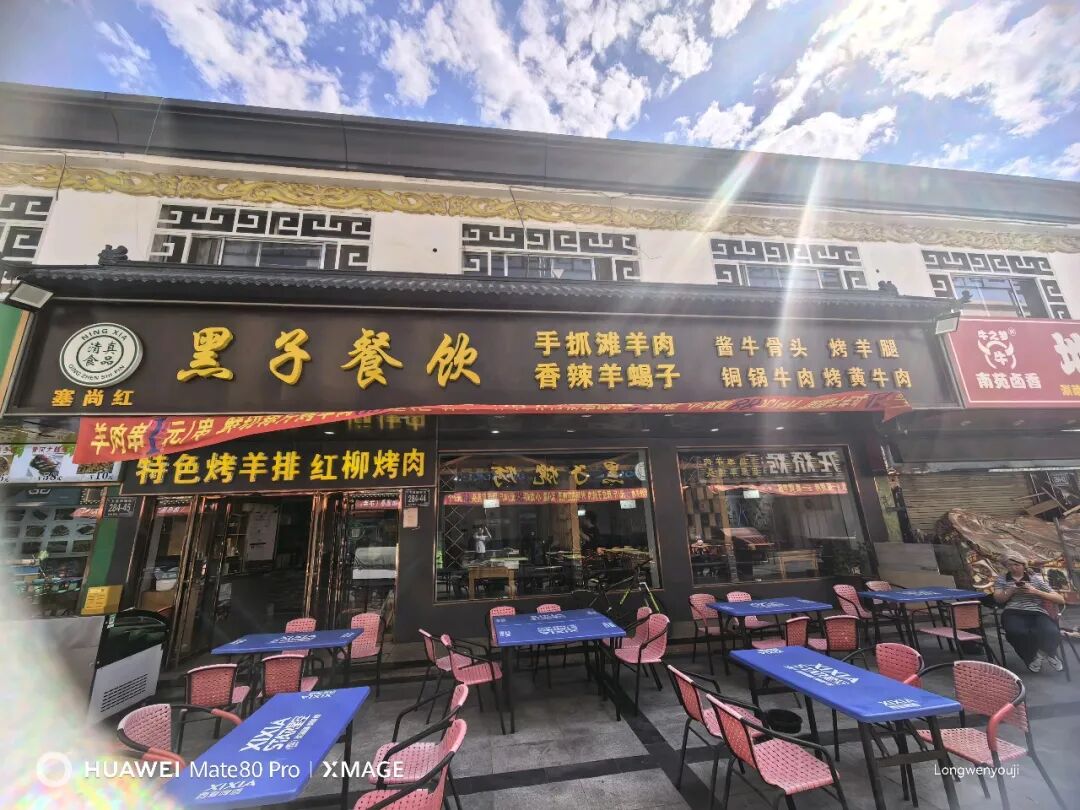
By day, Niujie is pretty chill, with neat rows of shops and halal restaurants lining the street.
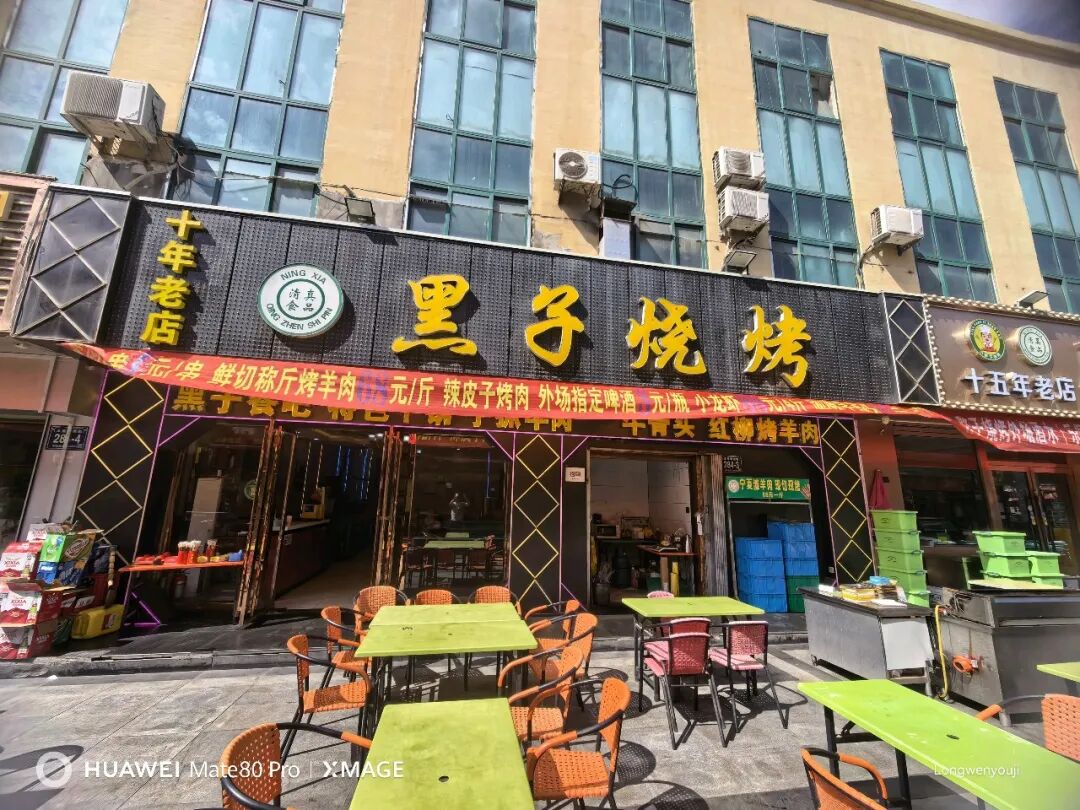
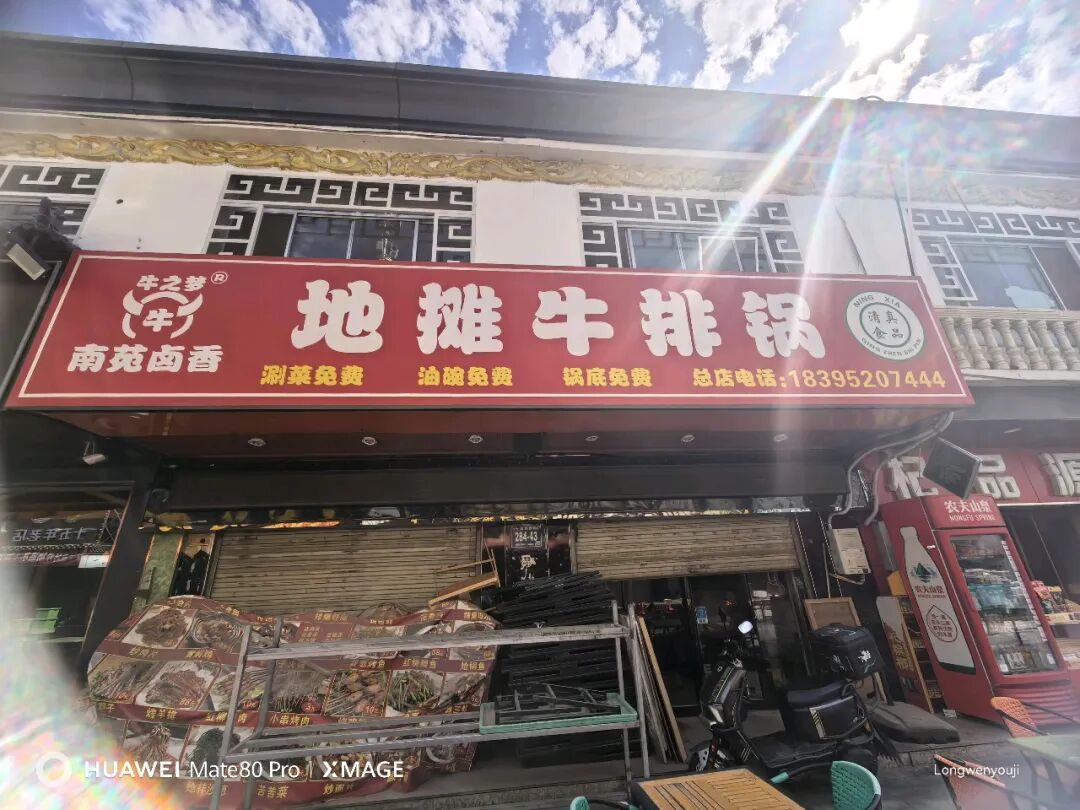
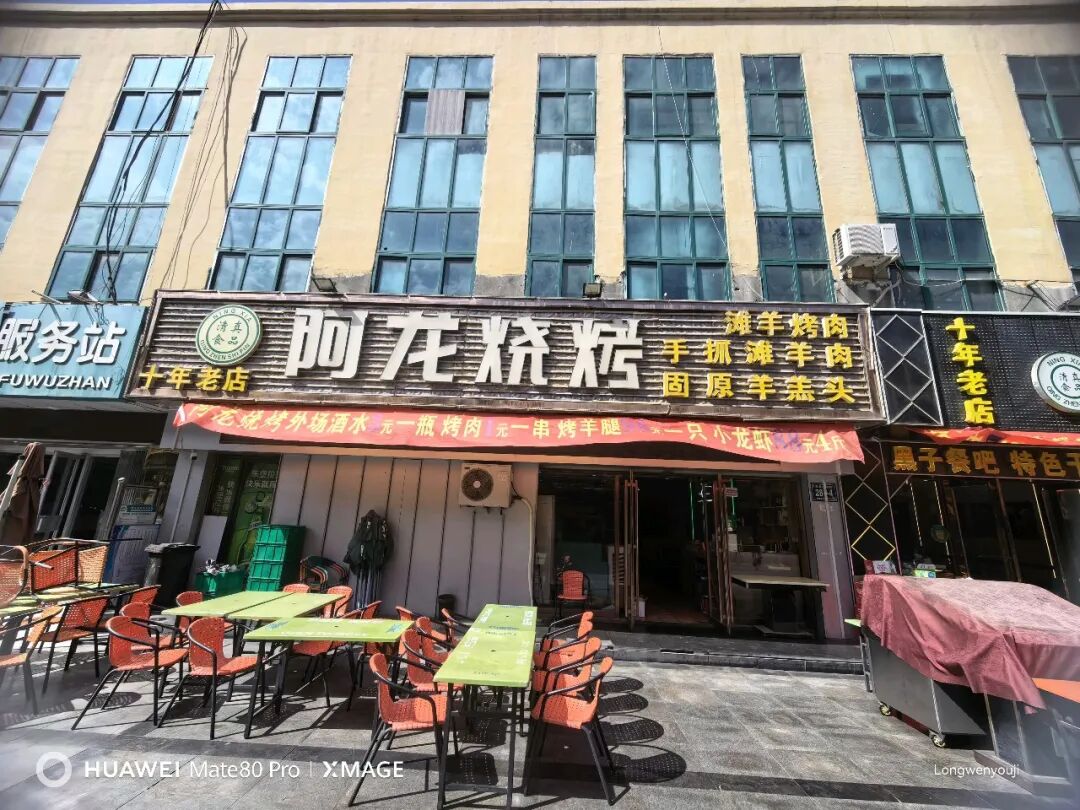
Once twilight hits, the whole neighborhood snaps awake in an instant. The smell of barbecue drifts everywhere as locals and travelers hustle and bustle past each other. Roasted mutton, yangzasui (hearty lamb offal soup with chili oil), and specialty noodle dishes put the authentic flavors of Northwest China on full display. Along the street, you'll also spot little shops selling Hui daily goods and folk crafts, where everyday life and ethnic culture completely intertwine.
Spend half a day wandering, transitioning from the quiet serenity of the mosque to the lively buzz of Niujie. Reflecting on the peace of faith on one side while tasting the raw, vibrant flavor of the streets on the other—this is the truest face of old Yinchuan. view all
Silence and Bustle Just a Wall Apart: A Cultural Walk Through Yinchuan's Nanguan Mosque and Bustling Niujie
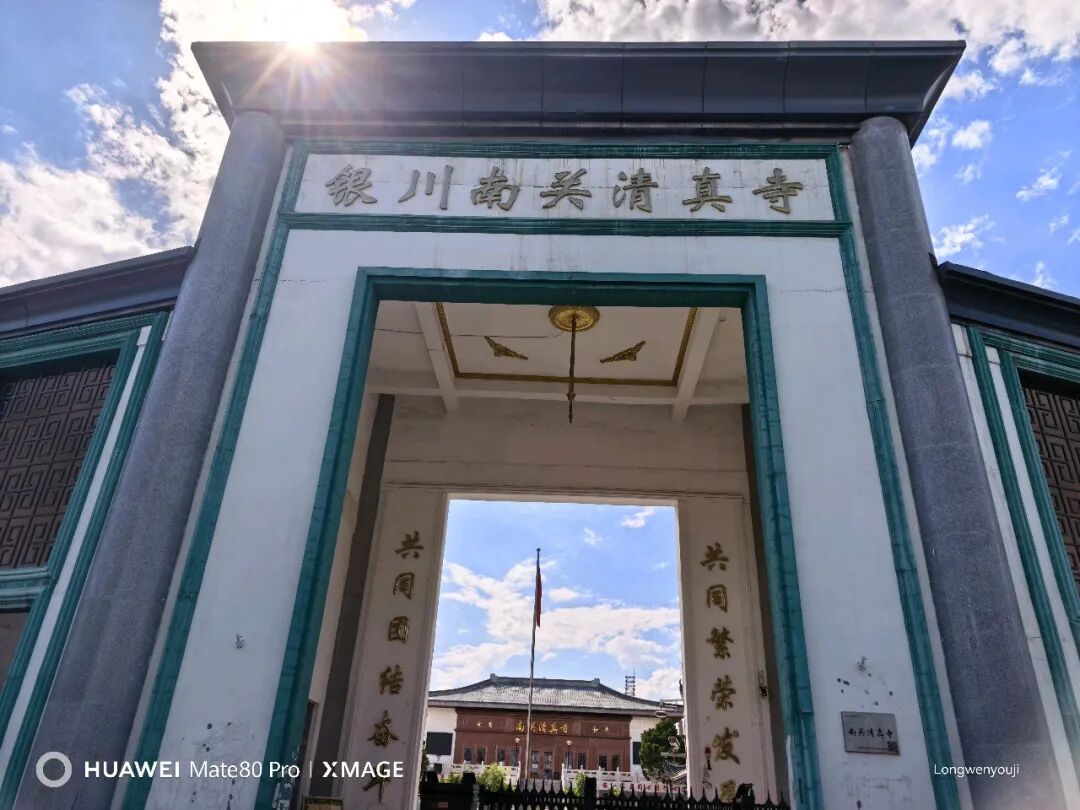
Summary:

Stroll through the old Xingqing district of Yinchuan, capturing the solemn majesty of the Nanguan Mosque alongside the sizzling, vibrant energy of Niujie (Niujie Muslim Food Street) just to its east. Experience the serene depth of a spiritual sanctuary right next to the pulsing life of the neighborhood streets, showcasing Yinchuan's unique blend of history and human culture.

Step into the historic Xingqing district of Yinchuan, where a stark contrast between quiet and lively is hidden right between the Nanguan Mosque and Niujie. Separated by just a wall, one side offers a solemn religious hall while the other buzzes with everyday street life, together painting Yinchuan's signature cultural landscape.
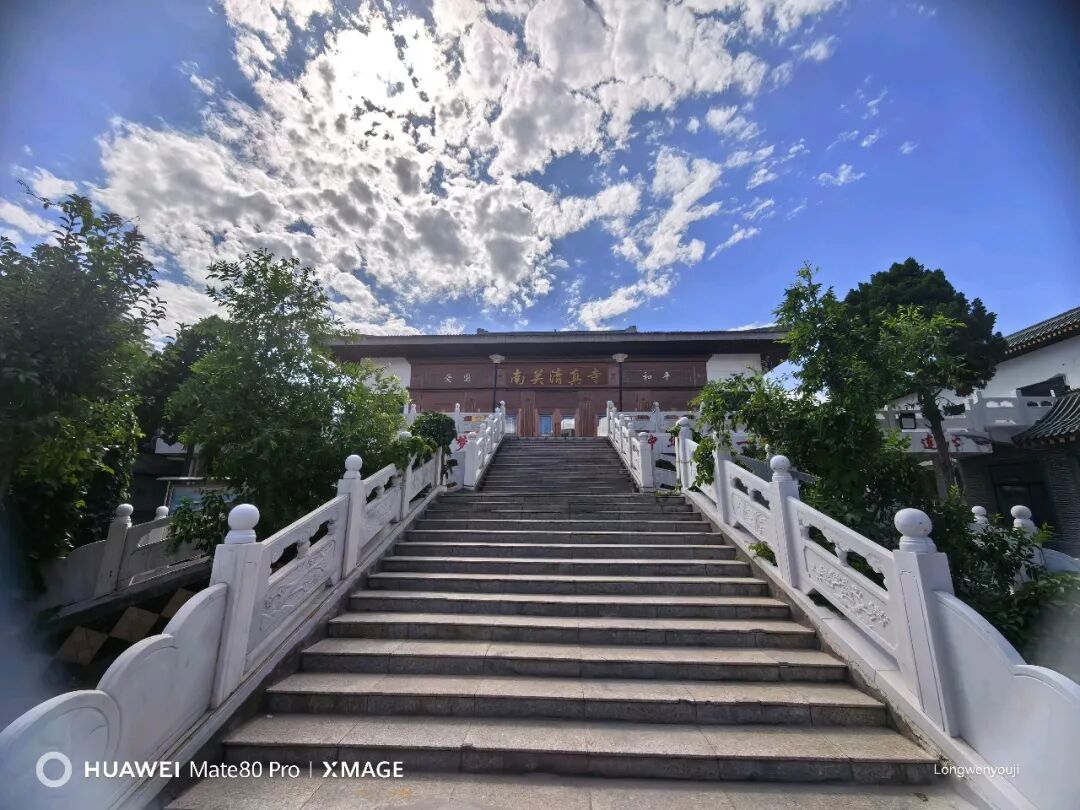
The Nanguan Mosque (Nanguan Mosque in Yinchuan) is a cultural landmark of old Yinchuan, originally built in the late Ming and early Qing dynasties. The architecture you see today was rebuilt later, perfectly blending rich Islamic architectural aesthetics. With its pristine white walls and graceful arcades, the overall layout feels grand, solemn, and open.
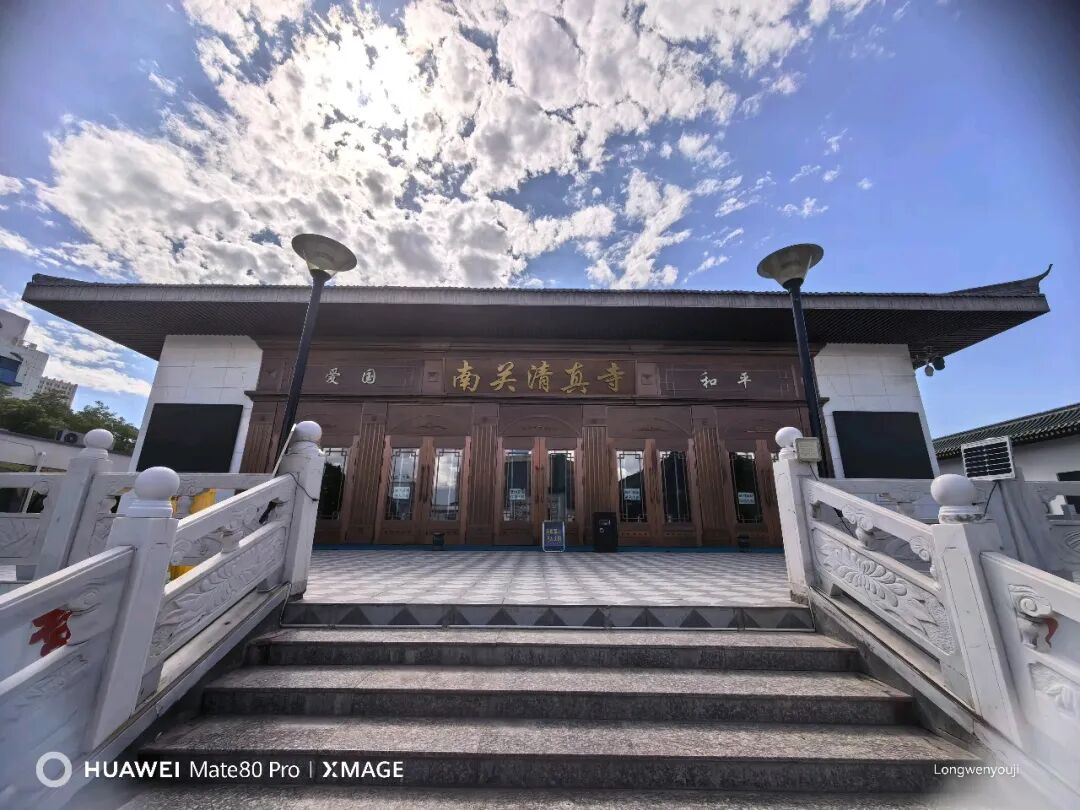
Stepping into the courtyard, the city noise is shut out, and your mind naturally quiets down.
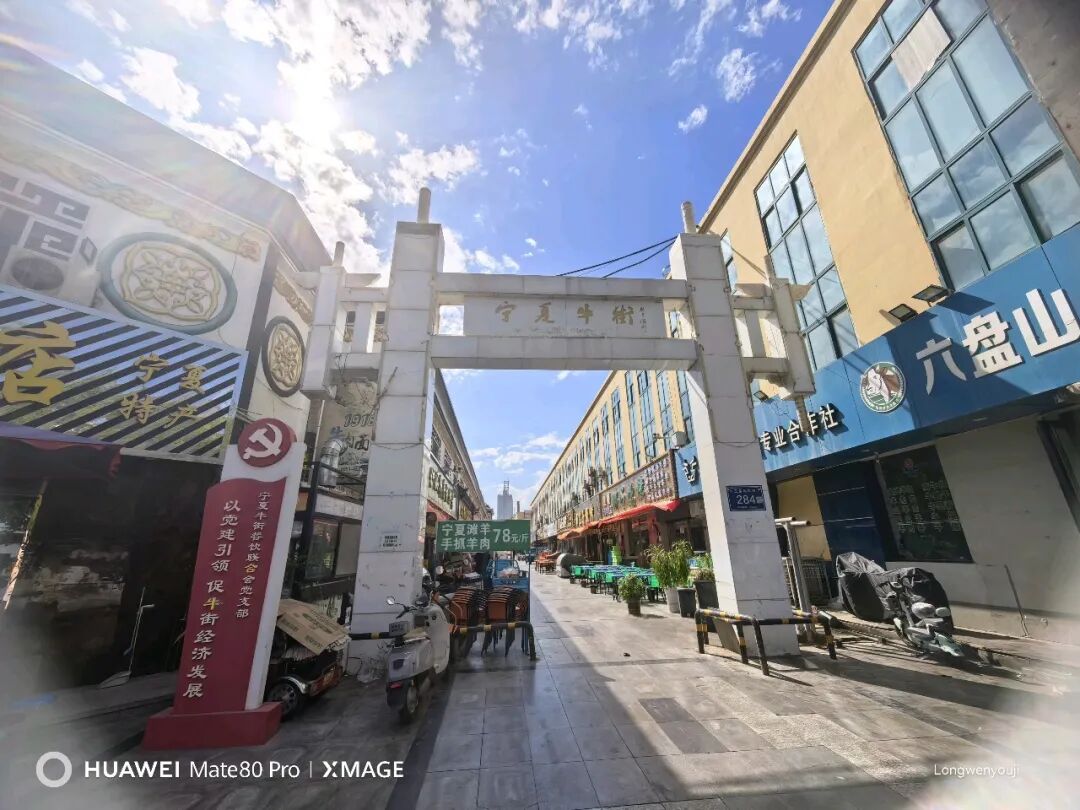
As an important local site for religious activities, visitors should approach with deep respect, steer clear of prayer (dua) times, follow local etiquette, and quietly soak in the peace and solemnity.
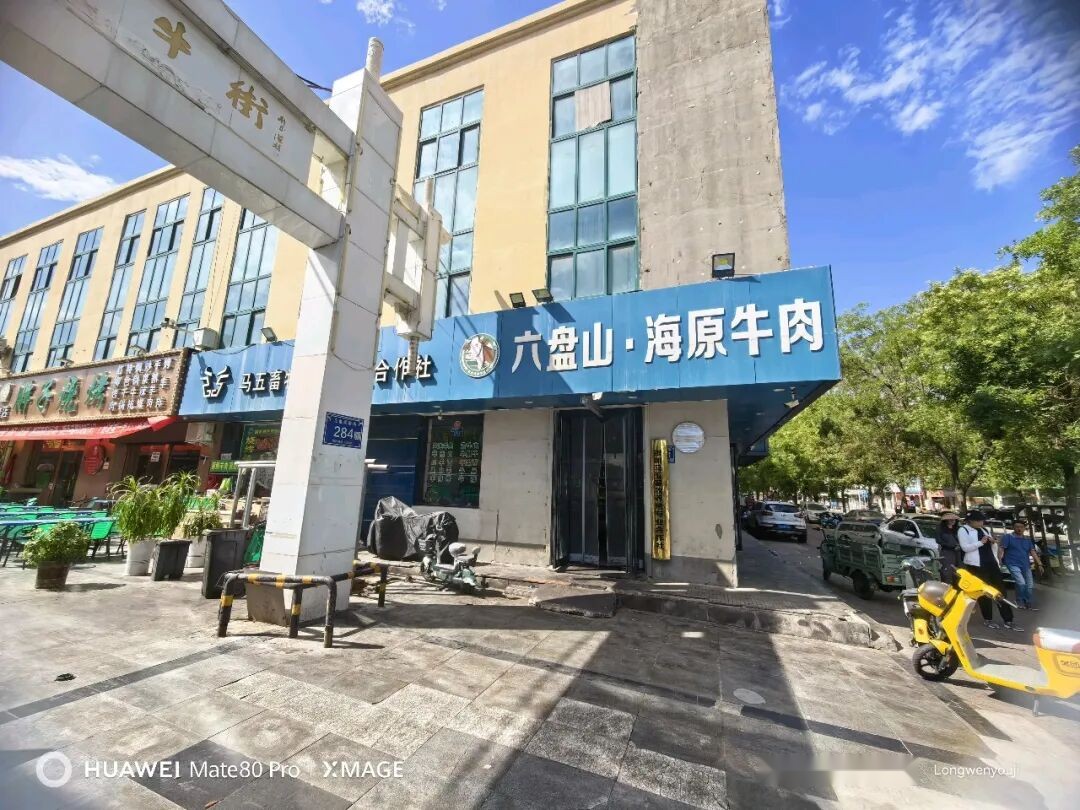
Head out the east side of the grand mosque and turn right onto Niujie. A lot of people like to compare it to Beijing's Niujie:
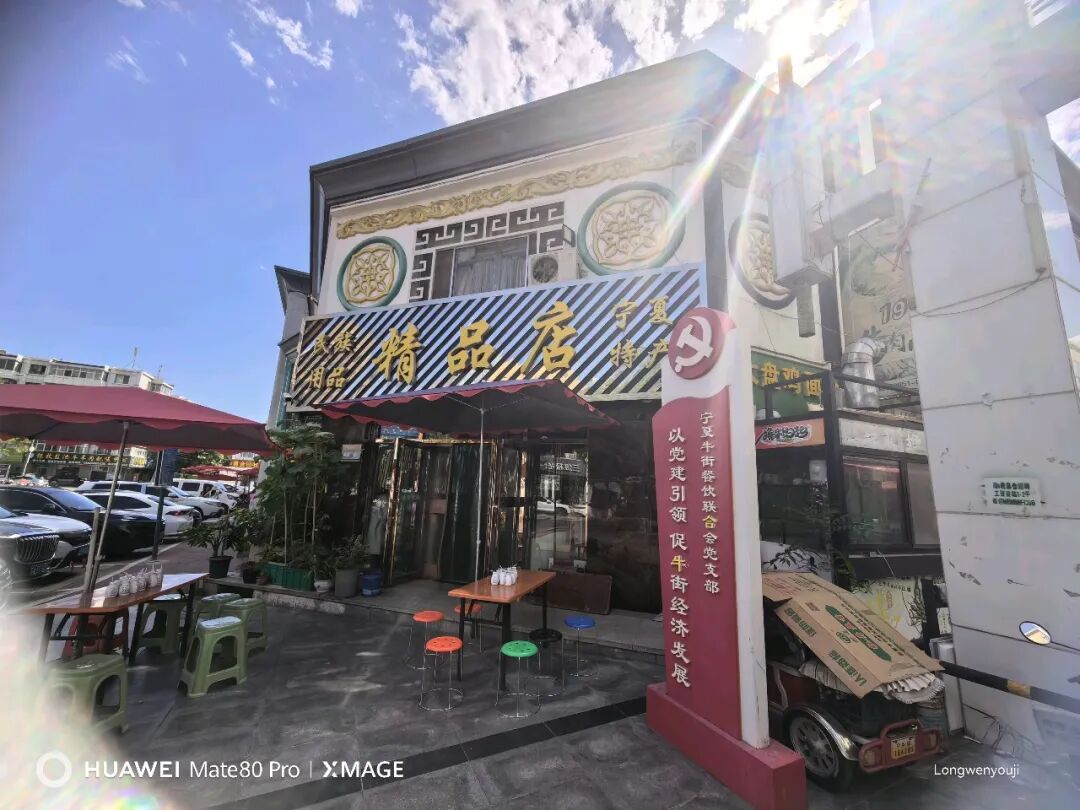
While Beijing's Niujie has centuries of history with ancient masjids tucked away in alleys and historic buildings blending into daily life for a more vintage vibe, Yinchuan's Niujie sits right next to the Nanguan Mosque as a vibrant local neighborhood. It might lack heavy, historic courtyards, but it wins big on pure energy and life, with the rich daily culture of Hui Muslims hitting you the moment you arrive.
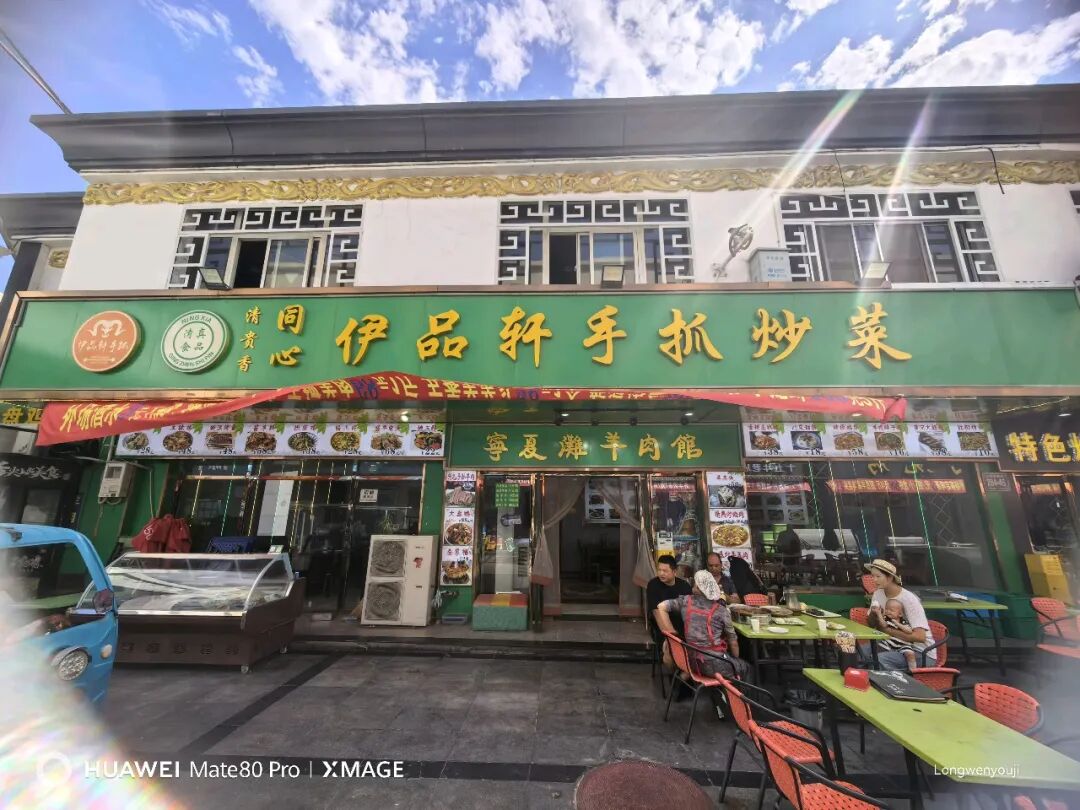
By day, Niujie is pretty chill, with neat rows of shops and halal restaurants lining the street.
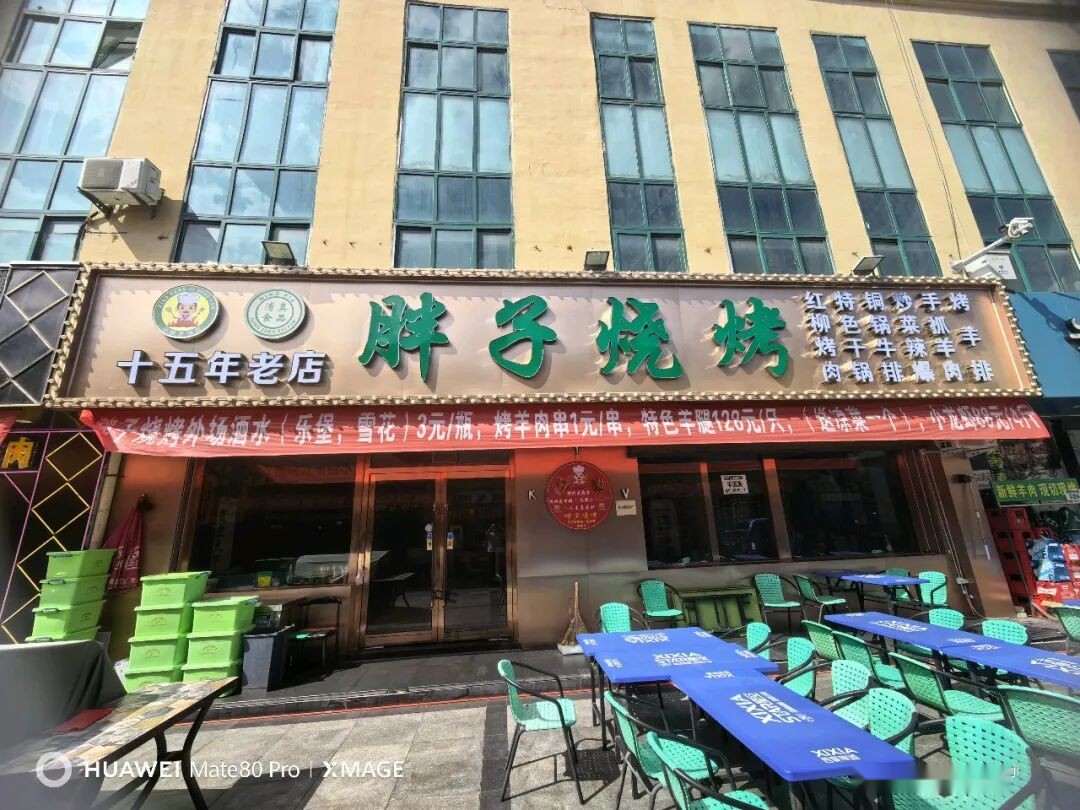
Once twilight hits, the whole neighborhood snaps awake in an instant. The smell of barbecue drifts everywhere as locals and travelers hustle and bustle past each other. Roasted mutton, yangzasui (hearty lamb offal soup with chili oil), and specialty noodle dishes put the authentic flavors of Northwest China on full display. Along the street, you'll also spot little shops selling Hui daily goods and folk crafts, where everyday life and ethnic culture completely intertwine.
Spend half a day wandering, transitioning from the quiet serenity of the mosque to the lively buzz of Niujie. Reflecting on the peace of faith on one side while tasting the raw, vibrant flavor of the streets on the other—this is the truest face of old Yinchuan.
Wuzhong Siliangzi Gongbei: Exploring Ningxia's Sino-Arabic Sufi Shrine
Articles • Hasan09 posted the article • 0 comments • 3 views • 3 hours ago
Visual Documentation of Siliangzi Gongbei in Wuzhong: A Municipal-Level Protected Sufi Shrine Blending Chinese and Arabic Styles
Abstract:
Documenting the elegant style of the Siliangzi Gongbei in Wuzhong, Ningxia. Showcasing its unique double-eaved hexagonal architecture, green-tiled flying eaves, and intricate reliefs, it reveals the perfect fusion of traditional Chinese pavilion craftsmanship and Islamic aesthetics in a Northwest sacred site.
Ningxia • Wuzhong
The Siliangzi Gongbei is the final resting place of Ma Hualong, a revered elder of the Jahriyya menhuan (Sufi order). The original gongbei was first built in 1915 and later destroyed, while the structure you see today was rebuilt in 1992 and is now a Wuzhong municipal-level cultural heritage site. The architecture features a distinctive double-eaved hexagonal design, blending traditional Chinese pavilion styles with Islamic aesthetics. With its green tiles, flying eaves, and delicate reliefs, it carries the heavy modern history of the Northwest alongside a unique Hui Muslim religious culture, all set in a serene and solemn environment. view all
Visual Documentation of Siliangzi Gongbei in Wuzhong: A Municipal-Level Protected Sufi Shrine Blending Chinese and Arabic Styles

Abstract:

Documenting the elegant style of the Siliangzi Gongbei in Wuzhong, Ningxia. Showcasing its unique double-eaved hexagonal architecture, green-tiled flying eaves, and intricate reliefs, it reveals the perfect fusion of traditional Chinese pavilion craftsmanship and Islamic aesthetics in a Northwest sacred site.

Ningxia • Wuzhong

The Siliangzi Gongbei is the final resting place of Ma Hualong, a revered elder of the Jahriyya menhuan (Sufi order). The original gongbei was first built in 1915 and later destroyed, while the structure you see today was rebuilt in 1992 and is now a Wuzhong municipal-level cultural heritage site. The architecture features a distinctive double-eaved hexagonal design, blending traditional Chinese pavilion styles with Islamic aesthetics. With its green tiles, flying eaves, and delicate reliefs, it carries the heavy modern history of the Northwest alongside a unique Hui Muslim religious culture, all set in a serene and solemn environment.
Hidden Gem Halal Hot Pot in Kunming: Authentic Northwest Lamb & Beef in Yunnan
Articles • Hasan09 posted the article • 0 comments • 13 views • 1 days ago
This Northwest-style hot pot spot on Xinwen Road is a total powerhouse
Summary:
Tap the card above to follow me. For most business owners, Kunming isn't exactly a place with a crazy-high return on investment. The business vibe here isn't as cutthroat or fast-paced as other bustling Chinese cities, and the overall lifestyle is way too laid-back. But precisely because of this, it attracts a special breed of entrepreneurs who want to run a business without completely sacrificing the actual experience of living. [Northwest Beef and Mutton Copper Hot Pot] is totally one of those places. The owner brought his beef and lamb business all the way south from Gansu, giving Kunming locals an amazing new go-to spot for hot pot.
Tap the card above to follow me
For most business owners, Kunming isn't exactly a place with a crazy-high return on investment. The business vibe here isn't as cutthroat or fast-paced as other bustling Chinese cities, and the overall lifestyle is way too laid-back.
But precisely because of this, it attracts a special breed of entrepreneurs who want to run a business without completely sacrificing the actual experience of living.
[Northwest Beef and Mutton Copper Hot Pot] is totally one of those places. The owner brought his beef and lamb business all the way south from Gansu, giving Kunming locals an amazing new go-to spot for hot pot.
Only using 10-month-old lamb: naturally tender with zero gamey funk
The shop is tucked away on South Xinwen Road, close to Yunnan University Hospital, Zhuanxin Farmers' Market, and Old Kunming. The space is tiny, with just enough room indoors for five or six four-person tables, plus a few foldable tables set up right outside.
When we arrived, it looked like a heavy downpour was about to hit, but a table of people was already eating hot pot under a makeshift rain canopy. A charcoal-fired copper pot was bubbling away, sending up clouds of steam. Everyone was huddled together, chatting loudly about recent work gossip and neighborhood news—it was just super cozy. We grabbed an empty table and sat down.
When ordering, we were told they don't do heavy, aggressive broth bases here—just a pure beef bone soup designed to let the natural flavor of the beef and lamb shine through.
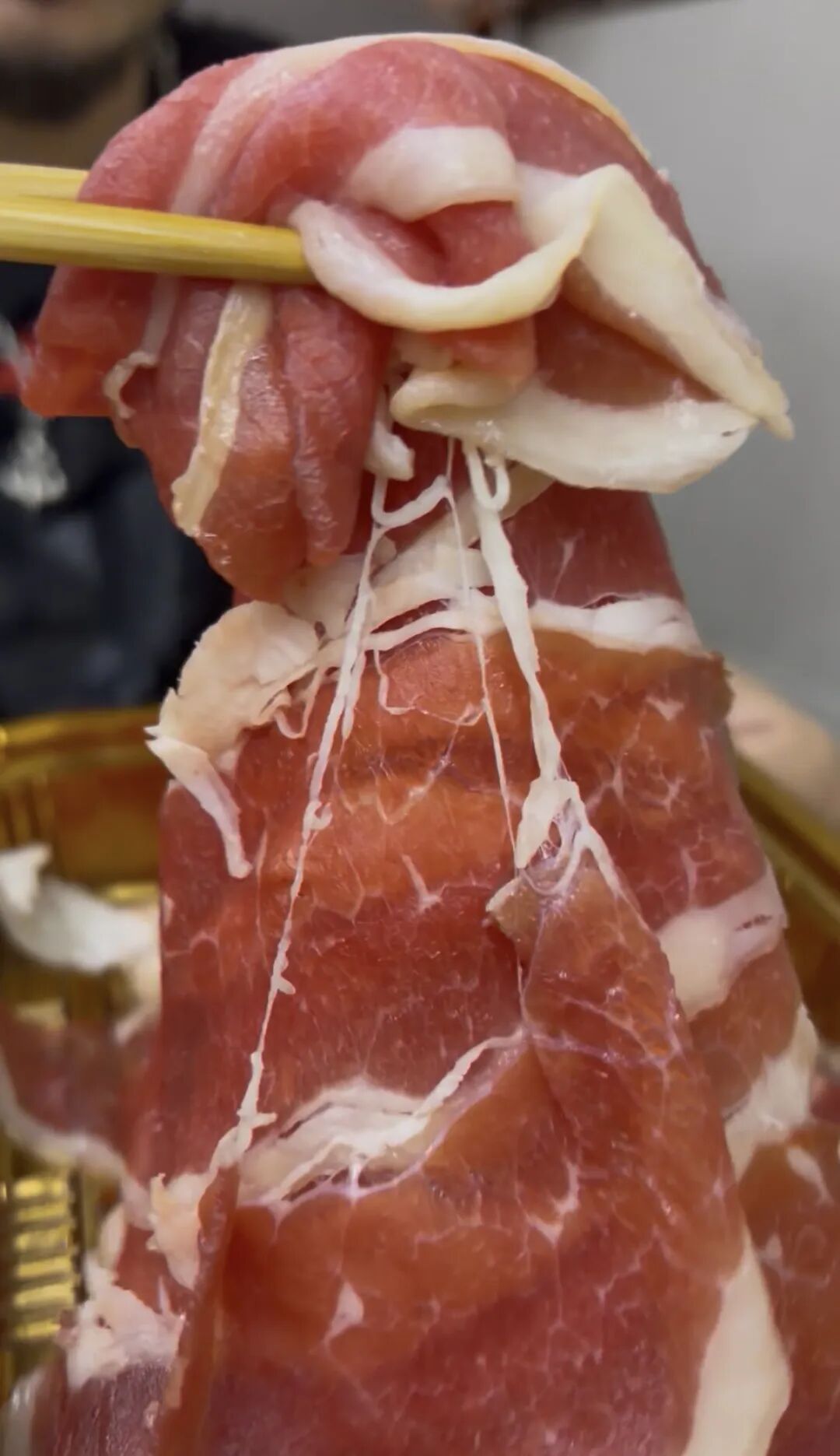
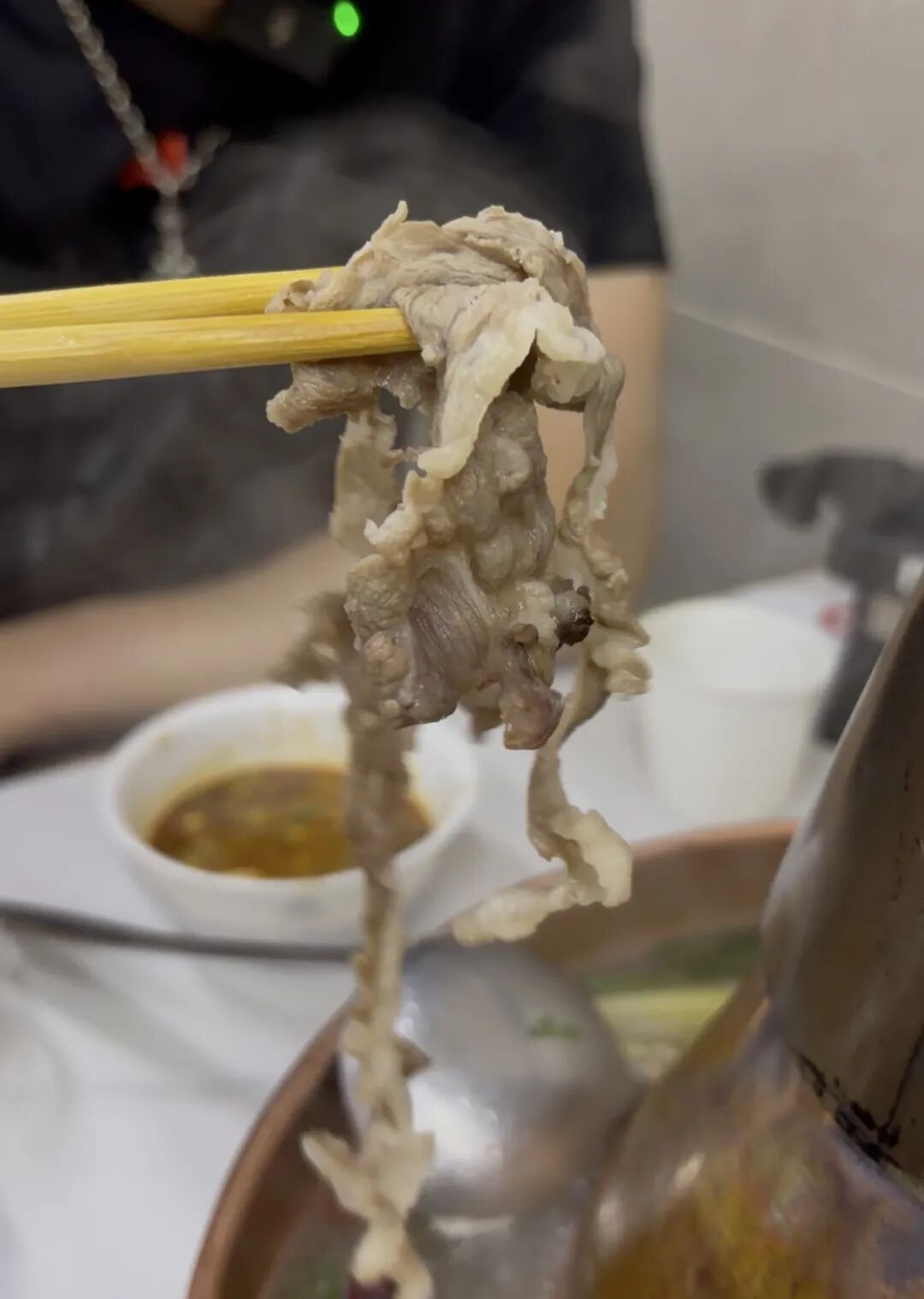
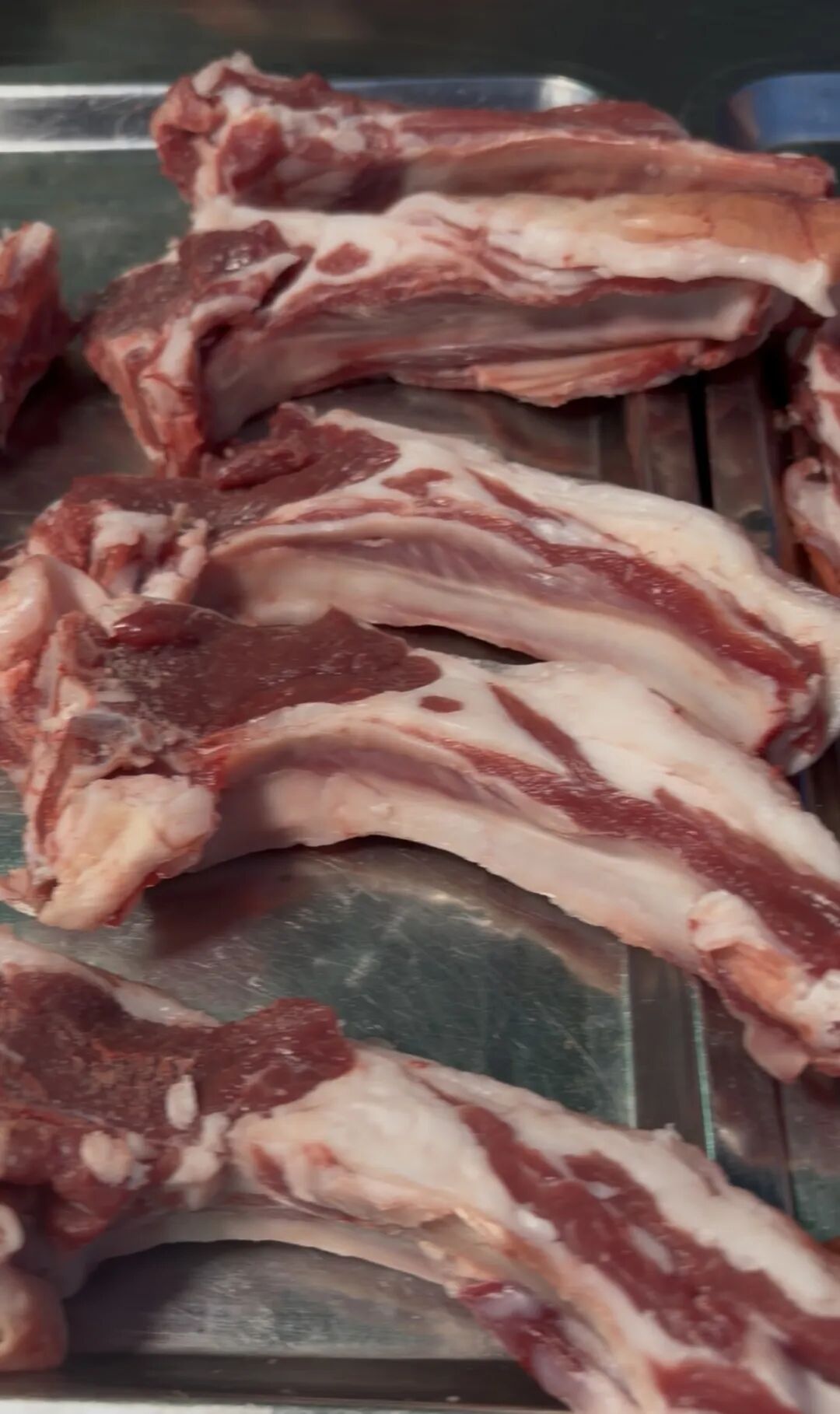
The freshly hand-sliced beef and lamb are bright, vibrant red with gorgeous marbling. The second you drop them into the rolling broth, that vivid color instantly fades as the meat curls up. Just looking at it is enough to make your mouth water.
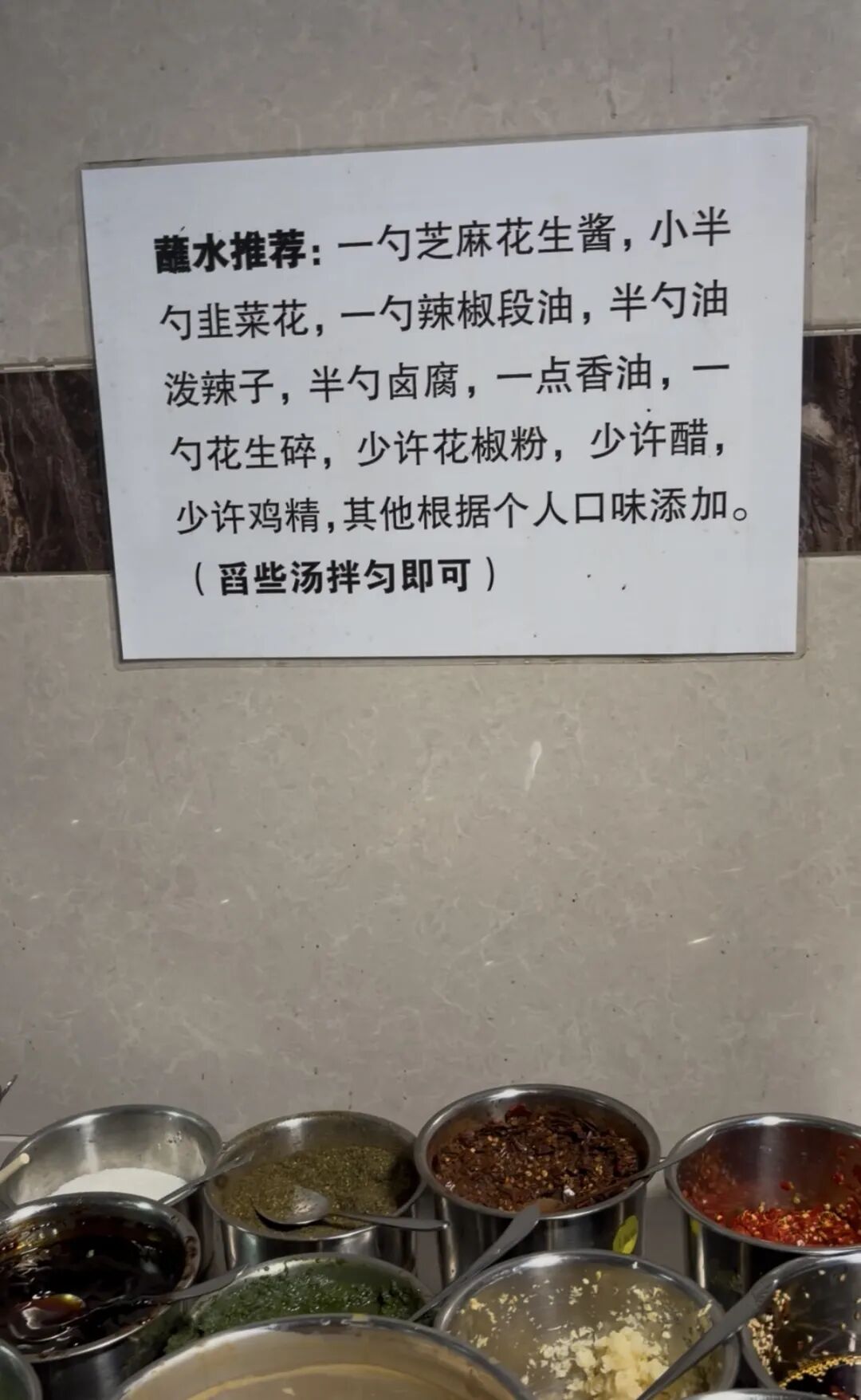
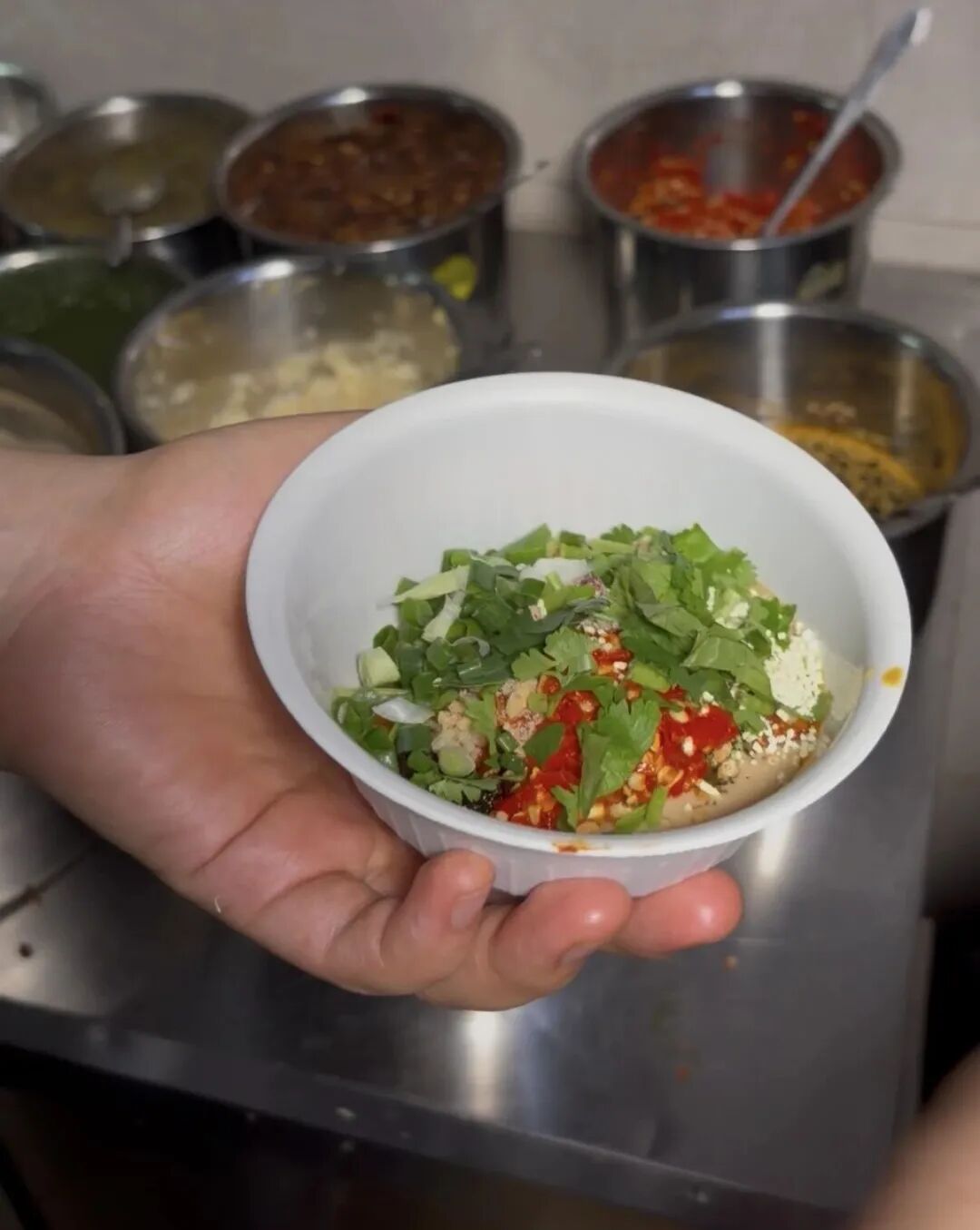
There's a dipping sauce recipe posted right on the condiment station. You literally just follow the steps to whip up an elite dipping sauce. Honestly, there's no crazy secret formula—in our local dialect, it's basically 'just toss a little bit of everything in.'
Wrap a slice of meat completely in the sauce and shove it in your mouth—that hungry, irritable feeling vanishes instantly. The meat is soft, tender, and delicate, with a warm, non-greasy mouthfeel. Without any heavy chili oil stealing the spotlight, it's just the pure, primal thrill of eating good meat. Eat a few slices, chomp on a sweet pickled garlic clove, and all your worries just melt away.
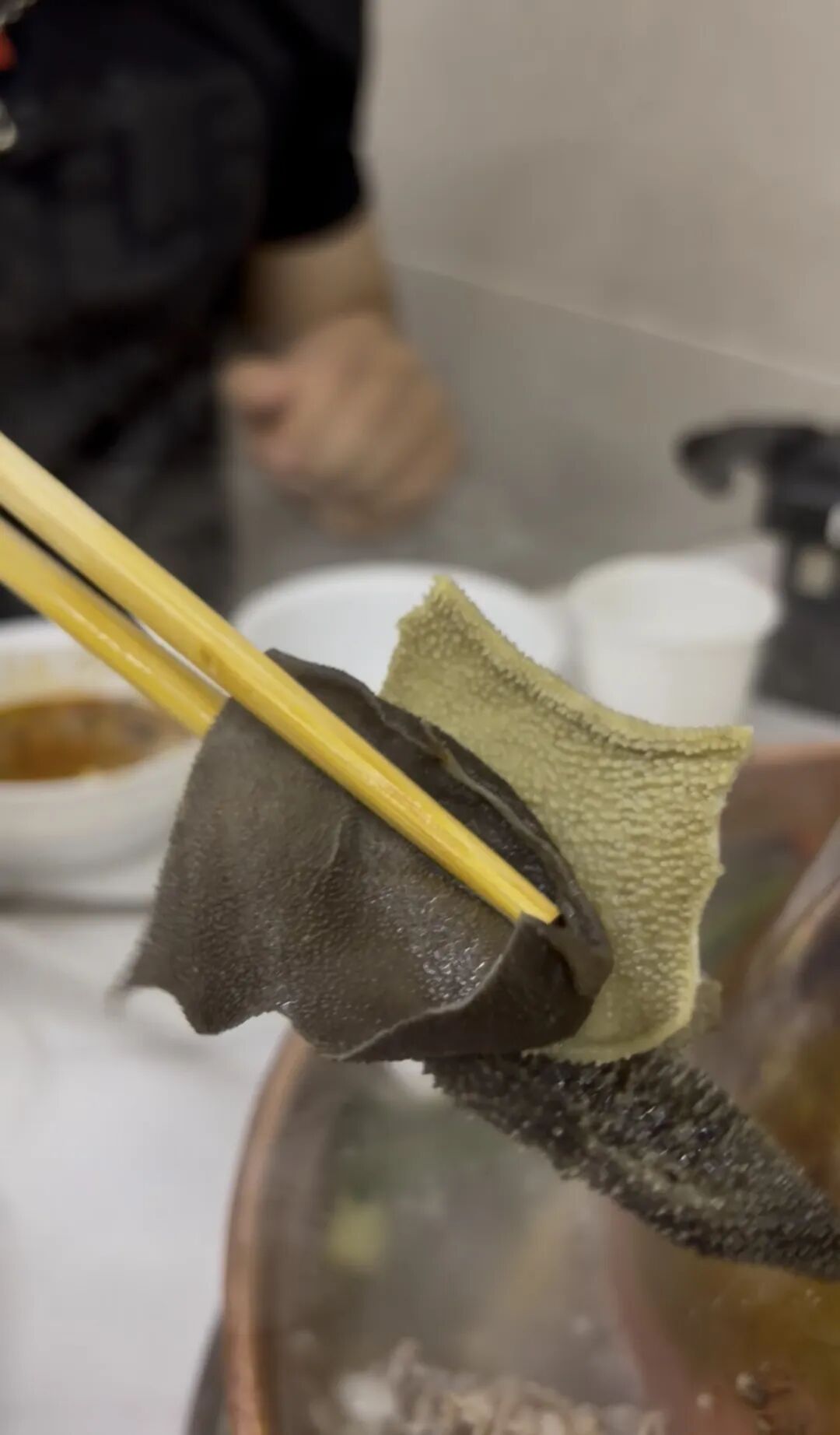
Every single gray-brown tripe piece has sharp little spikes. Word is, the shop washes and hand-tears every batch daily, which is super tedious. Lots of restaurants nowadays just buy pre-packaged tripe to save time and effort. But this place skips the cost-cutting shortcuts, sticking to a daily routine that looks simple but actually demands total patience and meticulous care.
The tomahawk lamb chops aren't even marinated. After aging to purge the acids, they're wrapped straight in foil and roasted—this locks in the juices and flavor while keeping the outside from burning. Just a tiny pinch of salt and cumin brings out the ultimate tenderness of the lamb. One of the kids with us said it looked just like a wrench, and even though he's right in the middle of losing his baby teeth with front gaps missing, he couldn't resist immediately tearing into it.
The side dishes are free. Add in some wide starch noodles and vermicelli, and the meal feels completely satisfying.
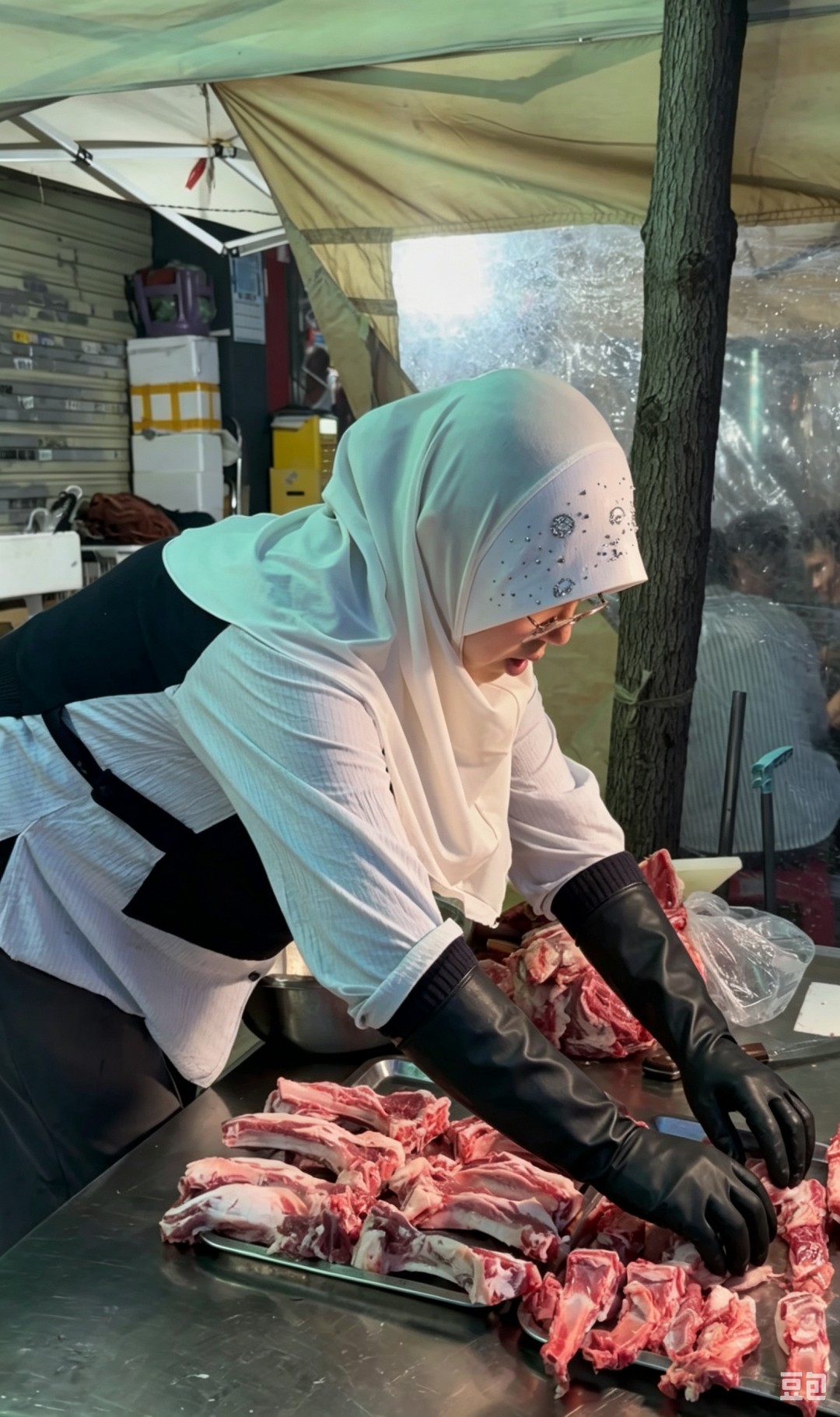
After eating, I kicked back and chatted with the owner, asking him why his lamb had zero gamey smell. That's when I found out his secret: the shop only uses 10-month-old lambs. At this exact age, the meat is super tender with zero accumulated gameiness—it's prime condition for hot pot.
Controlling the source supply chain, with a soft spot for neighborhood vibes
A great little neighborhood spot's success isn't just pure luck.
The owner is from Gansu, where his family has deep roots in livestock farming. Having grown up around cattle and sheep, he's an absolute pro when it comes to picking, processing, and storing beef and lamb. He showed us videos on his phone of his hometown—mountains blanketed in sheep, snowy white winters. Through a screen, it's gorgeous, but living out there must definitely be tough.
After graduating from college a few years back, he wanted to take his business beyond his hometown. He scouted markets everywhere, ended up in Kunming, and instantly fell in love with the climate and the people. So, he decided to start a business importing Gansu Tibetan sheep down to Yunnan, naturally opening both a fresh meat shop and this hot pot joint near Shuncheng Mosque (Shuncheng Mosque).
In today's super-transparent restaurant market, it's tough to profit just off geographic information arbitrage. But being able to run an end-to-end closed-loop production and sales chain is still a solid business model.
'One time I was in Haikou and my car got completely stuck in the mud. People from all around just showed up on their own to help me push the car out. That moment really stuck with me. I love Yunnan, I love Kunming,' the owner said. Even though the shop is tiny right now, his happiness index is through the roof. Right outside the front door is a newly dug canal where you can catch the river breeze while eating hot pot, and every now and then you can spot people pulling fish straight out of the water. Life doesn't get more chill than that.
No wonder people always say Yunnan locals are total homebodies who never want to leave. Now that I think about it, it's because Yunnan people are born into such a comfortable, relaxed environment that they literally only travel if it's an absolute emergency. Besides, folks from everywhere else just bring their own food right to Yunnan instead.
- Restaurant Info - view all
This Northwest-style hot pot spot on Xinwen Road is a total powerhouse
Summary:
Tap the card above to follow me. For most business owners, Kunming isn't exactly a place with a crazy-high return on investment. The business vibe here isn't as cutthroat or fast-paced as other bustling Chinese cities, and the overall lifestyle is way too laid-back. But precisely because of this, it attracts a special breed of entrepreneurs who want to run a business without completely sacrificing the actual experience of living. [Northwest Beef and Mutton Copper Hot Pot] is totally one of those places. The owner brought his beef and lamb business all the way south from Gansu, giving Kunming locals an amazing new go-to spot for hot pot.
Tap the card above to follow me
For most business owners, Kunming isn't exactly a place with a crazy-high return on investment. The business vibe here isn't as cutthroat or fast-paced as other bustling Chinese cities, and the overall lifestyle is way too laid-back.
But precisely because of this, it attracts a special breed of entrepreneurs who want to run a business without completely sacrificing the actual experience of living.
[Northwest Beef and Mutton Copper Hot Pot] is totally one of those places. The owner brought his beef and lamb business all the way south from Gansu, giving Kunming locals an amazing new go-to spot for hot pot.
Only using 10-month-old lamb: naturally tender with zero gamey funk
The shop is tucked away on South Xinwen Road, close to Yunnan University Hospital, Zhuanxin Farmers' Market, and Old Kunming. The space is tiny, with just enough room indoors for five or six four-person tables, plus a few foldable tables set up right outside.
When we arrived, it looked like a heavy downpour was about to hit, but a table of people was already eating hot pot under a makeshift rain canopy. A charcoal-fired copper pot was bubbling away, sending up clouds of steam. Everyone was huddled together, chatting loudly about recent work gossip and neighborhood news—it was just super cozy. We grabbed an empty table and sat down.
When ordering, we were told they don't do heavy, aggressive broth bases here—just a pure beef bone soup designed to let the natural flavor of the beef and lamb shine through.
The freshly hand-sliced beef and lamb are bright, vibrant red with gorgeous marbling. The second you drop them into the rolling broth, that vivid color instantly fades as the meat curls up. Just looking at it is enough to make your mouth water.
There's a dipping sauce recipe posted right on the condiment station. You literally just follow the steps to whip up an elite dipping sauce. Honestly, there's no crazy secret formula—in our local dialect, it's basically 'just toss a little bit of everything in.'
Wrap a slice of meat completely in the sauce and shove it in your mouth—that hungry, irritable feeling vanishes instantly. The meat is soft, tender, and delicate, with a warm, non-greasy mouthfeel. Without any heavy chili oil stealing the spotlight, it's just the pure, primal thrill of eating good meat. Eat a few slices, chomp on a sweet pickled garlic clove, and all your worries just melt away.
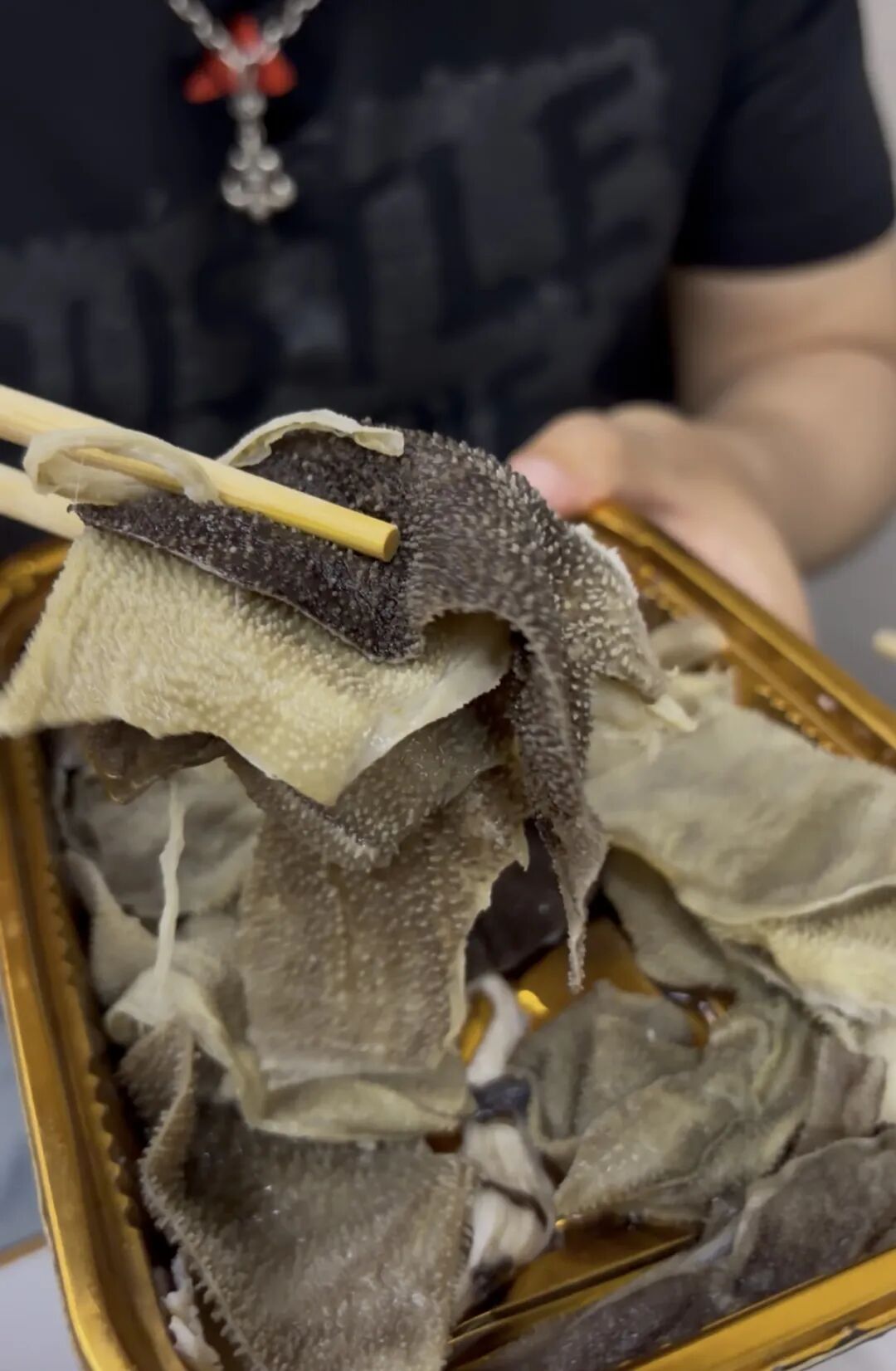
Every single gray-brown tripe piece has sharp little spikes. Word is, the shop washes and hand-tears every batch daily, which is super tedious. Lots of restaurants nowadays just buy pre-packaged tripe to save time and effort. But this place skips the cost-cutting shortcuts, sticking to a daily routine that looks simple but actually demands total patience and meticulous care.
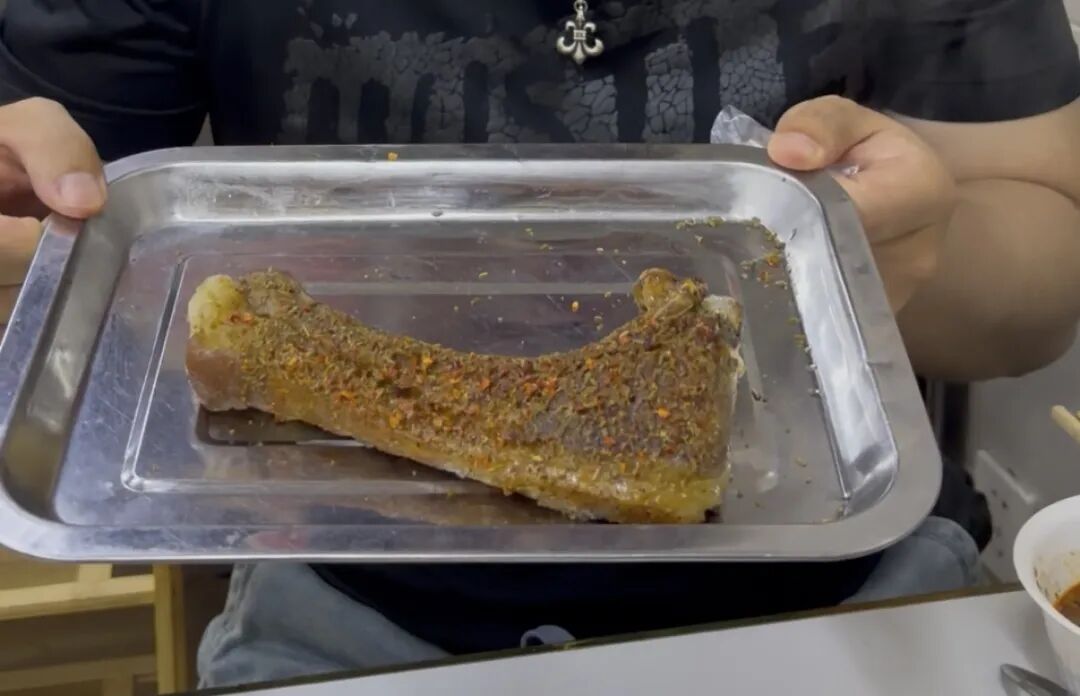
The tomahawk lamb chops aren't even marinated. After aging to purge the acids, they're wrapped straight in foil and roasted—this locks in the juices and flavor while keeping the outside from burning. Just a tiny pinch of salt and cumin brings out the ultimate tenderness of the lamb. One of the kids with us said it looked just like a wrench, and even though he's right in the middle of losing his baby teeth with front gaps missing, he couldn't resist immediately tearing into it.
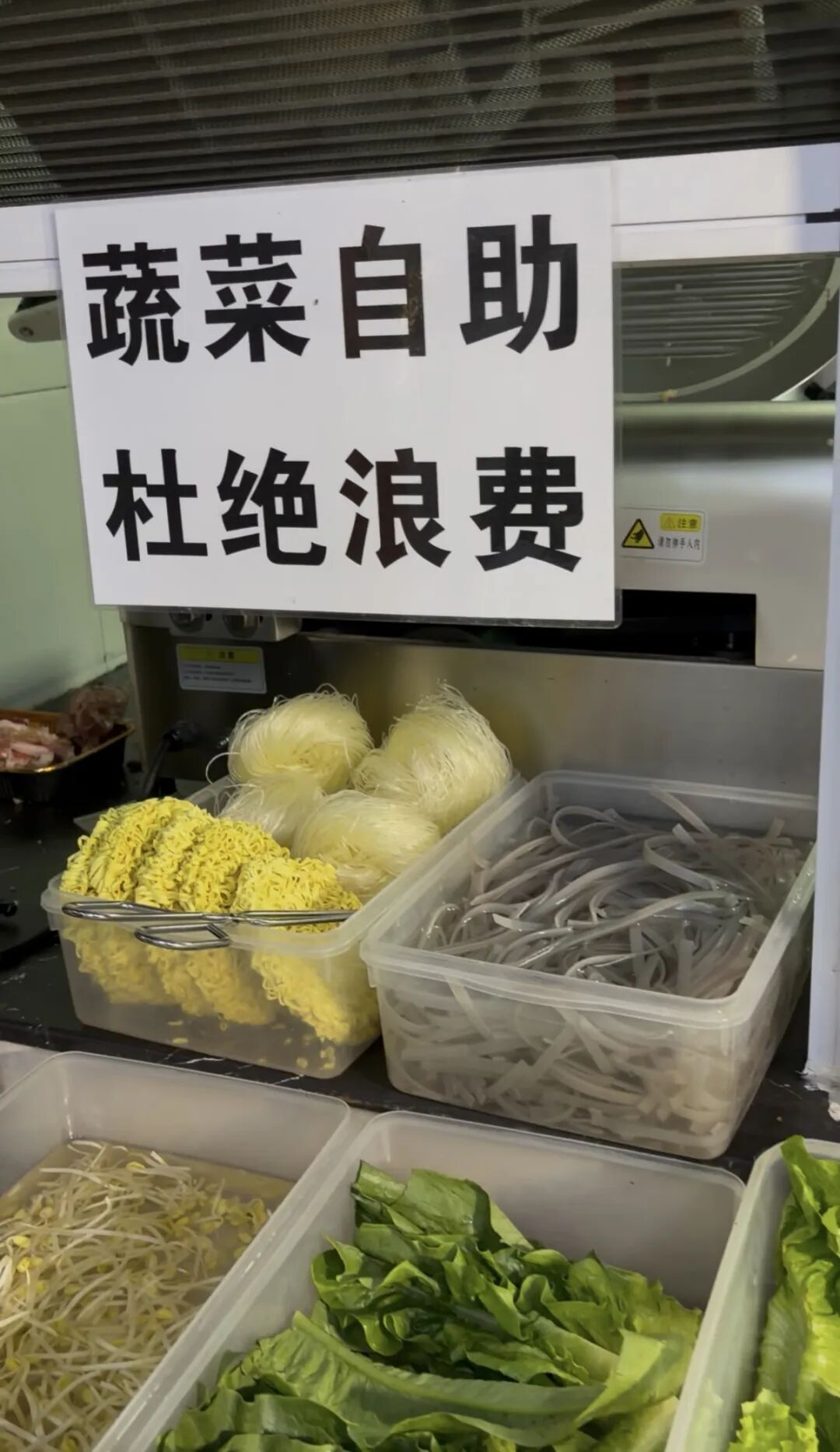
The side dishes are free. Add in some wide starch noodles and vermicelli, and the meal feels completely satisfying.
After eating, I kicked back and chatted with the owner, asking him why his lamb had zero gamey smell. That's when I found out his secret: the shop only uses 10-month-old lambs. At this exact age, the meat is super tender with zero accumulated gameiness—it's prime condition for hot pot.
Controlling the source supply chain, with a soft spot for neighborhood vibes
A great little neighborhood spot's success isn't just pure luck.
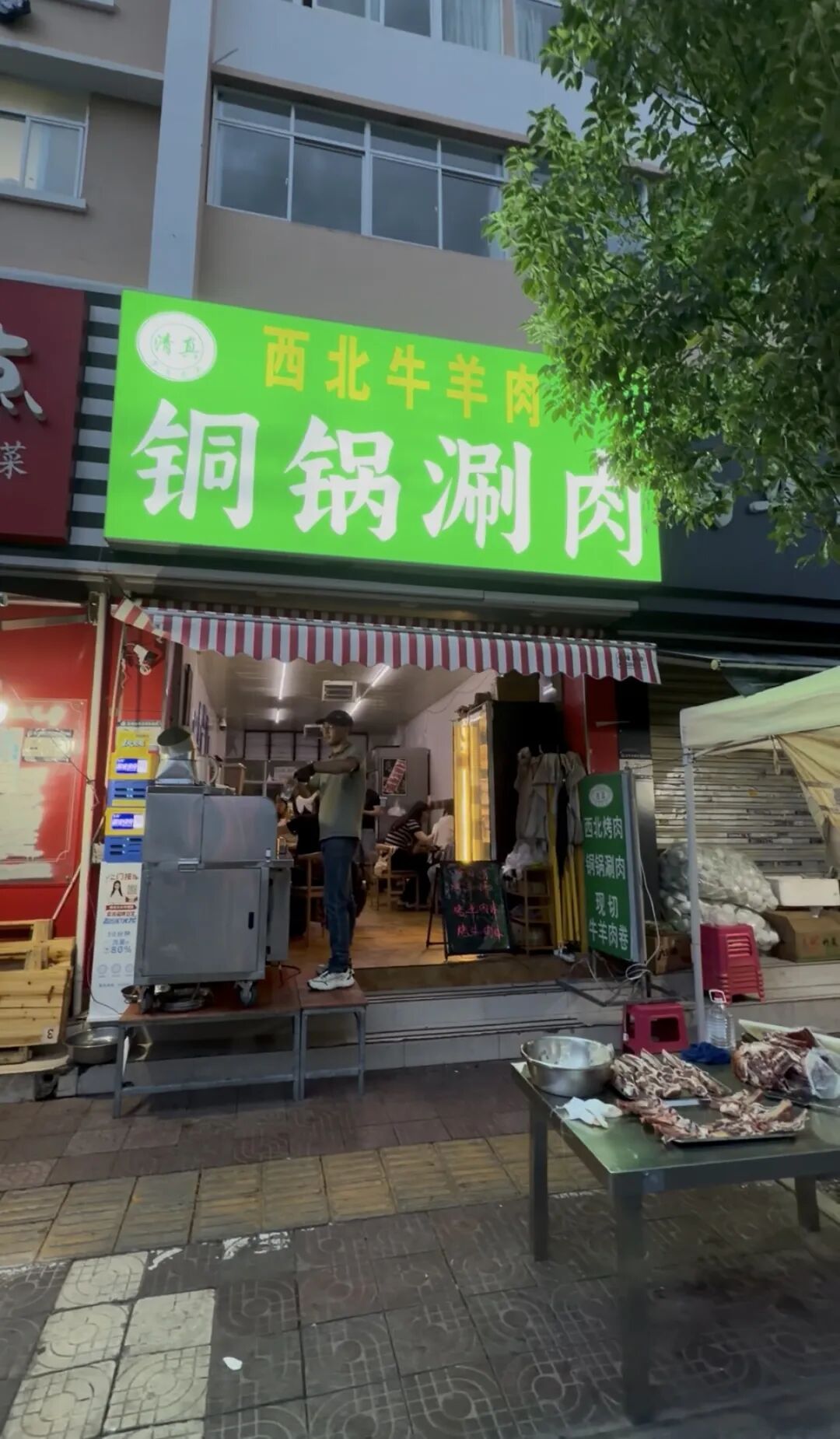
The owner is from Gansu, where his family has deep roots in livestock farming. Having grown up around cattle and sheep, he's an absolute pro when it comes to picking, processing, and storing beef and lamb. He showed us videos on his phone of his hometown—mountains blanketed in sheep, snowy white winters. Through a screen, it's gorgeous, but living out there must definitely be tough.
After graduating from college a few years back, he wanted to take his business beyond his hometown. He scouted markets everywhere, ended up in Kunming, and instantly fell in love with the climate and the people. So, he decided to start a business importing Gansu Tibetan sheep down to Yunnan, naturally opening both a fresh meat shop and this hot pot joint near Shuncheng Mosque (Shuncheng Mosque).
In today's super-transparent restaurant market, it's tough to profit just off geographic information arbitrage. But being able to run an end-to-end closed-loop production and sales chain is still a solid business model.
'One time I was in Haikou and my car got completely stuck in the mud. People from all around just showed up on their own to help me push the car out. That moment really stuck with me. I love Yunnan, I love Kunming,' the owner said. Even though the shop is tiny right now, his happiness index is through the roof. Right outside the front door is a newly dug canal where you can catch the river breeze while eating hot pot, and every now and then you can spot people pulling fish straight out of the water. Life doesn't get more chill than that.
No wonder people always say Yunnan locals are total homebodies who never want to leave. Now that I think about it, it's because Yunnan people are born into such a comfortable, relaxed environment that they literally only travel if it's an absolute emergency. Besides, folks from everywhere else just bring their own food right to Yunnan instead.
- Restaurant Info -
The Ultimate Guide to Yixinzhai's Legendary Halal Beef Mooncakes in Shanghai
Articles • Hasan09 posted the article • 0 comments • 9 views • 1 days ago
The Ultimate Buzz Around Shanghai's One-and-Only Halal Heritage Mooncakes: Inside the Long Lines for Yixinzhai's Freshly Baked Halal Vegetarian and Beef Mooncakes
Abstract:
A look at the massive crowds queuing up at the takeout window of Yixinzhai, a historic Halal institution in Shanghai, during the Mid-Autumn Festival. Discover the traditional, hand-crafted artisan recipes behind their freshly baked Suzhou-style savory meat mooncakes, traditional five-kernel pepper mooncakes, and Halal vegetarian mooncakes—bringing back the classic seasonal flavors Shanghainese locals have craved for years.
As the Mid-Autumn Festival approaches,
these heritage-brand mooncakes are entering
their peak sales season of the year!
Over on Pingliang Road in Shanghai,
the time-honored brand Yixinzhai's mooncakes
are seeing lines grow longer and sales skyrocket.
Unlike most dim sum shops whose star product is standard pork mooncakes,
this Halal restaurant famous across Shanghai
for its niurou jianbao (pan-fried beef buns)
is drawing crowds who make special trips just to queue up for their unique "beef mooncakes"!
"You won't find beef mooncakes like this anywhere else in the city!" On the morning of September 16th, reporters at the Yixinzhai takeaway window saw an endless stream of foodies buying all sorts of mooncakes. One customer held up two boxes of mooncakes and smiled as they shared, "I've been coming to this spot since I was a kid. I'm in my sixties now, and I still never get tired of it."
Five Classic Flavors,
With Beef Mooncakes Stealing the Show
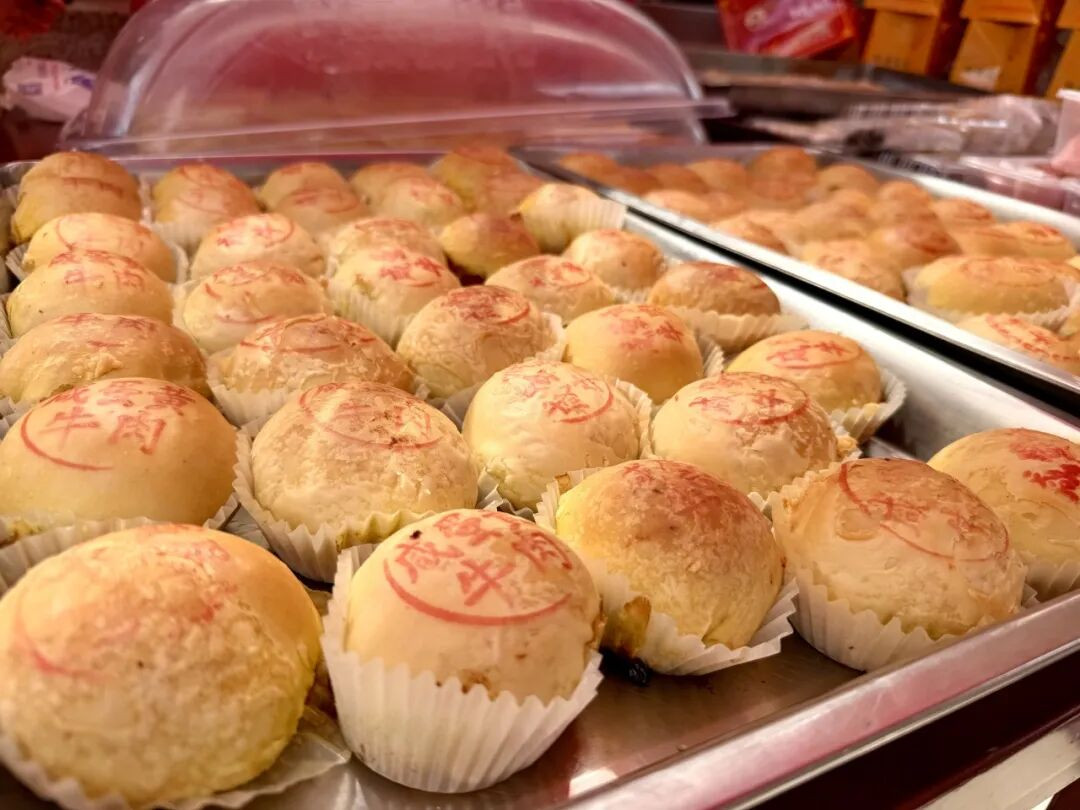
This Mid-Autumn, Yixinzhai's mooncakes are sticking to the classics, rolling out five flavors: osmanthus sweet bean paste, curry beef, salted egg yolk beef, five-spice beef, and mixed fruit and nut (baiguo). Singles range from 6 to 10 RMB. By 10:30 AM, neatly stacked rows of golden, flaky, plump round mooncakes lined the street-facing window, still radiating that fresh-out-of-the-oven warmth and catching the eyes of passersby. Hands down, the beef filling remains the crowd favorite.
"I grabbed the curry beef mooncakes. Their beef is Halal, super famous, and the flavor is totally authentic," a customer laughed, mentioning they used to live in Yangpu District and moved to another district years ago, but could never forget this classic taste. "Whenever I'm in Yangpu, I always make a special trip to Yixinzhai to pick up some pastries. With the Mid-Autumn Festival right around the corner, mooncakes are an absolute must."
The Exclusive Secret Recipe,
A Classic Taste Awakening Childhood Memories
As a time-honored Halal establishment, Yixinzhai has built its reputation on beef over the years, with niurou jianbao and guotie (crispy beef potstickers) standing as its century-old, battle-tested signature products. A few years ago, the shop timed a major launch of Mid-Autumn beef mooncakes to match the season, and this unchanging classic flavor instantly won over food lovers all over again.
"I live in Yangpu, and we've been eating Yixinzhai's food since we were kids. Their beef filling is totally different from anything else out there—it's super aromatic and deeply savory," one regular customer reflected.
Behind great flavor is a strict selection of ingredients and a meticulous process. Zhang Zhouli, manager of Yixinzhai's pastry department, told reporters that the shop maintains strict standards for beef selection, seasoning, preparation techniques, and final product specifications. For instance, the beef filling exclusively uses beef hindquarter, and pastry chefs spend a full hour just mixing the filling. "The goal is to make sure the beef mooncakes are crispy on the outside and tender on the inside, keeping the meat filling from turning dry or tough," Zhang said.
Selling Thousands a Day,
Orders Piling Up as Mid-Autumn Nears
Over the past few days, with the Mid-Autumn Festival drawing closer, business at the shop has been booming. Zhang Zhouli shared that they are currently selling over a thousand mooncakes a day, and expects daily sales to multiply even further by the actual day of the festival. Plenty of customers are making special trips to place bulk orders of a hundred or more at a time. The team is already stocking up on extra beef, bean paste, and other ingredients to ensure a steady, uninterrupted supply throughout the holiday.
"During the festival season, lots of customers need to buy gifts for family and friends, so they order tray after tray in huge quantities. To match that, we've rolled out gift-box packaging to meet the diverse shopping needs of our customers," Zhang noted. view all
The Ultimate Buzz Around Shanghai's One-and-Only Halal Heritage Mooncakes: Inside the Long Lines for Yixinzhai's Freshly Baked Halal Vegetarian and Beef Mooncakes
Abstract:
A look at the massive crowds queuing up at the takeout window of Yixinzhai, a historic Halal institution in Shanghai, during the Mid-Autumn Festival. Discover the traditional, hand-crafted artisan recipes behind their freshly baked Suzhou-style savory meat mooncakes, traditional five-kernel pepper mooncakes, and Halal vegetarian mooncakes—bringing back the classic seasonal flavors Shanghainese locals have craved for years.
As the Mid-Autumn Festival approaches,
these heritage-brand mooncakes are entering
their peak sales season of the year!
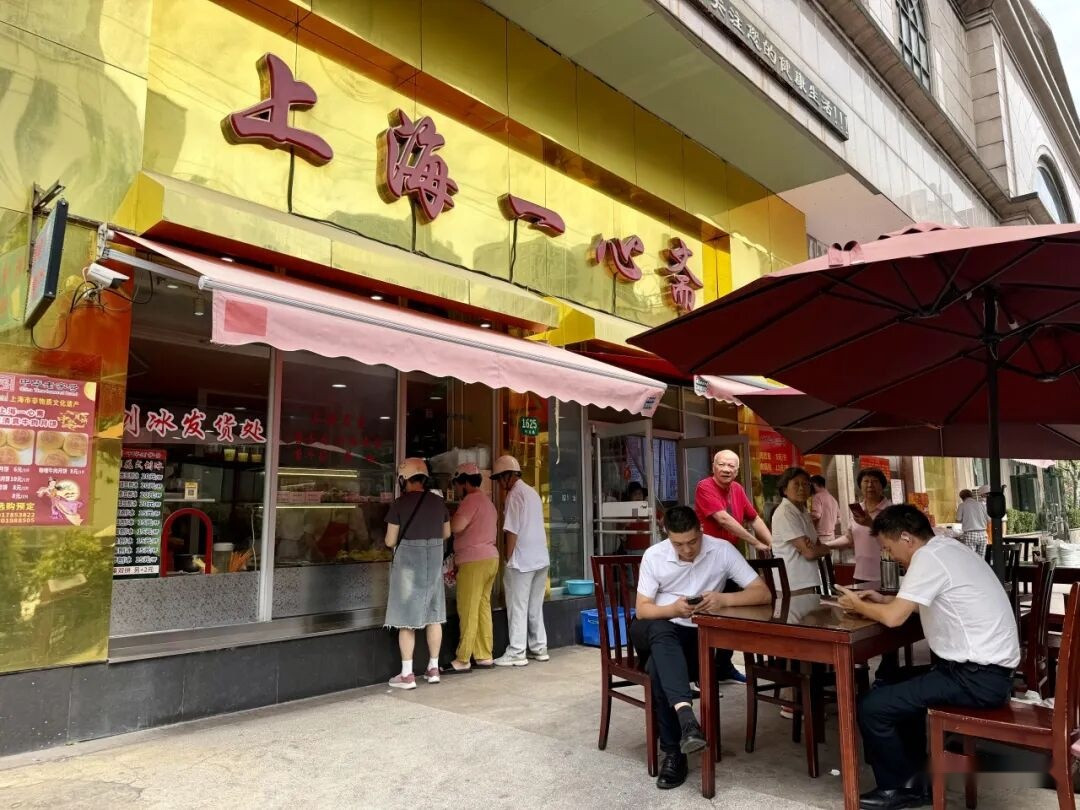
Over on Pingliang Road in Shanghai,
the time-honored brand Yixinzhai's mooncakes
are seeing lines grow longer and sales skyrocket.

Unlike most dim sum shops whose star product is standard pork mooncakes,
this Halal restaurant famous across Shanghai
for its niurou jianbao (pan-fried beef buns)
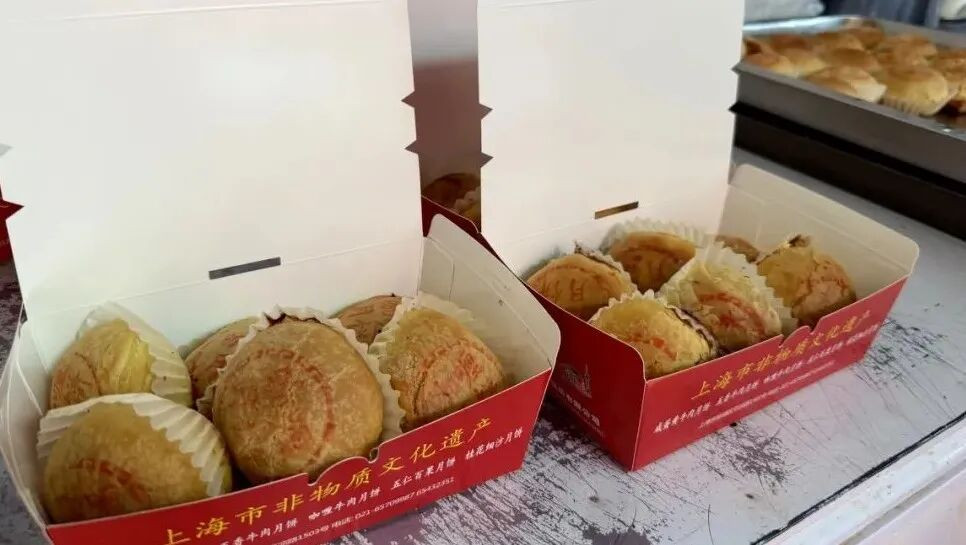
is drawing crowds who make special trips just to queue up for their unique "beef mooncakes"!
"You won't find beef mooncakes like this anywhere else in the city!" On the morning of September 16th, reporters at the Yixinzhai takeaway window saw an endless stream of foodies buying all sorts of mooncakes. One customer held up two boxes of mooncakes and smiled as they shared, "I've been coming to this spot since I was a kid. I'm in my sixties now, and I still never get tired of it."
Five Classic Flavors,
With Beef Mooncakes Stealing the Show
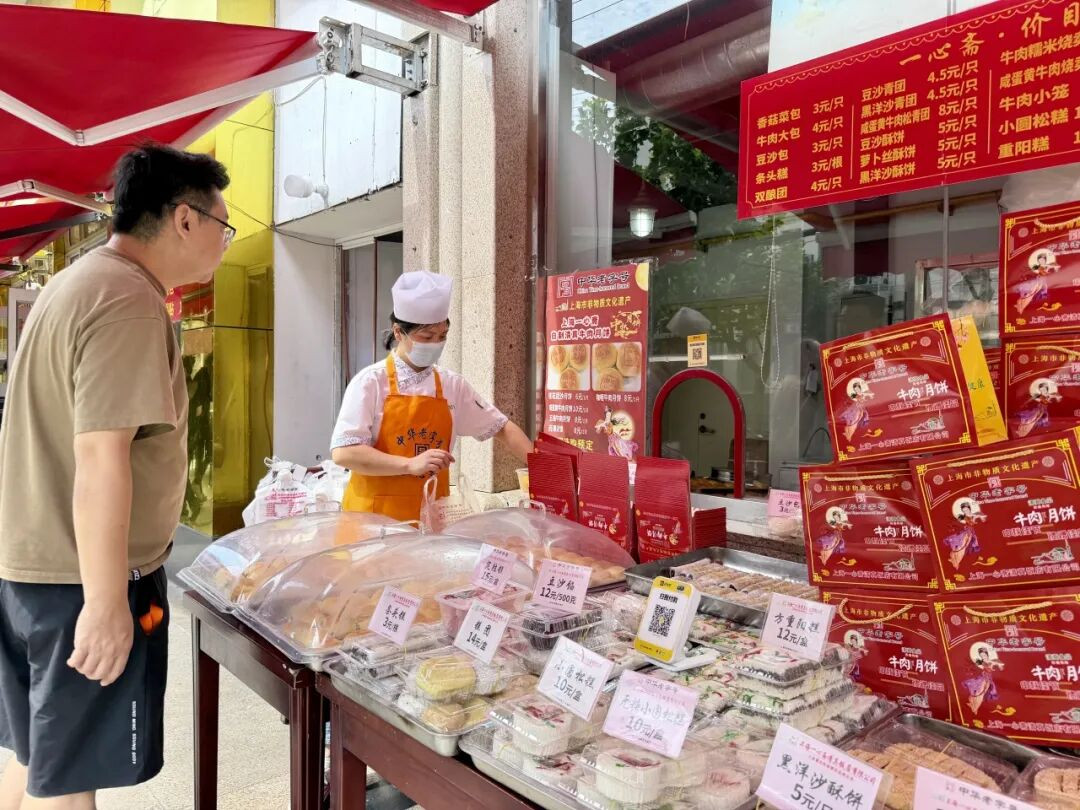
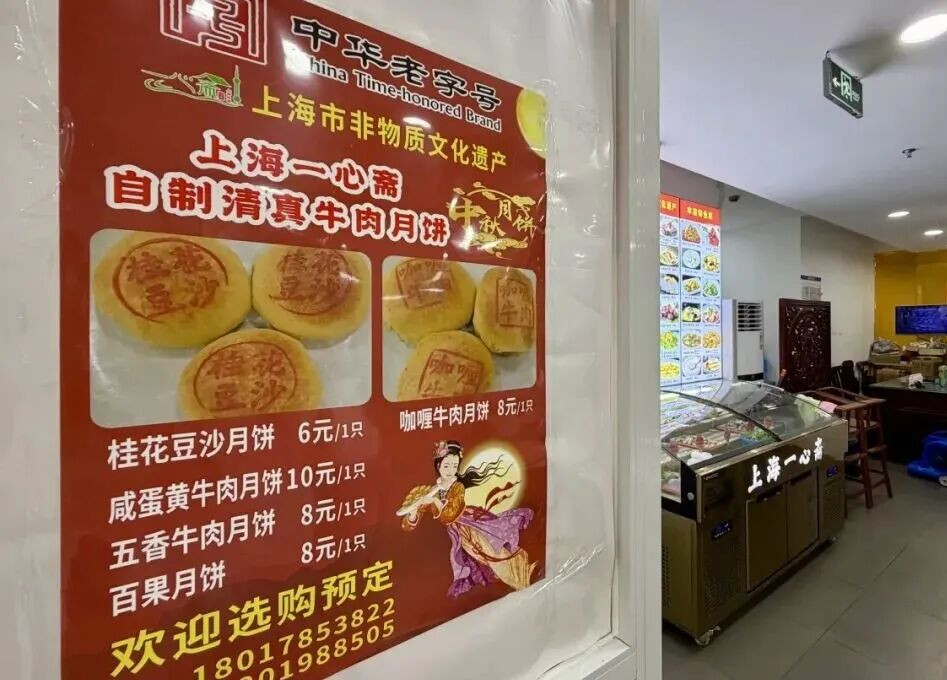
This Mid-Autumn, Yixinzhai's mooncakes are sticking to the classics, rolling out five flavors: osmanthus sweet bean paste, curry beef, salted egg yolk beef, five-spice beef, and mixed fruit and nut (baiguo). Singles range from 6 to 10 RMB. By 10:30 AM, neatly stacked rows of golden, flaky, plump round mooncakes lined the street-facing window, still radiating that fresh-out-of-the-oven warmth and catching the eyes of passersby. Hands down, the beef filling remains the crowd favorite.
"I grabbed the curry beef mooncakes. Their beef is Halal, super famous, and the flavor is totally authentic," a customer laughed, mentioning they used to live in Yangpu District and moved to another district years ago, but could never forget this classic taste. "Whenever I'm in Yangpu, I always make a special trip to Yixinzhai to pick up some pastries. With the Mid-Autumn Festival right around the corner, mooncakes are an absolute must."
The Exclusive Secret Recipe,
A Classic Taste Awakening Childhood Memories
As a time-honored Halal establishment, Yixinzhai has built its reputation on beef over the years, with niurou jianbao and guotie (crispy beef potstickers) standing as its century-old, battle-tested signature products. A few years ago, the shop timed a major launch of Mid-Autumn beef mooncakes to match the season, and this unchanging classic flavor instantly won over food lovers all over again.
"I live in Yangpu, and we've been eating Yixinzhai's food since we were kids. Their beef filling is totally different from anything else out there—it's super aromatic and deeply savory," one regular customer reflected.
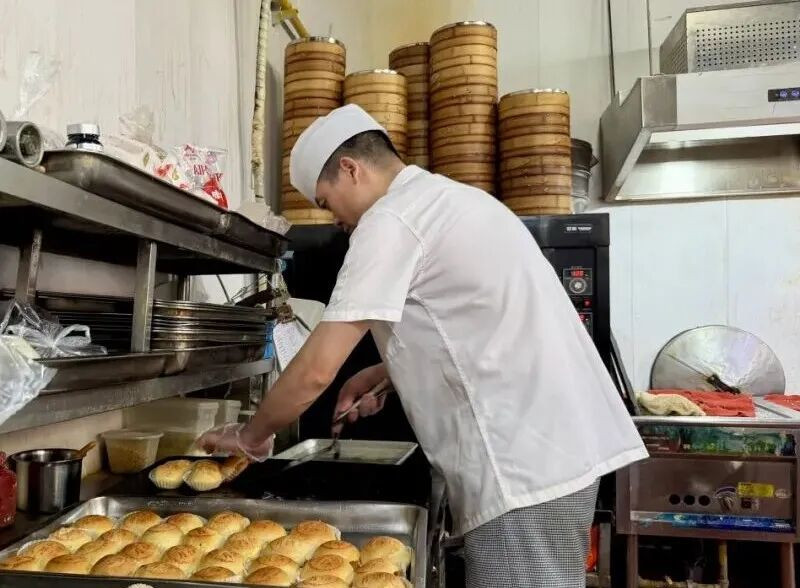
Behind great flavor is a strict selection of ingredients and a meticulous process. Zhang Zhouli, manager of Yixinzhai's pastry department, told reporters that the shop maintains strict standards for beef selection, seasoning, preparation techniques, and final product specifications. For instance, the beef filling exclusively uses beef hindquarter, and pastry chefs spend a full hour just mixing the filling. "The goal is to make sure the beef mooncakes are crispy on the outside and tender on the inside, keeping the meat filling from turning dry or tough," Zhang said.
Selling Thousands a Day,
Orders Piling Up as Mid-Autumn Nears
Over the past few days, with the Mid-Autumn Festival drawing closer, business at the shop has been booming. Zhang Zhouli shared that they are currently selling over a thousand mooncakes a day, and expects daily sales to multiply even further by the actual day of the festival. Plenty of customers are making special trips to place bulk orders of a hundred or more at a time. The team is already stocking up on extra beef, bean paste, and other ingredients to ensure a steady, uninterrupted supply throughout the holiday.
"During the festival season, lots of customers need to buy gifts for family and friends, so they order tray after tray in huge quantities. To match that, we've rolled out gift-box packaging to meet the diverse shopping needs of our customers," Zhang noted.
Exploring Yinchuan: Quiet Nanguan Mosque & Vibrant Niujie Street Halal Food Guide
Articles • Hasan09 posted the article • 0 comments • 4 views • 3 hours ago
Silence and Bustle Just a Wall Apart: A Cultural Walk Through Yinchuan's Nanguan Mosque and Bustling Niujie
Summary:
Stroll through the old Xingqing district of Yinchuan, capturing the solemn majesty of the Nanguan Mosque alongside the sizzling, vibrant energy of Niujie (Niujie Muslim Food Street) just to its east. Experience the serene depth of a spiritual sanctuary right next to the pulsing life of the neighborhood streets, showcasing Yinchuan's unique blend of history and human culture.
Step into the historic Xingqing district of Yinchuan, where a stark contrast between quiet and lively is hidden right between the Nanguan Mosque and Niujie. Separated by just a wall, one side offers a solemn religious hall while the other buzzes with everyday street life, together painting Yinchuan's signature cultural landscape.
The Nanguan Mosque (Nanguan Mosque in Yinchuan) is a cultural landmark of old Yinchuan, originally built in the late Ming and early Qing dynasties. The architecture you see today was rebuilt later, perfectly blending rich Islamic architectural aesthetics. With its pristine white walls and graceful arcades, the overall layout feels grand, solemn, and open.
Stepping into the courtyard, the city noise is shut out, and your mind naturally quiets down.
As an important local site for religious activities, visitors should approach with deep respect, steer clear of prayer (dua) times, follow local etiquette, and quietly soak in the peace and solemnity.
Head out the east side of the grand mosque and turn right onto Niujie. A lot of people like to compare it to Beijing's Niujie:
While Beijing's Niujie has centuries of history with ancient masjids tucked away in alleys and historic buildings blending into daily life for a more vintage vibe, Yinchuan's Niujie sits right next to the Nanguan Mosque as a vibrant local neighborhood. It might lack heavy, historic courtyards, but it wins big on pure energy and life, with the rich daily culture of Hui Muslims hitting you the moment you arrive.
By day, Niujie is pretty chill, with neat rows of shops and halal restaurants lining the street.
Once twilight hits, the whole neighborhood snaps awake in an instant. The smell of barbecue drifts everywhere as locals and travelers hustle and bustle past each other. Roasted mutton, yangzasui (hearty lamb offal soup with chili oil), and specialty noodle dishes put the authentic flavors of Northwest China on full display. Along the street, you'll also spot little shops selling Hui daily goods and folk crafts, where everyday life and ethnic culture completely intertwine.
Spend half a day wandering, transitioning from the quiet serenity of the mosque to the lively buzz of Niujie. Reflecting on the peace of faith on one side while tasting the raw, vibrant flavor of the streets on the other—this is the truest face of old Yinchuan. view all
Silence and Bustle Just a Wall Apart: A Cultural Walk Through Yinchuan's Nanguan Mosque and Bustling Niujie
Summary:
Stroll through the old Xingqing district of Yinchuan, capturing the solemn majesty of the Nanguan Mosque alongside the sizzling, vibrant energy of Niujie (Niujie Muslim Food Street) just to its east. Experience the serene depth of a spiritual sanctuary right next to the pulsing life of the neighborhood streets, showcasing Yinchuan's unique blend of history and human culture.
Step into the historic Xingqing district of Yinchuan, where a stark contrast between quiet and lively is hidden right between the Nanguan Mosque and Niujie. Separated by just a wall, one side offers a solemn religious hall while the other buzzes with everyday street life, together painting Yinchuan's signature cultural landscape.
The Nanguan Mosque (Nanguan Mosque in Yinchuan) is a cultural landmark of old Yinchuan, originally built in the late Ming and early Qing dynasties. The architecture you see today was rebuilt later, perfectly blending rich Islamic architectural aesthetics. With its pristine white walls and graceful arcades, the overall layout feels grand, solemn, and open.
Stepping into the courtyard, the city noise is shut out, and your mind naturally quiets down.
As an important local site for religious activities, visitors should approach with deep respect, steer clear of prayer (dua) times, follow local etiquette, and quietly soak in the peace and solemnity.
Head out the east side of the grand mosque and turn right onto Niujie. A lot of people like to compare it to Beijing's Niujie:
While Beijing's Niujie has centuries of history with ancient masjids tucked away in alleys and historic buildings blending into daily life for a more vintage vibe, Yinchuan's Niujie sits right next to the Nanguan Mosque as a vibrant local neighborhood. It might lack heavy, historic courtyards, but it wins big on pure energy and life, with the rich daily culture of Hui Muslims hitting you the moment you arrive.
By day, Niujie is pretty chill, with neat rows of shops and halal restaurants lining the street.
Once twilight hits, the whole neighborhood snaps awake in an instant. The smell of barbecue drifts everywhere as locals and travelers hustle and bustle past each other. Roasted mutton, yangzasui (hearty lamb offal soup with chili oil), and specialty noodle dishes put the authentic flavors of Northwest China on full display. Along the street, you'll also spot little shops selling Hui daily goods and folk crafts, where everyday life and ethnic culture completely intertwine.
Spend half a day wandering, transitioning from the quiet serenity of the mosque to the lively buzz of Niujie. Reflecting on the peace of faith on one side while tasting the raw, vibrant flavor of the streets on the other—this is the truest face of old Yinchuan.
Wuzhong Siliangzi Gongbei: Exploring Ningxia's Sino-Arabic Sufi Shrine
Articles • Hasan09 posted the article • 0 comments • 3 views • 3 hours ago
Visual Documentation of Siliangzi Gongbei in Wuzhong: A Municipal-Level Protected Sufi Shrine Blending Chinese and Arabic Styles
Abstract:
Documenting the elegant style of the Siliangzi Gongbei in Wuzhong, Ningxia. Showcasing its unique double-eaved hexagonal architecture, green-tiled flying eaves, and intricate reliefs, it reveals the perfect fusion of traditional Chinese pavilion craftsmanship and Islamic aesthetics in a Northwest sacred site.
Ningxia • Wuzhong
The Siliangzi Gongbei is the final resting place of Ma Hualong, a revered elder of the Jahriyya menhuan (Sufi order). The original gongbei was first built in 1915 and later destroyed, while the structure you see today was rebuilt in 1992 and is now a Wuzhong municipal-level cultural heritage site. The architecture features a distinctive double-eaved hexagonal design, blending traditional Chinese pavilion styles with Islamic aesthetics. With its green tiles, flying eaves, and delicate reliefs, it carries the heavy modern history of the Northwest alongside a unique Hui Muslim religious culture, all set in a serene and solemn environment. view all
Visual Documentation of Siliangzi Gongbei in Wuzhong: A Municipal-Level Protected Sufi Shrine Blending Chinese and Arabic Styles
Abstract:
Documenting the elegant style of the Siliangzi Gongbei in Wuzhong, Ningxia. Showcasing its unique double-eaved hexagonal architecture, green-tiled flying eaves, and intricate reliefs, it reveals the perfect fusion of traditional Chinese pavilion craftsmanship and Islamic aesthetics in a Northwest sacred site.
Ningxia • Wuzhong
The Siliangzi Gongbei is the final resting place of Ma Hualong, a revered elder of the Jahriyya menhuan (Sufi order). The original gongbei was first built in 1915 and later destroyed, while the structure you see today was rebuilt in 1992 and is now a Wuzhong municipal-level cultural heritage site. The architecture features a distinctive double-eaved hexagonal design, blending traditional Chinese pavilion styles with Islamic aesthetics. With its green tiles, flying eaves, and delicate reliefs, it carries the heavy modern history of the Northwest alongside a unique Hui Muslim religious culture, all set in a serene and solemn environment.
Hidden Gem Halal Hot Pot in Kunming: Authentic Northwest Lamb & Beef in Yunnan
Articles • Hasan09 posted the article • 0 comments • 13 views • 1 days ago
This Northwest-style hot pot spot on Xinwen Road is a total powerhouse
Summary:
Tap the card above to follow me. For most business owners, Kunming isn't exactly a place with a crazy-high return on investment. The business vibe here isn't as cutthroat or fast-paced as other bustling Chinese cities, and the overall lifestyle is way too laid-back. But precisely because of this, it attracts a special breed of entrepreneurs who want to run a business without completely sacrificing the actual experience of living. [Northwest Beef and Mutton Copper Hot Pot] is totally one of those places. The owner brought his beef and lamb business all the way south from Gansu, giving Kunming locals an amazing new go-to spot for hot pot.
Tap the card above to follow me
For most business owners, Kunming isn't exactly a place with a crazy-high return on investment. The business vibe here isn't as cutthroat or fast-paced as other bustling Chinese cities, and the overall lifestyle is way too laid-back.
But precisely because of this, it attracts a special breed of entrepreneurs who want to run a business without completely sacrificing the actual experience of living.
[Northwest Beef and Mutton Copper Hot Pot] is totally one of those places. The owner brought his beef and lamb business all the way south from Gansu, giving Kunming locals an amazing new go-to spot for hot pot.
Only using 10-month-old lamb: naturally tender with zero gamey funk
The shop is tucked away on South Xinwen Road, close to Yunnan University Hospital, Zhuanxin Farmers' Market, and Old Kunming. The space is tiny, with just enough room indoors for five or six four-person tables, plus a few foldable tables set up right outside.
When we arrived, it looked like a heavy downpour was about to hit, but a table of people was already eating hot pot under a makeshift rain canopy. A charcoal-fired copper pot was bubbling away, sending up clouds of steam. Everyone was huddled together, chatting loudly about recent work gossip and neighborhood news—it was just super cozy. We grabbed an empty table and sat down.
When ordering, we were told they don't do heavy, aggressive broth bases here—just a pure beef bone soup designed to let the natural flavor of the beef and lamb shine through.
The freshly hand-sliced beef and lamb are bright, vibrant red with gorgeous marbling. The second you drop them into the rolling broth, that vivid color instantly fades as the meat curls up. Just looking at it is enough to make your mouth water.
There's a dipping sauce recipe posted right on the condiment station. You literally just follow the steps to whip up an elite dipping sauce. Honestly, there's no crazy secret formula—in our local dialect, it's basically 'just toss a little bit of everything in.'
Wrap a slice of meat completely in the sauce and shove it in your mouth—that hungry, irritable feeling vanishes instantly. The meat is soft, tender, and delicate, with a warm, non-greasy mouthfeel. Without any heavy chili oil stealing the spotlight, it's just the pure, primal thrill of eating good meat. Eat a few slices, chomp on a sweet pickled garlic clove, and all your worries just melt away.
Every single gray-brown tripe piece has sharp little spikes. Word is, the shop washes and hand-tears every batch daily, which is super tedious. Lots of restaurants nowadays just buy pre-packaged tripe to save time and effort. But this place skips the cost-cutting shortcuts, sticking to a daily routine that looks simple but actually demands total patience and meticulous care.
The tomahawk lamb chops aren't even marinated. After aging to purge the acids, they're wrapped straight in foil and roasted—this locks in the juices and flavor while keeping the outside from burning. Just a tiny pinch of salt and cumin brings out the ultimate tenderness of the lamb. One of the kids with us said it looked just like a wrench, and even though he's right in the middle of losing his baby teeth with front gaps missing, he couldn't resist immediately tearing into it.
The side dishes are free. Add in some wide starch noodles and vermicelli, and the meal feels completely satisfying.
After eating, I kicked back and chatted with the owner, asking him why his lamb had zero gamey smell. That's when I found out his secret: the shop only uses 10-month-old lambs. At this exact age, the meat is super tender with zero accumulated gameiness—it's prime condition for hot pot.
Controlling the source supply chain, with a soft spot for neighborhood vibes
A great little neighborhood spot's success isn't just pure luck.
The owner is from Gansu, where his family has deep roots in livestock farming. Having grown up around cattle and sheep, he's an absolute pro when it comes to picking, processing, and storing beef and lamb. He showed us videos on his phone of his hometown—mountains blanketed in sheep, snowy white winters. Through a screen, it's gorgeous, but living out there must definitely be tough.
After graduating from college a few years back, he wanted to take his business beyond his hometown. He scouted markets everywhere, ended up in Kunming, and instantly fell in love with the climate and the people. So, he decided to start a business importing Gansu Tibetan sheep down to Yunnan, naturally opening both a fresh meat shop and this hot pot joint near Shuncheng Mosque (Shuncheng Mosque).
In today's super-transparent restaurant market, it's tough to profit just off geographic information arbitrage. But being able to run an end-to-end closed-loop production and sales chain is still a solid business model.
'One time I was in Haikou and my car got completely stuck in the mud. People from all around just showed up on their own to help me push the car out. That moment really stuck with me. I love Yunnan, I love Kunming,' the owner said. Even though the shop is tiny right now, his happiness index is through the roof. Right outside the front door is a newly dug canal where you can catch the river breeze while eating hot pot, and every now and then you can spot people pulling fish straight out of the water. Life doesn't get more chill than that.
No wonder people always say Yunnan locals are total homebodies who never want to leave. Now that I think about it, it's because Yunnan people are born into such a comfortable, relaxed environment that they literally only travel if it's an absolute emergency. Besides, folks from everywhere else just bring their own food right to Yunnan instead.
- Restaurant Info - view all
This Northwest-style hot pot spot on Xinwen Road is a total powerhouse
Summary:
Tap the card above to follow me. For most business owners, Kunming isn't exactly a place with a crazy-high return on investment. The business vibe here isn't as cutthroat or fast-paced as other bustling Chinese cities, and the overall lifestyle is way too laid-back. But precisely because of this, it attracts a special breed of entrepreneurs who want to run a business without completely sacrificing the actual experience of living. [Northwest Beef and Mutton Copper Hot Pot] is totally one of those places. The owner brought his beef and lamb business all the way south from Gansu, giving Kunming locals an amazing new go-to spot for hot pot.
Tap the card above to follow me
For most business owners, Kunming isn't exactly a place with a crazy-high return on investment. The business vibe here isn't as cutthroat or fast-paced as other bustling Chinese cities, and the overall lifestyle is way too laid-back.
But precisely because of this, it attracts a special breed of entrepreneurs who want to run a business without completely sacrificing the actual experience of living.
[Northwest Beef and Mutton Copper Hot Pot] is totally one of those places. The owner brought his beef and lamb business all the way south from Gansu, giving Kunming locals an amazing new go-to spot for hot pot.
Only using 10-month-old lamb: naturally tender with zero gamey funk
The shop is tucked away on South Xinwen Road, close to Yunnan University Hospital, Zhuanxin Farmers' Market, and Old Kunming. The space is tiny, with just enough room indoors for five or six four-person tables, plus a few foldable tables set up right outside.
When we arrived, it looked like a heavy downpour was about to hit, but a table of people was already eating hot pot under a makeshift rain canopy. A charcoal-fired copper pot was bubbling away, sending up clouds of steam. Everyone was huddled together, chatting loudly about recent work gossip and neighborhood news—it was just super cozy. We grabbed an empty table and sat down.
When ordering, we were told they don't do heavy, aggressive broth bases here—just a pure beef bone soup designed to let the natural flavor of the beef and lamb shine through.
The freshly hand-sliced beef and lamb are bright, vibrant red with gorgeous marbling. The second you drop them into the rolling broth, that vivid color instantly fades as the meat curls up. Just looking at it is enough to make your mouth water.
There's a dipping sauce recipe posted right on the condiment station. You literally just follow the steps to whip up an elite dipping sauce. Honestly, there's no crazy secret formula—in our local dialect, it's basically 'just toss a little bit of everything in.'
Wrap a slice of meat completely in the sauce and shove it in your mouth—that hungry, irritable feeling vanishes instantly. The meat is soft, tender, and delicate, with a warm, non-greasy mouthfeel. Without any heavy chili oil stealing the spotlight, it's just the pure, primal thrill of eating good meat. Eat a few slices, chomp on a sweet pickled garlic clove, and all your worries just melt away.
Every single gray-brown tripe piece has sharp little spikes. Word is, the shop washes and hand-tears every batch daily, which is super tedious. Lots of restaurants nowadays just buy pre-packaged tripe to save time and effort. But this place skips the cost-cutting shortcuts, sticking to a daily routine that looks simple but actually demands total patience and meticulous care.
The tomahawk lamb chops aren't even marinated. After aging to purge the acids, they're wrapped straight in foil and roasted—this locks in the juices and flavor while keeping the outside from burning. Just a tiny pinch of salt and cumin brings out the ultimate tenderness of the lamb. One of the kids with us said it looked just like a wrench, and even though he's right in the middle of losing his baby teeth with front gaps missing, he couldn't resist immediately tearing into it.
The side dishes are free. Add in some wide starch noodles and vermicelli, and the meal feels completely satisfying.
After eating, I kicked back and chatted with the owner, asking him why his lamb had zero gamey smell. That's when I found out his secret: the shop only uses 10-month-old lambs. At this exact age, the meat is super tender with zero accumulated gameiness—it's prime condition for hot pot.
Controlling the source supply chain, with a soft spot for neighborhood vibes
A great little neighborhood spot's success isn't just pure luck.
The owner is from Gansu, where his family has deep roots in livestock farming. Having grown up around cattle and sheep, he's an absolute pro when it comes to picking, processing, and storing beef and lamb. He showed us videos on his phone of his hometown—mountains blanketed in sheep, snowy white winters. Through a screen, it's gorgeous, but living out there must definitely be tough.
After graduating from college a few years back, he wanted to take his business beyond his hometown. He scouted markets everywhere, ended up in Kunming, and instantly fell in love with the climate and the people. So, he decided to start a business importing Gansu Tibetan sheep down to Yunnan, naturally opening both a fresh meat shop and this hot pot joint near Shuncheng Mosque (Shuncheng Mosque).
In today's super-transparent restaurant market, it's tough to profit just off geographic information arbitrage. But being able to run an end-to-end closed-loop production and sales chain is still a solid business model.
'One time I was in Haikou and my car got completely stuck in the mud. People from all around just showed up on their own to help me push the car out. That moment really stuck with me. I love Yunnan, I love Kunming,' the owner said. Even though the shop is tiny right now, his happiness index is through the roof. Right outside the front door is a newly dug canal where you can catch the river breeze while eating hot pot, and every now and then you can spot people pulling fish straight out of the water. Life doesn't get more chill than that.
No wonder people always say Yunnan locals are total homebodies who never want to leave. Now that I think about it, it's because Yunnan people are born into such a comfortable, relaxed environment that they literally only travel if it's an absolute emergency. Besides, folks from everywhere else just bring their own food right to Yunnan instead.
- Restaurant Info -
The Ultimate Guide to Yixinzhai's Legendary Halal Beef Mooncakes in Shanghai
Articles • Hasan09 posted the article • 0 comments • 9 views • 1 days ago
The Ultimate Buzz Around Shanghai's One-and-Only Halal Heritage Mooncakes: Inside the Long Lines for Yixinzhai's Freshly Baked Halal Vegetarian and Beef Mooncakes
Abstract:
A look at the massive crowds queuing up at the takeout window of Yixinzhai, a historic Halal institution in Shanghai, during the Mid-Autumn Festival. Discover the traditional, hand-crafted artisan recipes behind their freshly baked Suzhou-style savory meat mooncakes, traditional five-kernel pepper mooncakes, and Halal vegetarian mooncakes—bringing back the classic seasonal flavors Shanghainese locals have craved for years.
As the Mid-Autumn Festival approaches,
these heritage-brand mooncakes are entering
their peak sales season of the year!
Over on Pingliang Road in Shanghai,
the time-honored brand Yixinzhai's mooncakes
are seeing lines grow longer and sales skyrocket.
Unlike most dim sum shops whose star product is standard pork mooncakes,
this Halal restaurant famous across Shanghai
for its niurou jianbao (pan-fried beef buns)
is drawing crowds who make special trips just to queue up for their unique "beef mooncakes"!
"You won't find beef mooncakes like this anywhere else in the city!" On the morning of September 16th, reporters at the Yixinzhai takeaway window saw an endless stream of foodies buying all sorts of mooncakes. One customer held up two boxes of mooncakes and smiled as they shared, "I've been coming to this spot since I was a kid. I'm in my sixties now, and I still never get tired of it."
Five Classic Flavors,
With Beef Mooncakes Stealing the Show
This Mid-Autumn, Yixinzhai's mooncakes are sticking to the classics, rolling out five flavors: osmanthus sweet bean paste, curry beef, salted egg yolk beef, five-spice beef, and mixed fruit and nut (baiguo). Singles range from 6 to 10 RMB. By 10:30 AM, neatly stacked rows of golden, flaky, plump round mooncakes lined the street-facing window, still radiating that fresh-out-of-the-oven warmth and catching the eyes of passersby. Hands down, the beef filling remains the crowd favorite.
"I grabbed the curry beef mooncakes. Their beef is Halal, super famous, and the flavor is totally authentic," a customer laughed, mentioning they used to live in Yangpu District and moved to another district years ago, but could never forget this classic taste. "Whenever I'm in Yangpu, I always make a special trip to Yixinzhai to pick up some pastries. With the Mid-Autumn Festival right around the corner, mooncakes are an absolute must."
The Exclusive Secret Recipe,
A Classic Taste Awakening Childhood Memories
As a time-honored Halal establishment, Yixinzhai has built its reputation on beef over the years, with niurou jianbao and guotie (crispy beef potstickers) standing as its century-old, battle-tested signature products. A few years ago, the shop timed a major launch of Mid-Autumn beef mooncakes to match the season, and this unchanging classic flavor instantly won over food lovers all over again.
"I live in Yangpu, and we've been eating Yixinzhai's food since we were kids. Their beef filling is totally different from anything else out there—it's super aromatic and deeply savory," one regular customer reflected.
Behind great flavor is a strict selection of ingredients and a meticulous process. Zhang Zhouli, manager of Yixinzhai's pastry department, told reporters that the shop maintains strict standards for beef selection, seasoning, preparation techniques, and final product specifications. For instance, the beef filling exclusively uses beef hindquarter, and pastry chefs spend a full hour just mixing the filling. "The goal is to make sure the beef mooncakes are crispy on the outside and tender on the inside, keeping the meat filling from turning dry or tough," Zhang said.
Selling Thousands a Day,
Orders Piling Up as Mid-Autumn Nears
Over the past few days, with the Mid-Autumn Festival drawing closer, business at the shop has been booming. Zhang Zhouli shared that they are currently selling over a thousand mooncakes a day, and expects daily sales to multiply even further by the actual day of the festival. Plenty of customers are making special trips to place bulk orders of a hundred or more at a time. The team is already stocking up on extra beef, bean paste, and other ingredients to ensure a steady, uninterrupted supply throughout the holiday.
"During the festival season, lots of customers need to buy gifts for family and friends, so they order tray after tray in huge quantities. To match that, we've rolled out gift-box packaging to meet the diverse shopping needs of our customers," Zhang noted. view all
The Ultimate Buzz Around Shanghai's One-and-Only Halal Heritage Mooncakes: Inside the Long Lines for Yixinzhai's Freshly Baked Halal Vegetarian and Beef Mooncakes
Abstract:
A look at the massive crowds queuing up at the takeout window of Yixinzhai, a historic Halal institution in Shanghai, during the Mid-Autumn Festival. Discover the traditional, hand-crafted artisan recipes behind their freshly baked Suzhou-style savory meat mooncakes, traditional five-kernel pepper mooncakes, and Halal vegetarian mooncakes—bringing back the classic seasonal flavors Shanghainese locals have craved for years.
As the Mid-Autumn Festival approaches,
these heritage-brand mooncakes are entering
their peak sales season of the year!
Over on Pingliang Road in Shanghai,
the time-honored brand Yixinzhai's mooncakes
are seeing lines grow longer and sales skyrocket.
Unlike most dim sum shops whose star product is standard pork mooncakes,
this Halal restaurant famous across Shanghai
for its niurou jianbao (pan-fried beef buns)
is drawing crowds who make special trips just to queue up for their unique "beef mooncakes"!
"You won't find beef mooncakes like this anywhere else in the city!" On the morning of September 16th, reporters at the Yixinzhai takeaway window saw an endless stream of foodies buying all sorts of mooncakes. One customer held up two boxes of mooncakes and smiled as they shared, "I've been coming to this spot since I was a kid. I'm in my sixties now, and I still never get tired of it."
Five Classic Flavors,
With Beef Mooncakes Stealing the Show
This Mid-Autumn, Yixinzhai's mooncakes are sticking to the classics, rolling out five flavors: osmanthus sweet bean paste, curry beef, salted egg yolk beef, five-spice beef, and mixed fruit and nut (baiguo). Singles range from 6 to 10 RMB. By 10:30 AM, neatly stacked rows of golden, flaky, plump round mooncakes lined the street-facing window, still radiating that fresh-out-of-the-oven warmth and catching the eyes of passersby. Hands down, the beef filling remains the crowd favorite.
"I grabbed the curry beef mooncakes. Their beef is Halal, super famous, and the flavor is totally authentic," a customer laughed, mentioning they used to live in Yangpu District and moved to another district years ago, but could never forget this classic taste. "Whenever I'm in Yangpu, I always make a special trip to Yixinzhai to pick up some pastries. With the Mid-Autumn Festival right around the corner, mooncakes are an absolute must."
The Exclusive Secret Recipe,
A Classic Taste Awakening Childhood Memories
As a time-honored Halal establishment, Yixinzhai has built its reputation on beef over the years, with niurou jianbao and guotie (crispy beef potstickers) standing as its century-old, battle-tested signature products. A few years ago, the shop timed a major launch of Mid-Autumn beef mooncakes to match the season, and this unchanging classic flavor instantly won over food lovers all over again.
"I live in Yangpu, and we've been eating Yixinzhai's food since we were kids. Their beef filling is totally different from anything else out there—it's super aromatic and deeply savory," one regular customer reflected.
Behind great flavor is a strict selection of ingredients and a meticulous process. Zhang Zhouli, manager of Yixinzhai's pastry department, told reporters that the shop maintains strict standards for beef selection, seasoning, preparation techniques, and final product specifications. For instance, the beef filling exclusively uses beef hindquarter, and pastry chefs spend a full hour just mixing the filling. "The goal is to make sure the beef mooncakes are crispy on the outside and tender on the inside, keeping the meat filling from turning dry or tough," Zhang said.
Selling Thousands a Day,
Orders Piling Up as Mid-Autumn Nears
Over the past few days, with the Mid-Autumn Festival drawing closer, business at the shop has been booming. Zhang Zhouli shared that they are currently selling over a thousand mooncakes a day, and expects daily sales to multiply even further by the actual day of the festival. Plenty of customers are making special trips to place bulk orders of a hundred or more at a time. The team is already stocking up on extra beef, bean paste, and other ingredients to ensure a steady, uninterrupted supply throughout the holiday.
"During the festival season, lots of customers need to buy gifts for family and friends, so they order tray after tray in huge quantities. To match that, we've rolled out gift-box packaging to meet the diverse shopping needs of our customers," Zhang noted.