

Halal Dim Sum
Guangzhou Xiaobei Day & Night: Moroccan Cuisine & Halal Dim Sum
Articles • Hasan09 posted the article • 0 comments • 10 views • 10 hours ago
[Internet Repost]
Summary: This article explores "Guangzhou Xiaobei's Night and Day: Moroccan Cuisine and Cantonese Morning Tea," perfect for readers interested in Muslim life, halal info, Islamic culture, and Chinese web content.
Guangzhou Xiaobei's Night and Day: Moroccan Cuisine and Cantonese Morning Tea
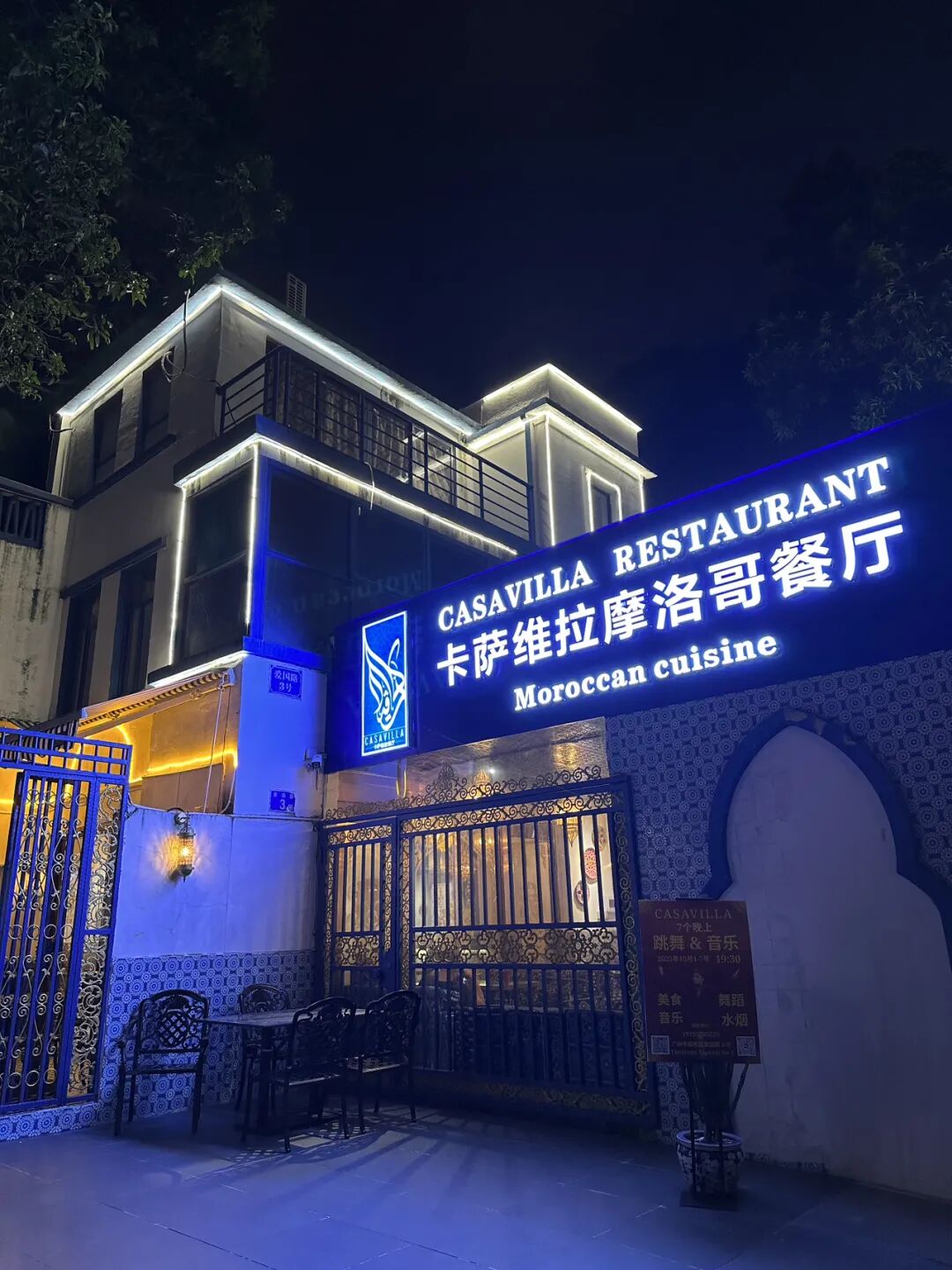
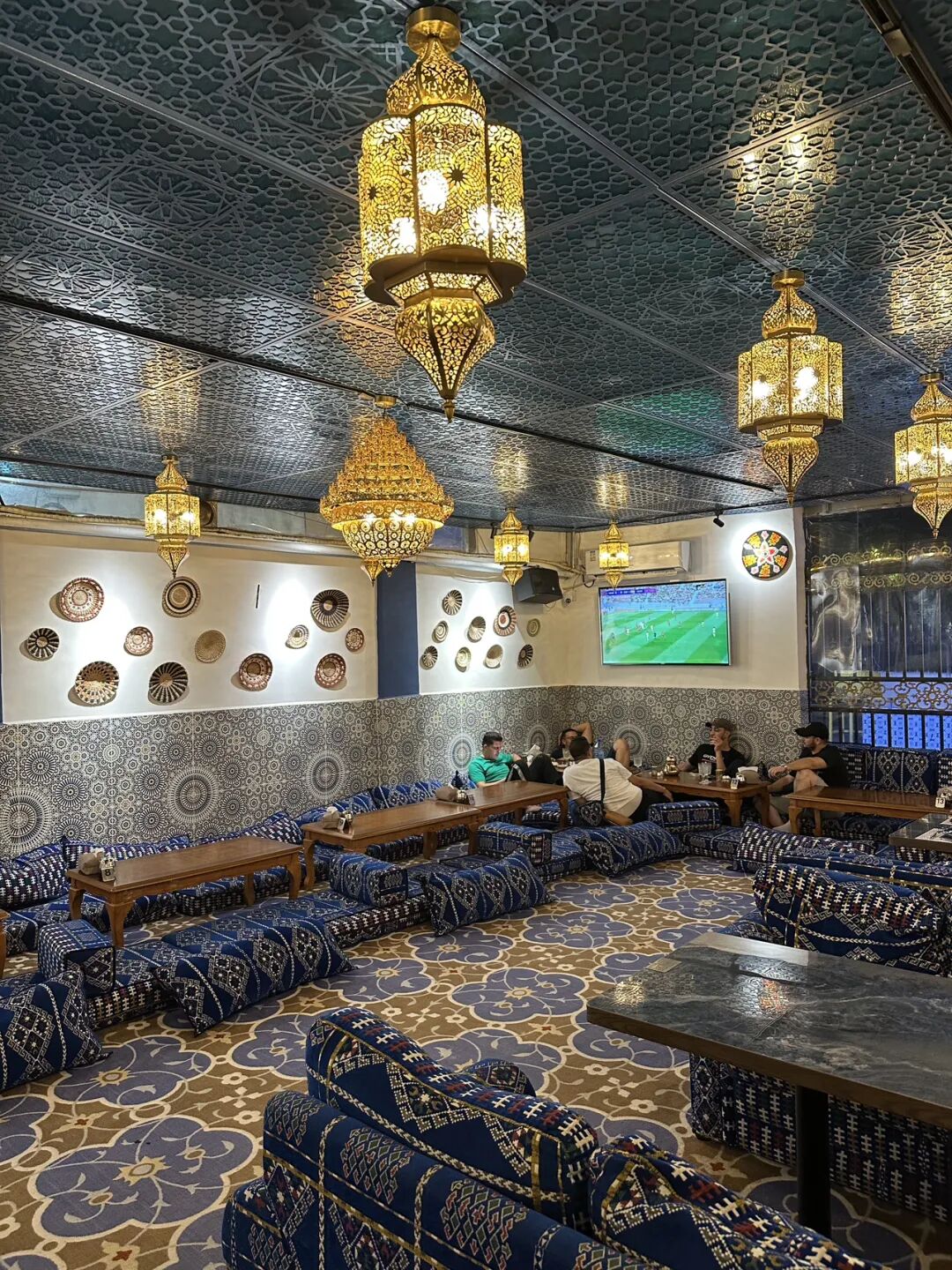
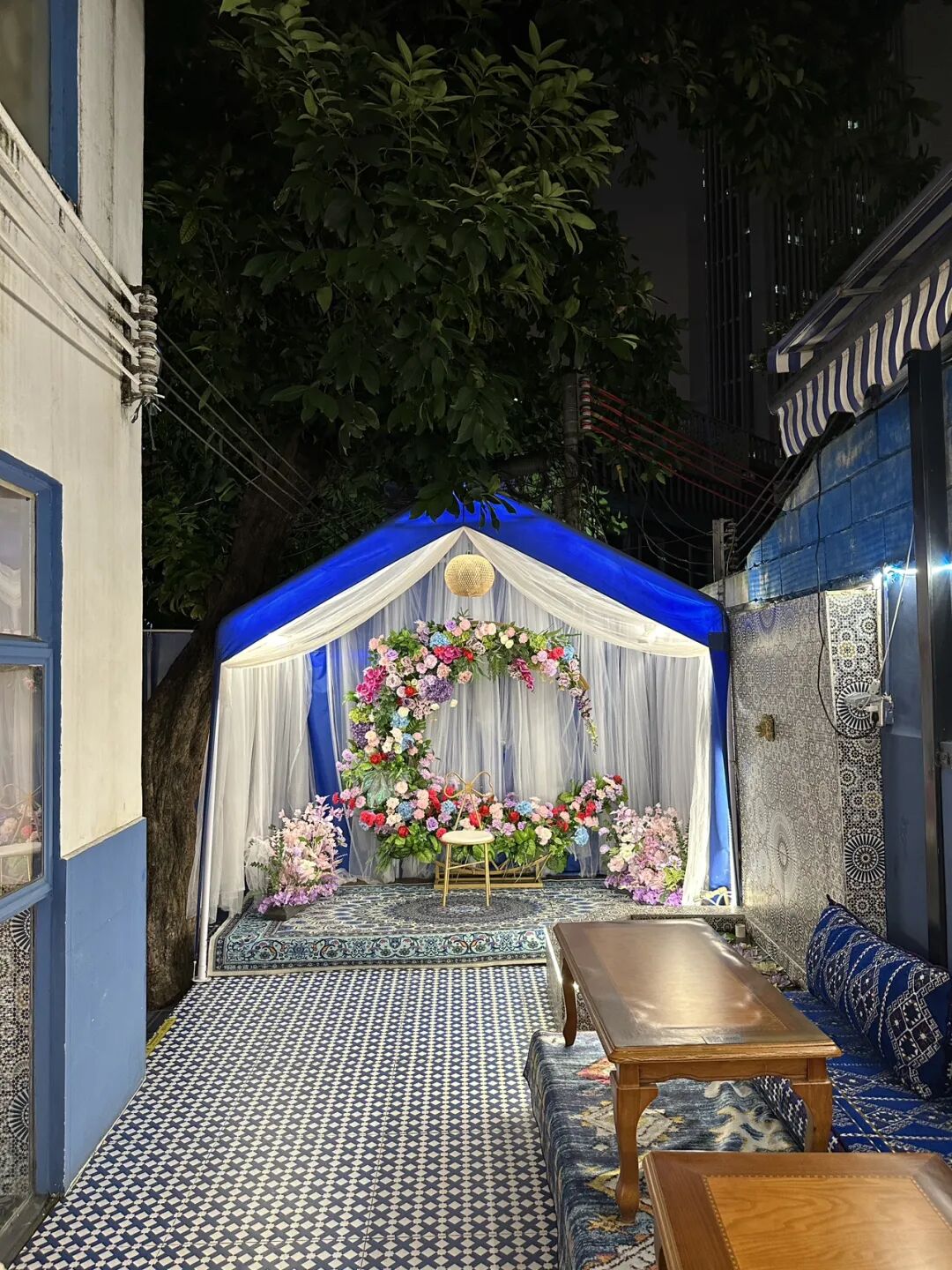
On the first day of the National Day holiday, I arrived in Guangzhou at night, hopped on the subway straight to Taojin near Xiaobei to grab some Moroccan food, and ordered a lamb tagine, avocado and shrimp salad, and Moroccan mint tea. They have chair seating, floor seating, and outdoor areas. The floor seating area has the best vibe, though the shisha smoking at night was a bit harsh on the lungs.
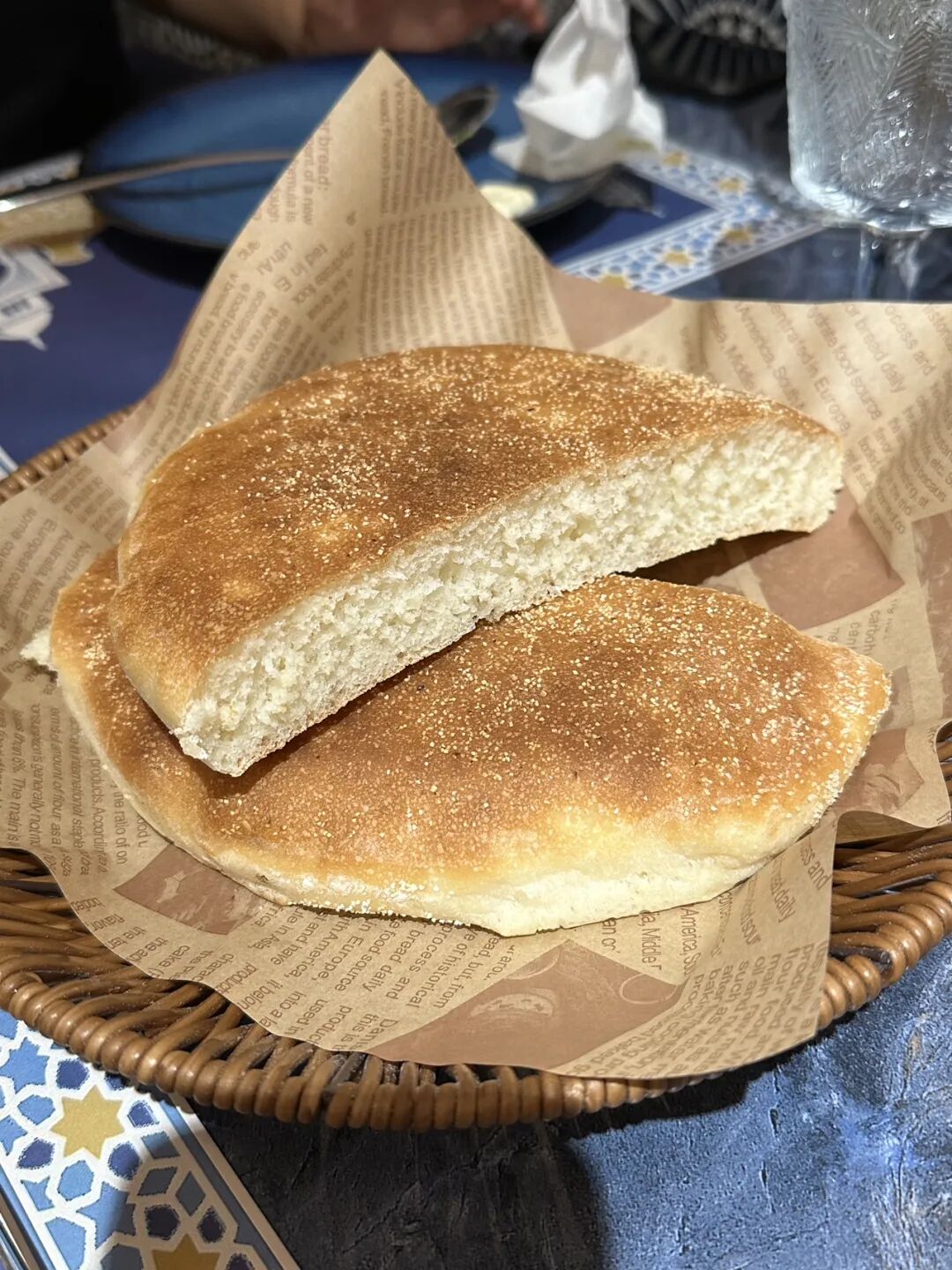
The tagine was super authentic—the lamb was tender and fall-apart, and the pot was quite deep with a generous portion of meat. The large flatbread served with it was fluffy and light, and soaking it in the meat juices was amazing. The iced mint tea was also great; the Magreb region is literally filled with people drinking mint tea everywhere, especially sitting on the street sipping tea and chatting. It’s too bad their salad used Thousand Island dressing though—how can a legit Middle Eastern spot use Thousand Island? Total laziness.
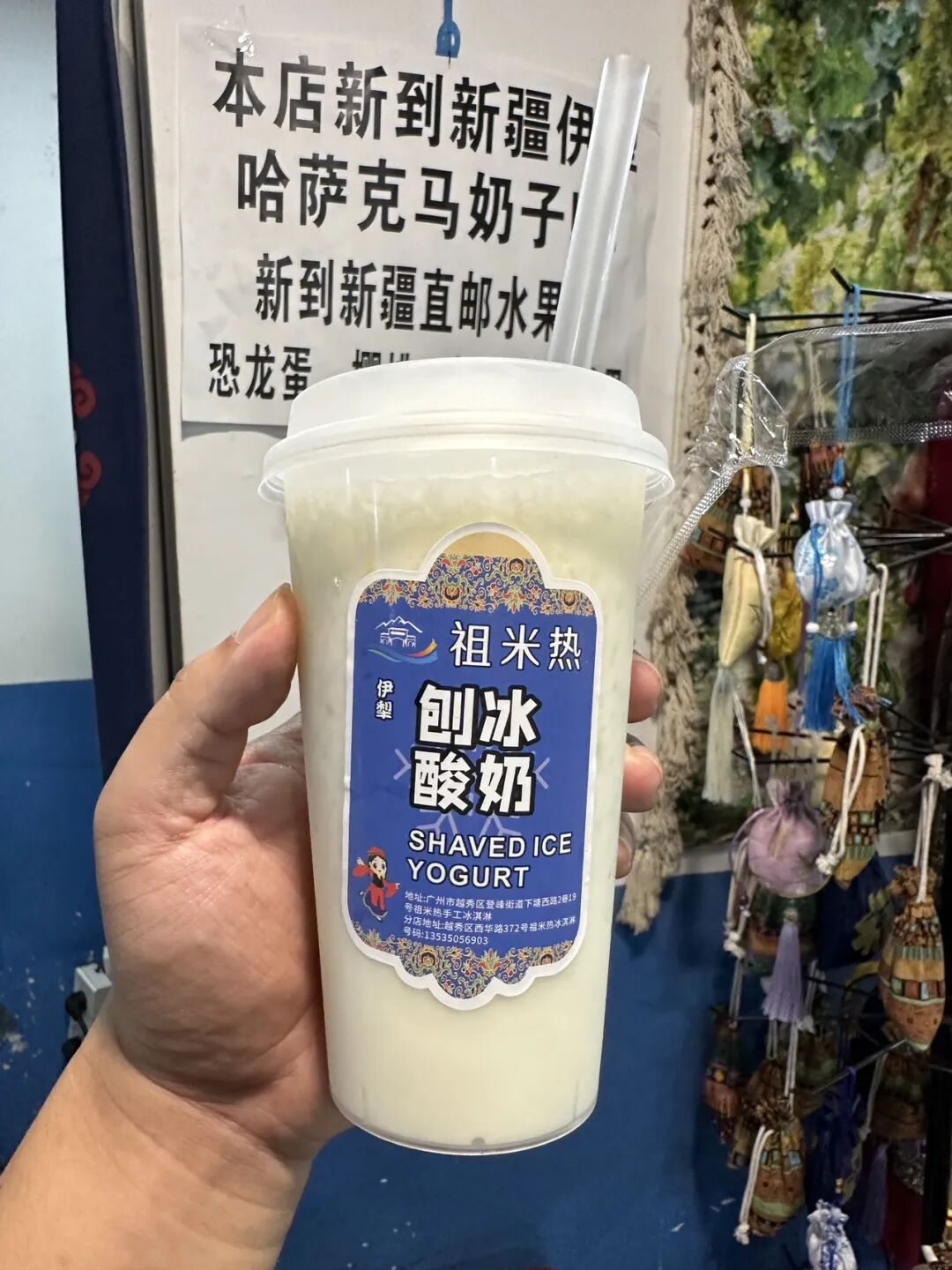
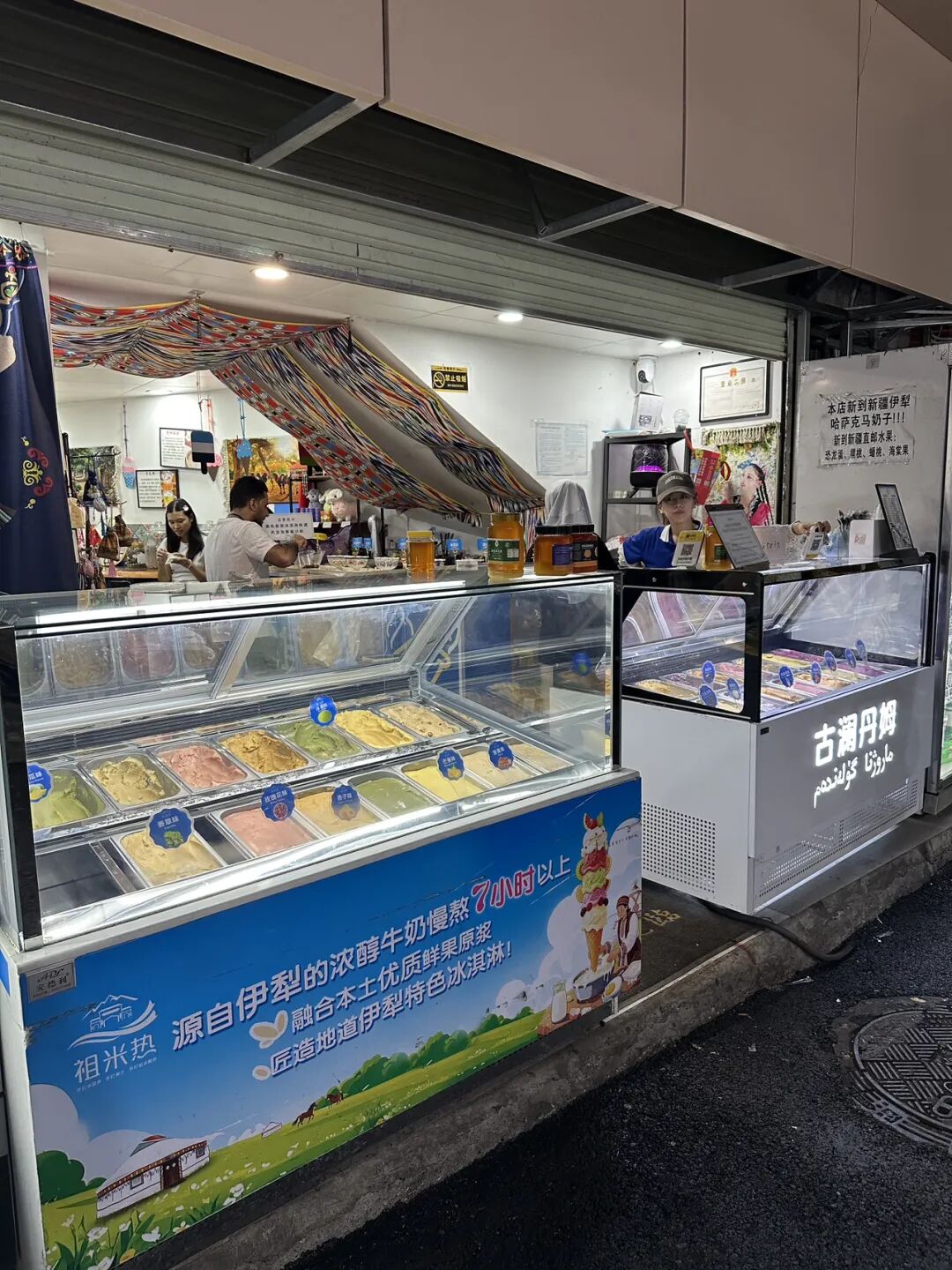
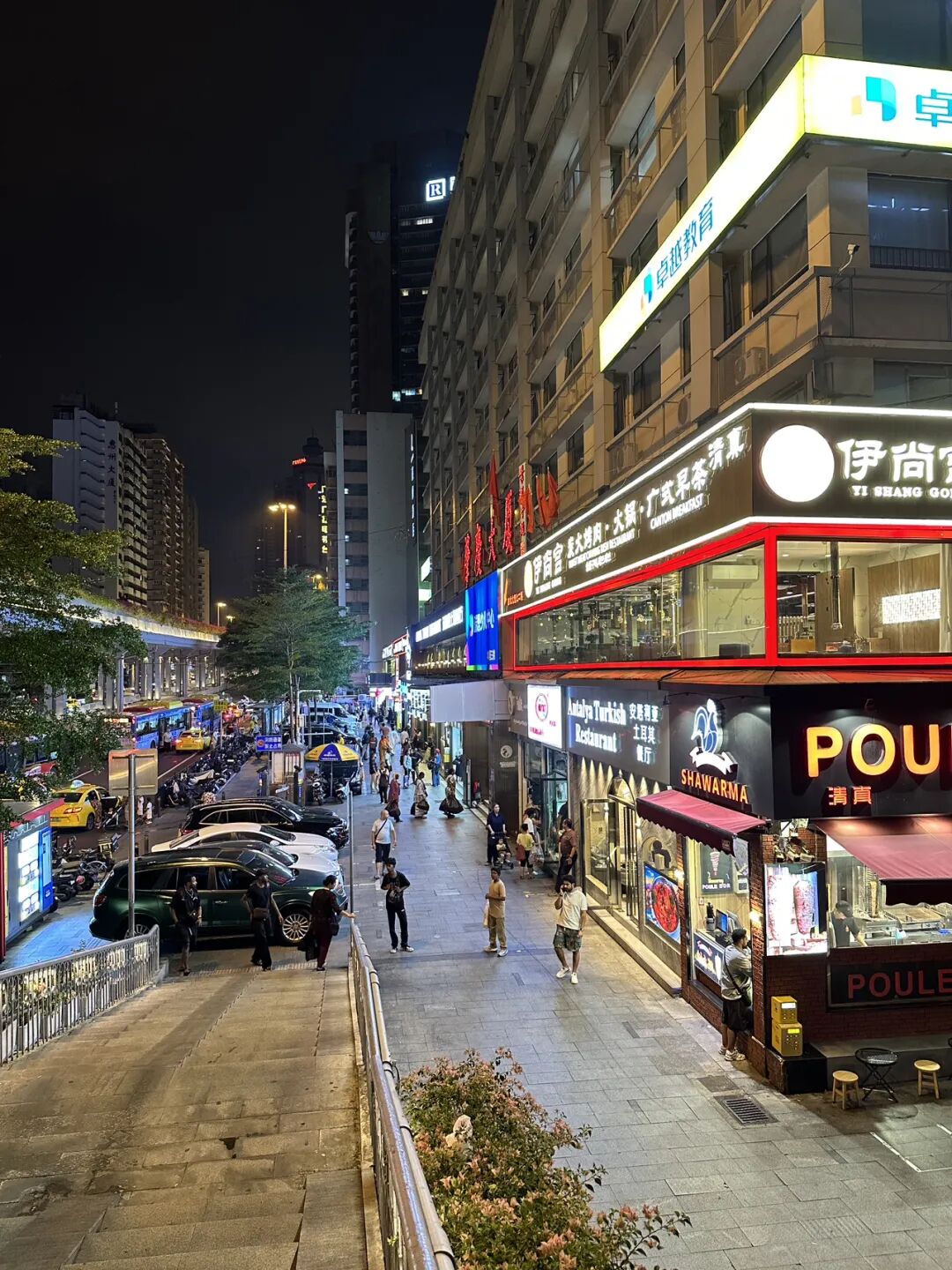
After eating, I took a night stroll around Xiaobei and grabbed some authentic yogurt shaved ice on Baohan Direct Street.
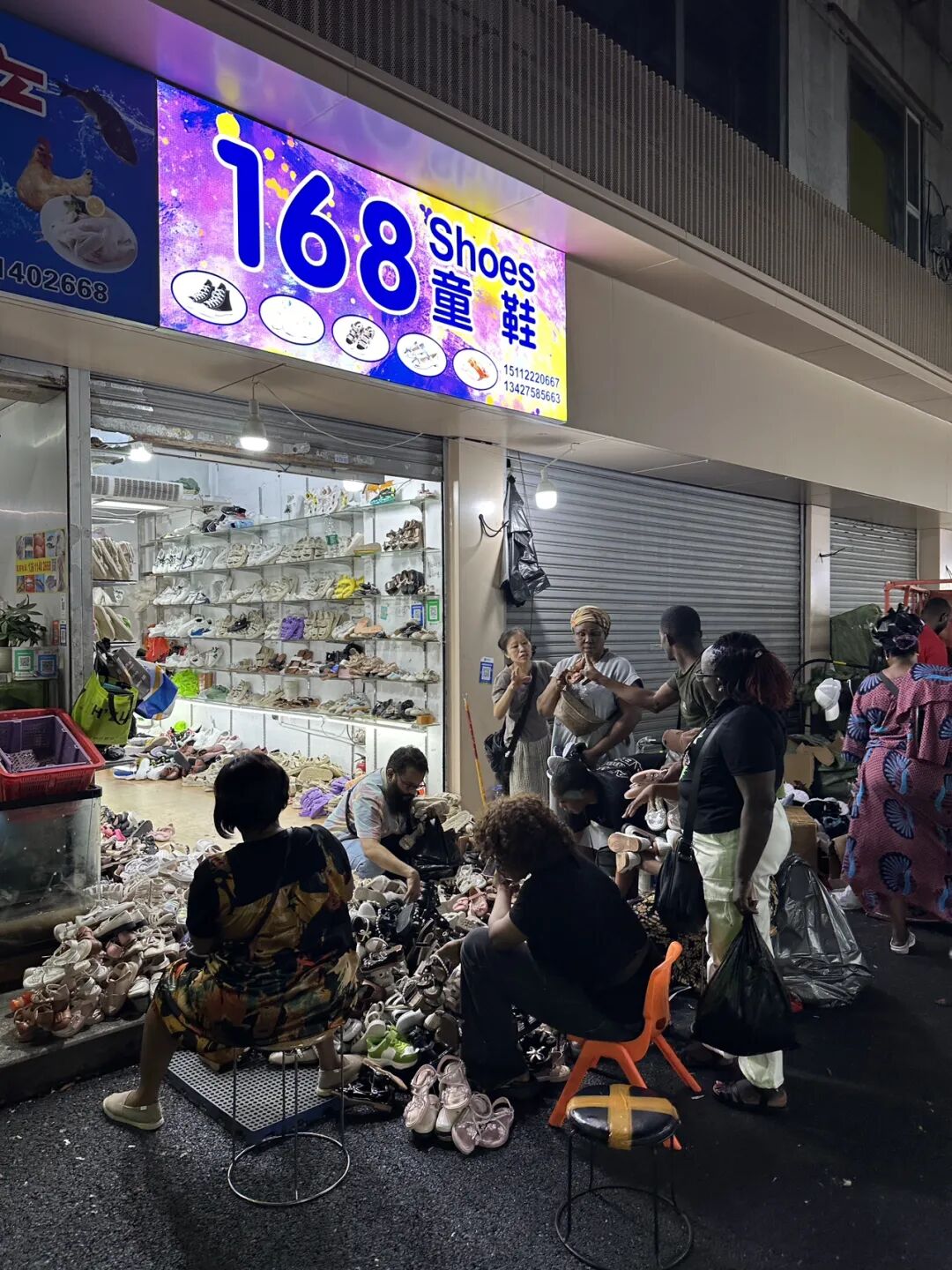
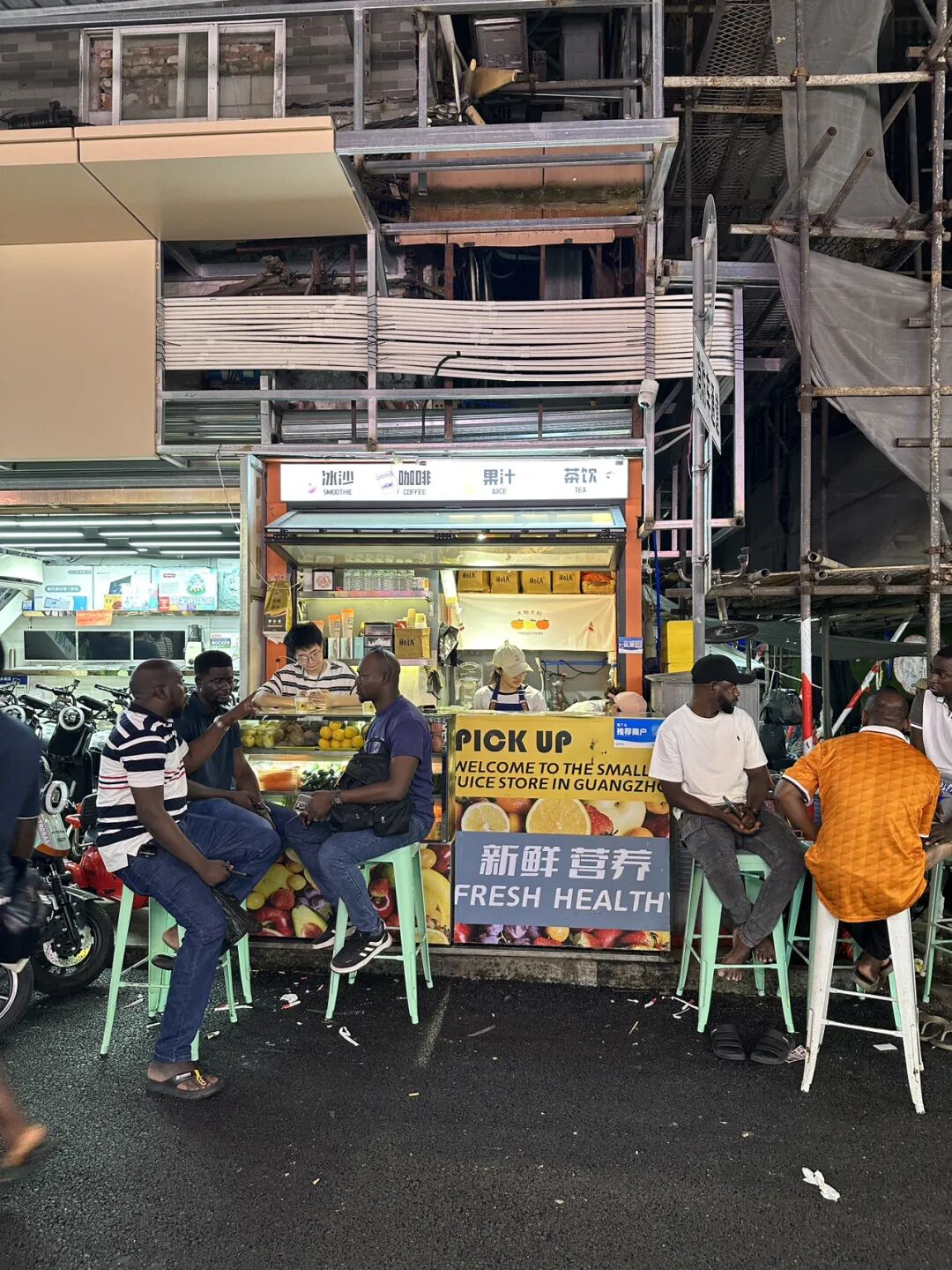
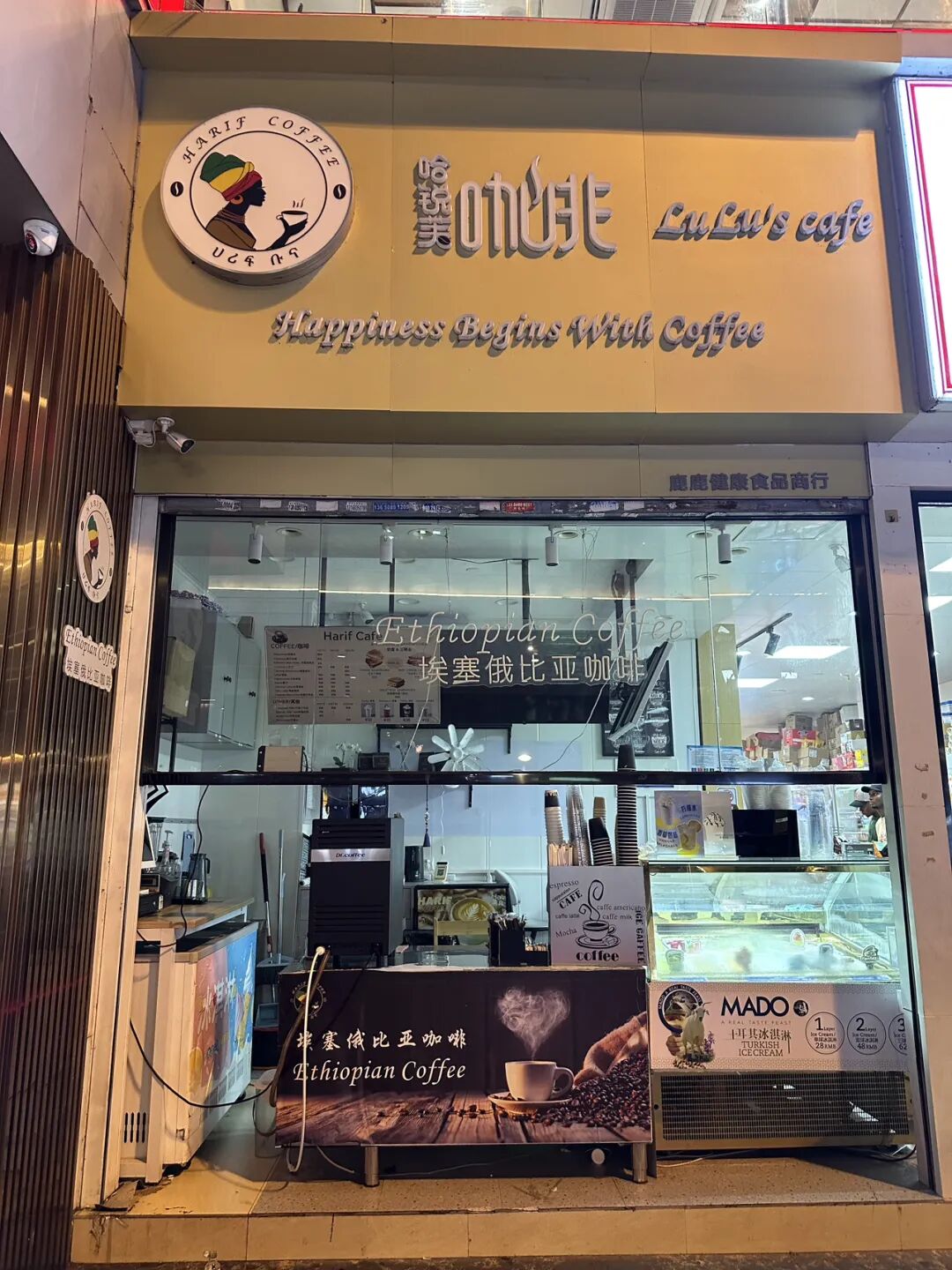
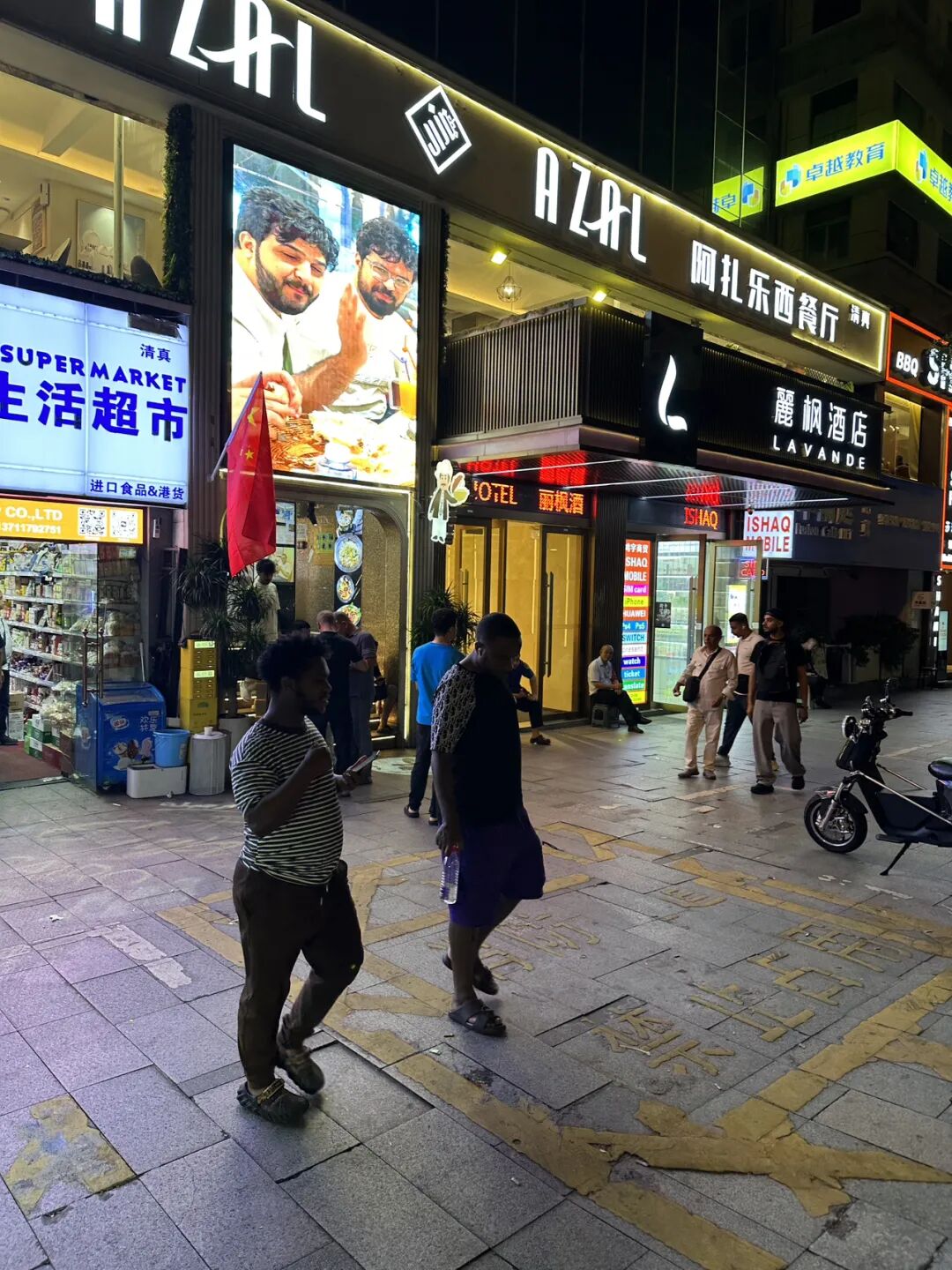
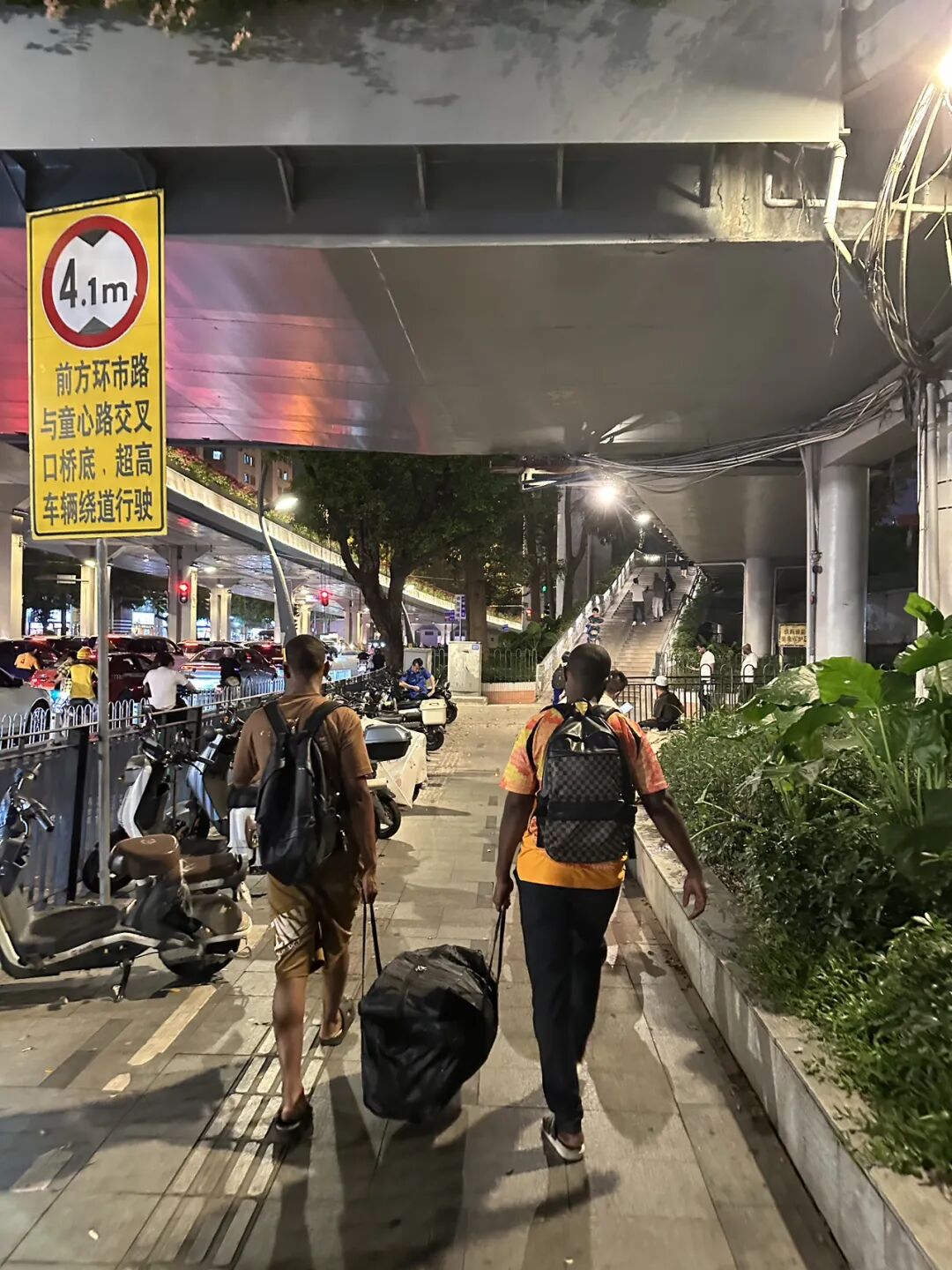
It feels like the number of Africans coming to Xiaobei for trade has bounced back to pre-2020 levels. At 10 PM, the place was brightly lit and buzzing with bustling crowds, plus a ton of new African restaurants have popped up on the streets. By comparison, Guangzhou's Xiaobei seems to attract more African expats, whereas Yiwu has way more Arabs and Turks.
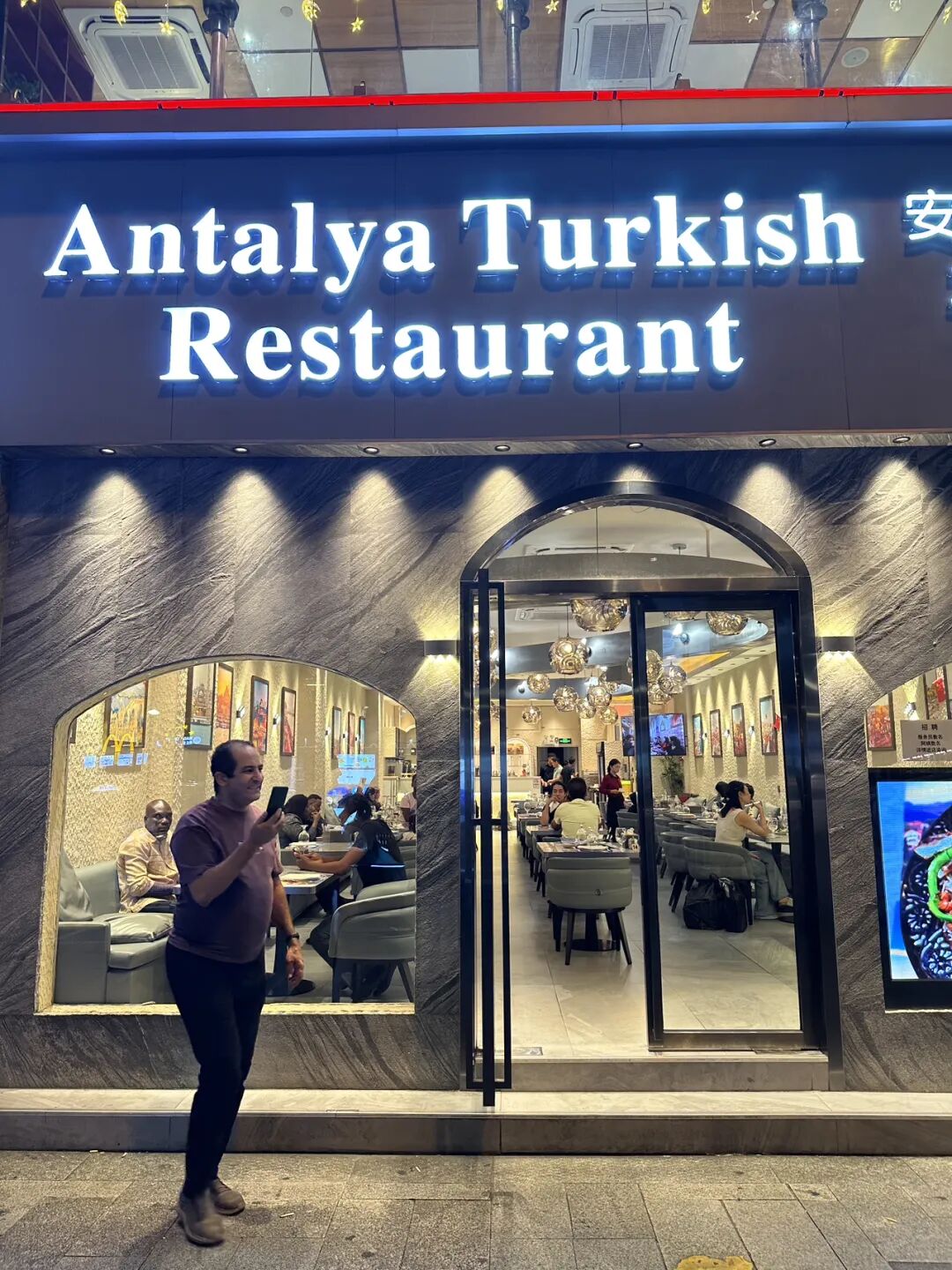
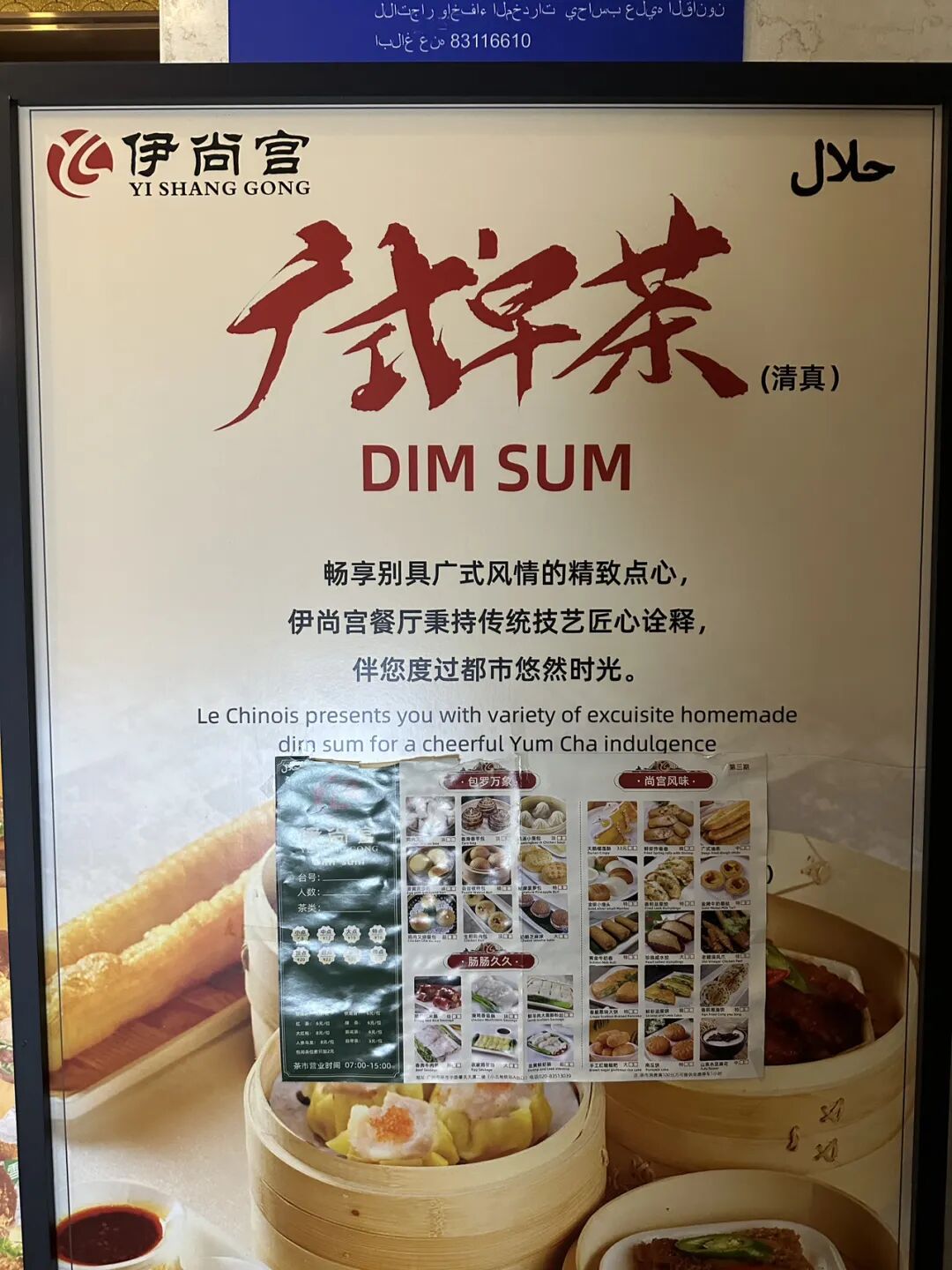
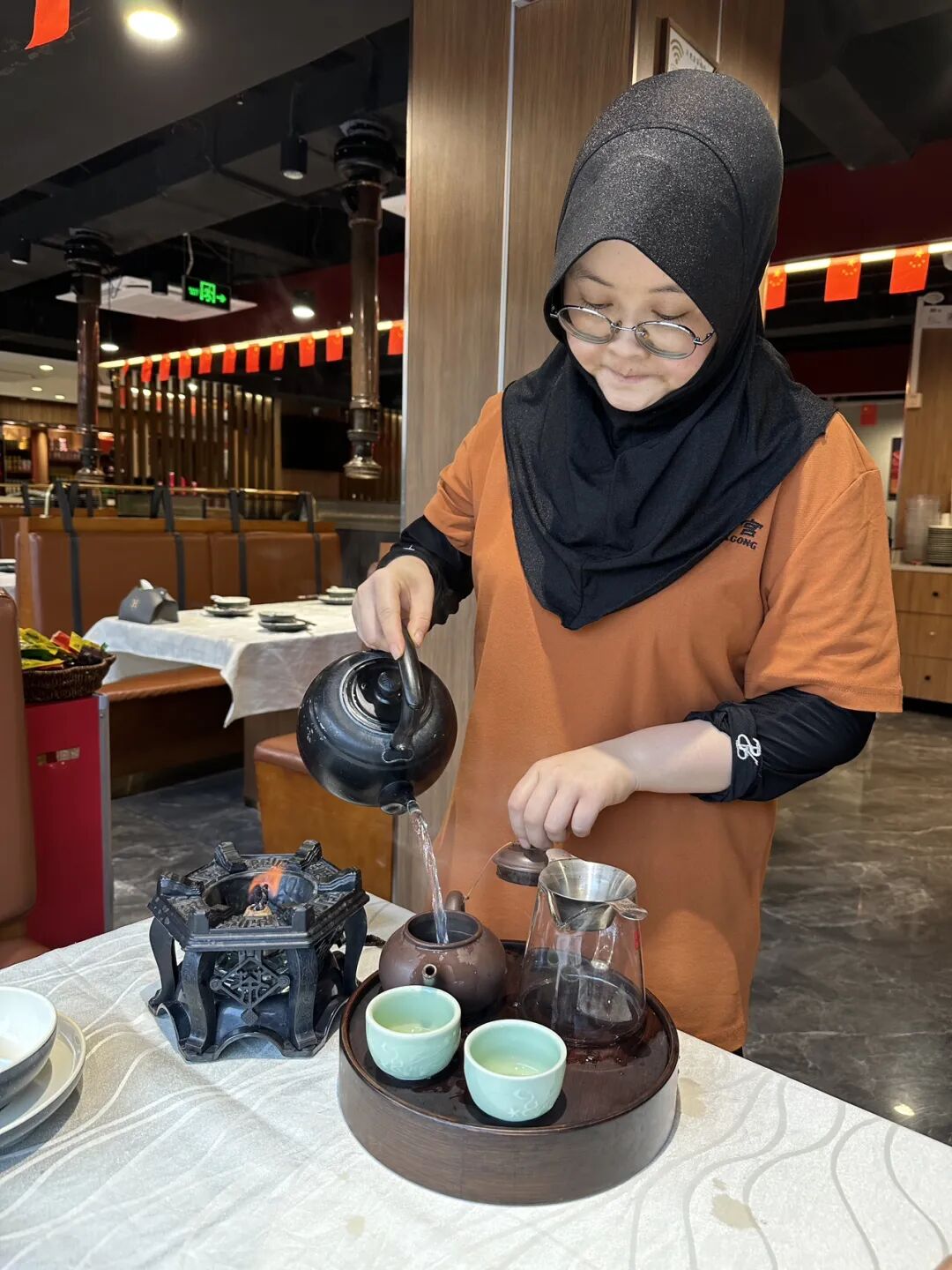
The next morning, I went for zaocha / yum cha (Cantonese morning tea / dim sum) at Yishanggong in Xiaobei. They open as early as 7 AM, but since Xiaobei is an expat neighborhood where people rarely wake up early, breakfast at the foreign-owned spots around here usually doesn't start until 10 or 11 AM.
Yishanggong is Guangzhou's third halal Cantonese dim sum spot. The owner is a Hui Muslim from Tianshui, Gansu. At night they serve Korean BBQ and hot pot, but during the day they hire local Cantonese chefs to make dim sum. Their ingredients are more reliable than standard Huimin Restaurant (Muslim restaurant), making it a worry-free eat.
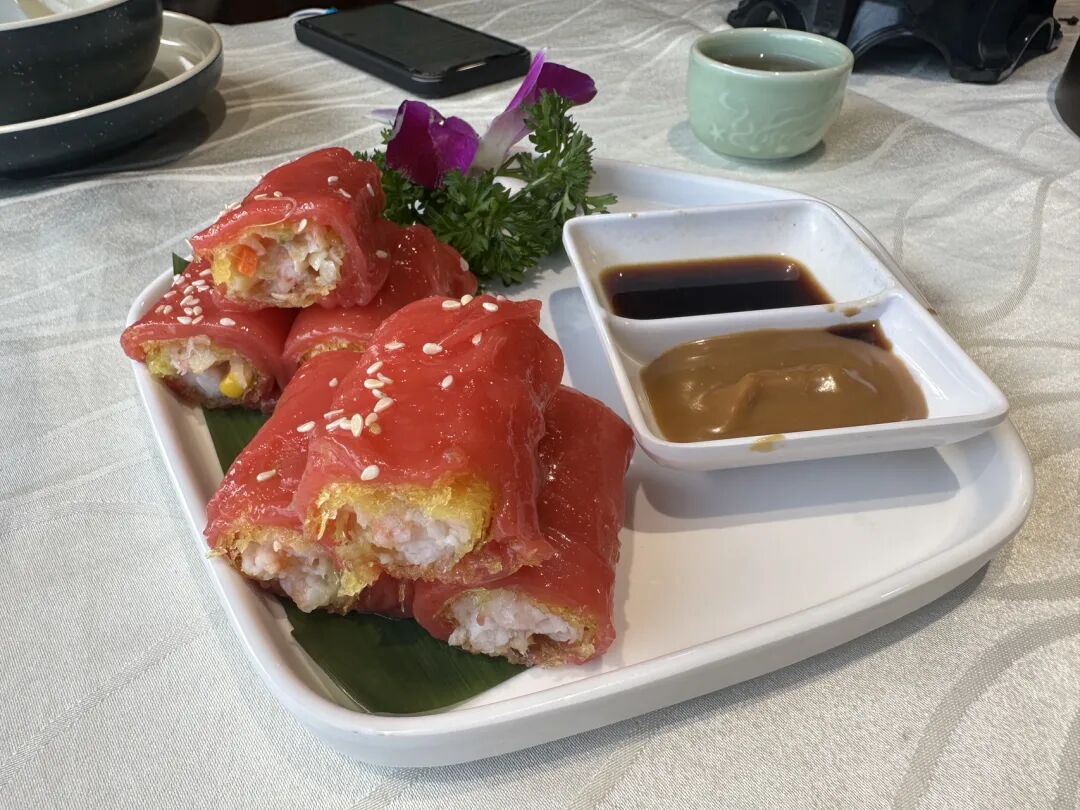
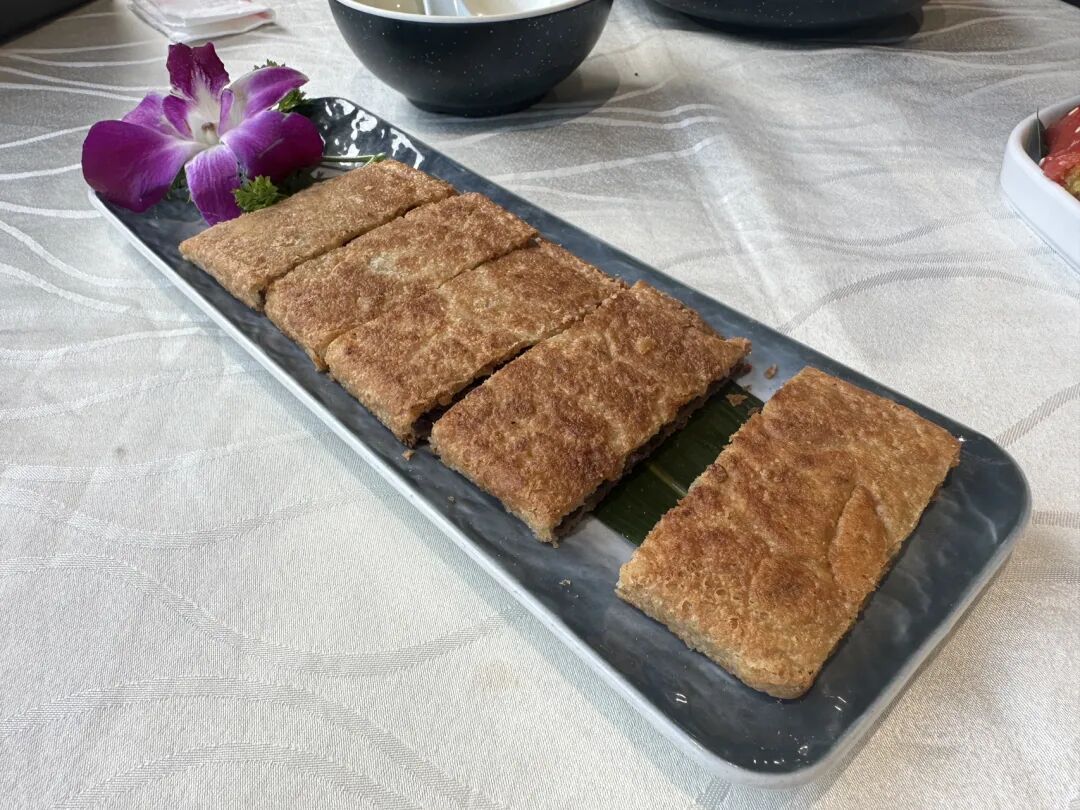
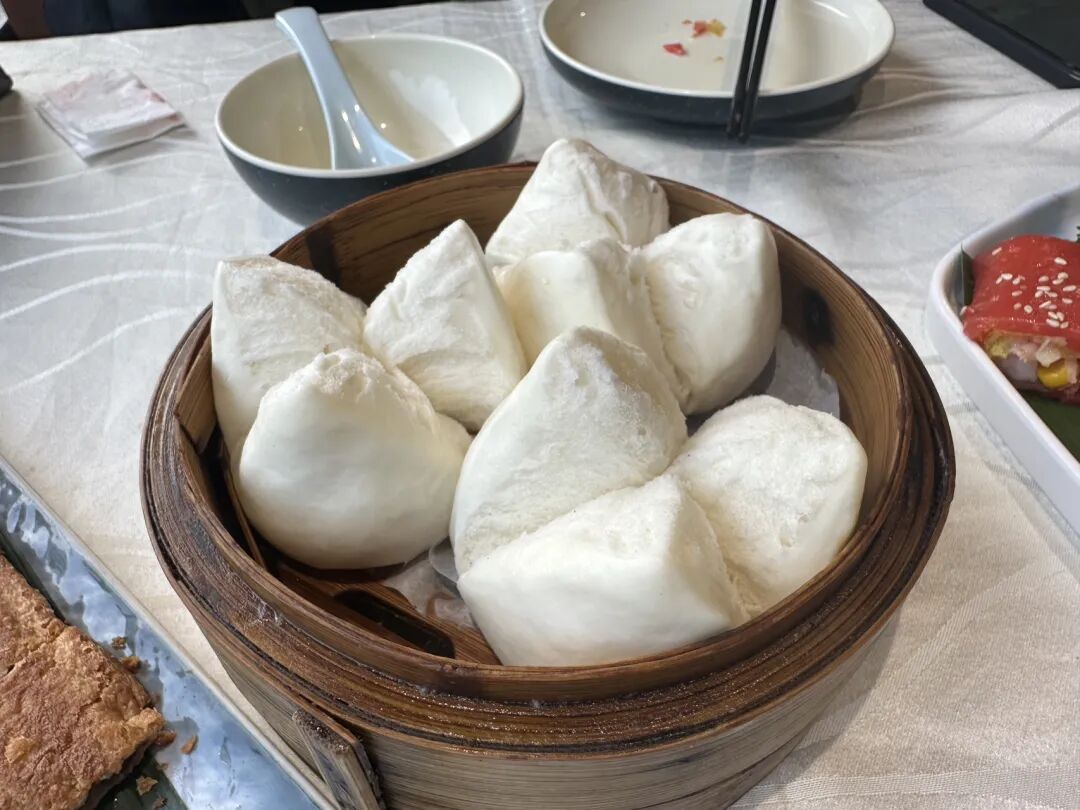
We ordered Pu-erh tea, chicken char siu bao (barbecue chicken buns), crispy red rice noodle rolls, cilantro and beef rice noodle rolls, niurou wan (juicily handmade beef meatballs), sugarcane water water chestnut cake, pan-fried red bean cakes, and salted chicken and dried oyster shredded radish congee. Their portions are way bigger than the ones at Guangzhou Huimin Restaurant and Hong Kong's Ai Qun Centre. Based on our past experience, we ended up over-ordering and were stuffed.
Their stir-fried beef rice noodles were delicious, and the rice noodle rolls had a great texture—you could just slurp them right down, unlike the ones at Hong Kong's Ai Qun which are a bit on the hard side. The savory congee tasted good too; having congee in the morning hits the spot. The red bean cakes were nice and crispy, which was solid. The filling in the char siu bao was way too small though, much worse than the ones at Huimin Restaurant, and the radish cake was on the oily side—Ai Qun Building still does a better job with that. view all
Summary: This article explores "Guangzhou Xiaobei's Night and Day: Moroccan Cuisine and Cantonese Morning Tea," perfect for readers interested in Muslim life, halal info, Islamic culture, and Chinese web content.
Guangzhou Xiaobei's Night and Day: Moroccan Cuisine and Cantonese Morning Tea
On the first day of the National Day holiday, I arrived in Guangzhou at night, hopped on the subway straight to Taojin near Xiaobei to grab some Moroccan food, and ordered a lamb tagine, avocado and shrimp salad, and Moroccan mint tea. They have chair seating, floor seating, and outdoor areas. The floor seating area has the best vibe, though the shisha smoking at night was a bit harsh on the lungs.
The tagine was super authentic—the lamb was tender and fall-apart, and the pot was quite deep with a generous portion of meat. The large flatbread served with it was fluffy and light, and soaking it in the meat juices was amazing. The iced mint tea was also great; the Magreb region is literally filled with people drinking mint tea everywhere, especially sitting on the street sipping tea and chatting. It’s too bad their salad used Thousand Island dressing though—how can a legit Middle Eastern spot use Thousand Island? Total laziness.
After eating, I took a night stroll around Xiaobei and grabbed some authentic yogurt shaved ice on Baohan Direct Street.
It feels like the number of Africans coming to Xiaobei for trade has bounced back to pre-2020 levels. At 10 PM, the place was brightly lit and buzzing with bustling crowds, plus a ton of new African restaurants have popped up on the streets. By comparison, Guangzhou's Xiaobei seems to attract more African expats, whereas Yiwu has way more Arabs and Turks.
The next morning, I went for zaocha / yum cha (Cantonese morning tea / dim sum) at Yishanggong in Xiaobei. They open as early as 7 AM, but since Xiaobei is an expat neighborhood where people rarely wake up early, breakfast at the foreign-owned spots around here usually doesn't start until 10 or 11 AM.
Yishanggong is Guangzhou's third halal Cantonese dim sum spot. The owner is a Hui Muslim from Tianshui, Gansu. At night they serve Korean BBQ and hot pot, but during the day they hire local Cantonese chefs to make dim sum. Their ingredients are more reliable than standard Huimin Restaurant (Muslim restaurant), making it a worry-free eat.
We ordered Pu-erh tea, chicken char siu bao (barbecue chicken buns), crispy red rice noodle rolls, cilantro and beef rice noodle rolls, niurou wan (juicily handmade beef meatballs), sugarcane water water chestnut cake, pan-fried red bean cakes, and salted chicken and dried oyster shredded radish congee. Their portions are way bigger than the ones at Guangzhou Huimin Restaurant and Hong Kong's Ai Qun Centre. Based on our past experience, we ended up over-ordering and were stuffed.
Their stir-fried beef rice noodles were delicious, and the rice noodle rolls had a great texture—you could just slurp them right down, unlike the ones at Hong Kong's Ai Qun which are a bit on the hard side. The savory congee tasted good too; having congee in the morning hits the spot. The red bean cakes were nice and crispy, which was solid. The filling in the char siu bao was way too small though, much worse than the ones at Huimin Restaurant, and the radish cake was on the oily side—Ai Qun Building still does a better job with that. view all
[Internet Repost]
Summary: This article explores "Guangzhou Xiaobei's Night and Day: Moroccan Cuisine and Cantonese Morning Tea," perfect for readers interested in Muslim life, halal info, Islamic culture, and Chinese web content.
Guangzhou Xiaobei's Night and Day: Moroccan Cuisine and Cantonese Morning Tea
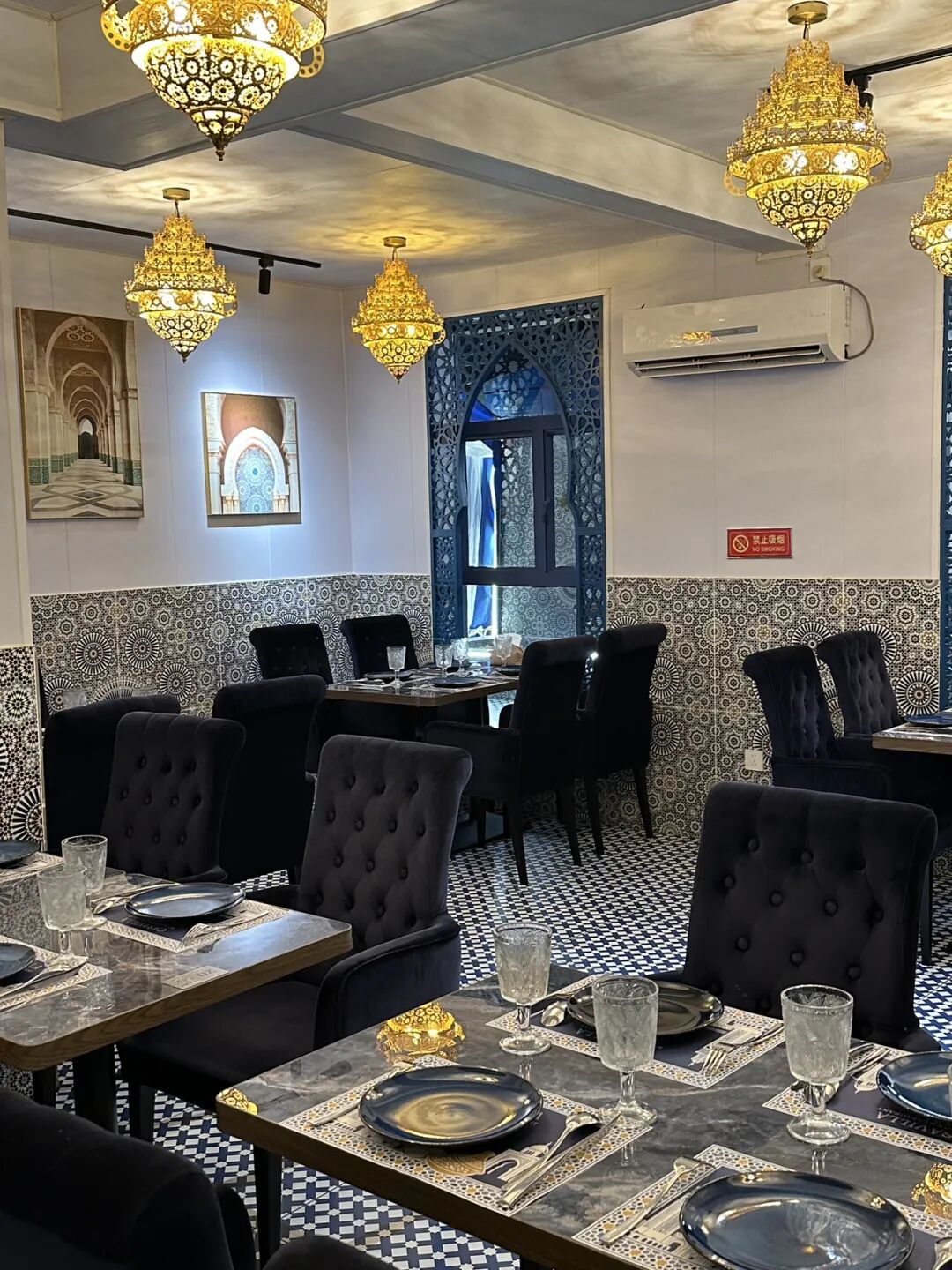
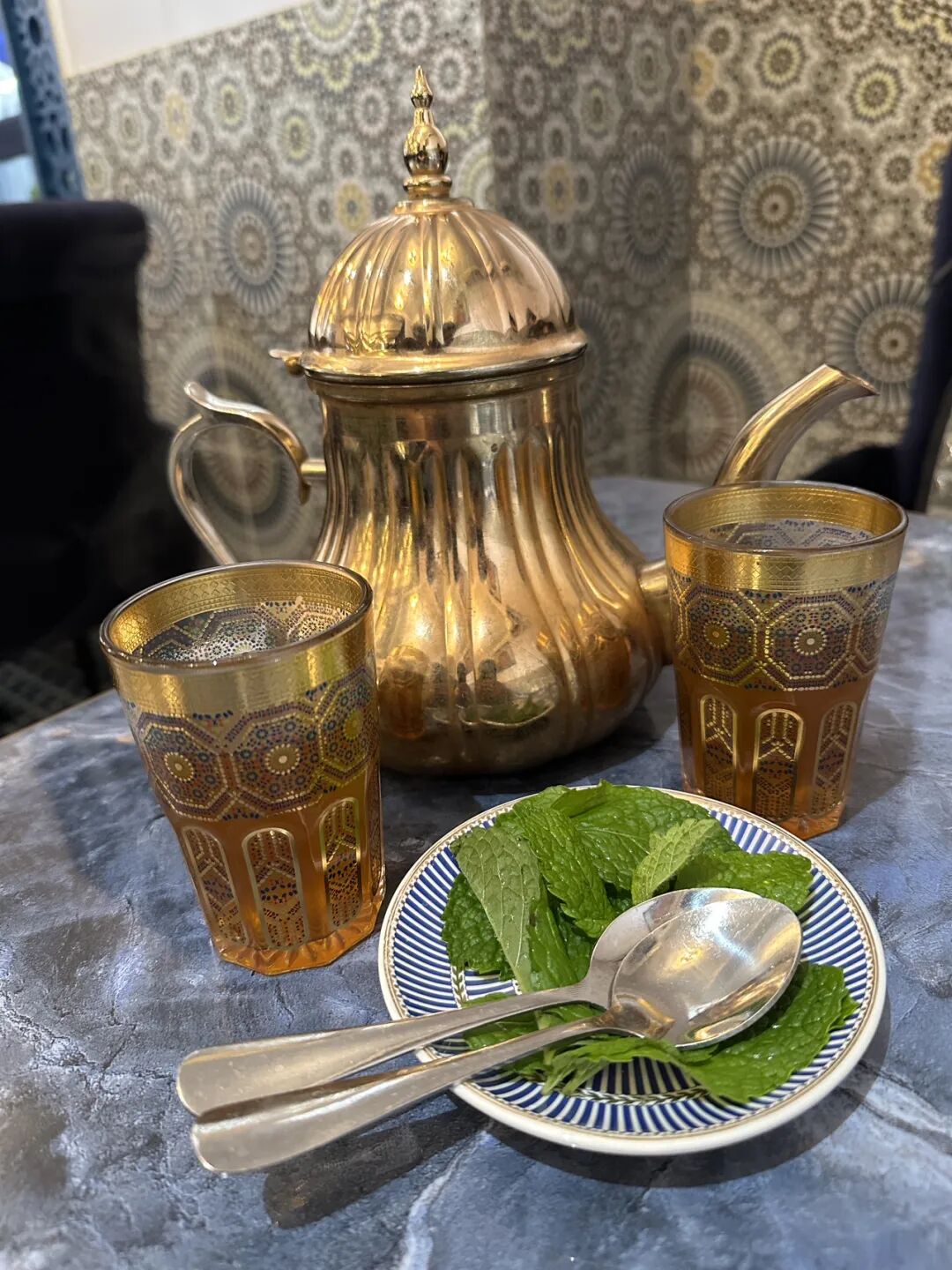
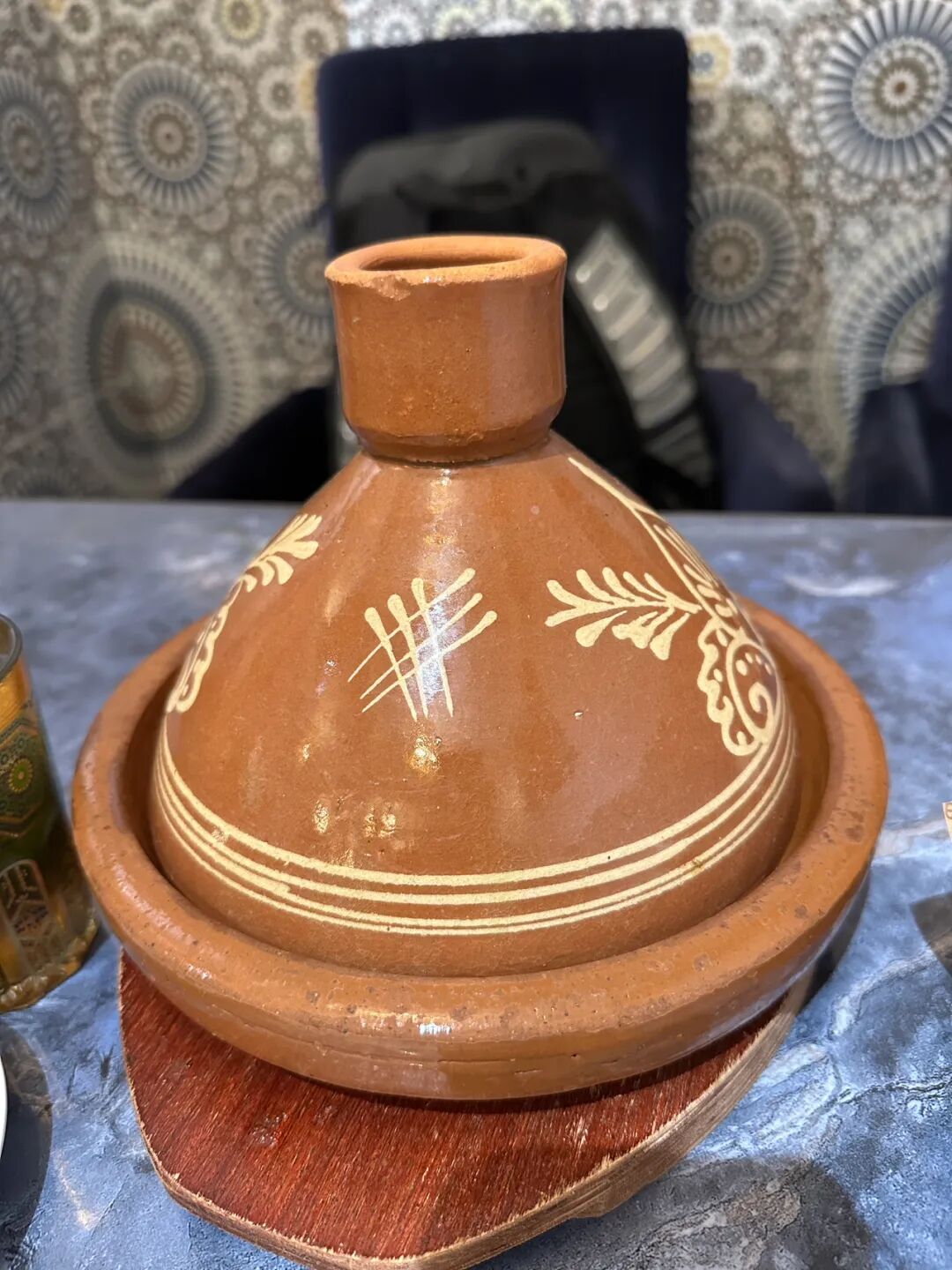
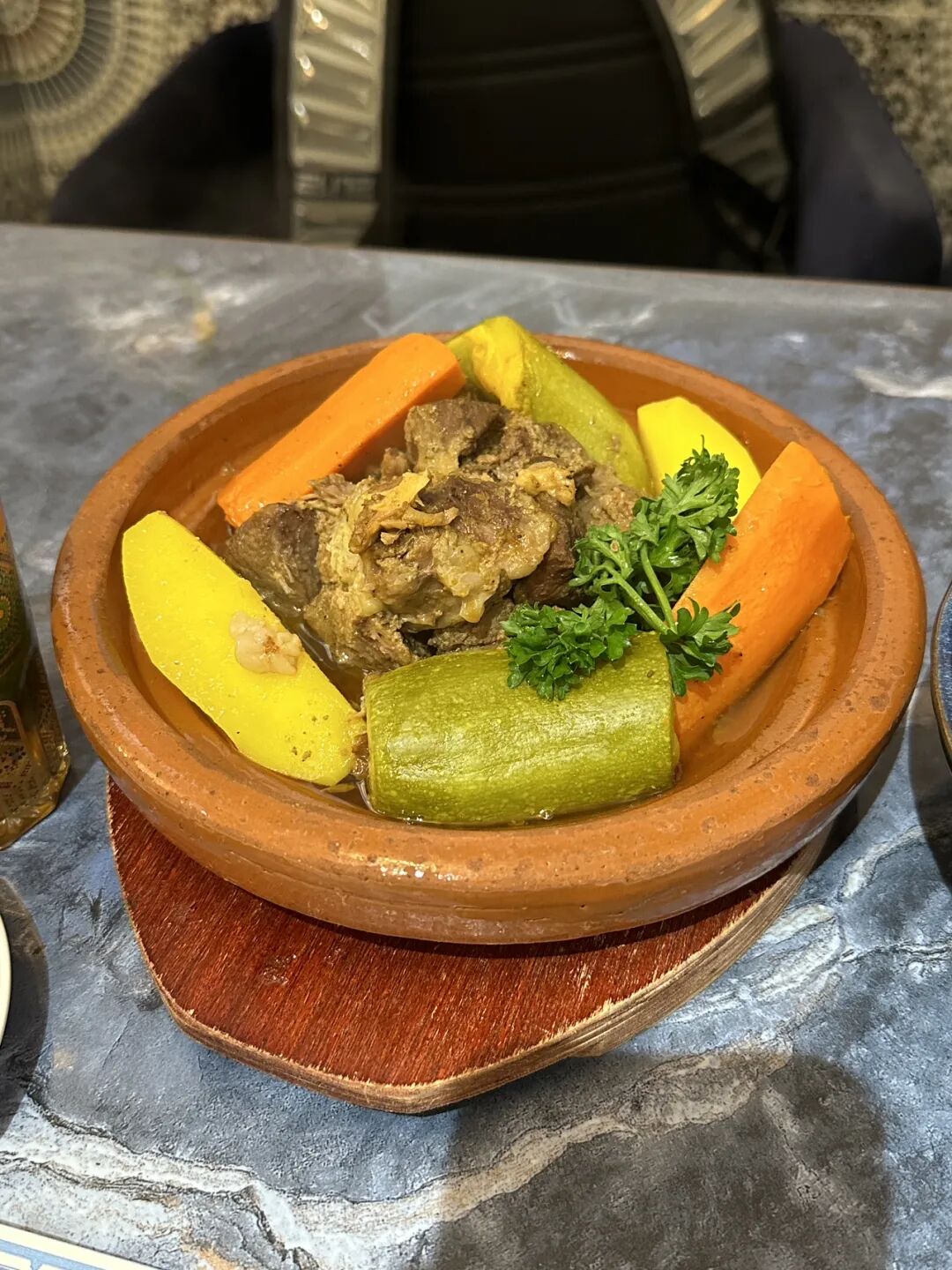
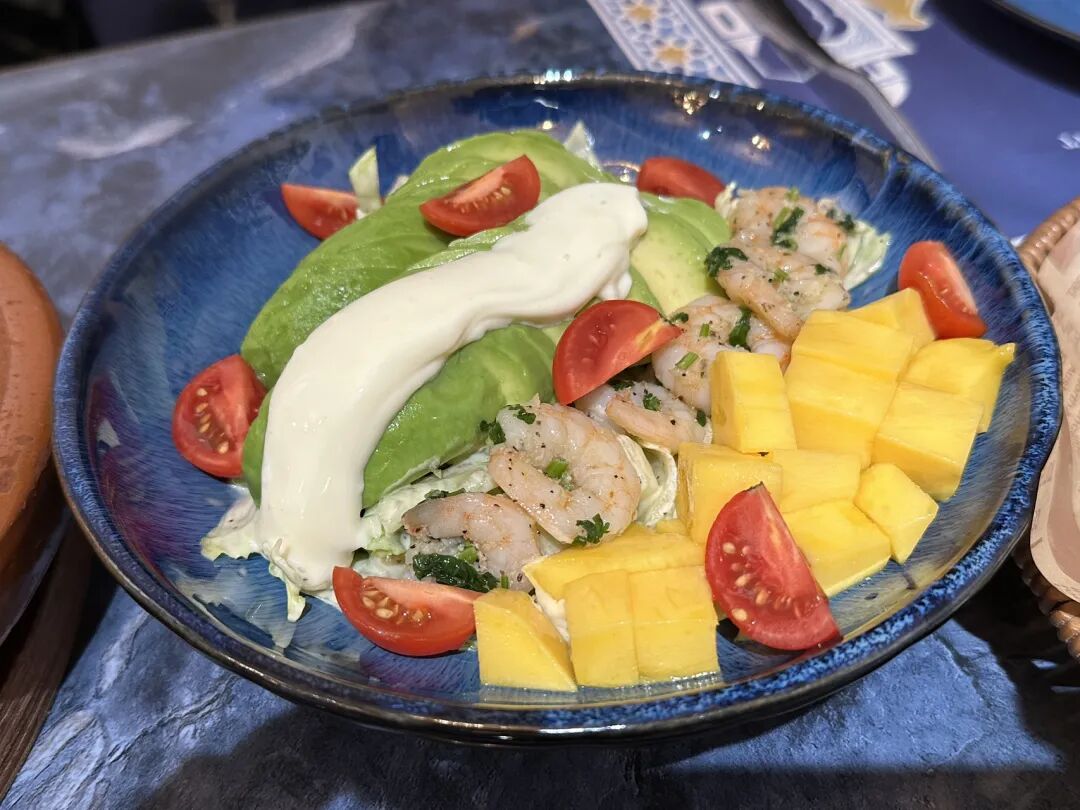
On the first day of the National Day holiday, I arrived in Guangzhou at night, hopped on the subway straight to Taojin near Xiaobei to grab some Moroccan food, and ordered a lamb tagine, avocado and shrimp salad, and Moroccan mint tea. They have chair seating, floor seating, and outdoor areas. The floor seating area has the best vibe, though the shisha smoking at night was a bit harsh on the lungs.
The tagine was super authentic—the lamb was tender and fall-apart, and the pot was quite deep with a generous portion of meat. The large flatbread served with it was fluffy and light, and soaking it in the meat juices was amazing. The iced mint tea was also great; the Magreb region is literally filled with people drinking mint tea everywhere, especially sitting on the street sipping tea and chatting. It’s too bad their salad used Thousand Island dressing though—how can a legit Middle Eastern spot use Thousand Island? Total laziness.
After eating, I took a night stroll around Xiaobei and grabbed some authentic yogurt shaved ice on Baohan Direct Street.
It feels like the number of Africans coming to Xiaobei for trade has bounced back to pre-2020 levels. At 10 PM, the place was brightly lit and buzzing with bustling crowds, plus a ton of new African restaurants have popped up on the streets. By comparison, Guangzhou's Xiaobei seems to attract more African expats, whereas Yiwu has way more Arabs and Turks.
The next morning, I went for zaocha / yum cha (Cantonese morning tea / dim sum) at Yishanggong in Xiaobei. They open as early as 7 AM, but since Xiaobei is an expat neighborhood where people rarely wake up early, breakfast at the foreign-owned spots around here usually doesn't start until 10 or 11 AM.
Yishanggong is Guangzhou's third halal Cantonese dim sum spot. The owner is a Hui Muslim from Tianshui, Gansu. At night they serve Korean BBQ and hot pot, but during the day they hire local Cantonese chefs to make dim sum. Their ingredients are more reliable than standard Huimin Restaurant (Muslim restaurant), making it a worry-free eat.
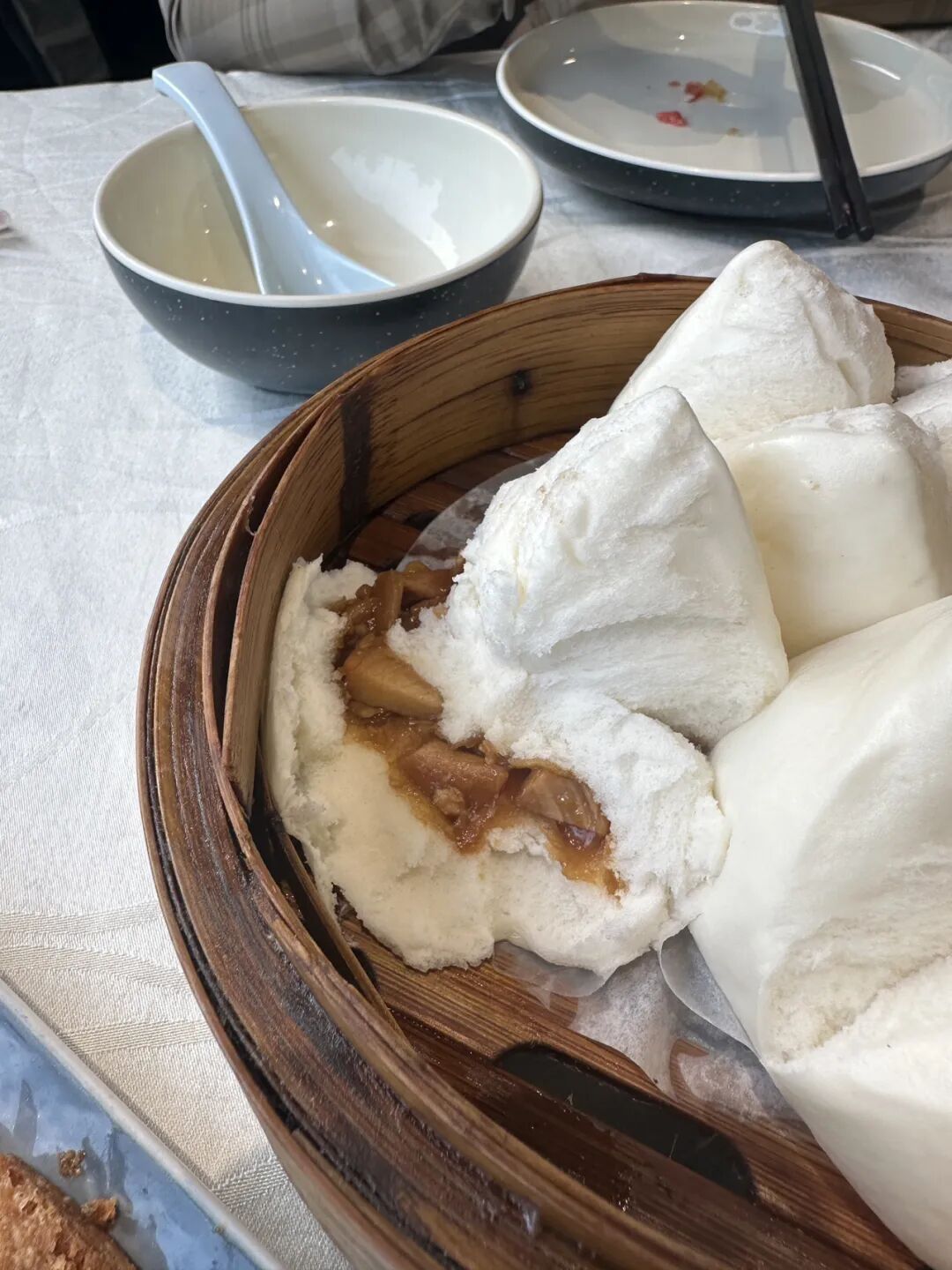
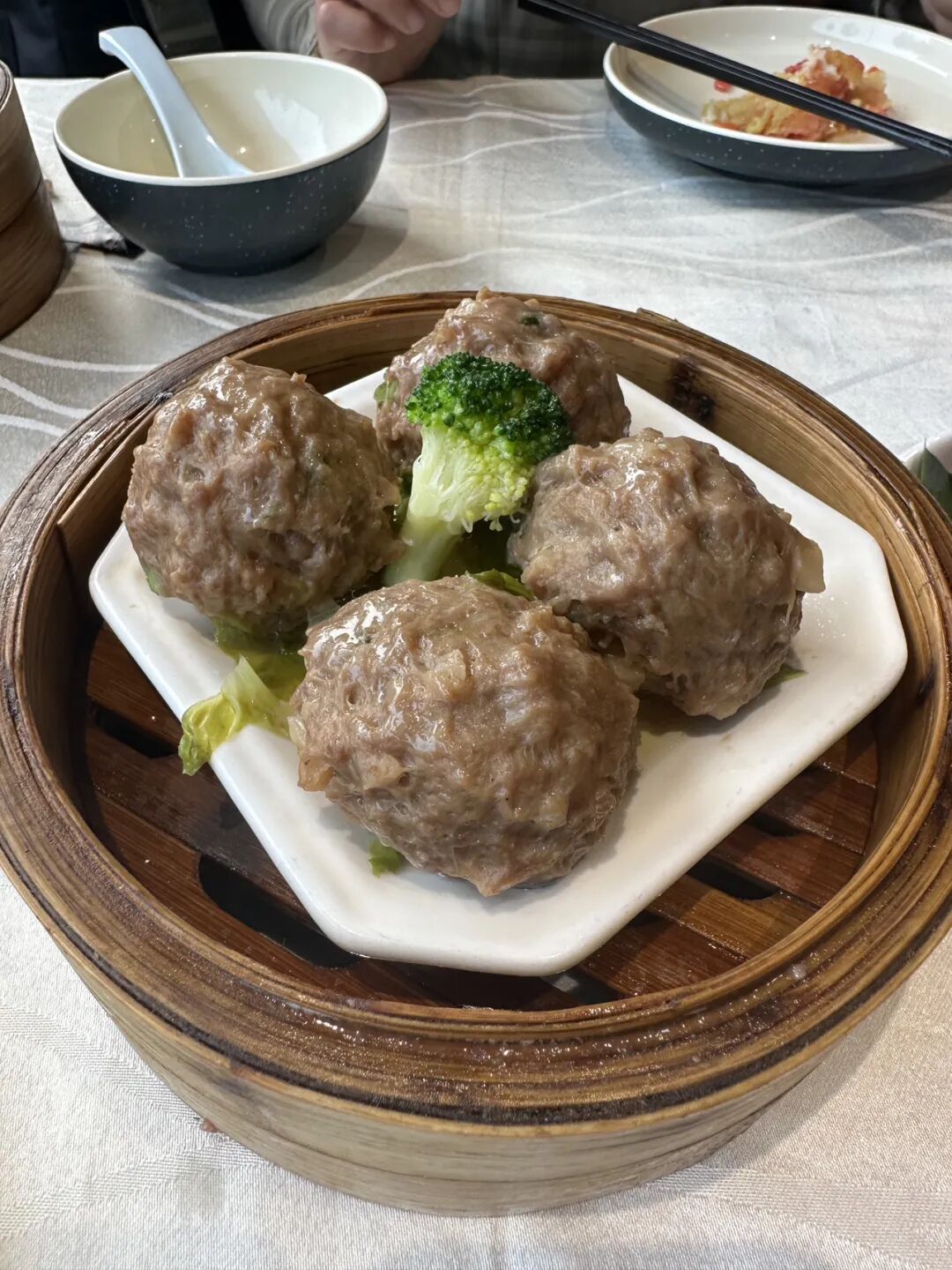
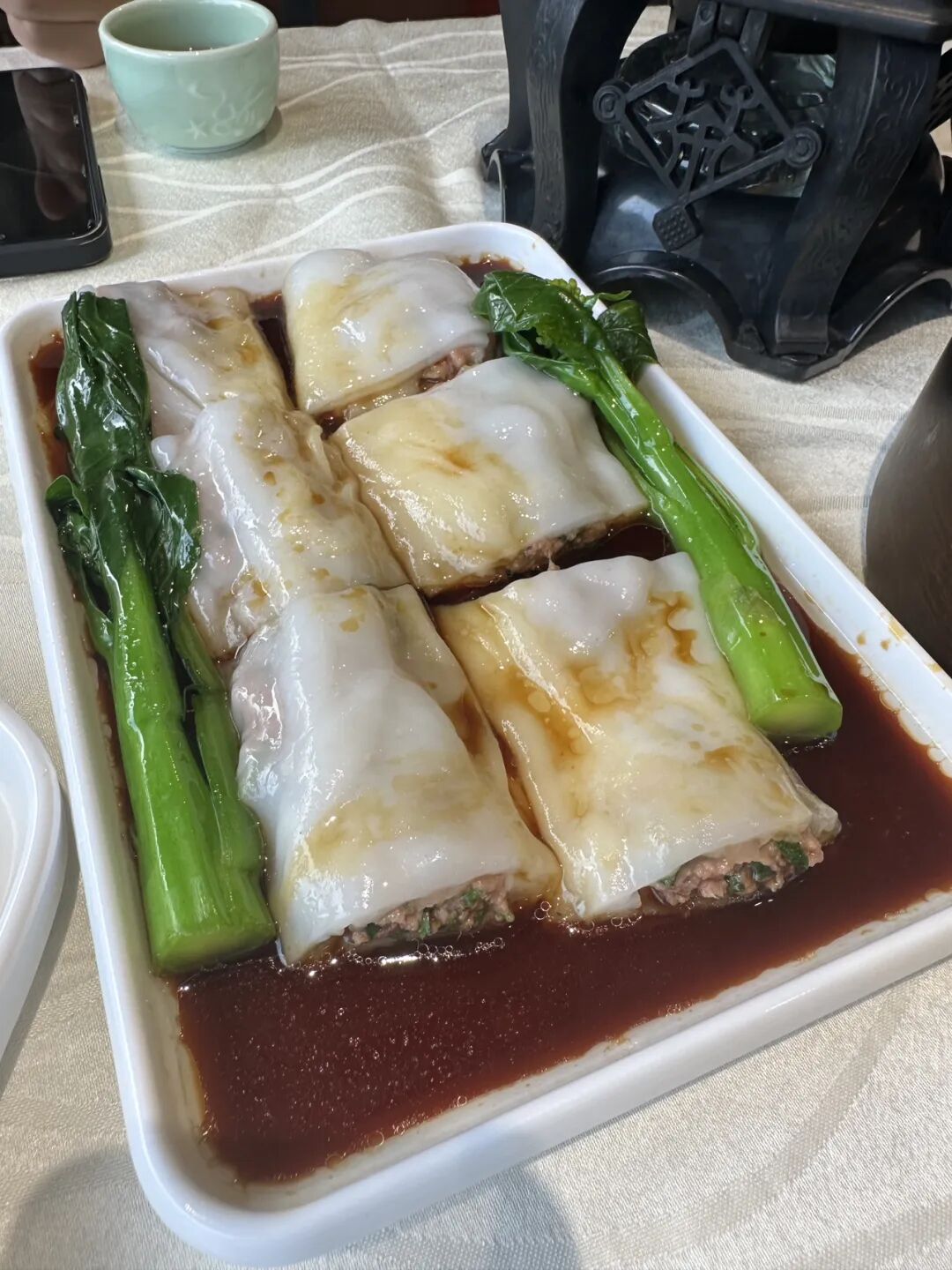
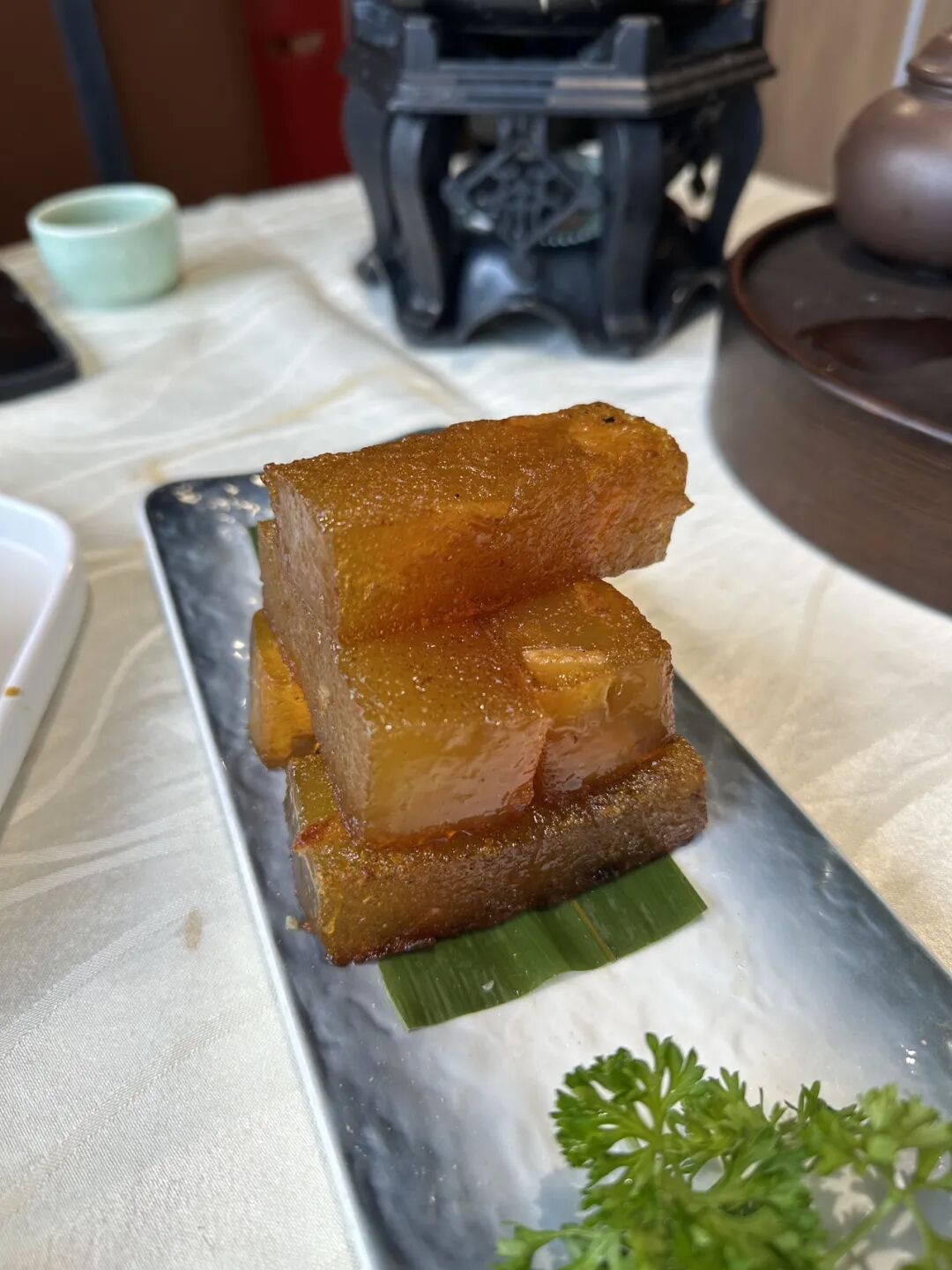
We ordered Pu-erh tea, chicken char siu bao (barbecue chicken buns), crispy red rice noodle rolls, cilantro and beef rice noodle rolls, niurou wan (juicily handmade beef meatballs), sugarcane water water chestnut cake, pan-fried red bean cakes, and salted chicken and dried oyster shredded radish congee. Their portions are way bigger than the ones at Guangzhou Huimin Restaurant and Hong Kong's Ai Qun Centre. Based on our past experience, we ended up over-ordering and were stuffed.
Their stir-fried beef rice noodles were delicious, and the rice noodle rolls had a great texture—you could just slurp them right down, unlike the ones at Hong Kong's Ai Qun which are a bit on the hard side. The savory congee tasted good too; having congee in the morning hits the spot. The red bean cakes were nice and crispy, which was solid. The filling in the char siu bao was way too small though, much worse than the ones at Huimin Restaurant, and the radish cake was on the oily side—Ai Qun Building still does a better job with that.
Summary: This article explores "Guangzhou Xiaobei's Night and Day: Moroccan Cuisine and Cantonese Morning Tea," perfect for readers interested in Muslim life, halal info, Islamic culture, and Chinese web content.
Guangzhou Xiaobei's Night and Day: Moroccan Cuisine and Cantonese Morning Tea
On the first day of the National Day holiday, I arrived in Guangzhou at night, hopped on the subway straight to Taojin near Xiaobei to grab some Moroccan food, and ordered a lamb tagine, avocado and shrimp salad, and Moroccan mint tea. They have chair seating, floor seating, and outdoor areas. The floor seating area has the best vibe, though the shisha smoking at night was a bit harsh on the lungs.
The tagine was super authentic—the lamb was tender and fall-apart, and the pot was quite deep with a generous portion of meat. The large flatbread served with it was fluffy and light, and soaking it in the meat juices was amazing. The iced mint tea was also great; the Magreb region is literally filled with people drinking mint tea everywhere, especially sitting on the street sipping tea and chatting. It’s too bad their salad used Thousand Island dressing though—how can a legit Middle Eastern spot use Thousand Island? Total laziness.
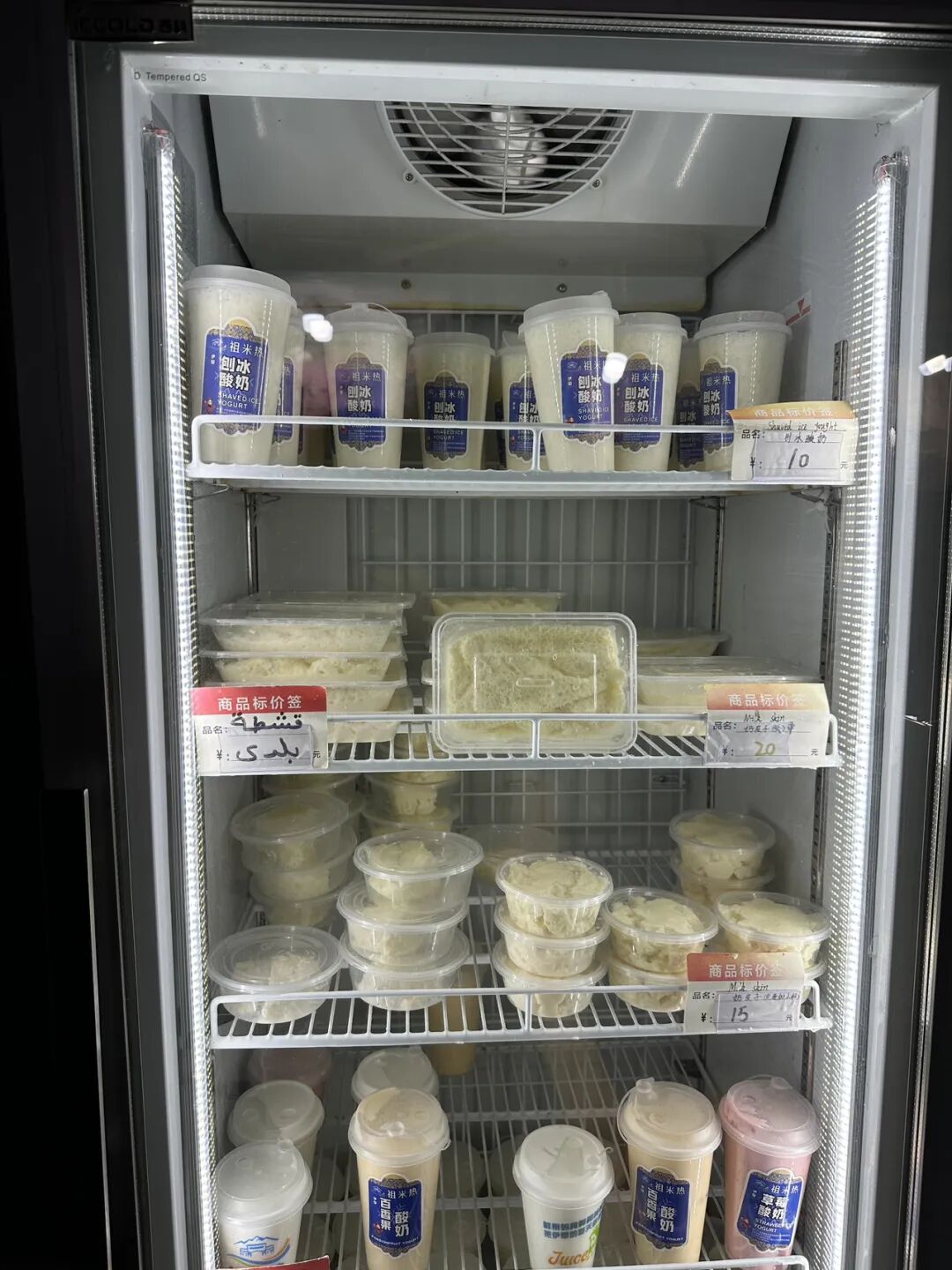
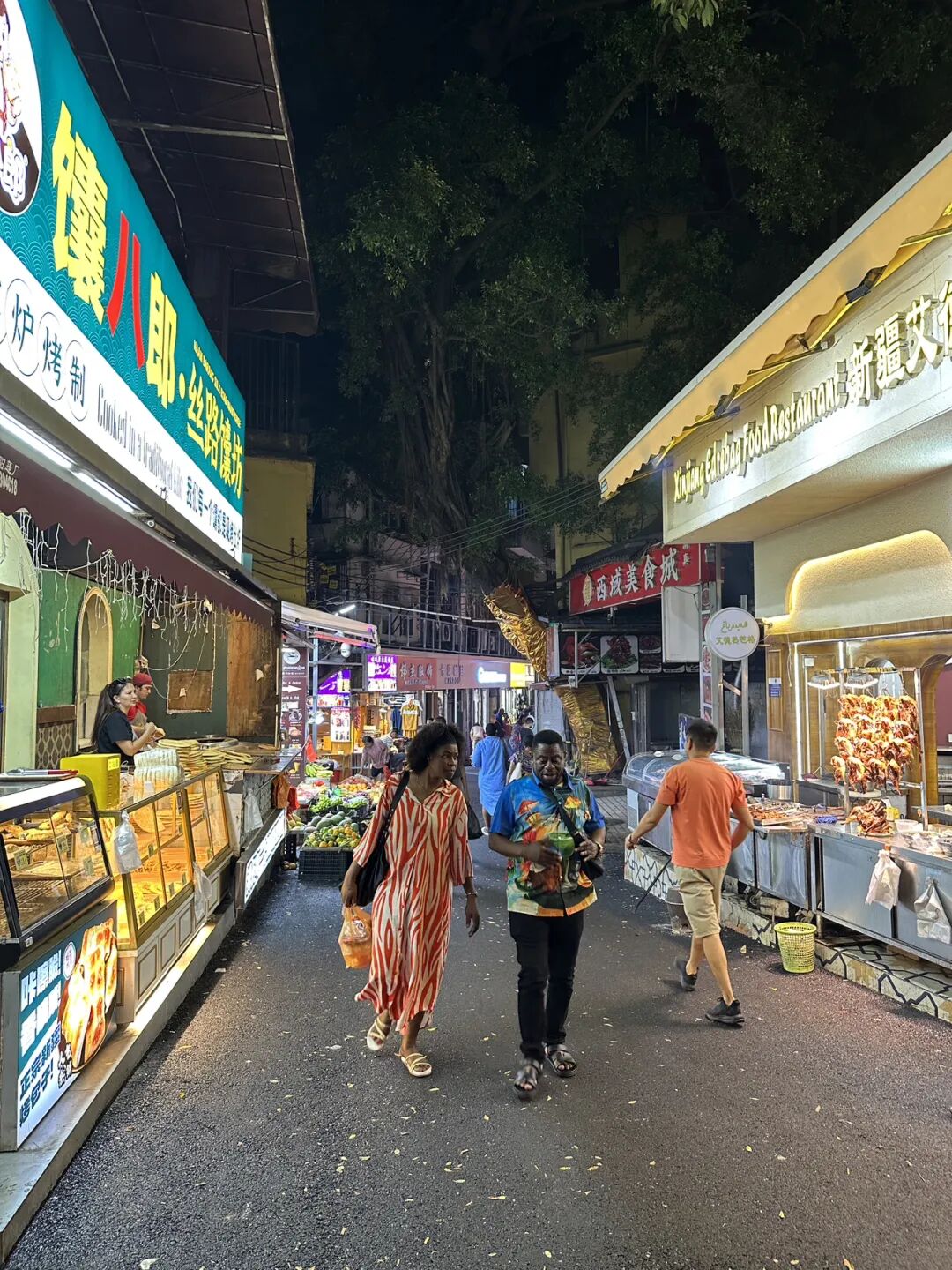
After eating, I took a night stroll around Xiaobei and grabbed some authentic yogurt shaved ice on Baohan Direct Street.
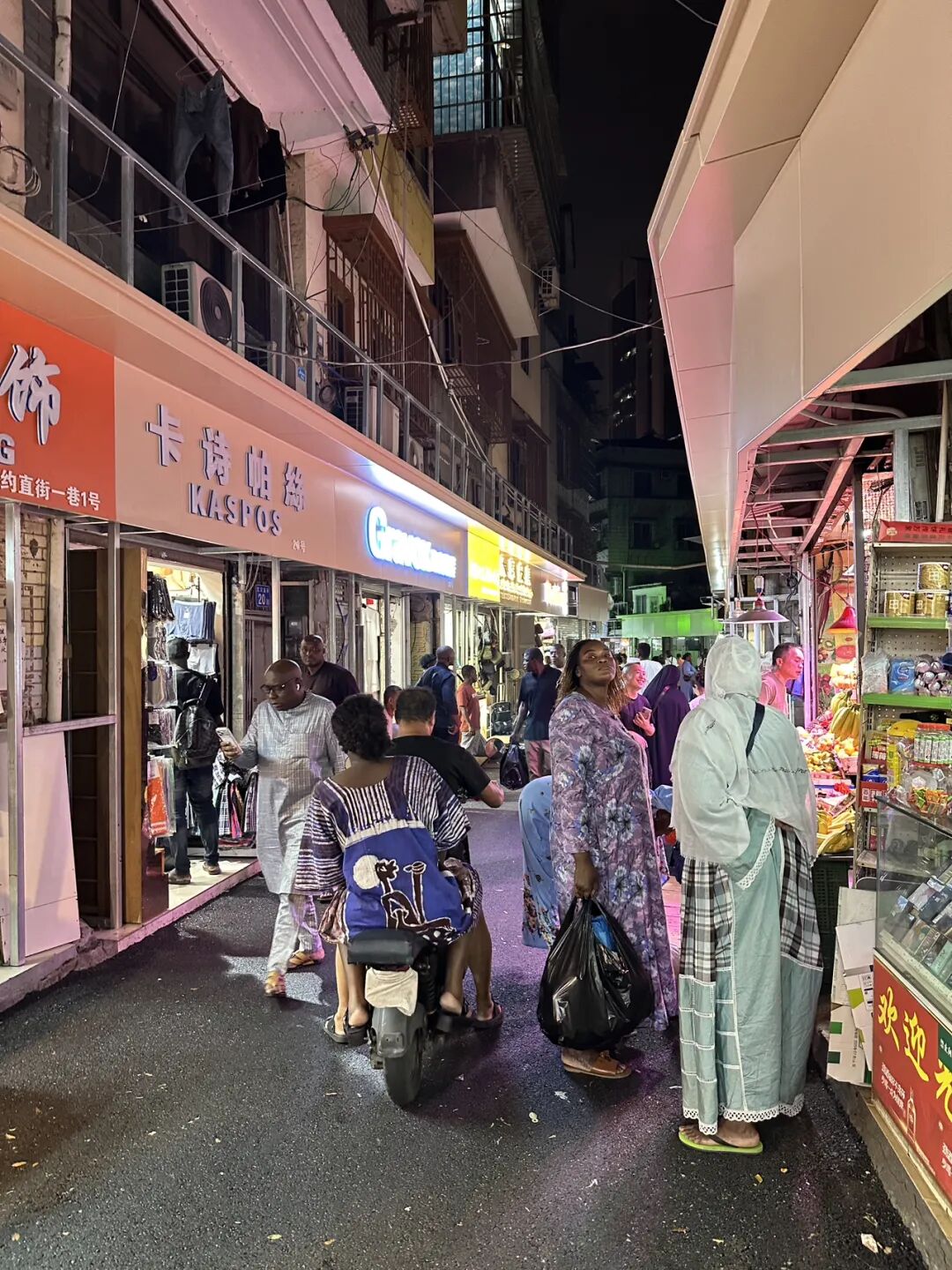
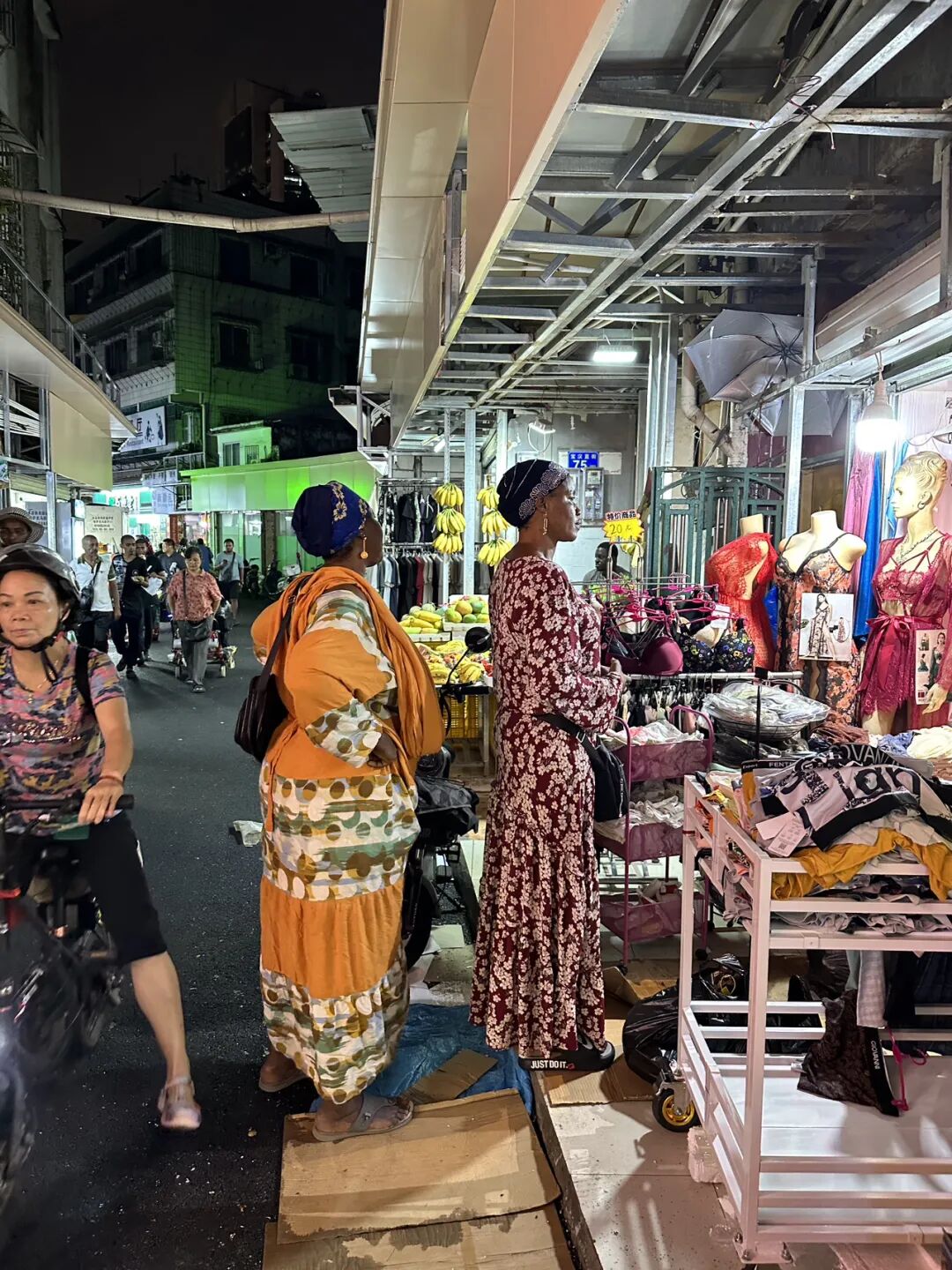
It feels like the number of Africans coming to Xiaobei for trade has bounced back to pre-2020 levels. At 10 PM, the place was brightly lit and buzzing with bustling crowds, plus a ton of new African restaurants have popped up on the streets. By comparison, Guangzhou's Xiaobei seems to attract more African expats, whereas Yiwu has way more Arabs and Turks.
The next morning, I went for zaocha / yum cha (Cantonese morning tea / dim sum) at Yishanggong in Xiaobei. They open as early as 7 AM, but since Xiaobei is an expat neighborhood where people rarely wake up early, breakfast at the foreign-owned spots around here usually doesn't start until 10 or 11 AM.
Yishanggong is Guangzhou's third halal Cantonese dim sum spot. The owner is a Hui Muslim from Tianshui, Gansu. At night they serve Korean BBQ and hot pot, but during the day they hire local Cantonese chefs to make dim sum. Their ingredients are more reliable than standard Huimin Restaurant (Muslim restaurant), making it a worry-free eat.
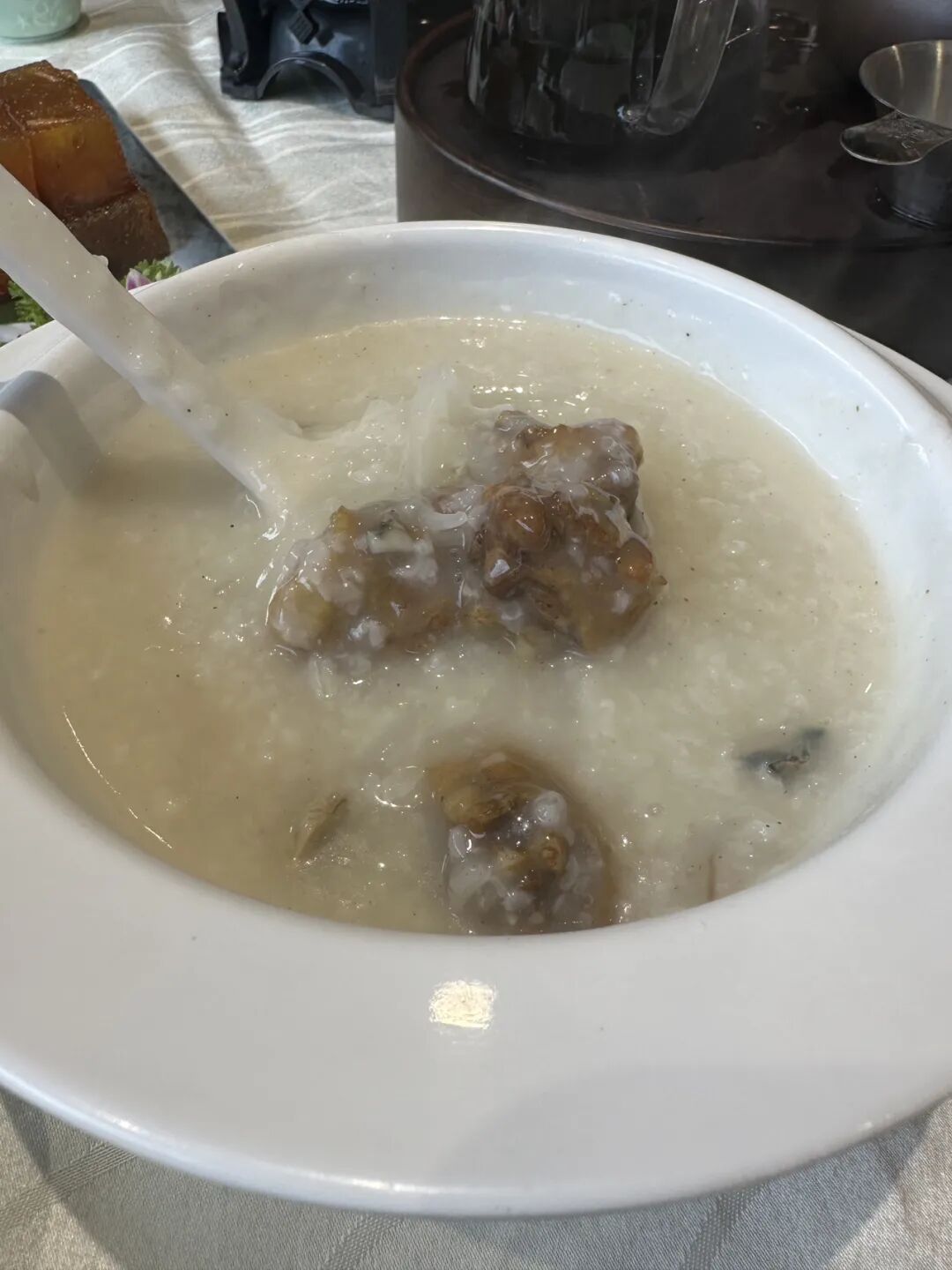
We ordered Pu-erh tea, chicken char siu bao (barbecue chicken buns), crispy red rice noodle rolls, cilantro and beef rice noodle rolls, niurou wan (juicily handmade beef meatballs), sugarcane water water chestnut cake, pan-fried red bean cakes, and salted chicken and dried oyster shredded radish congee. Their portions are way bigger than the ones at Guangzhou Huimin Restaurant and Hong Kong's Ai Qun Centre. Based on our past experience, we ended up over-ordering and were stuffed.
Their stir-fried beef rice noodles were delicious, and the rice noodle rolls had a great texture—you could just slurp them right down, unlike the ones at Hong Kong's Ai Qun which are a bit on the hard side. The savory congee tasted good too; having congee in the morning hits the spot. The red bean cakes were nice and crispy, which was solid. The filling in the char siu bao was way too small though, much worse than the ones at Huimin Restaurant, and the radish cake was on the oily side—Ai Qun Building still does a better job with that.
Best Halal Food Kuala Lumpur: Din Tai Fung Soup Dumplings, Taco Bell and Makan Buffet
Articles • yusuf908 posted the article • 0 comments • 275 views • 2026-05-22 22:52
Reposted from the web
Summary: This Kuala Lumpur halal food guide continues with Taco Bell, Din Tai Fung pork-free and halal notes, soup dumplings, Makan Malay, Indian, and Chinese buffet counters, and practical dining impressions from Malaysia.
Kuala Lumpur Halal Food Map is presented here as a firsthand travel account in clear English, beginning with this scene: We ordered a big table of food for three people, costing 171.2 RM, which is over 200 RMB. In terms of value for money, Canton Boy is the better choice. The account keeps its focus on Halal Travel, Yiwu Food, Beijing while preserving the names, places, food, and historical details from the Chinese source.
We ordered a big table of food for three people, costing 171.2 RM, which is over 200 RMB. In terms of value for money, Canton Boy is the better choice.
14. Taco Bell
This is a Mexican fast-food chain. A taco is a common North American snack made of a corn tortilla filled with various ingredients. I ate here because you rarely see a purely halal taco shop back home in China. In Beijing, you can only find tacos at a few Arab restaurants.
15. Din Tai Fung
Din Tai Fung started in Taiwan and specializes in Taiwanese snacks. It is actually more famous overseas than in Taiwan. There are Din Tai Fung locations in Beijing, but I have only seen halal versions in Dubai, Indonesia, and Malaysia. Not every Din Tai Fung in Malaysia is halal. You have to look for shops that say 'no pork.' These shops might still sell alcohol. Many Malaysians do not mind if a restaurant sells alcohol, but such restaurants will not receive halal certification. In Malaysia, halal certification is only given to restaurants that do not serve alcohol.
Din Tai Fung is very busy, and you often have to wait in line for a table, but it is worth it. Their crab roe soup dumplings (tangbao) are truly the best I have ever eaten.
We wanted more of the soup dumplings, so we ordered another steamer basket.
Our lunch for two cost 129.5 RM, which is less than 200 RMB.
16. MAKAN Malay, Indian, and Chinese Buffet Restaurant
If you want to eat authentic Malay food in Malaysia, I recommend this buffet restaurant located on the 11th floor of the Hilton Hotel in Intermark Mall.
This restaurant is ranked number one on the TripAdvisor app, and the buffet price is 85 RM per person. There are three options, as shown on the sign in the picture. This restaurant has three kitchens: one for Malay style, one for Indian style, and one for Chinese food. All three, including the Chinese one, are halal.
You can freely choose a buffet from any of these styles, but we tried all three.
At 85 Malaysian Ringgit per person, this buffet is considered quite expensive in Kuala Lumpur. Even so, the restaurant is packed, and many office workers from nearby come here for lunch. After eating, I felt that the tastes of us Chinese people are different from those of the Malay people. The popular restaurants that are hits in Malaysia all tasted average to me. I can only say that Malay people are not very particular about food, but overall, the standard of halal dining in Kuala Lumpur is still world-leading. view all
Summary: This Kuala Lumpur halal food guide continues with Taco Bell, Din Tai Fung pork-free and halal notes, soup dumplings, Makan Malay, Indian, and Chinese buffet counters, and practical dining impressions from Malaysia.
Kuala Lumpur Halal Food Map is presented here as a firsthand travel account in clear English, beginning with this scene: We ordered a big table of food for three people, costing 171.2 RM, which is over 200 RMB. In terms of value for money, Canton Boy is the better choice. The account keeps its focus on Halal Travel, Yiwu Food, Beijing while preserving the names, places, food, and historical details from the Chinese source.
We ordered a big table of food for three people, costing 171.2 RM, which is over 200 RMB. In terms of value for money, Canton Boy is the better choice.
14. Taco Bell
This is a Mexican fast-food chain. A taco is a common North American snack made of a corn tortilla filled with various ingredients. I ate here because you rarely see a purely halal taco shop back home in China. In Beijing, you can only find tacos at a few Arab restaurants.
15. Din Tai Fung
Din Tai Fung started in Taiwan and specializes in Taiwanese snacks. It is actually more famous overseas than in Taiwan. There are Din Tai Fung locations in Beijing, but I have only seen halal versions in Dubai, Indonesia, and Malaysia. Not every Din Tai Fung in Malaysia is halal. You have to look for shops that say 'no pork.' These shops might still sell alcohol. Many Malaysians do not mind if a restaurant sells alcohol, but such restaurants will not receive halal certification. In Malaysia, halal certification is only given to restaurants that do not serve alcohol.
Din Tai Fung is very busy, and you often have to wait in line for a table, but it is worth it. Their crab roe soup dumplings (tangbao) are truly the best I have ever eaten.
We wanted more of the soup dumplings, so we ordered another steamer basket.
Our lunch for two cost 129.5 RM, which is less than 200 RMB.
16. MAKAN Malay, Indian, and Chinese Buffet Restaurant
If you want to eat authentic Malay food in Malaysia, I recommend this buffet restaurant located on the 11th floor of the Hilton Hotel in Intermark Mall.
This restaurant is ranked number one on the TripAdvisor app, and the buffet price is 85 RM per person. There are three options, as shown on the sign in the picture. This restaurant has three kitchens: one for Malay style, one for Indian style, and one for Chinese food. All three, including the Chinese one, are halal.
You can freely choose a buffet from any of these styles, but we tried all three.
At 85 Malaysian Ringgit per person, this buffet is considered quite expensive in Kuala Lumpur. Even so, the restaurant is packed, and many office workers from nearby come here for lunch. After eating, I felt that the tastes of us Chinese people are different from those of the Malay people. The popular restaurants that are hits in Malaysia all tasted average to me. I can only say that Malay people are not very particular about food, but overall, the standard of halal dining in Kuala Lumpur is still world-leading. view all
Reposted from the web
Summary: This Kuala Lumpur halal food guide continues with Taco Bell, Din Tai Fung pork-free and halal notes, soup dumplings, Makan Malay, Indian, and Chinese buffet counters, and practical dining impressions from Malaysia.
Kuala Lumpur Halal Food Map is presented here as a firsthand travel account in clear English, beginning with this scene: We ordered a big table of food for three people, costing 171.2 RM, which is over 200 RMB. In terms of value for money, Canton Boy is the better choice. The account keeps its focus on Halal Travel, Yiwu Food, Beijing while preserving the names, places, food, and historical details from the Chinese source.
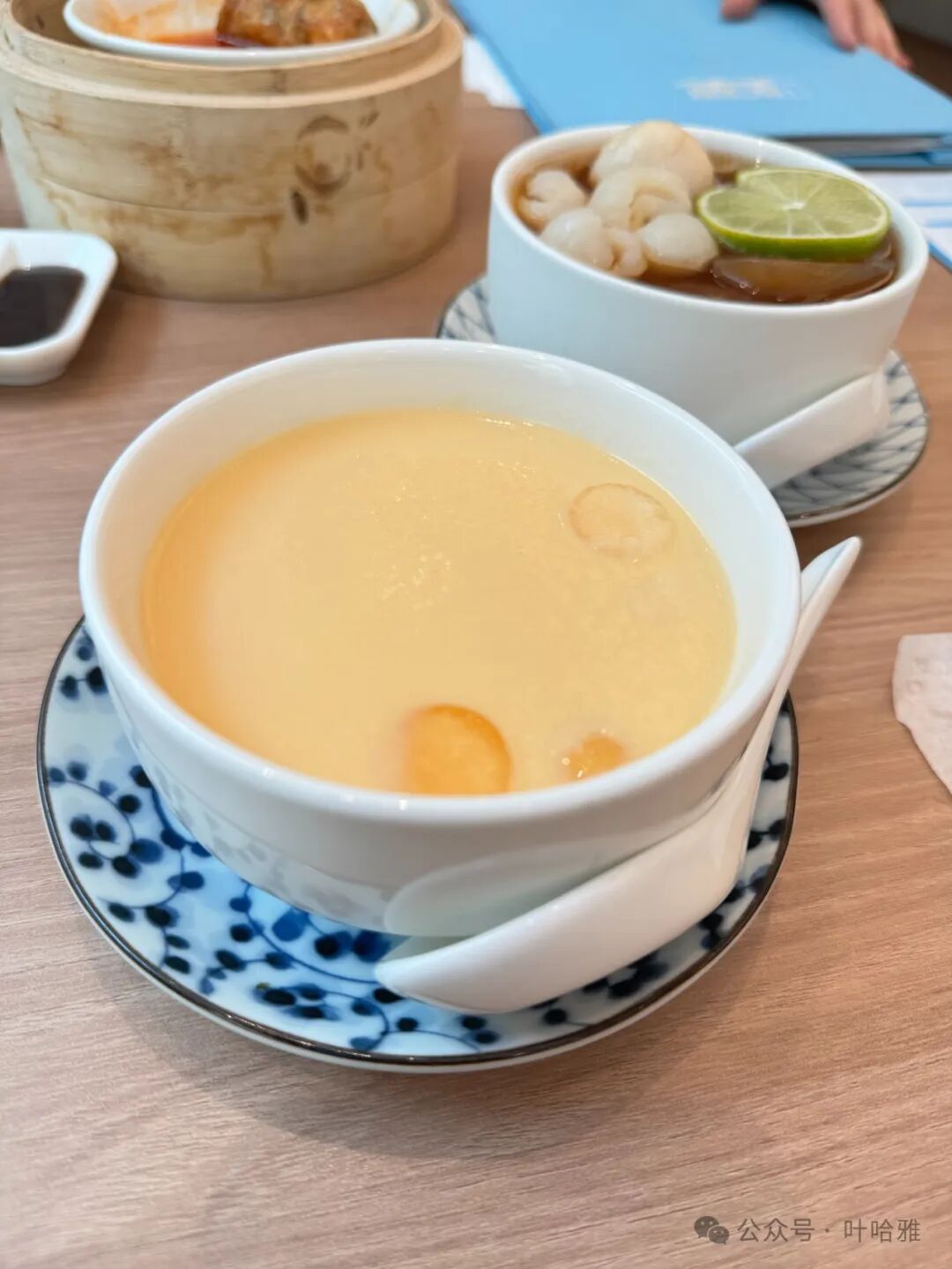
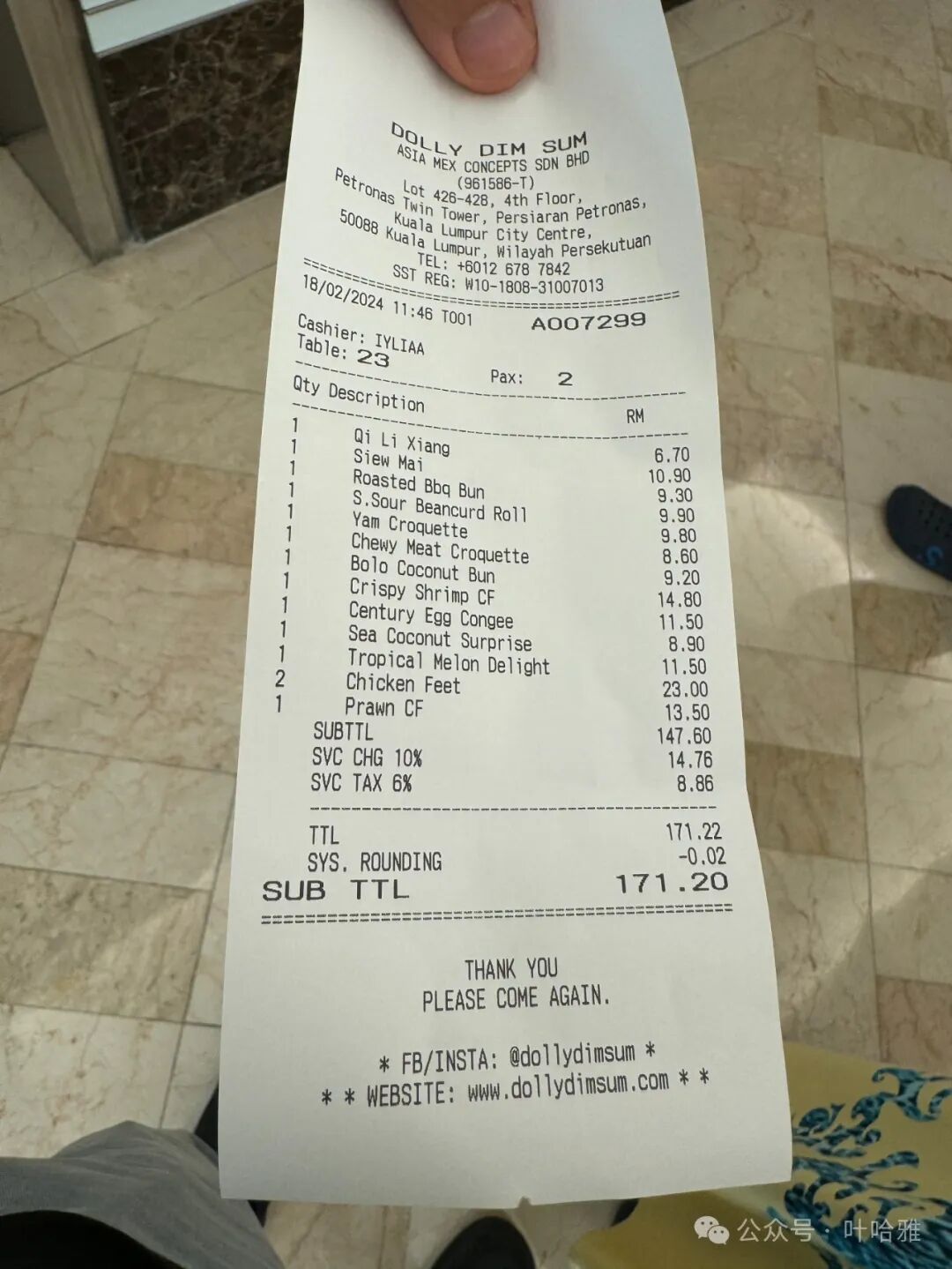
We ordered a big table of food for three people, costing 171.2 RM, which is over 200 RMB. In terms of value for money, Canton Boy is the better choice.
14. Taco Bell
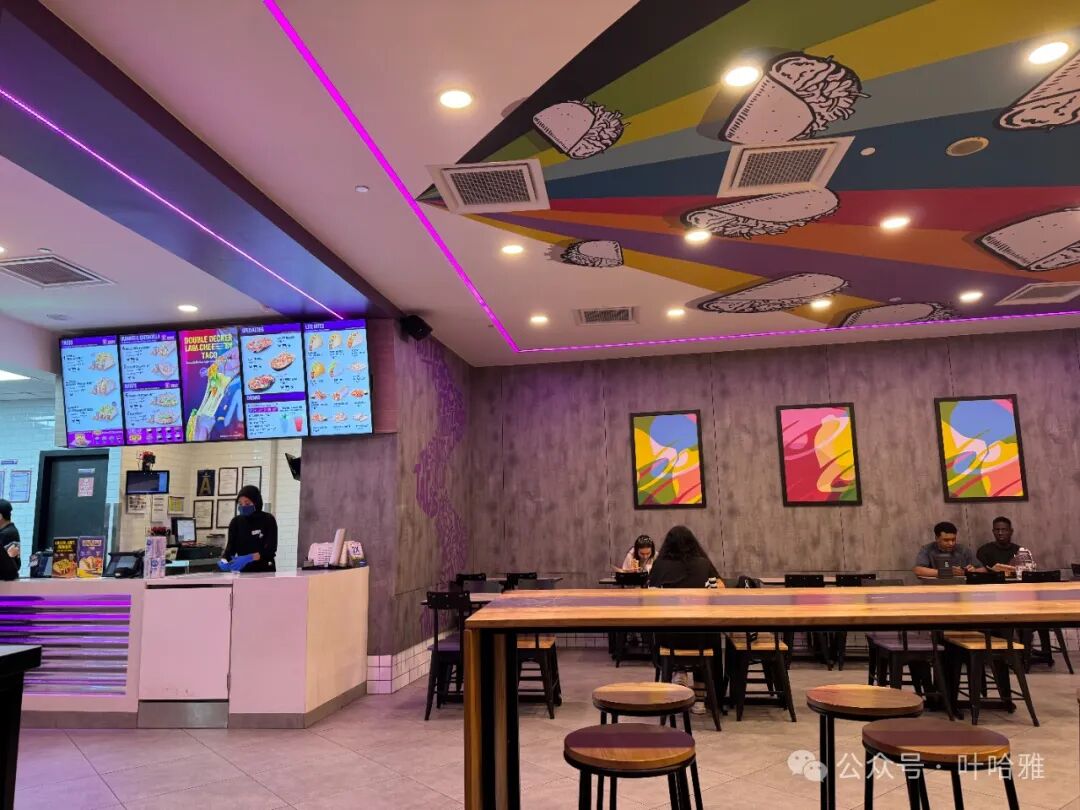
This is a Mexican fast-food chain. A taco is a common North American snack made of a corn tortilla filled with various ingredients. I ate here because you rarely see a purely halal taco shop back home in China. In Beijing, you can only find tacos at a few Arab restaurants.
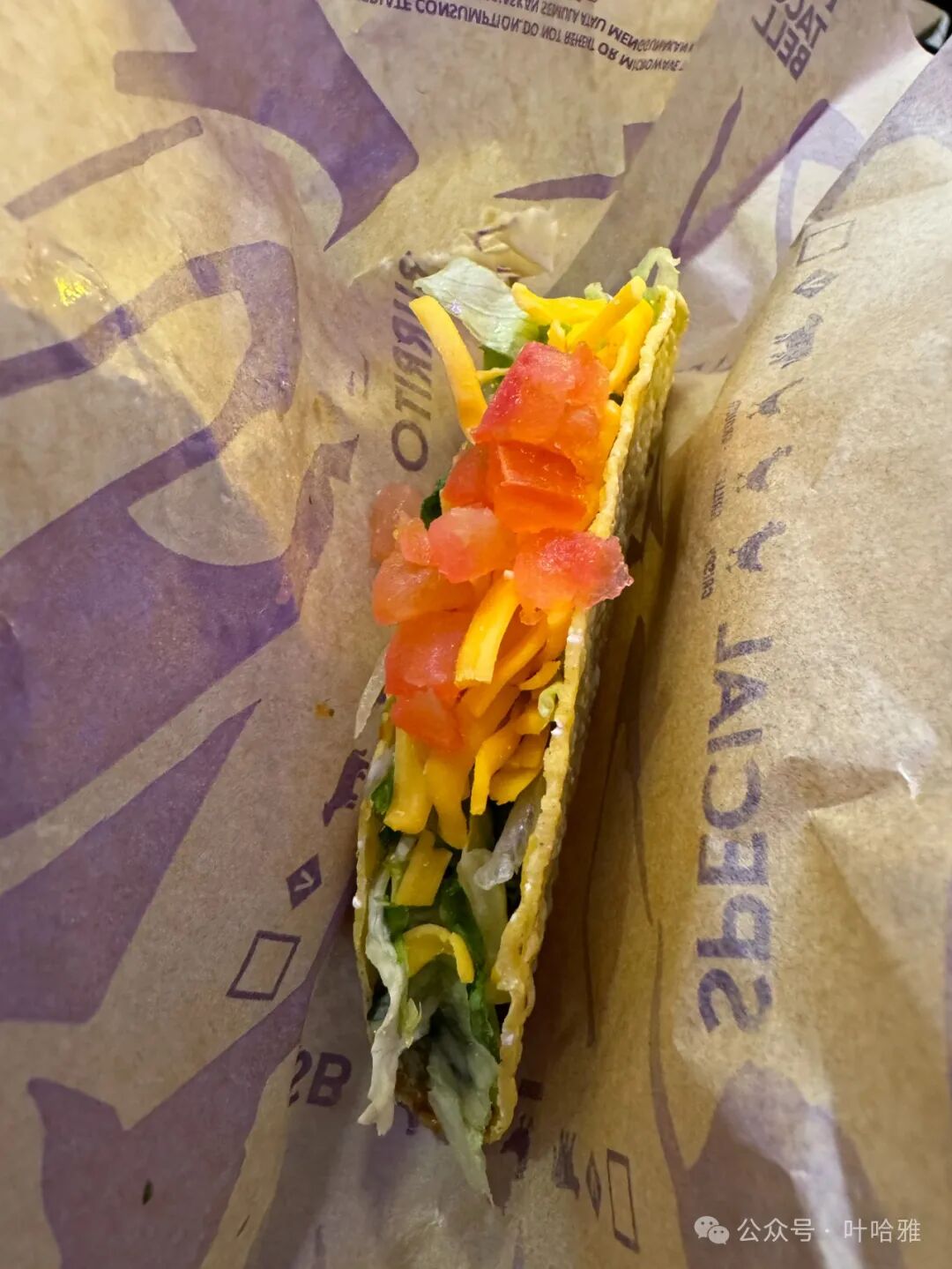
15. Din Tai Fung
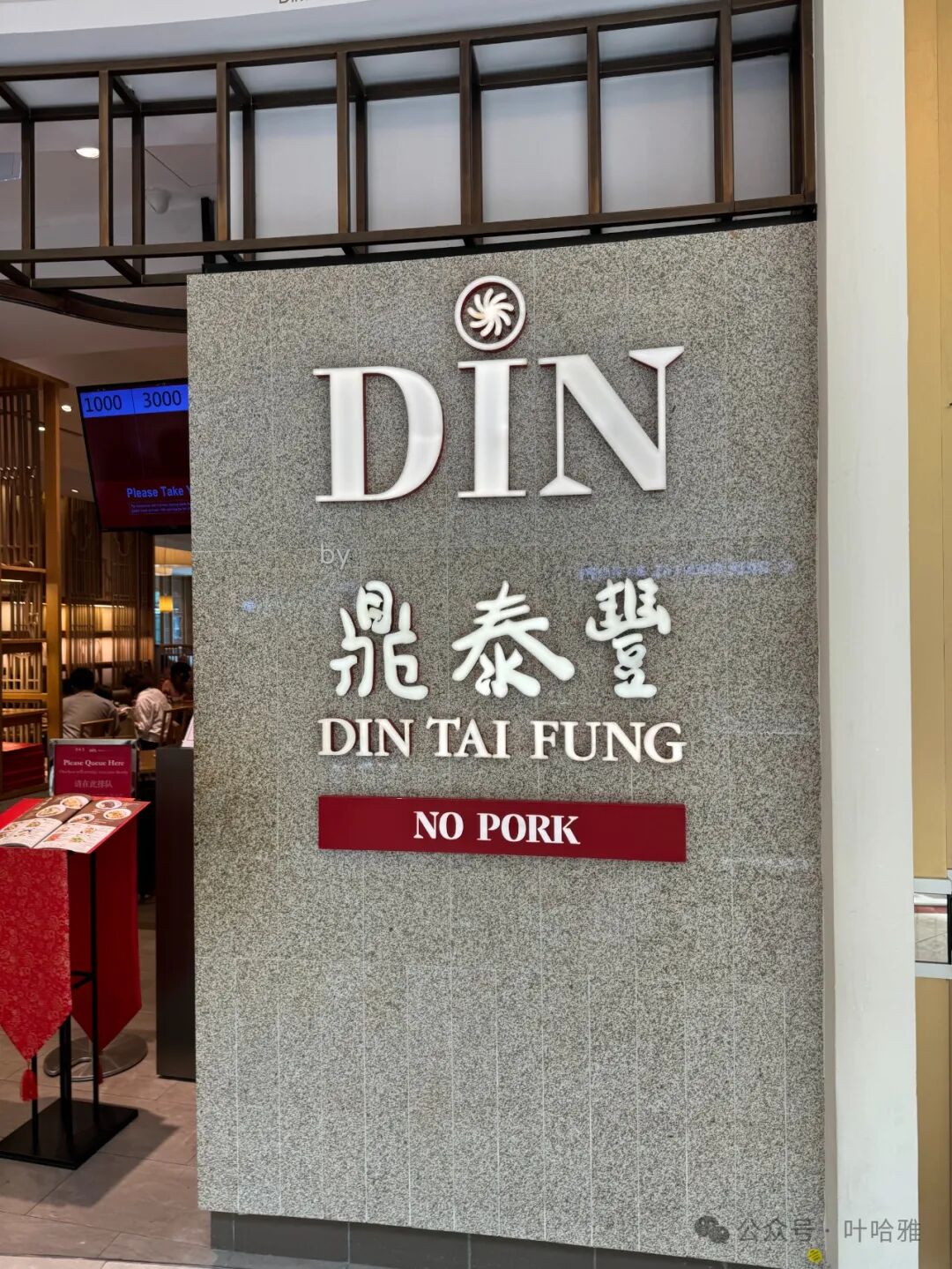
Din Tai Fung started in Taiwan and specializes in Taiwanese snacks. It is actually more famous overseas than in Taiwan. There are Din Tai Fung locations in Beijing, but I have only seen halal versions in Dubai, Indonesia, and Malaysia. Not every Din Tai Fung in Malaysia is halal. You have to look for shops that say 'no pork.' These shops might still sell alcohol. Many Malaysians do not mind if a restaurant sells alcohol, but such restaurants will not receive halal certification. In Malaysia, halal certification is only given to restaurants that do not serve alcohol.
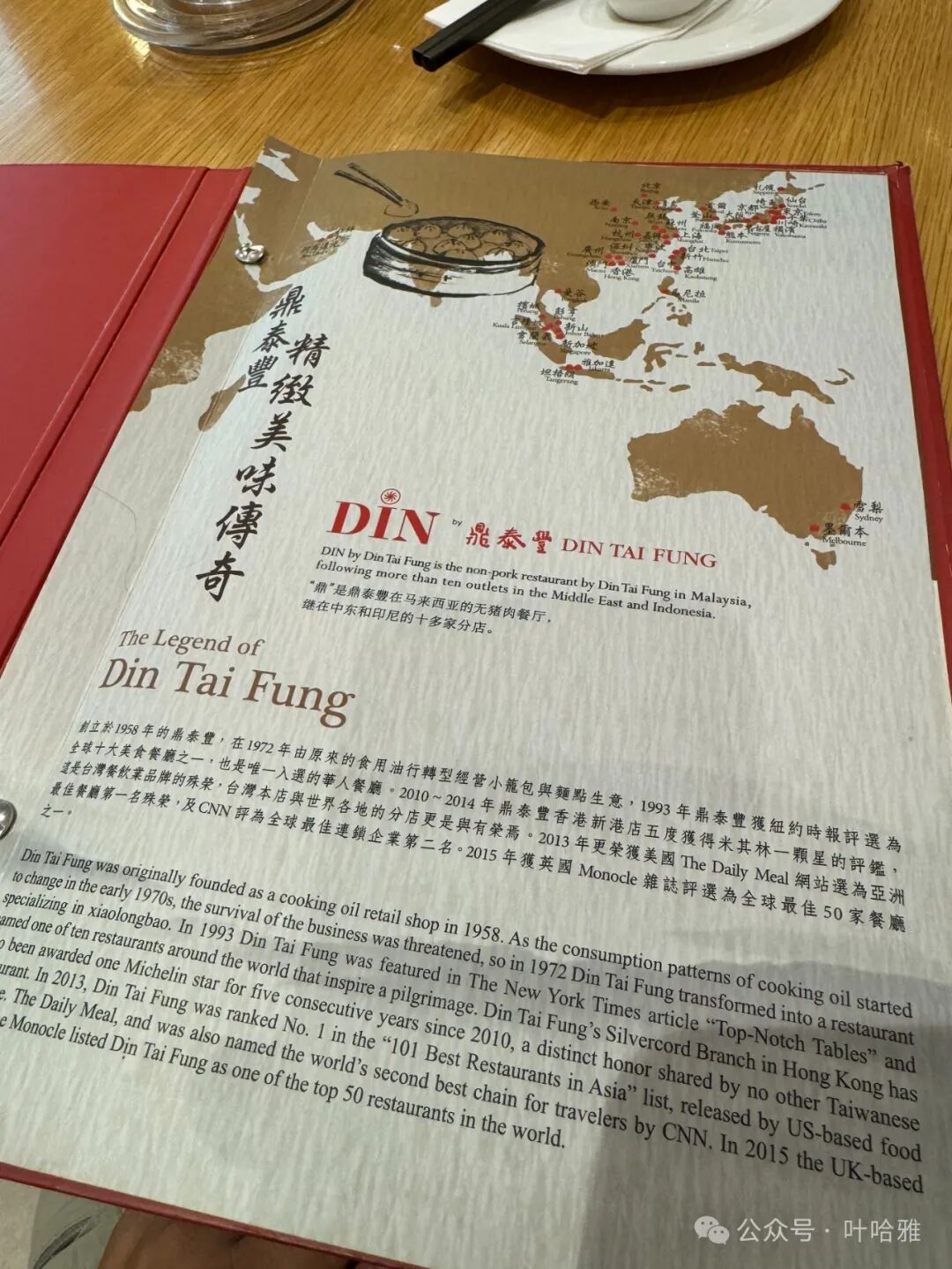
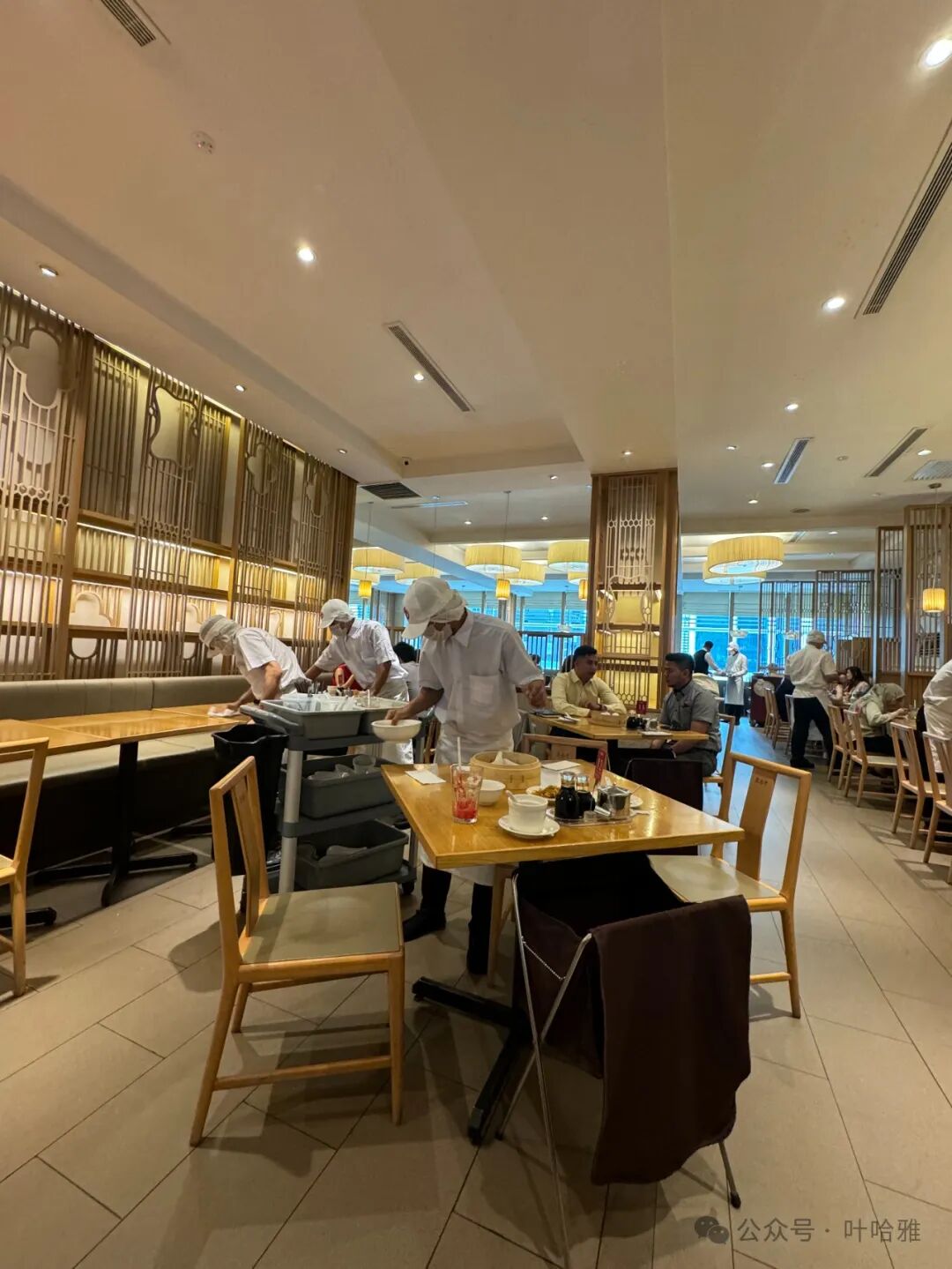
Din Tai Fung is very busy, and you often have to wait in line for a table, but it is worth it. Their crab roe soup dumplings (tangbao) are truly the best I have ever eaten.
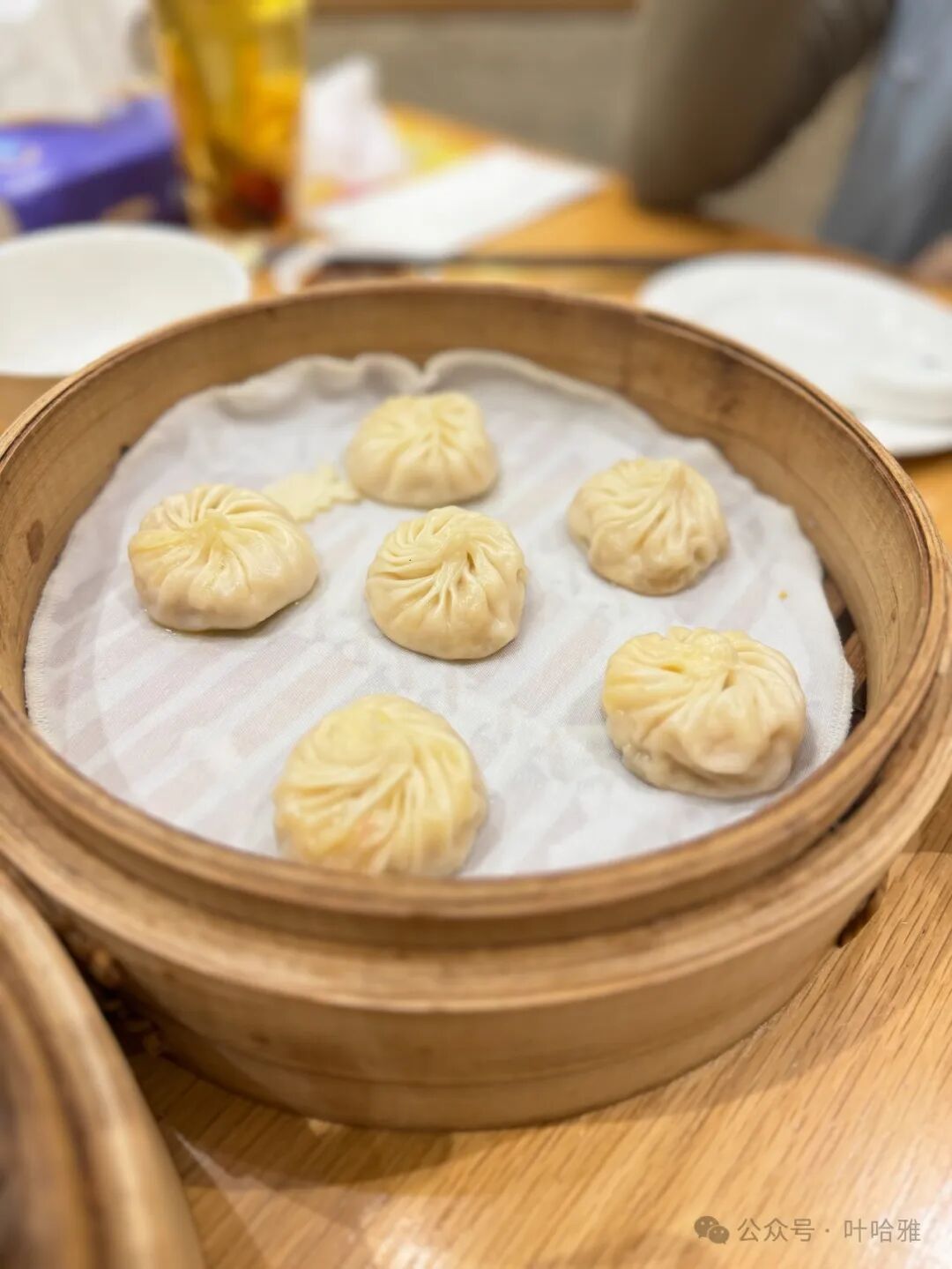
We wanted more of the soup dumplings, so we ordered another steamer basket.
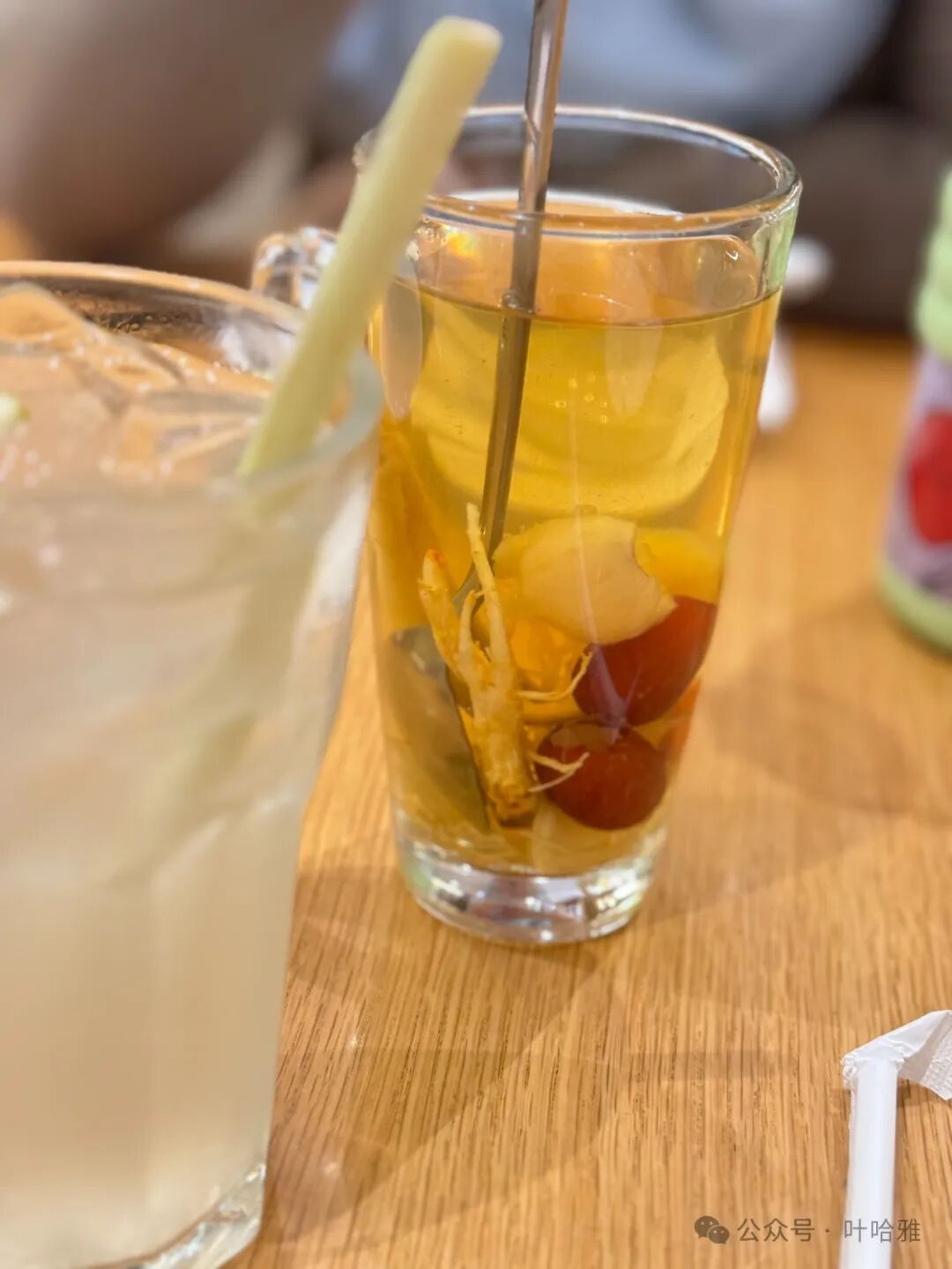
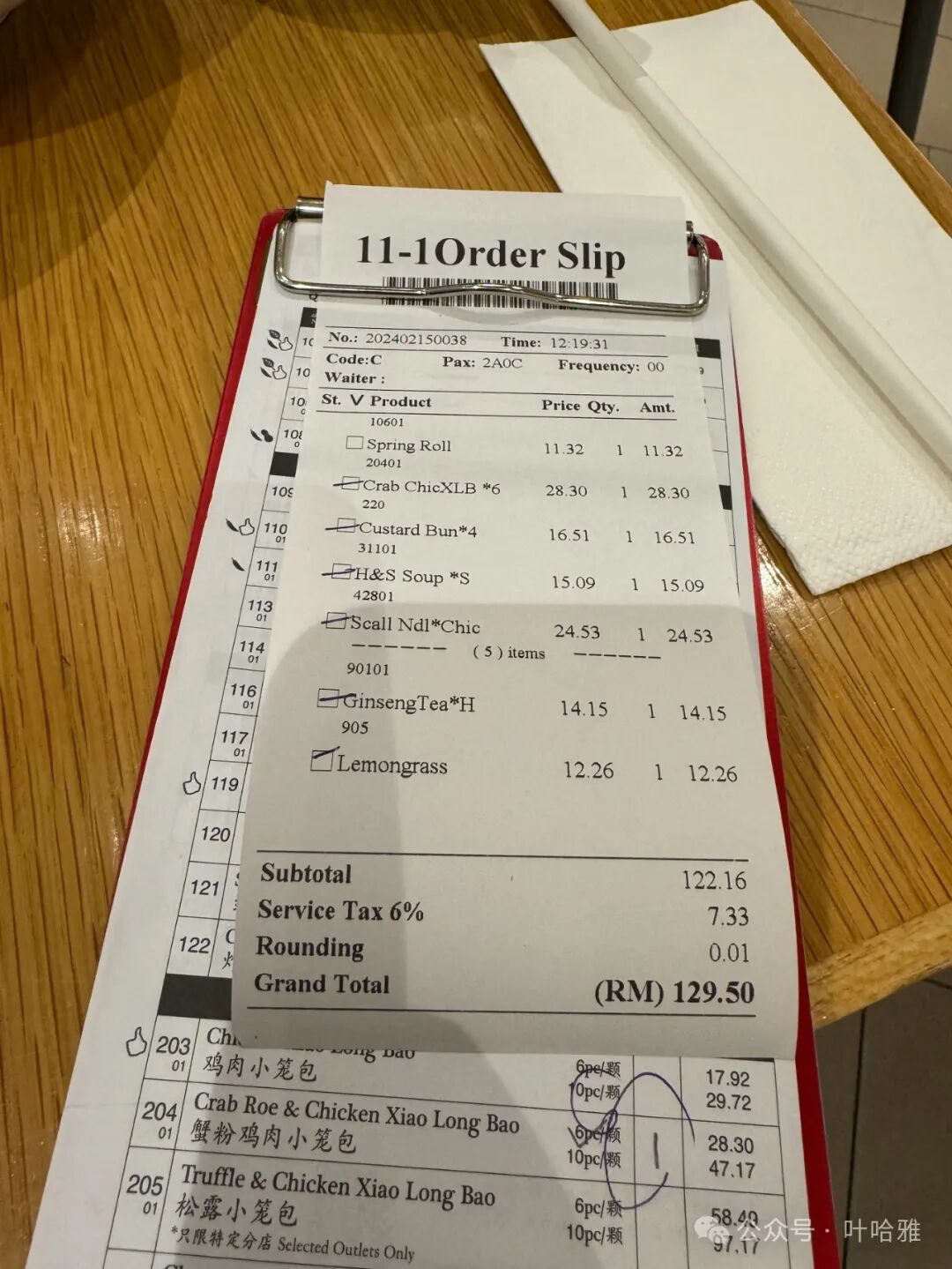
Our lunch for two cost 129.5 RM, which is less than 200 RMB.
16. MAKAN Malay, Indian, and Chinese Buffet Restaurant
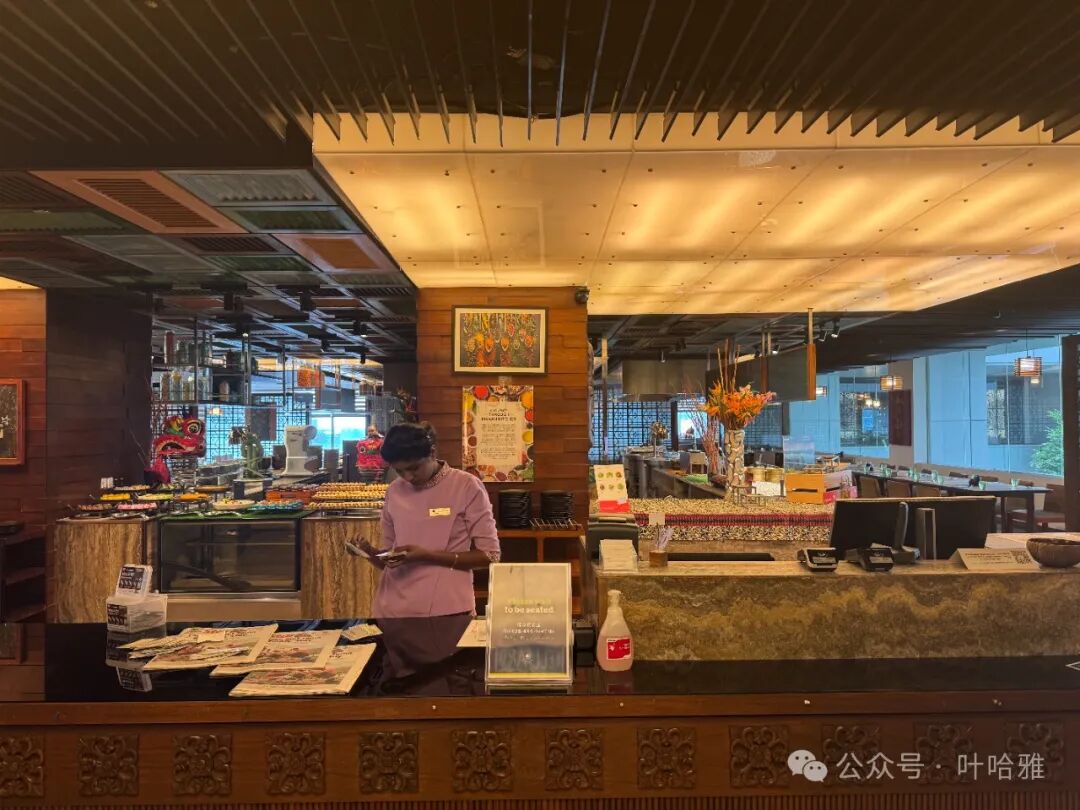
If you want to eat authentic Malay food in Malaysia, I recommend this buffet restaurant located on the 11th floor of the Hilton Hotel in Intermark Mall.
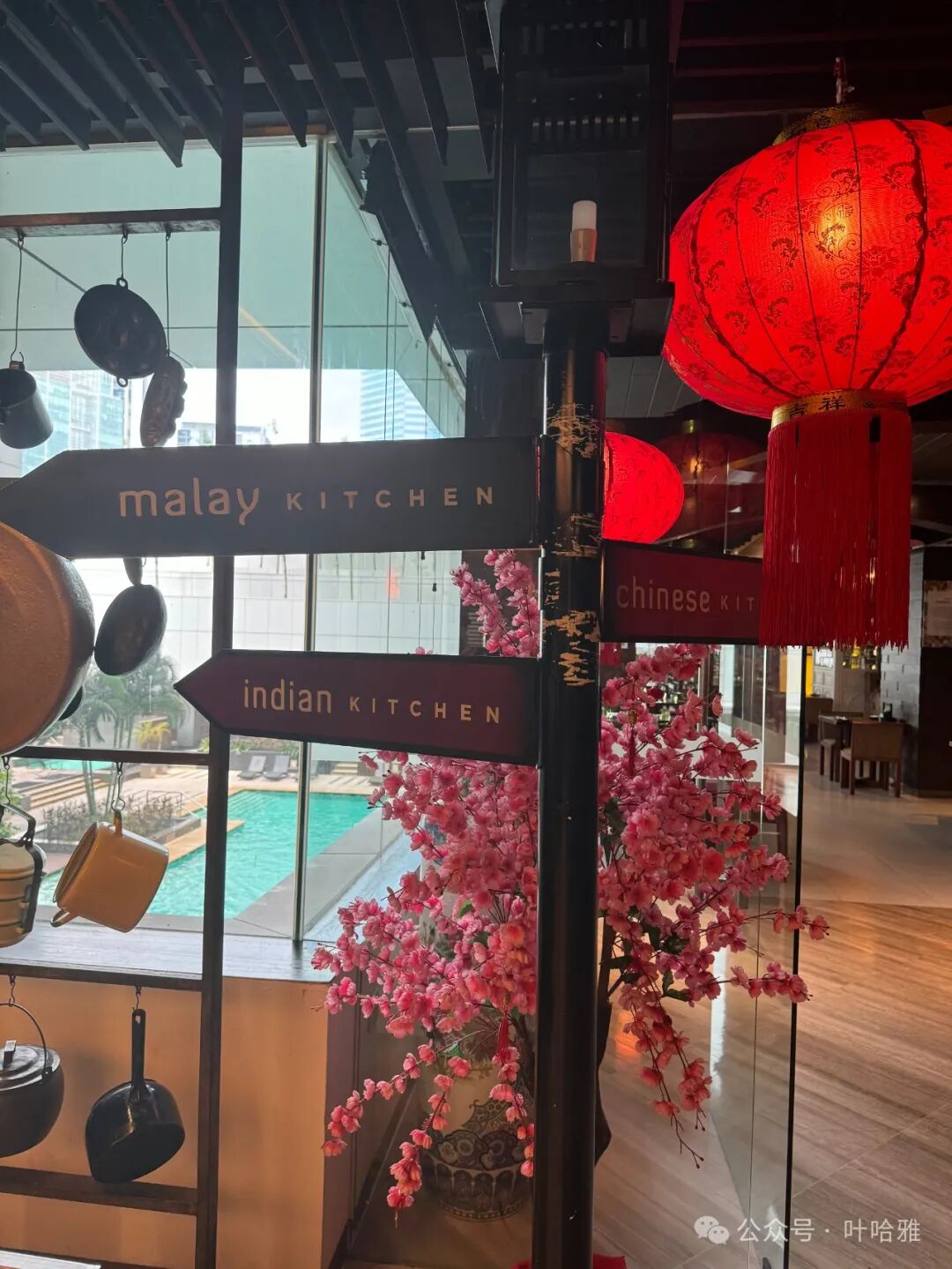
This restaurant is ranked number one on the TripAdvisor app, and the buffet price is 85 RM per person. There are three options, as shown on the sign in the picture. This restaurant has three kitchens: one for Malay style, one for Indian style, and one for Chinese food. All three, including the Chinese one, are halal.
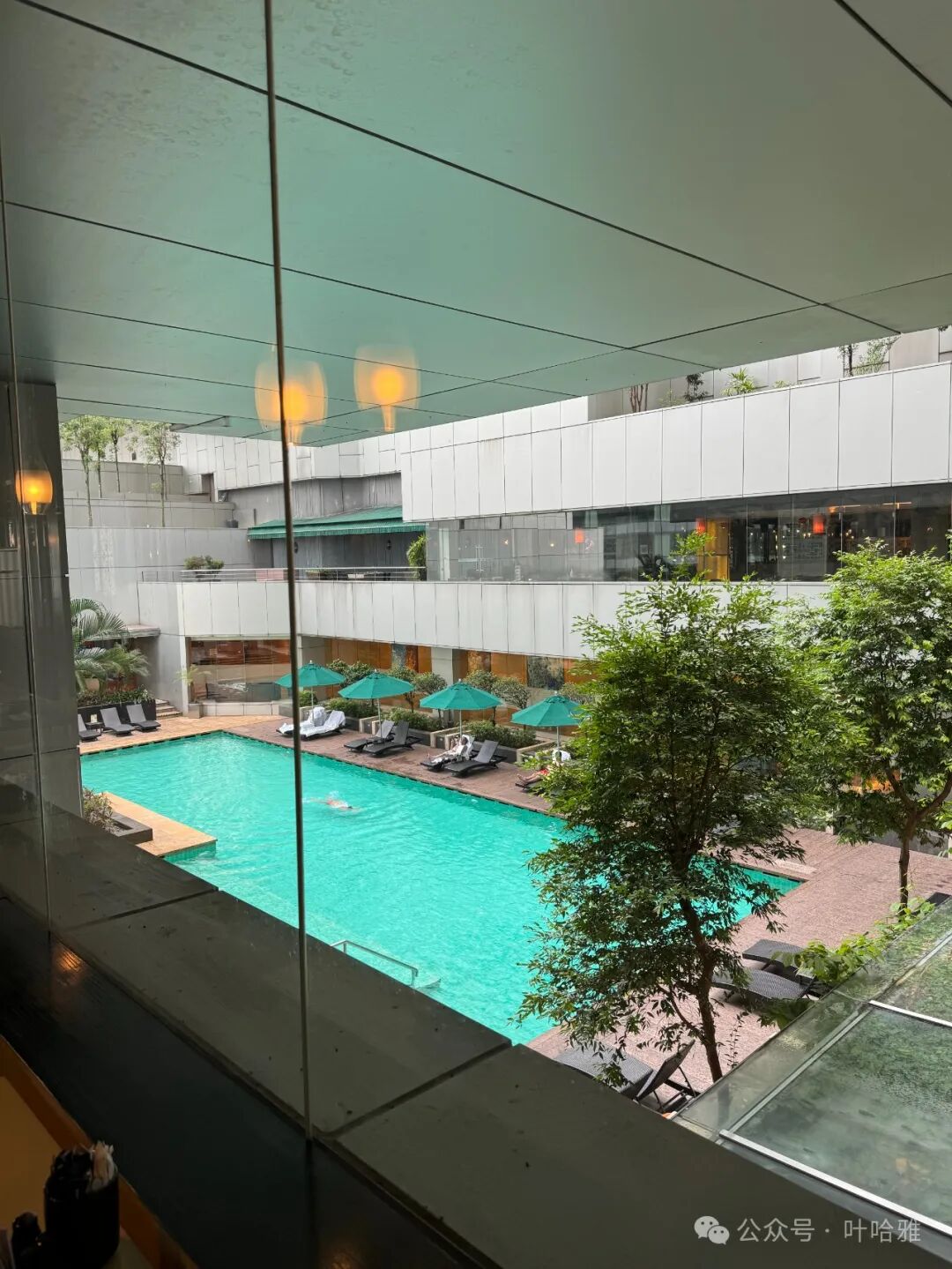
You can freely choose a buffet from any of these styles, but we tried all three.
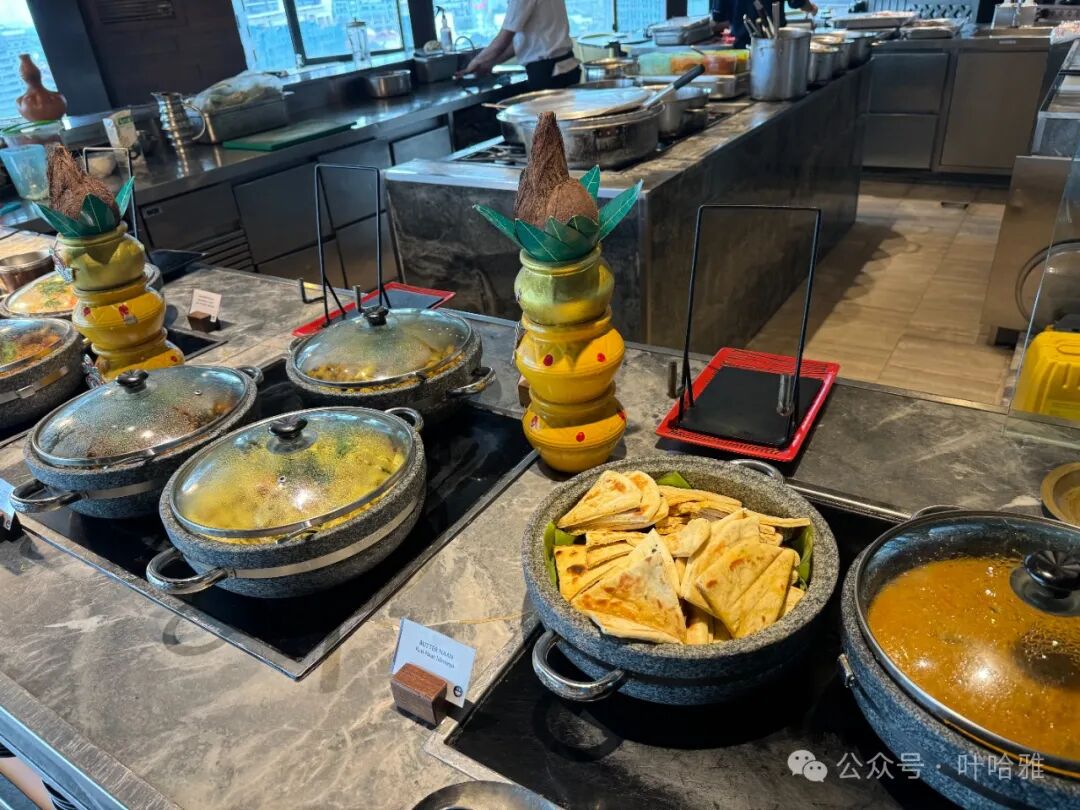
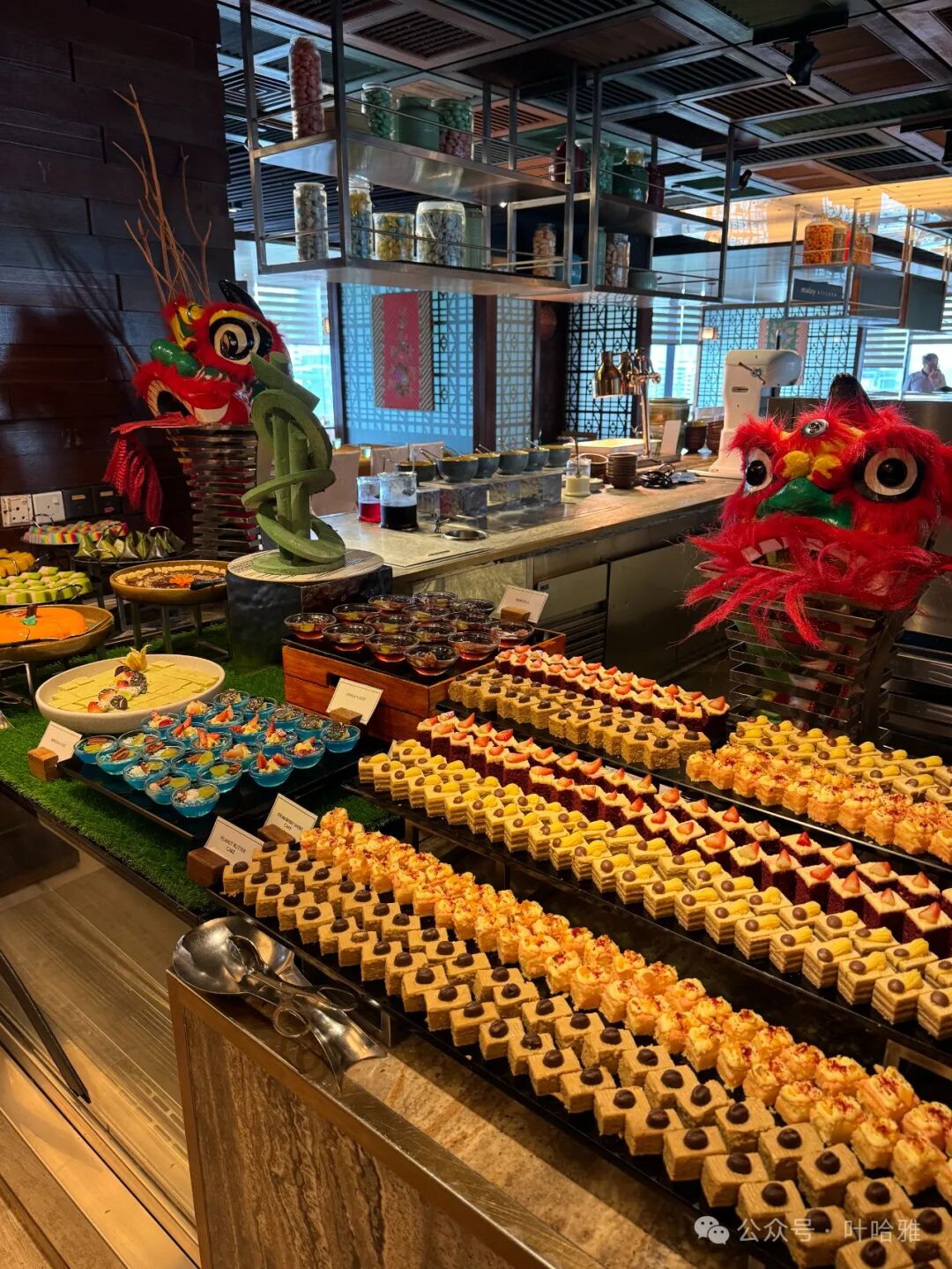
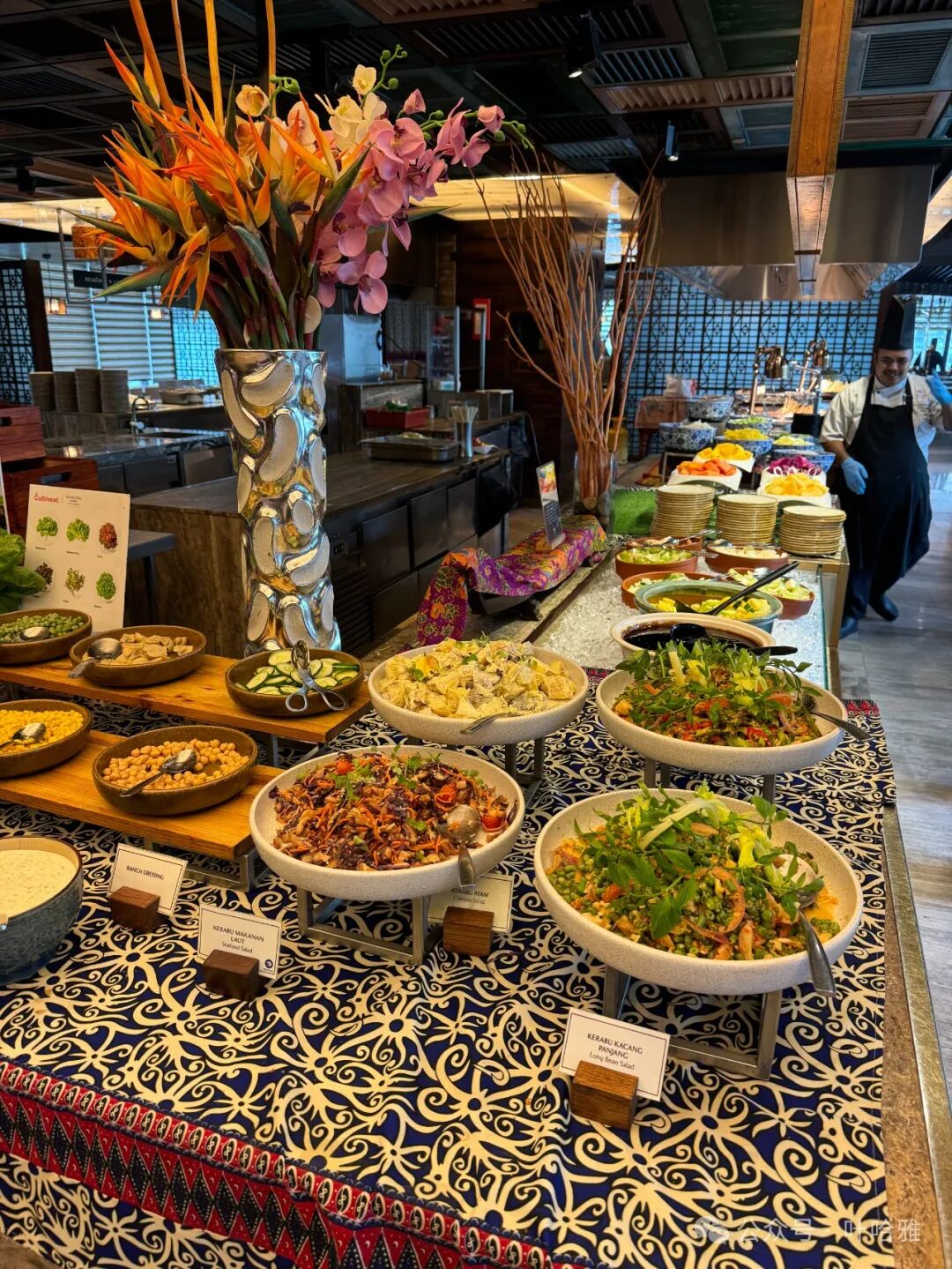
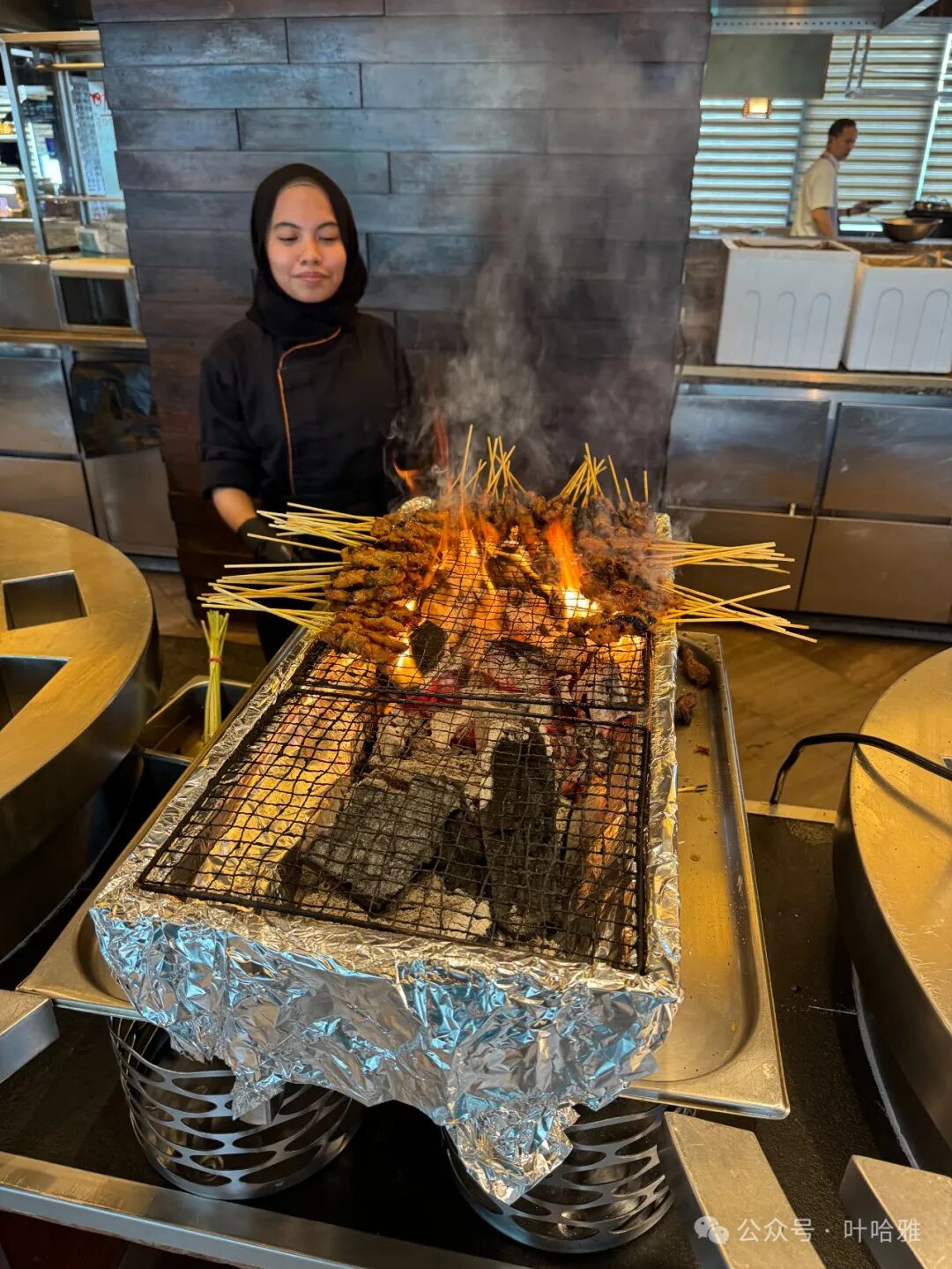
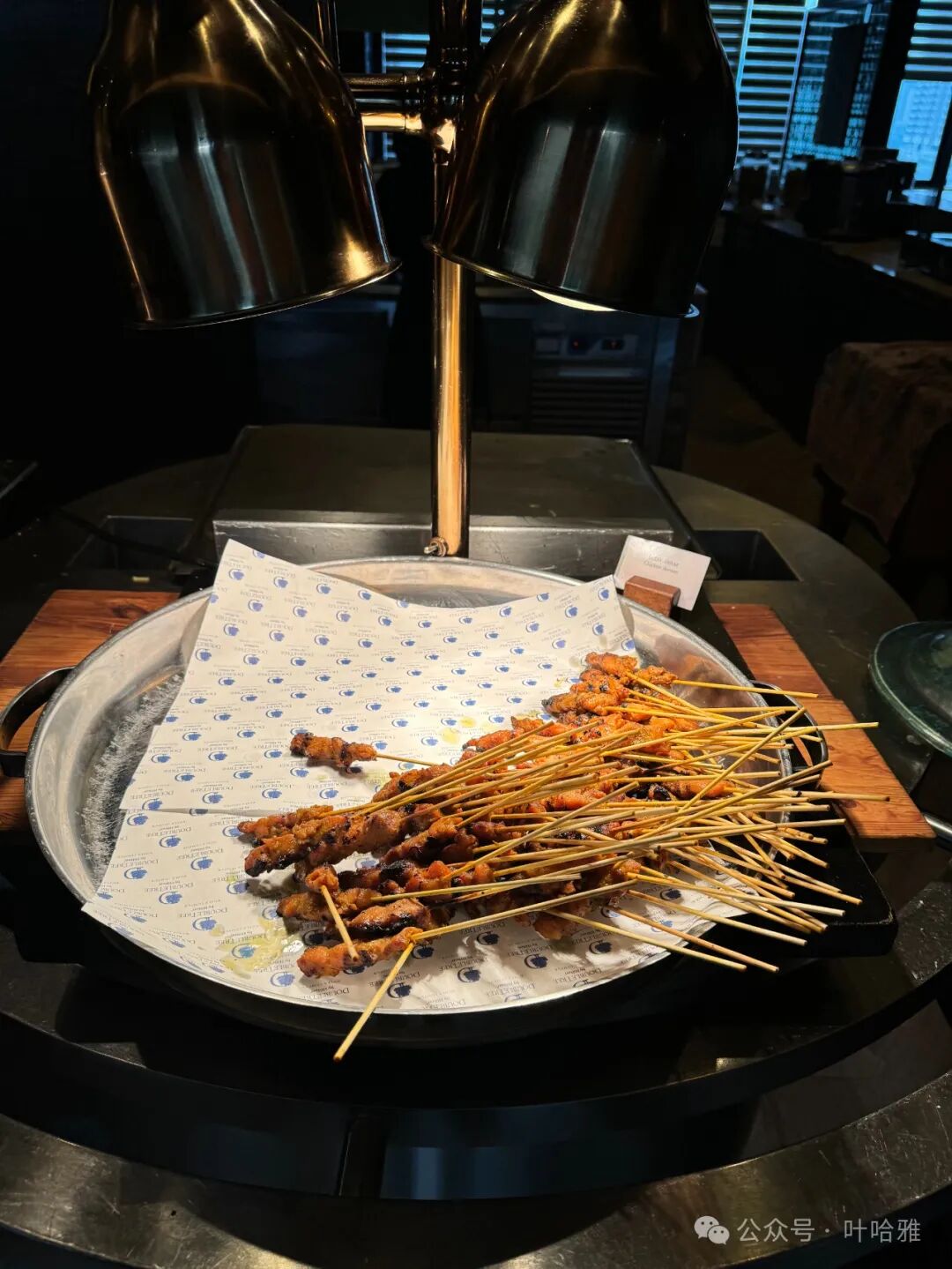
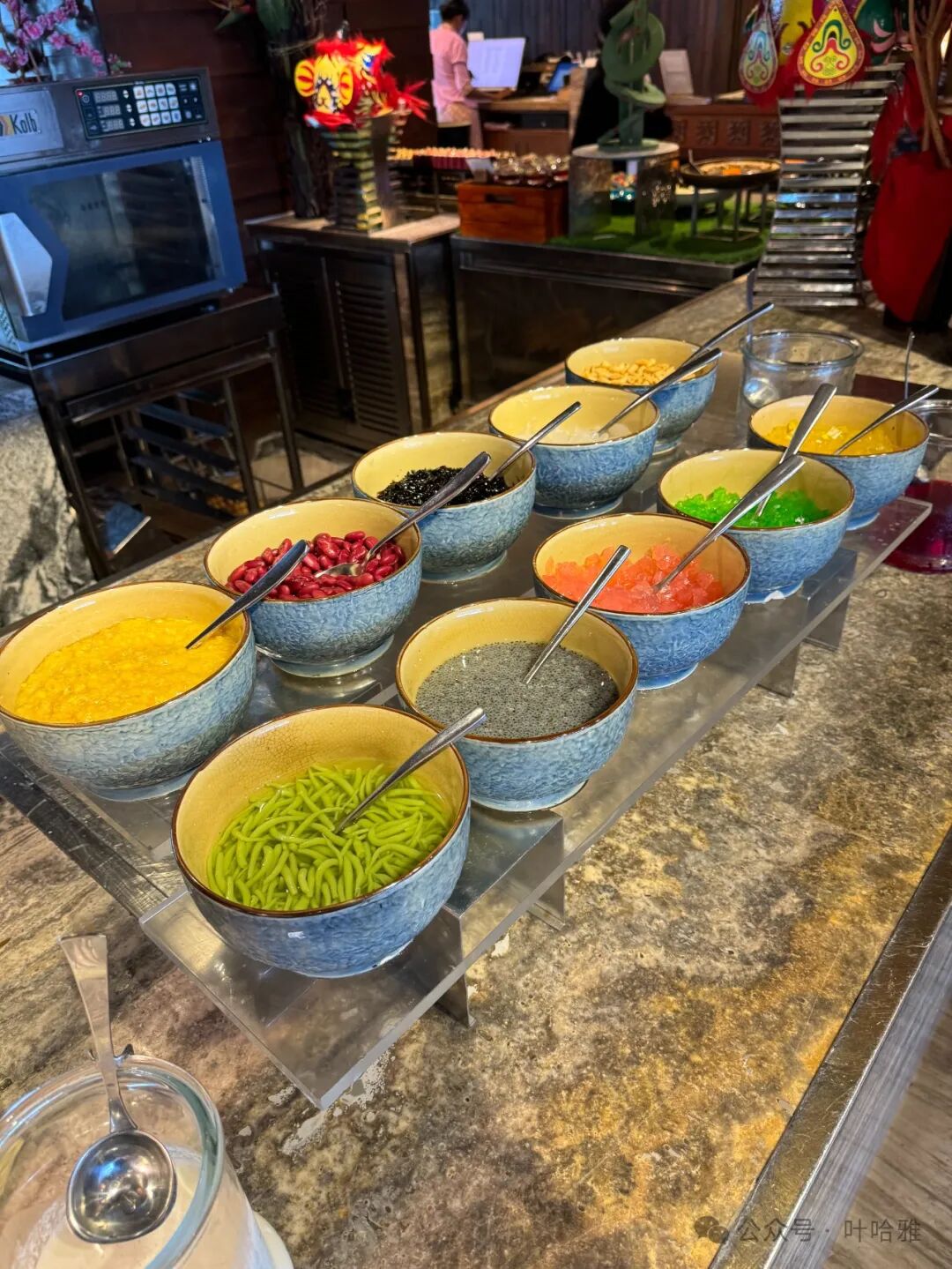
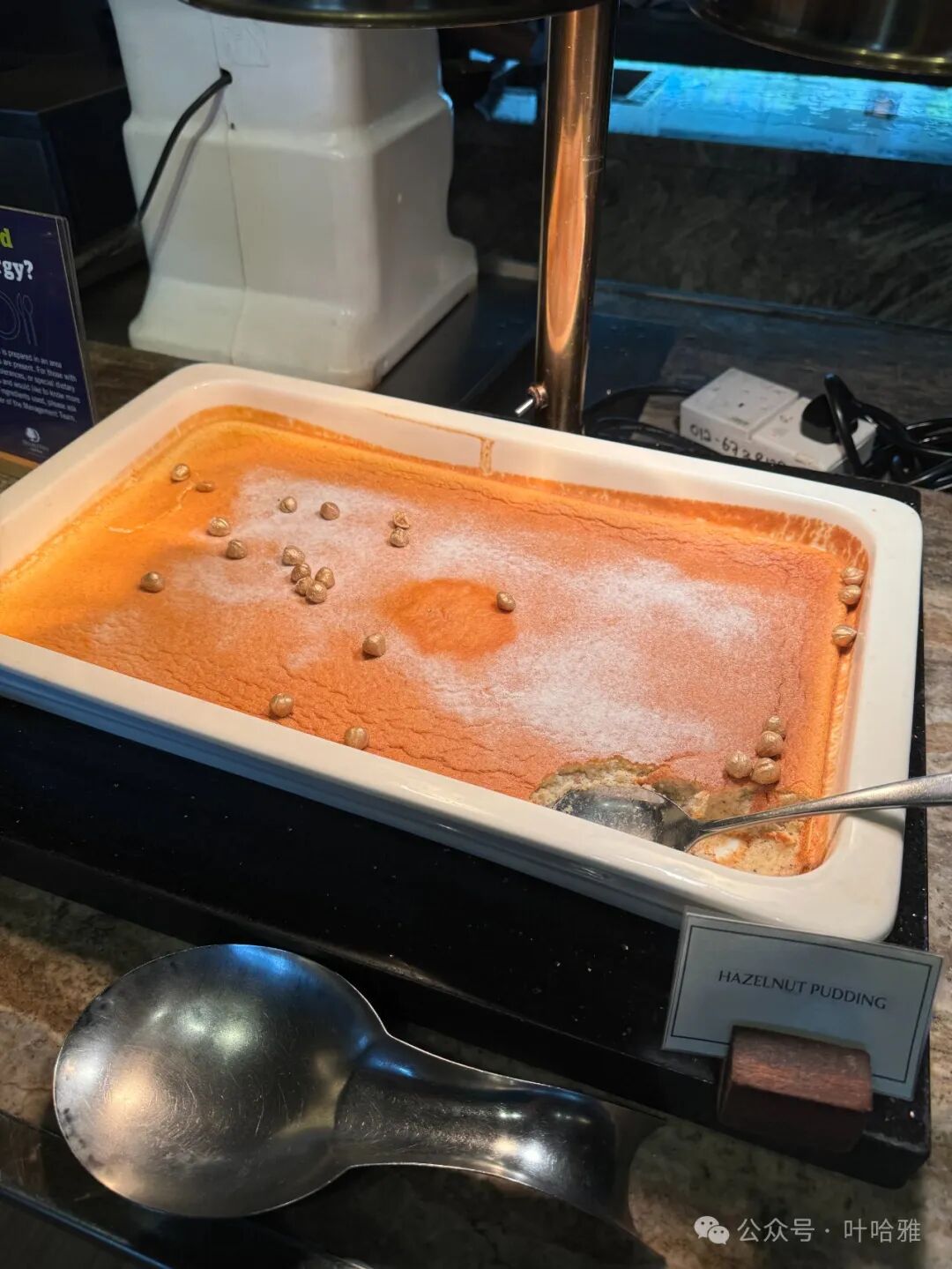
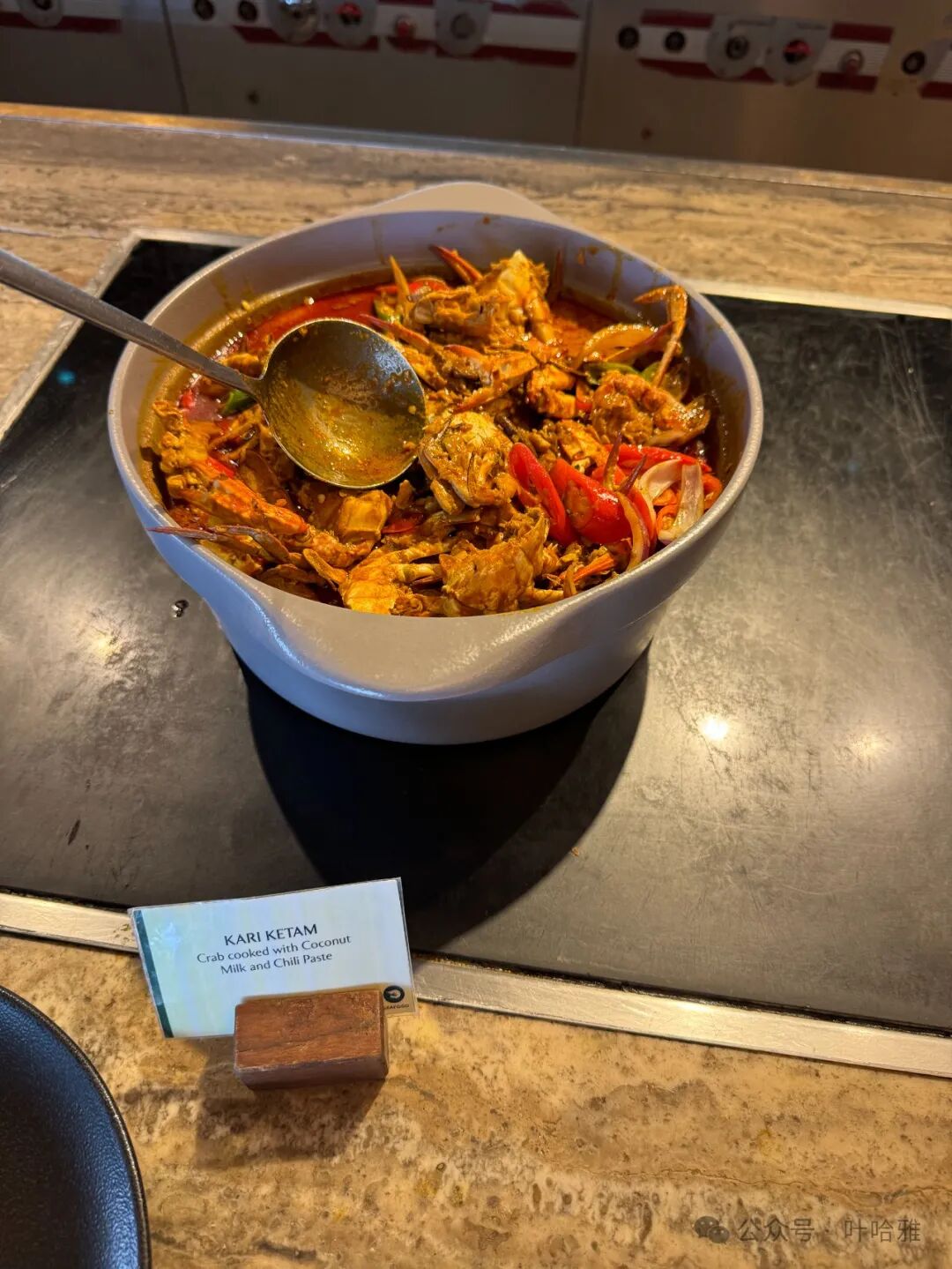
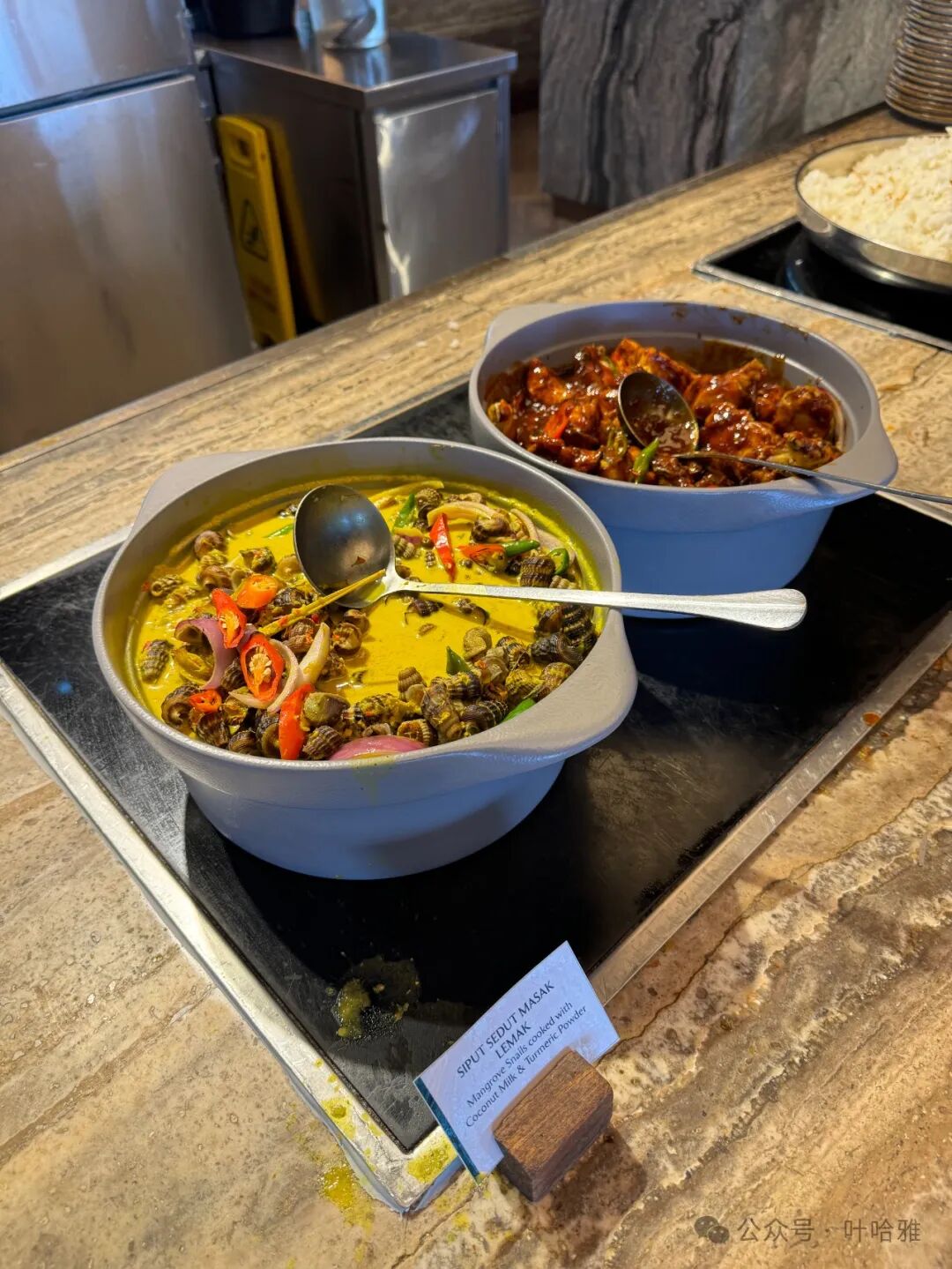
At 85 Malaysian Ringgit per person, this buffet is considered quite expensive in Kuala Lumpur. Even so, the restaurant is packed, and many office workers from nearby come here for lunch. After eating, I felt that the tastes of us Chinese people are different from those of the Malay people. The popular restaurants that are hits in Malaysia all tasted average to me. I can only say that Malay people are not very particular about food, but overall, the standard of halal dining in Kuala Lumpur is still world-leading.
Summary: This Kuala Lumpur halal food guide continues with Taco Bell, Din Tai Fung pork-free and halal notes, soup dumplings, Makan Malay, Indian, and Chinese buffet counters, and practical dining impressions from Malaysia.
Kuala Lumpur Halal Food Map is presented here as a firsthand travel account in clear English, beginning with this scene: We ordered a big table of food for three people, costing 171.2 RM, which is over 200 RMB. In terms of value for money, Canton Boy is the better choice. The account keeps its focus on Halal Travel, Yiwu Food, Beijing while preserving the names, places, food, and historical details from the Chinese source.
We ordered a big table of food for three people, costing 171.2 RM, which is over 200 RMB. In terms of value for money, Canton Boy is the better choice.
14. Taco Bell
This is a Mexican fast-food chain. A taco is a common North American snack made of a corn tortilla filled with various ingredients. I ate here because you rarely see a purely halal taco shop back home in China. In Beijing, you can only find tacos at a few Arab restaurants.
15. Din Tai Fung
Din Tai Fung started in Taiwan and specializes in Taiwanese snacks. It is actually more famous overseas than in Taiwan. There are Din Tai Fung locations in Beijing, but I have only seen halal versions in Dubai, Indonesia, and Malaysia. Not every Din Tai Fung in Malaysia is halal. You have to look for shops that say 'no pork.' These shops might still sell alcohol. Many Malaysians do not mind if a restaurant sells alcohol, but such restaurants will not receive halal certification. In Malaysia, halal certification is only given to restaurants that do not serve alcohol.
Din Tai Fung is very busy, and you often have to wait in line for a table, but it is worth it. Their crab roe soup dumplings (tangbao) are truly the best I have ever eaten.
We wanted more of the soup dumplings, so we ordered another steamer basket.
Our lunch for two cost 129.5 RM, which is less than 200 RMB.
16. MAKAN Malay, Indian, and Chinese Buffet Restaurant
If you want to eat authentic Malay food in Malaysia, I recommend this buffet restaurant located on the 11th floor of the Hilton Hotel in Intermark Mall.
This restaurant is ranked number one on the TripAdvisor app, and the buffet price is 85 RM per person. There are three options, as shown on the sign in the picture. This restaurant has three kitchens: one for Malay style, one for Indian style, and one for Chinese food. All three, including the Chinese one, are halal.
You can freely choose a buffet from any of these styles, but we tried all three.
At 85 Malaysian Ringgit per person, this buffet is considered quite expensive in Kuala Lumpur. Even so, the restaurant is packed, and many office workers from nearby come here for lunch. After eating, I felt that the tastes of us Chinese people are different from those of the Malay people. The popular restaurants that are hits in Malaysia all tasted average to me. I can only say that Malay people are not very particular about food, but overall, the standard of halal dining in Kuala Lumpur is still world-leading.
Guangzhou Xiaobei Day & Night: Moroccan Cuisine & Halal Dim Sum
Articles • Hasan09 posted the article • 0 comments • 10 views • 10 hours ago
[Internet Repost]
Summary: This article explores "Guangzhou Xiaobei's Night and Day: Moroccan Cuisine and Cantonese Morning Tea," perfect for readers interested in Muslim life, halal info, Islamic culture, and Chinese web content.
Guangzhou Xiaobei's Night and Day: Moroccan Cuisine and Cantonese Morning Tea
On the first day of the National Day holiday, I arrived in Guangzhou at night, hopped on the subway straight to Taojin near Xiaobei to grab some Moroccan food, and ordered a lamb tagine, avocado and shrimp salad, and Moroccan mint tea. They have chair seating, floor seating, and outdoor areas. The floor seating area has the best vibe, though the shisha smoking at night was a bit harsh on the lungs.
The tagine was super authentic—the lamb was tender and fall-apart, and the pot was quite deep with a generous portion of meat. The large flatbread served with it was fluffy and light, and soaking it in the meat juices was amazing. The iced mint tea was also great; the Magreb region is literally filled with people drinking mint tea everywhere, especially sitting on the street sipping tea and chatting. It’s too bad their salad used Thousand Island dressing though—how can a legit Middle Eastern spot use Thousand Island? Total laziness.
After eating, I took a night stroll around Xiaobei and grabbed some authentic yogurt shaved ice on Baohan Direct Street.
It feels like the number of Africans coming to Xiaobei for trade has bounced back to pre-2020 levels. At 10 PM, the place was brightly lit and buzzing with bustling crowds, plus a ton of new African restaurants have popped up on the streets. By comparison, Guangzhou's Xiaobei seems to attract more African expats, whereas Yiwu has way more Arabs and Turks.
The next morning, I went for zaocha / yum cha (Cantonese morning tea / dim sum) at Yishanggong in Xiaobei. They open as early as 7 AM, but since Xiaobei is an expat neighborhood where people rarely wake up early, breakfast at the foreign-owned spots around here usually doesn't start until 10 or 11 AM.
Yishanggong is Guangzhou's third halal Cantonese dim sum spot. The owner is a Hui Muslim from Tianshui, Gansu. At night they serve Korean BBQ and hot pot, but during the day they hire local Cantonese chefs to make dim sum. Their ingredients are more reliable than standard Huimin Restaurant (Muslim restaurant), making it a worry-free eat.
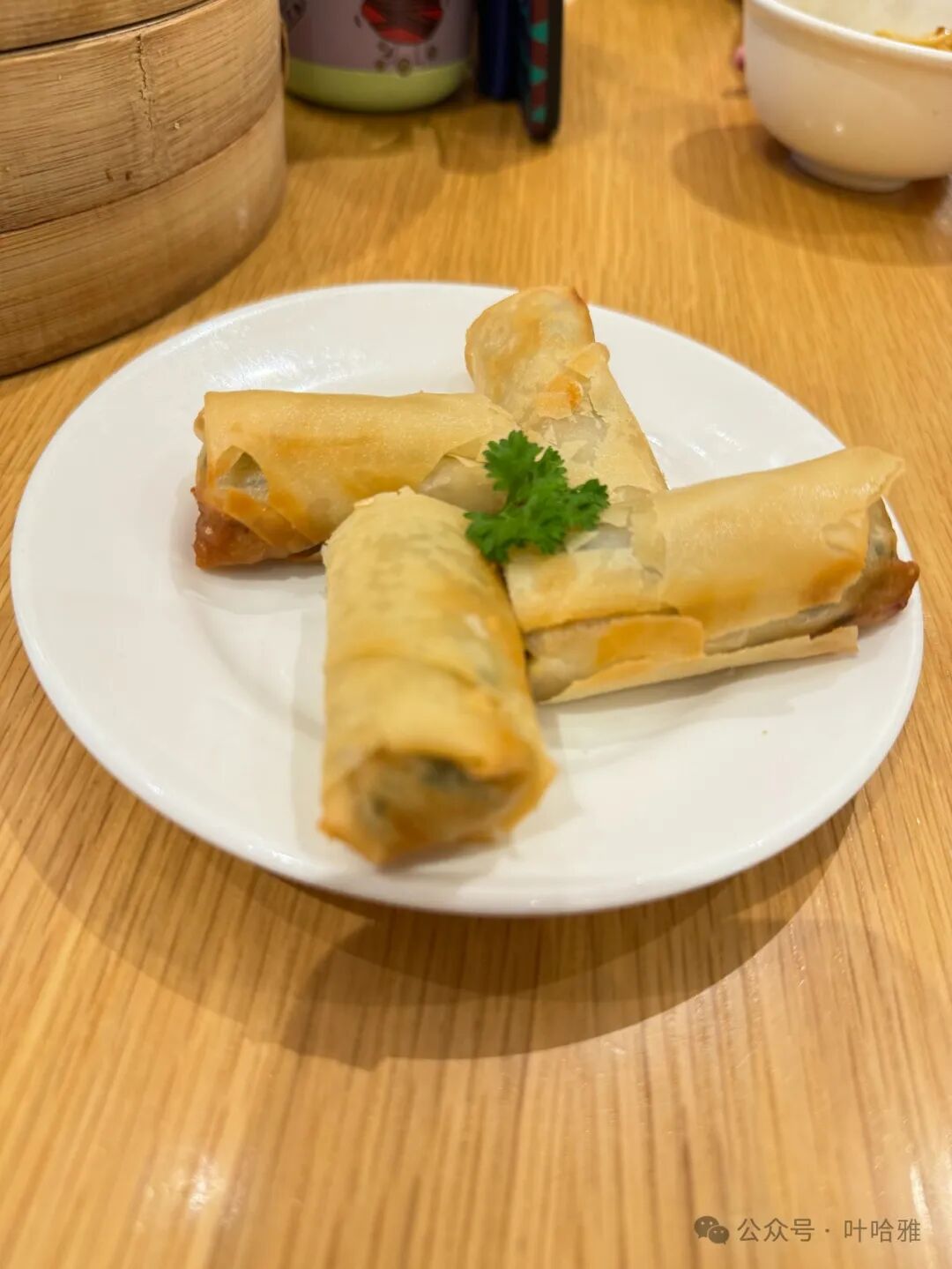
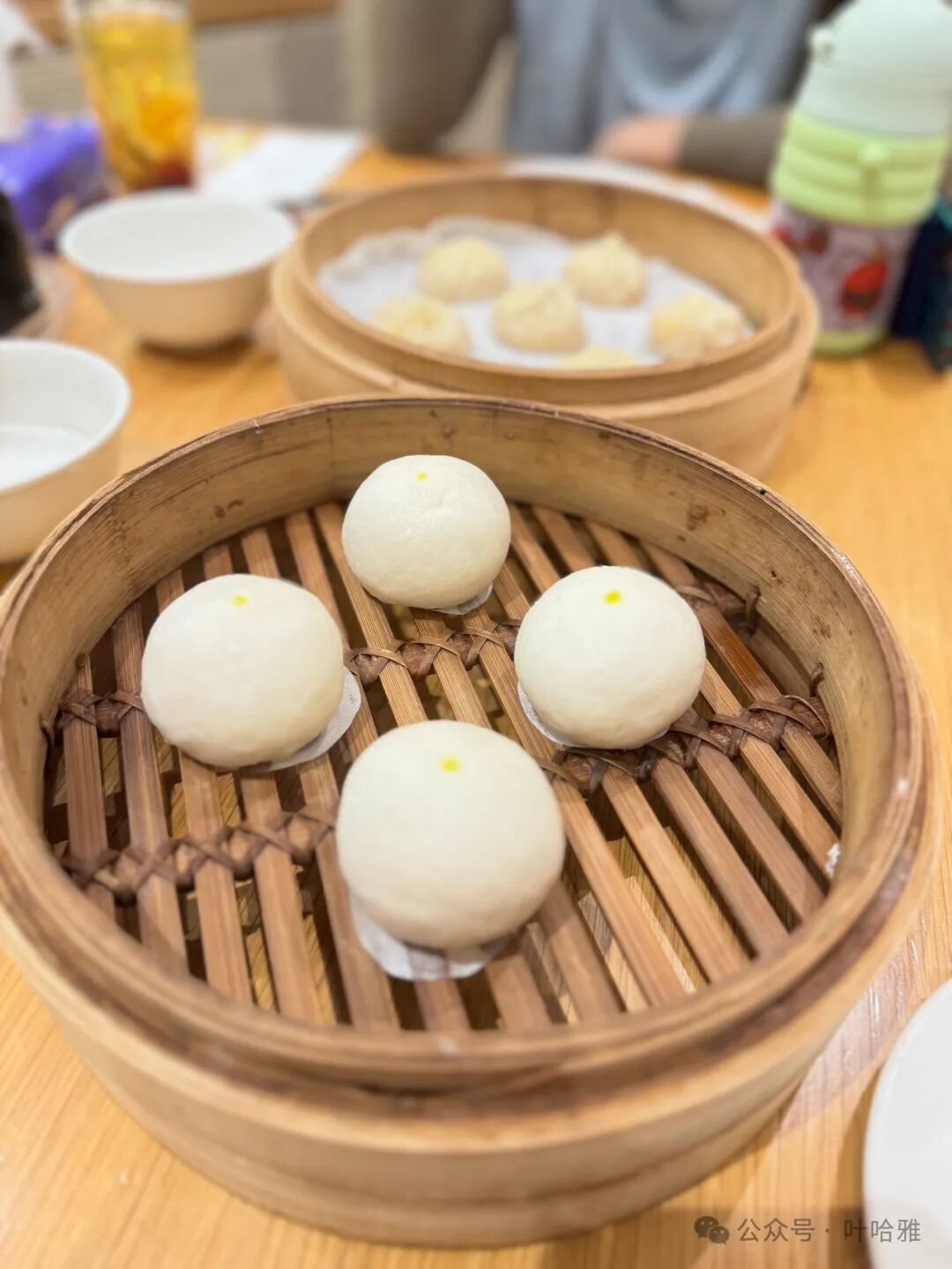
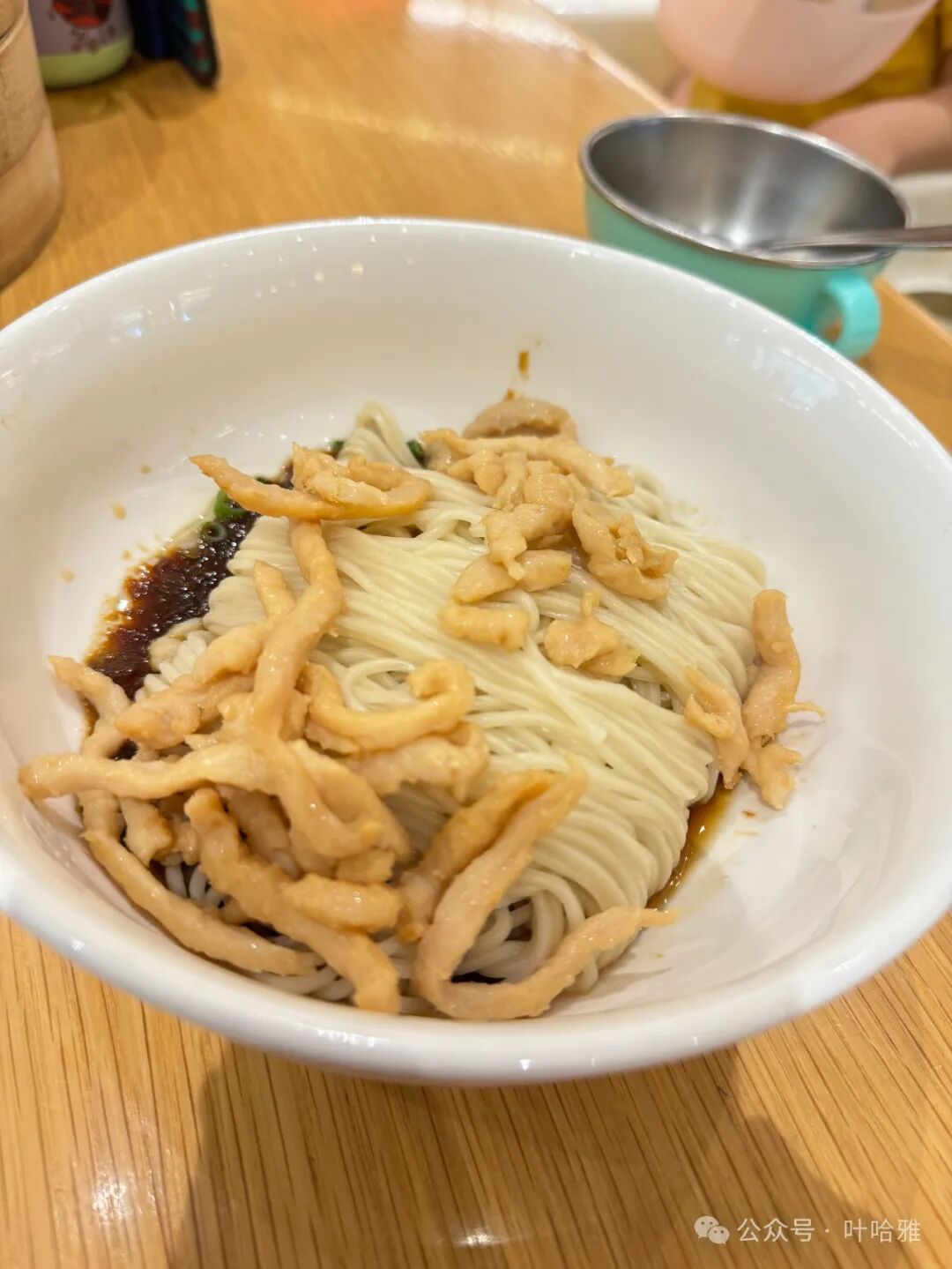
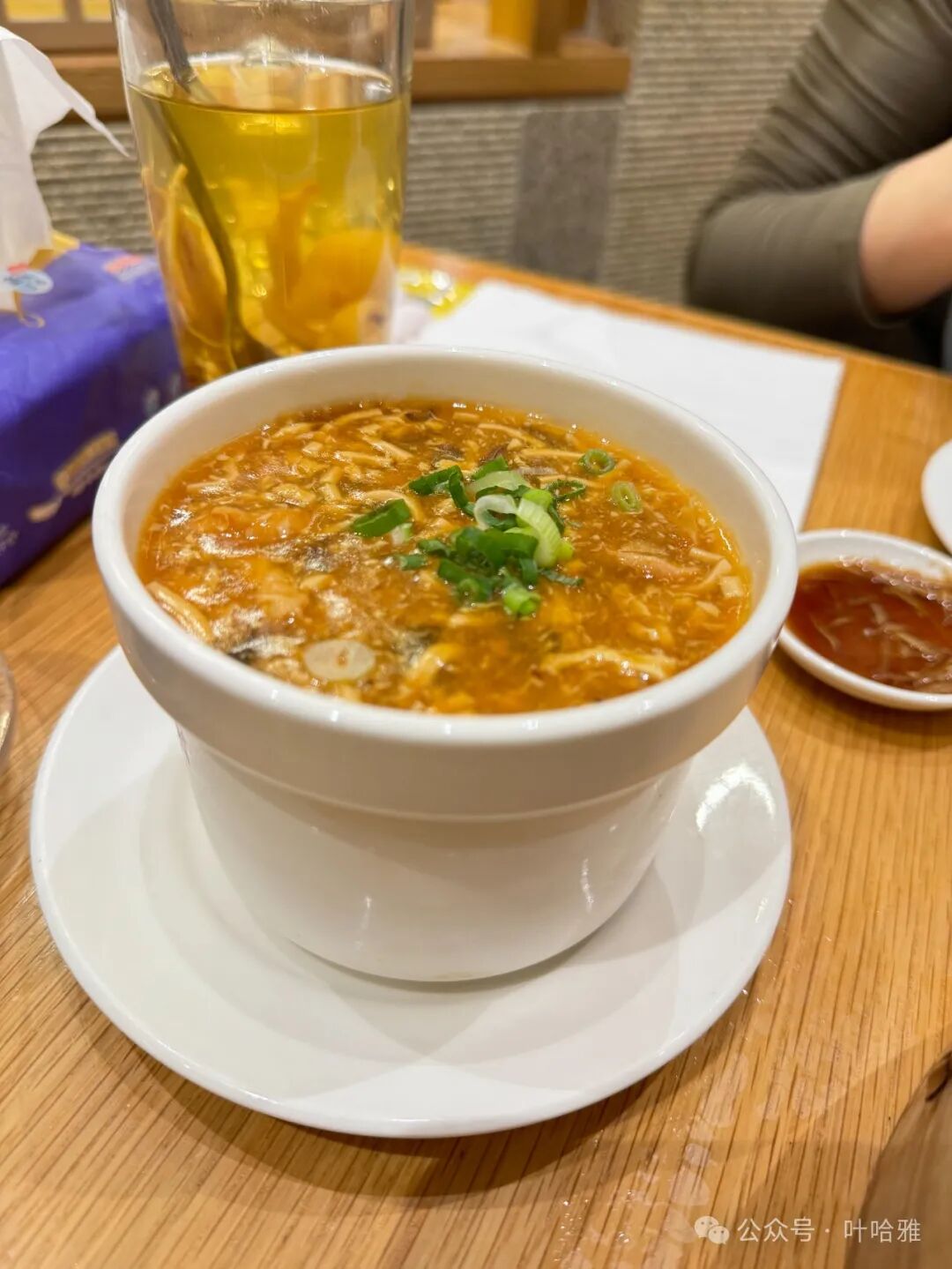
We ordered Pu-erh tea, chicken char siu bao (barbecue chicken buns), crispy red rice noodle rolls, cilantro and beef rice noodle rolls, niurou wan (juicily handmade beef meatballs), sugarcane water water chestnut cake, pan-fried red bean cakes, and salted chicken and dried oyster shredded radish congee. Their portions are way bigger than the ones at Guangzhou Huimin Restaurant and Hong Kong's Ai Qun Centre. Based on our past experience, we ended up over-ordering and were stuffed.
Their stir-fried beef rice noodles were delicious, and the rice noodle rolls had a great texture—you could just slurp them right down, unlike the ones at Hong Kong's Ai Qun which are a bit on the hard side. The savory congee tasted good too; having congee in the morning hits the spot. The red bean cakes were nice and crispy, which was solid. The filling in the char siu bao was way too small though, much worse than the ones at Huimin Restaurant, and the radish cake was on the oily side—Ai Qun Building still does a better job with that. view all
Summary: This article explores "Guangzhou Xiaobei's Night and Day: Moroccan Cuisine and Cantonese Morning Tea," perfect for readers interested in Muslim life, halal info, Islamic culture, and Chinese web content.
Guangzhou Xiaobei's Night and Day: Moroccan Cuisine and Cantonese Morning Tea
On the first day of the National Day holiday, I arrived in Guangzhou at night, hopped on the subway straight to Taojin near Xiaobei to grab some Moroccan food, and ordered a lamb tagine, avocado and shrimp salad, and Moroccan mint tea. They have chair seating, floor seating, and outdoor areas. The floor seating area has the best vibe, though the shisha smoking at night was a bit harsh on the lungs.
The tagine was super authentic—the lamb was tender and fall-apart, and the pot was quite deep with a generous portion of meat. The large flatbread served with it was fluffy and light, and soaking it in the meat juices was amazing. The iced mint tea was also great; the Magreb region is literally filled with people drinking mint tea everywhere, especially sitting on the street sipping tea and chatting. It’s too bad their salad used Thousand Island dressing though—how can a legit Middle Eastern spot use Thousand Island? Total laziness.
After eating, I took a night stroll around Xiaobei and grabbed some authentic yogurt shaved ice on Baohan Direct Street.
It feels like the number of Africans coming to Xiaobei for trade has bounced back to pre-2020 levels. At 10 PM, the place was brightly lit and buzzing with bustling crowds, plus a ton of new African restaurants have popped up on the streets. By comparison, Guangzhou's Xiaobei seems to attract more African expats, whereas Yiwu has way more Arabs and Turks.
The next morning, I went for zaocha / yum cha (Cantonese morning tea / dim sum) at Yishanggong in Xiaobei. They open as early as 7 AM, but since Xiaobei is an expat neighborhood where people rarely wake up early, breakfast at the foreign-owned spots around here usually doesn't start until 10 or 11 AM.
Yishanggong is Guangzhou's third halal Cantonese dim sum spot. The owner is a Hui Muslim from Tianshui, Gansu. At night they serve Korean BBQ and hot pot, but during the day they hire local Cantonese chefs to make dim sum. Their ingredients are more reliable than standard Huimin Restaurant (Muslim restaurant), making it a worry-free eat.
We ordered Pu-erh tea, chicken char siu bao (barbecue chicken buns), crispy red rice noodle rolls, cilantro and beef rice noodle rolls, niurou wan (juicily handmade beef meatballs), sugarcane water water chestnut cake, pan-fried red bean cakes, and salted chicken and dried oyster shredded radish congee. Their portions are way bigger than the ones at Guangzhou Huimin Restaurant and Hong Kong's Ai Qun Centre. Based on our past experience, we ended up over-ordering and were stuffed.
Their stir-fried beef rice noodles were delicious, and the rice noodle rolls had a great texture—you could just slurp them right down, unlike the ones at Hong Kong's Ai Qun which are a bit on the hard side. The savory congee tasted good too; having congee in the morning hits the spot. The red bean cakes were nice and crispy, which was solid. The filling in the char siu bao was way too small though, much worse than the ones at Huimin Restaurant, and the radish cake was on the oily side—Ai Qun Building still does a better job with that. view all
[Internet Repost]
Summary: This article explores "Guangzhou Xiaobei's Night and Day: Moroccan Cuisine and Cantonese Morning Tea," perfect for readers interested in Muslim life, halal info, Islamic culture, and Chinese web content.
Guangzhou Xiaobei's Night and Day: Moroccan Cuisine and Cantonese Morning Tea
On the first day of the National Day holiday, I arrived in Guangzhou at night, hopped on the subway straight to Taojin near Xiaobei to grab some Moroccan food, and ordered a lamb tagine, avocado and shrimp salad, and Moroccan mint tea. They have chair seating, floor seating, and outdoor areas. The floor seating area has the best vibe, though the shisha smoking at night was a bit harsh on the lungs.
The tagine was super authentic—the lamb was tender and fall-apart, and the pot was quite deep with a generous portion of meat. The large flatbread served with it was fluffy and light, and soaking it in the meat juices was amazing. The iced mint tea was also great; the Magreb region is literally filled with people drinking mint tea everywhere, especially sitting on the street sipping tea and chatting. It’s too bad their salad used Thousand Island dressing though—how can a legit Middle Eastern spot use Thousand Island? Total laziness.
After eating, I took a night stroll around Xiaobei and grabbed some authentic yogurt shaved ice on Baohan Direct Street.
It feels like the number of Africans coming to Xiaobei for trade has bounced back to pre-2020 levels. At 10 PM, the place was brightly lit and buzzing with bustling crowds, plus a ton of new African restaurants have popped up on the streets. By comparison, Guangzhou's Xiaobei seems to attract more African expats, whereas Yiwu has way more Arabs and Turks.
The next morning, I went for zaocha / yum cha (Cantonese morning tea / dim sum) at Yishanggong in Xiaobei. They open as early as 7 AM, but since Xiaobei is an expat neighborhood where people rarely wake up early, breakfast at the foreign-owned spots around here usually doesn't start until 10 or 11 AM.
Yishanggong is Guangzhou's third halal Cantonese dim sum spot. The owner is a Hui Muslim from Tianshui, Gansu. At night they serve Korean BBQ and hot pot, but during the day they hire local Cantonese chefs to make dim sum. Their ingredients are more reliable than standard Huimin Restaurant (Muslim restaurant), making it a worry-free eat.
We ordered Pu-erh tea, chicken char siu bao (barbecue chicken buns), crispy red rice noodle rolls, cilantro and beef rice noodle rolls, niurou wan (juicily handmade beef meatballs), sugarcane water water chestnut cake, pan-fried red bean cakes, and salted chicken and dried oyster shredded radish congee. Their portions are way bigger than the ones at Guangzhou Huimin Restaurant and Hong Kong's Ai Qun Centre. Based on our past experience, we ended up over-ordering and were stuffed.
Their stir-fried beef rice noodles were delicious, and the rice noodle rolls had a great texture—you could just slurp them right down, unlike the ones at Hong Kong's Ai Qun which are a bit on the hard side. The savory congee tasted good too; having congee in the morning hits the spot. The red bean cakes were nice and crispy, which was solid. The filling in the char siu bao was way too small though, much worse than the ones at Huimin Restaurant, and the radish cake was on the oily side—Ai Qun Building still does a better job with that.
Summary: This article explores "Guangzhou Xiaobei's Night and Day: Moroccan Cuisine and Cantonese Morning Tea," perfect for readers interested in Muslim life, halal info, Islamic culture, and Chinese web content.
Guangzhou Xiaobei's Night and Day: Moroccan Cuisine and Cantonese Morning Tea
On the first day of the National Day holiday, I arrived in Guangzhou at night, hopped on the subway straight to Taojin near Xiaobei to grab some Moroccan food, and ordered a lamb tagine, avocado and shrimp salad, and Moroccan mint tea. They have chair seating, floor seating, and outdoor areas. The floor seating area has the best vibe, though the shisha smoking at night was a bit harsh on the lungs.
The tagine was super authentic—the lamb was tender and fall-apart, and the pot was quite deep with a generous portion of meat. The large flatbread served with it was fluffy and light, and soaking it in the meat juices was amazing. The iced mint tea was also great; the Magreb region is literally filled with people drinking mint tea everywhere, especially sitting on the street sipping tea and chatting. It’s too bad their salad used Thousand Island dressing though—how can a legit Middle Eastern spot use Thousand Island? Total laziness.
After eating, I took a night stroll around Xiaobei and grabbed some authentic yogurt shaved ice on Baohan Direct Street.
It feels like the number of Africans coming to Xiaobei for trade has bounced back to pre-2020 levels. At 10 PM, the place was brightly lit and buzzing with bustling crowds, plus a ton of new African restaurants have popped up on the streets. By comparison, Guangzhou's Xiaobei seems to attract more African expats, whereas Yiwu has way more Arabs and Turks.
The next morning, I went for zaocha / yum cha (Cantonese morning tea / dim sum) at Yishanggong in Xiaobei. They open as early as 7 AM, but since Xiaobei is an expat neighborhood where people rarely wake up early, breakfast at the foreign-owned spots around here usually doesn't start until 10 or 11 AM.
Yishanggong is Guangzhou's third halal Cantonese dim sum spot. The owner is a Hui Muslim from Tianshui, Gansu. At night they serve Korean BBQ and hot pot, but during the day they hire local Cantonese chefs to make dim sum. Their ingredients are more reliable than standard Huimin Restaurant (Muslim restaurant), making it a worry-free eat.
We ordered Pu-erh tea, chicken char siu bao (barbecue chicken buns), crispy red rice noodle rolls, cilantro and beef rice noodle rolls, niurou wan (juicily handmade beef meatballs), sugarcane water water chestnut cake, pan-fried red bean cakes, and salted chicken and dried oyster shredded radish congee. Their portions are way bigger than the ones at Guangzhou Huimin Restaurant and Hong Kong's Ai Qun Centre. Based on our past experience, we ended up over-ordering and were stuffed.
Their stir-fried beef rice noodles were delicious, and the rice noodle rolls had a great texture—you could just slurp them right down, unlike the ones at Hong Kong's Ai Qun which are a bit on the hard side. The savory congee tasted good too; having congee in the morning hits the spot. The red bean cakes were nice and crispy, which was solid. The filling in the char siu bao was way too small though, much worse than the ones at Huimin Restaurant, and the radish cake was on the oily side—Ai Qun Building still does a better job with that.
Best Halal Food Kuala Lumpur: Din Tai Fung Soup Dumplings, Taco Bell and Makan Buffet
Articles • yusuf908 posted the article • 0 comments • 275 views • 2026-05-22 22:52
Reposted from the web
Summary: This Kuala Lumpur halal food guide continues with Taco Bell, Din Tai Fung pork-free and halal notes, soup dumplings, Makan Malay, Indian, and Chinese buffet counters, and practical dining impressions from Malaysia.
Kuala Lumpur Halal Food Map is presented here as a firsthand travel account in clear English, beginning with this scene: We ordered a big table of food for three people, costing 171.2 RM, which is over 200 RMB. In terms of value for money, Canton Boy is the better choice. The account keeps its focus on Halal Travel, Yiwu Food, Beijing while preserving the names, places, food, and historical details from the Chinese source.
We ordered a big table of food for three people, costing 171.2 RM, which is over 200 RMB. In terms of value for money, Canton Boy is the better choice.
14. Taco Bell
This is a Mexican fast-food chain. A taco is a common North American snack made of a corn tortilla filled with various ingredients. I ate here because you rarely see a purely halal taco shop back home in China. In Beijing, you can only find tacos at a few Arab restaurants.
15. Din Tai Fung
Din Tai Fung started in Taiwan and specializes in Taiwanese snacks. It is actually more famous overseas than in Taiwan. There are Din Tai Fung locations in Beijing, but I have only seen halal versions in Dubai, Indonesia, and Malaysia. Not every Din Tai Fung in Malaysia is halal. You have to look for shops that say 'no pork.' These shops might still sell alcohol. Many Malaysians do not mind if a restaurant sells alcohol, but such restaurants will not receive halal certification. In Malaysia, halal certification is only given to restaurants that do not serve alcohol.
Din Tai Fung is very busy, and you often have to wait in line for a table, but it is worth it. Their crab roe soup dumplings (tangbao) are truly the best I have ever eaten.
We wanted more of the soup dumplings, so we ordered another steamer basket.
Our lunch for two cost 129.5 RM, which is less than 200 RMB.
16. MAKAN Malay, Indian, and Chinese Buffet Restaurant
If you want to eat authentic Malay food in Malaysia, I recommend this buffet restaurant located on the 11th floor of the Hilton Hotel in Intermark Mall.
This restaurant is ranked number one on the TripAdvisor app, and the buffet price is 85 RM per person. There are three options, as shown on the sign in the picture. This restaurant has three kitchens: one for Malay style, one for Indian style, and one for Chinese food. All three, including the Chinese one, are halal.
You can freely choose a buffet from any of these styles, but we tried all three.
At 85 Malaysian Ringgit per person, this buffet is considered quite expensive in Kuala Lumpur. Even so, the restaurant is packed, and many office workers from nearby come here for lunch. After eating, I felt that the tastes of us Chinese people are different from those of the Malay people. The popular restaurants that are hits in Malaysia all tasted average to me. I can only say that Malay people are not very particular about food, but overall, the standard of halal dining in Kuala Lumpur is still world-leading. view all
Summary: This Kuala Lumpur halal food guide continues with Taco Bell, Din Tai Fung pork-free and halal notes, soup dumplings, Makan Malay, Indian, and Chinese buffet counters, and practical dining impressions from Malaysia.
Kuala Lumpur Halal Food Map is presented here as a firsthand travel account in clear English, beginning with this scene: We ordered a big table of food for three people, costing 171.2 RM, which is over 200 RMB. In terms of value for money, Canton Boy is the better choice. The account keeps its focus on Halal Travel, Yiwu Food, Beijing while preserving the names, places, food, and historical details from the Chinese source.
We ordered a big table of food for three people, costing 171.2 RM, which is over 200 RMB. In terms of value for money, Canton Boy is the better choice.
14. Taco Bell
This is a Mexican fast-food chain. A taco is a common North American snack made of a corn tortilla filled with various ingredients. I ate here because you rarely see a purely halal taco shop back home in China. In Beijing, you can only find tacos at a few Arab restaurants.
15. Din Tai Fung
Din Tai Fung started in Taiwan and specializes in Taiwanese snacks. It is actually more famous overseas than in Taiwan. There are Din Tai Fung locations in Beijing, but I have only seen halal versions in Dubai, Indonesia, and Malaysia. Not every Din Tai Fung in Malaysia is halal. You have to look for shops that say 'no pork.' These shops might still sell alcohol. Many Malaysians do not mind if a restaurant sells alcohol, but such restaurants will not receive halal certification. In Malaysia, halal certification is only given to restaurants that do not serve alcohol.
Din Tai Fung is very busy, and you often have to wait in line for a table, but it is worth it. Their crab roe soup dumplings (tangbao) are truly the best I have ever eaten.
We wanted more of the soup dumplings, so we ordered another steamer basket.
Our lunch for two cost 129.5 RM, which is less than 200 RMB.
16. MAKAN Malay, Indian, and Chinese Buffet Restaurant
If you want to eat authentic Malay food in Malaysia, I recommend this buffet restaurant located on the 11th floor of the Hilton Hotel in Intermark Mall.
This restaurant is ranked number one on the TripAdvisor app, and the buffet price is 85 RM per person. There are three options, as shown on the sign in the picture. This restaurant has three kitchens: one for Malay style, one for Indian style, and one for Chinese food. All three, including the Chinese one, are halal.
You can freely choose a buffet from any of these styles, but we tried all three.
At 85 Malaysian Ringgit per person, this buffet is considered quite expensive in Kuala Lumpur. Even so, the restaurant is packed, and many office workers from nearby come here for lunch. After eating, I felt that the tastes of us Chinese people are different from those of the Malay people. The popular restaurants that are hits in Malaysia all tasted average to me. I can only say that Malay people are not very particular about food, but overall, the standard of halal dining in Kuala Lumpur is still world-leading. view all
Reposted from the web
Summary: This Kuala Lumpur halal food guide continues with Taco Bell, Din Tai Fung pork-free and halal notes, soup dumplings, Makan Malay, Indian, and Chinese buffet counters, and practical dining impressions from Malaysia.
Kuala Lumpur Halal Food Map is presented here as a firsthand travel account in clear English, beginning with this scene: We ordered a big table of food for three people, costing 171.2 RM, which is over 200 RMB. In terms of value for money, Canton Boy is the better choice. The account keeps its focus on Halal Travel, Yiwu Food, Beijing while preserving the names, places, food, and historical details from the Chinese source.
We ordered a big table of food for three people, costing 171.2 RM, which is over 200 RMB. In terms of value for money, Canton Boy is the better choice.
14. Taco Bell
This is a Mexican fast-food chain. A taco is a common North American snack made of a corn tortilla filled with various ingredients. I ate here because you rarely see a purely halal taco shop back home in China. In Beijing, you can only find tacos at a few Arab restaurants.
15. Din Tai Fung
Din Tai Fung started in Taiwan and specializes in Taiwanese snacks. It is actually more famous overseas than in Taiwan. There are Din Tai Fung locations in Beijing, but I have only seen halal versions in Dubai, Indonesia, and Malaysia. Not every Din Tai Fung in Malaysia is halal. You have to look for shops that say 'no pork.' These shops might still sell alcohol. Many Malaysians do not mind if a restaurant sells alcohol, but such restaurants will not receive halal certification. In Malaysia, halal certification is only given to restaurants that do not serve alcohol.
Din Tai Fung is very busy, and you often have to wait in line for a table, but it is worth it. Their crab roe soup dumplings (tangbao) are truly the best I have ever eaten.
We wanted more of the soup dumplings, so we ordered another steamer basket.
Our lunch for two cost 129.5 RM, which is less than 200 RMB.
16. MAKAN Malay, Indian, and Chinese Buffet Restaurant
If you want to eat authentic Malay food in Malaysia, I recommend this buffet restaurant located on the 11th floor of the Hilton Hotel in Intermark Mall.
This restaurant is ranked number one on the TripAdvisor app, and the buffet price is 85 RM per person. There are three options, as shown on the sign in the picture. This restaurant has three kitchens: one for Malay style, one for Indian style, and one for Chinese food. All three, including the Chinese one, are halal.
You can freely choose a buffet from any of these styles, but we tried all three.
At 85 Malaysian Ringgit per person, this buffet is considered quite expensive in Kuala Lumpur. Even so, the restaurant is packed, and many office workers from nearby come here for lunch. After eating, I felt that the tastes of us Chinese people are different from those of the Malay people. The popular restaurants that are hits in Malaysia all tasted average to me. I can only say that Malay people are not very particular about food, but overall, the standard of halal dining in Kuala Lumpur is still world-leading.
Summary: This Kuala Lumpur halal food guide continues with Taco Bell, Din Tai Fung pork-free and halal notes, soup dumplings, Makan Malay, Indian, and Chinese buffet counters, and practical dining impressions from Malaysia.
Kuala Lumpur Halal Food Map is presented here as a firsthand travel account in clear English, beginning with this scene: We ordered a big table of food for three people, costing 171.2 RM, which is over 200 RMB. In terms of value for money, Canton Boy is the better choice. The account keeps its focus on Halal Travel, Yiwu Food, Beijing while preserving the names, places, food, and historical details from the Chinese source.
We ordered a big table of food for three people, costing 171.2 RM, which is over 200 RMB. In terms of value for money, Canton Boy is the better choice.
14. Taco Bell
This is a Mexican fast-food chain. A taco is a common North American snack made of a corn tortilla filled with various ingredients. I ate here because you rarely see a purely halal taco shop back home in China. In Beijing, you can only find tacos at a few Arab restaurants.
15. Din Tai Fung
Din Tai Fung started in Taiwan and specializes in Taiwanese snacks. It is actually more famous overseas than in Taiwan. There are Din Tai Fung locations in Beijing, but I have only seen halal versions in Dubai, Indonesia, and Malaysia. Not every Din Tai Fung in Malaysia is halal. You have to look for shops that say 'no pork.' These shops might still sell alcohol. Many Malaysians do not mind if a restaurant sells alcohol, but such restaurants will not receive halal certification. In Malaysia, halal certification is only given to restaurants that do not serve alcohol.
Din Tai Fung is very busy, and you often have to wait in line for a table, but it is worth it. Their crab roe soup dumplings (tangbao) are truly the best I have ever eaten.
We wanted more of the soup dumplings, so we ordered another steamer basket.
Our lunch for two cost 129.5 RM, which is less than 200 RMB.
16. MAKAN Malay, Indian, and Chinese Buffet Restaurant
If you want to eat authentic Malay food in Malaysia, I recommend this buffet restaurant located on the 11th floor of the Hilton Hotel in Intermark Mall.
This restaurant is ranked number one on the TripAdvisor app, and the buffet price is 85 RM per person. There are three options, as shown on the sign in the picture. This restaurant has three kitchens: one for Malay style, one for Indian style, and one for Chinese food. All three, including the Chinese one, are halal.
You can freely choose a buffet from any of these styles, but we tried all three.
At 85 Malaysian Ringgit per person, this buffet is considered quite expensive in Kuala Lumpur. Even so, the restaurant is packed, and many office workers from nearby come here for lunch. After eating, I felt that the tastes of us Chinese people are different from those of the Malay people. The popular restaurants that are hits in Malaysia all tasted average to me. I can only say that Malay people are not very particular about food, but overall, the standard of halal dining in Kuala Lumpur is still world-leading.