

Halal Dining
Halal Food Guide Taiwan: Muslim-Friendly Restaurants and Halal Dining Memories (Part 2)
Articles • yusuf908 posted the article • 0 comments • 142 views • 2026-05-23 23:23
Reposted from the web
Summary: Halal Food Guide: Taiwan - Halal Restaurants Across the Island is presented here as a firsthand travel account in clear, natural English. The account focuses on Taiwan, Halal Food, Muslim Travel while preserving the names, places, food, photos, and historical details from the Chinese source.
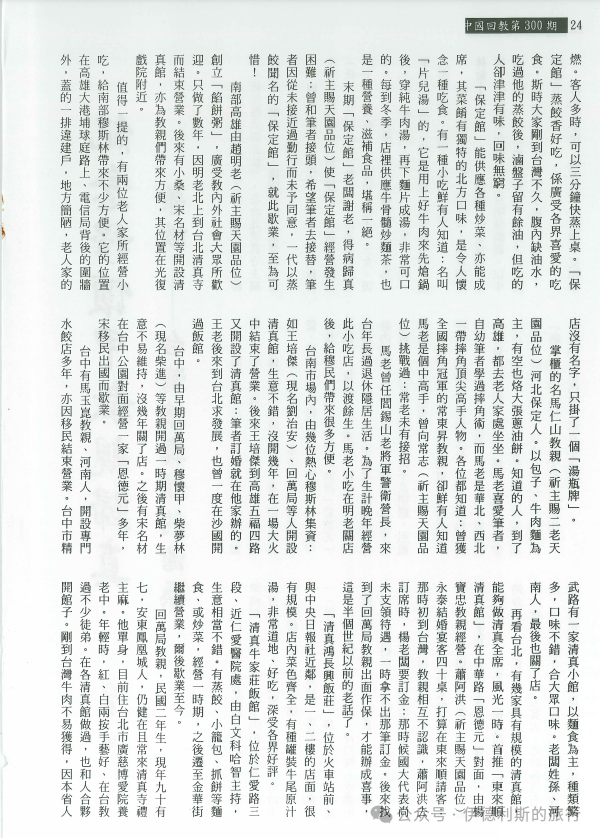
I am sharing an article from the 300th issue of China Islam magazine titled 'Remembering Brother Mu Huaijia’s Passing—Reflections on the History of Halal Restaurants in Taiwan.' Today I am transcribing the second part, which recalls various halal restaurants in Kaohsiung, Tainan, Taichung, and Taipei.
In the southern city of Kaohsiung, Elder Zhao Ming (may Allah grant him a high place in Paradise) founded the restaurant Meat Pie and Porridge (xianbing zhou), which was popular with both Muslims and the general public. It only operated for a few years before closing when Elder Ming moved north to the Taipei Mosque. Later, people like Xiao Sang and Song Mingcai opened halal restaurants near the Guangfu Theater, which provided convenience for fellow Muslims.
Two elderly people also ran a snack shop that was very helpful to Muslims in the south. It was located in Kaohsiung on Qiuting Road in Dagangpu, behind the wall of the Telecommunications Bureau. It was in a row of makeshift buildings and the place was very simple. The elderly couple’s shop had no name, just a hanging sign with a water pitcher (tangping) symbol.
The owner was a fellow Muslim named Ma Renshan (may Allah grant him a high place in Paradise), who was from Baoding, Hebei. They mainly served steamed buns (baozi) and beef noodles, and when they had time, they would also fry large scallion pancakes (cong you bing). People who know about it always stop by the old man's place when they visit Kaohsiung. Old Mr. Ma liked me because I learned wrestling as a child, and he was a top-tier wrestling master in North and Northwest China. Everyone knows Chang Dongsheng was a national wrestling champion and a fellow Muslim, but few know Old Mr. Ma was also an expert who once challenged Chang Zhi (may Allah grant him a high place in Paradise) to a match, though Chang did not accept.
Old Mr. Ma once served as a guard battalion commander for General Yan Xishan, and he lived a quiet, retired life after coming to Taiwan. In his later years, he ran this small snack shop to make a living. After Old Mr. Ming closed his shop, Old Mr. Ma's snack shop provided a lot of convenience for the local Muslims.
In the Tainan market, several enthusiastic Muslims including Wang Peijie (now known as Liu Zhi'an) and Hui Wanju pooled their money to open a halal restaurant. Business was good, but it closed after a few years due to a fire. Later, Wang Peijie opened another halal restaurant on Wufu 4th Road in Kaohsiung, and I even held my engagement party there. Wang Laohe later came to Taipei to seek opportunities and even ran a restaurant in Saudi Arabia for a time.
In Taichung, fellow Muslims like Hui Wanjuju, Mu Huaijia, and Chai Menglin (now named Chai Jin) once opened a halal restaurant, but business was hard to sustain and they closed the shop after a few years. Later, Song Mingcai ran a restaurant called Ende Yuan across from Taichung Park for many years, but it closed when Song immigrated abroad.
In Taichung, a fellow Muslim from Henan named Ma Yukun ran a specialty dumpling shop for many years, which also closed when he immigrated. There is a small halal restaurant on Jingwu Road in Taichung City that focuses on noodle dishes; they have a wide variety with good flavors that suit the general public. The owner was surnamed Sun, a man from Henan, and he eventually closed the shop as well.
Looking at Taipei, there were several large-scale halal restaurants that could serve full-course halal banquets and were quite popular for a time. The most prominent was the Donglaishun Halal Restaurant, located on Zhonghua Road across from Ende Yuan, which was run by fellow Muslim Yang Zhongbao. Xiao Ahong (may Allah grant him a high place in Paradise) planned a forty-table wedding banquet at Donglaishun. He had just arrived in Taiwan and did not know many fellow Hui Muslims yet. When he went to book the tables, the owner, Mr. Yang, asked for a deposit. Since National Assembly representatives were not yet receiving their salaries, Xiao Ahong could not pay the deposit at that time. He eventually found a fellow Hui Muslim named Hui Wanju to act as a guarantor, which allowed the wedding to go ahead. This happened half a century ago.
Hui Wanju was born in 1913 and is now ninety-seven years old. He is from Fenghuangcheng in Andong, is still alive, and often comes to the mosque for Friday namaz. He is single and currently lives at the Guangci Care Home in Taipei. When he was young, he was very skilled at catering for both weddings and funerals and trained many apprentices in Taiwan. He worked in various halal restaurants and also opened restaurants in partnership with others. When he first arrived in Taiwan, beef was hard to find because the local people did not eat beef and would not slaughter cows. Hui Wanju started slaughtering cows in the north, central, and southern parts of the island to supply beef to various halal restaurants. In his later years, he partnered with Fengji Dim Sum Shop on Jinshan South Road to make snacks. He was famous for his sesame flatbread (shaobing) and brown sugar baked rolls (huoshao), and he also supplied mooncakes during the Mid-Autumn Festival. view all
Summary: Halal Food Guide: Taiwan - Halal Restaurants Across the Island is presented here as a firsthand travel account in clear, natural English. The account focuses on Taiwan, Halal Food, Muslim Travel while preserving the names, places, food, photos, and historical details from the Chinese source.
I am sharing an article from the 300th issue of China Islam magazine titled 'Remembering Brother Mu Huaijia’s Passing—Reflections on the History of Halal Restaurants in Taiwan.' Today I am transcribing the second part, which recalls various halal restaurants in Kaohsiung, Tainan, Taichung, and Taipei.
In the southern city of Kaohsiung, Elder Zhao Ming (may Allah grant him a high place in Paradise) founded the restaurant Meat Pie and Porridge (xianbing zhou), which was popular with both Muslims and the general public. It only operated for a few years before closing when Elder Ming moved north to the Taipei Mosque. Later, people like Xiao Sang and Song Mingcai opened halal restaurants near the Guangfu Theater, which provided convenience for fellow Muslims.
Two elderly people also ran a snack shop that was very helpful to Muslims in the south. It was located in Kaohsiung on Qiuting Road in Dagangpu, behind the wall of the Telecommunications Bureau. It was in a row of makeshift buildings and the place was very simple. The elderly couple’s shop had no name, just a hanging sign with a water pitcher (tangping) symbol.
The owner was a fellow Muslim named Ma Renshan (may Allah grant him a high place in Paradise), who was from Baoding, Hebei. They mainly served steamed buns (baozi) and beef noodles, and when they had time, they would also fry large scallion pancakes (cong you bing). People who know about it always stop by the old man's place when they visit Kaohsiung. Old Mr. Ma liked me because I learned wrestling as a child, and he was a top-tier wrestling master in North and Northwest China. Everyone knows Chang Dongsheng was a national wrestling champion and a fellow Muslim, but few know Old Mr. Ma was also an expert who once challenged Chang Zhi (may Allah grant him a high place in Paradise) to a match, though Chang did not accept.
Old Mr. Ma once served as a guard battalion commander for General Yan Xishan, and he lived a quiet, retired life after coming to Taiwan. In his later years, he ran this small snack shop to make a living. After Old Mr. Ming closed his shop, Old Mr. Ma's snack shop provided a lot of convenience for the local Muslims.
In the Tainan market, several enthusiastic Muslims including Wang Peijie (now known as Liu Zhi'an) and Hui Wanju pooled their money to open a halal restaurant. Business was good, but it closed after a few years due to a fire. Later, Wang Peijie opened another halal restaurant on Wufu 4th Road in Kaohsiung, and I even held my engagement party there. Wang Laohe later came to Taipei to seek opportunities and even ran a restaurant in Saudi Arabia for a time.
In Taichung, fellow Muslims like Hui Wanjuju, Mu Huaijia, and Chai Menglin (now named Chai Jin) once opened a halal restaurant, but business was hard to sustain and they closed the shop after a few years. Later, Song Mingcai ran a restaurant called Ende Yuan across from Taichung Park for many years, but it closed when Song immigrated abroad.
In Taichung, a fellow Muslim from Henan named Ma Yukun ran a specialty dumpling shop for many years, which also closed when he immigrated. There is a small halal restaurant on Jingwu Road in Taichung City that focuses on noodle dishes; they have a wide variety with good flavors that suit the general public. The owner was surnamed Sun, a man from Henan, and he eventually closed the shop as well.
Looking at Taipei, there were several large-scale halal restaurants that could serve full-course halal banquets and were quite popular for a time. The most prominent was the Donglaishun Halal Restaurant, located on Zhonghua Road across from Ende Yuan, which was run by fellow Muslim Yang Zhongbao. Xiao Ahong (may Allah grant him a high place in Paradise) planned a forty-table wedding banquet at Donglaishun. He had just arrived in Taiwan and did not know many fellow Hui Muslims yet. When he went to book the tables, the owner, Mr. Yang, asked for a deposit. Since National Assembly representatives were not yet receiving their salaries, Xiao Ahong could not pay the deposit at that time. He eventually found a fellow Hui Muslim named Hui Wanju to act as a guarantor, which allowed the wedding to go ahead. This happened half a century ago.
Hui Wanju was born in 1913 and is now ninety-seven years old. He is from Fenghuangcheng in Andong, is still alive, and often comes to the mosque for Friday namaz. He is single and currently lives at the Guangci Care Home in Taipei. When he was young, he was very skilled at catering for both weddings and funerals and trained many apprentices in Taiwan. He worked in various halal restaurants and also opened restaurants in partnership with others. When he first arrived in Taiwan, beef was hard to find because the local people did not eat beef and would not slaughter cows. Hui Wanju started slaughtering cows in the north, central, and southern parts of the island to supply beef to various halal restaurants. In his later years, he partnered with Fengji Dim Sum Shop on Jinshan South Road to make snacks. He was famous for his sesame flatbread (shaobing) and brown sugar baked rolls (huoshao), and he also supplied mooncakes during the Mid-Autumn Festival. view all
Reposted from the web
Summary: Halal Food Guide: Taiwan - Halal Restaurants Across the Island is presented here as a firsthand travel account in clear, natural English. The account focuses on Taiwan, Halal Food, Muslim Travel while preserving the names, places, food, photos, and historical details from the Chinese source.
I am sharing an article from the 300th issue of China Islam magazine titled 'Remembering Brother Mu Huaijia’s Passing—Reflections on the History of Halal Restaurants in Taiwan.' Today I am transcribing the second part, which recalls various halal restaurants in Kaohsiung, Tainan, Taichung, and Taipei.
In the southern city of Kaohsiung, Elder Zhao Ming (may Allah grant him a high place in Paradise) founded the restaurant Meat Pie and Porridge (xianbing zhou), which was popular with both Muslims and the general public. It only operated for a few years before closing when Elder Ming moved north to the Taipei Mosque. Later, people like Xiao Sang and Song Mingcai opened halal restaurants near the Guangfu Theater, which provided convenience for fellow Muslims.
Two elderly people also ran a snack shop that was very helpful to Muslims in the south. It was located in Kaohsiung on Qiuting Road in Dagangpu, behind the wall of the Telecommunications Bureau. It was in a row of makeshift buildings and the place was very simple. The elderly couple’s shop had no name, just a hanging sign with a water pitcher (tangping) symbol.
The owner was a fellow Muslim named Ma Renshan (may Allah grant him a high place in Paradise), who was from Baoding, Hebei. They mainly served steamed buns (baozi) and beef noodles, and when they had time, they would also fry large scallion pancakes (cong you bing). People who know about it always stop by the old man's place when they visit Kaohsiung. Old Mr. Ma liked me because I learned wrestling as a child, and he was a top-tier wrestling master in North and Northwest China. Everyone knows Chang Dongsheng was a national wrestling champion and a fellow Muslim, but few know Old Mr. Ma was also an expert who once challenged Chang Zhi (may Allah grant him a high place in Paradise) to a match, though Chang did not accept.
Old Mr. Ma once served as a guard battalion commander for General Yan Xishan, and he lived a quiet, retired life after coming to Taiwan. In his later years, he ran this small snack shop to make a living. After Old Mr. Ming closed his shop, Old Mr. Ma's snack shop provided a lot of convenience for the local Muslims.
In the Tainan market, several enthusiastic Muslims including Wang Peijie (now known as Liu Zhi'an) and Hui Wanju pooled their money to open a halal restaurant. Business was good, but it closed after a few years due to a fire. Later, Wang Peijie opened another halal restaurant on Wufu 4th Road in Kaohsiung, and I even held my engagement party there. Wang Laohe later came to Taipei to seek opportunities and even ran a restaurant in Saudi Arabia for a time.
In Taichung, fellow Muslims like Hui Wanjuju, Mu Huaijia, and Chai Menglin (now named Chai Jin) once opened a halal restaurant, but business was hard to sustain and they closed the shop after a few years. Later, Song Mingcai ran a restaurant called Ende Yuan across from Taichung Park for many years, but it closed when Song immigrated abroad.
In Taichung, a fellow Muslim from Henan named Ma Yukun ran a specialty dumpling shop for many years, which also closed when he immigrated. There is a small halal restaurant on Jingwu Road in Taichung City that focuses on noodle dishes; they have a wide variety with good flavors that suit the general public. The owner was surnamed Sun, a man from Henan, and he eventually closed the shop as well.
Looking at Taipei, there were several large-scale halal restaurants that could serve full-course halal banquets and were quite popular for a time. The most prominent was the Donglaishun Halal Restaurant, located on Zhonghua Road across from Ende Yuan, which was run by fellow Muslim Yang Zhongbao. Xiao Ahong (may Allah grant him a high place in Paradise) planned a forty-table wedding banquet at Donglaishun. He had just arrived in Taiwan and did not know many fellow Hui Muslims yet. When he went to book the tables, the owner, Mr. Yang, asked for a deposit. Since National Assembly representatives were not yet receiving their salaries, Xiao Ahong could not pay the deposit at that time. He eventually found a fellow Hui Muslim named Hui Wanju to act as a guarantor, which allowed the wedding to go ahead. This happened half a century ago.
Hui Wanju was born in 1913 and is now ninety-seven years old. He is from Fenghuangcheng in Andong, is still alive, and often comes to the mosque for Friday namaz. He is single and currently lives at the Guangci Care Home in Taipei. When he was young, he was very skilled at catering for both weddings and funerals and trained many apprentices in Taiwan. He worked in various halal restaurants and also opened restaurants in partnership with others. When he first arrived in Taiwan, beef was hard to find because the local people did not eat beef and would not slaughter cows. Hui Wanju started slaughtering cows in the north, central, and southern parts of the island to supply beef to various halal restaurants. In his later years, he partnered with Fengji Dim Sum Shop on Jinshan South Road to make snacks. He was famous for his sesame flatbread (shaobing) and brown sugar baked rolls (huoshao), and he also supplied mooncakes during the Mid-Autumn Festival.
Summary: Halal Food Guide: Taiwan - Halal Restaurants Across the Island is presented here as a firsthand travel account in clear, natural English. The account focuses on Taiwan, Halal Food, Muslim Travel while preserving the names, places, food, photos, and historical details from the Chinese source.
I am sharing an article from the 300th issue of China Islam magazine titled 'Remembering Brother Mu Huaijia’s Passing—Reflections on the History of Halal Restaurants in Taiwan.' Today I am transcribing the second part, which recalls various halal restaurants in Kaohsiung, Tainan, Taichung, and Taipei.
In the southern city of Kaohsiung, Elder Zhao Ming (may Allah grant him a high place in Paradise) founded the restaurant Meat Pie and Porridge (xianbing zhou), which was popular with both Muslims and the general public. It only operated for a few years before closing when Elder Ming moved north to the Taipei Mosque. Later, people like Xiao Sang and Song Mingcai opened halal restaurants near the Guangfu Theater, which provided convenience for fellow Muslims.
Two elderly people also ran a snack shop that was very helpful to Muslims in the south. It was located in Kaohsiung on Qiuting Road in Dagangpu, behind the wall of the Telecommunications Bureau. It was in a row of makeshift buildings and the place was very simple. The elderly couple’s shop had no name, just a hanging sign with a water pitcher (tangping) symbol.
The owner was a fellow Muslim named Ma Renshan (may Allah grant him a high place in Paradise), who was from Baoding, Hebei. They mainly served steamed buns (baozi) and beef noodles, and when they had time, they would also fry large scallion pancakes (cong you bing). People who know about it always stop by the old man's place when they visit Kaohsiung. Old Mr. Ma liked me because I learned wrestling as a child, and he was a top-tier wrestling master in North and Northwest China. Everyone knows Chang Dongsheng was a national wrestling champion and a fellow Muslim, but few know Old Mr. Ma was also an expert who once challenged Chang Zhi (may Allah grant him a high place in Paradise) to a match, though Chang did not accept.
Old Mr. Ma once served as a guard battalion commander for General Yan Xishan, and he lived a quiet, retired life after coming to Taiwan. In his later years, he ran this small snack shop to make a living. After Old Mr. Ming closed his shop, Old Mr. Ma's snack shop provided a lot of convenience for the local Muslims.
In the Tainan market, several enthusiastic Muslims including Wang Peijie (now known as Liu Zhi'an) and Hui Wanju pooled their money to open a halal restaurant. Business was good, but it closed after a few years due to a fire. Later, Wang Peijie opened another halal restaurant on Wufu 4th Road in Kaohsiung, and I even held my engagement party there. Wang Laohe later came to Taipei to seek opportunities and even ran a restaurant in Saudi Arabia for a time.
In Taichung, fellow Muslims like Hui Wanjuju, Mu Huaijia, and Chai Menglin (now named Chai Jin) once opened a halal restaurant, but business was hard to sustain and they closed the shop after a few years. Later, Song Mingcai ran a restaurant called Ende Yuan across from Taichung Park for many years, but it closed when Song immigrated abroad.
In Taichung, a fellow Muslim from Henan named Ma Yukun ran a specialty dumpling shop for many years, which also closed when he immigrated. There is a small halal restaurant on Jingwu Road in Taichung City that focuses on noodle dishes; they have a wide variety with good flavors that suit the general public. The owner was surnamed Sun, a man from Henan, and he eventually closed the shop as well.
Looking at Taipei, there were several large-scale halal restaurants that could serve full-course halal banquets and were quite popular for a time. The most prominent was the Donglaishun Halal Restaurant, located on Zhonghua Road across from Ende Yuan, which was run by fellow Muslim Yang Zhongbao. Xiao Ahong (may Allah grant him a high place in Paradise) planned a forty-table wedding banquet at Donglaishun. He had just arrived in Taiwan and did not know many fellow Hui Muslims yet. When he went to book the tables, the owner, Mr. Yang, asked for a deposit. Since National Assembly representatives were not yet receiving their salaries, Xiao Ahong could not pay the deposit at that time. He eventually found a fellow Hui Muslim named Hui Wanju to act as a guarantor, which allowed the wedding to go ahead. This happened half a century ago.
Hui Wanju was born in 1913 and is now ninety-seven years old. He is from Fenghuangcheng in Andong, is still alive, and often comes to the mosque for Friday namaz. He is single and currently lives at the Guangci Care Home in Taipei. When he was young, he was very skilled at catering for both weddings and funerals and trained many apprentices in Taiwan. He worked in various halal restaurants and also opened restaurants in partnership with others. When he first arrived in Taiwan, beef was hard to find because the local people did not eat beef and would not slaughter cows. Hui Wanju started slaughtering cows in the north, central, and southern parts of the island to supply beef to various halal restaurants. In his later years, he partnered with Fengji Dim Sum Shop on Jinshan South Road to make snacks. He was famous for his sesame flatbread (shaobing) and brown sugar baked rolls (huoshao), and he also supplied mooncakes during the Mid-Autumn Festival.
Halal Food Guide: Kuching, Malaysia — Indian Mosque and Nasi Kandar
Articles • ali2007fr posted the article • 0 comments • 185 views • 2026-05-20 00:58
Reposted from the web
Summary: Kuching has Muslim food scenes shaped by Indian Muslim shops, mosque streets, and nasi kandar meals. This article preserves the original photos, restaurant details, street observations, and Kuching travel notes in simple English.
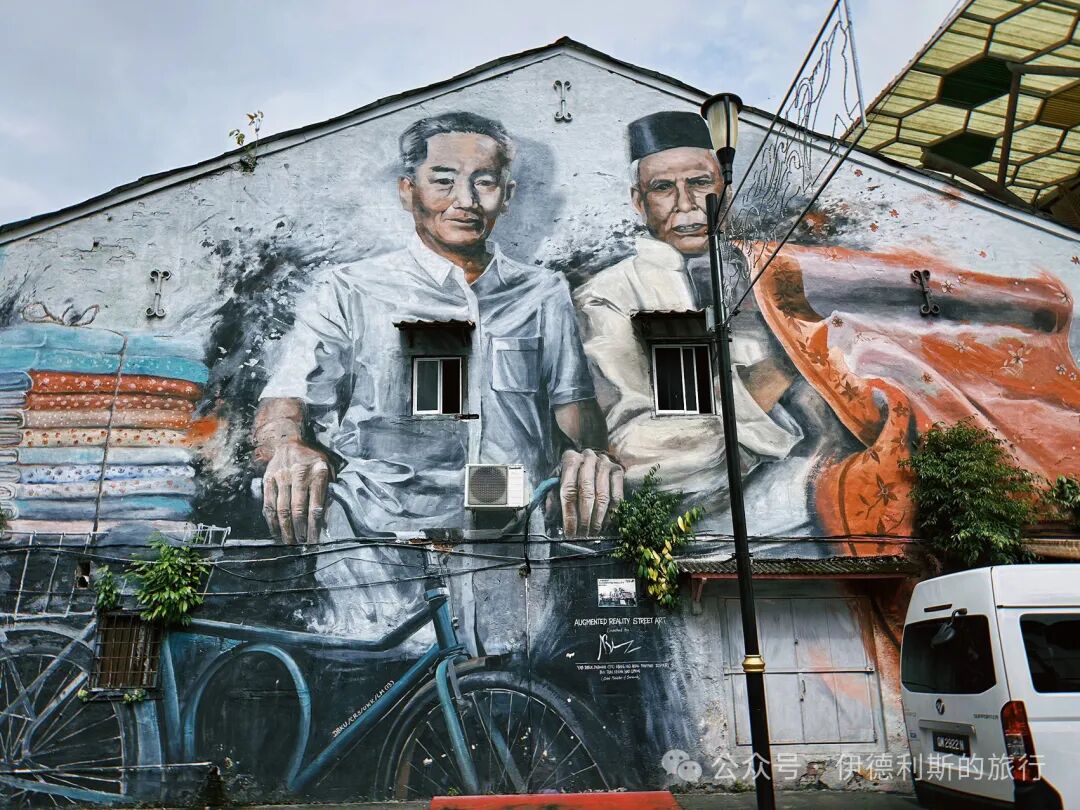
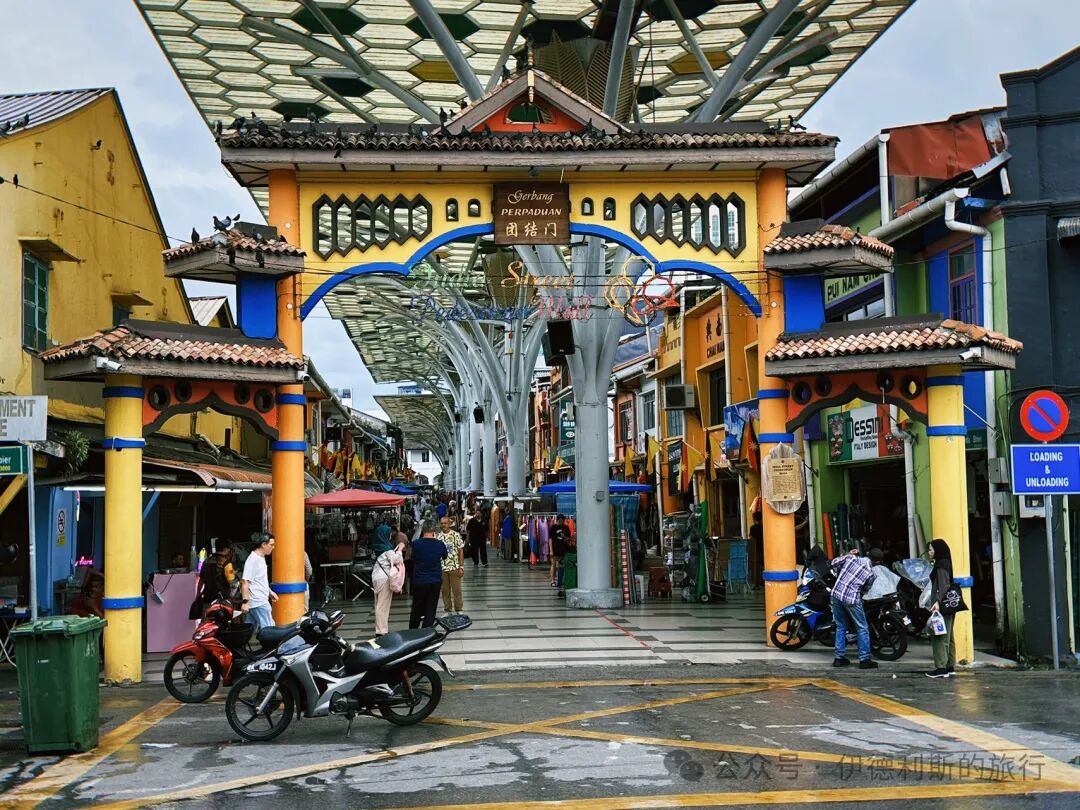
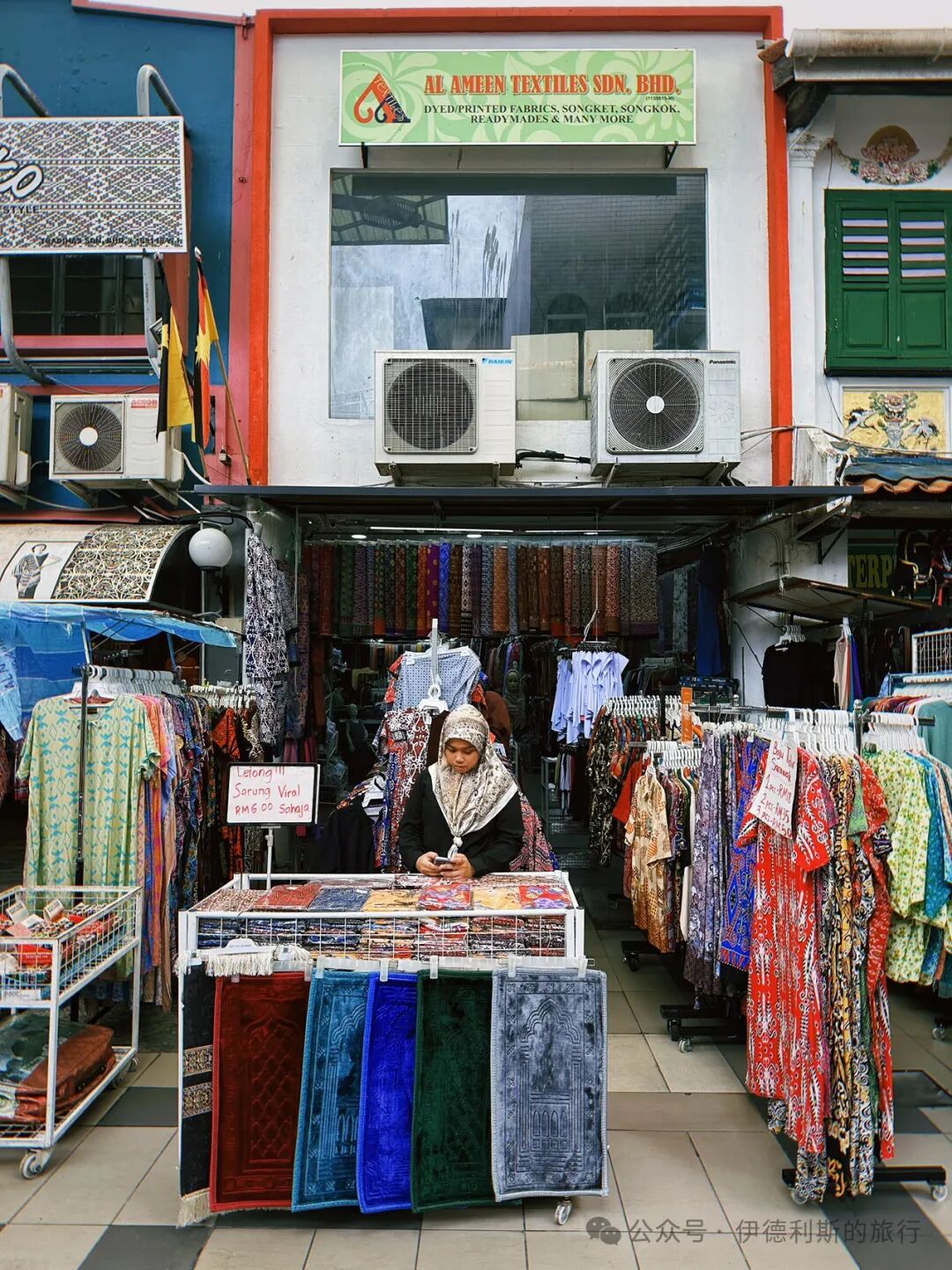
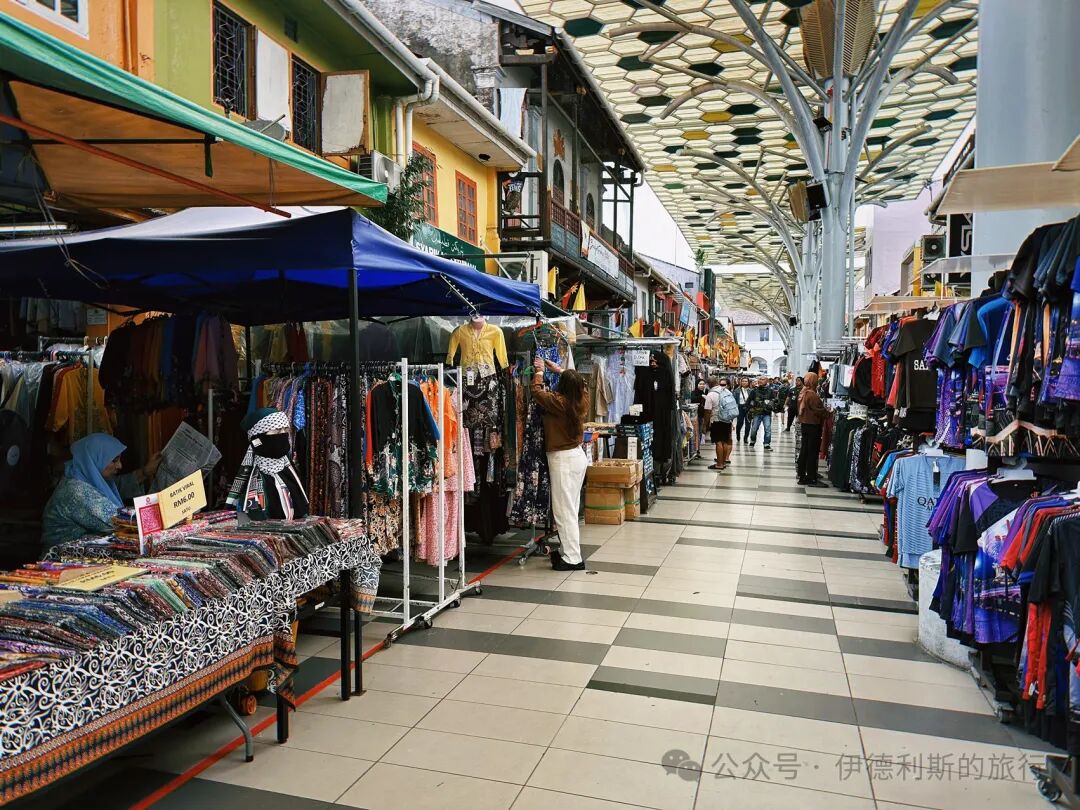
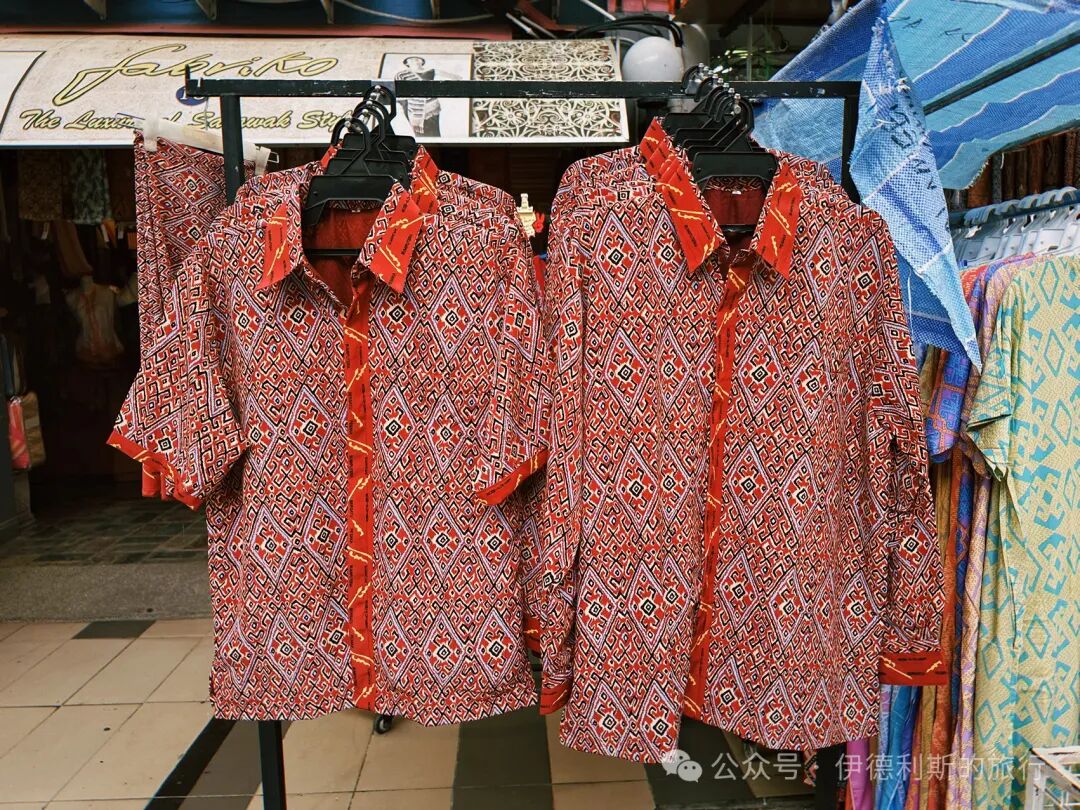
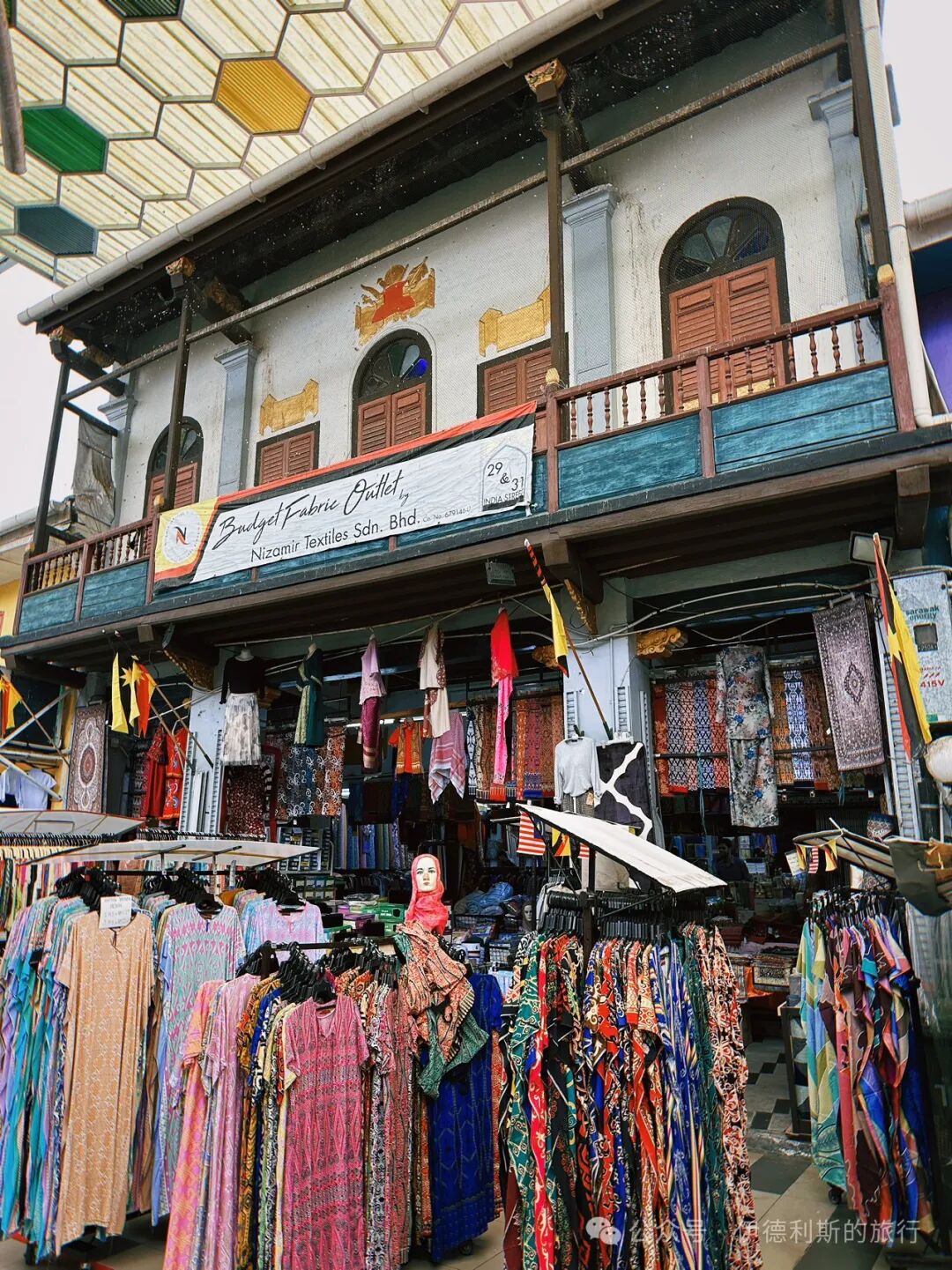
There is an India Street on the west side of Kuching's old town. Indian settlers began living here in the mid-to-late 19th century to sell textiles and clothing. The Kingdom of Sarawak officially named it India Street in 1928. It became a pedestrian street in 1992 and has been a busy clothing market ever since. Today, there are 74 shops on India Street. 14 of them are run by Indian Muslims, and some have been in business for over 60 years.
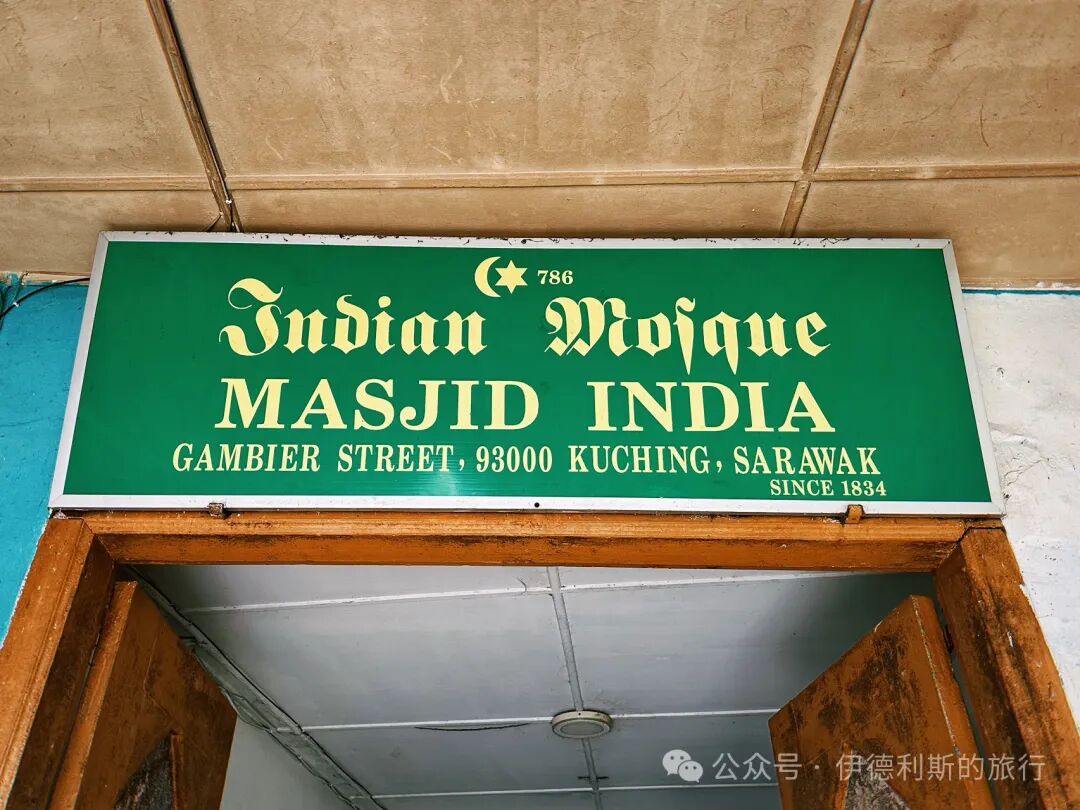
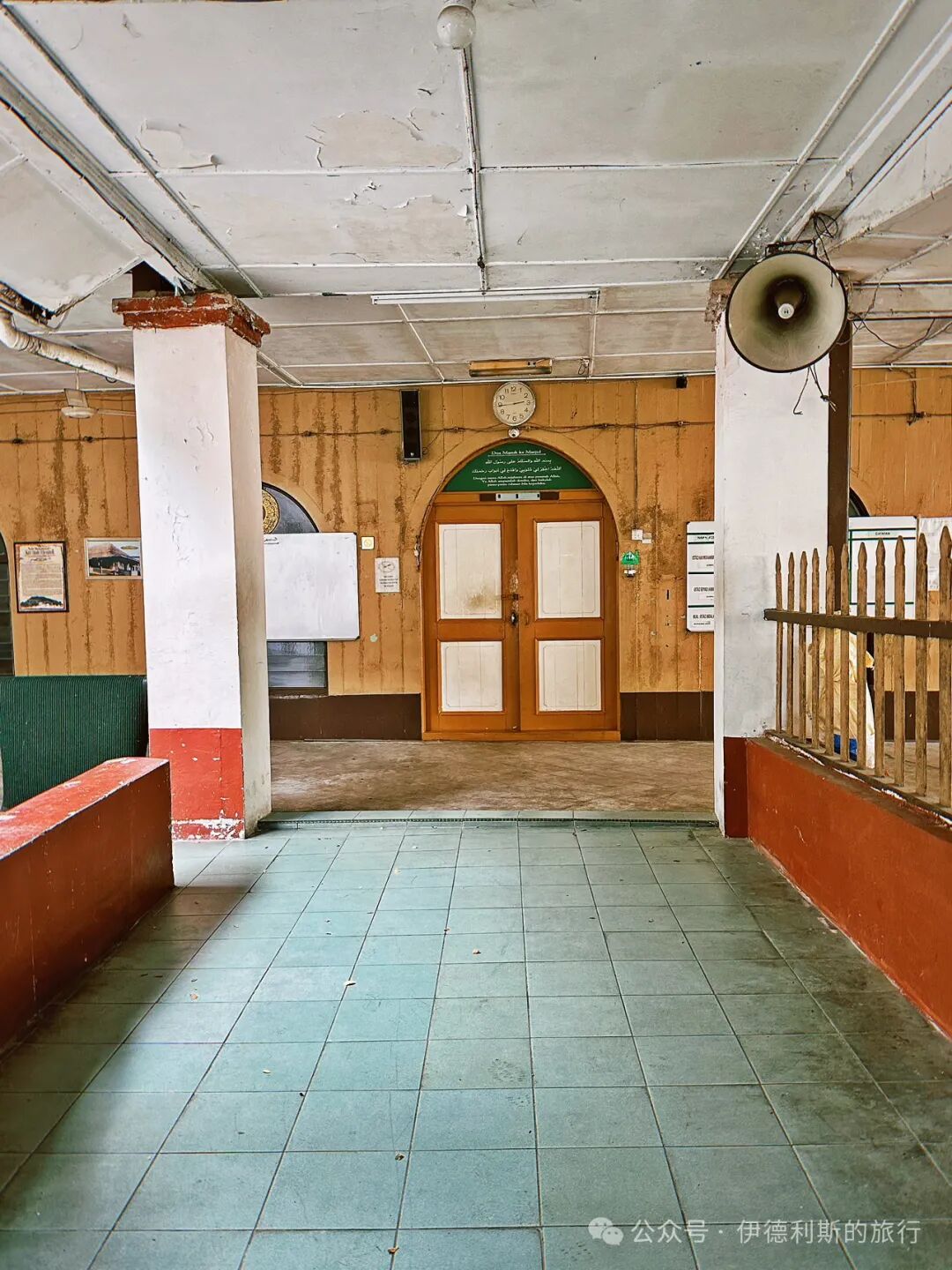
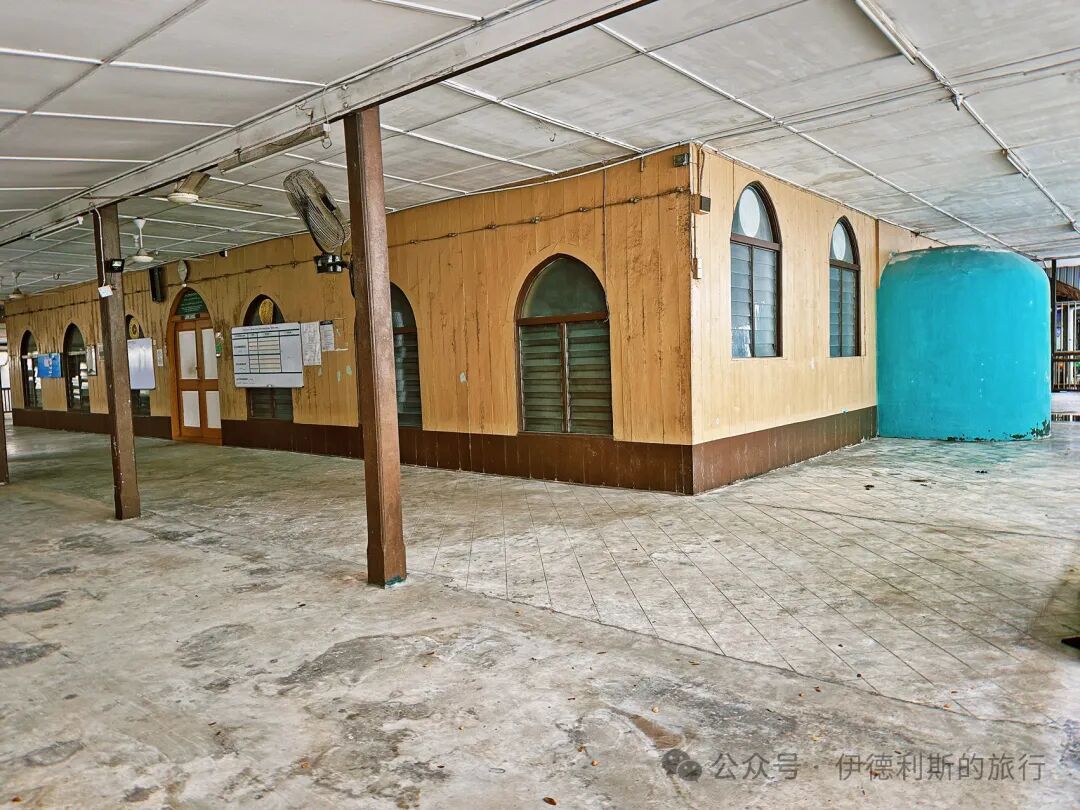
South Indian Tamil merchants built the Old Indian Mosque in Kuching in 1837. The original roof and walls were made of nipa palm, but it was rebuilt using Borneo ironwood in 1876 to create the current structure. In 2019, a new Indian Mosque opened across the Sarawak River. It became a landmark known as the Floating Mosque, and the old mosque closed.
An old photo of the Mawlid celebration at the Old Indian Mosque in Kuching.
The Old Indian Mosque owns 23 shops nearby to collect rent. Indian Muslims run 21 of these, selling groceries, spices, fabrics, and books. Two shops have Chinese owners. These businesses have been passed down through generations.
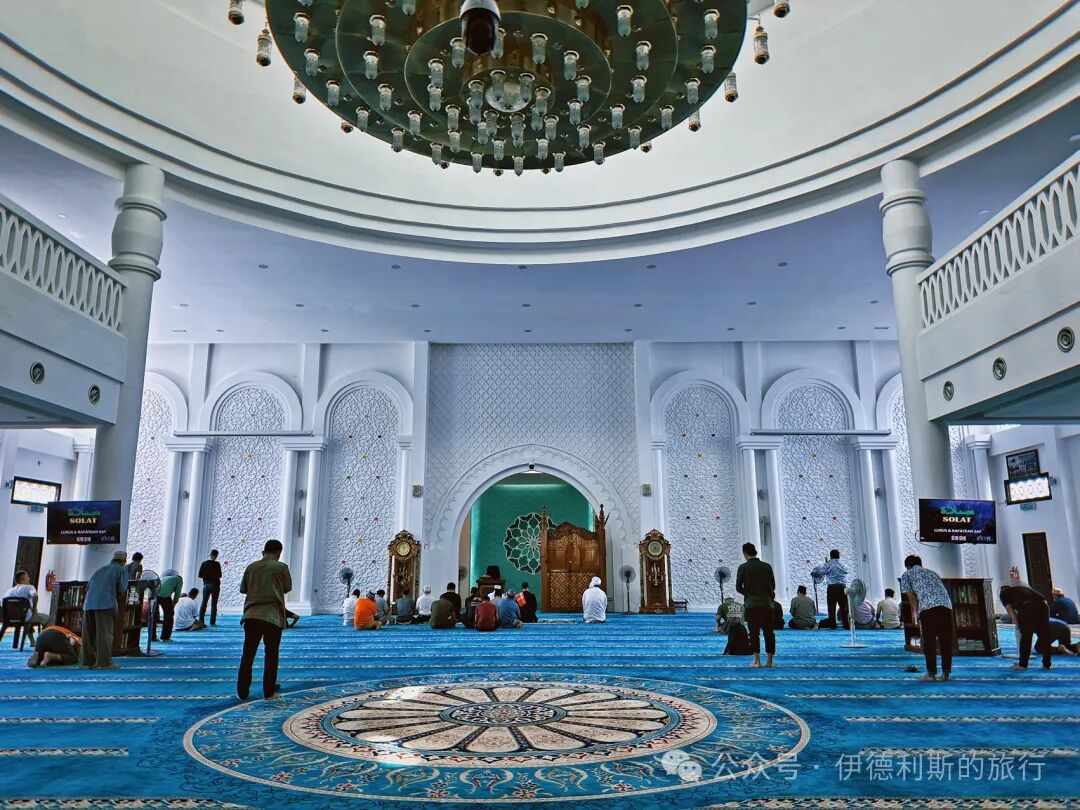
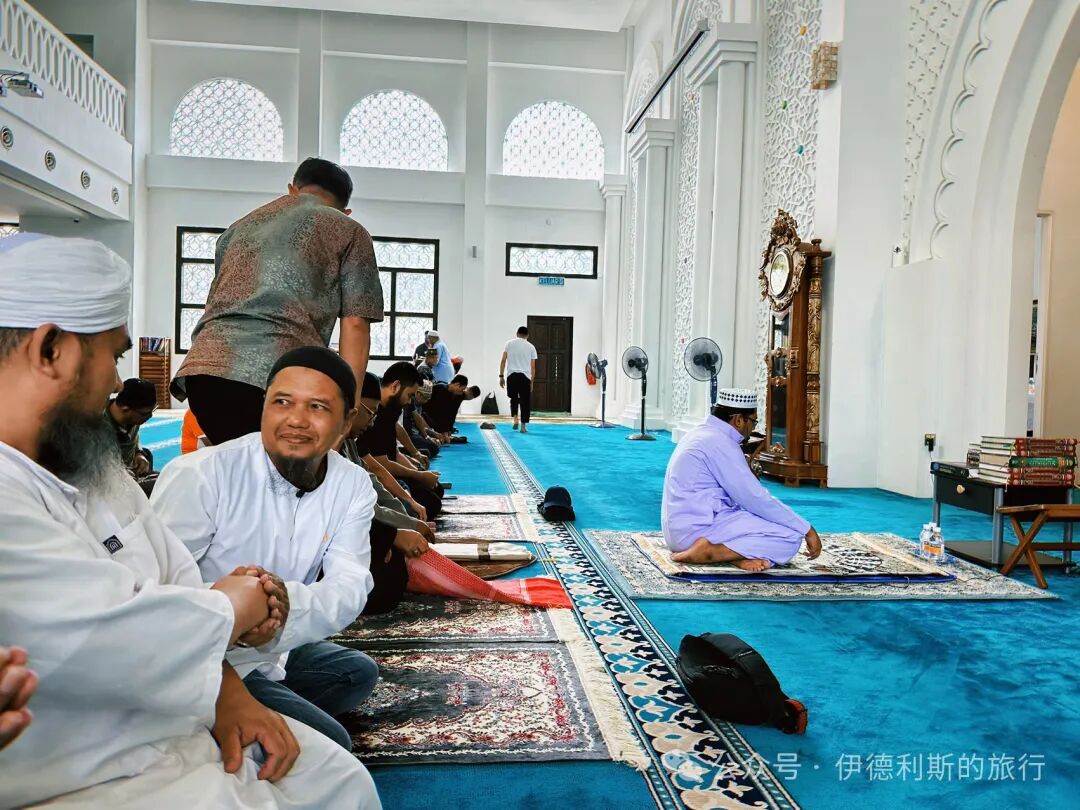
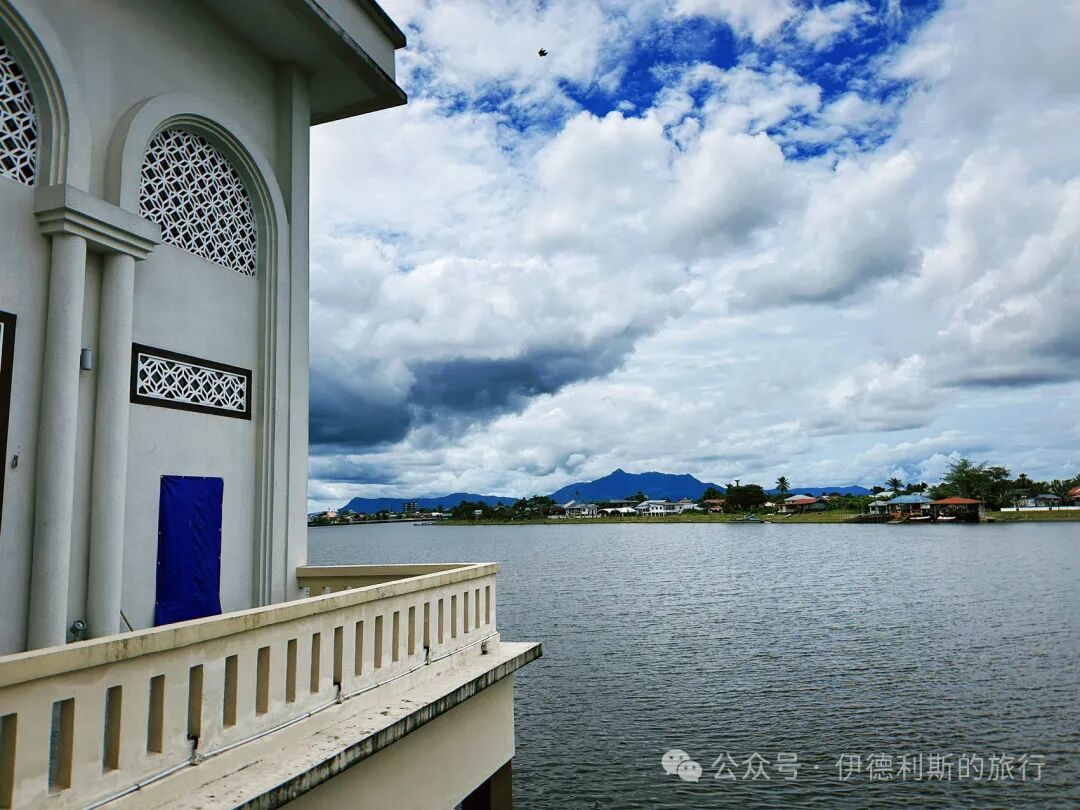
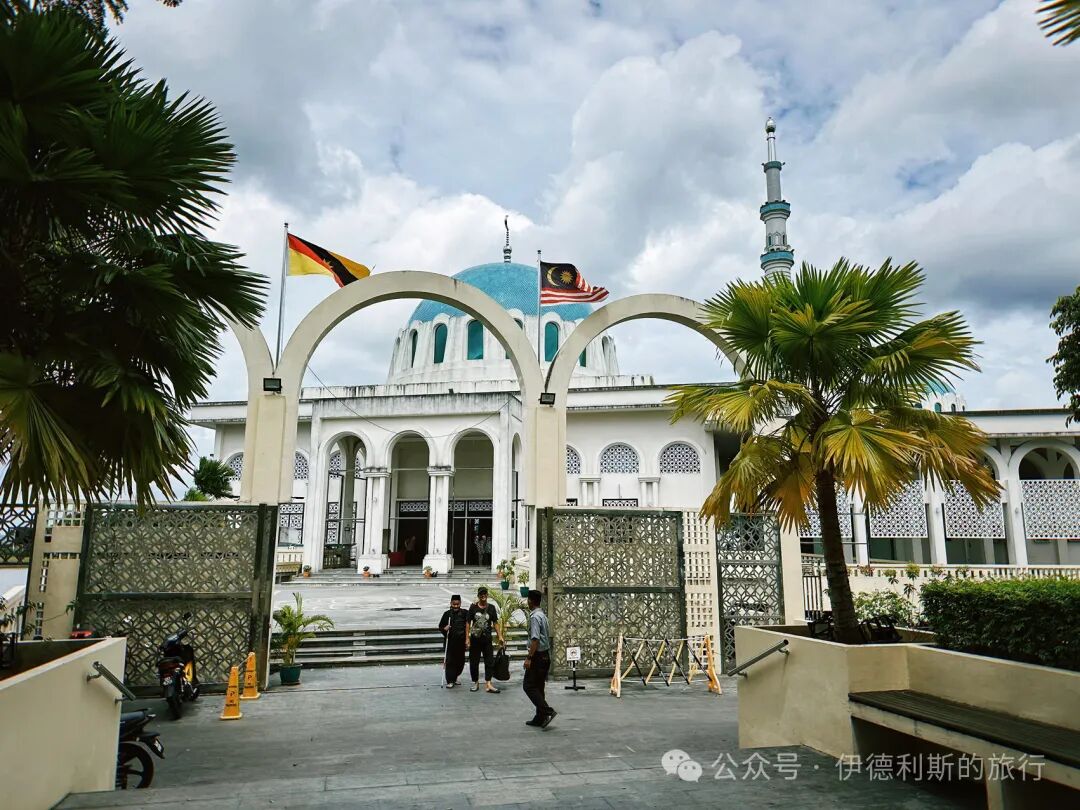
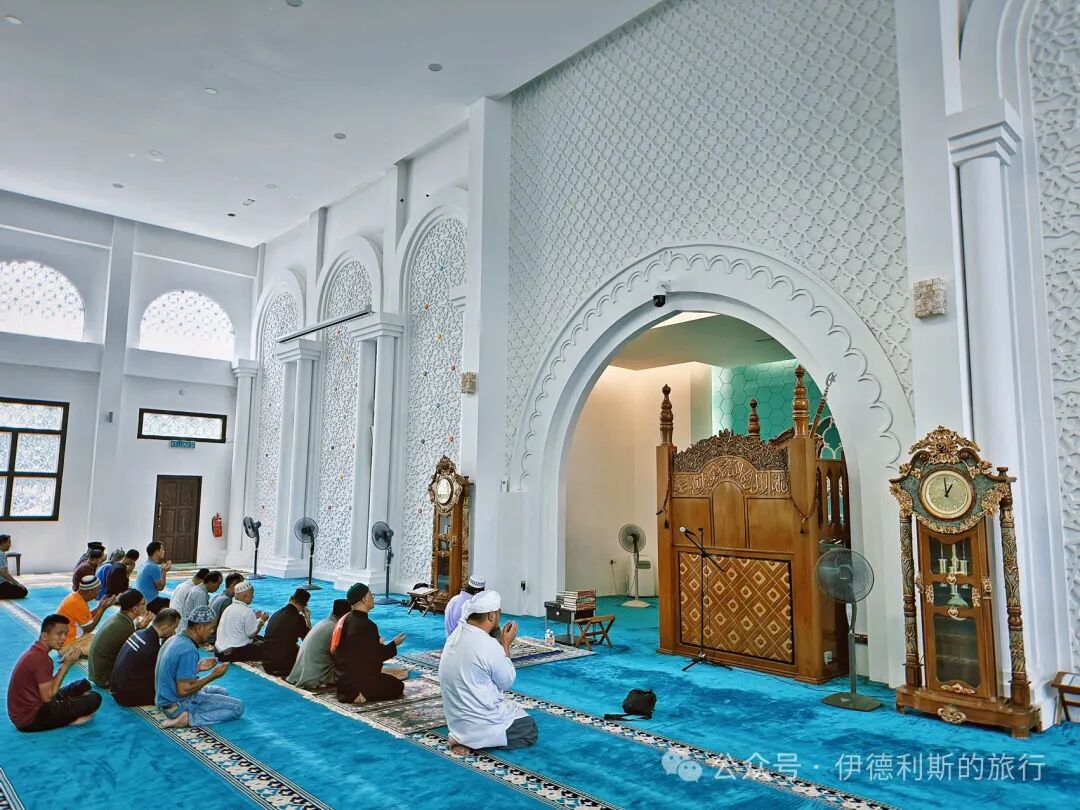
The new Indian Mosque in Kuching is also called the Floating Mosque. It looks beautiful against the green hills and water during the day, and the lights are stunning at night. The inside of the mosque is clean, bright, and well-kept.
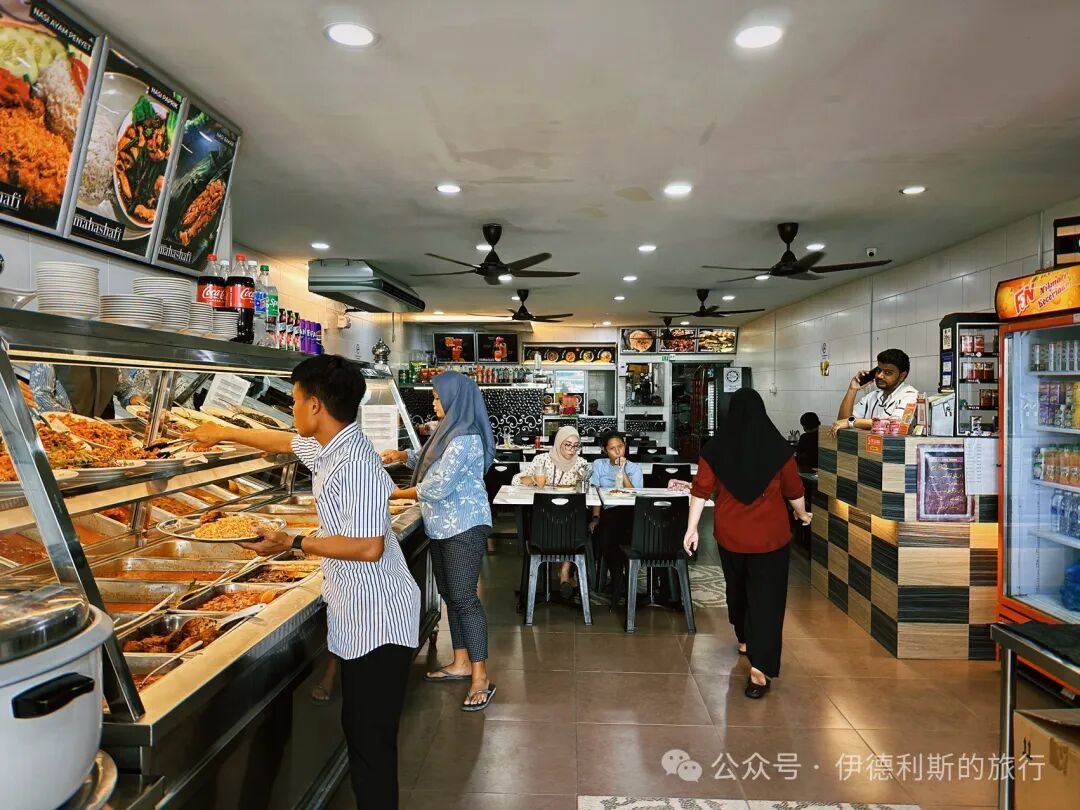
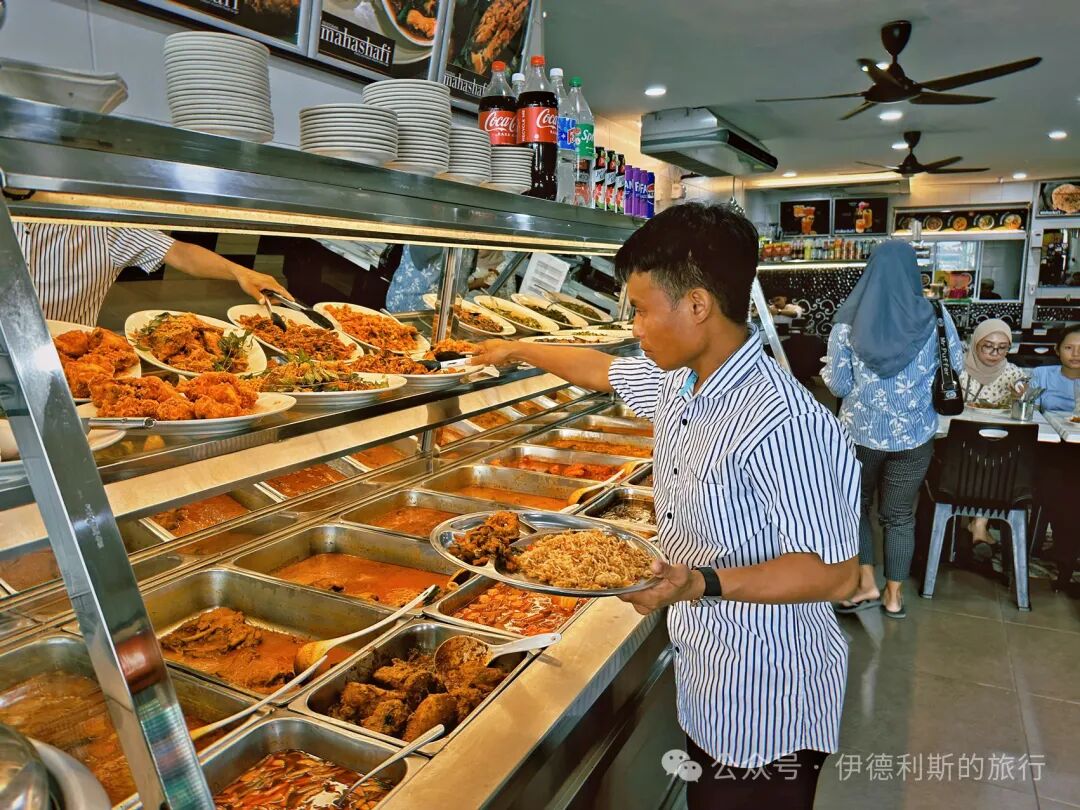
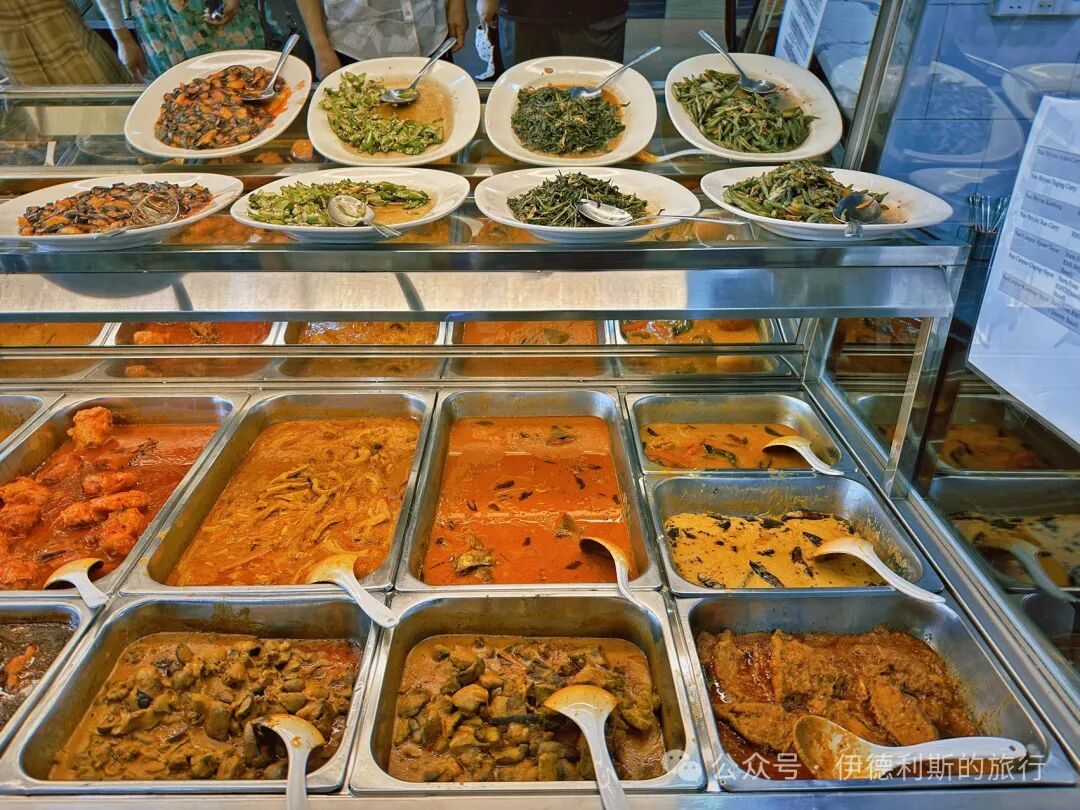
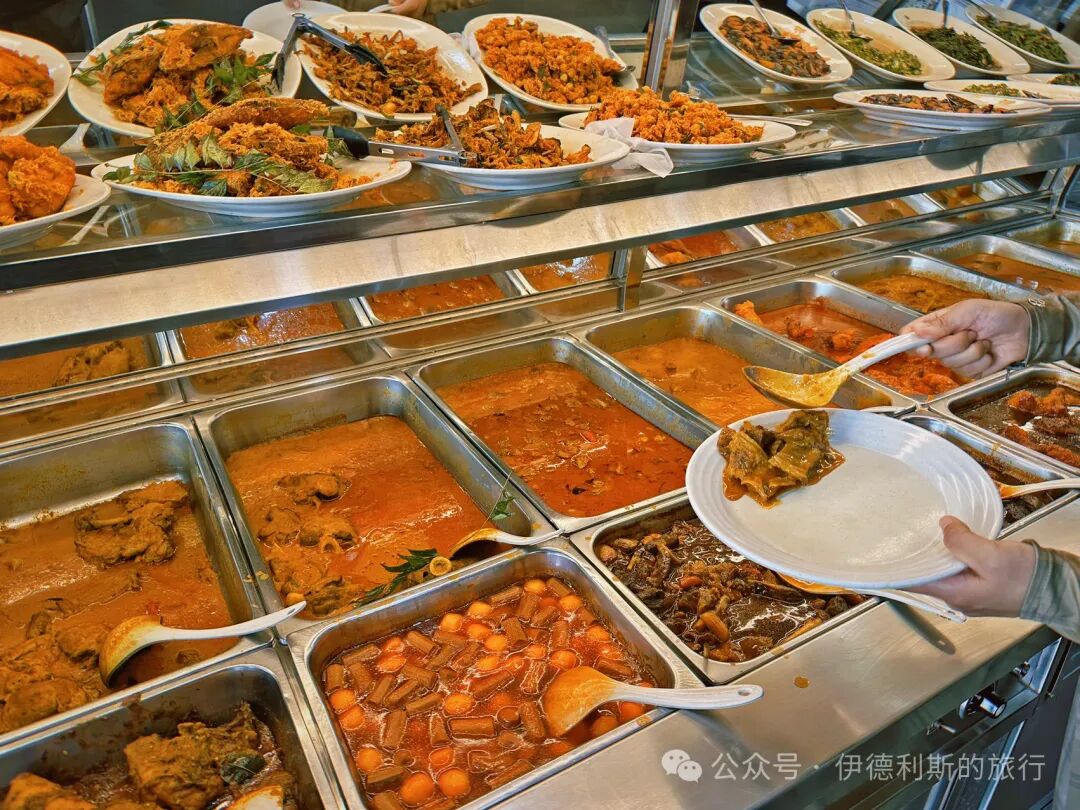
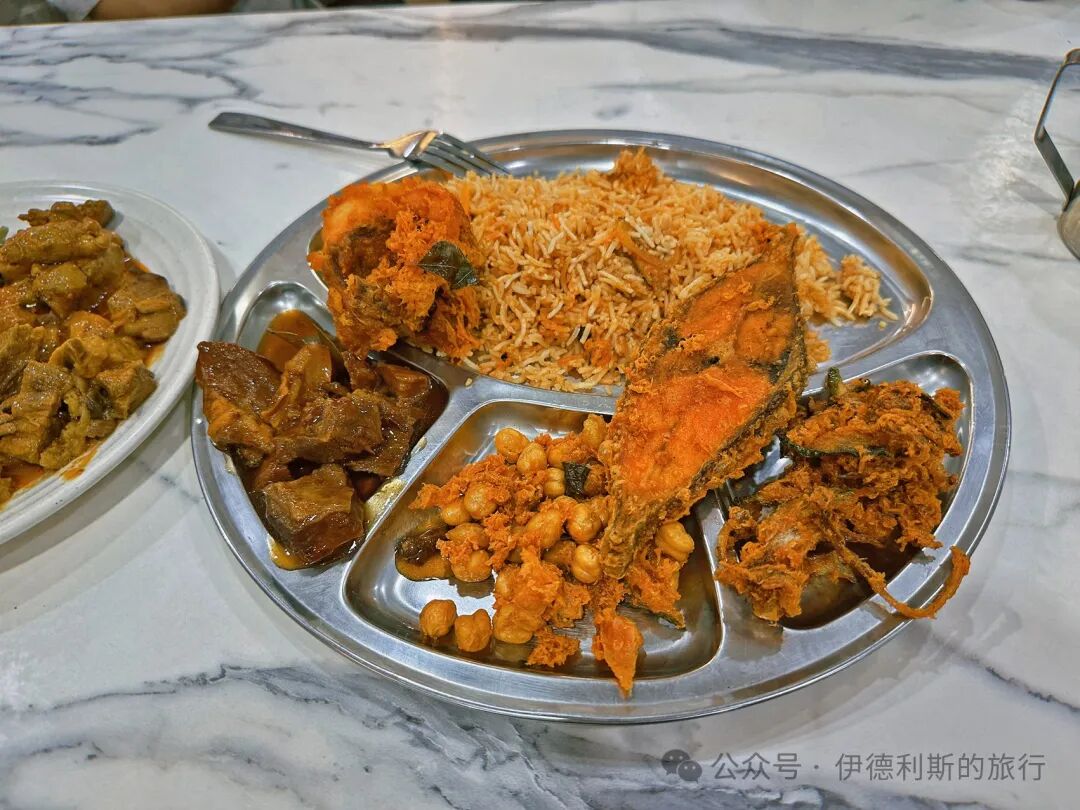
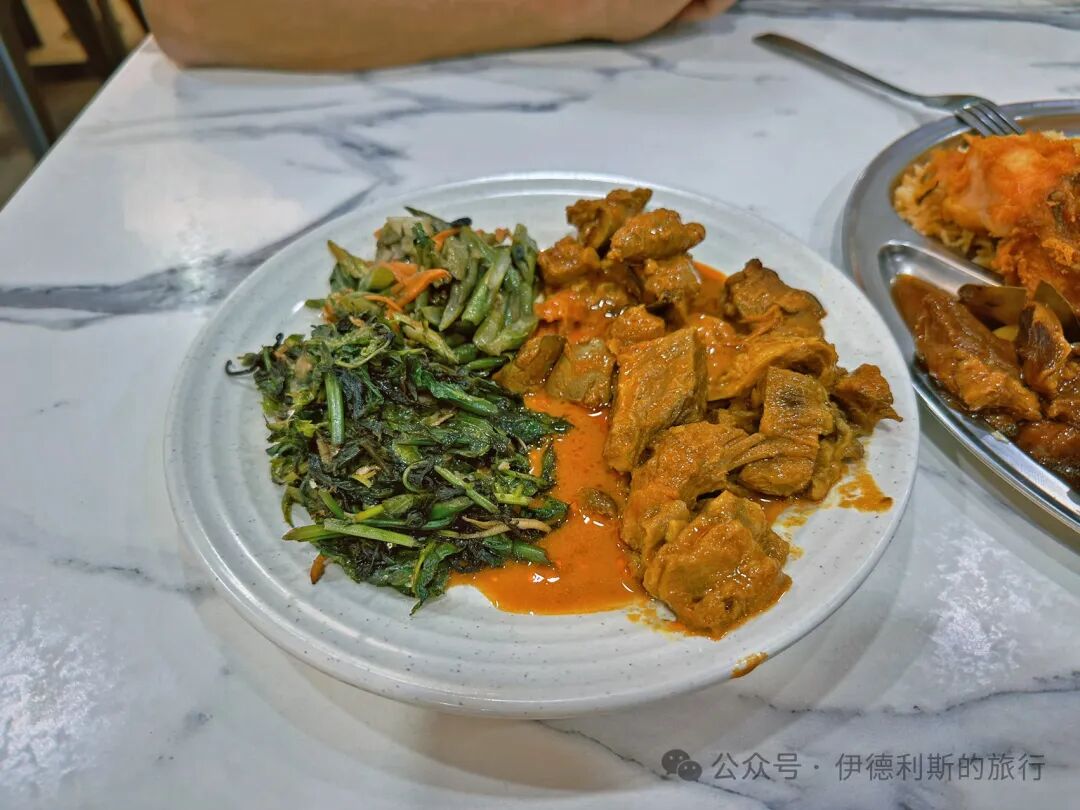
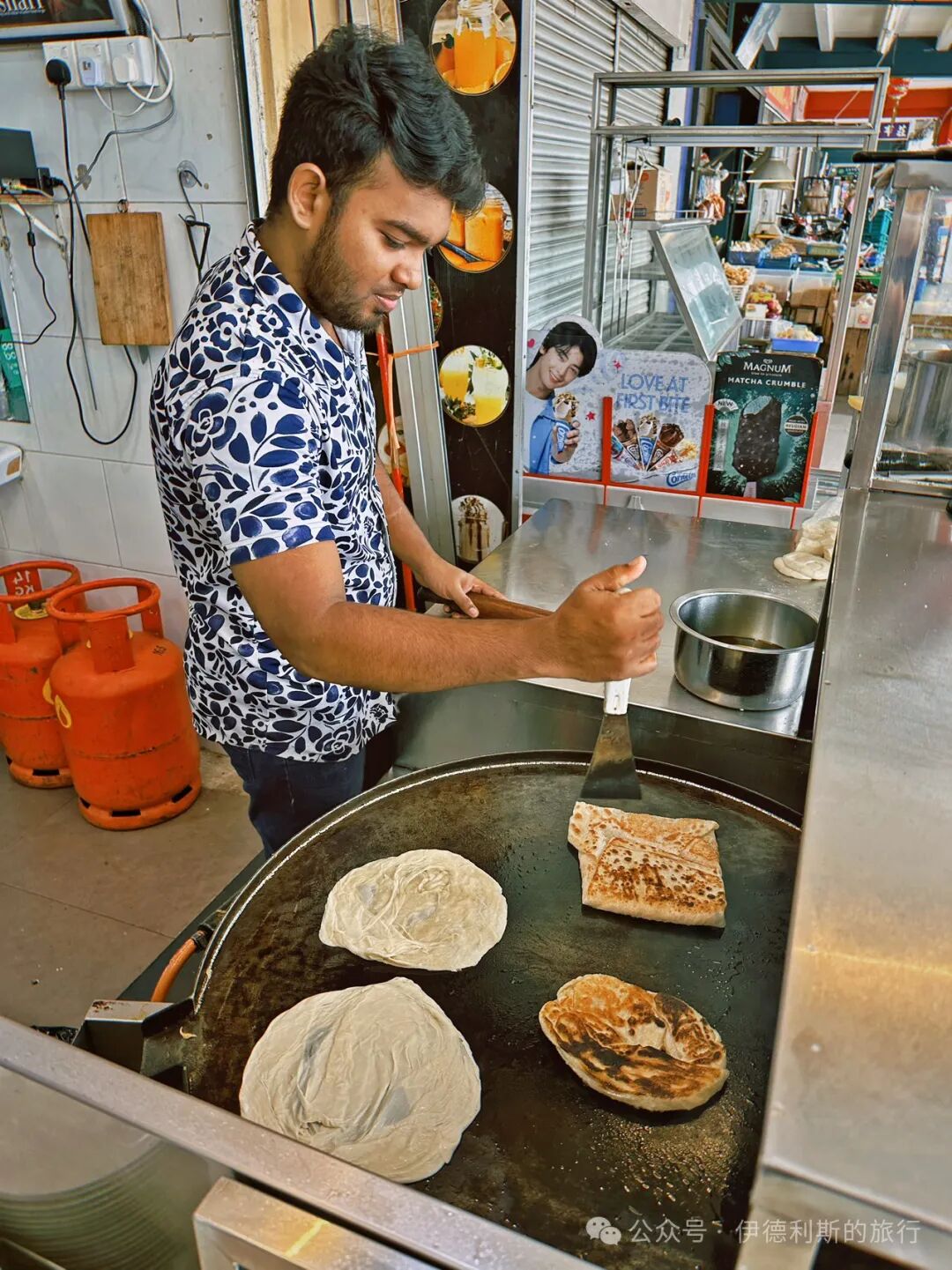
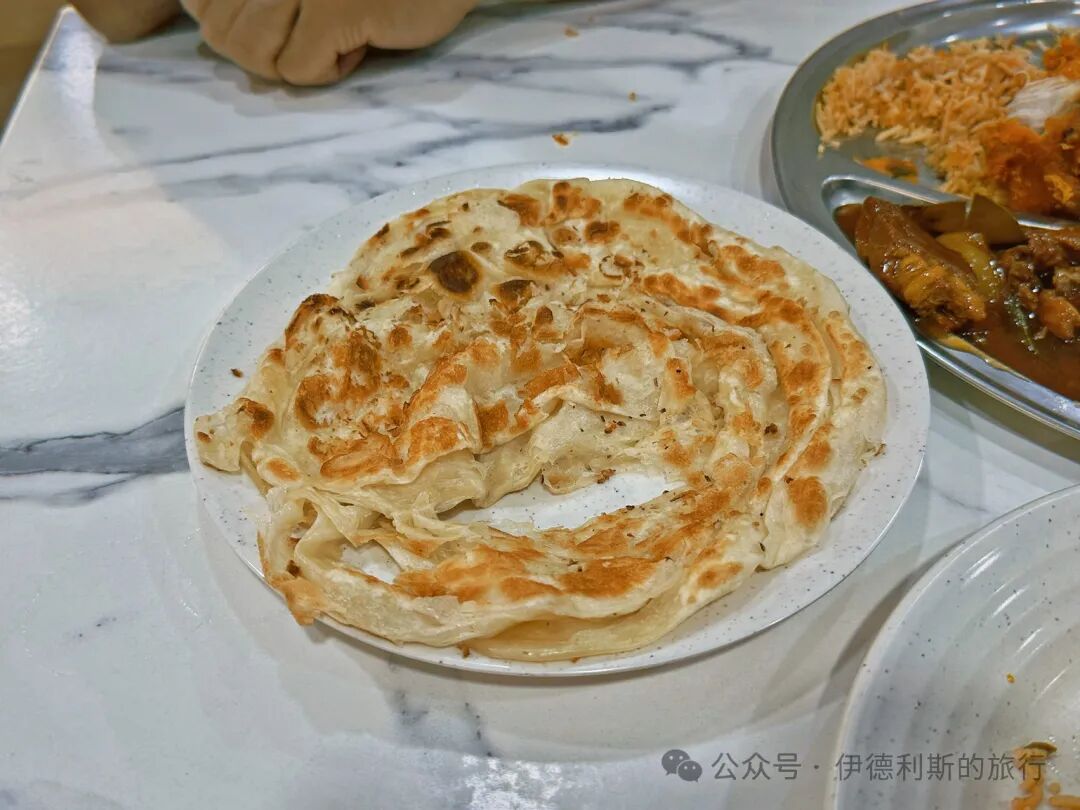
Next to the Indian Mosque in Kuching is an Indian-Muslim restaurant (mamak stall) that specializes in nasi kandar. You can choose from various curries like fish, chicken, and beef, along with vegetables and fried dishes for a balanced meal. The main dishes include white rice and biryani fried rice. They also serve freshly made flatbread (roti canai) and other types of bread. These mamak stalls are usually open from morning until night and are very popular with Malaysians. view all
Summary: Kuching has Muslim food scenes shaped by Indian Muslim shops, mosque streets, and nasi kandar meals. This article preserves the original photos, restaurant details, street observations, and Kuching travel notes in simple English.
There is an India Street on the west side of Kuching's old town. Indian settlers began living here in the mid-to-late 19th century to sell textiles and clothing. The Kingdom of Sarawak officially named it India Street in 1928. It became a pedestrian street in 1992 and has been a busy clothing market ever since. Today, there are 74 shops on India Street. 14 of them are run by Indian Muslims, and some have been in business for over 60 years.
South Indian Tamil merchants built the Old Indian Mosque in Kuching in 1837. The original roof and walls were made of nipa palm, but it was rebuilt using Borneo ironwood in 1876 to create the current structure. In 2019, a new Indian Mosque opened across the Sarawak River. It became a landmark known as the Floating Mosque, and the old mosque closed.
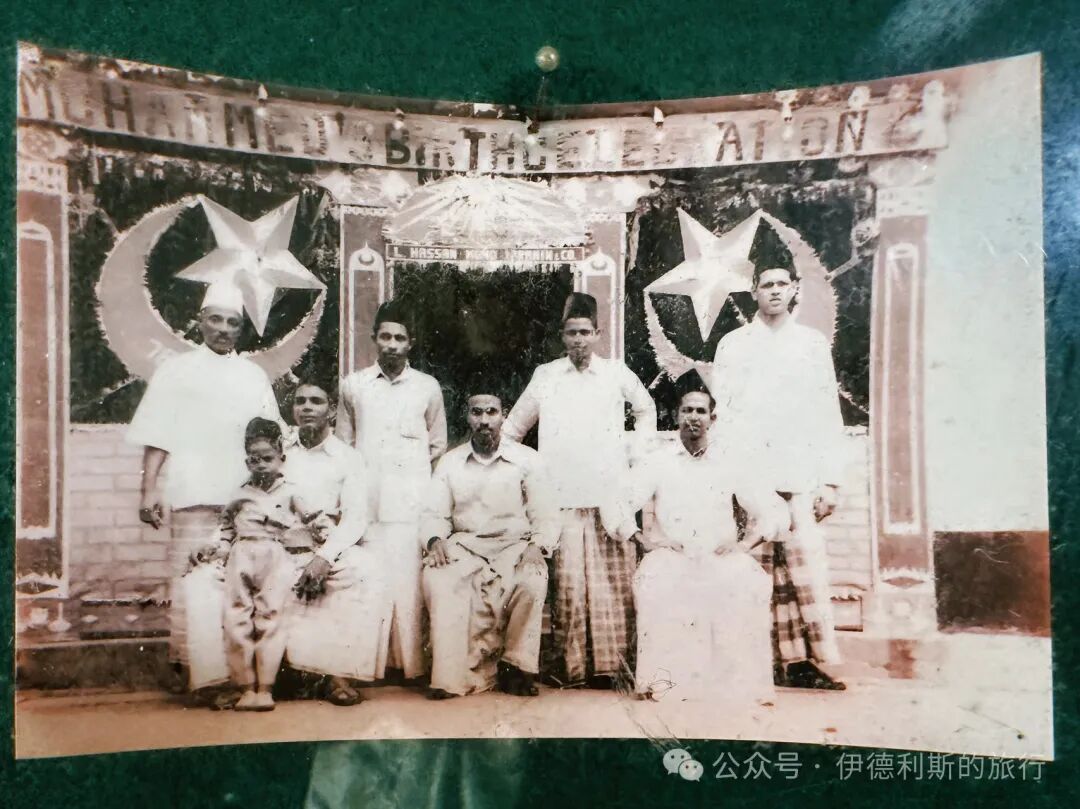
An old photo of the Mawlid celebration at the Old Indian Mosque in Kuching.
The Old Indian Mosque owns 23 shops nearby to collect rent. Indian Muslims run 21 of these, selling groceries, spices, fabrics, and books. Two shops have Chinese owners. These businesses have been passed down through generations.
The new Indian Mosque in Kuching is also called the Floating Mosque. It looks beautiful against the green hills and water during the day, and the lights are stunning at night. The inside of the mosque is clean, bright, and well-kept.
Next to the Indian Mosque in Kuching is an Indian-Muslim restaurant (mamak stall) that specializes in nasi kandar. You can choose from various curries like fish, chicken, and beef, along with vegetables and fried dishes for a balanced meal. The main dishes include white rice and biryani fried rice. They also serve freshly made flatbread (roti canai) and other types of bread. These mamak stalls are usually open from morning until night and are very popular with Malaysians. view all
Reposted from the web
Summary: Kuching has Muslim food scenes shaped by Indian Muslim shops, mosque streets, and nasi kandar meals. This article preserves the original photos, restaurant details, street observations, and Kuching travel notes in simple English.
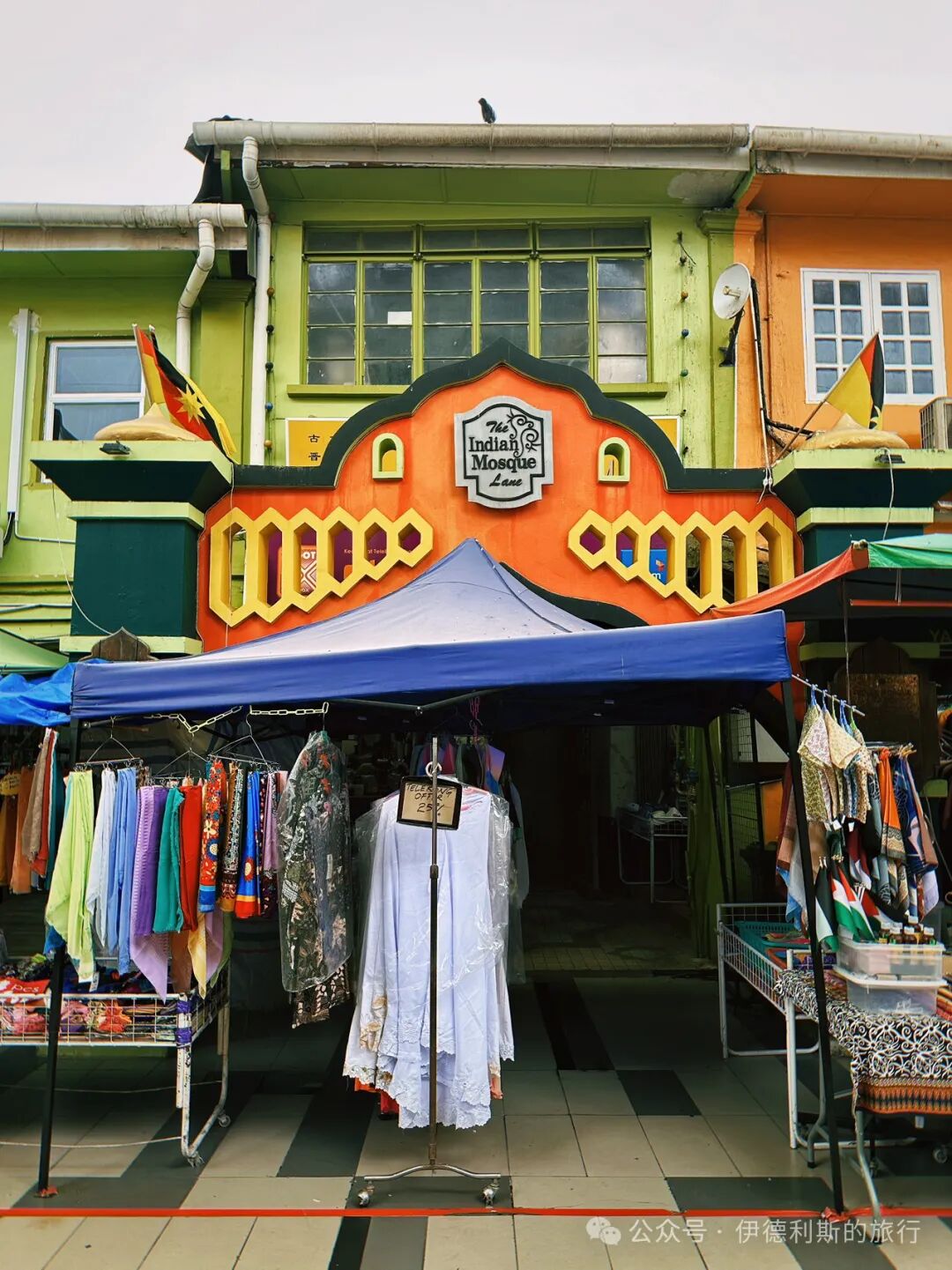
There is an India Street on the west side of Kuching's old town. Indian settlers began living here in the mid-to-late 19th century to sell textiles and clothing. The Kingdom of Sarawak officially named it India Street in 1928. It became a pedestrian street in 1992 and has been a busy clothing market ever since. Today, there are 74 shops on India Street. 14 of them are run by Indian Muslims, and some have been in business for over 60 years.
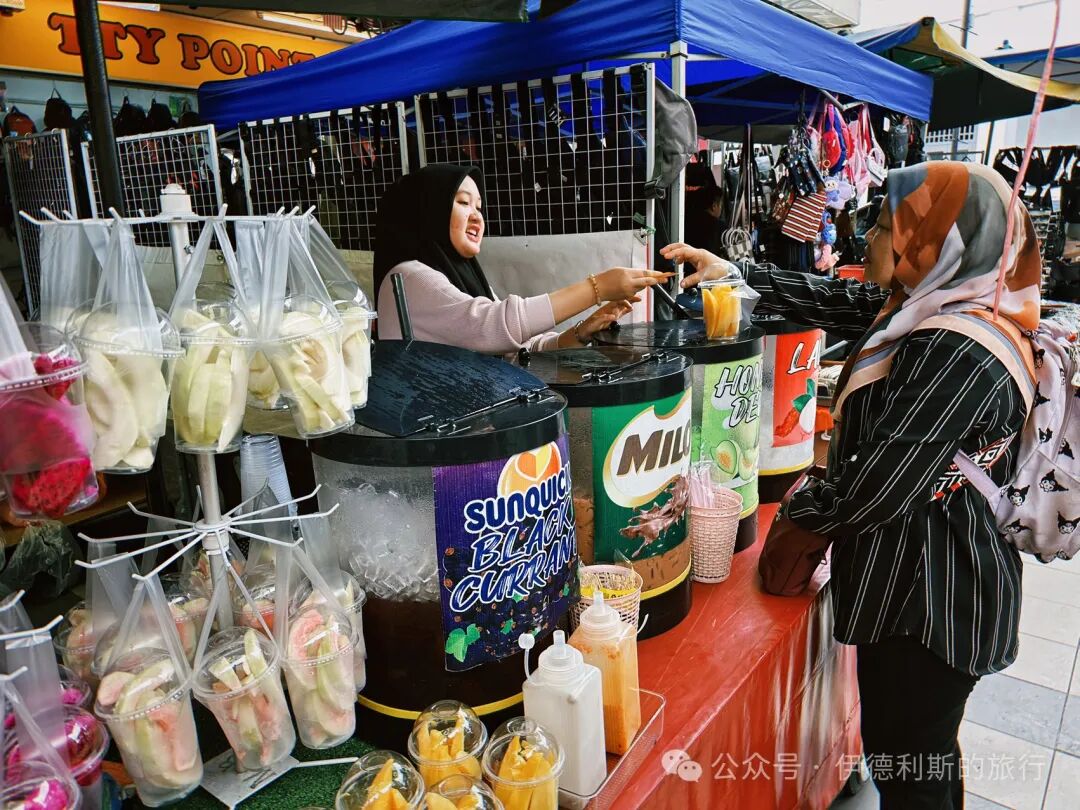
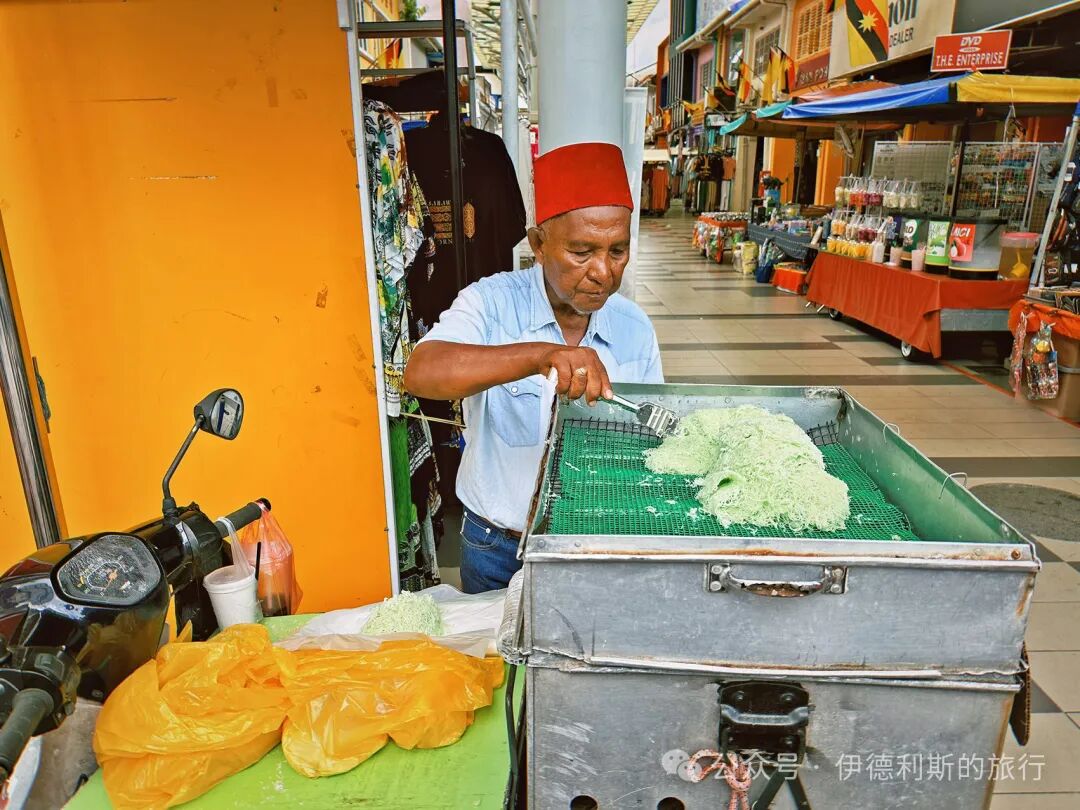
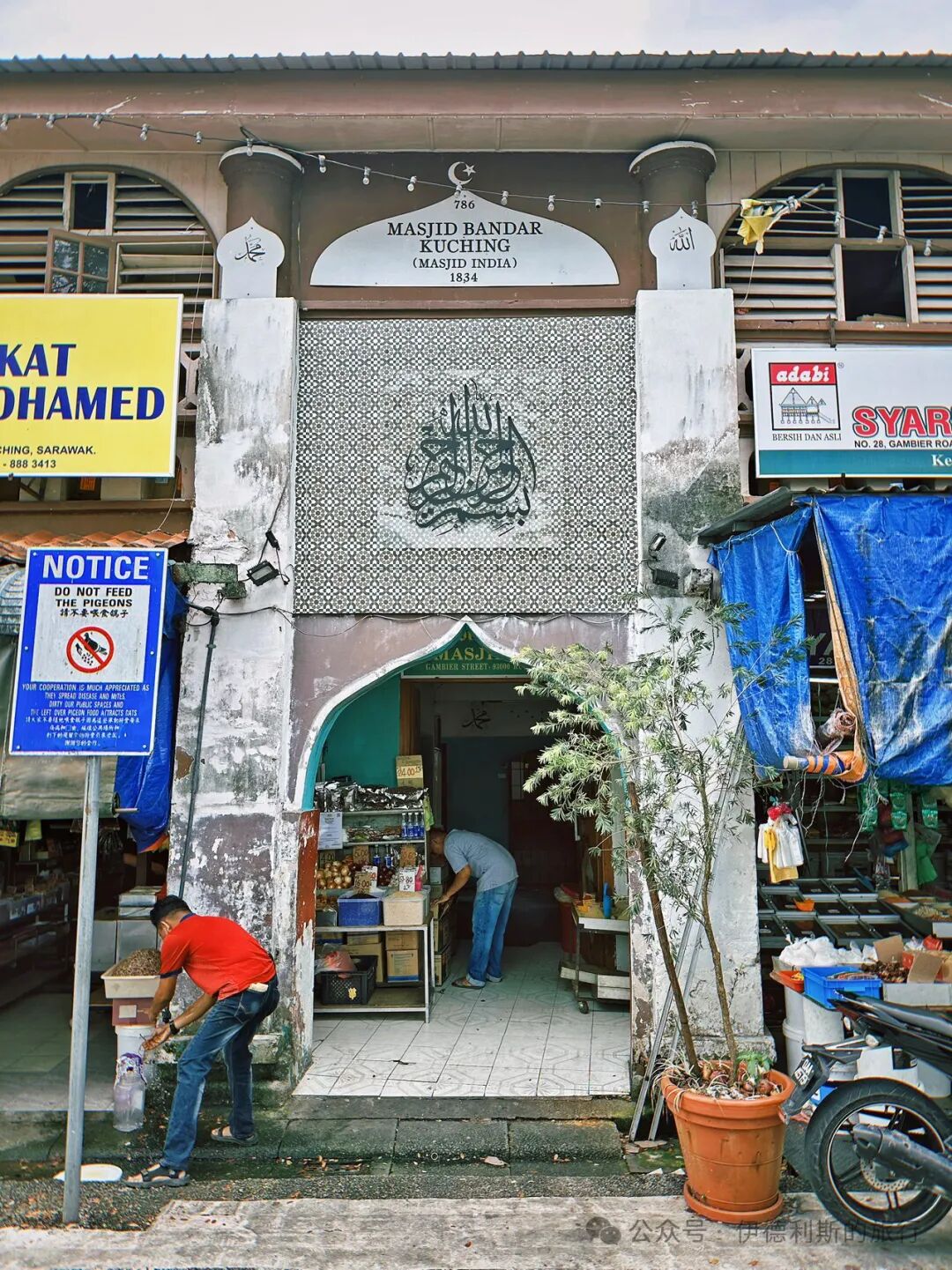
South Indian Tamil merchants built the Old Indian Mosque in Kuching in 1837. The original roof and walls were made of nipa palm, but it was rebuilt using Borneo ironwood in 1876 to create the current structure. In 2019, a new Indian Mosque opened across the Sarawak River. It became a landmark known as the Floating Mosque, and the old mosque closed.
An old photo of the Mawlid celebration at the Old Indian Mosque in Kuching.
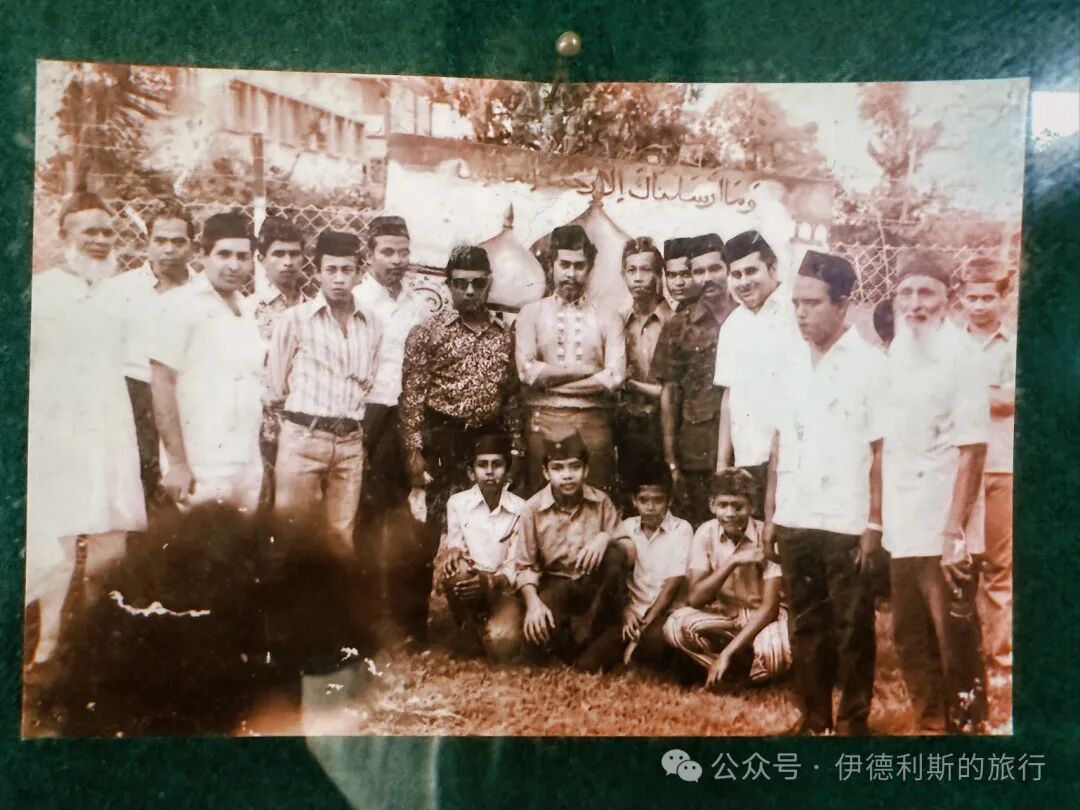
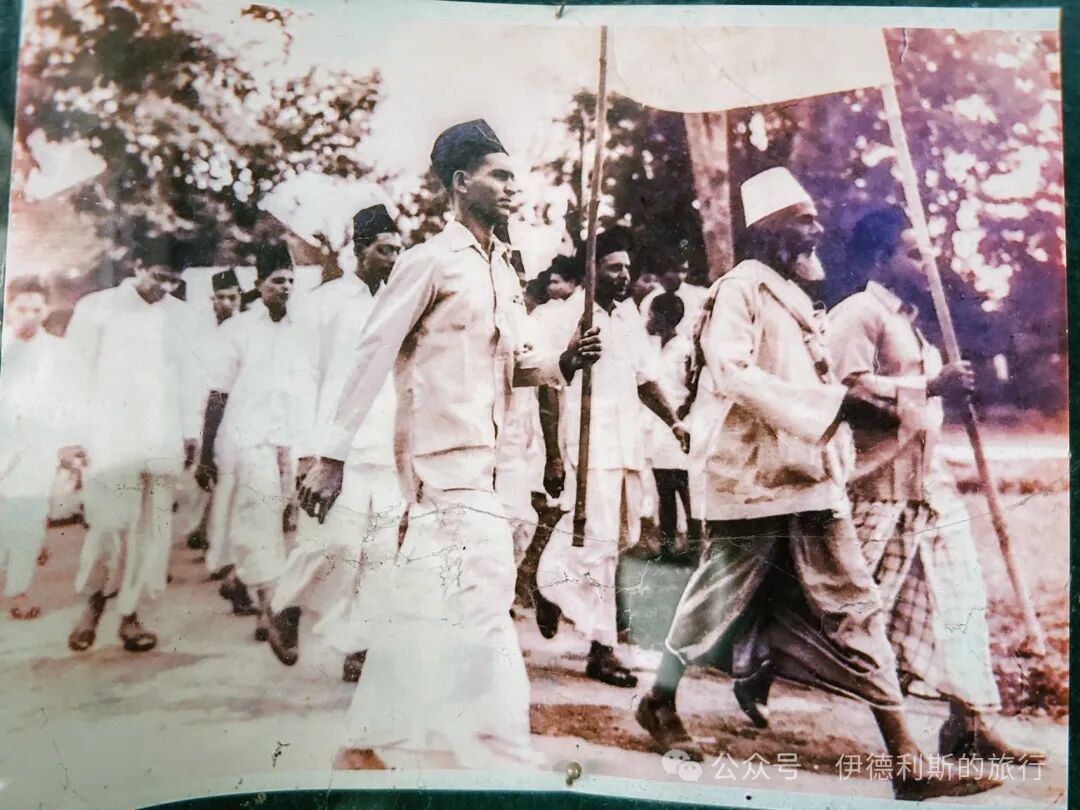
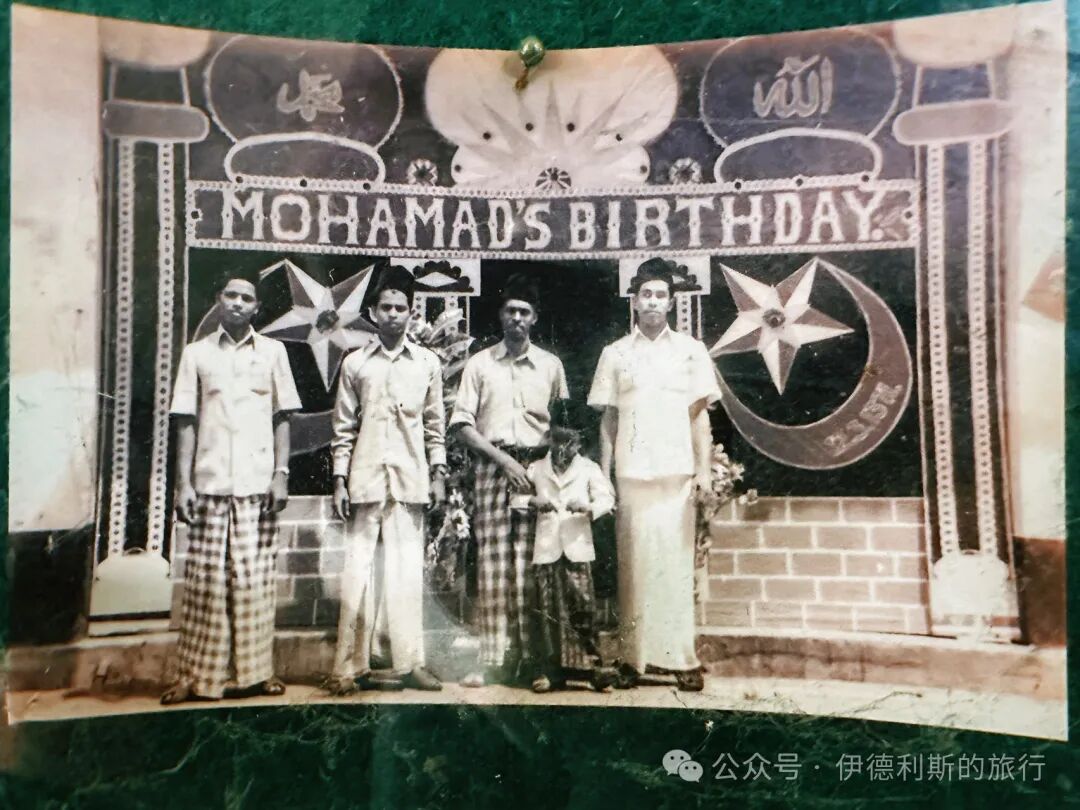
The Old Indian Mosque owns 23 shops nearby to collect rent. Indian Muslims run 21 of these, selling groceries, spices, fabrics, and books. Two shops have Chinese owners. These businesses have been passed down through generations.
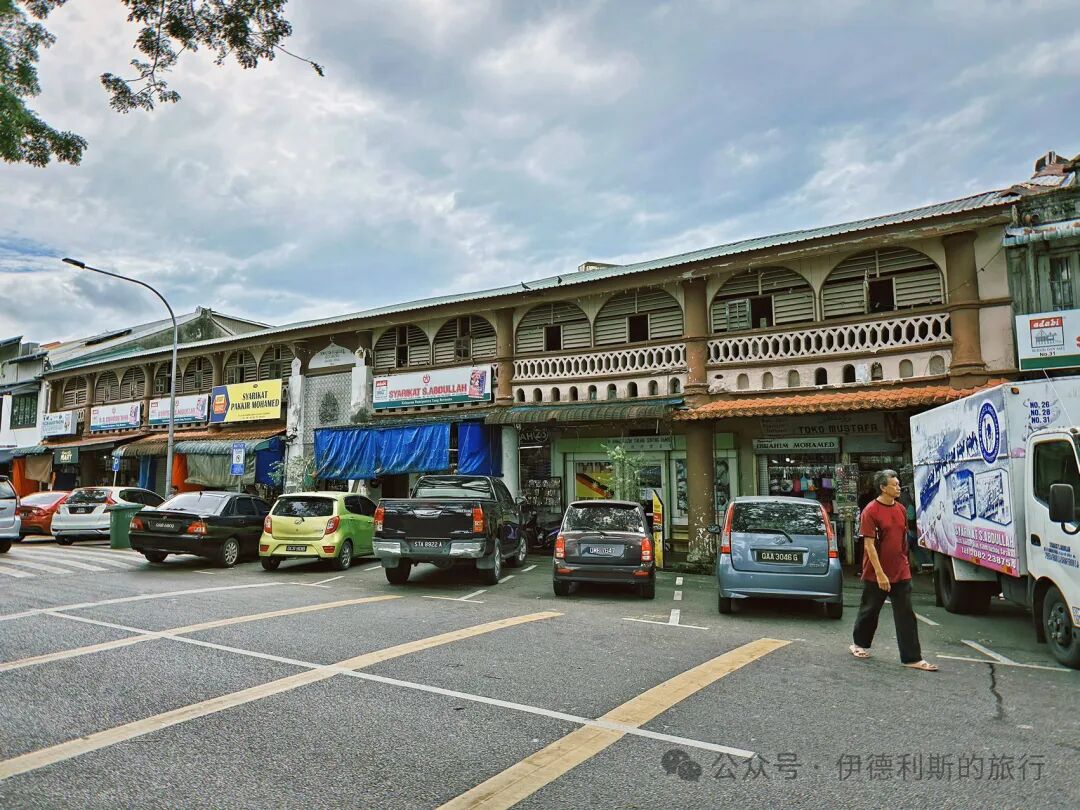
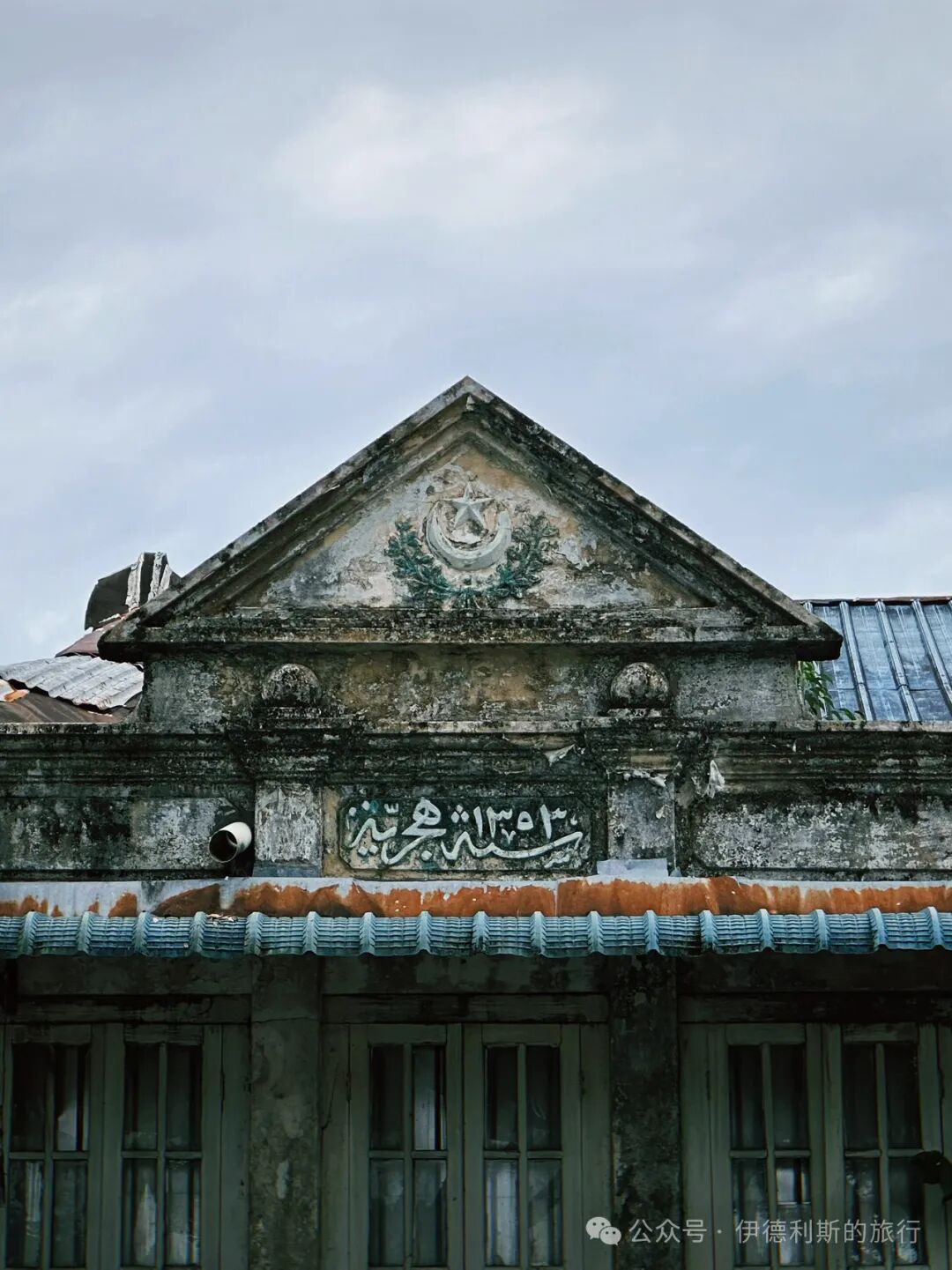
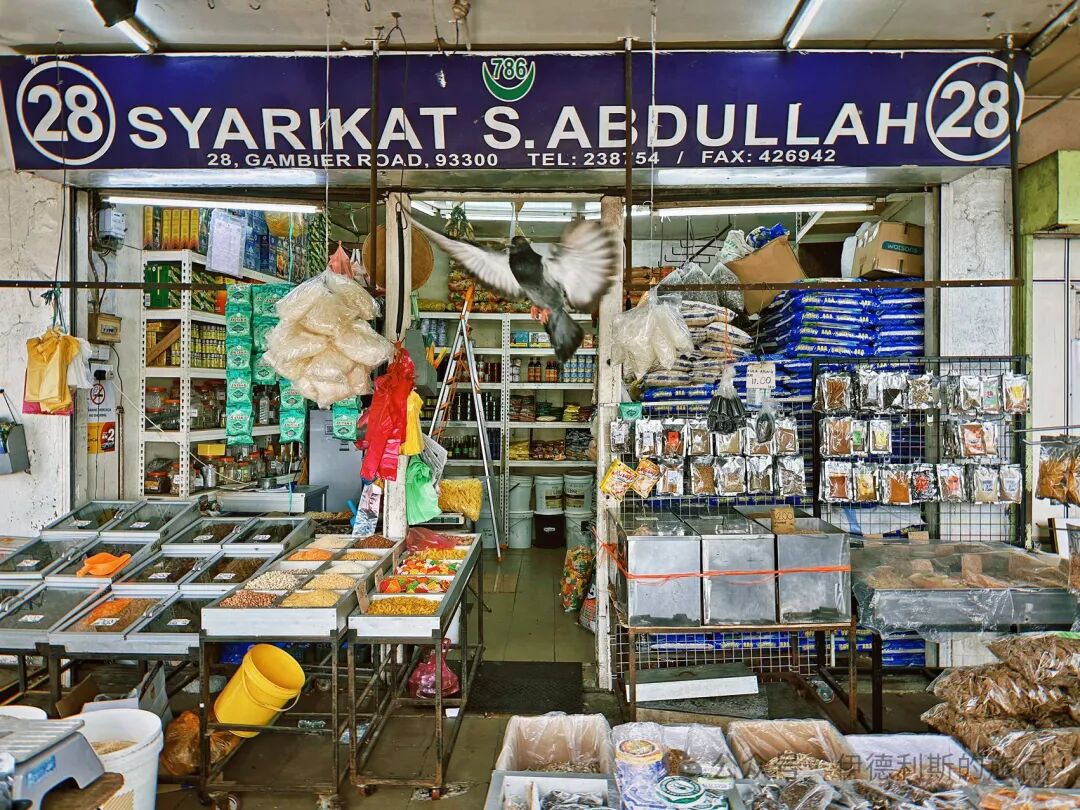
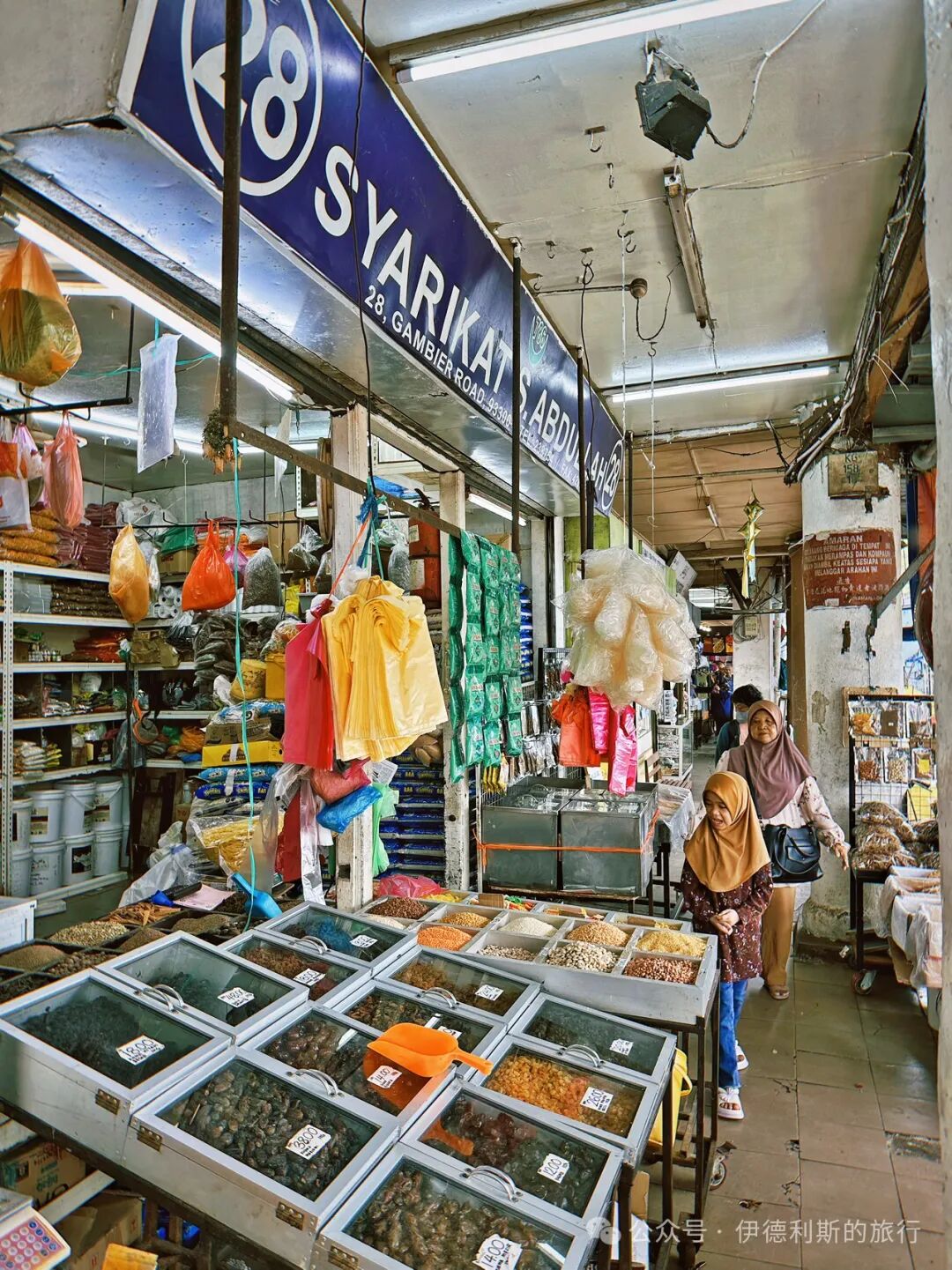
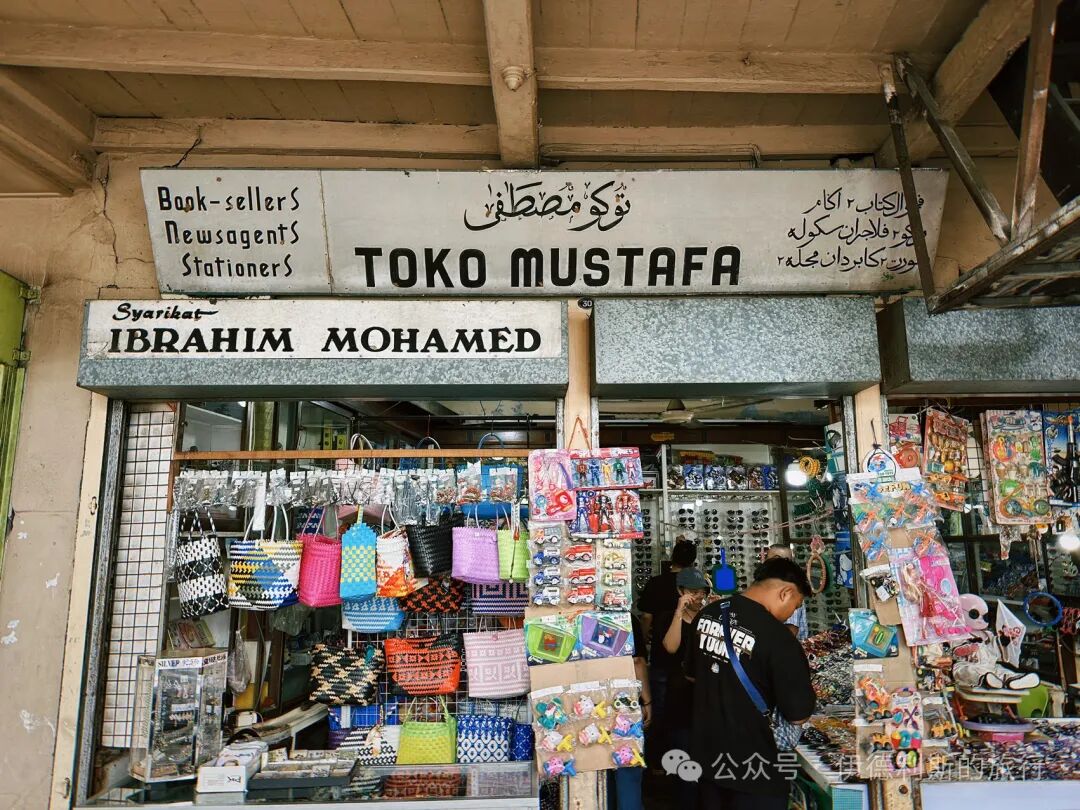
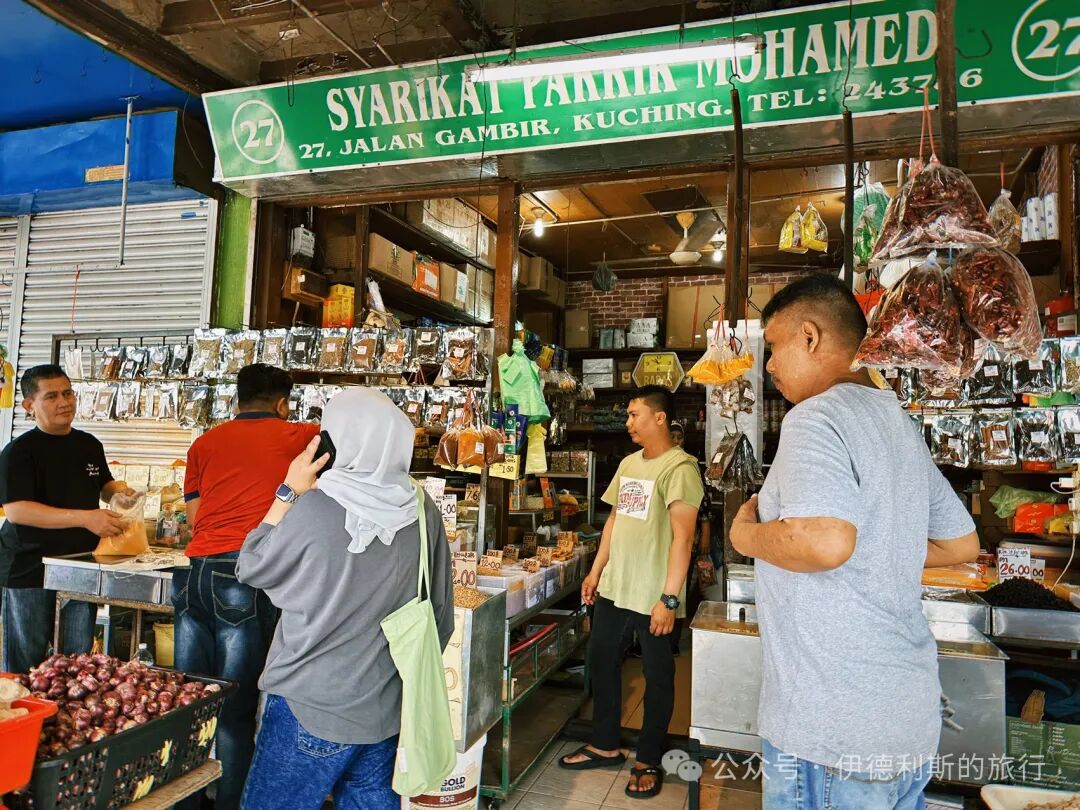
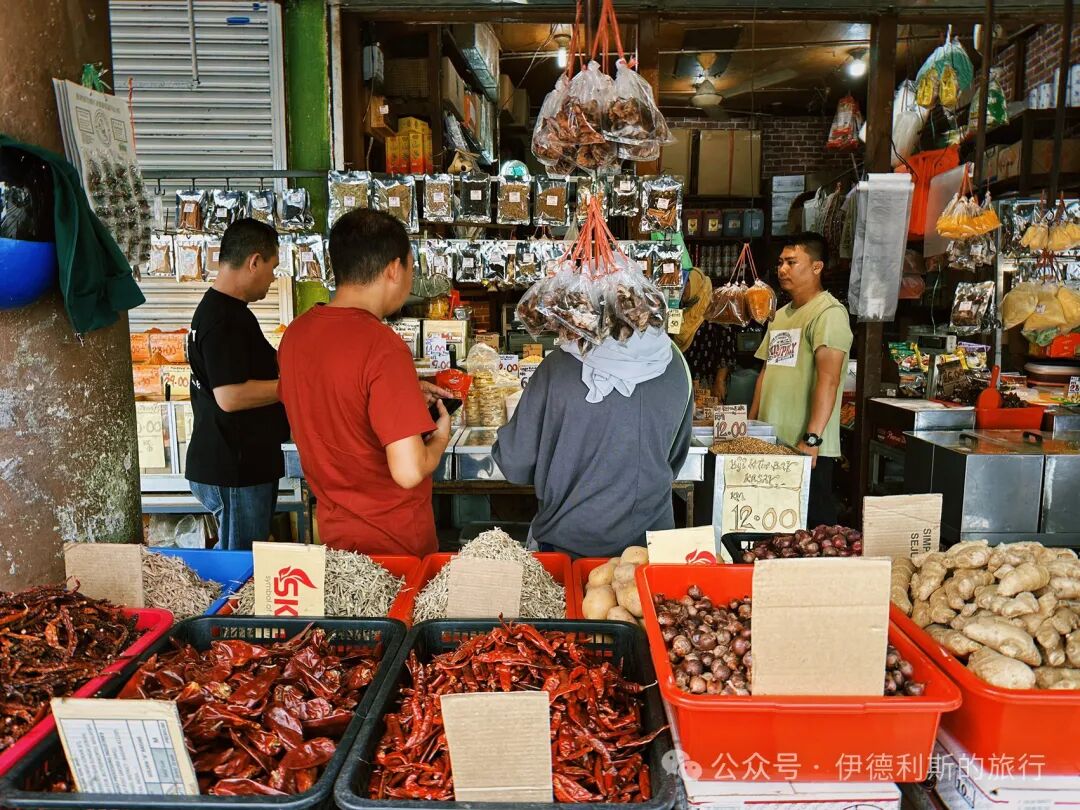
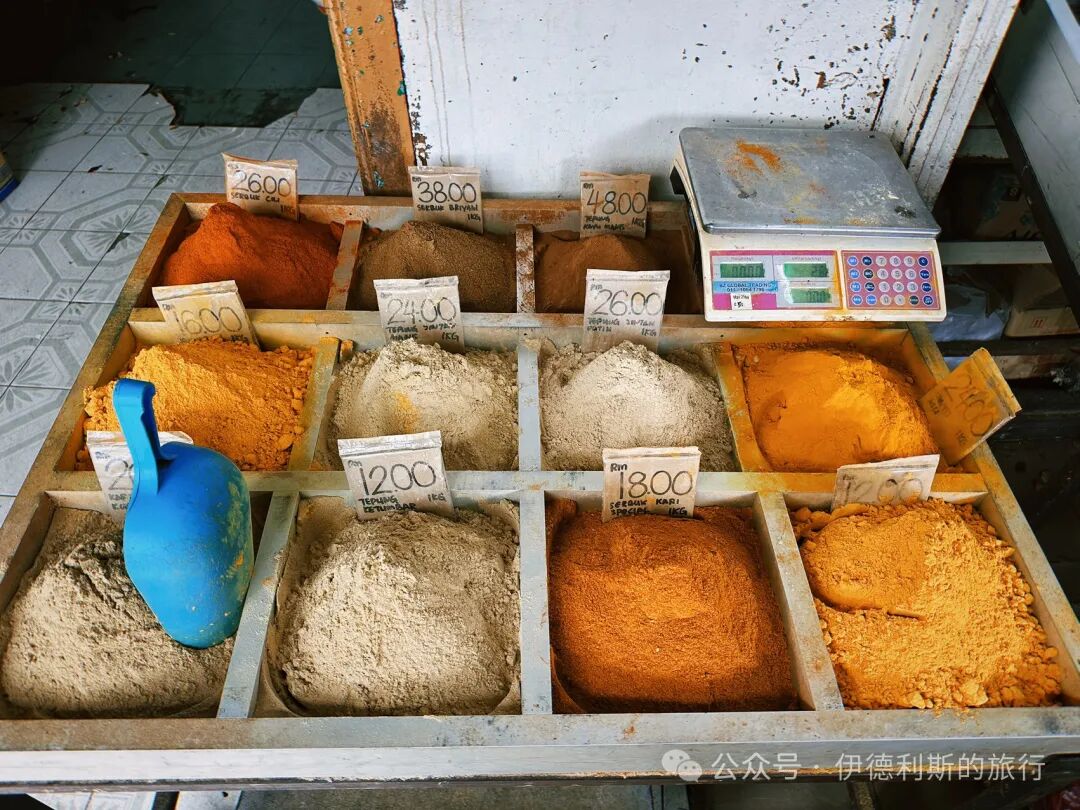
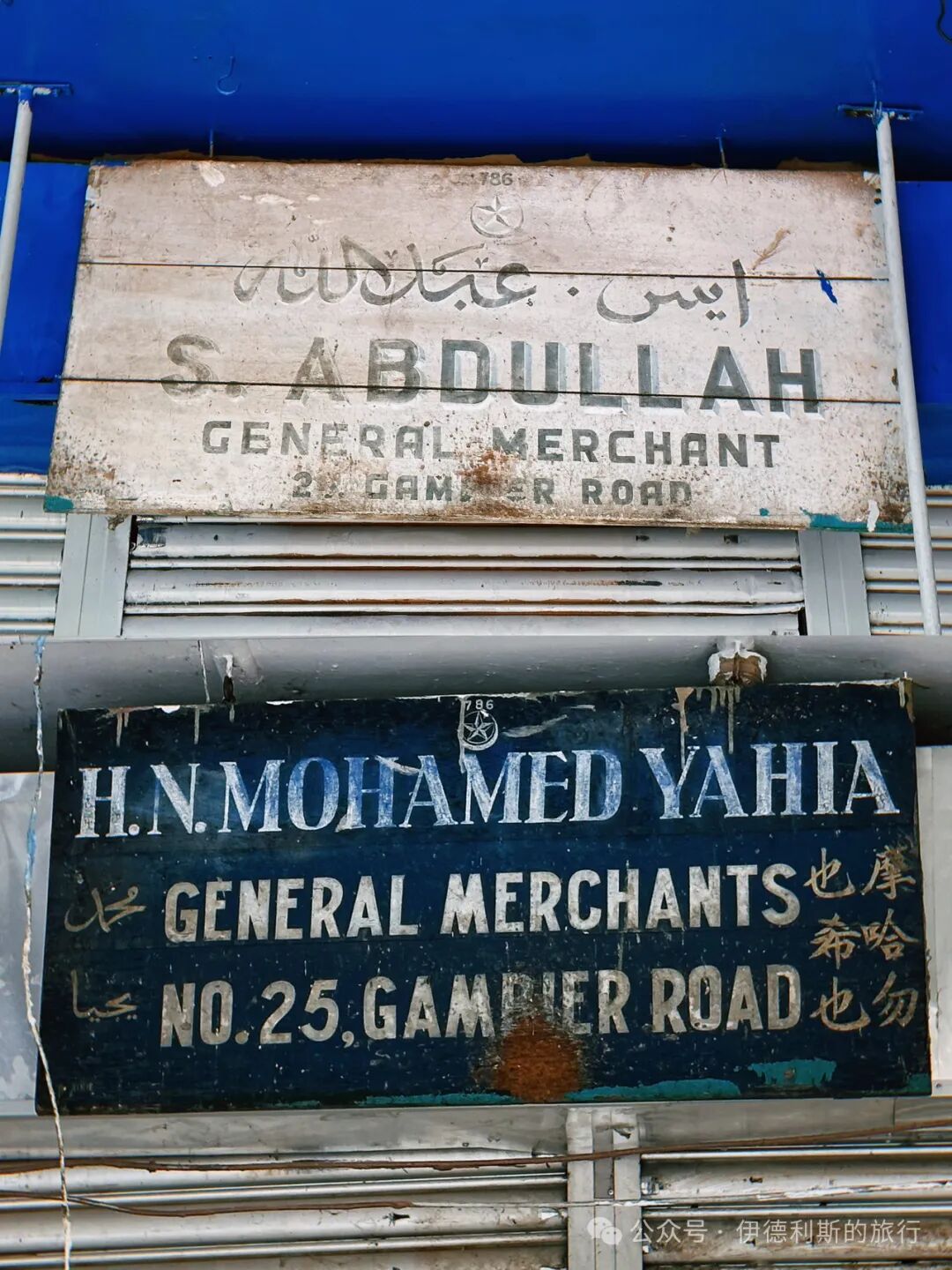
The new Indian Mosque in Kuching is also called the Floating Mosque. It looks beautiful against the green hills and water during the day, and the lights are stunning at night. The inside of the mosque is clean, bright, and well-kept.
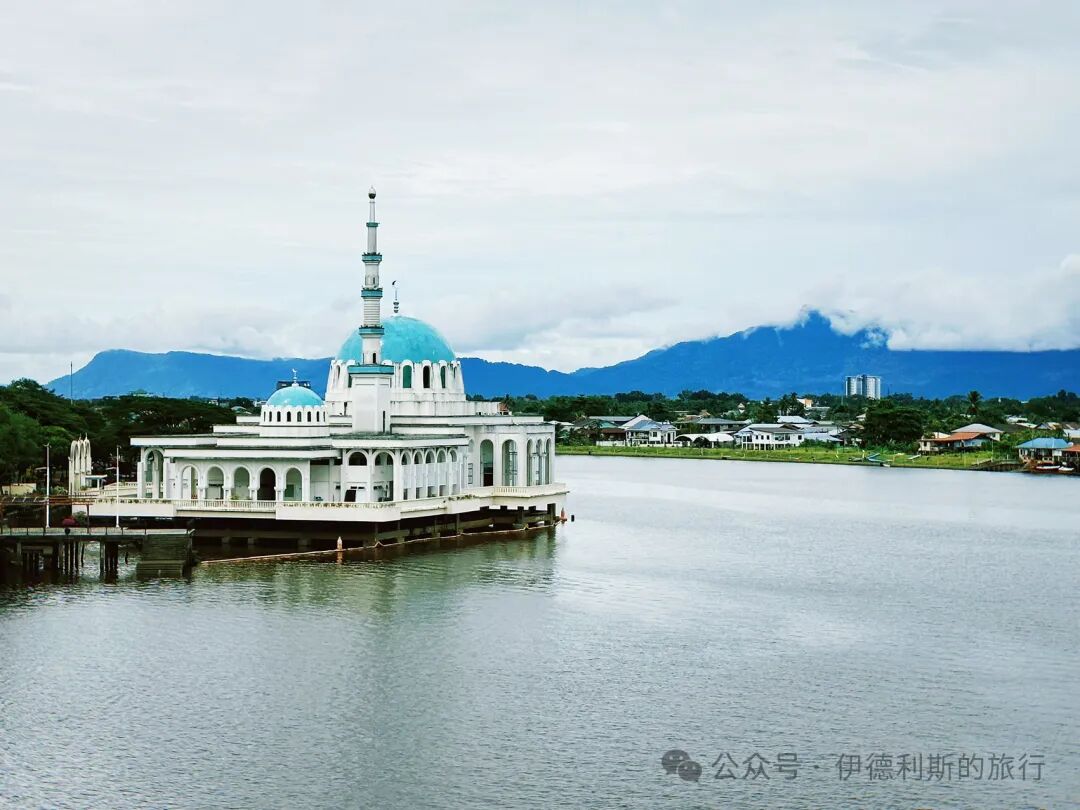
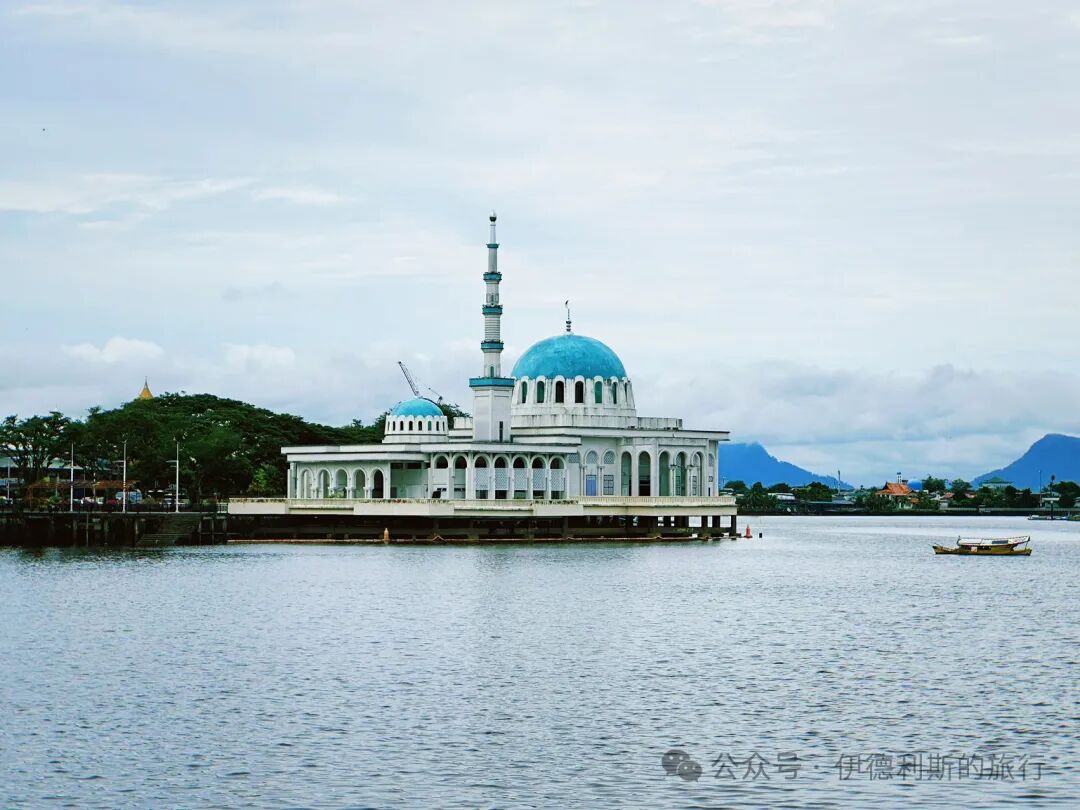
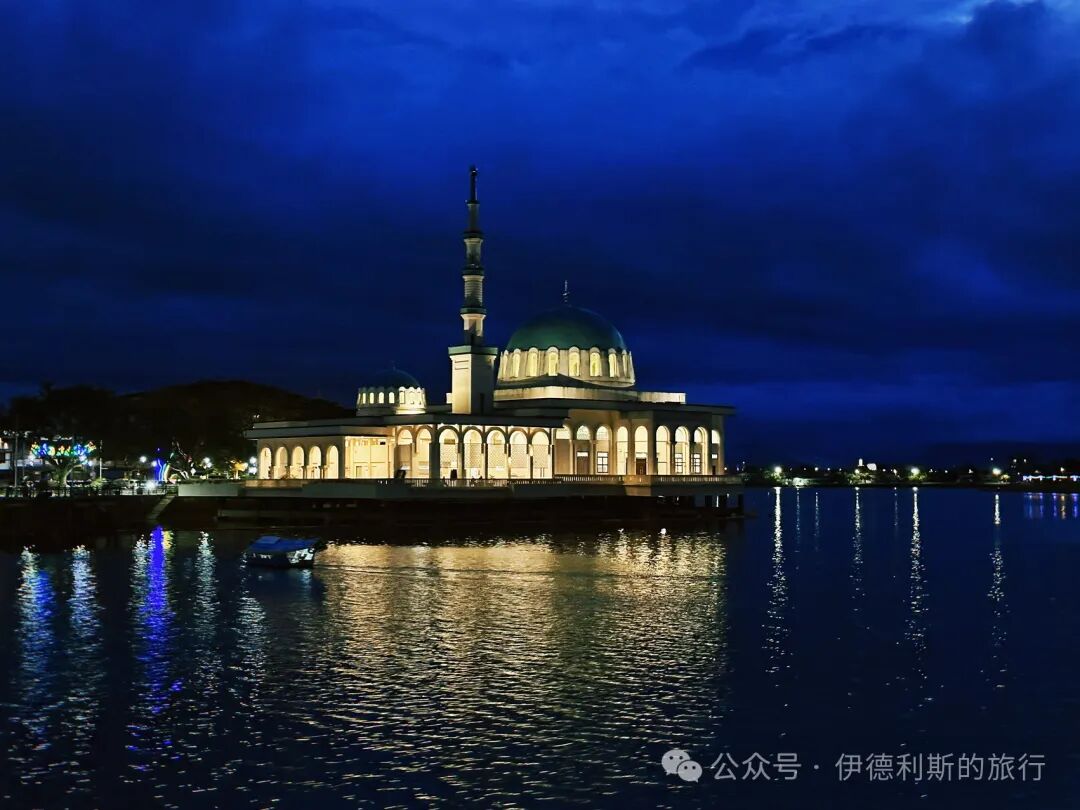
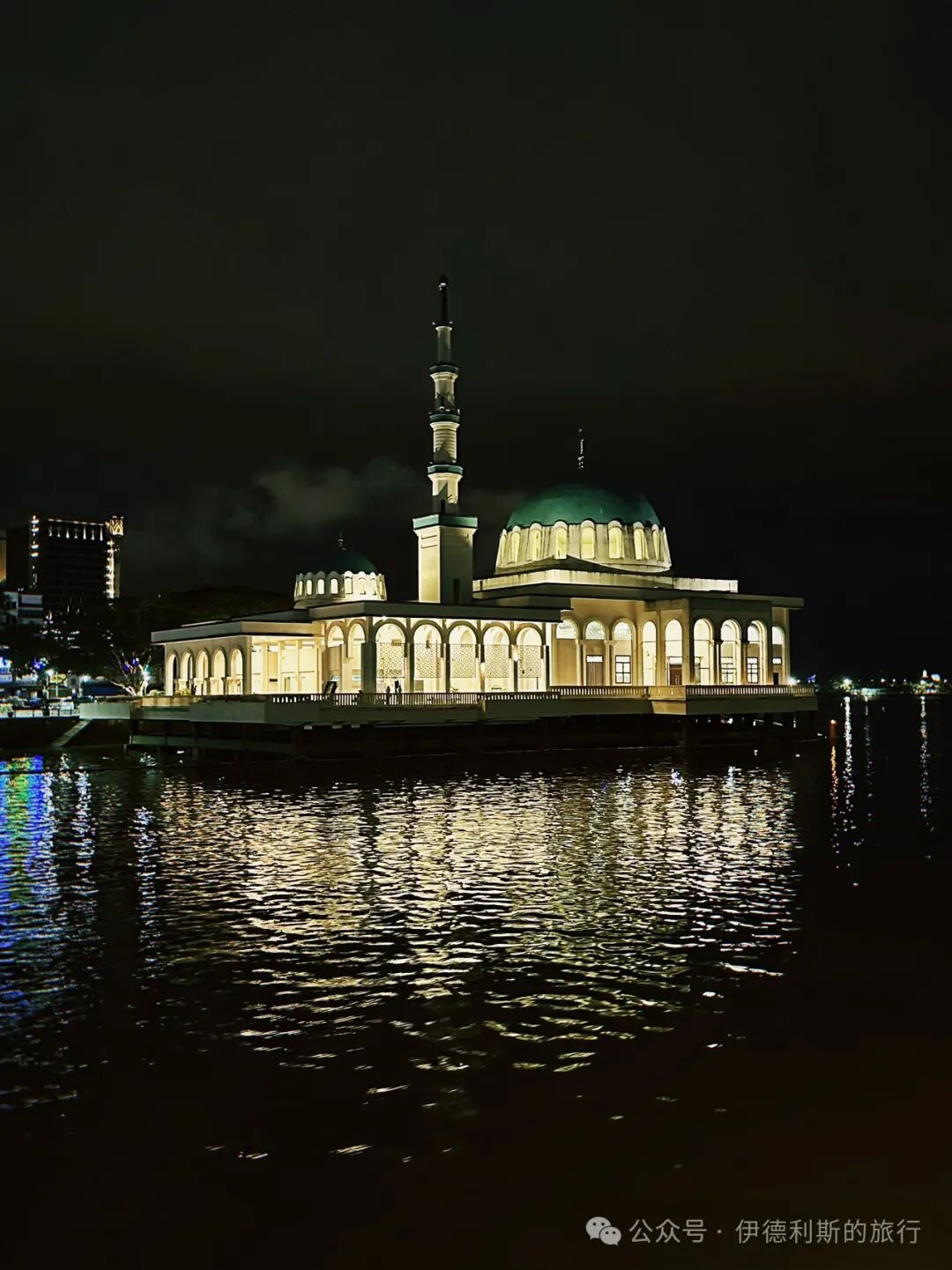
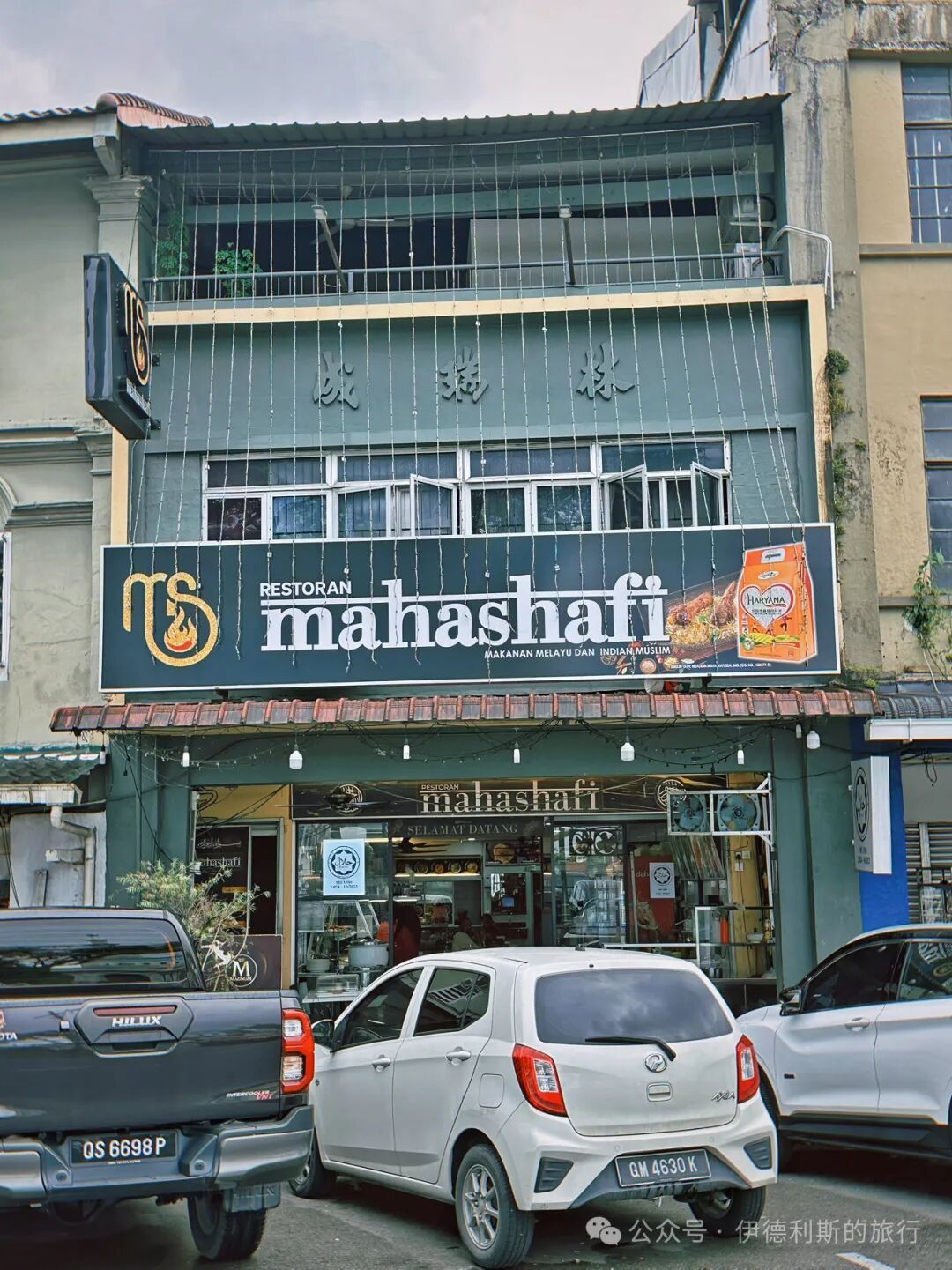
Next to the Indian Mosque in Kuching is an Indian-Muslim restaurant (mamak stall) that specializes in nasi kandar. You can choose from various curries like fish, chicken, and beef, along with vegetables and fried dishes for a balanced meal. The main dishes include white rice and biryani fried rice. They also serve freshly made flatbread (roti canai) and other types of bread. These mamak stalls are usually open from morning until night and are very popular with Malaysians.
Summary: Kuching has Muslim food scenes shaped by Indian Muslim shops, mosque streets, and nasi kandar meals. This article preserves the original photos, restaurant details, street observations, and Kuching travel notes in simple English.
There is an India Street on the west side of Kuching's old town. Indian settlers began living here in the mid-to-late 19th century to sell textiles and clothing. The Kingdom of Sarawak officially named it India Street in 1928. It became a pedestrian street in 1992 and has been a busy clothing market ever since. Today, there are 74 shops on India Street. 14 of them are run by Indian Muslims, and some have been in business for over 60 years.
South Indian Tamil merchants built the Old Indian Mosque in Kuching in 1837. The original roof and walls were made of nipa palm, but it was rebuilt using Borneo ironwood in 1876 to create the current structure. In 2019, a new Indian Mosque opened across the Sarawak River. It became a landmark known as the Floating Mosque, and the old mosque closed.
An old photo of the Mawlid celebration at the Old Indian Mosque in Kuching.
The Old Indian Mosque owns 23 shops nearby to collect rent. Indian Muslims run 21 of these, selling groceries, spices, fabrics, and books. Two shops have Chinese owners. These businesses have been passed down through generations.
The new Indian Mosque in Kuching is also called the Floating Mosque. It looks beautiful against the green hills and water during the day, and the lights are stunning at night. The inside of the mosque is clean, bright, and well-kept.
Next to the Indian Mosque in Kuching is an Indian-Muslim restaurant (mamak stall) that specializes in nasi kandar. You can choose from various curries like fish, chicken, and beef, along with vegetables and fried dishes for a balanced meal. The main dishes include white rice and biryani fried rice. They also serve freshly made flatbread (roti canai) and other types of bread. These mamak stalls are usually open from morning until night and are very popular with Malaysians.
Halal Food Guide: Tianjin — Syrian, Yemeni, Tunisian & Algerian Restaurants
Articles • ali2007fr posted the article • 0 comments • 170 views • 2026-05-20 00:31
Reposted from the web
Summary: This Tianjin food article follows Arabic restaurants representing Syrian, Yemeni, Tunisian, and Algerian cooking. It preserves the original restaurant details, dishes, photos, and travel observations while presenting the account in natural English.
Syrian food: Al-Andalus Restaurant.
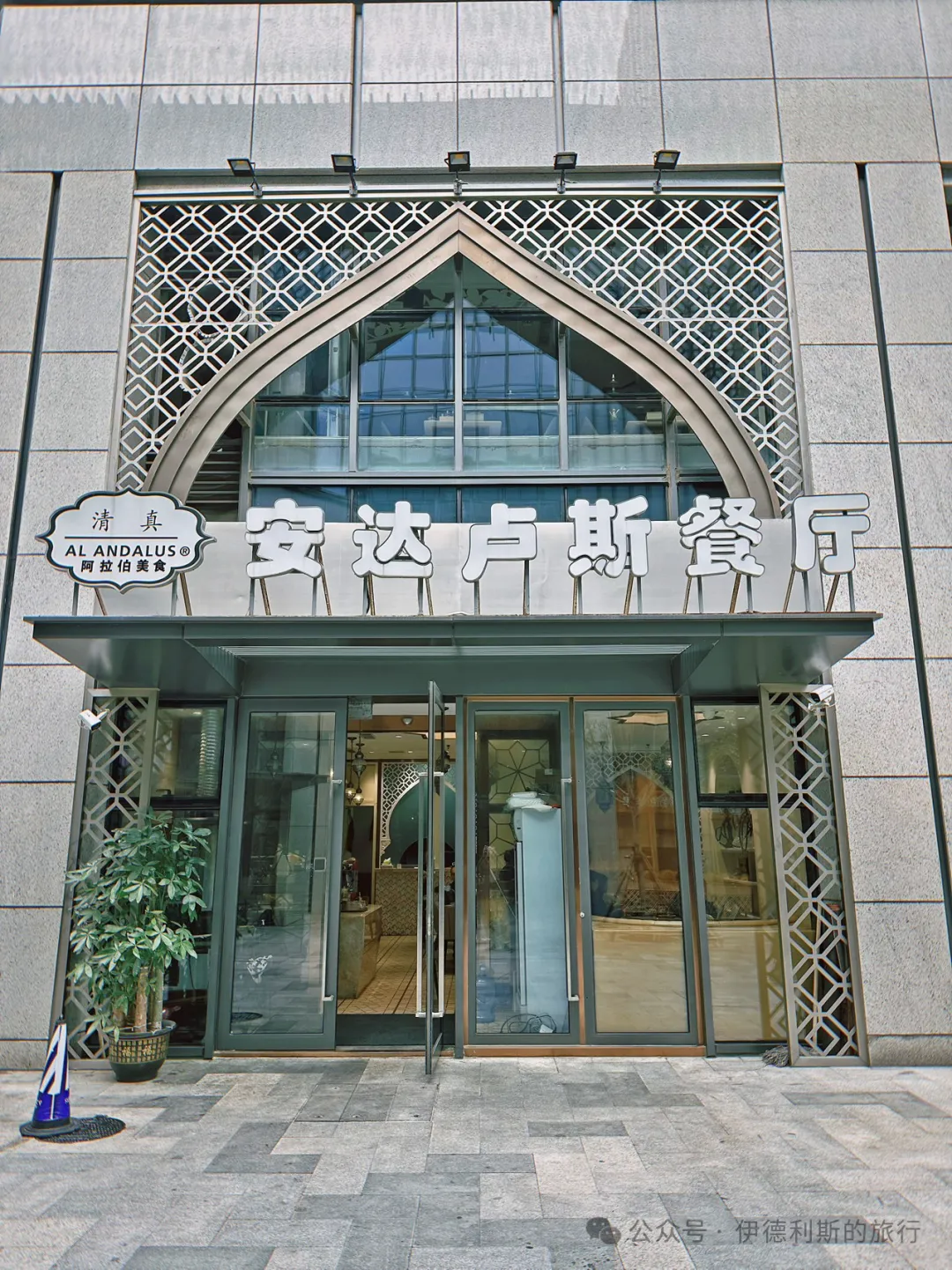
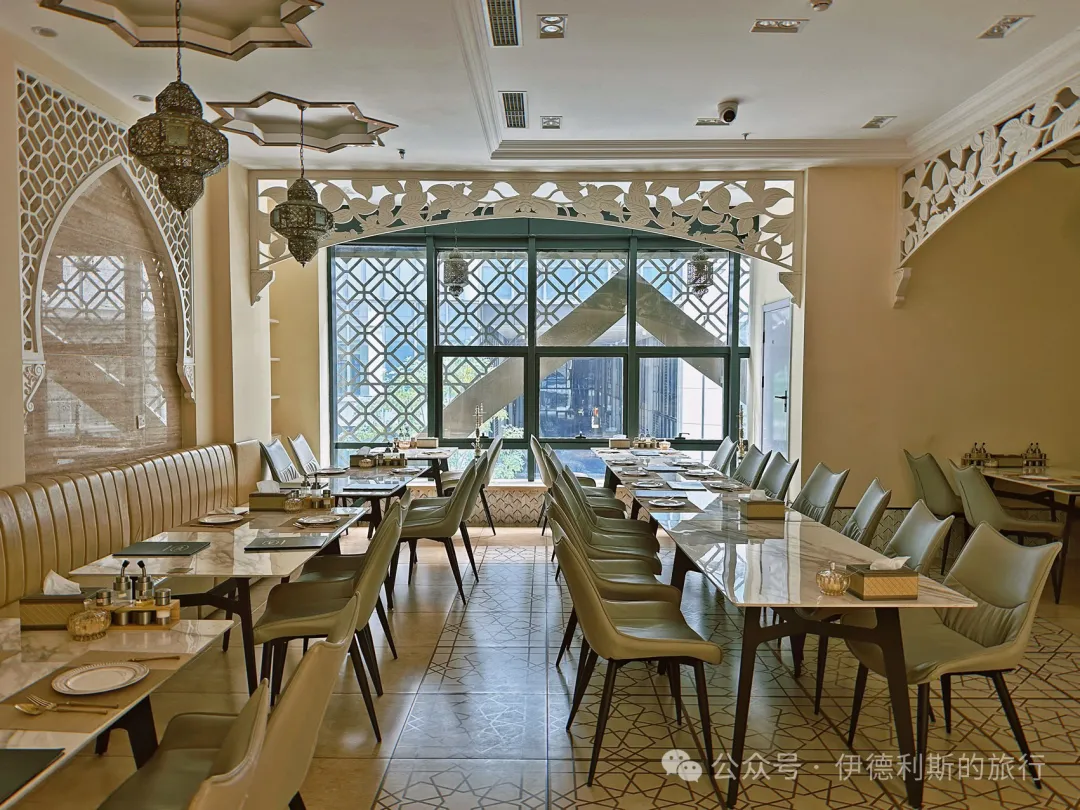
We had Levantine food at Al-Andalus Restaurant in the Sunac Center, Nankai District. The owner is Syrian. Al-Andalus was the name Arabs used for the Iberian Peninsula during the Middle Ages. In the 8th century, under the Umayyad dynasty, it was a famous center for economy, culture, academics, and education, serving as a key bridge for cultural and scientific exchange between East and West.
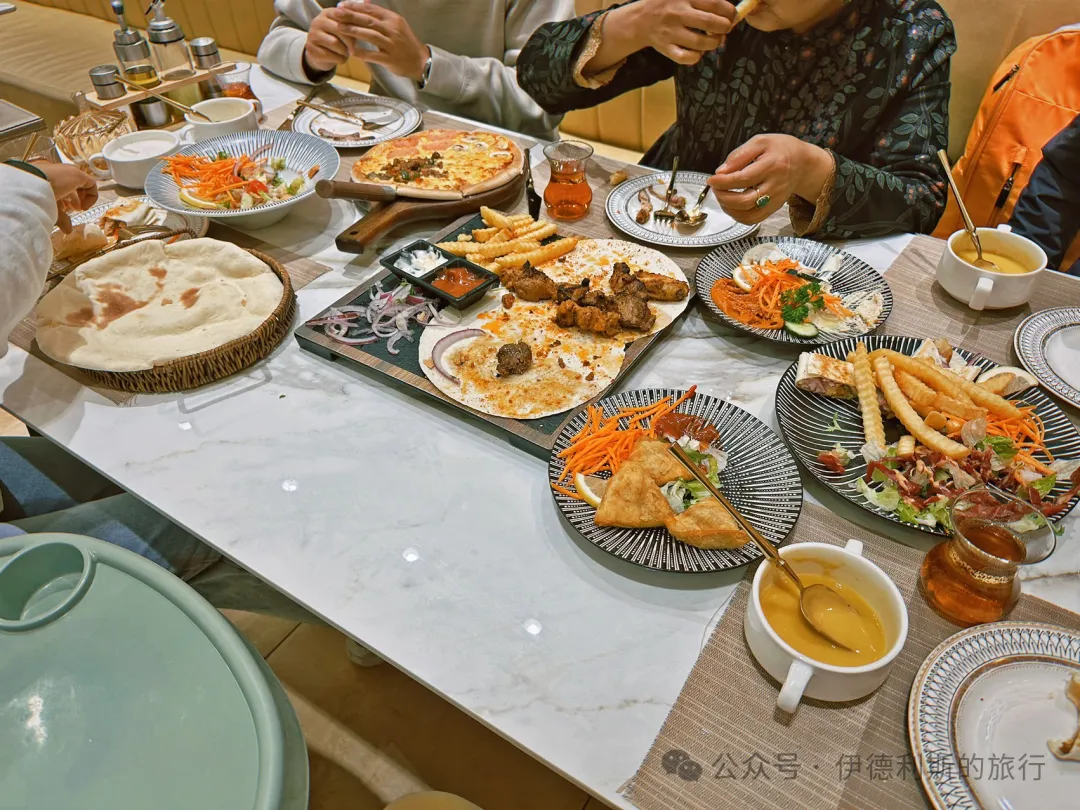
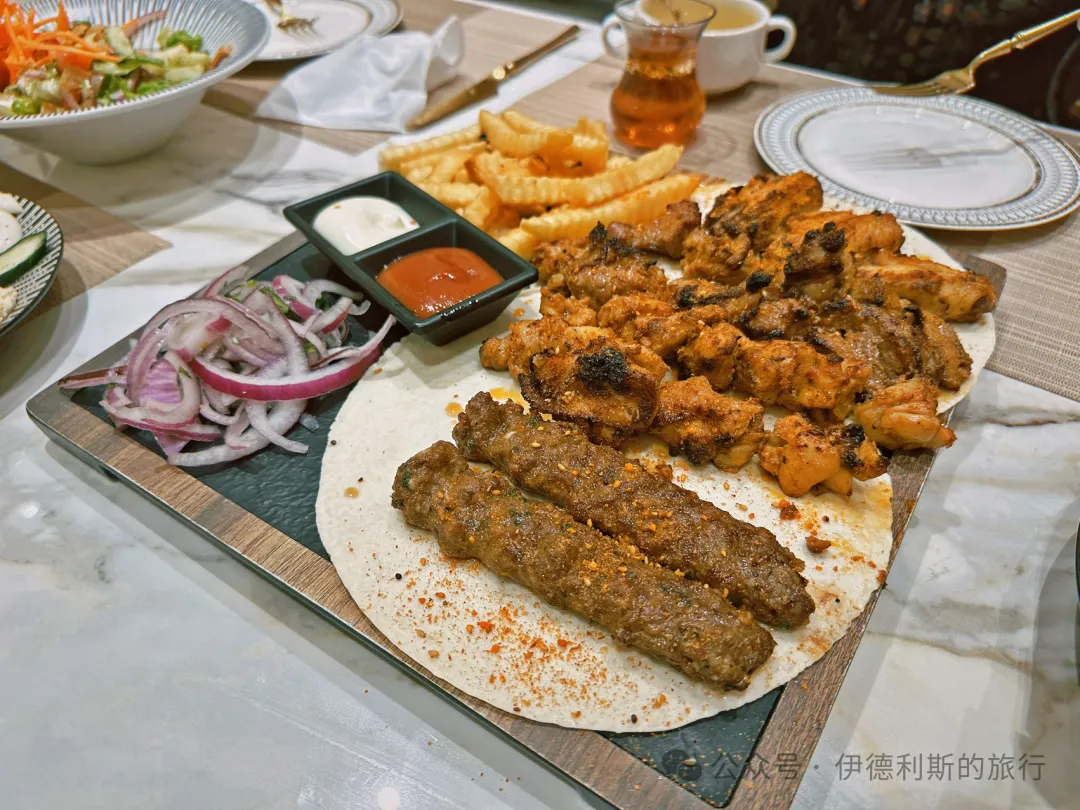
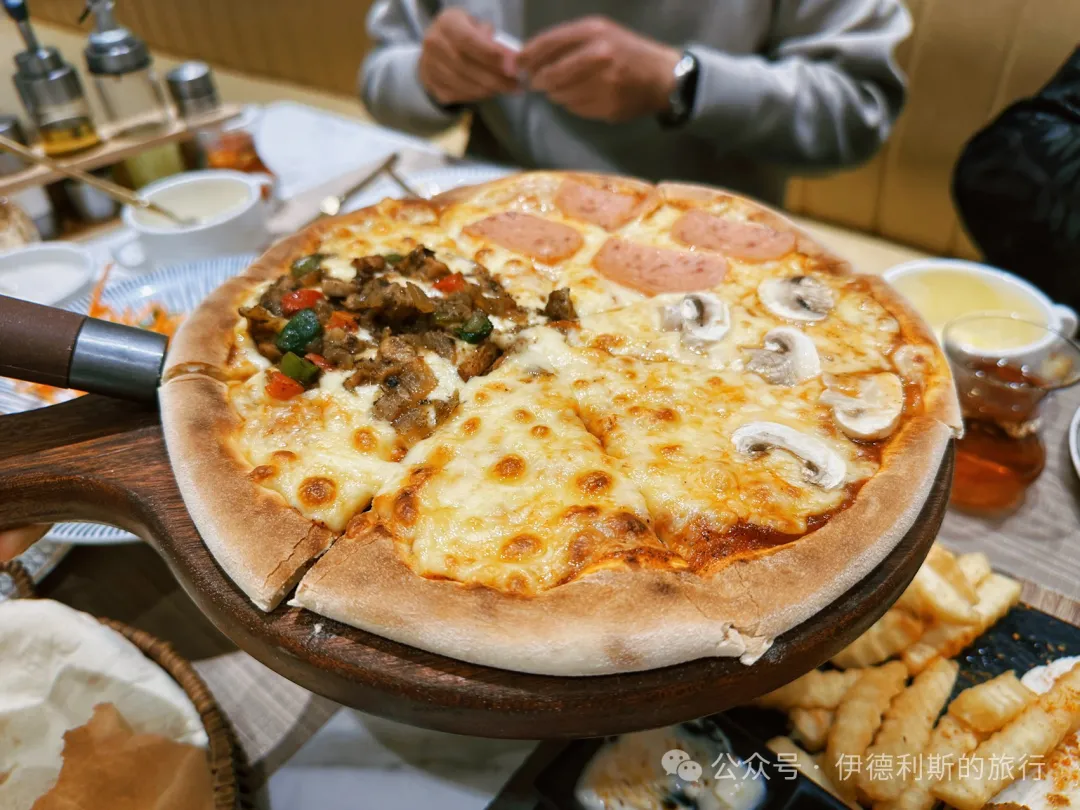
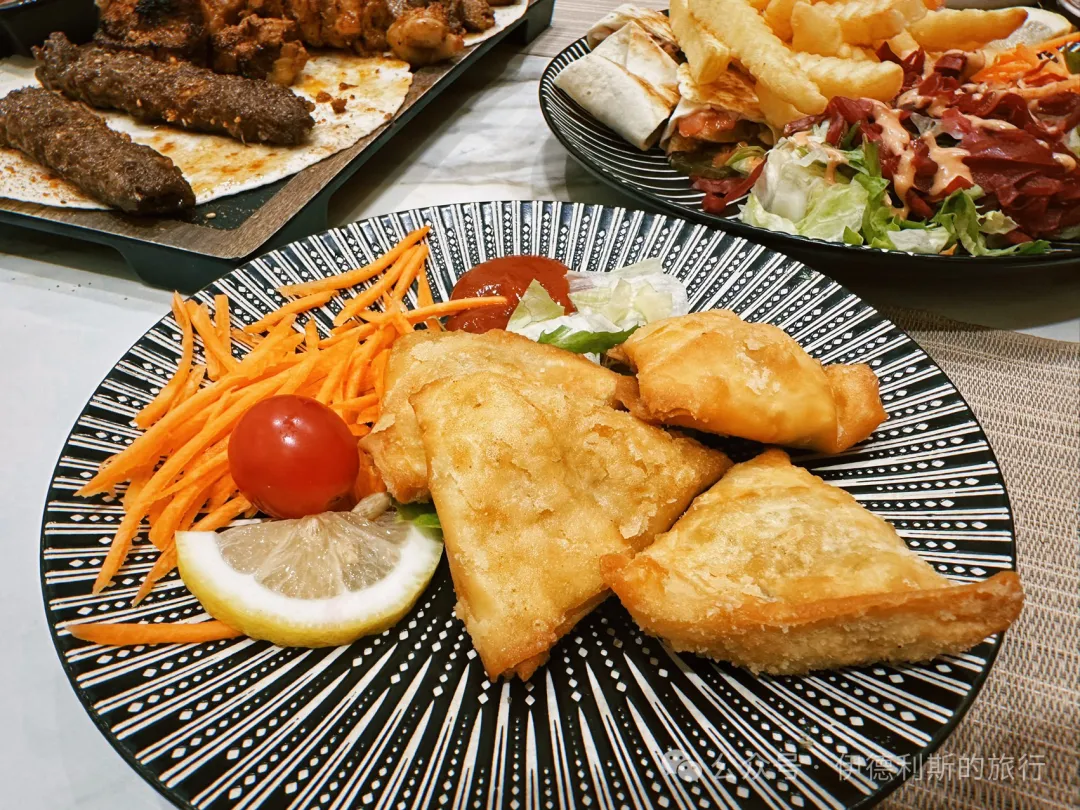
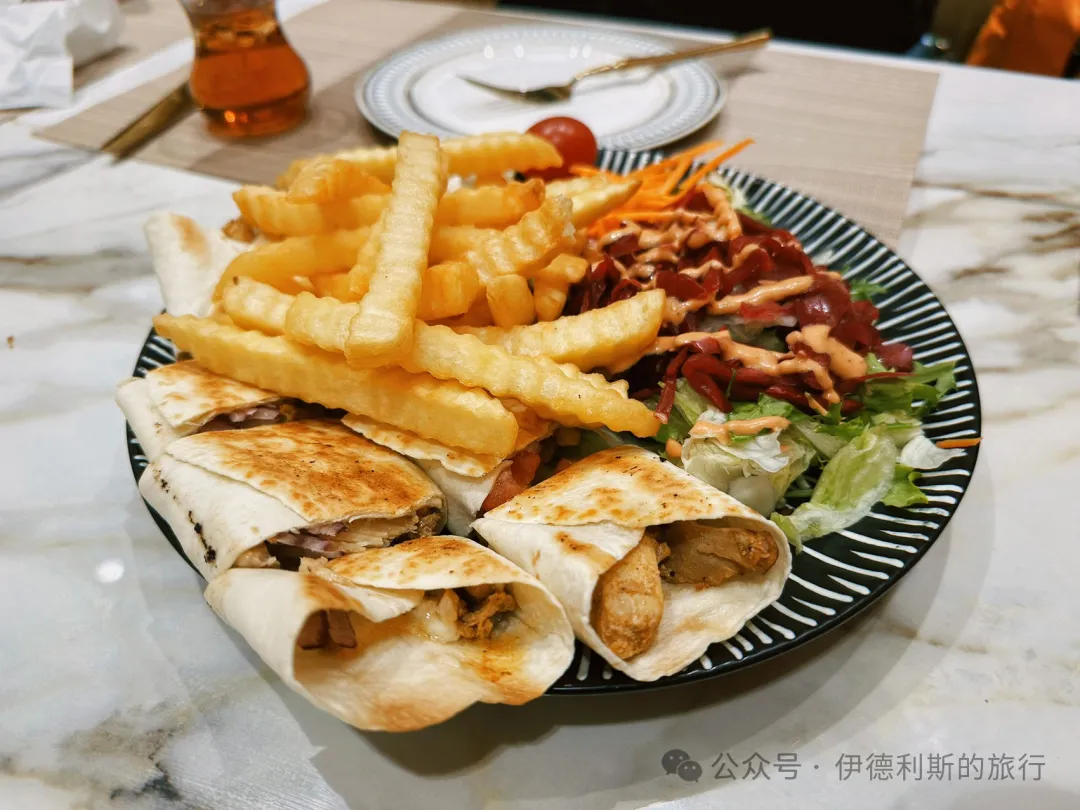
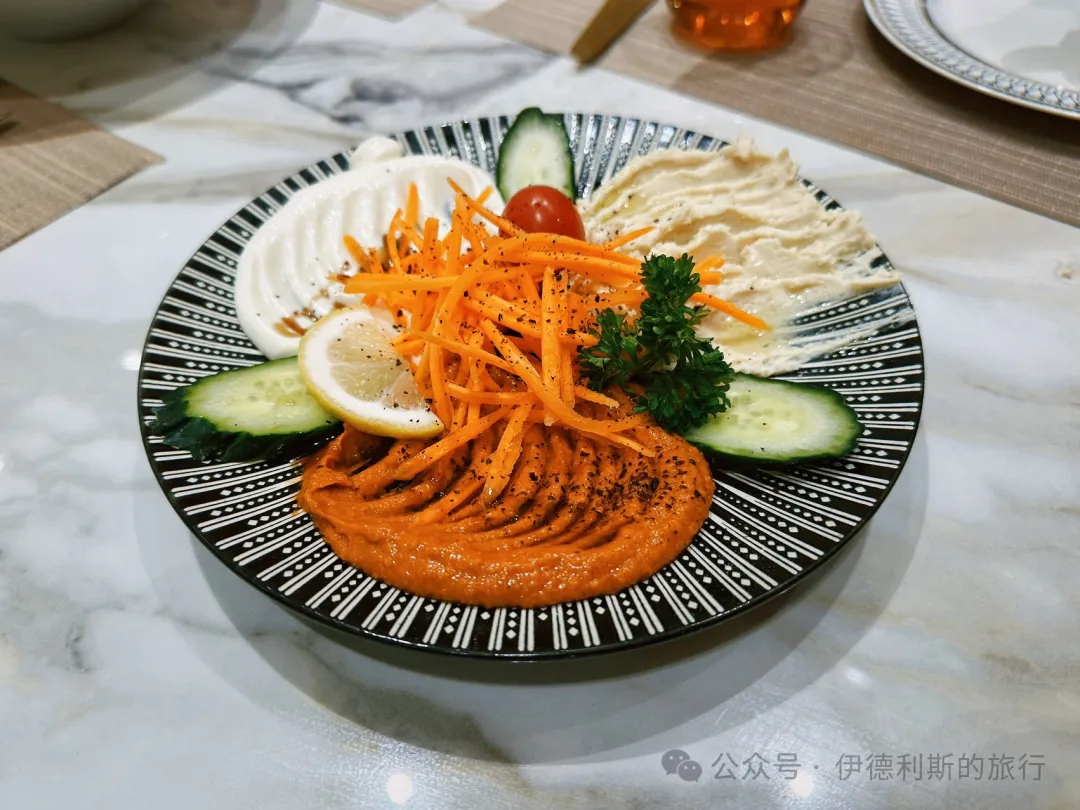
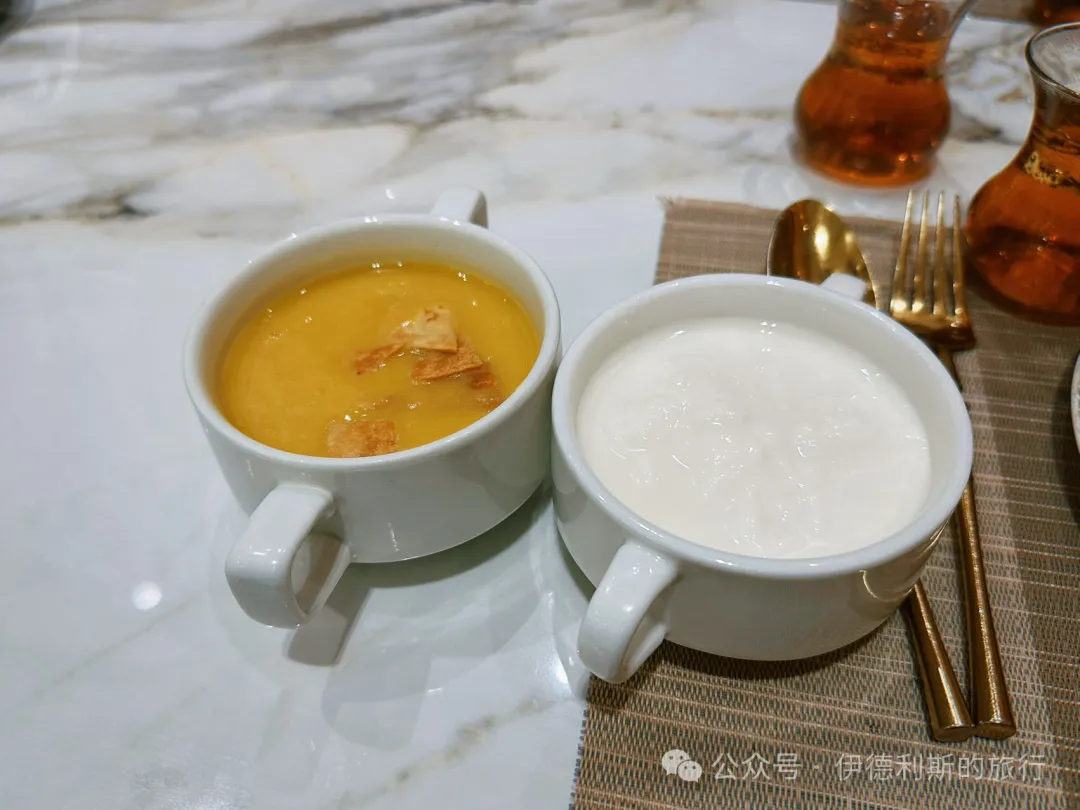
We ordered the four-person feast set. It included lentil soup, cream of mushroom soup, a trio of hummus, lamb samosa (samosa), chicken shawarma (shawarma), four-season pizza, mixed grilled meats, black tea, and a crispy salad. We also ordered yogurt separately. Overall, the food is very authentic. It offers better value than Arab restaurants in Beijing, and you do not have to wait in line. Their yogurt is especially good. It has a rich, tangy milk flavor that beats many Arab restaurants in Beijing. The only downside is that the samosa pastry is a bit thick, more like the South Asian version than the thin-crust Levantine style.
Yemeni food: Socotra.
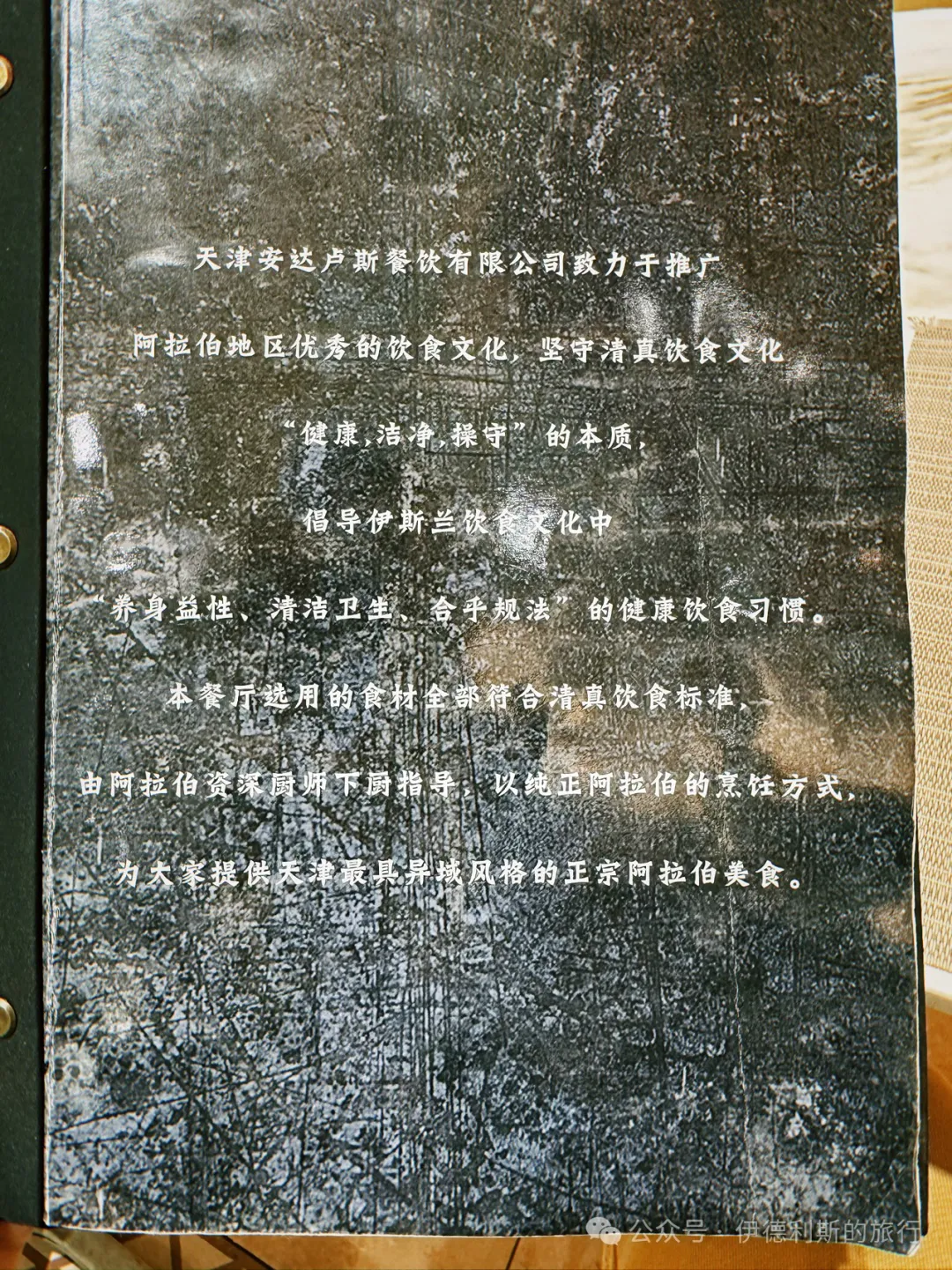
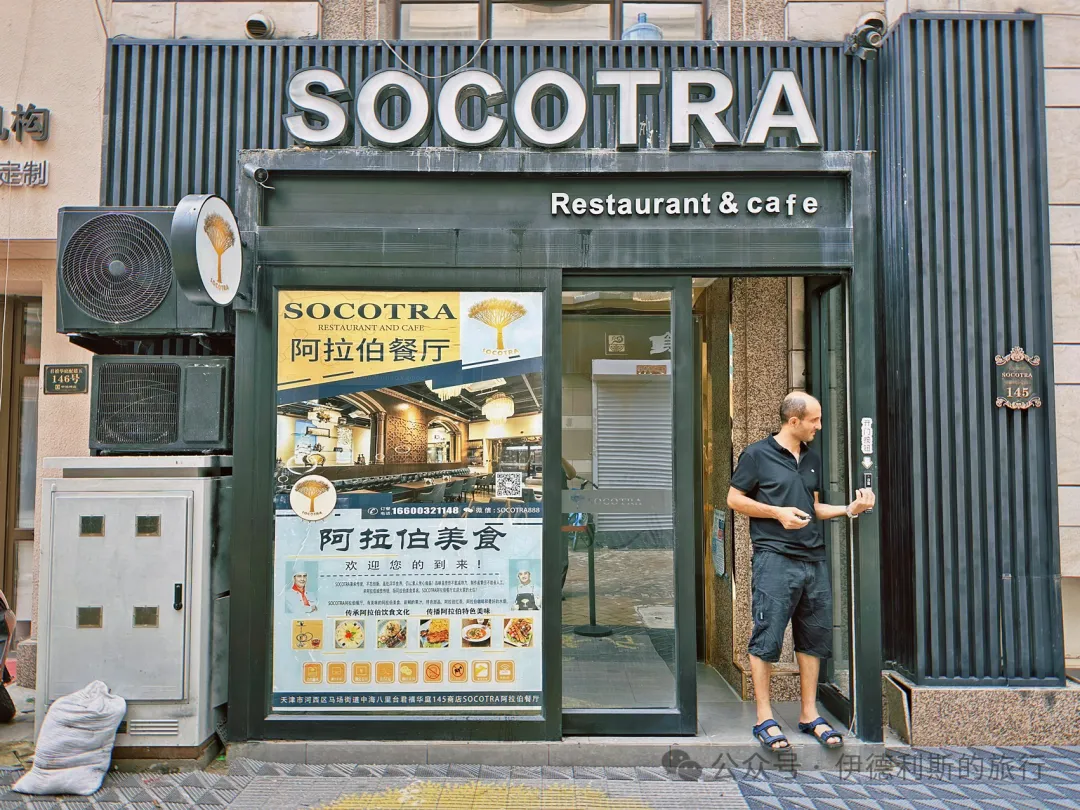
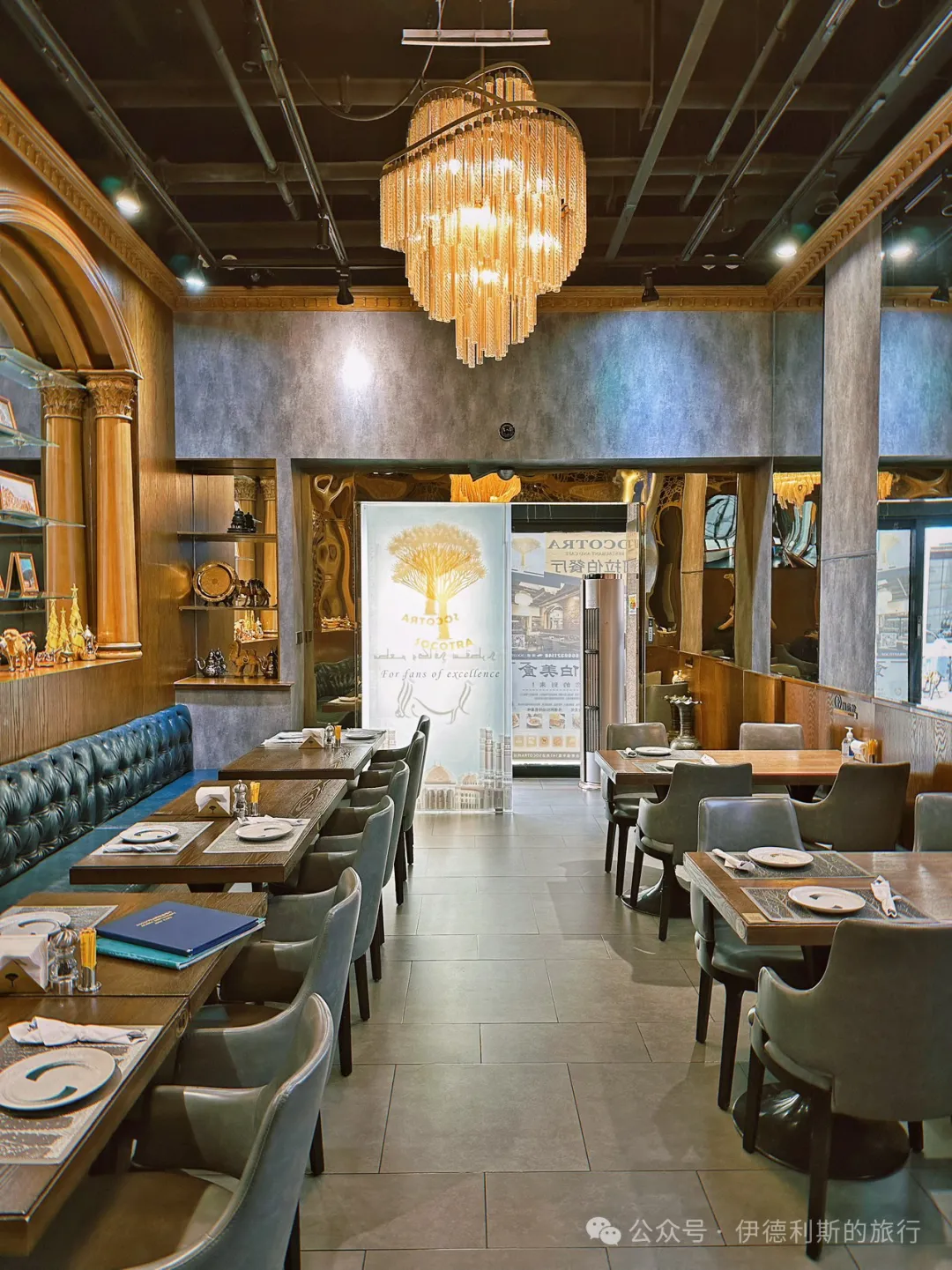
Socotra is an island in the Arabian Sea, southeast of Yemen. In the Ming Dynasty, the Zheng He navigation charts called it Sugudala. Socotra Island became a World Natural Heritage site in 2008 and is famous for its dragon blood trees. The Socotra restaurant logo is a dragon blood tree, and photos of the trees hang in the shop.
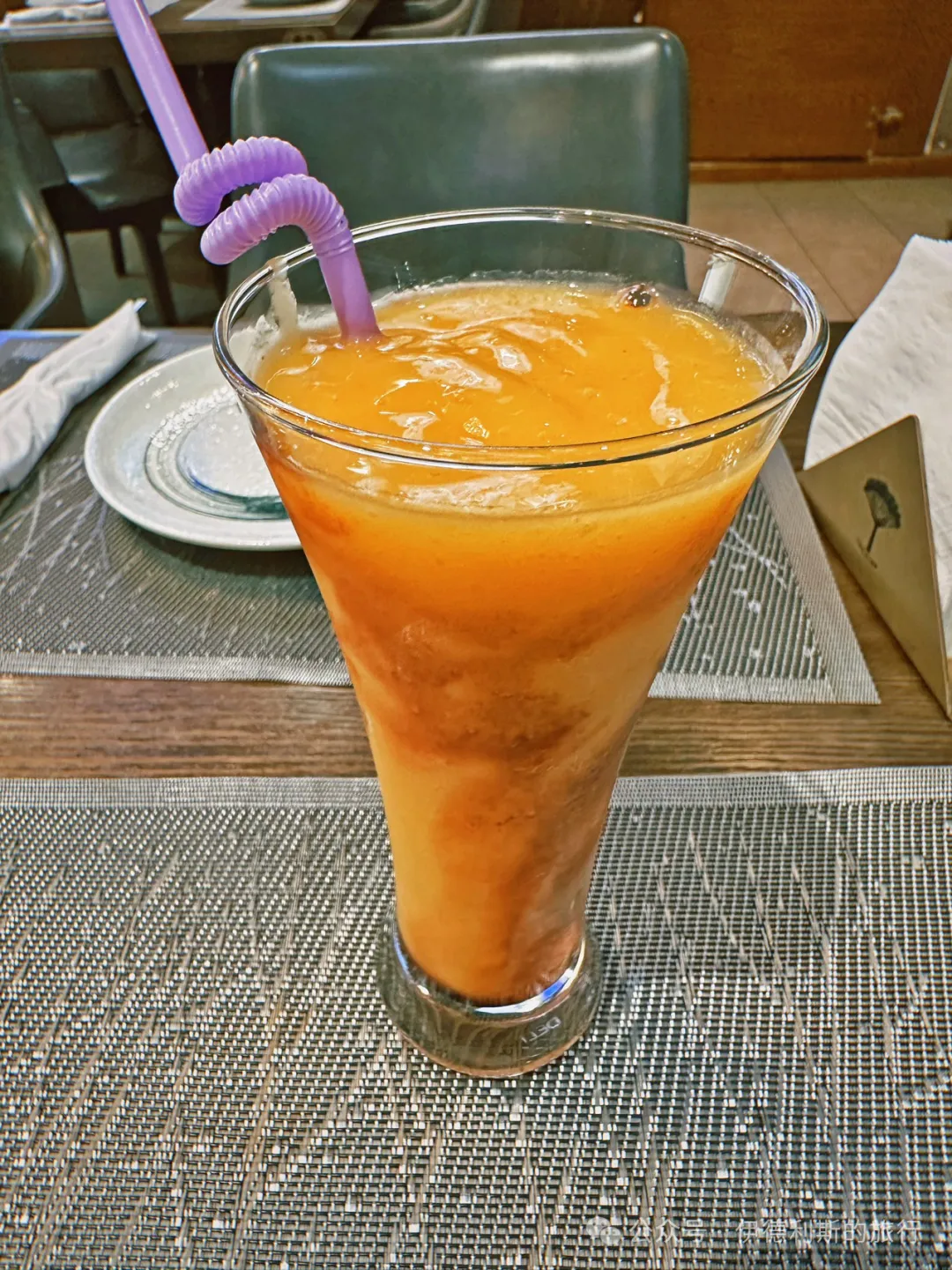
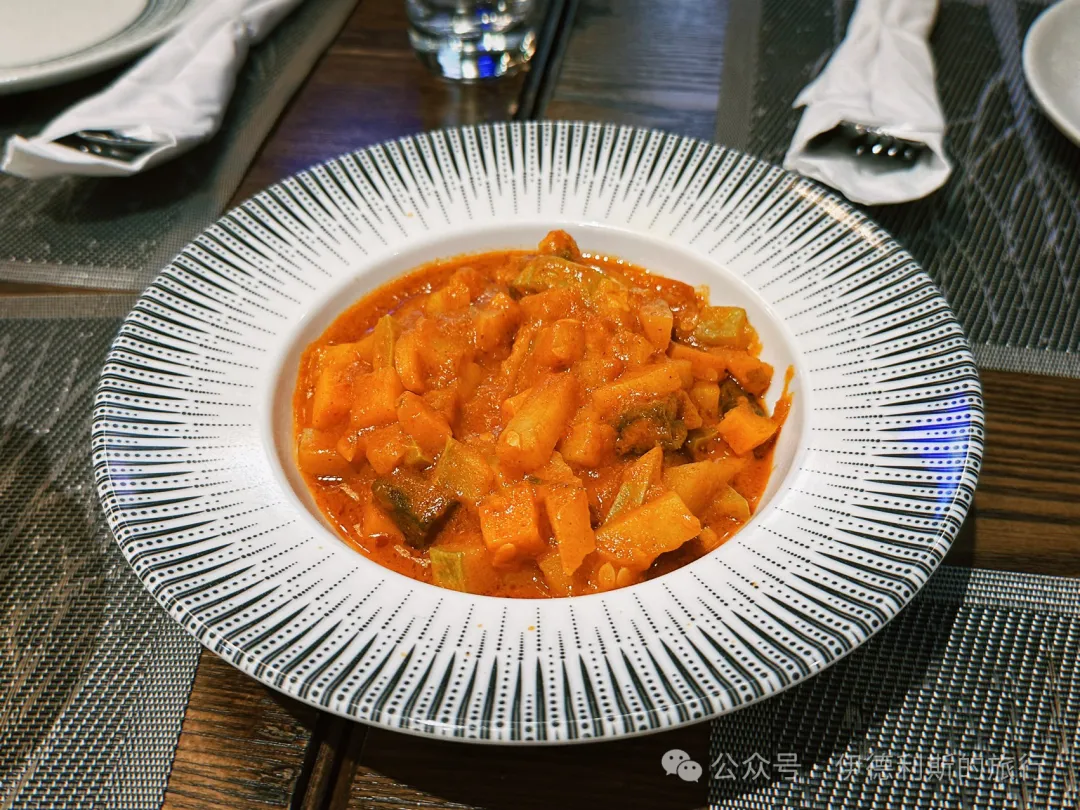
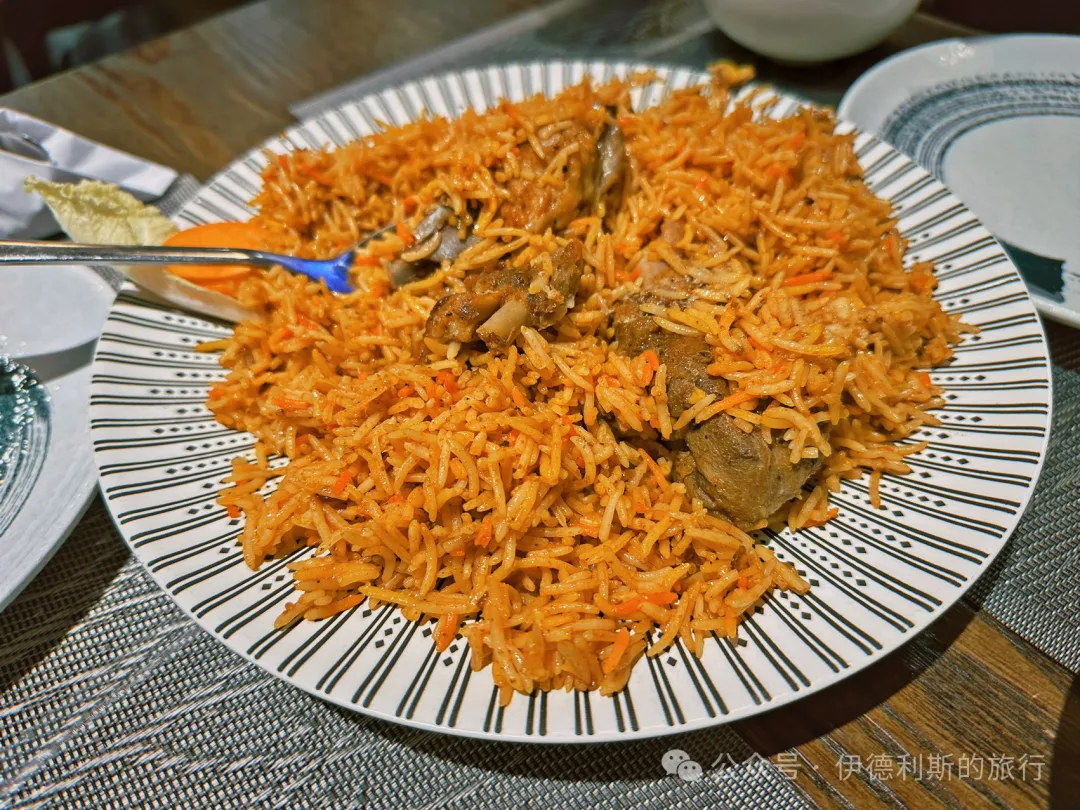
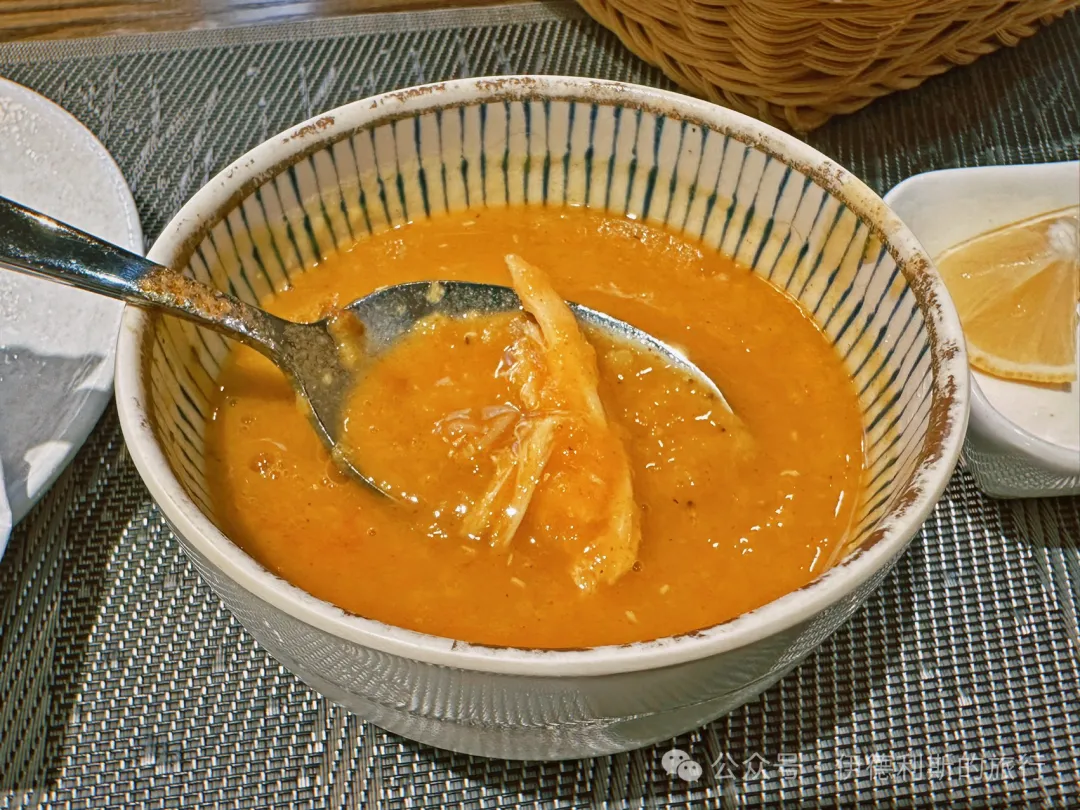
We ordered the specialty soup, chicken lentil soup, lamb zurbian (zurbian) rice, mushakkal (mushakkal) stir-fried vegetables, fahsa (fahsa) beef stew, banana mango juice, and khubz (khubz) flatbread. Zurbian rice is similar to Indian biryani, as both are stir-fried with various spices. Their lamb is grilled and very fragrant, but we found the rice a bit dry. It also contained small bone fragments, so be careful if feeding children.
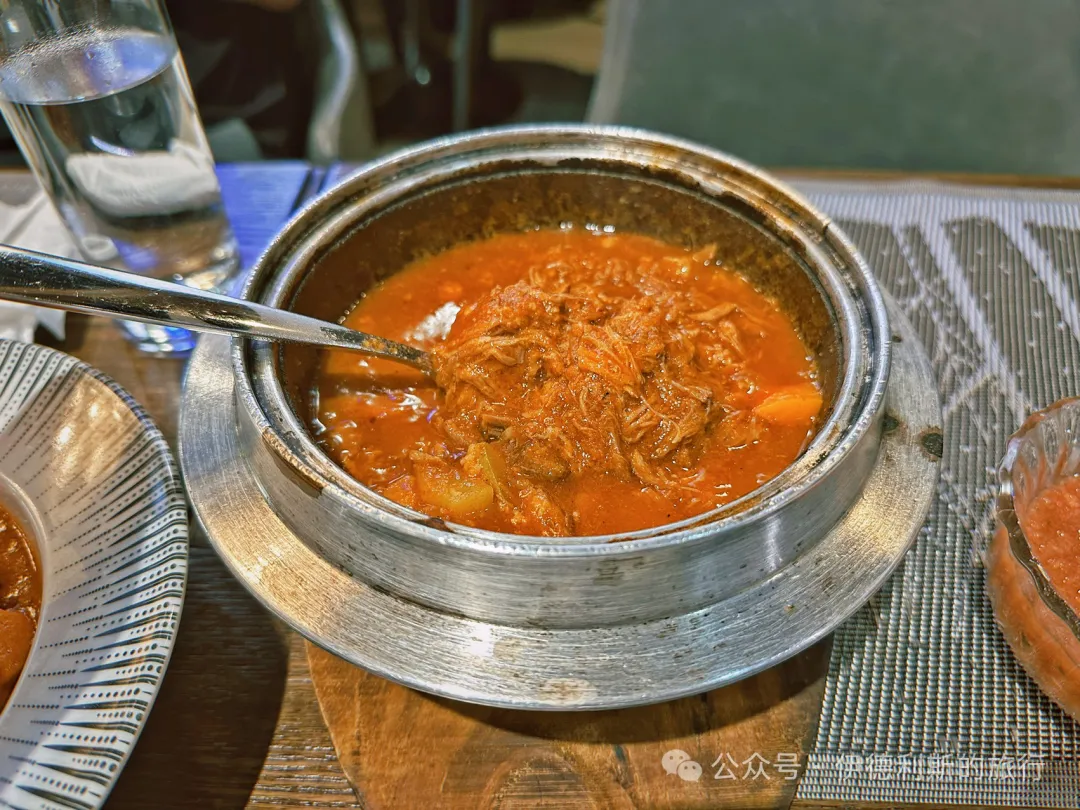
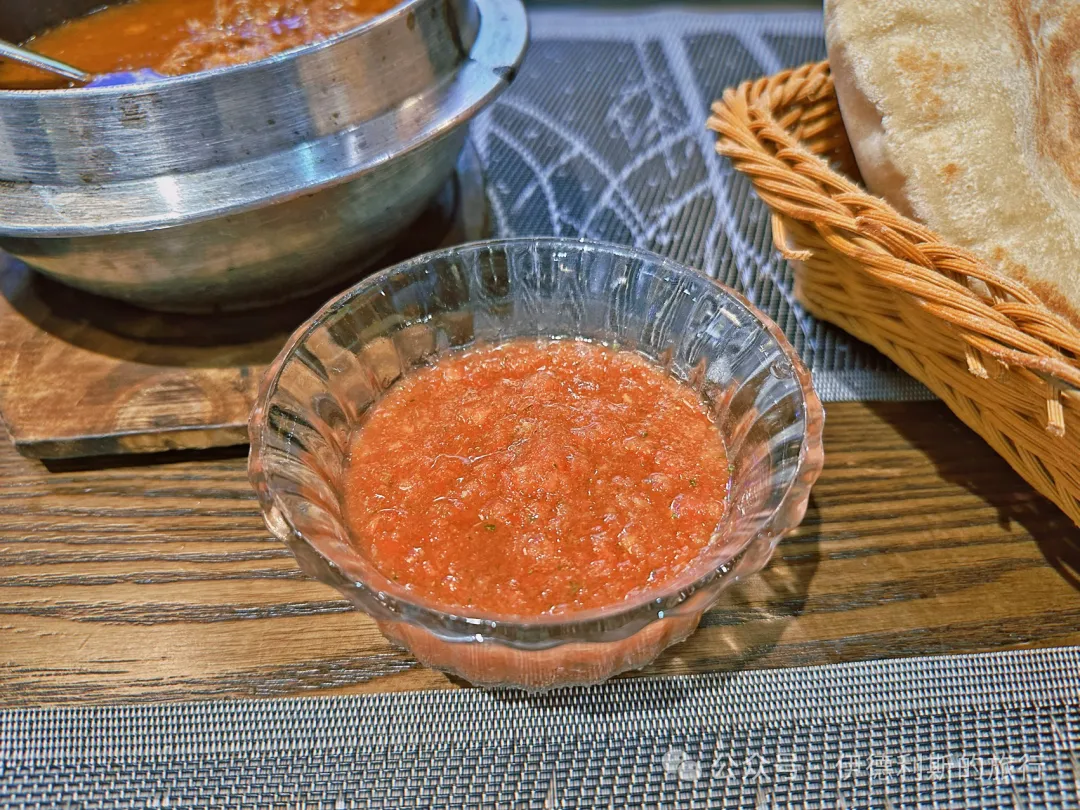
When visiting a Yemeni restaurant, you must try the classic Yemeni dish, fahsa beef stew. Fahsa is usually made with lamb, but they use beef. The meat is stewed until very tender, first in a large vat and then finished in a small pot. Besides ginger, garlic, and cumin, the stew requires a spice called fenugreek (hulbah). Fenugreek is what people in Northwest China often call xiangdouzi (bitter beans). Northwesterners dry the leaves and grind them into powder to steam buns, while Yemenis grind the seeds to stew meat. Fenugreek seeds expand in water and easily foam up when stirred in a bowl.
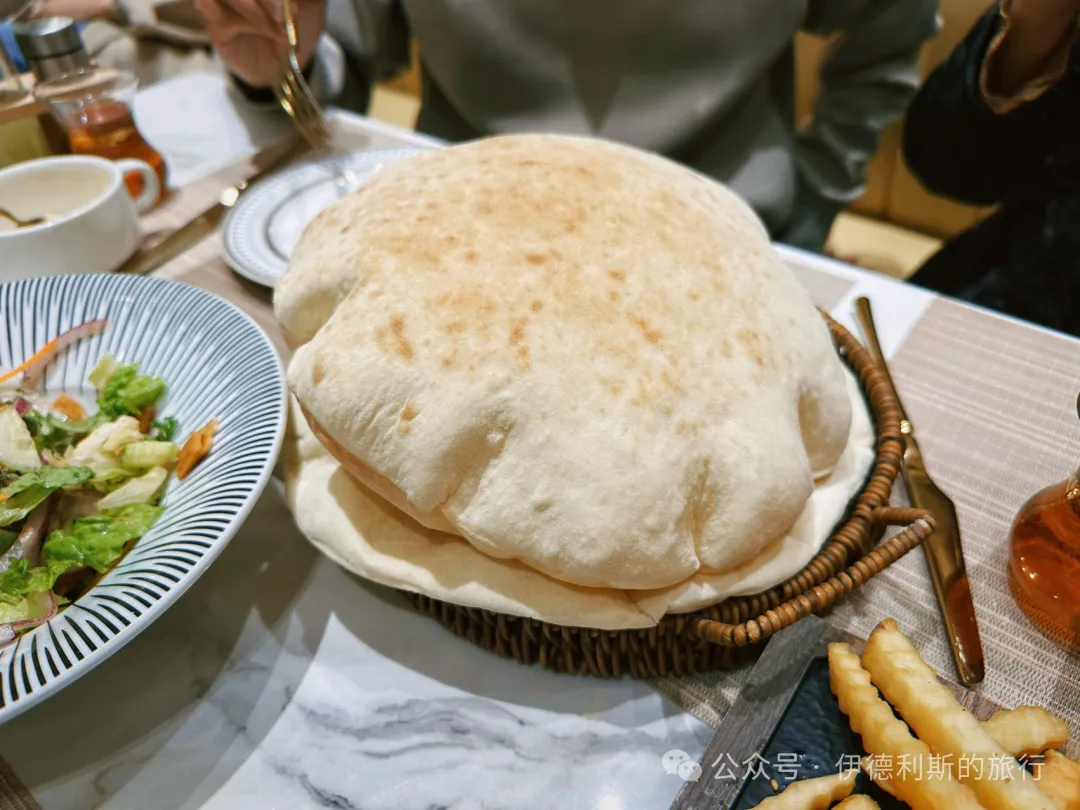
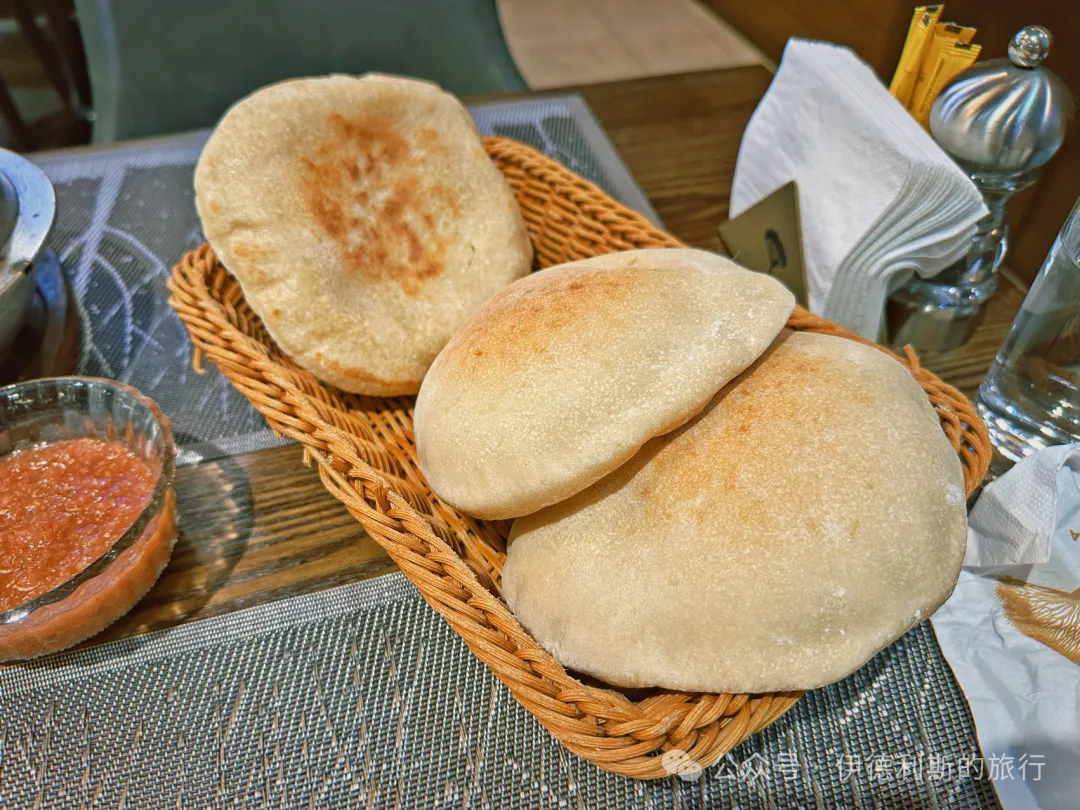
The classic pairing for fahsa is mulawah (mulawah) Yemeni bread, but they require you to order it in advance. We could only get khubz flatbread at the restaurant. Khubz is essentially the pita bread found in Levantine cuisine. Their version was quite hard and, honestly, not very tasty.
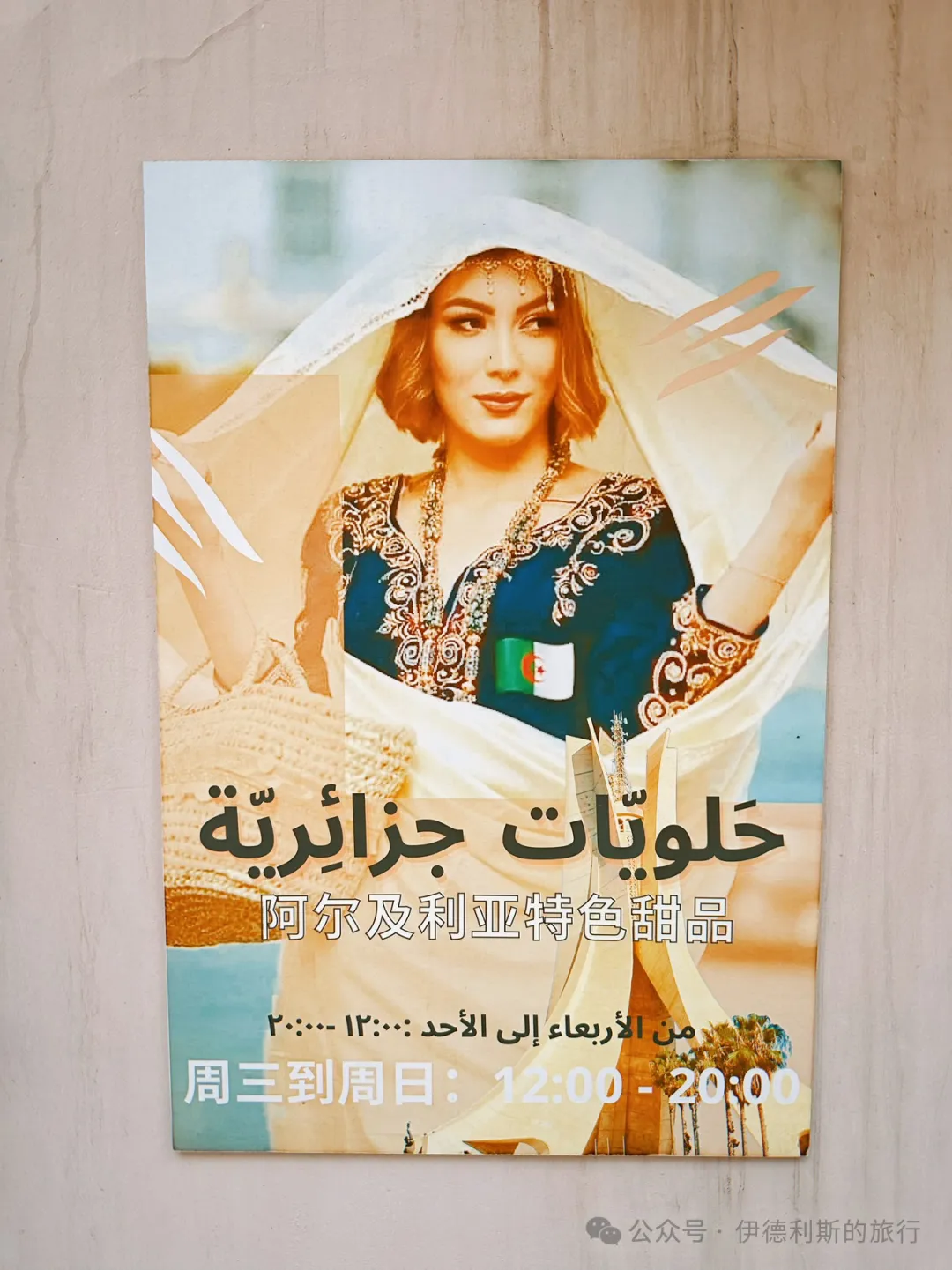
Algerian tea and snacks: Lyn's Healthy Bakeshop.
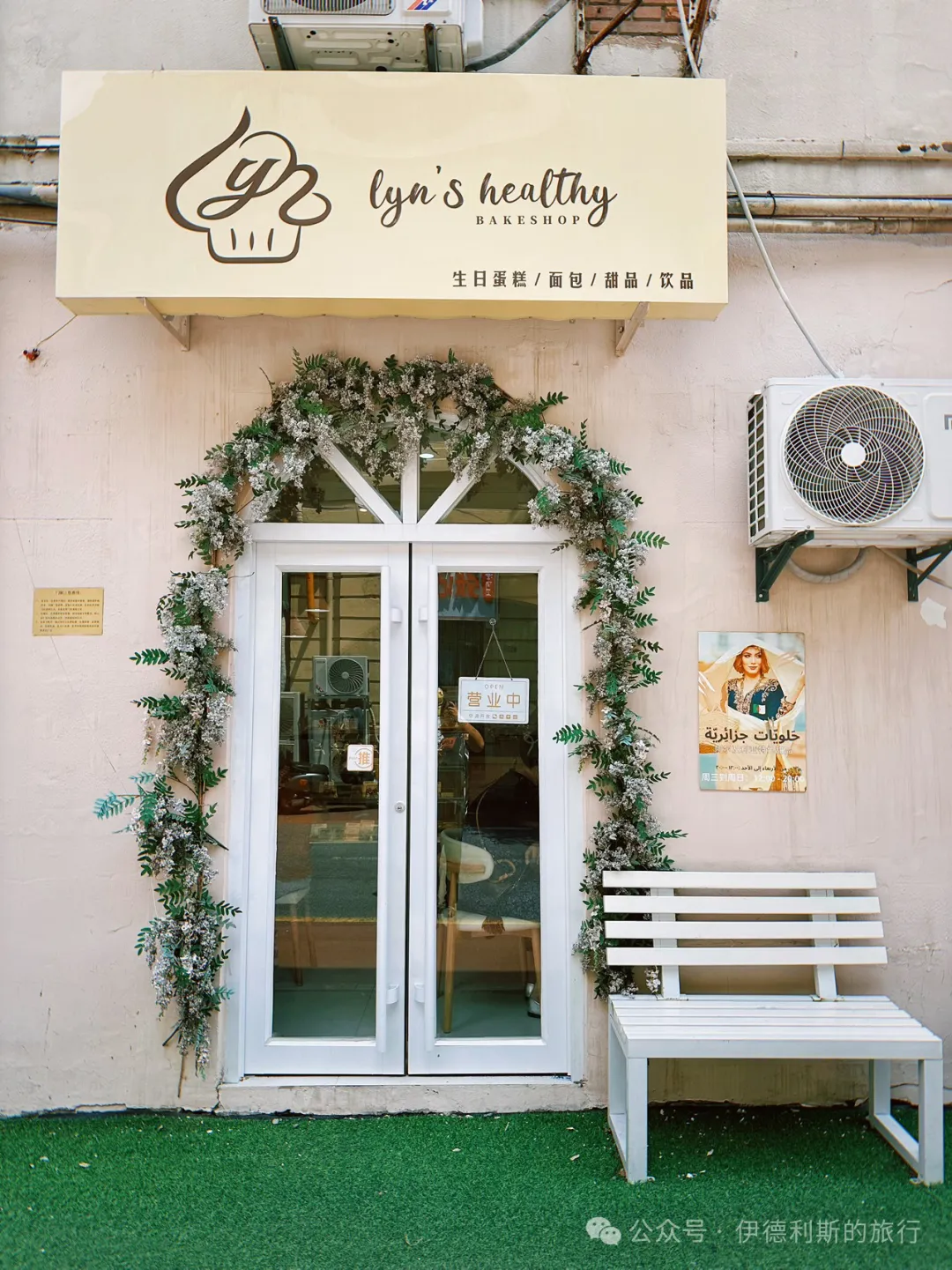
We had Algerian afternoon tea at Lyn's Healthy Bakeshop on Chifeng Road in Tianjin. Chifeng Road is in the former French Concession area. There are many small Western-style buildings here, along with all kinds of little restaurants.
The owner is from Algeria and opened a small shop here for tea and desserts. It is likely the first Algerian restaurant in China. It is impressive to see Tianjin leading the way in international dining again!
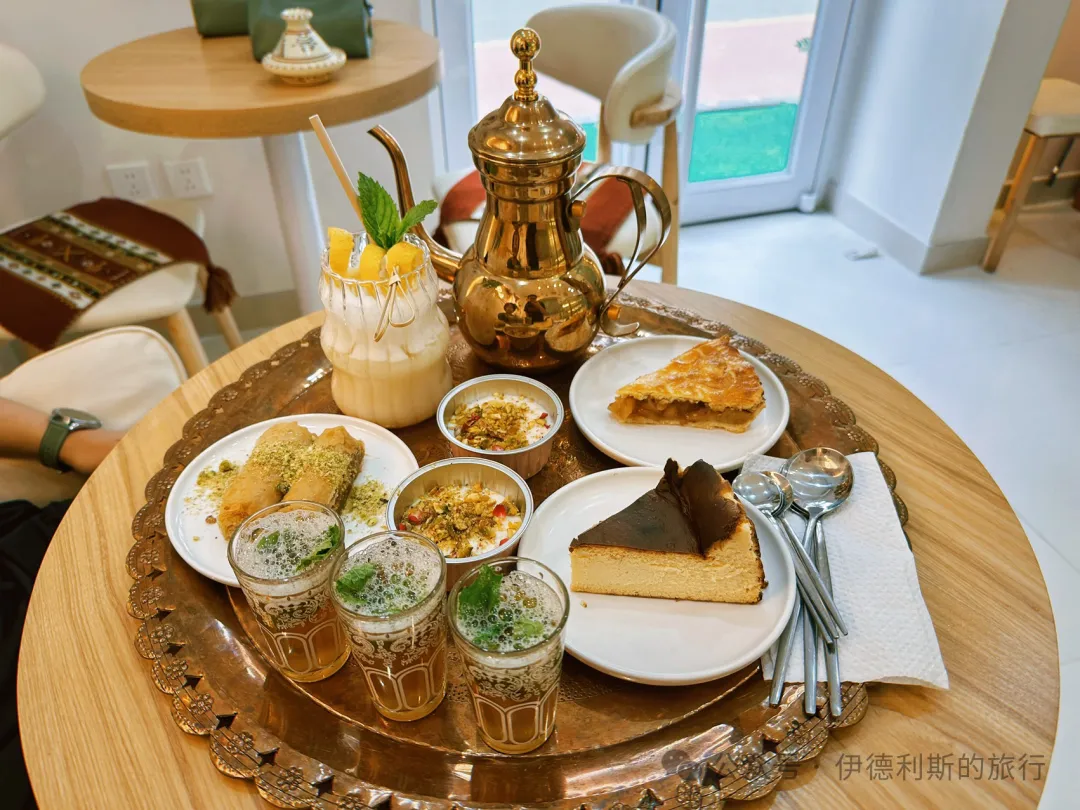
You can order à la carte or choose an afternoon tea set. They serve both traditional Algerian desserts and Western pastries. They use maple syrup instead of white sugar for a healthier approach. This is probably the least sweet Arabic dessert shop I have ever visited!
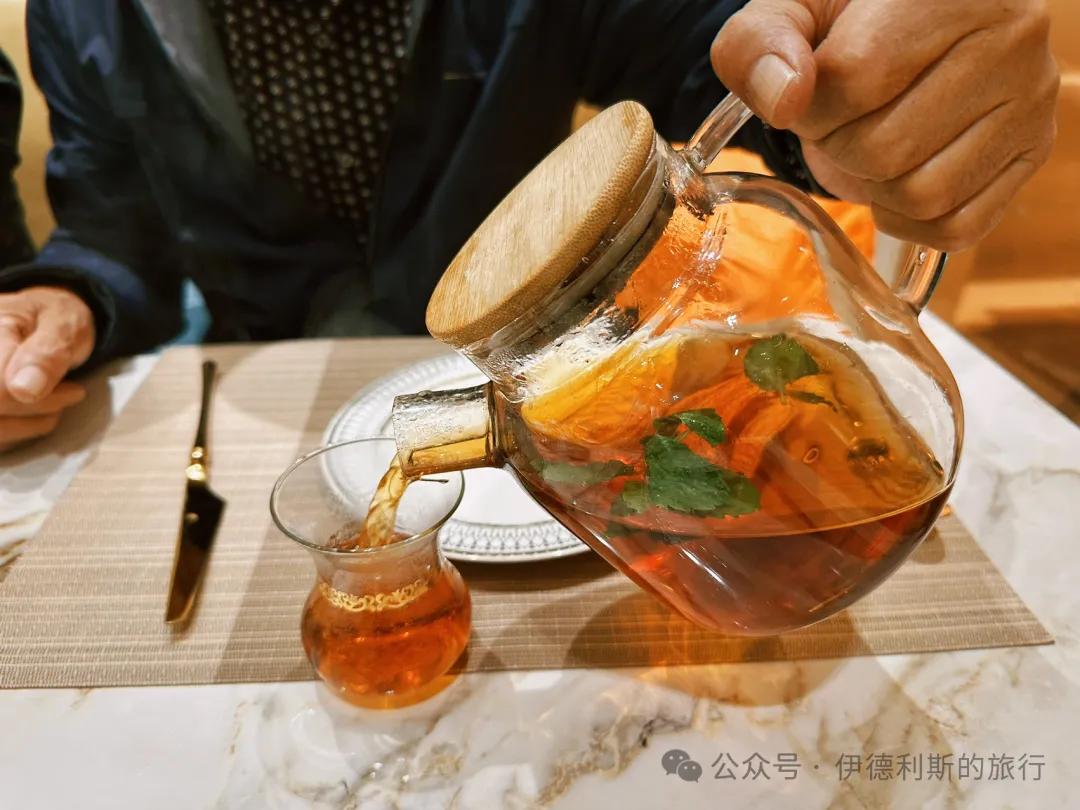
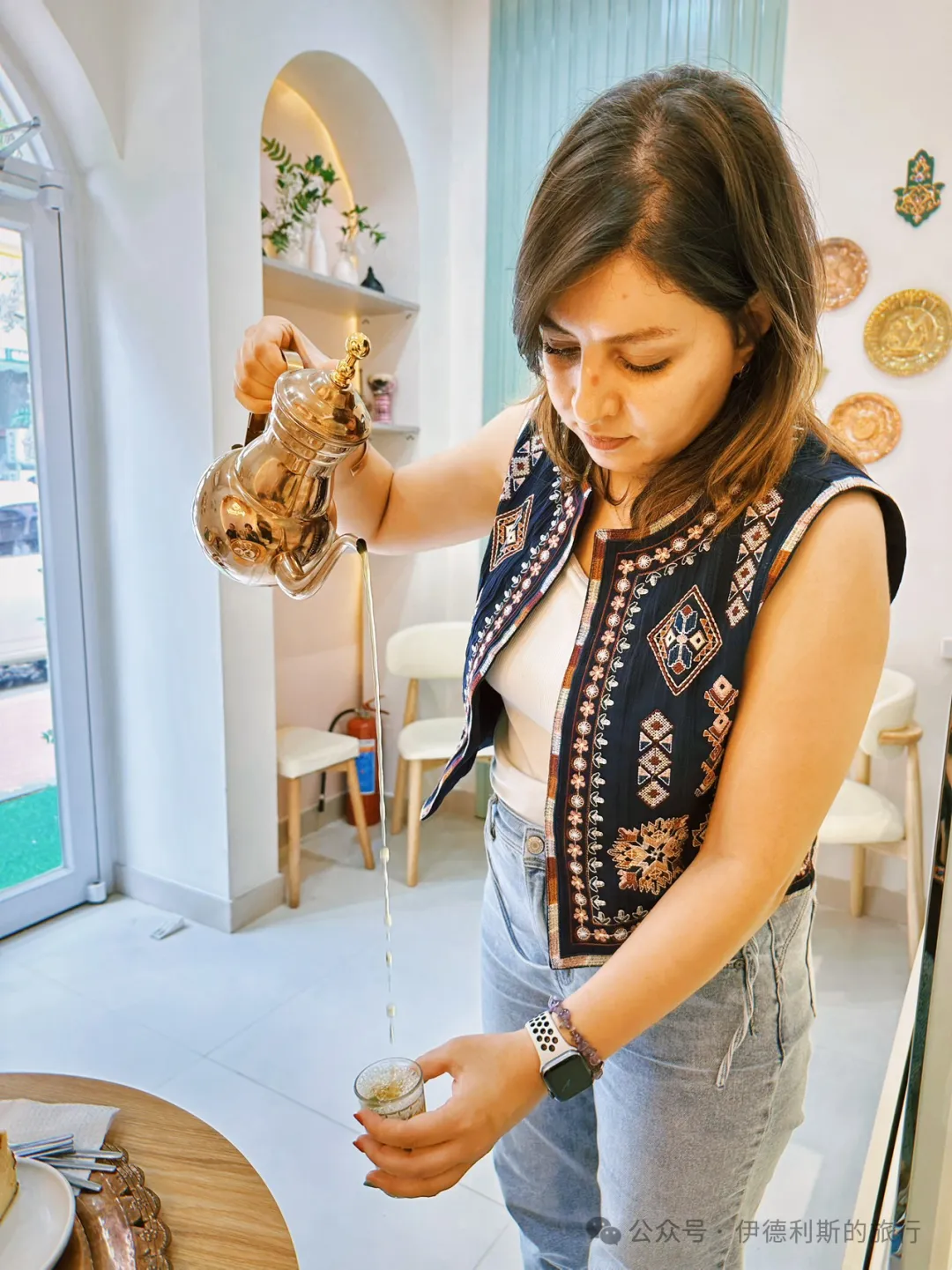
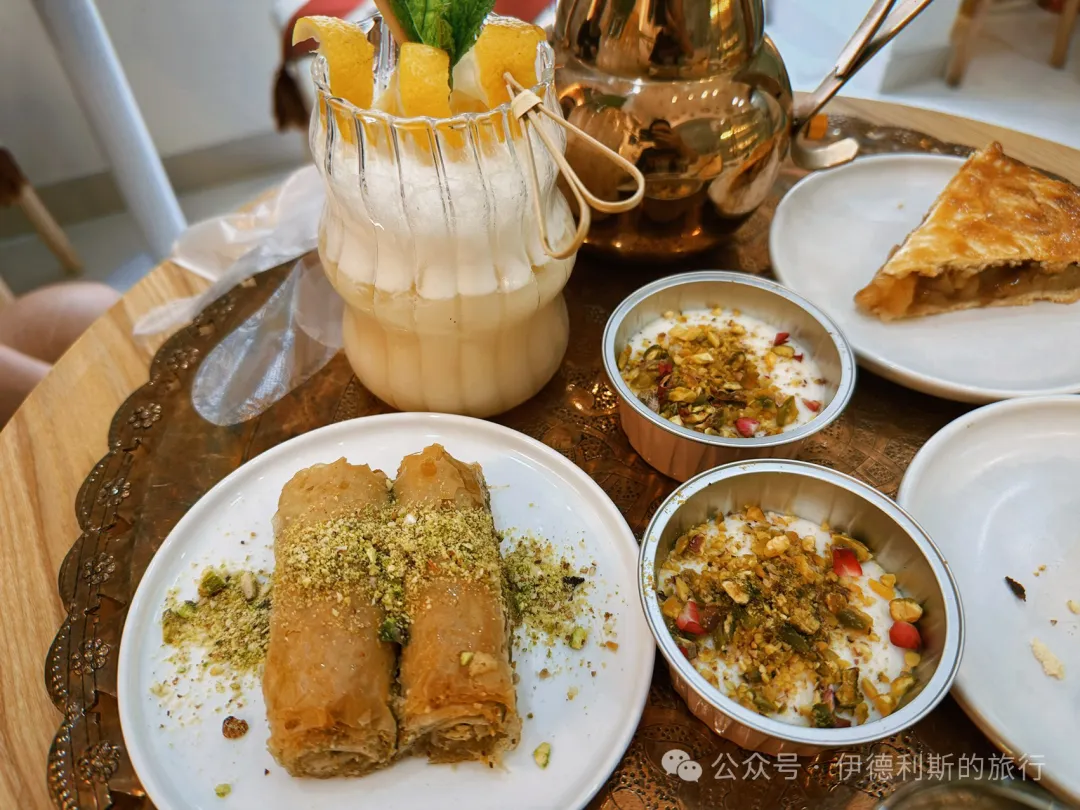
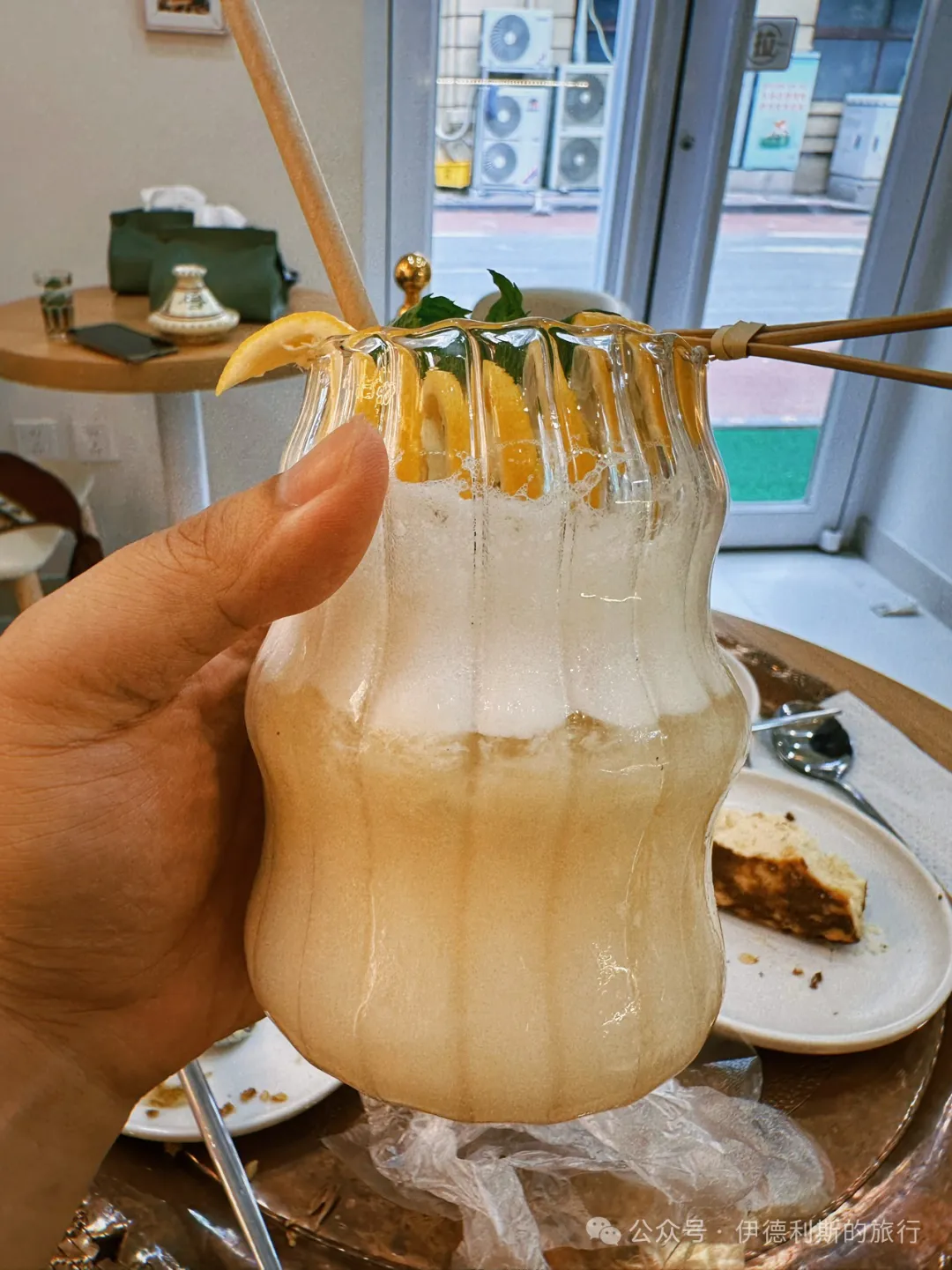
We drank Algerian mint tea and an Algerian orange blossom lemonade called Sherbet Mazhar. The mint tea is brewed to order, so it takes a while. It has a very strong aroma, but since it is freshly brewed, you cannot get refills. Orange blossom water is definitely a signature Algerian drink, especially classic at wedding feasts in northern Algeria. This drink is made from orange blossom water distilled from bitter orange blossoms, mixed with syrup and water. It is very refreshing in the summer.
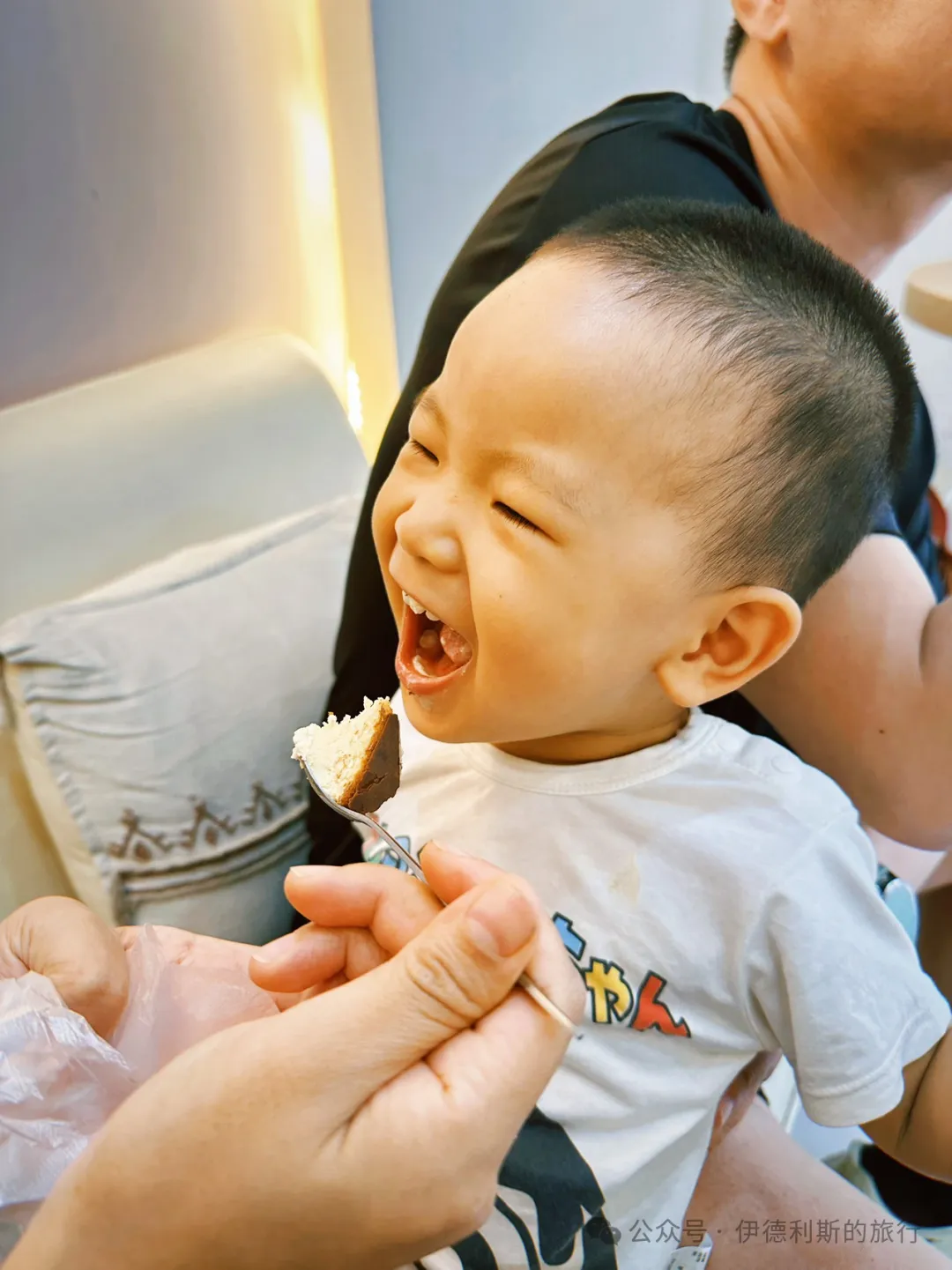
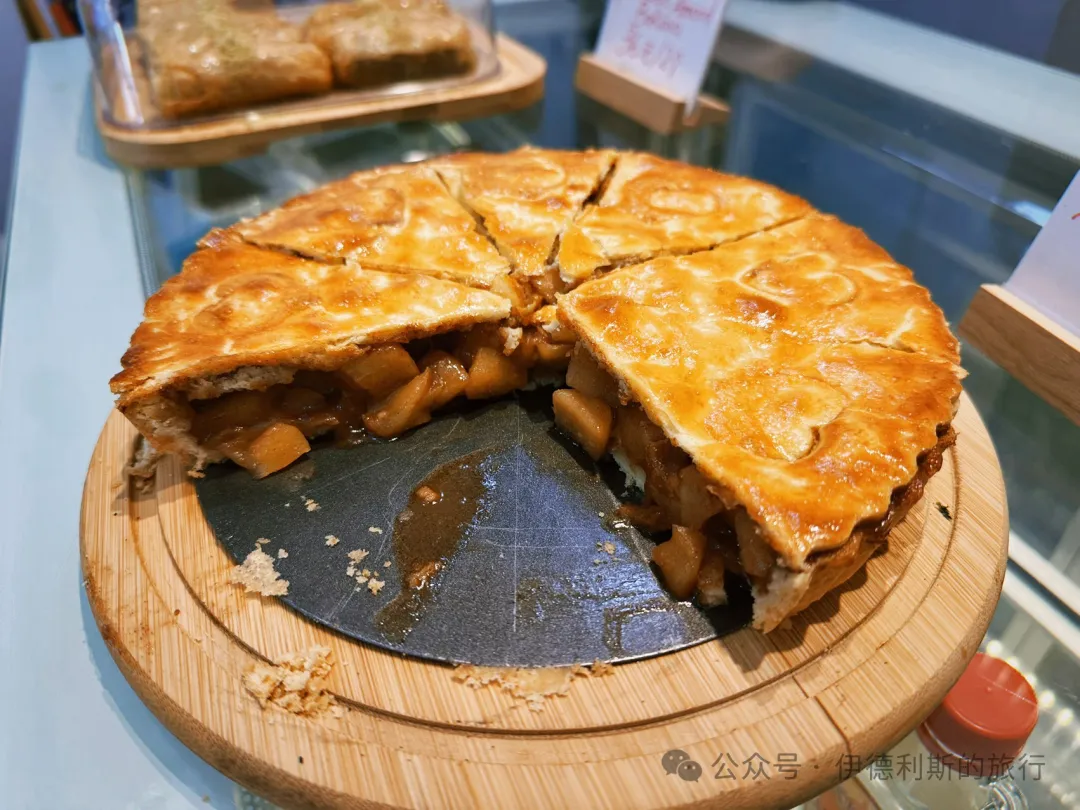
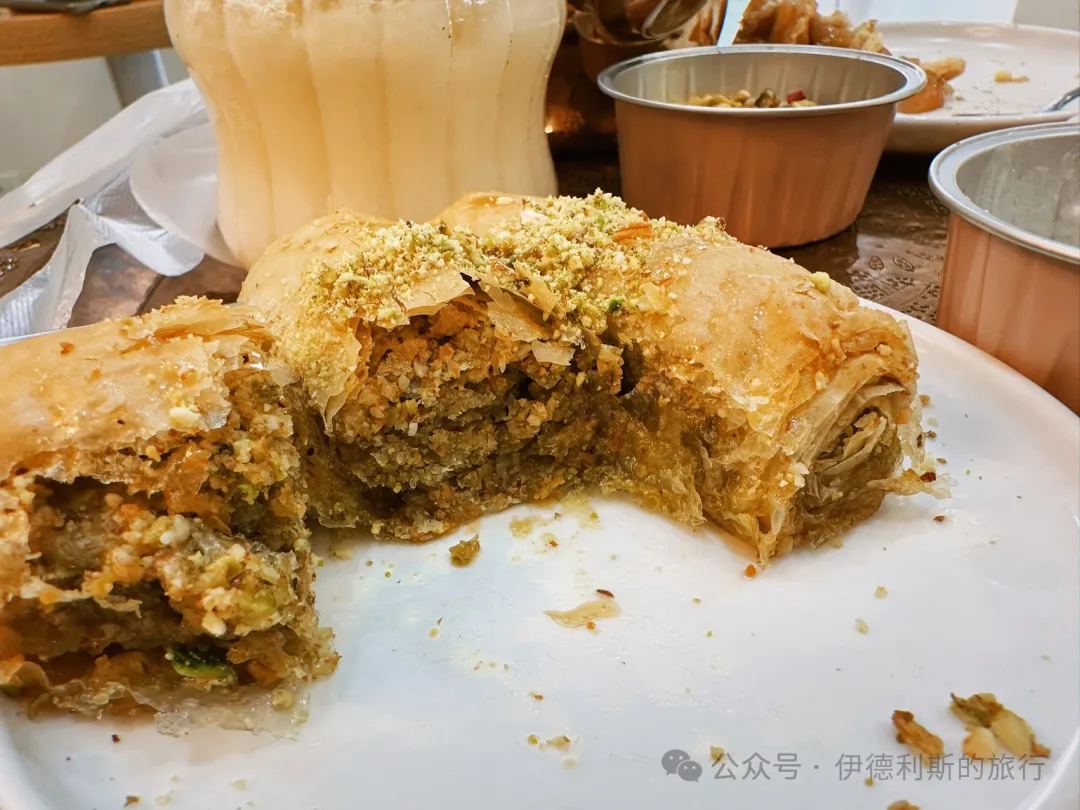
We ate Algerian baklava (Baklawa), apple pie, milk pudding (M'halbi), and cheesecake. Suleiman loved the cheesecake the most. Baklava was introduced to Algeria from Turkey during the Ottoman period. The Algerian version adds crushed almonds and orange blossom water, so the taste is different from the Turkish one.
Milk pudding (M'halbi) is a classic Middle Eastern dessert for breaking the fast and is most popular during Ramadan. The name M'halbi comes from Al-Muhallab, a governor of Khorasan during the Umayyad Caliphate. Legend says he once had a stomachache, and his doctor fed him rice flour cooked with milk and sugar. He liked it so much that he named the dessert after himself.
Finally, the food here is excellent, though the decor is a bit simple. If they could highlight the Algerian theme more, this place would definitely become a new trendy spot in Tianjin.
Tunisian food: Sidi Bou Said.
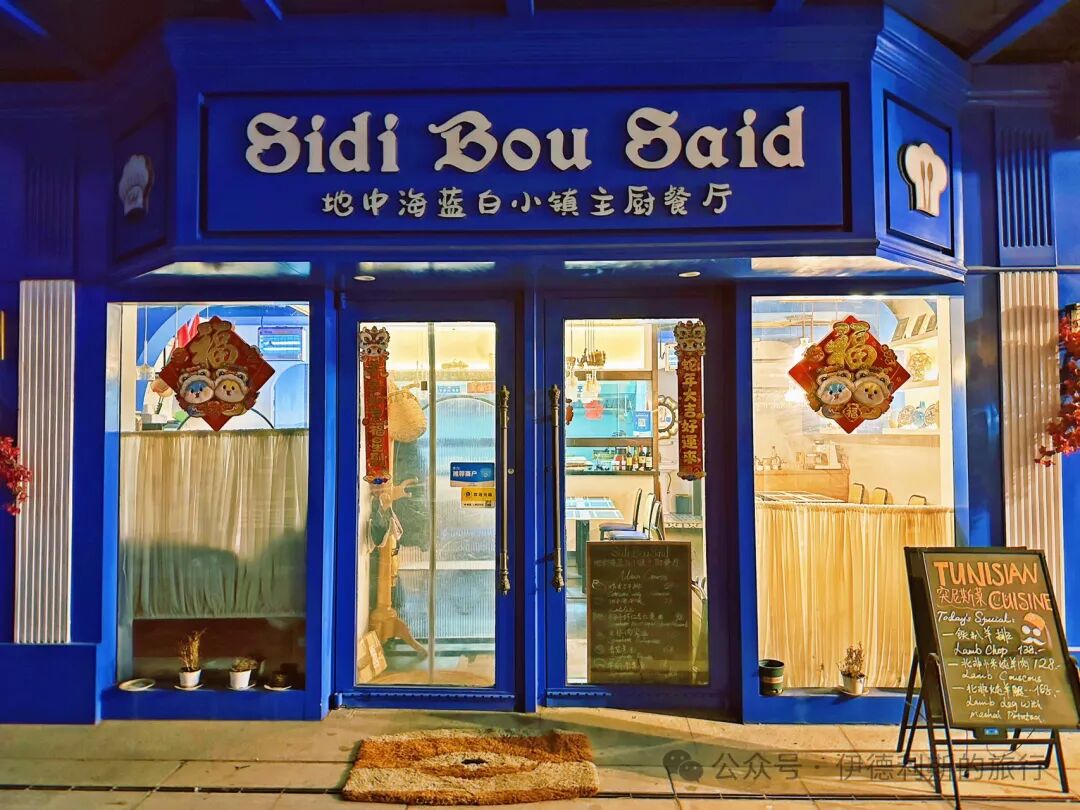
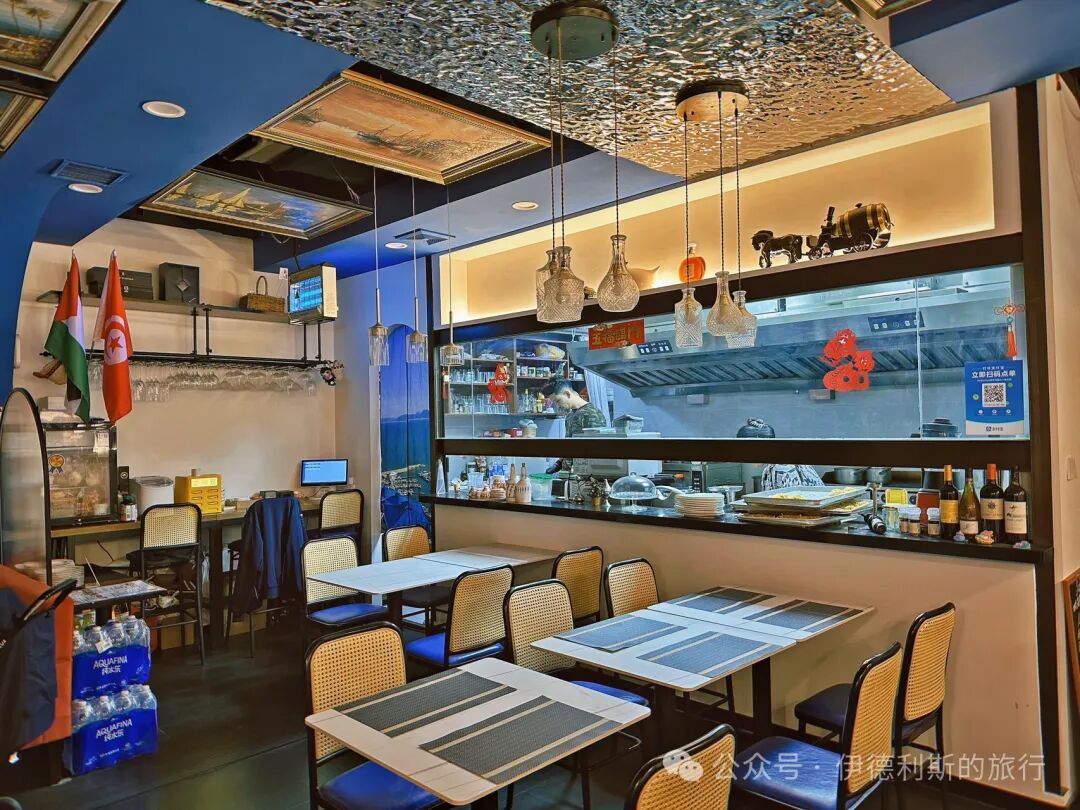
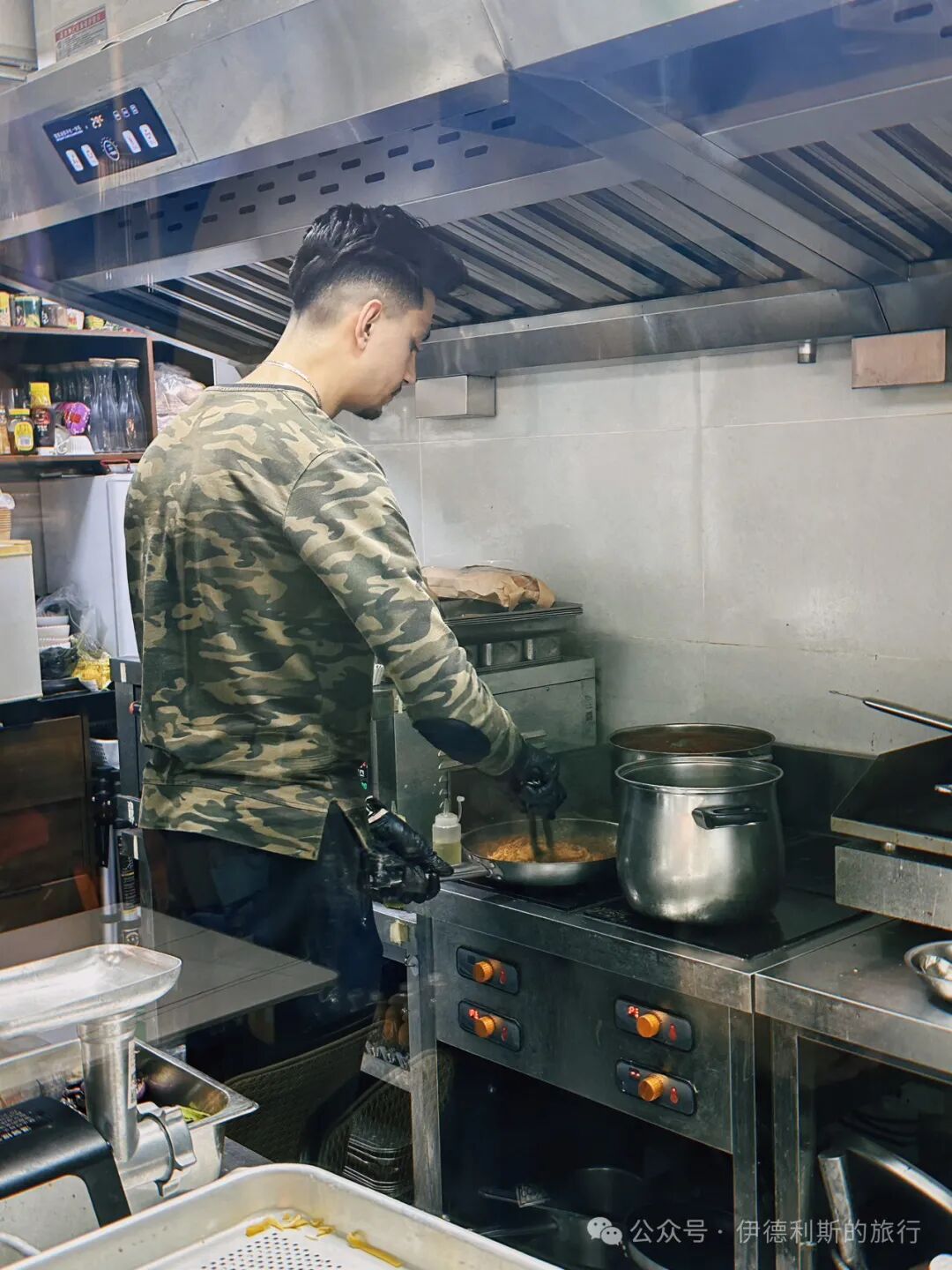
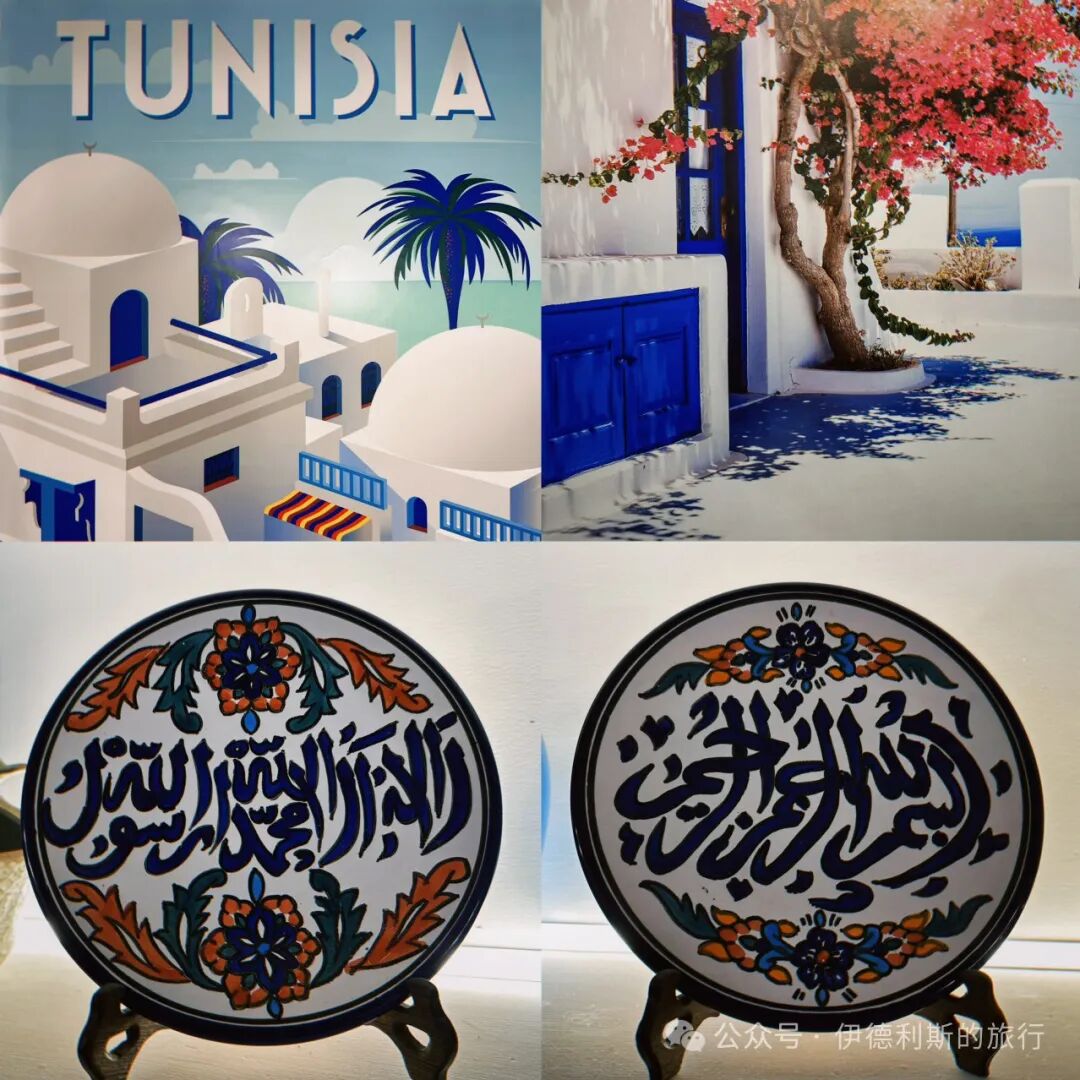
There is a Tunisian restaurant called Sidi Bou Said (Blue and White Town) in Aocheng Plaza where you can eat Tunisian food. The shop is small. The owner is Chinese, and the head chef is Tunisian. Since there is only one chef, service might be slow when it is busy. It is best to call ahead and book a table. We were the only table when we went, so our meal went quite smoothly.
The name Sidi Bou Said comes from a small Mediterranean town northeast of Tunis. It is named after the famous Sufi saint Abu Said al-Baji, who is buried there. In the 1920s, the French painter and musician Baron Rodolphe d'Erlanger introduced the blue and white color scheme, turning it into a famous tourist destination in Tunisia.
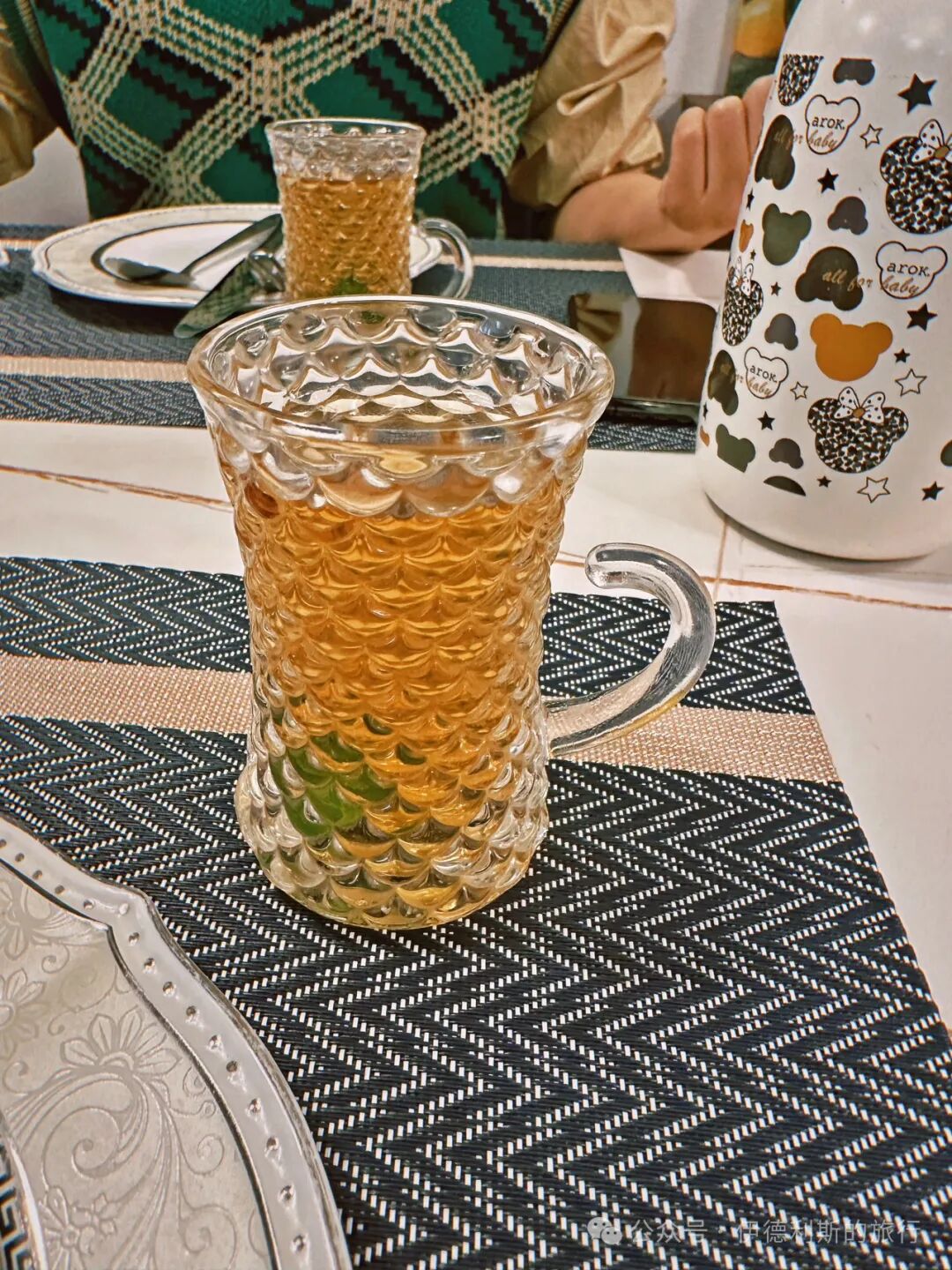
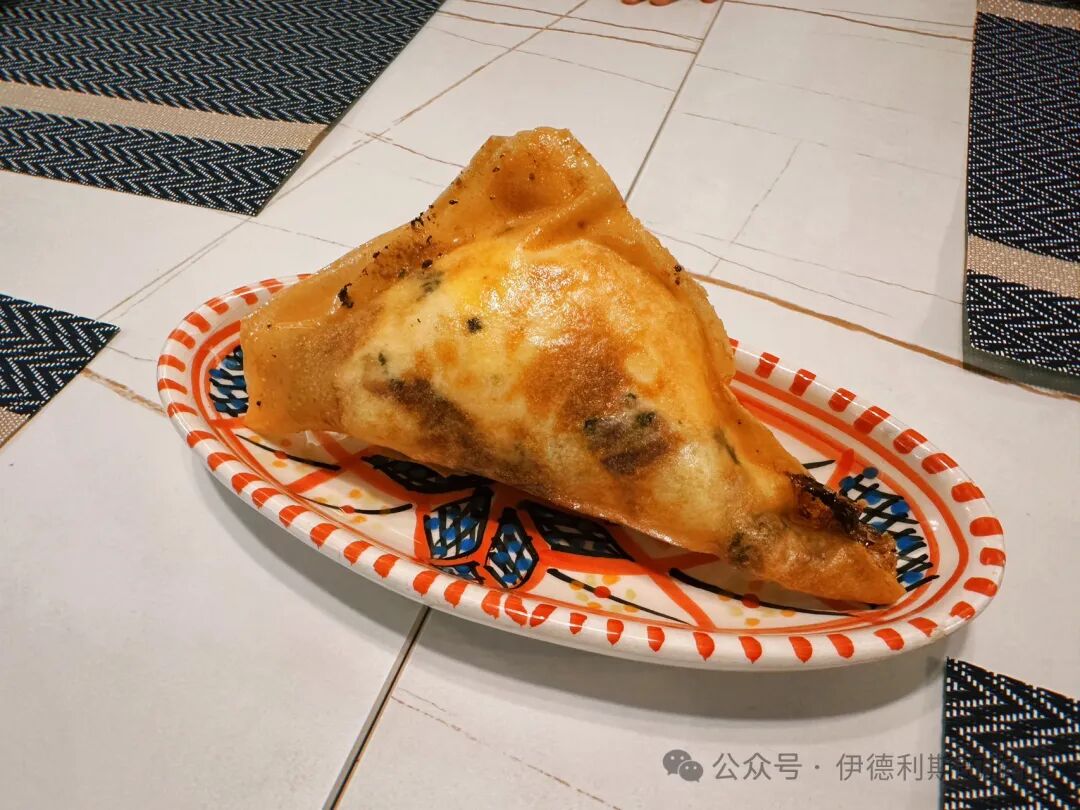
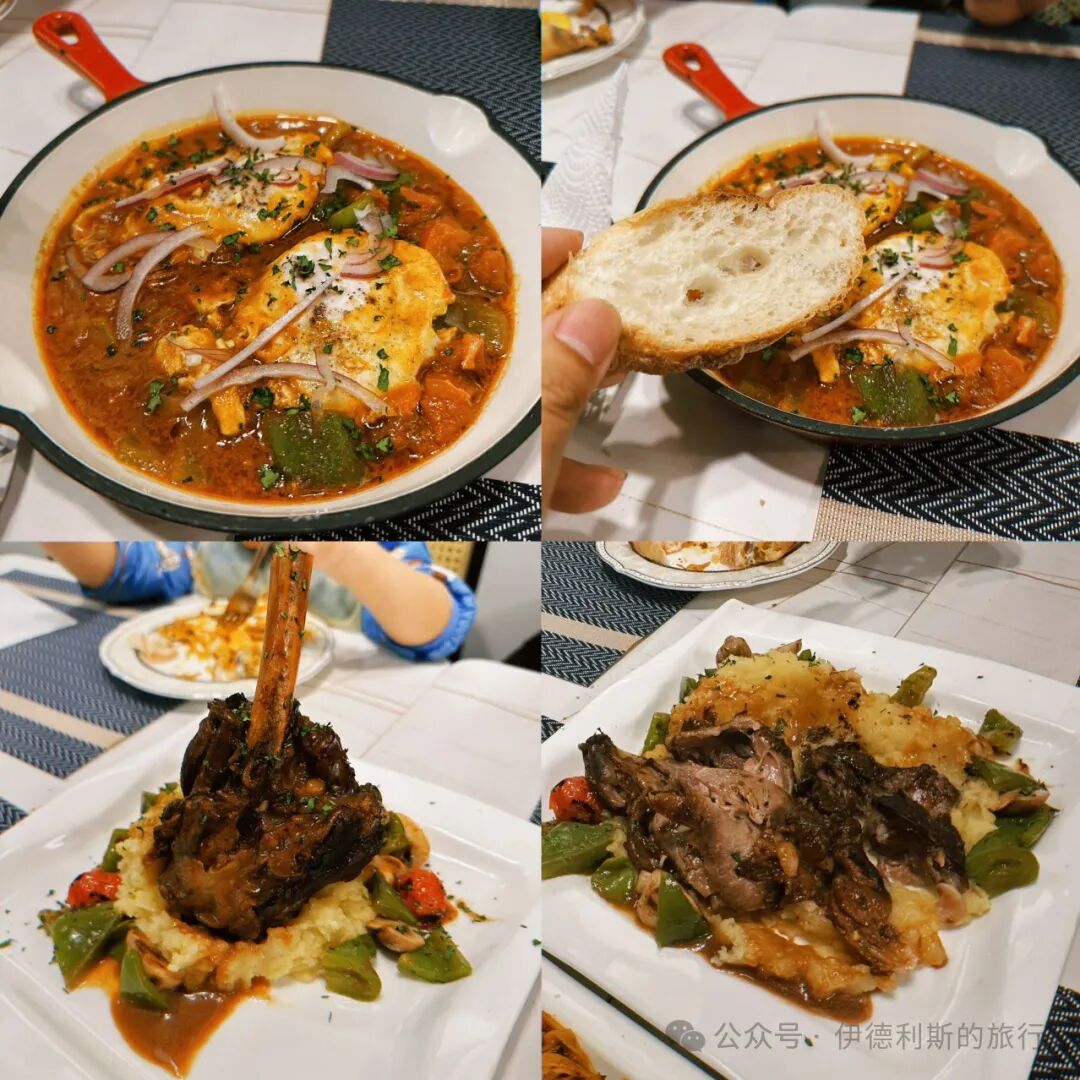
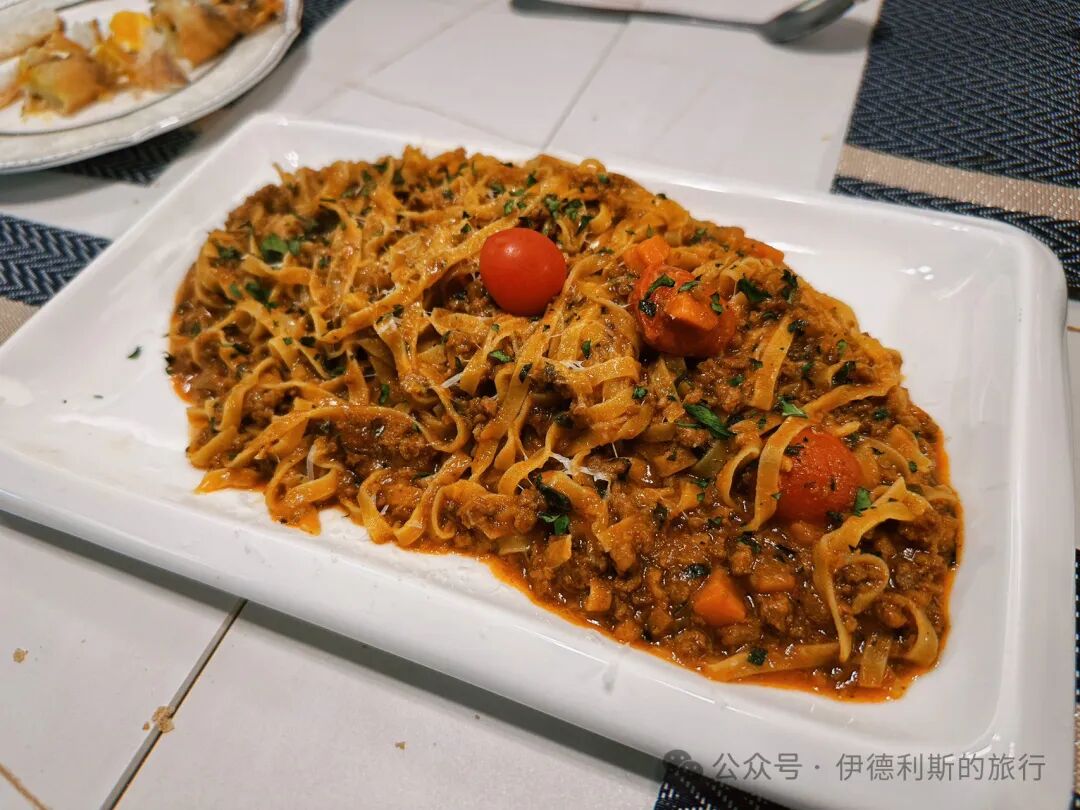
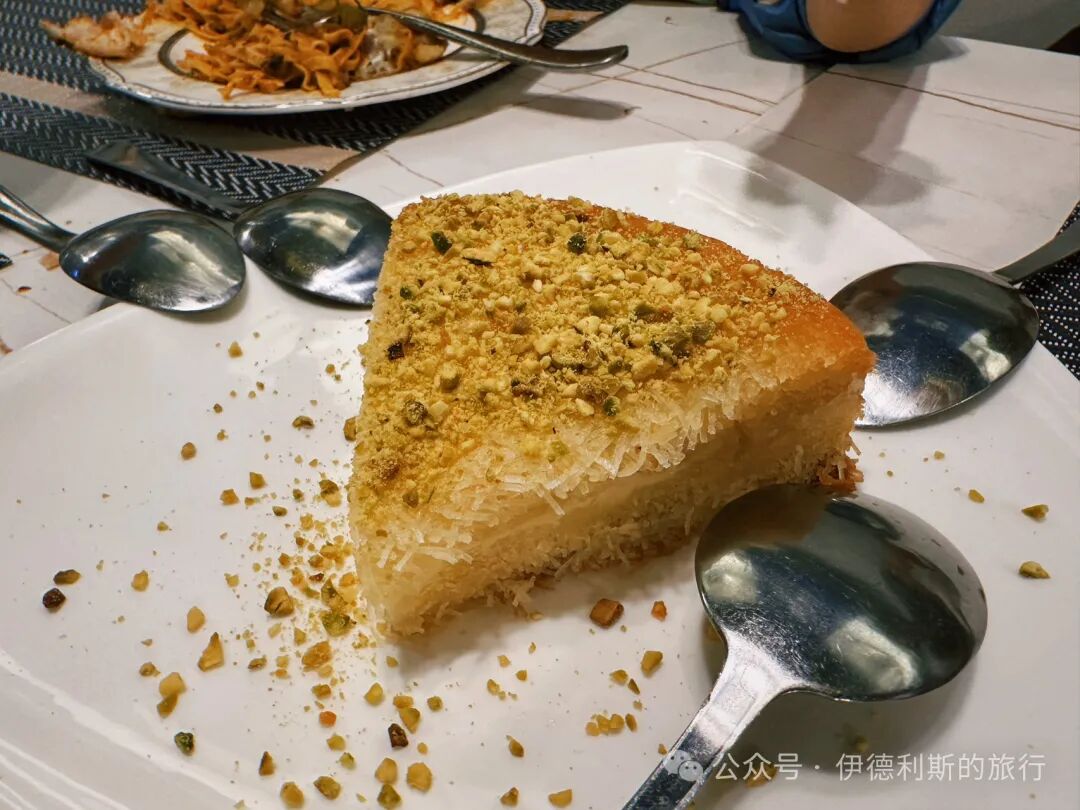
We ordered the 3-4 person set, which included tuna fried triangles (Brick), North African eggs (Shakshouka), lamb stew, pasta with meat sauce, and a dessert called Kunafa. They served mint tea first, which is very Tunisian. Then they brought the Brick. It is a classic Tunisian snack filled with tuna, minced meat, a raw egg, and harissa chili paste, wrapped in a very thin pastry called Malsouka. The North African eggs are made with eggs, tomatoes, olive oil, harissa, and onions, then sprinkled with cumin and chili powder. Tomatoes were not actually introduced to Tunisia from the Middle East until the late Ottoman period. Turkey has an appetizer with the same name, shakshuka (Şakşuka), but it does not contain eggs.
Their lamb leg is stewed until very tender and falls right off the bone, which is perfect for children. The lamb leg sits on a bed of mashed potatoes, which are soft and delicious. The pasta uses an Italian meat sauce (Bolognese), but it seems to be made with hand-rolled noodles. It ends up tasting a lot like the dry meat sauce noodles (saozi mian) eaten by Hui Muslims in Xinjiang. Their kunafa (kunafa) is delicious, and it is a low-sugar version that suits the Chinese palate. Kunafa appears in One Thousand and One Nights, and legend says it was invented by an Arab caliph for breaking the fast. view all
Summary: This Tianjin food article follows Arabic restaurants representing Syrian, Yemeni, Tunisian, and Algerian cooking. It preserves the original restaurant details, dishes, photos, and travel observations while presenting the account in natural English.
Syrian food: Al-Andalus Restaurant.
We had Levantine food at Al-Andalus Restaurant in the Sunac Center, Nankai District. The owner is Syrian. Al-Andalus was the name Arabs used for the Iberian Peninsula during the Middle Ages. In the 8th century, under the Umayyad dynasty, it was a famous center for economy, culture, academics, and education, serving as a key bridge for cultural and scientific exchange between East and West.
We ordered the four-person feast set. It included lentil soup, cream of mushroom soup, a trio of hummus, lamb samosa (samosa), chicken shawarma (shawarma), four-season pizza, mixed grilled meats, black tea, and a crispy salad. We also ordered yogurt separately. Overall, the food is very authentic. It offers better value than Arab restaurants in Beijing, and you do not have to wait in line. Their yogurt is especially good. It has a rich, tangy milk flavor that beats many Arab restaurants in Beijing. The only downside is that the samosa pastry is a bit thick, more like the South Asian version than the thin-crust Levantine style.
Yemeni food: Socotra.
Socotra is an island in the Arabian Sea, southeast of Yemen. In the Ming Dynasty, the Zheng He navigation charts called it Sugudala. Socotra Island became a World Natural Heritage site in 2008 and is famous for its dragon blood trees. The Socotra restaurant logo is a dragon blood tree, and photos of the trees hang in the shop.
We ordered the specialty soup, chicken lentil soup, lamb zurbian (zurbian) rice, mushakkal (mushakkal) stir-fried vegetables, fahsa (fahsa) beef stew, banana mango juice, and khubz (khubz) flatbread. Zurbian rice is similar to Indian biryani, as both are stir-fried with various spices. Their lamb is grilled and very fragrant, but we found the rice a bit dry. It also contained small bone fragments, so be careful if feeding children.
When visiting a Yemeni restaurant, you must try the classic Yemeni dish, fahsa beef stew. Fahsa is usually made with lamb, but they use beef. The meat is stewed until very tender, first in a large vat and then finished in a small pot. Besides ginger, garlic, and cumin, the stew requires a spice called fenugreek (hulbah). Fenugreek is what people in Northwest China often call xiangdouzi (bitter beans). Northwesterners dry the leaves and grind them into powder to steam buns, while Yemenis grind the seeds to stew meat. Fenugreek seeds expand in water and easily foam up when stirred in a bowl.
The classic pairing for fahsa is mulawah (mulawah) Yemeni bread, but they require you to order it in advance. We could only get khubz flatbread at the restaurant. Khubz is essentially the pita bread found in Levantine cuisine. Their version was quite hard and, honestly, not very tasty.
Algerian tea and snacks: Lyn's Healthy Bakeshop.
We had Algerian afternoon tea at Lyn's Healthy Bakeshop on Chifeng Road in Tianjin. Chifeng Road is in the former French Concession area. There are many small Western-style buildings here, along with all kinds of little restaurants.
The owner is from Algeria and opened a small shop here for tea and desserts. It is likely the first Algerian restaurant in China. It is impressive to see Tianjin leading the way in international dining again!
You can order à la carte or choose an afternoon tea set. They serve both traditional Algerian desserts and Western pastries. They use maple syrup instead of white sugar for a healthier approach. This is probably the least sweet Arabic dessert shop I have ever visited!
We drank Algerian mint tea and an Algerian orange blossom lemonade called Sherbet Mazhar. The mint tea is brewed to order, so it takes a while. It has a very strong aroma, but since it is freshly brewed, you cannot get refills. Orange blossom water is definitely a signature Algerian drink, especially classic at wedding feasts in northern Algeria. This drink is made from orange blossom water distilled from bitter orange blossoms, mixed with syrup and water. It is very refreshing in the summer.
We ate Algerian baklava (Baklawa), apple pie, milk pudding (M'halbi), and cheesecake. Suleiman loved the cheesecake the most. Baklava was introduced to Algeria from Turkey during the Ottoman period. The Algerian version adds crushed almonds and orange blossom water, so the taste is different from the Turkish one.
Milk pudding (M'halbi) is a classic Middle Eastern dessert for breaking the fast and is most popular during Ramadan. The name M'halbi comes from Al-Muhallab, a governor of Khorasan during the Umayyad Caliphate. Legend says he once had a stomachache, and his doctor fed him rice flour cooked with milk and sugar. He liked it so much that he named the dessert after himself.
Finally, the food here is excellent, though the decor is a bit simple. If they could highlight the Algerian theme more, this place would definitely become a new trendy spot in Tianjin.
Tunisian food: Sidi Bou Said.
There is a Tunisian restaurant called Sidi Bou Said (Blue and White Town) in Aocheng Plaza where you can eat Tunisian food. The shop is small. The owner is Chinese, and the head chef is Tunisian. Since there is only one chef, service might be slow when it is busy. It is best to call ahead and book a table. We were the only table when we went, so our meal went quite smoothly.
The name Sidi Bou Said comes from a small Mediterranean town northeast of Tunis. It is named after the famous Sufi saint Abu Said al-Baji, who is buried there. In the 1920s, the French painter and musician Baron Rodolphe d'Erlanger introduced the blue and white color scheme, turning it into a famous tourist destination in Tunisia.
We ordered the 3-4 person set, which included tuna fried triangles (Brick), North African eggs (Shakshouka), lamb stew, pasta with meat sauce, and a dessert called Kunafa. They served mint tea first, which is very Tunisian. Then they brought the Brick. It is a classic Tunisian snack filled with tuna, minced meat, a raw egg, and harissa chili paste, wrapped in a very thin pastry called Malsouka. The North African eggs are made with eggs, tomatoes, olive oil, harissa, and onions, then sprinkled with cumin and chili powder. Tomatoes were not actually introduced to Tunisia from the Middle East until the late Ottoman period. Turkey has an appetizer with the same name, shakshuka (Şakşuka), but it does not contain eggs.
Their lamb leg is stewed until very tender and falls right off the bone, which is perfect for children. The lamb leg sits on a bed of mashed potatoes, which are soft and delicious. The pasta uses an Italian meat sauce (Bolognese), but it seems to be made with hand-rolled noodles. It ends up tasting a lot like the dry meat sauce noodles (saozi mian) eaten by Hui Muslims in Xinjiang. Their kunafa (kunafa) is delicious, and it is a low-sugar version that suits the Chinese palate. Kunafa appears in One Thousand and One Nights, and legend says it was invented by an Arab caliph for breaking the fast. view all
Reposted from the web
Summary: This Tianjin food article follows Arabic restaurants representing Syrian, Yemeni, Tunisian, and Algerian cooking. It preserves the original restaurant details, dishes, photos, and travel observations while presenting the account in natural English.
Syrian food: Al-Andalus Restaurant.
We had Levantine food at Al-Andalus Restaurant in the Sunac Center, Nankai District. The owner is Syrian. Al-Andalus was the name Arabs used for the Iberian Peninsula during the Middle Ages. In the 8th century, under the Umayyad dynasty, it was a famous center for economy, culture, academics, and education, serving as a key bridge for cultural and scientific exchange between East and West.
We ordered the four-person feast set. It included lentil soup, cream of mushroom soup, a trio of hummus, lamb samosa (samosa), chicken shawarma (shawarma), four-season pizza, mixed grilled meats, black tea, and a crispy salad. We also ordered yogurt separately. Overall, the food is very authentic. It offers better value than Arab restaurants in Beijing, and you do not have to wait in line. Their yogurt is especially good. It has a rich, tangy milk flavor that beats many Arab restaurants in Beijing. The only downside is that the samosa pastry is a bit thick, more like the South Asian version than the thin-crust Levantine style.
Yemeni food: Socotra.
Socotra is an island in the Arabian Sea, southeast of Yemen. In the Ming Dynasty, the Zheng He navigation charts called it Sugudala. Socotra Island became a World Natural Heritage site in 2008 and is famous for its dragon blood trees. The Socotra restaurant logo is a dragon blood tree, and photos of the trees hang in the shop.
We ordered the specialty soup, chicken lentil soup, lamb zurbian (zurbian) rice, mushakkal (mushakkal) stir-fried vegetables, fahsa (fahsa) beef stew, banana mango juice, and khubz (khubz) flatbread. Zurbian rice is similar to Indian biryani, as both are stir-fried with various spices. Their lamb is grilled and very fragrant, but we found the rice a bit dry. It also contained small bone fragments, so be careful if feeding children.
When visiting a Yemeni restaurant, you must try the classic Yemeni dish, fahsa beef stew. Fahsa is usually made with lamb, but they use beef. The meat is stewed until very tender, first in a large vat and then finished in a small pot. Besides ginger, garlic, and cumin, the stew requires a spice called fenugreek (hulbah). Fenugreek is what people in Northwest China often call xiangdouzi (bitter beans). Northwesterners dry the leaves and grind them into powder to steam buns, while Yemenis grind the seeds to stew meat. Fenugreek seeds expand in water and easily foam up when stirred in a bowl.
The classic pairing for fahsa is mulawah (mulawah) Yemeni bread, but they require you to order it in advance. We could only get khubz flatbread at the restaurant. Khubz is essentially the pita bread found in Levantine cuisine. Their version was quite hard and, honestly, not very tasty.
Algerian tea and snacks: Lyn's Healthy Bakeshop.
We had Algerian afternoon tea at Lyn's Healthy Bakeshop on Chifeng Road in Tianjin. Chifeng Road is in the former French Concession area. There are many small Western-style buildings here, along with all kinds of little restaurants.
The owner is from Algeria and opened a small shop here for tea and desserts. It is likely the first Algerian restaurant in China. It is impressive to see Tianjin leading the way in international dining again!
You can order à la carte or choose an afternoon tea set. They serve both traditional Algerian desserts and Western pastries. They use maple syrup instead of white sugar for a healthier approach. This is probably the least sweet Arabic dessert shop I have ever visited!
We drank Algerian mint tea and an Algerian orange blossom lemonade called Sherbet Mazhar. The mint tea is brewed to order, so it takes a while. It has a very strong aroma, but since it is freshly brewed, you cannot get refills. Orange blossom water is definitely a signature Algerian drink, especially classic at wedding feasts in northern Algeria. This drink is made from orange blossom water distilled from bitter orange blossoms, mixed with syrup and water. It is very refreshing in the summer.
We ate Algerian baklava (Baklawa), apple pie, milk pudding (M'halbi), and cheesecake. Suleiman loved the cheesecake the most. Baklava was introduced to Algeria from Turkey during the Ottoman period. The Algerian version adds crushed almonds and orange blossom water, so the taste is different from the Turkish one.
Milk pudding (M'halbi) is a classic Middle Eastern dessert for breaking the fast and is most popular during Ramadan. The name M'halbi comes from Al-Muhallab, a governor of Khorasan during the Umayyad Caliphate. Legend says he once had a stomachache, and his doctor fed him rice flour cooked with milk and sugar. He liked it so much that he named the dessert after himself.
Finally, the food here is excellent, though the decor is a bit simple. If they could highlight the Algerian theme more, this place would definitely become a new trendy spot in Tianjin.
Tunisian food: Sidi Bou Said.
There is a Tunisian restaurant called Sidi Bou Said (Blue and White Town) in Aocheng Plaza where you can eat Tunisian food. The shop is small. The owner is Chinese, and the head chef is Tunisian. Since there is only one chef, service might be slow when it is busy. It is best to call ahead and book a table. We were the only table when we went, so our meal went quite smoothly.
The name Sidi Bou Said comes from a small Mediterranean town northeast of Tunis. It is named after the famous Sufi saint Abu Said al-Baji, who is buried there. In the 1920s, the French painter and musician Baron Rodolphe d'Erlanger introduced the blue and white color scheme, turning it into a famous tourist destination in Tunisia.
We ordered the 3-4 person set, which included tuna fried triangles (Brick), North African eggs (Shakshouka), lamb stew, pasta with meat sauce, and a dessert called Kunafa. They served mint tea first, which is very Tunisian. Then they brought the Brick. It is a classic Tunisian snack filled with tuna, minced meat, a raw egg, and harissa chili paste, wrapped in a very thin pastry called Malsouka. The North African eggs are made with eggs, tomatoes, olive oil, harissa, and onions, then sprinkled with cumin and chili powder. Tomatoes were not actually introduced to Tunisia from the Middle East until the late Ottoman period. Turkey has an appetizer with the same name, shakshuka (Şakşuka), but it does not contain eggs.
Their lamb leg is stewed until very tender and falls right off the bone, which is perfect for children. The lamb leg sits on a bed of mashed potatoes, which are soft and delicious. The pasta uses an Italian meat sauce (Bolognese), but it seems to be made with hand-rolled noodles. It ends up tasting a lot like the dry meat sauce noodles (saozi mian) eaten by Hui Muslims in Xinjiang. Their kunafa (kunafa) is delicious, and it is a low-sugar version that suits the Chinese palate. Kunafa appears in One Thousand and One Nights, and legend says it was invented by an Arab caliph for breaking the fast.
Summary: This Tianjin food article follows Arabic restaurants representing Syrian, Yemeni, Tunisian, and Algerian cooking. It preserves the original restaurant details, dishes, photos, and travel observations while presenting the account in natural English.
Syrian food: Al-Andalus Restaurant.
We had Levantine food at Al-Andalus Restaurant in the Sunac Center, Nankai District. The owner is Syrian. Al-Andalus was the name Arabs used for the Iberian Peninsula during the Middle Ages. In the 8th century, under the Umayyad dynasty, it was a famous center for economy, culture, academics, and education, serving as a key bridge for cultural and scientific exchange between East and West.
We ordered the four-person feast set. It included lentil soup, cream of mushroom soup, a trio of hummus, lamb samosa (samosa), chicken shawarma (shawarma), four-season pizza, mixed grilled meats, black tea, and a crispy salad. We also ordered yogurt separately. Overall, the food is very authentic. It offers better value than Arab restaurants in Beijing, and you do not have to wait in line. Their yogurt is especially good. It has a rich, tangy milk flavor that beats many Arab restaurants in Beijing. The only downside is that the samosa pastry is a bit thick, more like the South Asian version than the thin-crust Levantine style.
Yemeni food: Socotra.
Socotra is an island in the Arabian Sea, southeast of Yemen. In the Ming Dynasty, the Zheng He navigation charts called it Sugudala. Socotra Island became a World Natural Heritage site in 2008 and is famous for its dragon blood trees. The Socotra restaurant logo is a dragon blood tree, and photos of the trees hang in the shop.
We ordered the specialty soup, chicken lentil soup, lamb zurbian (zurbian) rice, mushakkal (mushakkal) stir-fried vegetables, fahsa (fahsa) beef stew, banana mango juice, and khubz (khubz) flatbread. Zurbian rice is similar to Indian biryani, as both are stir-fried with various spices. Their lamb is grilled and very fragrant, but we found the rice a bit dry. It also contained small bone fragments, so be careful if feeding children.
When visiting a Yemeni restaurant, you must try the classic Yemeni dish, fahsa beef stew. Fahsa is usually made with lamb, but they use beef. The meat is stewed until very tender, first in a large vat and then finished in a small pot. Besides ginger, garlic, and cumin, the stew requires a spice called fenugreek (hulbah). Fenugreek is what people in Northwest China often call xiangdouzi (bitter beans). Northwesterners dry the leaves and grind them into powder to steam buns, while Yemenis grind the seeds to stew meat. Fenugreek seeds expand in water and easily foam up when stirred in a bowl.
The classic pairing for fahsa is mulawah (mulawah) Yemeni bread, but they require you to order it in advance. We could only get khubz flatbread at the restaurant. Khubz is essentially the pita bread found in Levantine cuisine. Their version was quite hard and, honestly, not very tasty.
Algerian tea and snacks: Lyn's Healthy Bakeshop.
We had Algerian afternoon tea at Lyn's Healthy Bakeshop on Chifeng Road in Tianjin. Chifeng Road is in the former French Concession area. There are many small Western-style buildings here, along with all kinds of little restaurants.
The owner is from Algeria and opened a small shop here for tea and desserts. It is likely the first Algerian restaurant in China. It is impressive to see Tianjin leading the way in international dining again!
You can order à la carte or choose an afternoon tea set. They serve both traditional Algerian desserts and Western pastries. They use maple syrup instead of white sugar for a healthier approach. This is probably the least sweet Arabic dessert shop I have ever visited!
We drank Algerian mint tea and an Algerian orange blossom lemonade called Sherbet Mazhar. The mint tea is brewed to order, so it takes a while. It has a very strong aroma, but since it is freshly brewed, you cannot get refills. Orange blossom water is definitely a signature Algerian drink, especially classic at wedding feasts in northern Algeria. This drink is made from orange blossom water distilled from bitter orange blossoms, mixed with syrup and water. It is very refreshing in the summer.
We ate Algerian baklava (Baklawa), apple pie, milk pudding (M'halbi), and cheesecake. Suleiman loved the cheesecake the most. Baklava was introduced to Algeria from Turkey during the Ottoman period. The Algerian version adds crushed almonds and orange blossom water, so the taste is different from the Turkish one.
Milk pudding (M'halbi) is a classic Middle Eastern dessert for breaking the fast and is most popular during Ramadan. The name M'halbi comes from Al-Muhallab, a governor of Khorasan during the Umayyad Caliphate. Legend says he once had a stomachache, and his doctor fed him rice flour cooked with milk and sugar. He liked it so much that he named the dessert after himself.
Finally, the food here is excellent, though the decor is a bit simple. If they could highlight the Algerian theme more, this place would definitely become a new trendy spot in Tianjin.
Tunisian food: Sidi Bou Said.
There is a Tunisian restaurant called Sidi Bou Said (Blue and White Town) in Aocheng Plaza where you can eat Tunisian food. The shop is small. The owner is Chinese, and the head chef is Tunisian. Since there is only one chef, service might be slow when it is busy. It is best to call ahead and book a table. We were the only table when we went, so our meal went quite smoothly.
The name Sidi Bou Said comes from a small Mediterranean town northeast of Tunis. It is named after the famous Sufi saint Abu Said al-Baji, who is buried there. In the 1920s, the French painter and musician Baron Rodolphe d'Erlanger introduced the blue and white color scheme, turning it into a famous tourist destination in Tunisia.
We ordered the 3-4 person set, which included tuna fried triangles (Brick), North African eggs (Shakshouka), lamb stew, pasta with meat sauce, and a dessert called Kunafa. They served mint tea first, which is very Tunisian. Then they brought the Brick. It is a classic Tunisian snack filled with tuna, minced meat, a raw egg, and harissa chili paste, wrapped in a very thin pastry called Malsouka. The North African eggs are made with eggs, tomatoes, olive oil, harissa, and onions, then sprinkled with cumin and chili powder. Tomatoes were not actually introduced to Tunisia from the Middle East until the late Ottoman period. Turkey has an appetizer with the same name, shakshuka (Şakşuka), but it does not contain eggs.
Their lamb leg is stewed until very tender and falls right off the bone, which is perfect for children. The lamb leg sits on a bed of mashed potatoes, which are soft and delicious. The pasta uses an Italian meat sauce (Bolognese), but it seems to be made with hand-rolled noodles. It ends up tasting a lot like the dry meat sauce noodles (saozi mian) eaten by Hui Muslims in Xinjiang. Their kunafa (kunafa) is delicious, and it is a low-sugar version that suits the Chinese palate. Kunafa appears in One Thousand and One Nights, and legend says it was invented by an Arab caliph for breaking the fast.
Halal Food Guide Taiwan: Muslim-Friendly Restaurants and Halal Dining Memories (Part 2)
Articles • yusuf908 posted the article • 0 comments • 142 views • 2026-05-23 23:23
Reposted from the web
Summary: Halal Food Guide: Taiwan - Halal Restaurants Across the Island is presented here as a firsthand travel account in clear, natural English. The account focuses on Taiwan, Halal Food, Muslim Travel while preserving the names, places, food, photos, and historical details from the Chinese source.
I am sharing an article from the 300th issue of China Islam magazine titled 'Remembering Brother Mu Huaijia’s Passing—Reflections on the History of Halal Restaurants in Taiwan.' Today I am transcribing the second part, which recalls various halal restaurants in Kaohsiung, Tainan, Taichung, and Taipei.
In the southern city of Kaohsiung, Elder Zhao Ming (may Allah grant him a high place in Paradise) founded the restaurant Meat Pie and Porridge (xianbing zhou), which was popular with both Muslims and the general public. It only operated for a few years before closing when Elder Ming moved north to the Taipei Mosque. Later, people like Xiao Sang and Song Mingcai opened halal restaurants near the Guangfu Theater, which provided convenience for fellow Muslims.
Two elderly people also ran a snack shop that was very helpful to Muslims in the south. It was located in Kaohsiung on Qiuting Road in Dagangpu, behind the wall of the Telecommunications Bureau. It was in a row of makeshift buildings and the place was very simple. The elderly couple’s shop had no name, just a hanging sign with a water pitcher (tangping) symbol.
The owner was a fellow Muslim named Ma Renshan (may Allah grant him a high place in Paradise), who was from Baoding, Hebei. They mainly served steamed buns (baozi) and beef noodles, and when they had time, they would also fry large scallion pancakes (cong you bing). People who know about it always stop by the old man's place when they visit Kaohsiung. Old Mr. Ma liked me because I learned wrestling as a child, and he was a top-tier wrestling master in North and Northwest China. Everyone knows Chang Dongsheng was a national wrestling champion and a fellow Muslim, but few know Old Mr. Ma was also an expert who once challenged Chang Zhi (may Allah grant him a high place in Paradise) to a match, though Chang did not accept.
Old Mr. Ma once served as a guard battalion commander for General Yan Xishan, and he lived a quiet, retired life after coming to Taiwan. In his later years, he ran this small snack shop to make a living. After Old Mr. Ming closed his shop, Old Mr. Ma's snack shop provided a lot of convenience for the local Muslims.
In the Tainan market, several enthusiastic Muslims including Wang Peijie (now known as Liu Zhi'an) and Hui Wanju pooled their money to open a halal restaurant. Business was good, but it closed after a few years due to a fire. Later, Wang Peijie opened another halal restaurant on Wufu 4th Road in Kaohsiung, and I even held my engagement party there. Wang Laohe later came to Taipei to seek opportunities and even ran a restaurant in Saudi Arabia for a time.
In Taichung, fellow Muslims like Hui Wanjuju, Mu Huaijia, and Chai Menglin (now named Chai Jin) once opened a halal restaurant, but business was hard to sustain and they closed the shop after a few years. Later, Song Mingcai ran a restaurant called Ende Yuan across from Taichung Park for many years, but it closed when Song immigrated abroad.
In Taichung, a fellow Muslim from Henan named Ma Yukun ran a specialty dumpling shop for many years, which also closed when he immigrated. There is a small halal restaurant on Jingwu Road in Taichung City that focuses on noodle dishes; they have a wide variety with good flavors that suit the general public. The owner was surnamed Sun, a man from Henan, and he eventually closed the shop as well.
Looking at Taipei, there were several large-scale halal restaurants that could serve full-course halal banquets and were quite popular for a time. The most prominent was the Donglaishun Halal Restaurant, located on Zhonghua Road across from Ende Yuan, which was run by fellow Muslim Yang Zhongbao. Xiao Ahong (may Allah grant him a high place in Paradise) planned a forty-table wedding banquet at Donglaishun. He had just arrived in Taiwan and did not know many fellow Hui Muslims yet. When he went to book the tables, the owner, Mr. Yang, asked for a deposit. Since National Assembly representatives were not yet receiving their salaries, Xiao Ahong could not pay the deposit at that time. He eventually found a fellow Hui Muslim named Hui Wanju to act as a guarantor, which allowed the wedding to go ahead. This happened half a century ago.
Hui Wanju was born in 1913 and is now ninety-seven years old. He is from Fenghuangcheng in Andong, is still alive, and often comes to the mosque for Friday namaz. He is single and currently lives at the Guangci Care Home in Taipei. When he was young, he was very skilled at catering for both weddings and funerals and trained many apprentices in Taiwan. He worked in various halal restaurants and also opened restaurants in partnership with others. When he first arrived in Taiwan, beef was hard to find because the local people did not eat beef and would not slaughter cows. Hui Wanju started slaughtering cows in the north, central, and southern parts of the island to supply beef to various halal restaurants. In his later years, he partnered with Fengji Dim Sum Shop on Jinshan South Road to make snacks. He was famous for his sesame flatbread (shaobing) and brown sugar baked rolls (huoshao), and he also supplied mooncakes during the Mid-Autumn Festival. view all
Summary: Halal Food Guide: Taiwan - Halal Restaurants Across the Island is presented here as a firsthand travel account in clear, natural English. The account focuses on Taiwan, Halal Food, Muslim Travel while preserving the names, places, food, photos, and historical details from the Chinese source.
I am sharing an article from the 300th issue of China Islam magazine titled 'Remembering Brother Mu Huaijia’s Passing—Reflections on the History of Halal Restaurants in Taiwan.' Today I am transcribing the second part, which recalls various halal restaurants in Kaohsiung, Tainan, Taichung, and Taipei.
In the southern city of Kaohsiung, Elder Zhao Ming (may Allah grant him a high place in Paradise) founded the restaurant Meat Pie and Porridge (xianbing zhou), which was popular with both Muslims and the general public. It only operated for a few years before closing when Elder Ming moved north to the Taipei Mosque. Later, people like Xiao Sang and Song Mingcai opened halal restaurants near the Guangfu Theater, which provided convenience for fellow Muslims.
Two elderly people also ran a snack shop that was very helpful to Muslims in the south. It was located in Kaohsiung on Qiuting Road in Dagangpu, behind the wall of the Telecommunications Bureau. It was in a row of makeshift buildings and the place was very simple. The elderly couple’s shop had no name, just a hanging sign with a water pitcher (tangping) symbol.
The owner was a fellow Muslim named Ma Renshan (may Allah grant him a high place in Paradise), who was from Baoding, Hebei. They mainly served steamed buns (baozi) and beef noodles, and when they had time, they would also fry large scallion pancakes (cong you bing). People who know about it always stop by the old man's place when they visit Kaohsiung. Old Mr. Ma liked me because I learned wrestling as a child, and he was a top-tier wrestling master in North and Northwest China. Everyone knows Chang Dongsheng was a national wrestling champion and a fellow Muslim, but few know Old Mr. Ma was also an expert who once challenged Chang Zhi (may Allah grant him a high place in Paradise) to a match, though Chang did not accept.
Old Mr. Ma once served as a guard battalion commander for General Yan Xishan, and he lived a quiet, retired life after coming to Taiwan. In his later years, he ran this small snack shop to make a living. After Old Mr. Ming closed his shop, Old Mr. Ma's snack shop provided a lot of convenience for the local Muslims.
In the Tainan market, several enthusiastic Muslims including Wang Peijie (now known as Liu Zhi'an) and Hui Wanju pooled their money to open a halal restaurant. Business was good, but it closed after a few years due to a fire. Later, Wang Peijie opened another halal restaurant on Wufu 4th Road in Kaohsiung, and I even held my engagement party there. Wang Laohe later came to Taipei to seek opportunities and even ran a restaurant in Saudi Arabia for a time.
In Taichung, fellow Muslims like Hui Wanjuju, Mu Huaijia, and Chai Menglin (now named Chai Jin) once opened a halal restaurant, but business was hard to sustain and they closed the shop after a few years. Later, Song Mingcai ran a restaurant called Ende Yuan across from Taichung Park for many years, but it closed when Song immigrated abroad.
In Taichung, a fellow Muslim from Henan named Ma Yukun ran a specialty dumpling shop for many years, which also closed when he immigrated. There is a small halal restaurant on Jingwu Road in Taichung City that focuses on noodle dishes; they have a wide variety with good flavors that suit the general public. The owner was surnamed Sun, a man from Henan, and he eventually closed the shop as well.
Looking at Taipei, there were several large-scale halal restaurants that could serve full-course halal banquets and were quite popular for a time. The most prominent was the Donglaishun Halal Restaurant, located on Zhonghua Road across from Ende Yuan, which was run by fellow Muslim Yang Zhongbao. Xiao Ahong (may Allah grant him a high place in Paradise) planned a forty-table wedding banquet at Donglaishun. He had just arrived in Taiwan and did not know many fellow Hui Muslims yet. When he went to book the tables, the owner, Mr. Yang, asked for a deposit. Since National Assembly representatives were not yet receiving their salaries, Xiao Ahong could not pay the deposit at that time. He eventually found a fellow Hui Muslim named Hui Wanju to act as a guarantor, which allowed the wedding to go ahead. This happened half a century ago.
Hui Wanju was born in 1913 and is now ninety-seven years old. He is from Fenghuangcheng in Andong, is still alive, and often comes to the mosque for Friday namaz. He is single and currently lives at the Guangci Care Home in Taipei. When he was young, he was very skilled at catering for both weddings and funerals and trained many apprentices in Taiwan. He worked in various halal restaurants and also opened restaurants in partnership with others. When he first arrived in Taiwan, beef was hard to find because the local people did not eat beef and would not slaughter cows. Hui Wanju started slaughtering cows in the north, central, and southern parts of the island to supply beef to various halal restaurants. In his later years, he partnered with Fengji Dim Sum Shop on Jinshan South Road to make snacks. He was famous for his sesame flatbread (shaobing) and brown sugar baked rolls (huoshao), and he also supplied mooncakes during the Mid-Autumn Festival. view all
Reposted from the web
Summary: Halal Food Guide: Taiwan - Halal Restaurants Across the Island is presented here as a firsthand travel account in clear, natural English. The account focuses on Taiwan, Halal Food, Muslim Travel while preserving the names, places, food, photos, and historical details from the Chinese source.
I am sharing an article from the 300th issue of China Islam magazine titled 'Remembering Brother Mu Huaijia’s Passing—Reflections on the History of Halal Restaurants in Taiwan.' Today I am transcribing the second part, which recalls various halal restaurants in Kaohsiung, Tainan, Taichung, and Taipei.
In the southern city of Kaohsiung, Elder Zhao Ming (may Allah grant him a high place in Paradise) founded the restaurant Meat Pie and Porridge (xianbing zhou), which was popular with both Muslims and the general public. It only operated for a few years before closing when Elder Ming moved north to the Taipei Mosque. Later, people like Xiao Sang and Song Mingcai opened halal restaurants near the Guangfu Theater, which provided convenience for fellow Muslims.
Two elderly people also ran a snack shop that was very helpful to Muslims in the south. It was located in Kaohsiung on Qiuting Road in Dagangpu, behind the wall of the Telecommunications Bureau. It was in a row of makeshift buildings and the place was very simple. The elderly couple’s shop had no name, just a hanging sign with a water pitcher (tangping) symbol.
The owner was a fellow Muslim named Ma Renshan (may Allah grant him a high place in Paradise), who was from Baoding, Hebei. They mainly served steamed buns (baozi) and beef noodles, and when they had time, they would also fry large scallion pancakes (cong you bing). People who know about it always stop by the old man's place when they visit Kaohsiung. Old Mr. Ma liked me because I learned wrestling as a child, and he was a top-tier wrestling master in North and Northwest China. Everyone knows Chang Dongsheng was a national wrestling champion and a fellow Muslim, but few know Old Mr. Ma was also an expert who once challenged Chang Zhi (may Allah grant him a high place in Paradise) to a match, though Chang did not accept.
Old Mr. Ma once served as a guard battalion commander for General Yan Xishan, and he lived a quiet, retired life after coming to Taiwan. In his later years, he ran this small snack shop to make a living. After Old Mr. Ming closed his shop, Old Mr. Ma's snack shop provided a lot of convenience for the local Muslims.
In the Tainan market, several enthusiastic Muslims including Wang Peijie (now known as Liu Zhi'an) and Hui Wanju pooled their money to open a halal restaurant. Business was good, but it closed after a few years due to a fire. Later, Wang Peijie opened another halal restaurant on Wufu 4th Road in Kaohsiung, and I even held my engagement party there. Wang Laohe later came to Taipei to seek opportunities and even ran a restaurant in Saudi Arabia for a time.
In Taichung, fellow Muslims like Hui Wanjuju, Mu Huaijia, and Chai Menglin (now named Chai Jin) once opened a halal restaurant, but business was hard to sustain and they closed the shop after a few years. Later, Song Mingcai ran a restaurant called Ende Yuan across from Taichung Park for many years, but it closed when Song immigrated abroad.
In Taichung, a fellow Muslim from Henan named Ma Yukun ran a specialty dumpling shop for many years, which also closed when he immigrated. There is a small halal restaurant on Jingwu Road in Taichung City that focuses on noodle dishes; they have a wide variety with good flavors that suit the general public. The owner was surnamed Sun, a man from Henan, and he eventually closed the shop as well.
Looking at Taipei, there were several large-scale halal restaurants that could serve full-course halal banquets and were quite popular for a time. The most prominent was the Donglaishun Halal Restaurant, located on Zhonghua Road across from Ende Yuan, which was run by fellow Muslim Yang Zhongbao. Xiao Ahong (may Allah grant him a high place in Paradise) planned a forty-table wedding banquet at Donglaishun. He had just arrived in Taiwan and did not know many fellow Hui Muslims yet. When he went to book the tables, the owner, Mr. Yang, asked for a deposit. Since National Assembly representatives were not yet receiving their salaries, Xiao Ahong could not pay the deposit at that time. He eventually found a fellow Hui Muslim named Hui Wanju to act as a guarantor, which allowed the wedding to go ahead. This happened half a century ago.
Hui Wanju was born in 1913 and is now ninety-seven years old. He is from Fenghuangcheng in Andong, is still alive, and often comes to the mosque for Friday namaz. He is single and currently lives at the Guangci Care Home in Taipei. When he was young, he was very skilled at catering for both weddings and funerals and trained many apprentices in Taiwan. He worked in various halal restaurants and also opened restaurants in partnership with others. When he first arrived in Taiwan, beef was hard to find because the local people did not eat beef and would not slaughter cows. Hui Wanju started slaughtering cows in the north, central, and southern parts of the island to supply beef to various halal restaurants. In his later years, he partnered with Fengji Dim Sum Shop on Jinshan South Road to make snacks. He was famous for his sesame flatbread (shaobing) and brown sugar baked rolls (huoshao), and he also supplied mooncakes during the Mid-Autumn Festival.
Summary: Halal Food Guide: Taiwan - Halal Restaurants Across the Island is presented here as a firsthand travel account in clear, natural English. The account focuses on Taiwan, Halal Food, Muslim Travel while preserving the names, places, food, photos, and historical details from the Chinese source.
I am sharing an article from the 300th issue of China Islam magazine titled 'Remembering Brother Mu Huaijia’s Passing—Reflections on the History of Halal Restaurants in Taiwan.' Today I am transcribing the second part, which recalls various halal restaurants in Kaohsiung, Tainan, Taichung, and Taipei.
In the southern city of Kaohsiung, Elder Zhao Ming (may Allah grant him a high place in Paradise) founded the restaurant Meat Pie and Porridge (xianbing zhou), which was popular with both Muslims and the general public. It only operated for a few years before closing when Elder Ming moved north to the Taipei Mosque. Later, people like Xiao Sang and Song Mingcai opened halal restaurants near the Guangfu Theater, which provided convenience for fellow Muslims.
Two elderly people also ran a snack shop that was very helpful to Muslims in the south. It was located in Kaohsiung on Qiuting Road in Dagangpu, behind the wall of the Telecommunications Bureau. It was in a row of makeshift buildings and the place was very simple. The elderly couple’s shop had no name, just a hanging sign with a water pitcher (tangping) symbol.
The owner was a fellow Muslim named Ma Renshan (may Allah grant him a high place in Paradise), who was from Baoding, Hebei. They mainly served steamed buns (baozi) and beef noodles, and when they had time, they would also fry large scallion pancakes (cong you bing). People who know about it always stop by the old man's place when they visit Kaohsiung. Old Mr. Ma liked me because I learned wrestling as a child, and he was a top-tier wrestling master in North and Northwest China. Everyone knows Chang Dongsheng was a national wrestling champion and a fellow Muslim, but few know Old Mr. Ma was also an expert who once challenged Chang Zhi (may Allah grant him a high place in Paradise) to a match, though Chang did not accept.
Old Mr. Ma once served as a guard battalion commander for General Yan Xishan, and he lived a quiet, retired life after coming to Taiwan. In his later years, he ran this small snack shop to make a living. After Old Mr. Ming closed his shop, Old Mr. Ma's snack shop provided a lot of convenience for the local Muslims.
In the Tainan market, several enthusiastic Muslims including Wang Peijie (now known as Liu Zhi'an) and Hui Wanju pooled their money to open a halal restaurant. Business was good, but it closed after a few years due to a fire. Later, Wang Peijie opened another halal restaurant on Wufu 4th Road in Kaohsiung, and I even held my engagement party there. Wang Laohe later came to Taipei to seek opportunities and even ran a restaurant in Saudi Arabia for a time.
In Taichung, fellow Muslims like Hui Wanjuju, Mu Huaijia, and Chai Menglin (now named Chai Jin) once opened a halal restaurant, but business was hard to sustain and they closed the shop after a few years. Later, Song Mingcai ran a restaurant called Ende Yuan across from Taichung Park for many years, but it closed when Song immigrated abroad.
In Taichung, a fellow Muslim from Henan named Ma Yukun ran a specialty dumpling shop for many years, which also closed when he immigrated. There is a small halal restaurant on Jingwu Road in Taichung City that focuses on noodle dishes; they have a wide variety with good flavors that suit the general public. The owner was surnamed Sun, a man from Henan, and he eventually closed the shop as well.
Looking at Taipei, there were several large-scale halal restaurants that could serve full-course halal banquets and were quite popular for a time. The most prominent was the Donglaishun Halal Restaurant, located on Zhonghua Road across from Ende Yuan, which was run by fellow Muslim Yang Zhongbao. Xiao Ahong (may Allah grant him a high place in Paradise) planned a forty-table wedding banquet at Donglaishun. He had just arrived in Taiwan and did not know many fellow Hui Muslims yet. When he went to book the tables, the owner, Mr. Yang, asked for a deposit. Since National Assembly representatives were not yet receiving their salaries, Xiao Ahong could not pay the deposit at that time. He eventually found a fellow Hui Muslim named Hui Wanju to act as a guarantor, which allowed the wedding to go ahead. This happened half a century ago.
Hui Wanju was born in 1913 and is now ninety-seven years old. He is from Fenghuangcheng in Andong, is still alive, and often comes to the mosque for Friday namaz. He is single and currently lives at the Guangci Care Home in Taipei. When he was young, he was very skilled at catering for both weddings and funerals and trained many apprentices in Taiwan. He worked in various halal restaurants and also opened restaurants in partnership with others. When he first arrived in Taiwan, beef was hard to find because the local people did not eat beef and would not slaughter cows. Hui Wanju started slaughtering cows in the north, central, and southern parts of the island to supply beef to various halal restaurants. In his later years, he partnered with Fengji Dim Sum Shop on Jinshan South Road to make snacks. He was famous for his sesame flatbread (shaobing) and brown sugar baked rolls (huoshao), and he also supplied mooncakes during the Mid-Autumn Festival.
Halal Food Guide: Kuching, Malaysia — Indian Mosque and Nasi Kandar
Articles • ali2007fr posted the article • 0 comments • 185 views • 2026-05-20 00:58
Reposted from the web
Summary: Kuching has Muslim food scenes shaped by Indian Muslim shops, mosque streets, and nasi kandar meals. This article preserves the original photos, restaurant details, street observations, and Kuching travel notes in simple English.
There is an India Street on the west side of Kuching's old town. Indian settlers began living here in the mid-to-late 19th century to sell textiles and clothing. The Kingdom of Sarawak officially named it India Street in 1928. It became a pedestrian street in 1992 and has been a busy clothing market ever since. Today, there are 74 shops on India Street. 14 of them are run by Indian Muslims, and some have been in business for over 60 years.
South Indian Tamil merchants built the Old Indian Mosque in Kuching in 1837. The original roof and walls were made of nipa palm, but it was rebuilt using Borneo ironwood in 1876 to create the current structure. In 2019, a new Indian Mosque opened across the Sarawak River. It became a landmark known as the Floating Mosque, and the old mosque closed.
An old photo of the Mawlid celebration at the Old Indian Mosque in Kuching.
The Old Indian Mosque owns 23 shops nearby to collect rent. Indian Muslims run 21 of these, selling groceries, spices, fabrics, and books. Two shops have Chinese owners. These businesses have been passed down through generations.
The new Indian Mosque in Kuching is also called the Floating Mosque. It looks beautiful against the green hills and water during the day, and the lights are stunning at night. The inside of the mosque is clean, bright, and well-kept.
Next to the Indian Mosque in Kuching is an Indian-Muslim restaurant (mamak stall) that specializes in nasi kandar. You can choose from various curries like fish, chicken, and beef, along with vegetables and fried dishes for a balanced meal. The main dishes include white rice and biryani fried rice. They also serve freshly made flatbread (roti canai) and other types of bread. These mamak stalls are usually open from morning until night and are very popular with Malaysians. view all
Summary: Kuching has Muslim food scenes shaped by Indian Muslim shops, mosque streets, and nasi kandar meals. This article preserves the original photos, restaurant details, street observations, and Kuching travel notes in simple English.
There is an India Street on the west side of Kuching's old town. Indian settlers began living here in the mid-to-late 19th century to sell textiles and clothing. The Kingdom of Sarawak officially named it India Street in 1928. It became a pedestrian street in 1992 and has been a busy clothing market ever since. Today, there are 74 shops on India Street. 14 of them are run by Indian Muslims, and some have been in business for over 60 years.
South Indian Tamil merchants built the Old Indian Mosque in Kuching in 1837. The original roof and walls were made of nipa palm, but it was rebuilt using Borneo ironwood in 1876 to create the current structure. In 2019, a new Indian Mosque opened across the Sarawak River. It became a landmark known as the Floating Mosque, and the old mosque closed.
An old photo of the Mawlid celebration at the Old Indian Mosque in Kuching.
The Old Indian Mosque owns 23 shops nearby to collect rent. Indian Muslims run 21 of these, selling groceries, spices, fabrics, and books. Two shops have Chinese owners. These businesses have been passed down through generations.
The new Indian Mosque in Kuching is also called the Floating Mosque. It looks beautiful against the green hills and water during the day, and the lights are stunning at night. The inside of the mosque is clean, bright, and well-kept.
Next to the Indian Mosque in Kuching is an Indian-Muslim restaurant (mamak stall) that specializes in nasi kandar. You can choose from various curries like fish, chicken, and beef, along with vegetables and fried dishes for a balanced meal. The main dishes include white rice and biryani fried rice. They also serve freshly made flatbread (roti canai) and other types of bread. These mamak stalls are usually open from morning until night and are very popular with Malaysians. view all
Reposted from the web
Summary: Kuching has Muslim food scenes shaped by Indian Muslim shops, mosque streets, and nasi kandar meals. This article preserves the original photos, restaurant details, street observations, and Kuching travel notes in simple English.
There is an India Street on the west side of Kuching's old town. Indian settlers began living here in the mid-to-late 19th century to sell textiles and clothing. The Kingdom of Sarawak officially named it India Street in 1928. It became a pedestrian street in 1992 and has been a busy clothing market ever since. Today, there are 74 shops on India Street. 14 of them are run by Indian Muslims, and some have been in business for over 60 years.
South Indian Tamil merchants built the Old Indian Mosque in Kuching in 1837. The original roof and walls were made of nipa palm, but it was rebuilt using Borneo ironwood in 1876 to create the current structure. In 2019, a new Indian Mosque opened across the Sarawak River. It became a landmark known as the Floating Mosque, and the old mosque closed.
An old photo of the Mawlid celebration at the Old Indian Mosque in Kuching.
The Old Indian Mosque owns 23 shops nearby to collect rent. Indian Muslims run 21 of these, selling groceries, spices, fabrics, and books. Two shops have Chinese owners. These businesses have been passed down through generations.
The new Indian Mosque in Kuching is also called the Floating Mosque. It looks beautiful against the green hills and water during the day, and the lights are stunning at night. The inside of the mosque is clean, bright, and well-kept.
Next to the Indian Mosque in Kuching is an Indian-Muslim restaurant (mamak stall) that specializes in nasi kandar. You can choose from various curries like fish, chicken, and beef, along with vegetables and fried dishes for a balanced meal. The main dishes include white rice and biryani fried rice. They also serve freshly made flatbread (roti canai) and other types of bread. These mamak stalls are usually open from morning until night and are very popular with Malaysians.
Summary: Kuching has Muslim food scenes shaped by Indian Muslim shops, mosque streets, and nasi kandar meals. This article preserves the original photos, restaurant details, street observations, and Kuching travel notes in simple English.
There is an India Street on the west side of Kuching's old town. Indian settlers began living here in the mid-to-late 19th century to sell textiles and clothing. The Kingdom of Sarawak officially named it India Street in 1928. It became a pedestrian street in 1992 and has been a busy clothing market ever since. Today, there are 74 shops on India Street. 14 of them are run by Indian Muslims, and some have been in business for over 60 years.
South Indian Tamil merchants built the Old Indian Mosque in Kuching in 1837. The original roof and walls were made of nipa palm, but it was rebuilt using Borneo ironwood in 1876 to create the current structure. In 2019, a new Indian Mosque opened across the Sarawak River. It became a landmark known as the Floating Mosque, and the old mosque closed.
An old photo of the Mawlid celebration at the Old Indian Mosque in Kuching.
The Old Indian Mosque owns 23 shops nearby to collect rent. Indian Muslims run 21 of these, selling groceries, spices, fabrics, and books. Two shops have Chinese owners. These businesses have been passed down through generations.
The new Indian Mosque in Kuching is also called the Floating Mosque. It looks beautiful against the green hills and water during the day, and the lights are stunning at night. The inside of the mosque is clean, bright, and well-kept.
Next to the Indian Mosque in Kuching is an Indian-Muslim restaurant (mamak stall) that specializes in nasi kandar. You can choose from various curries like fish, chicken, and beef, along with vegetables and fried dishes for a balanced meal. The main dishes include white rice and biryani fried rice. They also serve freshly made flatbread (roti canai) and other types of bread. These mamak stalls are usually open from morning until night and are very popular with Malaysians.
Halal Food Guide: Tianjin — Syrian, Yemeni, Tunisian & Algerian Restaurants
Articles • ali2007fr posted the article • 0 comments • 170 views • 2026-05-20 00:31
Reposted from the web
Summary: This Tianjin food article follows Arabic restaurants representing Syrian, Yemeni, Tunisian, and Algerian cooking. It preserves the original restaurant details, dishes, photos, and travel observations while presenting the account in natural English.
Syrian food: Al-Andalus Restaurant.
We had Levantine food at Al-Andalus Restaurant in the Sunac Center, Nankai District. The owner is Syrian. Al-Andalus was the name Arabs used for the Iberian Peninsula during the Middle Ages. In the 8th century, under the Umayyad dynasty, it was a famous center for economy, culture, academics, and education, serving as a key bridge for cultural and scientific exchange between East and West.
We ordered the four-person feast set. It included lentil soup, cream of mushroom soup, a trio of hummus, lamb samosa (samosa), chicken shawarma (shawarma), four-season pizza, mixed grilled meats, black tea, and a crispy salad. We also ordered yogurt separately. Overall, the food is very authentic. It offers better value than Arab restaurants in Beijing, and you do not have to wait in line. Their yogurt is especially good. It has a rich, tangy milk flavor that beats many Arab restaurants in Beijing. The only downside is that the samosa pastry is a bit thick, more like the South Asian version than the thin-crust Levantine style.
Yemeni food: Socotra.
Socotra is an island in the Arabian Sea, southeast of Yemen. In the Ming Dynasty, the Zheng He navigation charts called it Sugudala. Socotra Island became a World Natural Heritage site in 2008 and is famous for its dragon blood trees. The Socotra restaurant logo is a dragon blood tree, and photos of the trees hang in the shop.
We ordered the specialty soup, chicken lentil soup, lamb zurbian (zurbian) rice, mushakkal (mushakkal) stir-fried vegetables, fahsa (fahsa) beef stew, banana mango juice, and khubz (khubz) flatbread. Zurbian rice is similar to Indian biryani, as both are stir-fried with various spices. Their lamb is grilled and very fragrant, but we found the rice a bit dry. It also contained small bone fragments, so be careful if feeding children.
When visiting a Yemeni restaurant, you must try the classic Yemeni dish, fahsa beef stew. Fahsa is usually made with lamb, but they use beef. The meat is stewed until very tender, first in a large vat and then finished in a small pot. Besides ginger, garlic, and cumin, the stew requires a spice called fenugreek (hulbah). Fenugreek is what people in Northwest China often call xiangdouzi (bitter beans). Northwesterners dry the leaves and grind them into powder to steam buns, while Yemenis grind the seeds to stew meat. Fenugreek seeds expand in water and easily foam up when stirred in a bowl.
The classic pairing for fahsa is mulawah (mulawah) Yemeni bread, but they require you to order it in advance. We could only get khubz flatbread at the restaurant. Khubz is essentially the pita bread found in Levantine cuisine. Their version was quite hard and, honestly, not very tasty.
Algerian tea and snacks: Lyn's Healthy Bakeshop.
We had Algerian afternoon tea at Lyn's Healthy Bakeshop on Chifeng Road in Tianjin. Chifeng Road is in the former French Concession area. There are many small Western-style buildings here, along with all kinds of little restaurants.
The owner is from Algeria and opened a small shop here for tea and desserts. It is likely the first Algerian restaurant in China. It is impressive to see Tianjin leading the way in international dining again!
You can order à la carte or choose an afternoon tea set. They serve both traditional Algerian desserts and Western pastries. They use maple syrup instead of white sugar for a healthier approach. This is probably the least sweet Arabic dessert shop I have ever visited!
We drank Algerian mint tea and an Algerian orange blossom lemonade called Sherbet Mazhar. The mint tea is brewed to order, so it takes a while. It has a very strong aroma, but since it is freshly brewed, you cannot get refills. Orange blossom water is definitely a signature Algerian drink, especially classic at wedding feasts in northern Algeria. This drink is made from orange blossom water distilled from bitter orange blossoms, mixed with syrup and water. It is very refreshing in the summer.
We ate Algerian baklava (Baklawa), apple pie, milk pudding (M'halbi), and cheesecake. Suleiman loved the cheesecake the most. Baklava was introduced to Algeria from Turkey during the Ottoman period. The Algerian version adds crushed almonds and orange blossom water, so the taste is different from the Turkish one.
Milk pudding (M'halbi) is a classic Middle Eastern dessert for breaking the fast and is most popular during Ramadan. The name M'halbi comes from Al-Muhallab, a governor of Khorasan during the Umayyad Caliphate. Legend says he once had a stomachache, and his doctor fed him rice flour cooked with milk and sugar. He liked it so much that he named the dessert after himself.
Finally, the food here is excellent, though the decor is a bit simple. If they could highlight the Algerian theme more, this place would definitely become a new trendy spot in Tianjin.
Tunisian food: Sidi Bou Said.
There is a Tunisian restaurant called Sidi Bou Said (Blue and White Town) in Aocheng Plaza where you can eat Tunisian food. The shop is small. The owner is Chinese, and the head chef is Tunisian. Since there is only one chef, service might be slow when it is busy. It is best to call ahead and book a table. We were the only table when we went, so our meal went quite smoothly.
The name Sidi Bou Said comes from a small Mediterranean town northeast of Tunis. It is named after the famous Sufi saint Abu Said al-Baji, who is buried there. In the 1920s, the French painter and musician Baron Rodolphe d'Erlanger introduced the blue and white color scheme, turning it into a famous tourist destination in Tunisia.
We ordered the 3-4 person set, which included tuna fried triangles (Brick), North African eggs (Shakshouka), lamb stew, pasta with meat sauce, and a dessert called Kunafa. They served mint tea first, which is very Tunisian. Then they brought the Brick. It is a classic Tunisian snack filled with tuna, minced meat, a raw egg, and harissa chili paste, wrapped in a very thin pastry called Malsouka. The North African eggs are made with eggs, tomatoes, olive oil, harissa, and onions, then sprinkled with cumin and chili powder. Tomatoes were not actually introduced to Tunisia from the Middle East until the late Ottoman period. Turkey has an appetizer with the same name, shakshuka (Şakşuka), but it does not contain eggs.
Their lamb leg is stewed until very tender and falls right off the bone, which is perfect for children. The lamb leg sits on a bed of mashed potatoes, which are soft and delicious. The pasta uses an Italian meat sauce (Bolognese), but it seems to be made with hand-rolled noodles. It ends up tasting a lot like the dry meat sauce noodles (saozi mian) eaten by Hui Muslims in Xinjiang. Their kunafa (kunafa) is delicious, and it is a low-sugar version that suits the Chinese palate. Kunafa appears in One Thousand and One Nights, and legend says it was invented by an Arab caliph for breaking the fast. view all
Summary: This Tianjin food article follows Arabic restaurants representing Syrian, Yemeni, Tunisian, and Algerian cooking. It preserves the original restaurant details, dishes, photos, and travel observations while presenting the account in natural English.
Syrian food: Al-Andalus Restaurant.
We had Levantine food at Al-Andalus Restaurant in the Sunac Center, Nankai District. The owner is Syrian. Al-Andalus was the name Arabs used for the Iberian Peninsula during the Middle Ages. In the 8th century, under the Umayyad dynasty, it was a famous center for economy, culture, academics, and education, serving as a key bridge for cultural and scientific exchange between East and West.
We ordered the four-person feast set. It included lentil soup, cream of mushroom soup, a trio of hummus, lamb samosa (samosa), chicken shawarma (shawarma), four-season pizza, mixed grilled meats, black tea, and a crispy salad. We also ordered yogurt separately. Overall, the food is very authentic. It offers better value than Arab restaurants in Beijing, and you do not have to wait in line. Their yogurt is especially good. It has a rich, tangy milk flavor that beats many Arab restaurants in Beijing. The only downside is that the samosa pastry is a bit thick, more like the South Asian version than the thin-crust Levantine style.
Yemeni food: Socotra.
Socotra is an island in the Arabian Sea, southeast of Yemen. In the Ming Dynasty, the Zheng He navigation charts called it Sugudala. Socotra Island became a World Natural Heritage site in 2008 and is famous for its dragon blood trees. The Socotra restaurant logo is a dragon blood tree, and photos of the trees hang in the shop.
We ordered the specialty soup, chicken lentil soup, lamb zurbian (zurbian) rice, mushakkal (mushakkal) stir-fried vegetables, fahsa (fahsa) beef stew, banana mango juice, and khubz (khubz) flatbread. Zurbian rice is similar to Indian biryani, as both are stir-fried with various spices. Their lamb is grilled and very fragrant, but we found the rice a bit dry. It also contained small bone fragments, so be careful if feeding children.
When visiting a Yemeni restaurant, you must try the classic Yemeni dish, fahsa beef stew. Fahsa is usually made with lamb, but they use beef. The meat is stewed until very tender, first in a large vat and then finished in a small pot. Besides ginger, garlic, and cumin, the stew requires a spice called fenugreek (hulbah). Fenugreek is what people in Northwest China often call xiangdouzi (bitter beans). Northwesterners dry the leaves and grind them into powder to steam buns, while Yemenis grind the seeds to stew meat. Fenugreek seeds expand in water and easily foam up when stirred in a bowl.
The classic pairing for fahsa is mulawah (mulawah) Yemeni bread, but they require you to order it in advance. We could only get khubz flatbread at the restaurant. Khubz is essentially the pita bread found in Levantine cuisine. Their version was quite hard and, honestly, not very tasty.
Algerian tea and snacks: Lyn's Healthy Bakeshop.
We had Algerian afternoon tea at Lyn's Healthy Bakeshop on Chifeng Road in Tianjin. Chifeng Road is in the former French Concession area. There are many small Western-style buildings here, along with all kinds of little restaurants.
The owner is from Algeria and opened a small shop here for tea and desserts. It is likely the first Algerian restaurant in China. It is impressive to see Tianjin leading the way in international dining again!
You can order à la carte or choose an afternoon tea set. They serve both traditional Algerian desserts and Western pastries. They use maple syrup instead of white sugar for a healthier approach. This is probably the least sweet Arabic dessert shop I have ever visited!
We drank Algerian mint tea and an Algerian orange blossom lemonade called Sherbet Mazhar. The mint tea is brewed to order, so it takes a while. It has a very strong aroma, but since it is freshly brewed, you cannot get refills. Orange blossom water is definitely a signature Algerian drink, especially classic at wedding feasts in northern Algeria. This drink is made from orange blossom water distilled from bitter orange blossoms, mixed with syrup and water. It is very refreshing in the summer.
We ate Algerian baklava (Baklawa), apple pie, milk pudding (M'halbi), and cheesecake. Suleiman loved the cheesecake the most. Baklava was introduced to Algeria from Turkey during the Ottoman period. The Algerian version adds crushed almonds and orange blossom water, so the taste is different from the Turkish one.
Milk pudding (M'halbi) is a classic Middle Eastern dessert for breaking the fast and is most popular during Ramadan. The name M'halbi comes from Al-Muhallab, a governor of Khorasan during the Umayyad Caliphate. Legend says he once had a stomachache, and his doctor fed him rice flour cooked with milk and sugar. He liked it so much that he named the dessert after himself.
Finally, the food here is excellent, though the decor is a bit simple. If they could highlight the Algerian theme more, this place would definitely become a new trendy spot in Tianjin.
Tunisian food: Sidi Bou Said.
There is a Tunisian restaurant called Sidi Bou Said (Blue and White Town) in Aocheng Plaza where you can eat Tunisian food. The shop is small. The owner is Chinese, and the head chef is Tunisian. Since there is only one chef, service might be slow when it is busy. It is best to call ahead and book a table. We were the only table when we went, so our meal went quite smoothly.
The name Sidi Bou Said comes from a small Mediterranean town northeast of Tunis. It is named after the famous Sufi saint Abu Said al-Baji, who is buried there. In the 1920s, the French painter and musician Baron Rodolphe d'Erlanger introduced the blue and white color scheme, turning it into a famous tourist destination in Tunisia.
We ordered the 3-4 person set, which included tuna fried triangles (Brick), North African eggs (Shakshouka), lamb stew, pasta with meat sauce, and a dessert called Kunafa. They served mint tea first, which is very Tunisian. Then they brought the Brick. It is a classic Tunisian snack filled with tuna, minced meat, a raw egg, and harissa chili paste, wrapped in a very thin pastry called Malsouka. The North African eggs are made with eggs, tomatoes, olive oil, harissa, and onions, then sprinkled with cumin and chili powder. Tomatoes were not actually introduced to Tunisia from the Middle East until the late Ottoman period. Turkey has an appetizer with the same name, shakshuka (Şakşuka), but it does not contain eggs.
Their lamb leg is stewed until very tender and falls right off the bone, which is perfect for children. The lamb leg sits on a bed of mashed potatoes, which are soft and delicious. The pasta uses an Italian meat sauce (Bolognese), but it seems to be made with hand-rolled noodles. It ends up tasting a lot like the dry meat sauce noodles (saozi mian) eaten by Hui Muslims in Xinjiang. Their kunafa (kunafa) is delicious, and it is a low-sugar version that suits the Chinese palate. Kunafa appears in One Thousand and One Nights, and legend says it was invented by an Arab caliph for breaking the fast. view all
Reposted from the web
Summary: This Tianjin food article follows Arabic restaurants representing Syrian, Yemeni, Tunisian, and Algerian cooking. It preserves the original restaurant details, dishes, photos, and travel observations while presenting the account in natural English.
Syrian food: Al-Andalus Restaurant.
We had Levantine food at Al-Andalus Restaurant in the Sunac Center, Nankai District. The owner is Syrian. Al-Andalus was the name Arabs used for the Iberian Peninsula during the Middle Ages. In the 8th century, under the Umayyad dynasty, it was a famous center for economy, culture, academics, and education, serving as a key bridge for cultural and scientific exchange between East and West.
We ordered the four-person feast set. It included lentil soup, cream of mushroom soup, a trio of hummus, lamb samosa (samosa), chicken shawarma (shawarma), four-season pizza, mixed grilled meats, black tea, and a crispy salad. We also ordered yogurt separately. Overall, the food is very authentic. It offers better value than Arab restaurants in Beijing, and you do not have to wait in line. Their yogurt is especially good. It has a rich, tangy milk flavor that beats many Arab restaurants in Beijing. The only downside is that the samosa pastry is a bit thick, more like the South Asian version than the thin-crust Levantine style.
Yemeni food: Socotra.
Socotra is an island in the Arabian Sea, southeast of Yemen. In the Ming Dynasty, the Zheng He navigation charts called it Sugudala. Socotra Island became a World Natural Heritage site in 2008 and is famous for its dragon blood trees. The Socotra restaurant logo is a dragon blood tree, and photos of the trees hang in the shop.
We ordered the specialty soup, chicken lentil soup, lamb zurbian (zurbian) rice, mushakkal (mushakkal) stir-fried vegetables, fahsa (fahsa) beef stew, banana mango juice, and khubz (khubz) flatbread. Zurbian rice is similar to Indian biryani, as both are stir-fried with various spices. Their lamb is grilled and very fragrant, but we found the rice a bit dry. It also contained small bone fragments, so be careful if feeding children.
When visiting a Yemeni restaurant, you must try the classic Yemeni dish, fahsa beef stew. Fahsa is usually made with lamb, but they use beef. The meat is stewed until very tender, first in a large vat and then finished in a small pot. Besides ginger, garlic, and cumin, the stew requires a spice called fenugreek (hulbah). Fenugreek is what people in Northwest China often call xiangdouzi (bitter beans). Northwesterners dry the leaves and grind them into powder to steam buns, while Yemenis grind the seeds to stew meat. Fenugreek seeds expand in water and easily foam up when stirred in a bowl.
The classic pairing for fahsa is mulawah (mulawah) Yemeni bread, but they require you to order it in advance. We could only get khubz flatbread at the restaurant. Khubz is essentially the pita bread found in Levantine cuisine. Their version was quite hard and, honestly, not very tasty.
Algerian tea and snacks: Lyn's Healthy Bakeshop.
We had Algerian afternoon tea at Lyn's Healthy Bakeshop on Chifeng Road in Tianjin. Chifeng Road is in the former French Concession area. There are many small Western-style buildings here, along with all kinds of little restaurants.
The owner is from Algeria and opened a small shop here for tea and desserts. It is likely the first Algerian restaurant in China. It is impressive to see Tianjin leading the way in international dining again!
You can order à la carte or choose an afternoon tea set. They serve both traditional Algerian desserts and Western pastries. They use maple syrup instead of white sugar for a healthier approach. This is probably the least sweet Arabic dessert shop I have ever visited!
We drank Algerian mint tea and an Algerian orange blossom lemonade called Sherbet Mazhar. The mint tea is brewed to order, so it takes a while. It has a very strong aroma, but since it is freshly brewed, you cannot get refills. Orange blossom water is definitely a signature Algerian drink, especially classic at wedding feasts in northern Algeria. This drink is made from orange blossom water distilled from bitter orange blossoms, mixed with syrup and water. It is very refreshing in the summer.
We ate Algerian baklava (Baklawa), apple pie, milk pudding (M'halbi), and cheesecake. Suleiman loved the cheesecake the most. Baklava was introduced to Algeria from Turkey during the Ottoman period. The Algerian version adds crushed almonds and orange blossom water, so the taste is different from the Turkish one.
Milk pudding (M'halbi) is a classic Middle Eastern dessert for breaking the fast and is most popular during Ramadan. The name M'halbi comes from Al-Muhallab, a governor of Khorasan during the Umayyad Caliphate. Legend says he once had a stomachache, and his doctor fed him rice flour cooked with milk and sugar. He liked it so much that he named the dessert after himself.
Finally, the food here is excellent, though the decor is a bit simple. If they could highlight the Algerian theme more, this place would definitely become a new trendy spot in Tianjin.
Tunisian food: Sidi Bou Said.
There is a Tunisian restaurant called Sidi Bou Said (Blue and White Town) in Aocheng Plaza where you can eat Tunisian food. The shop is small. The owner is Chinese, and the head chef is Tunisian. Since there is only one chef, service might be slow when it is busy. It is best to call ahead and book a table. We were the only table when we went, so our meal went quite smoothly.
The name Sidi Bou Said comes from a small Mediterranean town northeast of Tunis. It is named after the famous Sufi saint Abu Said al-Baji, who is buried there. In the 1920s, the French painter and musician Baron Rodolphe d'Erlanger introduced the blue and white color scheme, turning it into a famous tourist destination in Tunisia.
We ordered the 3-4 person set, which included tuna fried triangles (Brick), North African eggs (Shakshouka), lamb stew, pasta with meat sauce, and a dessert called Kunafa. They served mint tea first, which is very Tunisian. Then they brought the Brick. It is a classic Tunisian snack filled with tuna, minced meat, a raw egg, and harissa chili paste, wrapped in a very thin pastry called Malsouka. The North African eggs are made with eggs, tomatoes, olive oil, harissa, and onions, then sprinkled with cumin and chili powder. Tomatoes were not actually introduced to Tunisia from the Middle East until the late Ottoman period. Turkey has an appetizer with the same name, shakshuka (Şakşuka), but it does not contain eggs.
Their lamb leg is stewed until very tender and falls right off the bone, which is perfect for children. The lamb leg sits on a bed of mashed potatoes, which are soft and delicious. The pasta uses an Italian meat sauce (Bolognese), but it seems to be made with hand-rolled noodles. It ends up tasting a lot like the dry meat sauce noodles (saozi mian) eaten by Hui Muslims in Xinjiang. Their kunafa (kunafa) is delicious, and it is a low-sugar version that suits the Chinese palate. Kunafa appears in One Thousand and One Nights, and legend says it was invented by an Arab caliph for breaking the fast.
Summary: This Tianjin food article follows Arabic restaurants representing Syrian, Yemeni, Tunisian, and Algerian cooking. It preserves the original restaurant details, dishes, photos, and travel observations while presenting the account in natural English.
Syrian food: Al-Andalus Restaurant.
We had Levantine food at Al-Andalus Restaurant in the Sunac Center, Nankai District. The owner is Syrian. Al-Andalus was the name Arabs used for the Iberian Peninsula during the Middle Ages. In the 8th century, under the Umayyad dynasty, it was a famous center for economy, culture, academics, and education, serving as a key bridge for cultural and scientific exchange between East and West.
We ordered the four-person feast set. It included lentil soup, cream of mushroom soup, a trio of hummus, lamb samosa (samosa), chicken shawarma (shawarma), four-season pizza, mixed grilled meats, black tea, and a crispy salad. We also ordered yogurt separately. Overall, the food is very authentic. It offers better value than Arab restaurants in Beijing, and you do not have to wait in line. Their yogurt is especially good. It has a rich, tangy milk flavor that beats many Arab restaurants in Beijing. The only downside is that the samosa pastry is a bit thick, more like the South Asian version than the thin-crust Levantine style.
Yemeni food: Socotra.
Socotra is an island in the Arabian Sea, southeast of Yemen. In the Ming Dynasty, the Zheng He navigation charts called it Sugudala. Socotra Island became a World Natural Heritage site in 2008 and is famous for its dragon blood trees. The Socotra restaurant logo is a dragon blood tree, and photos of the trees hang in the shop.
We ordered the specialty soup, chicken lentil soup, lamb zurbian (zurbian) rice, mushakkal (mushakkal) stir-fried vegetables, fahsa (fahsa) beef stew, banana mango juice, and khubz (khubz) flatbread. Zurbian rice is similar to Indian biryani, as both are stir-fried with various spices. Their lamb is grilled and very fragrant, but we found the rice a bit dry. It also contained small bone fragments, so be careful if feeding children.
When visiting a Yemeni restaurant, you must try the classic Yemeni dish, fahsa beef stew. Fahsa is usually made with lamb, but they use beef. The meat is stewed until very tender, first in a large vat and then finished in a small pot. Besides ginger, garlic, and cumin, the stew requires a spice called fenugreek (hulbah). Fenugreek is what people in Northwest China often call xiangdouzi (bitter beans). Northwesterners dry the leaves and grind them into powder to steam buns, while Yemenis grind the seeds to stew meat. Fenugreek seeds expand in water and easily foam up when stirred in a bowl.
The classic pairing for fahsa is mulawah (mulawah) Yemeni bread, but they require you to order it in advance. We could only get khubz flatbread at the restaurant. Khubz is essentially the pita bread found in Levantine cuisine. Their version was quite hard and, honestly, not very tasty.
Algerian tea and snacks: Lyn's Healthy Bakeshop.
We had Algerian afternoon tea at Lyn's Healthy Bakeshop on Chifeng Road in Tianjin. Chifeng Road is in the former French Concession area. There are many small Western-style buildings here, along with all kinds of little restaurants.
The owner is from Algeria and opened a small shop here for tea and desserts. It is likely the first Algerian restaurant in China. It is impressive to see Tianjin leading the way in international dining again!
You can order à la carte or choose an afternoon tea set. They serve both traditional Algerian desserts and Western pastries. They use maple syrup instead of white sugar for a healthier approach. This is probably the least sweet Arabic dessert shop I have ever visited!
We drank Algerian mint tea and an Algerian orange blossom lemonade called Sherbet Mazhar. The mint tea is brewed to order, so it takes a while. It has a very strong aroma, but since it is freshly brewed, you cannot get refills. Orange blossom water is definitely a signature Algerian drink, especially classic at wedding feasts in northern Algeria. This drink is made from orange blossom water distilled from bitter orange blossoms, mixed with syrup and water. It is very refreshing in the summer.
We ate Algerian baklava (Baklawa), apple pie, milk pudding (M'halbi), and cheesecake. Suleiman loved the cheesecake the most. Baklava was introduced to Algeria from Turkey during the Ottoman period. The Algerian version adds crushed almonds and orange blossom water, so the taste is different from the Turkish one.
Milk pudding (M'halbi) is a classic Middle Eastern dessert for breaking the fast and is most popular during Ramadan. The name M'halbi comes from Al-Muhallab, a governor of Khorasan during the Umayyad Caliphate. Legend says he once had a stomachache, and his doctor fed him rice flour cooked with milk and sugar. He liked it so much that he named the dessert after himself.
Finally, the food here is excellent, though the decor is a bit simple. If they could highlight the Algerian theme more, this place would definitely become a new trendy spot in Tianjin.
Tunisian food: Sidi Bou Said.
There is a Tunisian restaurant called Sidi Bou Said (Blue and White Town) in Aocheng Plaza where you can eat Tunisian food. The shop is small. The owner is Chinese, and the head chef is Tunisian. Since there is only one chef, service might be slow when it is busy. It is best to call ahead and book a table. We were the only table when we went, so our meal went quite smoothly.
The name Sidi Bou Said comes from a small Mediterranean town northeast of Tunis. It is named after the famous Sufi saint Abu Said al-Baji, who is buried there. In the 1920s, the French painter and musician Baron Rodolphe d'Erlanger introduced the blue and white color scheme, turning it into a famous tourist destination in Tunisia.
We ordered the 3-4 person set, which included tuna fried triangles (Brick), North African eggs (Shakshouka), lamb stew, pasta with meat sauce, and a dessert called Kunafa. They served mint tea first, which is very Tunisian. Then they brought the Brick. It is a classic Tunisian snack filled with tuna, minced meat, a raw egg, and harissa chili paste, wrapped in a very thin pastry called Malsouka. The North African eggs are made with eggs, tomatoes, olive oil, harissa, and onions, then sprinkled with cumin and chili powder. Tomatoes were not actually introduced to Tunisia from the Middle East until the late Ottoman period. Turkey has an appetizer with the same name, shakshuka (Şakşuka), but it does not contain eggs.
Their lamb leg is stewed until very tender and falls right off the bone, which is perfect for children. The lamb leg sits on a bed of mashed potatoes, which are soft and delicious. The pasta uses an Italian meat sauce (Bolognese), but it seems to be made with hand-rolled noodles. It ends up tasting a lot like the dry meat sauce noodles (saozi mian) eaten by Hui Muslims in Xinjiang. Their kunafa (kunafa) is delicious, and it is a low-sugar version that suits the Chinese palate. Kunafa appears in One Thousand and One Nights, and legend says it was invented by an Arab caliph for breaking the fast.