

Halal Seafood
Best Halal Food Qingdao 2025: Seafood Hot Pot, Ma Family Restaurants, Pakistani Food and Beach Travel
Articles • yusuf908 posted the article • 0 comments • 296 views • 2026-05-23 07:26
Reposted from the web
Summary: This 2025 Qingdao halal food map follows an Eid al-Fitr trip, Zhanqiao Pier, Shilaoren Beach, Ma Family seafood hot pot, Ma Family seafood stalls, Huiwei Restaurant, Wagyu BBQ, Pakistani food, and practical notes on halal seafood and family travel.
I visited Qingdao again after 15 years. My car broke down when I arrived, so I stayed for five days and spent Eid al-Fitr here. I was surprised to see so many more halal restaurants than when I came for my college graduation trip, when I could only find hand-pulled noodles (lamian).
For lodging, I recommend staying near Zhanqiao Pier. It has many photogenic alleys, is close to the beach where you can feed seagulls, and has a high concentration of halal restaurants. Another good area is Shilaoren Beach, which is cleaner and quieter, making it perfect for playing in the sand with kids.
The list of halal restaurants featured in this post is as follows:
1. Halal Ma Family Seafood Hot Pot
2. Ma Family Seafood Food Stall
3. Halal Huiwei Restaurant
4. No. 2 Australian Wagyu BBQ
5. Hanbaba Pakistani Restaurant
6. Yipin Seafood Home-style Cooking
7. Minzu Restaurant
1. Halal Ma Family Seafood Hot Pot
You have to eat seafood in Qingdao. This restaurant has been open for 30 years and is currently the largest halal restaurant chain in the city with six locations. Each shop has a slightly different style, and the largest one is built like a yurt.
To eat seafood hot pot, pick your ingredients on the first floor, then go upstairs to the second floor and wait for your meal.
The seafood here is very fresh. The abalone and scallops arrive alive and can even crawl off the plate. The price is quite cheap, costing no more than 200 yuan for two people to have a meal.
The lamb rolls are buy-one-get-one-free. The condiment station has many combinations, and the service is very good. This shop also offers accommodation, with a nightly rate of no more than 100 yuan.
2. Halal Ma Family Seafood Stall
This shop serves seafood barbecue and local Qingdao stir-fry dishes, and it is owned by the same people as Ma Family Hot Pot.
We ordered their signature spoon worm rice (haichang laofan) and mackerel dumplings (bayu shuijiao) to go. After comparing, their versions are definitely better than others.
3. Halal Hui Flavor Restaurant
This shop is only a few hundred meters from the Ma Family Seafood Stall. It is run by Hui Muslims from Jinan and is a small place for seafood and stir-fry.
Try a local specialty, Laoshan Cola, which has a herbal medicine taste.
Spoon worm rice (haichang laofan) is a dish that every local seafood restaurant makes, and it is cooked with Chinese chives.
The mackerel dumplings have a delicate texture, and the wrappers are green because they contain spinach juice.
4. No. 2 Australian Wagyu BBQ Restaurant
This restaurant is inside the Sheraton in Huangdao. It has been open for over a year, has a good reputation, and the food tastes great.
There are a few handsome Uyghur guys in the shop who will help you grill the meat.
I thought this rice ball was meant to be eaten raw, but it turns out you have to grill it a bit more.
My top recommendation is this large slice of Australian Wagyu beef; the meat is very tender.
5. Khan Baba Pakistani Restaurant
This Khan Baba is a branch of the Beijing Khan Baba in Qingdao. The shop is small and has been in Qingdao for several years. The restaurant does not sell alcohol, and not far from Khan Baba, there is a Turkish restaurant called Istanbul Kitchen.
To be honest, the taste at this Qingdao branch is not as good as the one in Beijing, but it is still nice to have another option in Qingdao.
If you bring children, they can eat the pasta and pizza here.
6. Yipin Seafood Home-style Cooking
This is also a seafood stir-fry restaurant, located near Zhanqiao Pier.
The owner is very welcoming, and the food at this shop is quite tasty.
I tried the local bizarre drink Laoshan white flower snake grass water (Laoshan baihuashecaoshui), and it tastes like medicine.
Cold tossed fish skin is a very spicy dish, no matter where you eat it, so be careful if you cannot handle spice.
The owner will recommend which seafood just arrived, and the spicy stir-fried squid tentacles and scallops are both delicious.
7. Ethnic restaurant
This is a restaurant run by the Salar people from Qinghai that does not serve alcohol, located near the Qingdao mosque. There is now a small food street for Hui Muslims around the mosque.
We went on the last night of Ramadan, and it was packed, so the service could not keep up.
In my experience, when you come to a Northwest restaurant, you should eat Northwest specialties and try to avoid dishes that do not belong to the Northwest cuisine, or you might be disappointed.
This Hui Muslim food street around the mosque is basically all Northwest restaurants, with steamed buns (baozi), spicy hot pot (malatang), barbecue, and various noodle dishes.
They say this Deqing steamed bun (baozi) shop is run by people from Dezhou, Shandong.
Also, I found a halal seafood barbecue shop near Zhanqiao on Dazhong Dianping, as shown in the picture below.
When I arrived, I found it was a hand-pulled noodle shop, as shown in the picture below. I asked the owner and learned they used to serve seafood but stopped, though the information online was never updated.
Qingdao Mosque
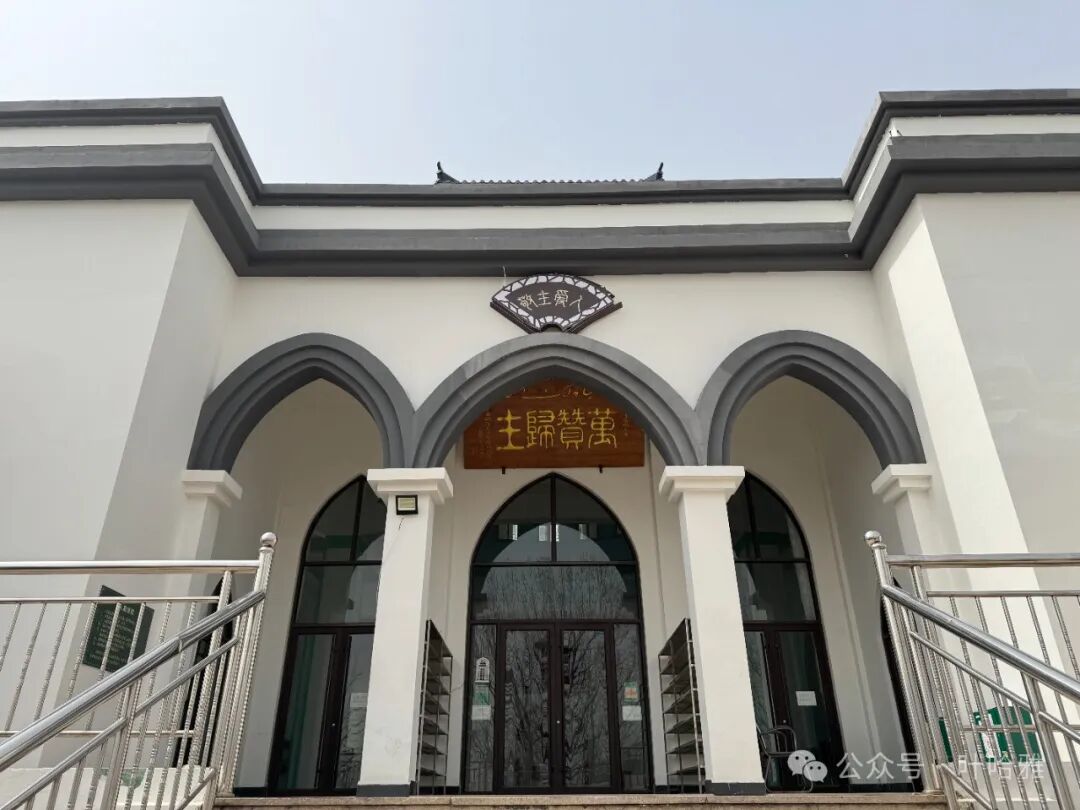
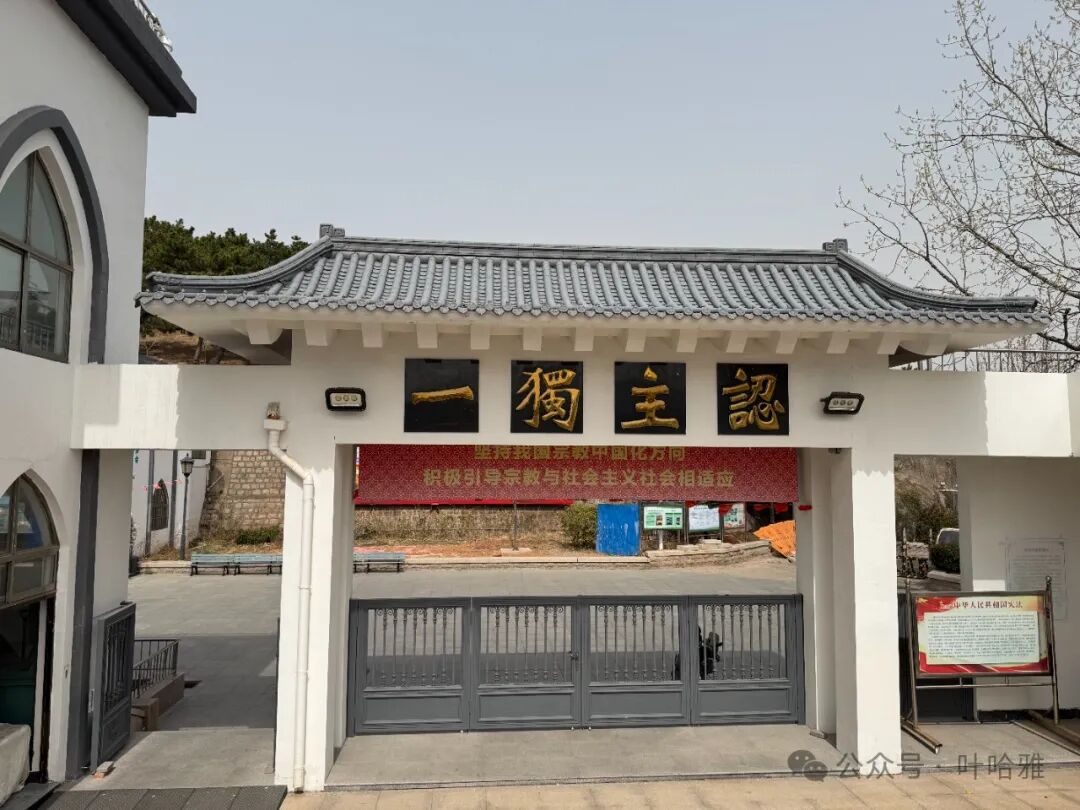
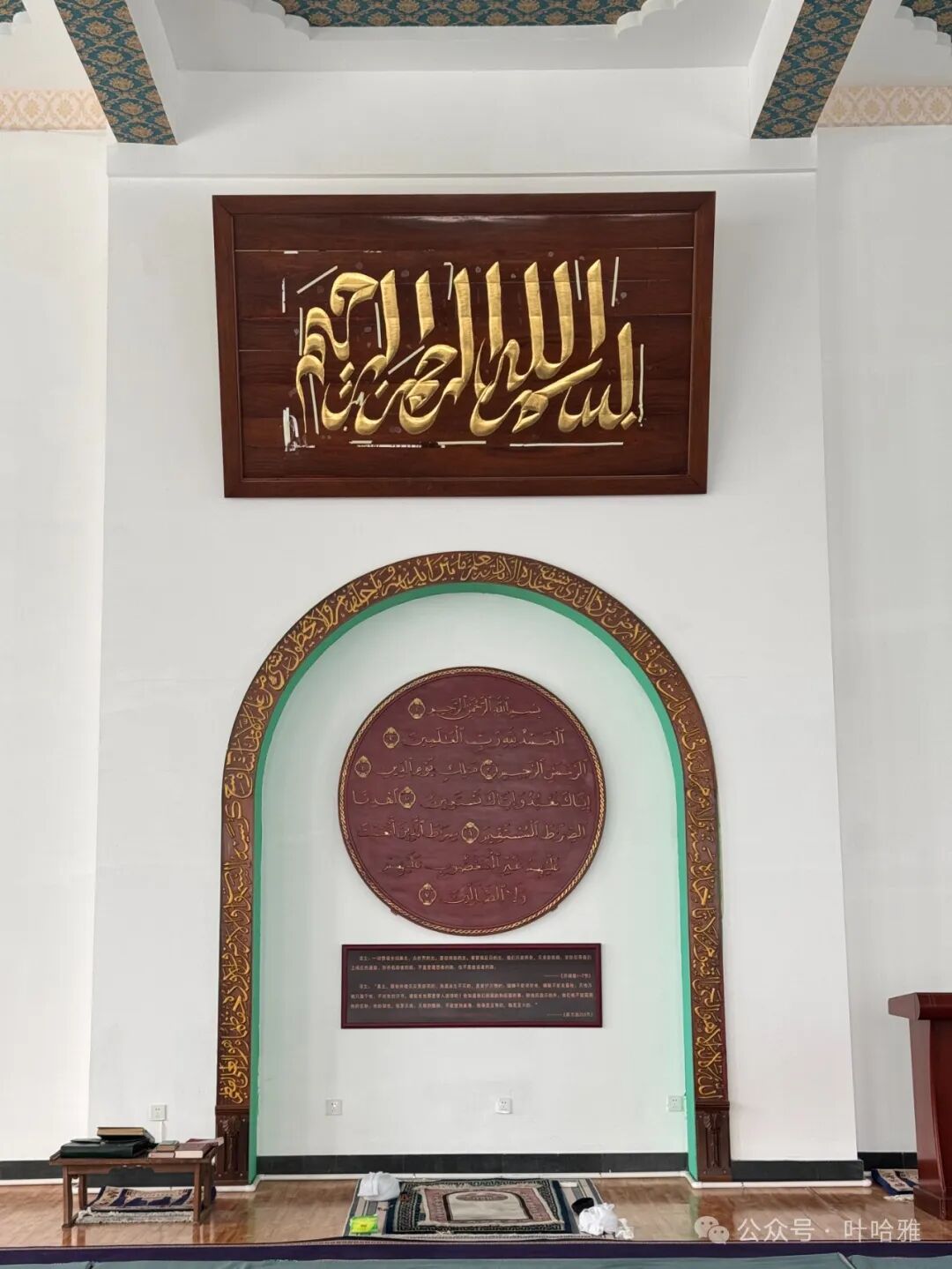
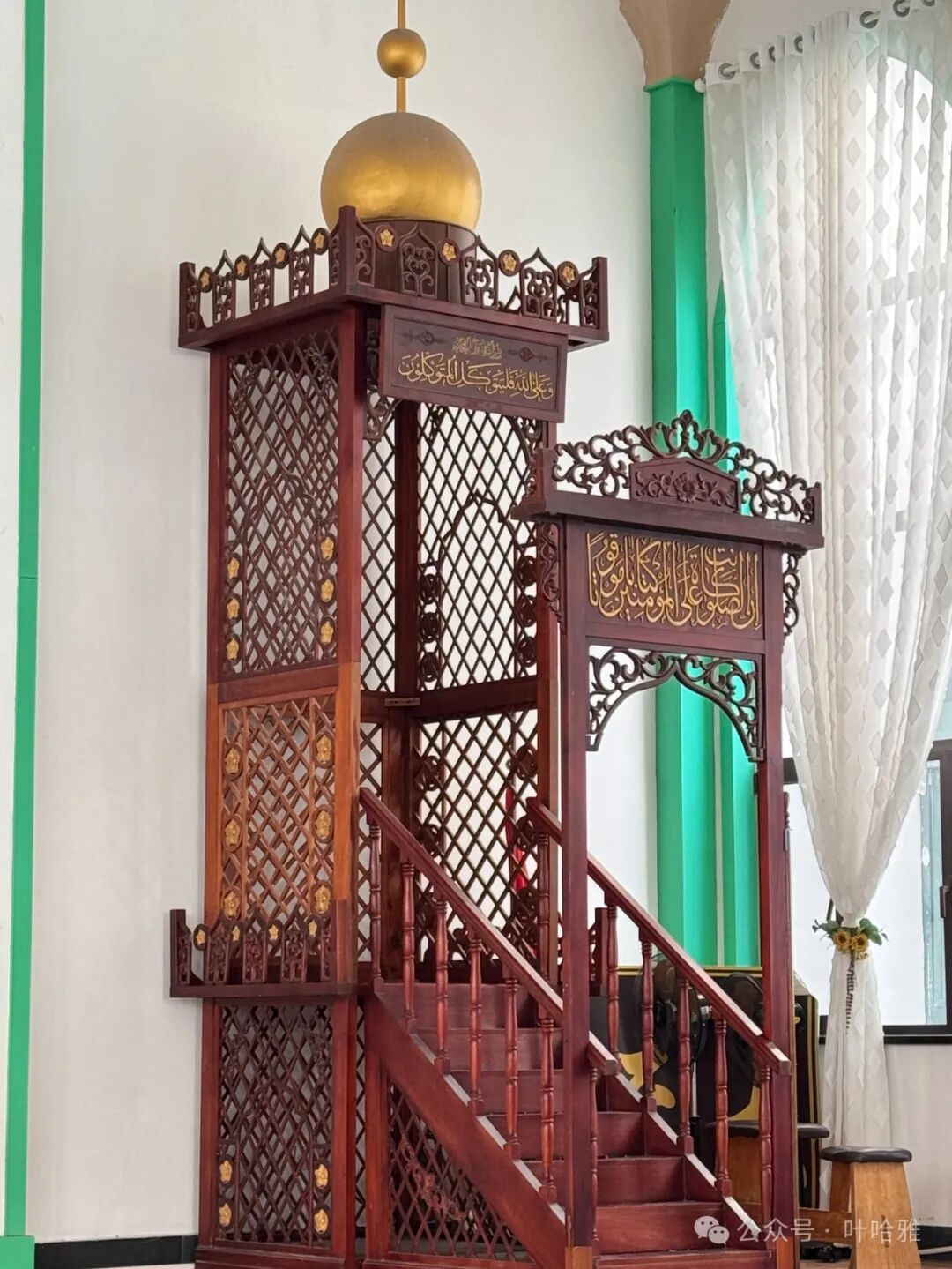
Qingdao Mosque is built on a hill. It is 20 years old, covers a large area, and sits right next to a Hui Muslim cemetery.
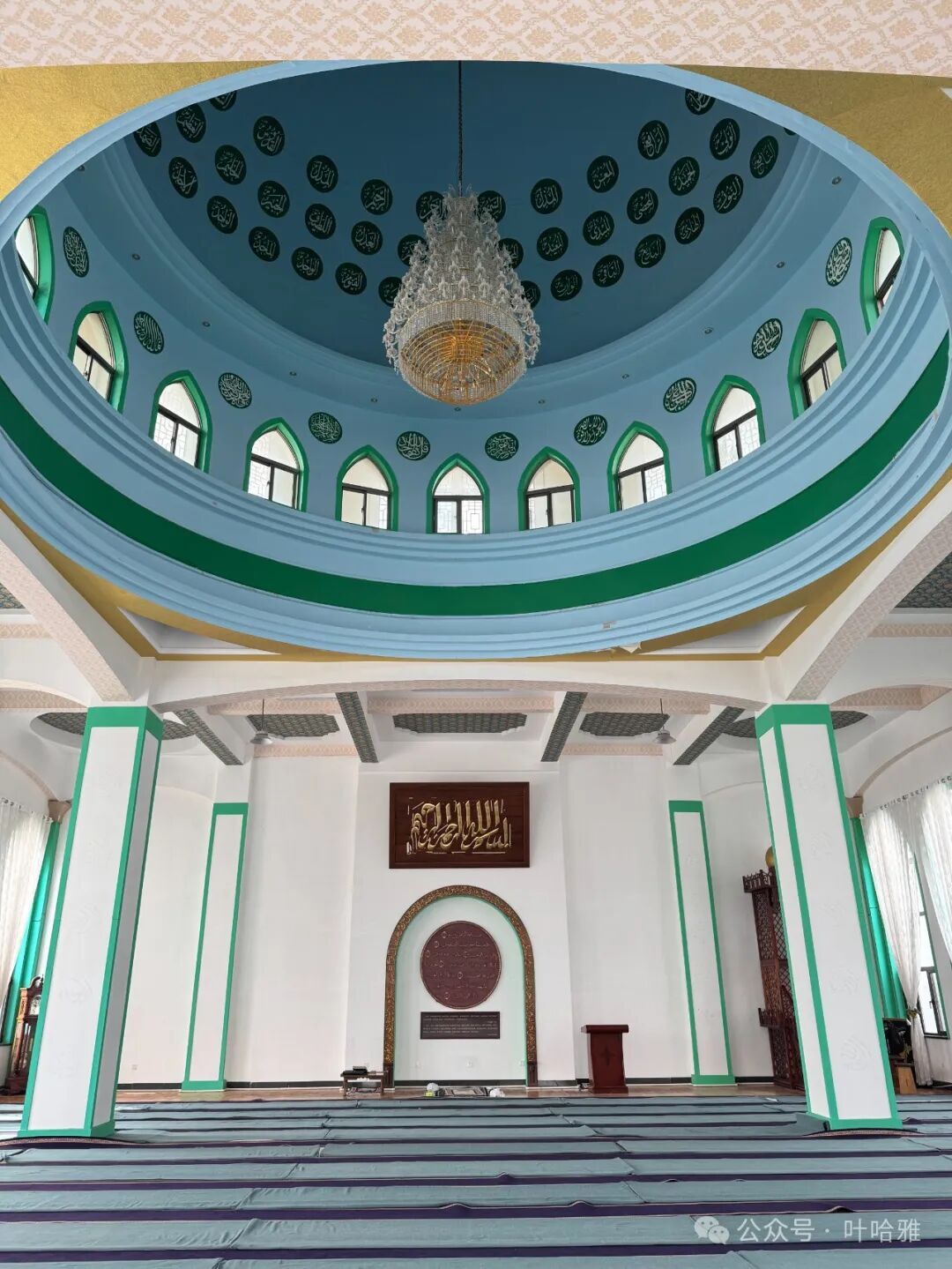
The Eid al-Fitr prayer is held in an outdoor space because there are too many people for the main hall to hold. About half of the attendees are international students.
A halal cafe opened right across from the mosque. It is very relaxing to drink coffee there and feel the sea breeze. view all
Summary: This 2025 Qingdao halal food map follows an Eid al-Fitr trip, Zhanqiao Pier, Shilaoren Beach, Ma Family seafood hot pot, Ma Family seafood stalls, Huiwei Restaurant, Wagyu BBQ, Pakistani food, and practical notes on halal seafood and family travel.
I visited Qingdao again after 15 years. My car broke down when I arrived, so I stayed for five days and spent Eid al-Fitr here. I was surprised to see so many more halal restaurants than when I came for my college graduation trip, when I could only find hand-pulled noodles (lamian).
For lodging, I recommend staying near Zhanqiao Pier. It has many photogenic alleys, is close to the beach where you can feed seagulls, and has a high concentration of halal restaurants. Another good area is Shilaoren Beach, which is cleaner and quieter, making it perfect for playing in the sand with kids.
The list of halal restaurants featured in this post is as follows:
1. Halal Ma Family Seafood Hot Pot
2. Ma Family Seafood Food Stall
3. Halal Huiwei Restaurant
4. No. 2 Australian Wagyu BBQ
5. Hanbaba Pakistani Restaurant
6. Yipin Seafood Home-style Cooking
7. Minzu Restaurant
1. Halal Ma Family Seafood Hot Pot
You have to eat seafood in Qingdao. This restaurant has been open for 30 years and is currently the largest halal restaurant chain in the city with six locations. Each shop has a slightly different style, and the largest one is built like a yurt.
To eat seafood hot pot, pick your ingredients on the first floor, then go upstairs to the second floor and wait for your meal.
The seafood here is very fresh. The abalone and scallops arrive alive and can even crawl off the plate. The price is quite cheap, costing no more than 200 yuan for two people to have a meal.
The lamb rolls are buy-one-get-one-free. The condiment station has many combinations, and the service is very good. This shop also offers accommodation, with a nightly rate of no more than 100 yuan.
2. Halal Ma Family Seafood Stall
This shop serves seafood barbecue and local Qingdao stir-fry dishes, and it is owned by the same people as Ma Family Hot Pot.
We ordered their signature spoon worm rice (haichang laofan) and mackerel dumplings (bayu shuijiao) to go. After comparing, their versions are definitely better than others.
3. Halal Hui Flavor Restaurant
This shop is only a few hundred meters from the Ma Family Seafood Stall. It is run by Hui Muslims from Jinan and is a small place for seafood and stir-fry.
Try a local specialty, Laoshan Cola, which has a herbal medicine taste.
Spoon worm rice (haichang laofan) is a dish that every local seafood restaurant makes, and it is cooked with Chinese chives.
The mackerel dumplings have a delicate texture, and the wrappers are green because they contain spinach juice.
4. No. 2 Australian Wagyu BBQ Restaurant
This restaurant is inside the Sheraton in Huangdao. It has been open for over a year, has a good reputation, and the food tastes great.
There are a few handsome Uyghur guys in the shop who will help you grill the meat.
I thought this rice ball was meant to be eaten raw, but it turns out you have to grill it a bit more.
My top recommendation is this large slice of Australian Wagyu beef; the meat is very tender.
5. Khan Baba Pakistani Restaurant
This Khan Baba is a branch of the Beijing Khan Baba in Qingdao. The shop is small and has been in Qingdao for several years. The restaurant does not sell alcohol, and not far from Khan Baba, there is a Turkish restaurant called Istanbul Kitchen.
To be honest, the taste at this Qingdao branch is not as good as the one in Beijing, but it is still nice to have another option in Qingdao.
If you bring children, they can eat the pasta and pizza here.
6. Yipin Seafood Home-style Cooking
This is also a seafood stir-fry restaurant, located near Zhanqiao Pier.
The owner is very welcoming, and the food at this shop is quite tasty.
I tried the local bizarre drink Laoshan white flower snake grass water (Laoshan baihuashecaoshui), and it tastes like medicine.
Cold tossed fish skin is a very spicy dish, no matter where you eat it, so be careful if you cannot handle spice.
The owner will recommend which seafood just arrived, and the spicy stir-fried squid tentacles and scallops are both delicious.
7. Ethnic restaurant
This is a restaurant run by the Salar people from Qinghai that does not serve alcohol, located near the Qingdao mosque. There is now a small food street for Hui Muslims around the mosque.
We went on the last night of Ramadan, and it was packed, so the service could not keep up.
In my experience, when you come to a Northwest restaurant, you should eat Northwest specialties and try to avoid dishes that do not belong to the Northwest cuisine, or you might be disappointed.
This Hui Muslim food street around the mosque is basically all Northwest restaurants, with steamed buns (baozi), spicy hot pot (malatang), barbecue, and various noodle dishes.
They say this Deqing steamed bun (baozi) shop is run by people from Dezhou, Shandong.
Also, I found a halal seafood barbecue shop near Zhanqiao on Dazhong Dianping, as shown in the picture below.
When I arrived, I found it was a hand-pulled noodle shop, as shown in the picture below. I asked the owner and learned they used to serve seafood but stopped, though the information online was never updated.
Qingdao Mosque
Qingdao Mosque is built on a hill. It is 20 years old, covers a large area, and sits right next to a Hui Muslim cemetery.
The Eid al-Fitr prayer is held in an outdoor space because there are too many people for the main hall to hold. About half of the attendees are international students.
A halal cafe opened right across from the mosque. It is very relaxing to drink coffee there and feel the sea breeze. view all
Reposted from the web
Summary: This 2025 Qingdao halal food map follows an Eid al-Fitr trip, Zhanqiao Pier, Shilaoren Beach, Ma Family seafood hot pot, Ma Family seafood stalls, Huiwei Restaurant, Wagyu BBQ, Pakistani food, and practical notes on halal seafood and family travel.
I visited Qingdao again after 15 years. My car broke down when I arrived, so I stayed for five days and spent Eid al-Fitr here. I was surprised to see so many more halal restaurants than when I came for my college graduation trip, when I could only find hand-pulled noodles (lamian).
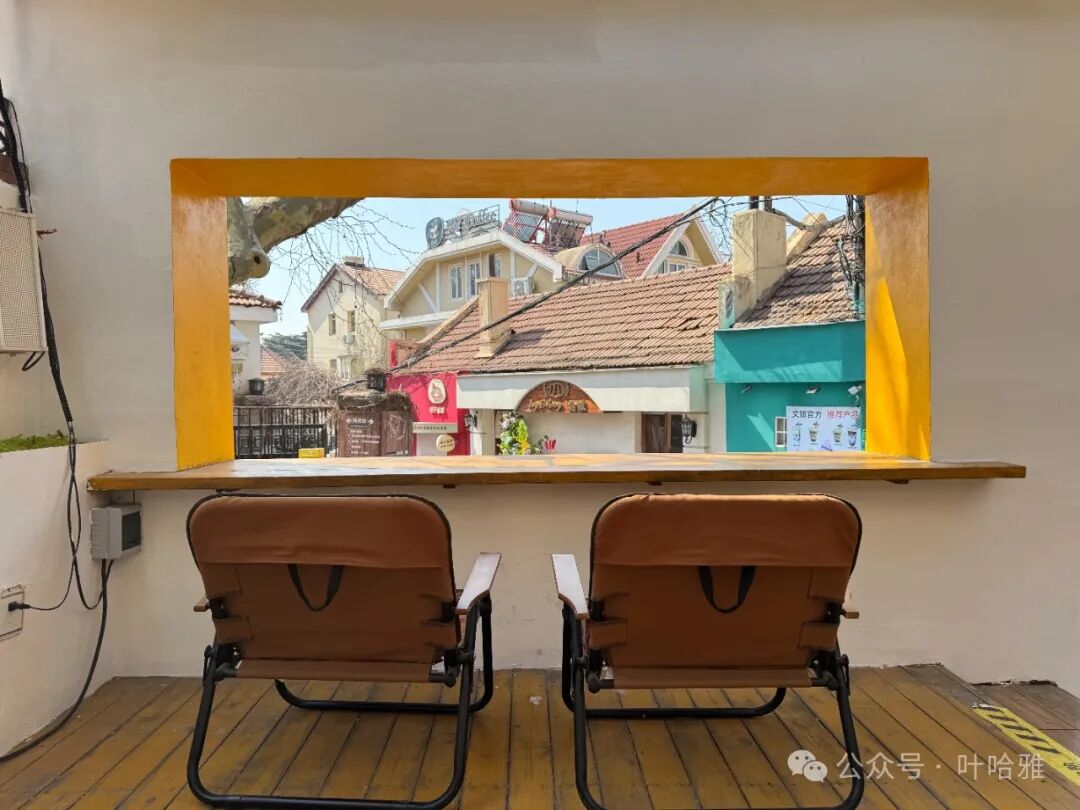
For lodging, I recommend staying near Zhanqiao Pier. It has many photogenic alleys, is close to the beach where you can feed seagulls, and has a high concentration of halal restaurants. Another good area is Shilaoren Beach, which is cleaner and quieter, making it perfect for playing in the sand with kids.
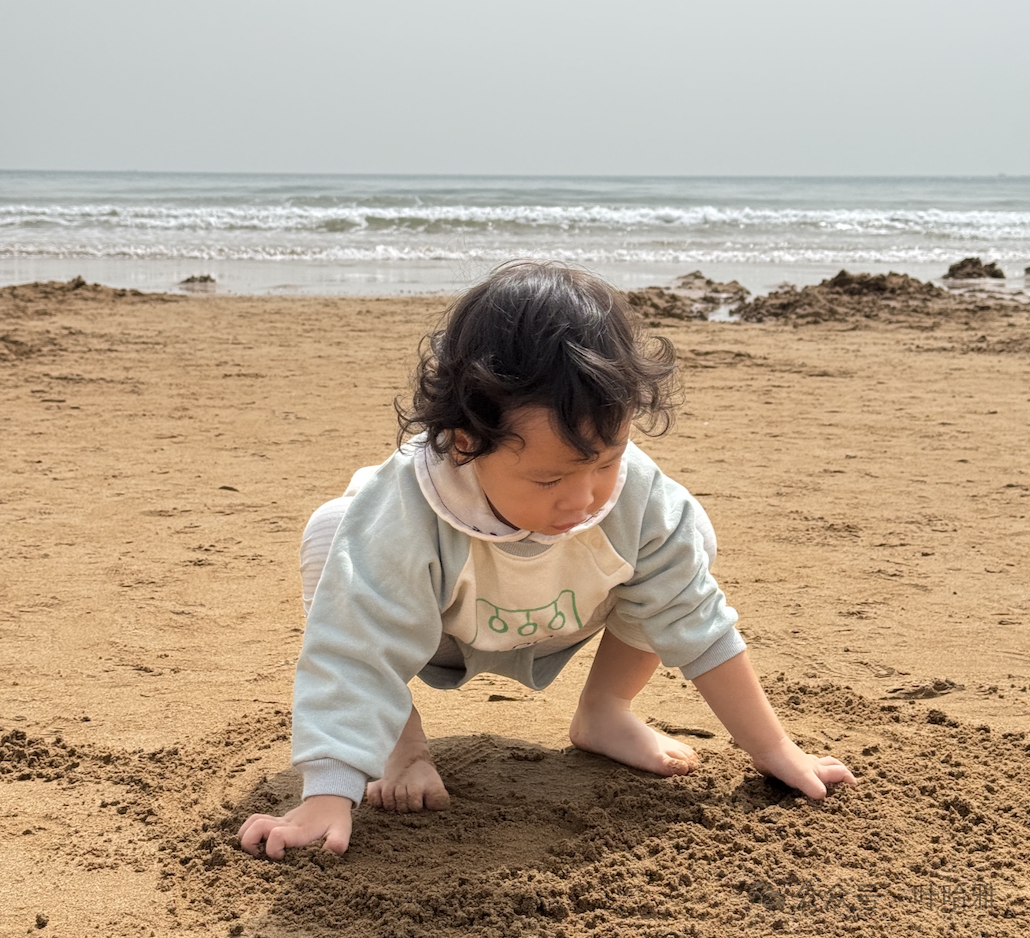
The list of halal restaurants featured in this post is as follows:
1. Halal Ma Family Seafood Hot Pot
2. Ma Family Seafood Food Stall
3. Halal Huiwei Restaurant
4. No. 2 Australian Wagyu BBQ
5. Hanbaba Pakistani Restaurant
6. Yipin Seafood Home-style Cooking
7. Minzu Restaurant
1. Halal Ma Family Seafood Hot Pot
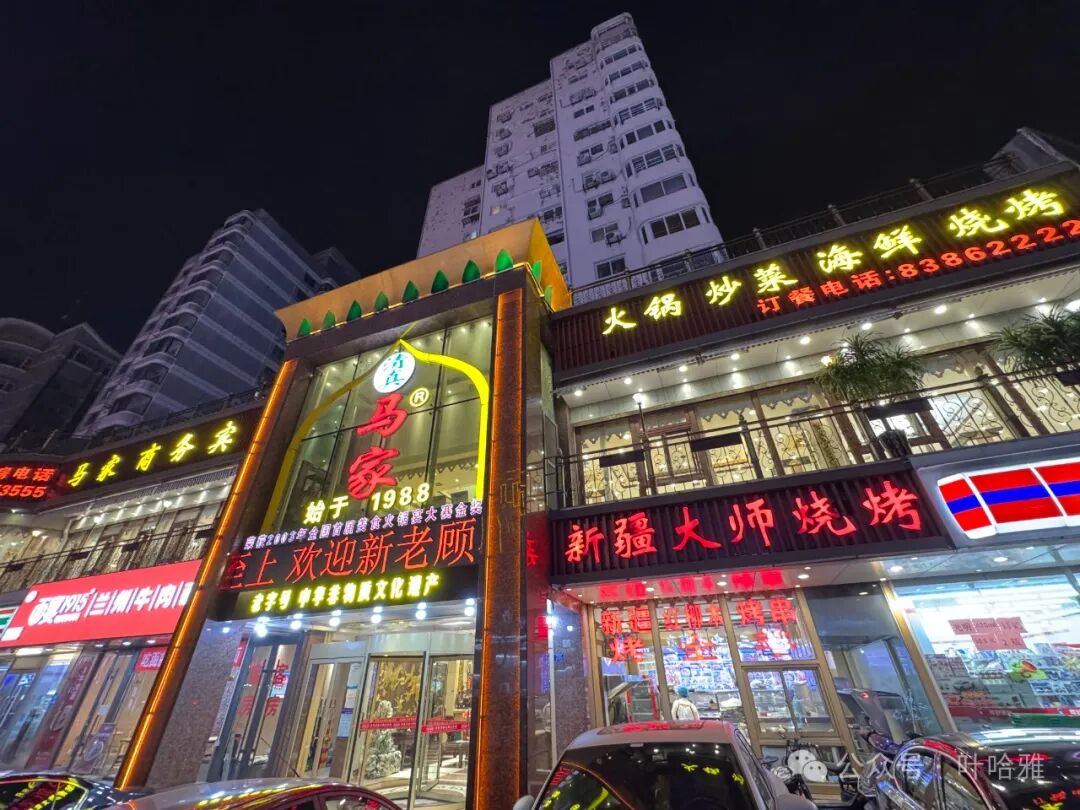
You have to eat seafood in Qingdao. This restaurant has been open for 30 years and is currently the largest halal restaurant chain in the city with six locations. Each shop has a slightly different style, and the largest one is built like a yurt.
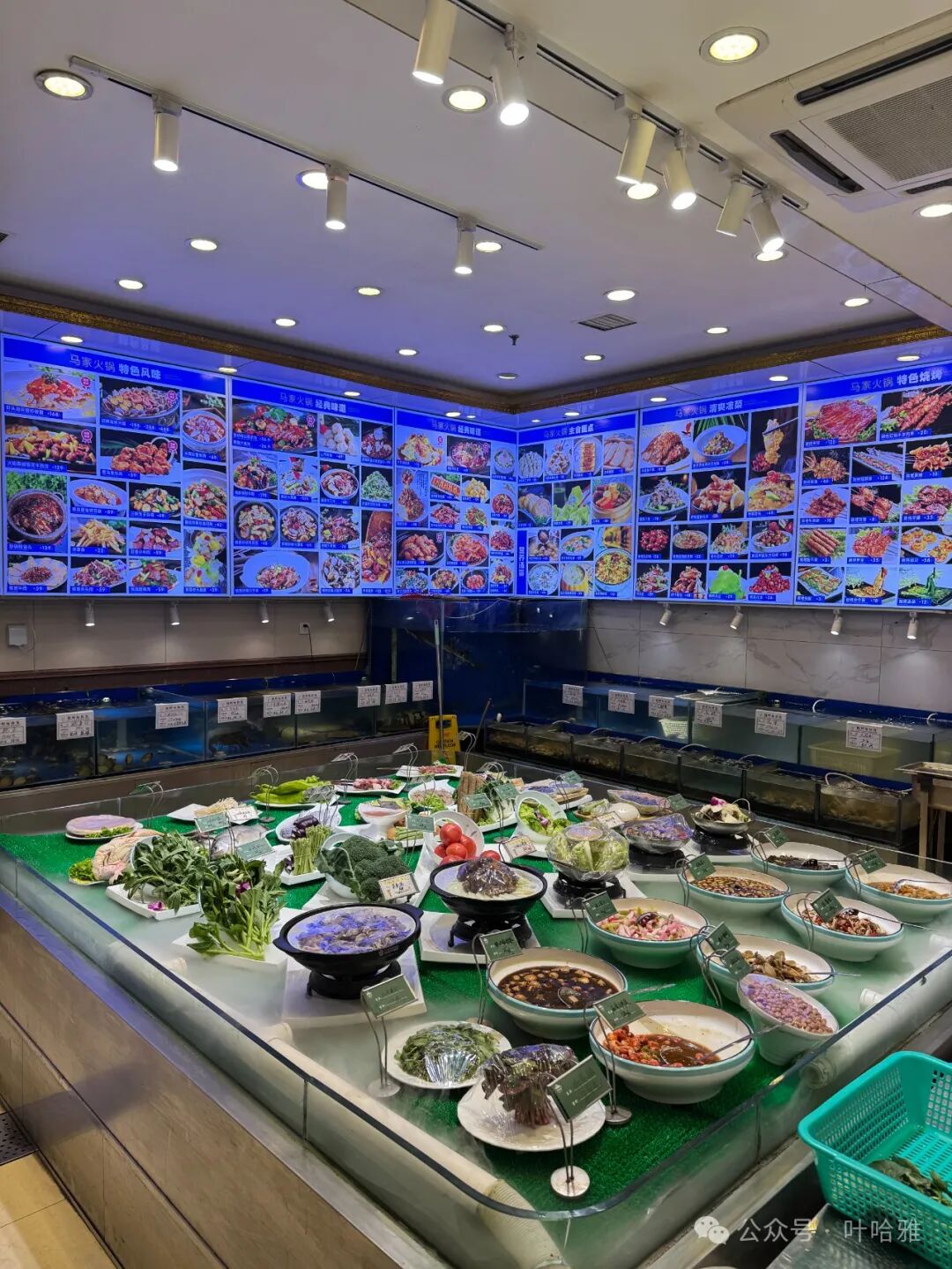
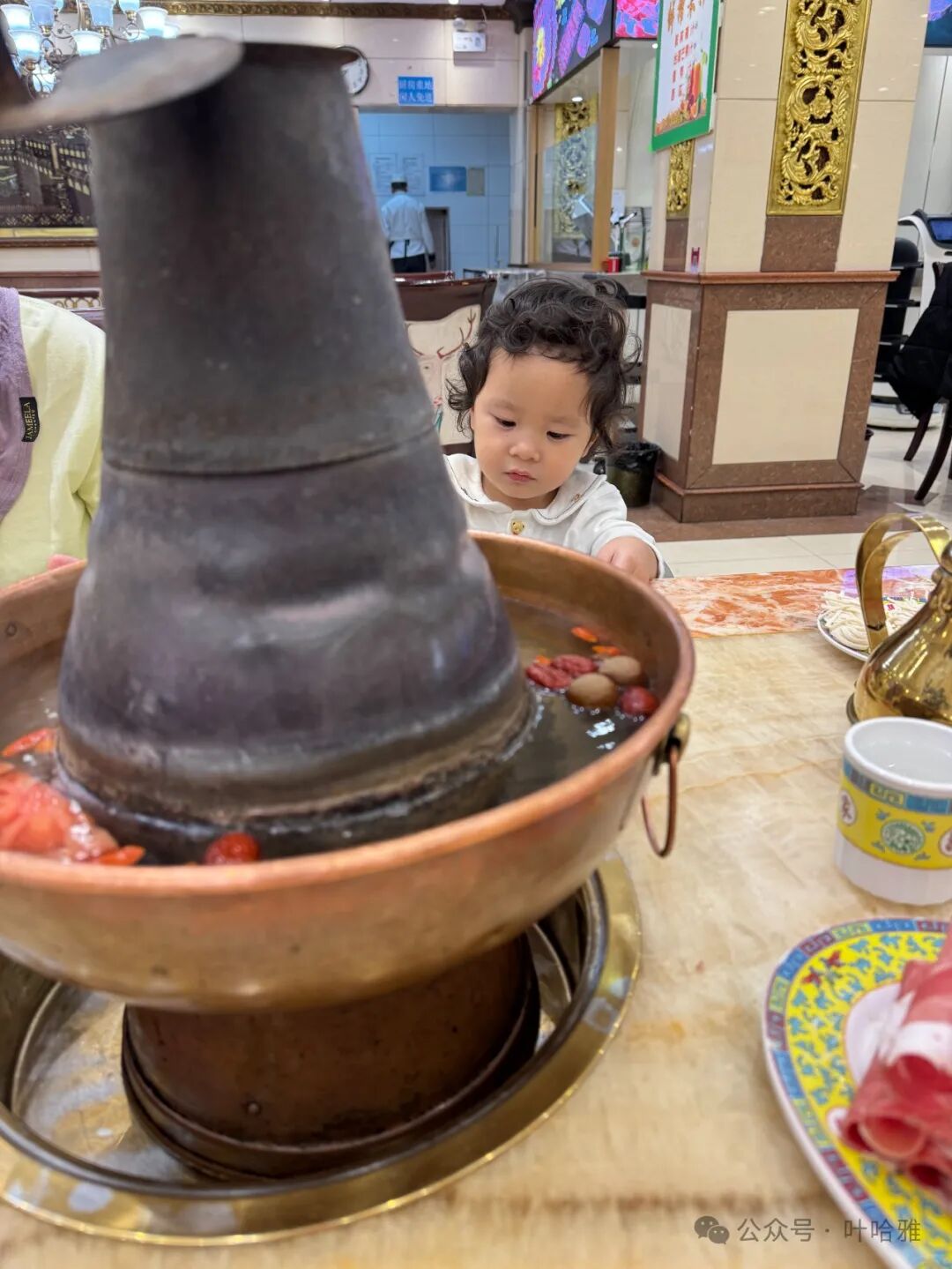
To eat seafood hot pot, pick your ingredients on the first floor, then go upstairs to the second floor and wait for your meal.
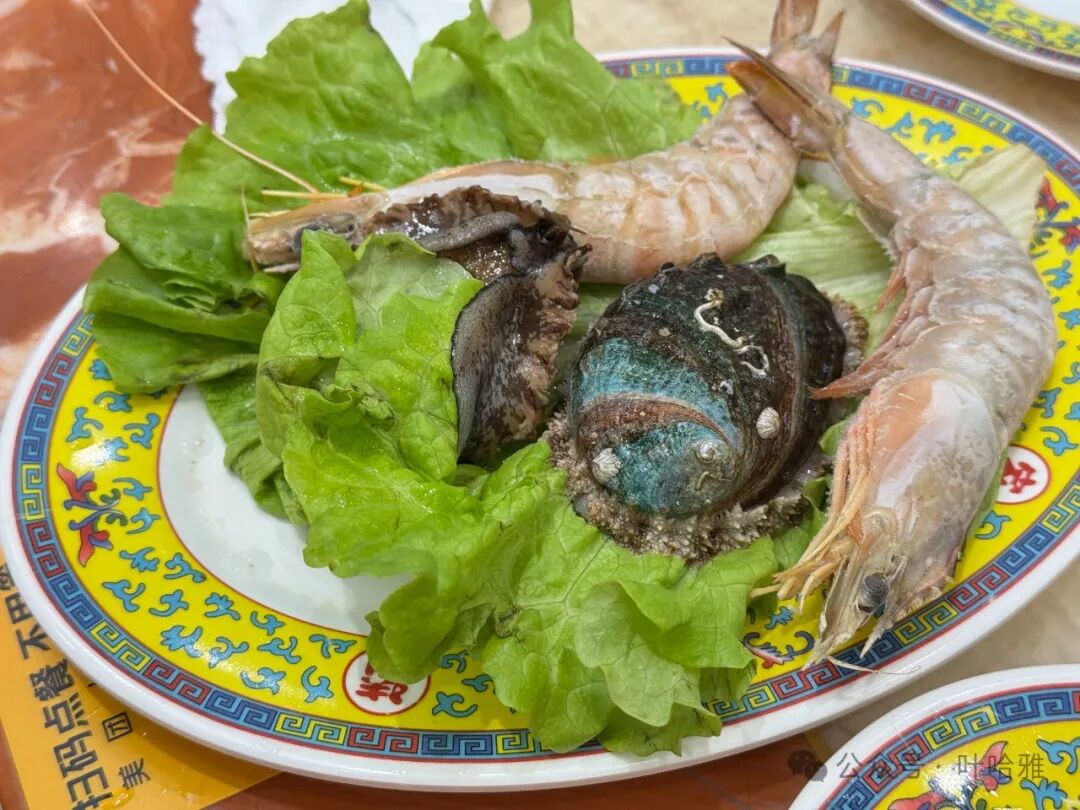
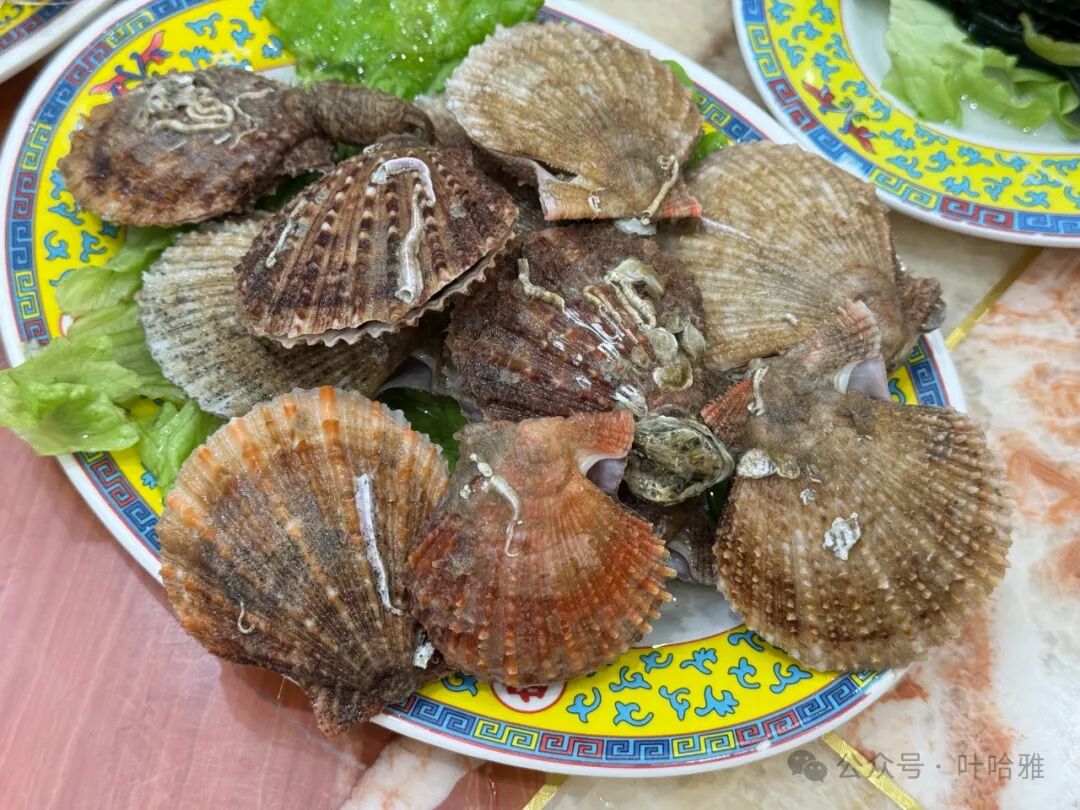
The seafood here is very fresh. The abalone and scallops arrive alive and can even crawl off the plate. The price is quite cheap, costing no more than 200 yuan for two people to have a meal.
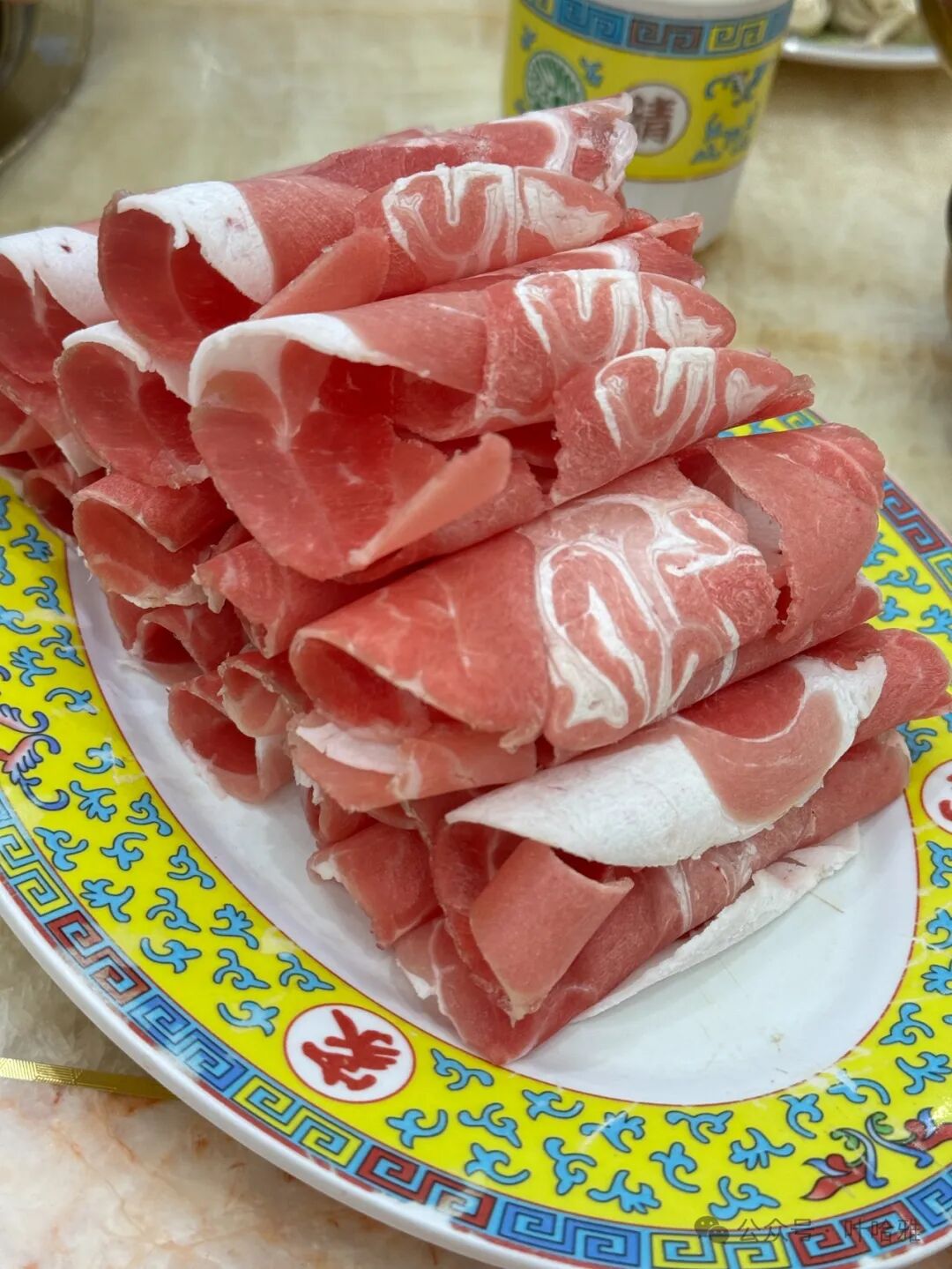
The lamb rolls are buy-one-get-one-free. The condiment station has many combinations, and the service is very good. This shop also offers accommodation, with a nightly rate of no more than 100 yuan.
2. Halal Ma Family Seafood Stall
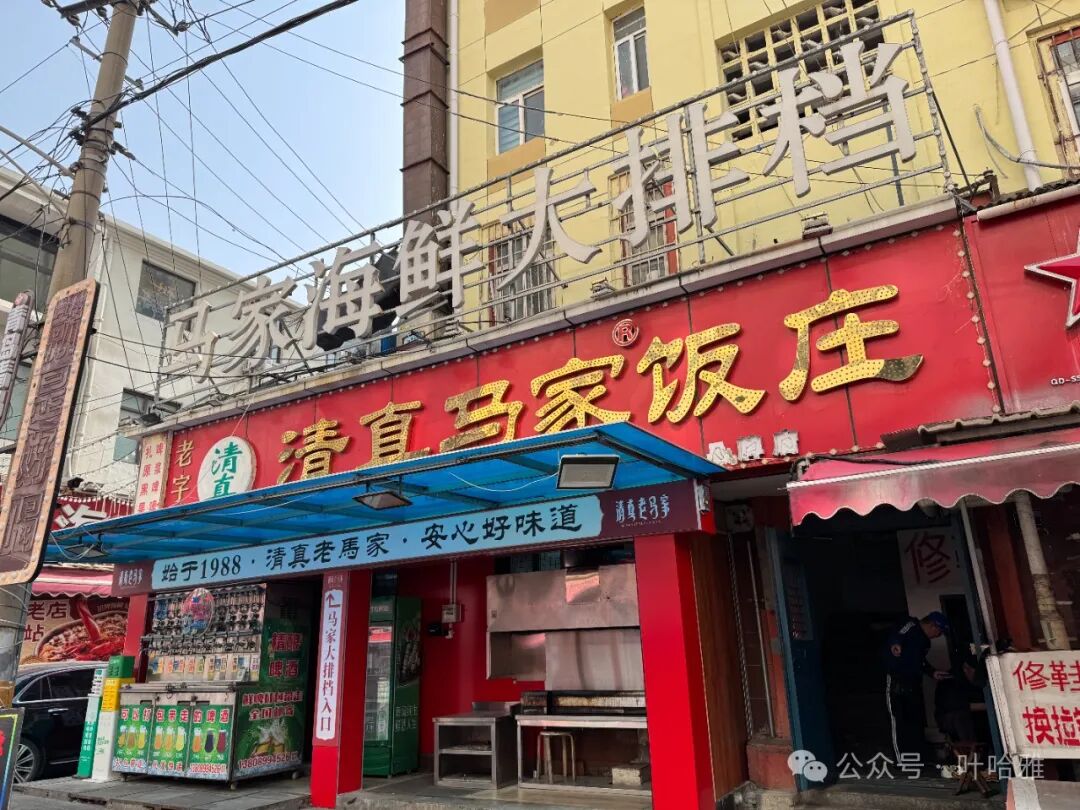
This shop serves seafood barbecue and local Qingdao stir-fry dishes, and it is owned by the same people as Ma Family Hot Pot.
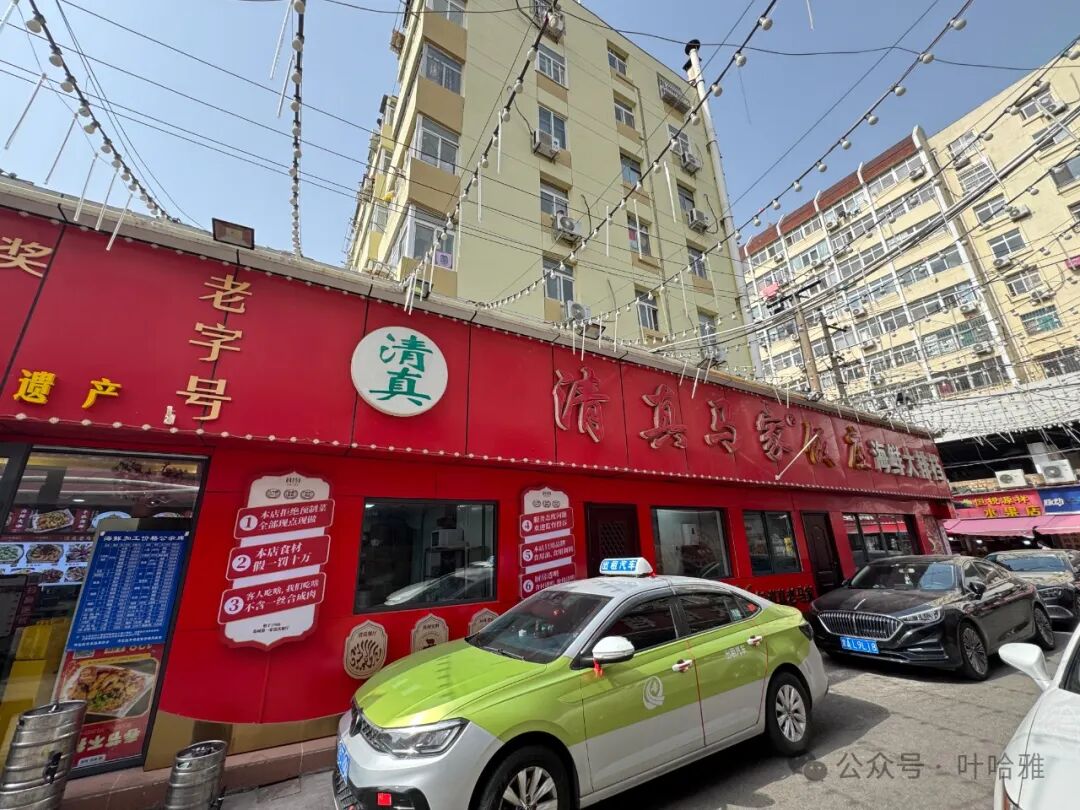
We ordered their signature spoon worm rice (haichang laofan) and mackerel dumplings (bayu shuijiao) to go. After comparing, their versions are definitely better than others.
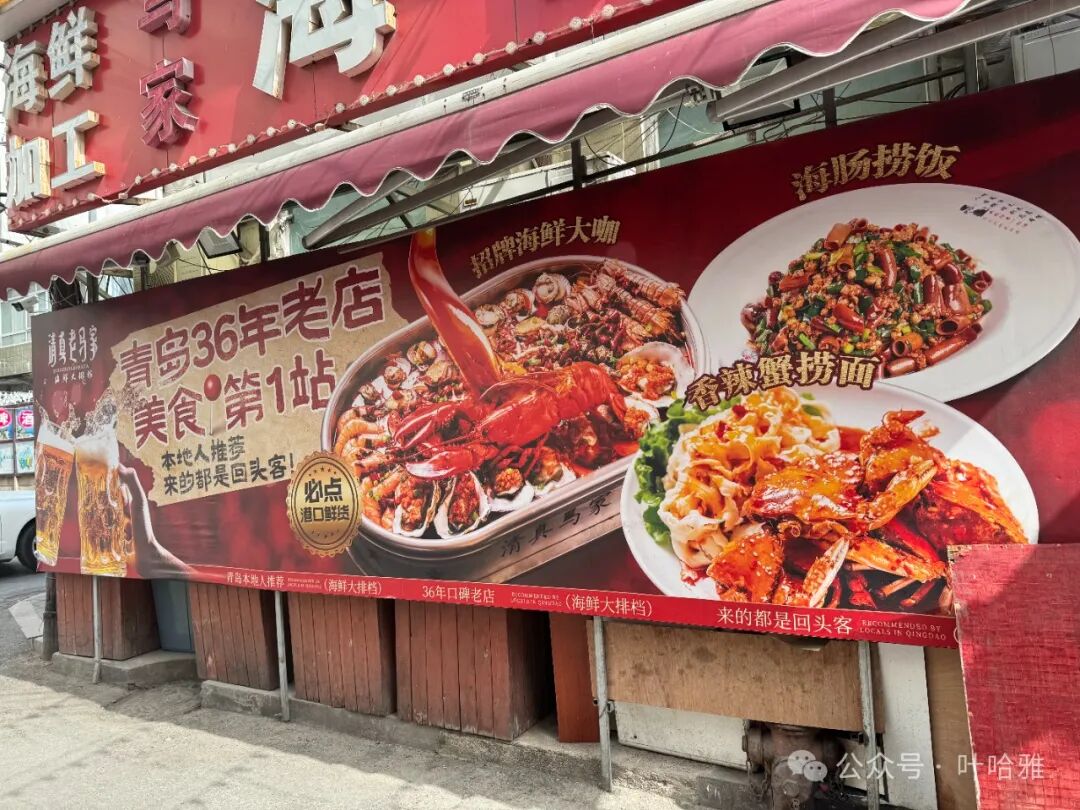
3. Halal Hui Flavor Restaurant
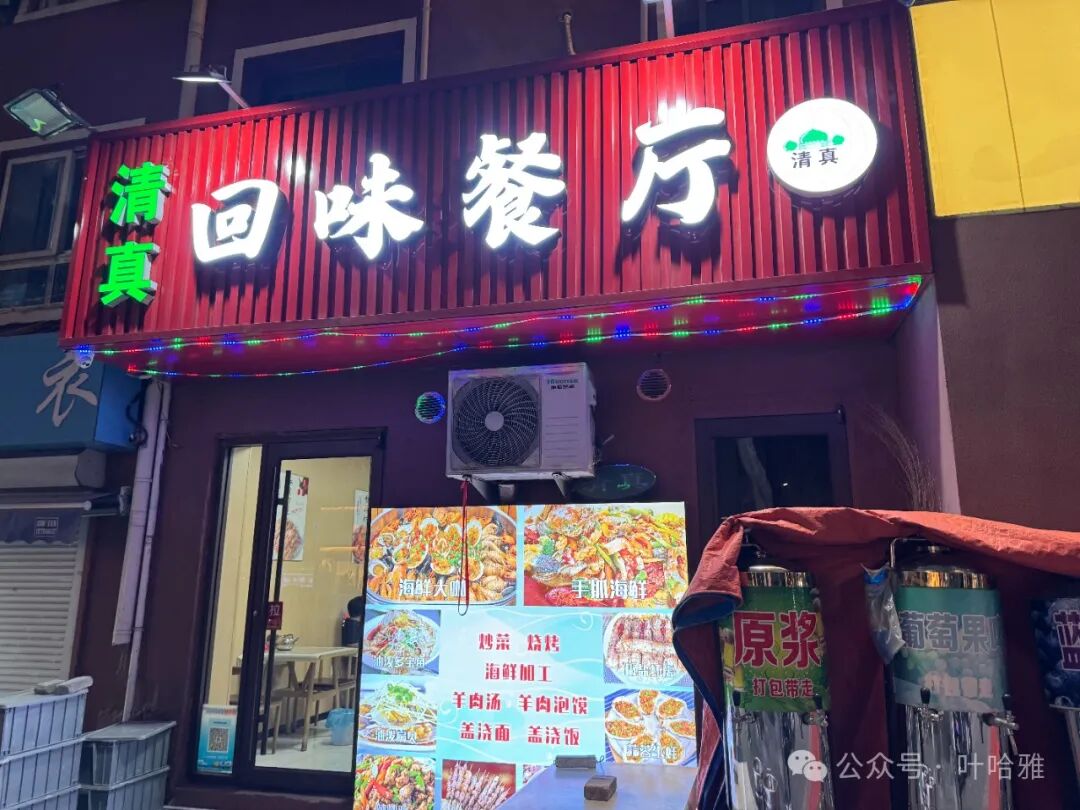
This shop is only a few hundred meters from the Ma Family Seafood Stall. It is run by Hui Muslims from Jinan and is a small place for seafood and stir-fry.
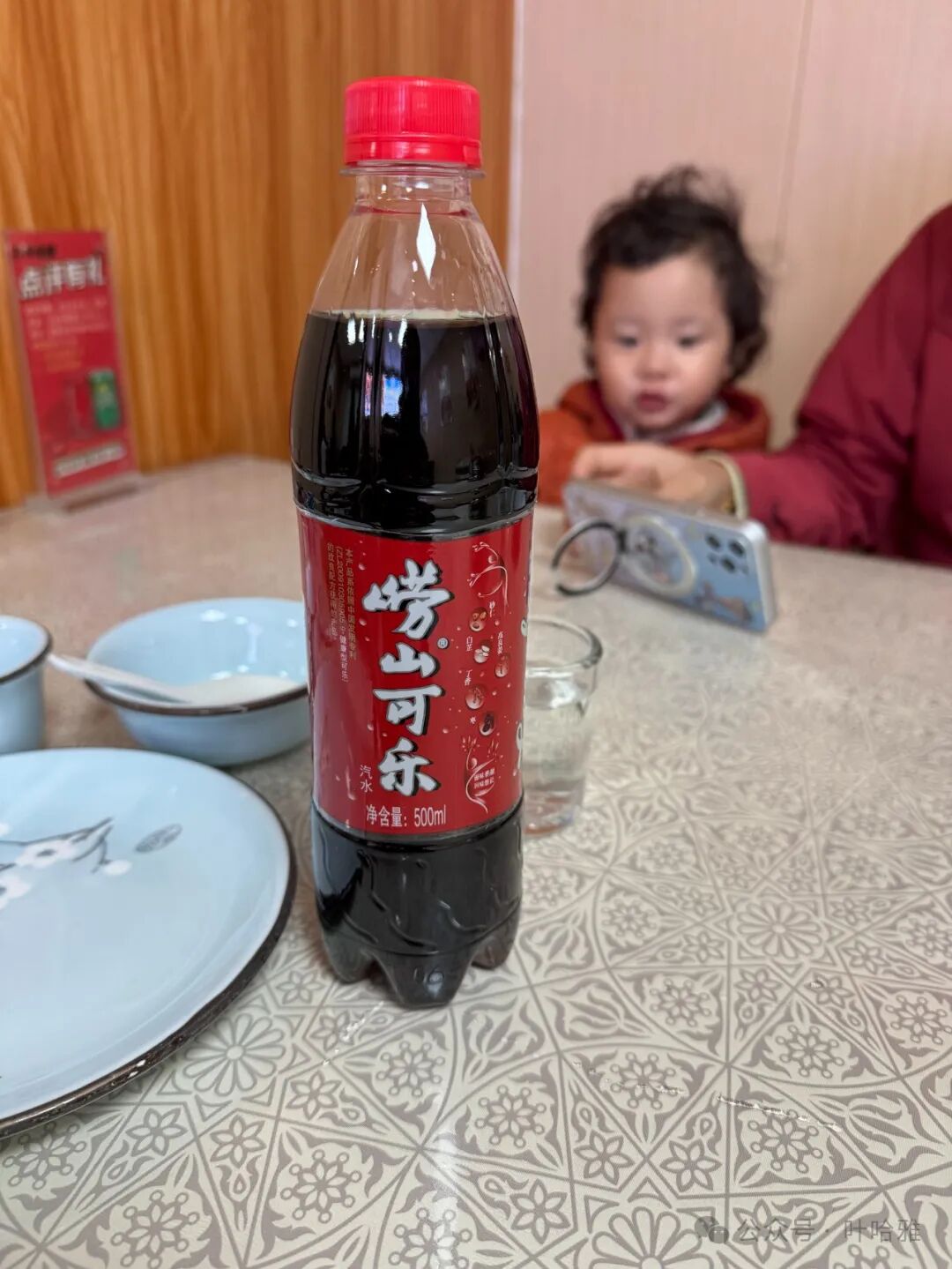
Try a local specialty, Laoshan Cola, which has a herbal medicine taste.
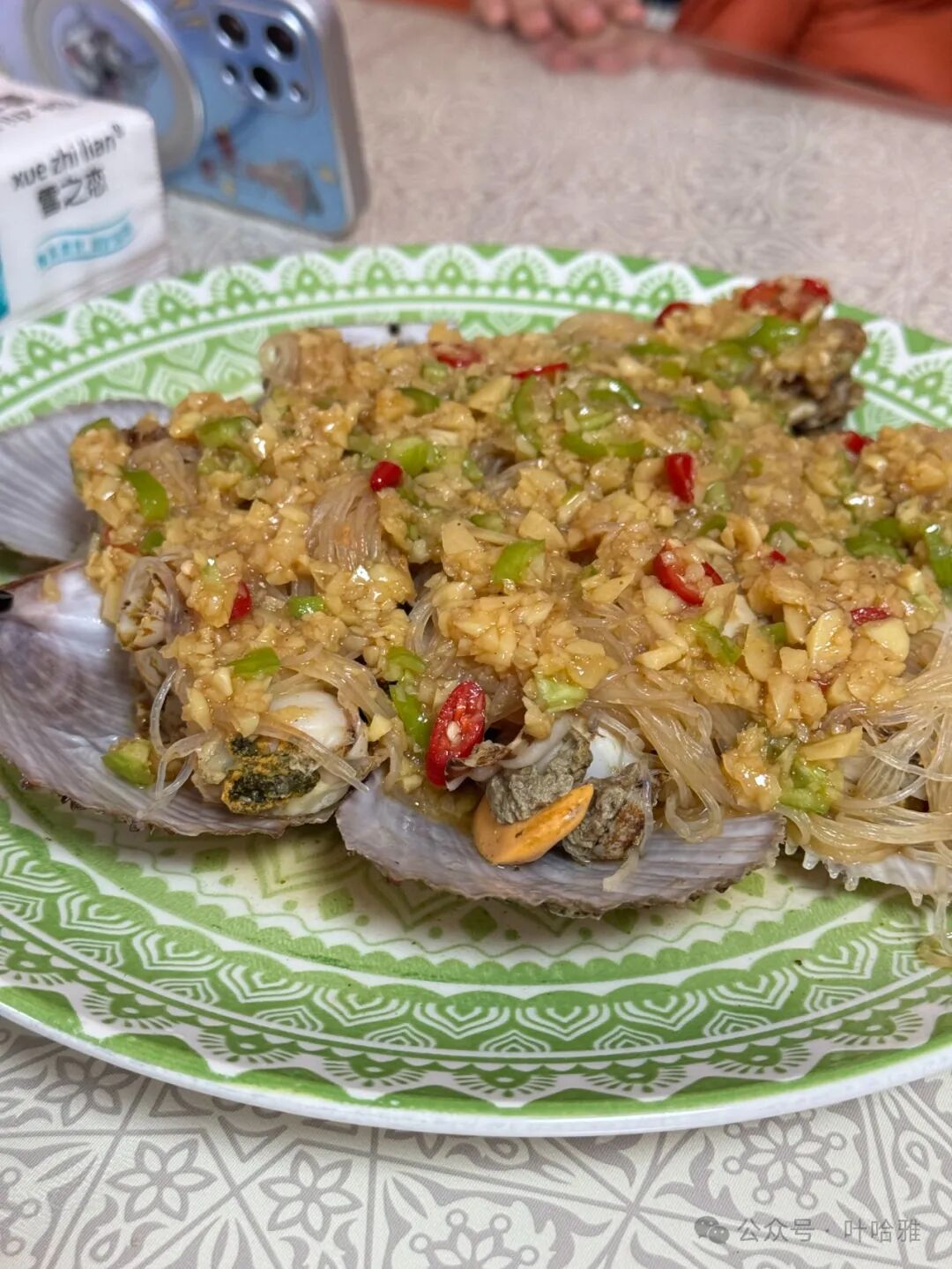
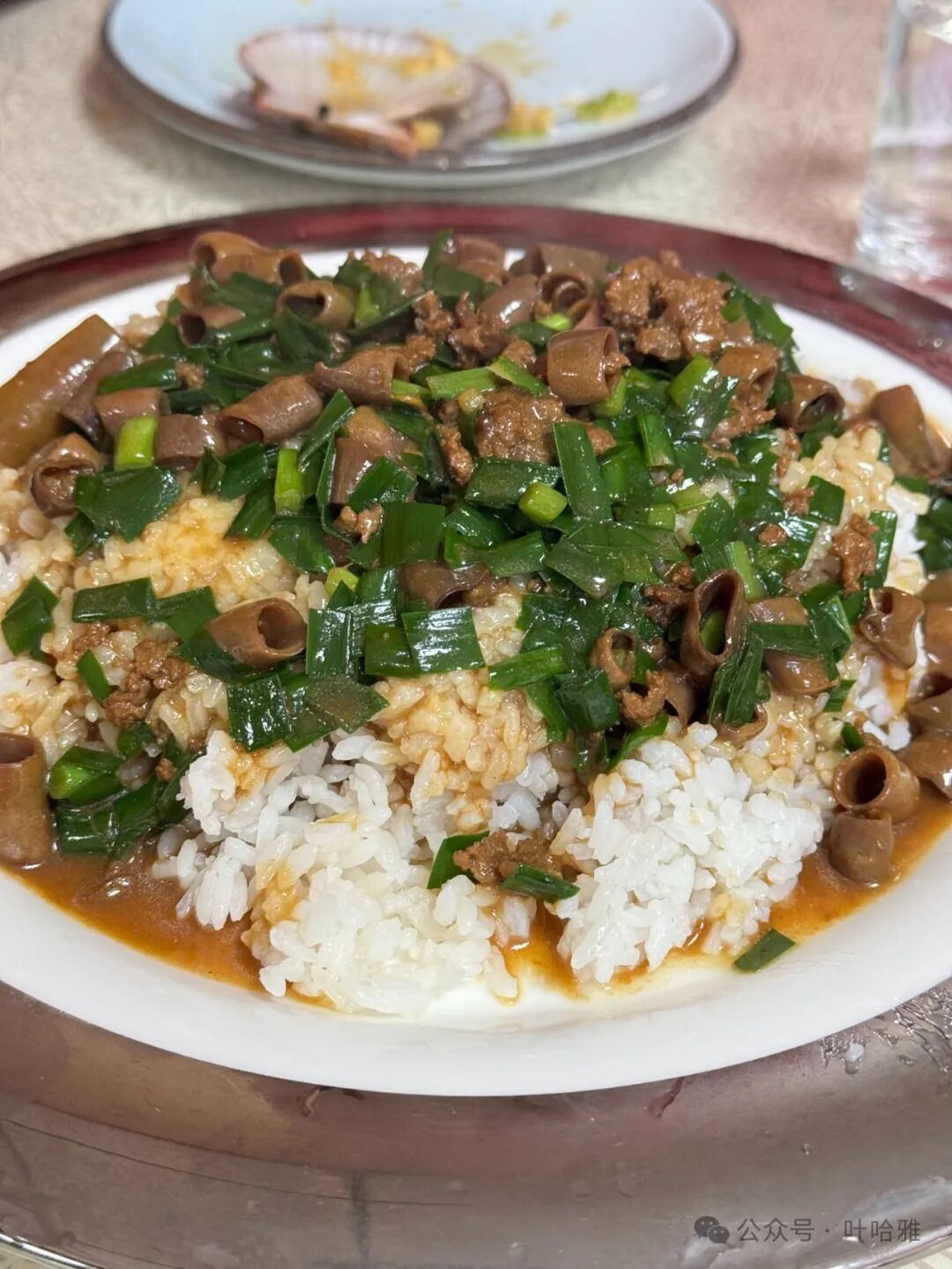
Spoon worm rice (haichang laofan) is a dish that every local seafood restaurant makes, and it is cooked with Chinese chives.
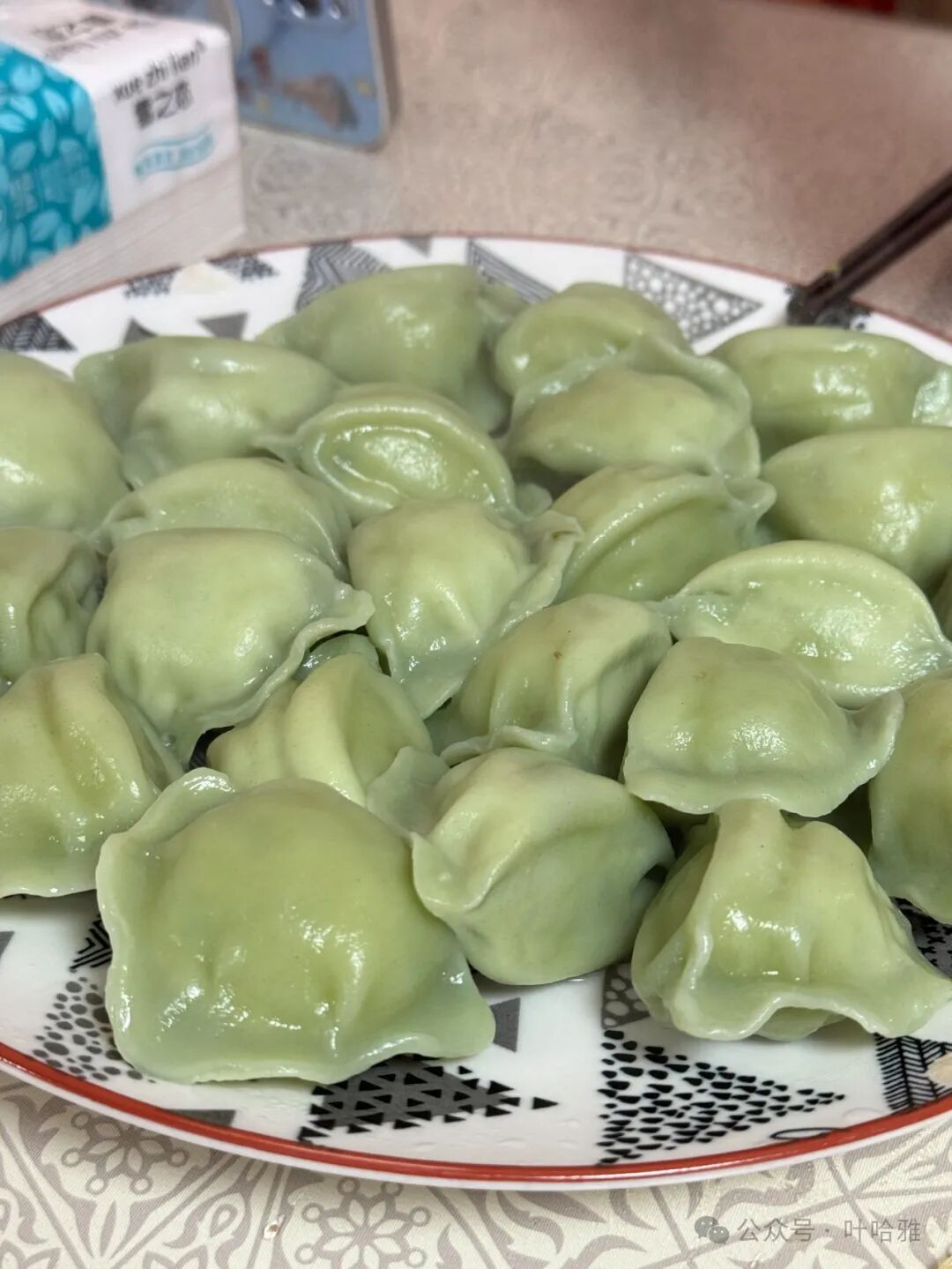
The mackerel dumplings have a delicate texture, and the wrappers are green because they contain spinach juice.
4. No. 2 Australian Wagyu BBQ Restaurant
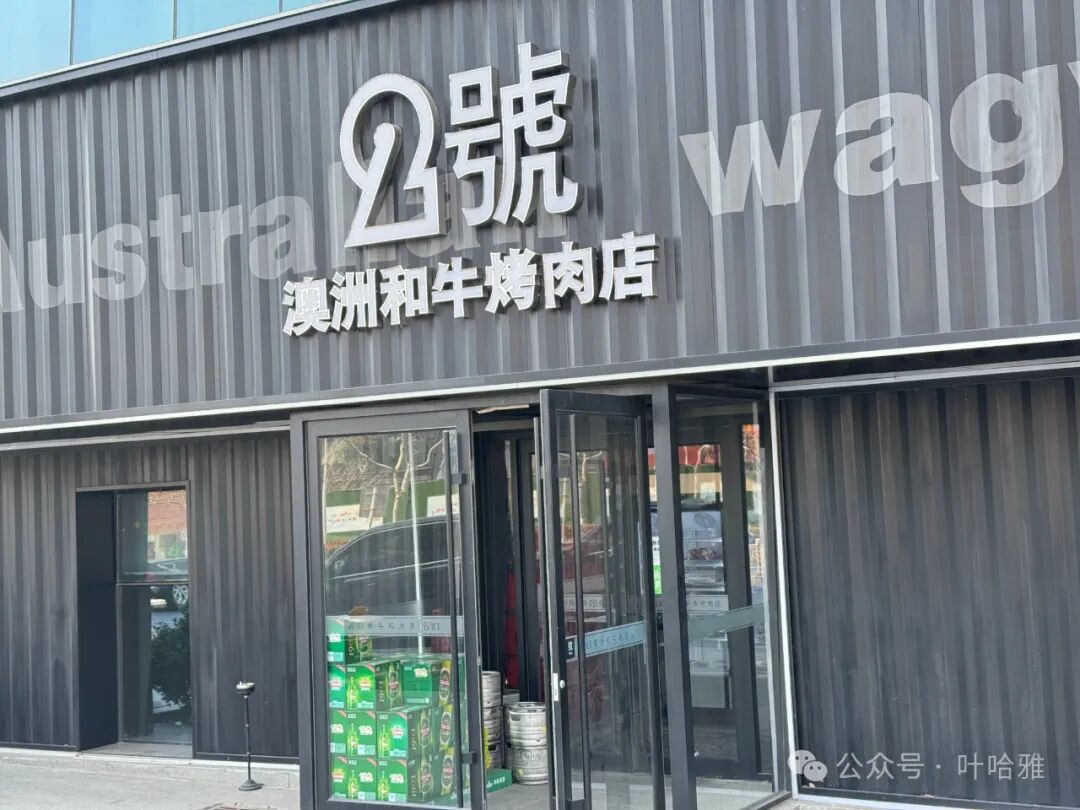
This restaurant is inside the Sheraton in Huangdao. It has been open for over a year, has a good reputation, and the food tastes great.
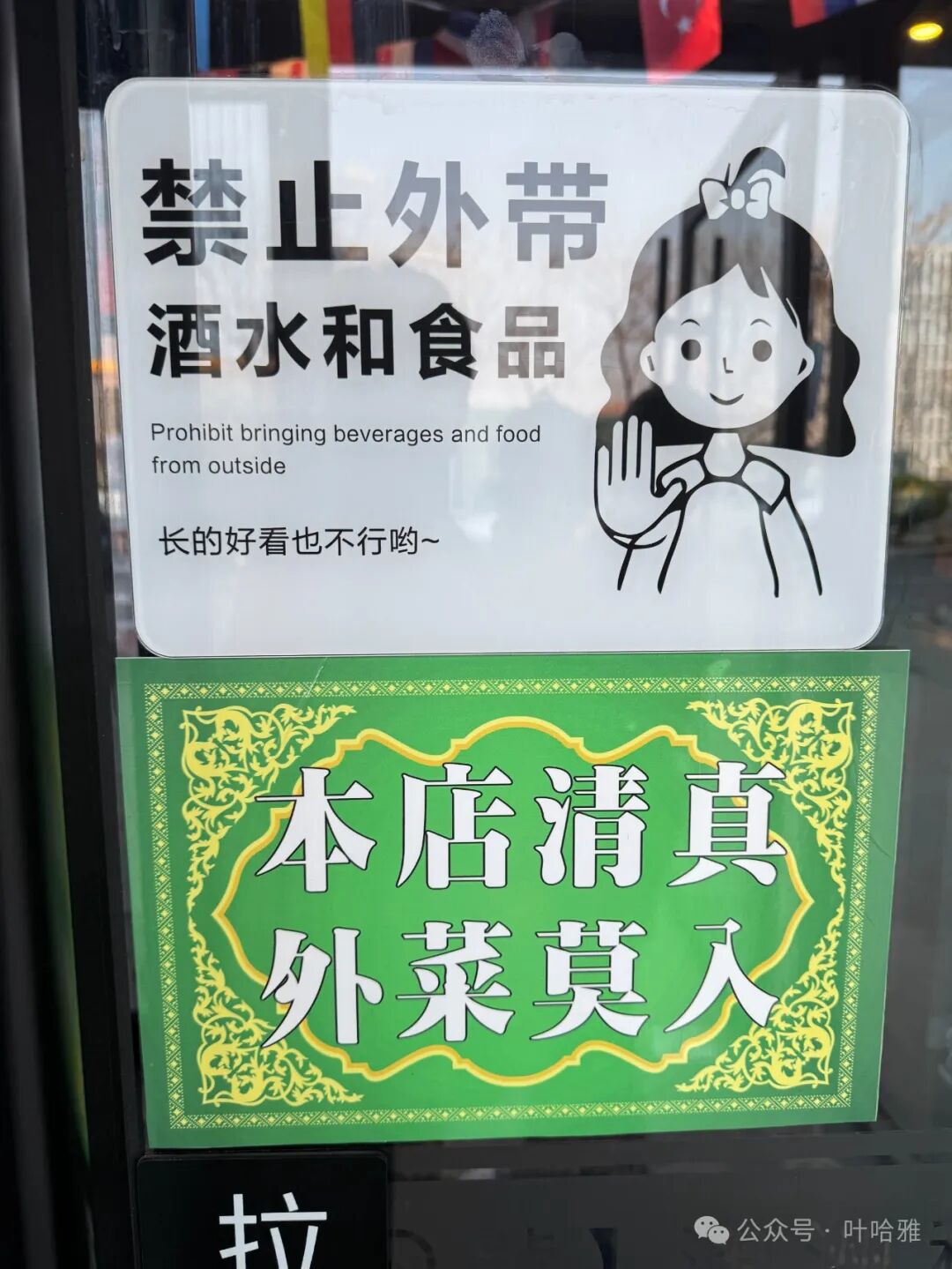
There are a few handsome Uyghur guys in the shop who will help you grill the meat.
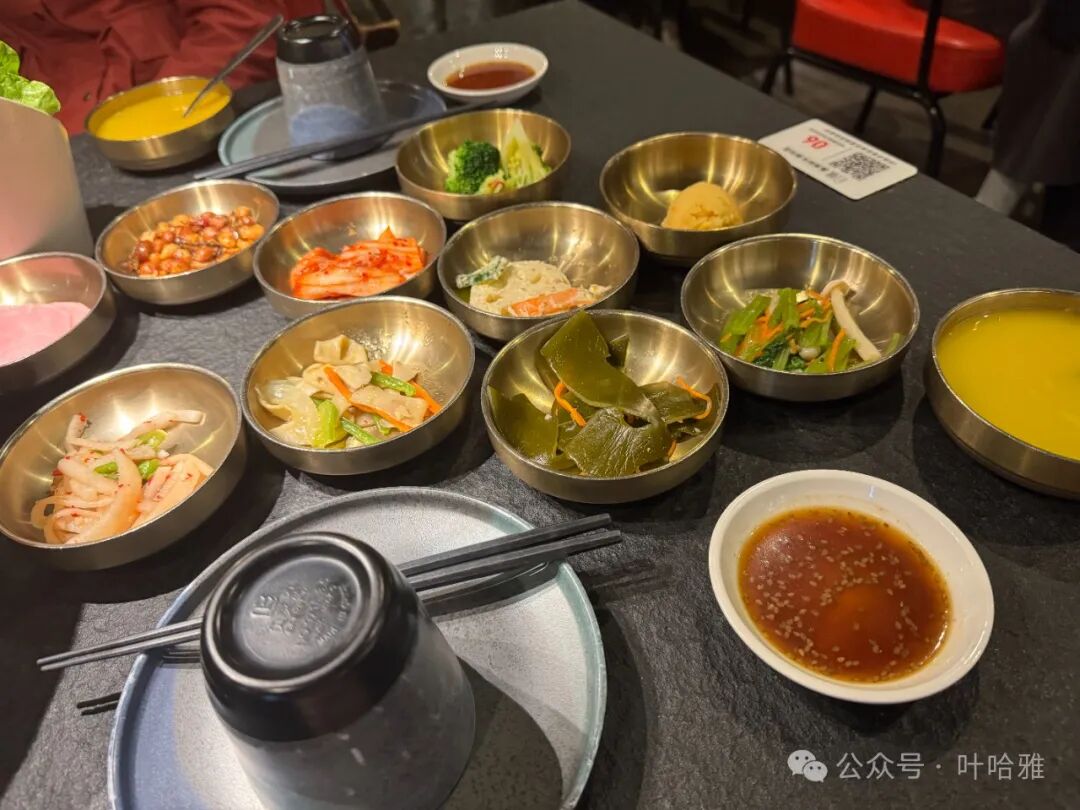
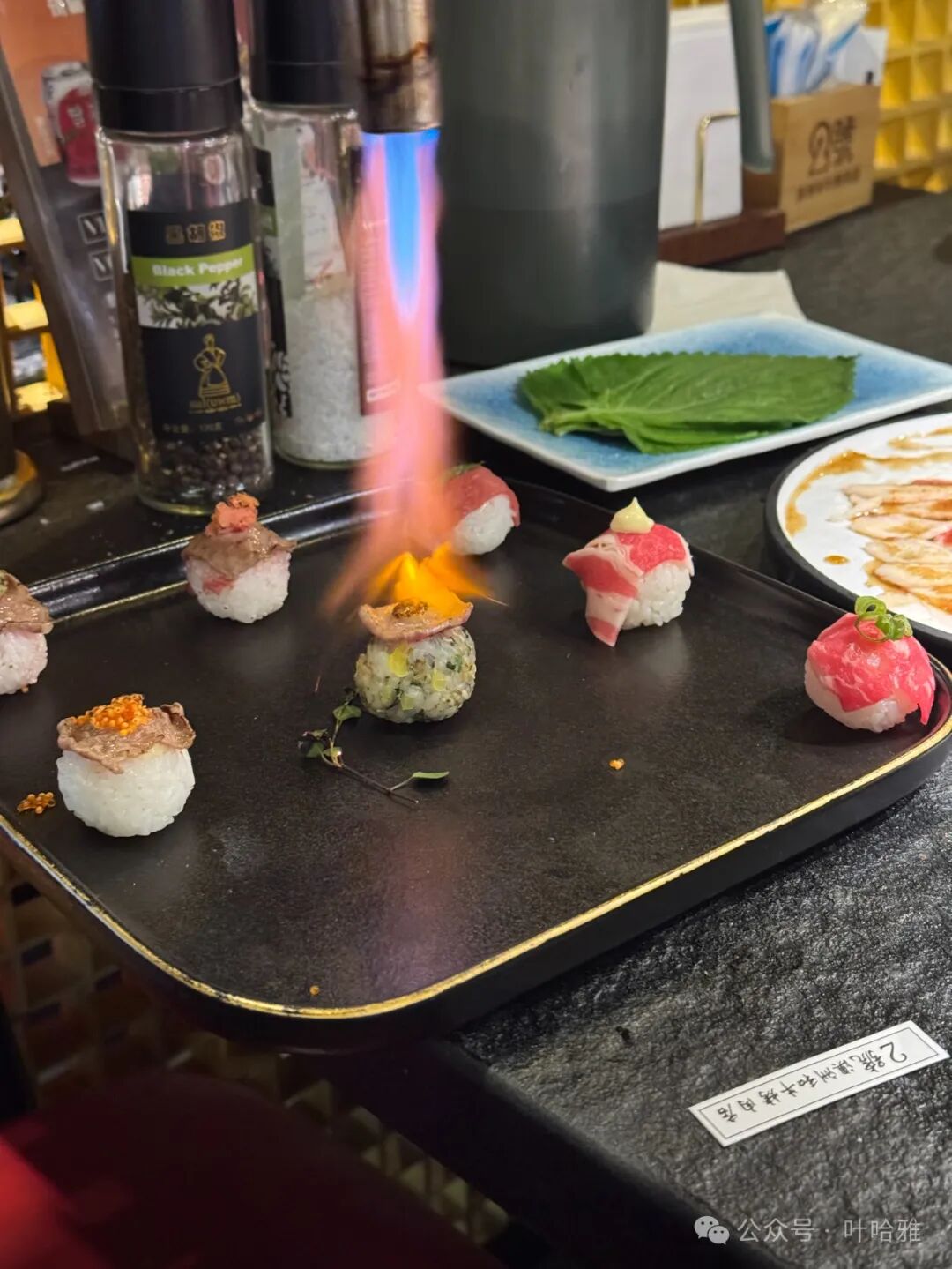
I thought this rice ball was meant to be eaten raw, but it turns out you have to grill it a bit more.
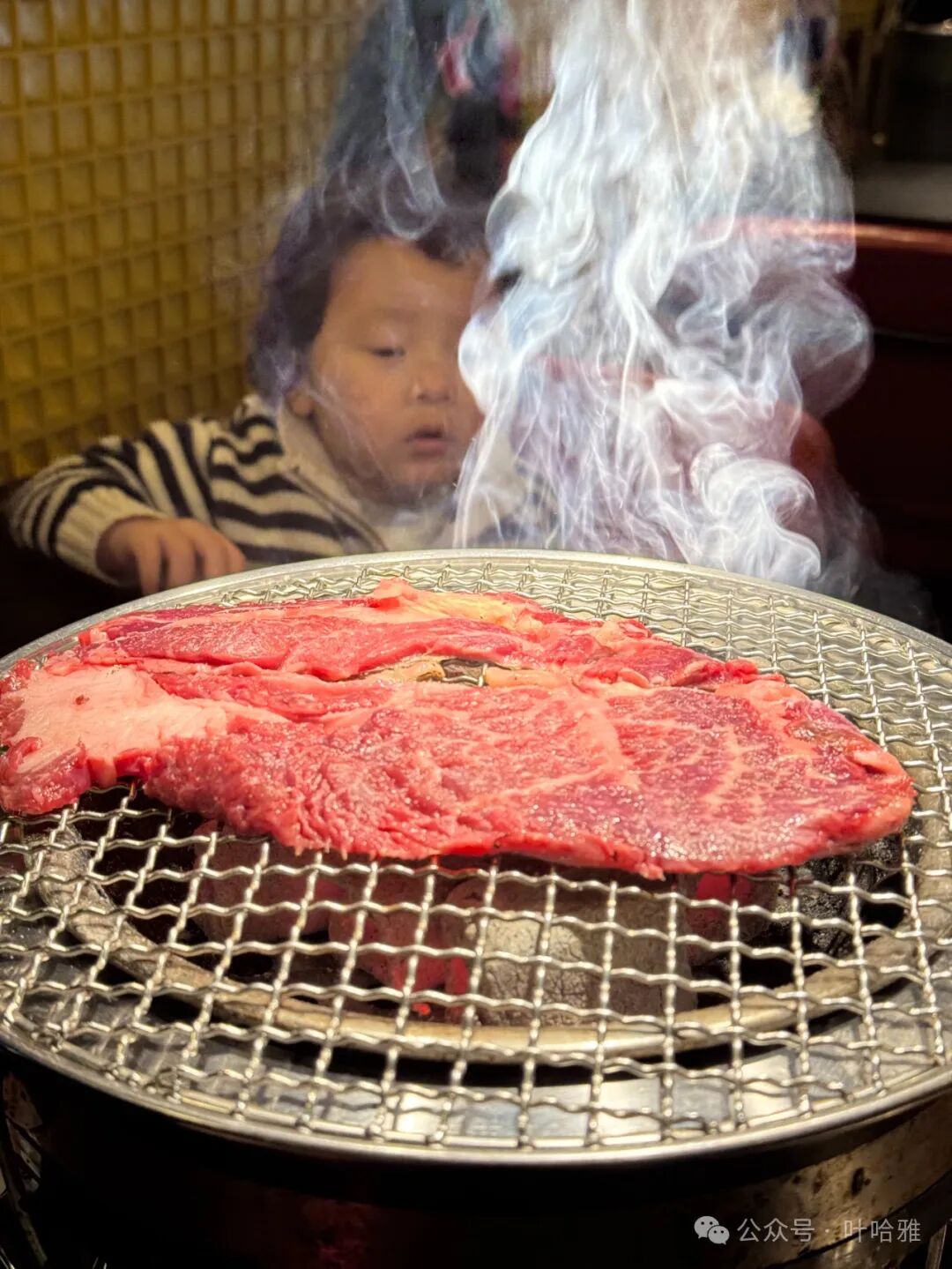
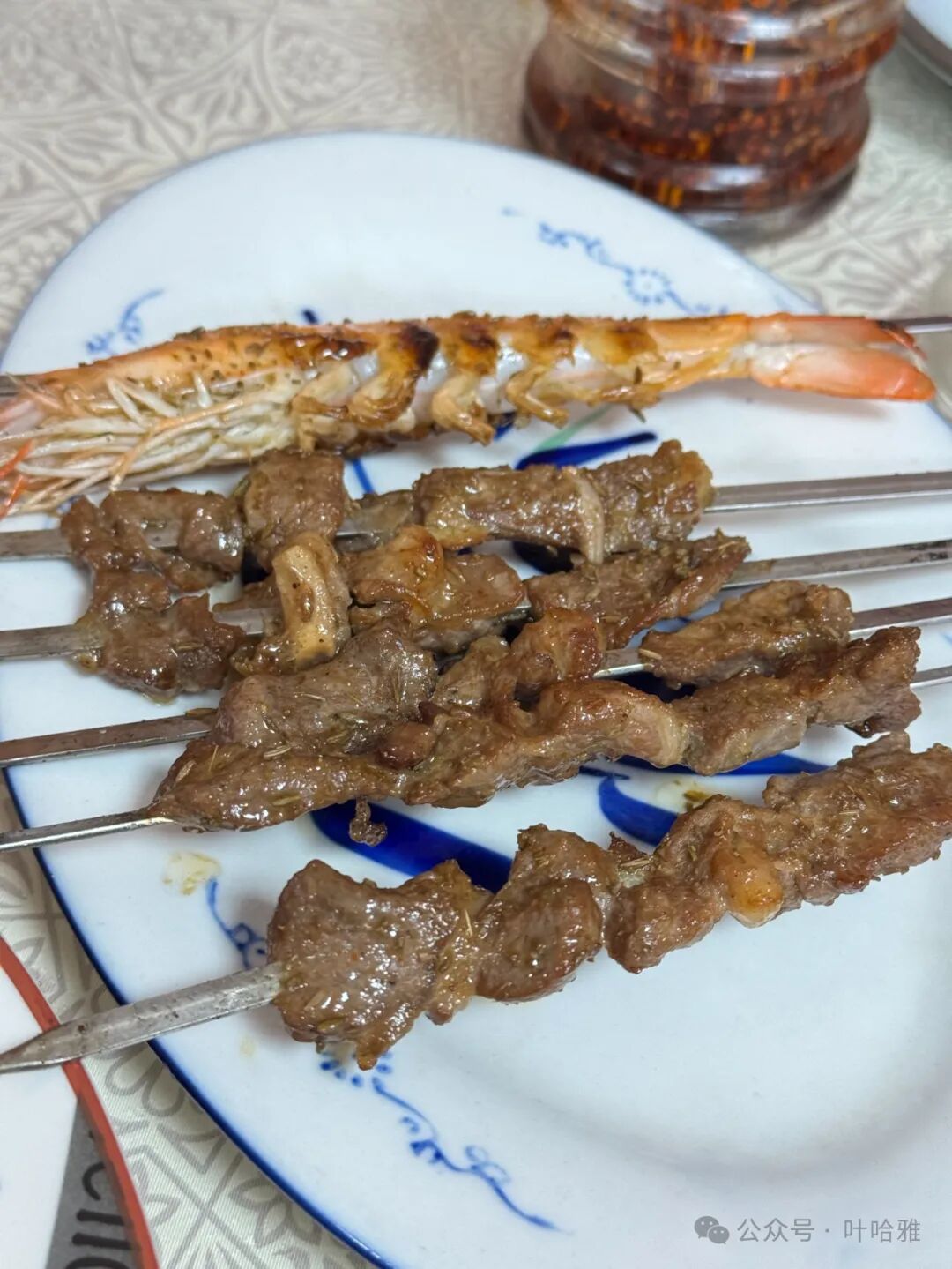
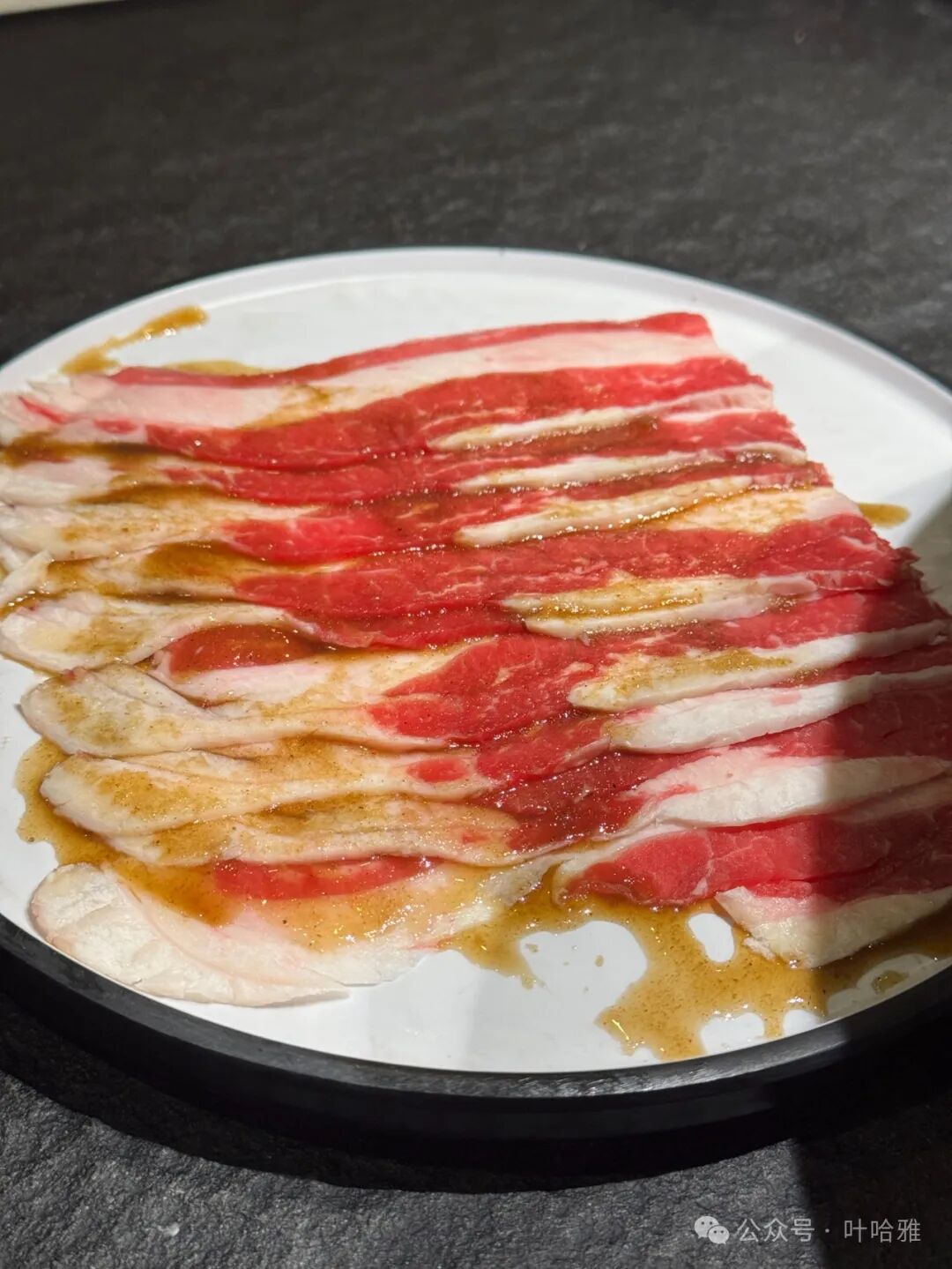
My top recommendation is this large slice of Australian Wagyu beef; the meat is very tender.
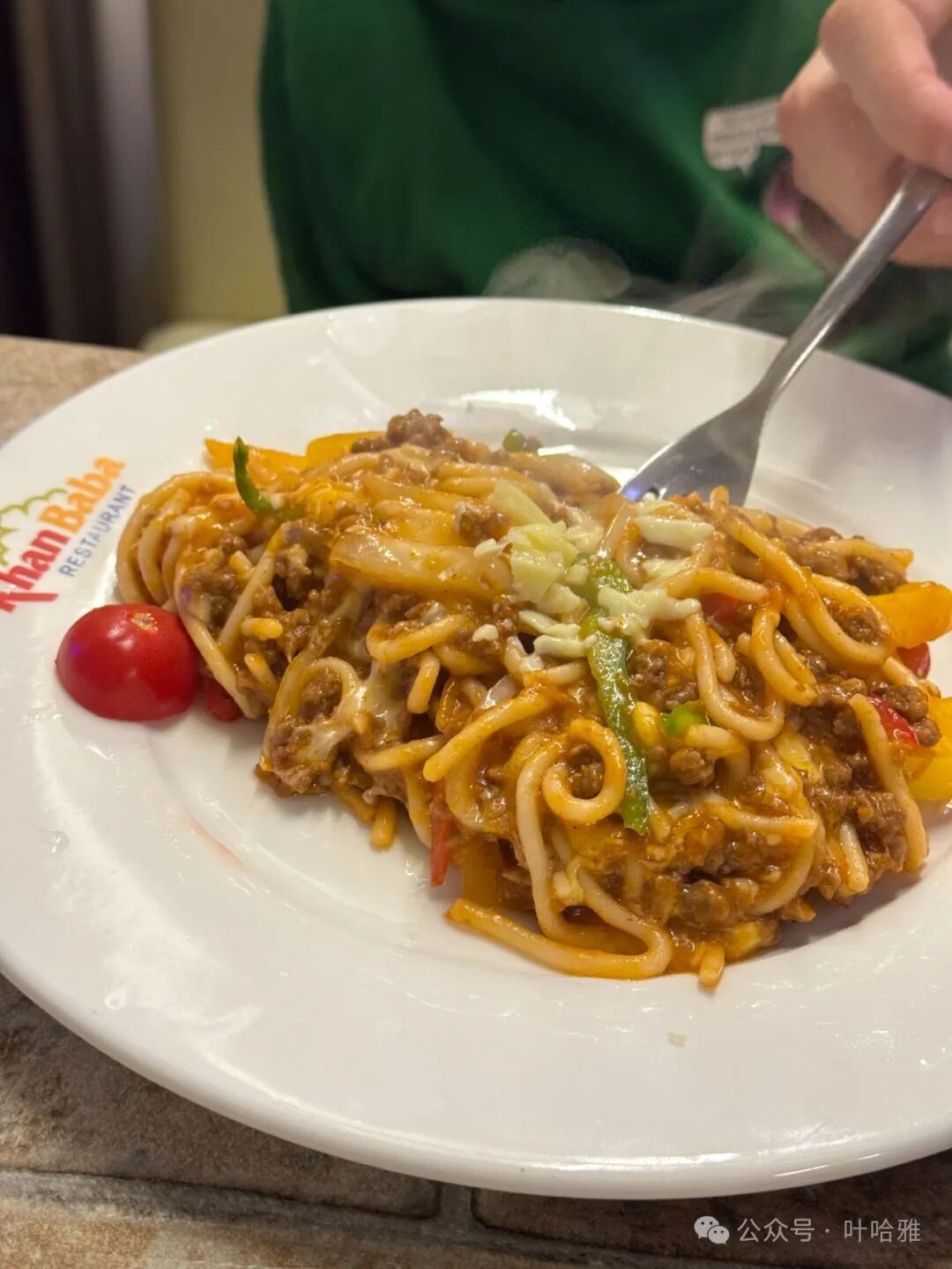
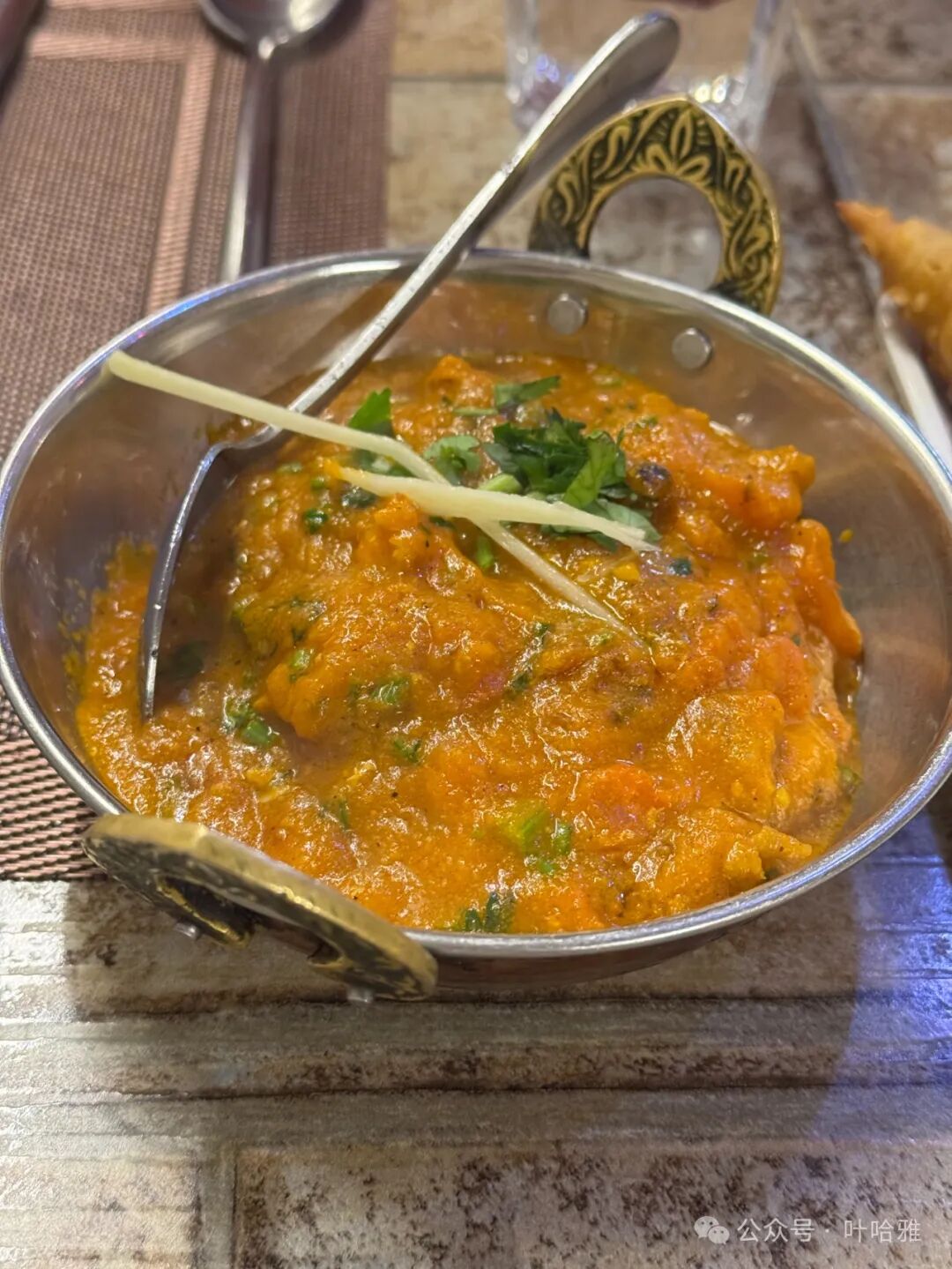
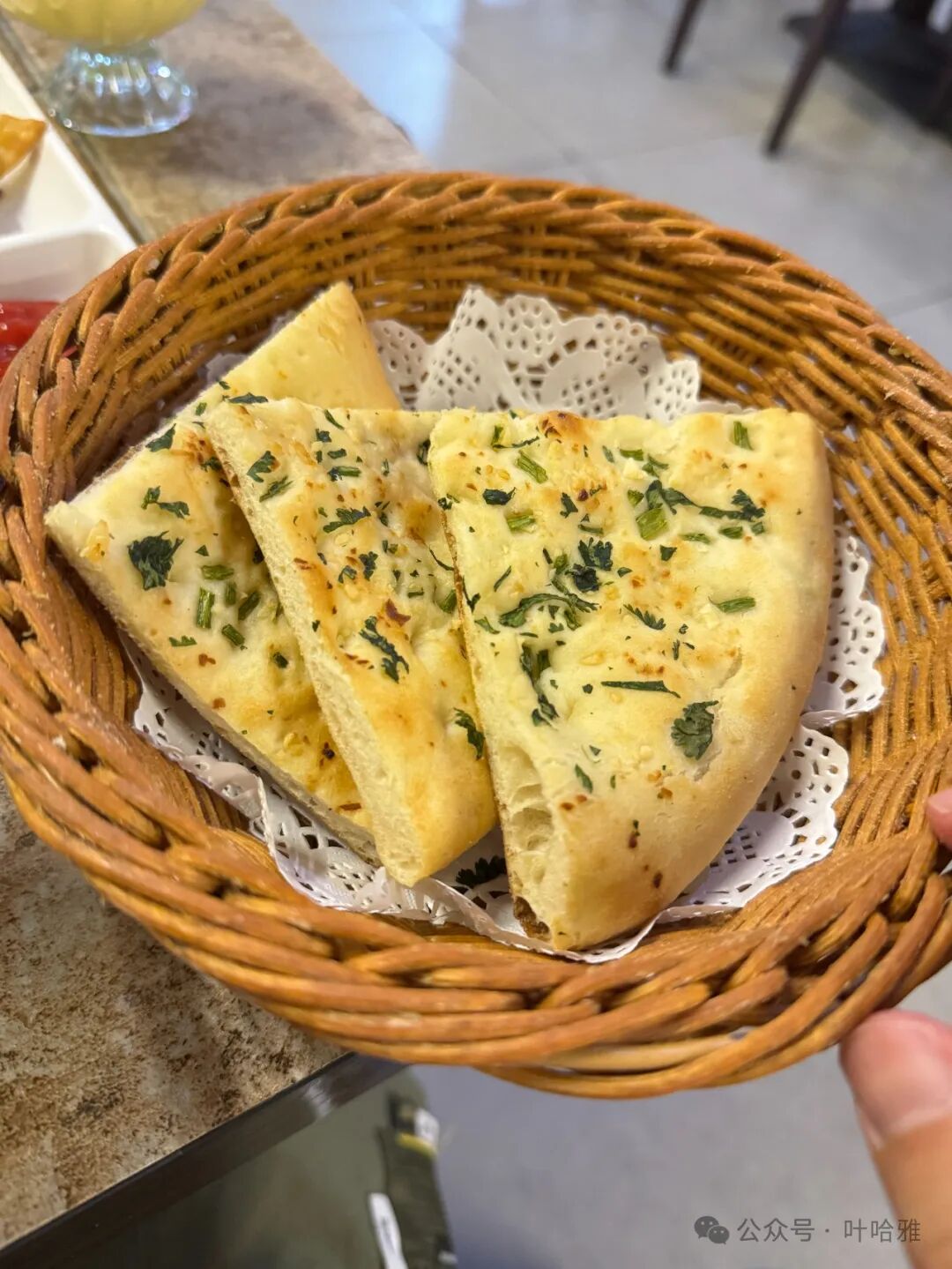
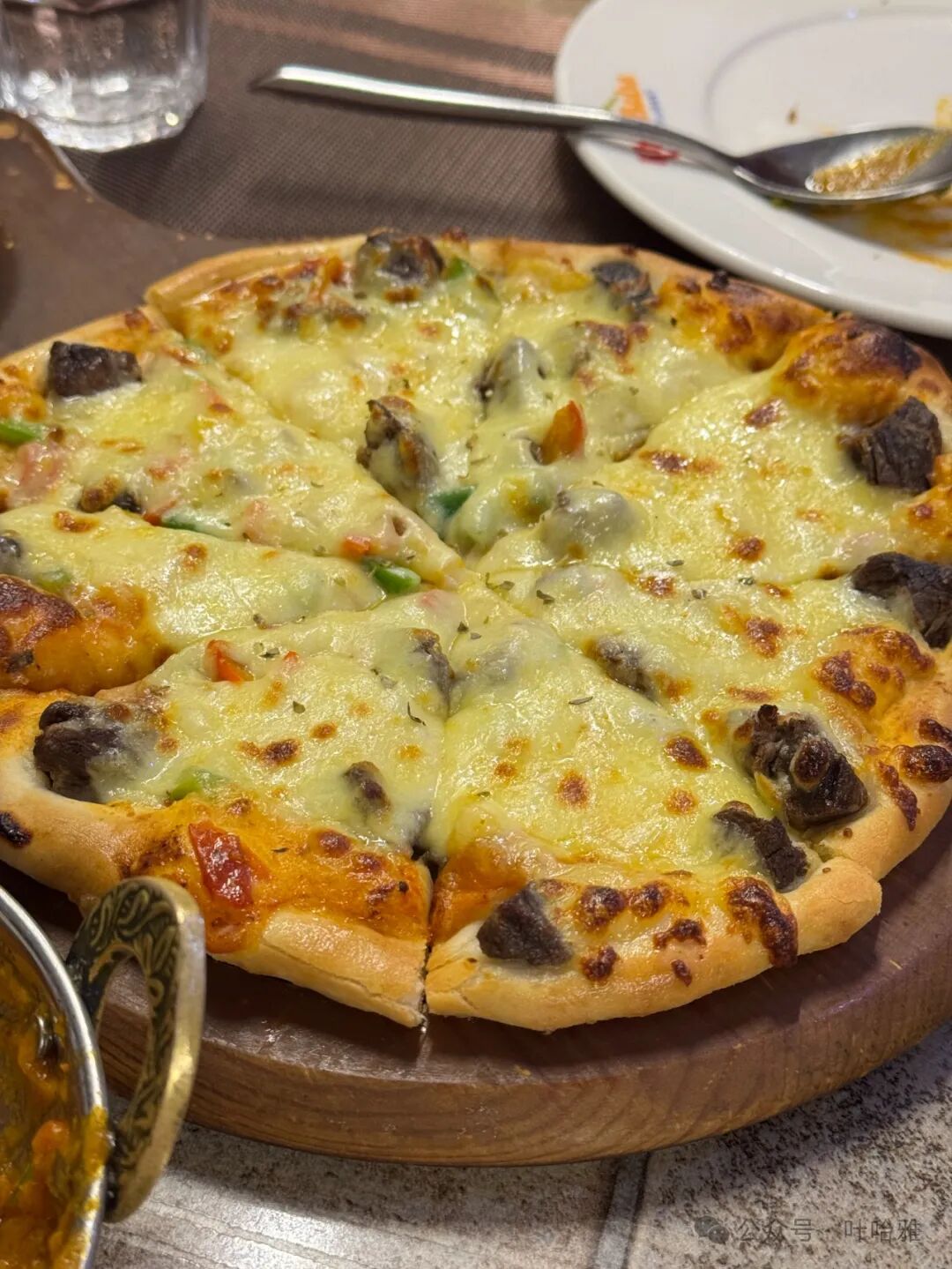
5. Khan Baba Pakistani Restaurant
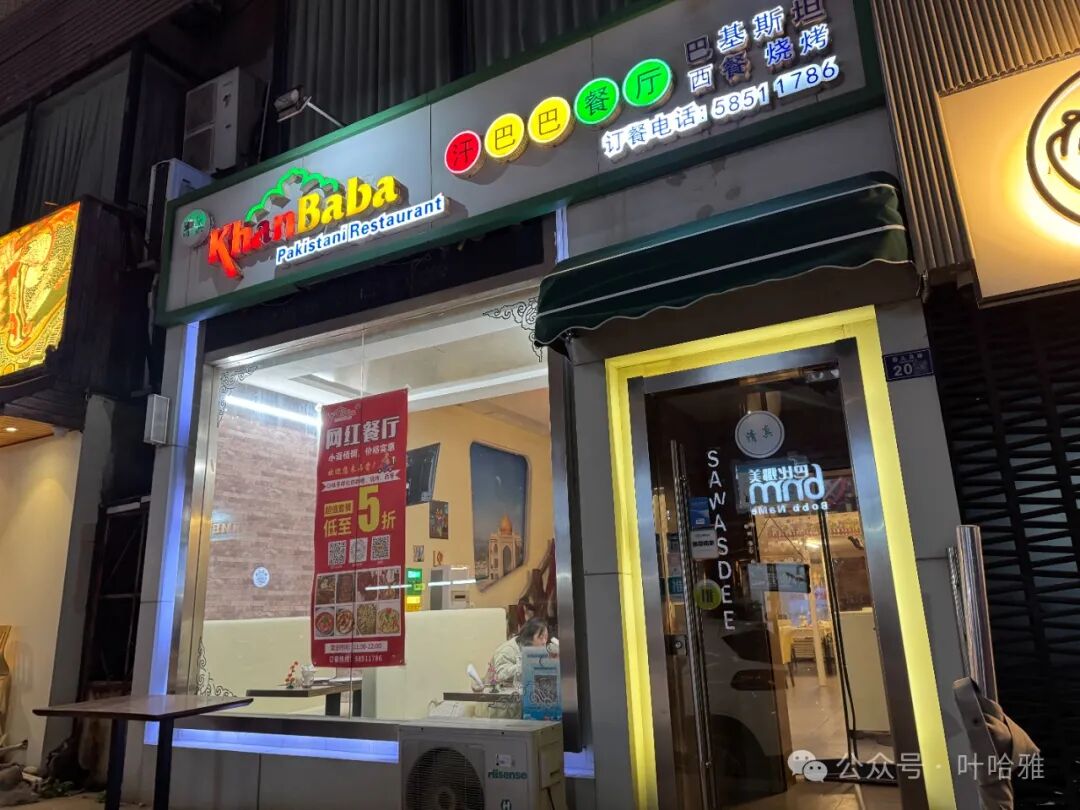
This Khan Baba is a branch of the Beijing Khan Baba in Qingdao. The shop is small and has been in Qingdao for several years. The restaurant does not sell alcohol, and not far from Khan Baba, there is a Turkish restaurant called Istanbul Kitchen.
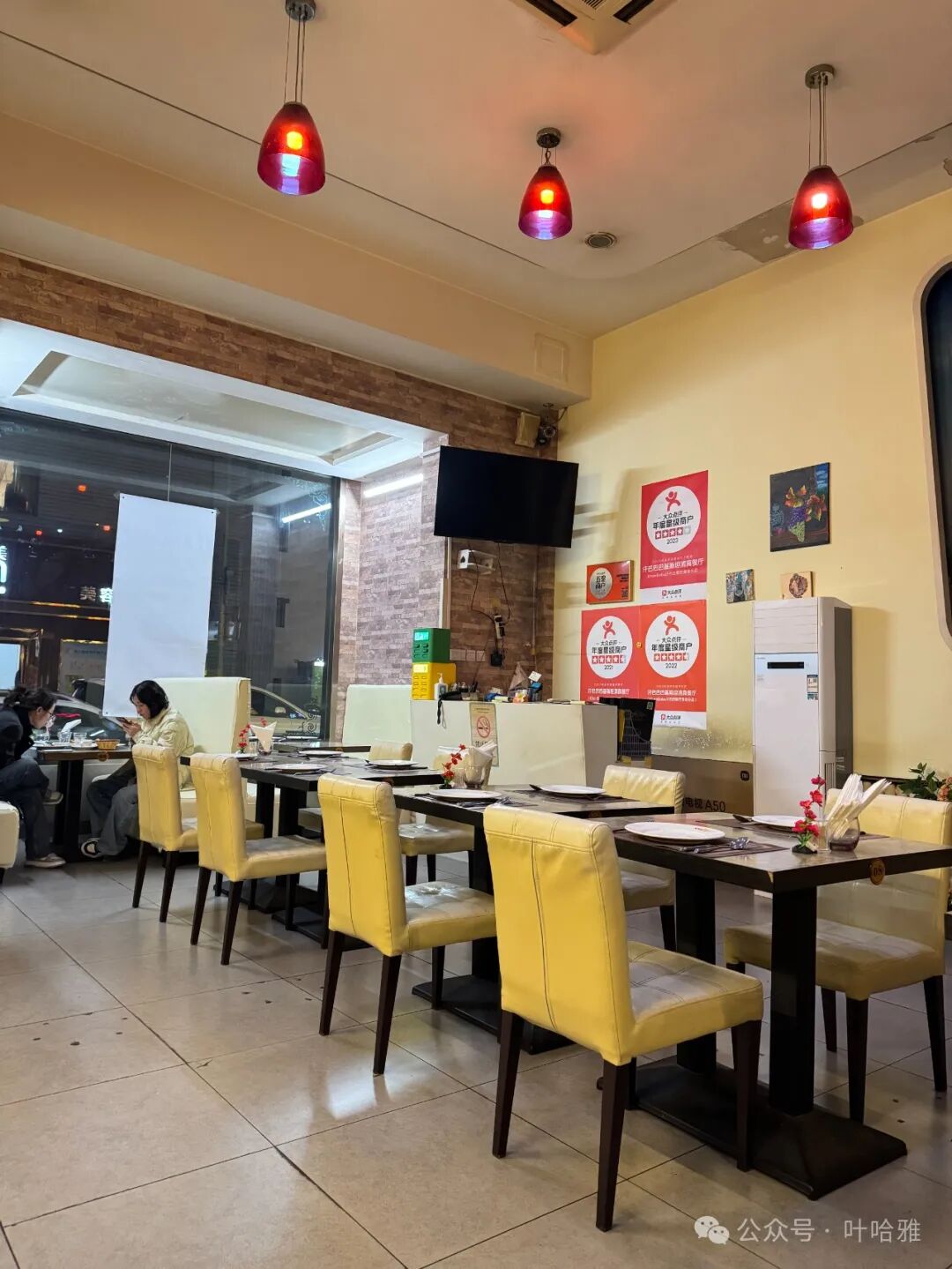
To be honest, the taste at this Qingdao branch is not as good as the one in Beijing, but it is still nice to have another option in Qingdao.
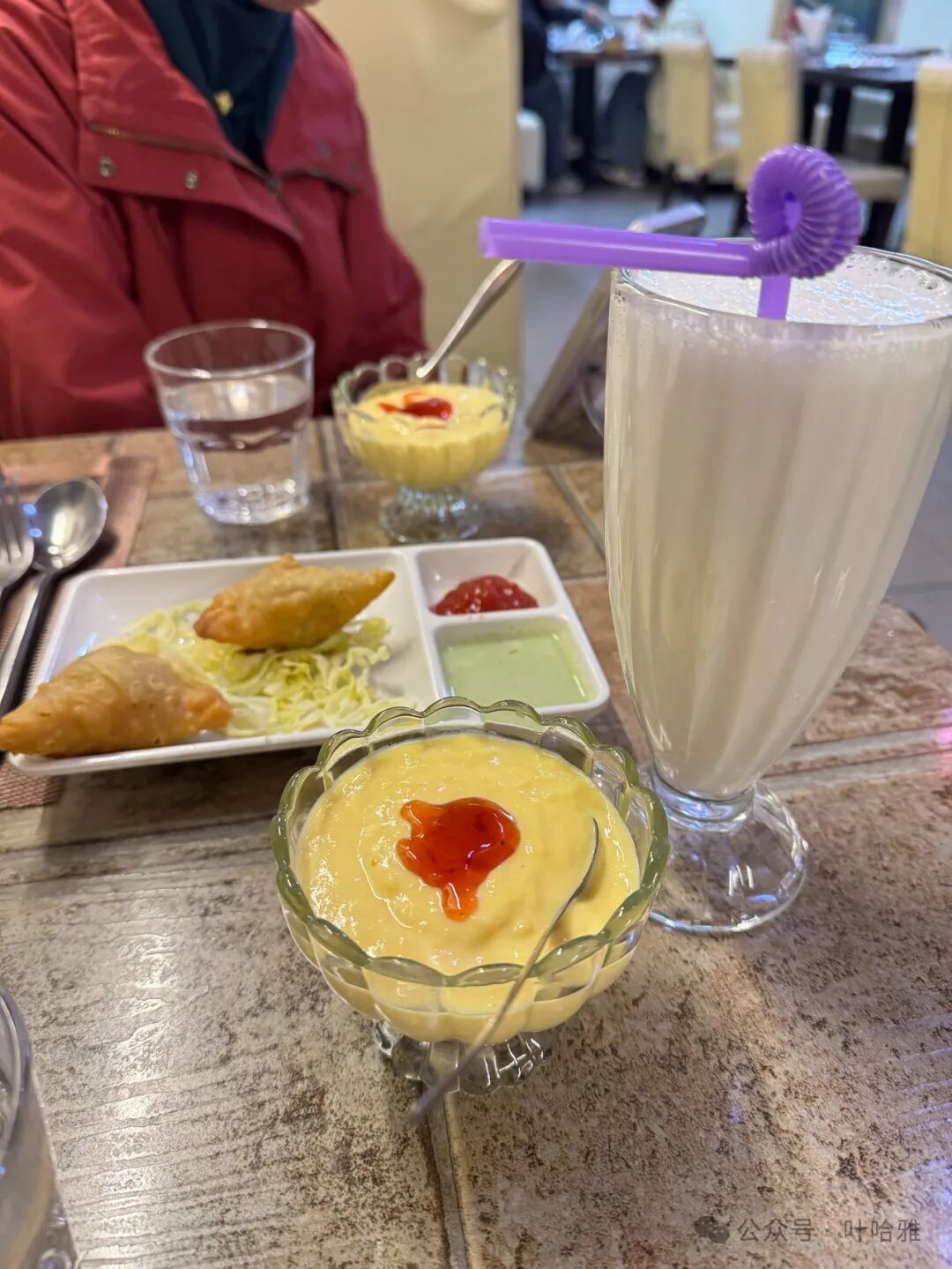
If you bring children, they can eat the pasta and pizza here.
6. Yipin Seafood Home-style Cooking
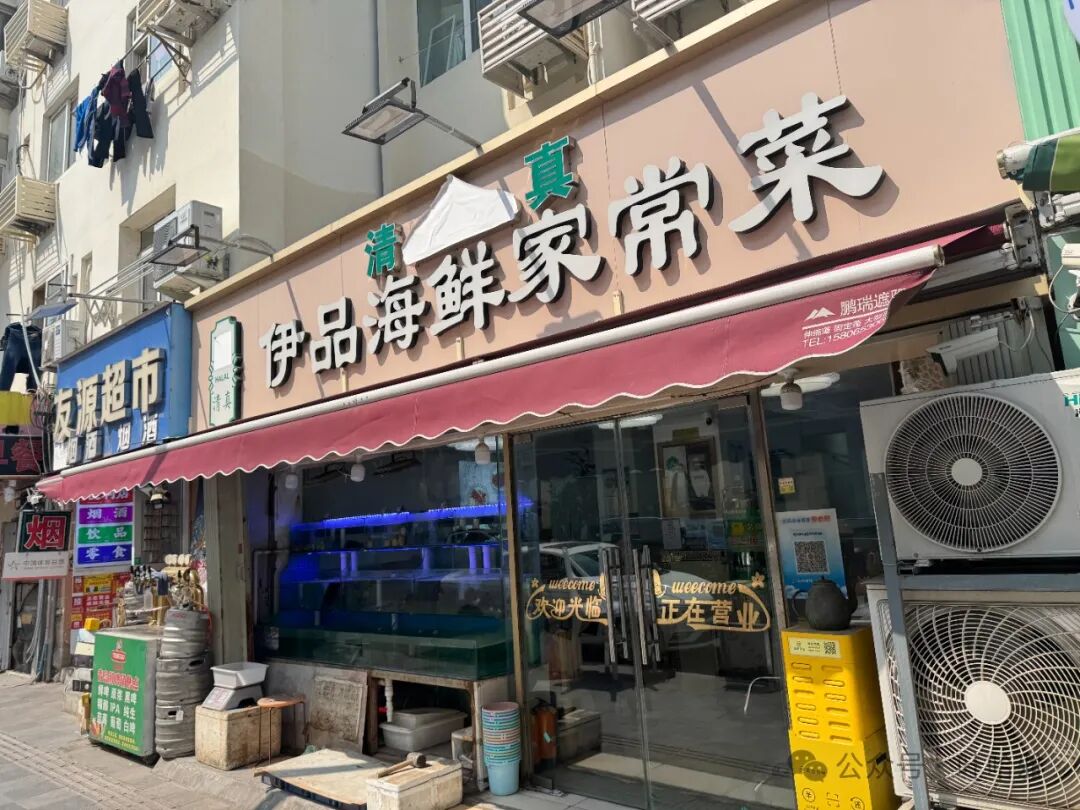
This is also a seafood stir-fry restaurant, located near Zhanqiao Pier.
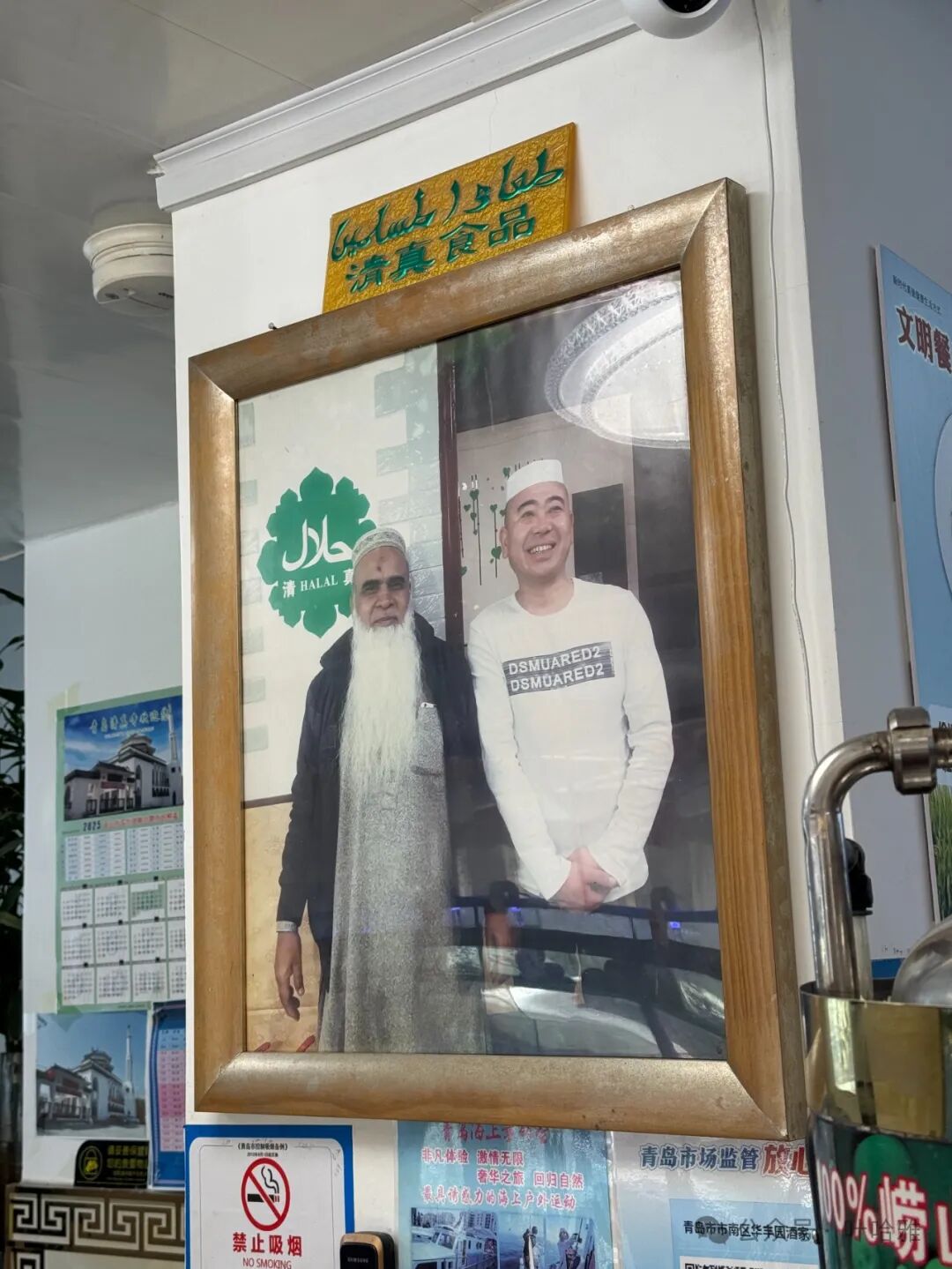
The owner is very welcoming, and the food at this shop is quite tasty.
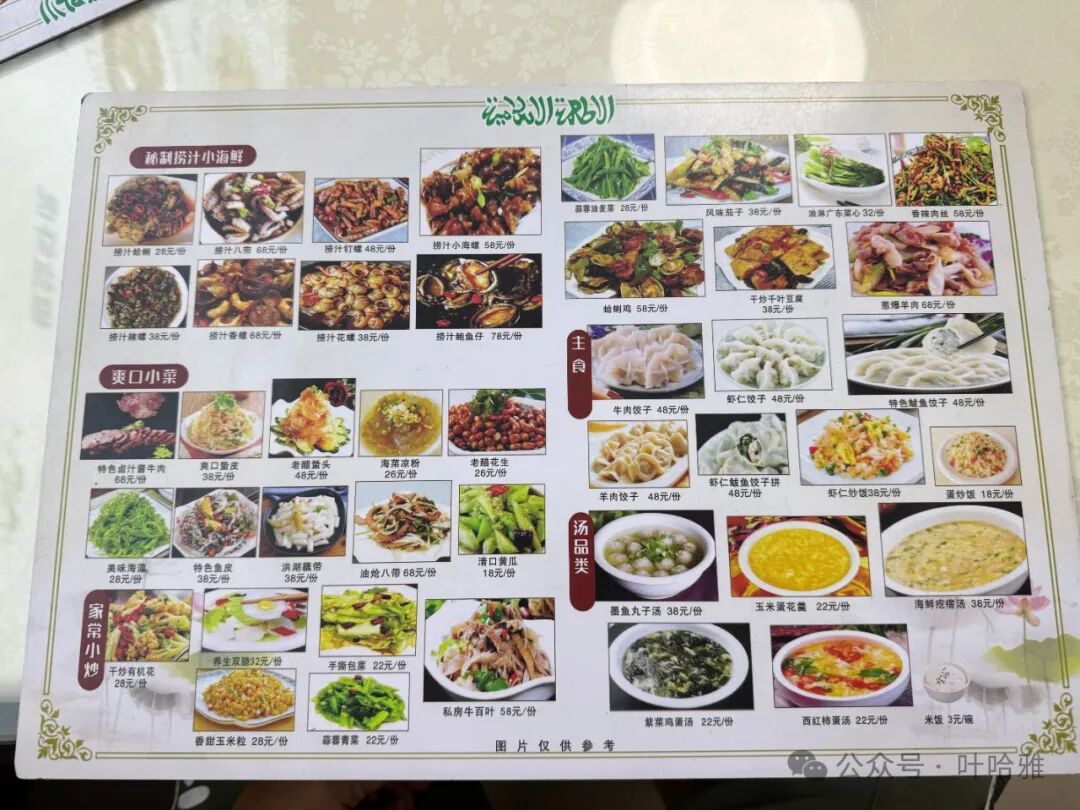
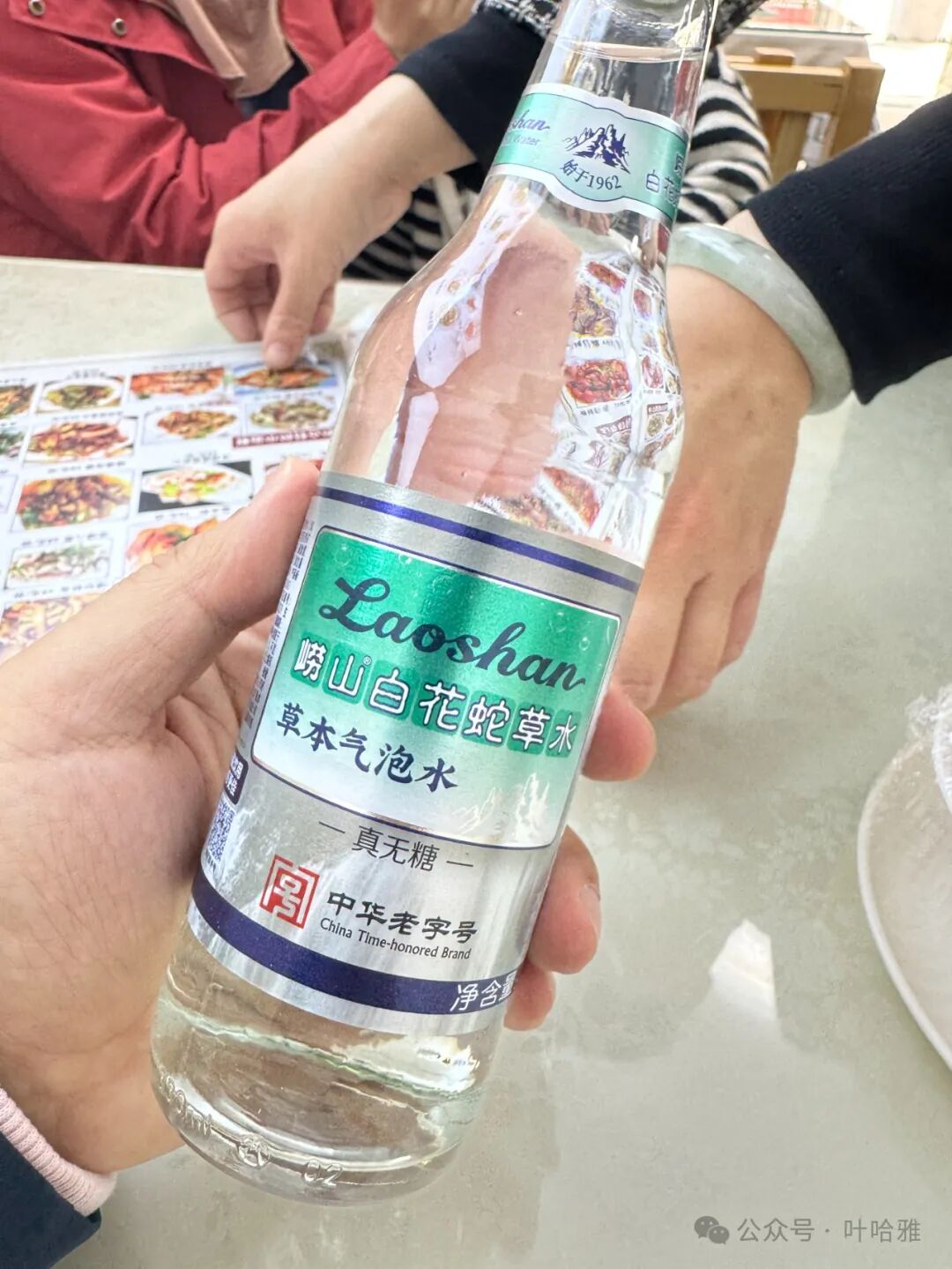
I tried the local bizarre drink Laoshan white flower snake grass water (Laoshan baihuashecaoshui), and it tastes like medicine.
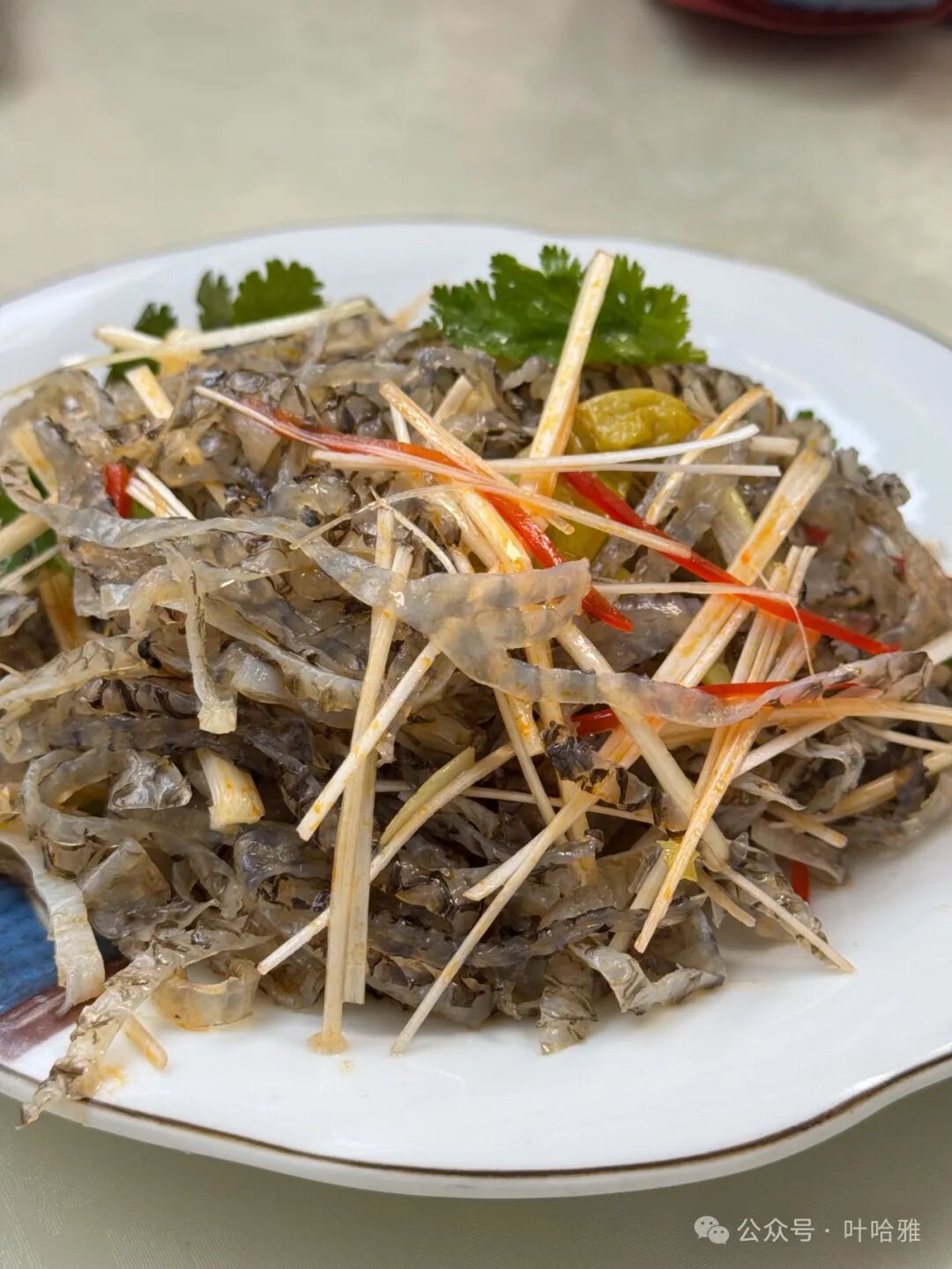
Cold tossed fish skin is a very spicy dish, no matter where you eat it, so be careful if you cannot handle spice.
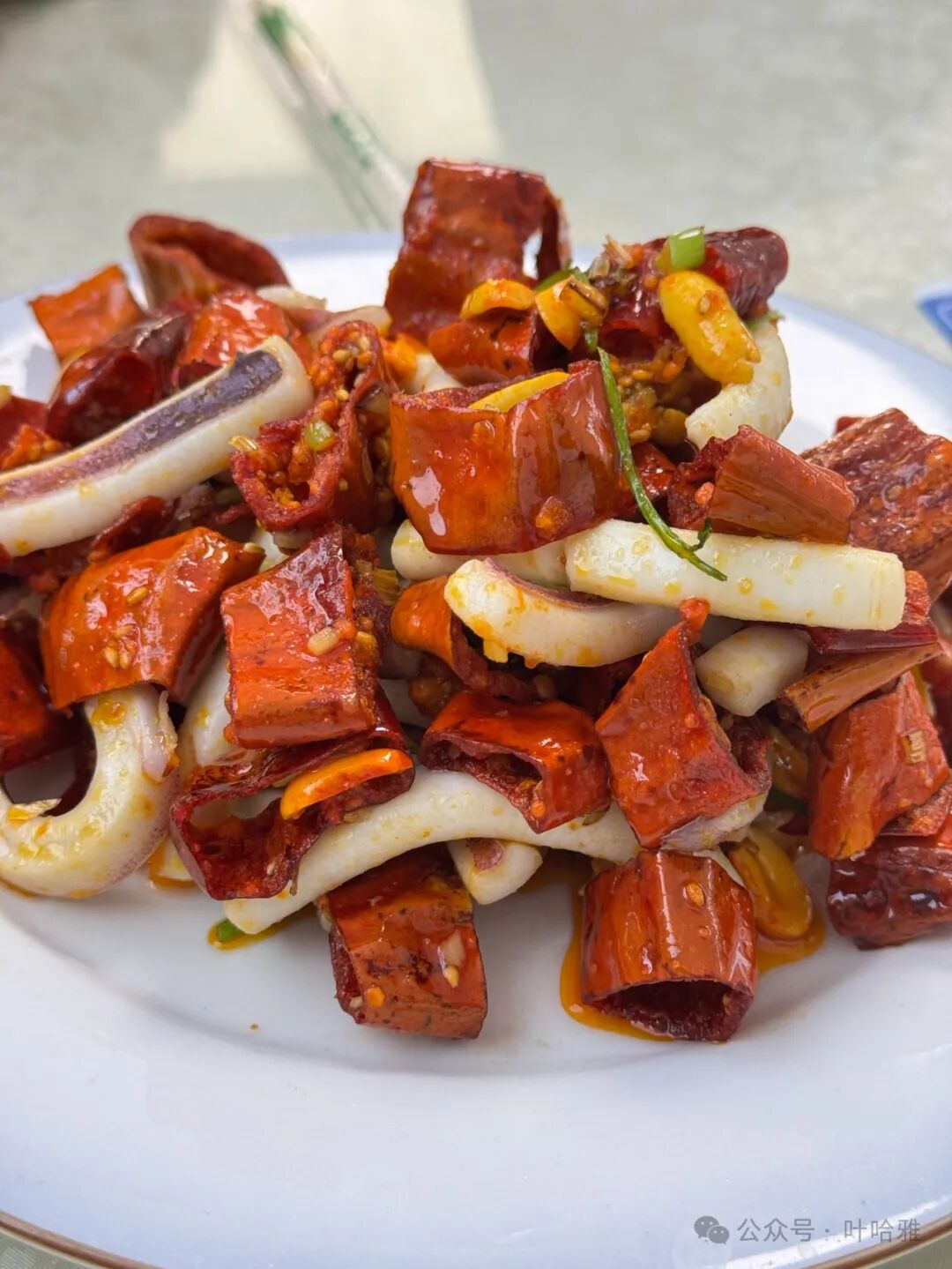
The owner will recommend which seafood just arrived, and the spicy stir-fried squid tentacles and scallops are both delicious.
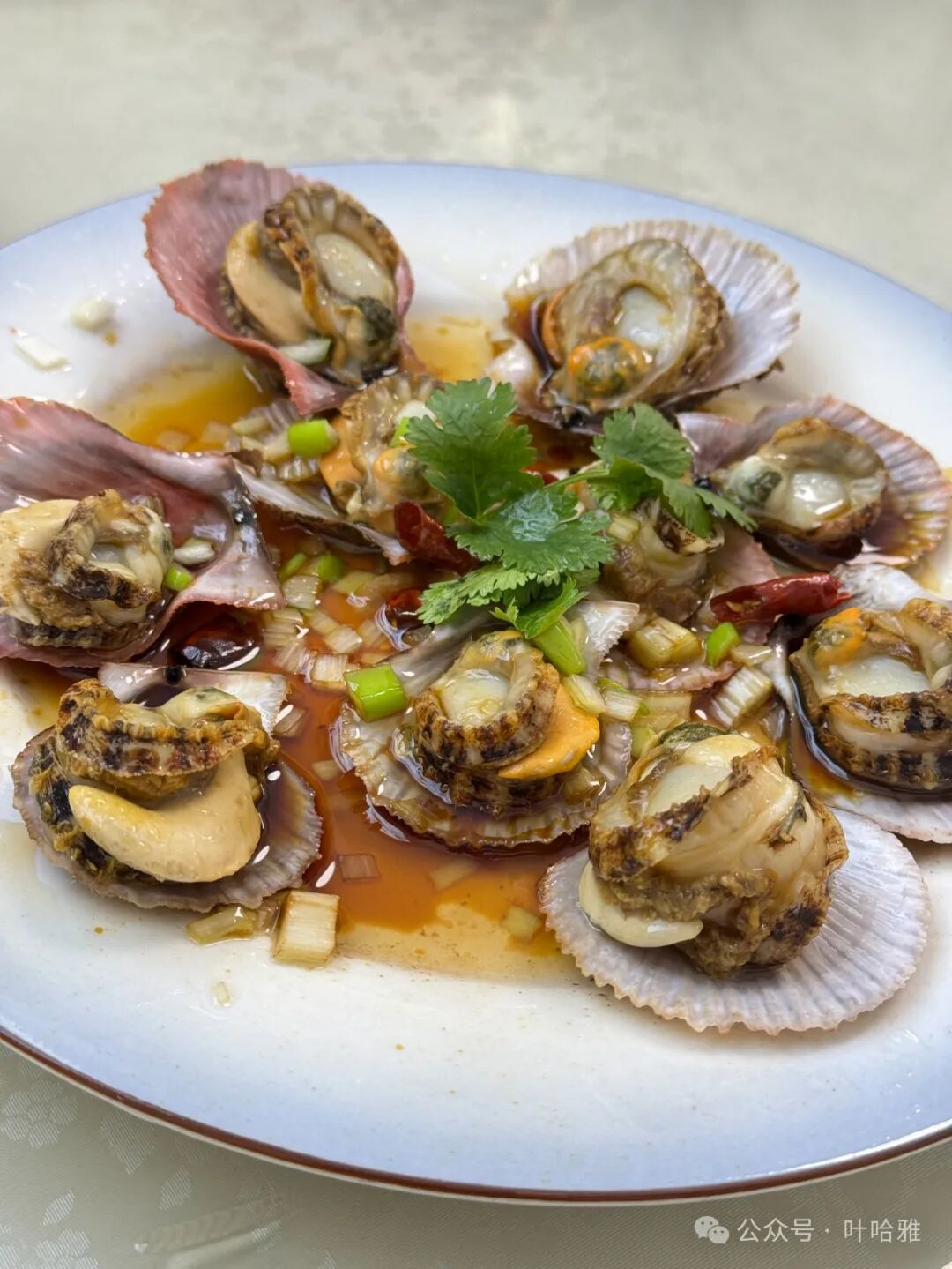
7. Ethnic restaurant
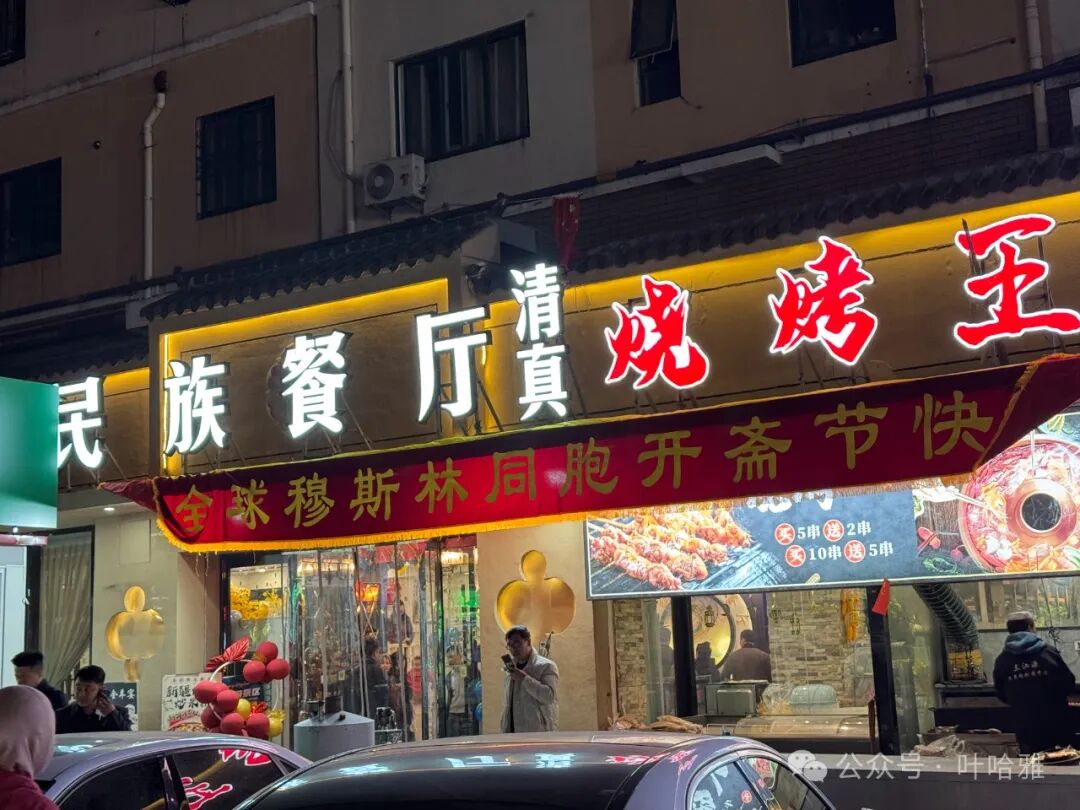
This is a restaurant run by the Salar people from Qinghai that does not serve alcohol, located near the Qingdao mosque. There is now a small food street for Hui Muslims around the mosque.
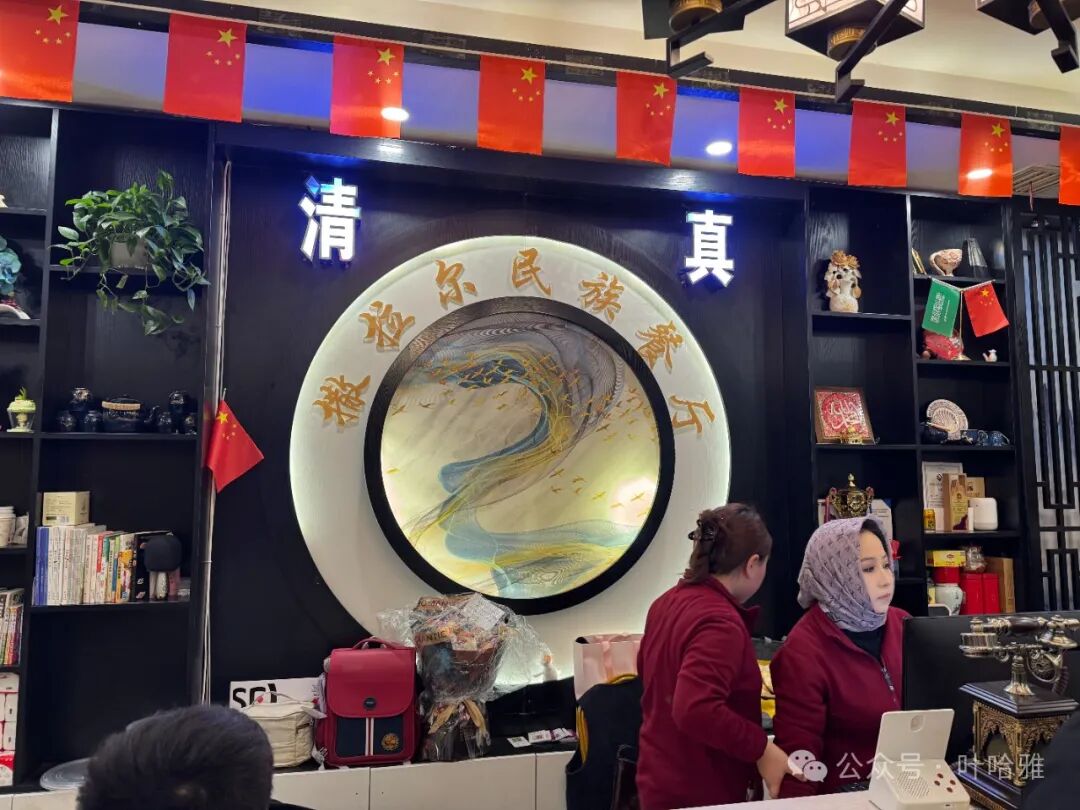
We went on the last night of Ramadan, and it was packed, so the service could not keep up.
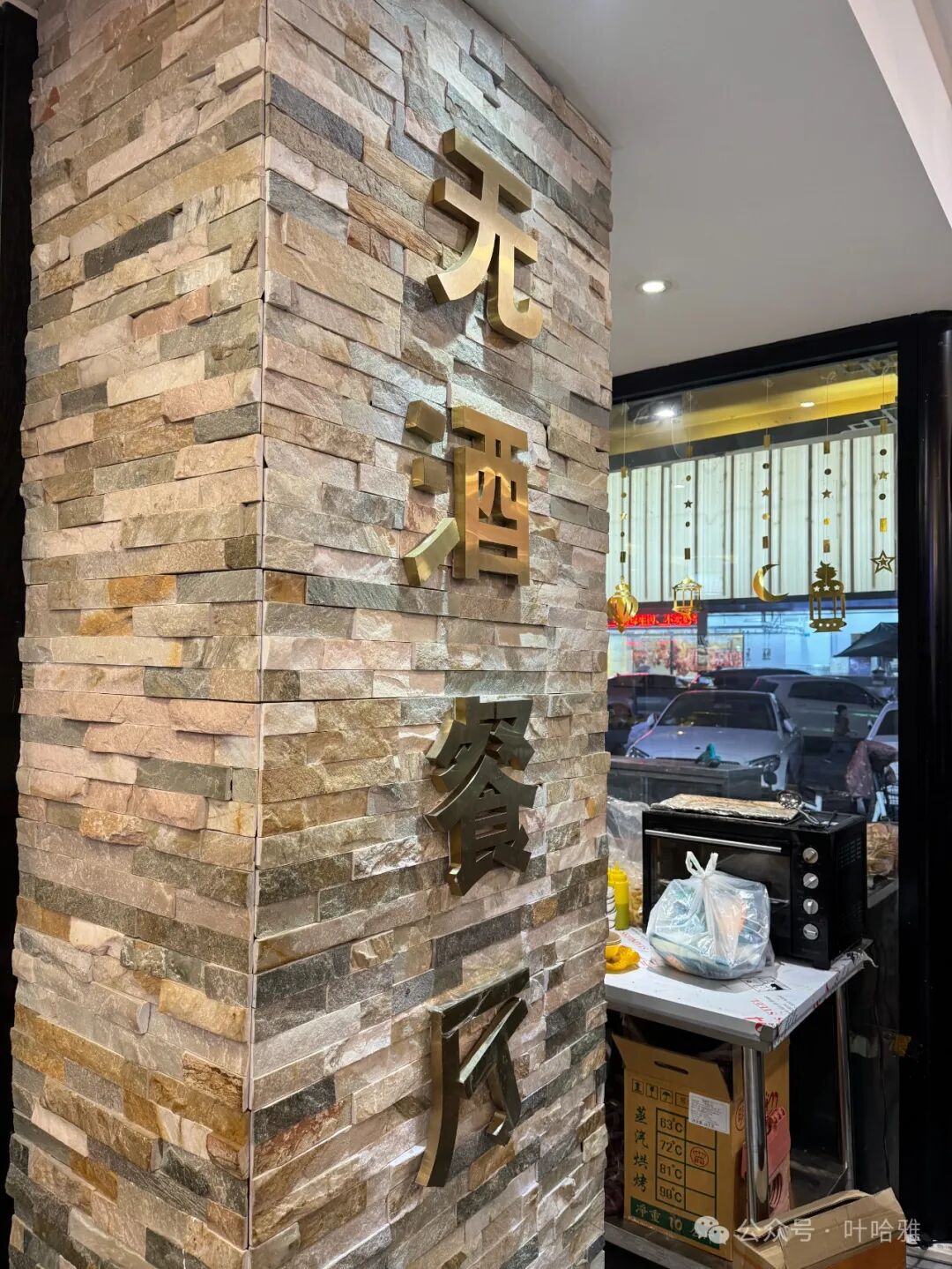
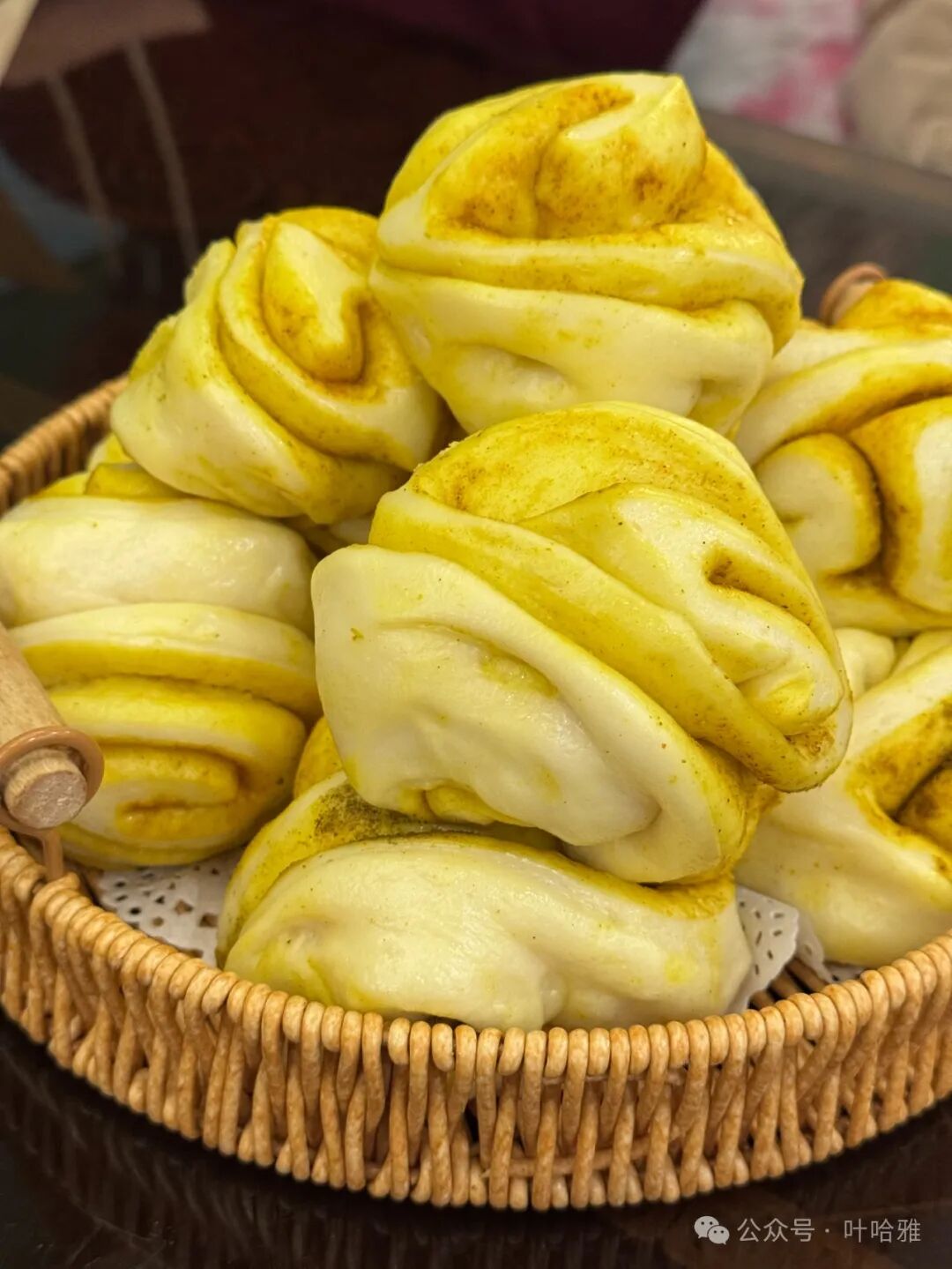
In my experience, when you come to a Northwest restaurant, you should eat Northwest specialties and try to avoid dishes that do not belong to the Northwest cuisine, or you might be disappointed.
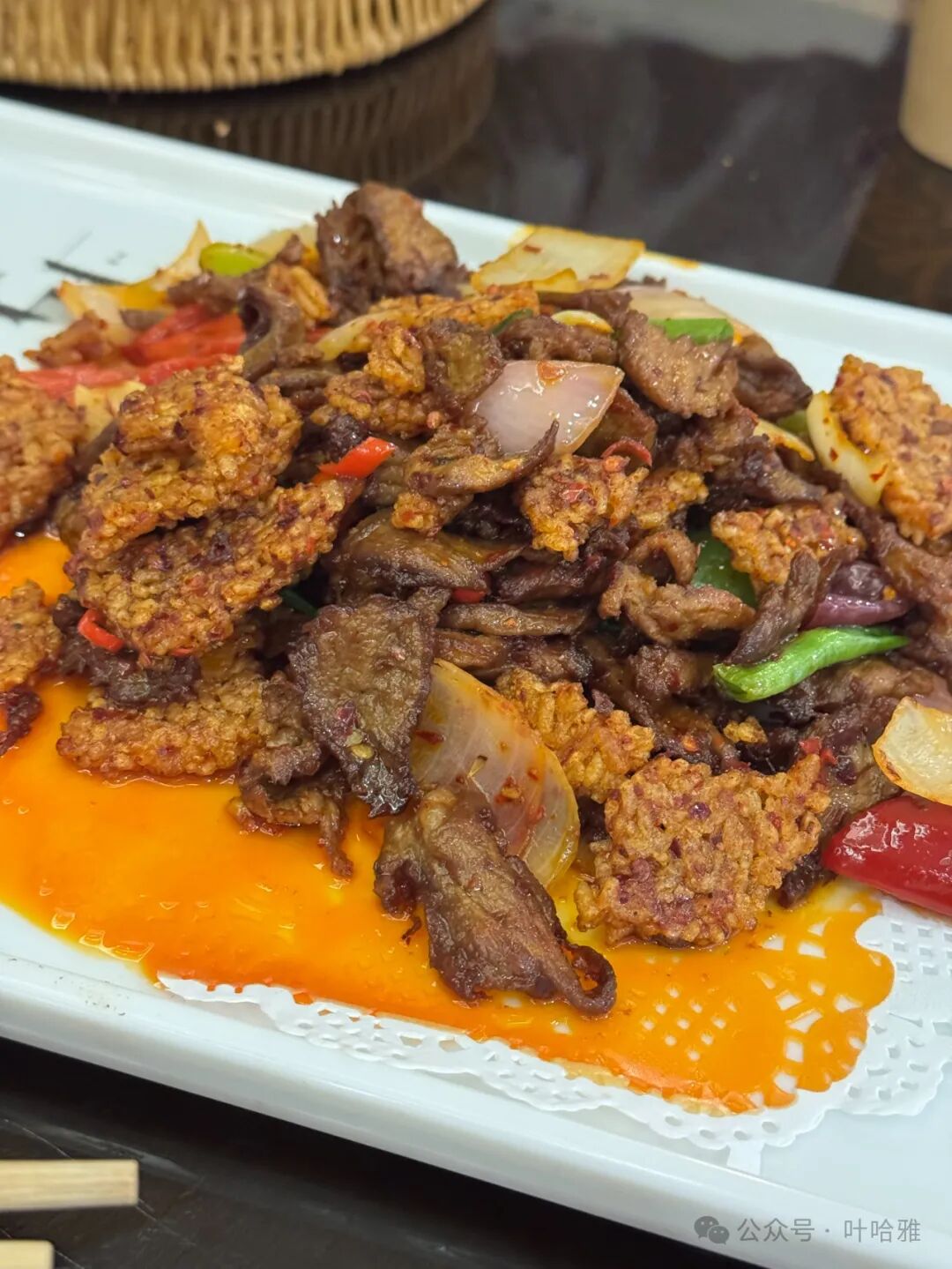
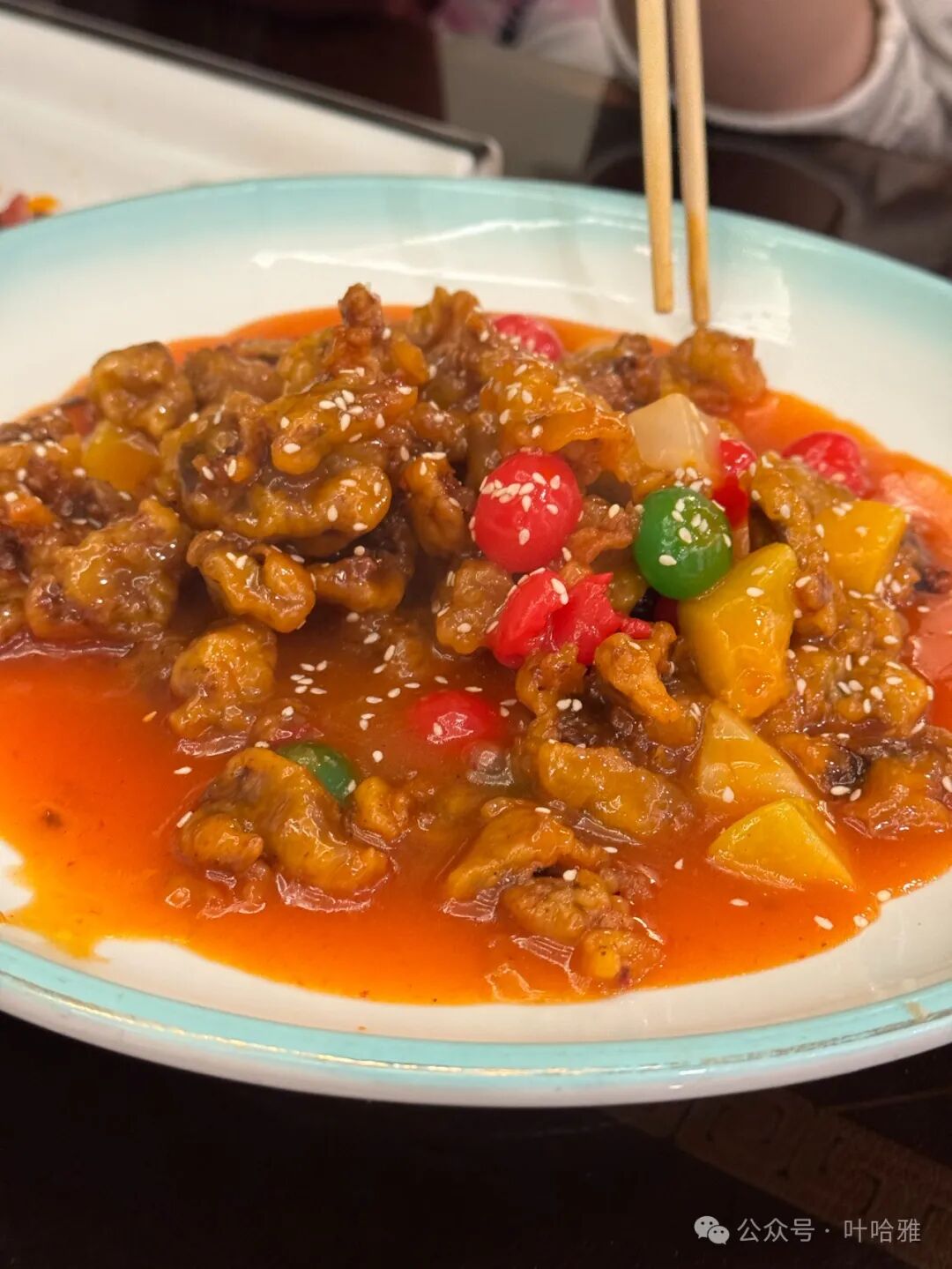
This Hui Muslim food street around the mosque is basically all Northwest restaurants, with steamed buns (baozi), spicy hot pot (malatang), barbecue, and various noodle dishes.
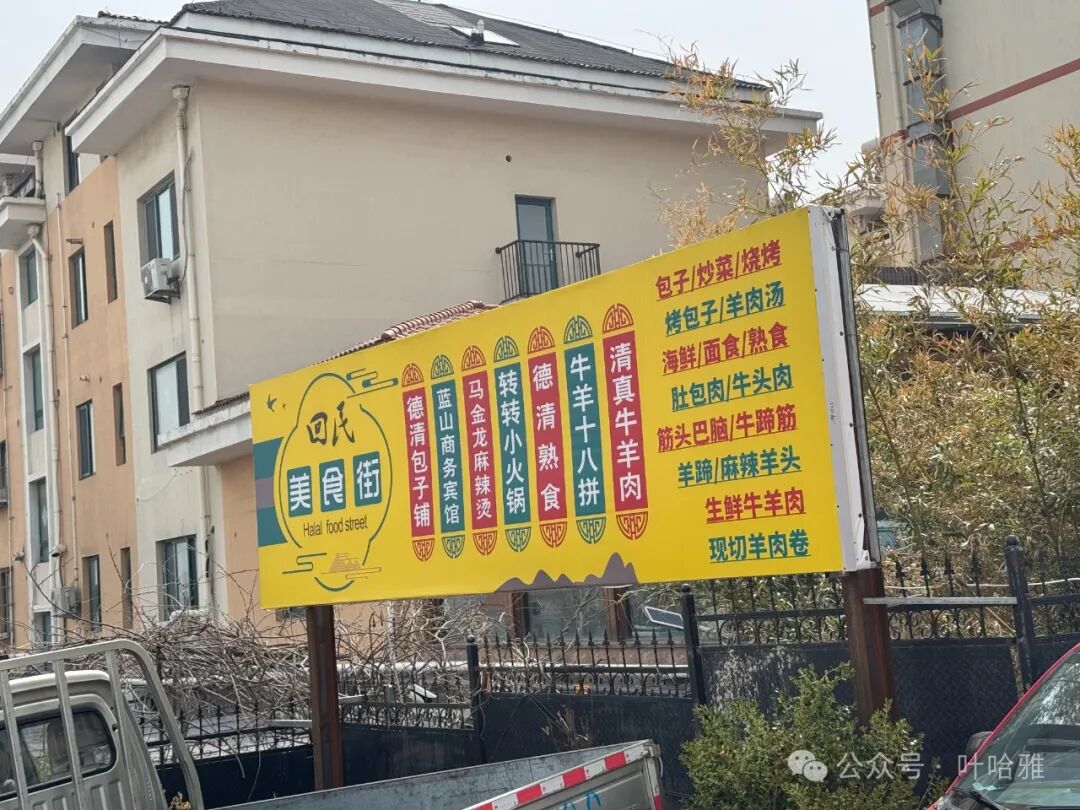
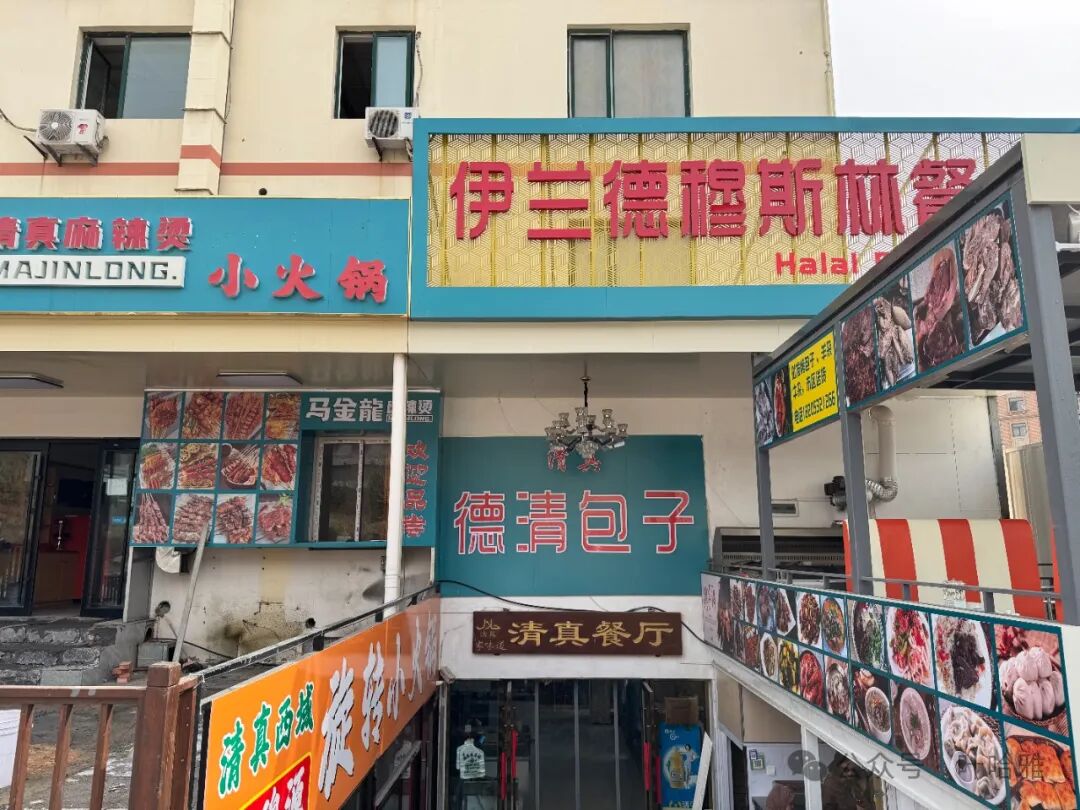
They say this Deqing steamed bun (baozi) shop is run by people from Dezhou, Shandong.
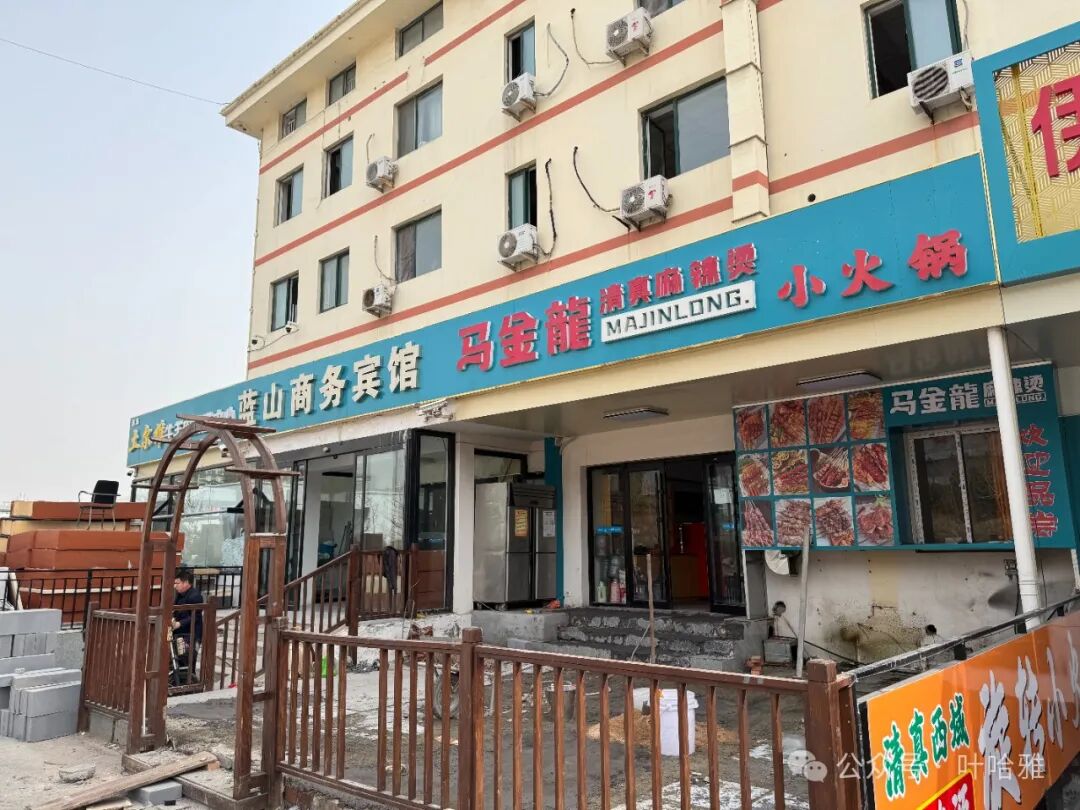
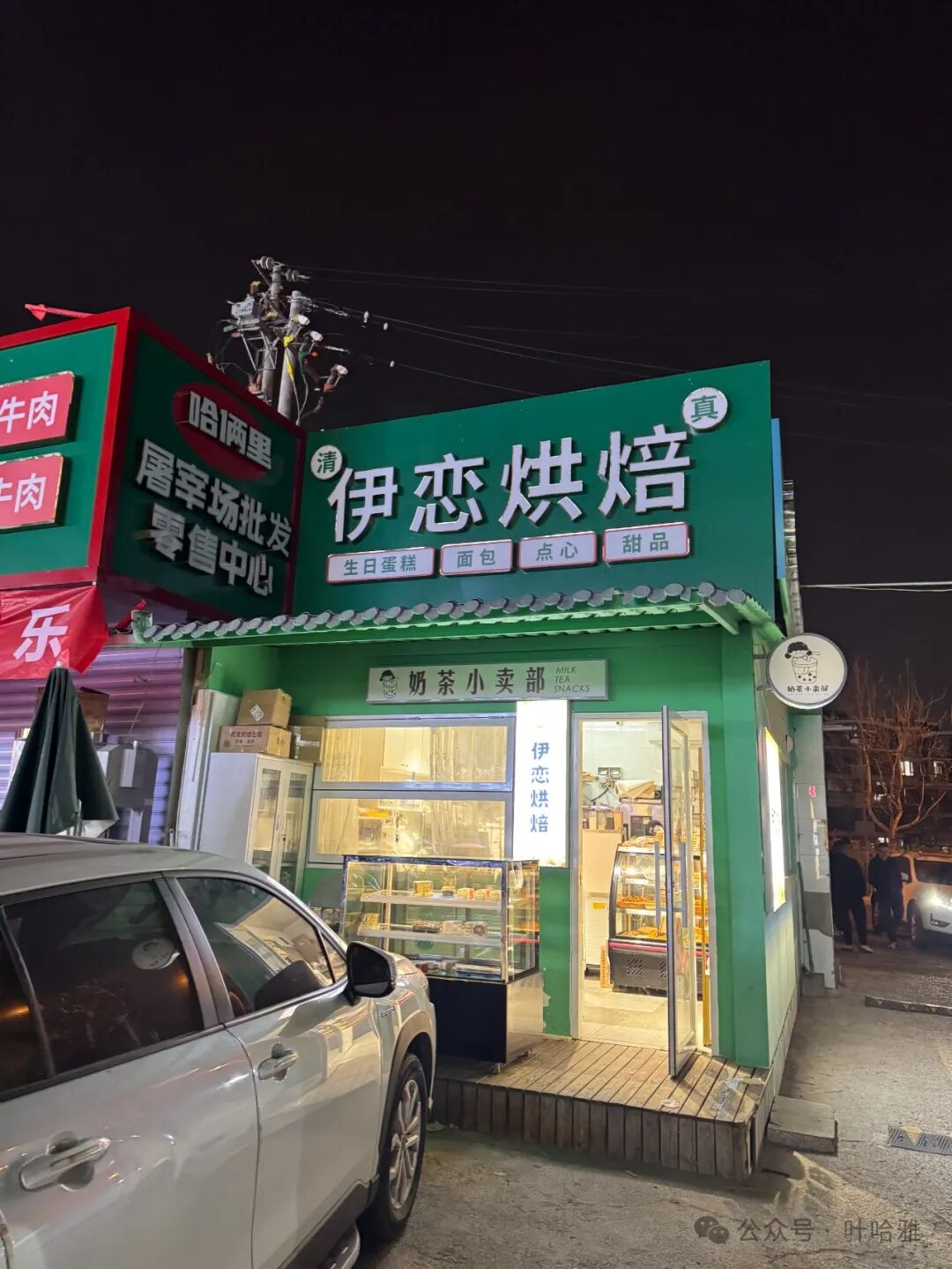
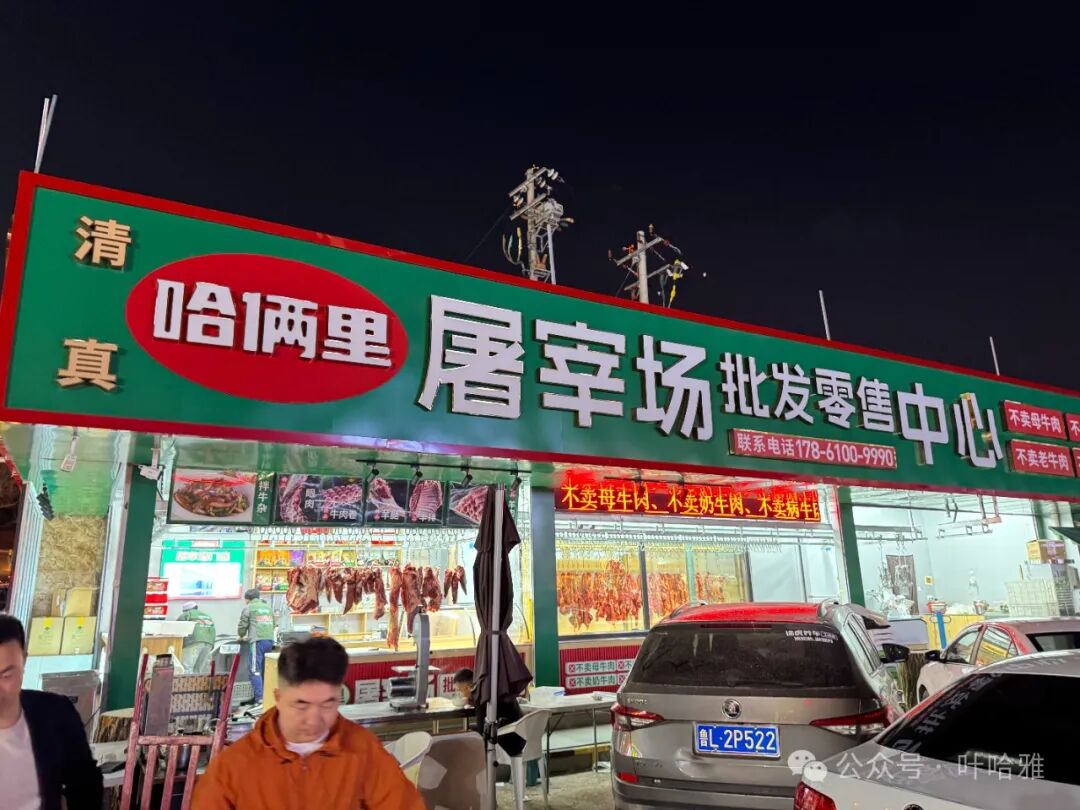
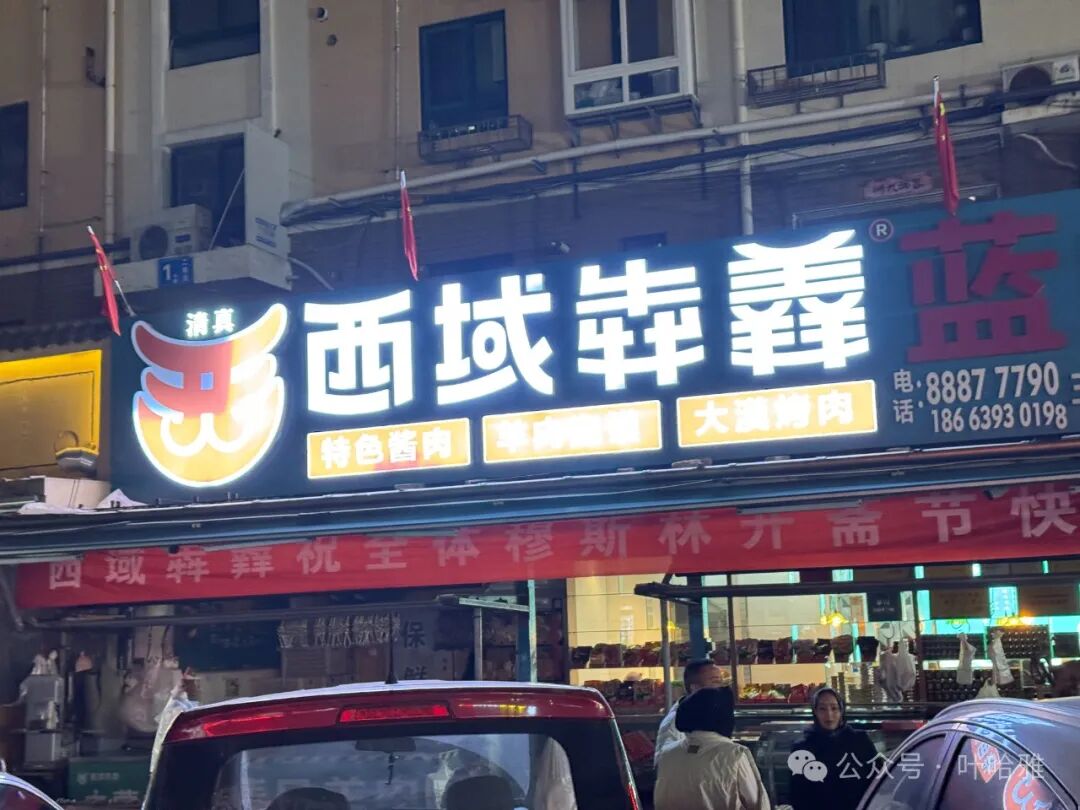
Also, I found a halal seafood barbecue shop near Zhanqiao on Dazhong Dianping, as shown in the picture below.
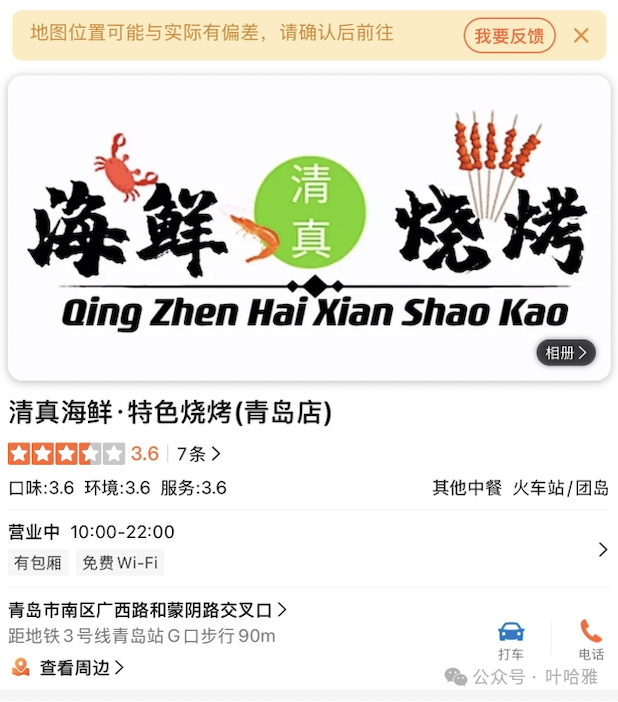
When I arrived, I found it was a hand-pulled noodle shop, as shown in the picture below. I asked the owner and learned they used to serve seafood but stopped, though the information online was never updated.
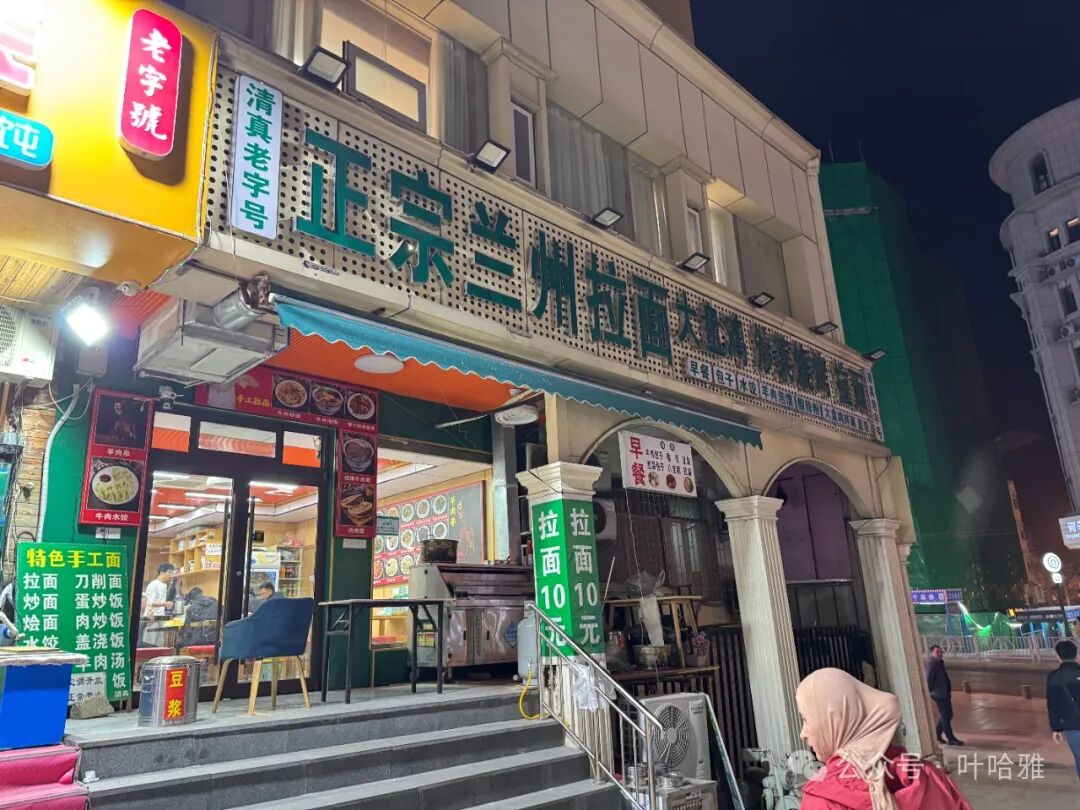
Qingdao Mosque
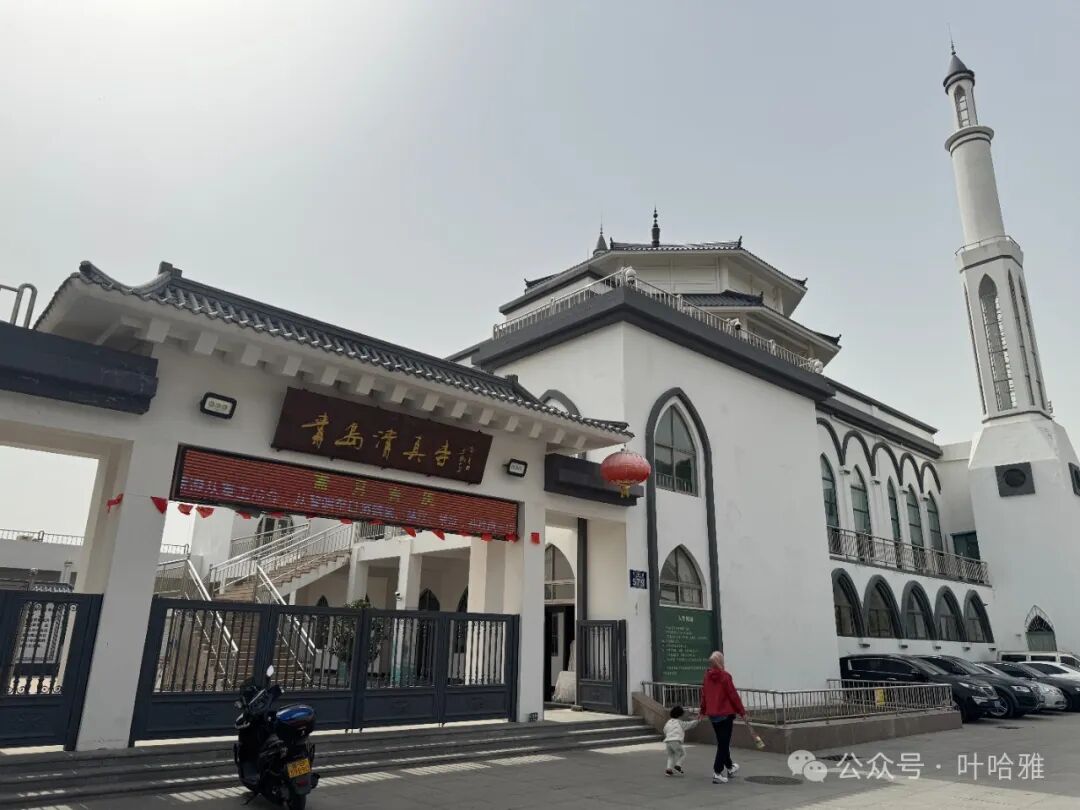
Qingdao Mosque is built on a hill. It is 20 years old, covers a large area, and sits right next to a Hui Muslim cemetery.
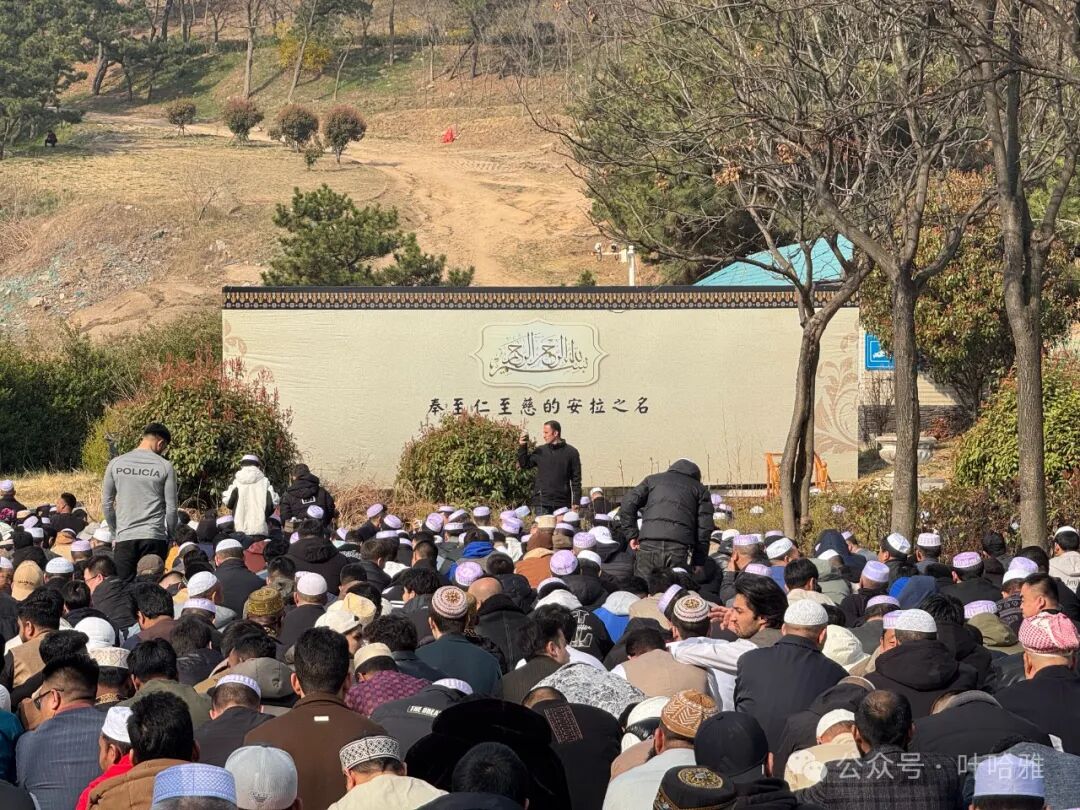
The Eid al-Fitr prayer is held in an outdoor space because there are too many people for the main hall to hold. About half of the attendees are international students.
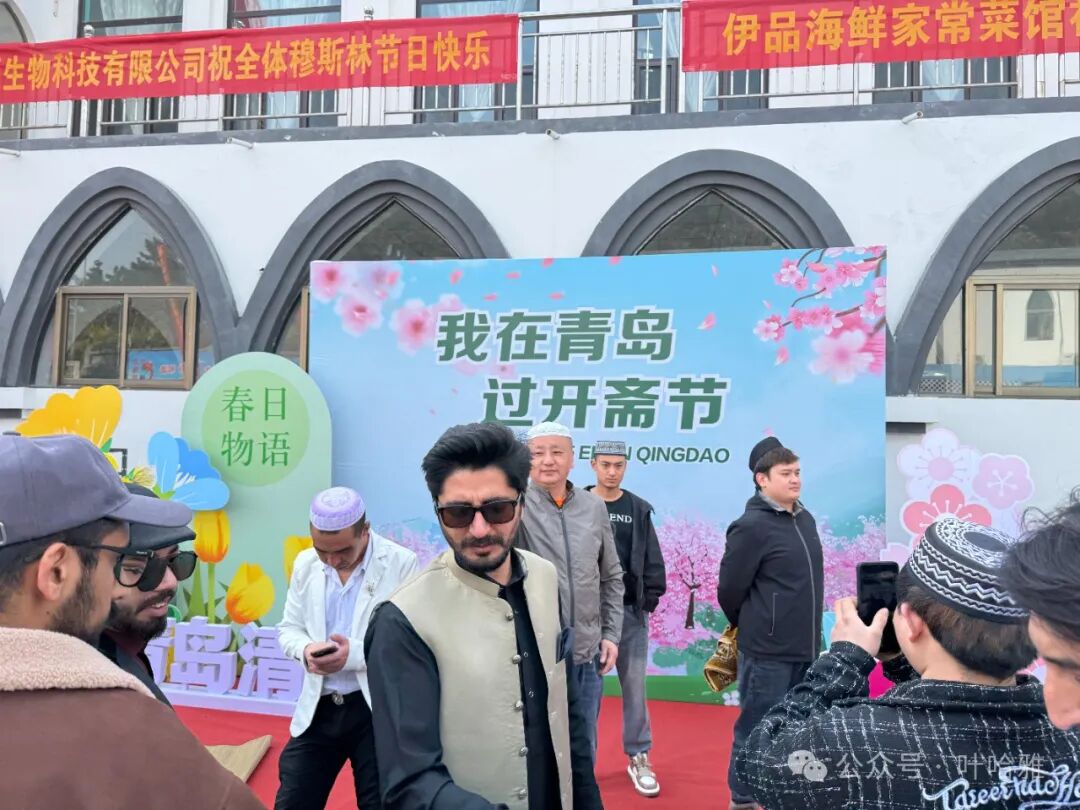
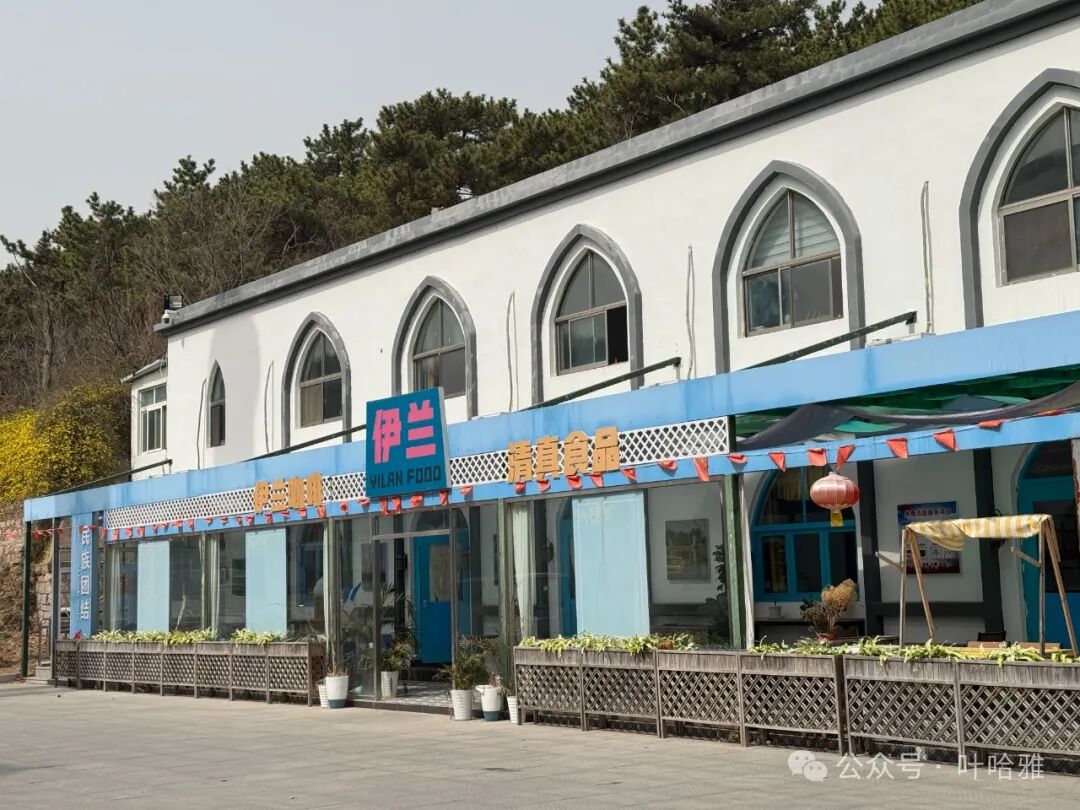
A halal cafe opened right across from the mosque. It is very relaxing to drink coffee there and feel the sea breeze.


Summary: This 2025 Qingdao halal food map follows an Eid al-Fitr trip, Zhanqiao Pier, Shilaoren Beach, Ma Family seafood hot pot, Ma Family seafood stalls, Huiwei Restaurant, Wagyu BBQ, Pakistani food, and practical notes on halal seafood and family travel.
I visited Qingdao again after 15 years. My car broke down when I arrived, so I stayed for five days and spent Eid al-Fitr here. I was surprised to see so many more halal restaurants than when I came for my college graduation trip, when I could only find hand-pulled noodles (lamian).
For lodging, I recommend staying near Zhanqiao Pier. It has many photogenic alleys, is close to the beach where you can feed seagulls, and has a high concentration of halal restaurants. Another good area is Shilaoren Beach, which is cleaner and quieter, making it perfect for playing in the sand with kids.
The list of halal restaurants featured in this post is as follows:
1. Halal Ma Family Seafood Hot Pot
2. Ma Family Seafood Food Stall
3. Halal Huiwei Restaurant
4. No. 2 Australian Wagyu BBQ
5. Hanbaba Pakistani Restaurant
6. Yipin Seafood Home-style Cooking
7. Minzu Restaurant
1. Halal Ma Family Seafood Hot Pot
You have to eat seafood in Qingdao. This restaurant has been open for 30 years and is currently the largest halal restaurant chain in the city with six locations. Each shop has a slightly different style, and the largest one is built like a yurt.
To eat seafood hot pot, pick your ingredients on the first floor, then go upstairs to the second floor and wait for your meal.
The seafood here is very fresh. The abalone and scallops arrive alive and can even crawl off the plate. The price is quite cheap, costing no more than 200 yuan for two people to have a meal.
The lamb rolls are buy-one-get-one-free. The condiment station has many combinations, and the service is very good. This shop also offers accommodation, with a nightly rate of no more than 100 yuan.
2. Halal Ma Family Seafood Stall
This shop serves seafood barbecue and local Qingdao stir-fry dishes, and it is owned by the same people as Ma Family Hot Pot.
We ordered their signature spoon worm rice (haichang laofan) and mackerel dumplings (bayu shuijiao) to go. After comparing, their versions are definitely better than others.
3. Halal Hui Flavor Restaurant
This shop is only a few hundred meters from the Ma Family Seafood Stall. It is run by Hui Muslims from Jinan and is a small place for seafood and stir-fry.
Try a local specialty, Laoshan Cola, which has a herbal medicine taste.
Spoon worm rice (haichang laofan) is a dish that every local seafood restaurant makes, and it is cooked with Chinese chives.
The mackerel dumplings have a delicate texture, and the wrappers are green because they contain spinach juice.
4. No. 2 Australian Wagyu BBQ Restaurant
This restaurant is inside the Sheraton in Huangdao. It has been open for over a year, has a good reputation, and the food tastes great.
There are a few handsome Uyghur guys in the shop who will help you grill the meat.
I thought this rice ball was meant to be eaten raw, but it turns out you have to grill it a bit more.
My top recommendation is this large slice of Australian Wagyu beef; the meat is very tender.
5. Khan Baba Pakistani Restaurant
This Khan Baba is a branch of the Beijing Khan Baba in Qingdao. The shop is small and has been in Qingdao for several years. The restaurant does not sell alcohol, and not far from Khan Baba, there is a Turkish restaurant called Istanbul Kitchen.
To be honest, the taste at this Qingdao branch is not as good as the one in Beijing, but it is still nice to have another option in Qingdao.
If you bring children, they can eat the pasta and pizza here.
6. Yipin Seafood Home-style Cooking
This is also a seafood stir-fry restaurant, located near Zhanqiao Pier.
The owner is very welcoming, and the food at this shop is quite tasty.
I tried the local bizarre drink Laoshan white flower snake grass water (Laoshan baihuashecaoshui), and it tastes like medicine.
Cold tossed fish skin is a very spicy dish, no matter where you eat it, so be careful if you cannot handle spice.
The owner will recommend which seafood just arrived, and the spicy stir-fried squid tentacles and scallops are both delicious.
7. Ethnic restaurant
This is a restaurant run by the Salar people from Qinghai that does not serve alcohol, located near the Qingdao mosque. There is now a small food street for Hui Muslims around the mosque.
We went on the last night of Ramadan, and it was packed, so the service could not keep up.
In my experience, when you come to a Northwest restaurant, you should eat Northwest specialties and try to avoid dishes that do not belong to the Northwest cuisine, or you might be disappointed.
This Hui Muslim food street around the mosque is basically all Northwest restaurants, with steamed buns (baozi), spicy hot pot (malatang), barbecue, and various noodle dishes.
They say this Deqing steamed bun (baozi) shop is run by people from Dezhou, Shandong.
Also, I found a halal seafood barbecue shop near Zhanqiao on Dazhong Dianping, as shown in the picture below.
When I arrived, I found it was a hand-pulled noodle shop, as shown in the picture below. I asked the owner and learned they used to serve seafood but stopped, though the information online was never updated.
Qingdao Mosque
Qingdao Mosque is built on a hill. It is 20 years old, covers a large area, and sits right next to a Hui Muslim cemetery.
The Eid al-Fitr prayer is held in an outdoor space because there are too many people for the main hall to hold. About half of the attendees are international students.
A halal cafe opened right across from the mosque. It is very relaxing to drink coffee there and feel the sea breeze.
Best Halal Food Kuala Lumpur: Authentic Malaysian Chinese Food, KLCC Restaurants and Seafood
Articles • yusuf908 posted the article • 0 comments • 253 views • 2026-05-23 02:37
Reposted from the web
Summary: This Kuala Lumpur halal food guide issue 2 covers restaurants around KLCC and beyond, including Oriental Kopi, Tien, Beacon's, Ben's, Vietnamese food, O'Briens, Mongolian barbecue, dry-pot shrimp, Korean food, a hotel lounge, AVANI Sepang Goldcoast Resort, and seafood by the beach.
I wrote a halal food map for Kuala Lumpur in February. Now that my child is going to school here, I have visited some different restaurants, mostly around the Petronas Twin Towers (KLCC). Kuala Lumpur has so many delicious restaurants. The variety is great, the prices are cheap, and the food is safe to eat.
1. Oriental Kopi (Huayang)
2. Tien
3. Beacon's
4. Ben's
5. KLCC Vietnam Cafe
6. O'Briens
7. Mongolian Barbecue (Menggu Shaokao)
8. Fanfang Suxiaomeng
9. Mo Song Dry Pot Shrimp (Mo Song Ganguo Xia)
10. Warong Maa Abah 11. Dodo Korea
12. Renaissance Hotel Executive Lounge
13. AVANI Sepang Goldcoast Resort
14. Wak Lan Seafood
1. Oriental Kopi (Huayang)
Huayang was started by a Chinese immigrant from Hainan. He traveled south to work on foreign ships to make a living before settling in Malaysia. Huayang Tea Restaurant is a chain that is very popular in Kuala Lumpur. Most of the customers are Malay, so you often have to wait in line for a table.
This restaurant has halal certification. Halal-certified restaurants are rare in Malaysia. Most restaurants just have a woman wearing a headscarf at the door to show they are halal, which is much cheaper than getting official certification.
Huayang makes everything by hand to ensure quality.
The flaky egg tart (dan ta) is their signature snack, and the crust is very soft and crispy.
The pineapple bun (boluobao) is also a must-order. Add butter inside and follow the shop's advice to eat it with a cup of Huayang coffee.
Huayang Coffee
Curry rice noodle rolls (changfen)
The rice noodle rolls (changfen) are slightly spicy with a strong curry flavor, and the fish balls are delicious.
Lime and plum juice.
Hainan coconut rice (nasi lemak).
The rice is cooked in coconut milk and served with roasted chicken and sweet chili sauce. The coconut rice tastes salty and spicy.
Huayang is an affordable tea restaurant with an average cost of 50 RM per person.
Address: 4th Floor, KLCC Twin Towers, Kuala Lumpur.
2. Tien
This is a Fujian Putian cuisine restaurant. It is labeled as a non-pork restaurant, which is very common in Malaysia. This is my first time eating Putian food.
The restaurant focuses on seafood, and their specialty is fresh eel.
Every table has a small bowl of dipping sauce, which is their secret house recipe.
The eel needs to be cooked for 10 minutes. A server helps cook it, and there is a timer on the table.
The cooked eel is tender and firm with no fishy smell. It tastes great with the secret sauce. The eel meat itself is slightly sweet, and the sauce is mildly spicy.
Address: Level 4, Petronas Twin Towers (KLCC), Kuala Lumpur.
3. Beacon's
There is a Decathlon next to KLCC with a play area featuring a ball game projector. Fahim has to come here every day and could play for hours. This restaurant is right behind the court.
Decathlon sells sports gear, and the restaurant here is quite healthy. The shop focuses on organic ingredients without over-processing.
Passion fruit soda.
Most Malay food is very unhealthy, with too much oil, salt, sugar, and spice. It is fine to eat occasionally, but this organic green food spot is a rare find.
Address: Second floor of the Decathlon next to KLCC, Kuala Lumpur.
4. Ben's
This is a Western-style cafe inside The LINC KL shopping mall. They start serving breakfast at 8:00 AM. The atmosphere is fresh and quiet.
I prefer shopping here compared to the busy KLCC.
They serve Fahim's favorite pasta, which has a light flavor perfect for kids.
Hainan chicken rice (hainanjifan) is considered a relatively light meal in Malaysia.
Address: 1st Floor, The LINC KL shopping center.
5. KLCC Vietnam Cafe
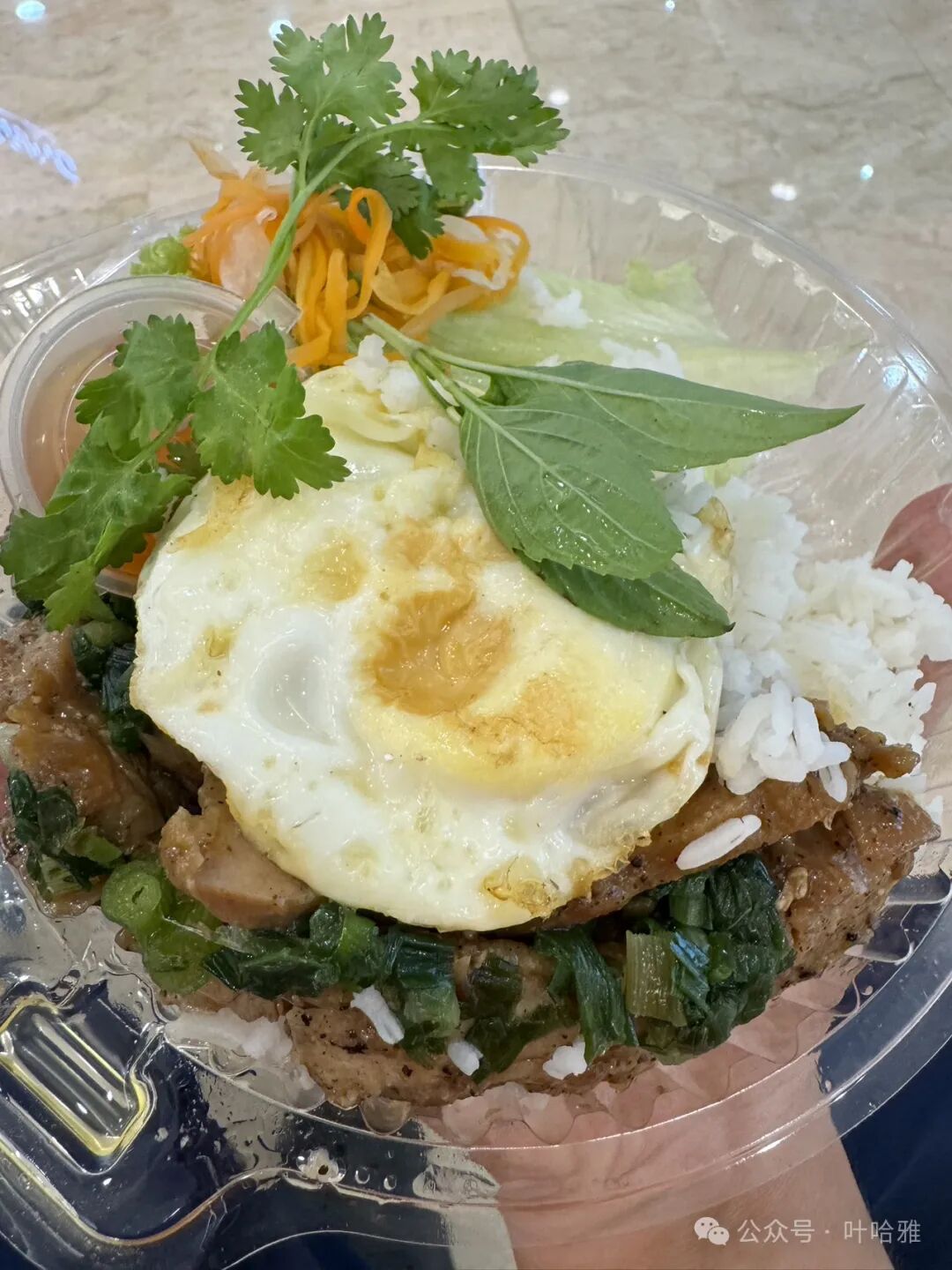
There is a Vietnamese fast food shop on the basement level of KLCC. They have boxed Vietnamese rice sets that come with a cup of Vietnamese coffee for just over ten ringgit, which is very cheap.
The Vietnamese fast food here is not much different from Malay food, and the taste is also quite salty and spicy.
6. O'Briens
This is an Irish sandwich shop that also has locations in Beijing. It used to be located in Financial Street next to a Fuke Burger, but it closed down later.
They focus on light meals that are very healthy with little oil and salt. I like their vegetable salads and freshly squeezed fruit juices, but this kind of healthy food is not cheap, costing about 40-50 RM per meal.
Address: Basement level, KLCC.
7. Mongolian Barbecue (Menggu Shaokao)
Although it is called Mongolian barbecue, I feel it has nothing to do with Mongolia at all; it is just a Southeast Asian barbecue. The area where this restaurant is located is the famous food street district of Bukit Bintang in Kuala Lumpur.
The lamb skewers (yangrouchuan) are a bit tough. Southeast Asia isn't really a place for lamb, as chicken and seafood are much more popular.
The grilled squid is delicious.
People here don't eat many green vegetables.
The grilled chicken wings taste good.
Address: Bukit Bintang
8. Fanfang Suxiaomeng
This is the Kuala Lumpur branch of Chengdu Fanfang. They serve hot pot on the second floor, and the beef pancakes (niuroubing) on the first floor have become a viral hit.
You have to wait in line for about 15 minutes on average to get a beef pancake.
These beef pancakes have more filling and are crispier than the ones back home.
Address:
Bukit Bintang is not far from the Mongolian barbecue.
9. Mo Song Dry Pot Shrimp (Mo Song Ganguo Xia)
This shop in Kuala Lumpur was opened by an elder (xianglao) from the Lingmingtang gongbei in Lanzhou. Lanzhou people are very particular about their food, focusing not just on taste but also on the decor.
The shop has a beautiful environment, and the owner is a student who studied in Malaysia.
The dry pot shrimp (ganguo xia) is delicious. The squid and shrimp inside are very fresh, and everyone praised it. We plan to come back next time to try their hot pot.
Fahim loves their Lanzhou fried rice, and he can eat more than half a portion by himself.
Address: 88, Jalan SS 21/62, Damansara Utama, 47400 Petaling Jaya, Selangor
10. Warong Maa Abah
This is a Malay-style fast food restaurant next to Musa Lanzhou Beef Noodles. It is semi-self-service where you pick your dishes first and then pay, just like a cafeteria. This type of shop is very popular with Malay people.
This combo only costs 10 ringgit. In Malaysia, running this kind of cheap fast food shop is often more profitable than running high-end restaurants.
It features fried fish, grilled chicken, and okra, served with rice and sauce. The flavors are mainly spicy and salty.
Address: Ground floor of Wisma Central, next to Musa Lanzhou Beef Noodles.
11. Dodo Korea
This is a Korean fast food shop on the second floor of KLCC. It is also popular with Malay people because Korean food tastes similar to Malay food, being mostly salty and spicy. It also features fried chicken and rice, though none of it is very healthy.
Kuala Lumpur has something for every taste.
12. Renaissance Hotel Executive Lounge
If you want a healthy and complete breakfast in Kuala Lumpur, the five-star hotels around KLCC are great choices.
Dining at luxury hotels in Kuala Lumpur costs only half as much as in China, offering great value while catering to different tastes.
13. AVANI Sepang Goldcoast Resort
The Avani resort is a drive of over an hour from downtown Kuala Lumpur.
You can see the sea here, and there are few tourists, as the people visiting the beach are mostly local Malaysians.
The seawater is not very blue because it is near the river mouth, so you have to take a boat to further islands to see deep blue water, but Fahim is not interested in that; he only cares about throwing stones and playing in the sand.
The hotel's western restaurant has burgers and pasta that children like.
The price is not expensive, at about 50 RM per person.
Avani hotel's breakfast is served in three halls, featuring Indian food, Malay food, and Chinese food, so you can try them all.
We booked our room on Trip.com. Sepang is close to Kuala Lumpur International Airport, and the airport is an hour's drive from the city, so I recommend coming here if you want to spend a day playing before a connecting flight.
14. Wak Lan Seafood
If you do not want to eat at the hotel, turn left at the main gate and walk 500 meters to find this seafood barbecue stall.
This is a restaurant where locals eat. It is very busy at night, and the crowd starts to grow after 9 p.m. First, pick your ingredients and how you want them cooked. The server will weigh them, and you pay after you finish your meal.
The seafood is fresh and delicious, especially the crab, which is sweet and tender. It is also cheap, costing about 80 RM per person. After eating, you can head to the beach to watch the sunset. This is how the Golden Coast got its name, and you can take photos here that look just like the Maldives.
We stayed here for one night and noticed the tide comes in at night and starts to go out by the next afternoon. When the tide is low, you can see many small crab holes on the beach and go hunting for sea life.
The sand on the beach is fine and soft, so children can have a great time. That is all for this restaurant post. I will update you with more special food in Kuala Lumpur later. view all
Summary: This Kuala Lumpur halal food guide issue 2 covers restaurants around KLCC and beyond, including Oriental Kopi, Tien, Beacon's, Ben's, Vietnamese food, O'Briens, Mongolian barbecue, dry-pot shrimp, Korean food, a hotel lounge, AVANI Sepang Goldcoast Resort, and seafood by the beach.
I wrote a halal food map for Kuala Lumpur in February. Now that my child is going to school here, I have visited some different restaurants, mostly around the Petronas Twin Towers (KLCC). Kuala Lumpur has so many delicious restaurants. The variety is great, the prices are cheap, and the food is safe to eat.
1. Oriental Kopi (Huayang)
2. Tien
3. Beacon's
4. Ben's
5. KLCC Vietnam Cafe
6. O'Briens
7. Mongolian Barbecue (Menggu Shaokao)
8. Fanfang Suxiaomeng
9. Mo Song Dry Pot Shrimp (Mo Song Ganguo Xia)
10. Warong Maa Abah 11. Dodo Korea
12. Renaissance Hotel Executive Lounge
13. AVANI Sepang Goldcoast Resort
14. Wak Lan Seafood
1. Oriental Kopi (Huayang)
Huayang was started by a Chinese immigrant from Hainan. He traveled south to work on foreign ships to make a living before settling in Malaysia. Huayang Tea Restaurant is a chain that is very popular in Kuala Lumpur. Most of the customers are Malay, so you often have to wait in line for a table.
This restaurant has halal certification. Halal-certified restaurants are rare in Malaysia. Most restaurants just have a woman wearing a headscarf at the door to show they are halal, which is much cheaper than getting official certification.
Huayang makes everything by hand to ensure quality.
The flaky egg tart (dan ta) is their signature snack, and the crust is very soft and crispy.
The pineapple bun (boluobao) is also a must-order. Add butter inside and follow the shop's advice to eat it with a cup of Huayang coffee.
Huayang Coffee
Curry rice noodle rolls (changfen)
The rice noodle rolls (changfen) are slightly spicy with a strong curry flavor, and the fish balls are delicious.
Lime and plum juice.
Hainan coconut rice (nasi lemak).
The rice is cooked in coconut milk and served with roasted chicken and sweet chili sauce. The coconut rice tastes salty and spicy.
Huayang is an affordable tea restaurant with an average cost of 50 RM per person.
Address: 4th Floor, KLCC Twin Towers, Kuala Lumpur.
2. Tien
This is a Fujian Putian cuisine restaurant. It is labeled as a non-pork restaurant, which is very common in Malaysia. This is my first time eating Putian food.
The restaurant focuses on seafood, and their specialty is fresh eel.
Every table has a small bowl of dipping sauce, which is their secret house recipe.
The eel needs to be cooked for 10 minutes. A server helps cook it, and there is a timer on the table.
The cooked eel is tender and firm with no fishy smell. It tastes great with the secret sauce. The eel meat itself is slightly sweet, and the sauce is mildly spicy.
Address: Level 4, Petronas Twin Towers (KLCC), Kuala Lumpur.
3. Beacon's
There is a Decathlon next to KLCC with a play area featuring a ball game projector. Fahim has to come here every day and could play for hours. This restaurant is right behind the court.
Decathlon sells sports gear, and the restaurant here is quite healthy. The shop focuses on organic ingredients without over-processing.
Passion fruit soda.
Most Malay food is very unhealthy, with too much oil, salt, sugar, and spice. It is fine to eat occasionally, but this organic green food spot is a rare find.
Address: Second floor of the Decathlon next to KLCC, Kuala Lumpur.
4. Ben's
This is a Western-style cafe inside The LINC KL shopping mall. They start serving breakfast at 8:00 AM. The atmosphere is fresh and quiet.
I prefer shopping here compared to the busy KLCC.
They serve Fahim's favorite pasta, which has a light flavor perfect for kids.
Hainan chicken rice (hainanjifan) is considered a relatively light meal in Malaysia.
Address: 1st Floor, The LINC KL shopping center.
5. KLCC Vietnam Cafe
There is a Vietnamese fast food shop on the basement level of KLCC. They have boxed Vietnamese rice sets that come with a cup of Vietnamese coffee for just over ten ringgit, which is very cheap.
The Vietnamese fast food here is not much different from Malay food, and the taste is also quite salty and spicy.
6. O'Briens
This is an Irish sandwich shop that also has locations in Beijing. It used to be located in Financial Street next to a Fuke Burger, but it closed down later.
They focus on light meals that are very healthy with little oil and salt. I like their vegetable salads and freshly squeezed fruit juices, but this kind of healthy food is not cheap, costing about 40-50 RM per meal.
Address: Basement level, KLCC.
7. Mongolian Barbecue (Menggu Shaokao)
Although it is called Mongolian barbecue, I feel it has nothing to do with Mongolia at all; it is just a Southeast Asian barbecue. The area where this restaurant is located is the famous food street district of Bukit Bintang in Kuala Lumpur.
The lamb skewers (yangrouchuan) are a bit tough. Southeast Asia isn't really a place for lamb, as chicken and seafood are much more popular.
The grilled squid is delicious.
People here don't eat many green vegetables.
The grilled chicken wings taste good.
Address: Bukit Bintang
8. Fanfang Suxiaomeng
This is the Kuala Lumpur branch of Chengdu Fanfang. They serve hot pot on the second floor, and the beef pancakes (niuroubing) on the first floor have become a viral hit.
You have to wait in line for about 15 minutes on average to get a beef pancake.
These beef pancakes have more filling and are crispier than the ones back home.
Address:
Bukit Bintang is not far from the Mongolian barbecue.
9. Mo Song Dry Pot Shrimp (Mo Song Ganguo Xia)
This shop in Kuala Lumpur was opened by an elder (xianglao) from the Lingmingtang gongbei in Lanzhou. Lanzhou people are very particular about their food, focusing not just on taste but also on the decor.
The shop has a beautiful environment, and the owner is a student who studied in Malaysia.
The dry pot shrimp (ganguo xia) is delicious. The squid and shrimp inside are very fresh, and everyone praised it. We plan to come back next time to try their hot pot.
Fahim loves their Lanzhou fried rice, and he can eat more than half a portion by himself.
Address: 88, Jalan SS 21/62, Damansara Utama, 47400 Petaling Jaya, Selangor
10. Warong Maa Abah
This is a Malay-style fast food restaurant next to Musa Lanzhou Beef Noodles. It is semi-self-service where you pick your dishes first and then pay, just like a cafeteria. This type of shop is very popular with Malay people.
This combo only costs 10 ringgit. In Malaysia, running this kind of cheap fast food shop is often more profitable than running high-end restaurants.
It features fried fish, grilled chicken, and okra, served with rice and sauce. The flavors are mainly spicy and salty.
Address: Ground floor of Wisma Central, next to Musa Lanzhou Beef Noodles.
11. Dodo Korea
This is a Korean fast food shop on the second floor of KLCC. It is also popular with Malay people because Korean food tastes similar to Malay food, being mostly salty and spicy. It also features fried chicken and rice, though none of it is very healthy.
Kuala Lumpur has something for every taste.
12. Renaissance Hotel Executive Lounge
If you want a healthy and complete breakfast in Kuala Lumpur, the five-star hotels around KLCC are great choices.
Dining at luxury hotels in Kuala Lumpur costs only half as much as in China, offering great value while catering to different tastes.
13. AVANI Sepang Goldcoast Resort
The Avani resort is a drive of over an hour from downtown Kuala Lumpur.
You can see the sea here, and there are few tourists, as the people visiting the beach are mostly local Malaysians.
The seawater is not very blue because it is near the river mouth, so you have to take a boat to further islands to see deep blue water, but Fahim is not interested in that; he only cares about throwing stones and playing in the sand.
The hotel's western restaurant has burgers and pasta that children like.
The price is not expensive, at about 50 RM per person.
Avani hotel's breakfast is served in three halls, featuring Indian food, Malay food, and Chinese food, so you can try them all.
We booked our room on Trip.com. Sepang is close to Kuala Lumpur International Airport, and the airport is an hour's drive from the city, so I recommend coming here if you want to spend a day playing before a connecting flight.
14. Wak Lan Seafood
If you do not want to eat at the hotel, turn left at the main gate and walk 500 meters to find this seafood barbecue stall.
This is a restaurant where locals eat. It is very busy at night, and the crowd starts to grow after 9 p.m. First, pick your ingredients and how you want them cooked. The server will weigh them, and you pay after you finish your meal.
The seafood is fresh and delicious, especially the crab, which is sweet and tender. It is also cheap, costing about 80 RM per person. After eating, you can head to the beach to watch the sunset. This is how the Golden Coast got its name, and you can take photos here that look just like the Maldives.
We stayed here for one night and noticed the tide comes in at night and starts to go out by the next afternoon. When the tide is low, you can see many small crab holes on the beach and go hunting for sea life.
The sand on the beach is fine and soft, so children can have a great time. That is all for this restaurant post. I will update you with more special food in Kuala Lumpur later. view all
Reposted from the web
Summary: This Kuala Lumpur halal food guide issue 2 covers restaurants around KLCC and beyond, including Oriental Kopi, Tien, Beacon's, Ben's, Vietnamese food, O'Briens, Mongolian barbecue, dry-pot shrimp, Korean food, a hotel lounge, AVANI Sepang Goldcoast Resort, and seafood by the beach.
I wrote a halal food map for Kuala Lumpur in February. Now that my child is going to school here, I have visited some different restaurants, mostly around the Petronas Twin Towers (KLCC). Kuala Lumpur has so many delicious restaurants. The variety is great, the prices are cheap, and the food is safe to eat.
1. Oriental Kopi (Huayang)
2. Tien
3. Beacon's
4. Ben's
5. KLCC Vietnam Cafe
6. O'Briens
7. Mongolian Barbecue (Menggu Shaokao)
8. Fanfang Suxiaomeng
9. Mo Song Dry Pot Shrimp (Mo Song Ganguo Xia)
10. Warong Maa Abah 11. Dodo Korea
12. Renaissance Hotel Executive Lounge
13. AVANI Sepang Goldcoast Resort
14. Wak Lan Seafood
1. Oriental Kopi (Huayang)
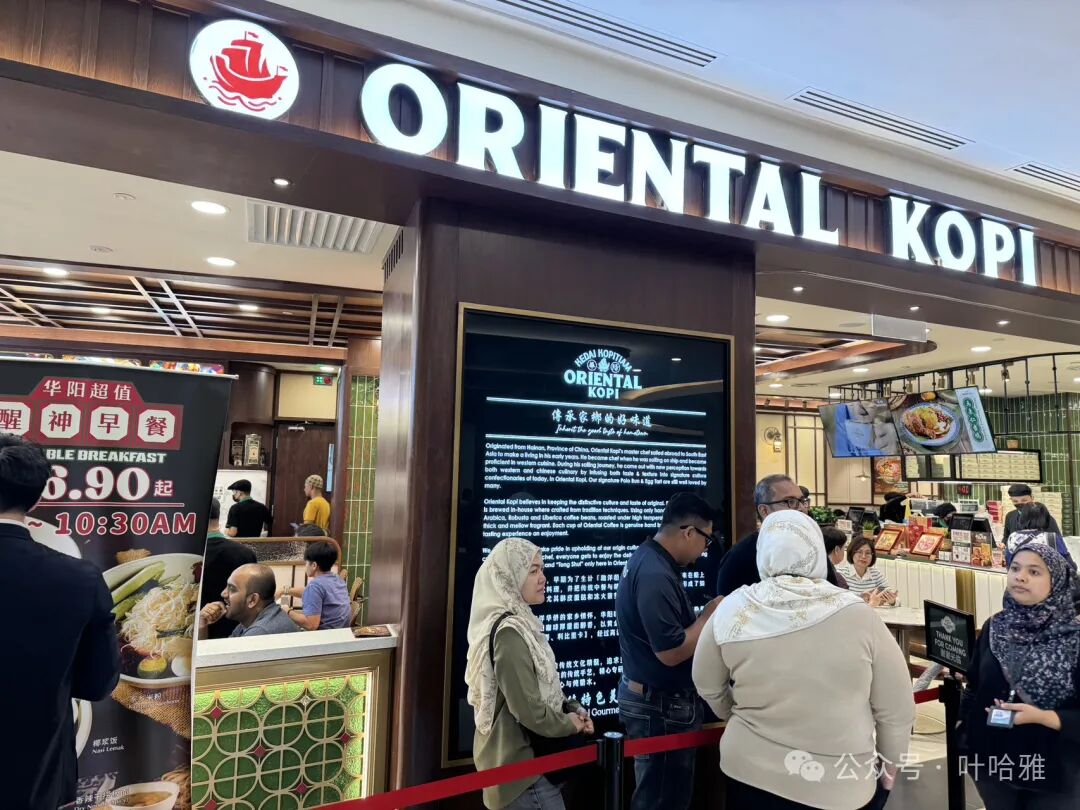
Huayang was started by a Chinese immigrant from Hainan. He traveled south to work on foreign ships to make a living before settling in Malaysia. Huayang Tea Restaurant is a chain that is very popular in Kuala Lumpur. Most of the customers are Malay, so you often have to wait in line for a table.
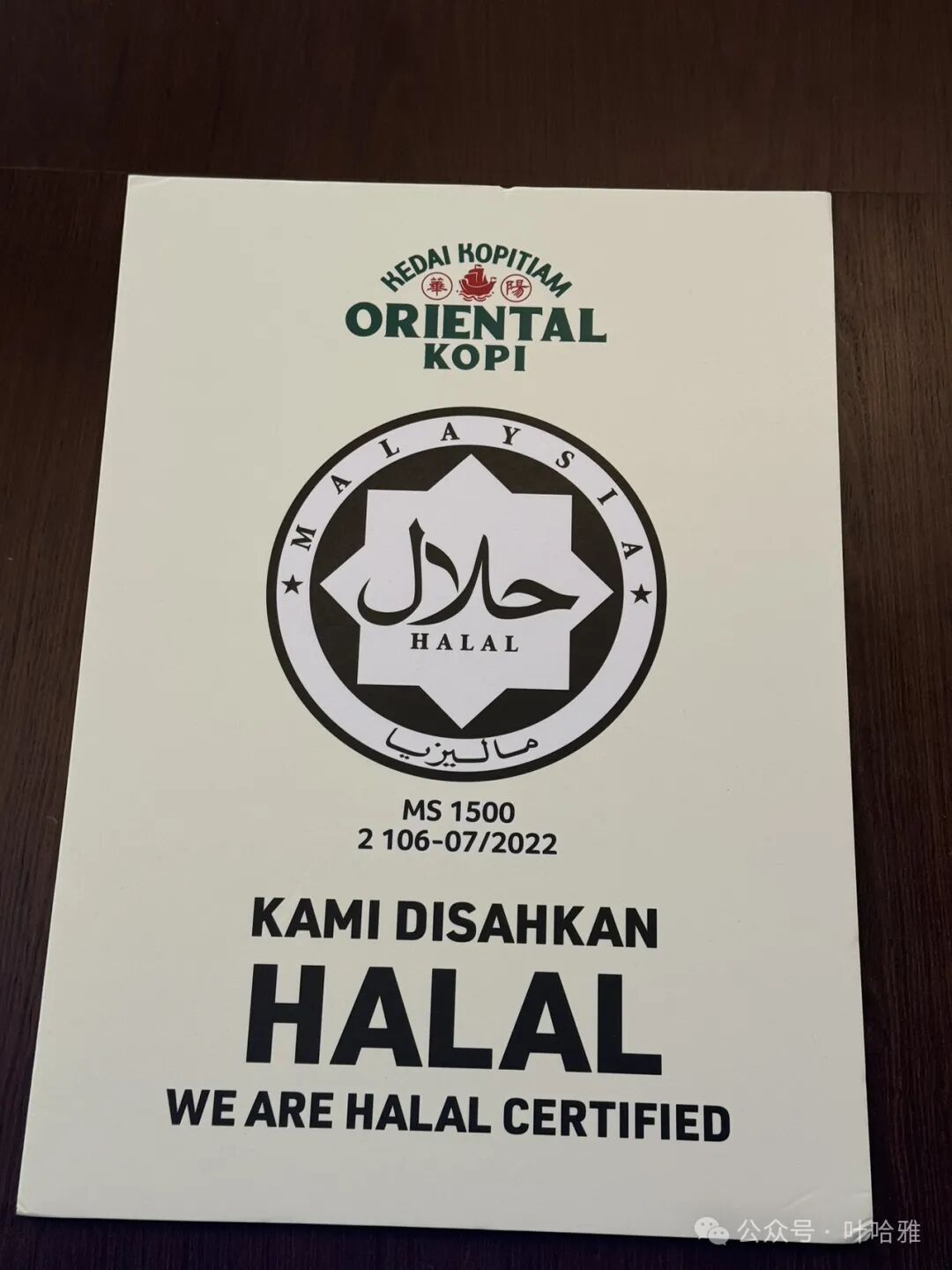
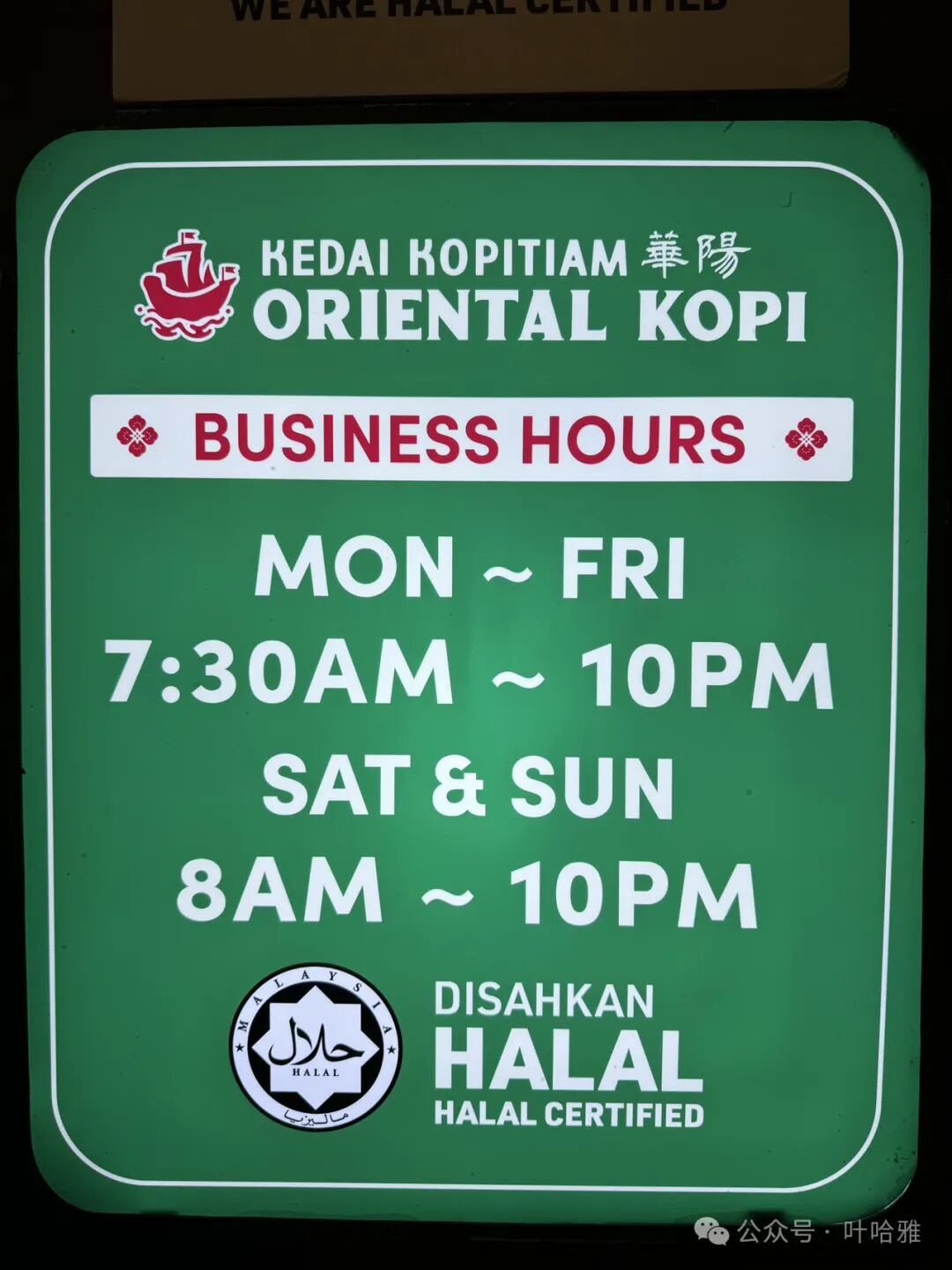
This restaurant has halal certification. Halal-certified restaurants are rare in Malaysia. Most restaurants just have a woman wearing a headscarf at the door to show they are halal, which is much cheaper than getting official certification.
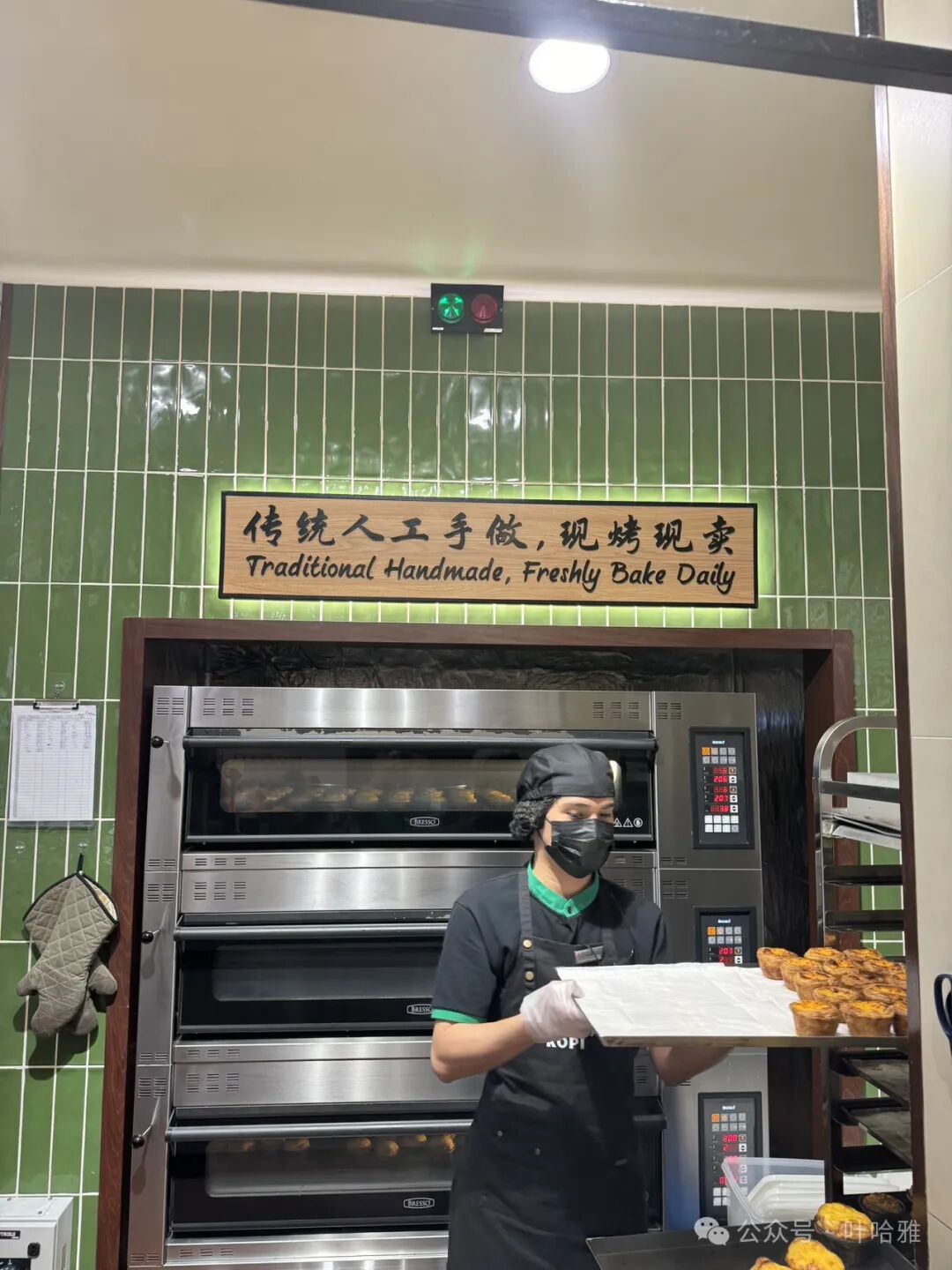
Huayang makes everything by hand to ensure quality.
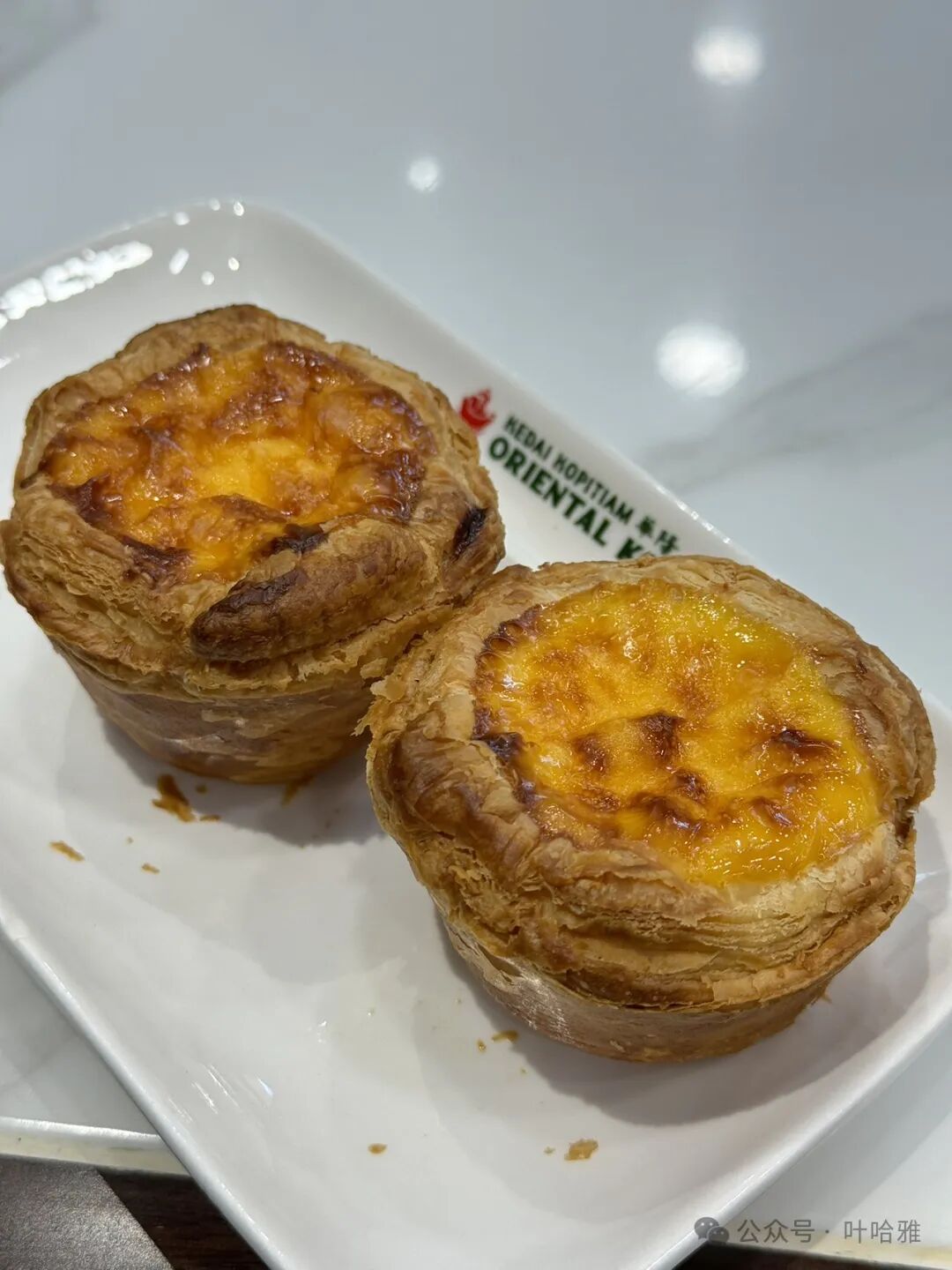
The flaky egg tart (dan ta) is their signature snack, and the crust is very soft and crispy.
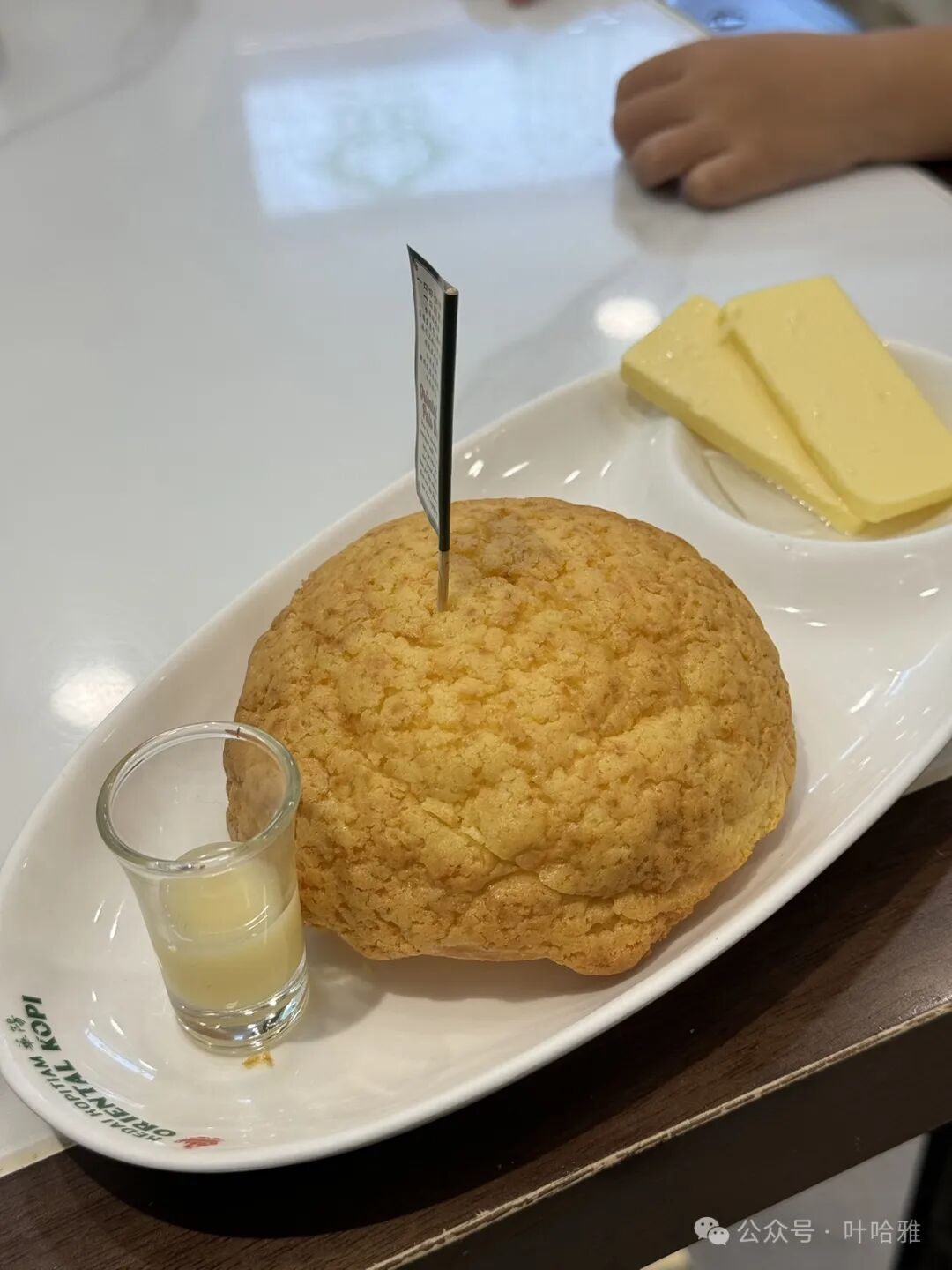
The pineapple bun (boluobao) is also a must-order. Add butter inside and follow the shop's advice to eat it with a cup of Huayang coffee.
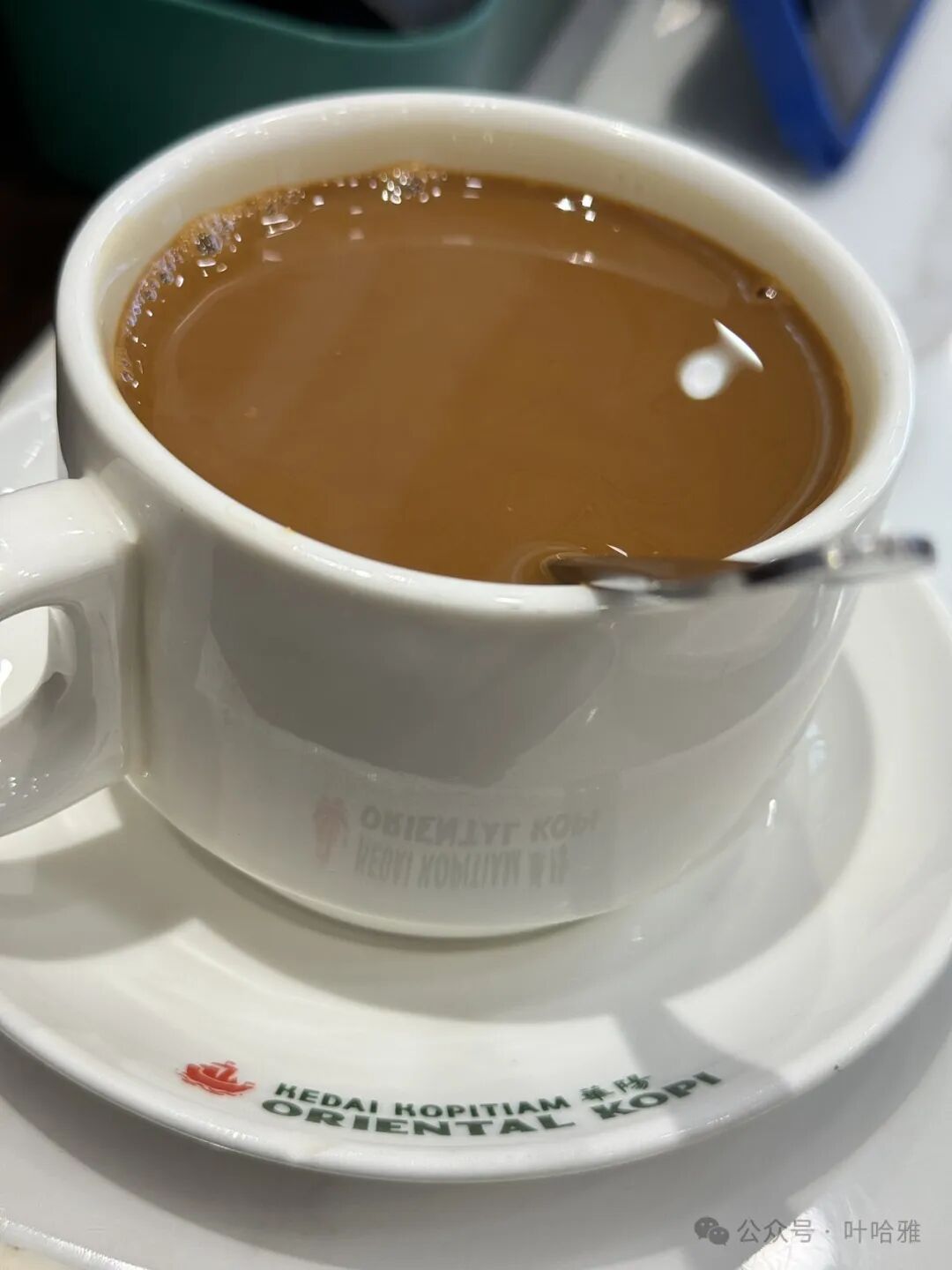
Huayang Coffee
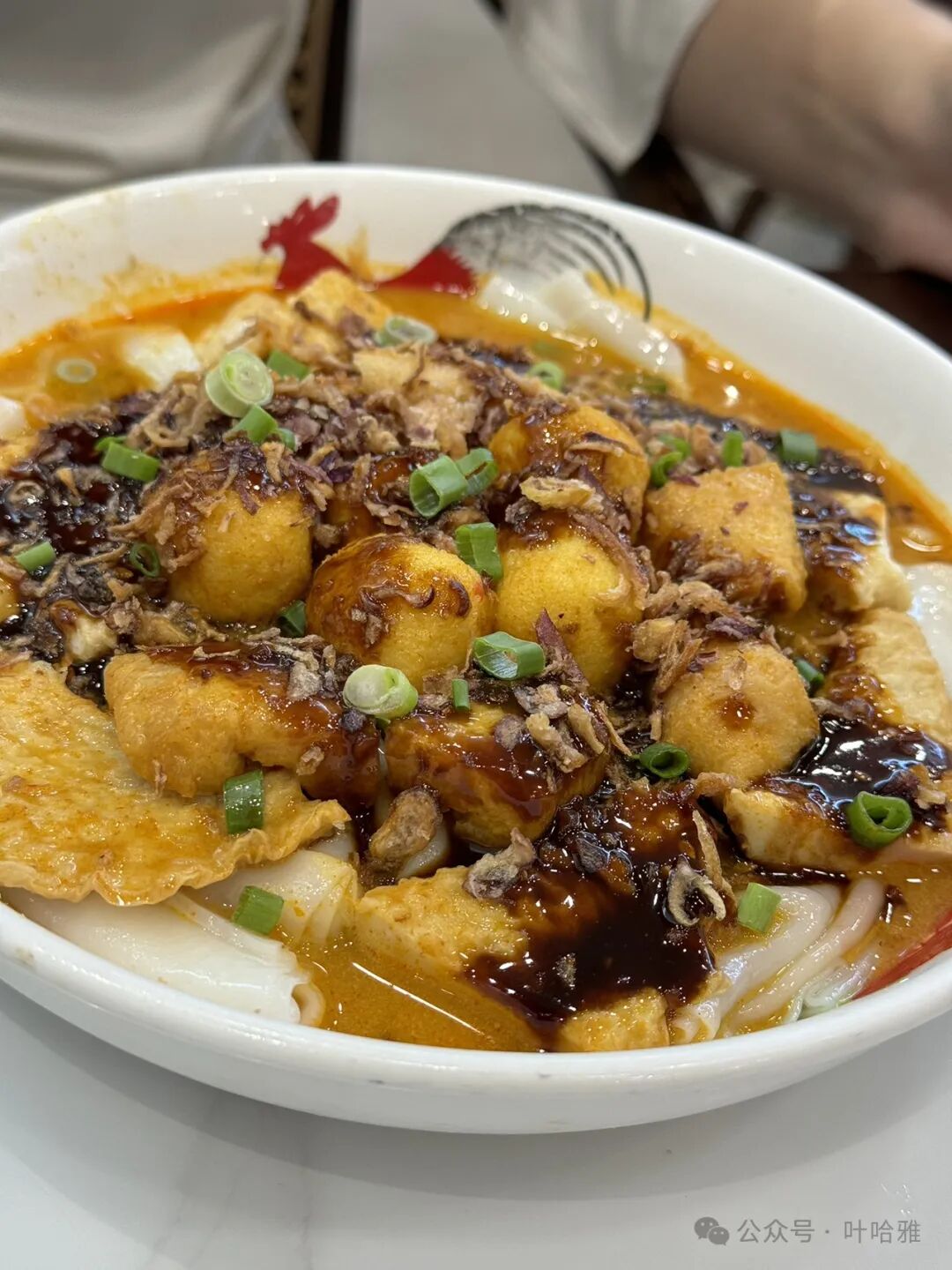
Curry rice noodle rolls (changfen)
The rice noodle rolls (changfen) are slightly spicy with a strong curry flavor, and the fish balls are delicious.
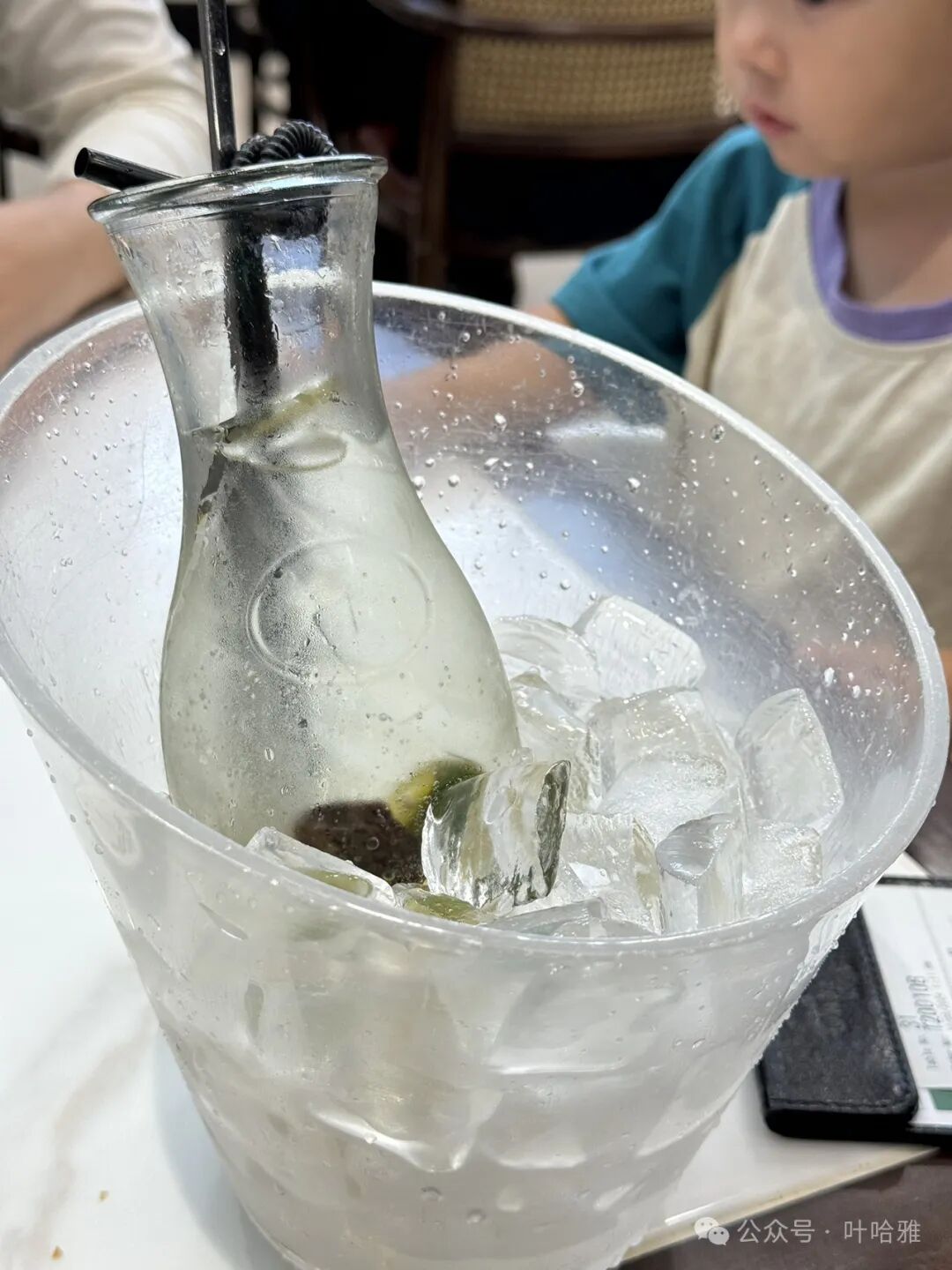
Lime and plum juice.
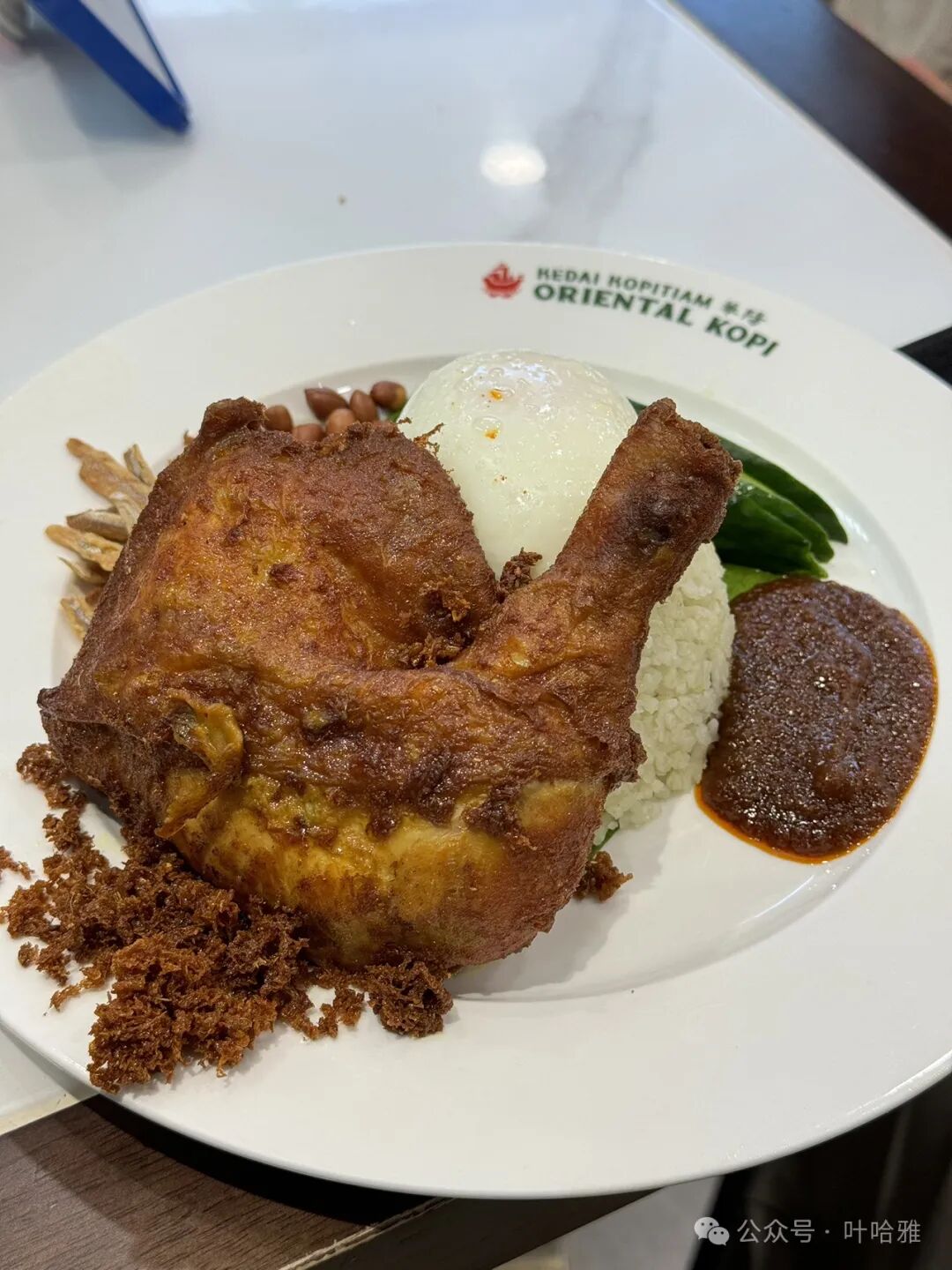
Hainan coconut rice (nasi lemak).
The rice is cooked in coconut milk and served with roasted chicken and sweet chili sauce. The coconut rice tastes salty and spicy.
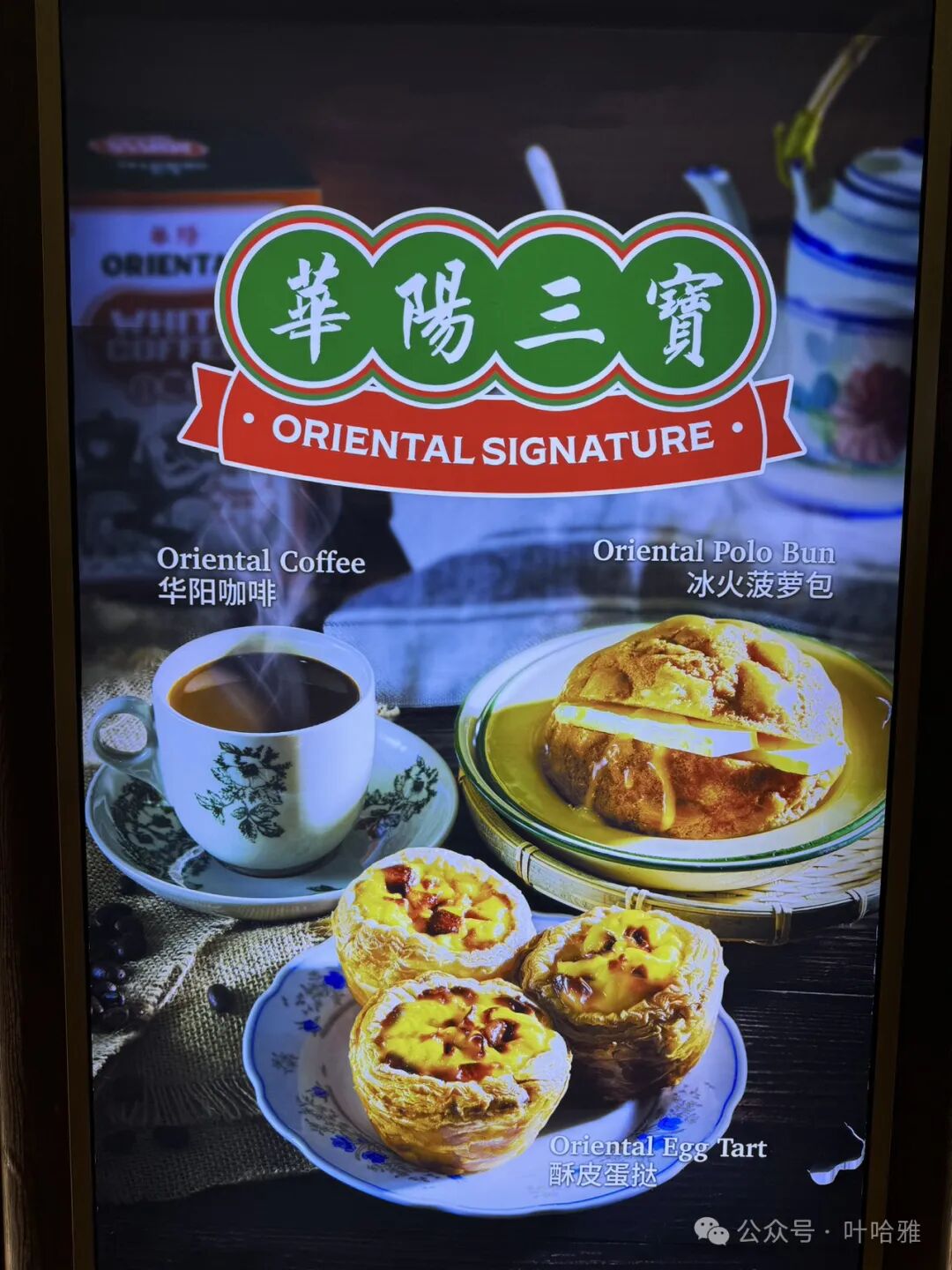
Huayang is an affordable tea restaurant with an average cost of 50 RM per person.
Address: 4th Floor, KLCC Twin Towers, Kuala Lumpur.
2. Tien
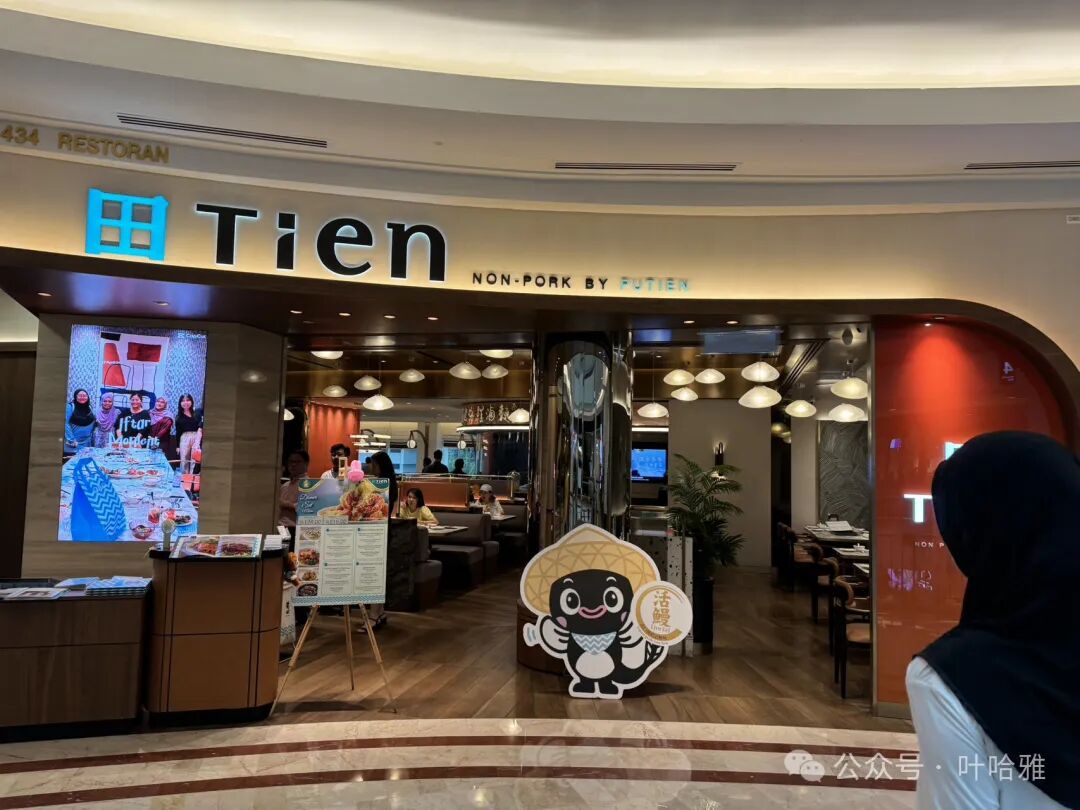
This is a Fujian Putian cuisine restaurant. It is labeled as a non-pork restaurant, which is very common in Malaysia. This is my first time eating Putian food.
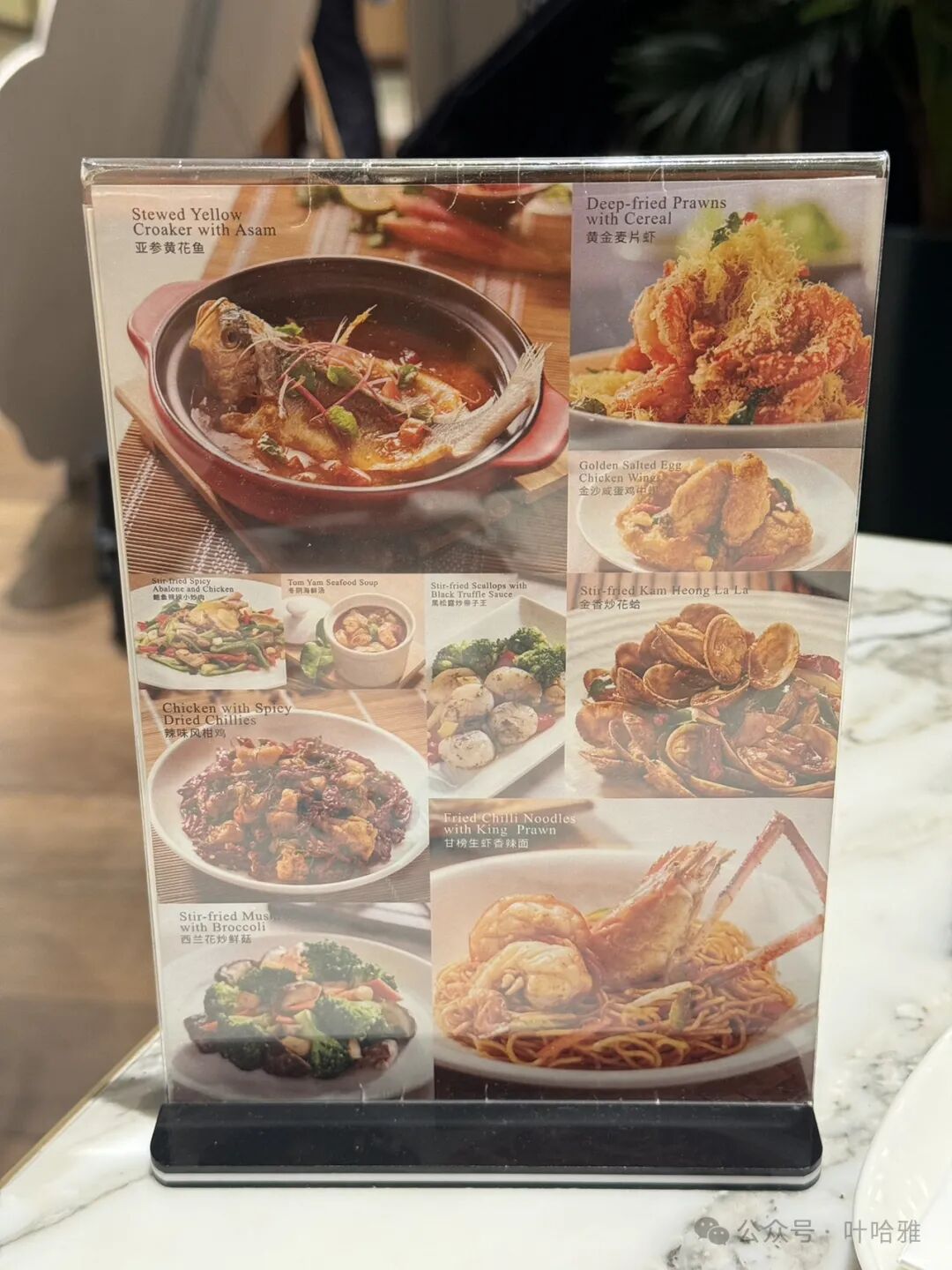
The restaurant focuses on seafood, and their specialty is fresh eel.
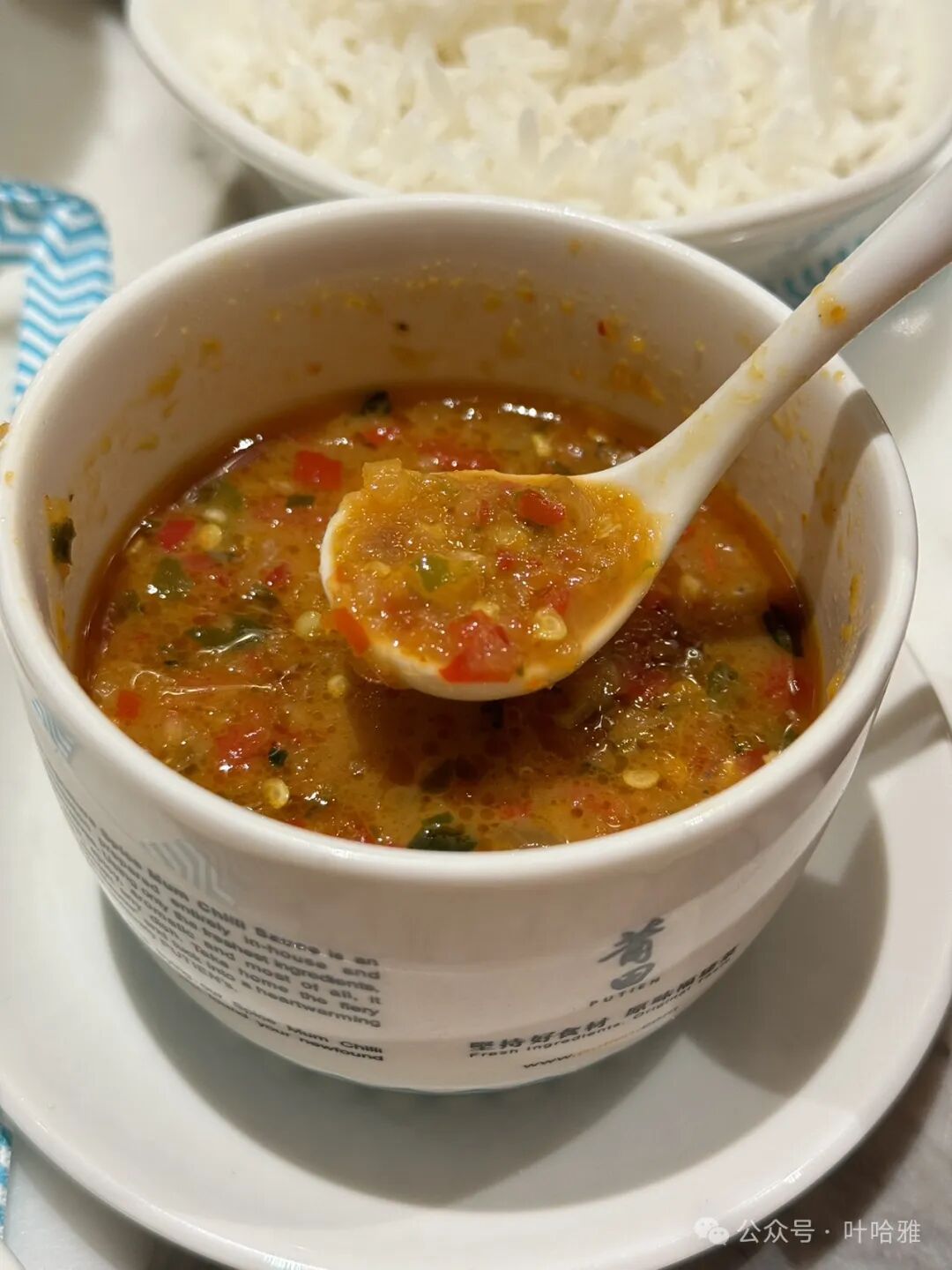
Every table has a small bowl of dipping sauce, which is their secret house recipe.
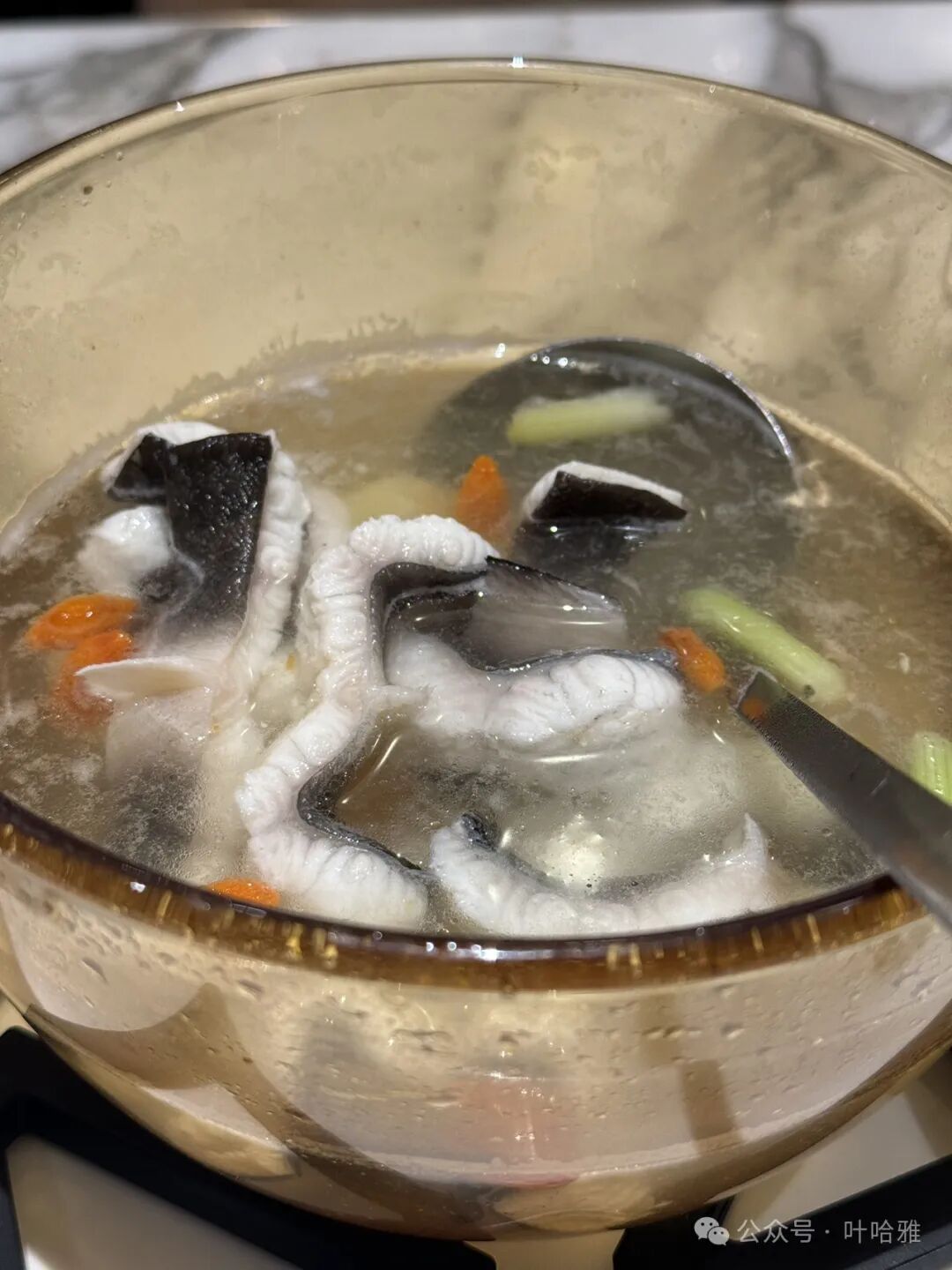
The eel needs to be cooked for 10 minutes. A server helps cook it, and there is a timer on the table.
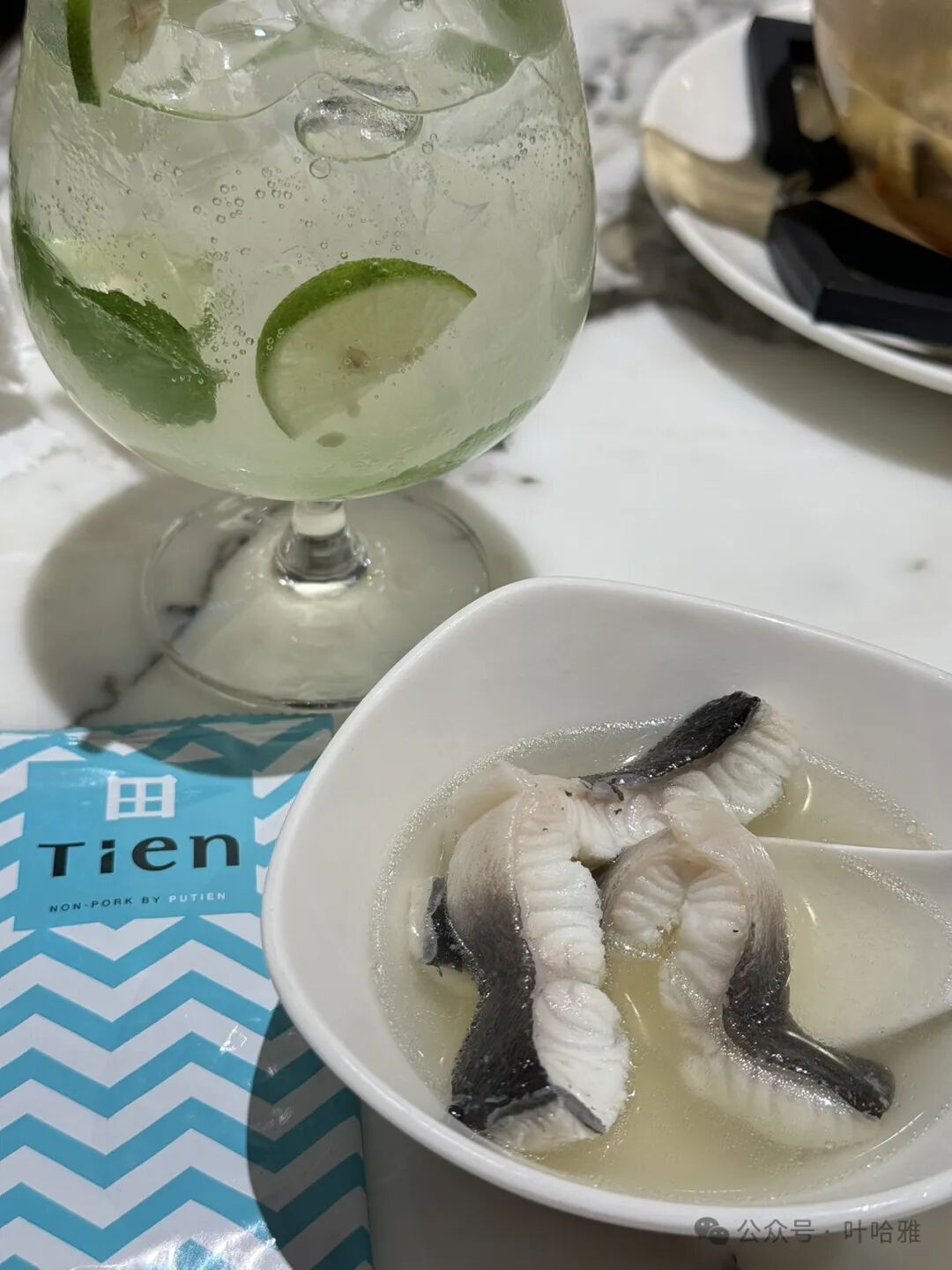
The cooked eel is tender and firm with no fishy smell. It tastes great with the secret sauce. The eel meat itself is slightly sweet, and the sauce is mildly spicy.
Address: Level 4, Petronas Twin Towers (KLCC), Kuala Lumpur.
3. Beacon's
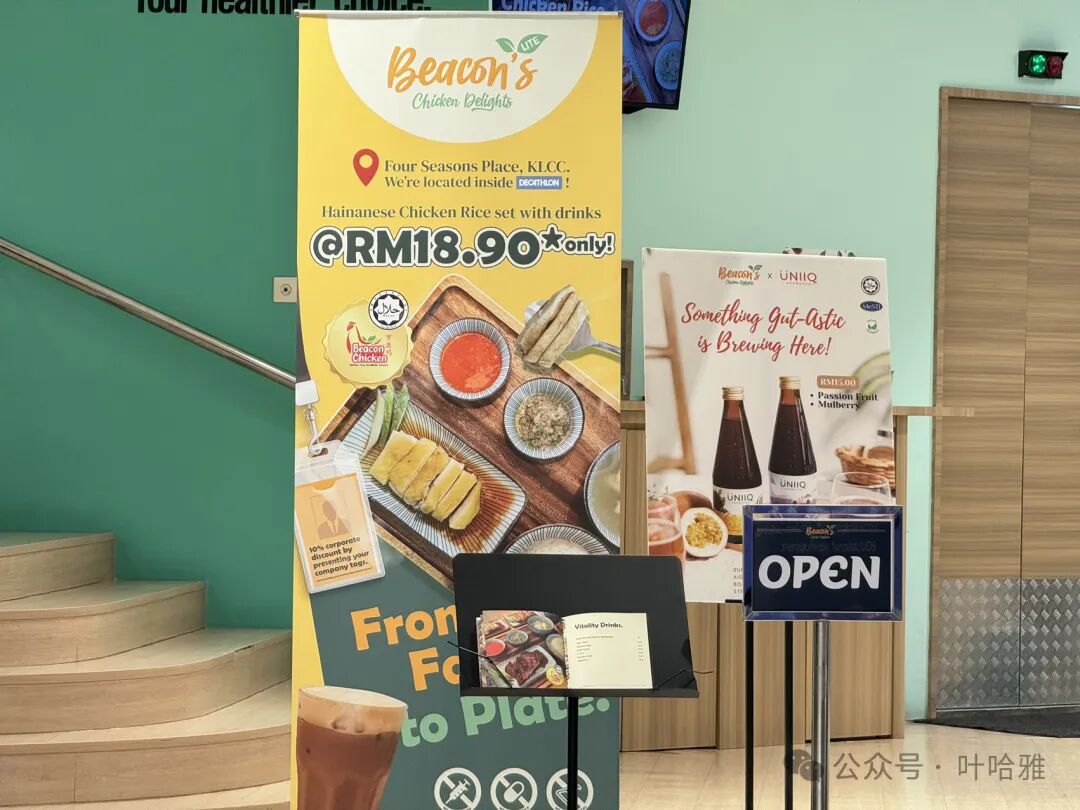
There is a Decathlon next to KLCC with a play area featuring a ball game projector. Fahim has to come here every day and could play for hours. This restaurant is right behind the court.
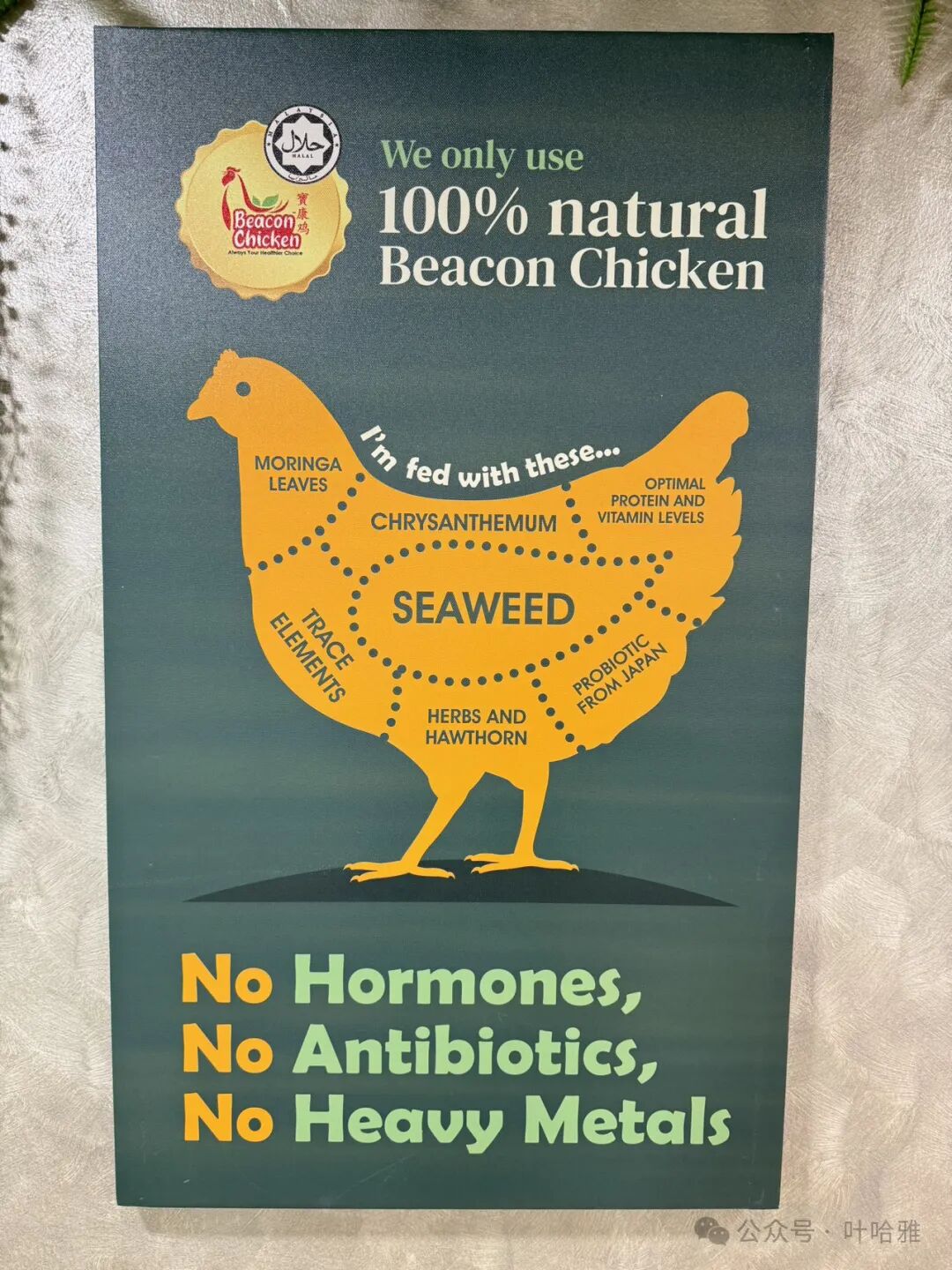
Decathlon sells sports gear, and the restaurant here is quite healthy. The shop focuses on organic ingredients without over-processing.
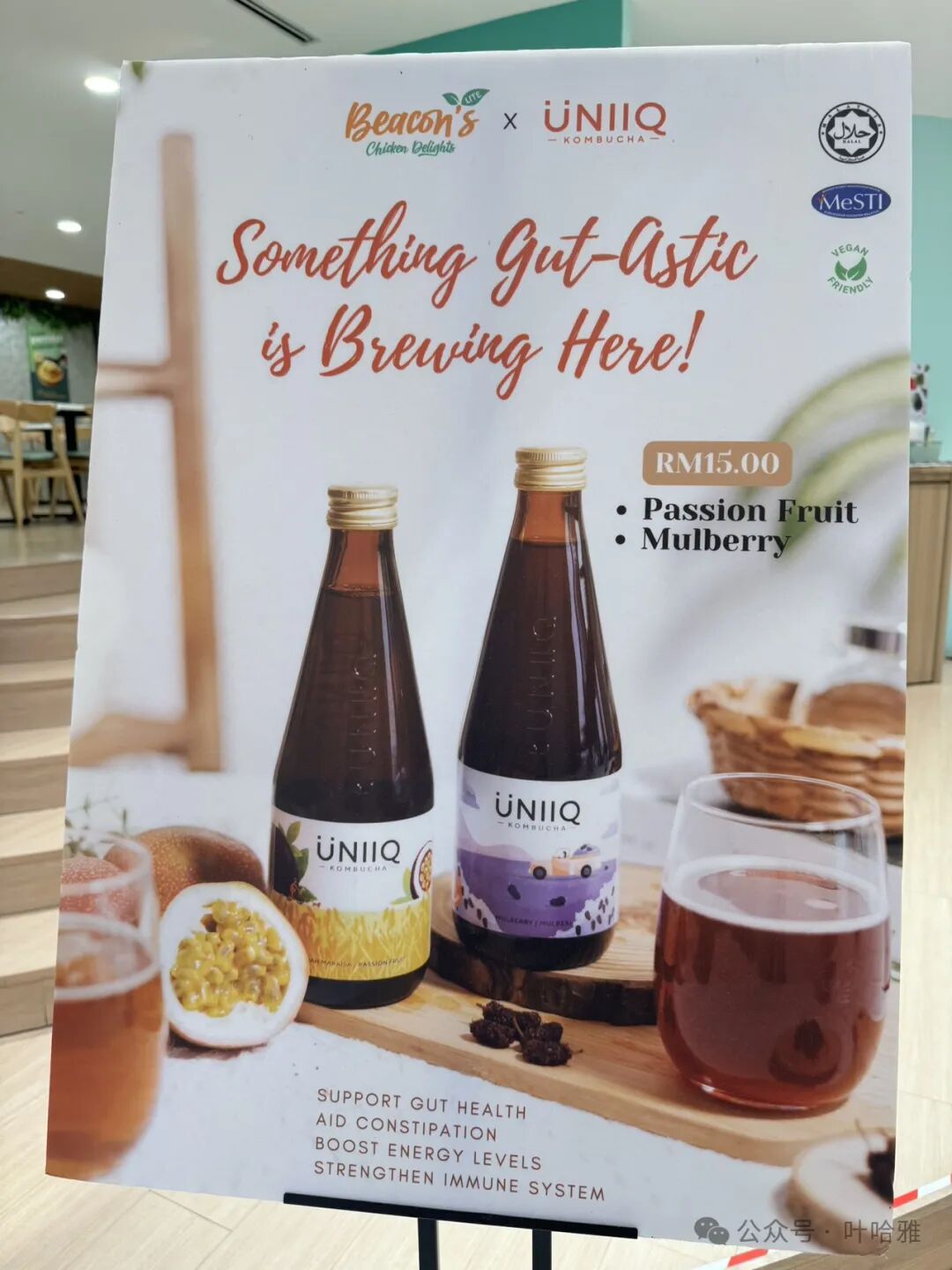
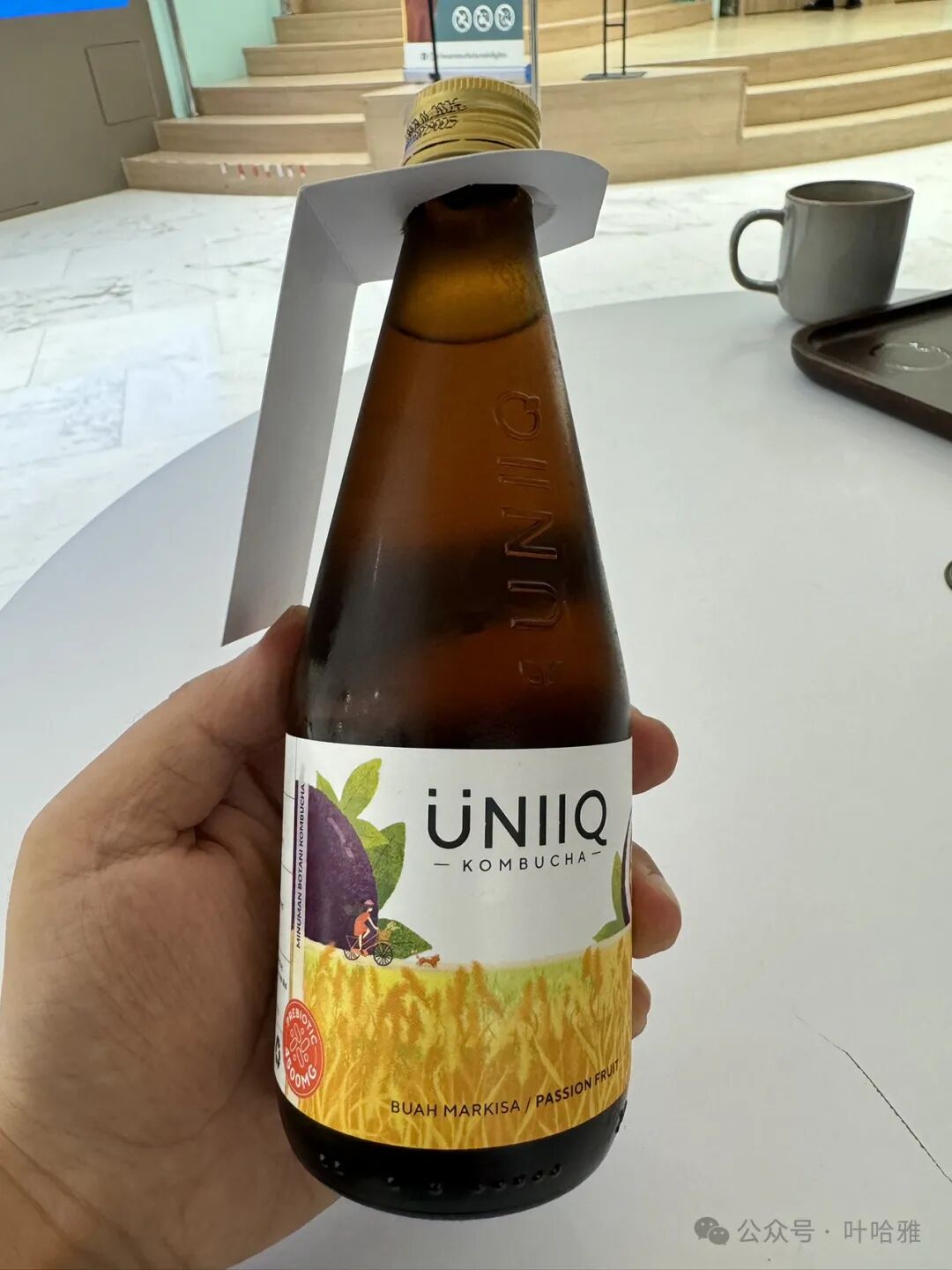
Passion fruit soda.
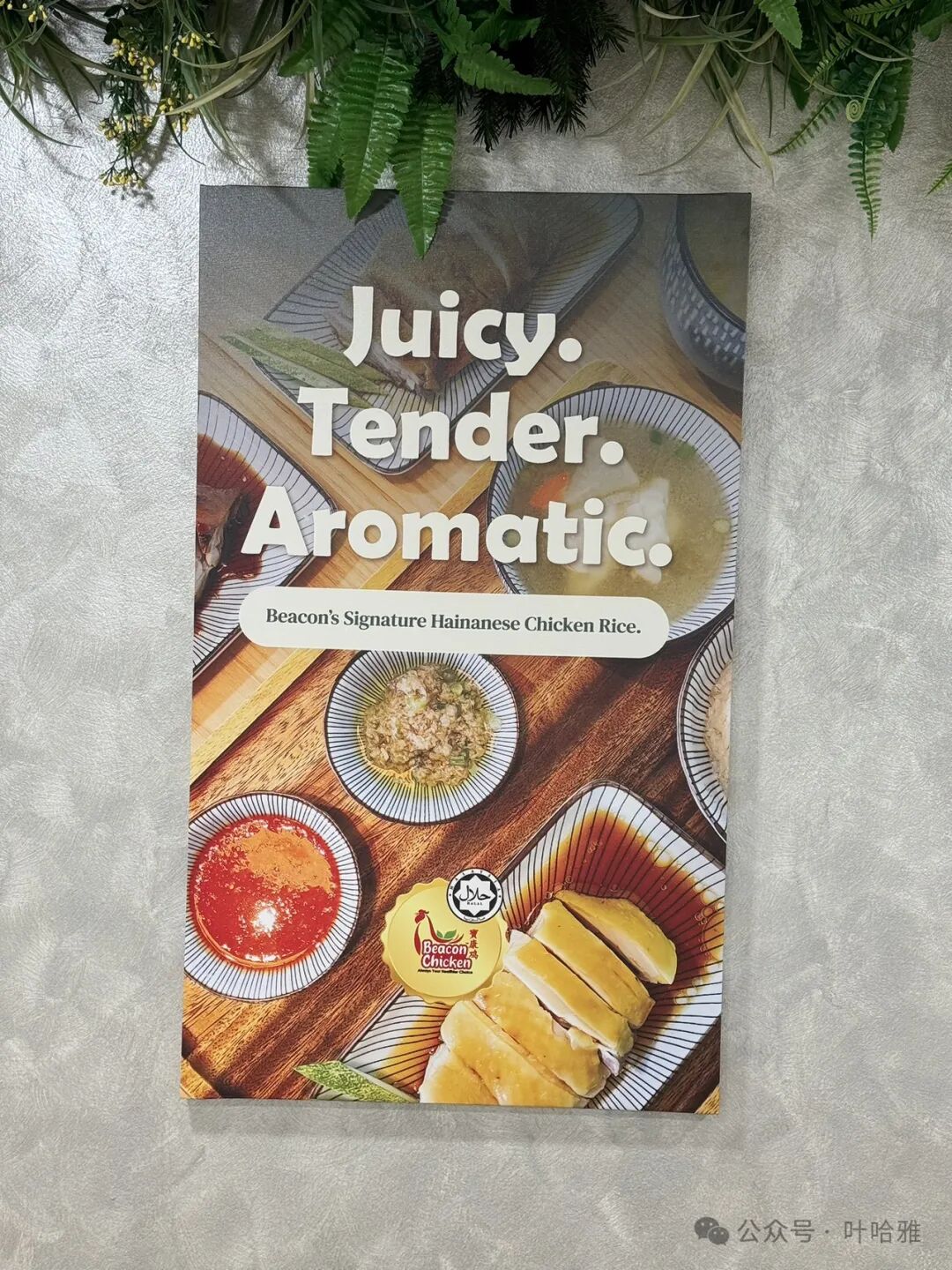
Most Malay food is very unhealthy, with too much oil, salt, sugar, and spice. It is fine to eat occasionally, but this organic green food spot is a rare find.
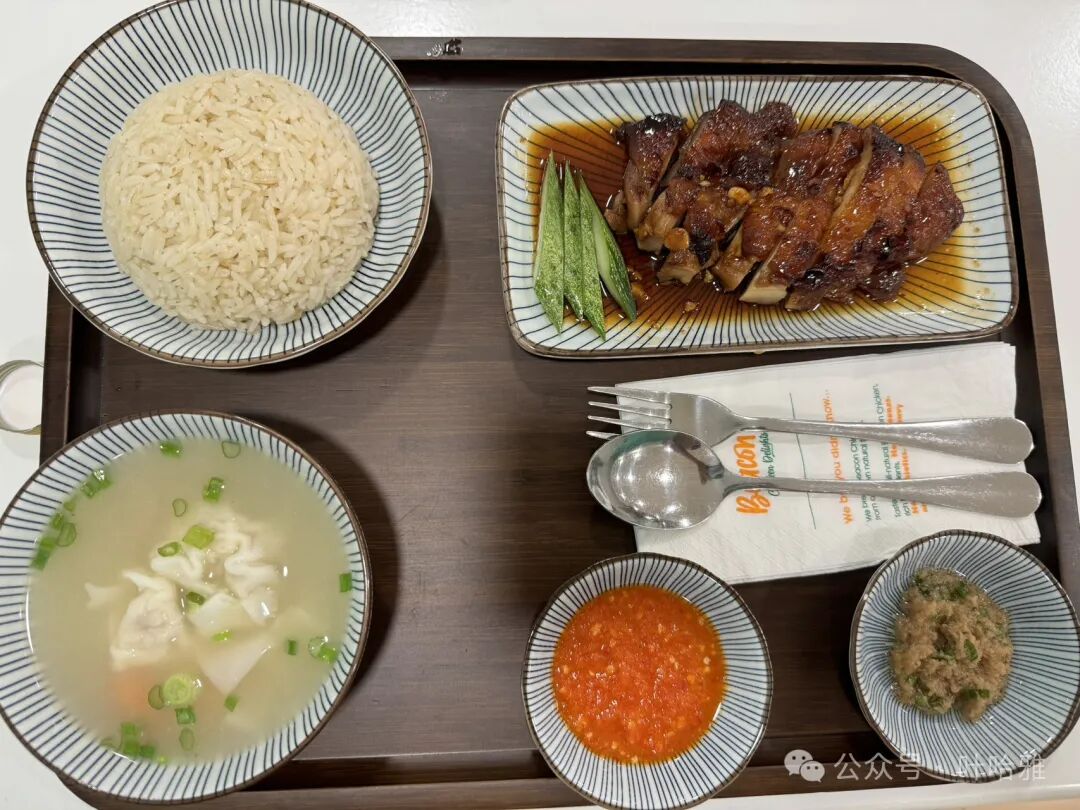
Address: Second floor of the Decathlon next to KLCC, Kuala Lumpur.
4. Ben's
This is a Western-style cafe inside The LINC KL shopping mall. They start serving breakfast at 8:00 AM. The atmosphere is fresh and quiet.
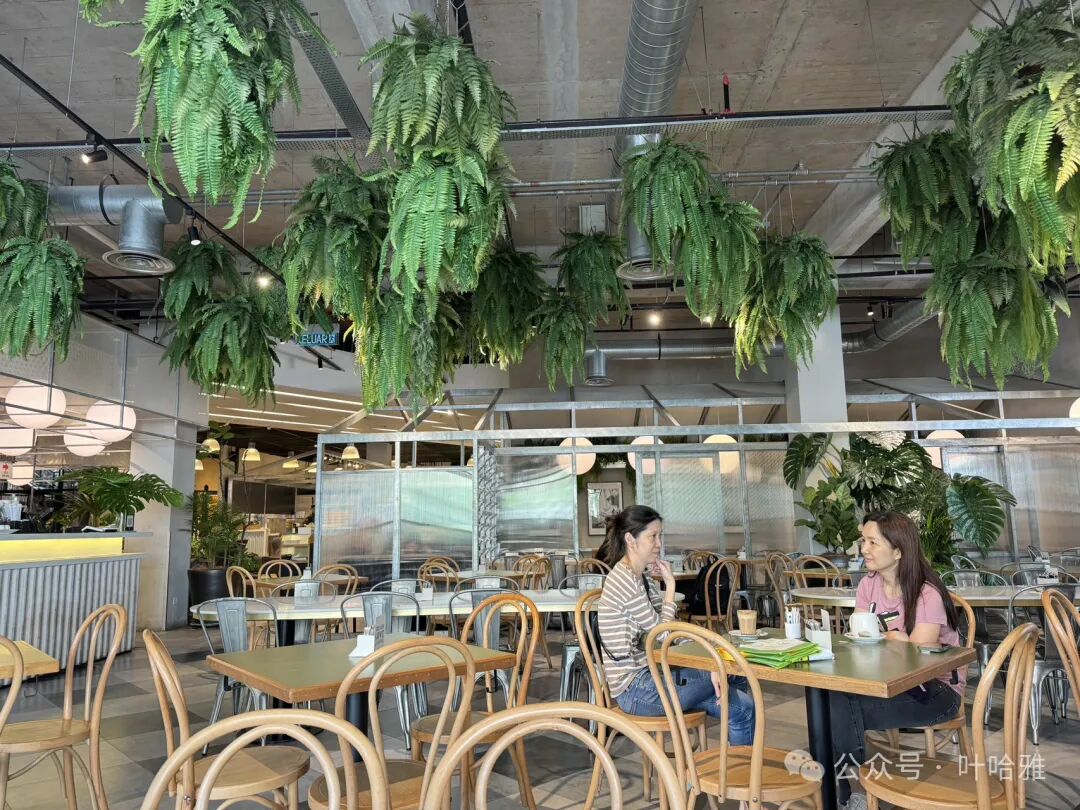
I prefer shopping here compared to the busy KLCC.
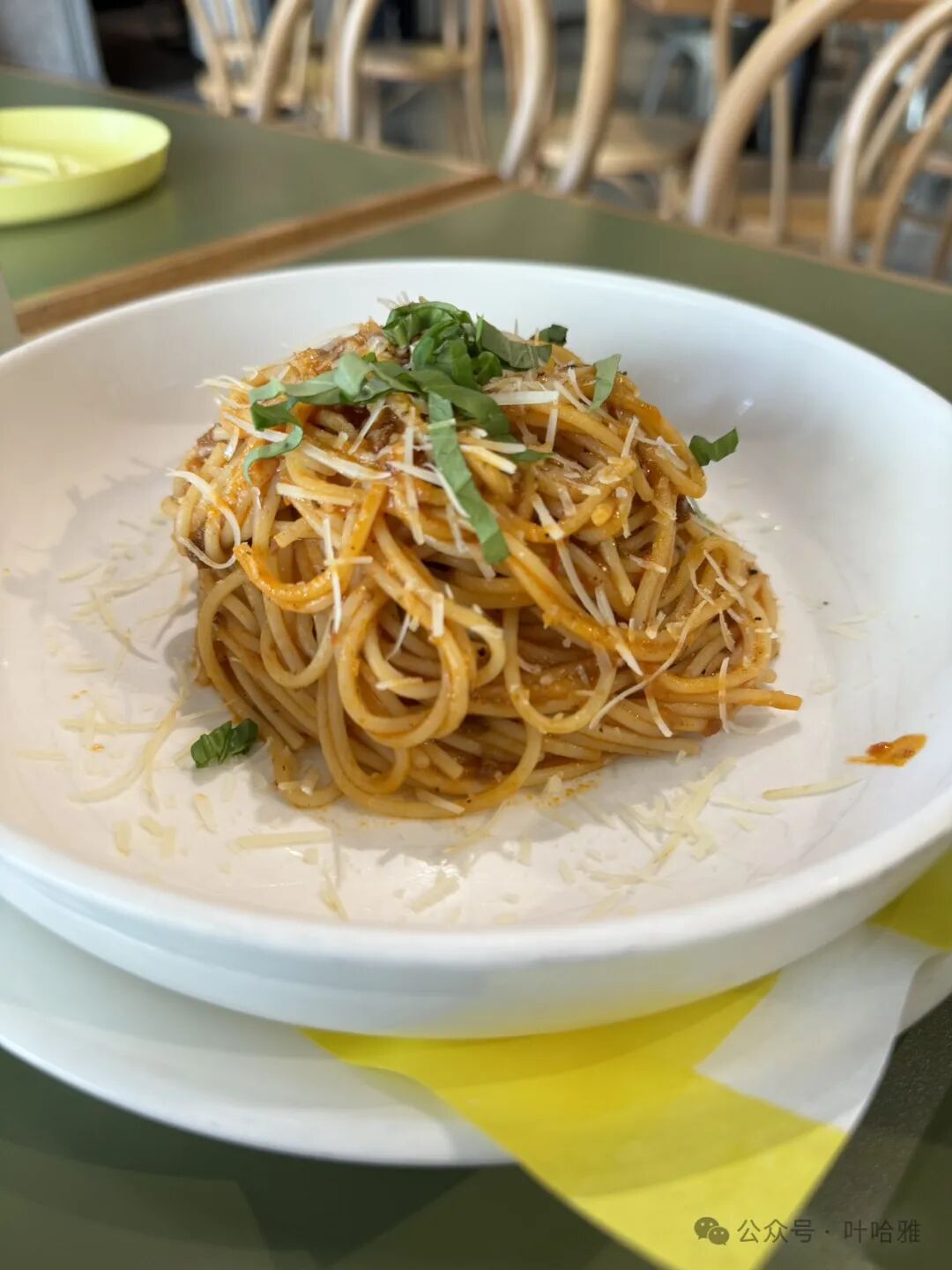
They serve Fahim's favorite pasta, which has a light flavor perfect for kids.
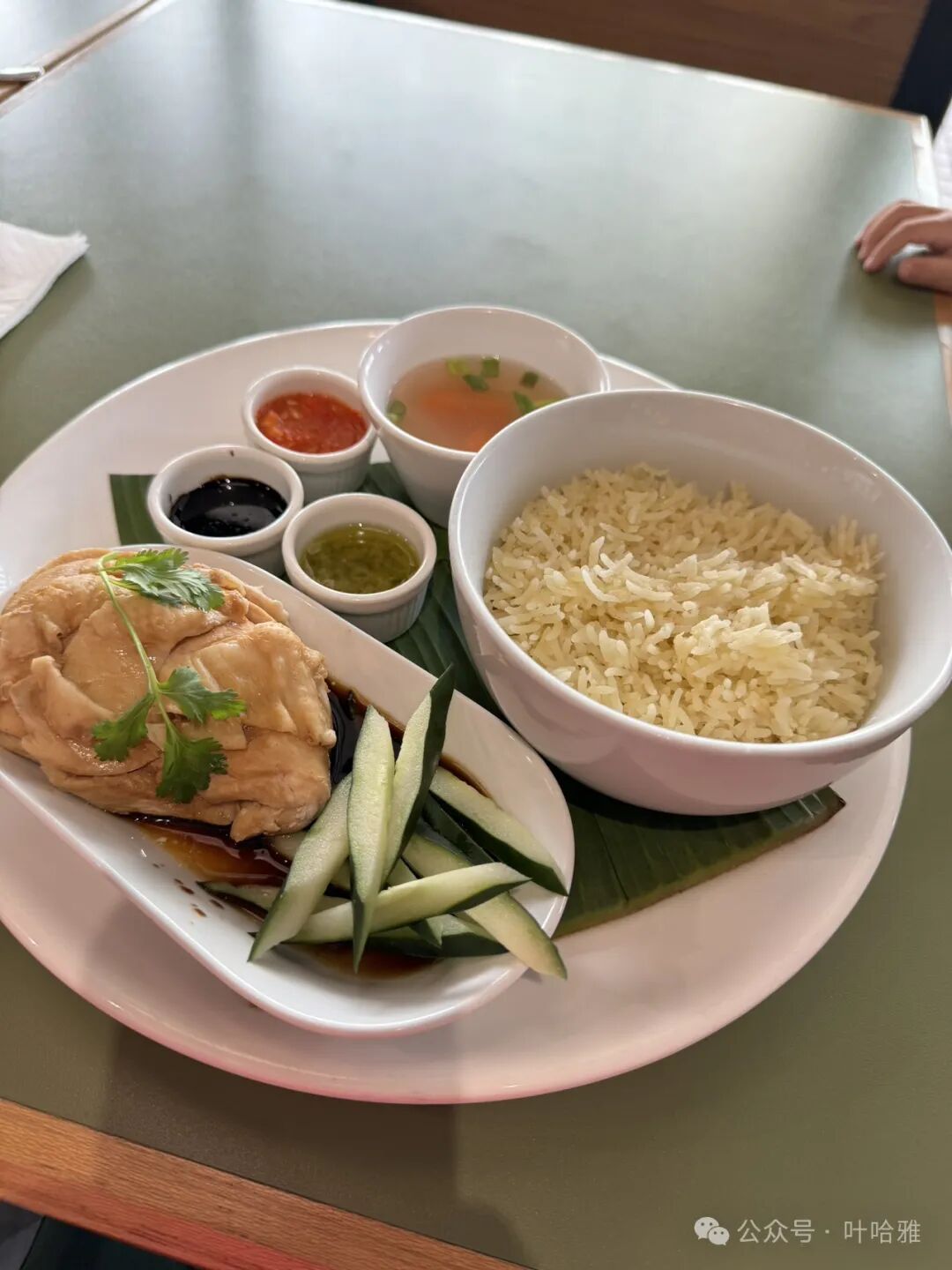
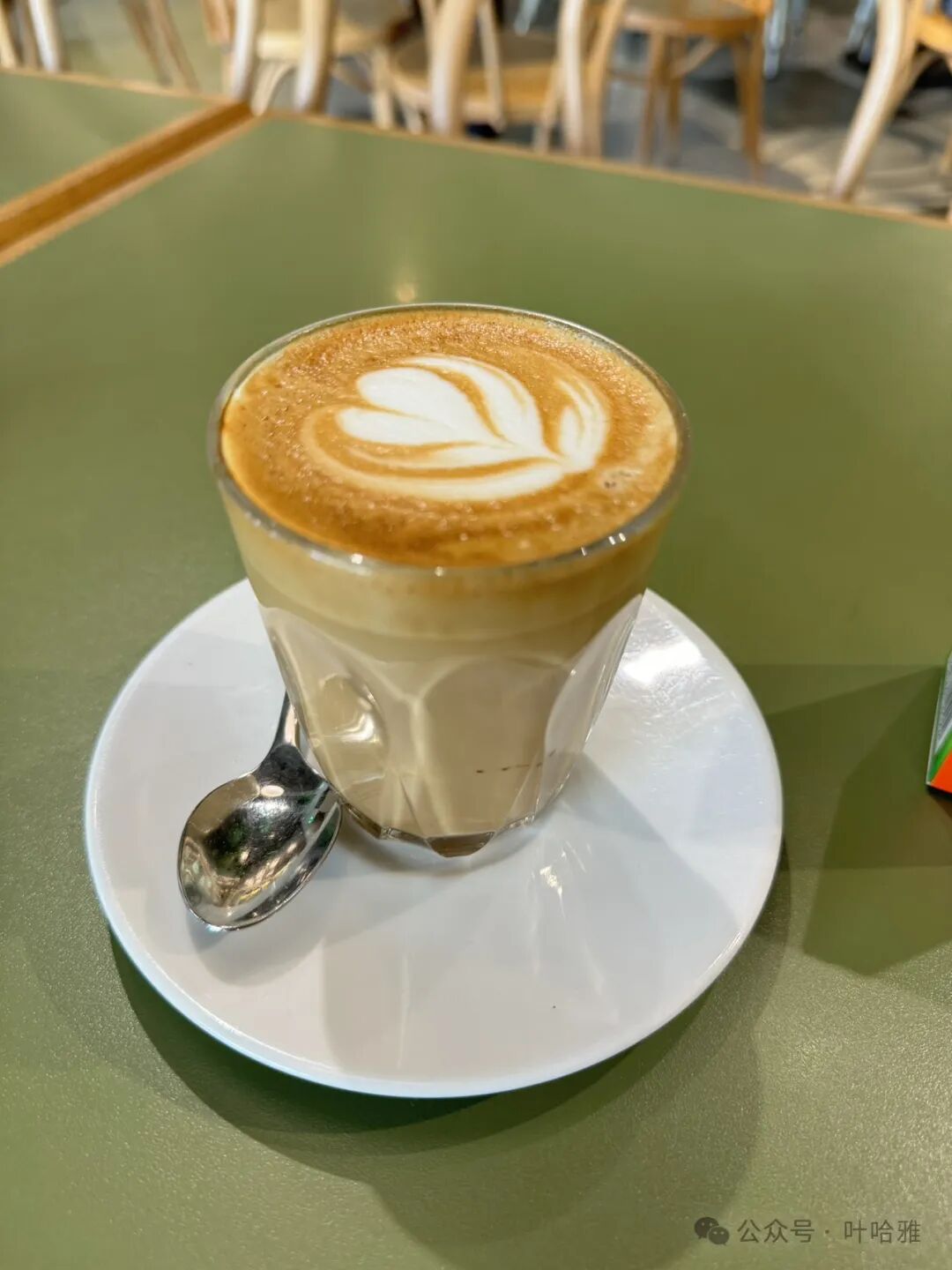
Hainan chicken rice (hainanjifan) is considered a relatively light meal in Malaysia.
Address: 1st Floor, The LINC KL shopping center.
5. KLCC Vietnam Cafe
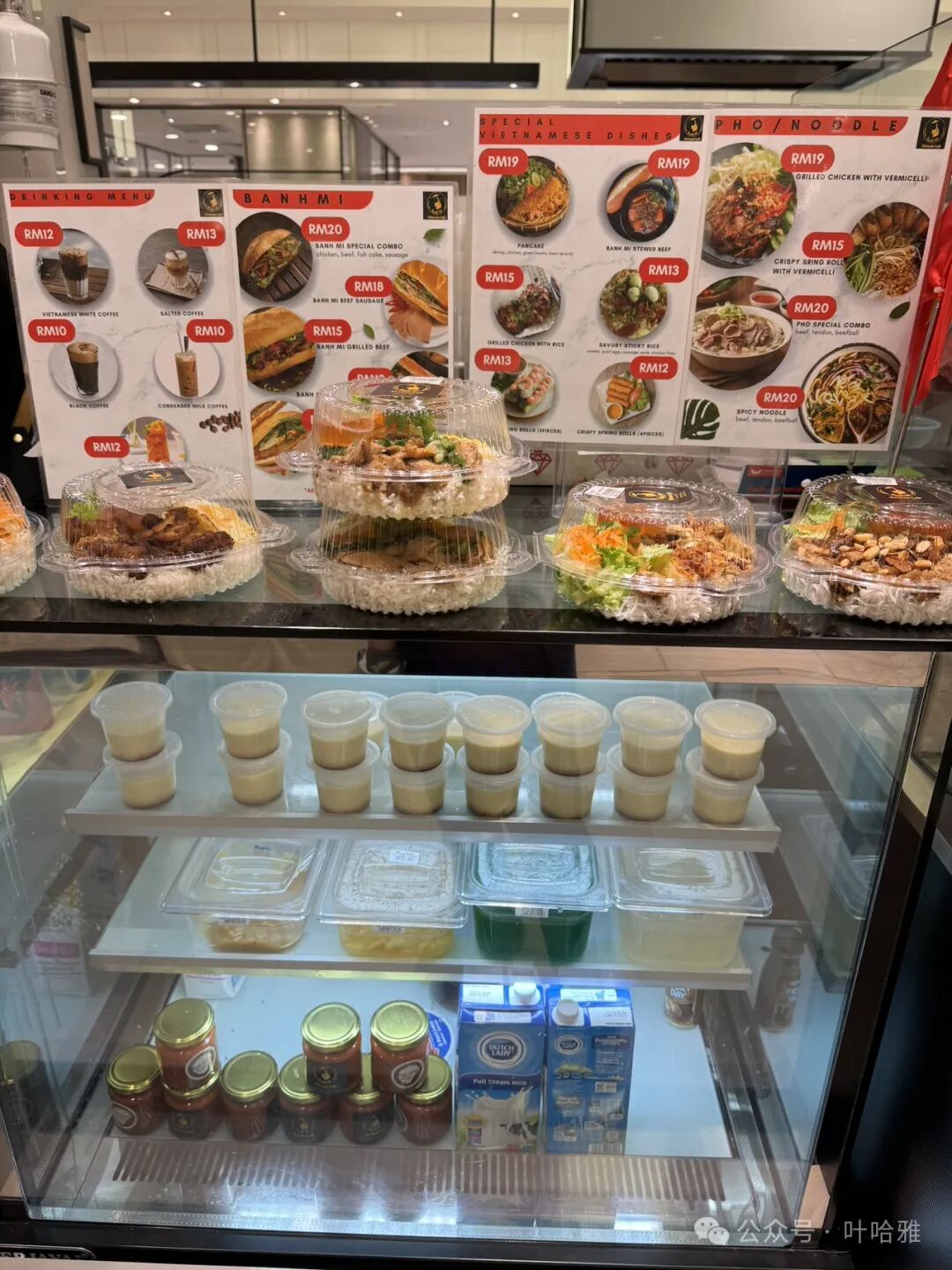
There is a Vietnamese fast food shop on the basement level of KLCC. They have boxed Vietnamese rice sets that come with a cup of Vietnamese coffee for just over ten ringgit, which is very cheap.
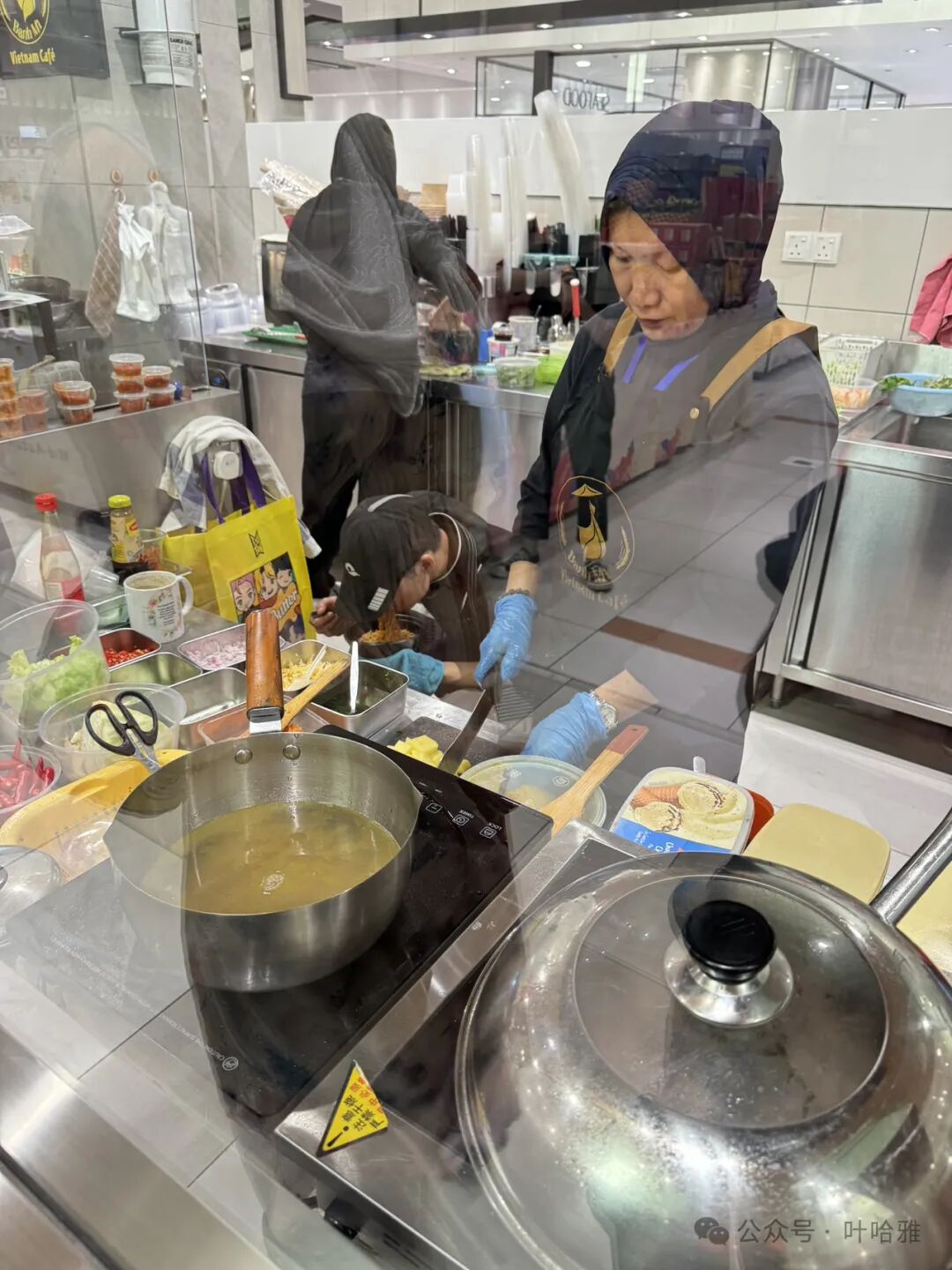
The Vietnamese fast food here is not much different from Malay food, and the taste is also quite salty and spicy.
6. O'Briens
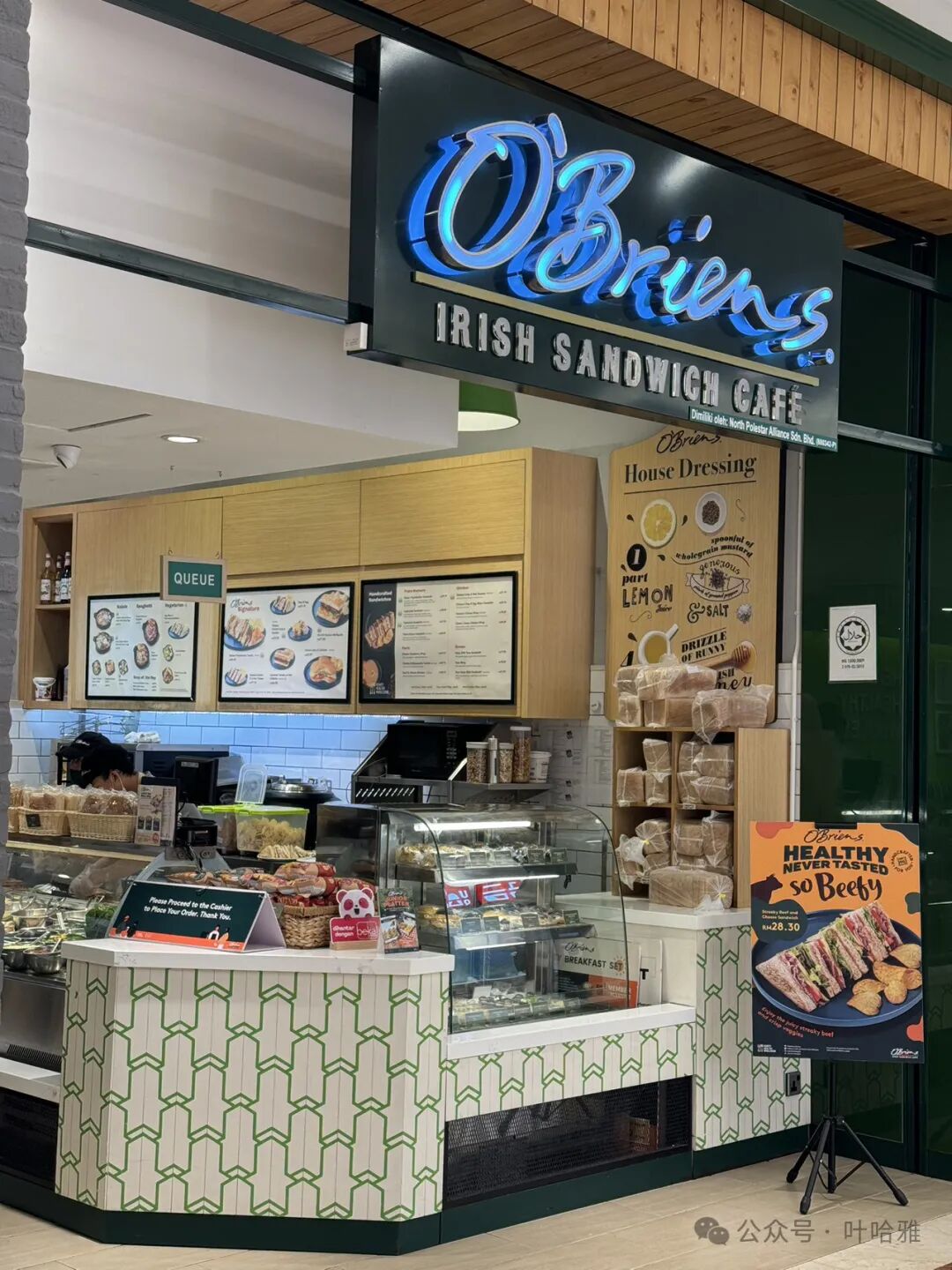
This is an Irish sandwich shop that also has locations in Beijing. It used to be located in Financial Street next to a Fuke Burger, but it closed down later.
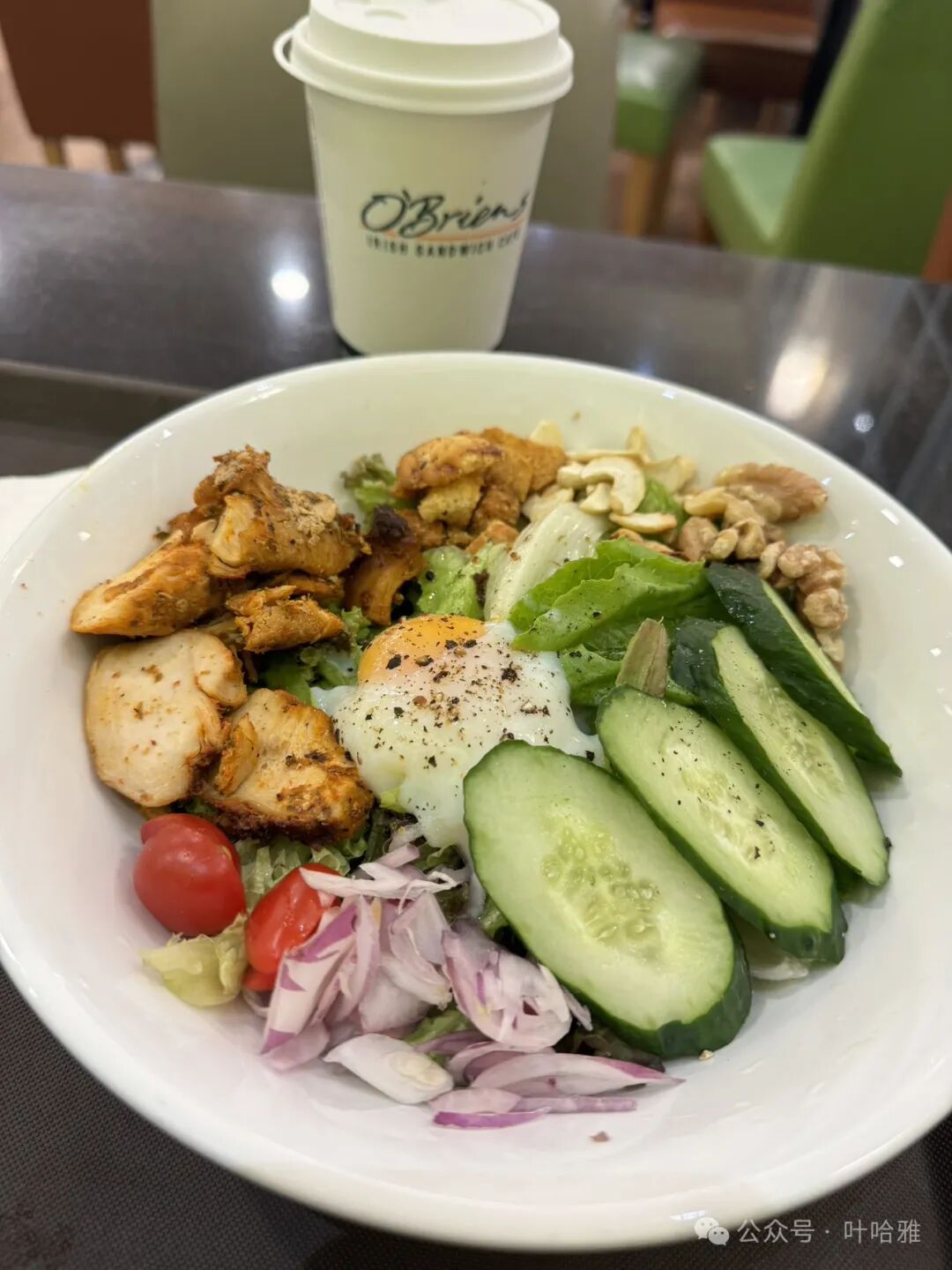
They focus on light meals that are very healthy with little oil and salt. I like their vegetable salads and freshly squeezed fruit juices, but this kind of healthy food is not cheap, costing about 40-50 RM per meal.
Address: Basement level, KLCC.
7. Mongolian Barbecue (Menggu Shaokao)
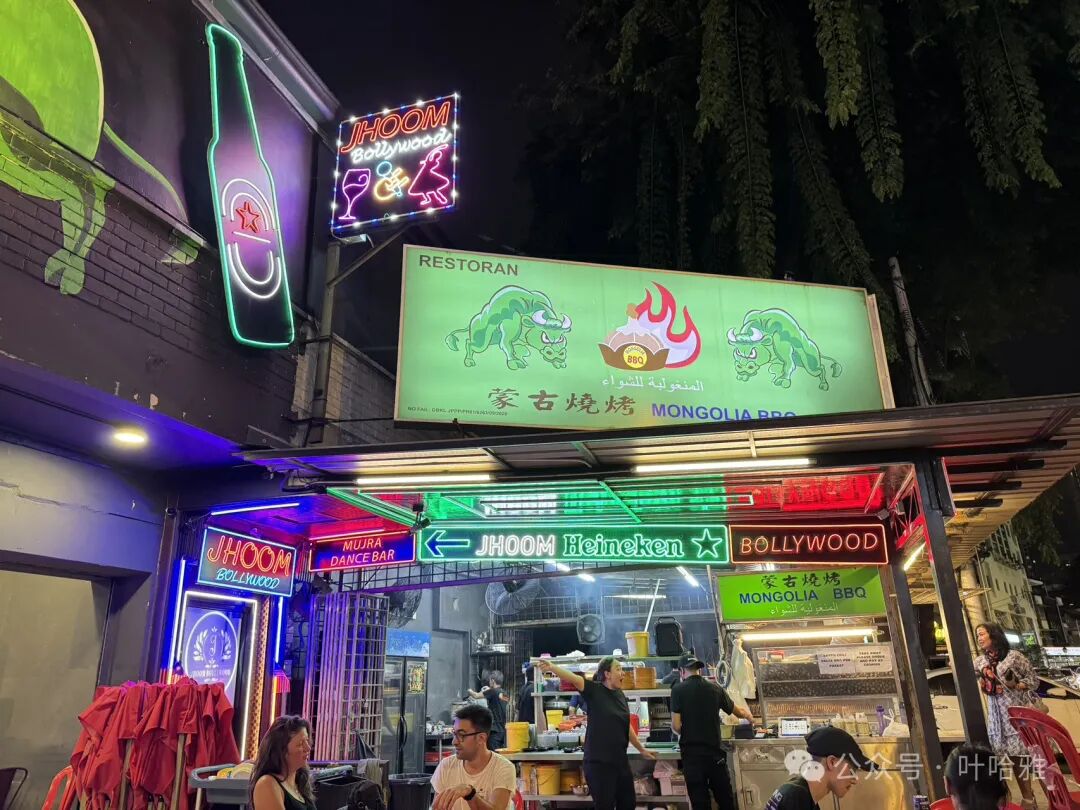
Although it is called Mongolian barbecue, I feel it has nothing to do with Mongolia at all; it is just a Southeast Asian barbecue. The area where this restaurant is located is the famous food street district of Bukit Bintang in Kuala Lumpur.
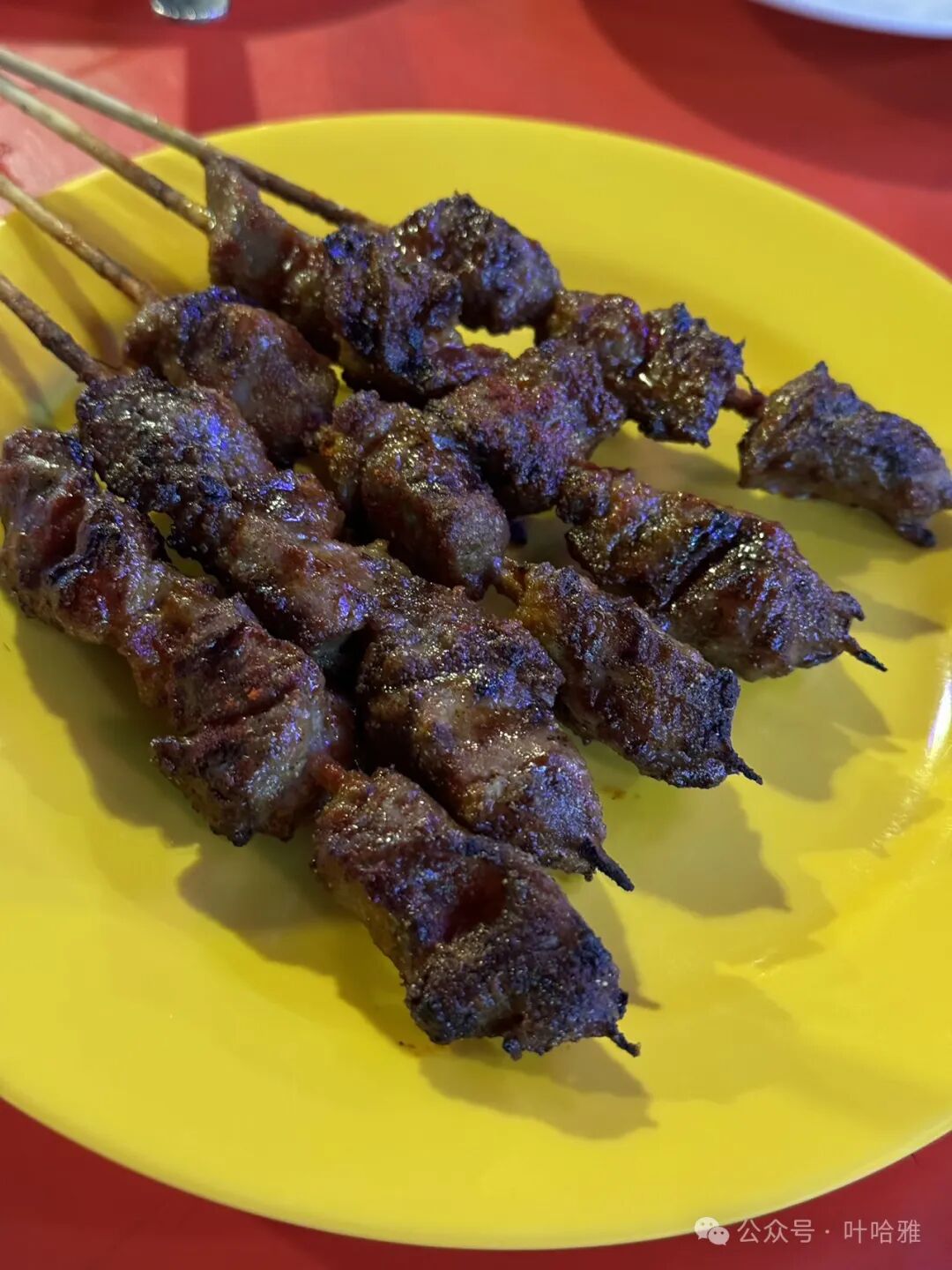
The lamb skewers (yangrouchuan) are a bit tough. Southeast Asia isn't really a place for lamb, as chicken and seafood are much more popular.
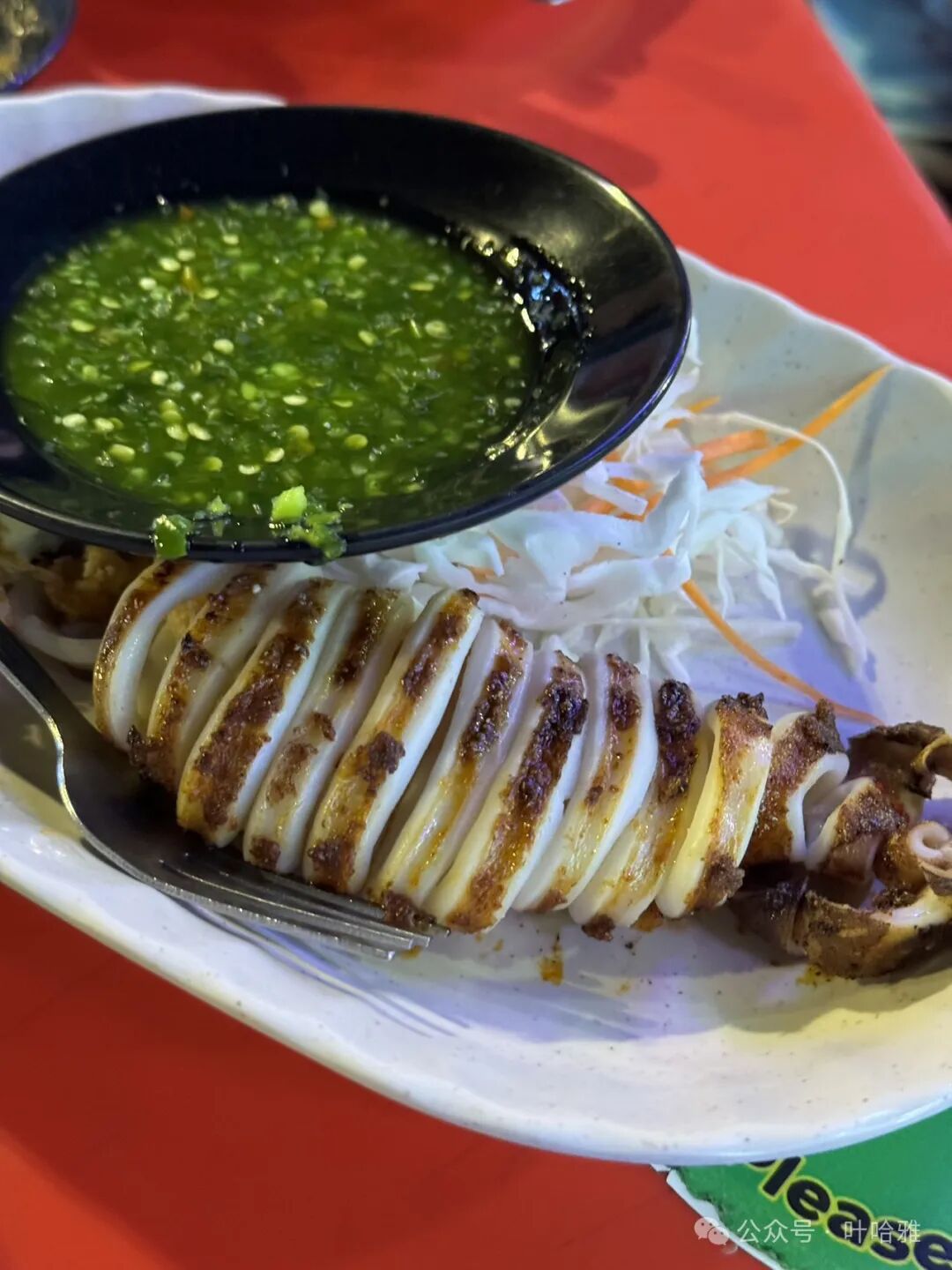
The grilled squid is delicious.
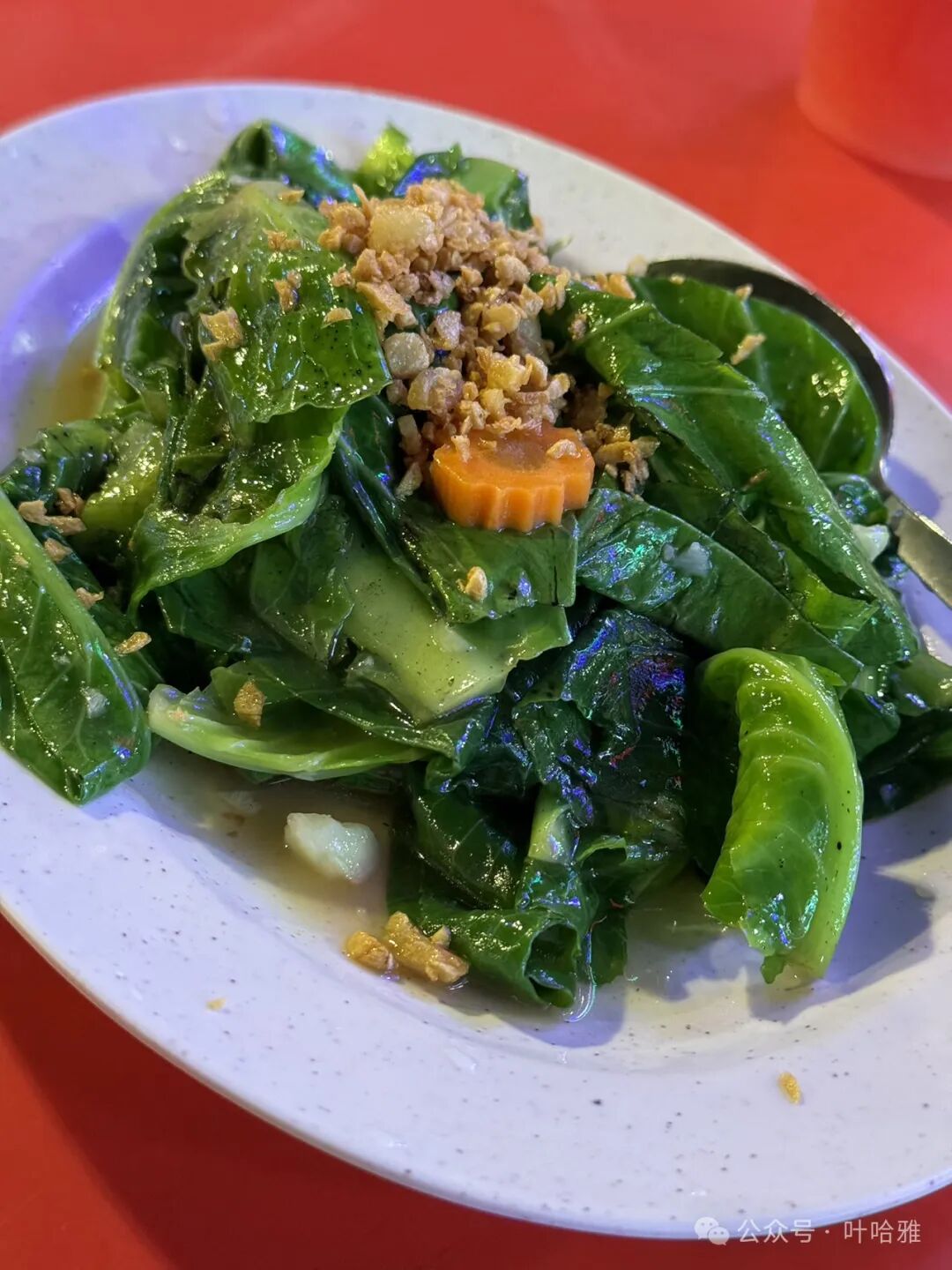
People here don't eat many green vegetables.
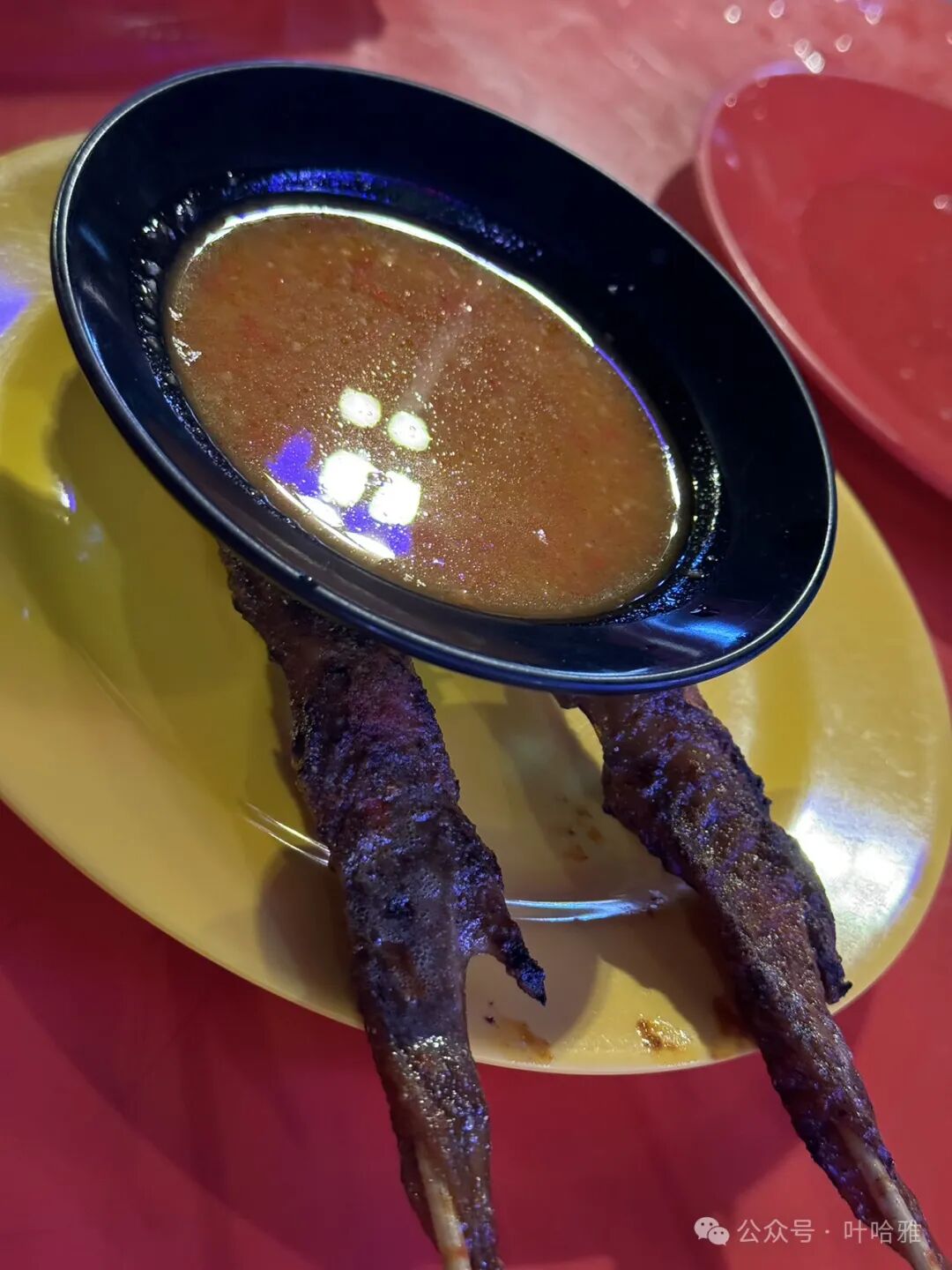
The grilled chicken wings taste good.
Address: Bukit Bintang
8. Fanfang Suxiaomeng
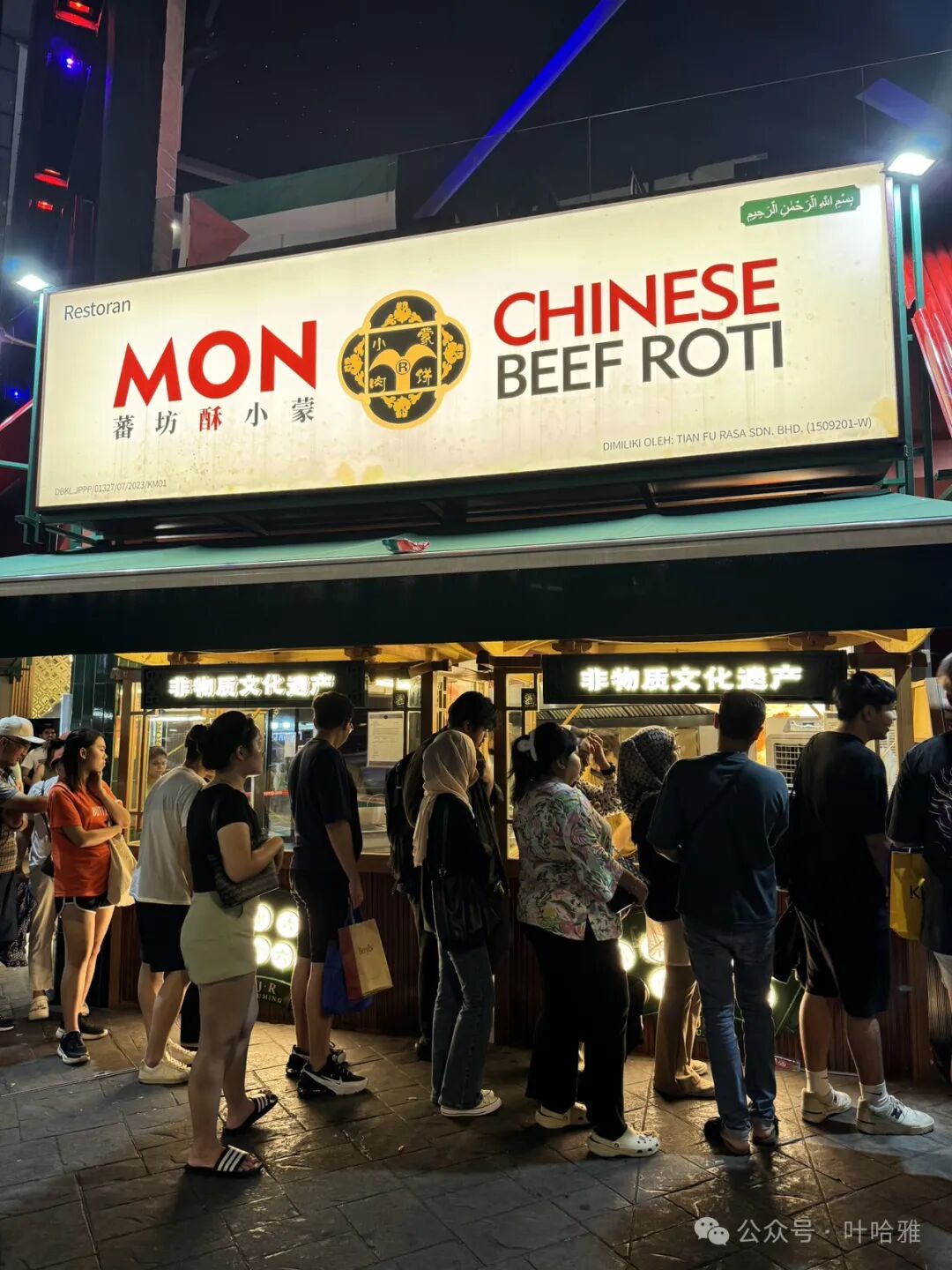
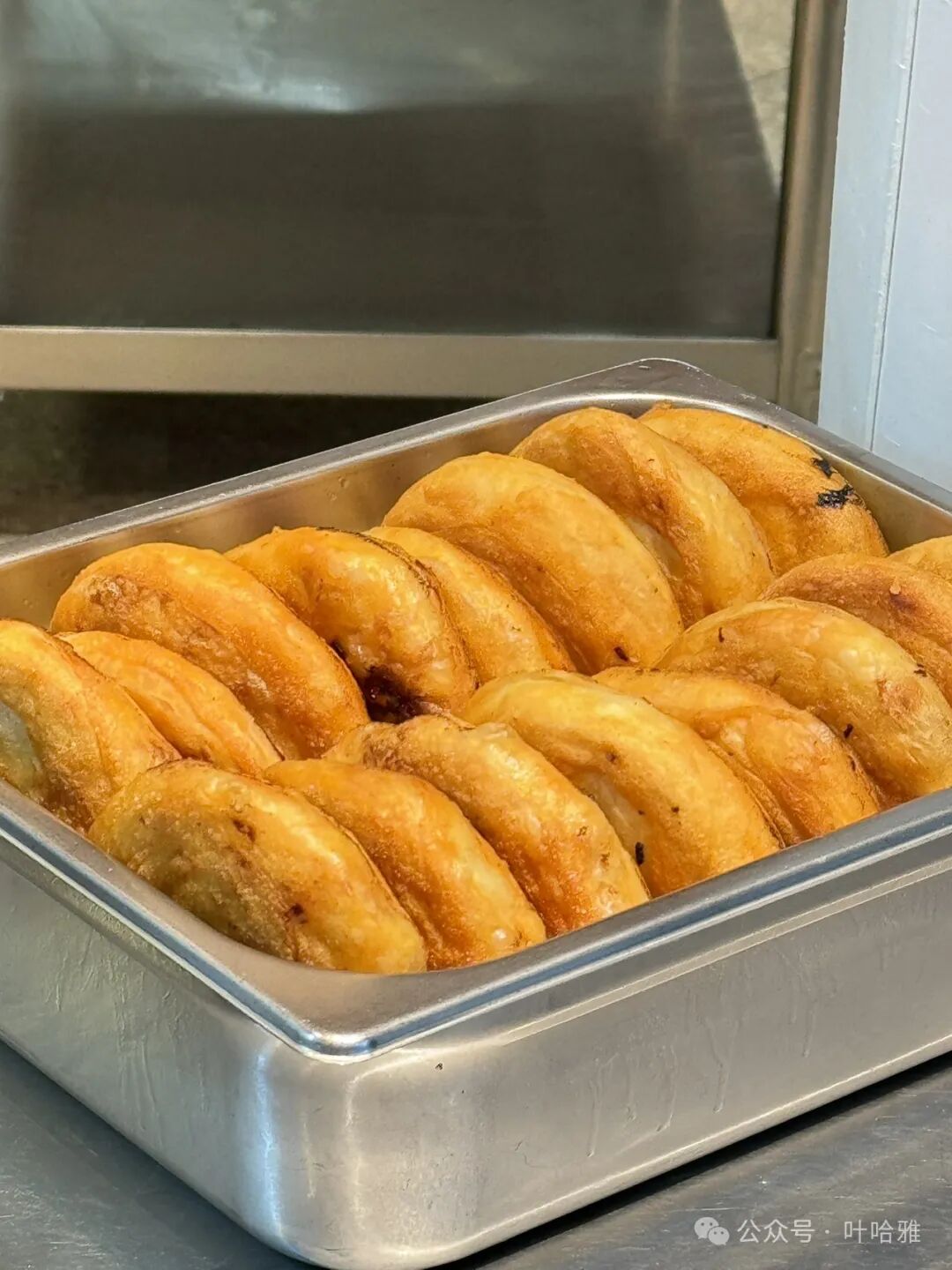
This is the Kuala Lumpur branch of Chengdu Fanfang. They serve hot pot on the second floor, and the beef pancakes (niuroubing) on the first floor have become a viral hit.
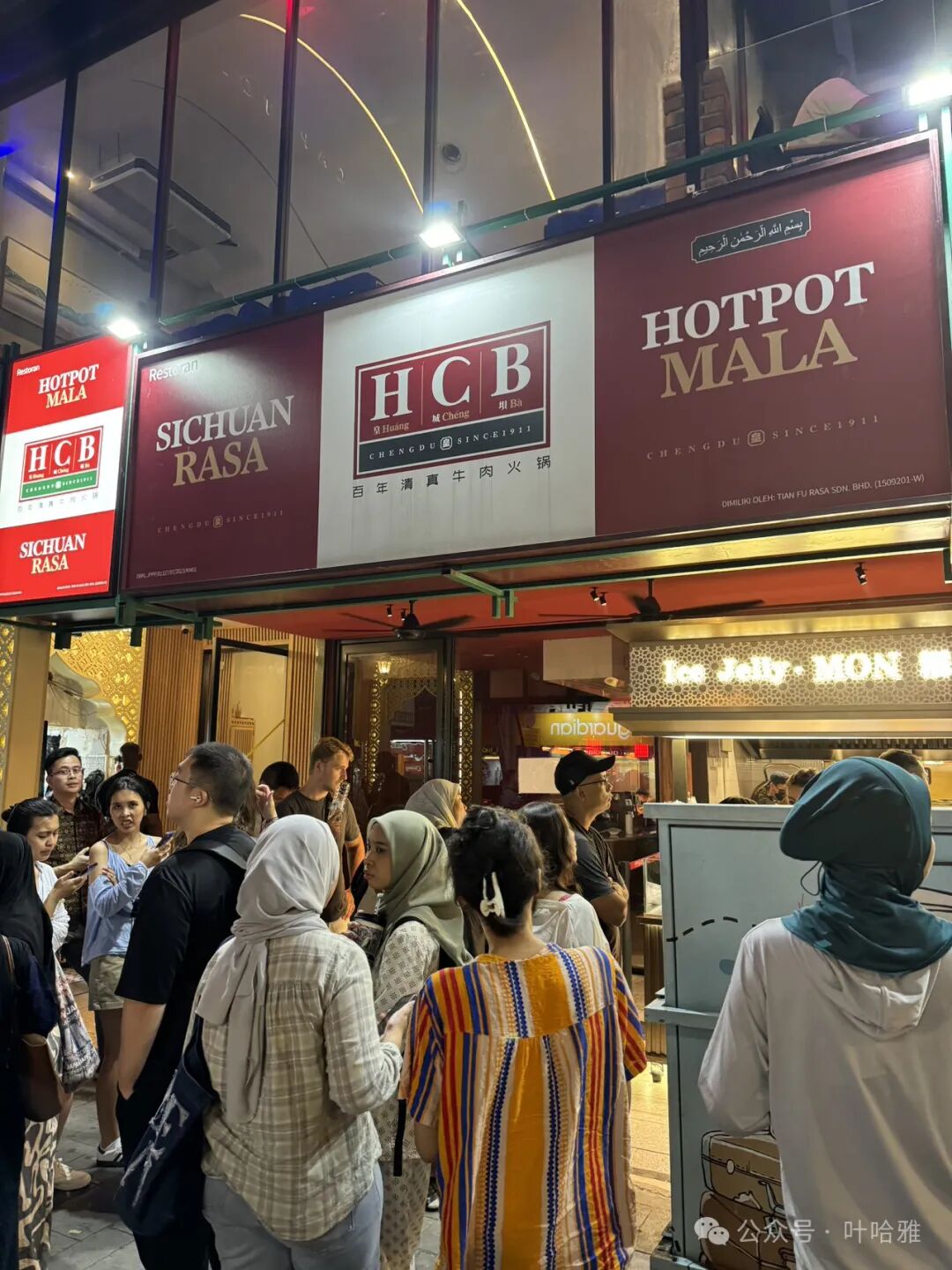
You have to wait in line for about 15 minutes on average to get a beef pancake.
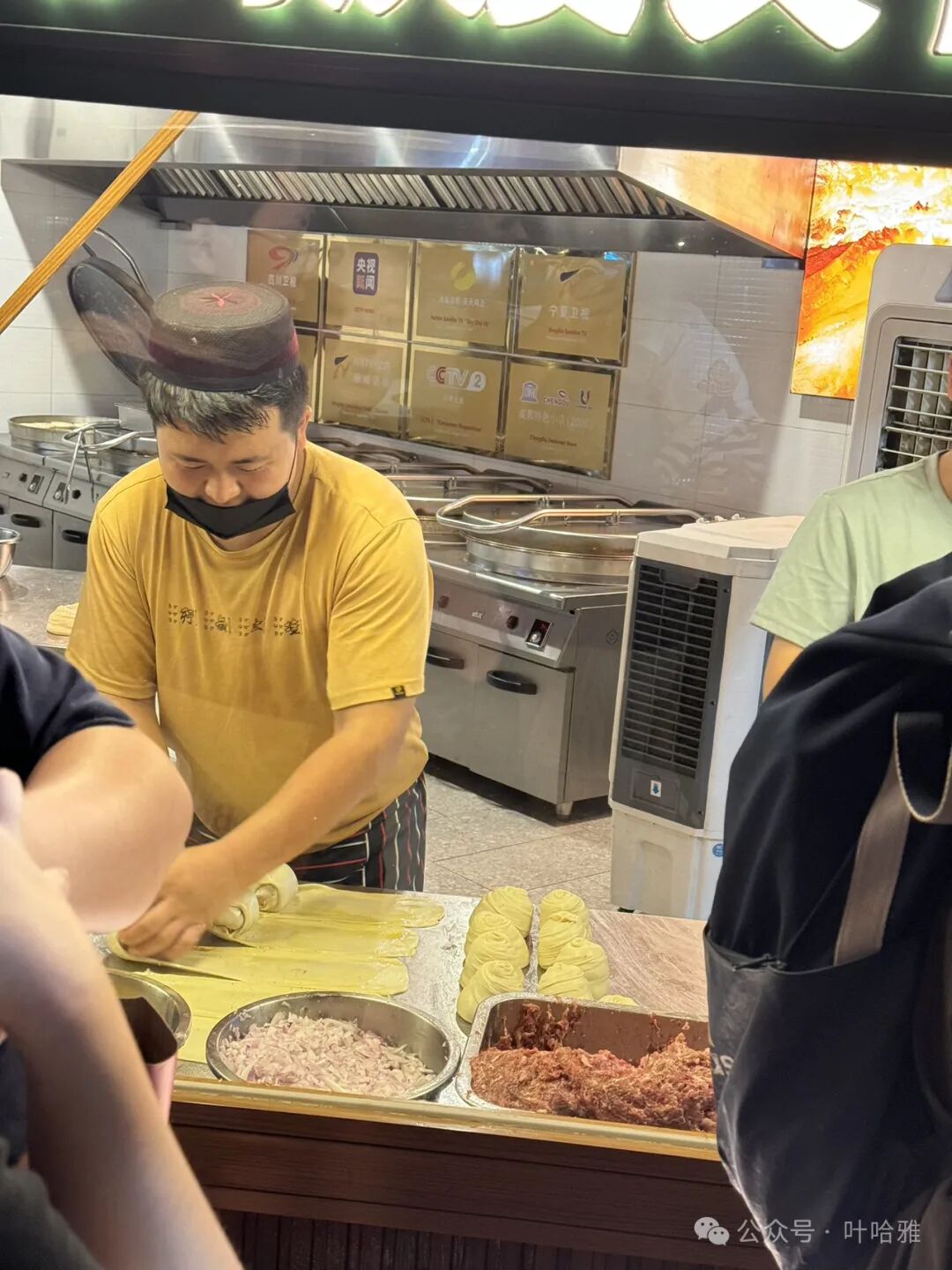
These beef pancakes have more filling and are crispier than the ones back home.
Address:
Bukit Bintang is not far from the Mongolian barbecue.
9. Mo Song Dry Pot Shrimp (Mo Song Ganguo Xia)
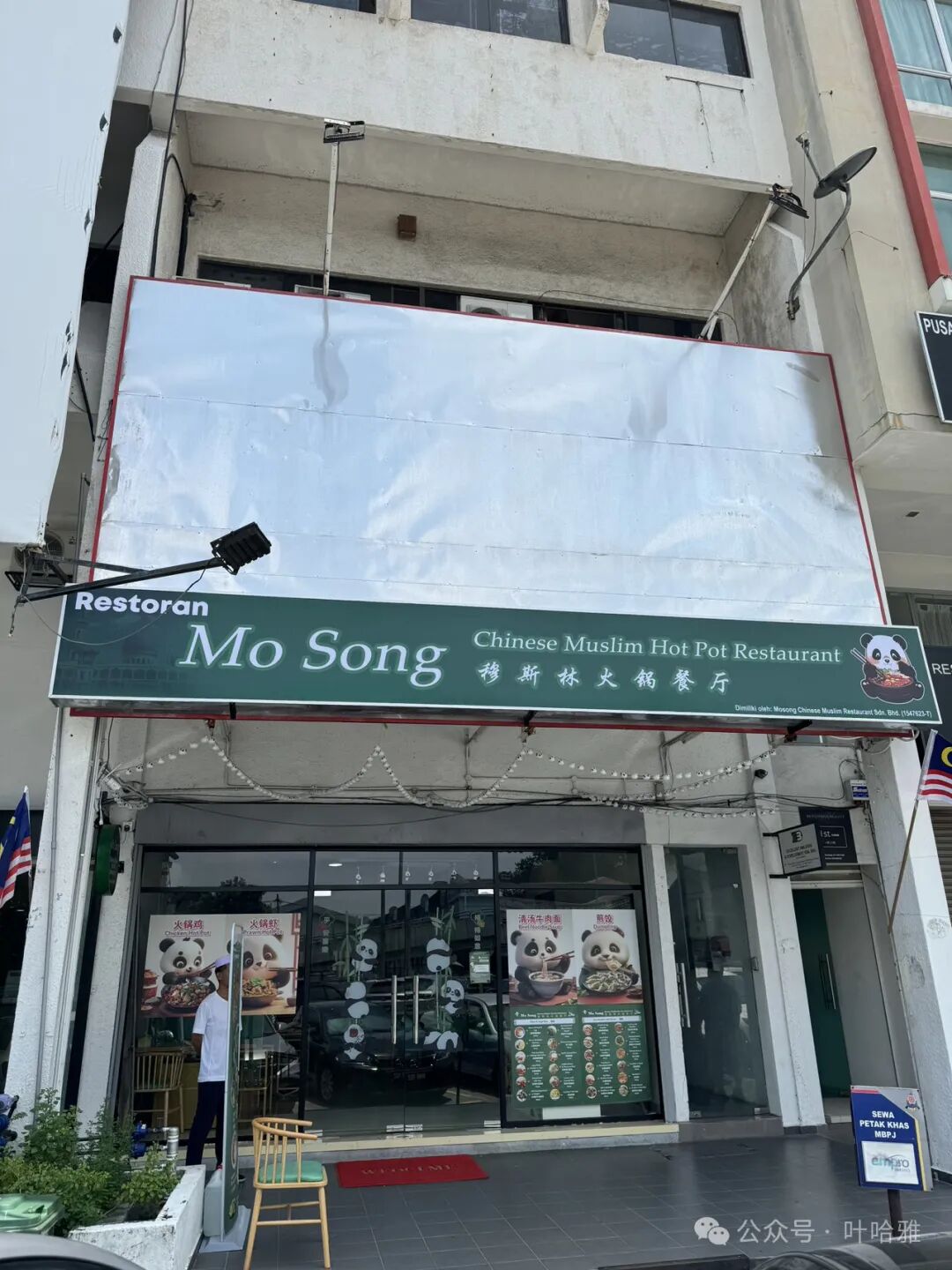
This shop in Kuala Lumpur was opened by an elder (xianglao) from the Lingmingtang gongbei in Lanzhou. Lanzhou people are very particular about their food, focusing not just on taste but also on the decor.
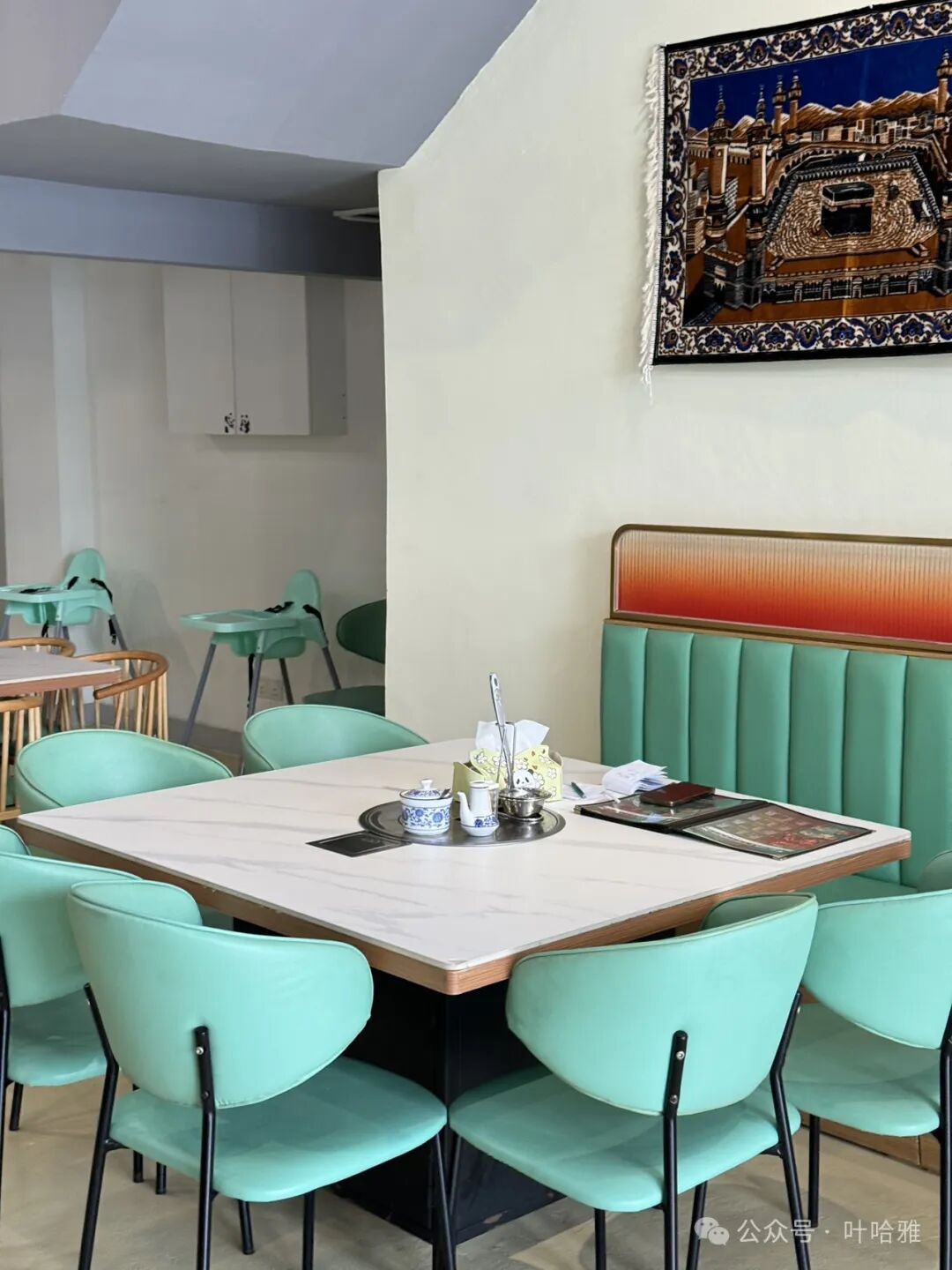
The shop has a beautiful environment, and the owner is a student who studied in Malaysia.
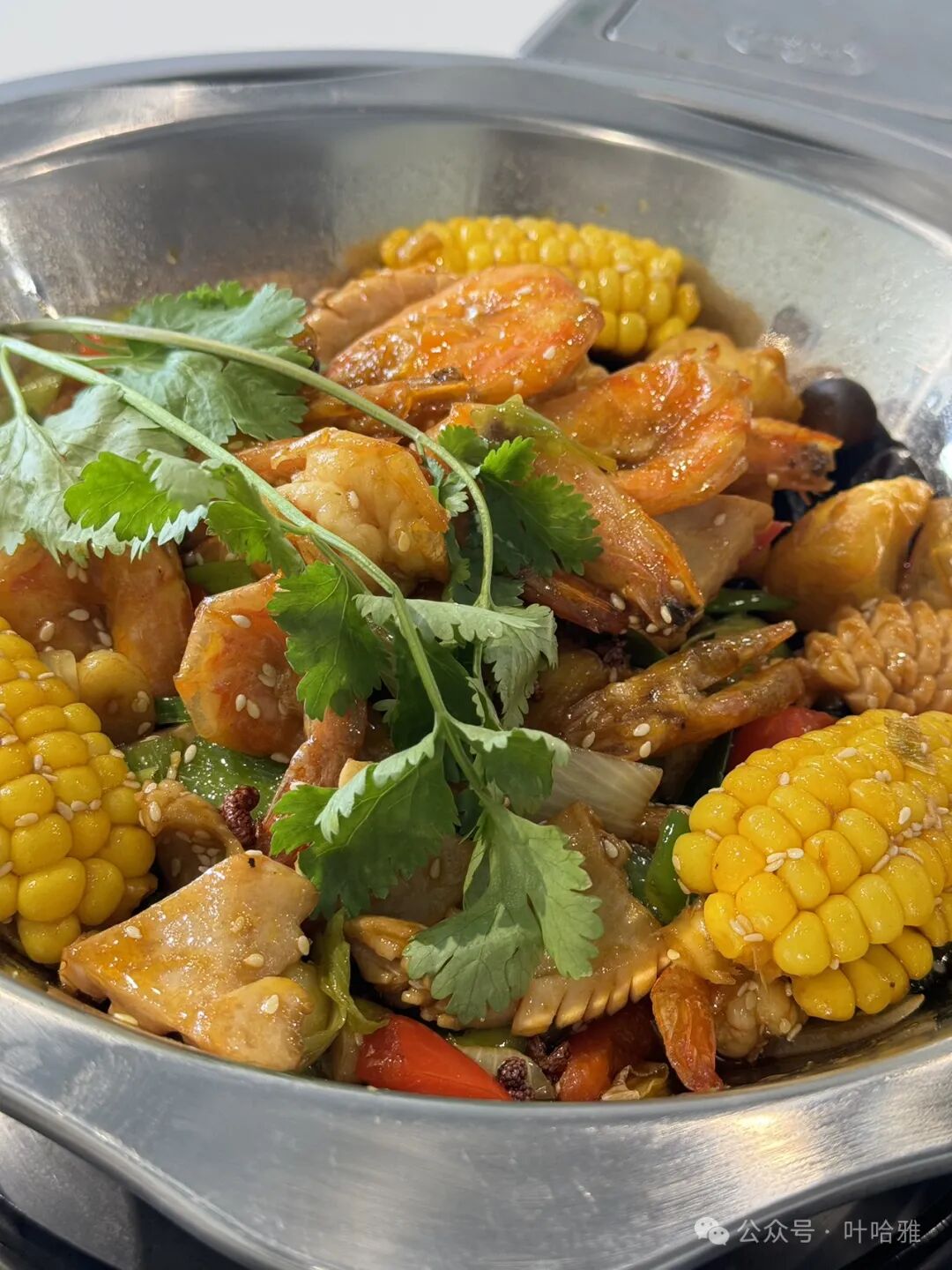
The dry pot shrimp (ganguo xia) is delicious. The squid and shrimp inside are very fresh, and everyone praised it. We plan to come back next time to try their hot pot.
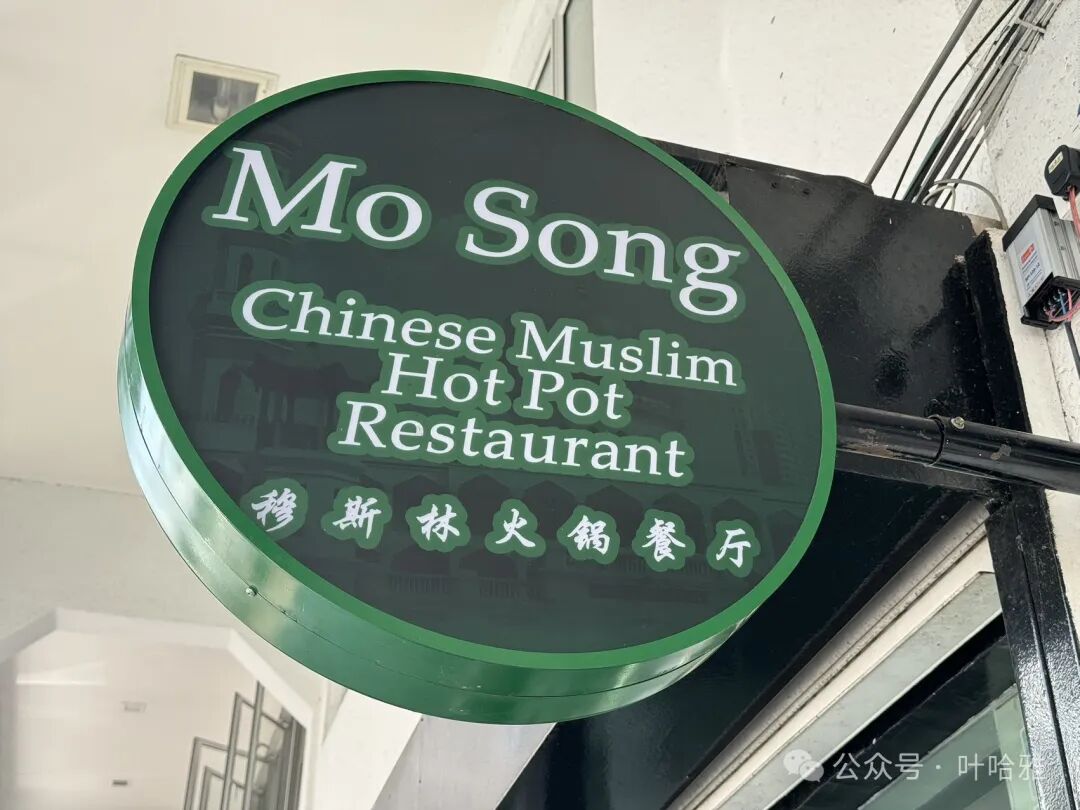
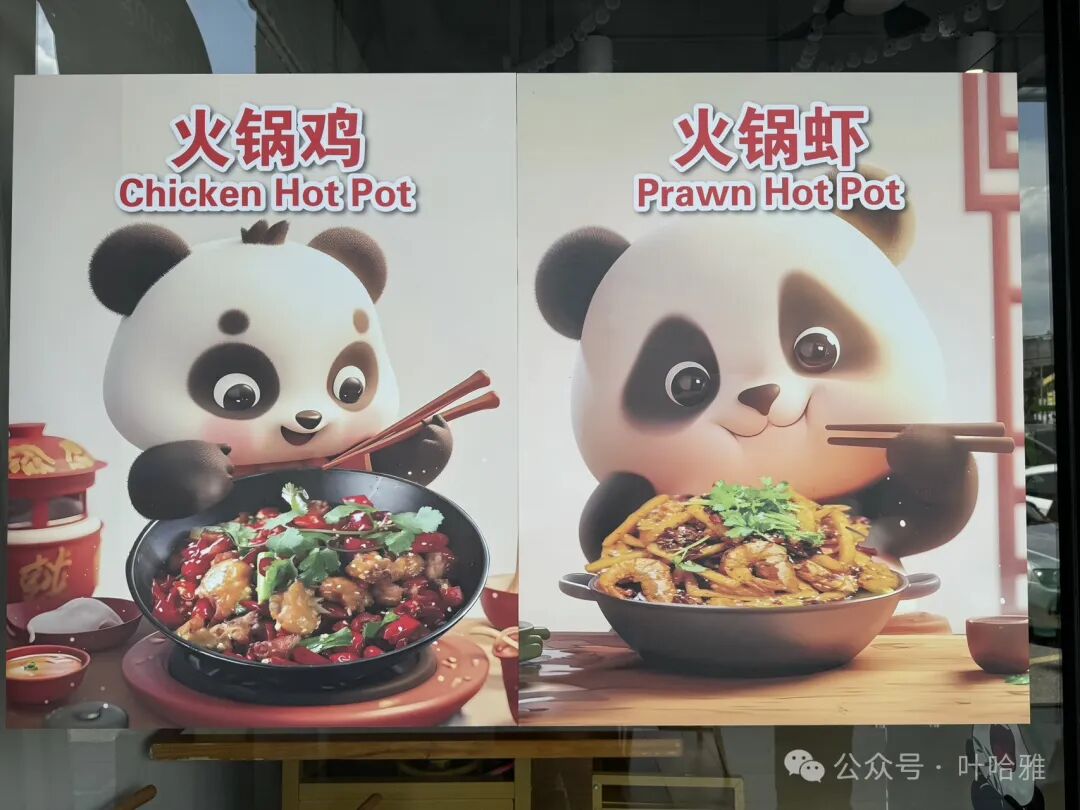
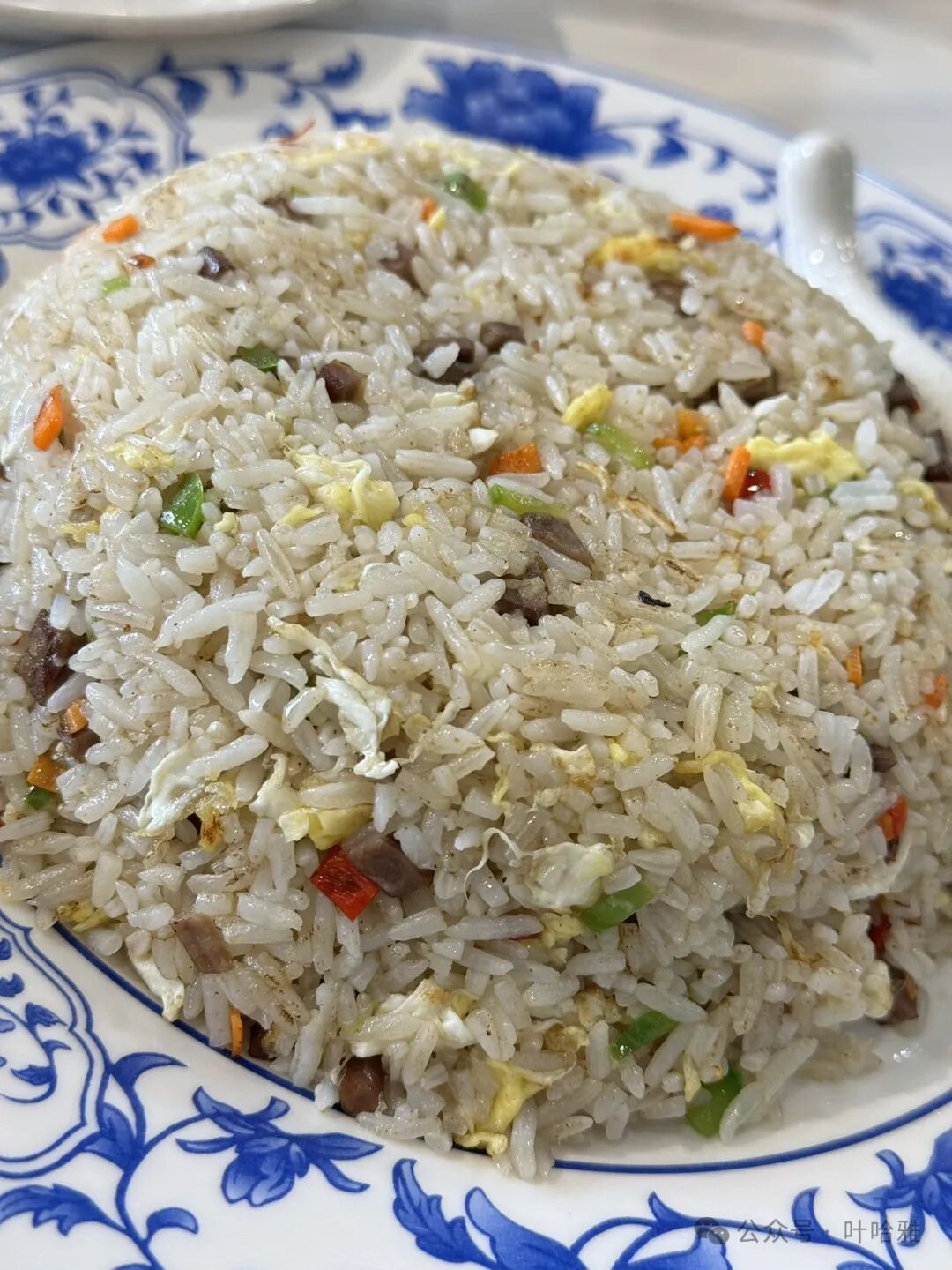
Fahim loves their Lanzhou fried rice, and he can eat more than half a portion by himself.
Address: 88, Jalan SS 21/62, Damansara Utama, 47400 Petaling Jaya, Selangor
10. Warong Maa Abah
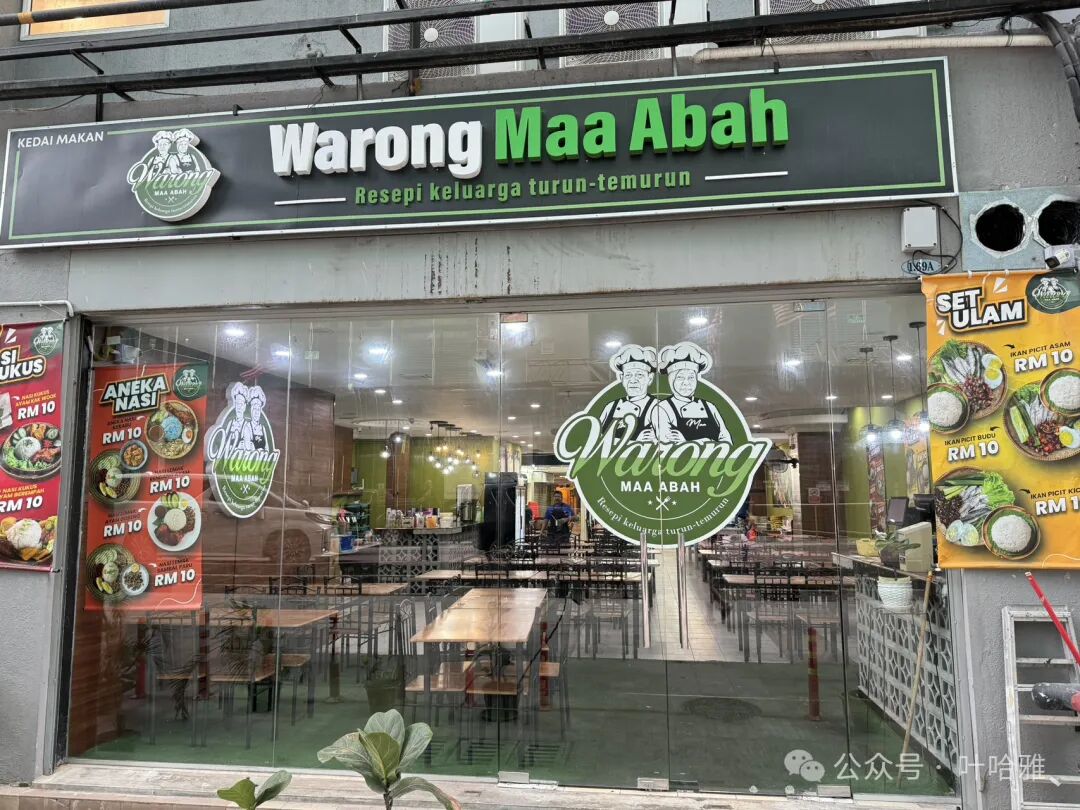
This is a Malay-style fast food restaurant next to Musa Lanzhou Beef Noodles. It is semi-self-service where you pick your dishes first and then pay, just like a cafeteria. This type of shop is very popular with Malay people.
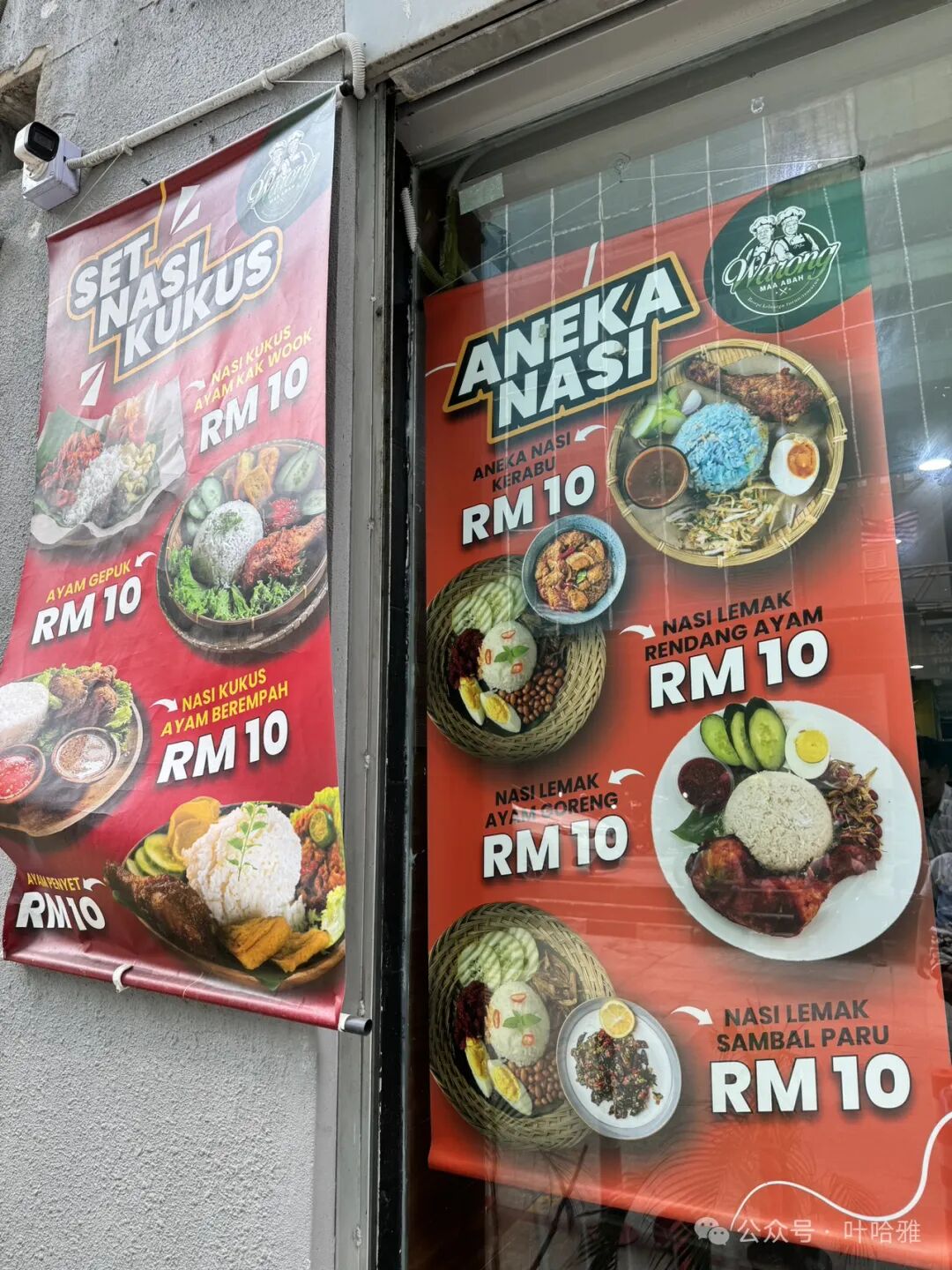
This combo only costs 10 ringgit. In Malaysia, running this kind of cheap fast food shop is often more profitable than running high-end restaurants.
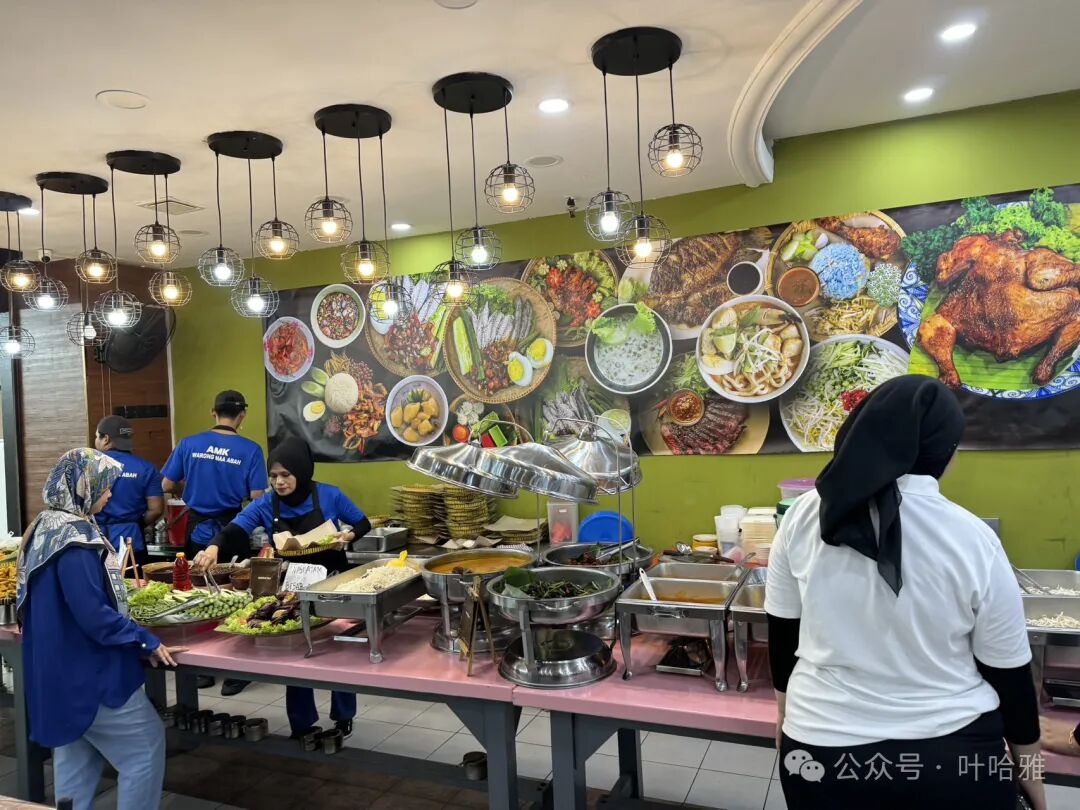
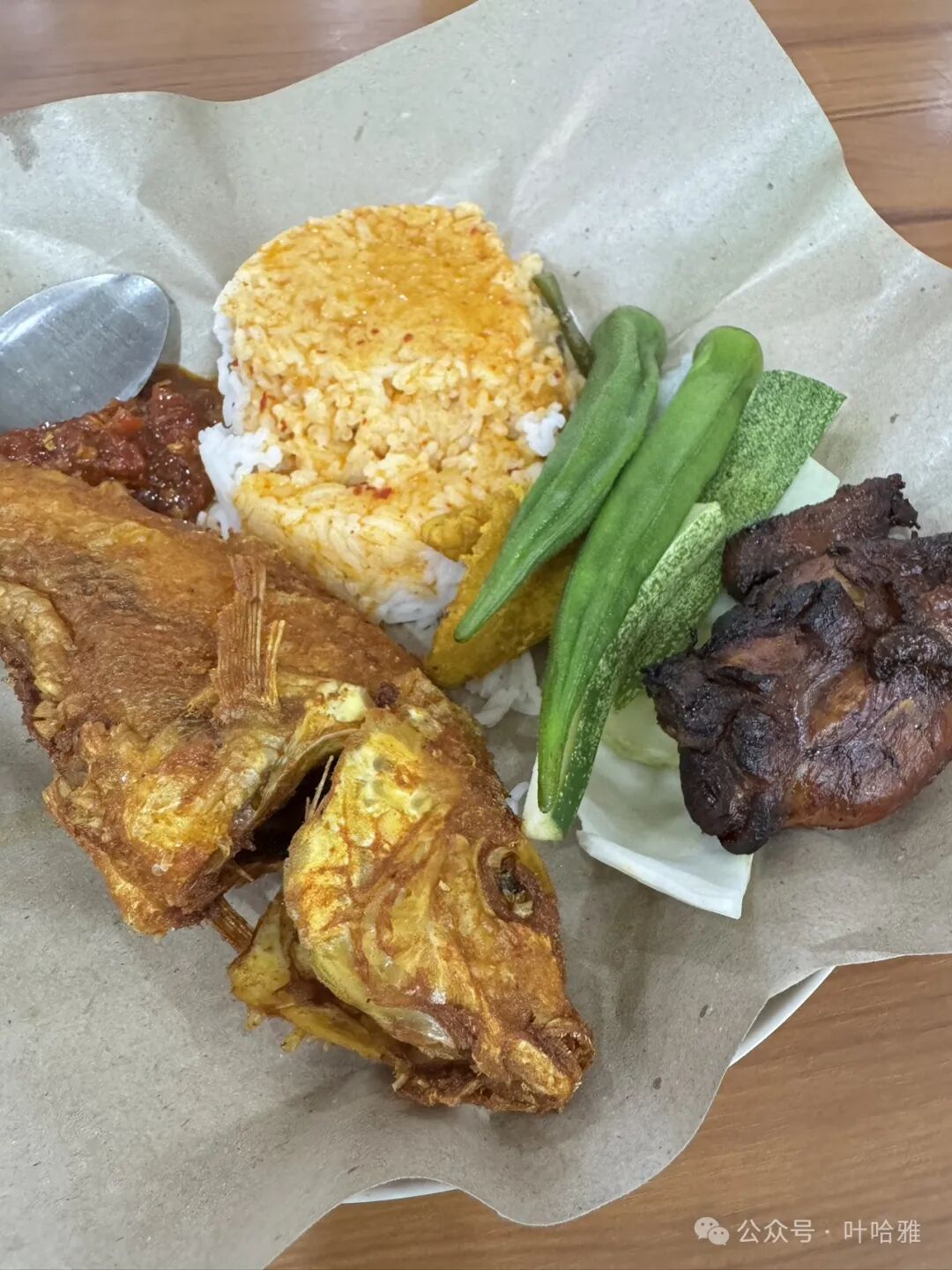
It features fried fish, grilled chicken, and okra, served with rice and sauce. The flavors are mainly spicy and salty.
Address: Ground floor of Wisma Central, next to Musa Lanzhou Beef Noodles.
11. Dodo Korea
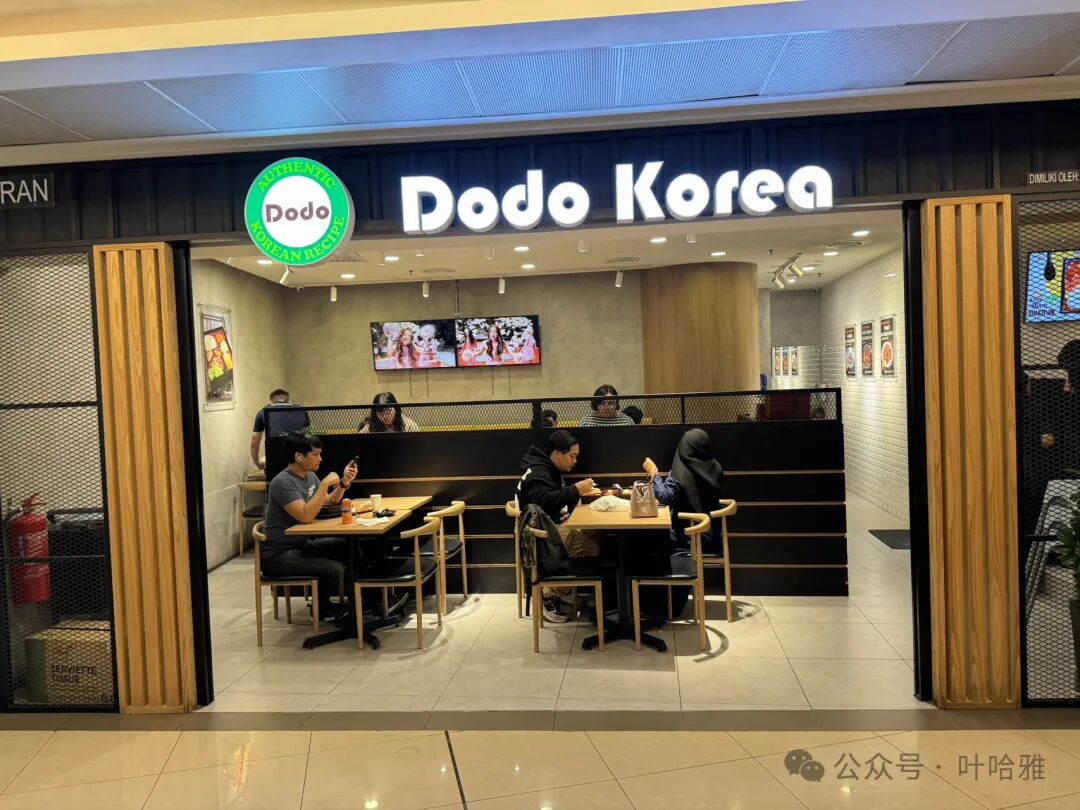
This is a Korean fast food shop on the second floor of KLCC. It is also popular with Malay people because Korean food tastes similar to Malay food, being mostly salty and spicy. It also features fried chicken and rice, though none of it is very healthy.
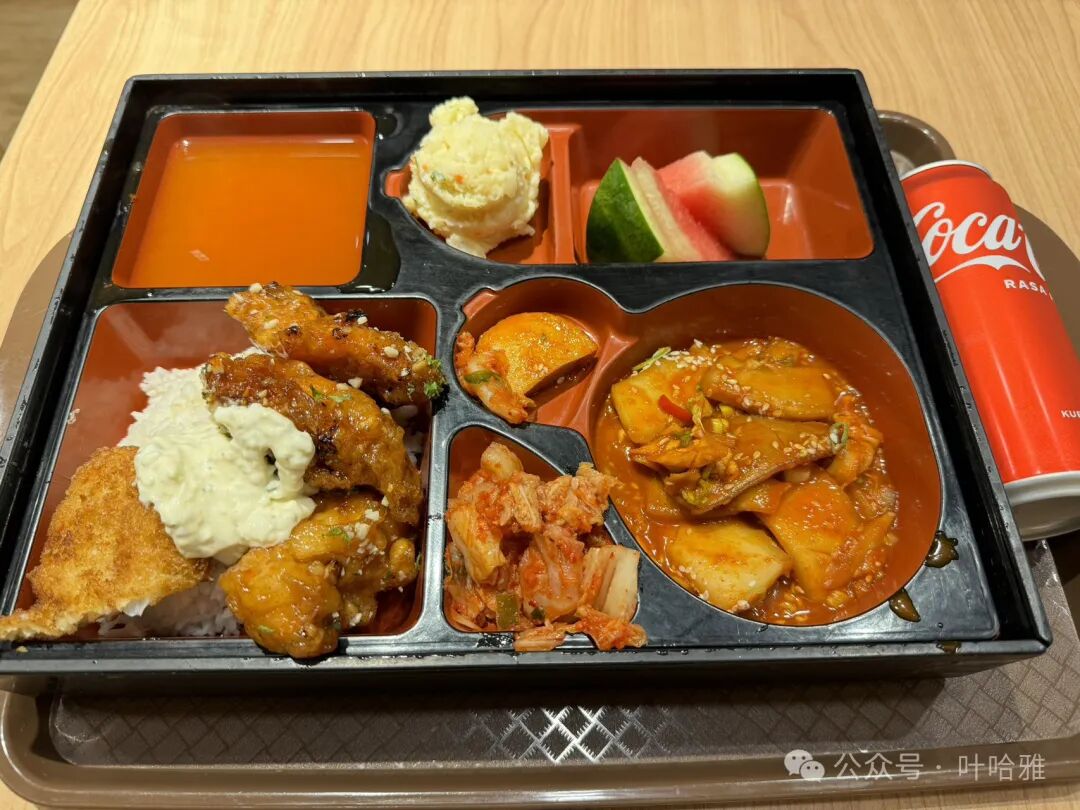
Kuala Lumpur has something for every taste.
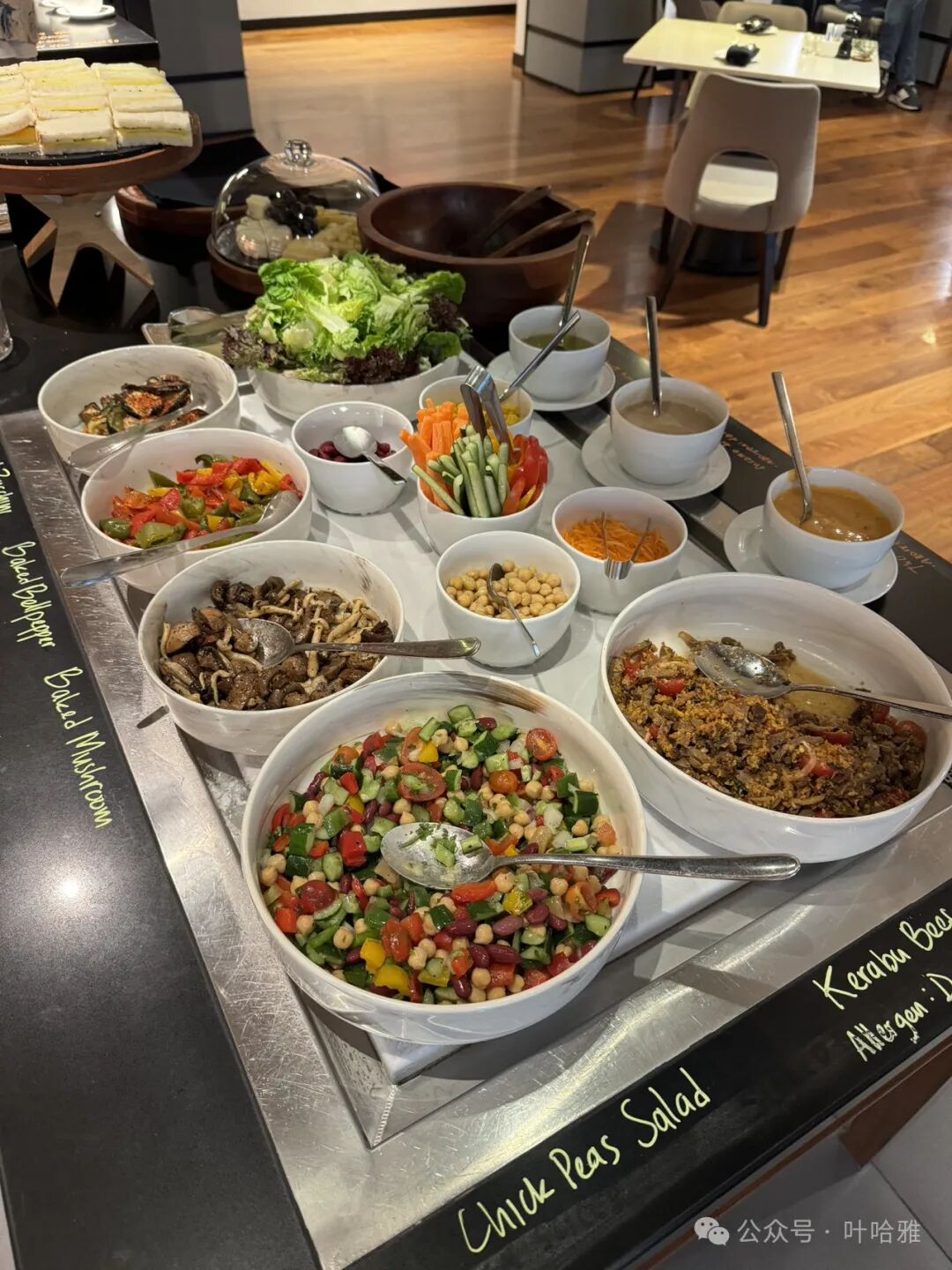
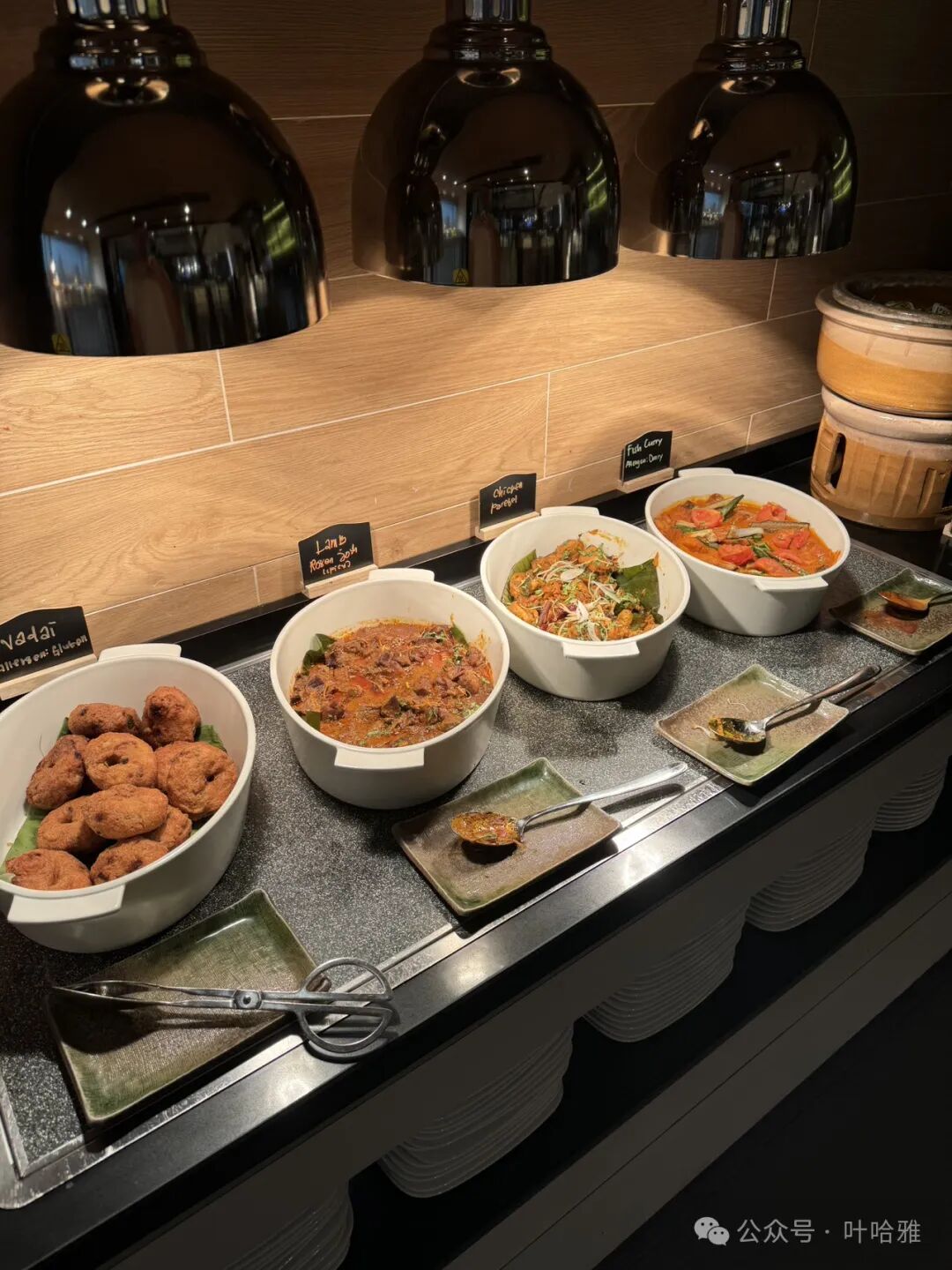
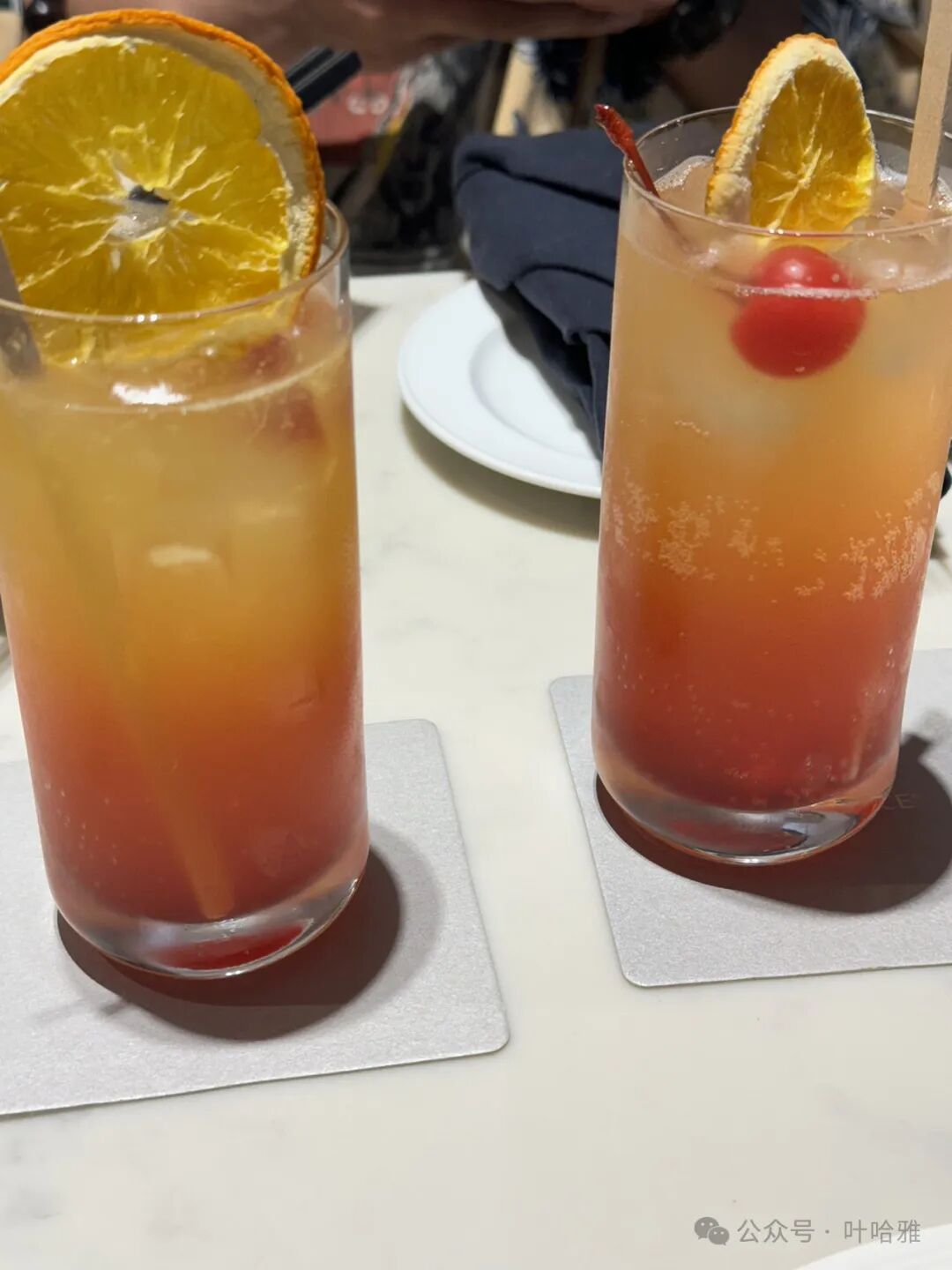
12. Renaissance Hotel Executive Lounge
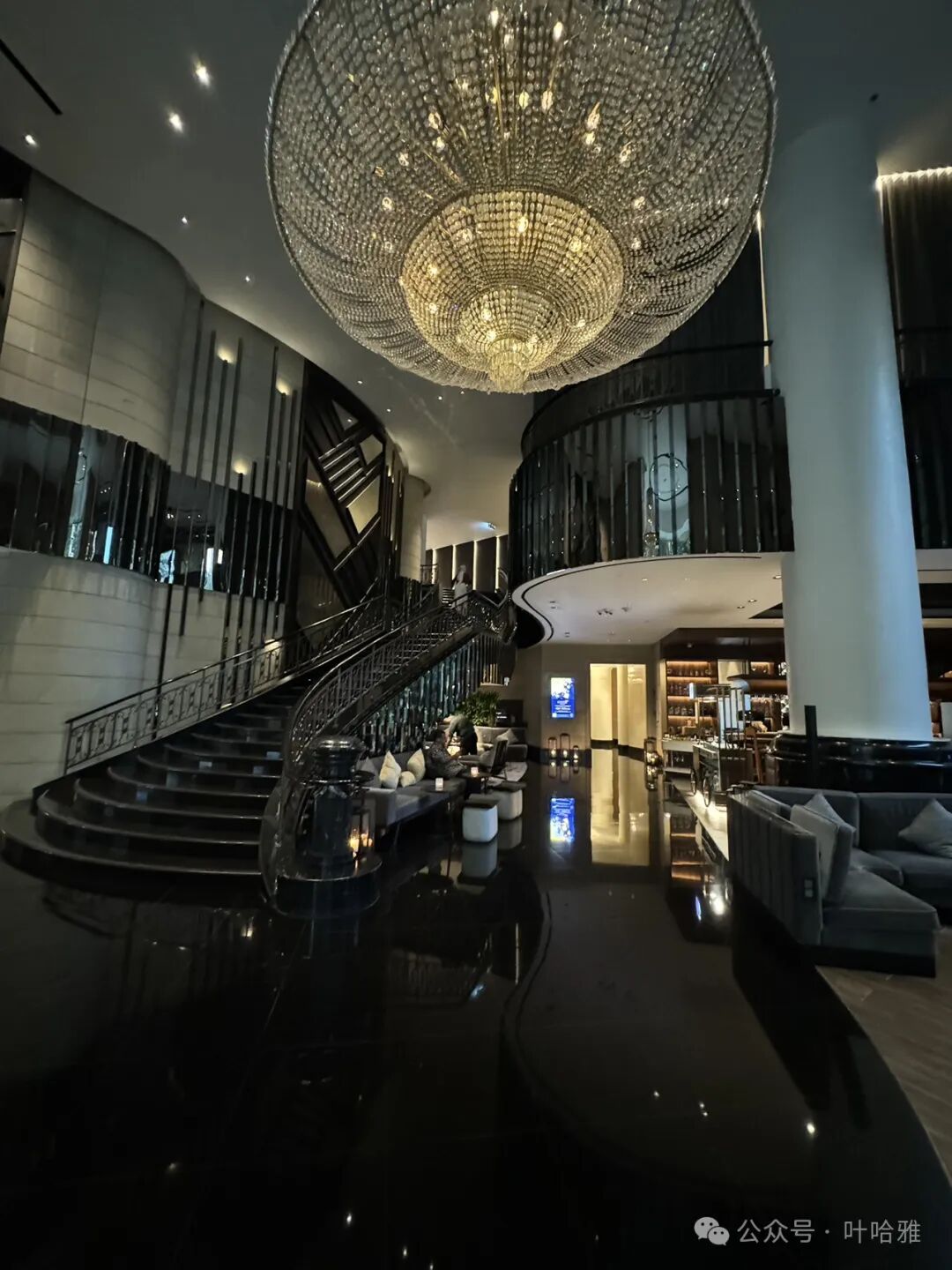
If you want a healthy and complete breakfast in Kuala Lumpur, the five-star hotels around KLCC are great choices.
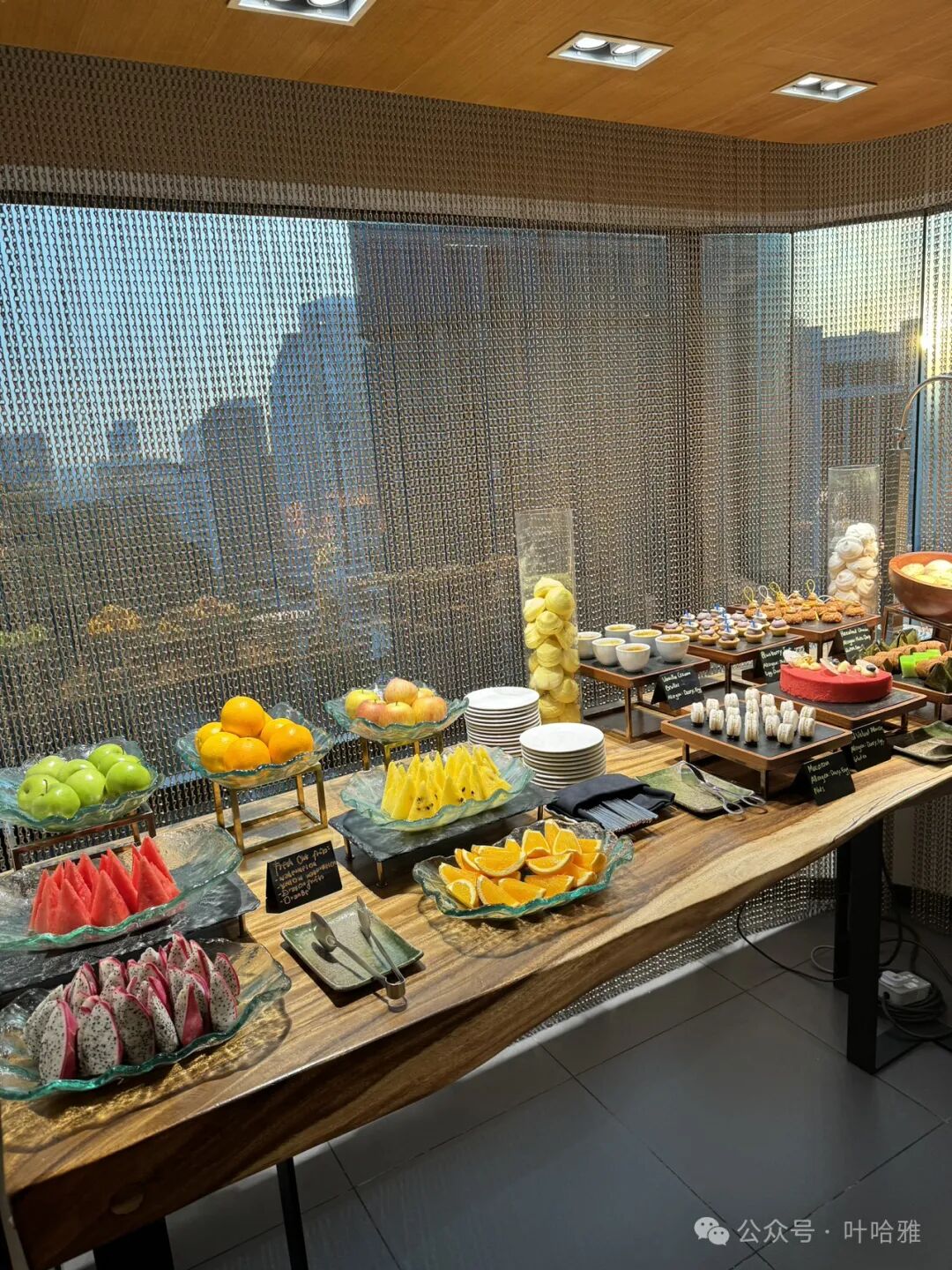
Dining at luxury hotels in Kuala Lumpur costs only half as much as in China, offering great value while catering to different tastes.
13. AVANI Sepang Goldcoast Resort
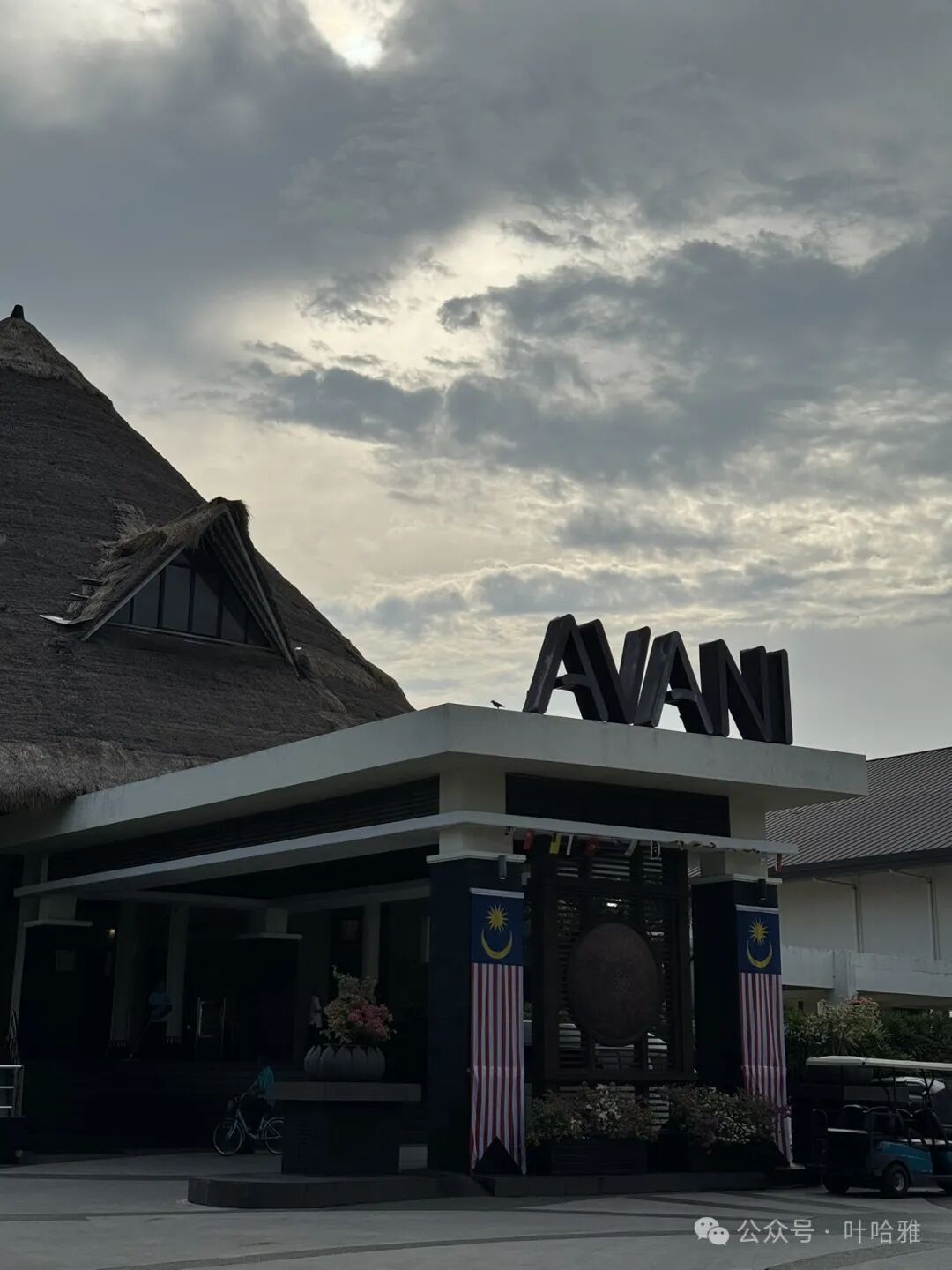
The Avani resort is a drive of over an hour from downtown Kuala Lumpur.
You can see the sea here, and there are few tourists, as the people visiting the beach are mostly local Malaysians.
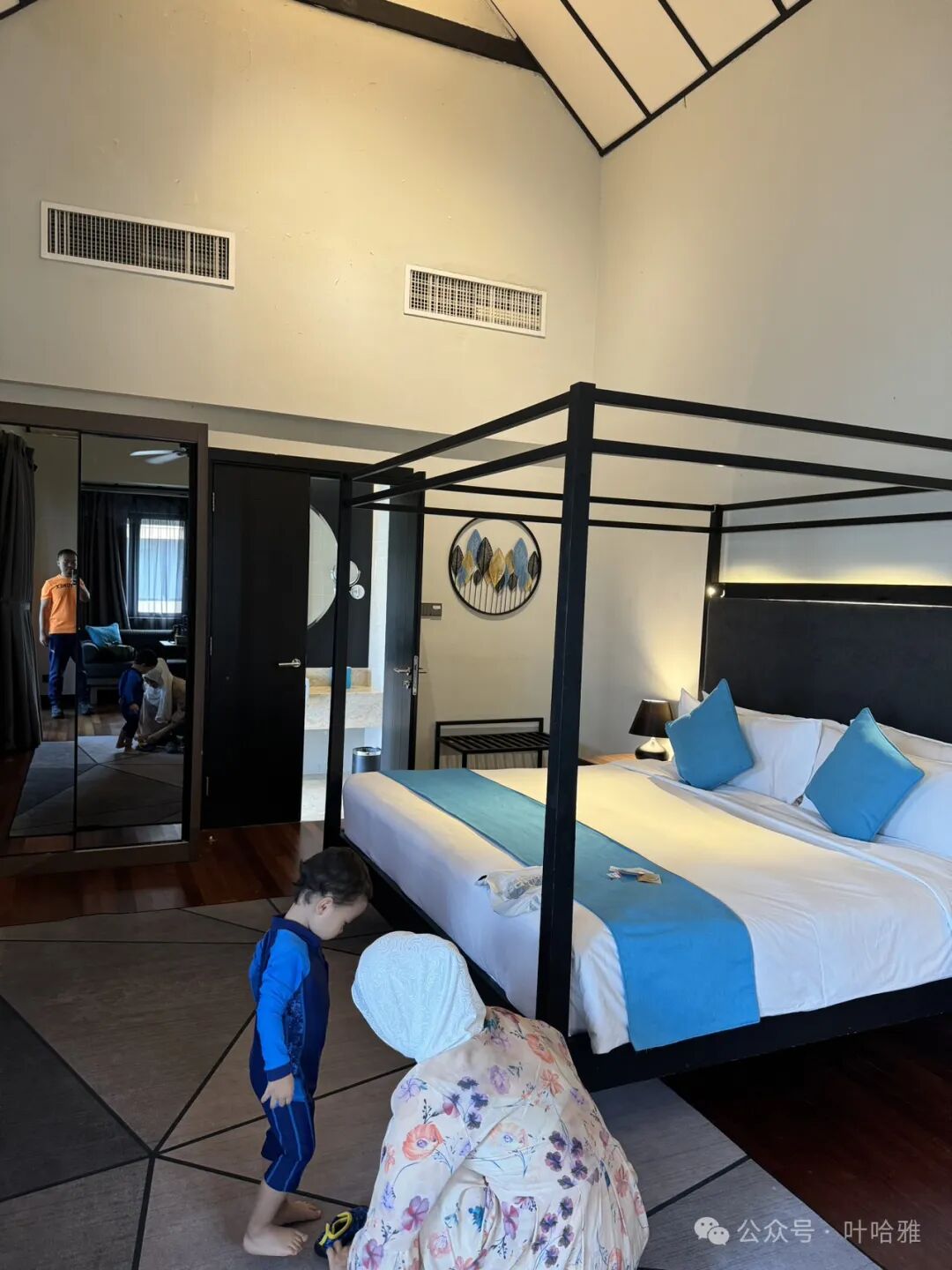
The seawater is not very blue because it is near the river mouth, so you have to take a boat to further islands to see deep blue water, but Fahim is not interested in that; he only cares about throwing stones and playing in the sand.
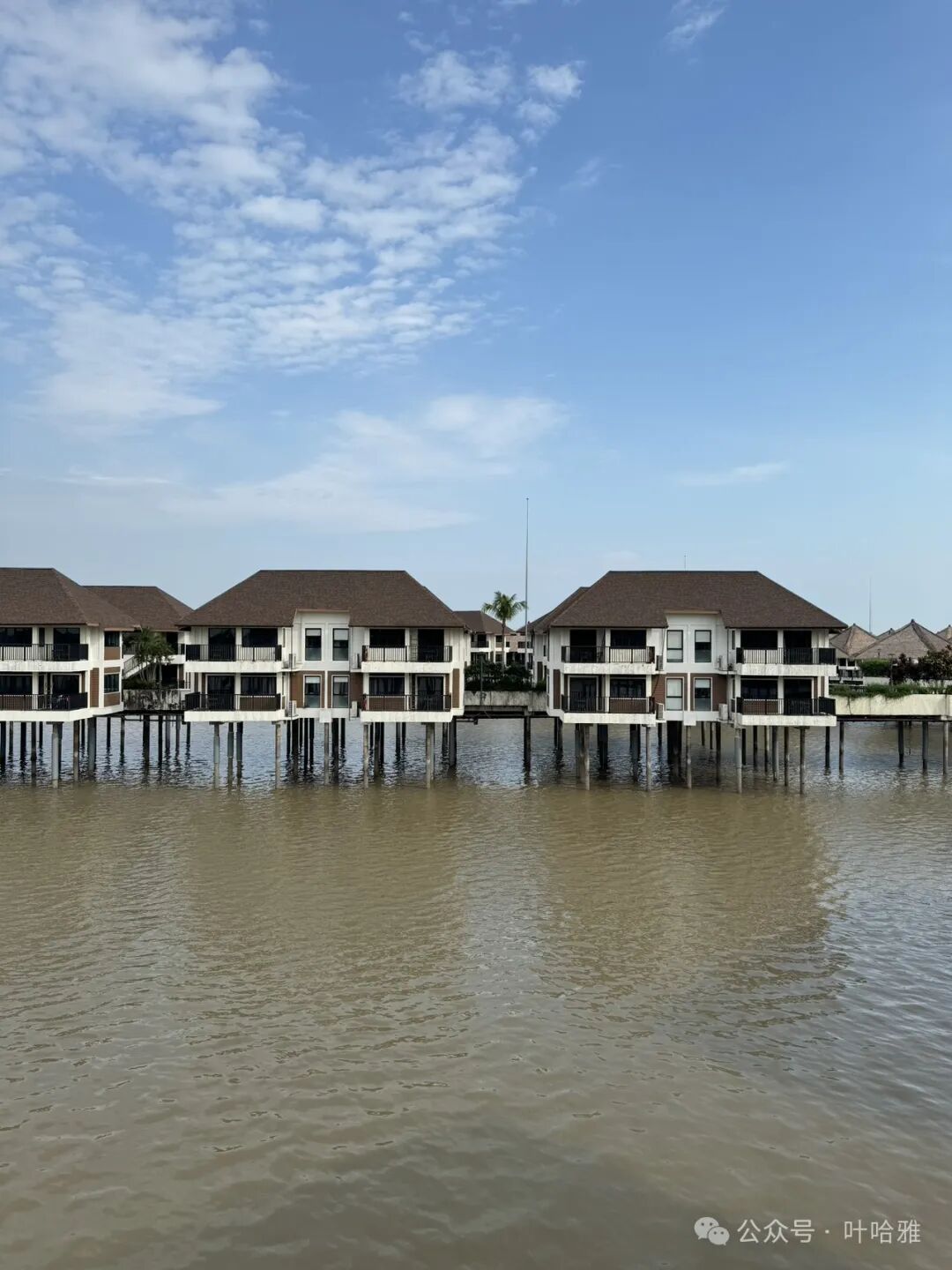
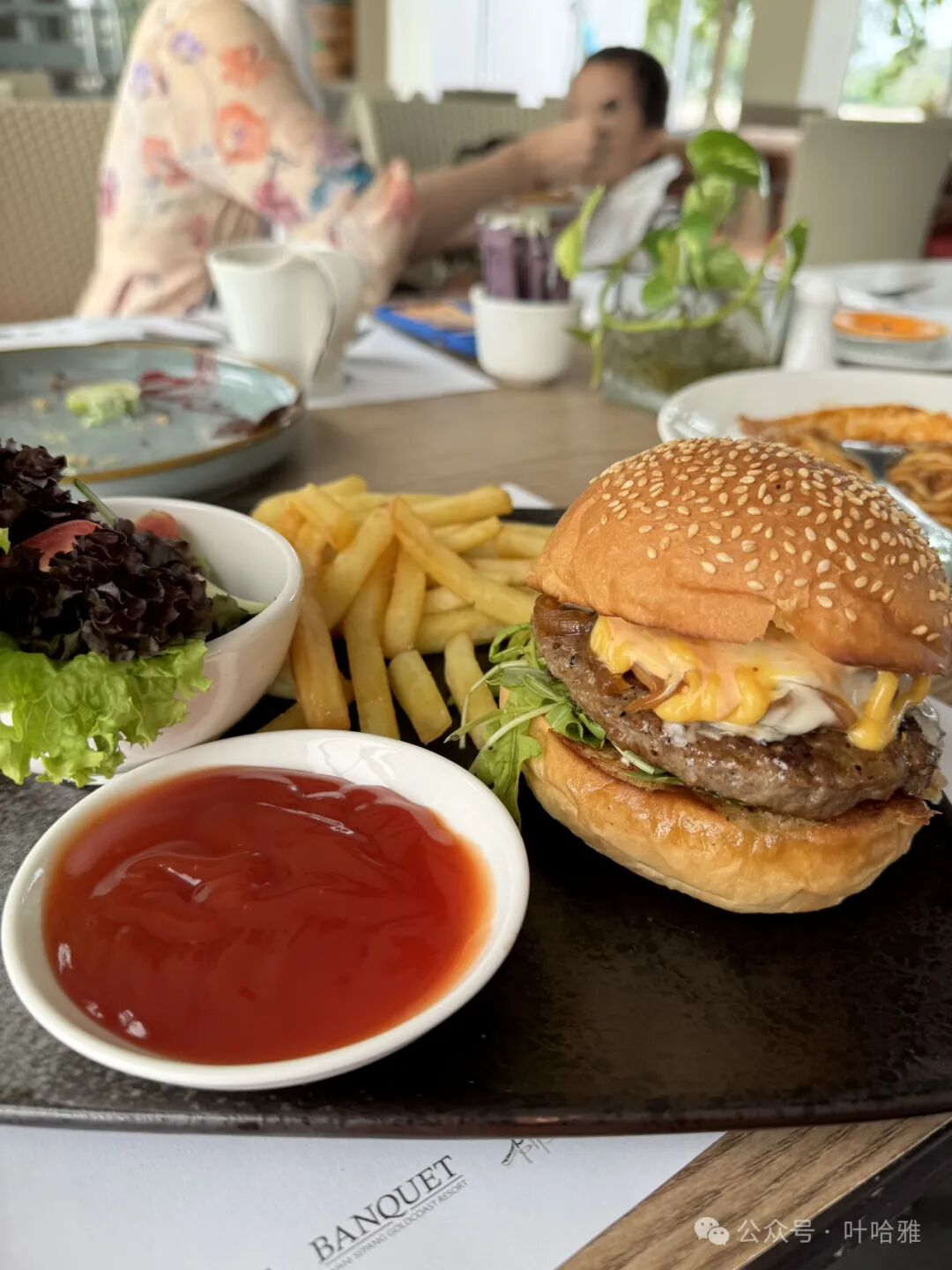
The hotel's western restaurant has burgers and pasta that children like.
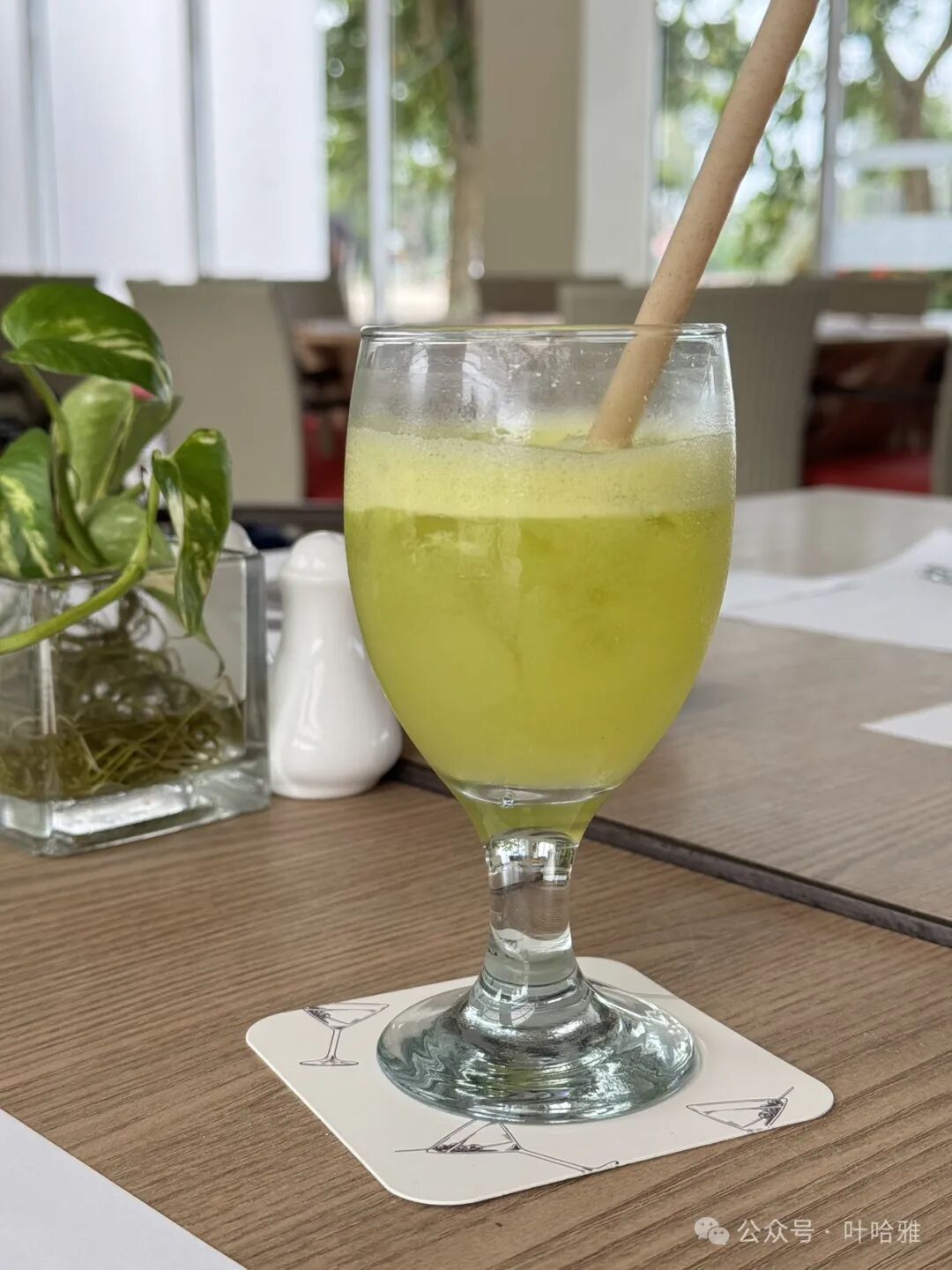
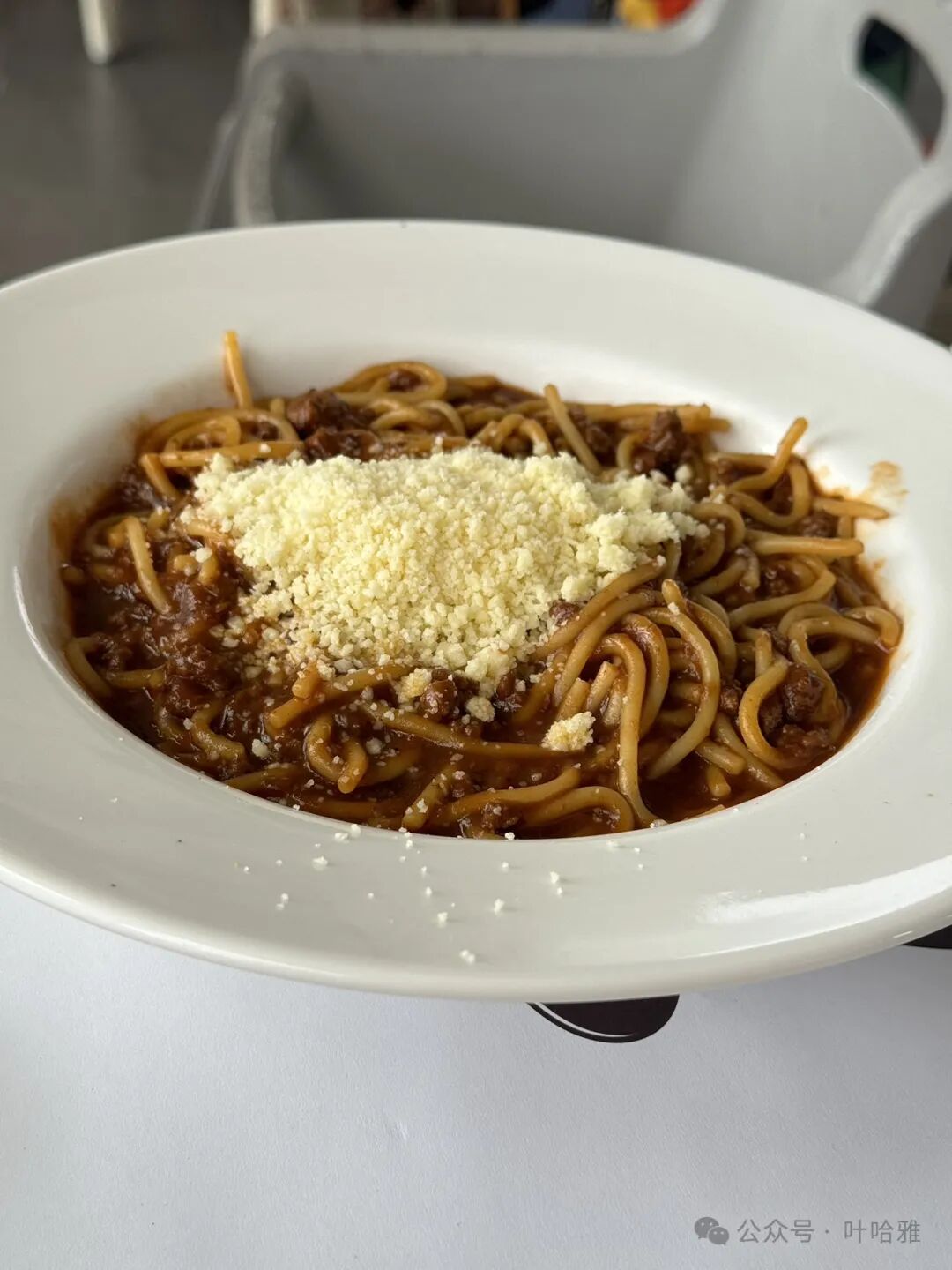
The price is not expensive, at about 50 RM per person.
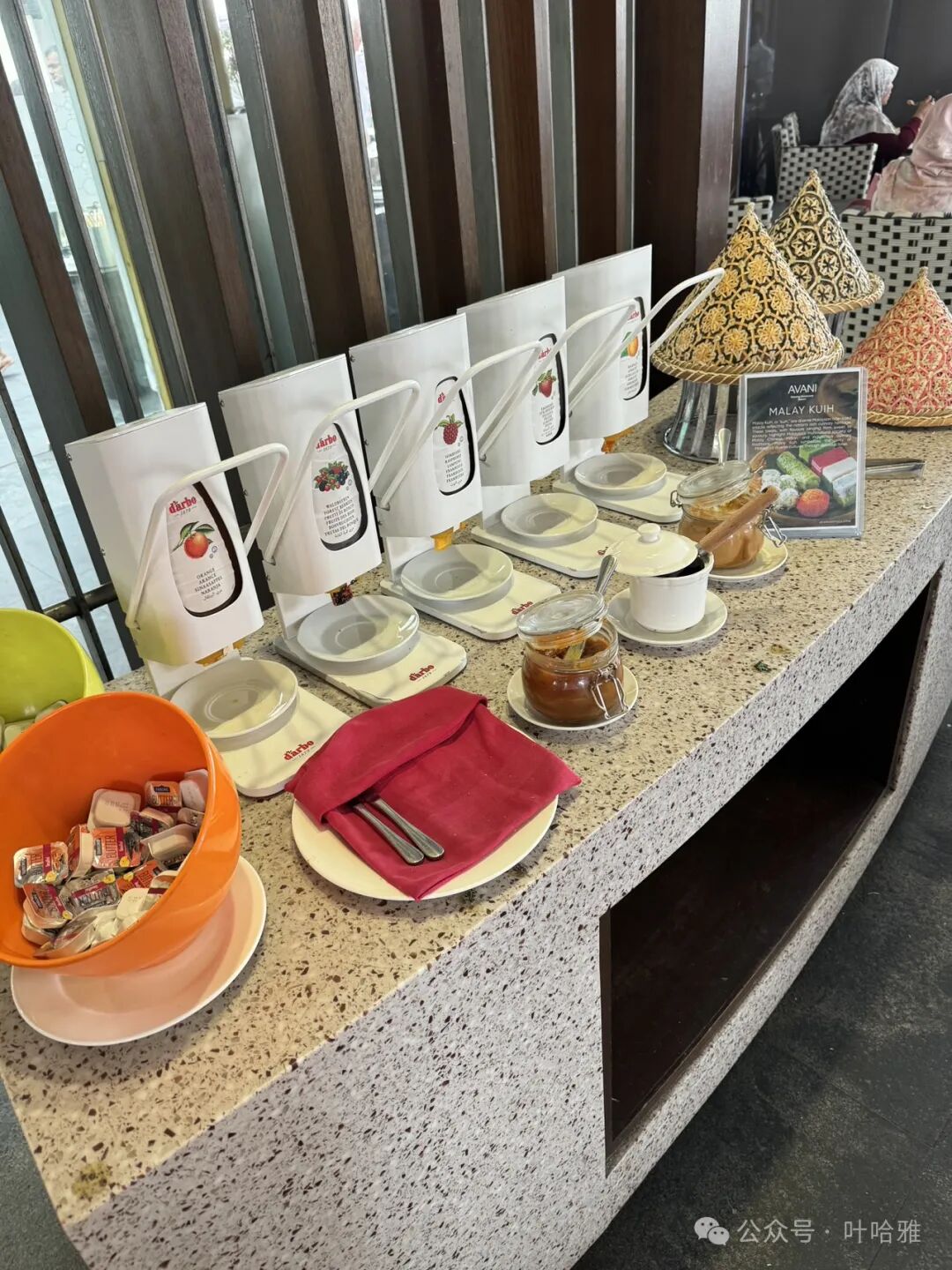
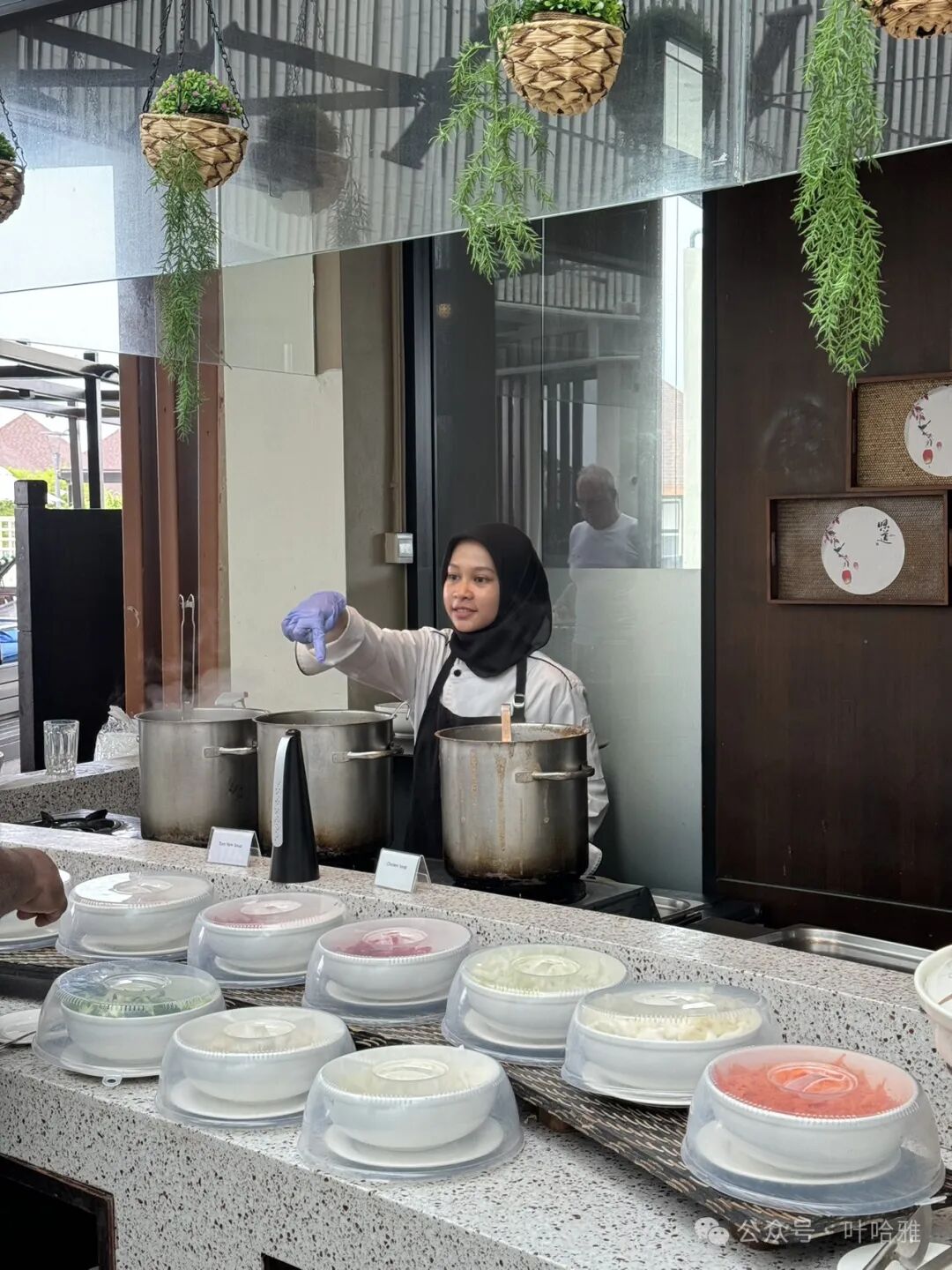
Avani hotel's breakfast is served in three halls, featuring Indian food, Malay food, and Chinese food, so you can try them all.
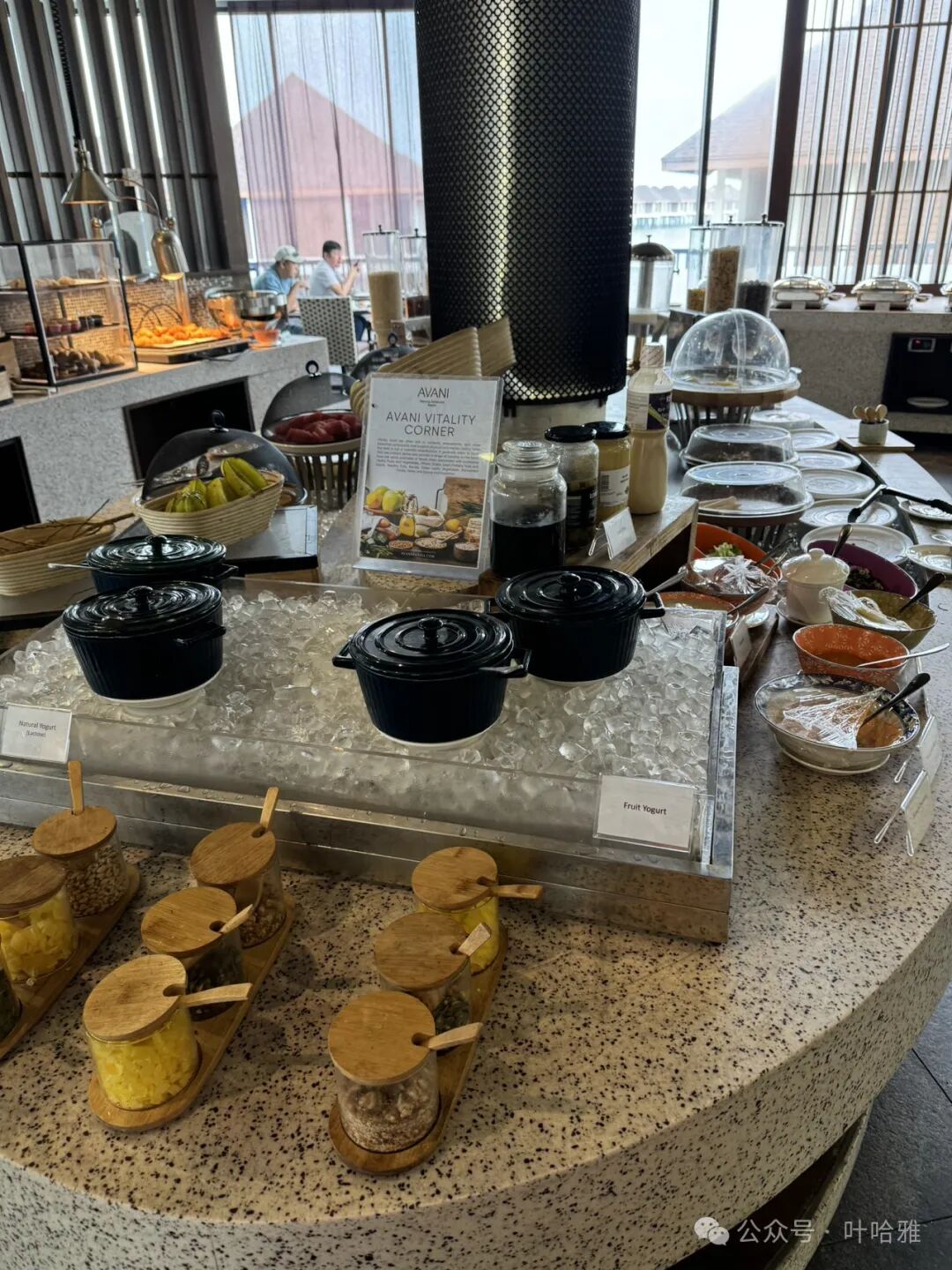
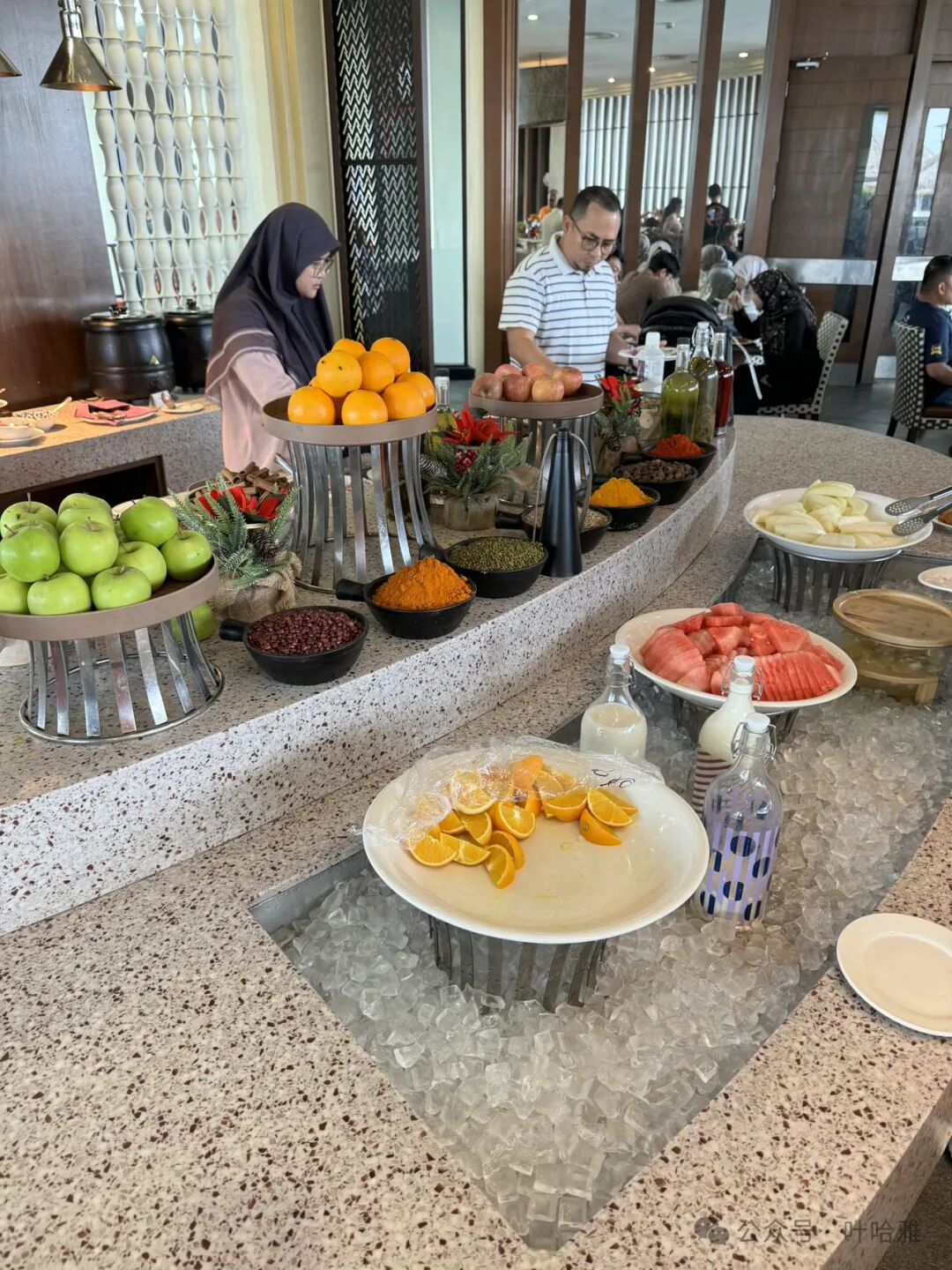
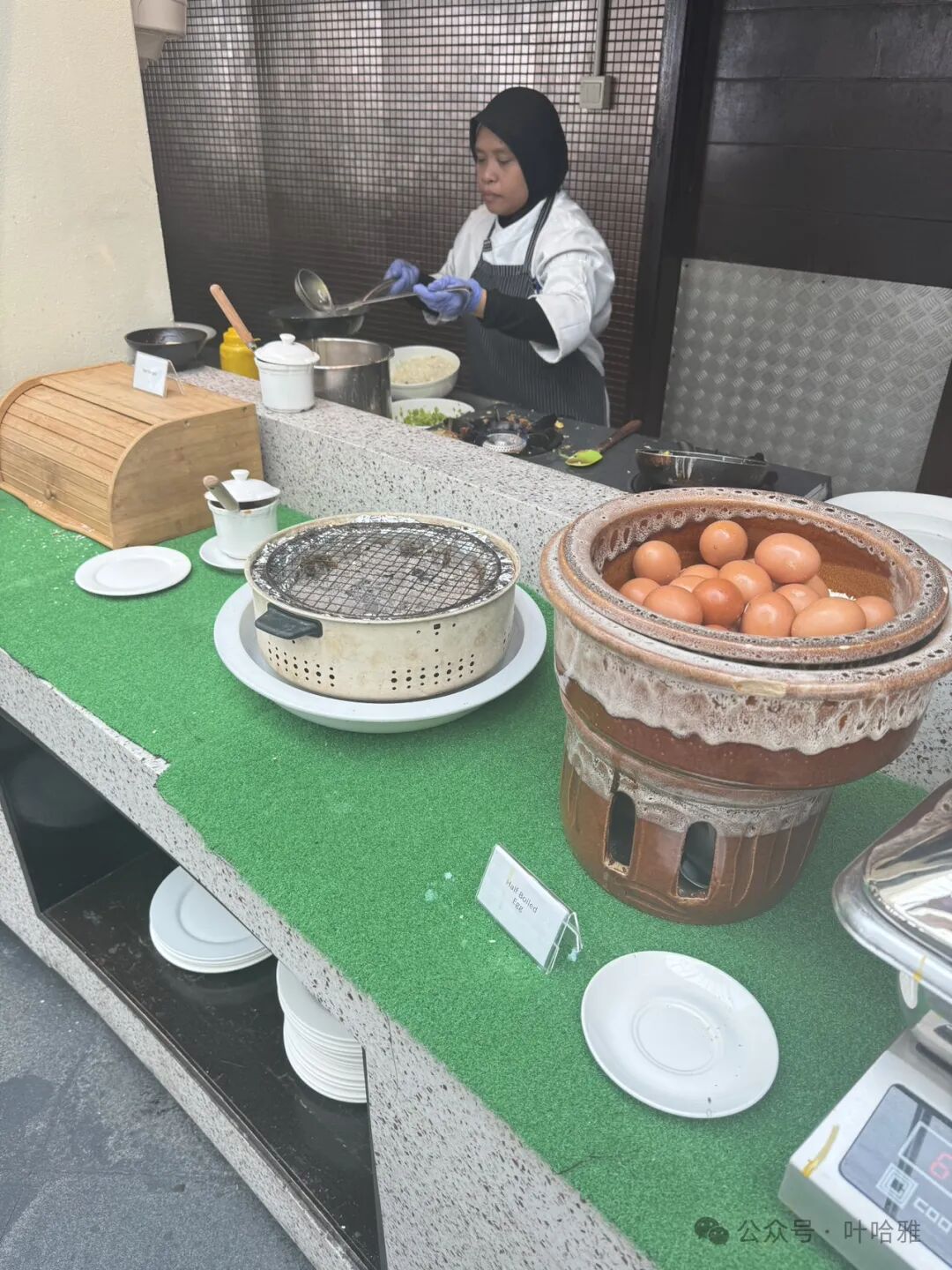
We booked our room on Trip.com. Sepang is close to Kuala Lumpur International Airport, and the airport is an hour's drive from the city, so I recommend coming here if you want to spend a day playing before a connecting flight.
14. Wak Lan Seafood
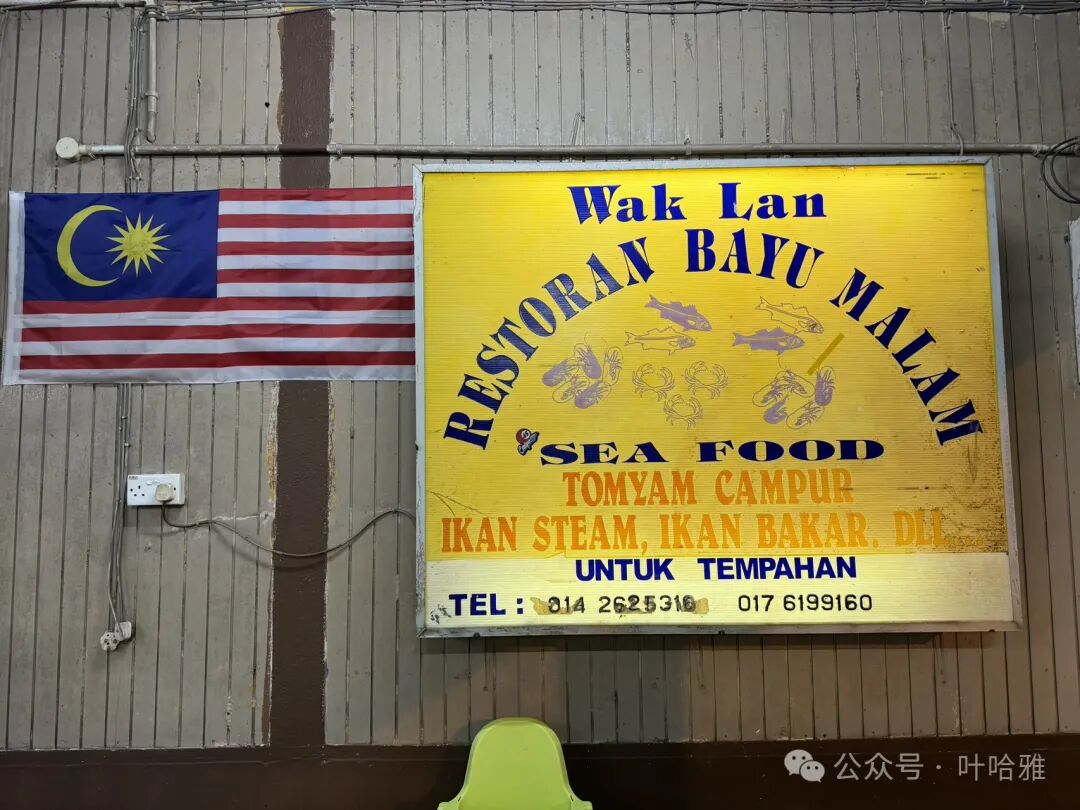
If you do not want to eat at the hotel, turn left at the main gate and walk 500 meters to find this seafood barbecue stall.
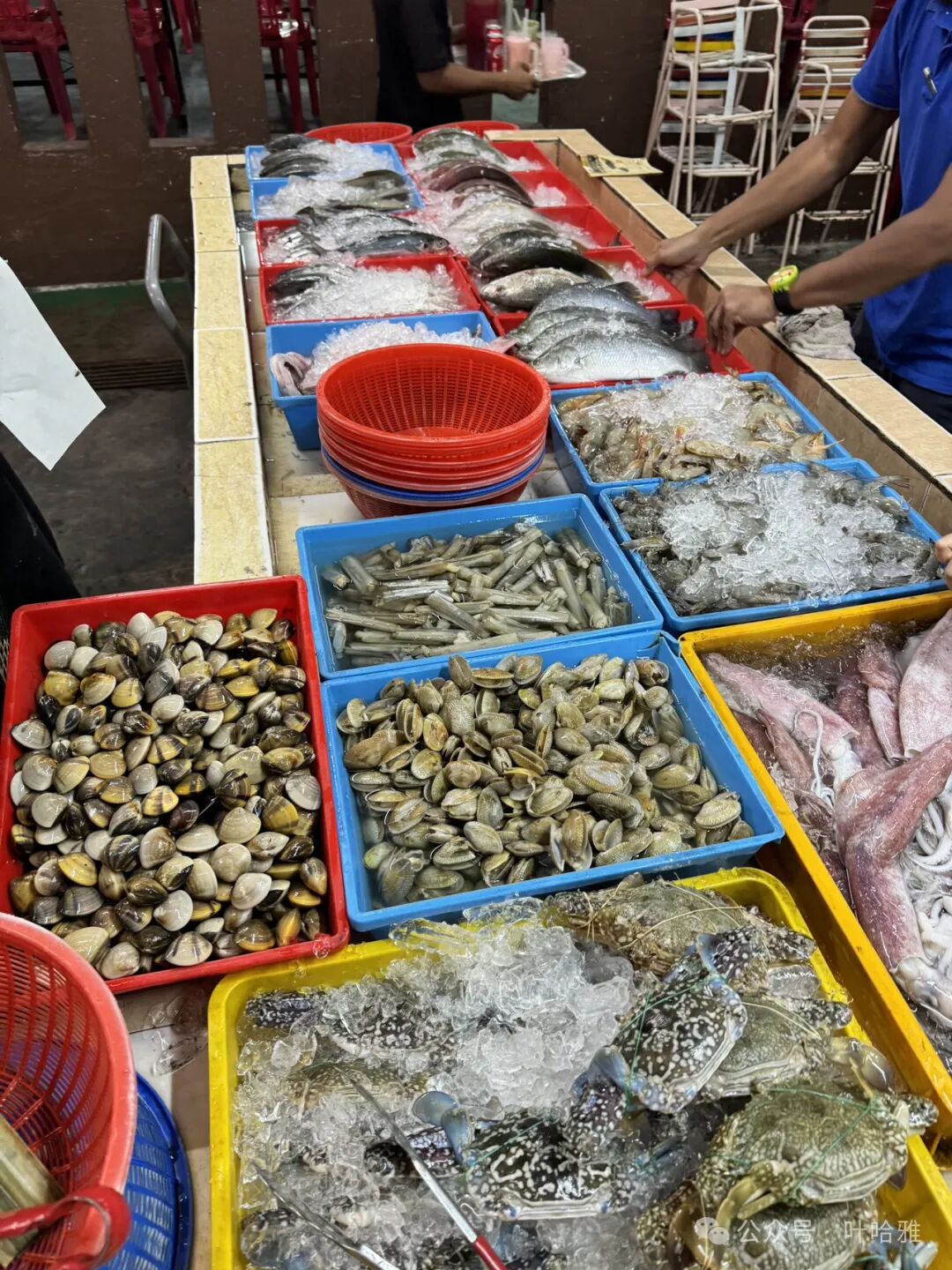
This is a restaurant where locals eat. It is very busy at night, and the crowd starts to grow after 9 p.m. First, pick your ingredients and how you want them cooked. The server will weigh them, and you pay after you finish your meal.
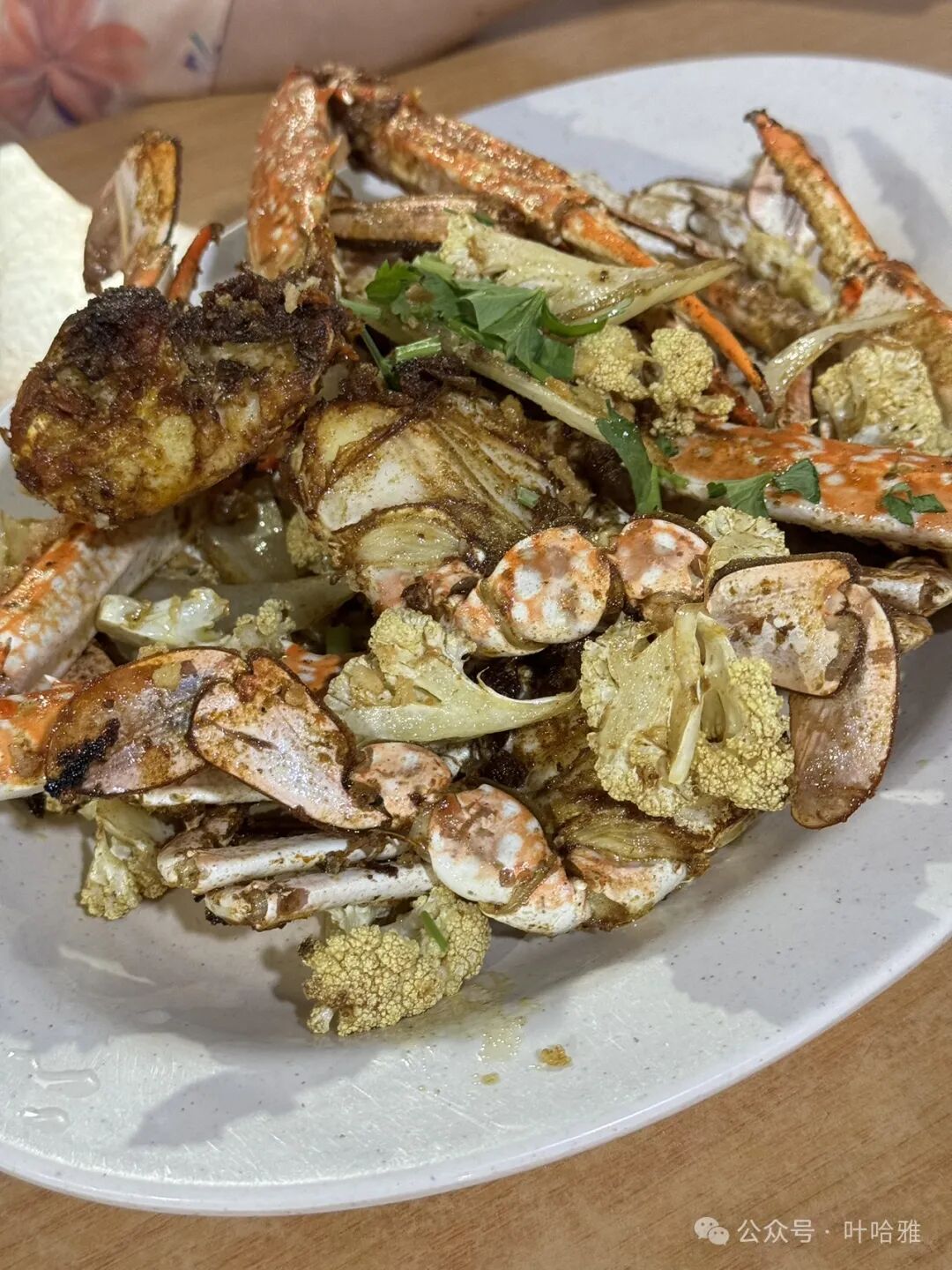
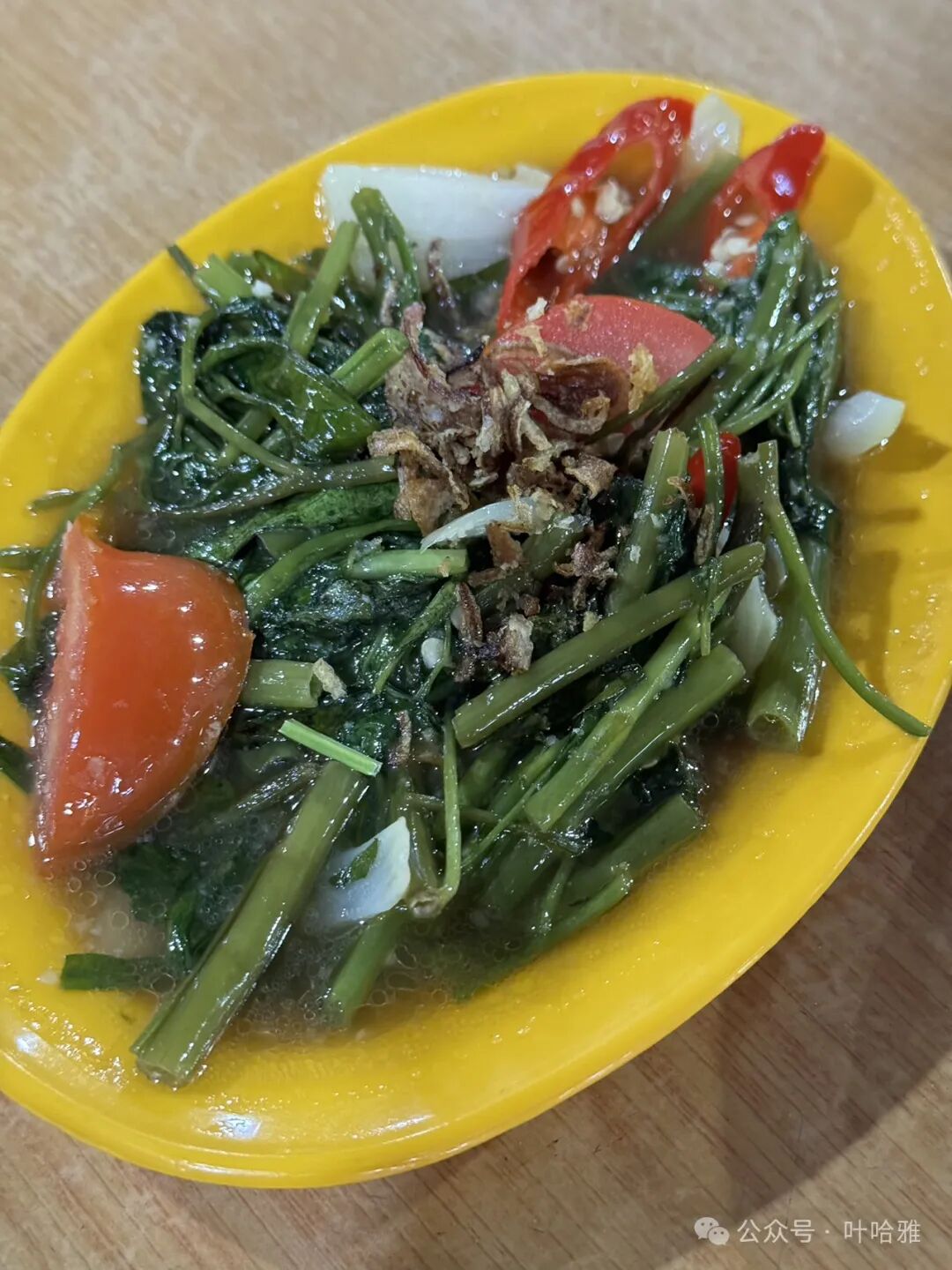
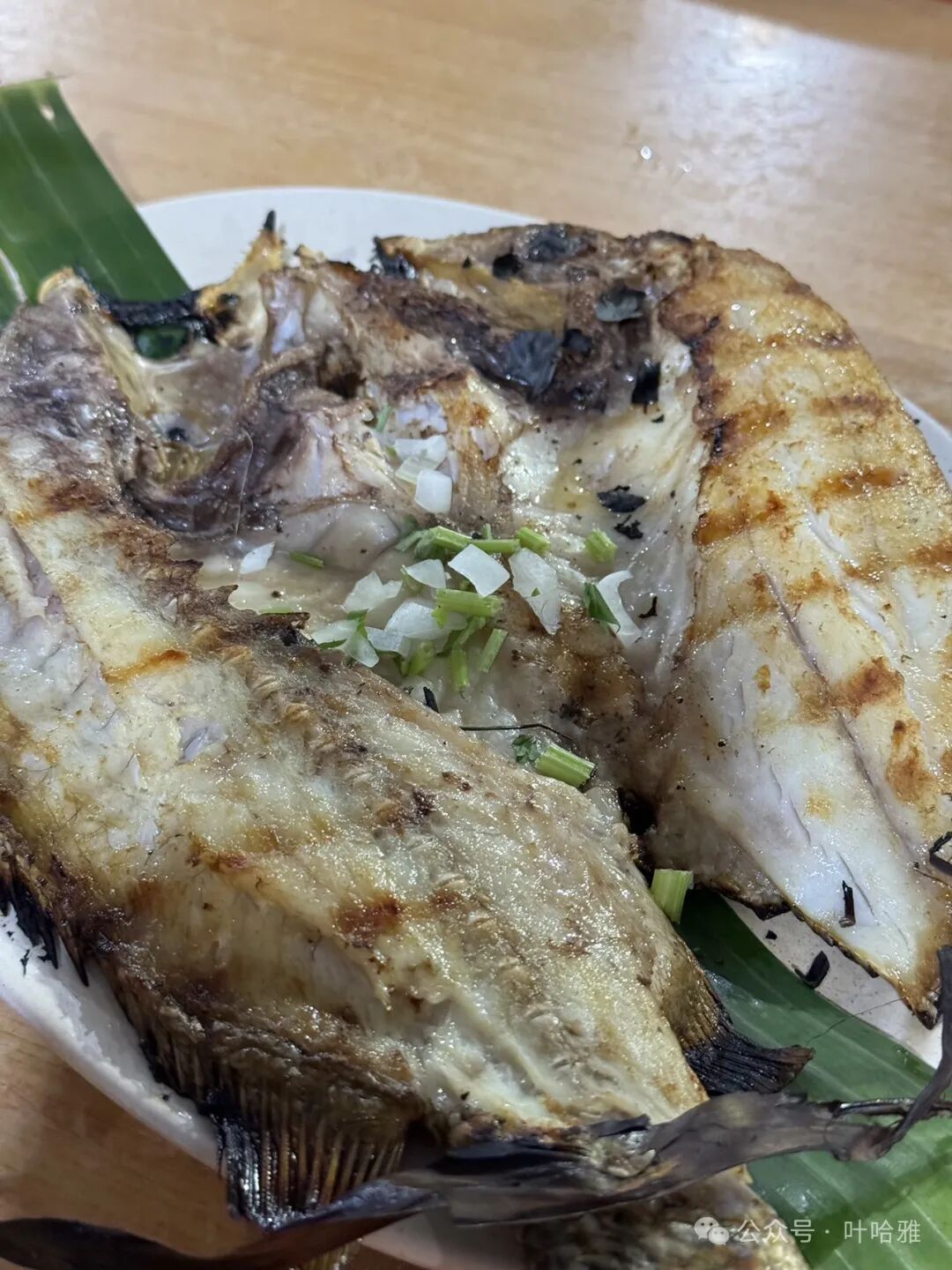
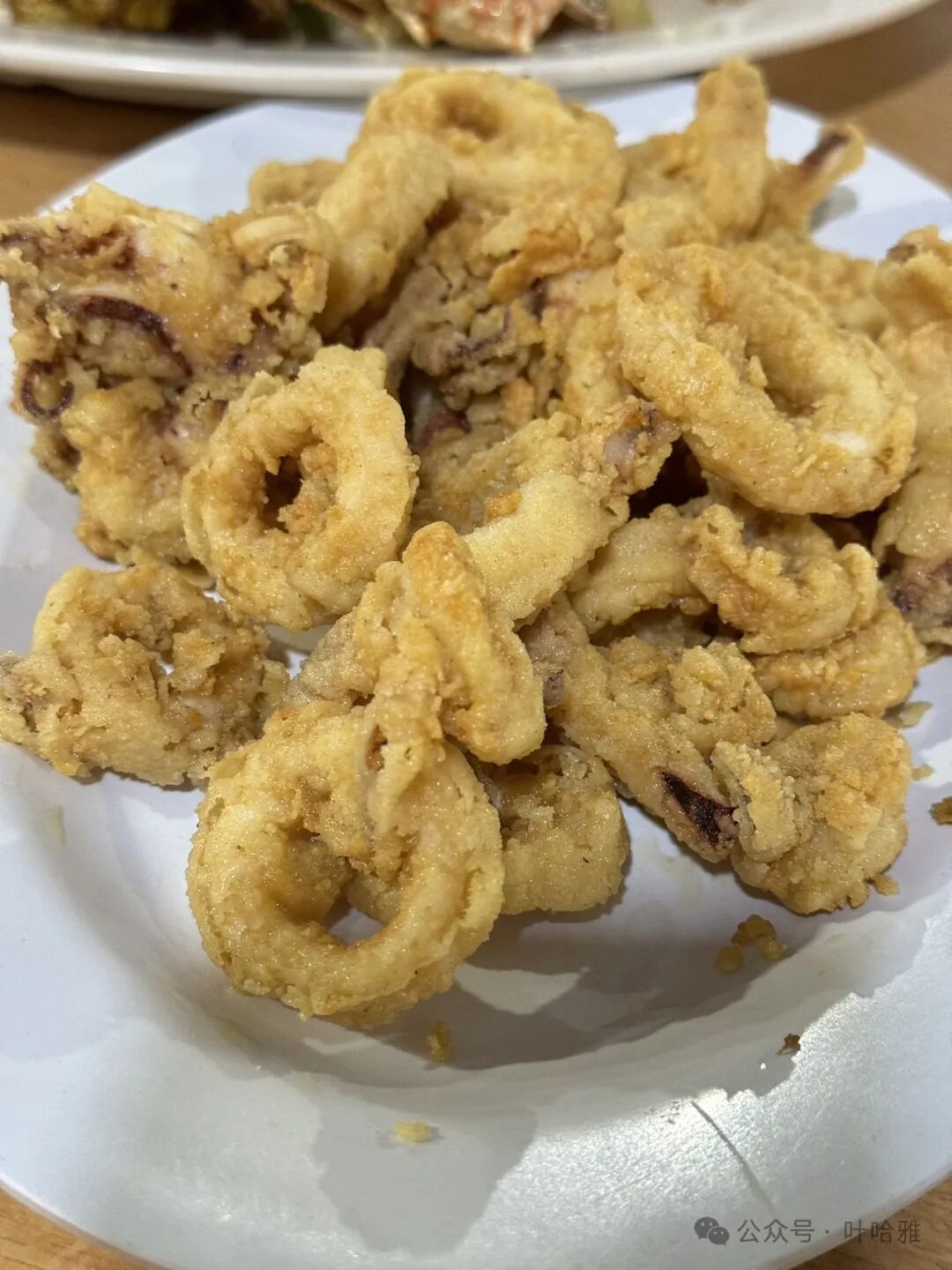
The seafood is fresh and delicious, especially the crab, which is sweet and tender. It is also cheap, costing about 80 RM per person. After eating, you can head to the beach to watch the sunset. This is how the Golden Coast got its name, and you can take photos here that look just like the Maldives.
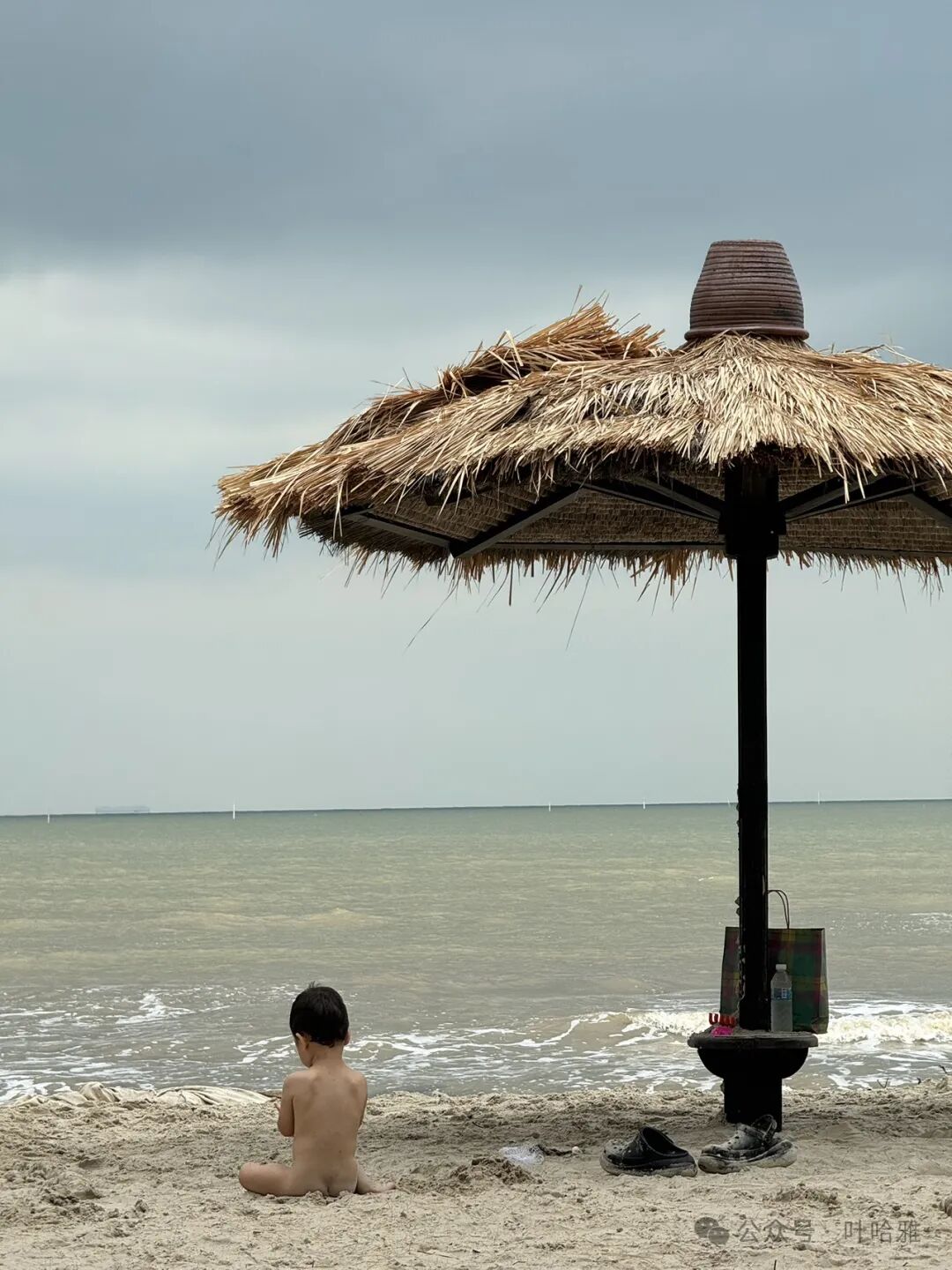
We stayed here for one night and noticed the tide comes in at night and starts to go out by the next afternoon. When the tide is low, you can see many small crab holes on the beach and go hunting for sea life.
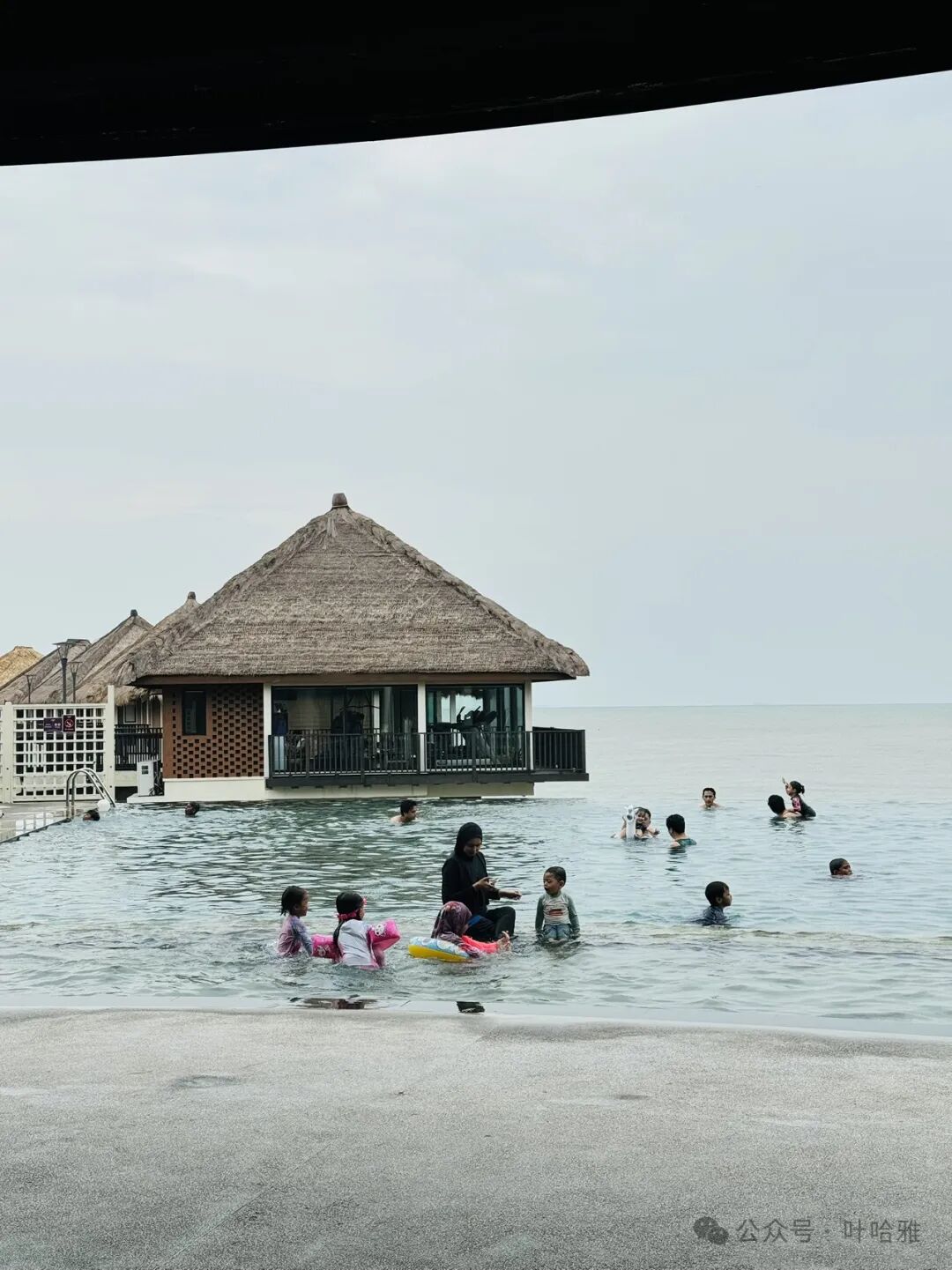
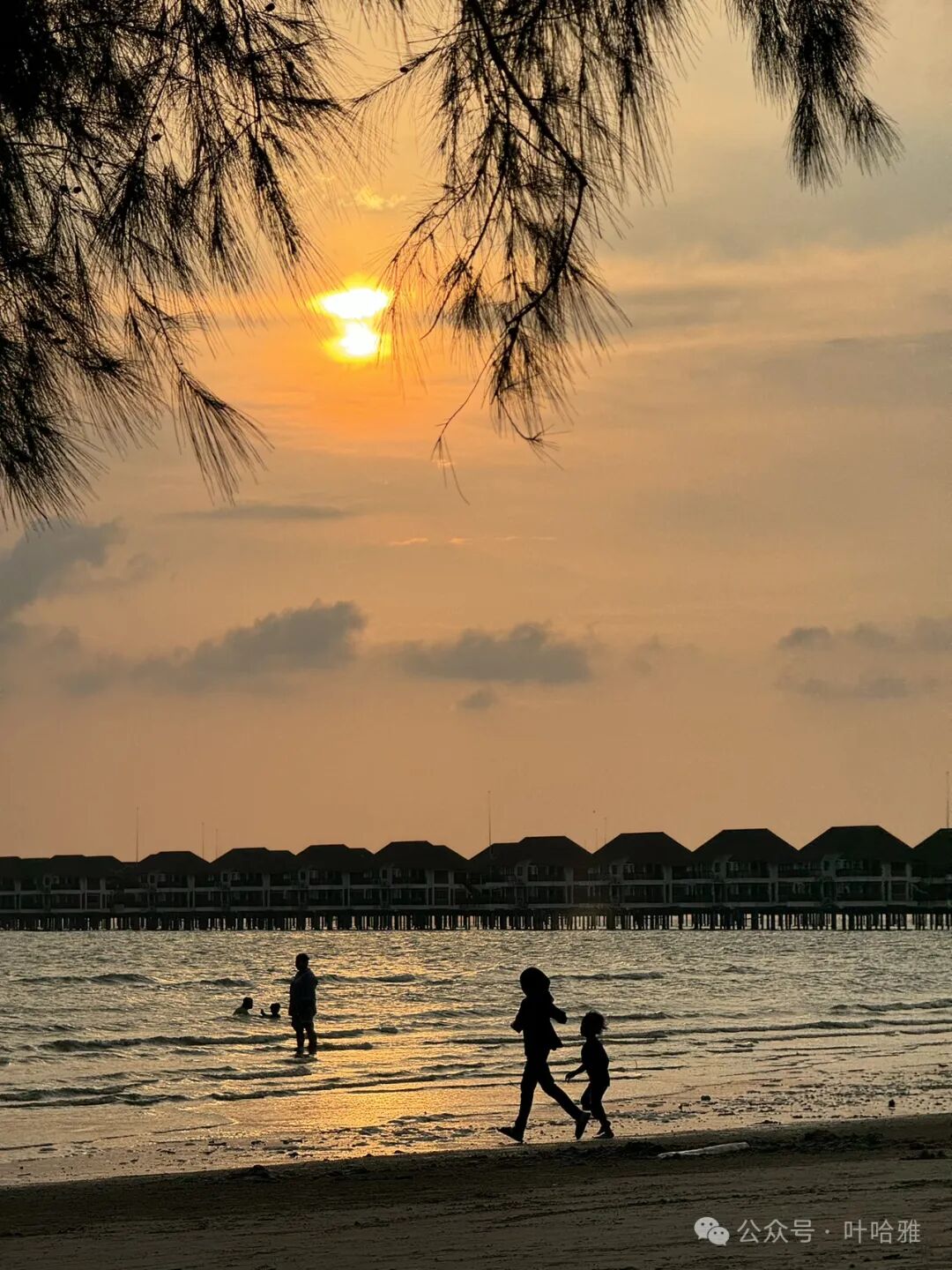
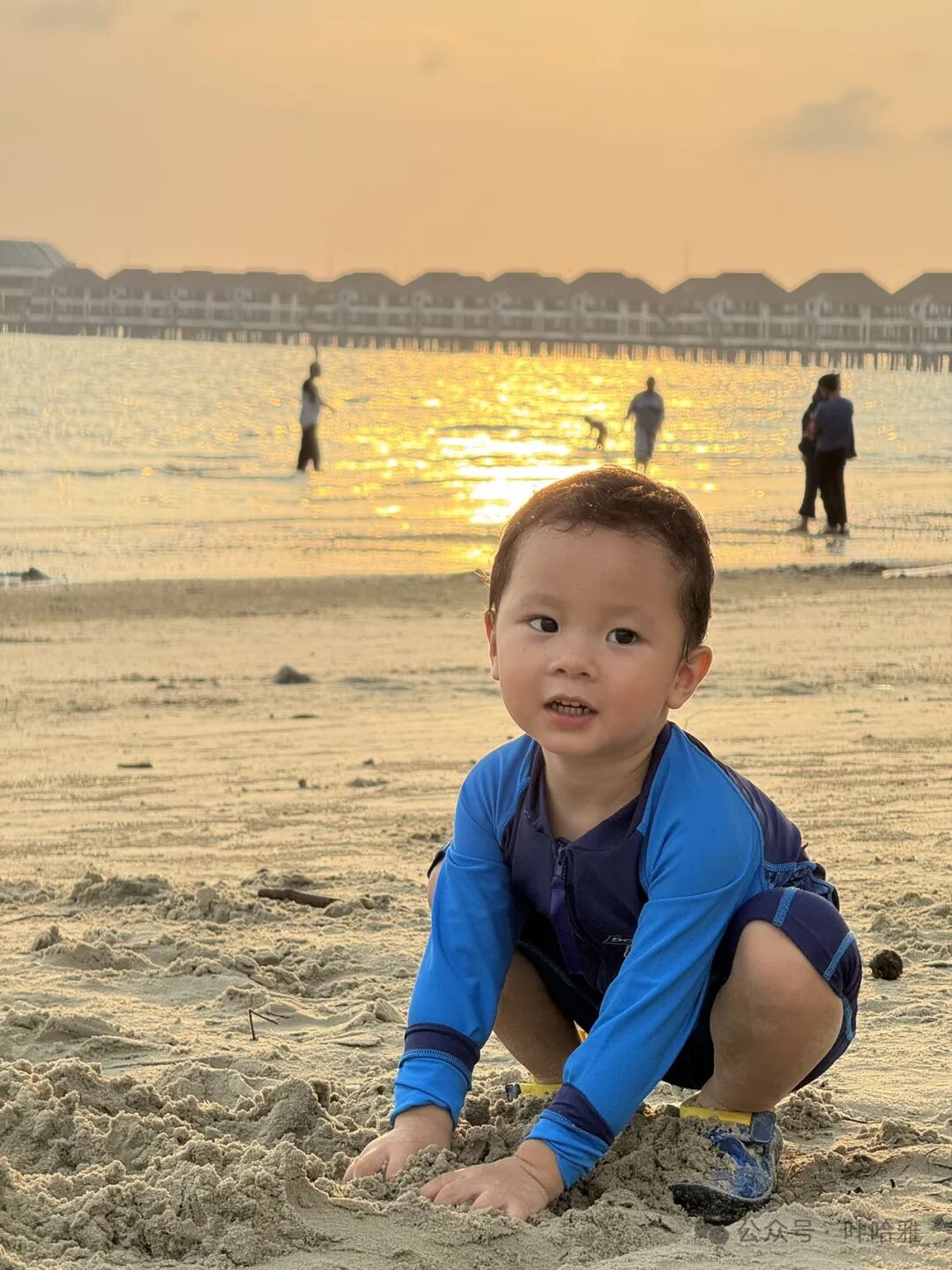
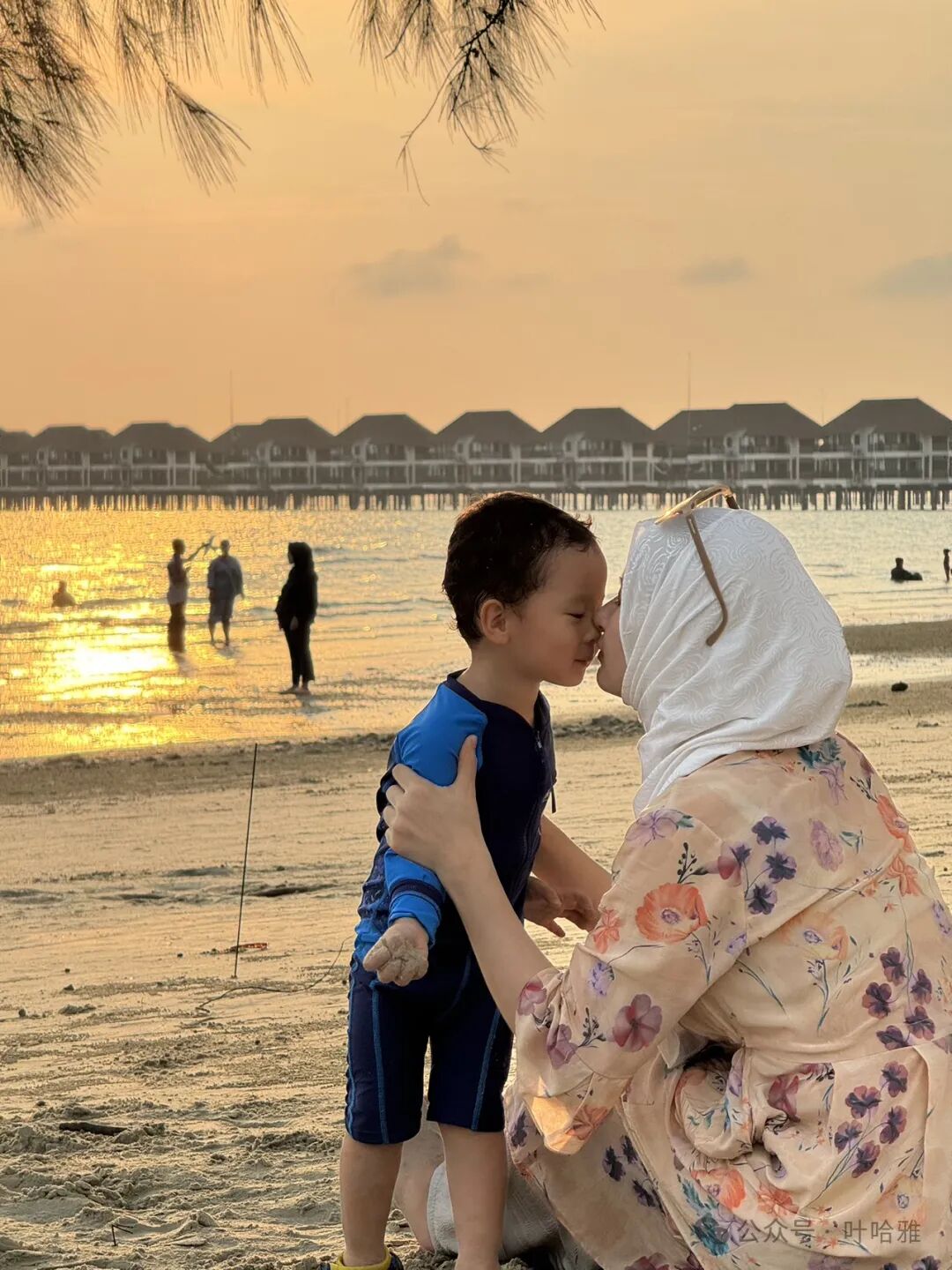
The sand on the beach is fine and soft, so children can have a great time. That is all for this restaurant post. I will update you with more special food in Kuala Lumpur later.
Summary: This Kuala Lumpur halal food guide issue 2 covers restaurants around KLCC and beyond, including Oriental Kopi, Tien, Beacon's, Ben's, Vietnamese food, O'Briens, Mongolian barbecue, dry-pot shrimp, Korean food, a hotel lounge, AVANI Sepang Goldcoast Resort, and seafood by the beach.
I wrote a halal food map for Kuala Lumpur in February. Now that my child is going to school here, I have visited some different restaurants, mostly around the Petronas Twin Towers (KLCC). Kuala Lumpur has so many delicious restaurants. The variety is great, the prices are cheap, and the food is safe to eat.
1. Oriental Kopi (Huayang)
2. Tien
3. Beacon's
4. Ben's
5. KLCC Vietnam Cafe
6. O'Briens
7. Mongolian Barbecue (Menggu Shaokao)
8. Fanfang Suxiaomeng
9. Mo Song Dry Pot Shrimp (Mo Song Ganguo Xia)
10. Warong Maa Abah 11. Dodo Korea
12. Renaissance Hotel Executive Lounge
13. AVANI Sepang Goldcoast Resort
14. Wak Lan Seafood
1. Oriental Kopi (Huayang)
Huayang was started by a Chinese immigrant from Hainan. He traveled south to work on foreign ships to make a living before settling in Malaysia. Huayang Tea Restaurant is a chain that is very popular in Kuala Lumpur. Most of the customers are Malay, so you often have to wait in line for a table.
This restaurant has halal certification. Halal-certified restaurants are rare in Malaysia. Most restaurants just have a woman wearing a headscarf at the door to show they are halal, which is much cheaper than getting official certification.
Huayang makes everything by hand to ensure quality.
The flaky egg tart (dan ta) is their signature snack, and the crust is very soft and crispy.
The pineapple bun (boluobao) is also a must-order. Add butter inside and follow the shop's advice to eat it with a cup of Huayang coffee.
Huayang Coffee
Curry rice noodle rolls (changfen)
The rice noodle rolls (changfen) are slightly spicy with a strong curry flavor, and the fish balls are delicious.
Lime and plum juice.
Hainan coconut rice (nasi lemak).
The rice is cooked in coconut milk and served with roasted chicken and sweet chili sauce. The coconut rice tastes salty and spicy.
Huayang is an affordable tea restaurant with an average cost of 50 RM per person.
Address: 4th Floor, KLCC Twin Towers, Kuala Lumpur.
2. Tien
This is a Fujian Putian cuisine restaurant. It is labeled as a non-pork restaurant, which is very common in Malaysia. This is my first time eating Putian food.
The restaurant focuses on seafood, and their specialty is fresh eel.
Every table has a small bowl of dipping sauce, which is their secret house recipe.
The eel needs to be cooked for 10 minutes. A server helps cook it, and there is a timer on the table.
The cooked eel is tender and firm with no fishy smell. It tastes great with the secret sauce. The eel meat itself is slightly sweet, and the sauce is mildly spicy.
Address: Level 4, Petronas Twin Towers (KLCC), Kuala Lumpur.
3. Beacon's
There is a Decathlon next to KLCC with a play area featuring a ball game projector. Fahim has to come here every day and could play for hours. This restaurant is right behind the court.
Decathlon sells sports gear, and the restaurant here is quite healthy. The shop focuses on organic ingredients without over-processing.
Passion fruit soda.
Most Malay food is very unhealthy, with too much oil, salt, sugar, and spice. It is fine to eat occasionally, but this organic green food spot is a rare find.
Address: Second floor of the Decathlon next to KLCC, Kuala Lumpur.
4. Ben's
This is a Western-style cafe inside The LINC KL shopping mall. They start serving breakfast at 8:00 AM. The atmosphere is fresh and quiet.
I prefer shopping here compared to the busy KLCC.
They serve Fahim's favorite pasta, which has a light flavor perfect for kids.
Hainan chicken rice (hainanjifan) is considered a relatively light meal in Malaysia.
Address: 1st Floor, The LINC KL shopping center.
5. KLCC Vietnam Cafe
There is a Vietnamese fast food shop on the basement level of KLCC. They have boxed Vietnamese rice sets that come with a cup of Vietnamese coffee for just over ten ringgit, which is very cheap.
The Vietnamese fast food here is not much different from Malay food, and the taste is also quite salty and spicy.
6. O'Briens
This is an Irish sandwich shop that also has locations in Beijing. It used to be located in Financial Street next to a Fuke Burger, but it closed down later.
They focus on light meals that are very healthy with little oil and salt. I like their vegetable salads and freshly squeezed fruit juices, but this kind of healthy food is not cheap, costing about 40-50 RM per meal.
Address: Basement level, KLCC.
7. Mongolian Barbecue (Menggu Shaokao)
Although it is called Mongolian barbecue, I feel it has nothing to do with Mongolia at all; it is just a Southeast Asian barbecue. The area where this restaurant is located is the famous food street district of Bukit Bintang in Kuala Lumpur.
The lamb skewers (yangrouchuan) are a bit tough. Southeast Asia isn't really a place for lamb, as chicken and seafood are much more popular.
The grilled squid is delicious.
People here don't eat many green vegetables.
The grilled chicken wings taste good.
Address: Bukit Bintang
8. Fanfang Suxiaomeng
This is the Kuala Lumpur branch of Chengdu Fanfang. They serve hot pot on the second floor, and the beef pancakes (niuroubing) on the first floor have become a viral hit.
You have to wait in line for about 15 minutes on average to get a beef pancake.
These beef pancakes have more filling and are crispier than the ones back home.
Address:
Bukit Bintang is not far from the Mongolian barbecue.
9. Mo Song Dry Pot Shrimp (Mo Song Ganguo Xia)
This shop in Kuala Lumpur was opened by an elder (xianglao) from the Lingmingtang gongbei in Lanzhou. Lanzhou people are very particular about their food, focusing not just on taste but also on the decor.
The shop has a beautiful environment, and the owner is a student who studied in Malaysia.
The dry pot shrimp (ganguo xia) is delicious. The squid and shrimp inside are very fresh, and everyone praised it. We plan to come back next time to try their hot pot.
Fahim loves their Lanzhou fried rice, and he can eat more than half a portion by himself.
Address: 88, Jalan SS 21/62, Damansara Utama, 47400 Petaling Jaya, Selangor
10. Warong Maa Abah
This is a Malay-style fast food restaurant next to Musa Lanzhou Beef Noodles. It is semi-self-service where you pick your dishes first and then pay, just like a cafeteria. This type of shop is very popular with Malay people.
This combo only costs 10 ringgit. In Malaysia, running this kind of cheap fast food shop is often more profitable than running high-end restaurants.
It features fried fish, grilled chicken, and okra, served with rice and sauce. The flavors are mainly spicy and salty.
Address: Ground floor of Wisma Central, next to Musa Lanzhou Beef Noodles.
11. Dodo Korea
This is a Korean fast food shop on the second floor of KLCC. It is also popular with Malay people because Korean food tastes similar to Malay food, being mostly salty and spicy. It also features fried chicken and rice, though none of it is very healthy.
Kuala Lumpur has something for every taste.
12. Renaissance Hotel Executive Lounge
If you want a healthy and complete breakfast in Kuala Lumpur, the five-star hotels around KLCC are great choices.
Dining at luxury hotels in Kuala Lumpur costs only half as much as in China, offering great value while catering to different tastes.
13. AVANI Sepang Goldcoast Resort
The Avani resort is a drive of over an hour from downtown Kuala Lumpur.
You can see the sea here, and there are few tourists, as the people visiting the beach are mostly local Malaysians.
The seawater is not very blue because it is near the river mouth, so you have to take a boat to further islands to see deep blue water, but Fahim is not interested in that; he only cares about throwing stones and playing in the sand.
The hotel's western restaurant has burgers and pasta that children like.
The price is not expensive, at about 50 RM per person.
Avani hotel's breakfast is served in three halls, featuring Indian food, Malay food, and Chinese food, so you can try them all.
We booked our room on Trip.com. Sepang is close to Kuala Lumpur International Airport, and the airport is an hour's drive from the city, so I recommend coming here if you want to spend a day playing before a connecting flight.
14. Wak Lan Seafood
If you do not want to eat at the hotel, turn left at the main gate and walk 500 meters to find this seafood barbecue stall.
This is a restaurant where locals eat. It is very busy at night, and the crowd starts to grow after 9 p.m. First, pick your ingredients and how you want them cooked. The server will weigh them, and you pay after you finish your meal.
The seafood is fresh and delicious, especially the crab, which is sweet and tender. It is also cheap, costing about 80 RM per person. After eating, you can head to the beach to watch the sunset. This is how the Golden Coast got its name, and you can take photos here that look just like the Maldives.
We stayed here for one night and noticed the tide comes in at night and starts to go out by the next afternoon. When the tide is low, you can see many small crab holes on the beach and go hunting for sea life.
The sand on the beach is fine and soft, so children can have a great time. That is all for this restaurant post. I will update you with more special food in Kuala Lumpur later.
Muslim Knowledge Guide China: Hanafi Shrimp Ruling, Halal Seafood and Islamic Food Rules
Articles • yusuf908 posted the article • 0 comments • 235 views • 2026-05-22 23:36
Reposted from the web
Summary: This Muslim knowledge guide explains the Hanafi debate on eating shrimp, views from the four Sunni schools, classical scholar opinions, South Asian and Turkish practice, the broader halal seafood principle, and how Islamic food rulings affect daily Muslim life.
What Is the Hanafi School's View on Eating Shrimp? is presented here as a firsthand travel account in clear English, beginning with this scene: About a dozen years ago, when I posted photos of myself eating seafood on social media, some people would leave comments asking if the shrimp in the meal was halal. The account keeps its focus on Halal Travel, Yiwu Food, Muslim Travel while preserving the names, places, food, and historical details from the Chinese source.
About a dozen years ago, when I posted photos of myself eating seafood on social media, some people would leave comments asking if the shrimp in the meal was halal. The people questioning me claimed that the Hanafi school of law forbids eating shrimp and crab. As someone who is self-taught and never attended a formal school, I believe in learning from all sources and taking the best from everyone. I do not blindly follow one specific school of thought, so using the Hanafi label to pressure me does not convince me. However, I was curious about how the Hanafi school explains the issue of shrimp, so I looked up some information and found that the matter is not simple.
In fact, regarding whether shrimp can be eaten, three of the four major schools of Islamic law clearly state that shrimp is permissible. Only some Hanafi scholars classify shrimp as forbidden. Note that I am referring to some Hanafi scholars, not all of them.
The Hanafi school holds that among water animals, only fish are permissible to eat, and all others are not. This view includes animals from the ocean and is a consensus within the Hanafi school with no disagreement.
However, within the Hanafi school, there is a difference of opinion on whether shrimp can be eaten. One group of Hanafi scholars believes that all sea animals are fish, and therefore shrimp are fish. This is also the view of the Shafi'i school. Scholars who hold this view include Hadhrat Maulana Zafar Ahmad Uthmaani.
Scholars who support eating shrimp believe that the definition of 'fish' should not be based on biological classification or dictionary definitions, as these change over time. Instead, it should be based on how ancient Arabs understood 'fish,' and ancient Arabs often grouped shrimp and fish together.
The Hanafi jurist Ibn Abidin said that only seafood that the Arabs considered 'fish' is permitted for consumption. Scholars who hold this view also include Radd al-Muhtar. Other scholars include Ibn al-Humam and Al-Marghinani, authors of Fath al-Qadir 'ala al-Hidayah.
Some Hanafi scholars also take into account the views of the other three schools—Shafi'i, Maliki, and Hanbali—which all permit eating shrimp, and therefore argue that the Hanafi school should be lenient in its ruling.
According to Allama Damiri, shrimp are fish. Based on this, Mawlana Ashraf ‘Ali Thanwi issued a ruling that shrimp is halal (Imdaadul Fataawa, Volume 3, Page 50). This is also the ruling of Mawlana ‘Abdul Hay Laknawi, Mufti ‘Abdul Rahim Lajpuri, and others.
On the other hand, Maulana Rashid Ahmad Gangohi (may Allah be pleased with him) did not consider shrimp to be fish, so he did not permit eating them. (Fataawa Rashidiyya, Volume 2, Page 122). Mawlana Khalil Ahmed Saharanpuri Rahmatullahi 'Alaihi held the same opinion. (Tazkiratul Khaleel, Page 200).
At the start of this article, I mentioned that over ten years ago, there were occasional online comments questioning seafood like shrimp. These have basically disappeared over the years. I think this has a lot to do with people's improved knowledge and the fact that the information we can access is becoming richer. In South Asia, where the Hanafi school is dominant, eating shrimp has always been very common. However, it is forbidden in Turkey, which is also Hanafi. This shows that it is not true, as some of us claim, that all Hanafi followers cannot eat shrimp.
Actually, deciding whether a food is permissible is not a complicated issue. According to the general principle, only foods explicitly mentioned as forbidden in the scriptures are off-limits; everything else is allowed. For details, see the list of non-halal foods mentioned in the Quran and Sunnah.
It is easy for a scholar to label a food as illegal; they just have to say the word. But this creates unnecessary difficulties for everyone. Just imagine if a scholar who forbids eating shrimp and crab appeared in a Southeast Asian island nation—how would the local fishermen make a living? view all
Summary: This Muslim knowledge guide explains the Hanafi debate on eating shrimp, views from the four Sunni schools, classical scholar opinions, South Asian and Turkish practice, the broader halal seafood principle, and how Islamic food rulings affect daily Muslim life.
What Is the Hanafi School's View on Eating Shrimp? is presented here as a firsthand travel account in clear English, beginning with this scene: About a dozen years ago, when I posted photos of myself eating seafood on social media, some people would leave comments asking if the shrimp in the meal was halal. The account keeps its focus on Halal Travel, Yiwu Food, Muslim Travel while preserving the names, places, food, and historical details from the Chinese source.
About a dozen years ago, when I posted photos of myself eating seafood on social media, some people would leave comments asking if the shrimp in the meal was halal. The people questioning me claimed that the Hanafi school of law forbids eating shrimp and crab. As someone who is self-taught and never attended a formal school, I believe in learning from all sources and taking the best from everyone. I do not blindly follow one specific school of thought, so using the Hanafi label to pressure me does not convince me. However, I was curious about how the Hanafi school explains the issue of shrimp, so I looked up some information and found that the matter is not simple.
In fact, regarding whether shrimp can be eaten, three of the four major schools of Islamic law clearly state that shrimp is permissible. Only some Hanafi scholars classify shrimp as forbidden. Note that I am referring to some Hanafi scholars, not all of them.
The Hanafi school holds that among water animals, only fish are permissible to eat, and all others are not. This view includes animals from the ocean and is a consensus within the Hanafi school with no disagreement.
However, within the Hanafi school, there is a difference of opinion on whether shrimp can be eaten. One group of Hanafi scholars believes that all sea animals are fish, and therefore shrimp are fish. This is also the view of the Shafi'i school. Scholars who hold this view include Hadhrat Maulana Zafar Ahmad Uthmaani.
Scholars who support eating shrimp believe that the definition of 'fish' should not be based on biological classification or dictionary definitions, as these change over time. Instead, it should be based on how ancient Arabs understood 'fish,' and ancient Arabs often grouped shrimp and fish together.
The Hanafi jurist Ibn Abidin said that only seafood that the Arabs considered 'fish' is permitted for consumption. Scholars who hold this view also include Radd al-Muhtar. Other scholars include Ibn al-Humam and Al-Marghinani, authors of Fath al-Qadir 'ala al-Hidayah.
Some Hanafi scholars also take into account the views of the other three schools—Shafi'i, Maliki, and Hanbali—which all permit eating shrimp, and therefore argue that the Hanafi school should be lenient in its ruling.
According to Allama Damiri, shrimp are fish. Based on this, Mawlana Ashraf ‘Ali Thanwi issued a ruling that shrimp is halal (Imdaadul Fataawa, Volume 3, Page 50). This is also the ruling of Mawlana ‘Abdul Hay Laknawi, Mufti ‘Abdul Rahim Lajpuri, and others.
On the other hand, Maulana Rashid Ahmad Gangohi (may Allah be pleased with him) did not consider shrimp to be fish, so he did not permit eating them. (Fataawa Rashidiyya, Volume 2, Page 122). Mawlana Khalil Ahmed Saharanpuri Rahmatullahi 'Alaihi held the same opinion. (Tazkiratul Khaleel, Page 200).
At the start of this article, I mentioned that over ten years ago, there were occasional online comments questioning seafood like shrimp. These have basically disappeared over the years. I think this has a lot to do with people's improved knowledge and the fact that the information we can access is becoming richer. In South Asia, where the Hanafi school is dominant, eating shrimp has always been very common. However, it is forbidden in Turkey, which is also Hanafi. This shows that it is not true, as some of us claim, that all Hanafi followers cannot eat shrimp.
Actually, deciding whether a food is permissible is not a complicated issue. According to the general principle, only foods explicitly mentioned as forbidden in the scriptures are off-limits; everything else is allowed. For details, see the list of non-halal foods mentioned in the Quran and Sunnah.
It is easy for a scholar to label a food as illegal; they just have to say the word. But this creates unnecessary difficulties for everyone. Just imagine if a scholar who forbids eating shrimp and crab appeared in a Southeast Asian island nation—how would the local fishermen make a living? view all
Reposted from the web
Summary: This Muslim knowledge guide explains the Hanafi debate on eating shrimp, views from the four Sunni schools, classical scholar opinions, South Asian and Turkish practice, the broader halal seafood principle, and how Islamic food rulings affect daily Muslim life.
What Is the Hanafi School's View on Eating Shrimp? is presented here as a firsthand travel account in clear English, beginning with this scene: About a dozen years ago, when I posted photos of myself eating seafood on social media, some people would leave comments asking if the shrimp in the meal was halal. The account keeps its focus on Halal Travel, Yiwu Food, Muslim Travel while preserving the names, places, food, and historical details from the Chinese source.
About a dozen years ago, when I posted photos of myself eating seafood on social media, some people would leave comments asking if the shrimp in the meal was halal. The people questioning me claimed that the Hanafi school of law forbids eating shrimp and crab. As someone who is self-taught and never attended a formal school, I believe in learning from all sources and taking the best from everyone. I do not blindly follow one specific school of thought, so using the Hanafi label to pressure me does not convince me. However, I was curious about how the Hanafi school explains the issue of shrimp, so I looked up some information and found that the matter is not simple.
In fact, regarding whether shrimp can be eaten, three of the four major schools of Islamic law clearly state that shrimp is permissible. Only some Hanafi scholars classify shrimp as forbidden. Note that I am referring to some Hanafi scholars, not all of them.
The Hanafi school holds that among water animals, only fish are permissible to eat, and all others are not. This view includes animals from the ocean and is a consensus within the Hanafi school with no disagreement.
However, within the Hanafi school, there is a difference of opinion on whether shrimp can be eaten. One group of Hanafi scholars believes that all sea animals are fish, and therefore shrimp are fish. This is also the view of the Shafi'i school. Scholars who hold this view include Hadhrat Maulana Zafar Ahmad Uthmaani.
Scholars who support eating shrimp believe that the definition of 'fish' should not be based on biological classification or dictionary definitions, as these change over time. Instead, it should be based on how ancient Arabs understood 'fish,' and ancient Arabs often grouped shrimp and fish together.
The Hanafi jurist Ibn Abidin said that only seafood that the Arabs considered 'fish' is permitted for consumption. Scholars who hold this view also include Radd al-Muhtar. Other scholars include Ibn al-Humam and Al-Marghinani, authors of Fath al-Qadir 'ala al-Hidayah.
Some Hanafi scholars also take into account the views of the other three schools—Shafi'i, Maliki, and Hanbali—which all permit eating shrimp, and therefore argue that the Hanafi school should be lenient in its ruling.
According to Allama Damiri, shrimp are fish. Based on this, Mawlana Ashraf ‘Ali Thanwi issued a ruling that shrimp is halal (Imdaadul Fataawa, Volume 3, Page 50). This is also the ruling of Mawlana ‘Abdul Hay Laknawi, Mufti ‘Abdul Rahim Lajpuri, and others.
On the other hand, Maulana Rashid Ahmad Gangohi (may Allah be pleased with him) did not consider shrimp to be fish, so he did not permit eating them. (Fataawa Rashidiyya, Volume 2, Page 122). Mawlana Khalil Ahmed Saharanpuri Rahmatullahi 'Alaihi held the same opinion. (Tazkiratul Khaleel, Page 200).
At the start of this article, I mentioned that over ten years ago, there were occasional online comments questioning seafood like shrimp. These have basically disappeared over the years. I think this has a lot to do with people's improved knowledge and the fact that the information we can access is becoming richer. In South Asia, where the Hanafi school is dominant, eating shrimp has always been very common. However, it is forbidden in Turkey, which is also Hanafi. This shows that it is not true, as some of us claim, that all Hanafi followers cannot eat shrimp.
Actually, deciding whether a food is permissible is not a complicated issue. According to the general principle, only foods explicitly mentioned as forbidden in the scriptures are off-limits; everything else is allowed. For details, see the list of non-halal foods mentioned in the Quran and Sunnah.
It is easy for a scholar to label a food as illegal; they just have to say the word. But this creates unnecessary difficulties for everyone. Just imagine if a scholar who forbids eating shrimp and crab appeared in a Southeast Asian island nation—how would the local fishermen make a living?
Summary: This Muslim knowledge guide explains the Hanafi debate on eating shrimp, views from the four Sunni schools, classical scholar opinions, South Asian and Turkish practice, the broader halal seafood principle, and how Islamic food rulings affect daily Muslim life.
What Is the Hanafi School's View on Eating Shrimp? is presented here as a firsthand travel account in clear English, beginning with this scene: About a dozen years ago, when I posted photos of myself eating seafood on social media, some people would leave comments asking if the shrimp in the meal was halal. The account keeps its focus on Halal Travel, Yiwu Food, Muslim Travel while preserving the names, places, food, and historical details from the Chinese source.
About a dozen years ago, when I posted photos of myself eating seafood on social media, some people would leave comments asking if the shrimp in the meal was halal. The people questioning me claimed that the Hanafi school of law forbids eating shrimp and crab. As someone who is self-taught and never attended a formal school, I believe in learning from all sources and taking the best from everyone. I do not blindly follow one specific school of thought, so using the Hanafi label to pressure me does not convince me. However, I was curious about how the Hanafi school explains the issue of shrimp, so I looked up some information and found that the matter is not simple.
In fact, regarding whether shrimp can be eaten, three of the four major schools of Islamic law clearly state that shrimp is permissible. Only some Hanafi scholars classify shrimp as forbidden. Note that I am referring to some Hanafi scholars, not all of them.
The Hanafi school holds that among water animals, only fish are permissible to eat, and all others are not. This view includes animals from the ocean and is a consensus within the Hanafi school with no disagreement.
However, within the Hanafi school, there is a difference of opinion on whether shrimp can be eaten. One group of Hanafi scholars believes that all sea animals are fish, and therefore shrimp are fish. This is also the view of the Shafi'i school. Scholars who hold this view include Hadhrat Maulana Zafar Ahmad Uthmaani.
Scholars who support eating shrimp believe that the definition of 'fish' should not be based on biological classification or dictionary definitions, as these change over time. Instead, it should be based on how ancient Arabs understood 'fish,' and ancient Arabs often grouped shrimp and fish together.
The Hanafi jurist Ibn Abidin said that only seafood that the Arabs considered 'fish' is permitted for consumption. Scholars who hold this view also include Radd al-Muhtar. Other scholars include Ibn al-Humam and Al-Marghinani, authors of Fath al-Qadir 'ala al-Hidayah.
Some Hanafi scholars also take into account the views of the other three schools—Shafi'i, Maliki, and Hanbali—which all permit eating shrimp, and therefore argue that the Hanafi school should be lenient in its ruling.
According to Allama Damiri, shrimp are fish. Based on this, Mawlana Ashraf ‘Ali Thanwi issued a ruling that shrimp is halal (Imdaadul Fataawa, Volume 3, Page 50). This is also the ruling of Mawlana ‘Abdul Hay Laknawi, Mufti ‘Abdul Rahim Lajpuri, and others.
On the other hand, Maulana Rashid Ahmad Gangohi (may Allah be pleased with him) did not consider shrimp to be fish, so he did not permit eating them. (Fataawa Rashidiyya, Volume 2, Page 122). Mawlana Khalil Ahmed Saharanpuri Rahmatullahi 'Alaihi held the same opinion. (Tazkiratul Khaleel, Page 200).
At the start of this article, I mentioned that over ten years ago, there were occasional online comments questioning seafood like shrimp. These have basically disappeared over the years. I think this has a lot to do with people's improved knowledge and the fact that the information we can access is becoming richer. In South Asia, where the Hanafi school is dominant, eating shrimp has always been very common. However, it is forbidden in Turkey, which is also Hanafi. This shows that it is not true, as some of us claim, that all Hanafi followers cannot eat shrimp.
Actually, deciding whether a food is permissible is not a complicated issue. According to the general principle, only foods explicitly mentioned as forbidden in the scriptures are off-limits; everything else is allowed. For details, see the list of non-halal foods mentioned in the Quran and Sunnah.
It is easy for a scholar to label a food as illegal; they just have to say the word. But this creates unnecessary difficulties for everyone. Just imagine if a scholar who forbids eating shrimp and crab appeared in a Southeast Asian island nation—how would the local fishermen make a living?
Best Halal Food Qingdao 2025: Seafood Hot Pot, Ma Family Restaurants, Pakistani Food and Beach Travel
Articles • yusuf908 posted the article • 0 comments • 296 views • 2026-05-23 07:26
Reposted from the web
Summary: This 2025 Qingdao halal food map follows an Eid al-Fitr trip, Zhanqiao Pier, Shilaoren Beach, Ma Family seafood hot pot, Ma Family seafood stalls, Huiwei Restaurant, Wagyu BBQ, Pakistani food, and practical notes on halal seafood and family travel.
I visited Qingdao again after 15 years. My car broke down when I arrived, so I stayed for five days and spent Eid al-Fitr here. I was surprised to see so many more halal restaurants than when I came for my college graduation trip, when I could only find hand-pulled noodles (lamian).
For lodging, I recommend staying near Zhanqiao Pier. It has many photogenic alleys, is close to the beach where you can feed seagulls, and has a high concentration of halal restaurants. Another good area is Shilaoren Beach, which is cleaner and quieter, making it perfect for playing in the sand with kids.
The list of halal restaurants featured in this post is as follows:
1. Halal Ma Family Seafood Hot Pot
2. Ma Family Seafood Food Stall
3. Halal Huiwei Restaurant
4. No. 2 Australian Wagyu BBQ
5. Hanbaba Pakistani Restaurant
6. Yipin Seafood Home-style Cooking
7. Minzu Restaurant
1. Halal Ma Family Seafood Hot Pot
You have to eat seafood in Qingdao. This restaurant has been open for 30 years and is currently the largest halal restaurant chain in the city with six locations. Each shop has a slightly different style, and the largest one is built like a yurt.
To eat seafood hot pot, pick your ingredients on the first floor, then go upstairs to the second floor and wait for your meal.
The seafood here is very fresh. The abalone and scallops arrive alive and can even crawl off the plate. The price is quite cheap, costing no more than 200 yuan for two people to have a meal.
The lamb rolls are buy-one-get-one-free. The condiment station has many combinations, and the service is very good. This shop also offers accommodation, with a nightly rate of no more than 100 yuan.
2. Halal Ma Family Seafood Stall
This shop serves seafood barbecue and local Qingdao stir-fry dishes, and it is owned by the same people as Ma Family Hot Pot.
We ordered their signature spoon worm rice (haichang laofan) and mackerel dumplings (bayu shuijiao) to go. After comparing, their versions are definitely better than others.
3. Halal Hui Flavor Restaurant
This shop is only a few hundred meters from the Ma Family Seafood Stall. It is run by Hui Muslims from Jinan and is a small place for seafood and stir-fry.
Try a local specialty, Laoshan Cola, which has a herbal medicine taste.
Spoon worm rice (haichang laofan) is a dish that every local seafood restaurant makes, and it is cooked with Chinese chives.
The mackerel dumplings have a delicate texture, and the wrappers are green because they contain spinach juice.
4. No. 2 Australian Wagyu BBQ Restaurant
This restaurant is inside the Sheraton in Huangdao. It has been open for over a year, has a good reputation, and the food tastes great.
There are a few handsome Uyghur guys in the shop who will help you grill the meat.
I thought this rice ball was meant to be eaten raw, but it turns out you have to grill it a bit more.
My top recommendation is this large slice of Australian Wagyu beef; the meat is very tender.
5. Khan Baba Pakistani Restaurant
This Khan Baba is a branch of the Beijing Khan Baba in Qingdao. The shop is small and has been in Qingdao for several years. The restaurant does not sell alcohol, and not far from Khan Baba, there is a Turkish restaurant called Istanbul Kitchen.
To be honest, the taste at this Qingdao branch is not as good as the one in Beijing, but it is still nice to have another option in Qingdao.
If you bring children, they can eat the pasta and pizza here.
6. Yipin Seafood Home-style Cooking
This is also a seafood stir-fry restaurant, located near Zhanqiao Pier.
The owner is very welcoming, and the food at this shop is quite tasty.
I tried the local bizarre drink Laoshan white flower snake grass water (Laoshan baihuashecaoshui), and it tastes like medicine.
Cold tossed fish skin is a very spicy dish, no matter where you eat it, so be careful if you cannot handle spice.
The owner will recommend which seafood just arrived, and the spicy stir-fried squid tentacles and scallops are both delicious.
7. Ethnic restaurant
This is a restaurant run by the Salar people from Qinghai that does not serve alcohol, located near the Qingdao mosque. There is now a small food street for Hui Muslims around the mosque.
We went on the last night of Ramadan, and it was packed, so the service could not keep up.
In my experience, when you come to a Northwest restaurant, you should eat Northwest specialties and try to avoid dishes that do not belong to the Northwest cuisine, or you might be disappointed.
This Hui Muslim food street around the mosque is basically all Northwest restaurants, with steamed buns (baozi), spicy hot pot (malatang), barbecue, and various noodle dishes.
They say this Deqing steamed bun (baozi) shop is run by people from Dezhou, Shandong.
Also, I found a halal seafood barbecue shop near Zhanqiao on Dazhong Dianping, as shown in the picture below.
When I arrived, I found it was a hand-pulled noodle shop, as shown in the picture below. I asked the owner and learned they used to serve seafood but stopped, though the information online was never updated.
Qingdao Mosque
Qingdao Mosque is built on a hill. It is 20 years old, covers a large area, and sits right next to a Hui Muslim cemetery.
The Eid al-Fitr prayer is held in an outdoor space because there are too many people for the main hall to hold. About half of the attendees are international students.
A halal cafe opened right across from the mosque. It is very relaxing to drink coffee there and feel the sea breeze. view all
Summary: This 2025 Qingdao halal food map follows an Eid al-Fitr trip, Zhanqiao Pier, Shilaoren Beach, Ma Family seafood hot pot, Ma Family seafood stalls, Huiwei Restaurant, Wagyu BBQ, Pakistani food, and practical notes on halal seafood and family travel.
I visited Qingdao again after 15 years. My car broke down when I arrived, so I stayed for five days and spent Eid al-Fitr here. I was surprised to see so many more halal restaurants than when I came for my college graduation trip, when I could only find hand-pulled noodles (lamian).
For lodging, I recommend staying near Zhanqiao Pier. It has many photogenic alleys, is close to the beach where you can feed seagulls, and has a high concentration of halal restaurants. Another good area is Shilaoren Beach, which is cleaner and quieter, making it perfect for playing in the sand with kids.
The list of halal restaurants featured in this post is as follows:
1. Halal Ma Family Seafood Hot Pot
2. Ma Family Seafood Food Stall
3. Halal Huiwei Restaurant
4. No. 2 Australian Wagyu BBQ
5. Hanbaba Pakistani Restaurant
6. Yipin Seafood Home-style Cooking
7. Minzu Restaurant
1. Halal Ma Family Seafood Hot Pot
You have to eat seafood in Qingdao. This restaurant has been open for 30 years and is currently the largest halal restaurant chain in the city with six locations. Each shop has a slightly different style, and the largest one is built like a yurt.
To eat seafood hot pot, pick your ingredients on the first floor, then go upstairs to the second floor and wait for your meal.
The seafood here is very fresh. The abalone and scallops arrive alive and can even crawl off the plate. The price is quite cheap, costing no more than 200 yuan for two people to have a meal.
The lamb rolls are buy-one-get-one-free. The condiment station has many combinations, and the service is very good. This shop also offers accommodation, with a nightly rate of no more than 100 yuan.
2. Halal Ma Family Seafood Stall
This shop serves seafood barbecue and local Qingdao stir-fry dishes, and it is owned by the same people as Ma Family Hot Pot.
We ordered their signature spoon worm rice (haichang laofan) and mackerel dumplings (bayu shuijiao) to go. After comparing, their versions are definitely better than others.
3. Halal Hui Flavor Restaurant
This shop is only a few hundred meters from the Ma Family Seafood Stall. It is run by Hui Muslims from Jinan and is a small place for seafood and stir-fry.
Try a local specialty, Laoshan Cola, which has a herbal medicine taste.
Spoon worm rice (haichang laofan) is a dish that every local seafood restaurant makes, and it is cooked with Chinese chives.
The mackerel dumplings have a delicate texture, and the wrappers are green because they contain spinach juice.
4. No. 2 Australian Wagyu BBQ Restaurant
This restaurant is inside the Sheraton in Huangdao. It has been open for over a year, has a good reputation, and the food tastes great.
There are a few handsome Uyghur guys in the shop who will help you grill the meat.
I thought this rice ball was meant to be eaten raw, but it turns out you have to grill it a bit more.
My top recommendation is this large slice of Australian Wagyu beef; the meat is very tender.
5. Khan Baba Pakistani Restaurant
This Khan Baba is a branch of the Beijing Khan Baba in Qingdao. The shop is small and has been in Qingdao for several years. The restaurant does not sell alcohol, and not far from Khan Baba, there is a Turkish restaurant called Istanbul Kitchen.
To be honest, the taste at this Qingdao branch is not as good as the one in Beijing, but it is still nice to have another option in Qingdao.
If you bring children, they can eat the pasta and pizza here.
6. Yipin Seafood Home-style Cooking
This is also a seafood stir-fry restaurant, located near Zhanqiao Pier.
The owner is very welcoming, and the food at this shop is quite tasty.
I tried the local bizarre drink Laoshan white flower snake grass water (Laoshan baihuashecaoshui), and it tastes like medicine.
Cold tossed fish skin is a very spicy dish, no matter where you eat it, so be careful if you cannot handle spice.
The owner will recommend which seafood just arrived, and the spicy stir-fried squid tentacles and scallops are both delicious.
7. Ethnic restaurant
This is a restaurant run by the Salar people from Qinghai that does not serve alcohol, located near the Qingdao mosque. There is now a small food street for Hui Muslims around the mosque.
We went on the last night of Ramadan, and it was packed, so the service could not keep up.
In my experience, when you come to a Northwest restaurant, you should eat Northwest specialties and try to avoid dishes that do not belong to the Northwest cuisine, or you might be disappointed.
This Hui Muslim food street around the mosque is basically all Northwest restaurants, with steamed buns (baozi), spicy hot pot (malatang), barbecue, and various noodle dishes.
They say this Deqing steamed bun (baozi) shop is run by people from Dezhou, Shandong.
Also, I found a halal seafood barbecue shop near Zhanqiao on Dazhong Dianping, as shown in the picture below.
When I arrived, I found it was a hand-pulled noodle shop, as shown in the picture below. I asked the owner and learned they used to serve seafood but stopped, though the information online was never updated.
Qingdao Mosque
Qingdao Mosque is built on a hill. It is 20 years old, covers a large area, and sits right next to a Hui Muslim cemetery.
The Eid al-Fitr prayer is held in an outdoor space because there are too many people for the main hall to hold. About half of the attendees are international students.
A halal cafe opened right across from the mosque. It is very relaxing to drink coffee there and feel the sea breeze. view all
Reposted from the web
Summary: This 2025 Qingdao halal food map follows an Eid al-Fitr trip, Zhanqiao Pier, Shilaoren Beach, Ma Family seafood hot pot, Ma Family seafood stalls, Huiwei Restaurant, Wagyu BBQ, Pakistani food, and practical notes on halal seafood and family travel.
I visited Qingdao again after 15 years. My car broke down when I arrived, so I stayed for five days and spent Eid al-Fitr here. I was surprised to see so many more halal restaurants than when I came for my college graduation trip, when I could only find hand-pulled noodles (lamian).
For lodging, I recommend staying near Zhanqiao Pier. It has many photogenic alleys, is close to the beach where you can feed seagulls, and has a high concentration of halal restaurants. Another good area is Shilaoren Beach, which is cleaner and quieter, making it perfect for playing in the sand with kids.
The list of halal restaurants featured in this post is as follows:
1. Halal Ma Family Seafood Hot Pot
2. Ma Family Seafood Food Stall
3. Halal Huiwei Restaurant
4. No. 2 Australian Wagyu BBQ
5. Hanbaba Pakistani Restaurant
6. Yipin Seafood Home-style Cooking
7. Minzu Restaurant
1. Halal Ma Family Seafood Hot Pot
You have to eat seafood in Qingdao. This restaurant has been open for 30 years and is currently the largest halal restaurant chain in the city with six locations. Each shop has a slightly different style, and the largest one is built like a yurt.
To eat seafood hot pot, pick your ingredients on the first floor, then go upstairs to the second floor and wait for your meal.
The seafood here is very fresh. The abalone and scallops arrive alive and can even crawl off the plate. The price is quite cheap, costing no more than 200 yuan for two people to have a meal.
The lamb rolls are buy-one-get-one-free. The condiment station has many combinations, and the service is very good. This shop also offers accommodation, with a nightly rate of no more than 100 yuan.
2. Halal Ma Family Seafood Stall
This shop serves seafood barbecue and local Qingdao stir-fry dishes, and it is owned by the same people as Ma Family Hot Pot.
We ordered their signature spoon worm rice (haichang laofan) and mackerel dumplings (bayu shuijiao) to go. After comparing, their versions are definitely better than others.
3. Halal Hui Flavor Restaurant
This shop is only a few hundred meters from the Ma Family Seafood Stall. It is run by Hui Muslims from Jinan and is a small place for seafood and stir-fry.
Try a local specialty, Laoshan Cola, which has a herbal medicine taste.
Spoon worm rice (haichang laofan) is a dish that every local seafood restaurant makes, and it is cooked with Chinese chives.
The mackerel dumplings have a delicate texture, and the wrappers are green because they contain spinach juice.
4. No. 2 Australian Wagyu BBQ Restaurant
This restaurant is inside the Sheraton in Huangdao. It has been open for over a year, has a good reputation, and the food tastes great.
There are a few handsome Uyghur guys in the shop who will help you grill the meat.
I thought this rice ball was meant to be eaten raw, but it turns out you have to grill it a bit more.
My top recommendation is this large slice of Australian Wagyu beef; the meat is very tender.
5. Khan Baba Pakistani Restaurant
This Khan Baba is a branch of the Beijing Khan Baba in Qingdao. The shop is small and has been in Qingdao for several years. The restaurant does not sell alcohol, and not far from Khan Baba, there is a Turkish restaurant called Istanbul Kitchen.
To be honest, the taste at this Qingdao branch is not as good as the one in Beijing, but it is still nice to have another option in Qingdao.
If you bring children, they can eat the pasta and pizza here.
6. Yipin Seafood Home-style Cooking
This is also a seafood stir-fry restaurant, located near Zhanqiao Pier.
The owner is very welcoming, and the food at this shop is quite tasty.
I tried the local bizarre drink Laoshan white flower snake grass water (Laoshan baihuashecaoshui), and it tastes like medicine.
Cold tossed fish skin is a very spicy dish, no matter where you eat it, so be careful if you cannot handle spice.
The owner will recommend which seafood just arrived, and the spicy stir-fried squid tentacles and scallops are both delicious.
7. Ethnic restaurant
This is a restaurant run by the Salar people from Qinghai that does not serve alcohol, located near the Qingdao mosque. There is now a small food street for Hui Muslims around the mosque.
We went on the last night of Ramadan, and it was packed, so the service could not keep up.
In my experience, when you come to a Northwest restaurant, you should eat Northwest specialties and try to avoid dishes that do not belong to the Northwest cuisine, or you might be disappointed.
This Hui Muslim food street around the mosque is basically all Northwest restaurants, with steamed buns (baozi), spicy hot pot (malatang), barbecue, and various noodle dishes.
They say this Deqing steamed bun (baozi) shop is run by people from Dezhou, Shandong.
Also, I found a halal seafood barbecue shop near Zhanqiao on Dazhong Dianping, as shown in the picture below.
When I arrived, I found it was a hand-pulled noodle shop, as shown in the picture below. I asked the owner and learned they used to serve seafood but stopped, though the information online was never updated.
Qingdao Mosque
Qingdao Mosque is built on a hill. It is 20 years old, covers a large area, and sits right next to a Hui Muslim cemetery.
The Eid al-Fitr prayer is held in an outdoor space because there are too many people for the main hall to hold. About half of the attendees are international students.
A halal cafe opened right across from the mosque. It is very relaxing to drink coffee there and feel the sea breeze.
Summary: This 2025 Qingdao halal food map follows an Eid al-Fitr trip, Zhanqiao Pier, Shilaoren Beach, Ma Family seafood hot pot, Ma Family seafood stalls, Huiwei Restaurant, Wagyu BBQ, Pakistani food, and practical notes on halal seafood and family travel.
I visited Qingdao again after 15 years. My car broke down when I arrived, so I stayed for five days and spent Eid al-Fitr here. I was surprised to see so many more halal restaurants than when I came for my college graduation trip, when I could only find hand-pulled noodles (lamian).
For lodging, I recommend staying near Zhanqiao Pier. It has many photogenic alleys, is close to the beach where you can feed seagulls, and has a high concentration of halal restaurants. Another good area is Shilaoren Beach, which is cleaner and quieter, making it perfect for playing in the sand with kids.
The list of halal restaurants featured in this post is as follows:
1. Halal Ma Family Seafood Hot Pot
2. Ma Family Seafood Food Stall
3. Halal Huiwei Restaurant
4. No. 2 Australian Wagyu BBQ
5. Hanbaba Pakistani Restaurant
6. Yipin Seafood Home-style Cooking
7. Minzu Restaurant
1. Halal Ma Family Seafood Hot Pot
You have to eat seafood in Qingdao. This restaurant has been open for 30 years and is currently the largest halal restaurant chain in the city with six locations. Each shop has a slightly different style, and the largest one is built like a yurt.
To eat seafood hot pot, pick your ingredients on the first floor, then go upstairs to the second floor and wait for your meal.
The seafood here is very fresh. The abalone and scallops arrive alive and can even crawl off the plate. The price is quite cheap, costing no more than 200 yuan for two people to have a meal.
The lamb rolls are buy-one-get-one-free. The condiment station has many combinations, and the service is very good. This shop also offers accommodation, with a nightly rate of no more than 100 yuan.
2. Halal Ma Family Seafood Stall
This shop serves seafood barbecue and local Qingdao stir-fry dishes, and it is owned by the same people as Ma Family Hot Pot.
We ordered their signature spoon worm rice (haichang laofan) and mackerel dumplings (bayu shuijiao) to go. After comparing, their versions are definitely better than others.
3. Halal Hui Flavor Restaurant
This shop is only a few hundred meters from the Ma Family Seafood Stall. It is run by Hui Muslims from Jinan and is a small place for seafood and stir-fry.
Try a local specialty, Laoshan Cola, which has a herbal medicine taste.
Spoon worm rice (haichang laofan) is a dish that every local seafood restaurant makes, and it is cooked with Chinese chives.
The mackerel dumplings have a delicate texture, and the wrappers are green because they contain spinach juice.
4. No. 2 Australian Wagyu BBQ Restaurant
This restaurant is inside the Sheraton in Huangdao. It has been open for over a year, has a good reputation, and the food tastes great.
There are a few handsome Uyghur guys in the shop who will help you grill the meat.
I thought this rice ball was meant to be eaten raw, but it turns out you have to grill it a bit more.
My top recommendation is this large slice of Australian Wagyu beef; the meat is very tender.
5. Khan Baba Pakistani Restaurant
This Khan Baba is a branch of the Beijing Khan Baba in Qingdao. The shop is small and has been in Qingdao for several years. The restaurant does not sell alcohol, and not far from Khan Baba, there is a Turkish restaurant called Istanbul Kitchen.
To be honest, the taste at this Qingdao branch is not as good as the one in Beijing, but it is still nice to have another option in Qingdao.
If you bring children, they can eat the pasta and pizza here.
6. Yipin Seafood Home-style Cooking
This is also a seafood stir-fry restaurant, located near Zhanqiao Pier.
The owner is very welcoming, and the food at this shop is quite tasty.
I tried the local bizarre drink Laoshan white flower snake grass water (Laoshan baihuashecaoshui), and it tastes like medicine.
Cold tossed fish skin is a very spicy dish, no matter where you eat it, so be careful if you cannot handle spice.
The owner will recommend which seafood just arrived, and the spicy stir-fried squid tentacles and scallops are both delicious.
7. Ethnic restaurant
This is a restaurant run by the Salar people from Qinghai that does not serve alcohol, located near the Qingdao mosque. There is now a small food street for Hui Muslims around the mosque.
We went on the last night of Ramadan, and it was packed, so the service could not keep up.
In my experience, when you come to a Northwest restaurant, you should eat Northwest specialties and try to avoid dishes that do not belong to the Northwest cuisine, or you might be disappointed.
This Hui Muslim food street around the mosque is basically all Northwest restaurants, with steamed buns (baozi), spicy hot pot (malatang), barbecue, and various noodle dishes.
They say this Deqing steamed bun (baozi) shop is run by people from Dezhou, Shandong.
Also, I found a halal seafood barbecue shop near Zhanqiao on Dazhong Dianping, as shown in the picture below.
When I arrived, I found it was a hand-pulled noodle shop, as shown in the picture below. I asked the owner and learned they used to serve seafood but stopped, though the information online was never updated.
Qingdao Mosque
Qingdao Mosque is built on a hill. It is 20 years old, covers a large area, and sits right next to a Hui Muslim cemetery.
The Eid al-Fitr prayer is held in an outdoor space because there are too many people for the main hall to hold. About half of the attendees are international students.
A halal cafe opened right across from the mosque. It is very relaxing to drink coffee there and feel the sea breeze.
Best Halal Food Kuala Lumpur: Authentic Malaysian Chinese Food, KLCC Restaurants and Seafood
Articles • yusuf908 posted the article • 0 comments • 253 views • 2026-05-23 02:37
Reposted from the web
Summary: This Kuala Lumpur halal food guide issue 2 covers restaurants around KLCC and beyond, including Oriental Kopi, Tien, Beacon's, Ben's, Vietnamese food, O'Briens, Mongolian barbecue, dry-pot shrimp, Korean food, a hotel lounge, AVANI Sepang Goldcoast Resort, and seafood by the beach.
I wrote a halal food map for Kuala Lumpur in February. Now that my child is going to school here, I have visited some different restaurants, mostly around the Petronas Twin Towers (KLCC). Kuala Lumpur has so many delicious restaurants. The variety is great, the prices are cheap, and the food is safe to eat.
1. Oriental Kopi (Huayang)
2. Tien
3. Beacon's
4. Ben's
5. KLCC Vietnam Cafe
6. O'Briens
7. Mongolian Barbecue (Menggu Shaokao)
8. Fanfang Suxiaomeng
9. Mo Song Dry Pot Shrimp (Mo Song Ganguo Xia)
10. Warong Maa Abah 11. Dodo Korea
12. Renaissance Hotel Executive Lounge
13. AVANI Sepang Goldcoast Resort
14. Wak Lan Seafood
1. Oriental Kopi (Huayang)
Huayang was started by a Chinese immigrant from Hainan. He traveled south to work on foreign ships to make a living before settling in Malaysia. Huayang Tea Restaurant is a chain that is very popular in Kuala Lumpur. Most of the customers are Malay, so you often have to wait in line for a table.
This restaurant has halal certification. Halal-certified restaurants are rare in Malaysia. Most restaurants just have a woman wearing a headscarf at the door to show they are halal, which is much cheaper than getting official certification.
Huayang makes everything by hand to ensure quality.
The flaky egg tart (dan ta) is their signature snack, and the crust is very soft and crispy.
The pineapple bun (boluobao) is also a must-order. Add butter inside and follow the shop's advice to eat it with a cup of Huayang coffee.
Huayang Coffee
Curry rice noodle rolls (changfen)
The rice noodle rolls (changfen) are slightly spicy with a strong curry flavor, and the fish balls are delicious.
Lime and plum juice.
Hainan coconut rice (nasi lemak).
The rice is cooked in coconut milk and served with roasted chicken and sweet chili sauce. The coconut rice tastes salty and spicy.
Huayang is an affordable tea restaurant with an average cost of 50 RM per person.
Address: 4th Floor, KLCC Twin Towers, Kuala Lumpur.
2. Tien
This is a Fujian Putian cuisine restaurant. It is labeled as a non-pork restaurant, which is very common in Malaysia. This is my first time eating Putian food.
The restaurant focuses on seafood, and their specialty is fresh eel.
Every table has a small bowl of dipping sauce, which is their secret house recipe.
The eel needs to be cooked for 10 minutes. A server helps cook it, and there is a timer on the table.
The cooked eel is tender and firm with no fishy smell. It tastes great with the secret sauce. The eel meat itself is slightly sweet, and the sauce is mildly spicy.
Address: Level 4, Petronas Twin Towers (KLCC), Kuala Lumpur.
3. Beacon's
There is a Decathlon next to KLCC with a play area featuring a ball game projector. Fahim has to come here every day and could play for hours. This restaurant is right behind the court.
Decathlon sells sports gear, and the restaurant here is quite healthy. The shop focuses on organic ingredients without over-processing.
Passion fruit soda.
Most Malay food is very unhealthy, with too much oil, salt, sugar, and spice. It is fine to eat occasionally, but this organic green food spot is a rare find.
Address: Second floor of the Decathlon next to KLCC, Kuala Lumpur.
4. Ben's
This is a Western-style cafe inside The LINC KL shopping mall. They start serving breakfast at 8:00 AM. The atmosphere is fresh and quiet.
I prefer shopping here compared to the busy KLCC.
They serve Fahim's favorite pasta, which has a light flavor perfect for kids.
Hainan chicken rice (hainanjifan) is considered a relatively light meal in Malaysia.
Address: 1st Floor, The LINC KL shopping center.
5. KLCC Vietnam Cafe
There is a Vietnamese fast food shop on the basement level of KLCC. They have boxed Vietnamese rice sets that come with a cup of Vietnamese coffee for just over ten ringgit, which is very cheap.
The Vietnamese fast food here is not much different from Malay food, and the taste is also quite salty and spicy.
6. O'Briens
This is an Irish sandwich shop that also has locations in Beijing. It used to be located in Financial Street next to a Fuke Burger, but it closed down later.
They focus on light meals that are very healthy with little oil and salt. I like their vegetable salads and freshly squeezed fruit juices, but this kind of healthy food is not cheap, costing about 40-50 RM per meal.
Address: Basement level, KLCC.
7. Mongolian Barbecue (Menggu Shaokao)
Although it is called Mongolian barbecue, I feel it has nothing to do with Mongolia at all; it is just a Southeast Asian barbecue. The area where this restaurant is located is the famous food street district of Bukit Bintang in Kuala Lumpur.
The lamb skewers (yangrouchuan) are a bit tough. Southeast Asia isn't really a place for lamb, as chicken and seafood are much more popular.
The grilled squid is delicious.
People here don't eat many green vegetables.
The grilled chicken wings taste good.
Address: Bukit Bintang
8. Fanfang Suxiaomeng
This is the Kuala Lumpur branch of Chengdu Fanfang. They serve hot pot on the second floor, and the beef pancakes (niuroubing) on the first floor have become a viral hit.
You have to wait in line for about 15 minutes on average to get a beef pancake.
These beef pancakes have more filling and are crispier than the ones back home.
Address:
Bukit Bintang is not far from the Mongolian barbecue.
9. Mo Song Dry Pot Shrimp (Mo Song Ganguo Xia)
This shop in Kuala Lumpur was opened by an elder (xianglao) from the Lingmingtang gongbei in Lanzhou. Lanzhou people are very particular about their food, focusing not just on taste but also on the decor.
The shop has a beautiful environment, and the owner is a student who studied in Malaysia.
The dry pot shrimp (ganguo xia) is delicious. The squid and shrimp inside are very fresh, and everyone praised it. We plan to come back next time to try their hot pot.
Fahim loves their Lanzhou fried rice, and he can eat more than half a portion by himself.
Address: 88, Jalan SS 21/62, Damansara Utama, 47400 Petaling Jaya, Selangor
10. Warong Maa Abah
This is a Malay-style fast food restaurant next to Musa Lanzhou Beef Noodles. It is semi-self-service where you pick your dishes first and then pay, just like a cafeteria. This type of shop is very popular with Malay people.
This combo only costs 10 ringgit. In Malaysia, running this kind of cheap fast food shop is often more profitable than running high-end restaurants.
It features fried fish, grilled chicken, and okra, served with rice and sauce. The flavors are mainly spicy and salty.
Address: Ground floor of Wisma Central, next to Musa Lanzhou Beef Noodles.
11. Dodo Korea
This is a Korean fast food shop on the second floor of KLCC. It is also popular with Malay people because Korean food tastes similar to Malay food, being mostly salty and spicy. It also features fried chicken and rice, though none of it is very healthy.
Kuala Lumpur has something for every taste.
12. Renaissance Hotel Executive Lounge
If you want a healthy and complete breakfast in Kuala Lumpur, the five-star hotels around KLCC are great choices.
Dining at luxury hotels in Kuala Lumpur costs only half as much as in China, offering great value while catering to different tastes.
13. AVANI Sepang Goldcoast Resort
The Avani resort is a drive of over an hour from downtown Kuala Lumpur.
You can see the sea here, and there are few tourists, as the people visiting the beach are mostly local Malaysians.
The seawater is not very blue because it is near the river mouth, so you have to take a boat to further islands to see deep blue water, but Fahim is not interested in that; he only cares about throwing stones and playing in the sand.
The hotel's western restaurant has burgers and pasta that children like.
The price is not expensive, at about 50 RM per person.
Avani hotel's breakfast is served in three halls, featuring Indian food, Malay food, and Chinese food, so you can try them all.
We booked our room on Trip.com. Sepang is close to Kuala Lumpur International Airport, and the airport is an hour's drive from the city, so I recommend coming here if you want to spend a day playing before a connecting flight.
14. Wak Lan Seafood
If you do not want to eat at the hotel, turn left at the main gate and walk 500 meters to find this seafood barbecue stall.
This is a restaurant where locals eat. It is very busy at night, and the crowd starts to grow after 9 p.m. First, pick your ingredients and how you want them cooked. The server will weigh them, and you pay after you finish your meal.
The seafood is fresh and delicious, especially the crab, which is sweet and tender. It is also cheap, costing about 80 RM per person. After eating, you can head to the beach to watch the sunset. This is how the Golden Coast got its name, and you can take photos here that look just like the Maldives.
We stayed here for one night and noticed the tide comes in at night and starts to go out by the next afternoon. When the tide is low, you can see many small crab holes on the beach and go hunting for sea life.
The sand on the beach is fine and soft, so children can have a great time. That is all for this restaurant post. I will update you with more special food in Kuala Lumpur later. view all
Summary: This Kuala Lumpur halal food guide issue 2 covers restaurants around KLCC and beyond, including Oriental Kopi, Tien, Beacon's, Ben's, Vietnamese food, O'Briens, Mongolian barbecue, dry-pot shrimp, Korean food, a hotel lounge, AVANI Sepang Goldcoast Resort, and seafood by the beach.
I wrote a halal food map for Kuala Lumpur in February. Now that my child is going to school here, I have visited some different restaurants, mostly around the Petronas Twin Towers (KLCC). Kuala Lumpur has so many delicious restaurants. The variety is great, the prices are cheap, and the food is safe to eat.
1. Oriental Kopi (Huayang)
2. Tien
3. Beacon's
4. Ben's
5. KLCC Vietnam Cafe
6. O'Briens
7. Mongolian Barbecue (Menggu Shaokao)
8. Fanfang Suxiaomeng
9. Mo Song Dry Pot Shrimp (Mo Song Ganguo Xia)
10. Warong Maa Abah 11. Dodo Korea
12. Renaissance Hotel Executive Lounge
13. AVANI Sepang Goldcoast Resort
14. Wak Lan Seafood
1. Oriental Kopi (Huayang)
Huayang was started by a Chinese immigrant from Hainan. He traveled south to work on foreign ships to make a living before settling in Malaysia. Huayang Tea Restaurant is a chain that is very popular in Kuala Lumpur. Most of the customers are Malay, so you often have to wait in line for a table.
This restaurant has halal certification. Halal-certified restaurants are rare in Malaysia. Most restaurants just have a woman wearing a headscarf at the door to show they are halal, which is much cheaper than getting official certification.
Huayang makes everything by hand to ensure quality.
The flaky egg tart (dan ta) is their signature snack, and the crust is very soft and crispy.
The pineapple bun (boluobao) is also a must-order. Add butter inside and follow the shop's advice to eat it with a cup of Huayang coffee.
Huayang Coffee
Curry rice noodle rolls (changfen)
The rice noodle rolls (changfen) are slightly spicy with a strong curry flavor, and the fish balls are delicious.
Lime and plum juice.
Hainan coconut rice (nasi lemak).
The rice is cooked in coconut milk and served with roasted chicken and sweet chili sauce. The coconut rice tastes salty and spicy.
Huayang is an affordable tea restaurant with an average cost of 50 RM per person.
Address: 4th Floor, KLCC Twin Towers, Kuala Lumpur.
2. Tien
This is a Fujian Putian cuisine restaurant. It is labeled as a non-pork restaurant, which is very common in Malaysia. This is my first time eating Putian food.
The restaurant focuses on seafood, and their specialty is fresh eel.
Every table has a small bowl of dipping sauce, which is their secret house recipe.
The eel needs to be cooked for 10 minutes. A server helps cook it, and there is a timer on the table.
The cooked eel is tender and firm with no fishy smell. It tastes great with the secret sauce. The eel meat itself is slightly sweet, and the sauce is mildly spicy.
Address: Level 4, Petronas Twin Towers (KLCC), Kuala Lumpur.
3. Beacon's
There is a Decathlon next to KLCC with a play area featuring a ball game projector. Fahim has to come here every day and could play for hours. This restaurant is right behind the court.
Decathlon sells sports gear, and the restaurant here is quite healthy. The shop focuses on organic ingredients without over-processing.
Passion fruit soda.
Most Malay food is very unhealthy, with too much oil, salt, sugar, and spice. It is fine to eat occasionally, but this organic green food spot is a rare find.
Address: Second floor of the Decathlon next to KLCC, Kuala Lumpur.
4. Ben's
This is a Western-style cafe inside The LINC KL shopping mall. They start serving breakfast at 8:00 AM. The atmosphere is fresh and quiet.
I prefer shopping here compared to the busy KLCC.
They serve Fahim's favorite pasta, which has a light flavor perfect for kids.
Hainan chicken rice (hainanjifan) is considered a relatively light meal in Malaysia.
Address: 1st Floor, The LINC KL shopping center.
5. KLCC Vietnam Cafe
There is a Vietnamese fast food shop on the basement level of KLCC. They have boxed Vietnamese rice sets that come with a cup of Vietnamese coffee for just over ten ringgit, which is very cheap.
The Vietnamese fast food here is not much different from Malay food, and the taste is also quite salty and spicy.
6. O'Briens
This is an Irish sandwich shop that also has locations in Beijing. It used to be located in Financial Street next to a Fuke Burger, but it closed down later.
They focus on light meals that are very healthy with little oil and salt. I like their vegetable salads and freshly squeezed fruit juices, but this kind of healthy food is not cheap, costing about 40-50 RM per meal.
Address: Basement level, KLCC.
7. Mongolian Barbecue (Menggu Shaokao)
Although it is called Mongolian barbecue, I feel it has nothing to do with Mongolia at all; it is just a Southeast Asian barbecue. The area where this restaurant is located is the famous food street district of Bukit Bintang in Kuala Lumpur.
The lamb skewers (yangrouchuan) are a bit tough. Southeast Asia isn't really a place for lamb, as chicken and seafood are much more popular.
The grilled squid is delicious.
People here don't eat many green vegetables.
The grilled chicken wings taste good.
Address: Bukit Bintang
8. Fanfang Suxiaomeng
This is the Kuala Lumpur branch of Chengdu Fanfang. They serve hot pot on the second floor, and the beef pancakes (niuroubing) on the first floor have become a viral hit.
You have to wait in line for about 15 minutes on average to get a beef pancake.
These beef pancakes have more filling and are crispier than the ones back home.
Address:
Bukit Bintang is not far from the Mongolian barbecue.
9. Mo Song Dry Pot Shrimp (Mo Song Ganguo Xia)
This shop in Kuala Lumpur was opened by an elder (xianglao) from the Lingmingtang gongbei in Lanzhou. Lanzhou people are very particular about their food, focusing not just on taste but also on the decor.
The shop has a beautiful environment, and the owner is a student who studied in Malaysia.
The dry pot shrimp (ganguo xia) is delicious. The squid and shrimp inside are very fresh, and everyone praised it. We plan to come back next time to try their hot pot.
Fahim loves their Lanzhou fried rice, and he can eat more than half a portion by himself.
Address: 88, Jalan SS 21/62, Damansara Utama, 47400 Petaling Jaya, Selangor
10. Warong Maa Abah
This is a Malay-style fast food restaurant next to Musa Lanzhou Beef Noodles. It is semi-self-service where you pick your dishes first and then pay, just like a cafeteria. This type of shop is very popular with Malay people.
This combo only costs 10 ringgit. In Malaysia, running this kind of cheap fast food shop is often more profitable than running high-end restaurants.
It features fried fish, grilled chicken, and okra, served with rice and sauce. The flavors are mainly spicy and salty.
Address: Ground floor of Wisma Central, next to Musa Lanzhou Beef Noodles.
11. Dodo Korea
This is a Korean fast food shop on the second floor of KLCC. It is also popular with Malay people because Korean food tastes similar to Malay food, being mostly salty and spicy. It also features fried chicken and rice, though none of it is very healthy.
Kuala Lumpur has something for every taste.
12. Renaissance Hotel Executive Lounge
If you want a healthy and complete breakfast in Kuala Lumpur, the five-star hotels around KLCC are great choices.
Dining at luxury hotels in Kuala Lumpur costs only half as much as in China, offering great value while catering to different tastes.
13. AVANI Sepang Goldcoast Resort
The Avani resort is a drive of over an hour from downtown Kuala Lumpur.
You can see the sea here, and there are few tourists, as the people visiting the beach are mostly local Malaysians.
The seawater is not very blue because it is near the river mouth, so you have to take a boat to further islands to see deep blue water, but Fahim is not interested in that; he only cares about throwing stones and playing in the sand.
The hotel's western restaurant has burgers and pasta that children like.
The price is not expensive, at about 50 RM per person.
Avani hotel's breakfast is served in three halls, featuring Indian food, Malay food, and Chinese food, so you can try them all.
We booked our room on Trip.com. Sepang is close to Kuala Lumpur International Airport, and the airport is an hour's drive from the city, so I recommend coming here if you want to spend a day playing before a connecting flight.
14. Wak Lan Seafood
If you do not want to eat at the hotel, turn left at the main gate and walk 500 meters to find this seafood barbecue stall.
This is a restaurant where locals eat. It is very busy at night, and the crowd starts to grow after 9 p.m. First, pick your ingredients and how you want them cooked. The server will weigh them, and you pay after you finish your meal.
The seafood is fresh and delicious, especially the crab, which is sweet and tender. It is also cheap, costing about 80 RM per person. After eating, you can head to the beach to watch the sunset. This is how the Golden Coast got its name, and you can take photos here that look just like the Maldives.
We stayed here for one night and noticed the tide comes in at night and starts to go out by the next afternoon. When the tide is low, you can see many small crab holes on the beach and go hunting for sea life.
The sand on the beach is fine and soft, so children can have a great time. That is all for this restaurant post. I will update you with more special food in Kuala Lumpur later. view all
Reposted from the web
Summary: This Kuala Lumpur halal food guide issue 2 covers restaurants around KLCC and beyond, including Oriental Kopi, Tien, Beacon's, Ben's, Vietnamese food, O'Briens, Mongolian barbecue, dry-pot shrimp, Korean food, a hotel lounge, AVANI Sepang Goldcoast Resort, and seafood by the beach.
I wrote a halal food map for Kuala Lumpur in February. Now that my child is going to school here, I have visited some different restaurants, mostly around the Petronas Twin Towers (KLCC). Kuala Lumpur has so many delicious restaurants. The variety is great, the prices are cheap, and the food is safe to eat.
1. Oriental Kopi (Huayang)
2. Tien
3. Beacon's
4. Ben's
5. KLCC Vietnam Cafe
6. O'Briens
7. Mongolian Barbecue (Menggu Shaokao)
8. Fanfang Suxiaomeng
9. Mo Song Dry Pot Shrimp (Mo Song Ganguo Xia)
10. Warong Maa Abah 11. Dodo Korea
12. Renaissance Hotel Executive Lounge
13. AVANI Sepang Goldcoast Resort
14. Wak Lan Seafood
1. Oriental Kopi (Huayang)
Huayang was started by a Chinese immigrant from Hainan. He traveled south to work on foreign ships to make a living before settling in Malaysia. Huayang Tea Restaurant is a chain that is very popular in Kuala Lumpur. Most of the customers are Malay, so you often have to wait in line for a table.
This restaurant has halal certification. Halal-certified restaurants are rare in Malaysia. Most restaurants just have a woman wearing a headscarf at the door to show they are halal, which is much cheaper than getting official certification.
Huayang makes everything by hand to ensure quality.
The flaky egg tart (dan ta) is their signature snack, and the crust is very soft and crispy.
The pineapple bun (boluobao) is also a must-order. Add butter inside and follow the shop's advice to eat it with a cup of Huayang coffee.
Huayang Coffee
Curry rice noodle rolls (changfen)
The rice noodle rolls (changfen) are slightly spicy with a strong curry flavor, and the fish balls are delicious.
Lime and plum juice.
Hainan coconut rice (nasi lemak).
The rice is cooked in coconut milk and served with roasted chicken and sweet chili sauce. The coconut rice tastes salty and spicy.
Huayang is an affordable tea restaurant with an average cost of 50 RM per person.
Address: 4th Floor, KLCC Twin Towers, Kuala Lumpur.
2. Tien
This is a Fujian Putian cuisine restaurant. It is labeled as a non-pork restaurant, which is very common in Malaysia. This is my first time eating Putian food.
The restaurant focuses on seafood, and their specialty is fresh eel.
Every table has a small bowl of dipping sauce, which is their secret house recipe.
The eel needs to be cooked for 10 minutes. A server helps cook it, and there is a timer on the table.
The cooked eel is tender and firm with no fishy smell. It tastes great with the secret sauce. The eel meat itself is slightly sweet, and the sauce is mildly spicy.
Address: Level 4, Petronas Twin Towers (KLCC), Kuala Lumpur.
3. Beacon's
There is a Decathlon next to KLCC with a play area featuring a ball game projector. Fahim has to come here every day and could play for hours. This restaurant is right behind the court.
Decathlon sells sports gear, and the restaurant here is quite healthy. The shop focuses on organic ingredients without over-processing.
Passion fruit soda.
Most Malay food is very unhealthy, with too much oil, salt, sugar, and spice. It is fine to eat occasionally, but this organic green food spot is a rare find.
Address: Second floor of the Decathlon next to KLCC, Kuala Lumpur.
4. Ben's
This is a Western-style cafe inside The LINC KL shopping mall. They start serving breakfast at 8:00 AM. The atmosphere is fresh and quiet.
I prefer shopping here compared to the busy KLCC.
They serve Fahim's favorite pasta, which has a light flavor perfect for kids.
Hainan chicken rice (hainanjifan) is considered a relatively light meal in Malaysia.
Address: 1st Floor, The LINC KL shopping center.
5. KLCC Vietnam Cafe
There is a Vietnamese fast food shop on the basement level of KLCC. They have boxed Vietnamese rice sets that come with a cup of Vietnamese coffee for just over ten ringgit, which is very cheap.
The Vietnamese fast food here is not much different from Malay food, and the taste is also quite salty and spicy.
6. O'Briens
This is an Irish sandwich shop that also has locations in Beijing. It used to be located in Financial Street next to a Fuke Burger, but it closed down later.
They focus on light meals that are very healthy with little oil and salt. I like their vegetable salads and freshly squeezed fruit juices, but this kind of healthy food is not cheap, costing about 40-50 RM per meal.
Address: Basement level, KLCC.
7. Mongolian Barbecue (Menggu Shaokao)
Although it is called Mongolian barbecue, I feel it has nothing to do with Mongolia at all; it is just a Southeast Asian barbecue. The area where this restaurant is located is the famous food street district of Bukit Bintang in Kuala Lumpur.
The lamb skewers (yangrouchuan) are a bit tough. Southeast Asia isn't really a place for lamb, as chicken and seafood are much more popular.
The grilled squid is delicious.
People here don't eat many green vegetables.
The grilled chicken wings taste good.
Address: Bukit Bintang
8. Fanfang Suxiaomeng
This is the Kuala Lumpur branch of Chengdu Fanfang. They serve hot pot on the second floor, and the beef pancakes (niuroubing) on the first floor have become a viral hit.
You have to wait in line for about 15 minutes on average to get a beef pancake.
These beef pancakes have more filling and are crispier than the ones back home.
Address:
Bukit Bintang is not far from the Mongolian barbecue.
9. Mo Song Dry Pot Shrimp (Mo Song Ganguo Xia)
This shop in Kuala Lumpur was opened by an elder (xianglao) from the Lingmingtang gongbei in Lanzhou. Lanzhou people are very particular about their food, focusing not just on taste but also on the decor.
The shop has a beautiful environment, and the owner is a student who studied in Malaysia.
The dry pot shrimp (ganguo xia) is delicious. The squid and shrimp inside are very fresh, and everyone praised it. We plan to come back next time to try their hot pot.
Fahim loves their Lanzhou fried rice, and he can eat more than half a portion by himself.
Address: 88, Jalan SS 21/62, Damansara Utama, 47400 Petaling Jaya, Selangor
10. Warong Maa Abah
This is a Malay-style fast food restaurant next to Musa Lanzhou Beef Noodles. It is semi-self-service where you pick your dishes first and then pay, just like a cafeteria. This type of shop is very popular with Malay people.
This combo only costs 10 ringgit. In Malaysia, running this kind of cheap fast food shop is often more profitable than running high-end restaurants.
It features fried fish, grilled chicken, and okra, served with rice and sauce. The flavors are mainly spicy and salty.
Address: Ground floor of Wisma Central, next to Musa Lanzhou Beef Noodles.
11. Dodo Korea
This is a Korean fast food shop on the second floor of KLCC. It is also popular with Malay people because Korean food tastes similar to Malay food, being mostly salty and spicy. It also features fried chicken and rice, though none of it is very healthy.
Kuala Lumpur has something for every taste.
12. Renaissance Hotel Executive Lounge
If you want a healthy and complete breakfast in Kuala Lumpur, the five-star hotels around KLCC are great choices.
Dining at luxury hotels in Kuala Lumpur costs only half as much as in China, offering great value while catering to different tastes.
13. AVANI Sepang Goldcoast Resort
The Avani resort is a drive of over an hour from downtown Kuala Lumpur.
You can see the sea here, and there are few tourists, as the people visiting the beach are mostly local Malaysians.
The seawater is not very blue because it is near the river mouth, so you have to take a boat to further islands to see deep blue water, but Fahim is not interested in that; he only cares about throwing stones and playing in the sand.
The hotel's western restaurant has burgers and pasta that children like.
The price is not expensive, at about 50 RM per person.
Avani hotel's breakfast is served in three halls, featuring Indian food, Malay food, and Chinese food, so you can try them all.
We booked our room on Trip.com. Sepang is close to Kuala Lumpur International Airport, and the airport is an hour's drive from the city, so I recommend coming here if you want to spend a day playing before a connecting flight.
14. Wak Lan Seafood
If you do not want to eat at the hotel, turn left at the main gate and walk 500 meters to find this seafood barbecue stall.
This is a restaurant where locals eat. It is very busy at night, and the crowd starts to grow after 9 p.m. First, pick your ingredients and how you want them cooked. The server will weigh them, and you pay after you finish your meal.
The seafood is fresh and delicious, especially the crab, which is sweet and tender. It is also cheap, costing about 80 RM per person. After eating, you can head to the beach to watch the sunset. This is how the Golden Coast got its name, and you can take photos here that look just like the Maldives.
We stayed here for one night and noticed the tide comes in at night and starts to go out by the next afternoon. When the tide is low, you can see many small crab holes on the beach and go hunting for sea life.
The sand on the beach is fine and soft, so children can have a great time. That is all for this restaurant post. I will update you with more special food in Kuala Lumpur later.
Summary: This Kuala Lumpur halal food guide issue 2 covers restaurants around KLCC and beyond, including Oriental Kopi, Tien, Beacon's, Ben's, Vietnamese food, O'Briens, Mongolian barbecue, dry-pot shrimp, Korean food, a hotel lounge, AVANI Sepang Goldcoast Resort, and seafood by the beach.
I wrote a halal food map for Kuala Lumpur in February. Now that my child is going to school here, I have visited some different restaurants, mostly around the Petronas Twin Towers (KLCC). Kuala Lumpur has so many delicious restaurants. The variety is great, the prices are cheap, and the food is safe to eat.
1. Oriental Kopi (Huayang)
2. Tien
3. Beacon's
4. Ben's
5. KLCC Vietnam Cafe
6. O'Briens
7. Mongolian Barbecue (Menggu Shaokao)
8. Fanfang Suxiaomeng
9. Mo Song Dry Pot Shrimp (Mo Song Ganguo Xia)
10. Warong Maa Abah 11. Dodo Korea
12. Renaissance Hotel Executive Lounge
13. AVANI Sepang Goldcoast Resort
14. Wak Lan Seafood
1. Oriental Kopi (Huayang)
Huayang was started by a Chinese immigrant from Hainan. He traveled south to work on foreign ships to make a living before settling in Malaysia. Huayang Tea Restaurant is a chain that is very popular in Kuala Lumpur. Most of the customers are Malay, so you often have to wait in line for a table.
This restaurant has halal certification. Halal-certified restaurants are rare in Malaysia. Most restaurants just have a woman wearing a headscarf at the door to show they are halal, which is much cheaper than getting official certification.
Huayang makes everything by hand to ensure quality.
The flaky egg tart (dan ta) is their signature snack, and the crust is very soft and crispy.
The pineapple bun (boluobao) is also a must-order. Add butter inside and follow the shop's advice to eat it with a cup of Huayang coffee.
Huayang Coffee
Curry rice noodle rolls (changfen)
The rice noodle rolls (changfen) are slightly spicy with a strong curry flavor, and the fish balls are delicious.
Lime and plum juice.
Hainan coconut rice (nasi lemak).
The rice is cooked in coconut milk and served with roasted chicken and sweet chili sauce. The coconut rice tastes salty and spicy.
Huayang is an affordable tea restaurant with an average cost of 50 RM per person.
Address: 4th Floor, KLCC Twin Towers, Kuala Lumpur.
2. Tien
This is a Fujian Putian cuisine restaurant. It is labeled as a non-pork restaurant, which is very common in Malaysia. This is my first time eating Putian food.
The restaurant focuses on seafood, and their specialty is fresh eel.
Every table has a small bowl of dipping sauce, which is their secret house recipe.
The eel needs to be cooked for 10 minutes. A server helps cook it, and there is a timer on the table.
The cooked eel is tender and firm with no fishy smell. It tastes great with the secret sauce. The eel meat itself is slightly sweet, and the sauce is mildly spicy.
Address: Level 4, Petronas Twin Towers (KLCC), Kuala Lumpur.
3. Beacon's
There is a Decathlon next to KLCC with a play area featuring a ball game projector. Fahim has to come here every day and could play for hours. This restaurant is right behind the court.
Decathlon sells sports gear, and the restaurant here is quite healthy. The shop focuses on organic ingredients without over-processing.
Passion fruit soda.
Most Malay food is very unhealthy, with too much oil, salt, sugar, and spice. It is fine to eat occasionally, but this organic green food spot is a rare find.
Address: Second floor of the Decathlon next to KLCC, Kuala Lumpur.
4. Ben's
This is a Western-style cafe inside The LINC KL shopping mall. They start serving breakfast at 8:00 AM. The atmosphere is fresh and quiet.
I prefer shopping here compared to the busy KLCC.
They serve Fahim's favorite pasta, which has a light flavor perfect for kids.
Hainan chicken rice (hainanjifan) is considered a relatively light meal in Malaysia.
Address: 1st Floor, The LINC KL shopping center.
5. KLCC Vietnam Cafe
There is a Vietnamese fast food shop on the basement level of KLCC. They have boxed Vietnamese rice sets that come with a cup of Vietnamese coffee for just over ten ringgit, which is very cheap.
The Vietnamese fast food here is not much different from Malay food, and the taste is also quite salty and spicy.
6. O'Briens
This is an Irish sandwich shop that also has locations in Beijing. It used to be located in Financial Street next to a Fuke Burger, but it closed down later.
They focus on light meals that are very healthy with little oil and salt. I like their vegetable salads and freshly squeezed fruit juices, but this kind of healthy food is not cheap, costing about 40-50 RM per meal.
Address: Basement level, KLCC.
7. Mongolian Barbecue (Menggu Shaokao)
Although it is called Mongolian barbecue, I feel it has nothing to do with Mongolia at all; it is just a Southeast Asian barbecue. The area where this restaurant is located is the famous food street district of Bukit Bintang in Kuala Lumpur.
The lamb skewers (yangrouchuan) are a bit tough. Southeast Asia isn't really a place for lamb, as chicken and seafood are much more popular.
The grilled squid is delicious.
People here don't eat many green vegetables.
The grilled chicken wings taste good.
Address: Bukit Bintang
8. Fanfang Suxiaomeng
This is the Kuala Lumpur branch of Chengdu Fanfang. They serve hot pot on the second floor, and the beef pancakes (niuroubing) on the first floor have become a viral hit.
You have to wait in line for about 15 minutes on average to get a beef pancake.
These beef pancakes have more filling and are crispier than the ones back home.
Address:
Bukit Bintang is not far from the Mongolian barbecue.
9. Mo Song Dry Pot Shrimp (Mo Song Ganguo Xia)
This shop in Kuala Lumpur was opened by an elder (xianglao) from the Lingmingtang gongbei in Lanzhou. Lanzhou people are very particular about their food, focusing not just on taste but also on the decor.
The shop has a beautiful environment, and the owner is a student who studied in Malaysia.
The dry pot shrimp (ganguo xia) is delicious. The squid and shrimp inside are very fresh, and everyone praised it. We plan to come back next time to try their hot pot.
Fahim loves their Lanzhou fried rice, and he can eat more than half a portion by himself.
Address: 88, Jalan SS 21/62, Damansara Utama, 47400 Petaling Jaya, Selangor
10. Warong Maa Abah
This is a Malay-style fast food restaurant next to Musa Lanzhou Beef Noodles. It is semi-self-service where you pick your dishes first and then pay, just like a cafeteria. This type of shop is very popular with Malay people.
This combo only costs 10 ringgit. In Malaysia, running this kind of cheap fast food shop is often more profitable than running high-end restaurants.
It features fried fish, grilled chicken, and okra, served with rice and sauce. The flavors are mainly spicy and salty.
Address: Ground floor of Wisma Central, next to Musa Lanzhou Beef Noodles.
11. Dodo Korea
This is a Korean fast food shop on the second floor of KLCC. It is also popular with Malay people because Korean food tastes similar to Malay food, being mostly salty and spicy. It also features fried chicken and rice, though none of it is very healthy.
Kuala Lumpur has something for every taste.
12. Renaissance Hotel Executive Lounge
If you want a healthy and complete breakfast in Kuala Lumpur, the five-star hotels around KLCC are great choices.
Dining at luxury hotels in Kuala Lumpur costs only half as much as in China, offering great value while catering to different tastes.
13. AVANI Sepang Goldcoast Resort
The Avani resort is a drive of over an hour from downtown Kuala Lumpur.
You can see the sea here, and there are few tourists, as the people visiting the beach are mostly local Malaysians.
The seawater is not very blue because it is near the river mouth, so you have to take a boat to further islands to see deep blue water, but Fahim is not interested in that; he only cares about throwing stones and playing in the sand.
The hotel's western restaurant has burgers and pasta that children like.
The price is not expensive, at about 50 RM per person.
Avani hotel's breakfast is served in three halls, featuring Indian food, Malay food, and Chinese food, so you can try them all.
We booked our room on Trip.com. Sepang is close to Kuala Lumpur International Airport, and the airport is an hour's drive from the city, so I recommend coming here if you want to spend a day playing before a connecting flight.
14. Wak Lan Seafood
If you do not want to eat at the hotel, turn left at the main gate and walk 500 meters to find this seafood barbecue stall.
This is a restaurant where locals eat. It is very busy at night, and the crowd starts to grow after 9 p.m. First, pick your ingredients and how you want them cooked. The server will weigh them, and you pay after you finish your meal.
The seafood is fresh and delicious, especially the crab, which is sweet and tender. It is also cheap, costing about 80 RM per person. After eating, you can head to the beach to watch the sunset. This is how the Golden Coast got its name, and you can take photos here that look just like the Maldives.
We stayed here for one night and noticed the tide comes in at night and starts to go out by the next afternoon. When the tide is low, you can see many small crab holes on the beach and go hunting for sea life.
The sand on the beach is fine and soft, so children can have a great time. That is all for this restaurant post. I will update you with more special food in Kuala Lumpur later.
Muslim Knowledge Guide China: Hanafi Shrimp Ruling, Halal Seafood and Islamic Food Rules
Articles • yusuf908 posted the article • 0 comments • 235 views • 2026-05-22 23:36
Reposted from the web
Summary: This Muslim knowledge guide explains the Hanafi debate on eating shrimp, views from the four Sunni schools, classical scholar opinions, South Asian and Turkish practice, the broader halal seafood principle, and how Islamic food rulings affect daily Muslim life.
What Is the Hanafi School's View on Eating Shrimp? is presented here as a firsthand travel account in clear English, beginning with this scene: About a dozen years ago, when I posted photos of myself eating seafood on social media, some people would leave comments asking if the shrimp in the meal was halal. The account keeps its focus on Halal Travel, Yiwu Food, Muslim Travel while preserving the names, places, food, and historical details from the Chinese source.
About a dozen years ago, when I posted photos of myself eating seafood on social media, some people would leave comments asking if the shrimp in the meal was halal. The people questioning me claimed that the Hanafi school of law forbids eating shrimp and crab. As someone who is self-taught and never attended a formal school, I believe in learning from all sources and taking the best from everyone. I do not blindly follow one specific school of thought, so using the Hanafi label to pressure me does not convince me. However, I was curious about how the Hanafi school explains the issue of shrimp, so I looked up some information and found that the matter is not simple.
In fact, regarding whether shrimp can be eaten, three of the four major schools of Islamic law clearly state that shrimp is permissible. Only some Hanafi scholars classify shrimp as forbidden. Note that I am referring to some Hanafi scholars, not all of them.
The Hanafi school holds that among water animals, only fish are permissible to eat, and all others are not. This view includes animals from the ocean and is a consensus within the Hanafi school with no disagreement.
However, within the Hanafi school, there is a difference of opinion on whether shrimp can be eaten. One group of Hanafi scholars believes that all sea animals are fish, and therefore shrimp are fish. This is also the view of the Shafi'i school. Scholars who hold this view include Hadhrat Maulana Zafar Ahmad Uthmaani.
Scholars who support eating shrimp believe that the definition of 'fish' should not be based on biological classification or dictionary definitions, as these change over time. Instead, it should be based on how ancient Arabs understood 'fish,' and ancient Arabs often grouped shrimp and fish together.
The Hanafi jurist Ibn Abidin said that only seafood that the Arabs considered 'fish' is permitted for consumption. Scholars who hold this view also include Radd al-Muhtar. Other scholars include Ibn al-Humam and Al-Marghinani, authors of Fath al-Qadir 'ala al-Hidayah.
Some Hanafi scholars also take into account the views of the other three schools—Shafi'i, Maliki, and Hanbali—which all permit eating shrimp, and therefore argue that the Hanafi school should be lenient in its ruling.
According to Allama Damiri, shrimp are fish. Based on this, Mawlana Ashraf ‘Ali Thanwi issued a ruling that shrimp is halal (Imdaadul Fataawa, Volume 3, Page 50). This is also the ruling of Mawlana ‘Abdul Hay Laknawi, Mufti ‘Abdul Rahim Lajpuri, and others.
On the other hand, Maulana Rashid Ahmad Gangohi (may Allah be pleased with him) did not consider shrimp to be fish, so he did not permit eating them. (Fataawa Rashidiyya, Volume 2, Page 122). Mawlana Khalil Ahmed Saharanpuri Rahmatullahi 'Alaihi held the same opinion. (Tazkiratul Khaleel, Page 200).
At the start of this article, I mentioned that over ten years ago, there were occasional online comments questioning seafood like shrimp. These have basically disappeared over the years. I think this has a lot to do with people's improved knowledge and the fact that the information we can access is becoming richer. In South Asia, where the Hanafi school is dominant, eating shrimp has always been very common. However, it is forbidden in Turkey, which is also Hanafi. This shows that it is not true, as some of us claim, that all Hanafi followers cannot eat shrimp.
Actually, deciding whether a food is permissible is not a complicated issue. According to the general principle, only foods explicitly mentioned as forbidden in the scriptures are off-limits; everything else is allowed. For details, see the list of non-halal foods mentioned in the Quran and Sunnah.
It is easy for a scholar to label a food as illegal; they just have to say the word. But this creates unnecessary difficulties for everyone. Just imagine if a scholar who forbids eating shrimp and crab appeared in a Southeast Asian island nation—how would the local fishermen make a living? view all
Summary: This Muslim knowledge guide explains the Hanafi debate on eating shrimp, views from the four Sunni schools, classical scholar opinions, South Asian and Turkish practice, the broader halal seafood principle, and how Islamic food rulings affect daily Muslim life.
What Is the Hanafi School's View on Eating Shrimp? is presented here as a firsthand travel account in clear English, beginning with this scene: About a dozen years ago, when I posted photos of myself eating seafood on social media, some people would leave comments asking if the shrimp in the meal was halal. The account keeps its focus on Halal Travel, Yiwu Food, Muslim Travel while preserving the names, places, food, and historical details from the Chinese source.
About a dozen years ago, when I posted photos of myself eating seafood on social media, some people would leave comments asking if the shrimp in the meal was halal. The people questioning me claimed that the Hanafi school of law forbids eating shrimp and crab. As someone who is self-taught and never attended a formal school, I believe in learning from all sources and taking the best from everyone. I do not blindly follow one specific school of thought, so using the Hanafi label to pressure me does not convince me. However, I was curious about how the Hanafi school explains the issue of shrimp, so I looked up some information and found that the matter is not simple.
In fact, regarding whether shrimp can be eaten, three of the four major schools of Islamic law clearly state that shrimp is permissible. Only some Hanafi scholars classify shrimp as forbidden. Note that I am referring to some Hanafi scholars, not all of them.
The Hanafi school holds that among water animals, only fish are permissible to eat, and all others are not. This view includes animals from the ocean and is a consensus within the Hanafi school with no disagreement.
However, within the Hanafi school, there is a difference of opinion on whether shrimp can be eaten. One group of Hanafi scholars believes that all sea animals are fish, and therefore shrimp are fish. This is also the view of the Shafi'i school. Scholars who hold this view include Hadhrat Maulana Zafar Ahmad Uthmaani.
Scholars who support eating shrimp believe that the definition of 'fish' should not be based on biological classification or dictionary definitions, as these change over time. Instead, it should be based on how ancient Arabs understood 'fish,' and ancient Arabs often grouped shrimp and fish together.
The Hanafi jurist Ibn Abidin said that only seafood that the Arabs considered 'fish' is permitted for consumption. Scholars who hold this view also include Radd al-Muhtar. Other scholars include Ibn al-Humam and Al-Marghinani, authors of Fath al-Qadir 'ala al-Hidayah.
Some Hanafi scholars also take into account the views of the other three schools—Shafi'i, Maliki, and Hanbali—which all permit eating shrimp, and therefore argue that the Hanafi school should be lenient in its ruling.
According to Allama Damiri, shrimp are fish. Based on this, Mawlana Ashraf ‘Ali Thanwi issued a ruling that shrimp is halal (Imdaadul Fataawa, Volume 3, Page 50). This is also the ruling of Mawlana ‘Abdul Hay Laknawi, Mufti ‘Abdul Rahim Lajpuri, and others.
On the other hand, Maulana Rashid Ahmad Gangohi (may Allah be pleased with him) did not consider shrimp to be fish, so he did not permit eating them. (Fataawa Rashidiyya, Volume 2, Page 122). Mawlana Khalil Ahmed Saharanpuri Rahmatullahi 'Alaihi held the same opinion. (Tazkiratul Khaleel, Page 200).
At the start of this article, I mentioned that over ten years ago, there were occasional online comments questioning seafood like shrimp. These have basically disappeared over the years. I think this has a lot to do with people's improved knowledge and the fact that the information we can access is becoming richer. In South Asia, where the Hanafi school is dominant, eating shrimp has always been very common. However, it is forbidden in Turkey, which is also Hanafi. This shows that it is not true, as some of us claim, that all Hanafi followers cannot eat shrimp.
Actually, deciding whether a food is permissible is not a complicated issue. According to the general principle, only foods explicitly mentioned as forbidden in the scriptures are off-limits; everything else is allowed. For details, see the list of non-halal foods mentioned in the Quran and Sunnah.
It is easy for a scholar to label a food as illegal; they just have to say the word. But this creates unnecessary difficulties for everyone. Just imagine if a scholar who forbids eating shrimp and crab appeared in a Southeast Asian island nation—how would the local fishermen make a living? view all
Reposted from the web
Summary: This Muslim knowledge guide explains the Hanafi debate on eating shrimp, views from the four Sunni schools, classical scholar opinions, South Asian and Turkish practice, the broader halal seafood principle, and how Islamic food rulings affect daily Muslim life.
What Is the Hanafi School's View on Eating Shrimp? is presented here as a firsthand travel account in clear English, beginning with this scene: About a dozen years ago, when I posted photos of myself eating seafood on social media, some people would leave comments asking if the shrimp in the meal was halal. The account keeps its focus on Halal Travel, Yiwu Food, Muslim Travel while preserving the names, places, food, and historical details from the Chinese source.
About a dozen years ago, when I posted photos of myself eating seafood on social media, some people would leave comments asking if the shrimp in the meal was halal. The people questioning me claimed that the Hanafi school of law forbids eating shrimp and crab. As someone who is self-taught and never attended a formal school, I believe in learning from all sources and taking the best from everyone. I do not blindly follow one specific school of thought, so using the Hanafi label to pressure me does not convince me. However, I was curious about how the Hanafi school explains the issue of shrimp, so I looked up some information and found that the matter is not simple.
In fact, regarding whether shrimp can be eaten, three of the four major schools of Islamic law clearly state that shrimp is permissible. Only some Hanafi scholars classify shrimp as forbidden. Note that I am referring to some Hanafi scholars, not all of them.
The Hanafi school holds that among water animals, only fish are permissible to eat, and all others are not. This view includes animals from the ocean and is a consensus within the Hanafi school with no disagreement.
However, within the Hanafi school, there is a difference of opinion on whether shrimp can be eaten. One group of Hanafi scholars believes that all sea animals are fish, and therefore shrimp are fish. This is also the view of the Shafi'i school. Scholars who hold this view include Hadhrat Maulana Zafar Ahmad Uthmaani.
Scholars who support eating shrimp believe that the definition of 'fish' should not be based on biological classification or dictionary definitions, as these change over time. Instead, it should be based on how ancient Arabs understood 'fish,' and ancient Arabs often grouped shrimp and fish together.
The Hanafi jurist Ibn Abidin said that only seafood that the Arabs considered 'fish' is permitted for consumption. Scholars who hold this view also include Radd al-Muhtar. Other scholars include Ibn al-Humam and Al-Marghinani, authors of Fath al-Qadir 'ala al-Hidayah.
Some Hanafi scholars also take into account the views of the other three schools—Shafi'i, Maliki, and Hanbali—which all permit eating shrimp, and therefore argue that the Hanafi school should be lenient in its ruling.
According to Allama Damiri, shrimp are fish. Based on this, Mawlana Ashraf ‘Ali Thanwi issued a ruling that shrimp is halal (Imdaadul Fataawa, Volume 3, Page 50). This is also the ruling of Mawlana ‘Abdul Hay Laknawi, Mufti ‘Abdul Rahim Lajpuri, and others.
On the other hand, Maulana Rashid Ahmad Gangohi (may Allah be pleased with him) did not consider shrimp to be fish, so he did not permit eating them. (Fataawa Rashidiyya, Volume 2, Page 122). Mawlana Khalil Ahmed Saharanpuri Rahmatullahi 'Alaihi held the same opinion. (Tazkiratul Khaleel, Page 200).
At the start of this article, I mentioned that over ten years ago, there were occasional online comments questioning seafood like shrimp. These have basically disappeared over the years. I think this has a lot to do with people's improved knowledge and the fact that the information we can access is becoming richer. In South Asia, where the Hanafi school is dominant, eating shrimp has always been very common. However, it is forbidden in Turkey, which is also Hanafi. This shows that it is not true, as some of us claim, that all Hanafi followers cannot eat shrimp.
Actually, deciding whether a food is permissible is not a complicated issue. According to the general principle, only foods explicitly mentioned as forbidden in the scriptures are off-limits; everything else is allowed. For details, see the list of non-halal foods mentioned in the Quran and Sunnah.
It is easy for a scholar to label a food as illegal; they just have to say the word. But this creates unnecessary difficulties for everyone. Just imagine if a scholar who forbids eating shrimp and crab appeared in a Southeast Asian island nation—how would the local fishermen make a living?
Summary: This Muslim knowledge guide explains the Hanafi debate on eating shrimp, views from the four Sunni schools, classical scholar opinions, South Asian and Turkish practice, the broader halal seafood principle, and how Islamic food rulings affect daily Muslim life.
What Is the Hanafi School's View on Eating Shrimp? is presented here as a firsthand travel account in clear English, beginning with this scene: About a dozen years ago, when I posted photos of myself eating seafood on social media, some people would leave comments asking if the shrimp in the meal was halal. The account keeps its focus on Halal Travel, Yiwu Food, Muslim Travel while preserving the names, places, food, and historical details from the Chinese source.
About a dozen years ago, when I posted photos of myself eating seafood on social media, some people would leave comments asking if the shrimp in the meal was halal. The people questioning me claimed that the Hanafi school of law forbids eating shrimp and crab. As someone who is self-taught and never attended a formal school, I believe in learning from all sources and taking the best from everyone. I do not blindly follow one specific school of thought, so using the Hanafi label to pressure me does not convince me. However, I was curious about how the Hanafi school explains the issue of shrimp, so I looked up some information and found that the matter is not simple.
In fact, regarding whether shrimp can be eaten, three of the four major schools of Islamic law clearly state that shrimp is permissible. Only some Hanafi scholars classify shrimp as forbidden. Note that I am referring to some Hanafi scholars, not all of them.
The Hanafi school holds that among water animals, only fish are permissible to eat, and all others are not. This view includes animals from the ocean and is a consensus within the Hanafi school with no disagreement.
However, within the Hanafi school, there is a difference of opinion on whether shrimp can be eaten. One group of Hanafi scholars believes that all sea animals are fish, and therefore shrimp are fish. This is also the view of the Shafi'i school. Scholars who hold this view include Hadhrat Maulana Zafar Ahmad Uthmaani.
Scholars who support eating shrimp believe that the definition of 'fish' should not be based on biological classification or dictionary definitions, as these change over time. Instead, it should be based on how ancient Arabs understood 'fish,' and ancient Arabs often grouped shrimp and fish together.
The Hanafi jurist Ibn Abidin said that only seafood that the Arabs considered 'fish' is permitted for consumption. Scholars who hold this view also include Radd al-Muhtar. Other scholars include Ibn al-Humam and Al-Marghinani, authors of Fath al-Qadir 'ala al-Hidayah.
Some Hanafi scholars also take into account the views of the other three schools—Shafi'i, Maliki, and Hanbali—which all permit eating shrimp, and therefore argue that the Hanafi school should be lenient in its ruling.
According to Allama Damiri, shrimp are fish. Based on this, Mawlana Ashraf ‘Ali Thanwi issued a ruling that shrimp is halal (Imdaadul Fataawa, Volume 3, Page 50). This is also the ruling of Mawlana ‘Abdul Hay Laknawi, Mufti ‘Abdul Rahim Lajpuri, and others.
On the other hand, Maulana Rashid Ahmad Gangohi (may Allah be pleased with him) did not consider shrimp to be fish, so he did not permit eating them. (Fataawa Rashidiyya, Volume 2, Page 122). Mawlana Khalil Ahmed Saharanpuri Rahmatullahi 'Alaihi held the same opinion. (Tazkiratul Khaleel, Page 200).
At the start of this article, I mentioned that over ten years ago, there were occasional online comments questioning seafood like shrimp. These have basically disappeared over the years. I think this has a lot to do with people's improved knowledge and the fact that the information we can access is becoming richer. In South Asia, where the Hanafi school is dominant, eating shrimp has always been very common. However, it is forbidden in Turkey, which is also Hanafi. This shows that it is not true, as some of us claim, that all Hanafi followers cannot eat shrimp.
Actually, deciding whether a food is permissible is not a complicated issue. According to the general principle, only foods explicitly mentioned as forbidden in the scriptures are off-limits; everything else is allowed. For details, see the list of non-halal foods mentioned in the Quran and Sunnah.
It is easy for a scholar to label a food as illegal; they just have to say the word. But this creates unnecessary difficulties for everyone. Just imagine if a scholar who forbids eating shrimp and crab appeared in a Southeast Asian island nation—how would the local fishermen make a living?