

Halal Shaomai
Best Halal Food Beijing: Grassland Shaomai, Maocai, Roast Lamb Leg and AIIB Prayer Room
Articles • yusuf908 posted the article • 0 comments • 240 views • 2026-05-22 11:45
Reposted from the web
Summary: This Beijing halal food guide covers issue 30, featuring grassland-style shaomai, halal maocai, Baotou Ma family shaomai, roast lamb leg, Turkish shawarma, Lanzhou beef noodles, and the AIIB prayer room.
Beijing Halal Food Map (30) is presented here as a firsthand travel account in clear English, beginning with this scene: Do we travel around just to check off spots and eat good food? Food is just a medium. The account keeps its focus on Beijing Halal Food, Muslim Travel, Middle Eastern Food while preserving the names, places, food, and historical details from the Chinese source.
Do we travel around just to check off spots and eat good food? Food is just a medium. It carries history, culture, faith, and the stories of the people behind it. Eating together builds friendships, shares knowledge, and lifts the spirits. If a person stays alone and cut off from the world for too long, they might lose their mind.
1. Grassland Halal Restaurant (Dacaoyuan Qingzhen Fanzhuang)
This is a large restaurant in Shahe, Changping, that specializes in grassland-style dishes. The big logo is a bit flashy, and I hesitated to post it at first. But then I thought, everyone can see that sign anyway, and if the owner doesn't mind, I will just show it as it is. There is a huge free parking lot at the entrance, which makes the dining experience much better.
I originally came here for the beef and lamb steamed dumplings (shaomai), but after trying them, I found they aren't as good as the ones at Lianying or the Ma family shop in Baotou (note: not the Ma family shop on Annei). However, the iron pot stewed yellow croaker was surprisingly delicious.
Iron pot stewed yellow croaker
The yellow croaker is stewed until the meat is tender and the bones are soft. Dipping the small corn flatbreads (tiebingzi) into the fish broth, which is salty and savory, is both satisfying and filling.
Spicy hot pot (mala maocai)
Maocai is a specialty from Sichuan and Chongqing, and it is not easy to find a halal version in Beijing. The red chili oil broth looks spicy, but it actually tastes mildly spicy, salty, and fragrant. It includes squid, yellow throat, beef tripe, tofu skin, and luncheon meat. It is refreshing and goes well with rice, so it is worth a try.
These two steamers of steamed dumplings (shaomai) are beef and lamb. Each steamer has 10 pieces, so I know this is not the Inner Mongolian style. In Hohhot, a steamer of steamed dumplings (shaomai) usually has 8 pieces per liang, and in Baotou, it is 6 pieces per liang.
Hunan-style small river shrimp
This final Hunan dish didn't taste spicy at all. The shrimp were large, but the flavor wasn't very memorable. It was quite mild. This restaurant offers large, affordable portions for about 100 yuan per person. It is great for group meals and is located near the Beihang University Shahe campus.
2. Yishangding Trendy Revolving Hot Pot
A revolving hot pot restaurant has opened where the old Xinghai Musical Instrument City used to be on Niujie. You can choose not to use the revolving belt and eat it like skewers (chuan-chuan), though the word 'trendy' sounds a bit dated now. The owner is from Lanzhou and is preparing a fast-food burger shop next door called Lebangke Burger and Fried Chicken. It is said to be a Lanzhou chain brand, but it is not open yet.
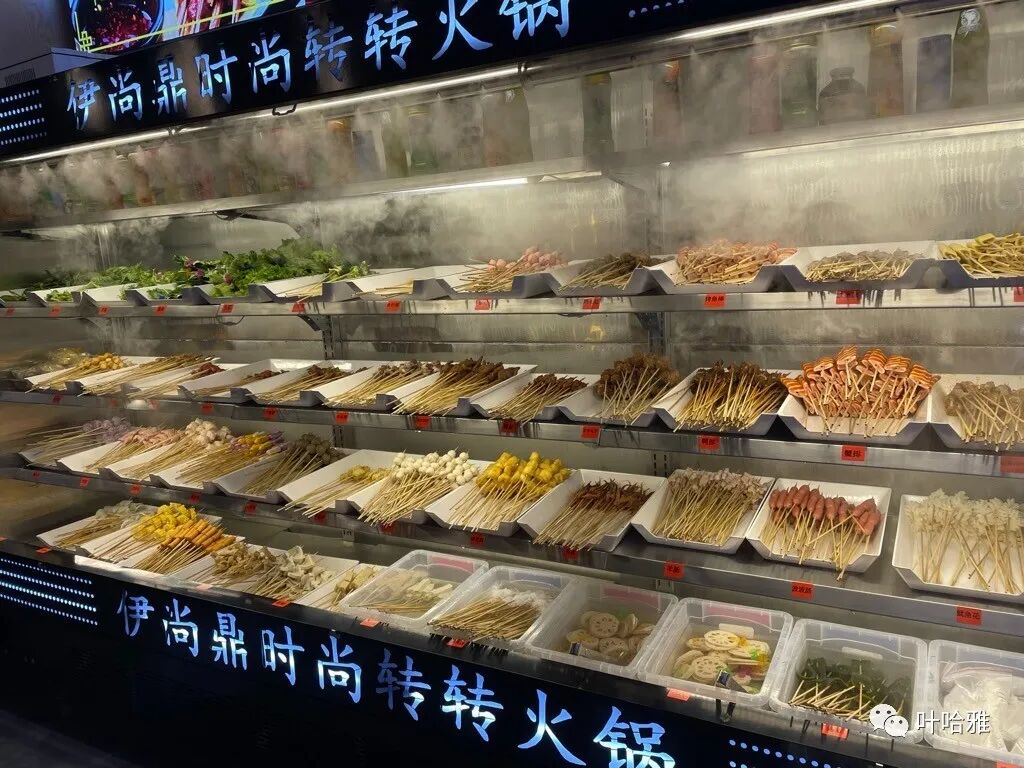
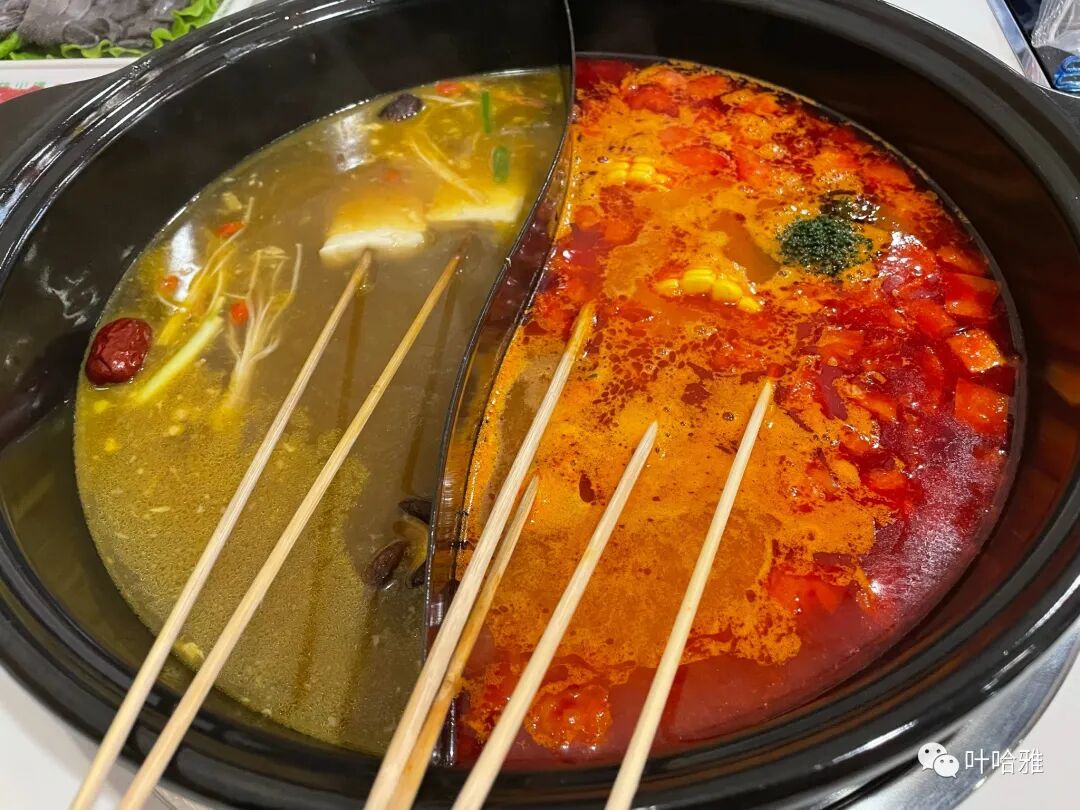
If you do not want to eat from the revolving belt, you can sit in the booths at the back. You can pick your own skewers, and they count the sticks to charge you after you finish. Every skewer costs 2 yuan, and the soup base is 18 yuan.
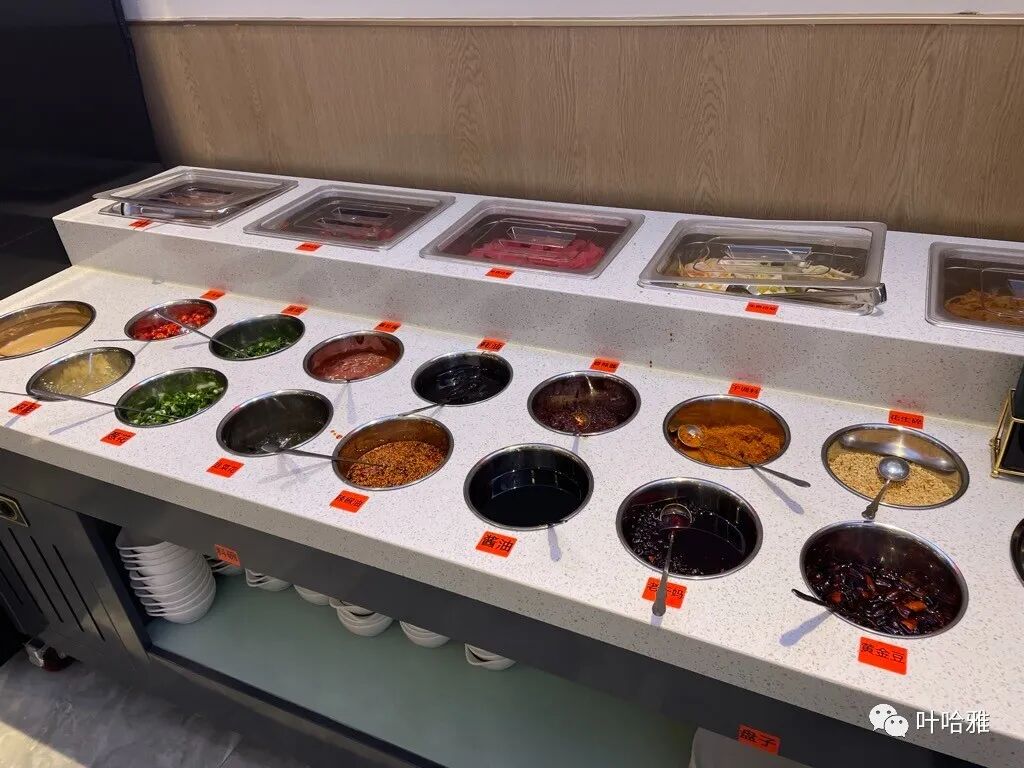
I feel the variety of skewers is a bit small compared to what I ate in Lanzhou, but the dipping sauces taste great and have a good selection.
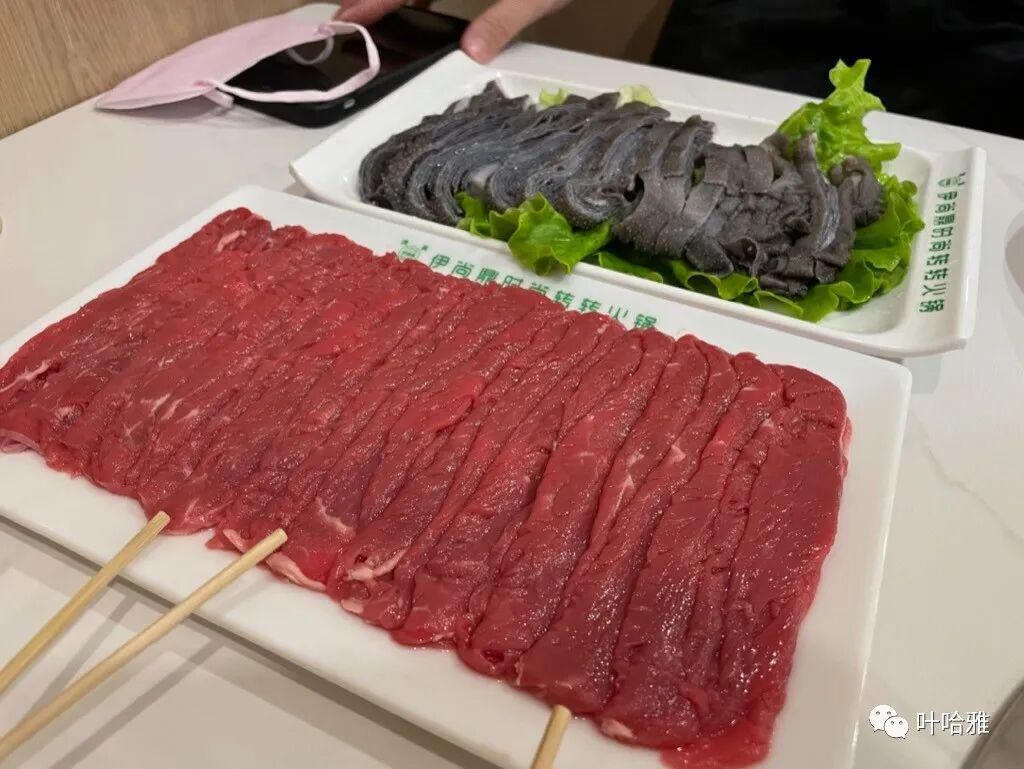
You can order fresh meat and tripe separately. They are hand-cut on the spot and the meat is tender.
The shop is currently in its trial opening period and offers discounts, bringing the cost to about 60 yuan per person.
3. Majia Shaomai
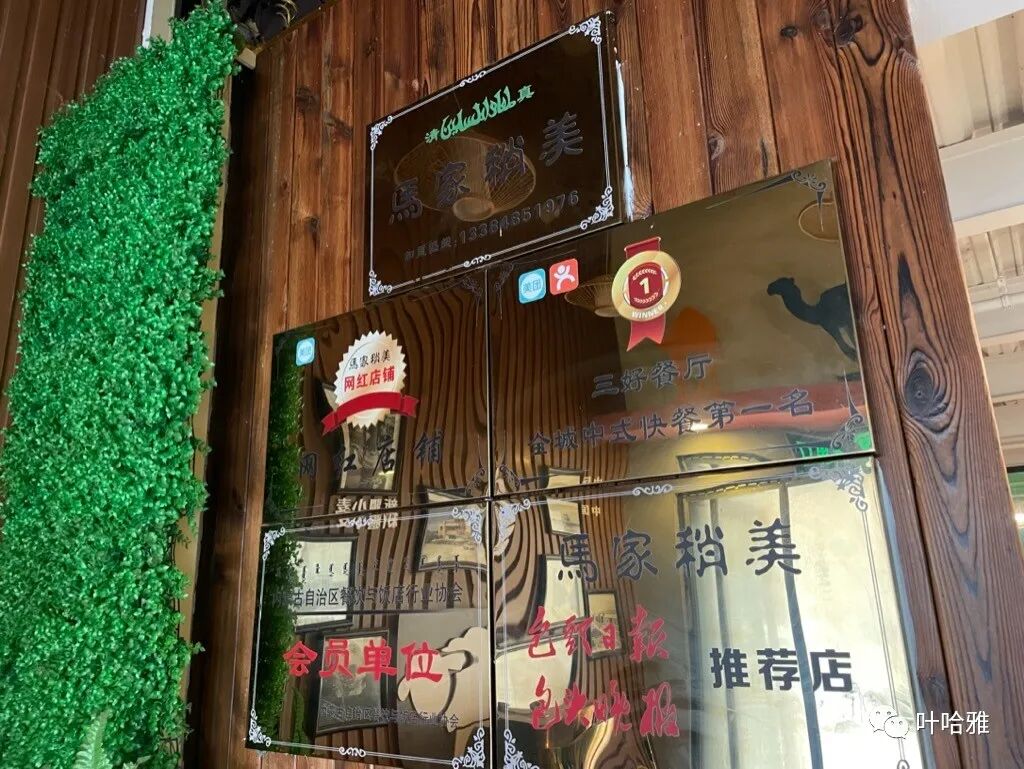
Majia Shaomai recently opened in the ground-floor shops of the Vanke City Light complex in Tongzhou. This shop is a famous, long-standing brand in Baotou and is arguably the most popular shaomai (steamed dumpling) shop there. I visited Baotou last summer to eat it.
According to the owner, all the ingredients for their shaomai come from Baotou. After tasting it carefully, I can confirm the owner is telling the truth.
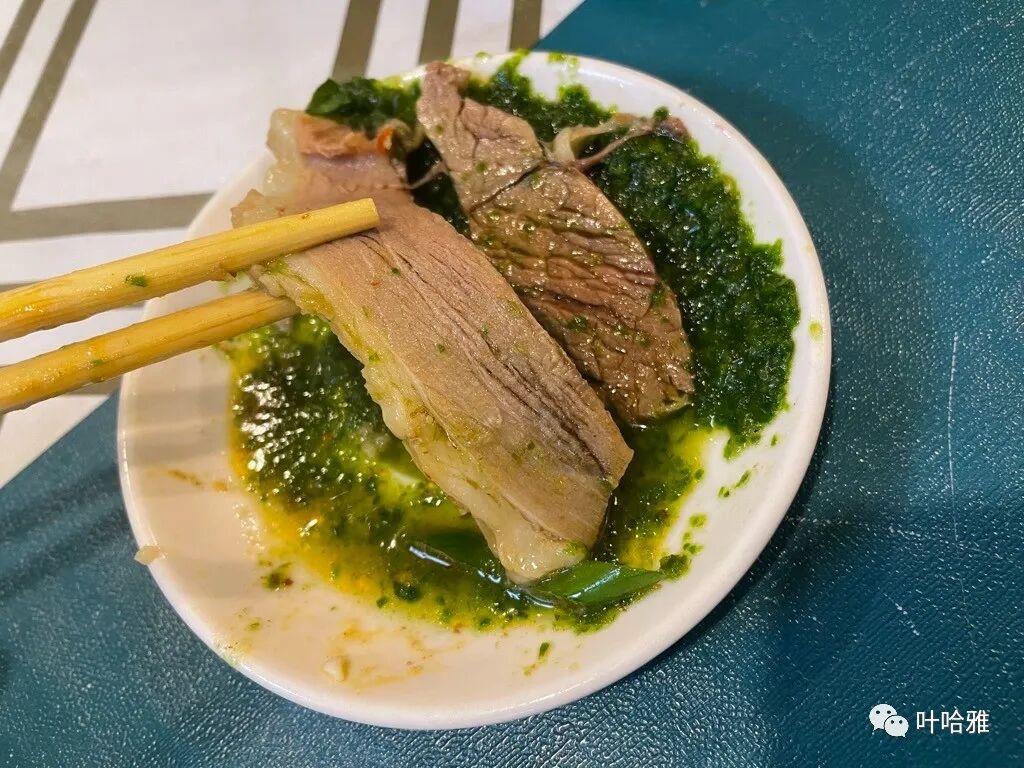
In Baotou, shaomai is eaten for breakfast or as a main meal. We ordered the Lucheng Big Platter; Baotou is also known as Lucheng. The platter is full of meat, including meatballs, tripe-wrapped meat, and lamb slices. It is very hearty.
You should dip the meat from the platter in a special chive flower sauce. This greenish chive flower sauce is not as salty as the kind used for Beijing-style hot pot.
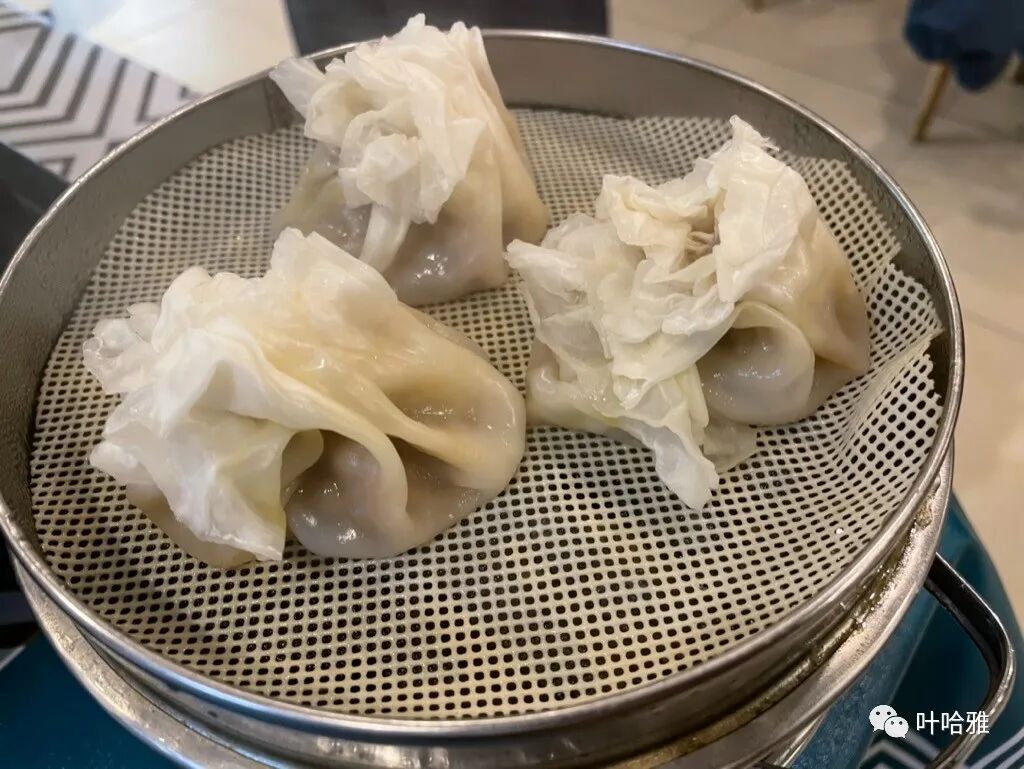
In Baotou, a serving of steamed dumplings (shaomai) comes as six pieces split into two bamboo steamers, which keeps the bottom layer warm while you finish the top.
I am very happy with the taste here. It costs about 100 yuan per person. If you are from Baotou and live in Beijing, come try it and see if I know my food.
4. Big Green Dome (Da Lu Bao) Roasted Lamb Leg
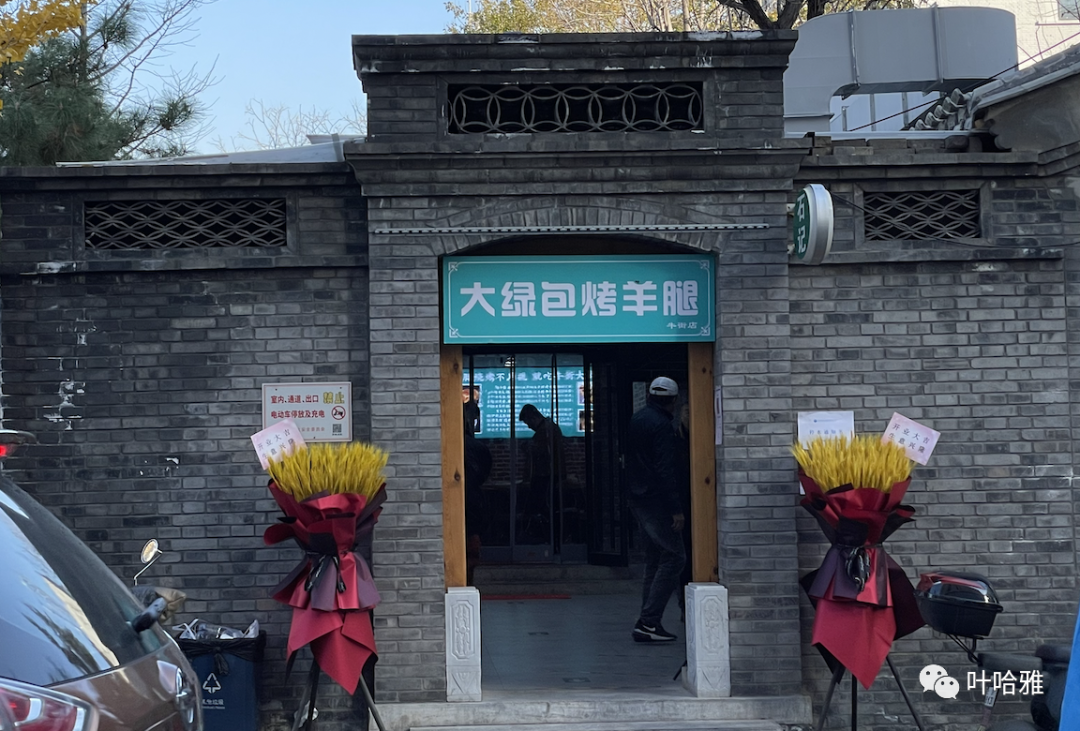
The China Islamic Institute is on Niujie Street. It has a green dome, so locals call it the Big Green Dome (Da Lu Bao). This roasted lamb leg shop is a new chain store named after it.
The entrance to this Niujie shop is shared with Shiji Pie (Shiji Xianbing), which has moved back to Niujie.
Stir-fried hawthorn (chao hongguo)
The stir-fried hawthorn is sweet, sour, and cold, which helps cut the grease from the lamb. We ordered a 2.7-jin Dorper lamb leg for 98 yuan per jin, which was just enough. Dorper sheep are originally from South Africa and are very high quality.
I did not have high expectations for Big Green Dome and only came because it is close to home. However, the Dorper lamb was tender and juicy, and I really liked it. I did not try the regular lamb leg, but I plan to order the Dorper lamb again next time.
5. Tonghao Pavilion Seafood BBQ
This is a new seafood BBQ shop near the 12th Street block of Universal Studios in Tongzhou. They opened two branches at once, but one closed, so only this one remains. We came on New Year's Eve and did not expect to wait in line for nearly two hours.
We had an idea to avoid the wait: we ordered takeout at the door. Takeout is faster than dining in, so we had all our seafood packed and ready in less than 20 minutes.
We ate right there on the freezer outside the shop. To be honest, the food quality was average and the taste was too salty. I really do not understand why the place is so popular. We ordered oysters, grilled fish, clams, razor clams, and abalone. The seafood quality was not great, but at least we did not have to wait two hours for it.
6. Taiba Shawarma (Tai 8)
Tai 8 is a Turkish restaurant on the first floor of Sanlitun SOHO. It used to be a small stall selling Turkish shawarma wraps, but this year they expanded into a full restaurant serving various Turkish-style Middle Eastern dishes.
The restaurant is decorated beautifully and is clean and tidy. It is an alcohol-free restaurant and offers free refills on black tea, which other Turkish restaurants usually charge for.
The freshly made chicken shawarma wrap at Tai 8 is truly delicious, and the side dishes are tasty too.
They also have Mexican wraps that are a bit spicier but still very good. The pizza is an Italian-style thin crust, and one person can easily finish a whole one. For this quality, the price is affordable, averaging about 100 yuan per person.
7. Jinyunxuan Lanzhou Beef Ramen (Xibeilou)
People eat ramen often, so I rarely recommend it. A friend insisted I visit this place. At first, I wondered what kind of variety a ramen shop in Beijing could offer, but the flavor here is truly authentic to Lanzhou. It tastes exactly like the beef noodles I had in Lanzhou, so I have to recommend it.
It goes without saying that it is an alcohol-free restaurant. The ingredients are reliable, and the chili oil is sourced from Xunhua; it is fragrant rather than spicy. The noodles perfectly achieve the five standards: clear soup, white radish, red chili oil, green cilantro, and yellow noodles.
Currently, this is my favorite Lanzhou beef noodle spot in Beijing. The owner is a young man from Linxia who told me they use the Lanzhou-Linxia style. If you are from Lanzhou and living in Beijing, you should definitely visit if you miss home. I guarantee it is worth the trip.
Their grilled skewers are also delicious, mainly because they choose high-quality meat. It has the taste of faith.
The shop is located at the south gate of Rendinghu Park in Jiaochangkou. On Dianping, it is listed as Xibeilou Beef Noodles (Jiaochangkou Street Branch).
8. Asian Infrastructure Investment Bank (AIIB) Canteen
The AIIB is neither a state-owned enterprise nor a commercial firm; it is an intergovernmental financial institution. Because it brings together staff from over a hundred countries, and many Asian nations are Muslim-majority, the AIIB has Muslim vice presidents and board members. This is why the canteen includes a halal food station and a separate restaurant serving halal Western food.
Looking at the menu, there are Western dishes like spaghetti, fried chicken, and salads. A lunch costs about 50 yuan.
There is also yogurt and fruit for dessert, which is nutritious and tasty. My friends said it would be even more perfect if the canteen added a stall serving Northwest-style food.
The Western restaurant at the AIIB requires a reservation. We visited the canteen this time and will try the formal Western meal next time. People say a meal there costs about 200 yuan per person.
The most important thing about coming to the AIIB is not eating at the canteen, but attending the Friday congregational prayer (Jumu'ah). As mentioned, the AIIB has Muslim vice presidents and board members, so there is a dedicated room for namaz.
A leader from Pakistan (Ba Tie) carefully prepares the sermon (wa'z) for the Jumu'ah prayer in advance and calls his colleagues to join the prayer.
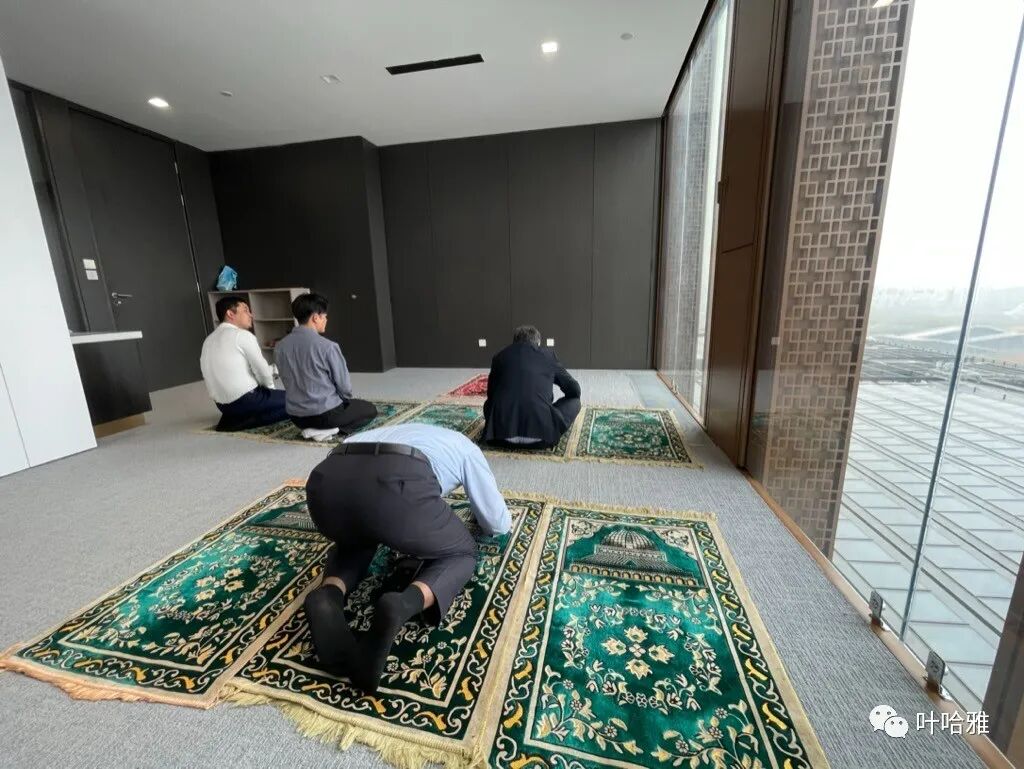
Outside the floor-to-ceiling windows of the prayer room is the Olympic Forest Park. You can see the whole park from there. Standing by the window to watch the sunset on a clear day makes it arguably the most beautiful place in Beijing for the sunset prayer (Maghrib).
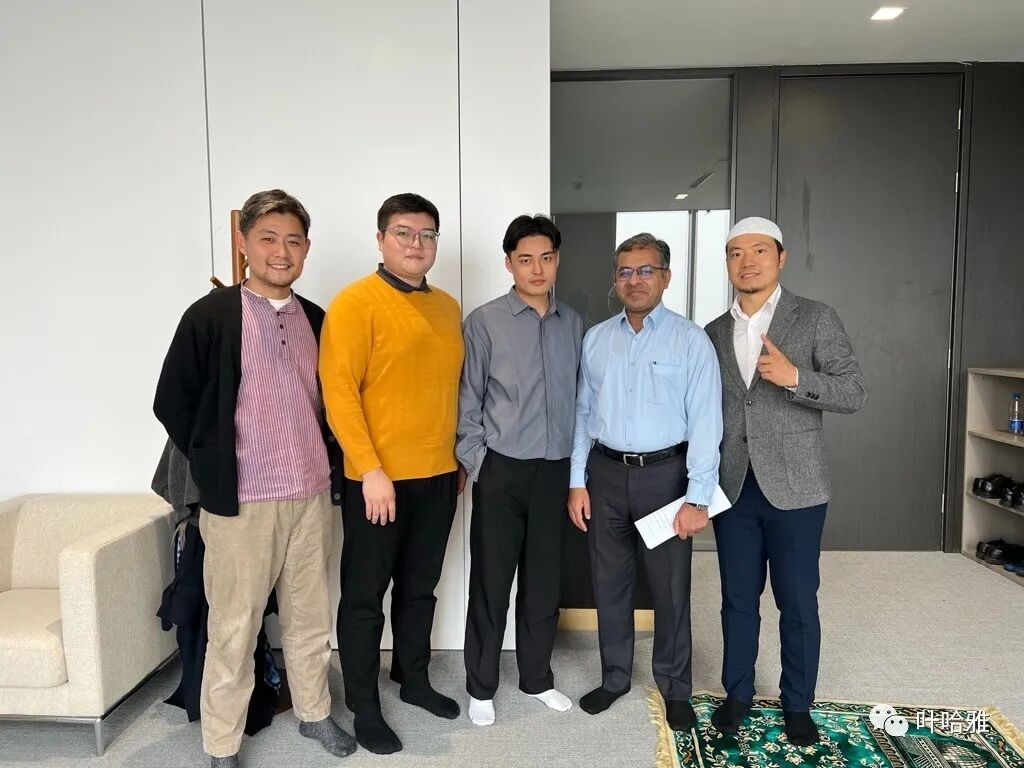
The AIIB is now starting to develop Islamic finance services. My friends are perfectly combining their work with their faith, moving forward quickly on the path to success in this life and the next (dunya and akhirah). Luckily, I have a flexible job now, otherwise I would be so jealous of them.
That is all for this issue. The text and photos are original. Please ask for permission before reposting. view all
Summary: This Beijing halal food guide covers issue 30, featuring grassland-style shaomai, halal maocai, Baotou Ma family shaomai, roast lamb leg, Turkish shawarma, Lanzhou beef noodles, and the AIIB prayer room.
Beijing Halal Food Map (30) is presented here as a firsthand travel account in clear English, beginning with this scene: Do we travel around just to check off spots and eat good food? Food is just a medium. The account keeps its focus on Beijing Halal Food, Muslim Travel, Middle Eastern Food while preserving the names, places, food, and historical details from the Chinese source.
Do we travel around just to check off spots and eat good food? Food is just a medium. It carries history, culture, faith, and the stories of the people behind it. Eating together builds friendships, shares knowledge, and lifts the spirits. If a person stays alone and cut off from the world for too long, they might lose their mind.
1. Grassland Halal Restaurant (Dacaoyuan Qingzhen Fanzhuang)
This is a large restaurant in Shahe, Changping, that specializes in grassland-style dishes. The big logo is a bit flashy, and I hesitated to post it at first. But then I thought, everyone can see that sign anyway, and if the owner doesn't mind, I will just show it as it is. There is a huge free parking lot at the entrance, which makes the dining experience much better.
I originally came here for the beef and lamb steamed dumplings (shaomai), but after trying them, I found they aren't as good as the ones at Lianying or the Ma family shop in Baotou (note: not the Ma family shop on Annei). However, the iron pot stewed yellow croaker was surprisingly delicious.
Iron pot stewed yellow croaker
The yellow croaker is stewed until the meat is tender and the bones are soft. Dipping the small corn flatbreads (tiebingzi) into the fish broth, which is salty and savory, is both satisfying and filling.
Spicy hot pot (mala maocai)
Maocai is a specialty from Sichuan and Chongqing, and it is not easy to find a halal version in Beijing. The red chili oil broth looks spicy, but it actually tastes mildly spicy, salty, and fragrant. It includes squid, yellow throat, beef tripe, tofu skin, and luncheon meat. It is refreshing and goes well with rice, so it is worth a try.
These two steamers of steamed dumplings (shaomai) are beef and lamb. Each steamer has 10 pieces, so I know this is not the Inner Mongolian style. In Hohhot, a steamer of steamed dumplings (shaomai) usually has 8 pieces per liang, and in Baotou, it is 6 pieces per liang.
Hunan-style small river shrimp
This final Hunan dish didn't taste spicy at all. The shrimp were large, but the flavor wasn't very memorable. It was quite mild. This restaurant offers large, affordable portions for about 100 yuan per person. It is great for group meals and is located near the Beihang University Shahe campus.
2. Yishangding Trendy Revolving Hot Pot
A revolving hot pot restaurant has opened where the old Xinghai Musical Instrument City used to be on Niujie. You can choose not to use the revolving belt and eat it like skewers (chuan-chuan), though the word 'trendy' sounds a bit dated now. The owner is from Lanzhou and is preparing a fast-food burger shop next door called Lebangke Burger and Fried Chicken. It is said to be a Lanzhou chain brand, but it is not open yet.
If you do not want to eat from the revolving belt, you can sit in the booths at the back. You can pick your own skewers, and they count the sticks to charge you after you finish. Every skewer costs 2 yuan, and the soup base is 18 yuan.
I feel the variety of skewers is a bit small compared to what I ate in Lanzhou, but the dipping sauces taste great and have a good selection.
You can order fresh meat and tripe separately. They are hand-cut on the spot and the meat is tender.
The shop is currently in its trial opening period and offers discounts, bringing the cost to about 60 yuan per person.
3. Majia Shaomai
Majia Shaomai recently opened in the ground-floor shops of the Vanke City Light complex in Tongzhou. This shop is a famous, long-standing brand in Baotou and is arguably the most popular shaomai (steamed dumpling) shop there. I visited Baotou last summer to eat it.
According to the owner, all the ingredients for their shaomai come from Baotou. After tasting it carefully, I can confirm the owner is telling the truth.
In Baotou, shaomai is eaten for breakfast or as a main meal. We ordered the Lucheng Big Platter; Baotou is also known as Lucheng. The platter is full of meat, including meatballs, tripe-wrapped meat, and lamb slices. It is very hearty.
You should dip the meat from the platter in a special chive flower sauce. This greenish chive flower sauce is not as salty as the kind used for Beijing-style hot pot.
In Baotou, a serving of steamed dumplings (shaomai) comes as six pieces split into two bamboo steamers, which keeps the bottom layer warm while you finish the top.
I am very happy with the taste here. It costs about 100 yuan per person. If you are from Baotou and live in Beijing, come try it and see if I know my food.
4. Big Green Dome (Da Lu Bao) Roasted Lamb Leg
The China Islamic Institute is on Niujie Street. It has a green dome, so locals call it the Big Green Dome (Da Lu Bao). This roasted lamb leg shop is a new chain store named after it.
The entrance to this Niujie shop is shared with Shiji Pie (Shiji Xianbing), which has moved back to Niujie.
Stir-fried hawthorn (chao hongguo)
The stir-fried hawthorn is sweet, sour, and cold, which helps cut the grease from the lamb. We ordered a 2.7-jin Dorper lamb leg for 98 yuan per jin, which was just enough. Dorper sheep are originally from South Africa and are very high quality.
I did not have high expectations for Big Green Dome and only came because it is close to home. However, the Dorper lamb was tender and juicy, and I really liked it. I did not try the regular lamb leg, but I plan to order the Dorper lamb again next time.
5. Tonghao Pavilion Seafood BBQ
This is a new seafood BBQ shop near the 12th Street block of Universal Studios in Tongzhou. They opened two branches at once, but one closed, so only this one remains. We came on New Year's Eve and did not expect to wait in line for nearly two hours.
We had an idea to avoid the wait: we ordered takeout at the door. Takeout is faster than dining in, so we had all our seafood packed and ready in less than 20 minutes.
We ate right there on the freezer outside the shop. To be honest, the food quality was average and the taste was too salty. I really do not understand why the place is so popular. We ordered oysters, grilled fish, clams, razor clams, and abalone. The seafood quality was not great, but at least we did not have to wait two hours for it.
6. Taiba Shawarma (Tai 8)
Tai 8 is a Turkish restaurant on the first floor of Sanlitun SOHO. It used to be a small stall selling Turkish shawarma wraps, but this year they expanded into a full restaurant serving various Turkish-style Middle Eastern dishes.
The restaurant is decorated beautifully and is clean and tidy. It is an alcohol-free restaurant and offers free refills on black tea, which other Turkish restaurants usually charge for.
The freshly made chicken shawarma wrap at Tai 8 is truly delicious, and the side dishes are tasty too.
They also have Mexican wraps that are a bit spicier but still very good. The pizza is an Italian-style thin crust, and one person can easily finish a whole one. For this quality, the price is affordable, averaging about 100 yuan per person.
7. Jinyunxuan Lanzhou Beef Ramen (Xibeilou)
People eat ramen often, so I rarely recommend it. A friend insisted I visit this place. At first, I wondered what kind of variety a ramen shop in Beijing could offer, but the flavor here is truly authentic to Lanzhou. It tastes exactly like the beef noodles I had in Lanzhou, so I have to recommend it.
It goes without saying that it is an alcohol-free restaurant. The ingredients are reliable, and the chili oil is sourced from Xunhua; it is fragrant rather than spicy. The noodles perfectly achieve the five standards: clear soup, white radish, red chili oil, green cilantro, and yellow noodles.
Currently, this is my favorite Lanzhou beef noodle spot in Beijing. The owner is a young man from Linxia who told me they use the Lanzhou-Linxia style. If you are from Lanzhou and living in Beijing, you should definitely visit if you miss home. I guarantee it is worth the trip.
Their grilled skewers are also delicious, mainly because they choose high-quality meat. It has the taste of faith.
The shop is located at the south gate of Rendinghu Park in Jiaochangkou. On Dianping, it is listed as Xibeilou Beef Noodles (Jiaochangkou Street Branch).
8. Asian Infrastructure Investment Bank (AIIB) Canteen
The AIIB is neither a state-owned enterprise nor a commercial firm; it is an intergovernmental financial institution. Because it brings together staff from over a hundred countries, and many Asian nations are Muslim-majority, the AIIB has Muslim vice presidents and board members. This is why the canteen includes a halal food station and a separate restaurant serving halal Western food.
Looking at the menu, there are Western dishes like spaghetti, fried chicken, and salads. A lunch costs about 50 yuan.
There is also yogurt and fruit for dessert, which is nutritious and tasty. My friends said it would be even more perfect if the canteen added a stall serving Northwest-style food.
The Western restaurant at the AIIB requires a reservation. We visited the canteen this time and will try the formal Western meal next time. People say a meal there costs about 200 yuan per person.
The most important thing about coming to the AIIB is not eating at the canteen, but attending the Friday congregational prayer (Jumu'ah). As mentioned, the AIIB has Muslim vice presidents and board members, so there is a dedicated room for namaz.
A leader from Pakistan (Ba Tie) carefully prepares the sermon (wa'z) for the Jumu'ah prayer in advance and calls his colleagues to join the prayer.
Outside the floor-to-ceiling windows of the prayer room is the Olympic Forest Park. You can see the whole park from there. Standing by the window to watch the sunset on a clear day makes it arguably the most beautiful place in Beijing for the sunset prayer (Maghrib).
The AIIB is now starting to develop Islamic finance services. My friends are perfectly combining their work with their faith, moving forward quickly on the path to success in this life and the next (dunya and akhirah). Luckily, I have a flexible job now, otherwise I would be so jealous of them.
That is all for this issue. The text and photos are original. Please ask for permission before reposting. view all
Reposted from the web
Summary: This Beijing halal food guide covers issue 30, featuring grassland-style shaomai, halal maocai, Baotou Ma family shaomai, roast lamb leg, Turkish shawarma, Lanzhou beef noodles, and the AIIB prayer room.
Beijing Halal Food Map (30) is presented here as a firsthand travel account in clear English, beginning with this scene: Do we travel around just to check off spots and eat good food? Food is just a medium. The account keeps its focus on Beijing Halal Food, Muslim Travel, Middle Eastern Food while preserving the names, places, food, and historical details from the Chinese source.
Do we travel around just to check off spots and eat good food? Food is just a medium. It carries history, culture, faith, and the stories of the people behind it. Eating together builds friendships, shares knowledge, and lifts the spirits. If a person stays alone and cut off from the world for too long, they might lose their mind.
1. Grassland Halal Restaurant (Dacaoyuan Qingzhen Fanzhuang)
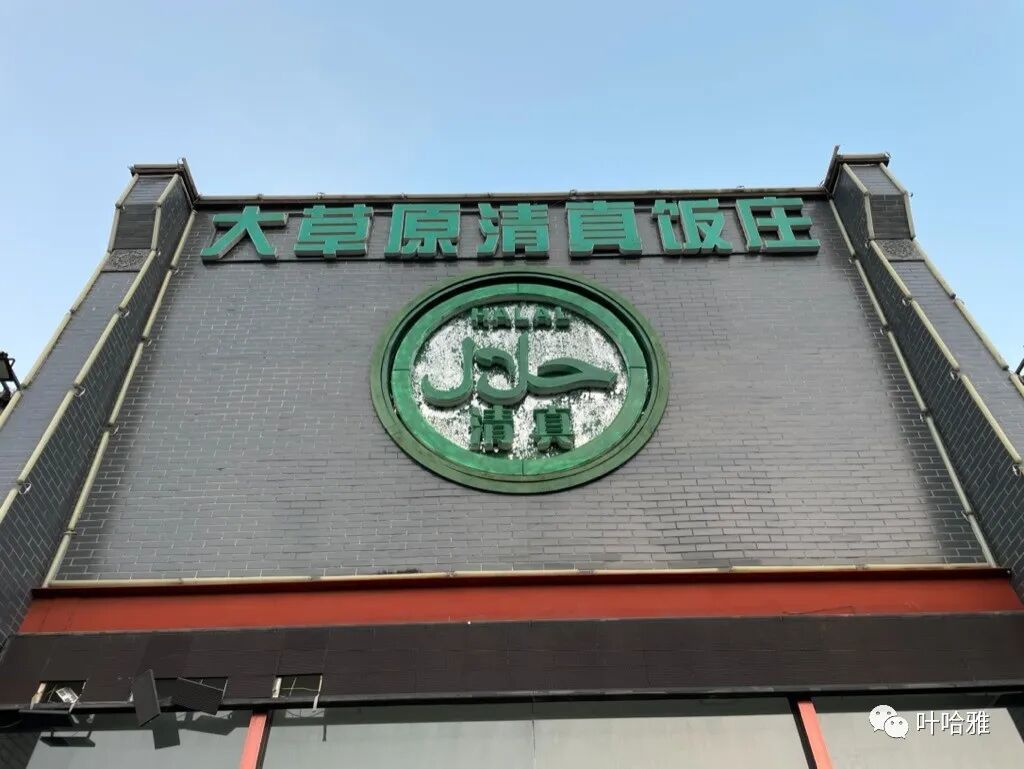
This is a large restaurant in Shahe, Changping, that specializes in grassland-style dishes. The big logo is a bit flashy, and I hesitated to post it at first. But then I thought, everyone can see that sign anyway, and if the owner doesn't mind, I will just show it as it is. There is a huge free parking lot at the entrance, which makes the dining experience much better.
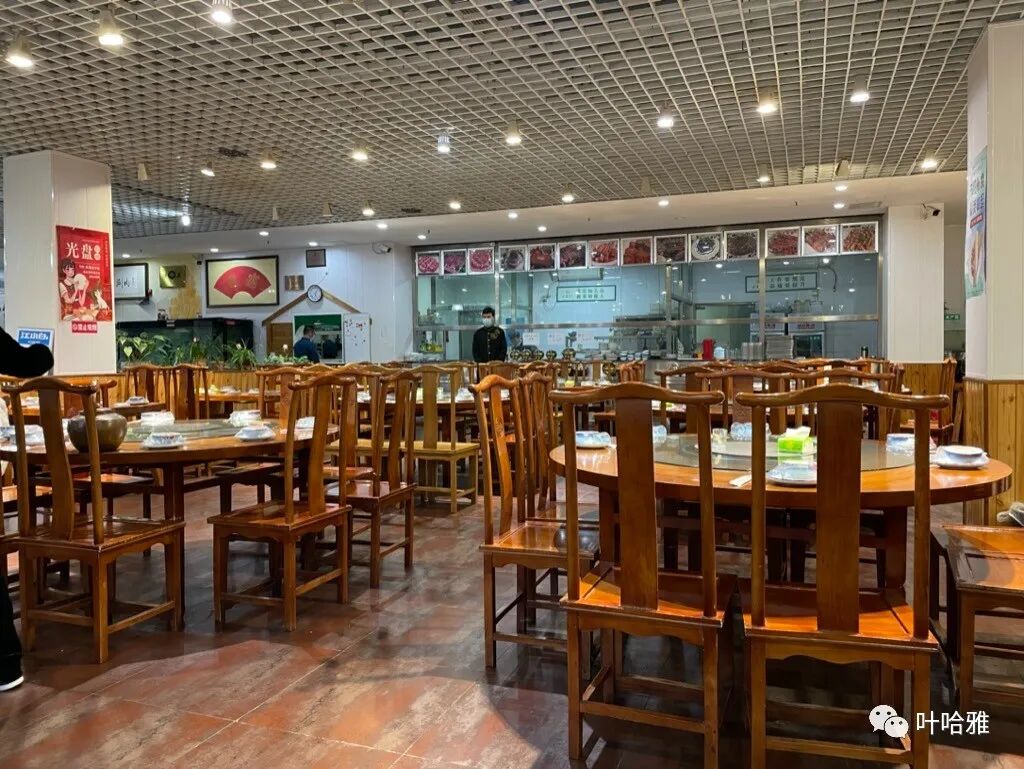
I originally came here for the beef and lamb steamed dumplings (shaomai), but after trying them, I found they aren't as good as the ones at Lianying or the Ma family shop in Baotou (note: not the Ma family shop on Annei). However, the iron pot stewed yellow croaker was surprisingly delicious.
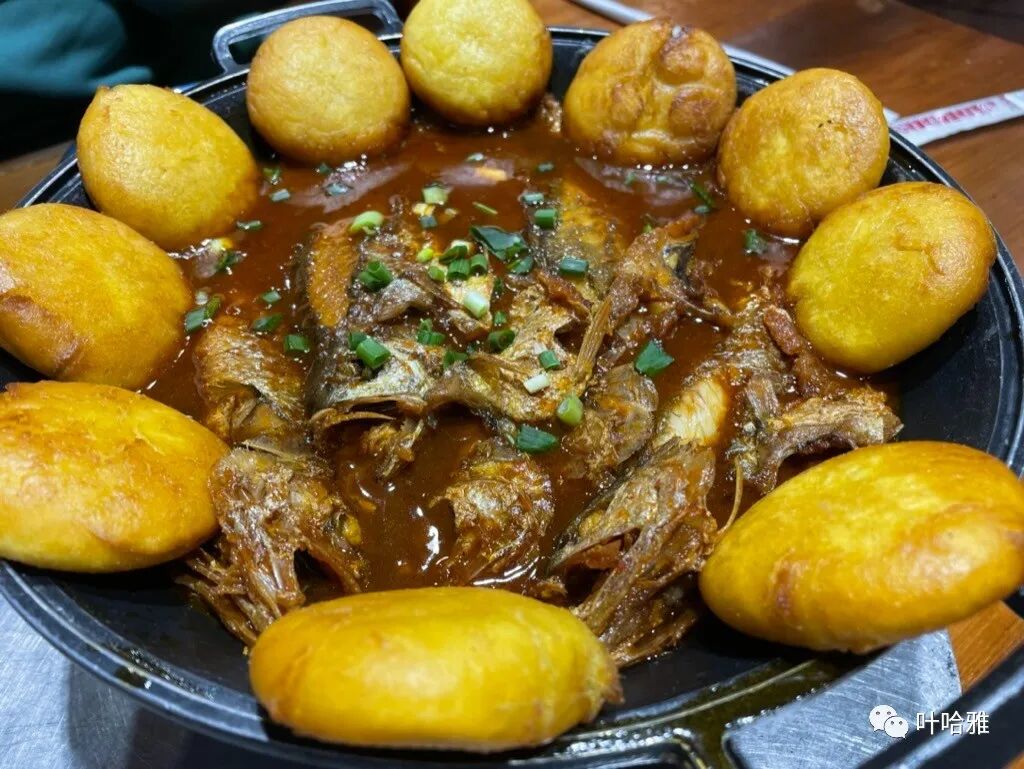
Iron pot stewed yellow croaker
The yellow croaker is stewed until the meat is tender and the bones are soft. Dipping the small corn flatbreads (tiebingzi) into the fish broth, which is salty and savory, is both satisfying and filling.
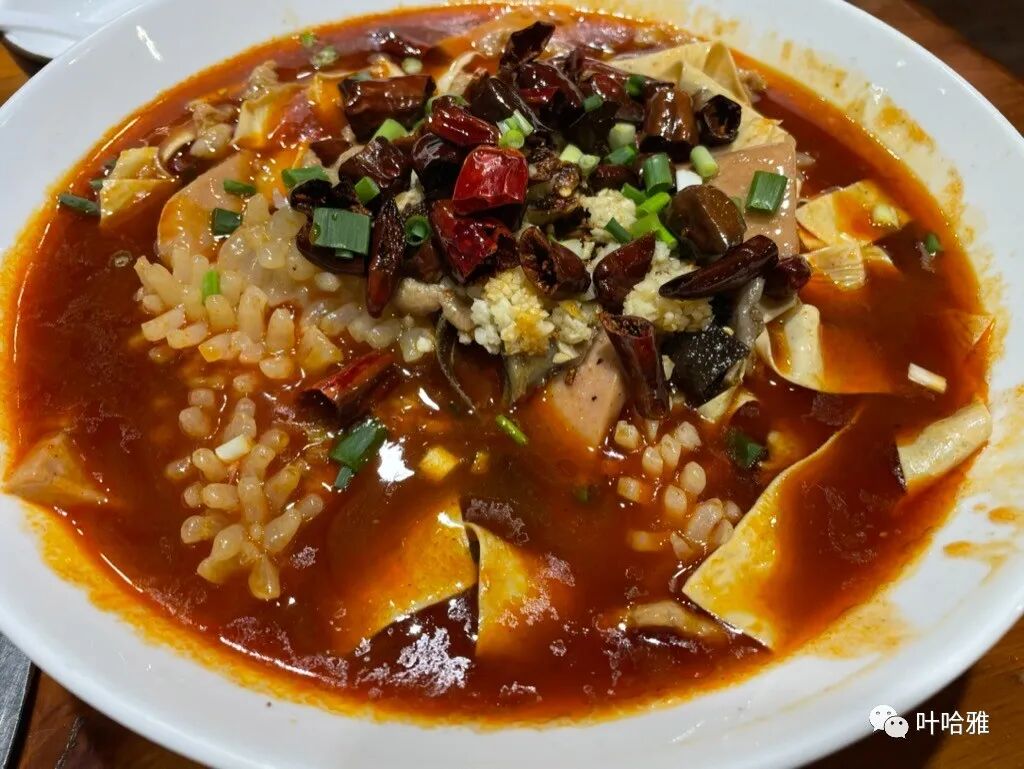
Spicy hot pot (mala maocai)
Maocai is a specialty from Sichuan and Chongqing, and it is not easy to find a halal version in Beijing. The red chili oil broth looks spicy, but it actually tastes mildly spicy, salty, and fragrant. It includes squid, yellow throat, beef tripe, tofu skin, and luncheon meat. It is refreshing and goes well with rice, so it is worth a try.
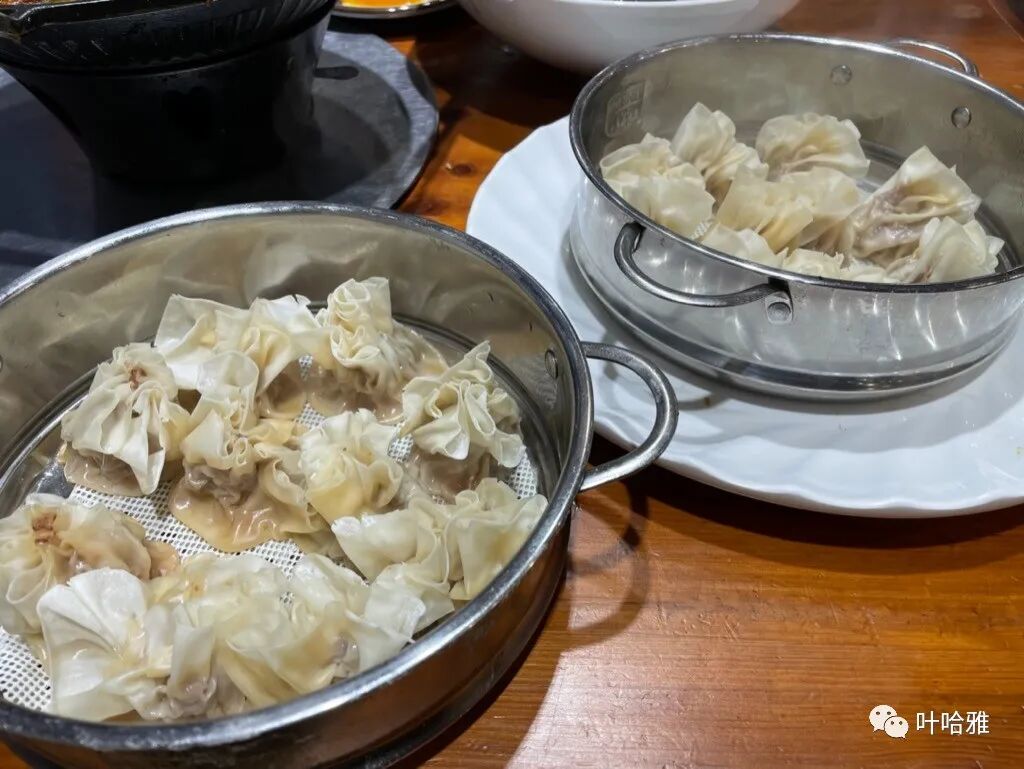
These two steamers of steamed dumplings (shaomai) are beef and lamb. Each steamer has 10 pieces, so I know this is not the Inner Mongolian style. In Hohhot, a steamer of steamed dumplings (shaomai) usually has 8 pieces per liang, and in Baotou, it is 6 pieces per liang.
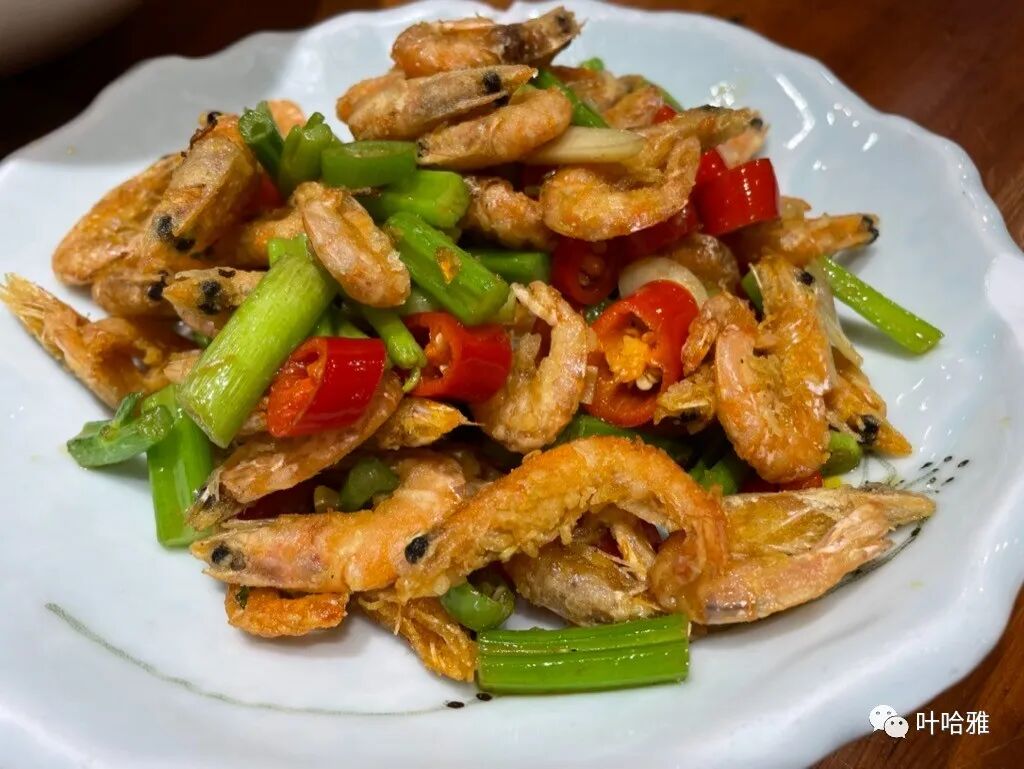
Hunan-style small river shrimp
This final Hunan dish didn't taste spicy at all. The shrimp were large, but the flavor wasn't very memorable. It was quite mild. This restaurant offers large, affordable portions for about 100 yuan per person. It is great for group meals and is located near the Beihang University Shahe campus.
2. Yishangding Trendy Revolving Hot Pot
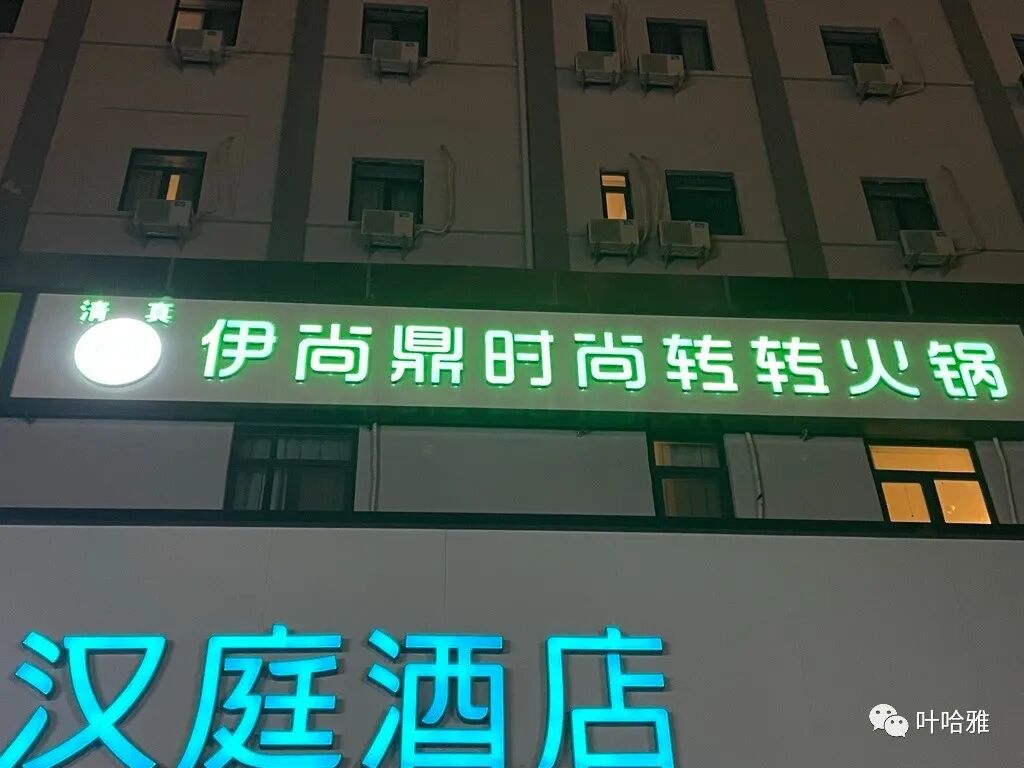
A revolving hot pot restaurant has opened where the old Xinghai Musical Instrument City used to be on Niujie. You can choose not to use the revolving belt and eat it like skewers (chuan-chuan), though the word 'trendy' sounds a bit dated now. The owner is from Lanzhou and is preparing a fast-food burger shop next door called Lebangke Burger and Fried Chicken. It is said to be a Lanzhou chain brand, but it is not open yet.
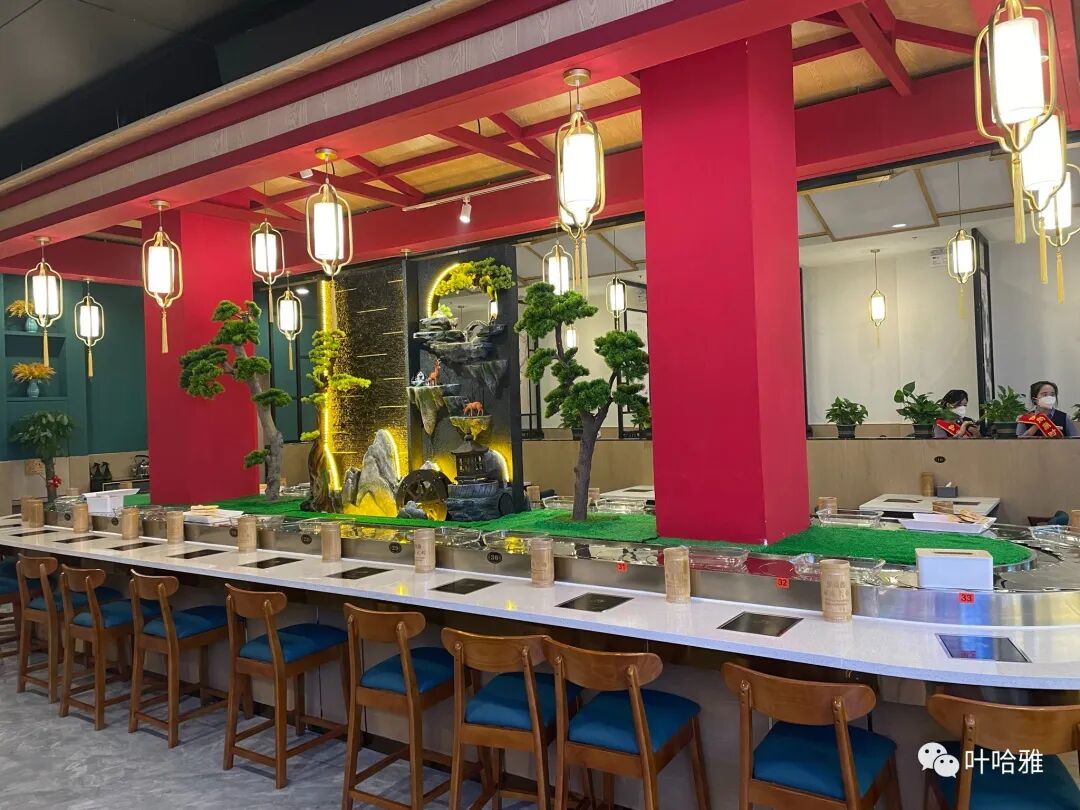
If you do not want to eat from the revolving belt, you can sit in the booths at the back. You can pick your own skewers, and they count the sticks to charge you after you finish. Every skewer costs 2 yuan, and the soup base is 18 yuan.
I feel the variety of skewers is a bit small compared to what I ate in Lanzhou, but the dipping sauces taste great and have a good selection.
You can order fresh meat and tripe separately. They are hand-cut on the spot and the meat is tender.
The shop is currently in its trial opening period and offers discounts, bringing the cost to about 60 yuan per person.
3. Majia Shaomai
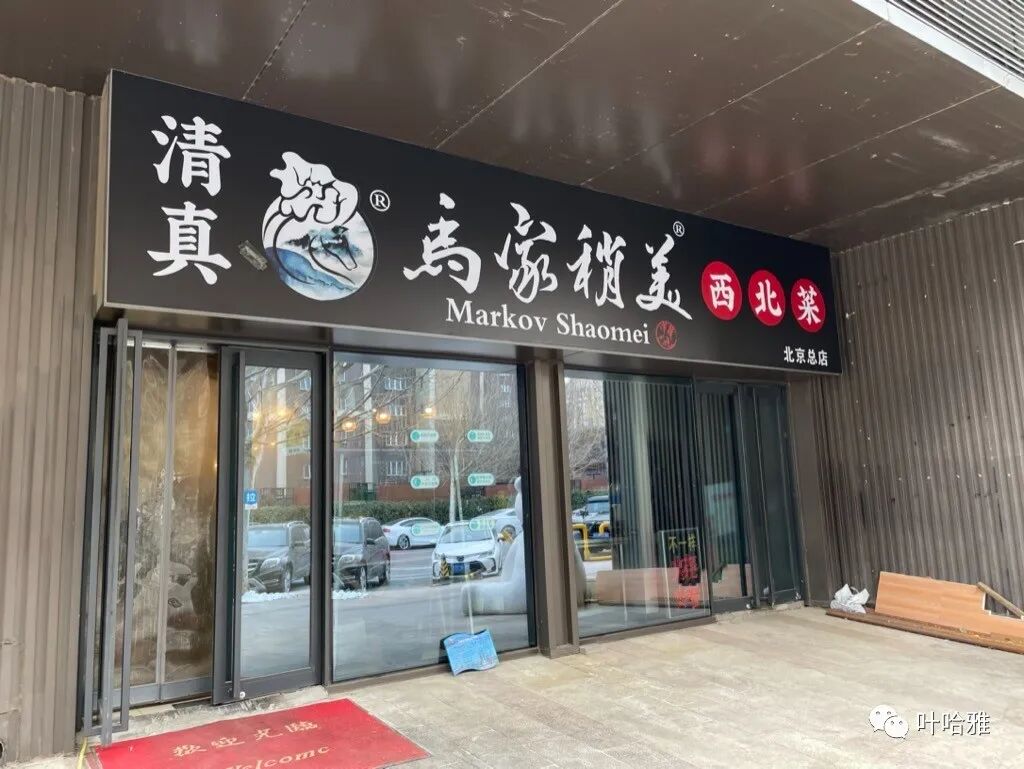
Majia Shaomai recently opened in the ground-floor shops of the Vanke City Light complex in Tongzhou. This shop is a famous, long-standing brand in Baotou and is arguably the most popular shaomai (steamed dumpling) shop there. I visited Baotou last summer to eat it.
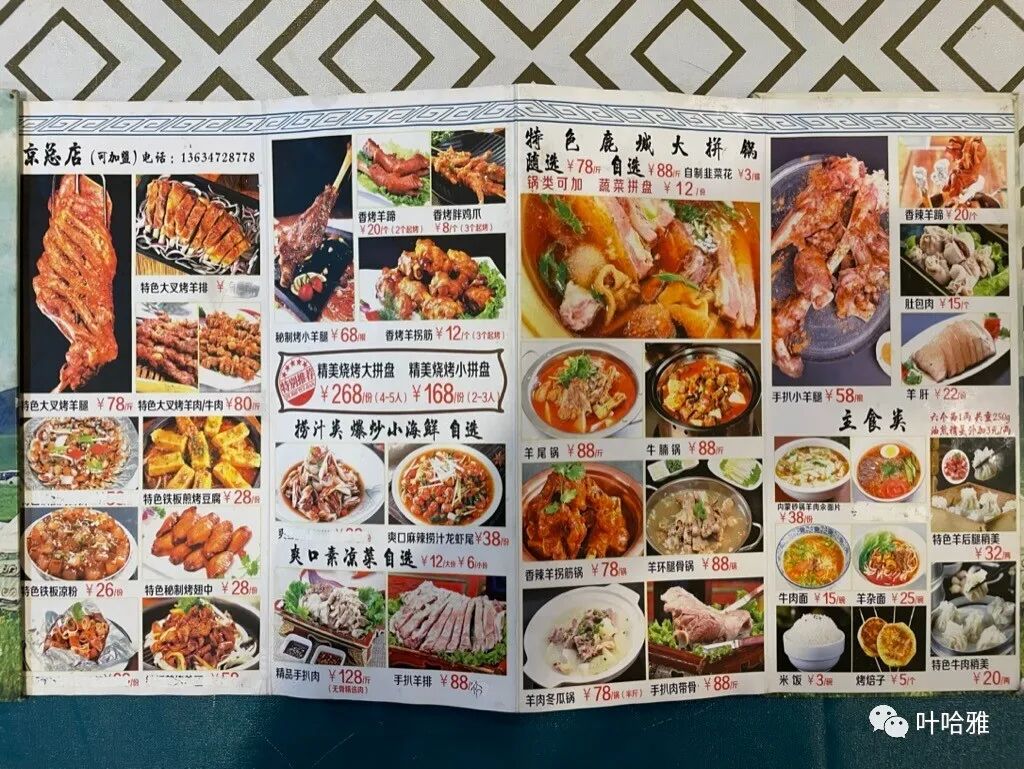
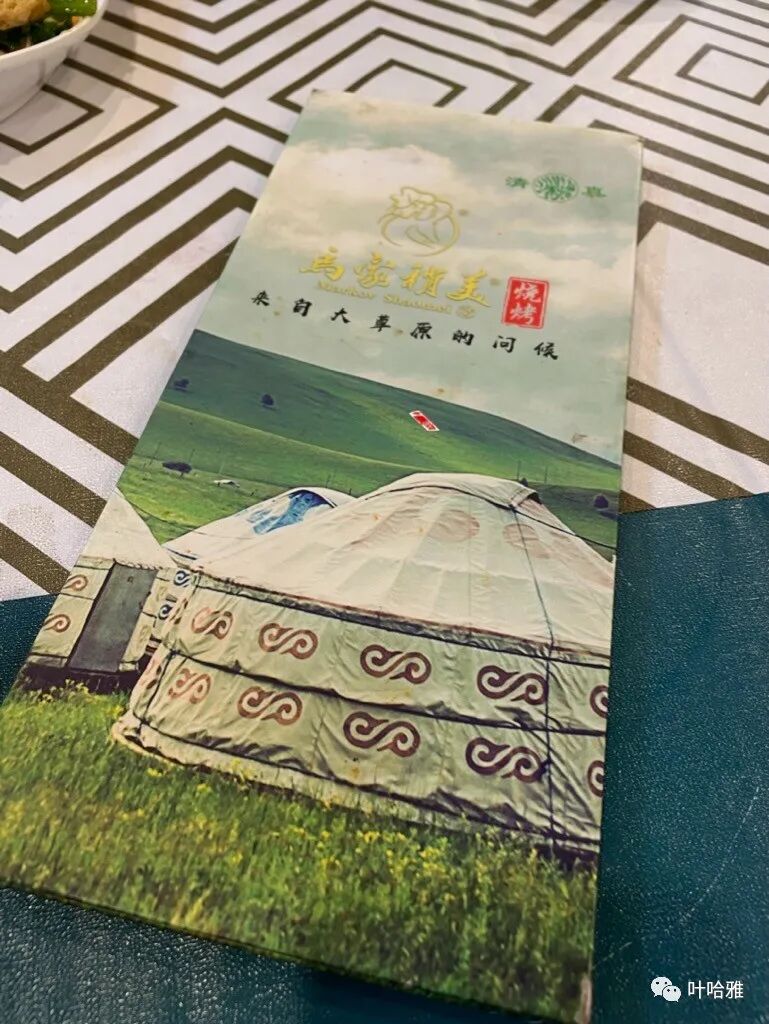
According to the owner, all the ingredients for their shaomai come from Baotou. After tasting it carefully, I can confirm the owner is telling the truth.
In Baotou, shaomai is eaten for breakfast or as a main meal. We ordered the Lucheng Big Platter; Baotou is also known as Lucheng. The platter is full of meat, including meatballs, tripe-wrapped meat, and lamb slices. It is very hearty.
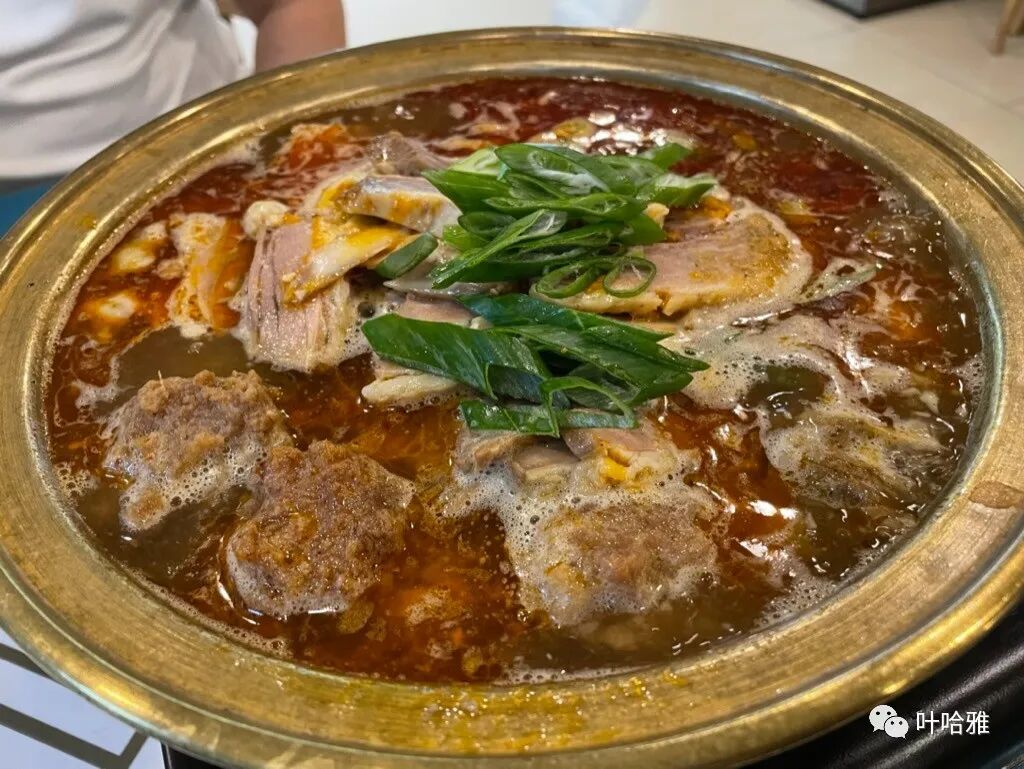
You should dip the meat from the platter in a special chive flower sauce. This greenish chive flower sauce is not as salty as the kind used for Beijing-style hot pot.
In Baotou, a serving of steamed dumplings (shaomai) comes as six pieces split into two bamboo steamers, which keeps the bottom layer warm while you finish the top.
I am very happy with the taste here. It costs about 100 yuan per person. If you are from Baotou and live in Beijing, come try it and see if I know my food.
4. Big Green Dome (Da Lu Bao) Roasted Lamb Leg
The China Islamic Institute is on Niujie Street. It has a green dome, so locals call it the Big Green Dome (Da Lu Bao). This roasted lamb leg shop is a new chain store named after it.
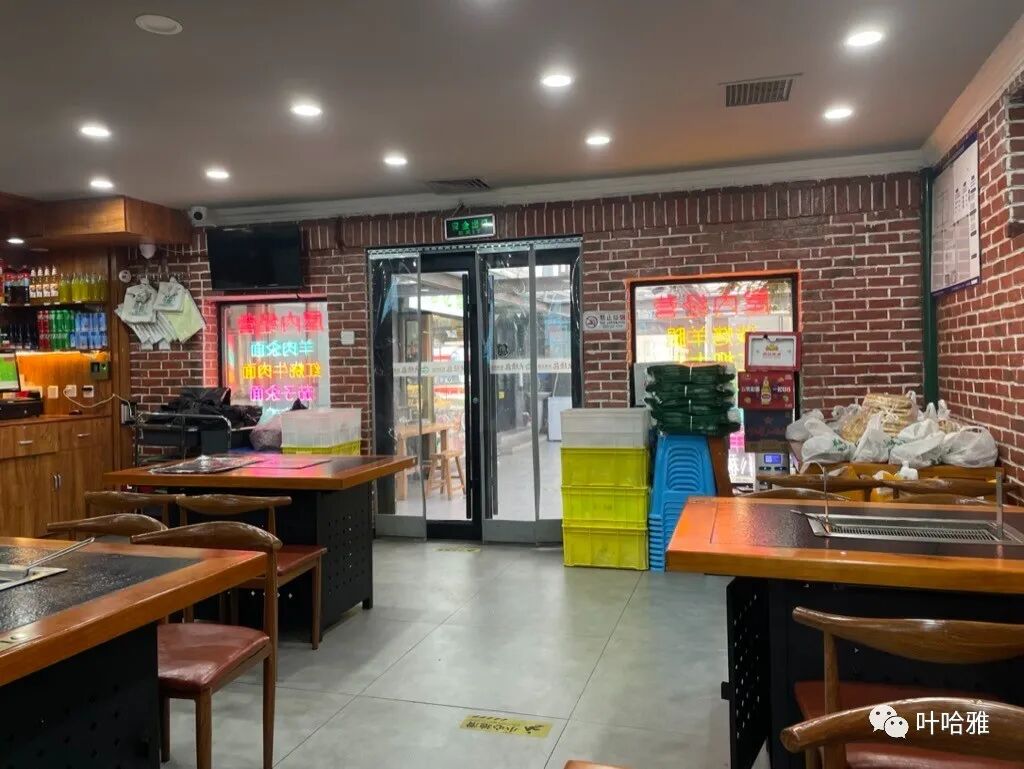
The entrance to this Niujie shop is shared with Shiji Pie (Shiji Xianbing), which has moved back to Niujie.
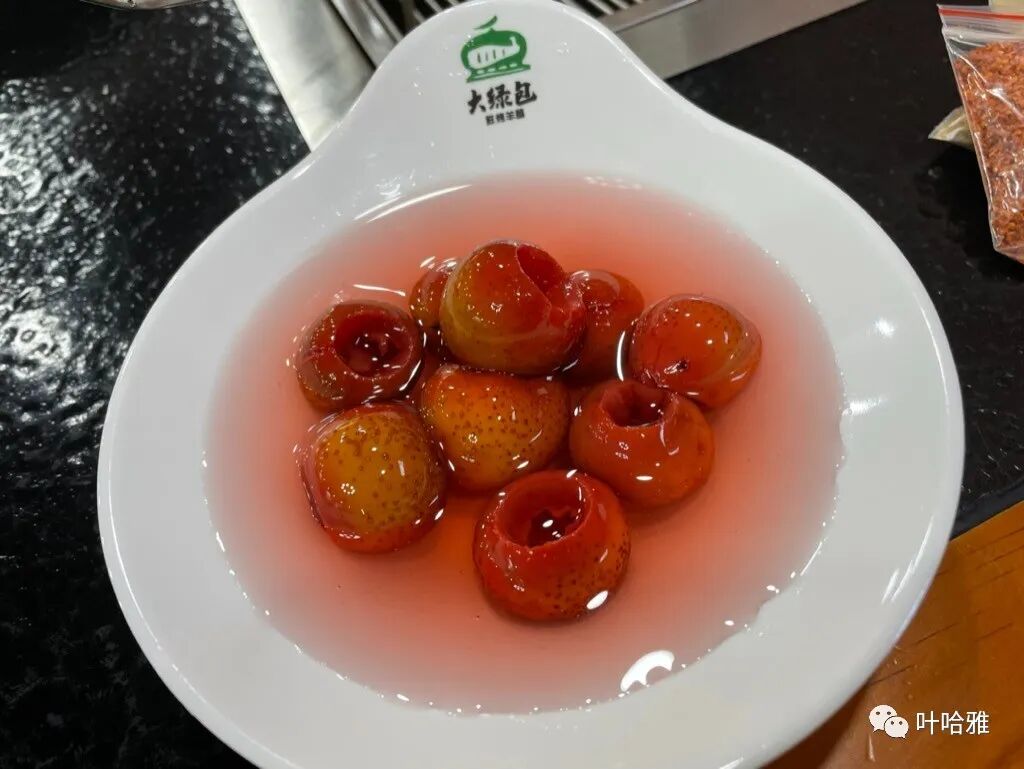
Stir-fried hawthorn (chao hongguo)
The stir-fried hawthorn is sweet, sour, and cold, which helps cut the grease from the lamb. We ordered a 2.7-jin Dorper lamb leg for 98 yuan per jin, which was just enough. Dorper sheep are originally from South Africa and are very high quality.
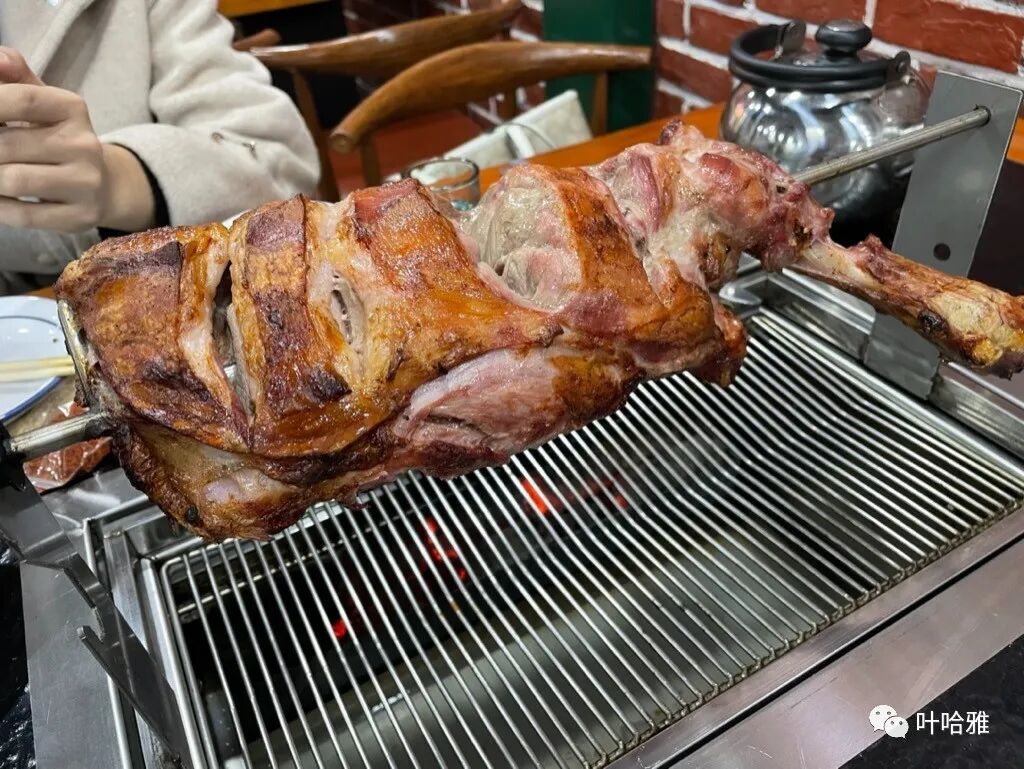
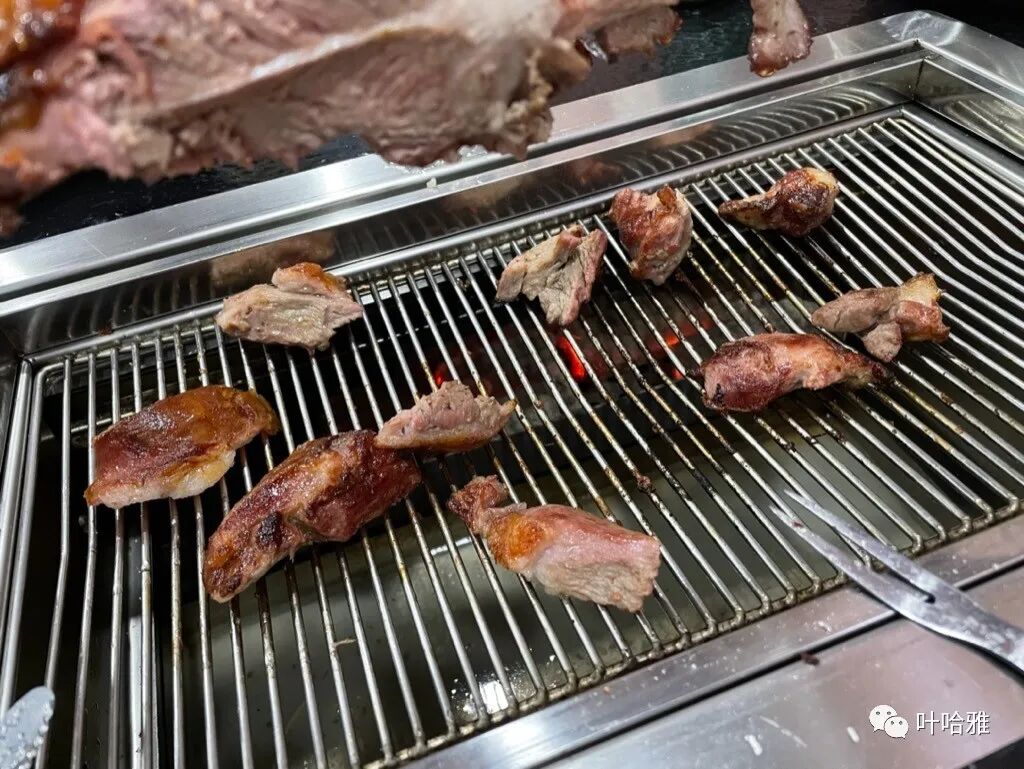
I did not have high expectations for Big Green Dome and only came because it is close to home. However, the Dorper lamb was tender and juicy, and I really liked it. I did not try the regular lamb leg, but I plan to order the Dorper lamb again next time.
5. Tonghao Pavilion Seafood BBQ
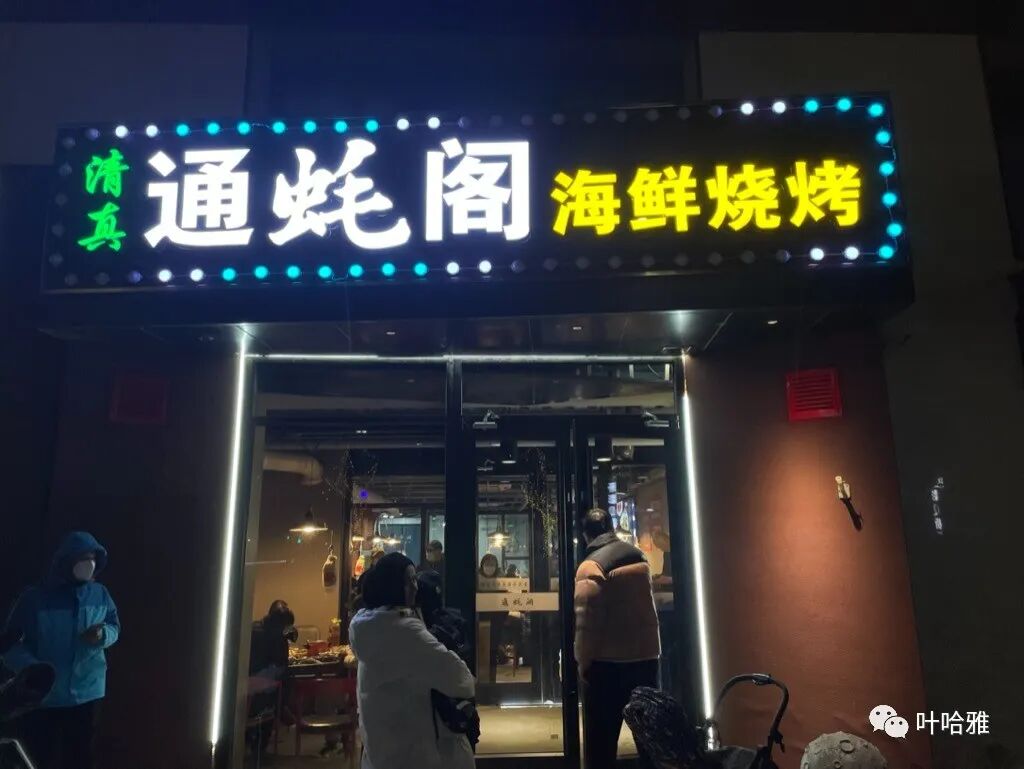
This is a new seafood BBQ shop near the 12th Street block of Universal Studios in Tongzhou. They opened two branches at once, but one closed, so only this one remains. We came on New Year's Eve and did not expect to wait in line for nearly two hours.
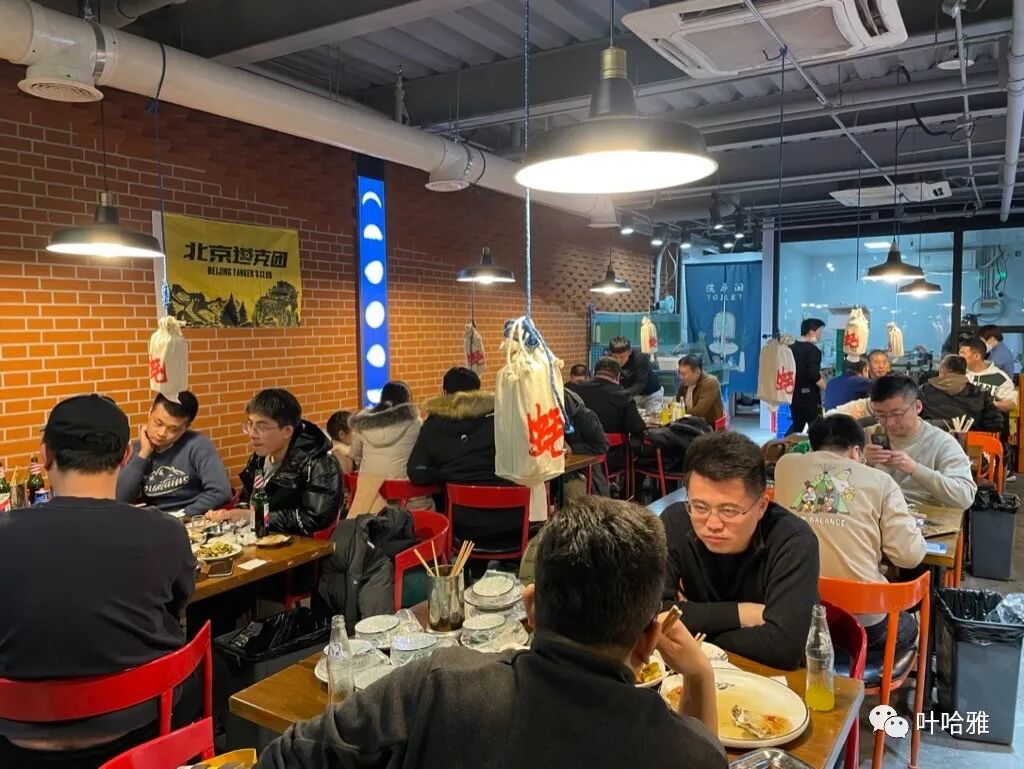
We had an idea to avoid the wait: we ordered takeout at the door. Takeout is faster than dining in, so we had all our seafood packed and ready in less than 20 minutes.
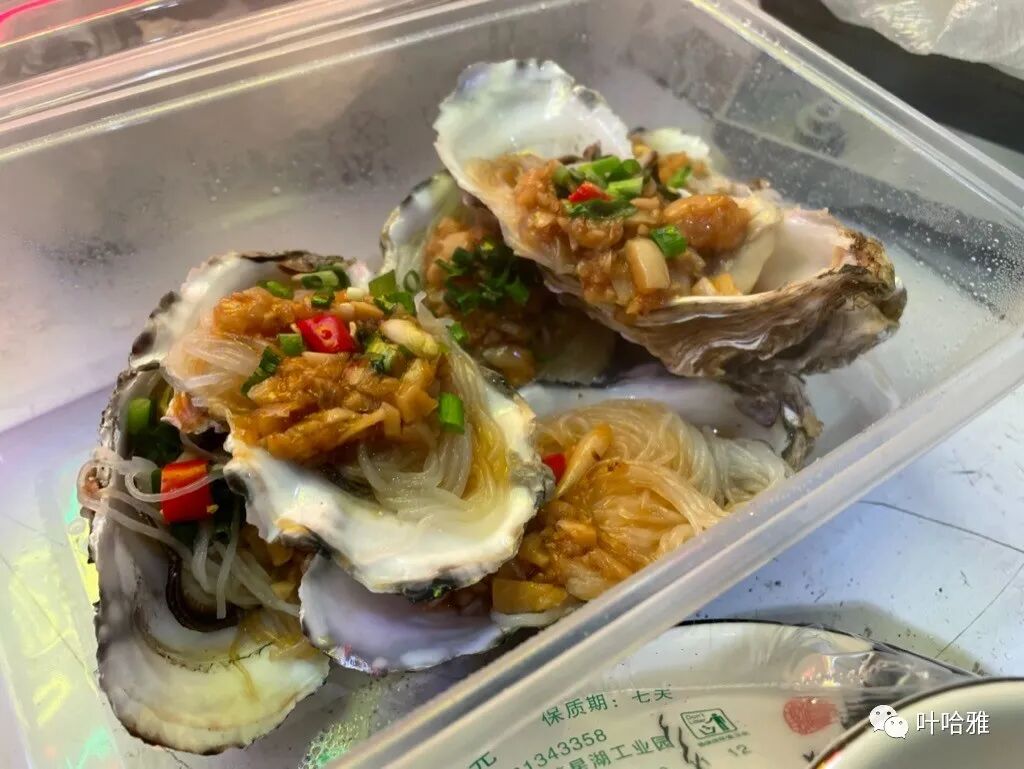
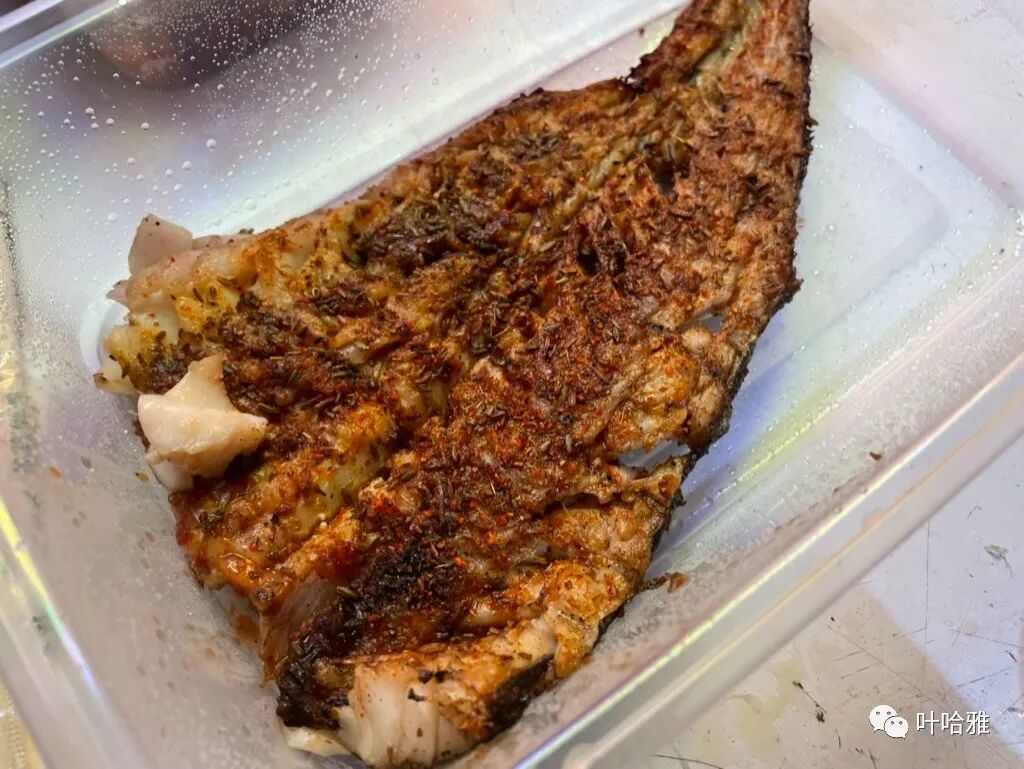
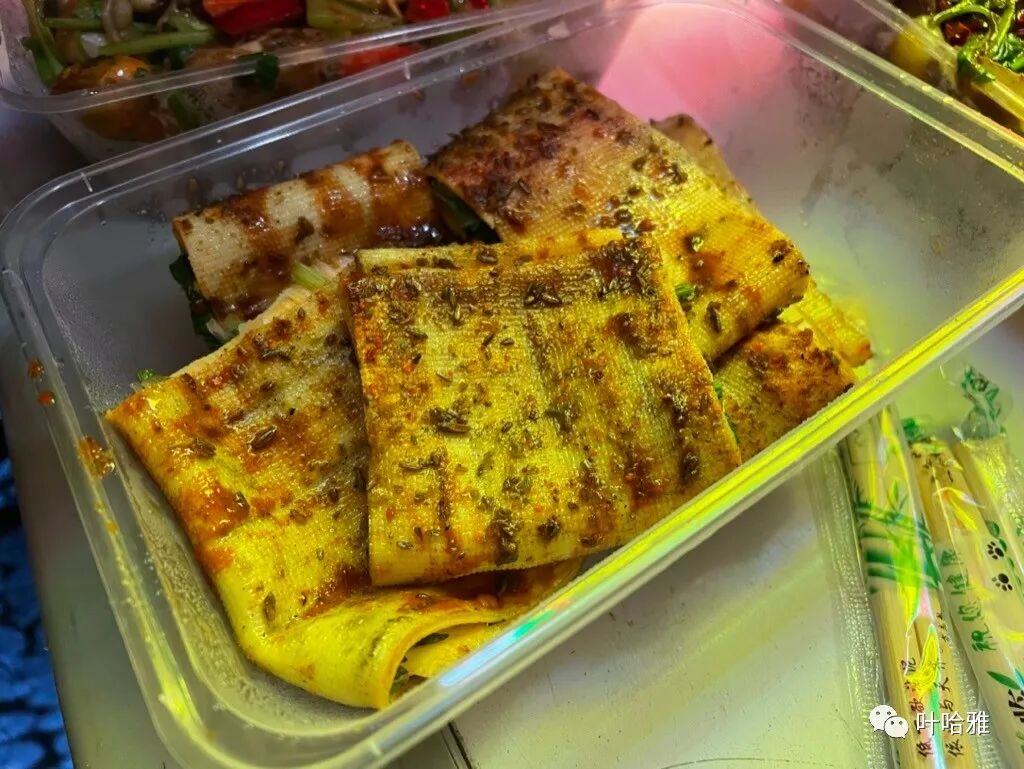
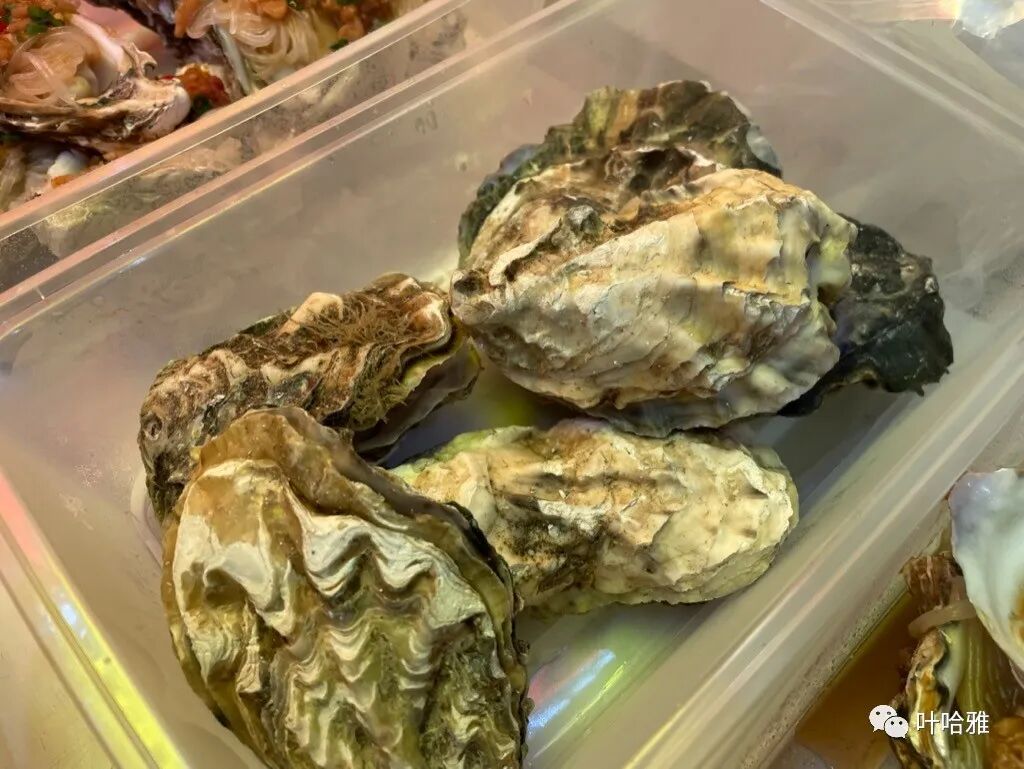
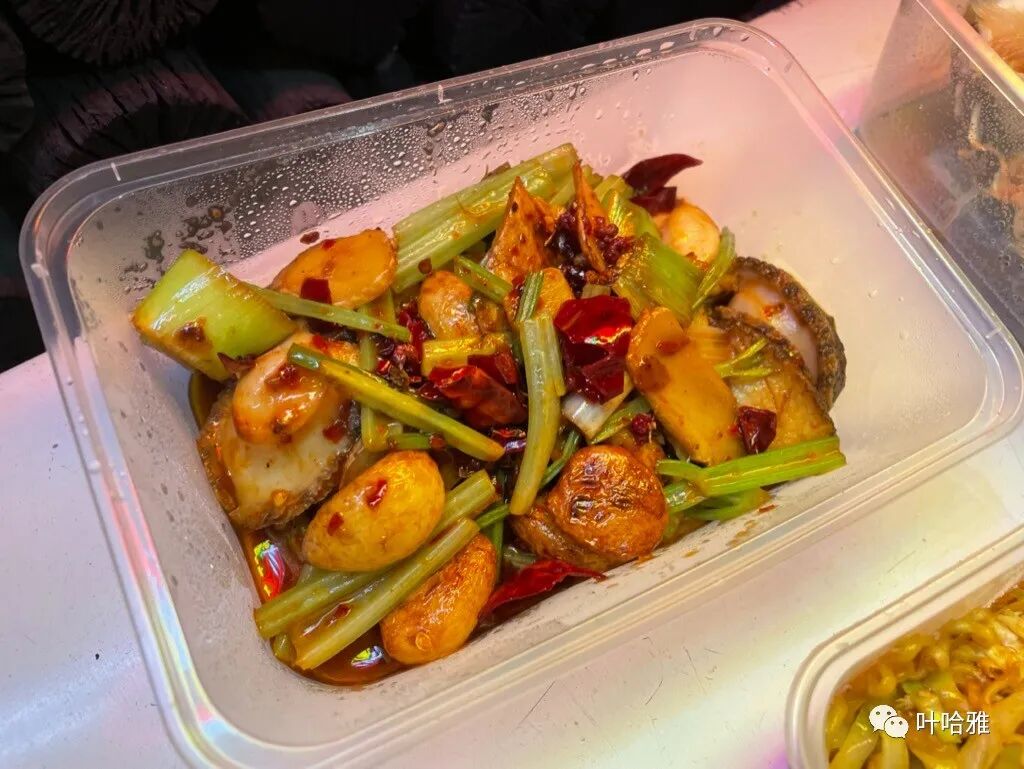
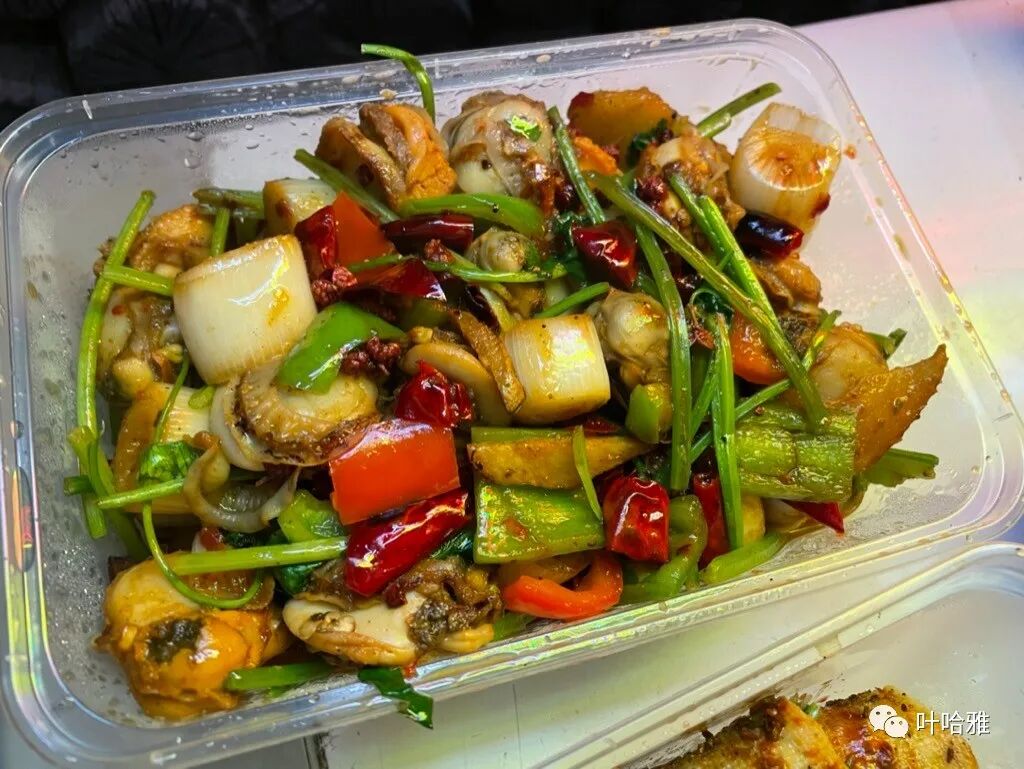
We ate right there on the freezer outside the shop. To be honest, the food quality was average and the taste was too salty. I really do not understand why the place is so popular. We ordered oysters, grilled fish, clams, razor clams, and abalone. The seafood quality was not great, but at least we did not have to wait two hours for it.
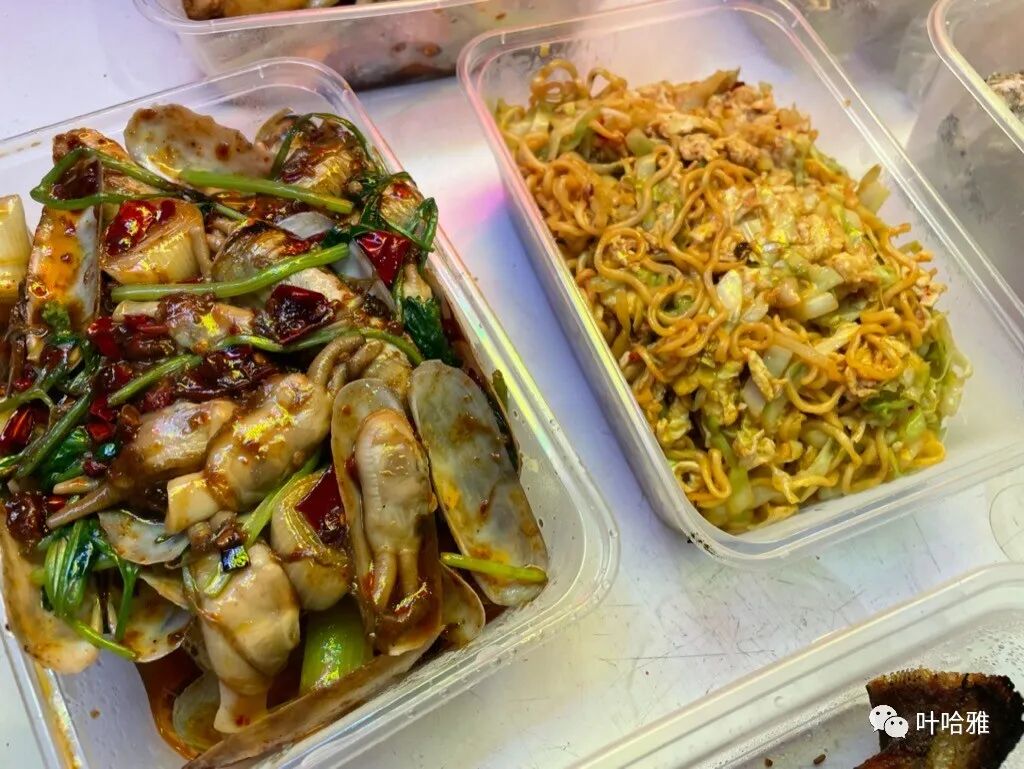
6. Taiba Shawarma (Tai 8)
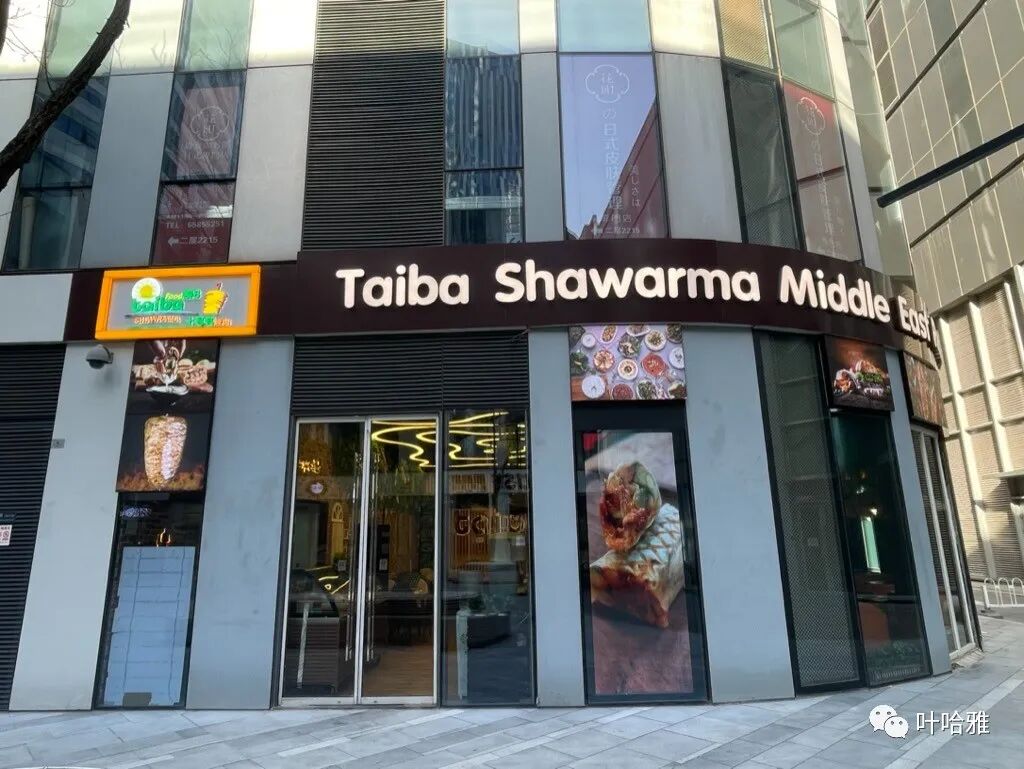
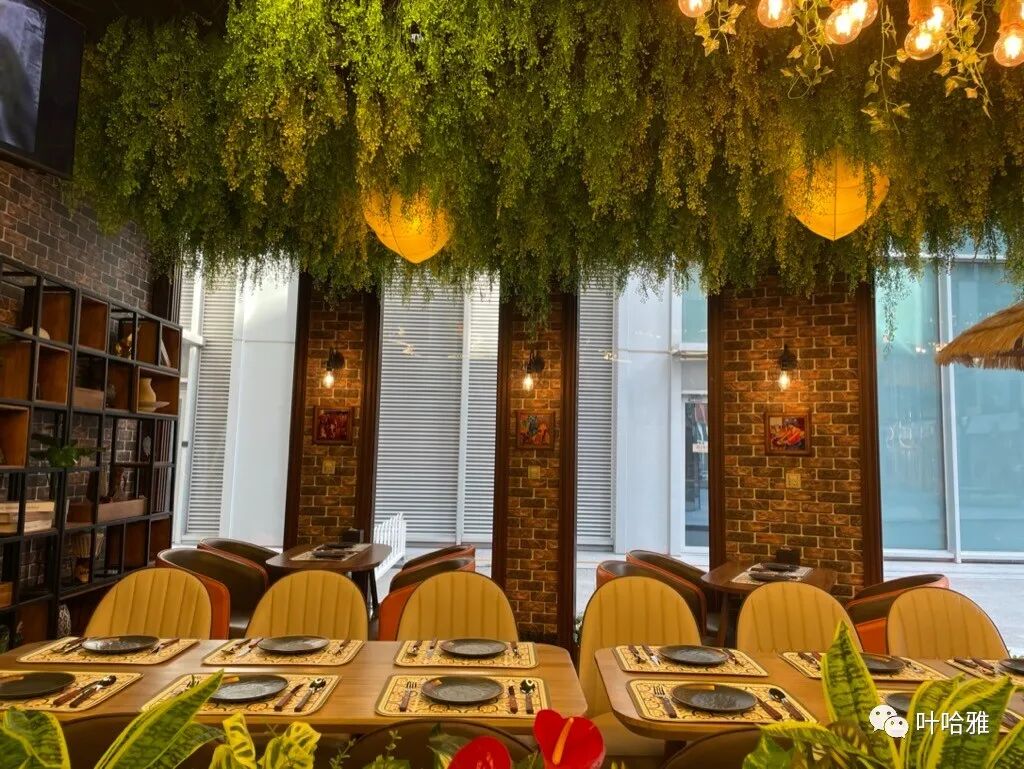
Tai 8 is a Turkish restaurant on the first floor of Sanlitun SOHO. It used to be a small stall selling Turkish shawarma wraps, but this year they expanded into a full restaurant serving various Turkish-style Middle Eastern dishes.
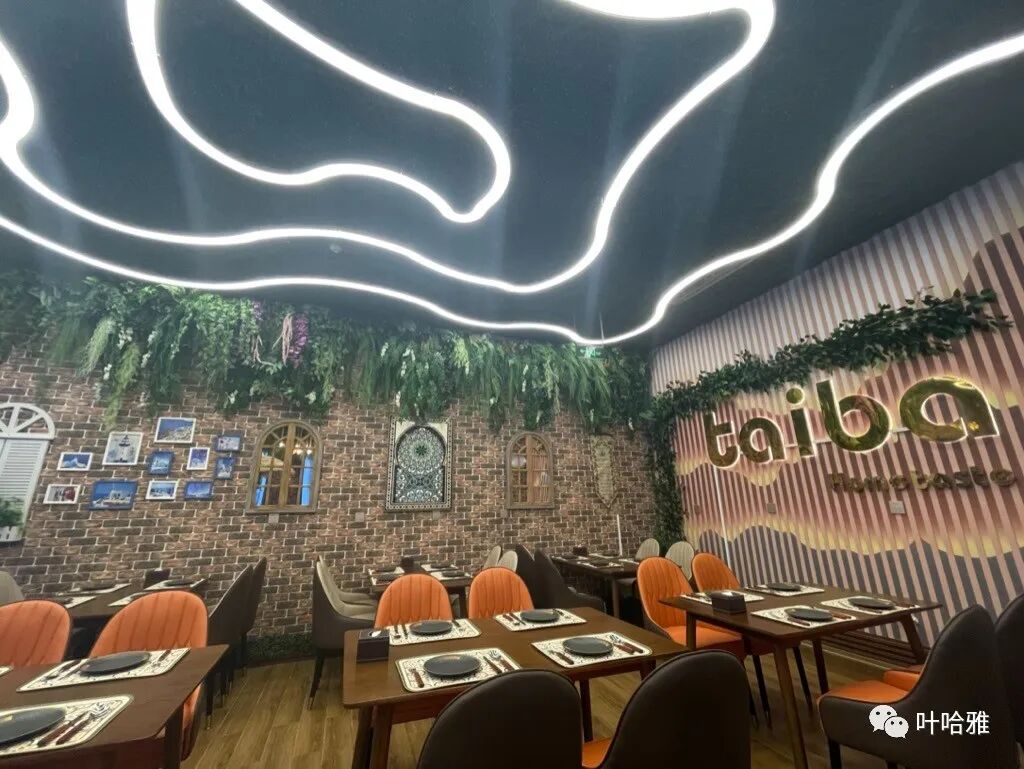
The restaurant is decorated beautifully and is clean and tidy. It is an alcohol-free restaurant and offers free refills on black tea, which other Turkish restaurants usually charge for.
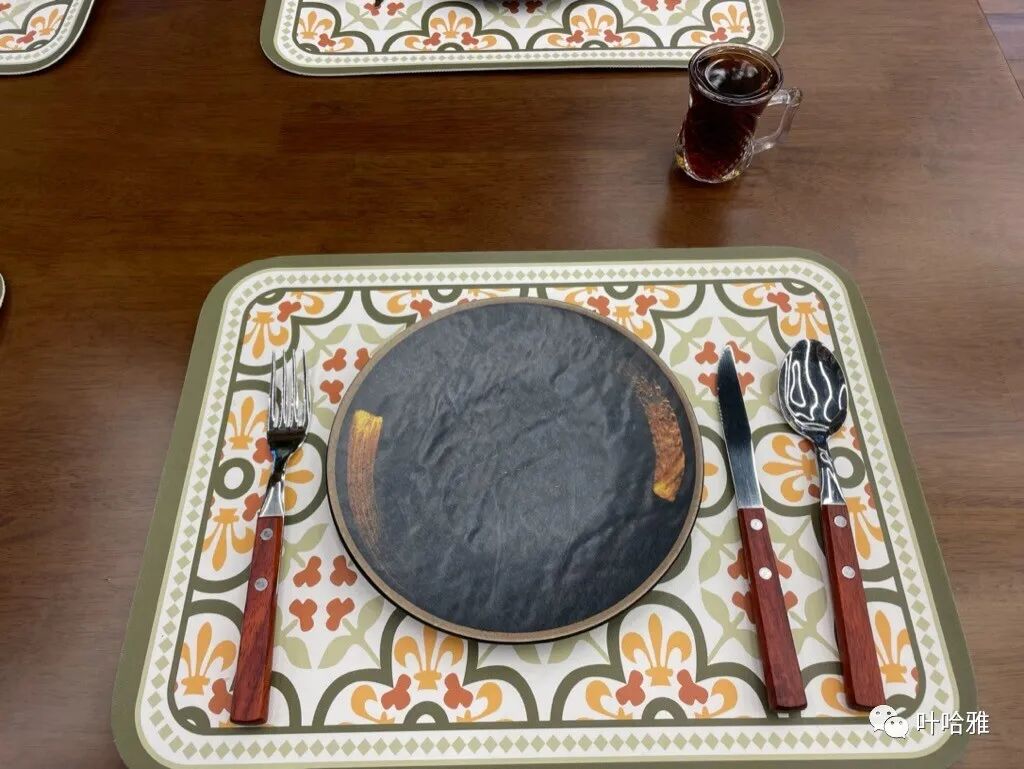
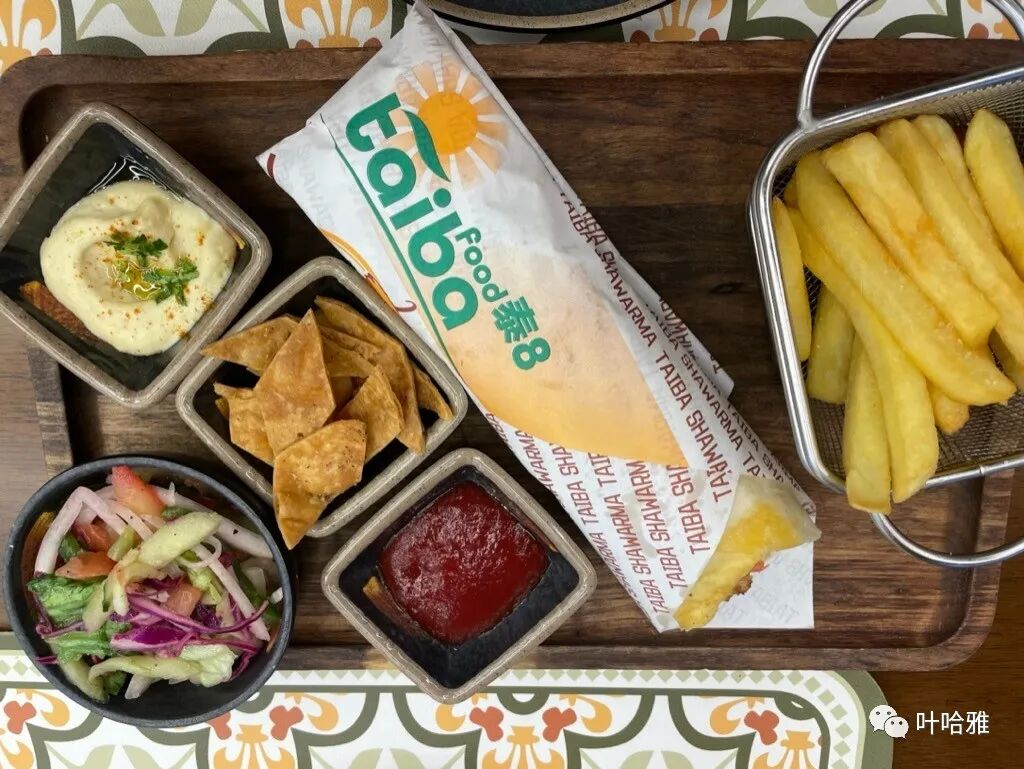
The freshly made chicken shawarma wrap at Tai 8 is truly delicious, and the side dishes are tasty too.
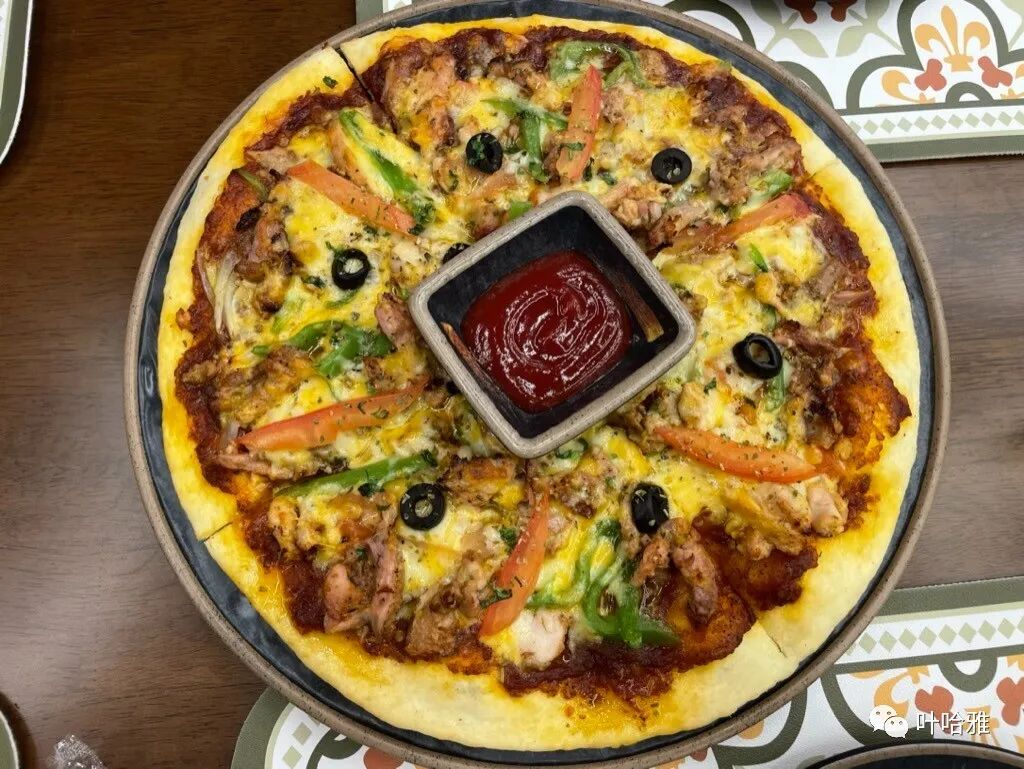
They also have Mexican wraps that are a bit spicier but still very good. The pizza is an Italian-style thin crust, and one person can easily finish a whole one. For this quality, the price is affordable, averaging about 100 yuan per person.
7. Jinyunxuan Lanzhou Beef Ramen (Xibeilou)
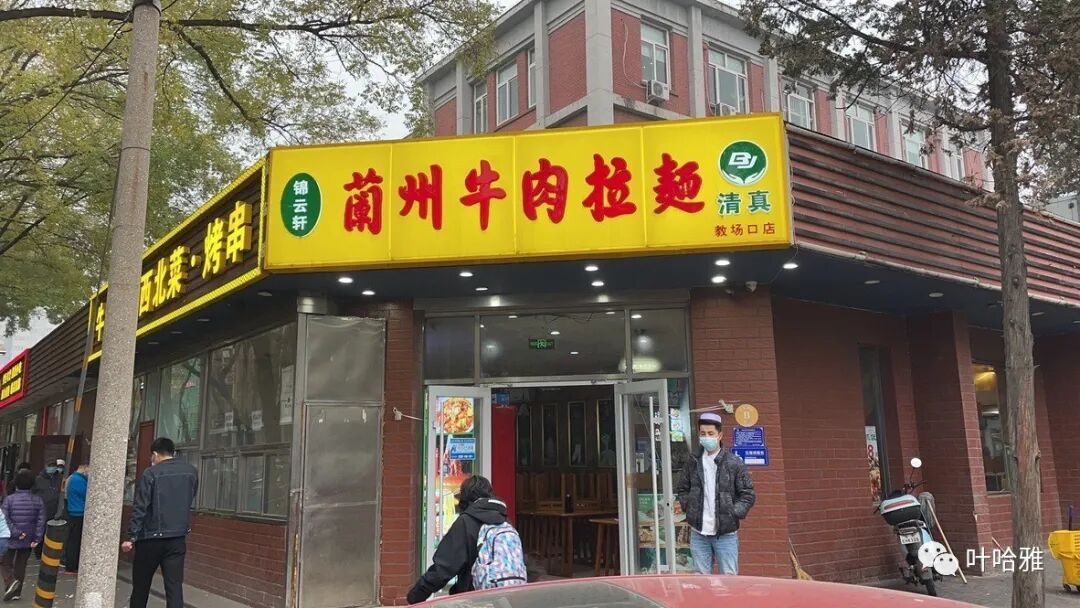
People eat ramen often, so I rarely recommend it. A friend insisted I visit this place. At first, I wondered what kind of variety a ramen shop in Beijing could offer, but the flavor here is truly authentic to Lanzhou. It tastes exactly like the beef noodles I had in Lanzhou, so I have to recommend it.
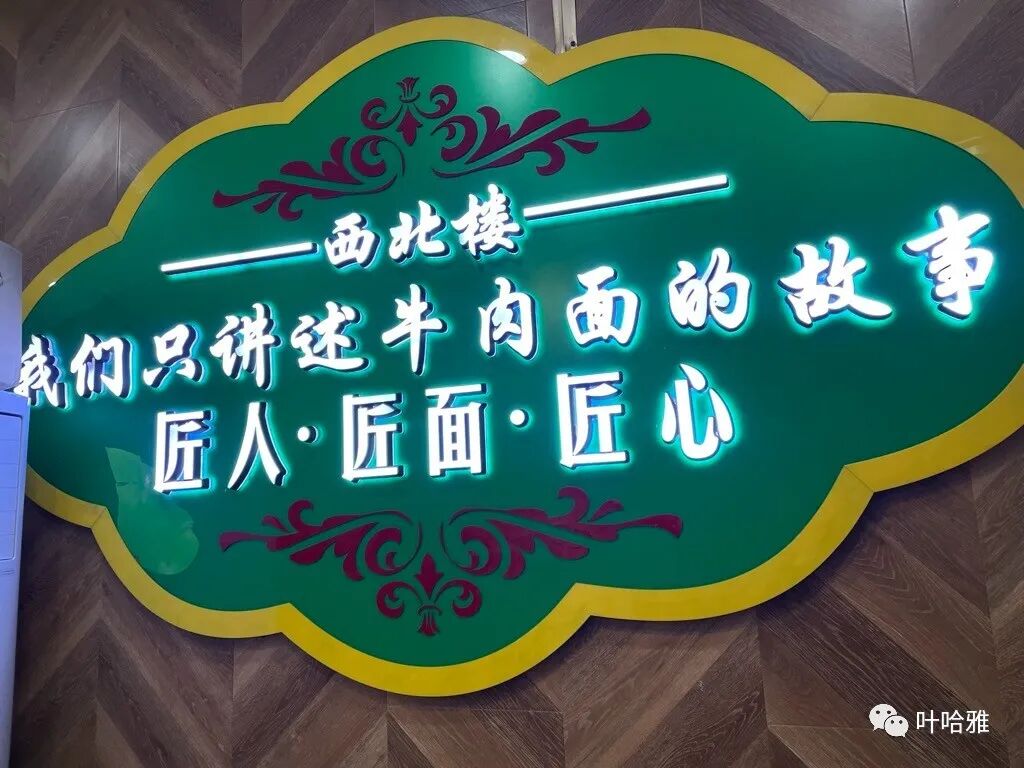
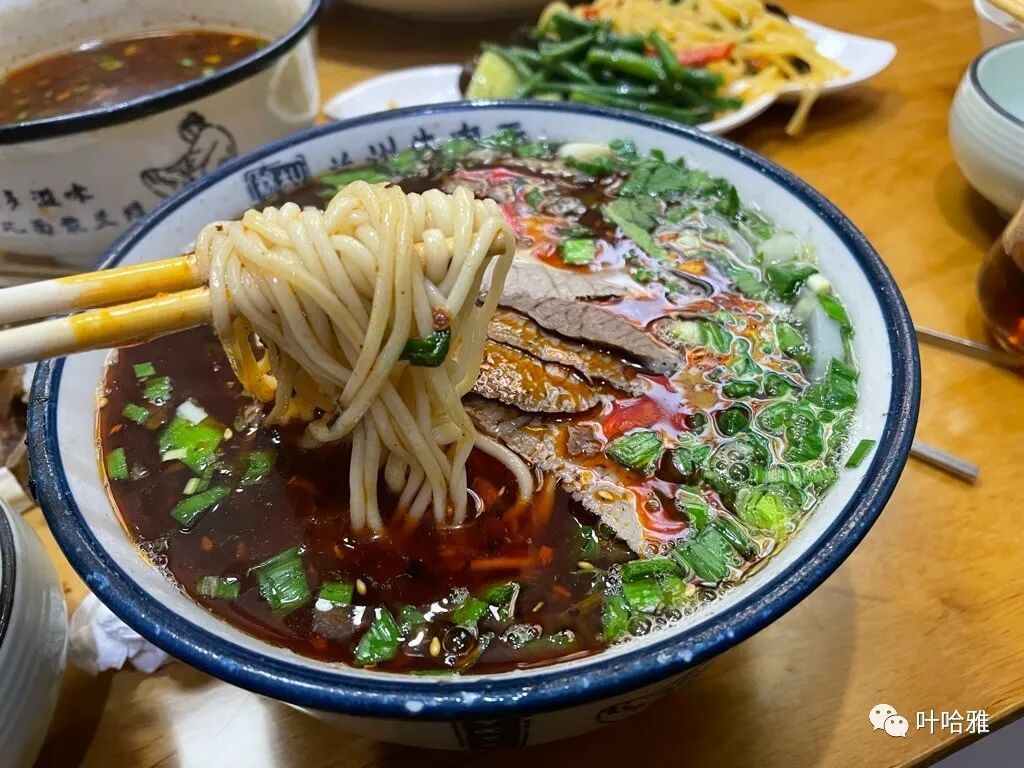
It goes without saying that it is an alcohol-free restaurant. The ingredients are reliable, and the chili oil is sourced from Xunhua; it is fragrant rather than spicy. The noodles perfectly achieve the five standards: clear soup, white radish, red chili oil, green cilantro, and yellow noodles.
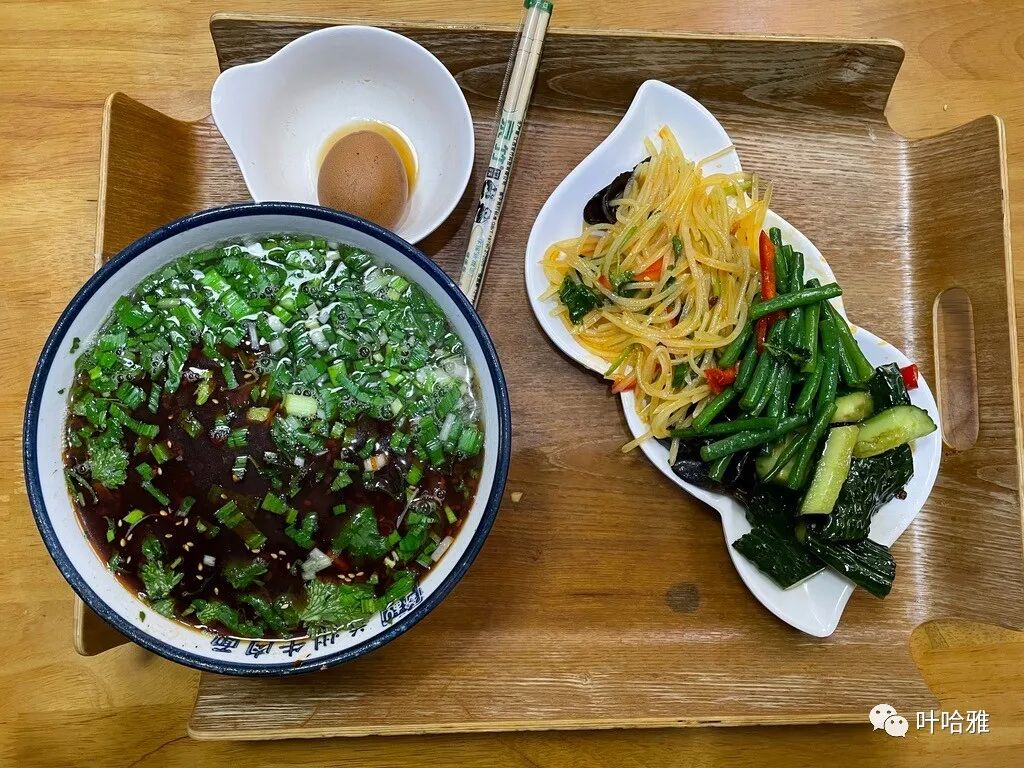
Currently, this is my favorite Lanzhou beef noodle spot in Beijing. The owner is a young man from Linxia who told me they use the Lanzhou-Linxia style. If you are from Lanzhou and living in Beijing, you should definitely visit if you miss home. I guarantee it is worth the trip.
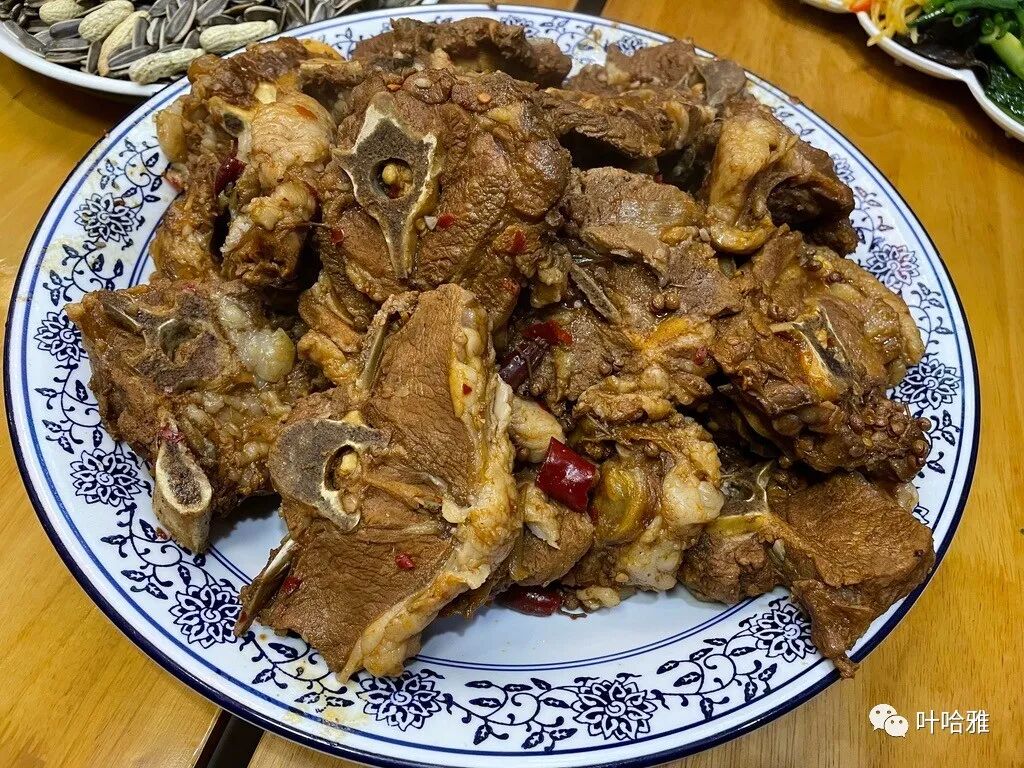
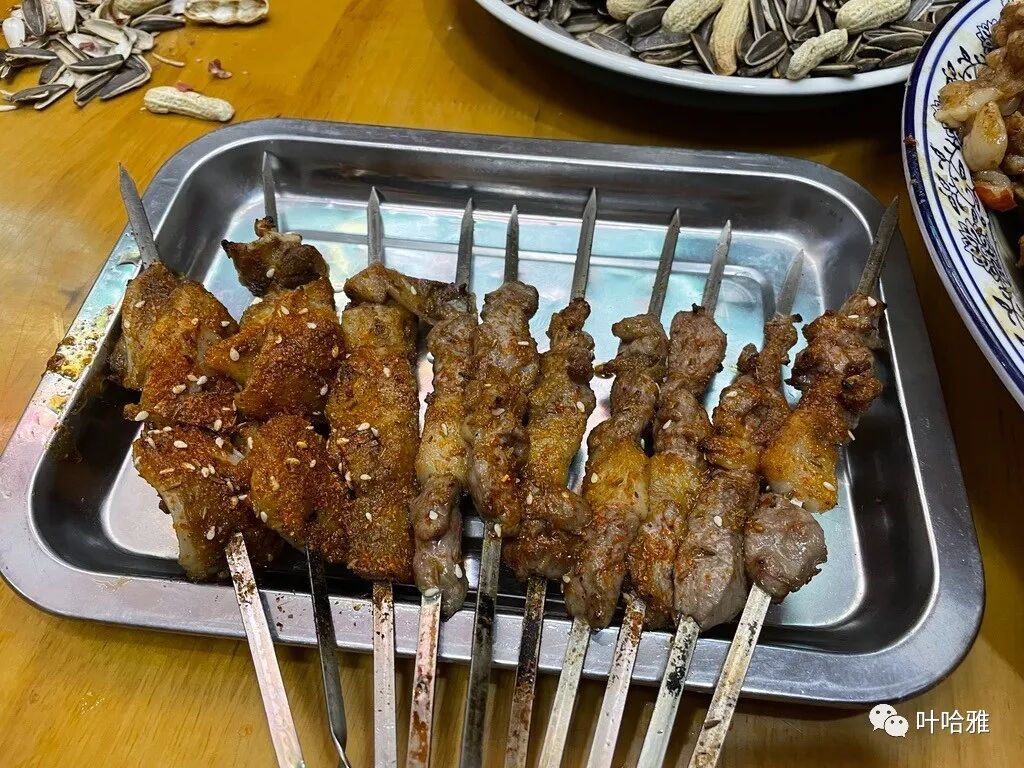
Their grilled skewers are also delicious, mainly because they choose high-quality meat. It has the taste of faith.
The shop is located at the south gate of Rendinghu Park in Jiaochangkou. On Dianping, it is listed as Xibeilou Beef Noodles (Jiaochangkou Street Branch).
8. Asian Infrastructure Investment Bank (AIIB) Canteen
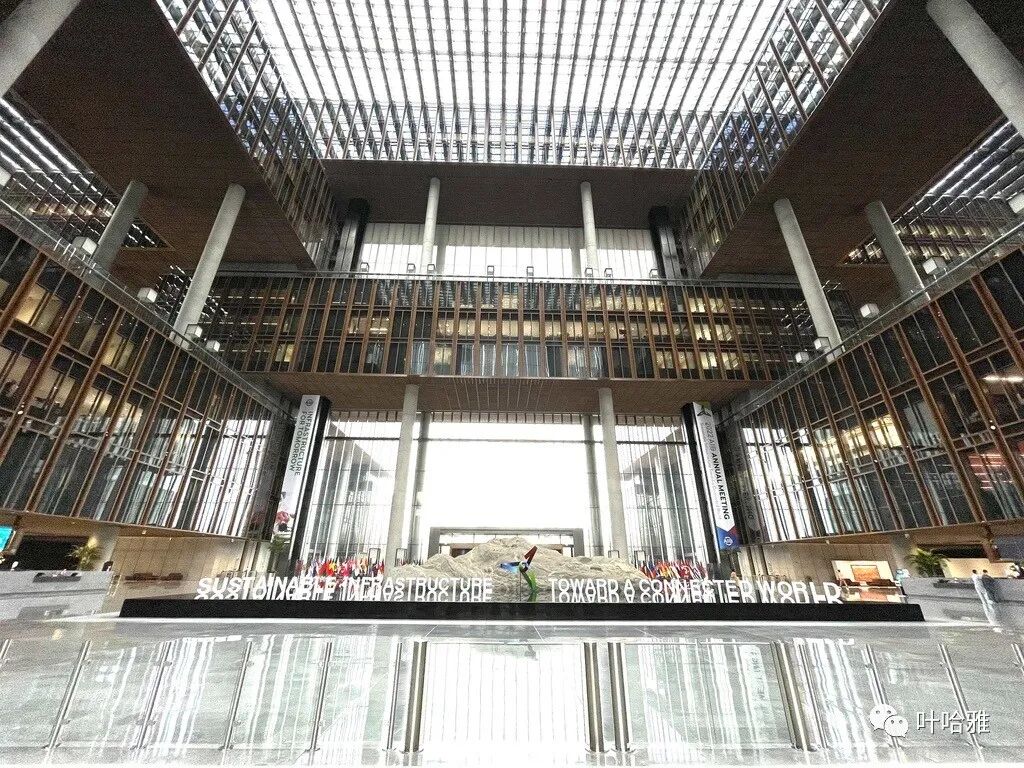
The AIIB is neither a state-owned enterprise nor a commercial firm; it is an intergovernmental financial institution. Because it brings together staff from over a hundred countries, and many Asian nations are Muslim-majority, the AIIB has Muslim vice presidents and board members. This is why the canteen includes a halal food station and a separate restaurant serving halal Western food.
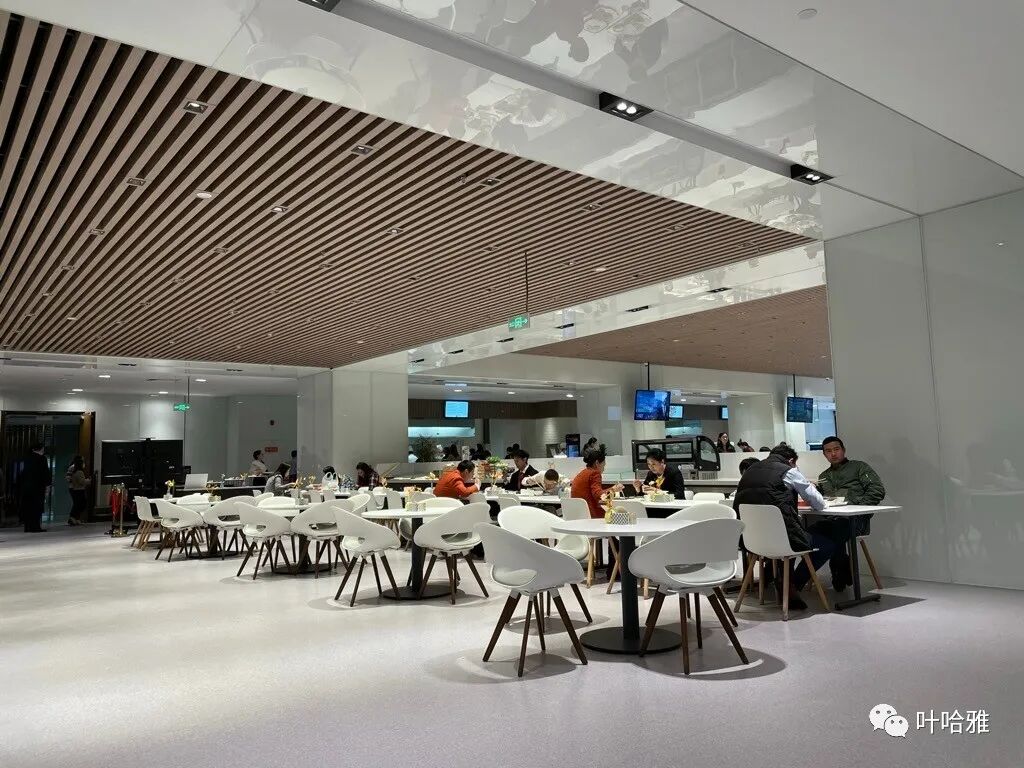
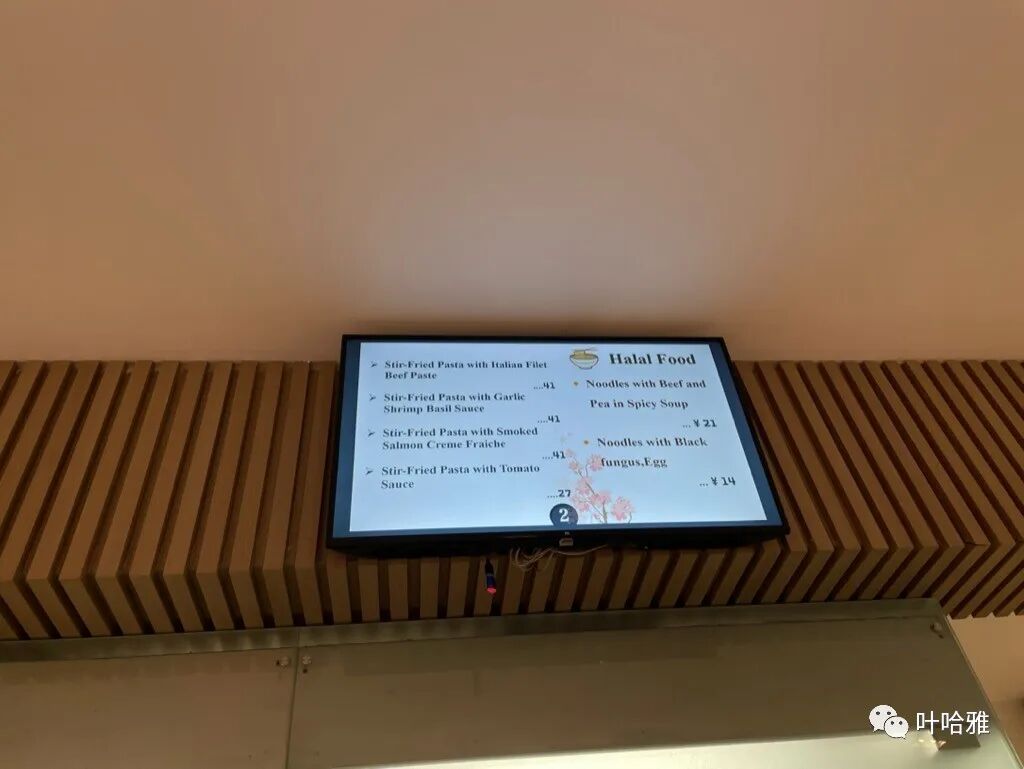
Looking at the menu, there are Western dishes like spaghetti, fried chicken, and salads. A lunch costs about 50 yuan.
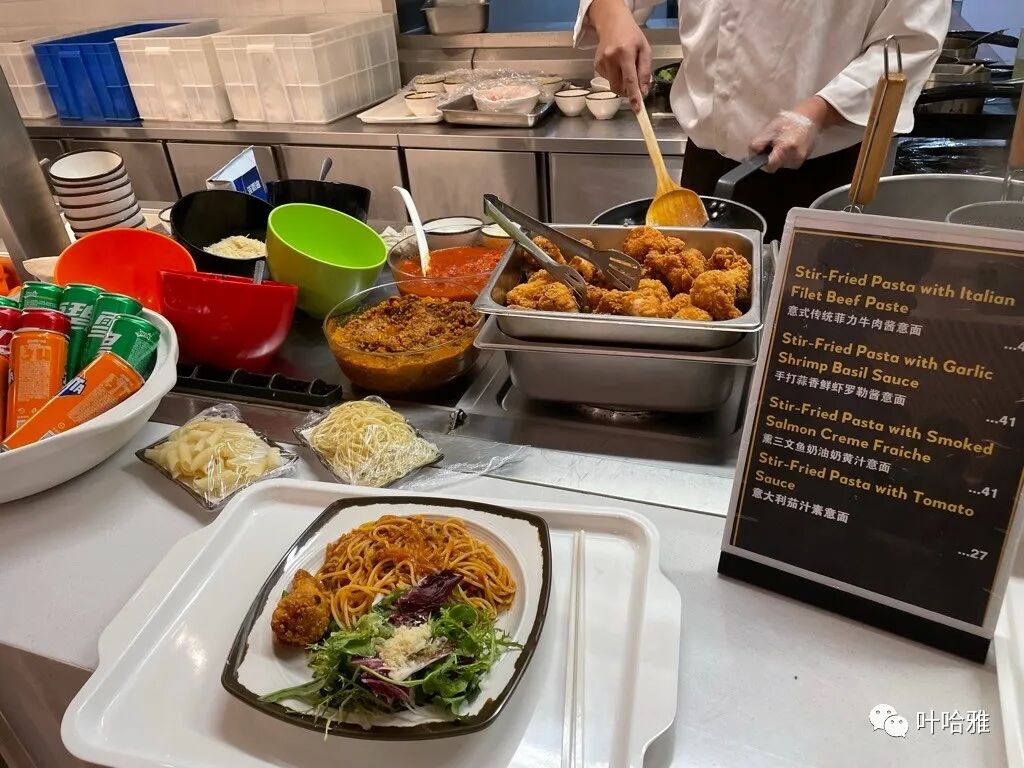
There is also yogurt and fruit for dessert, which is nutritious and tasty. My friends said it would be even more perfect if the canteen added a stall serving Northwest-style food.
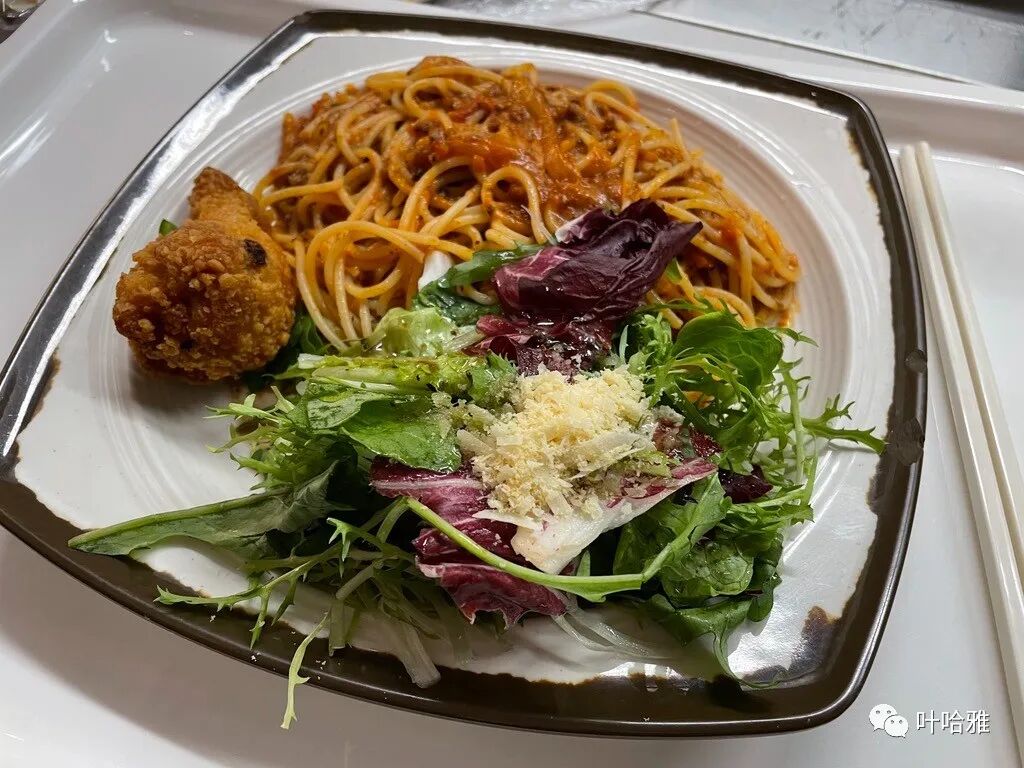
The Western restaurant at the AIIB requires a reservation. We visited the canteen this time and will try the formal Western meal next time. People say a meal there costs about 200 yuan per person.
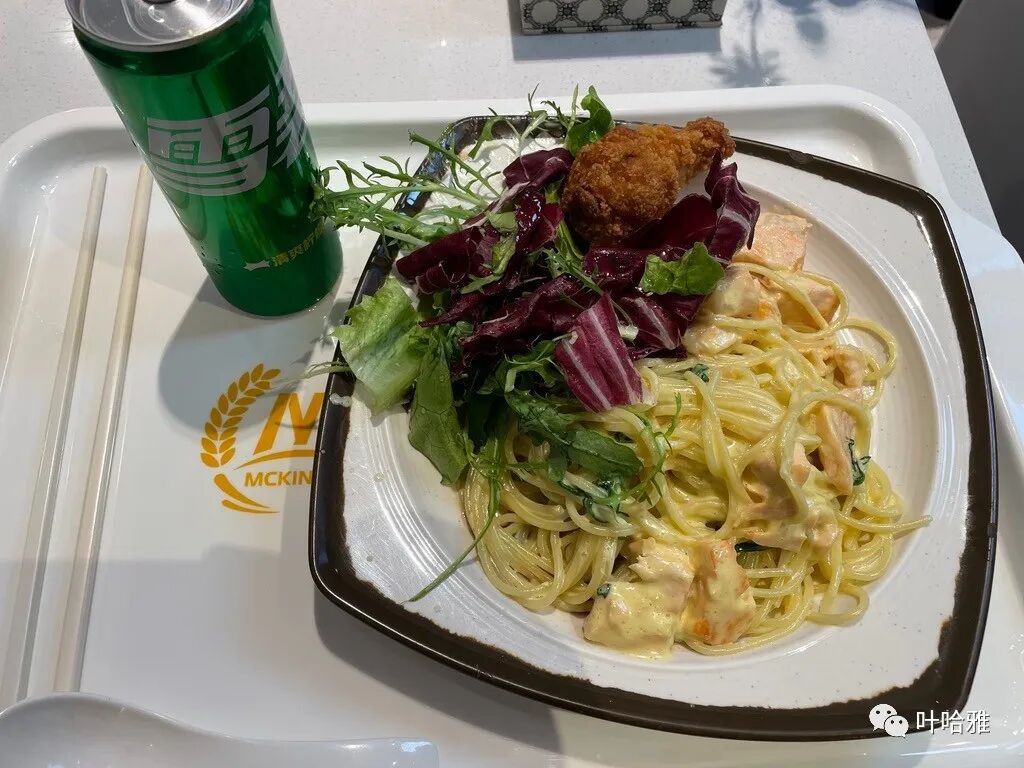
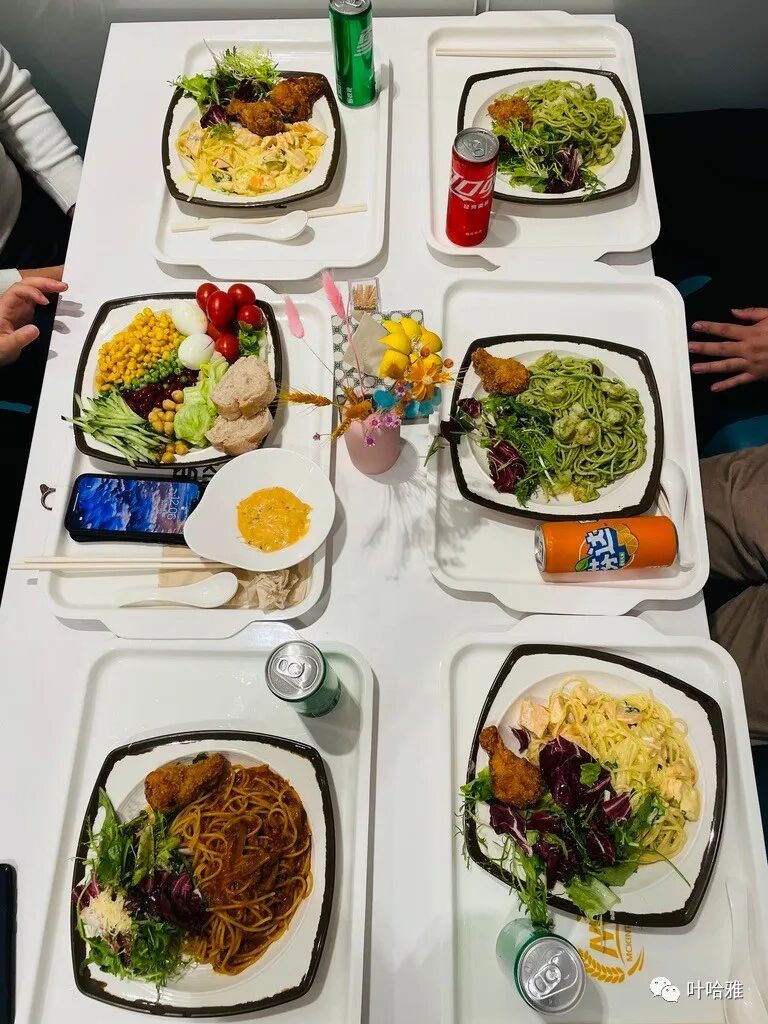
The most important thing about coming to the AIIB is not eating at the canteen, but attending the Friday congregational prayer (Jumu'ah). As mentioned, the AIIB has Muslim vice presidents and board members, so there is a dedicated room for namaz.
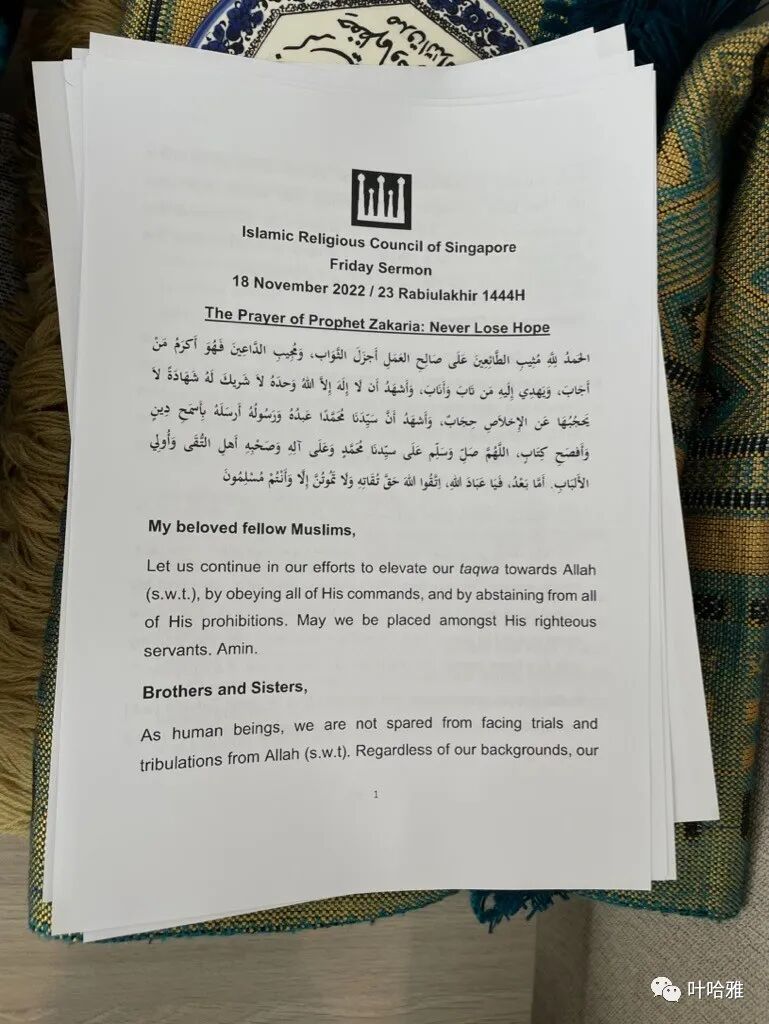
A leader from Pakistan (Ba Tie) carefully prepares the sermon (wa'z) for the Jumu'ah prayer in advance and calls his colleagues to join the prayer.
Outside the floor-to-ceiling windows of the prayer room is the Olympic Forest Park. You can see the whole park from there. Standing by the window to watch the sunset on a clear day makes it arguably the most beautiful place in Beijing for the sunset prayer (Maghrib).
The AIIB is now starting to develop Islamic finance services. My friends are perfectly combining their work with their faith, moving forward quickly on the path to success in this life and the next (dunya and akhirah). Luckily, I have a flexible job now, otherwise I would be so jealous of them.
That is all for this issue. The text and photos are original. Please ask for permission before reposting.
Summary: This Beijing halal food guide covers issue 30, featuring grassland-style shaomai, halal maocai, Baotou Ma family shaomai, roast lamb leg, Turkish shawarma, Lanzhou beef noodles, and the AIIB prayer room.
Beijing Halal Food Map (30) is presented here as a firsthand travel account in clear English, beginning with this scene: Do we travel around just to check off spots and eat good food? Food is just a medium. The account keeps its focus on Beijing Halal Food, Muslim Travel, Middle Eastern Food while preserving the names, places, food, and historical details from the Chinese source.
Do we travel around just to check off spots and eat good food? Food is just a medium. It carries history, culture, faith, and the stories of the people behind it. Eating together builds friendships, shares knowledge, and lifts the spirits. If a person stays alone and cut off from the world for too long, they might lose their mind.
1. Grassland Halal Restaurant (Dacaoyuan Qingzhen Fanzhuang)
This is a large restaurant in Shahe, Changping, that specializes in grassland-style dishes. The big logo is a bit flashy, and I hesitated to post it at first. But then I thought, everyone can see that sign anyway, and if the owner doesn't mind, I will just show it as it is. There is a huge free parking lot at the entrance, which makes the dining experience much better.
I originally came here for the beef and lamb steamed dumplings (shaomai), but after trying them, I found they aren't as good as the ones at Lianying or the Ma family shop in Baotou (note: not the Ma family shop on Annei). However, the iron pot stewed yellow croaker was surprisingly delicious.
Iron pot stewed yellow croaker
The yellow croaker is stewed until the meat is tender and the bones are soft. Dipping the small corn flatbreads (tiebingzi) into the fish broth, which is salty and savory, is both satisfying and filling.
Spicy hot pot (mala maocai)
Maocai is a specialty from Sichuan and Chongqing, and it is not easy to find a halal version in Beijing. The red chili oil broth looks spicy, but it actually tastes mildly spicy, salty, and fragrant. It includes squid, yellow throat, beef tripe, tofu skin, and luncheon meat. It is refreshing and goes well with rice, so it is worth a try.
These two steamers of steamed dumplings (shaomai) are beef and lamb. Each steamer has 10 pieces, so I know this is not the Inner Mongolian style. In Hohhot, a steamer of steamed dumplings (shaomai) usually has 8 pieces per liang, and in Baotou, it is 6 pieces per liang.
Hunan-style small river shrimp
This final Hunan dish didn't taste spicy at all. The shrimp were large, but the flavor wasn't very memorable. It was quite mild. This restaurant offers large, affordable portions for about 100 yuan per person. It is great for group meals and is located near the Beihang University Shahe campus.
2. Yishangding Trendy Revolving Hot Pot
A revolving hot pot restaurant has opened where the old Xinghai Musical Instrument City used to be on Niujie. You can choose not to use the revolving belt and eat it like skewers (chuan-chuan), though the word 'trendy' sounds a bit dated now. The owner is from Lanzhou and is preparing a fast-food burger shop next door called Lebangke Burger and Fried Chicken. It is said to be a Lanzhou chain brand, but it is not open yet.
If you do not want to eat from the revolving belt, you can sit in the booths at the back. You can pick your own skewers, and they count the sticks to charge you after you finish. Every skewer costs 2 yuan, and the soup base is 18 yuan.
I feel the variety of skewers is a bit small compared to what I ate in Lanzhou, but the dipping sauces taste great and have a good selection.
You can order fresh meat and tripe separately. They are hand-cut on the spot and the meat is tender.
The shop is currently in its trial opening period and offers discounts, bringing the cost to about 60 yuan per person.
3. Majia Shaomai
Majia Shaomai recently opened in the ground-floor shops of the Vanke City Light complex in Tongzhou. This shop is a famous, long-standing brand in Baotou and is arguably the most popular shaomai (steamed dumpling) shop there. I visited Baotou last summer to eat it.
According to the owner, all the ingredients for their shaomai come from Baotou. After tasting it carefully, I can confirm the owner is telling the truth.
In Baotou, shaomai is eaten for breakfast or as a main meal. We ordered the Lucheng Big Platter; Baotou is also known as Lucheng. The platter is full of meat, including meatballs, tripe-wrapped meat, and lamb slices. It is very hearty.
You should dip the meat from the platter in a special chive flower sauce. This greenish chive flower sauce is not as salty as the kind used for Beijing-style hot pot.
In Baotou, a serving of steamed dumplings (shaomai) comes as six pieces split into two bamboo steamers, which keeps the bottom layer warm while you finish the top.
I am very happy with the taste here. It costs about 100 yuan per person. If you are from Baotou and live in Beijing, come try it and see if I know my food.
4. Big Green Dome (Da Lu Bao) Roasted Lamb Leg
The China Islamic Institute is on Niujie Street. It has a green dome, so locals call it the Big Green Dome (Da Lu Bao). This roasted lamb leg shop is a new chain store named after it.
The entrance to this Niujie shop is shared with Shiji Pie (Shiji Xianbing), which has moved back to Niujie.
Stir-fried hawthorn (chao hongguo)
The stir-fried hawthorn is sweet, sour, and cold, which helps cut the grease from the lamb. We ordered a 2.7-jin Dorper lamb leg for 98 yuan per jin, which was just enough. Dorper sheep are originally from South Africa and are very high quality.
I did not have high expectations for Big Green Dome and only came because it is close to home. However, the Dorper lamb was tender and juicy, and I really liked it. I did not try the regular lamb leg, but I plan to order the Dorper lamb again next time.
5. Tonghao Pavilion Seafood BBQ
This is a new seafood BBQ shop near the 12th Street block of Universal Studios in Tongzhou. They opened two branches at once, but one closed, so only this one remains. We came on New Year's Eve and did not expect to wait in line for nearly two hours.
We had an idea to avoid the wait: we ordered takeout at the door. Takeout is faster than dining in, so we had all our seafood packed and ready in less than 20 minutes.
We ate right there on the freezer outside the shop. To be honest, the food quality was average and the taste was too salty. I really do not understand why the place is so popular. We ordered oysters, grilled fish, clams, razor clams, and abalone. The seafood quality was not great, but at least we did not have to wait two hours for it.
6. Taiba Shawarma (Tai 8)
Tai 8 is a Turkish restaurant on the first floor of Sanlitun SOHO. It used to be a small stall selling Turkish shawarma wraps, but this year they expanded into a full restaurant serving various Turkish-style Middle Eastern dishes.
The restaurant is decorated beautifully and is clean and tidy. It is an alcohol-free restaurant and offers free refills on black tea, which other Turkish restaurants usually charge for.
The freshly made chicken shawarma wrap at Tai 8 is truly delicious, and the side dishes are tasty too.
They also have Mexican wraps that are a bit spicier but still very good. The pizza is an Italian-style thin crust, and one person can easily finish a whole one. For this quality, the price is affordable, averaging about 100 yuan per person.
7. Jinyunxuan Lanzhou Beef Ramen (Xibeilou)
People eat ramen often, so I rarely recommend it. A friend insisted I visit this place. At first, I wondered what kind of variety a ramen shop in Beijing could offer, but the flavor here is truly authentic to Lanzhou. It tastes exactly like the beef noodles I had in Lanzhou, so I have to recommend it.
It goes without saying that it is an alcohol-free restaurant. The ingredients are reliable, and the chili oil is sourced from Xunhua; it is fragrant rather than spicy. The noodles perfectly achieve the five standards: clear soup, white radish, red chili oil, green cilantro, and yellow noodles.
Currently, this is my favorite Lanzhou beef noodle spot in Beijing. The owner is a young man from Linxia who told me they use the Lanzhou-Linxia style. If you are from Lanzhou and living in Beijing, you should definitely visit if you miss home. I guarantee it is worth the trip.
Their grilled skewers are also delicious, mainly because they choose high-quality meat. It has the taste of faith.
The shop is located at the south gate of Rendinghu Park in Jiaochangkou. On Dianping, it is listed as Xibeilou Beef Noodles (Jiaochangkou Street Branch).
8. Asian Infrastructure Investment Bank (AIIB) Canteen
The AIIB is neither a state-owned enterprise nor a commercial firm; it is an intergovernmental financial institution. Because it brings together staff from over a hundred countries, and many Asian nations are Muslim-majority, the AIIB has Muslim vice presidents and board members. This is why the canteen includes a halal food station and a separate restaurant serving halal Western food.
Looking at the menu, there are Western dishes like spaghetti, fried chicken, and salads. A lunch costs about 50 yuan.
There is also yogurt and fruit for dessert, which is nutritious and tasty. My friends said it would be even more perfect if the canteen added a stall serving Northwest-style food.
The Western restaurant at the AIIB requires a reservation. We visited the canteen this time and will try the formal Western meal next time. People say a meal there costs about 200 yuan per person.
The most important thing about coming to the AIIB is not eating at the canteen, but attending the Friday congregational prayer (Jumu'ah). As mentioned, the AIIB has Muslim vice presidents and board members, so there is a dedicated room for namaz.
A leader from Pakistan (Ba Tie) carefully prepares the sermon (wa'z) for the Jumu'ah prayer in advance and calls his colleagues to join the prayer.
Outside the floor-to-ceiling windows of the prayer room is the Olympic Forest Park. You can see the whole park from there. Standing by the window to watch the sunset on a clear day makes it arguably the most beautiful place in Beijing for the sunset prayer (Maghrib).
The AIIB is now starting to develop Islamic finance services. My friends are perfectly combining their work with their faith, moving forward quickly on the path to success in this life and the next (dunya and akhirah). Luckily, I have a flexible job now, otherwise I would be so jealous of them.
That is all for this issue. The text and photos are original. Please ask for permission before reposting.
Best Halal Food Beijing: Grassland Shaomai, Maocai, Roast Lamb Leg and AIIB Prayer Room
Articles • yusuf908 posted the article • 0 comments • 240 views • 2026-05-22 11:45
Reposted from the web
Summary: This Beijing halal food guide covers issue 30, featuring grassland-style shaomai, halal maocai, Baotou Ma family shaomai, roast lamb leg, Turkish shawarma, Lanzhou beef noodles, and the AIIB prayer room.
Beijing Halal Food Map (30) is presented here as a firsthand travel account in clear English, beginning with this scene: Do we travel around just to check off spots and eat good food? Food is just a medium. The account keeps its focus on Beijing Halal Food, Muslim Travel, Middle Eastern Food while preserving the names, places, food, and historical details from the Chinese source.
Do we travel around just to check off spots and eat good food? Food is just a medium. It carries history, culture, faith, and the stories of the people behind it. Eating together builds friendships, shares knowledge, and lifts the spirits. If a person stays alone and cut off from the world for too long, they might lose their mind.
1. Grassland Halal Restaurant (Dacaoyuan Qingzhen Fanzhuang)
This is a large restaurant in Shahe, Changping, that specializes in grassland-style dishes. The big logo is a bit flashy, and I hesitated to post it at first. But then I thought, everyone can see that sign anyway, and if the owner doesn't mind, I will just show it as it is. There is a huge free parking lot at the entrance, which makes the dining experience much better.
I originally came here for the beef and lamb steamed dumplings (shaomai), but after trying them, I found they aren't as good as the ones at Lianying or the Ma family shop in Baotou (note: not the Ma family shop on Annei). However, the iron pot stewed yellow croaker was surprisingly delicious.
Iron pot stewed yellow croaker
The yellow croaker is stewed until the meat is tender and the bones are soft. Dipping the small corn flatbreads (tiebingzi) into the fish broth, which is salty and savory, is both satisfying and filling.
Spicy hot pot (mala maocai)
Maocai is a specialty from Sichuan and Chongqing, and it is not easy to find a halal version in Beijing. The red chili oil broth looks spicy, but it actually tastes mildly spicy, salty, and fragrant. It includes squid, yellow throat, beef tripe, tofu skin, and luncheon meat. It is refreshing and goes well with rice, so it is worth a try.
These two steamers of steamed dumplings (shaomai) are beef and lamb. Each steamer has 10 pieces, so I know this is not the Inner Mongolian style. In Hohhot, a steamer of steamed dumplings (shaomai) usually has 8 pieces per liang, and in Baotou, it is 6 pieces per liang.
Hunan-style small river shrimp
This final Hunan dish didn't taste spicy at all. The shrimp were large, but the flavor wasn't very memorable. It was quite mild. This restaurant offers large, affordable portions for about 100 yuan per person. It is great for group meals and is located near the Beihang University Shahe campus.
2. Yishangding Trendy Revolving Hot Pot
A revolving hot pot restaurant has opened where the old Xinghai Musical Instrument City used to be on Niujie. You can choose not to use the revolving belt and eat it like skewers (chuan-chuan), though the word 'trendy' sounds a bit dated now. The owner is from Lanzhou and is preparing a fast-food burger shop next door called Lebangke Burger and Fried Chicken. It is said to be a Lanzhou chain brand, but it is not open yet.
If you do not want to eat from the revolving belt, you can sit in the booths at the back. You can pick your own skewers, and they count the sticks to charge you after you finish. Every skewer costs 2 yuan, and the soup base is 18 yuan.
I feel the variety of skewers is a bit small compared to what I ate in Lanzhou, but the dipping sauces taste great and have a good selection.
You can order fresh meat and tripe separately. They are hand-cut on the spot and the meat is tender.
The shop is currently in its trial opening period and offers discounts, bringing the cost to about 60 yuan per person.
3. Majia Shaomai
Majia Shaomai recently opened in the ground-floor shops of the Vanke City Light complex in Tongzhou. This shop is a famous, long-standing brand in Baotou and is arguably the most popular shaomai (steamed dumpling) shop there. I visited Baotou last summer to eat it.
According to the owner, all the ingredients for their shaomai come from Baotou. After tasting it carefully, I can confirm the owner is telling the truth.
In Baotou, shaomai is eaten for breakfast or as a main meal. We ordered the Lucheng Big Platter; Baotou is also known as Lucheng. The platter is full of meat, including meatballs, tripe-wrapped meat, and lamb slices. It is very hearty.
You should dip the meat from the platter in a special chive flower sauce. This greenish chive flower sauce is not as salty as the kind used for Beijing-style hot pot.
In Baotou, a serving of steamed dumplings (shaomai) comes as six pieces split into two bamboo steamers, which keeps the bottom layer warm while you finish the top.
I am very happy with the taste here. It costs about 100 yuan per person. If you are from Baotou and live in Beijing, come try it and see if I know my food.
4. Big Green Dome (Da Lu Bao) Roasted Lamb Leg
The China Islamic Institute is on Niujie Street. It has a green dome, so locals call it the Big Green Dome (Da Lu Bao). This roasted lamb leg shop is a new chain store named after it.
The entrance to this Niujie shop is shared with Shiji Pie (Shiji Xianbing), which has moved back to Niujie.
Stir-fried hawthorn (chao hongguo)
The stir-fried hawthorn is sweet, sour, and cold, which helps cut the grease from the lamb. We ordered a 2.7-jin Dorper lamb leg for 98 yuan per jin, which was just enough. Dorper sheep are originally from South Africa and are very high quality.
I did not have high expectations for Big Green Dome and only came because it is close to home. However, the Dorper lamb was tender and juicy, and I really liked it. I did not try the regular lamb leg, but I plan to order the Dorper lamb again next time.
5. Tonghao Pavilion Seafood BBQ
This is a new seafood BBQ shop near the 12th Street block of Universal Studios in Tongzhou. They opened two branches at once, but one closed, so only this one remains. We came on New Year's Eve and did not expect to wait in line for nearly two hours.
We had an idea to avoid the wait: we ordered takeout at the door. Takeout is faster than dining in, so we had all our seafood packed and ready in less than 20 minutes.
We ate right there on the freezer outside the shop. To be honest, the food quality was average and the taste was too salty. I really do not understand why the place is so popular. We ordered oysters, grilled fish, clams, razor clams, and abalone. The seafood quality was not great, but at least we did not have to wait two hours for it.
6. Taiba Shawarma (Tai 8)
Tai 8 is a Turkish restaurant on the first floor of Sanlitun SOHO. It used to be a small stall selling Turkish shawarma wraps, but this year they expanded into a full restaurant serving various Turkish-style Middle Eastern dishes.
The restaurant is decorated beautifully and is clean and tidy. It is an alcohol-free restaurant and offers free refills on black tea, which other Turkish restaurants usually charge for.
The freshly made chicken shawarma wrap at Tai 8 is truly delicious, and the side dishes are tasty too.
They also have Mexican wraps that are a bit spicier but still very good. The pizza is an Italian-style thin crust, and one person can easily finish a whole one. For this quality, the price is affordable, averaging about 100 yuan per person.
7. Jinyunxuan Lanzhou Beef Ramen (Xibeilou)
People eat ramen often, so I rarely recommend it. A friend insisted I visit this place. At first, I wondered what kind of variety a ramen shop in Beijing could offer, but the flavor here is truly authentic to Lanzhou. It tastes exactly like the beef noodles I had in Lanzhou, so I have to recommend it.
It goes without saying that it is an alcohol-free restaurant. The ingredients are reliable, and the chili oil is sourced from Xunhua; it is fragrant rather than spicy. The noodles perfectly achieve the five standards: clear soup, white radish, red chili oil, green cilantro, and yellow noodles.
Currently, this is my favorite Lanzhou beef noodle spot in Beijing. The owner is a young man from Linxia who told me they use the Lanzhou-Linxia style. If you are from Lanzhou and living in Beijing, you should definitely visit if you miss home. I guarantee it is worth the trip.
Their grilled skewers are also delicious, mainly because they choose high-quality meat. It has the taste of faith.
The shop is located at the south gate of Rendinghu Park in Jiaochangkou. On Dianping, it is listed as Xibeilou Beef Noodles (Jiaochangkou Street Branch).
8. Asian Infrastructure Investment Bank (AIIB) Canteen
The AIIB is neither a state-owned enterprise nor a commercial firm; it is an intergovernmental financial institution. Because it brings together staff from over a hundred countries, and many Asian nations are Muslim-majority, the AIIB has Muslim vice presidents and board members. This is why the canteen includes a halal food station and a separate restaurant serving halal Western food.
Looking at the menu, there are Western dishes like spaghetti, fried chicken, and salads. A lunch costs about 50 yuan.
There is also yogurt and fruit for dessert, which is nutritious and tasty. My friends said it would be even more perfect if the canteen added a stall serving Northwest-style food.
The Western restaurant at the AIIB requires a reservation. We visited the canteen this time and will try the formal Western meal next time. People say a meal there costs about 200 yuan per person.
The most important thing about coming to the AIIB is not eating at the canteen, but attending the Friday congregational prayer (Jumu'ah). As mentioned, the AIIB has Muslim vice presidents and board members, so there is a dedicated room for namaz.
A leader from Pakistan (Ba Tie) carefully prepares the sermon (wa'z) for the Jumu'ah prayer in advance and calls his colleagues to join the prayer.
Outside the floor-to-ceiling windows of the prayer room is the Olympic Forest Park. You can see the whole park from there. Standing by the window to watch the sunset on a clear day makes it arguably the most beautiful place in Beijing for the sunset prayer (Maghrib).
The AIIB is now starting to develop Islamic finance services. My friends are perfectly combining their work with their faith, moving forward quickly on the path to success in this life and the next (dunya and akhirah). Luckily, I have a flexible job now, otherwise I would be so jealous of them.
That is all for this issue. The text and photos are original. Please ask for permission before reposting. view all
Summary: This Beijing halal food guide covers issue 30, featuring grassland-style shaomai, halal maocai, Baotou Ma family shaomai, roast lamb leg, Turkish shawarma, Lanzhou beef noodles, and the AIIB prayer room.
Beijing Halal Food Map (30) is presented here as a firsthand travel account in clear English, beginning with this scene: Do we travel around just to check off spots and eat good food? Food is just a medium. The account keeps its focus on Beijing Halal Food, Muslim Travel, Middle Eastern Food while preserving the names, places, food, and historical details from the Chinese source.
Do we travel around just to check off spots and eat good food? Food is just a medium. It carries history, culture, faith, and the stories of the people behind it. Eating together builds friendships, shares knowledge, and lifts the spirits. If a person stays alone and cut off from the world for too long, they might lose their mind.
1. Grassland Halal Restaurant (Dacaoyuan Qingzhen Fanzhuang)
This is a large restaurant in Shahe, Changping, that specializes in grassland-style dishes. The big logo is a bit flashy, and I hesitated to post it at first. But then I thought, everyone can see that sign anyway, and if the owner doesn't mind, I will just show it as it is. There is a huge free parking lot at the entrance, which makes the dining experience much better.
I originally came here for the beef and lamb steamed dumplings (shaomai), but after trying them, I found they aren't as good as the ones at Lianying or the Ma family shop in Baotou (note: not the Ma family shop on Annei). However, the iron pot stewed yellow croaker was surprisingly delicious.
Iron pot stewed yellow croaker
The yellow croaker is stewed until the meat is tender and the bones are soft. Dipping the small corn flatbreads (tiebingzi) into the fish broth, which is salty and savory, is both satisfying and filling.
Spicy hot pot (mala maocai)
Maocai is a specialty from Sichuan and Chongqing, and it is not easy to find a halal version in Beijing. The red chili oil broth looks spicy, but it actually tastes mildly spicy, salty, and fragrant. It includes squid, yellow throat, beef tripe, tofu skin, and luncheon meat. It is refreshing and goes well with rice, so it is worth a try.
These two steamers of steamed dumplings (shaomai) are beef and lamb. Each steamer has 10 pieces, so I know this is not the Inner Mongolian style. In Hohhot, a steamer of steamed dumplings (shaomai) usually has 8 pieces per liang, and in Baotou, it is 6 pieces per liang.
Hunan-style small river shrimp
This final Hunan dish didn't taste spicy at all. The shrimp were large, but the flavor wasn't very memorable. It was quite mild. This restaurant offers large, affordable portions for about 100 yuan per person. It is great for group meals and is located near the Beihang University Shahe campus.
2. Yishangding Trendy Revolving Hot Pot
A revolving hot pot restaurant has opened where the old Xinghai Musical Instrument City used to be on Niujie. You can choose not to use the revolving belt and eat it like skewers (chuan-chuan), though the word 'trendy' sounds a bit dated now. The owner is from Lanzhou and is preparing a fast-food burger shop next door called Lebangke Burger and Fried Chicken. It is said to be a Lanzhou chain brand, but it is not open yet.
If you do not want to eat from the revolving belt, you can sit in the booths at the back. You can pick your own skewers, and they count the sticks to charge you after you finish. Every skewer costs 2 yuan, and the soup base is 18 yuan.
I feel the variety of skewers is a bit small compared to what I ate in Lanzhou, but the dipping sauces taste great and have a good selection.
You can order fresh meat and tripe separately. They are hand-cut on the spot and the meat is tender.
The shop is currently in its trial opening period and offers discounts, bringing the cost to about 60 yuan per person.
3. Majia Shaomai
Majia Shaomai recently opened in the ground-floor shops of the Vanke City Light complex in Tongzhou. This shop is a famous, long-standing brand in Baotou and is arguably the most popular shaomai (steamed dumpling) shop there. I visited Baotou last summer to eat it.
According to the owner, all the ingredients for their shaomai come from Baotou. After tasting it carefully, I can confirm the owner is telling the truth.
In Baotou, shaomai is eaten for breakfast or as a main meal. We ordered the Lucheng Big Platter; Baotou is also known as Lucheng. The platter is full of meat, including meatballs, tripe-wrapped meat, and lamb slices. It is very hearty.
You should dip the meat from the platter in a special chive flower sauce. This greenish chive flower sauce is not as salty as the kind used for Beijing-style hot pot.
In Baotou, a serving of steamed dumplings (shaomai) comes as six pieces split into two bamboo steamers, which keeps the bottom layer warm while you finish the top.
I am very happy with the taste here. It costs about 100 yuan per person. If you are from Baotou and live in Beijing, come try it and see if I know my food.
4. Big Green Dome (Da Lu Bao) Roasted Lamb Leg
The China Islamic Institute is on Niujie Street. It has a green dome, so locals call it the Big Green Dome (Da Lu Bao). This roasted lamb leg shop is a new chain store named after it.
The entrance to this Niujie shop is shared with Shiji Pie (Shiji Xianbing), which has moved back to Niujie.
Stir-fried hawthorn (chao hongguo)
The stir-fried hawthorn is sweet, sour, and cold, which helps cut the grease from the lamb. We ordered a 2.7-jin Dorper lamb leg for 98 yuan per jin, which was just enough. Dorper sheep are originally from South Africa and are very high quality.
I did not have high expectations for Big Green Dome and only came because it is close to home. However, the Dorper lamb was tender and juicy, and I really liked it. I did not try the regular lamb leg, but I plan to order the Dorper lamb again next time.
5. Tonghao Pavilion Seafood BBQ
This is a new seafood BBQ shop near the 12th Street block of Universal Studios in Tongzhou. They opened two branches at once, but one closed, so only this one remains. We came on New Year's Eve and did not expect to wait in line for nearly two hours.
We had an idea to avoid the wait: we ordered takeout at the door. Takeout is faster than dining in, so we had all our seafood packed and ready in less than 20 minutes.
We ate right there on the freezer outside the shop. To be honest, the food quality was average and the taste was too salty. I really do not understand why the place is so popular. We ordered oysters, grilled fish, clams, razor clams, and abalone. The seafood quality was not great, but at least we did not have to wait two hours for it.
6. Taiba Shawarma (Tai 8)
Tai 8 is a Turkish restaurant on the first floor of Sanlitun SOHO. It used to be a small stall selling Turkish shawarma wraps, but this year they expanded into a full restaurant serving various Turkish-style Middle Eastern dishes.
The restaurant is decorated beautifully and is clean and tidy. It is an alcohol-free restaurant and offers free refills on black tea, which other Turkish restaurants usually charge for.
The freshly made chicken shawarma wrap at Tai 8 is truly delicious, and the side dishes are tasty too.
They also have Mexican wraps that are a bit spicier but still very good. The pizza is an Italian-style thin crust, and one person can easily finish a whole one. For this quality, the price is affordable, averaging about 100 yuan per person.
7. Jinyunxuan Lanzhou Beef Ramen (Xibeilou)
People eat ramen often, so I rarely recommend it. A friend insisted I visit this place. At first, I wondered what kind of variety a ramen shop in Beijing could offer, but the flavor here is truly authentic to Lanzhou. It tastes exactly like the beef noodles I had in Lanzhou, so I have to recommend it.
It goes without saying that it is an alcohol-free restaurant. The ingredients are reliable, and the chili oil is sourced from Xunhua; it is fragrant rather than spicy. The noodles perfectly achieve the five standards: clear soup, white radish, red chili oil, green cilantro, and yellow noodles.
Currently, this is my favorite Lanzhou beef noodle spot in Beijing. The owner is a young man from Linxia who told me they use the Lanzhou-Linxia style. If you are from Lanzhou and living in Beijing, you should definitely visit if you miss home. I guarantee it is worth the trip.
Their grilled skewers are also delicious, mainly because they choose high-quality meat. It has the taste of faith.
The shop is located at the south gate of Rendinghu Park in Jiaochangkou. On Dianping, it is listed as Xibeilou Beef Noodles (Jiaochangkou Street Branch).
8. Asian Infrastructure Investment Bank (AIIB) Canteen
The AIIB is neither a state-owned enterprise nor a commercial firm; it is an intergovernmental financial institution. Because it brings together staff from over a hundred countries, and many Asian nations are Muslim-majority, the AIIB has Muslim vice presidents and board members. This is why the canteen includes a halal food station and a separate restaurant serving halal Western food.
Looking at the menu, there are Western dishes like spaghetti, fried chicken, and salads. A lunch costs about 50 yuan.
There is also yogurt and fruit for dessert, which is nutritious and tasty. My friends said it would be even more perfect if the canteen added a stall serving Northwest-style food.
The Western restaurant at the AIIB requires a reservation. We visited the canteen this time and will try the formal Western meal next time. People say a meal there costs about 200 yuan per person.
The most important thing about coming to the AIIB is not eating at the canteen, but attending the Friday congregational prayer (Jumu'ah). As mentioned, the AIIB has Muslim vice presidents and board members, so there is a dedicated room for namaz.
A leader from Pakistan (Ba Tie) carefully prepares the sermon (wa'z) for the Jumu'ah prayer in advance and calls his colleagues to join the prayer.
Outside the floor-to-ceiling windows of the prayer room is the Olympic Forest Park. You can see the whole park from there. Standing by the window to watch the sunset on a clear day makes it arguably the most beautiful place in Beijing for the sunset prayer (Maghrib).
The AIIB is now starting to develop Islamic finance services. My friends are perfectly combining their work with their faith, moving forward quickly on the path to success in this life and the next (dunya and akhirah). Luckily, I have a flexible job now, otherwise I would be so jealous of them.
That is all for this issue. The text and photos are original. Please ask for permission before reposting. view all
Reposted from the web
Summary: This Beijing halal food guide covers issue 30, featuring grassland-style shaomai, halal maocai, Baotou Ma family shaomai, roast lamb leg, Turkish shawarma, Lanzhou beef noodles, and the AIIB prayer room.
Beijing Halal Food Map (30) is presented here as a firsthand travel account in clear English, beginning with this scene: Do we travel around just to check off spots and eat good food? Food is just a medium. The account keeps its focus on Beijing Halal Food, Muslim Travel, Middle Eastern Food while preserving the names, places, food, and historical details from the Chinese source.
Do we travel around just to check off spots and eat good food? Food is just a medium. It carries history, culture, faith, and the stories of the people behind it. Eating together builds friendships, shares knowledge, and lifts the spirits. If a person stays alone and cut off from the world for too long, they might lose their mind.
1. Grassland Halal Restaurant (Dacaoyuan Qingzhen Fanzhuang)
This is a large restaurant in Shahe, Changping, that specializes in grassland-style dishes. The big logo is a bit flashy, and I hesitated to post it at first. But then I thought, everyone can see that sign anyway, and if the owner doesn't mind, I will just show it as it is. There is a huge free parking lot at the entrance, which makes the dining experience much better.
I originally came here for the beef and lamb steamed dumplings (shaomai), but after trying them, I found they aren't as good as the ones at Lianying or the Ma family shop in Baotou (note: not the Ma family shop on Annei). However, the iron pot stewed yellow croaker was surprisingly delicious.
Iron pot stewed yellow croaker
The yellow croaker is stewed until the meat is tender and the bones are soft. Dipping the small corn flatbreads (tiebingzi) into the fish broth, which is salty and savory, is both satisfying and filling.
Spicy hot pot (mala maocai)
Maocai is a specialty from Sichuan and Chongqing, and it is not easy to find a halal version in Beijing. The red chili oil broth looks spicy, but it actually tastes mildly spicy, salty, and fragrant. It includes squid, yellow throat, beef tripe, tofu skin, and luncheon meat. It is refreshing and goes well with rice, so it is worth a try.
These two steamers of steamed dumplings (shaomai) are beef and lamb. Each steamer has 10 pieces, so I know this is not the Inner Mongolian style. In Hohhot, a steamer of steamed dumplings (shaomai) usually has 8 pieces per liang, and in Baotou, it is 6 pieces per liang.
Hunan-style small river shrimp
This final Hunan dish didn't taste spicy at all. The shrimp were large, but the flavor wasn't very memorable. It was quite mild. This restaurant offers large, affordable portions for about 100 yuan per person. It is great for group meals and is located near the Beihang University Shahe campus.
2. Yishangding Trendy Revolving Hot Pot
A revolving hot pot restaurant has opened where the old Xinghai Musical Instrument City used to be on Niujie. You can choose not to use the revolving belt and eat it like skewers (chuan-chuan), though the word 'trendy' sounds a bit dated now. The owner is from Lanzhou and is preparing a fast-food burger shop next door called Lebangke Burger and Fried Chicken. It is said to be a Lanzhou chain brand, but it is not open yet.
If you do not want to eat from the revolving belt, you can sit in the booths at the back. You can pick your own skewers, and they count the sticks to charge you after you finish. Every skewer costs 2 yuan, and the soup base is 18 yuan.
I feel the variety of skewers is a bit small compared to what I ate in Lanzhou, but the dipping sauces taste great and have a good selection.
You can order fresh meat and tripe separately. They are hand-cut on the spot and the meat is tender.
The shop is currently in its trial opening period and offers discounts, bringing the cost to about 60 yuan per person.
3. Majia Shaomai
Majia Shaomai recently opened in the ground-floor shops of the Vanke City Light complex in Tongzhou. This shop is a famous, long-standing brand in Baotou and is arguably the most popular shaomai (steamed dumpling) shop there. I visited Baotou last summer to eat it.
According to the owner, all the ingredients for their shaomai come from Baotou. After tasting it carefully, I can confirm the owner is telling the truth.
In Baotou, shaomai is eaten for breakfast or as a main meal. We ordered the Lucheng Big Platter; Baotou is also known as Lucheng. The platter is full of meat, including meatballs, tripe-wrapped meat, and lamb slices. It is very hearty.
You should dip the meat from the platter in a special chive flower sauce. This greenish chive flower sauce is not as salty as the kind used for Beijing-style hot pot.
In Baotou, a serving of steamed dumplings (shaomai) comes as six pieces split into two bamboo steamers, which keeps the bottom layer warm while you finish the top.
I am very happy with the taste here. It costs about 100 yuan per person. If you are from Baotou and live in Beijing, come try it and see if I know my food.
4. Big Green Dome (Da Lu Bao) Roasted Lamb Leg
The China Islamic Institute is on Niujie Street. It has a green dome, so locals call it the Big Green Dome (Da Lu Bao). This roasted lamb leg shop is a new chain store named after it.
The entrance to this Niujie shop is shared with Shiji Pie (Shiji Xianbing), which has moved back to Niujie.
Stir-fried hawthorn (chao hongguo)
The stir-fried hawthorn is sweet, sour, and cold, which helps cut the grease from the lamb. We ordered a 2.7-jin Dorper lamb leg for 98 yuan per jin, which was just enough. Dorper sheep are originally from South Africa and are very high quality.
I did not have high expectations for Big Green Dome and only came because it is close to home. However, the Dorper lamb was tender and juicy, and I really liked it. I did not try the regular lamb leg, but I plan to order the Dorper lamb again next time.
5. Tonghao Pavilion Seafood BBQ
This is a new seafood BBQ shop near the 12th Street block of Universal Studios in Tongzhou. They opened two branches at once, but one closed, so only this one remains. We came on New Year's Eve and did not expect to wait in line for nearly two hours.
We had an idea to avoid the wait: we ordered takeout at the door. Takeout is faster than dining in, so we had all our seafood packed and ready in less than 20 minutes.
We ate right there on the freezer outside the shop. To be honest, the food quality was average and the taste was too salty. I really do not understand why the place is so popular. We ordered oysters, grilled fish, clams, razor clams, and abalone. The seafood quality was not great, but at least we did not have to wait two hours for it.
6. Taiba Shawarma (Tai 8)
Tai 8 is a Turkish restaurant on the first floor of Sanlitun SOHO. It used to be a small stall selling Turkish shawarma wraps, but this year they expanded into a full restaurant serving various Turkish-style Middle Eastern dishes.
The restaurant is decorated beautifully and is clean and tidy. It is an alcohol-free restaurant and offers free refills on black tea, which other Turkish restaurants usually charge for.
The freshly made chicken shawarma wrap at Tai 8 is truly delicious, and the side dishes are tasty too.
They also have Mexican wraps that are a bit spicier but still very good. The pizza is an Italian-style thin crust, and one person can easily finish a whole one. For this quality, the price is affordable, averaging about 100 yuan per person.
7. Jinyunxuan Lanzhou Beef Ramen (Xibeilou)
People eat ramen often, so I rarely recommend it. A friend insisted I visit this place. At first, I wondered what kind of variety a ramen shop in Beijing could offer, but the flavor here is truly authentic to Lanzhou. It tastes exactly like the beef noodles I had in Lanzhou, so I have to recommend it.
It goes without saying that it is an alcohol-free restaurant. The ingredients are reliable, and the chili oil is sourced from Xunhua; it is fragrant rather than spicy. The noodles perfectly achieve the five standards: clear soup, white radish, red chili oil, green cilantro, and yellow noodles.
Currently, this is my favorite Lanzhou beef noodle spot in Beijing. The owner is a young man from Linxia who told me they use the Lanzhou-Linxia style. If you are from Lanzhou and living in Beijing, you should definitely visit if you miss home. I guarantee it is worth the trip.
Their grilled skewers are also delicious, mainly because they choose high-quality meat. It has the taste of faith.
The shop is located at the south gate of Rendinghu Park in Jiaochangkou. On Dianping, it is listed as Xibeilou Beef Noodles (Jiaochangkou Street Branch).
8. Asian Infrastructure Investment Bank (AIIB) Canteen
The AIIB is neither a state-owned enterprise nor a commercial firm; it is an intergovernmental financial institution. Because it brings together staff from over a hundred countries, and many Asian nations are Muslim-majority, the AIIB has Muslim vice presidents and board members. This is why the canteen includes a halal food station and a separate restaurant serving halal Western food.
Looking at the menu, there are Western dishes like spaghetti, fried chicken, and salads. A lunch costs about 50 yuan.
There is also yogurt and fruit for dessert, which is nutritious and tasty. My friends said it would be even more perfect if the canteen added a stall serving Northwest-style food.
The Western restaurant at the AIIB requires a reservation. We visited the canteen this time and will try the formal Western meal next time. People say a meal there costs about 200 yuan per person.
The most important thing about coming to the AIIB is not eating at the canteen, but attending the Friday congregational prayer (Jumu'ah). As mentioned, the AIIB has Muslim vice presidents and board members, so there is a dedicated room for namaz.
A leader from Pakistan (Ba Tie) carefully prepares the sermon (wa'z) for the Jumu'ah prayer in advance and calls his colleagues to join the prayer.
Outside the floor-to-ceiling windows of the prayer room is the Olympic Forest Park. You can see the whole park from there. Standing by the window to watch the sunset on a clear day makes it arguably the most beautiful place in Beijing for the sunset prayer (Maghrib).
The AIIB is now starting to develop Islamic finance services. My friends are perfectly combining their work with their faith, moving forward quickly on the path to success in this life and the next (dunya and akhirah). Luckily, I have a flexible job now, otherwise I would be so jealous of them.
That is all for this issue. The text and photos are original. Please ask for permission before reposting.
Summary: This Beijing halal food guide covers issue 30, featuring grassland-style shaomai, halal maocai, Baotou Ma family shaomai, roast lamb leg, Turkish shawarma, Lanzhou beef noodles, and the AIIB prayer room.
Beijing Halal Food Map (30) is presented here as a firsthand travel account in clear English, beginning with this scene: Do we travel around just to check off spots and eat good food? Food is just a medium. The account keeps its focus on Beijing Halal Food, Muslim Travel, Middle Eastern Food while preserving the names, places, food, and historical details from the Chinese source.
Do we travel around just to check off spots and eat good food? Food is just a medium. It carries history, culture, faith, and the stories of the people behind it. Eating together builds friendships, shares knowledge, and lifts the spirits. If a person stays alone and cut off from the world for too long, they might lose their mind.
1. Grassland Halal Restaurant (Dacaoyuan Qingzhen Fanzhuang)
This is a large restaurant in Shahe, Changping, that specializes in grassland-style dishes. The big logo is a bit flashy, and I hesitated to post it at first. But then I thought, everyone can see that sign anyway, and if the owner doesn't mind, I will just show it as it is. There is a huge free parking lot at the entrance, which makes the dining experience much better.
I originally came here for the beef and lamb steamed dumplings (shaomai), but after trying them, I found they aren't as good as the ones at Lianying or the Ma family shop in Baotou (note: not the Ma family shop on Annei). However, the iron pot stewed yellow croaker was surprisingly delicious.
Iron pot stewed yellow croaker
The yellow croaker is stewed until the meat is tender and the bones are soft. Dipping the small corn flatbreads (tiebingzi) into the fish broth, which is salty and savory, is both satisfying and filling.
Spicy hot pot (mala maocai)
Maocai is a specialty from Sichuan and Chongqing, and it is not easy to find a halal version in Beijing. The red chili oil broth looks spicy, but it actually tastes mildly spicy, salty, and fragrant. It includes squid, yellow throat, beef tripe, tofu skin, and luncheon meat. It is refreshing and goes well with rice, so it is worth a try.
These two steamers of steamed dumplings (shaomai) are beef and lamb. Each steamer has 10 pieces, so I know this is not the Inner Mongolian style. In Hohhot, a steamer of steamed dumplings (shaomai) usually has 8 pieces per liang, and in Baotou, it is 6 pieces per liang.
Hunan-style small river shrimp
This final Hunan dish didn't taste spicy at all. The shrimp were large, but the flavor wasn't very memorable. It was quite mild. This restaurant offers large, affordable portions for about 100 yuan per person. It is great for group meals and is located near the Beihang University Shahe campus.
2. Yishangding Trendy Revolving Hot Pot
A revolving hot pot restaurant has opened where the old Xinghai Musical Instrument City used to be on Niujie. You can choose not to use the revolving belt and eat it like skewers (chuan-chuan), though the word 'trendy' sounds a bit dated now. The owner is from Lanzhou and is preparing a fast-food burger shop next door called Lebangke Burger and Fried Chicken. It is said to be a Lanzhou chain brand, but it is not open yet.
If you do not want to eat from the revolving belt, you can sit in the booths at the back. You can pick your own skewers, and they count the sticks to charge you after you finish. Every skewer costs 2 yuan, and the soup base is 18 yuan.
I feel the variety of skewers is a bit small compared to what I ate in Lanzhou, but the dipping sauces taste great and have a good selection.
You can order fresh meat and tripe separately. They are hand-cut on the spot and the meat is tender.
The shop is currently in its trial opening period and offers discounts, bringing the cost to about 60 yuan per person.
3. Majia Shaomai
Majia Shaomai recently opened in the ground-floor shops of the Vanke City Light complex in Tongzhou. This shop is a famous, long-standing brand in Baotou and is arguably the most popular shaomai (steamed dumpling) shop there. I visited Baotou last summer to eat it.
According to the owner, all the ingredients for their shaomai come from Baotou. After tasting it carefully, I can confirm the owner is telling the truth.
In Baotou, shaomai is eaten for breakfast or as a main meal. We ordered the Lucheng Big Platter; Baotou is also known as Lucheng. The platter is full of meat, including meatballs, tripe-wrapped meat, and lamb slices. It is very hearty.
You should dip the meat from the platter in a special chive flower sauce. This greenish chive flower sauce is not as salty as the kind used for Beijing-style hot pot.
In Baotou, a serving of steamed dumplings (shaomai) comes as six pieces split into two bamboo steamers, which keeps the bottom layer warm while you finish the top.
I am very happy with the taste here. It costs about 100 yuan per person. If you are from Baotou and live in Beijing, come try it and see if I know my food.
4. Big Green Dome (Da Lu Bao) Roasted Lamb Leg
The China Islamic Institute is on Niujie Street. It has a green dome, so locals call it the Big Green Dome (Da Lu Bao). This roasted lamb leg shop is a new chain store named after it.
The entrance to this Niujie shop is shared with Shiji Pie (Shiji Xianbing), which has moved back to Niujie.
Stir-fried hawthorn (chao hongguo)
The stir-fried hawthorn is sweet, sour, and cold, which helps cut the grease from the lamb. We ordered a 2.7-jin Dorper lamb leg for 98 yuan per jin, which was just enough. Dorper sheep are originally from South Africa and are very high quality.
I did not have high expectations for Big Green Dome and only came because it is close to home. However, the Dorper lamb was tender and juicy, and I really liked it. I did not try the regular lamb leg, but I plan to order the Dorper lamb again next time.
5. Tonghao Pavilion Seafood BBQ
This is a new seafood BBQ shop near the 12th Street block of Universal Studios in Tongzhou. They opened two branches at once, but one closed, so only this one remains. We came on New Year's Eve and did not expect to wait in line for nearly two hours.
We had an idea to avoid the wait: we ordered takeout at the door. Takeout is faster than dining in, so we had all our seafood packed and ready in less than 20 minutes.
We ate right there on the freezer outside the shop. To be honest, the food quality was average and the taste was too salty. I really do not understand why the place is so popular. We ordered oysters, grilled fish, clams, razor clams, and abalone. The seafood quality was not great, but at least we did not have to wait two hours for it.
6. Taiba Shawarma (Tai 8)
Tai 8 is a Turkish restaurant on the first floor of Sanlitun SOHO. It used to be a small stall selling Turkish shawarma wraps, but this year they expanded into a full restaurant serving various Turkish-style Middle Eastern dishes.
The restaurant is decorated beautifully and is clean and tidy. It is an alcohol-free restaurant and offers free refills on black tea, which other Turkish restaurants usually charge for.
The freshly made chicken shawarma wrap at Tai 8 is truly delicious, and the side dishes are tasty too.
They also have Mexican wraps that are a bit spicier but still very good. The pizza is an Italian-style thin crust, and one person can easily finish a whole one. For this quality, the price is affordable, averaging about 100 yuan per person.
7. Jinyunxuan Lanzhou Beef Ramen (Xibeilou)
People eat ramen often, so I rarely recommend it. A friend insisted I visit this place. At first, I wondered what kind of variety a ramen shop in Beijing could offer, but the flavor here is truly authentic to Lanzhou. It tastes exactly like the beef noodles I had in Lanzhou, so I have to recommend it.
It goes without saying that it is an alcohol-free restaurant. The ingredients are reliable, and the chili oil is sourced from Xunhua; it is fragrant rather than spicy. The noodles perfectly achieve the five standards: clear soup, white radish, red chili oil, green cilantro, and yellow noodles.
Currently, this is my favorite Lanzhou beef noodle spot in Beijing. The owner is a young man from Linxia who told me they use the Lanzhou-Linxia style. If you are from Lanzhou and living in Beijing, you should definitely visit if you miss home. I guarantee it is worth the trip.
Their grilled skewers are also delicious, mainly because they choose high-quality meat. It has the taste of faith.
The shop is located at the south gate of Rendinghu Park in Jiaochangkou. On Dianping, it is listed as Xibeilou Beef Noodles (Jiaochangkou Street Branch).
8. Asian Infrastructure Investment Bank (AIIB) Canteen
The AIIB is neither a state-owned enterprise nor a commercial firm; it is an intergovernmental financial institution. Because it brings together staff from over a hundred countries, and many Asian nations are Muslim-majority, the AIIB has Muslim vice presidents and board members. This is why the canteen includes a halal food station and a separate restaurant serving halal Western food.
Looking at the menu, there are Western dishes like spaghetti, fried chicken, and salads. A lunch costs about 50 yuan.
There is also yogurt and fruit for dessert, which is nutritious and tasty. My friends said it would be even more perfect if the canteen added a stall serving Northwest-style food.
The Western restaurant at the AIIB requires a reservation. We visited the canteen this time and will try the formal Western meal next time. People say a meal there costs about 200 yuan per person.
The most important thing about coming to the AIIB is not eating at the canteen, but attending the Friday congregational prayer (Jumu'ah). As mentioned, the AIIB has Muslim vice presidents and board members, so there is a dedicated room for namaz.
A leader from Pakistan (Ba Tie) carefully prepares the sermon (wa'z) for the Jumu'ah prayer in advance and calls his colleagues to join the prayer.
Outside the floor-to-ceiling windows of the prayer room is the Olympic Forest Park. You can see the whole park from there. Standing by the window to watch the sunset on a clear day makes it arguably the most beautiful place in Beijing for the sunset prayer (Maghrib).
The AIIB is now starting to develop Islamic finance services. My friends are perfectly combining their work with their faith, moving forward quickly on the path to success in this life and the next (dunya and akhirah). Luckily, I have a flexible job now, otherwise I would be so jealous of them.
That is all for this issue. The text and photos are original. Please ask for permission before reposting.