

Hangzhou Halal Food
Best Halal Food Hangzhou 2025: Phoenix Mosque Snacks, Northwest Food, Middle Eastern Cuisine and Hui Heritage
Articles • yusuf908 posted the article • 0 comments • 256 views • 2026-05-24 00:17
Reposted from the web
Summary: This 2025 Hangzhou halal food map follows the author's trip through Phoenix Halal Snacks, Northwest Family, Maizhou Yilongxuan, Silk Road Flames, Kosto Middle Eastern Cuisine, Pin Hui Wei, Phoenix Mosque, the tomb of Buhetiya'er, and Hangzhou Hui Muslim heritage.
I have been to Hangzhou many times. This time, I came to this popular city as one of the top 50 insurance social media influencers to receive an award. This city in the Jiangnan region left a great impression on me. The citizens are polite, the women speak in a pleasant tone, and drivers actively yield to pedestrians. Ten years ago, I only experienced this abroad. Hangzhou was the first city in China to implement a "cars yield to pedestrians" policy. As early as 2010, Hangzhou included this in traffic regulations for mandatory enforcement, with violators facing a 3-point deduction and a 100 yuan fine.
Ten years ago, as a pedestrian in Hangzhou, I naturally felt this measure was great. However, after listening to a few Hangzhou drivers complain, I realized that forced compliance is not ideal. Drivers feel that some pedestrians, protected by traffic rules, cross the street recklessly, looking down at their phones and walking slowly, leaving drivers frustrated but unable to speak up. In fact, the improvement of character should come from within. When vehicles yield to pedestrians out of politeness, pedestrians should also show gratitude. This is a natural civilized behavior. When it becomes forced, it may look like a quick improvement in character on the surface, but it is not voluntary and instead breeds resentment. Once there is no supervision, things will immediately return to the way they were.
I rented a car in Hangzhou this time and drove for three days. Experiencing Hangzhou traffic from a driver's perspective, I feel that the road rules in Hangzhou are more complex than in Beijing. It is hard to gauge the limits for yielding to pedestrians and using a phone while driving. I expect to receive a ticket in a couple of days.
1. Phoenix Halal Snacks (Fenghuang Qingzhen Xiaochi)
This shop used to be called "Halal Snacks" and is now called Phoenix Halal Snacks. They have been operating in Hangzhou for at least 10 years. The location is right at the back door of Phoenix Mosque (Fenghuang Si). The owner is a local Hui Muslim from Hangzhou, and according to the elders at the mosque, he is very devout. The shop prohibits smoking and alcohol. They mainly serve various Jiangnan-style snacks and some Northwest Chinese food, as most of the staff are from the Northwest and the waitresses wear headscarves.
They have started making hand-pulled noodles (lamian) again. Some of the photos were taken by me previously.
Hangzhou beef pan-fried buns (niurou jianbao) are quite large with thick skins, unlike the smaller ones found in Henan and Shandong.
I recommend trying the beef steamed dumplings (niurou zhengjiao), which are made more delicately than the pan-fried buns.
The clay pot dishes (shaguo) come in many flavors and taste good.
The beef vermicelli soup (niurou fensi tang) is quite similar to the version in Nanjing.
Lamb steamed dumplings (yangrou shaomai) are my favorite snack at this shop. They have a nice shape and the meat is tender; the lamb is likely sourced from the Northwest.
2. Northwest Family (Xibei Renjia)
If you want authentic halal Hangzhou-style food, I recommend Northwest Family (Xibei Renjia) by West Lake. Even though the owners are from the Northwest, the restaurant opened in Hangzhou in 1992. After more than thirty years, they are well-established here, and their Hangzhou-style dishes are truly delicious.
West Lake vinegar fish (xihu chuyu) is a famous Hangzhou dish. It is a real blessing to find a halal version right by West Lake.
West Lake beef soup (xihu niurou geng) is a must-order Hangzhou dish. I have had it in Beijing restaurants since I was a kid, but it tastes thicker here in Hangzhou.
Poached chicken (baizhanji) is a common dish in the south. Southern chicken tastes better than northern chicken.
Shrimp with fruit (shuiguo xiaren)
3. Maizhou Yilongxuan
This is a Northeast-style restaurant run by Hui Muslims from Qiqihar. I asked and found out they are related to the restaurant Gulanxuan, but Gulanxuan has already closed down.
This restaurant is located in the Xihu District. Their old branch in the Higher Education Park has closed.
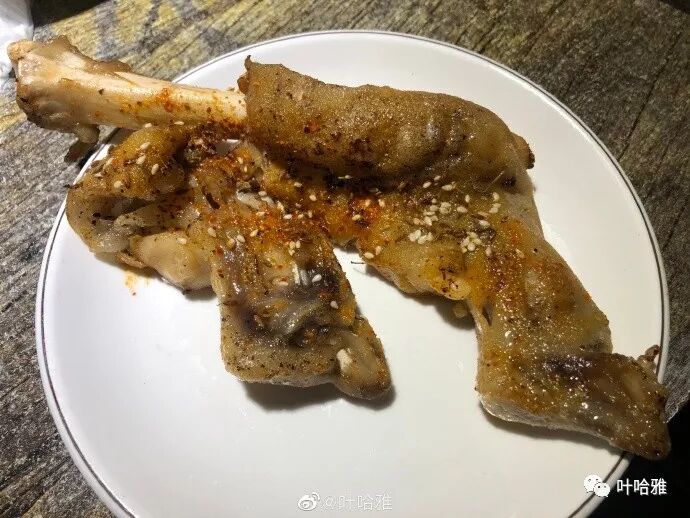
The roasted lamb hooves (kao yangti) are great. Northeast-style barbecue never lets me down.
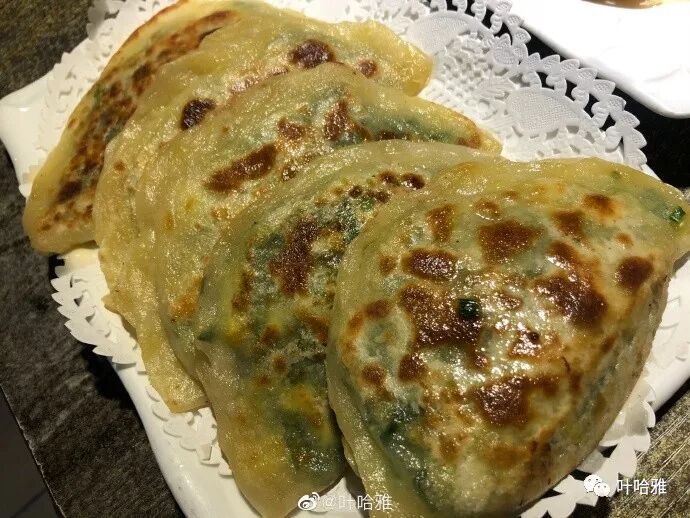
Chive pockets (jiucai hezi) are also one of the more popular staple foods here.
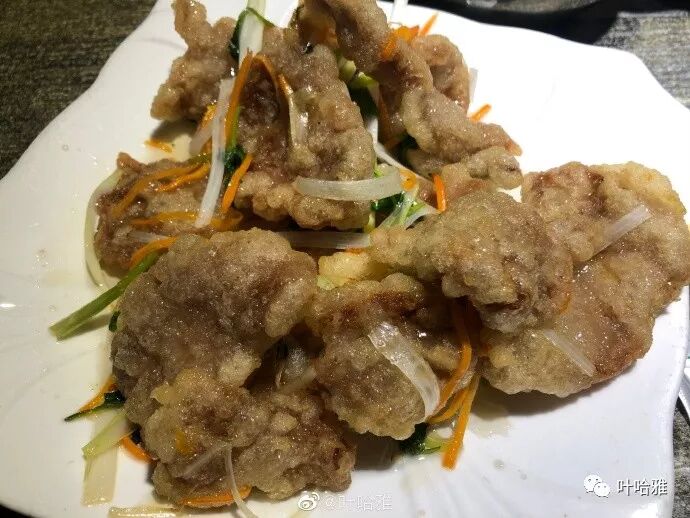
Sweet and sour pork (guobaorou) is a famous Northeast dish that almost every Northeast restaurant serves. However, the meat slices here are too thin, so it is not very satisfying to eat.
4. Silk Road Flames, halal barbecue, crawfish, and fusion dishes.
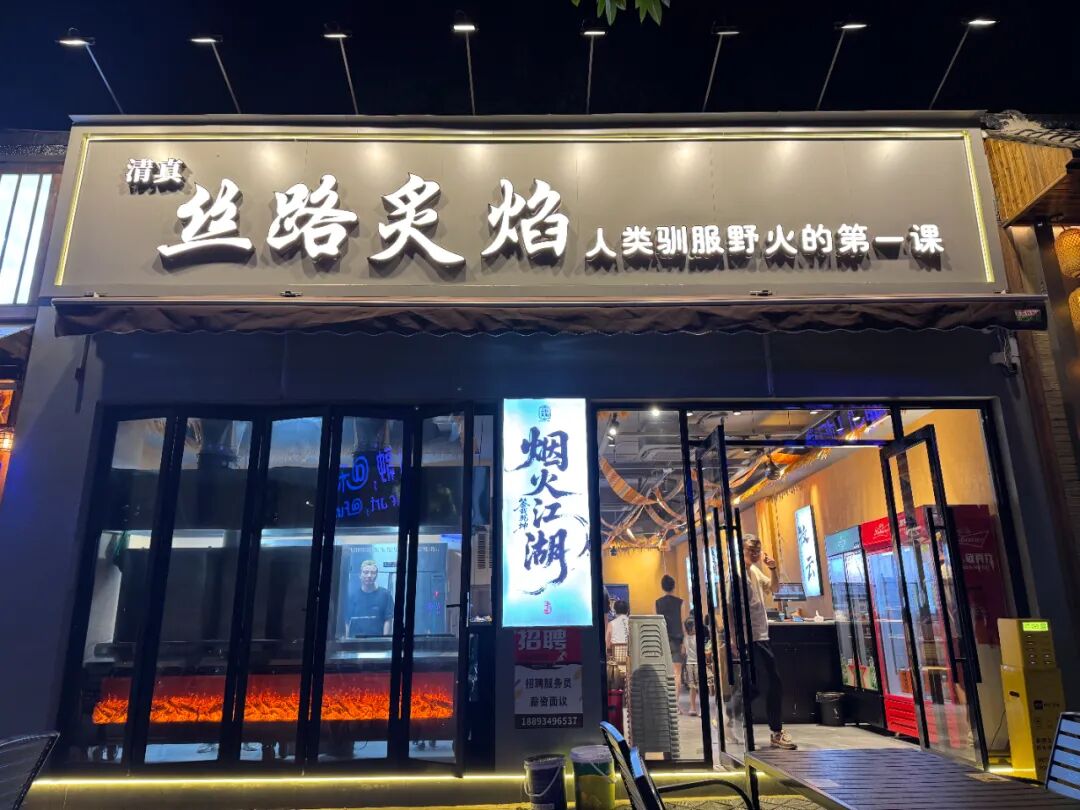
I wanted to eat at a halal Korean restaurant called Pu Liu Liu Korean Food after the awards ceremony, but they close at 8:30 p.m., so we changed our plans and came to this Lanzhou barbecue shop for a late-night snack.
Hangzhou restaurants are really competitive with their designs, and this shop clearly put a lot of effort into its decor.
They serve authentic Lanzhou open-flame barbecue, the kind with small skewers on iron sticks.
They also blend in local Jiangnan-style crawfish, with garlic, thirteen-spice, and spicy flavors to choose from. The crawfish tasted great and the ingredients were very fresh.
However, the snails still had a very strong muddy, fishy smell.
The roasted lamb chops and apricot skin tea (xingpishui) were both good, and the average cost per person was around 100 yuan.
5. Kosto Middle Eastern Cuisine.
This is a Middle Eastern Arabic restaurant located near Phoenix Mosque (Fenghuang Si), and the environment feels a bit rustic.
The dining area is on the second floor, and there are two tables by the door downstairs, but Hangzhou is quite hot in the summer, so sitting outside isn't cool.
The vegetarian appetizer platter includes falafel, which is a fried food I really like.
They serve mandi roasted chicken with rice. You can find this dish in Beijing too, but the one in Hangzhou is a mini portion.
This is his shop, Kesi Tuo Pizza, and the taste is quite good.
Overall, the food tastes fine. Some people say the prices are a bit high. Our table for two cost three hundred yuan, but we ordered too much. You can actually eat well for one hundred yuan per person.
6. Pin Hui Wei Halal Northwest Cuisine
The most amazing restaurant I ate at during this trip to Hangzhou was Pin Hui Wei. It is truly the top tier of the Hangzhou dining scene.
This is a chain brand in Shanghai and Hangzhou with an investment of tens of millions. They put a lot of thought into every aspect, starting with the design. The design team for Pin Hui Wei comes from the Blackstone Creative Design Studio, and this restaurant has become a signature project for them.
Pin Hui Wei specializes in halal Northwest cuisine and is an alcohol-free restaurant. It is very popular, so you need to wait for a table during peak hours.
Even though the design is unique and clever, the prices are very affordable, with an average cost of under one hundred yuan per person.
The prices at Pin Hui Wei are lower than similar halal restaurants in Beijing, but the food quality is very high.
There is a tandoor oven (nang keng) at the entrance where they bake bread on the spot, which is hard to find in Beijing.
With this freshly baked flatbread (nang) and a cup of tea, you have a full meal.
The Hui Muslim style sweet and sour meat sandwich (suan la jia sha) and the hand-grabbed lamb (shou zhua yang rou) are both delicious. The texture of this hand-grabbed lamb is just as good as what I ate in Dongxiang, and this portion costs 108 yuan.
Pin Hui Wei has many branches in Hangzhou and Shanghai. I went to the largest one, the Intime (Yintai) store, which has a parking lot at the entrance.
7. Phoenix Mosque (Fenghuang Si)
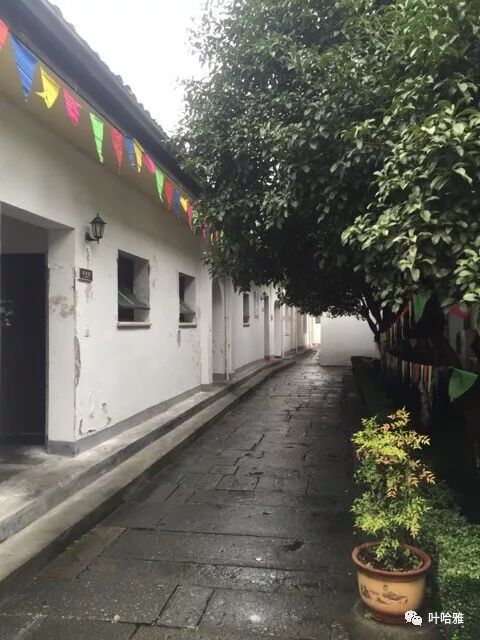
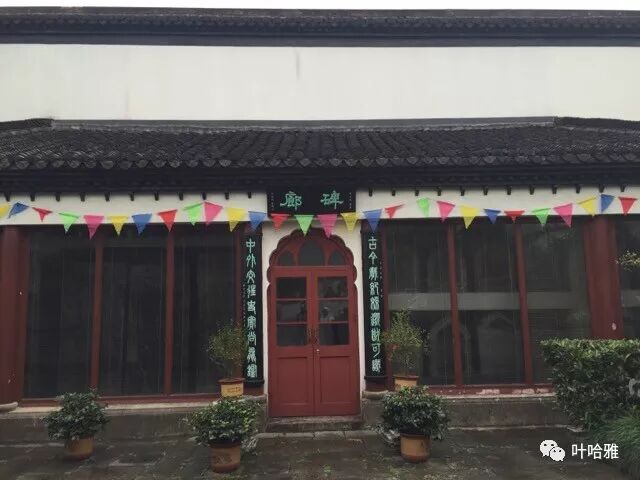
Phoenix Mosque is in a great spot. It is the first historic building at the north end of Hangzhou's famous Southern Song Imperial Street (Nansong Yujie). Hangzhou currently has two mosques. The other one is the newly built Hangzhou Mosque, located on East Canal Road in Jianggan District. To the northeast of Phoenix Mosque, there was historically another mosque called the Hui Muslim Prayer Hall (Huihui Baifotang). It was originally located next to the Hui Muslim New Bridge (Huihui Xinqiao). The mosque has been torn down, and only the name of the bridge remains.
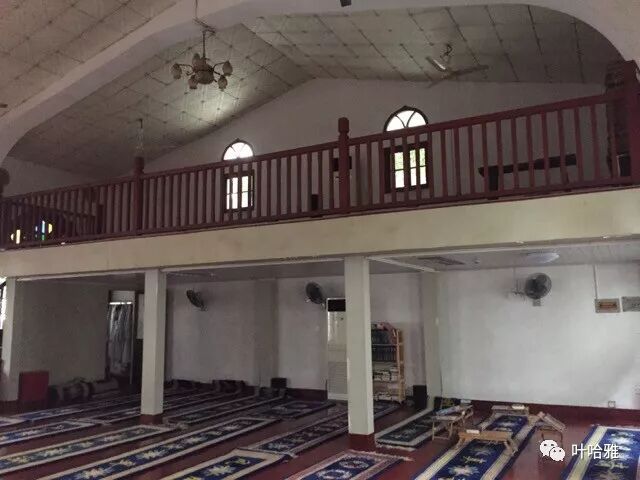
The rear main hall is the highlight of Phoenix Mosque. It dates back to the Yuan Dynasty and was built using the beamless hall (wuliangdian) technique, which also features West Asian architectural styles.
Phoenix Mosque is currently closed to tourists. It is also closed for Friday congregational prayer (Jumu'ah), as everyone is directed to the new Hangzhou Mosque for prayers. Jumu'ah starts at 1:00 PM, so travelers visiting Hangzhou should keep this time in mind. The new mosque is currently under renovation and is not open. For now, prayers are only held at a temporary prayer site in Haifu Building.
8. Tomb of the Arabian Sage Buhetiya'er
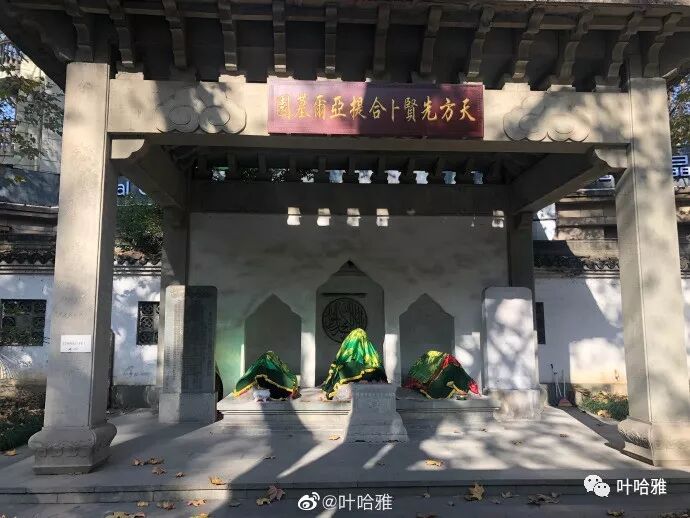
There are two ancient tombs near West Lake in Hangzhou. One belongs to a Persian man named Buhetiya'er. He came to China during the Southern Song Dynasty to practice medicine and preach. He passed away here, and his two attendants are buried with him.
Buhetiya'er, whose full name was Emir Buhetiya'er Sailuoniya Naluonike, passed away in 1329 (the second year of the Tianli era of the Yuan Dynasty). He was from Bukhara, which is in modern-day Uzbekistan. His epitaph records that his family served as officials for generations and held a prominent status.
The tomb is usually closed, but there is a contact number on the gate. The caretaker lives nearby and will come over to open the gate quickly, even though he is not a Hui Muslim.
9. Ding Henian Tomb Pavilion
Near West Lake is another ancient tomb of a Hui Muslim, the tomb of Ding Henian. Ding Henian (1335-1424) was a famous Hui Muslim poet during the Yuan Dynasty and the founder of the Henian Tang pharmacy in Beijing. Henian Tang was established between 1405 and 1408, making it over two hundred years older than Tong Ren Tang and even older than the Forbidden City and the Temple of Heaven.
Ding Henian came from a very wealthy family that served as officials for generations. His father was a darughachi in Wuchang. The Ding family once spent a huge fortune to support the Yuan Emperor, so they were entrusted with important responsibilities. Ding Henian settled in Hangzhou in his later years to study Islamic law until he returned to Allah at the age of 89.
Henian Tang is located at Caishikou in Beijing, which was the site of ancient executions. Legend has it that during the Ming and Qing dynasties, families of some prisoners would bribe the executioner before the sentence was carried out. They asked him to stuff a steamed bun (mantou) into the neck cavity of the deceased when the head fell to prevent blood from splashing and the soul from lingering. This is likely the origin of the human blood bun mentioned by Lu Xun. Henian Tang originally provided these buns, but they were not meant for eating. Later, rumors spread that the blood-soaked buns could cure illnesses, and people began fighting over them. Henian Tang also provided funds to bury prisoners who had no family, acting as a charity.
When I was a child, I heard another legend about Henian Tang from the elders. Someone knocked on the door in the middle of the night asking for medicine for knife wounds. The next day, the shop assistant realized the money he received was spirit money and that he had seen a ghost the night before. Because of this, old Beijingers have a saying: 'Going to Henian Tang to ask for knife wound medicine—death is at the door.' If you look at this from an Islamic perspective, the assistant might not have seen a ghost, but possibly a jinn. view all
Summary: This 2025 Hangzhou halal food map follows the author's trip through Phoenix Halal Snacks, Northwest Family, Maizhou Yilongxuan, Silk Road Flames, Kosto Middle Eastern Cuisine, Pin Hui Wei, Phoenix Mosque, the tomb of Buhetiya'er, and Hangzhou Hui Muslim heritage.
I have been to Hangzhou many times. This time, I came to this popular city as one of the top 50 insurance social media influencers to receive an award. This city in the Jiangnan region left a great impression on me. The citizens are polite, the women speak in a pleasant tone, and drivers actively yield to pedestrians. Ten years ago, I only experienced this abroad. Hangzhou was the first city in China to implement a "cars yield to pedestrians" policy. As early as 2010, Hangzhou included this in traffic regulations for mandatory enforcement, with violators facing a 3-point deduction and a 100 yuan fine.
Ten years ago, as a pedestrian in Hangzhou, I naturally felt this measure was great. However, after listening to a few Hangzhou drivers complain, I realized that forced compliance is not ideal. Drivers feel that some pedestrians, protected by traffic rules, cross the street recklessly, looking down at their phones and walking slowly, leaving drivers frustrated but unable to speak up. In fact, the improvement of character should come from within. When vehicles yield to pedestrians out of politeness, pedestrians should also show gratitude. This is a natural civilized behavior. When it becomes forced, it may look like a quick improvement in character on the surface, but it is not voluntary and instead breeds resentment. Once there is no supervision, things will immediately return to the way they were.
I rented a car in Hangzhou this time and drove for three days. Experiencing Hangzhou traffic from a driver's perspective, I feel that the road rules in Hangzhou are more complex than in Beijing. It is hard to gauge the limits for yielding to pedestrians and using a phone while driving. I expect to receive a ticket in a couple of days.
1. Phoenix Halal Snacks (Fenghuang Qingzhen Xiaochi)
This shop used to be called "Halal Snacks" and is now called Phoenix Halal Snacks. They have been operating in Hangzhou for at least 10 years. The location is right at the back door of Phoenix Mosque (Fenghuang Si). The owner is a local Hui Muslim from Hangzhou, and according to the elders at the mosque, he is very devout. The shop prohibits smoking and alcohol. They mainly serve various Jiangnan-style snacks and some Northwest Chinese food, as most of the staff are from the Northwest and the waitresses wear headscarves.
They have started making hand-pulled noodles (lamian) again. Some of the photos were taken by me previously.
Hangzhou beef pan-fried buns (niurou jianbao) are quite large with thick skins, unlike the smaller ones found in Henan and Shandong.
I recommend trying the beef steamed dumplings (niurou zhengjiao), which are made more delicately than the pan-fried buns.
The clay pot dishes (shaguo) come in many flavors and taste good.
The beef vermicelli soup (niurou fensi tang) is quite similar to the version in Nanjing.
Lamb steamed dumplings (yangrou shaomai) are my favorite snack at this shop. They have a nice shape and the meat is tender; the lamb is likely sourced from the Northwest.
2. Northwest Family (Xibei Renjia)
If you want authentic halal Hangzhou-style food, I recommend Northwest Family (Xibei Renjia) by West Lake. Even though the owners are from the Northwest, the restaurant opened in Hangzhou in 1992. After more than thirty years, they are well-established here, and their Hangzhou-style dishes are truly delicious.
West Lake vinegar fish (xihu chuyu) is a famous Hangzhou dish. It is a real blessing to find a halal version right by West Lake.
West Lake beef soup (xihu niurou geng) is a must-order Hangzhou dish. I have had it in Beijing restaurants since I was a kid, but it tastes thicker here in Hangzhou.
Poached chicken (baizhanji) is a common dish in the south. Southern chicken tastes better than northern chicken.
Shrimp with fruit (shuiguo xiaren)
3. Maizhou Yilongxuan
This is a Northeast-style restaurant run by Hui Muslims from Qiqihar. I asked and found out they are related to the restaurant Gulanxuan, but Gulanxuan has already closed down.
This restaurant is located in the Xihu District. Their old branch in the Higher Education Park has closed.
The roasted lamb hooves (kao yangti) are great. Northeast-style barbecue never lets me down.
Chive pockets (jiucai hezi) are also one of the more popular staple foods here.
Sweet and sour pork (guobaorou) is a famous Northeast dish that almost every Northeast restaurant serves. However, the meat slices here are too thin, so it is not very satisfying to eat.
4. Silk Road Flames, halal barbecue, crawfish, and fusion dishes.
I wanted to eat at a halal Korean restaurant called Pu Liu Liu Korean Food after the awards ceremony, but they close at 8:30 p.m., so we changed our plans and came to this Lanzhou barbecue shop for a late-night snack.
Hangzhou restaurants are really competitive with their designs, and this shop clearly put a lot of effort into its decor.
They serve authentic Lanzhou open-flame barbecue, the kind with small skewers on iron sticks.
They also blend in local Jiangnan-style crawfish, with garlic, thirteen-spice, and spicy flavors to choose from. The crawfish tasted great and the ingredients were very fresh.
However, the snails still had a very strong muddy, fishy smell.
The roasted lamb chops and apricot skin tea (xingpishui) were both good, and the average cost per person was around 100 yuan.
5. Kosto Middle Eastern Cuisine.
This is a Middle Eastern Arabic restaurant located near Phoenix Mosque (Fenghuang Si), and the environment feels a bit rustic.
The dining area is on the second floor, and there are two tables by the door downstairs, but Hangzhou is quite hot in the summer, so sitting outside isn't cool.
The vegetarian appetizer platter includes falafel, which is a fried food I really like.
They serve mandi roasted chicken with rice. You can find this dish in Beijing too, but the one in Hangzhou is a mini portion.
This is his shop, Kesi Tuo Pizza, and the taste is quite good.
Overall, the food tastes fine. Some people say the prices are a bit high. Our table for two cost three hundred yuan, but we ordered too much. You can actually eat well for one hundred yuan per person.
6. Pin Hui Wei Halal Northwest Cuisine
The most amazing restaurant I ate at during this trip to Hangzhou was Pin Hui Wei. It is truly the top tier of the Hangzhou dining scene.
This is a chain brand in Shanghai and Hangzhou with an investment of tens of millions. They put a lot of thought into every aspect, starting with the design. The design team for Pin Hui Wei comes from the Blackstone Creative Design Studio, and this restaurant has become a signature project for them.
Pin Hui Wei specializes in halal Northwest cuisine and is an alcohol-free restaurant. It is very popular, so you need to wait for a table during peak hours.
Even though the design is unique and clever, the prices are very affordable, with an average cost of under one hundred yuan per person.
The prices at Pin Hui Wei are lower than similar halal restaurants in Beijing, but the food quality is very high.
There is a tandoor oven (nang keng) at the entrance where they bake bread on the spot, which is hard to find in Beijing.
With this freshly baked flatbread (nang) and a cup of tea, you have a full meal.
The Hui Muslim style sweet and sour meat sandwich (suan la jia sha) and the hand-grabbed lamb (shou zhua yang rou) are both delicious. The texture of this hand-grabbed lamb is just as good as what I ate in Dongxiang, and this portion costs 108 yuan.
Pin Hui Wei has many branches in Hangzhou and Shanghai. I went to the largest one, the Intime (Yintai) store, which has a parking lot at the entrance.
7. Phoenix Mosque (Fenghuang Si)
Phoenix Mosque is in a great spot. It is the first historic building at the north end of Hangzhou's famous Southern Song Imperial Street (Nansong Yujie). Hangzhou currently has two mosques. The other one is the newly built Hangzhou Mosque, located on East Canal Road in Jianggan District. To the northeast of Phoenix Mosque, there was historically another mosque called the Hui Muslim Prayer Hall (Huihui Baifotang). It was originally located next to the Hui Muslim New Bridge (Huihui Xinqiao). The mosque has been torn down, and only the name of the bridge remains.
The rear main hall is the highlight of Phoenix Mosque. It dates back to the Yuan Dynasty and was built using the beamless hall (wuliangdian) technique, which also features West Asian architectural styles.
Phoenix Mosque is currently closed to tourists. It is also closed for Friday congregational prayer (Jumu'ah), as everyone is directed to the new Hangzhou Mosque for prayers. Jumu'ah starts at 1:00 PM, so travelers visiting Hangzhou should keep this time in mind. The new mosque is currently under renovation and is not open. For now, prayers are only held at a temporary prayer site in Haifu Building.
8. Tomb of the Arabian Sage Buhetiya'er
There are two ancient tombs near West Lake in Hangzhou. One belongs to a Persian man named Buhetiya'er. He came to China during the Southern Song Dynasty to practice medicine and preach. He passed away here, and his two attendants are buried with him.
Buhetiya'er, whose full name was Emir Buhetiya'er Sailuoniya Naluonike, passed away in 1329 (the second year of the Tianli era of the Yuan Dynasty). He was from Bukhara, which is in modern-day Uzbekistan. His epitaph records that his family served as officials for generations and held a prominent status.
The tomb is usually closed, but there is a contact number on the gate. The caretaker lives nearby and will come over to open the gate quickly, even though he is not a Hui Muslim.
9. Ding Henian Tomb Pavilion
Near West Lake is another ancient tomb of a Hui Muslim, the tomb of Ding Henian. Ding Henian (1335-1424) was a famous Hui Muslim poet during the Yuan Dynasty and the founder of the Henian Tang pharmacy in Beijing. Henian Tang was established between 1405 and 1408, making it over two hundred years older than Tong Ren Tang and even older than the Forbidden City and the Temple of Heaven.
Ding Henian came from a very wealthy family that served as officials for generations. His father was a darughachi in Wuchang. The Ding family once spent a huge fortune to support the Yuan Emperor, so they were entrusted with important responsibilities. Ding Henian settled in Hangzhou in his later years to study Islamic law until he returned to Allah at the age of 89.
Henian Tang is located at Caishikou in Beijing, which was the site of ancient executions. Legend has it that during the Ming and Qing dynasties, families of some prisoners would bribe the executioner before the sentence was carried out. They asked him to stuff a steamed bun (mantou) into the neck cavity of the deceased when the head fell to prevent blood from splashing and the soul from lingering. This is likely the origin of the human blood bun mentioned by Lu Xun. Henian Tang originally provided these buns, but they were not meant for eating. Later, rumors spread that the blood-soaked buns could cure illnesses, and people began fighting over them. Henian Tang also provided funds to bury prisoners who had no family, acting as a charity.
When I was a child, I heard another legend about Henian Tang from the elders. Someone knocked on the door in the middle of the night asking for medicine for knife wounds. The next day, the shop assistant realized the money he received was spirit money and that he had seen a ghost the night before. Because of this, old Beijingers have a saying: 'Going to Henian Tang to ask for knife wound medicine—death is at the door.' If you look at this from an Islamic perspective, the assistant might not have seen a ghost, but possibly a jinn. view all
Reposted from the web
Summary: This 2025 Hangzhou halal food map follows the author's trip through Phoenix Halal Snacks, Northwest Family, Maizhou Yilongxuan, Silk Road Flames, Kosto Middle Eastern Cuisine, Pin Hui Wei, Phoenix Mosque, the tomb of Buhetiya'er, and Hangzhou Hui Muslim heritage.
I have been to Hangzhou many times. This time, I came to this popular city as one of the top 50 insurance social media influencers to receive an award. This city in the Jiangnan region left a great impression on me. The citizens are polite, the women speak in a pleasant tone, and drivers actively yield to pedestrians. Ten years ago, I only experienced this abroad. Hangzhou was the first city in China to implement a "cars yield to pedestrians" policy. As early as 2010, Hangzhou included this in traffic regulations for mandatory enforcement, with violators facing a 3-point deduction and a 100 yuan fine.
Ten years ago, as a pedestrian in Hangzhou, I naturally felt this measure was great. However, after listening to a few Hangzhou drivers complain, I realized that forced compliance is not ideal. Drivers feel that some pedestrians, protected by traffic rules, cross the street recklessly, looking down at their phones and walking slowly, leaving drivers frustrated but unable to speak up. In fact, the improvement of character should come from within. When vehicles yield to pedestrians out of politeness, pedestrians should also show gratitude. This is a natural civilized behavior. When it becomes forced, it may look like a quick improvement in character on the surface, but it is not voluntary and instead breeds resentment. Once there is no supervision, things will immediately return to the way they were.
I rented a car in Hangzhou this time and drove for three days. Experiencing Hangzhou traffic from a driver's perspective, I feel that the road rules in Hangzhou are more complex than in Beijing. It is hard to gauge the limits for yielding to pedestrians and using a phone while driving. I expect to receive a ticket in a couple of days.
1. Phoenix Halal Snacks (Fenghuang Qingzhen Xiaochi)
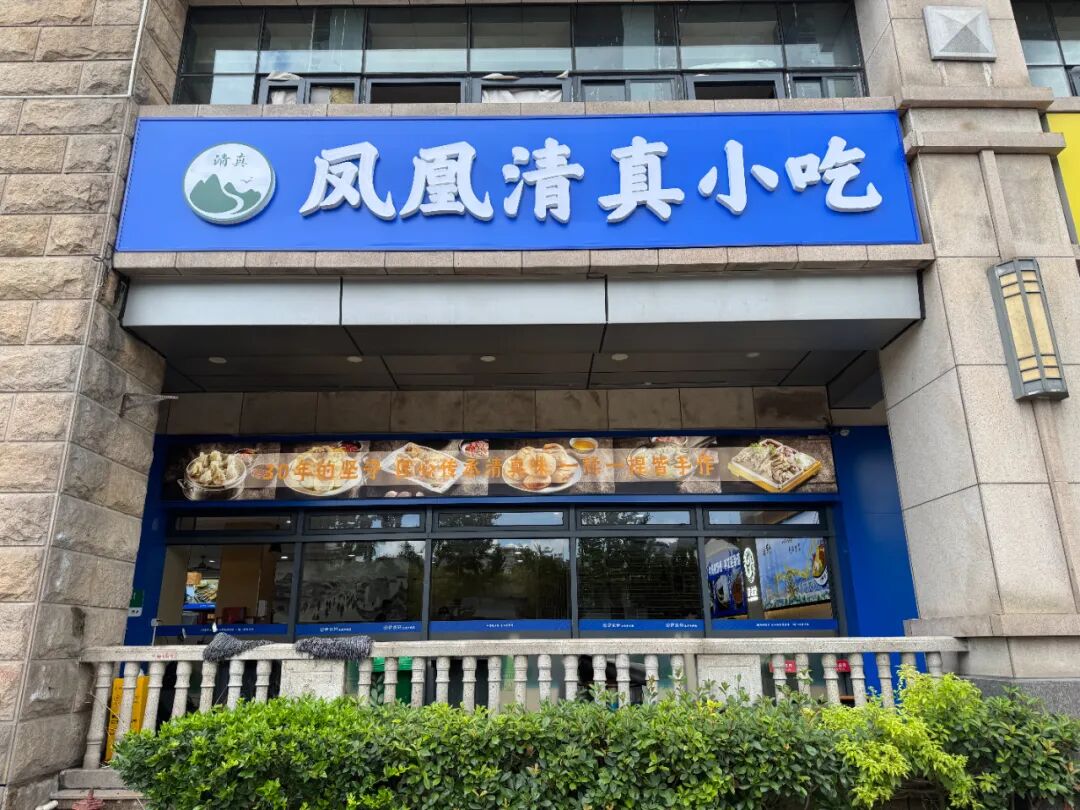
This shop used to be called "Halal Snacks" and is now called Phoenix Halal Snacks. They have been operating in Hangzhou for at least 10 years. The location is right at the back door of Phoenix Mosque (Fenghuang Si). The owner is a local Hui Muslim from Hangzhou, and according to the elders at the mosque, he is very devout. The shop prohibits smoking and alcohol. They mainly serve various Jiangnan-style snacks and some Northwest Chinese food, as most of the staff are from the Northwest and the waitresses wear headscarves.
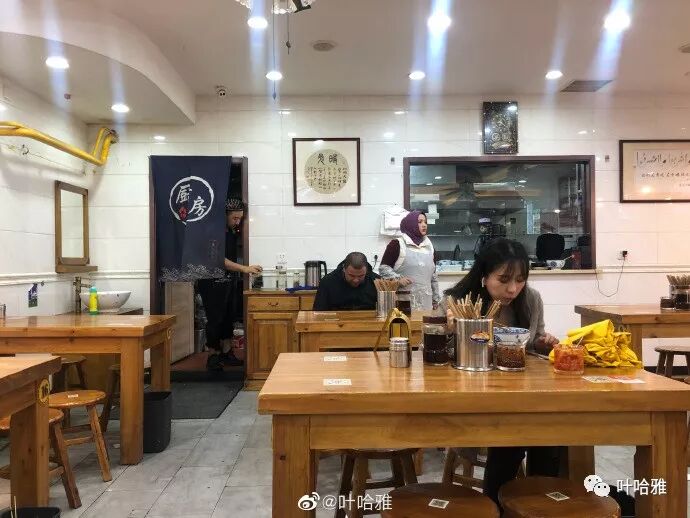
They have started making hand-pulled noodles (lamian) again. Some of the photos were taken by me previously.
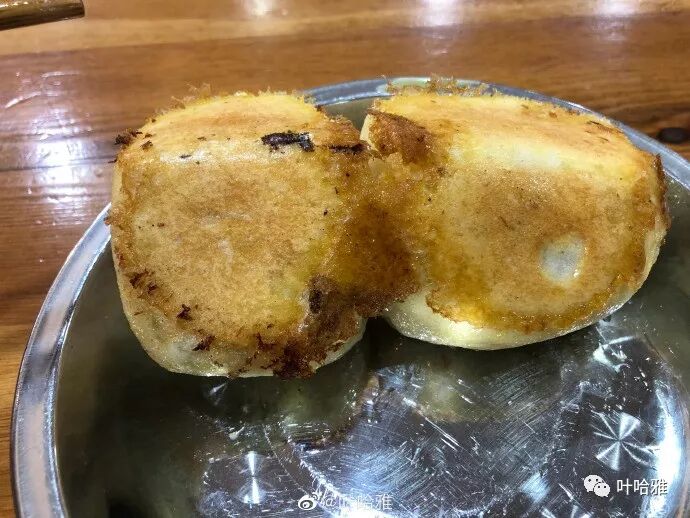
Hangzhou beef pan-fried buns (niurou jianbao) are quite large with thick skins, unlike the smaller ones found in Henan and Shandong.
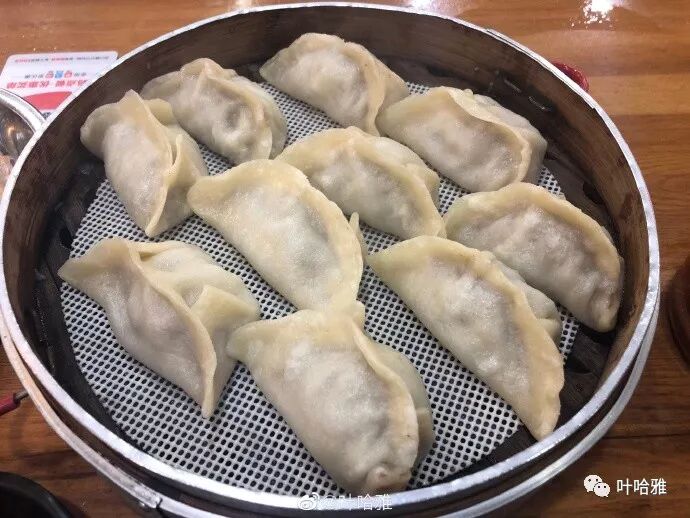
I recommend trying the beef steamed dumplings (niurou zhengjiao), which are made more delicately than the pan-fried buns.
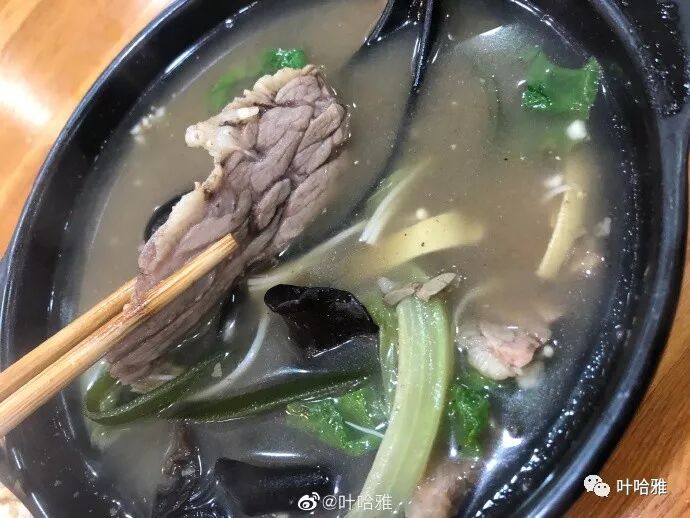
The clay pot dishes (shaguo) come in many flavors and taste good.
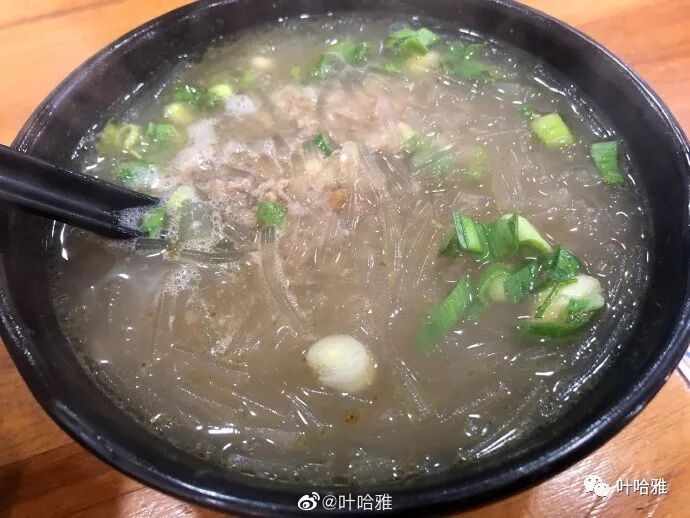
The beef vermicelli soup (niurou fensi tang) is quite similar to the version in Nanjing.
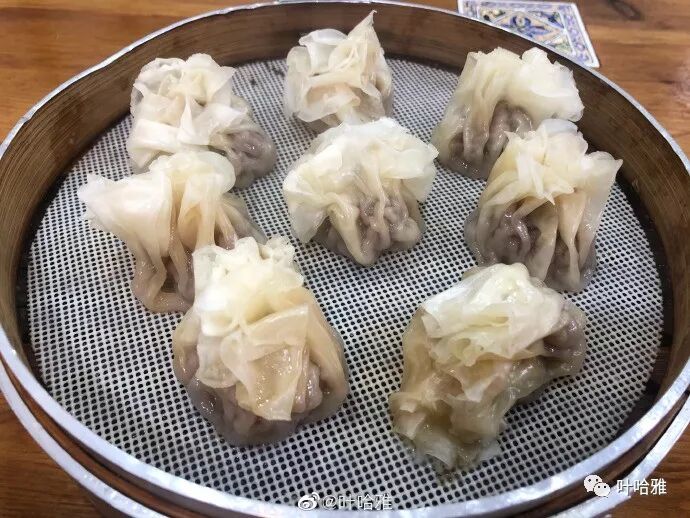
Lamb steamed dumplings (yangrou shaomai) are my favorite snack at this shop. They have a nice shape and the meat is tender; the lamb is likely sourced from the Northwest.
2. Northwest Family (Xibei Renjia)
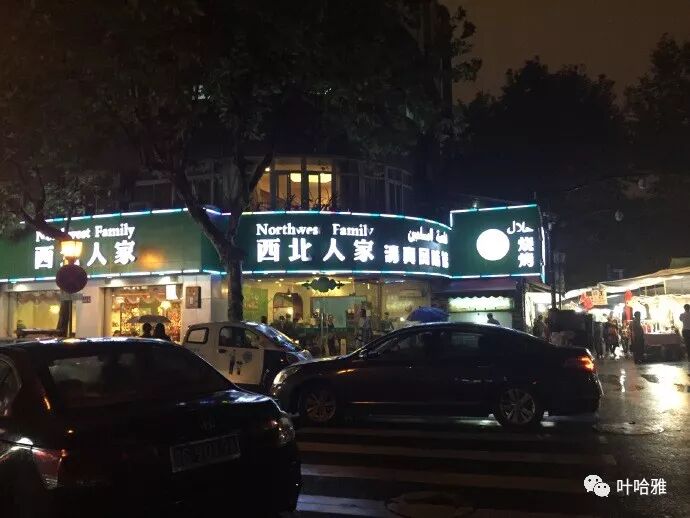
If you want authentic halal Hangzhou-style food, I recommend Northwest Family (Xibei Renjia) by West Lake. Even though the owners are from the Northwest, the restaurant opened in Hangzhou in 1992. After more than thirty years, they are well-established here, and their Hangzhou-style dishes are truly delicious.
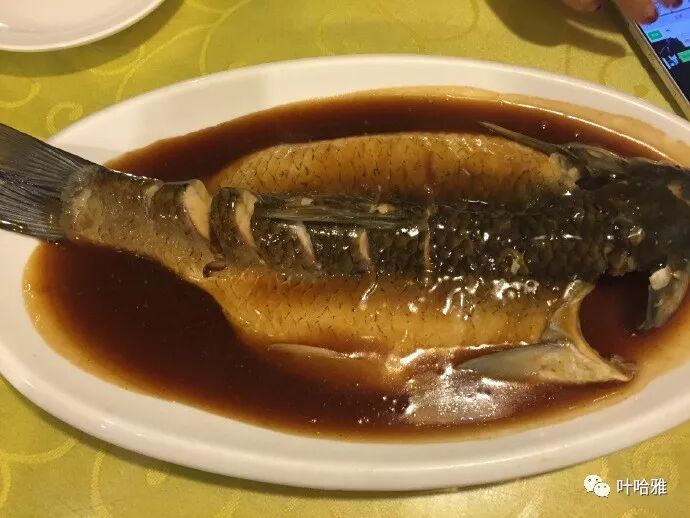
West Lake vinegar fish (xihu chuyu) is a famous Hangzhou dish. It is a real blessing to find a halal version right by West Lake.
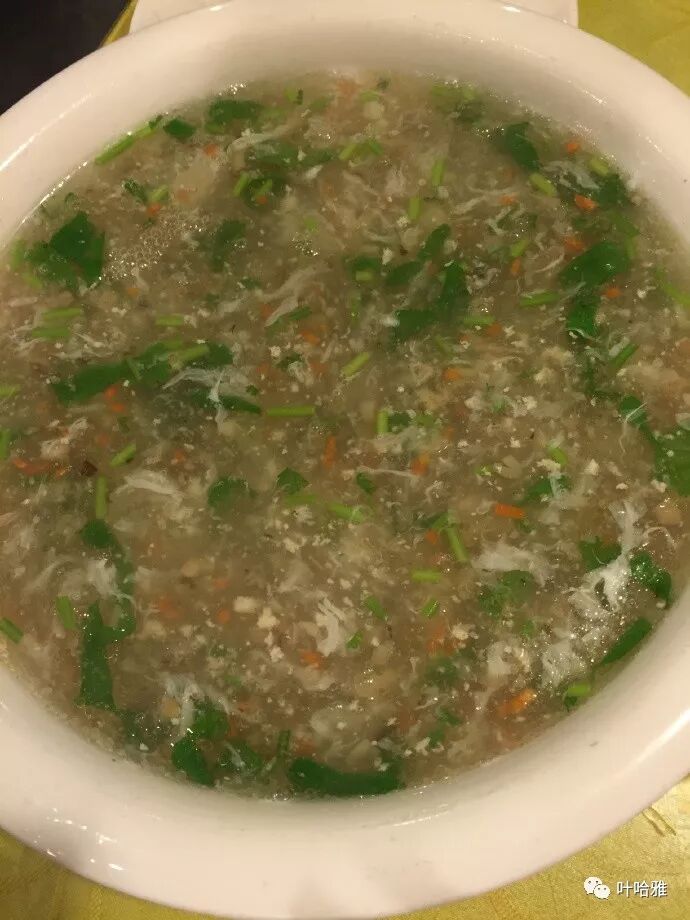
West Lake beef soup (xihu niurou geng) is a must-order Hangzhou dish. I have had it in Beijing restaurants since I was a kid, but it tastes thicker here in Hangzhou.
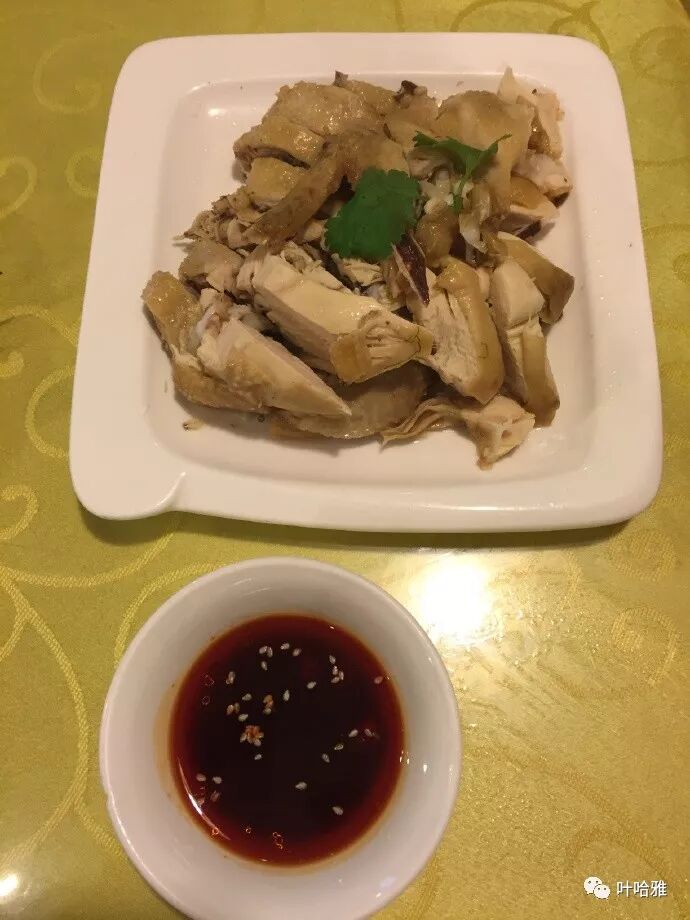
Poached chicken (baizhanji) is a common dish in the south. Southern chicken tastes better than northern chicken.
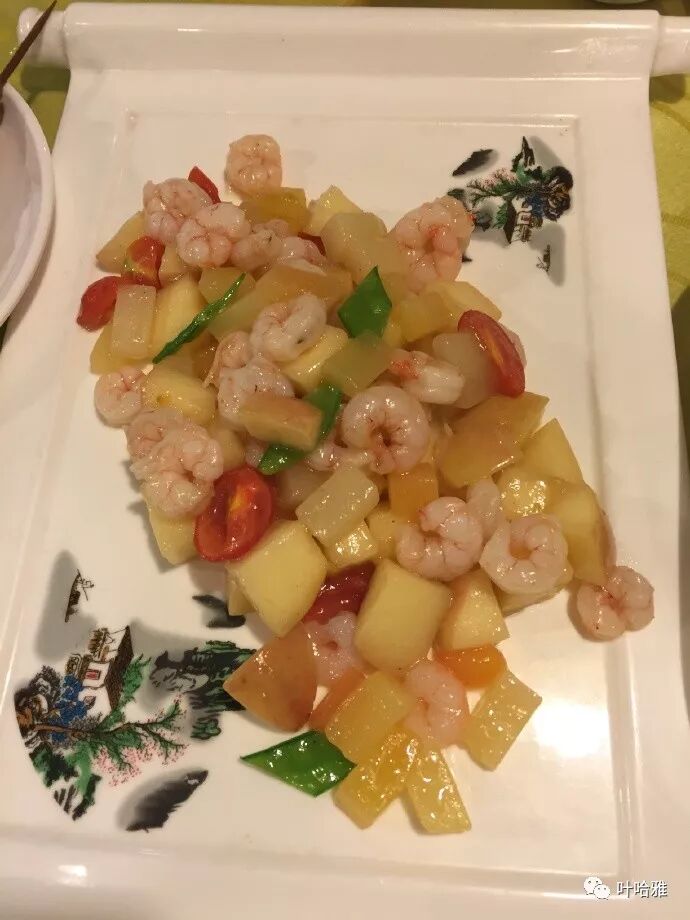
Shrimp with fruit (shuiguo xiaren)
3. Maizhou Yilongxuan
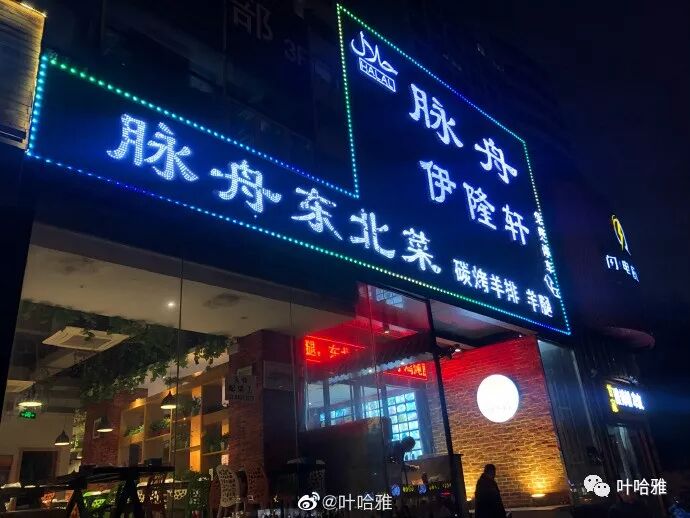
This is a Northeast-style restaurant run by Hui Muslims from Qiqihar. I asked and found out they are related to the restaurant Gulanxuan, but Gulanxuan has already closed down.
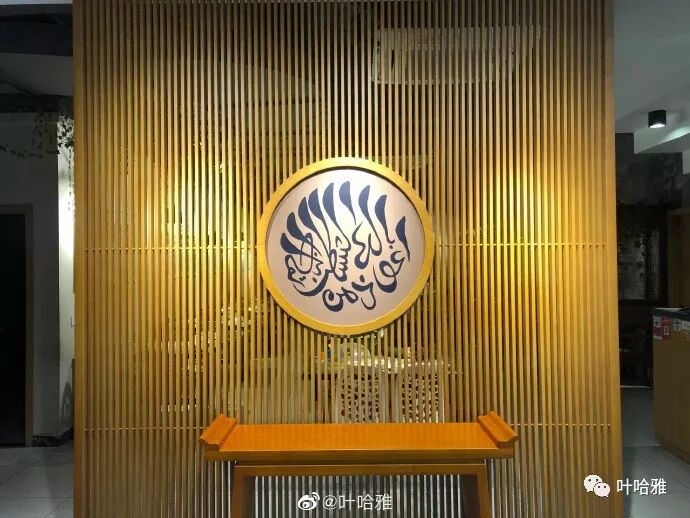
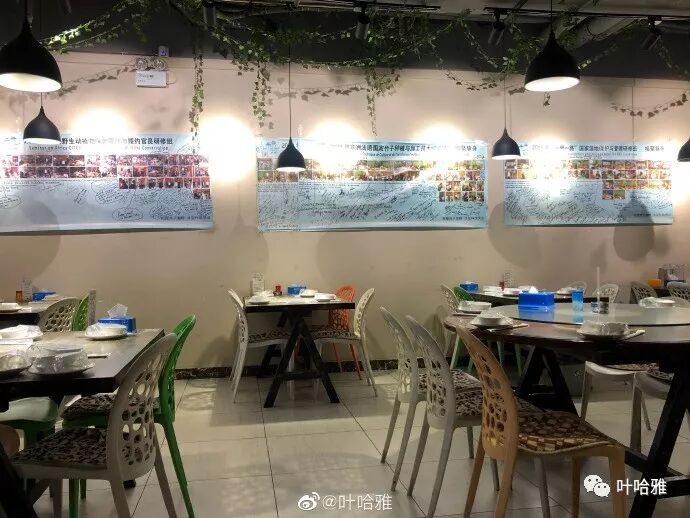
This restaurant is located in the Xihu District. Their old branch in the Higher Education Park has closed.
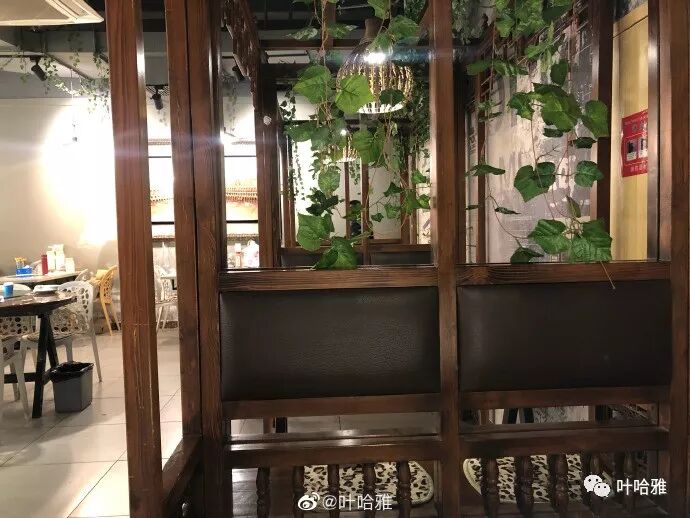
The roasted lamb hooves (kao yangti) are great. Northeast-style barbecue never lets me down.
Chive pockets (jiucai hezi) are also one of the more popular staple foods here.
Sweet and sour pork (guobaorou) is a famous Northeast dish that almost every Northeast restaurant serves. However, the meat slices here are too thin, so it is not very satisfying to eat.
4. Silk Road Flames, halal barbecue, crawfish, and fusion dishes.
I wanted to eat at a halal Korean restaurant called Pu Liu Liu Korean Food after the awards ceremony, but they close at 8:30 p.m., so we changed our plans and came to this Lanzhou barbecue shop for a late-night snack.
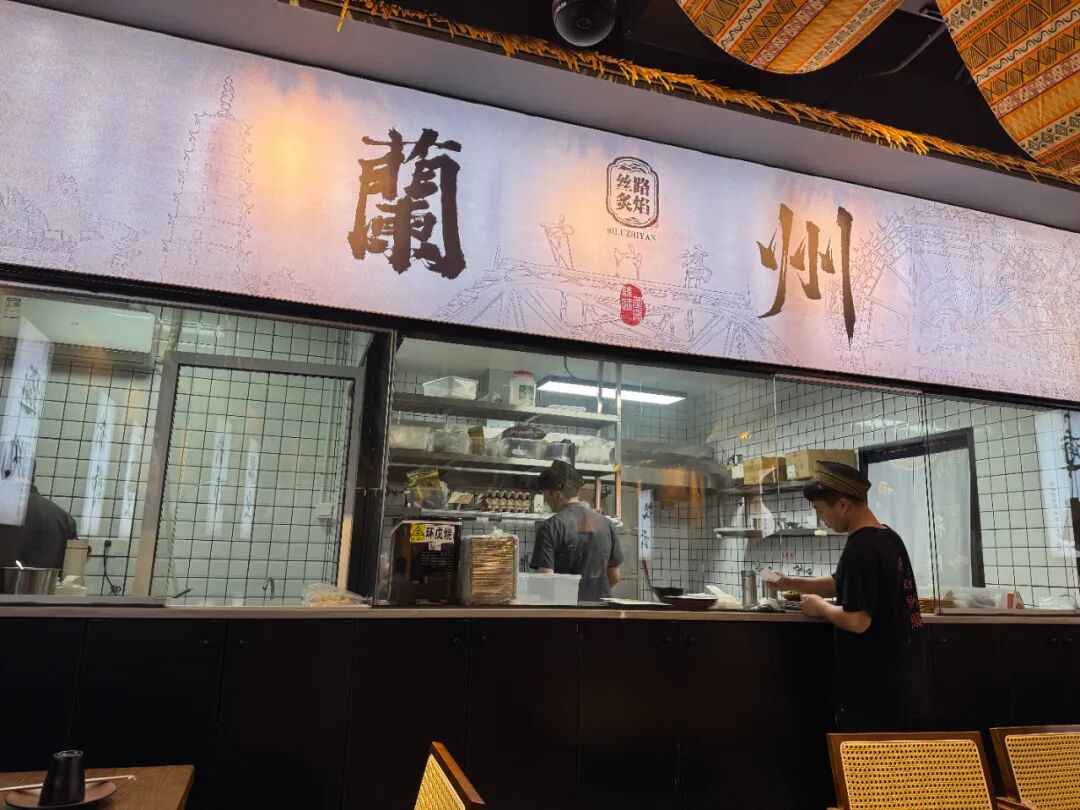
Hangzhou restaurants are really competitive with their designs, and this shop clearly put a lot of effort into its decor.
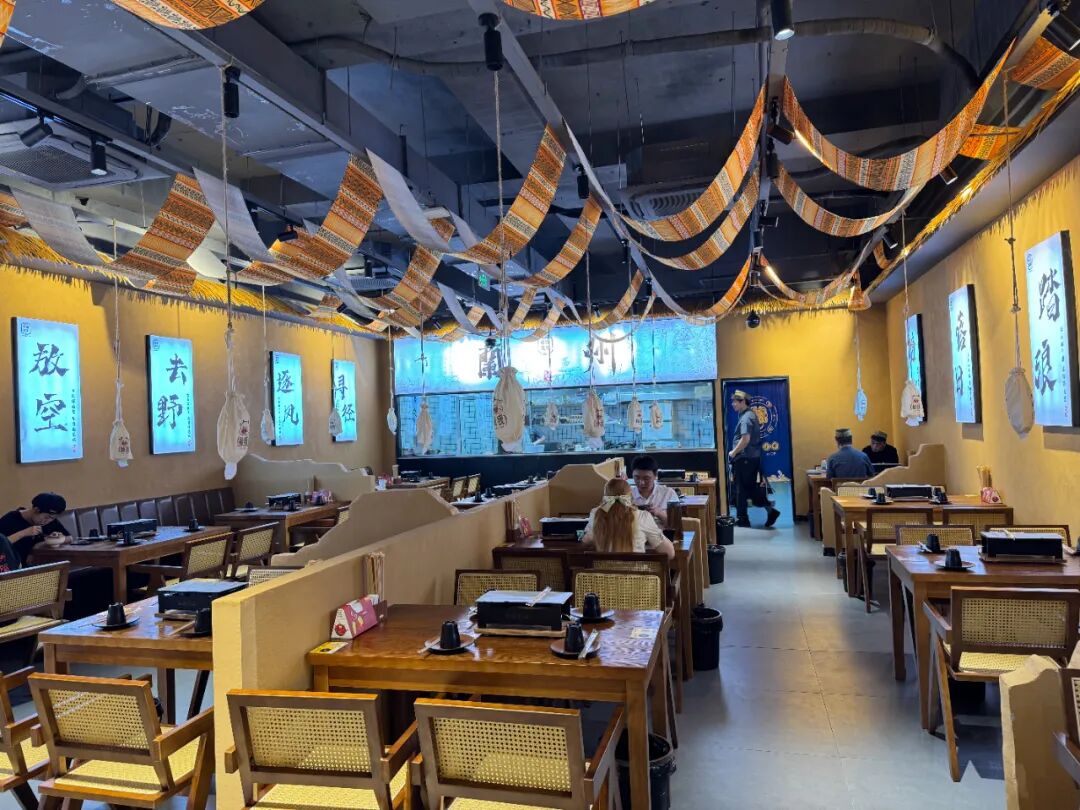
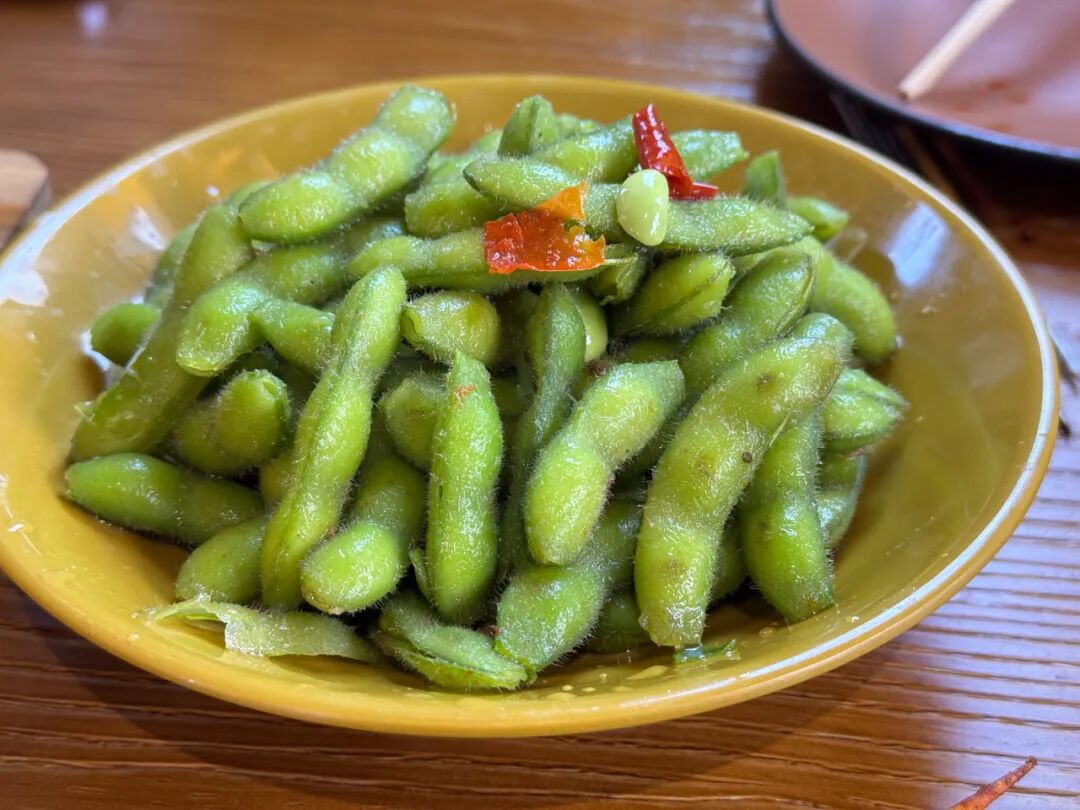
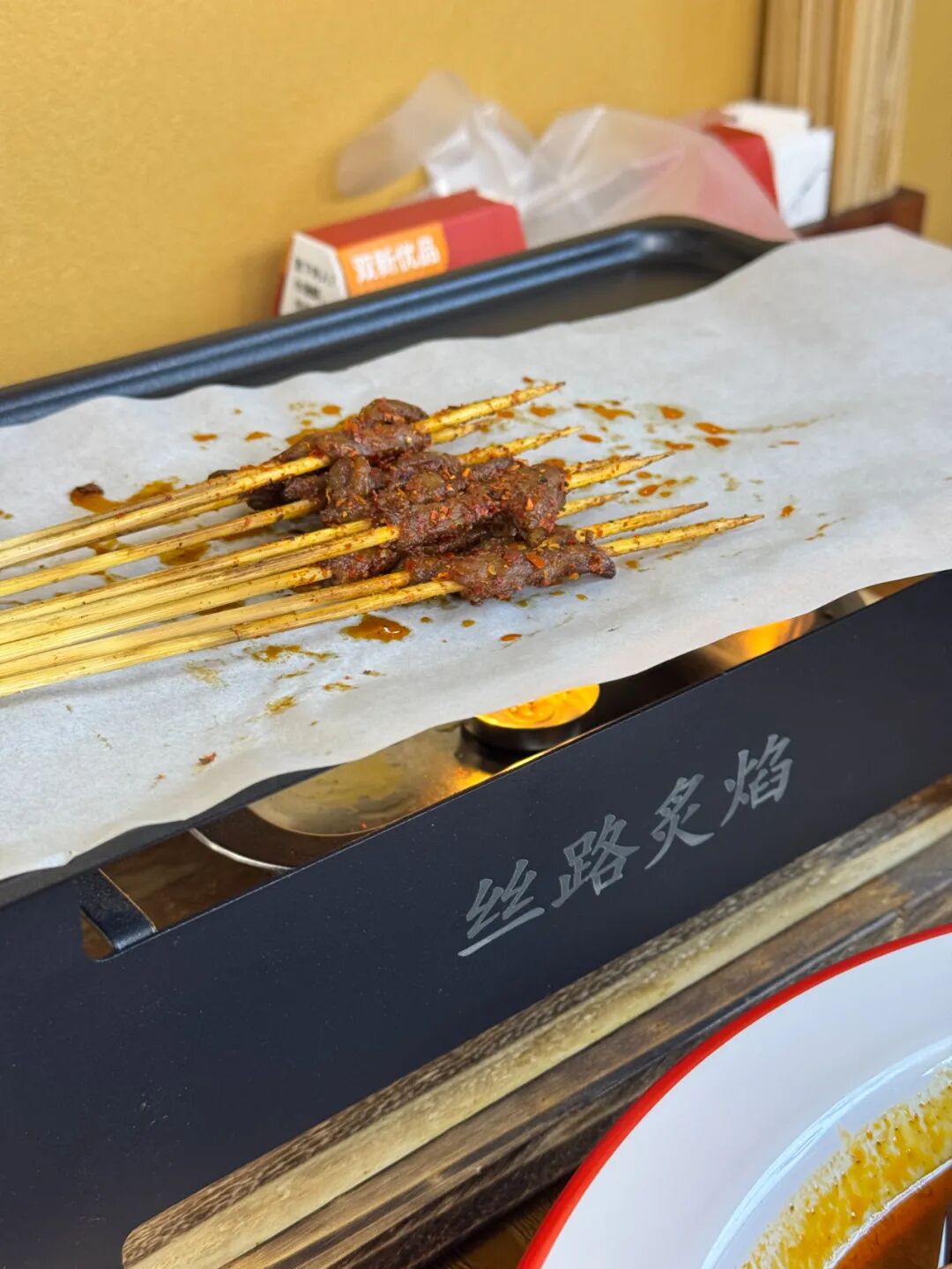
They serve authentic Lanzhou open-flame barbecue, the kind with small skewers on iron sticks.
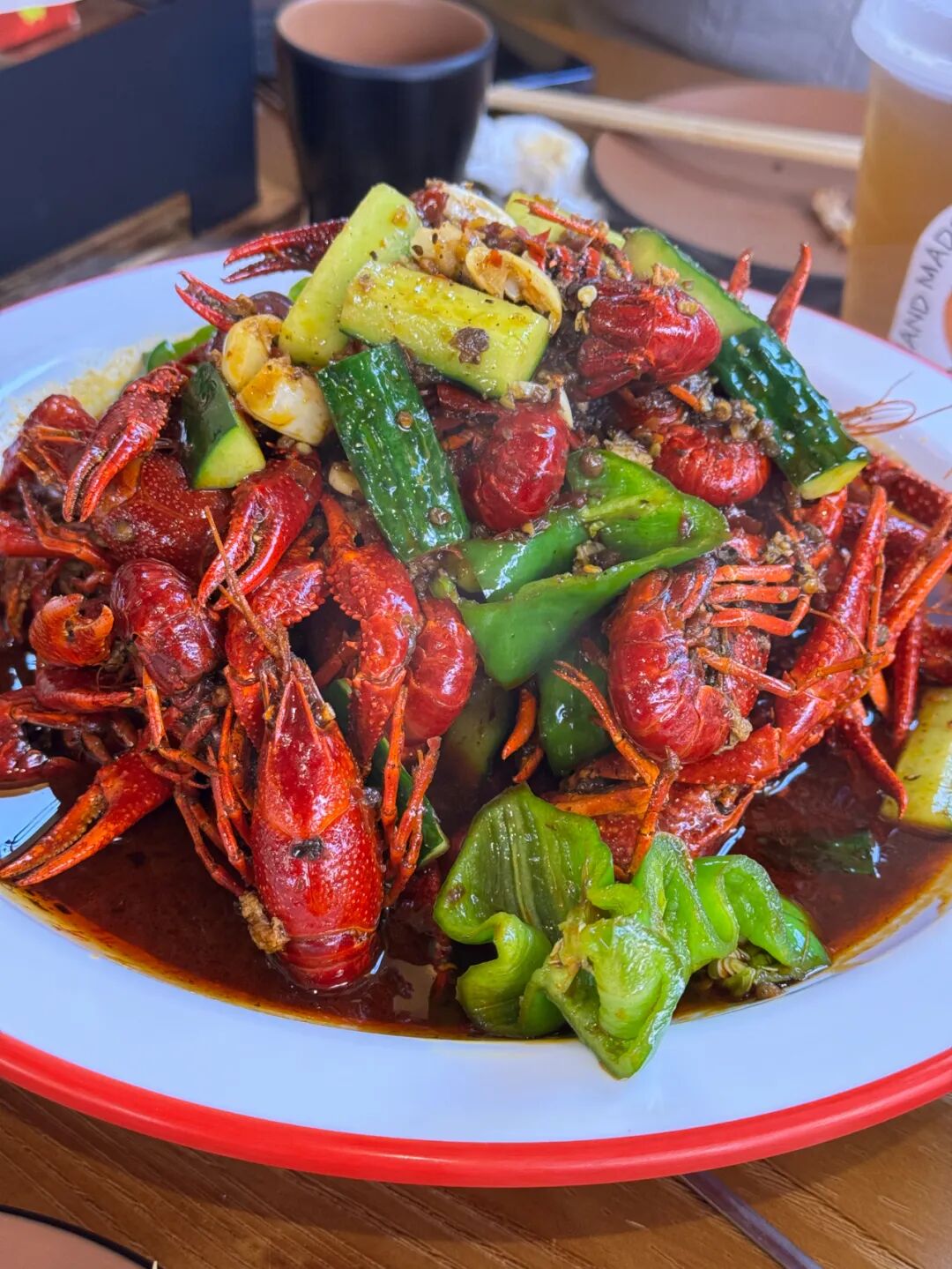
They also blend in local Jiangnan-style crawfish, with garlic, thirteen-spice, and spicy flavors to choose from. The crawfish tasted great and the ingredients were very fresh.
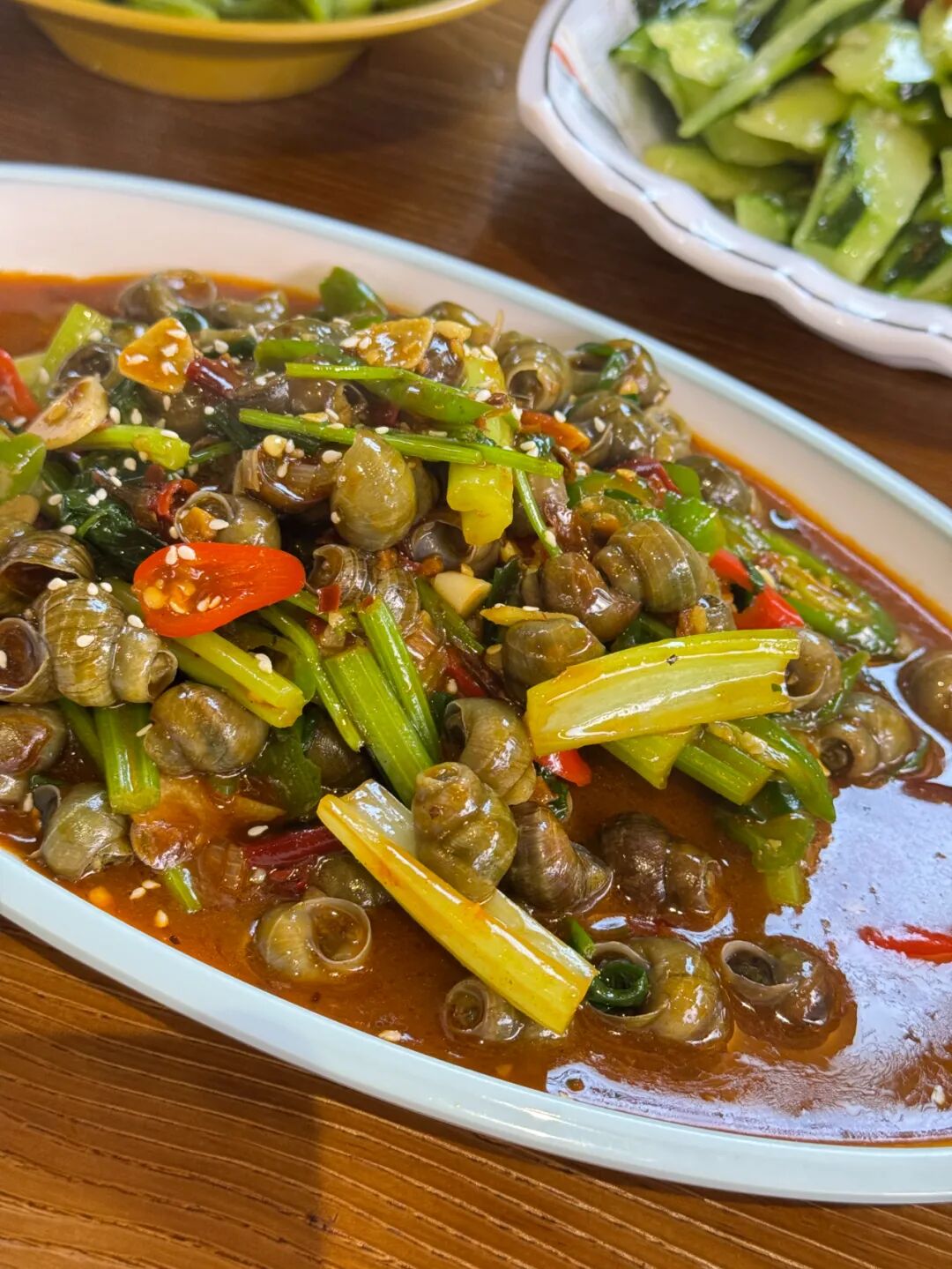
However, the snails still had a very strong muddy, fishy smell.
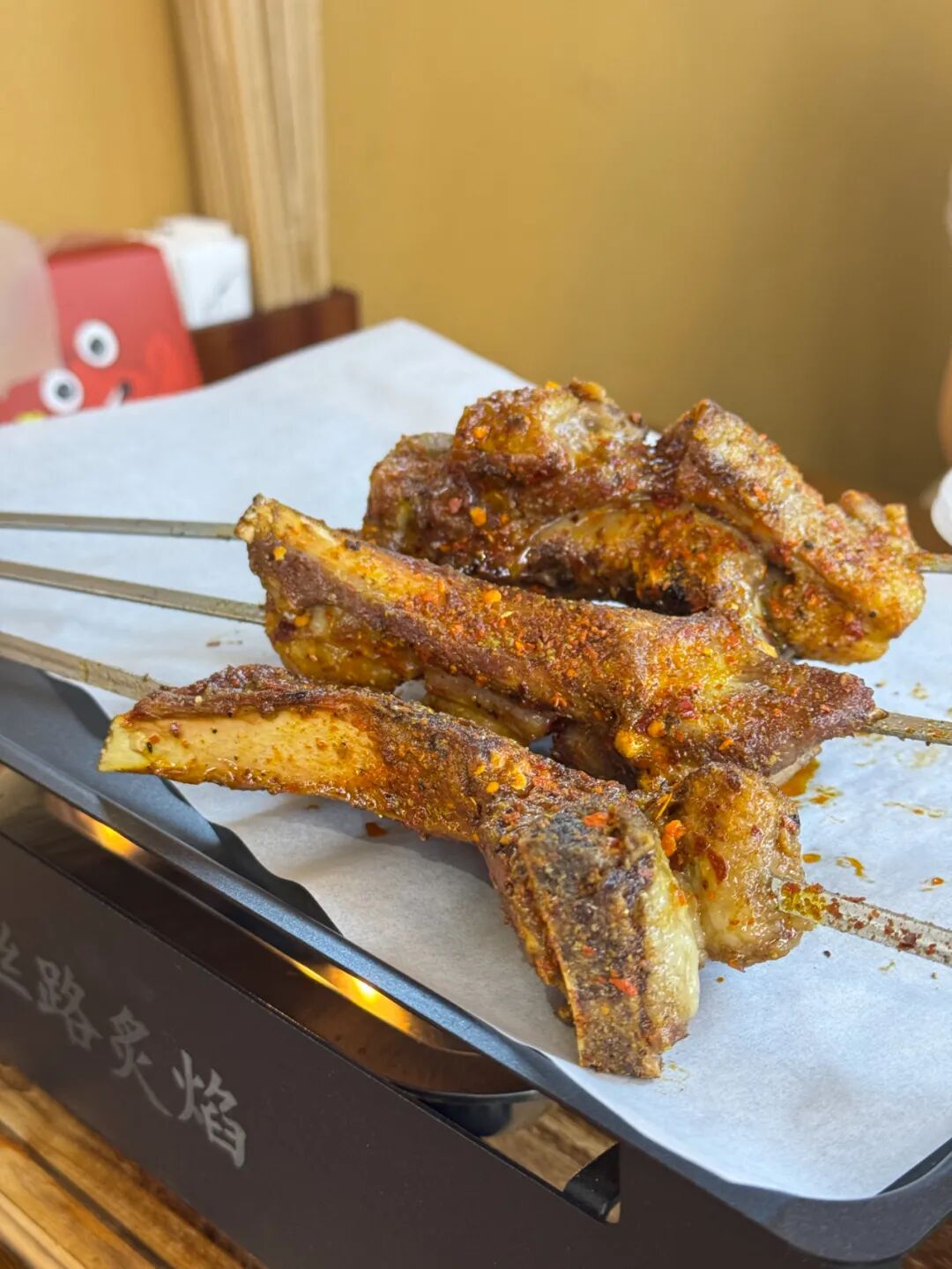
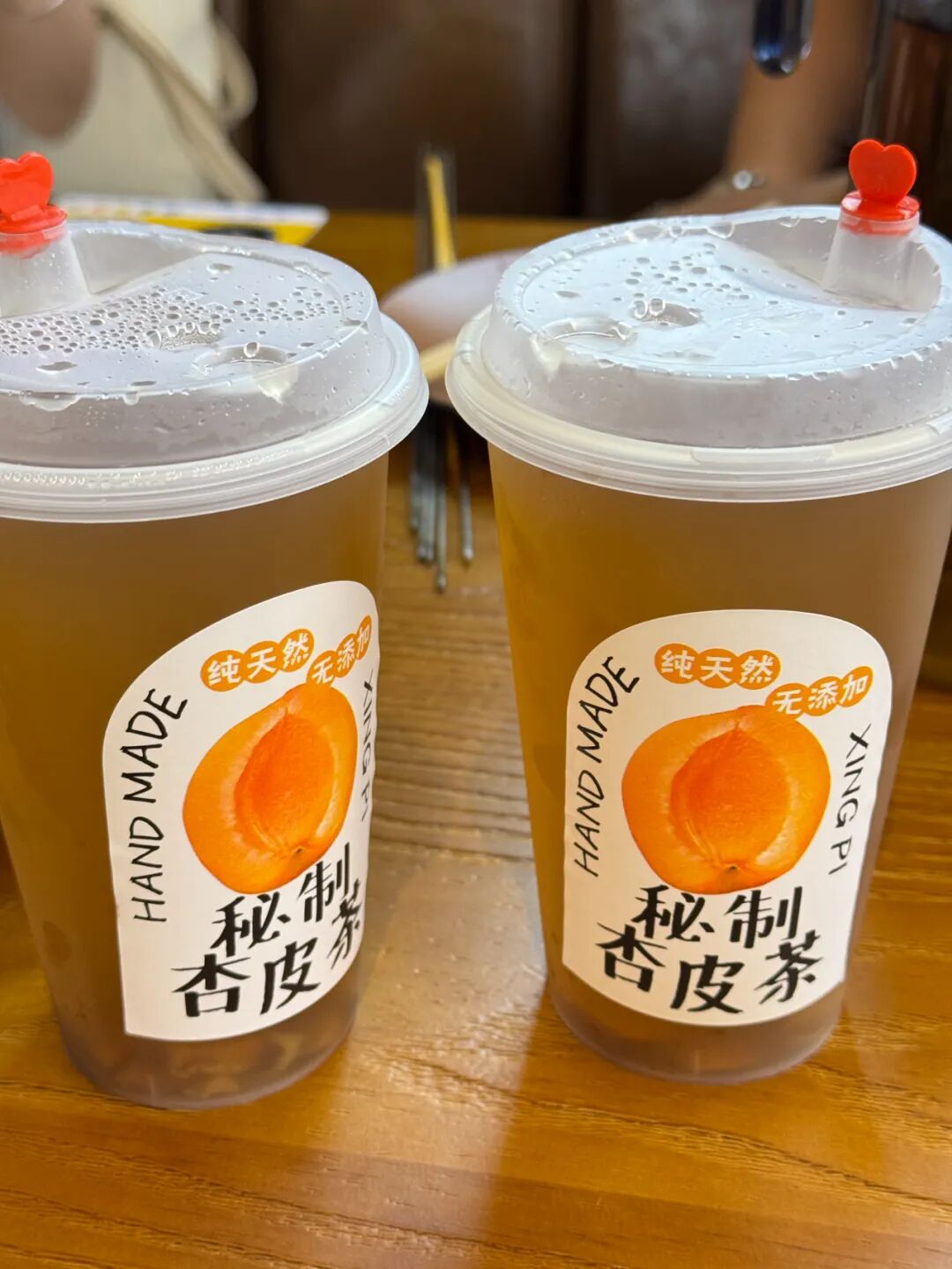
The roasted lamb chops and apricot skin tea (xingpishui) were both good, and the average cost per person was around 100 yuan.
5. Kosto Middle Eastern Cuisine.
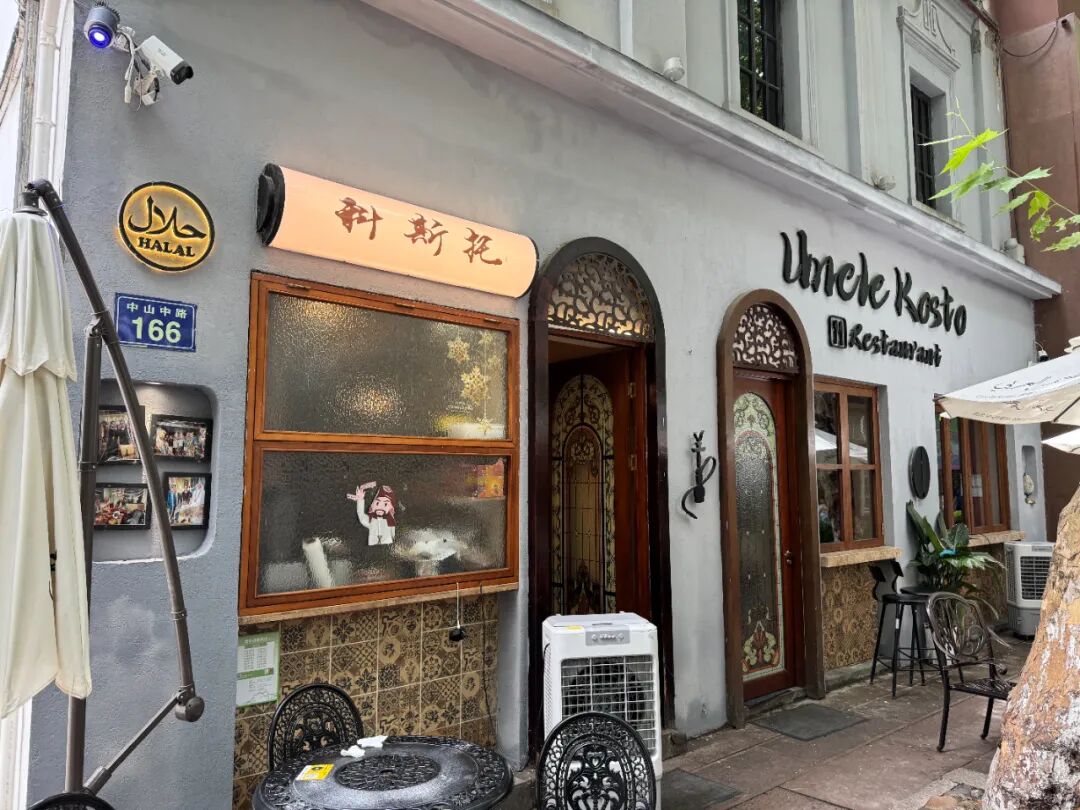
This is a Middle Eastern Arabic restaurant located near Phoenix Mosque (Fenghuang Si), and the environment feels a bit rustic.
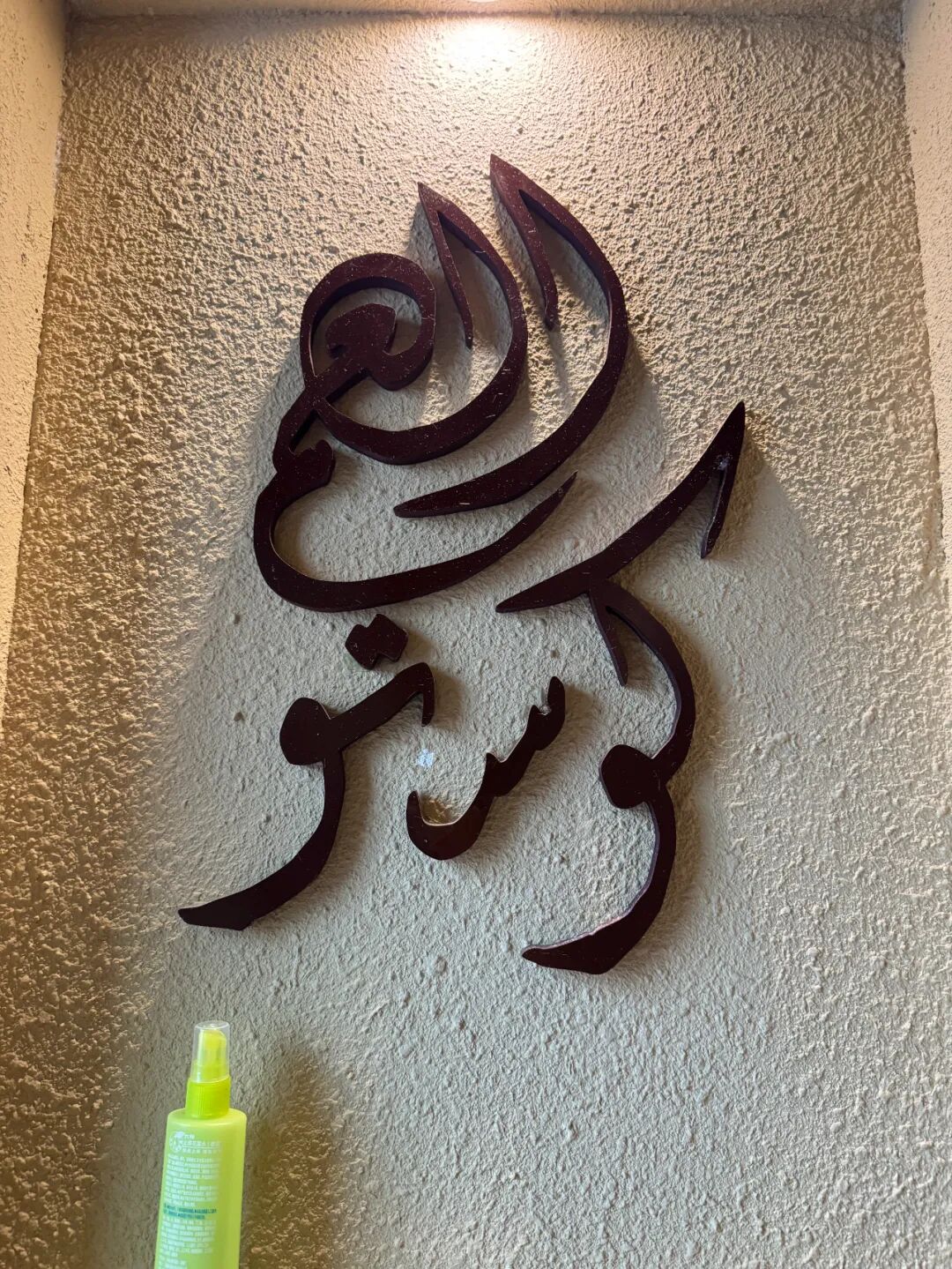
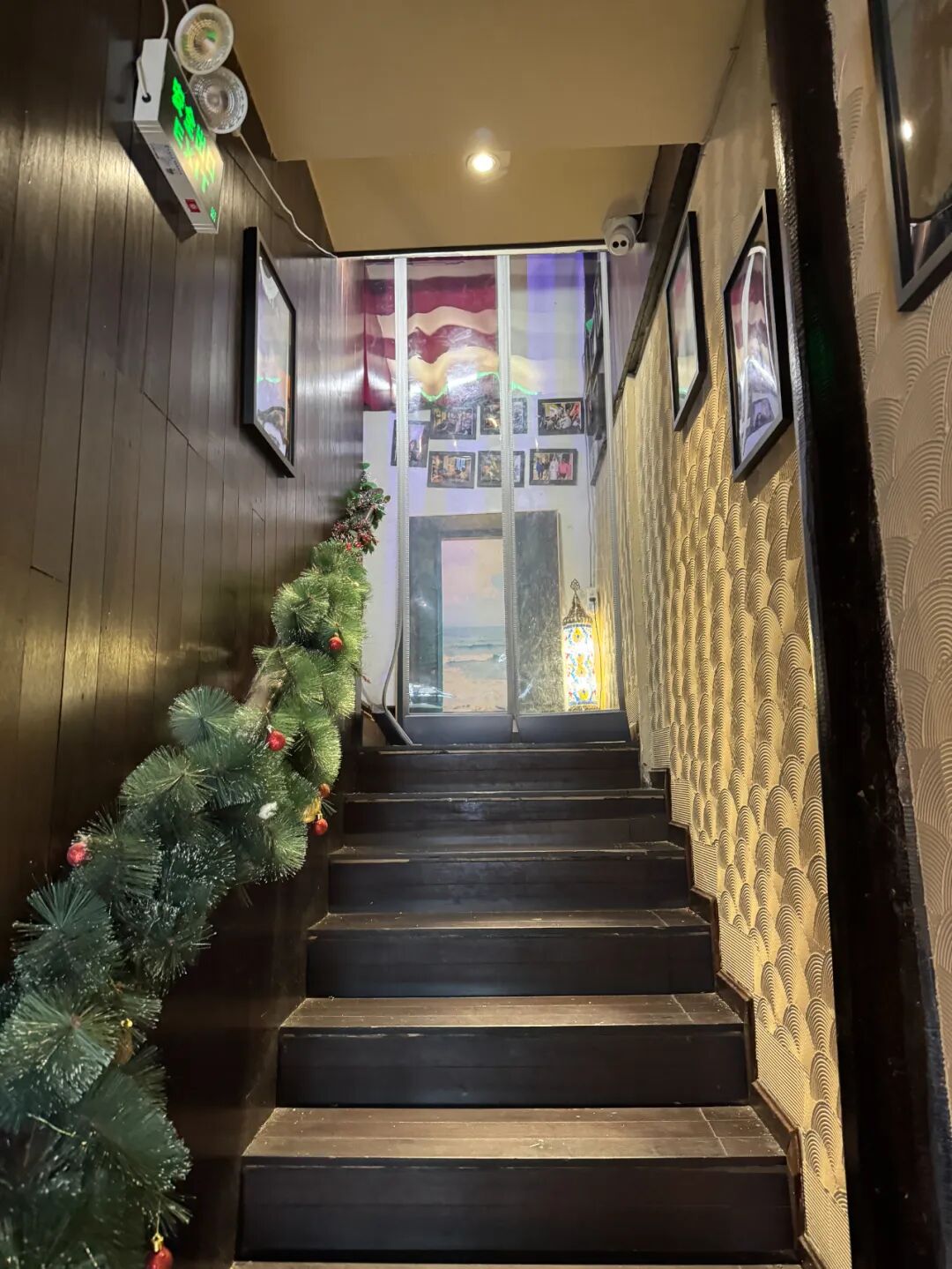
The dining area is on the second floor, and there are two tables by the door downstairs, but Hangzhou is quite hot in the summer, so sitting outside isn't cool.
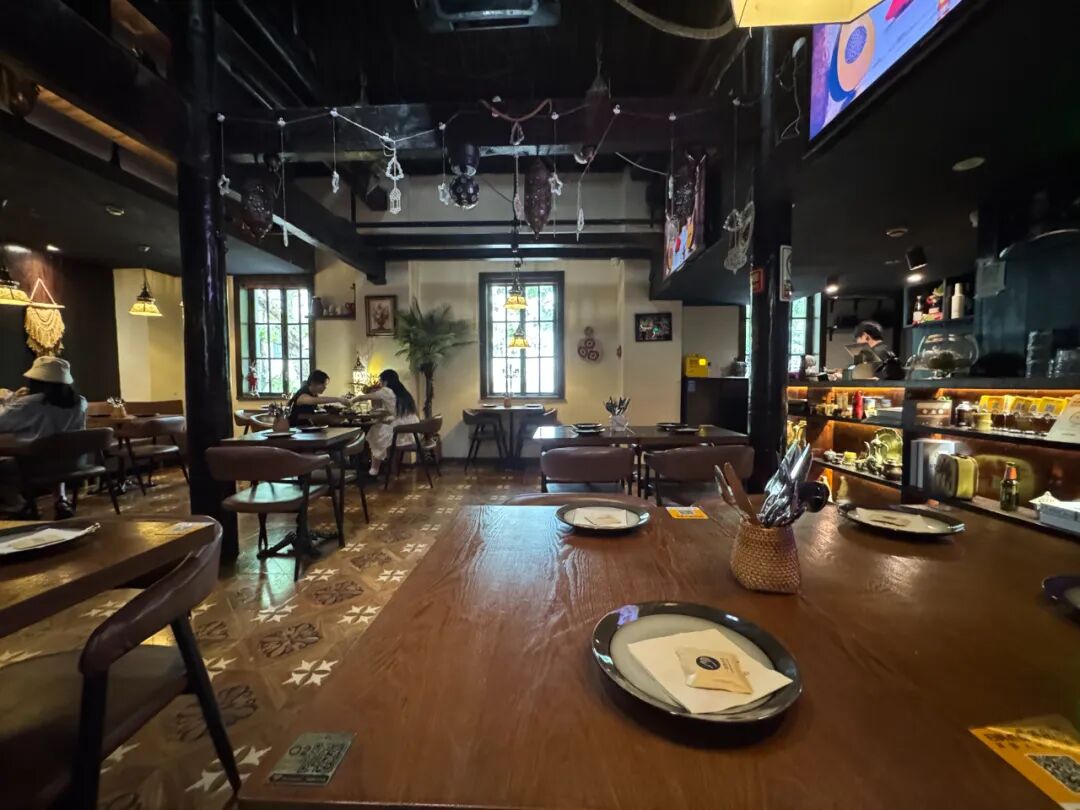
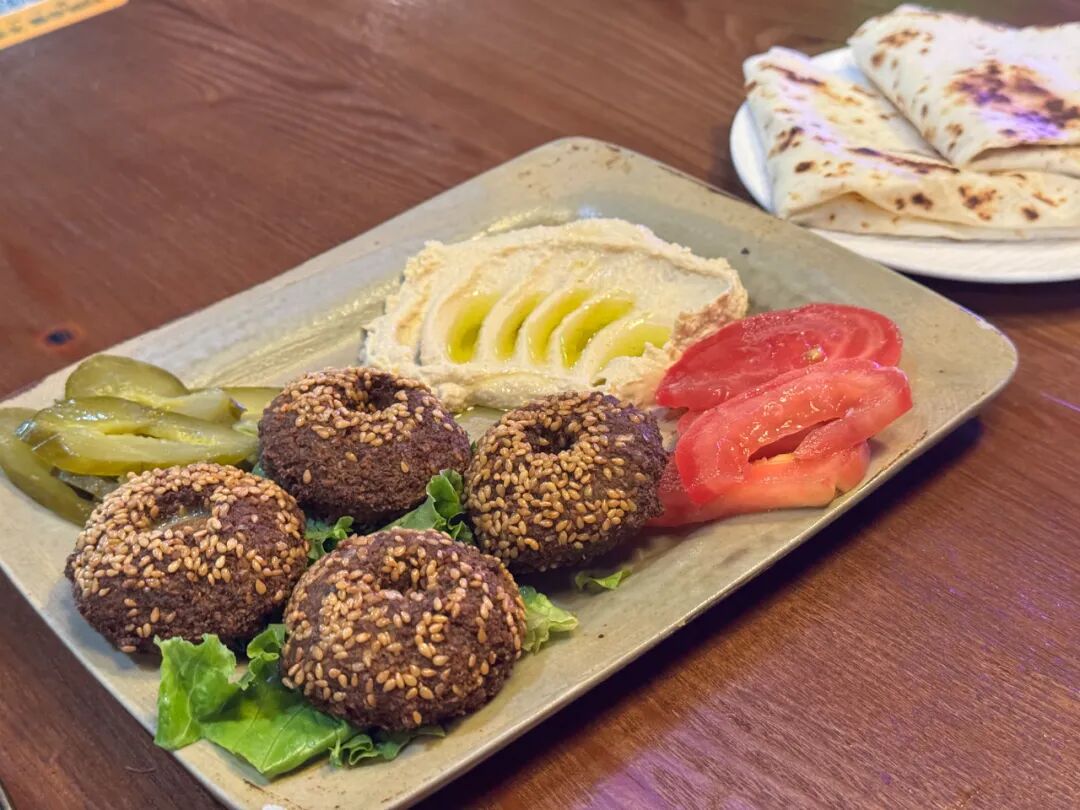
The vegetarian appetizer platter includes falafel, which is a fried food I really like.
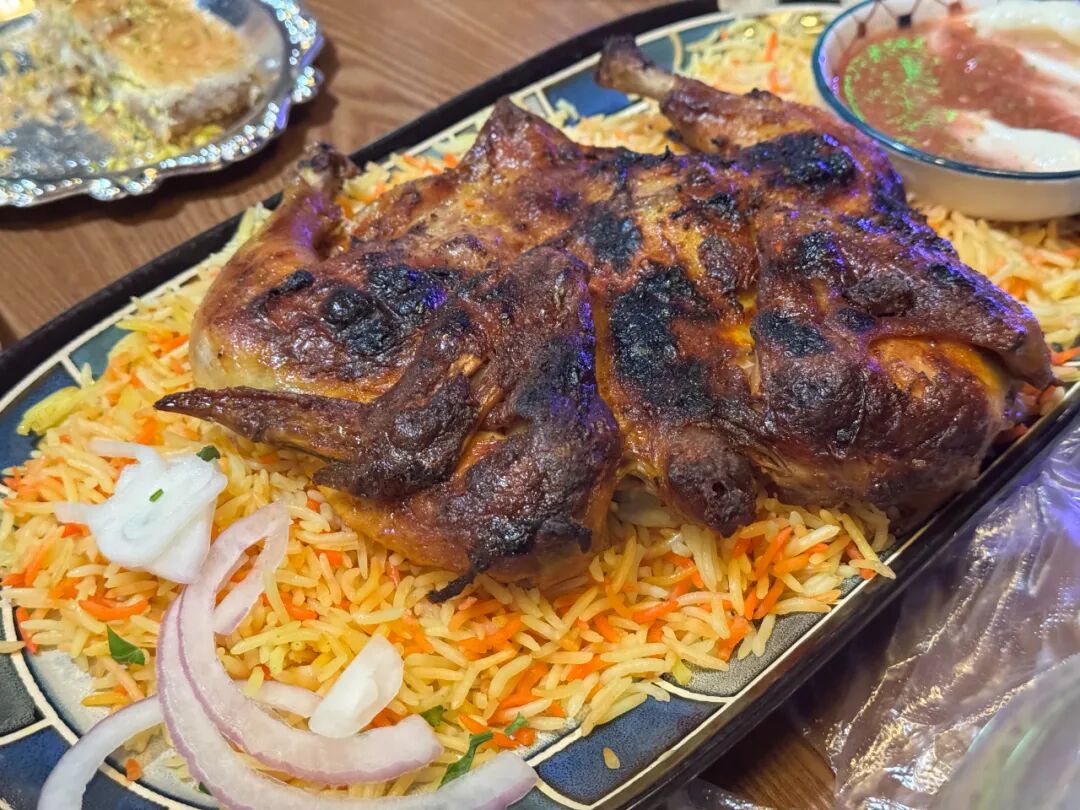
They serve mandi roasted chicken with rice. You can find this dish in Beijing too, but the one in Hangzhou is a mini portion.
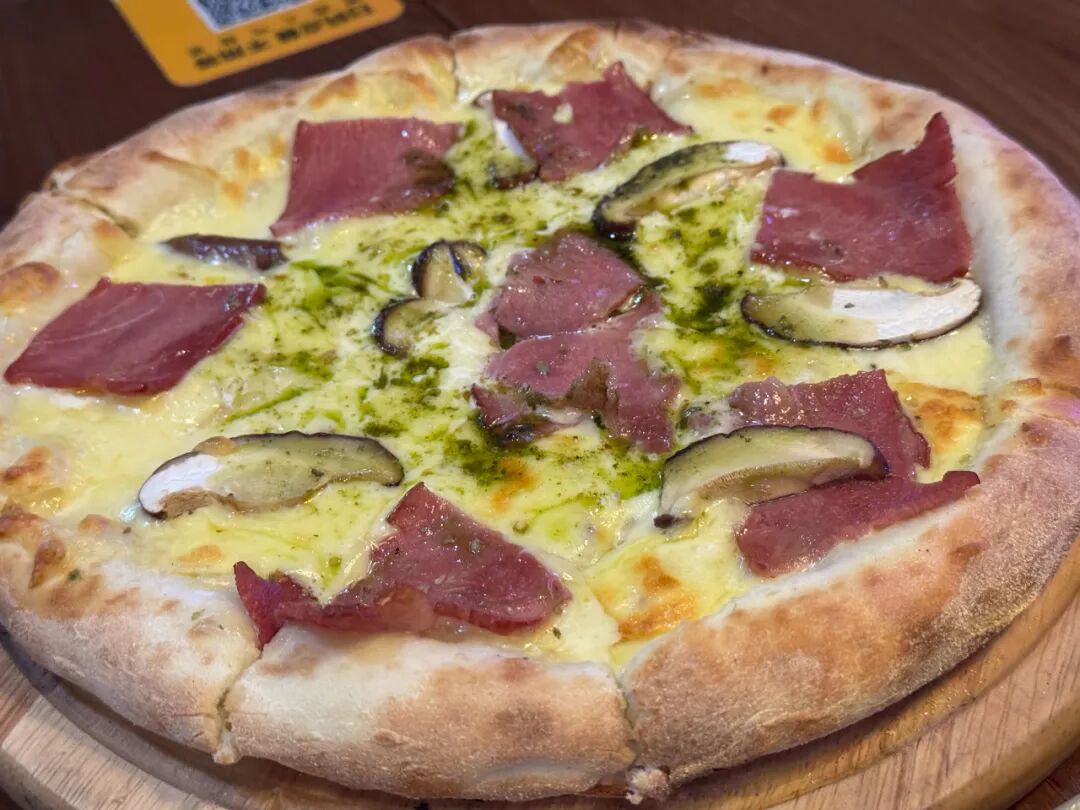
This is his shop, Kesi Tuo Pizza, and the taste is quite good.
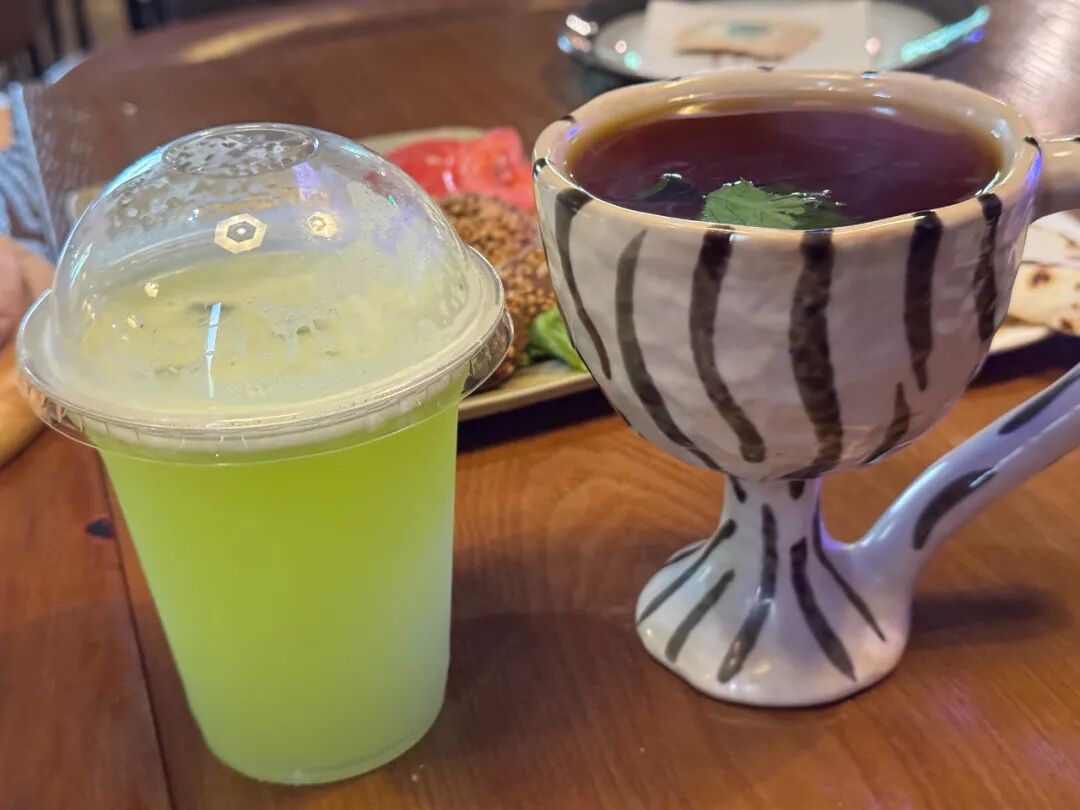
Overall, the food tastes fine. Some people say the prices are a bit high. Our table for two cost three hundred yuan, but we ordered too much. You can actually eat well for one hundred yuan per person.
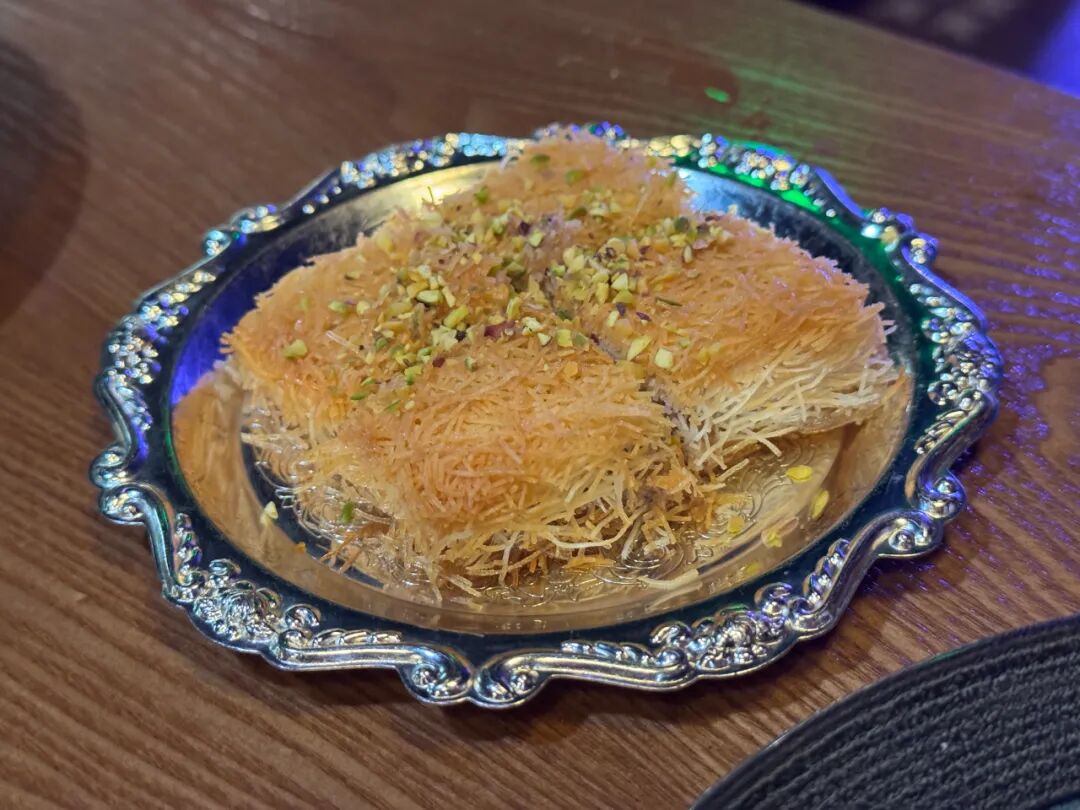
6. Pin Hui Wei Halal Northwest Cuisine
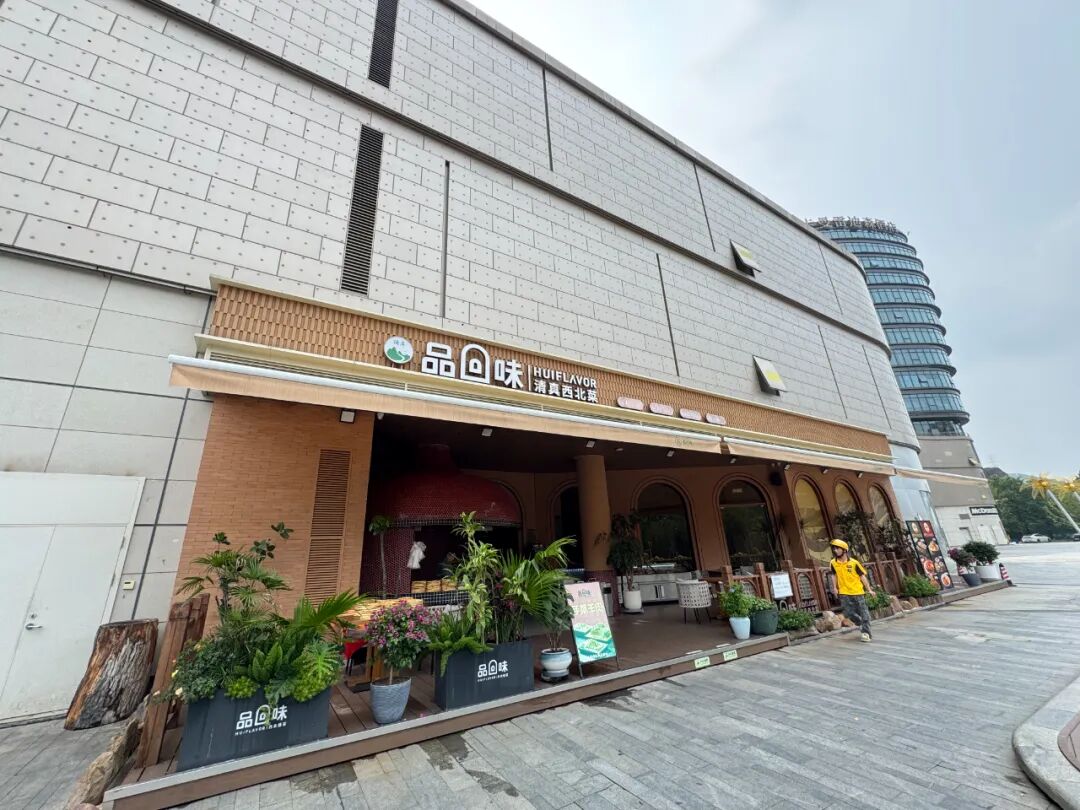
The most amazing restaurant I ate at during this trip to Hangzhou was Pin Hui Wei. It is truly the top tier of the Hangzhou dining scene.
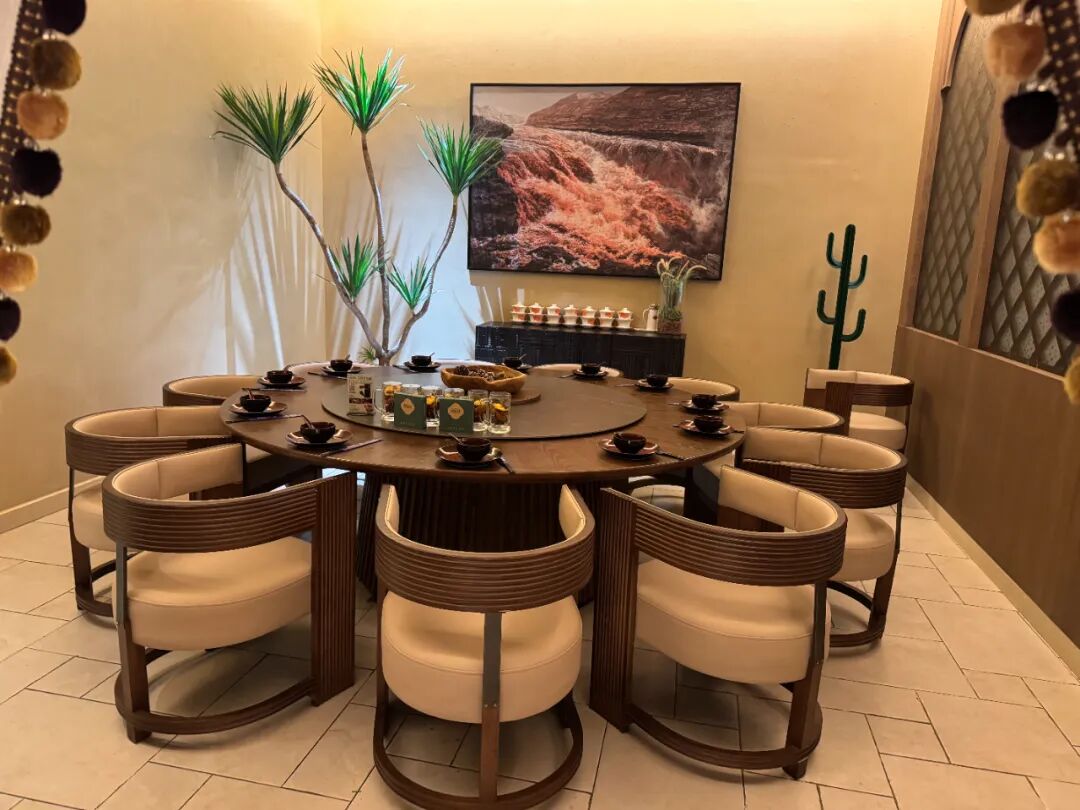
This is a chain brand in Shanghai and Hangzhou with an investment of tens of millions. They put a lot of thought into every aspect, starting with the design. The design team for Pin Hui Wei comes from the Blackstone Creative Design Studio, and this restaurant has become a signature project for them.
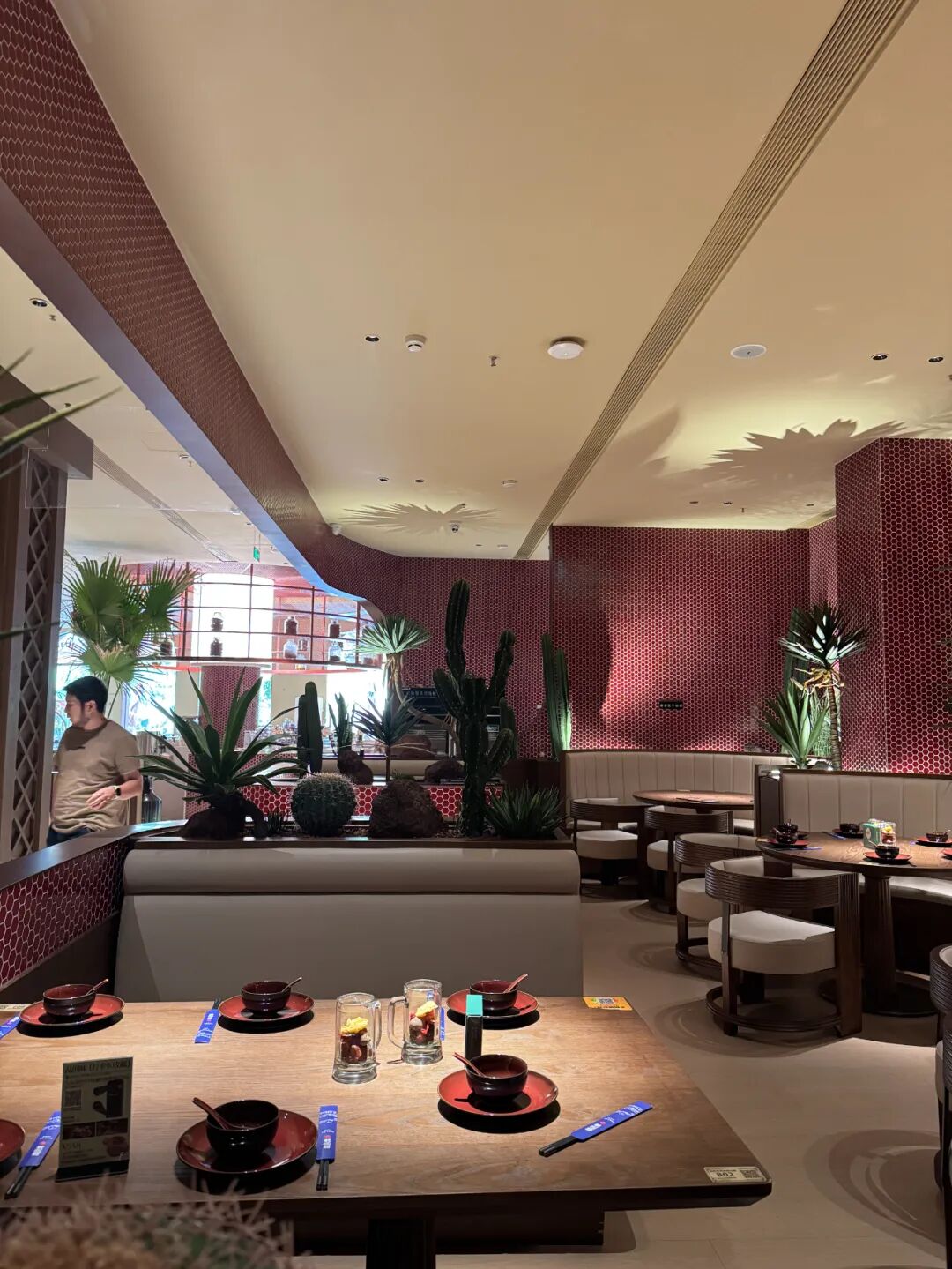
Pin Hui Wei specializes in halal Northwest cuisine and is an alcohol-free restaurant. It is very popular, so you need to wait for a table during peak hours.
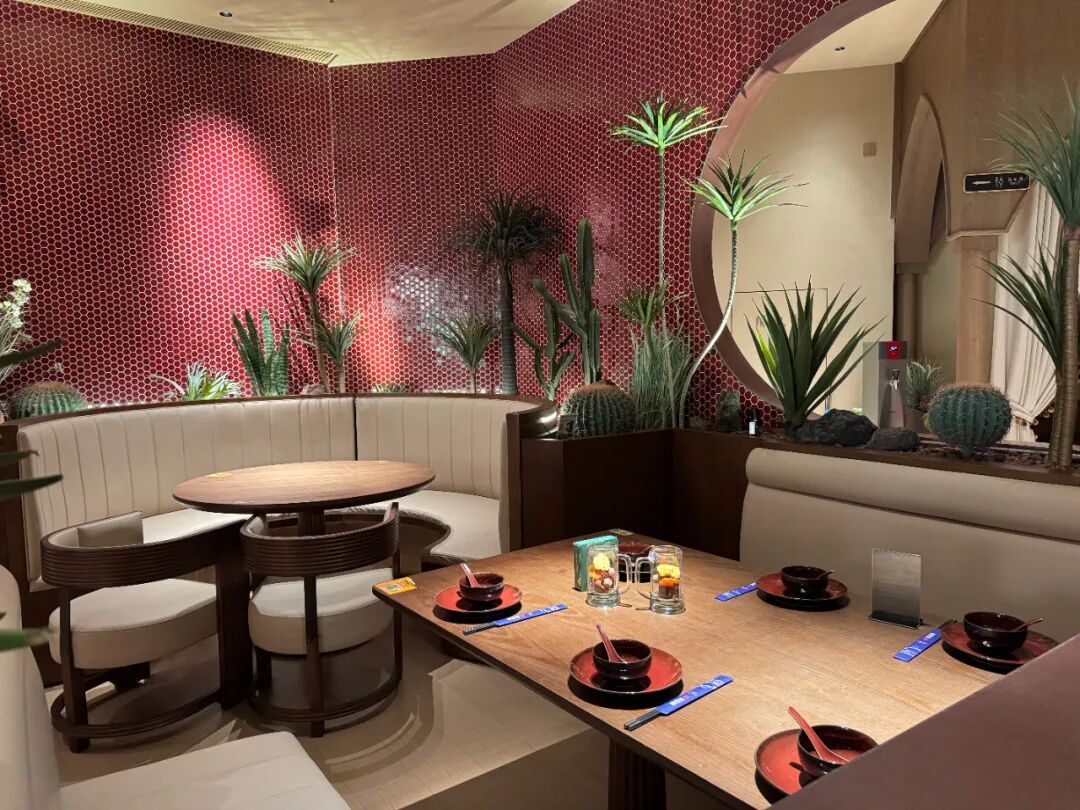
Even though the design is unique and clever, the prices are very affordable, with an average cost of under one hundred yuan per person.
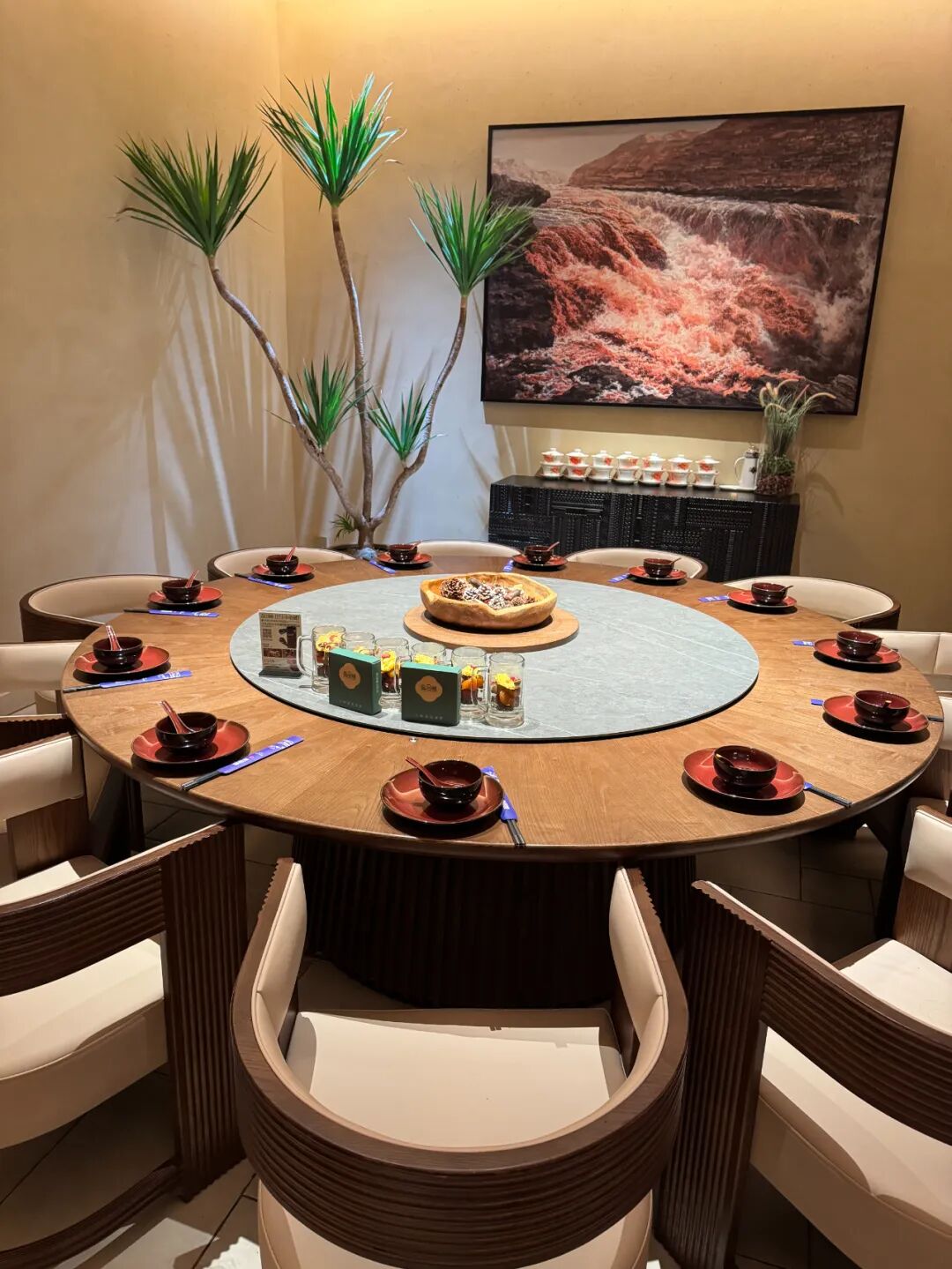
The prices at Pin Hui Wei are lower than similar halal restaurants in Beijing, but the food quality is very high.
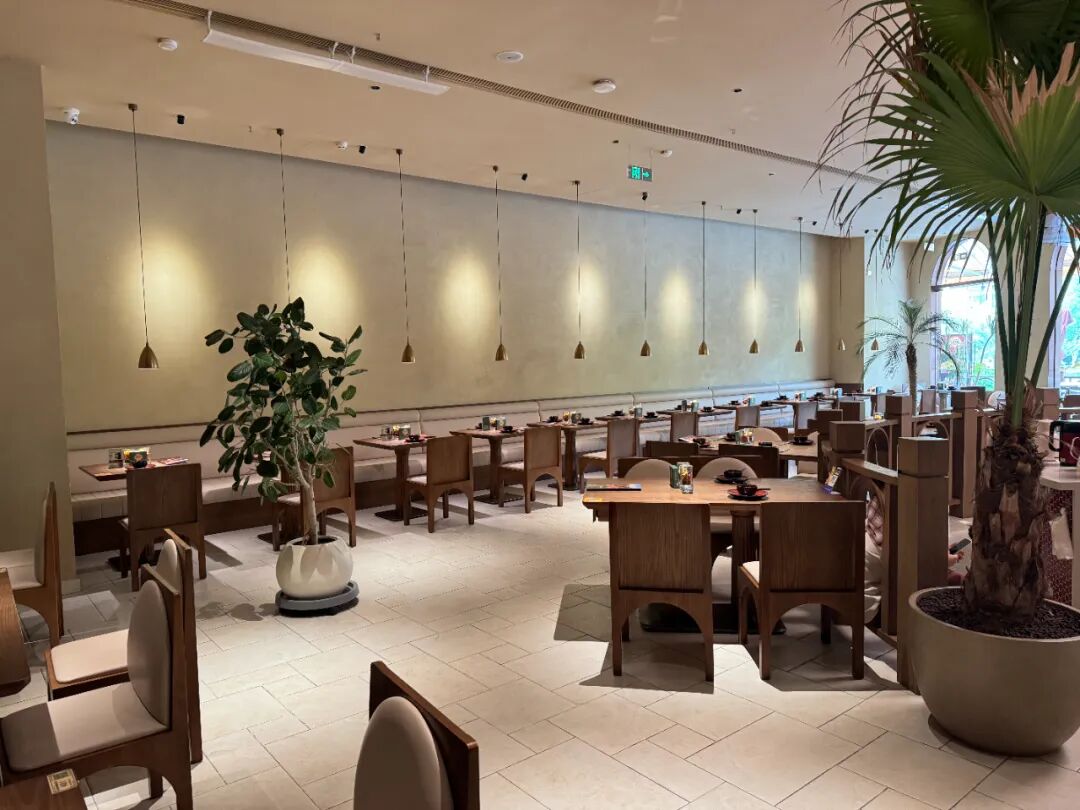
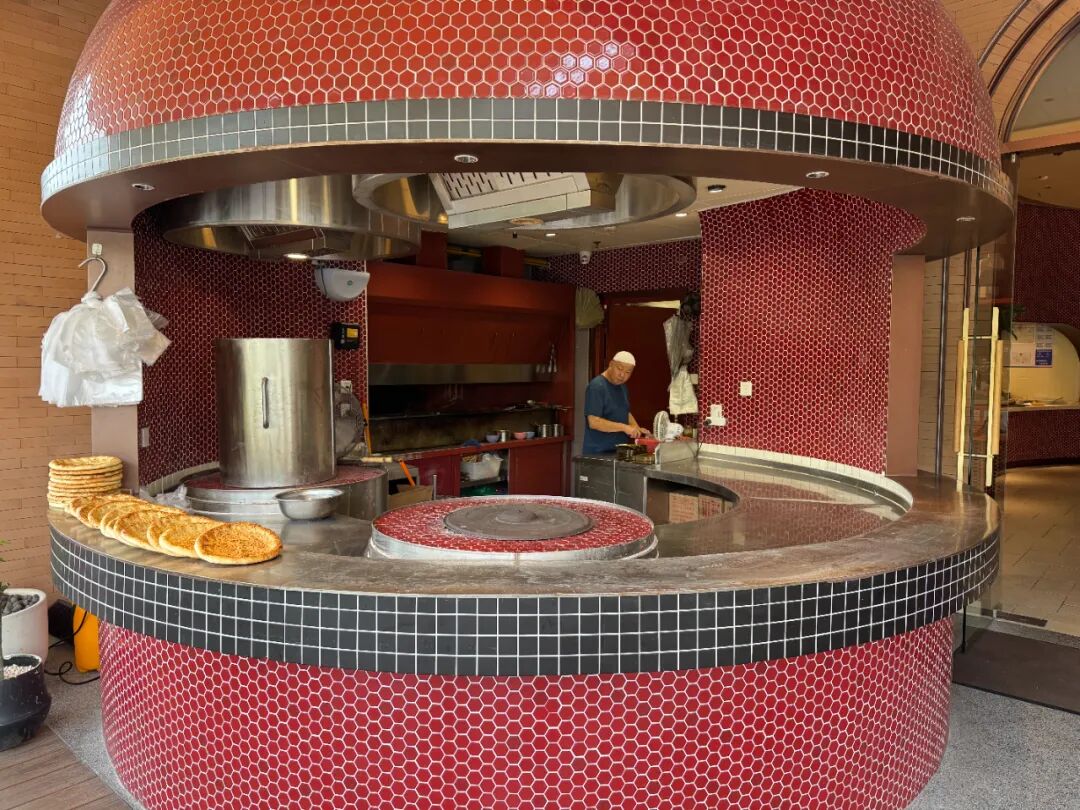
There is a tandoor oven (nang keng) at the entrance where they bake bread on the spot, which is hard to find in Beijing.
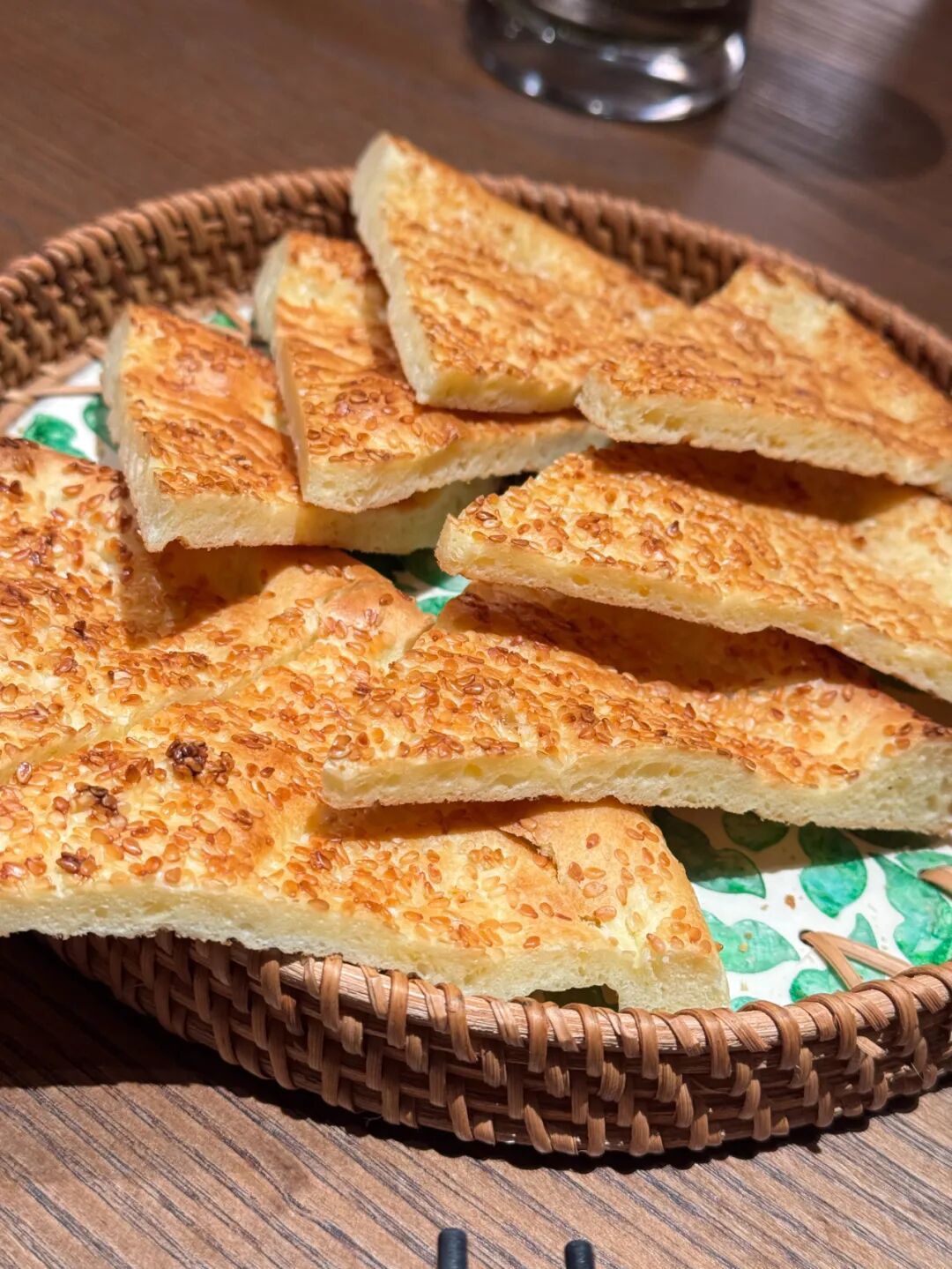
With this freshly baked flatbread (nang) and a cup of tea, you have a full meal.
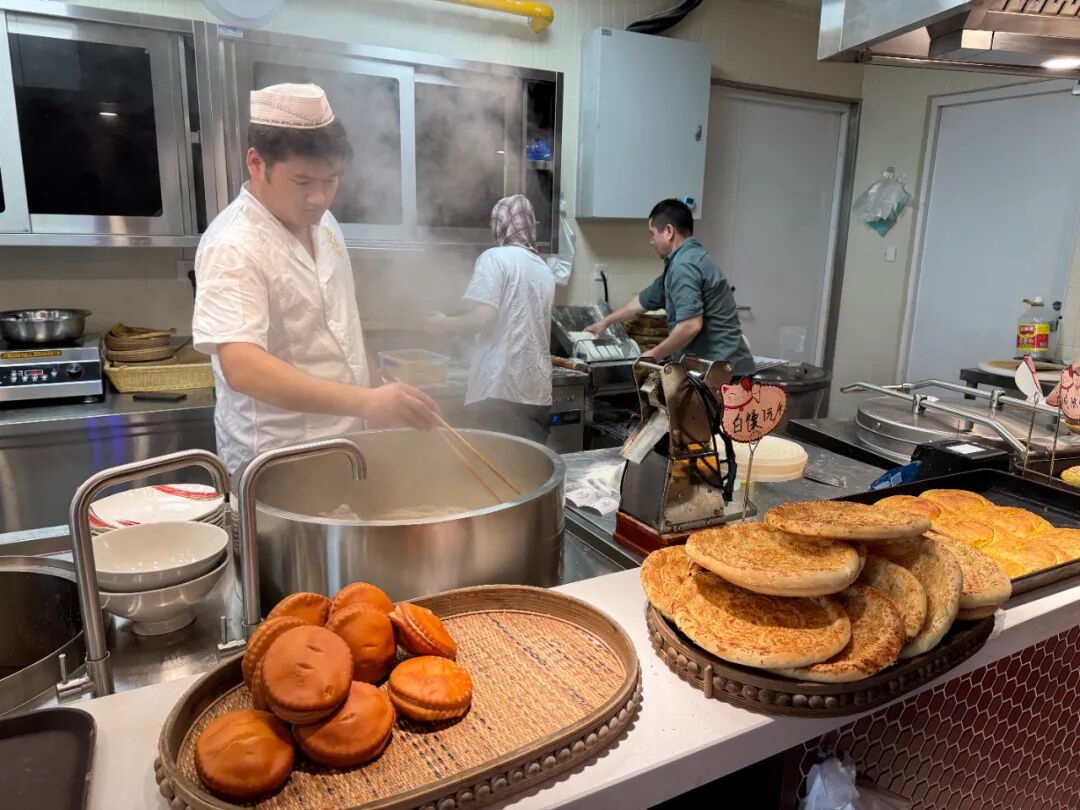
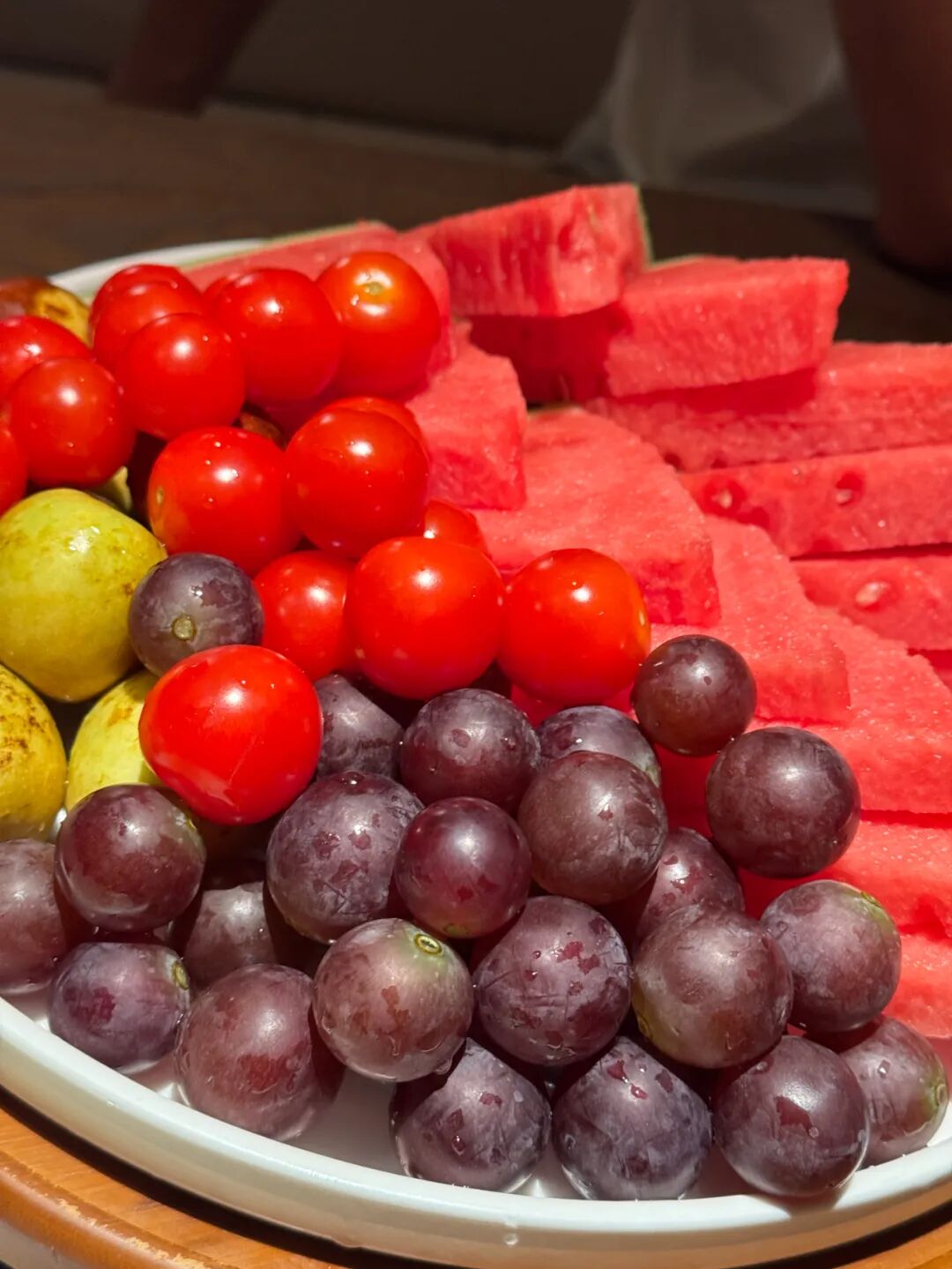
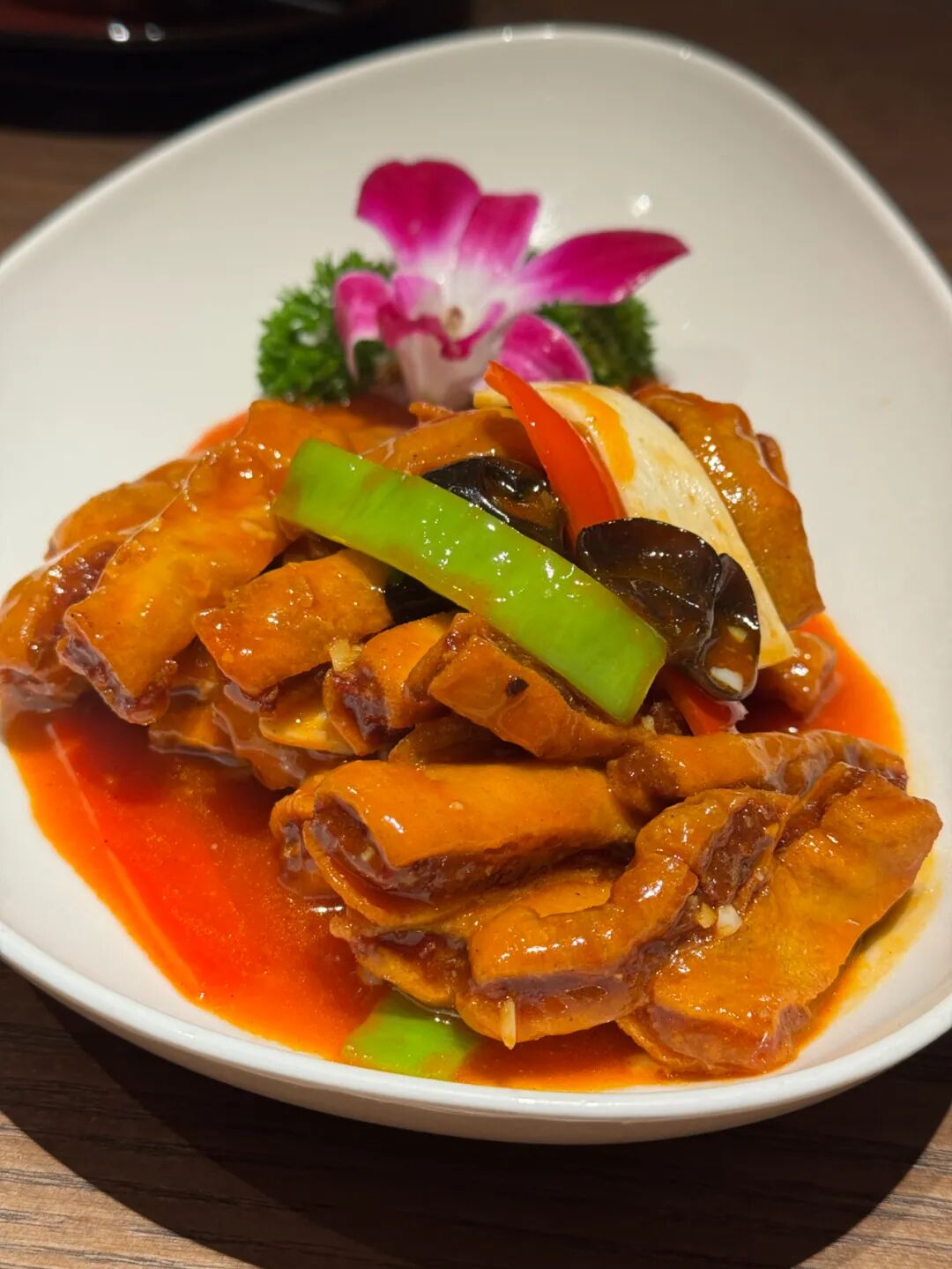
The Hui Muslim style sweet and sour meat sandwich (suan la jia sha) and the hand-grabbed lamb (shou zhua yang rou) are both delicious. The texture of this hand-grabbed lamb is just as good as what I ate in Dongxiang, and this portion costs 108 yuan.
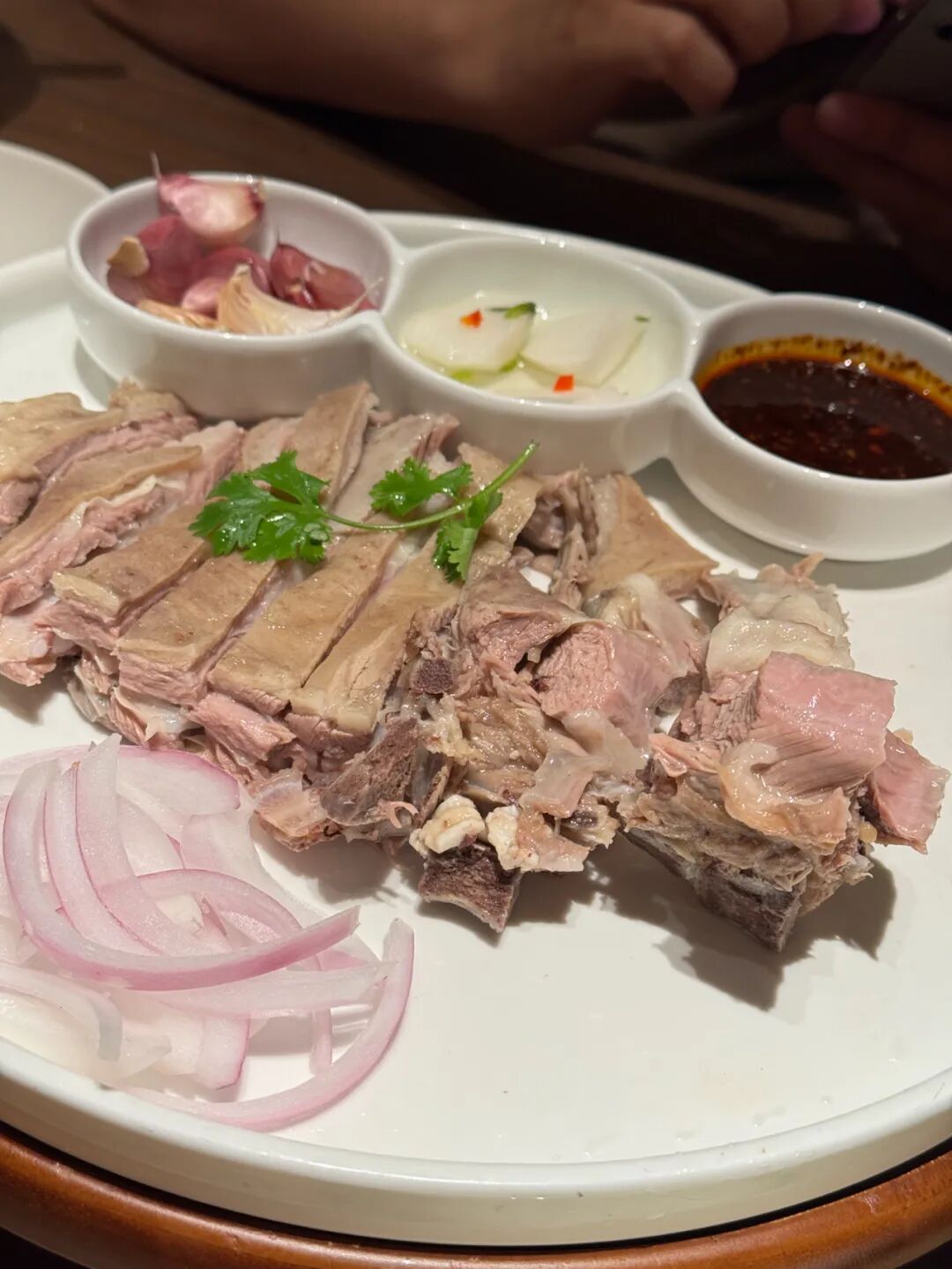
Pin Hui Wei has many branches in Hangzhou and Shanghai. I went to the largest one, the Intime (Yintai) store, which has a parking lot at the entrance.
7. Phoenix Mosque (Fenghuang Si)
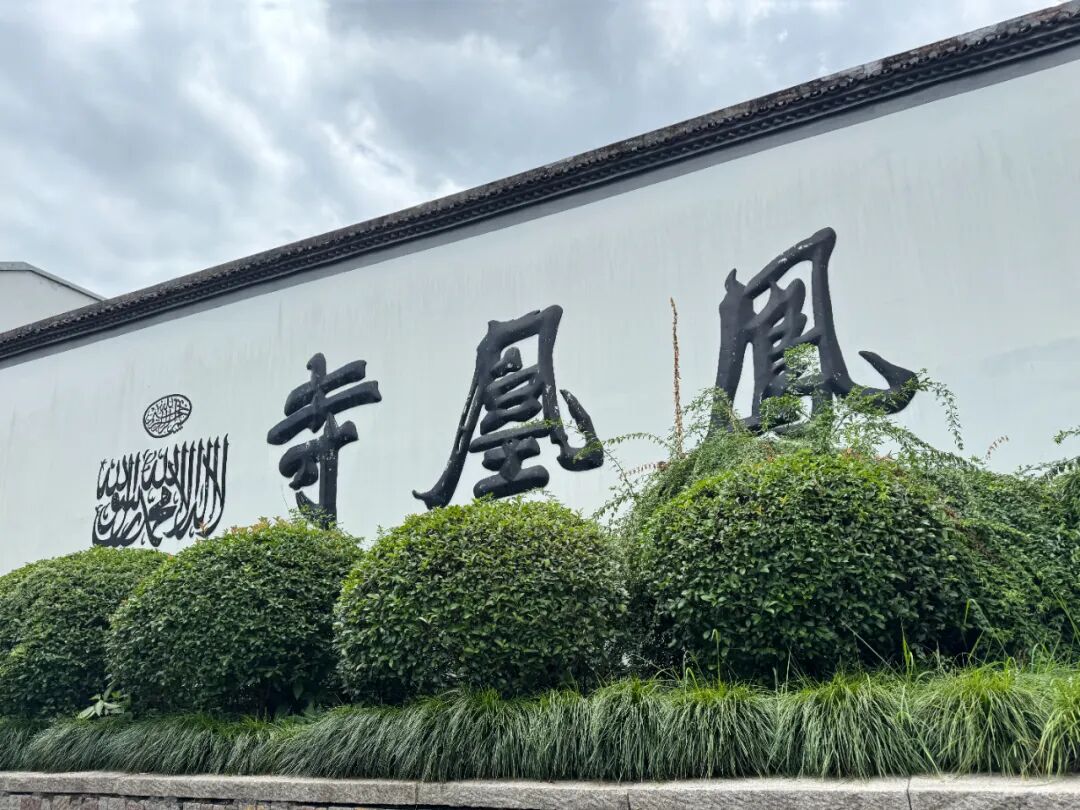
Phoenix Mosque is in a great spot. It is the first historic building at the north end of Hangzhou's famous Southern Song Imperial Street (Nansong Yujie). Hangzhou currently has two mosques. The other one is the newly built Hangzhou Mosque, located on East Canal Road in Jianggan District. To the northeast of Phoenix Mosque, there was historically another mosque called the Hui Muslim Prayer Hall (Huihui Baifotang). It was originally located next to the Hui Muslim New Bridge (Huihui Xinqiao). The mosque has been torn down, and only the name of the bridge remains.
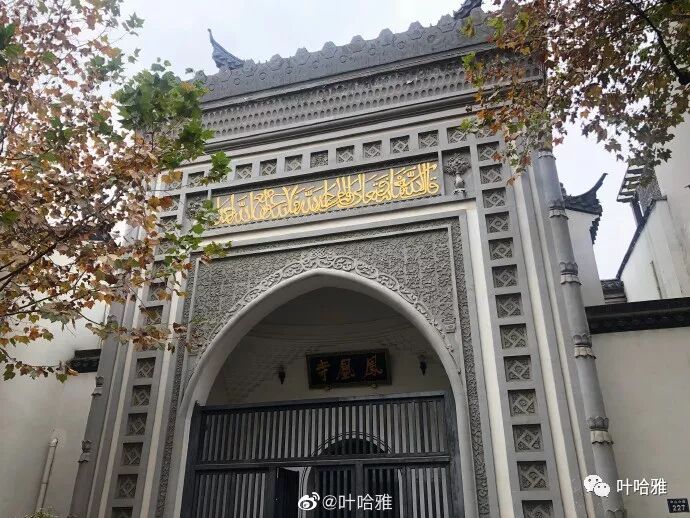
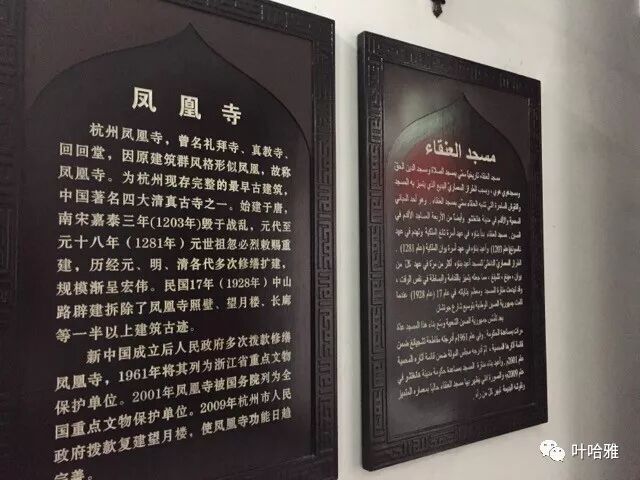
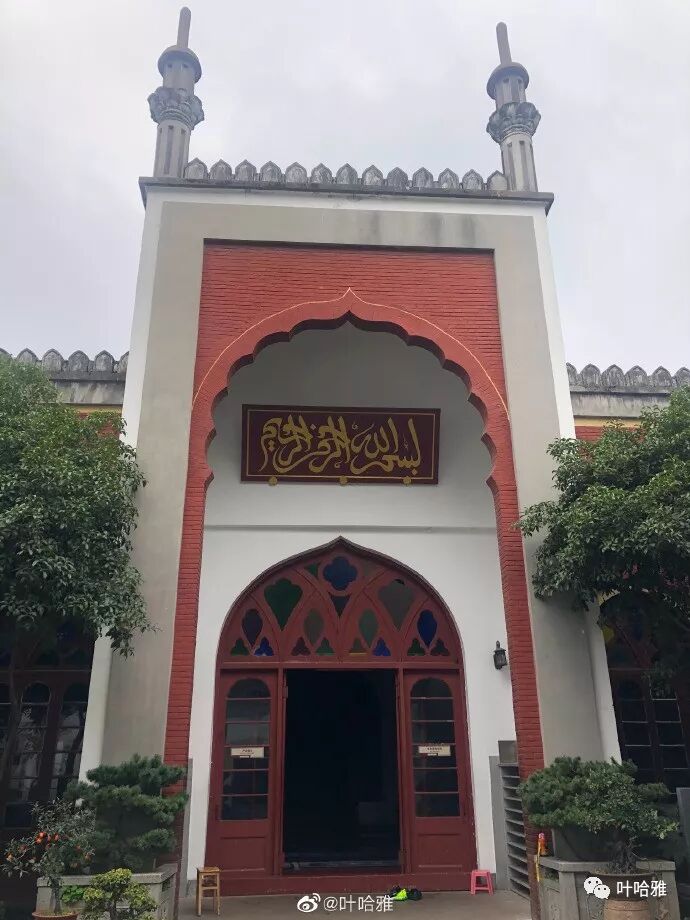
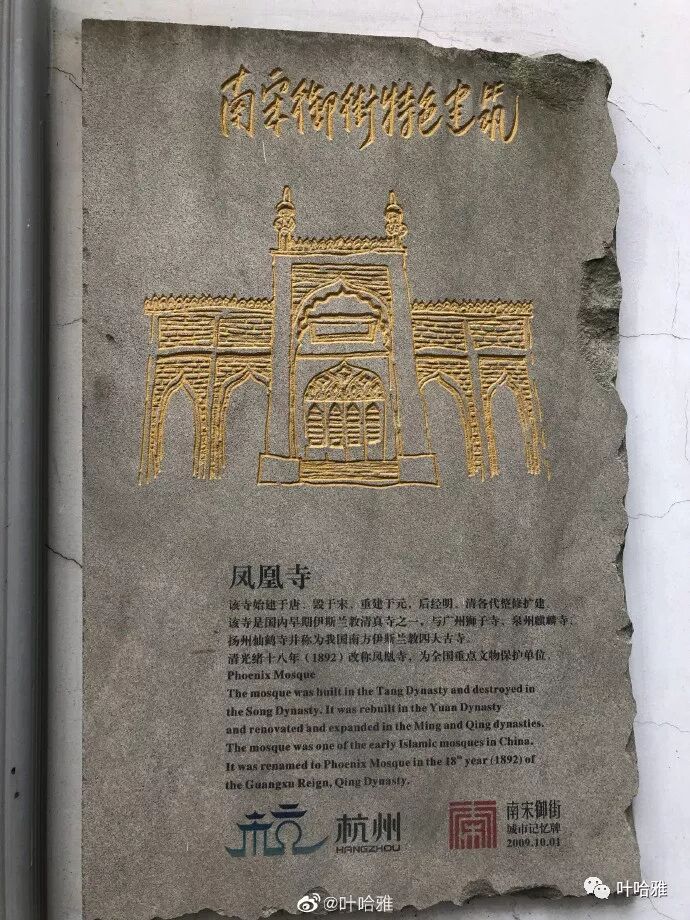
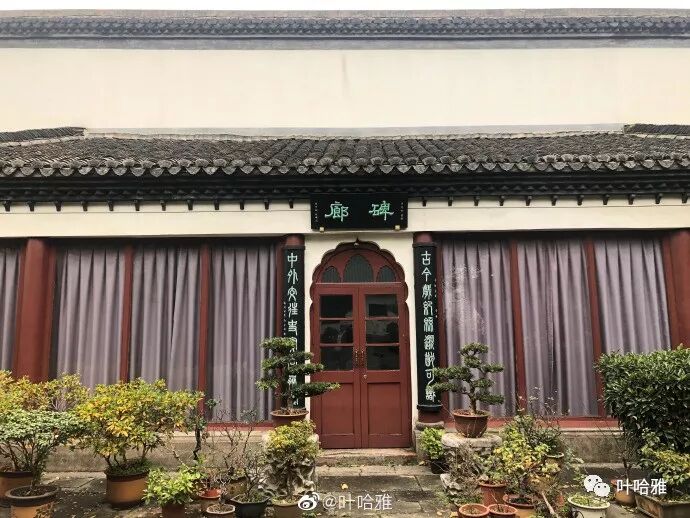
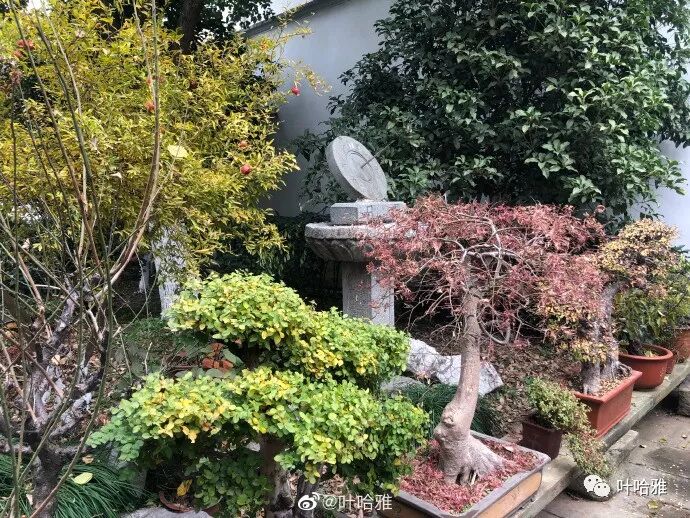
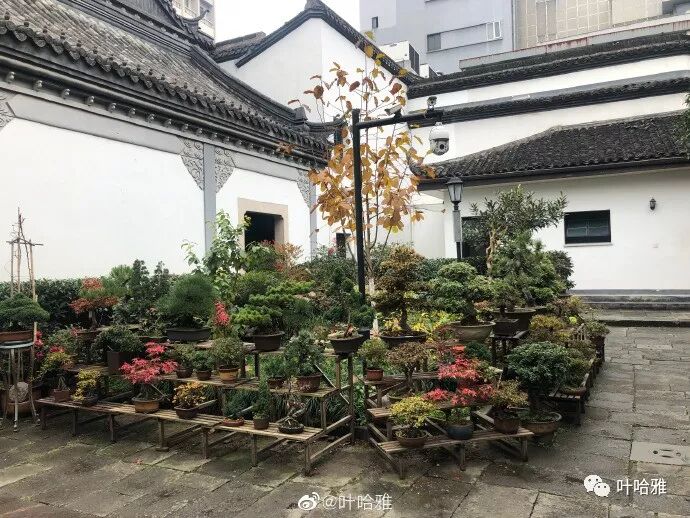
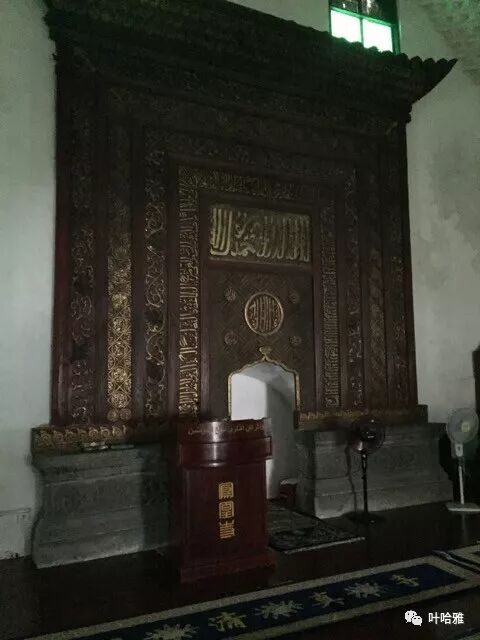
The rear main hall is the highlight of Phoenix Mosque. It dates back to the Yuan Dynasty and was built using the beamless hall (wuliangdian) technique, which also features West Asian architectural styles.
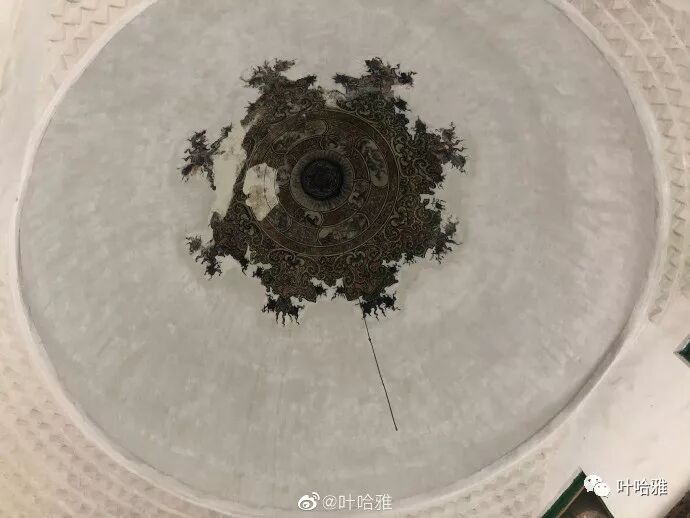
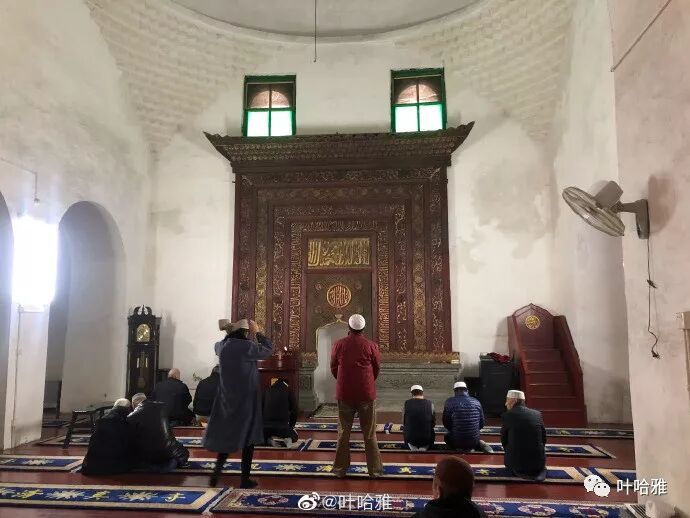
Phoenix Mosque is currently closed to tourists. It is also closed for Friday congregational prayer (Jumu'ah), as everyone is directed to the new Hangzhou Mosque for prayers. Jumu'ah starts at 1:00 PM, so travelers visiting Hangzhou should keep this time in mind. The new mosque is currently under renovation and is not open. For now, prayers are only held at a temporary prayer site in Haifu Building.
8. Tomb of the Arabian Sage Buhetiya'er
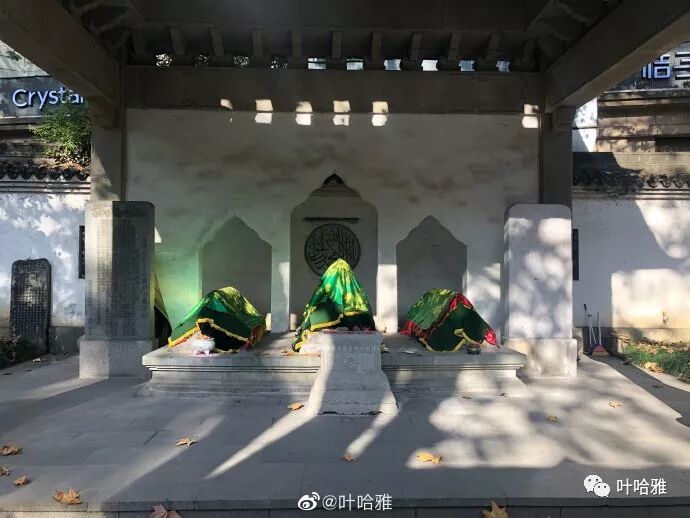
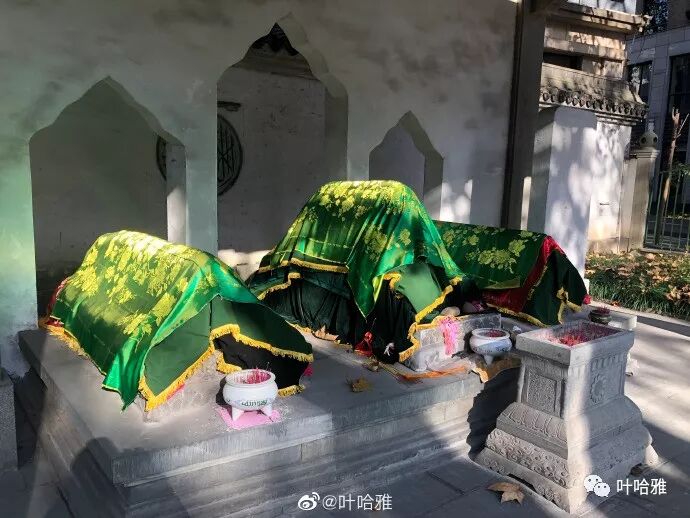
There are two ancient tombs near West Lake in Hangzhou. One belongs to a Persian man named Buhetiya'er. He came to China during the Southern Song Dynasty to practice medicine and preach. He passed away here, and his two attendants are buried with him.
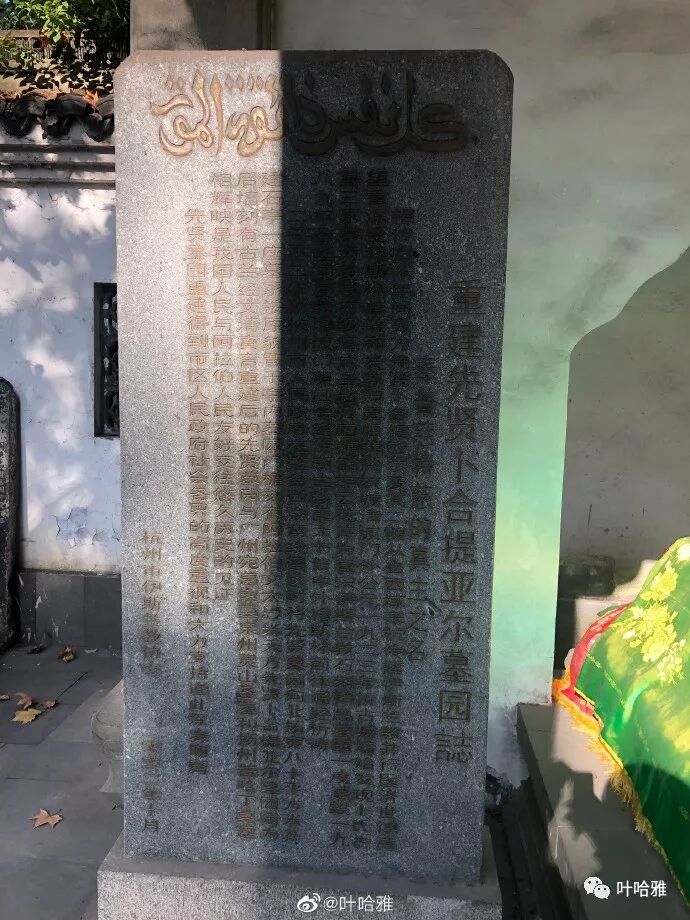
Buhetiya'er, whose full name was Emir Buhetiya'er Sailuoniya Naluonike, passed away in 1329 (the second year of the Tianli era of the Yuan Dynasty). He was from Bukhara, which is in modern-day Uzbekistan. His epitaph records that his family served as officials for generations and held a prominent status.
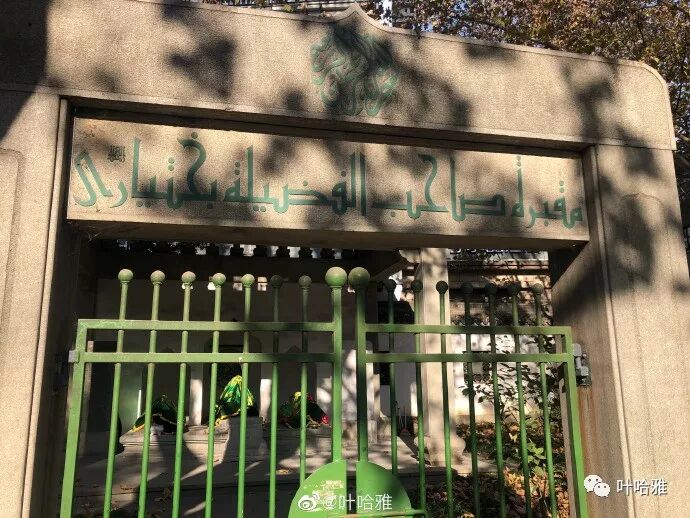
The tomb is usually closed, but there is a contact number on the gate. The caretaker lives nearby and will come over to open the gate quickly, even though he is not a Hui Muslim.
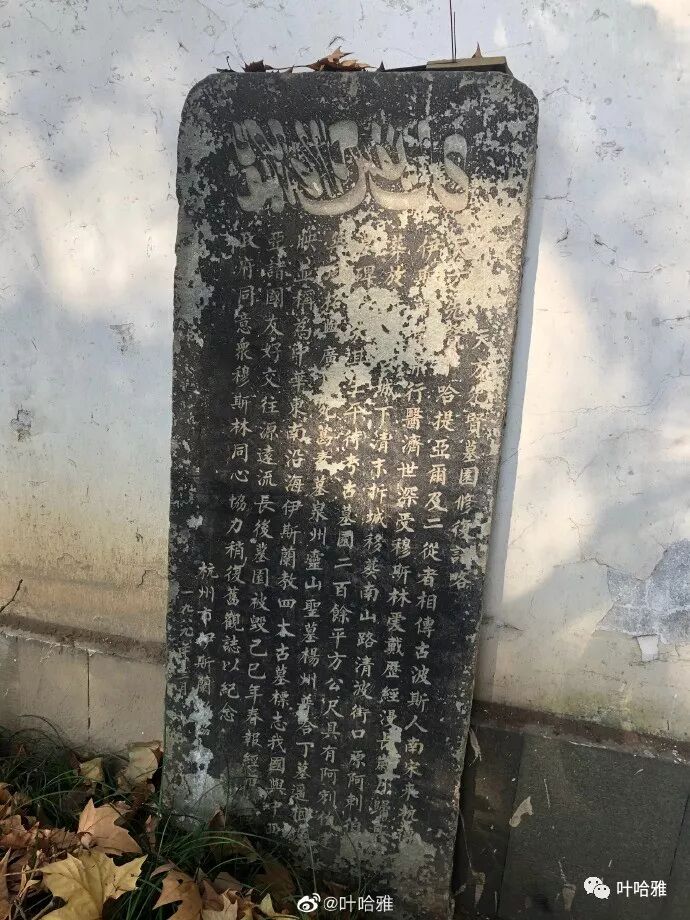
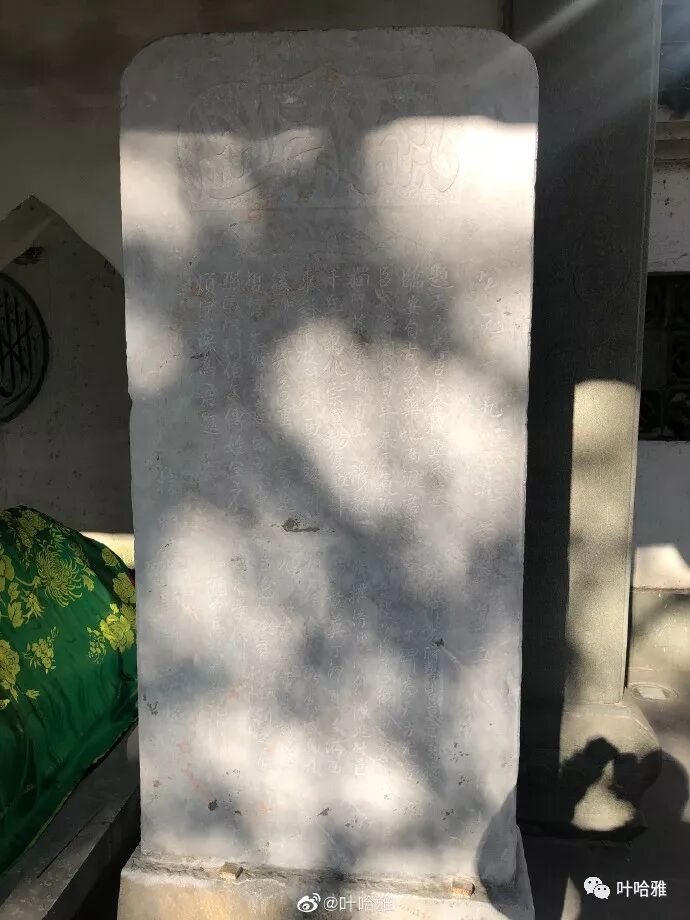
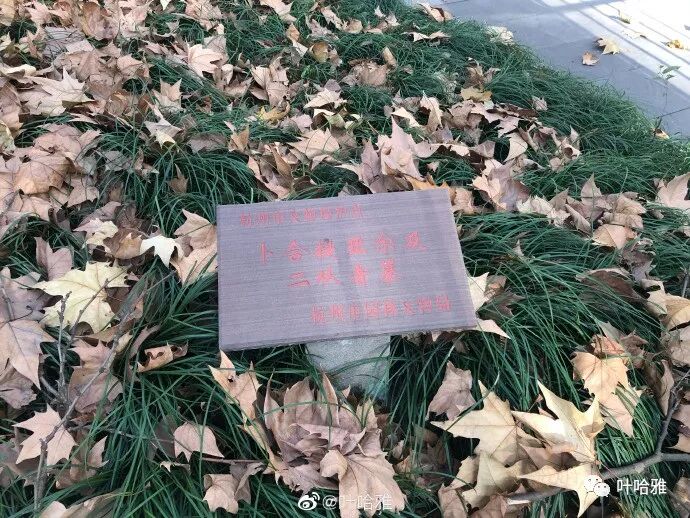
9. Ding Henian Tomb Pavilion
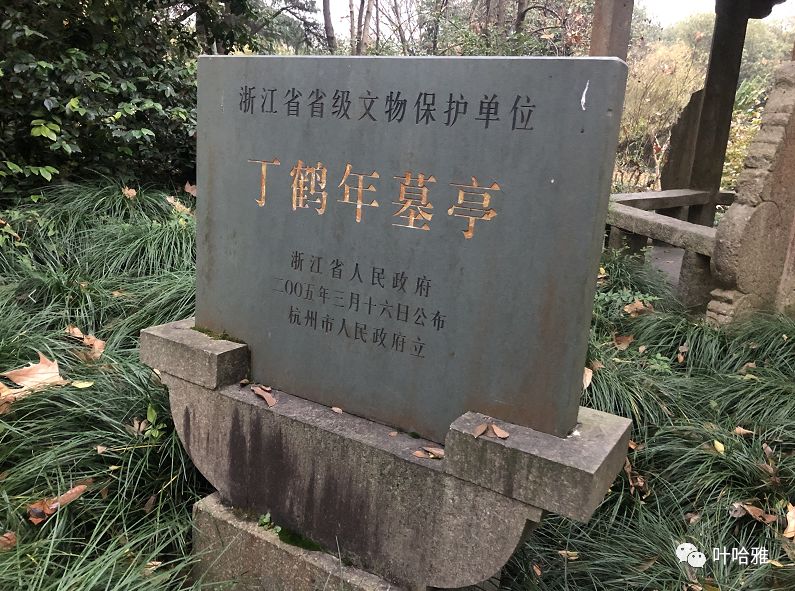
Near West Lake is another ancient tomb of a Hui Muslim, the tomb of Ding Henian. Ding Henian (1335-1424) was a famous Hui Muslim poet during the Yuan Dynasty and the founder of the Henian Tang pharmacy in Beijing. Henian Tang was established between 1405 and 1408, making it over two hundred years older than Tong Ren Tang and even older than the Forbidden City and the Temple of Heaven.
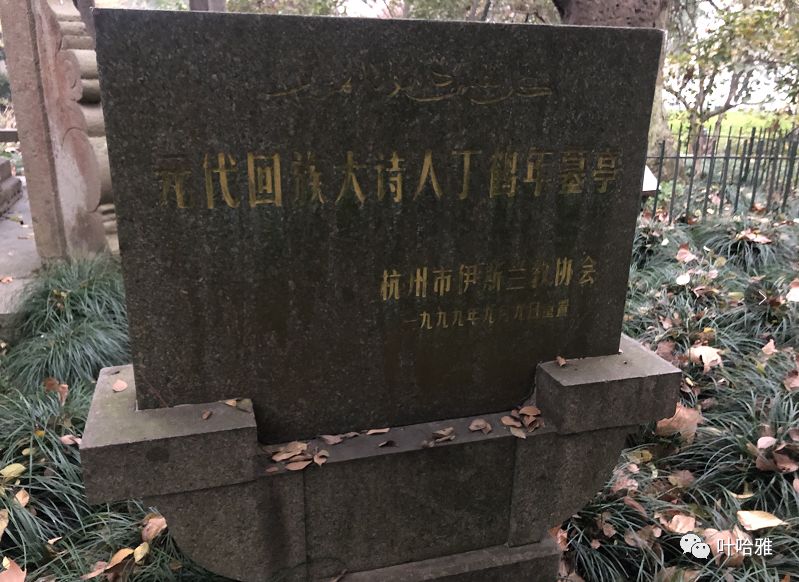
Ding Henian came from a very wealthy family that served as officials for generations. His father was a darughachi in Wuchang. The Ding family once spent a huge fortune to support the Yuan Emperor, so they were entrusted with important responsibilities. Ding Henian settled in Hangzhou in his later years to study Islamic law until he returned to Allah at the age of 89.
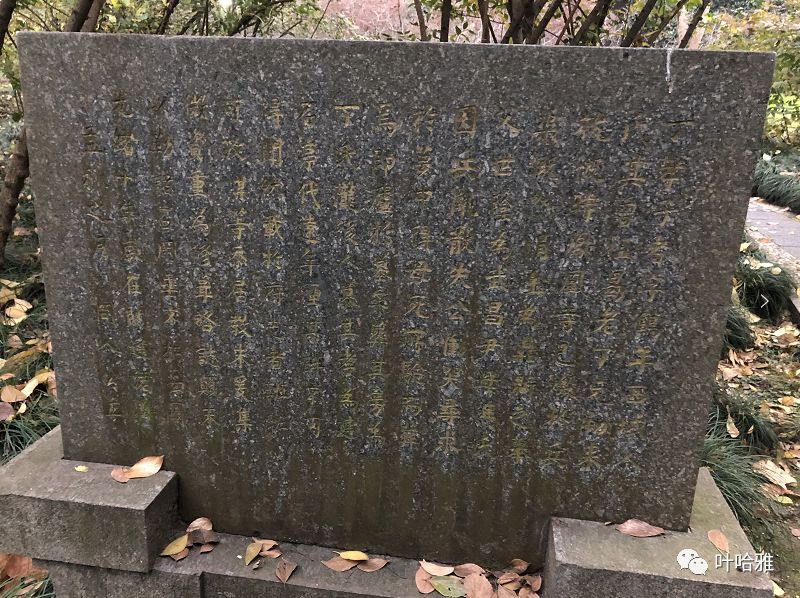
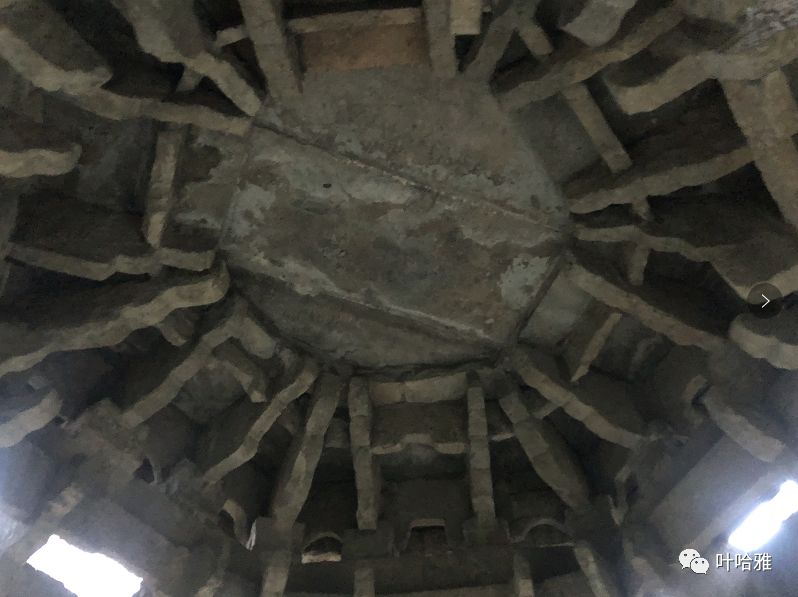
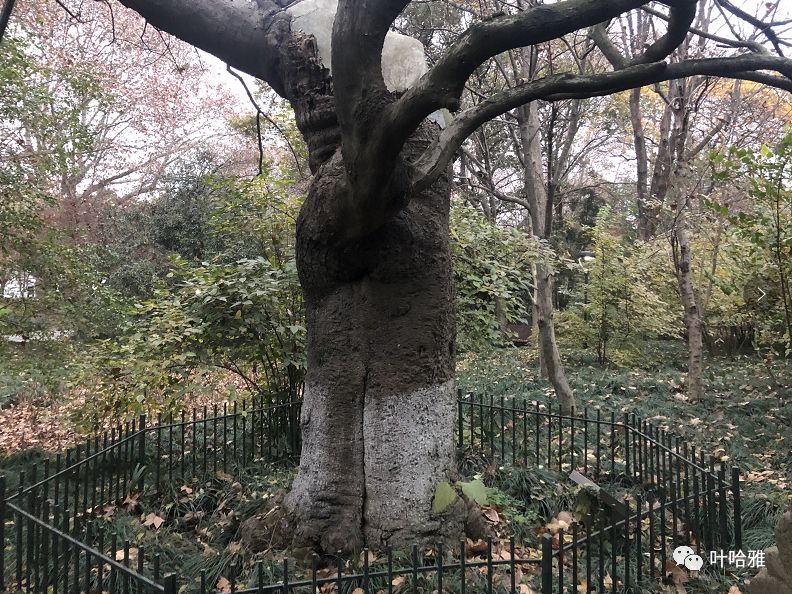
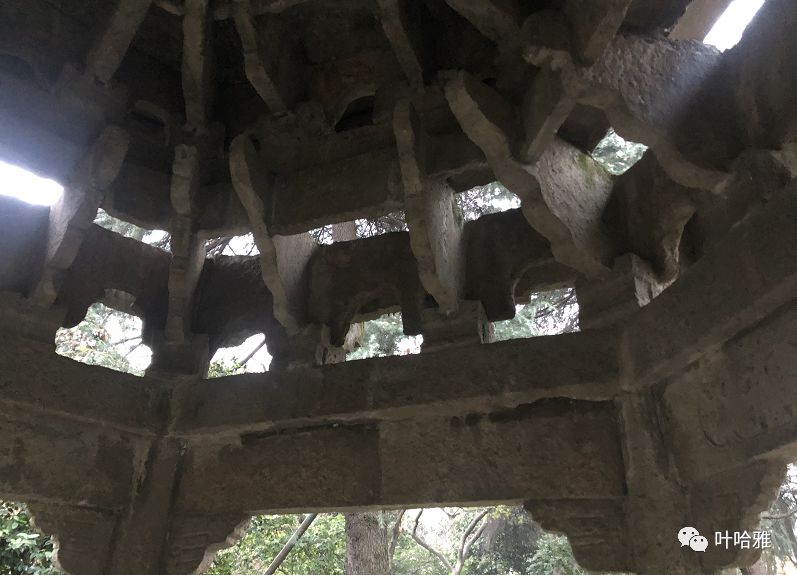
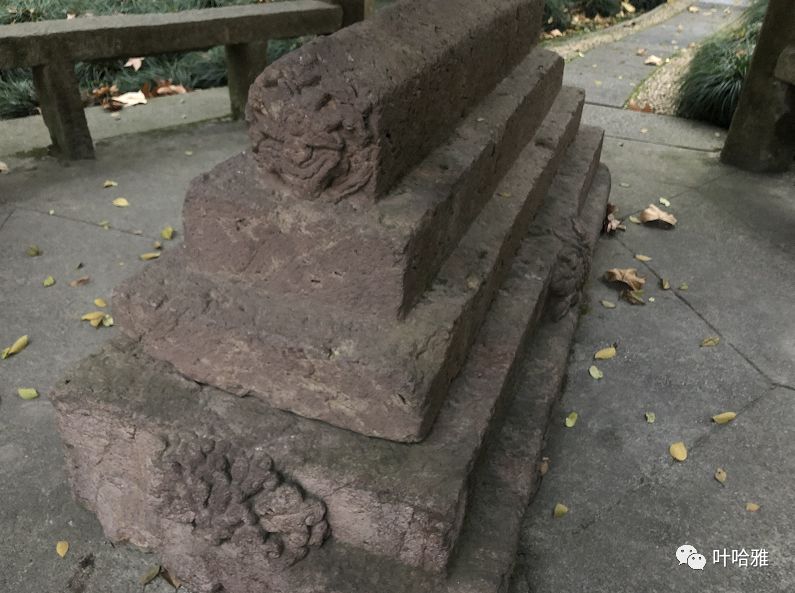
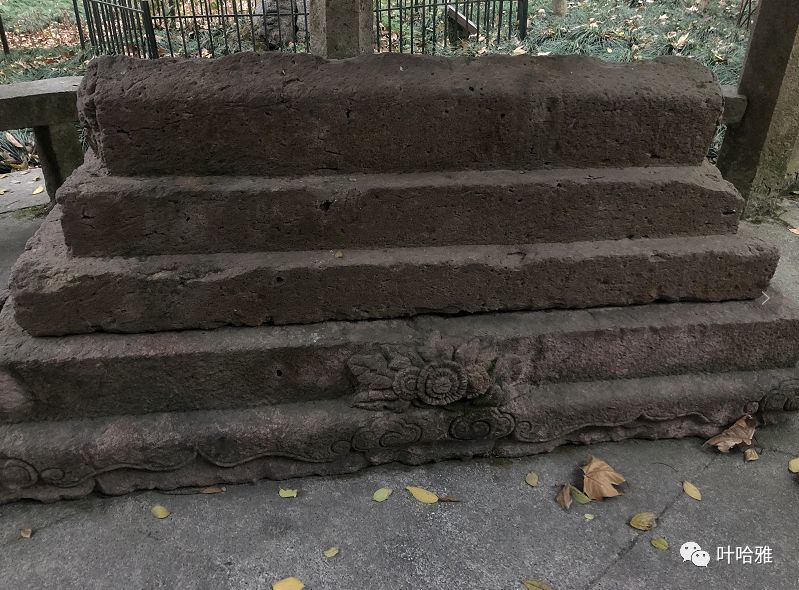
Henian Tang is located at Caishikou in Beijing, which was the site of ancient executions. Legend has it that during the Ming and Qing dynasties, families of some prisoners would bribe the executioner before the sentence was carried out. They asked him to stuff a steamed bun (mantou) into the neck cavity of the deceased when the head fell to prevent blood from splashing and the soul from lingering. This is likely the origin of the human blood bun mentioned by Lu Xun. Henian Tang originally provided these buns, but they were not meant for eating. Later, rumors spread that the blood-soaked buns could cure illnesses, and people began fighting over them. Henian Tang also provided funds to bury prisoners who had no family, acting as a charity.
When I was a child, I heard another legend about Henian Tang from the elders. Someone knocked on the door in the middle of the night asking for medicine for knife wounds. The next day, the shop assistant realized the money he received was spirit money and that he had seen a ghost the night before. Because of this, old Beijingers have a saying: 'Going to Henian Tang to ask for knife wound medicine—death is at the door.' If you look at this from an Islamic perspective, the assistant might not have seen a ghost, but possibly a jinn.
Summary: This 2025 Hangzhou halal food map follows the author's trip through Phoenix Halal Snacks, Northwest Family, Maizhou Yilongxuan, Silk Road Flames, Kosto Middle Eastern Cuisine, Pin Hui Wei, Phoenix Mosque, the tomb of Buhetiya'er, and Hangzhou Hui Muslim heritage.
I have been to Hangzhou many times. This time, I came to this popular city as one of the top 50 insurance social media influencers to receive an award. This city in the Jiangnan region left a great impression on me. The citizens are polite, the women speak in a pleasant tone, and drivers actively yield to pedestrians. Ten years ago, I only experienced this abroad. Hangzhou was the first city in China to implement a "cars yield to pedestrians" policy. As early as 2010, Hangzhou included this in traffic regulations for mandatory enforcement, with violators facing a 3-point deduction and a 100 yuan fine.
Ten years ago, as a pedestrian in Hangzhou, I naturally felt this measure was great. However, after listening to a few Hangzhou drivers complain, I realized that forced compliance is not ideal. Drivers feel that some pedestrians, protected by traffic rules, cross the street recklessly, looking down at their phones and walking slowly, leaving drivers frustrated but unable to speak up. In fact, the improvement of character should come from within. When vehicles yield to pedestrians out of politeness, pedestrians should also show gratitude. This is a natural civilized behavior. When it becomes forced, it may look like a quick improvement in character on the surface, but it is not voluntary and instead breeds resentment. Once there is no supervision, things will immediately return to the way they were.
I rented a car in Hangzhou this time and drove for three days. Experiencing Hangzhou traffic from a driver's perspective, I feel that the road rules in Hangzhou are more complex than in Beijing. It is hard to gauge the limits for yielding to pedestrians and using a phone while driving. I expect to receive a ticket in a couple of days.
1. Phoenix Halal Snacks (Fenghuang Qingzhen Xiaochi)
This shop used to be called "Halal Snacks" and is now called Phoenix Halal Snacks. They have been operating in Hangzhou for at least 10 years. The location is right at the back door of Phoenix Mosque (Fenghuang Si). The owner is a local Hui Muslim from Hangzhou, and according to the elders at the mosque, he is very devout. The shop prohibits smoking and alcohol. They mainly serve various Jiangnan-style snacks and some Northwest Chinese food, as most of the staff are from the Northwest and the waitresses wear headscarves.
They have started making hand-pulled noodles (lamian) again. Some of the photos were taken by me previously.
Hangzhou beef pan-fried buns (niurou jianbao) are quite large with thick skins, unlike the smaller ones found in Henan and Shandong.
I recommend trying the beef steamed dumplings (niurou zhengjiao), which are made more delicately than the pan-fried buns.
The clay pot dishes (shaguo) come in many flavors and taste good.
The beef vermicelli soup (niurou fensi tang) is quite similar to the version in Nanjing.
Lamb steamed dumplings (yangrou shaomai) are my favorite snack at this shop. They have a nice shape and the meat is tender; the lamb is likely sourced from the Northwest.
2. Northwest Family (Xibei Renjia)
If you want authentic halal Hangzhou-style food, I recommend Northwest Family (Xibei Renjia) by West Lake. Even though the owners are from the Northwest, the restaurant opened in Hangzhou in 1992. After more than thirty years, they are well-established here, and their Hangzhou-style dishes are truly delicious.
West Lake vinegar fish (xihu chuyu) is a famous Hangzhou dish. It is a real blessing to find a halal version right by West Lake.
West Lake beef soup (xihu niurou geng) is a must-order Hangzhou dish. I have had it in Beijing restaurants since I was a kid, but it tastes thicker here in Hangzhou.
Poached chicken (baizhanji) is a common dish in the south. Southern chicken tastes better than northern chicken.
Shrimp with fruit (shuiguo xiaren)
3. Maizhou Yilongxuan
This is a Northeast-style restaurant run by Hui Muslims from Qiqihar. I asked and found out they are related to the restaurant Gulanxuan, but Gulanxuan has already closed down.
This restaurant is located in the Xihu District. Their old branch in the Higher Education Park has closed.
The roasted lamb hooves (kao yangti) are great. Northeast-style barbecue never lets me down.
Chive pockets (jiucai hezi) are also one of the more popular staple foods here.
Sweet and sour pork (guobaorou) is a famous Northeast dish that almost every Northeast restaurant serves. However, the meat slices here are too thin, so it is not very satisfying to eat.
4. Silk Road Flames, halal barbecue, crawfish, and fusion dishes.
I wanted to eat at a halal Korean restaurant called Pu Liu Liu Korean Food after the awards ceremony, but they close at 8:30 p.m., so we changed our plans and came to this Lanzhou barbecue shop for a late-night snack.
Hangzhou restaurants are really competitive with their designs, and this shop clearly put a lot of effort into its decor.
They serve authentic Lanzhou open-flame barbecue, the kind with small skewers on iron sticks.
They also blend in local Jiangnan-style crawfish, with garlic, thirteen-spice, and spicy flavors to choose from. The crawfish tasted great and the ingredients were very fresh.
However, the snails still had a very strong muddy, fishy smell.
The roasted lamb chops and apricot skin tea (xingpishui) were both good, and the average cost per person was around 100 yuan.
5. Kosto Middle Eastern Cuisine.
This is a Middle Eastern Arabic restaurant located near Phoenix Mosque (Fenghuang Si), and the environment feels a bit rustic.
The dining area is on the second floor, and there are two tables by the door downstairs, but Hangzhou is quite hot in the summer, so sitting outside isn't cool.
The vegetarian appetizer platter includes falafel, which is a fried food I really like.
They serve mandi roasted chicken with rice. You can find this dish in Beijing too, but the one in Hangzhou is a mini portion.
This is his shop, Kesi Tuo Pizza, and the taste is quite good.
Overall, the food tastes fine. Some people say the prices are a bit high. Our table for two cost three hundred yuan, but we ordered too much. You can actually eat well for one hundred yuan per person.
6. Pin Hui Wei Halal Northwest Cuisine
The most amazing restaurant I ate at during this trip to Hangzhou was Pin Hui Wei. It is truly the top tier of the Hangzhou dining scene.
This is a chain brand in Shanghai and Hangzhou with an investment of tens of millions. They put a lot of thought into every aspect, starting with the design. The design team for Pin Hui Wei comes from the Blackstone Creative Design Studio, and this restaurant has become a signature project for them.
Pin Hui Wei specializes in halal Northwest cuisine and is an alcohol-free restaurant. It is very popular, so you need to wait for a table during peak hours.
Even though the design is unique and clever, the prices are very affordable, with an average cost of under one hundred yuan per person.
The prices at Pin Hui Wei are lower than similar halal restaurants in Beijing, but the food quality is very high.
There is a tandoor oven (nang keng) at the entrance where they bake bread on the spot, which is hard to find in Beijing.
With this freshly baked flatbread (nang) and a cup of tea, you have a full meal.
The Hui Muslim style sweet and sour meat sandwich (suan la jia sha) and the hand-grabbed lamb (shou zhua yang rou) are both delicious. The texture of this hand-grabbed lamb is just as good as what I ate in Dongxiang, and this portion costs 108 yuan.
Pin Hui Wei has many branches in Hangzhou and Shanghai. I went to the largest one, the Intime (Yintai) store, which has a parking lot at the entrance.
7. Phoenix Mosque (Fenghuang Si)
Phoenix Mosque is in a great spot. It is the first historic building at the north end of Hangzhou's famous Southern Song Imperial Street (Nansong Yujie). Hangzhou currently has two mosques. The other one is the newly built Hangzhou Mosque, located on East Canal Road in Jianggan District. To the northeast of Phoenix Mosque, there was historically another mosque called the Hui Muslim Prayer Hall (Huihui Baifotang). It was originally located next to the Hui Muslim New Bridge (Huihui Xinqiao). The mosque has been torn down, and only the name of the bridge remains.
The rear main hall is the highlight of Phoenix Mosque. It dates back to the Yuan Dynasty and was built using the beamless hall (wuliangdian) technique, which also features West Asian architectural styles.
Phoenix Mosque is currently closed to tourists. It is also closed for Friday congregational prayer (Jumu'ah), as everyone is directed to the new Hangzhou Mosque for prayers. Jumu'ah starts at 1:00 PM, so travelers visiting Hangzhou should keep this time in mind. The new mosque is currently under renovation and is not open. For now, prayers are only held at a temporary prayer site in Haifu Building.
8. Tomb of the Arabian Sage Buhetiya'er
There are two ancient tombs near West Lake in Hangzhou. One belongs to a Persian man named Buhetiya'er. He came to China during the Southern Song Dynasty to practice medicine and preach. He passed away here, and his two attendants are buried with him.
Buhetiya'er, whose full name was Emir Buhetiya'er Sailuoniya Naluonike, passed away in 1329 (the second year of the Tianli era of the Yuan Dynasty). He was from Bukhara, which is in modern-day Uzbekistan. His epitaph records that his family served as officials for generations and held a prominent status.
The tomb is usually closed, but there is a contact number on the gate. The caretaker lives nearby and will come over to open the gate quickly, even though he is not a Hui Muslim.
9. Ding Henian Tomb Pavilion
Near West Lake is another ancient tomb of a Hui Muslim, the tomb of Ding Henian. Ding Henian (1335-1424) was a famous Hui Muslim poet during the Yuan Dynasty and the founder of the Henian Tang pharmacy in Beijing. Henian Tang was established between 1405 and 1408, making it over two hundred years older than Tong Ren Tang and even older than the Forbidden City and the Temple of Heaven.
Ding Henian came from a very wealthy family that served as officials for generations. His father was a darughachi in Wuchang. The Ding family once spent a huge fortune to support the Yuan Emperor, so they were entrusted with important responsibilities. Ding Henian settled in Hangzhou in his later years to study Islamic law until he returned to Allah at the age of 89.
Henian Tang is located at Caishikou in Beijing, which was the site of ancient executions. Legend has it that during the Ming and Qing dynasties, families of some prisoners would bribe the executioner before the sentence was carried out. They asked him to stuff a steamed bun (mantou) into the neck cavity of the deceased when the head fell to prevent blood from splashing and the soul from lingering. This is likely the origin of the human blood bun mentioned by Lu Xun. Henian Tang originally provided these buns, but they were not meant for eating. Later, rumors spread that the blood-soaked buns could cure illnesses, and people began fighting over them. Henian Tang also provided funds to bury prisoners who had no family, acting as a charity.
When I was a child, I heard another legend about Henian Tang from the elders. Someone knocked on the door in the middle of the night asking for medicine for knife wounds. The next day, the shop assistant realized the money he received was spirit money and that he had seen a ghost the night before. Because of this, old Beijingers have a saying: 'Going to Henian Tang to ask for knife wound medicine—death is at the door.' If you look at this from an Islamic perspective, the assistant might not have seen a ghost, but possibly a jinn.
Best Halal Food Hangzhou 2025: Phoenix Mosque Snacks, Northwest Food, Middle Eastern Cuisine and Hui Heritage
Articles • yusuf908 posted the article • 0 comments • 149 views • 2026-05-23 21:09
Reposted from the web
Summary: This 2025 Hangzhou halal food map follows the author's trip through Phoenix Halal Snacks, Northwest Family, Maizhou Yilongxuan, Silk Road Flames, Kosto Middle Eastern Cuisine, Pin Hui Wei, Phoenix Mosque, the tomb of Buhetiya'er, and Hangzhou Hui Muslim heritage.
I have been to Hangzhou many times. This time, I came to this popular city as one of the top 50 insurance social media influencers to receive an award. This city in the Jiangnan region left a great impression on me. The citizens are polite, the women speak in a pleasant tone, and drivers actively yield to pedestrians. Ten years ago, I only experienced this abroad. Hangzhou was the first city in China to implement a "cars yield to pedestrians" policy. As early as 2010, Hangzhou included this in traffic regulations for mandatory enforcement, with violators facing a 3-point deduction and a 100 yuan fine.
Ten years ago, as a pedestrian in Hangzhou, I naturally felt this measure was great. However, after listening to a few Hangzhou drivers complain, I realized that forced compliance is not ideal. Drivers feel that some pedestrians, protected by traffic rules, cross the street recklessly, looking down at their phones and walking slowly, leaving drivers frustrated but unable to speak up. In fact, the improvement of character should come from within. When vehicles yield to pedestrians out of politeness, pedestrians should also show gratitude. This is a natural civilized behavior. When it becomes forced, it may look like a quick improvement in character on the surface, but it is not voluntary and instead breeds resentment. Once there is no supervision, things will immediately return to the way they were.
I rented a car in Hangzhou this time and drove for three days. Experiencing Hangzhou traffic from a driver's perspective, I feel that the road rules in Hangzhou are more complex than in Beijing. It is hard to gauge the limits for yielding to pedestrians and using a phone while driving. I expect to receive a ticket in a couple of days.
1. Phoenix Halal Snacks (Fenghuang Qingzhen Xiaochi)
This shop used to be called "Halal Snacks" and is now called Phoenix Halal Snacks. They have been operating in Hangzhou for at least 10 years. The location is right at the back door of Phoenix Mosque (Fenghuang Si). The owner is a local Hui Muslim from Hangzhou, and according to the elders at the mosque, he is very devout. The shop prohibits smoking and alcohol. They mainly serve various Jiangnan-style snacks and some Northwest Chinese food, as most of the staff are from the Northwest and the waitresses wear headscarves.
They have started making hand-pulled noodles (lamian) again. Some of the photos were taken by me previously.
Hangzhou beef pan-fried buns (niurou jianbao) are quite large with thick skins, unlike the smaller ones found in Henan and Shandong.
I recommend trying the beef steamed dumplings (niurou zhengjiao), which are made more delicately than the pan-fried buns.
The clay pot dishes (shaguo) come in many flavors and taste good.
The beef vermicelli soup (niurou fensi tang) is quite similar to the version in Nanjing.
Lamb steamed dumplings (yangrou shaomai) are my favorite snack at this shop. They have a nice shape and the meat is tender; the lamb is likely sourced from the Northwest.
2. Northwest Family (Xibei Renjia)
If you want authentic halal Hangzhou-style food, I recommend Northwest Family (Xibei Renjia) by West Lake. Even though the owners are from the Northwest, the restaurant opened in Hangzhou in 1992. After more than thirty years, they are well-established here, and their Hangzhou-style dishes are truly delicious.
West Lake vinegar fish (xihu chuyu) is a famous Hangzhou dish. It is a real blessing to find a halal version right by West Lake.
West Lake beef soup (xihu niurou geng) is a must-order Hangzhou dish. I have had it in Beijing restaurants since I was a kid, but it tastes thicker here in Hangzhou.
Poached chicken (baizhanji) is a common dish in the south. Southern chicken tastes better than northern chicken.
Shrimp with fruit (shuiguo xiaren)
3. Maizhou Yilongxuan
This is a Northeast-style restaurant run by Hui Muslims from Qiqihar. I asked and found out they are related to the restaurant Gulanxuan, but Gulanxuan has already closed down.
This restaurant is located in the Xihu District. Their old branch in the Higher Education Park has closed.
The roasted lamb hooves (kao yangti) are great. Northeast-style barbecue never lets me down.
Chive pockets (jiucai hezi) are also one of the more popular staple foods here.
Sweet and sour pork (guobaorou) is a famous Northeast dish that almost every Northeast restaurant serves. However, the meat slices here are too thin, so it is not very satisfying to eat.
4. Silk Road Flames, halal barbecue, crawfish, and fusion dishes.
I wanted to eat at a halal Korean restaurant called Pu Liu Liu Korean Food after the awards ceremony, but they close at 8:30 p.m., so we changed our plans and came to this Lanzhou barbecue shop for a late-night snack.
Hangzhou restaurants are really competitive with their designs, and this shop clearly put a lot of effort into its decor.
They serve authentic Lanzhou open-flame barbecue, the kind with small skewers on iron sticks.
They also blend in local Jiangnan-style crawfish, with garlic, thirteen-spice, and spicy flavors to choose from. The crawfish tasted great and the ingredients were very fresh.
However, the snails still had a very strong muddy, fishy smell.
The roasted lamb chops and apricot skin tea (xingpishui) were both good, and the average cost per person was around 100 yuan.
5. Kosto Middle Eastern Cuisine.
This is a Middle Eastern Arabic restaurant located near Phoenix Mosque (Fenghuang Si), and the environment feels a bit rustic.
The dining area is on the second floor, and there are two tables by the door downstairs, but Hangzhou is quite hot in the summer, so sitting outside isn't cool.
The vegetarian appetizer platter includes falafel, which is a fried food I really like.
They serve mandi roasted chicken with rice. You can find this dish in Beijing too, but the one in Hangzhou is a mini portion.
This is his shop, Kesi Tuo Pizza, and the taste is quite good.
Overall, the food tastes fine. Some people say the prices are a bit high. Our table for two cost three hundred yuan, but we ordered too much. You can actually eat well for one hundred yuan per person.
6. Pin Hui Wei Halal Northwest Cuisine
The most amazing restaurant I ate at during this trip to Hangzhou was Pin Hui Wei. It is truly the top tier of the Hangzhou dining scene.
This is a chain brand in Shanghai and Hangzhou with an investment of tens of millions. They put a lot of thought into every aspect, starting with the design. The design team for Pin Hui Wei comes from the Blackstone Creative Design Studio, and this restaurant has become a signature project for them.
Pin Hui Wei specializes in halal Northwest cuisine and is an alcohol-free restaurant. It is very popular, so you need to wait for a table during peak hours.
Even though the design is unique and clever, the prices are very affordable, with an average cost of under one hundred yuan per person.
The prices at Pin Hui Wei are lower than similar halal restaurants in Beijing, but the food quality is very high.
There is a tandoor oven (nang keng) at the entrance where they bake bread on the spot, which is hard to find in Beijing.
With this freshly baked flatbread (nang) and a cup of tea, you have a full meal.
The Hui Muslim style sweet and sour meat sandwich (suan la jia sha) and the hand-grabbed lamb (shou zhua yang rou) are both delicious. The texture of this hand-grabbed lamb is just as good as what I ate in Dongxiang, and this portion costs 108 yuan.
Pin Hui Wei has many branches in Hangzhou and Shanghai. I went to the largest one, the Intime (Yintai) store, which has a parking lot at the entrance.
7. Phoenix Mosque (Fenghuang Si)
Phoenix Mosque is in a great spot. It is the first historic building at the north end of Hangzhou's famous Southern Song Imperial Street (Nansong Yujie). Hangzhou currently has two mosques. The other one is the newly built Hangzhou Mosque, located on East Canal Road in Jianggan District. To the northeast of Phoenix Mosque, there was historically another mosque called the Hui Muslim Prayer Hall (Huihui Baifotang). It was originally located next to the Hui Muslim New Bridge (Huihui Xinqiao). The mosque has been torn down, and only the name of the bridge remains.
The rear main hall is the highlight of Phoenix Mosque. It dates back to the Yuan Dynasty and was built using the beamless hall (wuliangdian) technique, which also features West Asian architectural styles.
Phoenix Mosque is currently closed to tourists. It is also closed for Friday congregational prayer (Jumu'ah), as everyone is directed to the new Hangzhou Mosque for prayers. Jumu'ah starts at 1:00 PM, so travelers visiting Hangzhou should keep this time in mind. The new mosque is currently under renovation and is not open. For now, prayers are only held at a temporary prayer site in Haifu Building.
8. Tomb of the Arabian Sage Buhetiya'er
There are two ancient tombs near West Lake in Hangzhou. One belongs to a Persian man named Buhetiya'er. He came to China during the Southern Song Dynasty to practice medicine and preach. He passed away here, and his two attendants are buried with him.
Buhetiya'er, whose full name was Emir Buhetiya'er Sailuoniya Naluonike, passed away in 1329 (the second year of the Tianli era of the Yuan Dynasty). He was from Bukhara, which is in modern-day Uzbekistan. His epitaph records that his family served as officials for generations and held a prominent status.
The tomb is usually closed, but there is a contact number on the gate. The caretaker lives nearby and will come over to open the gate quickly, even though he is not a Hui Muslim.
9. Ding Henian Tomb Pavilion
Near West Lake is another ancient tomb of a Hui Muslim, the tomb of Ding Henian. Ding Henian (1335-1424) was a famous Hui Muslim poet during the Yuan Dynasty and the founder of the Henian Tang pharmacy in Beijing. Henian Tang was established between 1405 and 1408, making it over two hundred years older than Tong Ren Tang and even older than the Forbidden City and the Temple of Heaven.
Ding Henian came from a very wealthy family that served as officials for generations. His father was a darughachi in Wuchang. The Ding family once spent a huge fortune to support the Yuan Emperor, so they were entrusted with important responsibilities. Ding Henian settled in Hangzhou in his later years to study Islamic law until he returned to Allah at the age of 89.
Henian Tang is located at Caishikou in Beijing, which was the site of ancient executions. Legend has it that during the Ming and Qing dynasties, families of some prisoners would bribe the executioner before the sentence was carried out. They asked him to stuff a steamed bun (mantou) into the neck cavity of the deceased when the head fell to prevent blood from splashing and the soul from lingering. This is likely the origin of the human blood bun mentioned by Lu Xun. Henian Tang originally provided these buns, but they were not meant for eating. Later, rumors spread that the blood-soaked buns could cure illnesses, and people began fighting over them. Henian Tang also provided funds to bury prisoners who had no family, acting as a charity.
When I was a child, I heard another legend about Henian Tang from the elders. Someone knocked on the door in the middle of the night asking for medicine for knife wounds. The next day, the shop assistant realized the money he received was spirit money and that he had seen a ghost the night before. Because of this, old Beijingers have a saying: 'Going to Henian Tang to ask for knife wound medicine—death is at the door.' If you look at this from an Islamic perspective, the assistant might not have seen a ghost, but possibly a jinn. view all
Summary: This 2025 Hangzhou halal food map follows the author's trip through Phoenix Halal Snacks, Northwest Family, Maizhou Yilongxuan, Silk Road Flames, Kosto Middle Eastern Cuisine, Pin Hui Wei, Phoenix Mosque, the tomb of Buhetiya'er, and Hangzhou Hui Muslim heritage.
I have been to Hangzhou many times. This time, I came to this popular city as one of the top 50 insurance social media influencers to receive an award. This city in the Jiangnan region left a great impression on me. The citizens are polite, the women speak in a pleasant tone, and drivers actively yield to pedestrians. Ten years ago, I only experienced this abroad. Hangzhou was the first city in China to implement a "cars yield to pedestrians" policy. As early as 2010, Hangzhou included this in traffic regulations for mandatory enforcement, with violators facing a 3-point deduction and a 100 yuan fine.
Ten years ago, as a pedestrian in Hangzhou, I naturally felt this measure was great. However, after listening to a few Hangzhou drivers complain, I realized that forced compliance is not ideal. Drivers feel that some pedestrians, protected by traffic rules, cross the street recklessly, looking down at their phones and walking slowly, leaving drivers frustrated but unable to speak up. In fact, the improvement of character should come from within. When vehicles yield to pedestrians out of politeness, pedestrians should also show gratitude. This is a natural civilized behavior. When it becomes forced, it may look like a quick improvement in character on the surface, but it is not voluntary and instead breeds resentment. Once there is no supervision, things will immediately return to the way they were.
I rented a car in Hangzhou this time and drove for three days. Experiencing Hangzhou traffic from a driver's perspective, I feel that the road rules in Hangzhou are more complex than in Beijing. It is hard to gauge the limits for yielding to pedestrians and using a phone while driving. I expect to receive a ticket in a couple of days.
1. Phoenix Halal Snacks (Fenghuang Qingzhen Xiaochi)
This shop used to be called "Halal Snacks" and is now called Phoenix Halal Snacks. They have been operating in Hangzhou for at least 10 years. The location is right at the back door of Phoenix Mosque (Fenghuang Si). The owner is a local Hui Muslim from Hangzhou, and according to the elders at the mosque, he is very devout. The shop prohibits smoking and alcohol. They mainly serve various Jiangnan-style snacks and some Northwest Chinese food, as most of the staff are from the Northwest and the waitresses wear headscarves.
They have started making hand-pulled noodles (lamian) again. Some of the photos were taken by me previously.
Hangzhou beef pan-fried buns (niurou jianbao) are quite large with thick skins, unlike the smaller ones found in Henan and Shandong.
I recommend trying the beef steamed dumplings (niurou zhengjiao), which are made more delicately than the pan-fried buns.
The clay pot dishes (shaguo) come in many flavors and taste good.
The beef vermicelli soup (niurou fensi tang) is quite similar to the version in Nanjing.
Lamb steamed dumplings (yangrou shaomai) are my favorite snack at this shop. They have a nice shape and the meat is tender; the lamb is likely sourced from the Northwest.
2. Northwest Family (Xibei Renjia)
If you want authentic halal Hangzhou-style food, I recommend Northwest Family (Xibei Renjia) by West Lake. Even though the owners are from the Northwest, the restaurant opened in Hangzhou in 1992. After more than thirty years, they are well-established here, and their Hangzhou-style dishes are truly delicious.
West Lake vinegar fish (xihu chuyu) is a famous Hangzhou dish. It is a real blessing to find a halal version right by West Lake.
West Lake beef soup (xihu niurou geng) is a must-order Hangzhou dish. I have had it in Beijing restaurants since I was a kid, but it tastes thicker here in Hangzhou.
Poached chicken (baizhanji) is a common dish in the south. Southern chicken tastes better than northern chicken.
Shrimp with fruit (shuiguo xiaren)
3. Maizhou Yilongxuan
This is a Northeast-style restaurant run by Hui Muslims from Qiqihar. I asked and found out they are related to the restaurant Gulanxuan, but Gulanxuan has already closed down.
This restaurant is located in the Xihu District. Their old branch in the Higher Education Park has closed.
The roasted lamb hooves (kao yangti) are great. Northeast-style barbecue never lets me down.
Chive pockets (jiucai hezi) are also one of the more popular staple foods here.
Sweet and sour pork (guobaorou) is a famous Northeast dish that almost every Northeast restaurant serves. However, the meat slices here are too thin, so it is not very satisfying to eat.
4. Silk Road Flames, halal barbecue, crawfish, and fusion dishes.
I wanted to eat at a halal Korean restaurant called Pu Liu Liu Korean Food after the awards ceremony, but they close at 8:30 p.m., so we changed our plans and came to this Lanzhou barbecue shop for a late-night snack.
Hangzhou restaurants are really competitive with their designs, and this shop clearly put a lot of effort into its decor.
They serve authentic Lanzhou open-flame barbecue, the kind with small skewers on iron sticks.
They also blend in local Jiangnan-style crawfish, with garlic, thirteen-spice, and spicy flavors to choose from. The crawfish tasted great and the ingredients were very fresh.
However, the snails still had a very strong muddy, fishy smell.
The roasted lamb chops and apricot skin tea (xingpishui) were both good, and the average cost per person was around 100 yuan.
5. Kosto Middle Eastern Cuisine.
This is a Middle Eastern Arabic restaurant located near Phoenix Mosque (Fenghuang Si), and the environment feels a bit rustic.
The dining area is on the second floor, and there are two tables by the door downstairs, but Hangzhou is quite hot in the summer, so sitting outside isn't cool.
The vegetarian appetizer platter includes falafel, which is a fried food I really like.
They serve mandi roasted chicken with rice. You can find this dish in Beijing too, but the one in Hangzhou is a mini portion.
This is his shop, Kesi Tuo Pizza, and the taste is quite good.
Overall, the food tastes fine. Some people say the prices are a bit high. Our table for two cost three hundred yuan, but we ordered too much. You can actually eat well for one hundred yuan per person.
6. Pin Hui Wei Halal Northwest Cuisine
The most amazing restaurant I ate at during this trip to Hangzhou was Pin Hui Wei. It is truly the top tier of the Hangzhou dining scene.
This is a chain brand in Shanghai and Hangzhou with an investment of tens of millions. They put a lot of thought into every aspect, starting with the design. The design team for Pin Hui Wei comes from the Blackstone Creative Design Studio, and this restaurant has become a signature project for them.
Pin Hui Wei specializes in halal Northwest cuisine and is an alcohol-free restaurant. It is very popular, so you need to wait for a table during peak hours.
Even though the design is unique and clever, the prices are very affordable, with an average cost of under one hundred yuan per person.
The prices at Pin Hui Wei are lower than similar halal restaurants in Beijing, but the food quality is very high.
There is a tandoor oven (nang keng) at the entrance where they bake bread on the spot, which is hard to find in Beijing.
With this freshly baked flatbread (nang) and a cup of tea, you have a full meal.
The Hui Muslim style sweet and sour meat sandwich (suan la jia sha) and the hand-grabbed lamb (shou zhua yang rou) are both delicious. The texture of this hand-grabbed lamb is just as good as what I ate in Dongxiang, and this portion costs 108 yuan.
Pin Hui Wei has many branches in Hangzhou and Shanghai. I went to the largest one, the Intime (Yintai) store, which has a parking lot at the entrance.
7. Phoenix Mosque (Fenghuang Si)
Phoenix Mosque is in a great spot. It is the first historic building at the north end of Hangzhou's famous Southern Song Imperial Street (Nansong Yujie). Hangzhou currently has two mosques. The other one is the newly built Hangzhou Mosque, located on East Canal Road in Jianggan District. To the northeast of Phoenix Mosque, there was historically another mosque called the Hui Muslim Prayer Hall (Huihui Baifotang). It was originally located next to the Hui Muslim New Bridge (Huihui Xinqiao). The mosque has been torn down, and only the name of the bridge remains.
The rear main hall is the highlight of Phoenix Mosque. It dates back to the Yuan Dynasty and was built using the beamless hall (wuliangdian) technique, which also features West Asian architectural styles.
Phoenix Mosque is currently closed to tourists. It is also closed for Friday congregational prayer (Jumu'ah), as everyone is directed to the new Hangzhou Mosque for prayers. Jumu'ah starts at 1:00 PM, so travelers visiting Hangzhou should keep this time in mind. The new mosque is currently under renovation and is not open. For now, prayers are only held at a temporary prayer site in Haifu Building.
8. Tomb of the Arabian Sage Buhetiya'er
There are two ancient tombs near West Lake in Hangzhou. One belongs to a Persian man named Buhetiya'er. He came to China during the Southern Song Dynasty to practice medicine and preach. He passed away here, and his two attendants are buried with him.
Buhetiya'er, whose full name was Emir Buhetiya'er Sailuoniya Naluonike, passed away in 1329 (the second year of the Tianli era of the Yuan Dynasty). He was from Bukhara, which is in modern-day Uzbekistan. His epitaph records that his family served as officials for generations and held a prominent status.
The tomb is usually closed, but there is a contact number on the gate. The caretaker lives nearby and will come over to open the gate quickly, even though he is not a Hui Muslim.
9. Ding Henian Tomb Pavilion
Near West Lake is another ancient tomb of a Hui Muslim, the tomb of Ding Henian. Ding Henian (1335-1424) was a famous Hui Muslim poet during the Yuan Dynasty and the founder of the Henian Tang pharmacy in Beijing. Henian Tang was established between 1405 and 1408, making it over two hundred years older than Tong Ren Tang and even older than the Forbidden City and the Temple of Heaven.
Ding Henian came from a very wealthy family that served as officials for generations. His father was a darughachi in Wuchang. The Ding family once spent a huge fortune to support the Yuan Emperor, so they were entrusted with important responsibilities. Ding Henian settled in Hangzhou in his later years to study Islamic law until he returned to Allah at the age of 89.
Henian Tang is located at Caishikou in Beijing, which was the site of ancient executions. Legend has it that during the Ming and Qing dynasties, families of some prisoners would bribe the executioner before the sentence was carried out. They asked him to stuff a steamed bun (mantou) into the neck cavity of the deceased when the head fell to prevent blood from splashing and the soul from lingering. This is likely the origin of the human blood bun mentioned by Lu Xun. Henian Tang originally provided these buns, but they were not meant for eating. Later, rumors spread that the blood-soaked buns could cure illnesses, and people began fighting over them. Henian Tang also provided funds to bury prisoners who had no family, acting as a charity.
When I was a child, I heard another legend about Henian Tang from the elders. Someone knocked on the door in the middle of the night asking for medicine for knife wounds. The next day, the shop assistant realized the money he received was spirit money and that he had seen a ghost the night before. Because of this, old Beijingers have a saying: 'Going to Henian Tang to ask for knife wound medicine—death is at the door.' If you look at this from an Islamic perspective, the assistant might not have seen a ghost, but possibly a jinn. view all
Reposted from the web
Summary: This 2025 Hangzhou halal food map follows the author's trip through Phoenix Halal Snacks, Northwest Family, Maizhou Yilongxuan, Silk Road Flames, Kosto Middle Eastern Cuisine, Pin Hui Wei, Phoenix Mosque, the tomb of Buhetiya'er, and Hangzhou Hui Muslim heritage.
I have been to Hangzhou many times. This time, I came to this popular city as one of the top 50 insurance social media influencers to receive an award. This city in the Jiangnan region left a great impression on me. The citizens are polite, the women speak in a pleasant tone, and drivers actively yield to pedestrians. Ten years ago, I only experienced this abroad. Hangzhou was the first city in China to implement a "cars yield to pedestrians" policy. As early as 2010, Hangzhou included this in traffic regulations for mandatory enforcement, with violators facing a 3-point deduction and a 100 yuan fine.
Ten years ago, as a pedestrian in Hangzhou, I naturally felt this measure was great. However, after listening to a few Hangzhou drivers complain, I realized that forced compliance is not ideal. Drivers feel that some pedestrians, protected by traffic rules, cross the street recklessly, looking down at their phones and walking slowly, leaving drivers frustrated but unable to speak up. In fact, the improvement of character should come from within. When vehicles yield to pedestrians out of politeness, pedestrians should also show gratitude. This is a natural civilized behavior. When it becomes forced, it may look like a quick improvement in character on the surface, but it is not voluntary and instead breeds resentment. Once there is no supervision, things will immediately return to the way they were.
I rented a car in Hangzhou this time and drove for three days. Experiencing Hangzhou traffic from a driver's perspective, I feel that the road rules in Hangzhou are more complex than in Beijing. It is hard to gauge the limits for yielding to pedestrians and using a phone while driving. I expect to receive a ticket in a couple of days.
1. Phoenix Halal Snacks (Fenghuang Qingzhen Xiaochi)
This shop used to be called "Halal Snacks" and is now called Phoenix Halal Snacks. They have been operating in Hangzhou for at least 10 years. The location is right at the back door of Phoenix Mosque (Fenghuang Si). The owner is a local Hui Muslim from Hangzhou, and according to the elders at the mosque, he is very devout. The shop prohibits smoking and alcohol. They mainly serve various Jiangnan-style snacks and some Northwest Chinese food, as most of the staff are from the Northwest and the waitresses wear headscarves.
They have started making hand-pulled noodles (lamian) again. Some of the photos were taken by me previously.
Hangzhou beef pan-fried buns (niurou jianbao) are quite large with thick skins, unlike the smaller ones found in Henan and Shandong.
I recommend trying the beef steamed dumplings (niurou zhengjiao), which are made more delicately than the pan-fried buns.
The clay pot dishes (shaguo) come in many flavors and taste good.
The beef vermicelli soup (niurou fensi tang) is quite similar to the version in Nanjing.
Lamb steamed dumplings (yangrou shaomai) are my favorite snack at this shop. They have a nice shape and the meat is tender; the lamb is likely sourced from the Northwest.
2. Northwest Family (Xibei Renjia)
If you want authentic halal Hangzhou-style food, I recommend Northwest Family (Xibei Renjia) by West Lake. Even though the owners are from the Northwest, the restaurant opened in Hangzhou in 1992. After more than thirty years, they are well-established here, and their Hangzhou-style dishes are truly delicious.
West Lake vinegar fish (xihu chuyu) is a famous Hangzhou dish. It is a real blessing to find a halal version right by West Lake.
West Lake beef soup (xihu niurou geng) is a must-order Hangzhou dish. I have had it in Beijing restaurants since I was a kid, but it tastes thicker here in Hangzhou.
Poached chicken (baizhanji) is a common dish in the south. Southern chicken tastes better than northern chicken.
Shrimp with fruit (shuiguo xiaren)
3. Maizhou Yilongxuan
This is a Northeast-style restaurant run by Hui Muslims from Qiqihar. I asked and found out they are related to the restaurant Gulanxuan, but Gulanxuan has already closed down.
This restaurant is located in the Xihu District. Their old branch in the Higher Education Park has closed.
The roasted lamb hooves (kao yangti) are great. Northeast-style barbecue never lets me down.
Chive pockets (jiucai hezi) are also one of the more popular staple foods here.
Sweet and sour pork (guobaorou) is a famous Northeast dish that almost every Northeast restaurant serves. However, the meat slices here are too thin, so it is not very satisfying to eat.
4. Silk Road Flames, halal barbecue, crawfish, and fusion dishes.
I wanted to eat at a halal Korean restaurant called Pu Liu Liu Korean Food after the awards ceremony, but they close at 8:30 p.m., so we changed our plans and came to this Lanzhou barbecue shop for a late-night snack.
Hangzhou restaurants are really competitive with their designs, and this shop clearly put a lot of effort into its decor.
They serve authentic Lanzhou open-flame barbecue, the kind with small skewers on iron sticks.
They also blend in local Jiangnan-style crawfish, with garlic, thirteen-spice, and spicy flavors to choose from. The crawfish tasted great and the ingredients were very fresh.
However, the snails still had a very strong muddy, fishy smell.
The roasted lamb chops and apricot skin tea (xingpishui) were both good, and the average cost per person was around 100 yuan.
5. Kosto Middle Eastern Cuisine.
This is a Middle Eastern Arabic restaurant located near Phoenix Mosque (Fenghuang Si), and the environment feels a bit rustic.
The dining area is on the second floor, and there are two tables by the door downstairs, but Hangzhou is quite hot in the summer, so sitting outside isn't cool.
The vegetarian appetizer platter includes falafel, which is a fried food I really like.
They serve mandi roasted chicken with rice. You can find this dish in Beijing too, but the one in Hangzhou is a mini portion.
This is his shop, Kesi Tuo Pizza, and the taste is quite good.
Overall, the food tastes fine. Some people say the prices are a bit high. Our table for two cost three hundred yuan, but we ordered too much. You can actually eat well for one hundred yuan per person.
6. Pin Hui Wei Halal Northwest Cuisine
The most amazing restaurant I ate at during this trip to Hangzhou was Pin Hui Wei. It is truly the top tier of the Hangzhou dining scene.
This is a chain brand in Shanghai and Hangzhou with an investment of tens of millions. They put a lot of thought into every aspect, starting with the design. The design team for Pin Hui Wei comes from the Blackstone Creative Design Studio, and this restaurant has become a signature project for them.
Pin Hui Wei specializes in halal Northwest cuisine and is an alcohol-free restaurant. It is very popular, so you need to wait for a table during peak hours.
Even though the design is unique and clever, the prices are very affordable, with an average cost of under one hundred yuan per person.
The prices at Pin Hui Wei are lower than similar halal restaurants in Beijing, but the food quality is very high.
There is a tandoor oven (nang keng) at the entrance where they bake bread on the spot, which is hard to find in Beijing.
With this freshly baked flatbread (nang) and a cup of tea, you have a full meal.
The Hui Muslim style sweet and sour meat sandwich (suan la jia sha) and the hand-grabbed lamb (shou zhua yang rou) are both delicious. The texture of this hand-grabbed lamb is just as good as what I ate in Dongxiang, and this portion costs 108 yuan.
Pin Hui Wei has many branches in Hangzhou and Shanghai. I went to the largest one, the Intime (Yintai) store, which has a parking lot at the entrance.
7. Phoenix Mosque (Fenghuang Si)
Phoenix Mosque is in a great spot. It is the first historic building at the north end of Hangzhou's famous Southern Song Imperial Street (Nansong Yujie). Hangzhou currently has two mosques. The other one is the newly built Hangzhou Mosque, located on East Canal Road in Jianggan District. To the northeast of Phoenix Mosque, there was historically another mosque called the Hui Muslim Prayer Hall (Huihui Baifotang). It was originally located next to the Hui Muslim New Bridge (Huihui Xinqiao). The mosque has been torn down, and only the name of the bridge remains.
The rear main hall is the highlight of Phoenix Mosque. It dates back to the Yuan Dynasty and was built using the beamless hall (wuliangdian) technique, which also features West Asian architectural styles.
Phoenix Mosque is currently closed to tourists. It is also closed for Friday congregational prayer (Jumu'ah), as everyone is directed to the new Hangzhou Mosque for prayers. Jumu'ah starts at 1:00 PM, so travelers visiting Hangzhou should keep this time in mind. The new mosque is currently under renovation and is not open. For now, prayers are only held at a temporary prayer site in Haifu Building.
8. Tomb of the Arabian Sage Buhetiya'er
There are two ancient tombs near West Lake in Hangzhou. One belongs to a Persian man named Buhetiya'er. He came to China during the Southern Song Dynasty to practice medicine and preach. He passed away here, and his two attendants are buried with him.
Buhetiya'er, whose full name was Emir Buhetiya'er Sailuoniya Naluonike, passed away in 1329 (the second year of the Tianli era of the Yuan Dynasty). He was from Bukhara, which is in modern-day Uzbekistan. His epitaph records that his family served as officials for generations and held a prominent status.
The tomb is usually closed, but there is a contact number on the gate. The caretaker lives nearby and will come over to open the gate quickly, even though he is not a Hui Muslim.
9. Ding Henian Tomb Pavilion
Near West Lake is another ancient tomb of a Hui Muslim, the tomb of Ding Henian. Ding Henian (1335-1424) was a famous Hui Muslim poet during the Yuan Dynasty and the founder of the Henian Tang pharmacy in Beijing. Henian Tang was established between 1405 and 1408, making it over two hundred years older than Tong Ren Tang and even older than the Forbidden City and the Temple of Heaven.
Ding Henian came from a very wealthy family that served as officials for generations. His father was a darughachi in Wuchang. The Ding family once spent a huge fortune to support the Yuan Emperor, so they were entrusted with important responsibilities. Ding Henian settled in Hangzhou in his later years to study Islamic law until he returned to Allah at the age of 89.
Henian Tang is located at Caishikou in Beijing, which was the site of ancient executions. Legend has it that during the Ming and Qing dynasties, families of some prisoners would bribe the executioner before the sentence was carried out. They asked him to stuff a steamed bun (mantou) into the neck cavity of the deceased when the head fell to prevent blood from splashing and the soul from lingering. This is likely the origin of the human blood bun mentioned by Lu Xun. Henian Tang originally provided these buns, but they were not meant for eating. Later, rumors spread that the blood-soaked buns could cure illnesses, and people began fighting over them. Henian Tang also provided funds to bury prisoners who had no family, acting as a charity.
When I was a child, I heard another legend about Henian Tang from the elders. Someone knocked on the door in the middle of the night asking for medicine for knife wounds. The next day, the shop assistant realized the money he received was spirit money and that he had seen a ghost the night before. Because of this, old Beijingers have a saying: 'Going to Henian Tang to ask for knife wound medicine—death is at the door.' If you look at this from an Islamic perspective, the assistant might not have seen a ghost, but possibly a jinn.
Summary: This 2025 Hangzhou halal food map follows the author's trip through Phoenix Halal Snacks, Northwest Family, Maizhou Yilongxuan, Silk Road Flames, Kosto Middle Eastern Cuisine, Pin Hui Wei, Phoenix Mosque, the tomb of Buhetiya'er, and Hangzhou Hui Muslim heritage.
I have been to Hangzhou many times. This time, I came to this popular city as one of the top 50 insurance social media influencers to receive an award. This city in the Jiangnan region left a great impression on me. The citizens are polite, the women speak in a pleasant tone, and drivers actively yield to pedestrians. Ten years ago, I only experienced this abroad. Hangzhou was the first city in China to implement a "cars yield to pedestrians" policy. As early as 2010, Hangzhou included this in traffic regulations for mandatory enforcement, with violators facing a 3-point deduction and a 100 yuan fine.
Ten years ago, as a pedestrian in Hangzhou, I naturally felt this measure was great. However, after listening to a few Hangzhou drivers complain, I realized that forced compliance is not ideal. Drivers feel that some pedestrians, protected by traffic rules, cross the street recklessly, looking down at their phones and walking slowly, leaving drivers frustrated but unable to speak up. In fact, the improvement of character should come from within. When vehicles yield to pedestrians out of politeness, pedestrians should also show gratitude. This is a natural civilized behavior. When it becomes forced, it may look like a quick improvement in character on the surface, but it is not voluntary and instead breeds resentment. Once there is no supervision, things will immediately return to the way they were.
I rented a car in Hangzhou this time and drove for three days. Experiencing Hangzhou traffic from a driver's perspective, I feel that the road rules in Hangzhou are more complex than in Beijing. It is hard to gauge the limits for yielding to pedestrians and using a phone while driving. I expect to receive a ticket in a couple of days.
1. Phoenix Halal Snacks (Fenghuang Qingzhen Xiaochi)
This shop used to be called "Halal Snacks" and is now called Phoenix Halal Snacks. They have been operating in Hangzhou for at least 10 years. The location is right at the back door of Phoenix Mosque (Fenghuang Si). The owner is a local Hui Muslim from Hangzhou, and according to the elders at the mosque, he is very devout. The shop prohibits smoking and alcohol. They mainly serve various Jiangnan-style snacks and some Northwest Chinese food, as most of the staff are from the Northwest and the waitresses wear headscarves.
They have started making hand-pulled noodles (lamian) again. Some of the photos were taken by me previously.
Hangzhou beef pan-fried buns (niurou jianbao) are quite large with thick skins, unlike the smaller ones found in Henan and Shandong.
I recommend trying the beef steamed dumplings (niurou zhengjiao), which are made more delicately than the pan-fried buns.
The clay pot dishes (shaguo) come in many flavors and taste good.
The beef vermicelli soup (niurou fensi tang) is quite similar to the version in Nanjing.
Lamb steamed dumplings (yangrou shaomai) are my favorite snack at this shop. They have a nice shape and the meat is tender; the lamb is likely sourced from the Northwest.
2. Northwest Family (Xibei Renjia)
If you want authentic halal Hangzhou-style food, I recommend Northwest Family (Xibei Renjia) by West Lake. Even though the owners are from the Northwest, the restaurant opened in Hangzhou in 1992. After more than thirty years, they are well-established here, and their Hangzhou-style dishes are truly delicious.
West Lake vinegar fish (xihu chuyu) is a famous Hangzhou dish. It is a real blessing to find a halal version right by West Lake.
West Lake beef soup (xihu niurou geng) is a must-order Hangzhou dish. I have had it in Beijing restaurants since I was a kid, but it tastes thicker here in Hangzhou.
Poached chicken (baizhanji) is a common dish in the south. Southern chicken tastes better than northern chicken.
Shrimp with fruit (shuiguo xiaren)
3. Maizhou Yilongxuan
This is a Northeast-style restaurant run by Hui Muslims from Qiqihar. I asked and found out they are related to the restaurant Gulanxuan, but Gulanxuan has already closed down.
This restaurant is located in the Xihu District. Their old branch in the Higher Education Park has closed.
The roasted lamb hooves (kao yangti) are great. Northeast-style barbecue never lets me down.
Chive pockets (jiucai hezi) are also one of the more popular staple foods here.
Sweet and sour pork (guobaorou) is a famous Northeast dish that almost every Northeast restaurant serves. However, the meat slices here are too thin, so it is not very satisfying to eat.
4. Silk Road Flames, halal barbecue, crawfish, and fusion dishes.
I wanted to eat at a halal Korean restaurant called Pu Liu Liu Korean Food after the awards ceremony, but they close at 8:30 p.m., so we changed our plans and came to this Lanzhou barbecue shop for a late-night snack.
Hangzhou restaurants are really competitive with their designs, and this shop clearly put a lot of effort into its decor.
They serve authentic Lanzhou open-flame barbecue, the kind with small skewers on iron sticks.
They also blend in local Jiangnan-style crawfish, with garlic, thirteen-spice, and spicy flavors to choose from. The crawfish tasted great and the ingredients were very fresh.
However, the snails still had a very strong muddy, fishy smell.
The roasted lamb chops and apricot skin tea (xingpishui) were both good, and the average cost per person was around 100 yuan.
5. Kosto Middle Eastern Cuisine.
This is a Middle Eastern Arabic restaurant located near Phoenix Mosque (Fenghuang Si), and the environment feels a bit rustic.
The dining area is on the second floor, and there are two tables by the door downstairs, but Hangzhou is quite hot in the summer, so sitting outside isn't cool.
The vegetarian appetizer platter includes falafel, which is a fried food I really like.
They serve mandi roasted chicken with rice. You can find this dish in Beijing too, but the one in Hangzhou is a mini portion.
This is his shop, Kesi Tuo Pizza, and the taste is quite good.
Overall, the food tastes fine. Some people say the prices are a bit high. Our table for two cost three hundred yuan, but we ordered too much. You can actually eat well for one hundred yuan per person.
6. Pin Hui Wei Halal Northwest Cuisine
The most amazing restaurant I ate at during this trip to Hangzhou was Pin Hui Wei. It is truly the top tier of the Hangzhou dining scene.
This is a chain brand in Shanghai and Hangzhou with an investment of tens of millions. They put a lot of thought into every aspect, starting with the design. The design team for Pin Hui Wei comes from the Blackstone Creative Design Studio, and this restaurant has become a signature project for them.
Pin Hui Wei specializes in halal Northwest cuisine and is an alcohol-free restaurant. It is very popular, so you need to wait for a table during peak hours.
Even though the design is unique and clever, the prices are very affordable, with an average cost of under one hundred yuan per person.
The prices at Pin Hui Wei are lower than similar halal restaurants in Beijing, but the food quality is very high.
There is a tandoor oven (nang keng) at the entrance where they bake bread on the spot, which is hard to find in Beijing.
With this freshly baked flatbread (nang) and a cup of tea, you have a full meal.
The Hui Muslim style sweet and sour meat sandwich (suan la jia sha) and the hand-grabbed lamb (shou zhua yang rou) are both delicious. The texture of this hand-grabbed lamb is just as good as what I ate in Dongxiang, and this portion costs 108 yuan.
Pin Hui Wei has many branches in Hangzhou and Shanghai. I went to the largest one, the Intime (Yintai) store, which has a parking lot at the entrance.
7. Phoenix Mosque (Fenghuang Si)
Phoenix Mosque is in a great spot. It is the first historic building at the north end of Hangzhou's famous Southern Song Imperial Street (Nansong Yujie). Hangzhou currently has two mosques. The other one is the newly built Hangzhou Mosque, located on East Canal Road in Jianggan District. To the northeast of Phoenix Mosque, there was historically another mosque called the Hui Muslim Prayer Hall (Huihui Baifotang). It was originally located next to the Hui Muslim New Bridge (Huihui Xinqiao). The mosque has been torn down, and only the name of the bridge remains.
The rear main hall is the highlight of Phoenix Mosque. It dates back to the Yuan Dynasty and was built using the beamless hall (wuliangdian) technique, which also features West Asian architectural styles.
Phoenix Mosque is currently closed to tourists. It is also closed for Friday congregational prayer (Jumu'ah), as everyone is directed to the new Hangzhou Mosque for prayers. Jumu'ah starts at 1:00 PM, so travelers visiting Hangzhou should keep this time in mind. The new mosque is currently under renovation and is not open. For now, prayers are only held at a temporary prayer site in Haifu Building.
8. Tomb of the Arabian Sage Buhetiya'er
There are two ancient tombs near West Lake in Hangzhou. One belongs to a Persian man named Buhetiya'er. He came to China during the Southern Song Dynasty to practice medicine and preach. He passed away here, and his two attendants are buried with him.
Buhetiya'er, whose full name was Emir Buhetiya'er Sailuoniya Naluonike, passed away in 1329 (the second year of the Tianli era of the Yuan Dynasty). He was from Bukhara, which is in modern-day Uzbekistan. His epitaph records that his family served as officials for generations and held a prominent status.
The tomb is usually closed, but there is a contact number on the gate. The caretaker lives nearby and will come over to open the gate quickly, even though he is not a Hui Muslim.
9. Ding Henian Tomb Pavilion
Near West Lake is another ancient tomb of a Hui Muslim, the tomb of Ding Henian. Ding Henian (1335-1424) was a famous Hui Muslim poet during the Yuan Dynasty and the founder of the Henian Tang pharmacy in Beijing. Henian Tang was established between 1405 and 1408, making it over two hundred years older than Tong Ren Tang and even older than the Forbidden City and the Temple of Heaven.
Ding Henian came from a very wealthy family that served as officials for generations. His father was a darughachi in Wuchang. The Ding family once spent a huge fortune to support the Yuan Emperor, so they were entrusted with important responsibilities. Ding Henian settled in Hangzhou in his later years to study Islamic law until he returned to Allah at the age of 89.
Henian Tang is located at Caishikou in Beijing, which was the site of ancient executions. Legend has it that during the Ming and Qing dynasties, families of some prisoners would bribe the executioner before the sentence was carried out. They asked him to stuff a steamed bun (mantou) into the neck cavity of the deceased when the head fell to prevent blood from splashing and the soul from lingering. This is likely the origin of the human blood bun mentioned by Lu Xun. Henian Tang originally provided these buns, but they were not meant for eating. Later, rumors spread that the blood-soaked buns could cure illnesses, and people began fighting over them. Henian Tang also provided funds to bury prisoners who had no family, acting as a charity.
When I was a child, I heard another legend about Henian Tang from the elders. Someone knocked on the door in the middle of the night asking for medicine for knife wounds. The next day, the shop assistant realized the money he received was spirit money and that he had seen a ghost the night before. Because of this, old Beijingers have a saying: 'Going to Henian Tang to ask for knife wound medicine—death is at the door.' If you look at this from an Islamic perspective, the assistant might not have seen a ghost, but possibly a jinn.
Best Halal Food Hangzhou 2025: Phoenix Mosque Snacks, Northwest Food, Middle Eastern Cuisine and Hui Heritage
Articles • yusuf908 posted the article • 0 comments • 256 views • 2026-05-24 00:17
Reposted from the web
Summary: This 2025 Hangzhou halal food map follows the author's trip through Phoenix Halal Snacks, Northwest Family, Maizhou Yilongxuan, Silk Road Flames, Kosto Middle Eastern Cuisine, Pin Hui Wei, Phoenix Mosque, the tomb of Buhetiya'er, and Hangzhou Hui Muslim heritage.
I have been to Hangzhou many times. This time, I came to this popular city as one of the top 50 insurance social media influencers to receive an award. This city in the Jiangnan region left a great impression on me. The citizens are polite, the women speak in a pleasant tone, and drivers actively yield to pedestrians. Ten years ago, I only experienced this abroad. Hangzhou was the first city in China to implement a "cars yield to pedestrians" policy. As early as 2010, Hangzhou included this in traffic regulations for mandatory enforcement, with violators facing a 3-point deduction and a 100 yuan fine.
Ten years ago, as a pedestrian in Hangzhou, I naturally felt this measure was great. However, after listening to a few Hangzhou drivers complain, I realized that forced compliance is not ideal. Drivers feel that some pedestrians, protected by traffic rules, cross the street recklessly, looking down at their phones and walking slowly, leaving drivers frustrated but unable to speak up. In fact, the improvement of character should come from within. When vehicles yield to pedestrians out of politeness, pedestrians should also show gratitude. This is a natural civilized behavior. When it becomes forced, it may look like a quick improvement in character on the surface, but it is not voluntary and instead breeds resentment. Once there is no supervision, things will immediately return to the way they were.
I rented a car in Hangzhou this time and drove for three days. Experiencing Hangzhou traffic from a driver's perspective, I feel that the road rules in Hangzhou are more complex than in Beijing. It is hard to gauge the limits for yielding to pedestrians and using a phone while driving. I expect to receive a ticket in a couple of days.
1. Phoenix Halal Snacks (Fenghuang Qingzhen Xiaochi)
This shop used to be called "Halal Snacks" and is now called Phoenix Halal Snacks. They have been operating in Hangzhou for at least 10 years. The location is right at the back door of Phoenix Mosque (Fenghuang Si). The owner is a local Hui Muslim from Hangzhou, and according to the elders at the mosque, he is very devout. The shop prohibits smoking and alcohol. They mainly serve various Jiangnan-style snacks and some Northwest Chinese food, as most of the staff are from the Northwest and the waitresses wear headscarves.
They have started making hand-pulled noodles (lamian) again. Some of the photos were taken by me previously.
Hangzhou beef pan-fried buns (niurou jianbao) are quite large with thick skins, unlike the smaller ones found in Henan and Shandong.
I recommend trying the beef steamed dumplings (niurou zhengjiao), which are made more delicately than the pan-fried buns.
The clay pot dishes (shaguo) come in many flavors and taste good.
The beef vermicelli soup (niurou fensi tang) is quite similar to the version in Nanjing.
Lamb steamed dumplings (yangrou shaomai) are my favorite snack at this shop. They have a nice shape and the meat is tender; the lamb is likely sourced from the Northwest.
2. Northwest Family (Xibei Renjia)
If you want authentic halal Hangzhou-style food, I recommend Northwest Family (Xibei Renjia) by West Lake. Even though the owners are from the Northwest, the restaurant opened in Hangzhou in 1992. After more than thirty years, they are well-established here, and their Hangzhou-style dishes are truly delicious.
West Lake vinegar fish (xihu chuyu) is a famous Hangzhou dish. It is a real blessing to find a halal version right by West Lake.
West Lake beef soup (xihu niurou geng) is a must-order Hangzhou dish. I have had it in Beijing restaurants since I was a kid, but it tastes thicker here in Hangzhou.
Poached chicken (baizhanji) is a common dish in the south. Southern chicken tastes better than northern chicken.
Shrimp with fruit (shuiguo xiaren)
3. Maizhou Yilongxuan
This is a Northeast-style restaurant run by Hui Muslims from Qiqihar. I asked and found out they are related to the restaurant Gulanxuan, but Gulanxuan has already closed down.
This restaurant is located in the Xihu District. Their old branch in the Higher Education Park has closed.
The roasted lamb hooves (kao yangti) are great. Northeast-style barbecue never lets me down.
Chive pockets (jiucai hezi) are also one of the more popular staple foods here.
Sweet and sour pork (guobaorou) is a famous Northeast dish that almost every Northeast restaurant serves. However, the meat slices here are too thin, so it is not very satisfying to eat.
4. Silk Road Flames, halal barbecue, crawfish, and fusion dishes.
I wanted to eat at a halal Korean restaurant called Pu Liu Liu Korean Food after the awards ceremony, but they close at 8:30 p.m., so we changed our plans and came to this Lanzhou barbecue shop for a late-night snack.
Hangzhou restaurants are really competitive with their designs, and this shop clearly put a lot of effort into its decor.
They serve authentic Lanzhou open-flame barbecue, the kind with small skewers on iron sticks.
They also blend in local Jiangnan-style crawfish, with garlic, thirteen-spice, and spicy flavors to choose from. The crawfish tasted great and the ingredients were very fresh.
However, the snails still had a very strong muddy, fishy smell.
The roasted lamb chops and apricot skin tea (xingpishui) were both good, and the average cost per person was around 100 yuan.
5. Kosto Middle Eastern Cuisine.
This is a Middle Eastern Arabic restaurant located near Phoenix Mosque (Fenghuang Si), and the environment feels a bit rustic.
The dining area is on the second floor, and there are two tables by the door downstairs, but Hangzhou is quite hot in the summer, so sitting outside isn't cool.
The vegetarian appetizer platter includes falafel, which is a fried food I really like.
They serve mandi roasted chicken with rice. You can find this dish in Beijing too, but the one in Hangzhou is a mini portion.
This is his shop, Kesi Tuo Pizza, and the taste is quite good.
Overall, the food tastes fine. Some people say the prices are a bit high. Our table for two cost three hundred yuan, but we ordered too much. You can actually eat well for one hundred yuan per person.
6. Pin Hui Wei Halal Northwest Cuisine
The most amazing restaurant I ate at during this trip to Hangzhou was Pin Hui Wei. It is truly the top tier of the Hangzhou dining scene.
This is a chain brand in Shanghai and Hangzhou with an investment of tens of millions. They put a lot of thought into every aspect, starting with the design. The design team for Pin Hui Wei comes from the Blackstone Creative Design Studio, and this restaurant has become a signature project for them.
Pin Hui Wei specializes in halal Northwest cuisine and is an alcohol-free restaurant. It is very popular, so you need to wait for a table during peak hours.
Even though the design is unique and clever, the prices are very affordable, with an average cost of under one hundred yuan per person.
The prices at Pin Hui Wei are lower than similar halal restaurants in Beijing, but the food quality is very high.
There is a tandoor oven (nang keng) at the entrance where they bake bread on the spot, which is hard to find in Beijing.
With this freshly baked flatbread (nang) and a cup of tea, you have a full meal.
The Hui Muslim style sweet and sour meat sandwich (suan la jia sha) and the hand-grabbed lamb (shou zhua yang rou) are both delicious. The texture of this hand-grabbed lamb is just as good as what I ate in Dongxiang, and this portion costs 108 yuan.
Pin Hui Wei has many branches in Hangzhou and Shanghai. I went to the largest one, the Intime (Yintai) store, which has a parking lot at the entrance.
7. Phoenix Mosque (Fenghuang Si)
Phoenix Mosque is in a great spot. It is the first historic building at the north end of Hangzhou's famous Southern Song Imperial Street (Nansong Yujie). Hangzhou currently has two mosques. The other one is the newly built Hangzhou Mosque, located on East Canal Road in Jianggan District. To the northeast of Phoenix Mosque, there was historically another mosque called the Hui Muslim Prayer Hall (Huihui Baifotang). It was originally located next to the Hui Muslim New Bridge (Huihui Xinqiao). The mosque has been torn down, and only the name of the bridge remains.
The rear main hall is the highlight of Phoenix Mosque. It dates back to the Yuan Dynasty and was built using the beamless hall (wuliangdian) technique, which also features West Asian architectural styles.
Phoenix Mosque is currently closed to tourists. It is also closed for Friday congregational prayer (Jumu'ah), as everyone is directed to the new Hangzhou Mosque for prayers. Jumu'ah starts at 1:00 PM, so travelers visiting Hangzhou should keep this time in mind. The new mosque is currently under renovation and is not open. For now, prayers are only held at a temporary prayer site in Haifu Building.
8. Tomb of the Arabian Sage Buhetiya'er
There are two ancient tombs near West Lake in Hangzhou. One belongs to a Persian man named Buhetiya'er. He came to China during the Southern Song Dynasty to practice medicine and preach. He passed away here, and his two attendants are buried with him.
Buhetiya'er, whose full name was Emir Buhetiya'er Sailuoniya Naluonike, passed away in 1329 (the second year of the Tianli era of the Yuan Dynasty). He was from Bukhara, which is in modern-day Uzbekistan. His epitaph records that his family served as officials for generations and held a prominent status.
The tomb is usually closed, but there is a contact number on the gate. The caretaker lives nearby and will come over to open the gate quickly, even though he is not a Hui Muslim.
9. Ding Henian Tomb Pavilion
Near West Lake is another ancient tomb of a Hui Muslim, the tomb of Ding Henian. Ding Henian (1335-1424) was a famous Hui Muslim poet during the Yuan Dynasty and the founder of the Henian Tang pharmacy in Beijing. Henian Tang was established between 1405 and 1408, making it over two hundred years older than Tong Ren Tang and even older than the Forbidden City and the Temple of Heaven.
Ding Henian came from a very wealthy family that served as officials for generations. His father was a darughachi in Wuchang. The Ding family once spent a huge fortune to support the Yuan Emperor, so they were entrusted with important responsibilities. Ding Henian settled in Hangzhou in his later years to study Islamic law until he returned to Allah at the age of 89.
Henian Tang is located at Caishikou in Beijing, which was the site of ancient executions. Legend has it that during the Ming and Qing dynasties, families of some prisoners would bribe the executioner before the sentence was carried out. They asked him to stuff a steamed bun (mantou) into the neck cavity of the deceased when the head fell to prevent blood from splashing and the soul from lingering. This is likely the origin of the human blood bun mentioned by Lu Xun. Henian Tang originally provided these buns, but they were not meant for eating. Later, rumors spread that the blood-soaked buns could cure illnesses, and people began fighting over them. Henian Tang also provided funds to bury prisoners who had no family, acting as a charity.
When I was a child, I heard another legend about Henian Tang from the elders. Someone knocked on the door in the middle of the night asking for medicine for knife wounds. The next day, the shop assistant realized the money he received was spirit money and that he had seen a ghost the night before. Because of this, old Beijingers have a saying: 'Going to Henian Tang to ask for knife wound medicine—death is at the door.' If you look at this from an Islamic perspective, the assistant might not have seen a ghost, but possibly a jinn. view all
Summary: This 2025 Hangzhou halal food map follows the author's trip through Phoenix Halal Snacks, Northwest Family, Maizhou Yilongxuan, Silk Road Flames, Kosto Middle Eastern Cuisine, Pin Hui Wei, Phoenix Mosque, the tomb of Buhetiya'er, and Hangzhou Hui Muslim heritage.
I have been to Hangzhou many times. This time, I came to this popular city as one of the top 50 insurance social media influencers to receive an award. This city in the Jiangnan region left a great impression on me. The citizens are polite, the women speak in a pleasant tone, and drivers actively yield to pedestrians. Ten years ago, I only experienced this abroad. Hangzhou was the first city in China to implement a "cars yield to pedestrians" policy. As early as 2010, Hangzhou included this in traffic regulations for mandatory enforcement, with violators facing a 3-point deduction and a 100 yuan fine.
Ten years ago, as a pedestrian in Hangzhou, I naturally felt this measure was great. However, after listening to a few Hangzhou drivers complain, I realized that forced compliance is not ideal. Drivers feel that some pedestrians, protected by traffic rules, cross the street recklessly, looking down at their phones and walking slowly, leaving drivers frustrated but unable to speak up. In fact, the improvement of character should come from within. When vehicles yield to pedestrians out of politeness, pedestrians should also show gratitude. This is a natural civilized behavior. When it becomes forced, it may look like a quick improvement in character on the surface, but it is not voluntary and instead breeds resentment. Once there is no supervision, things will immediately return to the way they were.
I rented a car in Hangzhou this time and drove for three days. Experiencing Hangzhou traffic from a driver's perspective, I feel that the road rules in Hangzhou are more complex than in Beijing. It is hard to gauge the limits for yielding to pedestrians and using a phone while driving. I expect to receive a ticket in a couple of days.
1. Phoenix Halal Snacks (Fenghuang Qingzhen Xiaochi)
This shop used to be called "Halal Snacks" and is now called Phoenix Halal Snacks. They have been operating in Hangzhou for at least 10 years. The location is right at the back door of Phoenix Mosque (Fenghuang Si). The owner is a local Hui Muslim from Hangzhou, and according to the elders at the mosque, he is very devout. The shop prohibits smoking and alcohol. They mainly serve various Jiangnan-style snacks and some Northwest Chinese food, as most of the staff are from the Northwest and the waitresses wear headscarves.
They have started making hand-pulled noodles (lamian) again. Some of the photos were taken by me previously.
Hangzhou beef pan-fried buns (niurou jianbao) are quite large with thick skins, unlike the smaller ones found in Henan and Shandong.
I recommend trying the beef steamed dumplings (niurou zhengjiao), which are made more delicately than the pan-fried buns.
The clay pot dishes (shaguo) come in many flavors and taste good.
The beef vermicelli soup (niurou fensi tang) is quite similar to the version in Nanjing.
Lamb steamed dumplings (yangrou shaomai) are my favorite snack at this shop. They have a nice shape and the meat is tender; the lamb is likely sourced from the Northwest.
2. Northwest Family (Xibei Renjia)
If you want authentic halal Hangzhou-style food, I recommend Northwest Family (Xibei Renjia) by West Lake. Even though the owners are from the Northwest, the restaurant opened in Hangzhou in 1992. After more than thirty years, they are well-established here, and their Hangzhou-style dishes are truly delicious.
West Lake vinegar fish (xihu chuyu) is a famous Hangzhou dish. It is a real blessing to find a halal version right by West Lake.
West Lake beef soup (xihu niurou geng) is a must-order Hangzhou dish. I have had it in Beijing restaurants since I was a kid, but it tastes thicker here in Hangzhou.
Poached chicken (baizhanji) is a common dish in the south. Southern chicken tastes better than northern chicken.
Shrimp with fruit (shuiguo xiaren)
3. Maizhou Yilongxuan
This is a Northeast-style restaurant run by Hui Muslims from Qiqihar. I asked and found out they are related to the restaurant Gulanxuan, but Gulanxuan has already closed down.
This restaurant is located in the Xihu District. Their old branch in the Higher Education Park has closed.
The roasted lamb hooves (kao yangti) are great. Northeast-style barbecue never lets me down.
Chive pockets (jiucai hezi) are also one of the more popular staple foods here.
Sweet and sour pork (guobaorou) is a famous Northeast dish that almost every Northeast restaurant serves. However, the meat slices here are too thin, so it is not very satisfying to eat.
4. Silk Road Flames, halal barbecue, crawfish, and fusion dishes.
I wanted to eat at a halal Korean restaurant called Pu Liu Liu Korean Food after the awards ceremony, but they close at 8:30 p.m., so we changed our plans and came to this Lanzhou barbecue shop for a late-night snack.
Hangzhou restaurants are really competitive with their designs, and this shop clearly put a lot of effort into its decor.
They serve authentic Lanzhou open-flame barbecue, the kind with small skewers on iron sticks.
They also blend in local Jiangnan-style crawfish, with garlic, thirteen-spice, and spicy flavors to choose from. The crawfish tasted great and the ingredients were very fresh.
However, the snails still had a very strong muddy, fishy smell.
The roasted lamb chops and apricot skin tea (xingpishui) were both good, and the average cost per person was around 100 yuan.
5. Kosto Middle Eastern Cuisine.
This is a Middle Eastern Arabic restaurant located near Phoenix Mosque (Fenghuang Si), and the environment feels a bit rustic.
The dining area is on the second floor, and there are two tables by the door downstairs, but Hangzhou is quite hot in the summer, so sitting outside isn't cool.
The vegetarian appetizer platter includes falafel, which is a fried food I really like.
They serve mandi roasted chicken with rice. You can find this dish in Beijing too, but the one in Hangzhou is a mini portion.
This is his shop, Kesi Tuo Pizza, and the taste is quite good.
Overall, the food tastes fine. Some people say the prices are a bit high. Our table for two cost three hundred yuan, but we ordered too much. You can actually eat well for one hundred yuan per person.
6. Pin Hui Wei Halal Northwest Cuisine
The most amazing restaurant I ate at during this trip to Hangzhou was Pin Hui Wei. It is truly the top tier of the Hangzhou dining scene.
This is a chain brand in Shanghai and Hangzhou with an investment of tens of millions. They put a lot of thought into every aspect, starting with the design. The design team for Pin Hui Wei comes from the Blackstone Creative Design Studio, and this restaurant has become a signature project for them.
Pin Hui Wei specializes in halal Northwest cuisine and is an alcohol-free restaurant. It is very popular, so you need to wait for a table during peak hours.
Even though the design is unique and clever, the prices are very affordable, with an average cost of under one hundred yuan per person.
The prices at Pin Hui Wei are lower than similar halal restaurants in Beijing, but the food quality is very high.
There is a tandoor oven (nang keng) at the entrance where they bake bread on the spot, which is hard to find in Beijing.
With this freshly baked flatbread (nang) and a cup of tea, you have a full meal.
The Hui Muslim style sweet and sour meat sandwich (suan la jia sha) and the hand-grabbed lamb (shou zhua yang rou) are both delicious. The texture of this hand-grabbed lamb is just as good as what I ate in Dongxiang, and this portion costs 108 yuan.
Pin Hui Wei has many branches in Hangzhou and Shanghai. I went to the largest one, the Intime (Yintai) store, which has a parking lot at the entrance.
7. Phoenix Mosque (Fenghuang Si)
Phoenix Mosque is in a great spot. It is the first historic building at the north end of Hangzhou's famous Southern Song Imperial Street (Nansong Yujie). Hangzhou currently has two mosques. The other one is the newly built Hangzhou Mosque, located on East Canal Road in Jianggan District. To the northeast of Phoenix Mosque, there was historically another mosque called the Hui Muslim Prayer Hall (Huihui Baifotang). It was originally located next to the Hui Muslim New Bridge (Huihui Xinqiao). The mosque has been torn down, and only the name of the bridge remains.
The rear main hall is the highlight of Phoenix Mosque. It dates back to the Yuan Dynasty and was built using the beamless hall (wuliangdian) technique, which also features West Asian architectural styles.
Phoenix Mosque is currently closed to tourists. It is also closed for Friday congregational prayer (Jumu'ah), as everyone is directed to the new Hangzhou Mosque for prayers. Jumu'ah starts at 1:00 PM, so travelers visiting Hangzhou should keep this time in mind. The new mosque is currently under renovation and is not open. For now, prayers are only held at a temporary prayer site in Haifu Building.
8. Tomb of the Arabian Sage Buhetiya'er
There are two ancient tombs near West Lake in Hangzhou. One belongs to a Persian man named Buhetiya'er. He came to China during the Southern Song Dynasty to practice medicine and preach. He passed away here, and his two attendants are buried with him.
Buhetiya'er, whose full name was Emir Buhetiya'er Sailuoniya Naluonike, passed away in 1329 (the second year of the Tianli era of the Yuan Dynasty). He was from Bukhara, which is in modern-day Uzbekistan. His epitaph records that his family served as officials for generations and held a prominent status.
The tomb is usually closed, but there is a contact number on the gate. The caretaker lives nearby and will come over to open the gate quickly, even though he is not a Hui Muslim.
9. Ding Henian Tomb Pavilion
Near West Lake is another ancient tomb of a Hui Muslim, the tomb of Ding Henian. Ding Henian (1335-1424) was a famous Hui Muslim poet during the Yuan Dynasty and the founder of the Henian Tang pharmacy in Beijing. Henian Tang was established between 1405 and 1408, making it over two hundred years older than Tong Ren Tang and even older than the Forbidden City and the Temple of Heaven.
Ding Henian came from a very wealthy family that served as officials for generations. His father was a darughachi in Wuchang. The Ding family once spent a huge fortune to support the Yuan Emperor, so they were entrusted with important responsibilities. Ding Henian settled in Hangzhou in his later years to study Islamic law until he returned to Allah at the age of 89.
Henian Tang is located at Caishikou in Beijing, which was the site of ancient executions. Legend has it that during the Ming and Qing dynasties, families of some prisoners would bribe the executioner before the sentence was carried out. They asked him to stuff a steamed bun (mantou) into the neck cavity of the deceased when the head fell to prevent blood from splashing and the soul from lingering. This is likely the origin of the human blood bun mentioned by Lu Xun. Henian Tang originally provided these buns, but they were not meant for eating. Later, rumors spread that the blood-soaked buns could cure illnesses, and people began fighting over them. Henian Tang also provided funds to bury prisoners who had no family, acting as a charity.
When I was a child, I heard another legend about Henian Tang from the elders. Someone knocked on the door in the middle of the night asking for medicine for knife wounds. The next day, the shop assistant realized the money he received was spirit money and that he had seen a ghost the night before. Because of this, old Beijingers have a saying: 'Going to Henian Tang to ask for knife wound medicine—death is at the door.' If you look at this from an Islamic perspective, the assistant might not have seen a ghost, but possibly a jinn. view all
Reposted from the web
Summary: This 2025 Hangzhou halal food map follows the author's trip through Phoenix Halal Snacks, Northwest Family, Maizhou Yilongxuan, Silk Road Flames, Kosto Middle Eastern Cuisine, Pin Hui Wei, Phoenix Mosque, the tomb of Buhetiya'er, and Hangzhou Hui Muslim heritage.
I have been to Hangzhou many times. This time, I came to this popular city as one of the top 50 insurance social media influencers to receive an award. This city in the Jiangnan region left a great impression on me. The citizens are polite, the women speak in a pleasant tone, and drivers actively yield to pedestrians. Ten years ago, I only experienced this abroad. Hangzhou was the first city in China to implement a "cars yield to pedestrians" policy. As early as 2010, Hangzhou included this in traffic regulations for mandatory enforcement, with violators facing a 3-point deduction and a 100 yuan fine.
Ten years ago, as a pedestrian in Hangzhou, I naturally felt this measure was great. However, after listening to a few Hangzhou drivers complain, I realized that forced compliance is not ideal. Drivers feel that some pedestrians, protected by traffic rules, cross the street recklessly, looking down at their phones and walking slowly, leaving drivers frustrated but unable to speak up. In fact, the improvement of character should come from within. When vehicles yield to pedestrians out of politeness, pedestrians should also show gratitude. This is a natural civilized behavior. When it becomes forced, it may look like a quick improvement in character on the surface, but it is not voluntary and instead breeds resentment. Once there is no supervision, things will immediately return to the way they were.
I rented a car in Hangzhou this time and drove for three days. Experiencing Hangzhou traffic from a driver's perspective, I feel that the road rules in Hangzhou are more complex than in Beijing. It is hard to gauge the limits for yielding to pedestrians and using a phone while driving. I expect to receive a ticket in a couple of days.
1. Phoenix Halal Snacks (Fenghuang Qingzhen Xiaochi)
This shop used to be called "Halal Snacks" and is now called Phoenix Halal Snacks. They have been operating in Hangzhou for at least 10 years. The location is right at the back door of Phoenix Mosque (Fenghuang Si). The owner is a local Hui Muslim from Hangzhou, and according to the elders at the mosque, he is very devout. The shop prohibits smoking and alcohol. They mainly serve various Jiangnan-style snacks and some Northwest Chinese food, as most of the staff are from the Northwest and the waitresses wear headscarves.
They have started making hand-pulled noodles (lamian) again. Some of the photos were taken by me previously.
Hangzhou beef pan-fried buns (niurou jianbao) are quite large with thick skins, unlike the smaller ones found in Henan and Shandong.
I recommend trying the beef steamed dumplings (niurou zhengjiao), which are made more delicately than the pan-fried buns.
The clay pot dishes (shaguo) come in many flavors and taste good.
The beef vermicelli soup (niurou fensi tang) is quite similar to the version in Nanjing.
Lamb steamed dumplings (yangrou shaomai) are my favorite snack at this shop. They have a nice shape and the meat is tender; the lamb is likely sourced from the Northwest.
2. Northwest Family (Xibei Renjia)
If you want authentic halal Hangzhou-style food, I recommend Northwest Family (Xibei Renjia) by West Lake. Even though the owners are from the Northwest, the restaurant opened in Hangzhou in 1992. After more than thirty years, they are well-established here, and their Hangzhou-style dishes are truly delicious.
West Lake vinegar fish (xihu chuyu) is a famous Hangzhou dish. It is a real blessing to find a halal version right by West Lake.
West Lake beef soup (xihu niurou geng) is a must-order Hangzhou dish. I have had it in Beijing restaurants since I was a kid, but it tastes thicker here in Hangzhou.
Poached chicken (baizhanji) is a common dish in the south. Southern chicken tastes better than northern chicken.
Shrimp with fruit (shuiguo xiaren)
3. Maizhou Yilongxuan
This is a Northeast-style restaurant run by Hui Muslims from Qiqihar. I asked and found out they are related to the restaurant Gulanxuan, but Gulanxuan has already closed down.
This restaurant is located in the Xihu District. Their old branch in the Higher Education Park has closed.
The roasted lamb hooves (kao yangti) are great. Northeast-style barbecue never lets me down.
Chive pockets (jiucai hezi) are also one of the more popular staple foods here.
Sweet and sour pork (guobaorou) is a famous Northeast dish that almost every Northeast restaurant serves. However, the meat slices here are too thin, so it is not very satisfying to eat.
4. Silk Road Flames, halal barbecue, crawfish, and fusion dishes.
I wanted to eat at a halal Korean restaurant called Pu Liu Liu Korean Food after the awards ceremony, but they close at 8:30 p.m., so we changed our plans and came to this Lanzhou barbecue shop for a late-night snack.
Hangzhou restaurants are really competitive with their designs, and this shop clearly put a lot of effort into its decor.
They serve authentic Lanzhou open-flame barbecue, the kind with small skewers on iron sticks.
They also blend in local Jiangnan-style crawfish, with garlic, thirteen-spice, and spicy flavors to choose from. The crawfish tasted great and the ingredients were very fresh.
However, the snails still had a very strong muddy, fishy smell.
The roasted lamb chops and apricot skin tea (xingpishui) were both good, and the average cost per person was around 100 yuan.
5. Kosto Middle Eastern Cuisine.
This is a Middle Eastern Arabic restaurant located near Phoenix Mosque (Fenghuang Si), and the environment feels a bit rustic.
The dining area is on the second floor, and there are two tables by the door downstairs, but Hangzhou is quite hot in the summer, so sitting outside isn't cool.
The vegetarian appetizer platter includes falafel, which is a fried food I really like.
They serve mandi roasted chicken with rice. You can find this dish in Beijing too, but the one in Hangzhou is a mini portion.
This is his shop, Kesi Tuo Pizza, and the taste is quite good.
Overall, the food tastes fine. Some people say the prices are a bit high. Our table for two cost three hundred yuan, but we ordered too much. You can actually eat well for one hundred yuan per person.
6. Pin Hui Wei Halal Northwest Cuisine
The most amazing restaurant I ate at during this trip to Hangzhou was Pin Hui Wei. It is truly the top tier of the Hangzhou dining scene.
This is a chain brand in Shanghai and Hangzhou with an investment of tens of millions. They put a lot of thought into every aspect, starting with the design. The design team for Pin Hui Wei comes from the Blackstone Creative Design Studio, and this restaurant has become a signature project for them.
Pin Hui Wei specializes in halal Northwest cuisine and is an alcohol-free restaurant. It is very popular, so you need to wait for a table during peak hours.
Even though the design is unique and clever, the prices are very affordable, with an average cost of under one hundred yuan per person.
The prices at Pin Hui Wei are lower than similar halal restaurants in Beijing, but the food quality is very high.
There is a tandoor oven (nang keng) at the entrance where they bake bread on the spot, which is hard to find in Beijing.
With this freshly baked flatbread (nang) and a cup of tea, you have a full meal.
The Hui Muslim style sweet and sour meat sandwich (suan la jia sha) and the hand-grabbed lamb (shou zhua yang rou) are both delicious. The texture of this hand-grabbed lamb is just as good as what I ate in Dongxiang, and this portion costs 108 yuan.
Pin Hui Wei has many branches in Hangzhou and Shanghai. I went to the largest one, the Intime (Yintai) store, which has a parking lot at the entrance.
7. Phoenix Mosque (Fenghuang Si)
Phoenix Mosque is in a great spot. It is the first historic building at the north end of Hangzhou's famous Southern Song Imperial Street (Nansong Yujie). Hangzhou currently has two mosques. The other one is the newly built Hangzhou Mosque, located on East Canal Road in Jianggan District. To the northeast of Phoenix Mosque, there was historically another mosque called the Hui Muslim Prayer Hall (Huihui Baifotang). It was originally located next to the Hui Muslim New Bridge (Huihui Xinqiao). The mosque has been torn down, and only the name of the bridge remains.
The rear main hall is the highlight of Phoenix Mosque. It dates back to the Yuan Dynasty and was built using the beamless hall (wuliangdian) technique, which also features West Asian architectural styles.
Phoenix Mosque is currently closed to tourists. It is also closed for Friday congregational prayer (Jumu'ah), as everyone is directed to the new Hangzhou Mosque for prayers. Jumu'ah starts at 1:00 PM, so travelers visiting Hangzhou should keep this time in mind. The new mosque is currently under renovation and is not open. For now, prayers are only held at a temporary prayer site in Haifu Building.
8. Tomb of the Arabian Sage Buhetiya'er
There are two ancient tombs near West Lake in Hangzhou. One belongs to a Persian man named Buhetiya'er. He came to China during the Southern Song Dynasty to practice medicine and preach. He passed away here, and his two attendants are buried with him.
Buhetiya'er, whose full name was Emir Buhetiya'er Sailuoniya Naluonike, passed away in 1329 (the second year of the Tianli era of the Yuan Dynasty). He was from Bukhara, which is in modern-day Uzbekistan. His epitaph records that his family served as officials for generations and held a prominent status.
The tomb is usually closed, but there is a contact number on the gate. The caretaker lives nearby and will come over to open the gate quickly, even though he is not a Hui Muslim.
9. Ding Henian Tomb Pavilion
Near West Lake is another ancient tomb of a Hui Muslim, the tomb of Ding Henian. Ding Henian (1335-1424) was a famous Hui Muslim poet during the Yuan Dynasty and the founder of the Henian Tang pharmacy in Beijing. Henian Tang was established between 1405 and 1408, making it over two hundred years older than Tong Ren Tang and even older than the Forbidden City and the Temple of Heaven.
Ding Henian came from a very wealthy family that served as officials for generations. His father was a darughachi in Wuchang. The Ding family once spent a huge fortune to support the Yuan Emperor, so they were entrusted with important responsibilities. Ding Henian settled in Hangzhou in his later years to study Islamic law until he returned to Allah at the age of 89.
Henian Tang is located at Caishikou in Beijing, which was the site of ancient executions. Legend has it that during the Ming and Qing dynasties, families of some prisoners would bribe the executioner before the sentence was carried out. They asked him to stuff a steamed bun (mantou) into the neck cavity of the deceased when the head fell to prevent blood from splashing and the soul from lingering. This is likely the origin of the human blood bun mentioned by Lu Xun. Henian Tang originally provided these buns, but they were not meant for eating. Later, rumors spread that the blood-soaked buns could cure illnesses, and people began fighting over them. Henian Tang also provided funds to bury prisoners who had no family, acting as a charity.
When I was a child, I heard another legend about Henian Tang from the elders. Someone knocked on the door in the middle of the night asking for medicine for knife wounds. The next day, the shop assistant realized the money he received was spirit money and that he had seen a ghost the night before. Because of this, old Beijingers have a saying: 'Going to Henian Tang to ask for knife wound medicine—death is at the door.' If you look at this from an Islamic perspective, the assistant might not have seen a ghost, but possibly a jinn.
Summary: This 2025 Hangzhou halal food map follows the author's trip through Phoenix Halal Snacks, Northwest Family, Maizhou Yilongxuan, Silk Road Flames, Kosto Middle Eastern Cuisine, Pin Hui Wei, Phoenix Mosque, the tomb of Buhetiya'er, and Hangzhou Hui Muslim heritage.
I have been to Hangzhou many times. This time, I came to this popular city as one of the top 50 insurance social media influencers to receive an award. This city in the Jiangnan region left a great impression on me. The citizens are polite, the women speak in a pleasant tone, and drivers actively yield to pedestrians. Ten years ago, I only experienced this abroad. Hangzhou was the first city in China to implement a "cars yield to pedestrians" policy. As early as 2010, Hangzhou included this in traffic regulations for mandatory enforcement, with violators facing a 3-point deduction and a 100 yuan fine.
Ten years ago, as a pedestrian in Hangzhou, I naturally felt this measure was great. However, after listening to a few Hangzhou drivers complain, I realized that forced compliance is not ideal. Drivers feel that some pedestrians, protected by traffic rules, cross the street recklessly, looking down at their phones and walking slowly, leaving drivers frustrated but unable to speak up. In fact, the improvement of character should come from within. When vehicles yield to pedestrians out of politeness, pedestrians should also show gratitude. This is a natural civilized behavior. When it becomes forced, it may look like a quick improvement in character on the surface, but it is not voluntary and instead breeds resentment. Once there is no supervision, things will immediately return to the way they were.
I rented a car in Hangzhou this time and drove for three days. Experiencing Hangzhou traffic from a driver's perspective, I feel that the road rules in Hangzhou are more complex than in Beijing. It is hard to gauge the limits for yielding to pedestrians and using a phone while driving. I expect to receive a ticket in a couple of days.
1. Phoenix Halal Snacks (Fenghuang Qingzhen Xiaochi)
This shop used to be called "Halal Snacks" and is now called Phoenix Halal Snacks. They have been operating in Hangzhou for at least 10 years. The location is right at the back door of Phoenix Mosque (Fenghuang Si). The owner is a local Hui Muslim from Hangzhou, and according to the elders at the mosque, he is very devout. The shop prohibits smoking and alcohol. They mainly serve various Jiangnan-style snacks and some Northwest Chinese food, as most of the staff are from the Northwest and the waitresses wear headscarves.
They have started making hand-pulled noodles (lamian) again. Some of the photos were taken by me previously.
Hangzhou beef pan-fried buns (niurou jianbao) are quite large with thick skins, unlike the smaller ones found in Henan and Shandong.
I recommend trying the beef steamed dumplings (niurou zhengjiao), which are made more delicately than the pan-fried buns.
The clay pot dishes (shaguo) come in many flavors and taste good.
The beef vermicelli soup (niurou fensi tang) is quite similar to the version in Nanjing.
Lamb steamed dumplings (yangrou shaomai) are my favorite snack at this shop. They have a nice shape and the meat is tender; the lamb is likely sourced from the Northwest.
2. Northwest Family (Xibei Renjia)
If you want authentic halal Hangzhou-style food, I recommend Northwest Family (Xibei Renjia) by West Lake. Even though the owners are from the Northwest, the restaurant opened in Hangzhou in 1992. After more than thirty years, they are well-established here, and their Hangzhou-style dishes are truly delicious.
West Lake vinegar fish (xihu chuyu) is a famous Hangzhou dish. It is a real blessing to find a halal version right by West Lake.
West Lake beef soup (xihu niurou geng) is a must-order Hangzhou dish. I have had it in Beijing restaurants since I was a kid, but it tastes thicker here in Hangzhou.
Poached chicken (baizhanji) is a common dish in the south. Southern chicken tastes better than northern chicken.
Shrimp with fruit (shuiguo xiaren)
3. Maizhou Yilongxuan
This is a Northeast-style restaurant run by Hui Muslims from Qiqihar. I asked and found out they are related to the restaurant Gulanxuan, but Gulanxuan has already closed down.
This restaurant is located in the Xihu District. Their old branch in the Higher Education Park has closed.
The roasted lamb hooves (kao yangti) are great. Northeast-style barbecue never lets me down.
Chive pockets (jiucai hezi) are also one of the more popular staple foods here.
Sweet and sour pork (guobaorou) is a famous Northeast dish that almost every Northeast restaurant serves. However, the meat slices here are too thin, so it is not very satisfying to eat.
4. Silk Road Flames, halal barbecue, crawfish, and fusion dishes.
I wanted to eat at a halal Korean restaurant called Pu Liu Liu Korean Food after the awards ceremony, but they close at 8:30 p.m., so we changed our plans and came to this Lanzhou barbecue shop for a late-night snack.
Hangzhou restaurants are really competitive with their designs, and this shop clearly put a lot of effort into its decor.
They serve authentic Lanzhou open-flame barbecue, the kind with small skewers on iron sticks.
They also blend in local Jiangnan-style crawfish, with garlic, thirteen-spice, and spicy flavors to choose from. The crawfish tasted great and the ingredients were very fresh.
However, the snails still had a very strong muddy, fishy smell.
The roasted lamb chops and apricot skin tea (xingpishui) were both good, and the average cost per person was around 100 yuan.
5. Kosto Middle Eastern Cuisine.
This is a Middle Eastern Arabic restaurant located near Phoenix Mosque (Fenghuang Si), and the environment feels a bit rustic.
The dining area is on the second floor, and there are two tables by the door downstairs, but Hangzhou is quite hot in the summer, so sitting outside isn't cool.
The vegetarian appetizer platter includes falafel, which is a fried food I really like.
They serve mandi roasted chicken with rice. You can find this dish in Beijing too, but the one in Hangzhou is a mini portion.
This is his shop, Kesi Tuo Pizza, and the taste is quite good.
Overall, the food tastes fine. Some people say the prices are a bit high. Our table for two cost three hundred yuan, but we ordered too much. You can actually eat well for one hundred yuan per person.
6. Pin Hui Wei Halal Northwest Cuisine
The most amazing restaurant I ate at during this trip to Hangzhou was Pin Hui Wei. It is truly the top tier of the Hangzhou dining scene.
This is a chain brand in Shanghai and Hangzhou with an investment of tens of millions. They put a lot of thought into every aspect, starting with the design. The design team for Pin Hui Wei comes from the Blackstone Creative Design Studio, and this restaurant has become a signature project for them.
Pin Hui Wei specializes in halal Northwest cuisine and is an alcohol-free restaurant. It is very popular, so you need to wait for a table during peak hours.
Even though the design is unique and clever, the prices are very affordable, with an average cost of under one hundred yuan per person.
The prices at Pin Hui Wei are lower than similar halal restaurants in Beijing, but the food quality is very high.
There is a tandoor oven (nang keng) at the entrance where they bake bread on the spot, which is hard to find in Beijing.
With this freshly baked flatbread (nang) and a cup of tea, you have a full meal.
The Hui Muslim style sweet and sour meat sandwich (suan la jia sha) and the hand-grabbed lamb (shou zhua yang rou) are both delicious. The texture of this hand-grabbed lamb is just as good as what I ate in Dongxiang, and this portion costs 108 yuan.
Pin Hui Wei has many branches in Hangzhou and Shanghai. I went to the largest one, the Intime (Yintai) store, which has a parking lot at the entrance.
7. Phoenix Mosque (Fenghuang Si)
Phoenix Mosque is in a great spot. It is the first historic building at the north end of Hangzhou's famous Southern Song Imperial Street (Nansong Yujie). Hangzhou currently has two mosques. The other one is the newly built Hangzhou Mosque, located on East Canal Road in Jianggan District. To the northeast of Phoenix Mosque, there was historically another mosque called the Hui Muslim Prayer Hall (Huihui Baifotang). It was originally located next to the Hui Muslim New Bridge (Huihui Xinqiao). The mosque has been torn down, and only the name of the bridge remains.
The rear main hall is the highlight of Phoenix Mosque. It dates back to the Yuan Dynasty and was built using the beamless hall (wuliangdian) technique, which also features West Asian architectural styles.
Phoenix Mosque is currently closed to tourists. It is also closed for Friday congregational prayer (Jumu'ah), as everyone is directed to the new Hangzhou Mosque for prayers. Jumu'ah starts at 1:00 PM, so travelers visiting Hangzhou should keep this time in mind. The new mosque is currently under renovation and is not open. For now, prayers are only held at a temporary prayer site in Haifu Building.
8. Tomb of the Arabian Sage Buhetiya'er
There are two ancient tombs near West Lake in Hangzhou. One belongs to a Persian man named Buhetiya'er. He came to China during the Southern Song Dynasty to practice medicine and preach. He passed away here, and his two attendants are buried with him.
Buhetiya'er, whose full name was Emir Buhetiya'er Sailuoniya Naluonike, passed away in 1329 (the second year of the Tianli era of the Yuan Dynasty). He was from Bukhara, which is in modern-day Uzbekistan. His epitaph records that his family served as officials for generations and held a prominent status.
The tomb is usually closed, but there is a contact number on the gate. The caretaker lives nearby and will come over to open the gate quickly, even though he is not a Hui Muslim.
9. Ding Henian Tomb Pavilion
Near West Lake is another ancient tomb of a Hui Muslim, the tomb of Ding Henian. Ding Henian (1335-1424) was a famous Hui Muslim poet during the Yuan Dynasty and the founder of the Henian Tang pharmacy in Beijing. Henian Tang was established between 1405 and 1408, making it over two hundred years older than Tong Ren Tang and even older than the Forbidden City and the Temple of Heaven.
Ding Henian came from a very wealthy family that served as officials for generations. His father was a darughachi in Wuchang. The Ding family once spent a huge fortune to support the Yuan Emperor, so they were entrusted with important responsibilities. Ding Henian settled in Hangzhou in his later years to study Islamic law until he returned to Allah at the age of 89.
Henian Tang is located at Caishikou in Beijing, which was the site of ancient executions. Legend has it that during the Ming and Qing dynasties, families of some prisoners would bribe the executioner before the sentence was carried out. They asked him to stuff a steamed bun (mantou) into the neck cavity of the deceased when the head fell to prevent blood from splashing and the soul from lingering. This is likely the origin of the human blood bun mentioned by Lu Xun. Henian Tang originally provided these buns, but they were not meant for eating. Later, rumors spread that the blood-soaked buns could cure illnesses, and people began fighting over them. Henian Tang also provided funds to bury prisoners who had no family, acting as a charity.
When I was a child, I heard another legend about Henian Tang from the elders. Someone knocked on the door in the middle of the night asking for medicine for knife wounds. The next day, the shop assistant realized the money he received was spirit money and that he had seen a ghost the night before. Because of this, old Beijingers have a saying: 'Going to Henian Tang to ask for knife wound medicine—death is at the door.' If you look at this from an Islamic perspective, the assistant might not have seen a ghost, but possibly a jinn.
Best Halal Food Hangzhou 2025: Phoenix Mosque Snacks, Northwest Food, Middle Eastern Cuisine and Hui Heritage
Articles • yusuf908 posted the article • 0 comments • 149 views • 2026-05-23 21:09
Reposted from the web
Summary: This 2025 Hangzhou halal food map follows the author's trip through Phoenix Halal Snacks, Northwest Family, Maizhou Yilongxuan, Silk Road Flames, Kosto Middle Eastern Cuisine, Pin Hui Wei, Phoenix Mosque, the tomb of Buhetiya'er, and Hangzhou Hui Muslim heritage.
I have been to Hangzhou many times. This time, I came to this popular city as one of the top 50 insurance social media influencers to receive an award. This city in the Jiangnan region left a great impression on me. The citizens are polite, the women speak in a pleasant tone, and drivers actively yield to pedestrians. Ten years ago, I only experienced this abroad. Hangzhou was the first city in China to implement a "cars yield to pedestrians" policy. As early as 2010, Hangzhou included this in traffic regulations for mandatory enforcement, with violators facing a 3-point deduction and a 100 yuan fine.
Ten years ago, as a pedestrian in Hangzhou, I naturally felt this measure was great. However, after listening to a few Hangzhou drivers complain, I realized that forced compliance is not ideal. Drivers feel that some pedestrians, protected by traffic rules, cross the street recklessly, looking down at their phones and walking slowly, leaving drivers frustrated but unable to speak up. In fact, the improvement of character should come from within. When vehicles yield to pedestrians out of politeness, pedestrians should also show gratitude. This is a natural civilized behavior. When it becomes forced, it may look like a quick improvement in character on the surface, but it is not voluntary and instead breeds resentment. Once there is no supervision, things will immediately return to the way they were.
I rented a car in Hangzhou this time and drove for three days. Experiencing Hangzhou traffic from a driver's perspective, I feel that the road rules in Hangzhou are more complex than in Beijing. It is hard to gauge the limits for yielding to pedestrians and using a phone while driving. I expect to receive a ticket in a couple of days.
1. Phoenix Halal Snacks (Fenghuang Qingzhen Xiaochi)
This shop used to be called "Halal Snacks" and is now called Phoenix Halal Snacks. They have been operating in Hangzhou for at least 10 years. The location is right at the back door of Phoenix Mosque (Fenghuang Si). The owner is a local Hui Muslim from Hangzhou, and according to the elders at the mosque, he is very devout. The shop prohibits smoking and alcohol. They mainly serve various Jiangnan-style snacks and some Northwest Chinese food, as most of the staff are from the Northwest and the waitresses wear headscarves.
They have started making hand-pulled noodles (lamian) again. Some of the photos were taken by me previously.
Hangzhou beef pan-fried buns (niurou jianbao) are quite large with thick skins, unlike the smaller ones found in Henan and Shandong.
I recommend trying the beef steamed dumplings (niurou zhengjiao), which are made more delicately than the pan-fried buns.
The clay pot dishes (shaguo) come in many flavors and taste good.
The beef vermicelli soup (niurou fensi tang) is quite similar to the version in Nanjing.
Lamb steamed dumplings (yangrou shaomai) are my favorite snack at this shop. They have a nice shape and the meat is tender; the lamb is likely sourced from the Northwest.
2. Northwest Family (Xibei Renjia)
If you want authentic halal Hangzhou-style food, I recommend Northwest Family (Xibei Renjia) by West Lake. Even though the owners are from the Northwest, the restaurant opened in Hangzhou in 1992. After more than thirty years, they are well-established here, and their Hangzhou-style dishes are truly delicious.
West Lake vinegar fish (xihu chuyu) is a famous Hangzhou dish. It is a real blessing to find a halal version right by West Lake.
West Lake beef soup (xihu niurou geng) is a must-order Hangzhou dish. I have had it in Beijing restaurants since I was a kid, but it tastes thicker here in Hangzhou.
Poached chicken (baizhanji) is a common dish in the south. Southern chicken tastes better than northern chicken.
Shrimp with fruit (shuiguo xiaren)
3. Maizhou Yilongxuan
This is a Northeast-style restaurant run by Hui Muslims from Qiqihar. I asked and found out they are related to the restaurant Gulanxuan, but Gulanxuan has already closed down.
This restaurant is located in the Xihu District. Their old branch in the Higher Education Park has closed.
The roasted lamb hooves (kao yangti) are great. Northeast-style barbecue never lets me down.
Chive pockets (jiucai hezi) are also one of the more popular staple foods here.
Sweet and sour pork (guobaorou) is a famous Northeast dish that almost every Northeast restaurant serves. However, the meat slices here are too thin, so it is not very satisfying to eat.
4. Silk Road Flames, halal barbecue, crawfish, and fusion dishes.
I wanted to eat at a halal Korean restaurant called Pu Liu Liu Korean Food after the awards ceremony, but they close at 8:30 p.m., so we changed our plans and came to this Lanzhou barbecue shop for a late-night snack.
Hangzhou restaurants are really competitive with their designs, and this shop clearly put a lot of effort into its decor.
They serve authentic Lanzhou open-flame barbecue, the kind with small skewers on iron sticks.
They also blend in local Jiangnan-style crawfish, with garlic, thirteen-spice, and spicy flavors to choose from. The crawfish tasted great and the ingredients were very fresh.
However, the snails still had a very strong muddy, fishy smell.
The roasted lamb chops and apricot skin tea (xingpishui) were both good, and the average cost per person was around 100 yuan.
5. Kosto Middle Eastern Cuisine.
This is a Middle Eastern Arabic restaurant located near Phoenix Mosque (Fenghuang Si), and the environment feels a bit rustic.
The dining area is on the second floor, and there are two tables by the door downstairs, but Hangzhou is quite hot in the summer, so sitting outside isn't cool.
The vegetarian appetizer platter includes falafel, which is a fried food I really like.
They serve mandi roasted chicken with rice. You can find this dish in Beijing too, but the one in Hangzhou is a mini portion.
This is his shop, Kesi Tuo Pizza, and the taste is quite good.
Overall, the food tastes fine. Some people say the prices are a bit high. Our table for two cost three hundred yuan, but we ordered too much. You can actually eat well for one hundred yuan per person.
6. Pin Hui Wei Halal Northwest Cuisine
The most amazing restaurant I ate at during this trip to Hangzhou was Pin Hui Wei. It is truly the top tier of the Hangzhou dining scene.
This is a chain brand in Shanghai and Hangzhou with an investment of tens of millions. They put a lot of thought into every aspect, starting with the design. The design team for Pin Hui Wei comes from the Blackstone Creative Design Studio, and this restaurant has become a signature project for them.
Pin Hui Wei specializes in halal Northwest cuisine and is an alcohol-free restaurant. It is very popular, so you need to wait for a table during peak hours.
Even though the design is unique and clever, the prices are very affordable, with an average cost of under one hundred yuan per person.
The prices at Pin Hui Wei are lower than similar halal restaurants in Beijing, but the food quality is very high.
There is a tandoor oven (nang keng) at the entrance where they bake bread on the spot, which is hard to find in Beijing.
With this freshly baked flatbread (nang) and a cup of tea, you have a full meal.
The Hui Muslim style sweet and sour meat sandwich (suan la jia sha) and the hand-grabbed lamb (shou zhua yang rou) are both delicious. The texture of this hand-grabbed lamb is just as good as what I ate in Dongxiang, and this portion costs 108 yuan.
Pin Hui Wei has many branches in Hangzhou and Shanghai. I went to the largest one, the Intime (Yintai) store, which has a parking lot at the entrance.
7. Phoenix Mosque (Fenghuang Si)
Phoenix Mosque is in a great spot. It is the first historic building at the north end of Hangzhou's famous Southern Song Imperial Street (Nansong Yujie). Hangzhou currently has two mosques. The other one is the newly built Hangzhou Mosque, located on East Canal Road in Jianggan District. To the northeast of Phoenix Mosque, there was historically another mosque called the Hui Muslim Prayer Hall (Huihui Baifotang). It was originally located next to the Hui Muslim New Bridge (Huihui Xinqiao). The mosque has been torn down, and only the name of the bridge remains.
The rear main hall is the highlight of Phoenix Mosque. It dates back to the Yuan Dynasty and was built using the beamless hall (wuliangdian) technique, which also features West Asian architectural styles.
Phoenix Mosque is currently closed to tourists. It is also closed for Friday congregational prayer (Jumu'ah), as everyone is directed to the new Hangzhou Mosque for prayers. Jumu'ah starts at 1:00 PM, so travelers visiting Hangzhou should keep this time in mind. The new mosque is currently under renovation and is not open. For now, prayers are only held at a temporary prayer site in Haifu Building.
8. Tomb of the Arabian Sage Buhetiya'er
There are two ancient tombs near West Lake in Hangzhou. One belongs to a Persian man named Buhetiya'er. He came to China during the Southern Song Dynasty to practice medicine and preach. He passed away here, and his two attendants are buried with him.
Buhetiya'er, whose full name was Emir Buhetiya'er Sailuoniya Naluonike, passed away in 1329 (the second year of the Tianli era of the Yuan Dynasty). He was from Bukhara, which is in modern-day Uzbekistan. His epitaph records that his family served as officials for generations and held a prominent status.
The tomb is usually closed, but there is a contact number on the gate. The caretaker lives nearby and will come over to open the gate quickly, even though he is not a Hui Muslim.
9. Ding Henian Tomb Pavilion
Near West Lake is another ancient tomb of a Hui Muslim, the tomb of Ding Henian. Ding Henian (1335-1424) was a famous Hui Muslim poet during the Yuan Dynasty and the founder of the Henian Tang pharmacy in Beijing. Henian Tang was established between 1405 and 1408, making it over two hundred years older than Tong Ren Tang and even older than the Forbidden City and the Temple of Heaven.
Ding Henian came from a very wealthy family that served as officials for generations. His father was a darughachi in Wuchang. The Ding family once spent a huge fortune to support the Yuan Emperor, so they were entrusted with important responsibilities. Ding Henian settled in Hangzhou in his later years to study Islamic law until he returned to Allah at the age of 89.
Henian Tang is located at Caishikou in Beijing, which was the site of ancient executions. Legend has it that during the Ming and Qing dynasties, families of some prisoners would bribe the executioner before the sentence was carried out. They asked him to stuff a steamed bun (mantou) into the neck cavity of the deceased when the head fell to prevent blood from splashing and the soul from lingering. This is likely the origin of the human blood bun mentioned by Lu Xun. Henian Tang originally provided these buns, but they were not meant for eating. Later, rumors spread that the blood-soaked buns could cure illnesses, and people began fighting over them. Henian Tang also provided funds to bury prisoners who had no family, acting as a charity.
When I was a child, I heard another legend about Henian Tang from the elders. Someone knocked on the door in the middle of the night asking for medicine for knife wounds. The next day, the shop assistant realized the money he received was spirit money and that he had seen a ghost the night before. Because of this, old Beijingers have a saying: 'Going to Henian Tang to ask for knife wound medicine—death is at the door.' If you look at this from an Islamic perspective, the assistant might not have seen a ghost, but possibly a jinn. view all
Summary: This 2025 Hangzhou halal food map follows the author's trip through Phoenix Halal Snacks, Northwest Family, Maizhou Yilongxuan, Silk Road Flames, Kosto Middle Eastern Cuisine, Pin Hui Wei, Phoenix Mosque, the tomb of Buhetiya'er, and Hangzhou Hui Muslim heritage.
I have been to Hangzhou many times. This time, I came to this popular city as one of the top 50 insurance social media influencers to receive an award. This city in the Jiangnan region left a great impression on me. The citizens are polite, the women speak in a pleasant tone, and drivers actively yield to pedestrians. Ten years ago, I only experienced this abroad. Hangzhou was the first city in China to implement a "cars yield to pedestrians" policy. As early as 2010, Hangzhou included this in traffic regulations for mandatory enforcement, with violators facing a 3-point deduction and a 100 yuan fine.
Ten years ago, as a pedestrian in Hangzhou, I naturally felt this measure was great. However, after listening to a few Hangzhou drivers complain, I realized that forced compliance is not ideal. Drivers feel that some pedestrians, protected by traffic rules, cross the street recklessly, looking down at their phones and walking slowly, leaving drivers frustrated but unable to speak up. In fact, the improvement of character should come from within. When vehicles yield to pedestrians out of politeness, pedestrians should also show gratitude. This is a natural civilized behavior. When it becomes forced, it may look like a quick improvement in character on the surface, but it is not voluntary and instead breeds resentment. Once there is no supervision, things will immediately return to the way they were.
I rented a car in Hangzhou this time and drove for three days. Experiencing Hangzhou traffic from a driver's perspective, I feel that the road rules in Hangzhou are more complex than in Beijing. It is hard to gauge the limits for yielding to pedestrians and using a phone while driving. I expect to receive a ticket in a couple of days.
1. Phoenix Halal Snacks (Fenghuang Qingzhen Xiaochi)
This shop used to be called "Halal Snacks" and is now called Phoenix Halal Snacks. They have been operating in Hangzhou for at least 10 years. The location is right at the back door of Phoenix Mosque (Fenghuang Si). The owner is a local Hui Muslim from Hangzhou, and according to the elders at the mosque, he is very devout. The shop prohibits smoking and alcohol. They mainly serve various Jiangnan-style snacks and some Northwest Chinese food, as most of the staff are from the Northwest and the waitresses wear headscarves.
They have started making hand-pulled noodles (lamian) again. Some of the photos were taken by me previously.
Hangzhou beef pan-fried buns (niurou jianbao) are quite large with thick skins, unlike the smaller ones found in Henan and Shandong.
I recommend trying the beef steamed dumplings (niurou zhengjiao), which are made more delicately than the pan-fried buns.
The clay pot dishes (shaguo) come in many flavors and taste good.
The beef vermicelli soup (niurou fensi tang) is quite similar to the version in Nanjing.
Lamb steamed dumplings (yangrou shaomai) are my favorite snack at this shop. They have a nice shape and the meat is tender; the lamb is likely sourced from the Northwest.
2. Northwest Family (Xibei Renjia)
If you want authentic halal Hangzhou-style food, I recommend Northwest Family (Xibei Renjia) by West Lake. Even though the owners are from the Northwest, the restaurant opened in Hangzhou in 1992. After more than thirty years, they are well-established here, and their Hangzhou-style dishes are truly delicious.
West Lake vinegar fish (xihu chuyu) is a famous Hangzhou dish. It is a real blessing to find a halal version right by West Lake.
West Lake beef soup (xihu niurou geng) is a must-order Hangzhou dish. I have had it in Beijing restaurants since I was a kid, but it tastes thicker here in Hangzhou.
Poached chicken (baizhanji) is a common dish in the south. Southern chicken tastes better than northern chicken.
Shrimp with fruit (shuiguo xiaren)
3. Maizhou Yilongxuan
This is a Northeast-style restaurant run by Hui Muslims from Qiqihar. I asked and found out they are related to the restaurant Gulanxuan, but Gulanxuan has already closed down.
This restaurant is located in the Xihu District. Their old branch in the Higher Education Park has closed.
The roasted lamb hooves (kao yangti) are great. Northeast-style barbecue never lets me down.
Chive pockets (jiucai hezi) are also one of the more popular staple foods here.
Sweet and sour pork (guobaorou) is a famous Northeast dish that almost every Northeast restaurant serves. However, the meat slices here are too thin, so it is not very satisfying to eat.
4. Silk Road Flames, halal barbecue, crawfish, and fusion dishes.
I wanted to eat at a halal Korean restaurant called Pu Liu Liu Korean Food after the awards ceremony, but they close at 8:30 p.m., so we changed our plans and came to this Lanzhou barbecue shop for a late-night snack.
Hangzhou restaurants are really competitive with their designs, and this shop clearly put a lot of effort into its decor.
They serve authentic Lanzhou open-flame barbecue, the kind with small skewers on iron sticks.
They also blend in local Jiangnan-style crawfish, with garlic, thirteen-spice, and spicy flavors to choose from. The crawfish tasted great and the ingredients were very fresh.
However, the snails still had a very strong muddy, fishy smell.
The roasted lamb chops and apricot skin tea (xingpishui) were both good, and the average cost per person was around 100 yuan.
5. Kosto Middle Eastern Cuisine.
This is a Middle Eastern Arabic restaurant located near Phoenix Mosque (Fenghuang Si), and the environment feels a bit rustic.
The dining area is on the second floor, and there are two tables by the door downstairs, but Hangzhou is quite hot in the summer, so sitting outside isn't cool.
The vegetarian appetizer platter includes falafel, which is a fried food I really like.
They serve mandi roasted chicken with rice. You can find this dish in Beijing too, but the one in Hangzhou is a mini portion.
This is his shop, Kesi Tuo Pizza, and the taste is quite good.
Overall, the food tastes fine. Some people say the prices are a bit high. Our table for two cost three hundred yuan, but we ordered too much. You can actually eat well for one hundred yuan per person.
6. Pin Hui Wei Halal Northwest Cuisine
The most amazing restaurant I ate at during this trip to Hangzhou was Pin Hui Wei. It is truly the top tier of the Hangzhou dining scene.
This is a chain brand in Shanghai and Hangzhou with an investment of tens of millions. They put a lot of thought into every aspect, starting with the design. The design team for Pin Hui Wei comes from the Blackstone Creative Design Studio, and this restaurant has become a signature project for them.
Pin Hui Wei specializes in halal Northwest cuisine and is an alcohol-free restaurant. It is very popular, so you need to wait for a table during peak hours.
Even though the design is unique and clever, the prices are very affordable, with an average cost of under one hundred yuan per person.
The prices at Pin Hui Wei are lower than similar halal restaurants in Beijing, but the food quality is very high.
There is a tandoor oven (nang keng) at the entrance where they bake bread on the spot, which is hard to find in Beijing.
With this freshly baked flatbread (nang) and a cup of tea, you have a full meal.
The Hui Muslim style sweet and sour meat sandwich (suan la jia sha) and the hand-grabbed lamb (shou zhua yang rou) are both delicious. The texture of this hand-grabbed lamb is just as good as what I ate in Dongxiang, and this portion costs 108 yuan.
Pin Hui Wei has many branches in Hangzhou and Shanghai. I went to the largest one, the Intime (Yintai) store, which has a parking lot at the entrance.
7. Phoenix Mosque (Fenghuang Si)
Phoenix Mosque is in a great spot. It is the first historic building at the north end of Hangzhou's famous Southern Song Imperial Street (Nansong Yujie). Hangzhou currently has two mosques. The other one is the newly built Hangzhou Mosque, located on East Canal Road in Jianggan District. To the northeast of Phoenix Mosque, there was historically another mosque called the Hui Muslim Prayer Hall (Huihui Baifotang). It was originally located next to the Hui Muslim New Bridge (Huihui Xinqiao). The mosque has been torn down, and only the name of the bridge remains.
The rear main hall is the highlight of Phoenix Mosque. It dates back to the Yuan Dynasty and was built using the beamless hall (wuliangdian) technique, which also features West Asian architectural styles.
Phoenix Mosque is currently closed to tourists. It is also closed for Friday congregational prayer (Jumu'ah), as everyone is directed to the new Hangzhou Mosque for prayers. Jumu'ah starts at 1:00 PM, so travelers visiting Hangzhou should keep this time in mind. The new mosque is currently under renovation and is not open. For now, prayers are only held at a temporary prayer site in Haifu Building.
8. Tomb of the Arabian Sage Buhetiya'er
There are two ancient tombs near West Lake in Hangzhou. One belongs to a Persian man named Buhetiya'er. He came to China during the Southern Song Dynasty to practice medicine and preach. He passed away here, and his two attendants are buried with him.
Buhetiya'er, whose full name was Emir Buhetiya'er Sailuoniya Naluonike, passed away in 1329 (the second year of the Tianli era of the Yuan Dynasty). He was from Bukhara, which is in modern-day Uzbekistan. His epitaph records that his family served as officials for generations and held a prominent status.
The tomb is usually closed, but there is a contact number on the gate. The caretaker lives nearby and will come over to open the gate quickly, even though he is not a Hui Muslim.
9. Ding Henian Tomb Pavilion
Near West Lake is another ancient tomb of a Hui Muslim, the tomb of Ding Henian. Ding Henian (1335-1424) was a famous Hui Muslim poet during the Yuan Dynasty and the founder of the Henian Tang pharmacy in Beijing. Henian Tang was established between 1405 and 1408, making it over two hundred years older than Tong Ren Tang and even older than the Forbidden City and the Temple of Heaven.
Ding Henian came from a very wealthy family that served as officials for generations. His father was a darughachi in Wuchang. The Ding family once spent a huge fortune to support the Yuan Emperor, so they were entrusted with important responsibilities. Ding Henian settled in Hangzhou in his later years to study Islamic law until he returned to Allah at the age of 89.
Henian Tang is located at Caishikou in Beijing, which was the site of ancient executions. Legend has it that during the Ming and Qing dynasties, families of some prisoners would bribe the executioner before the sentence was carried out. They asked him to stuff a steamed bun (mantou) into the neck cavity of the deceased when the head fell to prevent blood from splashing and the soul from lingering. This is likely the origin of the human blood bun mentioned by Lu Xun. Henian Tang originally provided these buns, but they were not meant for eating. Later, rumors spread that the blood-soaked buns could cure illnesses, and people began fighting over them. Henian Tang also provided funds to bury prisoners who had no family, acting as a charity.
When I was a child, I heard another legend about Henian Tang from the elders. Someone knocked on the door in the middle of the night asking for medicine for knife wounds. The next day, the shop assistant realized the money he received was spirit money and that he had seen a ghost the night before. Because of this, old Beijingers have a saying: 'Going to Henian Tang to ask for knife wound medicine—death is at the door.' If you look at this from an Islamic perspective, the assistant might not have seen a ghost, but possibly a jinn. view all
Reposted from the web
Summary: This 2025 Hangzhou halal food map follows the author's trip through Phoenix Halal Snacks, Northwest Family, Maizhou Yilongxuan, Silk Road Flames, Kosto Middle Eastern Cuisine, Pin Hui Wei, Phoenix Mosque, the tomb of Buhetiya'er, and Hangzhou Hui Muslim heritage.
I have been to Hangzhou many times. This time, I came to this popular city as one of the top 50 insurance social media influencers to receive an award. This city in the Jiangnan region left a great impression on me. The citizens are polite, the women speak in a pleasant tone, and drivers actively yield to pedestrians. Ten years ago, I only experienced this abroad. Hangzhou was the first city in China to implement a "cars yield to pedestrians" policy. As early as 2010, Hangzhou included this in traffic regulations for mandatory enforcement, with violators facing a 3-point deduction and a 100 yuan fine.
Ten years ago, as a pedestrian in Hangzhou, I naturally felt this measure was great. However, after listening to a few Hangzhou drivers complain, I realized that forced compliance is not ideal. Drivers feel that some pedestrians, protected by traffic rules, cross the street recklessly, looking down at their phones and walking slowly, leaving drivers frustrated but unable to speak up. In fact, the improvement of character should come from within. When vehicles yield to pedestrians out of politeness, pedestrians should also show gratitude. This is a natural civilized behavior. When it becomes forced, it may look like a quick improvement in character on the surface, but it is not voluntary and instead breeds resentment. Once there is no supervision, things will immediately return to the way they were.
I rented a car in Hangzhou this time and drove for three days. Experiencing Hangzhou traffic from a driver's perspective, I feel that the road rules in Hangzhou are more complex than in Beijing. It is hard to gauge the limits for yielding to pedestrians and using a phone while driving. I expect to receive a ticket in a couple of days.
1. Phoenix Halal Snacks (Fenghuang Qingzhen Xiaochi)
This shop used to be called "Halal Snacks" and is now called Phoenix Halal Snacks. They have been operating in Hangzhou for at least 10 years. The location is right at the back door of Phoenix Mosque (Fenghuang Si). The owner is a local Hui Muslim from Hangzhou, and according to the elders at the mosque, he is very devout. The shop prohibits smoking and alcohol. They mainly serve various Jiangnan-style snacks and some Northwest Chinese food, as most of the staff are from the Northwest and the waitresses wear headscarves.
They have started making hand-pulled noodles (lamian) again. Some of the photos were taken by me previously.
Hangzhou beef pan-fried buns (niurou jianbao) are quite large with thick skins, unlike the smaller ones found in Henan and Shandong.
I recommend trying the beef steamed dumplings (niurou zhengjiao), which are made more delicately than the pan-fried buns.
The clay pot dishes (shaguo) come in many flavors and taste good.
The beef vermicelli soup (niurou fensi tang) is quite similar to the version in Nanjing.
Lamb steamed dumplings (yangrou shaomai) are my favorite snack at this shop. They have a nice shape and the meat is tender; the lamb is likely sourced from the Northwest.
2. Northwest Family (Xibei Renjia)
If you want authentic halal Hangzhou-style food, I recommend Northwest Family (Xibei Renjia) by West Lake. Even though the owners are from the Northwest, the restaurant opened in Hangzhou in 1992. After more than thirty years, they are well-established here, and their Hangzhou-style dishes are truly delicious.
West Lake vinegar fish (xihu chuyu) is a famous Hangzhou dish. It is a real blessing to find a halal version right by West Lake.
West Lake beef soup (xihu niurou geng) is a must-order Hangzhou dish. I have had it in Beijing restaurants since I was a kid, but it tastes thicker here in Hangzhou.
Poached chicken (baizhanji) is a common dish in the south. Southern chicken tastes better than northern chicken.
Shrimp with fruit (shuiguo xiaren)
3. Maizhou Yilongxuan
This is a Northeast-style restaurant run by Hui Muslims from Qiqihar. I asked and found out they are related to the restaurant Gulanxuan, but Gulanxuan has already closed down.
This restaurant is located in the Xihu District. Their old branch in the Higher Education Park has closed.
The roasted lamb hooves (kao yangti) are great. Northeast-style barbecue never lets me down.
Chive pockets (jiucai hezi) are also one of the more popular staple foods here.
Sweet and sour pork (guobaorou) is a famous Northeast dish that almost every Northeast restaurant serves. However, the meat slices here are too thin, so it is not very satisfying to eat.
4. Silk Road Flames, halal barbecue, crawfish, and fusion dishes.
I wanted to eat at a halal Korean restaurant called Pu Liu Liu Korean Food after the awards ceremony, but they close at 8:30 p.m., so we changed our plans and came to this Lanzhou barbecue shop for a late-night snack.
Hangzhou restaurants are really competitive with their designs, and this shop clearly put a lot of effort into its decor.
They serve authentic Lanzhou open-flame barbecue, the kind with small skewers on iron sticks.
They also blend in local Jiangnan-style crawfish, with garlic, thirteen-spice, and spicy flavors to choose from. The crawfish tasted great and the ingredients were very fresh.
However, the snails still had a very strong muddy, fishy smell.
The roasted lamb chops and apricot skin tea (xingpishui) were both good, and the average cost per person was around 100 yuan.
5. Kosto Middle Eastern Cuisine.
This is a Middle Eastern Arabic restaurant located near Phoenix Mosque (Fenghuang Si), and the environment feels a bit rustic.
The dining area is on the second floor, and there are two tables by the door downstairs, but Hangzhou is quite hot in the summer, so sitting outside isn't cool.
The vegetarian appetizer platter includes falafel, which is a fried food I really like.
They serve mandi roasted chicken with rice. You can find this dish in Beijing too, but the one in Hangzhou is a mini portion.
This is his shop, Kesi Tuo Pizza, and the taste is quite good.
Overall, the food tastes fine. Some people say the prices are a bit high. Our table for two cost three hundred yuan, but we ordered too much. You can actually eat well for one hundred yuan per person.
6. Pin Hui Wei Halal Northwest Cuisine
The most amazing restaurant I ate at during this trip to Hangzhou was Pin Hui Wei. It is truly the top tier of the Hangzhou dining scene.
This is a chain brand in Shanghai and Hangzhou with an investment of tens of millions. They put a lot of thought into every aspect, starting with the design. The design team for Pin Hui Wei comes from the Blackstone Creative Design Studio, and this restaurant has become a signature project for them.
Pin Hui Wei specializes in halal Northwest cuisine and is an alcohol-free restaurant. It is very popular, so you need to wait for a table during peak hours.
Even though the design is unique and clever, the prices are very affordable, with an average cost of under one hundred yuan per person.
The prices at Pin Hui Wei are lower than similar halal restaurants in Beijing, but the food quality is very high.
There is a tandoor oven (nang keng) at the entrance where they bake bread on the spot, which is hard to find in Beijing.
With this freshly baked flatbread (nang) and a cup of tea, you have a full meal.
The Hui Muslim style sweet and sour meat sandwich (suan la jia sha) and the hand-grabbed lamb (shou zhua yang rou) are both delicious. The texture of this hand-grabbed lamb is just as good as what I ate in Dongxiang, and this portion costs 108 yuan.
Pin Hui Wei has many branches in Hangzhou and Shanghai. I went to the largest one, the Intime (Yintai) store, which has a parking lot at the entrance.
7. Phoenix Mosque (Fenghuang Si)
Phoenix Mosque is in a great spot. It is the first historic building at the north end of Hangzhou's famous Southern Song Imperial Street (Nansong Yujie). Hangzhou currently has two mosques. The other one is the newly built Hangzhou Mosque, located on East Canal Road in Jianggan District. To the northeast of Phoenix Mosque, there was historically another mosque called the Hui Muslim Prayer Hall (Huihui Baifotang). It was originally located next to the Hui Muslim New Bridge (Huihui Xinqiao). The mosque has been torn down, and only the name of the bridge remains.
The rear main hall is the highlight of Phoenix Mosque. It dates back to the Yuan Dynasty and was built using the beamless hall (wuliangdian) technique, which also features West Asian architectural styles.
Phoenix Mosque is currently closed to tourists. It is also closed for Friday congregational prayer (Jumu'ah), as everyone is directed to the new Hangzhou Mosque for prayers. Jumu'ah starts at 1:00 PM, so travelers visiting Hangzhou should keep this time in mind. The new mosque is currently under renovation and is not open. For now, prayers are only held at a temporary prayer site in Haifu Building.
8. Tomb of the Arabian Sage Buhetiya'er
There are two ancient tombs near West Lake in Hangzhou. One belongs to a Persian man named Buhetiya'er. He came to China during the Southern Song Dynasty to practice medicine and preach. He passed away here, and his two attendants are buried with him.
Buhetiya'er, whose full name was Emir Buhetiya'er Sailuoniya Naluonike, passed away in 1329 (the second year of the Tianli era of the Yuan Dynasty). He was from Bukhara, which is in modern-day Uzbekistan. His epitaph records that his family served as officials for generations and held a prominent status.
The tomb is usually closed, but there is a contact number on the gate. The caretaker lives nearby and will come over to open the gate quickly, even though he is not a Hui Muslim.
9. Ding Henian Tomb Pavilion
Near West Lake is another ancient tomb of a Hui Muslim, the tomb of Ding Henian. Ding Henian (1335-1424) was a famous Hui Muslim poet during the Yuan Dynasty and the founder of the Henian Tang pharmacy in Beijing. Henian Tang was established between 1405 and 1408, making it over two hundred years older than Tong Ren Tang and even older than the Forbidden City and the Temple of Heaven.
Ding Henian came from a very wealthy family that served as officials for generations. His father was a darughachi in Wuchang. The Ding family once spent a huge fortune to support the Yuan Emperor, so they were entrusted with important responsibilities. Ding Henian settled in Hangzhou in his later years to study Islamic law until he returned to Allah at the age of 89.
Henian Tang is located at Caishikou in Beijing, which was the site of ancient executions. Legend has it that during the Ming and Qing dynasties, families of some prisoners would bribe the executioner before the sentence was carried out. They asked him to stuff a steamed bun (mantou) into the neck cavity of the deceased when the head fell to prevent blood from splashing and the soul from lingering. This is likely the origin of the human blood bun mentioned by Lu Xun. Henian Tang originally provided these buns, but they were not meant for eating. Later, rumors spread that the blood-soaked buns could cure illnesses, and people began fighting over them. Henian Tang also provided funds to bury prisoners who had no family, acting as a charity.
When I was a child, I heard another legend about Henian Tang from the elders. Someone knocked on the door in the middle of the night asking for medicine for knife wounds. The next day, the shop assistant realized the money he received was spirit money and that he had seen a ghost the night before. Because of this, old Beijingers have a saying: 'Going to Henian Tang to ask for knife wound medicine—death is at the door.' If you look at this from an Islamic perspective, the assistant might not have seen a ghost, but possibly a jinn.
Summary: This 2025 Hangzhou halal food map follows the author's trip through Phoenix Halal Snacks, Northwest Family, Maizhou Yilongxuan, Silk Road Flames, Kosto Middle Eastern Cuisine, Pin Hui Wei, Phoenix Mosque, the tomb of Buhetiya'er, and Hangzhou Hui Muslim heritage.
I have been to Hangzhou many times. This time, I came to this popular city as one of the top 50 insurance social media influencers to receive an award. This city in the Jiangnan region left a great impression on me. The citizens are polite, the women speak in a pleasant tone, and drivers actively yield to pedestrians. Ten years ago, I only experienced this abroad. Hangzhou was the first city in China to implement a "cars yield to pedestrians" policy. As early as 2010, Hangzhou included this in traffic regulations for mandatory enforcement, with violators facing a 3-point deduction and a 100 yuan fine.
Ten years ago, as a pedestrian in Hangzhou, I naturally felt this measure was great. However, after listening to a few Hangzhou drivers complain, I realized that forced compliance is not ideal. Drivers feel that some pedestrians, protected by traffic rules, cross the street recklessly, looking down at their phones and walking slowly, leaving drivers frustrated but unable to speak up. In fact, the improvement of character should come from within. When vehicles yield to pedestrians out of politeness, pedestrians should also show gratitude. This is a natural civilized behavior. When it becomes forced, it may look like a quick improvement in character on the surface, but it is not voluntary and instead breeds resentment. Once there is no supervision, things will immediately return to the way they were.
I rented a car in Hangzhou this time and drove for three days. Experiencing Hangzhou traffic from a driver's perspective, I feel that the road rules in Hangzhou are more complex than in Beijing. It is hard to gauge the limits for yielding to pedestrians and using a phone while driving. I expect to receive a ticket in a couple of days.
1. Phoenix Halal Snacks (Fenghuang Qingzhen Xiaochi)
This shop used to be called "Halal Snacks" and is now called Phoenix Halal Snacks. They have been operating in Hangzhou for at least 10 years. The location is right at the back door of Phoenix Mosque (Fenghuang Si). The owner is a local Hui Muslim from Hangzhou, and according to the elders at the mosque, he is very devout. The shop prohibits smoking and alcohol. They mainly serve various Jiangnan-style snacks and some Northwest Chinese food, as most of the staff are from the Northwest and the waitresses wear headscarves.
They have started making hand-pulled noodles (lamian) again. Some of the photos were taken by me previously.
Hangzhou beef pan-fried buns (niurou jianbao) are quite large with thick skins, unlike the smaller ones found in Henan and Shandong.
I recommend trying the beef steamed dumplings (niurou zhengjiao), which are made more delicately than the pan-fried buns.
The clay pot dishes (shaguo) come in many flavors and taste good.
The beef vermicelli soup (niurou fensi tang) is quite similar to the version in Nanjing.
Lamb steamed dumplings (yangrou shaomai) are my favorite snack at this shop. They have a nice shape and the meat is tender; the lamb is likely sourced from the Northwest.
2. Northwest Family (Xibei Renjia)
If you want authentic halal Hangzhou-style food, I recommend Northwest Family (Xibei Renjia) by West Lake. Even though the owners are from the Northwest, the restaurant opened in Hangzhou in 1992. After more than thirty years, they are well-established here, and their Hangzhou-style dishes are truly delicious.
West Lake vinegar fish (xihu chuyu) is a famous Hangzhou dish. It is a real blessing to find a halal version right by West Lake.
West Lake beef soup (xihu niurou geng) is a must-order Hangzhou dish. I have had it in Beijing restaurants since I was a kid, but it tastes thicker here in Hangzhou.
Poached chicken (baizhanji) is a common dish in the south. Southern chicken tastes better than northern chicken.
Shrimp with fruit (shuiguo xiaren)
3. Maizhou Yilongxuan
This is a Northeast-style restaurant run by Hui Muslims from Qiqihar. I asked and found out they are related to the restaurant Gulanxuan, but Gulanxuan has already closed down.
This restaurant is located in the Xihu District. Their old branch in the Higher Education Park has closed.
The roasted lamb hooves (kao yangti) are great. Northeast-style barbecue never lets me down.
Chive pockets (jiucai hezi) are also one of the more popular staple foods here.
Sweet and sour pork (guobaorou) is a famous Northeast dish that almost every Northeast restaurant serves. However, the meat slices here are too thin, so it is not very satisfying to eat.
4. Silk Road Flames, halal barbecue, crawfish, and fusion dishes.
I wanted to eat at a halal Korean restaurant called Pu Liu Liu Korean Food after the awards ceremony, but they close at 8:30 p.m., so we changed our plans and came to this Lanzhou barbecue shop for a late-night snack.
Hangzhou restaurants are really competitive with their designs, and this shop clearly put a lot of effort into its decor.
They serve authentic Lanzhou open-flame barbecue, the kind with small skewers on iron sticks.
They also blend in local Jiangnan-style crawfish, with garlic, thirteen-spice, and spicy flavors to choose from. The crawfish tasted great and the ingredients were very fresh.
However, the snails still had a very strong muddy, fishy smell.
The roasted lamb chops and apricot skin tea (xingpishui) were both good, and the average cost per person was around 100 yuan.
5. Kosto Middle Eastern Cuisine.
This is a Middle Eastern Arabic restaurant located near Phoenix Mosque (Fenghuang Si), and the environment feels a bit rustic.
The dining area is on the second floor, and there are two tables by the door downstairs, but Hangzhou is quite hot in the summer, so sitting outside isn't cool.
The vegetarian appetizer platter includes falafel, which is a fried food I really like.
They serve mandi roasted chicken with rice. You can find this dish in Beijing too, but the one in Hangzhou is a mini portion.
This is his shop, Kesi Tuo Pizza, and the taste is quite good.
Overall, the food tastes fine. Some people say the prices are a bit high. Our table for two cost three hundred yuan, but we ordered too much. You can actually eat well for one hundred yuan per person.
6. Pin Hui Wei Halal Northwest Cuisine
The most amazing restaurant I ate at during this trip to Hangzhou was Pin Hui Wei. It is truly the top tier of the Hangzhou dining scene.
This is a chain brand in Shanghai and Hangzhou with an investment of tens of millions. They put a lot of thought into every aspect, starting with the design. The design team for Pin Hui Wei comes from the Blackstone Creative Design Studio, and this restaurant has become a signature project for them.
Pin Hui Wei specializes in halal Northwest cuisine and is an alcohol-free restaurant. It is very popular, so you need to wait for a table during peak hours.
Even though the design is unique and clever, the prices are very affordable, with an average cost of under one hundred yuan per person.
The prices at Pin Hui Wei are lower than similar halal restaurants in Beijing, but the food quality is very high.
There is a tandoor oven (nang keng) at the entrance where they bake bread on the spot, which is hard to find in Beijing.
With this freshly baked flatbread (nang) and a cup of tea, you have a full meal.
The Hui Muslim style sweet and sour meat sandwich (suan la jia sha) and the hand-grabbed lamb (shou zhua yang rou) are both delicious. The texture of this hand-grabbed lamb is just as good as what I ate in Dongxiang, and this portion costs 108 yuan.
Pin Hui Wei has many branches in Hangzhou and Shanghai. I went to the largest one, the Intime (Yintai) store, which has a parking lot at the entrance.
7. Phoenix Mosque (Fenghuang Si)
Phoenix Mosque is in a great spot. It is the first historic building at the north end of Hangzhou's famous Southern Song Imperial Street (Nansong Yujie). Hangzhou currently has two mosques. The other one is the newly built Hangzhou Mosque, located on East Canal Road in Jianggan District. To the northeast of Phoenix Mosque, there was historically another mosque called the Hui Muslim Prayer Hall (Huihui Baifotang). It was originally located next to the Hui Muslim New Bridge (Huihui Xinqiao). The mosque has been torn down, and only the name of the bridge remains.
The rear main hall is the highlight of Phoenix Mosque. It dates back to the Yuan Dynasty and was built using the beamless hall (wuliangdian) technique, which also features West Asian architectural styles.
Phoenix Mosque is currently closed to tourists. It is also closed for Friday congregational prayer (Jumu'ah), as everyone is directed to the new Hangzhou Mosque for prayers. Jumu'ah starts at 1:00 PM, so travelers visiting Hangzhou should keep this time in mind. The new mosque is currently under renovation and is not open. For now, prayers are only held at a temporary prayer site in Haifu Building.
8. Tomb of the Arabian Sage Buhetiya'er
There are two ancient tombs near West Lake in Hangzhou. One belongs to a Persian man named Buhetiya'er. He came to China during the Southern Song Dynasty to practice medicine and preach. He passed away here, and his two attendants are buried with him.
Buhetiya'er, whose full name was Emir Buhetiya'er Sailuoniya Naluonike, passed away in 1329 (the second year of the Tianli era of the Yuan Dynasty). He was from Bukhara, which is in modern-day Uzbekistan. His epitaph records that his family served as officials for generations and held a prominent status.
The tomb is usually closed, but there is a contact number on the gate. The caretaker lives nearby and will come over to open the gate quickly, even though he is not a Hui Muslim.
9. Ding Henian Tomb Pavilion
Near West Lake is another ancient tomb of a Hui Muslim, the tomb of Ding Henian. Ding Henian (1335-1424) was a famous Hui Muslim poet during the Yuan Dynasty and the founder of the Henian Tang pharmacy in Beijing. Henian Tang was established between 1405 and 1408, making it over two hundred years older than Tong Ren Tang and even older than the Forbidden City and the Temple of Heaven.
Ding Henian came from a very wealthy family that served as officials for generations. His father was a darughachi in Wuchang. The Ding family once spent a huge fortune to support the Yuan Emperor, so they were entrusted with important responsibilities. Ding Henian settled in Hangzhou in his later years to study Islamic law until he returned to Allah at the age of 89.
Henian Tang is located at Caishikou in Beijing, which was the site of ancient executions. Legend has it that during the Ming and Qing dynasties, families of some prisoners would bribe the executioner before the sentence was carried out. They asked him to stuff a steamed bun (mantou) into the neck cavity of the deceased when the head fell to prevent blood from splashing and the soul from lingering. This is likely the origin of the human blood bun mentioned by Lu Xun. Henian Tang originally provided these buns, but they were not meant for eating. Later, rumors spread that the blood-soaked buns could cure illnesses, and people began fighting over them. Henian Tang also provided funds to bury prisoners who had no family, acting as a charity.
When I was a child, I heard another legend about Henian Tang from the elders. Someone knocked on the door in the middle of the night asking for medicine for knife wounds. The next day, the shop assistant realized the money he received was spirit money and that he had seen a ghost the night before. Because of this, old Beijingers have a saying: 'Going to Henian Tang to ask for knife wound medicine—death is at the door.' If you look at this from an Islamic perspective, the assistant might not have seen a ghost, but possibly a jinn.