

Hanzhong Travel
Hanzhong Halal Food Guide: Xianyinsi Lamb and Muslim Travel
Articles • ali2007fr posted the article • 0 comments • 116 views • 2026-05-17 05:52
Reposted from the web
Summary: This travel note introduces Hanzhong Halal Food Guide: Xianyinsi Lamb and Muslim Travel. In 2020, while traveling along the Han River, we transferred from Shaanxi to Sichuan by train, stopping in Hanzhong along the way. It is useful for readers interested in Hanzhong Travel, Halal Food, Muslim Travel.
In 2020, while traveling along the Han River, we transferred from Shaanxi to Sichuan by train, stopping in Hanzhong along the way. We made a special trip to visit Xianyin Mosque, and while visiting the ancient mosque, we also ate some delicious lamb.
Xianyin Mosque is located not far northwest of Hanzhong Railway Station. Like the Baba Mosque in Langzhong and the Luling Mosque in Xixiang, it belongs to the Qadiriyya Sufi order's Da Gongbei tradition, though it is not as famous as the first two. One day in 1685, Ma Ziyun, the Hanzhong garrison commander, was hunting in a forest in Shimayan in the northern suburbs of Hanzhong. He shot a rabbit, but it escaped. As Ma Ziyun chased it, he discovered an old Shaykh sitting in meditation where the rabbit had been. This was the first-generation ancestor of the Qadiriyya order, Khwaja Abdullah. Ma Ziyun held the Khwaja in high esteem, so he invited him back to his residence and treated him with the respect due to a teacher. Later, when Ma Ziyun was promoted to the garrison commander of northern Sichuan, he invited the Khwaja to Langzhong to preach.
To commemorate the meeting between Ma Ziyun and the Khwaja here, later generations built Xianyin Mosque during the Guangxu reign. Therefore, this is a commemorative Gongbei (shrine), also known as the Shimayan Gongbei.
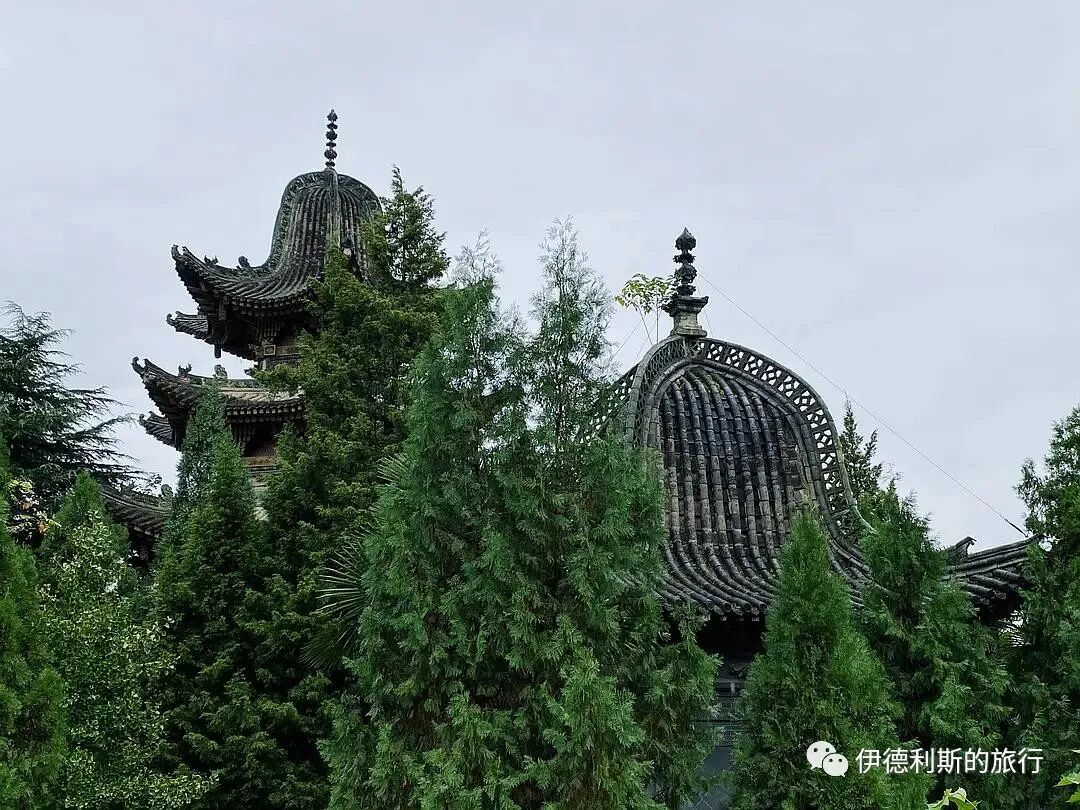
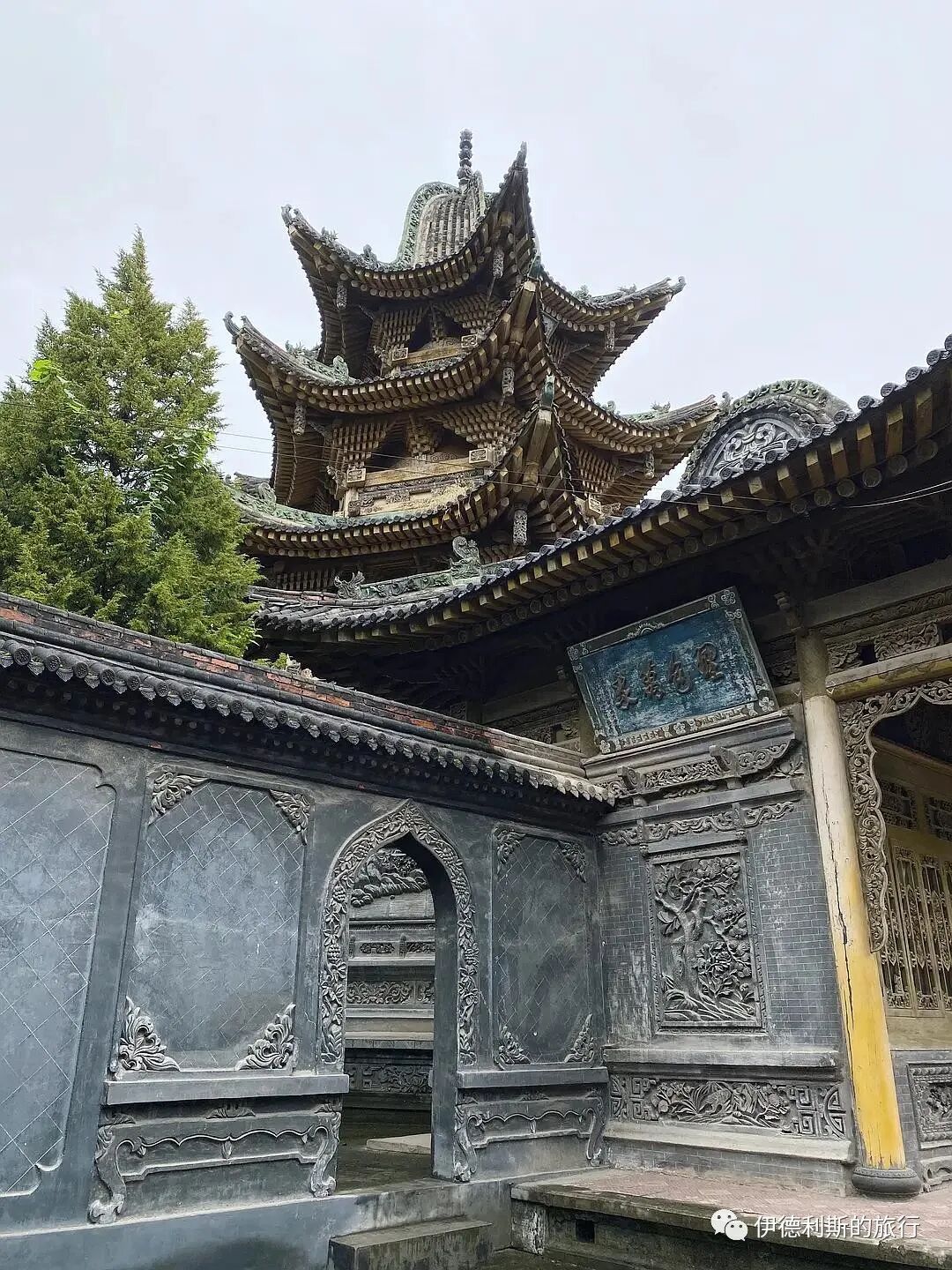
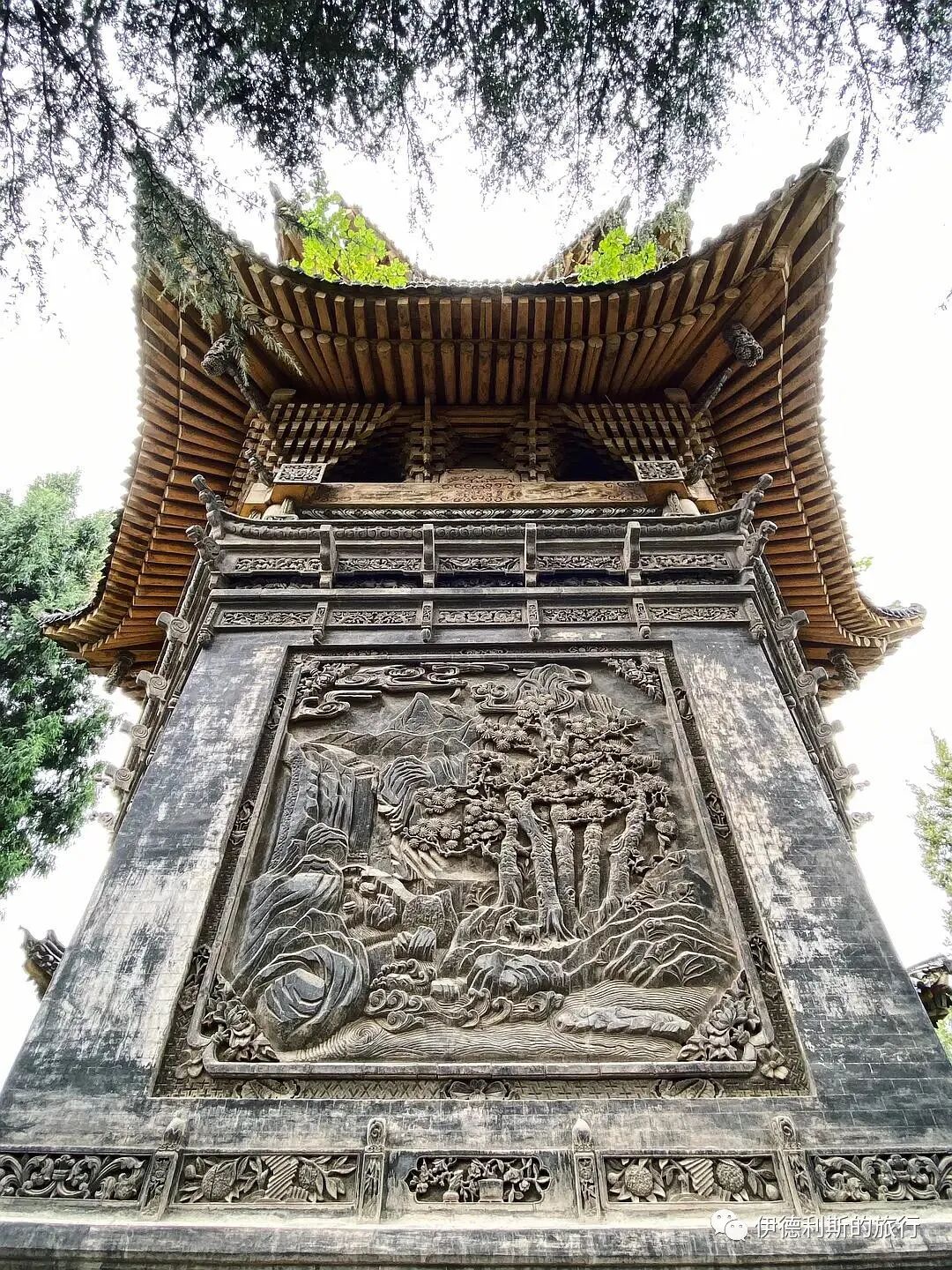
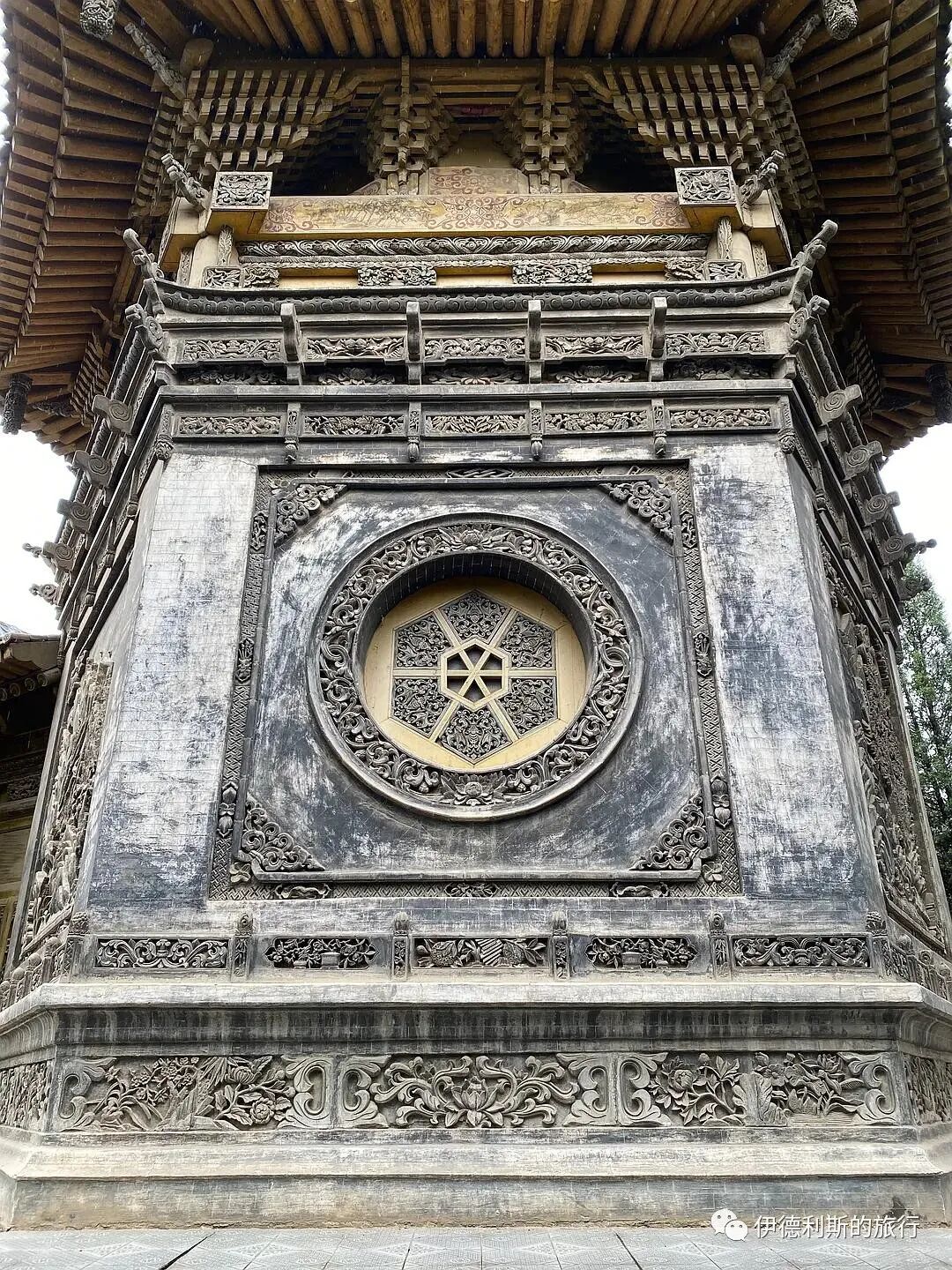
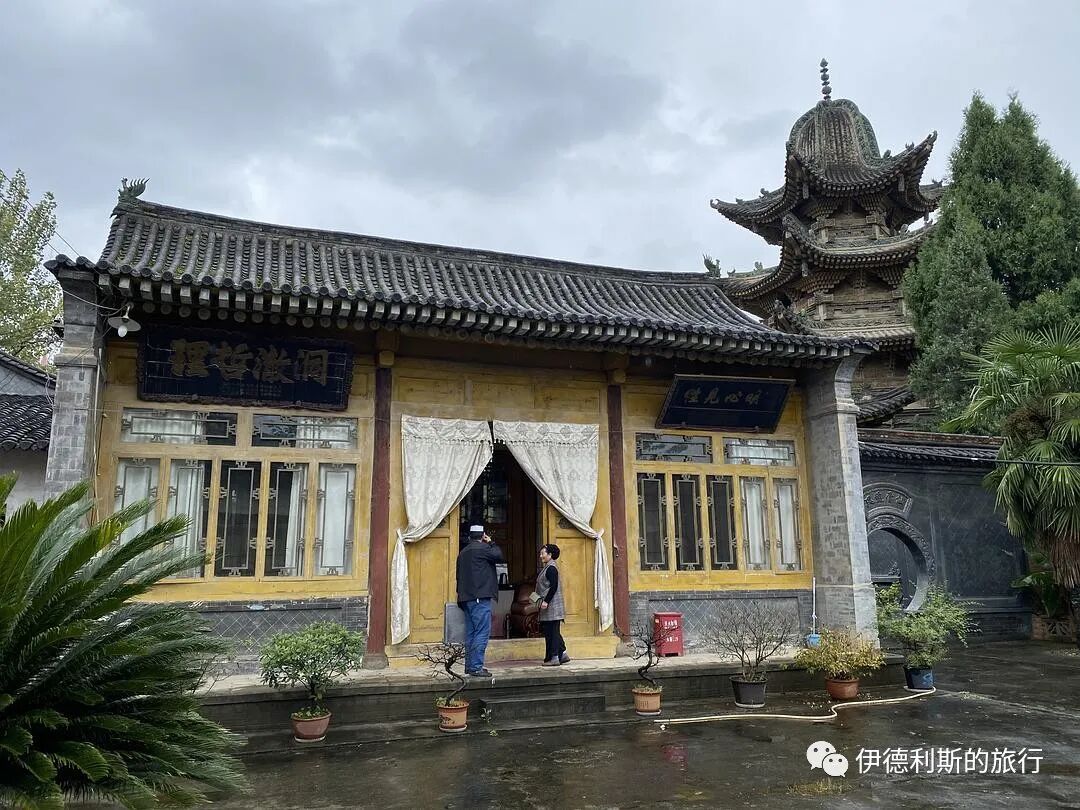
Xianyin Mosque was originally a small, elegant siheyuan (courtyard house). The main hall was the prayer hall, with three rooms on both the north and south sides, and a living room opposite. The side rooms and living room were hung with calligraphy and paintings by famous people from ancient and modern times. In the courtyard, there was a small pavilion called the "Hermit's Pavilion," along with various flowers and bonsai, and behind the courtyard was the Gongbei. After the religious reforms in 1958, Xianyin Mosque was severely damaged, and none of the original buildings remained. After the religious policy was implemented, Yang Shijun, the head of the Da Gongbei, sent his disciple Yang Qifang to rebuild Xianyin Mosque. Construction began in 1992 and was completed in 1994. All the brick and wood carvings were made in Linxia and then transported to Hanzhong for assembly, with an architectural style consistent with the Da Gongbei in Linxia.
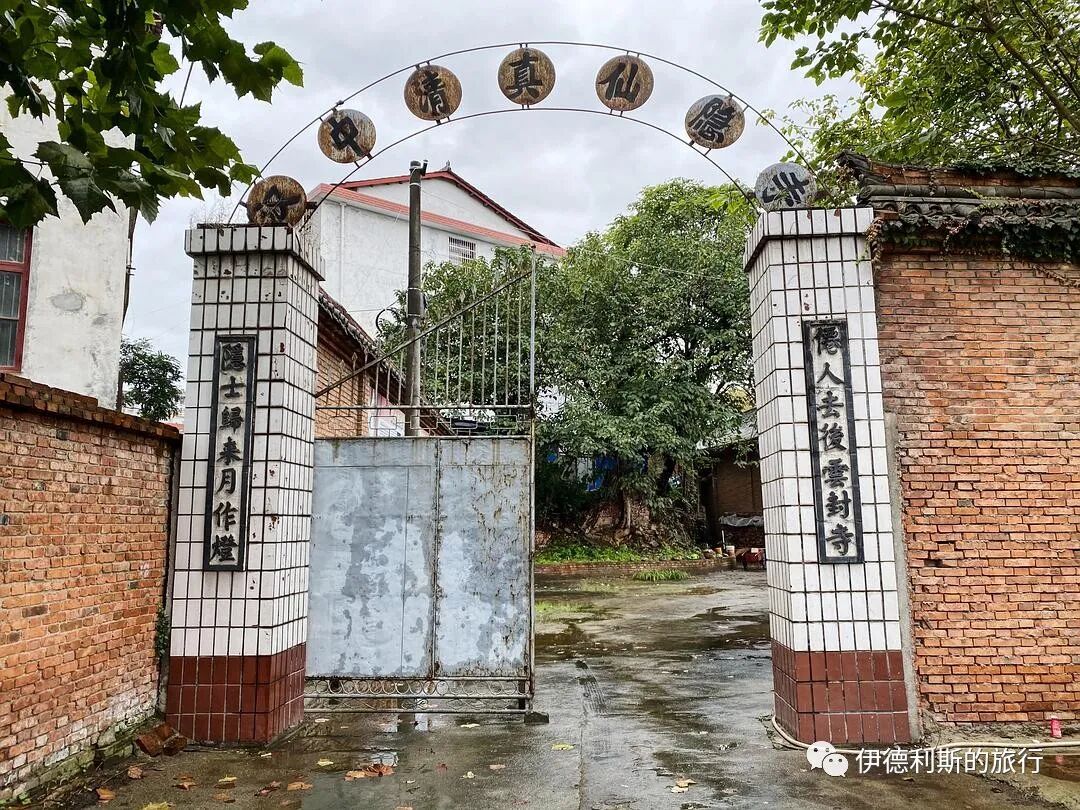
The road to Xianyin Mosque was quite winding. It had just rained heavily that day, and the only dirt road leading to the mosque was muddy and almost impassable. We tried several times and almost gave up, but finally decided to push forward through the mud, which allowed us to reach Xianyin Mosque.
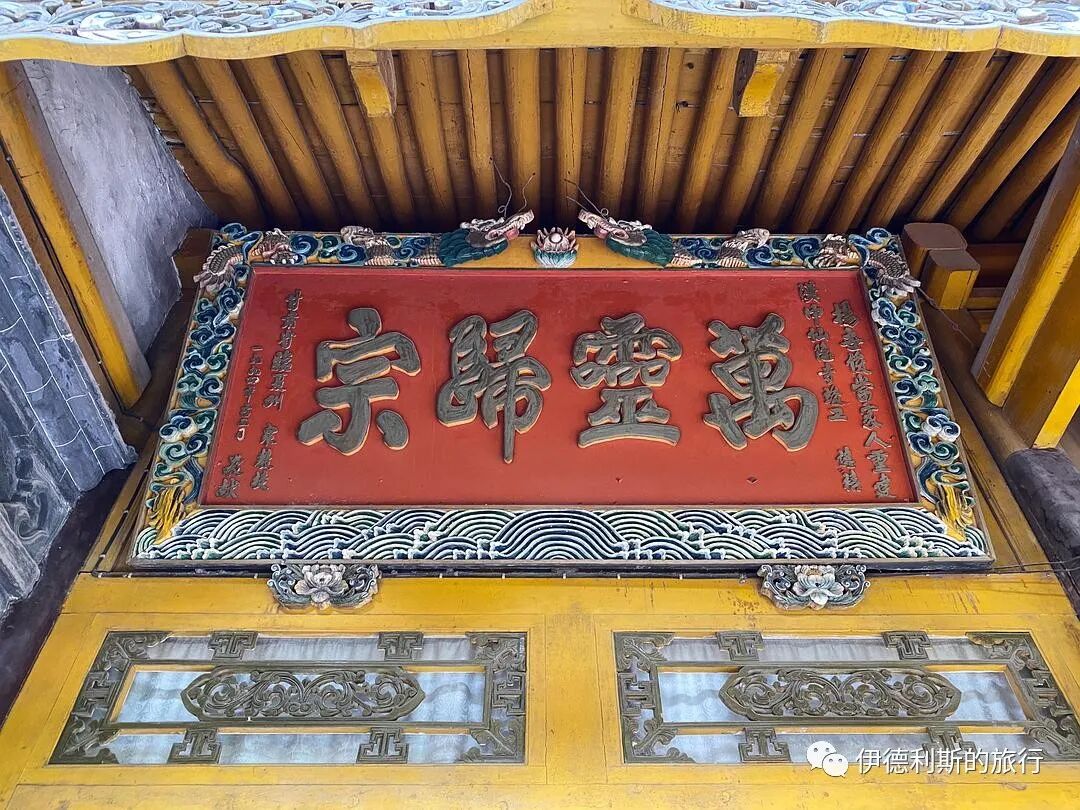
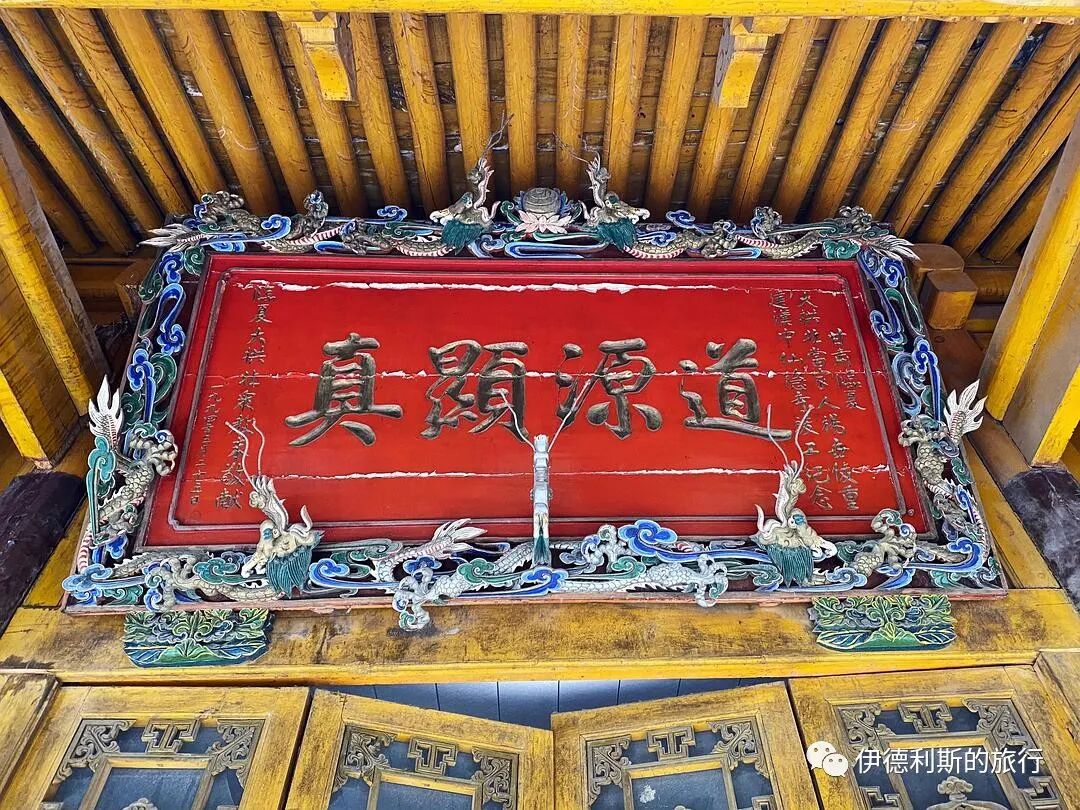
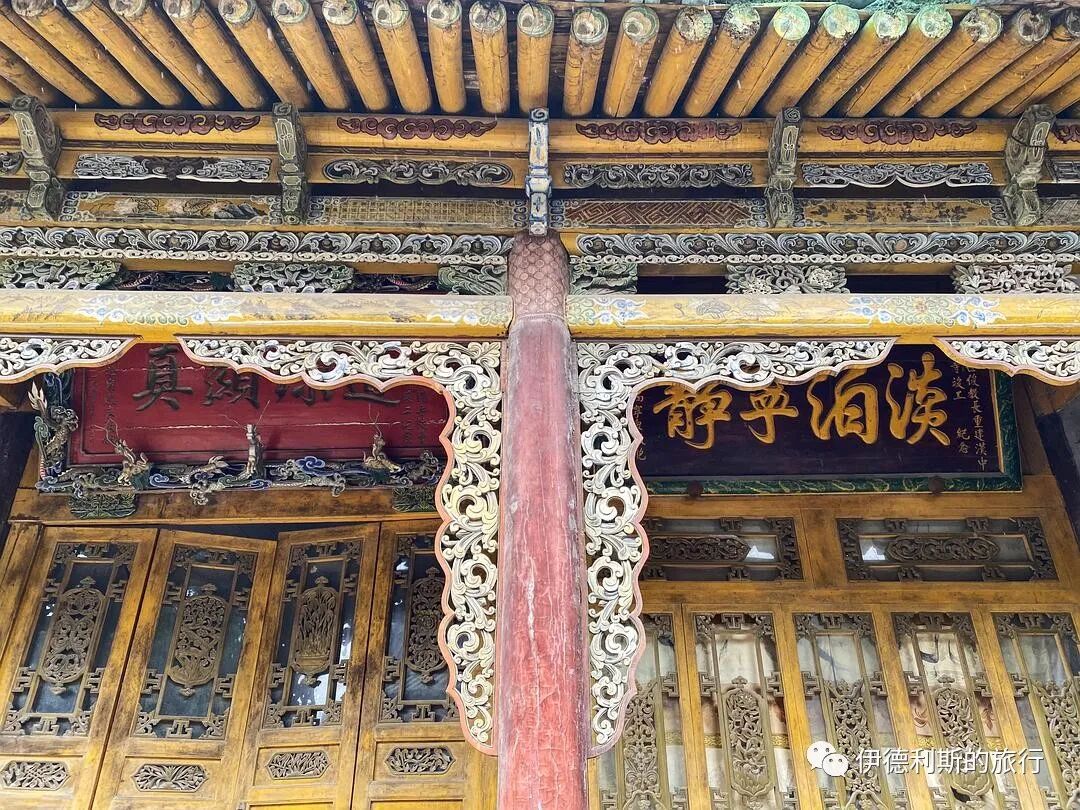
The couplet on the gate of Xianyin Mosque is very poetic: "After the immortal leaves, clouds seal the mosque; when the hermit returns, the moon serves as a lamp."
Next to the Shimayan Gongbei is the Kashi Taiye Gongbei. Kashi Taiye, whose religious name was Habibullah and Chinese name was Ha Huiyi, was a disciple of Khwaja Abdullah and passed away in Hanzhong in 1709. The Kashi Taiye Gongbei was also rebuilt between 1992 and 1994 by Yang Qifang, a disciple of Yang Shijun, the head of the Da Gongbei.
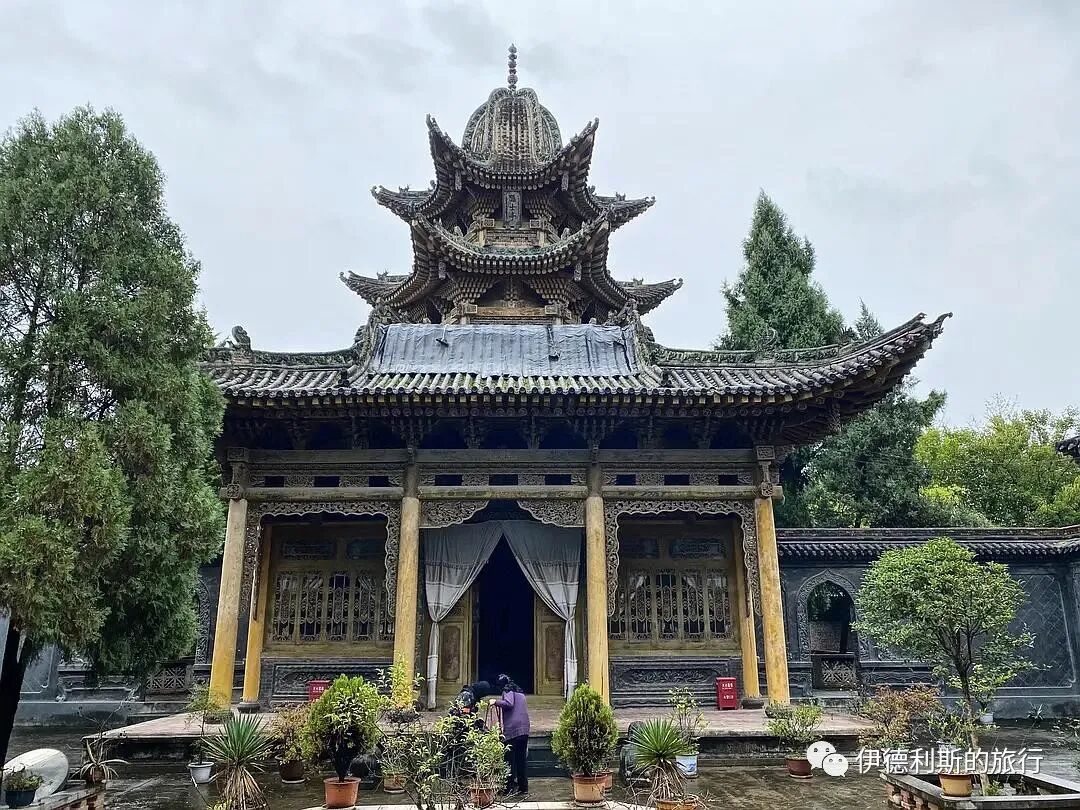
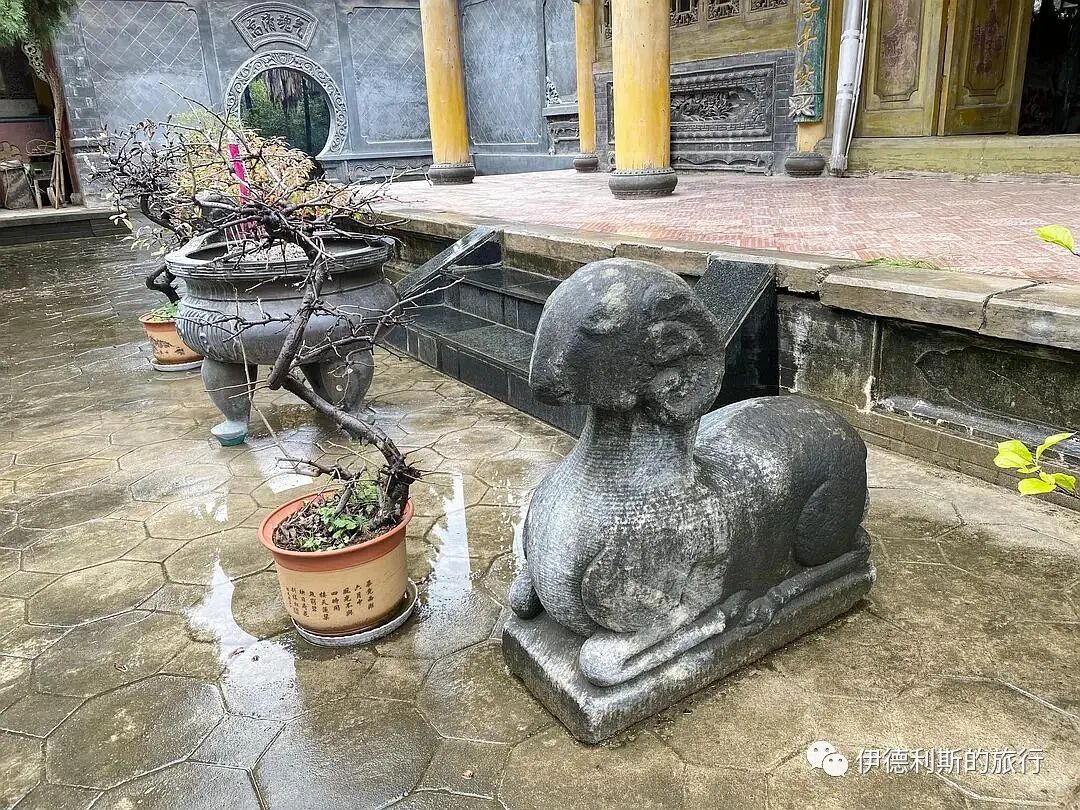
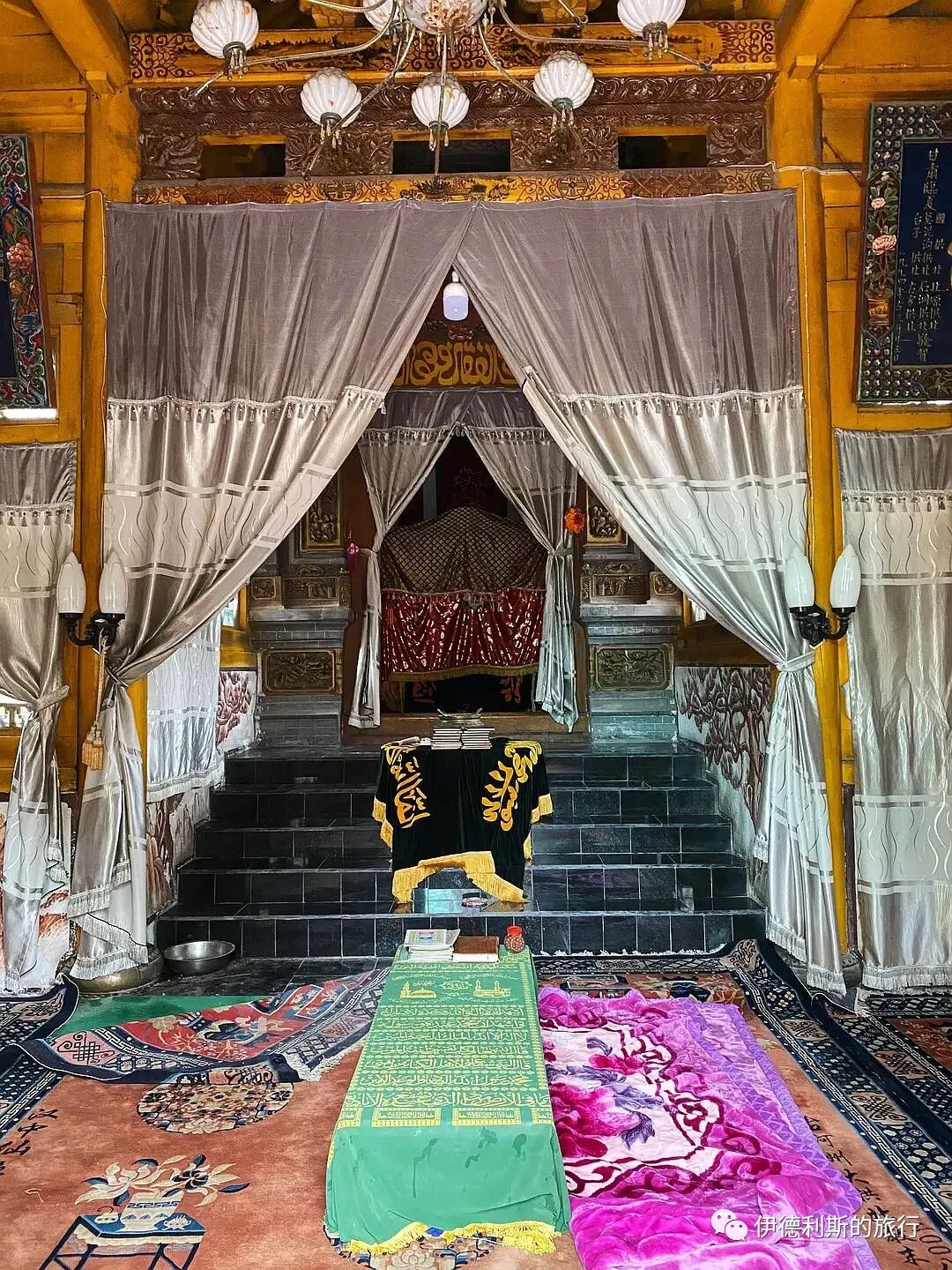
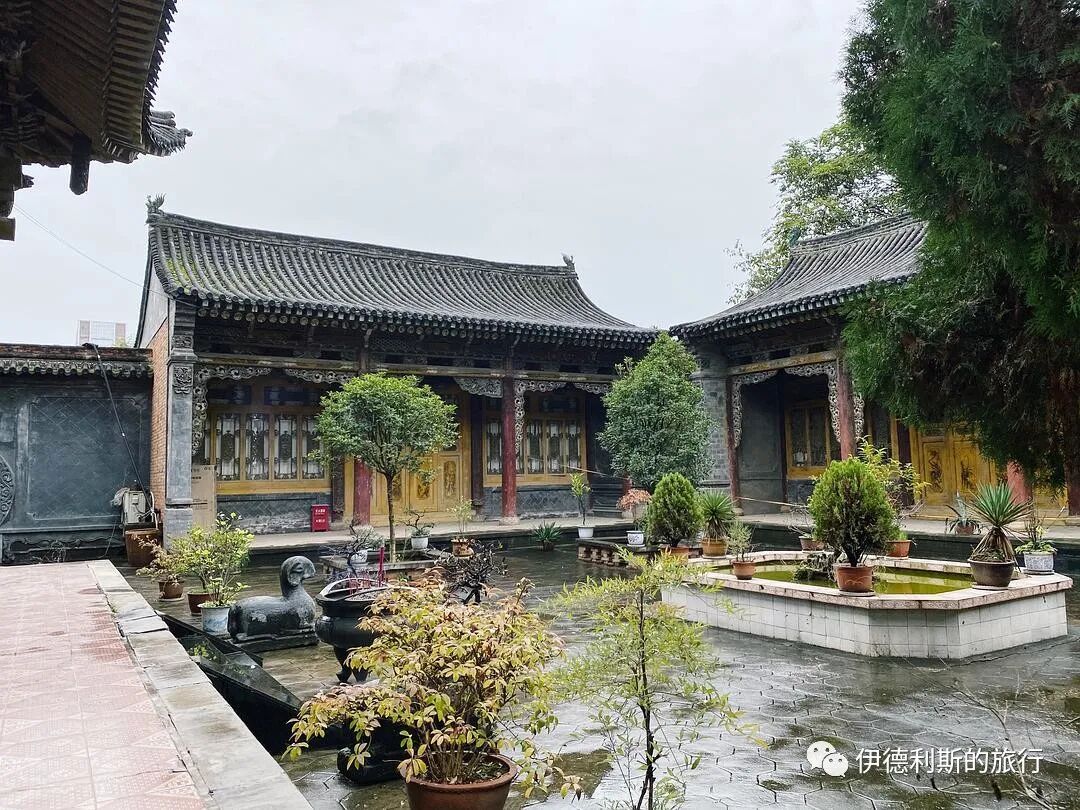
The courtyard and the mihrab (niche in the wall indicating the direction of prayer) of the prayer hall.
The two ascetics guarding the Gongbei at Xianyin Mosque welcomed us warmly. In addition to following the scriptures and traditions, the Qadiriyya order's Da Gongbei tradition believes that one must shed the temptations of secular life and achieve the goal of knowing and drawing near to Allah through ascetic practice. Therefore, disciples of the Da Gongbei tradition enter the Gongbei from a young age, living a life of seclusion, never marrying, and are known as "ascetics." According to the rules, ascetics must take turns every three years to guard the various Gongbei under the jurisdiction of the Da Gongbei, which is called "guarding the Gongbei." The two ascetics at Xianyin Mosque were both sent from the Da Gongbei in Linxia and will return to Linxia after their three-year term is up.
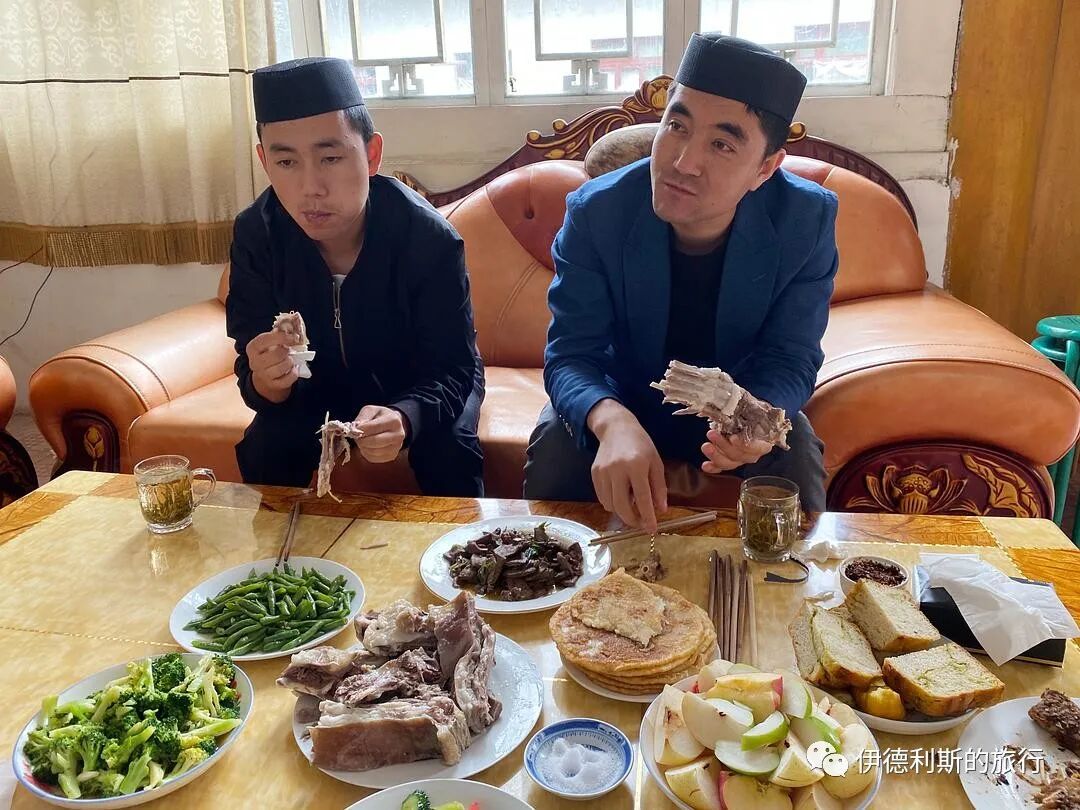
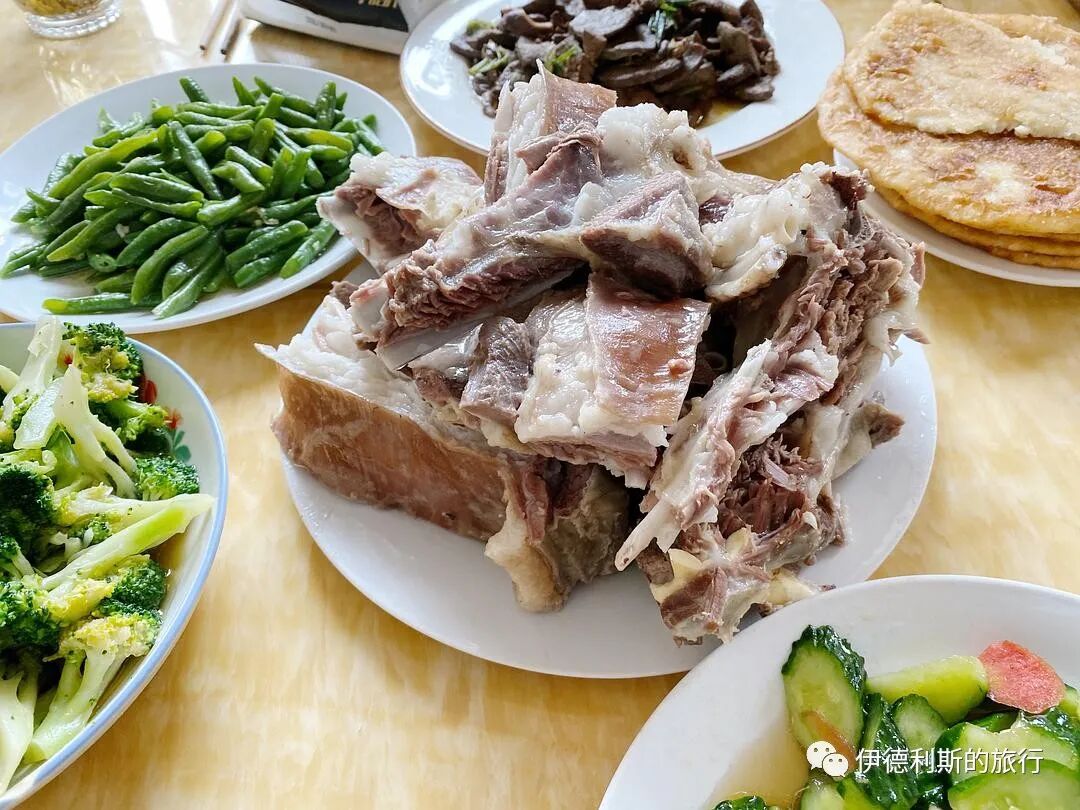
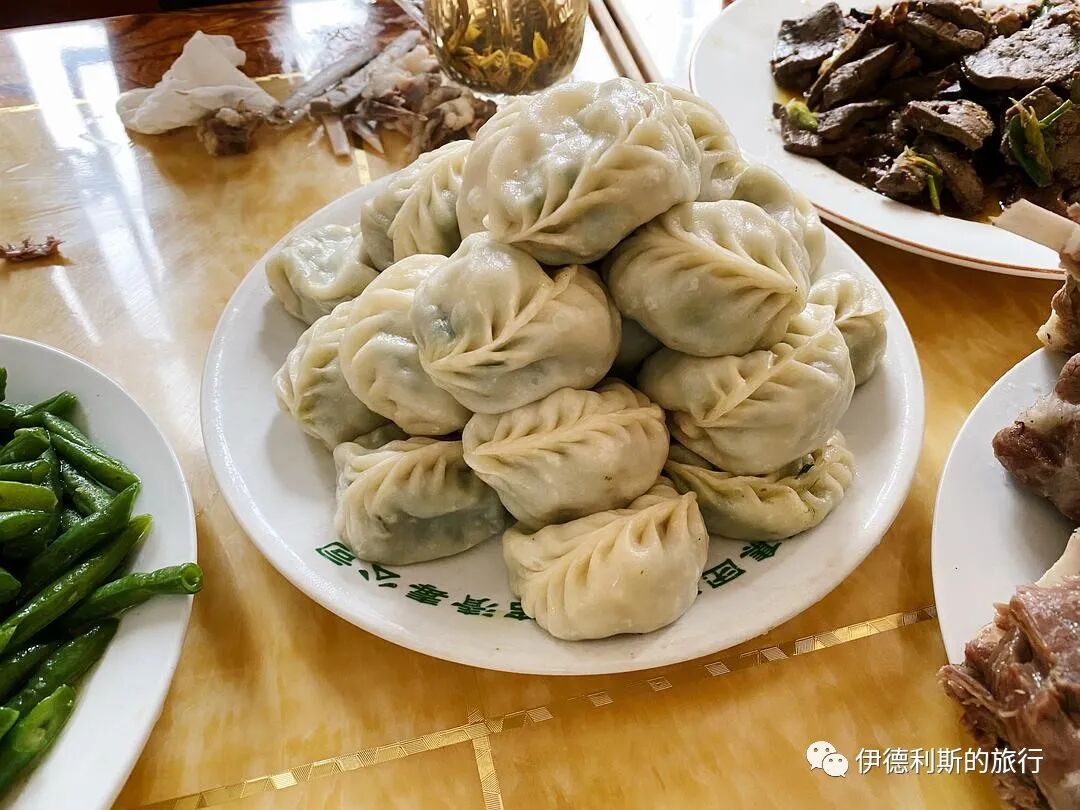
When we visited Xianyin Mosque, we happened to meet a large family from Linxia who had come to hold a khatm al-Qur'an (a gathering for reciting the Quran), and we were able to eat some delicious Hezhou food in Hanzhong. The shouzhuarou (hand-grabbed lamb) made from lamb freshly slaughtered by the ascetics was very tender. We also had stir-fried lamb liver and deep-fried tangmian youxiang (leavened dough fritters). view all
Summary: This travel note introduces Hanzhong Halal Food Guide: Xianyinsi Lamb and Muslim Travel. In 2020, while traveling along the Han River, we transferred from Shaanxi to Sichuan by train, stopping in Hanzhong along the way. It is useful for readers interested in Hanzhong Travel, Halal Food, Muslim Travel.
In 2020, while traveling along the Han River, we transferred from Shaanxi to Sichuan by train, stopping in Hanzhong along the way. We made a special trip to visit Xianyin Mosque, and while visiting the ancient mosque, we also ate some delicious lamb.
Xianyin Mosque is located not far northwest of Hanzhong Railway Station. Like the Baba Mosque in Langzhong and the Luling Mosque in Xixiang, it belongs to the Qadiriyya Sufi order's Da Gongbei tradition, though it is not as famous as the first two. One day in 1685, Ma Ziyun, the Hanzhong garrison commander, was hunting in a forest in Shimayan in the northern suburbs of Hanzhong. He shot a rabbit, but it escaped. As Ma Ziyun chased it, he discovered an old Shaykh sitting in meditation where the rabbit had been. This was the first-generation ancestor of the Qadiriyya order, Khwaja Abdullah. Ma Ziyun held the Khwaja in high esteem, so he invited him back to his residence and treated him with the respect due to a teacher. Later, when Ma Ziyun was promoted to the garrison commander of northern Sichuan, he invited the Khwaja to Langzhong to preach.
To commemorate the meeting between Ma Ziyun and the Khwaja here, later generations built Xianyin Mosque during the Guangxu reign. Therefore, this is a commemorative Gongbei (shrine), also known as the Shimayan Gongbei.
Xianyin Mosque was originally a small, elegant siheyuan (courtyard house). The main hall was the prayer hall, with three rooms on both the north and south sides, and a living room opposite. The side rooms and living room were hung with calligraphy and paintings by famous people from ancient and modern times. In the courtyard, there was a small pavilion called the "Hermit's Pavilion," along with various flowers and bonsai, and behind the courtyard was the Gongbei. After the religious reforms in 1958, Xianyin Mosque was severely damaged, and none of the original buildings remained. After the religious policy was implemented, Yang Shijun, the head of the Da Gongbei, sent his disciple Yang Qifang to rebuild Xianyin Mosque. Construction began in 1992 and was completed in 1994. All the brick and wood carvings were made in Linxia and then transported to Hanzhong for assembly, with an architectural style consistent with the Da Gongbei in Linxia.
The road to Xianyin Mosque was quite winding. It had just rained heavily that day, and the only dirt road leading to the mosque was muddy and almost impassable. We tried several times and almost gave up, but finally decided to push forward through the mud, which allowed us to reach Xianyin Mosque.
The couplet on the gate of Xianyin Mosque is very poetic: "After the immortal leaves, clouds seal the mosque; when the hermit returns, the moon serves as a lamp."
Next to the Shimayan Gongbei is the Kashi Taiye Gongbei. Kashi Taiye, whose religious name was Habibullah and Chinese name was Ha Huiyi, was a disciple of Khwaja Abdullah and passed away in Hanzhong in 1709. The Kashi Taiye Gongbei was also rebuilt between 1992 and 1994 by Yang Qifang, a disciple of Yang Shijun, the head of the Da Gongbei.
The courtyard and the mihrab (niche in the wall indicating the direction of prayer) of the prayer hall.
The two ascetics guarding the Gongbei at Xianyin Mosque welcomed us warmly. In addition to following the scriptures and traditions, the Qadiriyya order's Da Gongbei tradition believes that one must shed the temptations of secular life and achieve the goal of knowing and drawing near to Allah through ascetic practice. Therefore, disciples of the Da Gongbei tradition enter the Gongbei from a young age, living a life of seclusion, never marrying, and are known as "ascetics." According to the rules, ascetics must take turns every three years to guard the various Gongbei under the jurisdiction of the Da Gongbei, which is called "guarding the Gongbei." The two ascetics at Xianyin Mosque were both sent from the Da Gongbei in Linxia and will return to Linxia after their three-year term is up.
When we visited Xianyin Mosque, we happened to meet a large family from Linxia who had come to hold a khatm al-Qur'an (a gathering for reciting the Quran), and we were able to eat some delicious Hezhou food in Hanzhong. The shouzhuarou (hand-grabbed lamb) made from lamb freshly slaughtered by the ascetics was very tender. We also had stir-fried lamb liver and deep-fried tangmian youxiang (leavened dough fritters). view all
Reposted from the web
Summary: This travel note introduces Hanzhong Halal Food Guide: Xianyinsi Lamb and Muslim Travel. In 2020, while traveling along the Han River, we transferred from Shaanxi to Sichuan by train, stopping in Hanzhong along the way. It is useful for readers interested in Hanzhong Travel, Halal Food, Muslim Travel.
In 2020, while traveling along the Han River, we transferred from Shaanxi to Sichuan by train, stopping in Hanzhong along the way. We made a special trip to visit Xianyin Mosque, and while visiting the ancient mosque, we also ate some delicious lamb.
Xianyin Mosque is located not far northwest of Hanzhong Railway Station. Like the Baba Mosque in Langzhong and the Luling Mosque in Xixiang, it belongs to the Qadiriyya Sufi order's Da Gongbei tradition, though it is not as famous as the first two. One day in 1685, Ma Ziyun, the Hanzhong garrison commander, was hunting in a forest in Shimayan in the northern suburbs of Hanzhong. He shot a rabbit, but it escaped. As Ma Ziyun chased it, he discovered an old Shaykh sitting in meditation where the rabbit had been. This was the first-generation ancestor of the Qadiriyya order, Khwaja Abdullah. Ma Ziyun held the Khwaja in high esteem, so he invited him back to his residence and treated him with the respect due to a teacher. Later, when Ma Ziyun was promoted to the garrison commander of northern Sichuan, he invited the Khwaja to Langzhong to preach.
To commemorate the meeting between Ma Ziyun and the Khwaja here, later generations built Xianyin Mosque during the Guangxu reign. Therefore, this is a commemorative Gongbei (shrine), also known as the Shimayan Gongbei.
Xianyin Mosque was originally a small, elegant siheyuan (courtyard house). The main hall was the prayer hall, with three rooms on both the north and south sides, and a living room opposite. The side rooms and living room were hung with calligraphy and paintings by famous people from ancient and modern times. In the courtyard, there was a small pavilion called the "Hermit's Pavilion," along with various flowers and bonsai, and behind the courtyard was the Gongbei. After the religious reforms in 1958, Xianyin Mosque was severely damaged, and none of the original buildings remained. After the religious policy was implemented, Yang Shijun, the head of the Da Gongbei, sent his disciple Yang Qifang to rebuild Xianyin Mosque. Construction began in 1992 and was completed in 1994. All the brick and wood carvings were made in Linxia and then transported to Hanzhong for assembly, with an architectural style consistent with the Da Gongbei in Linxia.
The road to Xianyin Mosque was quite winding. It had just rained heavily that day, and the only dirt road leading to the mosque was muddy and almost impassable. We tried several times and almost gave up, but finally decided to push forward through the mud, which allowed us to reach Xianyin Mosque.
The couplet on the gate of Xianyin Mosque is very poetic: "After the immortal leaves, clouds seal the mosque; when the hermit returns, the moon serves as a lamp."
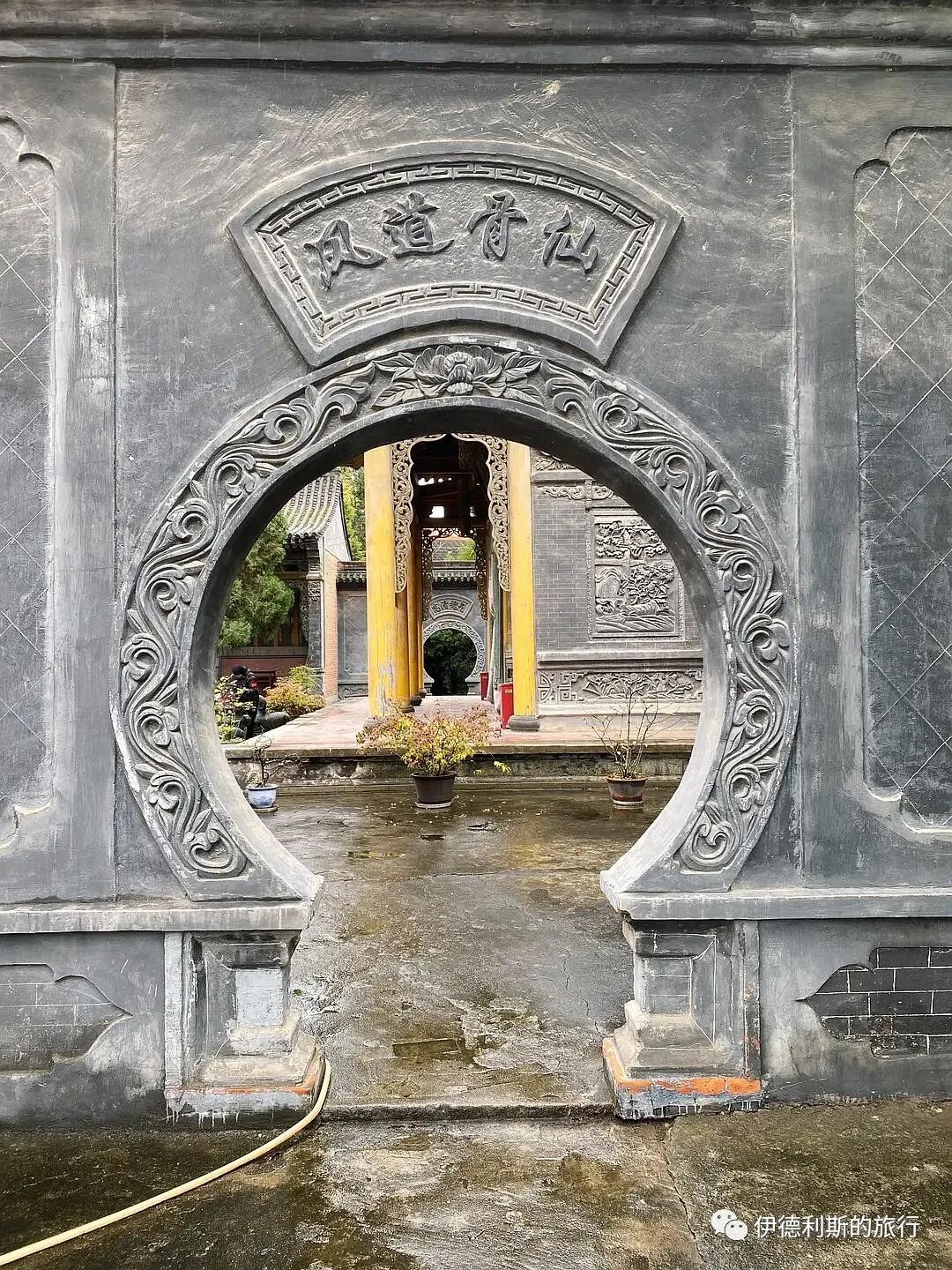
Next to the Shimayan Gongbei is the Kashi Taiye Gongbei. Kashi Taiye, whose religious name was Habibullah and Chinese name was Ha Huiyi, was a disciple of Khwaja Abdullah and passed away in Hanzhong in 1709. The Kashi Taiye Gongbei was also rebuilt between 1992 and 1994 by Yang Qifang, a disciple of Yang Shijun, the head of the Da Gongbei.
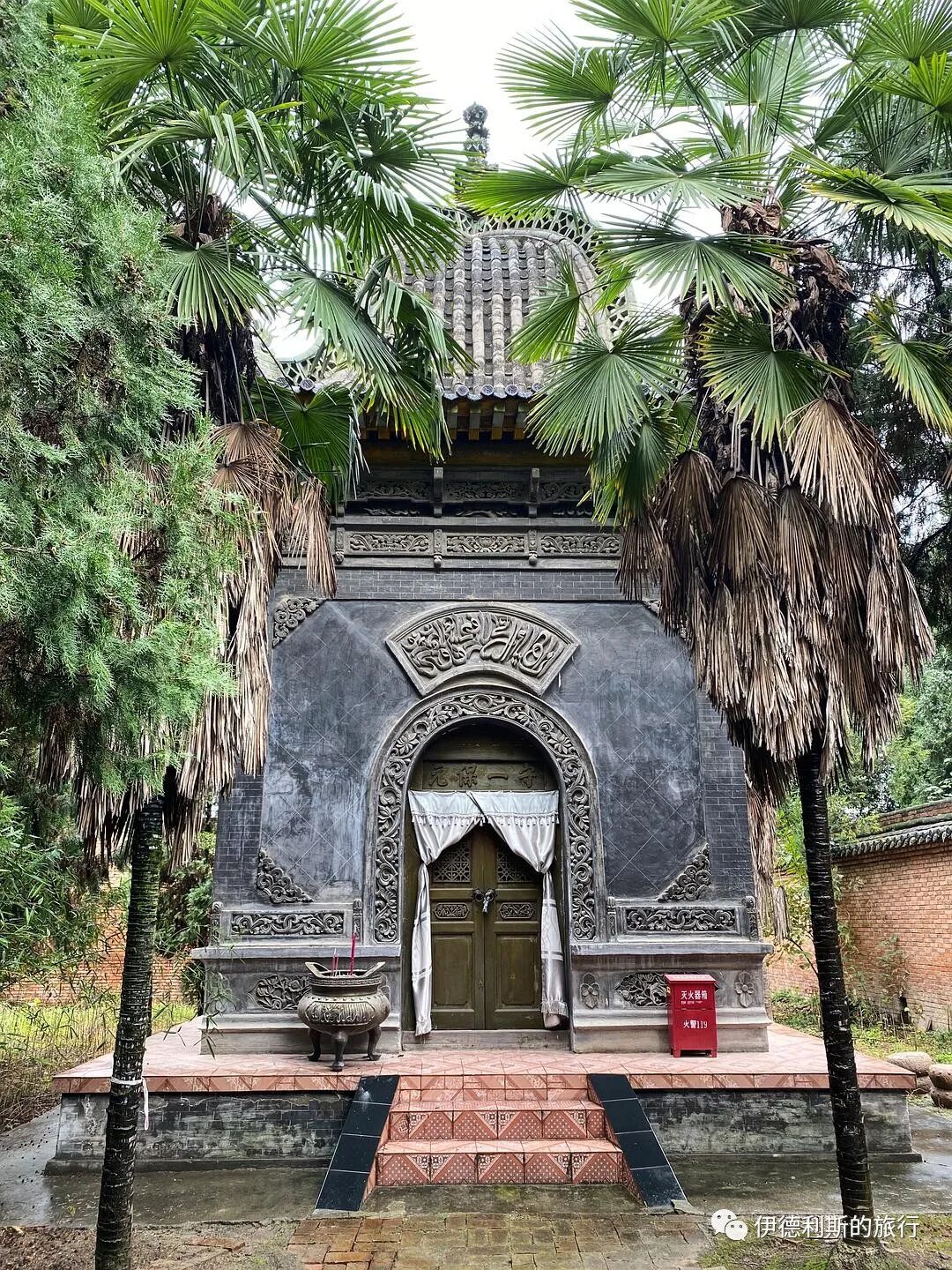
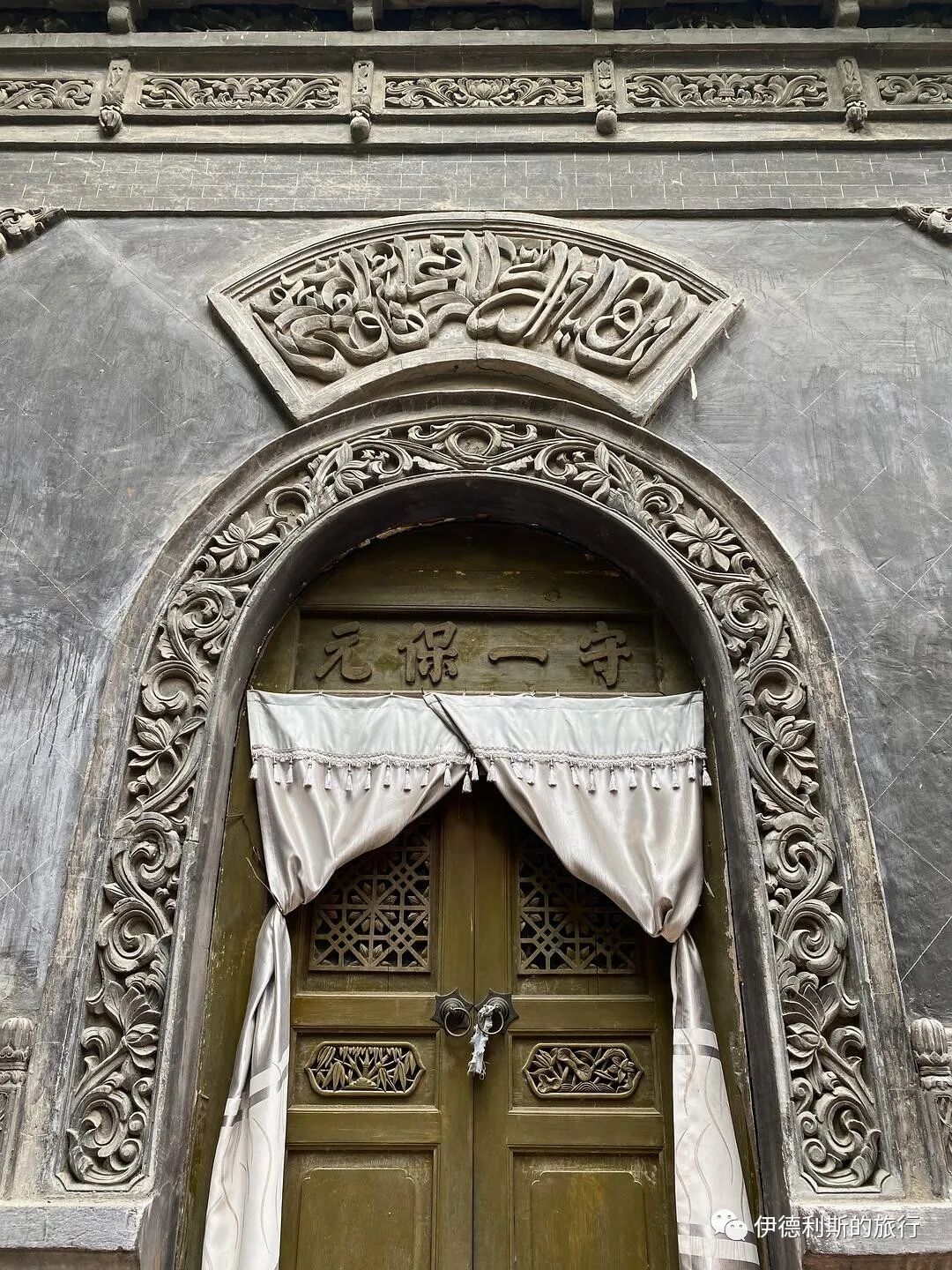
The courtyard and the mihrab (niche in the wall indicating the direction of prayer) of the prayer hall.
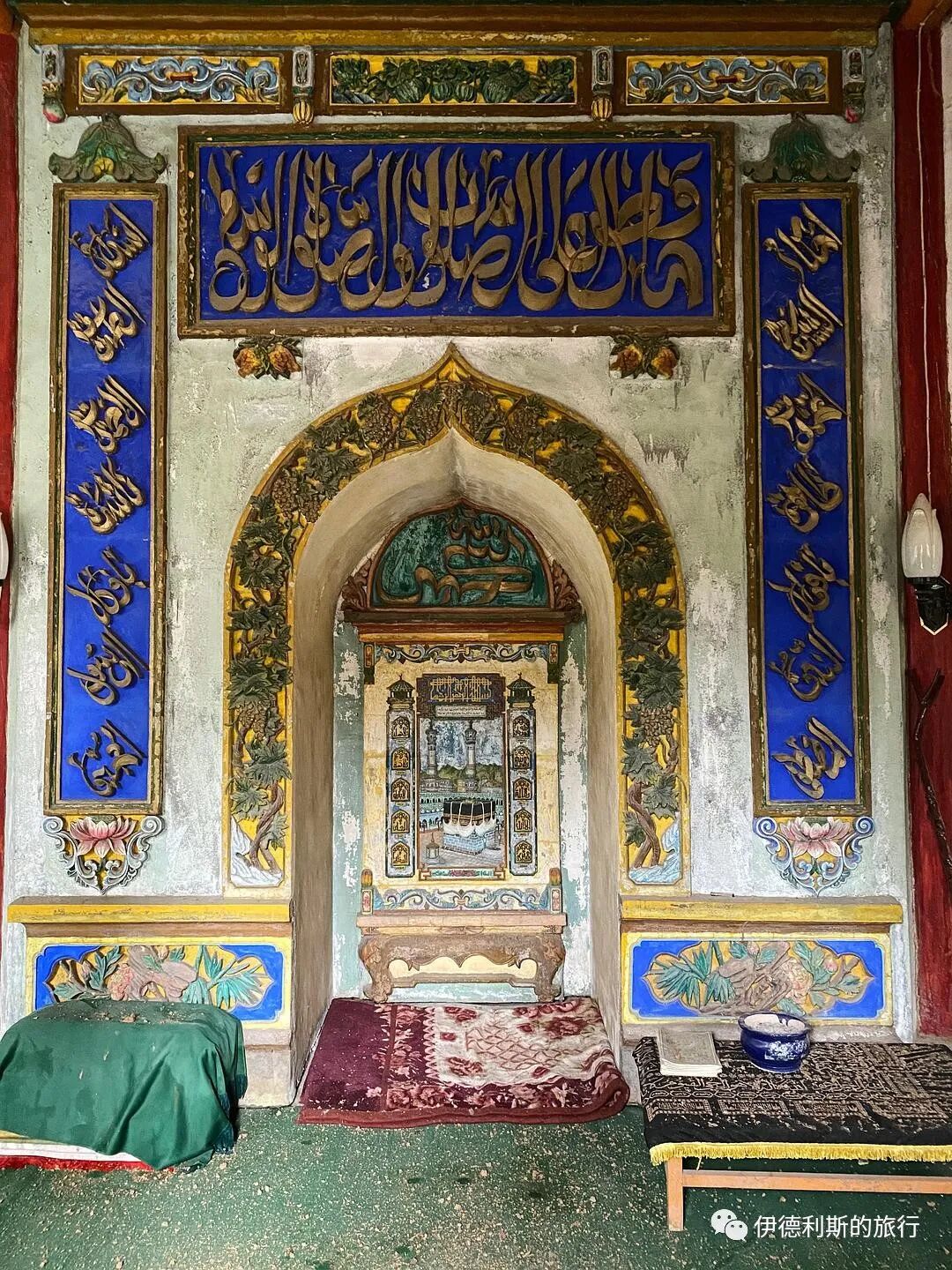
The two ascetics guarding the Gongbei at Xianyin Mosque welcomed us warmly. In addition to following the scriptures and traditions, the Qadiriyya order's Da Gongbei tradition believes that one must shed the temptations of secular life and achieve the goal of knowing and drawing near to Allah through ascetic practice. Therefore, disciples of the Da Gongbei tradition enter the Gongbei from a young age, living a life of seclusion, never marrying, and are known as "ascetics." According to the rules, ascetics must take turns every three years to guard the various Gongbei under the jurisdiction of the Da Gongbei, which is called "guarding the Gongbei." The two ascetics at Xianyin Mosque were both sent from the Da Gongbei in Linxia and will return to Linxia after their three-year term is up.
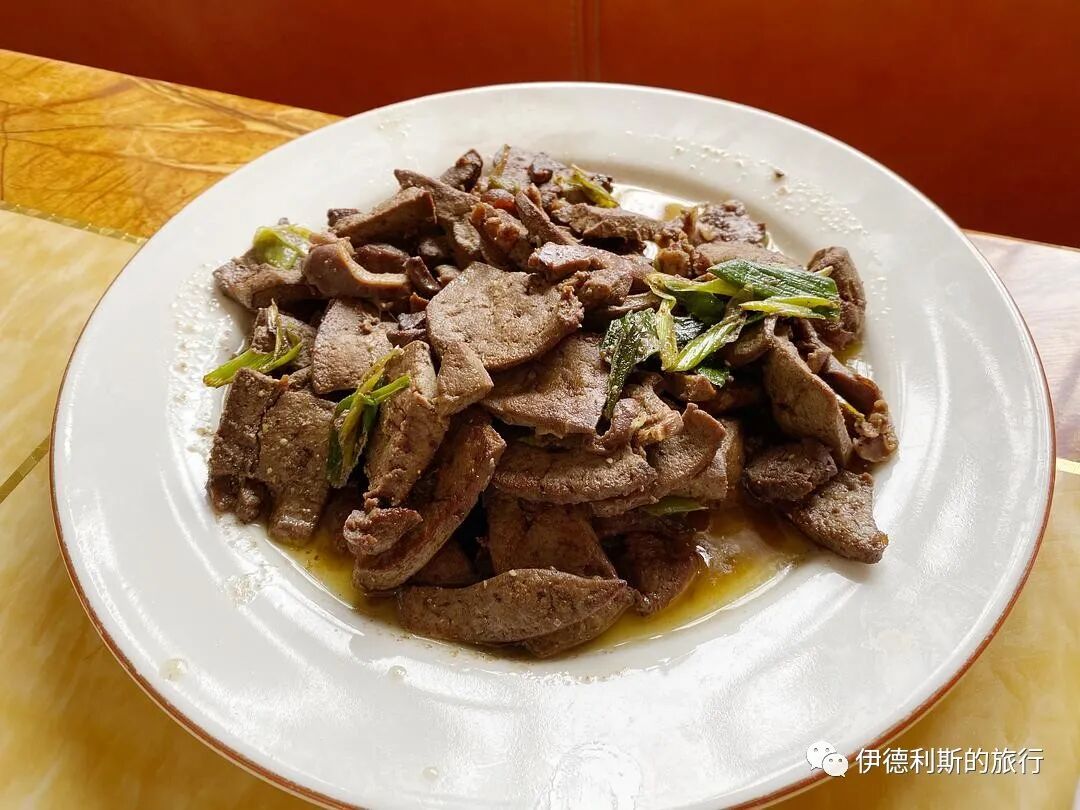
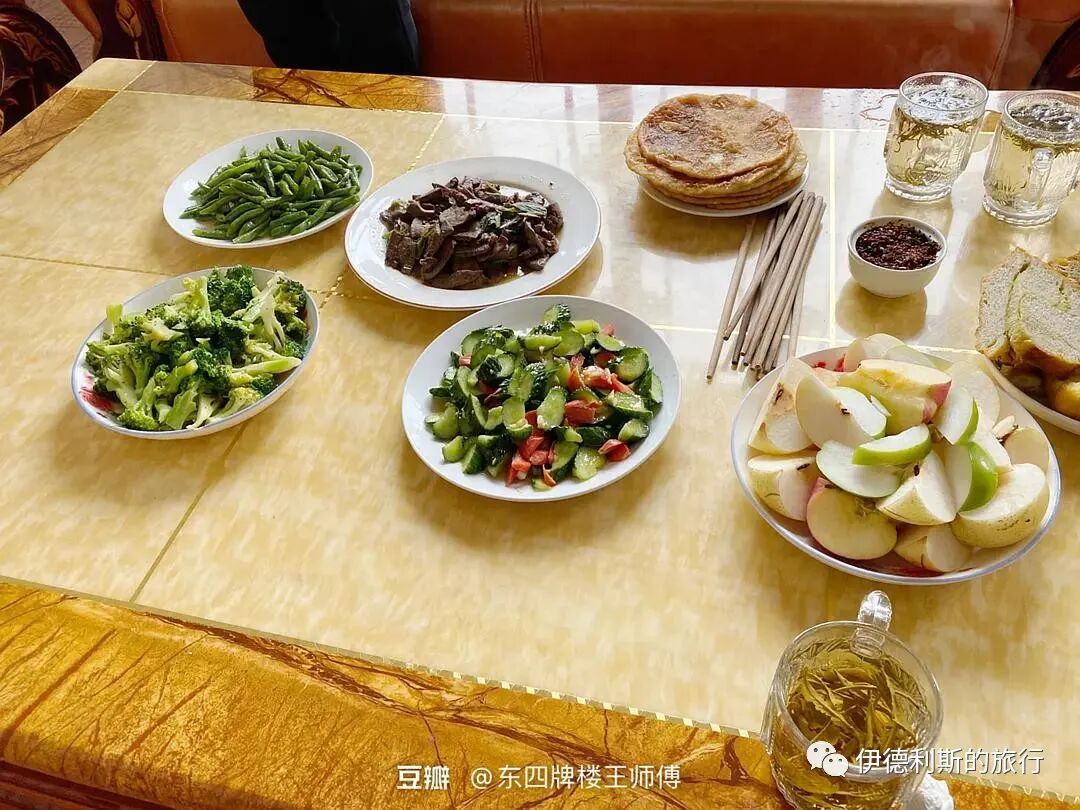
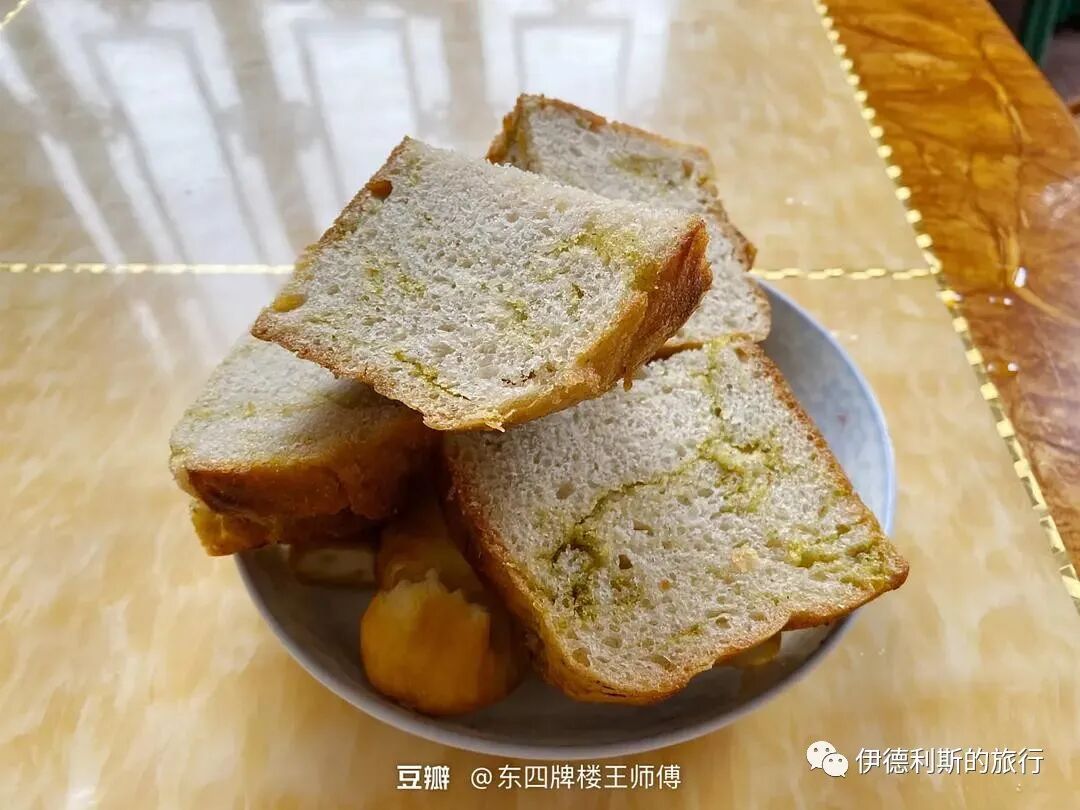
When we visited Xianyin Mosque, we happened to meet a large family from Linxia who had come to hold a khatm al-Qur'an (a gathering for reciting the Quran), and we were able to eat some delicious Hezhou food in Hanzhong. The shouzhuarou (hand-grabbed lamb) made from lamb freshly slaughtered by the ascetics was very tender. We also had stir-fried lamb liver and deep-fried tangmian youxiang (leavened dough fritters).

Summary: This travel note introduces Hanzhong Halal Food Guide: Xianyinsi Lamb and Muslim Travel. In 2020, while traveling along the Han River, we transferred from Shaanxi to Sichuan by train, stopping in Hanzhong along the way. It is useful for readers interested in Hanzhong Travel, Halal Food, Muslim Travel.
In 2020, while traveling along the Han River, we transferred from Shaanxi to Sichuan by train, stopping in Hanzhong along the way. We made a special trip to visit Xianyin Mosque, and while visiting the ancient mosque, we also ate some delicious lamb.
Xianyin Mosque is located not far northwest of Hanzhong Railway Station. Like the Baba Mosque in Langzhong and the Luling Mosque in Xixiang, it belongs to the Qadiriyya Sufi order's Da Gongbei tradition, though it is not as famous as the first two. One day in 1685, Ma Ziyun, the Hanzhong garrison commander, was hunting in a forest in Shimayan in the northern suburbs of Hanzhong. He shot a rabbit, but it escaped. As Ma Ziyun chased it, he discovered an old Shaykh sitting in meditation where the rabbit had been. This was the first-generation ancestor of the Qadiriyya order, Khwaja Abdullah. Ma Ziyun held the Khwaja in high esteem, so he invited him back to his residence and treated him with the respect due to a teacher. Later, when Ma Ziyun was promoted to the garrison commander of northern Sichuan, he invited the Khwaja to Langzhong to preach.
To commemorate the meeting between Ma Ziyun and the Khwaja here, later generations built Xianyin Mosque during the Guangxu reign. Therefore, this is a commemorative Gongbei (shrine), also known as the Shimayan Gongbei.
Xianyin Mosque was originally a small, elegant siheyuan (courtyard house). The main hall was the prayer hall, with three rooms on both the north and south sides, and a living room opposite. The side rooms and living room were hung with calligraphy and paintings by famous people from ancient and modern times. In the courtyard, there was a small pavilion called the "Hermit's Pavilion," along with various flowers and bonsai, and behind the courtyard was the Gongbei. After the religious reforms in 1958, Xianyin Mosque was severely damaged, and none of the original buildings remained. After the religious policy was implemented, Yang Shijun, the head of the Da Gongbei, sent his disciple Yang Qifang to rebuild Xianyin Mosque. Construction began in 1992 and was completed in 1994. All the brick and wood carvings were made in Linxia and then transported to Hanzhong for assembly, with an architectural style consistent with the Da Gongbei in Linxia.
The road to Xianyin Mosque was quite winding. It had just rained heavily that day, and the only dirt road leading to the mosque was muddy and almost impassable. We tried several times and almost gave up, but finally decided to push forward through the mud, which allowed us to reach Xianyin Mosque.
The couplet on the gate of Xianyin Mosque is very poetic: "After the immortal leaves, clouds seal the mosque; when the hermit returns, the moon serves as a lamp."
Next to the Shimayan Gongbei is the Kashi Taiye Gongbei. Kashi Taiye, whose religious name was Habibullah and Chinese name was Ha Huiyi, was a disciple of Khwaja Abdullah and passed away in Hanzhong in 1709. The Kashi Taiye Gongbei was also rebuilt between 1992 and 1994 by Yang Qifang, a disciple of Yang Shijun, the head of the Da Gongbei.
The courtyard and the mihrab (niche in the wall indicating the direction of prayer) of the prayer hall.
The two ascetics guarding the Gongbei at Xianyin Mosque welcomed us warmly. In addition to following the scriptures and traditions, the Qadiriyya order's Da Gongbei tradition believes that one must shed the temptations of secular life and achieve the goal of knowing and drawing near to Allah through ascetic practice. Therefore, disciples of the Da Gongbei tradition enter the Gongbei from a young age, living a life of seclusion, never marrying, and are known as "ascetics." According to the rules, ascetics must take turns every three years to guard the various Gongbei under the jurisdiction of the Da Gongbei, which is called "guarding the Gongbei." The two ascetics at Xianyin Mosque were both sent from the Da Gongbei in Linxia and will return to Linxia after their three-year term is up.
When we visited Xianyin Mosque, we happened to meet a large family from Linxia who had come to hold a khatm al-Qur'an (a gathering for reciting the Quran), and we were able to eat some delicious Hezhou food in Hanzhong. The shouzhuarou (hand-grabbed lamb) made from lamb freshly slaughtered by the ascetics was very tender. We also had stir-fried lamb liver and deep-fried tangmian youxiang (leavened dough fritters).
Hanzhong Halal Food Guide: Xianyinsi Lamb and Muslim Travel
Articles • ali2007fr posted the article • 0 comments • 116 views • 2026-05-17 05:52
Reposted from the web
Summary: This travel note introduces Hanzhong Halal Food Guide: Xianyinsi Lamb and Muslim Travel. In 2020, while traveling along the Han River, we transferred from Shaanxi to Sichuan by train, stopping in Hanzhong along the way. It is useful for readers interested in Hanzhong Travel, Halal Food, Muslim Travel.
In 2020, while traveling along the Han River, we transferred from Shaanxi to Sichuan by train, stopping in Hanzhong along the way. We made a special trip to visit Xianyin Mosque, and while visiting the ancient mosque, we also ate some delicious lamb.
Xianyin Mosque is located not far northwest of Hanzhong Railway Station. Like the Baba Mosque in Langzhong and the Luling Mosque in Xixiang, it belongs to the Qadiriyya Sufi order's Da Gongbei tradition, though it is not as famous as the first two. One day in 1685, Ma Ziyun, the Hanzhong garrison commander, was hunting in a forest in Shimayan in the northern suburbs of Hanzhong. He shot a rabbit, but it escaped. As Ma Ziyun chased it, he discovered an old Shaykh sitting in meditation where the rabbit had been. This was the first-generation ancestor of the Qadiriyya order, Khwaja Abdullah. Ma Ziyun held the Khwaja in high esteem, so he invited him back to his residence and treated him with the respect due to a teacher. Later, when Ma Ziyun was promoted to the garrison commander of northern Sichuan, he invited the Khwaja to Langzhong to preach.
To commemorate the meeting between Ma Ziyun and the Khwaja here, later generations built Xianyin Mosque during the Guangxu reign. Therefore, this is a commemorative Gongbei (shrine), also known as the Shimayan Gongbei.
Xianyin Mosque was originally a small, elegant siheyuan (courtyard house). The main hall was the prayer hall, with three rooms on both the north and south sides, and a living room opposite. The side rooms and living room were hung with calligraphy and paintings by famous people from ancient and modern times. In the courtyard, there was a small pavilion called the "Hermit's Pavilion," along with various flowers and bonsai, and behind the courtyard was the Gongbei. After the religious reforms in 1958, Xianyin Mosque was severely damaged, and none of the original buildings remained. After the religious policy was implemented, Yang Shijun, the head of the Da Gongbei, sent his disciple Yang Qifang to rebuild Xianyin Mosque. Construction began in 1992 and was completed in 1994. All the brick and wood carvings were made in Linxia and then transported to Hanzhong for assembly, with an architectural style consistent with the Da Gongbei in Linxia.
The road to Xianyin Mosque was quite winding. It had just rained heavily that day, and the only dirt road leading to the mosque was muddy and almost impassable. We tried several times and almost gave up, but finally decided to push forward through the mud, which allowed us to reach Xianyin Mosque.
The couplet on the gate of Xianyin Mosque is very poetic: "After the immortal leaves, clouds seal the mosque; when the hermit returns, the moon serves as a lamp."
Next to the Shimayan Gongbei is the Kashi Taiye Gongbei. Kashi Taiye, whose religious name was Habibullah and Chinese name was Ha Huiyi, was a disciple of Khwaja Abdullah and passed away in Hanzhong in 1709. The Kashi Taiye Gongbei was also rebuilt between 1992 and 1994 by Yang Qifang, a disciple of Yang Shijun, the head of the Da Gongbei.
The courtyard and the mihrab (niche in the wall indicating the direction of prayer) of the prayer hall.
The two ascetics guarding the Gongbei at Xianyin Mosque welcomed us warmly. In addition to following the scriptures and traditions, the Qadiriyya order's Da Gongbei tradition believes that one must shed the temptations of secular life and achieve the goal of knowing and drawing near to Allah through ascetic practice. Therefore, disciples of the Da Gongbei tradition enter the Gongbei from a young age, living a life of seclusion, never marrying, and are known as "ascetics." According to the rules, ascetics must take turns every three years to guard the various Gongbei under the jurisdiction of the Da Gongbei, which is called "guarding the Gongbei." The two ascetics at Xianyin Mosque were both sent from the Da Gongbei in Linxia and will return to Linxia after their three-year term is up.
When we visited Xianyin Mosque, we happened to meet a large family from Linxia who had come to hold a khatm al-Qur'an (a gathering for reciting the Quran), and we were able to eat some delicious Hezhou food in Hanzhong. The shouzhuarou (hand-grabbed lamb) made from lamb freshly slaughtered by the ascetics was very tender. We also had stir-fried lamb liver and deep-fried tangmian youxiang (leavened dough fritters). view all
Summary: This travel note introduces Hanzhong Halal Food Guide: Xianyinsi Lamb and Muslim Travel. In 2020, while traveling along the Han River, we transferred from Shaanxi to Sichuan by train, stopping in Hanzhong along the way. It is useful for readers interested in Hanzhong Travel, Halal Food, Muslim Travel.
In 2020, while traveling along the Han River, we transferred from Shaanxi to Sichuan by train, stopping in Hanzhong along the way. We made a special trip to visit Xianyin Mosque, and while visiting the ancient mosque, we also ate some delicious lamb.
Xianyin Mosque is located not far northwest of Hanzhong Railway Station. Like the Baba Mosque in Langzhong and the Luling Mosque in Xixiang, it belongs to the Qadiriyya Sufi order's Da Gongbei tradition, though it is not as famous as the first two. One day in 1685, Ma Ziyun, the Hanzhong garrison commander, was hunting in a forest in Shimayan in the northern suburbs of Hanzhong. He shot a rabbit, but it escaped. As Ma Ziyun chased it, he discovered an old Shaykh sitting in meditation where the rabbit had been. This was the first-generation ancestor of the Qadiriyya order, Khwaja Abdullah. Ma Ziyun held the Khwaja in high esteem, so he invited him back to his residence and treated him with the respect due to a teacher. Later, when Ma Ziyun was promoted to the garrison commander of northern Sichuan, he invited the Khwaja to Langzhong to preach.
To commemorate the meeting between Ma Ziyun and the Khwaja here, later generations built Xianyin Mosque during the Guangxu reign. Therefore, this is a commemorative Gongbei (shrine), also known as the Shimayan Gongbei.
Xianyin Mosque was originally a small, elegant siheyuan (courtyard house). The main hall was the prayer hall, with three rooms on both the north and south sides, and a living room opposite. The side rooms and living room were hung with calligraphy and paintings by famous people from ancient and modern times. In the courtyard, there was a small pavilion called the "Hermit's Pavilion," along with various flowers and bonsai, and behind the courtyard was the Gongbei. After the religious reforms in 1958, Xianyin Mosque was severely damaged, and none of the original buildings remained. After the religious policy was implemented, Yang Shijun, the head of the Da Gongbei, sent his disciple Yang Qifang to rebuild Xianyin Mosque. Construction began in 1992 and was completed in 1994. All the brick and wood carvings were made in Linxia and then transported to Hanzhong for assembly, with an architectural style consistent with the Da Gongbei in Linxia.
The road to Xianyin Mosque was quite winding. It had just rained heavily that day, and the only dirt road leading to the mosque was muddy and almost impassable. We tried several times and almost gave up, but finally decided to push forward through the mud, which allowed us to reach Xianyin Mosque.
The couplet on the gate of Xianyin Mosque is very poetic: "After the immortal leaves, clouds seal the mosque; when the hermit returns, the moon serves as a lamp."
Next to the Shimayan Gongbei is the Kashi Taiye Gongbei. Kashi Taiye, whose religious name was Habibullah and Chinese name was Ha Huiyi, was a disciple of Khwaja Abdullah and passed away in Hanzhong in 1709. The Kashi Taiye Gongbei was also rebuilt between 1992 and 1994 by Yang Qifang, a disciple of Yang Shijun, the head of the Da Gongbei.
The courtyard and the mihrab (niche in the wall indicating the direction of prayer) of the prayer hall.
The two ascetics guarding the Gongbei at Xianyin Mosque welcomed us warmly. In addition to following the scriptures and traditions, the Qadiriyya order's Da Gongbei tradition believes that one must shed the temptations of secular life and achieve the goal of knowing and drawing near to Allah through ascetic practice. Therefore, disciples of the Da Gongbei tradition enter the Gongbei from a young age, living a life of seclusion, never marrying, and are known as "ascetics." According to the rules, ascetics must take turns every three years to guard the various Gongbei under the jurisdiction of the Da Gongbei, which is called "guarding the Gongbei." The two ascetics at Xianyin Mosque were both sent from the Da Gongbei in Linxia and will return to Linxia after their three-year term is up.
When we visited Xianyin Mosque, we happened to meet a large family from Linxia who had come to hold a khatm al-Qur'an (a gathering for reciting the Quran), and we were able to eat some delicious Hezhou food in Hanzhong. The shouzhuarou (hand-grabbed lamb) made from lamb freshly slaughtered by the ascetics was very tender. We also had stir-fried lamb liver and deep-fried tangmian youxiang (leavened dough fritters). view all
Reposted from the web
Summary: This travel note introduces Hanzhong Halal Food Guide: Xianyinsi Lamb and Muslim Travel. In 2020, while traveling along the Han River, we transferred from Shaanxi to Sichuan by train, stopping in Hanzhong along the way. It is useful for readers interested in Hanzhong Travel, Halal Food, Muslim Travel.
In 2020, while traveling along the Han River, we transferred from Shaanxi to Sichuan by train, stopping in Hanzhong along the way. We made a special trip to visit Xianyin Mosque, and while visiting the ancient mosque, we also ate some delicious lamb.
Xianyin Mosque is located not far northwest of Hanzhong Railway Station. Like the Baba Mosque in Langzhong and the Luling Mosque in Xixiang, it belongs to the Qadiriyya Sufi order's Da Gongbei tradition, though it is not as famous as the first two. One day in 1685, Ma Ziyun, the Hanzhong garrison commander, was hunting in a forest in Shimayan in the northern suburbs of Hanzhong. He shot a rabbit, but it escaped. As Ma Ziyun chased it, he discovered an old Shaykh sitting in meditation where the rabbit had been. This was the first-generation ancestor of the Qadiriyya order, Khwaja Abdullah. Ma Ziyun held the Khwaja in high esteem, so he invited him back to his residence and treated him with the respect due to a teacher. Later, when Ma Ziyun was promoted to the garrison commander of northern Sichuan, he invited the Khwaja to Langzhong to preach.
To commemorate the meeting between Ma Ziyun and the Khwaja here, later generations built Xianyin Mosque during the Guangxu reign. Therefore, this is a commemorative Gongbei (shrine), also known as the Shimayan Gongbei.
Xianyin Mosque was originally a small, elegant siheyuan (courtyard house). The main hall was the prayer hall, with three rooms on both the north and south sides, and a living room opposite. The side rooms and living room were hung with calligraphy and paintings by famous people from ancient and modern times. In the courtyard, there was a small pavilion called the "Hermit's Pavilion," along with various flowers and bonsai, and behind the courtyard was the Gongbei. After the religious reforms in 1958, Xianyin Mosque was severely damaged, and none of the original buildings remained. After the religious policy was implemented, Yang Shijun, the head of the Da Gongbei, sent his disciple Yang Qifang to rebuild Xianyin Mosque. Construction began in 1992 and was completed in 1994. All the brick and wood carvings were made in Linxia and then transported to Hanzhong for assembly, with an architectural style consistent with the Da Gongbei in Linxia.
The road to Xianyin Mosque was quite winding. It had just rained heavily that day, and the only dirt road leading to the mosque was muddy and almost impassable. We tried several times and almost gave up, but finally decided to push forward through the mud, which allowed us to reach Xianyin Mosque.
The couplet on the gate of Xianyin Mosque is very poetic: "After the immortal leaves, clouds seal the mosque; when the hermit returns, the moon serves as a lamp."
Next to the Shimayan Gongbei is the Kashi Taiye Gongbei. Kashi Taiye, whose religious name was Habibullah and Chinese name was Ha Huiyi, was a disciple of Khwaja Abdullah and passed away in Hanzhong in 1709. The Kashi Taiye Gongbei was also rebuilt between 1992 and 1994 by Yang Qifang, a disciple of Yang Shijun, the head of the Da Gongbei.
The courtyard and the mihrab (niche in the wall indicating the direction of prayer) of the prayer hall.
The two ascetics guarding the Gongbei at Xianyin Mosque welcomed us warmly. In addition to following the scriptures and traditions, the Qadiriyya order's Da Gongbei tradition believes that one must shed the temptations of secular life and achieve the goal of knowing and drawing near to Allah through ascetic practice. Therefore, disciples of the Da Gongbei tradition enter the Gongbei from a young age, living a life of seclusion, never marrying, and are known as "ascetics." According to the rules, ascetics must take turns every three years to guard the various Gongbei under the jurisdiction of the Da Gongbei, which is called "guarding the Gongbei." The two ascetics at Xianyin Mosque were both sent from the Da Gongbei in Linxia and will return to Linxia after their three-year term is up.
When we visited Xianyin Mosque, we happened to meet a large family from Linxia who had come to hold a khatm al-Qur'an (a gathering for reciting the Quran), and we were able to eat some delicious Hezhou food in Hanzhong. The shouzhuarou (hand-grabbed lamb) made from lamb freshly slaughtered by the ascetics was very tender. We also had stir-fried lamb liver and deep-fried tangmian youxiang (leavened dough fritters).
Summary: This travel note introduces Hanzhong Halal Food Guide: Xianyinsi Lamb and Muslim Travel. In 2020, while traveling along the Han River, we transferred from Shaanxi to Sichuan by train, stopping in Hanzhong along the way. It is useful for readers interested in Hanzhong Travel, Halal Food, Muslim Travel.
In 2020, while traveling along the Han River, we transferred from Shaanxi to Sichuan by train, stopping in Hanzhong along the way. We made a special trip to visit Xianyin Mosque, and while visiting the ancient mosque, we also ate some delicious lamb.
Xianyin Mosque is located not far northwest of Hanzhong Railway Station. Like the Baba Mosque in Langzhong and the Luling Mosque in Xixiang, it belongs to the Qadiriyya Sufi order's Da Gongbei tradition, though it is not as famous as the first two. One day in 1685, Ma Ziyun, the Hanzhong garrison commander, was hunting in a forest in Shimayan in the northern suburbs of Hanzhong. He shot a rabbit, but it escaped. As Ma Ziyun chased it, he discovered an old Shaykh sitting in meditation where the rabbit had been. This was the first-generation ancestor of the Qadiriyya order, Khwaja Abdullah. Ma Ziyun held the Khwaja in high esteem, so he invited him back to his residence and treated him with the respect due to a teacher. Later, when Ma Ziyun was promoted to the garrison commander of northern Sichuan, he invited the Khwaja to Langzhong to preach.
To commemorate the meeting between Ma Ziyun and the Khwaja here, later generations built Xianyin Mosque during the Guangxu reign. Therefore, this is a commemorative Gongbei (shrine), also known as the Shimayan Gongbei.
Xianyin Mosque was originally a small, elegant siheyuan (courtyard house). The main hall was the prayer hall, with three rooms on both the north and south sides, and a living room opposite. The side rooms and living room were hung with calligraphy and paintings by famous people from ancient and modern times. In the courtyard, there was a small pavilion called the "Hermit's Pavilion," along with various flowers and bonsai, and behind the courtyard was the Gongbei. After the religious reforms in 1958, Xianyin Mosque was severely damaged, and none of the original buildings remained. After the religious policy was implemented, Yang Shijun, the head of the Da Gongbei, sent his disciple Yang Qifang to rebuild Xianyin Mosque. Construction began in 1992 and was completed in 1994. All the brick and wood carvings were made in Linxia and then transported to Hanzhong for assembly, with an architectural style consistent with the Da Gongbei in Linxia.
The road to Xianyin Mosque was quite winding. It had just rained heavily that day, and the only dirt road leading to the mosque was muddy and almost impassable. We tried several times and almost gave up, but finally decided to push forward through the mud, which allowed us to reach Xianyin Mosque.
The couplet on the gate of Xianyin Mosque is very poetic: "After the immortal leaves, clouds seal the mosque; when the hermit returns, the moon serves as a lamp."
Next to the Shimayan Gongbei is the Kashi Taiye Gongbei. Kashi Taiye, whose religious name was Habibullah and Chinese name was Ha Huiyi, was a disciple of Khwaja Abdullah and passed away in Hanzhong in 1709. The Kashi Taiye Gongbei was also rebuilt between 1992 and 1994 by Yang Qifang, a disciple of Yang Shijun, the head of the Da Gongbei.
The courtyard and the mihrab (niche in the wall indicating the direction of prayer) of the prayer hall.
The two ascetics guarding the Gongbei at Xianyin Mosque welcomed us warmly. In addition to following the scriptures and traditions, the Qadiriyya order's Da Gongbei tradition believes that one must shed the temptations of secular life and achieve the goal of knowing and drawing near to Allah through ascetic practice. Therefore, disciples of the Da Gongbei tradition enter the Gongbei from a young age, living a life of seclusion, never marrying, and are known as "ascetics." According to the rules, ascetics must take turns every three years to guard the various Gongbei under the jurisdiction of the Da Gongbei, which is called "guarding the Gongbei." The two ascetics at Xianyin Mosque were both sent from the Da Gongbei in Linxia and will return to Linxia after their three-year term is up.
When we visited Xianyin Mosque, we happened to meet a large family from Linxia who had come to hold a khatm al-Qur'an (a gathering for reciting the Quran), and we were able to eat some delicious Hezhou food in Hanzhong. The shouzhuarou (hand-grabbed lamb) made from lamb freshly slaughtered by the ascetics was very tender. We also had stir-fried lamb liver and deep-fried tangmian youxiang (leavened dough fritters).