

Hermitage Museum
Hermitage Museum Islamic Art: Persian Miniatures, Golden Horde and Ilkhanid Artifacts
Articles • ali2007fr posted the article • 0 comments • 188 views • 2026-05-18 01:58
Reposted from the web
Summary: Hermitage Museum Islamic Art: Persian Miniatures, Golden Horde and Ilkhanid Artifacts is presented here as a firsthand travel account in clear English, beginning with this scene: The Hermitage Museum is in Saint Petersburg, Russia, and the famous Winter Palace is part of it. The account keeps its focus on Islamic Art, Hermitage Museum, Central Asia while preserving the names, places, food, and historical details from the Chinese source.
The Hermitage Museum is in Saint Petersburg, Russia, and the famous Winter Palace is part of it. The museum has 1,000 exhibition halls, and 350 are currently open. The museum's official website now has online exhibitions, so you can enjoy a virtual trip.
Museum website: https://www.hermitagemuseum.or ... ge%3F lng=zh
Here are some Persian miniatures, Golden Horde artifacts, and Ilkhanate artifacts.
1. Persian miniatures and manuscripts
Riza-yi 'Abbasi (1565-1635) was a court miniature artist of the Persian Safavid dynasty, from the miniature art center of Isfahan. He played an important role in promoting Persian painting.
A work by Riza-yi 'Abbasi painted in 1612.
A work by Riza-yi 'Abbasi from the late 16th century, transferred in 1924 from the Stieglitz Central Museum of Decorative and Applied Arts.
A work by Riza-yi 'Abbasi painted in late 1602-1603.
Another Persian miniature artist, Sharaf al-Hussaini al-Yazdi, was active in the 16th century. The image below was painted in 1594-1595 and transferred in 1924 from the Stieglitz Central Museum of Decorative and Applied Arts.
The famous Persian poet Rumi's masterpiece, the Masnavi, was painted between 1594-1596. The scribe was named Mir-Salih ibn Mir-Tahir ibn Mir-Hussein al-Husseini, and it was moved in 1925 from the Stieglitz Museum.
The Five Poems (Khamsa) by the famous Persian poet Nizami Ganjavi, painted in 1541. The scribe was named Hassan al-Husseini al-katib al-Shirazi, and it was acquired from a private source in 1945.
The famous Persian poet Ferdowsi's masterpiece, the Book of Kings (Shahnameh), was painted in the late 16th to early 17th century and acquired from a private source in 1937.
A Persian manuscript of Yusuf and Zulaikha from the first half of the 16th century, purchased in 1939 by the Purchasing Commission of the Experts of the State Hermitage Museum.
A Sufi ceremony from the second half of the 16th century, moved in 1924 from the Stieglitz Museum.
An anonymous work from the late 16th century, transferred in 1924 from the Stieglitz Central Museum of Decorative and Applied Arts.
A Persian miniature from the first half of the 16th century, purchased from a private source in 1959.
2. The Golden Horde
A stone tablet with Arabic and Chagatai script, featuring the name of the great emperor Timur, dated 1391.
This stone carving was discovered in 1935 by geologist Kanysh Satpayev at Altynshoky (Golden Mountain) near the left bank of the Sarysu River in Kazakhstan, which was the eastern border of the Golden Horde at the time. It was moved in 1937 by the Winter Palace scientist F. M. Morozov.
According to the inscription, Emperor Timur led an army of 300,000 to attack Tokhtamysh, the Khan of the Golden Horde, on April 6, 1391. He set up this stone tablet here to mark the event.
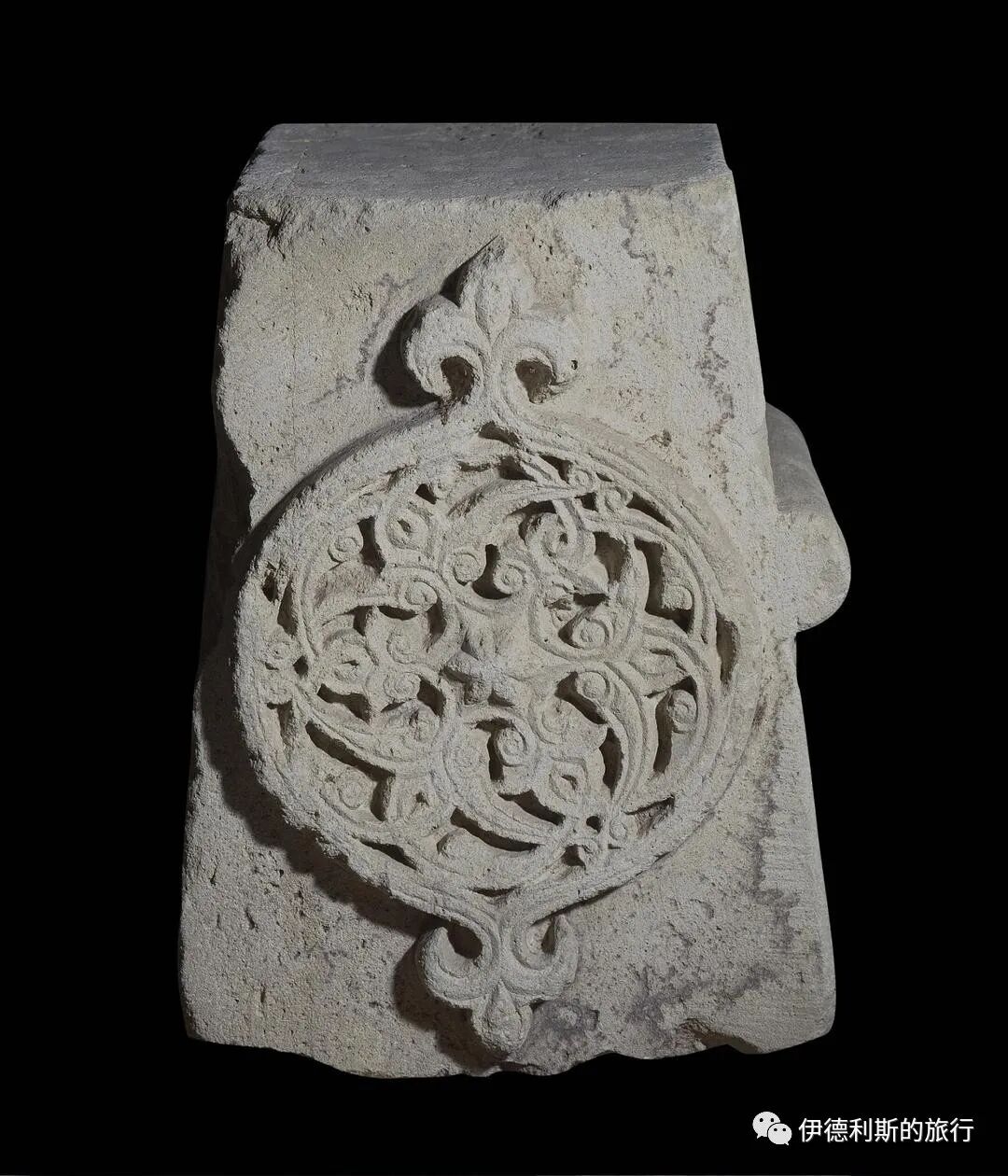
A tombstone with Turkic poetry, plant motifs, and geometric patterns from the 13th-14th century Golden Horde. It was moved here in 1979 by the Starokrymskaya archaeological expedition of the State Hermitage Museum.
A tombstone with Arabic inscriptions from the 14th-century Golden Horde, found in the city of Solkhat, Crimea.
An architectural piece with geometric patterns and inscriptions from the first half of the 14th-century Golden Horde. It was found in Solkhat, Crimea, and moved here by the Starokrymskaya expedition in 1981.
From the first half of the 14th-century Golden Horde, this was found in Solkhat, Crimea, during excavations in the 1980s and moved here in 2004.
A 14th-century pendant from the Golden Horde, moved here by the Imperial Archaeological Commission in 1888.
A goblet with a trumpet-shaped hollow stem and a round base from the 14th-century Golden Horde. It was found in the Kuban region of Russia and moved here by the Imperial Archaeological Commission in 1912.
3. The Ilkhanate
Tiles from the Pyr-Husain mausoleum, dated 1285-1286, purchased from a private collection in 1928.
Tiles from the Pyr-Husain mausoleum, dated 1285-1286, purchased from a private collection in 1926.
Tiles from the Pyr-Husain mausoleum, dated 1285-1286, purchased from a private collection in 1958.
Tiles from the Ilkhanate period, late 13th to early 14th century.
Late 13th to early 14th century, moved here by the State Museum Fund in 1923.
Moved here in 1925 by the Stieglitz Museum.
Quran, Chapter 2, Verse 286.
Excavated from the Mausoleum of Imam-zade Yahya in Veramin, Iran, and moved here in 1925 by the Stieglitz Museum.
13th century, moved here in 1925 by the Stieglitz Museum.
Late 13th century, purchased in 1898.
Early 14th century, moved here in 1925 by the Stieglitz Museum.
Late 13th century, moved here in 1925 by the Stieglitz Museum.
Late 13th century, moved here in 1925 by the Stieglitz Museum.
13th-14th century, moved here in 1925 by the Stieglitz Museum.
13th century, moved here in 1925 by the Stieglitz Museum.
13th to 14th century, acquired from a private source in 1931. view all
Summary: Hermitage Museum Islamic Art: Persian Miniatures, Golden Horde and Ilkhanid Artifacts is presented here as a firsthand travel account in clear English, beginning with this scene: The Hermitage Museum is in Saint Petersburg, Russia, and the famous Winter Palace is part of it. The account keeps its focus on Islamic Art, Hermitage Museum, Central Asia while preserving the names, places, food, and historical details from the Chinese source.
The Hermitage Museum is in Saint Petersburg, Russia, and the famous Winter Palace is part of it. The museum has 1,000 exhibition halls, and 350 are currently open. The museum's official website now has online exhibitions, so you can enjoy a virtual trip.
Museum website: https://www.hermitagemuseum.or ... ge%3F lng=zh
Here are some Persian miniatures, Golden Horde artifacts, and Ilkhanate artifacts.
1. Persian miniatures and manuscripts
Riza-yi 'Abbasi (1565-1635) was a court miniature artist of the Persian Safavid dynasty, from the miniature art center of Isfahan. He played an important role in promoting Persian painting.
A work by Riza-yi 'Abbasi painted in 1612.
A work by Riza-yi 'Abbasi from the late 16th century, transferred in 1924 from the Stieglitz Central Museum of Decorative and Applied Arts.
A work by Riza-yi 'Abbasi painted in late 1602-1603.
Another Persian miniature artist, Sharaf al-Hussaini al-Yazdi, was active in the 16th century. The image below was painted in 1594-1595 and transferred in 1924 from the Stieglitz Central Museum of Decorative and Applied Arts.
The famous Persian poet Rumi's masterpiece, the Masnavi, was painted between 1594-1596. The scribe was named Mir-Salih ibn Mir-Tahir ibn Mir-Hussein al-Husseini, and it was moved in 1925 from the Stieglitz Museum.
The Five Poems (Khamsa) by the famous Persian poet Nizami Ganjavi, painted in 1541. The scribe was named Hassan al-Husseini al-katib al-Shirazi, and it was acquired from a private source in 1945.
The famous Persian poet Ferdowsi's masterpiece, the Book of Kings (Shahnameh), was painted in the late 16th to early 17th century and acquired from a private source in 1937.
A Persian manuscript of Yusuf and Zulaikha from the first half of the 16th century, purchased in 1939 by the Purchasing Commission of the Experts of the State Hermitage Museum.
A Sufi ceremony from the second half of the 16th century, moved in 1924 from the Stieglitz Museum.
An anonymous work from the late 16th century, transferred in 1924 from the Stieglitz Central Museum of Decorative and Applied Arts.
A Persian miniature from the first half of the 16th century, purchased from a private source in 1959.
2. The Golden Horde
A stone tablet with Arabic and Chagatai script, featuring the name of the great emperor Timur, dated 1391.
This stone carving was discovered in 1935 by geologist Kanysh Satpayev at Altynshoky (Golden Mountain) near the left bank of the Sarysu River in Kazakhstan, which was the eastern border of the Golden Horde at the time. It was moved in 1937 by the Winter Palace scientist F. M. Morozov.
According to the inscription, Emperor Timur led an army of 300,000 to attack Tokhtamysh, the Khan of the Golden Horde, on April 6, 1391. He set up this stone tablet here to mark the event.
A tombstone with Turkic poetry, plant motifs, and geometric patterns from the 13th-14th century Golden Horde. It was moved here in 1979 by the Starokrymskaya archaeological expedition of the State Hermitage Museum.
A tombstone with Arabic inscriptions from the 14th-century Golden Horde, found in the city of Solkhat, Crimea.
An architectural piece with geometric patterns and inscriptions from the first half of the 14th-century Golden Horde. It was found in Solkhat, Crimea, and moved here by the Starokrymskaya expedition in 1981.
From the first half of the 14th-century Golden Horde, this was found in Solkhat, Crimea, during excavations in the 1980s and moved here in 2004.
A 14th-century pendant from the Golden Horde, moved here by the Imperial Archaeological Commission in 1888.
A goblet with a trumpet-shaped hollow stem and a round base from the 14th-century Golden Horde. It was found in the Kuban region of Russia and moved here by the Imperial Archaeological Commission in 1912.
3. The Ilkhanate
Tiles from the Pyr-Husain mausoleum, dated 1285-1286, purchased from a private collection in 1928.
Tiles from the Pyr-Husain mausoleum, dated 1285-1286, purchased from a private collection in 1926.
Tiles from the Pyr-Husain mausoleum, dated 1285-1286, purchased from a private collection in 1958.
Tiles from the Ilkhanate period, late 13th to early 14th century.
Late 13th to early 14th century, moved here by the State Museum Fund in 1923.
Moved here in 1925 by the Stieglitz Museum.
Quran, Chapter 2, Verse 286.
Excavated from the Mausoleum of Imam-zade Yahya in Veramin, Iran, and moved here in 1925 by the Stieglitz Museum.
13th century, moved here in 1925 by the Stieglitz Museum.
Late 13th century, purchased in 1898.
Early 14th century, moved here in 1925 by the Stieglitz Museum.
Late 13th century, moved here in 1925 by the Stieglitz Museum.
Late 13th century, moved here in 1925 by the Stieglitz Museum.
13th-14th century, moved here in 1925 by the Stieglitz Museum.
13th century, moved here in 1925 by the Stieglitz Museum.
13th to 14th century, acquired from a private source in 1931. view all
Reposted from the web
Summary: Hermitage Museum Islamic Art: Persian Miniatures, Golden Horde and Ilkhanid Artifacts is presented here as a firsthand travel account in clear English, beginning with this scene: The Hermitage Museum is in Saint Petersburg, Russia, and the famous Winter Palace is part of it. The account keeps its focus on Islamic Art, Hermitage Museum, Central Asia while preserving the names, places, food, and historical details from the Chinese source.
The Hermitage Museum is in Saint Petersburg, Russia, and the famous Winter Palace is part of it. The museum has 1,000 exhibition halls, and 350 are currently open. The museum's official website now has online exhibitions, so you can enjoy a virtual trip.
Museum website: https://www.hermitagemuseum.or ... ge%3F lng=zh
Here are some Persian miniatures, Golden Horde artifacts, and Ilkhanate artifacts.
1. Persian miniatures and manuscripts
Riza-yi 'Abbasi (1565-1635) was a court miniature artist of the Persian Safavid dynasty, from the miniature art center of Isfahan. He played an important role in promoting Persian painting.
A work by Riza-yi 'Abbasi painted in 1612.
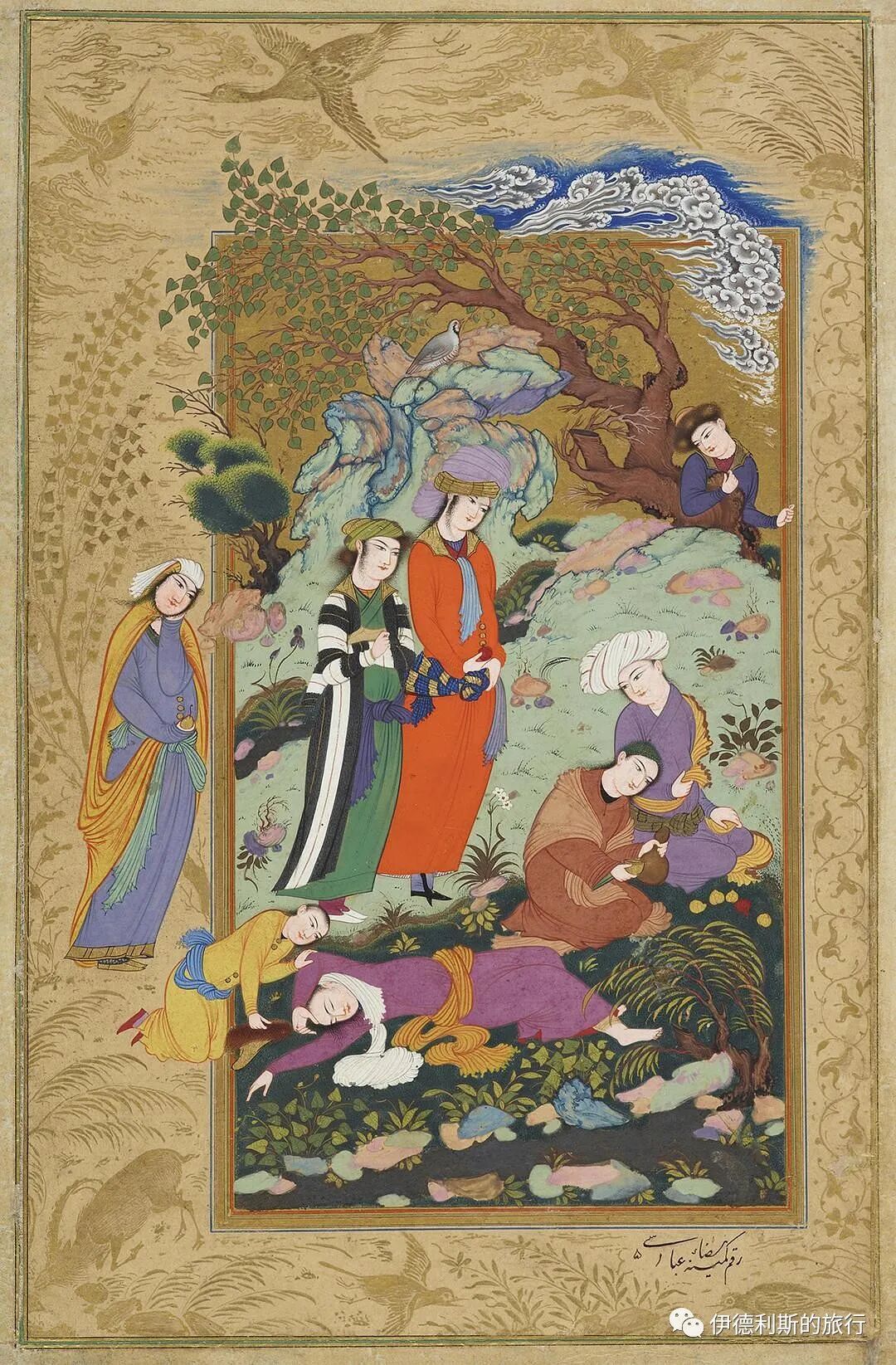
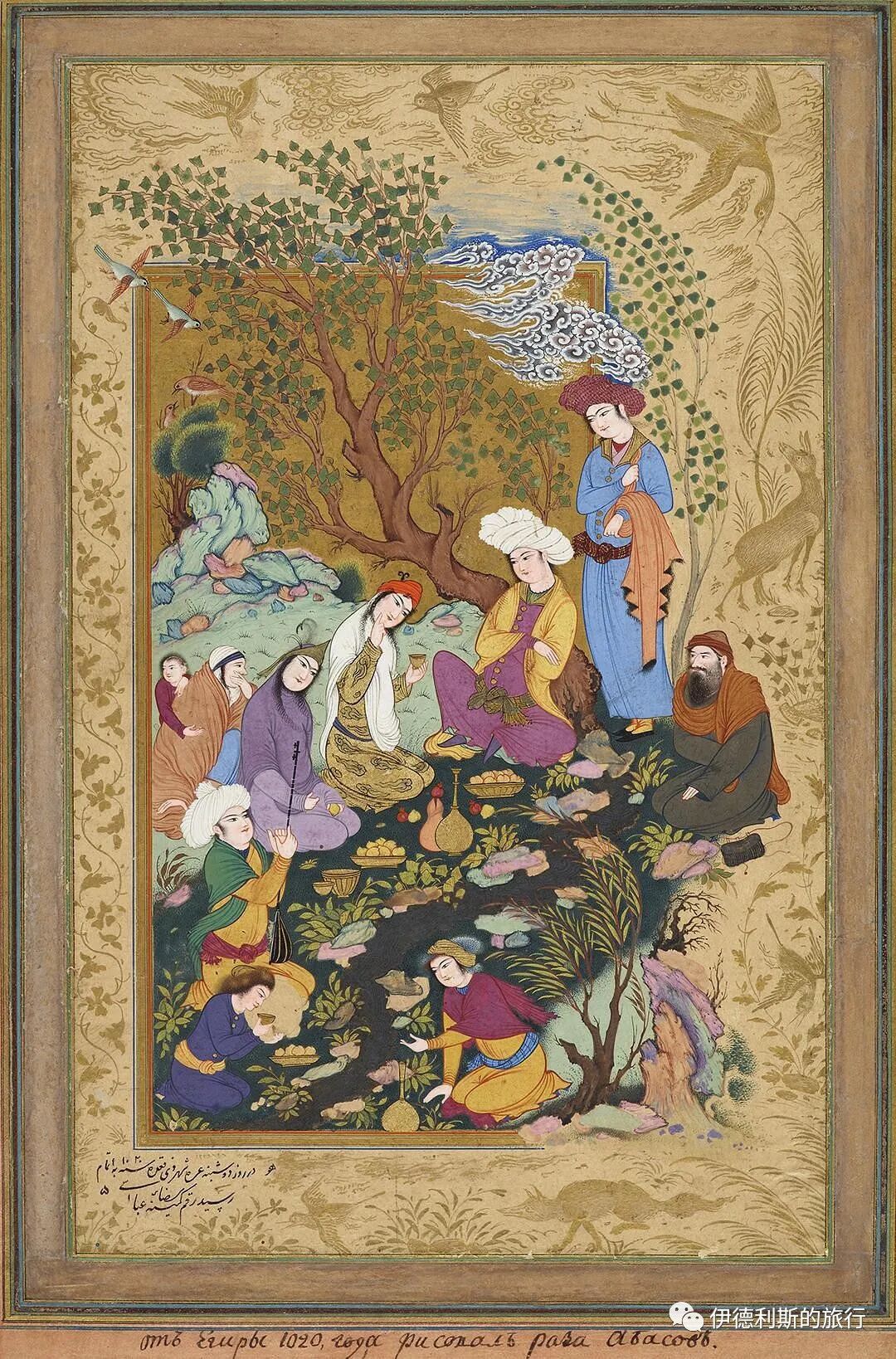
A work by Riza-yi 'Abbasi from the late 16th century, transferred in 1924 from the Stieglitz Central Museum of Decorative and Applied Arts.
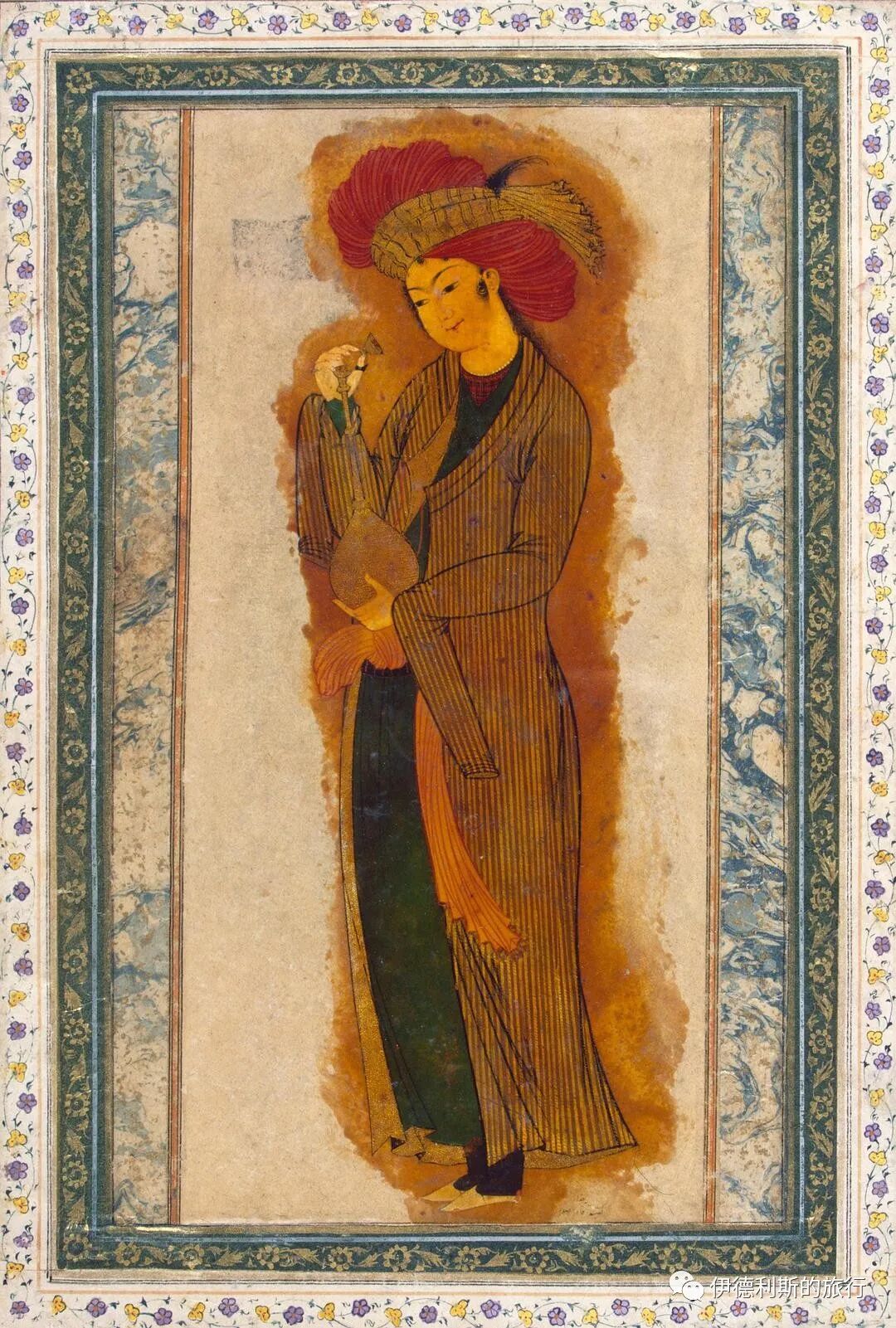
A work by Riza-yi 'Abbasi painted in late 1602-1603.
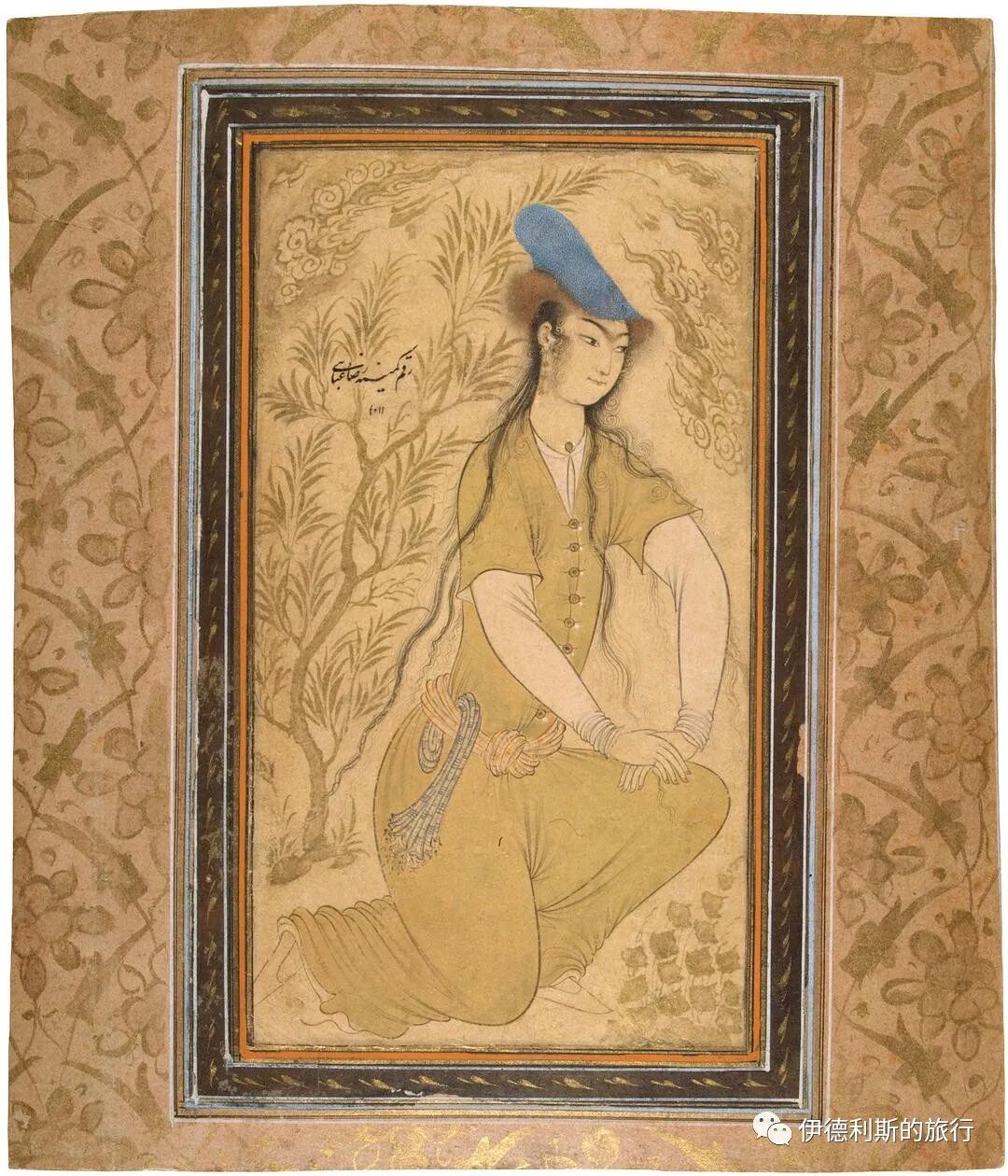
Another Persian miniature artist, Sharaf al-Hussaini al-Yazdi, was active in the 16th century. The image below was painted in 1594-1595 and transferred in 1924 from the Stieglitz Central Museum of Decorative and Applied Arts.
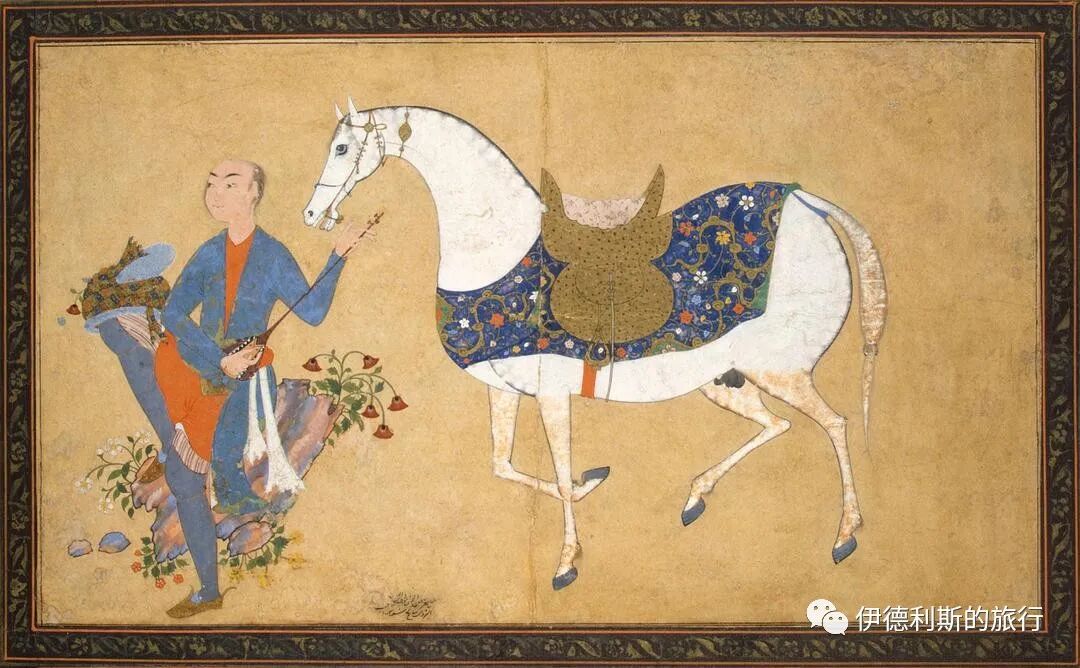
The famous Persian poet Rumi's masterpiece, the Masnavi, was painted between 1594-1596. The scribe was named Mir-Salih ibn Mir-Tahir ibn Mir-Hussein al-Husseini, and it was moved in 1925 from the Stieglitz Museum.
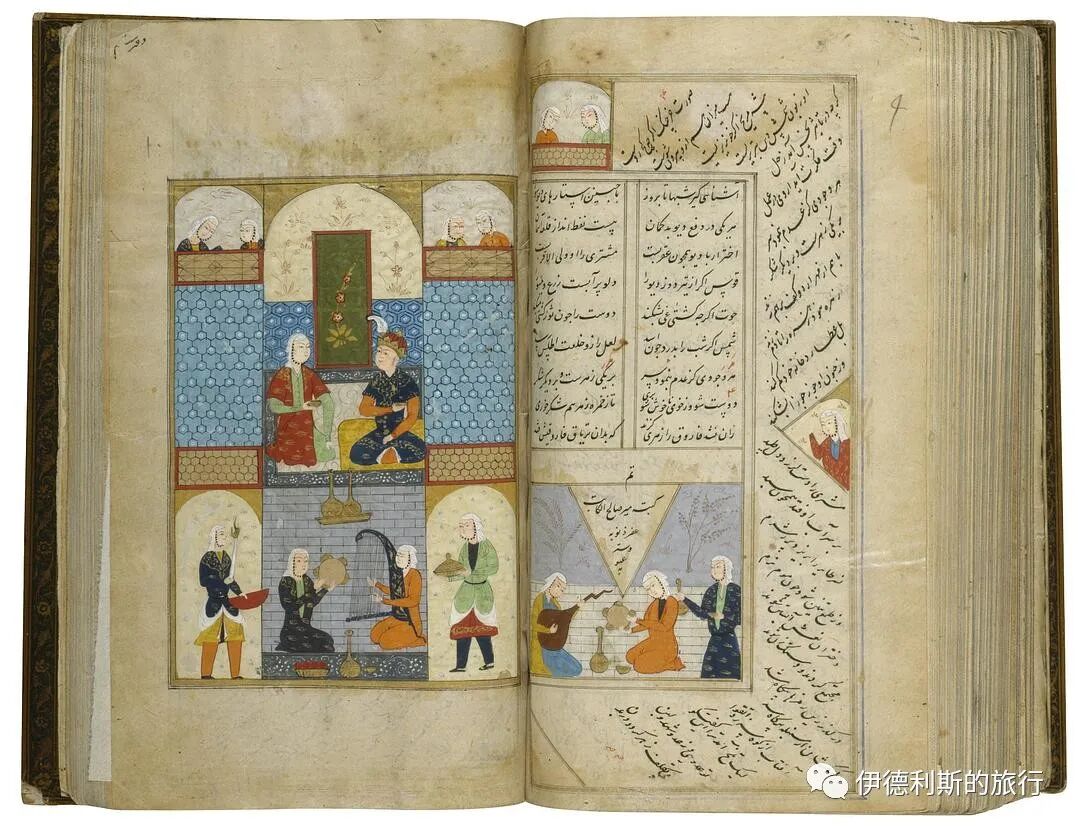
The Five Poems (Khamsa) by the famous Persian poet Nizami Ganjavi, painted in 1541. The scribe was named Hassan al-Husseini al-katib al-Shirazi, and it was acquired from a private source in 1945.
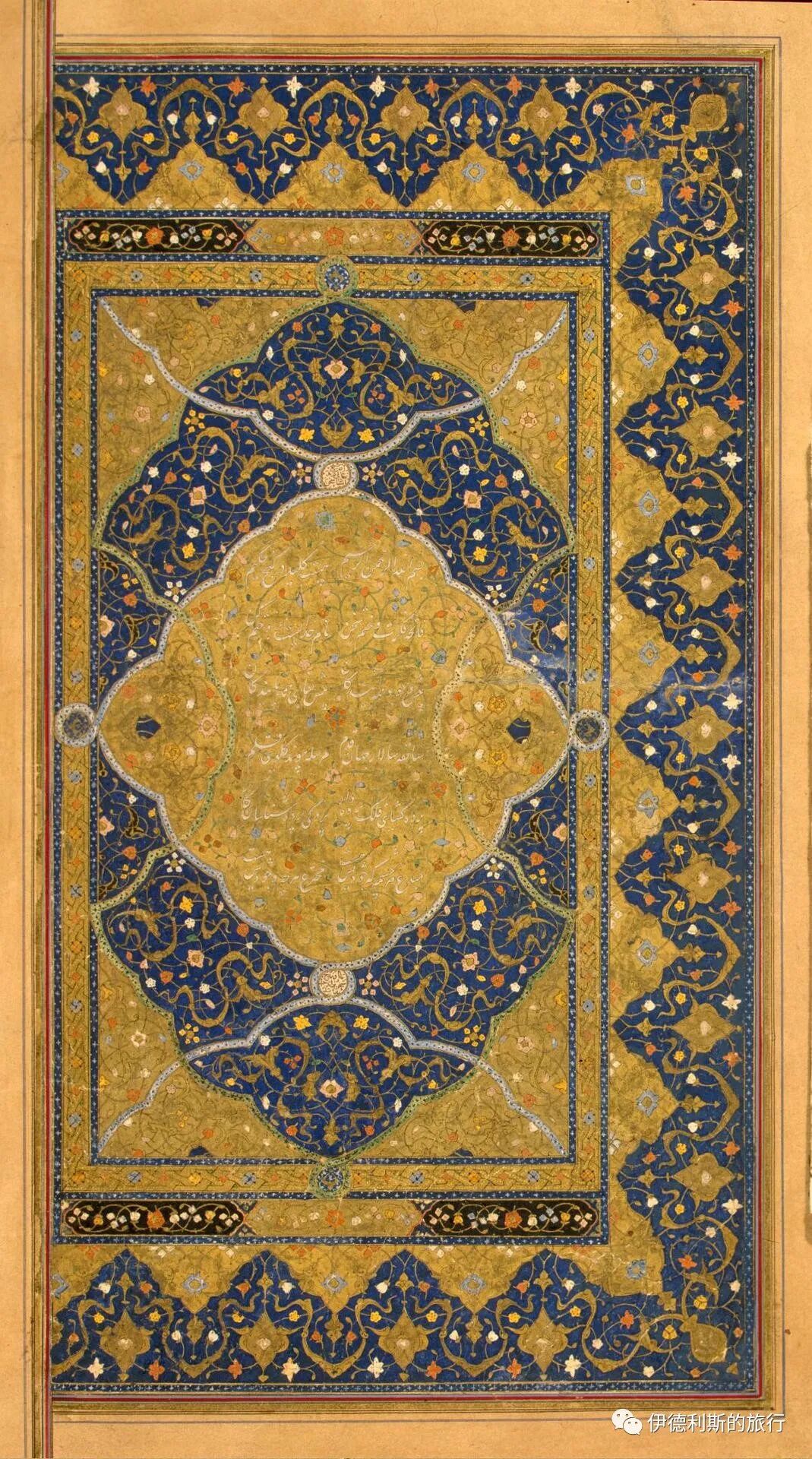
The famous Persian poet Ferdowsi's masterpiece, the Book of Kings (Shahnameh), was painted in the late 16th to early 17th century and acquired from a private source in 1937.
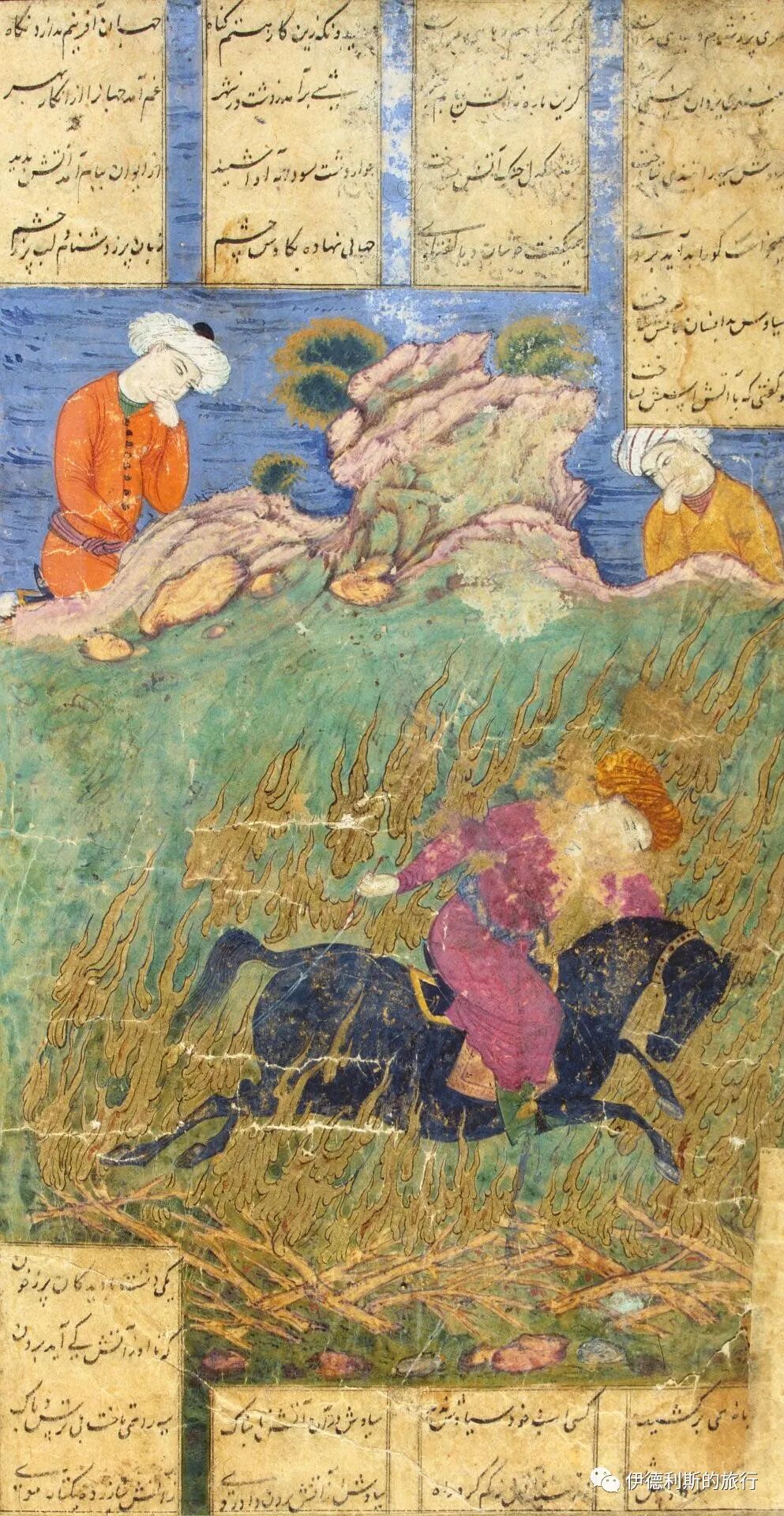
A Persian manuscript of Yusuf and Zulaikha from the first half of the 16th century, purchased in 1939 by the Purchasing Commission of the Experts of the State Hermitage Museum.
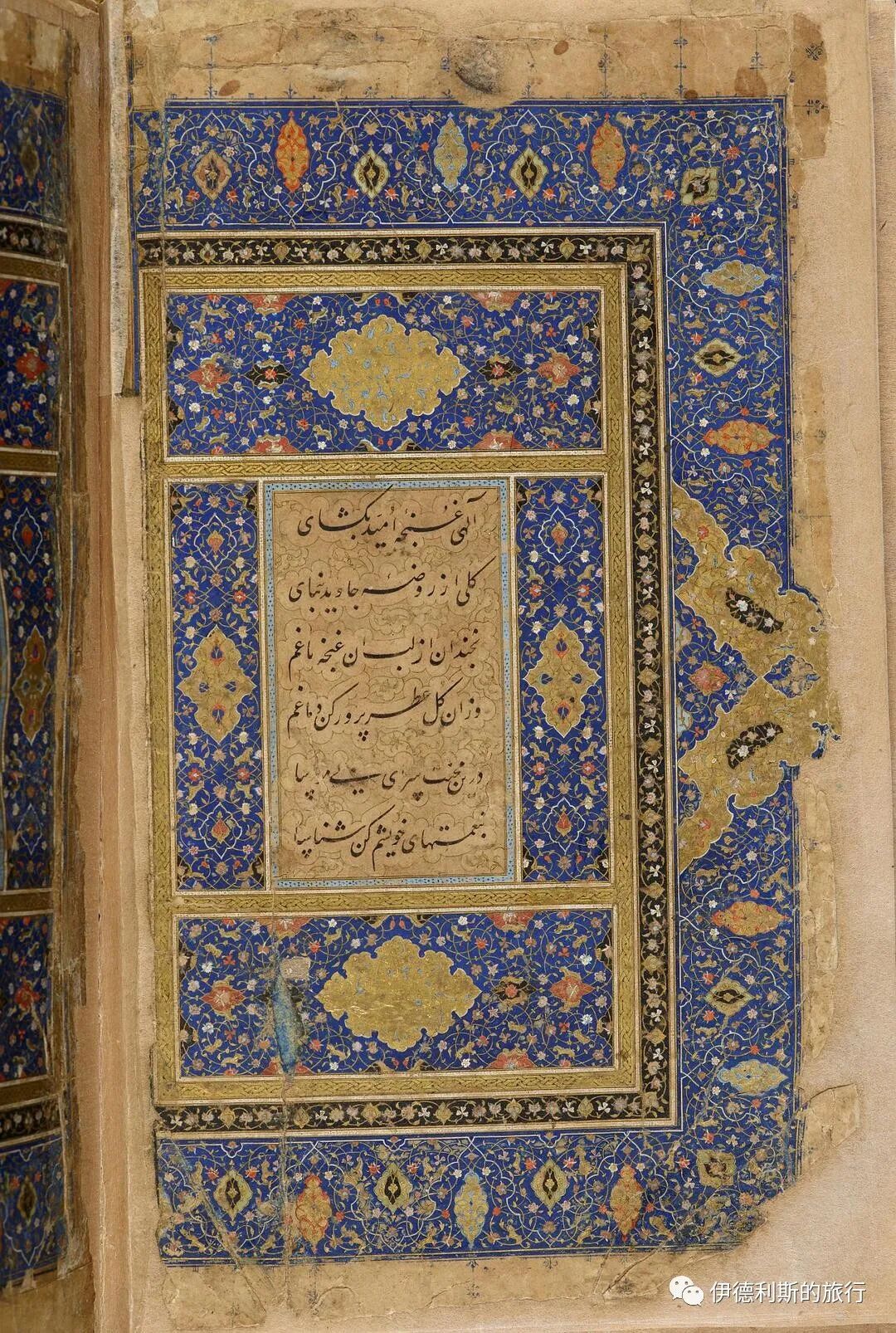
A Sufi ceremony from the second half of the 16th century, moved in 1924 from the Stieglitz Museum.
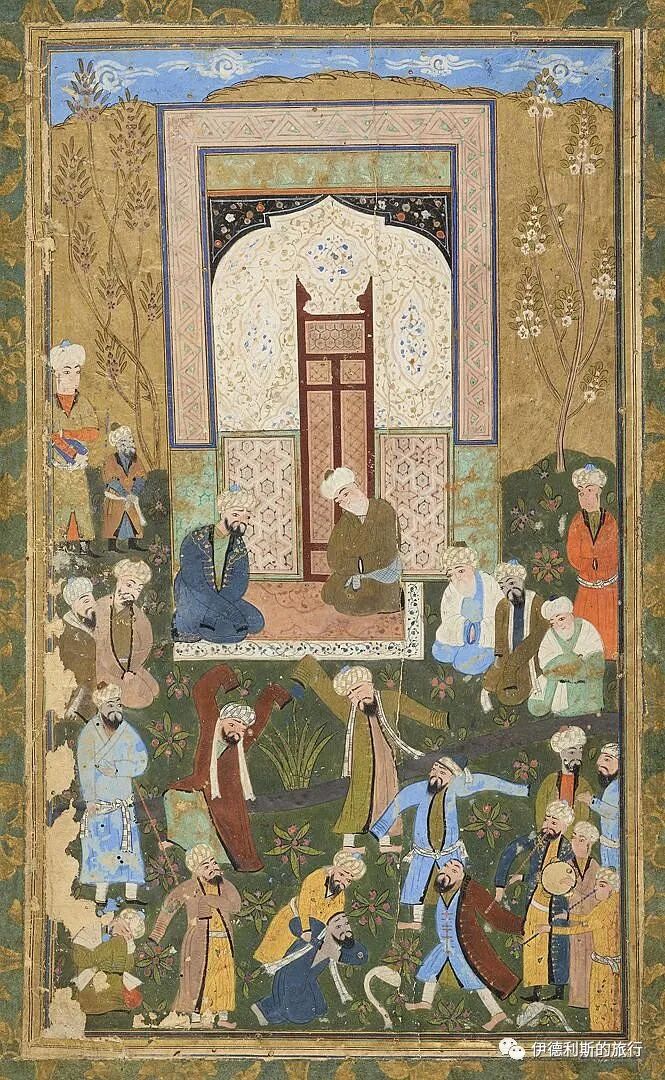
An anonymous work from the late 16th century, transferred in 1924 from the Stieglitz Central Museum of Decorative and Applied Arts.
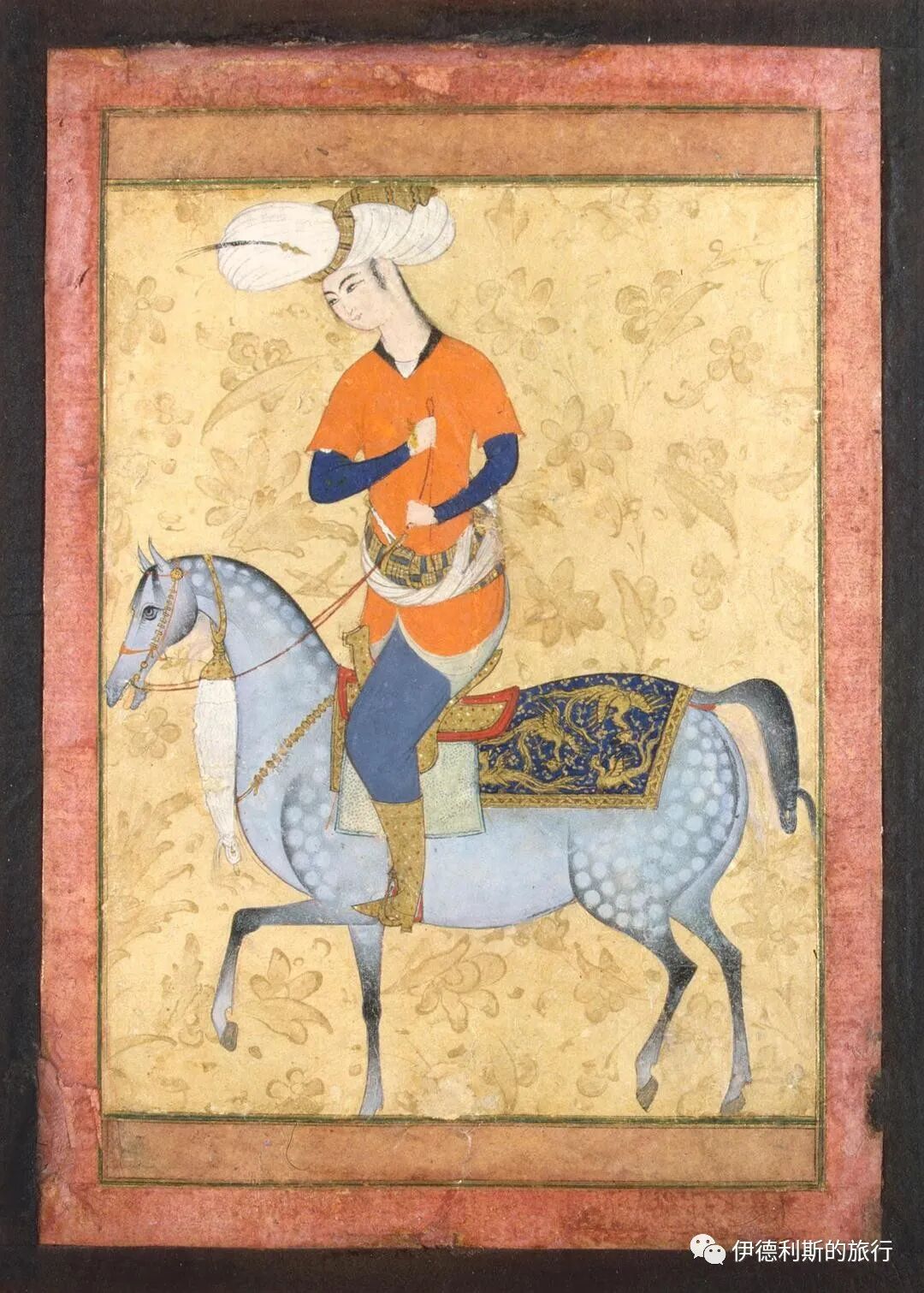
A Persian miniature from the first half of the 16th century, purchased from a private source in 1959.
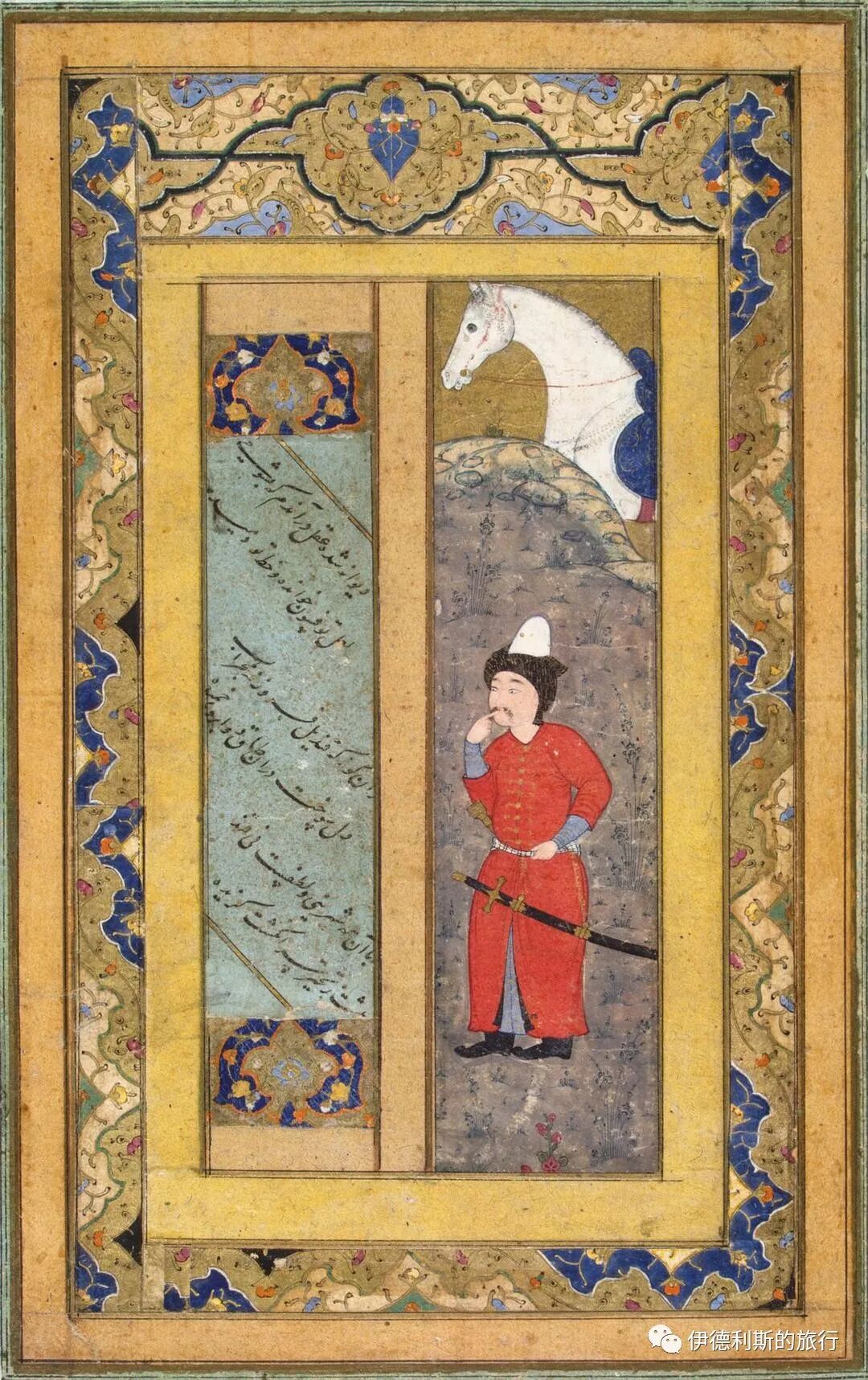
2. The Golden Horde
A stone tablet with Arabic and Chagatai script, featuring the name of the great emperor Timur, dated 1391.
This stone carving was discovered in 1935 by geologist Kanysh Satpayev at Altynshoky (Golden Mountain) near the left bank of the Sarysu River in Kazakhstan, which was the eastern border of the Golden Horde at the time. It was moved in 1937 by the Winter Palace scientist F. M. Morozov.
According to the inscription, Emperor Timur led an army of 300,000 to attack Tokhtamysh, the Khan of the Golden Horde, on April 6, 1391. He set up this stone tablet here to mark the event.
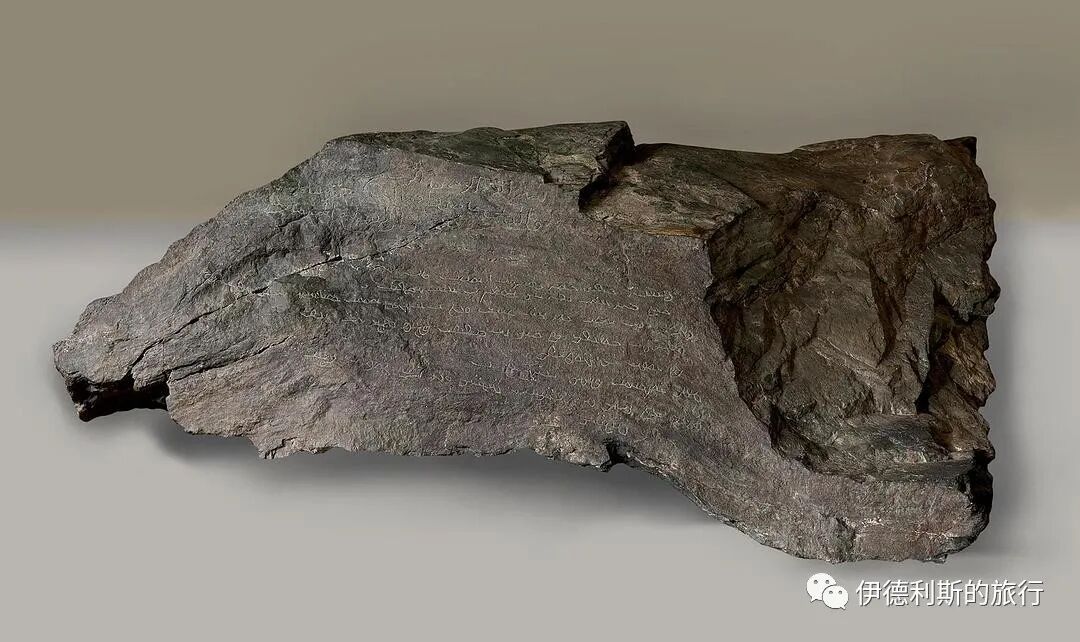
A tombstone with Turkic poetry, plant motifs, and geometric patterns from the 13th-14th century Golden Horde. It was moved here in 1979 by the Starokrymskaya archaeological expedition of the State Hermitage Museum.
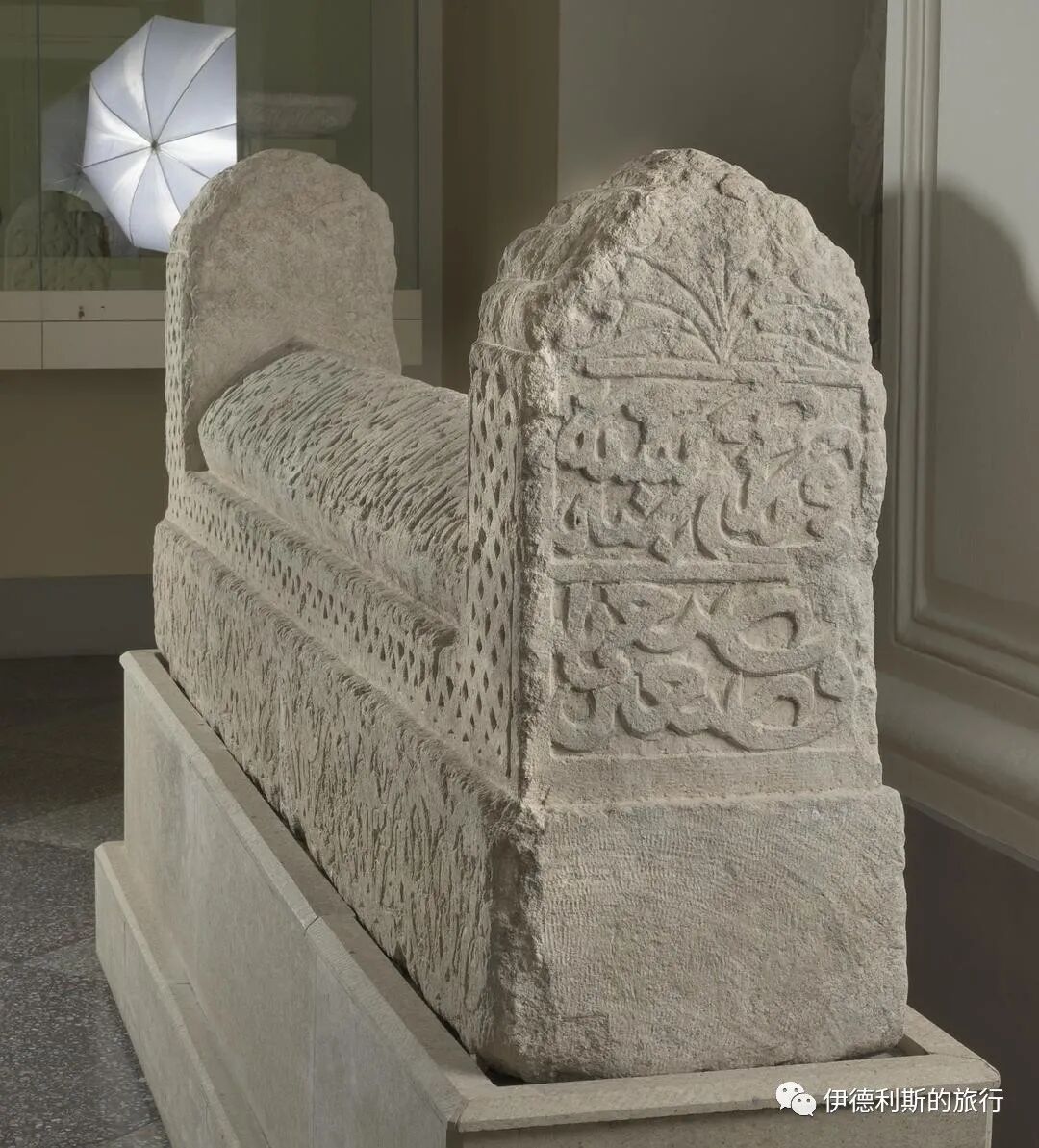
A tombstone with Arabic inscriptions from the 14th-century Golden Horde, found in the city of Solkhat, Crimea.
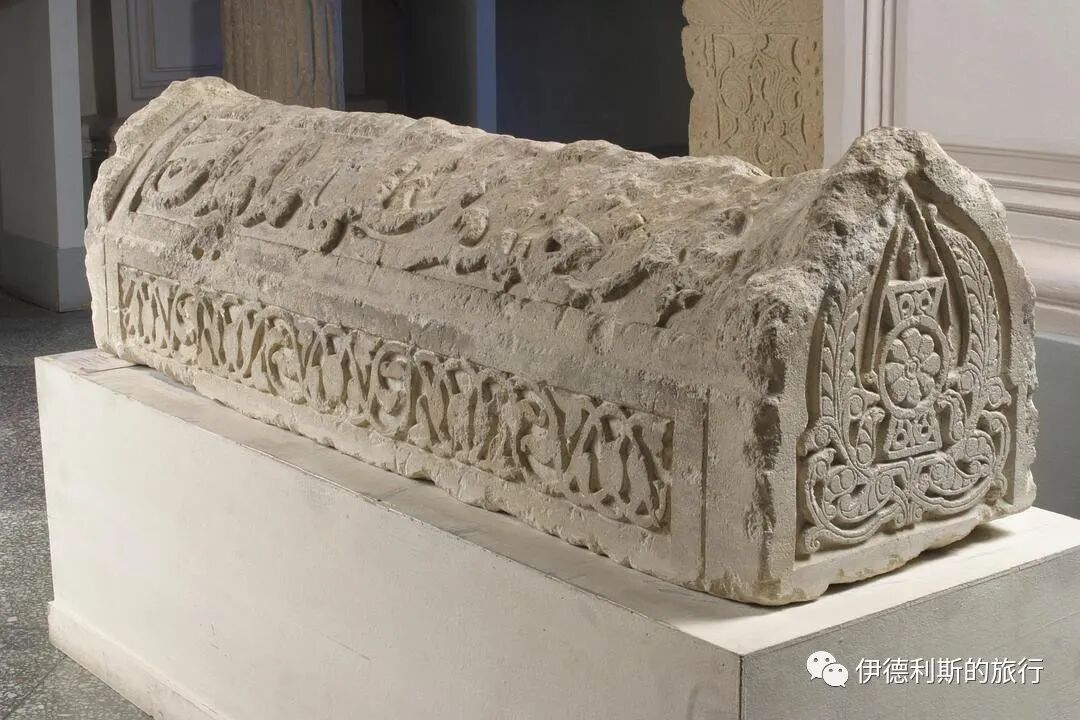
An architectural piece with geometric patterns and inscriptions from the first half of the 14th-century Golden Horde. It was found in Solkhat, Crimea, and moved here by the Starokrymskaya expedition in 1981.
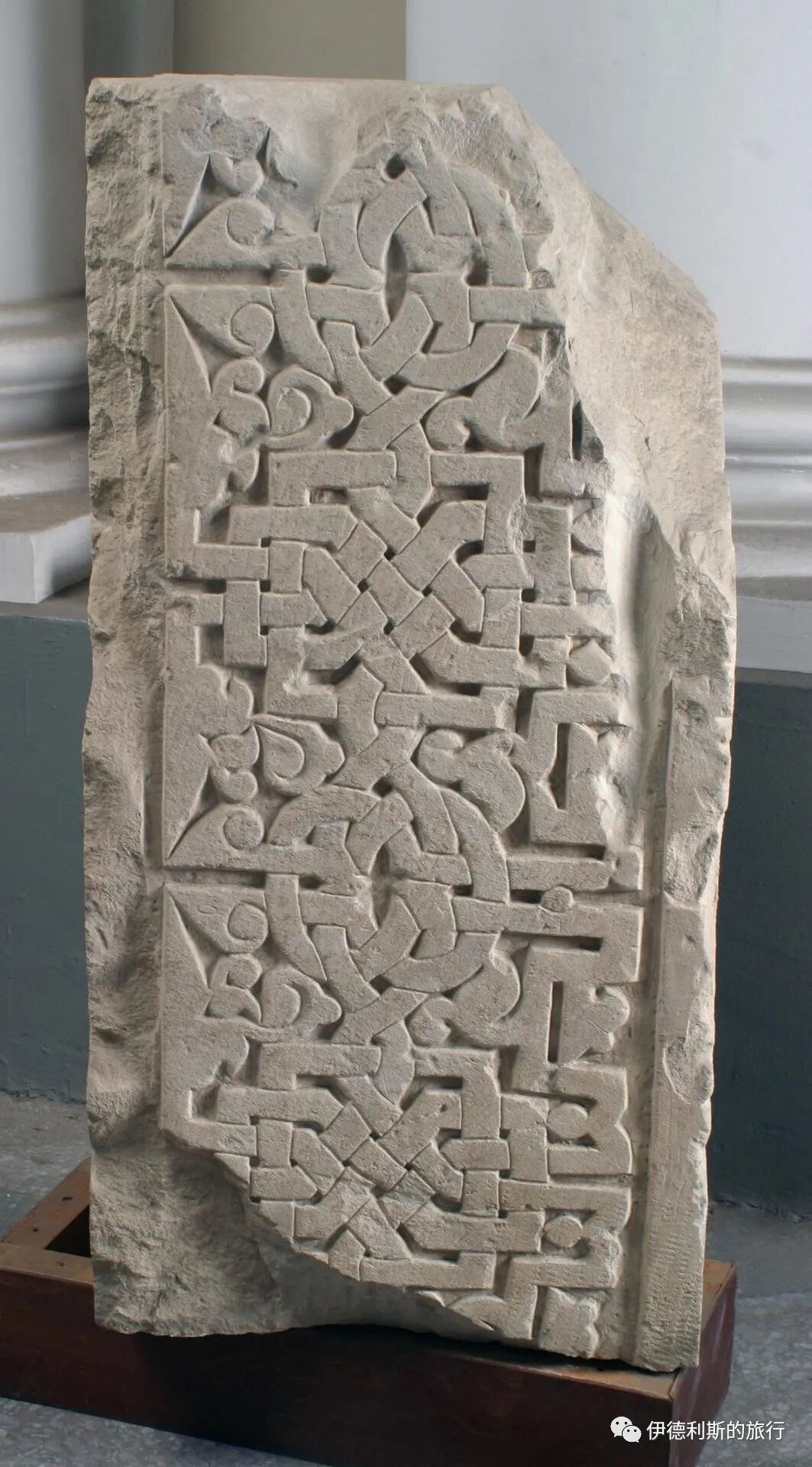
From the first half of the 14th-century Golden Horde, this was found in Solkhat, Crimea, during excavations in the 1980s and moved here in 2004.
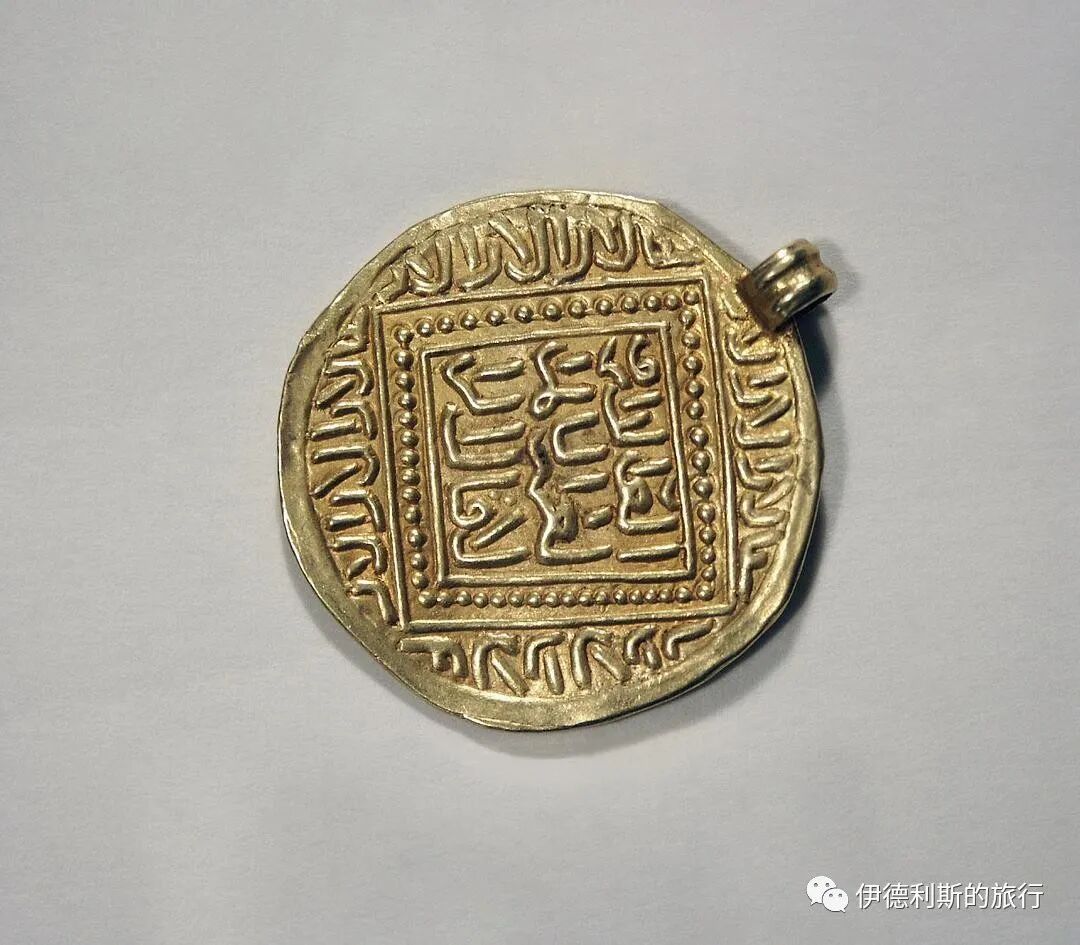
A 14th-century pendant from the Golden Horde, moved here by the Imperial Archaeological Commission in 1888.
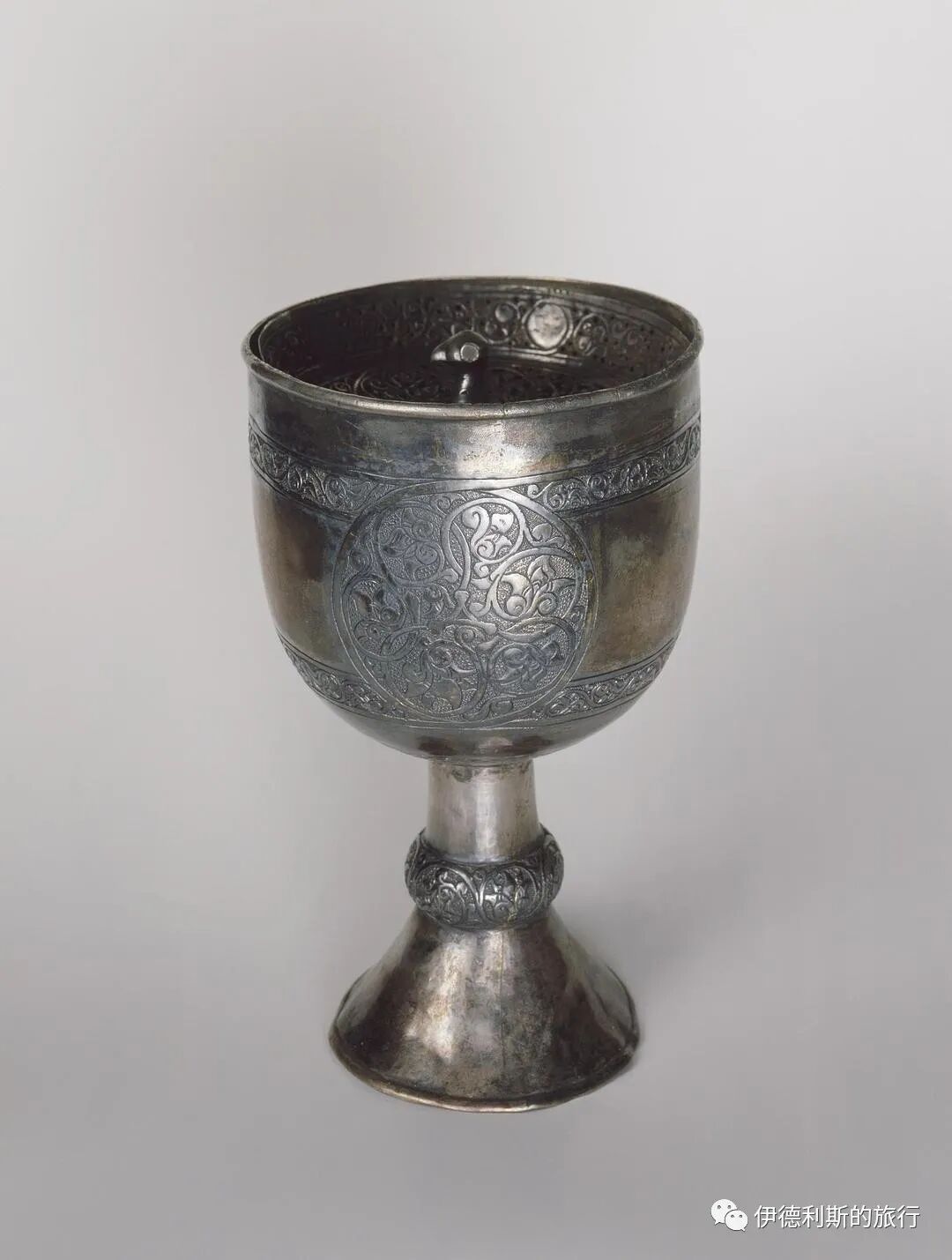
A goblet with a trumpet-shaped hollow stem and a round base from the 14th-century Golden Horde. It was found in the Kuban region of Russia and moved here by the Imperial Archaeological Commission in 1912.
3. The Ilkhanate
Tiles from the Pyr-Husain mausoleum, dated 1285-1286, purchased from a private collection in 1928.
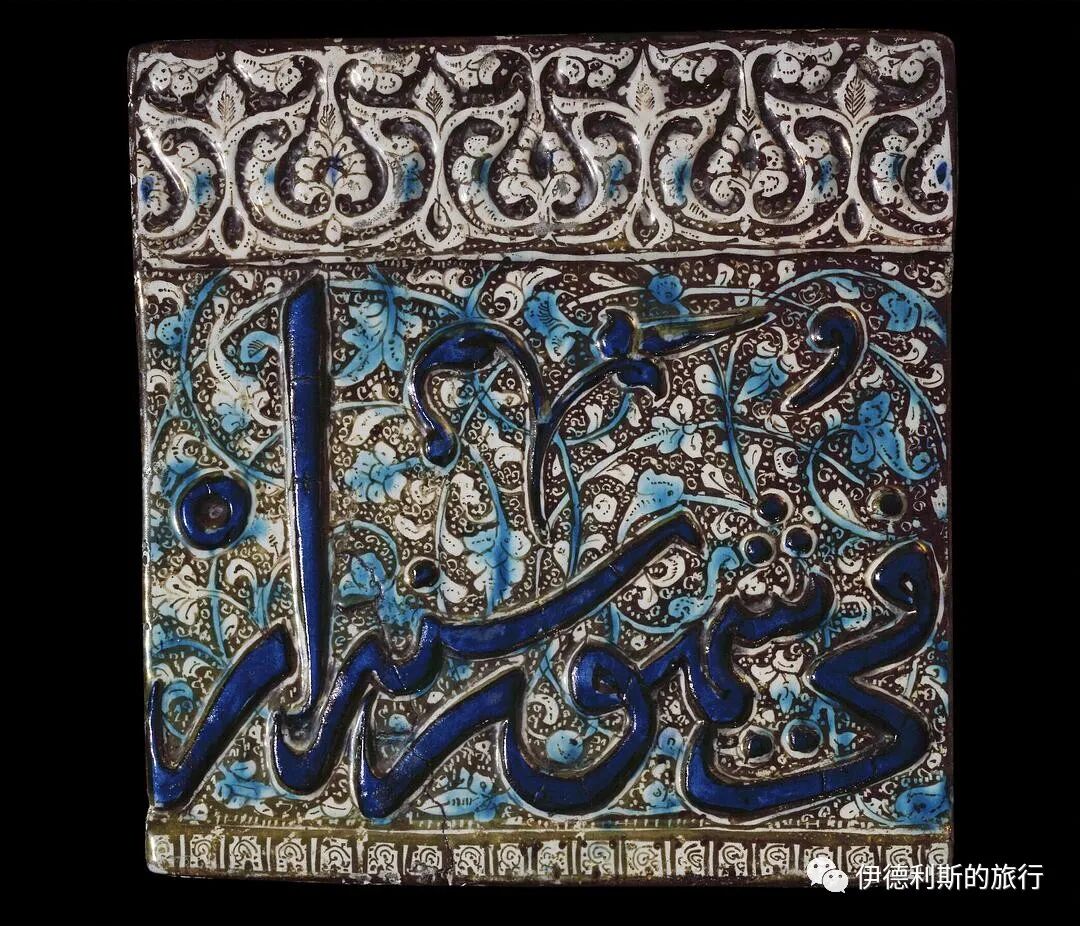
Tiles from the Pyr-Husain mausoleum, dated 1285-1286, purchased from a private collection in 1926.
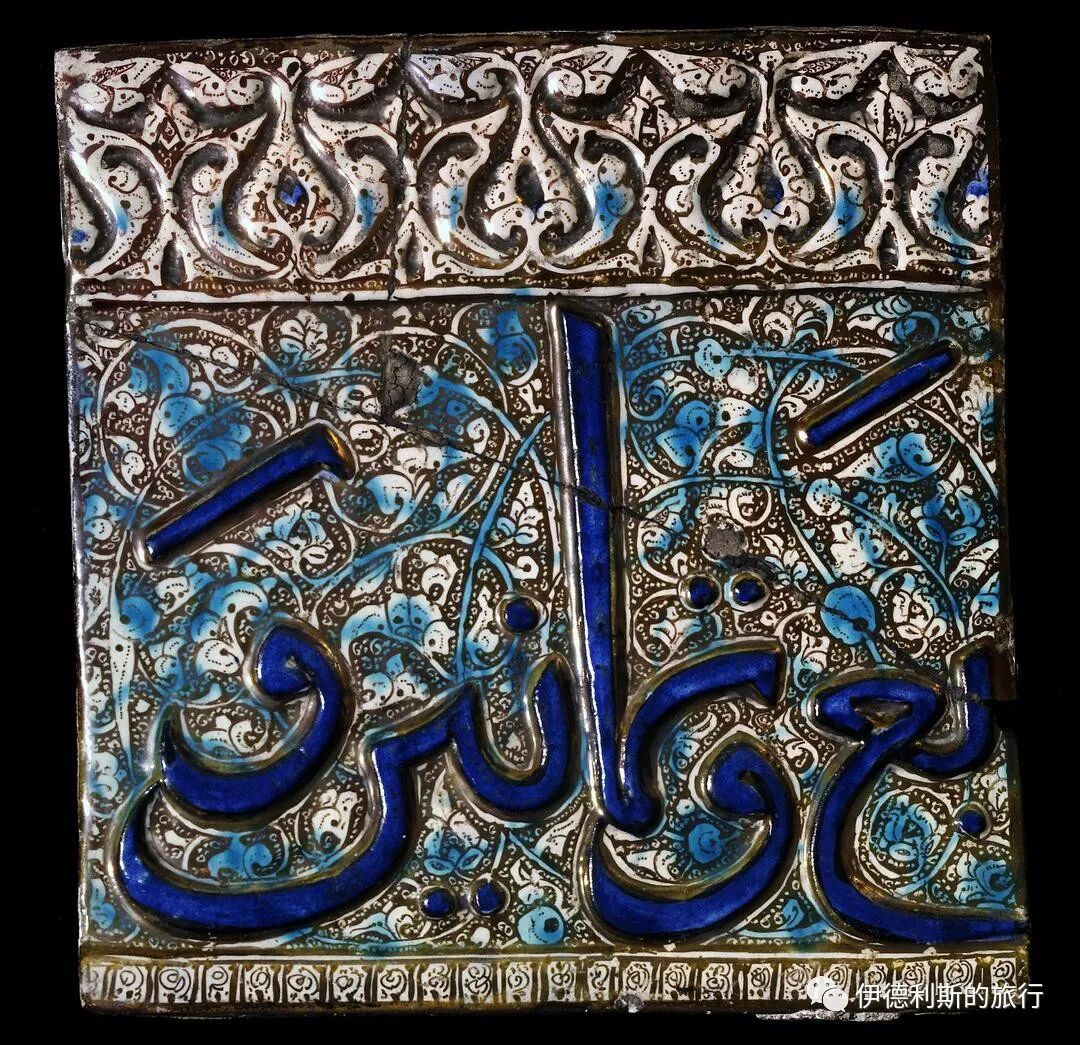
Tiles from the Pyr-Husain mausoleum, dated 1285-1286, purchased from a private collection in 1958.
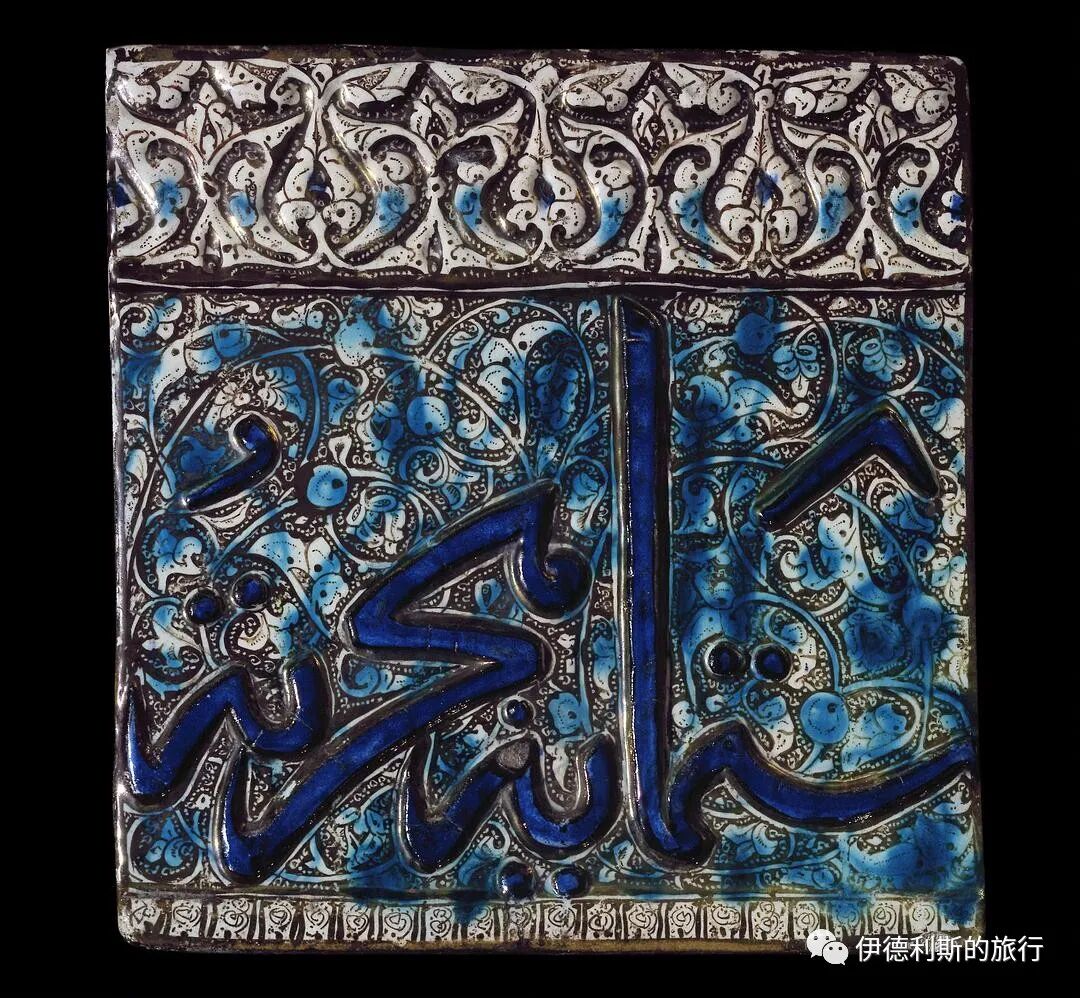
Tiles from the Ilkhanate period, late 13th to early 14th century.
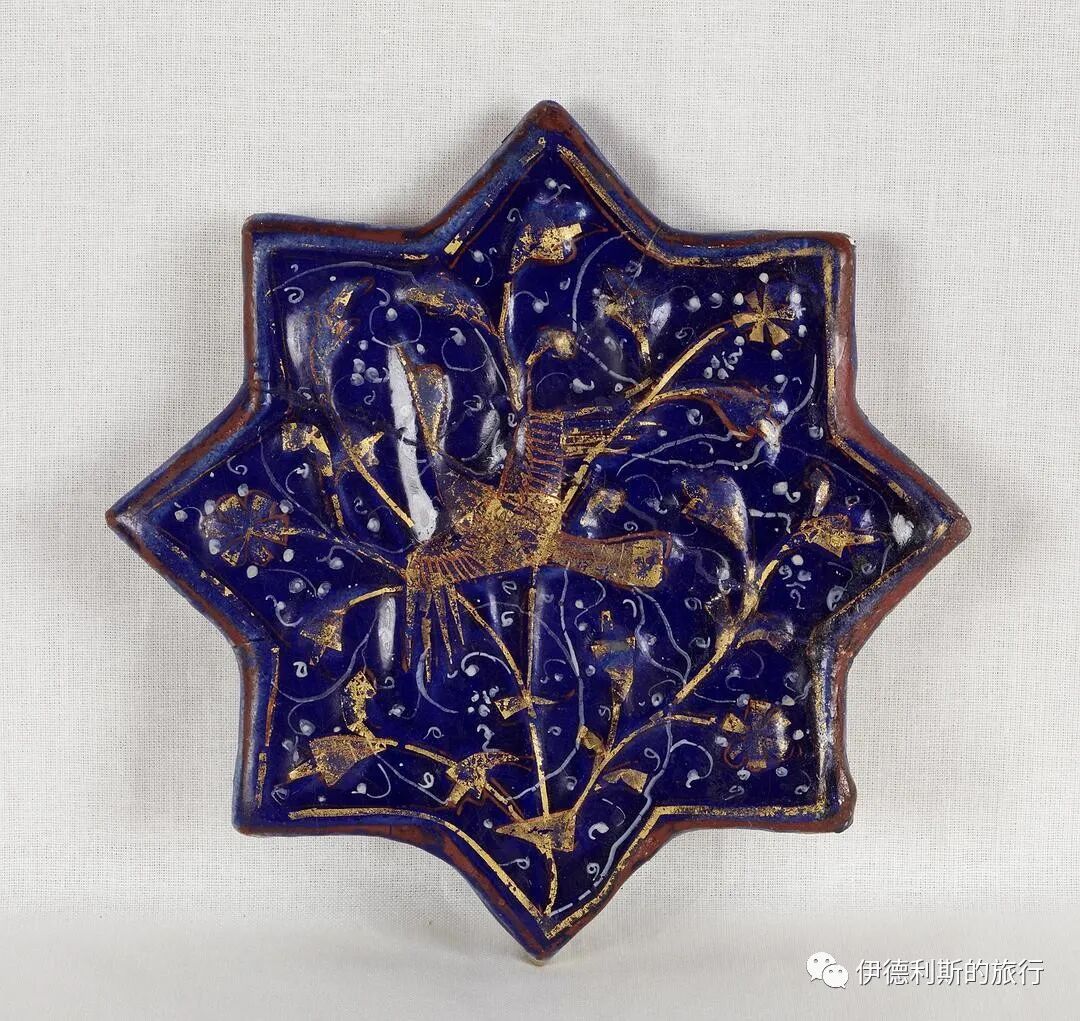
Late 13th to early 14th century, moved here by the State Museum Fund in 1923.
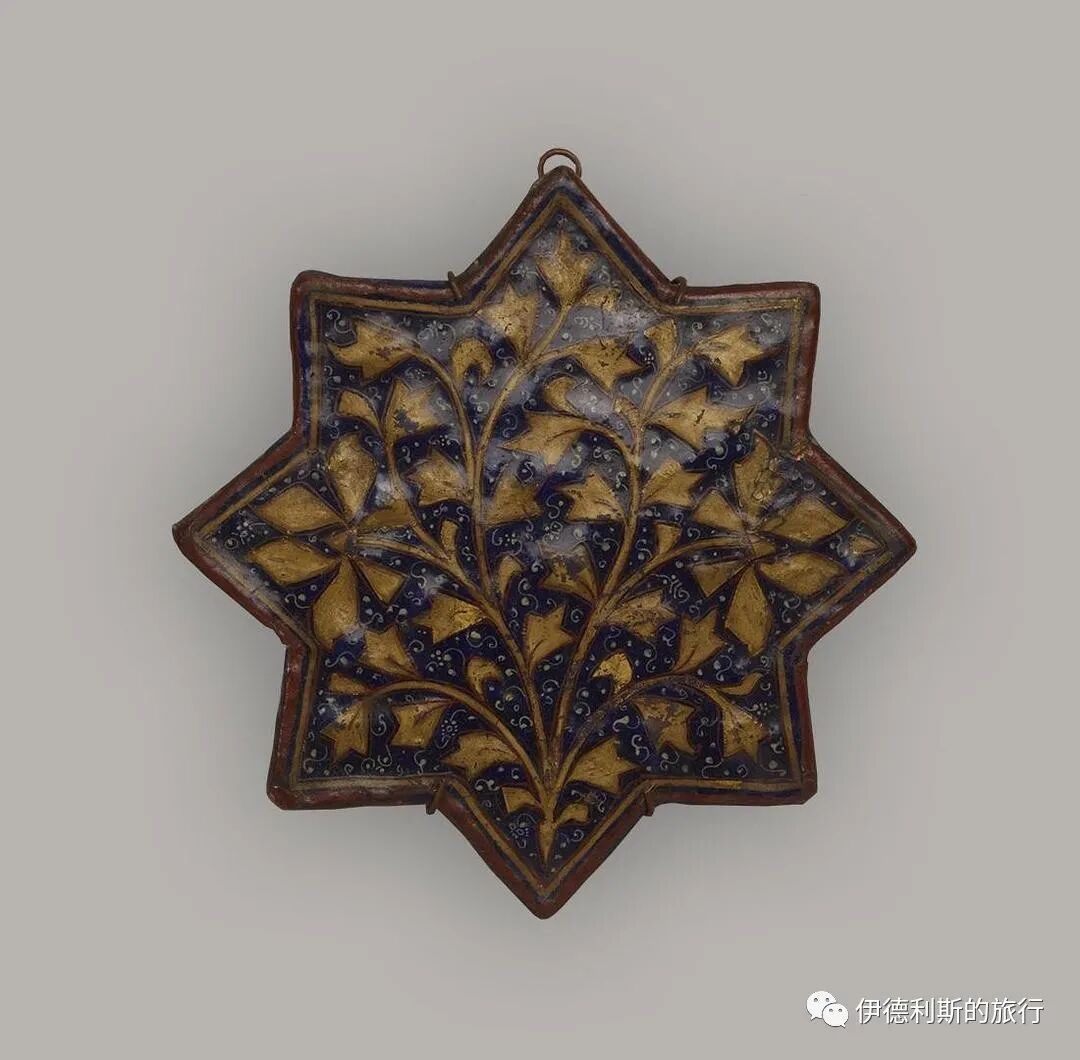
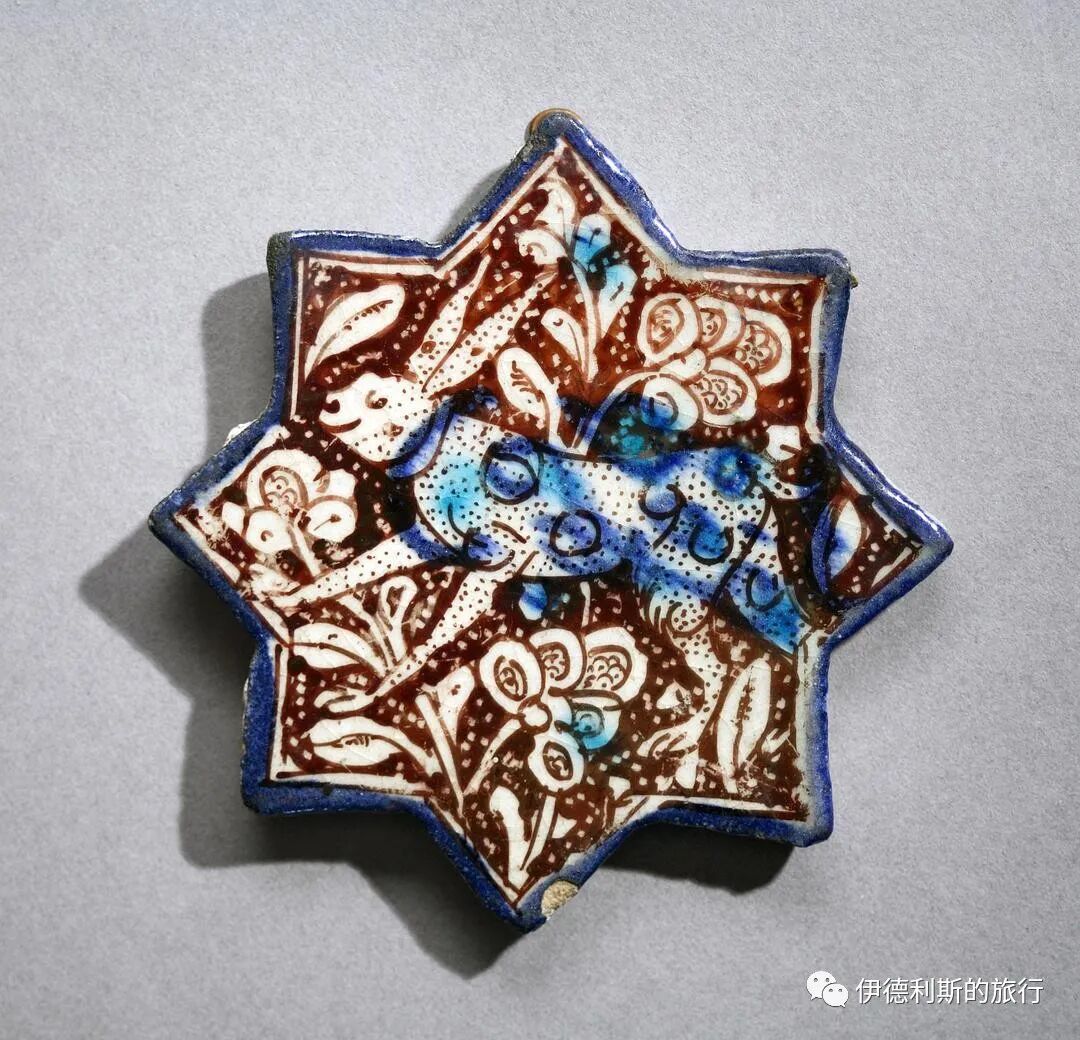
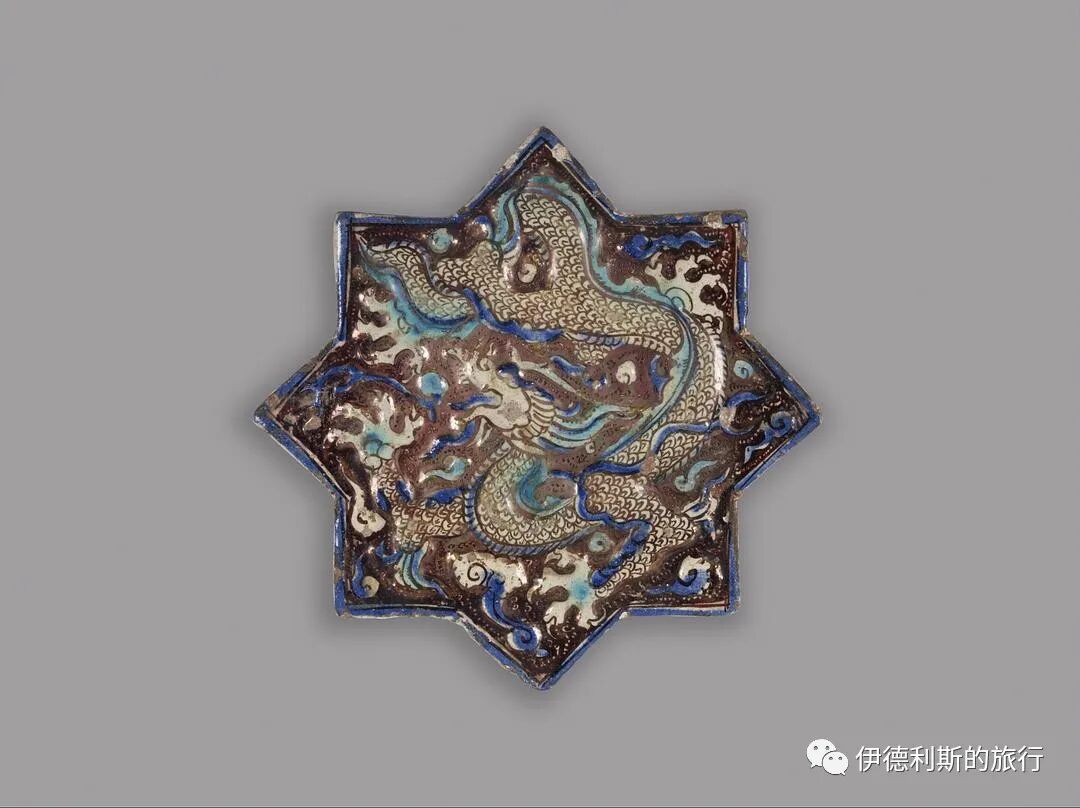
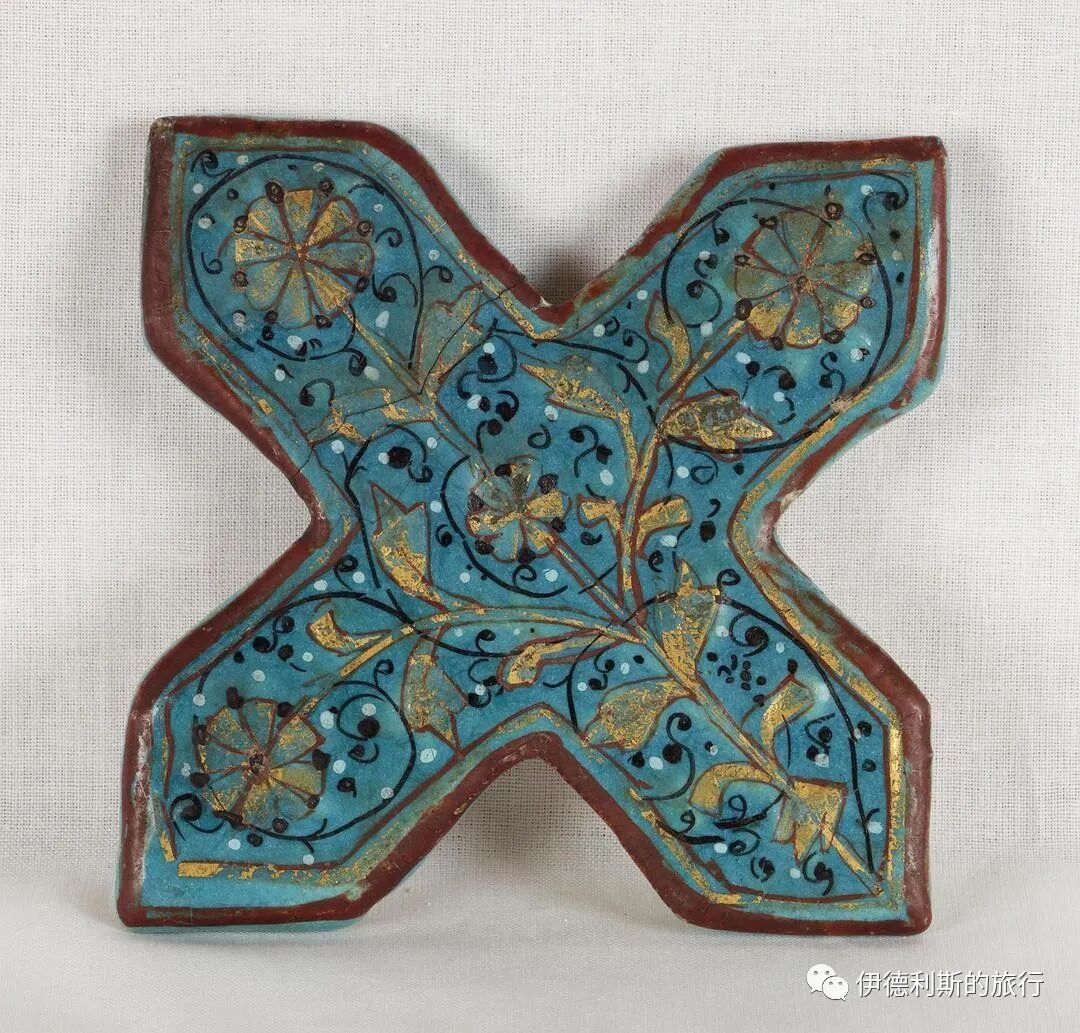
Moved here in 1925 by the Stieglitz Museum.
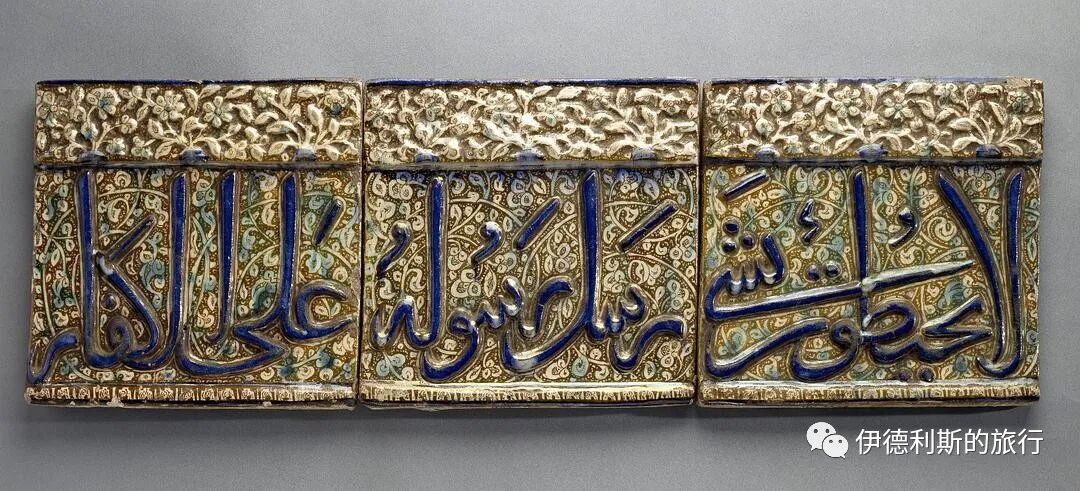
Quran, Chapter 2, Verse 286.
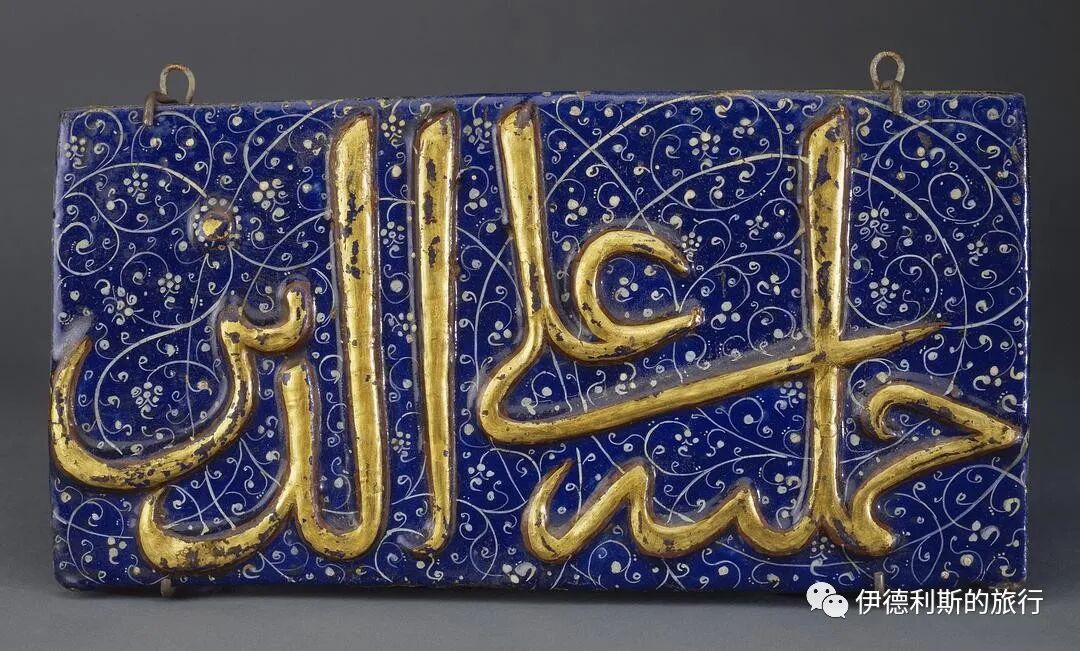
Excavated from the Mausoleum of Imam-zade Yahya in Veramin, Iran, and moved here in 1925 by the Stieglitz Museum.
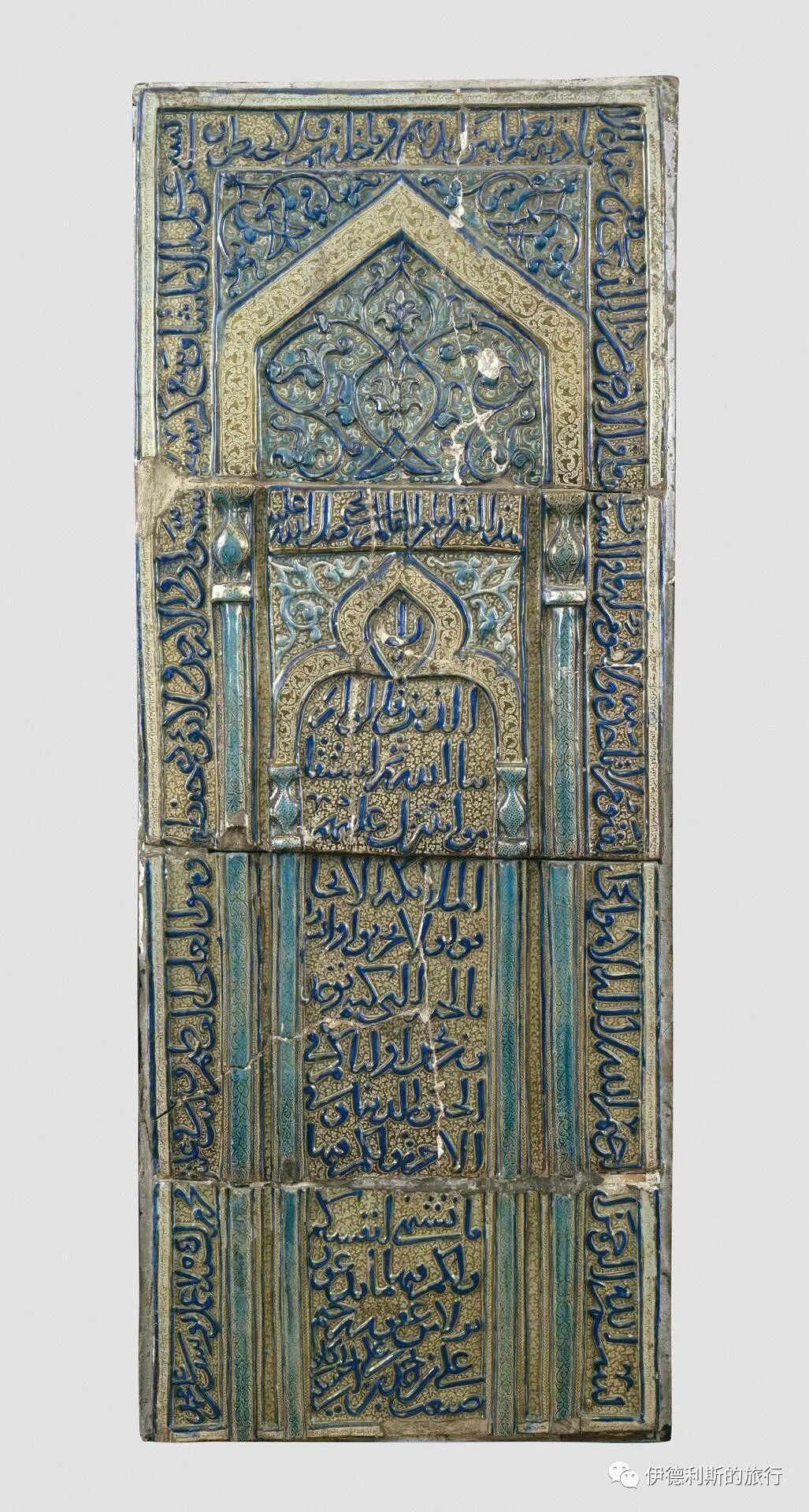
13th century, moved here in 1925 by the Stieglitz Museum.
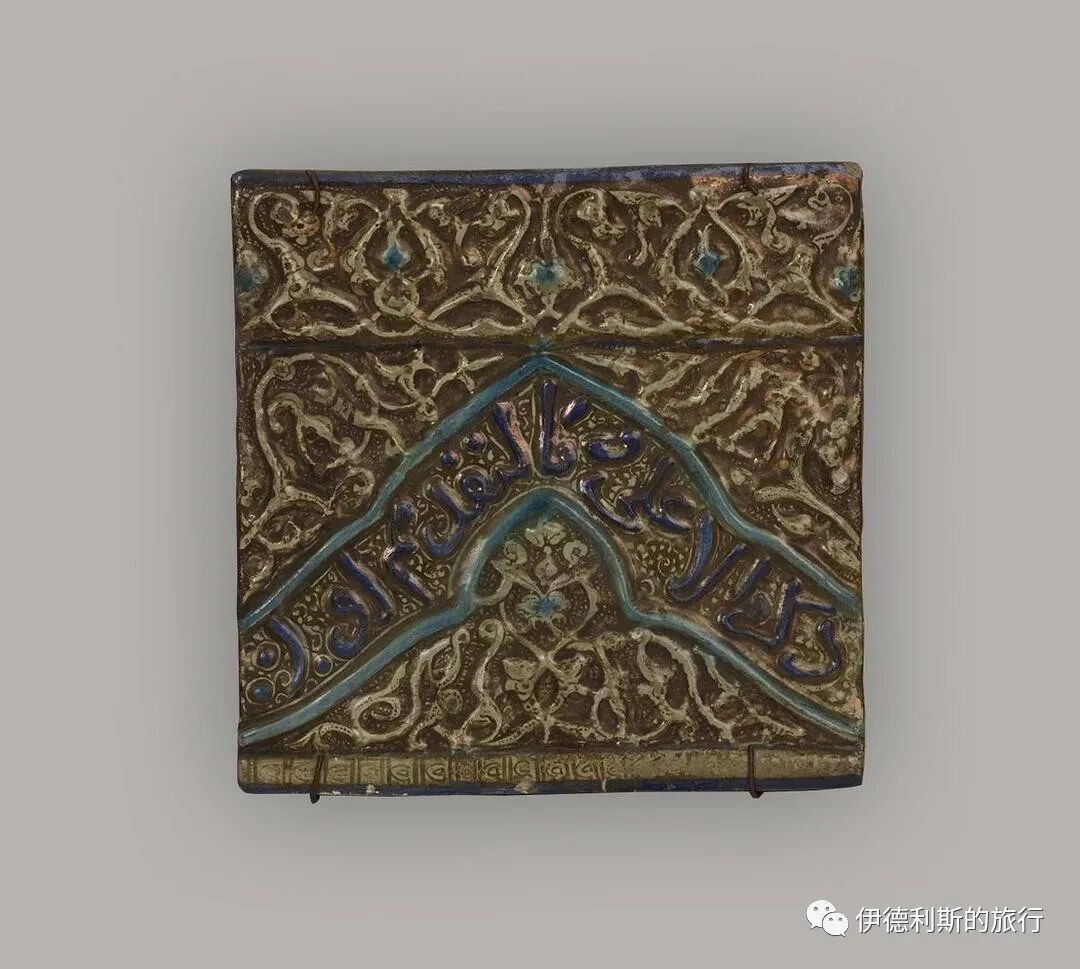
Late 13th century, purchased in 1898.
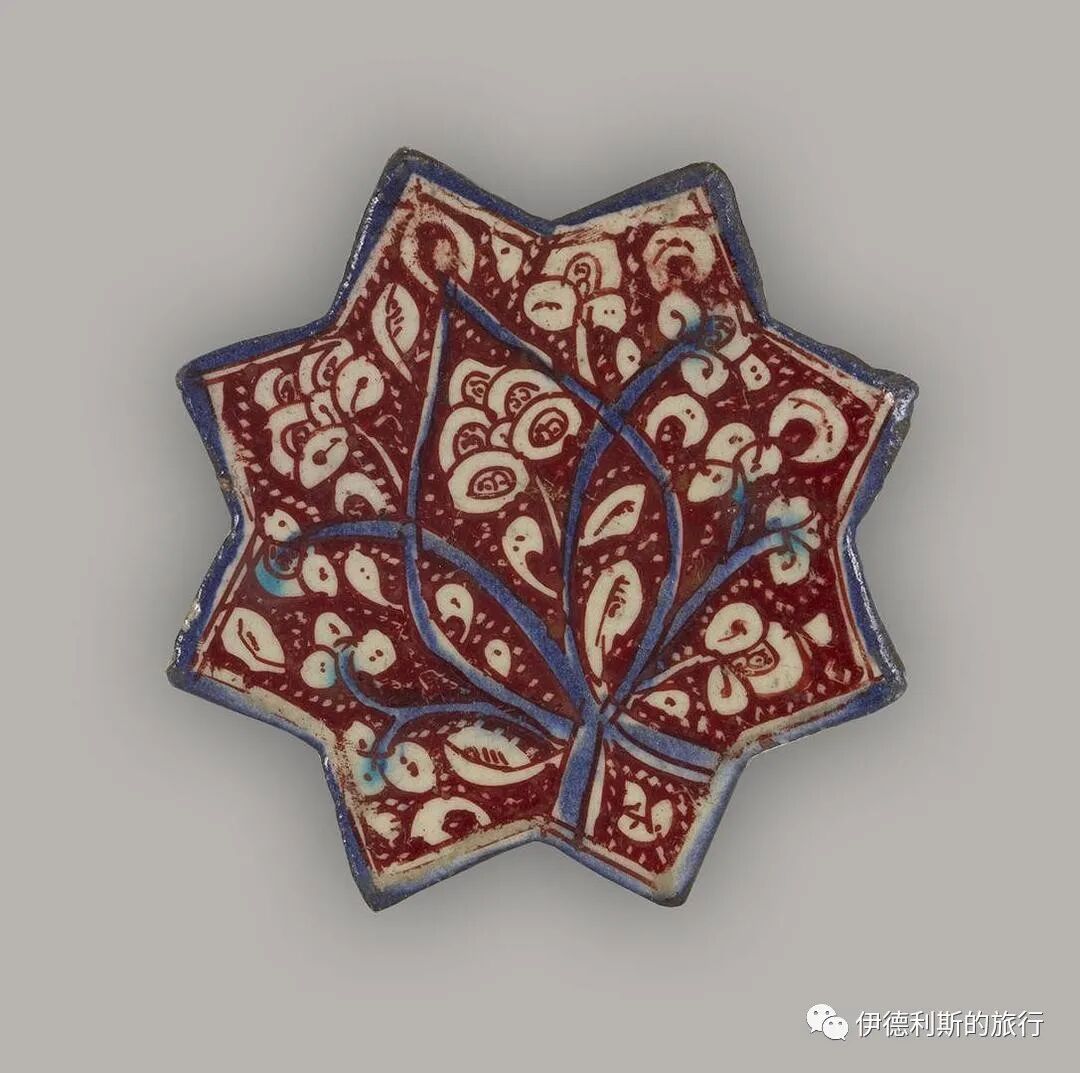
Early 14th century, moved here in 1925 by the Stieglitz Museum.
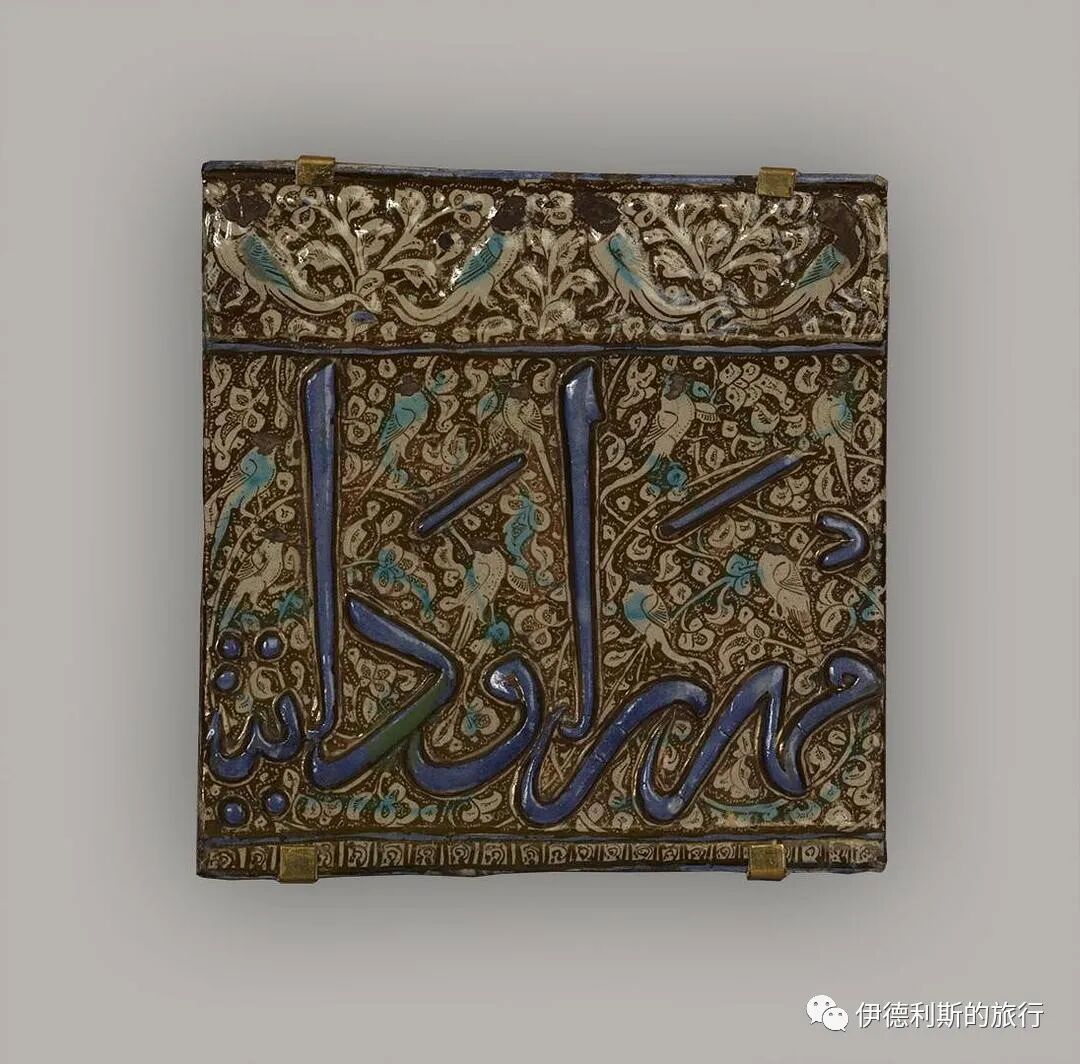
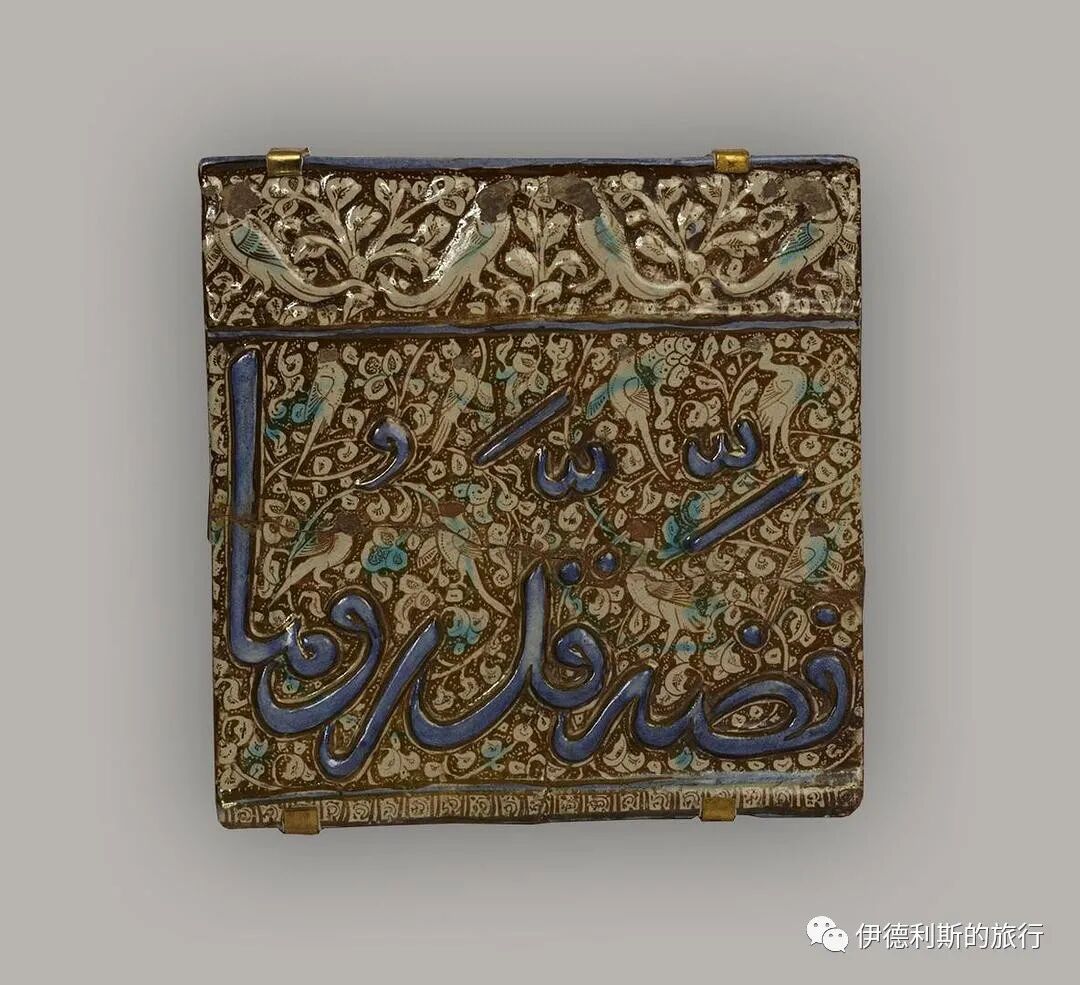
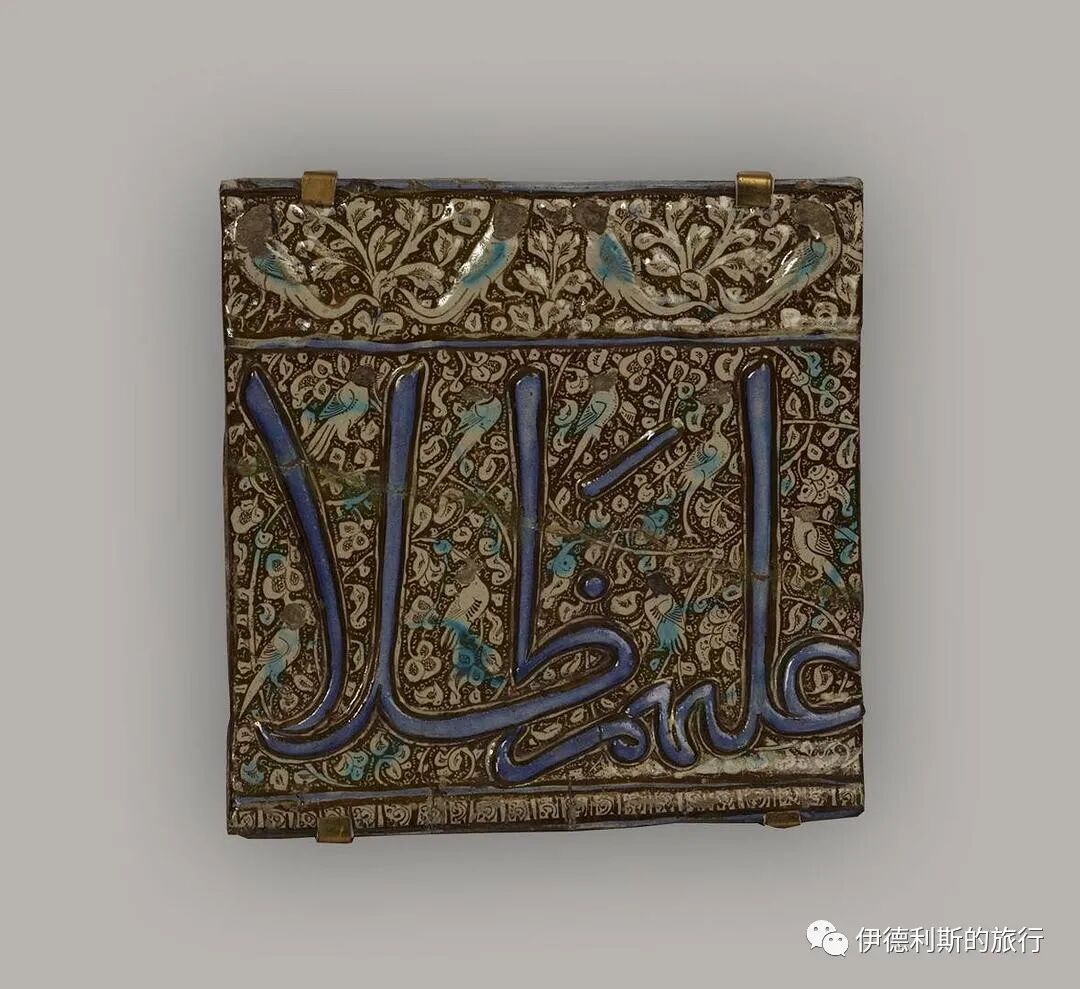
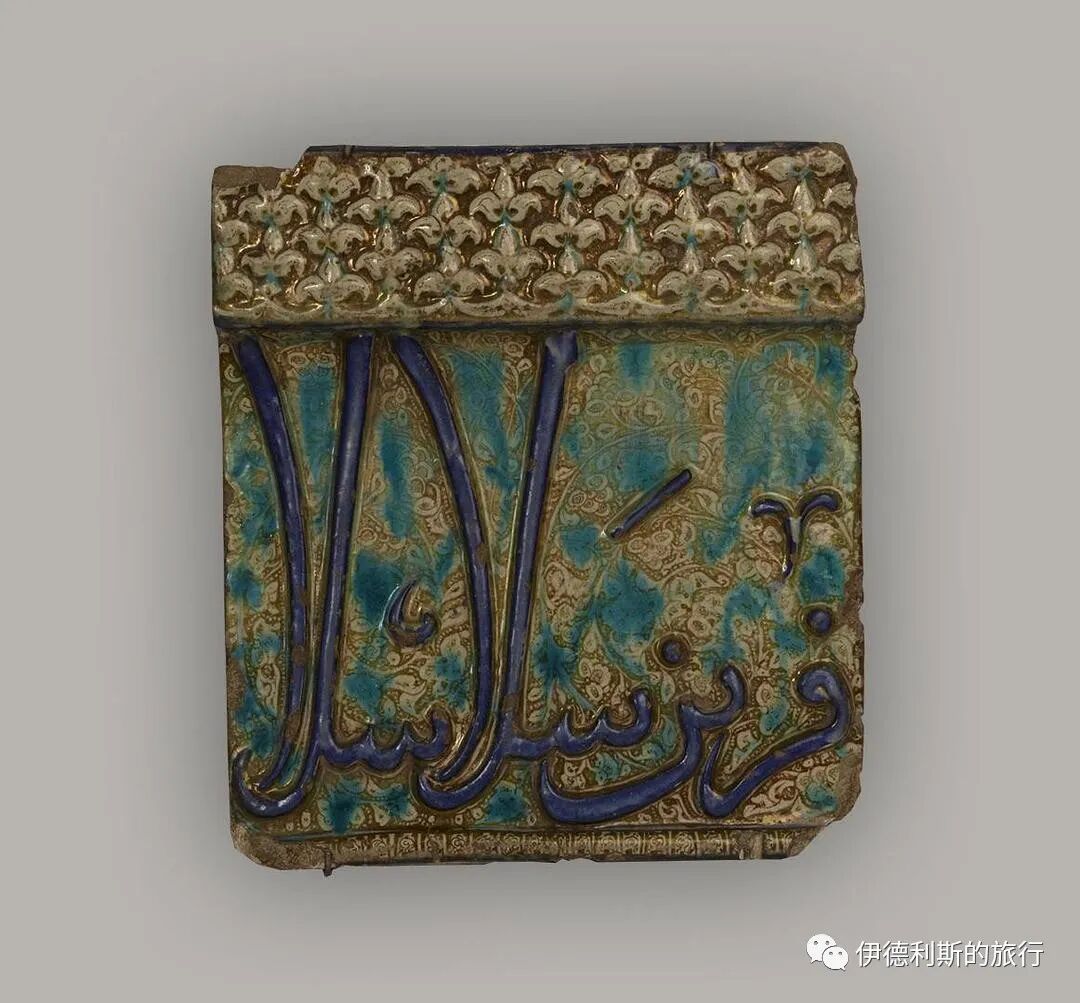
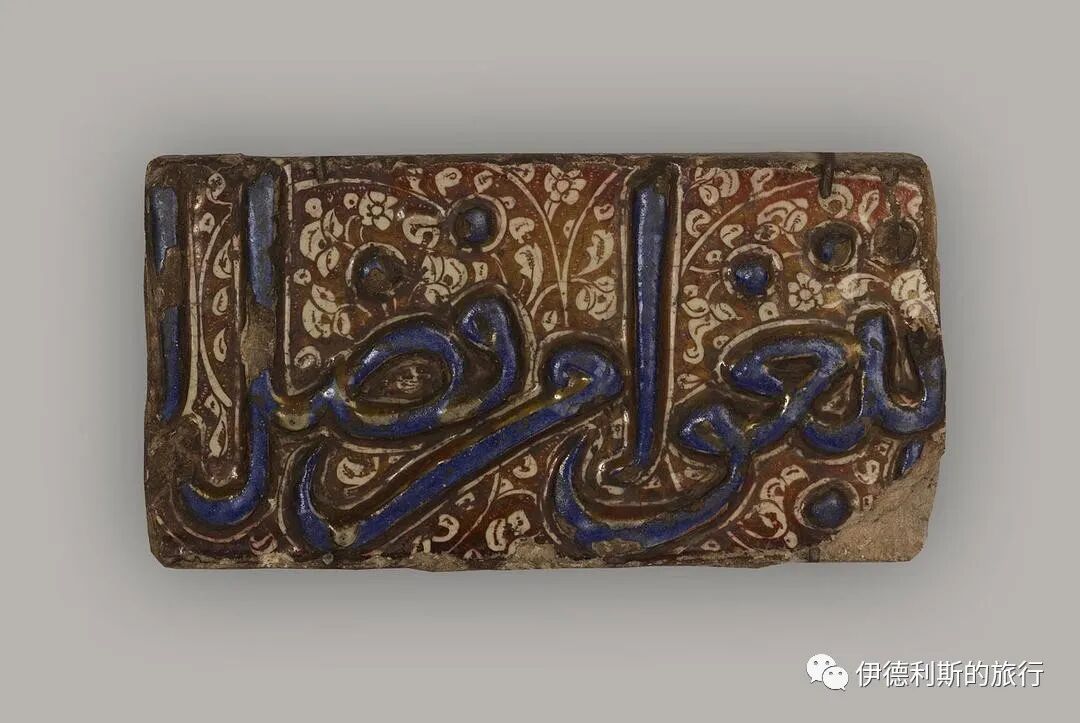
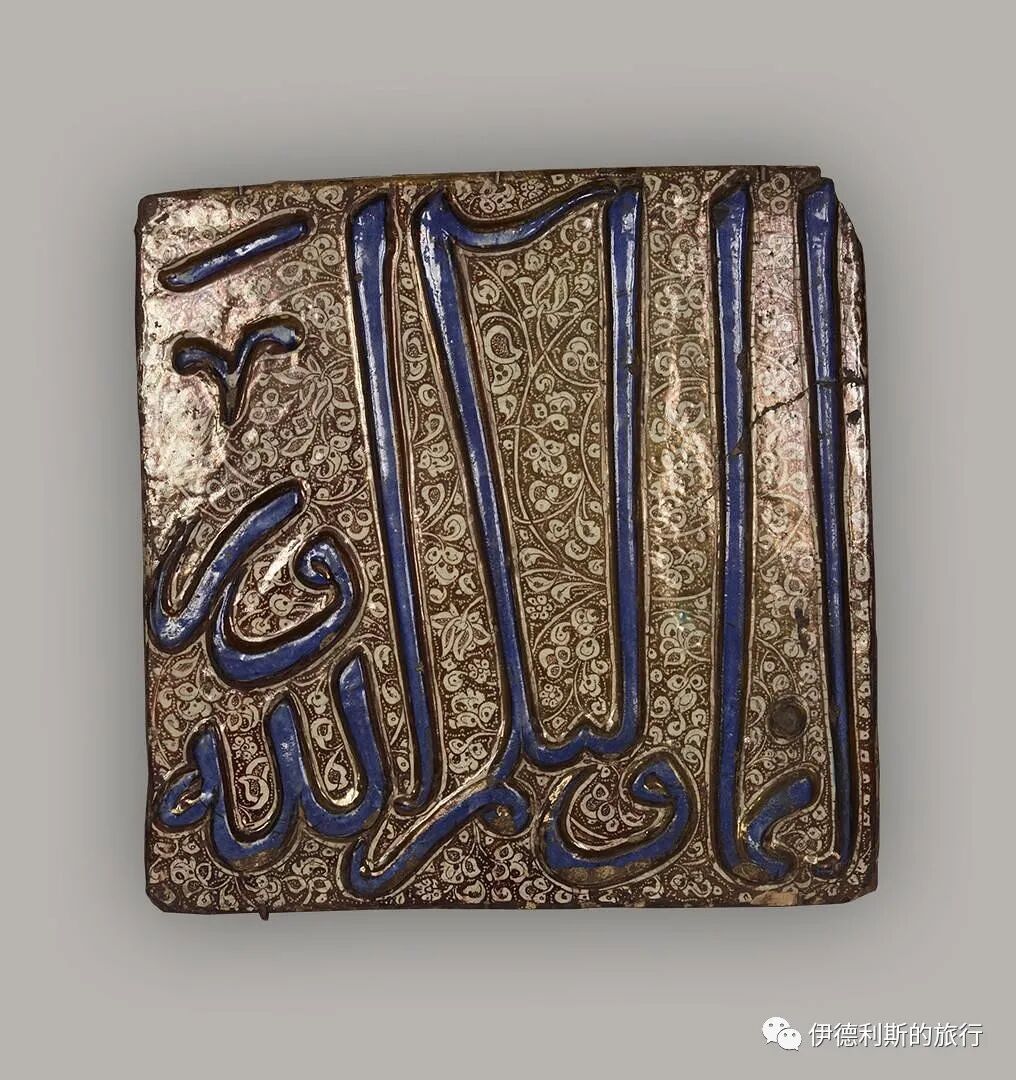
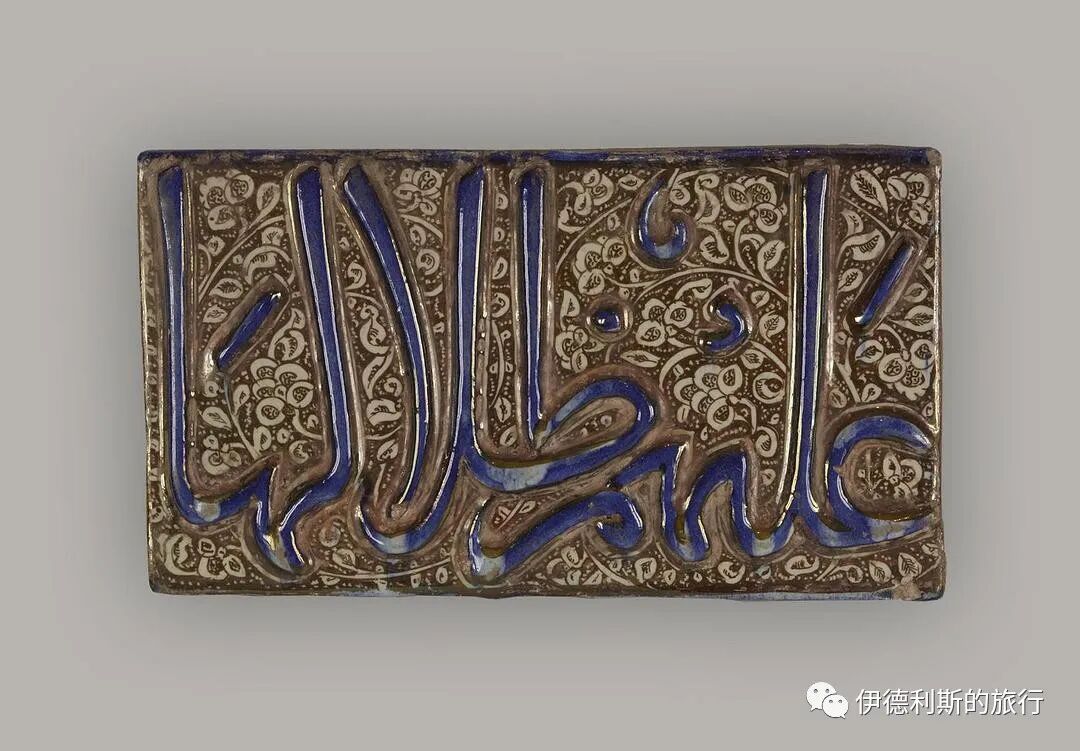
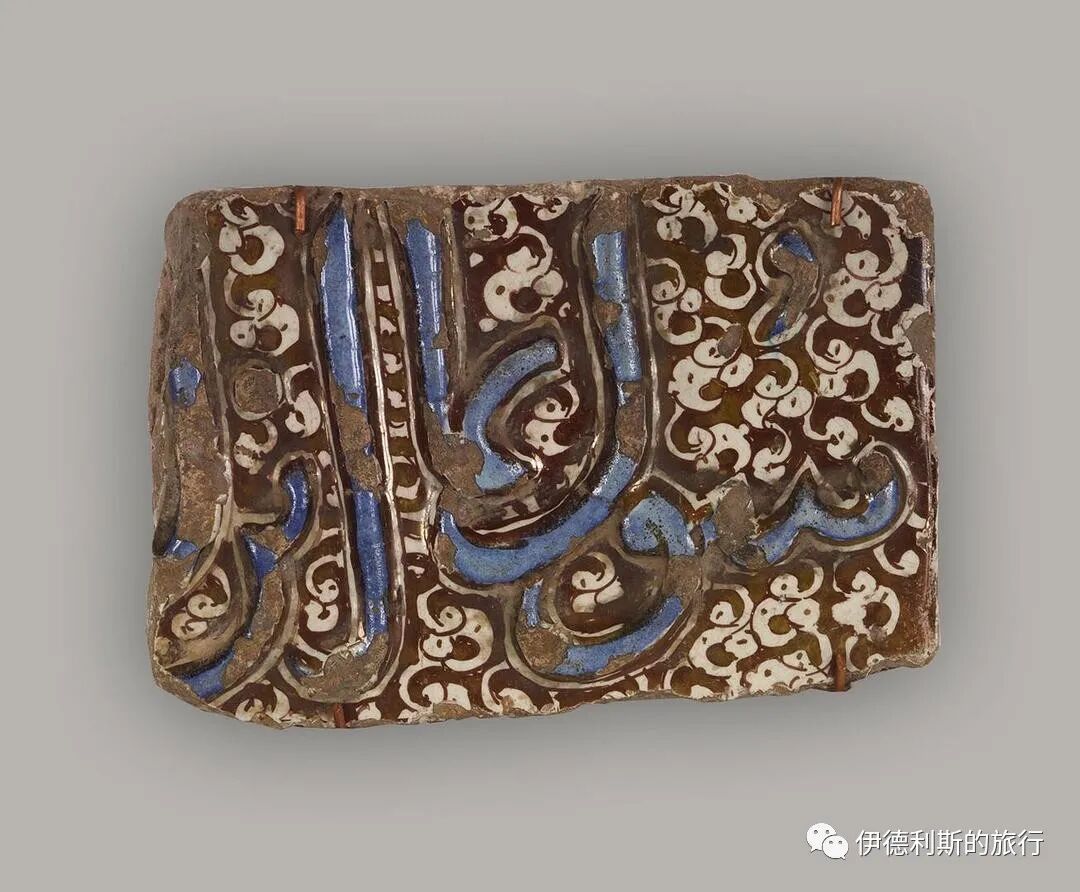
Late 13th century, moved here in 1925 by the Stieglitz Museum.
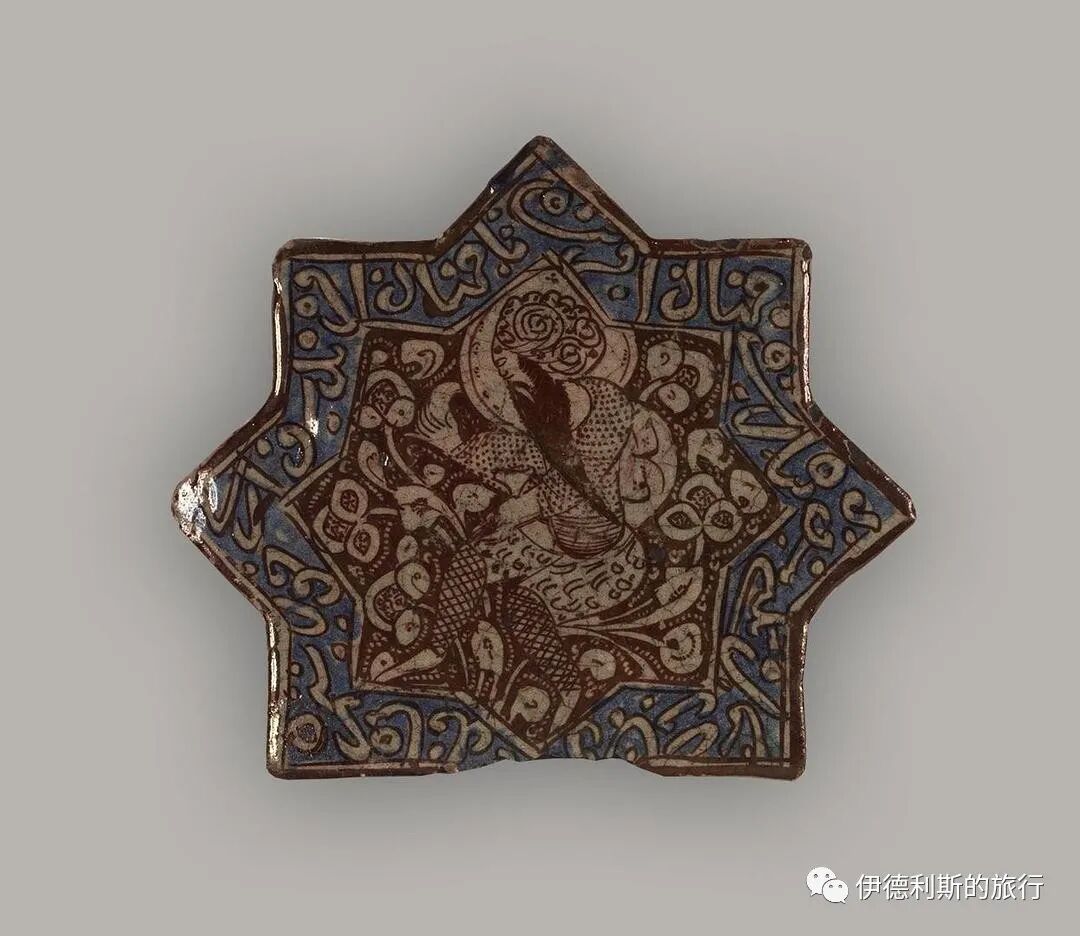
Late 13th century, moved here in 1925 by the Stieglitz Museum.
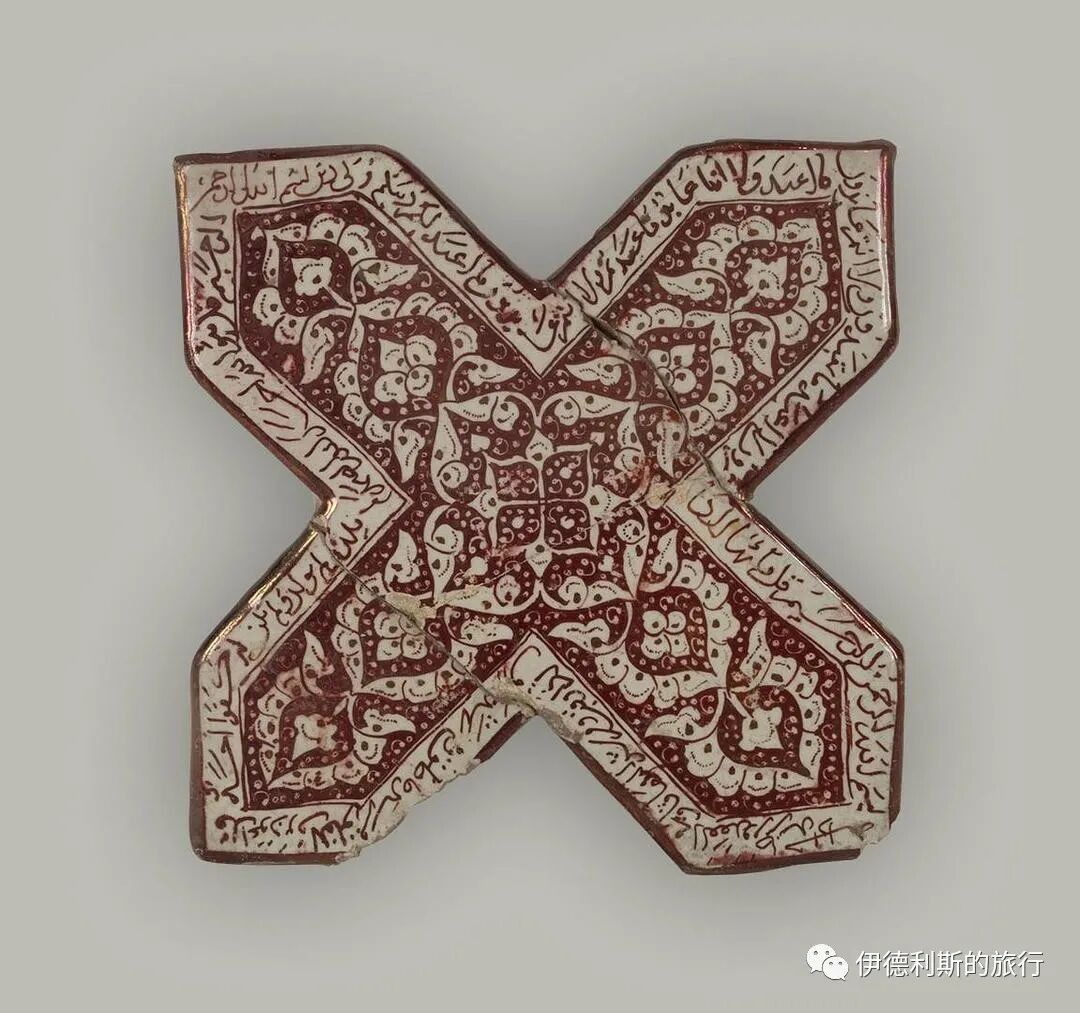
13th-14th century, moved here in 1925 by the Stieglitz Museum.
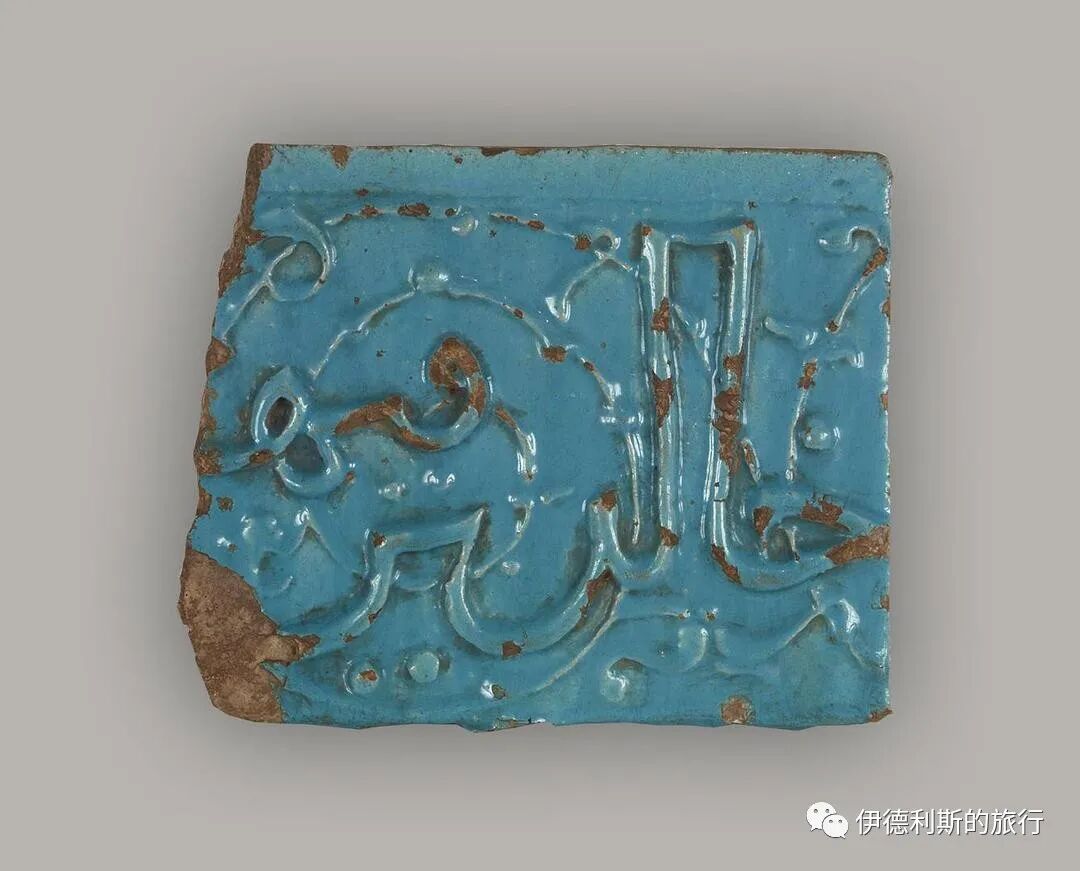
13th century, moved here in 1925 by the Stieglitz Museum.
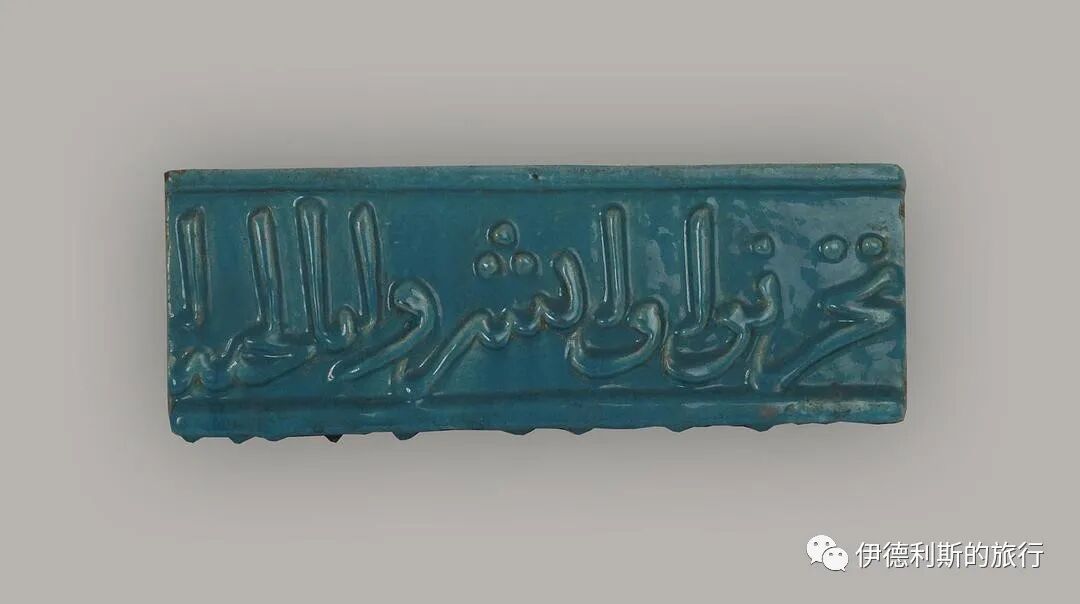
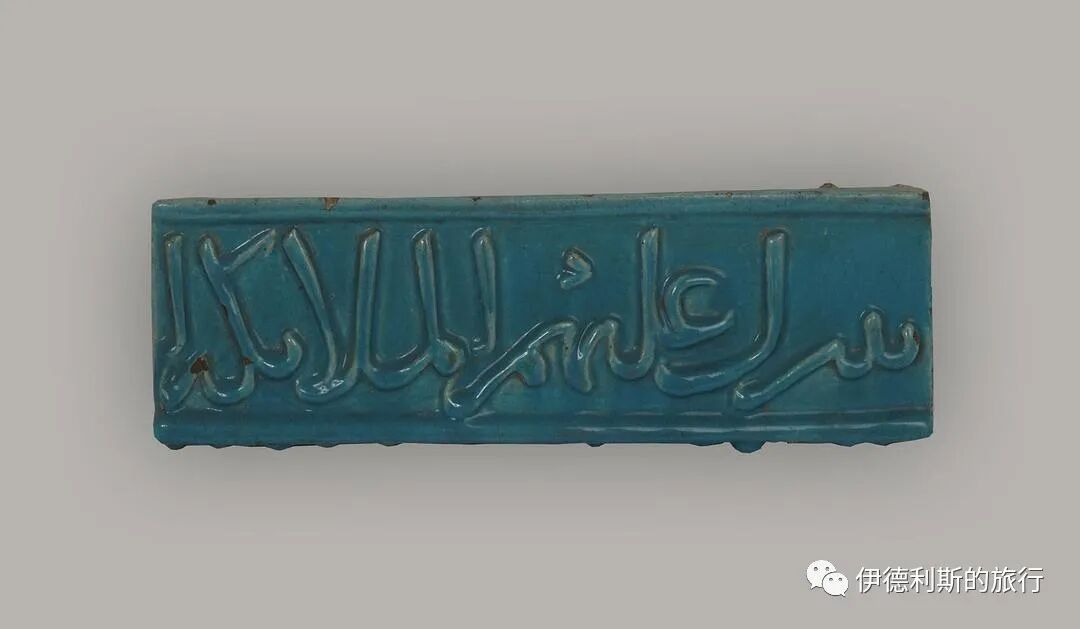
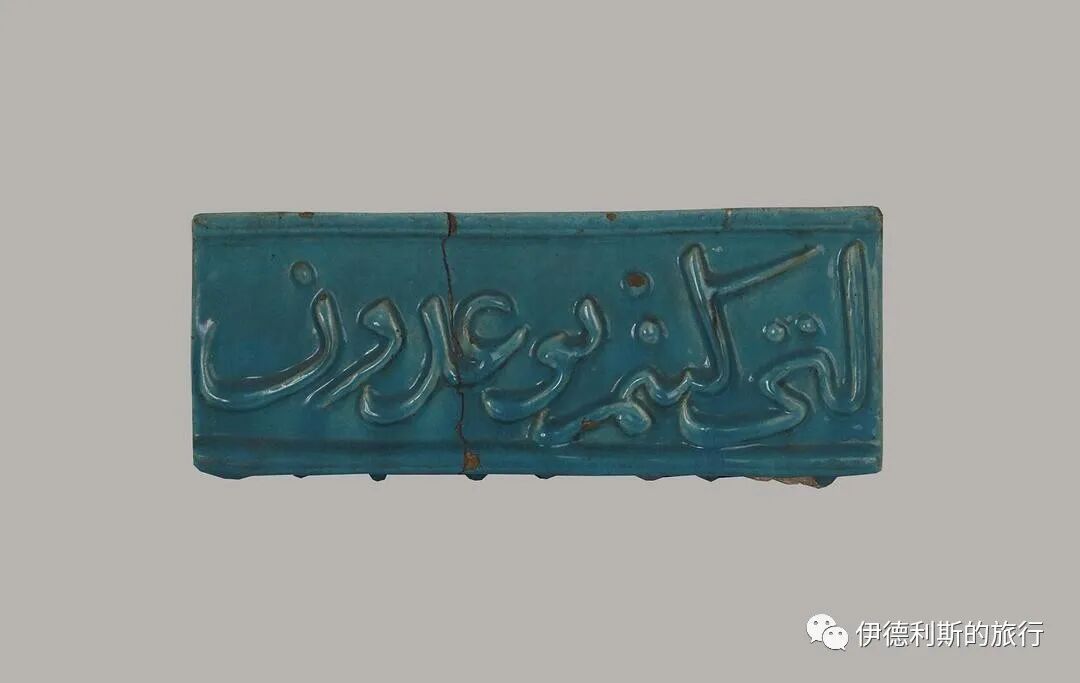
13th to 14th century, acquired from a private source in 1931.
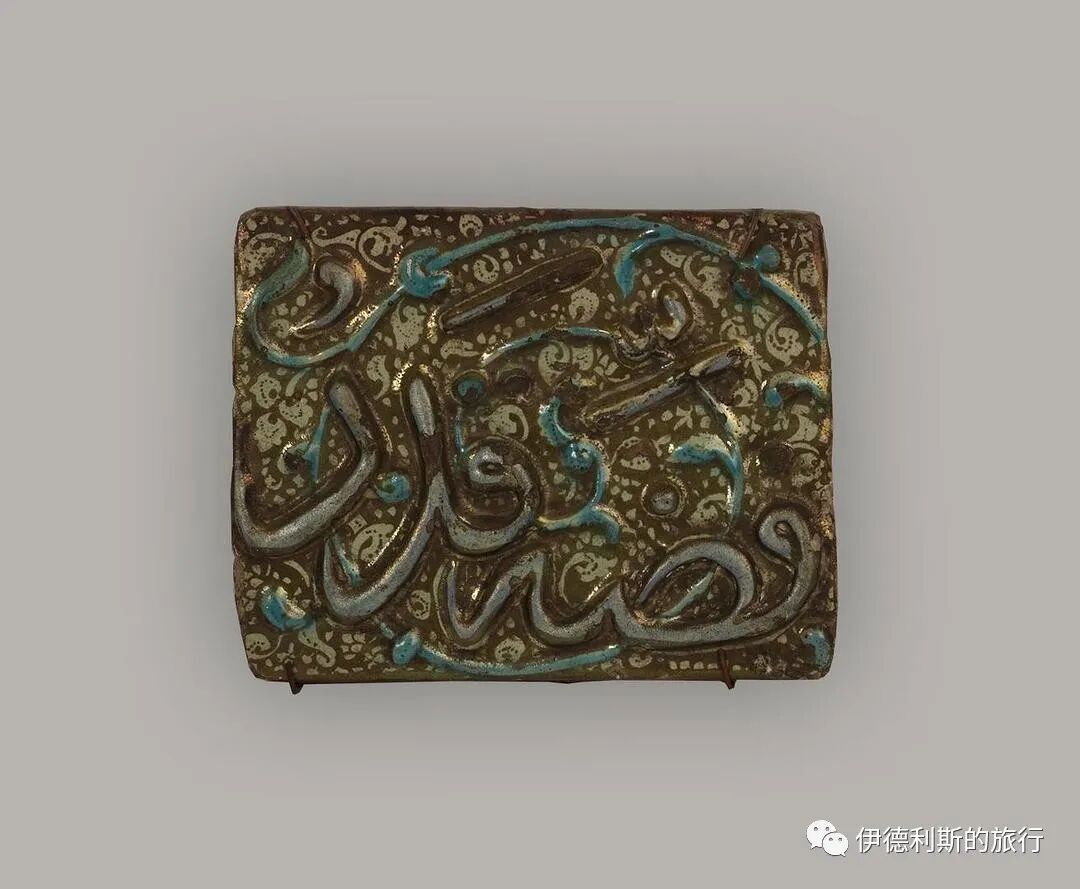
Summary: Hermitage Museum Islamic Art: Persian Miniatures, Golden Horde and Ilkhanid Artifacts is presented here as a firsthand travel account in clear English, beginning with this scene: The Hermitage Museum is in Saint Petersburg, Russia, and the famous Winter Palace is part of it. The account keeps its focus on Islamic Art, Hermitage Museum, Central Asia while preserving the names, places, food, and historical details from the Chinese source.
The Hermitage Museum is in Saint Petersburg, Russia, and the famous Winter Palace is part of it. The museum has 1,000 exhibition halls, and 350 are currently open. The museum's official website now has online exhibitions, so you can enjoy a virtual trip.
Museum website: https://www.hermitagemuseum.or ... ge%3F lng=zh
Here are some Persian miniatures, Golden Horde artifacts, and Ilkhanate artifacts.
1. Persian miniatures and manuscripts
Riza-yi 'Abbasi (1565-1635) was a court miniature artist of the Persian Safavid dynasty, from the miniature art center of Isfahan. He played an important role in promoting Persian painting.
A work by Riza-yi 'Abbasi painted in 1612.
A work by Riza-yi 'Abbasi from the late 16th century, transferred in 1924 from the Stieglitz Central Museum of Decorative and Applied Arts.
A work by Riza-yi 'Abbasi painted in late 1602-1603.
Another Persian miniature artist, Sharaf al-Hussaini al-Yazdi, was active in the 16th century. The image below was painted in 1594-1595 and transferred in 1924 from the Stieglitz Central Museum of Decorative and Applied Arts.
The famous Persian poet Rumi's masterpiece, the Masnavi, was painted between 1594-1596. The scribe was named Mir-Salih ibn Mir-Tahir ibn Mir-Hussein al-Husseini, and it was moved in 1925 from the Stieglitz Museum.
The Five Poems (Khamsa) by the famous Persian poet Nizami Ganjavi, painted in 1541. The scribe was named Hassan al-Husseini al-katib al-Shirazi, and it was acquired from a private source in 1945.
The famous Persian poet Ferdowsi's masterpiece, the Book of Kings (Shahnameh), was painted in the late 16th to early 17th century and acquired from a private source in 1937.
A Persian manuscript of Yusuf and Zulaikha from the first half of the 16th century, purchased in 1939 by the Purchasing Commission of the Experts of the State Hermitage Museum.
A Sufi ceremony from the second half of the 16th century, moved in 1924 from the Stieglitz Museum.
An anonymous work from the late 16th century, transferred in 1924 from the Stieglitz Central Museum of Decorative and Applied Arts.
A Persian miniature from the first half of the 16th century, purchased from a private source in 1959.
2. The Golden Horde
A stone tablet with Arabic and Chagatai script, featuring the name of the great emperor Timur, dated 1391.
This stone carving was discovered in 1935 by geologist Kanysh Satpayev at Altynshoky (Golden Mountain) near the left bank of the Sarysu River in Kazakhstan, which was the eastern border of the Golden Horde at the time. It was moved in 1937 by the Winter Palace scientist F. M. Morozov.
According to the inscription, Emperor Timur led an army of 300,000 to attack Tokhtamysh, the Khan of the Golden Horde, on April 6, 1391. He set up this stone tablet here to mark the event.
A tombstone with Turkic poetry, plant motifs, and geometric patterns from the 13th-14th century Golden Horde. It was moved here in 1979 by the Starokrymskaya archaeological expedition of the State Hermitage Museum.
A tombstone with Arabic inscriptions from the 14th-century Golden Horde, found in the city of Solkhat, Crimea.
An architectural piece with geometric patterns and inscriptions from the first half of the 14th-century Golden Horde. It was found in Solkhat, Crimea, and moved here by the Starokrymskaya expedition in 1981.
From the first half of the 14th-century Golden Horde, this was found in Solkhat, Crimea, during excavations in the 1980s and moved here in 2004.
A 14th-century pendant from the Golden Horde, moved here by the Imperial Archaeological Commission in 1888.
A goblet with a trumpet-shaped hollow stem and a round base from the 14th-century Golden Horde. It was found in the Kuban region of Russia and moved here by the Imperial Archaeological Commission in 1912.
3. The Ilkhanate
Tiles from the Pyr-Husain mausoleum, dated 1285-1286, purchased from a private collection in 1928.
Tiles from the Pyr-Husain mausoleum, dated 1285-1286, purchased from a private collection in 1926.
Tiles from the Pyr-Husain mausoleum, dated 1285-1286, purchased from a private collection in 1958.
Tiles from the Ilkhanate period, late 13th to early 14th century.
Late 13th to early 14th century, moved here by the State Museum Fund in 1923.
Moved here in 1925 by the Stieglitz Museum.
Quran, Chapter 2, Verse 286.
Excavated from the Mausoleum of Imam-zade Yahya in Veramin, Iran, and moved here in 1925 by the Stieglitz Museum.
13th century, moved here in 1925 by the Stieglitz Museum.
Late 13th century, purchased in 1898.
Early 14th century, moved here in 1925 by the Stieglitz Museum.
Late 13th century, moved here in 1925 by the Stieglitz Museum.
Late 13th century, moved here in 1925 by the Stieglitz Museum.
13th-14th century, moved here in 1925 by the Stieglitz Museum.
13th century, moved here in 1925 by the Stieglitz Museum.
13th to 14th century, acquired from a private source in 1931.
Hermitage Museum Islamic Art: Persian Miniatures, Golden Horde and Ilkhanid Artifacts
Articles • ali2007fr posted the article • 0 comments • 188 views • 2026-05-18 01:58
Reposted from the web
Summary: Hermitage Museum Islamic Art: Persian Miniatures, Golden Horde and Ilkhanid Artifacts is presented here as a firsthand travel account in clear English, beginning with this scene: The Hermitage Museum is in Saint Petersburg, Russia, and the famous Winter Palace is part of it. The account keeps its focus on Islamic Art, Hermitage Museum, Central Asia while preserving the names, places, food, and historical details from the Chinese source.
The Hermitage Museum is in Saint Petersburg, Russia, and the famous Winter Palace is part of it. The museum has 1,000 exhibition halls, and 350 are currently open. The museum's official website now has online exhibitions, so you can enjoy a virtual trip.
Museum website: https://www.hermitagemuseum.or ... ge%3F lng=zh
Here are some Persian miniatures, Golden Horde artifacts, and Ilkhanate artifacts.
1. Persian miniatures and manuscripts
Riza-yi 'Abbasi (1565-1635) was a court miniature artist of the Persian Safavid dynasty, from the miniature art center of Isfahan. He played an important role in promoting Persian painting.
A work by Riza-yi 'Abbasi painted in 1612.
A work by Riza-yi 'Abbasi from the late 16th century, transferred in 1924 from the Stieglitz Central Museum of Decorative and Applied Arts.
A work by Riza-yi 'Abbasi painted in late 1602-1603.
Another Persian miniature artist, Sharaf al-Hussaini al-Yazdi, was active in the 16th century. The image below was painted in 1594-1595 and transferred in 1924 from the Stieglitz Central Museum of Decorative and Applied Arts.
The famous Persian poet Rumi's masterpiece, the Masnavi, was painted between 1594-1596. The scribe was named Mir-Salih ibn Mir-Tahir ibn Mir-Hussein al-Husseini, and it was moved in 1925 from the Stieglitz Museum.
The Five Poems (Khamsa) by the famous Persian poet Nizami Ganjavi, painted in 1541. The scribe was named Hassan al-Husseini al-katib al-Shirazi, and it was acquired from a private source in 1945.
The famous Persian poet Ferdowsi's masterpiece, the Book of Kings (Shahnameh), was painted in the late 16th to early 17th century and acquired from a private source in 1937.
A Persian manuscript of Yusuf and Zulaikha from the first half of the 16th century, purchased in 1939 by the Purchasing Commission of the Experts of the State Hermitage Museum.
A Sufi ceremony from the second half of the 16th century, moved in 1924 from the Stieglitz Museum.
An anonymous work from the late 16th century, transferred in 1924 from the Stieglitz Central Museum of Decorative and Applied Arts.
A Persian miniature from the first half of the 16th century, purchased from a private source in 1959.
2. The Golden Horde
A stone tablet with Arabic and Chagatai script, featuring the name of the great emperor Timur, dated 1391.
This stone carving was discovered in 1935 by geologist Kanysh Satpayev at Altynshoky (Golden Mountain) near the left bank of the Sarysu River in Kazakhstan, which was the eastern border of the Golden Horde at the time. It was moved in 1937 by the Winter Palace scientist F. M. Morozov.
According to the inscription, Emperor Timur led an army of 300,000 to attack Tokhtamysh, the Khan of the Golden Horde, on April 6, 1391. He set up this stone tablet here to mark the event.
A tombstone with Turkic poetry, plant motifs, and geometric patterns from the 13th-14th century Golden Horde. It was moved here in 1979 by the Starokrymskaya archaeological expedition of the State Hermitage Museum.
A tombstone with Arabic inscriptions from the 14th-century Golden Horde, found in the city of Solkhat, Crimea.
An architectural piece with geometric patterns and inscriptions from the first half of the 14th-century Golden Horde. It was found in Solkhat, Crimea, and moved here by the Starokrymskaya expedition in 1981.
From the first half of the 14th-century Golden Horde, this was found in Solkhat, Crimea, during excavations in the 1980s and moved here in 2004.
A 14th-century pendant from the Golden Horde, moved here by the Imperial Archaeological Commission in 1888.
A goblet with a trumpet-shaped hollow stem and a round base from the 14th-century Golden Horde. It was found in the Kuban region of Russia and moved here by the Imperial Archaeological Commission in 1912.
3. The Ilkhanate
Tiles from the Pyr-Husain mausoleum, dated 1285-1286, purchased from a private collection in 1928.
Tiles from the Pyr-Husain mausoleum, dated 1285-1286, purchased from a private collection in 1926.
Tiles from the Pyr-Husain mausoleum, dated 1285-1286, purchased from a private collection in 1958.
Tiles from the Ilkhanate period, late 13th to early 14th century.
Late 13th to early 14th century, moved here by the State Museum Fund in 1923.
Moved here in 1925 by the Stieglitz Museum.
Quran, Chapter 2, Verse 286.
Excavated from the Mausoleum of Imam-zade Yahya in Veramin, Iran, and moved here in 1925 by the Stieglitz Museum.
13th century, moved here in 1925 by the Stieglitz Museum.
Late 13th century, purchased in 1898.
Early 14th century, moved here in 1925 by the Stieglitz Museum.
Late 13th century, moved here in 1925 by the Stieglitz Museum.
Late 13th century, moved here in 1925 by the Stieglitz Museum.
13th-14th century, moved here in 1925 by the Stieglitz Museum.
13th century, moved here in 1925 by the Stieglitz Museum.
13th to 14th century, acquired from a private source in 1931. view all
Summary: Hermitage Museum Islamic Art: Persian Miniatures, Golden Horde and Ilkhanid Artifacts is presented here as a firsthand travel account in clear English, beginning with this scene: The Hermitage Museum is in Saint Petersburg, Russia, and the famous Winter Palace is part of it. The account keeps its focus on Islamic Art, Hermitage Museum, Central Asia while preserving the names, places, food, and historical details from the Chinese source.
The Hermitage Museum is in Saint Petersburg, Russia, and the famous Winter Palace is part of it. The museum has 1,000 exhibition halls, and 350 are currently open. The museum's official website now has online exhibitions, so you can enjoy a virtual trip.
Museum website: https://www.hermitagemuseum.or ... ge%3F lng=zh
Here are some Persian miniatures, Golden Horde artifacts, and Ilkhanate artifacts.
1. Persian miniatures and manuscripts
Riza-yi 'Abbasi (1565-1635) was a court miniature artist of the Persian Safavid dynasty, from the miniature art center of Isfahan. He played an important role in promoting Persian painting.
A work by Riza-yi 'Abbasi painted in 1612.
A work by Riza-yi 'Abbasi from the late 16th century, transferred in 1924 from the Stieglitz Central Museum of Decorative and Applied Arts.
A work by Riza-yi 'Abbasi painted in late 1602-1603.
Another Persian miniature artist, Sharaf al-Hussaini al-Yazdi, was active in the 16th century. The image below was painted in 1594-1595 and transferred in 1924 from the Stieglitz Central Museum of Decorative and Applied Arts.
The famous Persian poet Rumi's masterpiece, the Masnavi, was painted between 1594-1596. The scribe was named Mir-Salih ibn Mir-Tahir ibn Mir-Hussein al-Husseini, and it was moved in 1925 from the Stieglitz Museum.
The Five Poems (Khamsa) by the famous Persian poet Nizami Ganjavi, painted in 1541. The scribe was named Hassan al-Husseini al-katib al-Shirazi, and it was acquired from a private source in 1945.
The famous Persian poet Ferdowsi's masterpiece, the Book of Kings (Shahnameh), was painted in the late 16th to early 17th century and acquired from a private source in 1937.
A Persian manuscript of Yusuf and Zulaikha from the first half of the 16th century, purchased in 1939 by the Purchasing Commission of the Experts of the State Hermitage Museum.
A Sufi ceremony from the second half of the 16th century, moved in 1924 from the Stieglitz Museum.
An anonymous work from the late 16th century, transferred in 1924 from the Stieglitz Central Museum of Decorative and Applied Arts.
A Persian miniature from the first half of the 16th century, purchased from a private source in 1959.
2. The Golden Horde
A stone tablet with Arabic and Chagatai script, featuring the name of the great emperor Timur, dated 1391.
This stone carving was discovered in 1935 by geologist Kanysh Satpayev at Altynshoky (Golden Mountain) near the left bank of the Sarysu River in Kazakhstan, which was the eastern border of the Golden Horde at the time. It was moved in 1937 by the Winter Palace scientist F. M. Morozov.
According to the inscription, Emperor Timur led an army of 300,000 to attack Tokhtamysh, the Khan of the Golden Horde, on April 6, 1391. He set up this stone tablet here to mark the event.
A tombstone with Turkic poetry, plant motifs, and geometric patterns from the 13th-14th century Golden Horde. It was moved here in 1979 by the Starokrymskaya archaeological expedition of the State Hermitage Museum.
A tombstone with Arabic inscriptions from the 14th-century Golden Horde, found in the city of Solkhat, Crimea.
An architectural piece with geometric patterns and inscriptions from the first half of the 14th-century Golden Horde. It was found in Solkhat, Crimea, and moved here by the Starokrymskaya expedition in 1981.
From the first half of the 14th-century Golden Horde, this was found in Solkhat, Crimea, during excavations in the 1980s and moved here in 2004.
A 14th-century pendant from the Golden Horde, moved here by the Imperial Archaeological Commission in 1888.
A goblet with a trumpet-shaped hollow stem and a round base from the 14th-century Golden Horde. It was found in the Kuban region of Russia and moved here by the Imperial Archaeological Commission in 1912.
3. The Ilkhanate
Tiles from the Pyr-Husain mausoleum, dated 1285-1286, purchased from a private collection in 1928.
Tiles from the Pyr-Husain mausoleum, dated 1285-1286, purchased from a private collection in 1926.
Tiles from the Pyr-Husain mausoleum, dated 1285-1286, purchased from a private collection in 1958.
Tiles from the Ilkhanate period, late 13th to early 14th century.
Late 13th to early 14th century, moved here by the State Museum Fund in 1923.
Moved here in 1925 by the Stieglitz Museum.
Quran, Chapter 2, Verse 286.
Excavated from the Mausoleum of Imam-zade Yahya in Veramin, Iran, and moved here in 1925 by the Stieglitz Museum.
13th century, moved here in 1925 by the Stieglitz Museum.
Late 13th century, purchased in 1898.
Early 14th century, moved here in 1925 by the Stieglitz Museum.
Late 13th century, moved here in 1925 by the Stieglitz Museum.
Late 13th century, moved here in 1925 by the Stieglitz Museum.
13th-14th century, moved here in 1925 by the Stieglitz Museum.
13th century, moved here in 1925 by the Stieglitz Museum.
13th to 14th century, acquired from a private source in 1931. view all
Reposted from the web
Summary: Hermitage Museum Islamic Art: Persian Miniatures, Golden Horde and Ilkhanid Artifacts is presented here as a firsthand travel account in clear English, beginning with this scene: The Hermitage Museum is in Saint Petersburg, Russia, and the famous Winter Palace is part of it. The account keeps its focus on Islamic Art, Hermitage Museum, Central Asia while preserving the names, places, food, and historical details from the Chinese source.
The Hermitage Museum is in Saint Petersburg, Russia, and the famous Winter Palace is part of it. The museum has 1,000 exhibition halls, and 350 are currently open. The museum's official website now has online exhibitions, so you can enjoy a virtual trip.
Museum website: https://www.hermitagemuseum.or ... ge%3F lng=zh
Here are some Persian miniatures, Golden Horde artifacts, and Ilkhanate artifacts.
1. Persian miniatures and manuscripts
Riza-yi 'Abbasi (1565-1635) was a court miniature artist of the Persian Safavid dynasty, from the miniature art center of Isfahan. He played an important role in promoting Persian painting.
A work by Riza-yi 'Abbasi painted in 1612.
A work by Riza-yi 'Abbasi from the late 16th century, transferred in 1924 from the Stieglitz Central Museum of Decorative and Applied Arts.
A work by Riza-yi 'Abbasi painted in late 1602-1603.
Another Persian miniature artist, Sharaf al-Hussaini al-Yazdi, was active in the 16th century. The image below was painted in 1594-1595 and transferred in 1924 from the Stieglitz Central Museum of Decorative and Applied Arts.
The famous Persian poet Rumi's masterpiece, the Masnavi, was painted between 1594-1596. The scribe was named Mir-Salih ibn Mir-Tahir ibn Mir-Hussein al-Husseini, and it was moved in 1925 from the Stieglitz Museum.
The Five Poems (Khamsa) by the famous Persian poet Nizami Ganjavi, painted in 1541. The scribe was named Hassan al-Husseini al-katib al-Shirazi, and it was acquired from a private source in 1945.
The famous Persian poet Ferdowsi's masterpiece, the Book of Kings (Shahnameh), was painted in the late 16th to early 17th century and acquired from a private source in 1937.
A Persian manuscript of Yusuf and Zulaikha from the first half of the 16th century, purchased in 1939 by the Purchasing Commission of the Experts of the State Hermitage Museum.
A Sufi ceremony from the second half of the 16th century, moved in 1924 from the Stieglitz Museum.
An anonymous work from the late 16th century, transferred in 1924 from the Stieglitz Central Museum of Decorative and Applied Arts.
A Persian miniature from the first half of the 16th century, purchased from a private source in 1959.
2. The Golden Horde
A stone tablet with Arabic and Chagatai script, featuring the name of the great emperor Timur, dated 1391.
This stone carving was discovered in 1935 by geologist Kanysh Satpayev at Altynshoky (Golden Mountain) near the left bank of the Sarysu River in Kazakhstan, which was the eastern border of the Golden Horde at the time. It was moved in 1937 by the Winter Palace scientist F. M. Morozov.
According to the inscription, Emperor Timur led an army of 300,000 to attack Tokhtamysh, the Khan of the Golden Horde, on April 6, 1391. He set up this stone tablet here to mark the event.
A tombstone with Turkic poetry, plant motifs, and geometric patterns from the 13th-14th century Golden Horde. It was moved here in 1979 by the Starokrymskaya archaeological expedition of the State Hermitage Museum.
A tombstone with Arabic inscriptions from the 14th-century Golden Horde, found in the city of Solkhat, Crimea.
An architectural piece with geometric patterns and inscriptions from the first half of the 14th-century Golden Horde. It was found in Solkhat, Crimea, and moved here by the Starokrymskaya expedition in 1981.
From the first half of the 14th-century Golden Horde, this was found in Solkhat, Crimea, during excavations in the 1980s and moved here in 2004.
A 14th-century pendant from the Golden Horde, moved here by the Imperial Archaeological Commission in 1888.
A goblet with a trumpet-shaped hollow stem and a round base from the 14th-century Golden Horde. It was found in the Kuban region of Russia and moved here by the Imperial Archaeological Commission in 1912.
3. The Ilkhanate
Tiles from the Pyr-Husain mausoleum, dated 1285-1286, purchased from a private collection in 1928.
Tiles from the Pyr-Husain mausoleum, dated 1285-1286, purchased from a private collection in 1926.
Tiles from the Pyr-Husain mausoleum, dated 1285-1286, purchased from a private collection in 1958.
Tiles from the Ilkhanate period, late 13th to early 14th century.
Late 13th to early 14th century, moved here by the State Museum Fund in 1923.
Moved here in 1925 by the Stieglitz Museum.
Quran, Chapter 2, Verse 286.
Excavated from the Mausoleum of Imam-zade Yahya in Veramin, Iran, and moved here in 1925 by the Stieglitz Museum.
13th century, moved here in 1925 by the Stieglitz Museum.
Late 13th century, purchased in 1898.
Early 14th century, moved here in 1925 by the Stieglitz Museum.
Late 13th century, moved here in 1925 by the Stieglitz Museum.
Late 13th century, moved here in 1925 by the Stieglitz Museum.
13th-14th century, moved here in 1925 by the Stieglitz Museum.
13th century, moved here in 1925 by the Stieglitz Museum.
13th to 14th century, acquired from a private source in 1931.
Summary: Hermitage Museum Islamic Art: Persian Miniatures, Golden Horde and Ilkhanid Artifacts is presented here as a firsthand travel account in clear English, beginning with this scene: The Hermitage Museum is in Saint Petersburg, Russia, and the famous Winter Palace is part of it. The account keeps its focus on Islamic Art, Hermitage Museum, Central Asia while preserving the names, places, food, and historical details from the Chinese source.
The Hermitage Museum is in Saint Petersburg, Russia, and the famous Winter Palace is part of it. The museum has 1,000 exhibition halls, and 350 are currently open. The museum's official website now has online exhibitions, so you can enjoy a virtual trip.
Museum website: https://www.hermitagemuseum.or ... ge%3F lng=zh
Here are some Persian miniatures, Golden Horde artifacts, and Ilkhanate artifacts.
1. Persian miniatures and manuscripts
Riza-yi 'Abbasi (1565-1635) was a court miniature artist of the Persian Safavid dynasty, from the miniature art center of Isfahan. He played an important role in promoting Persian painting.
A work by Riza-yi 'Abbasi painted in 1612.
A work by Riza-yi 'Abbasi from the late 16th century, transferred in 1924 from the Stieglitz Central Museum of Decorative and Applied Arts.
A work by Riza-yi 'Abbasi painted in late 1602-1603.
Another Persian miniature artist, Sharaf al-Hussaini al-Yazdi, was active in the 16th century. The image below was painted in 1594-1595 and transferred in 1924 from the Stieglitz Central Museum of Decorative and Applied Arts.
The famous Persian poet Rumi's masterpiece, the Masnavi, was painted between 1594-1596. The scribe was named Mir-Salih ibn Mir-Tahir ibn Mir-Hussein al-Husseini, and it was moved in 1925 from the Stieglitz Museum.
The Five Poems (Khamsa) by the famous Persian poet Nizami Ganjavi, painted in 1541. The scribe was named Hassan al-Husseini al-katib al-Shirazi, and it was acquired from a private source in 1945.
The famous Persian poet Ferdowsi's masterpiece, the Book of Kings (Shahnameh), was painted in the late 16th to early 17th century and acquired from a private source in 1937.
A Persian manuscript of Yusuf and Zulaikha from the first half of the 16th century, purchased in 1939 by the Purchasing Commission of the Experts of the State Hermitage Museum.
A Sufi ceremony from the second half of the 16th century, moved in 1924 from the Stieglitz Museum.
An anonymous work from the late 16th century, transferred in 1924 from the Stieglitz Central Museum of Decorative and Applied Arts.
A Persian miniature from the first half of the 16th century, purchased from a private source in 1959.
2. The Golden Horde
A stone tablet with Arabic and Chagatai script, featuring the name of the great emperor Timur, dated 1391.
This stone carving was discovered in 1935 by geologist Kanysh Satpayev at Altynshoky (Golden Mountain) near the left bank of the Sarysu River in Kazakhstan, which was the eastern border of the Golden Horde at the time. It was moved in 1937 by the Winter Palace scientist F. M. Morozov.
According to the inscription, Emperor Timur led an army of 300,000 to attack Tokhtamysh, the Khan of the Golden Horde, on April 6, 1391. He set up this stone tablet here to mark the event.
A tombstone with Turkic poetry, plant motifs, and geometric patterns from the 13th-14th century Golden Horde. It was moved here in 1979 by the Starokrymskaya archaeological expedition of the State Hermitage Museum.
A tombstone with Arabic inscriptions from the 14th-century Golden Horde, found in the city of Solkhat, Crimea.
An architectural piece with geometric patterns and inscriptions from the first half of the 14th-century Golden Horde. It was found in Solkhat, Crimea, and moved here by the Starokrymskaya expedition in 1981.
From the first half of the 14th-century Golden Horde, this was found in Solkhat, Crimea, during excavations in the 1980s and moved here in 2004.
A 14th-century pendant from the Golden Horde, moved here by the Imperial Archaeological Commission in 1888.
A goblet with a trumpet-shaped hollow stem and a round base from the 14th-century Golden Horde. It was found in the Kuban region of Russia and moved here by the Imperial Archaeological Commission in 1912.
3. The Ilkhanate
Tiles from the Pyr-Husain mausoleum, dated 1285-1286, purchased from a private collection in 1928.
Tiles from the Pyr-Husain mausoleum, dated 1285-1286, purchased from a private collection in 1926.
Tiles from the Pyr-Husain mausoleum, dated 1285-1286, purchased from a private collection in 1958.
Tiles from the Ilkhanate period, late 13th to early 14th century.
Late 13th to early 14th century, moved here by the State Museum Fund in 1923.
Moved here in 1925 by the Stieglitz Museum.
Quran, Chapter 2, Verse 286.
Excavated from the Mausoleum of Imam-zade Yahya in Veramin, Iran, and moved here in 1925 by the Stieglitz Museum.
13th century, moved here in 1925 by the Stieglitz Museum.
Late 13th century, purchased in 1898.
Early 14th century, moved here in 1925 by the Stieglitz Museum.
Late 13th century, moved here in 1925 by the Stieglitz Museum.
Late 13th century, moved here in 1925 by the Stieglitz Museum.
13th-14th century, moved here in 1925 by the Stieglitz Museum.
13th century, moved here in 1925 by the Stieglitz Museum.
13th to 14th century, acquired from a private source in 1931.