

Hexian Muslims
Halal Travel Guide: Wuhu and Hexian Hui Muslim Communities — Mosques and Halal Food
Articles • ali2007fr posted the article • 0 comments • 160 views • 2026-05-18 02:27
Reposted from the web
Summary: Wuhu and Hexian Hui Muslim Communities — Mosques and Halal Food is presented here as a firsthand travel account in clear English, beginning with this scene: Hui Muslims began settling in Wuhu by the late Ming and early Qing dynasties. In the early Qing dynasty, they built their first mosque near Jixiang Mosque, located where the Yangtze River and Qingyi River meet. The account keeps its focus on Wuhu Muslims, Hexian Muslims, Halal Food while preserving the names, places, food, and historical details from the Chinese source.
Wuhu
Hui Muslims began settling in Wuhu by the late Ming and early Qing dynasties. In the early Qing dynasty, they built their first mosque near Jixiang Mosque, located where the Yangtze River and Qingyi River meet. The Wuhu Mosque was burned down during the Taiping Rebellion between 1853 and 1861. In 1864, community members raised funds to buy land and rebuild it outside the North Gate at Beilangpu, which is the current site of the Wuhu Mosque.
After the Chefoo Convention was signed between China and Britain in 1876, Wuhu became the first treaty port in Anhui. In 1882, Li Hongzhang established a rice market in Wuhu. As business in the city grew, many Hui Muslims from surrounding areas moved to Wuhu to make a living.
At that time, Hui Muslims from Shandong, Henan, and northern Anhui mostly ran halal snack shops or pulled rickshaws. Those from Zhenjiang and Yangzhou mostly ran hardware, copper, and tin shops. Hui Muslims from Huaining, Tongling, Hexian, and Wuwei in Anhui mostly worked in small workshops making soap, candles, and soda ash, while many others worked in the slaughter and sale of cattle and ducks.
In 1902, as the number of Hui Muslims in Wuhu grew, community members raised funds to expand the mosque's main prayer hall, lecture hall, reception hall, and ablution room. The main prayer hall and reception hall still stand today. At the same time, a free halal school was opened inside the mosque. In 1913, the halal school became the Halal National Primary School, which accepted both Hui and Han students.
After the Japanese army occupied Wuhu in 1937, the mosque was damaged again. In 1944, community members raised funds for repairs and expanded the halls. At the same time, the Halal National Primary School was renamed the Private Halal Primary School with Ma Chunting as principal, and a women's mosque was added.
After 1966, the rare copies of the Quran (Gure'ani) kept at the Wuhu Mosque were burned. The plaques and couplets in the main hall, as well as items used for bathing and funerals, were smashed, and the carvings on the buildings were destroyed. The mosque management committee rented some of the mosque's rooms to the Wuhu Engraving Factory, which is how the building finally escaped total destruction.
After 1979, the mosque management committee reclaimed the property and renovated the mosque.
Between 2005 and 2007, the main gate of the Wuhu Mosque was demolished and replaced with a modern building.
This photo shows the main gate of the Wuhu Mosque, taken by the famous missionary Claude L. Pickens between 1934 and 1935, and is now held in the Harvard-Yenching Library collection.
In 2007, the south gate and the buildings behind it at the Wuhu Mosque were demolished and rebuilt as modern structures.
In front of the current mosque gate.
In 2017, the imam at the Wuhu Mosque was Imam Tao from Shou County, Anhui, who was a very warm and kind person.
Halal food.
Halal food in Wuhu began to flourish after the port opened in 1876, but declined after the public-private partnership reforms in 1956. The trade focused on beef and duck slaughtering and selling raw and cooked beef. During its peak, there were over 30 shops including Malongxing, Mayixing, Jinlongxing, Hachangxing, Lanyisheng, Wanglongxing, Maowanxing, and Quanhexing. Among them, Jinlongxing's braised beef, Sachangxing's salted pressed duck (ban ya), and Mayixing's oil-poached chicken (you ji) were the most popular. Today, only Mayixing remains.
In the late 19th century, 13-year-old Ma Zhongyou, a Hui Muslim from Qijiawan in Nanjing, came to Wuhu with his father to make a living. He opened the Mayixing halal food shop on Xinwu Road (formerly Wan'an Bridge) by the Yangtze River, selling the cheapest 'grab-grab rice' (zhua zhua fan)—a meal of rice and dishes mixed together and eaten by hand—to dock workers and rickshaw pullers.
In 1910, Mayixing moved to Xihuayuan and began the business of slaughtering ducks and geese and selling braised duck. At that time, Wuhu was a bustling commercial hub with many traveling Muslims, and Mayixing began to gain a reputation.
In 1918, Ma Zhongyou and his son Ma Weirong rebuilt the shop on Xinwu Road and officially named it 'Halal Mayixing Restaurant.' Their signature dishes were osmanthus duck (guihua ya), pipa-shaped duck (pipa ya), and duck pancakes (ya bing). They also sold snacks like steak, fermented bean curd fish (zao yu), pickled shrimp (qiang xia), beef potstickers (niurou guotie), and braised beef noodles. At that time, Mayixing sold thousands of ducks every day and only closed at night.
After the Japanese army occupied Wuhu in 1937, Ma Zhongyou went north of the Yangtze River to take shelter, while his son Ma Weirong took the family to Hengyang, Hunan, to escape the war. Mayixing was left to Ma Zhongyou's cousin, Ma Zhonghe, to manage. In 1940, Ma Zhongyou and his son returned to Wuhu to continue running Mayixing. After 1945, Ma Zhongyou handed Mayixing over to his son Ma Weirong completely and started his own incense and candle shop called Matongsheng.
After the public-private partnership in 1956, Mayixing was merged into a major store directly under the Wuhu Catering Service Company, with Ma Weirong still in charge of operations. At that time, Mayixing was famous for its salted pressed duck (xianpi banya), hanging oven roast duck (diaolu kaoya), fried beef steak with sauce (jiangzha niupai), braised beef noodles (hongshao niurou mian), and beef potstickers (niurou guotie). It remained very popular, with long lines forming every morning.
After 1966, the old Mayixing plaque was smashed and the equipment was destroyed. Business became very poor, and the shop closed several times before finally resuming operations in the mid-1970s.
In the early 1990s, demolition began on Xinwu Road. Ma Weirong passed away at 94, one day before the demolition, and Mayixing fell into a difficult situation afterward. In 1996, Pan Min contracted Mayixing and bought out the trademark in 1999. In 2001, Pan Min rebuilt Mayixing on Phoenix Food Street, but it closed two years later due to shareholder disputes and poor management.
In 2005, Wang Yijin, a Hui Muslim who ran the Niuxiangyuan halal restaurant, bought out the Mayixing trademark and took over the business. Wang Yijin's parents worked in the halal food industry. In the early 1980s, the Wang family opened a halal snack shop in Dalongfang, later adding braised beef and fresh beef and lamb, which earned them a great reputation. In 2004, Wang Yijin and her sisters pooled their money to open the Niuxiangyuan Halal Restaurant in the Muslim market outside the Wuhu Mosque. In 2007, Wang Yijin renovated the Muslim market outside the mosque, and the new Mayixing opened. The first floor serves breakfast snacks and specialty braised dishes, while the second floor hosts banquets, a layout that remains today.
Crab roe soup dumplings (xiehuang tangbao)
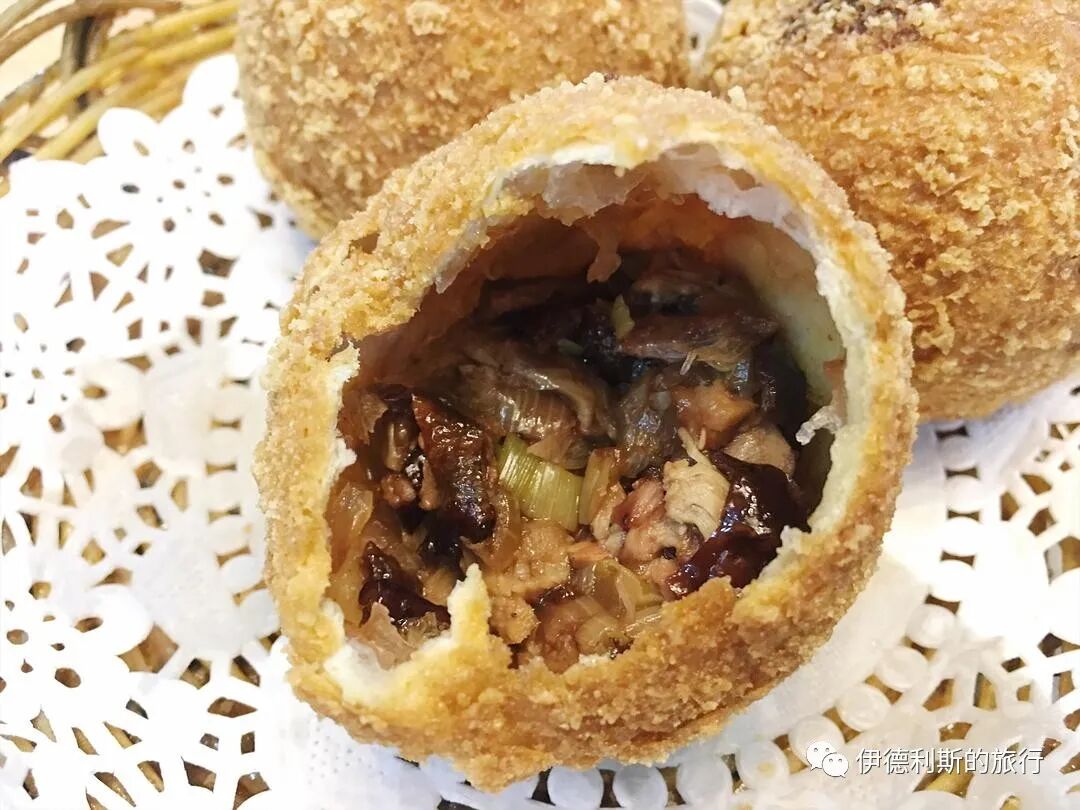
Mayixing duck balls (yaqiu), which have a very rich aroma.
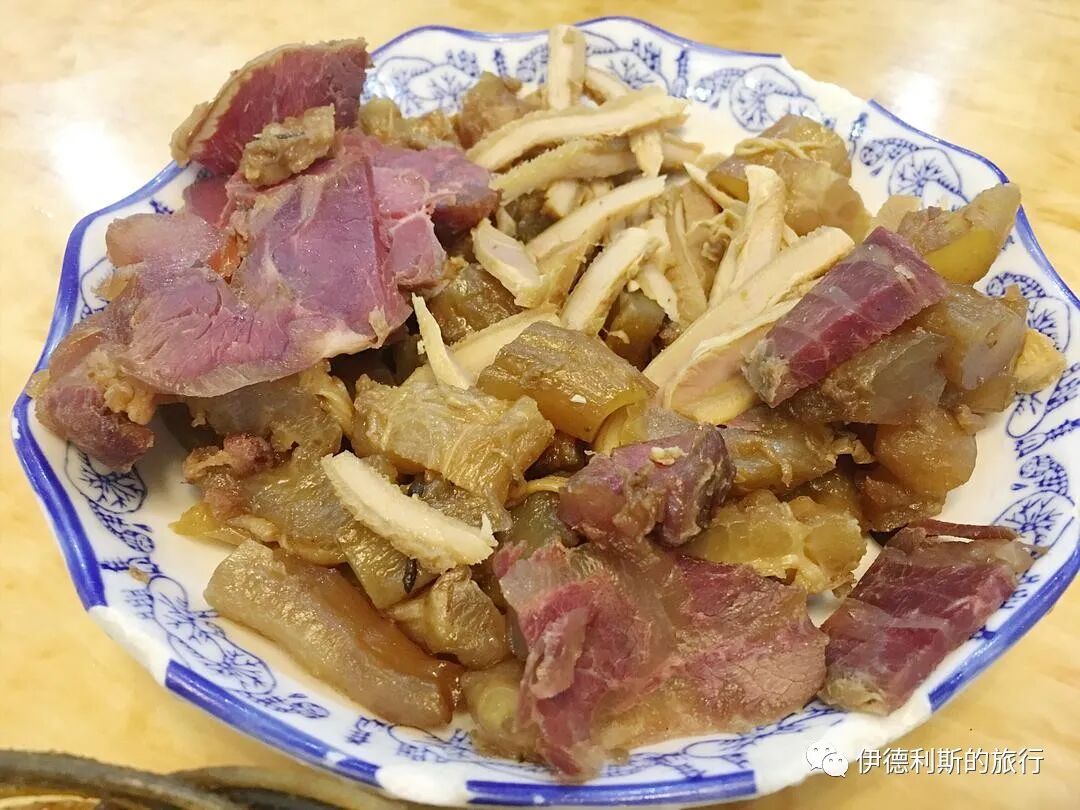
A platter of beef, beef tripe, and beef tendon.
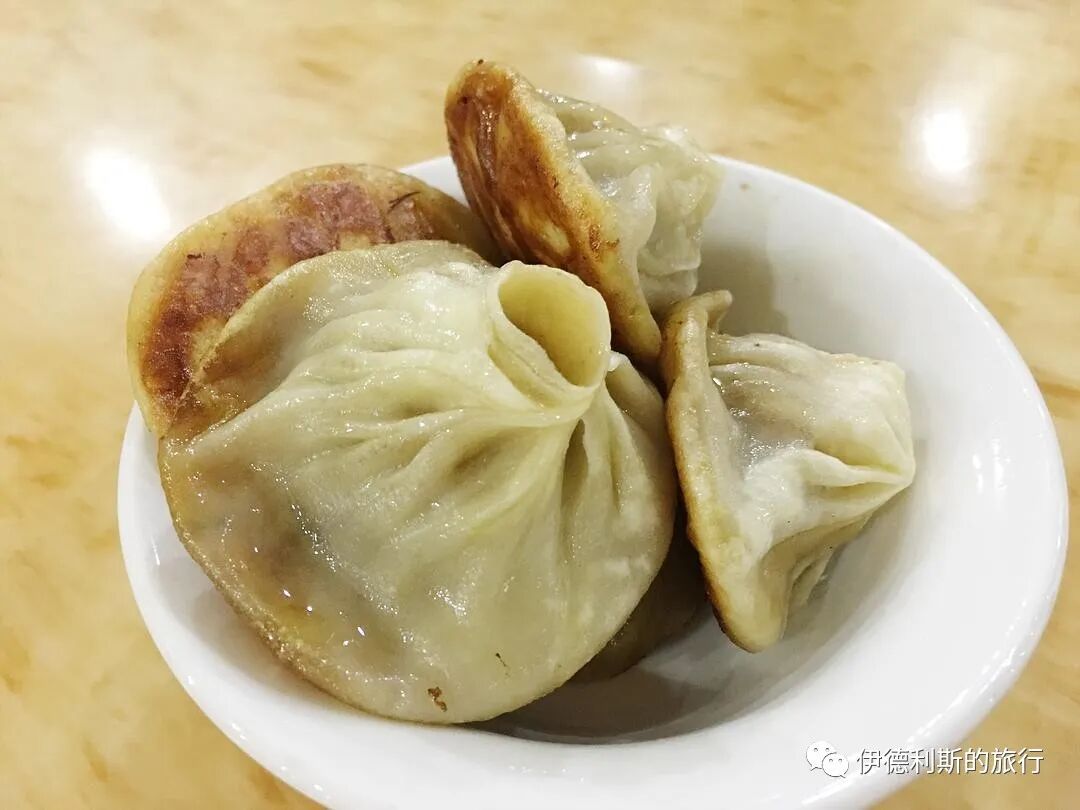
Pan-fried soup dumplings (shengjian xiaolong tangbao)
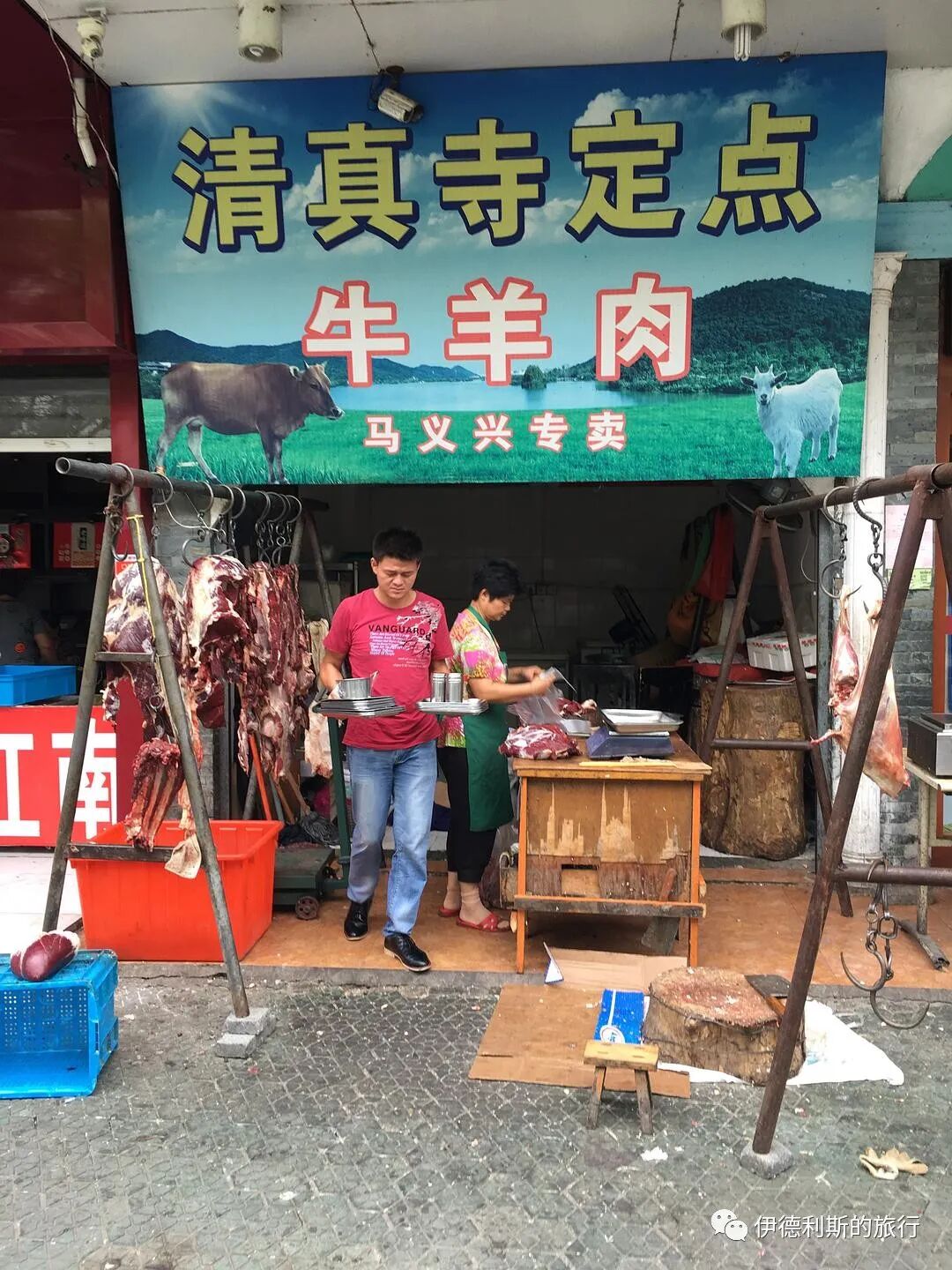
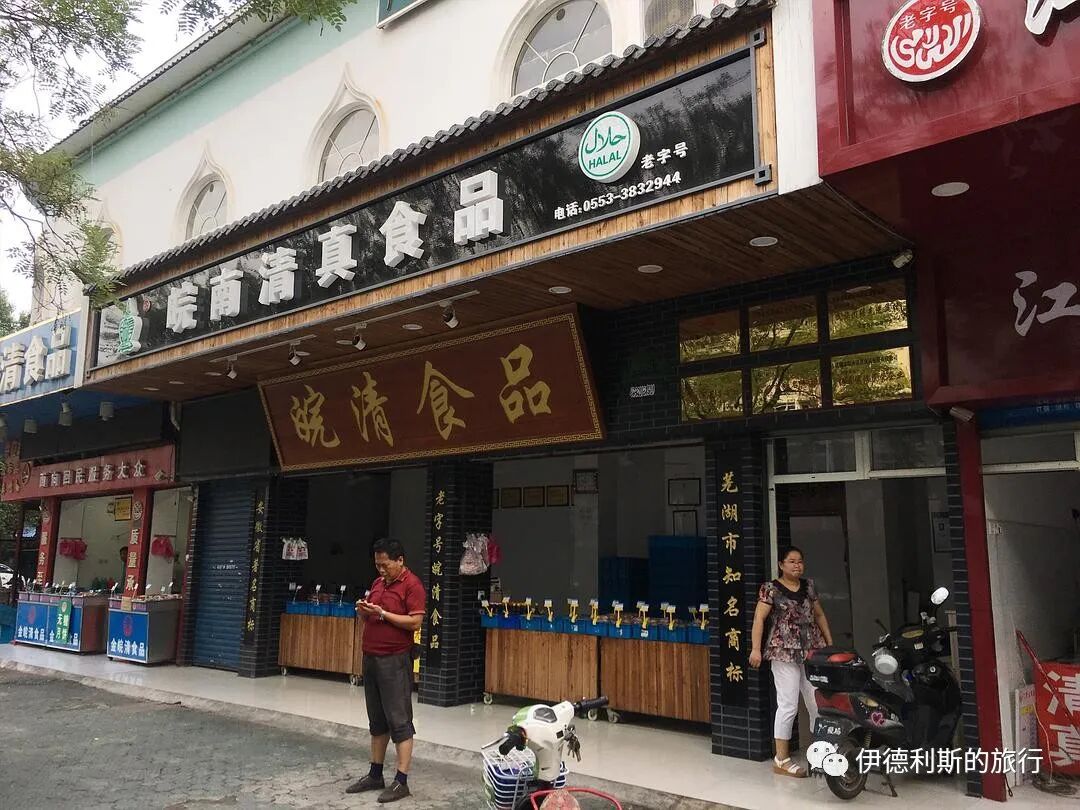
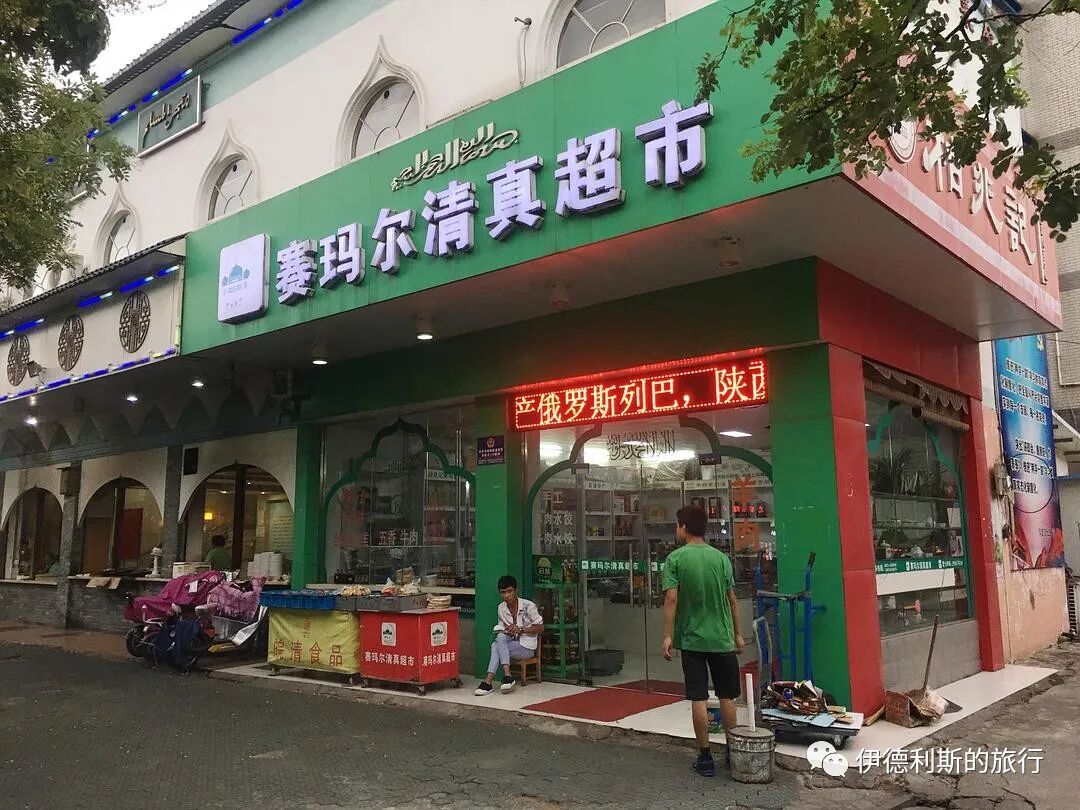
Besides Mayixing, there are other halal food shops outside the mosque.
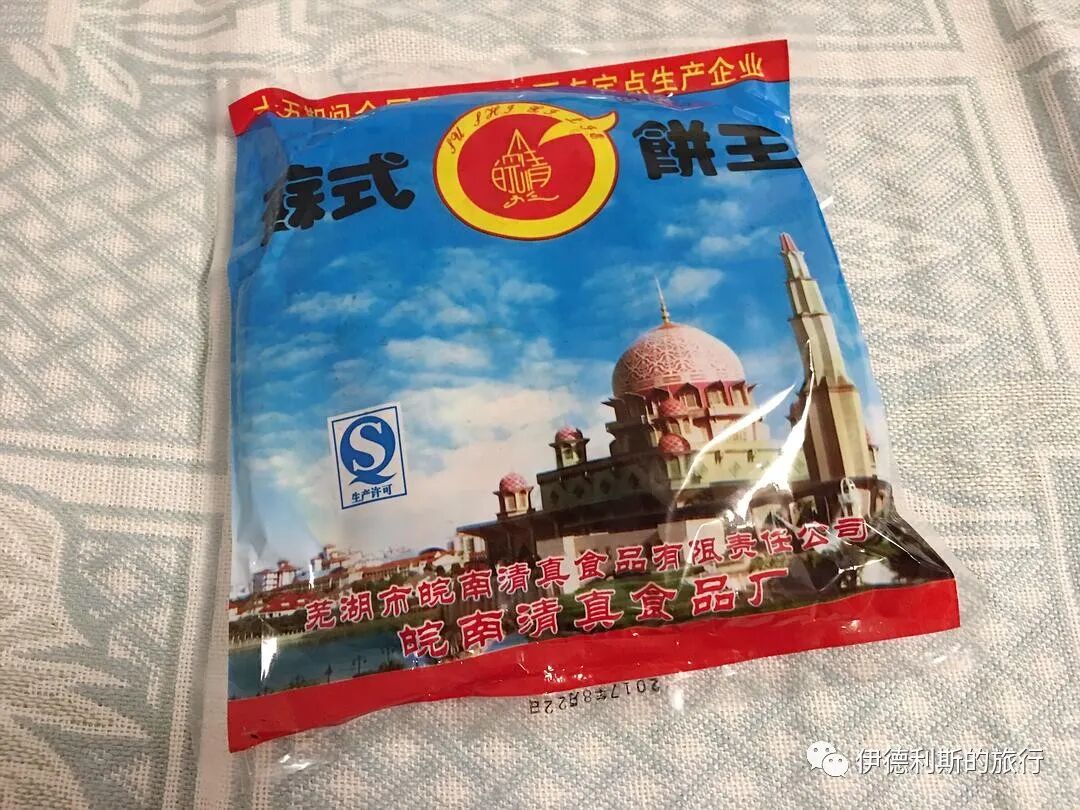
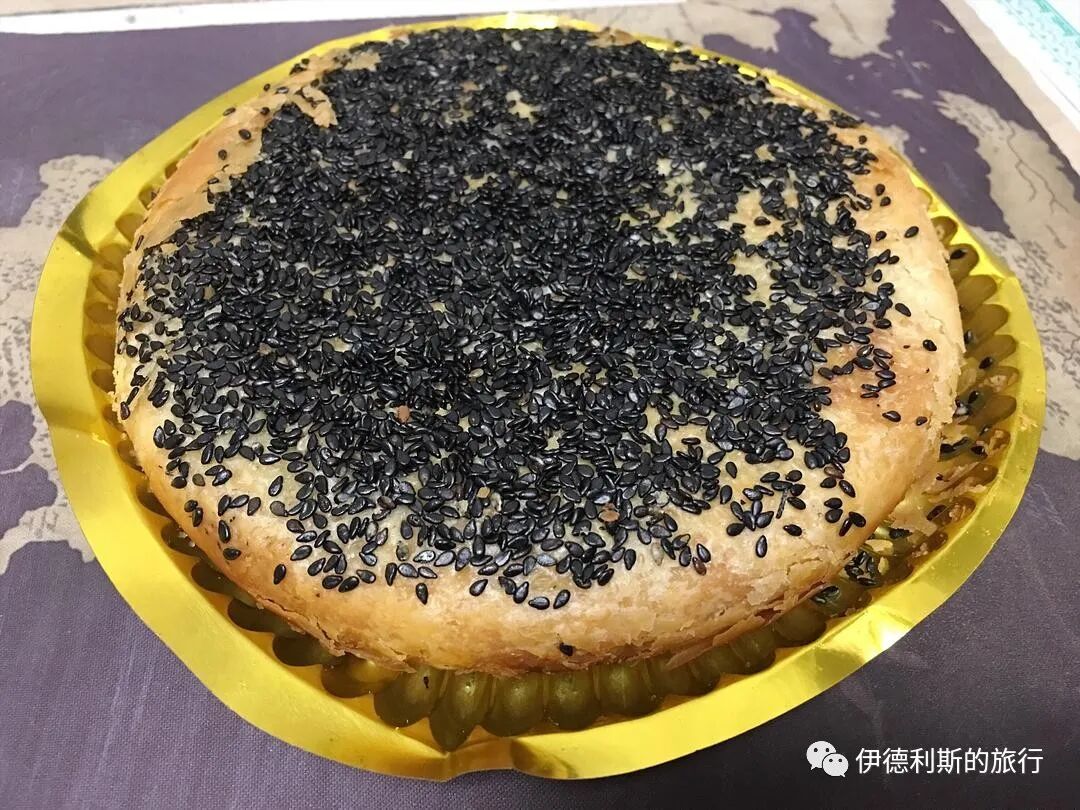
I bought a Suzhou-style mooncake (sushi bingwang) made by the Wannan Halal Food Factory; it is the largest mooncake I have ever eaten.
Hexian County
Hexian County was called Hezhou before 1911. Records show that Hui Muslims began settling there in the early Ming Dynasty.
In the early Ming Dynasty, the family of Ada, a vice-minister of the Central Secretariat in the late Yuan Dynasty, was settled in Hezhou and became known as the Yuhetang A family.
The family of Ma Chengzu moved to Hezhou from Xinxiang, Henan, in 1387. Two people from the Ma family served as government officials during the Ming Dynasty. One was Ma Zhiji, who became a jinshi scholar in 1607. He worked in the Hanlin Academy. In 1624, he joined a petition to impeach Wei Zhongxian, which led to him being stripped of his rank and imprisoned. He was not cleared of these charges until after 1628. The other was Ma Rujiao, who became a jinshi scholar in 1622. He served as a censor in 1629 and impeached several of Wei Zhongxian's associates. Later, he served as a circuit inspector in Sichuan. In 1633, he was killed while resisting Li Zicheng's forces when they captured Hezhou.
Sa Zhongqian's family moved from Guanzhong, Shaanxi, to Hezhou in 1399, the first year of the Jianwen reign. This is the Sa family of Maokuantang, which is the family of Sa Beining.
During the Xuande reign of the Ming Dynasty (1426-1435), Sai Zhongyu's family moved from Wendeng, Shandong, to Hezhou. They are known as the Sai family of Yijingtang.
During the Chenghua reign of the Ming Dynasty (1465-1487), Wang Zhen's family moved from Taiyuan to Hezhou. They are known as the Wang family of Qinyitang. Records show that Wang Zhen could memorize anything he read from a young age. He became a jinshi scholar in 1487 and served as the magistrate of Pujiang County, Zhejiang.
In the early years of the Wanli reign (after 1573), Wang Congpu was appointed as the education official of Hezhou. His family moved from Wangjia Caiyuan in Wanping County to settle in Hezhou. They are known as the Wang family of Xingchengtang.
During the Qing Dynasty, Tong Xiaoqiao's family moved from Jintai Mountain in Xi'an Prefecture, Shaanxi, to Hezhou. They changed their surname to Tong and are known as the Tong family of Jintaitang. The Li family moved from Longxi, Gansu, to Hezhou and are known as the Li family of Shousutang. The Zu family moved from Panxi Ferry in Yuncheng County, Shandong, to Hezhou and are known as the Zu family of Panxitang, among others.
In the late Qing Dynasty and the Republic of China era, Hui Muslims in Hexian County mainly worked in halal food businesses, cattle slaughtering, flour mills, leather workshops, candle workshops, oil mills, and as bamboo craftsmen and blacksmiths. Larger businesses included the Sa Wancheng grocery store, the Haifutai cotton firm, and the Luyitai general goods store. Miejian Street in He County is a traditional street for Hui Muslim bamboo craft workshops. It is mainly home to Hui Muslims with the surnames Ma, Sa, and Li. They are famous for their bamboo craftsmanship, mainly producing bamboo beds (zhuchuang), bamboo chairs (liankai), shoulder poles (biandan), and red chairs (zhuyi).
Bamboo Craftsman Street (Miejian Jie)
He County Grand Mosque (He Xian Qingzhen Dasi)
Historically, there were four mosques in the town of He County: the Grand Mosque, the South Gate Mosque, the East Gate Mosque, and the Women's Mosque. Currently, only the Grand Mosque and the East Gate Mosque remain. After Ramadan in 2007, the East Gate Mosque closed and is now used only for funeral services. Since then, the Grand Mosque is the only mosque open in He County town.
The Hezhou Grand Mosque was first built in 1368, the first year of the Hongwu reign of the Ming Dynasty. According to the Records of Rebuilding the Confucian School in Hezhou, the new magistrate Yi Luan visited the Confucius Mosque in 1525, the fourth year of the Jiajing reign. He claimed the mosque was an improper shrine that indulged the Hui Muslims, so he ordered the Hezhou mosque to be destroyed. It was not until 1637, the tenth year of the Chongzhen reign, that the mosque was rebuilt. This happened after the rebel army led by Hui Muslim Ma Shouying from Shaanxi joined other late Ming rebel forces to capture Hezhou.
The current mosque was rebuilt in 1837, the seventeenth year of the Daoguang reign. In 1905, the thirty-first year of the Guangxu reign, Ma Jianyu led the creation of a private primary school next to the Grand Mosque. In 1914, they built more than 20 classrooms and renamed it the Qingzhen National Central Primary School.
Between 1942 and 1943, the famous imam Ma Pinsan served as the head of the He County Grand Mosque. Imam Ma Pinsan was born Ma Yujin. He came from a family of imams in Hezhou. For eight generations, his family members served as head teachers or imams at the South Gate Mosque and the Great Mosque in Hezhou. Ma Pinsan was born in 1907. He graduated from the He County Fourth National Primary School. In 1918, at age 12, he began studying under Imam Wang Zidun at the mosque outside the South Gate of He County. In 1922, at age 16, he went to the Denglong Lane Mosque in Nanjing to study under Imam Ye Liangfu. In 1924, at age 18, he went to Henan to study under Imam Hei at the Shanyitang Mosque in Kaifeng and Imam Ding Junfu at the Zhengzhou Mosque. Imam Ding gave him the name Pinsan. In 1927, he graduated from the Zhengzhou Mosque and received his formal religious credentials.
In April 1942, the Great Mosque of He County sent people multiple times to invite Ma Pinsan to return home as head teacher. Sometimes they sent five people at once to show their sincerity. However, the Denglong Lane Mosque in Nanjing, where Ma Pinsan worked, did not want to let him go because talent was hard to find. Ma Pinsan ended up serving as head teacher for both mosques, rotating every month. He asked Jin Yuanqing, a senior student (khalifa) at the Nanjing Qiushi Arabic School, and Li Huacheng, a student (khalifa) at the Great Mosque of He County, to manage the mosques when he was away.
In July 1943, Li Huacheng returned to his hometown to serve as head teacher at the South Gate Mosque in Liuhe County. The Great Mosque of He County had to hire someone else. Ma Pinsan stopped his dual role and stayed as head teacher at the Denglong Lane Mosque in Nanjing until 1954. In 1954, Ma Pinsan was hired as head teacher at the Chengxi Shanxiang Mosque in Zhenjiang. He served there until he passed away in 1963 at the age of 56.
Imam Ma Pinsan cared deeply about his hometown of He County. In 1947, he sent all the savings he had accumulated over the years to He County, hoping to open an Arabic school there. According to his younger sister Ma Yuying, three rooms had already been built for the school. Later, Ma Pinsan also convinced his family to sell their jewelry to provide more funds for the school. In 1948, He County was liberated, and the school was forced to close.
Halal food.
During the Republic of China era, famous halal restaurants in He County included Laochunyuan, Taoyuan, Dingxinyuan, Qileyuan, Lihengmao, Laomaxiangxing, Zhenmaxiangxing, and Tongsanhe. Their fried beef was the most famous dish. There were also the Wang family slaughterhouse and the Tong family slaughterhouse, both famous for their beef soup.
In 1937, the Japanese army bombed Hexian. Most of the shops and restaurants owned by Hui Muslims in Hexian were burned down, but they slowly recovered afterward.
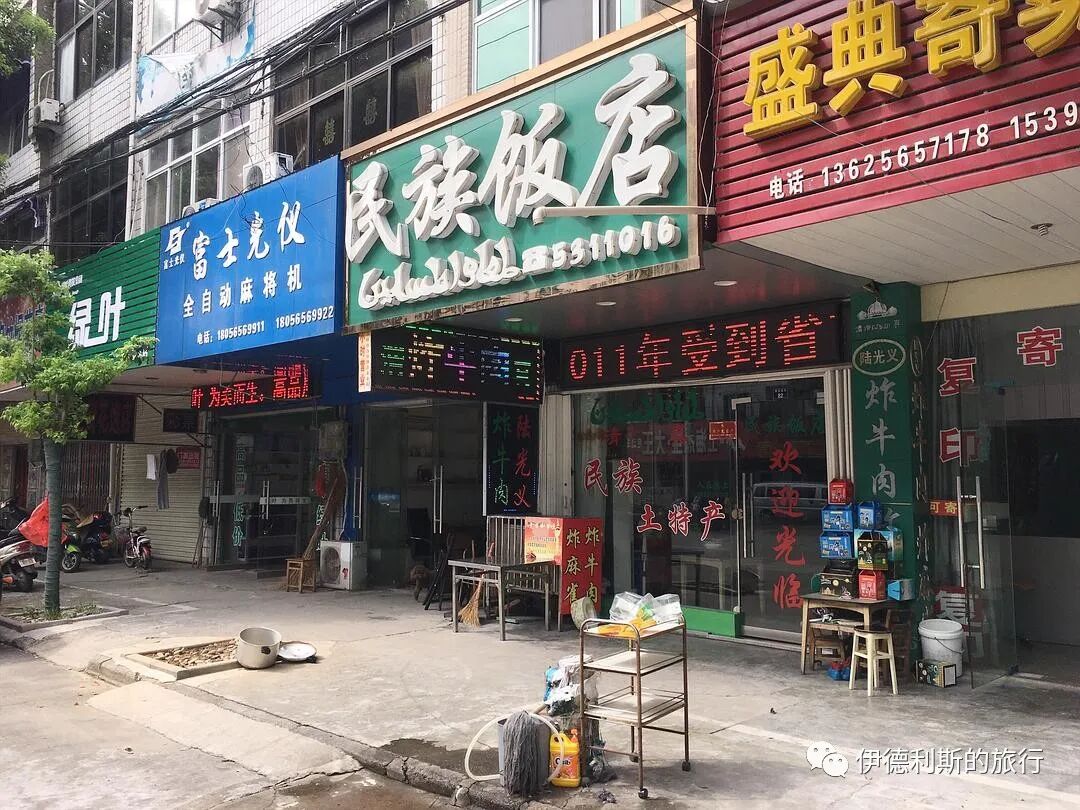
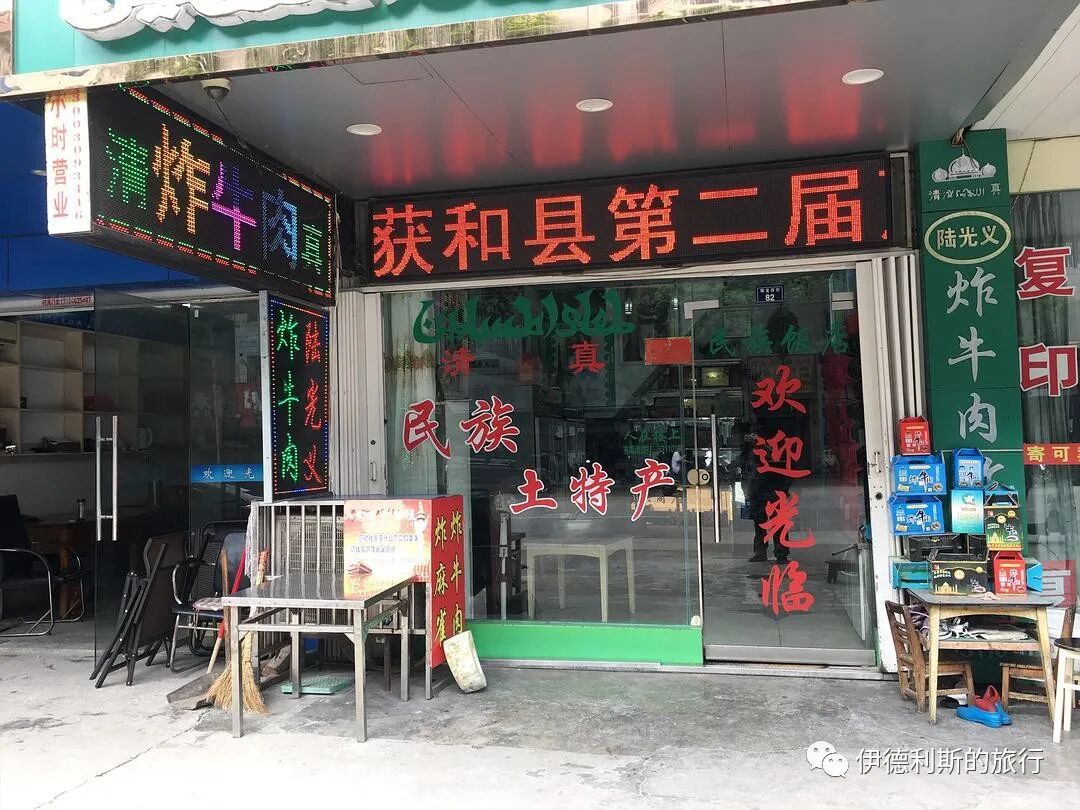
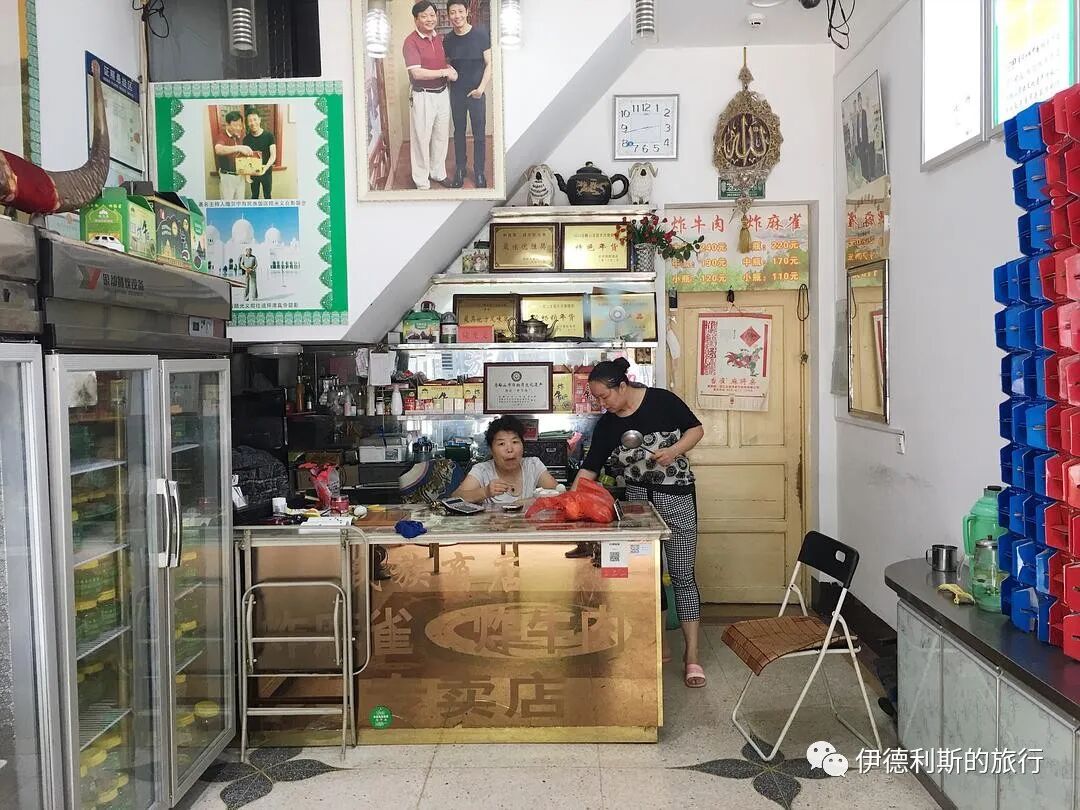
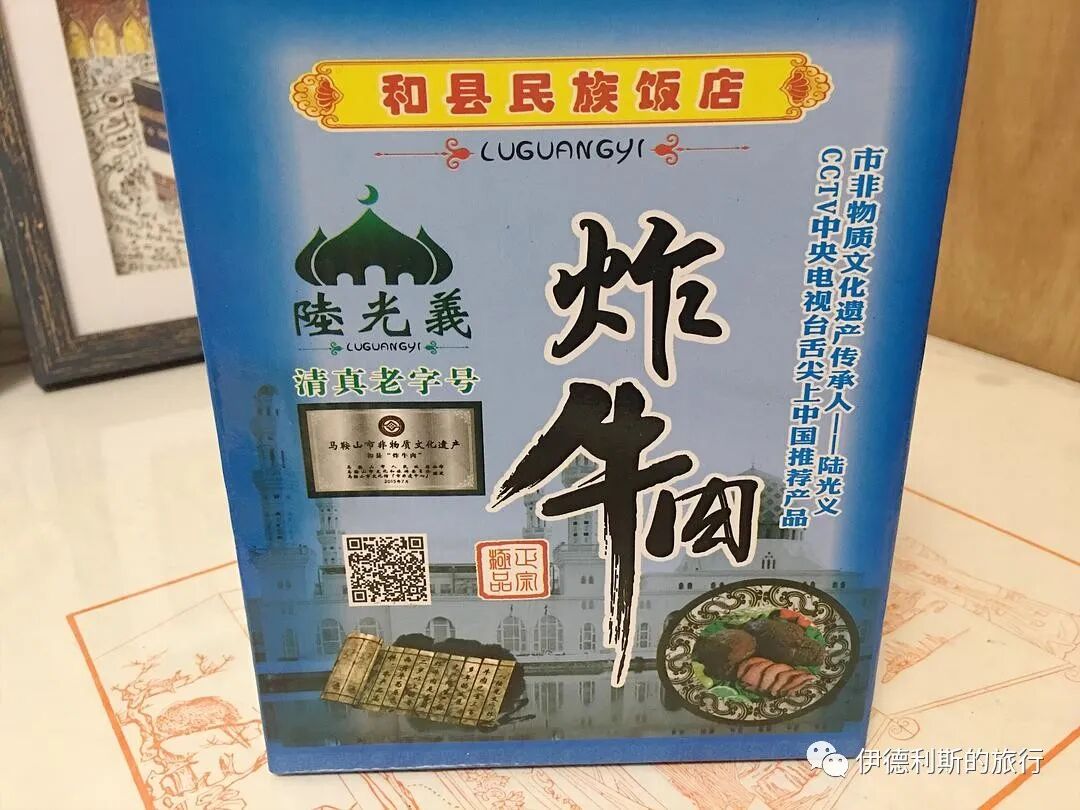
After the public-private partnership in 1957, there were 81 Hui Muslims working in the halal food industry in Hexian and 66 people working in the beef slaughtering industry. Today, the Minzu Restaurant in Hexian is run by Lu Guangyi, who serves traditional fried beef (zha niurou).
River-crossing ferry
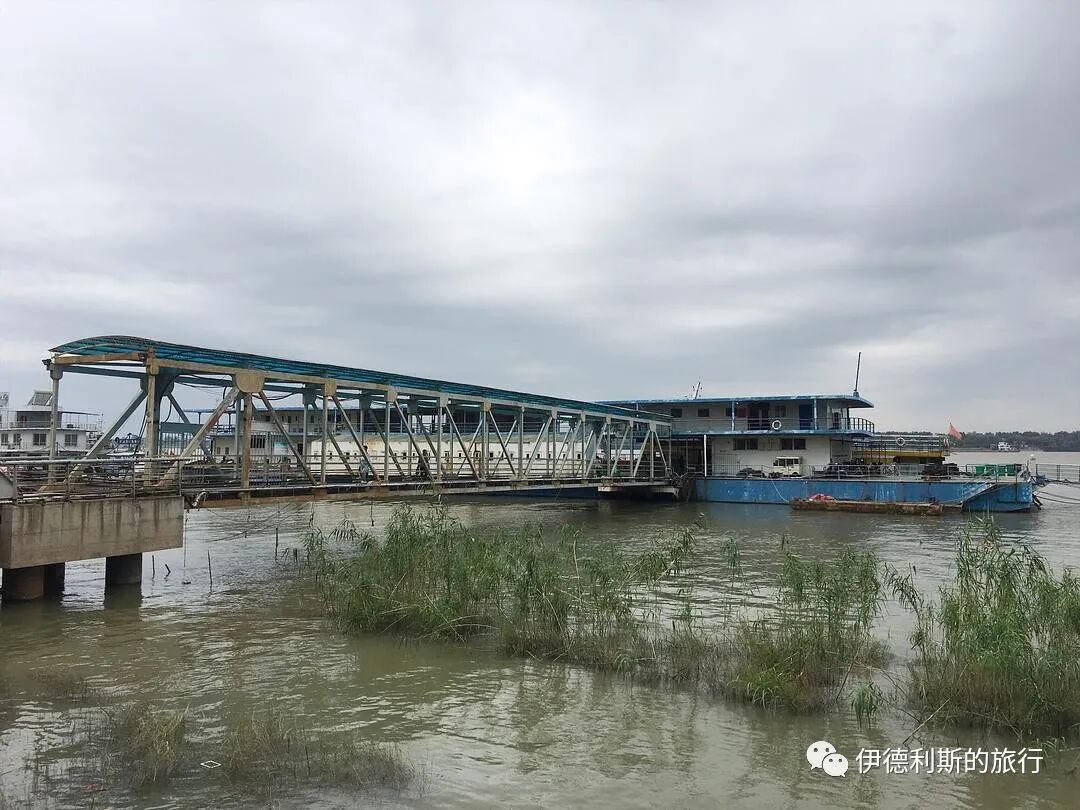
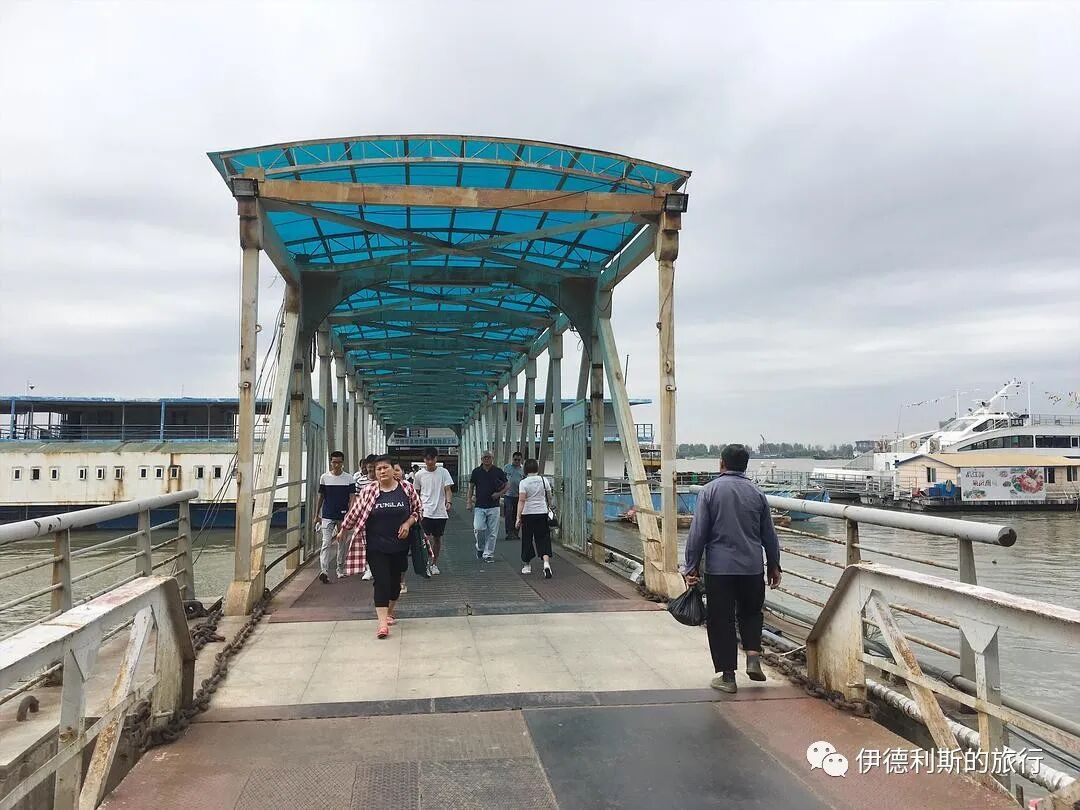
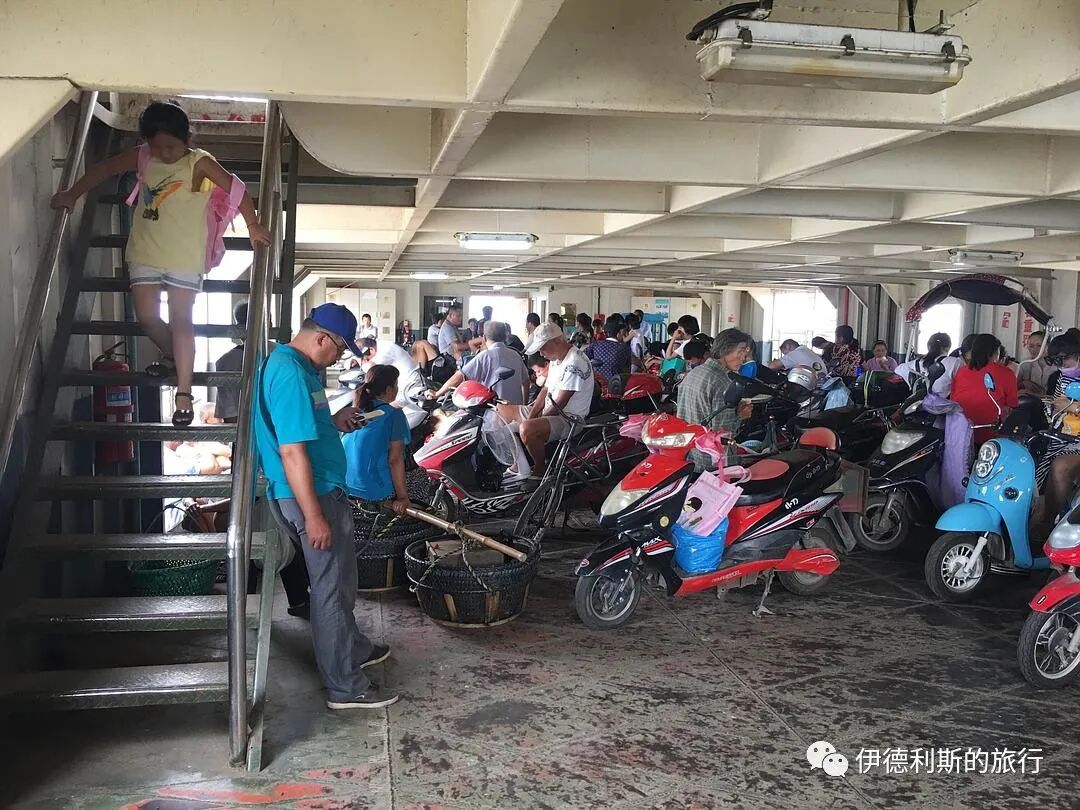
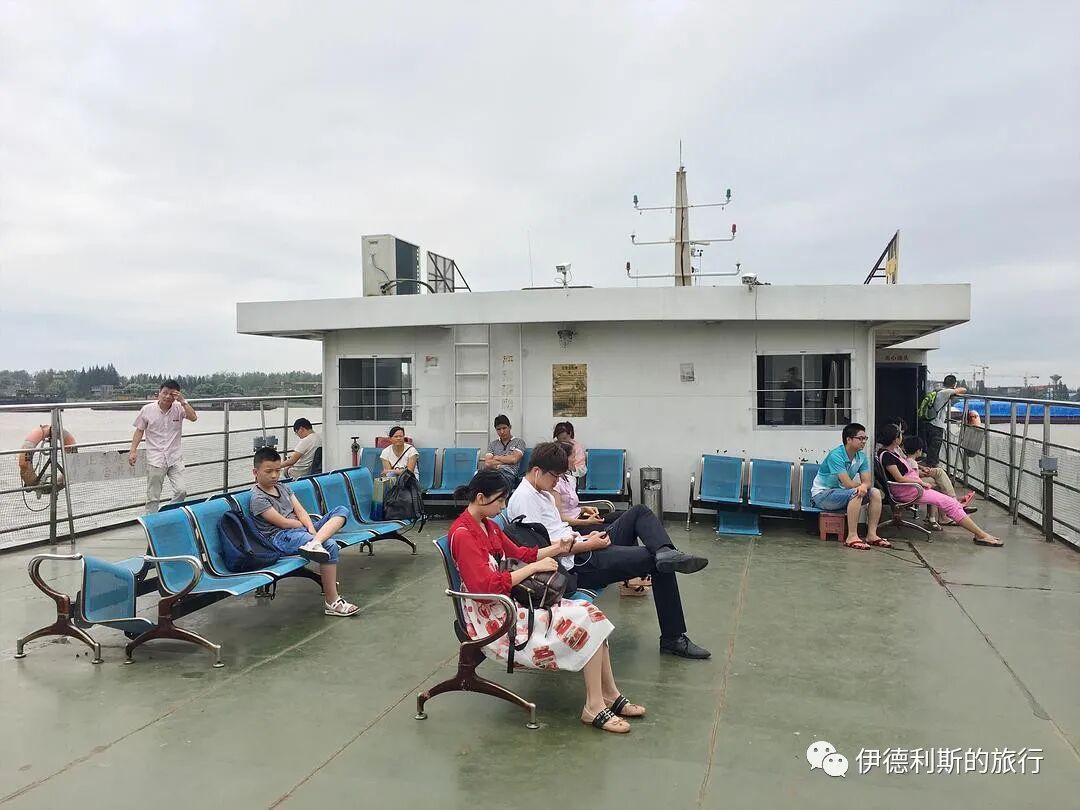
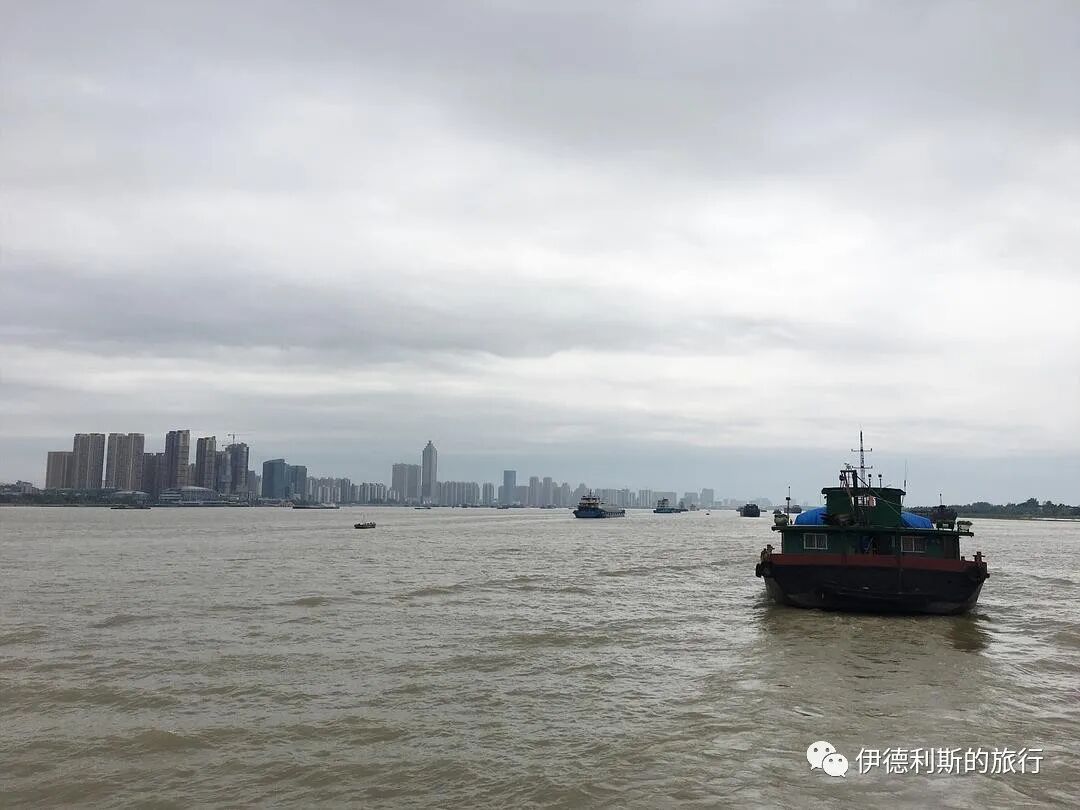
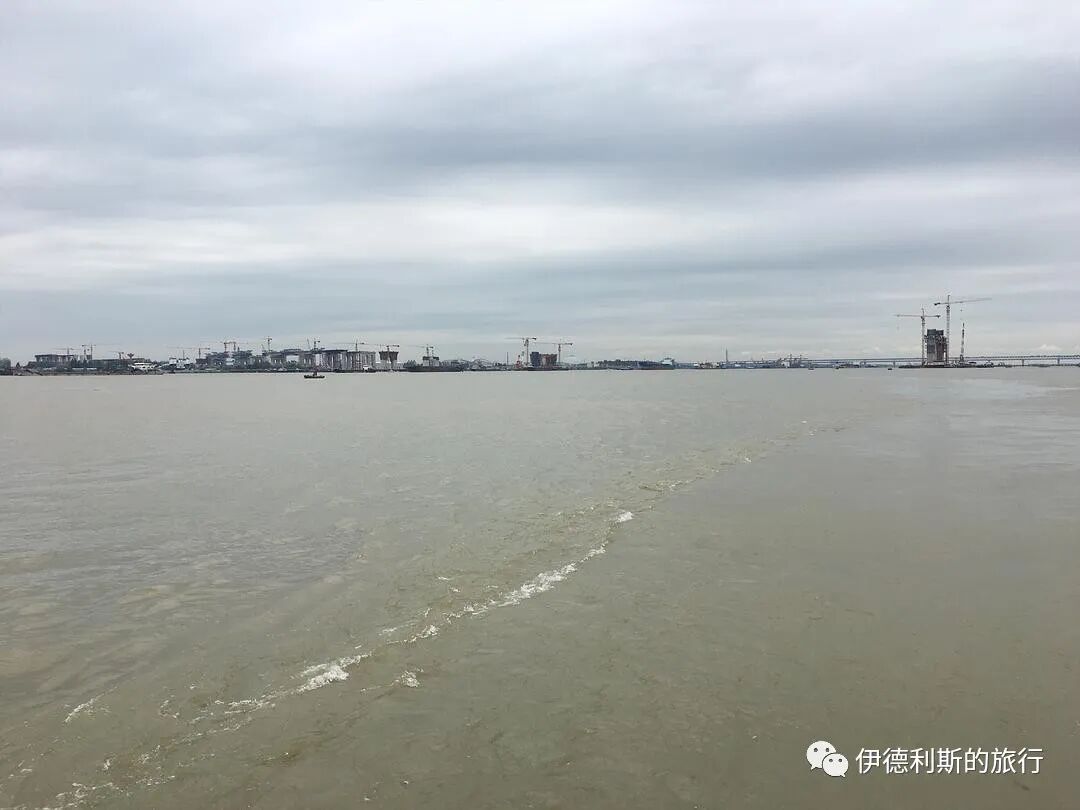
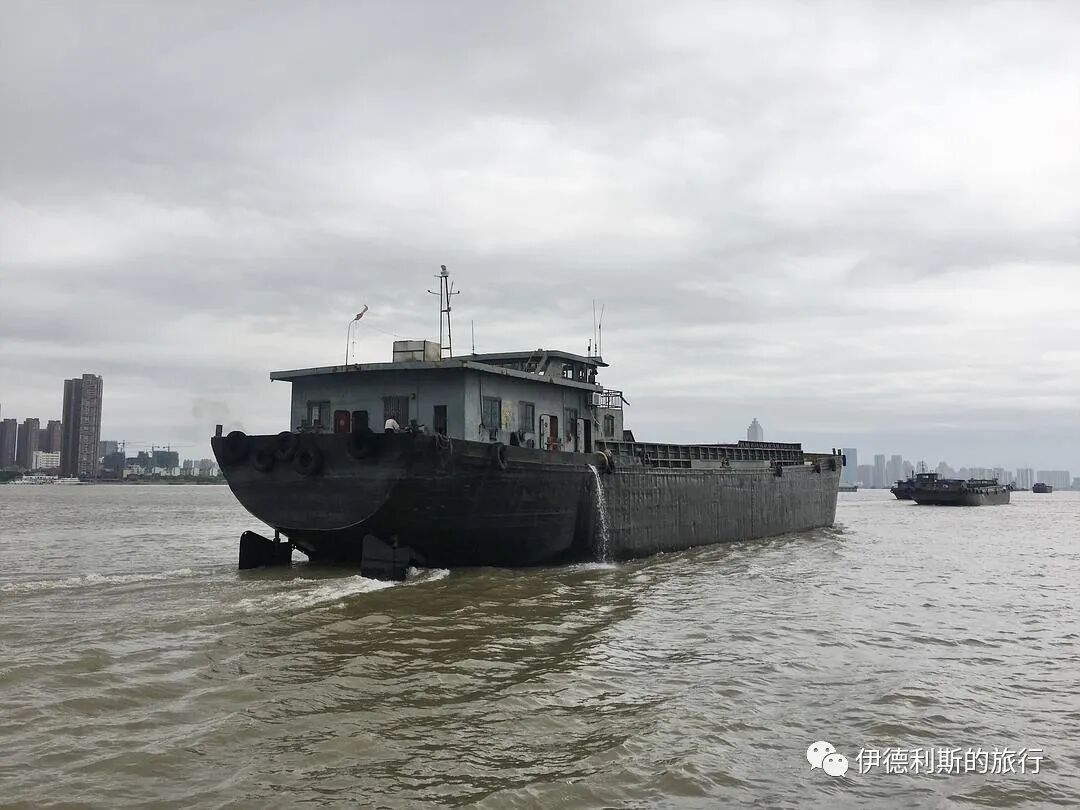
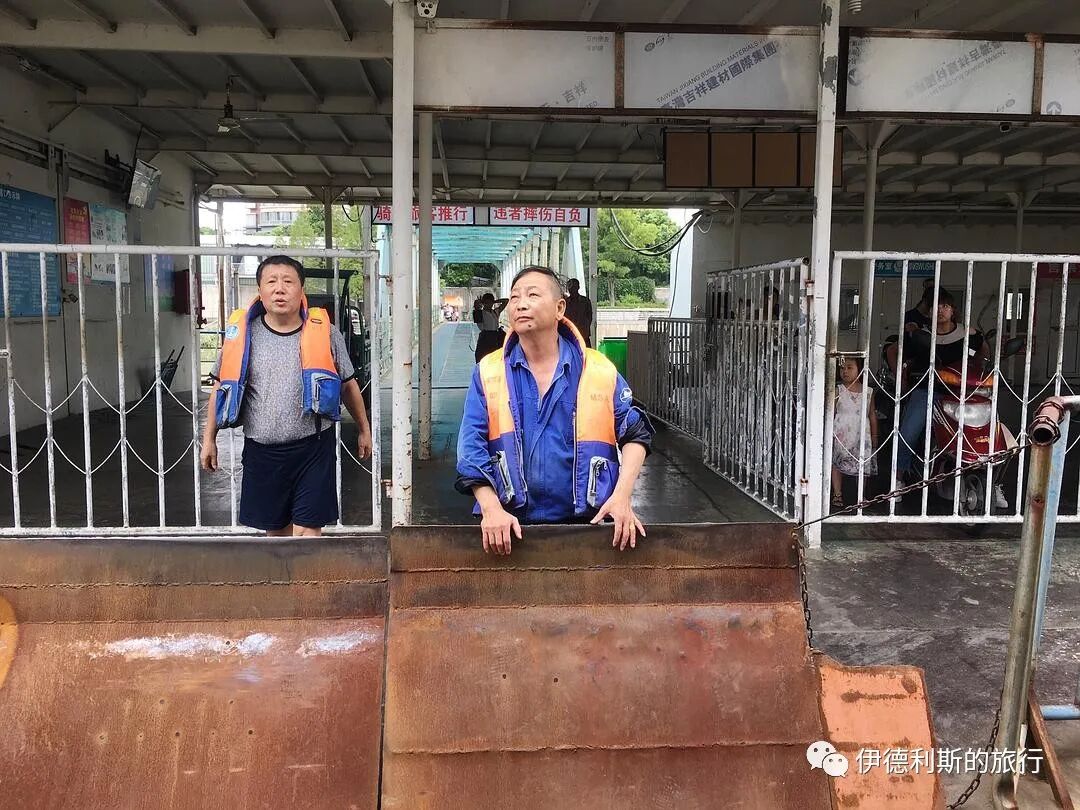
The Mahe ferry travels from Shibahe Village in Wujiang Town, Hexian, to Ma'anshan. It covers a straight-line distance of 3.4 kilometers, making it one of the longer ferry routes across the Yangtze River. Cars are on the lower deck while people are on the upper deck. It feels a bit nerve-wracking to walk up and down the stairs when it gets windy.
The Wuhu ferry crossing was located next to Yijishan Hospital. It stopped operating in 2014 and is now a parking lot.
The passenger ferry is located behind the tourist passenger terminal and sails to Erba Town in Chaohu on the opposite bank. view all
Summary: Wuhu and Hexian Hui Muslim Communities — Mosques and Halal Food is presented here as a firsthand travel account in clear English, beginning with this scene: Hui Muslims began settling in Wuhu by the late Ming and early Qing dynasties. In the early Qing dynasty, they built their first mosque near Jixiang Mosque, located where the Yangtze River and Qingyi River meet. The account keeps its focus on Wuhu Muslims, Hexian Muslims, Halal Food while preserving the names, places, food, and historical details from the Chinese source.
Wuhu
Hui Muslims began settling in Wuhu by the late Ming and early Qing dynasties. In the early Qing dynasty, they built their first mosque near Jixiang Mosque, located where the Yangtze River and Qingyi River meet. The Wuhu Mosque was burned down during the Taiping Rebellion between 1853 and 1861. In 1864, community members raised funds to buy land and rebuild it outside the North Gate at Beilangpu, which is the current site of the Wuhu Mosque.
After the Chefoo Convention was signed between China and Britain in 1876, Wuhu became the first treaty port in Anhui. In 1882, Li Hongzhang established a rice market in Wuhu. As business in the city grew, many Hui Muslims from surrounding areas moved to Wuhu to make a living.
At that time, Hui Muslims from Shandong, Henan, and northern Anhui mostly ran halal snack shops or pulled rickshaws. Those from Zhenjiang and Yangzhou mostly ran hardware, copper, and tin shops. Hui Muslims from Huaining, Tongling, Hexian, and Wuwei in Anhui mostly worked in small workshops making soap, candles, and soda ash, while many others worked in the slaughter and sale of cattle and ducks.
In 1902, as the number of Hui Muslims in Wuhu grew, community members raised funds to expand the mosque's main prayer hall, lecture hall, reception hall, and ablution room. The main prayer hall and reception hall still stand today. At the same time, a free halal school was opened inside the mosque. In 1913, the halal school became the Halal National Primary School, which accepted both Hui and Han students.
After the Japanese army occupied Wuhu in 1937, the mosque was damaged again. In 1944, community members raised funds for repairs and expanded the halls. At the same time, the Halal National Primary School was renamed the Private Halal Primary School with Ma Chunting as principal, and a women's mosque was added.
After 1966, the rare copies of the Quran (Gure'ani) kept at the Wuhu Mosque were burned. The plaques and couplets in the main hall, as well as items used for bathing and funerals, were smashed, and the carvings on the buildings were destroyed. The mosque management committee rented some of the mosque's rooms to the Wuhu Engraving Factory, which is how the building finally escaped total destruction.
After 1979, the mosque management committee reclaimed the property and renovated the mosque.
Between 2005 and 2007, the main gate of the Wuhu Mosque was demolished and replaced with a modern building.
This photo shows the main gate of the Wuhu Mosque, taken by the famous missionary Claude L. Pickens between 1934 and 1935, and is now held in the Harvard-Yenching Library collection.
In 2007, the south gate and the buildings behind it at the Wuhu Mosque were demolished and rebuilt as modern structures.
In front of the current mosque gate.
In 2017, the imam at the Wuhu Mosque was Imam Tao from Shou County, Anhui, who was a very warm and kind person.
Halal food.
Halal food in Wuhu began to flourish after the port opened in 1876, but declined after the public-private partnership reforms in 1956. The trade focused on beef and duck slaughtering and selling raw and cooked beef. During its peak, there were over 30 shops including Malongxing, Mayixing, Jinlongxing, Hachangxing, Lanyisheng, Wanglongxing, Maowanxing, and Quanhexing. Among them, Jinlongxing's braised beef, Sachangxing's salted pressed duck (ban ya), and Mayixing's oil-poached chicken (you ji) were the most popular. Today, only Mayixing remains.
In the late 19th century, 13-year-old Ma Zhongyou, a Hui Muslim from Qijiawan in Nanjing, came to Wuhu with his father to make a living. He opened the Mayixing halal food shop on Xinwu Road (formerly Wan'an Bridge) by the Yangtze River, selling the cheapest 'grab-grab rice' (zhua zhua fan)—a meal of rice and dishes mixed together and eaten by hand—to dock workers and rickshaw pullers.
In 1910, Mayixing moved to Xihuayuan and began the business of slaughtering ducks and geese and selling braised duck. At that time, Wuhu was a bustling commercial hub with many traveling Muslims, and Mayixing began to gain a reputation.
In 1918, Ma Zhongyou and his son Ma Weirong rebuilt the shop on Xinwu Road and officially named it 'Halal Mayixing Restaurant.' Their signature dishes were osmanthus duck (guihua ya), pipa-shaped duck (pipa ya), and duck pancakes (ya bing). They also sold snacks like steak, fermented bean curd fish (zao yu), pickled shrimp (qiang xia), beef potstickers (niurou guotie), and braised beef noodles. At that time, Mayixing sold thousands of ducks every day and only closed at night.
After the Japanese army occupied Wuhu in 1937, Ma Zhongyou went north of the Yangtze River to take shelter, while his son Ma Weirong took the family to Hengyang, Hunan, to escape the war. Mayixing was left to Ma Zhongyou's cousin, Ma Zhonghe, to manage. In 1940, Ma Zhongyou and his son returned to Wuhu to continue running Mayixing. After 1945, Ma Zhongyou handed Mayixing over to his son Ma Weirong completely and started his own incense and candle shop called Matongsheng.
After the public-private partnership in 1956, Mayixing was merged into a major store directly under the Wuhu Catering Service Company, with Ma Weirong still in charge of operations. At that time, Mayixing was famous for its salted pressed duck (xianpi banya), hanging oven roast duck (diaolu kaoya), fried beef steak with sauce (jiangzha niupai), braised beef noodles (hongshao niurou mian), and beef potstickers (niurou guotie). It remained very popular, with long lines forming every morning.
After 1966, the old Mayixing plaque was smashed and the equipment was destroyed. Business became very poor, and the shop closed several times before finally resuming operations in the mid-1970s.
In the early 1990s, demolition began on Xinwu Road. Ma Weirong passed away at 94, one day before the demolition, and Mayixing fell into a difficult situation afterward. In 1996, Pan Min contracted Mayixing and bought out the trademark in 1999. In 2001, Pan Min rebuilt Mayixing on Phoenix Food Street, but it closed two years later due to shareholder disputes and poor management.
In 2005, Wang Yijin, a Hui Muslim who ran the Niuxiangyuan halal restaurant, bought out the Mayixing trademark and took over the business. Wang Yijin's parents worked in the halal food industry. In the early 1980s, the Wang family opened a halal snack shop in Dalongfang, later adding braised beef and fresh beef and lamb, which earned them a great reputation. In 2004, Wang Yijin and her sisters pooled their money to open the Niuxiangyuan Halal Restaurant in the Muslim market outside the Wuhu Mosque. In 2007, Wang Yijin renovated the Muslim market outside the mosque, and the new Mayixing opened. The first floor serves breakfast snacks and specialty braised dishes, while the second floor hosts banquets, a layout that remains today.
Crab roe soup dumplings (xiehuang tangbao)
Mayixing duck balls (yaqiu), which have a very rich aroma.
A platter of beef, beef tripe, and beef tendon.
Pan-fried soup dumplings (shengjian xiaolong tangbao)
Besides Mayixing, there are other halal food shops outside the mosque.
I bought a Suzhou-style mooncake (sushi bingwang) made by the Wannan Halal Food Factory; it is the largest mooncake I have ever eaten.
Hexian County
Hexian County was called Hezhou before 1911. Records show that Hui Muslims began settling there in the early Ming Dynasty.
In the early Ming Dynasty, the family of Ada, a vice-minister of the Central Secretariat in the late Yuan Dynasty, was settled in Hezhou and became known as the Yuhetang A family.
The family of Ma Chengzu moved to Hezhou from Xinxiang, Henan, in 1387. Two people from the Ma family served as government officials during the Ming Dynasty. One was Ma Zhiji, who became a jinshi scholar in 1607. He worked in the Hanlin Academy. In 1624, he joined a petition to impeach Wei Zhongxian, which led to him being stripped of his rank and imprisoned. He was not cleared of these charges until after 1628. The other was Ma Rujiao, who became a jinshi scholar in 1622. He served as a censor in 1629 and impeached several of Wei Zhongxian's associates. Later, he served as a circuit inspector in Sichuan. In 1633, he was killed while resisting Li Zicheng's forces when they captured Hezhou.
Sa Zhongqian's family moved from Guanzhong, Shaanxi, to Hezhou in 1399, the first year of the Jianwen reign. This is the Sa family of Maokuantang, which is the family of Sa Beining.
During the Xuande reign of the Ming Dynasty (1426-1435), Sai Zhongyu's family moved from Wendeng, Shandong, to Hezhou. They are known as the Sai family of Yijingtang.
During the Chenghua reign of the Ming Dynasty (1465-1487), Wang Zhen's family moved from Taiyuan to Hezhou. They are known as the Wang family of Qinyitang. Records show that Wang Zhen could memorize anything he read from a young age. He became a jinshi scholar in 1487 and served as the magistrate of Pujiang County, Zhejiang.
In the early years of the Wanli reign (after 1573), Wang Congpu was appointed as the education official of Hezhou. His family moved from Wangjia Caiyuan in Wanping County to settle in Hezhou. They are known as the Wang family of Xingchengtang.
During the Qing Dynasty, Tong Xiaoqiao's family moved from Jintai Mountain in Xi'an Prefecture, Shaanxi, to Hezhou. They changed their surname to Tong and are known as the Tong family of Jintaitang. The Li family moved from Longxi, Gansu, to Hezhou and are known as the Li family of Shousutang. The Zu family moved from Panxi Ferry in Yuncheng County, Shandong, to Hezhou and are known as the Zu family of Panxitang, among others.
In the late Qing Dynasty and the Republic of China era, Hui Muslims in Hexian County mainly worked in halal food businesses, cattle slaughtering, flour mills, leather workshops, candle workshops, oil mills, and as bamboo craftsmen and blacksmiths. Larger businesses included the Sa Wancheng grocery store, the Haifutai cotton firm, and the Luyitai general goods store. Miejian Street in He County is a traditional street for Hui Muslim bamboo craft workshops. It is mainly home to Hui Muslims with the surnames Ma, Sa, and Li. They are famous for their bamboo craftsmanship, mainly producing bamboo beds (zhuchuang), bamboo chairs (liankai), shoulder poles (biandan), and red chairs (zhuyi).
Bamboo Craftsman Street (Miejian Jie)
He County Grand Mosque (He Xian Qingzhen Dasi)
Historically, there were four mosques in the town of He County: the Grand Mosque, the South Gate Mosque, the East Gate Mosque, and the Women's Mosque. Currently, only the Grand Mosque and the East Gate Mosque remain. After Ramadan in 2007, the East Gate Mosque closed and is now used only for funeral services. Since then, the Grand Mosque is the only mosque open in He County town.
The Hezhou Grand Mosque was first built in 1368, the first year of the Hongwu reign of the Ming Dynasty. According to the Records of Rebuilding the Confucian School in Hezhou, the new magistrate Yi Luan visited the Confucius Mosque in 1525, the fourth year of the Jiajing reign. He claimed the mosque was an improper shrine that indulged the Hui Muslims, so he ordered the Hezhou mosque to be destroyed. It was not until 1637, the tenth year of the Chongzhen reign, that the mosque was rebuilt. This happened after the rebel army led by Hui Muslim Ma Shouying from Shaanxi joined other late Ming rebel forces to capture Hezhou.
The current mosque was rebuilt in 1837, the seventeenth year of the Daoguang reign. In 1905, the thirty-first year of the Guangxu reign, Ma Jianyu led the creation of a private primary school next to the Grand Mosque. In 1914, they built more than 20 classrooms and renamed it the Qingzhen National Central Primary School.
Between 1942 and 1943, the famous imam Ma Pinsan served as the head of the He County Grand Mosque. Imam Ma Pinsan was born Ma Yujin. He came from a family of imams in Hezhou. For eight generations, his family members served as head teachers or imams at the South Gate Mosque and the Great Mosque in Hezhou. Ma Pinsan was born in 1907. He graduated from the He County Fourth National Primary School. In 1918, at age 12, he began studying under Imam Wang Zidun at the mosque outside the South Gate of He County. In 1922, at age 16, he went to the Denglong Lane Mosque in Nanjing to study under Imam Ye Liangfu. In 1924, at age 18, he went to Henan to study under Imam Hei at the Shanyitang Mosque in Kaifeng and Imam Ding Junfu at the Zhengzhou Mosque. Imam Ding gave him the name Pinsan. In 1927, he graduated from the Zhengzhou Mosque and received his formal religious credentials.
In April 1942, the Great Mosque of He County sent people multiple times to invite Ma Pinsan to return home as head teacher. Sometimes they sent five people at once to show their sincerity. However, the Denglong Lane Mosque in Nanjing, where Ma Pinsan worked, did not want to let him go because talent was hard to find. Ma Pinsan ended up serving as head teacher for both mosques, rotating every month. He asked Jin Yuanqing, a senior student (khalifa) at the Nanjing Qiushi Arabic School, and Li Huacheng, a student (khalifa) at the Great Mosque of He County, to manage the mosques when he was away.
In July 1943, Li Huacheng returned to his hometown to serve as head teacher at the South Gate Mosque in Liuhe County. The Great Mosque of He County had to hire someone else. Ma Pinsan stopped his dual role and stayed as head teacher at the Denglong Lane Mosque in Nanjing until 1954. In 1954, Ma Pinsan was hired as head teacher at the Chengxi Shanxiang Mosque in Zhenjiang. He served there until he passed away in 1963 at the age of 56.
Imam Ma Pinsan cared deeply about his hometown of He County. In 1947, he sent all the savings he had accumulated over the years to He County, hoping to open an Arabic school there. According to his younger sister Ma Yuying, three rooms had already been built for the school. Later, Ma Pinsan also convinced his family to sell their jewelry to provide more funds for the school. In 1948, He County was liberated, and the school was forced to close.
Halal food.
During the Republic of China era, famous halal restaurants in He County included Laochunyuan, Taoyuan, Dingxinyuan, Qileyuan, Lihengmao, Laomaxiangxing, Zhenmaxiangxing, and Tongsanhe. Their fried beef was the most famous dish. There were also the Wang family slaughterhouse and the Tong family slaughterhouse, both famous for their beef soup.
In 1937, the Japanese army bombed Hexian. Most of the shops and restaurants owned by Hui Muslims in Hexian were burned down, but they slowly recovered afterward.
After the public-private partnership in 1957, there were 81 Hui Muslims working in the halal food industry in Hexian and 66 people working in the beef slaughtering industry. Today, the Minzu Restaurant in Hexian is run by Lu Guangyi, who serves traditional fried beef (zha niurou).
River-crossing ferry
The Mahe ferry travels from Shibahe Village in Wujiang Town, Hexian, to Ma'anshan. It covers a straight-line distance of 3.4 kilometers, making it one of the longer ferry routes across the Yangtze River. Cars are on the lower deck while people are on the upper deck. It feels a bit nerve-wracking to walk up and down the stairs when it gets windy.
The Wuhu ferry crossing was located next to Yijishan Hospital. It stopped operating in 2014 and is now a parking lot.
The passenger ferry is located behind the tourist passenger terminal and sails to Erba Town in Chaohu on the opposite bank. view all
Reposted from the web
Summary: Wuhu and Hexian Hui Muslim Communities — Mosques and Halal Food is presented here as a firsthand travel account in clear English, beginning with this scene: Hui Muslims began settling in Wuhu by the late Ming and early Qing dynasties. In the early Qing dynasty, they built their first mosque near Jixiang Mosque, located where the Yangtze River and Qingyi River meet. The account keeps its focus on Wuhu Muslims, Hexian Muslims, Halal Food while preserving the names, places, food, and historical details from the Chinese source.
Wuhu
Hui Muslims began settling in Wuhu by the late Ming and early Qing dynasties. In the early Qing dynasty, they built their first mosque near Jixiang Mosque, located where the Yangtze River and Qingyi River meet. The Wuhu Mosque was burned down during the Taiping Rebellion between 1853 and 1861. In 1864, community members raised funds to buy land and rebuild it outside the North Gate at Beilangpu, which is the current site of the Wuhu Mosque.
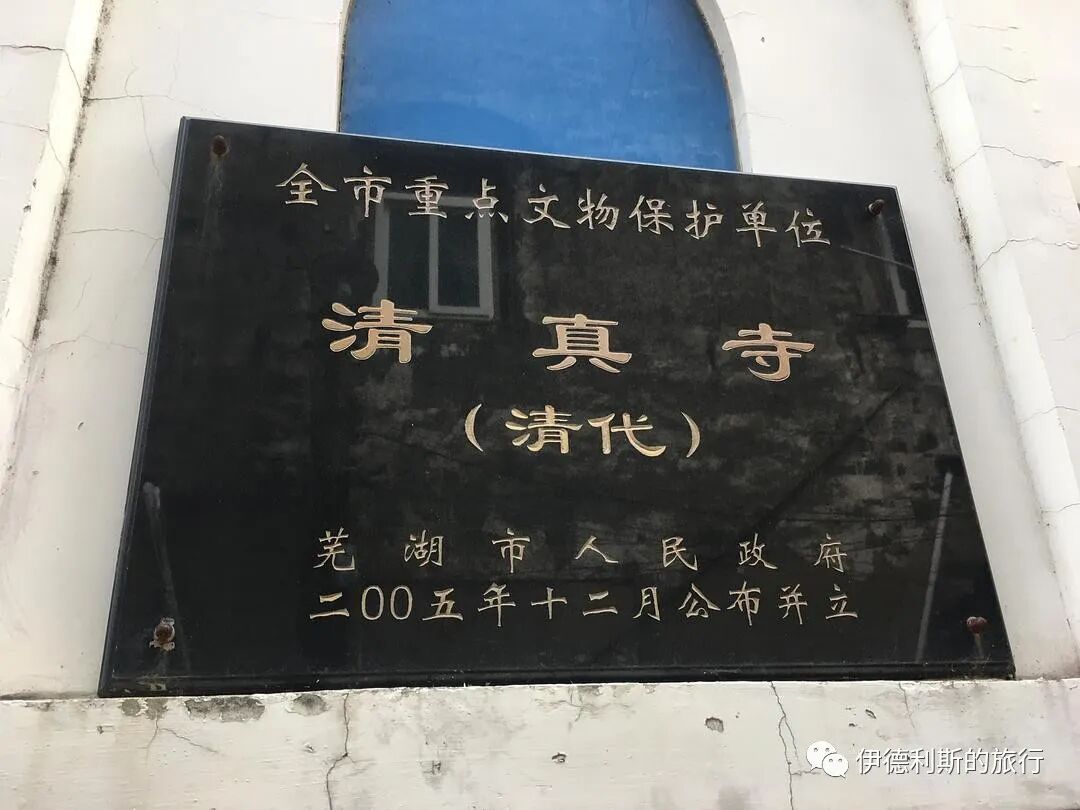
After the Chefoo Convention was signed between China and Britain in 1876, Wuhu became the first treaty port in Anhui. In 1882, Li Hongzhang established a rice market in Wuhu. As business in the city grew, many Hui Muslims from surrounding areas moved to Wuhu to make a living.
At that time, Hui Muslims from Shandong, Henan, and northern Anhui mostly ran halal snack shops or pulled rickshaws. Those from Zhenjiang and Yangzhou mostly ran hardware, copper, and tin shops. Hui Muslims from Huaining, Tongling, Hexian, and Wuwei in Anhui mostly worked in small workshops making soap, candles, and soda ash, while many others worked in the slaughter and sale of cattle and ducks.
In 1902, as the number of Hui Muslims in Wuhu grew, community members raised funds to expand the mosque's main prayer hall, lecture hall, reception hall, and ablution room. The main prayer hall and reception hall still stand today. At the same time, a free halal school was opened inside the mosque. In 1913, the halal school became the Halal National Primary School, which accepted both Hui and Han students.
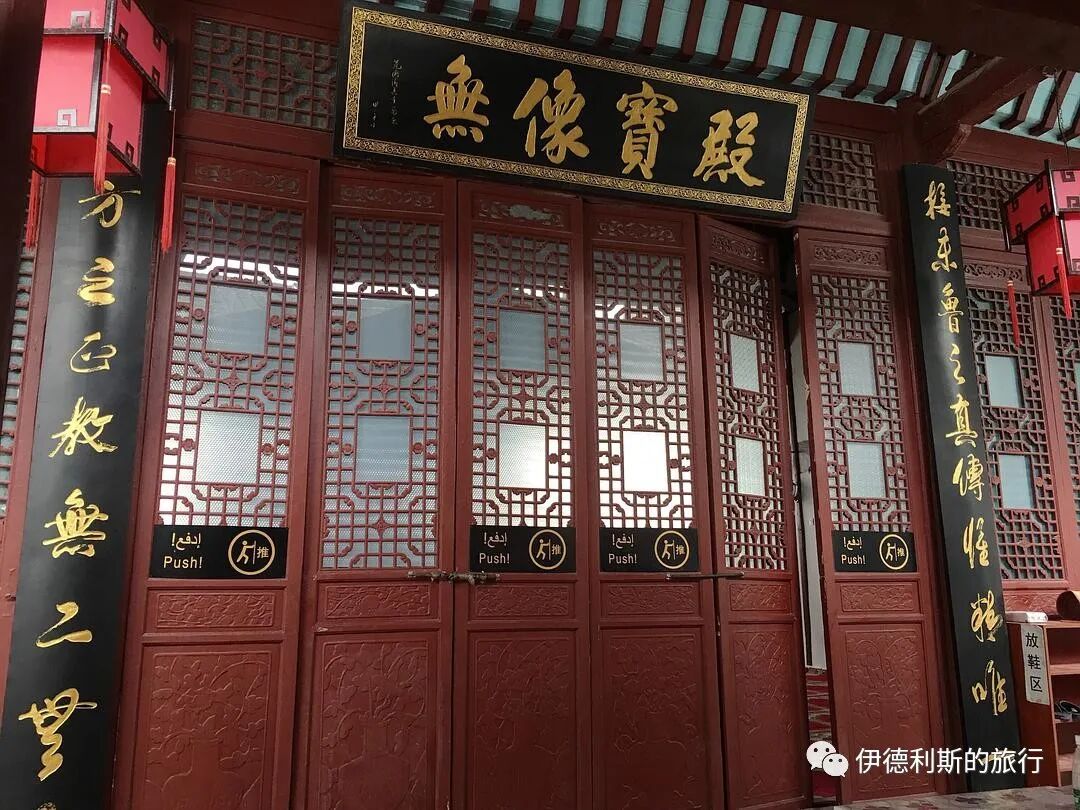
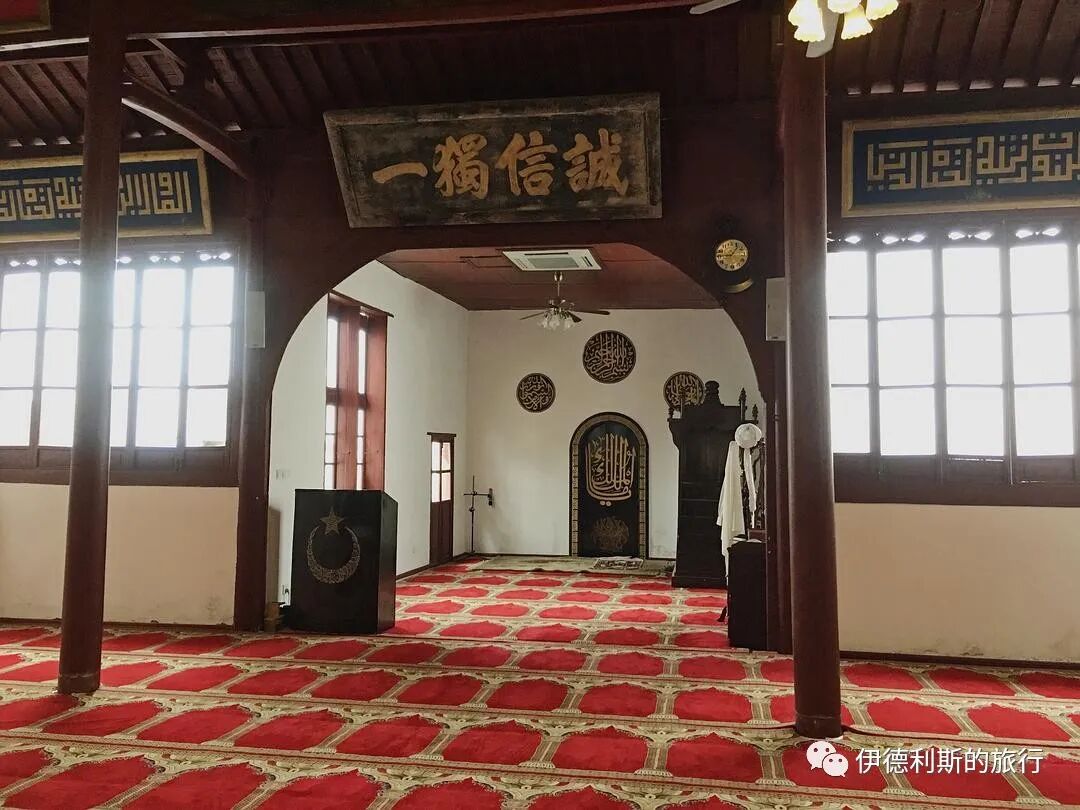
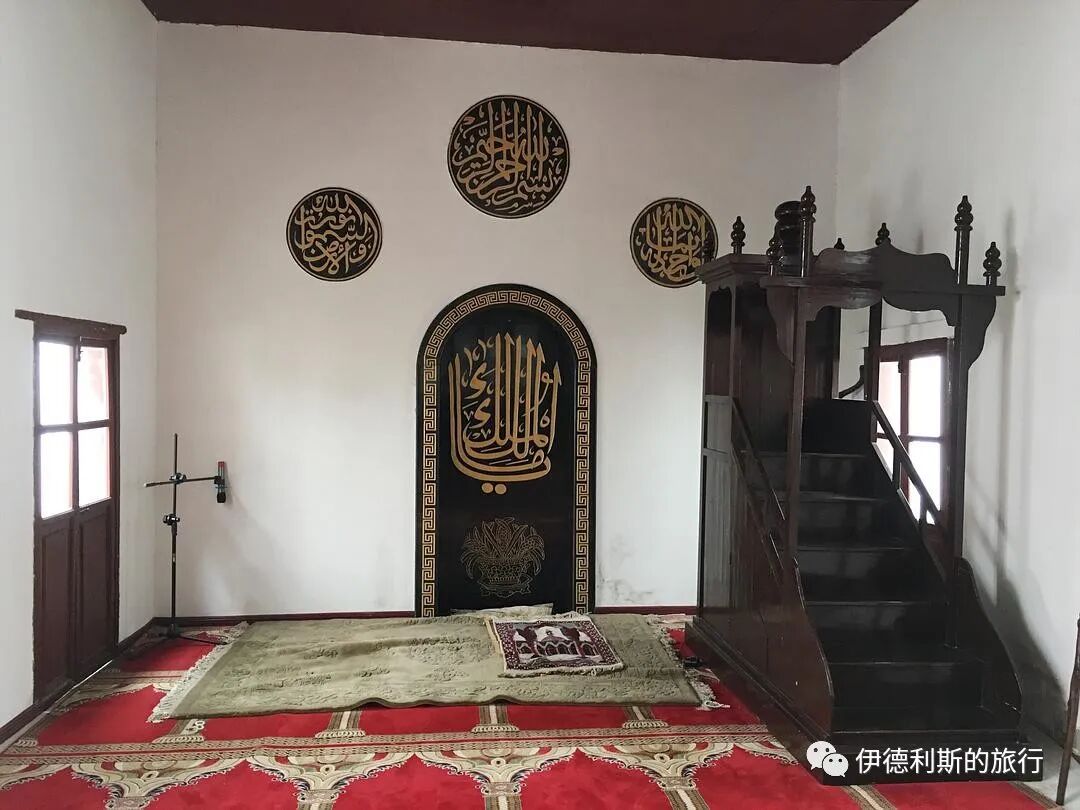
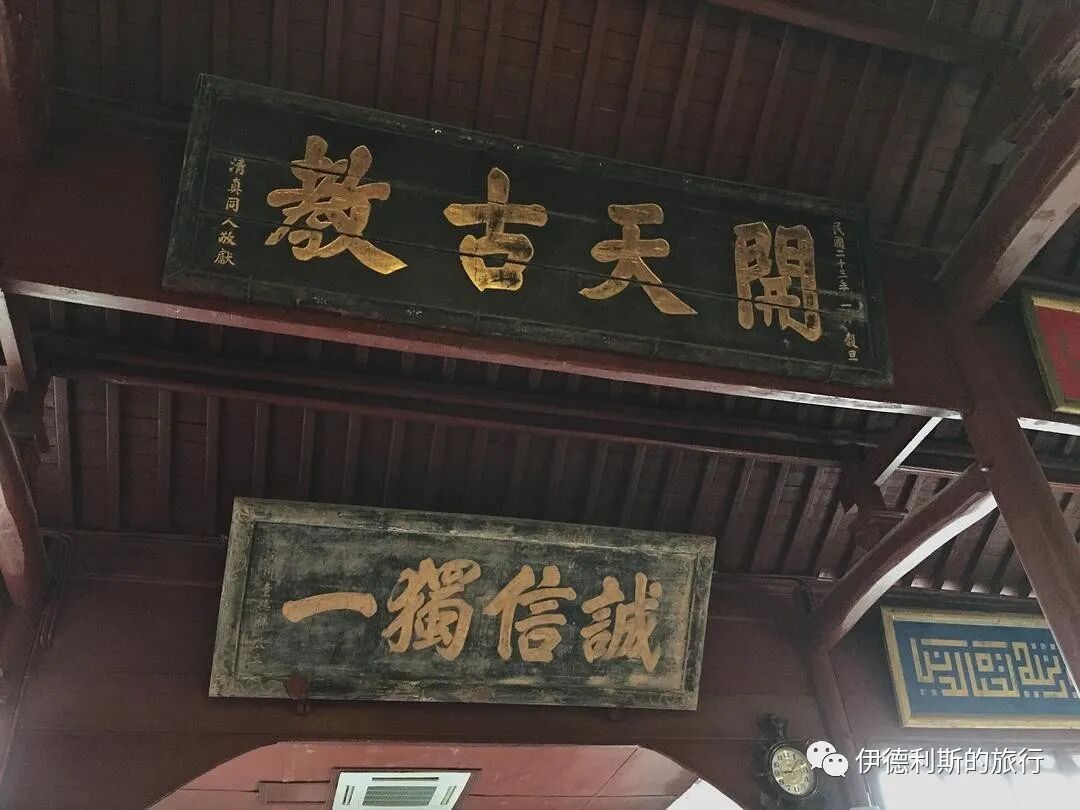
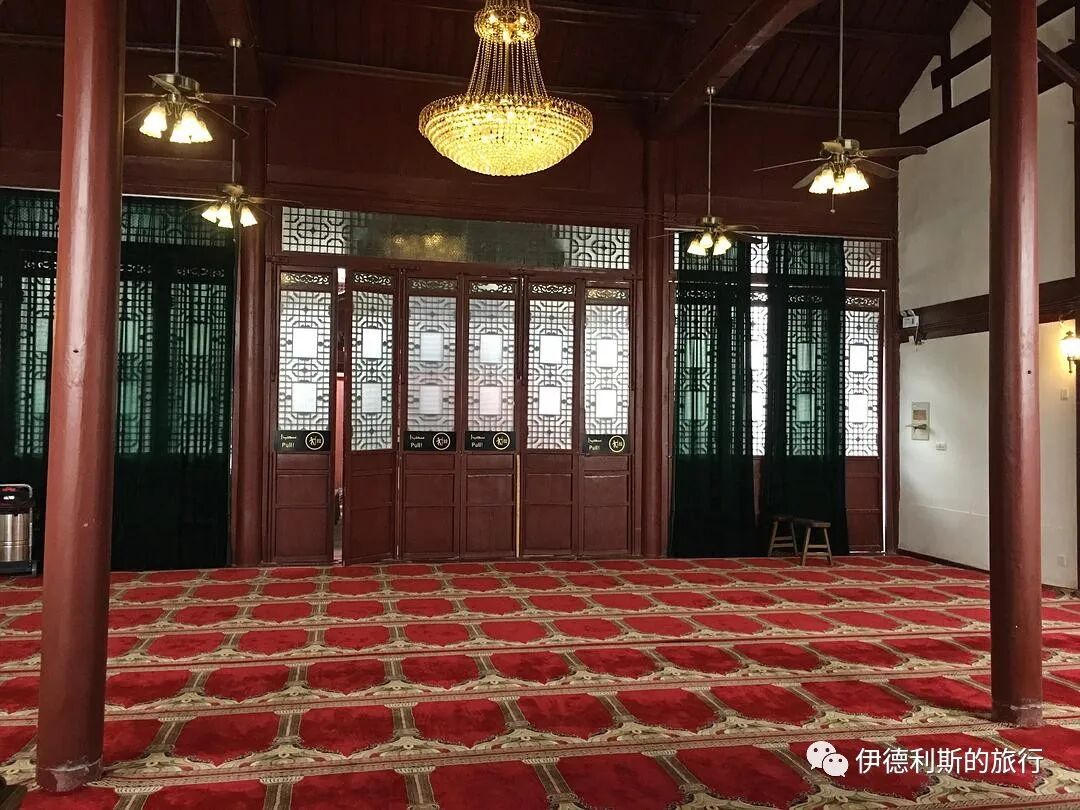
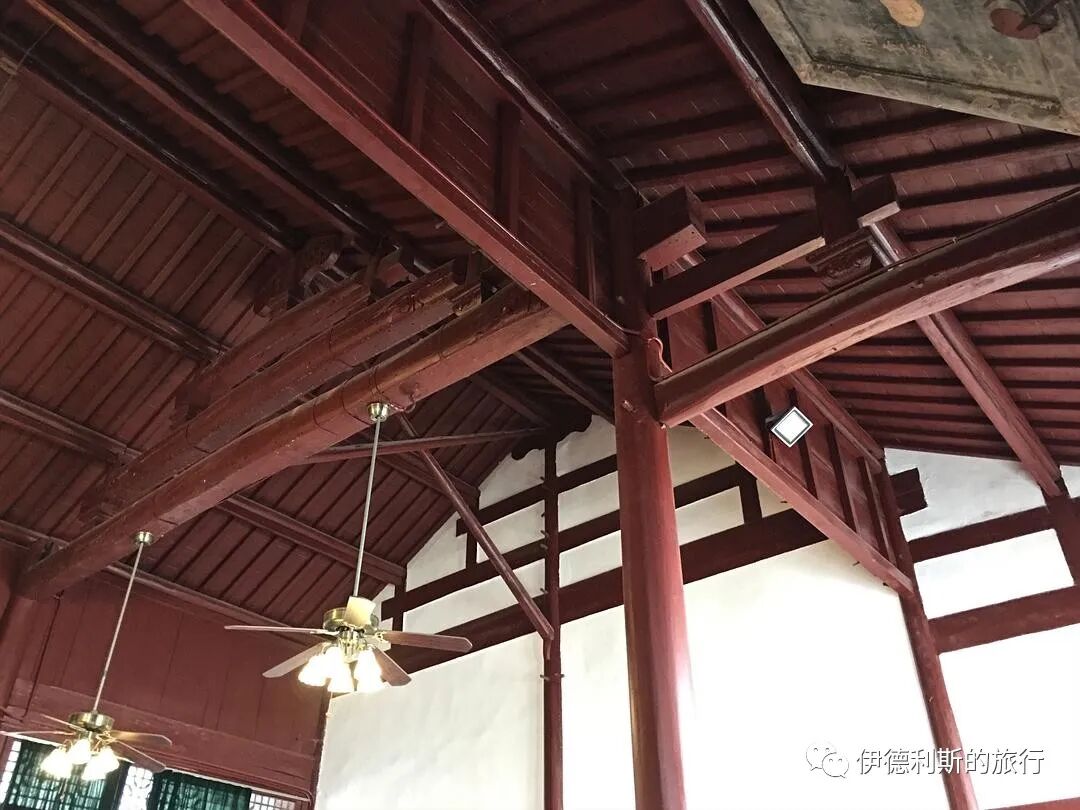
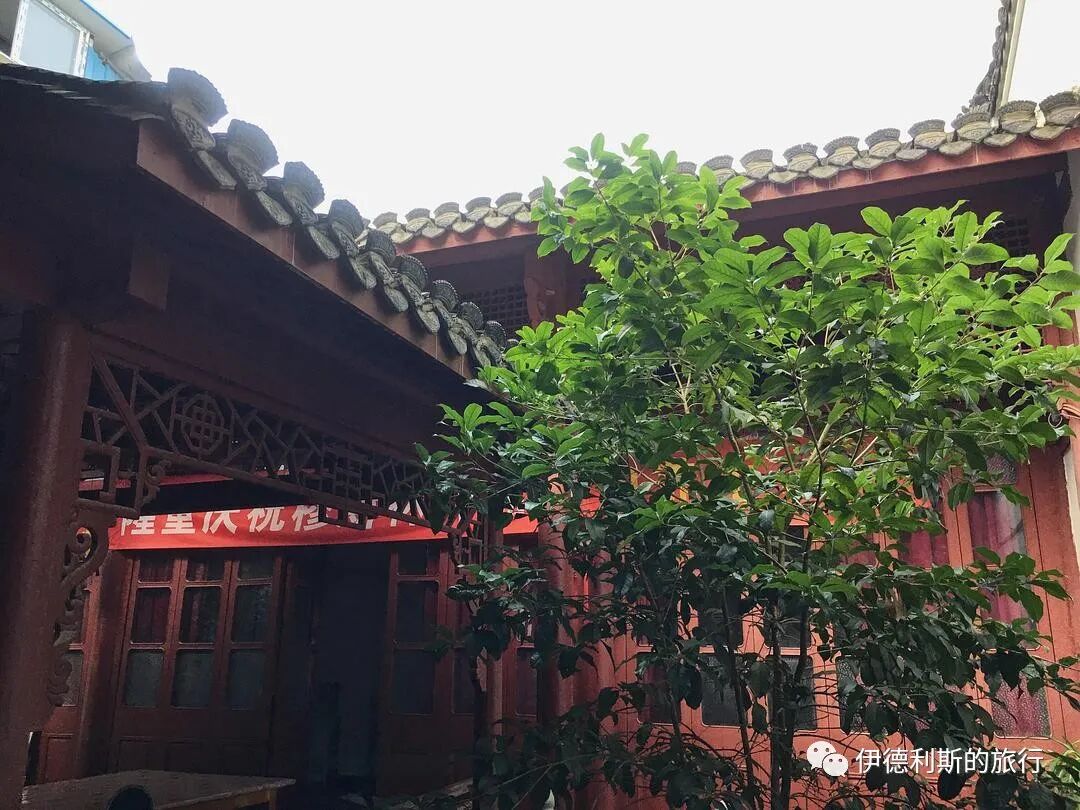
After the Japanese army occupied Wuhu in 1937, the mosque was damaged again. In 1944, community members raised funds for repairs and expanded the halls. At the same time, the Halal National Primary School was renamed the Private Halal Primary School with Ma Chunting as principal, and a women's mosque was added.
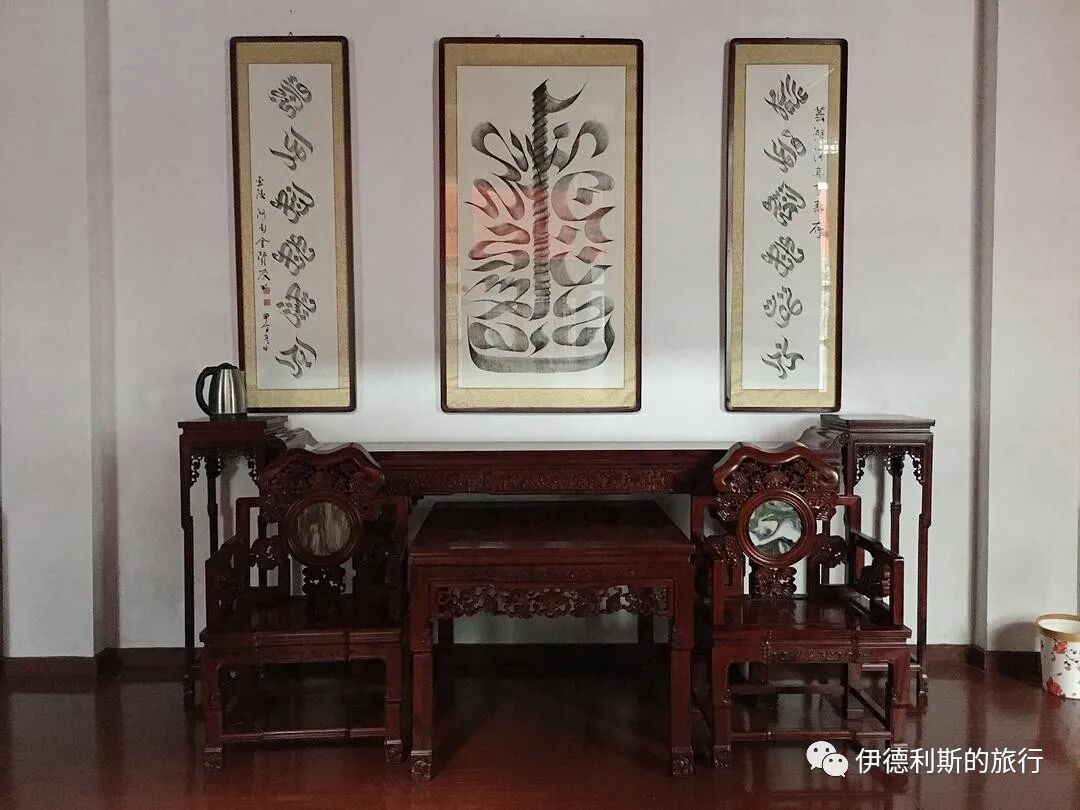
After 1966, the rare copies of the Quran (Gure'ani) kept at the Wuhu Mosque were burned. The plaques and couplets in the main hall, as well as items used for bathing and funerals, were smashed, and the carvings on the buildings were destroyed. The mosque management committee rented some of the mosque's rooms to the Wuhu Engraving Factory, which is how the building finally escaped total destruction.
After 1979, the mosque management committee reclaimed the property and renovated the mosque.
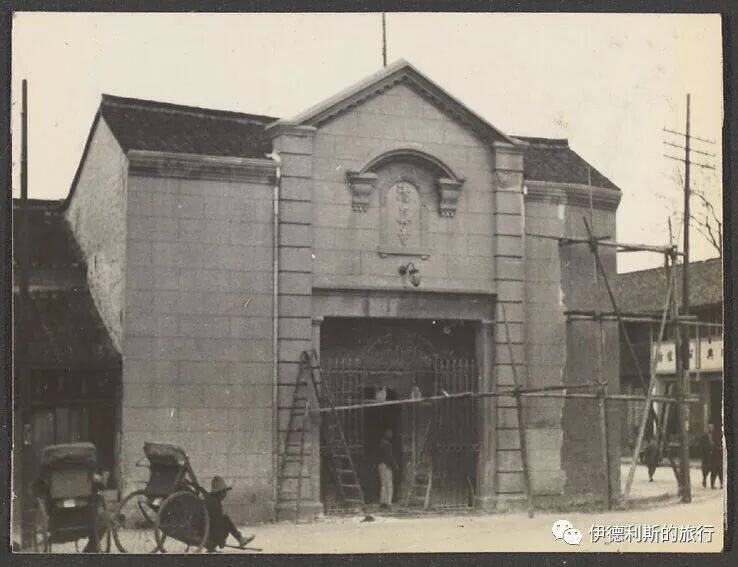
Between 2005 and 2007, the main gate of the Wuhu Mosque was demolished and replaced with a modern building.
This photo shows the main gate of the Wuhu Mosque, taken by the famous missionary Claude L. Pickens between 1934 and 1935, and is now held in the Harvard-Yenching Library collection.
In 2007, the south gate and the buildings behind it at the Wuhu Mosque were demolished and rebuilt as modern structures.
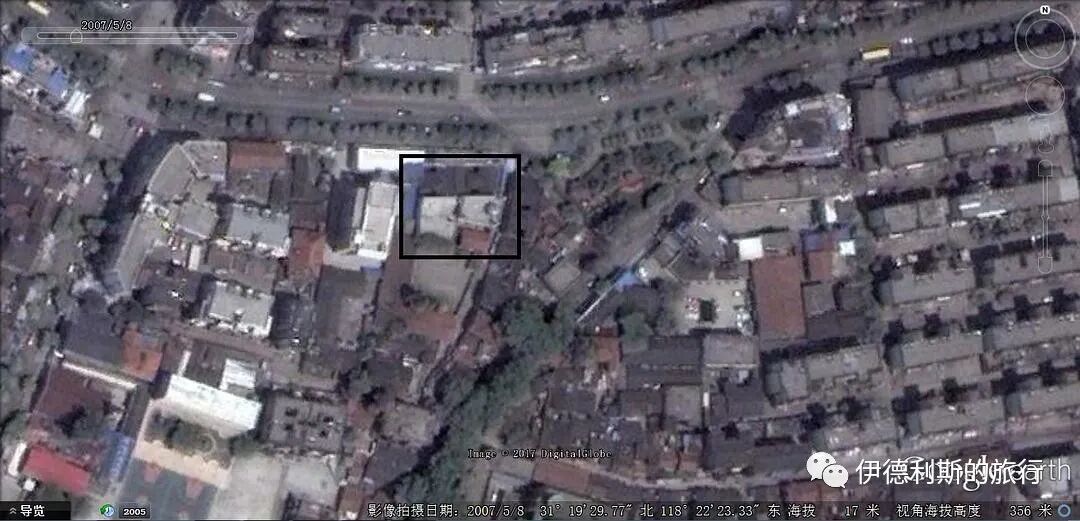
In front of the current mosque gate.
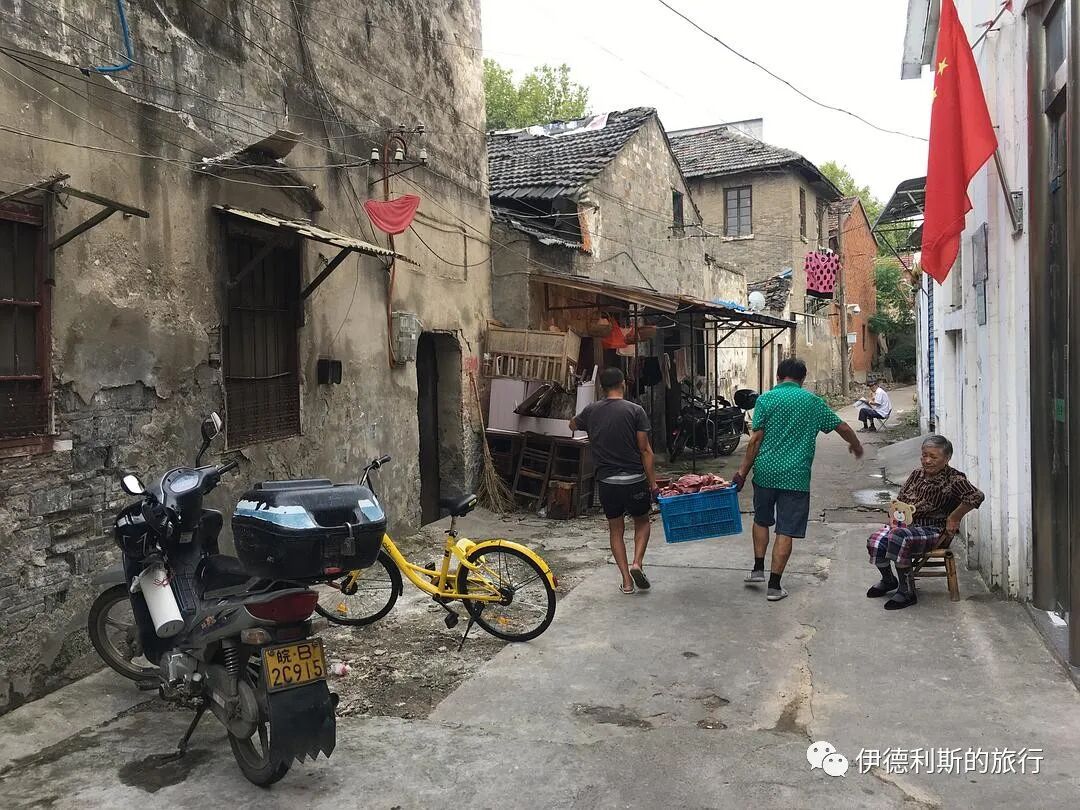
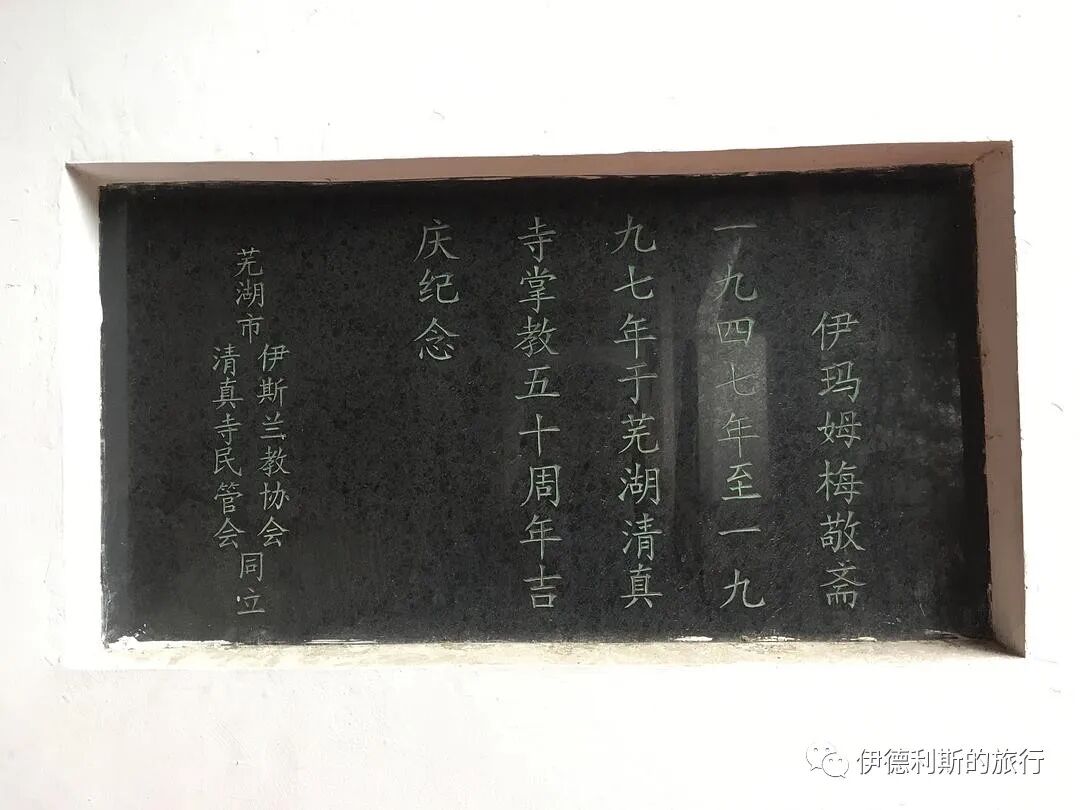
In 2017, the imam at the Wuhu Mosque was Imam Tao from Shou County, Anhui, who was a very warm and kind person.
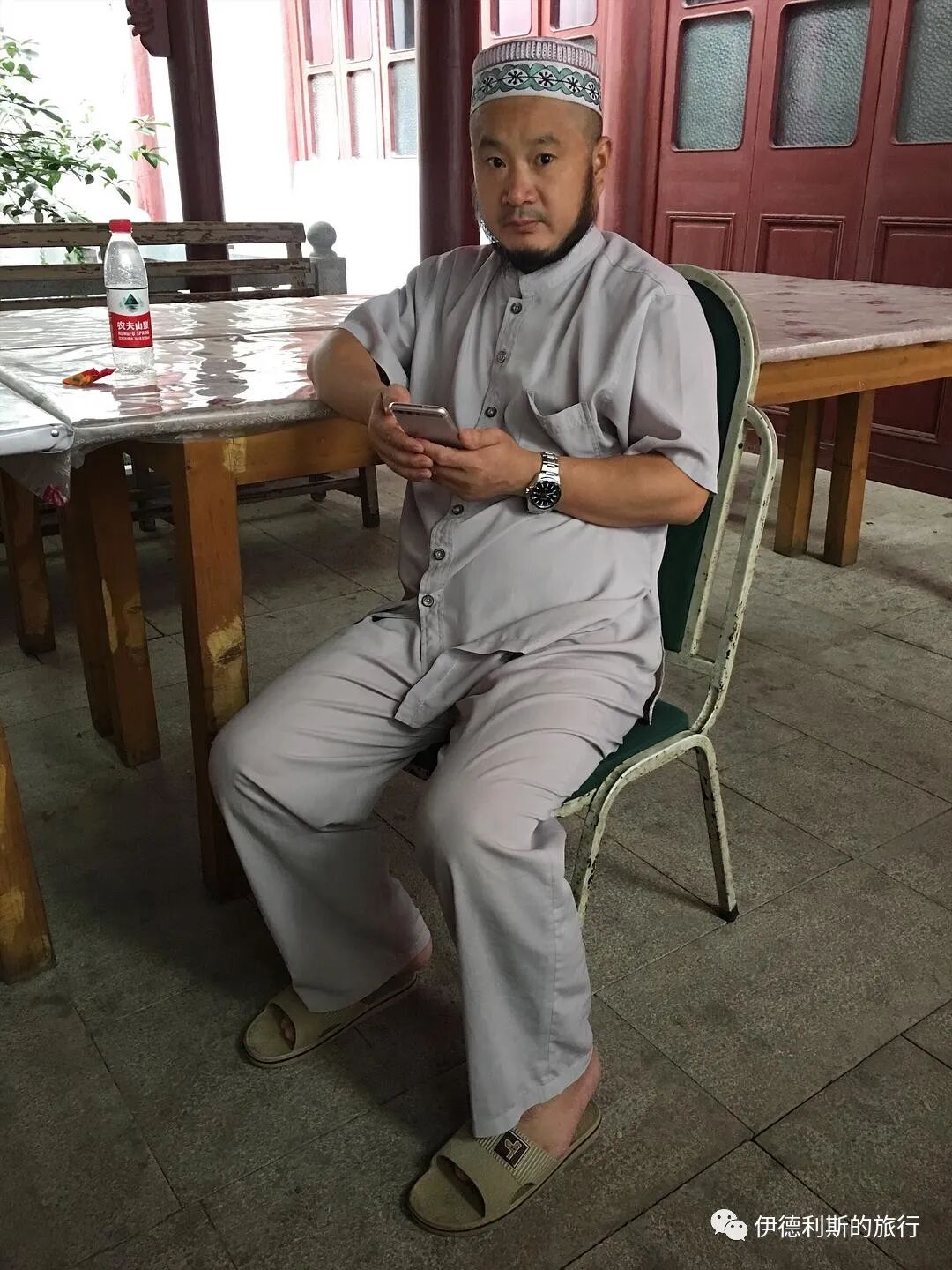
Halal food.
Halal food in Wuhu began to flourish after the port opened in 1876, but declined after the public-private partnership reforms in 1956. The trade focused on beef and duck slaughtering and selling raw and cooked beef. During its peak, there were over 30 shops including Malongxing, Mayixing, Jinlongxing, Hachangxing, Lanyisheng, Wanglongxing, Maowanxing, and Quanhexing. Among them, Jinlongxing's braised beef, Sachangxing's salted pressed duck (ban ya), and Mayixing's oil-poached chicken (you ji) were the most popular. Today, only Mayixing remains.
In the late 19th century, 13-year-old Ma Zhongyou, a Hui Muslim from Qijiawan in Nanjing, came to Wuhu with his father to make a living. He opened the Mayixing halal food shop on Xinwu Road (formerly Wan'an Bridge) by the Yangtze River, selling the cheapest 'grab-grab rice' (zhua zhua fan)—a meal of rice and dishes mixed together and eaten by hand—to dock workers and rickshaw pullers.
In 1910, Mayixing moved to Xihuayuan and began the business of slaughtering ducks and geese and selling braised duck. At that time, Wuhu was a bustling commercial hub with many traveling Muslims, and Mayixing began to gain a reputation.
In 1918, Ma Zhongyou and his son Ma Weirong rebuilt the shop on Xinwu Road and officially named it 'Halal Mayixing Restaurant.' Their signature dishes were osmanthus duck (guihua ya), pipa-shaped duck (pipa ya), and duck pancakes (ya bing). They also sold snacks like steak, fermented bean curd fish (zao yu), pickled shrimp (qiang xia), beef potstickers (niurou guotie), and braised beef noodles. At that time, Mayixing sold thousands of ducks every day and only closed at night.
After the Japanese army occupied Wuhu in 1937, Ma Zhongyou went north of the Yangtze River to take shelter, while his son Ma Weirong took the family to Hengyang, Hunan, to escape the war. Mayixing was left to Ma Zhongyou's cousin, Ma Zhonghe, to manage. In 1940, Ma Zhongyou and his son returned to Wuhu to continue running Mayixing. After 1945, Ma Zhongyou handed Mayixing over to his son Ma Weirong completely and started his own incense and candle shop called Matongsheng.
After the public-private partnership in 1956, Mayixing was merged into a major store directly under the Wuhu Catering Service Company, with Ma Weirong still in charge of operations. At that time, Mayixing was famous for its salted pressed duck (xianpi banya), hanging oven roast duck (diaolu kaoya), fried beef steak with sauce (jiangzha niupai), braised beef noodles (hongshao niurou mian), and beef potstickers (niurou guotie). It remained very popular, with long lines forming every morning.
After 1966, the old Mayixing plaque was smashed and the equipment was destroyed. Business became very poor, and the shop closed several times before finally resuming operations in the mid-1970s.
In the early 1990s, demolition began on Xinwu Road. Ma Weirong passed away at 94, one day before the demolition, and Mayixing fell into a difficult situation afterward. In 1996, Pan Min contracted Mayixing and bought out the trademark in 1999. In 2001, Pan Min rebuilt Mayixing on Phoenix Food Street, but it closed two years later due to shareholder disputes and poor management.
In 2005, Wang Yijin, a Hui Muslim who ran the Niuxiangyuan halal restaurant, bought out the Mayixing trademark and took over the business. Wang Yijin's parents worked in the halal food industry. In the early 1980s, the Wang family opened a halal snack shop in Dalongfang, later adding braised beef and fresh beef and lamb, which earned them a great reputation. In 2004, Wang Yijin and her sisters pooled their money to open the Niuxiangyuan Halal Restaurant in the Muslim market outside the Wuhu Mosque. In 2007, Wang Yijin renovated the Muslim market outside the mosque, and the new Mayixing opened. The first floor serves breakfast snacks and specialty braised dishes, while the second floor hosts banquets, a layout that remains today.
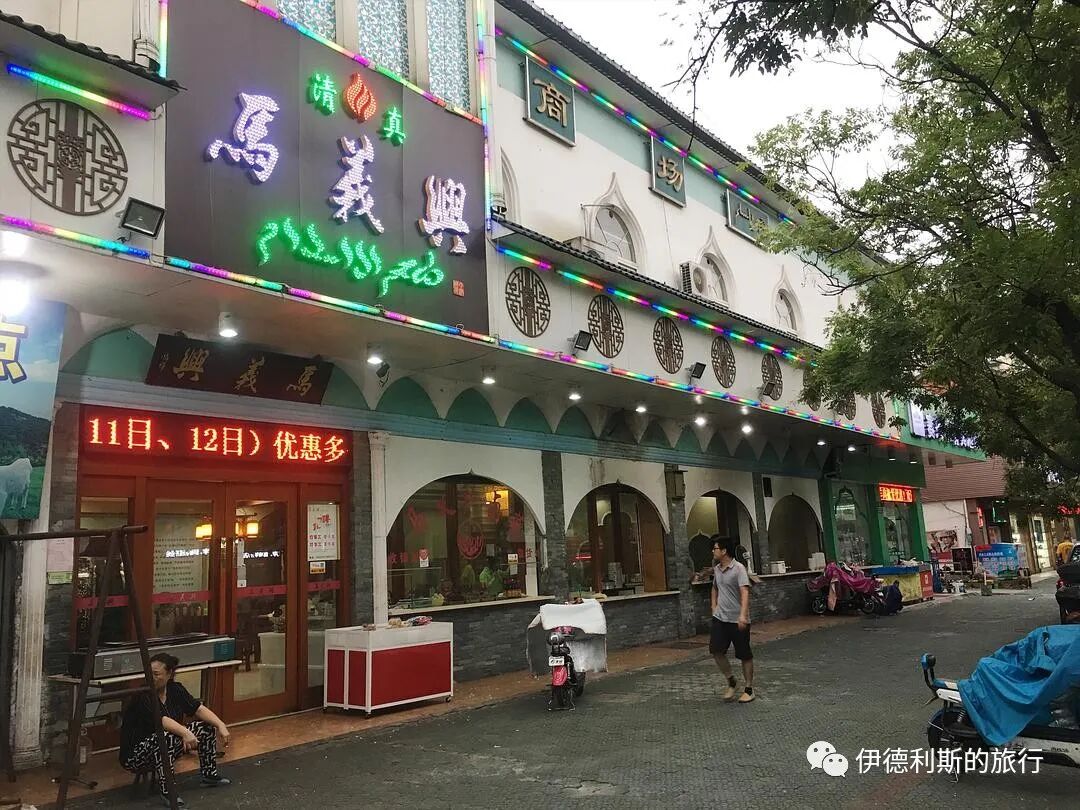
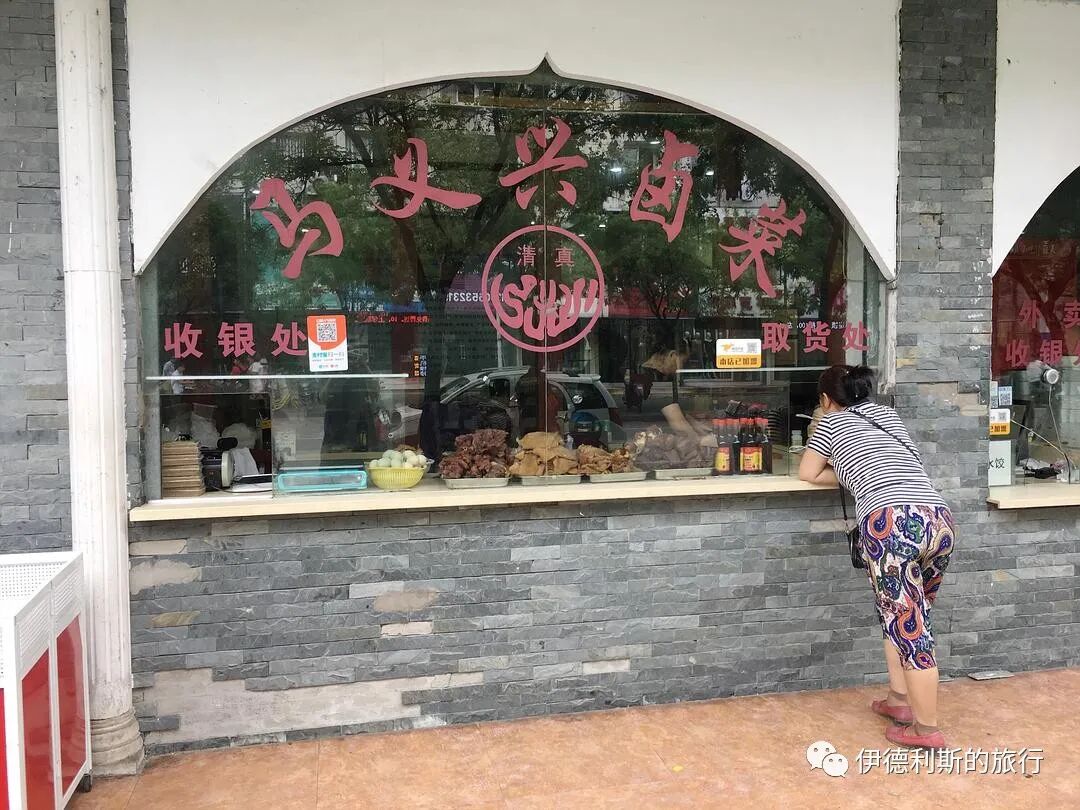
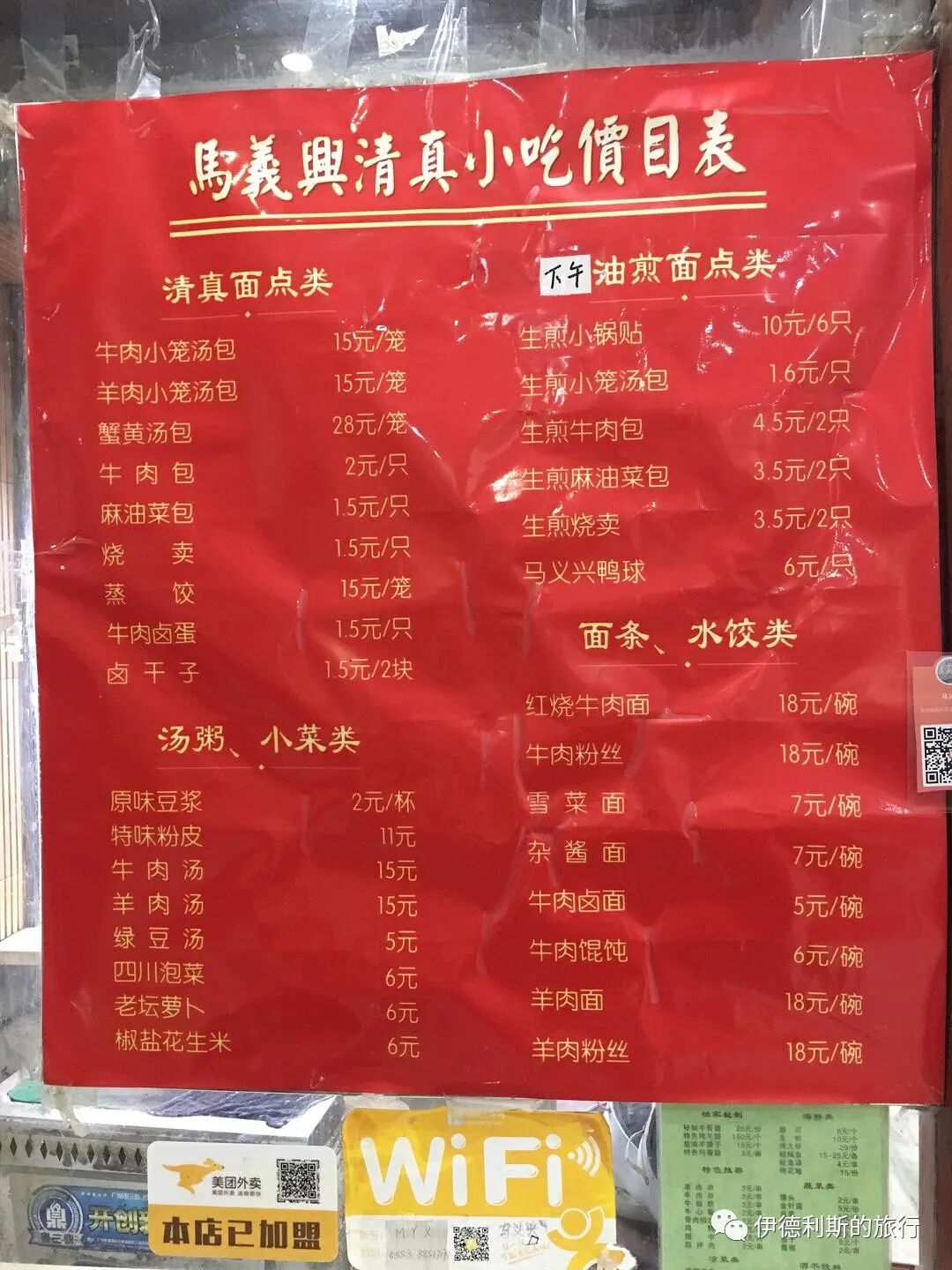
Crab roe soup dumplings (xiehuang tangbao)
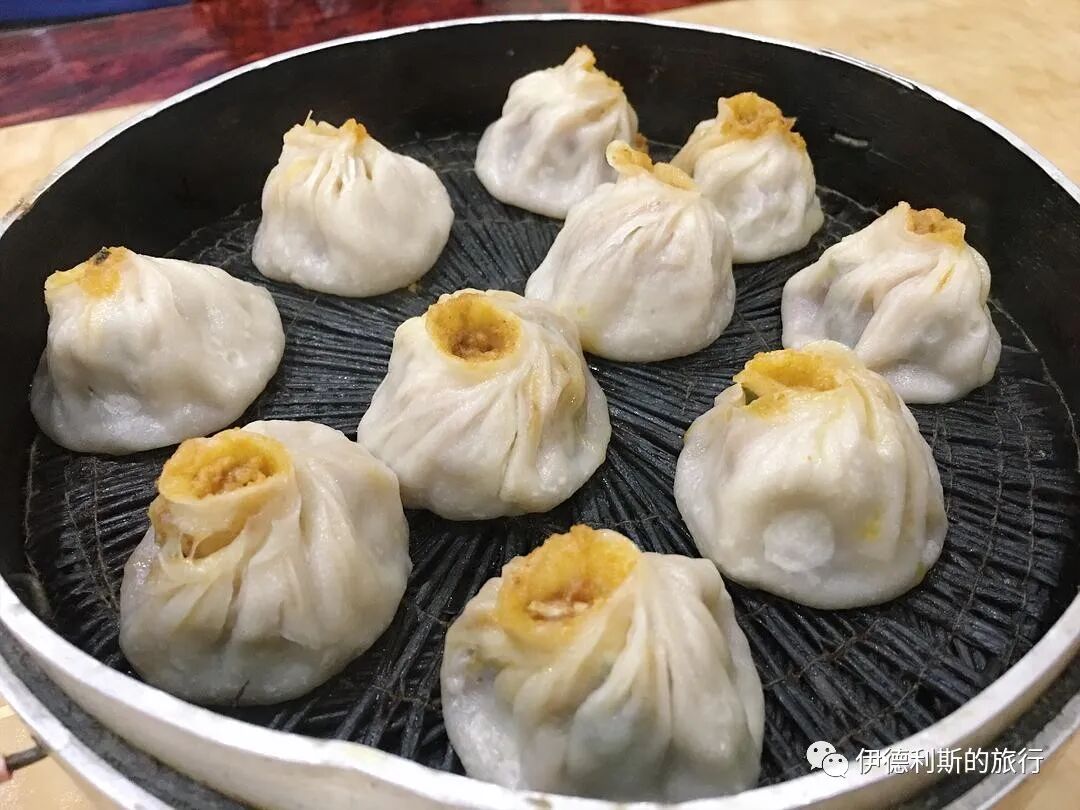
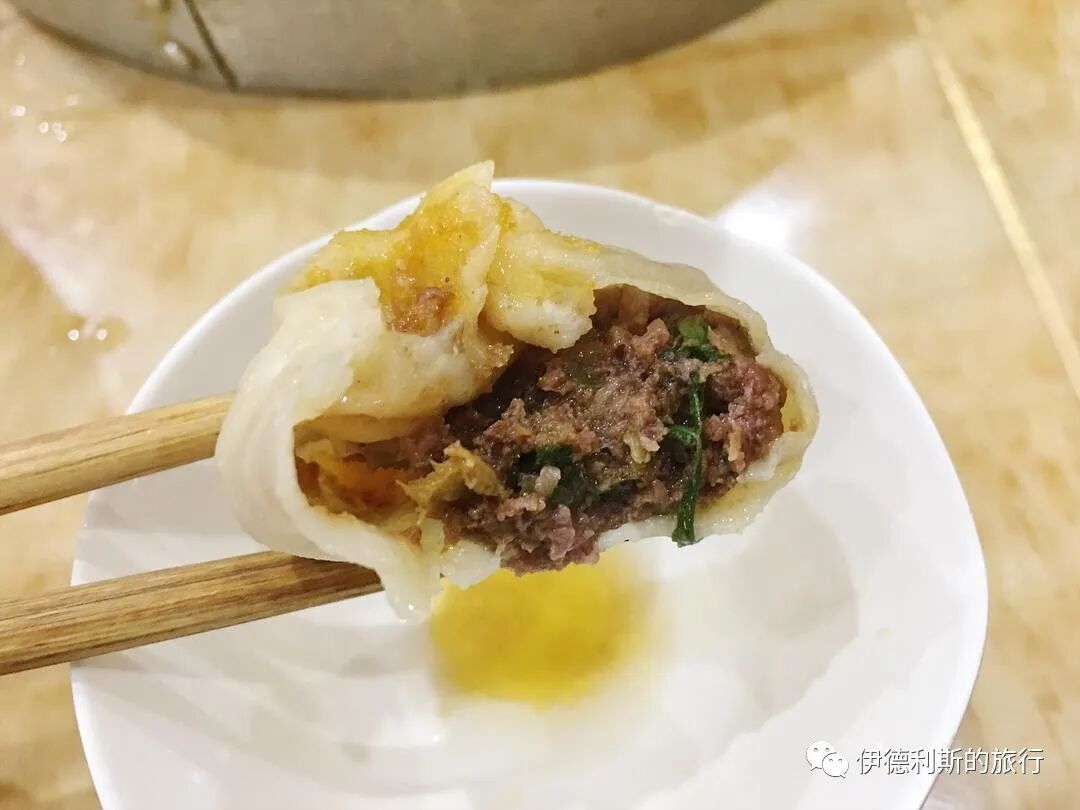
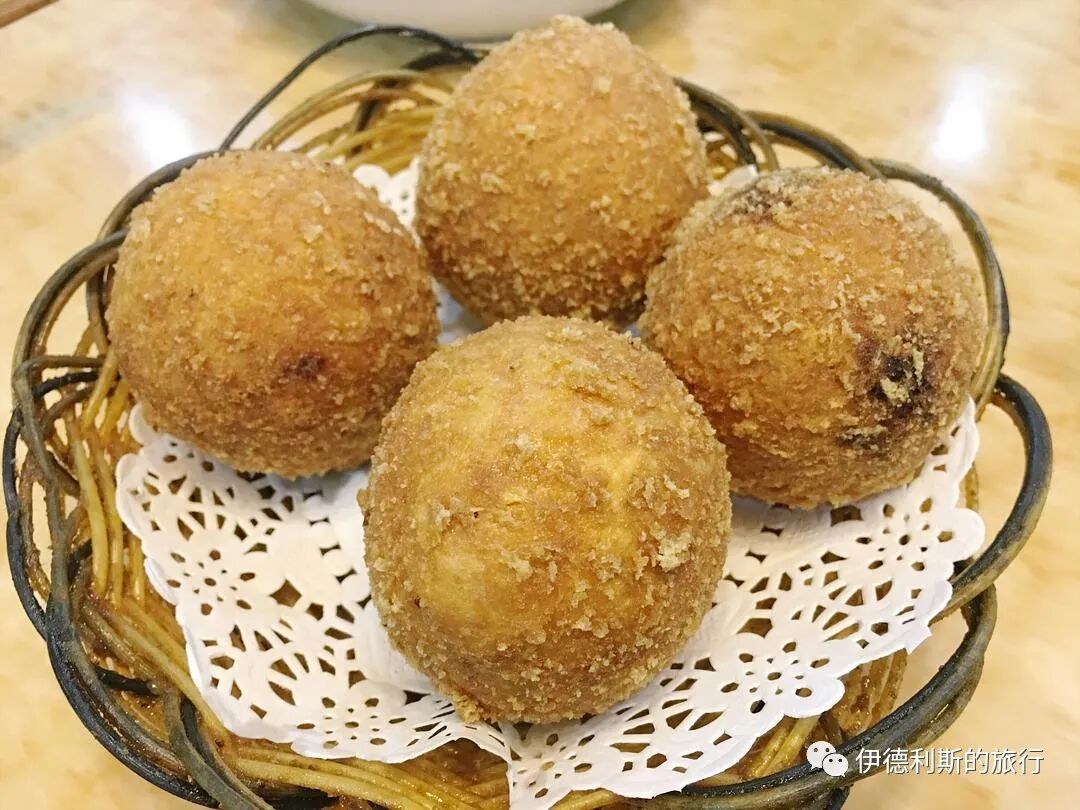
Mayixing duck balls (yaqiu), which have a very rich aroma.
A platter of beef, beef tripe, and beef tendon.
Pan-fried soup dumplings (shengjian xiaolong tangbao)
Besides Mayixing, there are other halal food shops outside the mosque.
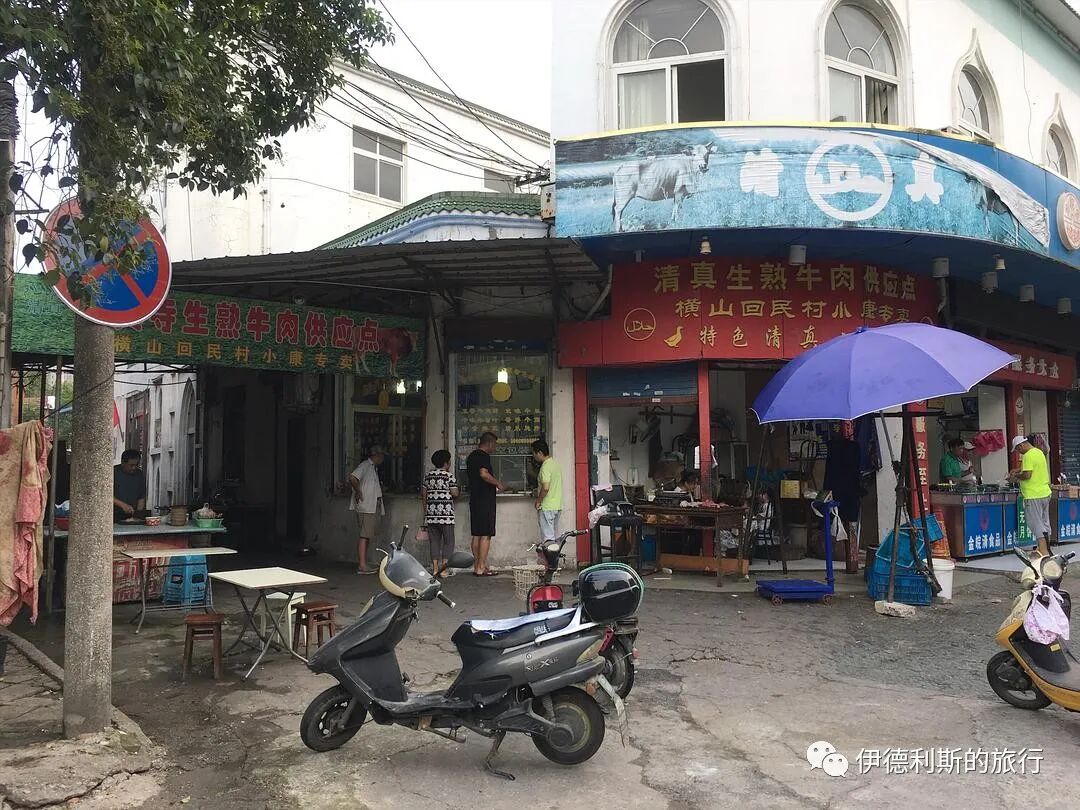
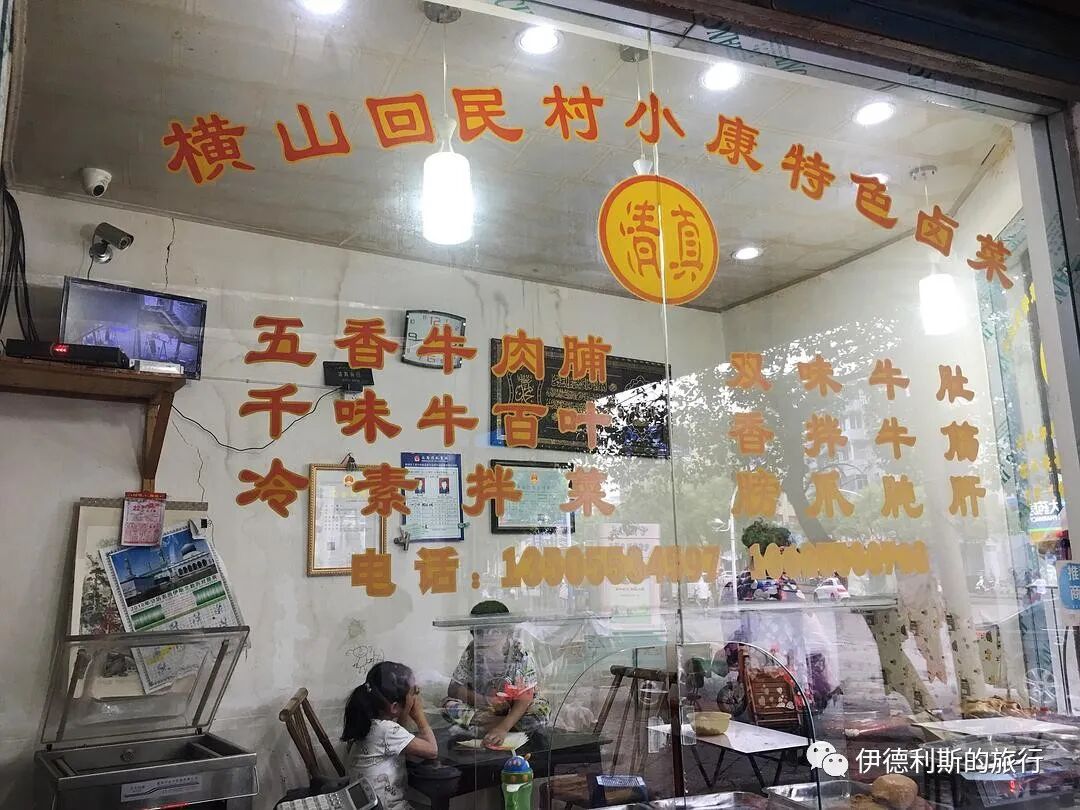
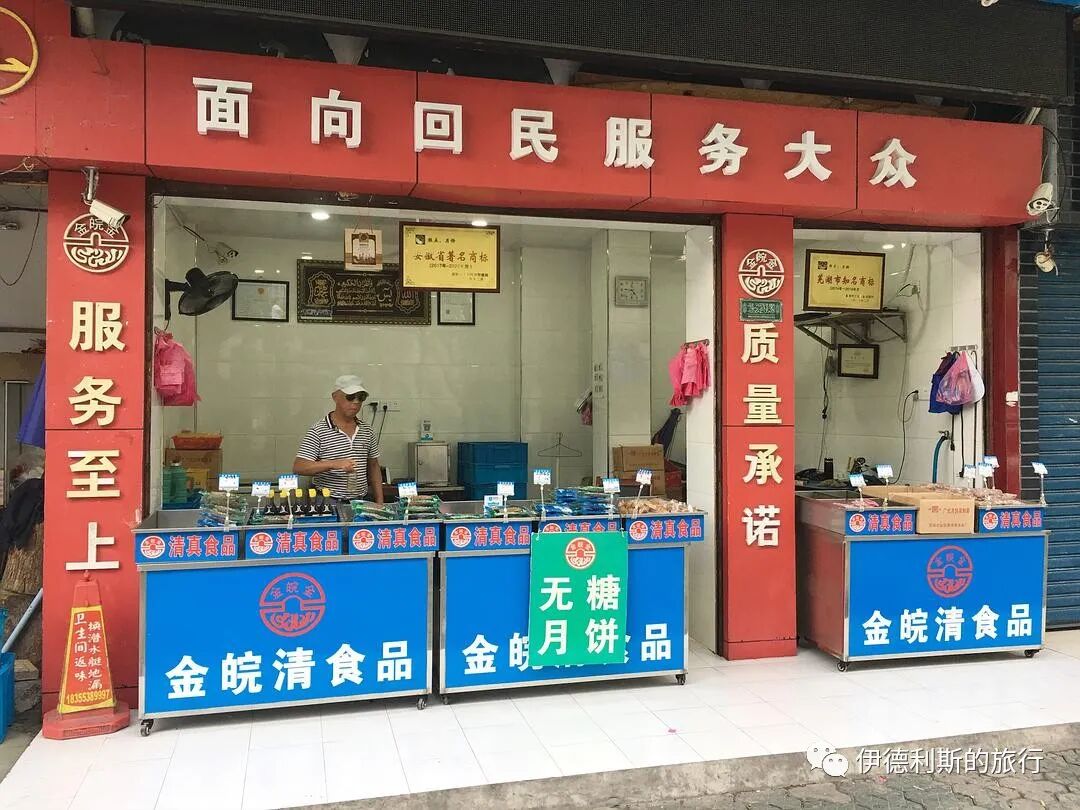
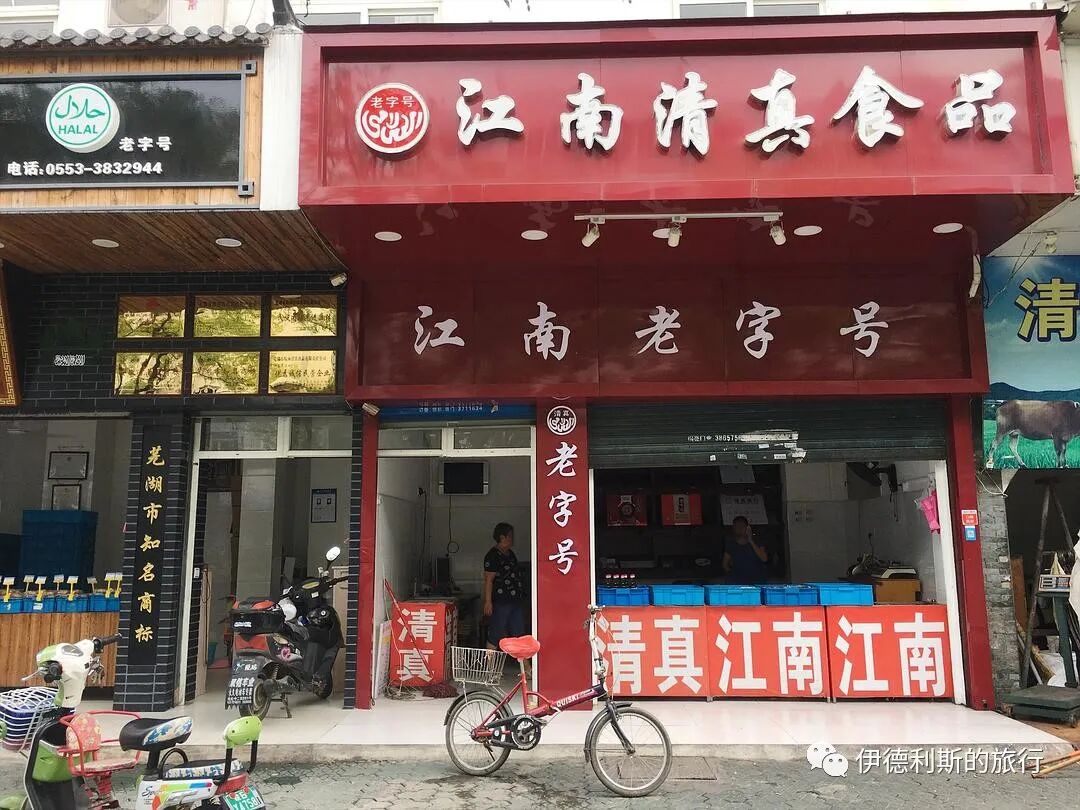
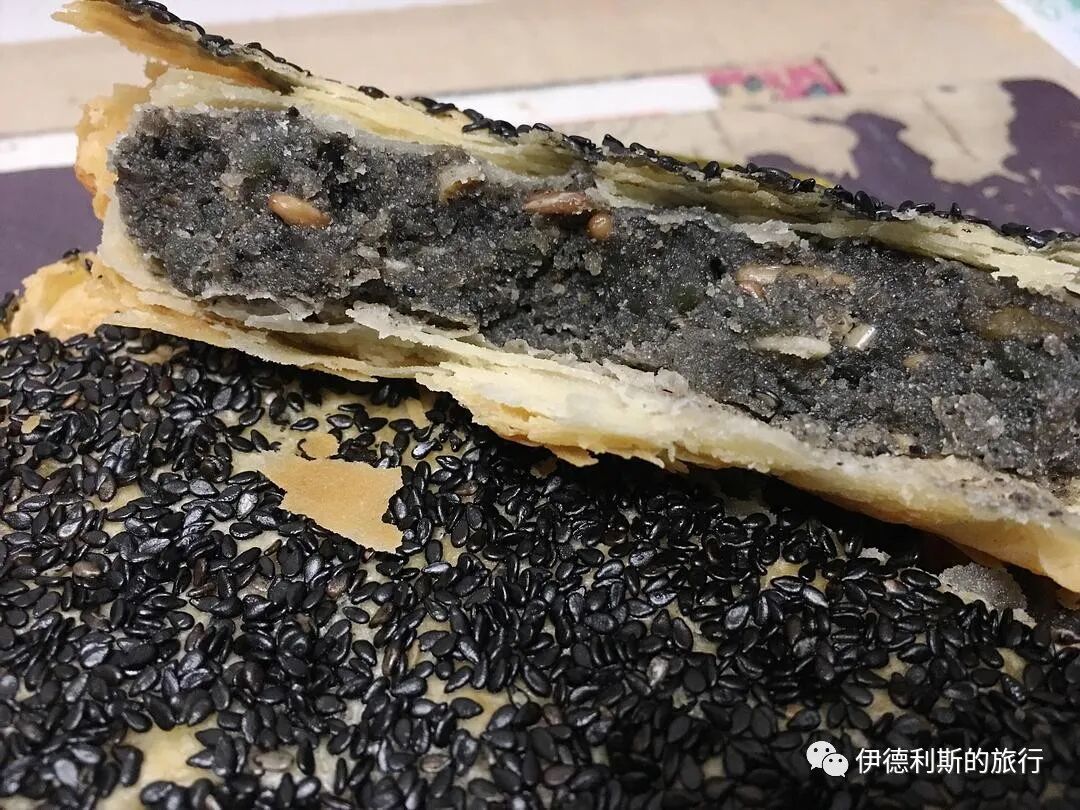
I bought a Suzhou-style mooncake (sushi bingwang) made by the Wannan Halal Food Factory; it is the largest mooncake I have ever eaten.
Hexian County
Hexian County was called Hezhou before 1911. Records show that Hui Muslims began settling there in the early Ming Dynasty.
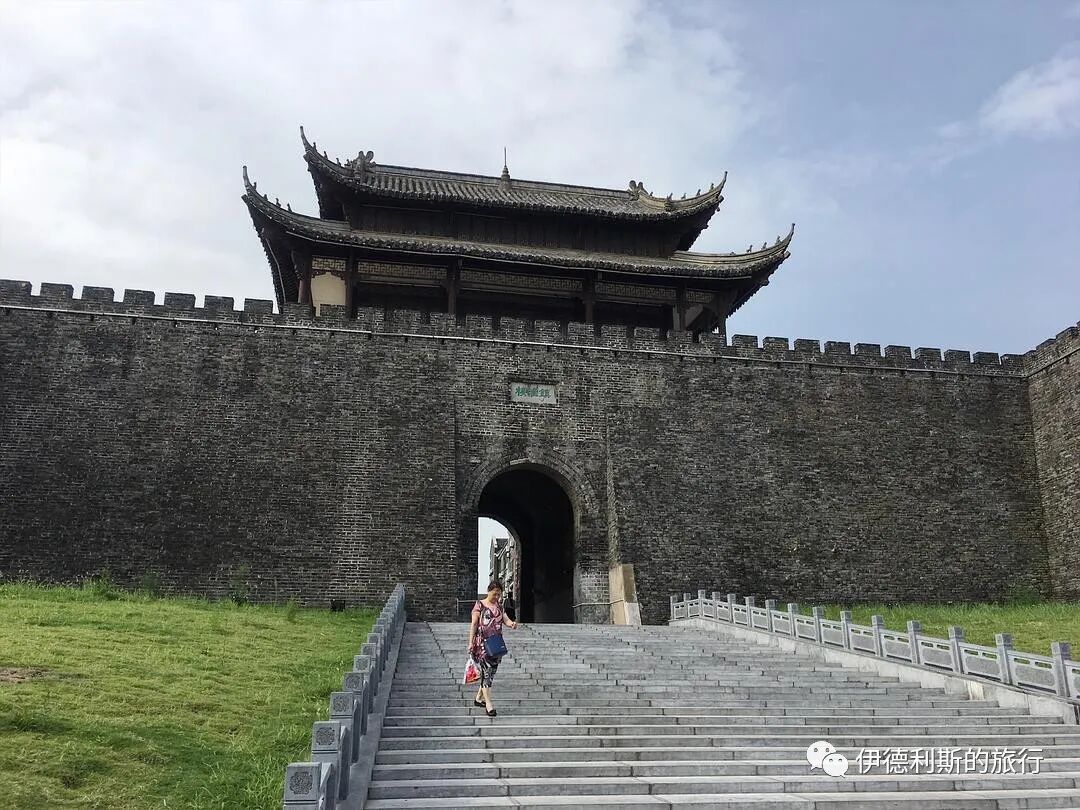
In the early Ming Dynasty, the family of Ada, a vice-minister of the Central Secretariat in the late Yuan Dynasty, was settled in Hezhou and became known as the Yuhetang A family.
The family of Ma Chengzu moved to Hezhou from Xinxiang, Henan, in 1387. Two people from the Ma family served as government officials during the Ming Dynasty. One was Ma Zhiji, who became a jinshi scholar in 1607. He worked in the Hanlin Academy. In 1624, he joined a petition to impeach Wei Zhongxian, which led to him being stripped of his rank and imprisoned. He was not cleared of these charges until after 1628. The other was Ma Rujiao, who became a jinshi scholar in 1622. He served as a censor in 1629 and impeached several of Wei Zhongxian's associates. Later, he served as a circuit inspector in Sichuan. In 1633, he was killed while resisting Li Zicheng's forces when they captured Hezhou.
Sa Zhongqian's family moved from Guanzhong, Shaanxi, to Hezhou in 1399, the first year of the Jianwen reign. This is the Sa family of Maokuantang, which is the family of Sa Beining.
During the Xuande reign of the Ming Dynasty (1426-1435), Sai Zhongyu's family moved from Wendeng, Shandong, to Hezhou. They are known as the Sai family of Yijingtang.
During the Chenghua reign of the Ming Dynasty (1465-1487), Wang Zhen's family moved from Taiyuan to Hezhou. They are known as the Wang family of Qinyitang. Records show that Wang Zhen could memorize anything he read from a young age. He became a jinshi scholar in 1487 and served as the magistrate of Pujiang County, Zhejiang.
In the early years of the Wanli reign (after 1573), Wang Congpu was appointed as the education official of Hezhou. His family moved from Wangjia Caiyuan in Wanping County to settle in Hezhou. They are known as the Wang family of Xingchengtang.
During the Qing Dynasty, Tong Xiaoqiao's family moved from Jintai Mountain in Xi'an Prefecture, Shaanxi, to Hezhou. They changed their surname to Tong and are known as the Tong family of Jintaitang. The Li family moved from Longxi, Gansu, to Hezhou and are known as the Li family of Shousutang. The Zu family moved from Panxi Ferry in Yuncheng County, Shandong, to Hezhou and are known as the Zu family of Panxitang, among others.
In the late Qing Dynasty and the Republic of China era, Hui Muslims in Hexian County mainly worked in halal food businesses, cattle slaughtering, flour mills, leather workshops, candle workshops, oil mills, and as bamboo craftsmen and blacksmiths. Larger businesses included the Sa Wancheng grocery store, the Haifutai cotton firm, and the Luyitai general goods store. Miejian Street in He County is a traditional street for Hui Muslim bamboo craft workshops. It is mainly home to Hui Muslims with the surnames Ma, Sa, and Li. They are famous for their bamboo craftsmanship, mainly producing bamboo beds (zhuchuang), bamboo chairs (liankai), shoulder poles (biandan), and red chairs (zhuyi).
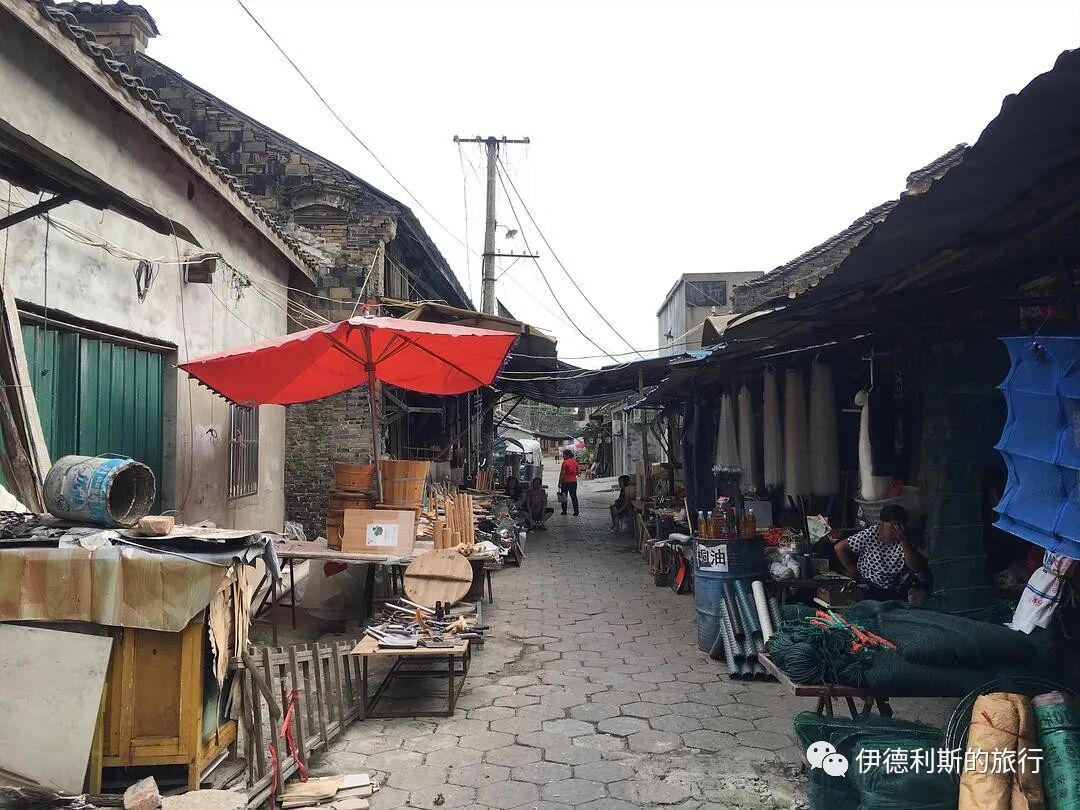
Bamboo Craftsman Street (Miejian Jie)
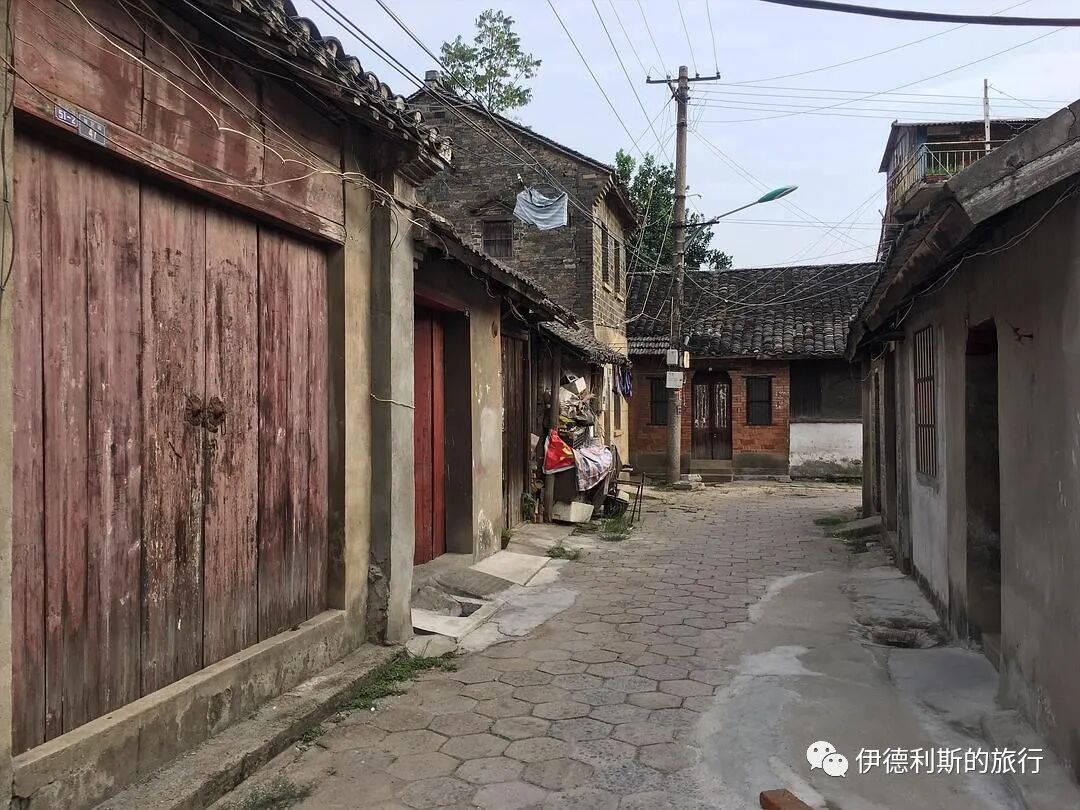
He County Grand Mosque (He Xian Qingzhen Dasi)
Historically, there were four mosques in the town of He County: the Grand Mosque, the South Gate Mosque, the East Gate Mosque, and the Women's Mosque. Currently, only the Grand Mosque and the East Gate Mosque remain. After Ramadan in 2007, the East Gate Mosque closed and is now used only for funeral services. Since then, the Grand Mosque is the only mosque open in He County town.
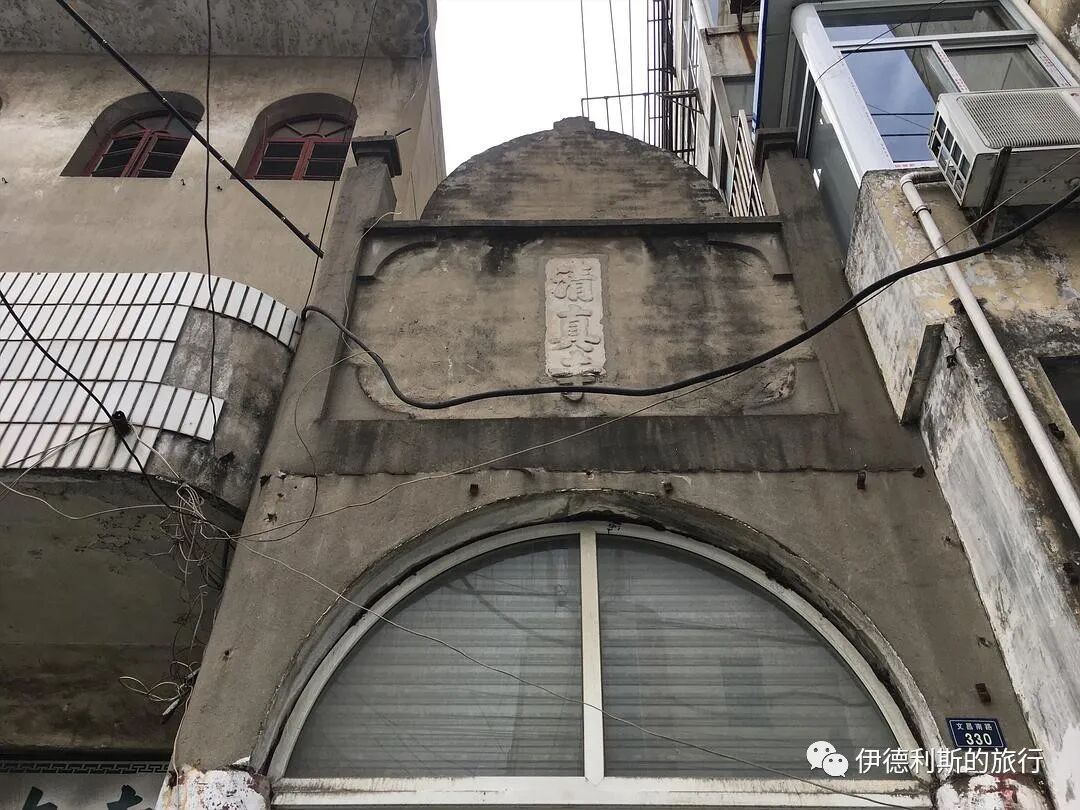
The Hezhou Grand Mosque was first built in 1368, the first year of the Hongwu reign of the Ming Dynasty. According to the Records of Rebuilding the Confucian School in Hezhou, the new magistrate Yi Luan visited the Confucius Mosque in 1525, the fourth year of the Jiajing reign. He claimed the mosque was an improper shrine that indulged the Hui Muslims, so he ordered the Hezhou mosque to be destroyed. It was not until 1637, the tenth year of the Chongzhen reign, that the mosque was rebuilt. This happened after the rebel army led by Hui Muslim Ma Shouying from Shaanxi joined other late Ming rebel forces to capture Hezhou.
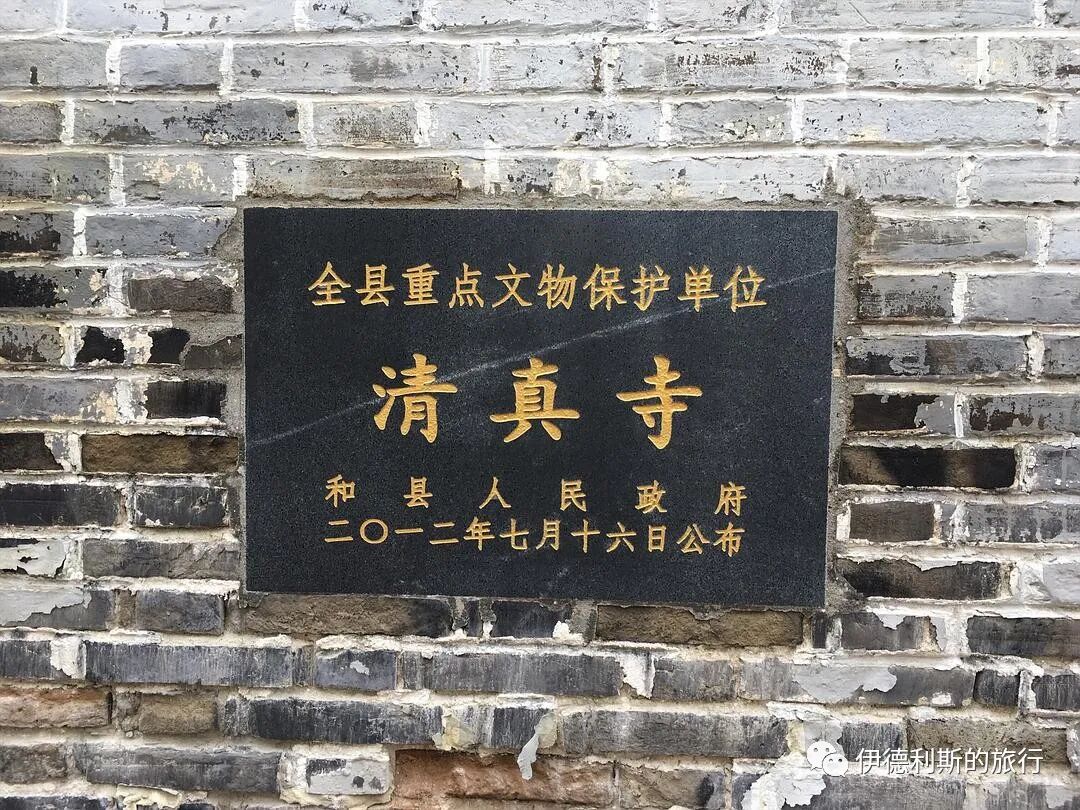
The current mosque was rebuilt in 1837, the seventeenth year of the Daoguang reign. In 1905, the thirty-first year of the Guangxu reign, Ma Jianyu led the creation of a private primary school next to the Grand Mosque. In 1914, they built more than 20 classrooms and renamed it the Qingzhen National Central Primary School.
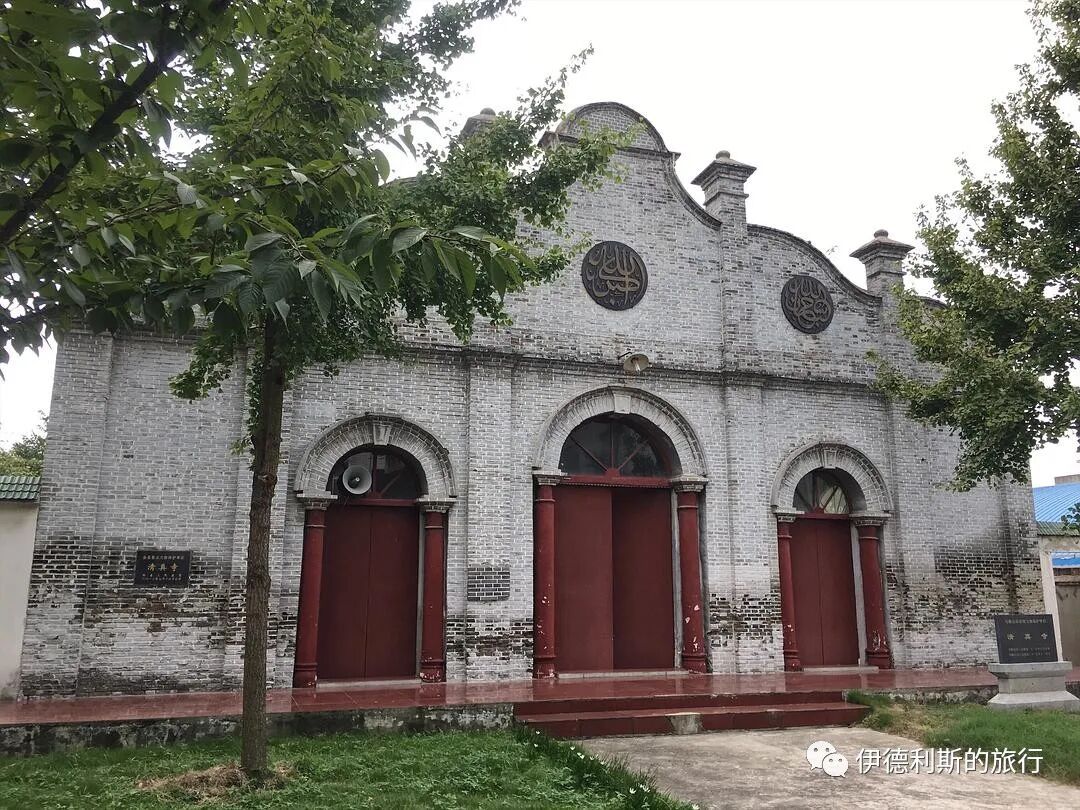
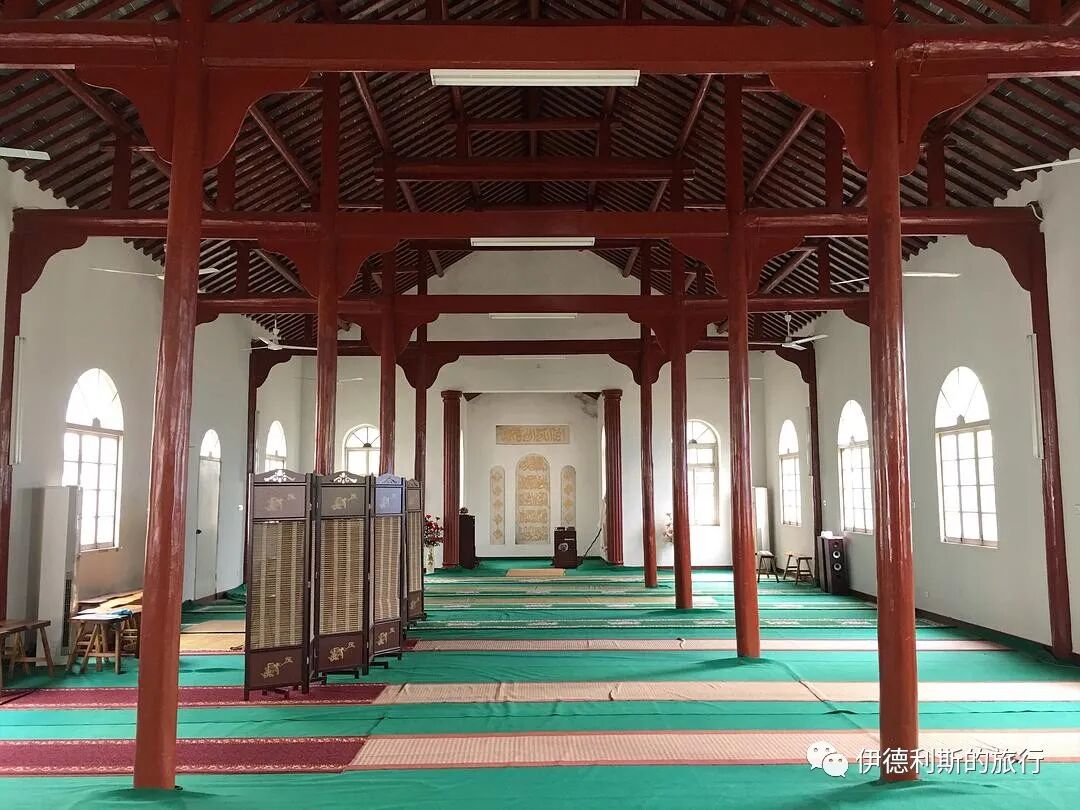
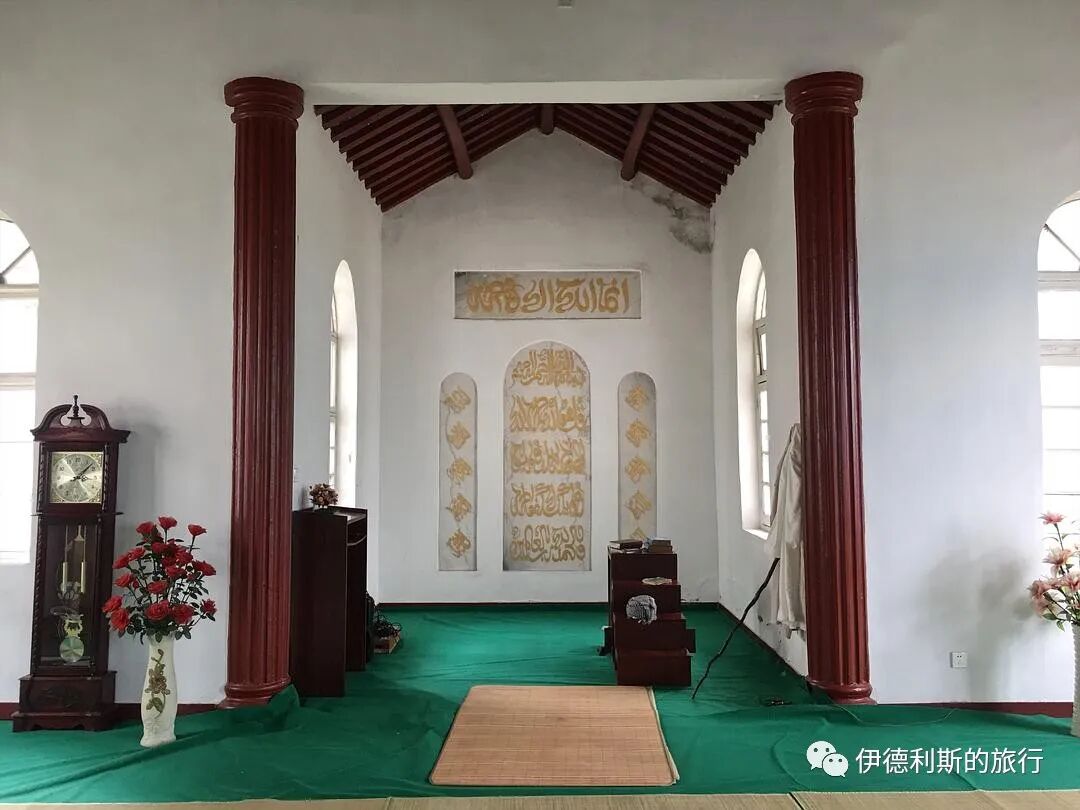
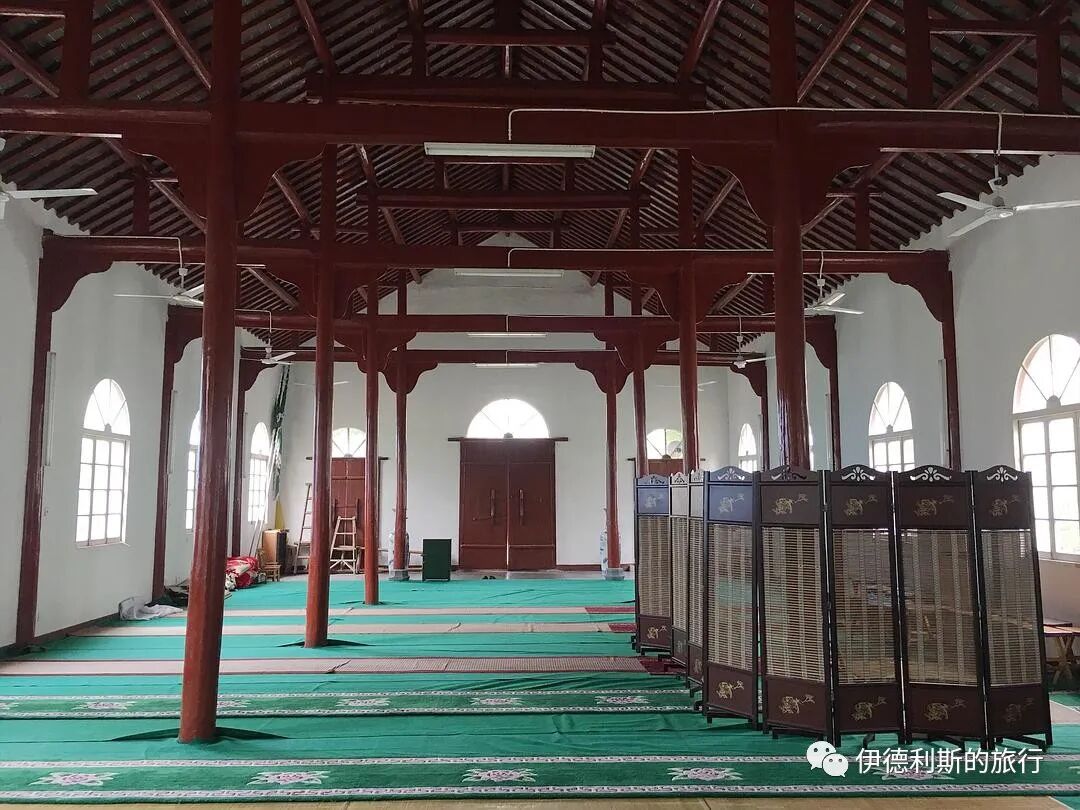
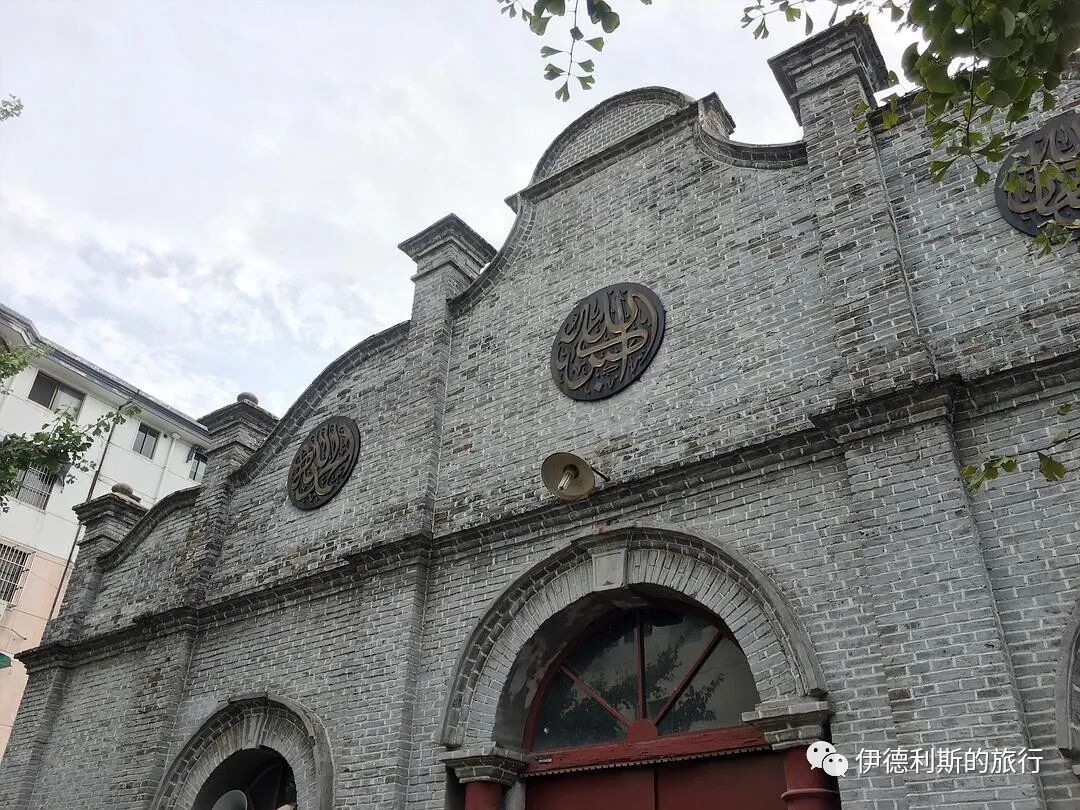
Between 1942 and 1943, the famous imam Ma Pinsan served as the head of the He County Grand Mosque. Imam Ma Pinsan was born Ma Yujin. He came from a family of imams in Hezhou. For eight generations, his family members served as head teachers or imams at the South Gate Mosque and the Great Mosque in Hezhou. Ma Pinsan was born in 1907. He graduated from the He County Fourth National Primary School. In 1918, at age 12, he began studying under Imam Wang Zidun at the mosque outside the South Gate of He County. In 1922, at age 16, he went to the Denglong Lane Mosque in Nanjing to study under Imam Ye Liangfu. In 1924, at age 18, he went to Henan to study under Imam Hei at the Shanyitang Mosque in Kaifeng and Imam Ding Junfu at the Zhengzhou Mosque. Imam Ding gave him the name Pinsan. In 1927, he graduated from the Zhengzhou Mosque and received his formal religious credentials.
In April 1942, the Great Mosque of He County sent people multiple times to invite Ma Pinsan to return home as head teacher. Sometimes they sent five people at once to show their sincerity. However, the Denglong Lane Mosque in Nanjing, where Ma Pinsan worked, did not want to let him go because talent was hard to find. Ma Pinsan ended up serving as head teacher for both mosques, rotating every month. He asked Jin Yuanqing, a senior student (khalifa) at the Nanjing Qiushi Arabic School, and Li Huacheng, a student (khalifa) at the Great Mosque of He County, to manage the mosques when he was away.
In July 1943, Li Huacheng returned to his hometown to serve as head teacher at the South Gate Mosque in Liuhe County. The Great Mosque of He County had to hire someone else. Ma Pinsan stopped his dual role and stayed as head teacher at the Denglong Lane Mosque in Nanjing until 1954. In 1954, Ma Pinsan was hired as head teacher at the Chengxi Shanxiang Mosque in Zhenjiang. He served there until he passed away in 1963 at the age of 56.
Imam Ma Pinsan cared deeply about his hometown of He County. In 1947, he sent all the savings he had accumulated over the years to He County, hoping to open an Arabic school there. According to his younger sister Ma Yuying, three rooms had already been built for the school. Later, Ma Pinsan also convinced his family to sell their jewelry to provide more funds for the school. In 1948, He County was liberated, and the school was forced to close.
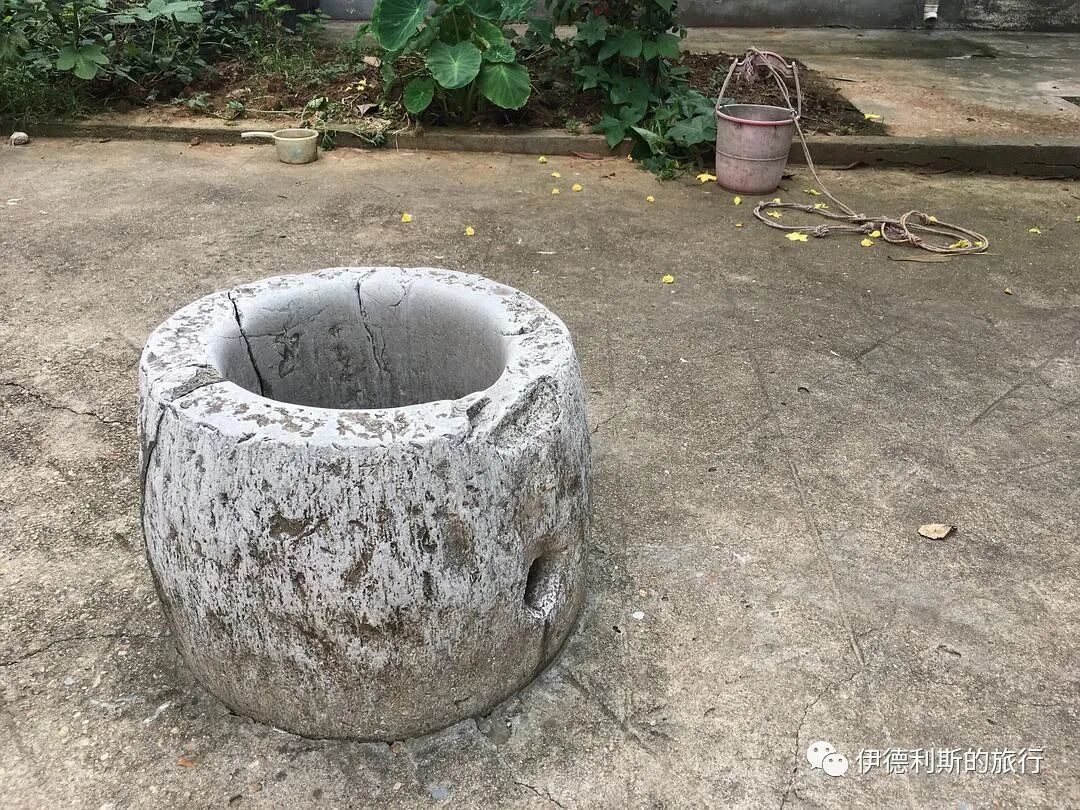
Halal food.
During the Republic of China era, famous halal restaurants in He County included Laochunyuan, Taoyuan, Dingxinyuan, Qileyuan, Lihengmao, Laomaxiangxing, Zhenmaxiangxing, and Tongsanhe. Their fried beef was the most famous dish. There were also the Wang family slaughterhouse and the Tong family slaughterhouse, both famous for their beef soup.
In 1937, the Japanese army bombed Hexian. Most of the shops and restaurants owned by Hui Muslims in Hexian were burned down, but they slowly recovered afterward.
After the public-private partnership in 1957, there were 81 Hui Muslims working in the halal food industry in Hexian and 66 people working in the beef slaughtering industry. Today, the Minzu Restaurant in Hexian is run by Lu Guangyi, who serves traditional fried beef (zha niurou).
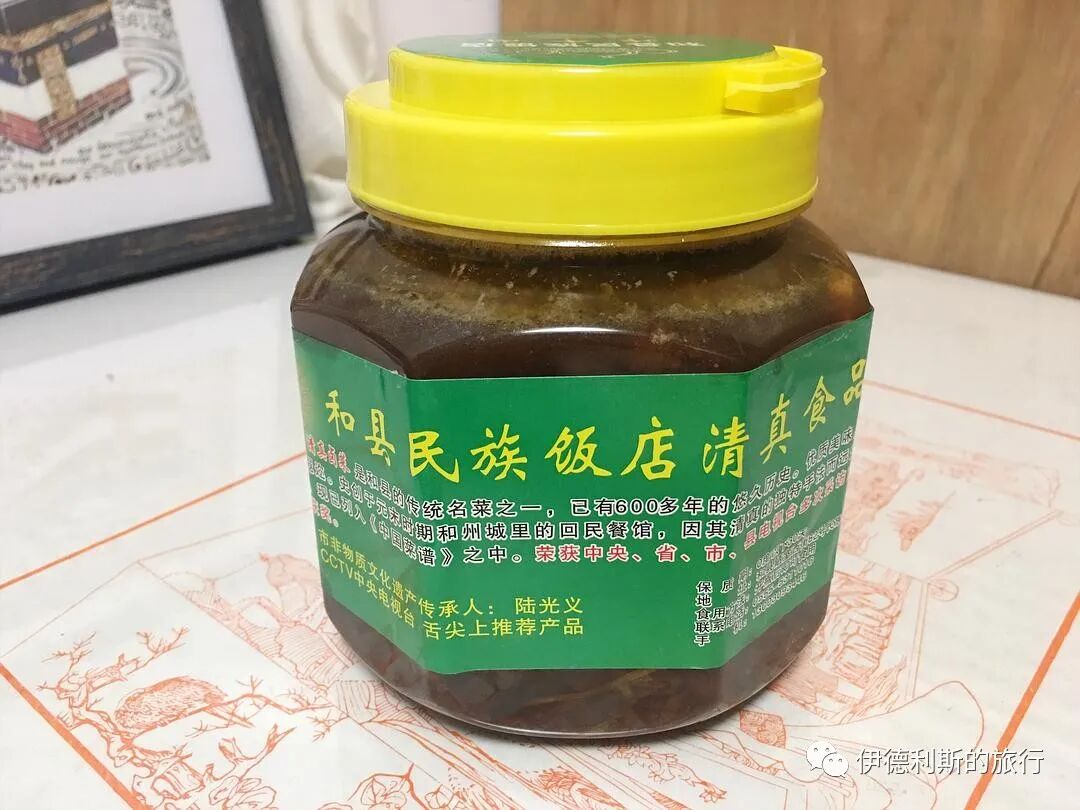
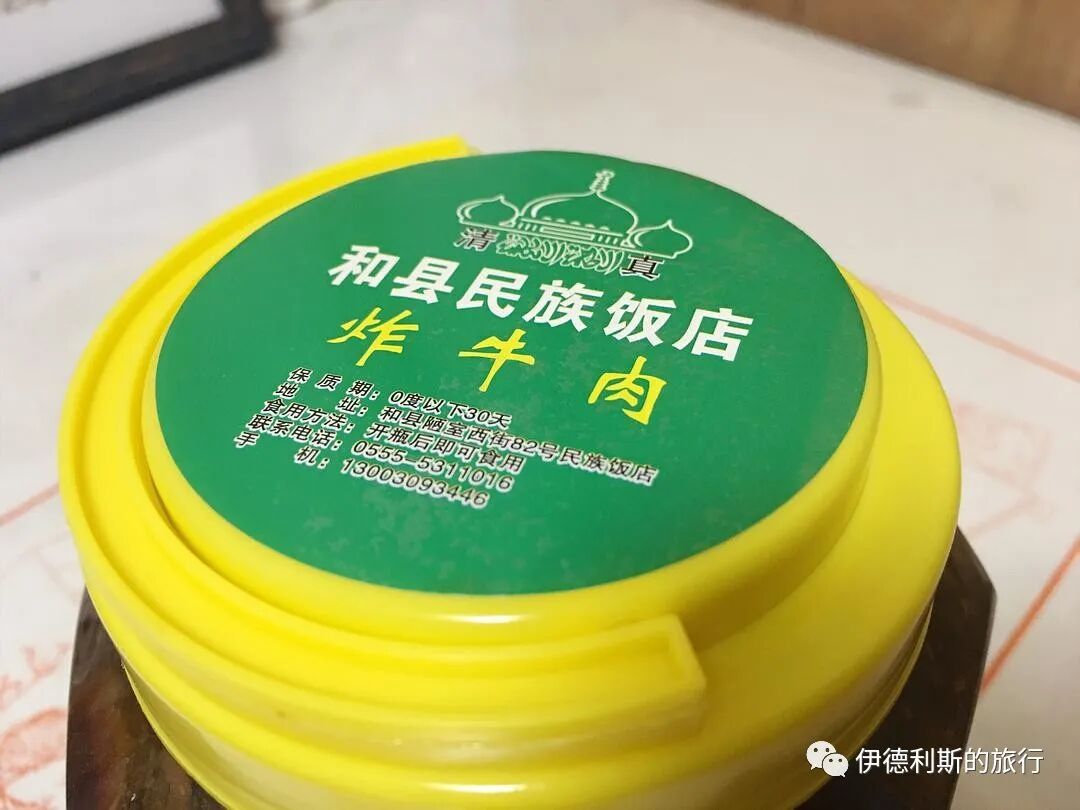
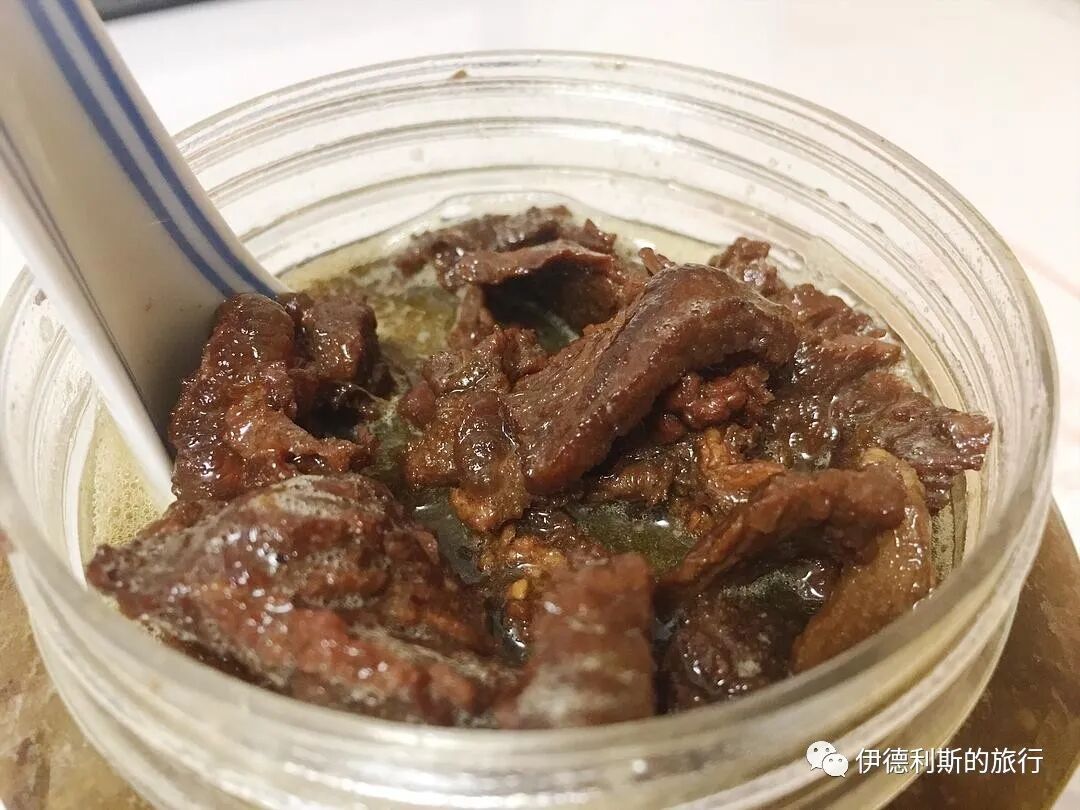
River-crossing ferry
The Mahe ferry travels from Shibahe Village in Wujiang Town, Hexian, to Ma'anshan. It covers a straight-line distance of 3.4 kilometers, making it one of the longer ferry routes across the Yangtze River. Cars are on the lower deck while people are on the upper deck. It feels a bit nerve-wracking to walk up and down the stairs when it gets windy.
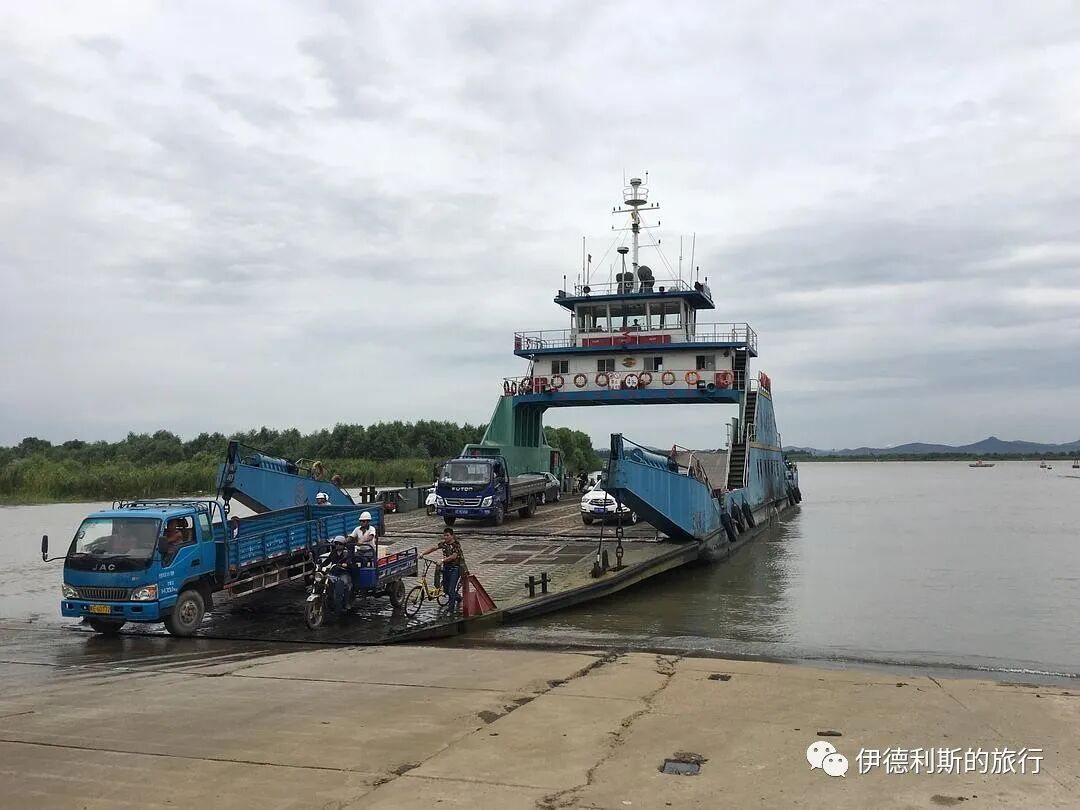
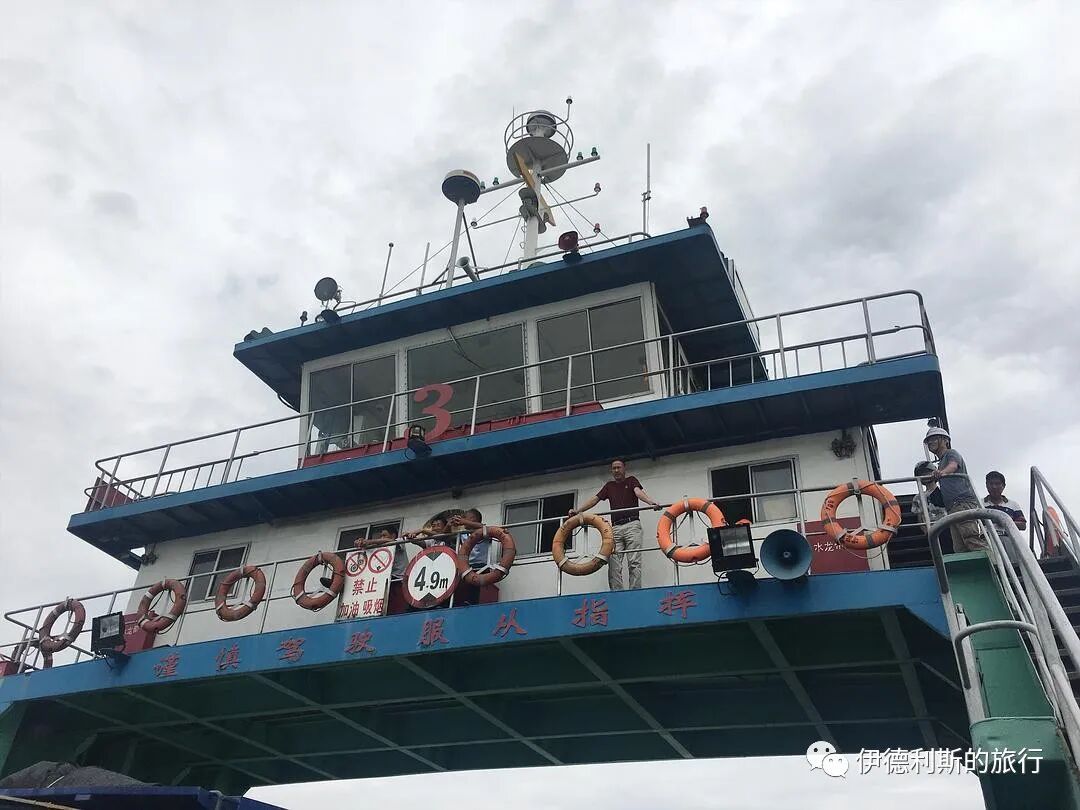
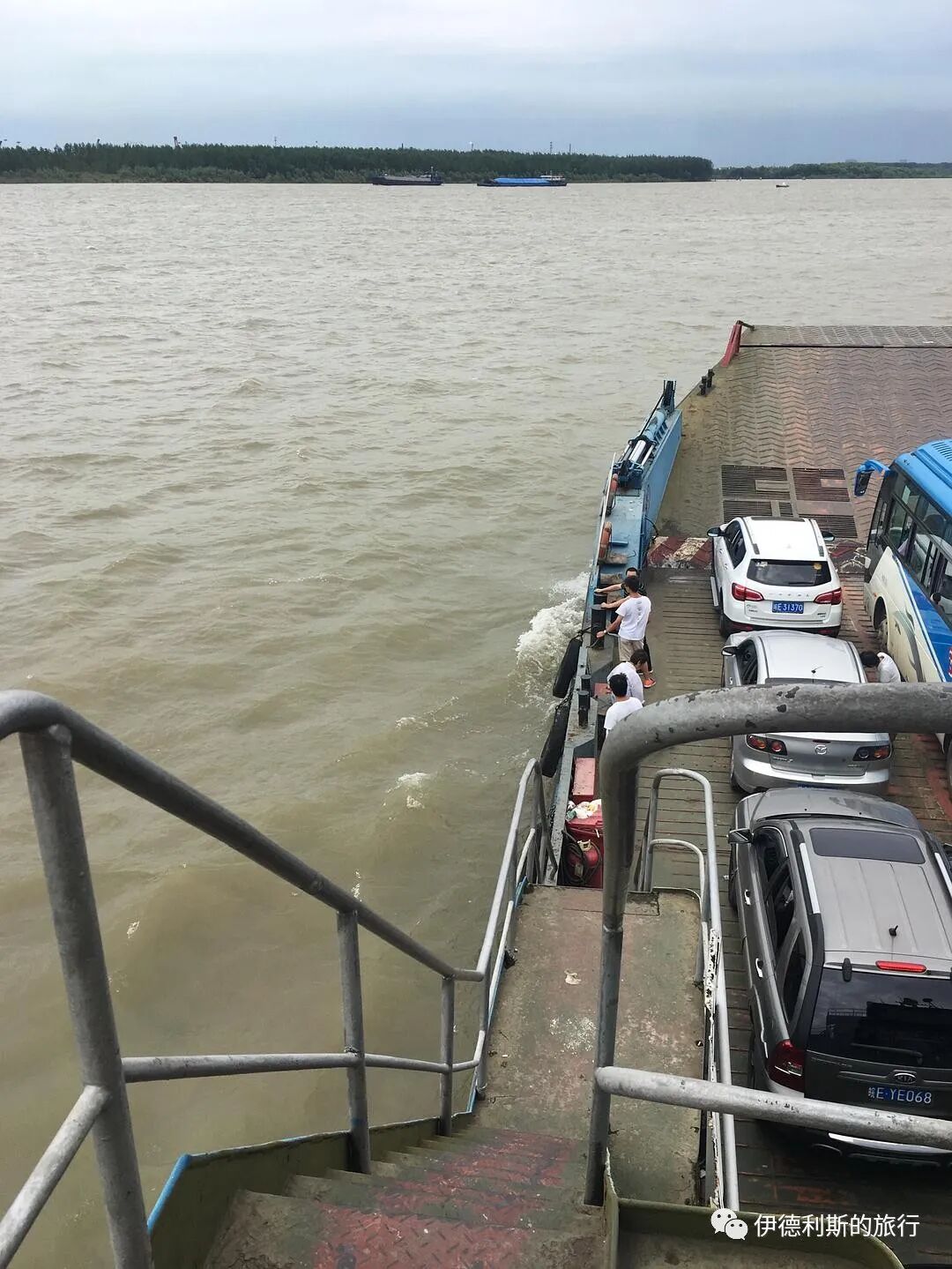
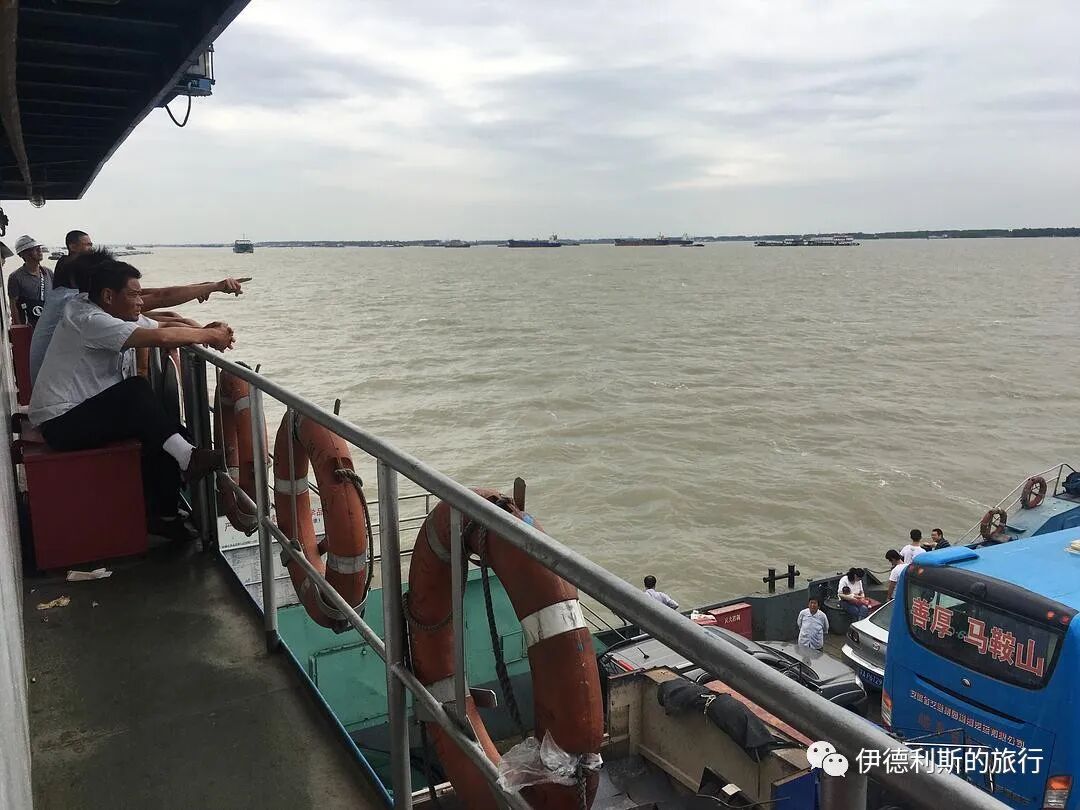
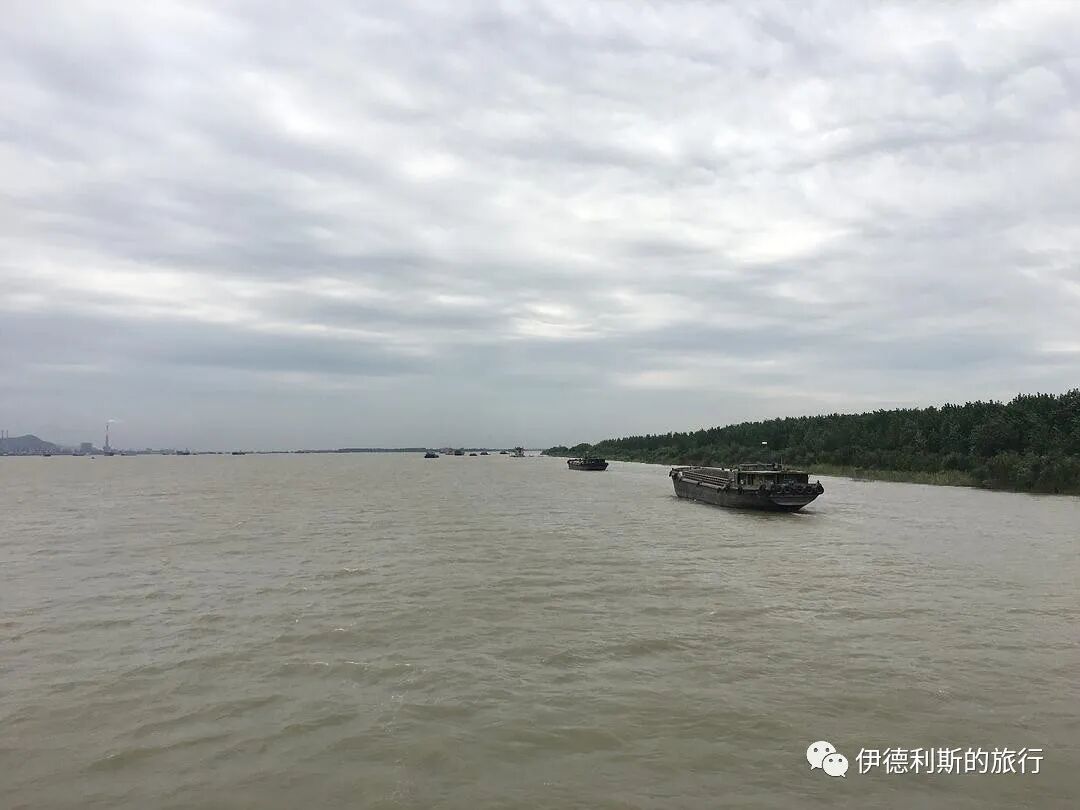
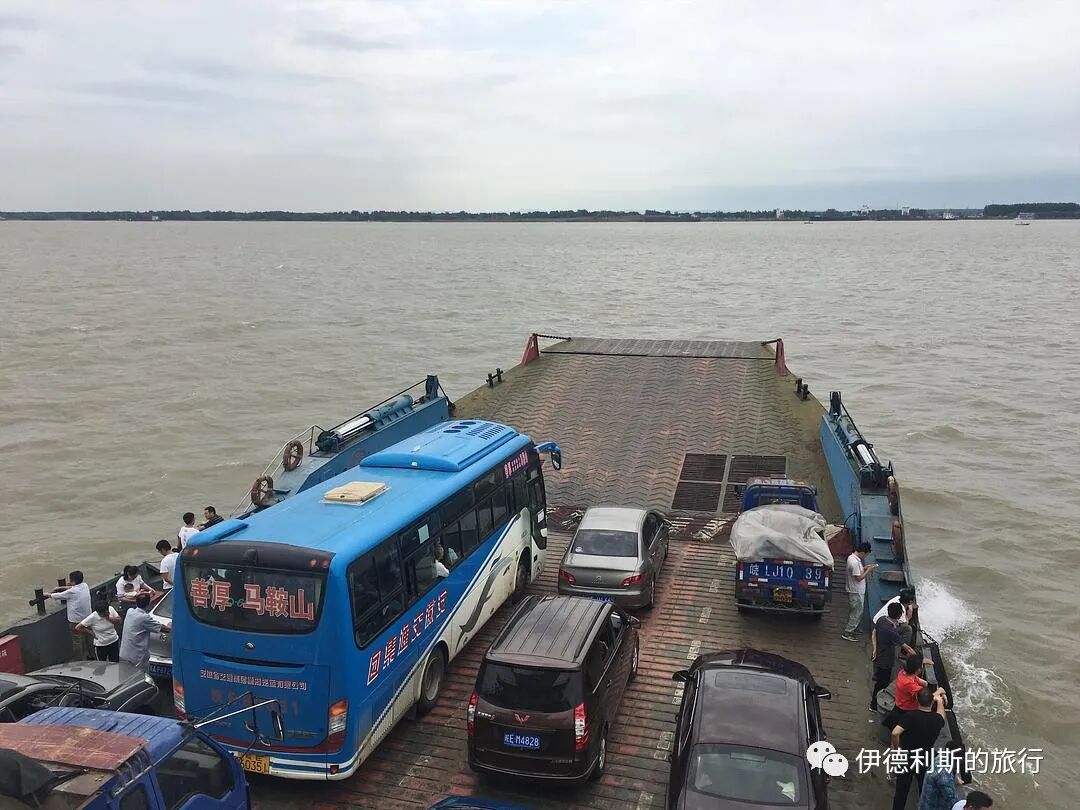
The Wuhu ferry crossing was located next to Yijishan Hospital. It stopped operating in 2014 and is now a parking lot.
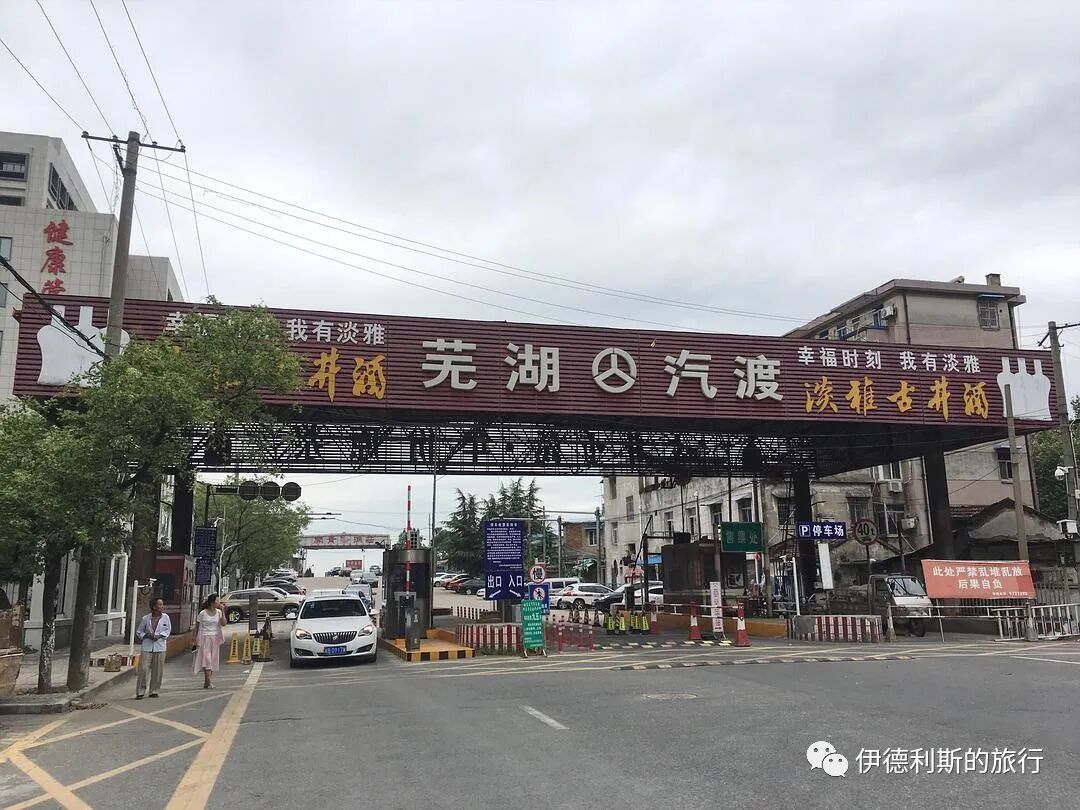
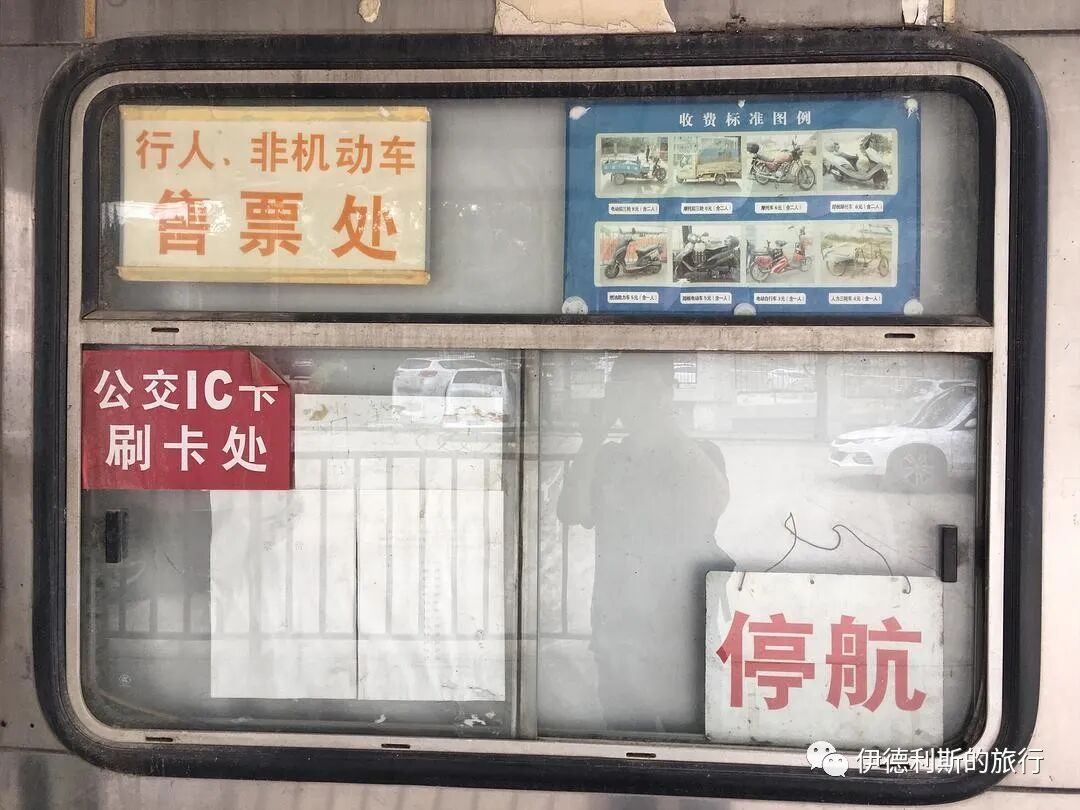
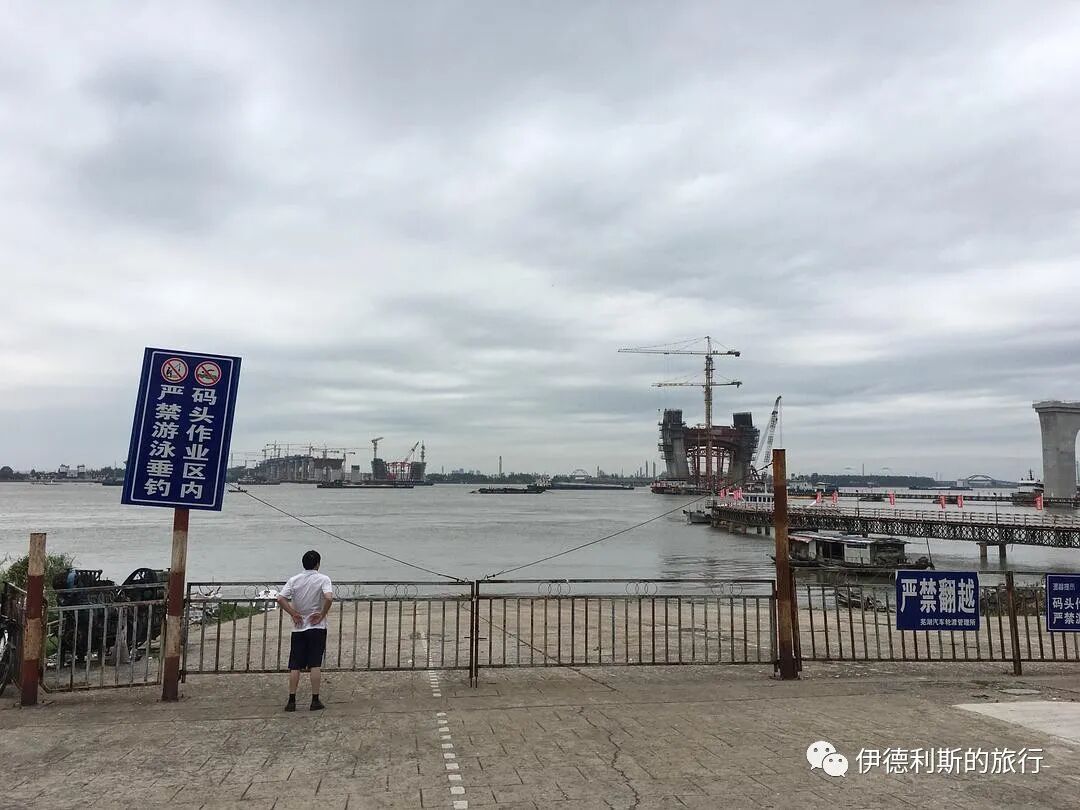
The passenger ferry is located behind the tourist passenger terminal and sails to Erba Town in Chaohu on the opposite bank.
Summary: Wuhu and Hexian Hui Muslim Communities — Mosques and Halal Food is presented here as a firsthand travel account in clear English, beginning with this scene: Hui Muslims began settling in Wuhu by the late Ming and early Qing dynasties. In the early Qing dynasty, they built their first mosque near Jixiang Mosque, located where the Yangtze River and Qingyi River meet. The account keeps its focus on Wuhu Muslims, Hexian Muslims, Halal Food while preserving the names, places, food, and historical details from the Chinese source.
Wuhu
Hui Muslims began settling in Wuhu by the late Ming and early Qing dynasties. In the early Qing dynasty, they built their first mosque near Jixiang Mosque, located where the Yangtze River and Qingyi River meet. The Wuhu Mosque was burned down during the Taiping Rebellion between 1853 and 1861. In 1864, community members raised funds to buy land and rebuild it outside the North Gate at Beilangpu, which is the current site of the Wuhu Mosque.
After the Chefoo Convention was signed between China and Britain in 1876, Wuhu became the first treaty port in Anhui. In 1882, Li Hongzhang established a rice market in Wuhu. As business in the city grew, many Hui Muslims from surrounding areas moved to Wuhu to make a living.
At that time, Hui Muslims from Shandong, Henan, and northern Anhui mostly ran halal snack shops or pulled rickshaws. Those from Zhenjiang and Yangzhou mostly ran hardware, copper, and tin shops. Hui Muslims from Huaining, Tongling, Hexian, and Wuwei in Anhui mostly worked in small workshops making soap, candles, and soda ash, while many others worked in the slaughter and sale of cattle and ducks.
In 1902, as the number of Hui Muslims in Wuhu grew, community members raised funds to expand the mosque's main prayer hall, lecture hall, reception hall, and ablution room. The main prayer hall and reception hall still stand today. At the same time, a free halal school was opened inside the mosque. In 1913, the halal school became the Halal National Primary School, which accepted both Hui and Han students.
After the Japanese army occupied Wuhu in 1937, the mosque was damaged again. In 1944, community members raised funds for repairs and expanded the halls. At the same time, the Halal National Primary School was renamed the Private Halal Primary School with Ma Chunting as principal, and a women's mosque was added.
After 1966, the rare copies of the Quran (Gure'ani) kept at the Wuhu Mosque were burned. The plaques and couplets in the main hall, as well as items used for bathing and funerals, were smashed, and the carvings on the buildings were destroyed. The mosque management committee rented some of the mosque's rooms to the Wuhu Engraving Factory, which is how the building finally escaped total destruction.
After 1979, the mosque management committee reclaimed the property and renovated the mosque.
Between 2005 and 2007, the main gate of the Wuhu Mosque was demolished and replaced with a modern building.
This photo shows the main gate of the Wuhu Mosque, taken by the famous missionary Claude L. Pickens between 1934 and 1935, and is now held in the Harvard-Yenching Library collection.
In 2007, the south gate and the buildings behind it at the Wuhu Mosque were demolished and rebuilt as modern structures.
In front of the current mosque gate.
In 2017, the imam at the Wuhu Mosque was Imam Tao from Shou County, Anhui, who was a very warm and kind person.
Halal food.
Halal food in Wuhu began to flourish after the port opened in 1876, but declined after the public-private partnership reforms in 1956. The trade focused on beef and duck slaughtering and selling raw and cooked beef. During its peak, there were over 30 shops including Malongxing, Mayixing, Jinlongxing, Hachangxing, Lanyisheng, Wanglongxing, Maowanxing, and Quanhexing. Among them, Jinlongxing's braised beef, Sachangxing's salted pressed duck (ban ya), and Mayixing's oil-poached chicken (you ji) were the most popular. Today, only Mayixing remains.
In the late 19th century, 13-year-old Ma Zhongyou, a Hui Muslim from Qijiawan in Nanjing, came to Wuhu with his father to make a living. He opened the Mayixing halal food shop on Xinwu Road (formerly Wan'an Bridge) by the Yangtze River, selling the cheapest 'grab-grab rice' (zhua zhua fan)—a meal of rice and dishes mixed together and eaten by hand—to dock workers and rickshaw pullers.
In 1910, Mayixing moved to Xihuayuan and began the business of slaughtering ducks and geese and selling braised duck. At that time, Wuhu was a bustling commercial hub with many traveling Muslims, and Mayixing began to gain a reputation.
In 1918, Ma Zhongyou and his son Ma Weirong rebuilt the shop on Xinwu Road and officially named it 'Halal Mayixing Restaurant.' Their signature dishes were osmanthus duck (guihua ya), pipa-shaped duck (pipa ya), and duck pancakes (ya bing). They also sold snacks like steak, fermented bean curd fish (zao yu), pickled shrimp (qiang xia), beef potstickers (niurou guotie), and braised beef noodles. At that time, Mayixing sold thousands of ducks every day and only closed at night.
After the Japanese army occupied Wuhu in 1937, Ma Zhongyou went north of the Yangtze River to take shelter, while his son Ma Weirong took the family to Hengyang, Hunan, to escape the war. Mayixing was left to Ma Zhongyou's cousin, Ma Zhonghe, to manage. In 1940, Ma Zhongyou and his son returned to Wuhu to continue running Mayixing. After 1945, Ma Zhongyou handed Mayixing over to his son Ma Weirong completely and started his own incense and candle shop called Matongsheng.
After the public-private partnership in 1956, Mayixing was merged into a major store directly under the Wuhu Catering Service Company, with Ma Weirong still in charge of operations. At that time, Mayixing was famous for its salted pressed duck (xianpi banya), hanging oven roast duck (diaolu kaoya), fried beef steak with sauce (jiangzha niupai), braised beef noodles (hongshao niurou mian), and beef potstickers (niurou guotie). It remained very popular, with long lines forming every morning.
After 1966, the old Mayixing plaque was smashed and the equipment was destroyed. Business became very poor, and the shop closed several times before finally resuming operations in the mid-1970s.
In the early 1990s, demolition began on Xinwu Road. Ma Weirong passed away at 94, one day before the demolition, and Mayixing fell into a difficult situation afterward. In 1996, Pan Min contracted Mayixing and bought out the trademark in 1999. In 2001, Pan Min rebuilt Mayixing on Phoenix Food Street, but it closed two years later due to shareholder disputes and poor management.
In 2005, Wang Yijin, a Hui Muslim who ran the Niuxiangyuan halal restaurant, bought out the Mayixing trademark and took over the business. Wang Yijin's parents worked in the halal food industry. In the early 1980s, the Wang family opened a halal snack shop in Dalongfang, later adding braised beef and fresh beef and lamb, which earned them a great reputation. In 2004, Wang Yijin and her sisters pooled their money to open the Niuxiangyuan Halal Restaurant in the Muslim market outside the Wuhu Mosque. In 2007, Wang Yijin renovated the Muslim market outside the mosque, and the new Mayixing opened. The first floor serves breakfast snacks and specialty braised dishes, while the second floor hosts banquets, a layout that remains today.
Crab roe soup dumplings (xiehuang tangbao)
Mayixing duck balls (yaqiu), which have a very rich aroma.
A platter of beef, beef tripe, and beef tendon.
Pan-fried soup dumplings (shengjian xiaolong tangbao)
Besides Mayixing, there are other halal food shops outside the mosque.
I bought a Suzhou-style mooncake (sushi bingwang) made by the Wannan Halal Food Factory; it is the largest mooncake I have ever eaten.
Hexian County
Hexian County was called Hezhou before 1911. Records show that Hui Muslims began settling there in the early Ming Dynasty.
In the early Ming Dynasty, the family of Ada, a vice-minister of the Central Secretariat in the late Yuan Dynasty, was settled in Hezhou and became known as the Yuhetang A family.
The family of Ma Chengzu moved to Hezhou from Xinxiang, Henan, in 1387. Two people from the Ma family served as government officials during the Ming Dynasty. One was Ma Zhiji, who became a jinshi scholar in 1607. He worked in the Hanlin Academy. In 1624, he joined a petition to impeach Wei Zhongxian, which led to him being stripped of his rank and imprisoned. He was not cleared of these charges until after 1628. The other was Ma Rujiao, who became a jinshi scholar in 1622. He served as a censor in 1629 and impeached several of Wei Zhongxian's associates. Later, he served as a circuit inspector in Sichuan. In 1633, he was killed while resisting Li Zicheng's forces when they captured Hezhou.
Sa Zhongqian's family moved from Guanzhong, Shaanxi, to Hezhou in 1399, the first year of the Jianwen reign. This is the Sa family of Maokuantang, which is the family of Sa Beining.
During the Xuande reign of the Ming Dynasty (1426-1435), Sai Zhongyu's family moved from Wendeng, Shandong, to Hezhou. They are known as the Sai family of Yijingtang.
During the Chenghua reign of the Ming Dynasty (1465-1487), Wang Zhen's family moved from Taiyuan to Hezhou. They are known as the Wang family of Qinyitang. Records show that Wang Zhen could memorize anything he read from a young age. He became a jinshi scholar in 1487 and served as the magistrate of Pujiang County, Zhejiang.
In the early years of the Wanli reign (after 1573), Wang Congpu was appointed as the education official of Hezhou. His family moved from Wangjia Caiyuan in Wanping County to settle in Hezhou. They are known as the Wang family of Xingchengtang.
During the Qing Dynasty, Tong Xiaoqiao's family moved from Jintai Mountain in Xi'an Prefecture, Shaanxi, to Hezhou. They changed their surname to Tong and are known as the Tong family of Jintaitang. The Li family moved from Longxi, Gansu, to Hezhou and are known as the Li family of Shousutang. The Zu family moved from Panxi Ferry in Yuncheng County, Shandong, to Hezhou and are known as the Zu family of Panxitang, among others.
In the late Qing Dynasty and the Republic of China era, Hui Muslims in Hexian County mainly worked in halal food businesses, cattle slaughtering, flour mills, leather workshops, candle workshops, oil mills, and as bamboo craftsmen and blacksmiths. Larger businesses included the Sa Wancheng grocery store, the Haifutai cotton firm, and the Luyitai general goods store. Miejian Street in He County is a traditional street for Hui Muslim bamboo craft workshops. It is mainly home to Hui Muslims with the surnames Ma, Sa, and Li. They are famous for their bamboo craftsmanship, mainly producing bamboo beds (zhuchuang), bamboo chairs (liankai), shoulder poles (biandan), and red chairs (zhuyi).
Bamboo Craftsman Street (Miejian Jie)
He County Grand Mosque (He Xian Qingzhen Dasi)
Historically, there were four mosques in the town of He County: the Grand Mosque, the South Gate Mosque, the East Gate Mosque, and the Women's Mosque. Currently, only the Grand Mosque and the East Gate Mosque remain. After Ramadan in 2007, the East Gate Mosque closed and is now used only for funeral services. Since then, the Grand Mosque is the only mosque open in He County town.
The Hezhou Grand Mosque was first built in 1368, the first year of the Hongwu reign of the Ming Dynasty. According to the Records of Rebuilding the Confucian School in Hezhou, the new magistrate Yi Luan visited the Confucius Mosque in 1525, the fourth year of the Jiajing reign. He claimed the mosque was an improper shrine that indulged the Hui Muslims, so he ordered the Hezhou mosque to be destroyed. It was not until 1637, the tenth year of the Chongzhen reign, that the mosque was rebuilt. This happened after the rebel army led by Hui Muslim Ma Shouying from Shaanxi joined other late Ming rebel forces to capture Hezhou.
The current mosque was rebuilt in 1837, the seventeenth year of the Daoguang reign. In 1905, the thirty-first year of the Guangxu reign, Ma Jianyu led the creation of a private primary school next to the Grand Mosque. In 1914, they built more than 20 classrooms and renamed it the Qingzhen National Central Primary School.
Between 1942 and 1943, the famous imam Ma Pinsan served as the head of the He County Grand Mosque. Imam Ma Pinsan was born Ma Yujin. He came from a family of imams in Hezhou. For eight generations, his family members served as head teachers or imams at the South Gate Mosque and the Great Mosque in Hezhou. Ma Pinsan was born in 1907. He graduated from the He County Fourth National Primary School. In 1918, at age 12, he began studying under Imam Wang Zidun at the mosque outside the South Gate of He County. In 1922, at age 16, he went to the Denglong Lane Mosque in Nanjing to study under Imam Ye Liangfu. In 1924, at age 18, he went to Henan to study under Imam Hei at the Shanyitang Mosque in Kaifeng and Imam Ding Junfu at the Zhengzhou Mosque. Imam Ding gave him the name Pinsan. In 1927, he graduated from the Zhengzhou Mosque and received his formal religious credentials.
In April 1942, the Great Mosque of He County sent people multiple times to invite Ma Pinsan to return home as head teacher. Sometimes they sent five people at once to show their sincerity. However, the Denglong Lane Mosque in Nanjing, where Ma Pinsan worked, did not want to let him go because talent was hard to find. Ma Pinsan ended up serving as head teacher for both mosques, rotating every month. He asked Jin Yuanqing, a senior student (khalifa) at the Nanjing Qiushi Arabic School, and Li Huacheng, a student (khalifa) at the Great Mosque of He County, to manage the mosques when he was away.
In July 1943, Li Huacheng returned to his hometown to serve as head teacher at the South Gate Mosque in Liuhe County. The Great Mosque of He County had to hire someone else. Ma Pinsan stopped his dual role and stayed as head teacher at the Denglong Lane Mosque in Nanjing until 1954. In 1954, Ma Pinsan was hired as head teacher at the Chengxi Shanxiang Mosque in Zhenjiang. He served there until he passed away in 1963 at the age of 56.
Imam Ma Pinsan cared deeply about his hometown of He County. In 1947, he sent all the savings he had accumulated over the years to He County, hoping to open an Arabic school there. According to his younger sister Ma Yuying, three rooms had already been built for the school. Later, Ma Pinsan also convinced his family to sell their jewelry to provide more funds for the school. In 1948, He County was liberated, and the school was forced to close.
Halal food.
During the Republic of China era, famous halal restaurants in He County included Laochunyuan, Taoyuan, Dingxinyuan, Qileyuan, Lihengmao, Laomaxiangxing, Zhenmaxiangxing, and Tongsanhe. Their fried beef was the most famous dish. There were also the Wang family slaughterhouse and the Tong family slaughterhouse, both famous for their beef soup.
In 1937, the Japanese army bombed Hexian. Most of the shops and restaurants owned by Hui Muslims in Hexian were burned down, but they slowly recovered afterward.
After the public-private partnership in 1957, there were 81 Hui Muslims working in the halal food industry in Hexian and 66 people working in the beef slaughtering industry. Today, the Minzu Restaurant in Hexian is run by Lu Guangyi, who serves traditional fried beef (zha niurou).
River-crossing ferry
The Mahe ferry travels from Shibahe Village in Wujiang Town, Hexian, to Ma'anshan. It covers a straight-line distance of 3.4 kilometers, making it one of the longer ferry routes across the Yangtze River. Cars are on the lower deck while people are on the upper deck. It feels a bit nerve-wracking to walk up and down the stairs when it gets windy.
The Wuhu ferry crossing was located next to Yijishan Hospital. It stopped operating in 2014 and is now a parking lot.
The passenger ferry is located behind the tourist passenger terminal and sails to Erba Town in Chaohu on the opposite bank.
Halal Travel Guide: Wuhu and Hexian Hui Muslim Communities — Mosques and Halal Food
Articles • ali2007fr posted the article • 0 comments • 160 views • 2026-05-18 02:27
Reposted from the web
Summary: Wuhu and Hexian Hui Muslim Communities — Mosques and Halal Food is presented here as a firsthand travel account in clear English, beginning with this scene: Hui Muslims began settling in Wuhu by the late Ming and early Qing dynasties. In the early Qing dynasty, they built their first mosque near Jixiang Mosque, located where the Yangtze River and Qingyi River meet. The account keeps its focus on Wuhu Muslims, Hexian Muslims, Halal Food while preserving the names, places, food, and historical details from the Chinese source.
Wuhu
Hui Muslims began settling in Wuhu by the late Ming and early Qing dynasties. In the early Qing dynasty, they built their first mosque near Jixiang Mosque, located where the Yangtze River and Qingyi River meet. The Wuhu Mosque was burned down during the Taiping Rebellion between 1853 and 1861. In 1864, community members raised funds to buy land and rebuild it outside the North Gate at Beilangpu, which is the current site of the Wuhu Mosque.
After the Chefoo Convention was signed between China and Britain in 1876, Wuhu became the first treaty port in Anhui. In 1882, Li Hongzhang established a rice market in Wuhu. As business in the city grew, many Hui Muslims from surrounding areas moved to Wuhu to make a living.
At that time, Hui Muslims from Shandong, Henan, and northern Anhui mostly ran halal snack shops or pulled rickshaws. Those from Zhenjiang and Yangzhou mostly ran hardware, copper, and tin shops. Hui Muslims from Huaining, Tongling, Hexian, and Wuwei in Anhui mostly worked in small workshops making soap, candles, and soda ash, while many others worked in the slaughter and sale of cattle and ducks.
In 1902, as the number of Hui Muslims in Wuhu grew, community members raised funds to expand the mosque's main prayer hall, lecture hall, reception hall, and ablution room. The main prayer hall and reception hall still stand today. At the same time, a free halal school was opened inside the mosque. In 1913, the halal school became the Halal National Primary School, which accepted both Hui and Han students.
After the Japanese army occupied Wuhu in 1937, the mosque was damaged again. In 1944, community members raised funds for repairs and expanded the halls. At the same time, the Halal National Primary School was renamed the Private Halal Primary School with Ma Chunting as principal, and a women's mosque was added.
After 1966, the rare copies of the Quran (Gure'ani) kept at the Wuhu Mosque were burned. The plaques and couplets in the main hall, as well as items used for bathing and funerals, were smashed, and the carvings on the buildings were destroyed. The mosque management committee rented some of the mosque's rooms to the Wuhu Engraving Factory, which is how the building finally escaped total destruction.
After 1979, the mosque management committee reclaimed the property and renovated the mosque.
Between 2005 and 2007, the main gate of the Wuhu Mosque was demolished and replaced with a modern building.
This photo shows the main gate of the Wuhu Mosque, taken by the famous missionary Claude L. Pickens between 1934 and 1935, and is now held in the Harvard-Yenching Library collection.
In 2007, the south gate and the buildings behind it at the Wuhu Mosque were demolished and rebuilt as modern structures.
In front of the current mosque gate.
In 2017, the imam at the Wuhu Mosque was Imam Tao from Shou County, Anhui, who was a very warm and kind person.
Halal food.
Halal food in Wuhu began to flourish after the port opened in 1876, but declined after the public-private partnership reforms in 1956. The trade focused on beef and duck slaughtering and selling raw and cooked beef. During its peak, there were over 30 shops including Malongxing, Mayixing, Jinlongxing, Hachangxing, Lanyisheng, Wanglongxing, Maowanxing, and Quanhexing. Among them, Jinlongxing's braised beef, Sachangxing's salted pressed duck (ban ya), and Mayixing's oil-poached chicken (you ji) were the most popular. Today, only Mayixing remains.
In the late 19th century, 13-year-old Ma Zhongyou, a Hui Muslim from Qijiawan in Nanjing, came to Wuhu with his father to make a living. He opened the Mayixing halal food shop on Xinwu Road (formerly Wan'an Bridge) by the Yangtze River, selling the cheapest 'grab-grab rice' (zhua zhua fan)—a meal of rice and dishes mixed together and eaten by hand—to dock workers and rickshaw pullers.
In 1910, Mayixing moved to Xihuayuan and began the business of slaughtering ducks and geese and selling braised duck. At that time, Wuhu was a bustling commercial hub with many traveling Muslims, and Mayixing began to gain a reputation.
In 1918, Ma Zhongyou and his son Ma Weirong rebuilt the shop on Xinwu Road and officially named it 'Halal Mayixing Restaurant.' Their signature dishes were osmanthus duck (guihua ya), pipa-shaped duck (pipa ya), and duck pancakes (ya bing). They also sold snacks like steak, fermented bean curd fish (zao yu), pickled shrimp (qiang xia), beef potstickers (niurou guotie), and braised beef noodles. At that time, Mayixing sold thousands of ducks every day and only closed at night.
After the Japanese army occupied Wuhu in 1937, Ma Zhongyou went north of the Yangtze River to take shelter, while his son Ma Weirong took the family to Hengyang, Hunan, to escape the war. Mayixing was left to Ma Zhongyou's cousin, Ma Zhonghe, to manage. In 1940, Ma Zhongyou and his son returned to Wuhu to continue running Mayixing. After 1945, Ma Zhongyou handed Mayixing over to his son Ma Weirong completely and started his own incense and candle shop called Matongsheng.
After the public-private partnership in 1956, Mayixing was merged into a major store directly under the Wuhu Catering Service Company, with Ma Weirong still in charge of operations. At that time, Mayixing was famous for its salted pressed duck (xianpi banya), hanging oven roast duck (diaolu kaoya), fried beef steak with sauce (jiangzha niupai), braised beef noodles (hongshao niurou mian), and beef potstickers (niurou guotie). It remained very popular, with long lines forming every morning.
After 1966, the old Mayixing plaque was smashed and the equipment was destroyed. Business became very poor, and the shop closed several times before finally resuming operations in the mid-1970s.
In the early 1990s, demolition began on Xinwu Road. Ma Weirong passed away at 94, one day before the demolition, and Mayixing fell into a difficult situation afterward. In 1996, Pan Min contracted Mayixing and bought out the trademark in 1999. In 2001, Pan Min rebuilt Mayixing on Phoenix Food Street, but it closed two years later due to shareholder disputes and poor management.
In 2005, Wang Yijin, a Hui Muslim who ran the Niuxiangyuan halal restaurant, bought out the Mayixing trademark and took over the business. Wang Yijin's parents worked in the halal food industry. In the early 1980s, the Wang family opened a halal snack shop in Dalongfang, later adding braised beef and fresh beef and lamb, which earned them a great reputation. In 2004, Wang Yijin and her sisters pooled their money to open the Niuxiangyuan Halal Restaurant in the Muslim market outside the Wuhu Mosque. In 2007, Wang Yijin renovated the Muslim market outside the mosque, and the new Mayixing opened. The first floor serves breakfast snacks and specialty braised dishes, while the second floor hosts banquets, a layout that remains today.
Crab roe soup dumplings (xiehuang tangbao)
Mayixing duck balls (yaqiu), which have a very rich aroma.
A platter of beef, beef tripe, and beef tendon.
Pan-fried soup dumplings (shengjian xiaolong tangbao)
Besides Mayixing, there are other halal food shops outside the mosque.
I bought a Suzhou-style mooncake (sushi bingwang) made by the Wannan Halal Food Factory; it is the largest mooncake I have ever eaten.
Hexian County
Hexian County was called Hezhou before 1911. Records show that Hui Muslims began settling there in the early Ming Dynasty.
In the early Ming Dynasty, the family of Ada, a vice-minister of the Central Secretariat in the late Yuan Dynasty, was settled in Hezhou and became known as the Yuhetang A family.
The family of Ma Chengzu moved to Hezhou from Xinxiang, Henan, in 1387. Two people from the Ma family served as government officials during the Ming Dynasty. One was Ma Zhiji, who became a jinshi scholar in 1607. He worked in the Hanlin Academy. In 1624, he joined a petition to impeach Wei Zhongxian, which led to him being stripped of his rank and imprisoned. He was not cleared of these charges until after 1628. The other was Ma Rujiao, who became a jinshi scholar in 1622. He served as a censor in 1629 and impeached several of Wei Zhongxian's associates. Later, he served as a circuit inspector in Sichuan. In 1633, he was killed while resisting Li Zicheng's forces when they captured Hezhou.
Sa Zhongqian's family moved from Guanzhong, Shaanxi, to Hezhou in 1399, the first year of the Jianwen reign. This is the Sa family of Maokuantang, which is the family of Sa Beining.
During the Xuande reign of the Ming Dynasty (1426-1435), Sai Zhongyu's family moved from Wendeng, Shandong, to Hezhou. They are known as the Sai family of Yijingtang.
During the Chenghua reign of the Ming Dynasty (1465-1487), Wang Zhen's family moved from Taiyuan to Hezhou. They are known as the Wang family of Qinyitang. Records show that Wang Zhen could memorize anything he read from a young age. He became a jinshi scholar in 1487 and served as the magistrate of Pujiang County, Zhejiang.
In the early years of the Wanli reign (after 1573), Wang Congpu was appointed as the education official of Hezhou. His family moved from Wangjia Caiyuan in Wanping County to settle in Hezhou. They are known as the Wang family of Xingchengtang.
During the Qing Dynasty, Tong Xiaoqiao's family moved from Jintai Mountain in Xi'an Prefecture, Shaanxi, to Hezhou. They changed their surname to Tong and are known as the Tong family of Jintaitang. The Li family moved from Longxi, Gansu, to Hezhou and are known as the Li family of Shousutang. The Zu family moved from Panxi Ferry in Yuncheng County, Shandong, to Hezhou and are known as the Zu family of Panxitang, among others.
In the late Qing Dynasty and the Republic of China era, Hui Muslims in Hexian County mainly worked in halal food businesses, cattle slaughtering, flour mills, leather workshops, candle workshops, oil mills, and as bamboo craftsmen and blacksmiths. Larger businesses included the Sa Wancheng grocery store, the Haifutai cotton firm, and the Luyitai general goods store. Miejian Street in He County is a traditional street for Hui Muslim bamboo craft workshops. It is mainly home to Hui Muslims with the surnames Ma, Sa, and Li. They are famous for their bamboo craftsmanship, mainly producing bamboo beds (zhuchuang), bamboo chairs (liankai), shoulder poles (biandan), and red chairs (zhuyi).
Bamboo Craftsman Street (Miejian Jie)
He County Grand Mosque (He Xian Qingzhen Dasi)
Historically, there were four mosques in the town of He County: the Grand Mosque, the South Gate Mosque, the East Gate Mosque, and the Women's Mosque. Currently, only the Grand Mosque and the East Gate Mosque remain. After Ramadan in 2007, the East Gate Mosque closed and is now used only for funeral services. Since then, the Grand Mosque is the only mosque open in He County town.
The Hezhou Grand Mosque was first built in 1368, the first year of the Hongwu reign of the Ming Dynasty. According to the Records of Rebuilding the Confucian School in Hezhou, the new magistrate Yi Luan visited the Confucius Mosque in 1525, the fourth year of the Jiajing reign. He claimed the mosque was an improper shrine that indulged the Hui Muslims, so he ordered the Hezhou mosque to be destroyed. It was not until 1637, the tenth year of the Chongzhen reign, that the mosque was rebuilt. This happened after the rebel army led by Hui Muslim Ma Shouying from Shaanxi joined other late Ming rebel forces to capture Hezhou.
The current mosque was rebuilt in 1837, the seventeenth year of the Daoguang reign. In 1905, the thirty-first year of the Guangxu reign, Ma Jianyu led the creation of a private primary school next to the Grand Mosque. In 1914, they built more than 20 classrooms and renamed it the Qingzhen National Central Primary School.
Between 1942 and 1943, the famous imam Ma Pinsan served as the head of the He County Grand Mosque. Imam Ma Pinsan was born Ma Yujin. He came from a family of imams in Hezhou. For eight generations, his family members served as head teachers or imams at the South Gate Mosque and the Great Mosque in Hezhou. Ma Pinsan was born in 1907. He graduated from the He County Fourth National Primary School. In 1918, at age 12, he began studying under Imam Wang Zidun at the mosque outside the South Gate of He County. In 1922, at age 16, he went to the Denglong Lane Mosque in Nanjing to study under Imam Ye Liangfu. In 1924, at age 18, he went to Henan to study under Imam Hei at the Shanyitang Mosque in Kaifeng and Imam Ding Junfu at the Zhengzhou Mosque. Imam Ding gave him the name Pinsan. In 1927, he graduated from the Zhengzhou Mosque and received his formal religious credentials.
In April 1942, the Great Mosque of He County sent people multiple times to invite Ma Pinsan to return home as head teacher. Sometimes they sent five people at once to show their sincerity. However, the Denglong Lane Mosque in Nanjing, where Ma Pinsan worked, did not want to let him go because talent was hard to find. Ma Pinsan ended up serving as head teacher for both mosques, rotating every month. He asked Jin Yuanqing, a senior student (khalifa) at the Nanjing Qiushi Arabic School, and Li Huacheng, a student (khalifa) at the Great Mosque of He County, to manage the mosques when he was away.
In July 1943, Li Huacheng returned to his hometown to serve as head teacher at the South Gate Mosque in Liuhe County. The Great Mosque of He County had to hire someone else. Ma Pinsan stopped his dual role and stayed as head teacher at the Denglong Lane Mosque in Nanjing until 1954. In 1954, Ma Pinsan was hired as head teacher at the Chengxi Shanxiang Mosque in Zhenjiang. He served there until he passed away in 1963 at the age of 56.
Imam Ma Pinsan cared deeply about his hometown of He County. In 1947, he sent all the savings he had accumulated over the years to He County, hoping to open an Arabic school there. According to his younger sister Ma Yuying, three rooms had already been built for the school. Later, Ma Pinsan also convinced his family to sell their jewelry to provide more funds for the school. In 1948, He County was liberated, and the school was forced to close.
Halal food.
During the Republic of China era, famous halal restaurants in He County included Laochunyuan, Taoyuan, Dingxinyuan, Qileyuan, Lihengmao, Laomaxiangxing, Zhenmaxiangxing, and Tongsanhe. Their fried beef was the most famous dish. There were also the Wang family slaughterhouse and the Tong family slaughterhouse, both famous for their beef soup.
In 1937, the Japanese army bombed Hexian. Most of the shops and restaurants owned by Hui Muslims in Hexian were burned down, but they slowly recovered afterward.
After the public-private partnership in 1957, there were 81 Hui Muslims working in the halal food industry in Hexian and 66 people working in the beef slaughtering industry. Today, the Minzu Restaurant in Hexian is run by Lu Guangyi, who serves traditional fried beef (zha niurou).
River-crossing ferry
The Mahe ferry travels from Shibahe Village in Wujiang Town, Hexian, to Ma'anshan. It covers a straight-line distance of 3.4 kilometers, making it one of the longer ferry routes across the Yangtze River. Cars are on the lower deck while people are on the upper deck. It feels a bit nerve-wracking to walk up and down the stairs when it gets windy.
The Wuhu ferry crossing was located next to Yijishan Hospital. It stopped operating in 2014 and is now a parking lot.
The passenger ferry is located behind the tourist passenger terminal and sails to Erba Town in Chaohu on the opposite bank. view all
Summary: Wuhu and Hexian Hui Muslim Communities — Mosques and Halal Food is presented here as a firsthand travel account in clear English, beginning with this scene: Hui Muslims began settling in Wuhu by the late Ming and early Qing dynasties. In the early Qing dynasty, they built their first mosque near Jixiang Mosque, located where the Yangtze River and Qingyi River meet. The account keeps its focus on Wuhu Muslims, Hexian Muslims, Halal Food while preserving the names, places, food, and historical details from the Chinese source.
Wuhu
Hui Muslims began settling in Wuhu by the late Ming and early Qing dynasties. In the early Qing dynasty, they built their first mosque near Jixiang Mosque, located where the Yangtze River and Qingyi River meet. The Wuhu Mosque was burned down during the Taiping Rebellion between 1853 and 1861. In 1864, community members raised funds to buy land and rebuild it outside the North Gate at Beilangpu, which is the current site of the Wuhu Mosque.
After the Chefoo Convention was signed between China and Britain in 1876, Wuhu became the first treaty port in Anhui. In 1882, Li Hongzhang established a rice market in Wuhu. As business in the city grew, many Hui Muslims from surrounding areas moved to Wuhu to make a living.
At that time, Hui Muslims from Shandong, Henan, and northern Anhui mostly ran halal snack shops or pulled rickshaws. Those from Zhenjiang and Yangzhou mostly ran hardware, copper, and tin shops. Hui Muslims from Huaining, Tongling, Hexian, and Wuwei in Anhui mostly worked in small workshops making soap, candles, and soda ash, while many others worked in the slaughter and sale of cattle and ducks.
In 1902, as the number of Hui Muslims in Wuhu grew, community members raised funds to expand the mosque's main prayer hall, lecture hall, reception hall, and ablution room. The main prayer hall and reception hall still stand today. At the same time, a free halal school was opened inside the mosque. In 1913, the halal school became the Halal National Primary School, which accepted both Hui and Han students.
After the Japanese army occupied Wuhu in 1937, the mosque was damaged again. In 1944, community members raised funds for repairs and expanded the halls. At the same time, the Halal National Primary School was renamed the Private Halal Primary School with Ma Chunting as principal, and a women's mosque was added.
After 1966, the rare copies of the Quran (Gure'ani) kept at the Wuhu Mosque were burned. The plaques and couplets in the main hall, as well as items used for bathing and funerals, were smashed, and the carvings on the buildings were destroyed. The mosque management committee rented some of the mosque's rooms to the Wuhu Engraving Factory, which is how the building finally escaped total destruction.
After 1979, the mosque management committee reclaimed the property and renovated the mosque.
Between 2005 and 2007, the main gate of the Wuhu Mosque was demolished and replaced with a modern building.
This photo shows the main gate of the Wuhu Mosque, taken by the famous missionary Claude L. Pickens between 1934 and 1935, and is now held in the Harvard-Yenching Library collection.
In 2007, the south gate and the buildings behind it at the Wuhu Mosque were demolished and rebuilt as modern structures.
In front of the current mosque gate.
In 2017, the imam at the Wuhu Mosque was Imam Tao from Shou County, Anhui, who was a very warm and kind person.
Halal food.
Halal food in Wuhu began to flourish after the port opened in 1876, but declined after the public-private partnership reforms in 1956. The trade focused on beef and duck slaughtering and selling raw and cooked beef. During its peak, there were over 30 shops including Malongxing, Mayixing, Jinlongxing, Hachangxing, Lanyisheng, Wanglongxing, Maowanxing, and Quanhexing. Among them, Jinlongxing's braised beef, Sachangxing's salted pressed duck (ban ya), and Mayixing's oil-poached chicken (you ji) were the most popular. Today, only Mayixing remains.
In the late 19th century, 13-year-old Ma Zhongyou, a Hui Muslim from Qijiawan in Nanjing, came to Wuhu with his father to make a living. He opened the Mayixing halal food shop on Xinwu Road (formerly Wan'an Bridge) by the Yangtze River, selling the cheapest 'grab-grab rice' (zhua zhua fan)—a meal of rice and dishes mixed together and eaten by hand—to dock workers and rickshaw pullers.
In 1910, Mayixing moved to Xihuayuan and began the business of slaughtering ducks and geese and selling braised duck. At that time, Wuhu was a bustling commercial hub with many traveling Muslims, and Mayixing began to gain a reputation.
In 1918, Ma Zhongyou and his son Ma Weirong rebuilt the shop on Xinwu Road and officially named it 'Halal Mayixing Restaurant.' Their signature dishes were osmanthus duck (guihua ya), pipa-shaped duck (pipa ya), and duck pancakes (ya bing). They also sold snacks like steak, fermented bean curd fish (zao yu), pickled shrimp (qiang xia), beef potstickers (niurou guotie), and braised beef noodles. At that time, Mayixing sold thousands of ducks every day and only closed at night.
After the Japanese army occupied Wuhu in 1937, Ma Zhongyou went north of the Yangtze River to take shelter, while his son Ma Weirong took the family to Hengyang, Hunan, to escape the war. Mayixing was left to Ma Zhongyou's cousin, Ma Zhonghe, to manage. In 1940, Ma Zhongyou and his son returned to Wuhu to continue running Mayixing. After 1945, Ma Zhongyou handed Mayixing over to his son Ma Weirong completely and started his own incense and candle shop called Matongsheng.
After the public-private partnership in 1956, Mayixing was merged into a major store directly under the Wuhu Catering Service Company, with Ma Weirong still in charge of operations. At that time, Mayixing was famous for its salted pressed duck (xianpi banya), hanging oven roast duck (diaolu kaoya), fried beef steak with sauce (jiangzha niupai), braised beef noodles (hongshao niurou mian), and beef potstickers (niurou guotie). It remained very popular, with long lines forming every morning.
After 1966, the old Mayixing plaque was smashed and the equipment was destroyed. Business became very poor, and the shop closed several times before finally resuming operations in the mid-1970s.
In the early 1990s, demolition began on Xinwu Road. Ma Weirong passed away at 94, one day before the demolition, and Mayixing fell into a difficult situation afterward. In 1996, Pan Min contracted Mayixing and bought out the trademark in 1999. In 2001, Pan Min rebuilt Mayixing on Phoenix Food Street, but it closed two years later due to shareholder disputes and poor management.
In 2005, Wang Yijin, a Hui Muslim who ran the Niuxiangyuan halal restaurant, bought out the Mayixing trademark and took over the business. Wang Yijin's parents worked in the halal food industry. In the early 1980s, the Wang family opened a halal snack shop in Dalongfang, later adding braised beef and fresh beef and lamb, which earned them a great reputation. In 2004, Wang Yijin and her sisters pooled their money to open the Niuxiangyuan Halal Restaurant in the Muslim market outside the Wuhu Mosque. In 2007, Wang Yijin renovated the Muslim market outside the mosque, and the new Mayixing opened. The first floor serves breakfast snacks and specialty braised dishes, while the second floor hosts banquets, a layout that remains today.
Crab roe soup dumplings (xiehuang tangbao)
Mayixing duck balls (yaqiu), which have a very rich aroma.
A platter of beef, beef tripe, and beef tendon.
Pan-fried soup dumplings (shengjian xiaolong tangbao)
Besides Mayixing, there are other halal food shops outside the mosque.
I bought a Suzhou-style mooncake (sushi bingwang) made by the Wannan Halal Food Factory; it is the largest mooncake I have ever eaten.
Hexian County
Hexian County was called Hezhou before 1911. Records show that Hui Muslims began settling there in the early Ming Dynasty.
In the early Ming Dynasty, the family of Ada, a vice-minister of the Central Secretariat in the late Yuan Dynasty, was settled in Hezhou and became known as the Yuhetang A family.
The family of Ma Chengzu moved to Hezhou from Xinxiang, Henan, in 1387. Two people from the Ma family served as government officials during the Ming Dynasty. One was Ma Zhiji, who became a jinshi scholar in 1607. He worked in the Hanlin Academy. In 1624, he joined a petition to impeach Wei Zhongxian, which led to him being stripped of his rank and imprisoned. He was not cleared of these charges until after 1628. The other was Ma Rujiao, who became a jinshi scholar in 1622. He served as a censor in 1629 and impeached several of Wei Zhongxian's associates. Later, he served as a circuit inspector in Sichuan. In 1633, he was killed while resisting Li Zicheng's forces when they captured Hezhou.
Sa Zhongqian's family moved from Guanzhong, Shaanxi, to Hezhou in 1399, the first year of the Jianwen reign. This is the Sa family of Maokuantang, which is the family of Sa Beining.
During the Xuande reign of the Ming Dynasty (1426-1435), Sai Zhongyu's family moved from Wendeng, Shandong, to Hezhou. They are known as the Sai family of Yijingtang.
During the Chenghua reign of the Ming Dynasty (1465-1487), Wang Zhen's family moved from Taiyuan to Hezhou. They are known as the Wang family of Qinyitang. Records show that Wang Zhen could memorize anything he read from a young age. He became a jinshi scholar in 1487 and served as the magistrate of Pujiang County, Zhejiang.
In the early years of the Wanli reign (after 1573), Wang Congpu was appointed as the education official of Hezhou. His family moved from Wangjia Caiyuan in Wanping County to settle in Hezhou. They are known as the Wang family of Xingchengtang.
During the Qing Dynasty, Tong Xiaoqiao's family moved from Jintai Mountain in Xi'an Prefecture, Shaanxi, to Hezhou. They changed their surname to Tong and are known as the Tong family of Jintaitang. The Li family moved from Longxi, Gansu, to Hezhou and are known as the Li family of Shousutang. The Zu family moved from Panxi Ferry in Yuncheng County, Shandong, to Hezhou and are known as the Zu family of Panxitang, among others.
In the late Qing Dynasty and the Republic of China era, Hui Muslims in Hexian County mainly worked in halal food businesses, cattle slaughtering, flour mills, leather workshops, candle workshops, oil mills, and as bamboo craftsmen and blacksmiths. Larger businesses included the Sa Wancheng grocery store, the Haifutai cotton firm, and the Luyitai general goods store. Miejian Street in He County is a traditional street for Hui Muslim bamboo craft workshops. It is mainly home to Hui Muslims with the surnames Ma, Sa, and Li. They are famous for their bamboo craftsmanship, mainly producing bamboo beds (zhuchuang), bamboo chairs (liankai), shoulder poles (biandan), and red chairs (zhuyi).
Bamboo Craftsman Street (Miejian Jie)
He County Grand Mosque (He Xian Qingzhen Dasi)
Historically, there were four mosques in the town of He County: the Grand Mosque, the South Gate Mosque, the East Gate Mosque, and the Women's Mosque. Currently, only the Grand Mosque and the East Gate Mosque remain. After Ramadan in 2007, the East Gate Mosque closed and is now used only for funeral services. Since then, the Grand Mosque is the only mosque open in He County town.
The Hezhou Grand Mosque was first built in 1368, the first year of the Hongwu reign of the Ming Dynasty. According to the Records of Rebuilding the Confucian School in Hezhou, the new magistrate Yi Luan visited the Confucius Mosque in 1525, the fourth year of the Jiajing reign. He claimed the mosque was an improper shrine that indulged the Hui Muslims, so he ordered the Hezhou mosque to be destroyed. It was not until 1637, the tenth year of the Chongzhen reign, that the mosque was rebuilt. This happened after the rebel army led by Hui Muslim Ma Shouying from Shaanxi joined other late Ming rebel forces to capture Hezhou.
The current mosque was rebuilt in 1837, the seventeenth year of the Daoguang reign. In 1905, the thirty-first year of the Guangxu reign, Ma Jianyu led the creation of a private primary school next to the Grand Mosque. In 1914, they built more than 20 classrooms and renamed it the Qingzhen National Central Primary School.
Between 1942 and 1943, the famous imam Ma Pinsan served as the head of the He County Grand Mosque. Imam Ma Pinsan was born Ma Yujin. He came from a family of imams in Hezhou. For eight generations, his family members served as head teachers or imams at the South Gate Mosque and the Great Mosque in Hezhou. Ma Pinsan was born in 1907. He graduated from the He County Fourth National Primary School. In 1918, at age 12, he began studying under Imam Wang Zidun at the mosque outside the South Gate of He County. In 1922, at age 16, he went to the Denglong Lane Mosque in Nanjing to study under Imam Ye Liangfu. In 1924, at age 18, he went to Henan to study under Imam Hei at the Shanyitang Mosque in Kaifeng and Imam Ding Junfu at the Zhengzhou Mosque. Imam Ding gave him the name Pinsan. In 1927, he graduated from the Zhengzhou Mosque and received his formal religious credentials.
In April 1942, the Great Mosque of He County sent people multiple times to invite Ma Pinsan to return home as head teacher. Sometimes they sent five people at once to show their sincerity. However, the Denglong Lane Mosque in Nanjing, where Ma Pinsan worked, did not want to let him go because talent was hard to find. Ma Pinsan ended up serving as head teacher for both mosques, rotating every month. He asked Jin Yuanqing, a senior student (khalifa) at the Nanjing Qiushi Arabic School, and Li Huacheng, a student (khalifa) at the Great Mosque of He County, to manage the mosques when he was away.
In July 1943, Li Huacheng returned to his hometown to serve as head teacher at the South Gate Mosque in Liuhe County. The Great Mosque of He County had to hire someone else. Ma Pinsan stopped his dual role and stayed as head teacher at the Denglong Lane Mosque in Nanjing until 1954. In 1954, Ma Pinsan was hired as head teacher at the Chengxi Shanxiang Mosque in Zhenjiang. He served there until he passed away in 1963 at the age of 56.
Imam Ma Pinsan cared deeply about his hometown of He County. In 1947, he sent all the savings he had accumulated over the years to He County, hoping to open an Arabic school there. According to his younger sister Ma Yuying, three rooms had already been built for the school. Later, Ma Pinsan also convinced his family to sell their jewelry to provide more funds for the school. In 1948, He County was liberated, and the school was forced to close.
Halal food.
During the Republic of China era, famous halal restaurants in He County included Laochunyuan, Taoyuan, Dingxinyuan, Qileyuan, Lihengmao, Laomaxiangxing, Zhenmaxiangxing, and Tongsanhe. Their fried beef was the most famous dish. There were also the Wang family slaughterhouse and the Tong family slaughterhouse, both famous for their beef soup.
In 1937, the Japanese army bombed Hexian. Most of the shops and restaurants owned by Hui Muslims in Hexian were burned down, but they slowly recovered afterward.
After the public-private partnership in 1957, there were 81 Hui Muslims working in the halal food industry in Hexian and 66 people working in the beef slaughtering industry. Today, the Minzu Restaurant in Hexian is run by Lu Guangyi, who serves traditional fried beef (zha niurou).
River-crossing ferry
The Mahe ferry travels from Shibahe Village in Wujiang Town, Hexian, to Ma'anshan. It covers a straight-line distance of 3.4 kilometers, making it one of the longer ferry routes across the Yangtze River. Cars are on the lower deck while people are on the upper deck. It feels a bit nerve-wracking to walk up and down the stairs when it gets windy.
The Wuhu ferry crossing was located next to Yijishan Hospital. It stopped operating in 2014 and is now a parking lot.
The passenger ferry is located behind the tourist passenger terminal and sails to Erba Town in Chaohu on the opposite bank. view all
Reposted from the web
Summary: Wuhu and Hexian Hui Muslim Communities — Mosques and Halal Food is presented here as a firsthand travel account in clear English, beginning with this scene: Hui Muslims began settling in Wuhu by the late Ming and early Qing dynasties. In the early Qing dynasty, they built their first mosque near Jixiang Mosque, located where the Yangtze River and Qingyi River meet. The account keeps its focus on Wuhu Muslims, Hexian Muslims, Halal Food while preserving the names, places, food, and historical details from the Chinese source.
Wuhu
Hui Muslims began settling in Wuhu by the late Ming and early Qing dynasties. In the early Qing dynasty, they built their first mosque near Jixiang Mosque, located where the Yangtze River and Qingyi River meet. The Wuhu Mosque was burned down during the Taiping Rebellion between 1853 and 1861. In 1864, community members raised funds to buy land and rebuild it outside the North Gate at Beilangpu, which is the current site of the Wuhu Mosque.
After the Chefoo Convention was signed between China and Britain in 1876, Wuhu became the first treaty port in Anhui. In 1882, Li Hongzhang established a rice market in Wuhu. As business in the city grew, many Hui Muslims from surrounding areas moved to Wuhu to make a living.
At that time, Hui Muslims from Shandong, Henan, and northern Anhui mostly ran halal snack shops or pulled rickshaws. Those from Zhenjiang and Yangzhou mostly ran hardware, copper, and tin shops. Hui Muslims from Huaining, Tongling, Hexian, and Wuwei in Anhui mostly worked in small workshops making soap, candles, and soda ash, while many others worked in the slaughter and sale of cattle and ducks.
In 1902, as the number of Hui Muslims in Wuhu grew, community members raised funds to expand the mosque's main prayer hall, lecture hall, reception hall, and ablution room. The main prayer hall and reception hall still stand today. At the same time, a free halal school was opened inside the mosque. In 1913, the halal school became the Halal National Primary School, which accepted both Hui and Han students.
After the Japanese army occupied Wuhu in 1937, the mosque was damaged again. In 1944, community members raised funds for repairs and expanded the halls. At the same time, the Halal National Primary School was renamed the Private Halal Primary School with Ma Chunting as principal, and a women's mosque was added.
After 1966, the rare copies of the Quran (Gure'ani) kept at the Wuhu Mosque were burned. The plaques and couplets in the main hall, as well as items used for bathing and funerals, were smashed, and the carvings on the buildings were destroyed. The mosque management committee rented some of the mosque's rooms to the Wuhu Engraving Factory, which is how the building finally escaped total destruction.
After 1979, the mosque management committee reclaimed the property and renovated the mosque.
Between 2005 and 2007, the main gate of the Wuhu Mosque was demolished and replaced with a modern building.
This photo shows the main gate of the Wuhu Mosque, taken by the famous missionary Claude L. Pickens between 1934 and 1935, and is now held in the Harvard-Yenching Library collection.
In 2007, the south gate and the buildings behind it at the Wuhu Mosque were demolished and rebuilt as modern structures.
In front of the current mosque gate.
In 2017, the imam at the Wuhu Mosque was Imam Tao from Shou County, Anhui, who was a very warm and kind person.
Halal food.
Halal food in Wuhu began to flourish after the port opened in 1876, but declined after the public-private partnership reforms in 1956. The trade focused on beef and duck slaughtering and selling raw and cooked beef. During its peak, there were over 30 shops including Malongxing, Mayixing, Jinlongxing, Hachangxing, Lanyisheng, Wanglongxing, Maowanxing, and Quanhexing. Among them, Jinlongxing's braised beef, Sachangxing's salted pressed duck (ban ya), and Mayixing's oil-poached chicken (you ji) were the most popular. Today, only Mayixing remains.
In the late 19th century, 13-year-old Ma Zhongyou, a Hui Muslim from Qijiawan in Nanjing, came to Wuhu with his father to make a living. He opened the Mayixing halal food shop on Xinwu Road (formerly Wan'an Bridge) by the Yangtze River, selling the cheapest 'grab-grab rice' (zhua zhua fan)—a meal of rice and dishes mixed together and eaten by hand—to dock workers and rickshaw pullers.
In 1910, Mayixing moved to Xihuayuan and began the business of slaughtering ducks and geese and selling braised duck. At that time, Wuhu was a bustling commercial hub with many traveling Muslims, and Mayixing began to gain a reputation.
In 1918, Ma Zhongyou and his son Ma Weirong rebuilt the shop on Xinwu Road and officially named it 'Halal Mayixing Restaurant.' Their signature dishes were osmanthus duck (guihua ya), pipa-shaped duck (pipa ya), and duck pancakes (ya bing). They also sold snacks like steak, fermented bean curd fish (zao yu), pickled shrimp (qiang xia), beef potstickers (niurou guotie), and braised beef noodles. At that time, Mayixing sold thousands of ducks every day and only closed at night.
After the Japanese army occupied Wuhu in 1937, Ma Zhongyou went north of the Yangtze River to take shelter, while his son Ma Weirong took the family to Hengyang, Hunan, to escape the war. Mayixing was left to Ma Zhongyou's cousin, Ma Zhonghe, to manage. In 1940, Ma Zhongyou and his son returned to Wuhu to continue running Mayixing. After 1945, Ma Zhongyou handed Mayixing over to his son Ma Weirong completely and started his own incense and candle shop called Matongsheng.
After the public-private partnership in 1956, Mayixing was merged into a major store directly under the Wuhu Catering Service Company, with Ma Weirong still in charge of operations. At that time, Mayixing was famous for its salted pressed duck (xianpi banya), hanging oven roast duck (diaolu kaoya), fried beef steak with sauce (jiangzha niupai), braised beef noodles (hongshao niurou mian), and beef potstickers (niurou guotie). It remained very popular, with long lines forming every morning.
After 1966, the old Mayixing plaque was smashed and the equipment was destroyed. Business became very poor, and the shop closed several times before finally resuming operations in the mid-1970s.
In the early 1990s, demolition began on Xinwu Road. Ma Weirong passed away at 94, one day before the demolition, and Mayixing fell into a difficult situation afterward. In 1996, Pan Min contracted Mayixing and bought out the trademark in 1999. In 2001, Pan Min rebuilt Mayixing on Phoenix Food Street, but it closed two years later due to shareholder disputes and poor management.
In 2005, Wang Yijin, a Hui Muslim who ran the Niuxiangyuan halal restaurant, bought out the Mayixing trademark and took over the business. Wang Yijin's parents worked in the halal food industry. In the early 1980s, the Wang family opened a halal snack shop in Dalongfang, later adding braised beef and fresh beef and lamb, which earned them a great reputation. In 2004, Wang Yijin and her sisters pooled their money to open the Niuxiangyuan Halal Restaurant in the Muslim market outside the Wuhu Mosque. In 2007, Wang Yijin renovated the Muslim market outside the mosque, and the new Mayixing opened. The first floor serves breakfast snacks and specialty braised dishes, while the second floor hosts banquets, a layout that remains today.
Crab roe soup dumplings (xiehuang tangbao)
Mayixing duck balls (yaqiu), which have a very rich aroma.
A platter of beef, beef tripe, and beef tendon.
Pan-fried soup dumplings (shengjian xiaolong tangbao)
Besides Mayixing, there are other halal food shops outside the mosque.
I bought a Suzhou-style mooncake (sushi bingwang) made by the Wannan Halal Food Factory; it is the largest mooncake I have ever eaten.
Hexian County
Hexian County was called Hezhou before 1911. Records show that Hui Muslims began settling there in the early Ming Dynasty.
In the early Ming Dynasty, the family of Ada, a vice-minister of the Central Secretariat in the late Yuan Dynasty, was settled in Hezhou and became known as the Yuhetang A family.
The family of Ma Chengzu moved to Hezhou from Xinxiang, Henan, in 1387. Two people from the Ma family served as government officials during the Ming Dynasty. One was Ma Zhiji, who became a jinshi scholar in 1607. He worked in the Hanlin Academy. In 1624, he joined a petition to impeach Wei Zhongxian, which led to him being stripped of his rank and imprisoned. He was not cleared of these charges until after 1628. The other was Ma Rujiao, who became a jinshi scholar in 1622. He served as a censor in 1629 and impeached several of Wei Zhongxian's associates. Later, he served as a circuit inspector in Sichuan. In 1633, he was killed while resisting Li Zicheng's forces when they captured Hezhou.
Sa Zhongqian's family moved from Guanzhong, Shaanxi, to Hezhou in 1399, the first year of the Jianwen reign. This is the Sa family of Maokuantang, which is the family of Sa Beining.
During the Xuande reign of the Ming Dynasty (1426-1435), Sai Zhongyu's family moved from Wendeng, Shandong, to Hezhou. They are known as the Sai family of Yijingtang.
During the Chenghua reign of the Ming Dynasty (1465-1487), Wang Zhen's family moved from Taiyuan to Hezhou. They are known as the Wang family of Qinyitang. Records show that Wang Zhen could memorize anything he read from a young age. He became a jinshi scholar in 1487 and served as the magistrate of Pujiang County, Zhejiang.
In the early years of the Wanli reign (after 1573), Wang Congpu was appointed as the education official of Hezhou. His family moved from Wangjia Caiyuan in Wanping County to settle in Hezhou. They are known as the Wang family of Xingchengtang.
During the Qing Dynasty, Tong Xiaoqiao's family moved from Jintai Mountain in Xi'an Prefecture, Shaanxi, to Hezhou. They changed their surname to Tong and are known as the Tong family of Jintaitang. The Li family moved from Longxi, Gansu, to Hezhou and are known as the Li family of Shousutang. The Zu family moved from Panxi Ferry in Yuncheng County, Shandong, to Hezhou and are known as the Zu family of Panxitang, among others.
In the late Qing Dynasty and the Republic of China era, Hui Muslims in Hexian County mainly worked in halal food businesses, cattle slaughtering, flour mills, leather workshops, candle workshops, oil mills, and as bamboo craftsmen and blacksmiths. Larger businesses included the Sa Wancheng grocery store, the Haifutai cotton firm, and the Luyitai general goods store. Miejian Street in He County is a traditional street for Hui Muslim bamboo craft workshops. It is mainly home to Hui Muslims with the surnames Ma, Sa, and Li. They are famous for their bamboo craftsmanship, mainly producing bamboo beds (zhuchuang), bamboo chairs (liankai), shoulder poles (biandan), and red chairs (zhuyi).
Bamboo Craftsman Street (Miejian Jie)
He County Grand Mosque (He Xian Qingzhen Dasi)
Historically, there were four mosques in the town of He County: the Grand Mosque, the South Gate Mosque, the East Gate Mosque, and the Women's Mosque. Currently, only the Grand Mosque and the East Gate Mosque remain. After Ramadan in 2007, the East Gate Mosque closed and is now used only for funeral services. Since then, the Grand Mosque is the only mosque open in He County town.
The Hezhou Grand Mosque was first built in 1368, the first year of the Hongwu reign of the Ming Dynasty. According to the Records of Rebuilding the Confucian School in Hezhou, the new magistrate Yi Luan visited the Confucius Mosque in 1525, the fourth year of the Jiajing reign. He claimed the mosque was an improper shrine that indulged the Hui Muslims, so he ordered the Hezhou mosque to be destroyed. It was not until 1637, the tenth year of the Chongzhen reign, that the mosque was rebuilt. This happened after the rebel army led by Hui Muslim Ma Shouying from Shaanxi joined other late Ming rebel forces to capture Hezhou.
The current mosque was rebuilt in 1837, the seventeenth year of the Daoguang reign. In 1905, the thirty-first year of the Guangxu reign, Ma Jianyu led the creation of a private primary school next to the Grand Mosque. In 1914, they built more than 20 classrooms and renamed it the Qingzhen National Central Primary School.
Between 1942 and 1943, the famous imam Ma Pinsan served as the head of the He County Grand Mosque. Imam Ma Pinsan was born Ma Yujin. He came from a family of imams in Hezhou. For eight generations, his family members served as head teachers or imams at the South Gate Mosque and the Great Mosque in Hezhou. Ma Pinsan was born in 1907. He graduated from the He County Fourth National Primary School. In 1918, at age 12, he began studying under Imam Wang Zidun at the mosque outside the South Gate of He County. In 1922, at age 16, he went to the Denglong Lane Mosque in Nanjing to study under Imam Ye Liangfu. In 1924, at age 18, he went to Henan to study under Imam Hei at the Shanyitang Mosque in Kaifeng and Imam Ding Junfu at the Zhengzhou Mosque. Imam Ding gave him the name Pinsan. In 1927, he graduated from the Zhengzhou Mosque and received his formal religious credentials.
In April 1942, the Great Mosque of He County sent people multiple times to invite Ma Pinsan to return home as head teacher. Sometimes they sent five people at once to show their sincerity. However, the Denglong Lane Mosque in Nanjing, where Ma Pinsan worked, did not want to let him go because talent was hard to find. Ma Pinsan ended up serving as head teacher for both mosques, rotating every month. He asked Jin Yuanqing, a senior student (khalifa) at the Nanjing Qiushi Arabic School, and Li Huacheng, a student (khalifa) at the Great Mosque of He County, to manage the mosques when he was away.
In July 1943, Li Huacheng returned to his hometown to serve as head teacher at the South Gate Mosque in Liuhe County. The Great Mosque of He County had to hire someone else. Ma Pinsan stopped his dual role and stayed as head teacher at the Denglong Lane Mosque in Nanjing until 1954. In 1954, Ma Pinsan was hired as head teacher at the Chengxi Shanxiang Mosque in Zhenjiang. He served there until he passed away in 1963 at the age of 56.
Imam Ma Pinsan cared deeply about his hometown of He County. In 1947, he sent all the savings he had accumulated over the years to He County, hoping to open an Arabic school there. According to his younger sister Ma Yuying, three rooms had already been built for the school. Later, Ma Pinsan also convinced his family to sell their jewelry to provide more funds for the school. In 1948, He County was liberated, and the school was forced to close.
Halal food.
During the Republic of China era, famous halal restaurants in He County included Laochunyuan, Taoyuan, Dingxinyuan, Qileyuan, Lihengmao, Laomaxiangxing, Zhenmaxiangxing, and Tongsanhe. Their fried beef was the most famous dish. There were also the Wang family slaughterhouse and the Tong family slaughterhouse, both famous for their beef soup.
In 1937, the Japanese army bombed Hexian. Most of the shops and restaurants owned by Hui Muslims in Hexian were burned down, but they slowly recovered afterward.
After the public-private partnership in 1957, there were 81 Hui Muslims working in the halal food industry in Hexian and 66 people working in the beef slaughtering industry. Today, the Minzu Restaurant in Hexian is run by Lu Guangyi, who serves traditional fried beef (zha niurou).
River-crossing ferry
The Mahe ferry travels from Shibahe Village in Wujiang Town, Hexian, to Ma'anshan. It covers a straight-line distance of 3.4 kilometers, making it one of the longer ferry routes across the Yangtze River. Cars are on the lower deck while people are on the upper deck. It feels a bit nerve-wracking to walk up and down the stairs when it gets windy.
The Wuhu ferry crossing was located next to Yijishan Hospital. It stopped operating in 2014 and is now a parking lot.
The passenger ferry is located behind the tourist passenger terminal and sails to Erba Town in Chaohu on the opposite bank.
Summary: Wuhu and Hexian Hui Muslim Communities — Mosques and Halal Food is presented here as a firsthand travel account in clear English, beginning with this scene: Hui Muslims began settling in Wuhu by the late Ming and early Qing dynasties. In the early Qing dynasty, they built their first mosque near Jixiang Mosque, located where the Yangtze River and Qingyi River meet. The account keeps its focus on Wuhu Muslims, Hexian Muslims, Halal Food while preserving the names, places, food, and historical details from the Chinese source.
Wuhu
Hui Muslims began settling in Wuhu by the late Ming and early Qing dynasties. In the early Qing dynasty, they built their first mosque near Jixiang Mosque, located where the Yangtze River and Qingyi River meet. The Wuhu Mosque was burned down during the Taiping Rebellion between 1853 and 1861. In 1864, community members raised funds to buy land and rebuild it outside the North Gate at Beilangpu, which is the current site of the Wuhu Mosque.
After the Chefoo Convention was signed between China and Britain in 1876, Wuhu became the first treaty port in Anhui. In 1882, Li Hongzhang established a rice market in Wuhu. As business in the city grew, many Hui Muslims from surrounding areas moved to Wuhu to make a living.
At that time, Hui Muslims from Shandong, Henan, and northern Anhui mostly ran halal snack shops or pulled rickshaws. Those from Zhenjiang and Yangzhou mostly ran hardware, copper, and tin shops. Hui Muslims from Huaining, Tongling, Hexian, and Wuwei in Anhui mostly worked in small workshops making soap, candles, and soda ash, while many others worked in the slaughter and sale of cattle and ducks.
In 1902, as the number of Hui Muslims in Wuhu grew, community members raised funds to expand the mosque's main prayer hall, lecture hall, reception hall, and ablution room. The main prayer hall and reception hall still stand today. At the same time, a free halal school was opened inside the mosque. In 1913, the halal school became the Halal National Primary School, which accepted both Hui and Han students.
After the Japanese army occupied Wuhu in 1937, the mosque was damaged again. In 1944, community members raised funds for repairs and expanded the halls. At the same time, the Halal National Primary School was renamed the Private Halal Primary School with Ma Chunting as principal, and a women's mosque was added.
After 1966, the rare copies of the Quran (Gure'ani) kept at the Wuhu Mosque were burned. The plaques and couplets in the main hall, as well as items used for bathing and funerals, were smashed, and the carvings on the buildings were destroyed. The mosque management committee rented some of the mosque's rooms to the Wuhu Engraving Factory, which is how the building finally escaped total destruction.
After 1979, the mosque management committee reclaimed the property and renovated the mosque.
Between 2005 and 2007, the main gate of the Wuhu Mosque was demolished and replaced with a modern building.
This photo shows the main gate of the Wuhu Mosque, taken by the famous missionary Claude L. Pickens between 1934 and 1935, and is now held in the Harvard-Yenching Library collection.
In 2007, the south gate and the buildings behind it at the Wuhu Mosque were demolished and rebuilt as modern structures.
In front of the current mosque gate.
In 2017, the imam at the Wuhu Mosque was Imam Tao from Shou County, Anhui, who was a very warm and kind person.
Halal food.
Halal food in Wuhu began to flourish after the port opened in 1876, but declined after the public-private partnership reforms in 1956. The trade focused on beef and duck slaughtering and selling raw and cooked beef. During its peak, there were over 30 shops including Malongxing, Mayixing, Jinlongxing, Hachangxing, Lanyisheng, Wanglongxing, Maowanxing, and Quanhexing. Among them, Jinlongxing's braised beef, Sachangxing's salted pressed duck (ban ya), and Mayixing's oil-poached chicken (you ji) were the most popular. Today, only Mayixing remains.
In the late 19th century, 13-year-old Ma Zhongyou, a Hui Muslim from Qijiawan in Nanjing, came to Wuhu with his father to make a living. He opened the Mayixing halal food shop on Xinwu Road (formerly Wan'an Bridge) by the Yangtze River, selling the cheapest 'grab-grab rice' (zhua zhua fan)—a meal of rice and dishes mixed together and eaten by hand—to dock workers and rickshaw pullers.
In 1910, Mayixing moved to Xihuayuan and began the business of slaughtering ducks and geese and selling braised duck. At that time, Wuhu was a bustling commercial hub with many traveling Muslims, and Mayixing began to gain a reputation.
In 1918, Ma Zhongyou and his son Ma Weirong rebuilt the shop on Xinwu Road and officially named it 'Halal Mayixing Restaurant.' Their signature dishes were osmanthus duck (guihua ya), pipa-shaped duck (pipa ya), and duck pancakes (ya bing). They also sold snacks like steak, fermented bean curd fish (zao yu), pickled shrimp (qiang xia), beef potstickers (niurou guotie), and braised beef noodles. At that time, Mayixing sold thousands of ducks every day and only closed at night.
After the Japanese army occupied Wuhu in 1937, Ma Zhongyou went north of the Yangtze River to take shelter, while his son Ma Weirong took the family to Hengyang, Hunan, to escape the war. Mayixing was left to Ma Zhongyou's cousin, Ma Zhonghe, to manage. In 1940, Ma Zhongyou and his son returned to Wuhu to continue running Mayixing. After 1945, Ma Zhongyou handed Mayixing over to his son Ma Weirong completely and started his own incense and candle shop called Matongsheng.
After the public-private partnership in 1956, Mayixing was merged into a major store directly under the Wuhu Catering Service Company, with Ma Weirong still in charge of operations. At that time, Mayixing was famous for its salted pressed duck (xianpi banya), hanging oven roast duck (diaolu kaoya), fried beef steak with sauce (jiangzha niupai), braised beef noodles (hongshao niurou mian), and beef potstickers (niurou guotie). It remained very popular, with long lines forming every morning.
After 1966, the old Mayixing plaque was smashed and the equipment was destroyed. Business became very poor, and the shop closed several times before finally resuming operations in the mid-1970s.
In the early 1990s, demolition began on Xinwu Road. Ma Weirong passed away at 94, one day before the demolition, and Mayixing fell into a difficult situation afterward. In 1996, Pan Min contracted Mayixing and bought out the trademark in 1999. In 2001, Pan Min rebuilt Mayixing on Phoenix Food Street, but it closed two years later due to shareholder disputes and poor management.
In 2005, Wang Yijin, a Hui Muslim who ran the Niuxiangyuan halal restaurant, bought out the Mayixing trademark and took over the business. Wang Yijin's parents worked in the halal food industry. In the early 1980s, the Wang family opened a halal snack shop in Dalongfang, later adding braised beef and fresh beef and lamb, which earned them a great reputation. In 2004, Wang Yijin and her sisters pooled their money to open the Niuxiangyuan Halal Restaurant in the Muslim market outside the Wuhu Mosque. In 2007, Wang Yijin renovated the Muslim market outside the mosque, and the new Mayixing opened. The first floor serves breakfast snacks and specialty braised dishes, while the second floor hosts banquets, a layout that remains today.
Crab roe soup dumplings (xiehuang tangbao)
Mayixing duck balls (yaqiu), which have a very rich aroma.
A platter of beef, beef tripe, and beef tendon.
Pan-fried soup dumplings (shengjian xiaolong tangbao)
Besides Mayixing, there are other halal food shops outside the mosque.
I bought a Suzhou-style mooncake (sushi bingwang) made by the Wannan Halal Food Factory; it is the largest mooncake I have ever eaten.
Hexian County
Hexian County was called Hezhou before 1911. Records show that Hui Muslims began settling there in the early Ming Dynasty.
In the early Ming Dynasty, the family of Ada, a vice-minister of the Central Secretariat in the late Yuan Dynasty, was settled in Hezhou and became known as the Yuhetang A family.
The family of Ma Chengzu moved to Hezhou from Xinxiang, Henan, in 1387. Two people from the Ma family served as government officials during the Ming Dynasty. One was Ma Zhiji, who became a jinshi scholar in 1607. He worked in the Hanlin Academy. In 1624, he joined a petition to impeach Wei Zhongxian, which led to him being stripped of his rank and imprisoned. He was not cleared of these charges until after 1628. The other was Ma Rujiao, who became a jinshi scholar in 1622. He served as a censor in 1629 and impeached several of Wei Zhongxian's associates. Later, he served as a circuit inspector in Sichuan. In 1633, he was killed while resisting Li Zicheng's forces when they captured Hezhou.
Sa Zhongqian's family moved from Guanzhong, Shaanxi, to Hezhou in 1399, the first year of the Jianwen reign. This is the Sa family of Maokuantang, which is the family of Sa Beining.
During the Xuande reign of the Ming Dynasty (1426-1435), Sai Zhongyu's family moved from Wendeng, Shandong, to Hezhou. They are known as the Sai family of Yijingtang.
During the Chenghua reign of the Ming Dynasty (1465-1487), Wang Zhen's family moved from Taiyuan to Hezhou. They are known as the Wang family of Qinyitang. Records show that Wang Zhen could memorize anything he read from a young age. He became a jinshi scholar in 1487 and served as the magistrate of Pujiang County, Zhejiang.
In the early years of the Wanli reign (after 1573), Wang Congpu was appointed as the education official of Hezhou. His family moved from Wangjia Caiyuan in Wanping County to settle in Hezhou. They are known as the Wang family of Xingchengtang.
During the Qing Dynasty, Tong Xiaoqiao's family moved from Jintai Mountain in Xi'an Prefecture, Shaanxi, to Hezhou. They changed their surname to Tong and are known as the Tong family of Jintaitang. The Li family moved from Longxi, Gansu, to Hezhou and are known as the Li family of Shousutang. The Zu family moved from Panxi Ferry in Yuncheng County, Shandong, to Hezhou and are known as the Zu family of Panxitang, among others.
In the late Qing Dynasty and the Republic of China era, Hui Muslims in Hexian County mainly worked in halal food businesses, cattle slaughtering, flour mills, leather workshops, candle workshops, oil mills, and as bamboo craftsmen and blacksmiths. Larger businesses included the Sa Wancheng grocery store, the Haifutai cotton firm, and the Luyitai general goods store. Miejian Street in He County is a traditional street for Hui Muslim bamboo craft workshops. It is mainly home to Hui Muslims with the surnames Ma, Sa, and Li. They are famous for their bamboo craftsmanship, mainly producing bamboo beds (zhuchuang), bamboo chairs (liankai), shoulder poles (biandan), and red chairs (zhuyi).
Bamboo Craftsman Street (Miejian Jie)
He County Grand Mosque (He Xian Qingzhen Dasi)
Historically, there were four mosques in the town of He County: the Grand Mosque, the South Gate Mosque, the East Gate Mosque, and the Women's Mosque. Currently, only the Grand Mosque and the East Gate Mosque remain. After Ramadan in 2007, the East Gate Mosque closed and is now used only for funeral services. Since then, the Grand Mosque is the only mosque open in He County town.
The Hezhou Grand Mosque was first built in 1368, the first year of the Hongwu reign of the Ming Dynasty. According to the Records of Rebuilding the Confucian School in Hezhou, the new magistrate Yi Luan visited the Confucius Mosque in 1525, the fourth year of the Jiajing reign. He claimed the mosque was an improper shrine that indulged the Hui Muslims, so he ordered the Hezhou mosque to be destroyed. It was not until 1637, the tenth year of the Chongzhen reign, that the mosque was rebuilt. This happened after the rebel army led by Hui Muslim Ma Shouying from Shaanxi joined other late Ming rebel forces to capture Hezhou.
The current mosque was rebuilt in 1837, the seventeenth year of the Daoguang reign. In 1905, the thirty-first year of the Guangxu reign, Ma Jianyu led the creation of a private primary school next to the Grand Mosque. In 1914, they built more than 20 classrooms and renamed it the Qingzhen National Central Primary School.
Between 1942 and 1943, the famous imam Ma Pinsan served as the head of the He County Grand Mosque. Imam Ma Pinsan was born Ma Yujin. He came from a family of imams in Hezhou. For eight generations, his family members served as head teachers or imams at the South Gate Mosque and the Great Mosque in Hezhou. Ma Pinsan was born in 1907. He graduated from the He County Fourth National Primary School. In 1918, at age 12, he began studying under Imam Wang Zidun at the mosque outside the South Gate of He County. In 1922, at age 16, he went to the Denglong Lane Mosque in Nanjing to study under Imam Ye Liangfu. In 1924, at age 18, he went to Henan to study under Imam Hei at the Shanyitang Mosque in Kaifeng and Imam Ding Junfu at the Zhengzhou Mosque. Imam Ding gave him the name Pinsan. In 1927, he graduated from the Zhengzhou Mosque and received his formal religious credentials.
In April 1942, the Great Mosque of He County sent people multiple times to invite Ma Pinsan to return home as head teacher. Sometimes they sent five people at once to show their sincerity. However, the Denglong Lane Mosque in Nanjing, where Ma Pinsan worked, did not want to let him go because talent was hard to find. Ma Pinsan ended up serving as head teacher for both mosques, rotating every month. He asked Jin Yuanqing, a senior student (khalifa) at the Nanjing Qiushi Arabic School, and Li Huacheng, a student (khalifa) at the Great Mosque of He County, to manage the mosques when he was away.
In July 1943, Li Huacheng returned to his hometown to serve as head teacher at the South Gate Mosque in Liuhe County. The Great Mosque of He County had to hire someone else. Ma Pinsan stopped his dual role and stayed as head teacher at the Denglong Lane Mosque in Nanjing until 1954. In 1954, Ma Pinsan was hired as head teacher at the Chengxi Shanxiang Mosque in Zhenjiang. He served there until he passed away in 1963 at the age of 56.
Imam Ma Pinsan cared deeply about his hometown of He County. In 1947, he sent all the savings he had accumulated over the years to He County, hoping to open an Arabic school there. According to his younger sister Ma Yuying, three rooms had already been built for the school. Later, Ma Pinsan also convinced his family to sell their jewelry to provide more funds for the school. In 1948, He County was liberated, and the school was forced to close.
Halal food.
During the Republic of China era, famous halal restaurants in He County included Laochunyuan, Taoyuan, Dingxinyuan, Qileyuan, Lihengmao, Laomaxiangxing, Zhenmaxiangxing, and Tongsanhe. Their fried beef was the most famous dish. There were also the Wang family slaughterhouse and the Tong family slaughterhouse, both famous for their beef soup.
In 1937, the Japanese army bombed Hexian. Most of the shops and restaurants owned by Hui Muslims in Hexian were burned down, but they slowly recovered afterward.
After the public-private partnership in 1957, there were 81 Hui Muslims working in the halal food industry in Hexian and 66 people working in the beef slaughtering industry. Today, the Minzu Restaurant in Hexian is run by Lu Guangyi, who serves traditional fried beef (zha niurou).
River-crossing ferry
The Mahe ferry travels from Shibahe Village in Wujiang Town, Hexian, to Ma'anshan. It covers a straight-line distance of 3.4 kilometers, making it one of the longer ferry routes across the Yangtze River. Cars are on the lower deck while people are on the upper deck. It feels a bit nerve-wracking to walk up and down the stairs when it gets windy.
The Wuhu ferry crossing was located next to Yijishan Hospital. It stopped operating in 2014 and is now a parking lot.
The passenger ferry is located behind the tourist passenger terminal and sails to Erba Town in Chaohu on the opposite bank.