

Hidden Gem Restaurants
Best Halal Food in Beijing: Exotic Thai, Nigerian, and Authentic Xinjiang Cuisine Guide
Articles • Hasan09 posted the article • 0 comments • 15 views • 9 hours ago
[Internet Repost]
We’ve unlocked 59 high-def shots for the 60th edition of our Beijing Halal food map, featuring some absolute hidden gems. We’re diving into the city’s rare halal Thai, Indian, and Nigerian spots, along with authentic comfort-food rice noodles and traditional beef and lamb joints, all to show off the global variety in Beijing’s halal dining scene.
The range of halal restaurants in Beijing is honestly mind-blowing. I just stumbled upon some halal Thai and Nigerian spots, and it makes me wonder how many other hidden gems are still out there. If you know of any, definitely leave a comment and let me know!
Here’s the lineup of halal restaurants we’re checking out in this edition:
1. Sixiang Rice Noodles
2. Victor’s Place (Indian & Thai Restaurant)
3. CODED Nigerian Restaurant
4. Kang Kang Burger
5. Yiqinglan Rotating Hot Pot
6. Kashgar Knight Cuisine
7. Zai Tianshan Xinjiang Giant Spicy Chicken
8. Yili Talanchi Xinjiang Restaurant
1. Sixiang Rice Noodles
Near the Shunyi airport, I found this Xinjiang rice noodle spot; turns out it just moved here from Xiaoyun Road. The place is pretty small and mostly sticks to various rice noodle dishes and classic Xinjiang snacks.
This plastic-bottled kvass (a fermented bread drink) wasn't as good as the glass-bottled kind. Honestly, it just tasted like sweet soda.
The chicken mixed rice noodles were solid. The texture is actually pretty similar to Hunan-style rice noodles, and you can pick your spice level and add extra toppings.
The beef rice noodles, however, were not it. The beef had a weird, heavy gamey smell, and my friend said it didn't taste as good as it used to.
2. Victor’s Place (Indian & Thai Restaurant)
Just 400 meters away from the noodle shop is this place. It’s been open for 22 years, and I had no idea it was halal! The staff here are actually from Bangladesh and Pakistan.
The vibe inside is like a bookstore—super spacious and perfect if you’re looking to host a business meeting.
I came specifically for the halal Thai food. There used to be a place called Sukhothai near Nanluoguxiang that served halal Thai, but they closed down years ago.
This is their signature Tom Yum Goong soup. I ordered the large, which is plenty for three or four people. It’s rich, flavorful, and packed with ingredients.
The Thai appetizer platter was good, too. Those little rice-wrapped bundles actually have chicken inside.
This is the pineapple seafood fried rice. The flavor was fine, but the only letdown was that they didn't serve it inside an actual pineapple. I saw it on their website photos served in the shell—maybe they just ran out of pineapples that day?
The Thai-style lemon grilled chicken was incredibly tender and juicy.
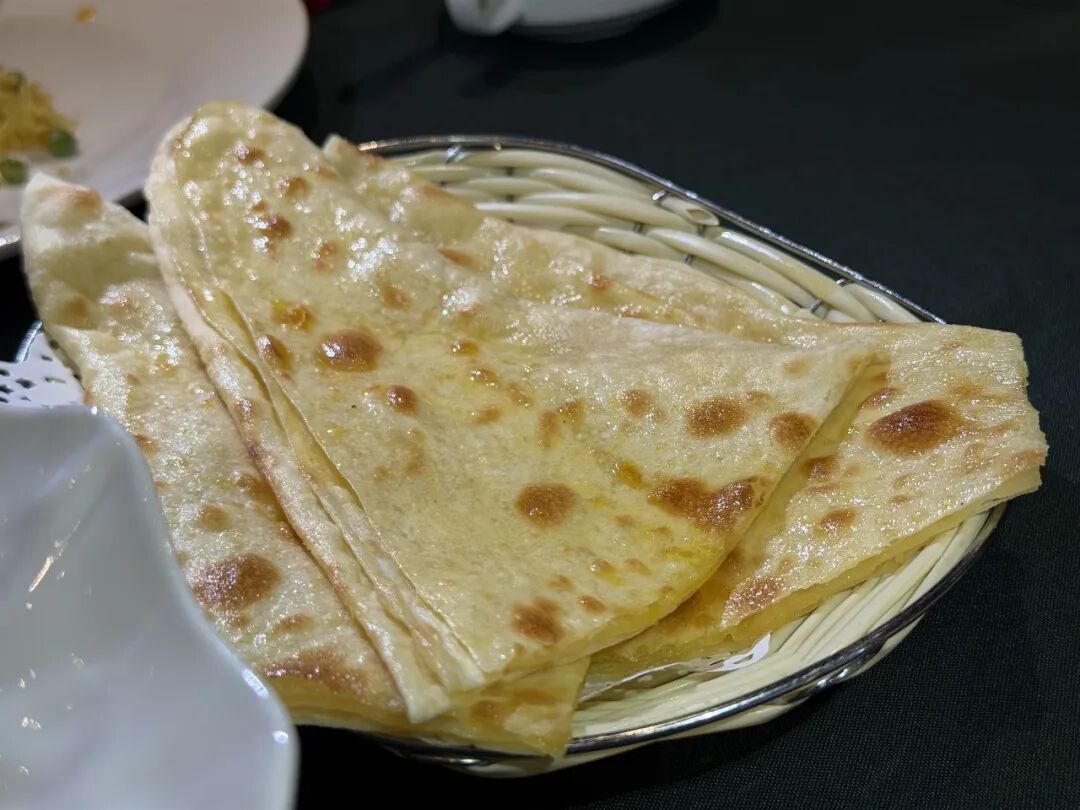
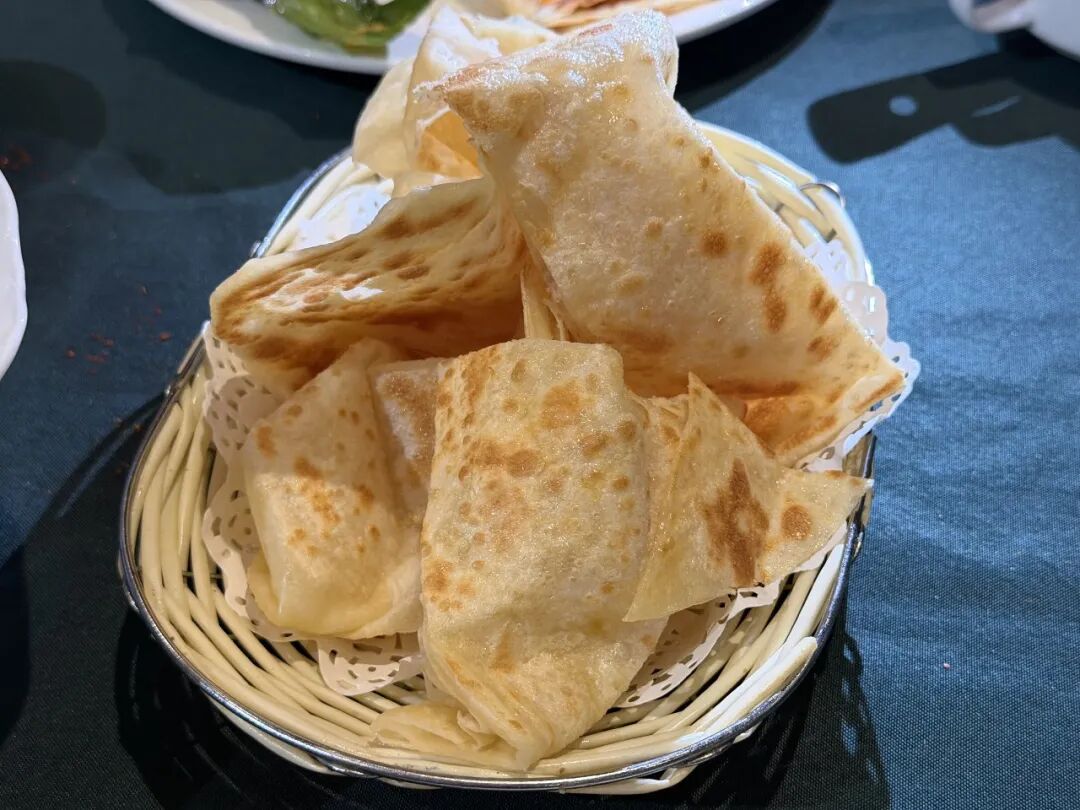
For the Thai curry shrimp, do yourself a favor and order a side of naan (leavened flatbread) to go with it.
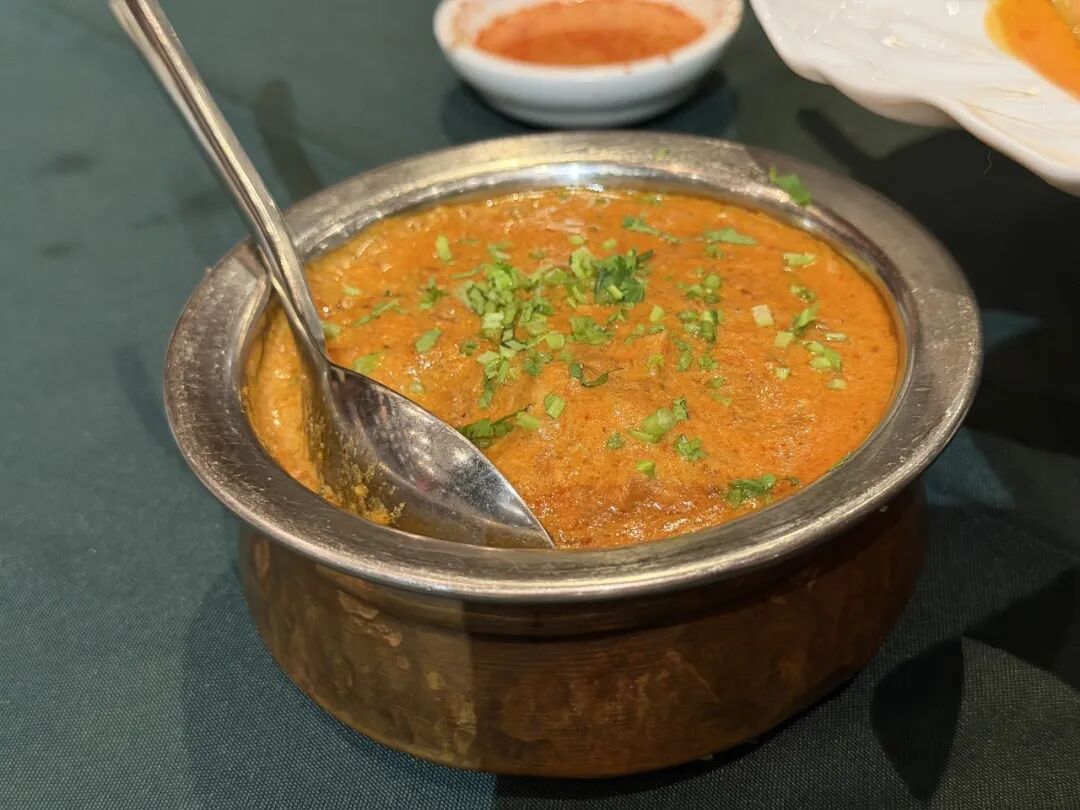
The Mumbai mutton curry was fantastic, and the server totally recommended we try their garlic butter naan, too—everything we ordered tasted amazing.
No wonder this spot has been around for 22 years, since the food and service are both top-notch. A friendly guy from Bangladesh who spoke fluent Mandarin took care of us.
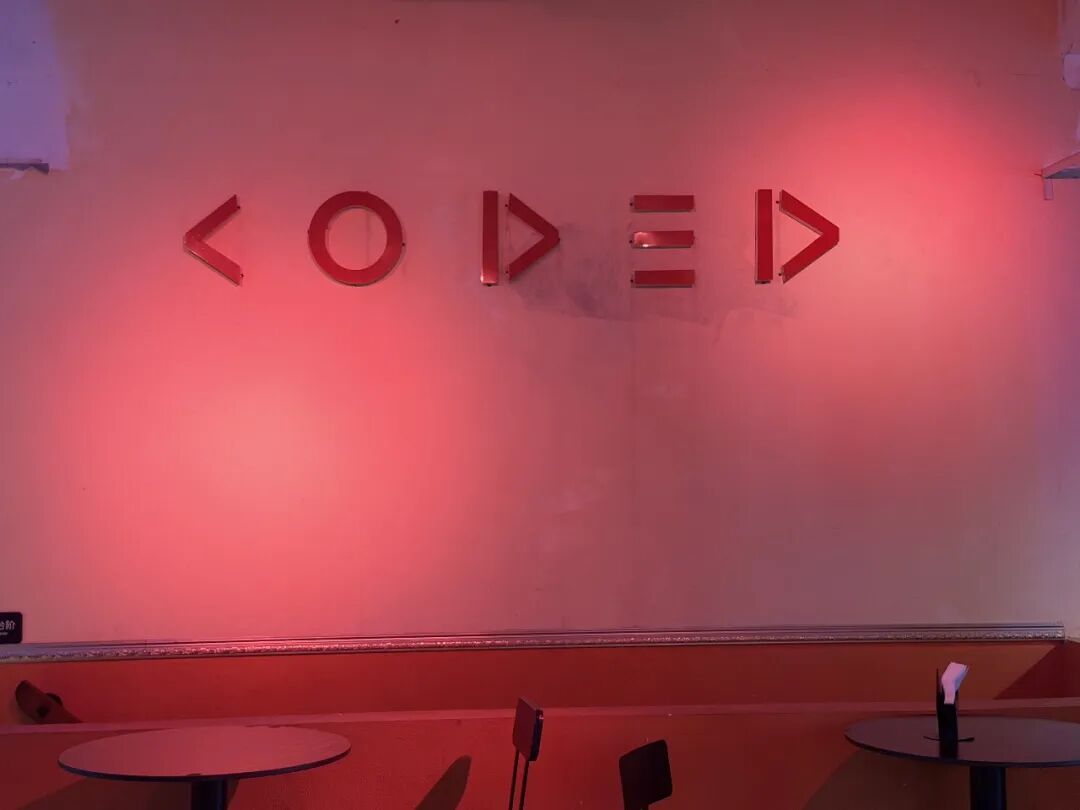
3. CODED Nigerian Restaurant
This place is pretty well hidden with no sign outside, so we had to call them to figure out it's a Halal Nigerian spot. Word is they used to serve Ethiopian food too, but the chef who made it moved back home.
The staff mentioned that most African food is Halal, and besides North African Egyptian and Algerian spots, this Nigerian restaurant and another one called Tribal Garden Ghanaian Restaurant are both fully Halal.
The African background music has super cool vibes, they host music events on weekends, and their hours run from evening straight through late night.
I didn't have super high expectations coming in and just wanted to try something totally different, but I was seriously blown away. The dishes were ridiculously good, even if they aren't the most photogenic—like this Egusi, which is made from ground melon seeds mixed with African spices and has a texture kind of like tofu.
This is the braised cow foot served in an okra-based broth where you can mix and match options, and you can pick fufu as your carb. The cow foot was super tender, soft, and bouncy.
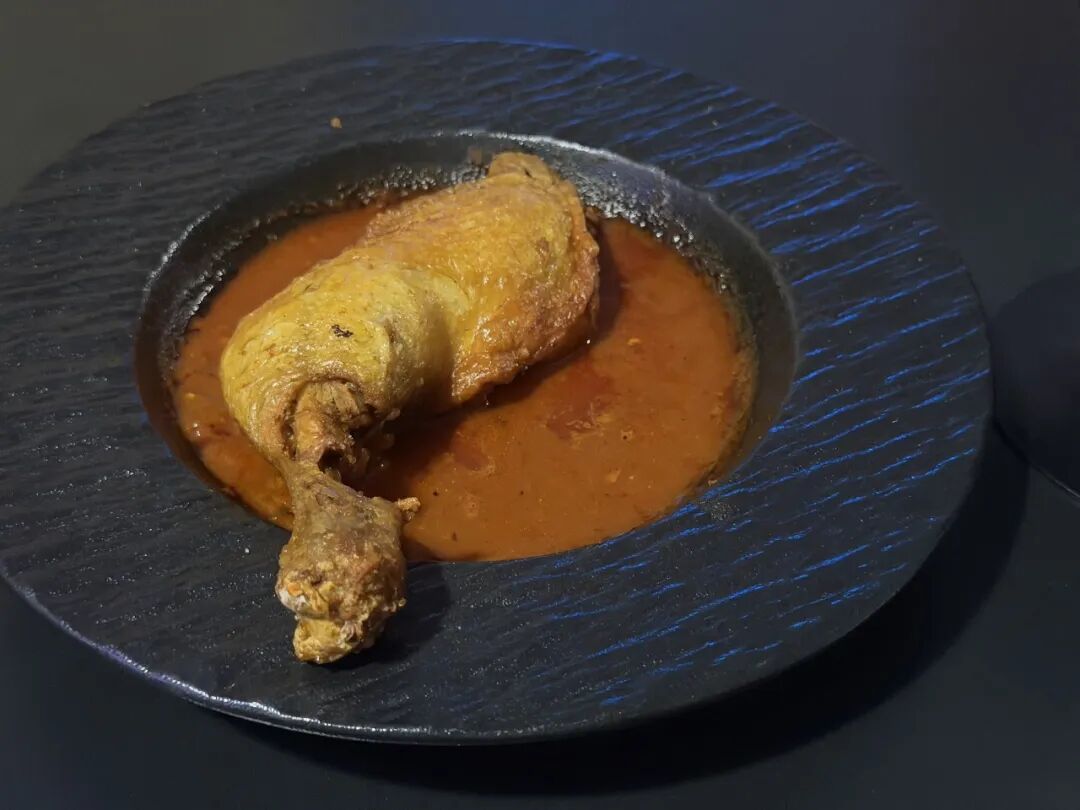
This braised chicken leg was also super good. The chicken leg was probably pan-seared first, giving it a crispy skin while staying super flavorful inside.
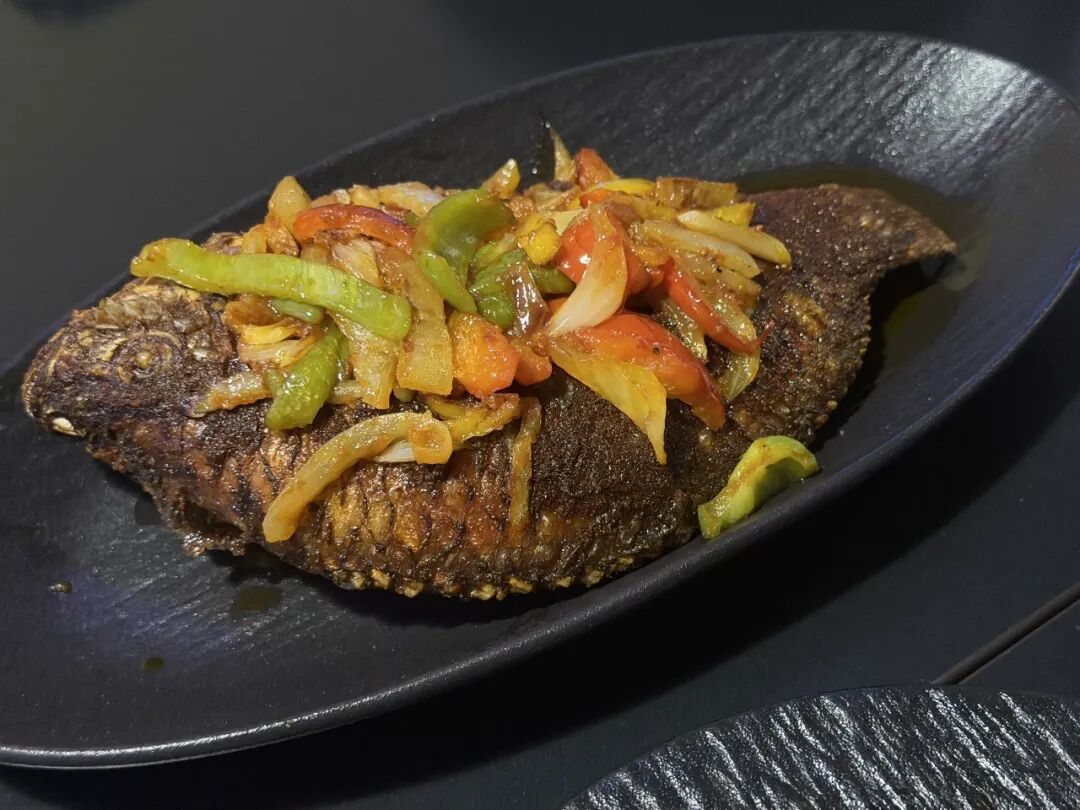
Next is the African grilled fish, which is probably tilapia since it's native to Africa. It has no tiny bones, the meat is thick and hearty, and the skin is crispy and fragrant. All of these dishes are totally kid-friendly since they aren't too salty, spicy, or greasy.
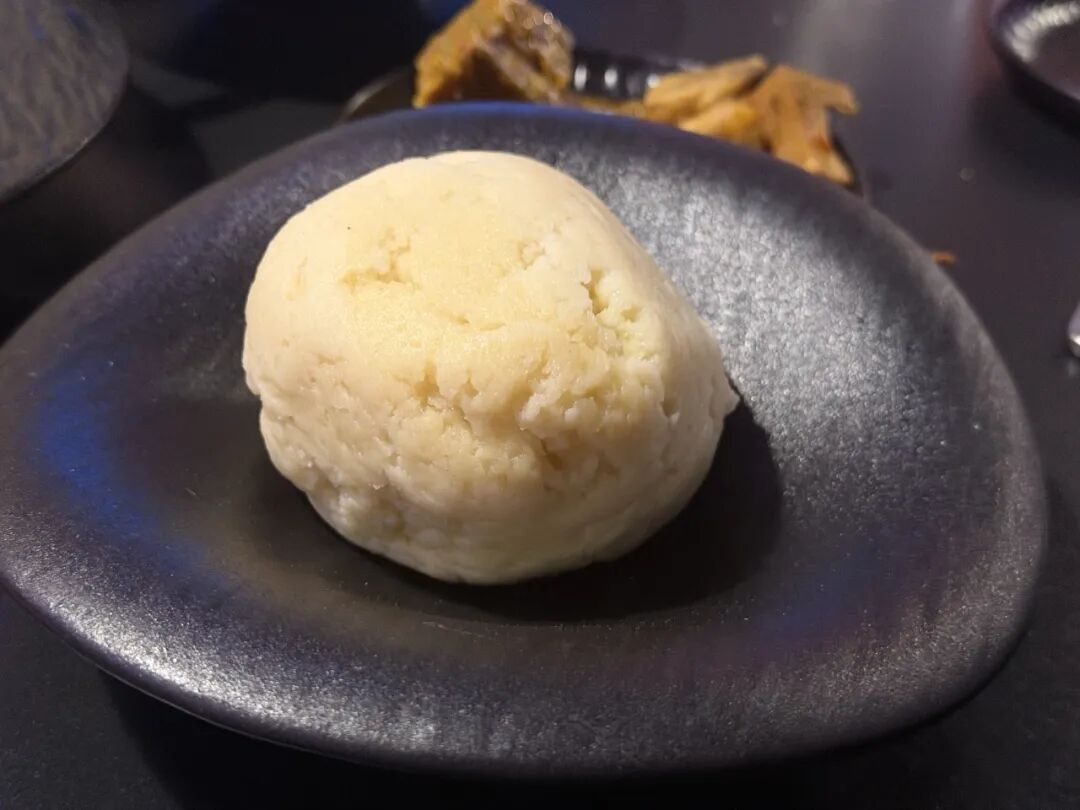
This wheat flour dough ball is called Semo, and the authentic way to eat it is to grab it with your hands and dip it into the sauce.
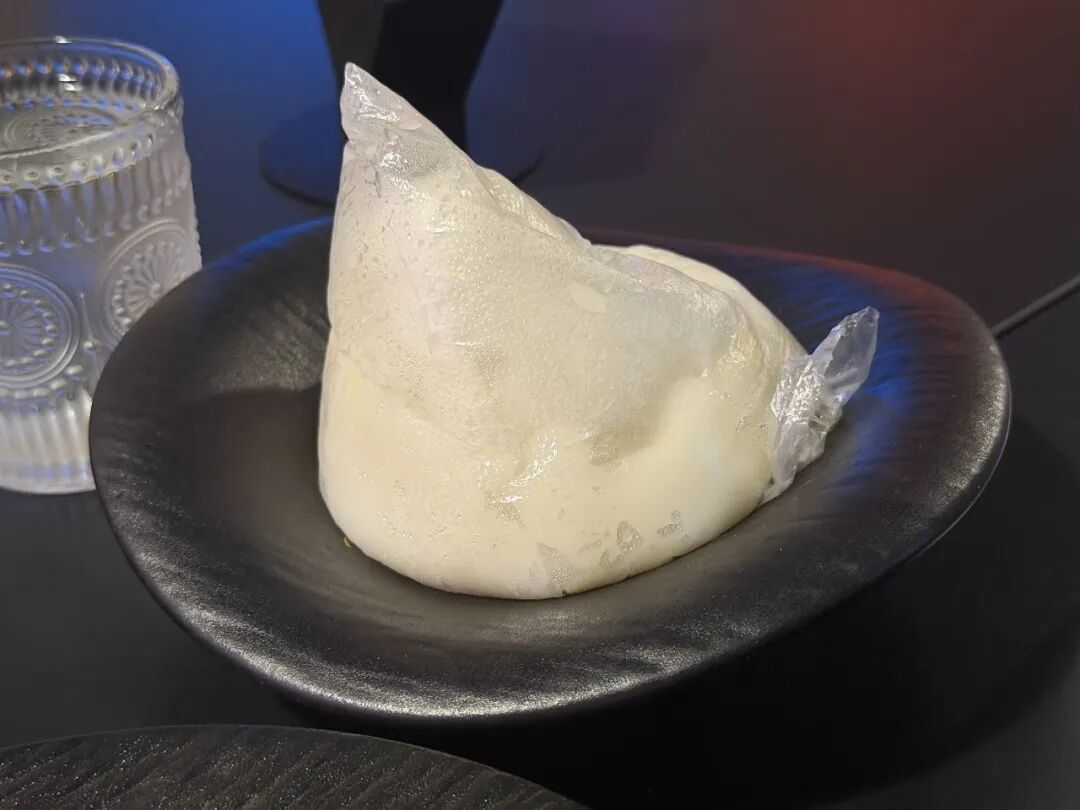
This is fufu, the most classic African carb. They give you these complimentary when you order main dishes, and it's made from cassava flour, making fufu a bit stickier than Semo.
4. Xinjiang Bazaar - Kangkang Burger
There's a Xinjiang bazaar happening this week at the 1733 Food Street in Dazhongshi, running from August 3rd to August 9th.
There's a vendor at the bazaar called Kangkang Burger, known for their signature Xinjiang-style milk skin beef burgers, and they even have a foie gras flavor.
We grabbed a milk skin and foie gras beef burger, plus a perilla seed yogurt waterfall burger.
The burgers aren't cheap, but they taste pretty decent. The owner is a Hui Muslim from Zaozhuang, Shandong, and they don't have a permanent brick-and-mortar storefront yet, though the owner mentioned they'll be opening a casual Western diner near Longfusi by September.
Down at the 1733 Valley Food Market, you can also check out One Belt One Road (Yi Dai Yi Lu), which is located right next to Kangkang Burger.
One Belt One Road has two booths at the bazaar—one selling yogurt shaved ice, and another selling ciabatta and baked breads.
Their yogurt is made using authentic Ili methods, too.
My absolute favorite is the original yogurt shaved ice, which is pleasantly tart without a hint of sweetness.
Right in the middle booth, there's a Xinjiang-style coffee stand where you should definitely try their signature baked naan coffee.
This latte is brewed fresh using an espresso machine, and you're supposed to eat the naan after finishing your coffee, though the naan itself was a little on the hard side.
5. Yiqinglan Kaitian Revolving Hot Pot
This is a brand new revolving mini hot pot spot in Liudaokou that's currently in its soft opening phase, with free soup bases and dipping sauce bars.
Beijing Halal Food Guide Part 60: Discover exotic Thai halal, Nigerian eats, and nostalgic rice noodles in this authentic city tour. We’re tracking down the best hidden gems and community favorites across Beijing.
The place is super clean with over a hundred items on the menu; you just count the skewers to pay at the end, and it costs less than 50 yuan per person.
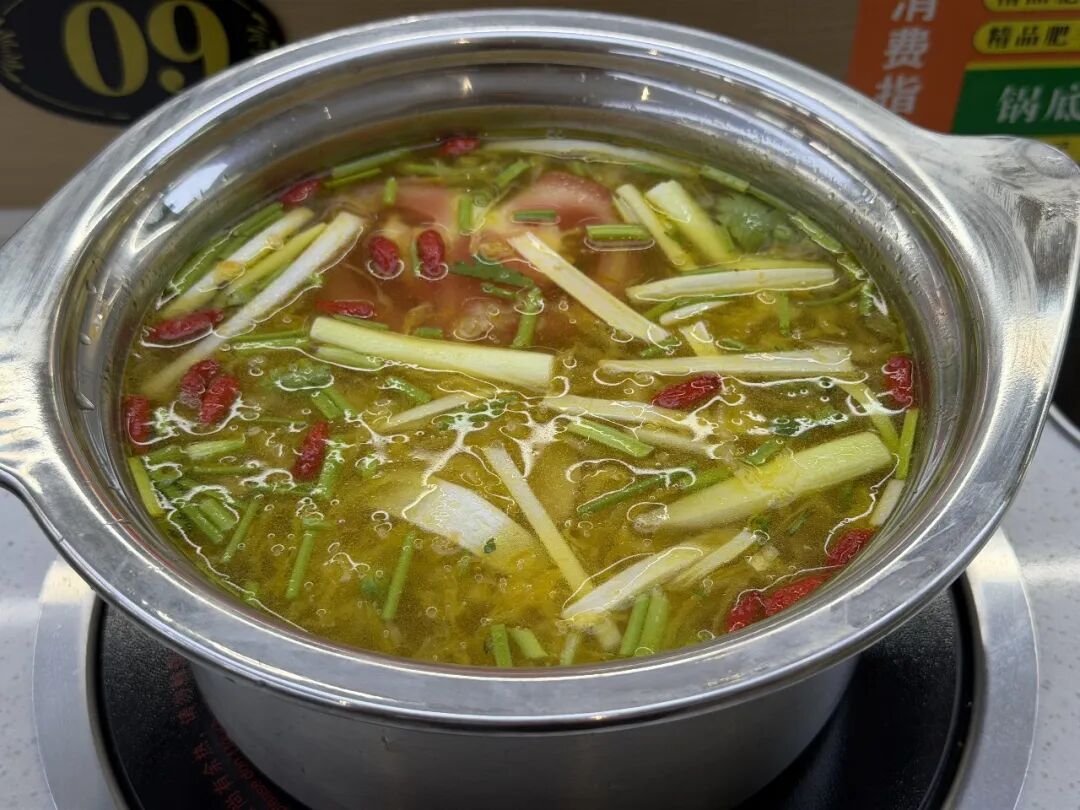
The golden soup base is pretty solid, packed with suancai (pickled mustard greens), and the sauce station has a huge variety. My go-to mix is beef sauce, vinegar, green onions, cilantro, garlic, and sesame oil.
6. Kashgar Knight Flavors Restaurant
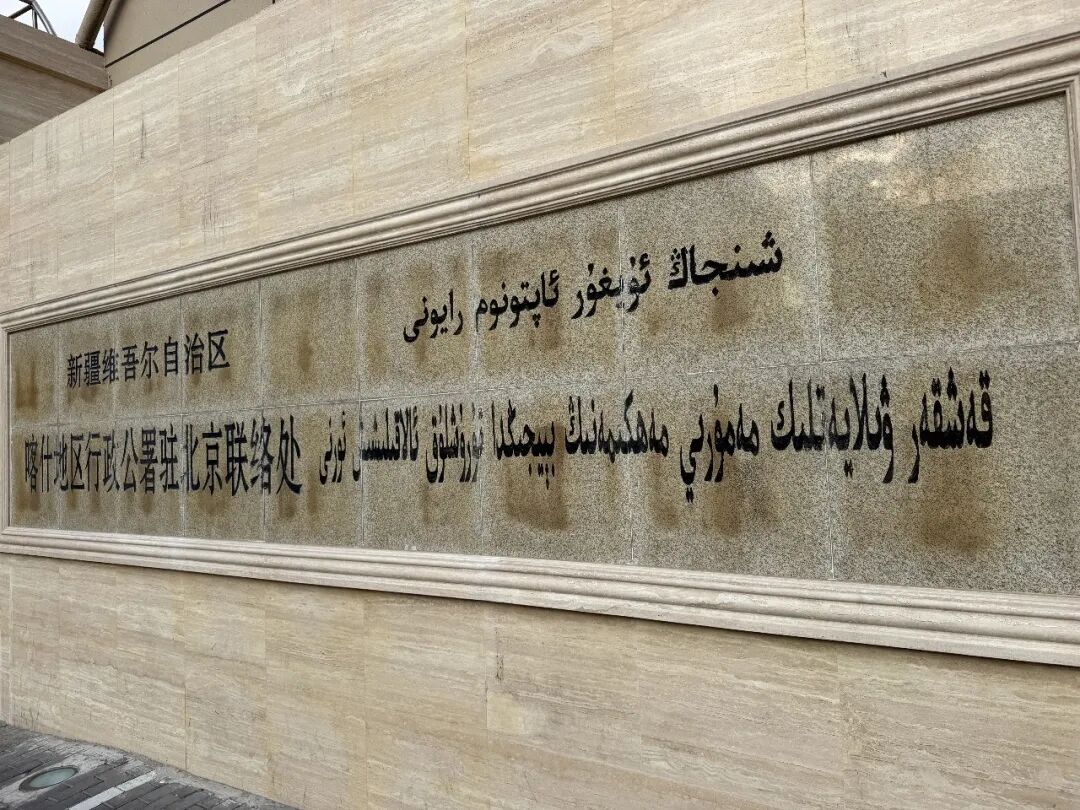
This spot is the official Kashgar government office restaurant in Beijing. It was closed for years but recently reopened. There’s also a location back in Kashgar.
Restaurants run by government offices are rarely ever inauthentic because the officials eat there all the time.
The decor feels a bit dated, honestly, like they didn't put much thought into the design. The ground floor is open seating, and half the space is dedicated to selling Xinjiang specialties.
I ordered the homestyle banmian (hand-pulled noodles), zhuafan (pilaf), and kaobaozi (baked buns). The noodles were great, the pilaf was a bit too oily, and the skewers were decent.
The kaobaozi crust wasn't crispy enough, but they do have an outdoor takeout window selling all kinds of nang (traditional flatbread).
7. Zai Tianshan Xinjiang Massive Spicy Chicken
It’s a Xinjiang spicy chicken spot in Wangjing, but it’s actually run by folks from Tianshui.
All the servers are from Gansu.
This pot is filled with savory milk tea.
The spicy chicken is definitely huge, mostly loaded with chilies and garlic. The style is different from traditional Xinjiang spicy chicken, but honestly, the best part was the huajuan (steamed twisted rolls)—they were super soft and fluffy.
These are baursak (fried dough); in Ili, this is basically breakfast for the Kazakh people. This place did a modern twist by serving them with dipping sauces like passion fruit and blueberry jam, or you can use them to wrap up veggies.
The lapizi liangfen (cold starch jelly with spicy pepper skins) was a bit too salty. For those strictly looking for that authentic Xinjiang taste, this might be a letdown.
8. Ili Taranchi Xinjiang Restaurant
A newly opened Ili restaurant in Fengtai. The staff includes both Uyghur and Kazakh people—one girl there is actually of mixed heritage. Taranchi is a term for a specific group in the Ili region who were later officially classified as Uyghur.
The place is tiny with only a few tables, but their banmian and zhuafan are seriously on point.
The portions of noodles and pilaf aren't huge, but the flavor is excellent and it’s on the lighter side, which works for me since I don't need a massive amount of food.
This pilaf is way lighter and less greasy than the one at the Kashgar office restaurant, though some people online have complained that the meat portions are a bit skimpy. The grilled meat is super tender. They don't have a huge menu, but the noodles, pilaf, and skewers are definitely worth recommending. A bunch of new Ili-style noodle shops have popped up in Beijing lately that look really authentic—I’ll be checking those out one by one. view all
[Internet Repost]
We’ve unlocked 59 high-def shots for the 60th edition of our Beijing Halal food map, featuring some absolute hidden gems. We’re diving into the city’s rare halal Thai, Indian, and Nigerian spots, along with authentic comfort-food rice noodles and traditional beef and lamb joints, all to show off the global variety in Beijing’s halal dining scene.
The range of halal restaurants in Beijing is honestly mind-blowing. I just stumbled upon some halal Thai and Nigerian spots, and it makes me wonder how many other hidden gems are still out there. If you know of any, definitely leave a comment and let me know!
Here’s the lineup of halal restaurants we’re checking out in this edition:
1. Sixiang Rice Noodles
2. Victor’s Place (Indian & Thai Restaurant)
3. CODED Nigerian Restaurant
4. Kang Kang Burger
5. Yiqinglan Rotating Hot Pot
6. Kashgar Knight Cuisine
7. Zai Tianshan Xinjiang Giant Spicy Chicken
8. Yili Talanchi Xinjiang Restaurant
1. Sixiang Rice Noodles
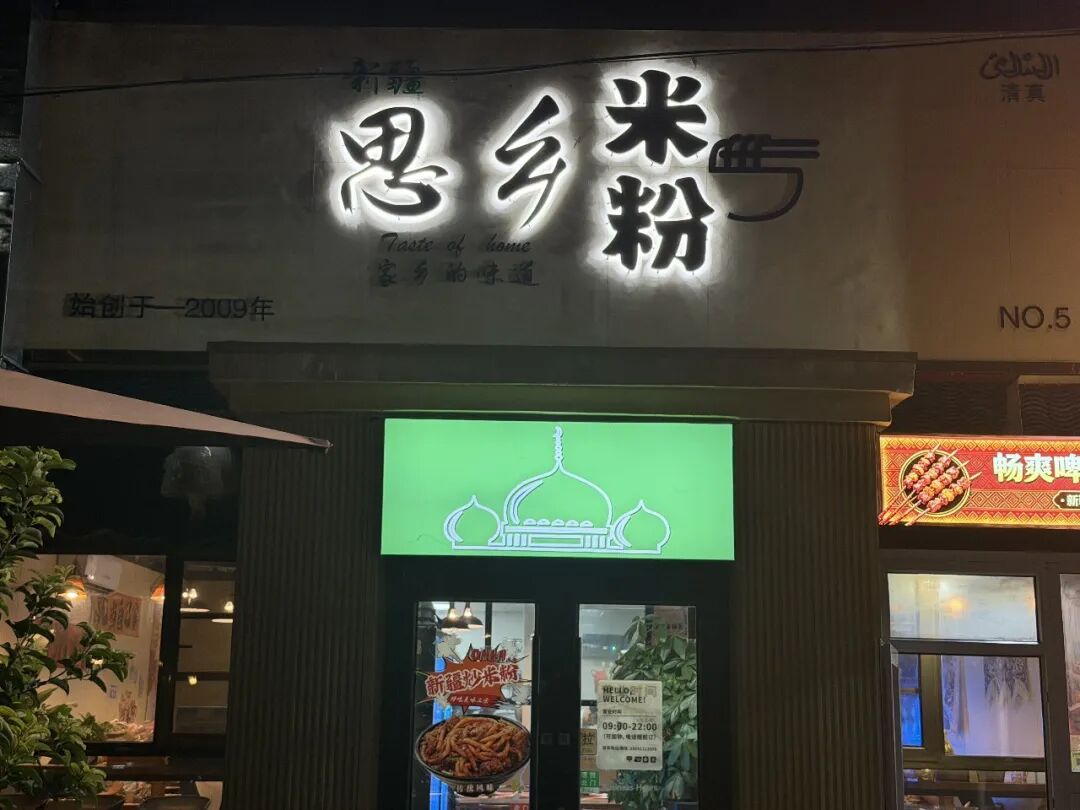
Near the Shunyi airport, I found this Xinjiang rice noodle spot; turns out it just moved here from Xiaoyun Road. The place is pretty small and mostly sticks to various rice noodle dishes and classic Xinjiang snacks.
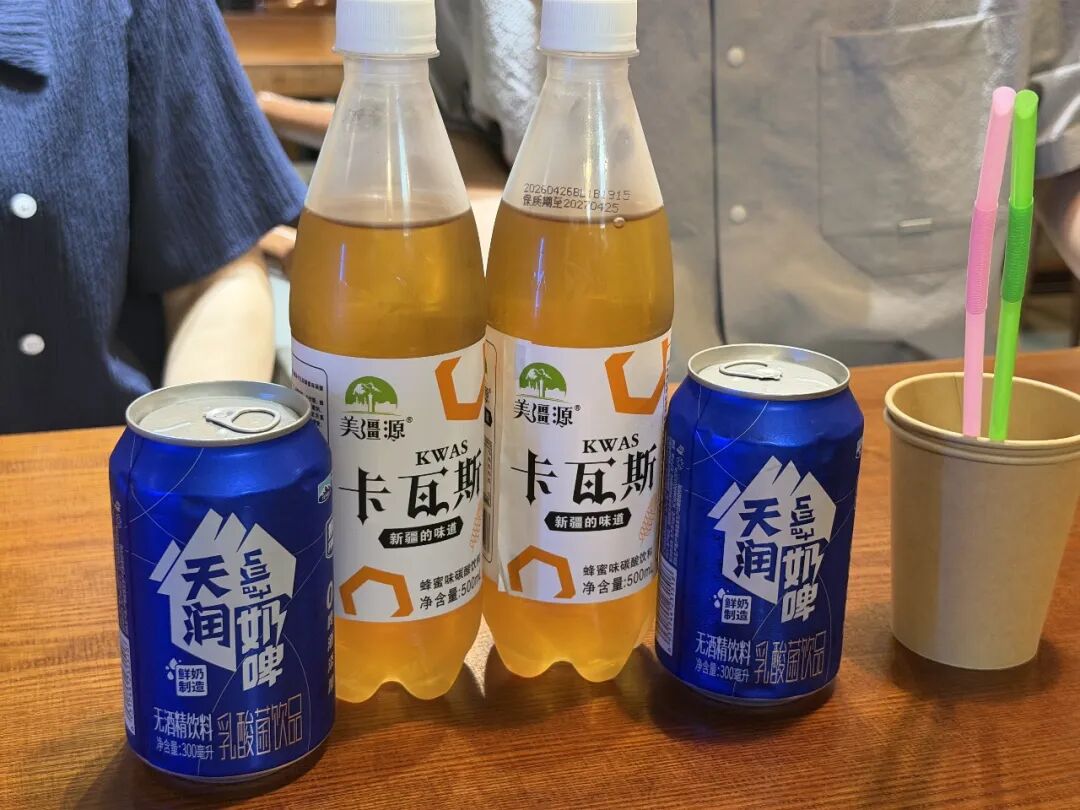
This plastic-bottled kvass (a fermented bread drink) wasn't as good as the glass-bottled kind. Honestly, it just tasted like sweet soda.
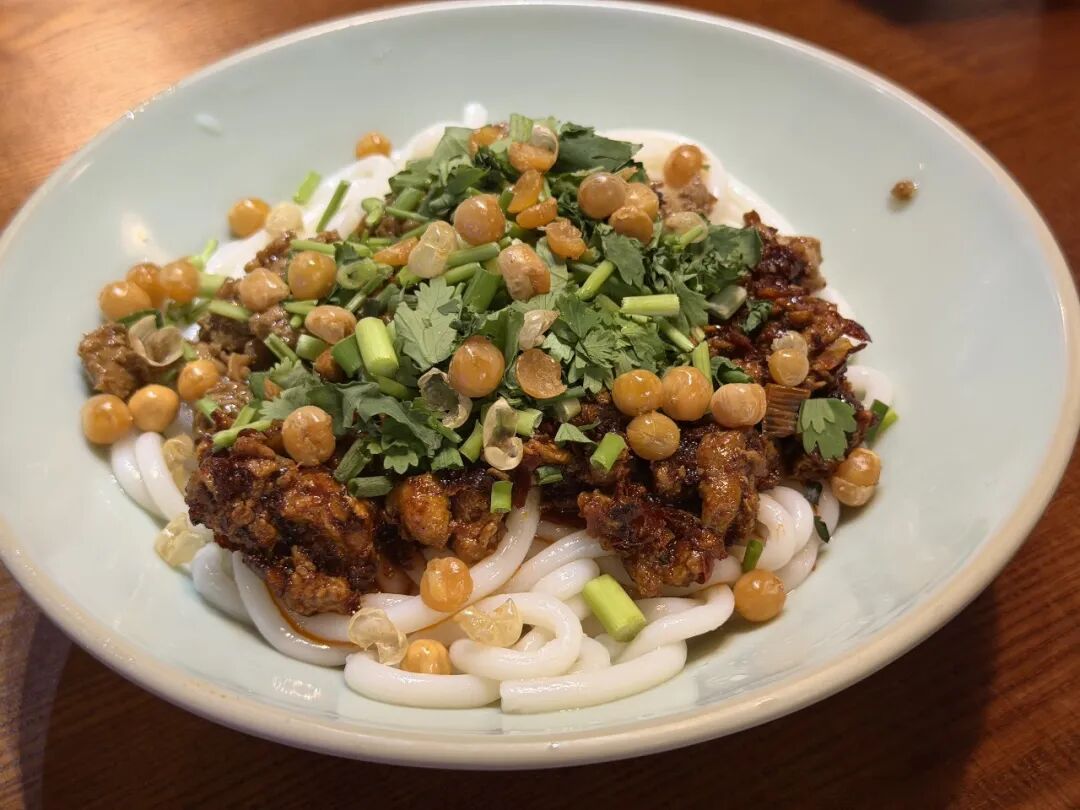
The chicken mixed rice noodles were solid. The texture is actually pretty similar to Hunan-style rice noodles, and you can pick your spice level and add extra toppings.
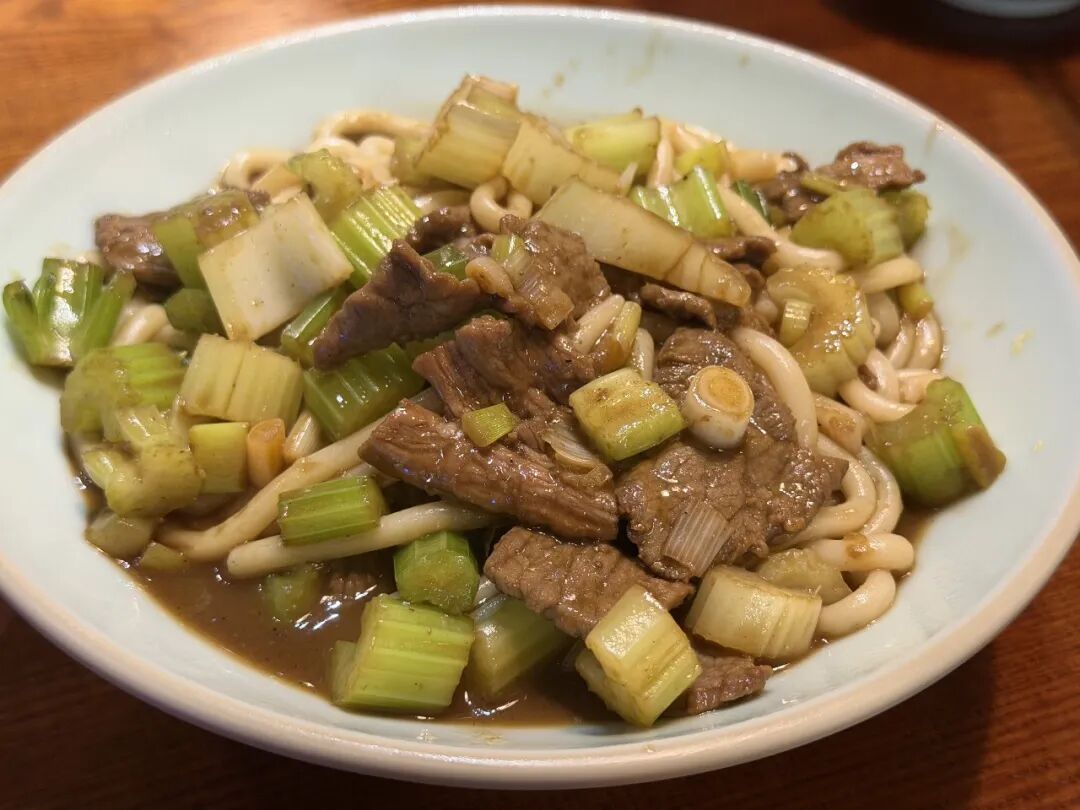
The beef rice noodles, however, were not it. The beef had a weird, heavy gamey smell, and my friend said it didn't taste as good as it used to.
2. Victor’s Place (Indian & Thai Restaurant)
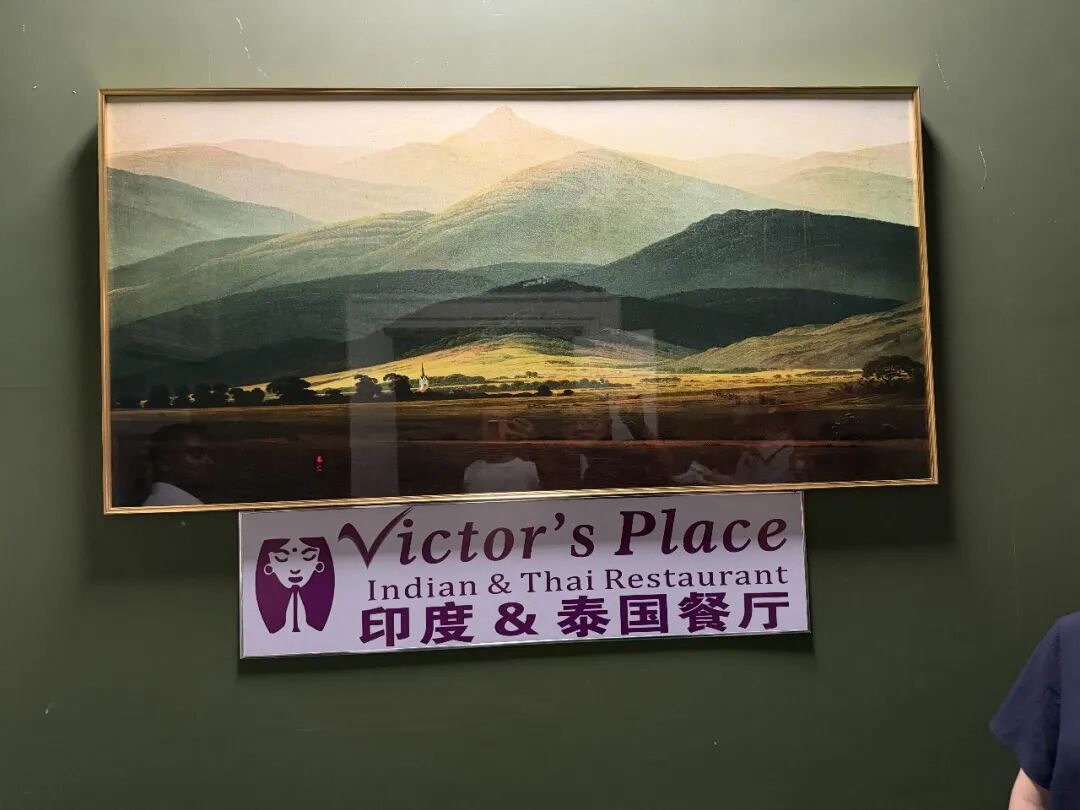
Just 400 meters away from the noodle shop is this place. It’s been open for 22 years, and I had no idea it was halal! The staff here are actually from Bangladesh and Pakistan.
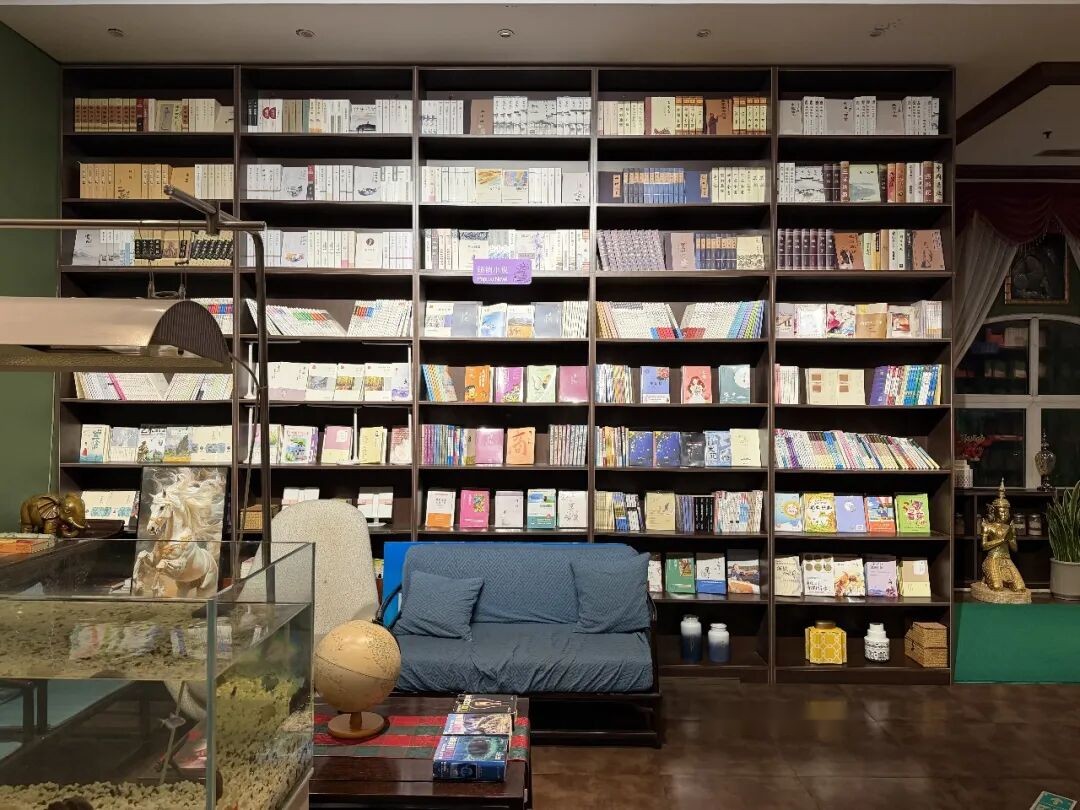
The vibe inside is like a bookstore—super spacious and perfect if you’re looking to host a business meeting.
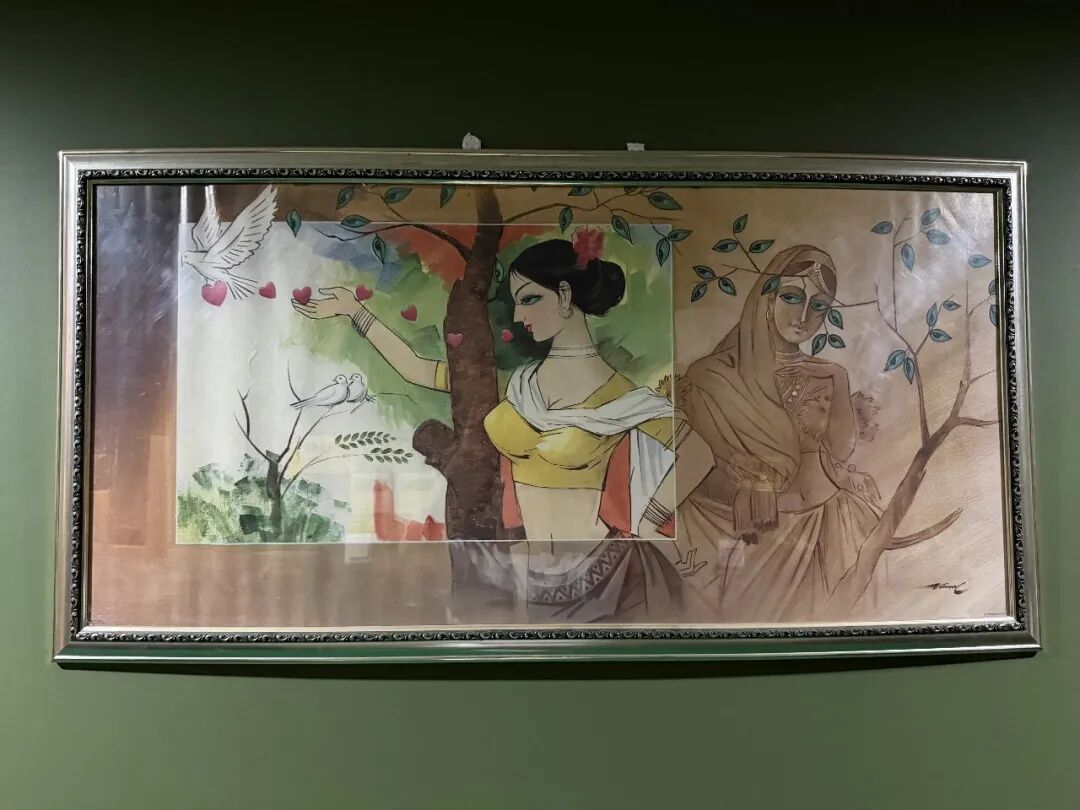
I came specifically for the halal Thai food. There used to be a place called Sukhothai near Nanluoguxiang that served halal Thai, but they closed down years ago.
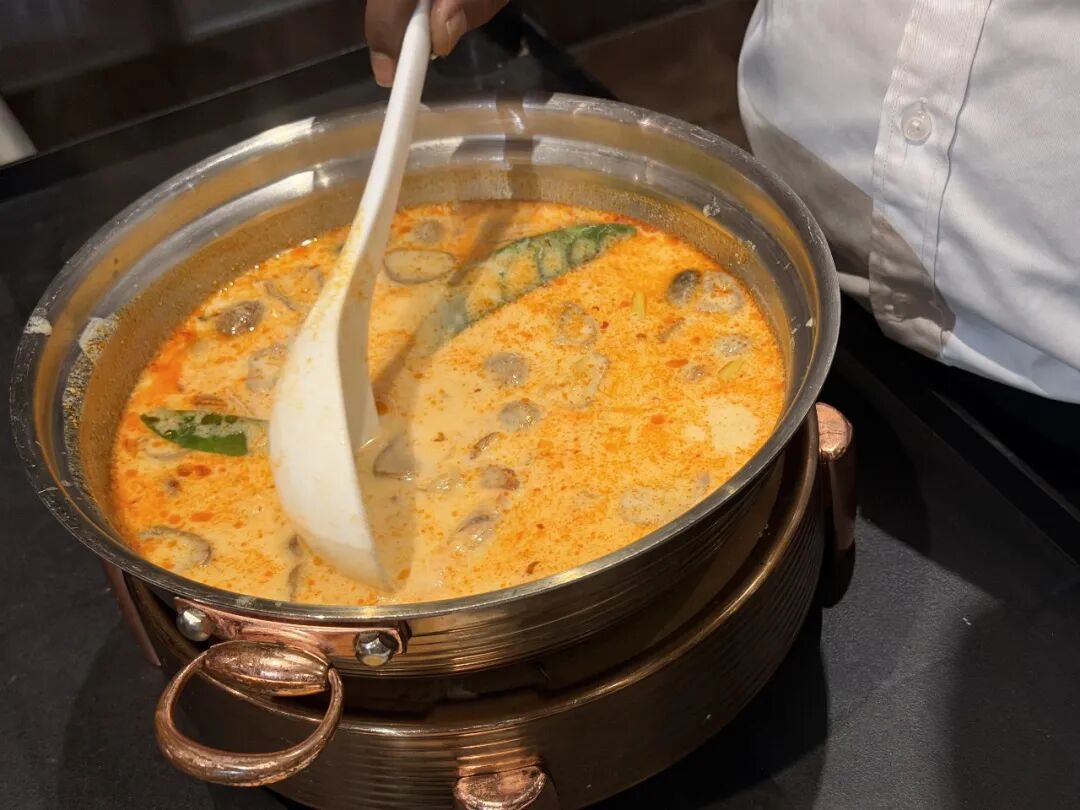
This is their signature Tom Yum Goong soup. I ordered the large, which is plenty for three or four people. It’s rich, flavorful, and packed with ingredients.
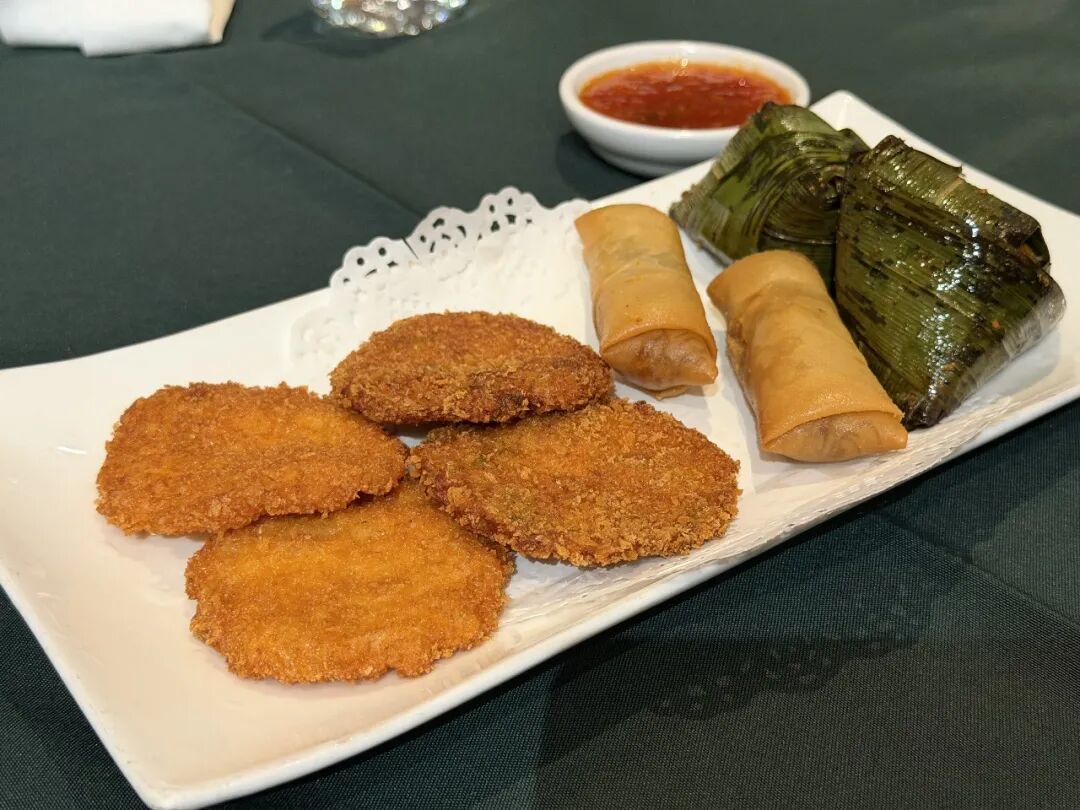
The Thai appetizer platter was good, too. Those little rice-wrapped bundles actually have chicken inside.
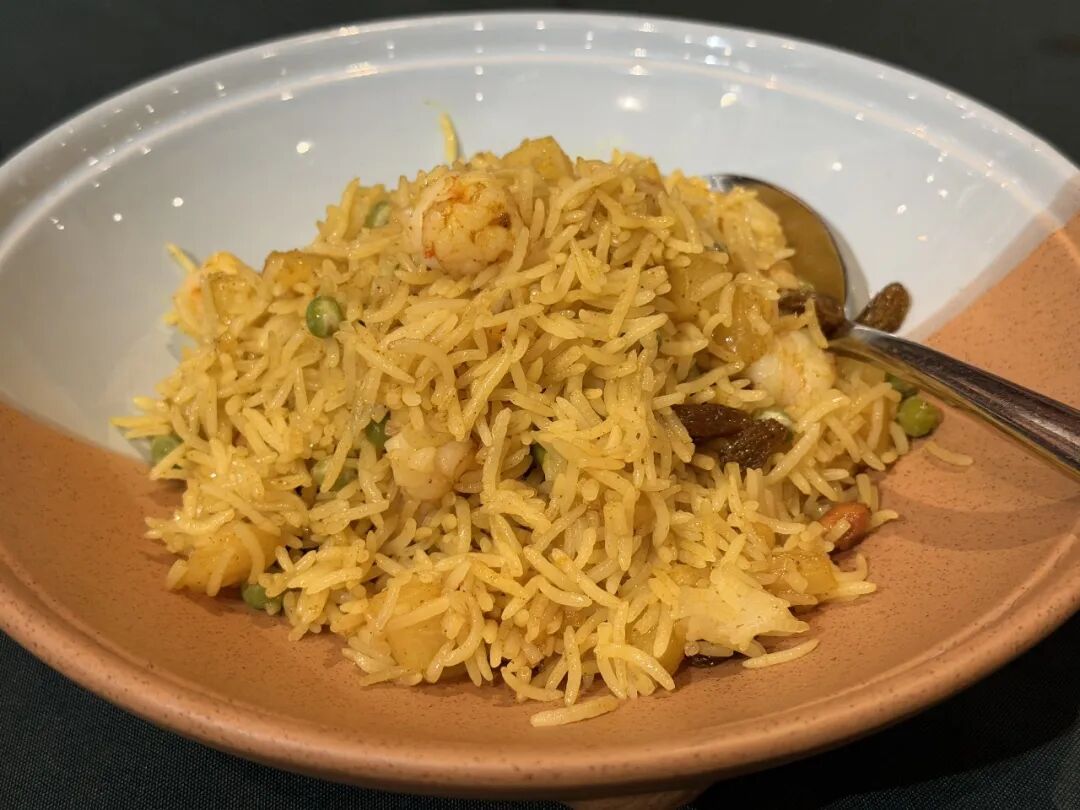
This is the pineapple seafood fried rice. The flavor was fine, but the only letdown was that they didn't serve it inside an actual pineapple. I saw it on their website photos served in the shell—maybe they just ran out of pineapples that day?
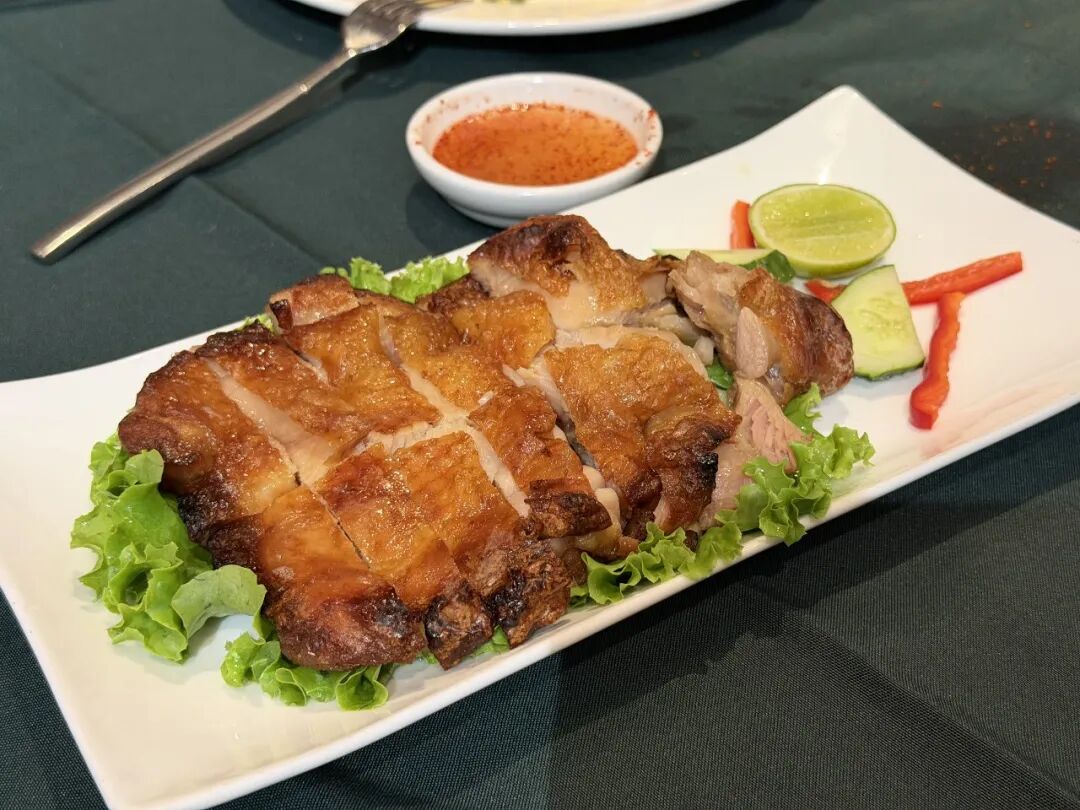
The Thai-style lemon grilled chicken was incredibly tender and juicy.
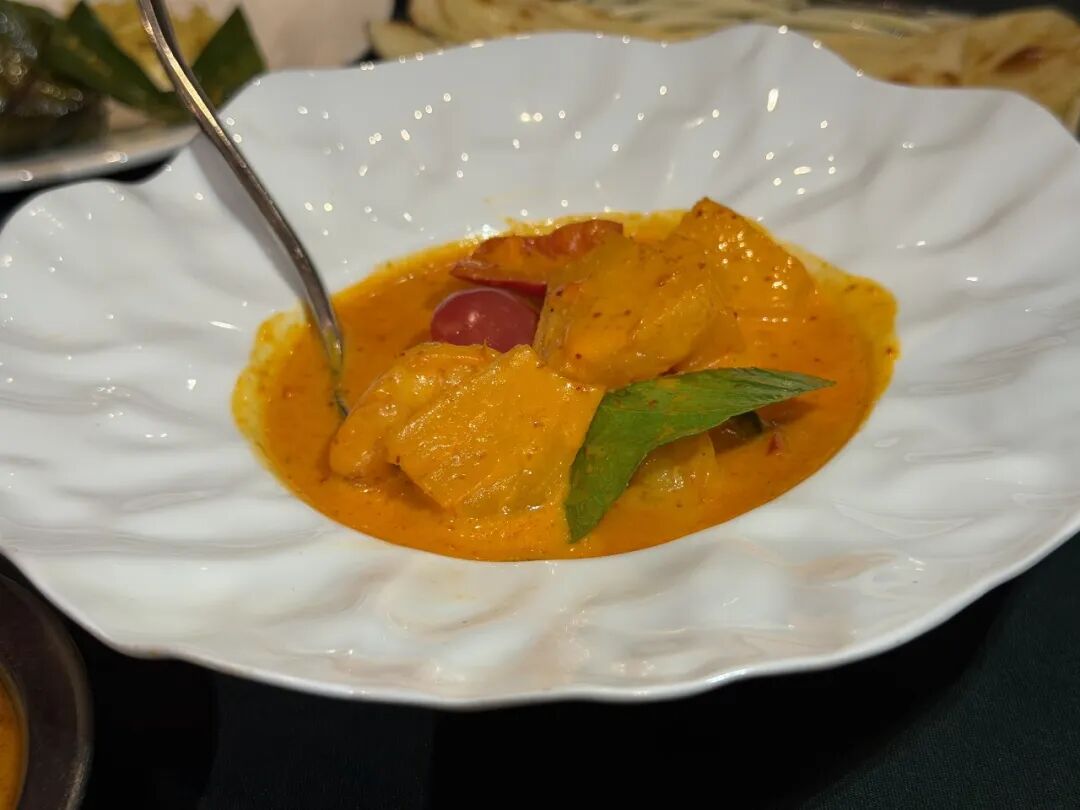
For the Thai curry shrimp, do yourself a favor and order a side of naan (leavened flatbread) to go with it.
The Mumbai mutton curry was fantastic, and the server totally recommended we try their garlic butter naan, too—everything we ordered tasted amazing.
No wonder this spot has been around for 22 years, since the food and service are both top-notch. A friendly guy from Bangladesh who spoke fluent Mandarin took care of us.
3. CODED Nigerian Restaurant
This place is pretty well hidden with no sign outside, so we had to call them to figure out it's a Halal Nigerian spot. Word is they used to serve Ethiopian food too, but the chef who made it moved back home.
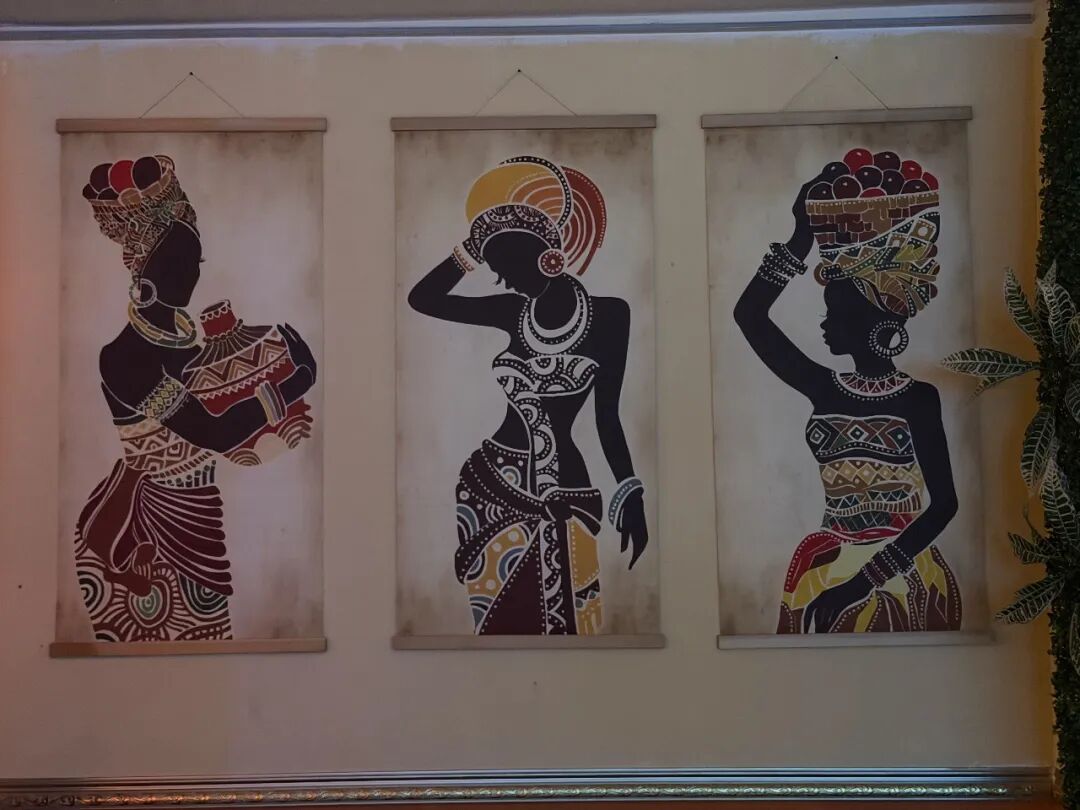
The staff mentioned that most African food is Halal, and besides North African Egyptian and Algerian spots, this Nigerian restaurant and another one called Tribal Garden Ghanaian Restaurant are both fully Halal.
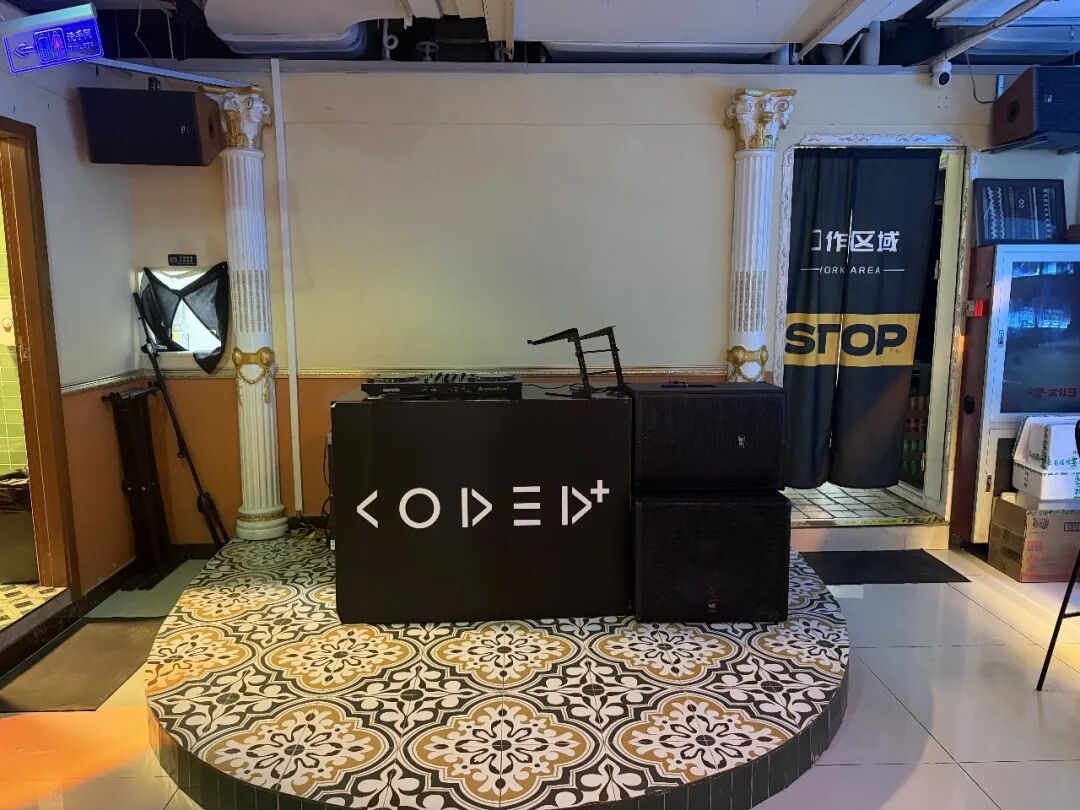
The African background music has super cool vibes, they host music events on weekends, and their hours run from evening straight through late night.
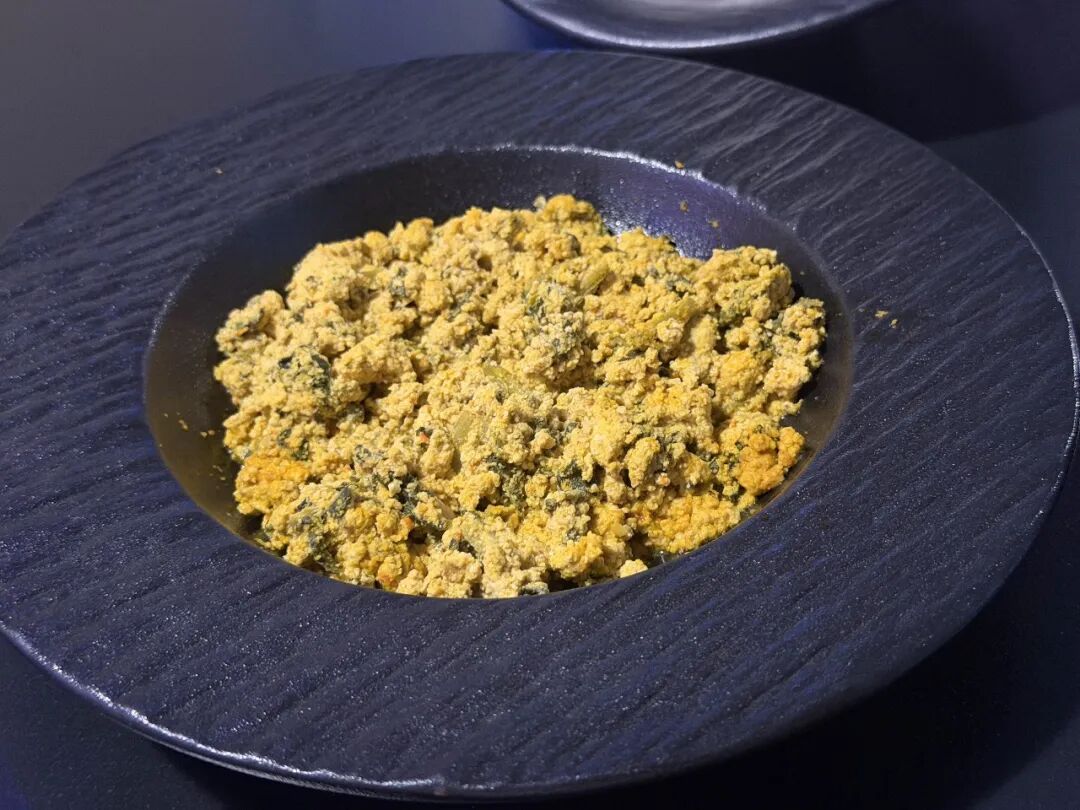
I didn't have super high expectations coming in and just wanted to try something totally different, but I was seriously blown away. The dishes were ridiculously good, even if they aren't the most photogenic—like this Egusi, which is made from ground melon seeds mixed with African spices and has a texture kind of like tofu.
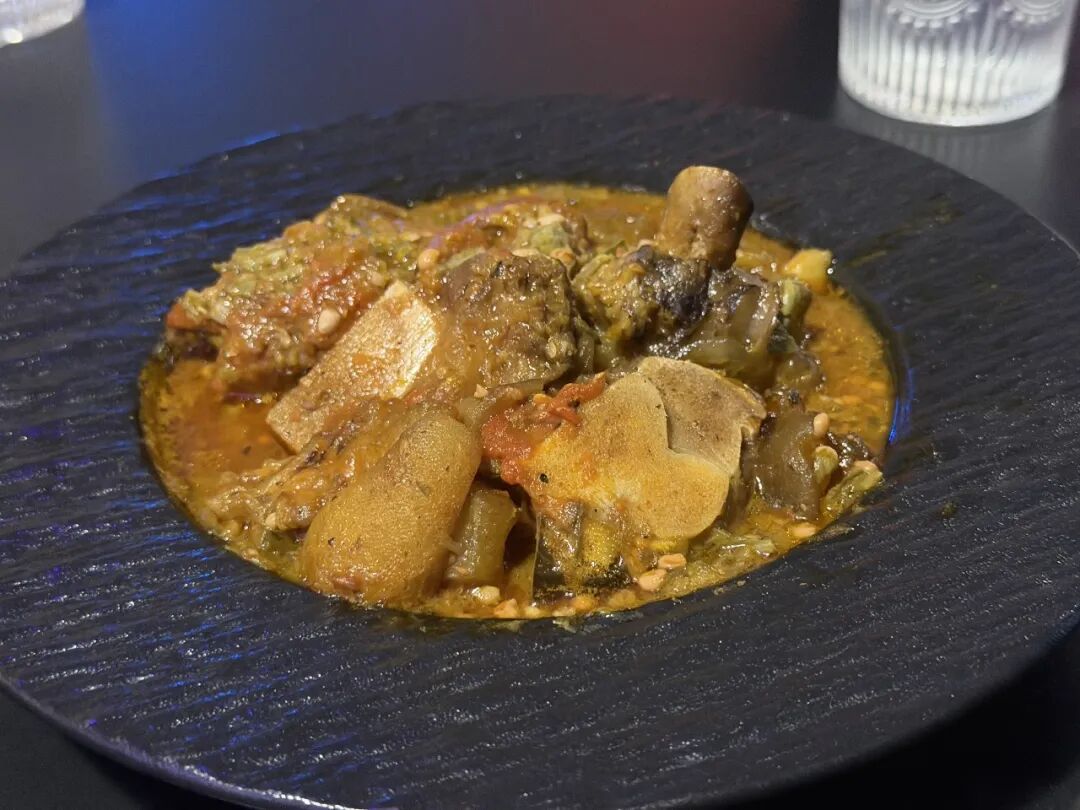
This is the braised cow foot served in an okra-based broth where you can mix and match options, and you can pick fufu as your carb. The cow foot was super tender, soft, and bouncy.
This braised chicken leg was also super good. The chicken leg was probably pan-seared first, giving it a crispy skin while staying super flavorful inside.
Next is the African grilled fish, which is probably tilapia since it's native to Africa. It has no tiny bones, the meat is thick and hearty, and the skin is crispy and fragrant. All of these dishes are totally kid-friendly since they aren't too salty, spicy, or greasy.
This wheat flour dough ball is called Semo, and the authentic way to eat it is to grab it with your hands and dip it into the sauce.
This is fufu, the most classic African carb. They give you these complimentary when you order main dishes, and it's made from cassava flour, making fufu a bit stickier than Semo.
4. Xinjiang Bazaar - Kangkang Burger
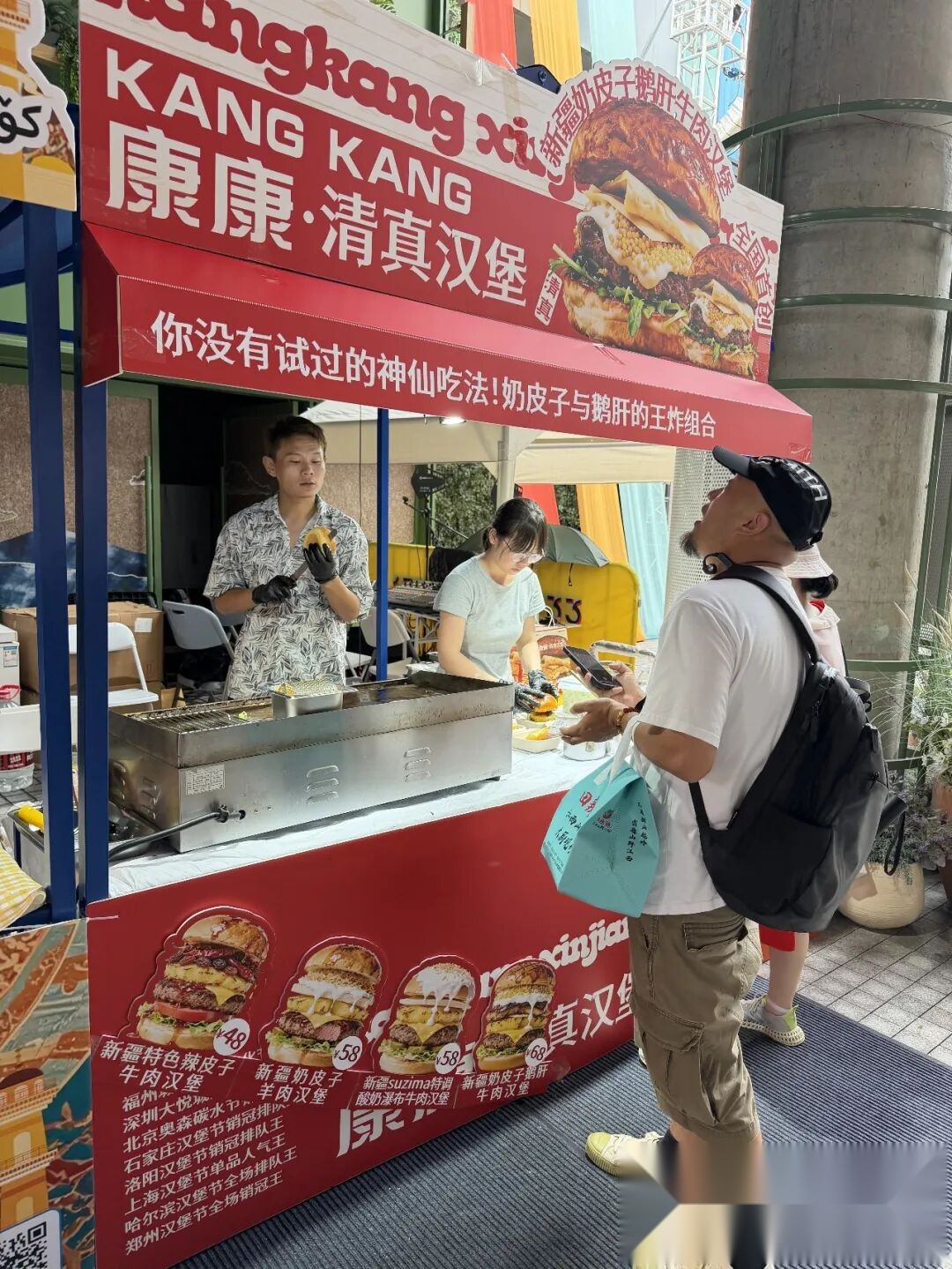
There's a Xinjiang bazaar happening this week at the 1733 Food Street in Dazhongshi, running from August 3rd to August 9th.
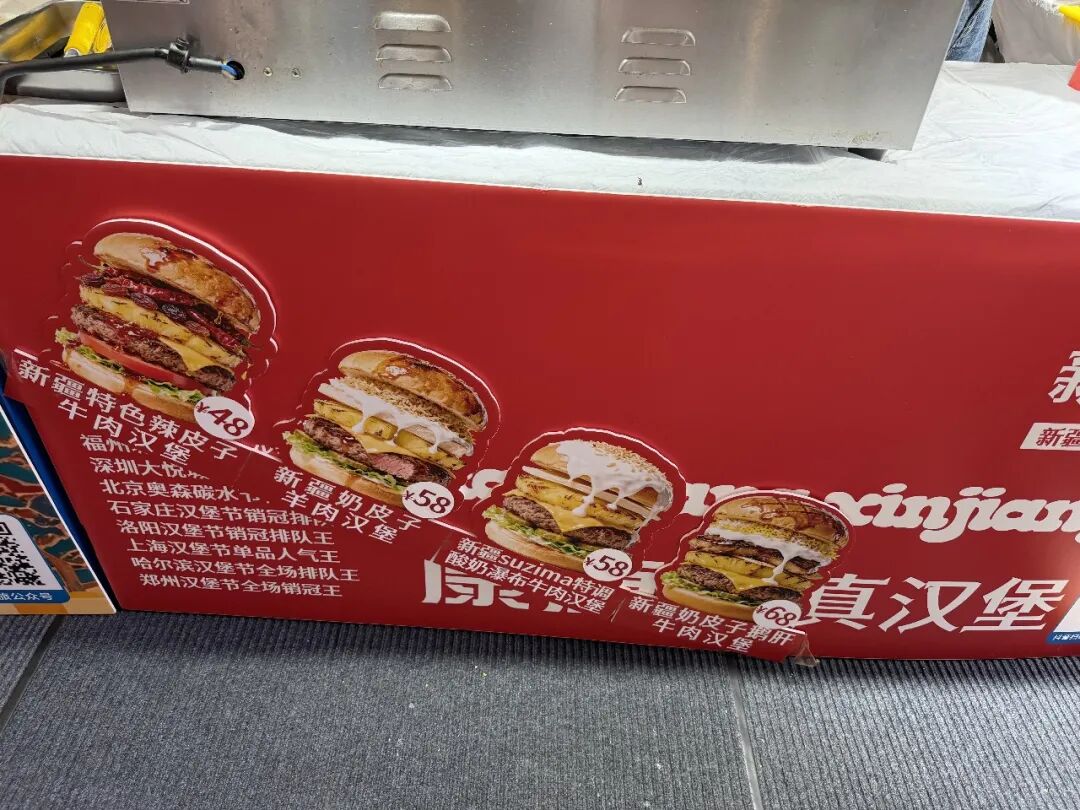
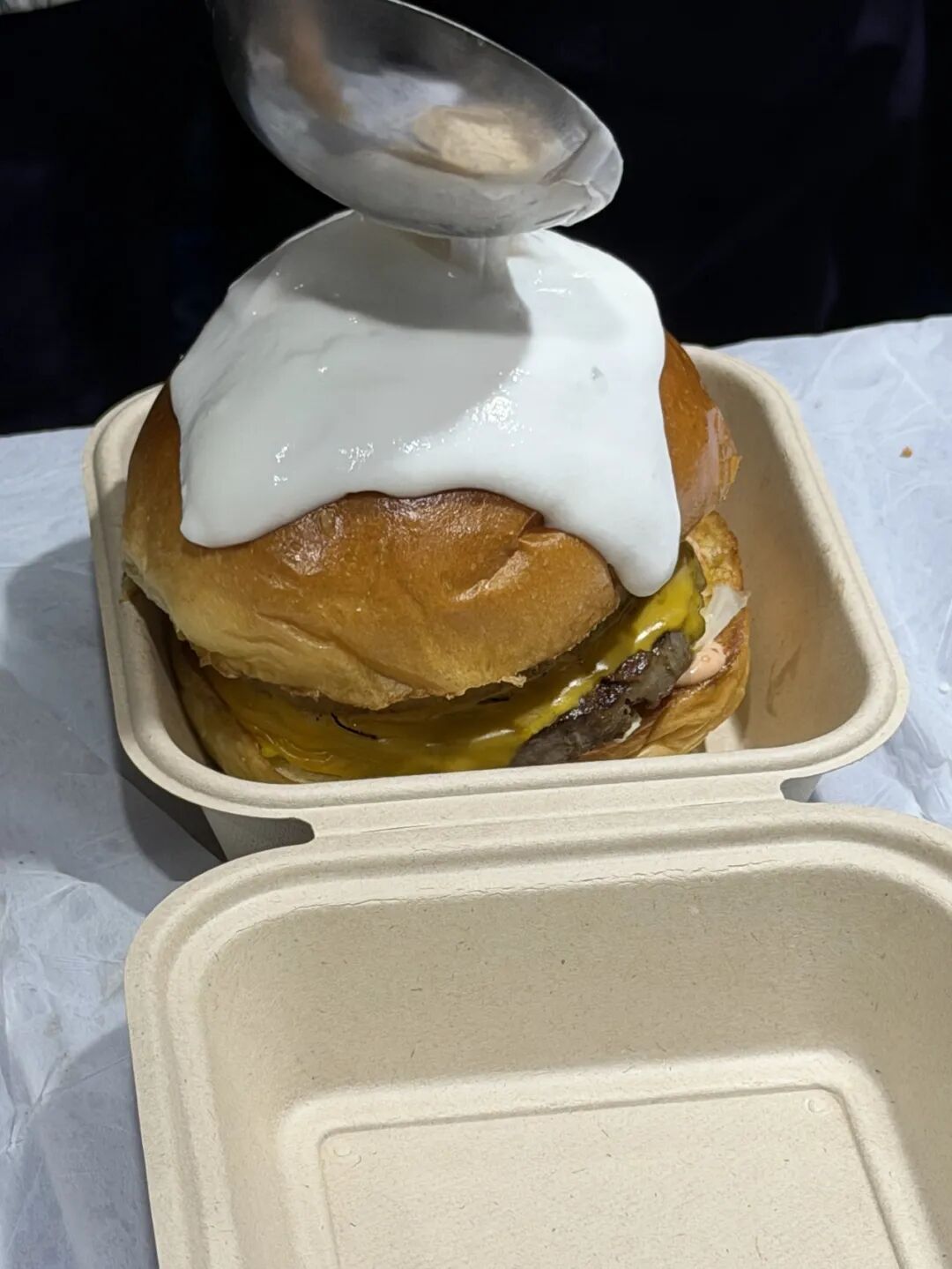
There's a vendor at the bazaar called Kangkang Burger, known for their signature Xinjiang-style milk skin beef burgers, and they even have a foie gras flavor.
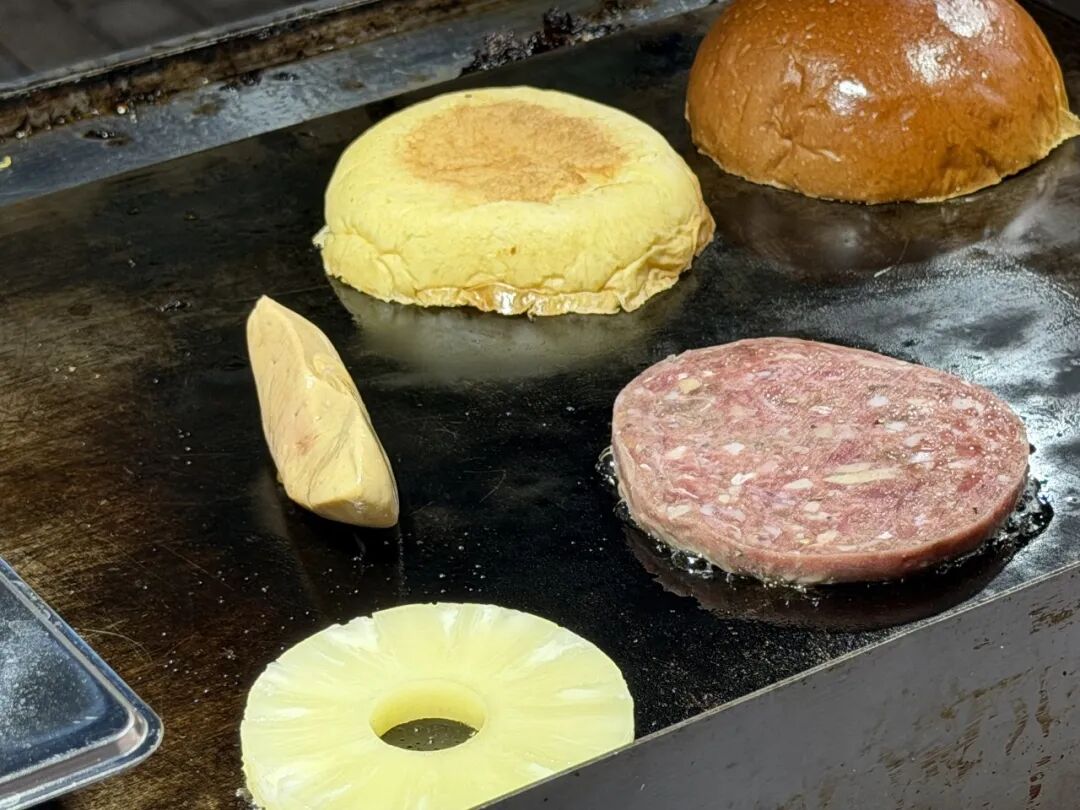
We grabbed a milk skin and foie gras beef burger, plus a perilla seed yogurt waterfall burger.
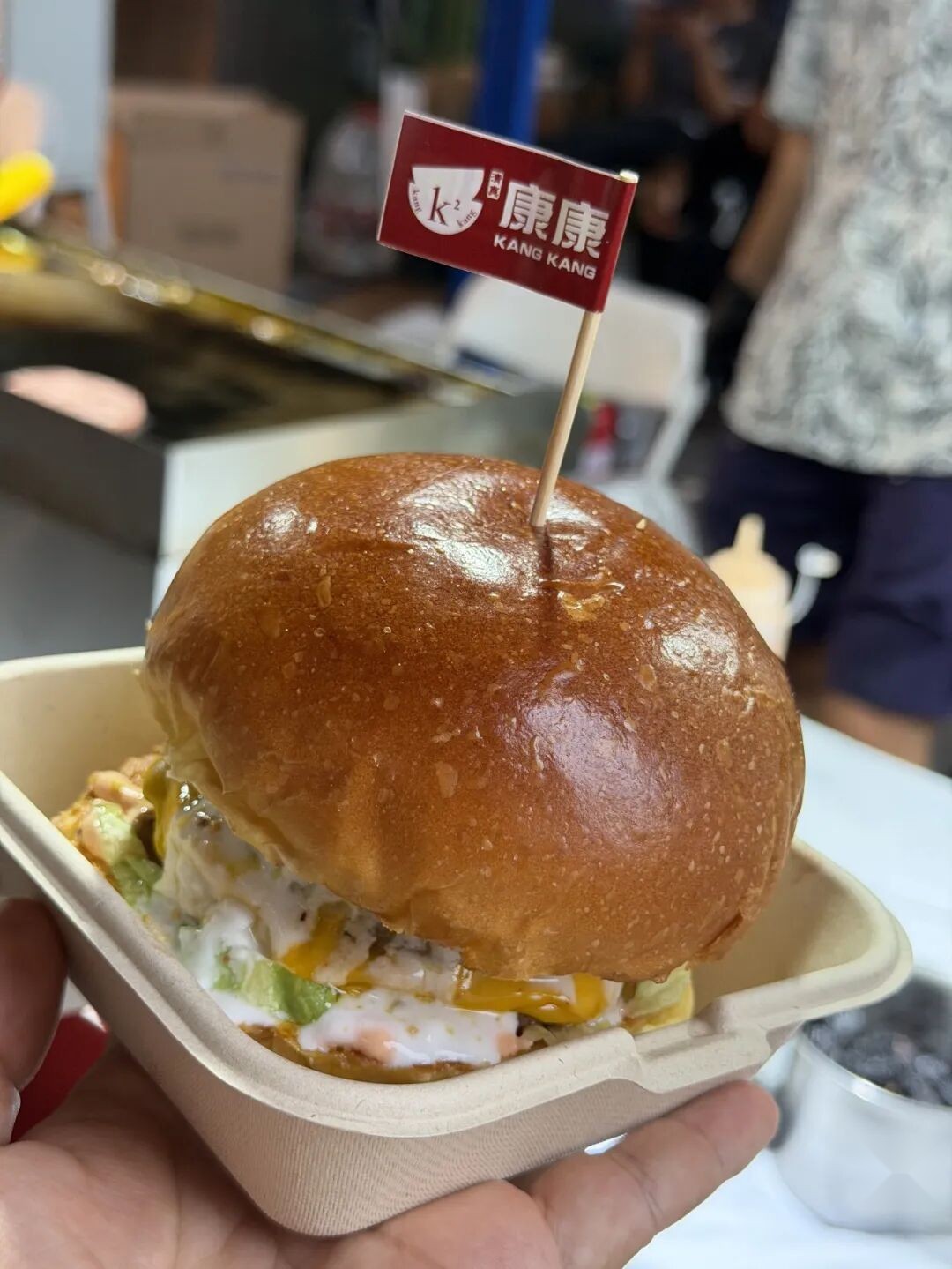
The burgers aren't cheap, but they taste pretty decent. The owner is a Hui Muslim from Zaozhuang, Shandong, and they don't have a permanent brick-and-mortar storefront yet, though the owner mentioned they'll be opening a casual Western diner near Longfusi by September.
Down at the 1733 Valley Food Market, you can also check out One Belt One Road (Yi Dai Yi Lu), which is located right next to Kangkang Burger.
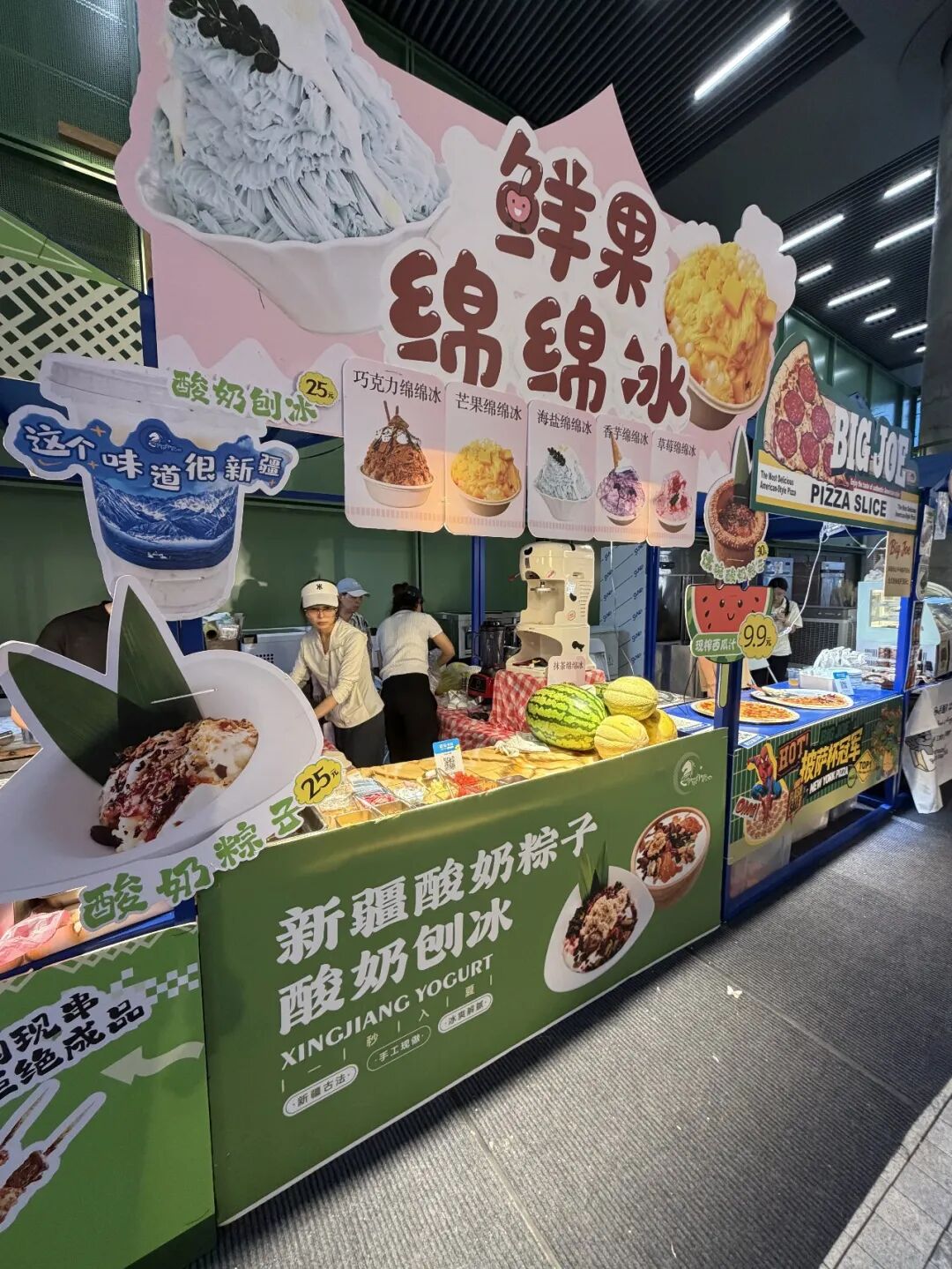
One Belt One Road has two booths at the bazaar—one selling yogurt shaved ice, and another selling ciabatta and baked breads.
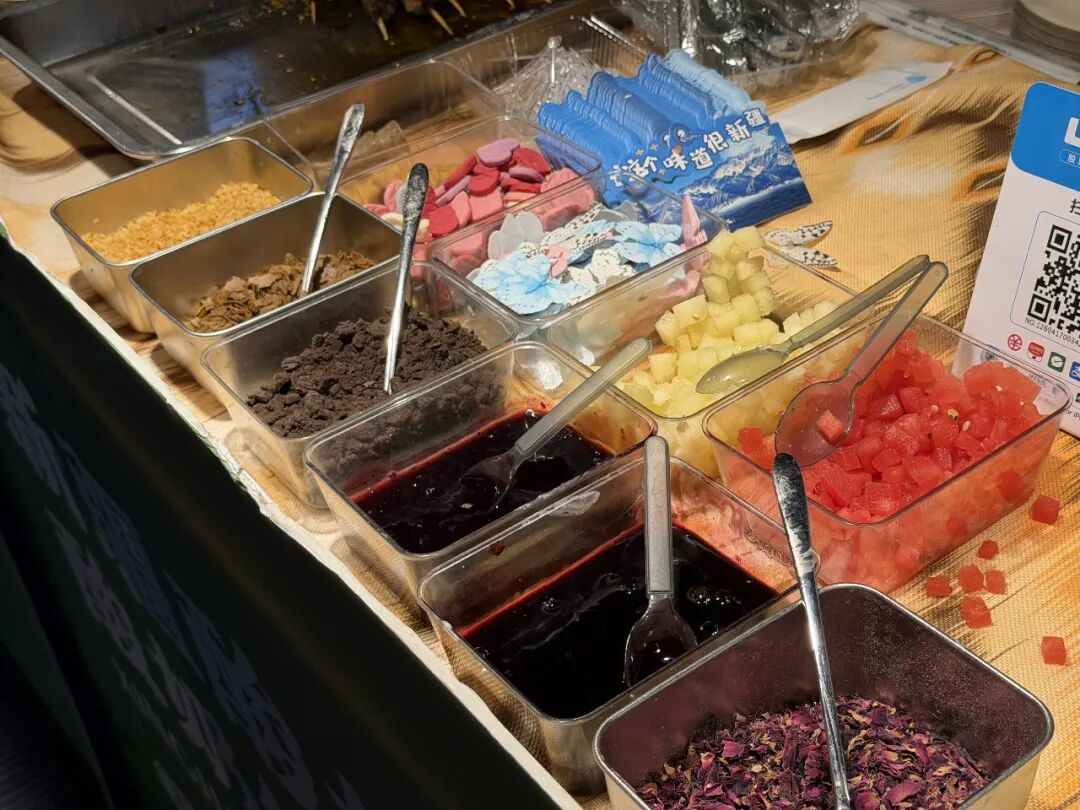
Their yogurt is made using authentic Ili methods, too.
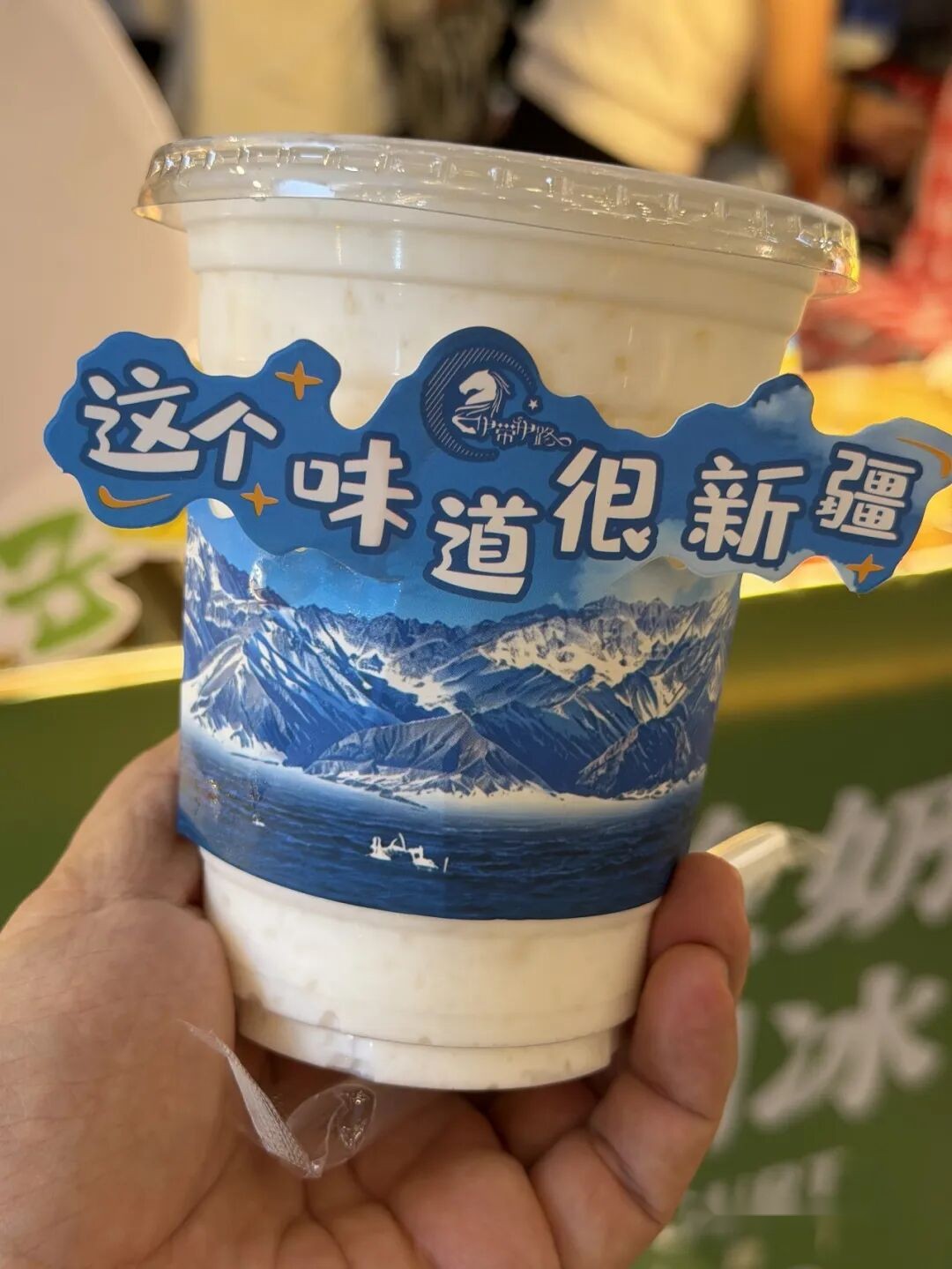
My absolute favorite is the original yogurt shaved ice, which is pleasantly tart without a hint of sweetness.
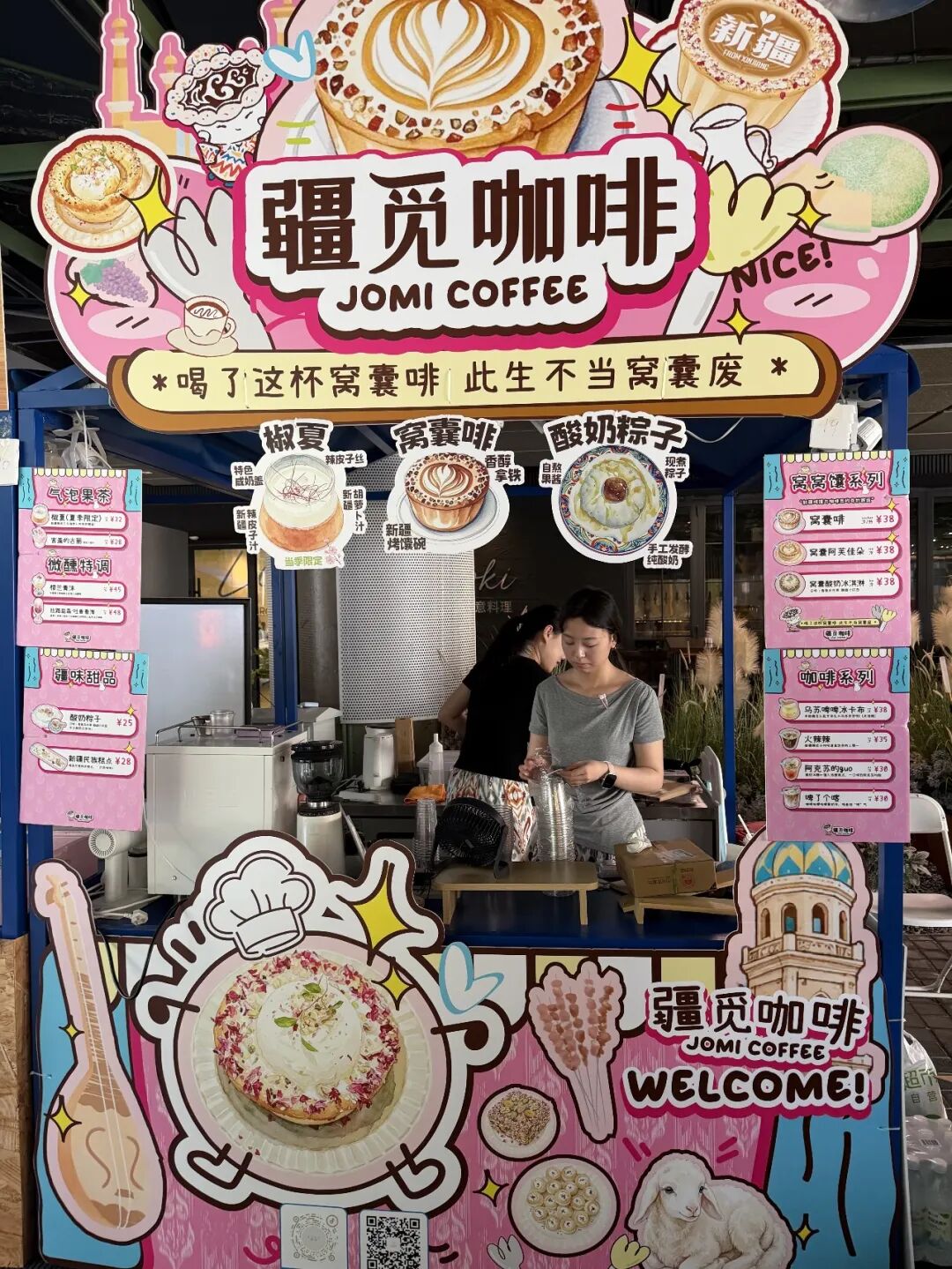
Right in the middle booth, there's a Xinjiang-style coffee stand where you should definitely try their signature baked naan coffee.
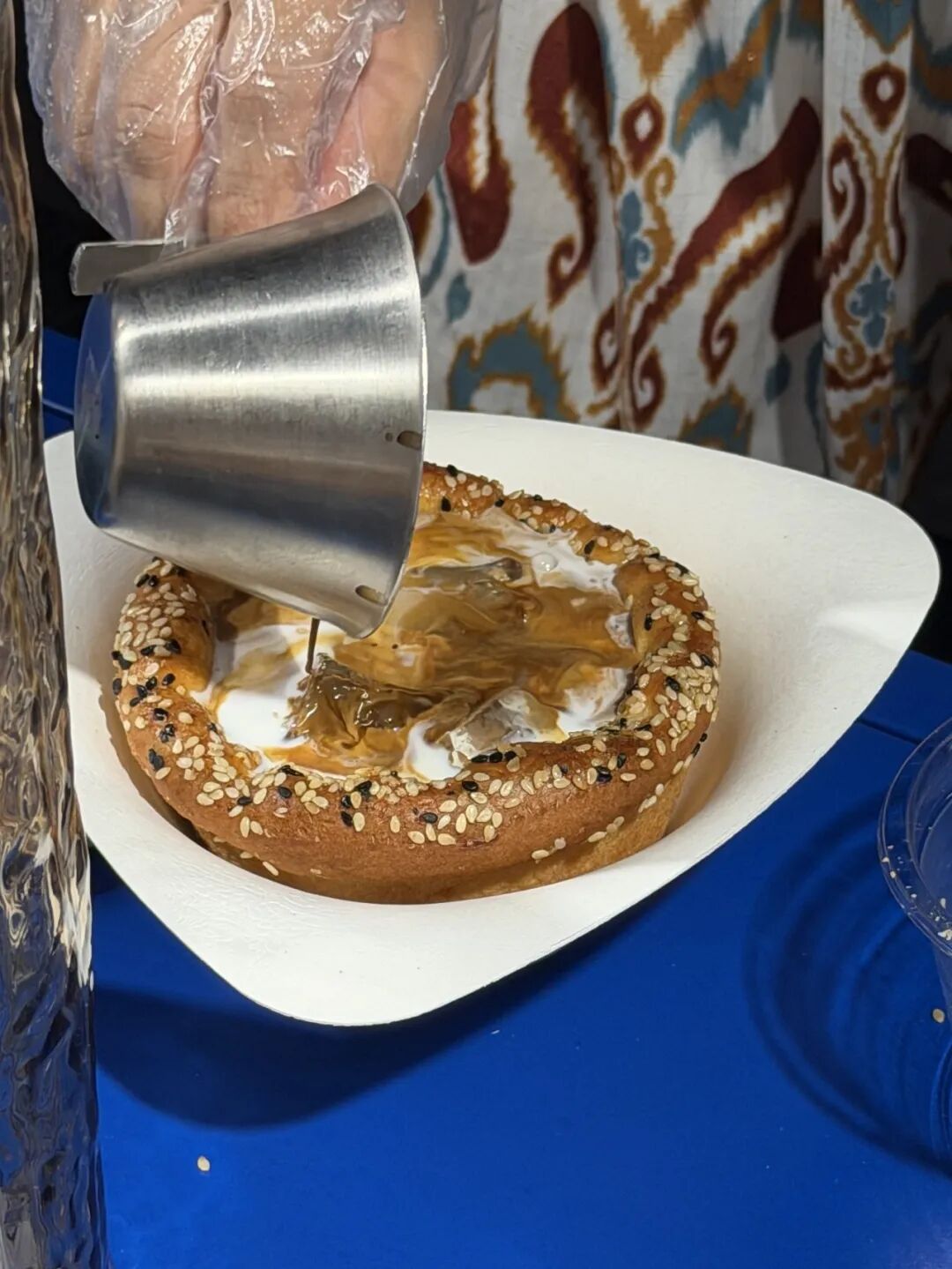
This latte is brewed fresh using an espresso machine, and you're supposed to eat the naan after finishing your coffee, though the naan itself was a little on the hard side.
5. Yiqinglan Kaitian Revolving Hot Pot
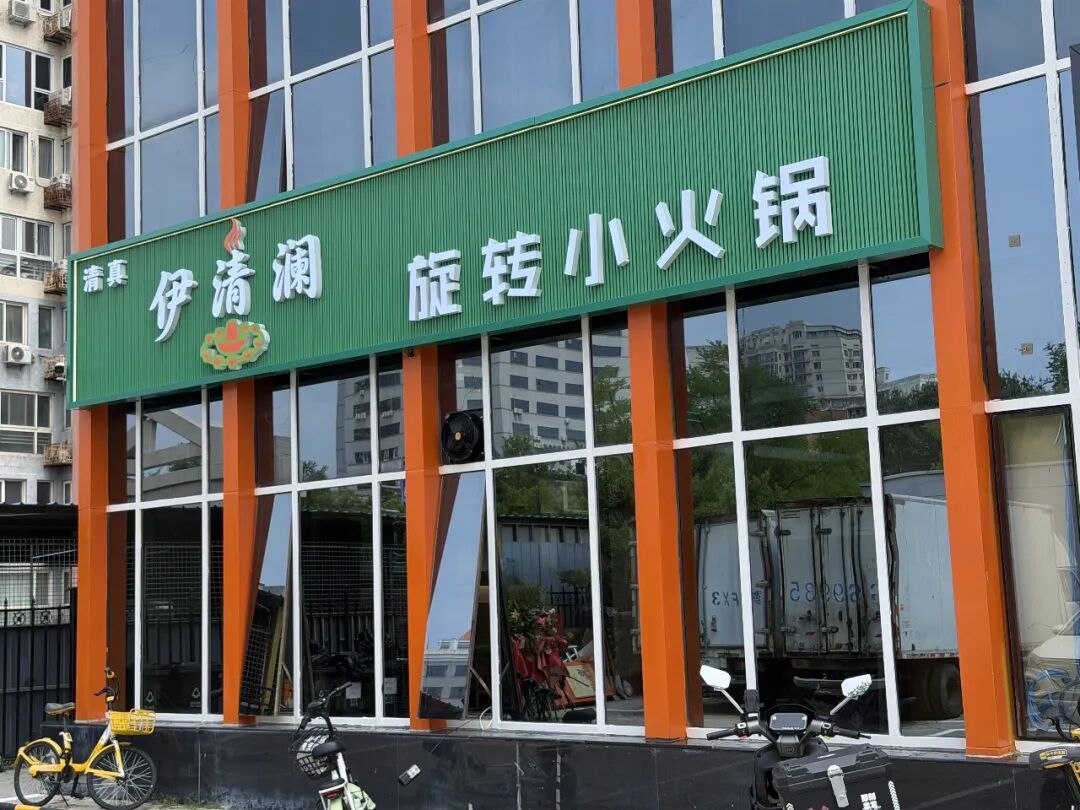
This is a brand new revolving mini hot pot spot in Liudaokou that's currently in its soft opening phase, with free soup bases and dipping sauce bars.
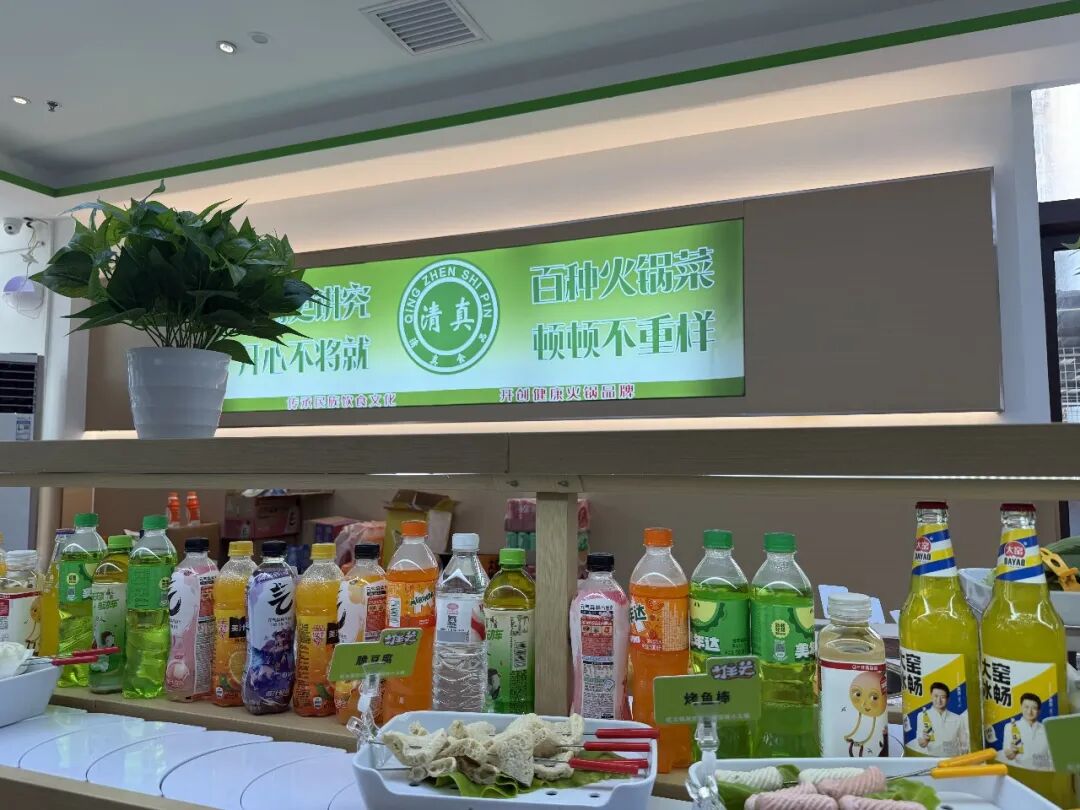
Beijing Halal Food Guide Part 60: Discover exotic Thai halal, Nigerian eats, and nostalgic rice noodles in this authentic city tour. We’re tracking down the best hidden gems and community favorites across Beijing.
The place is super clean with over a hundred items on the menu; you just count the skewers to pay at the end, and it costs less than 50 yuan per person.
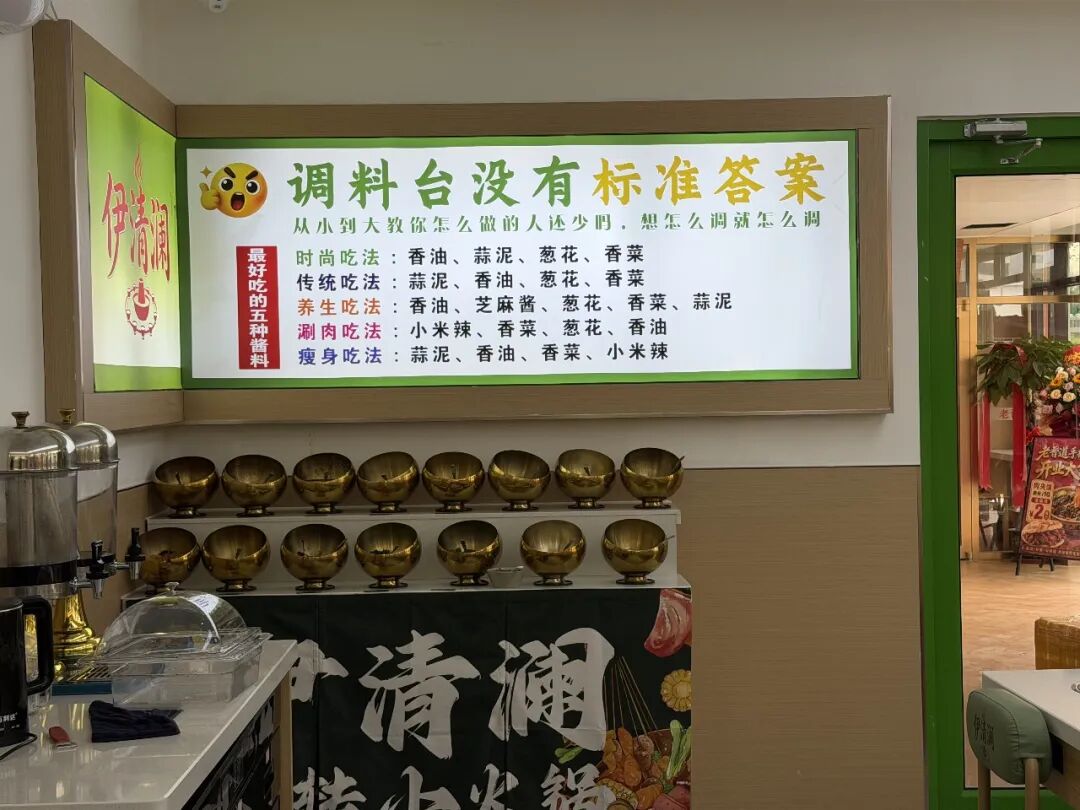
The golden soup base is pretty solid, packed with suancai (pickled mustard greens), and the sauce station has a huge variety. My go-to mix is beef sauce, vinegar, green onions, cilantro, garlic, and sesame oil.
6. Kashgar Knight Flavors Restaurant
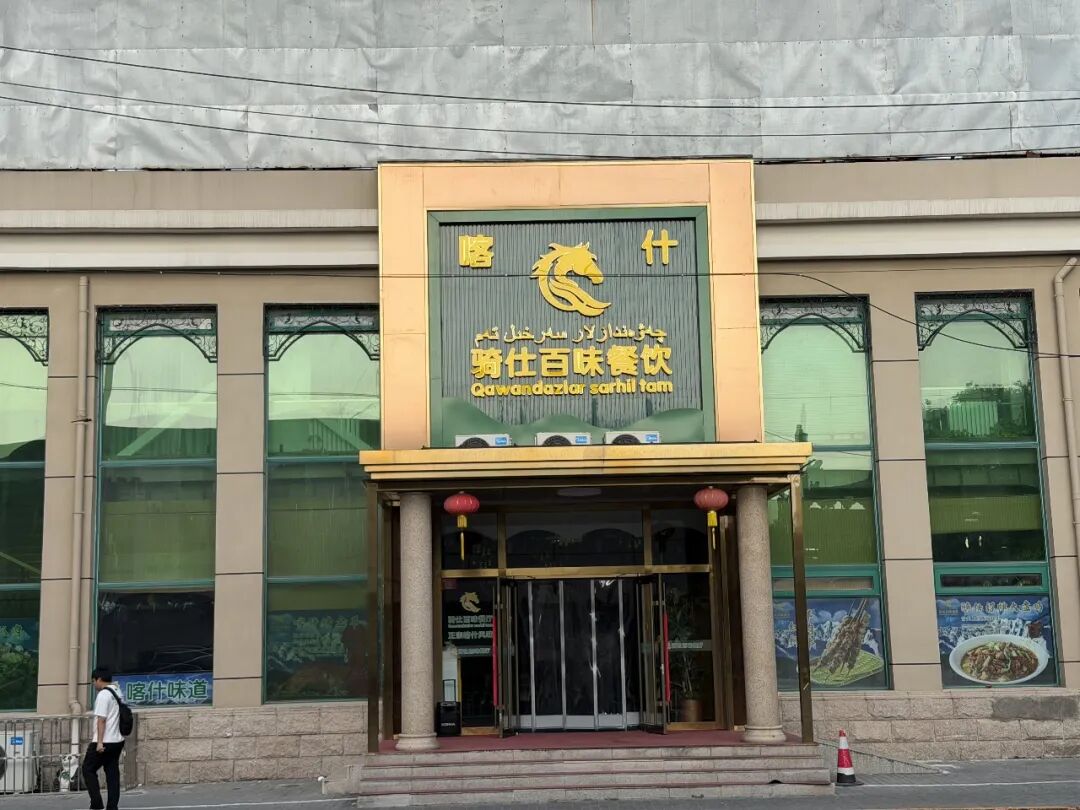
This spot is the official Kashgar government office restaurant in Beijing. It was closed for years but recently reopened. There’s also a location back in Kashgar.
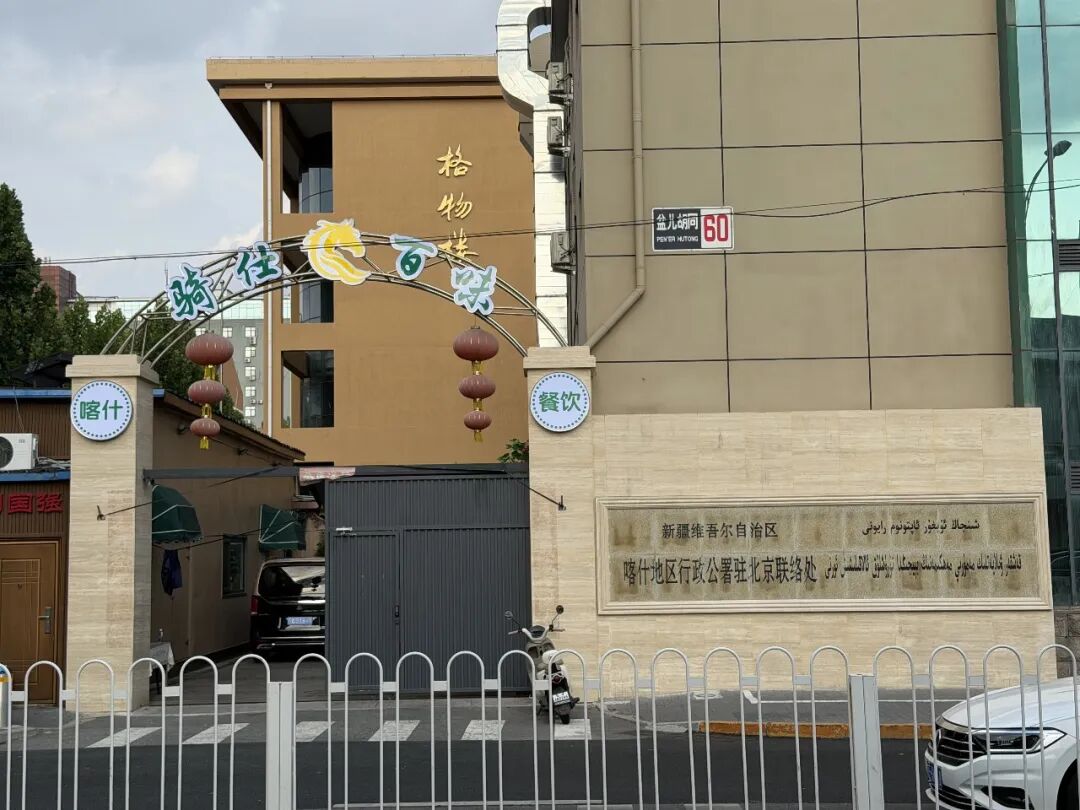
Restaurants run by government offices are rarely ever inauthentic because the officials eat there all the time.
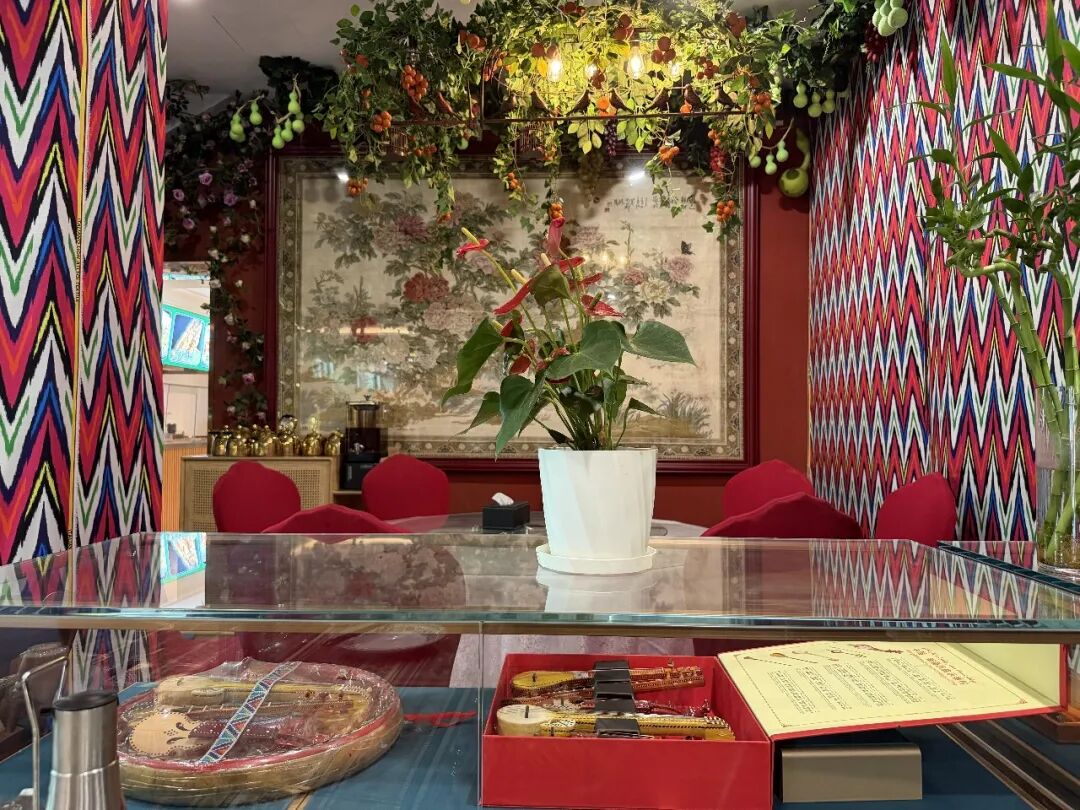
The decor feels a bit dated, honestly, like they didn't put much thought into the design. The ground floor is open seating, and half the space is dedicated to selling Xinjiang specialties.
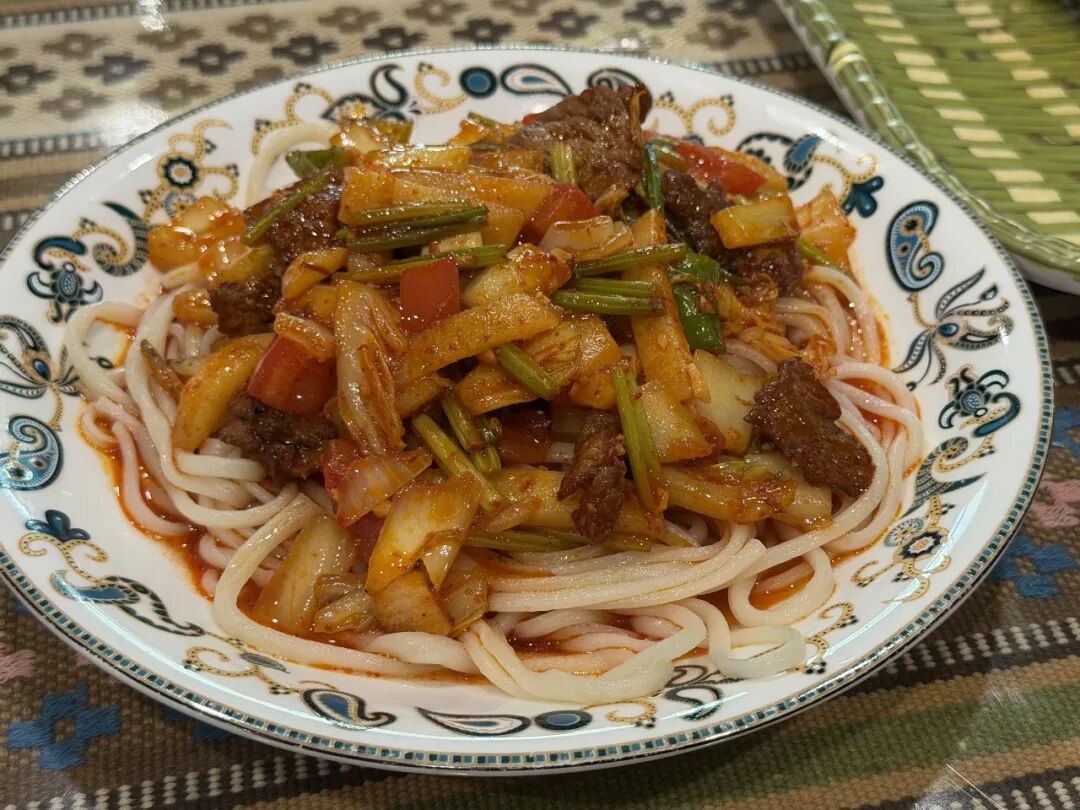
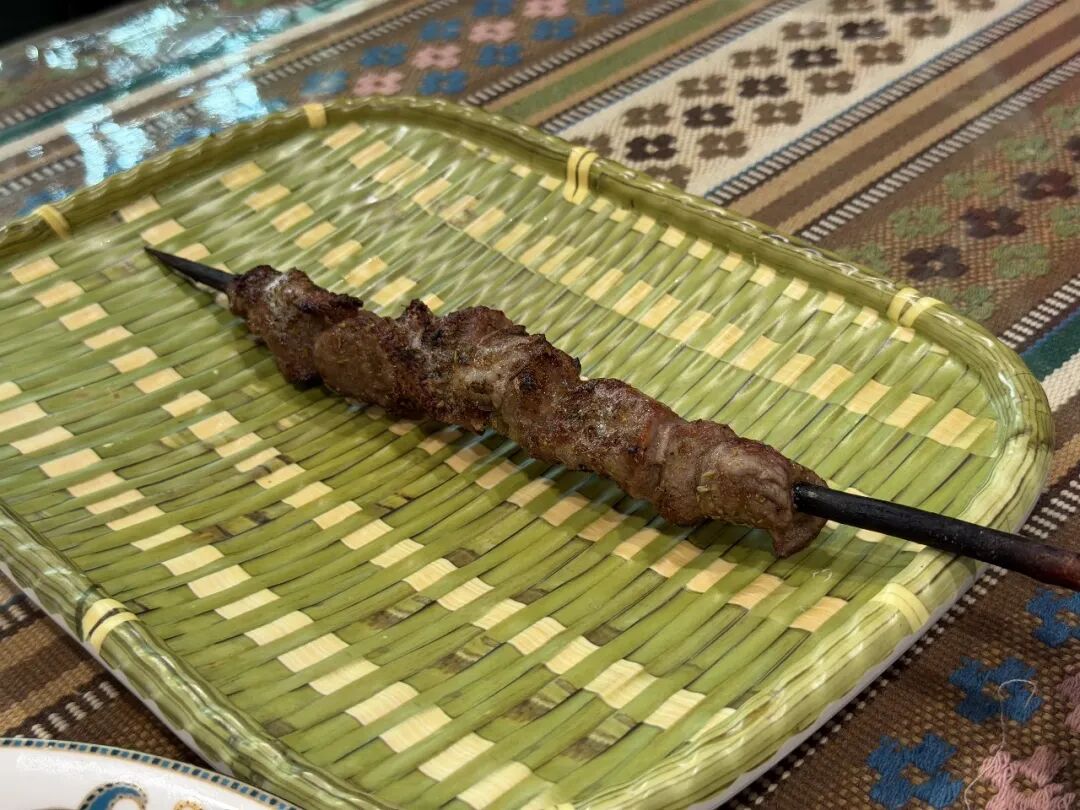
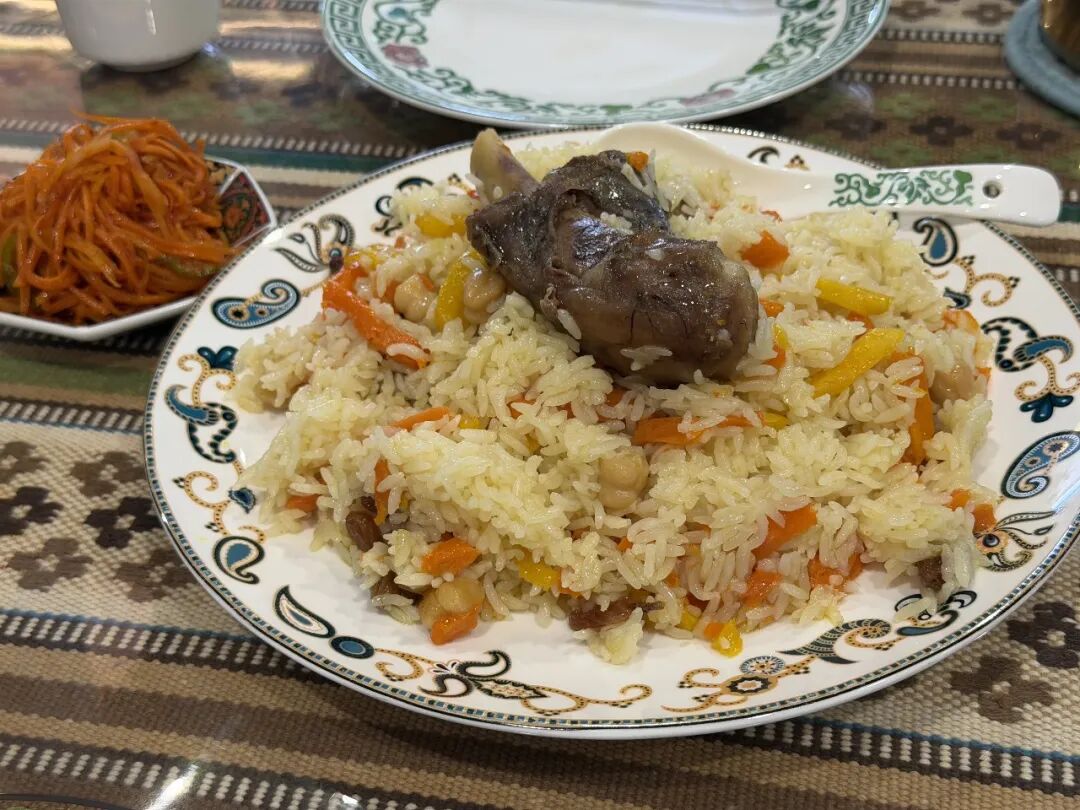
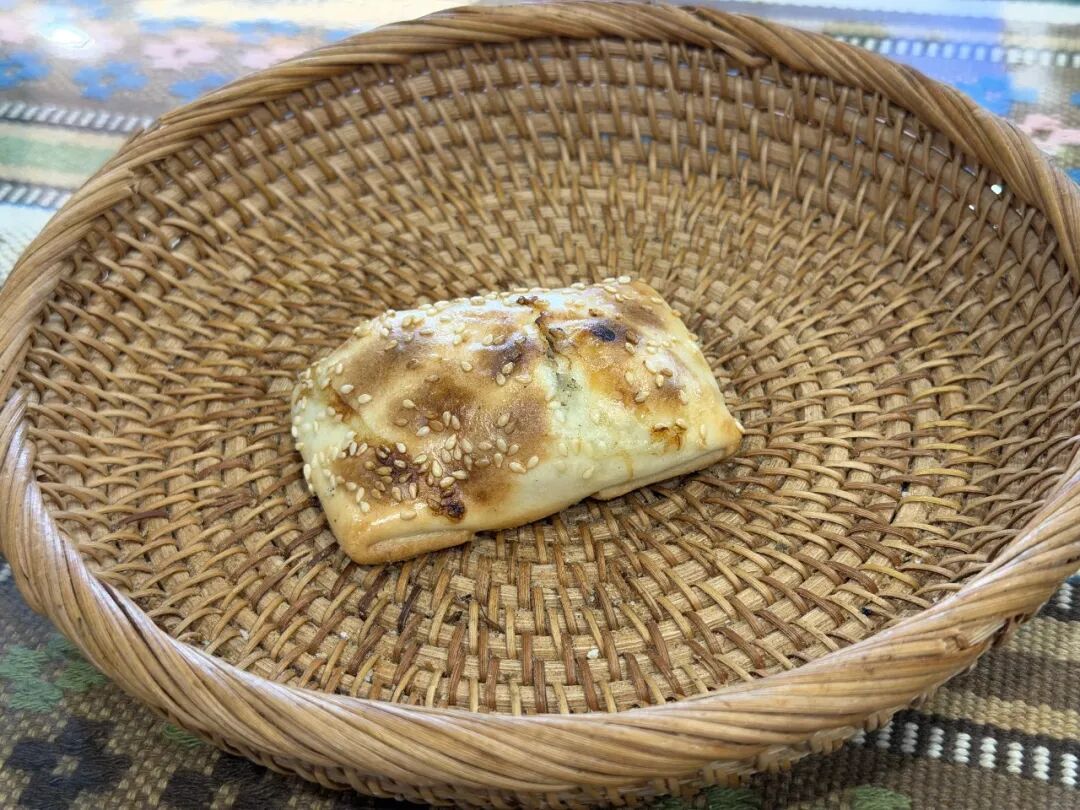
I ordered the homestyle banmian (hand-pulled noodles), zhuafan (pilaf), and kaobaozi (baked buns). The noodles were great, the pilaf was a bit too oily, and the skewers were decent.
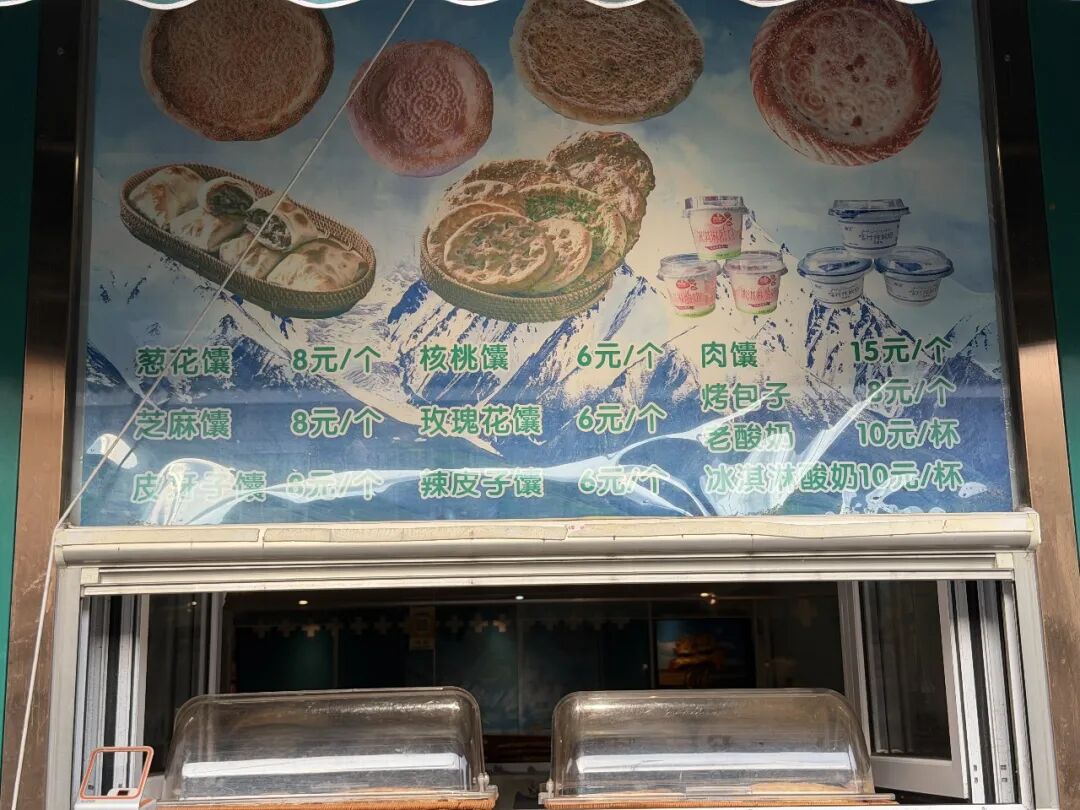
The kaobaozi crust wasn't crispy enough, but they do have an outdoor takeout window selling all kinds of nang (traditional flatbread).
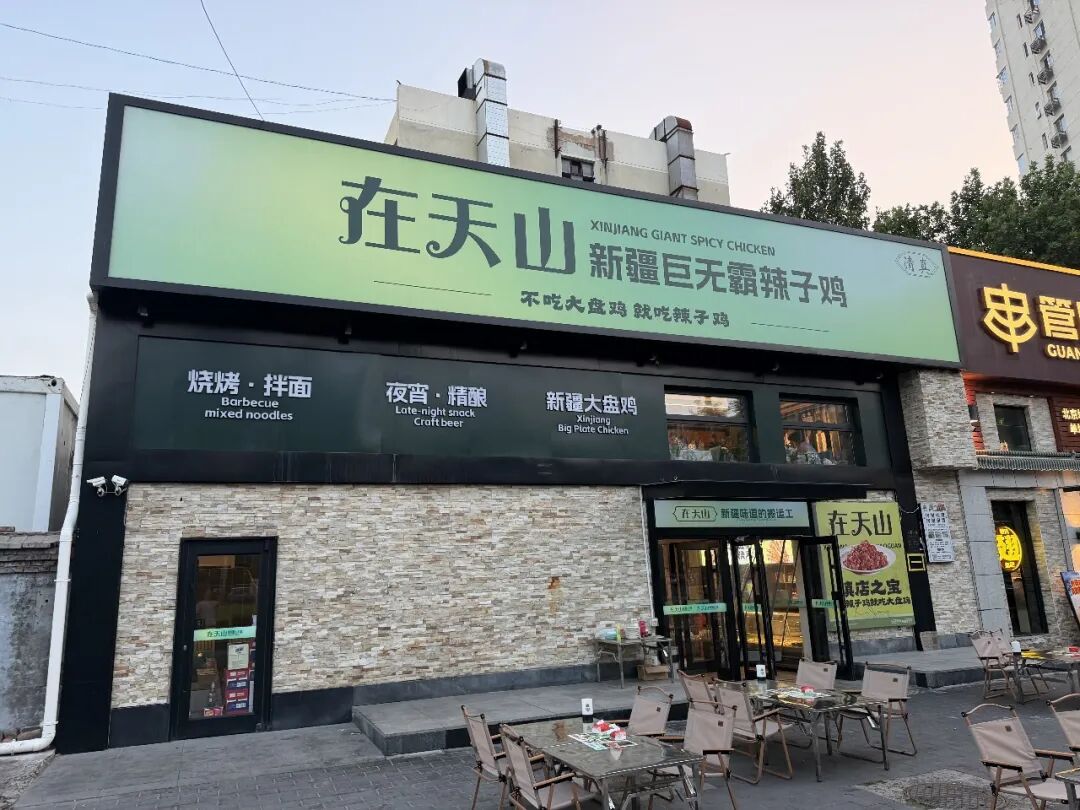
7. Zai Tianshan Xinjiang Massive Spicy Chicken
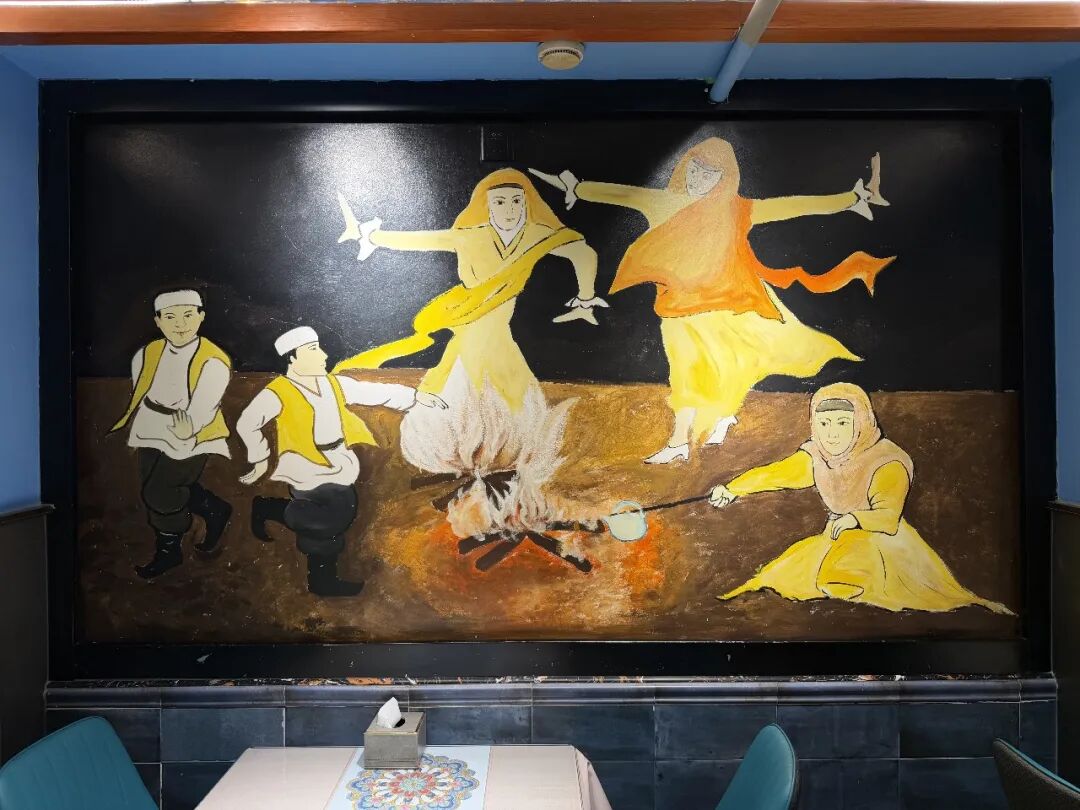
It’s a Xinjiang spicy chicken spot in Wangjing, but it’s actually run by folks from Tianshui.
All the servers are from Gansu.
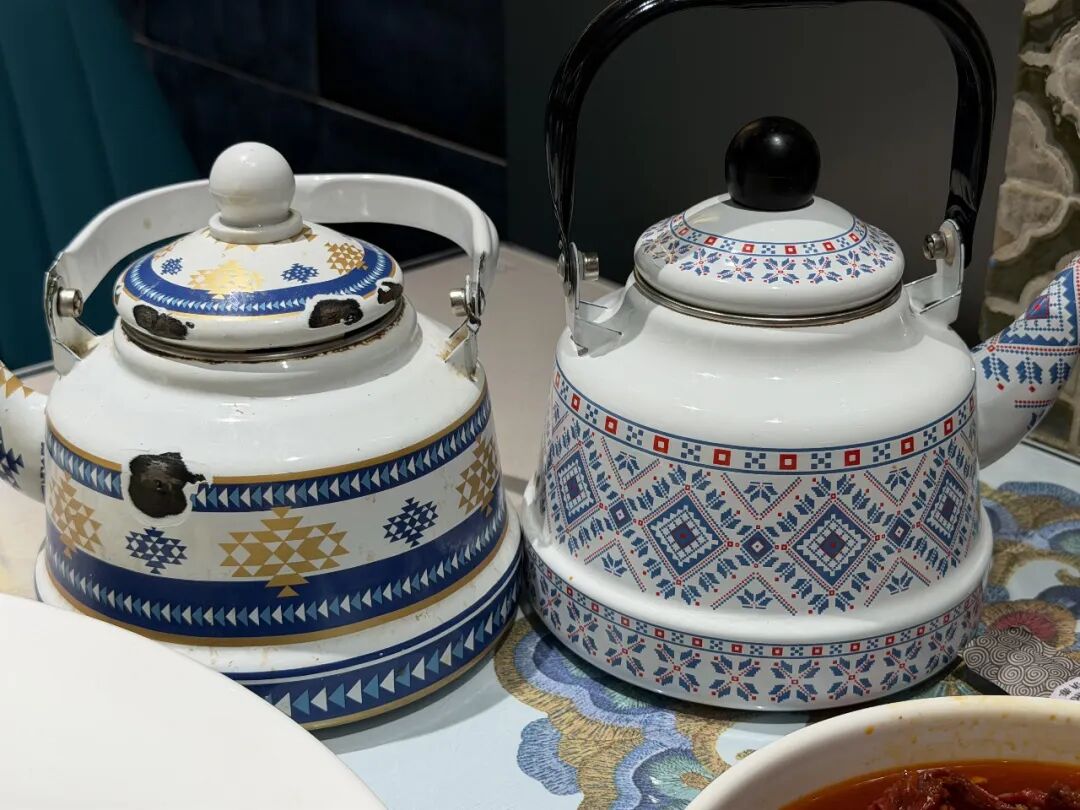
This pot is filled with savory milk tea.
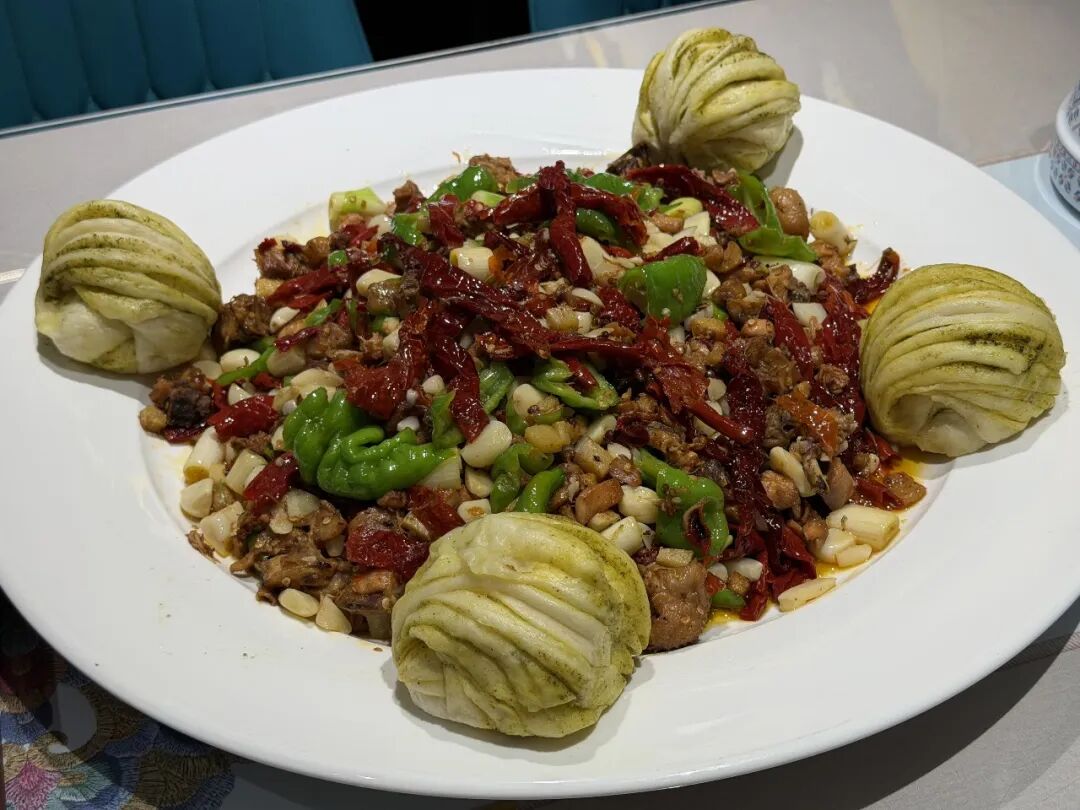
The spicy chicken is definitely huge, mostly loaded with chilies and garlic. The style is different from traditional Xinjiang spicy chicken, but honestly, the best part was the huajuan (steamed twisted rolls)—they were super soft and fluffy.
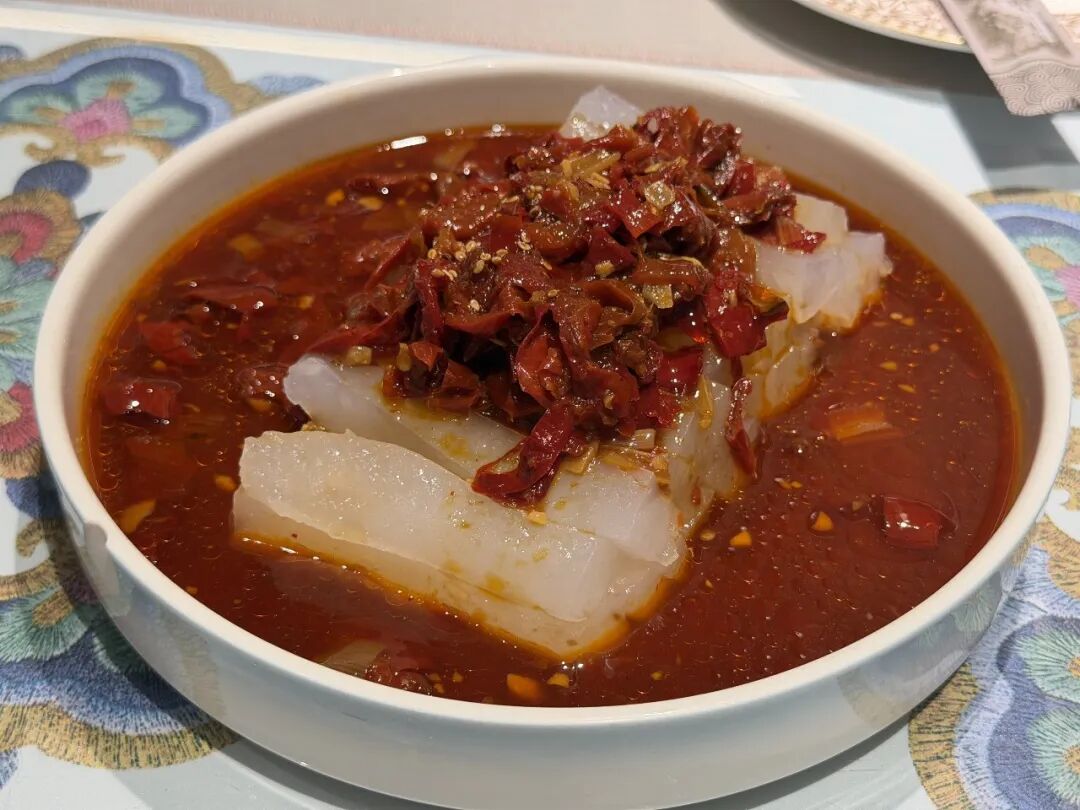
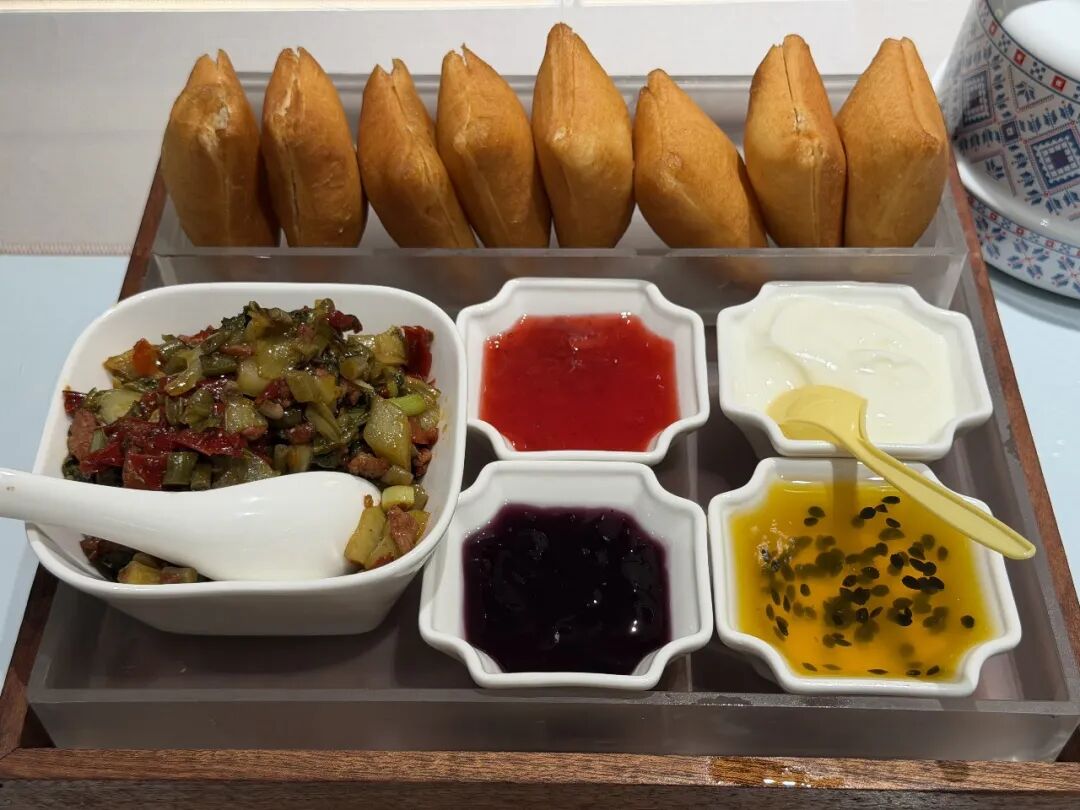
These are baursak (fried dough); in Ili, this is basically breakfast for the Kazakh people. This place did a modern twist by serving them with dipping sauces like passion fruit and blueberry jam, or you can use them to wrap up veggies.
The lapizi liangfen (cold starch jelly with spicy pepper skins) was a bit too salty. For those strictly looking for that authentic Xinjiang taste, this might be a letdown.
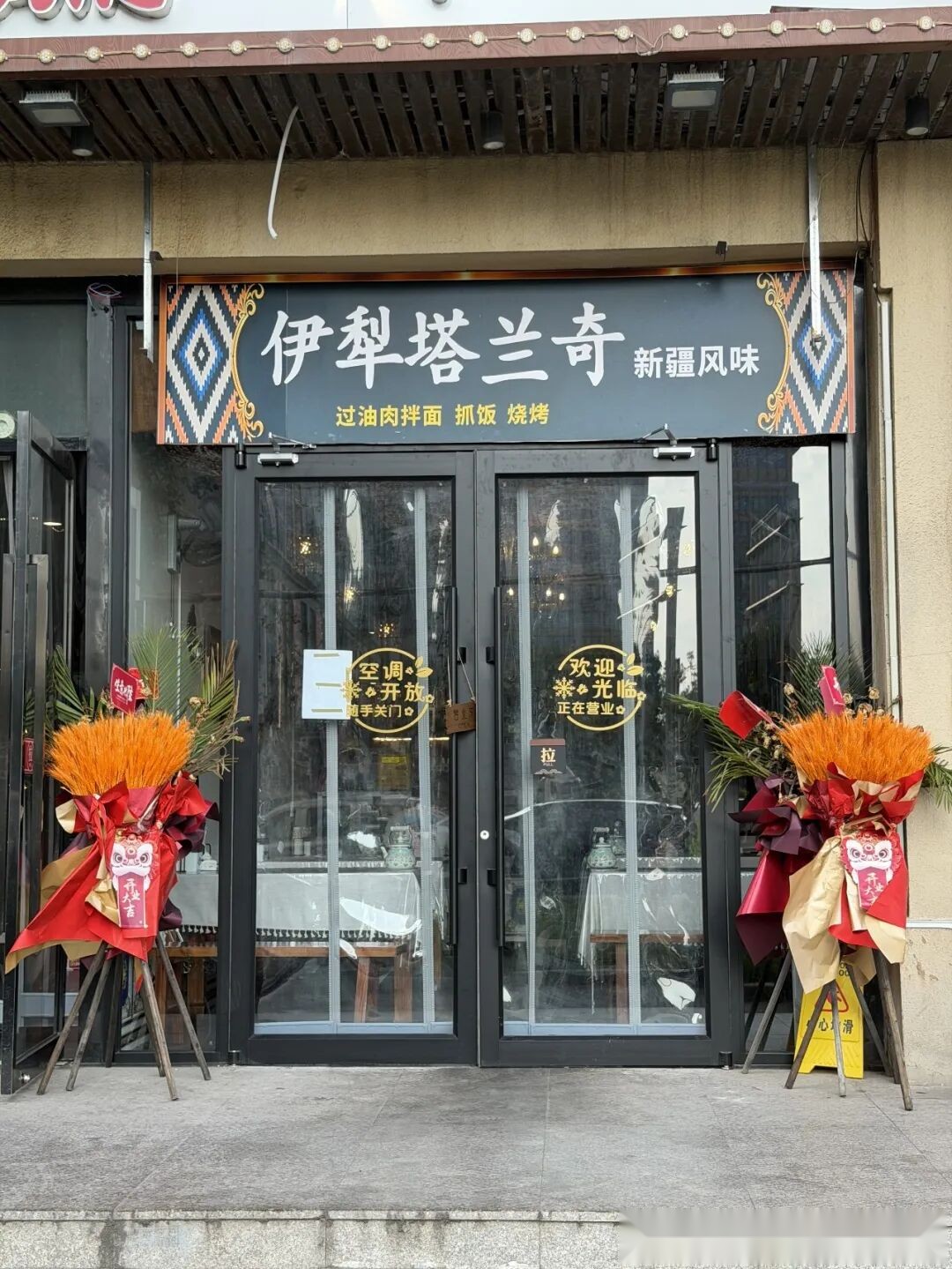
8. Ili Taranchi Xinjiang Restaurant
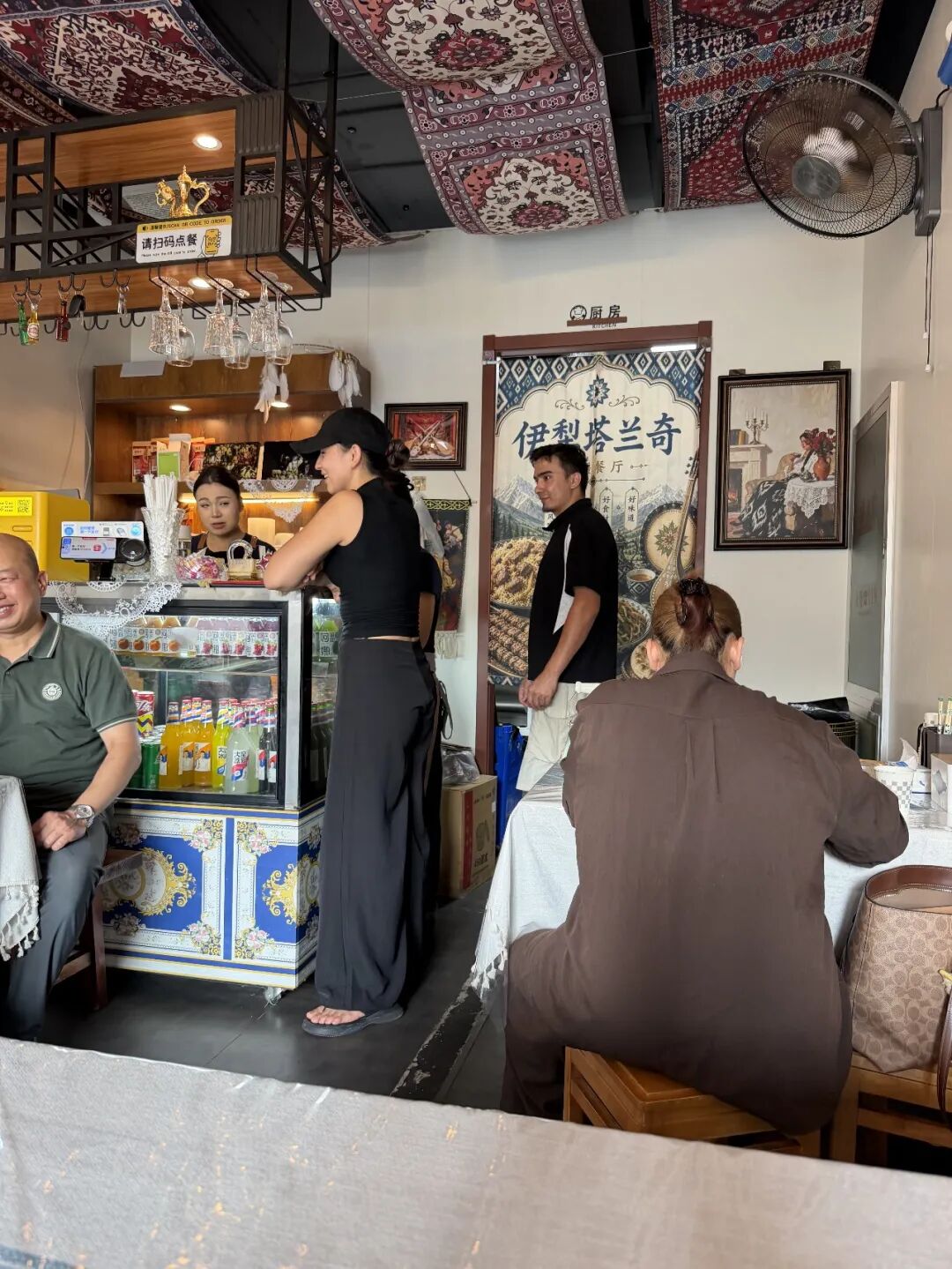
A newly opened Ili restaurant in Fengtai. The staff includes both Uyghur and Kazakh people—one girl there is actually of mixed heritage. Taranchi is a term for a specific group in the Ili region who were later officially classified as Uyghur.
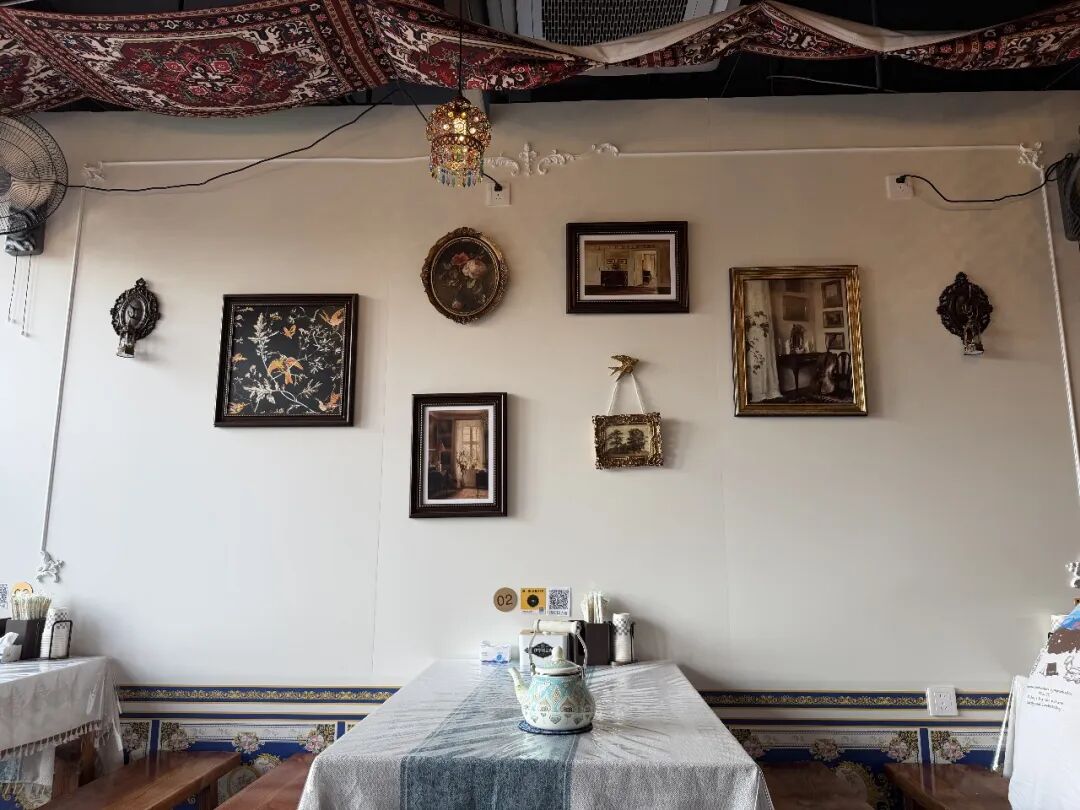
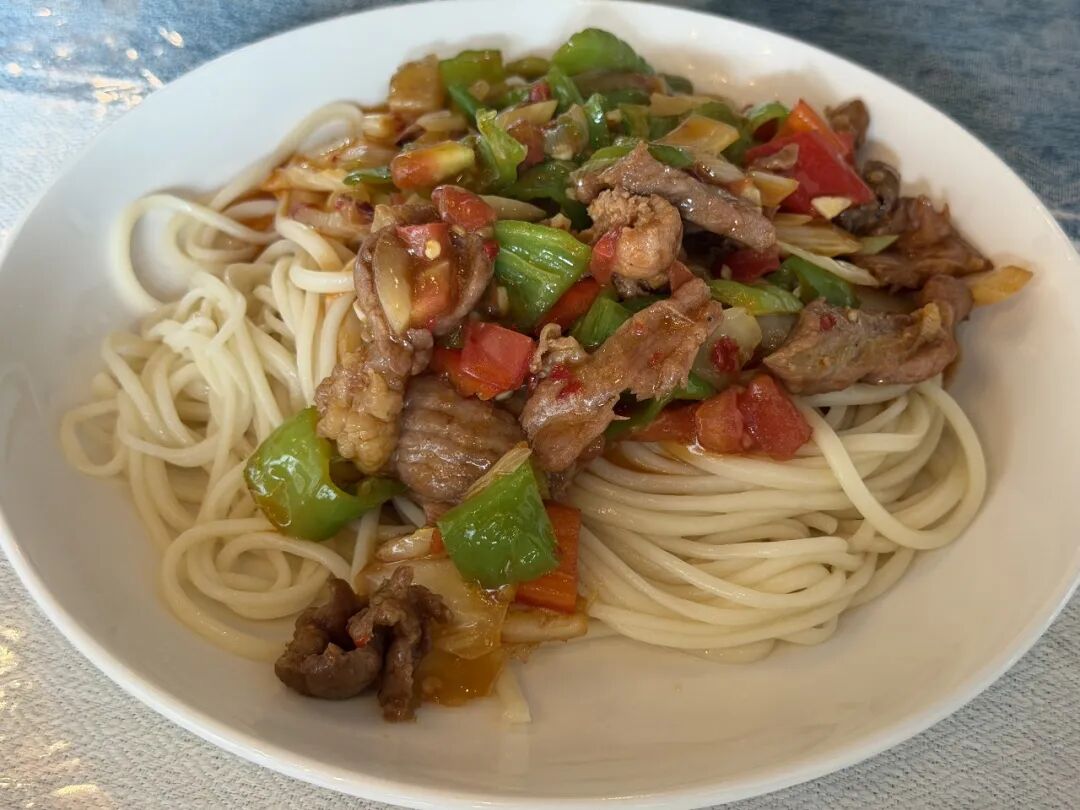
The place is tiny with only a few tables, but their banmian and zhuafan are seriously on point.
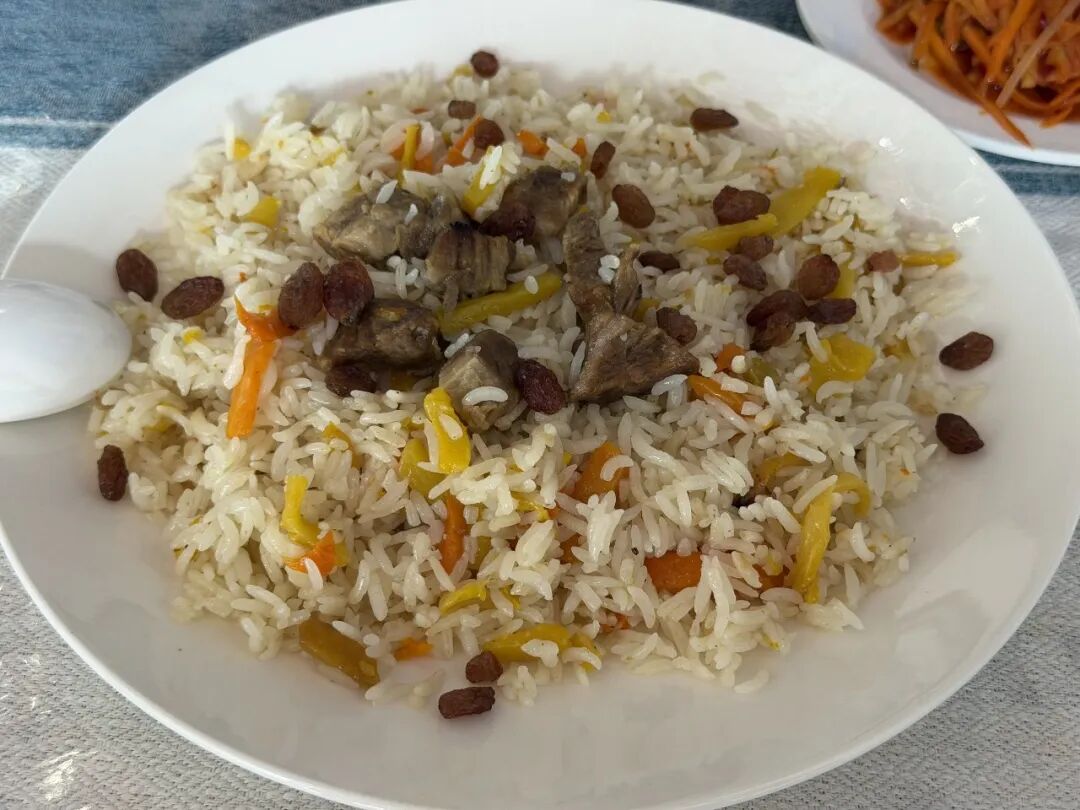
The portions of noodles and pilaf aren't huge, but the flavor is excellent and it’s on the lighter side, which works for me since I don't need a massive amount of food.
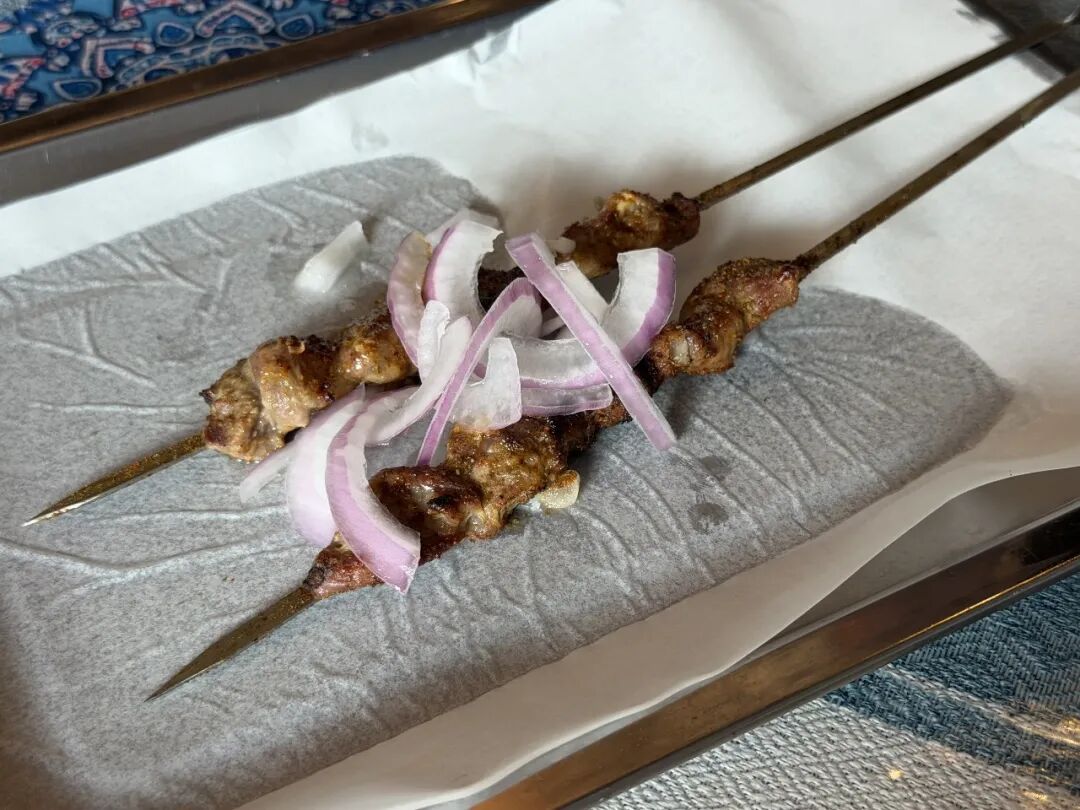
This pilaf is way lighter and less greasy than the one at the Kashgar office restaurant, though some people online have complained that the meat portions are a bit skimpy. The grilled meat is super tender. They don't have a huge menu, but the noodles, pilaf, and skewers are definitely worth recommending. A bunch of new Ili-style noodle shops have popped up in Beijing lately that look really authentic—I’ll be checking those out one by one.
We’ve unlocked 59 high-def shots for the 60th edition of our Beijing Halal food map, featuring some absolute hidden gems. We’re diving into the city’s rare halal Thai, Indian, and Nigerian spots, along with authentic comfort-food rice noodles and traditional beef and lamb joints, all to show off the global variety in Beijing’s halal dining scene.
The range of halal restaurants in Beijing is honestly mind-blowing. I just stumbled upon some halal Thai and Nigerian spots, and it makes me wonder how many other hidden gems are still out there. If you know of any, definitely leave a comment and let me know!
Here’s the lineup of halal restaurants we’re checking out in this edition:
1. Sixiang Rice Noodles
2. Victor’s Place (Indian & Thai Restaurant)
3. CODED Nigerian Restaurant
4. Kang Kang Burger
5. Yiqinglan Rotating Hot Pot
6. Kashgar Knight Cuisine
7. Zai Tianshan Xinjiang Giant Spicy Chicken
8. Yili Talanchi Xinjiang Restaurant
1. Sixiang Rice Noodles
Near the Shunyi airport, I found this Xinjiang rice noodle spot; turns out it just moved here from Xiaoyun Road. The place is pretty small and mostly sticks to various rice noodle dishes and classic Xinjiang snacks.
This plastic-bottled kvass (a fermented bread drink) wasn't as good as the glass-bottled kind. Honestly, it just tasted like sweet soda.
The chicken mixed rice noodles were solid. The texture is actually pretty similar to Hunan-style rice noodles, and you can pick your spice level and add extra toppings.
The beef rice noodles, however, were not it. The beef had a weird, heavy gamey smell, and my friend said it didn't taste as good as it used to.
2. Victor’s Place (Indian & Thai Restaurant)
Just 400 meters away from the noodle shop is this place. It’s been open for 22 years, and I had no idea it was halal! The staff here are actually from Bangladesh and Pakistan.
The vibe inside is like a bookstore—super spacious and perfect if you’re looking to host a business meeting.
I came specifically for the halal Thai food. There used to be a place called Sukhothai near Nanluoguxiang that served halal Thai, but they closed down years ago.
This is their signature Tom Yum Goong soup. I ordered the large, which is plenty for three or four people. It’s rich, flavorful, and packed with ingredients.
The Thai appetizer platter was good, too. Those little rice-wrapped bundles actually have chicken inside.
This is the pineapple seafood fried rice. The flavor was fine, but the only letdown was that they didn't serve it inside an actual pineapple. I saw it on their website photos served in the shell—maybe they just ran out of pineapples that day?
The Thai-style lemon grilled chicken was incredibly tender and juicy.
For the Thai curry shrimp, do yourself a favor and order a side of naan (leavened flatbread) to go with it.
The Mumbai mutton curry was fantastic, and the server totally recommended we try their garlic butter naan, too—everything we ordered tasted amazing.
No wonder this spot has been around for 22 years, since the food and service are both top-notch. A friendly guy from Bangladesh who spoke fluent Mandarin took care of us.
3. CODED Nigerian Restaurant
This place is pretty well hidden with no sign outside, so we had to call them to figure out it's a Halal Nigerian spot. Word is they used to serve Ethiopian food too, but the chef who made it moved back home.
The staff mentioned that most African food is Halal, and besides North African Egyptian and Algerian spots, this Nigerian restaurant and another one called Tribal Garden Ghanaian Restaurant are both fully Halal.
The African background music has super cool vibes, they host music events on weekends, and their hours run from evening straight through late night.
I didn't have super high expectations coming in and just wanted to try something totally different, but I was seriously blown away. The dishes were ridiculously good, even if they aren't the most photogenic—like this Egusi, which is made from ground melon seeds mixed with African spices and has a texture kind of like tofu.
This is the braised cow foot served in an okra-based broth where you can mix and match options, and you can pick fufu as your carb. The cow foot was super tender, soft, and bouncy.
This braised chicken leg was also super good. The chicken leg was probably pan-seared first, giving it a crispy skin while staying super flavorful inside.
Next is the African grilled fish, which is probably tilapia since it's native to Africa. It has no tiny bones, the meat is thick and hearty, and the skin is crispy and fragrant. All of these dishes are totally kid-friendly since they aren't too salty, spicy, or greasy.
This wheat flour dough ball is called Semo, and the authentic way to eat it is to grab it with your hands and dip it into the sauce.
This is fufu, the most classic African carb. They give you these complimentary when you order main dishes, and it's made from cassava flour, making fufu a bit stickier than Semo.
4. Xinjiang Bazaar - Kangkang Burger
There's a Xinjiang bazaar happening this week at the 1733 Food Street in Dazhongshi, running from August 3rd to August 9th.
There's a vendor at the bazaar called Kangkang Burger, known for their signature Xinjiang-style milk skin beef burgers, and they even have a foie gras flavor.
We grabbed a milk skin and foie gras beef burger, plus a perilla seed yogurt waterfall burger.
The burgers aren't cheap, but they taste pretty decent. The owner is a Hui Muslim from Zaozhuang, Shandong, and they don't have a permanent brick-and-mortar storefront yet, though the owner mentioned they'll be opening a casual Western diner near Longfusi by September.
Down at the 1733 Valley Food Market, you can also check out One Belt One Road (Yi Dai Yi Lu), which is located right next to Kangkang Burger.
One Belt One Road has two booths at the bazaar—one selling yogurt shaved ice, and another selling ciabatta and baked breads.
Their yogurt is made using authentic Ili methods, too.
My absolute favorite is the original yogurt shaved ice, which is pleasantly tart without a hint of sweetness.
Right in the middle booth, there's a Xinjiang-style coffee stand where you should definitely try their signature baked naan coffee.
This latte is brewed fresh using an espresso machine, and you're supposed to eat the naan after finishing your coffee, though the naan itself was a little on the hard side.
5. Yiqinglan Kaitian Revolving Hot Pot
This is a brand new revolving mini hot pot spot in Liudaokou that's currently in its soft opening phase, with free soup bases and dipping sauce bars.
Beijing Halal Food Guide Part 60: Discover exotic Thai halal, Nigerian eats, and nostalgic rice noodles in this authentic city tour. We’re tracking down the best hidden gems and community favorites across Beijing.
The place is super clean with over a hundred items on the menu; you just count the skewers to pay at the end, and it costs less than 50 yuan per person.
The golden soup base is pretty solid, packed with suancai (pickled mustard greens), and the sauce station has a huge variety. My go-to mix is beef sauce, vinegar, green onions, cilantro, garlic, and sesame oil.
6. Kashgar Knight Flavors Restaurant
This spot is the official Kashgar government office restaurant in Beijing. It was closed for years but recently reopened. There’s also a location back in Kashgar.
Restaurants run by government offices are rarely ever inauthentic because the officials eat there all the time.
The decor feels a bit dated, honestly, like they didn't put much thought into the design. The ground floor is open seating, and half the space is dedicated to selling Xinjiang specialties.
I ordered the homestyle banmian (hand-pulled noodles), zhuafan (pilaf), and kaobaozi (baked buns). The noodles were great, the pilaf was a bit too oily, and the skewers were decent.
The kaobaozi crust wasn't crispy enough, but they do have an outdoor takeout window selling all kinds of nang (traditional flatbread).
7. Zai Tianshan Xinjiang Massive Spicy Chicken
It’s a Xinjiang spicy chicken spot in Wangjing, but it’s actually run by folks from Tianshui.
All the servers are from Gansu.
This pot is filled with savory milk tea.
The spicy chicken is definitely huge, mostly loaded with chilies and garlic. The style is different from traditional Xinjiang spicy chicken, but honestly, the best part was the huajuan (steamed twisted rolls)—they were super soft and fluffy.
These are baursak (fried dough); in Ili, this is basically breakfast for the Kazakh people. This place did a modern twist by serving them with dipping sauces like passion fruit and blueberry jam, or you can use them to wrap up veggies.
The lapizi liangfen (cold starch jelly with spicy pepper skins) was a bit too salty. For those strictly looking for that authentic Xinjiang taste, this might be a letdown.
8. Ili Taranchi Xinjiang Restaurant
A newly opened Ili restaurant in Fengtai. The staff includes both Uyghur and Kazakh people—one girl there is actually of mixed heritage. Taranchi is a term for a specific group in the Ili region who were later officially classified as Uyghur.
The place is tiny with only a few tables, but their banmian and zhuafan are seriously on point.
The portions of noodles and pilaf aren't huge, but the flavor is excellent and it’s on the lighter side, which works for me since I don't need a massive amount of food.
This pilaf is way lighter and less greasy than the one at the Kashgar office restaurant, though some people online have complained that the meat portions are a bit skimpy. The grilled meat is super tender. They don't have a huge menu, but the noodles, pilaf, and skewers are definitely worth recommending. A bunch of new Ili-style noodle shops have popped up in Beijing lately that look really authentic—I’ll be checking those out one by one.
Best Halal Food in Beijing: Exotic Thai, Nigerian, and Authentic Xinjiang Cuisine Guide
Articles • Hasan09 posted the article • 0 comments • 15 views • 9 hours ago
[Internet Repost]
We’ve unlocked 59 high-def shots for the 60th edition of our Beijing Halal food map, featuring some absolute hidden gems. We’re diving into the city’s rare halal Thai, Indian, and Nigerian spots, along with authentic comfort-food rice noodles and traditional beef and lamb joints, all to show off the global variety in Beijing’s halal dining scene.
The range of halal restaurants in Beijing is honestly mind-blowing. I just stumbled upon some halal Thai and Nigerian spots, and it makes me wonder how many other hidden gems are still out there. If you know of any, definitely leave a comment and let me know!
Here’s the lineup of halal restaurants we’re checking out in this edition:
1. Sixiang Rice Noodles
2. Victor’s Place (Indian & Thai Restaurant)
3. CODED Nigerian Restaurant
4. Kang Kang Burger
5. Yiqinglan Rotating Hot Pot
6. Kashgar Knight Cuisine
7. Zai Tianshan Xinjiang Giant Spicy Chicken
8. Yili Talanchi Xinjiang Restaurant
1. Sixiang Rice Noodles
Near the Shunyi airport, I found this Xinjiang rice noodle spot; turns out it just moved here from Xiaoyun Road. The place is pretty small and mostly sticks to various rice noodle dishes and classic Xinjiang snacks.
This plastic-bottled kvass (a fermented bread drink) wasn't as good as the glass-bottled kind. Honestly, it just tasted like sweet soda.
The chicken mixed rice noodles were solid. The texture is actually pretty similar to Hunan-style rice noodles, and you can pick your spice level and add extra toppings.
The beef rice noodles, however, were not it. The beef had a weird, heavy gamey smell, and my friend said it didn't taste as good as it used to.
2. Victor’s Place (Indian & Thai Restaurant)
Just 400 meters away from the noodle shop is this place. It’s been open for 22 years, and I had no idea it was halal! The staff here are actually from Bangladesh and Pakistan.
The vibe inside is like a bookstore—super spacious and perfect if you’re looking to host a business meeting.
I came specifically for the halal Thai food. There used to be a place called Sukhothai near Nanluoguxiang that served halal Thai, but they closed down years ago.
This is their signature Tom Yum Goong soup. I ordered the large, which is plenty for three or four people. It’s rich, flavorful, and packed with ingredients.
The Thai appetizer platter was good, too. Those little rice-wrapped bundles actually have chicken inside.
This is the pineapple seafood fried rice. The flavor was fine, but the only letdown was that they didn't serve it inside an actual pineapple. I saw it on their website photos served in the shell—maybe they just ran out of pineapples that day?
The Thai-style lemon grilled chicken was incredibly tender and juicy.
For the Thai curry shrimp, do yourself a favor and order a side of naan (leavened flatbread) to go with it.
The Mumbai mutton curry was fantastic, and the server totally recommended we try their garlic butter naan, too—everything we ordered tasted amazing.
No wonder this spot has been around for 22 years, since the food and service are both top-notch. A friendly guy from Bangladesh who spoke fluent Mandarin took care of us.
3. CODED Nigerian Restaurant
This place is pretty well hidden with no sign outside, so we had to call them to figure out it's a Halal Nigerian spot. Word is they used to serve Ethiopian food too, but the chef who made it moved back home.
The staff mentioned that most African food is Halal, and besides North African Egyptian and Algerian spots, this Nigerian restaurant and another one called Tribal Garden Ghanaian Restaurant are both fully Halal.
The African background music has super cool vibes, they host music events on weekends, and their hours run from evening straight through late night.
I didn't have super high expectations coming in and just wanted to try something totally different, but I was seriously blown away. The dishes were ridiculously good, even if they aren't the most photogenic—like this Egusi, which is made from ground melon seeds mixed with African spices and has a texture kind of like tofu.
This is the braised cow foot served in an okra-based broth where you can mix and match options, and you can pick fufu as your carb. The cow foot was super tender, soft, and bouncy.
This braised chicken leg was also super good. The chicken leg was probably pan-seared first, giving it a crispy skin while staying super flavorful inside.
Next is the African grilled fish, which is probably tilapia since it's native to Africa. It has no tiny bones, the meat is thick and hearty, and the skin is crispy and fragrant. All of these dishes are totally kid-friendly since they aren't too salty, spicy, or greasy.
This wheat flour dough ball is called Semo, and the authentic way to eat it is to grab it with your hands and dip it into the sauce.
This is fufu, the most classic African carb. They give you these complimentary when you order main dishes, and it's made from cassava flour, making fufu a bit stickier than Semo.
4. Xinjiang Bazaar - Kangkang Burger
There's a Xinjiang bazaar happening this week at the 1733 Food Street in Dazhongshi, running from August 3rd to August 9th.
There's a vendor at the bazaar called Kangkang Burger, known for their signature Xinjiang-style milk skin beef burgers, and they even have a foie gras flavor.
We grabbed a milk skin and foie gras beef burger, plus a perilla seed yogurt waterfall burger.
The burgers aren't cheap, but they taste pretty decent. The owner is a Hui Muslim from Zaozhuang, Shandong, and they don't have a permanent brick-and-mortar storefront yet, though the owner mentioned they'll be opening a casual Western diner near Longfusi by September.
Down at the 1733 Valley Food Market, you can also check out One Belt One Road (Yi Dai Yi Lu), which is located right next to Kangkang Burger.
One Belt One Road has two booths at the bazaar—one selling yogurt shaved ice, and another selling ciabatta and baked breads.
Their yogurt is made using authentic Ili methods, too.
My absolute favorite is the original yogurt shaved ice, which is pleasantly tart without a hint of sweetness.
Right in the middle booth, there's a Xinjiang-style coffee stand where you should definitely try their signature baked naan coffee.
This latte is brewed fresh using an espresso machine, and you're supposed to eat the naan after finishing your coffee, though the naan itself was a little on the hard side.
5. Yiqinglan Kaitian Revolving Hot Pot
This is a brand new revolving mini hot pot spot in Liudaokou that's currently in its soft opening phase, with free soup bases and dipping sauce bars.
Beijing Halal Food Guide Part 60: Discover exotic Thai halal, Nigerian eats, and nostalgic rice noodles in this authentic city tour. We’re tracking down the best hidden gems and community favorites across Beijing.
The place is super clean with over a hundred items on the menu; you just count the skewers to pay at the end, and it costs less than 50 yuan per person.
The golden soup base is pretty solid, packed with suancai (pickled mustard greens), and the sauce station has a huge variety. My go-to mix is beef sauce, vinegar, green onions, cilantro, garlic, and sesame oil.
6. Kashgar Knight Flavors Restaurant
This spot is the official Kashgar government office restaurant in Beijing. It was closed for years but recently reopened. There’s also a location back in Kashgar.
Restaurants run by government offices are rarely ever inauthentic because the officials eat there all the time.
The decor feels a bit dated, honestly, like they didn't put much thought into the design. The ground floor is open seating, and half the space is dedicated to selling Xinjiang specialties.
I ordered the homestyle banmian (hand-pulled noodles), zhuafan (pilaf), and kaobaozi (baked buns). The noodles were great, the pilaf was a bit too oily, and the skewers were decent.
The kaobaozi crust wasn't crispy enough, but they do have an outdoor takeout window selling all kinds of nang (traditional flatbread).
7. Zai Tianshan Xinjiang Massive Spicy Chicken
It’s a Xinjiang spicy chicken spot in Wangjing, but it’s actually run by folks from Tianshui.
All the servers are from Gansu.
This pot is filled with savory milk tea.
The spicy chicken is definitely huge, mostly loaded with chilies and garlic. The style is different from traditional Xinjiang spicy chicken, but honestly, the best part was the huajuan (steamed twisted rolls)—they were super soft and fluffy.
These are baursak (fried dough); in Ili, this is basically breakfast for the Kazakh people. This place did a modern twist by serving them with dipping sauces like passion fruit and blueberry jam, or you can use them to wrap up veggies.
The lapizi liangfen (cold starch jelly with spicy pepper skins) was a bit too salty. For those strictly looking for that authentic Xinjiang taste, this might be a letdown.
8. Ili Taranchi Xinjiang Restaurant
A newly opened Ili restaurant in Fengtai. The staff includes both Uyghur and Kazakh people—one girl there is actually of mixed heritage. Taranchi is a term for a specific group in the Ili region who were later officially classified as Uyghur.
The place is tiny with only a few tables, but their banmian and zhuafan are seriously on point.
The portions of noodles and pilaf aren't huge, but the flavor is excellent and it’s on the lighter side, which works for me since I don't need a massive amount of food.
This pilaf is way lighter and less greasy than the one at the Kashgar office restaurant, though some people online have complained that the meat portions are a bit skimpy. The grilled meat is super tender. They don't have a huge menu, but the noodles, pilaf, and skewers are definitely worth recommending. A bunch of new Ili-style noodle shops have popped up in Beijing lately that look really authentic—I’ll be checking those out one by one. view all
We’ve unlocked 59 high-def shots for the 60th edition of our Beijing Halal food map, featuring some absolute hidden gems. We’re diving into the city’s rare halal Thai, Indian, and Nigerian spots, along with authentic comfort-food rice noodles and traditional beef and lamb joints, all to show off the global variety in Beijing’s halal dining scene.
The range of halal restaurants in Beijing is honestly mind-blowing. I just stumbled upon some halal Thai and Nigerian spots, and it makes me wonder how many other hidden gems are still out there. If you know of any, definitely leave a comment and let me know!
Here’s the lineup of halal restaurants we’re checking out in this edition:
1. Sixiang Rice Noodles
2. Victor’s Place (Indian & Thai Restaurant)
3. CODED Nigerian Restaurant
4. Kang Kang Burger
5. Yiqinglan Rotating Hot Pot
6. Kashgar Knight Cuisine
7. Zai Tianshan Xinjiang Giant Spicy Chicken
8. Yili Talanchi Xinjiang Restaurant
1. Sixiang Rice Noodles
Near the Shunyi airport, I found this Xinjiang rice noodle spot; turns out it just moved here from Xiaoyun Road. The place is pretty small and mostly sticks to various rice noodle dishes and classic Xinjiang snacks.
This plastic-bottled kvass (a fermented bread drink) wasn't as good as the glass-bottled kind. Honestly, it just tasted like sweet soda.
The chicken mixed rice noodles were solid. The texture is actually pretty similar to Hunan-style rice noodles, and you can pick your spice level and add extra toppings.
The beef rice noodles, however, were not it. The beef had a weird, heavy gamey smell, and my friend said it didn't taste as good as it used to.
2. Victor’s Place (Indian & Thai Restaurant)
Just 400 meters away from the noodle shop is this place. It’s been open for 22 years, and I had no idea it was halal! The staff here are actually from Bangladesh and Pakistan.
The vibe inside is like a bookstore—super spacious and perfect if you’re looking to host a business meeting.
I came specifically for the halal Thai food. There used to be a place called Sukhothai near Nanluoguxiang that served halal Thai, but they closed down years ago.
This is their signature Tom Yum Goong soup. I ordered the large, which is plenty for three or four people. It’s rich, flavorful, and packed with ingredients.
The Thai appetizer platter was good, too. Those little rice-wrapped bundles actually have chicken inside.
This is the pineapple seafood fried rice. The flavor was fine, but the only letdown was that they didn't serve it inside an actual pineapple. I saw it on their website photos served in the shell—maybe they just ran out of pineapples that day?
The Thai-style lemon grilled chicken was incredibly tender and juicy.
For the Thai curry shrimp, do yourself a favor and order a side of naan (leavened flatbread) to go with it.
The Mumbai mutton curry was fantastic, and the server totally recommended we try their garlic butter naan, too—everything we ordered tasted amazing.
No wonder this spot has been around for 22 years, since the food and service are both top-notch. A friendly guy from Bangladesh who spoke fluent Mandarin took care of us.
3. CODED Nigerian Restaurant
This place is pretty well hidden with no sign outside, so we had to call them to figure out it's a Halal Nigerian spot. Word is they used to serve Ethiopian food too, but the chef who made it moved back home.
The staff mentioned that most African food is Halal, and besides North African Egyptian and Algerian spots, this Nigerian restaurant and another one called Tribal Garden Ghanaian Restaurant are both fully Halal.
The African background music has super cool vibes, they host music events on weekends, and their hours run from evening straight through late night.
I didn't have super high expectations coming in and just wanted to try something totally different, but I was seriously blown away. The dishes were ridiculously good, even if they aren't the most photogenic—like this Egusi, which is made from ground melon seeds mixed with African spices and has a texture kind of like tofu.
This is the braised cow foot served in an okra-based broth where you can mix and match options, and you can pick fufu as your carb. The cow foot was super tender, soft, and bouncy.
This braised chicken leg was also super good. The chicken leg was probably pan-seared first, giving it a crispy skin while staying super flavorful inside.
Next is the African grilled fish, which is probably tilapia since it's native to Africa. It has no tiny bones, the meat is thick and hearty, and the skin is crispy and fragrant. All of these dishes are totally kid-friendly since they aren't too salty, spicy, or greasy.
This wheat flour dough ball is called Semo, and the authentic way to eat it is to grab it with your hands and dip it into the sauce.
This is fufu, the most classic African carb. They give you these complimentary when you order main dishes, and it's made from cassava flour, making fufu a bit stickier than Semo.
4. Xinjiang Bazaar - Kangkang Burger
There's a Xinjiang bazaar happening this week at the 1733 Food Street in Dazhongshi, running from August 3rd to August 9th.
There's a vendor at the bazaar called Kangkang Burger, known for their signature Xinjiang-style milk skin beef burgers, and they even have a foie gras flavor.
We grabbed a milk skin and foie gras beef burger, plus a perilla seed yogurt waterfall burger.
The burgers aren't cheap, but they taste pretty decent. The owner is a Hui Muslim from Zaozhuang, Shandong, and they don't have a permanent brick-and-mortar storefront yet, though the owner mentioned they'll be opening a casual Western diner near Longfusi by September.
Down at the 1733 Valley Food Market, you can also check out One Belt One Road (Yi Dai Yi Lu), which is located right next to Kangkang Burger.
One Belt One Road has two booths at the bazaar—one selling yogurt shaved ice, and another selling ciabatta and baked breads.
Their yogurt is made using authentic Ili methods, too.
My absolute favorite is the original yogurt shaved ice, which is pleasantly tart without a hint of sweetness.
Right in the middle booth, there's a Xinjiang-style coffee stand where you should definitely try their signature baked naan coffee.
This latte is brewed fresh using an espresso machine, and you're supposed to eat the naan after finishing your coffee, though the naan itself was a little on the hard side.
5. Yiqinglan Kaitian Revolving Hot Pot
This is a brand new revolving mini hot pot spot in Liudaokou that's currently in its soft opening phase, with free soup bases and dipping sauce bars.
Beijing Halal Food Guide Part 60: Discover exotic Thai halal, Nigerian eats, and nostalgic rice noodles in this authentic city tour. We’re tracking down the best hidden gems and community favorites across Beijing.
The place is super clean with over a hundred items on the menu; you just count the skewers to pay at the end, and it costs less than 50 yuan per person.
The golden soup base is pretty solid, packed with suancai (pickled mustard greens), and the sauce station has a huge variety. My go-to mix is beef sauce, vinegar, green onions, cilantro, garlic, and sesame oil.
6. Kashgar Knight Flavors Restaurant
This spot is the official Kashgar government office restaurant in Beijing. It was closed for years but recently reopened. There’s also a location back in Kashgar.
Restaurants run by government offices are rarely ever inauthentic because the officials eat there all the time.
The decor feels a bit dated, honestly, like they didn't put much thought into the design. The ground floor is open seating, and half the space is dedicated to selling Xinjiang specialties.
I ordered the homestyle banmian (hand-pulled noodles), zhuafan (pilaf), and kaobaozi (baked buns). The noodles were great, the pilaf was a bit too oily, and the skewers were decent.
The kaobaozi crust wasn't crispy enough, but they do have an outdoor takeout window selling all kinds of nang (traditional flatbread).
7. Zai Tianshan Xinjiang Massive Spicy Chicken
It’s a Xinjiang spicy chicken spot in Wangjing, but it’s actually run by folks from Tianshui.
All the servers are from Gansu.
This pot is filled with savory milk tea.
The spicy chicken is definitely huge, mostly loaded with chilies and garlic. The style is different from traditional Xinjiang spicy chicken, but honestly, the best part was the huajuan (steamed twisted rolls)—they were super soft and fluffy.
These are baursak (fried dough); in Ili, this is basically breakfast for the Kazakh people. This place did a modern twist by serving them with dipping sauces like passion fruit and blueberry jam, or you can use them to wrap up veggies.
The lapizi liangfen (cold starch jelly with spicy pepper skins) was a bit too salty. For those strictly looking for that authentic Xinjiang taste, this might be a letdown.
8. Ili Taranchi Xinjiang Restaurant
A newly opened Ili restaurant in Fengtai. The staff includes both Uyghur and Kazakh people—one girl there is actually of mixed heritage. Taranchi is a term for a specific group in the Ili region who were later officially classified as Uyghur.
The place is tiny with only a few tables, but their banmian and zhuafan are seriously on point.
The portions of noodles and pilaf aren't huge, but the flavor is excellent and it’s on the lighter side, which works for me since I don't need a massive amount of food.
This pilaf is way lighter and less greasy than the one at the Kashgar office restaurant, though some people online have complained that the meat portions are a bit skimpy. The grilled meat is super tender. They don't have a huge menu, but the noodles, pilaf, and skewers are definitely worth recommending. A bunch of new Ili-style noodle shops have popped up in Beijing lately that look really authentic—I’ll be checking those out one by one. view all
[Internet Repost]
We’ve unlocked 59 high-def shots for the 60th edition of our Beijing Halal food map, featuring some absolute hidden gems. We’re diving into the city’s rare halal Thai, Indian, and Nigerian spots, along with authentic comfort-food rice noodles and traditional beef and lamb joints, all to show off the global variety in Beijing’s halal dining scene.
The range of halal restaurants in Beijing is honestly mind-blowing. I just stumbled upon some halal Thai and Nigerian spots, and it makes me wonder how many other hidden gems are still out there. If you know of any, definitely leave a comment and let me know!
Here’s the lineup of halal restaurants we’re checking out in this edition:
1. Sixiang Rice Noodles
2. Victor’s Place (Indian & Thai Restaurant)
3. CODED Nigerian Restaurant
4. Kang Kang Burger
5. Yiqinglan Rotating Hot Pot
6. Kashgar Knight Cuisine
7. Zai Tianshan Xinjiang Giant Spicy Chicken
8. Yili Talanchi Xinjiang Restaurant
1. Sixiang Rice Noodles
Near the Shunyi airport, I found this Xinjiang rice noodle spot; turns out it just moved here from Xiaoyun Road. The place is pretty small and mostly sticks to various rice noodle dishes and classic Xinjiang snacks.
This plastic-bottled kvass (a fermented bread drink) wasn't as good as the glass-bottled kind. Honestly, it just tasted like sweet soda.
The chicken mixed rice noodles were solid. The texture is actually pretty similar to Hunan-style rice noodles, and you can pick your spice level and add extra toppings.
The beef rice noodles, however, were not it. The beef had a weird, heavy gamey smell, and my friend said it didn't taste as good as it used to.
2. Victor’s Place (Indian & Thai Restaurant)
Just 400 meters away from the noodle shop is this place. It’s been open for 22 years, and I had no idea it was halal! The staff here are actually from Bangladesh and Pakistan.
The vibe inside is like a bookstore—super spacious and perfect if you’re looking to host a business meeting.
I came specifically for the halal Thai food. There used to be a place called Sukhothai near Nanluoguxiang that served halal Thai, but they closed down years ago.
This is their signature Tom Yum Goong soup. I ordered the large, which is plenty for three or four people. It’s rich, flavorful, and packed with ingredients.
The Thai appetizer platter was good, too. Those little rice-wrapped bundles actually have chicken inside.
This is the pineapple seafood fried rice. The flavor was fine, but the only letdown was that they didn't serve it inside an actual pineapple. I saw it on their website photos served in the shell—maybe they just ran out of pineapples that day?
The Thai-style lemon grilled chicken was incredibly tender and juicy.
For the Thai curry shrimp, do yourself a favor and order a side of naan (leavened flatbread) to go with it.
The Mumbai mutton curry was fantastic, and the server totally recommended we try their garlic butter naan, too—everything we ordered tasted amazing.
No wonder this spot has been around for 22 years, since the food and service are both top-notch. A friendly guy from Bangladesh who spoke fluent Mandarin took care of us.
3. CODED Nigerian Restaurant
This place is pretty well hidden with no sign outside, so we had to call them to figure out it's a Halal Nigerian spot. Word is they used to serve Ethiopian food too, but the chef who made it moved back home.
The staff mentioned that most African food is Halal, and besides North African Egyptian and Algerian spots, this Nigerian restaurant and another one called Tribal Garden Ghanaian Restaurant are both fully Halal.
The African background music has super cool vibes, they host music events on weekends, and their hours run from evening straight through late night.
I didn't have super high expectations coming in and just wanted to try something totally different, but I was seriously blown away. The dishes were ridiculously good, even if they aren't the most photogenic—like this Egusi, which is made from ground melon seeds mixed with African spices and has a texture kind of like tofu.
This is the braised cow foot served in an okra-based broth where you can mix and match options, and you can pick fufu as your carb. The cow foot was super tender, soft, and bouncy.
This braised chicken leg was also super good. The chicken leg was probably pan-seared first, giving it a crispy skin while staying super flavorful inside.
Next is the African grilled fish, which is probably tilapia since it's native to Africa. It has no tiny bones, the meat is thick and hearty, and the skin is crispy and fragrant. All of these dishes are totally kid-friendly since they aren't too salty, spicy, or greasy.
This wheat flour dough ball is called Semo, and the authentic way to eat it is to grab it with your hands and dip it into the sauce.
This is fufu, the most classic African carb. They give you these complimentary when you order main dishes, and it's made from cassava flour, making fufu a bit stickier than Semo.
4. Xinjiang Bazaar - Kangkang Burger
There's a Xinjiang bazaar happening this week at the 1733 Food Street in Dazhongshi, running from August 3rd to August 9th.
There's a vendor at the bazaar called Kangkang Burger, known for their signature Xinjiang-style milk skin beef burgers, and they even have a foie gras flavor.
We grabbed a milk skin and foie gras beef burger, plus a perilla seed yogurt waterfall burger.
The burgers aren't cheap, but they taste pretty decent. The owner is a Hui Muslim from Zaozhuang, Shandong, and they don't have a permanent brick-and-mortar storefront yet, though the owner mentioned they'll be opening a casual Western diner near Longfusi by September.
Down at the 1733 Valley Food Market, you can also check out One Belt One Road (Yi Dai Yi Lu), which is located right next to Kangkang Burger.
One Belt One Road has two booths at the bazaar—one selling yogurt shaved ice, and another selling ciabatta and baked breads.
Their yogurt is made using authentic Ili methods, too.
My absolute favorite is the original yogurt shaved ice, which is pleasantly tart without a hint of sweetness.
Right in the middle booth, there's a Xinjiang-style coffee stand where you should definitely try their signature baked naan coffee.
This latte is brewed fresh using an espresso machine, and you're supposed to eat the naan after finishing your coffee, though the naan itself was a little on the hard side.
5. Yiqinglan Kaitian Revolving Hot Pot
This is a brand new revolving mini hot pot spot in Liudaokou that's currently in its soft opening phase, with free soup bases and dipping sauce bars.
Beijing Halal Food Guide Part 60: Discover exotic Thai halal, Nigerian eats, and nostalgic rice noodles in this authentic city tour. We’re tracking down the best hidden gems and community favorites across Beijing.
The place is super clean with over a hundred items on the menu; you just count the skewers to pay at the end, and it costs less than 50 yuan per person.
The golden soup base is pretty solid, packed with suancai (pickled mustard greens), and the sauce station has a huge variety. My go-to mix is beef sauce, vinegar, green onions, cilantro, garlic, and sesame oil.
6. Kashgar Knight Flavors Restaurant
This spot is the official Kashgar government office restaurant in Beijing. It was closed for years but recently reopened. There’s also a location back in Kashgar.
Restaurants run by government offices are rarely ever inauthentic because the officials eat there all the time.
The decor feels a bit dated, honestly, like they didn't put much thought into the design. The ground floor is open seating, and half the space is dedicated to selling Xinjiang specialties.
I ordered the homestyle banmian (hand-pulled noodles), zhuafan (pilaf), and kaobaozi (baked buns). The noodles were great, the pilaf was a bit too oily, and the skewers were decent.
The kaobaozi crust wasn't crispy enough, but they do have an outdoor takeout window selling all kinds of nang (traditional flatbread).
7. Zai Tianshan Xinjiang Massive Spicy Chicken
It’s a Xinjiang spicy chicken spot in Wangjing, but it’s actually run by folks from Tianshui.
All the servers are from Gansu.
This pot is filled with savory milk tea.
The spicy chicken is definitely huge, mostly loaded with chilies and garlic. The style is different from traditional Xinjiang spicy chicken, but honestly, the best part was the huajuan (steamed twisted rolls)—they were super soft and fluffy.
These are baursak (fried dough); in Ili, this is basically breakfast for the Kazakh people. This place did a modern twist by serving them with dipping sauces like passion fruit and blueberry jam, or you can use them to wrap up veggies.
The lapizi liangfen (cold starch jelly with spicy pepper skins) was a bit too salty. For those strictly looking for that authentic Xinjiang taste, this might be a letdown.
8. Ili Taranchi Xinjiang Restaurant
A newly opened Ili restaurant in Fengtai. The staff includes both Uyghur and Kazakh people—one girl there is actually of mixed heritage. Taranchi is a term for a specific group in the Ili region who were later officially classified as Uyghur.
The place is tiny with only a few tables, but their banmian and zhuafan are seriously on point.
The portions of noodles and pilaf aren't huge, but the flavor is excellent and it’s on the lighter side, which works for me since I don't need a massive amount of food.
This pilaf is way lighter and less greasy than the one at the Kashgar office restaurant, though some people online have complained that the meat portions are a bit skimpy. The grilled meat is super tender. They don't have a huge menu, but the noodles, pilaf, and skewers are definitely worth recommending. A bunch of new Ili-style noodle shops have popped up in Beijing lately that look really authentic—I’ll be checking those out one by one.