

Historic Mosques China
Guangzhou's Hidden Muslim Gems: Explore 1300-Year-Old Mosques & Ancient Tombs | Free Entry, Silk Road History & Halal Culture
Articles • Hasan09 posted the article • 0 comments • 5 views • 10 hours ago
[Internet Repost]
A 1300-Year-Old Silk Road Secret in Guangzhou's Bustling Heart: A Serene Cultural Deep-Dive and Historical Quest at Huaisheng Mosque (Light Pagoda Mosque)
Summary:
This piece explores the thousand-year-old Huaisheng Mosque (Light Pagoda Mosque) hidden deep within Guangzhou's bustling Yuexiu District. Discover a vibrant testament to the Tang Dynasty's Maritime Silk Road, and immerse yourself in the peaceful cultural vibe of its red walls, ancient trees, and solemn prayer halls.
Seriously, you won't believe this! Guangzhou's Yuexiu District is hiding a FREE, thousand-year-old historical site. It's both a witness to the Tang Dynasty's Maritime Silk Road AND one of China's oldest Islamic heritage sites. It's peaceful, crowd-free, and you can totally immerse yourself in its deep historical roots. Culture vultures, bookmark this ASAP!
So, what exactly is this spot?
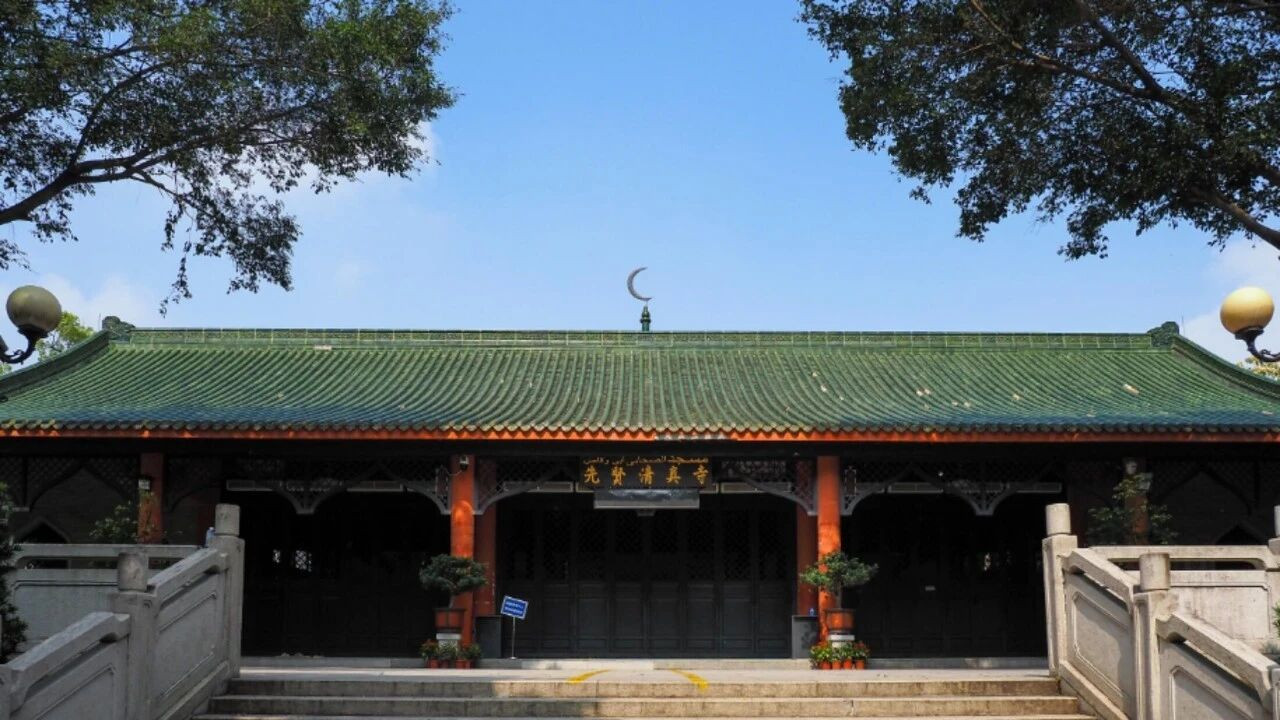
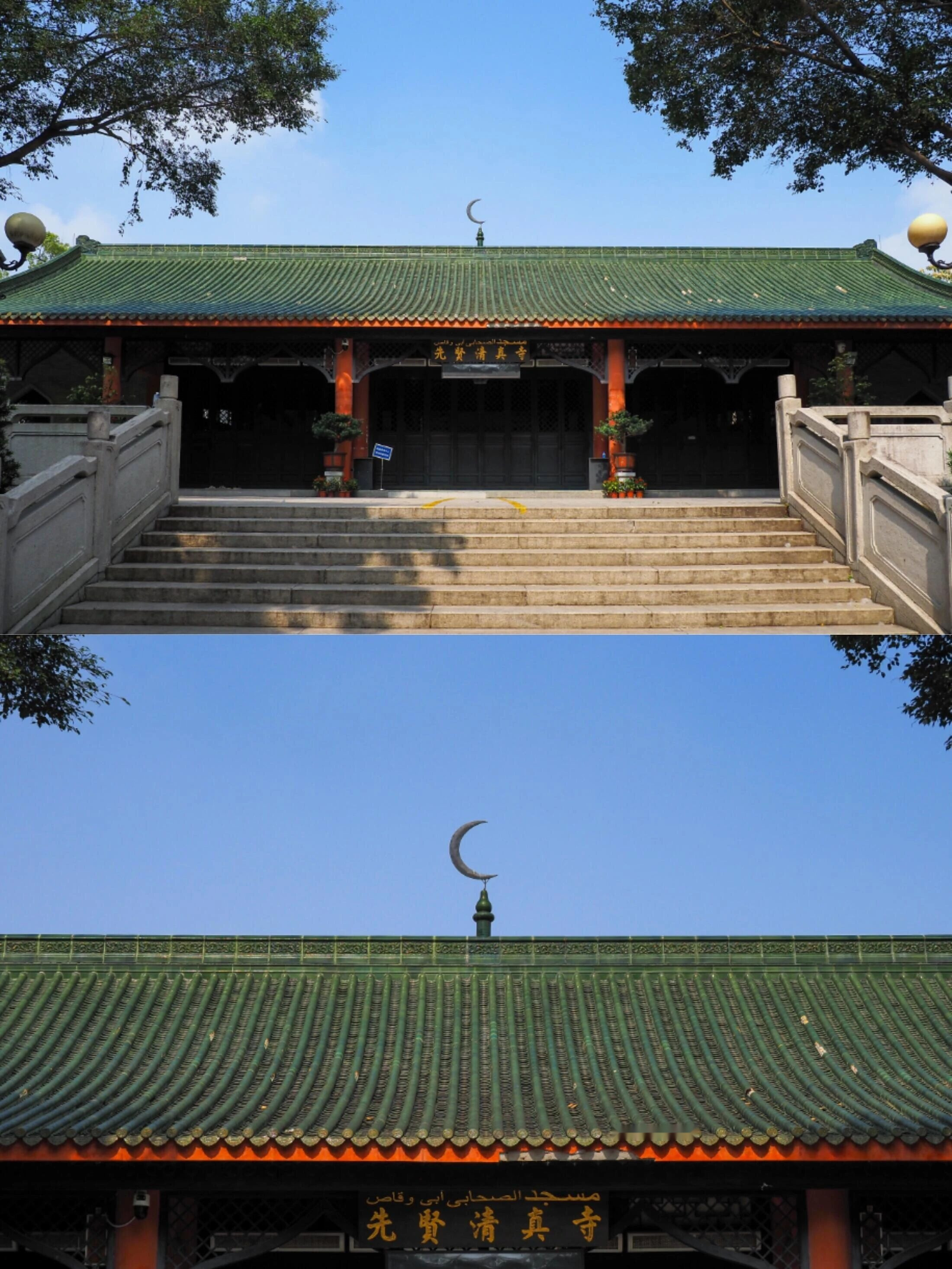
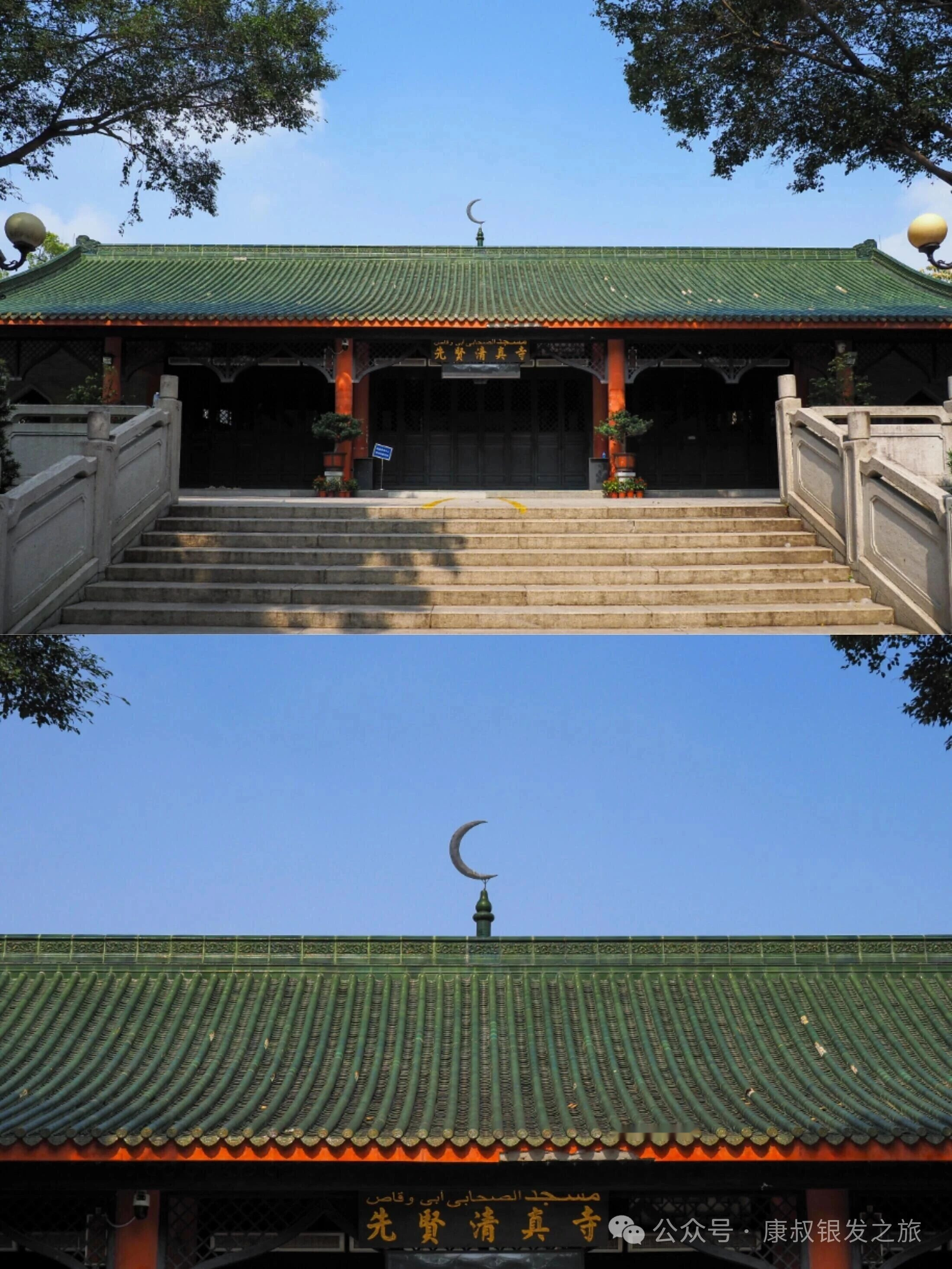
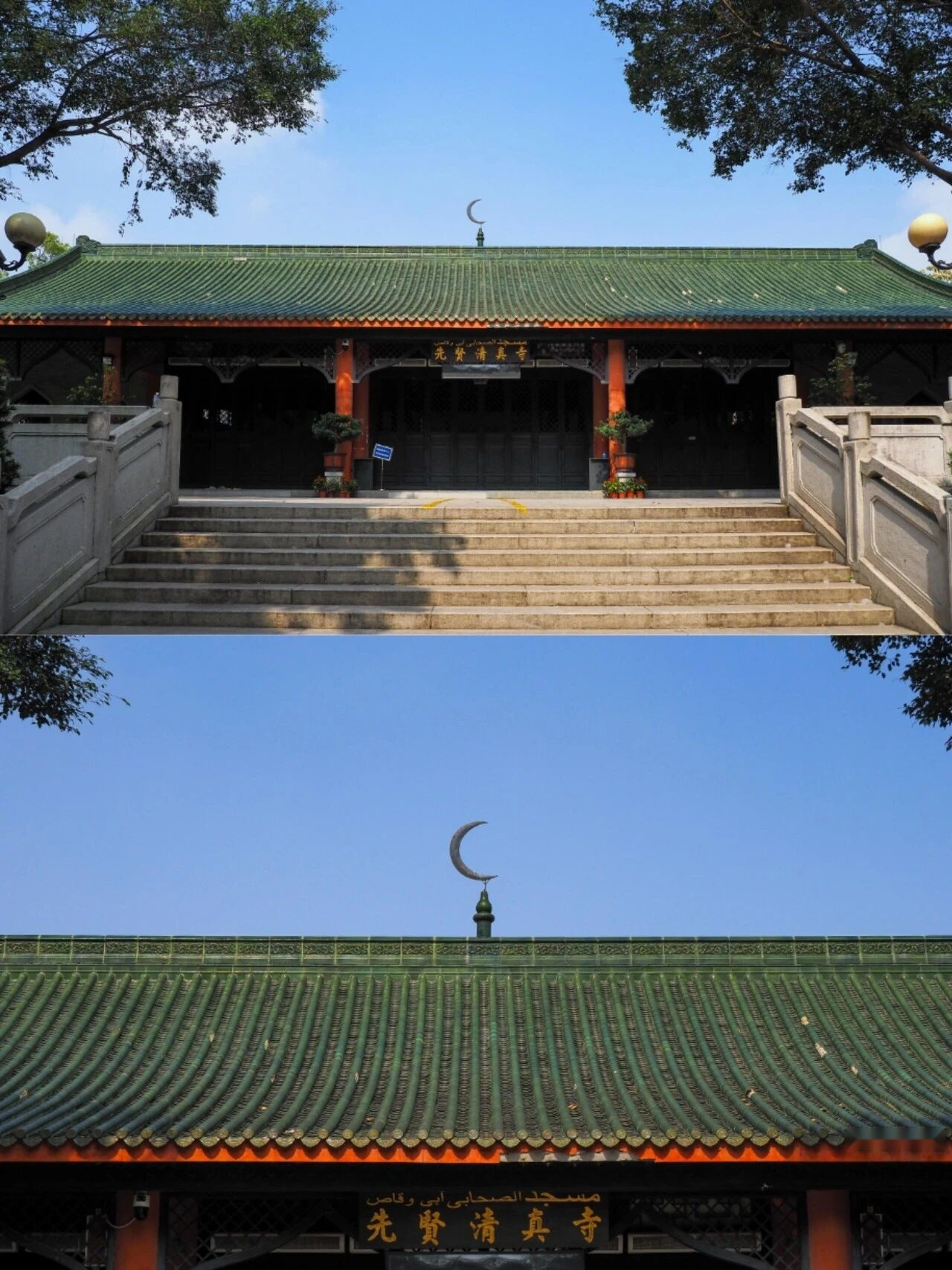
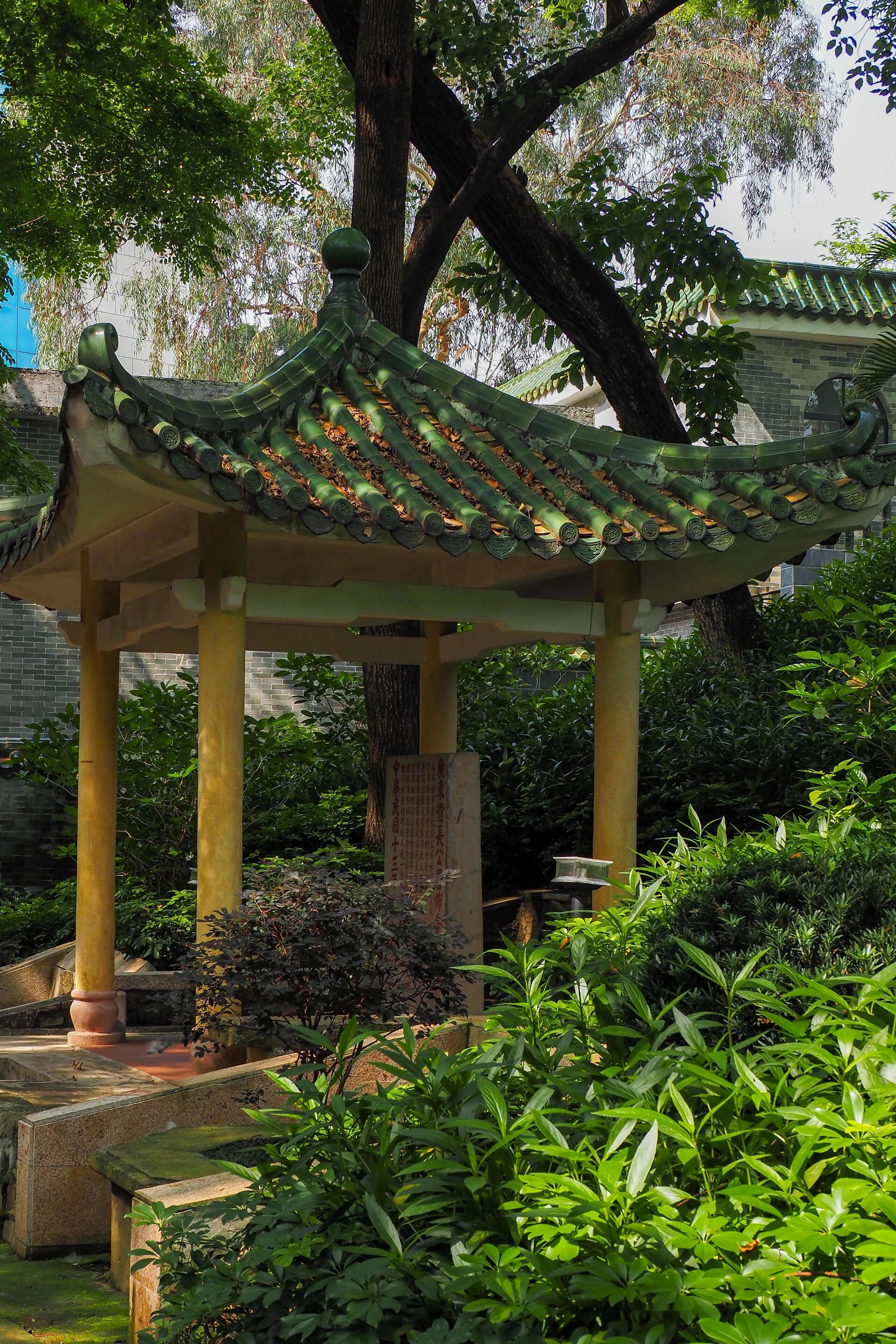
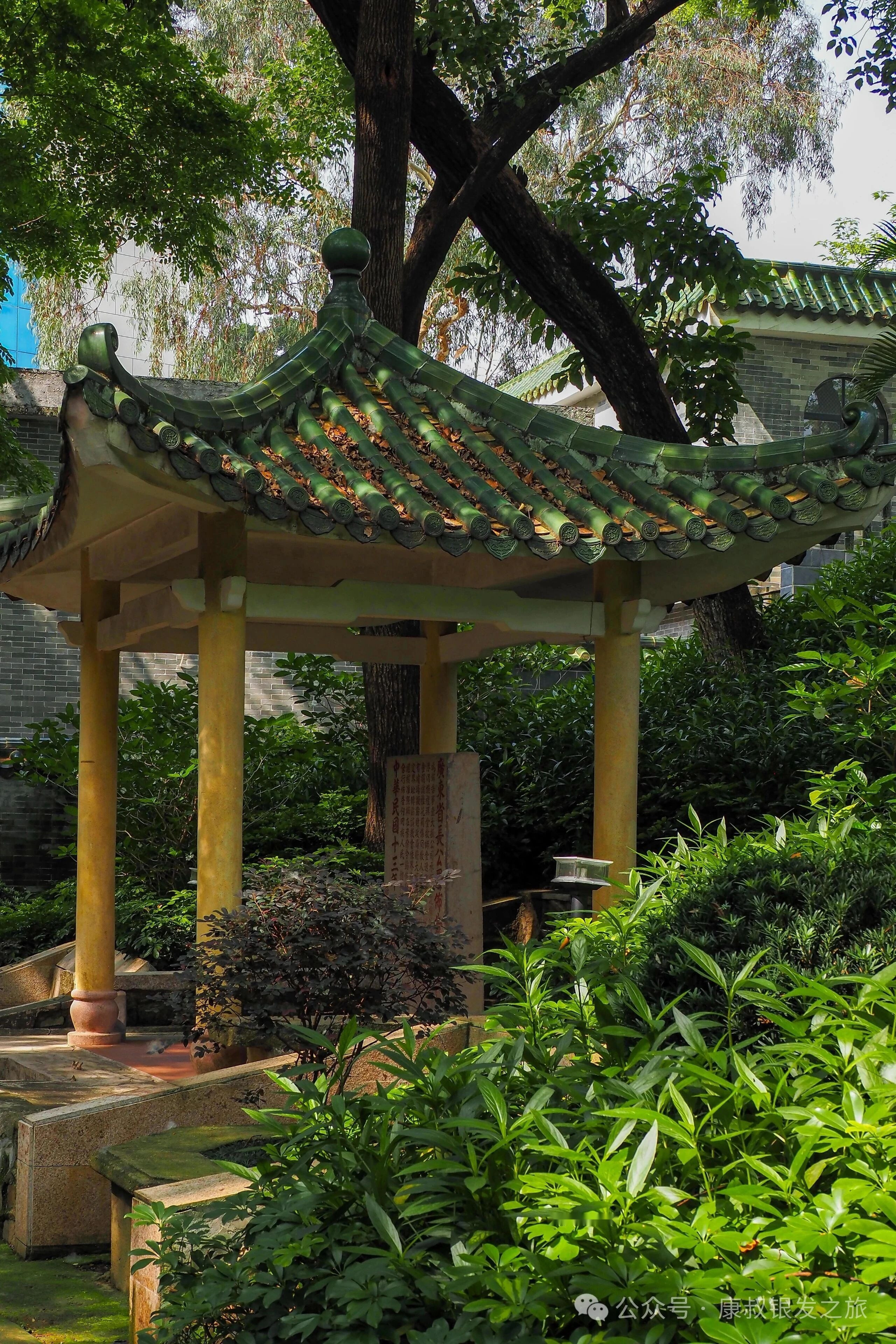
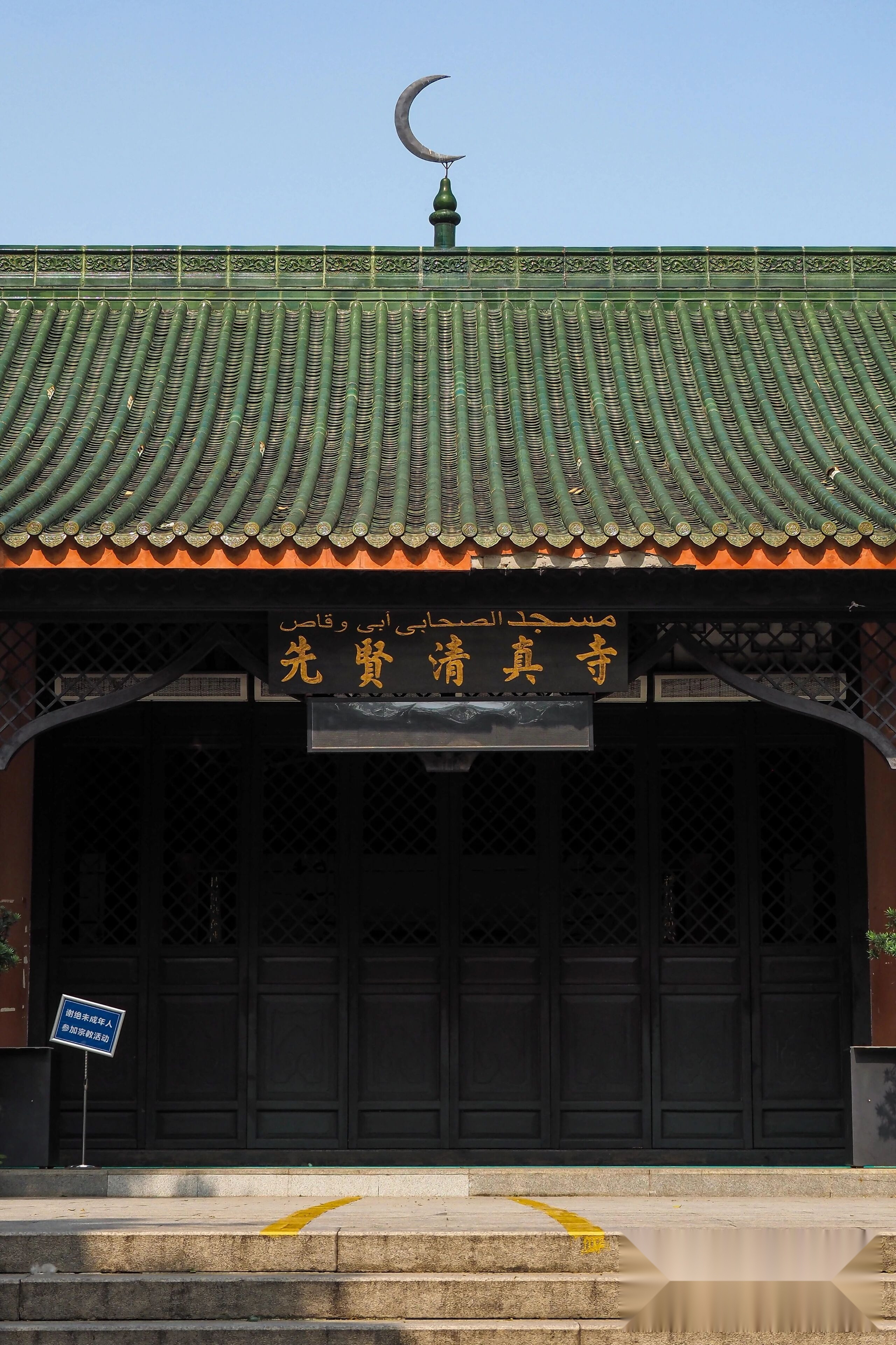
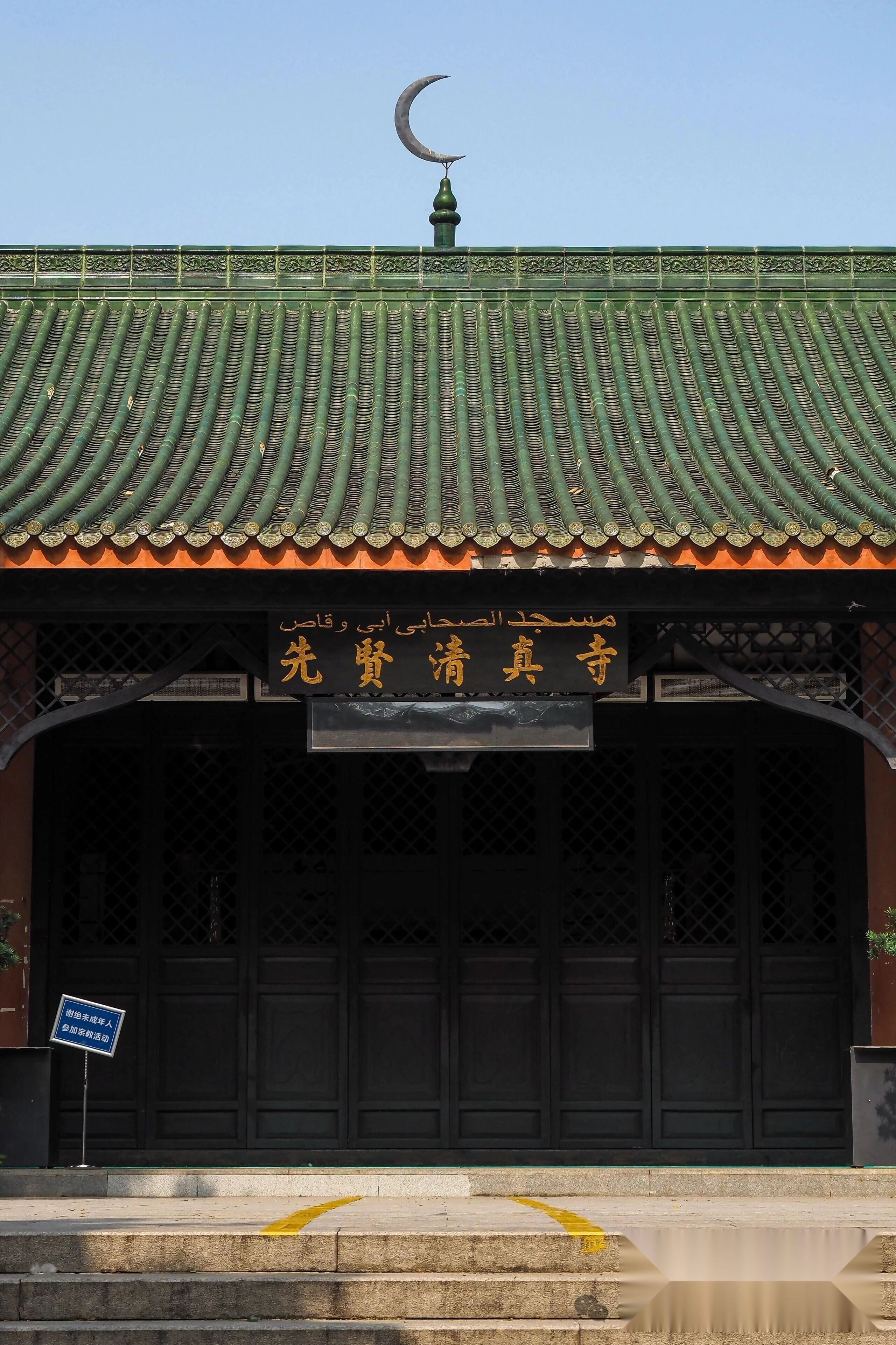
This is the Ancient Tomb of Saad ibn Abi Waqqas (also known as 'Xiangfen' or 'Echoing Tomb') and Xianxian Mosque. Established in the early Tang Dynasty, it's the mausoleum of Waqqas (Wan Gesu), who came to China to spread Islam, and also the resting place for famous Muslim figures from China and abroad throughout history. The tomb chamber's Arabian-style domed architecture is super unique. When you recite dua inside, there's an amazing echo — no wonder it's called the 'Echoing Tomb'!
Admission & Hours
✅ Tickets: FREE! No reservation needed. Just make sure to dress modestly when visiting, and note that some areas are not open to the public.
⏰ Opening Hours: 08:30 AM - 04:00 PM (Try to avoid Fridays during Jumu'ah prayer, as it's easier to visit outside of prayer times.)
6 Super Easy Transport Tips
1. Metro: Take Line 2 to 'Yuexiu Park Station,' exit B. It's about an 800-meter, 10-minute walk from there.
2. Bus: You can take routes 21, 24, or 180 to 'Yuexiu Park Station.' After getting off, just navigate to 'Qingzhen Xianxian Gumu' (Ancient Muslim Sage's Tomb).
Free Must-See Route (Explore in 30 minutes)
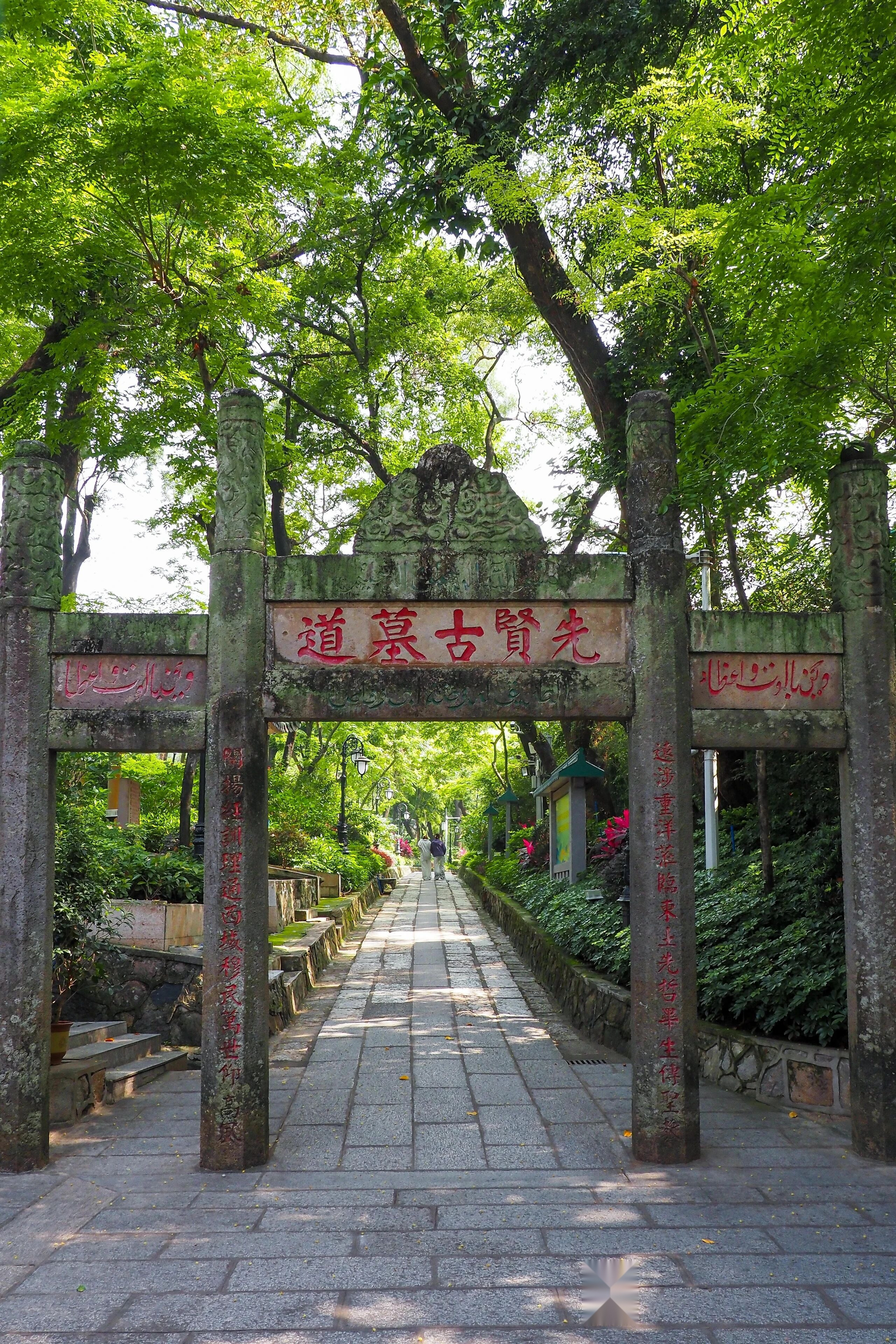
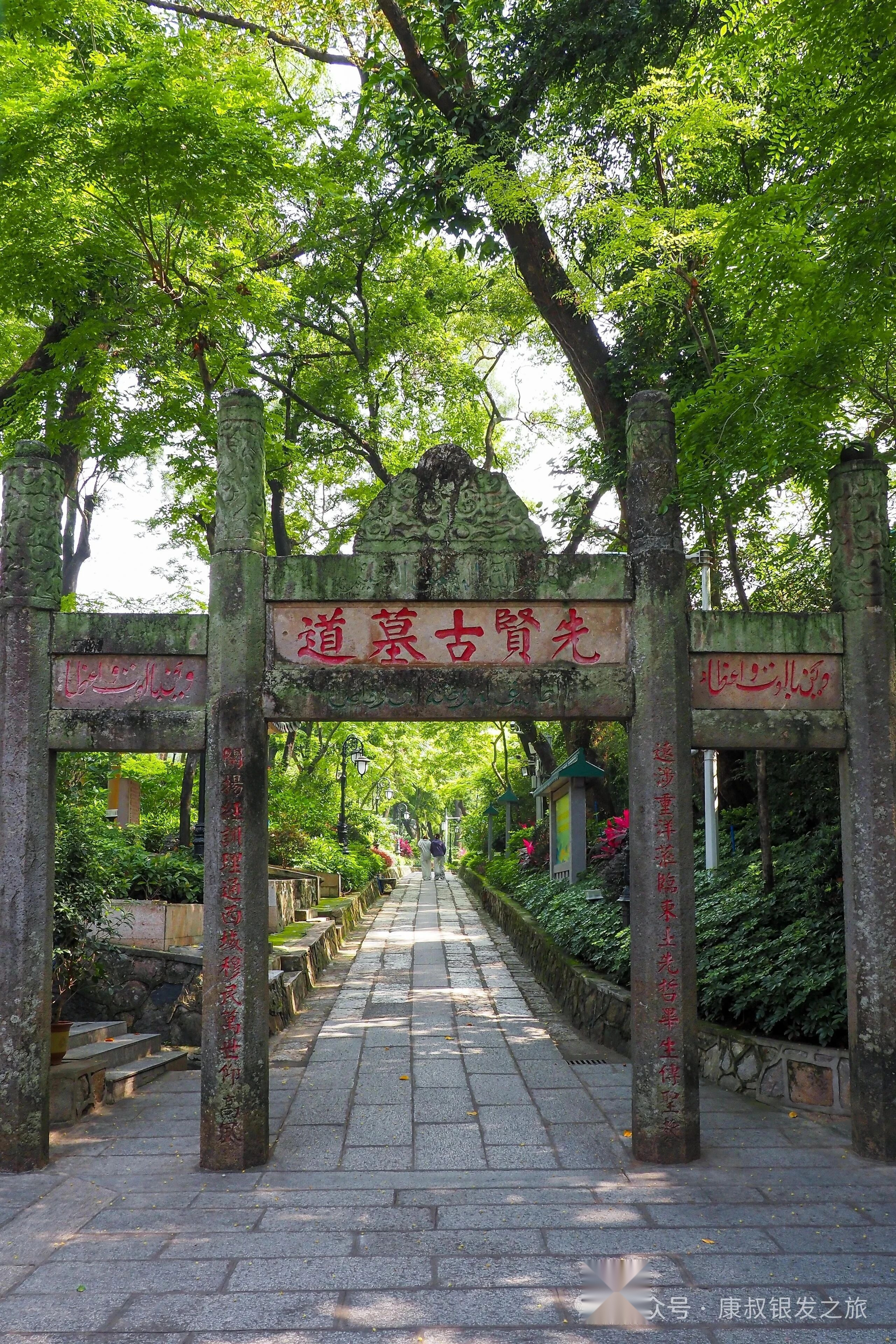
Entrance Archway → Stele with Historical Records of the Ancient Tomb of Saad ibn Abi Waqqas → Echoing Tomb Chamber → Main Prayer Hall of Xianxian Mosque → Sanzong Pavilion & Ancient Steles.
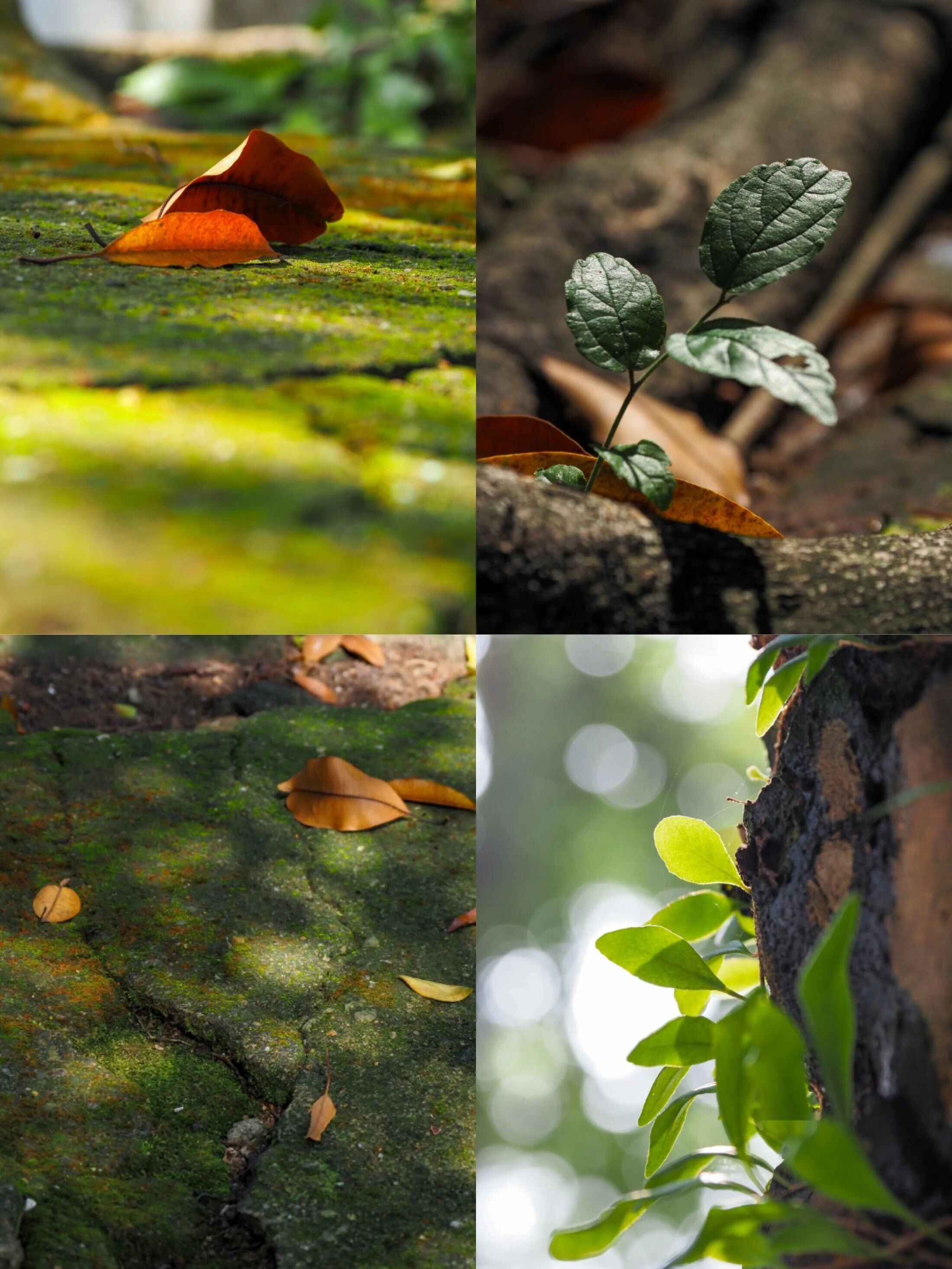
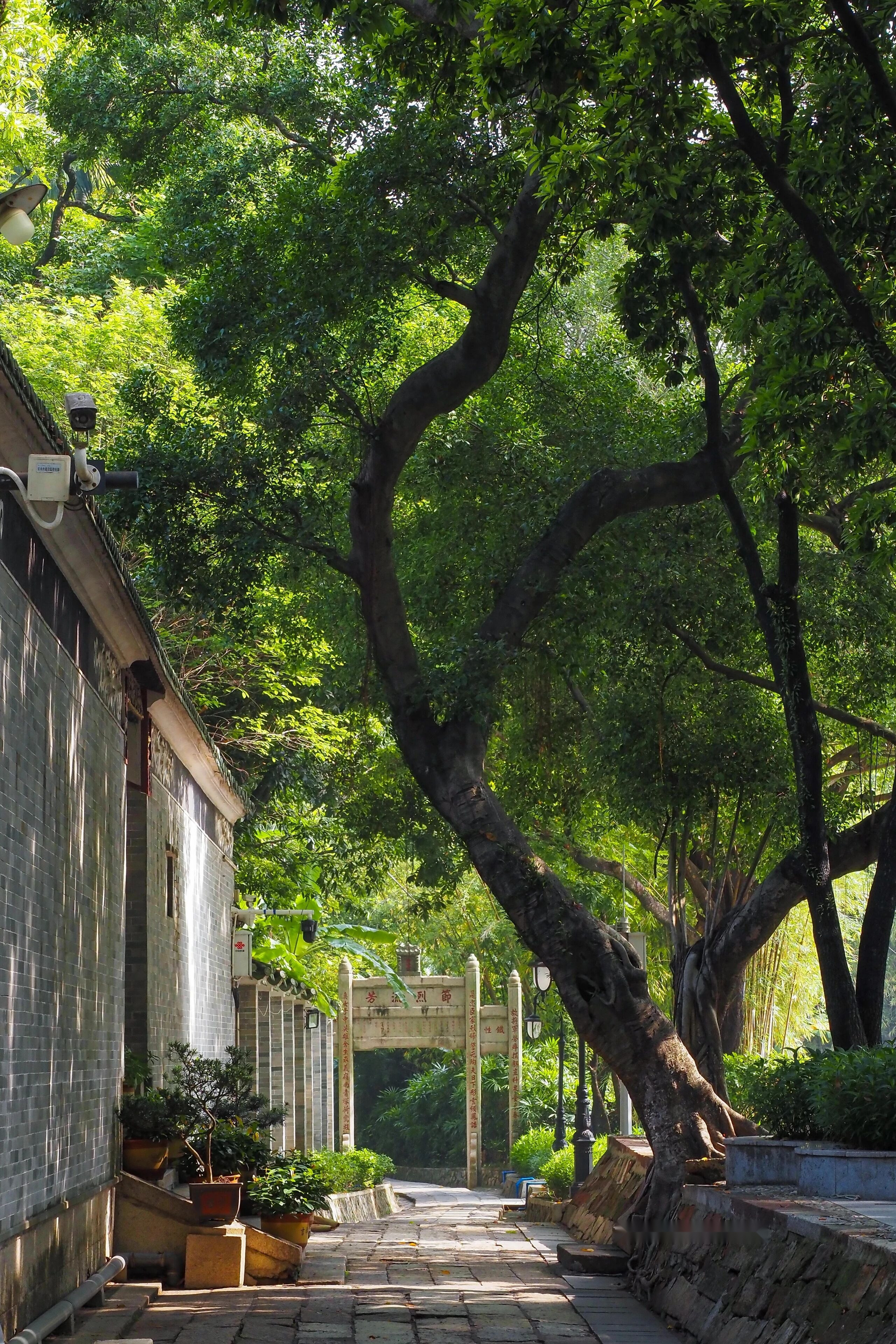
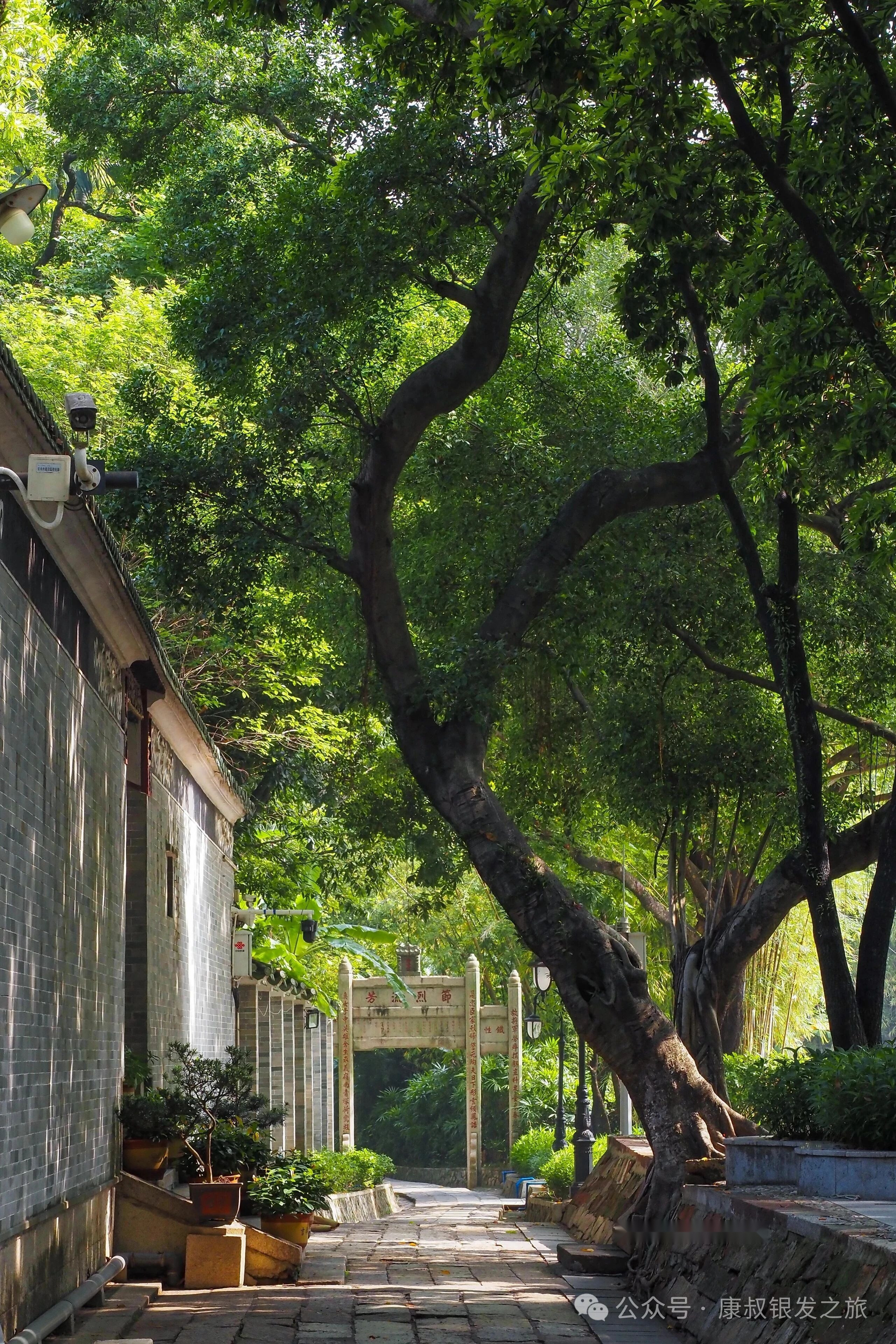
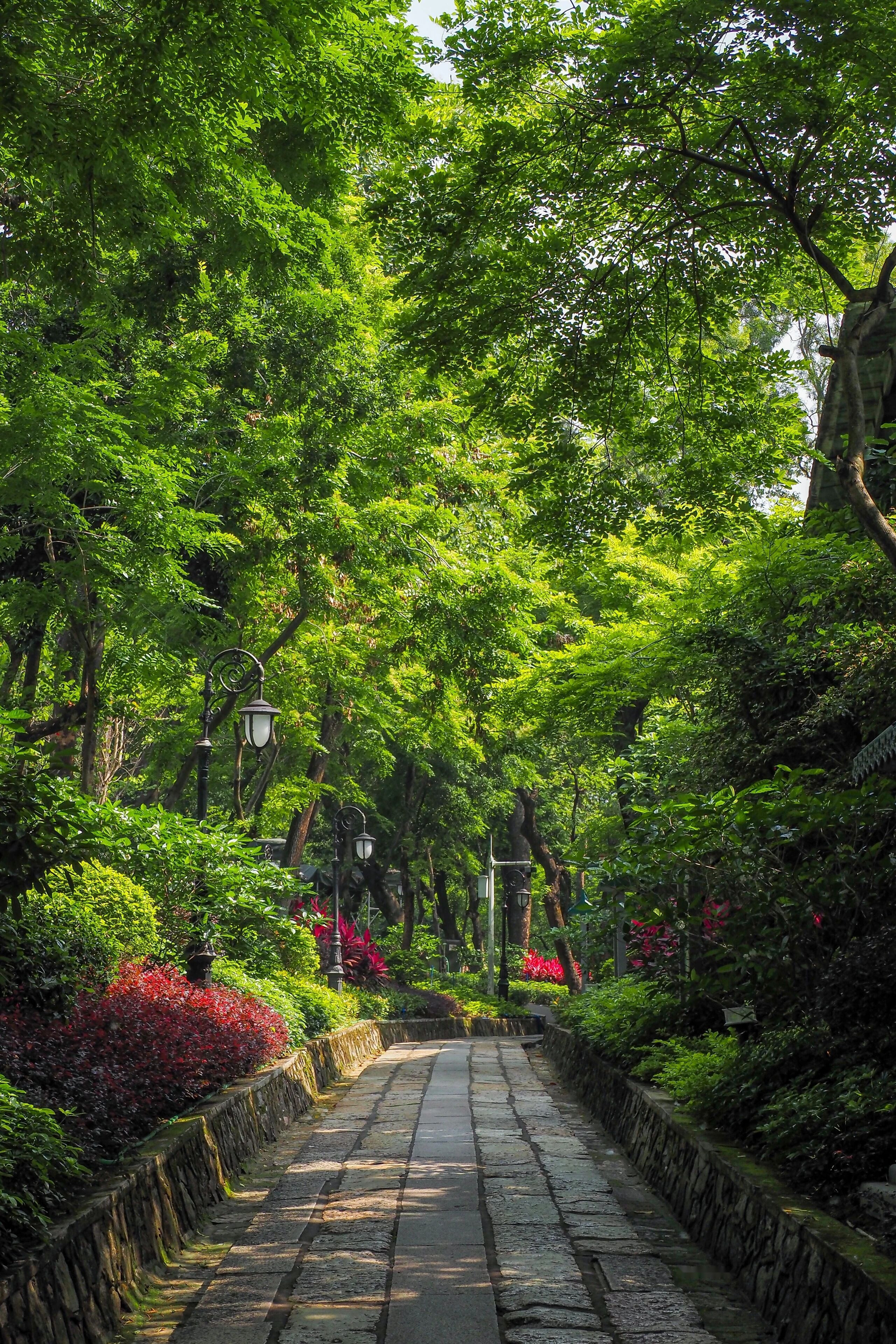
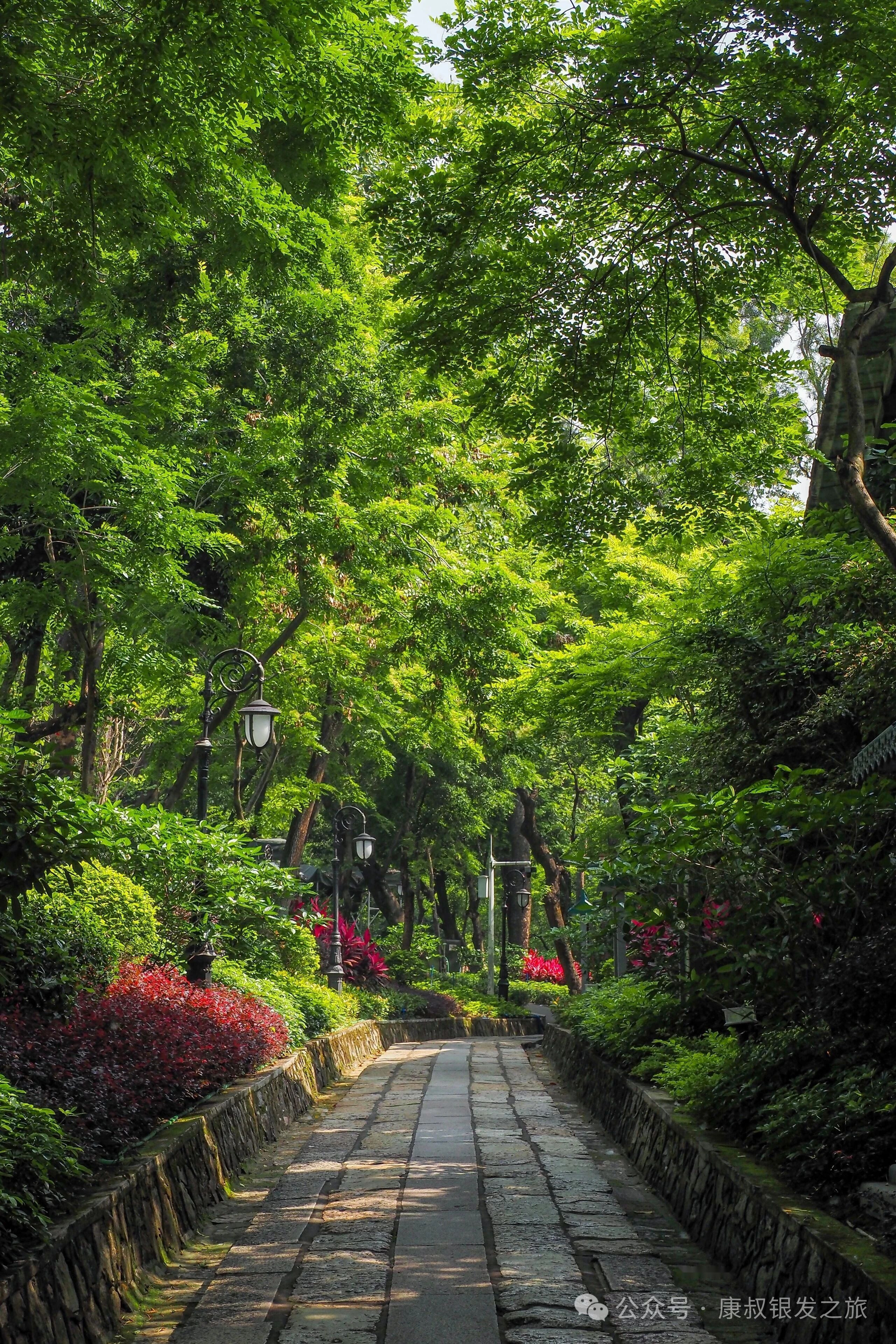
The route isn't long, but every corner is packed with details: Qing Dynasty steles, Arabian architectural styles, century-old trees. Every snap you take will tell a story!
Pro Tips
- This is a religious site, so please keep quiet and respect local customs during your visit.
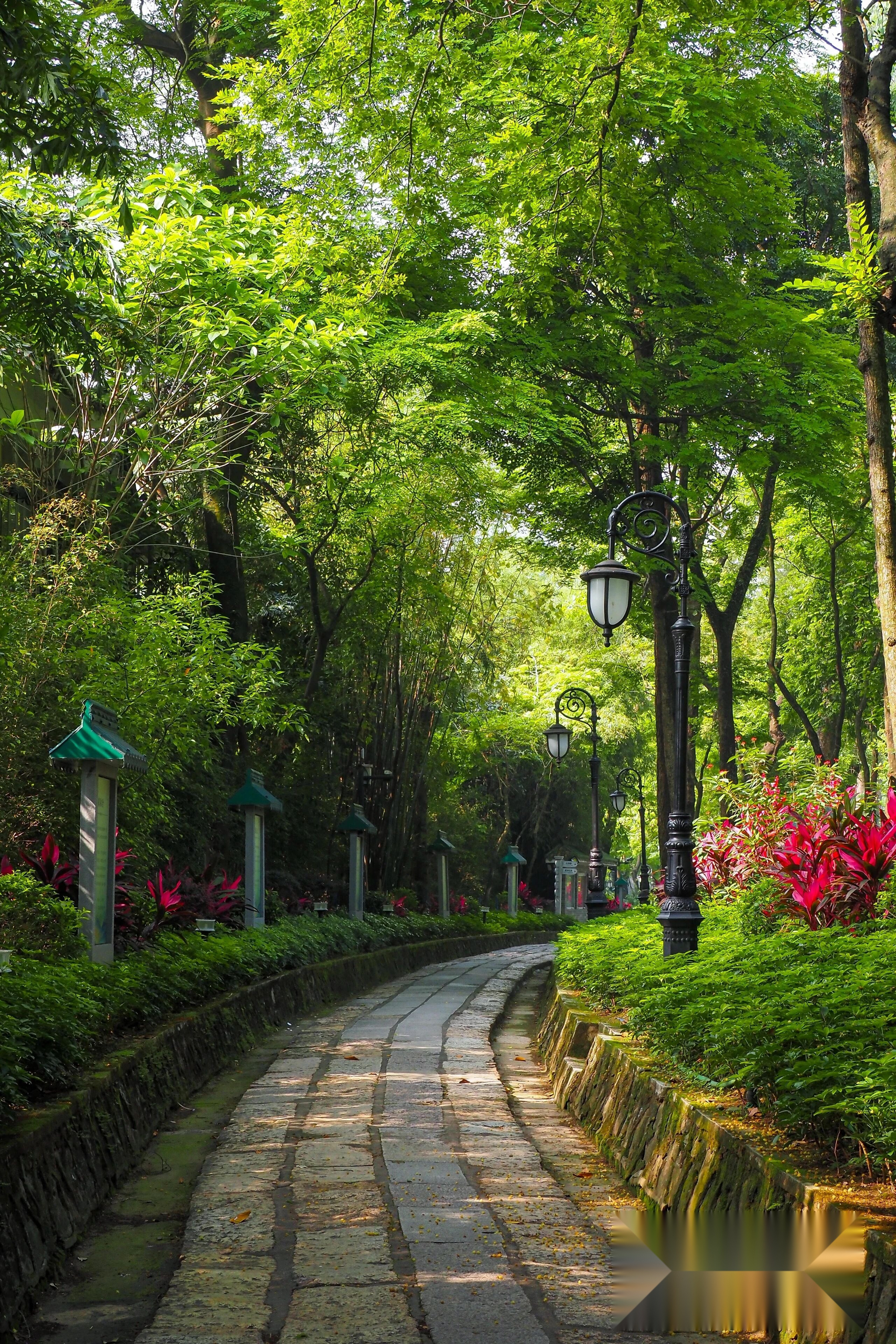
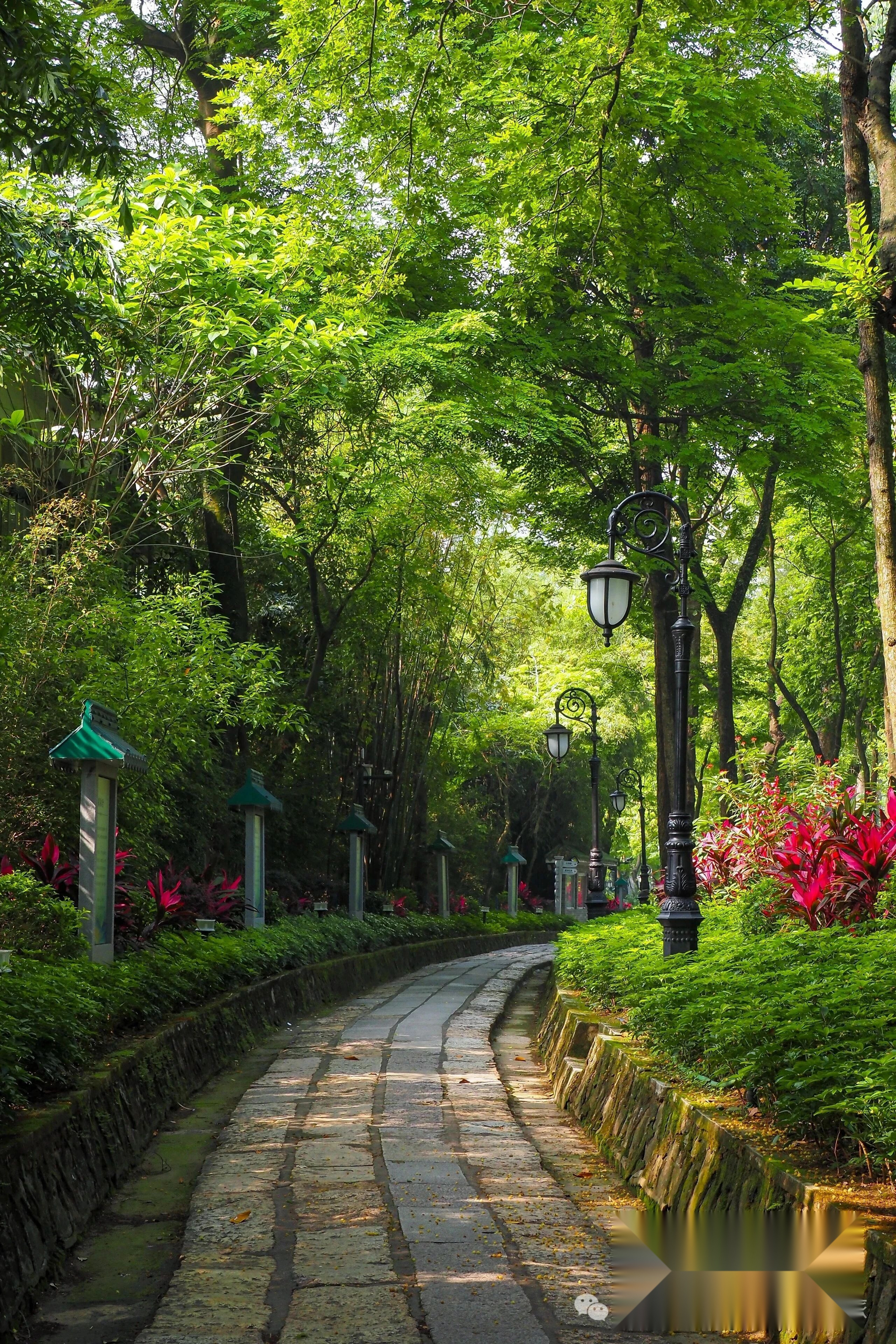
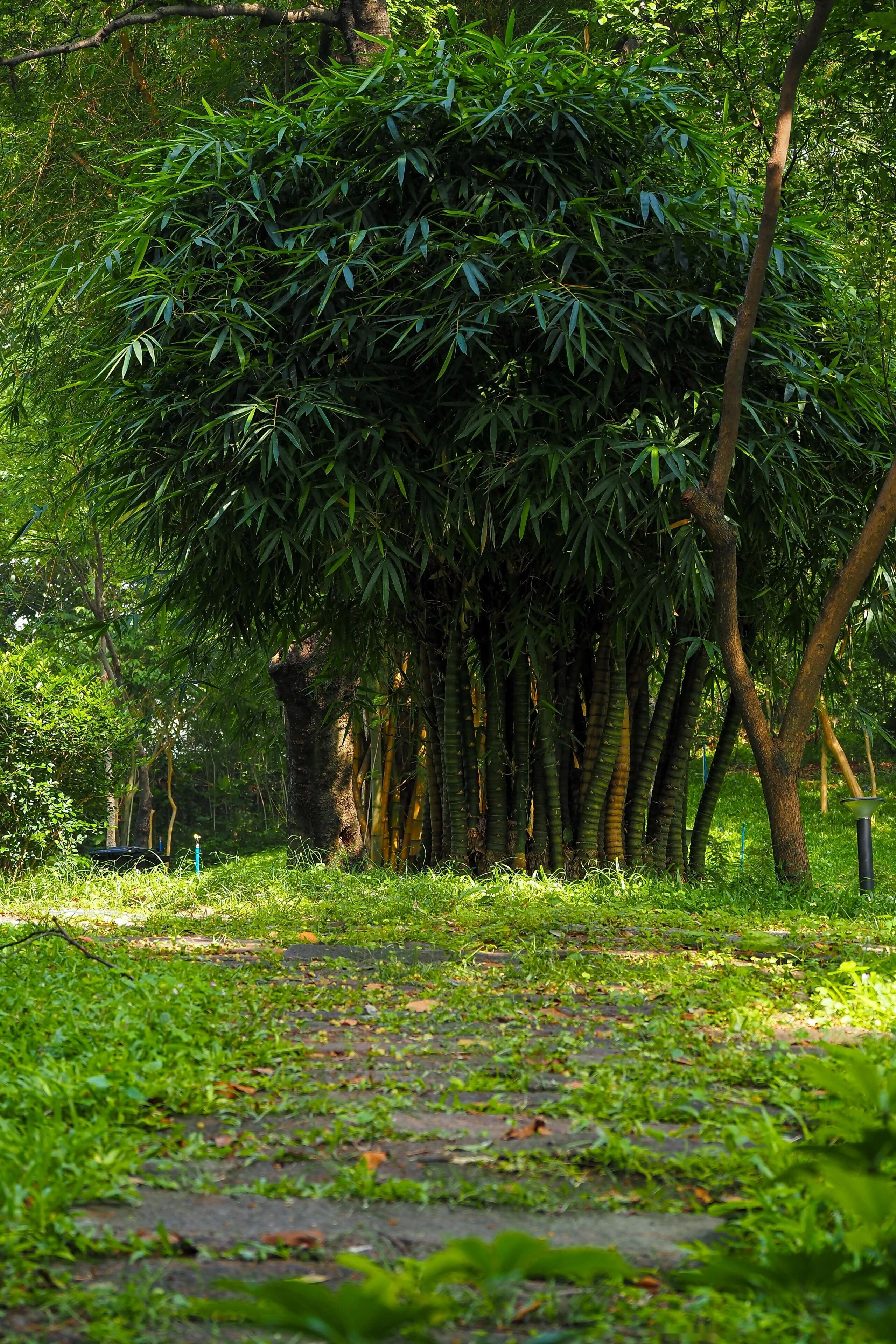
- It's super cool here in the summer, really comfy under the tree shade. Remember to bring a water bottle!
- You can easily combine your visit with Yuexiu Park and Lanpu Garden nearby to soak in the authentic vibe of old Guangzhou.
In Guangzhou, beyond all the trendy Instagram spots, these thousand-year-old heritage sites hidden in the bustling city are the most captivating essence of the city. view all
A 1300-Year-Old Silk Road Secret in Guangzhou's Bustling Heart: A Serene Cultural Deep-Dive and Historical Quest at Huaisheng Mosque (Light Pagoda Mosque)
Summary:
This piece explores the thousand-year-old Huaisheng Mosque (Light Pagoda Mosque) hidden deep within Guangzhou's bustling Yuexiu District. Discover a vibrant testament to the Tang Dynasty's Maritime Silk Road, and immerse yourself in the peaceful cultural vibe of its red walls, ancient trees, and solemn prayer halls.
Seriously, you won't believe this! Guangzhou's Yuexiu District is hiding a FREE, thousand-year-old historical site. It's both a witness to the Tang Dynasty's Maritime Silk Road AND one of China's oldest Islamic heritage sites. It's peaceful, crowd-free, and you can totally immerse yourself in its deep historical roots. Culture vultures, bookmark this ASAP!
So, what exactly is this spot?
This is the Ancient Tomb of Saad ibn Abi Waqqas (also known as 'Xiangfen' or 'Echoing Tomb') and Xianxian Mosque. Established in the early Tang Dynasty, it's the mausoleum of Waqqas (Wan Gesu), who came to China to spread Islam, and also the resting place for famous Muslim figures from China and abroad throughout history. The tomb chamber's Arabian-style domed architecture is super unique. When you recite dua inside, there's an amazing echo — no wonder it's called the 'Echoing Tomb'!
Admission & Hours
✅ Tickets: FREE! No reservation needed. Just make sure to dress modestly when visiting, and note that some areas are not open to the public.
⏰ Opening Hours: 08:30 AM - 04:00 PM (Try to avoid Fridays during Jumu'ah prayer, as it's easier to visit outside of prayer times.)
6 Super Easy Transport Tips
1. Metro: Take Line 2 to 'Yuexiu Park Station,' exit B. It's about an 800-meter, 10-minute walk from there.
2. Bus: You can take routes 21, 24, or 180 to 'Yuexiu Park Station.' After getting off, just navigate to 'Qingzhen Xianxian Gumu' (Ancient Muslim Sage's Tomb).
Free Must-See Route (Explore in 30 minutes)
Entrance Archway → Stele with Historical Records of the Ancient Tomb of Saad ibn Abi Waqqas → Echoing Tomb Chamber → Main Prayer Hall of Xianxian Mosque → Sanzong Pavilion & Ancient Steles.
The route isn't long, but every corner is packed with details: Qing Dynasty steles, Arabian architectural styles, century-old trees. Every snap you take will tell a story!
Pro Tips
- This is a religious site, so please keep quiet and respect local customs during your visit.
- It's super cool here in the summer, really comfy under the tree shade. Remember to bring a water bottle!
- You can easily combine your visit with Yuexiu Park and Lanpu Garden nearby to soak in the authentic vibe of old Guangzhou.
In Guangzhou, beyond all the trendy Instagram spots, these thousand-year-old heritage sites hidden in the bustling city are the most captivating essence of the city. view all
[Internet Repost]
A 1300-Year-Old Silk Road Secret in Guangzhou's Bustling Heart: A Serene Cultural Deep-Dive and Historical Quest at Huaisheng Mosque (Light Pagoda Mosque)
Summary:
This piece explores the thousand-year-old Huaisheng Mosque (Light Pagoda Mosque) hidden deep within Guangzhou's bustling Yuexiu District. Discover a vibrant testament to the Tang Dynasty's Maritime Silk Road, and immerse yourself in the peaceful cultural vibe of its red walls, ancient trees, and solemn prayer halls.
Seriously, you won't believe this! Guangzhou's Yuexiu District is hiding a FREE, thousand-year-old historical site. It's both a witness to the Tang Dynasty's Maritime Silk Road AND one of China's oldest Islamic heritage sites. It's peaceful, crowd-free, and you can totally immerse yourself in its deep historical roots. Culture vultures, bookmark this ASAP!
So, what exactly is this spot?
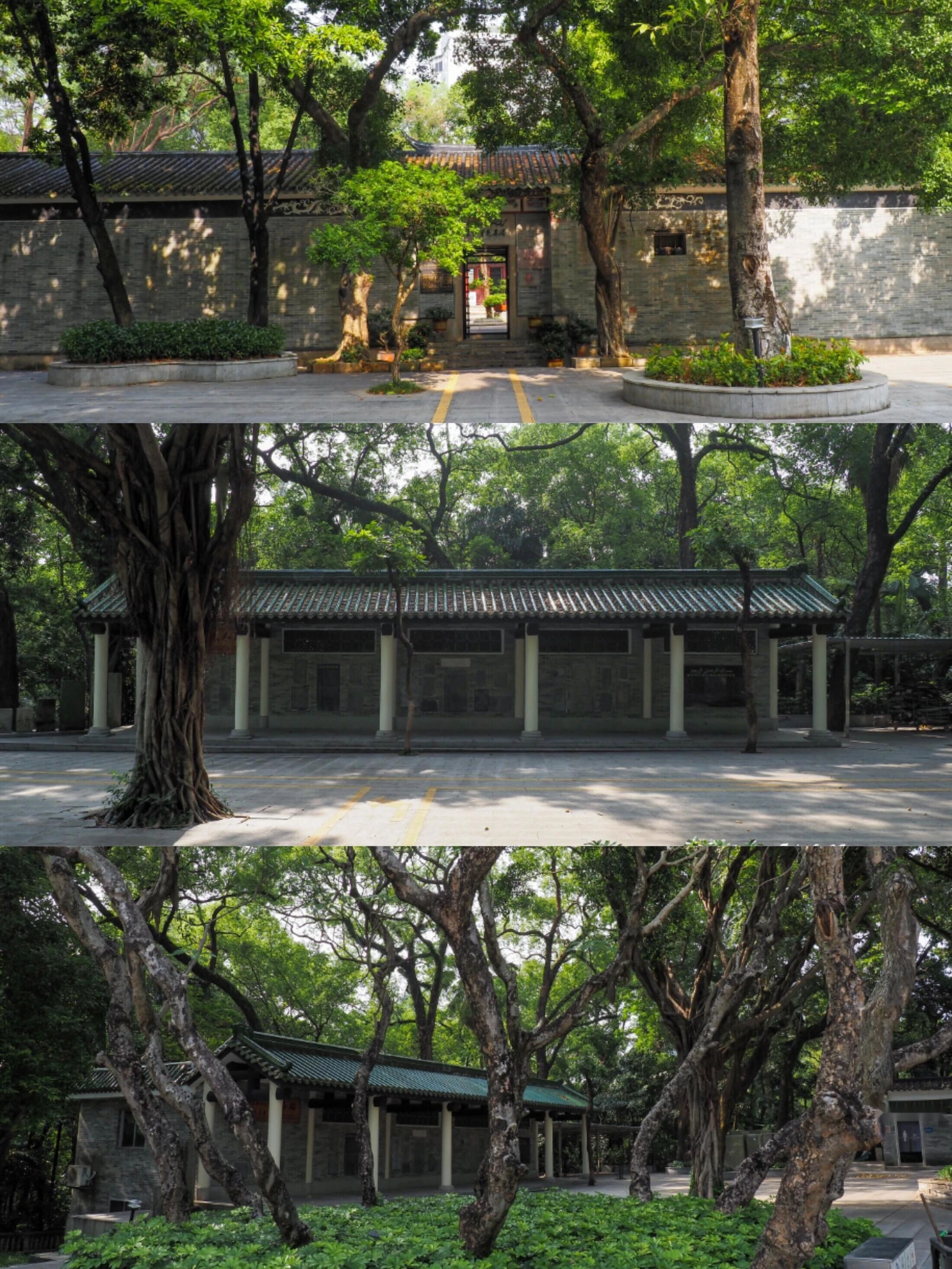
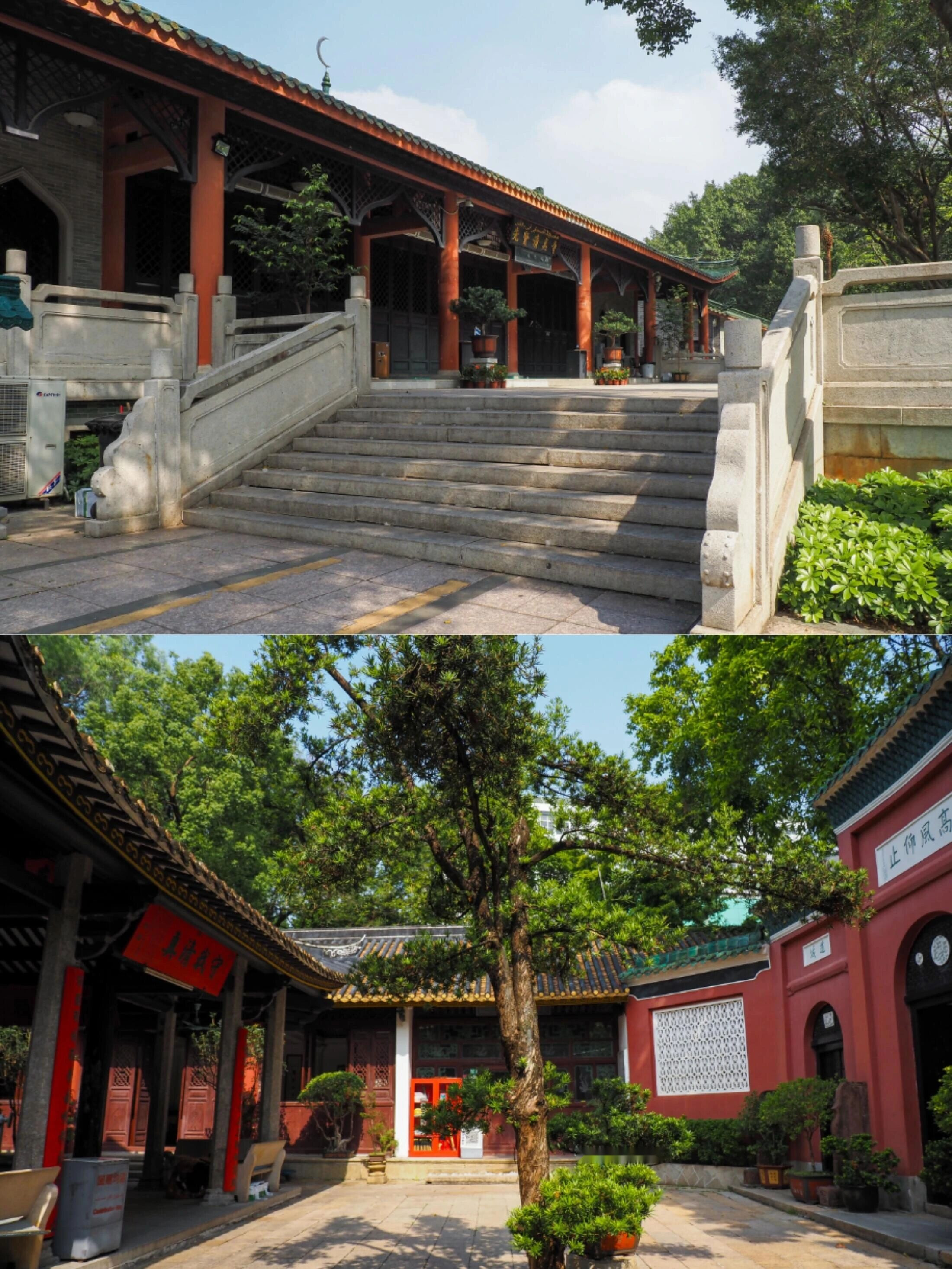
This is the Ancient Tomb of Saad ibn Abi Waqqas (also known as 'Xiangfen' or 'Echoing Tomb') and Xianxian Mosque. Established in the early Tang Dynasty, it's the mausoleum of Waqqas (Wan Gesu), who came to China to spread Islam, and also the resting place for famous Muslim figures from China and abroad throughout history. The tomb chamber's Arabian-style domed architecture is super unique. When you recite dua inside, there's an amazing echo — no wonder it's called the 'Echoing Tomb'!
Admission & Hours
✅ Tickets: FREE! No reservation needed. Just make sure to dress modestly when visiting, and note that some areas are not open to the public.
⏰ Opening Hours: 08:30 AM - 04:00 PM (Try to avoid Fridays during Jumu'ah prayer, as it's easier to visit outside of prayer times.)
6 Super Easy Transport Tips
1. Metro: Take Line 2 to 'Yuexiu Park Station,' exit B. It's about an 800-meter, 10-minute walk from there.
2. Bus: You can take routes 21, 24, or 180 to 'Yuexiu Park Station.' After getting off, just navigate to 'Qingzhen Xianxian Gumu' (Ancient Muslim Sage's Tomb).
Free Must-See Route (Explore in 30 minutes)
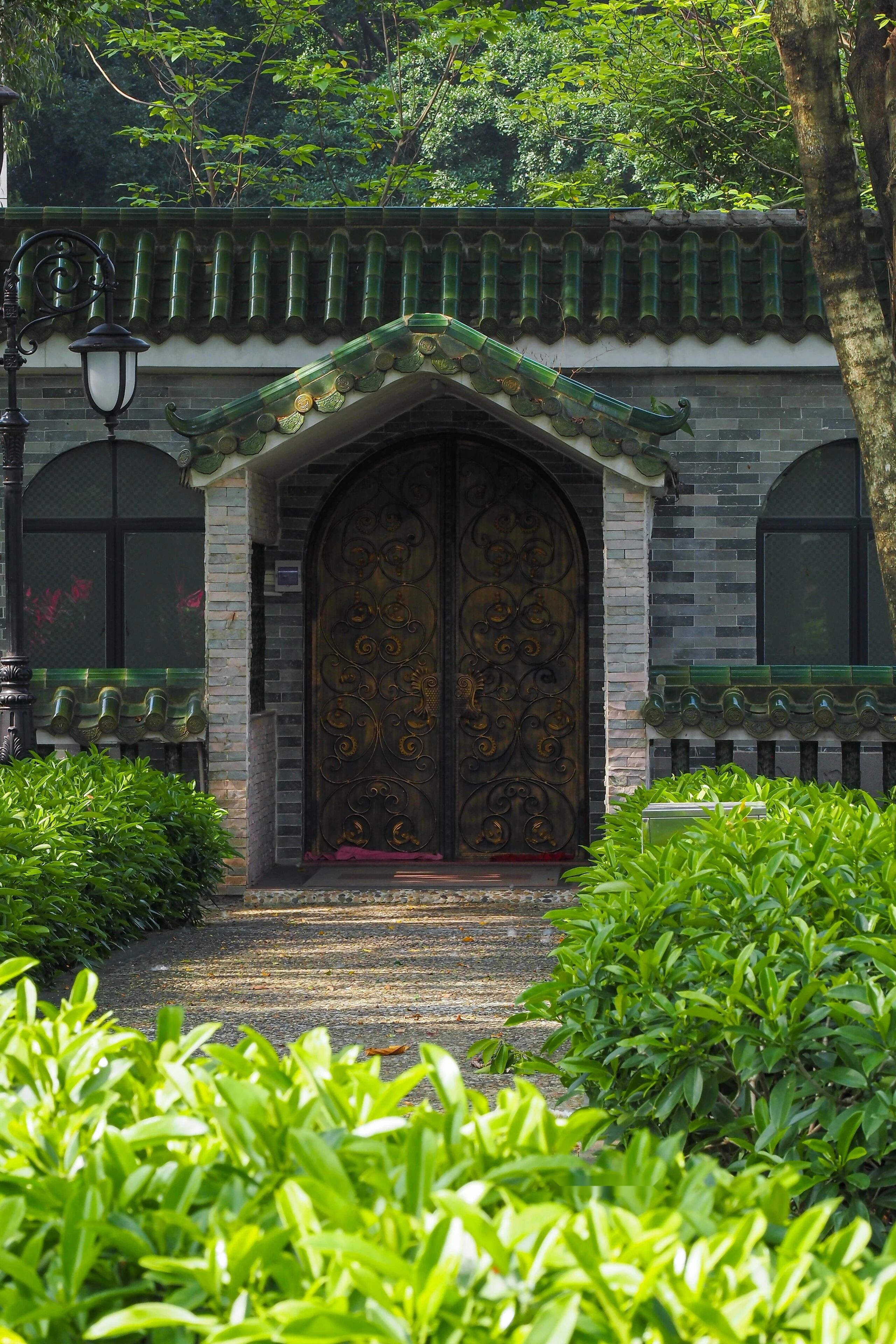
Entrance Archway → Stele with Historical Records of the Ancient Tomb of Saad ibn Abi Waqqas → Echoing Tomb Chamber → Main Prayer Hall of Xianxian Mosque → Sanzong Pavilion & Ancient Steles.
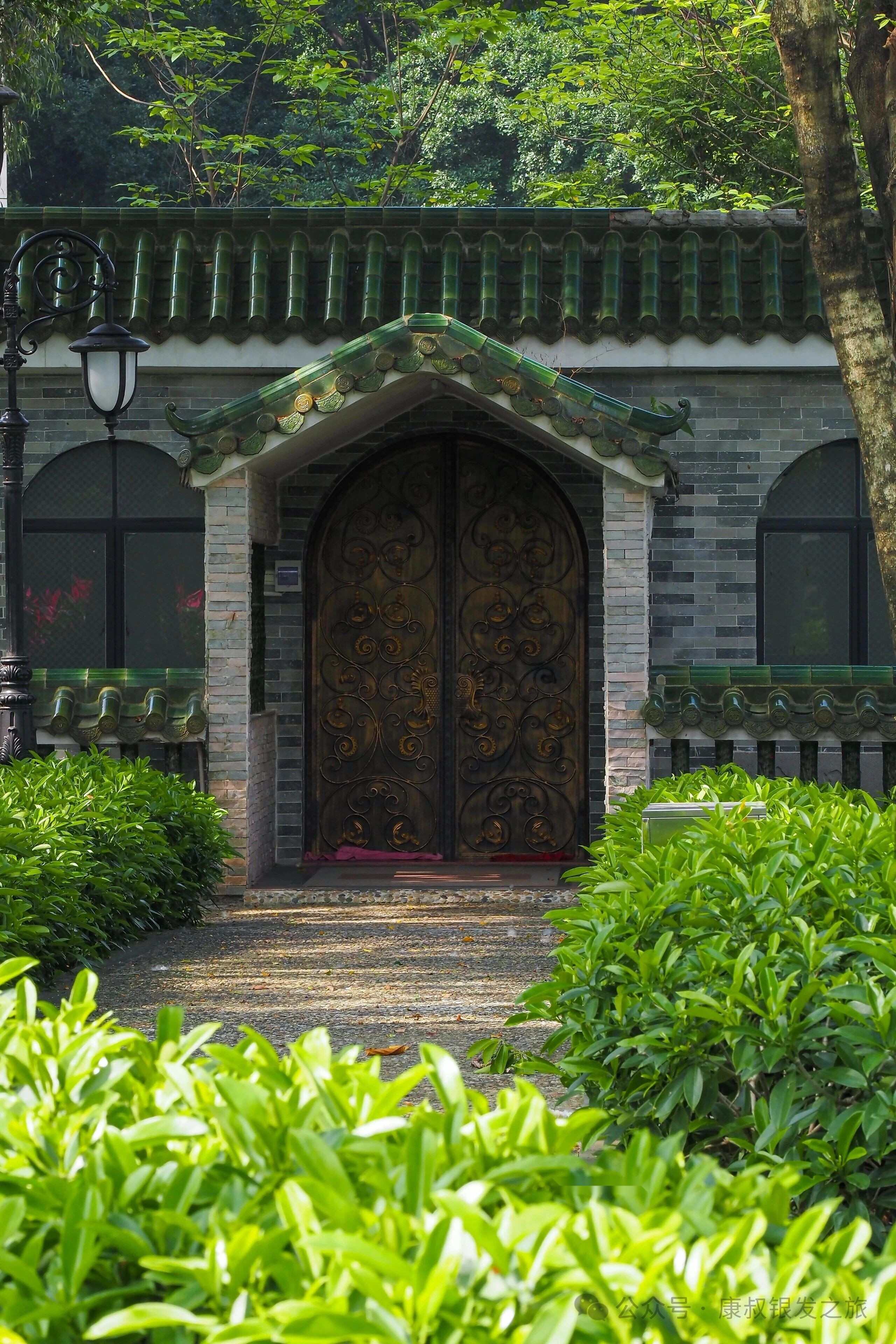
The route isn't long, but every corner is packed with details: Qing Dynasty steles, Arabian architectural styles, century-old trees. Every snap you take will tell a story!
Pro Tips
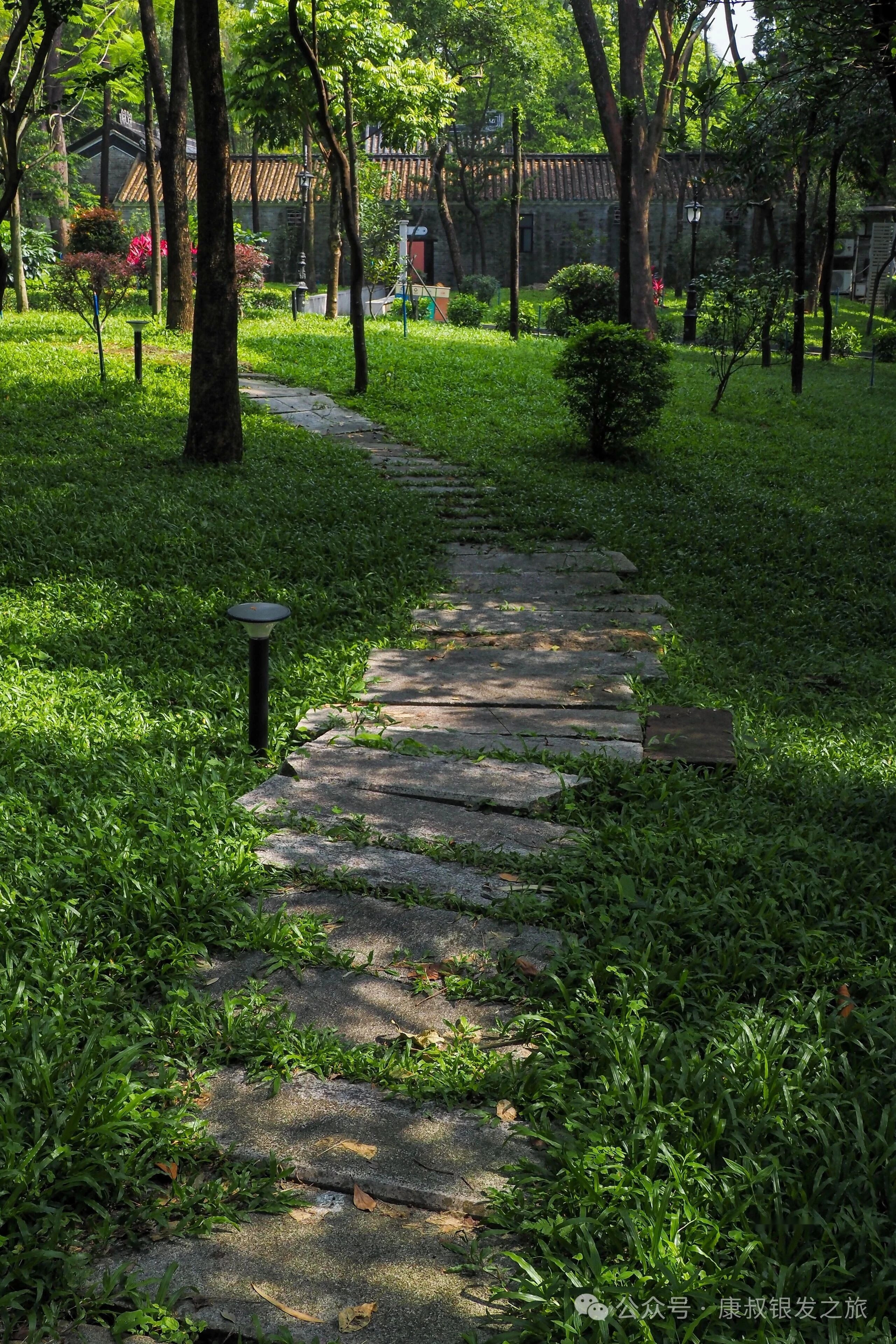
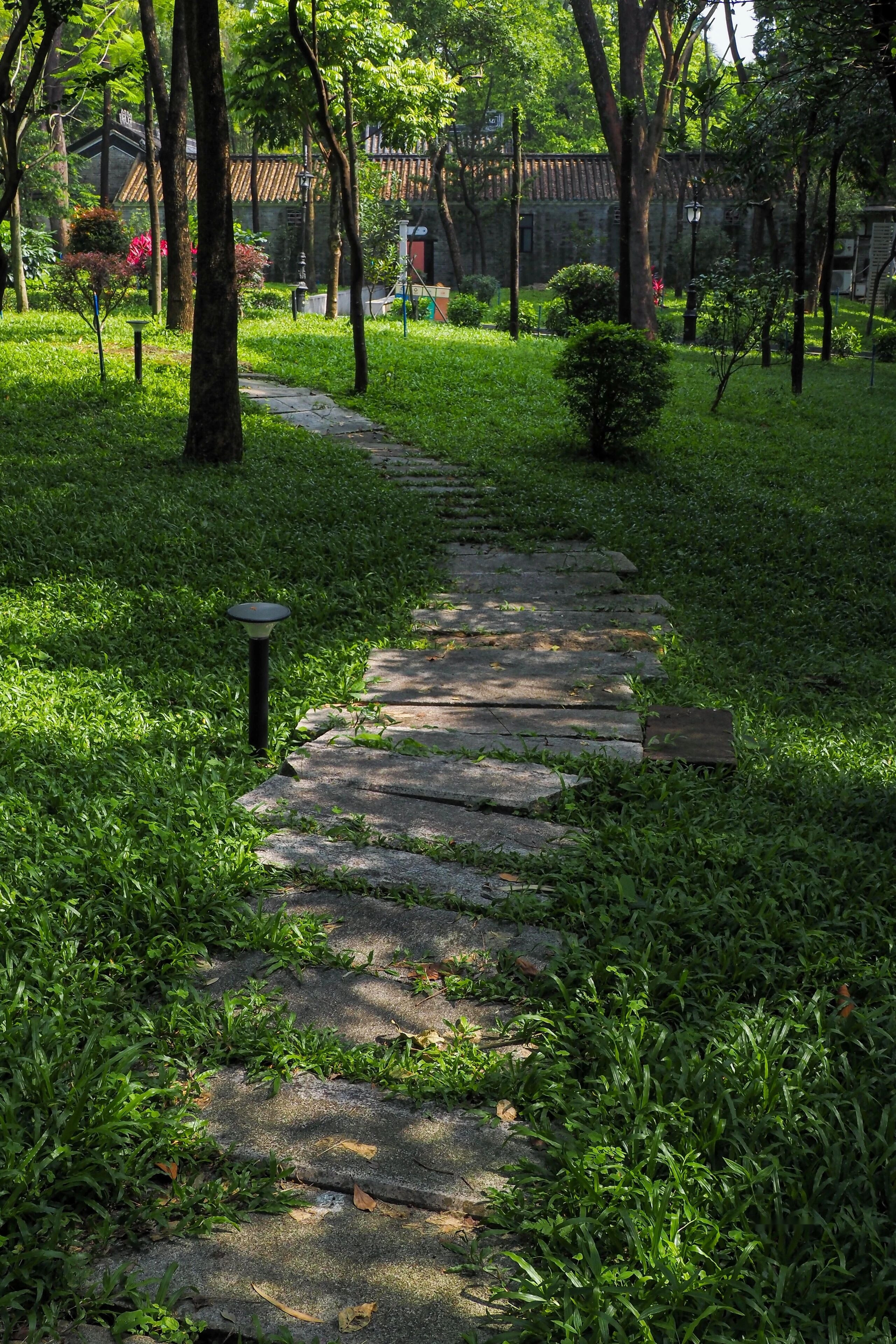
- This is a religious site, so please keep quiet and respect local customs during your visit.
- It's super cool here in the summer, really comfy under the tree shade. Remember to bring a water bottle!
- You can easily combine your visit with Yuexiu Park and Lanpu Garden nearby to soak in the authentic vibe of old Guangzhou.
In Guangzhou, beyond all the trendy Instagram spots, these thousand-year-old heritage sites hidden in the bustling city are the most captivating essence of the city.
A 1300-Year-Old Silk Road Secret in Guangzhou's Bustling Heart: A Serene Cultural Deep-Dive and Historical Quest at Huaisheng Mosque (Light Pagoda Mosque)
Summary:
This piece explores the thousand-year-old Huaisheng Mosque (Light Pagoda Mosque) hidden deep within Guangzhou's bustling Yuexiu District. Discover a vibrant testament to the Tang Dynasty's Maritime Silk Road, and immerse yourself in the peaceful cultural vibe of its red walls, ancient trees, and solemn prayer halls.
Seriously, you won't believe this! Guangzhou's Yuexiu District is hiding a FREE, thousand-year-old historical site. It's both a witness to the Tang Dynasty's Maritime Silk Road AND one of China's oldest Islamic heritage sites. It's peaceful, crowd-free, and you can totally immerse yourself in its deep historical roots. Culture vultures, bookmark this ASAP!
So, what exactly is this spot?
This is the Ancient Tomb of Saad ibn Abi Waqqas (also known as 'Xiangfen' or 'Echoing Tomb') and Xianxian Mosque. Established in the early Tang Dynasty, it's the mausoleum of Waqqas (Wan Gesu), who came to China to spread Islam, and also the resting place for famous Muslim figures from China and abroad throughout history. The tomb chamber's Arabian-style domed architecture is super unique. When you recite dua inside, there's an amazing echo — no wonder it's called the 'Echoing Tomb'!
Admission & Hours
✅ Tickets: FREE! No reservation needed. Just make sure to dress modestly when visiting, and note that some areas are not open to the public.
⏰ Opening Hours: 08:30 AM - 04:00 PM (Try to avoid Fridays during Jumu'ah prayer, as it's easier to visit outside of prayer times.)
6 Super Easy Transport Tips
1. Metro: Take Line 2 to 'Yuexiu Park Station,' exit B. It's about an 800-meter, 10-minute walk from there.
2. Bus: You can take routes 21, 24, or 180 to 'Yuexiu Park Station.' After getting off, just navigate to 'Qingzhen Xianxian Gumu' (Ancient Muslim Sage's Tomb).
Free Must-See Route (Explore in 30 minutes)
Entrance Archway → Stele with Historical Records of the Ancient Tomb of Saad ibn Abi Waqqas → Echoing Tomb Chamber → Main Prayer Hall of Xianxian Mosque → Sanzong Pavilion & Ancient Steles.
The route isn't long, but every corner is packed with details: Qing Dynasty steles, Arabian architectural styles, century-old trees. Every snap you take will tell a story!
Pro Tips
- This is a religious site, so please keep quiet and respect local customs during your visit.
- It's super cool here in the summer, really comfy under the tree shade. Remember to bring a water bottle!
- You can easily combine your visit with Yuexiu Park and Lanpu Garden nearby to soak in the authentic vibe of old Guangzhou.
In Guangzhou, beyond all the trendy Instagram spots, these thousand-year-old heritage sites hidden in the bustling city are the most captivating essence of the city.
Rare 1930s Photos of Yunnan Hui Muslims, Historic Mosques & Islamic Education
Articles • Hasan09 posted the article • 0 comments • 11 views • 1 days ago
[Internet Repost]
Rare Historical Imagery: A Study of 1930s Mosques, Modern Education, and Hui Muslim Communities in the Menghua Plain, Weishan, Yunnan
Abstract:
A deep dive into rare historical photos taken in the 1930s in Yunnan's Menghua Plain (now Weishan County, Dali). Look back at the journey of educational pioneers like Grand Imam Na Runzhang in building modern middle schools, and witness the historical imprints of traditional Chinese-style mosques, schools, and communities in southwest Muslim villages nearly a century ago.
The Menghua Plain in Yunnan, home to eighteen local Muslim villages.
Muslim teachers and students from Xingjian Middle School in Yongjian Township, Menghua County (now Weishan County), posing for a group photo at the school gate, 1934–1935. In the front row is the renowned Yunnan Grand Imam, scholar, and educator Mr. Na Runzhang.
The original photo is labeled 'Na Hsiao-chang,' which refers to Principal Na, namely Na Runzhang.
Na Runzhang (1900–1971), given name Rongbin, courtesy name Runzhang, was from Najiaying, Tonghai, and came from a distinguished scholarly family of Islamic studies. In 1928, responding to an invitation from Hui Muslims in Baoshan, he founded the Baoshan Chinese-Arabic School, which taught both Chinese and Arabic. In 1942, after Baoshan was heavily bombed by invading Japanese aircraft, he took his family to take refuge in Xiaguan, Dali. Accepting an invitation from the Weishan County Muslim Association, he founded Xingjian Middle School and served as its first principal.
Local Hui Muslims in Menghua, Yunnan.
The tomb of Ma Zhu near Xiaoweigeng in Menghua, Yunnan.
Ma Zhu (1640–1711) is one of the four great classical Islamic scholars in Chinese history and one of the pioneers of translating Islamic texts into Chinese. Born in Baoshan, Yunnan, his Islamic name was Yusuf. According to the 'Genealogy of Sayyid Ajjal Shams al-Din of the Xianyang King Family,' Ma Zhu was of prophetic descent, claiming to be a 45th-generation descendant of the Prophet Muhammad. He was the 15th-generation descendant of Sayyid Ajjal Shams al-Din, the Governor of Yunnan during the Yuan dynasty and a holy descendant from Bukhara. He passed the imperial county-level examination at age 16, served as a Hanlin scholar under the Southern Ming Yongli Emperor at 18, and later served as an imperial bodyguard. After the Qing army overthrew the Southern Ming regime, he 'lived in seclusion to teach, supporting himself through his writing,' while diving deep into Confucianism and Buddhism. At age 30, he traveled to Beijing to study Arabic, Persian, and Islamic classics. Returning to Yunnan, he continued teaching within Muslim communities. Throughout his lifetime, he authored monumental works such as 'Qingzhen Zhinan' (Guide to Islam), the essay collection 'Jingquan Ji,' and 'Chuqiao Lu.'
The 1st and 2nd preaching and propagation teams of Xingjian Middle School posing with Dali Hui Muslims after receiving a commemorative banner from them following a mission to Xizhou Village, Dali. The second person from the left and second from the right in the front row are both imams.
On the minaret of the Wuliqiao Mosque in Dali, a person on the left strikes a wooden clapper to announce the time for the five daily prayers, 1934–1935.
Haji Hu of the Huihuideng Mosque in Menghua County, Yunnan, holding a framed picture of the Kaaba in Mecca, 1934–1935.
The mihrab (prayer niche), minbar (pulpit), and prayer rugs inside the oldest mosque in Kunming.
A prayer scene inside a mosque, exact location unknown. Based on the floral patterns painted in the mihrab, it is suspected to be a mosque in the Yunnan region, likely one of the eighteen mosques in the Menghua area.
Several men and boys praying in a mosque, with one boy turning his head to look at the camera; exact location unknown. Based on the style of the mihrab, it is guessed to be a mosque and Hui Muslims from the Menghua area in Yunnan.
Photos from the Claude L. Pickens collection.
Claude L. Pickens, whose Chinese name was Bi Jingshi. In 1926, Pickens and his wife were sent to China as missionaries by domestic and international mission boards. They first studied Chinese at the Nanjing Language School, then moved to Shanghai where Pickens joined the Society of Friends of the Moslems in China, serving as secretary, while his wife edited the society's newsletter.
He preached in Hankou from 1927 until 1937. In 1933, Pickens accompanied his father-in-law on a survey of Muslim areas in Northwest China. In 1936, Pickens once again led an expedition team deep into Muslim-inhabited areas of Northwest China to research and preach. During his surveys, he used photography to document famous mosques, imams, Islamic prayer services, and Muslim customs across China, truthfully reflecting the living conditions of Chinese Muslims at the time, while also extensively recording local customs and cultures along the way.
These photos were not taken by Pickens himself, but were instead taken by William J. Drew, a missionary in Yunnan, and mailed to Pickens. view all
Rare Historical Imagery: A Study of 1930s Mosques, Modern Education, and Hui Muslim Communities in the Menghua Plain, Weishan, Yunnan
Abstract:
A deep dive into rare historical photos taken in the 1930s in Yunnan's Menghua Plain (now Weishan County, Dali). Look back at the journey of educational pioneers like Grand Imam Na Runzhang in building modern middle schools, and witness the historical imprints of traditional Chinese-style mosques, schools, and communities in southwest Muslim villages nearly a century ago.
The Menghua Plain in Yunnan, home to eighteen local Muslim villages.
Muslim teachers and students from Xingjian Middle School in Yongjian Township, Menghua County (now Weishan County), posing for a group photo at the school gate, 1934–1935. In the front row is the renowned Yunnan Grand Imam, scholar, and educator Mr. Na Runzhang.
The original photo is labeled 'Na Hsiao-chang,' which refers to Principal Na, namely Na Runzhang.
Na Runzhang (1900–1971), given name Rongbin, courtesy name Runzhang, was from Najiaying, Tonghai, and came from a distinguished scholarly family of Islamic studies. In 1928, responding to an invitation from Hui Muslims in Baoshan, he founded the Baoshan Chinese-Arabic School, which taught both Chinese and Arabic. In 1942, after Baoshan was heavily bombed by invading Japanese aircraft, he took his family to take refuge in Xiaguan, Dali. Accepting an invitation from the Weishan County Muslim Association, he founded Xingjian Middle School and served as its first principal.
Local Hui Muslims in Menghua, Yunnan.
The tomb of Ma Zhu near Xiaoweigeng in Menghua, Yunnan.
Ma Zhu (1640–1711) is one of the four great classical Islamic scholars in Chinese history and one of the pioneers of translating Islamic texts into Chinese. Born in Baoshan, Yunnan, his Islamic name was Yusuf. According to the 'Genealogy of Sayyid Ajjal Shams al-Din of the Xianyang King Family,' Ma Zhu was of prophetic descent, claiming to be a 45th-generation descendant of the Prophet Muhammad. He was the 15th-generation descendant of Sayyid Ajjal Shams al-Din, the Governor of Yunnan during the Yuan dynasty and a holy descendant from Bukhara. He passed the imperial county-level examination at age 16, served as a Hanlin scholar under the Southern Ming Yongli Emperor at 18, and later served as an imperial bodyguard. After the Qing army overthrew the Southern Ming regime, he 'lived in seclusion to teach, supporting himself through his writing,' while diving deep into Confucianism and Buddhism. At age 30, he traveled to Beijing to study Arabic, Persian, and Islamic classics. Returning to Yunnan, he continued teaching within Muslim communities. Throughout his lifetime, he authored monumental works such as 'Qingzhen Zhinan' (Guide to Islam), the essay collection 'Jingquan Ji,' and 'Chuqiao Lu.'
The 1st and 2nd preaching and propagation teams of Xingjian Middle School posing with Dali Hui Muslims after receiving a commemorative banner from them following a mission to Xizhou Village, Dali. The second person from the left and second from the right in the front row are both imams.
On the minaret of the Wuliqiao Mosque in Dali, a person on the left strikes a wooden clapper to announce the time for the five daily prayers, 1934–1935.
Haji Hu of the Huihuideng Mosque in Menghua County, Yunnan, holding a framed picture of the Kaaba in Mecca, 1934–1935.
The mihrab (prayer niche), minbar (pulpit), and prayer rugs inside the oldest mosque in Kunming.
A prayer scene inside a mosque, exact location unknown. Based on the floral patterns painted in the mihrab, it is suspected to be a mosque in the Yunnan region, likely one of the eighteen mosques in the Menghua area.
Several men and boys praying in a mosque, with one boy turning his head to look at the camera; exact location unknown. Based on the style of the mihrab, it is guessed to be a mosque and Hui Muslims from the Menghua area in Yunnan.
Photos from the Claude L. Pickens collection.
Claude L. Pickens, whose Chinese name was Bi Jingshi. In 1926, Pickens and his wife were sent to China as missionaries by domestic and international mission boards. They first studied Chinese at the Nanjing Language School, then moved to Shanghai where Pickens joined the Society of Friends of the Moslems in China, serving as secretary, while his wife edited the society's newsletter.
He preached in Hankou from 1927 until 1937. In 1933, Pickens accompanied his father-in-law on a survey of Muslim areas in Northwest China. In 1936, Pickens once again led an expedition team deep into Muslim-inhabited areas of Northwest China to research and preach. During his surveys, he used photography to document famous mosques, imams, Islamic prayer services, and Muslim customs across China, truthfully reflecting the living conditions of Chinese Muslims at the time, while also extensively recording local customs and cultures along the way.
These photos were not taken by Pickens himself, but were instead taken by William J. Drew, a missionary in Yunnan, and mailed to Pickens. view all
[Internet Repost]
Rare Historical Imagery: A Study of 1930s Mosques, Modern Education, and Hui Muslim Communities in the Menghua Plain, Weishan, Yunnan

Abstract:

A deep dive into rare historical photos taken in the 1930s in Yunnan's Menghua Plain (now Weishan County, Dali). Look back at the journey of educational pioneers like Grand Imam Na Runzhang in building modern middle schools, and witness the historical imprints of traditional Chinese-style mosques, schools, and communities in southwest Muslim villages nearly a century ago.

The Menghua Plain in Yunnan, home to eighteen local Muslim villages.

Muslim teachers and students from Xingjian Middle School in Yongjian Township, Menghua County (now Weishan County), posing for a group photo at the school gate, 1934–1935. In the front row is the renowned Yunnan Grand Imam, scholar, and educator Mr. Na Runzhang.

The original photo is labeled 'Na Hsiao-chang,' which refers to Principal Na, namely Na Runzhang.

Na Runzhang (1900–1971), given name Rongbin, courtesy name Runzhang, was from Najiaying, Tonghai, and came from a distinguished scholarly family of Islamic studies. In 1928, responding to an invitation from Hui Muslims in Baoshan, he founded the Baoshan Chinese-Arabic School, which taught both Chinese and Arabic. In 1942, after Baoshan was heavily bombed by invading Japanese aircraft, he took his family to take refuge in Xiaguan, Dali. Accepting an invitation from the Weishan County Muslim Association, he founded Xingjian Middle School and served as its first principal.

Local Hui Muslims in Menghua, Yunnan.

The tomb of Ma Zhu near Xiaoweigeng in Menghua, Yunnan.

Ma Zhu (1640–1711) is one of the four great classical Islamic scholars in Chinese history and one of the pioneers of translating Islamic texts into Chinese. Born in Baoshan, Yunnan, his Islamic name was Yusuf. According to the 'Genealogy of Sayyid Ajjal Shams al-Din of the Xianyang King Family,' Ma Zhu was of prophetic descent, claiming to be a 45th-generation descendant of the Prophet Muhammad. He was the 15th-generation descendant of Sayyid Ajjal Shams al-Din, the Governor of Yunnan during the Yuan dynasty and a holy descendant from Bukhara. He passed the imperial county-level examination at age 16, served as a Hanlin scholar under the Southern Ming Yongli Emperor at 18, and later served as an imperial bodyguard. After the Qing army overthrew the Southern Ming regime, he 'lived in seclusion to teach, supporting himself through his writing,' while diving deep into Confucianism and Buddhism. At age 30, he traveled to Beijing to study Arabic, Persian, and Islamic classics. Returning to Yunnan, he continued teaching within Muslim communities. Throughout his lifetime, he authored monumental works such as 'Qingzhen Zhinan' (Guide to Islam), the essay collection 'Jingquan Ji,' and 'Chuqiao Lu.'

The 1st and 2nd preaching and propagation teams of Xingjian Middle School posing with Dali Hui Muslims after receiving a commemorative banner from them following a mission to Xizhou Village, Dali. The second person from the left and second from the right in the front row are both imams.

On the minaret of the Wuliqiao Mosque in Dali, a person on the left strikes a wooden clapper to announce the time for the five daily prayers, 1934–1935.

Haji Hu of the Huihuideng Mosque in Menghua County, Yunnan, holding a framed picture of the Kaaba in Mecca, 1934–1935.
The mihrab (prayer niche), minbar (pulpit), and prayer rugs inside the oldest mosque in Kunming.
A prayer scene inside a mosque, exact location unknown. Based on the floral patterns painted in the mihrab, it is suspected to be a mosque in the Yunnan region, likely one of the eighteen mosques in the Menghua area.
Several men and boys praying in a mosque, with one boy turning his head to look at the camera; exact location unknown. Based on the style of the mihrab, it is guessed to be a mosque and Hui Muslims from the Menghua area in Yunnan.
Photos from the Claude L. Pickens collection.
Claude L. Pickens, whose Chinese name was Bi Jingshi. In 1926, Pickens and his wife were sent to China as missionaries by domestic and international mission boards. They first studied Chinese at the Nanjing Language School, then moved to Shanghai where Pickens joined the Society of Friends of the Moslems in China, serving as secretary, while his wife edited the society's newsletter.
He preached in Hankou from 1927 until 1937. In 1933, Pickens accompanied his father-in-law on a survey of Muslim areas in Northwest China. In 1936, Pickens once again led an expedition team deep into Muslim-inhabited areas of Northwest China to research and preach. During his surveys, he used photography to document famous mosques, imams, Islamic prayer services, and Muslim customs across China, truthfully reflecting the living conditions of Chinese Muslims at the time, while also extensively recording local customs and cultures along the way.
These photos were not taken by Pickens himself, but were instead taken by William J. Drew, a missionary in Yunnan, and mailed to Pickens.
Rare Historical Imagery: A Study of 1930s Mosques, Modern Education, and Hui Muslim Communities in the Menghua Plain, Weishan, Yunnan
Abstract:
A deep dive into rare historical photos taken in the 1930s in Yunnan's Menghua Plain (now Weishan County, Dali). Look back at the journey of educational pioneers like Grand Imam Na Runzhang in building modern middle schools, and witness the historical imprints of traditional Chinese-style mosques, schools, and communities in southwest Muslim villages nearly a century ago.
The Menghua Plain in Yunnan, home to eighteen local Muslim villages.
Muslim teachers and students from Xingjian Middle School in Yongjian Township, Menghua County (now Weishan County), posing for a group photo at the school gate, 1934–1935. In the front row is the renowned Yunnan Grand Imam, scholar, and educator Mr. Na Runzhang.
The original photo is labeled 'Na Hsiao-chang,' which refers to Principal Na, namely Na Runzhang.
Na Runzhang (1900–1971), given name Rongbin, courtesy name Runzhang, was from Najiaying, Tonghai, and came from a distinguished scholarly family of Islamic studies. In 1928, responding to an invitation from Hui Muslims in Baoshan, he founded the Baoshan Chinese-Arabic School, which taught both Chinese and Arabic. In 1942, after Baoshan was heavily bombed by invading Japanese aircraft, he took his family to take refuge in Xiaguan, Dali. Accepting an invitation from the Weishan County Muslim Association, he founded Xingjian Middle School and served as its first principal.
Local Hui Muslims in Menghua, Yunnan.
The tomb of Ma Zhu near Xiaoweigeng in Menghua, Yunnan.
Ma Zhu (1640–1711) is one of the four great classical Islamic scholars in Chinese history and one of the pioneers of translating Islamic texts into Chinese. Born in Baoshan, Yunnan, his Islamic name was Yusuf. According to the 'Genealogy of Sayyid Ajjal Shams al-Din of the Xianyang King Family,' Ma Zhu was of prophetic descent, claiming to be a 45th-generation descendant of the Prophet Muhammad. He was the 15th-generation descendant of Sayyid Ajjal Shams al-Din, the Governor of Yunnan during the Yuan dynasty and a holy descendant from Bukhara. He passed the imperial county-level examination at age 16, served as a Hanlin scholar under the Southern Ming Yongli Emperor at 18, and later served as an imperial bodyguard. After the Qing army overthrew the Southern Ming regime, he 'lived in seclusion to teach, supporting himself through his writing,' while diving deep into Confucianism and Buddhism. At age 30, he traveled to Beijing to study Arabic, Persian, and Islamic classics. Returning to Yunnan, he continued teaching within Muslim communities. Throughout his lifetime, he authored monumental works such as 'Qingzhen Zhinan' (Guide to Islam), the essay collection 'Jingquan Ji,' and 'Chuqiao Lu.'
The 1st and 2nd preaching and propagation teams of Xingjian Middle School posing with Dali Hui Muslims after receiving a commemorative banner from them following a mission to Xizhou Village, Dali. The second person from the left and second from the right in the front row are both imams.
On the minaret of the Wuliqiao Mosque in Dali, a person on the left strikes a wooden clapper to announce the time for the five daily prayers, 1934–1935.
Haji Hu of the Huihuideng Mosque in Menghua County, Yunnan, holding a framed picture of the Kaaba in Mecca, 1934–1935.
The mihrab (prayer niche), minbar (pulpit), and prayer rugs inside the oldest mosque in Kunming.
A prayer scene inside a mosque, exact location unknown. Based on the floral patterns painted in the mihrab, it is suspected to be a mosque in the Yunnan region, likely one of the eighteen mosques in the Menghua area.
Several men and boys praying in a mosque, with one boy turning his head to look at the camera; exact location unknown. Based on the style of the mihrab, it is guessed to be a mosque and Hui Muslims from the Menghua area in Yunnan.
Photos from the Claude L. Pickens collection.
Claude L. Pickens, whose Chinese name was Bi Jingshi. In 1926, Pickens and his wife were sent to China as missionaries by domestic and international mission boards. They first studied Chinese at the Nanjing Language School, then moved to Shanghai where Pickens joined the Society of Friends of the Moslems in China, serving as secretary, while his wife edited the society's newsletter.
He preached in Hankou from 1927 until 1937. In 1933, Pickens accompanied his father-in-law on a survey of Muslim areas in Northwest China. In 1936, Pickens once again led an expedition team deep into Muslim-inhabited areas of Northwest China to research and preach. During his surveys, he used photography to document famous mosques, imams, Islamic prayer services, and Muslim customs across China, truthfully reflecting the living conditions of Chinese Muslims at the time, while also extensively recording local customs and cultures along the way.
These photos were not taken by Pickens himself, but were instead taken by William J. Drew, a missionary in Yunnan, and mailed to Pickens.
Guangzhou's Hidden Muslim Gems: Explore 1300-Year-Old Mosques & Ancient Tombs | Free Entry, Silk Road History & Halal Culture
Articles • Hasan09 posted the article • 0 comments • 5 views • 10 hours ago
[Internet Repost]
A 1300-Year-Old Silk Road Secret in Guangzhou's Bustling Heart: A Serene Cultural Deep-Dive and Historical Quest at Huaisheng Mosque (Light Pagoda Mosque)
Summary:
This piece explores the thousand-year-old Huaisheng Mosque (Light Pagoda Mosque) hidden deep within Guangzhou's bustling Yuexiu District. Discover a vibrant testament to the Tang Dynasty's Maritime Silk Road, and immerse yourself in the peaceful cultural vibe of its red walls, ancient trees, and solemn prayer halls.
Seriously, you won't believe this! Guangzhou's Yuexiu District is hiding a FREE, thousand-year-old historical site. It's both a witness to the Tang Dynasty's Maritime Silk Road AND one of China's oldest Islamic heritage sites. It's peaceful, crowd-free, and you can totally immerse yourself in its deep historical roots. Culture vultures, bookmark this ASAP!
So, what exactly is this spot?
This is the Ancient Tomb of Saad ibn Abi Waqqas (also known as 'Xiangfen' or 'Echoing Tomb') and Xianxian Mosque. Established in the early Tang Dynasty, it's the mausoleum of Waqqas (Wan Gesu), who came to China to spread Islam, and also the resting place for famous Muslim figures from China and abroad throughout history. The tomb chamber's Arabian-style domed architecture is super unique. When you recite dua inside, there's an amazing echo — no wonder it's called the 'Echoing Tomb'!
Admission & Hours
✅ Tickets: FREE! No reservation needed. Just make sure to dress modestly when visiting, and note that some areas are not open to the public.
⏰ Opening Hours: 08:30 AM - 04:00 PM (Try to avoid Fridays during Jumu'ah prayer, as it's easier to visit outside of prayer times.)
6 Super Easy Transport Tips
1. Metro: Take Line 2 to 'Yuexiu Park Station,' exit B. It's about an 800-meter, 10-minute walk from there.
2. Bus: You can take routes 21, 24, or 180 to 'Yuexiu Park Station.' After getting off, just navigate to 'Qingzhen Xianxian Gumu' (Ancient Muslim Sage's Tomb).
Free Must-See Route (Explore in 30 minutes)
Entrance Archway → Stele with Historical Records of the Ancient Tomb of Saad ibn Abi Waqqas → Echoing Tomb Chamber → Main Prayer Hall of Xianxian Mosque → Sanzong Pavilion & Ancient Steles.
The route isn't long, but every corner is packed with details: Qing Dynasty steles, Arabian architectural styles, century-old trees. Every snap you take will tell a story!
Pro Tips
- This is a religious site, so please keep quiet and respect local customs during your visit.
- It's super cool here in the summer, really comfy under the tree shade. Remember to bring a water bottle!
- You can easily combine your visit with Yuexiu Park and Lanpu Garden nearby to soak in the authentic vibe of old Guangzhou.
In Guangzhou, beyond all the trendy Instagram spots, these thousand-year-old heritage sites hidden in the bustling city are the most captivating essence of the city. view all
A 1300-Year-Old Silk Road Secret in Guangzhou's Bustling Heart: A Serene Cultural Deep-Dive and Historical Quest at Huaisheng Mosque (Light Pagoda Mosque)
Summary:
This piece explores the thousand-year-old Huaisheng Mosque (Light Pagoda Mosque) hidden deep within Guangzhou's bustling Yuexiu District. Discover a vibrant testament to the Tang Dynasty's Maritime Silk Road, and immerse yourself in the peaceful cultural vibe of its red walls, ancient trees, and solemn prayer halls.
Seriously, you won't believe this! Guangzhou's Yuexiu District is hiding a FREE, thousand-year-old historical site. It's both a witness to the Tang Dynasty's Maritime Silk Road AND one of China's oldest Islamic heritage sites. It's peaceful, crowd-free, and you can totally immerse yourself in its deep historical roots. Culture vultures, bookmark this ASAP!
So, what exactly is this spot?
This is the Ancient Tomb of Saad ibn Abi Waqqas (also known as 'Xiangfen' or 'Echoing Tomb') and Xianxian Mosque. Established in the early Tang Dynasty, it's the mausoleum of Waqqas (Wan Gesu), who came to China to spread Islam, and also the resting place for famous Muslim figures from China and abroad throughout history. The tomb chamber's Arabian-style domed architecture is super unique. When you recite dua inside, there's an amazing echo — no wonder it's called the 'Echoing Tomb'!
Admission & Hours
✅ Tickets: FREE! No reservation needed. Just make sure to dress modestly when visiting, and note that some areas are not open to the public.
⏰ Opening Hours: 08:30 AM - 04:00 PM (Try to avoid Fridays during Jumu'ah prayer, as it's easier to visit outside of prayer times.)
6 Super Easy Transport Tips
1. Metro: Take Line 2 to 'Yuexiu Park Station,' exit B. It's about an 800-meter, 10-minute walk from there.
2. Bus: You can take routes 21, 24, or 180 to 'Yuexiu Park Station.' After getting off, just navigate to 'Qingzhen Xianxian Gumu' (Ancient Muslim Sage's Tomb).
Free Must-See Route (Explore in 30 minutes)
Entrance Archway → Stele with Historical Records of the Ancient Tomb of Saad ibn Abi Waqqas → Echoing Tomb Chamber → Main Prayer Hall of Xianxian Mosque → Sanzong Pavilion & Ancient Steles.
The route isn't long, but every corner is packed with details: Qing Dynasty steles, Arabian architectural styles, century-old trees. Every snap you take will tell a story!
Pro Tips
- This is a religious site, so please keep quiet and respect local customs during your visit.
- It's super cool here in the summer, really comfy under the tree shade. Remember to bring a water bottle!
- You can easily combine your visit with Yuexiu Park and Lanpu Garden nearby to soak in the authentic vibe of old Guangzhou.
In Guangzhou, beyond all the trendy Instagram spots, these thousand-year-old heritage sites hidden in the bustling city are the most captivating essence of the city. view all
[Internet Repost]
A 1300-Year-Old Silk Road Secret in Guangzhou's Bustling Heart: A Serene Cultural Deep-Dive and Historical Quest at Huaisheng Mosque (Light Pagoda Mosque)
Summary:
This piece explores the thousand-year-old Huaisheng Mosque (Light Pagoda Mosque) hidden deep within Guangzhou's bustling Yuexiu District. Discover a vibrant testament to the Tang Dynasty's Maritime Silk Road, and immerse yourself in the peaceful cultural vibe of its red walls, ancient trees, and solemn prayer halls.
Seriously, you won't believe this! Guangzhou's Yuexiu District is hiding a FREE, thousand-year-old historical site. It's both a witness to the Tang Dynasty's Maritime Silk Road AND one of China's oldest Islamic heritage sites. It's peaceful, crowd-free, and you can totally immerse yourself in its deep historical roots. Culture vultures, bookmark this ASAP!
So, what exactly is this spot?
This is the Ancient Tomb of Saad ibn Abi Waqqas (also known as 'Xiangfen' or 'Echoing Tomb') and Xianxian Mosque. Established in the early Tang Dynasty, it's the mausoleum of Waqqas (Wan Gesu), who came to China to spread Islam, and also the resting place for famous Muslim figures from China and abroad throughout history. The tomb chamber's Arabian-style domed architecture is super unique. When you recite dua inside, there's an amazing echo — no wonder it's called the 'Echoing Tomb'!
Admission & Hours
✅ Tickets: FREE! No reservation needed. Just make sure to dress modestly when visiting, and note that some areas are not open to the public.
⏰ Opening Hours: 08:30 AM - 04:00 PM (Try to avoid Fridays during Jumu'ah prayer, as it's easier to visit outside of prayer times.)
6 Super Easy Transport Tips
1. Metro: Take Line 2 to 'Yuexiu Park Station,' exit B. It's about an 800-meter, 10-minute walk from there.
2. Bus: You can take routes 21, 24, or 180 to 'Yuexiu Park Station.' After getting off, just navigate to 'Qingzhen Xianxian Gumu' (Ancient Muslim Sage's Tomb).
Free Must-See Route (Explore in 30 minutes)
Entrance Archway → Stele with Historical Records of the Ancient Tomb of Saad ibn Abi Waqqas → Echoing Tomb Chamber → Main Prayer Hall of Xianxian Mosque → Sanzong Pavilion & Ancient Steles.
The route isn't long, but every corner is packed with details: Qing Dynasty steles, Arabian architectural styles, century-old trees. Every snap you take will tell a story!
Pro Tips
- This is a religious site, so please keep quiet and respect local customs during your visit.
- It's super cool here in the summer, really comfy under the tree shade. Remember to bring a water bottle!
- You can easily combine your visit with Yuexiu Park and Lanpu Garden nearby to soak in the authentic vibe of old Guangzhou.
In Guangzhou, beyond all the trendy Instagram spots, these thousand-year-old heritage sites hidden in the bustling city are the most captivating essence of the city.
A 1300-Year-Old Silk Road Secret in Guangzhou's Bustling Heart: A Serene Cultural Deep-Dive and Historical Quest at Huaisheng Mosque (Light Pagoda Mosque)
Summary:
This piece explores the thousand-year-old Huaisheng Mosque (Light Pagoda Mosque) hidden deep within Guangzhou's bustling Yuexiu District. Discover a vibrant testament to the Tang Dynasty's Maritime Silk Road, and immerse yourself in the peaceful cultural vibe of its red walls, ancient trees, and solemn prayer halls.
Seriously, you won't believe this! Guangzhou's Yuexiu District is hiding a FREE, thousand-year-old historical site. It's both a witness to the Tang Dynasty's Maritime Silk Road AND one of China's oldest Islamic heritage sites. It's peaceful, crowd-free, and you can totally immerse yourself in its deep historical roots. Culture vultures, bookmark this ASAP!
So, what exactly is this spot?
This is the Ancient Tomb of Saad ibn Abi Waqqas (also known as 'Xiangfen' or 'Echoing Tomb') and Xianxian Mosque. Established in the early Tang Dynasty, it's the mausoleum of Waqqas (Wan Gesu), who came to China to spread Islam, and also the resting place for famous Muslim figures from China and abroad throughout history. The tomb chamber's Arabian-style domed architecture is super unique. When you recite dua inside, there's an amazing echo — no wonder it's called the 'Echoing Tomb'!
Admission & Hours
✅ Tickets: FREE! No reservation needed. Just make sure to dress modestly when visiting, and note that some areas are not open to the public.
⏰ Opening Hours: 08:30 AM - 04:00 PM (Try to avoid Fridays during Jumu'ah prayer, as it's easier to visit outside of prayer times.)
6 Super Easy Transport Tips
1. Metro: Take Line 2 to 'Yuexiu Park Station,' exit B. It's about an 800-meter, 10-minute walk from there.
2. Bus: You can take routes 21, 24, or 180 to 'Yuexiu Park Station.' After getting off, just navigate to 'Qingzhen Xianxian Gumu' (Ancient Muslim Sage's Tomb).
Free Must-See Route (Explore in 30 minutes)
Entrance Archway → Stele with Historical Records of the Ancient Tomb of Saad ibn Abi Waqqas → Echoing Tomb Chamber → Main Prayer Hall of Xianxian Mosque → Sanzong Pavilion & Ancient Steles.
The route isn't long, but every corner is packed with details: Qing Dynasty steles, Arabian architectural styles, century-old trees. Every snap you take will tell a story!
Pro Tips
- This is a religious site, so please keep quiet and respect local customs during your visit.
- It's super cool here in the summer, really comfy under the tree shade. Remember to bring a water bottle!
- You can easily combine your visit with Yuexiu Park and Lanpu Garden nearby to soak in the authentic vibe of old Guangzhou.
In Guangzhou, beyond all the trendy Instagram spots, these thousand-year-old heritage sites hidden in the bustling city are the most captivating essence of the city.
Rare 1930s Photos of Yunnan Hui Muslims, Historic Mosques & Islamic Education
Articles • Hasan09 posted the article • 0 comments • 11 views • 1 days ago
[Internet Repost]
Rare Historical Imagery: A Study of 1930s Mosques, Modern Education, and Hui Muslim Communities in the Menghua Plain, Weishan, Yunnan
Abstract:
A deep dive into rare historical photos taken in the 1930s in Yunnan's Menghua Plain (now Weishan County, Dali). Look back at the journey of educational pioneers like Grand Imam Na Runzhang in building modern middle schools, and witness the historical imprints of traditional Chinese-style mosques, schools, and communities in southwest Muslim villages nearly a century ago.
The Menghua Plain in Yunnan, home to eighteen local Muslim villages.
Muslim teachers and students from Xingjian Middle School in Yongjian Township, Menghua County (now Weishan County), posing for a group photo at the school gate, 1934–1935. In the front row is the renowned Yunnan Grand Imam, scholar, and educator Mr. Na Runzhang.
The original photo is labeled 'Na Hsiao-chang,' which refers to Principal Na, namely Na Runzhang.
Na Runzhang (1900–1971), given name Rongbin, courtesy name Runzhang, was from Najiaying, Tonghai, and came from a distinguished scholarly family of Islamic studies. In 1928, responding to an invitation from Hui Muslims in Baoshan, he founded the Baoshan Chinese-Arabic School, which taught both Chinese and Arabic. In 1942, after Baoshan was heavily bombed by invading Japanese aircraft, he took his family to take refuge in Xiaguan, Dali. Accepting an invitation from the Weishan County Muslim Association, he founded Xingjian Middle School and served as its first principal.
Local Hui Muslims in Menghua, Yunnan.
The tomb of Ma Zhu near Xiaoweigeng in Menghua, Yunnan.
Ma Zhu (1640–1711) is one of the four great classical Islamic scholars in Chinese history and one of the pioneers of translating Islamic texts into Chinese. Born in Baoshan, Yunnan, his Islamic name was Yusuf. According to the 'Genealogy of Sayyid Ajjal Shams al-Din of the Xianyang King Family,' Ma Zhu was of prophetic descent, claiming to be a 45th-generation descendant of the Prophet Muhammad. He was the 15th-generation descendant of Sayyid Ajjal Shams al-Din, the Governor of Yunnan during the Yuan dynasty and a holy descendant from Bukhara. He passed the imperial county-level examination at age 16, served as a Hanlin scholar under the Southern Ming Yongli Emperor at 18, and later served as an imperial bodyguard. After the Qing army overthrew the Southern Ming regime, he 'lived in seclusion to teach, supporting himself through his writing,' while diving deep into Confucianism and Buddhism. At age 30, he traveled to Beijing to study Arabic, Persian, and Islamic classics. Returning to Yunnan, he continued teaching within Muslim communities. Throughout his lifetime, he authored monumental works such as 'Qingzhen Zhinan' (Guide to Islam), the essay collection 'Jingquan Ji,' and 'Chuqiao Lu.'
The 1st and 2nd preaching and propagation teams of Xingjian Middle School posing with Dali Hui Muslims after receiving a commemorative banner from them following a mission to Xizhou Village, Dali. The second person from the left and second from the right in the front row are both imams.
On the minaret of the Wuliqiao Mosque in Dali, a person on the left strikes a wooden clapper to announce the time for the five daily prayers, 1934–1935.
Haji Hu of the Huihuideng Mosque in Menghua County, Yunnan, holding a framed picture of the Kaaba in Mecca, 1934–1935.
The mihrab (prayer niche), minbar (pulpit), and prayer rugs inside the oldest mosque in Kunming.
A prayer scene inside a mosque, exact location unknown. Based on the floral patterns painted in the mihrab, it is suspected to be a mosque in the Yunnan region, likely one of the eighteen mosques in the Menghua area.
Several men and boys praying in a mosque, with one boy turning his head to look at the camera; exact location unknown. Based on the style of the mihrab, it is guessed to be a mosque and Hui Muslims from the Menghua area in Yunnan.
Photos from the Claude L. Pickens collection.
Claude L. Pickens, whose Chinese name was Bi Jingshi. In 1926, Pickens and his wife were sent to China as missionaries by domestic and international mission boards. They first studied Chinese at the Nanjing Language School, then moved to Shanghai where Pickens joined the Society of Friends of the Moslems in China, serving as secretary, while his wife edited the society's newsletter.
He preached in Hankou from 1927 until 1937. In 1933, Pickens accompanied his father-in-law on a survey of Muslim areas in Northwest China. In 1936, Pickens once again led an expedition team deep into Muslim-inhabited areas of Northwest China to research and preach. During his surveys, he used photography to document famous mosques, imams, Islamic prayer services, and Muslim customs across China, truthfully reflecting the living conditions of Chinese Muslims at the time, while also extensively recording local customs and cultures along the way.
These photos were not taken by Pickens himself, but were instead taken by William J. Drew, a missionary in Yunnan, and mailed to Pickens. view all
Rare Historical Imagery: A Study of 1930s Mosques, Modern Education, and Hui Muslim Communities in the Menghua Plain, Weishan, Yunnan
Abstract:
A deep dive into rare historical photos taken in the 1930s in Yunnan's Menghua Plain (now Weishan County, Dali). Look back at the journey of educational pioneers like Grand Imam Na Runzhang in building modern middle schools, and witness the historical imprints of traditional Chinese-style mosques, schools, and communities in southwest Muslim villages nearly a century ago.
The Menghua Plain in Yunnan, home to eighteen local Muslim villages.
Muslim teachers and students from Xingjian Middle School in Yongjian Township, Menghua County (now Weishan County), posing for a group photo at the school gate, 1934–1935. In the front row is the renowned Yunnan Grand Imam, scholar, and educator Mr. Na Runzhang.
The original photo is labeled 'Na Hsiao-chang,' which refers to Principal Na, namely Na Runzhang.
Na Runzhang (1900–1971), given name Rongbin, courtesy name Runzhang, was from Najiaying, Tonghai, and came from a distinguished scholarly family of Islamic studies. In 1928, responding to an invitation from Hui Muslims in Baoshan, he founded the Baoshan Chinese-Arabic School, which taught both Chinese and Arabic. In 1942, after Baoshan was heavily bombed by invading Japanese aircraft, he took his family to take refuge in Xiaguan, Dali. Accepting an invitation from the Weishan County Muslim Association, he founded Xingjian Middle School and served as its first principal.
Local Hui Muslims in Menghua, Yunnan.
The tomb of Ma Zhu near Xiaoweigeng in Menghua, Yunnan.
Ma Zhu (1640–1711) is one of the four great classical Islamic scholars in Chinese history and one of the pioneers of translating Islamic texts into Chinese. Born in Baoshan, Yunnan, his Islamic name was Yusuf. According to the 'Genealogy of Sayyid Ajjal Shams al-Din of the Xianyang King Family,' Ma Zhu was of prophetic descent, claiming to be a 45th-generation descendant of the Prophet Muhammad. He was the 15th-generation descendant of Sayyid Ajjal Shams al-Din, the Governor of Yunnan during the Yuan dynasty and a holy descendant from Bukhara. He passed the imperial county-level examination at age 16, served as a Hanlin scholar under the Southern Ming Yongli Emperor at 18, and later served as an imperial bodyguard. After the Qing army overthrew the Southern Ming regime, he 'lived in seclusion to teach, supporting himself through his writing,' while diving deep into Confucianism and Buddhism. At age 30, he traveled to Beijing to study Arabic, Persian, and Islamic classics. Returning to Yunnan, he continued teaching within Muslim communities. Throughout his lifetime, he authored monumental works such as 'Qingzhen Zhinan' (Guide to Islam), the essay collection 'Jingquan Ji,' and 'Chuqiao Lu.'
The 1st and 2nd preaching and propagation teams of Xingjian Middle School posing with Dali Hui Muslims after receiving a commemorative banner from them following a mission to Xizhou Village, Dali. The second person from the left and second from the right in the front row are both imams.
On the minaret of the Wuliqiao Mosque in Dali, a person on the left strikes a wooden clapper to announce the time for the five daily prayers, 1934–1935.
Haji Hu of the Huihuideng Mosque in Menghua County, Yunnan, holding a framed picture of the Kaaba in Mecca, 1934–1935.
The mihrab (prayer niche), minbar (pulpit), and prayer rugs inside the oldest mosque in Kunming.
A prayer scene inside a mosque, exact location unknown. Based on the floral patterns painted in the mihrab, it is suspected to be a mosque in the Yunnan region, likely one of the eighteen mosques in the Menghua area.
Several men and boys praying in a mosque, with one boy turning his head to look at the camera; exact location unknown. Based on the style of the mihrab, it is guessed to be a mosque and Hui Muslims from the Menghua area in Yunnan.
Photos from the Claude L. Pickens collection.
Claude L. Pickens, whose Chinese name was Bi Jingshi. In 1926, Pickens and his wife were sent to China as missionaries by domestic and international mission boards. They first studied Chinese at the Nanjing Language School, then moved to Shanghai where Pickens joined the Society of Friends of the Moslems in China, serving as secretary, while his wife edited the society's newsletter.
He preached in Hankou from 1927 until 1937. In 1933, Pickens accompanied his father-in-law on a survey of Muslim areas in Northwest China. In 1936, Pickens once again led an expedition team deep into Muslim-inhabited areas of Northwest China to research and preach. During his surveys, he used photography to document famous mosques, imams, Islamic prayer services, and Muslim customs across China, truthfully reflecting the living conditions of Chinese Muslims at the time, while also extensively recording local customs and cultures along the way.
These photos were not taken by Pickens himself, but were instead taken by William J. Drew, a missionary in Yunnan, and mailed to Pickens. view all
[Internet Repost]
Rare Historical Imagery: A Study of 1930s Mosques, Modern Education, and Hui Muslim Communities in the Menghua Plain, Weishan, Yunnan
Abstract:
A deep dive into rare historical photos taken in the 1930s in Yunnan's Menghua Plain (now Weishan County, Dali). Look back at the journey of educational pioneers like Grand Imam Na Runzhang in building modern middle schools, and witness the historical imprints of traditional Chinese-style mosques, schools, and communities in southwest Muslim villages nearly a century ago.
The Menghua Plain in Yunnan, home to eighteen local Muslim villages.
Muslim teachers and students from Xingjian Middle School in Yongjian Township, Menghua County (now Weishan County), posing for a group photo at the school gate, 1934–1935. In the front row is the renowned Yunnan Grand Imam, scholar, and educator Mr. Na Runzhang.
The original photo is labeled 'Na Hsiao-chang,' which refers to Principal Na, namely Na Runzhang.
Na Runzhang (1900–1971), given name Rongbin, courtesy name Runzhang, was from Najiaying, Tonghai, and came from a distinguished scholarly family of Islamic studies. In 1928, responding to an invitation from Hui Muslims in Baoshan, he founded the Baoshan Chinese-Arabic School, which taught both Chinese and Arabic. In 1942, after Baoshan was heavily bombed by invading Japanese aircraft, he took his family to take refuge in Xiaguan, Dali. Accepting an invitation from the Weishan County Muslim Association, he founded Xingjian Middle School and served as its first principal.
Local Hui Muslims in Menghua, Yunnan.
The tomb of Ma Zhu near Xiaoweigeng in Menghua, Yunnan.
Ma Zhu (1640–1711) is one of the four great classical Islamic scholars in Chinese history and one of the pioneers of translating Islamic texts into Chinese. Born in Baoshan, Yunnan, his Islamic name was Yusuf. According to the 'Genealogy of Sayyid Ajjal Shams al-Din of the Xianyang King Family,' Ma Zhu was of prophetic descent, claiming to be a 45th-generation descendant of the Prophet Muhammad. He was the 15th-generation descendant of Sayyid Ajjal Shams al-Din, the Governor of Yunnan during the Yuan dynasty and a holy descendant from Bukhara. He passed the imperial county-level examination at age 16, served as a Hanlin scholar under the Southern Ming Yongli Emperor at 18, and later served as an imperial bodyguard. After the Qing army overthrew the Southern Ming regime, he 'lived in seclusion to teach, supporting himself through his writing,' while diving deep into Confucianism and Buddhism. At age 30, he traveled to Beijing to study Arabic, Persian, and Islamic classics. Returning to Yunnan, he continued teaching within Muslim communities. Throughout his lifetime, he authored monumental works such as 'Qingzhen Zhinan' (Guide to Islam), the essay collection 'Jingquan Ji,' and 'Chuqiao Lu.'
The 1st and 2nd preaching and propagation teams of Xingjian Middle School posing with Dali Hui Muslims after receiving a commemorative banner from them following a mission to Xizhou Village, Dali. The second person from the left and second from the right in the front row are both imams.
On the minaret of the Wuliqiao Mosque in Dali, a person on the left strikes a wooden clapper to announce the time for the five daily prayers, 1934–1935.
Haji Hu of the Huihuideng Mosque in Menghua County, Yunnan, holding a framed picture of the Kaaba in Mecca, 1934–1935.
The mihrab (prayer niche), minbar (pulpit), and prayer rugs inside the oldest mosque in Kunming.
A prayer scene inside a mosque, exact location unknown. Based on the floral patterns painted in the mihrab, it is suspected to be a mosque in the Yunnan region, likely one of the eighteen mosques in the Menghua area.
Several men and boys praying in a mosque, with one boy turning his head to look at the camera; exact location unknown. Based on the style of the mihrab, it is guessed to be a mosque and Hui Muslims from the Menghua area in Yunnan.
Photos from the Claude L. Pickens collection.
Claude L. Pickens, whose Chinese name was Bi Jingshi. In 1926, Pickens and his wife were sent to China as missionaries by domestic and international mission boards. They first studied Chinese at the Nanjing Language School, then moved to Shanghai where Pickens joined the Society of Friends of the Moslems in China, serving as secretary, while his wife edited the society's newsletter.
He preached in Hankou from 1927 until 1937. In 1933, Pickens accompanied his father-in-law on a survey of Muslim areas in Northwest China. In 1936, Pickens once again led an expedition team deep into Muslim-inhabited areas of Northwest China to research and preach. During his surveys, he used photography to document famous mosques, imams, Islamic prayer services, and Muslim customs across China, truthfully reflecting the living conditions of Chinese Muslims at the time, while also extensively recording local customs and cultures along the way.
These photos were not taken by Pickens himself, but were instead taken by William J. Drew, a missionary in Yunnan, and mailed to Pickens.
Rare Historical Imagery: A Study of 1930s Mosques, Modern Education, and Hui Muslim Communities in the Menghua Plain, Weishan, Yunnan
Abstract:
A deep dive into rare historical photos taken in the 1930s in Yunnan's Menghua Plain (now Weishan County, Dali). Look back at the journey of educational pioneers like Grand Imam Na Runzhang in building modern middle schools, and witness the historical imprints of traditional Chinese-style mosques, schools, and communities in southwest Muslim villages nearly a century ago.
The Menghua Plain in Yunnan, home to eighteen local Muslim villages.
Muslim teachers and students from Xingjian Middle School in Yongjian Township, Menghua County (now Weishan County), posing for a group photo at the school gate, 1934–1935. In the front row is the renowned Yunnan Grand Imam, scholar, and educator Mr. Na Runzhang.
The original photo is labeled 'Na Hsiao-chang,' which refers to Principal Na, namely Na Runzhang.
Na Runzhang (1900–1971), given name Rongbin, courtesy name Runzhang, was from Najiaying, Tonghai, and came from a distinguished scholarly family of Islamic studies. In 1928, responding to an invitation from Hui Muslims in Baoshan, he founded the Baoshan Chinese-Arabic School, which taught both Chinese and Arabic. In 1942, after Baoshan was heavily bombed by invading Japanese aircraft, he took his family to take refuge in Xiaguan, Dali. Accepting an invitation from the Weishan County Muslim Association, he founded Xingjian Middle School and served as its first principal.
Local Hui Muslims in Menghua, Yunnan.
The tomb of Ma Zhu near Xiaoweigeng in Menghua, Yunnan.
Ma Zhu (1640–1711) is one of the four great classical Islamic scholars in Chinese history and one of the pioneers of translating Islamic texts into Chinese. Born in Baoshan, Yunnan, his Islamic name was Yusuf. According to the 'Genealogy of Sayyid Ajjal Shams al-Din of the Xianyang King Family,' Ma Zhu was of prophetic descent, claiming to be a 45th-generation descendant of the Prophet Muhammad. He was the 15th-generation descendant of Sayyid Ajjal Shams al-Din, the Governor of Yunnan during the Yuan dynasty and a holy descendant from Bukhara. He passed the imperial county-level examination at age 16, served as a Hanlin scholar under the Southern Ming Yongli Emperor at 18, and later served as an imperial bodyguard. After the Qing army overthrew the Southern Ming regime, he 'lived in seclusion to teach, supporting himself through his writing,' while diving deep into Confucianism and Buddhism. At age 30, he traveled to Beijing to study Arabic, Persian, and Islamic classics. Returning to Yunnan, he continued teaching within Muslim communities. Throughout his lifetime, he authored monumental works such as 'Qingzhen Zhinan' (Guide to Islam), the essay collection 'Jingquan Ji,' and 'Chuqiao Lu.'
The 1st and 2nd preaching and propagation teams of Xingjian Middle School posing with Dali Hui Muslims after receiving a commemorative banner from them following a mission to Xizhou Village, Dali. The second person from the left and second from the right in the front row are both imams.
On the minaret of the Wuliqiao Mosque in Dali, a person on the left strikes a wooden clapper to announce the time for the five daily prayers, 1934–1935.
Haji Hu of the Huihuideng Mosque in Menghua County, Yunnan, holding a framed picture of the Kaaba in Mecca, 1934–1935.
The mihrab (prayer niche), minbar (pulpit), and prayer rugs inside the oldest mosque in Kunming.
A prayer scene inside a mosque, exact location unknown. Based on the floral patterns painted in the mihrab, it is suspected to be a mosque in the Yunnan region, likely one of the eighteen mosques in the Menghua area.
Several men and boys praying in a mosque, with one boy turning his head to look at the camera; exact location unknown. Based on the style of the mihrab, it is guessed to be a mosque and Hui Muslims from the Menghua area in Yunnan.
Photos from the Claude L. Pickens collection.
Claude L. Pickens, whose Chinese name was Bi Jingshi. In 1926, Pickens and his wife were sent to China as missionaries by domestic and international mission boards. They first studied Chinese at the Nanjing Language School, then moved to Shanghai where Pickens joined the Society of Friends of the Moslems in China, serving as secretary, while his wife edited the society's newsletter.
He preached in Hankou from 1927 until 1937. In 1933, Pickens accompanied his father-in-law on a survey of Muslim areas in Northwest China. In 1936, Pickens once again led an expedition team deep into Muslim-inhabited areas of Northwest China to research and preach. During his surveys, he used photography to document famous mosques, imams, Islamic prayer services, and Muslim customs across China, truthfully reflecting the living conditions of Chinese Muslims at the time, while also extensively recording local customs and cultures along the way.
These photos were not taken by Pickens himself, but were instead taken by William J. Drew, a missionary in Yunnan, and mailed to Pickens.