

Hong Kong Travel
Halal Travel Guide: Hong Kong — Mosques, Halal Food and Muslim History (Part 1)
Articles • ali2007fr posted the article • 0 comments • 217 views • 2026-05-18 09:02
Summary: Hong Kong — Mosques, Halal Food and Muslim History is presented here as a firsthand travel account in clear English, beginning with this scene: I visited Hong Kong twice in December 2015 and October 2017 to explore the city and its food. I visited several mosques and tried a few halal restaurants. I am sharing what I saw and ate here. The account keeps its focus on Hong Kong Travel, Halal Food, Mosques while preserving the names, places, food, and historical details from the Chinese source.
I visited Hong Kong twice in December 2015 and October 2017 to explore the city and its food. I visited several mosques and tried a few halal restaurants. I am sharing what I saw and ate here.
There are currently six mosques in Hong Kong. I have visited the Jamia Mosque (Shelley Street Mosque), the Ammar Mosque, and the Kowloon Mosque. I have not yet visited the Stanley Mosque at Stanley Prison, the Chai Wan Mosque at the Muslim Cemetery, or the Ibrahim Mosque, which was newly built in Yau Ma Tei in 2013.
Hong Kong Island Section
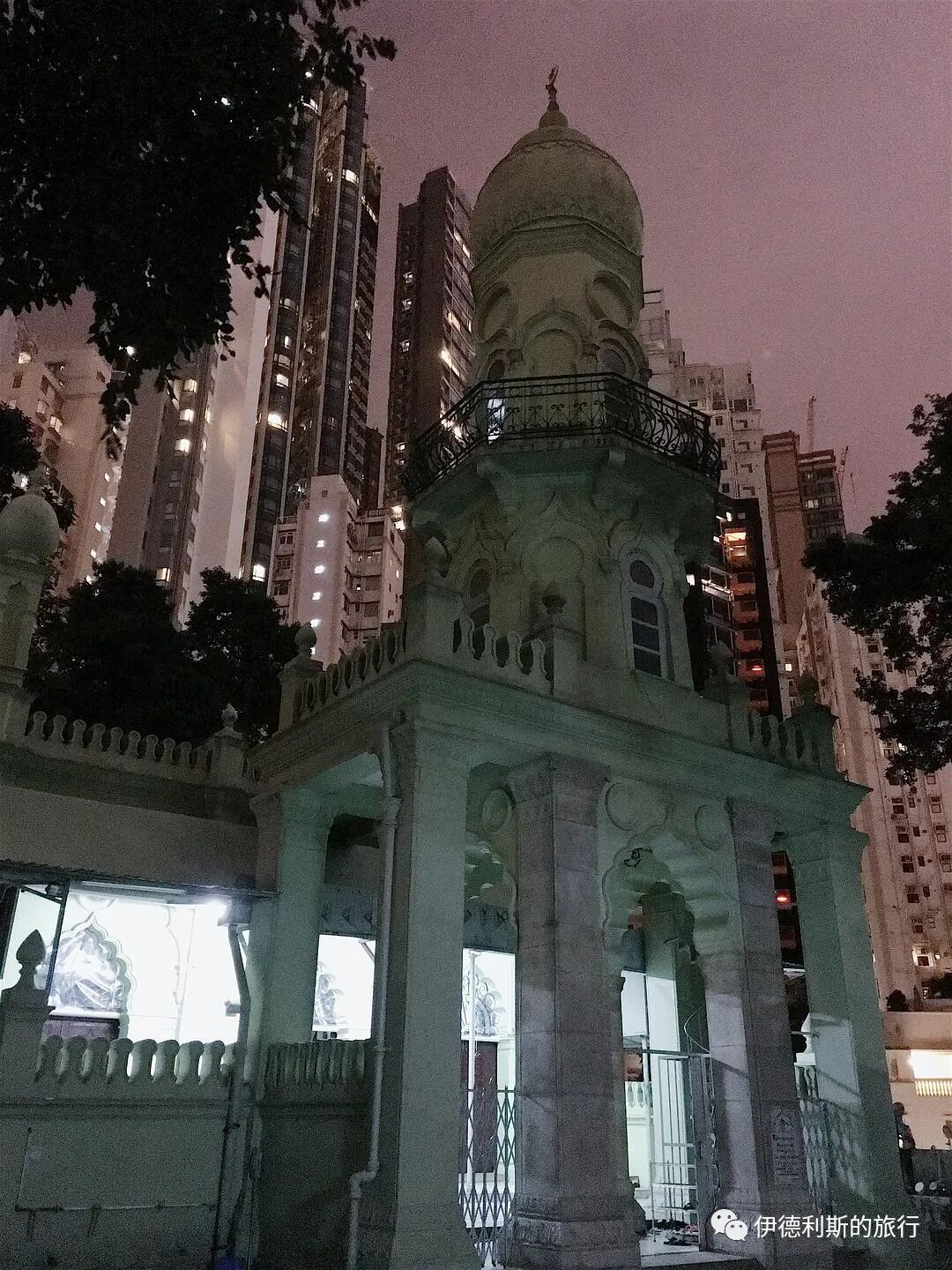
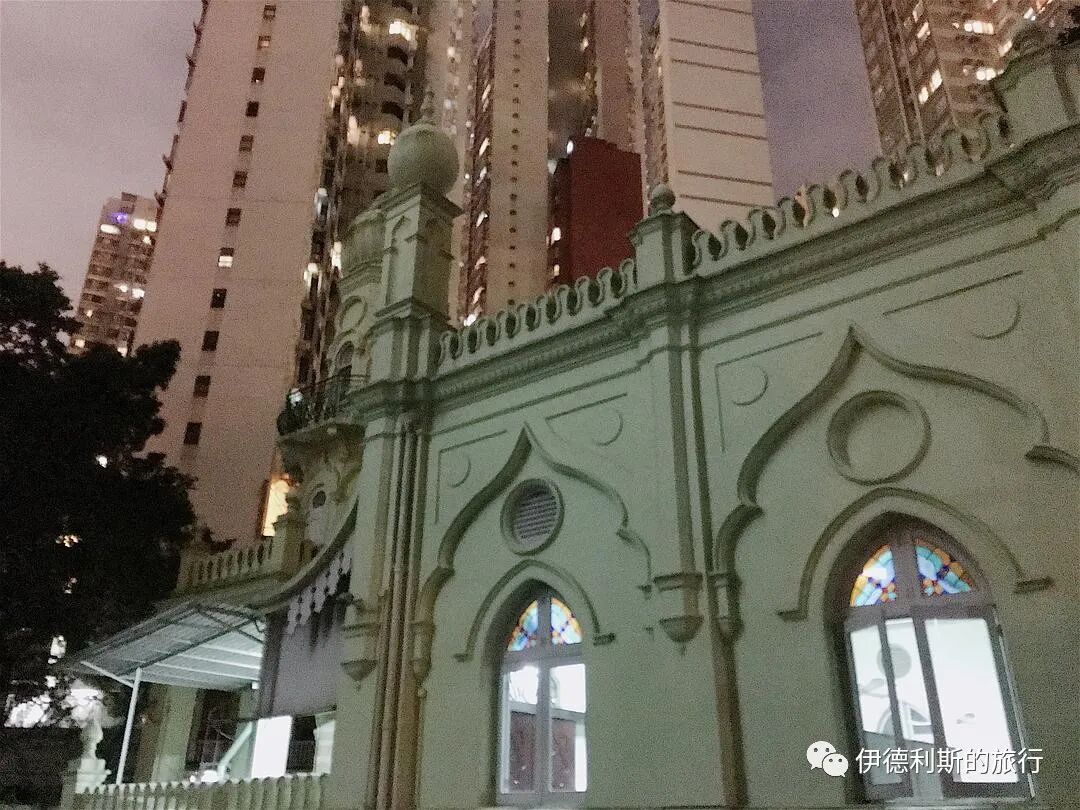
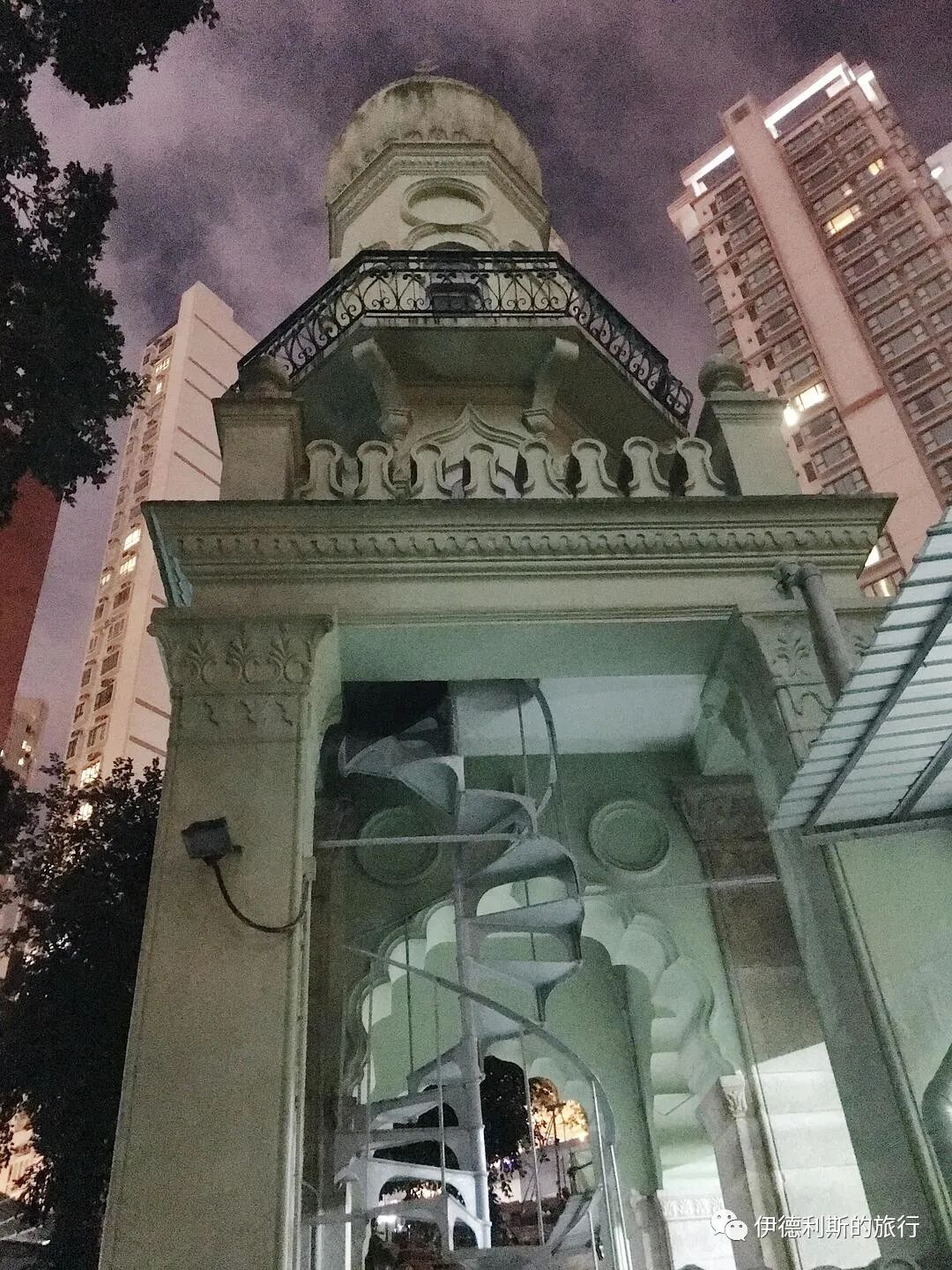
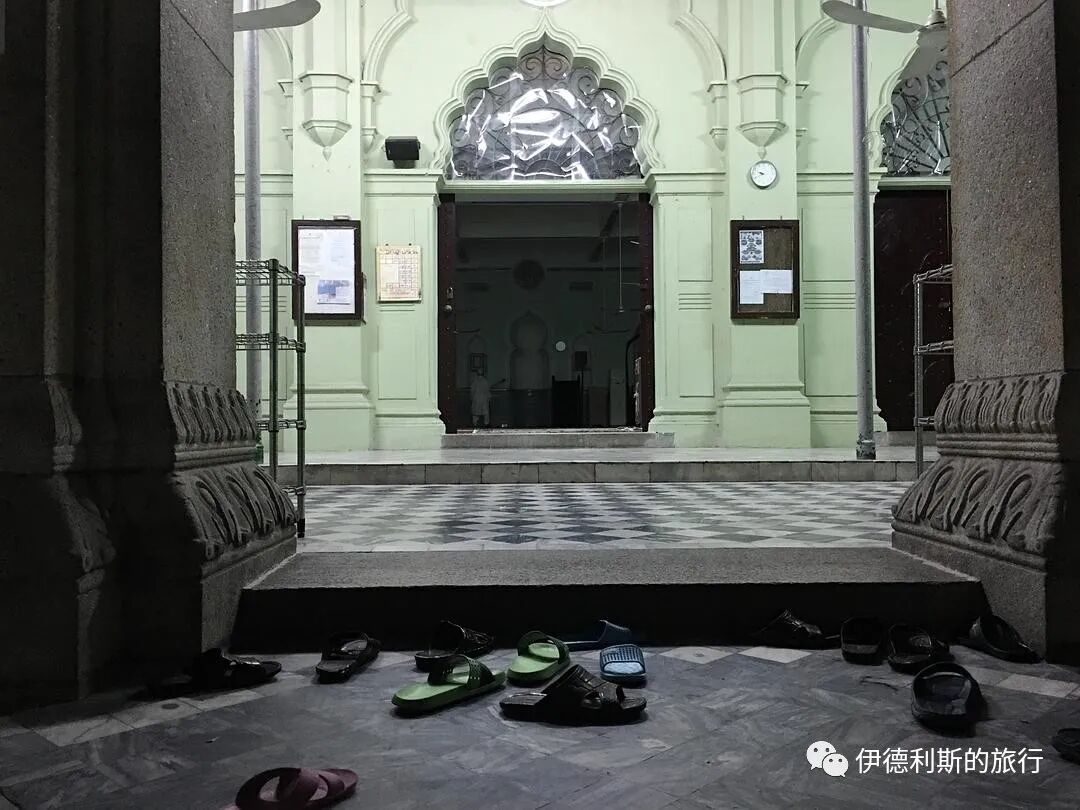
The oldest mosque in Hong Kong: Jamia Mosque (Shelley Street Mosque).
The British occupied Hong Kong Island in 1841 and immediately began sending Muslim soldiers from British India to be stationed there. As Hong Kong Island was being built up in the 1840s, Indian Muslims arrived to work as police, security guards, and sailors. A few wealthy merchants also came to open companies. Early Indian Muslims mainly lived in the area of present-day Upper Lascar Row in Central, where they opened the first halal eateries in Hong Kong.
At that time, Indian Muslims had to pray on the street for Jumu'ah and Eid prayers. As the population grew, building a mosque became a necessity.
Mosque Street in Central.
The term 'Moro' originated in the Middle Ages when Spanish Christians used it to refer to Muslims in southern Spain and North Africa. After the Age of Discovery, the Portuguese brought this term to South Asia and Southeast Asia, where they began calling South Asian Muslims 'Moro people.' The British later adopted this usage. The English name of this street, Mosque, refers to a place of worship for Muslims.
Junction Street means the intersection of roads, which is the English word 'Junction'.
At the request of Indian Muslims, the colonial government leased a piece of land to four trustees representing the Muslim community in 1850 to build the first mosque on the island, the Mohammedan Mosque. The mosque was originally just a stone house. Expansion began in 1870, and a formal mosque was completed by 1890. It was rebuilt again in 1915, keeping only the original minaret, and it has remained in use ever since.
After 1945, the mosque was renamed Jamia Mosque. Its Chinese name is the Islamic Mosque and Prayer Hall. Because it is located on Shelley Street, it is also called the Shelley Street Mosque.
The entrance to the Jamia Mosque is right by the famous Central-Mid-Levels escalator, the same one outside Tony Leung's home in the movie Chungking Express.
A stone tablet from the 1915 reconstruction.
The mosque was originally white and was only painted green a few years ago.
The center of Islam on Hong Kong Island.
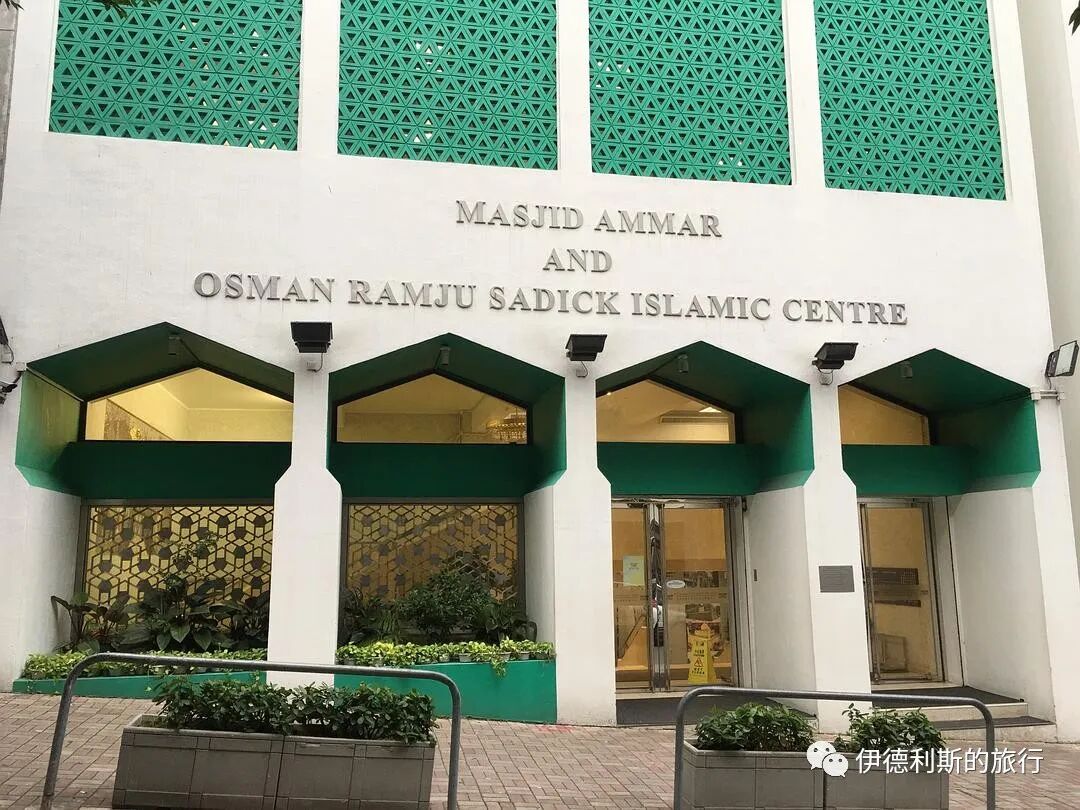
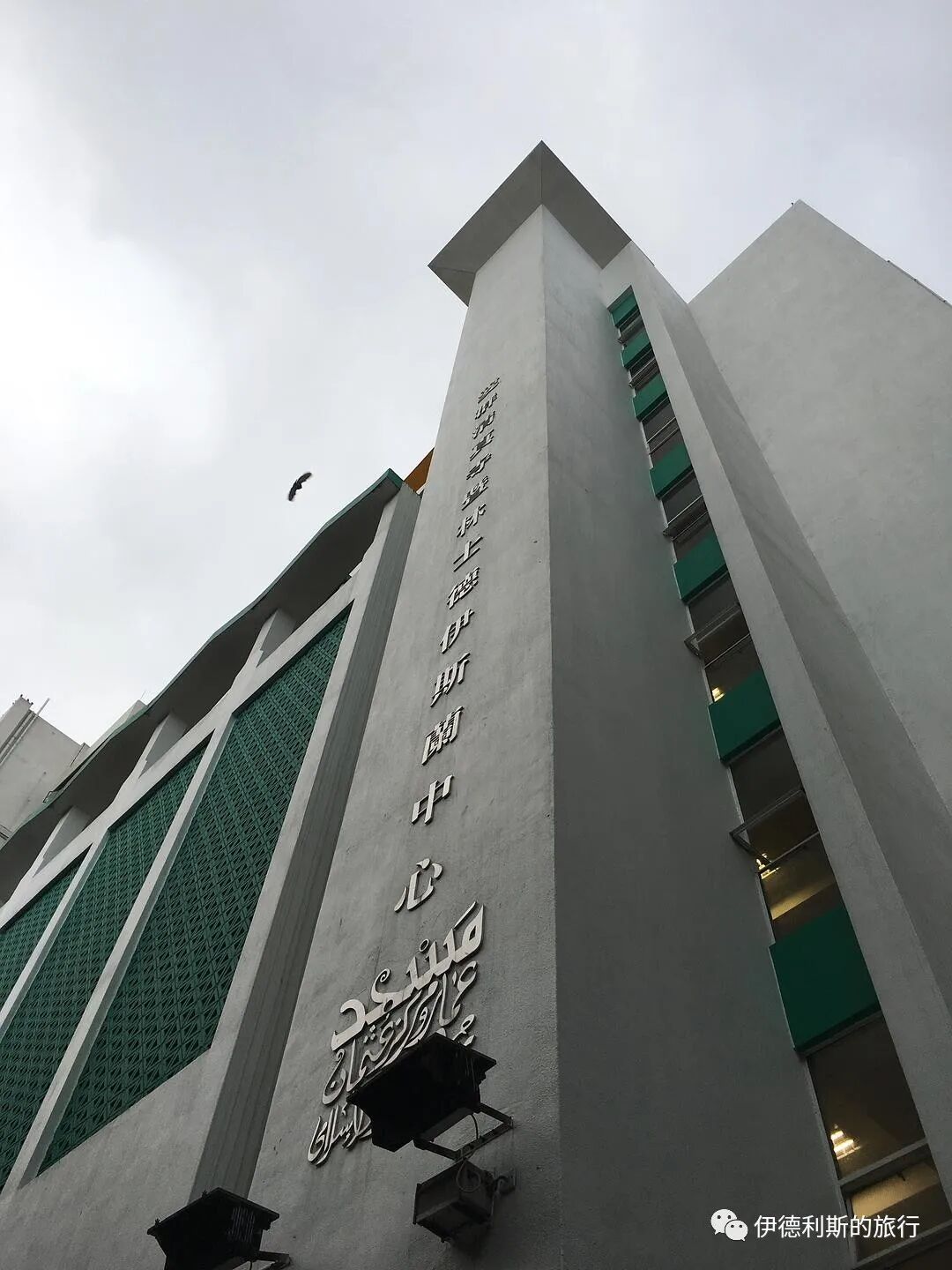
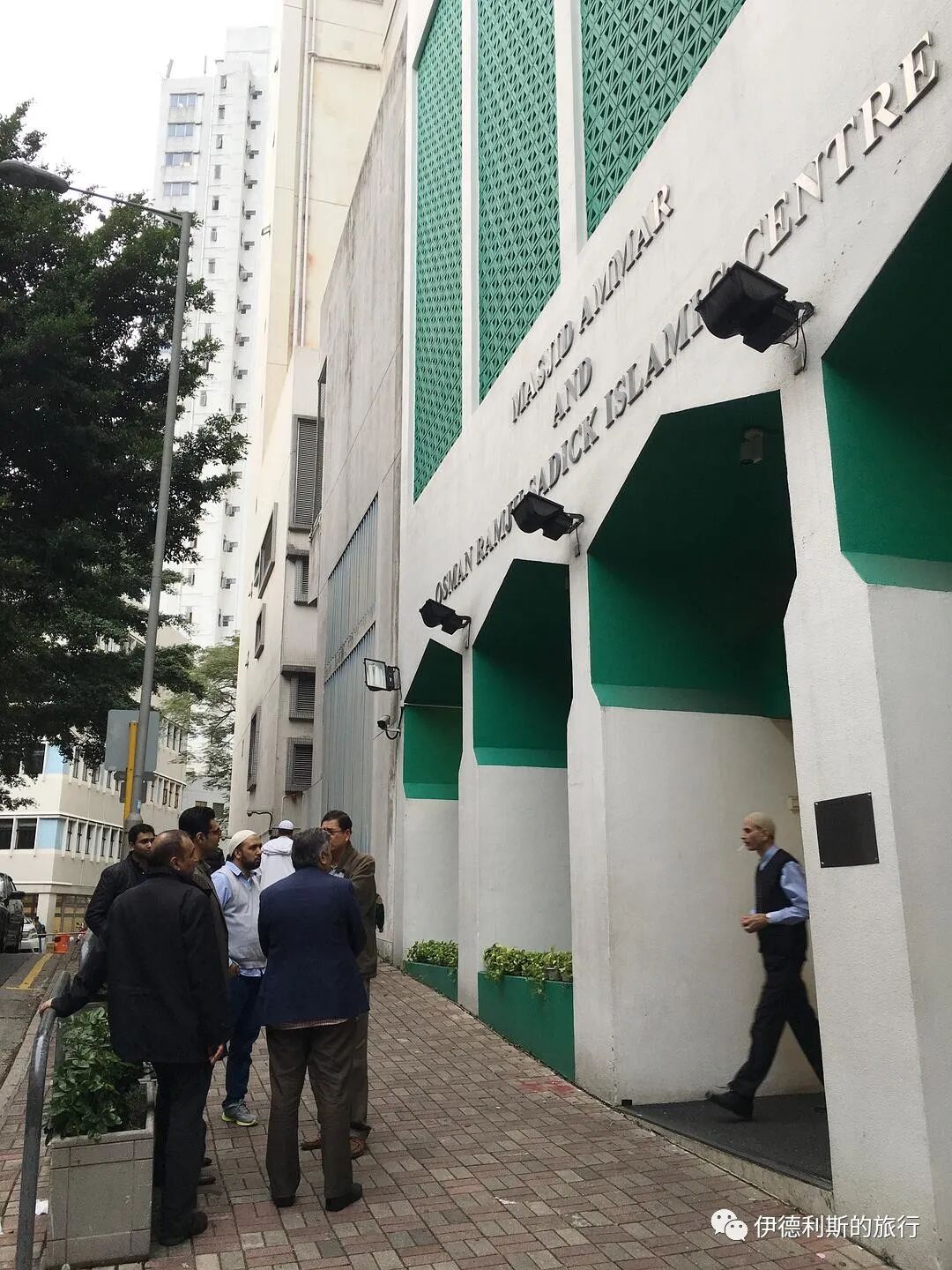
Besides the Jamia Mosque, the current center for Muslim activities on Hong Kong Island is the Ammar Mosque and Osman Ramju Sadick Islamic Centre.
The Ammar Mosque can be traced back to a mosque built by Hong Kong Muslims at 7 Seymour Road in 1864. At that time, the mosque was mainly used for funerals. Later, as the number of Muslims increased, it was also used for daily namaz.
After 1945, the Ammar Mosque was rebuilt in Happy Valley. However, in 1978, the government acquired the land where the mosque stood to build the Aberdeen Tunnel. The government provided a new piece of land on Oi Kwan Road and paid 2.5 million dollars in construction funds. The new Ammar Mosque was officially completed in 1981, and its Chinese name was set as the Oi Kwan Mosque.
The Islamic center has many functions. The ground floor is the reception area, the first floor has the wudu area (small cleaning room), the second floor is the men's prayer hall, the third floor is the women's prayer hall, the fourth floor has classrooms, the fifth floor is a restaurant, the sixth floor has seminar rooms and a library, the seventh floor is the Islamic Union office, and the eighth floor houses the foundation office and the youth office.
Reception area.
Wudu area (water room).
Prayer times.
Prayer hall.
Class schedule.
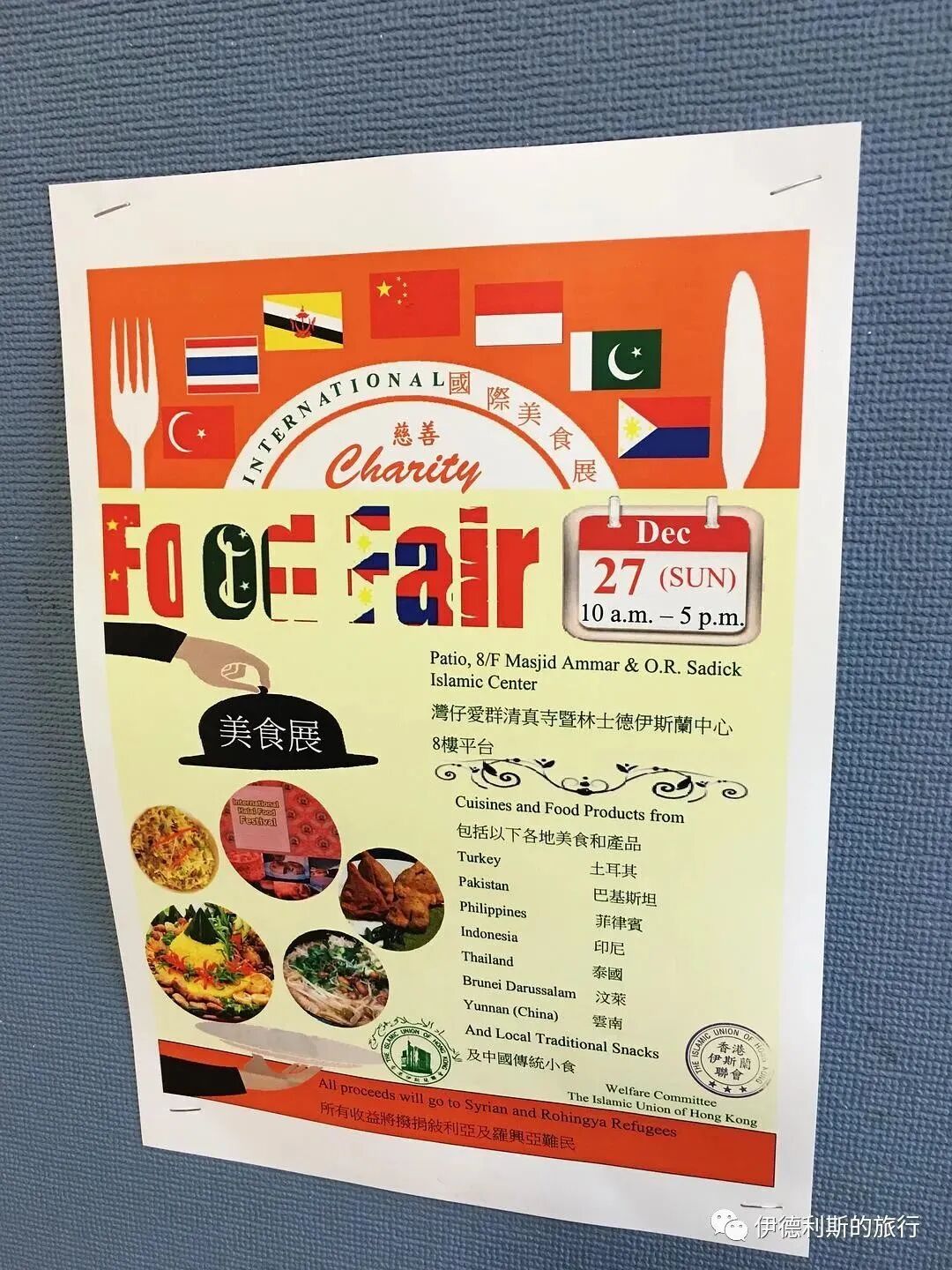
I missed the food fair held to raise money for Syrian refugees.
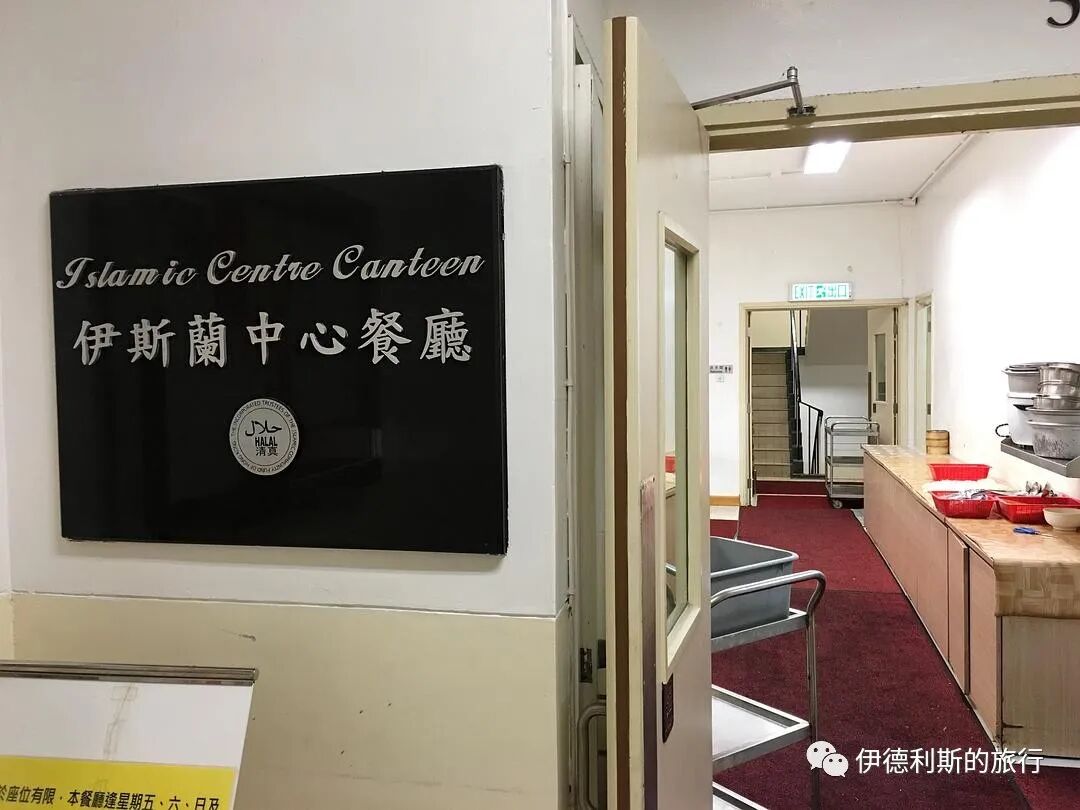
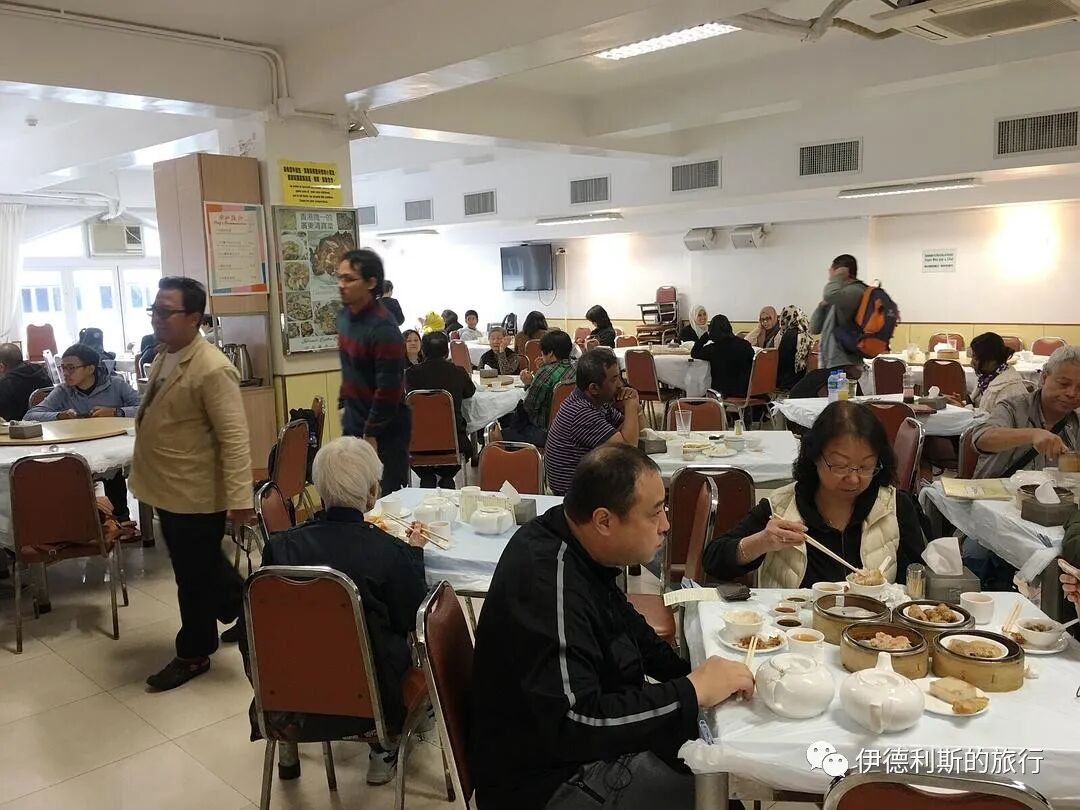
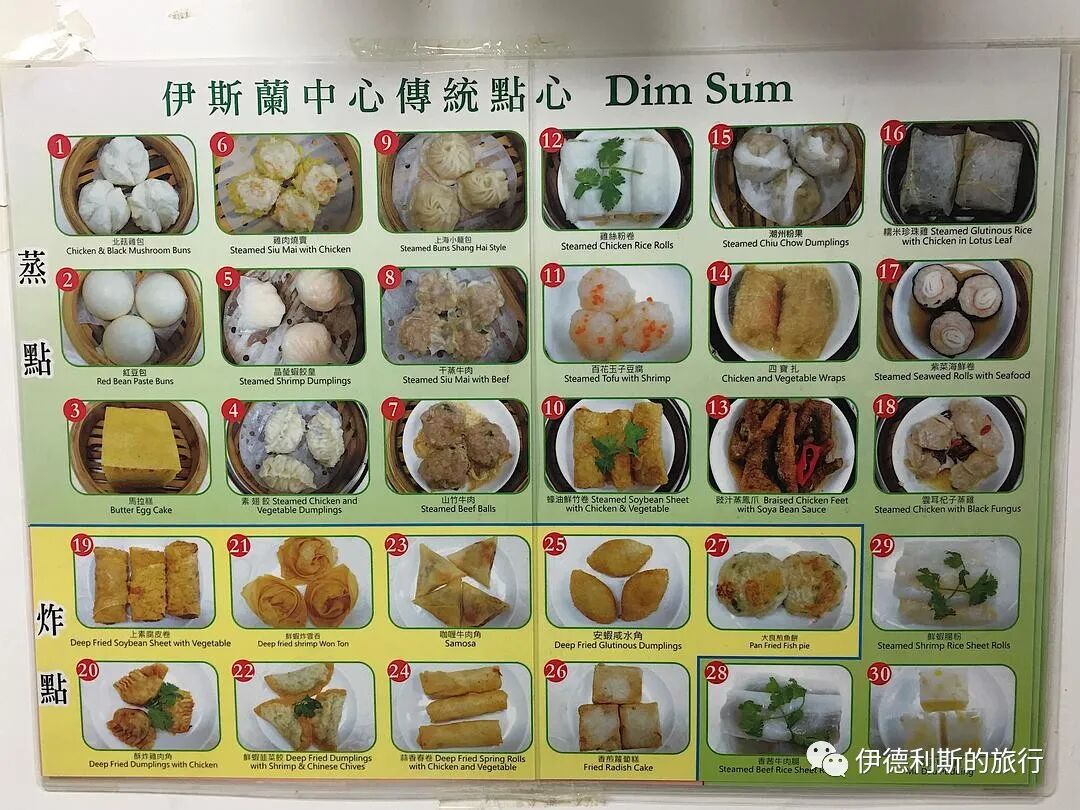
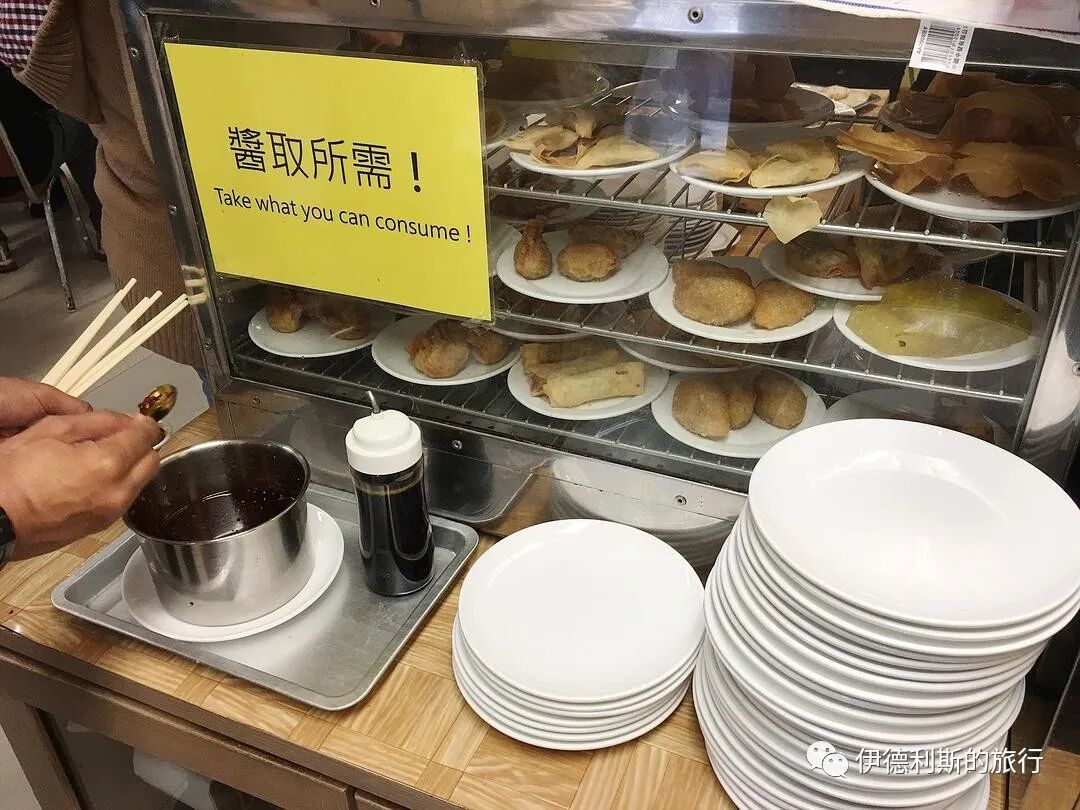
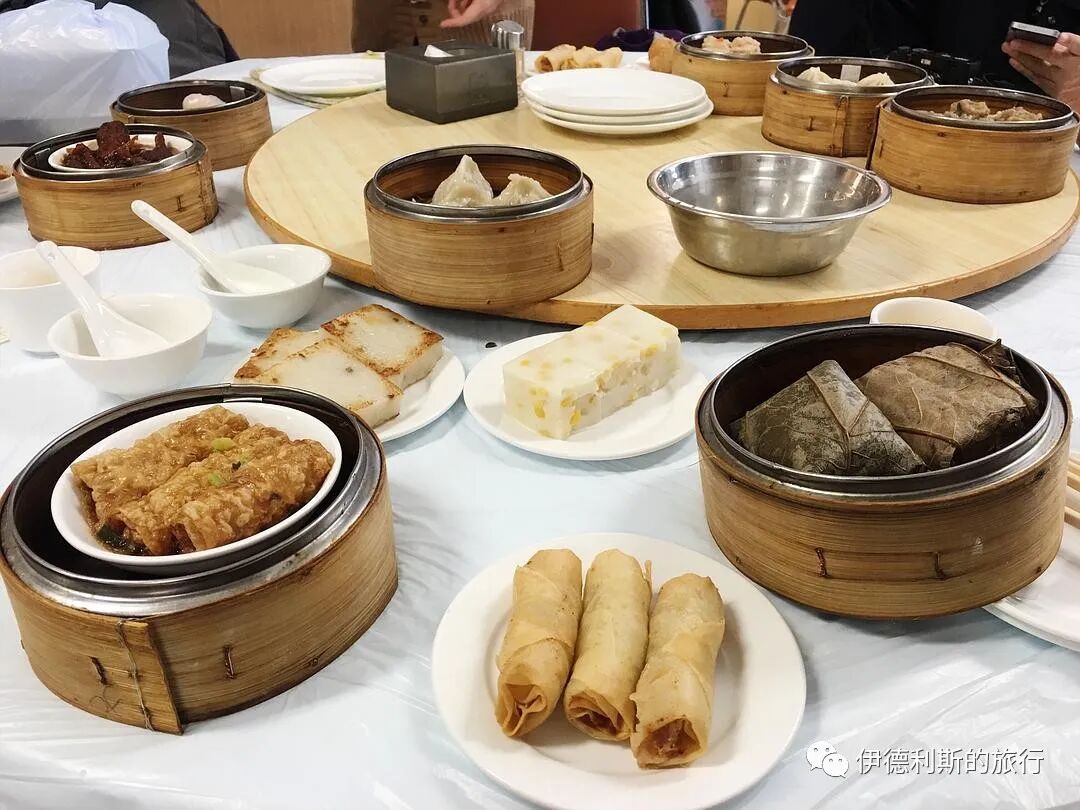
I had dim sum at the fifth-floor restaurant. I saw many South Asian and Southeast Asian Muslims there, and everyone went straight to the window to order their food.
Take only what you need!
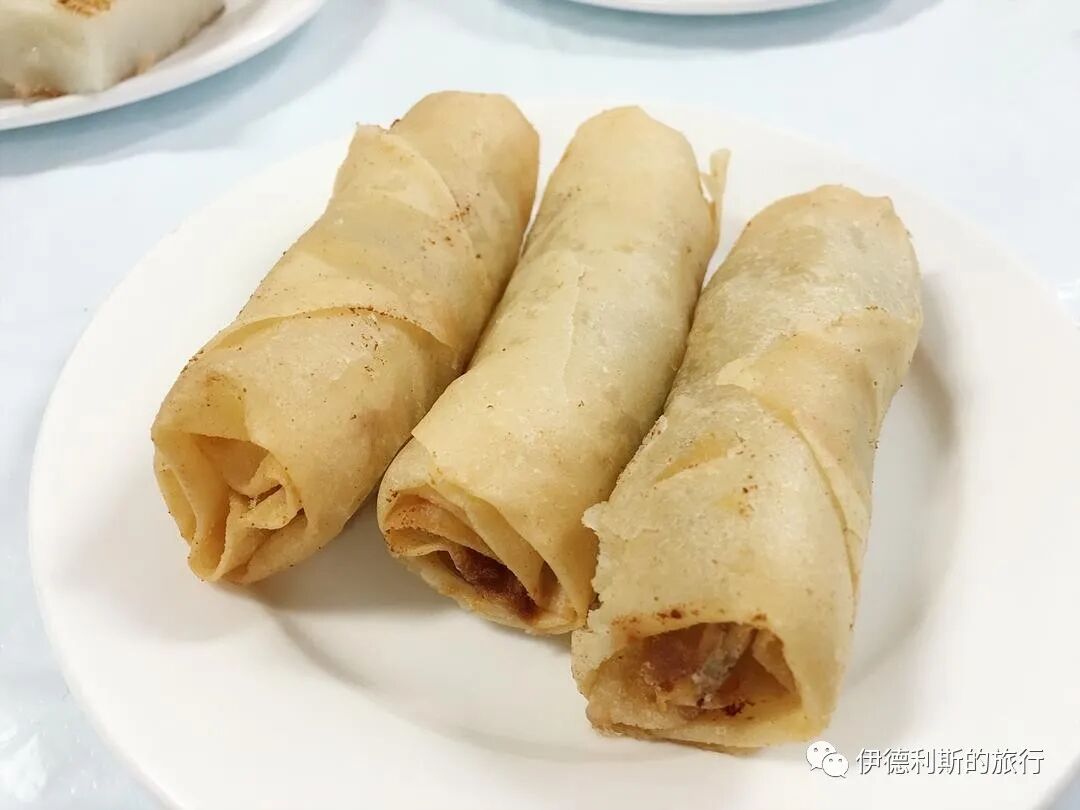
Garlic spring rolls (suanjuan)
Pan-fried radish cake (luobogao)
Smooth yellow pea cake (madougao)
Vegetarian bean curd skin rolls (susu fupijuan)
Vegetarian shark fin dumplings (suchijiao)
Sticky rice with chicken in lotus leaf (nuomi zhenzhuji)
Steamed sponge cake (malagao)
Steamed chicken and mushroom buns (beigu jibao)
I went back for dim sum in October 2017.
Steamed rice noodle rolls with shredded chicken (jisi fenjuan)
Sticky rice with chicken in lotus leaf (nuomi zhenzhuji)
Daliang pan-fried fish cakes (daliang jian yubing)
Egg tofu with shrimp paste (baihua yuzi doufu)
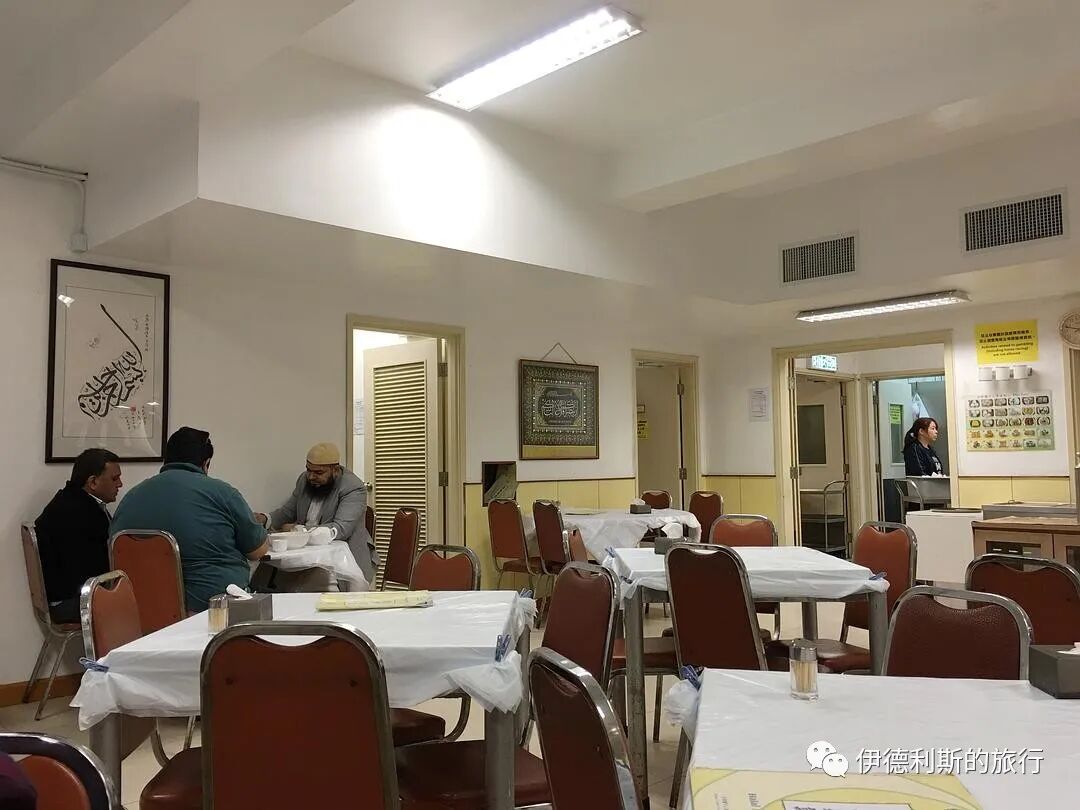
The Islamic restaurant serves regular meals outside of dim sum hours, but they are not as good as the dim sum.
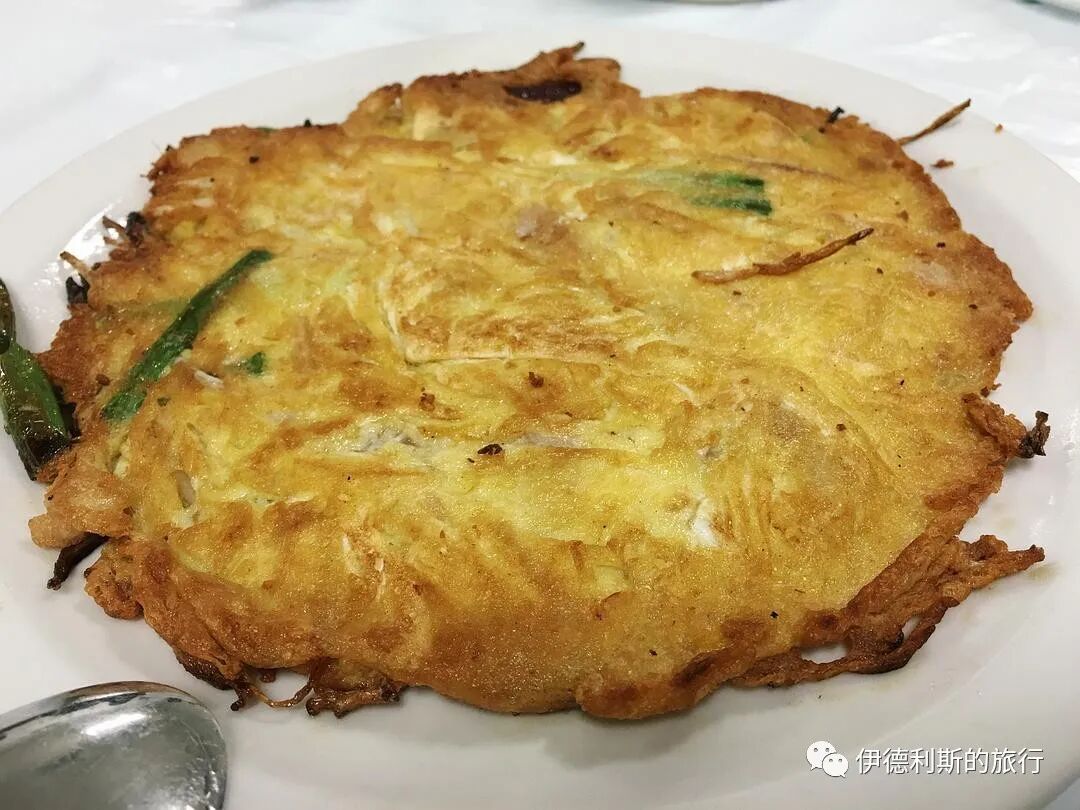
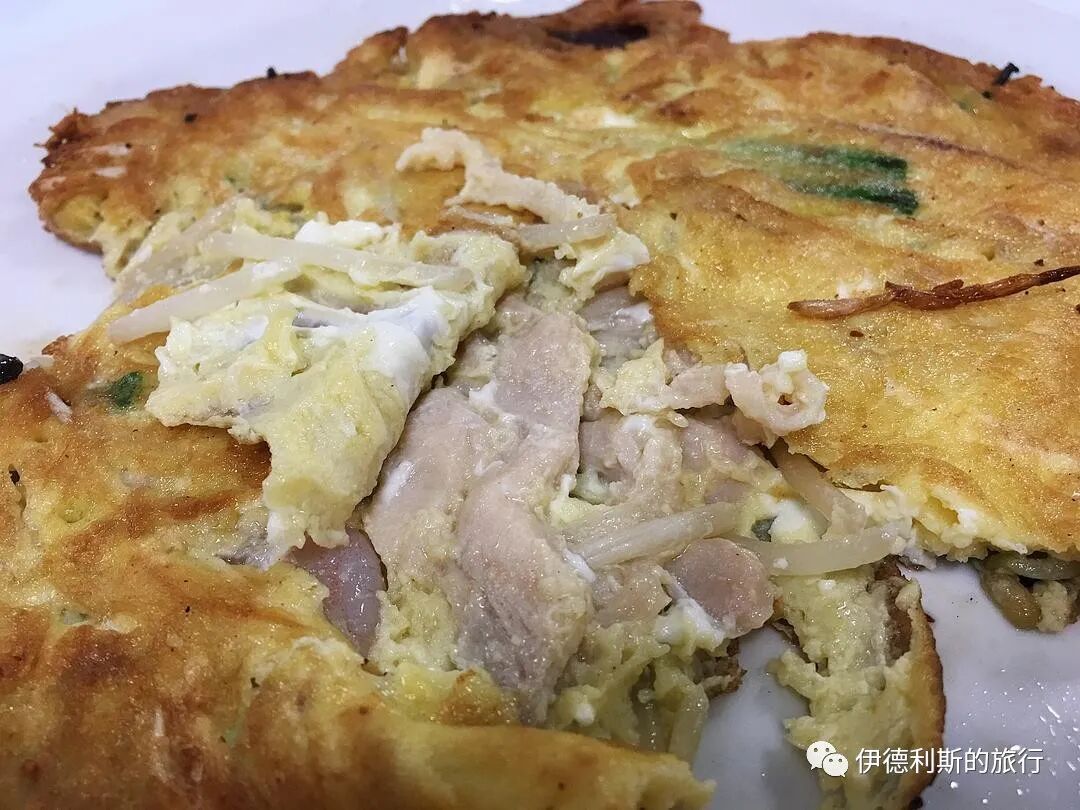
Egg foo young (furong jiandan)
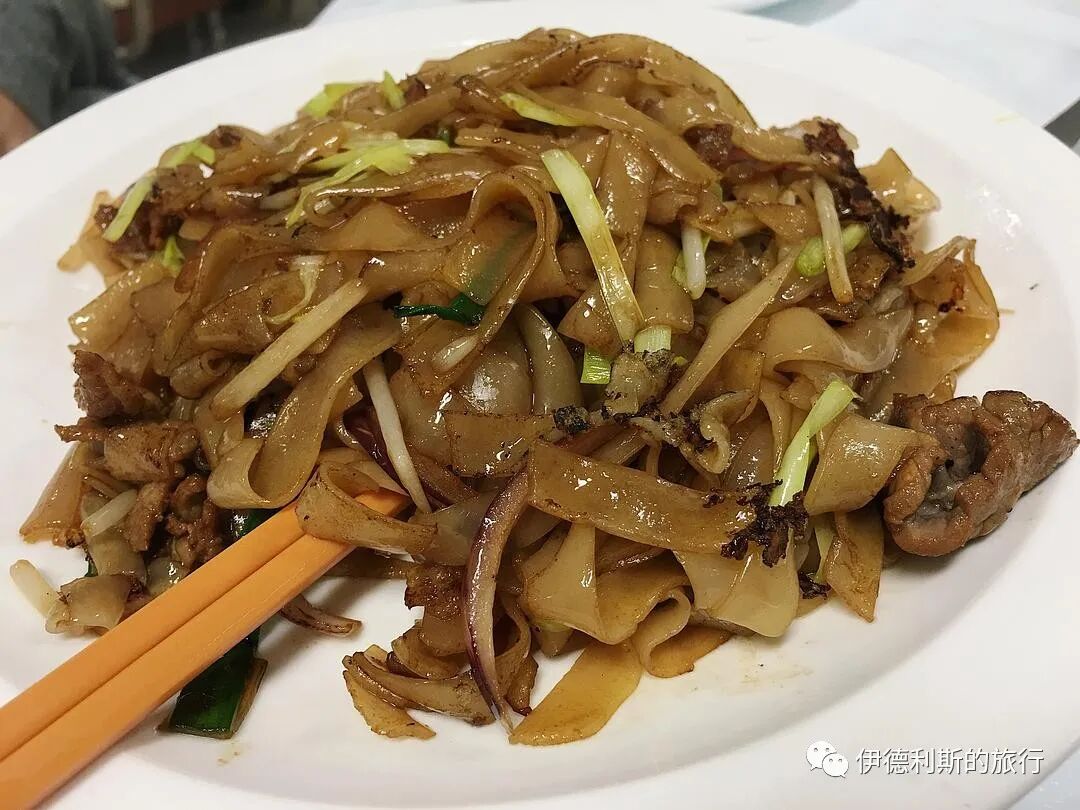
Stir-fried beef rice noodles (ganchao niuhe)
Rice with minced beef and cilantro (xiangqian niusongfan)
Braised grouper fillet with tofu (bannan doufu)
Sand ginger chicken (shajiang ji)
Price
Restaurant
In December 2015, I went to the Islamic Union office on the 7th floor to buy a calendar published by the Islamic Center. The proceeds were donated to Syrian refugees.
In October 2017, I donated money here for Rohingya refugees.
The Ma Da Wu Library on the 6th floor has many books available for free.
In October 2017, I met Haji Ma Pengwei, the chairman of the Da'wah Committee of the Islamic Union of Hong Kong, and received a copy of his book, "Paradise and Hell" (Tianyuan yu Huoyu).
I also received a copy of "Prayer Rituals" (Baikong Yishi), printed and donated by the Hong Kong Muslim Mission in 1962 and compiled by Ma Da Wu.
Halal Wai Kee (Qingzhen Huiji)
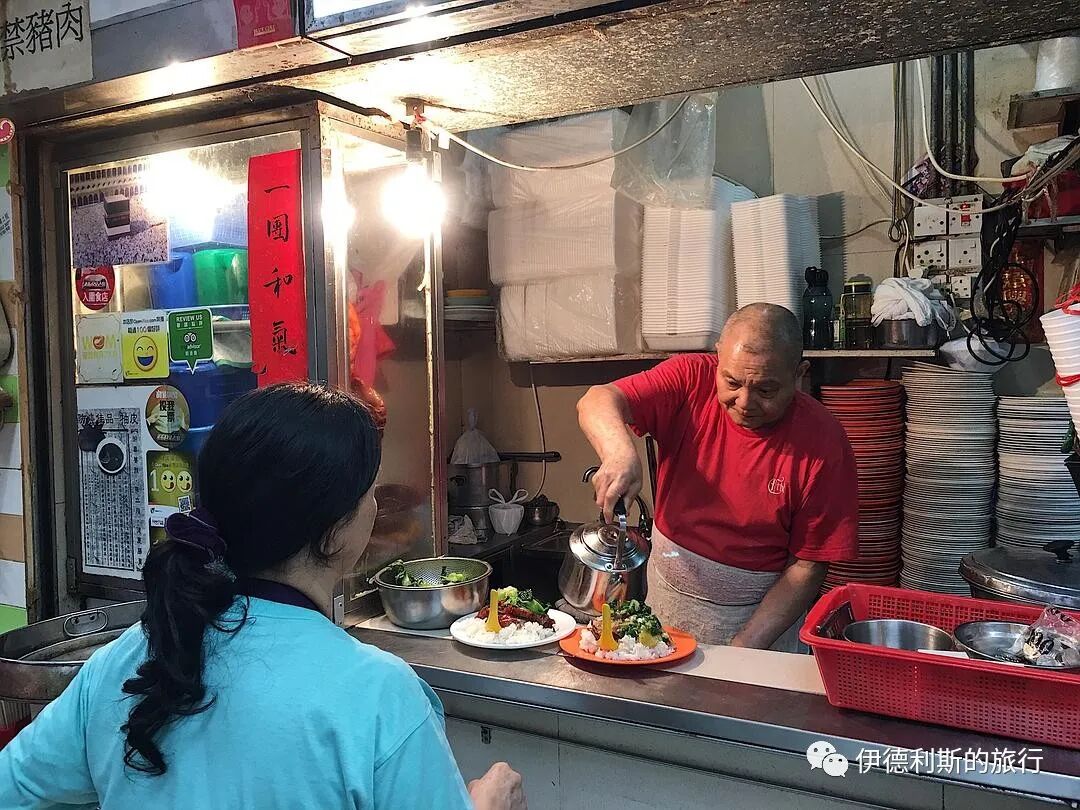
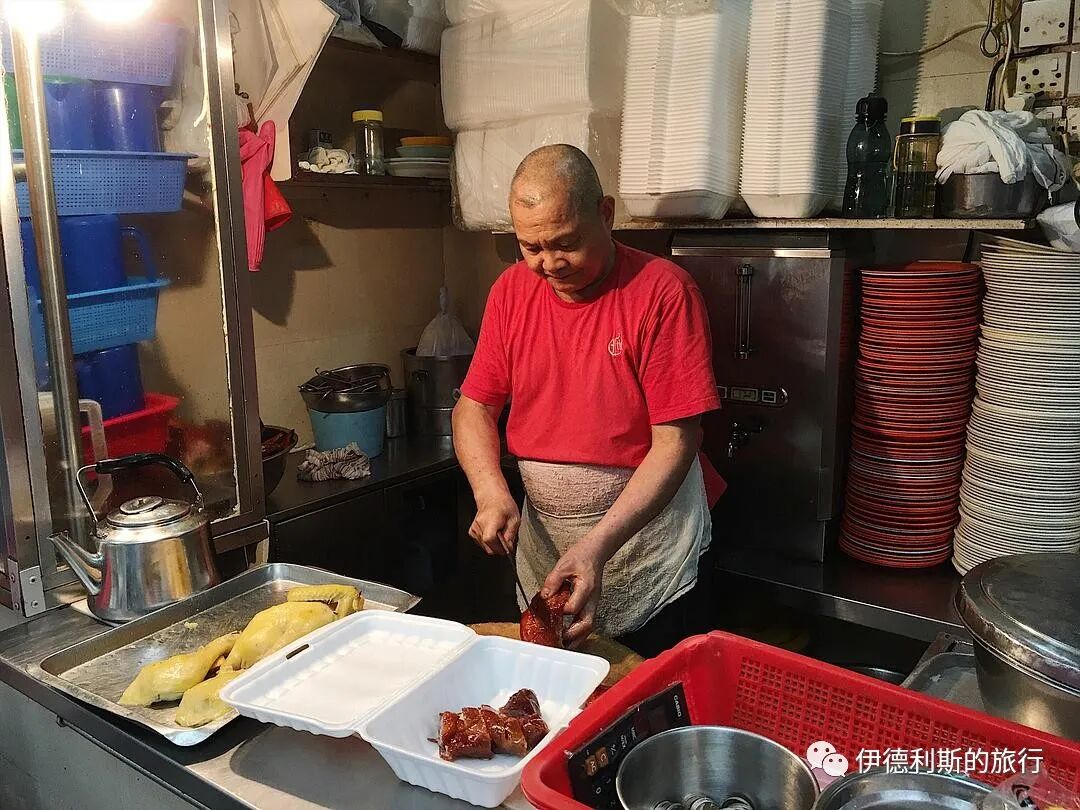
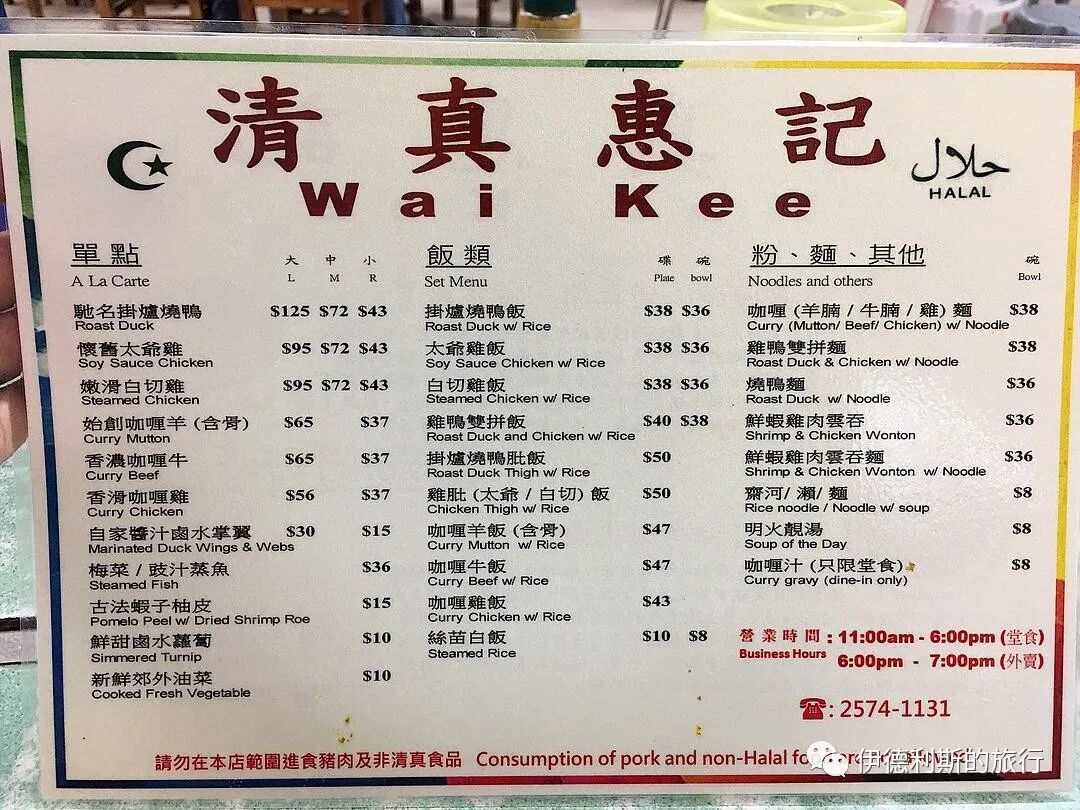
Halal Wai Kee is currently the only traditional local halal snack shop on Hong Kong Island. It is located inside the Bowrington Road Market in Wan Chai. It is not easy to find, so if you cannot find it after entering the market, you can ask a local stall owner.
Halal Wai Kee has reportedly been operating near the Canal Road Flyover in Wan Chai for over 60 years. It moved into the Bowrington Road Market when it opened in 1979 and has been there ever since. Wai Kee (Qingzhen Huiji) is open for dine-in from 11:00 a.m. to 6:00 p.m., so if you plan to go in the afternoon, make sure to arrive early.
Wai Kee is famous for its traditional roasted duck (gualu shaoya) and soy sauce chicken (taiyeji), as well as their own original curry lamb brisket (gali yangnan). Honestly, this is the best curry lamb brisket I have ever had; the flavor is spot on.
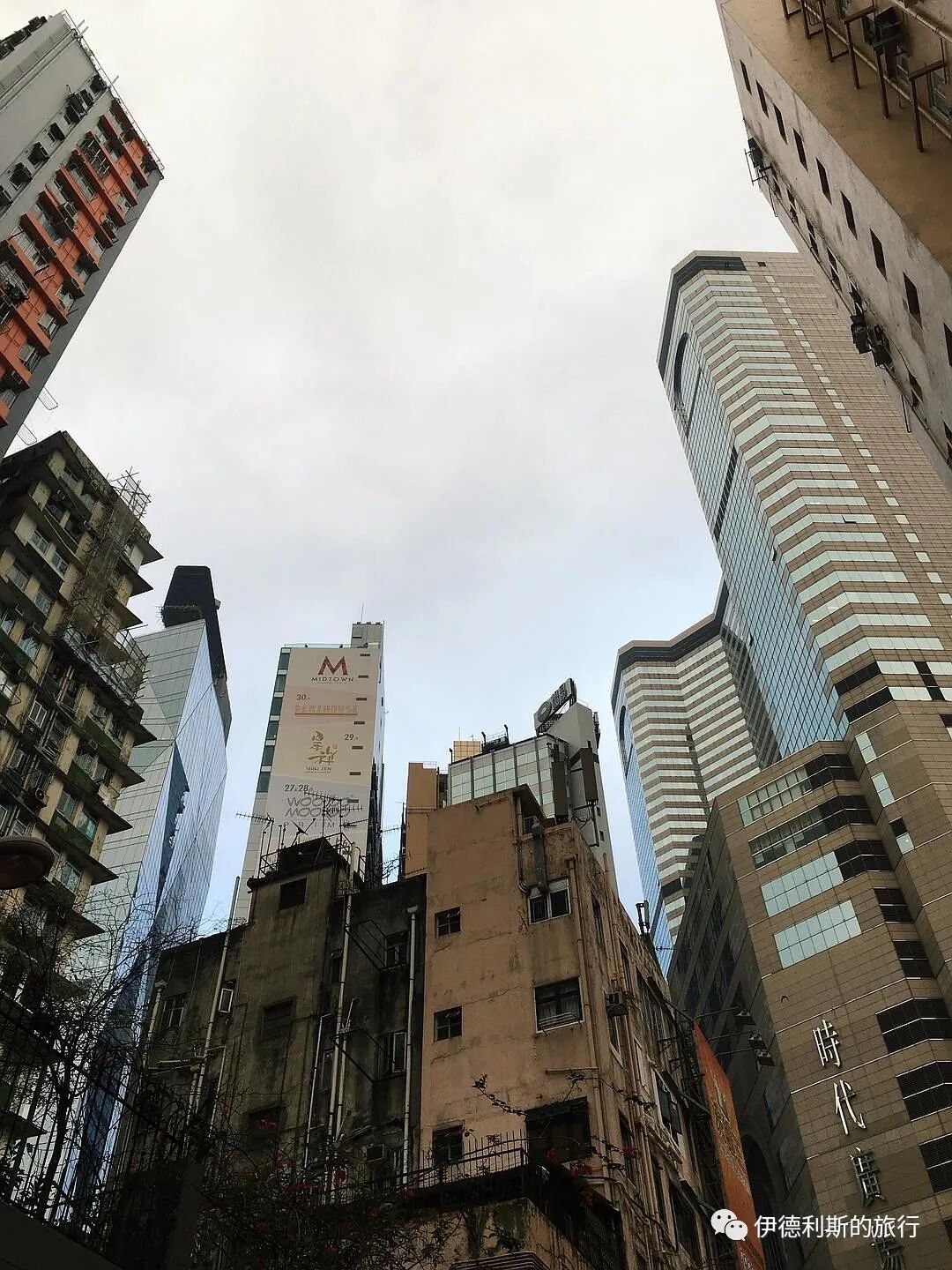
The famous Times Square is right next to Wai Kee.
Kowloon Section
Crossing Victoria Harbour, let's talk about Kowloon.
Kowloon Mosque
After the Convention of Peking was signed in 1860, Kowloon was handed over to the British government. Britain immediately began sending British Indian troops to be stationed in Kowloon, and many of them were Indian Muslim soldiers.
In the 1890s, the British built the Whitfield Barracks for the British Indian troops at the current location of Kowloon Park. To meet the prayer needs of the Indian Muslim soldiers, the first Kowloon Mosque was built in the southeast corner of the barracks in 1896.
The early Kowloon Mosque remained a military facility for the barracks until it was handed over to the British Hong Kong government in 1967. In 1970, most of the Whitfield Barracks were demolished to build Kowloon Park, but the Kowloon Mosque was preserved.
Between 1975 and 1979, the Hong Kong MTR (originally the Kwun Tong Line, now the Tsuen Wan Line) began construction. In 1978, the MTR Corporation conducted blasting next to the Kowloon Mosque, which severely damaged the mosque's structure, and it was declared a dangerous building. With compensation from the MTR Corporation and donations from Muslims, the Kowloon Mosque was rebuilt at its current Tsim Sha Tsui site in 1980 and opened in 1984.
Currently, the Kowloon Mosque is mainly used by South Asian and Southeast Asian Muslims and serves as a cultural center for non-Chinese Muslims in Hong Kong.
Many people are resting at the entrance of Kowloon Park, right next to the Kowloon Mosque.
Inside the Kowloon Mosque.
Chungking Mansions
The world-famous Chungking Mansions is located near the Kowloon Mosque and is a well-known multicultural center in Hong Kong.
The most famous record of Chungking Mansions is Wong Kar-wai's film Chungking Express. Brigitte Lin moves through the building, appearing in various shops run by Indians selling handbags and electronics, and in curry restaurants. It is a fantastic capture of Chungking Mansions in the nineties.
Another film is the 1994 Hong Kong movie Neon Goddess, starring Dicky Cheung and Charlie Young, with Charlie Yeung and Irene Wan in supporting roles. The story takes place in a women's apartment on the top floor of Chungking Mansions, vividly portraying the lives of the gay community, Europeans, and Indians in the building. There is a mainland girl abandoned by an Indian man who is raising her mixed-race daughter alone, a middle-aged tailor who flirts with stylish men while measuring them for clothes, a devoted man who bravely runs a curry restaurant, and an original singer trapped by commercialism while chasing his music dreams. Chungking Mansions is a small society, and this warm love story gives us a glimpse of the building in the nineties.
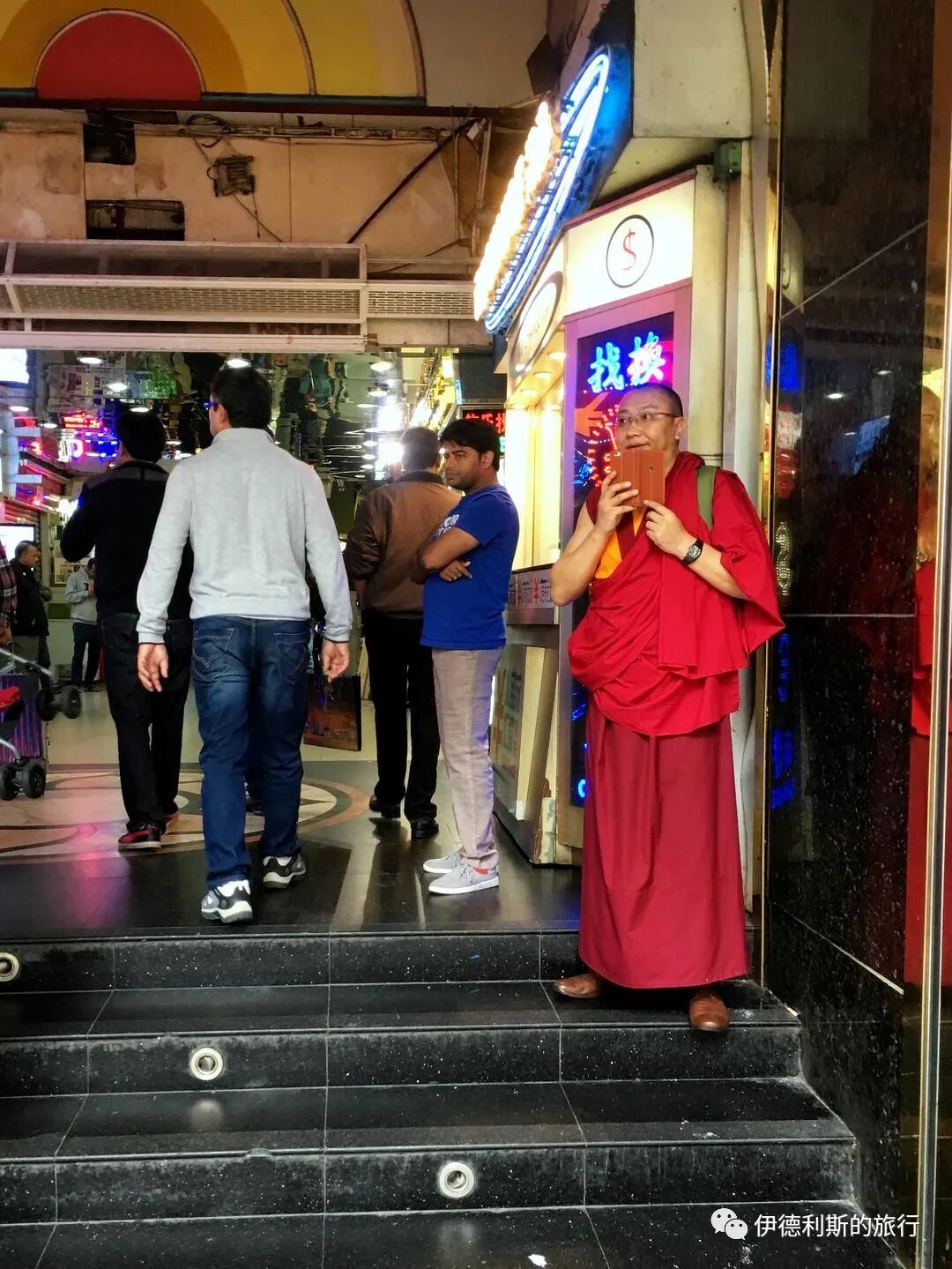
The entrance of Chungking Mansions that I photographed in December 2015.
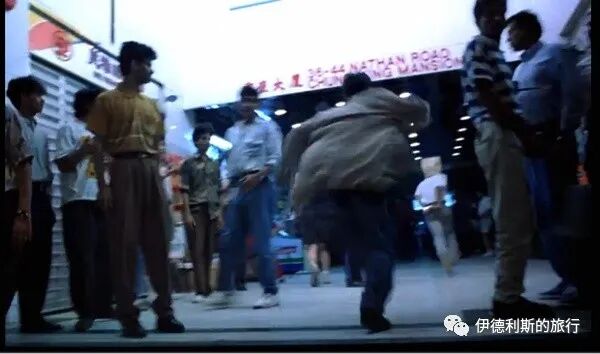
Takeshi Kaneshiro at the entrance of Chungking Mansions in Chungking Express, running inside.
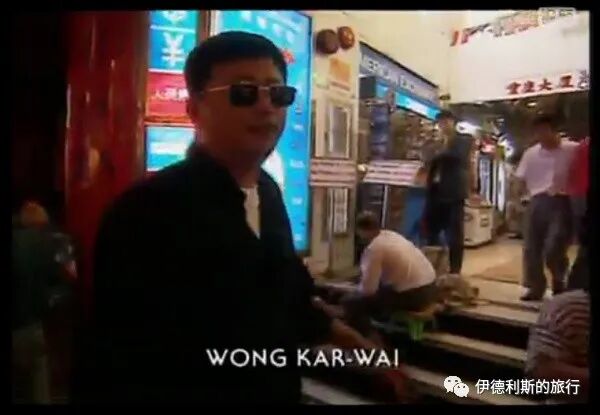
Wong Kar-wai at the entrance of Chungking Mansions.
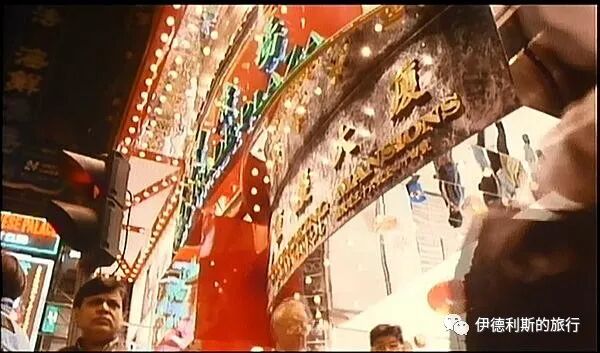
The entrance of Chungking Mansions in the movie Neon Goddess.
I learned more about Chungking Mansions from Gordon Mathews' book Ghetto at the Center of the World: Chungking Mansions, Hong Kong.
To briefly introduce the legendary Chungking Mansions using Mathews' words from the book: Chungking Mansions is a seventeen-story dilapidated building filled with small, cheap hotels and shops, standing in sharp contrast to the surrounding tourist areas. This building is arguably the most globalized in the world, where business people and temporary workers from South Asia and sub-Saharan Africa come to seek their fortunes, international refugees seek asylum, and tourists look for cheap accommodation and adventure. People from all walks of life rest in the building, fight for seats at food stalls, haggle in mobile phone shops, and walk through the hallways.
I first visited Chungking Mansions in January 2014. It was very chaotic back then, with a group of Indian men at the entrance soliciting guests for the hostels upstairs, which felt like the classic Chungking Mansions style. When I went again in December 2015, there were no solicitors at the entrance, and the inside was much cleaner and tidier. I visited for the third time in October 2017, and the whole building was just as busy as ever.
Tony Leung and Faye Wong in front of the snack shop.
Christopher Doyle and Wong Kar-wai in front of Faye Wong's snack shop. Actually, there were almost no shops run by Chinese people there at the time; it has always been a shop run by Indian people. This shop is on the 3rd floor of Block A in Chungking Mansions, so friends who also love Faye Wong can go take a look.
Gordon Mathews introduces Chungking Mansions to first-time visitors like this:
Among the dazzling high-rises in the prime location of Nathan Road, there is a plain, or even messy and decaying building. Between the ground floor shops, there is an indescribably dark entrance that looks like it belongs somewhere else. You cross the road and walk toward this entrance, seeing many people nearby who look different from typical Hong Kong residents, and they do not look like shoppers on Nathan Road. If you are Chinese, you might feel like a minority after entering the building and feel lost and overwhelmed. If you are white, you might subconsciously clutch your wallet, feeling a mix of unease and the guilt of someone from a first-world country. If you are a woman, you might feel a bit uncomfortable because there are over a hundred pairs of male eyes watching you.
Chungking Mansions as I photographed it in October 2017.
Wong Kar-wai in the hallway of Chungking Mansions.
In the film Fallen Angels (duoshi tian shi), looking down from the first floor to the ground floor, you can see the Pierre Cardin sign.
My photo of the view from the first floor to the ground floor taken in December 2015.
Gordon Mathews continues: Once you escape the barrage of curry restaurant touts and hostel touts at the entrance, you fall into the whirlpool of people in Chungking Mansions. You may have never seen so many people crowded into such a small place in your life. The scene before your eyes is extraordinary: Africans in bright robes, hip-hop clothes, or ill-fitting suits; devout Pakistanis wearing small brimless caps (topi); Indonesian women in black Islamic veils (hijab); elderly white men in shorts with big beer bellies; and some hippies who look like refugees from a past era. Nigerians talk loudly, young Indian men chat and laugh with their arms around each other's shoulders, and some people from mainland China look unable to hide their surprise at all of this. People of all skin colors wait in line for the elevator, all waiting to go to over a hundred different hostels.
Free Indian movie discs on the ground floor of Chungking Mansions that I photographed in December 2015.
Brigitte Lin in an Indian shop.
In Fallen Angels, the Indian man who helps carry bags in Chungking Mansions expects a tip.
A very classic scene in Fallen Angels: in the Chungking Mansions elevator, Mok Siu-chung takes out a tissue, and Charlie Young is confused. A bunch of Indian people enter, and then Charlie Young realizes why he had to cover his nose.
This scene is the curry restaurant on the ground floor of Chungking Mansions in Fallen Angels, which was likely filmed directly in a Pakistani restaurant. view all
Summary: Hong Kong — Mosques, Halal Food and Muslim History is presented here as a firsthand travel account in clear English, beginning with this scene: I visited Hong Kong twice in December 2015 and October 2017 to explore the city and its food. I visited several mosques and tried a few halal restaurants. I am sharing what I saw and ate here. The account keeps its focus on Hong Kong Travel, Halal Food, Mosques while preserving the names, places, food, and historical details from the Chinese source.
I visited Hong Kong twice in December 2015 and October 2017 to explore the city and its food. I visited several mosques and tried a few halal restaurants. I am sharing what I saw and ate here.
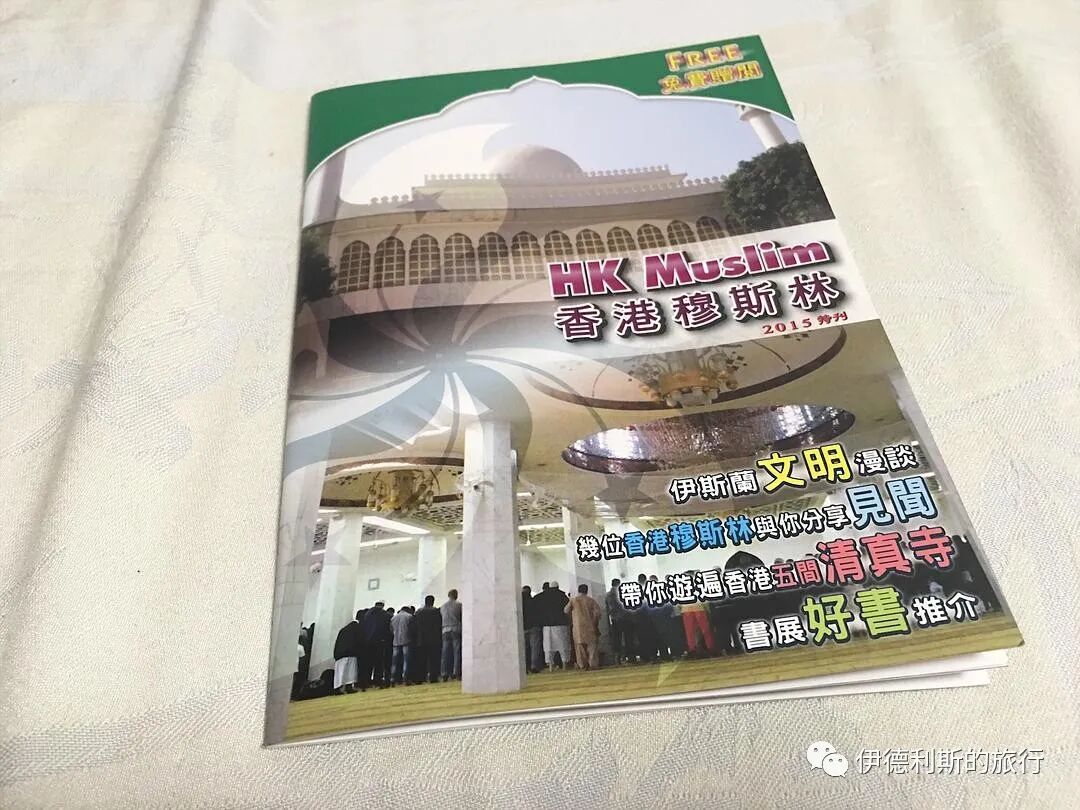
There are currently six mosques in Hong Kong. I have visited the Jamia Mosque (Shelley Street Mosque), the Ammar Mosque, and the Kowloon Mosque. I have not yet visited the Stanley Mosque at Stanley Prison, the Chai Wan Mosque at the Muslim Cemetery, or the Ibrahim Mosque, which was newly built in Yau Ma Tei in 2013.
Hong Kong Island Section
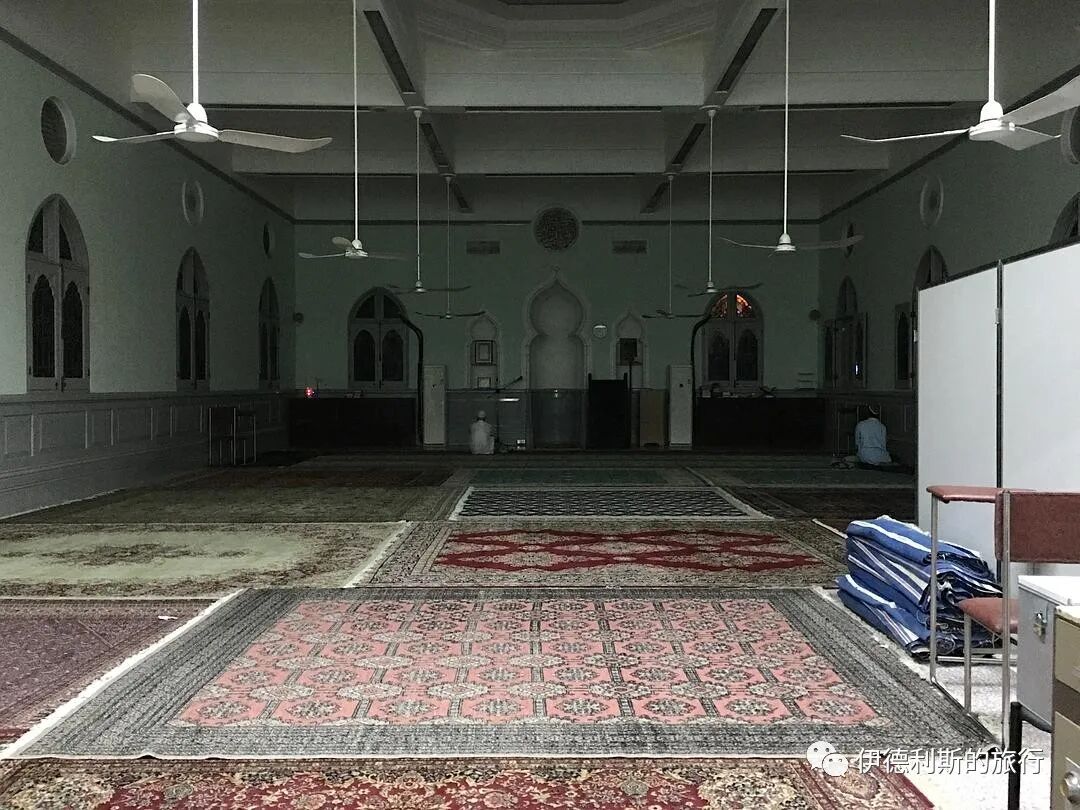
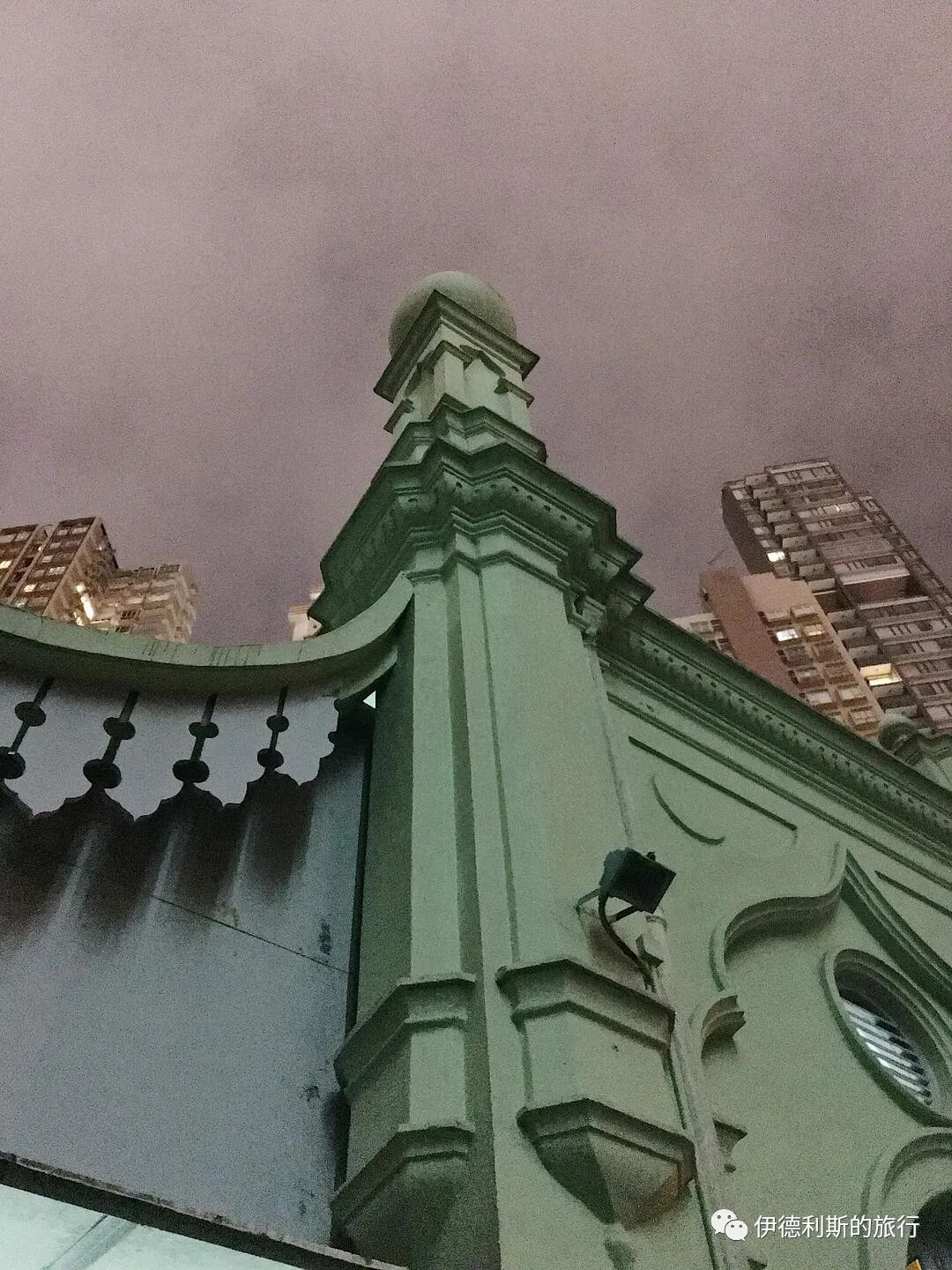
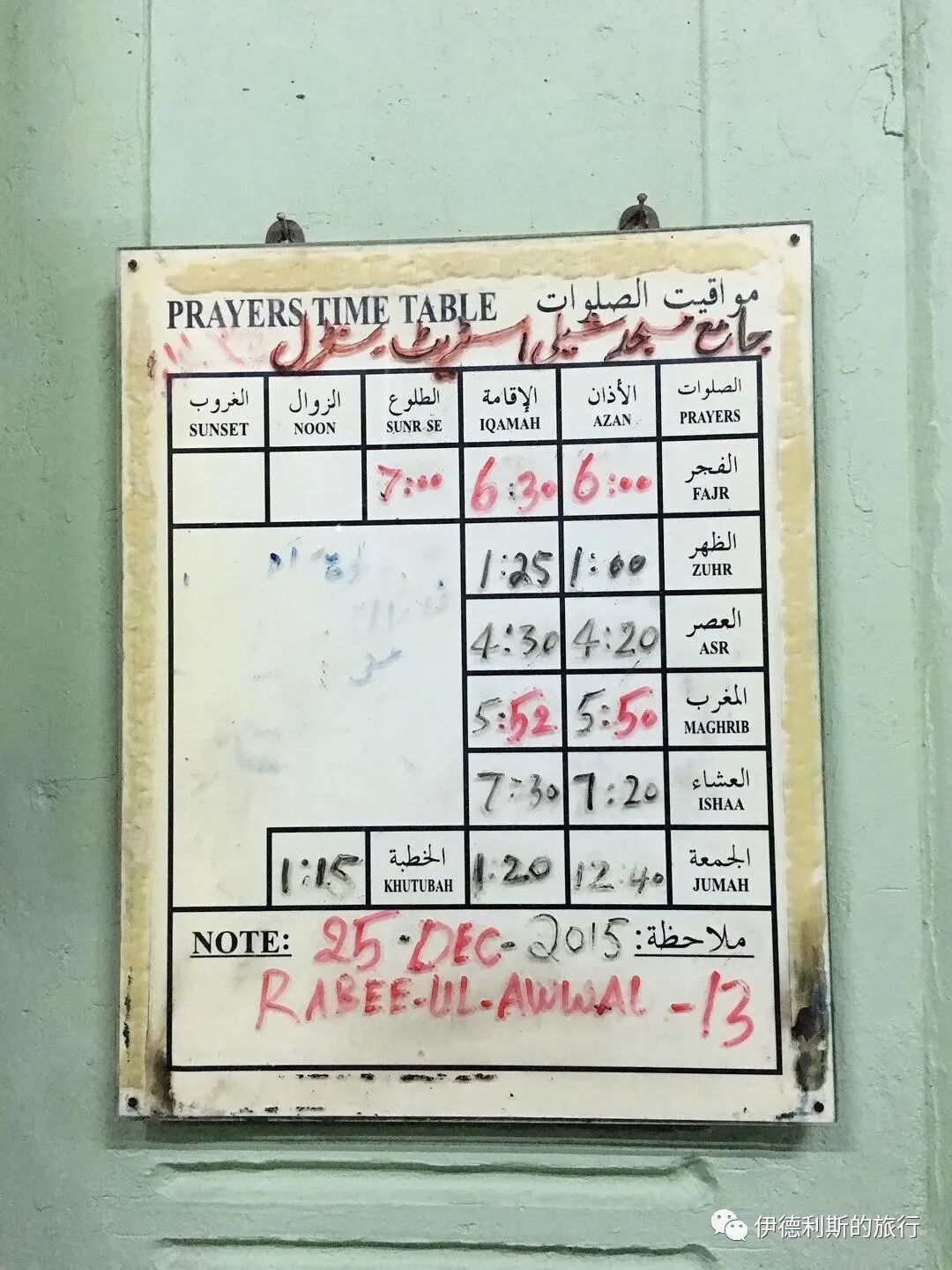
The oldest mosque in Hong Kong: Jamia Mosque (Shelley Street Mosque).
The British occupied Hong Kong Island in 1841 and immediately began sending Muslim soldiers from British India to be stationed there. As Hong Kong Island was being built up in the 1840s, Indian Muslims arrived to work as police, security guards, and sailors. A few wealthy merchants also came to open companies. Early Indian Muslims mainly lived in the area of present-day Upper Lascar Row in Central, where they opened the first halal eateries in Hong Kong.
At that time, Indian Muslims had to pray on the street for Jumu'ah and Eid prayers. As the population grew, building a mosque became a necessity.
Mosque Street in Central.
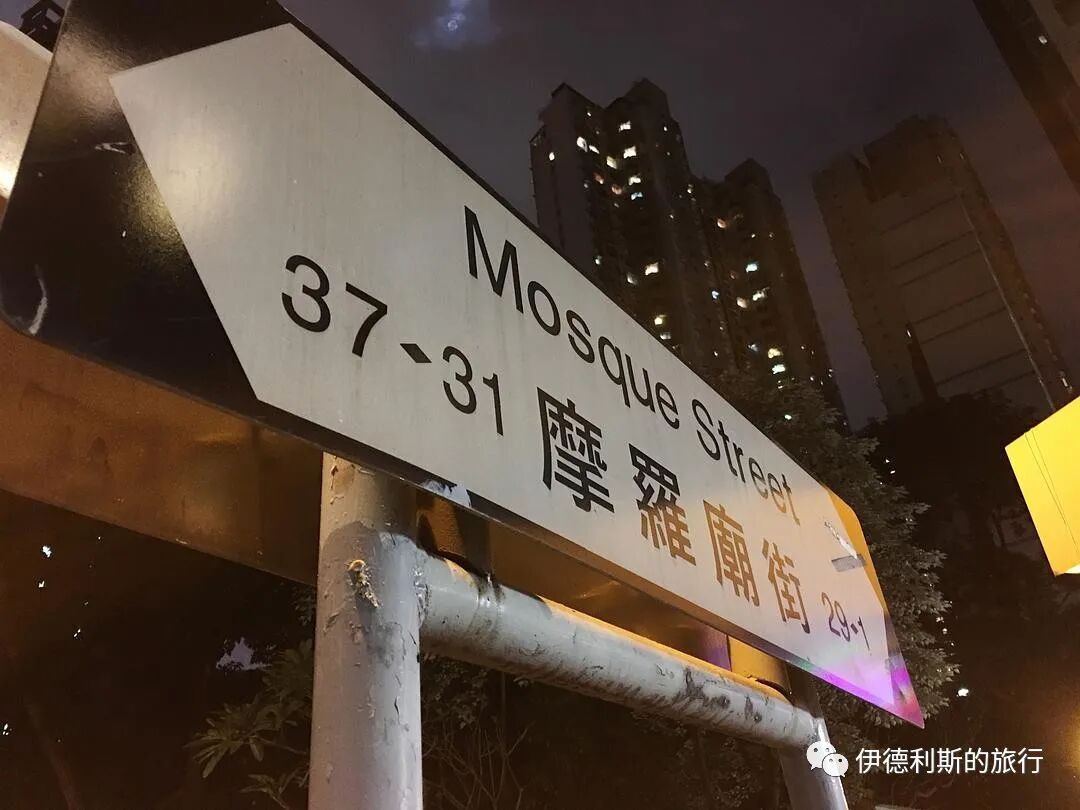
The term 'Moro' originated in the Middle Ages when Spanish Christians used it to refer to Muslims in southern Spain and North Africa. After the Age of Discovery, the Portuguese brought this term to South Asia and Southeast Asia, where they began calling South Asian Muslims 'Moro people.' The British later adopted this usage. The English name of this street, Mosque, refers to a place of worship for Muslims.
Junction Street means the intersection of roads, which is the English word 'Junction'.
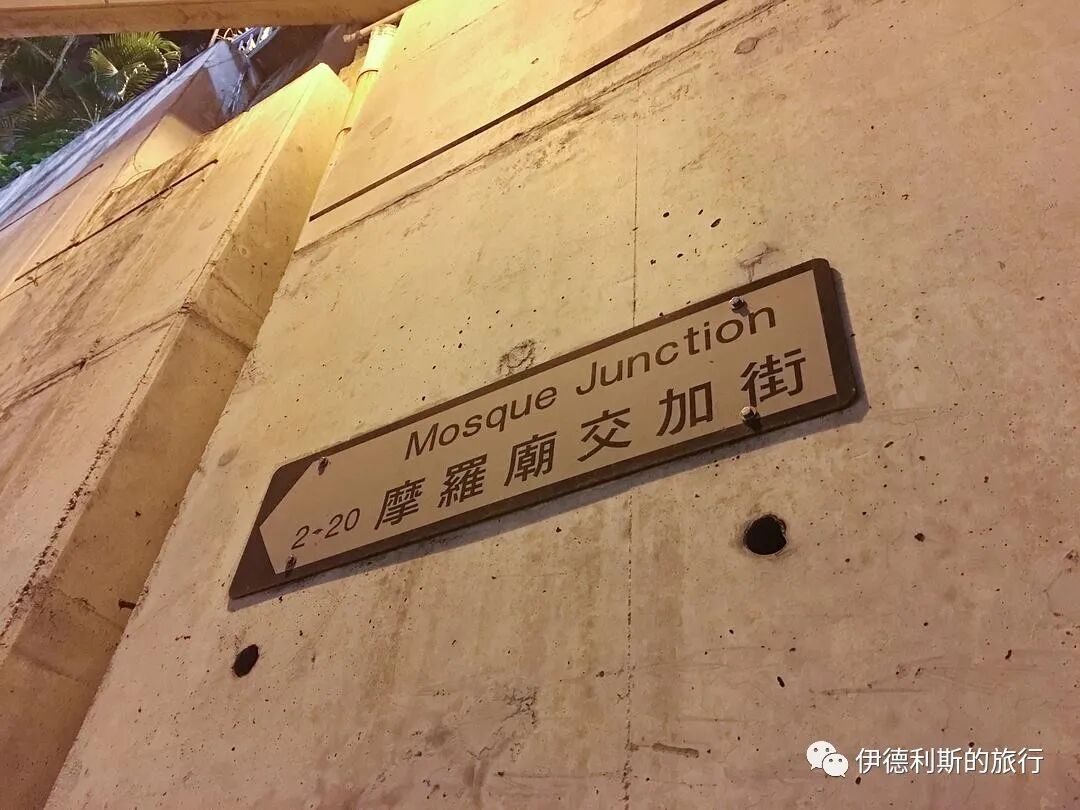
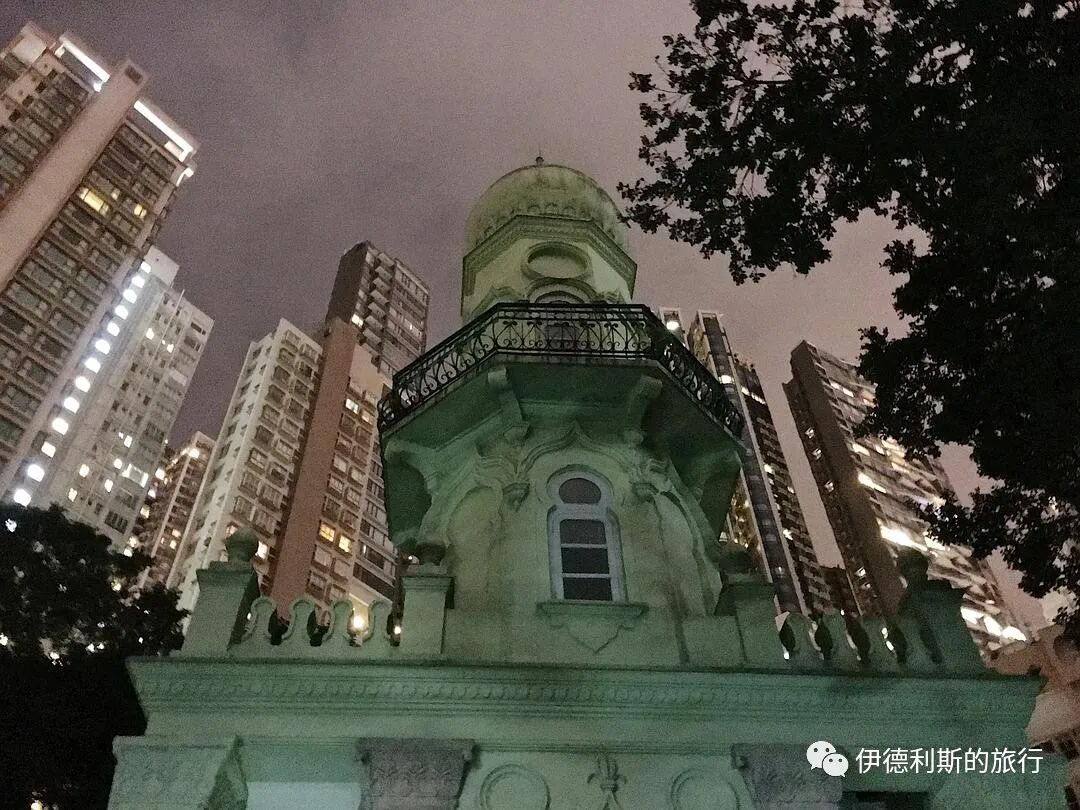
At the request of Indian Muslims, the colonial government leased a piece of land to four trustees representing the Muslim community in 1850 to build the first mosque on the island, the Mohammedan Mosque. The mosque was originally just a stone house. Expansion began in 1870, and a formal mosque was completed by 1890. It was rebuilt again in 1915, keeping only the original minaret, and it has remained in use ever since.
After 1945, the mosque was renamed Jamia Mosque. Its Chinese name is the Islamic Mosque and Prayer Hall. Because it is located on Shelley Street, it is also called the Shelley Street Mosque.
The entrance to the Jamia Mosque is right by the famous Central-Mid-Levels escalator, the same one outside Tony Leung's home in the movie Chungking Express.
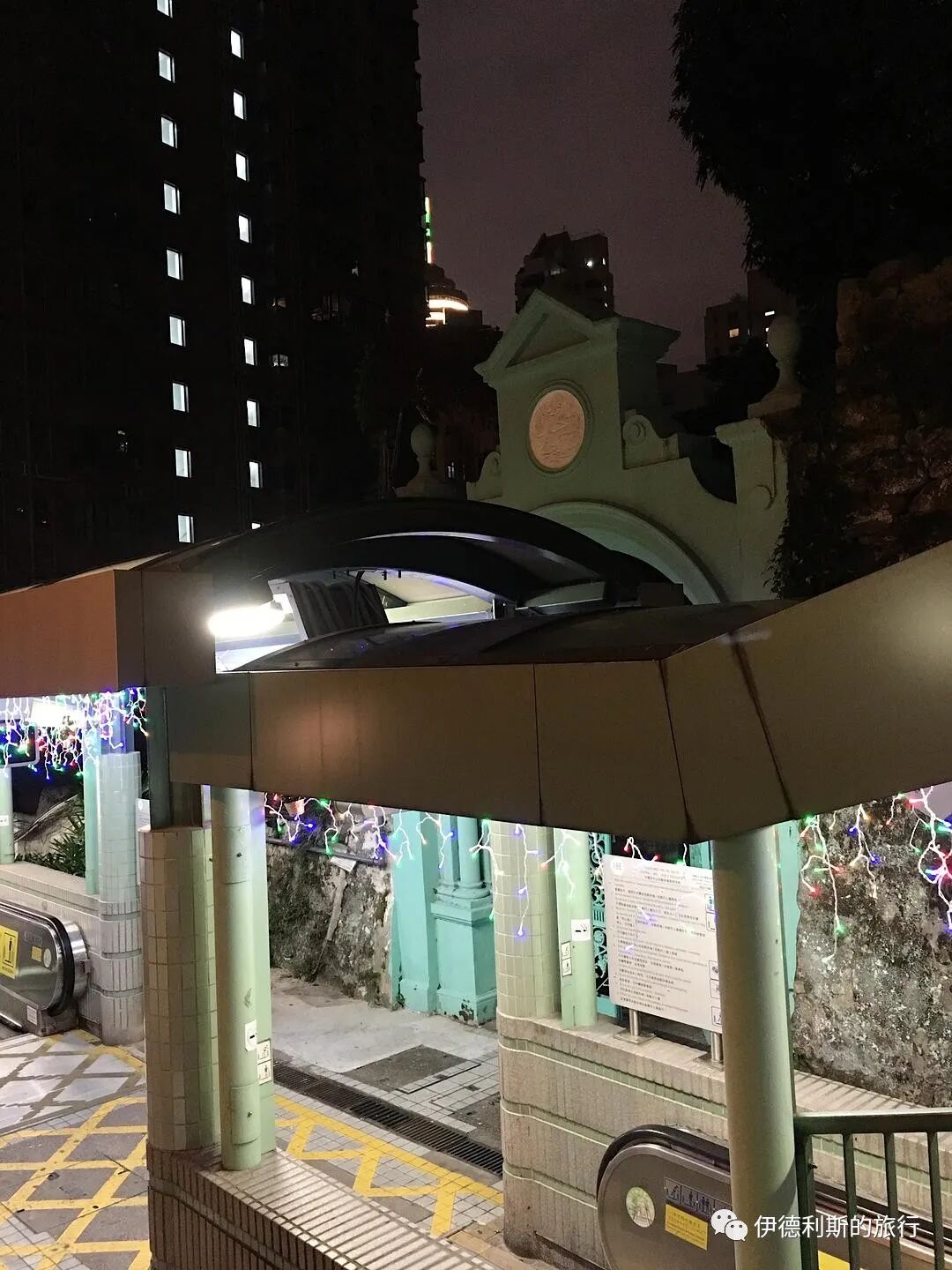
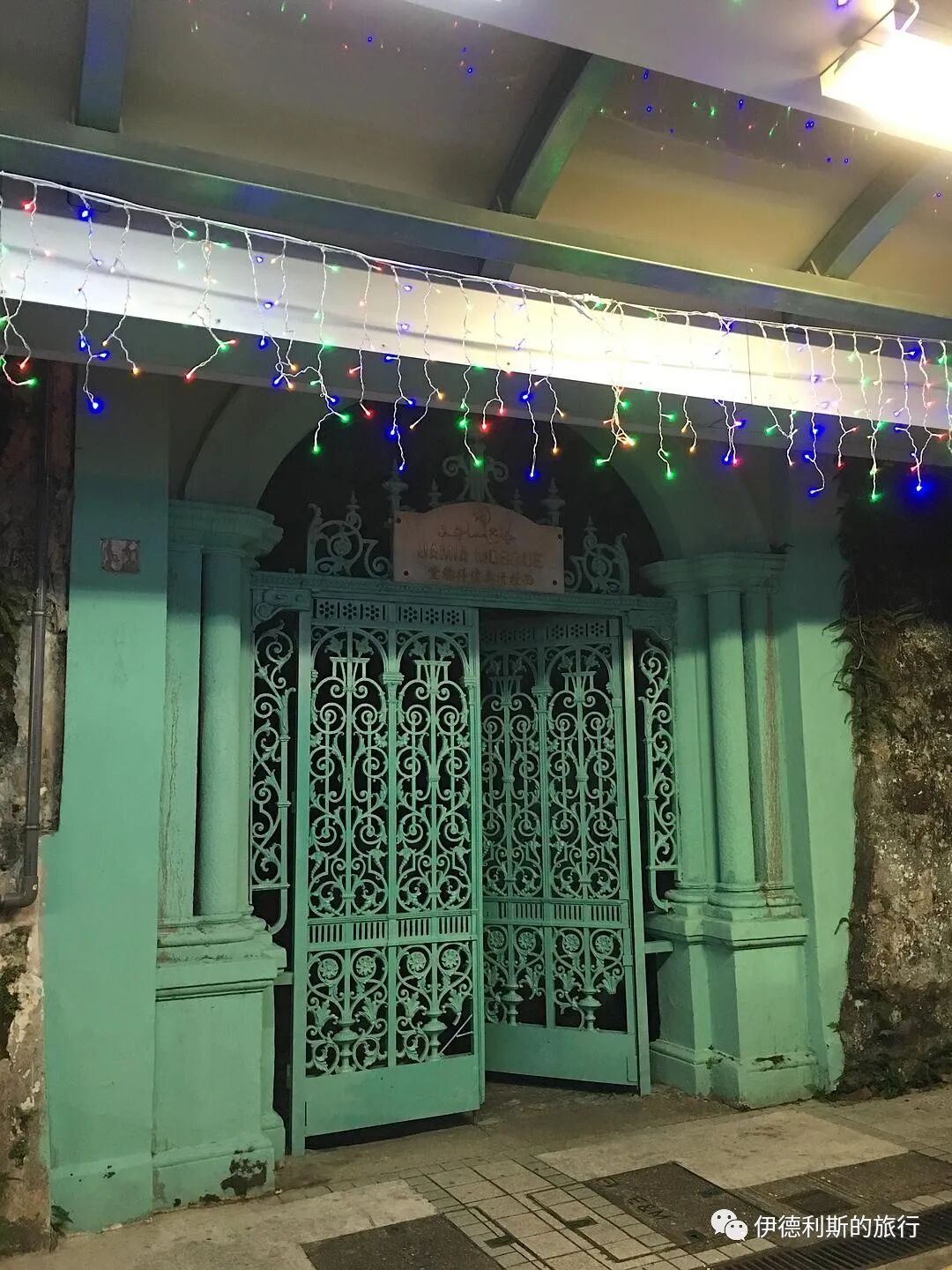
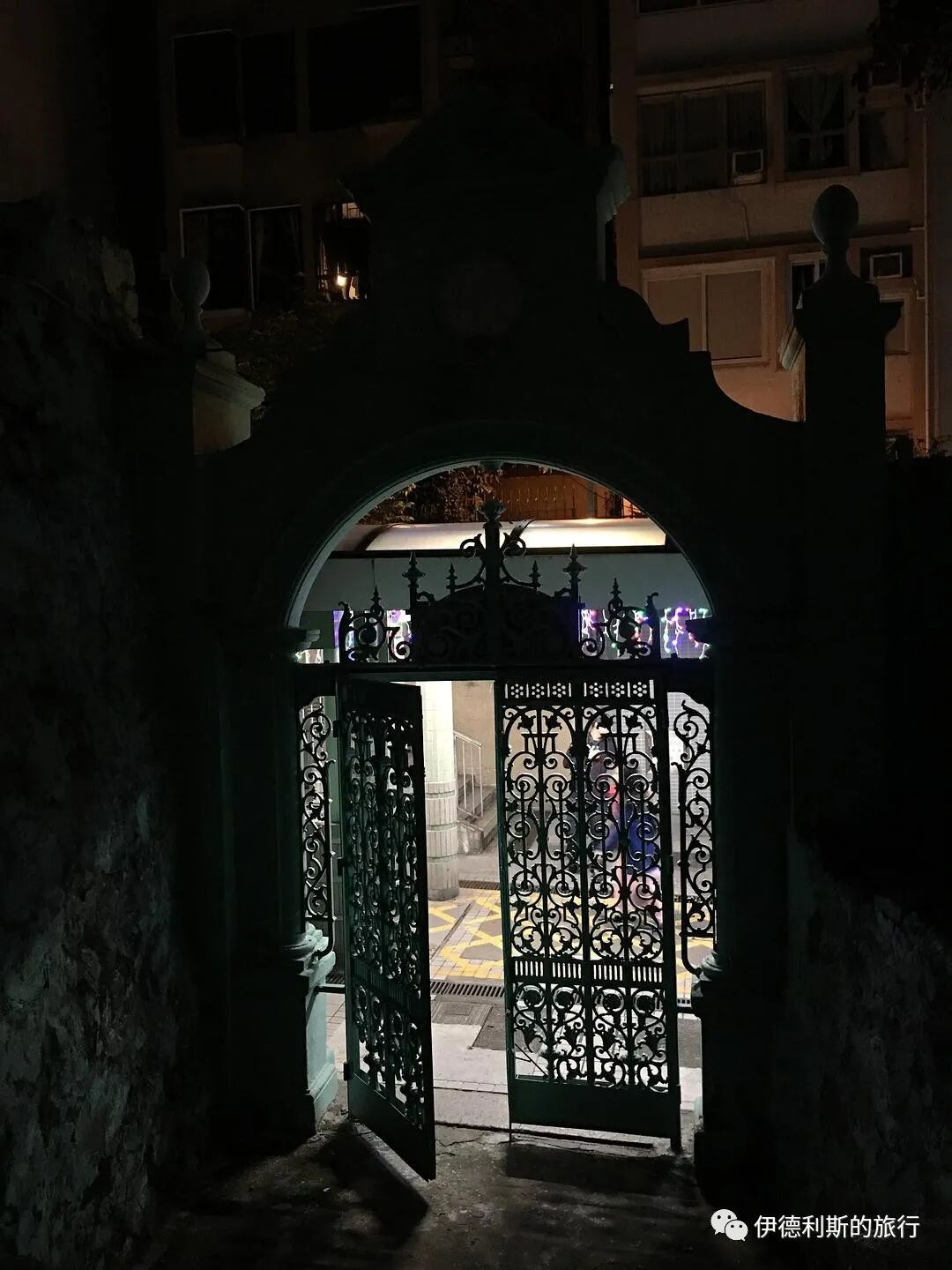
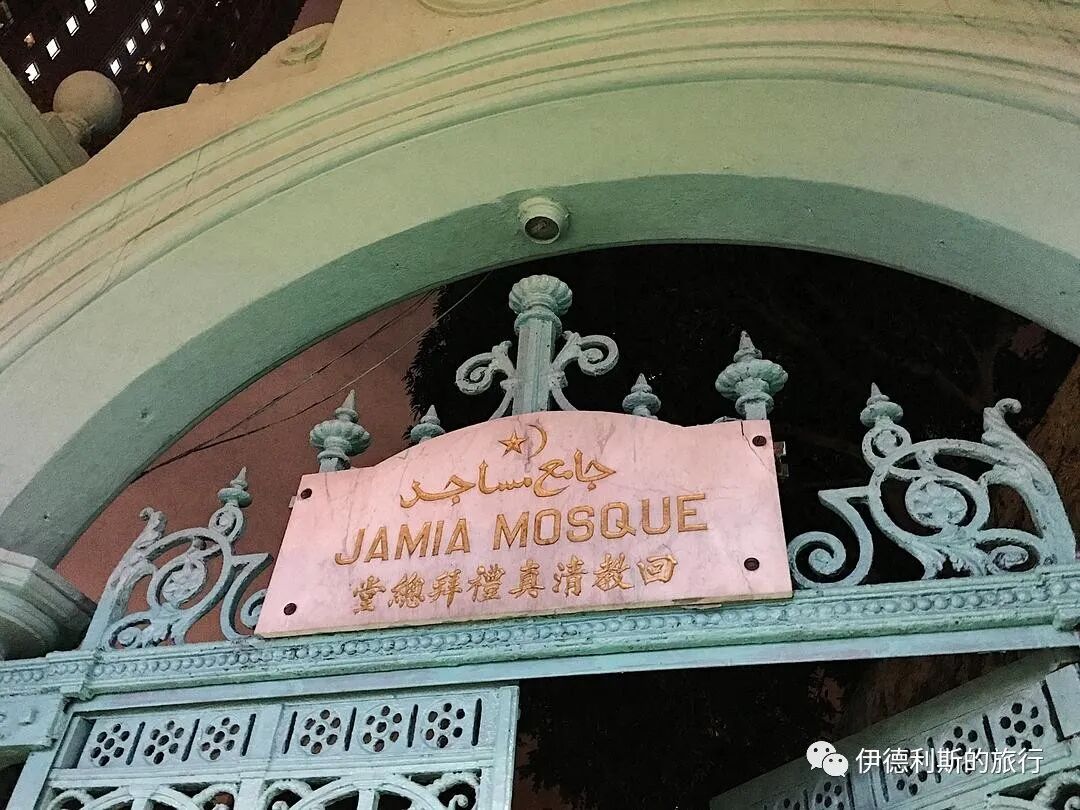
A stone tablet from the 1915 reconstruction.
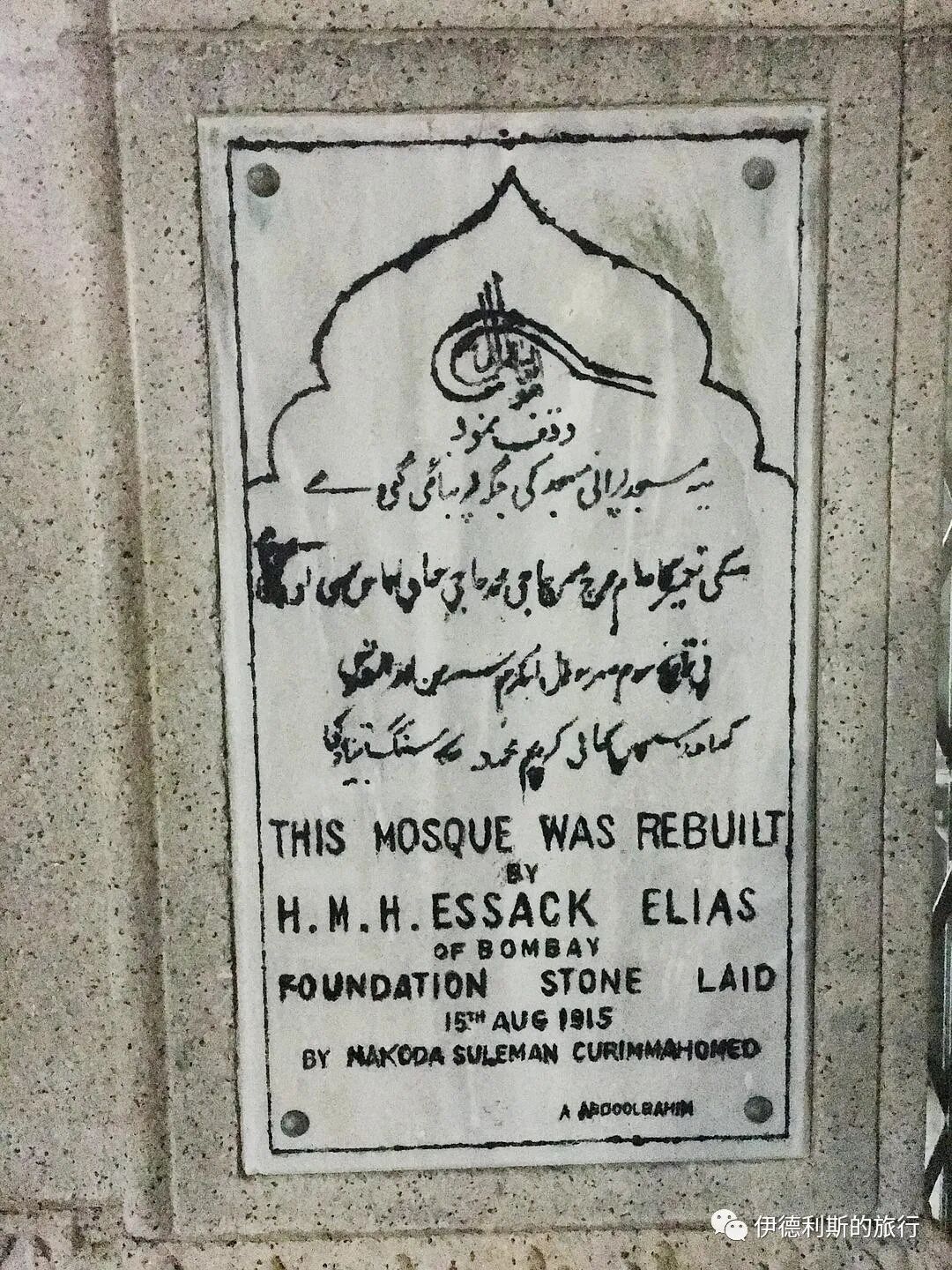
The mosque was originally white and was only painted green a few years ago.
The center of Islam on Hong Kong Island.
Besides the Jamia Mosque, the current center for Muslim activities on Hong Kong Island is the Ammar Mosque and Osman Ramju Sadick Islamic Centre.
The Ammar Mosque can be traced back to a mosque built by Hong Kong Muslims at 7 Seymour Road in 1864. At that time, the mosque was mainly used for funerals. Later, as the number of Muslims increased, it was also used for daily namaz.
After 1945, the Ammar Mosque was rebuilt in Happy Valley. However, in 1978, the government acquired the land where the mosque stood to build the Aberdeen Tunnel. The government provided a new piece of land on Oi Kwan Road and paid 2.5 million dollars in construction funds. The new Ammar Mosque was officially completed in 1981, and its Chinese name was set as the Oi Kwan Mosque.
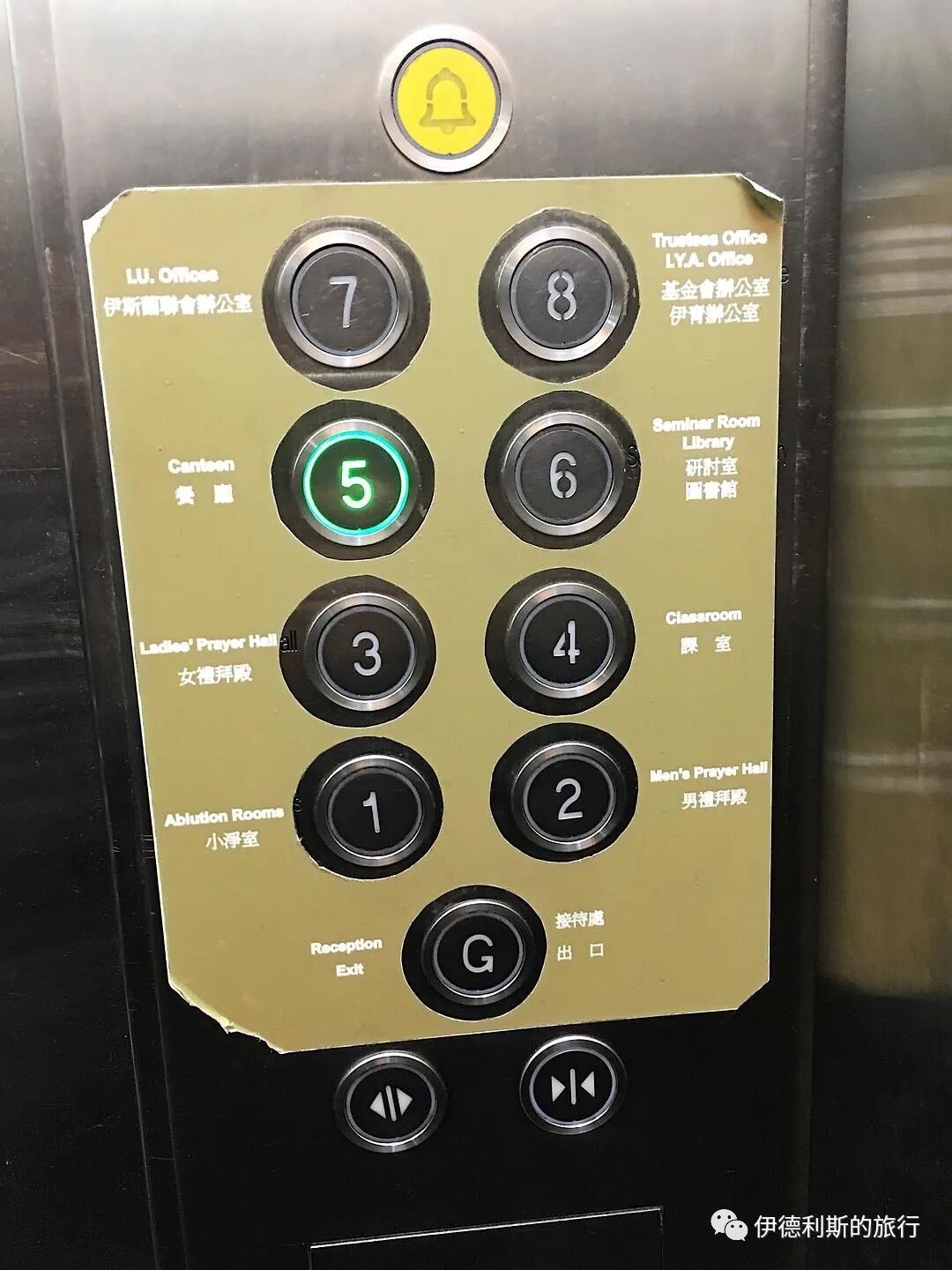
The Islamic center has many functions. The ground floor is the reception area, the first floor has the wudu area (small cleaning room), the second floor is the men's prayer hall, the third floor is the women's prayer hall, the fourth floor has classrooms, the fifth floor is a restaurant, the sixth floor has seminar rooms and a library, the seventh floor is the Islamic Union office, and the eighth floor houses the foundation office and the youth office.
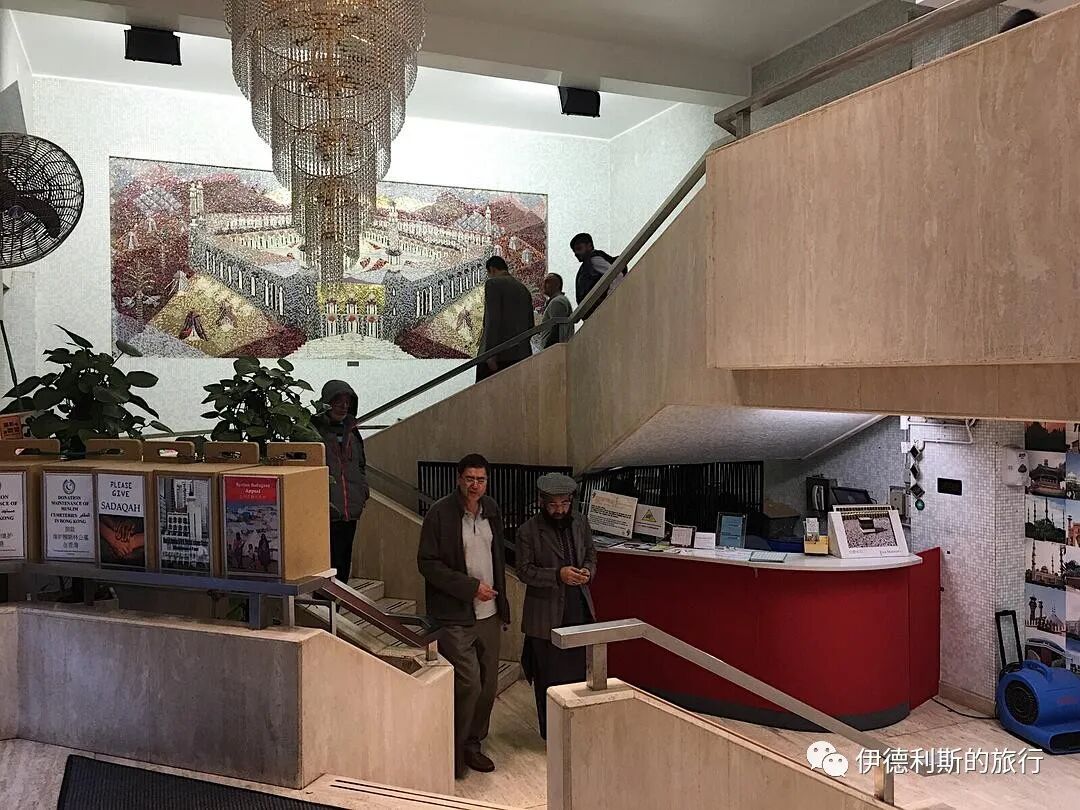
Reception area.
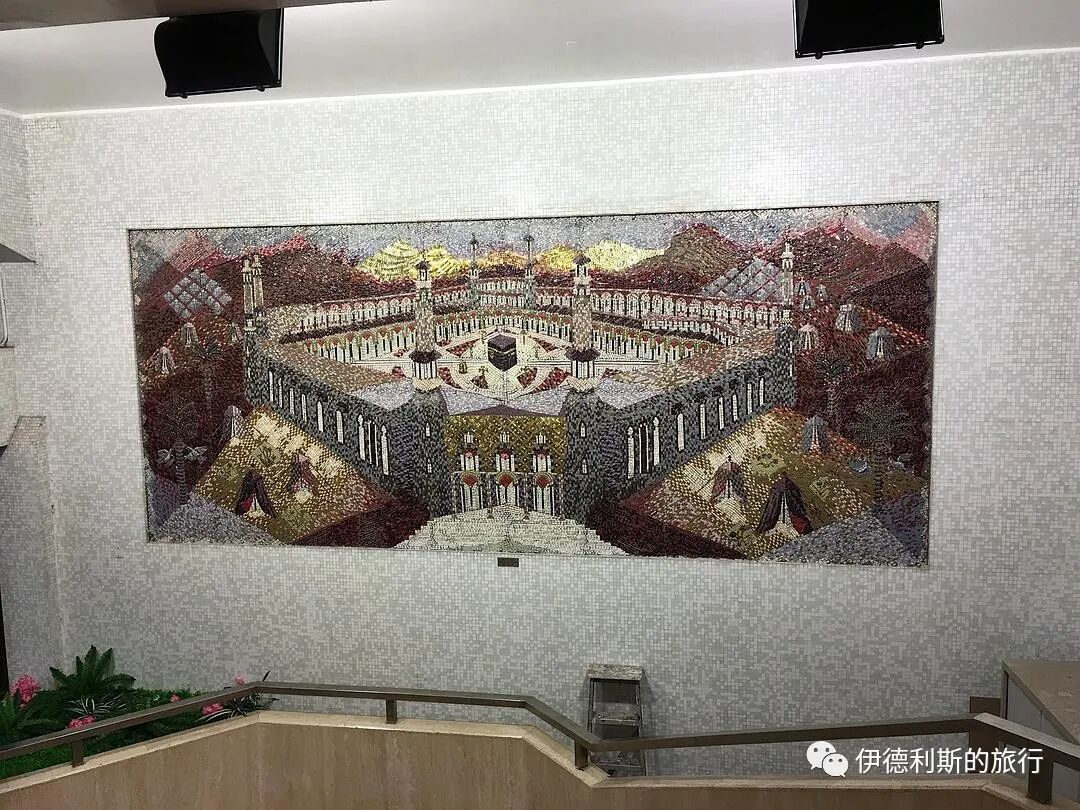
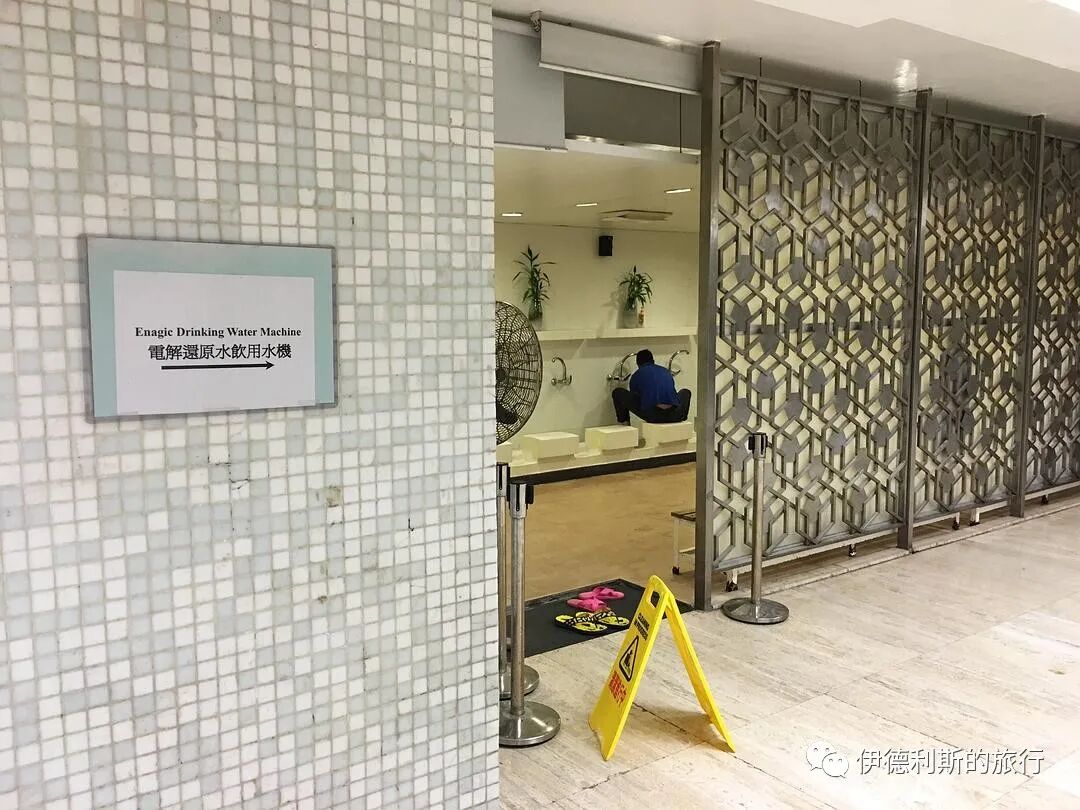
Wudu area (water room).
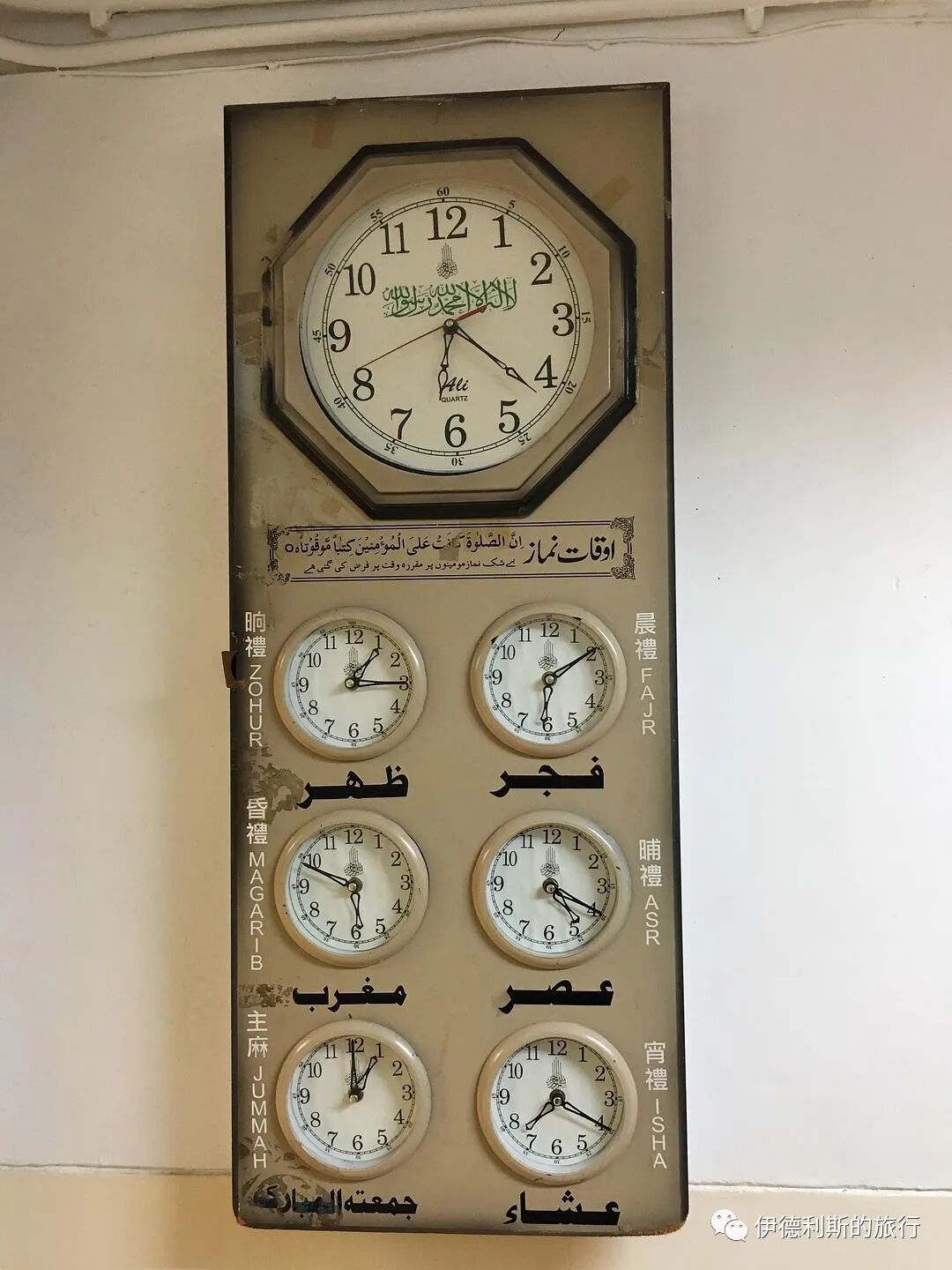
Prayer times.
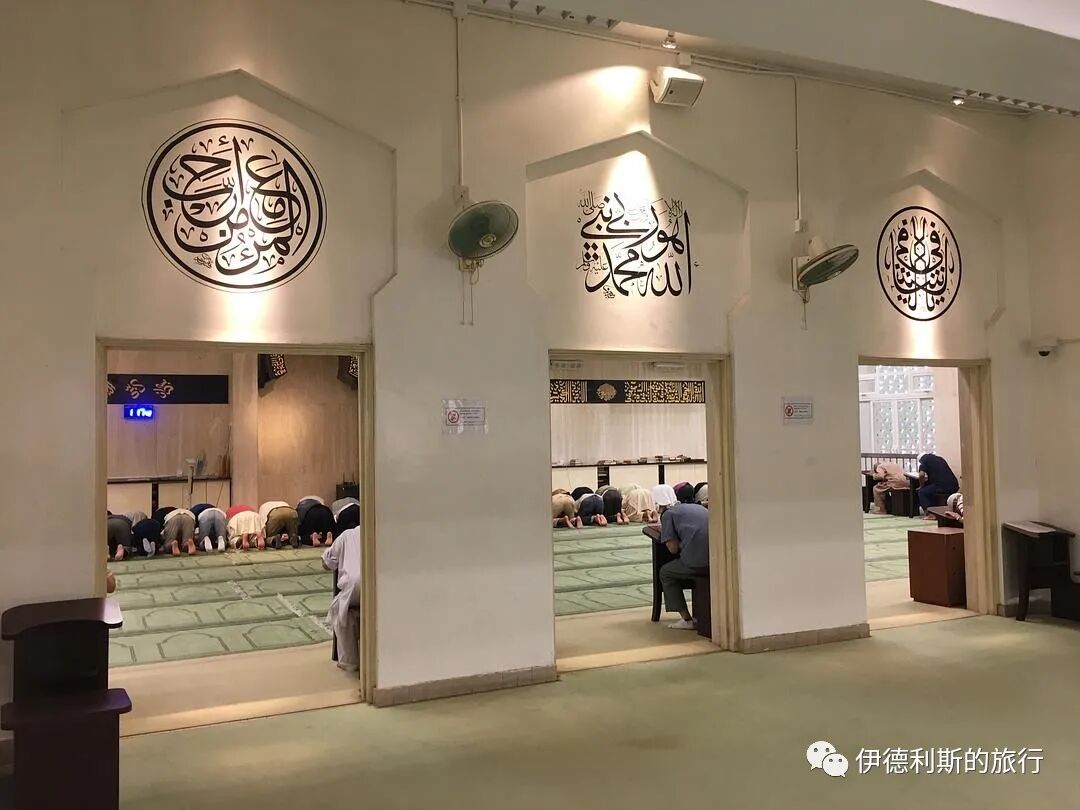
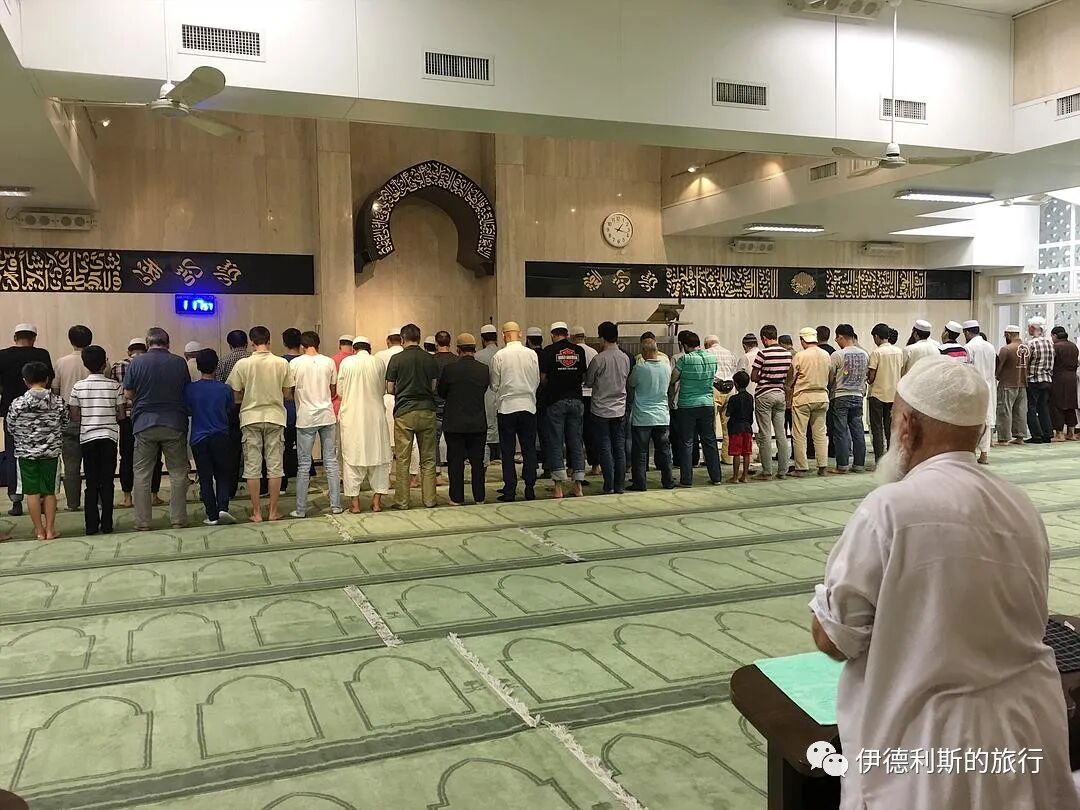
Prayer hall.
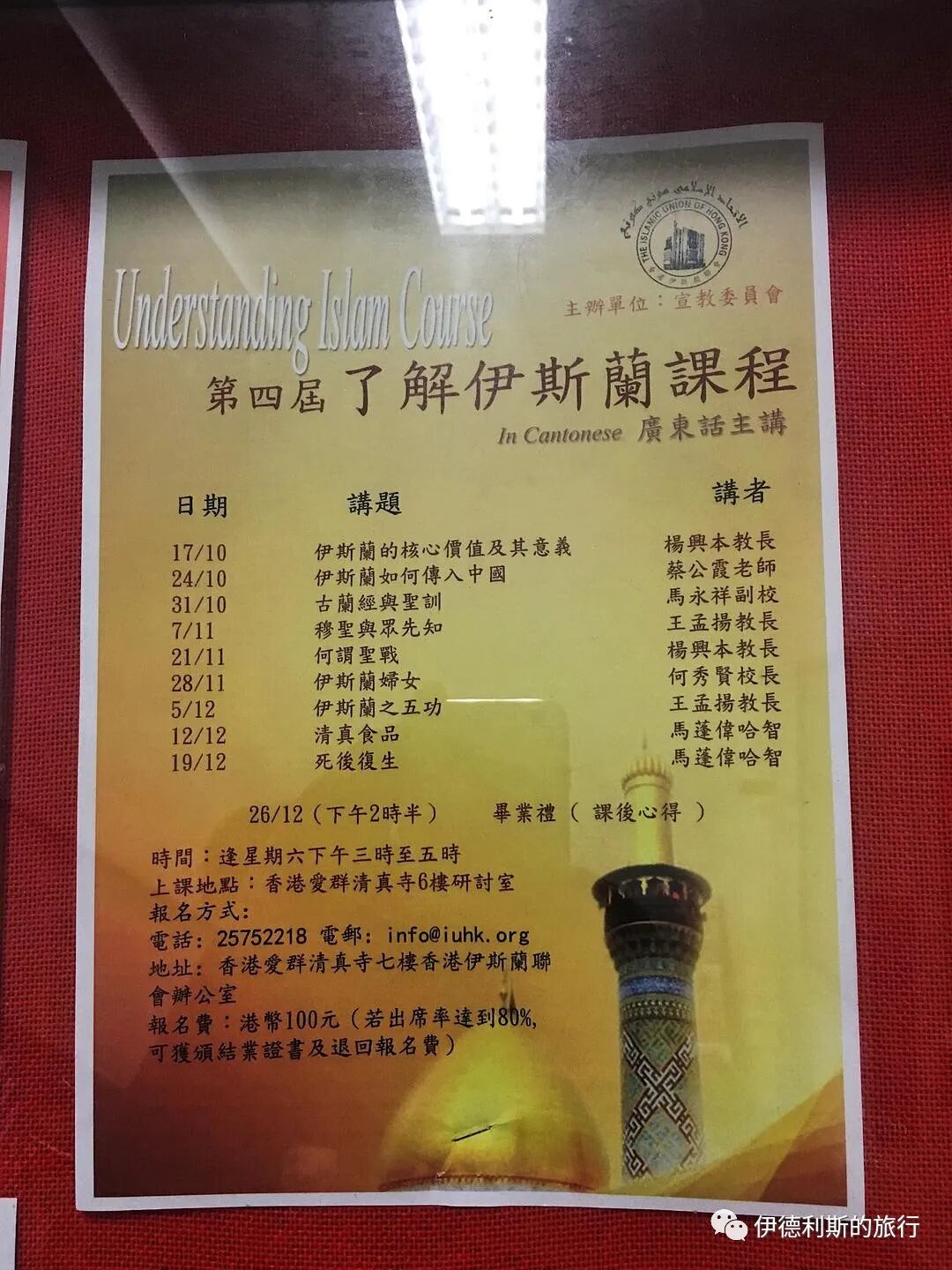
Class schedule.
I missed the food fair held to raise money for Syrian refugees.
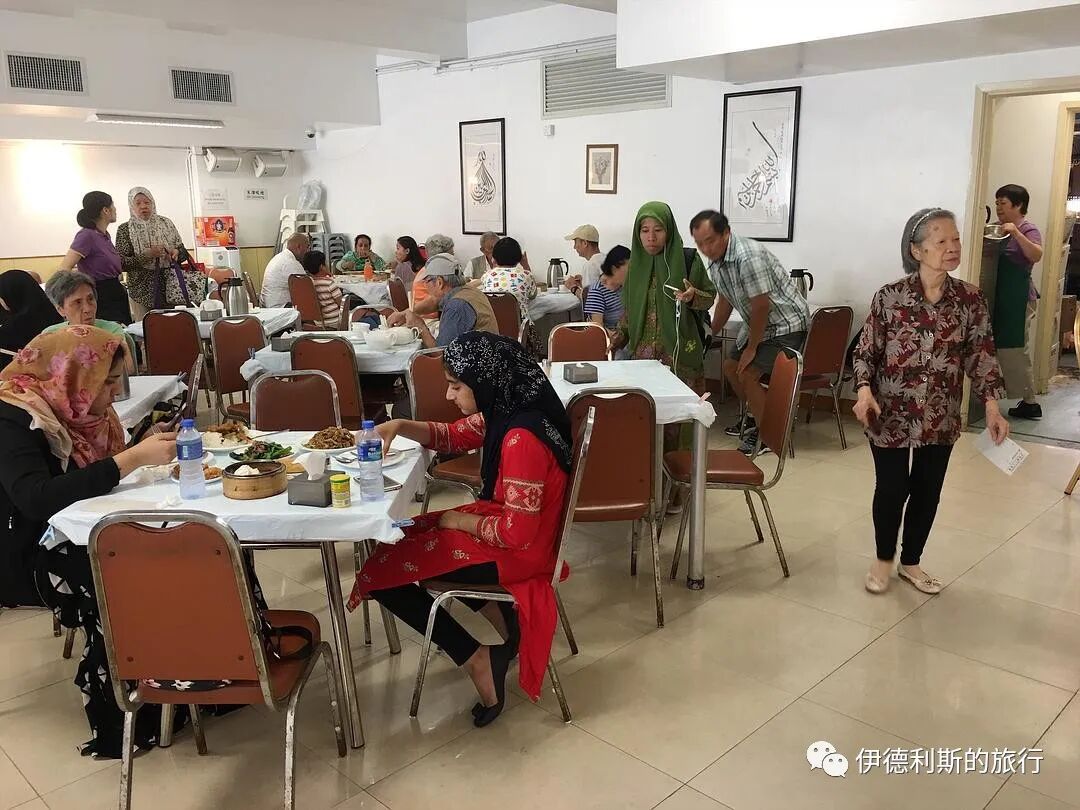
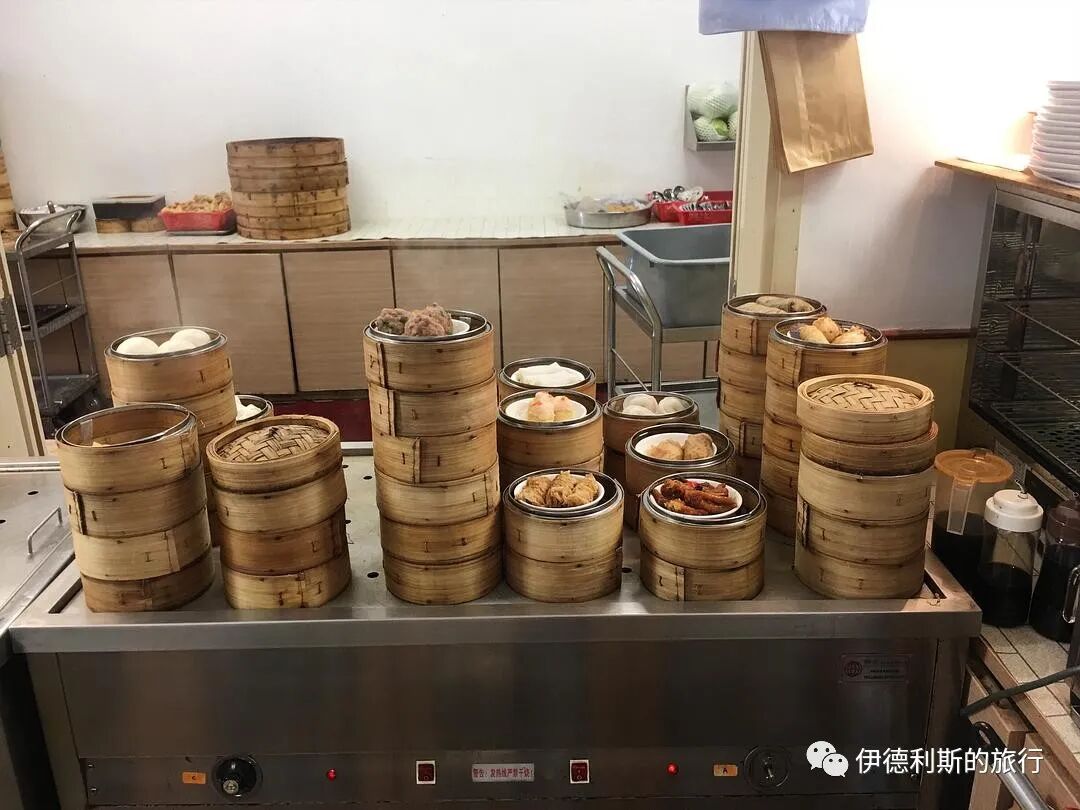
I had dim sum at the fifth-floor restaurant. I saw many South Asian and Southeast Asian Muslims there, and everyone went straight to the window to order their food.
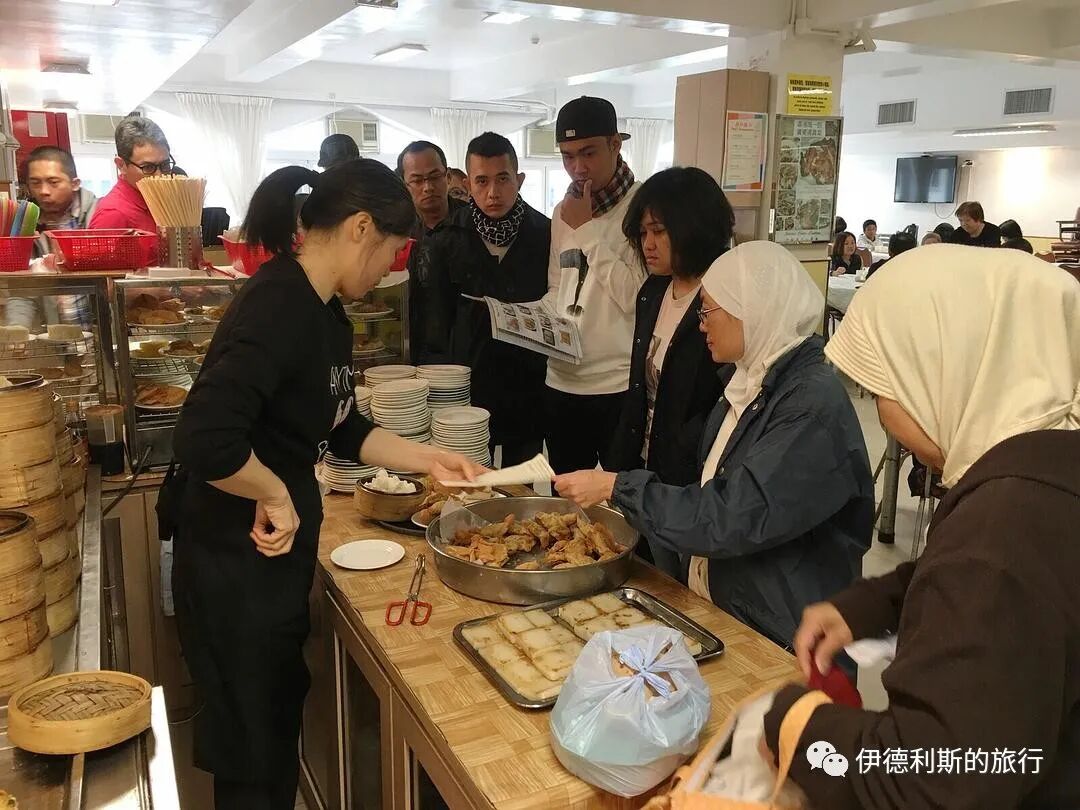
Take only what you need!
Garlic spring rolls (suanjuan)
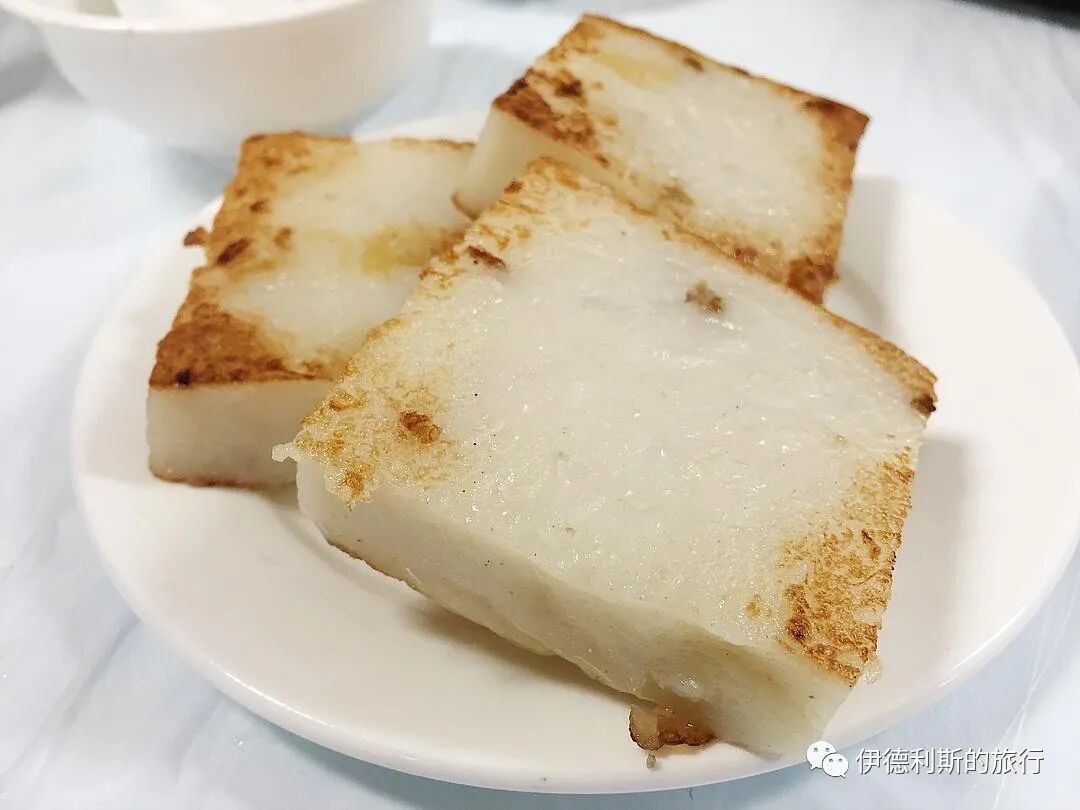
Pan-fried radish cake (luobogao)
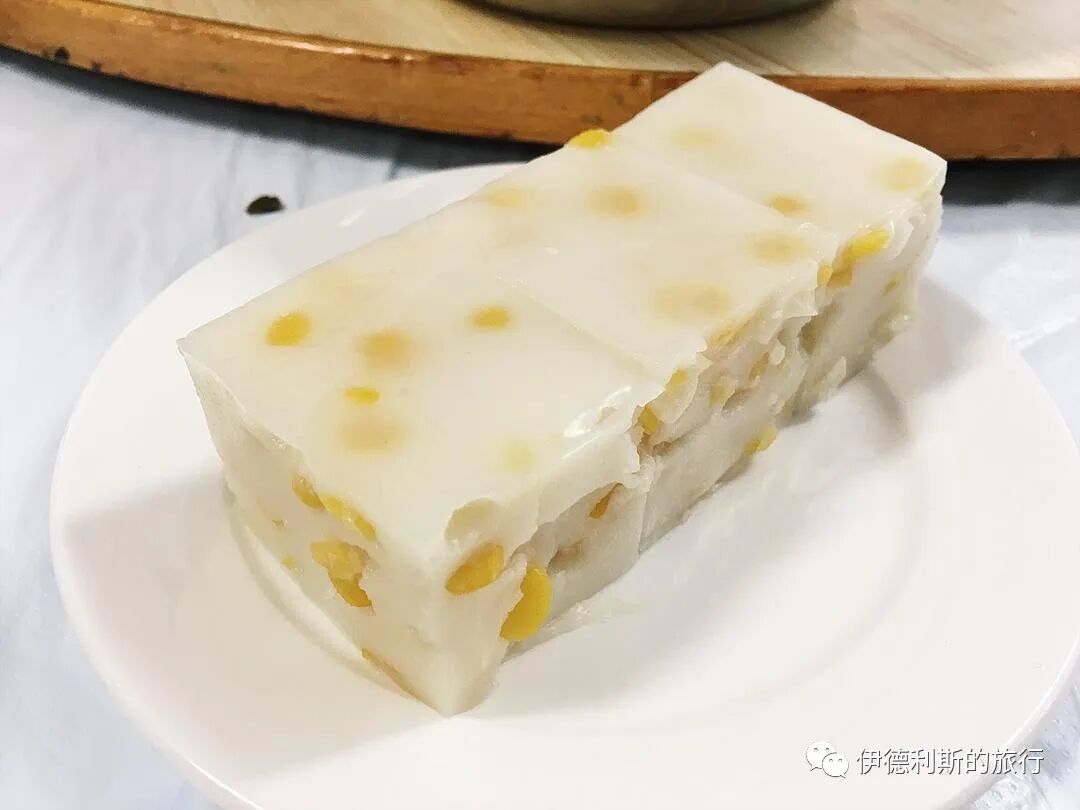
Smooth yellow pea cake (madougao)
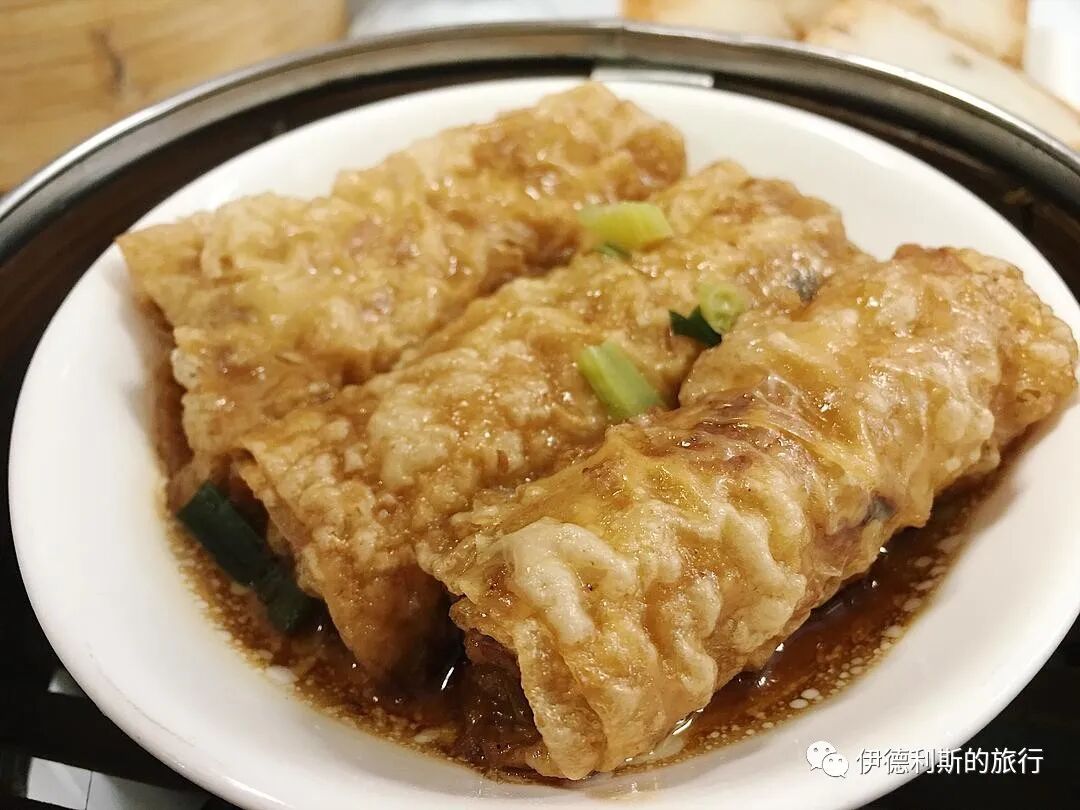
Vegetarian bean curd skin rolls (susu fupijuan)
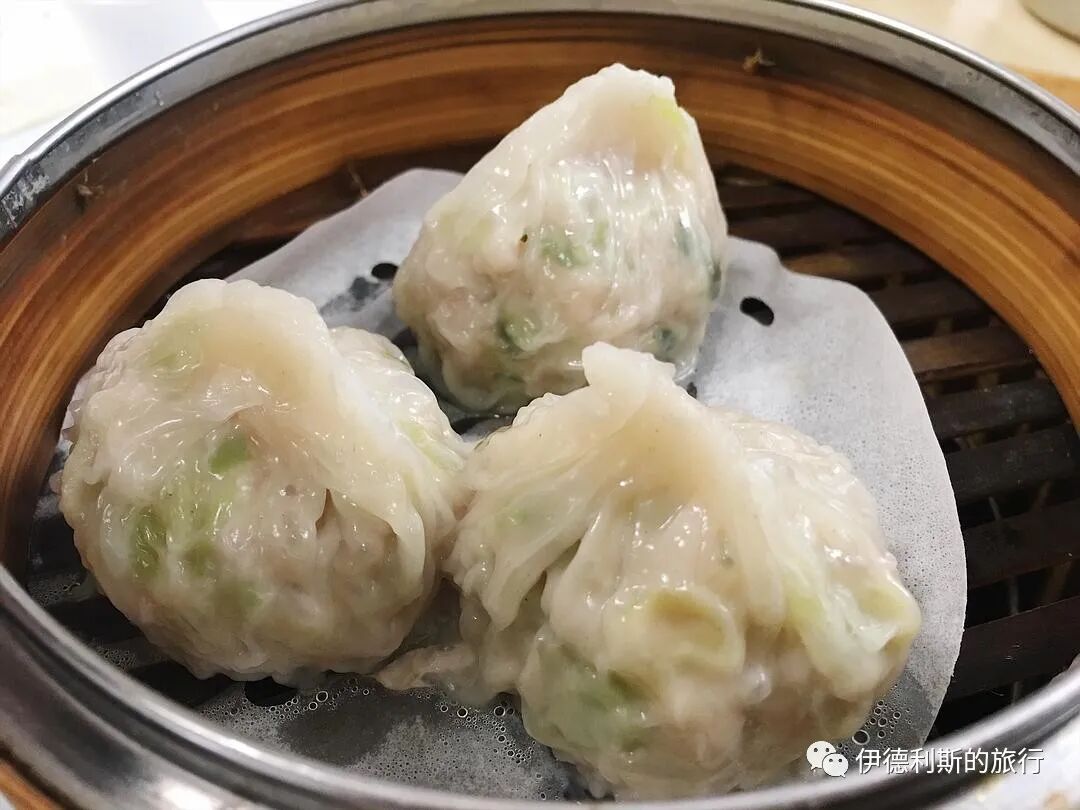
Vegetarian shark fin dumplings (suchijiao)
Sticky rice with chicken in lotus leaf (nuomi zhenzhuji)
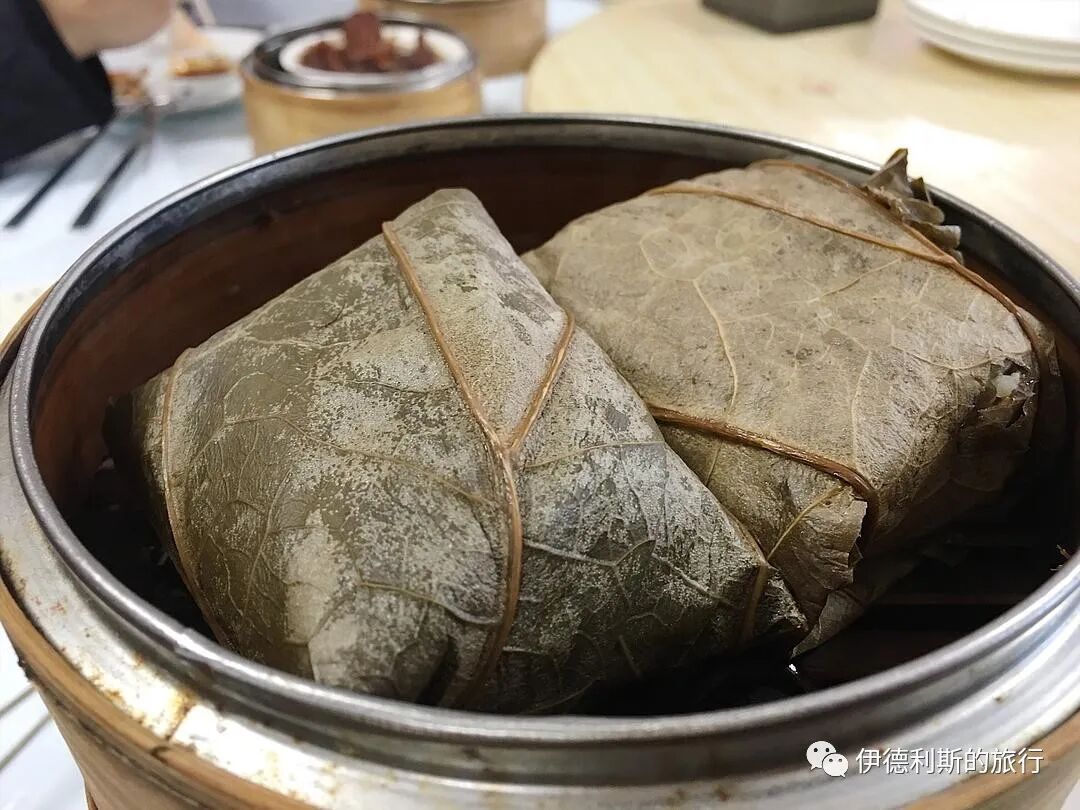
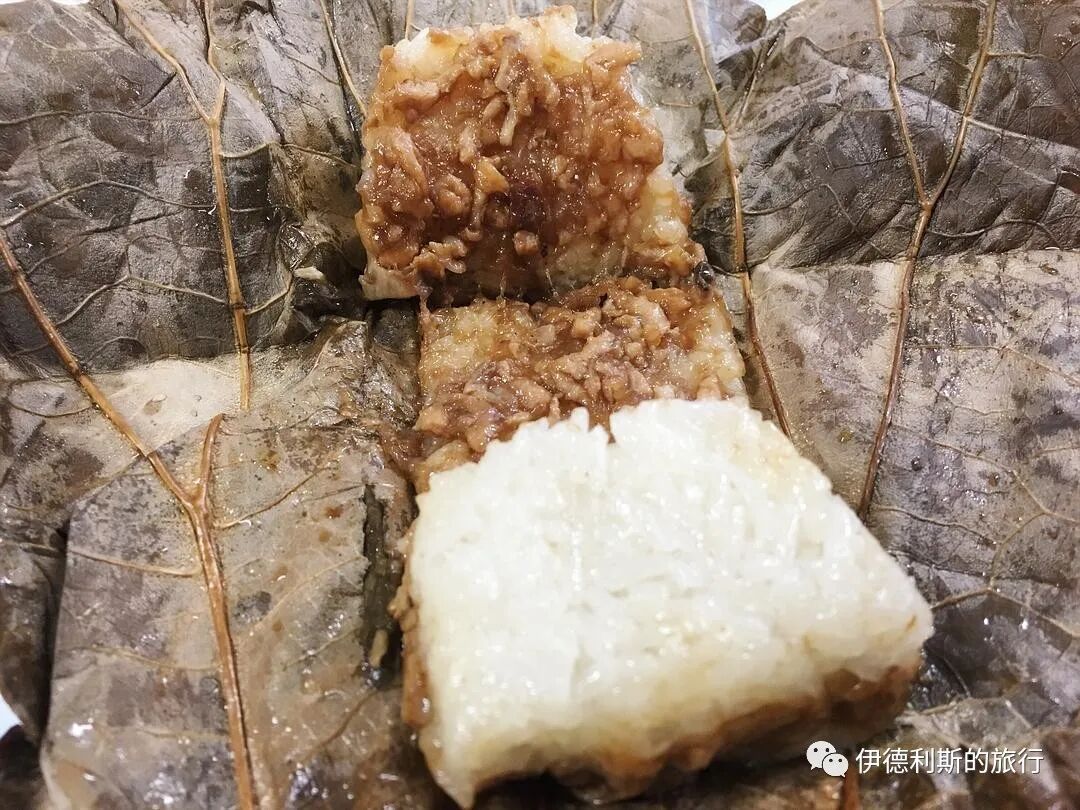
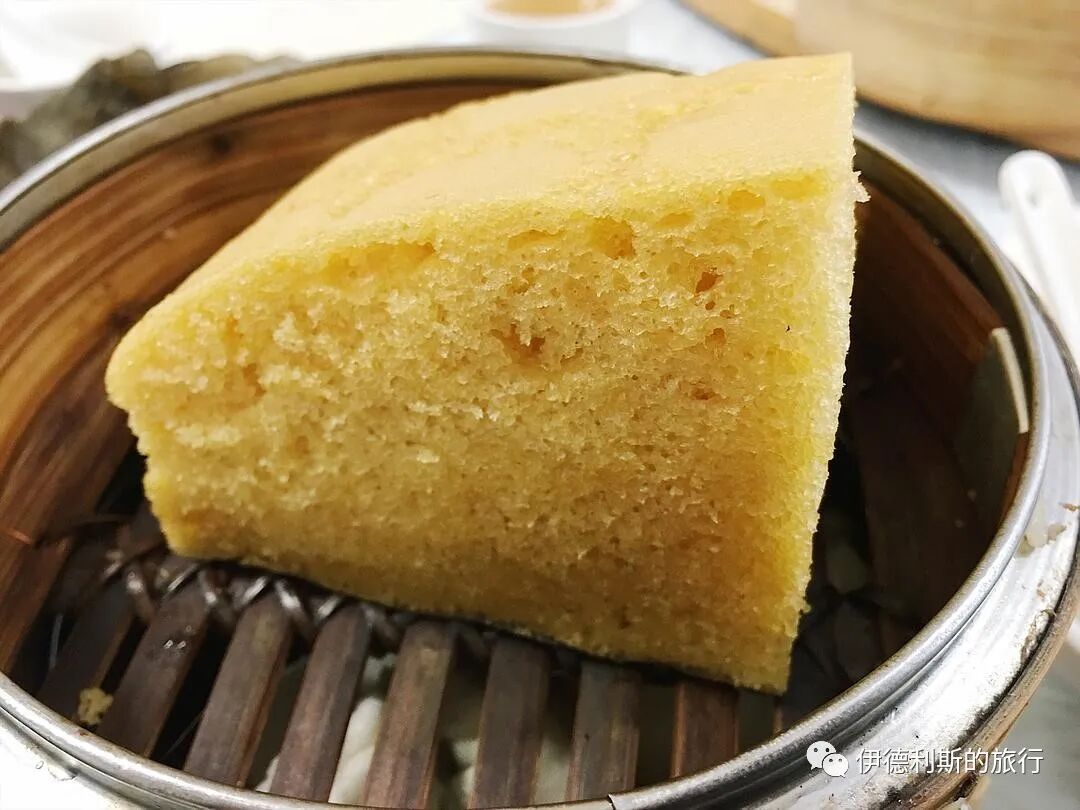
Steamed sponge cake (malagao)
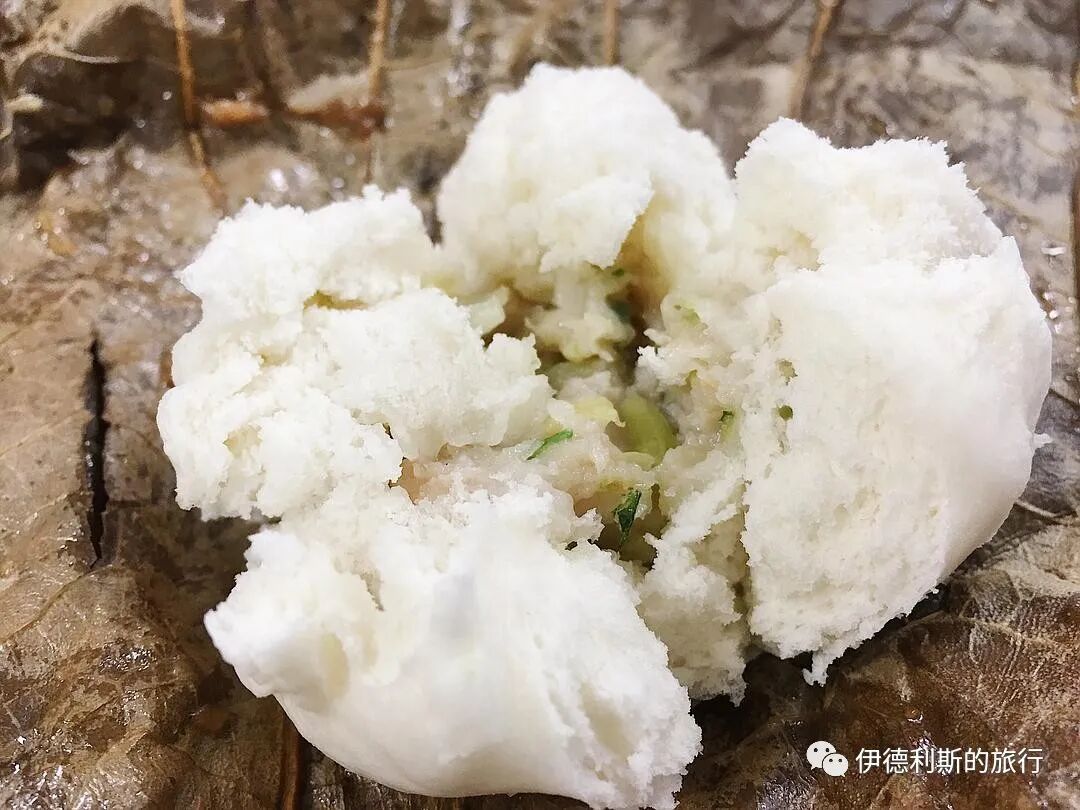
Steamed chicken and mushroom buns (beigu jibao)
I went back for dim sum in October 2017.
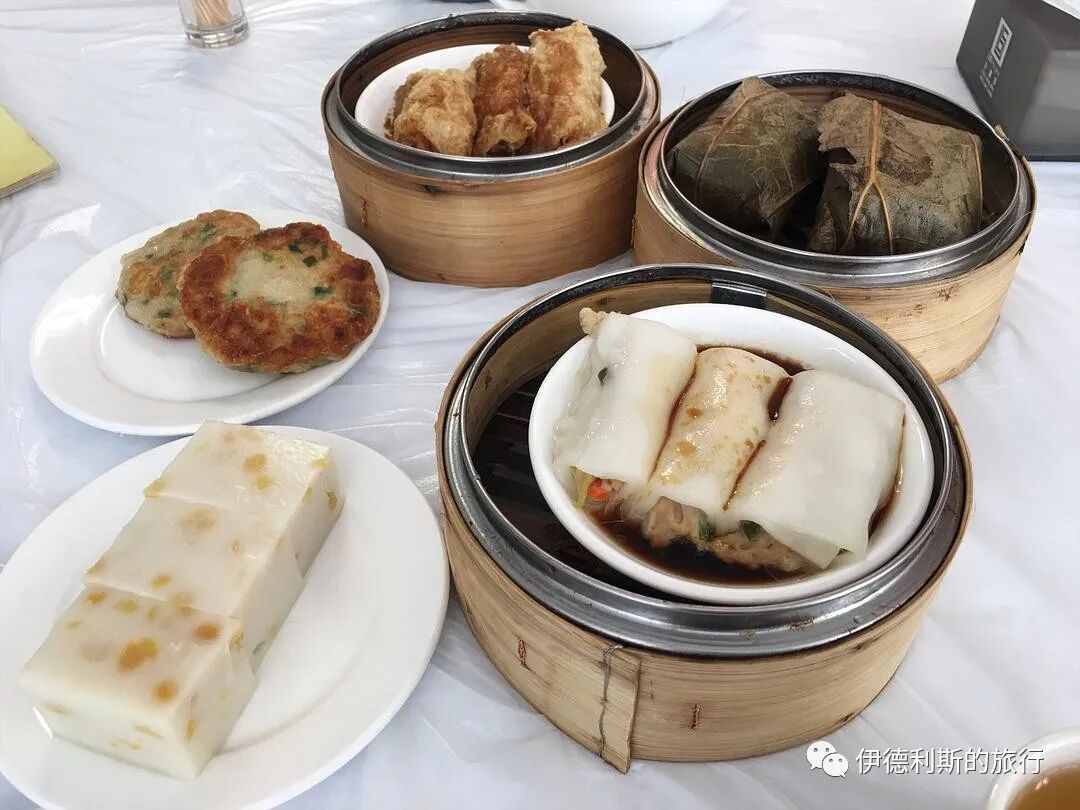
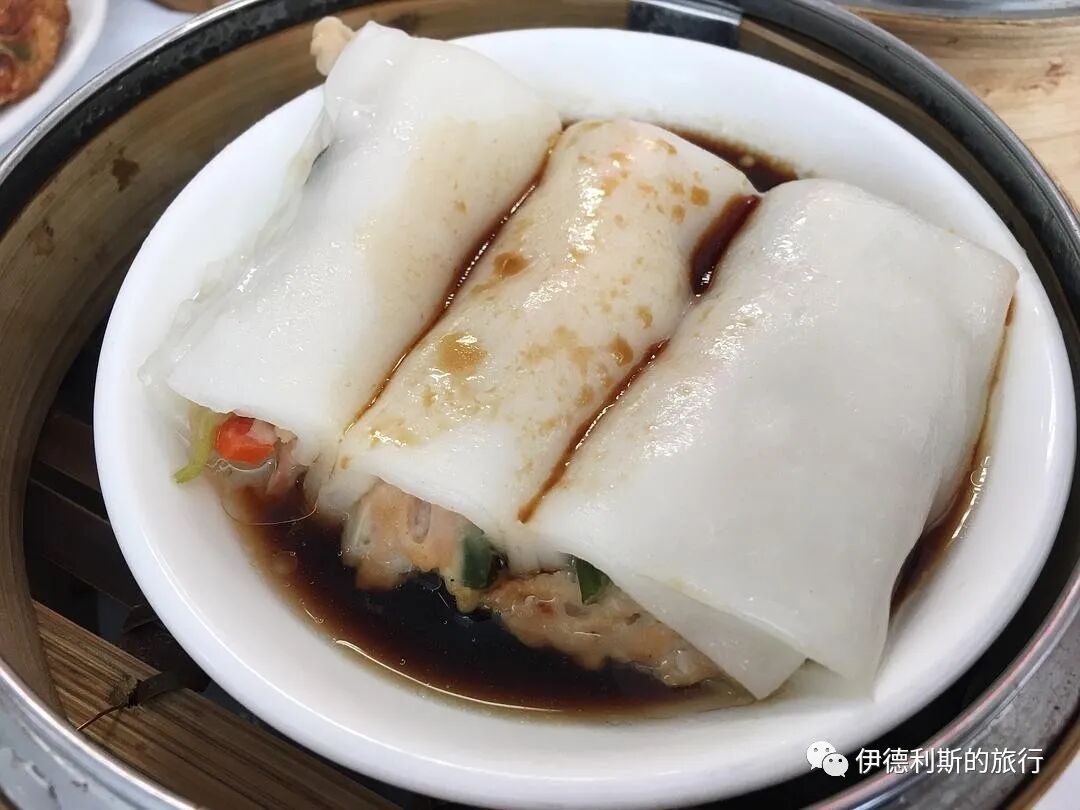
Steamed rice noodle rolls with shredded chicken (jisi fenjuan)
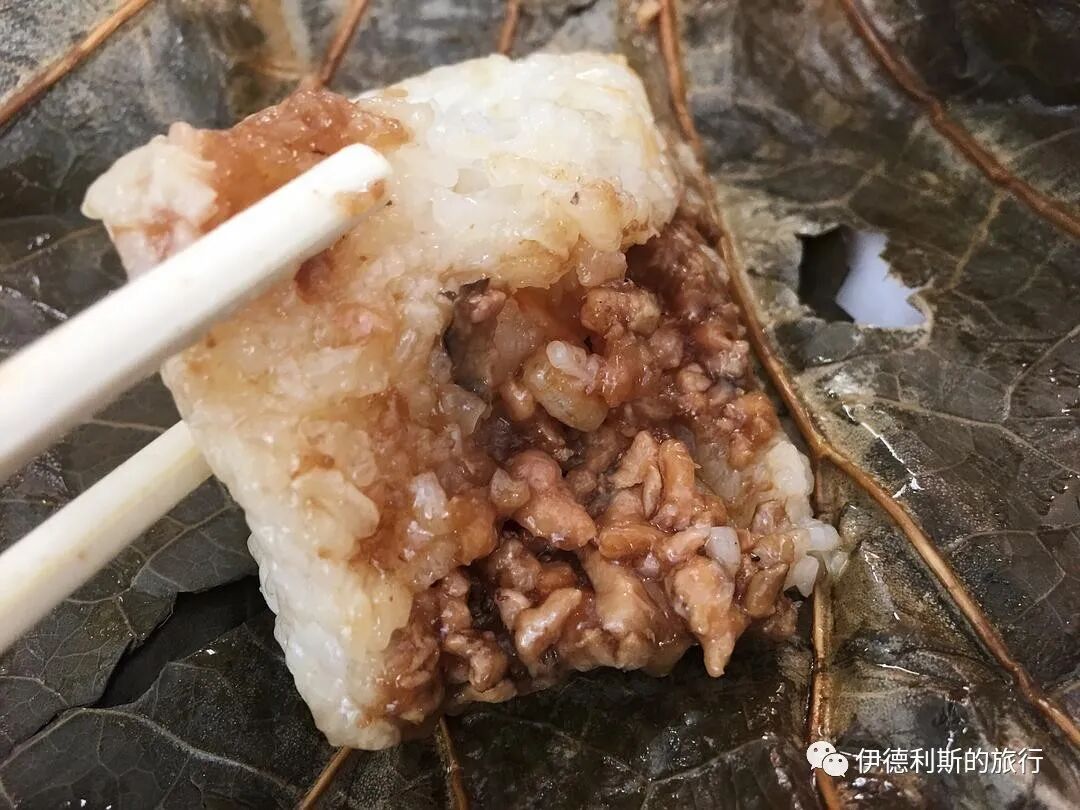
Sticky rice with chicken in lotus leaf (nuomi zhenzhuji)
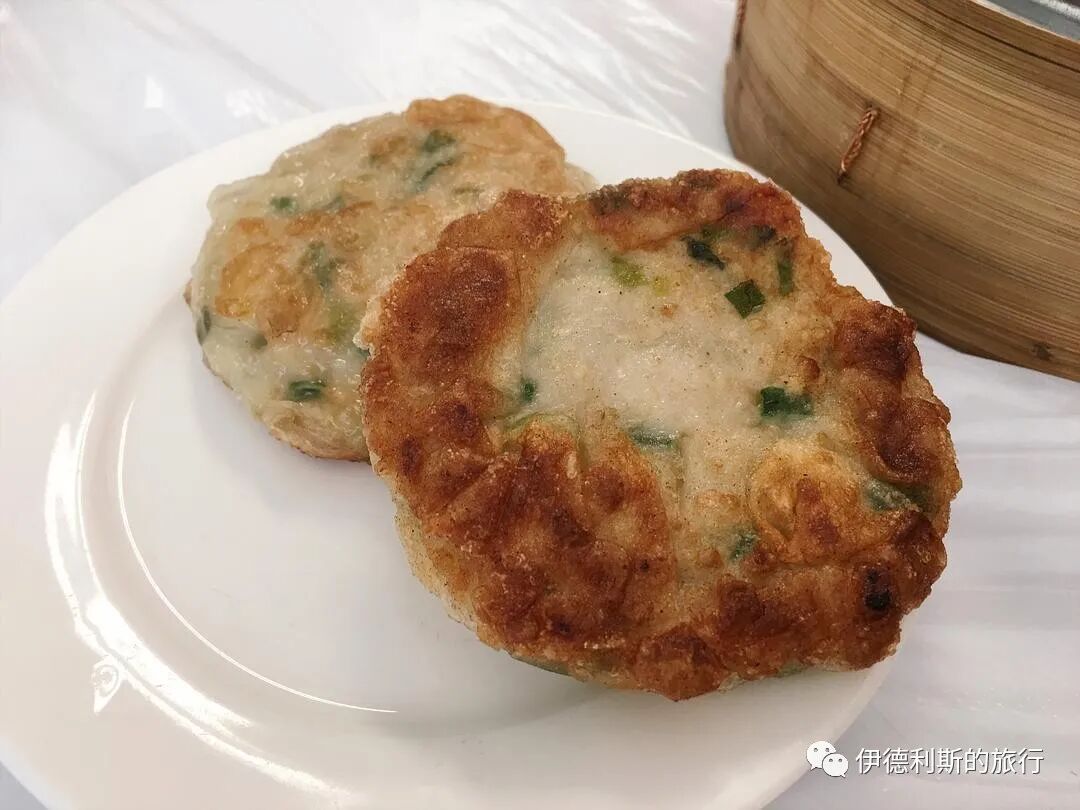
Daliang pan-fried fish cakes (daliang jian yubing)
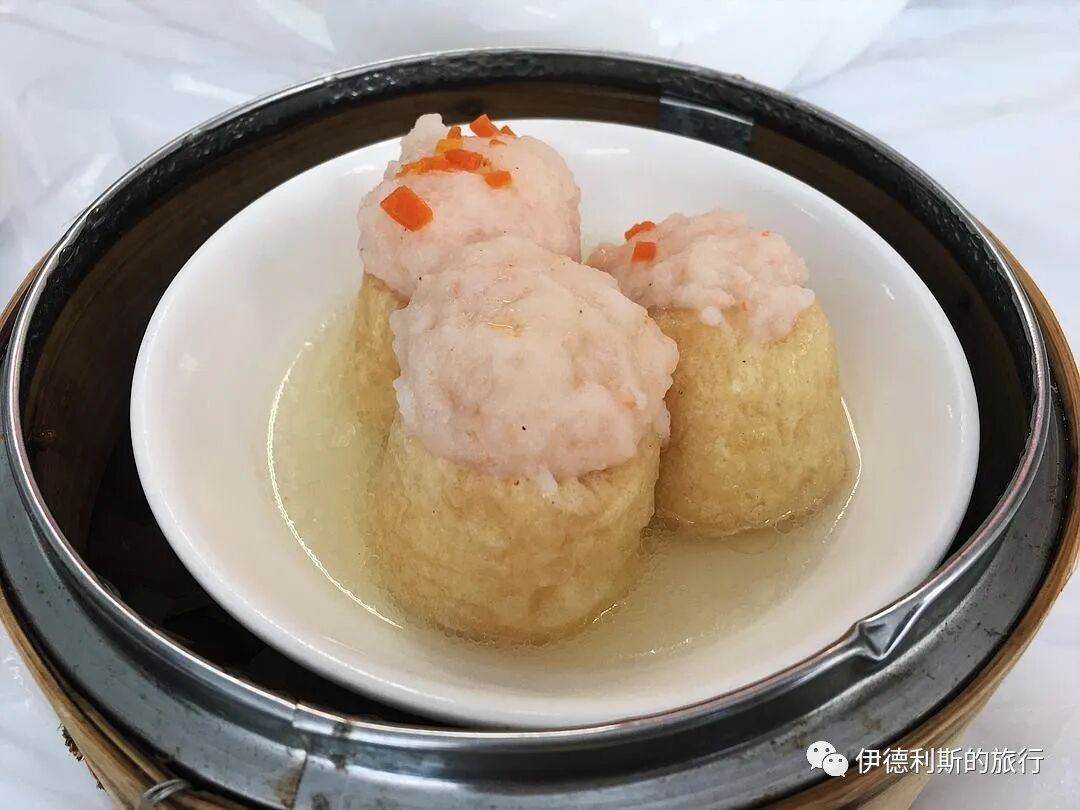
Egg tofu with shrimp paste (baihua yuzi doufu)
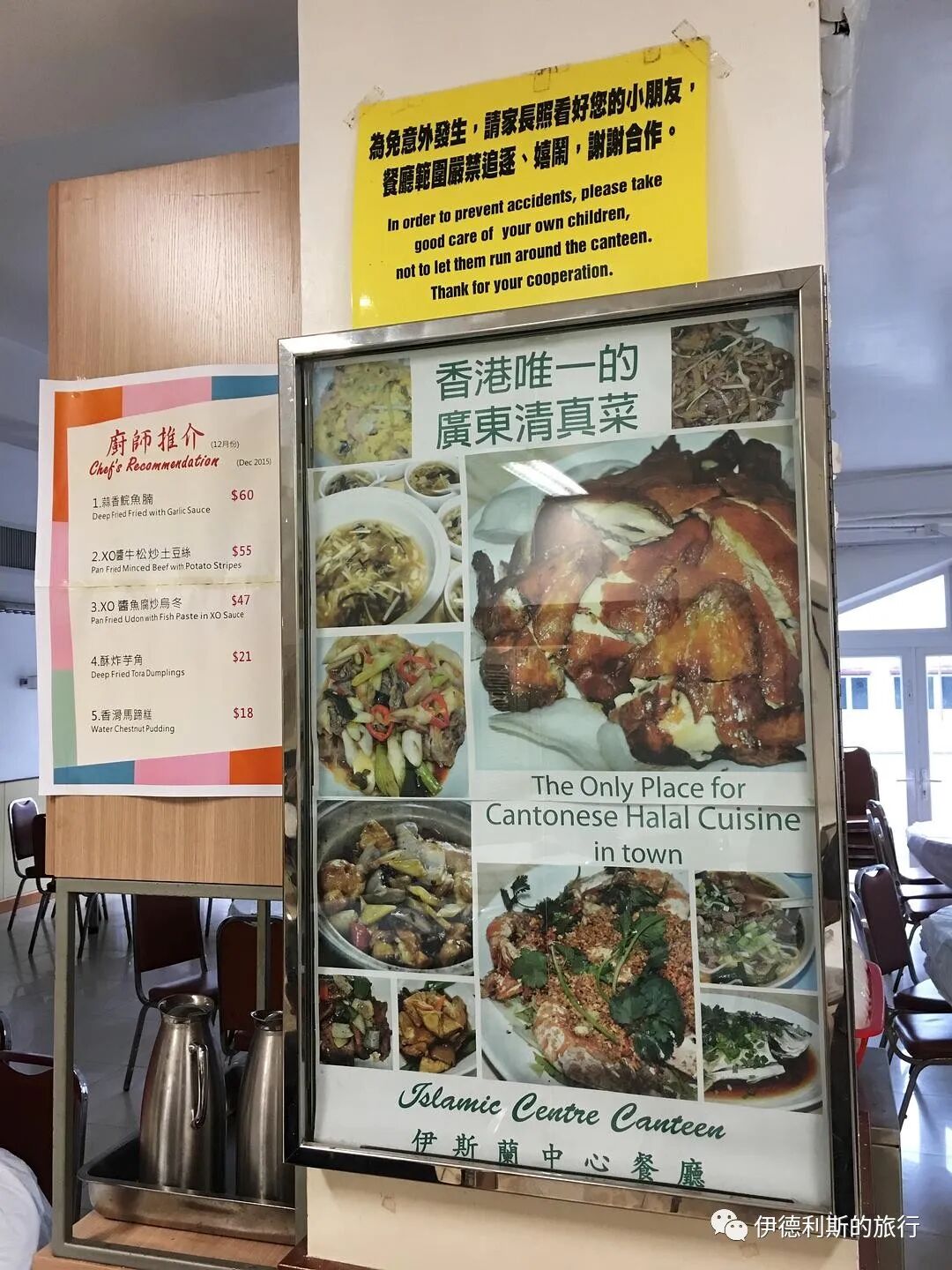
The Islamic restaurant serves regular meals outside of dim sum hours, but they are not as good as the dim sum.
Egg foo young (furong jiandan)
Stir-fried beef rice noodles (ganchao niuhe)
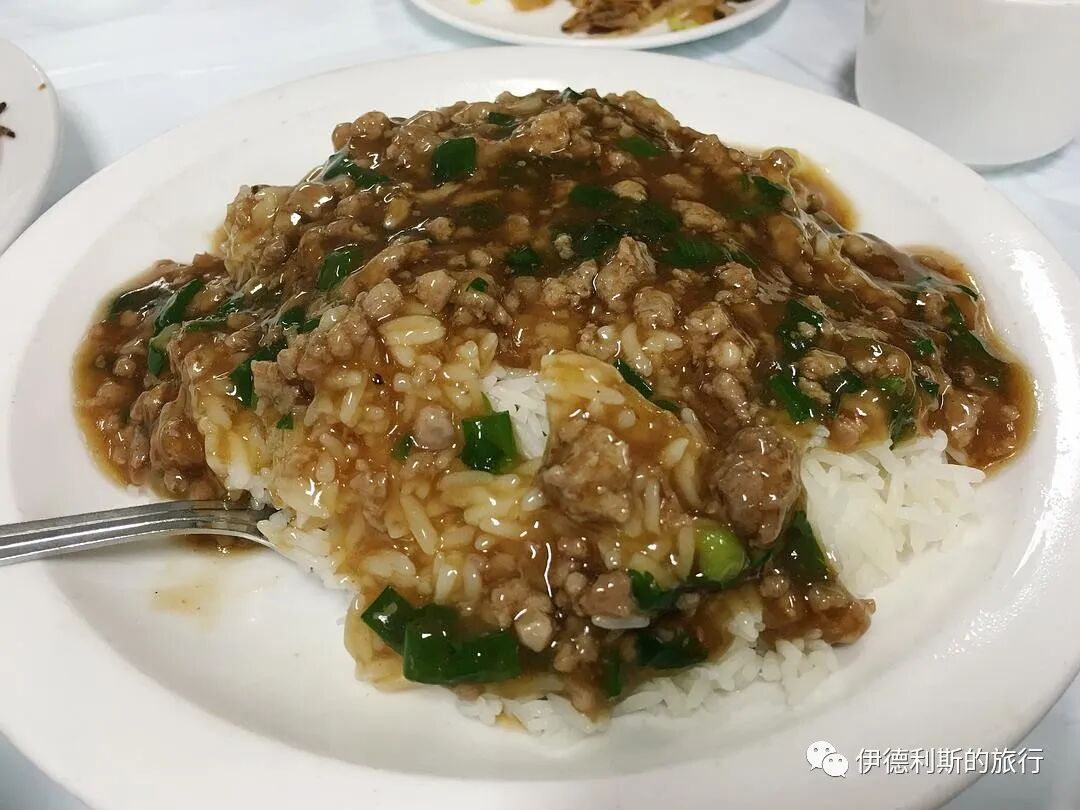
Rice with minced beef and cilantro (xiangqian niusongfan)
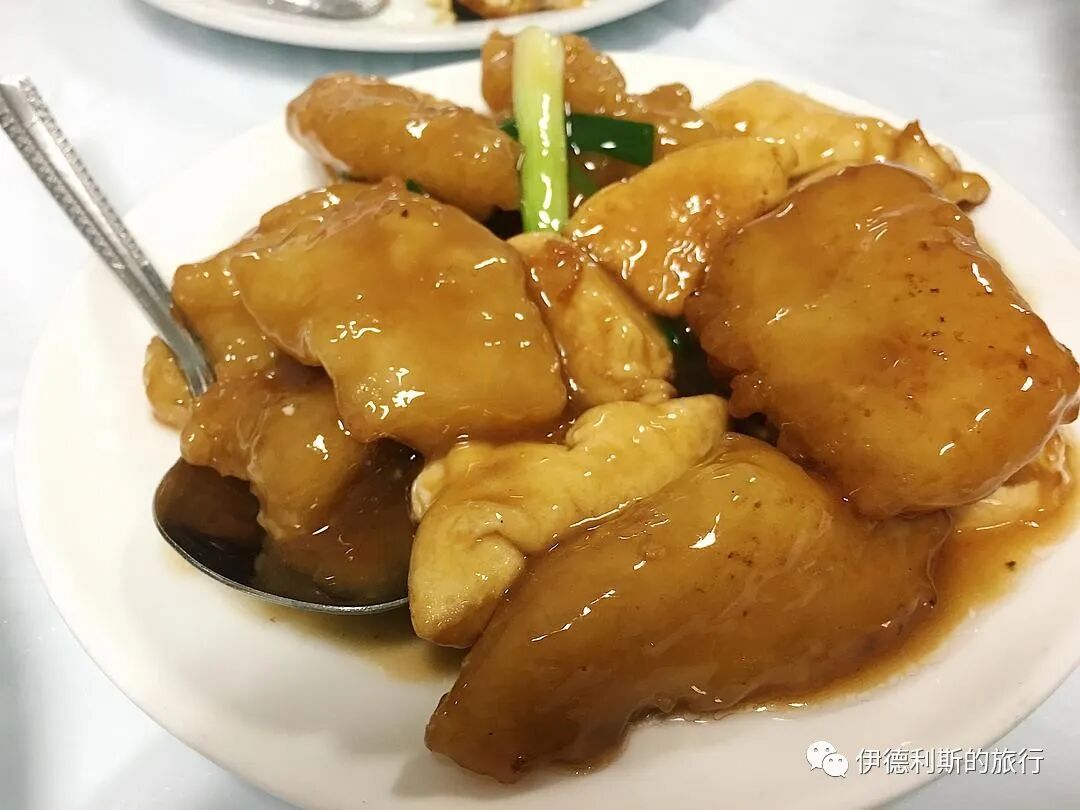
Braised grouper fillet with tofu (bannan doufu)
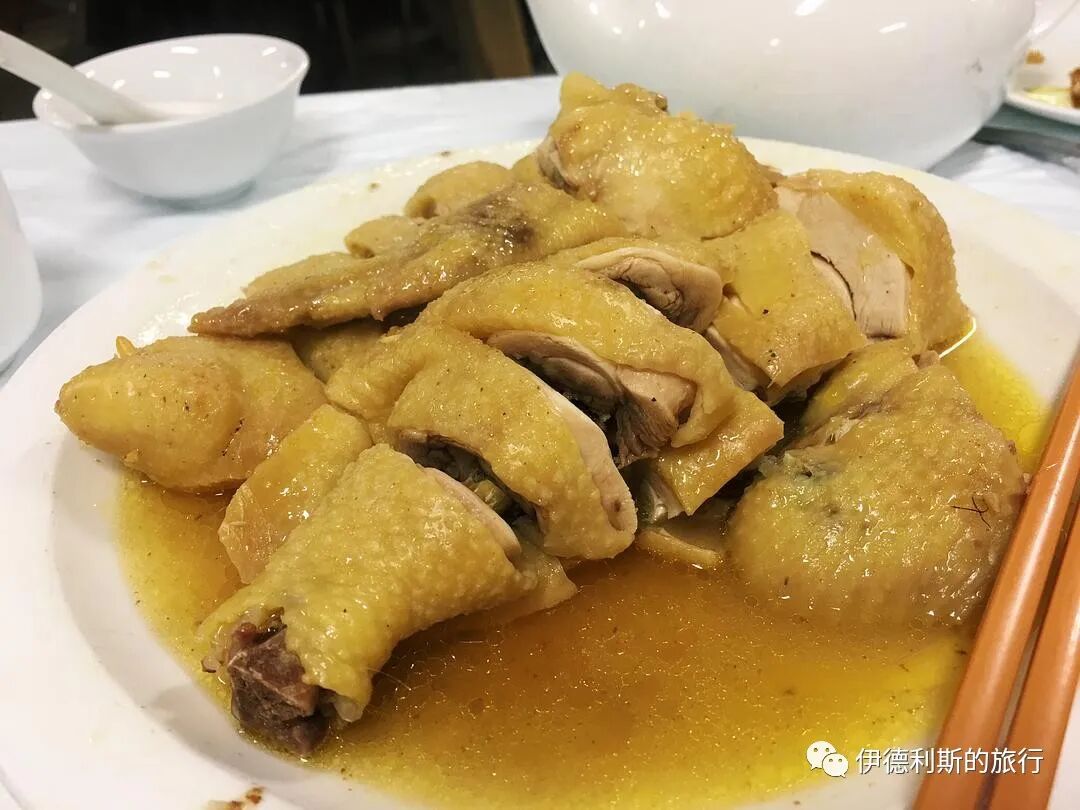
Sand ginger chicken (shajiang ji)
Price
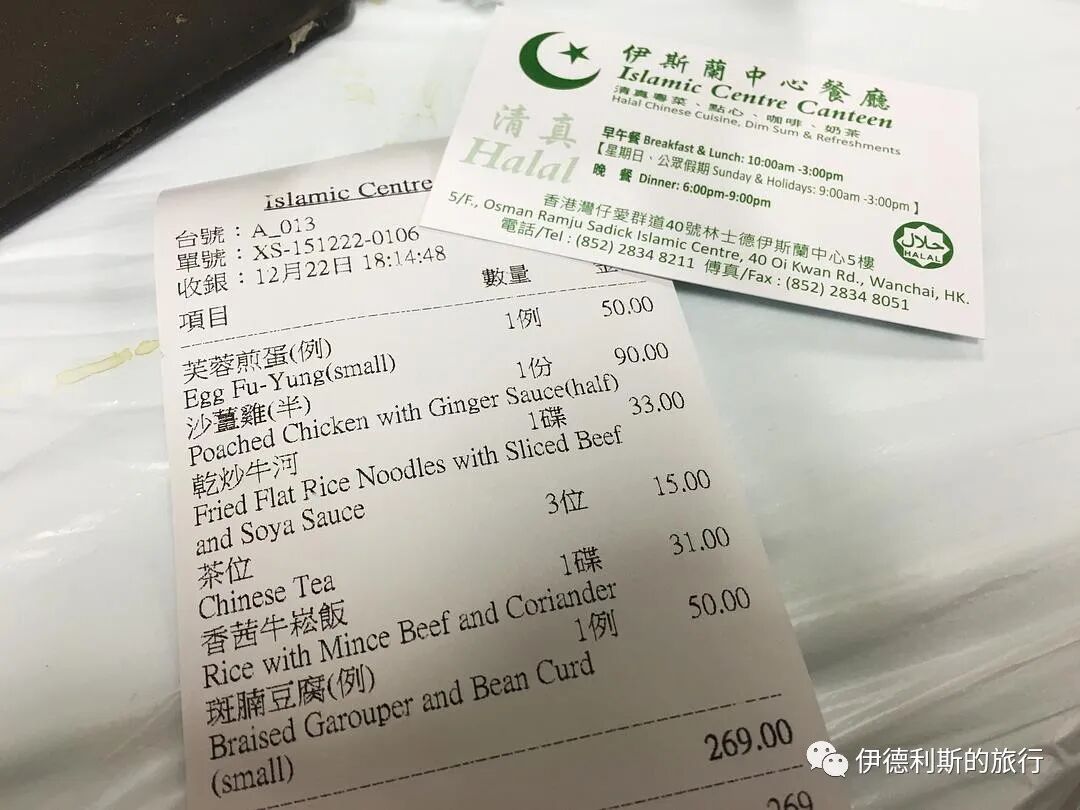
Restaurant
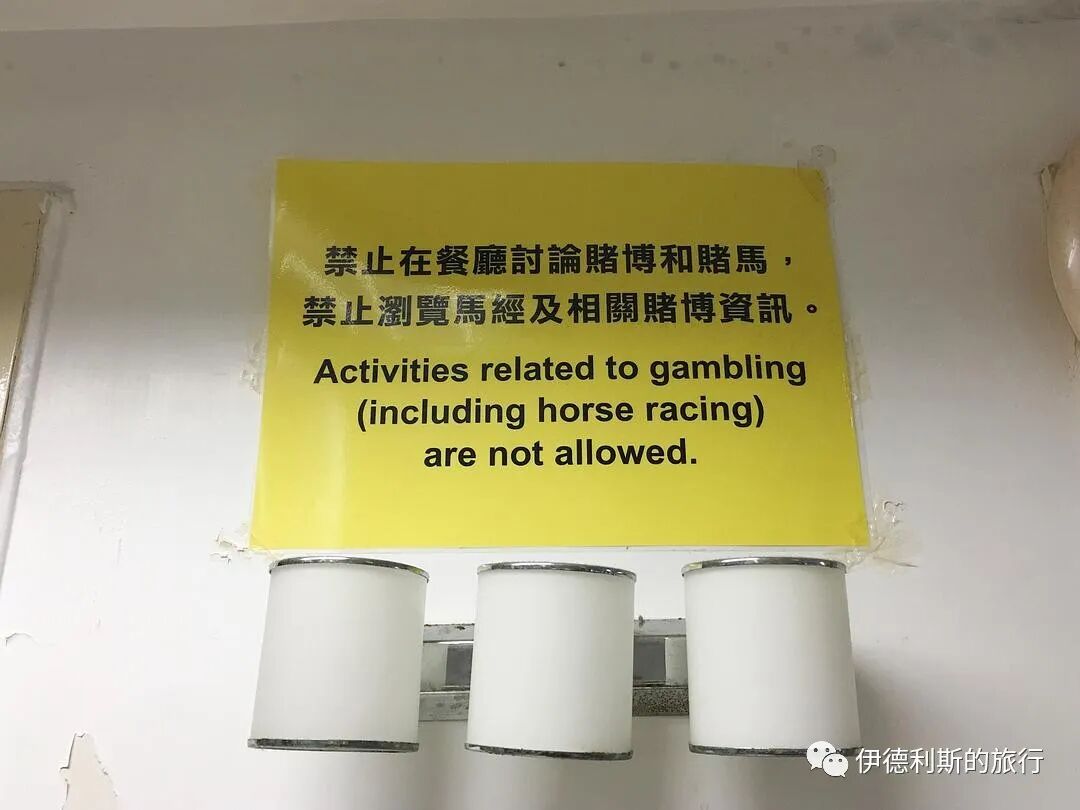
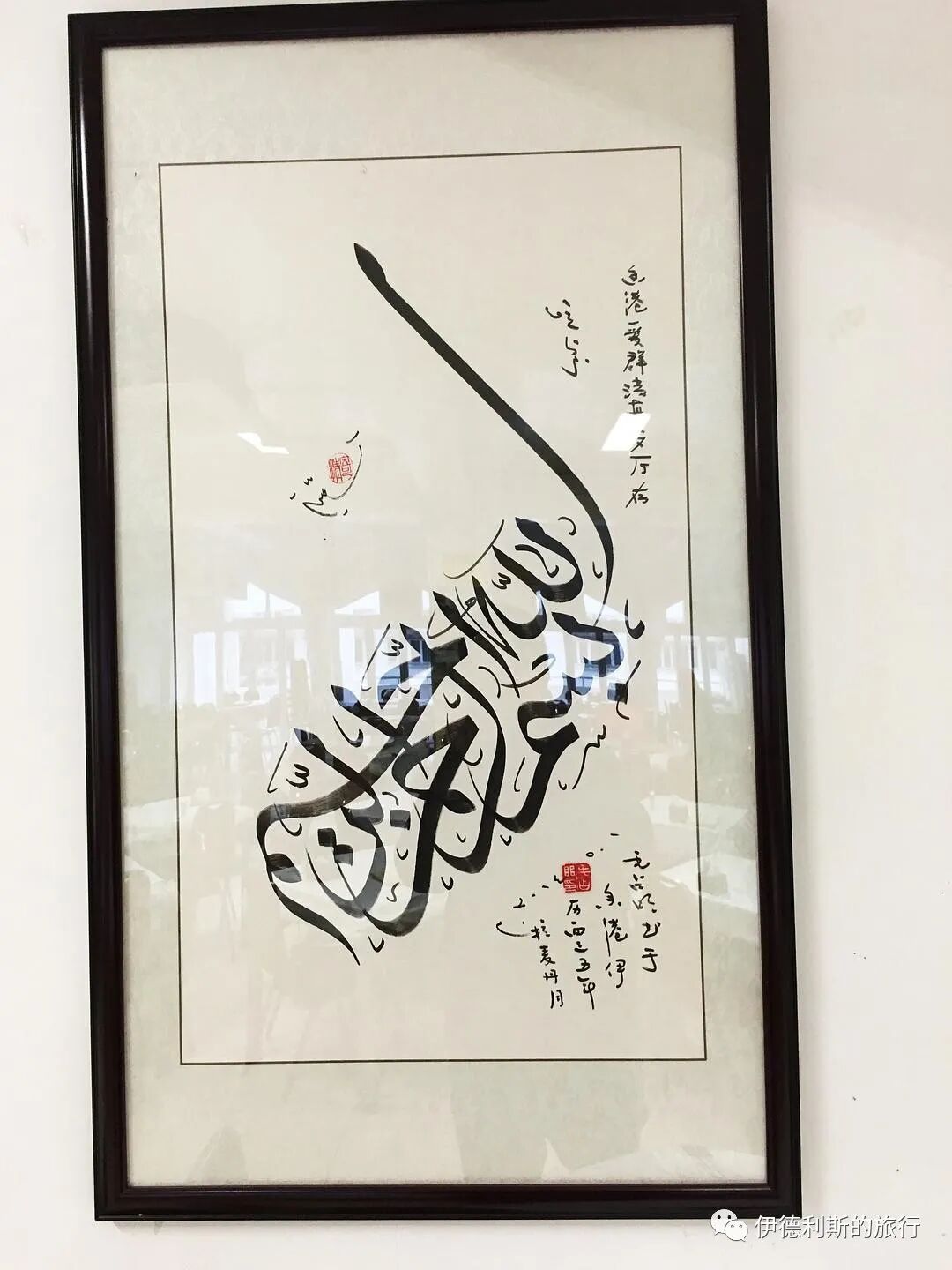
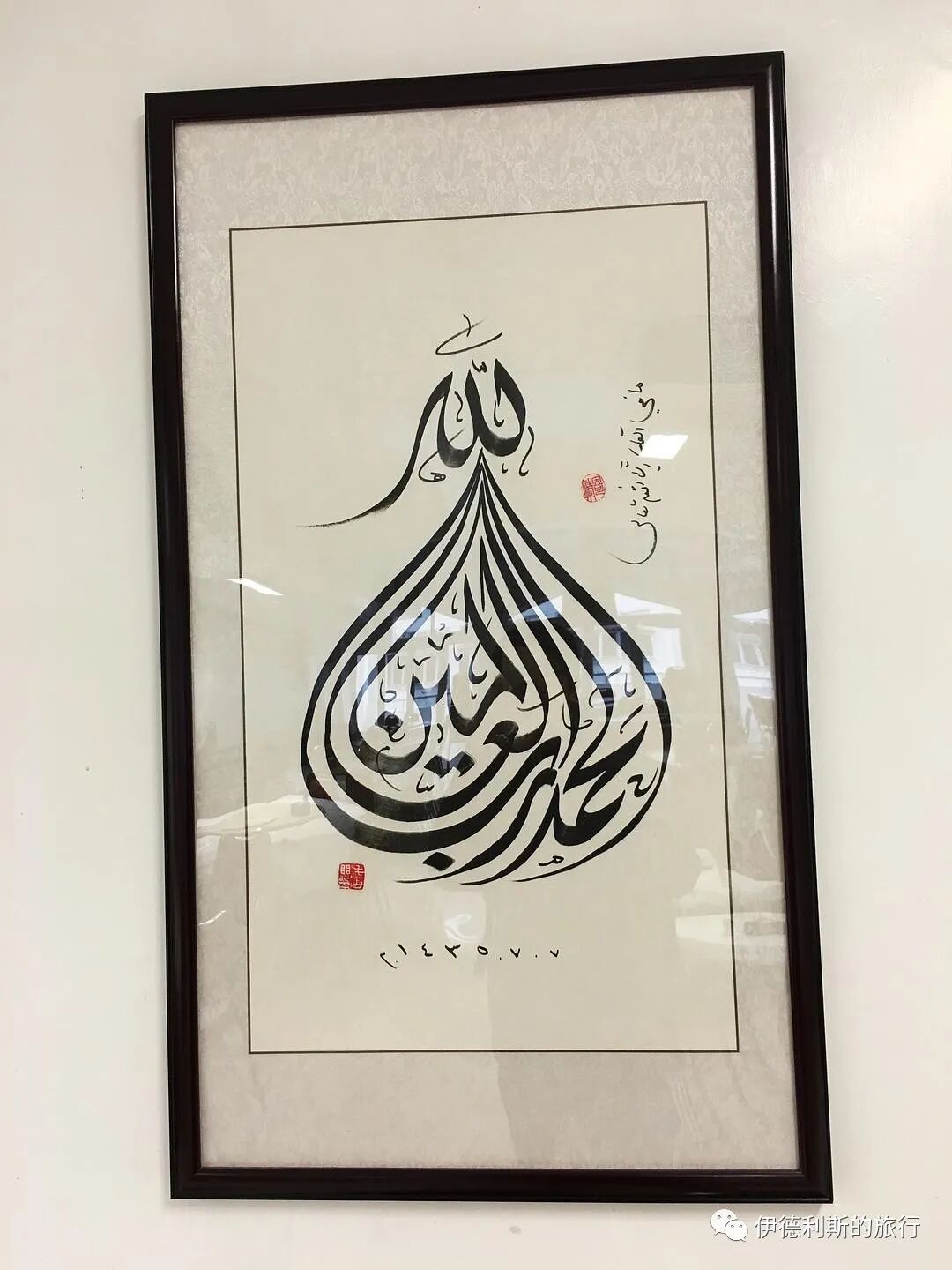
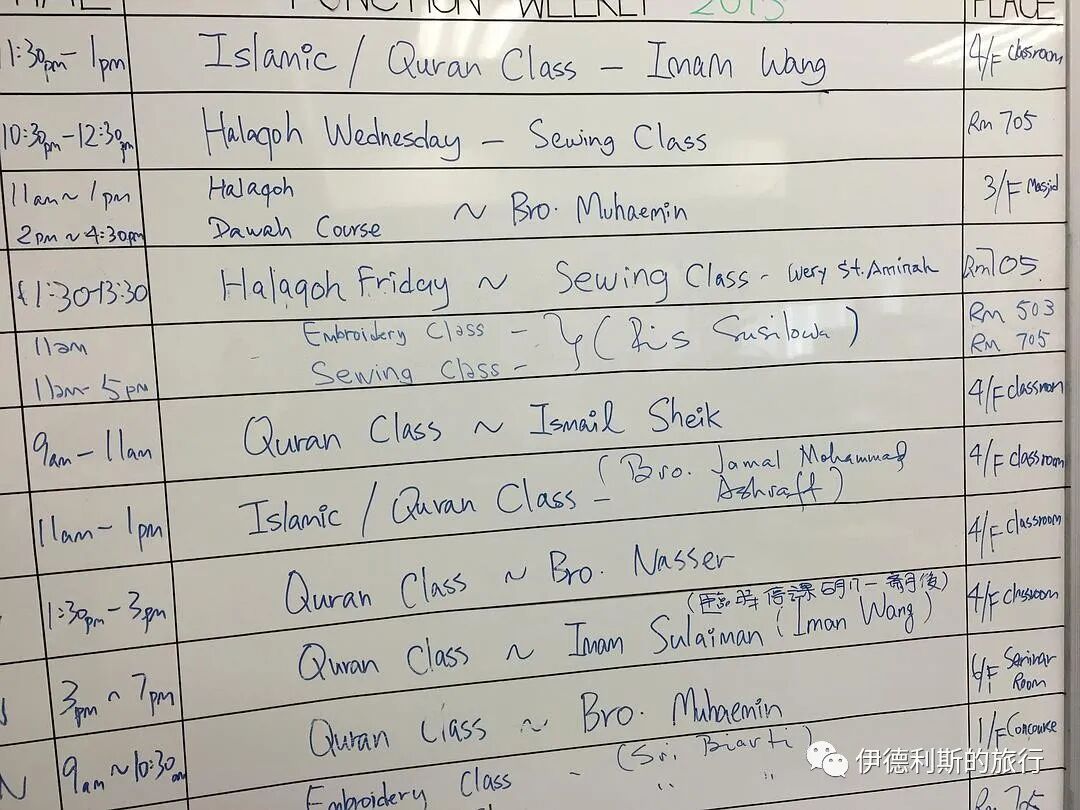
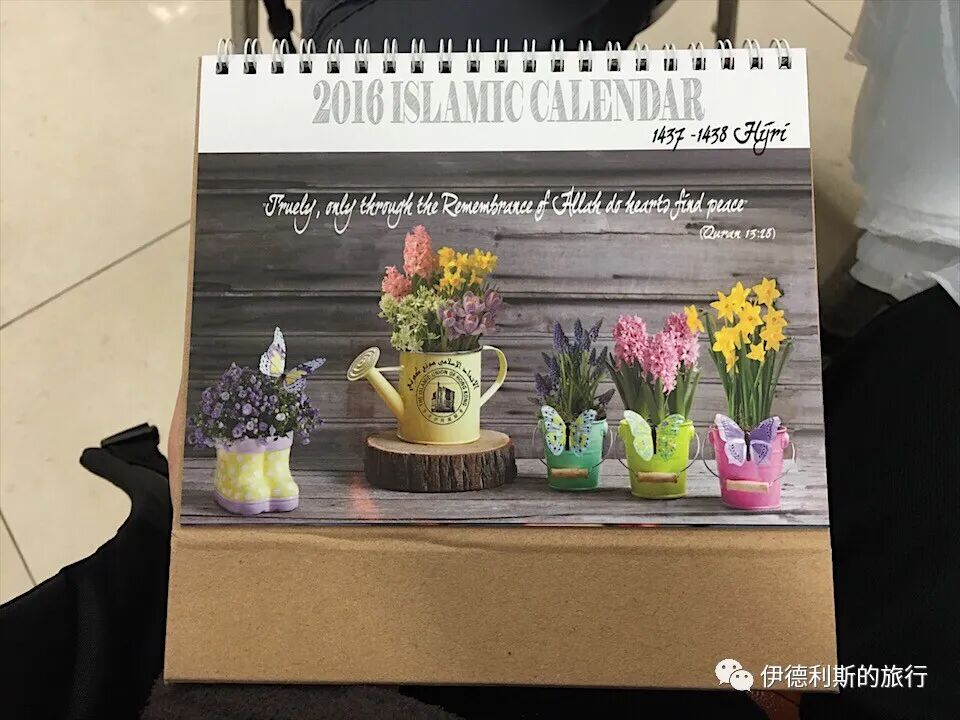
In December 2015, I went to the Islamic Union office on the 7th floor to buy a calendar published by the Islamic Center. The proceeds were donated to Syrian refugees.
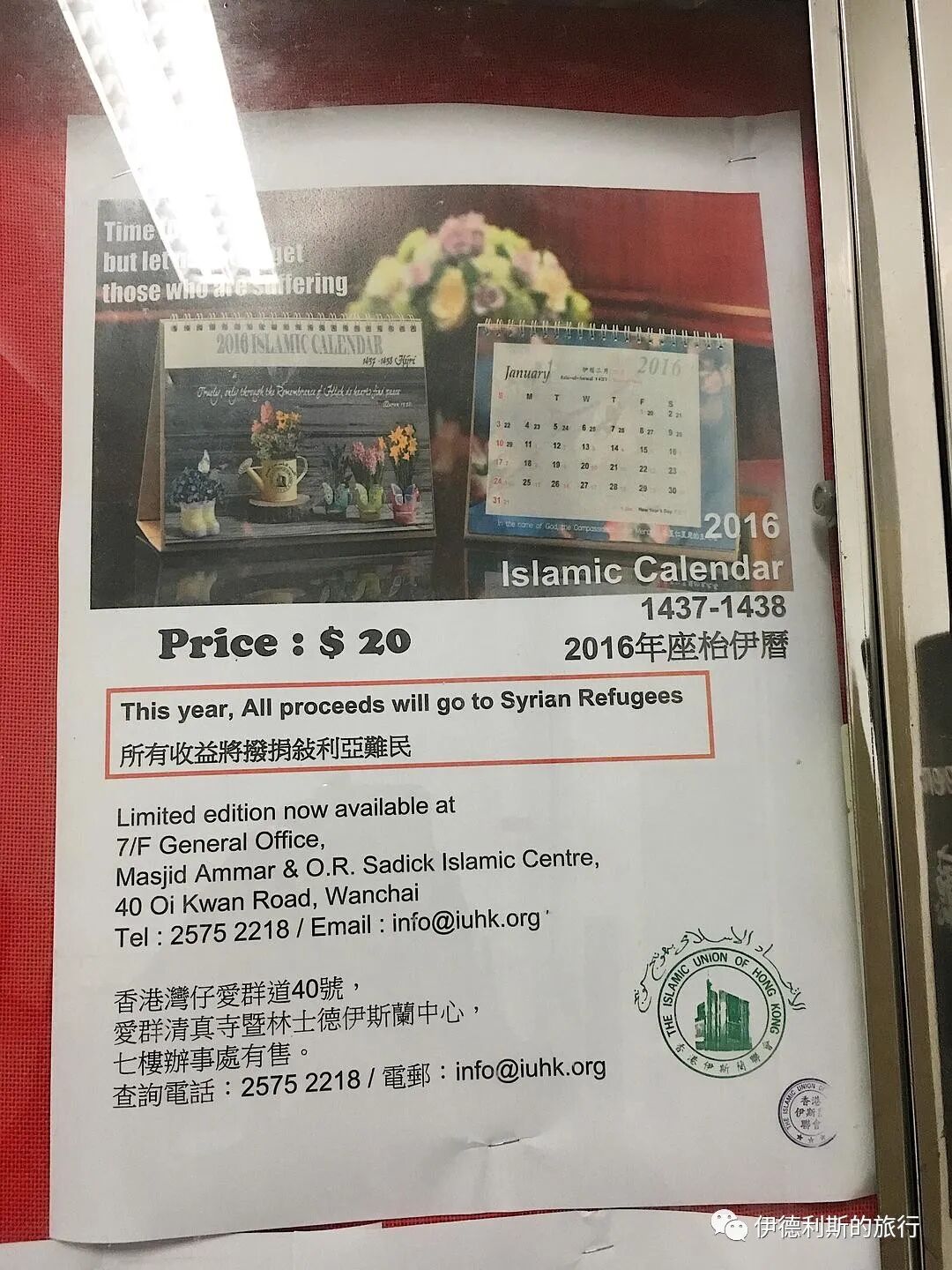
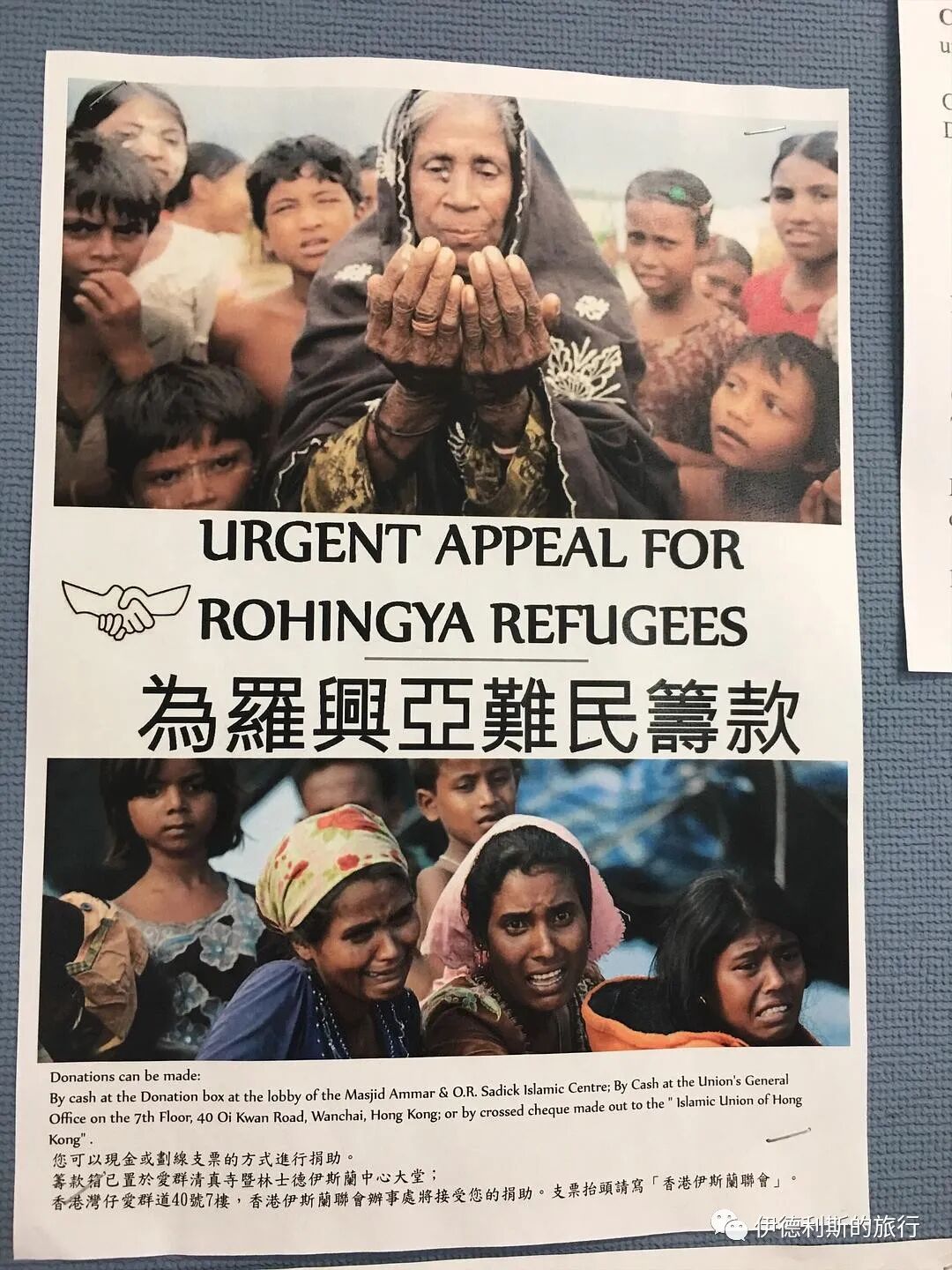
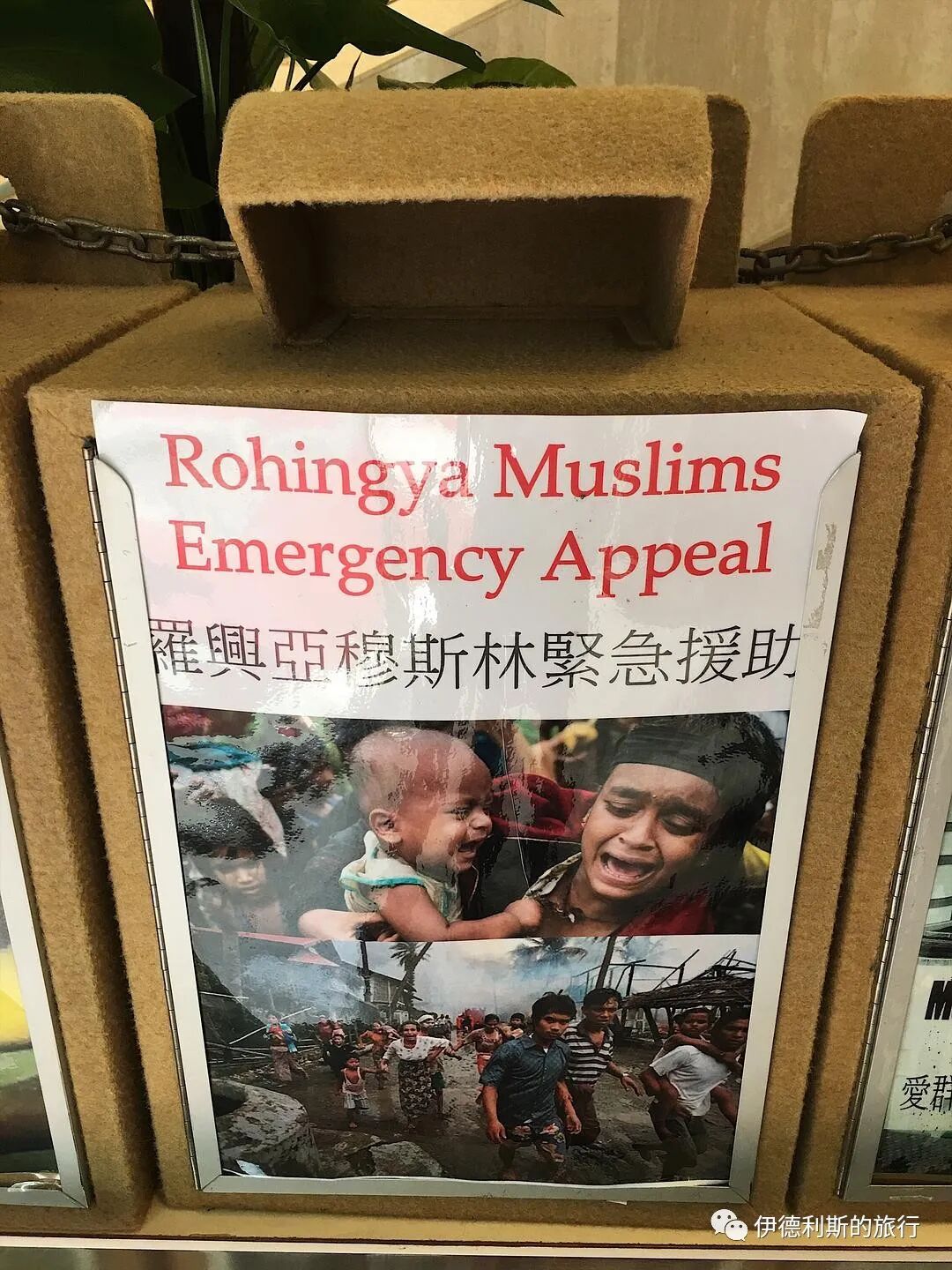
In October 2017, I donated money here for Rohingya refugees.
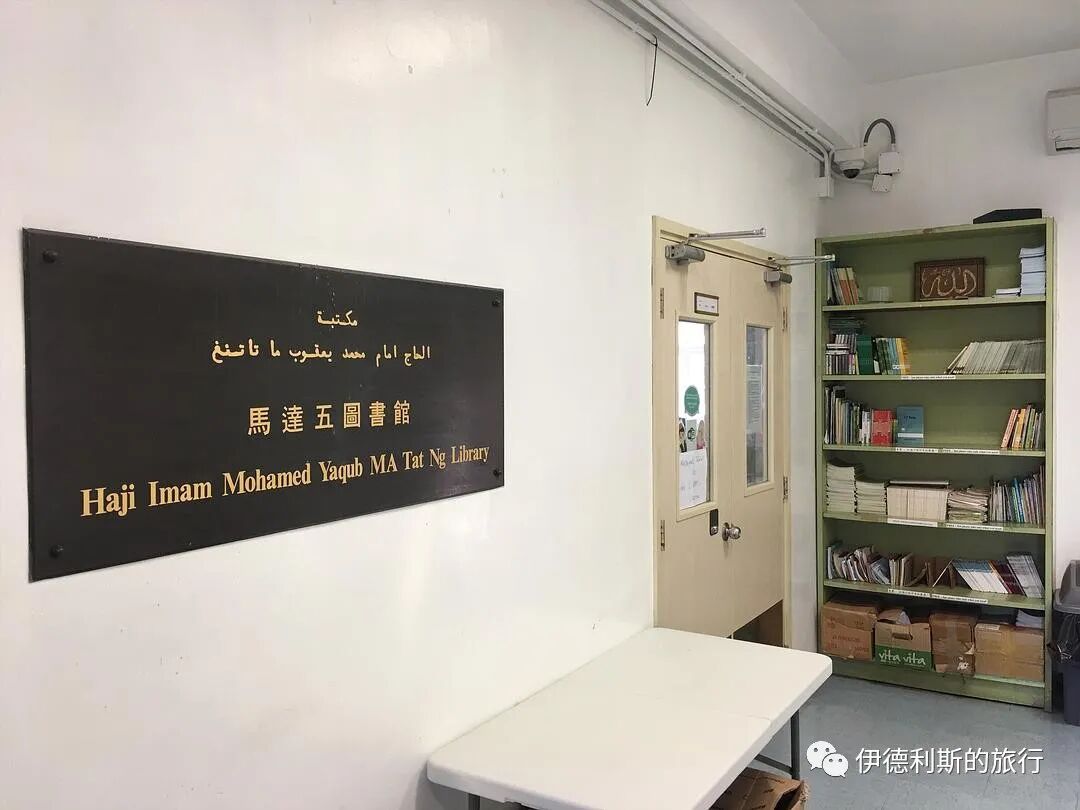
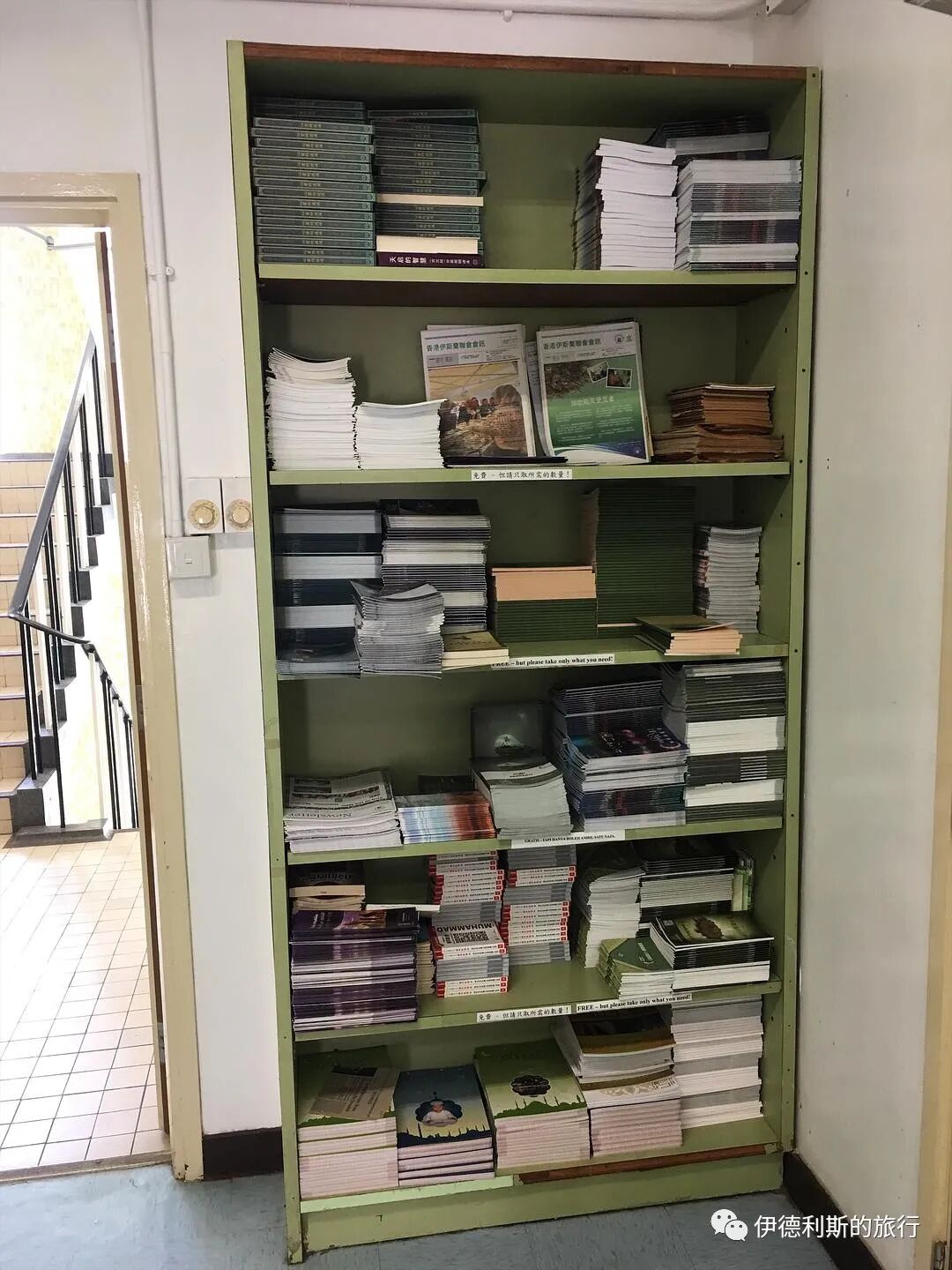
The Ma Da Wu Library on the 6th floor has many books available for free.
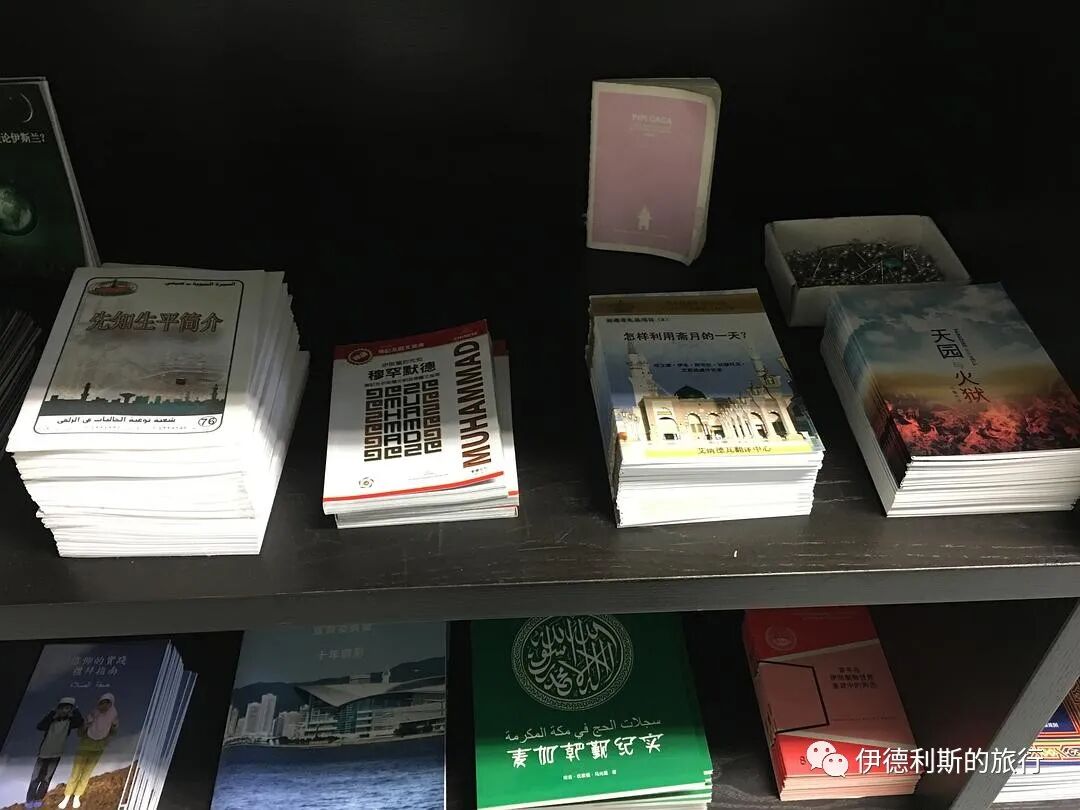
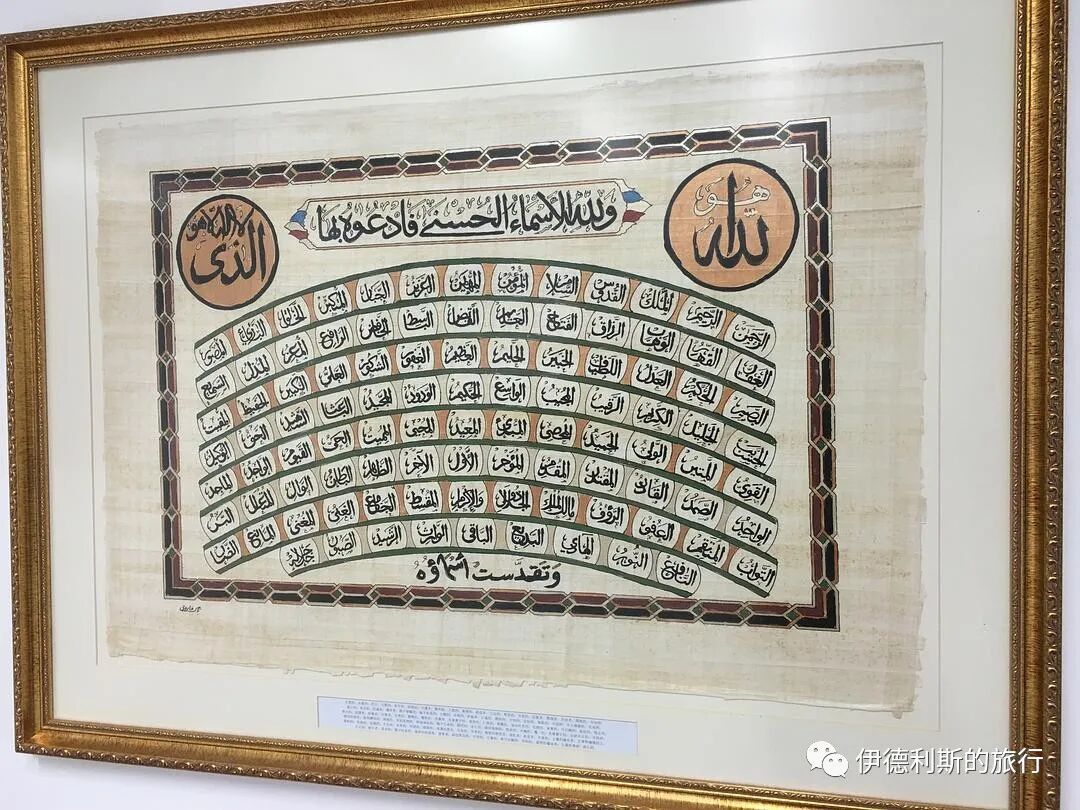
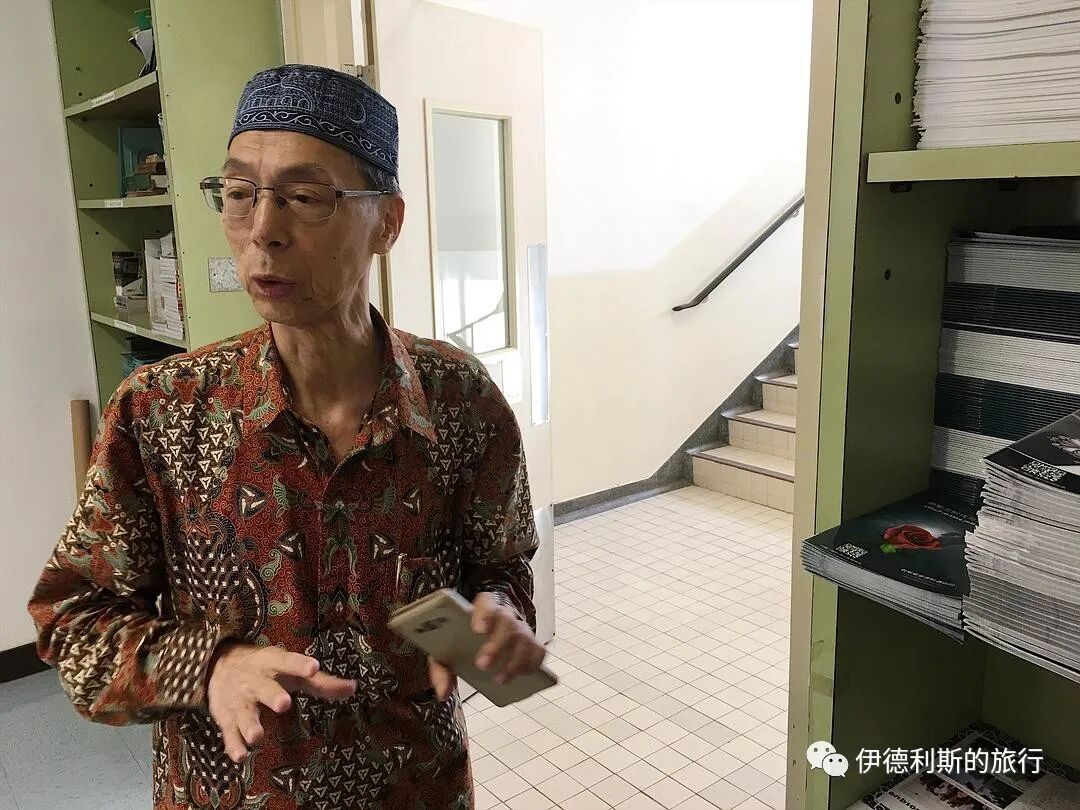
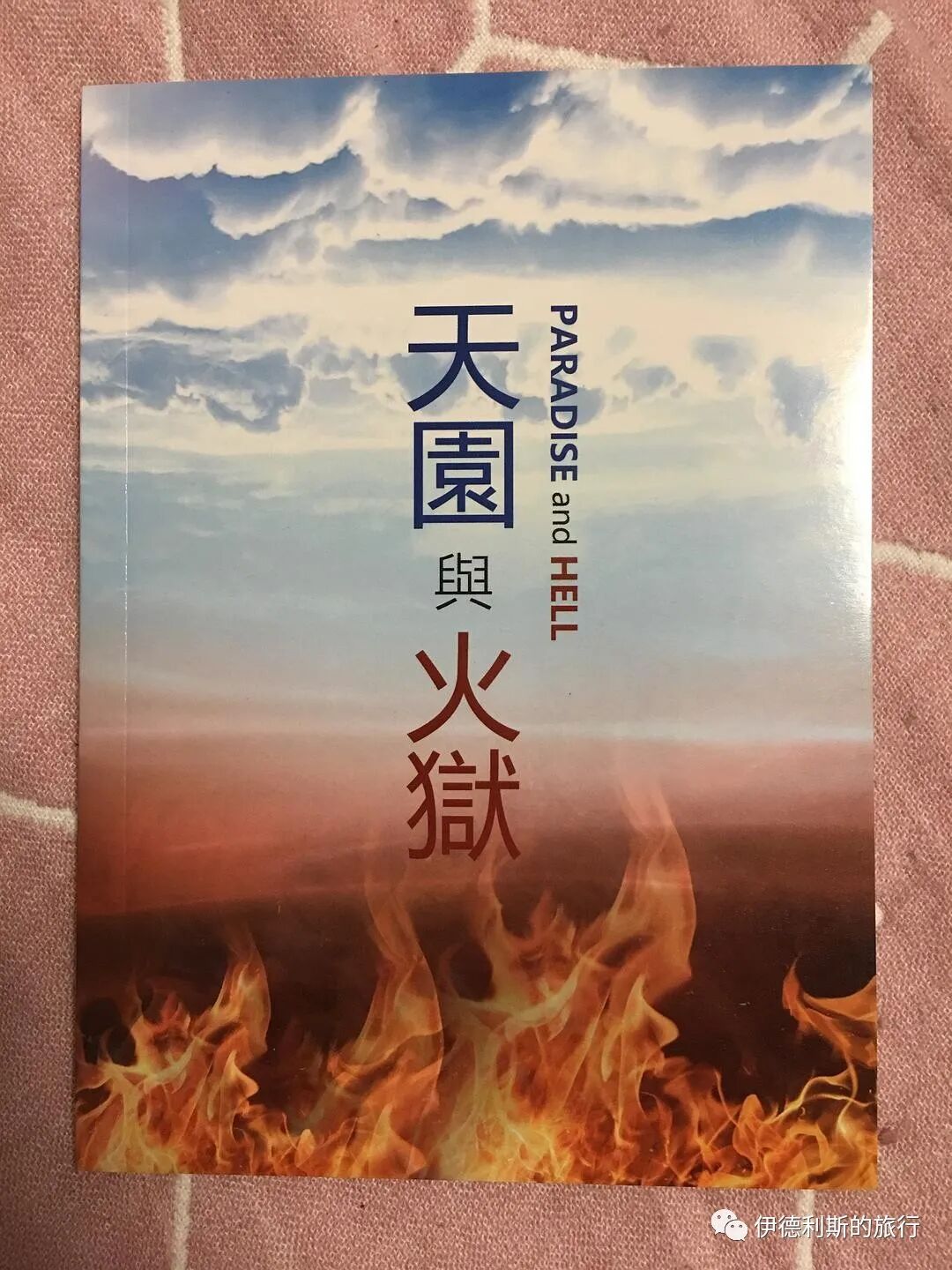
In October 2017, I met Haji Ma Pengwei, the chairman of the Da'wah Committee of the Islamic Union of Hong Kong, and received a copy of his book, "Paradise and Hell" (Tianyuan yu Huoyu).
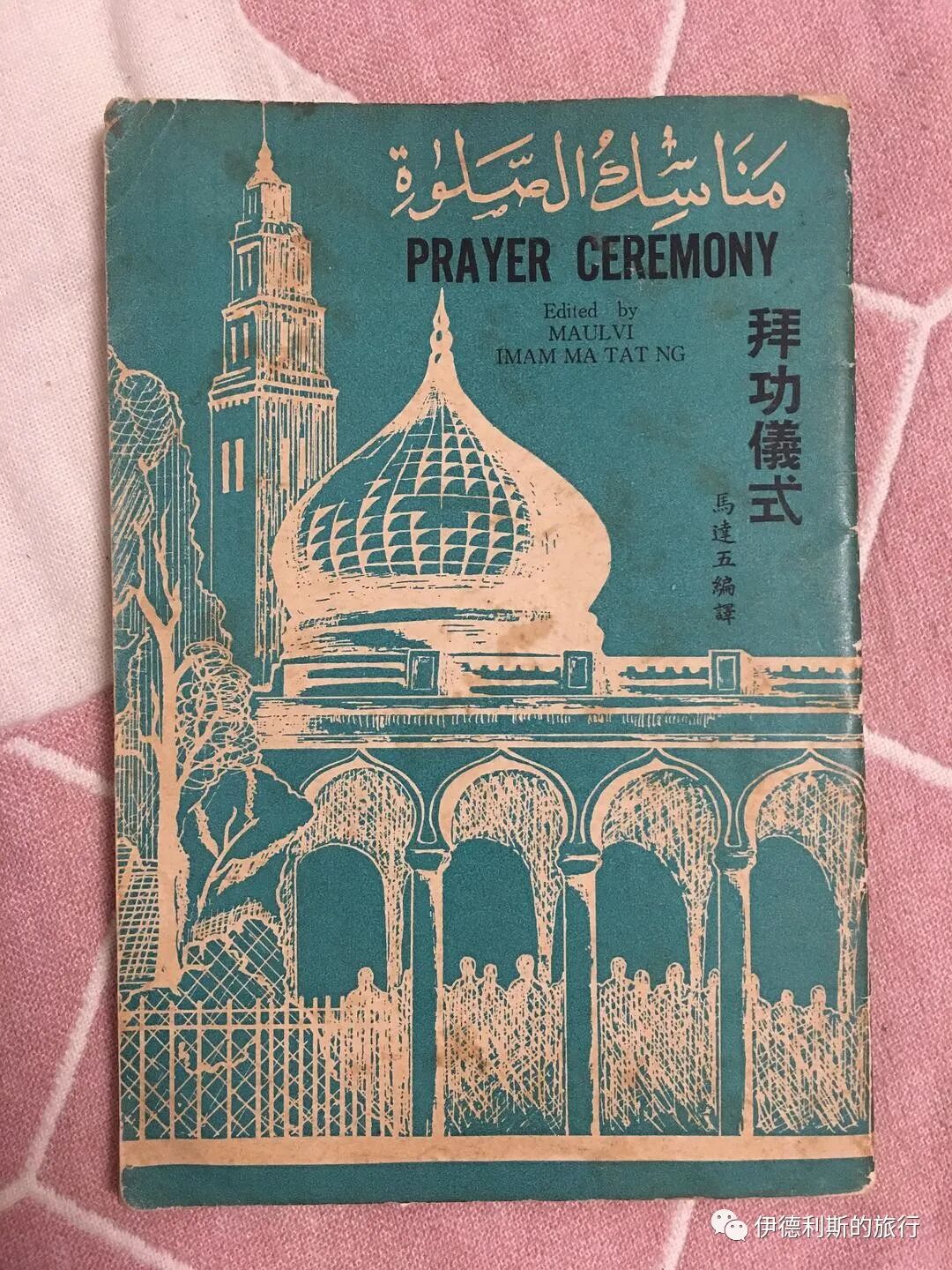
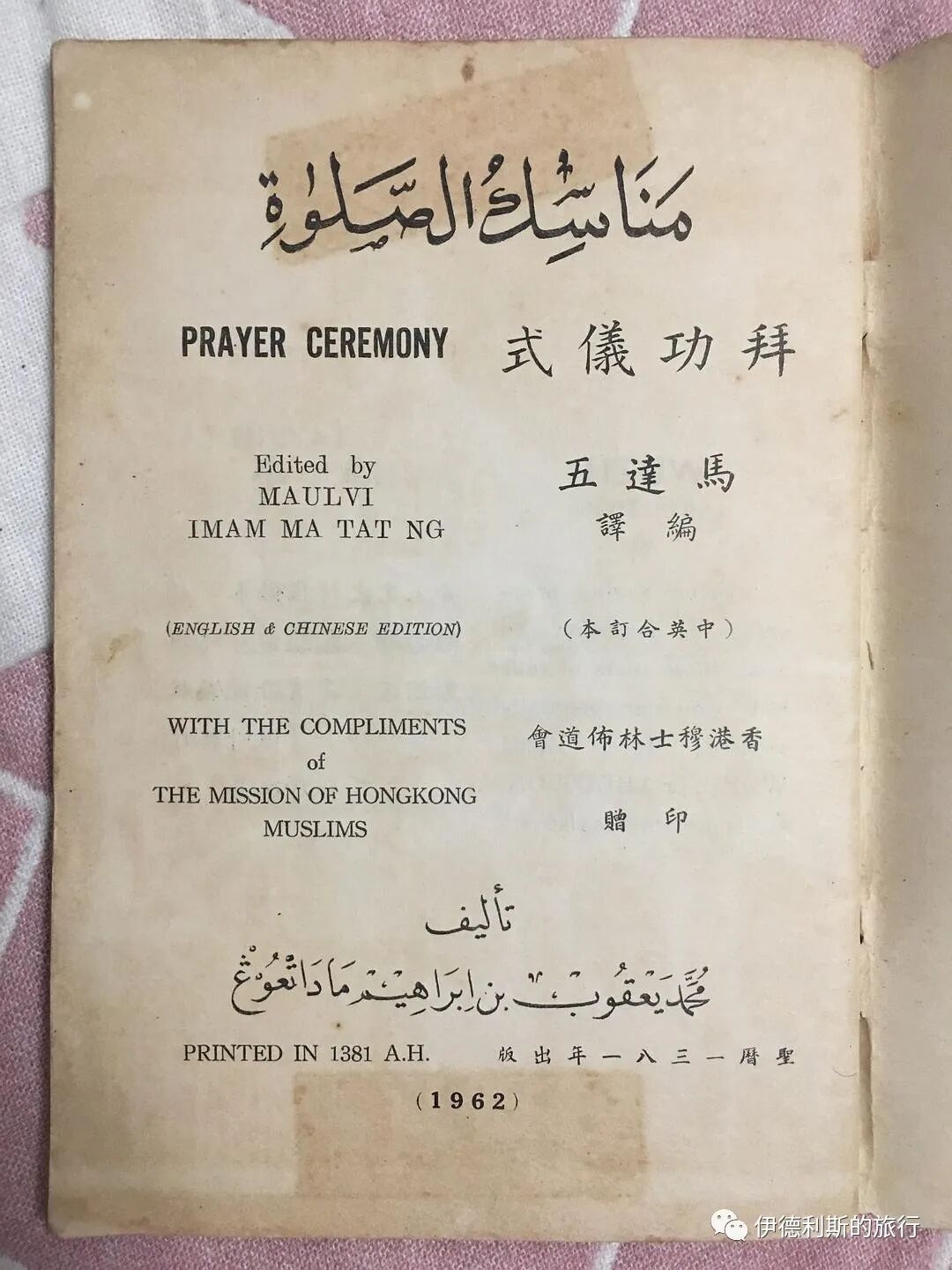
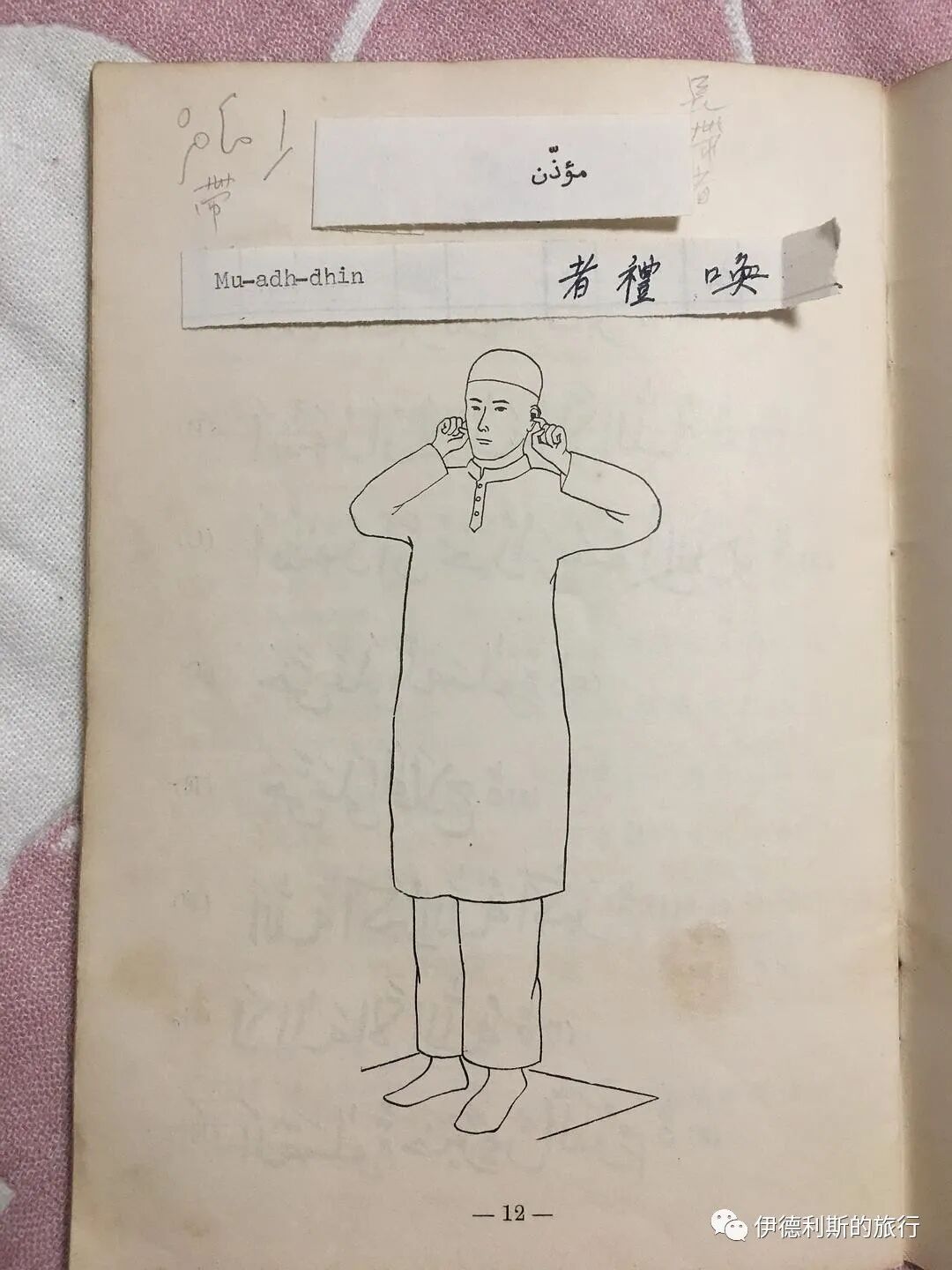
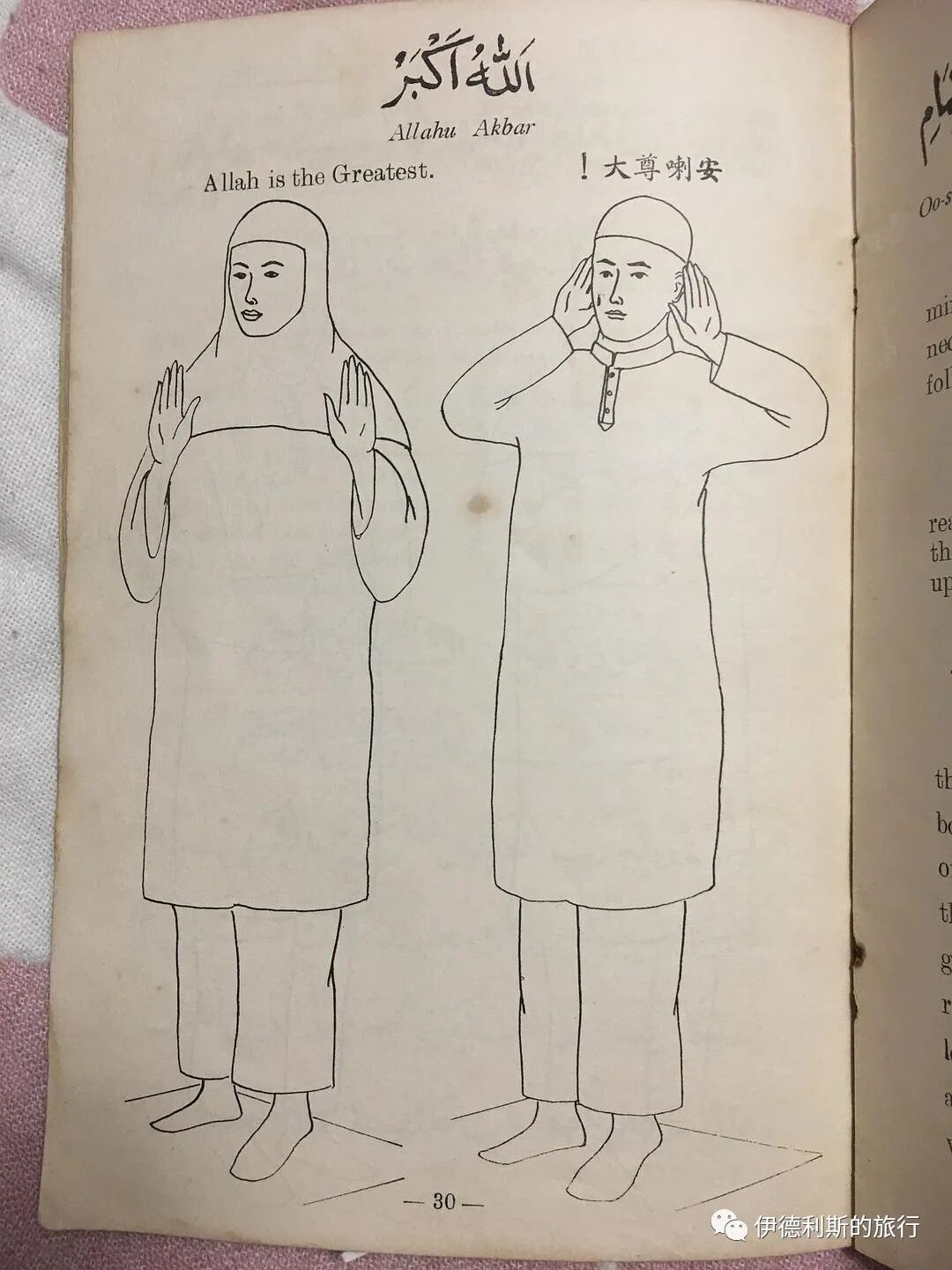
I also received a copy of "Prayer Rituals" (Baikong Yishi), printed and donated by the Hong Kong Muslim Mission in 1962 and compiled by Ma Da Wu.
Halal Wai Kee (Qingzhen Huiji)
Halal Wai Kee is currently the only traditional local halal snack shop on Hong Kong Island. It is located inside the Bowrington Road Market in Wan Chai. It is not easy to find, so if you cannot find it after entering the market, you can ask a local stall owner.
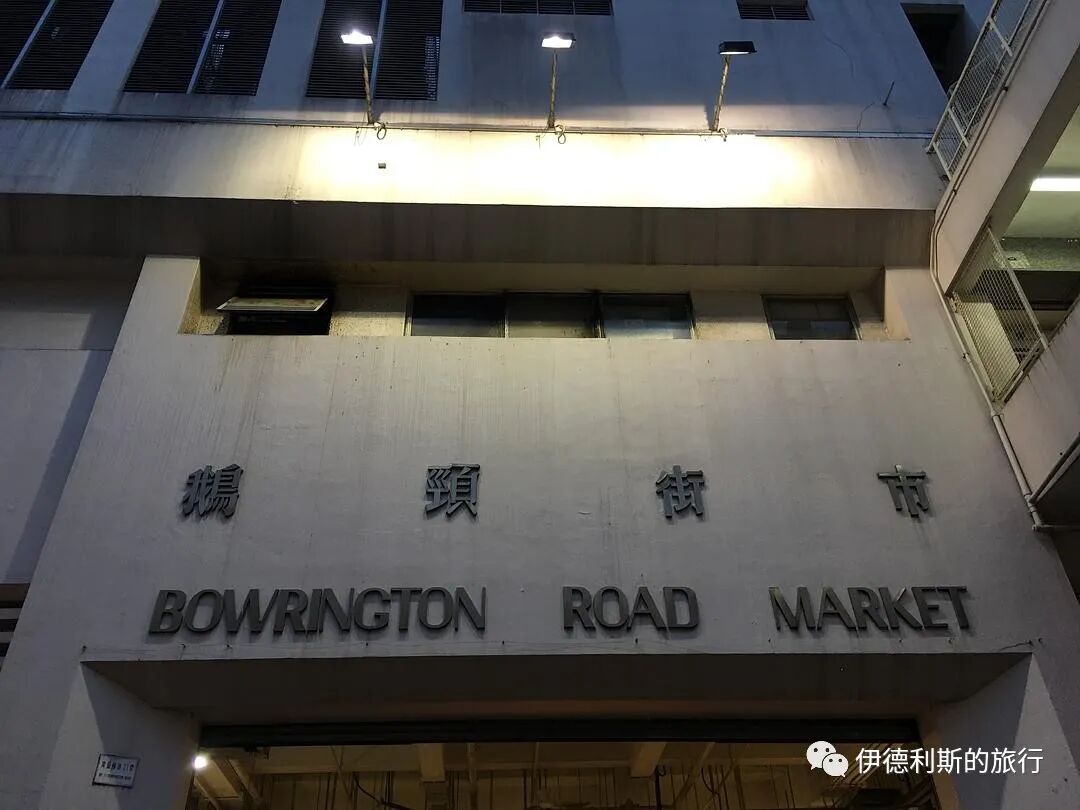
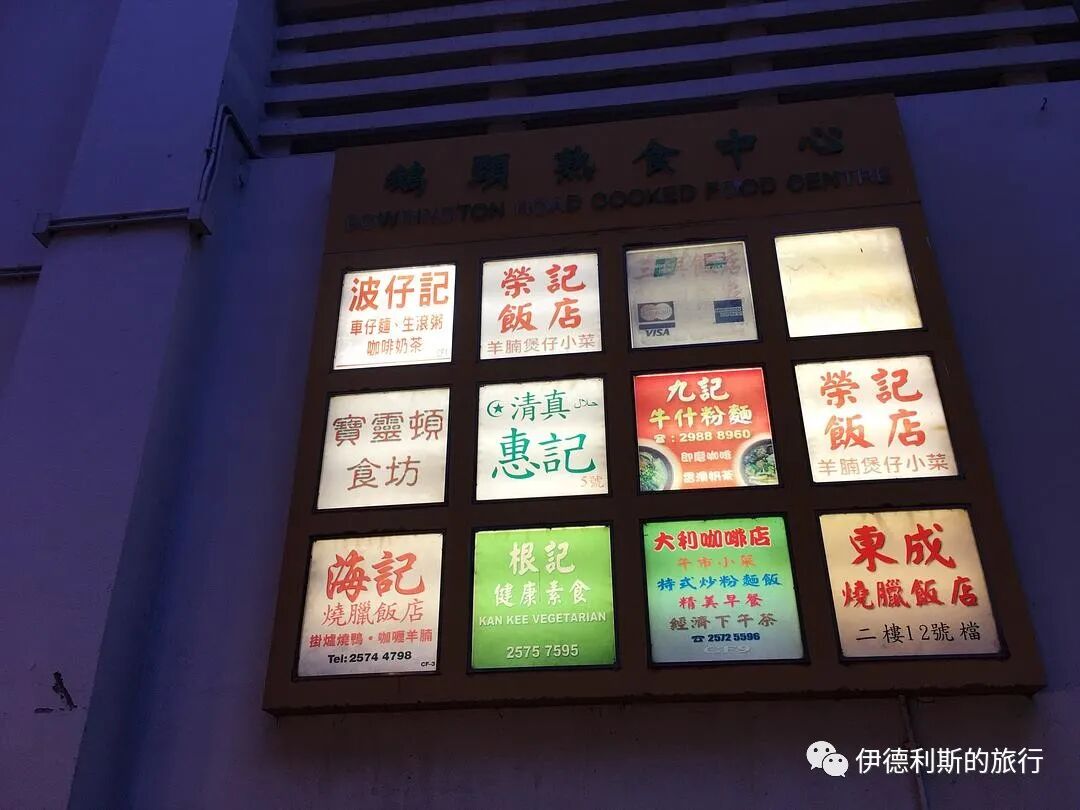
Halal Wai Kee has reportedly been operating near the Canal Road Flyover in Wan Chai for over 60 years. It moved into the Bowrington Road Market when it opened in 1979 and has been there ever since. Wai Kee (Qingzhen Huiji) is open for dine-in from 11:00 a.m. to 6:00 p.m., so if you plan to go in the afternoon, make sure to arrive early.
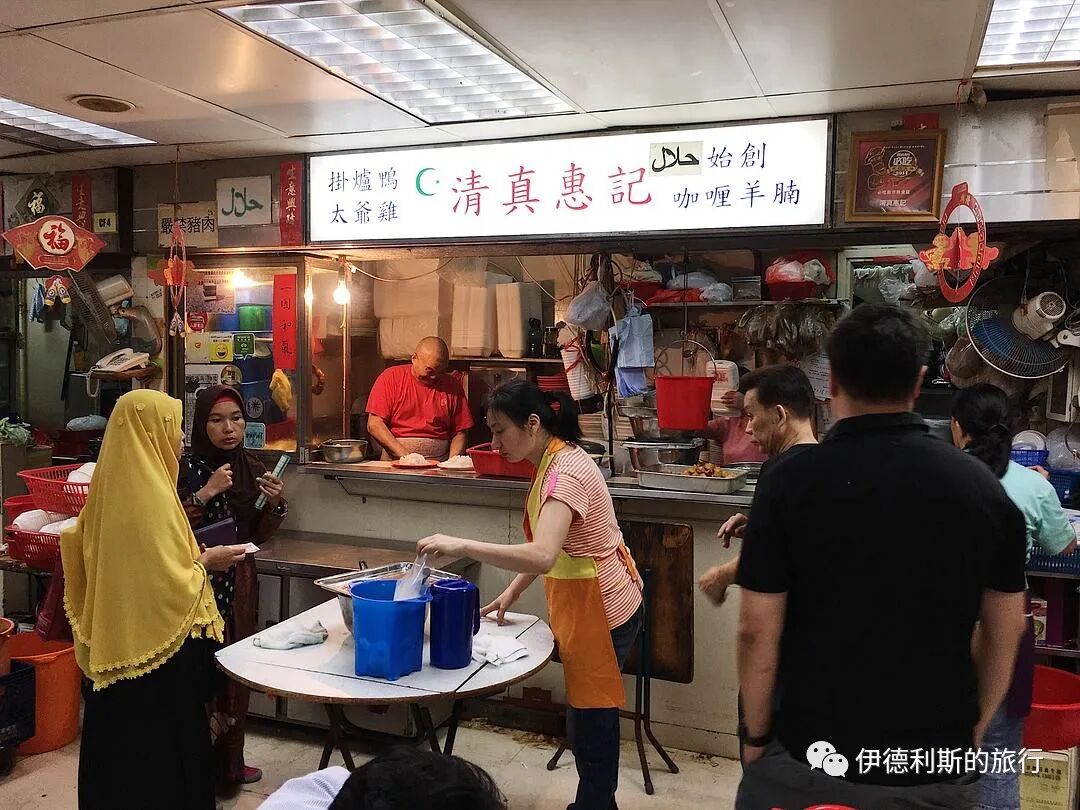
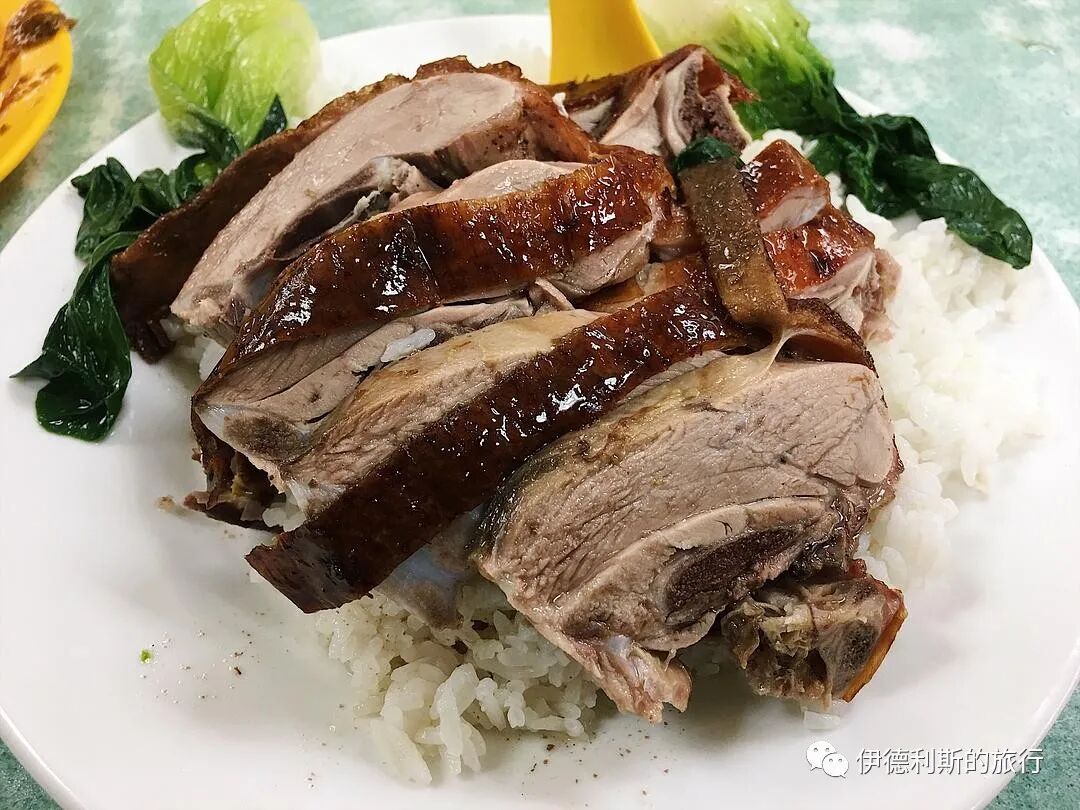
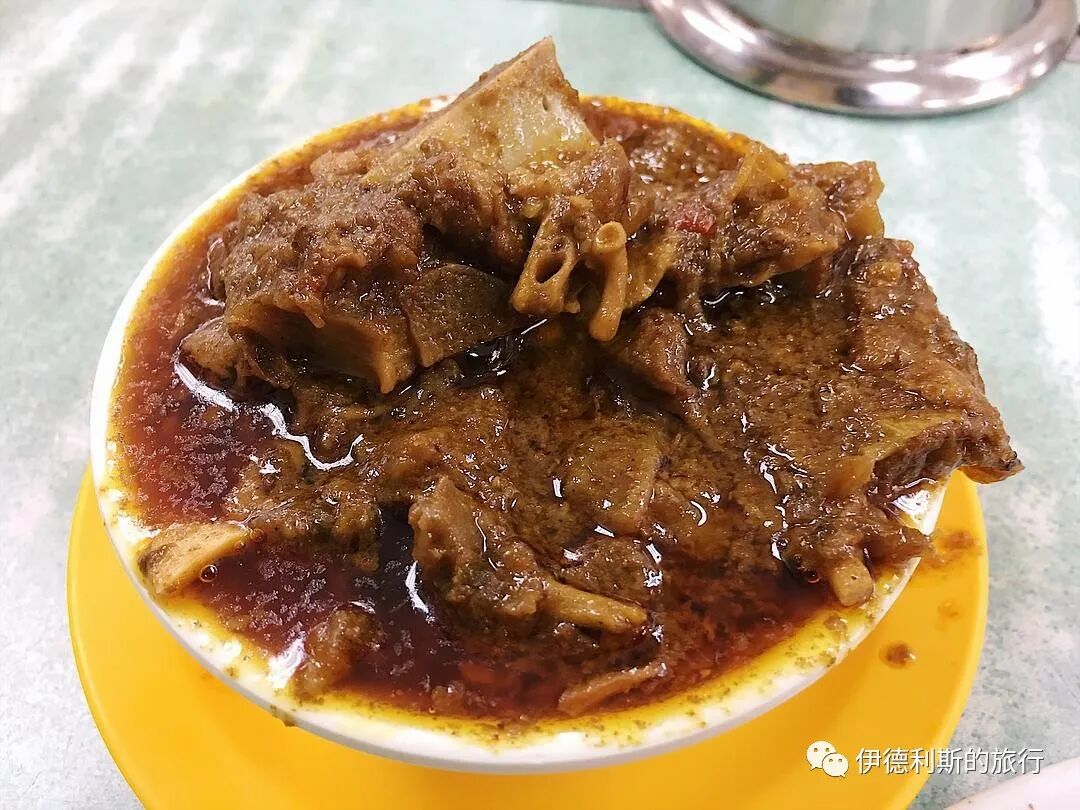
Wai Kee is famous for its traditional roasted duck (gualu shaoya) and soy sauce chicken (taiyeji), as well as their own original curry lamb brisket (gali yangnan). Honestly, this is the best curry lamb brisket I have ever had; the flavor is spot on.
The famous Times Square is right next to Wai Kee.
Kowloon Section
Crossing Victoria Harbour, let's talk about Kowloon.
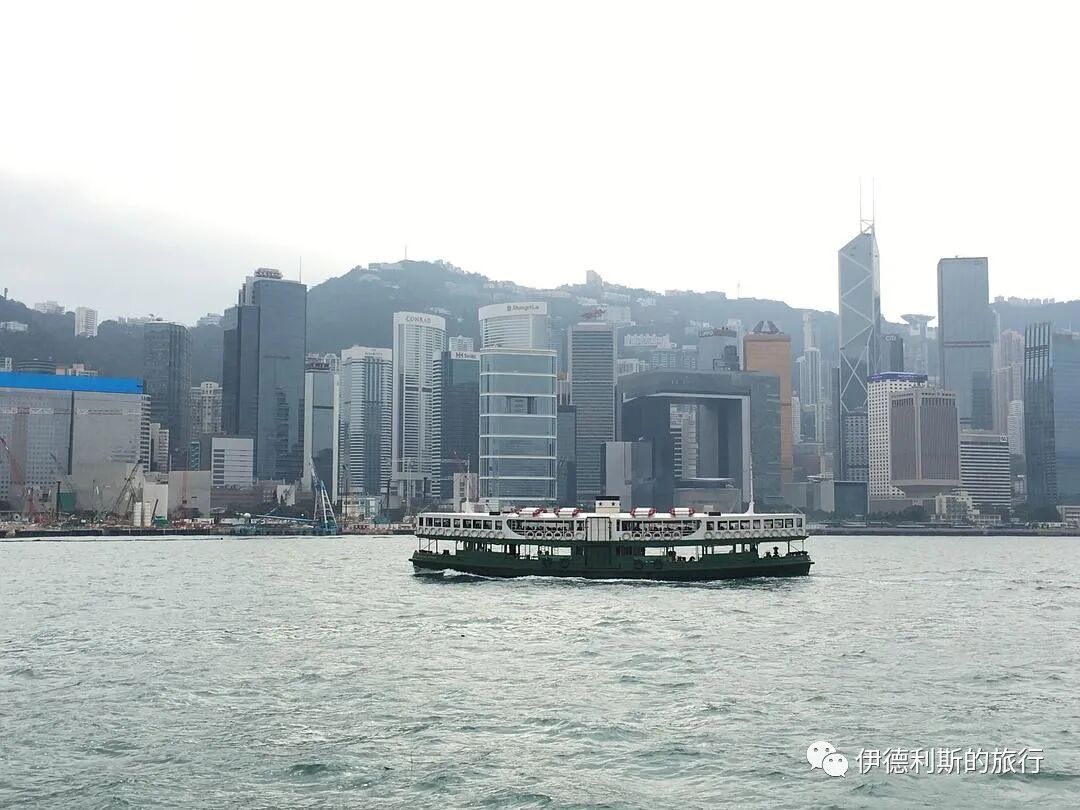
Kowloon Mosque
After the Convention of Peking was signed in 1860, Kowloon was handed over to the British government. Britain immediately began sending British Indian troops to be stationed in Kowloon, and many of them were Indian Muslim soldiers.
In the 1890s, the British built the Whitfield Barracks for the British Indian troops at the current location of Kowloon Park. To meet the prayer needs of the Indian Muslim soldiers, the first Kowloon Mosque was built in the southeast corner of the barracks in 1896.
The early Kowloon Mosque remained a military facility for the barracks until it was handed over to the British Hong Kong government in 1967. In 1970, most of the Whitfield Barracks were demolished to build Kowloon Park, but the Kowloon Mosque was preserved.
Between 1975 and 1979, the Hong Kong MTR (originally the Kwun Tong Line, now the Tsuen Wan Line) began construction. In 1978, the MTR Corporation conducted blasting next to the Kowloon Mosque, which severely damaged the mosque's structure, and it was declared a dangerous building. With compensation from the MTR Corporation and donations from Muslims, the Kowloon Mosque was rebuilt at its current Tsim Sha Tsui site in 1980 and opened in 1984.
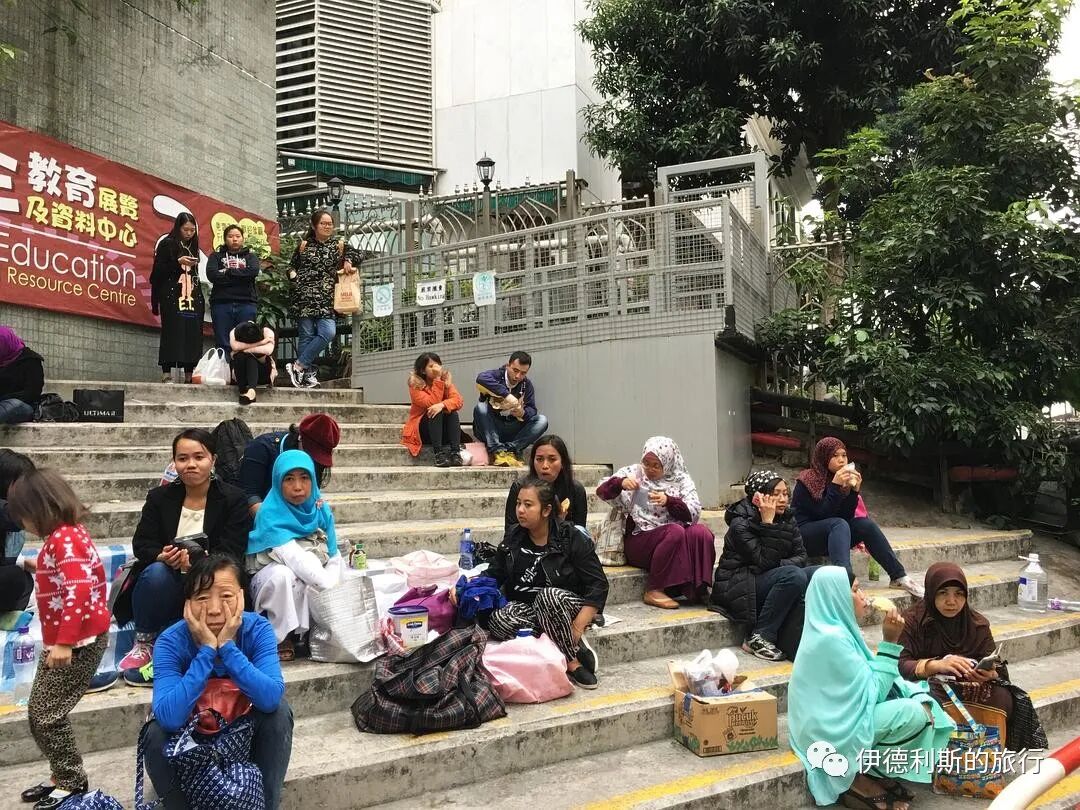
Currently, the Kowloon Mosque is mainly used by South Asian and Southeast Asian Muslims and serves as a cultural center for non-Chinese Muslims in Hong Kong.
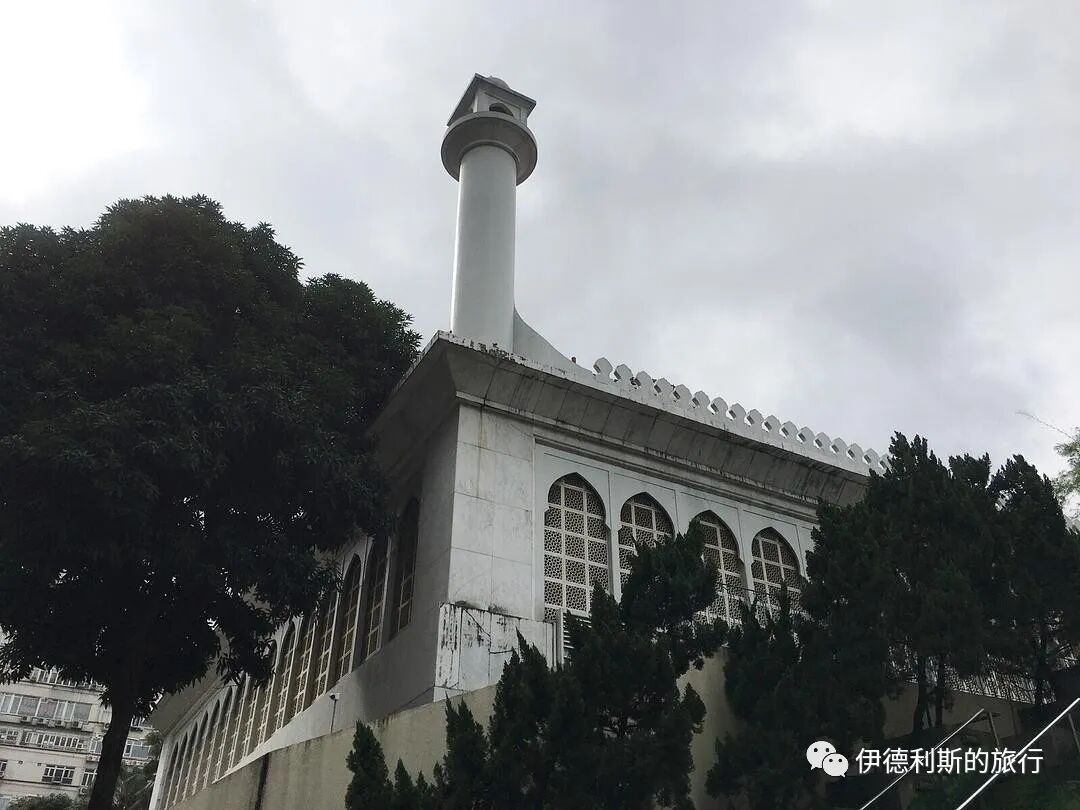
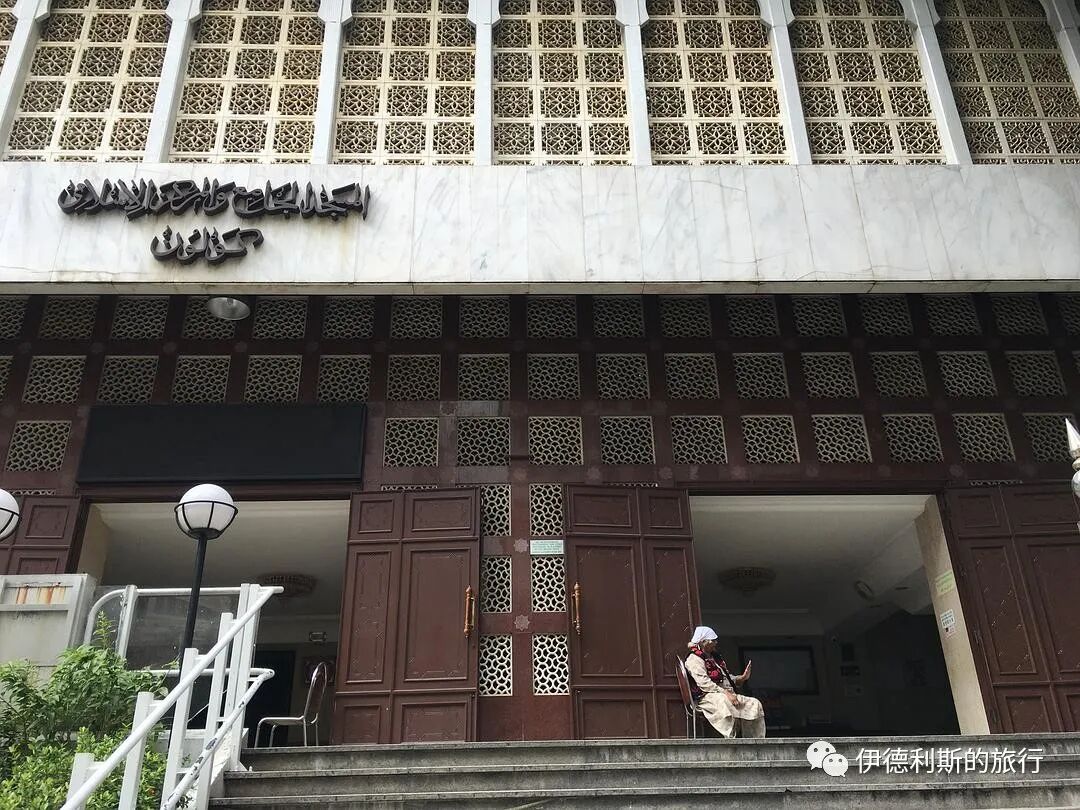
Many people are resting at the entrance of Kowloon Park, right next to the Kowloon Mosque.
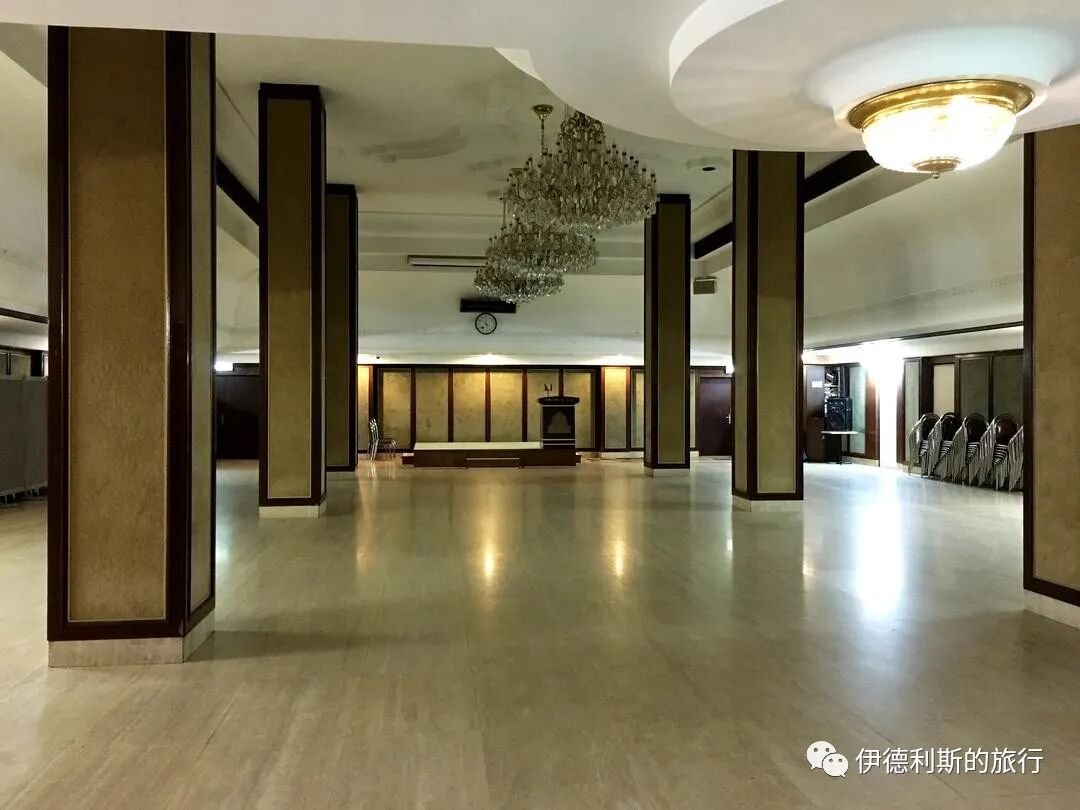
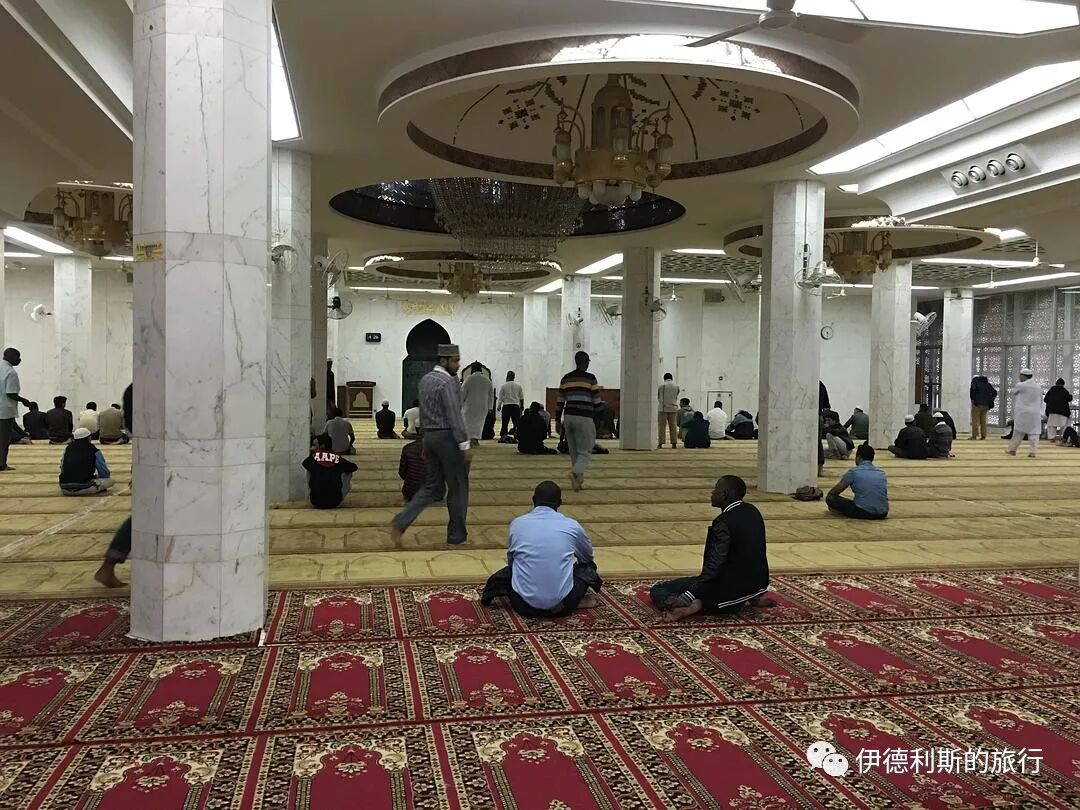
Inside the Kowloon Mosque.
Chungking Mansions
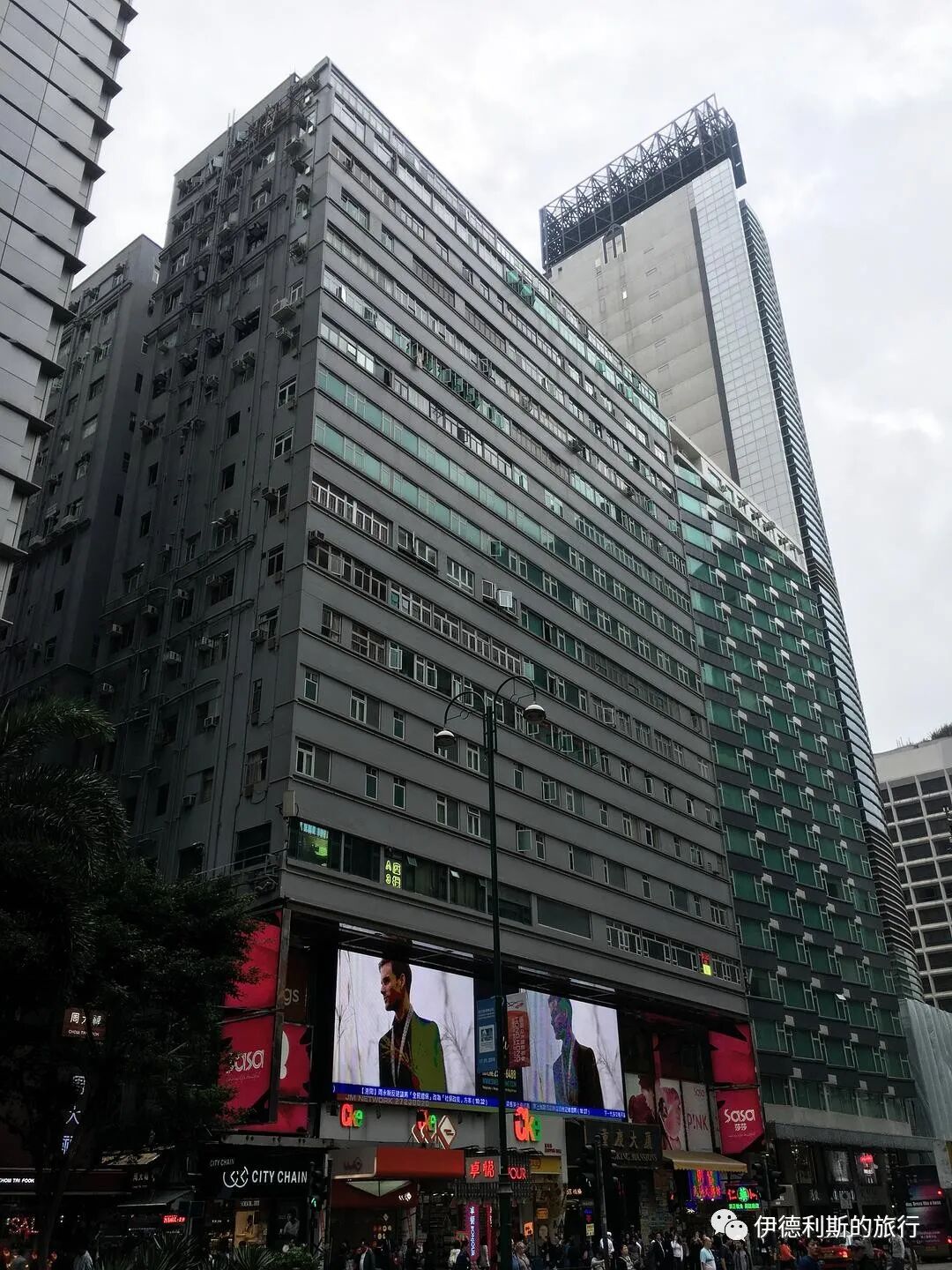
The world-famous Chungking Mansions is located near the Kowloon Mosque and is a well-known multicultural center in Hong Kong.
The most famous record of Chungking Mansions is Wong Kar-wai's film Chungking Express. Brigitte Lin moves through the building, appearing in various shops run by Indians selling handbags and electronics, and in curry restaurants. It is a fantastic capture of Chungking Mansions in the nineties.
Another film is the 1994 Hong Kong movie Neon Goddess, starring Dicky Cheung and Charlie Young, with Charlie Yeung and Irene Wan in supporting roles. The story takes place in a women's apartment on the top floor of Chungking Mansions, vividly portraying the lives of the gay community, Europeans, and Indians in the building. There is a mainland girl abandoned by an Indian man who is raising her mixed-race daughter alone, a middle-aged tailor who flirts with stylish men while measuring them for clothes, a devoted man who bravely runs a curry restaurant, and an original singer trapped by commercialism while chasing his music dreams. Chungking Mansions is a small society, and this warm love story gives us a glimpse of the building in the nineties.
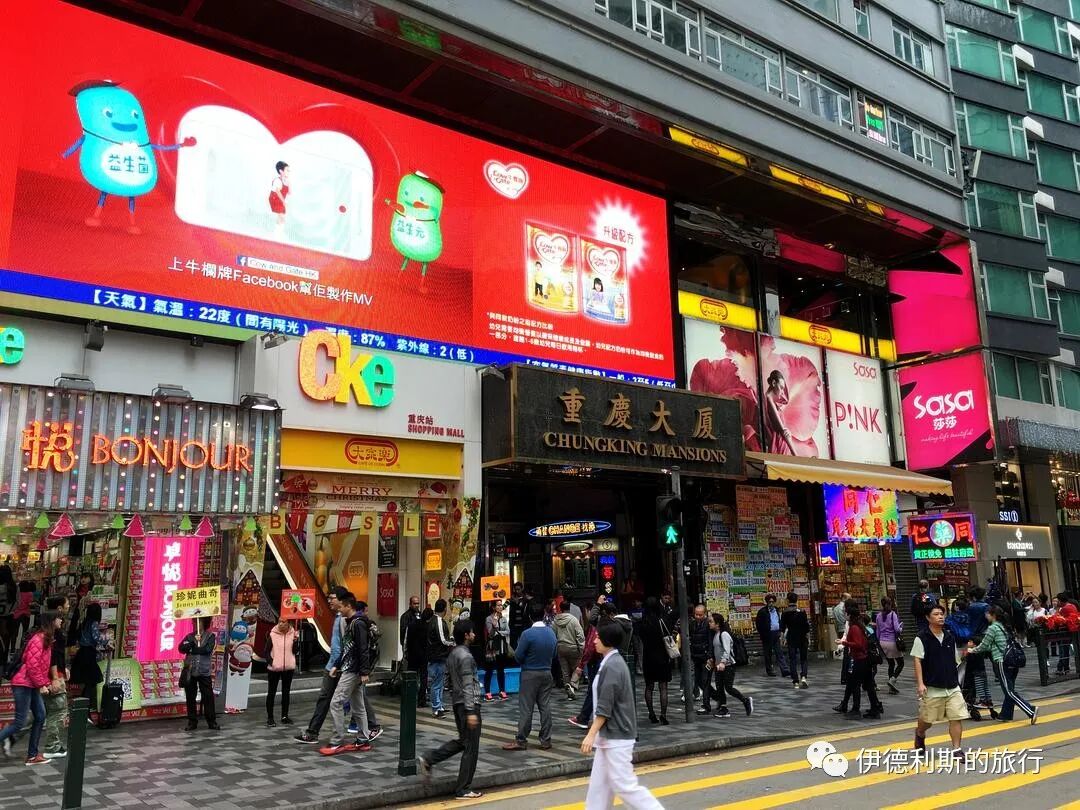
The entrance of Chungking Mansions that I photographed in December 2015.
Takeshi Kaneshiro at the entrance of Chungking Mansions in Chungking Express, running inside.
Wong Kar-wai at the entrance of Chungking Mansions.
The entrance of Chungking Mansions in the movie Neon Goddess.
I learned more about Chungking Mansions from Gordon Mathews' book Ghetto at the Center of the World: Chungking Mansions, Hong Kong.
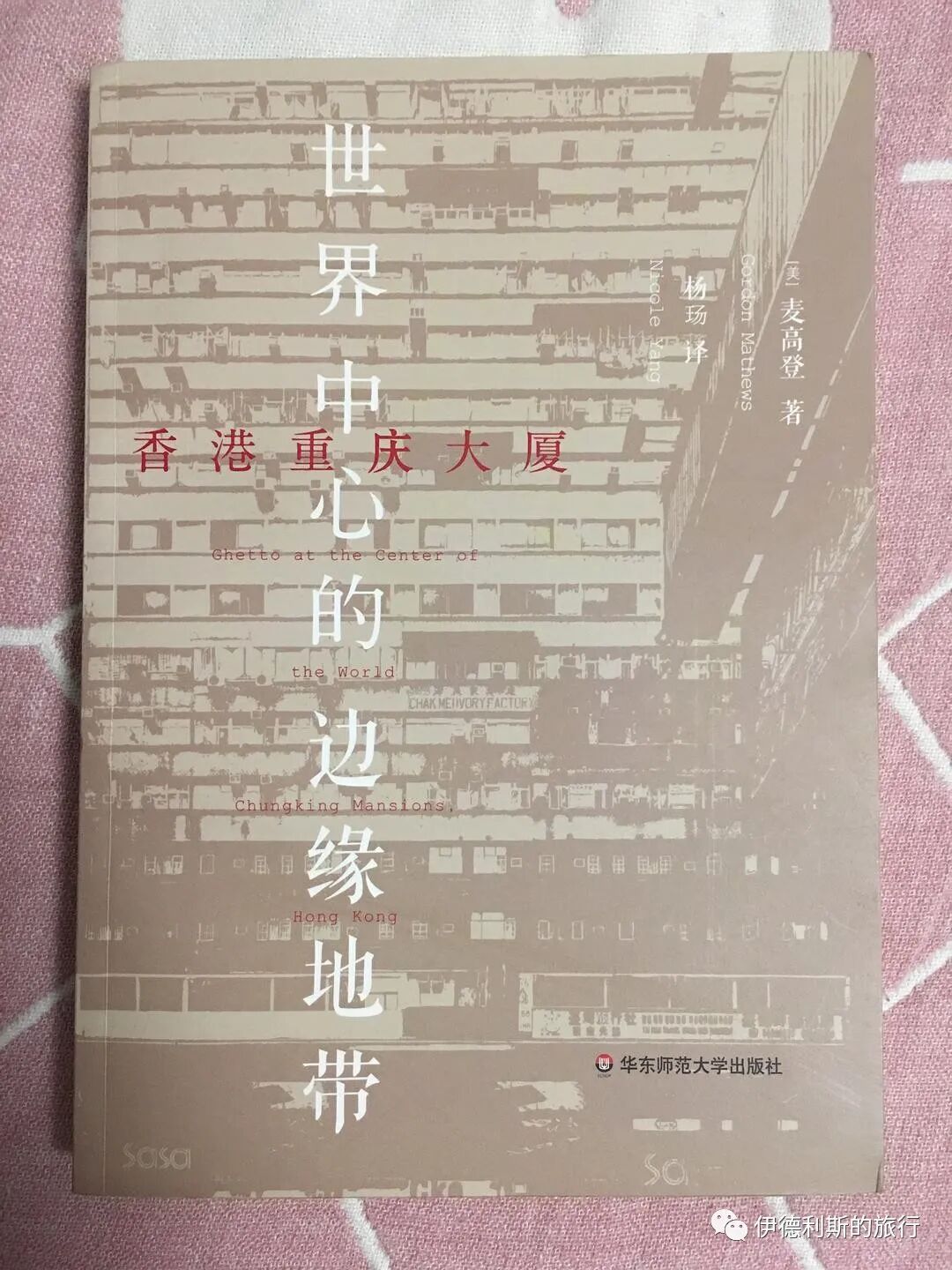
To briefly introduce the legendary Chungking Mansions using Mathews' words from the book: Chungking Mansions is a seventeen-story dilapidated building filled with small, cheap hotels and shops, standing in sharp contrast to the surrounding tourist areas. This building is arguably the most globalized in the world, where business people and temporary workers from South Asia and sub-Saharan Africa come to seek their fortunes, international refugees seek asylum, and tourists look for cheap accommodation and adventure. People from all walks of life rest in the building, fight for seats at food stalls, haggle in mobile phone shops, and walk through the hallways.
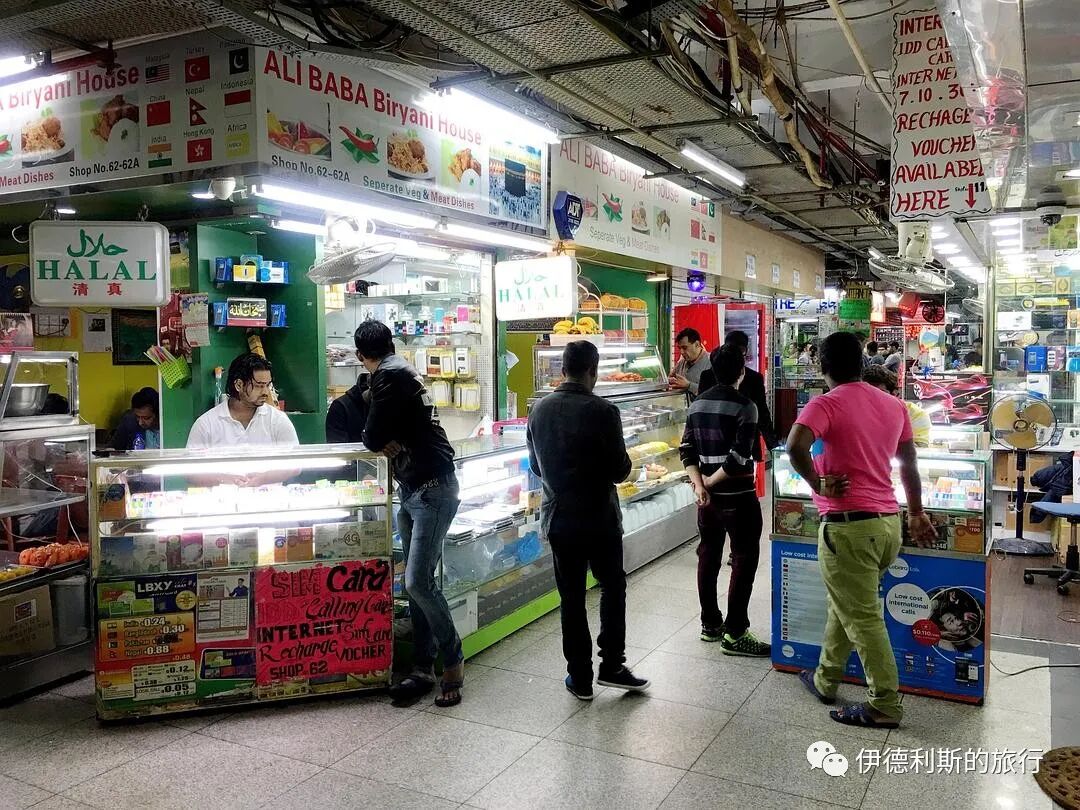
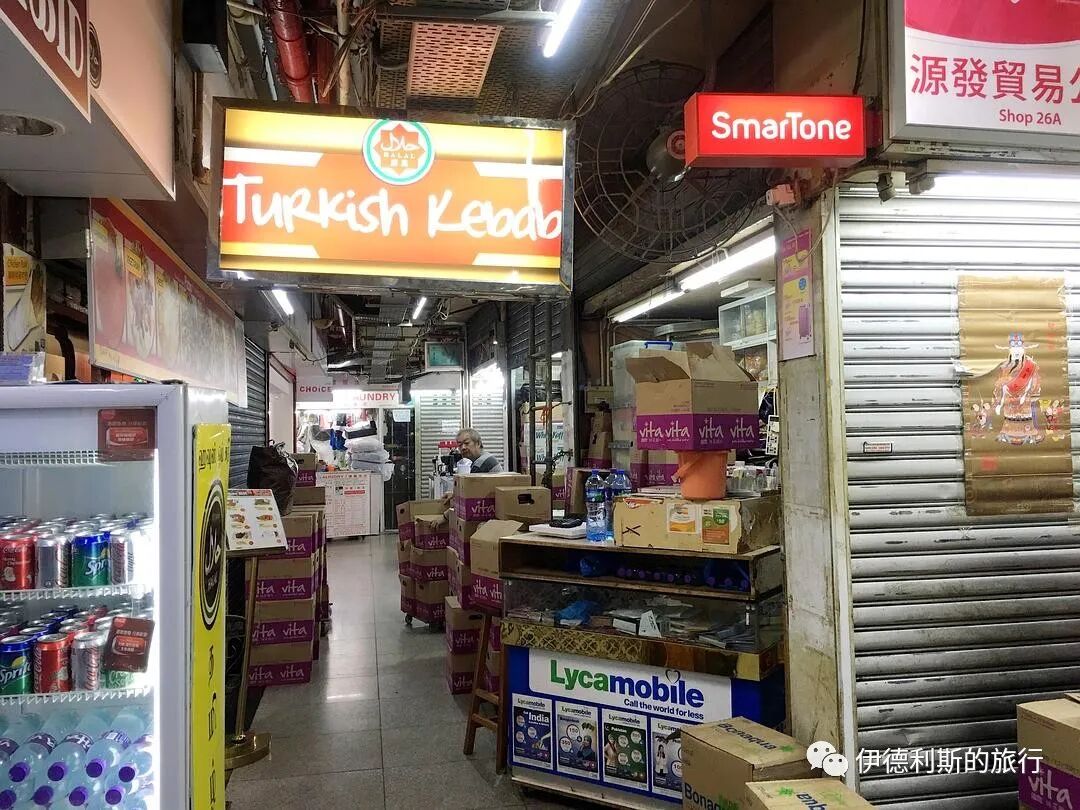
I first visited Chungking Mansions in January 2014. It was very chaotic back then, with a group of Indian men at the entrance soliciting guests for the hostels upstairs, which felt like the classic Chungking Mansions style. When I went again in December 2015, there were no solicitors at the entrance, and the inside was much cleaner and tidier. I visited for the third time in October 2017, and the whole building was just as busy as ever.
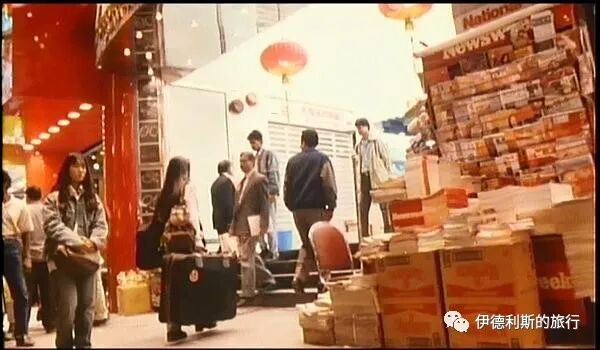
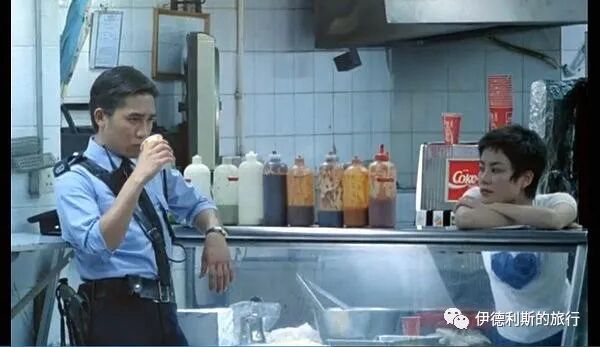
Tony Leung and Faye Wong in front of the snack shop.
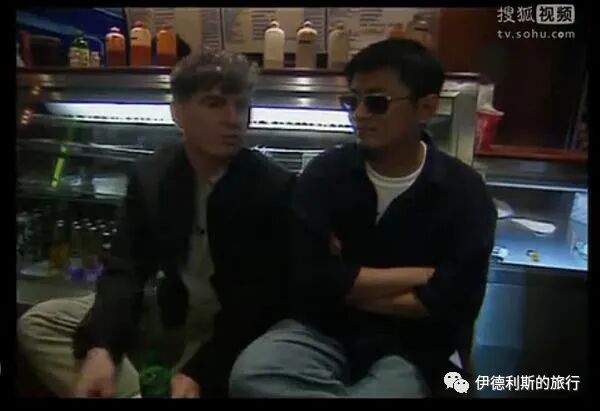
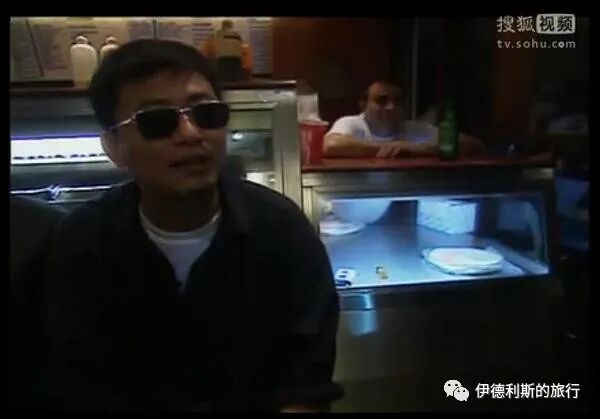
Christopher Doyle and Wong Kar-wai in front of Faye Wong's snack shop. Actually, there were almost no shops run by Chinese people there at the time; it has always been a shop run by Indian people. This shop is on the 3rd floor of Block A in Chungking Mansions, so friends who also love Faye Wong can go take a look.
Gordon Mathews introduces Chungking Mansions to first-time visitors like this:
Among the dazzling high-rises in the prime location of Nathan Road, there is a plain, or even messy and decaying building. Between the ground floor shops, there is an indescribably dark entrance that looks like it belongs somewhere else. You cross the road and walk toward this entrance, seeing many people nearby who look different from typical Hong Kong residents, and they do not look like shoppers on Nathan Road. If you are Chinese, you might feel like a minority after entering the building and feel lost and overwhelmed. If you are white, you might subconsciously clutch your wallet, feeling a mix of unease and the guilt of someone from a first-world country. If you are a woman, you might feel a bit uncomfortable because there are over a hundred pairs of male eyes watching you.
Chungking Mansions as I photographed it in October 2017.
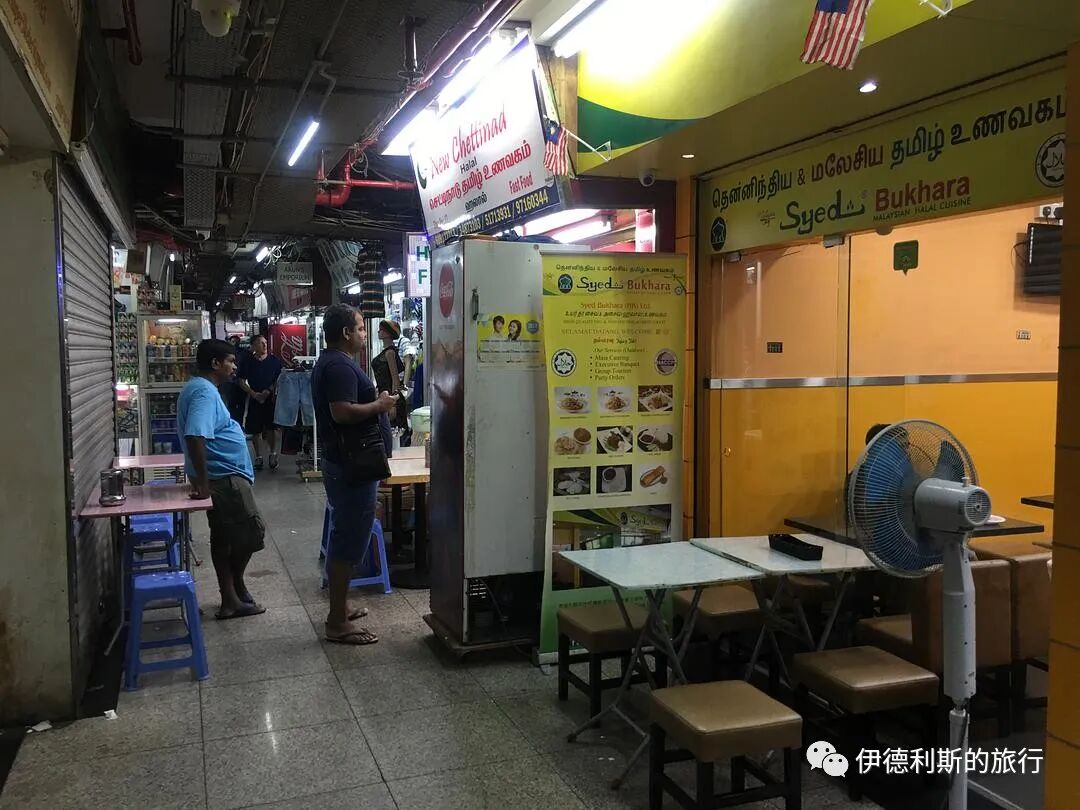
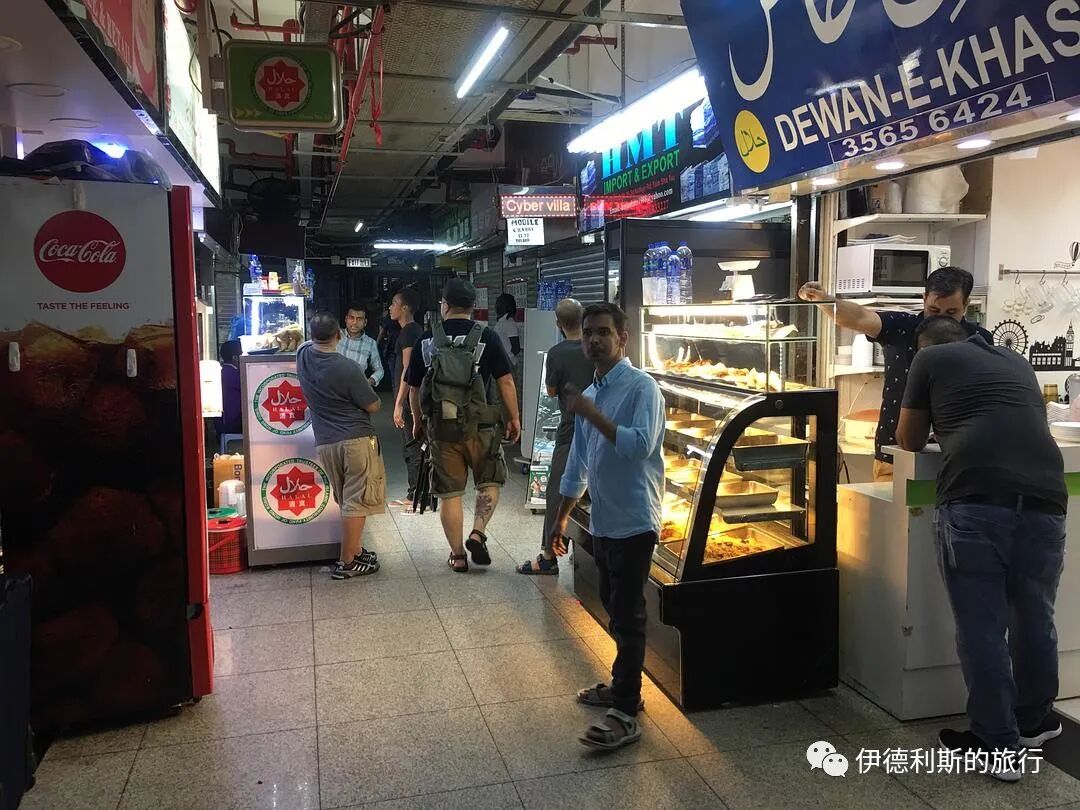
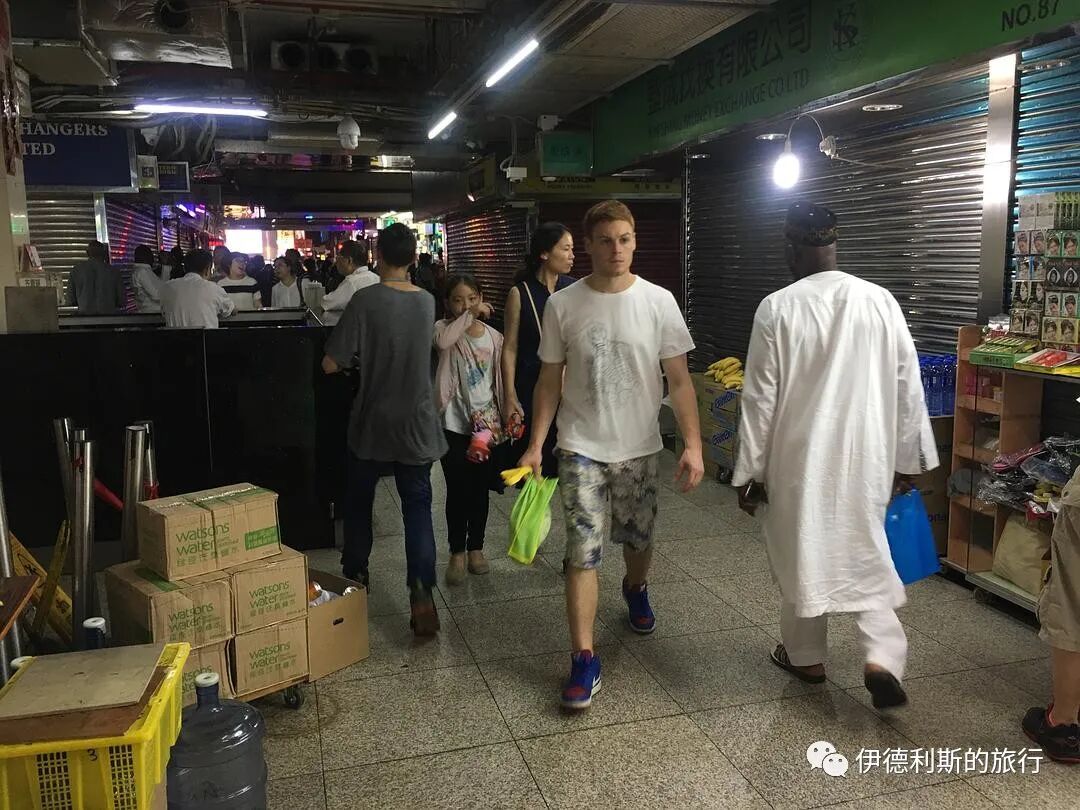
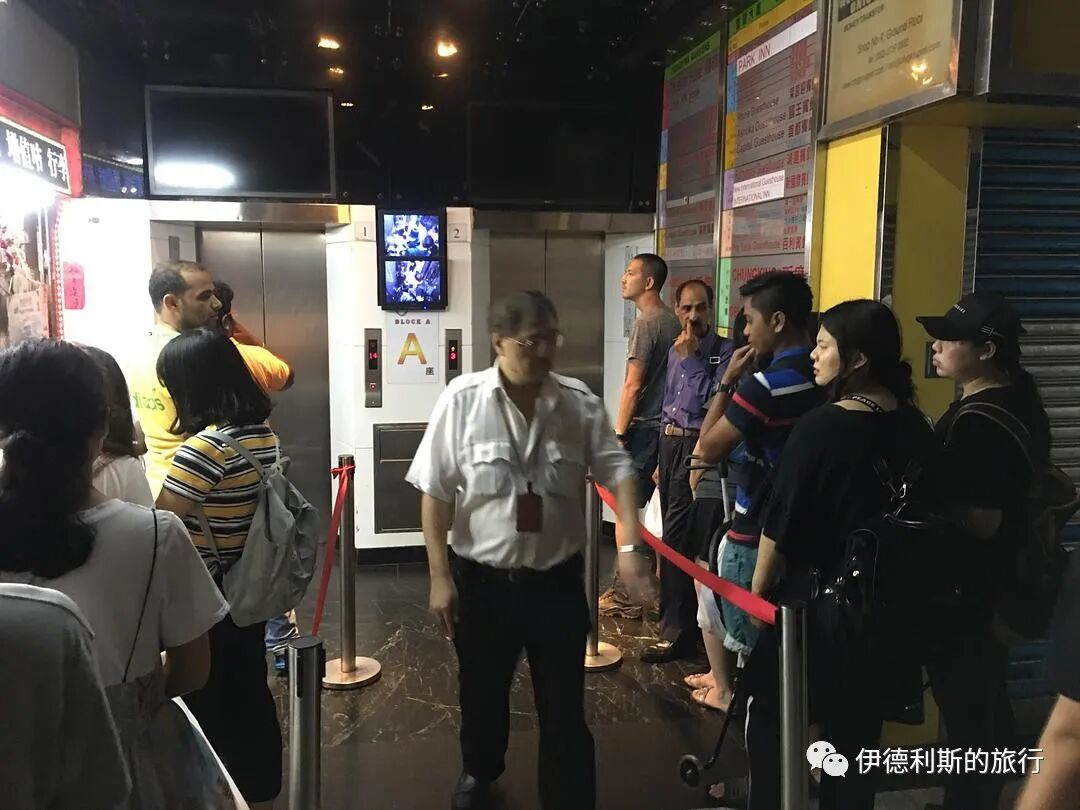
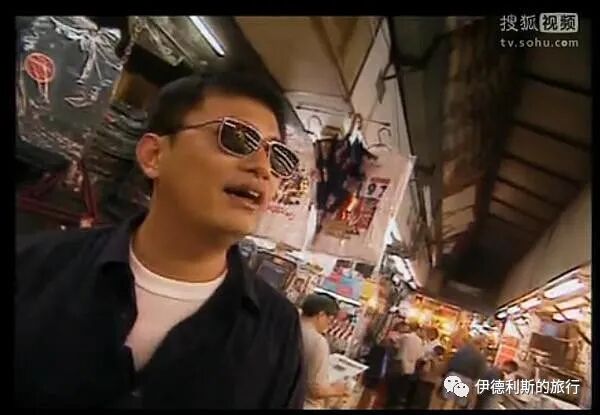
Wong Kar-wai in the hallway of Chungking Mansions.
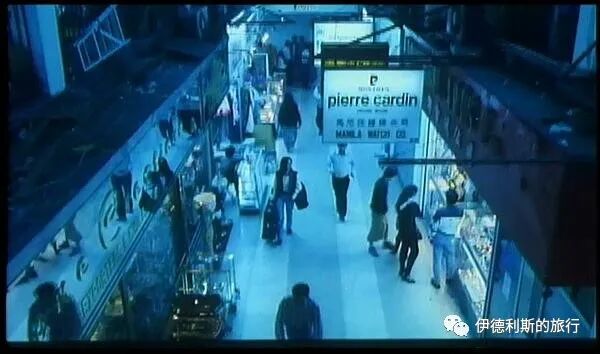
In the film Fallen Angels (duoshi tian shi), looking down from the first floor to the ground floor, you can see the Pierre Cardin sign.
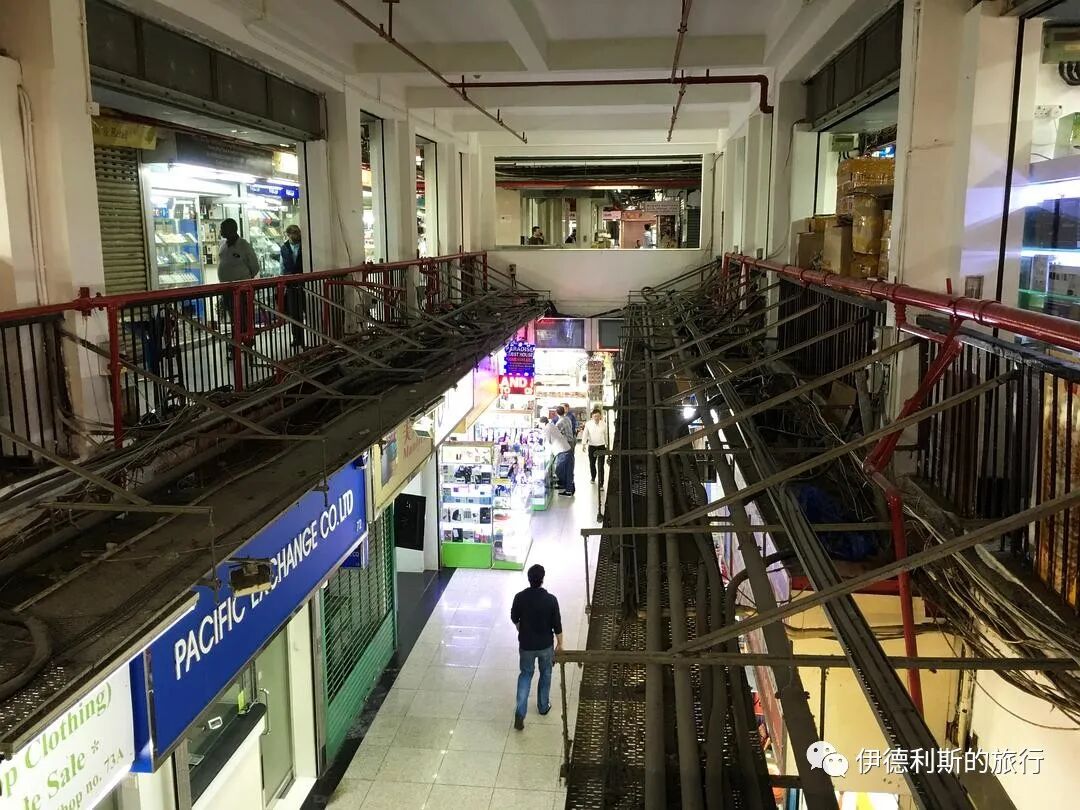
My photo of the view from the first floor to the ground floor taken in December 2015.
Gordon Mathews continues: Once you escape the barrage of curry restaurant touts and hostel touts at the entrance, you fall into the whirlpool of people in Chungking Mansions. You may have never seen so many people crowded into such a small place in your life. The scene before your eyes is extraordinary: Africans in bright robes, hip-hop clothes, or ill-fitting suits; devout Pakistanis wearing small brimless caps (topi); Indonesian women in black Islamic veils (hijab); elderly white men in shorts with big beer bellies; and some hippies who look like refugees from a past era. Nigerians talk loudly, young Indian men chat and laugh with their arms around each other's shoulders, and some people from mainland China look unable to hide their surprise at all of this. People of all skin colors wait in line for the elevator, all waiting to go to over a hundred different hostels.
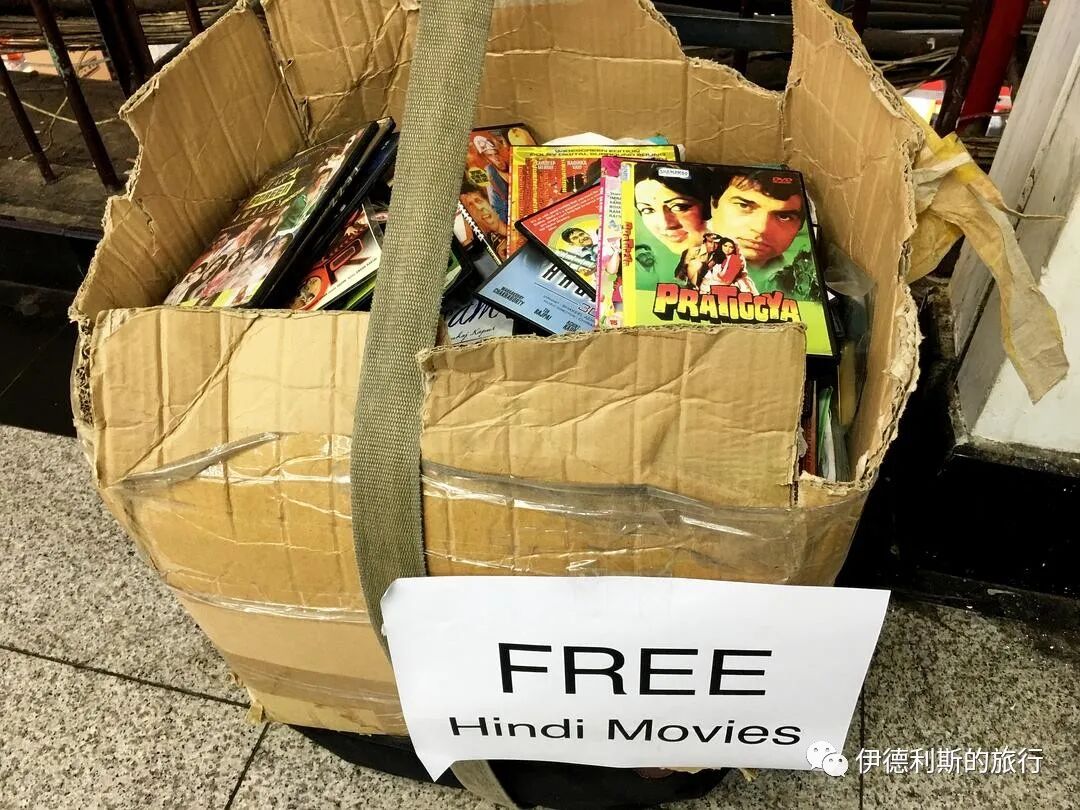
Free Indian movie discs on the ground floor of Chungking Mansions that I photographed in December 2015.
Brigitte Lin in an Indian shop.
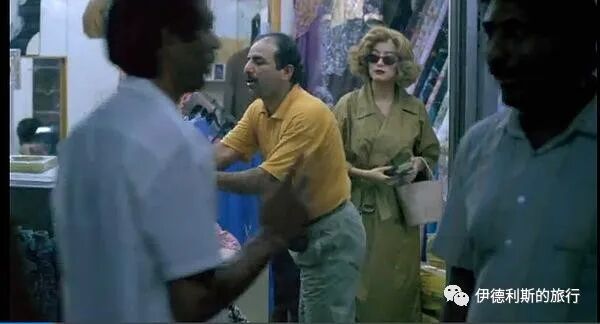
In Fallen Angels, the Indian man who helps carry bags in Chungking Mansions expects a tip.
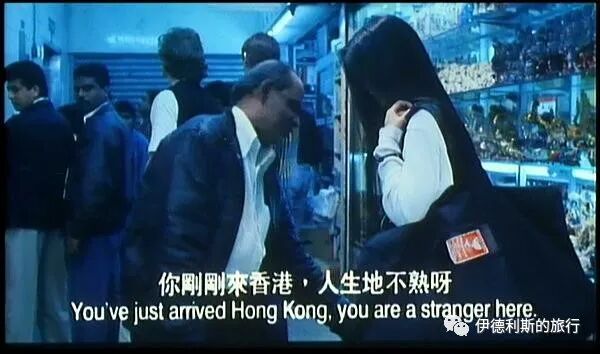
A very classic scene in Fallen Angels: in the Chungking Mansions elevator, Mok Siu-chung takes out a tissue, and Charlie Young is confused. A bunch of Indian people enter, and then Charlie Young realizes why he had to cover his nose.
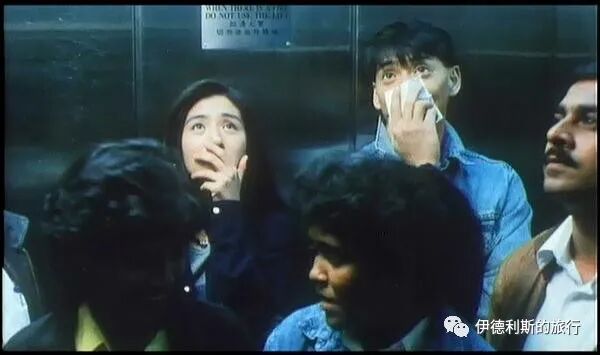
This scene is the curry restaurant on the ground floor of Chungking Mansions in Fallen Angels, which was likely filmed directly in a Pakistani restaurant.
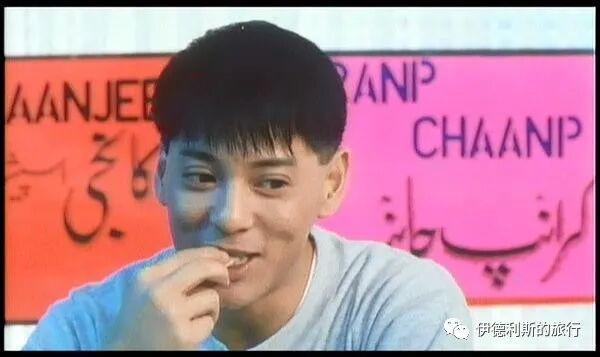
Halal Travel Guide: Hong Kong — Mosques, Halal Food and Muslim History (Part 2)
Articles • ali2007fr posted the article • 0 comments • 217 views • 2026-05-18 09:02
Summary: Hong Kong — Mosques, Halal Food and Muslim History is presented here as a firsthand travel account in clear English, beginning with this scene: In December 2015, I ate at Hong Kee Chinese Restaurant on the ground floor of Chungking Mansions. The account keeps its focus on Hong Kong Travel, Halal Food, Mosques while preserving the names, places, food, and historical details from the Chinese source.
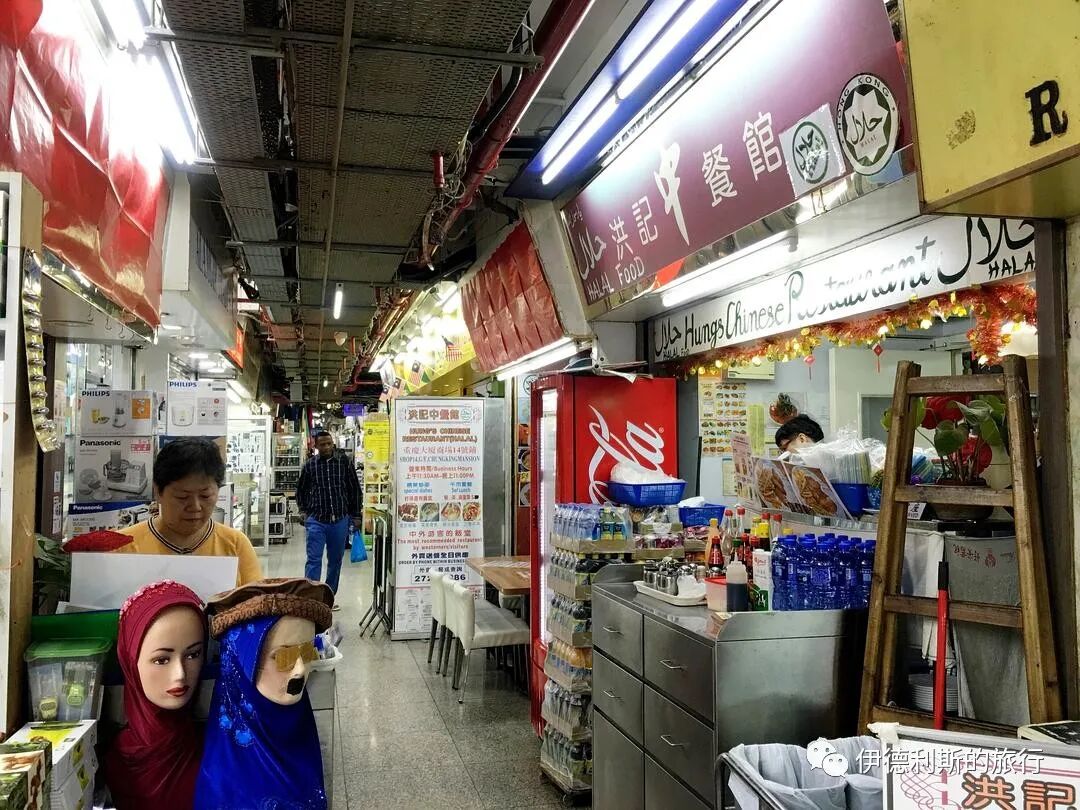
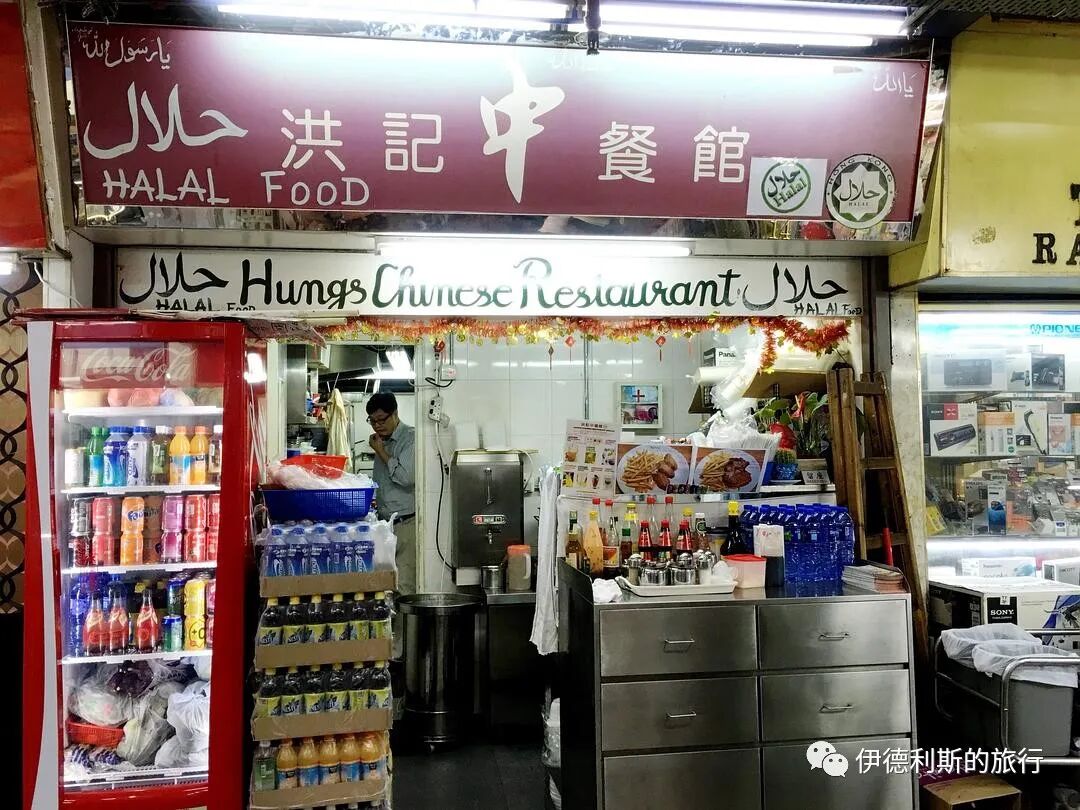
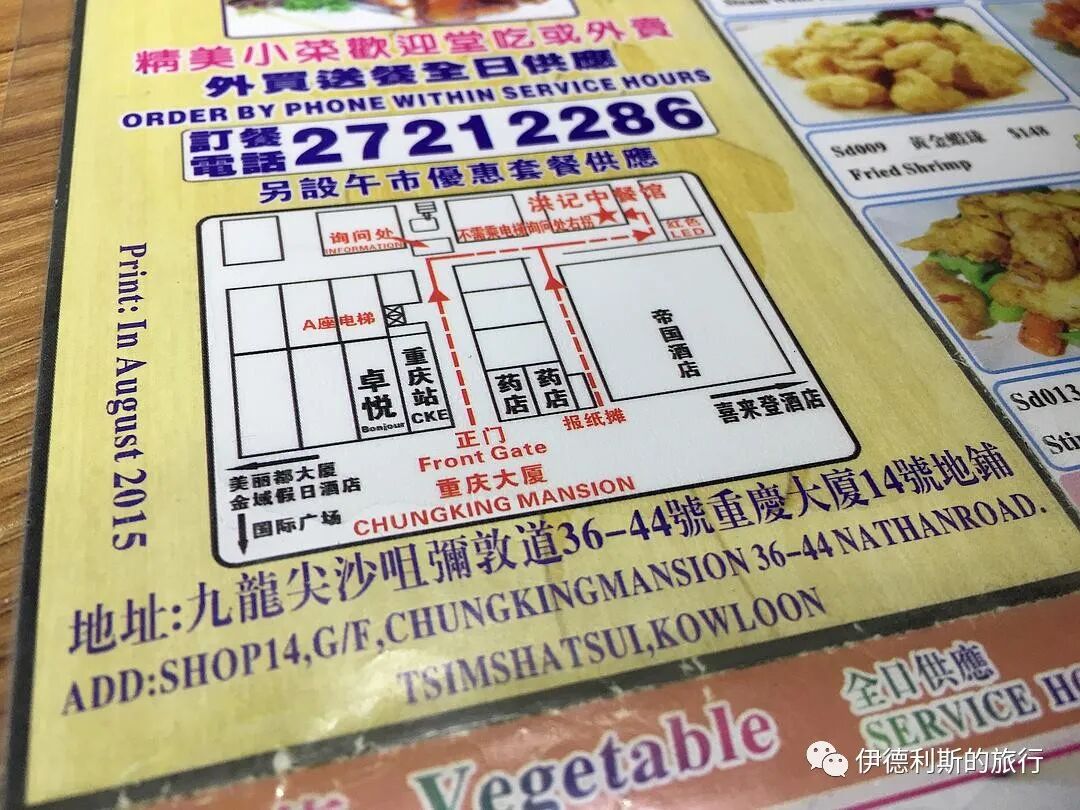
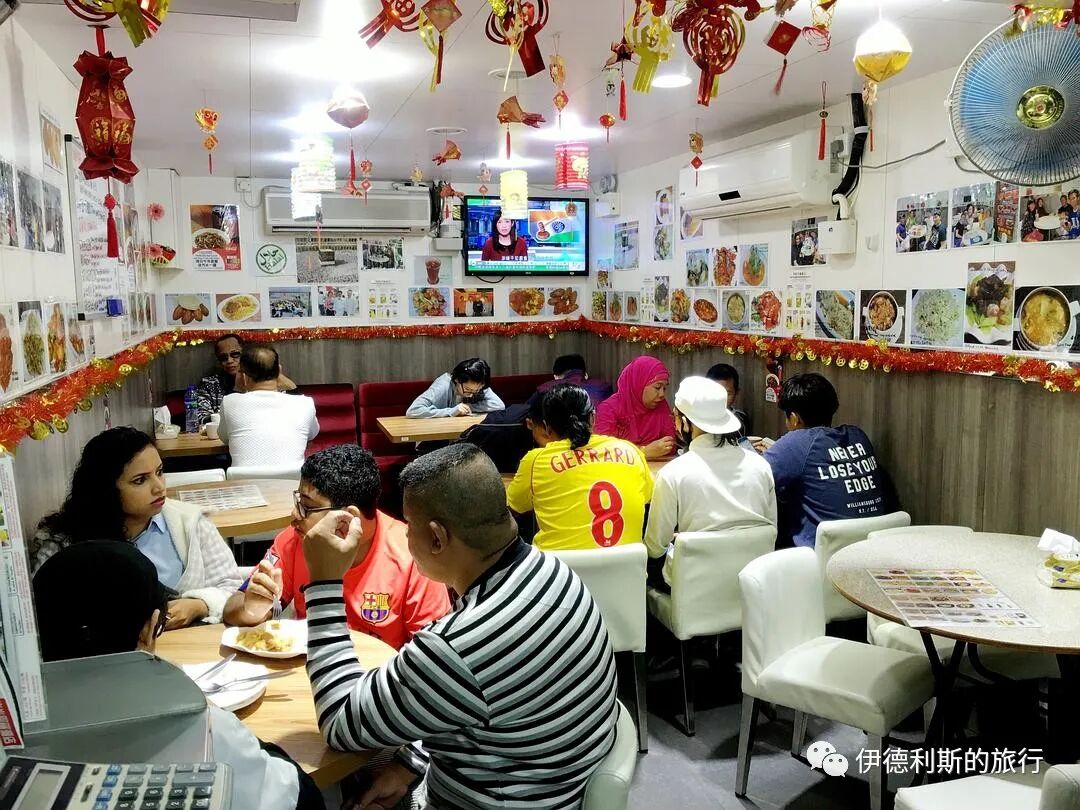
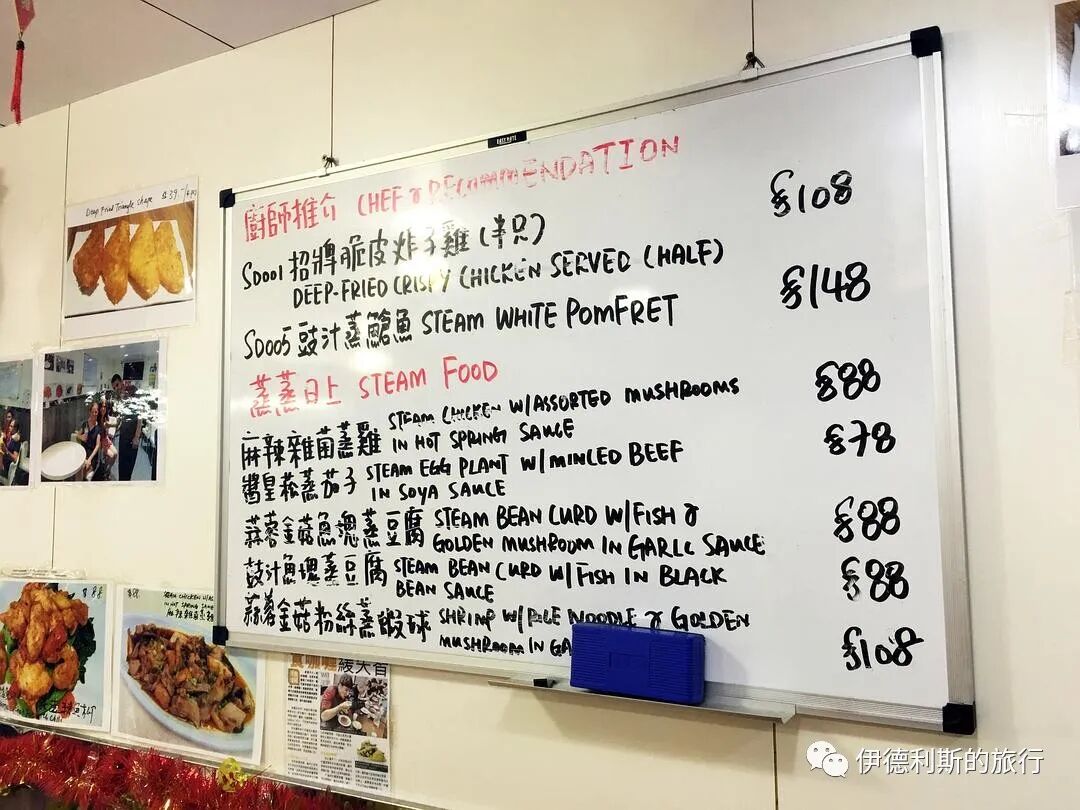
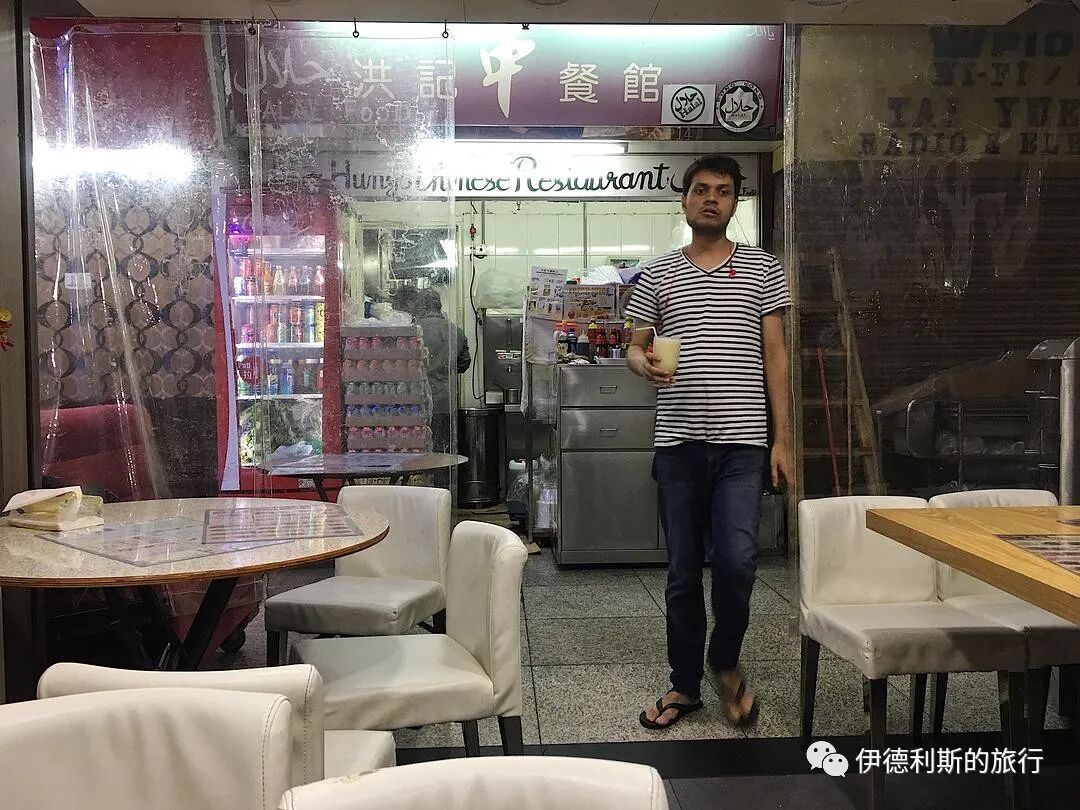
In December 2015, I ate at Hong Kee Chinese Restaurant on the ground floor of Chungking Mansions.
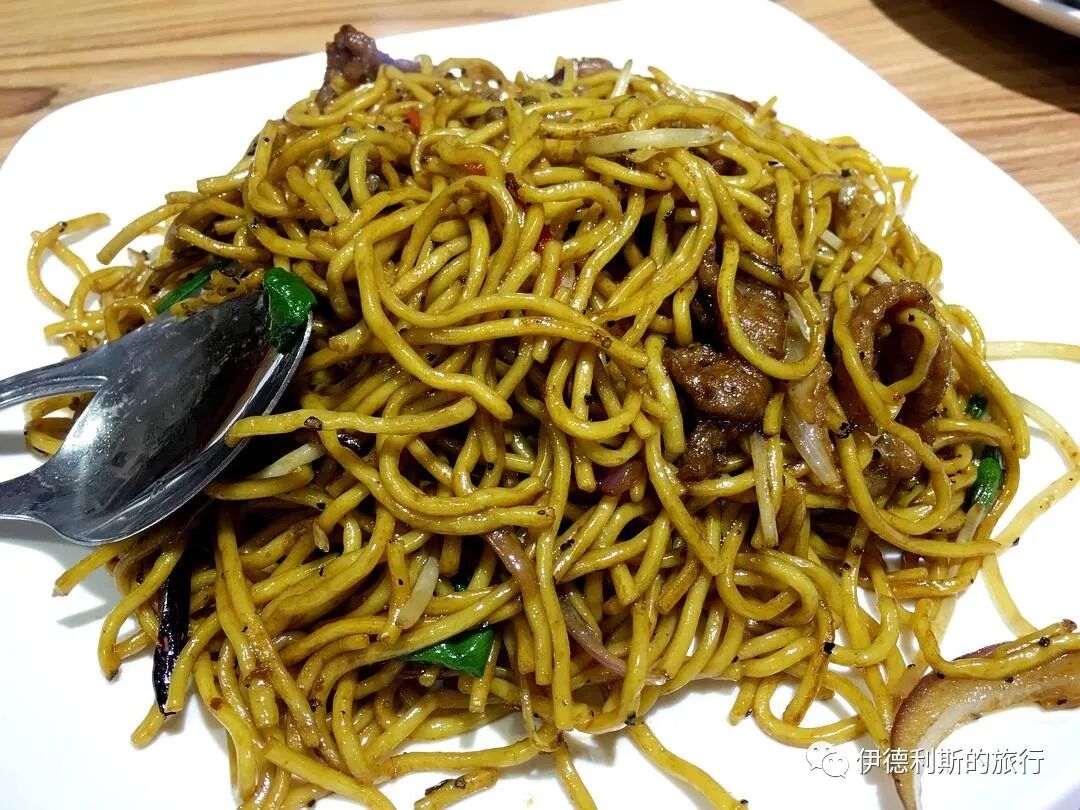
Stir-fried beef tenderloin noodles with black pepper (ganchao heijiao niuliu mian).
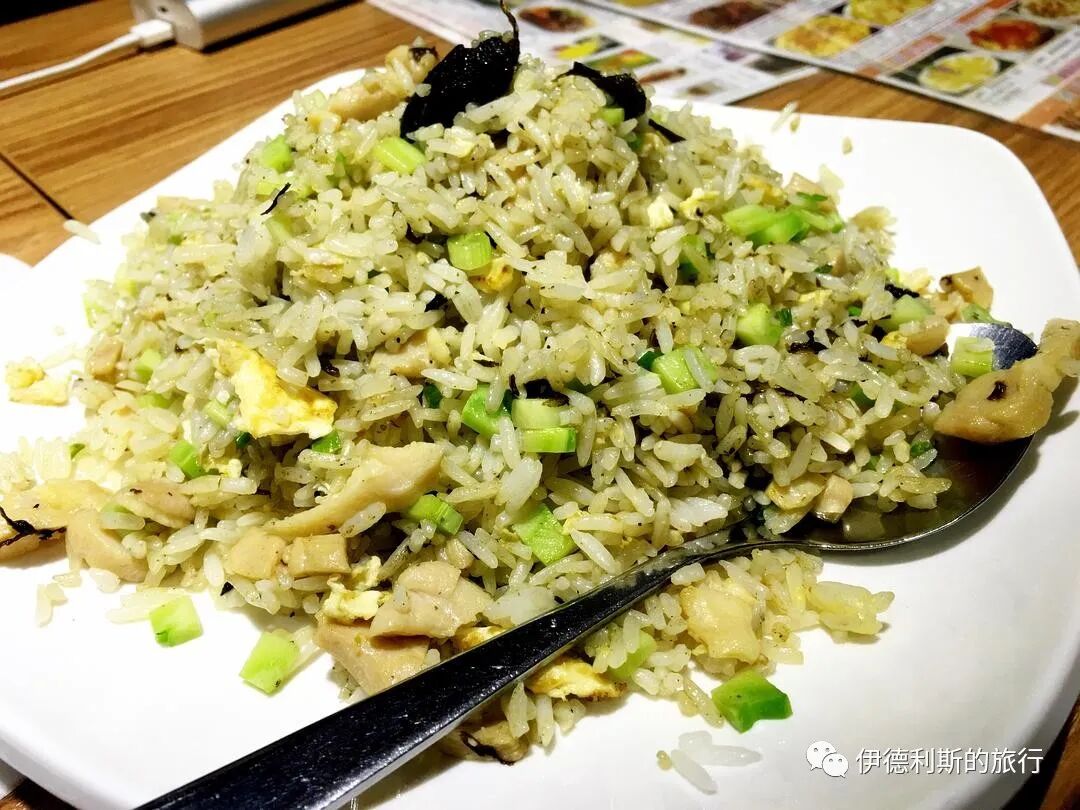
Fried rice with olive vegetables and diced goose (lancai eli chaofan).
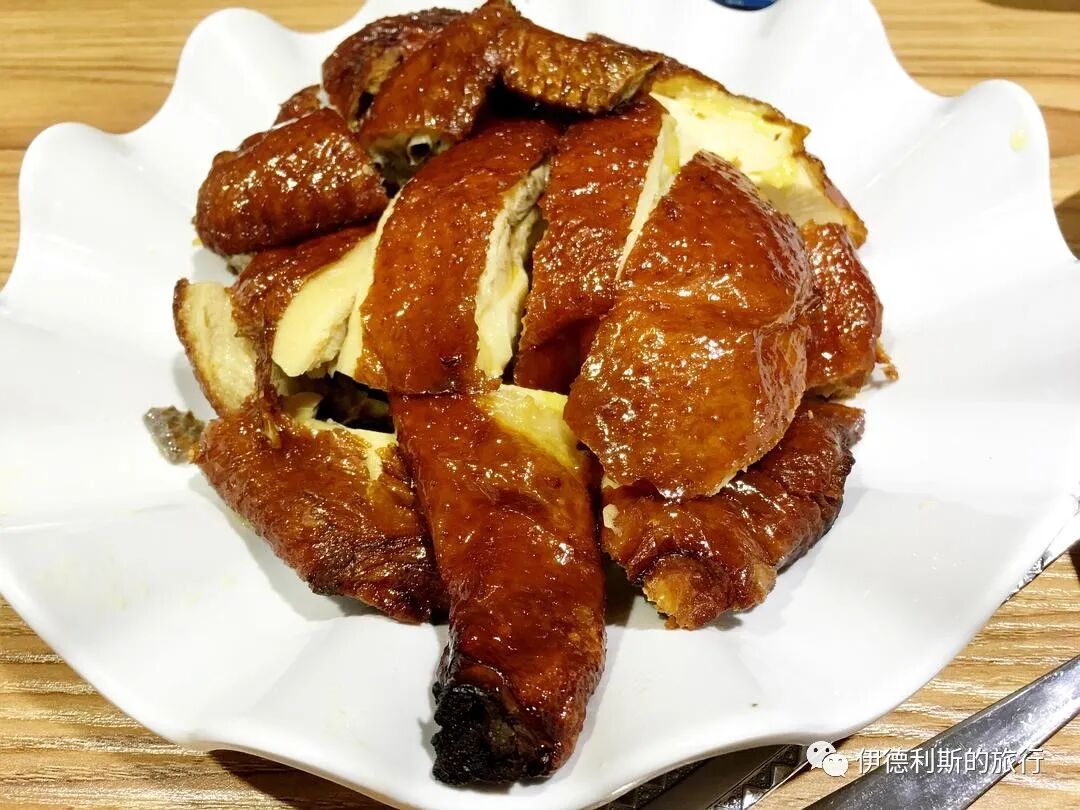
Signature crispy fried chicken (zhaopai cuipi zhaziji).
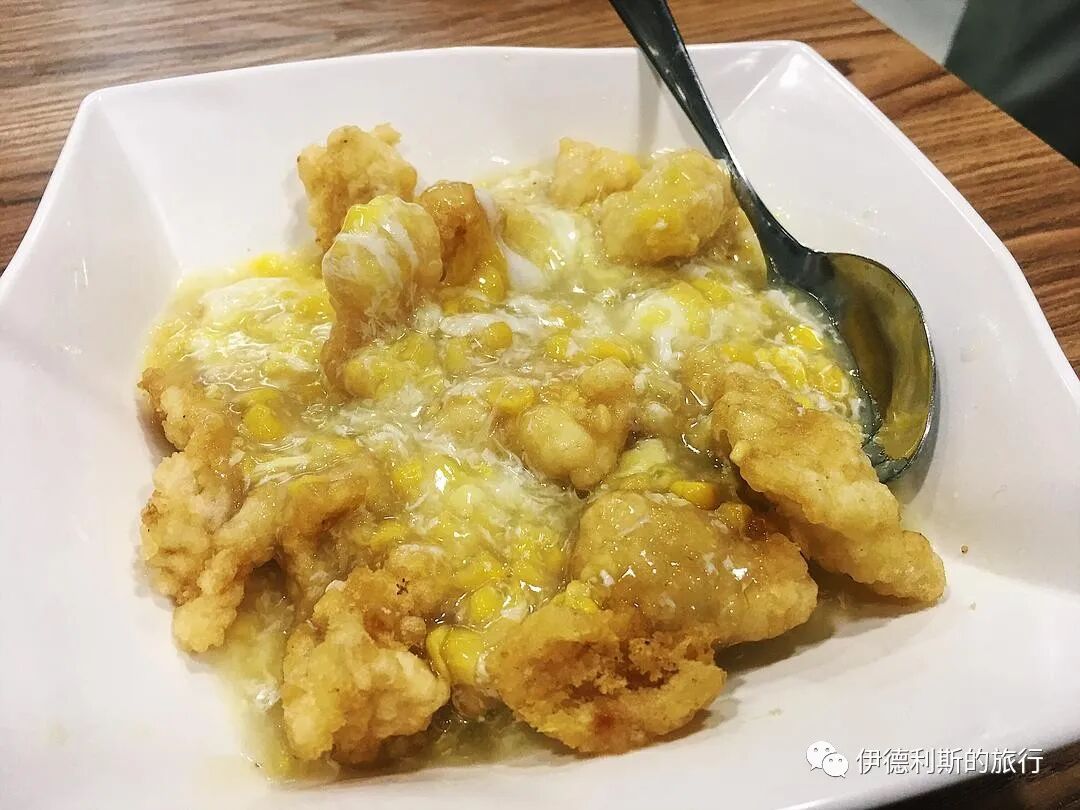
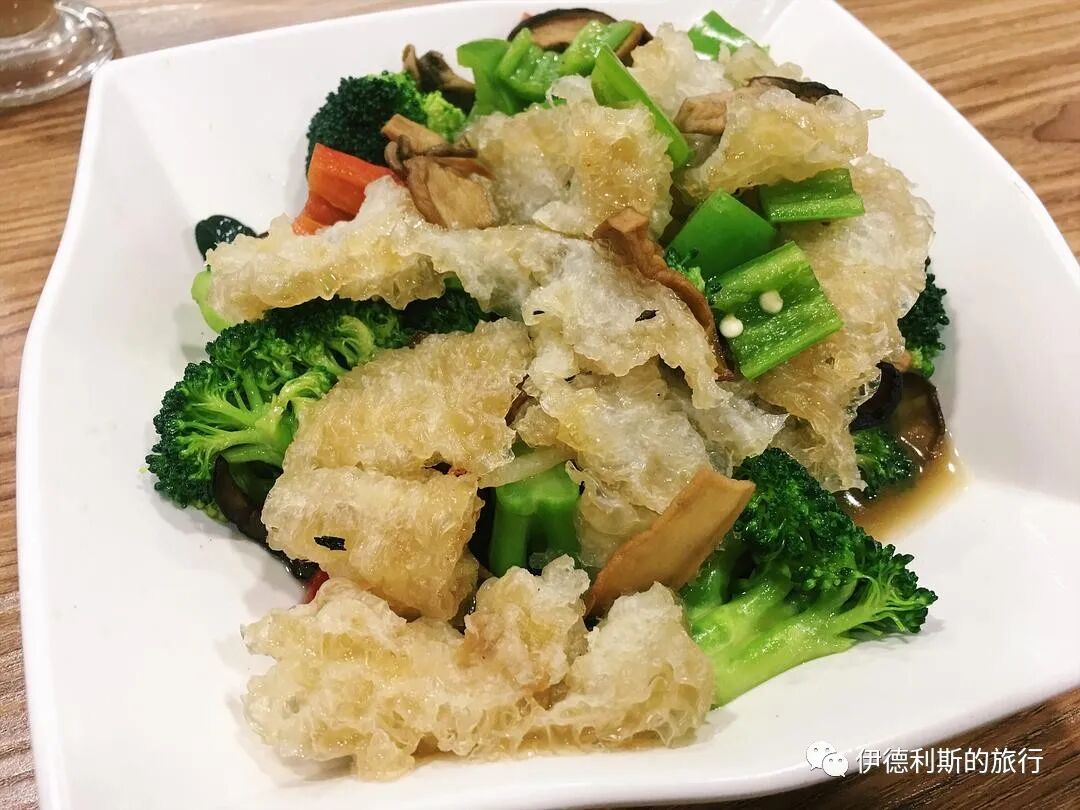
I went back to Hong Kee in October 2017 and ate corn with grouper fillet (sumi bannan) and mixed mushroom and fish maw (zajun cai yudu).
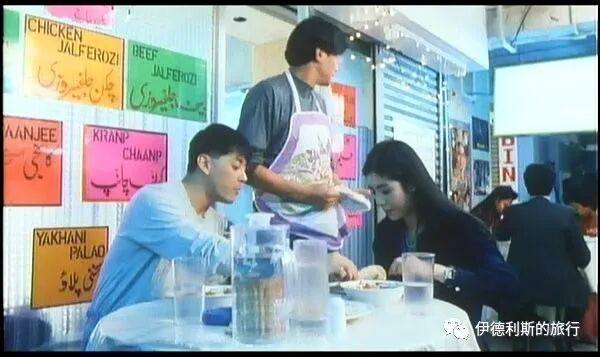
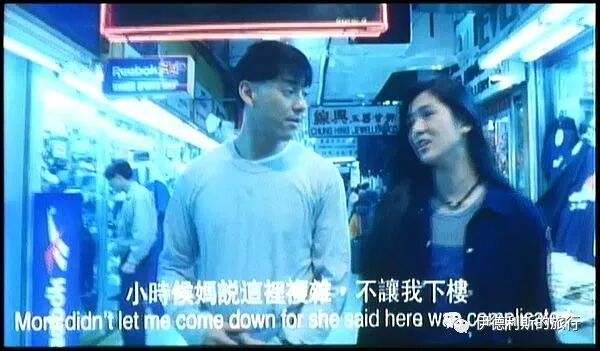
In the film 'Neon Goddesses', Charlie Young says her mother told her when she was little that this place was complicated and wouldn't let her go downstairs.
Max Mok described Chungking Mansions in the early 1990s as having many tourists and many curry shops.
Next to Hong Kee Chinese Restaurant is a Pakistani shop where I bought several South Asian hats.
Hats bought at the Pakistani shop.
This type of skullcap (topi) can be seen in Pakistan and Tajikistan around the Pamir Mountains.
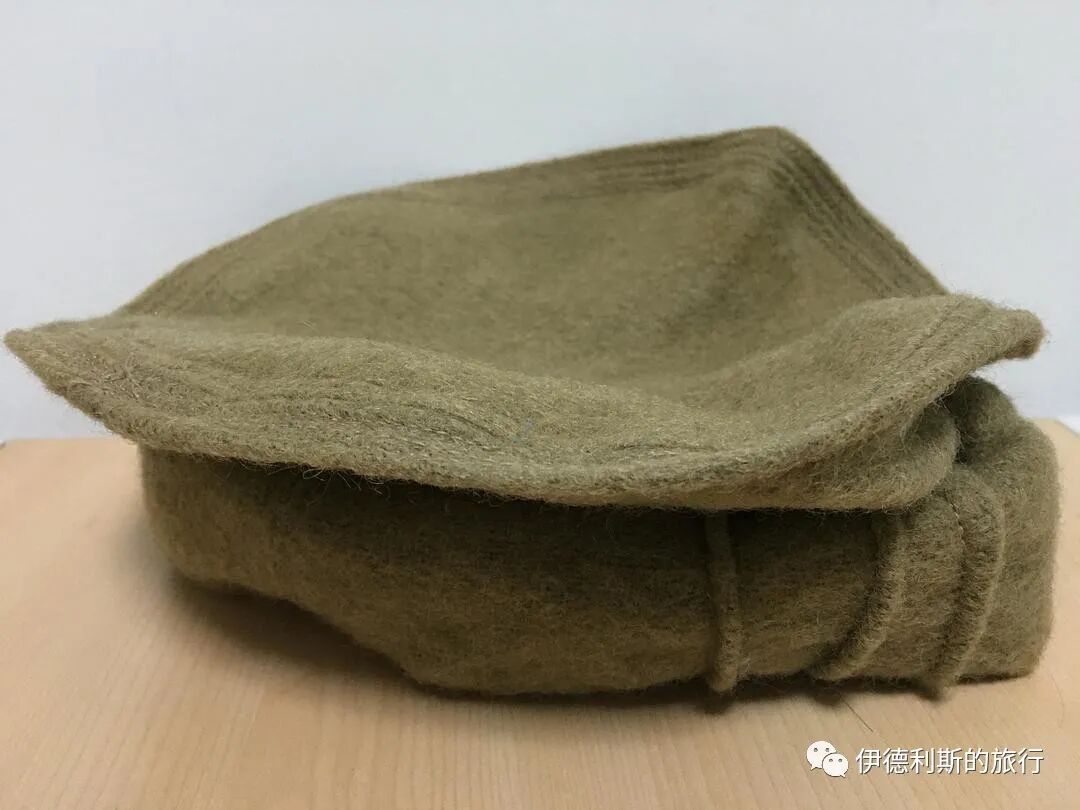
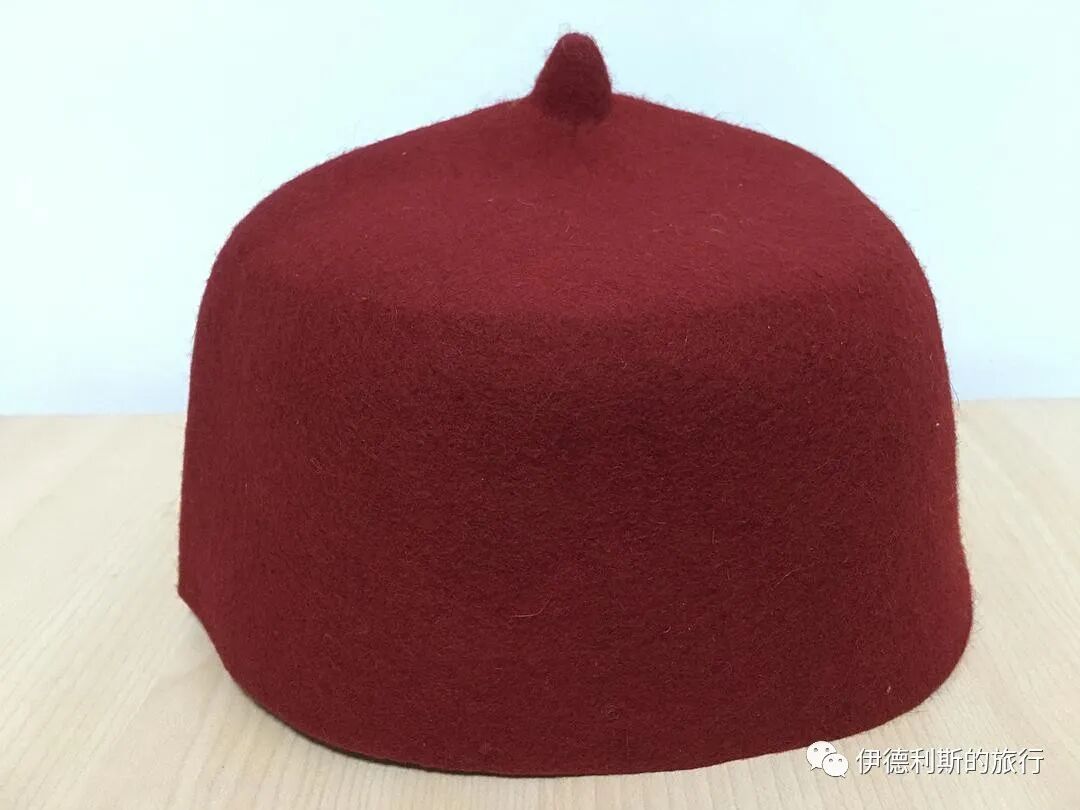
Traditional wool felt cap (pakol).
Red style fez cap (rumi topi).
The fez cap was first worn by ancient Phoenicians living in Cyprus, introduced to the Balkans during the Byzantine era, and later became popular among Bosnians and Serbs during the Ottoman Empire.
In 1826, Ottoman Sultan Mahmud II began comprehensive military reforms, and his modernized army wore Western-style uniforms with fez caps on their heads.
In 1829, the Sultan ordered officials in the country to stop wearing turbans and to wear fez caps instead. This series of measures made the fez cap a symbol of modernization in Islamic countries, and it was not only welcomed by people within the Ottoman Empire but also began to spread throughout the Islamic world.
In South Asia, the fez cap is called rumi topi, which translates literally to 'Roman cap,' because the Ottoman Empire was seen as the successor to the Eastern Roman Empire. At first, only Muslim nobles in South Asia wore them, but later it spread to the common people.
Bismillah Kebab House on the first floor of Chungking Mansions.
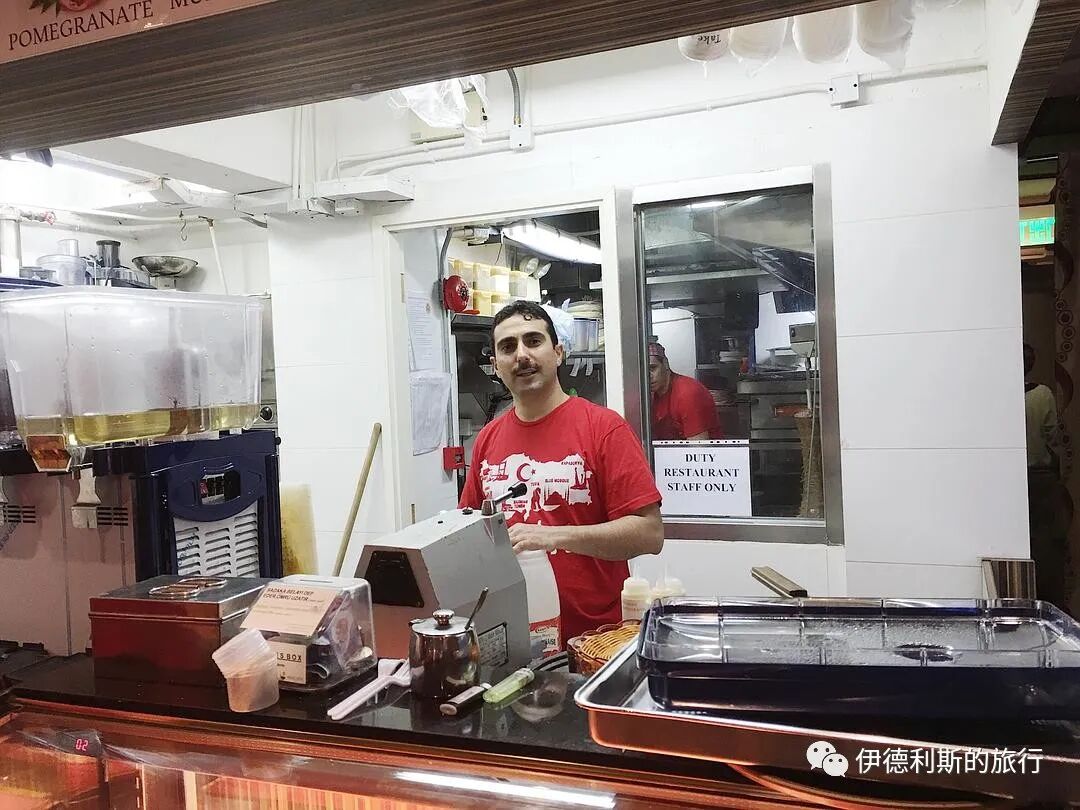
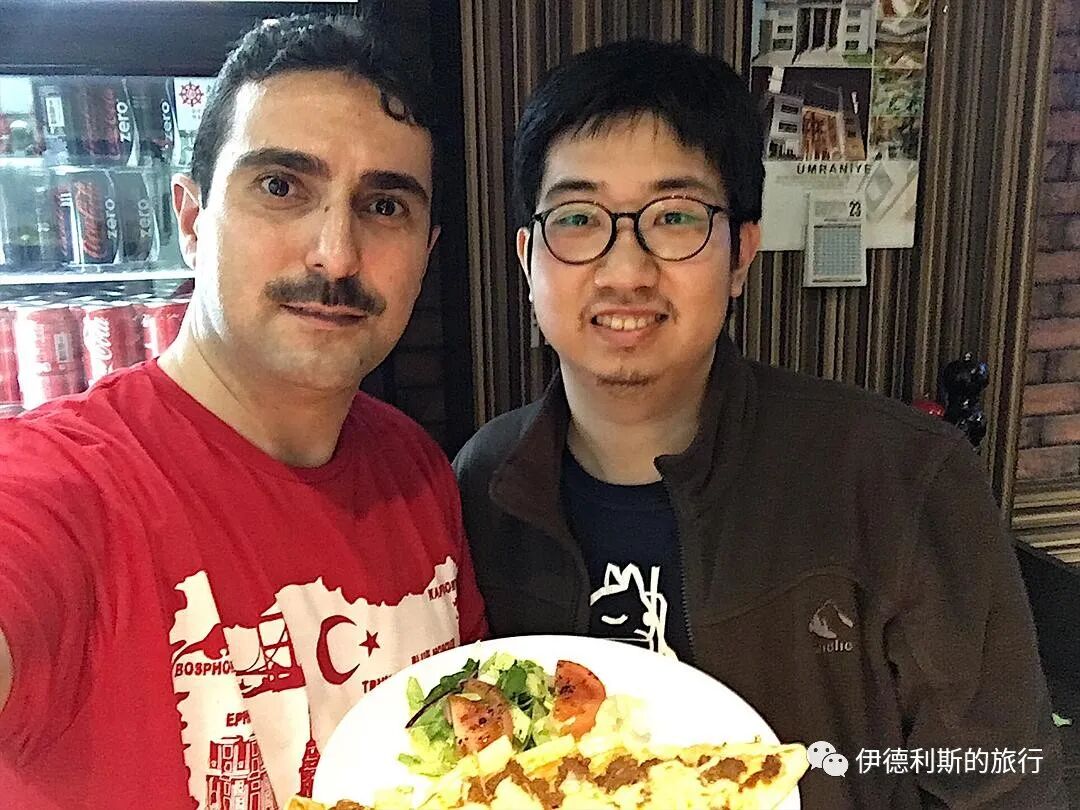
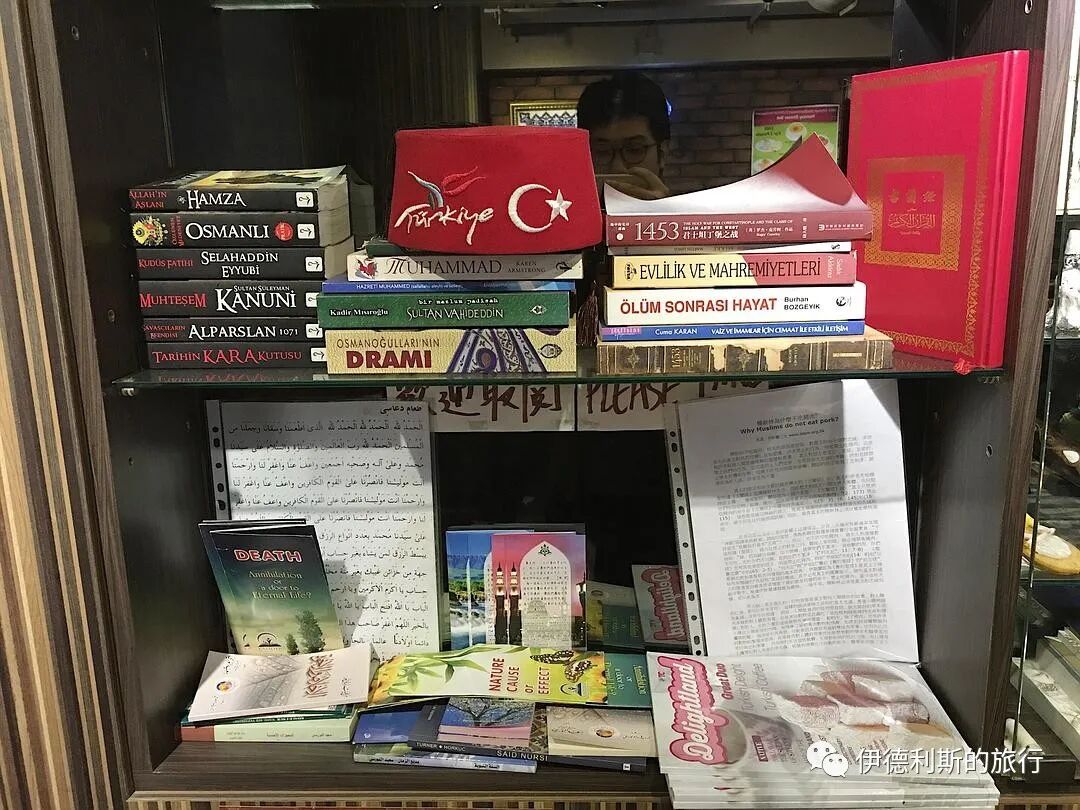
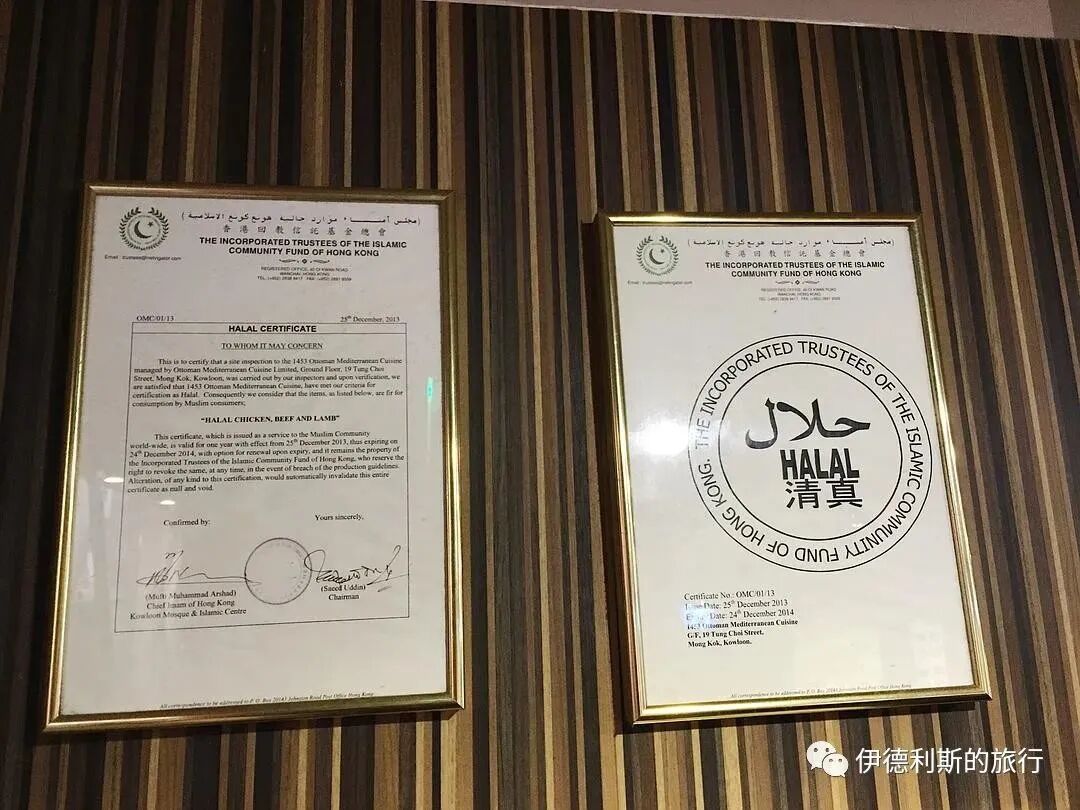
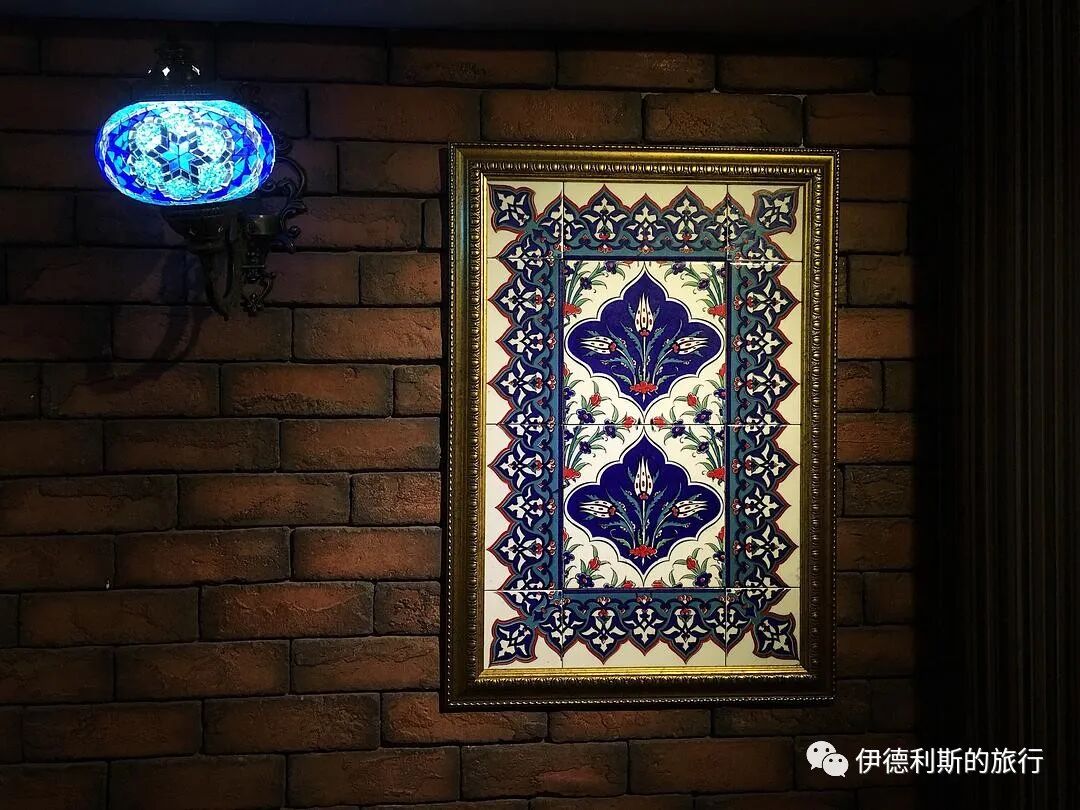
Ottoman Mediterranean Cuisine.
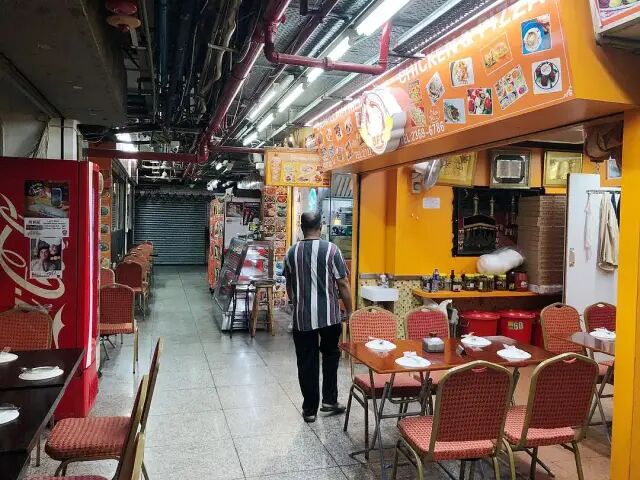
Besides Chungking Mansions, there are many halal restaurants in Kowloon. This time I chose a Turkish restaurant, 1453 Ottoman Mediterranean Cuisine on Ladies' Market in Mong Kok.
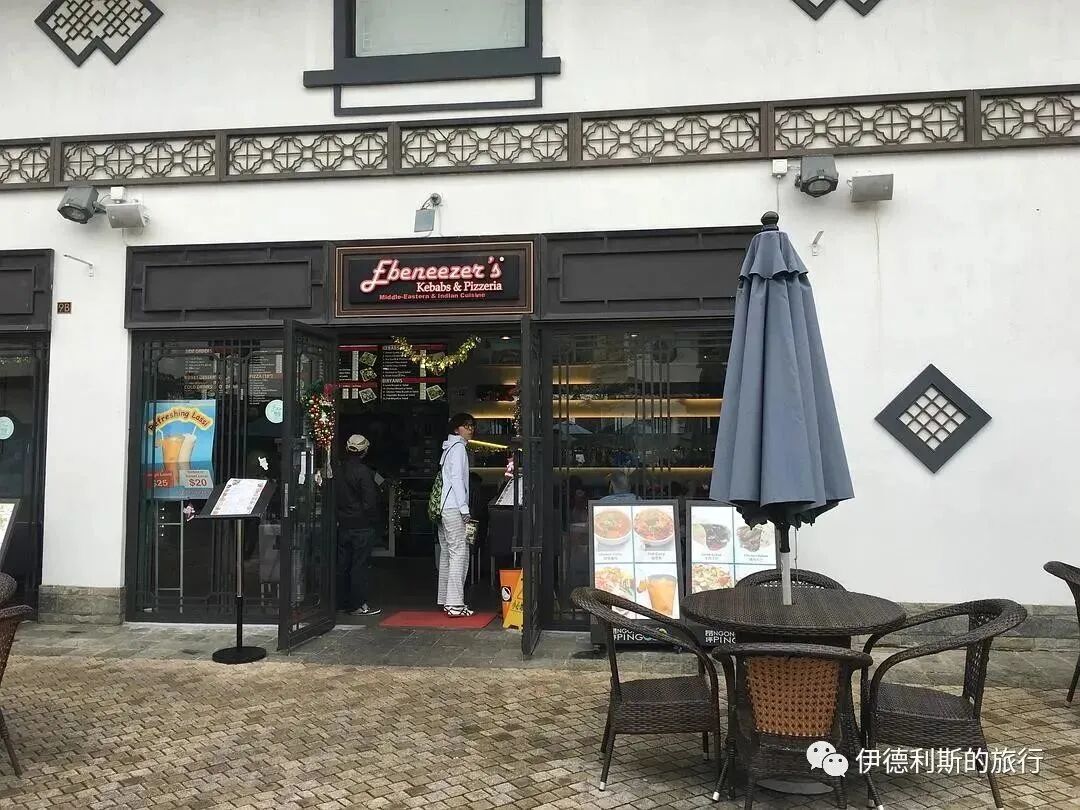
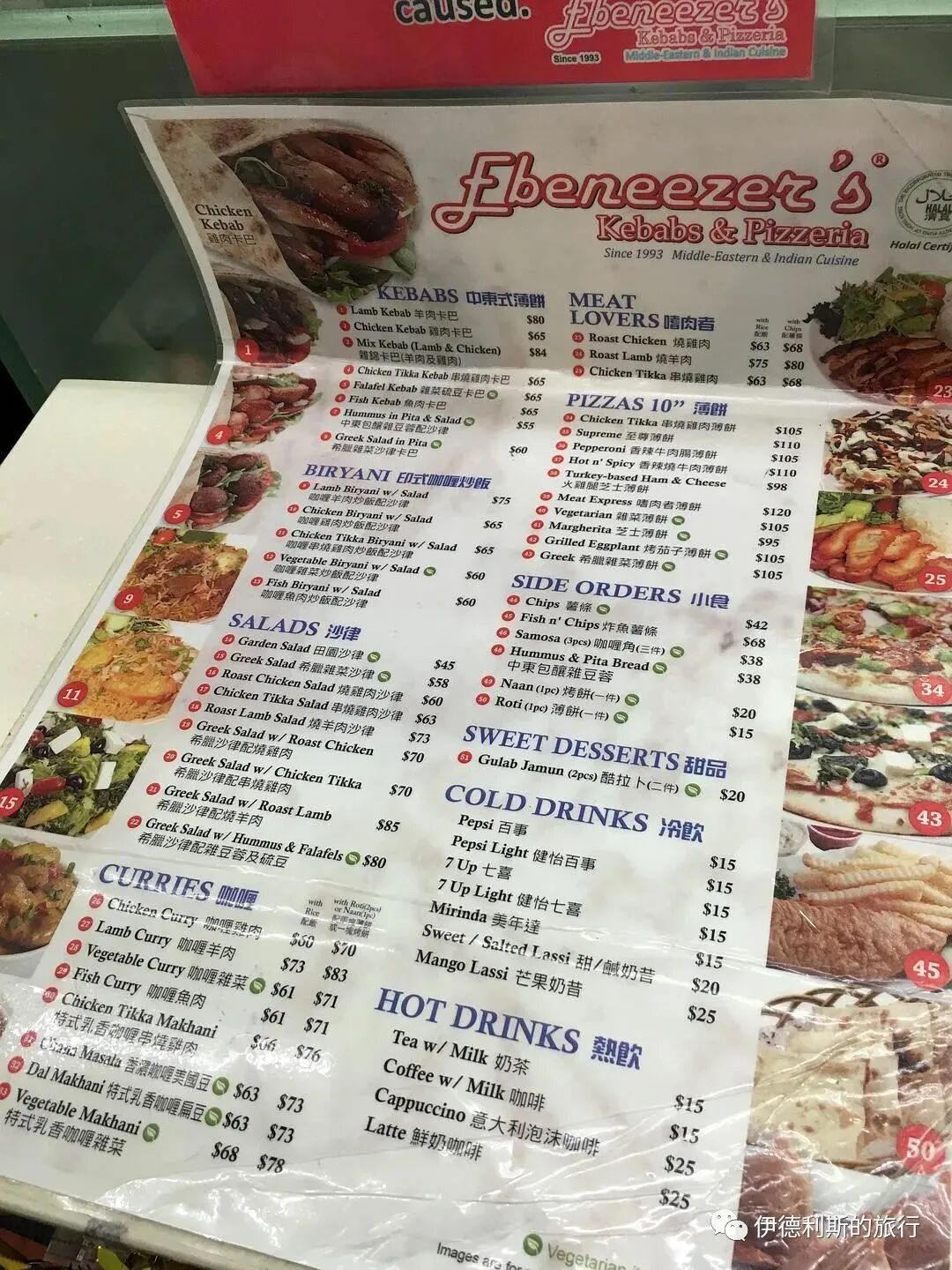
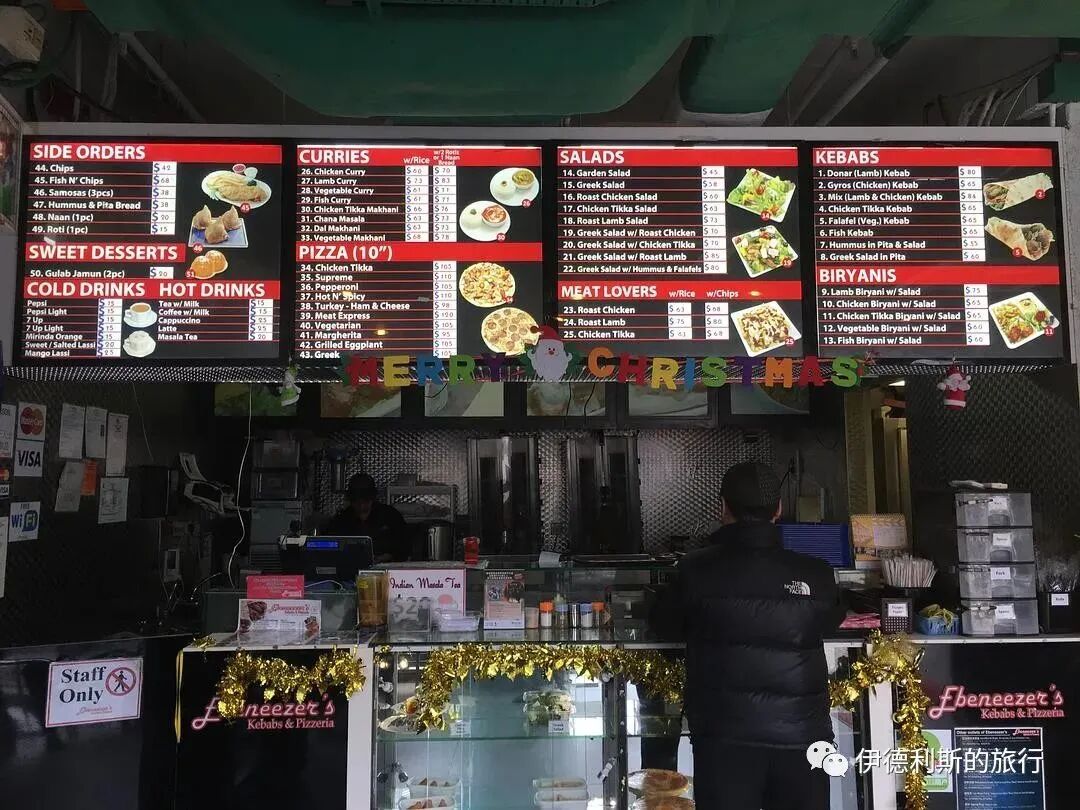
Ebeneezer's Kebabs & Pizzeria.
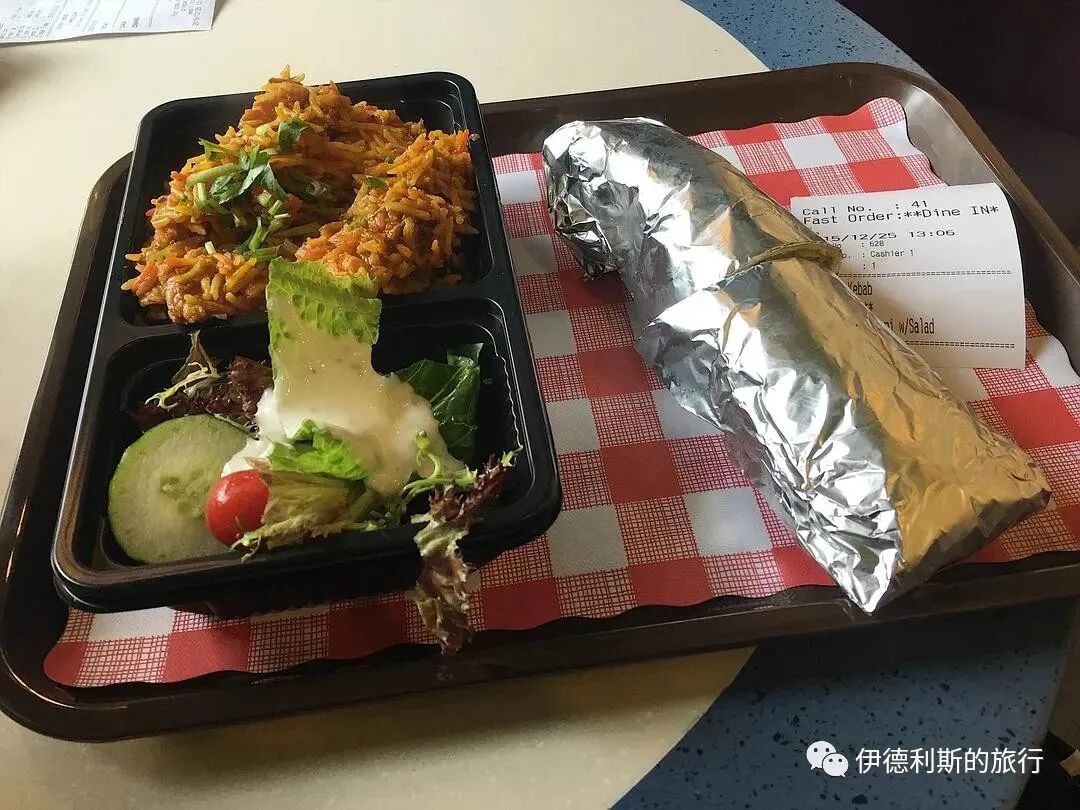
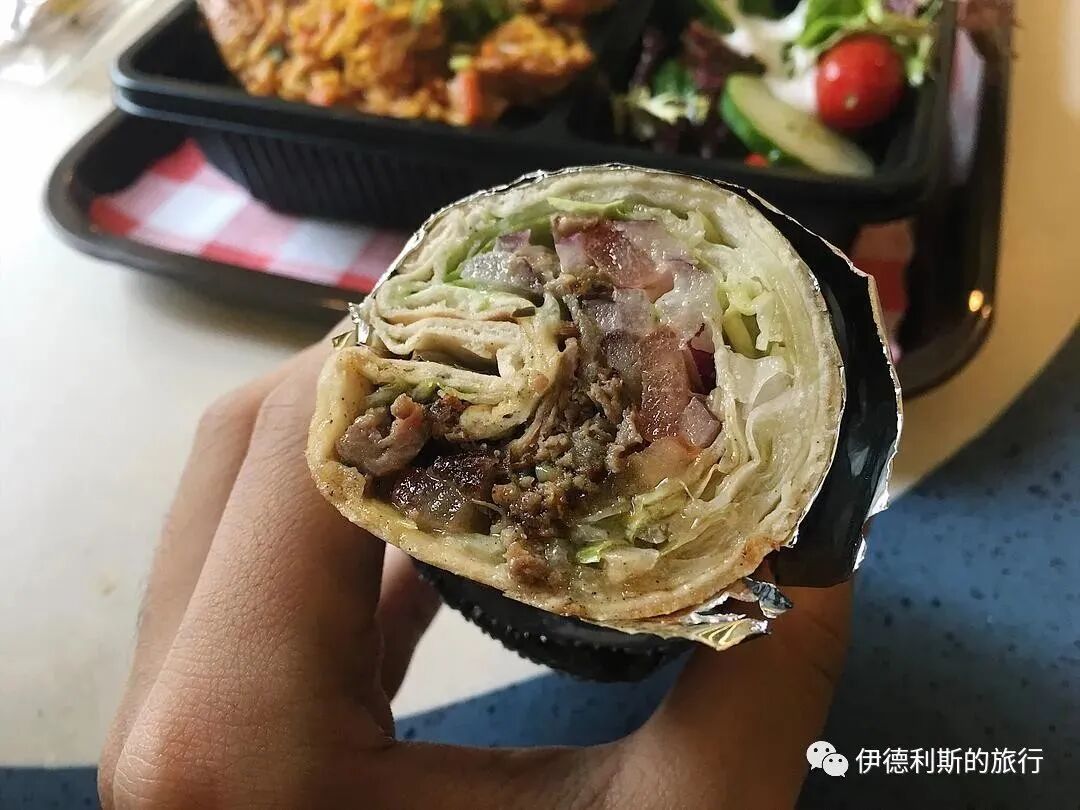
Also, when visiting tourist spots in Hong Kong, there are many halal fast food restaurants. A famous one is Ebeneezer's Kebabs & Pizzeria, which is where we ate this time at Ngong Ping Village on Lantau Island. view all
Summary: Hong Kong — Mosques, Halal Food and Muslim History is presented here as a firsthand travel account in clear English, beginning with this scene: In December 2015, I ate at Hong Kee Chinese Restaurant on the ground floor of Chungking Mansions. The account keeps its focus on Hong Kong Travel, Halal Food, Mosques while preserving the names, places, food, and historical details from the Chinese source.
In December 2015, I ate at Hong Kee Chinese Restaurant on the ground floor of Chungking Mansions.
Stir-fried beef tenderloin noodles with black pepper (ganchao heijiao niuliu mian).
Fried rice with olive vegetables and diced goose (lancai eli chaofan).
Signature crispy fried chicken (zhaopai cuipi zhaziji).
I went back to Hong Kee in October 2017 and ate corn with grouper fillet (sumi bannan) and mixed mushroom and fish maw (zajun cai yudu).
In the film 'Neon Goddesses', Charlie Young says her mother told her when she was little that this place was complicated and wouldn't let her go downstairs.
Max Mok described Chungking Mansions in the early 1990s as having many tourists and many curry shops.
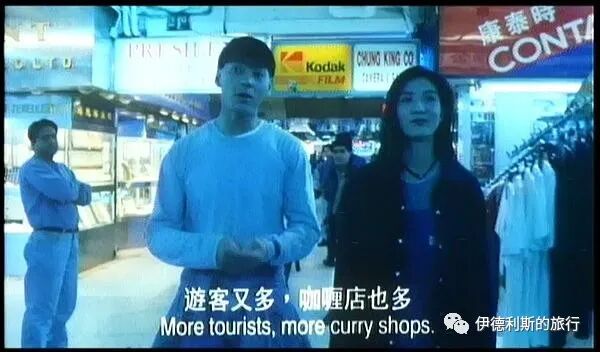
Next to Hong Kee Chinese Restaurant is a Pakistani shop where I bought several South Asian hats.
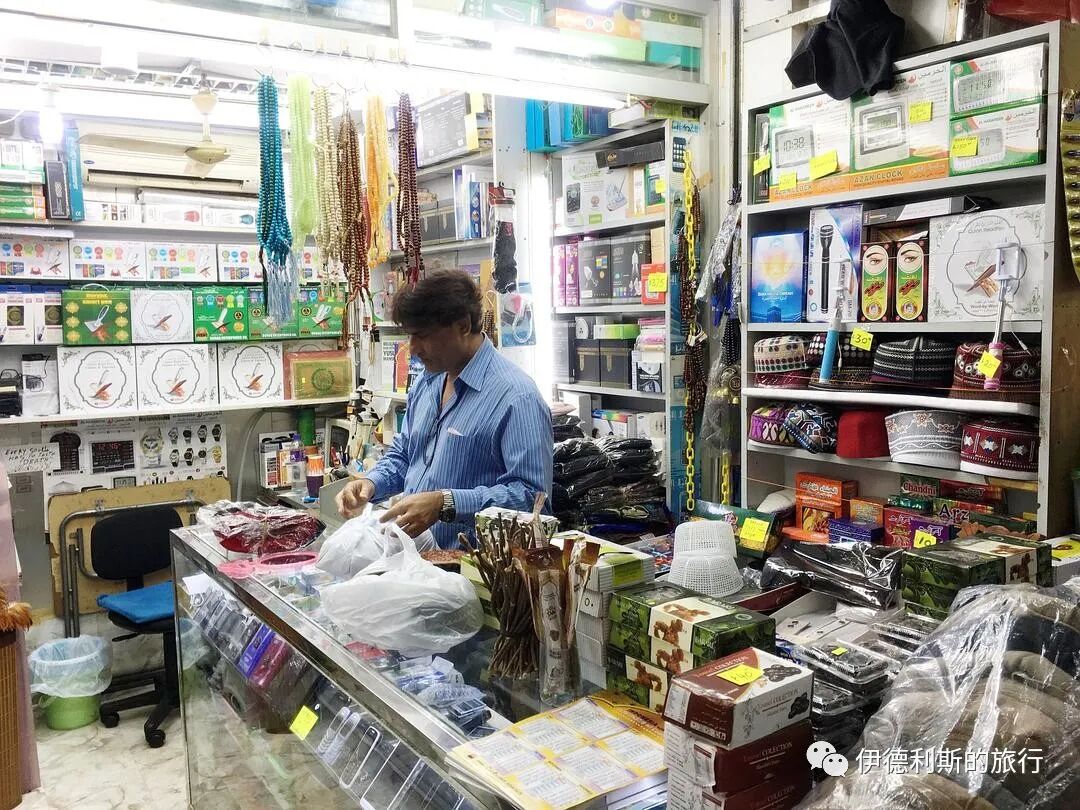
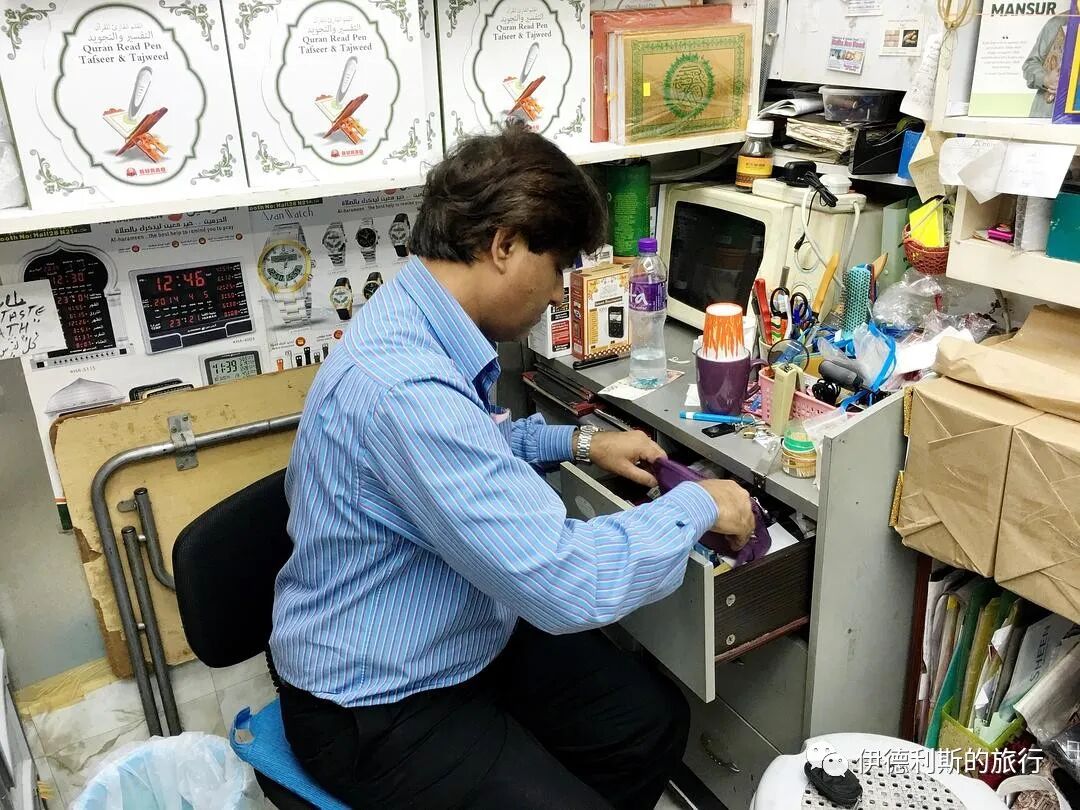
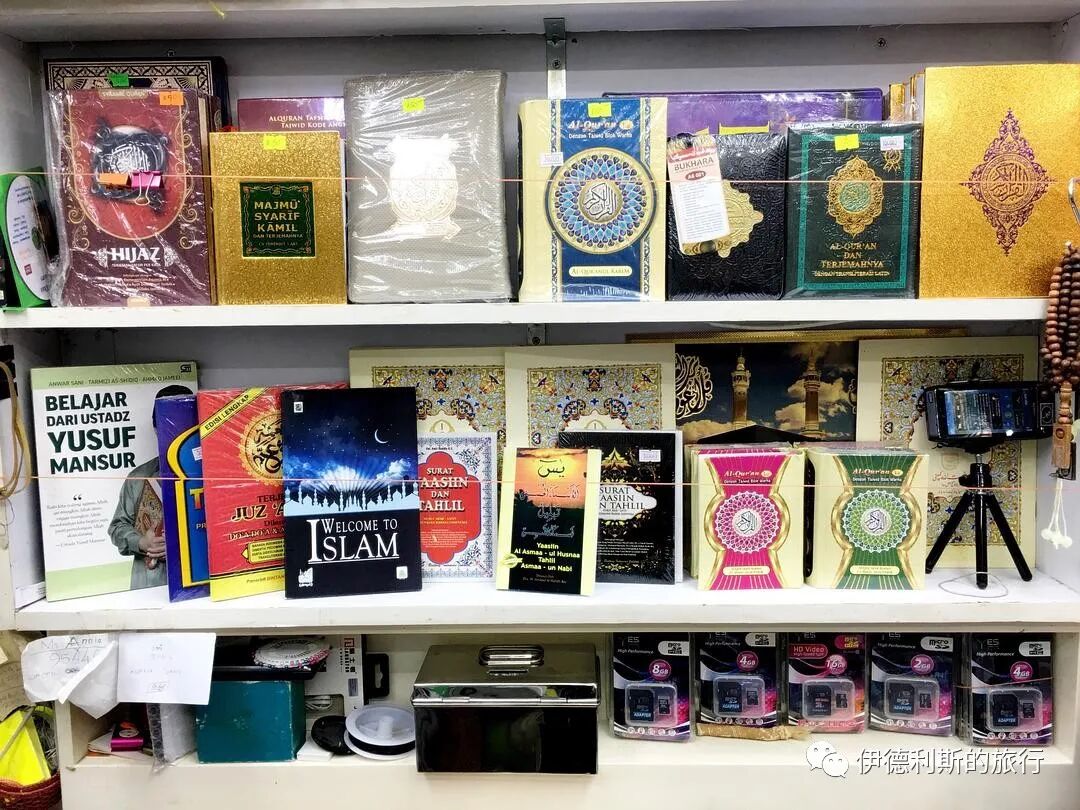
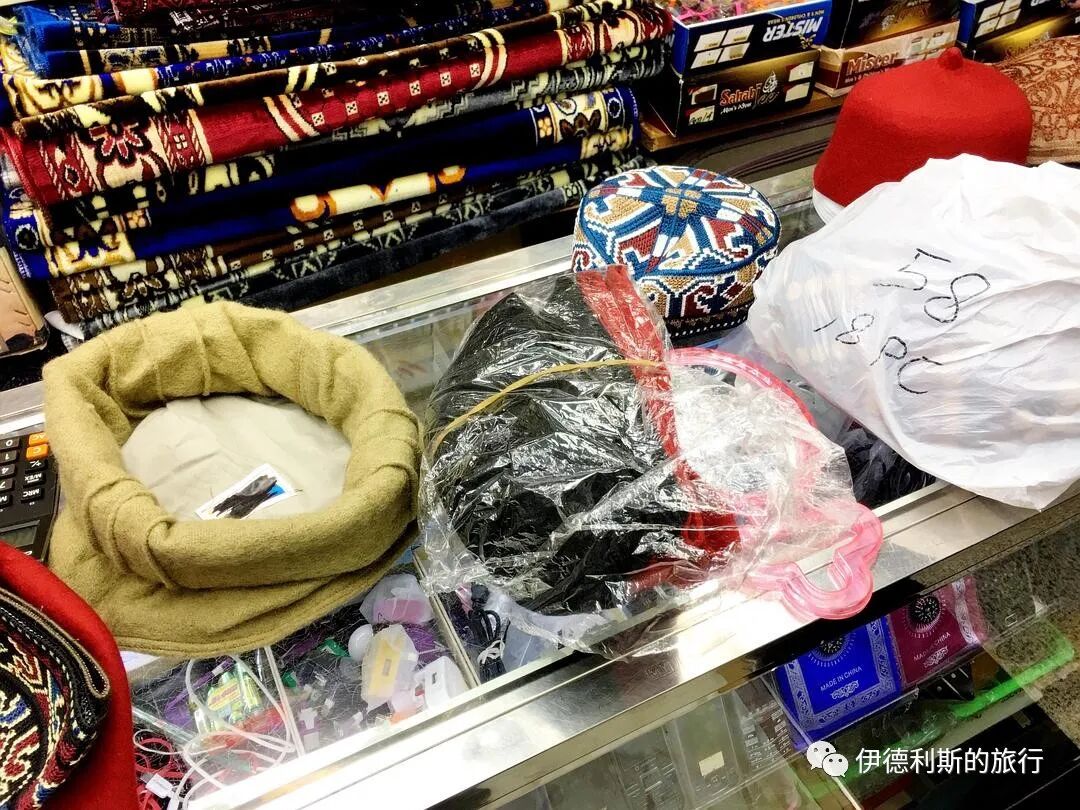
Hats bought at the Pakistani shop.
This type of skullcap (topi) can be seen in Pakistan and Tajikistan around the Pamir Mountains.
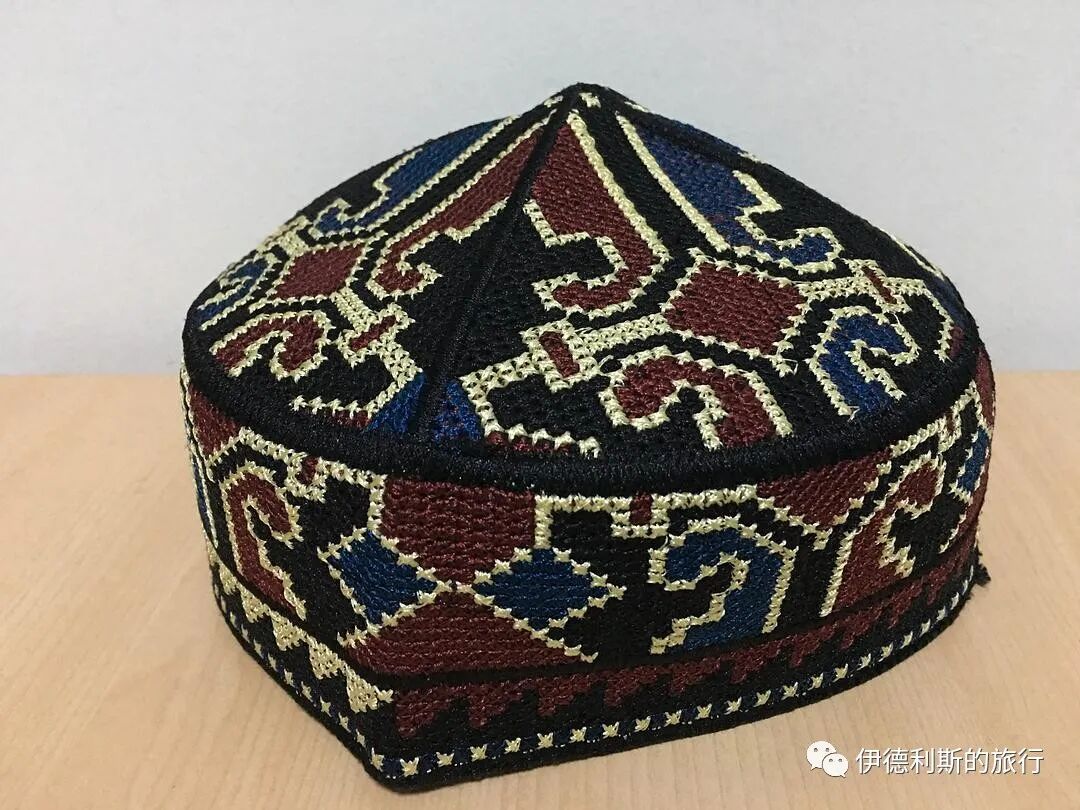
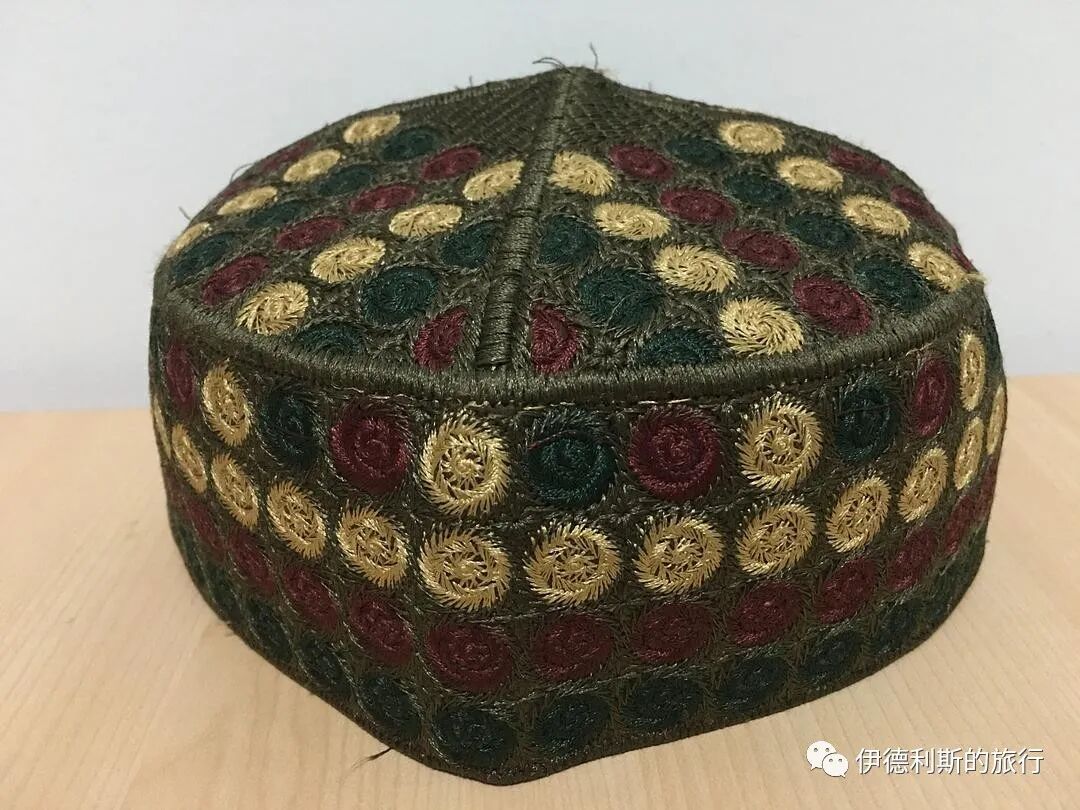
Traditional wool felt cap (pakol).
Red style fez cap (rumi topi).
The fez cap was first worn by ancient Phoenicians living in Cyprus, introduced to the Balkans during the Byzantine era, and later became popular among Bosnians and Serbs during the Ottoman Empire.
In 1826, Ottoman Sultan Mahmud II began comprehensive military reforms, and his modernized army wore Western-style uniforms with fez caps on their heads.
In 1829, the Sultan ordered officials in the country to stop wearing turbans and to wear fez caps instead. This series of measures made the fez cap a symbol of modernization in Islamic countries, and it was not only welcomed by people within the Ottoman Empire but also began to spread throughout the Islamic world.
In South Asia, the fez cap is called rumi topi, which translates literally to 'Roman cap,' because the Ottoman Empire was seen as the successor to the Eastern Roman Empire. At first, only Muslim nobles in South Asia wore them, but later it spread to the common people.
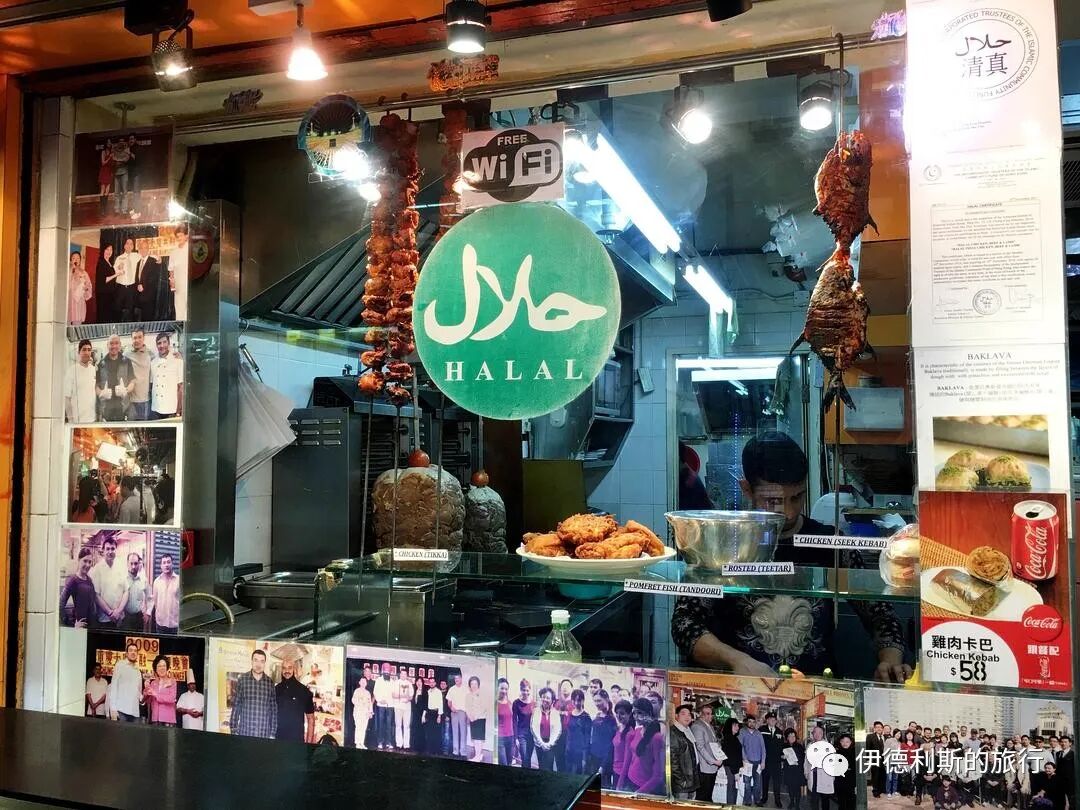
Bismillah Kebab House on the first floor of Chungking Mansions.
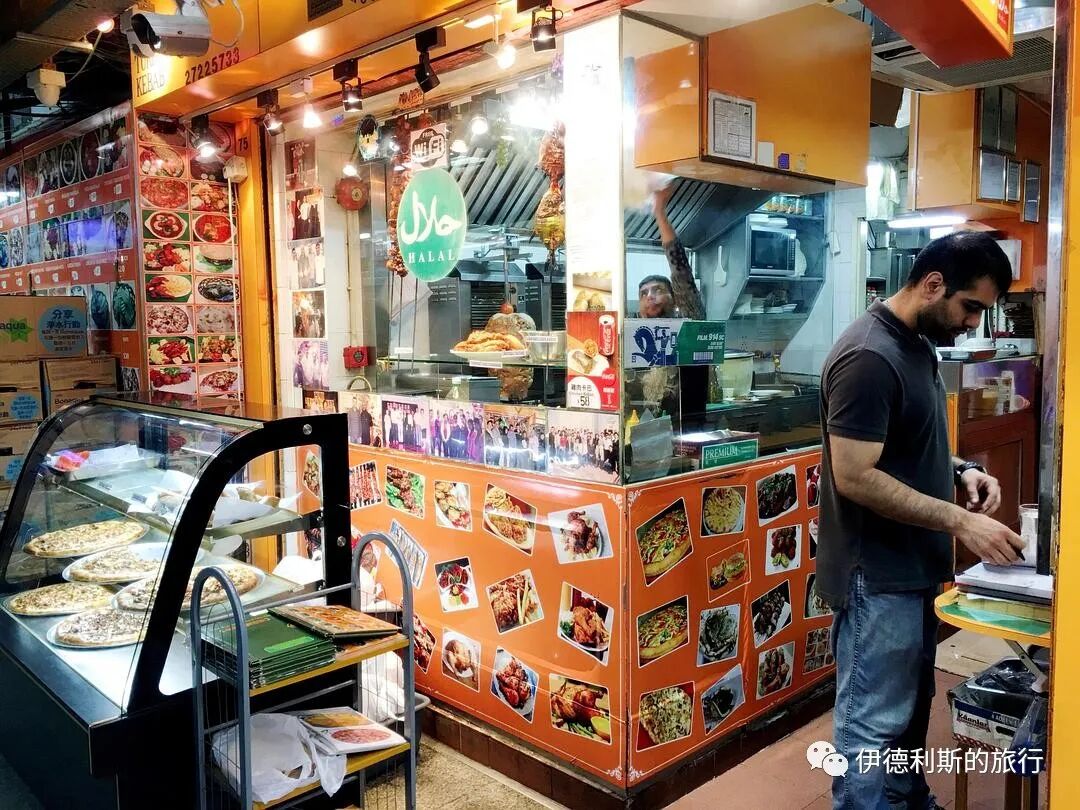
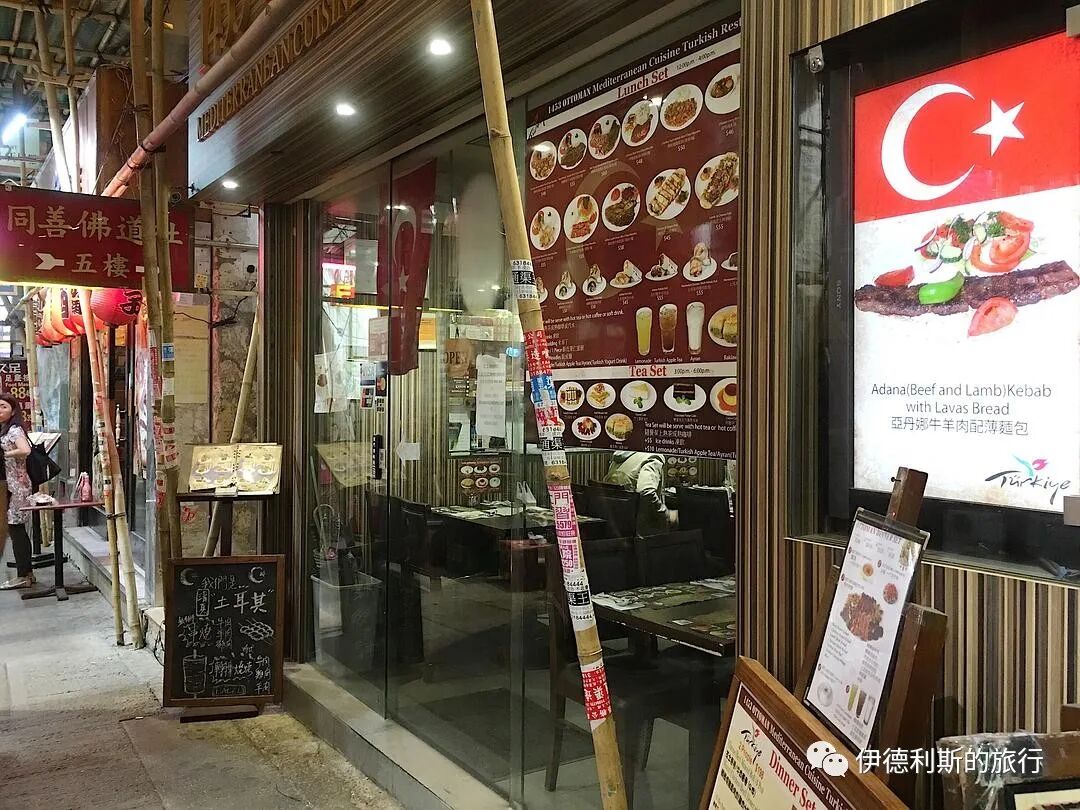
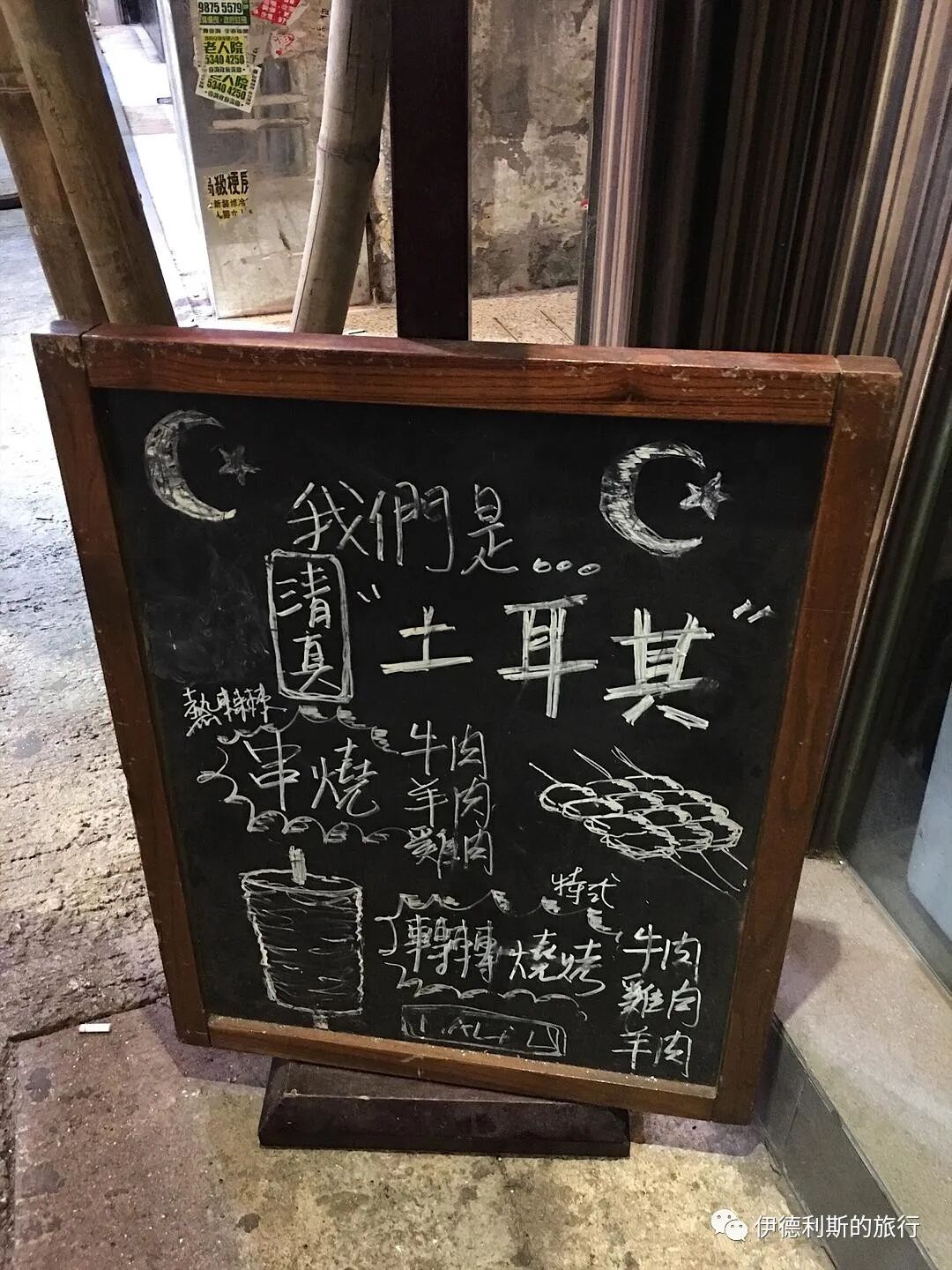
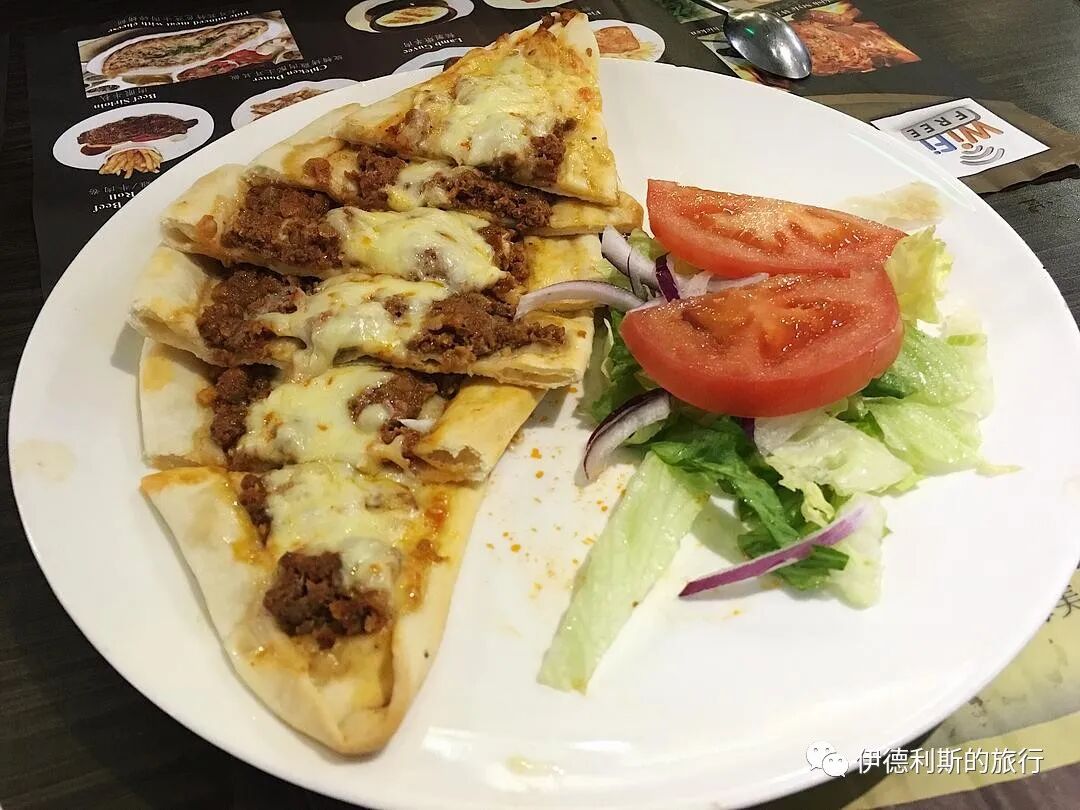
Ottoman Mediterranean Cuisine.
Besides Chungking Mansions, there are many halal restaurants in Kowloon. This time I chose a Turkish restaurant, 1453 Ottoman Mediterranean Cuisine on Ladies' Market in Mong Kok.
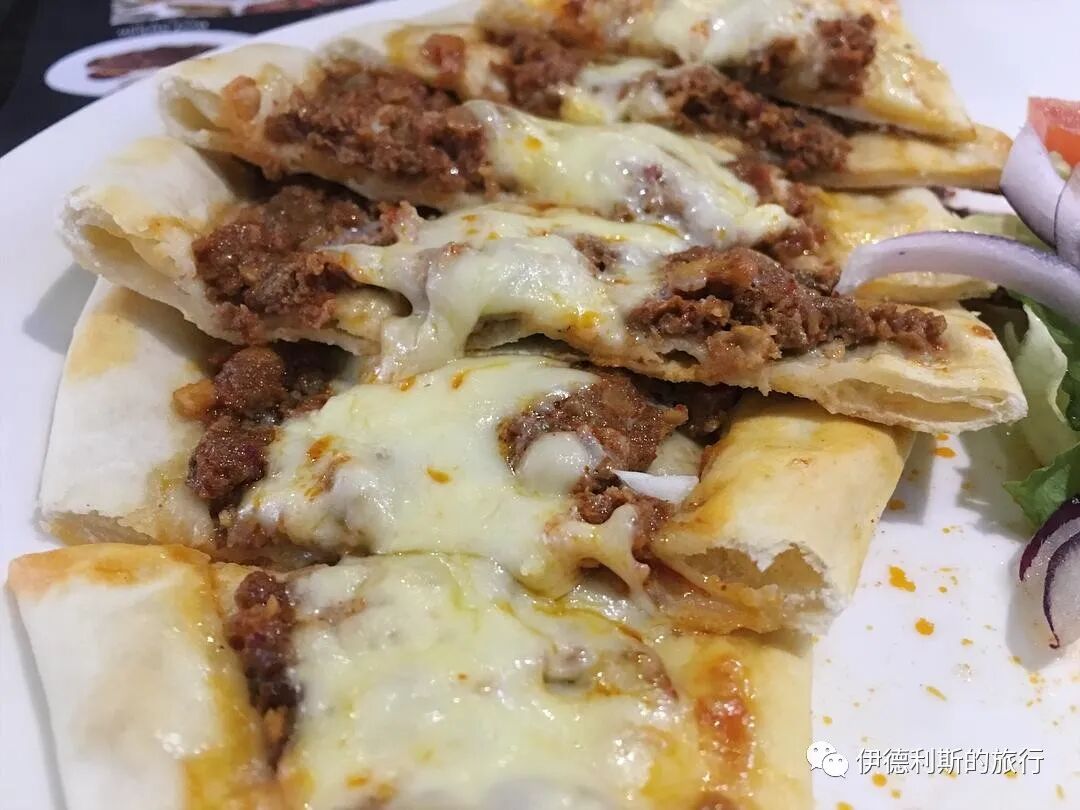
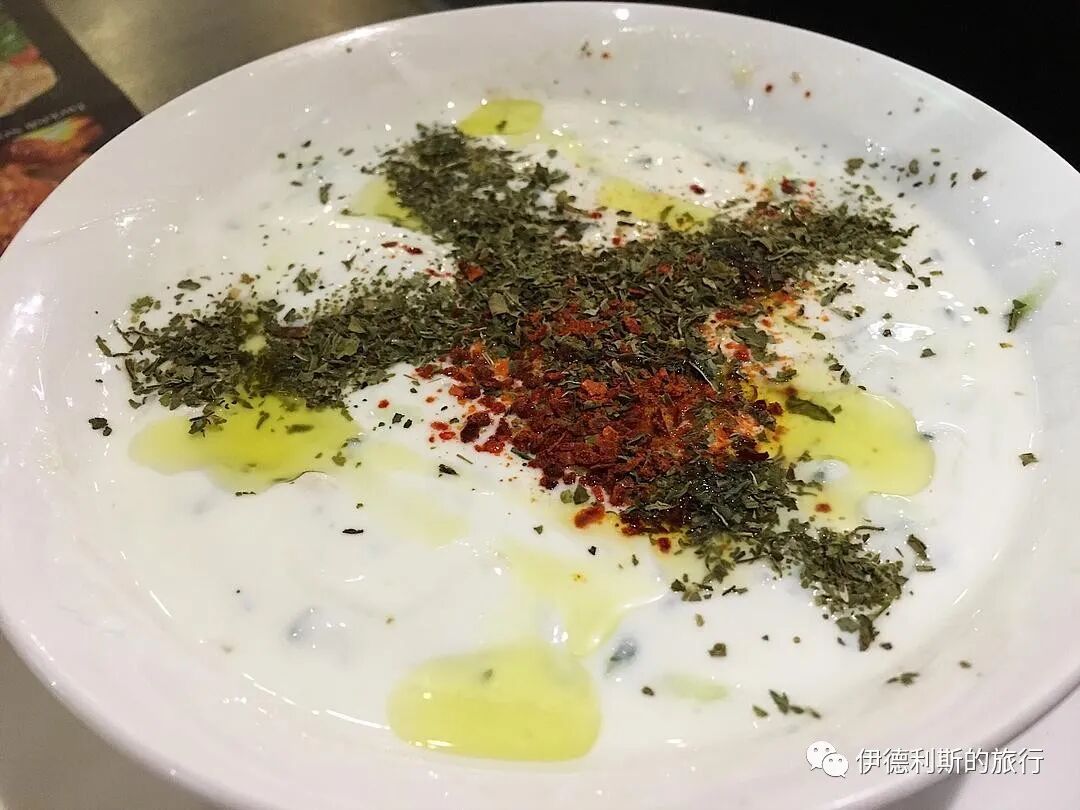
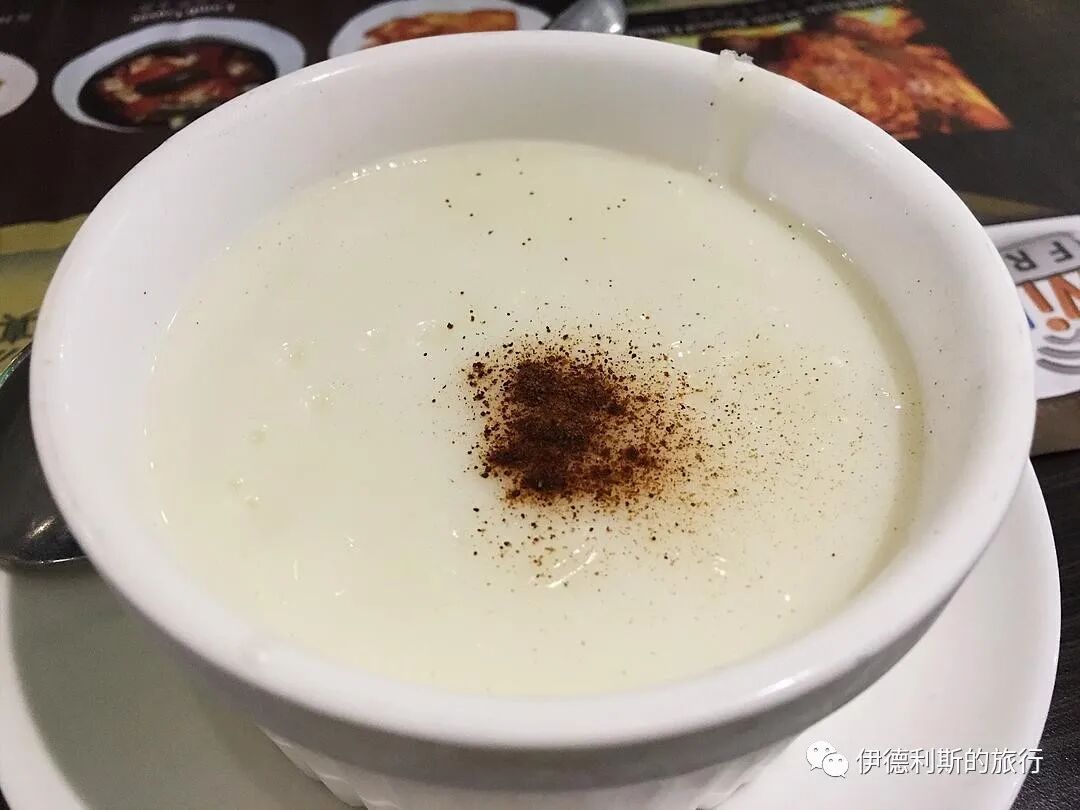
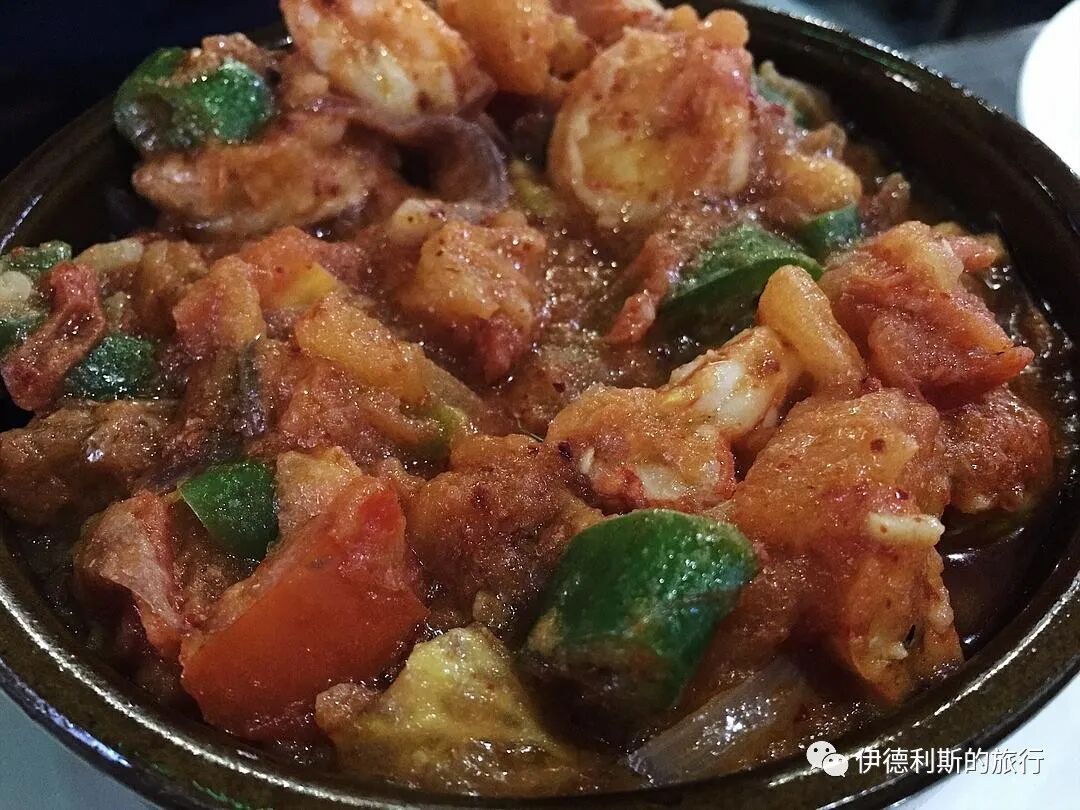
Ebeneezer's Kebabs & Pizzeria.
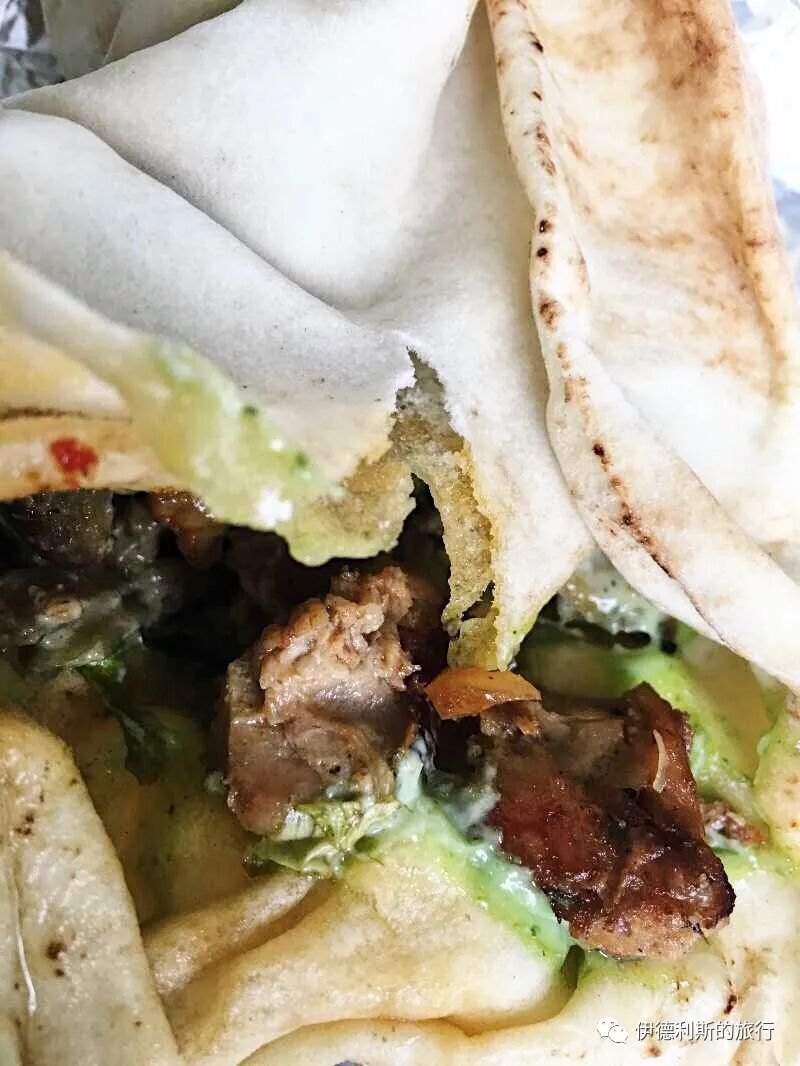
Also, when visiting tourist spots in Hong Kong, there are many halal fast food restaurants. A famous one is Ebeneezer's Kebabs & Pizzeria, which is where we ate this time at Ngong Ping Village on Lantau Island.
Halal Travel Guide: Hong Kong Kowloon — Mosques, Halal Food and City Walks
Articles • ali2007fr posted the article • 0 comments • 120 views • 2026-05-18 00:35
Summary: Hong Kong Kowloon — Mosques, Halal Food and City Walks is presented here as a firsthand travel account in clear English, beginning with this scene: During the National Day holiday in 2019, I traveled through Hong Kong. Due to the political situation, I only stayed in Kowloon for two days and one night, which left me with many regrets. The account keeps its focus on Hong Kong Travel, Kowloon, Halal Food while preserving the names, places, food, and historical details from the Chinese source.
During the National Day holiday in 2019, I traveled through Hong Kong. Due to the political situation, I only stayed in Kowloon for two days and one night, which left me with many regrets. This was also my last international trip before the pandemic.
Chungking Mansions
Chungking Mansions is my favorite place in Kowloon; I visit it almost every time I'm there.
The book "Chungking Mansions: A World Centre of the Margins" describes Chungking Mansions as a run-down, seventeen-story building. It has many small, cheap guesthouses and shops inside. This stands in stark contrast to the bustling tourist areas around it. This building is arguably the most globalized building in the world. Businesspeople and temporary workers from South Asia and Sub-Saharan Africa come here to seek their fortunes. International refugees also come here for shelter. Tourists look for cheap accommodation and adventure. People from all social backgrounds rest in the building, compete for seats at food stalls, bargain at phone shops, and move through the corridors.
The book says: Once you escape the onslaught of touts for curry restaurants and guesthouses at the entrance, you find yourself in the human whirlpool of Chungking Mansions. You might never have seen so many people crowded into such a small space in your life. The scene before you is extraordinary: Africans in bright robes, hip-hop clothes, or ill-fitting suits; devout Pakistanis wearing brimless flat-topped caps; Indonesian women in black Islamic veils; older white men in shorts with big beer bellies; and some hippies who look like refugees from a past era. Nigerians are loud. Young Indians chat and laugh with their hands on each other's shoulders. Some mainland Chinese look openly surprised by it all. People of all skin colors wait in line for the elevator, all heading to over a hundred different guesthouses.
First, I went to Hung Kee Chinese Restaurant. They stay open until 11 PM. I love their signature crispy fried chicken (zhazi ji). It's crispy on the outside and tender on the inside. Then I also ordered corn with fish fillets, pomfret with black bean sauce, and shredded chicken ho fun noodles.
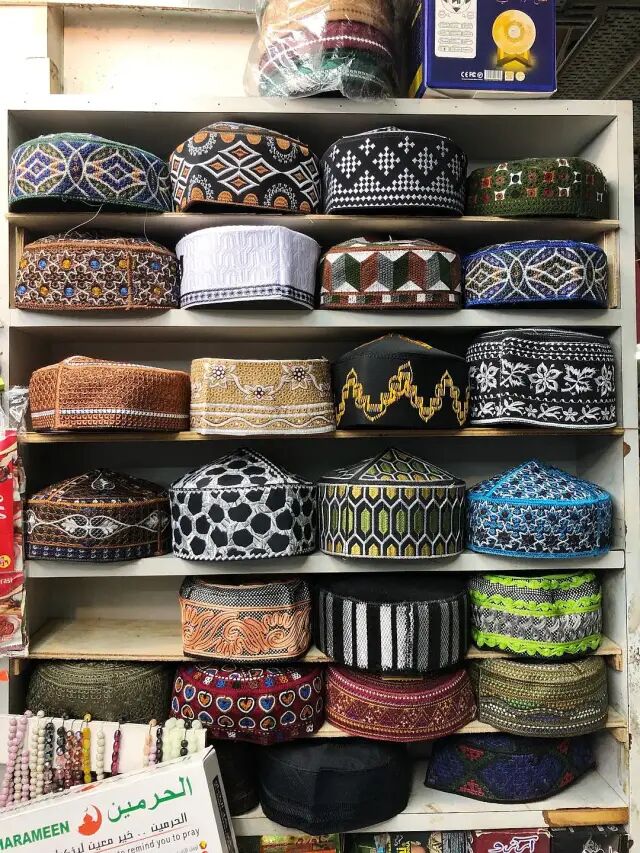
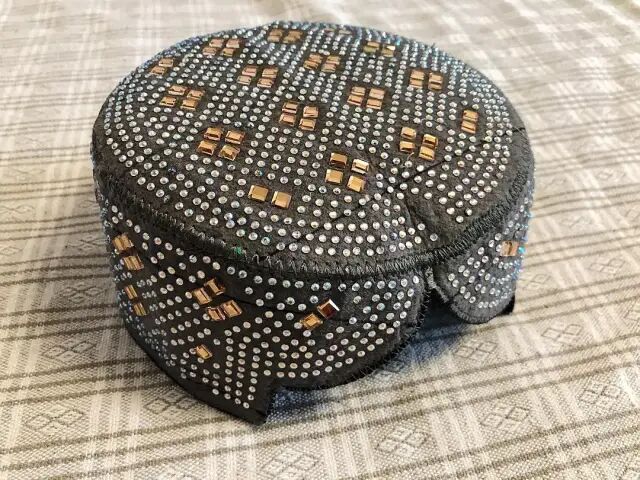
Right next to Hung Kee Chinese Restaurant is a small Pakistani shop. Every time I eat at Hung Kee, I browse their shop. This time, I bought a special Pakistani sequined hat, a Sindhi Topi.
Sindhi Topi literally means "Sindh hat." It is worn by the Sindhi people of Pakistan and has spread among Muslims throughout South Asia. The Sindhi Topi (Sindhi cap) shows the forehead. It often has sequins as decoration. Sindhi people see the Sindhi Topi as a very valuable gift. It is a key part of Sindhi culture. A 2008 count showed 7,500 Sindhi people lived in Hong Kong then.
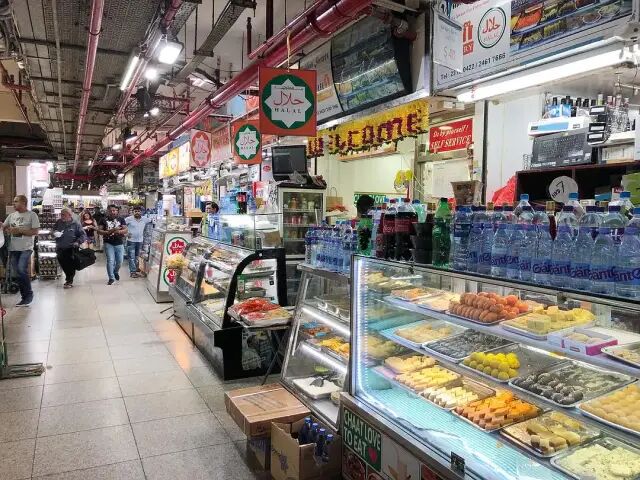
After buying the hat, we ate Indian desserts at two other shops nearby.
The red dessert was Jalebi, a famous Indian sweet. It is made from fried dough soaked in syrup. Some say India's Jalebi came from Zolbiya in Iran. Persianized Turks brought it to India.
Kowloon Mosque.
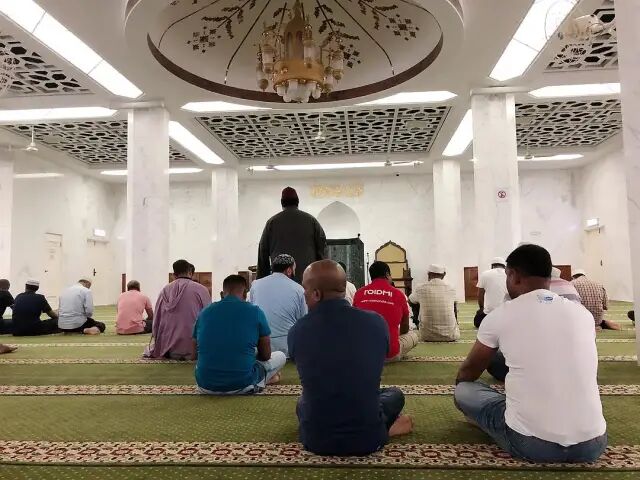
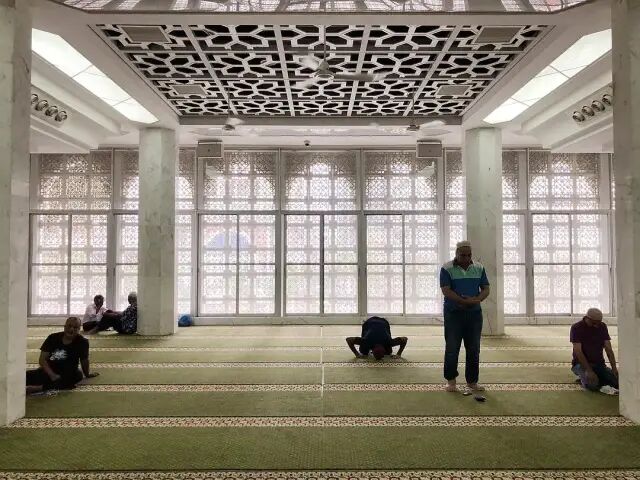
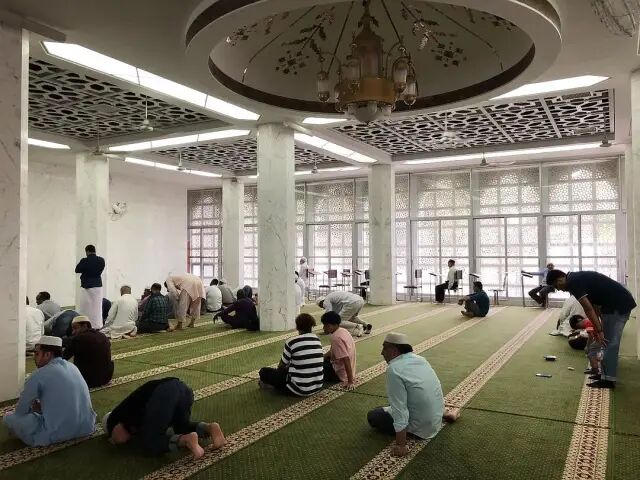
We performed namaz at Kowloon Mosque. We also saw beautiful South Asian hats there.
After the 1860 Treaty of Beijing, Kowloon went to the British government. Britain then sent British Indian troops to Kowloon. Many of these were Muslim officers and soldiers from British India.
In the 1890s, Britain built Whitfield Barracks for the British Indian army. This was where Kowloon Park is now. Indian Muslim soldiers needed a place to pray. So, in 1896, the first Kowloon Mosque was built at the southeast corner of the barracks.
The early Kowloon Mosque stayed a military building for the barracks. It was given to the Hong Kong British government only in 1967. In 1970, most of Whitfield Barracks was torn down to build Kowloon Park. The Kowloon Mosque, however, was kept.
From 1975 to 1979, the Hong Kong MTR started construction. This was for the original Kwun Tong Line, which is now the Tsuen Wan Line. In 1978, the MTR company did blasting work next to the Kowloon Mosque. This badly damaged the mosque's structure. The mosque was then called a dangerous building. The MTR company gave compensation, and Muslims made donations. With this help, Kowloon Mosque was rebuilt in 1980 at its current Tsim Sha Tsui site. It opened in 1984.
Currently, Kowloon Mosque is mainly used by South Asian and Southeast Asian Muslims. It serves as the cultural center for non-Chinese Muslims in Hong Kong.
The one standing is the imam leading the prayer.
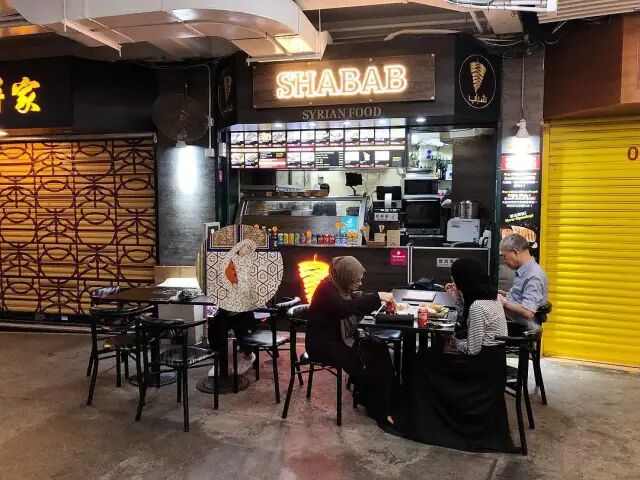
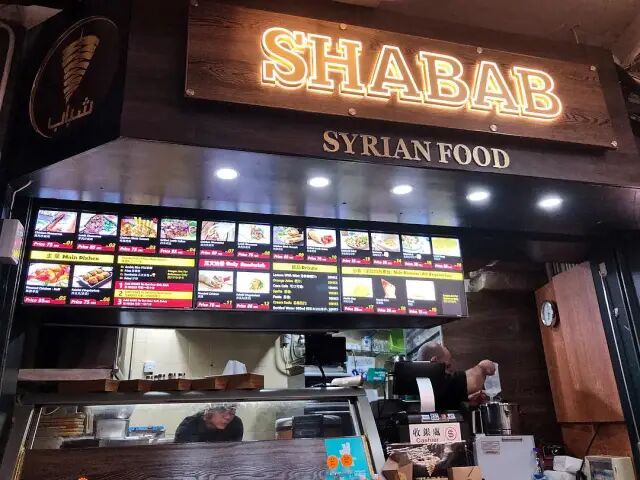
Syrian restaurant Shabab.
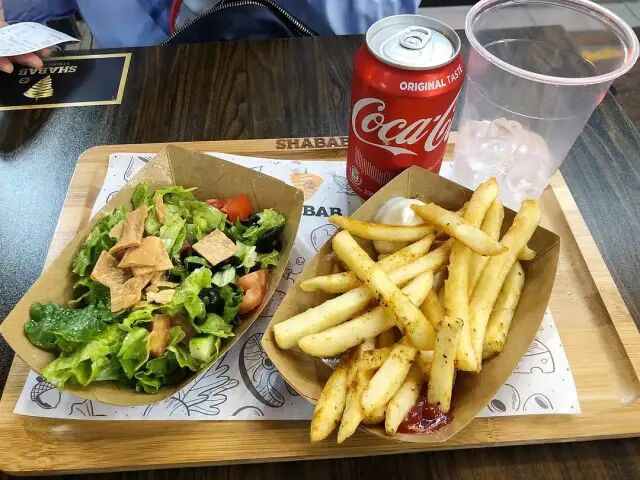
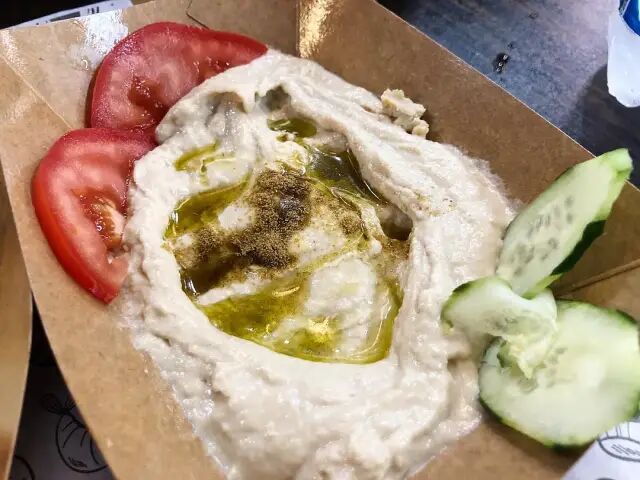
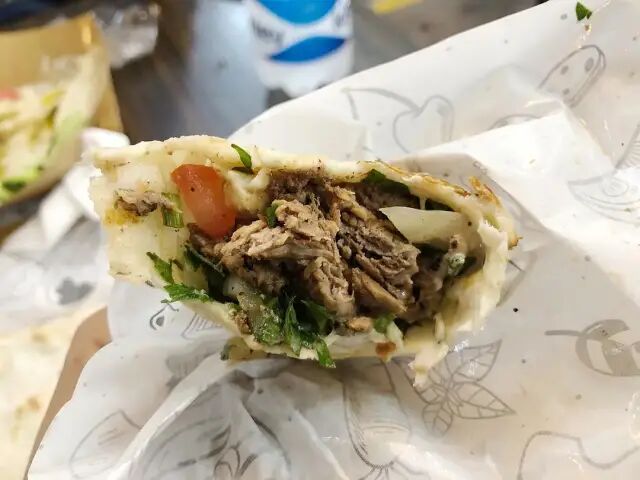
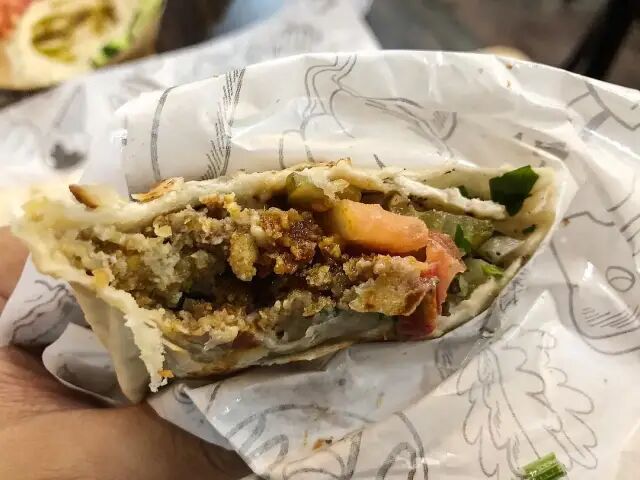
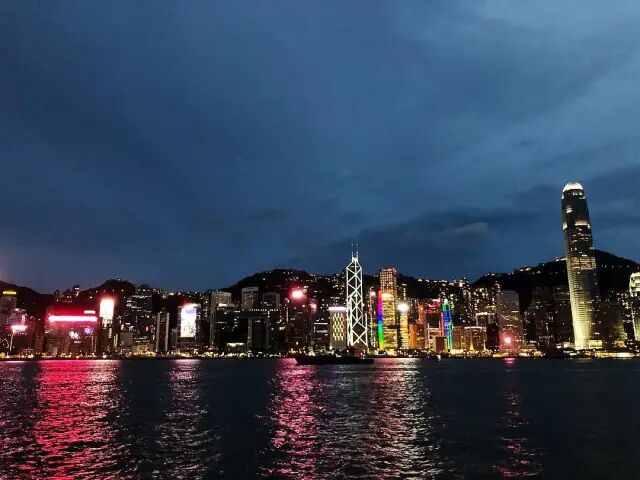
In the evening, we ate at the Syrian restaurant Shabab inside Tsim Sha Tsui Star Ferry Pier. We had hummus chickpea dip (hummus), falafel chickpea fritter wraps (falafel), and shawarma lamb wraps (shawarma). A Syrian man owns the restaurant. At that time, the entire Tsim Sha Tsui mall was closed because of the situation. All buses and subways had stopped. This Syrian restaurant felt like a small harbor, letting us travelers find a safe place to rest.
We went to Chungking Mansions again.
The next morning, we ate at an Indian restaurant on the ground floor of Chungking Mansions. We had Biryani fried rice (Biryani), Tandoori Paratha flatbread (Tandoori Paratha), chickpea curry (Chana Masala), and some Indian desserts.
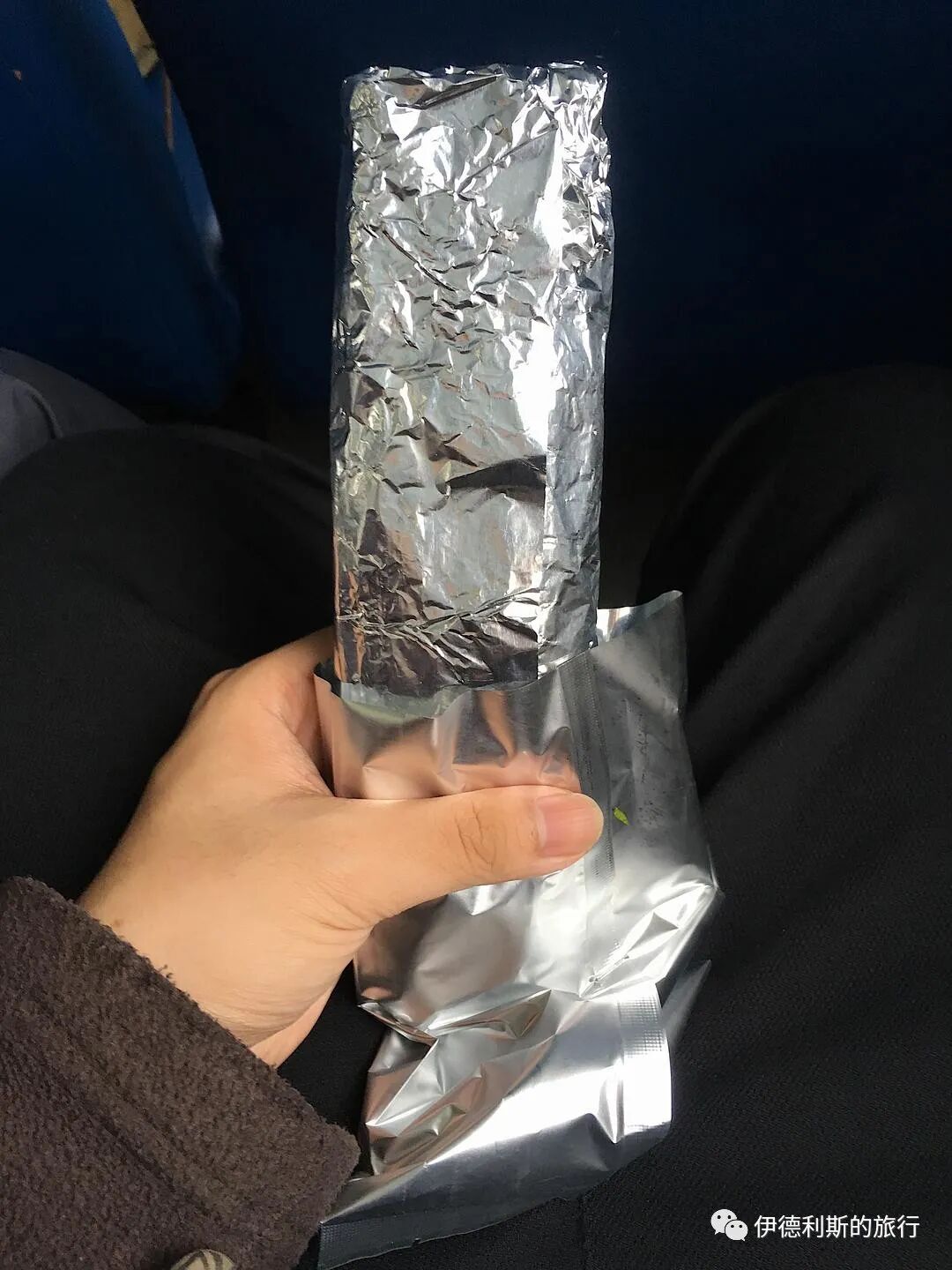
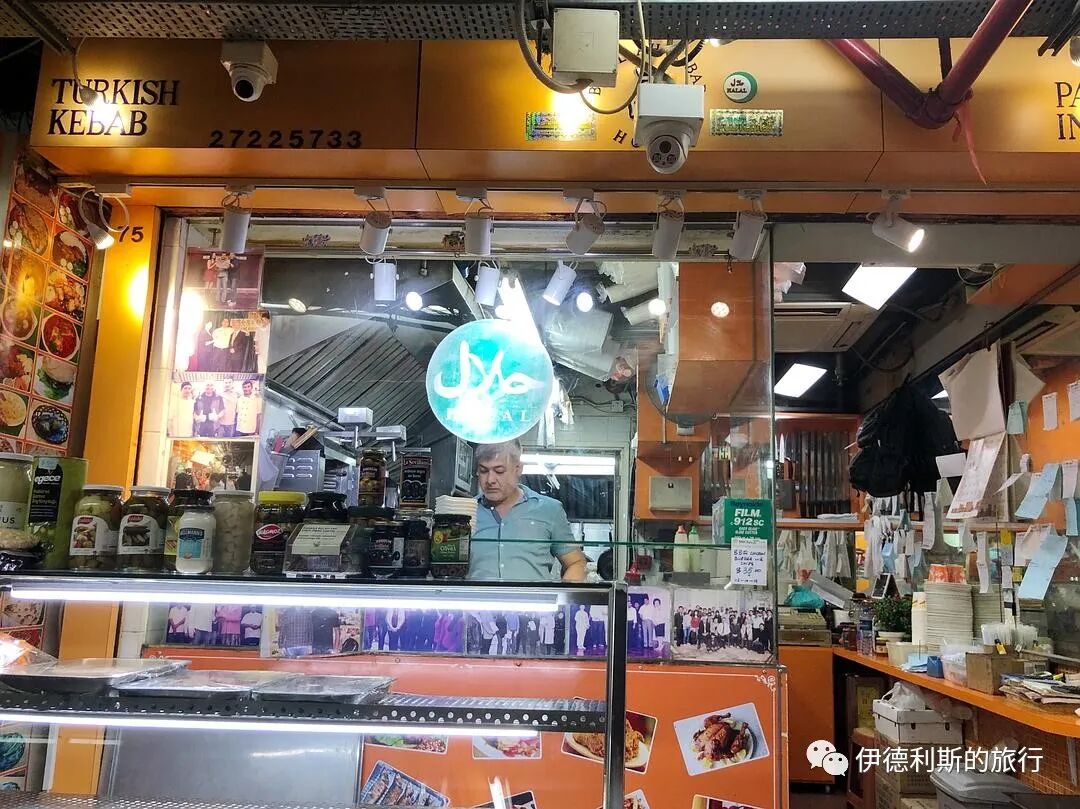
Then we went to the Turkish restaurant on the first floor and bought kebab wraps to go.
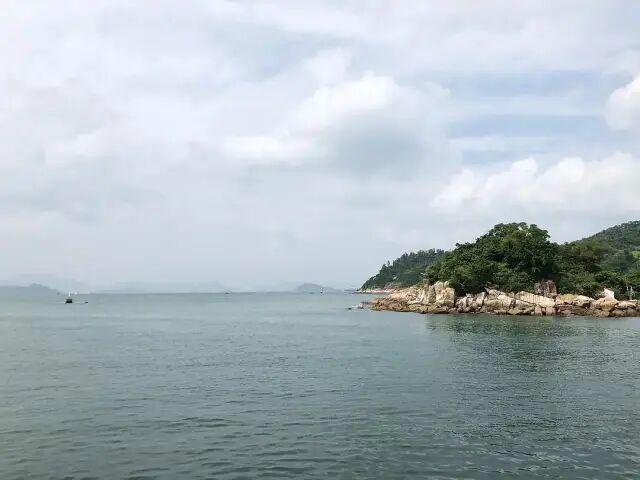
Lamma Island.
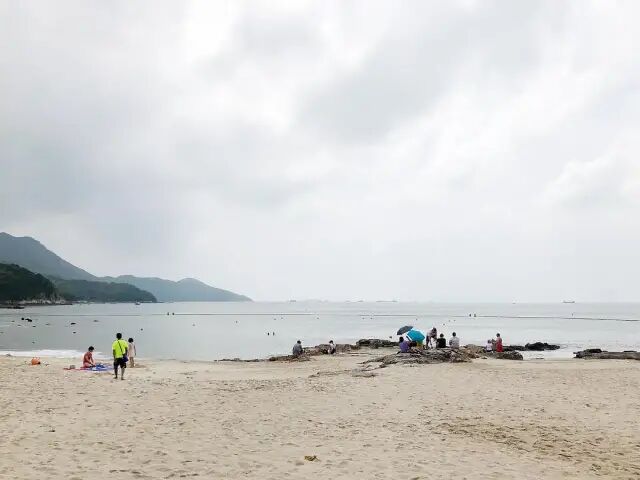
Downtown Hong Kong was not safe, so we took a boat to Lamma Island. No matter how turbulent Hong Kong was, Lamma Island felt like a paradise, relaxing and comfortable.
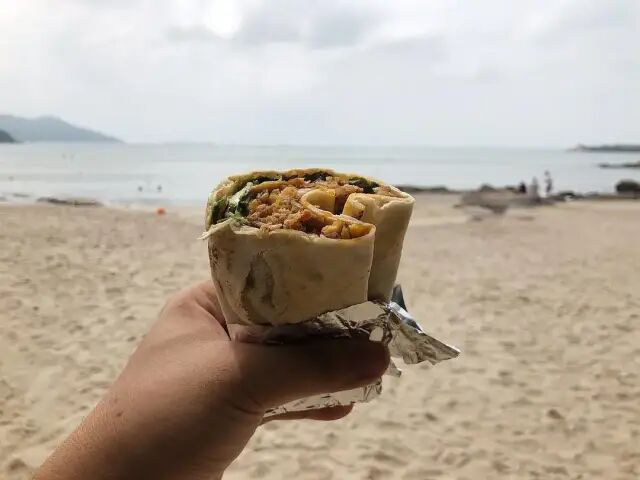
On the beach, we ate the kebab wraps we bought in the morning. It was very pleasant. view all
Summary: Hong Kong Kowloon — Mosques, Halal Food and City Walks is presented here as a firsthand travel account in clear English, beginning with this scene: During the National Day holiday in 2019, I traveled through Hong Kong. Due to the political situation, I only stayed in Kowloon for two days and one night, which left me with many regrets. The account keeps its focus on Hong Kong Travel, Kowloon, Halal Food while preserving the names, places, food, and historical details from the Chinese source.
During the National Day holiday in 2019, I traveled through Hong Kong. Due to the political situation, I only stayed in Kowloon for two days and one night, which left me with many regrets. This was also my last international trip before the pandemic.
Chungking Mansions
Chungking Mansions is my favorite place in Kowloon; I visit it almost every time I'm there.
The book "Chungking Mansions: A World Centre of the Margins" describes Chungking Mansions as a run-down, seventeen-story building. It has many small, cheap guesthouses and shops inside. This stands in stark contrast to the bustling tourist areas around it. This building is arguably the most globalized building in the world. Businesspeople and temporary workers from South Asia and Sub-Saharan Africa come here to seek their fortunes. International refugees also come here for shelter. Tourists look for cheap accommodation and adventure. People from all social backgrounds rest in the building, compete for seats at food stalls, bargain at phone shops, and move through the corridors.
The book says: Once you escape the onslaught of touts for curry restaurants and guesthouses at the entrance, you find yourself in the human whirlpool of Chungking Mansions. You might never have seen so many people crowded into such a small space in your life. The scene before you is extraordinary: Africans in bright robes, hip-hop clothes, or ill-fitting suits; devout Pakistanis wearing brimless flat-topped caps; Indonesian women in black Islamic veils; older white men in shorts with big beer bellies; and some hippies who look like refugees from a past era. Nigerians are loud. Young Indians chat and laugh with their hands on each other's shoulders. Some mainland Chinese look openly surprised by it all. People of all skin colors wait in line for the elevator, all heading to over a hundred different guesthouses.
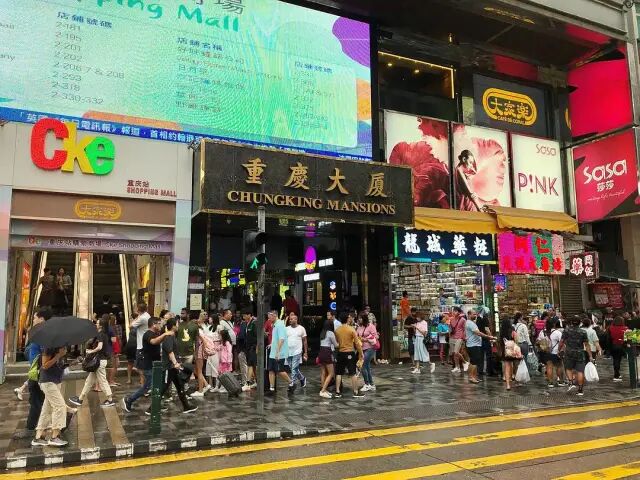
First, I went to Hung Kee Chinese Restaurant. They stay open until 11 PM. I love their signature crispy fried chicken (zhazi ji). It's crispy on the outside and tender on the inside. Then I also ordered corn with fish fillets, pomfret with black bean sauce, and shredded chicken ho fun noodles.
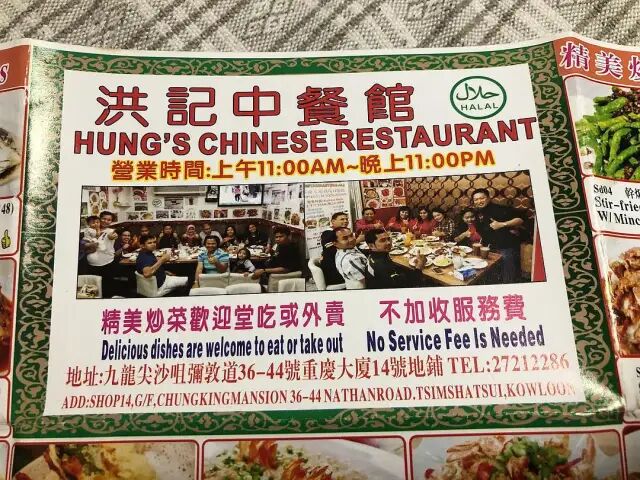
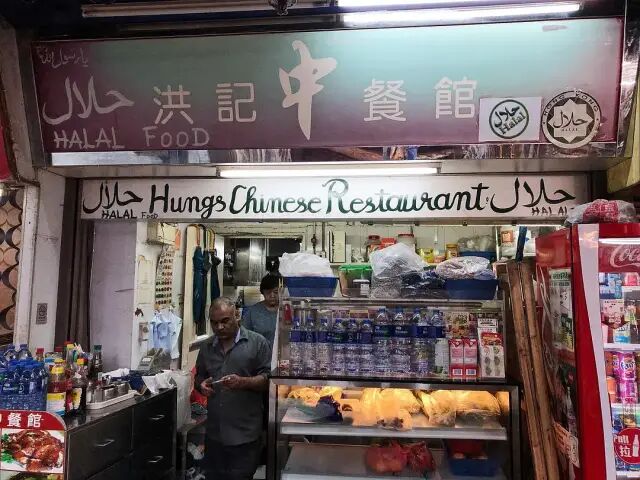
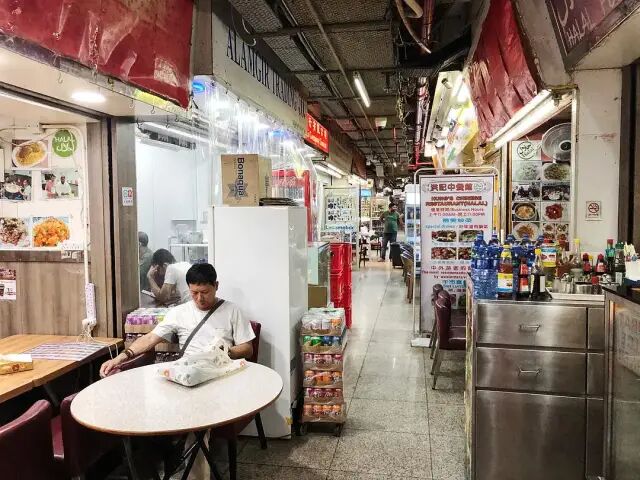
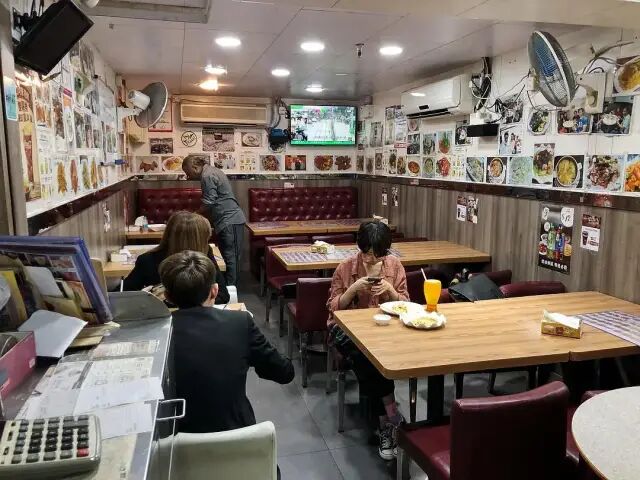
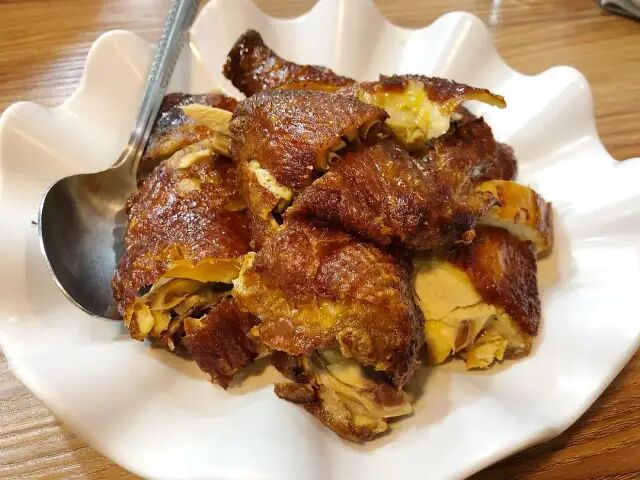
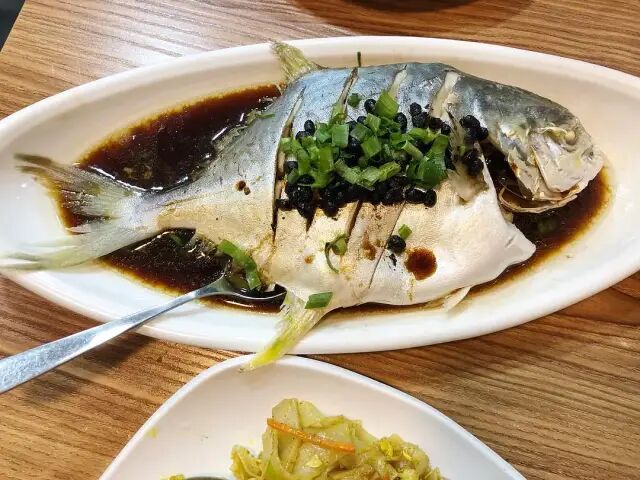
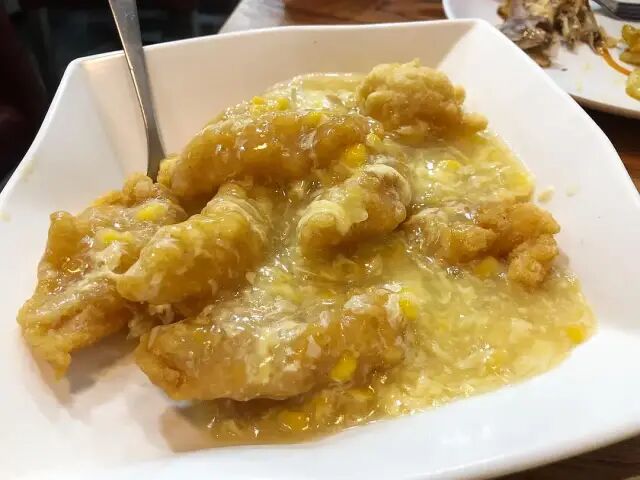
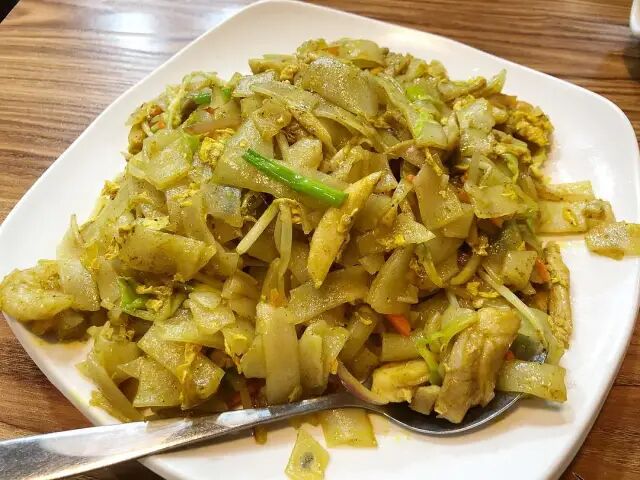
Right next to Hung Kee Chinese Restaurant is a small Pakistani shop. Every time I eat at Hung Kee, I browse their shop. This time, I bought a special Pakistani sequined hat, a Sindhi Topi.
Sindhi Topi literally means "Sindh hat." It is worn by the Sindhi people of Pakistan and has spread among Muslims throughout South Asia. The Sindhi Topi (Sindhi cap) shows the forehead. It often has sequins as decoration. Sindhi people see the Sindhi Topi as a very valuable gift. It is a key part of Sindhi culture. A 2008 count showed 7,500 Sindhi people lived in Hong Kong then.
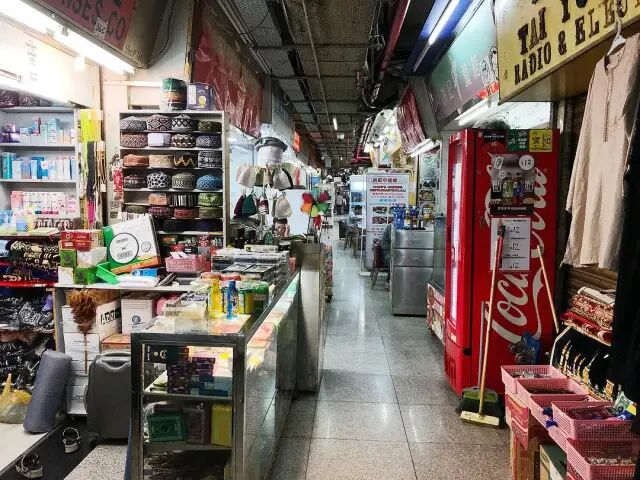
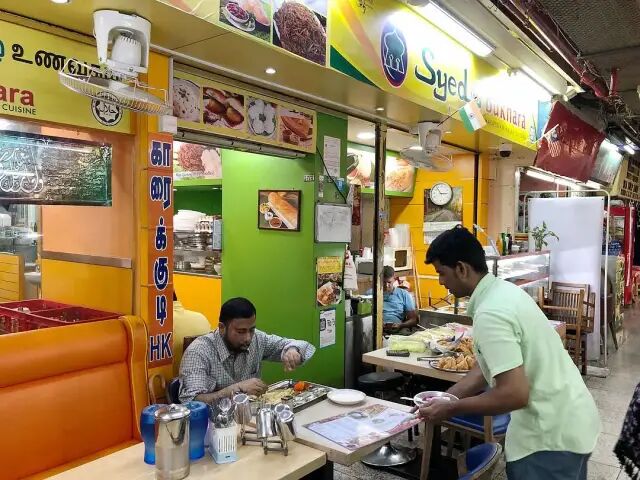
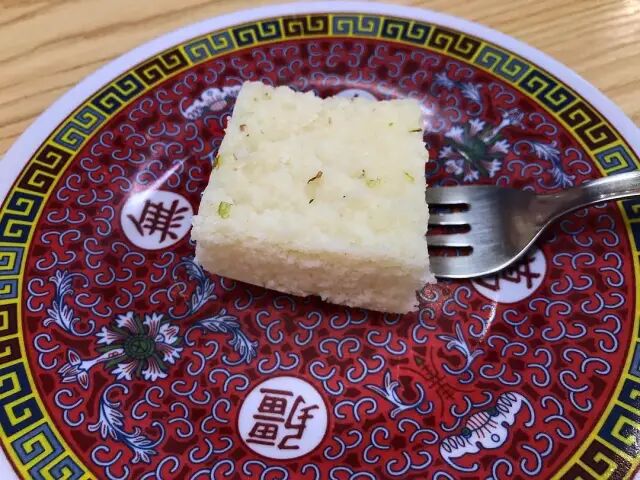
After buying the hat, we ate Indian desserts at two other shops nearby.
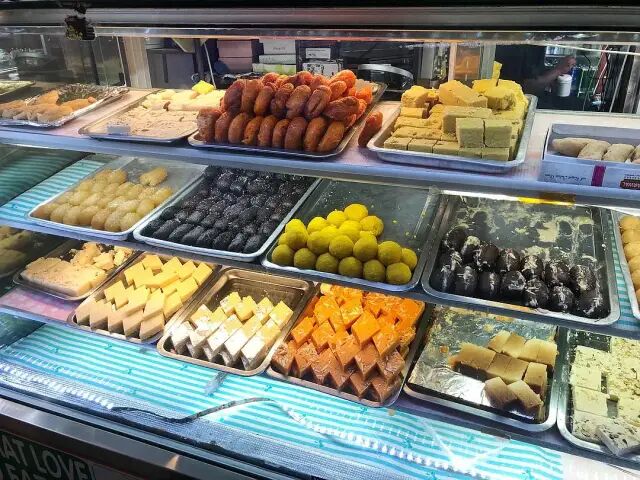
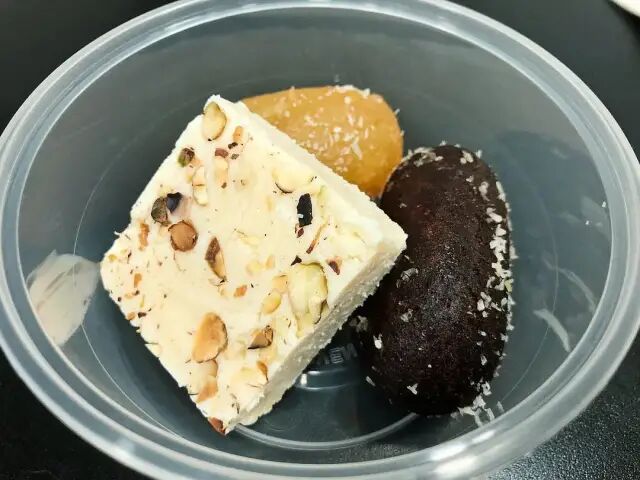
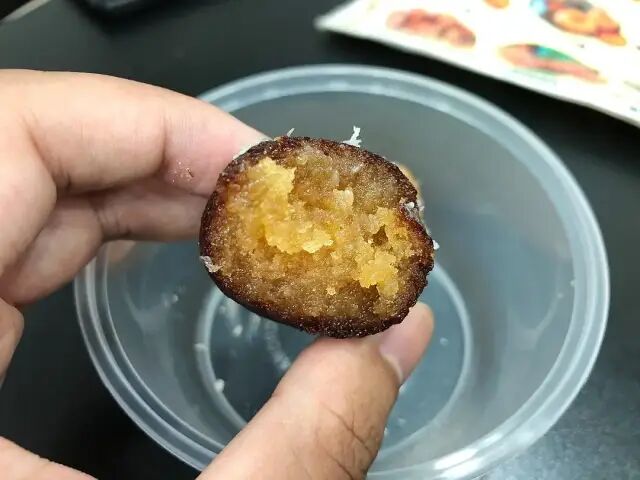
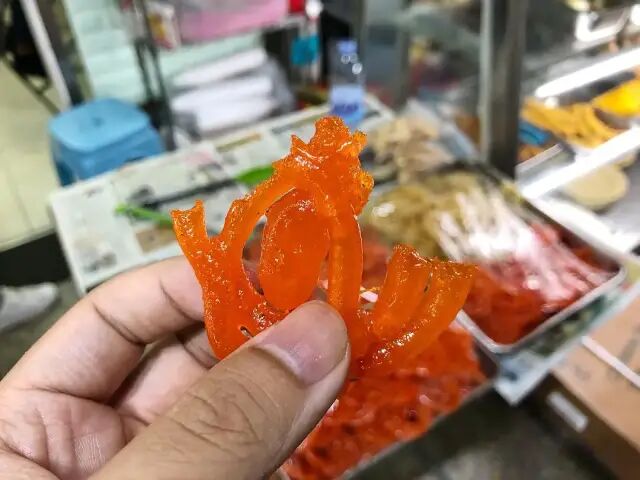
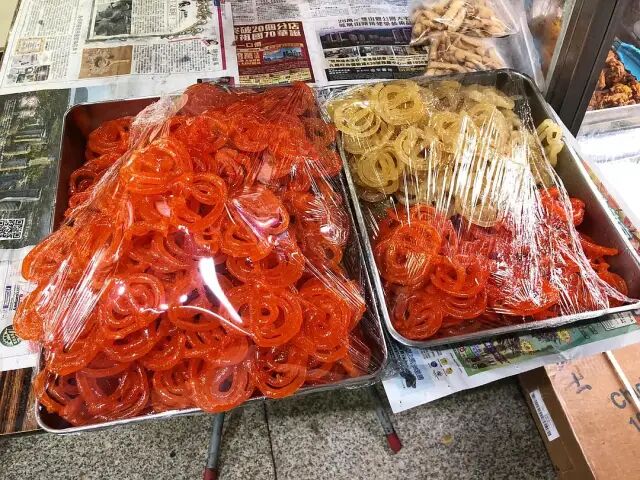
The red dessert was Jalebi, a famous Indian sweet. It is made from fried dough soaked in syrup. Some say India's Jalebi came from Zolbiya in Iran. Persianized Turks brought it to India.
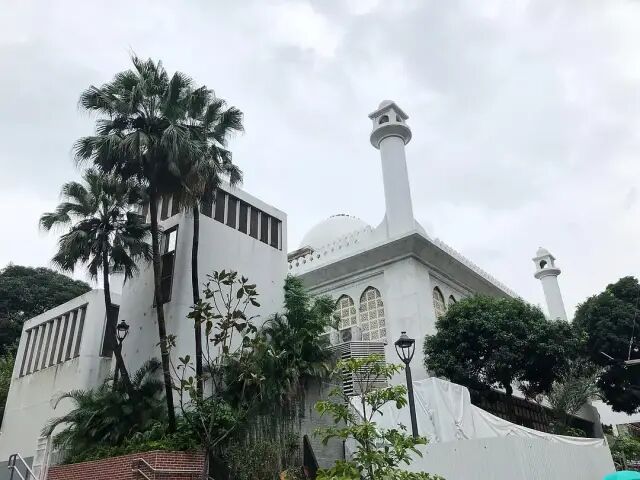
Kowloon Mosque.
We performed namaz at Kowloon Mosque. We also saw beautiful South Asian hats there.
After the 1860 Treaty of Beijing, Kowloon went to the British government. Britain then sent British Indian troops to Kowloon. Many of these were Muslim officers and soldiers from British India.
In the 1890s, Britain built Whitfield Barracks for the British Indian army. This was where Kowloon Park is now. Indian Muslim soldiers needed a place to pray. So, in 1896, the first Kowloon Mosque was built at the southeast corner of the barracks.
The early Kowloon Mosque stayed a military building for the barracks. It was given to the Hong Kong British government only in 1967. In 1970, most of Whitfield Barracks was torn down to build Kowloon Park. The Kowloon Mosque, however, was kept.
From 1975 to 1979, the Hong Kong MTR started construction. This was for the original Kwun Tong Line, which is now the Tsuen Wan Line. In 1978, the MTR company did blasting work next to the Kowloon Mosque. This badly damaged the mosque's structure. The mosque was then called a dangerous building. The MTR company gave compensation, and Muslims made donations. With this help, Kowloon Mosque was rebuilt in 1980 at its current Tsim Sha Tsui site. It opened in 1984.
Currently, Kowloon Mosque is mainly used by South Asian and Southeast Asian Muslims. It serves as the cultural center for non-Chinese Muslims in Hong Kong.
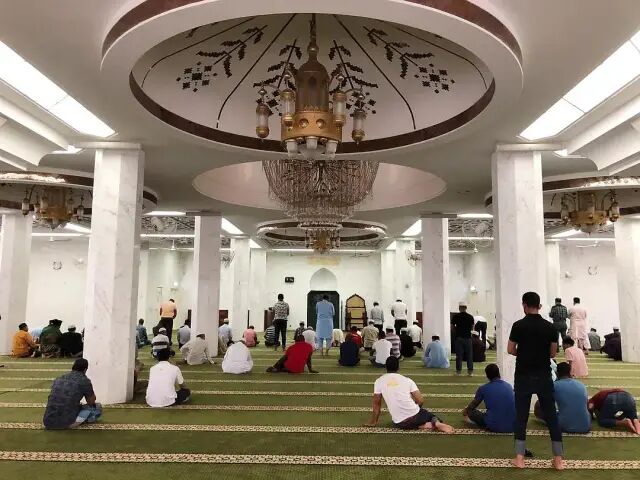
The one standing is the imam leading the prayer.
Syrian restaurant Shabab.
In the evening, we ate at the Syrian restaurant Shabab inside Tsim Sha Tsui Star Ferry Pier. We had hummus chickpea dip (hummus), falafel chickpea fritter wraps (falafel), and shawarma lamb wraps (shawarma). A Syrian man owns the restaurant. At that time, the entire Tsim Sha Tsui mall was closed because of the situation. All buses and subways had stopped. This Syrian restaurant felt like a small harbor, letting us travelers find a safe place to rest.
We went to Chungking Mansions again.
The next morning, we ate at an Indian restaurant on the ground floor of Chungking Mansions. We had Biryani fried rice (Biryani), Tandoori Paratha flatbread (Tandoori Paratha), chickpea curry (Chana Masala), and some Indian desserts.
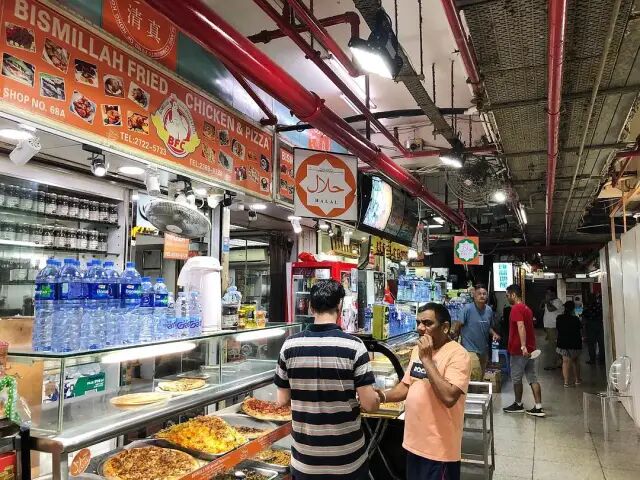
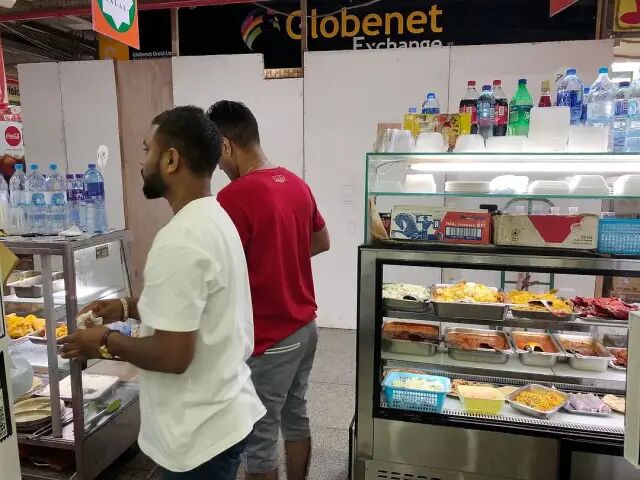
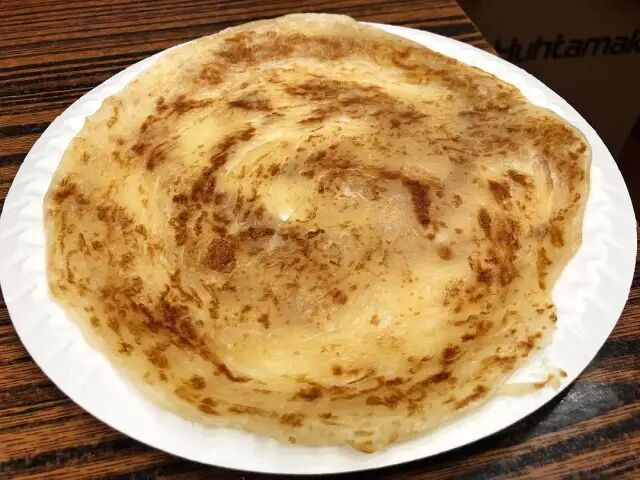
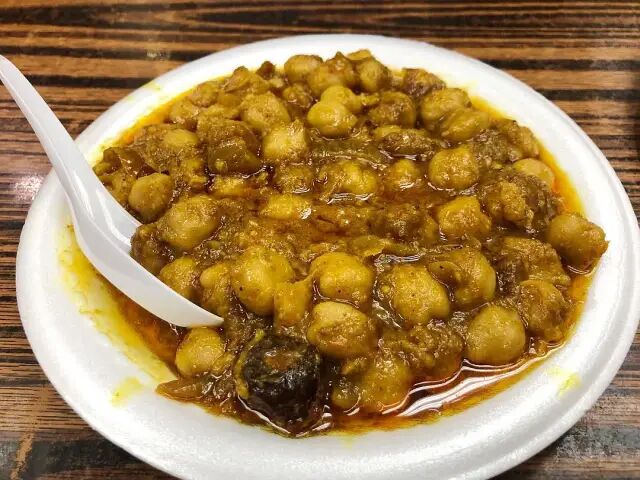
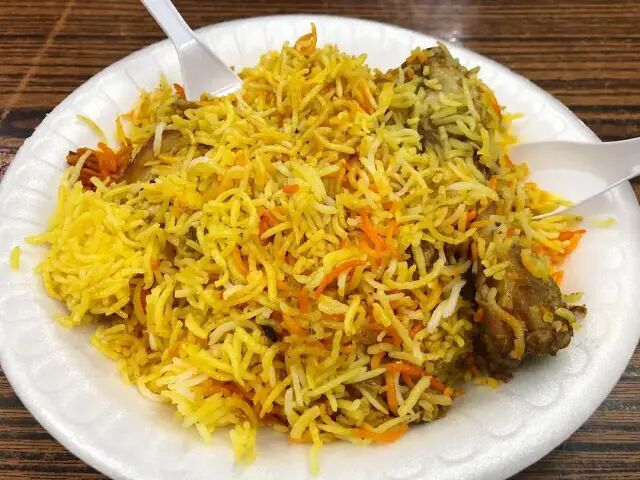
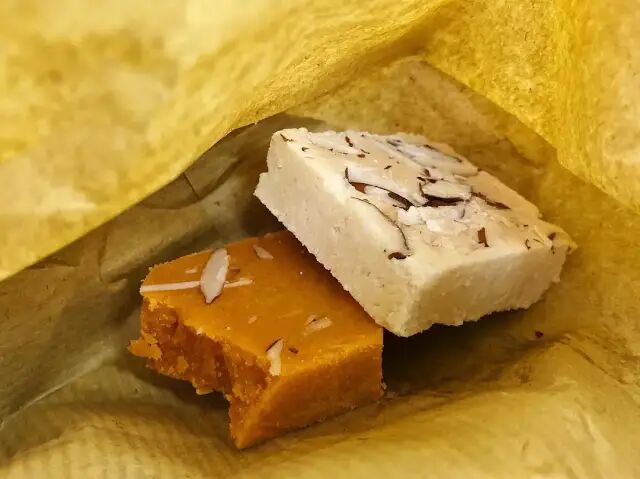
Then we went to the Turkish restaurant on the first floor and bought kebab wraps to go.
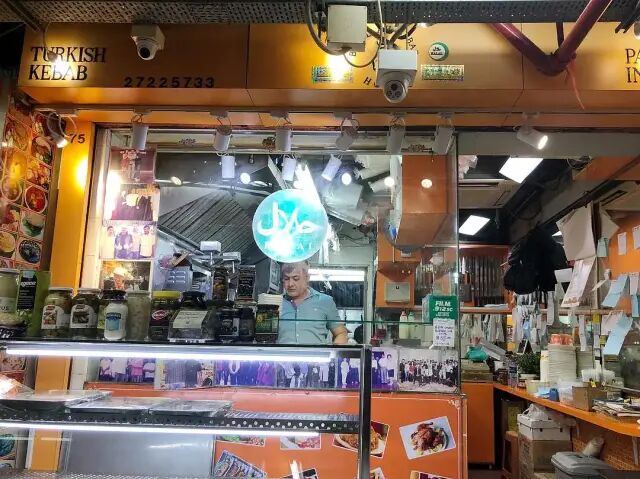
Lamma Island.
Downtown Hong Kong was not safe, so we took a boat to Lamma Island. No matter how turbulent Hong Kong was, Lamma Island felt like a paradise, relaxing and comfortable.
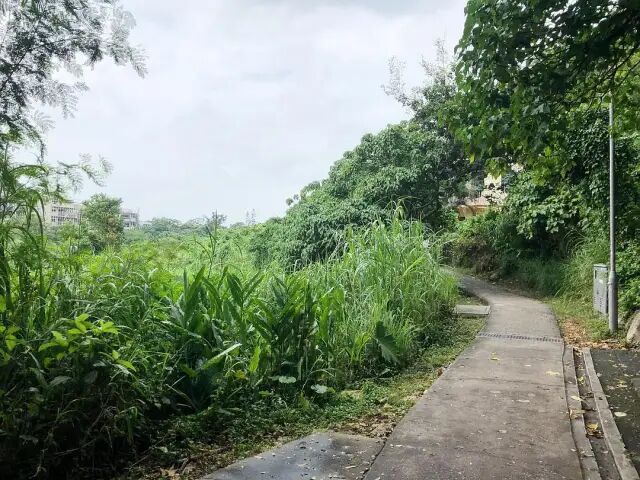
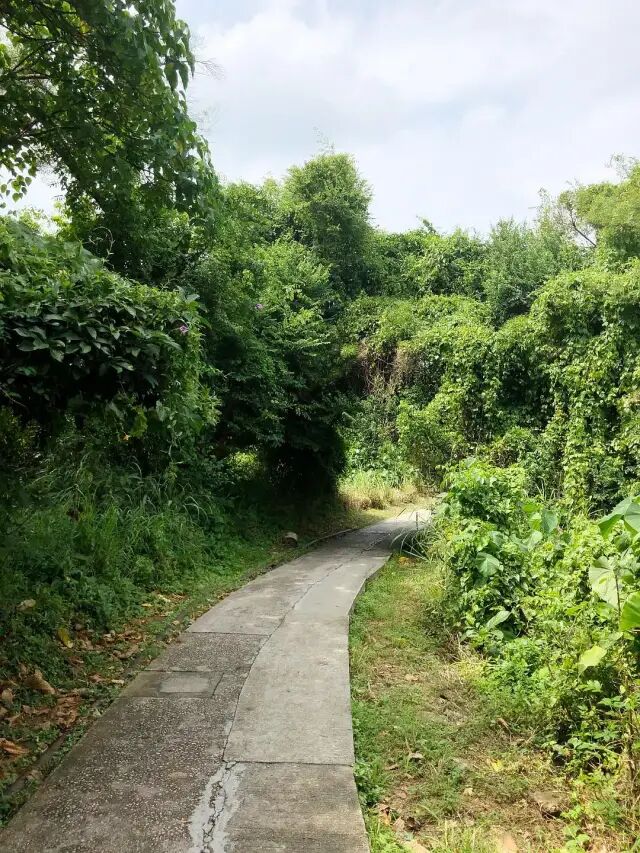
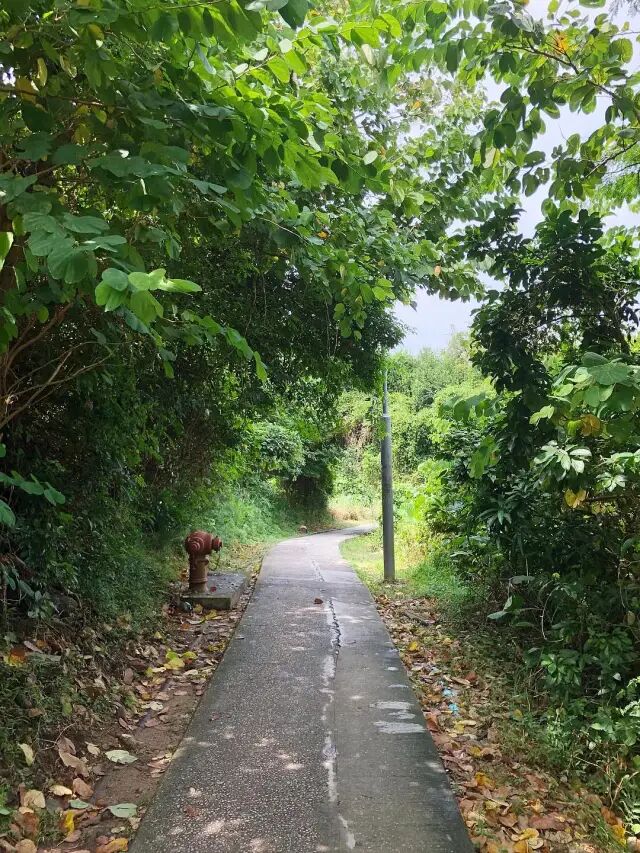
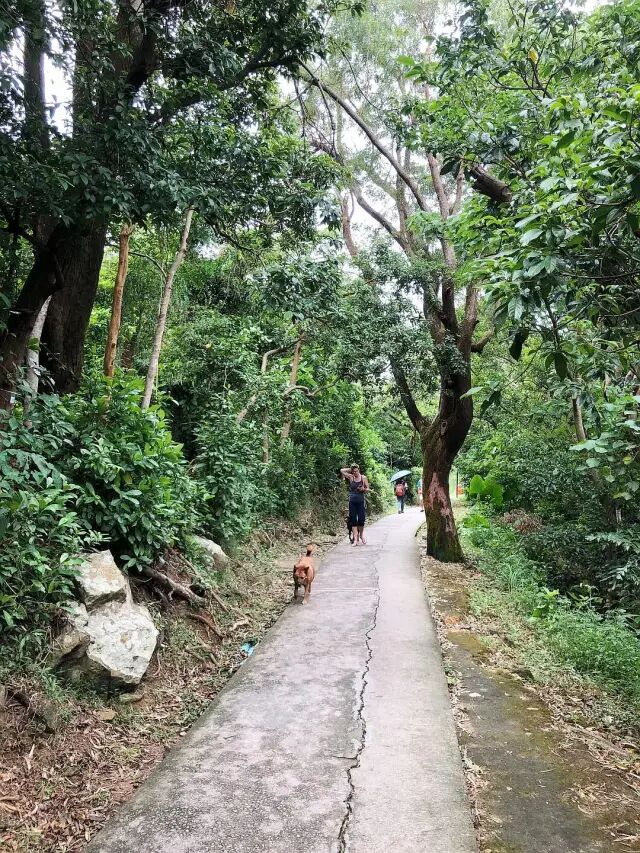
On the beach, we ate the kebab wraps we bought in the morning. It was very pleasant.
Hong Kong Kowloon Muslim Travel Guide: City Walks, Mosques and Halal Food
Articles • ali2007fr posted the article • 0 comments • 127 views • 2026-05-17 06:26
Summary: This travel note introduces Hong Kong Kowloon Muslim Travel Guide: City Walks, Mosques and Halal Food. During the National Day holiday in 2019, I passed through HK while traveling. Due to special circumstances, I only stayed in Kowloon for one night, which left me with many regrets. It is useful for readers interested in Hong Kong Travel, Kowloon, Muslim Travel.
During the National Day holiday in 2019, I passed through HK while traveling. Due to special circumstances, I only stayed in Kowloon for one night, which left me with many regrets. What I didn't expect was that this would be my last time leaving the country in two years.
Chungking Mansions
Chungking Mansions is my favorite place in Kowloon, and I visit it every time I come to Hong Kong.
Using words from Gordon Mathews' 'Ghetto at the Center of the World: Chungking Mansions, Hong Kong' to briefly introduce the legendary Chungking Mansions: Chungking Mansions is a seventeen-story dilapidated building containing many large and small budget hotels and shops, forming a sharp contrast with the surrounding bustling tourist areas. This building can be described as the most globalized building in the world, where businessmen and temporary workers from South Asia and sub-Saharan Africa come to seek their fortunes, international refugees come to seek asylum, and tourists come to find cheap accommodation and adventure. People from various social backgrounds rest in the building, fight for seats at food stalls, haggle in mobile phone shops, and walk through the corridors and aisles.
I first went to Hung Kee Restaurant, which stays open until 11:00 PM. My favorite is their signature crispy fried chicken, which is crispy on the outside and tender on the inside. Then I also ordered corn and fish fillet, dace with black bean sauce, and shredded chicken rice noodles.
Right next to Hung Kee Restaurant is a small Pakistani shop. Every time I come to Hung Kee to eat, I browse their shop. This time I bought a Pakistani-style sequined hat called a Sindhi Topi (a traditional cap from the Sindh region).
Sindhi Topi literally translates to 'Sindh hat'; it is a hat worn by the Sindhi people of Pakistan and has spread among Muslims throughout South Asia. The biggest feature of the Sindhi Topi is that it leaves the forehead exposed and is often decorated with sequins. The Sindhi people regard the Sindhi Topi as a very precious gift and an important part of Sindhi culture. According to a 2008 statistic, there were 7,500 Sindhi people living in HK at that time.
After buying the hat, I ate Indian desserts at two other nearby shops.
The red one is the famous Indian dessert Jalebi (a sweet, deep-fried batter soaked in syrup), which is made by deep-frying dough and soaking it in sugar syrup. One theory suggests that India's Jalebi comes from Iran's Zolbiya, brought to India by Persianized Turks.
Kowloon Mosque
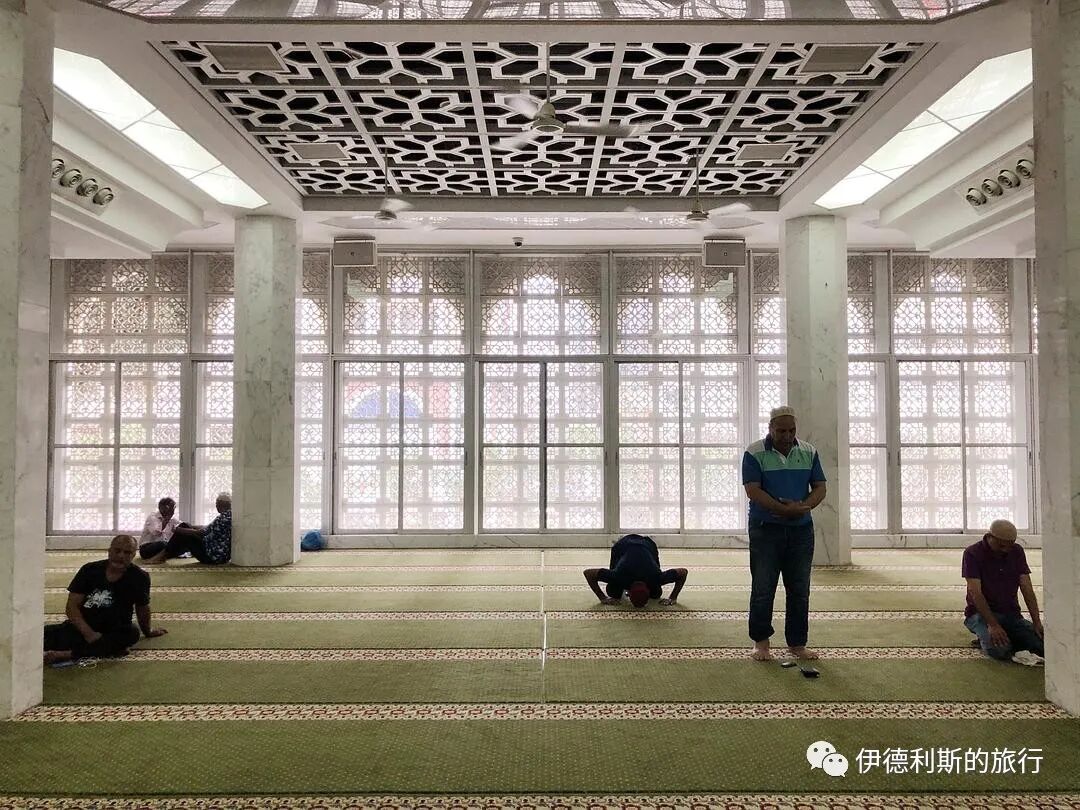
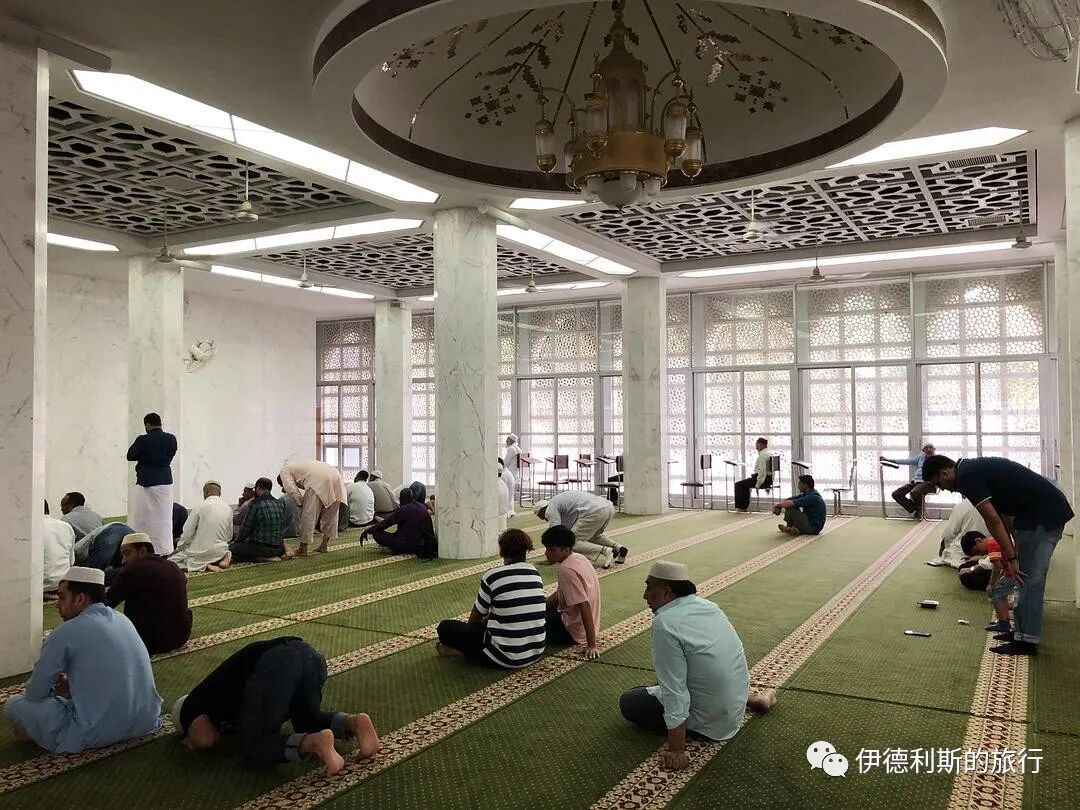
I performed Salah (prayer) at the Kowloon Mosque and saw beautiful South Asian hats.
After the Convention of Peking was signed in 1860, Kowloon was handed over to the British government. The British immediately began sending the British Indian Army to be stationed in Kowloon, which included many Indian Muslim officers and soldiers. In the 1890s, the British built the Whitfield Barracks for the British Indian Army at the current location of Kowloon Park. Due to the need for Indian Muslim soldiers to pray, the first Kowloon Mosque was built in the southeast corner of the barracks in 1896.
The early Kowloon Mosque remained a military facility of the barracks until it was handed over to the British Hong Kong government in 1967. In 1970, most of the Whitfield Barracks were demolished to build Kowloon Park, while the Kowloon Mosque was preserved.
Between 1975 and 1979, the Hong Kong MTR (formerly the Kwun Tong Line, now the Tsuen Wan Line) began construction. In 1978, the MTR Corporation conducted blasting next to the Kowloon Mosque, which seriously affected the building's structure, and the mosque was declared a dangerous building. With compensation from the MTR Corporation and donations from Muslims, the Kowloon Mosque was rebuilt at its current site in Tsim Sha Tsui in 1980 and opened in 1984. Currently, the Kowloon Mosque is mainly used by South Asian and Southeast Asian Muslims and is the cultural center for non-ethnic Chinese Muslims in Hong Kong.
Standing is the Imam.
Syrian restaurant Shabab
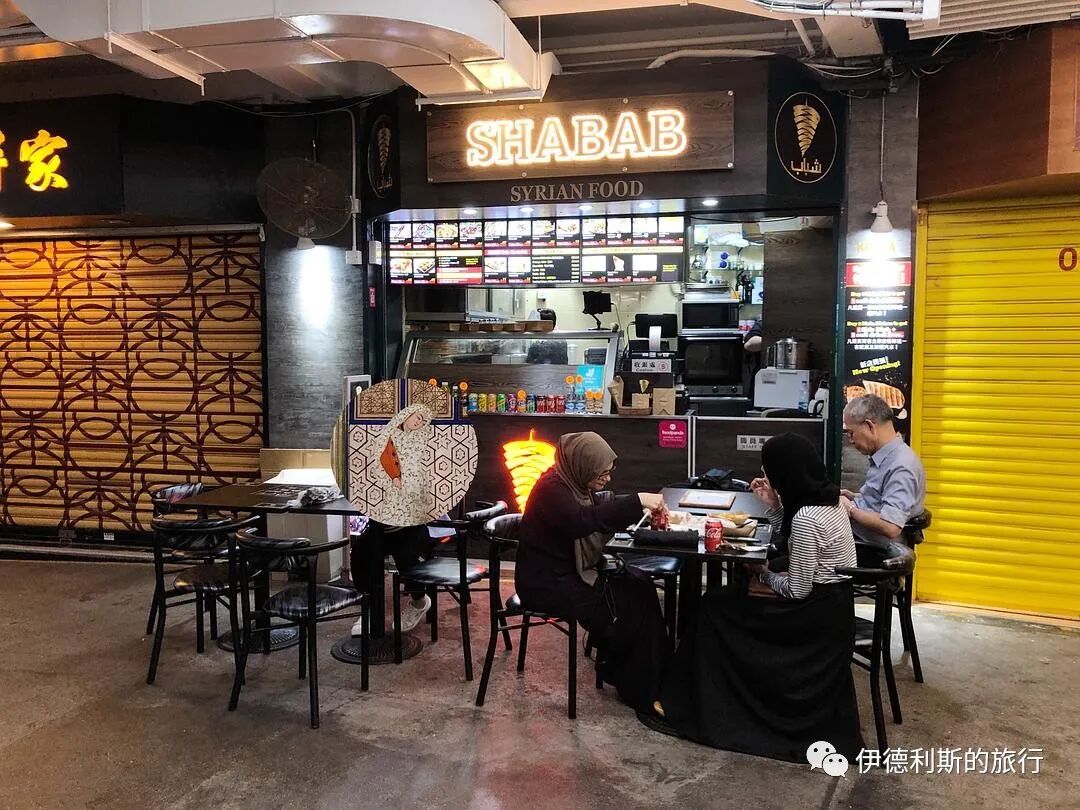
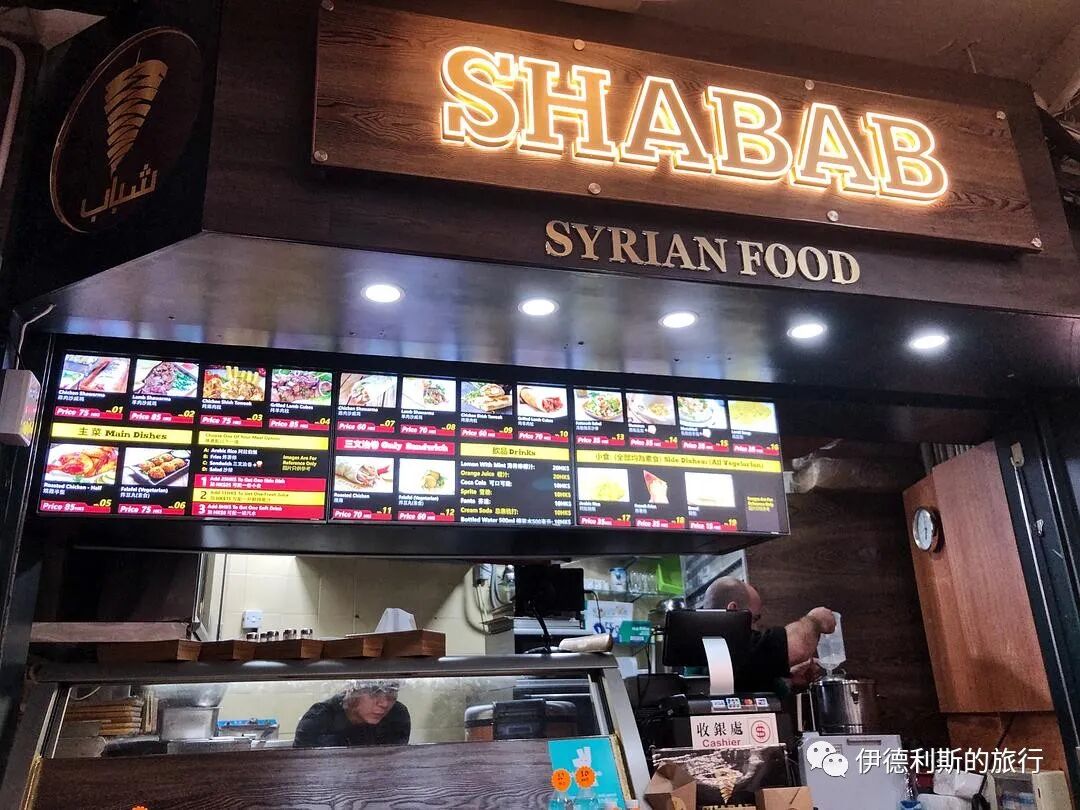
In the evening, due to special reasons, all shopping malls in Tsim Sha Tsui were closed, and buses and subways were suspended. We found a Syrian restaurant called Shabab inside the Tsim Sha Tsui Star Ferry Pier and ate hummus (chickpea dip), falafel (deep-fried chickpea balls) wraps, and lamb wraps. At such a special moment, this Syrian restaurant was like a small harbor, allowing us travelers away from home to dock with peace of mind.
Went to Chungking Mansions again
The next morning, I ate Biryani (spiced rice dish), Tandoori Paratha (clay oven-baked flatbread), Chana Masala (chickpea curry), and some Indian desserts at an Indian restaurant on the ground floor of Chungking Mansions.
Then I went to the Turkish restaurant on the first floor to buy a kebab wrap to take away.
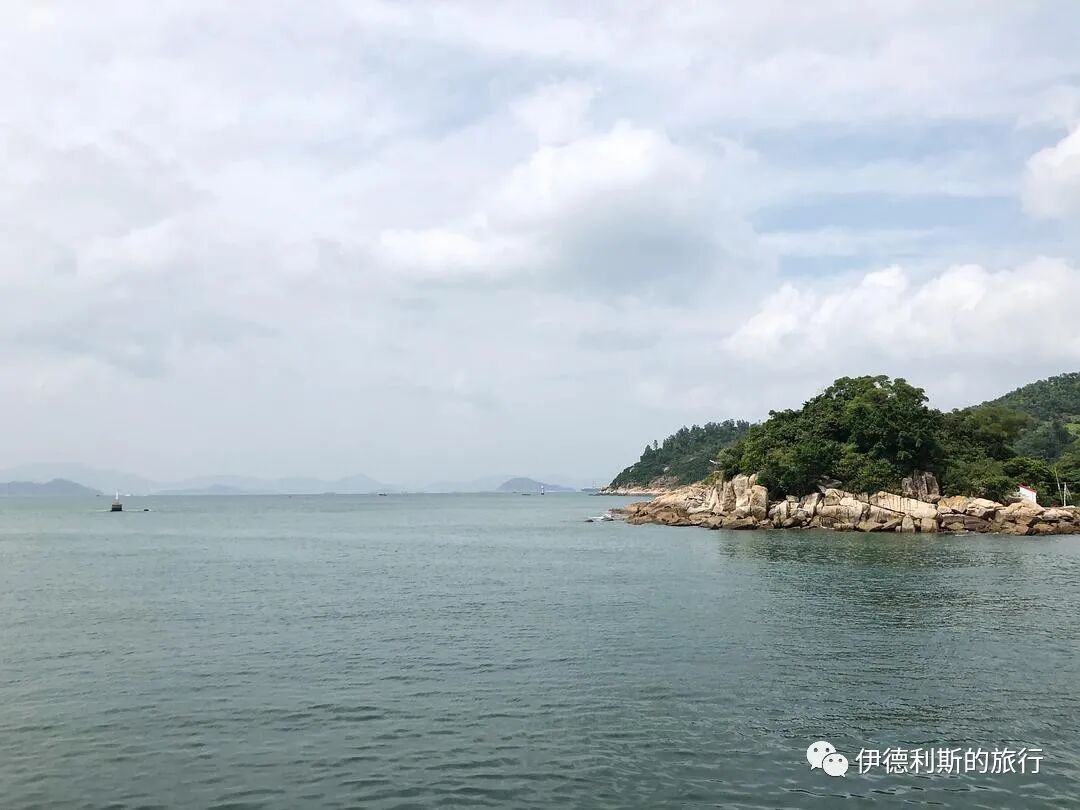
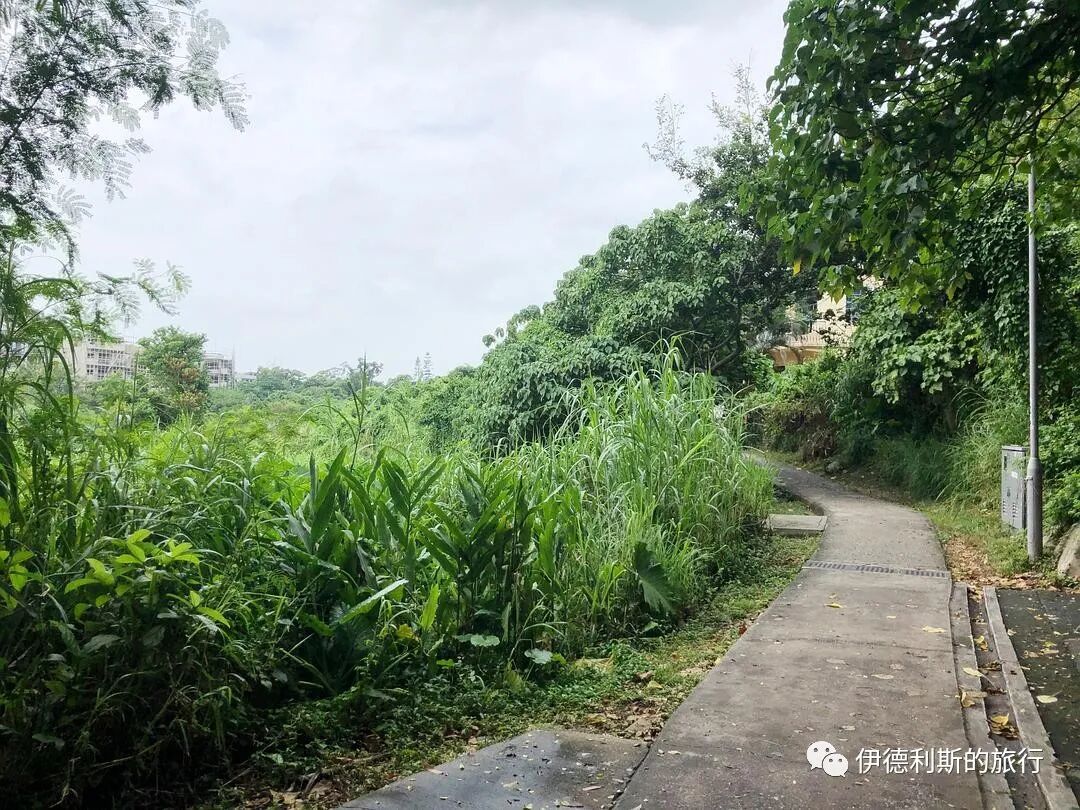
Then I took a boat to Lamma Island. This was my second time there. No matter how turbulent things are in HK, Lamma Island feels like a paradise, relaxing and comfortable.
I ate the kebab wrap I bought in the morning on the beach, which was very pleasant. view all
Summary: This travel note introduces Hong Kong Kowloon Muslim Travel Guide: City Walks, Mosques and Halal Food. During the National Day holiday in 2019, I passed through HK while traveling. Due to special circumstances, I only stayed in Kowloon for one night, which left me with many regrets. It is useful for readers interested in Hong Kong Travel, Kowloon, Muslim Travel.
During the National Day holiday in 2019, I passed through HK while traveling. Due to special circumstances, I only stayed in Kowloon for one night, which left me with many regrets. What I didn't expect was that this would be my last time leaving the country in two years.
Chungking Mansions
Chungking Mansions is my favorite place in Kowloon, and I visit it every time I come to Hong Kong.
Using words from Gordon Mathews' 'Ghetto at the Center of the World: Chungking Mansions, Hong Kong' to briefly introduce the legendary Chungking Mansions: Chungking Mansions is a seventeen-story dilapidated building containing many large and small budget hotels and shops, forming a sharp contrast with the surrounding bustling tourist areas. This building can be described as the most globalized building in the world, where businessmen and temporary workers from South Asia and sub-Saharan Africa come to seek their fortunes, international refugees come to seek asylum, and tourists come to find cheap accommodation and adventure. People from various social backgrounds rest in the building, fight for seats at food stalls, haggle in mobile phone shops, and walk through the corridors and aisles.
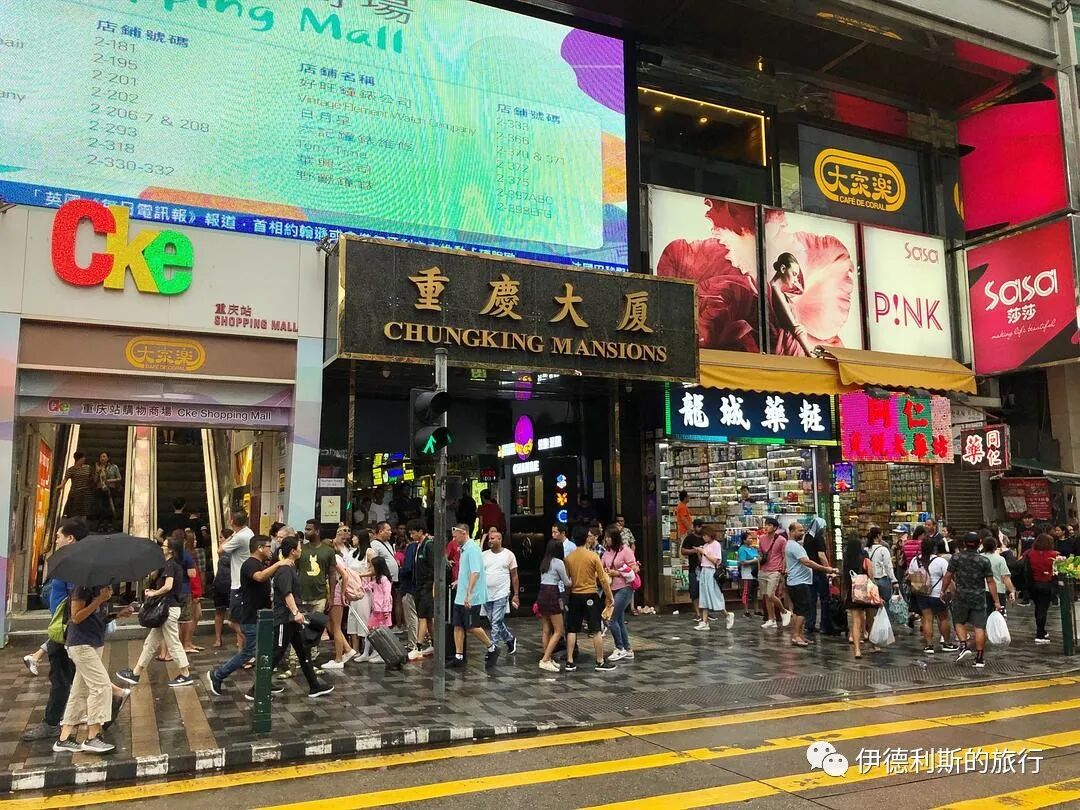
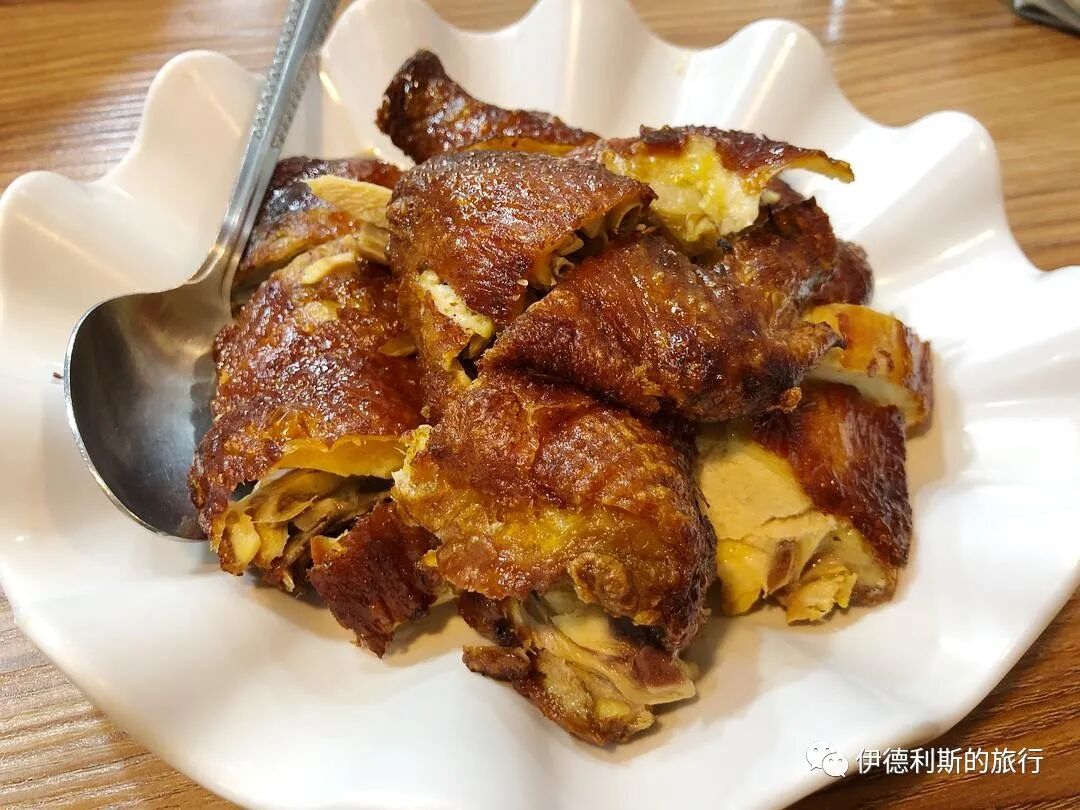
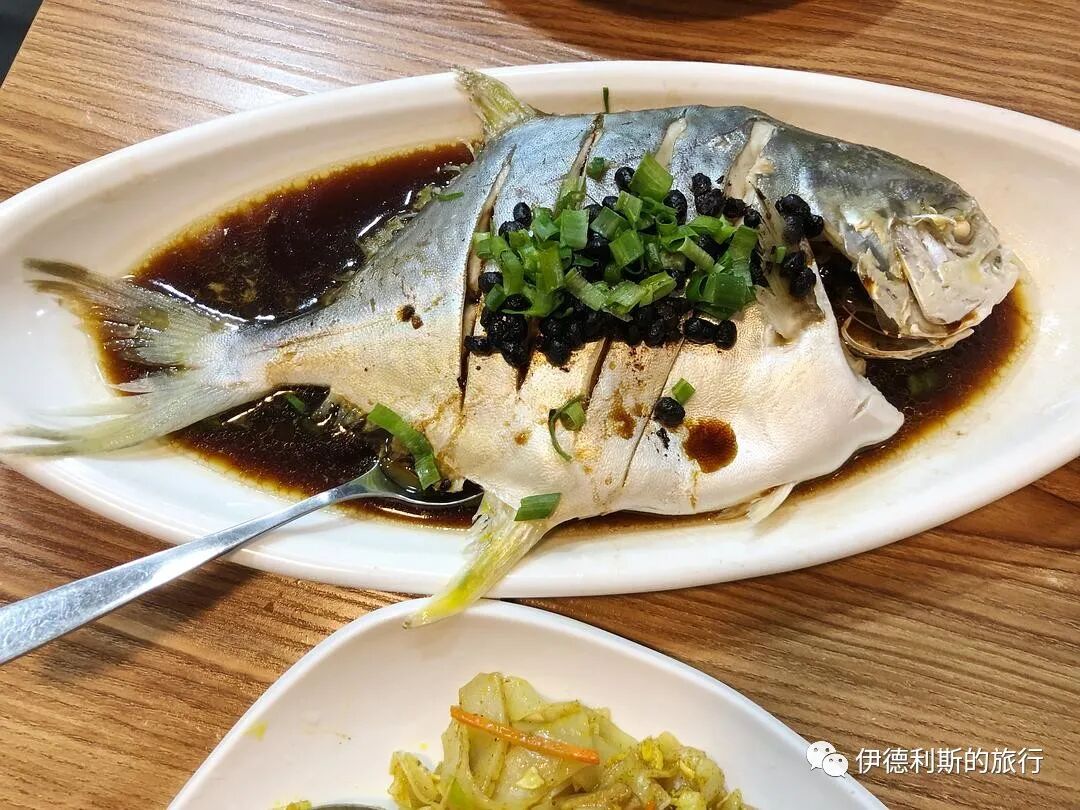
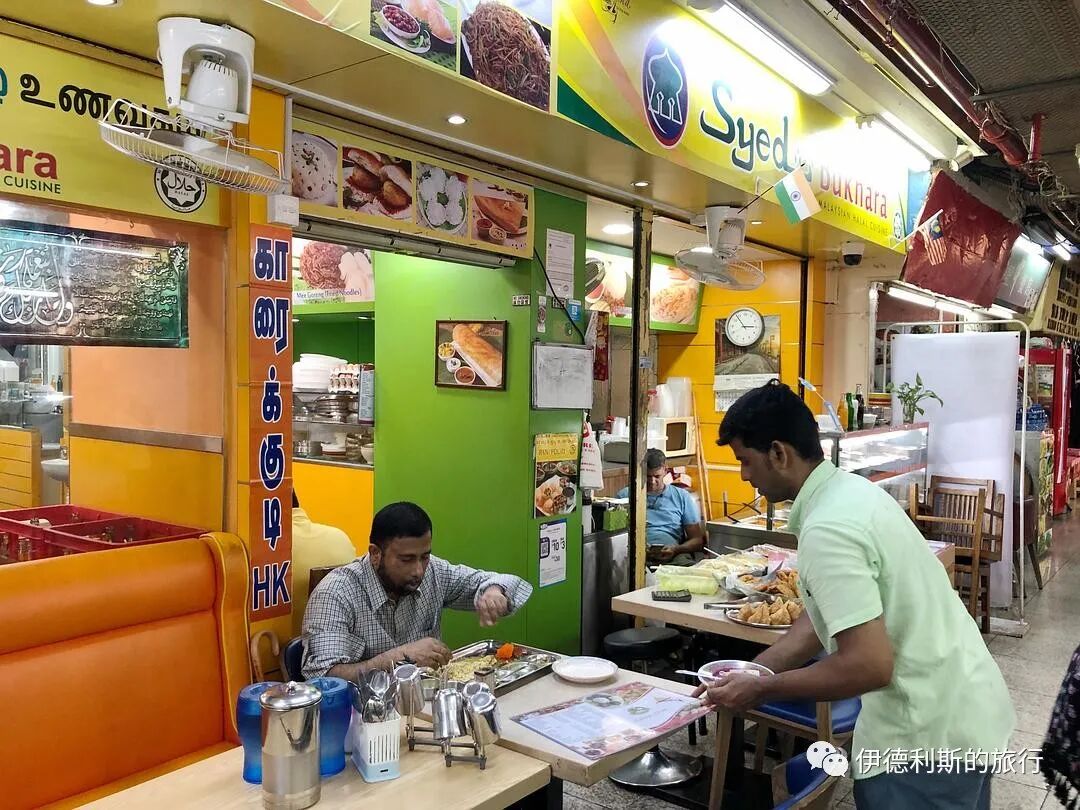
I first went to Hung Kee Restaurant, which stays open until 11:00 PM. My favorite is their signature crispy fried chicken, which is crispy on the outside and tender on the inside. Then I also ordered corn and fish fillet, dace with black bean sauce, and shredded chicken rice noodles.
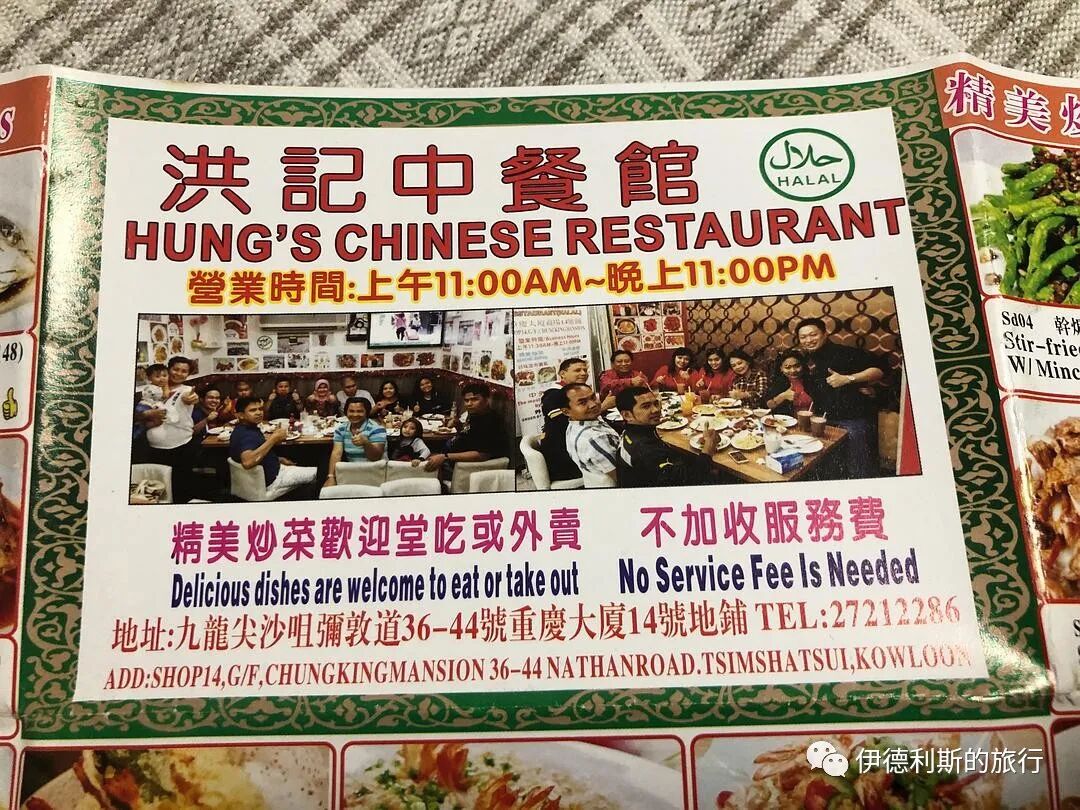
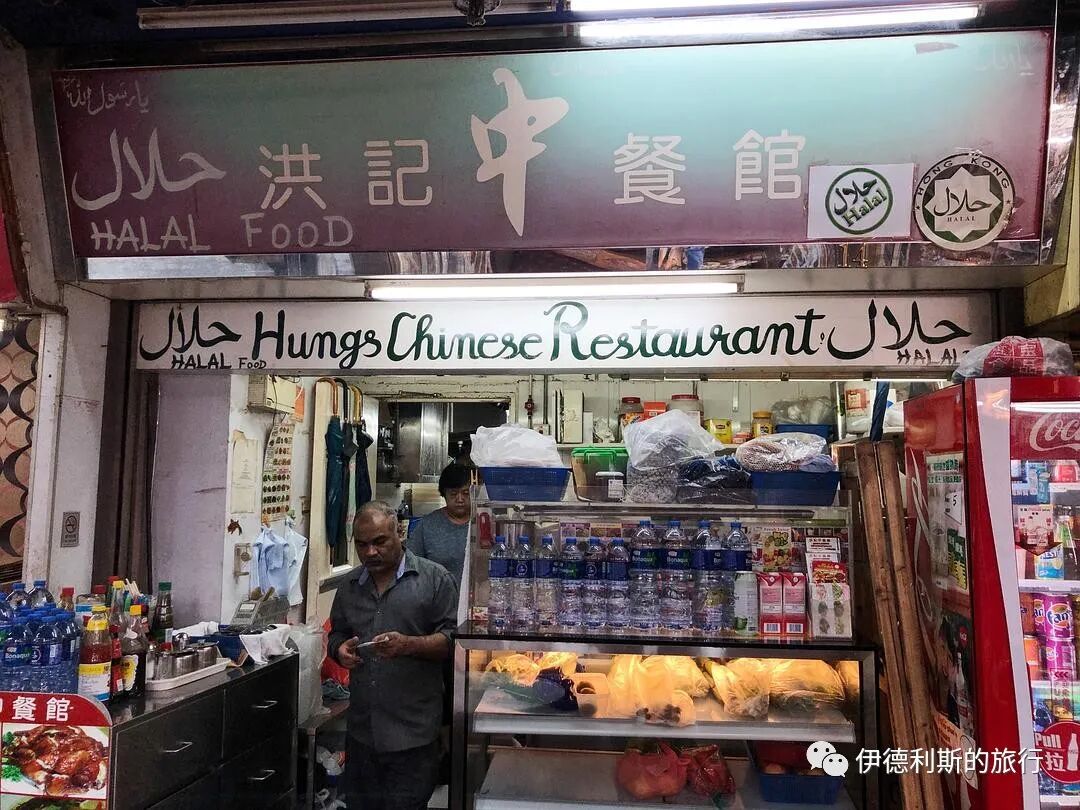
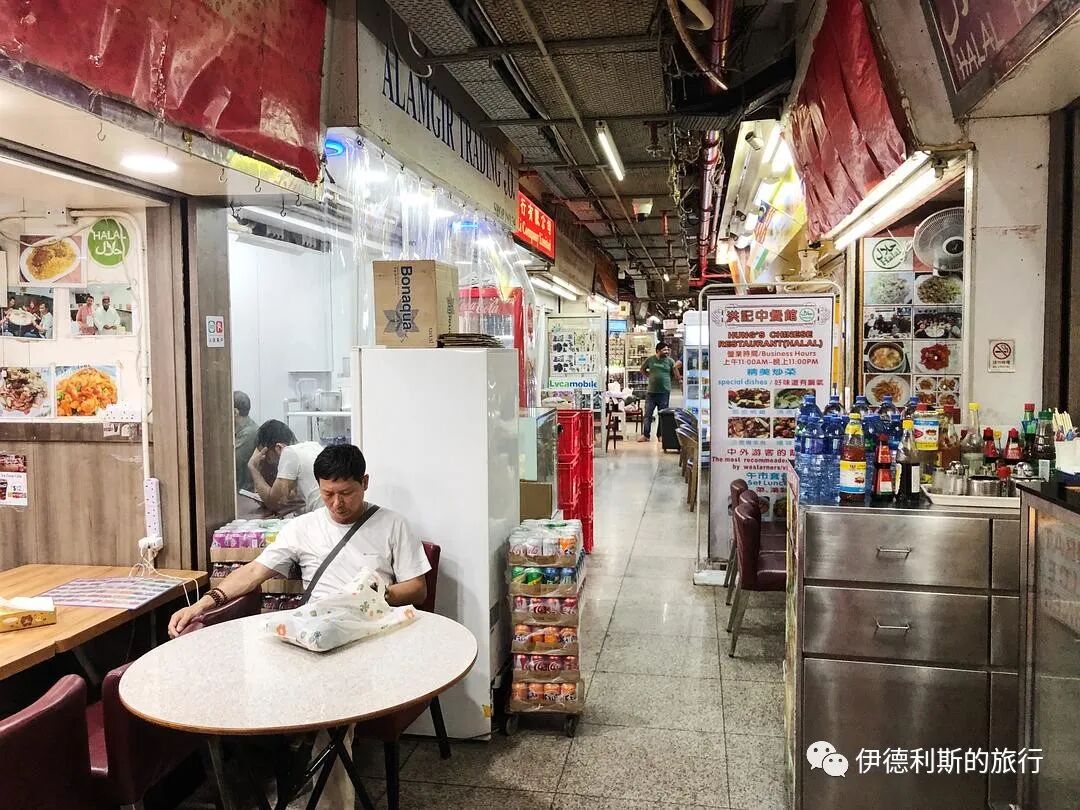
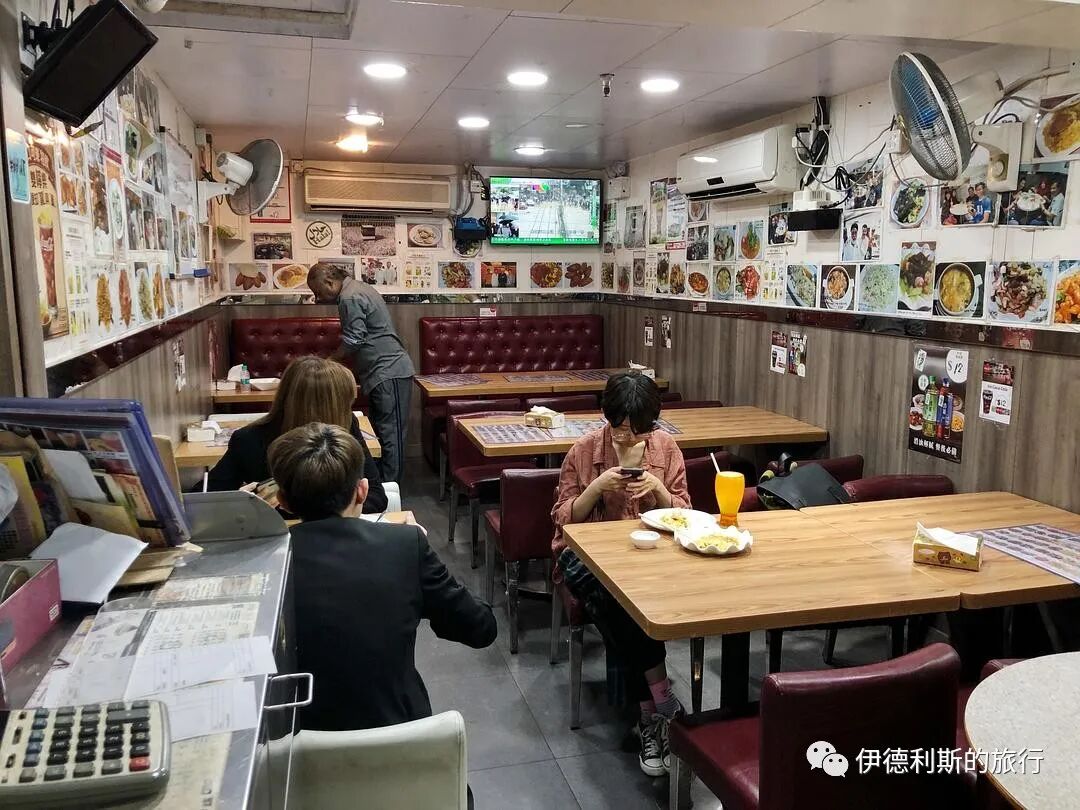
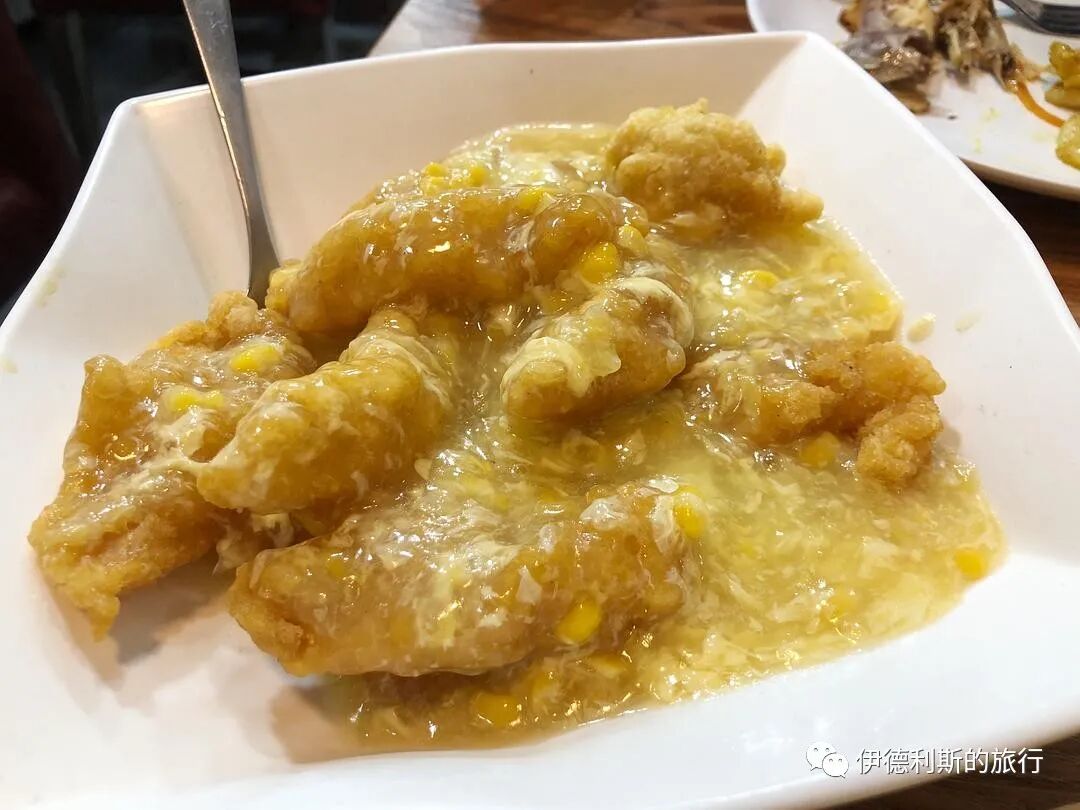
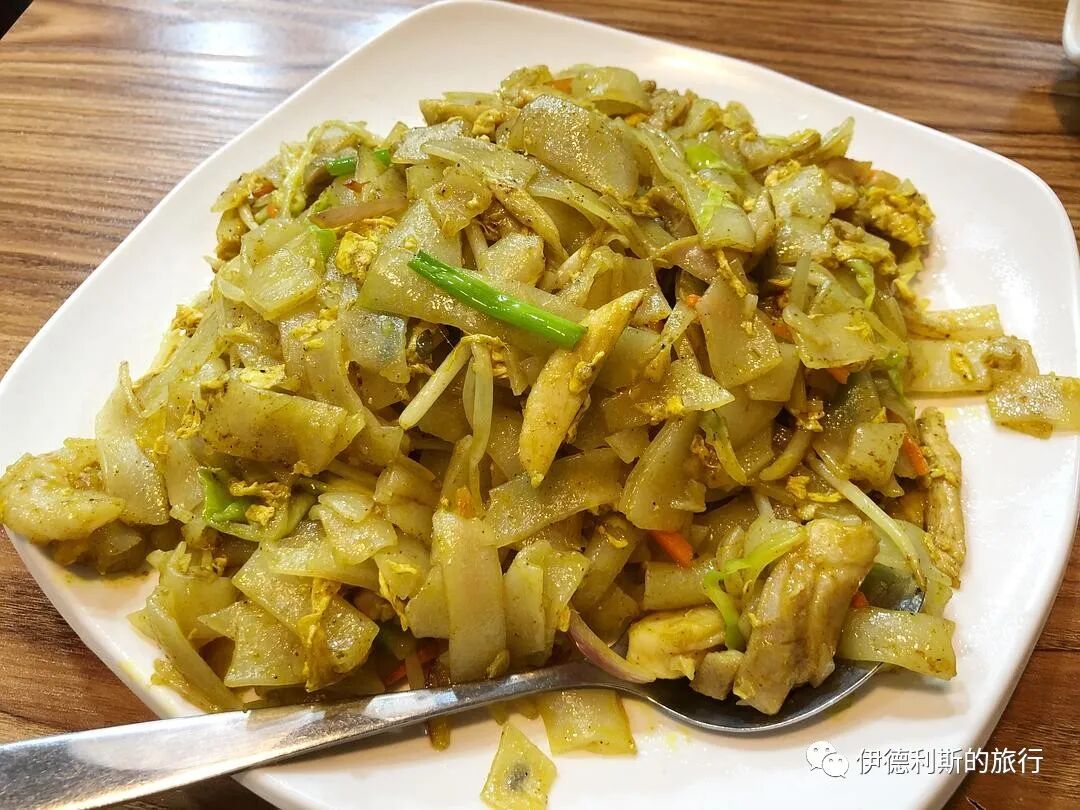
Right next to Hung Kee Restaurant is a small Pakistani shop. Every time I come to Hung Kee to eat, I browse their shop. This time I bought a Pakistani-style sequined hat called a Sindhi Topi (a traditional cap from the Sindh region).
Sindhi Topi literally translates to 'Sindh hat'; it is a hat worn by the Sindhi people of Pakistan and has spread among Muslims throughout South Asia. The biggest feature of the Sindhi Topi is that it leaves the forehead exposed and is often decorated with sequins. The Sindhi people regard the Sindhi Topi as a very precious gift and an important part of Sindhi culture. According to a 2008 statistic, there were 7,500 Sindhi people living in HK at that time.
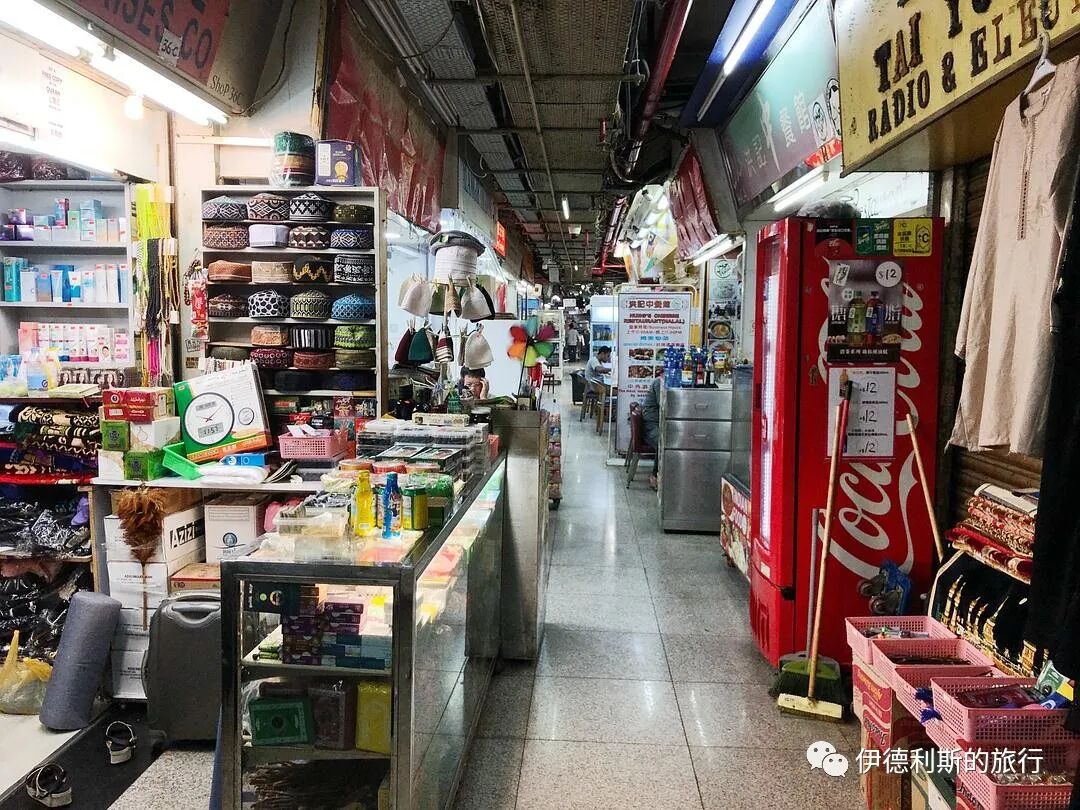
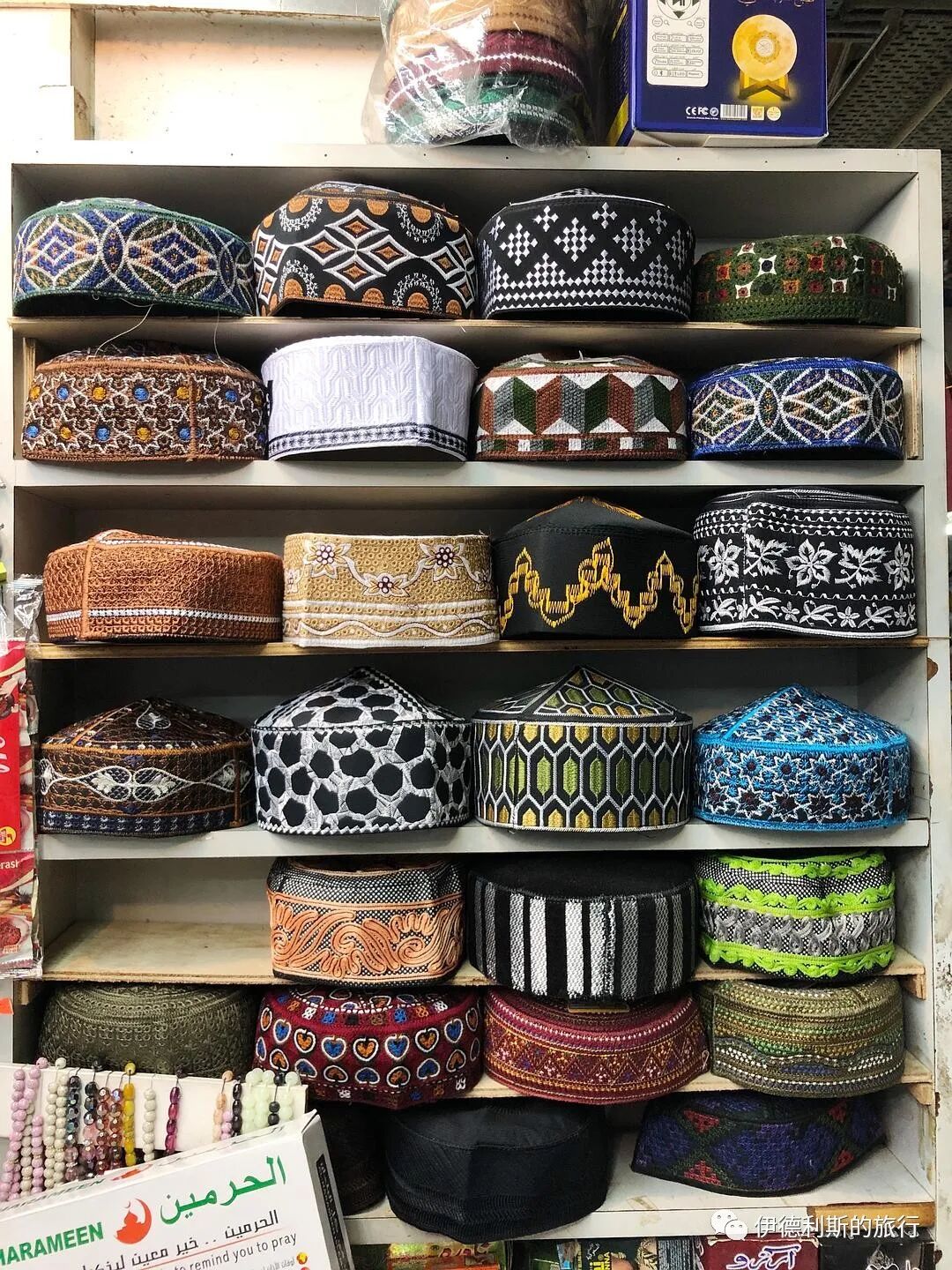
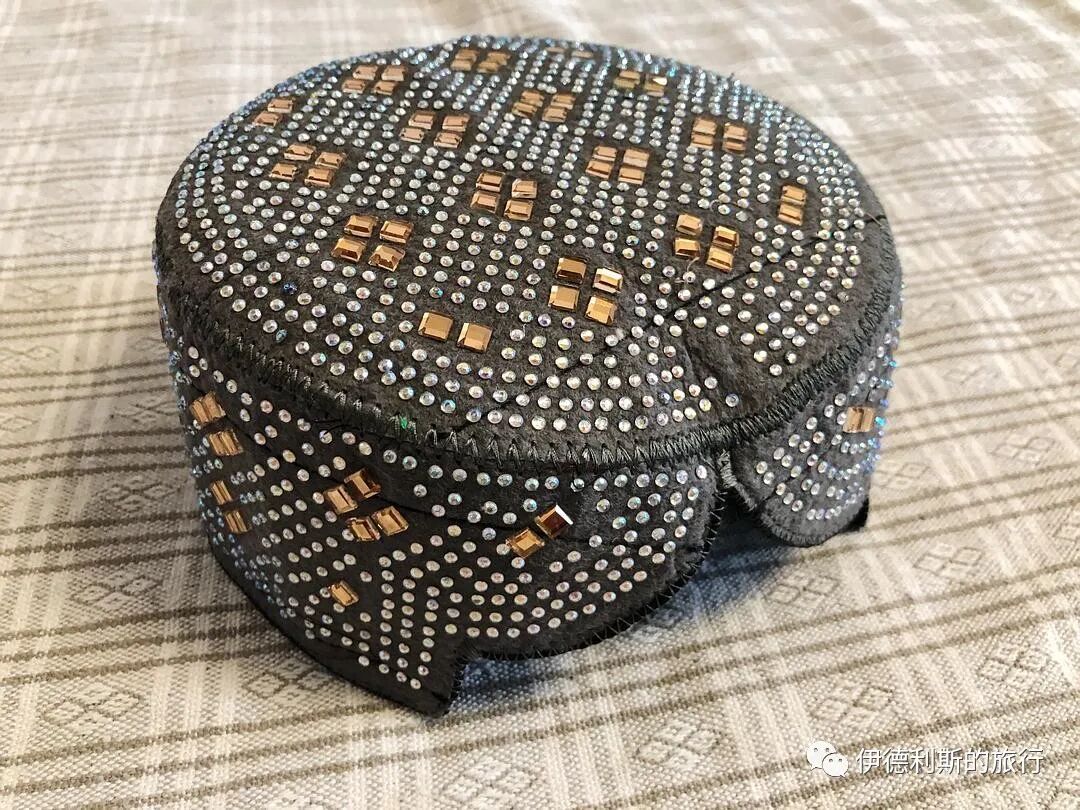
After buying the hat, I ate Indian desserts at two other nearby shops.
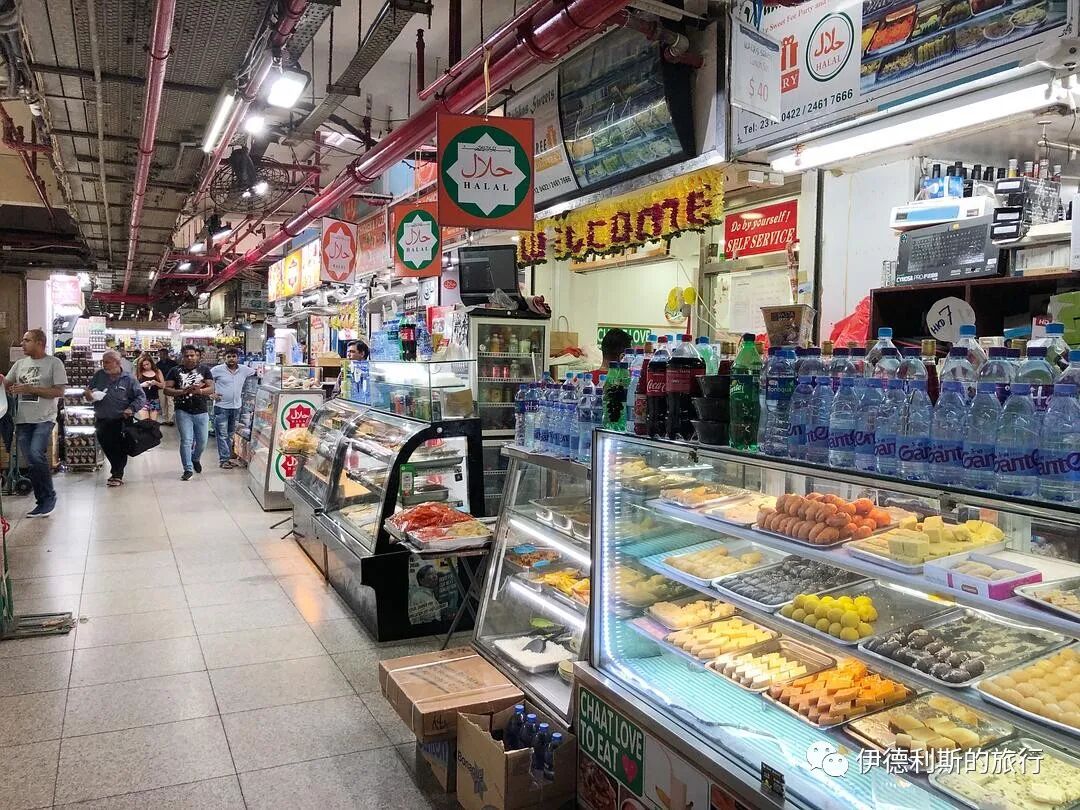
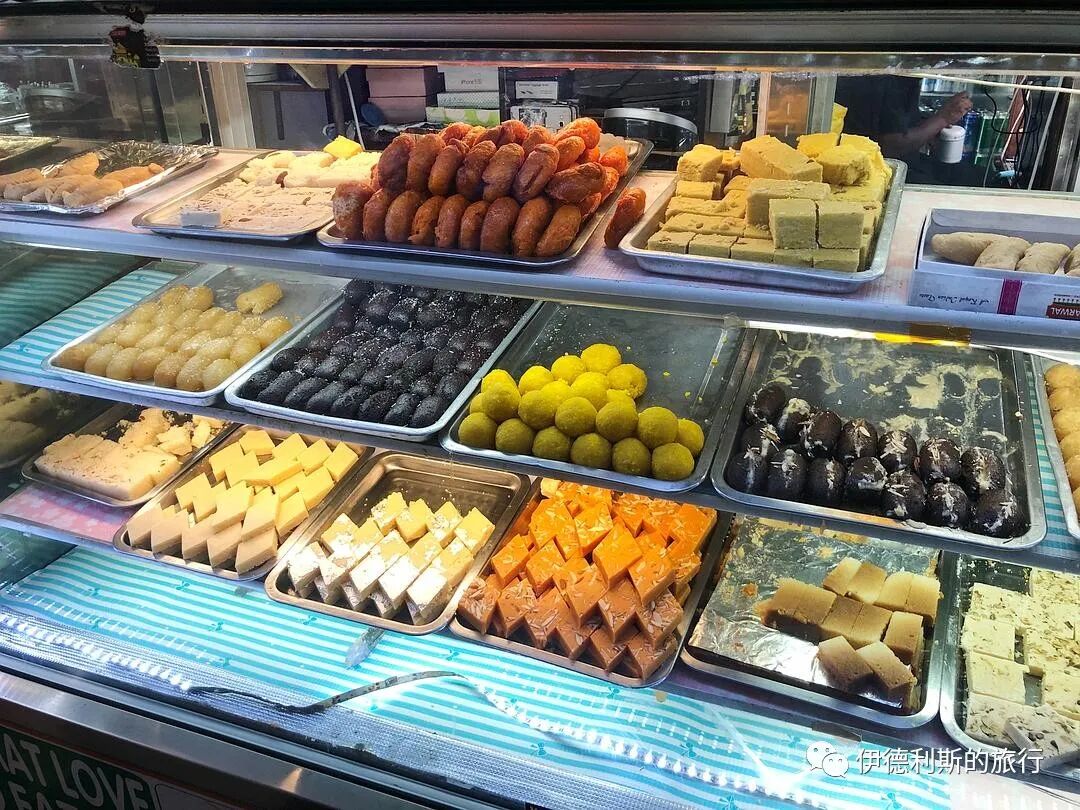
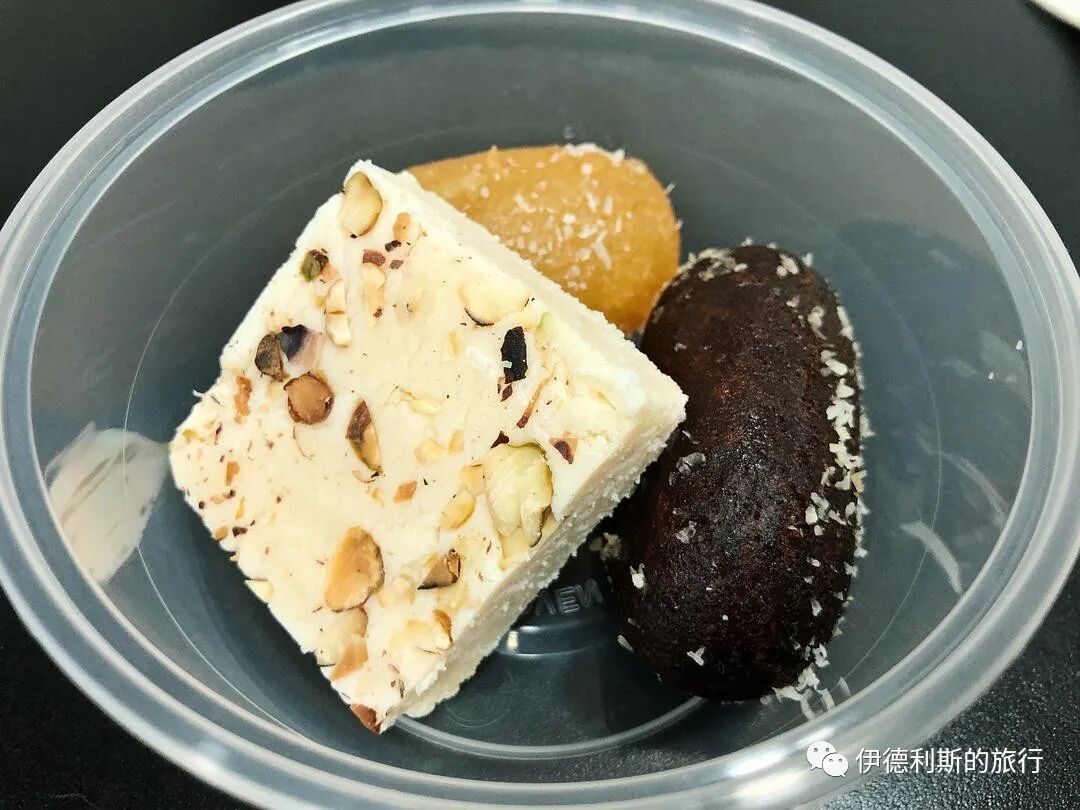
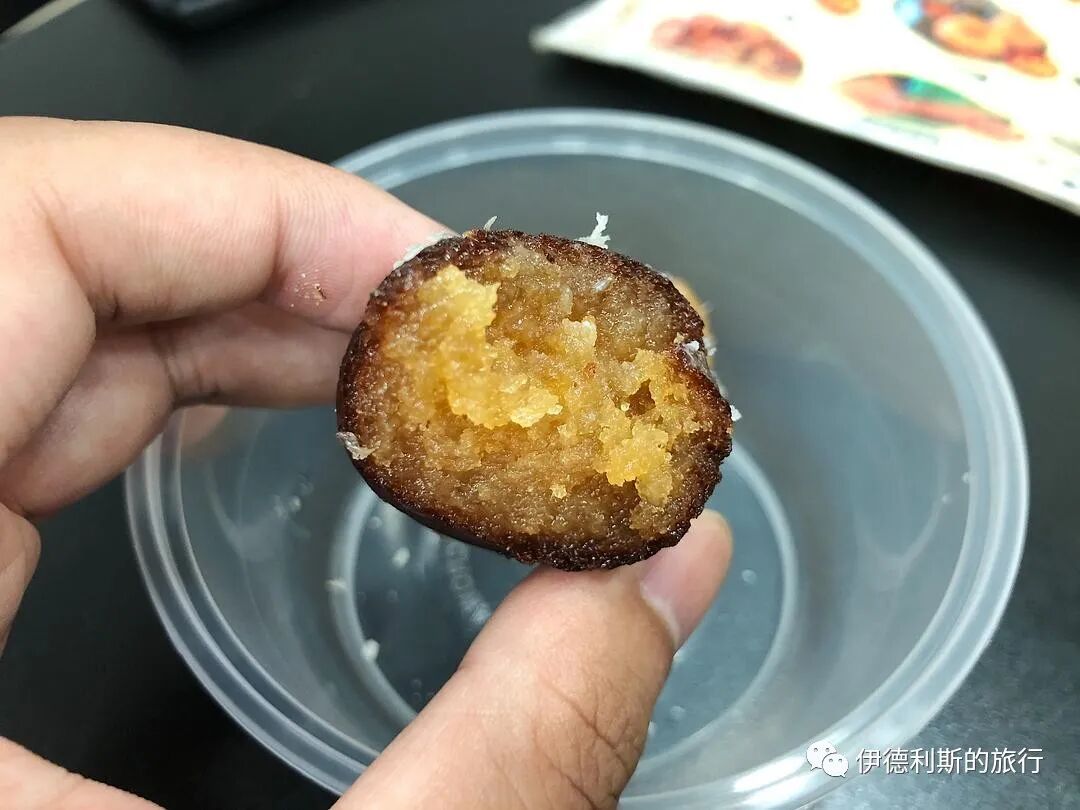
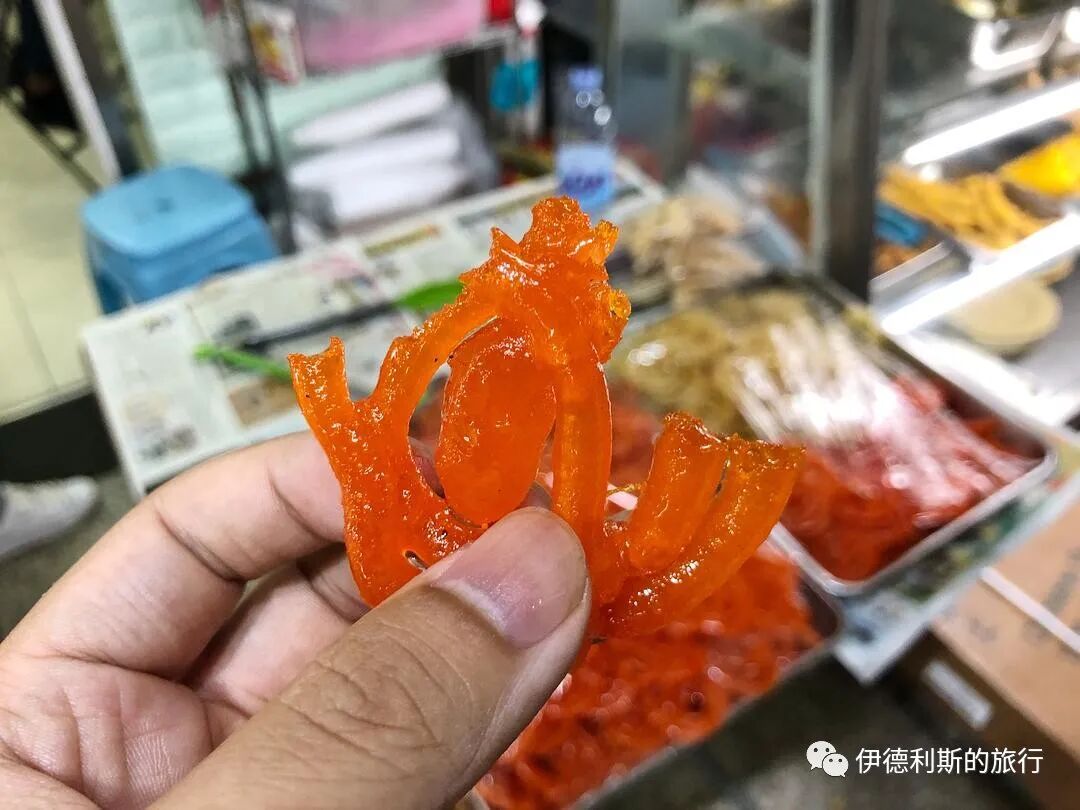
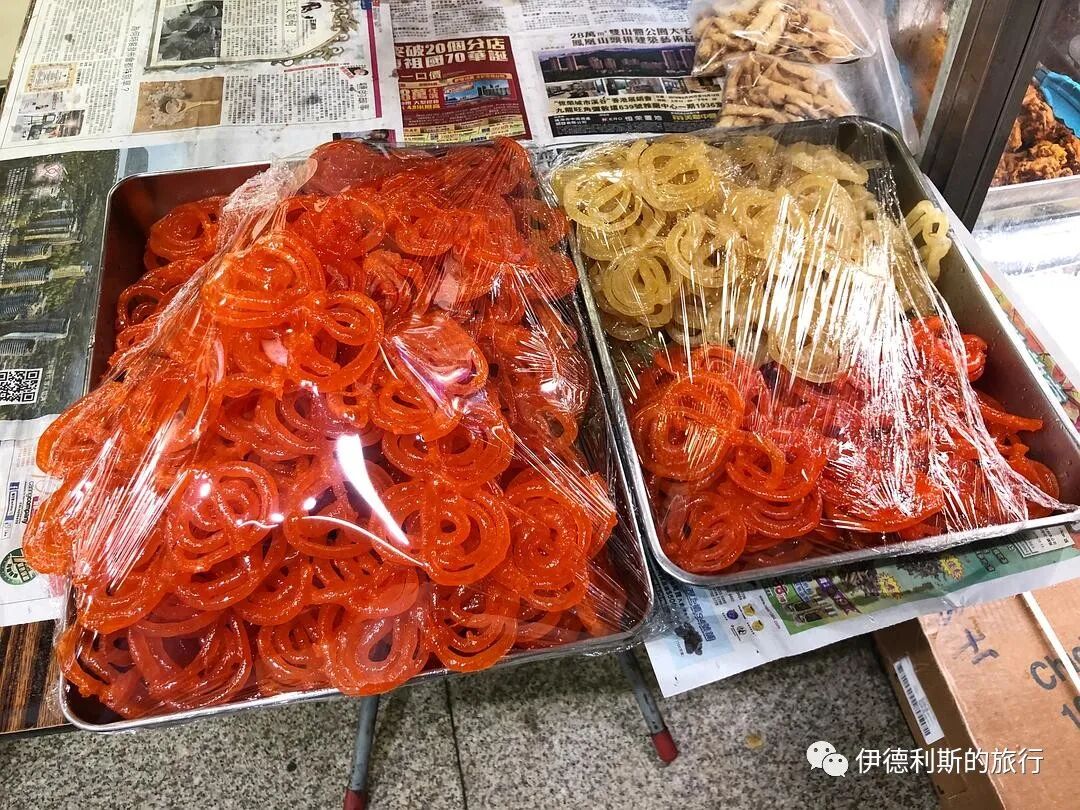
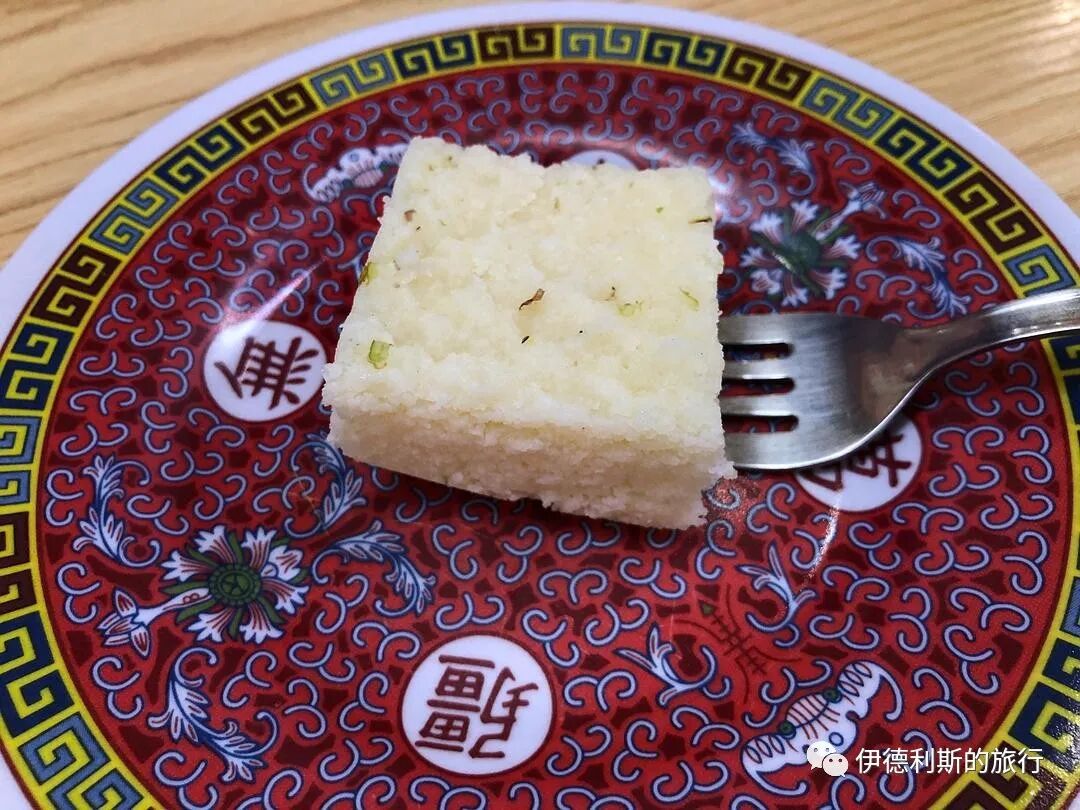
The red one is the famous Indian dessert Jalebi (a sweet, deep-fried batter soaked in syrup), which is made by deep-frying dough and soaking it in sugar syrup. One theory suggests that India's Jalebi comes from Iran's Zolbiya, brought to India by Persianized Turks.
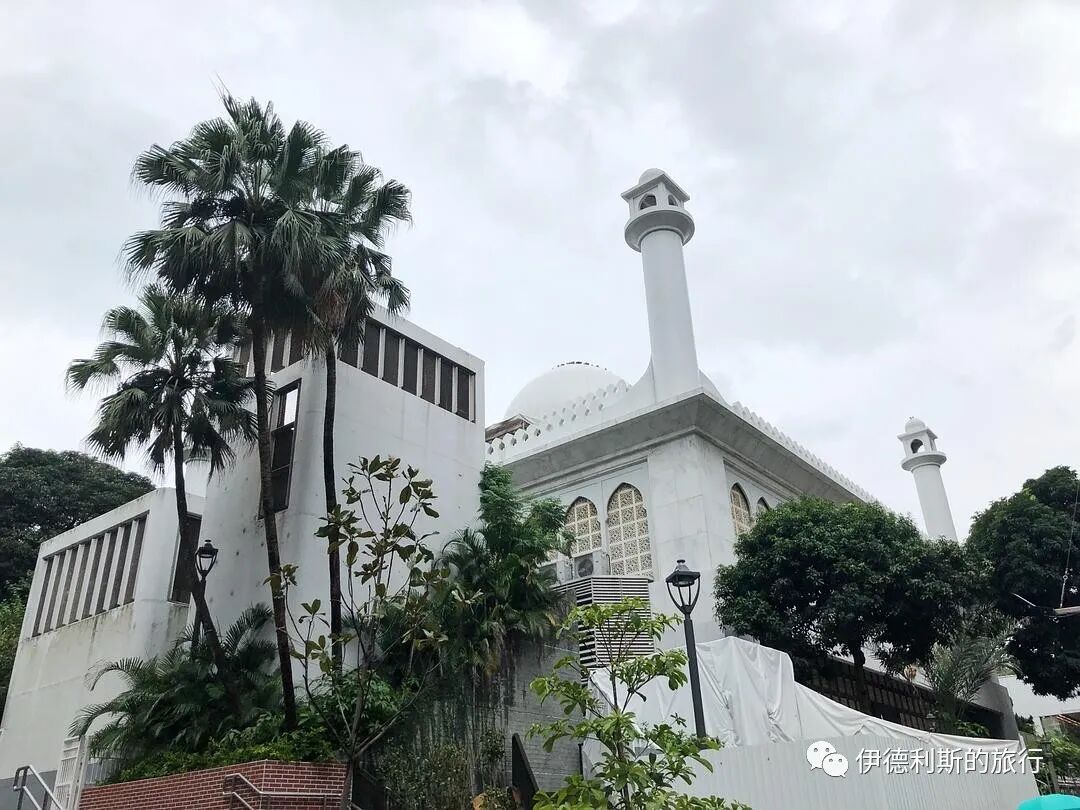
Kowloon Mosque
I performed Salah (prayer) at the Kowloon Mosque and saw beautiful South Asian hats.
After the Convention of Peking was signed in 1860, Kowloon was handed over to the British government. The British immediately began sending the British Indian Army to be stationed in Kowloon, which included many Indian Muslim officers and soldiers. In the 1890s, the British built the Whitfield Barracks for the British Indian Army at the current location of Kowloon Park. Due to the need for Indian Muslim soldiers to pray, the first Kowloon Mosque was built in the southeast corner of the barracks in 1896.
The early Kowloon Mosque remained a military facility of the barracks until it was handed over to the British Hong Kong government in 1967. In 1970, most of the Whitfield Barracks were demolished to build Kowloon Park, while the Kowloon Mosque was preserved.
Between 1975 and 1979, the Hong Kong MTR (formerly the Kwun Tong Line, now the Tsuen Wan Line) began construction. In 1978, the MTR Corporation conducted blasting next to the Kowloon Mosque, which seriously affected the building's structure, and the mosque was declared a dangerous building. With compensation from the MTR Corporation and donations from Muslims, the Kowloon Mosque was rebuilt at its current site in Tsim Sha Tsui in 1980 and opened in 1984. Currently, the Kowloon Mosque is mainly used by South Asian and Southeast Asian Muslims and is the cultural center for non-ethnic Chinese Muslims in Hong Kong.
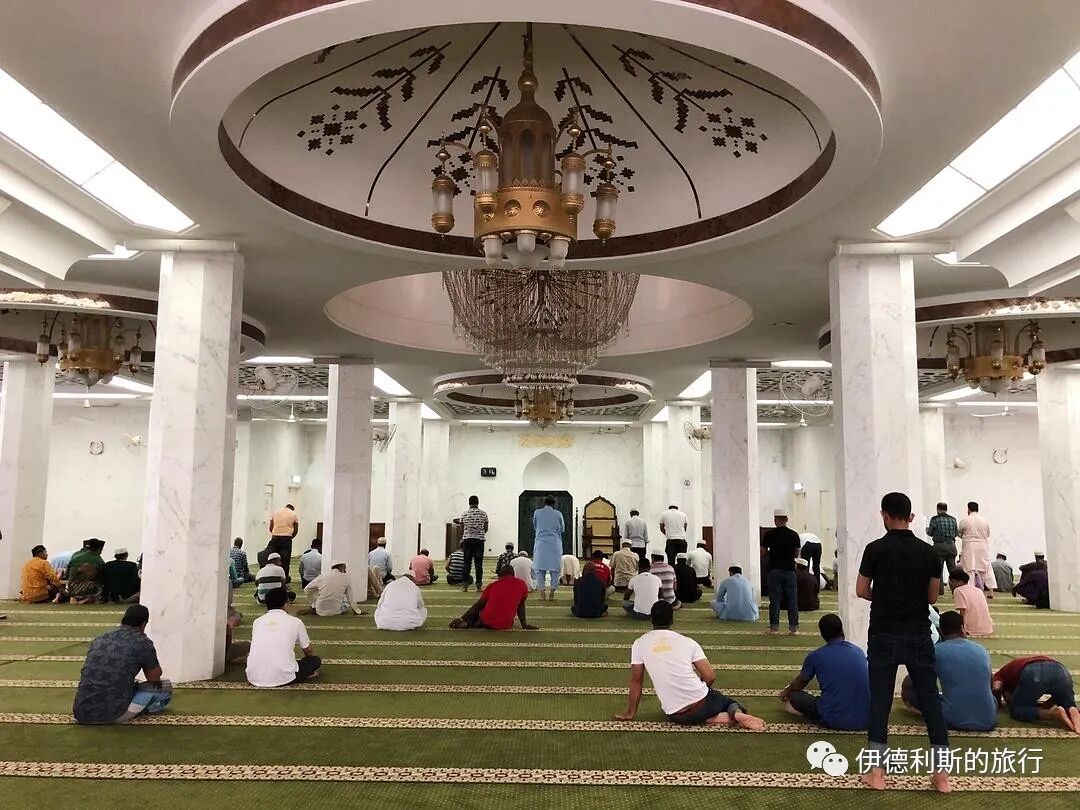
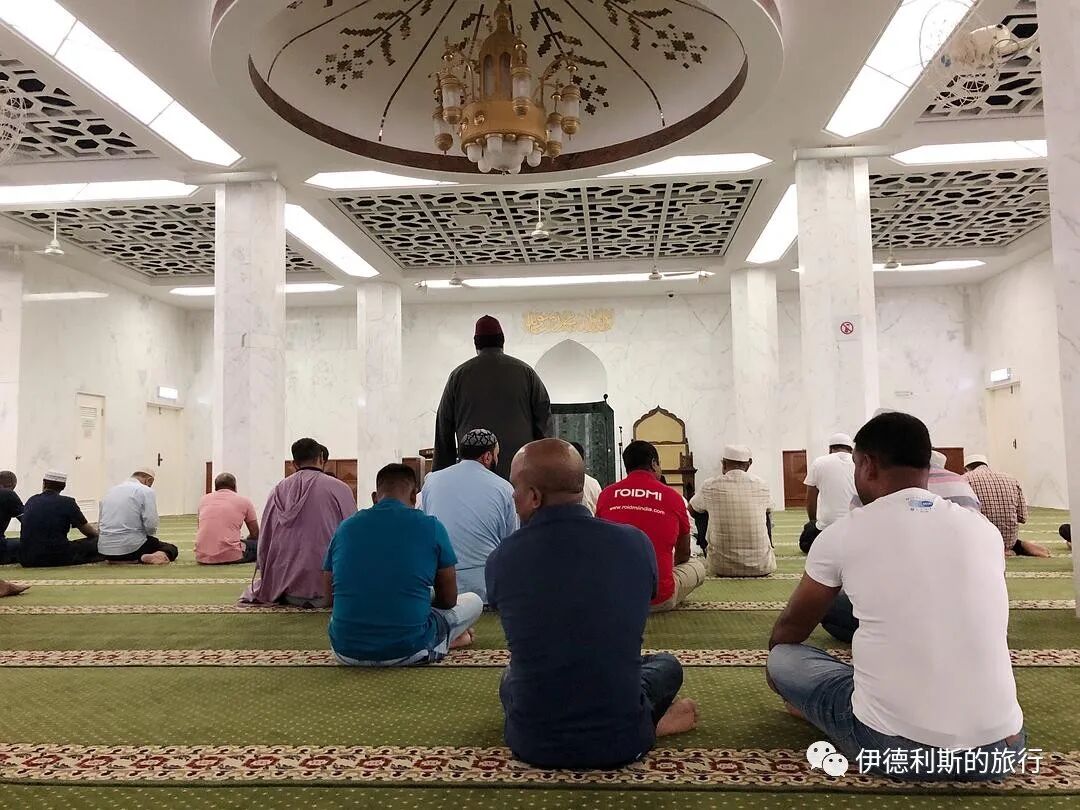
Standing is the Imam.
Syrian restaurant Shabab
In the evening, due to special reasons, all shopping malls in Tsim Sha Tsui were closed, and buses and subways were suspended. We found a Syrian restaurant called Shabab inside the Tsim Sha Tsui Star Ferry Pier and ate hummus (chickpea dip), falafel (deep-fried chickpea balls) wraps, and lamb wraps. At such a special moment, this Syrian restaurant was like a small harbor, allowing us travelers away from home to dock with peace of mind.
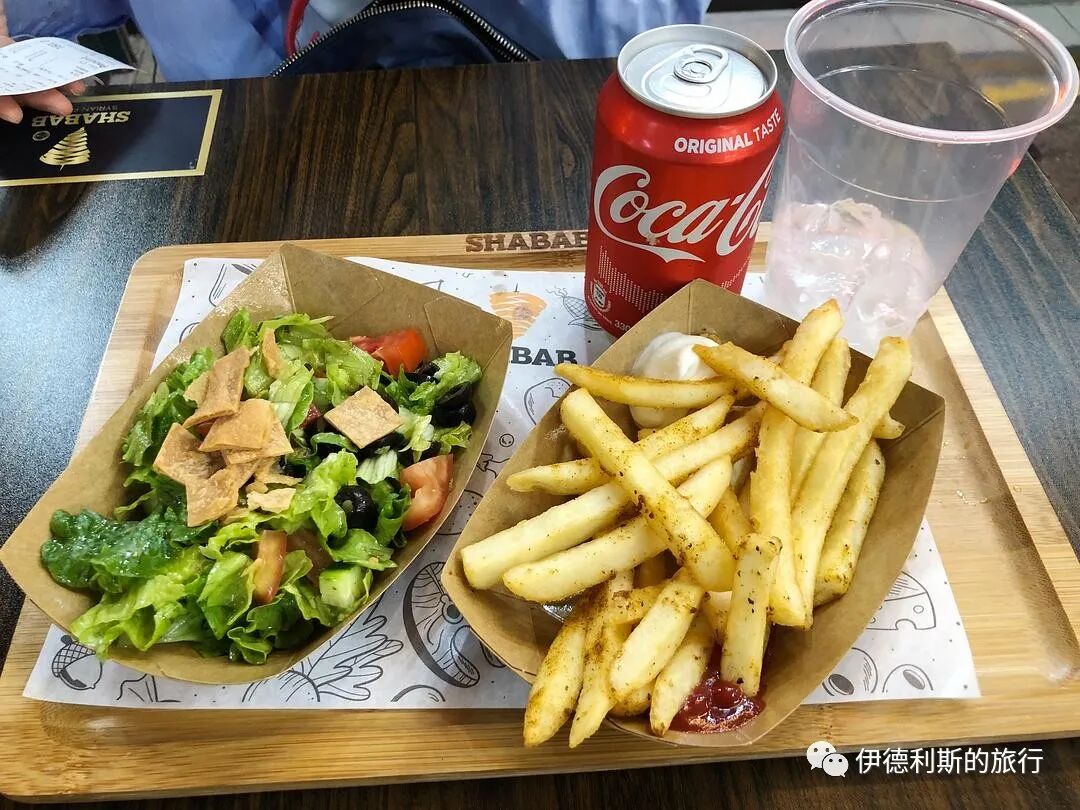
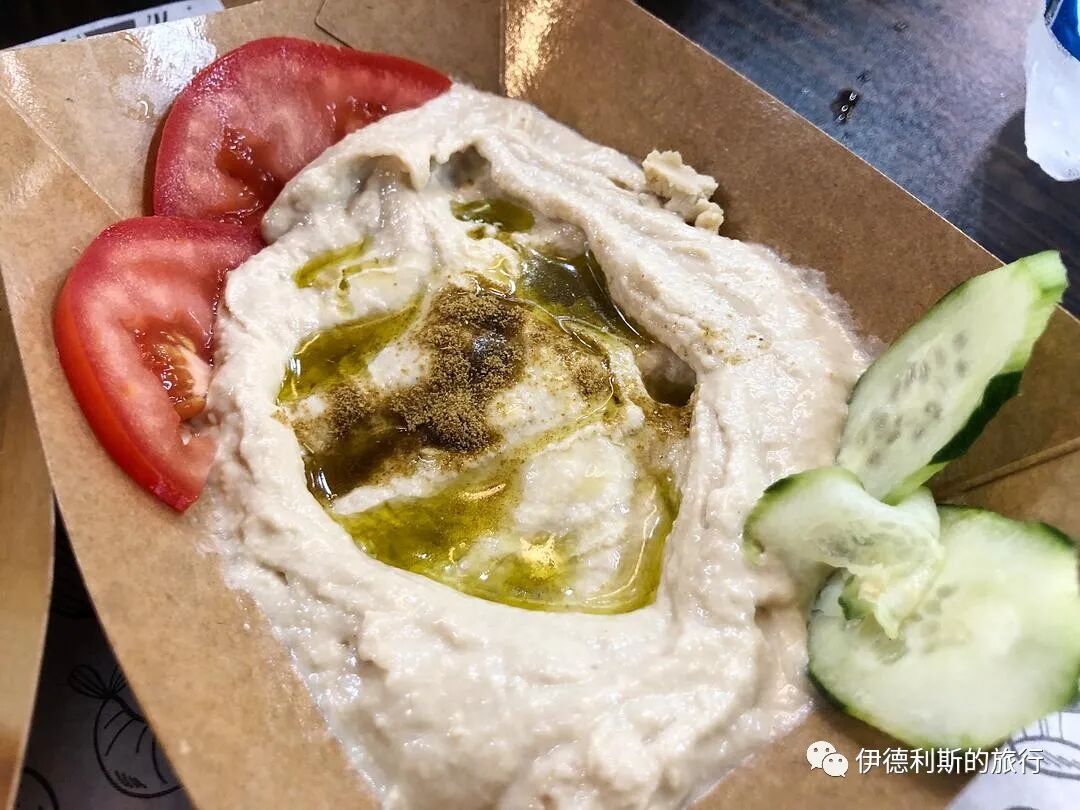
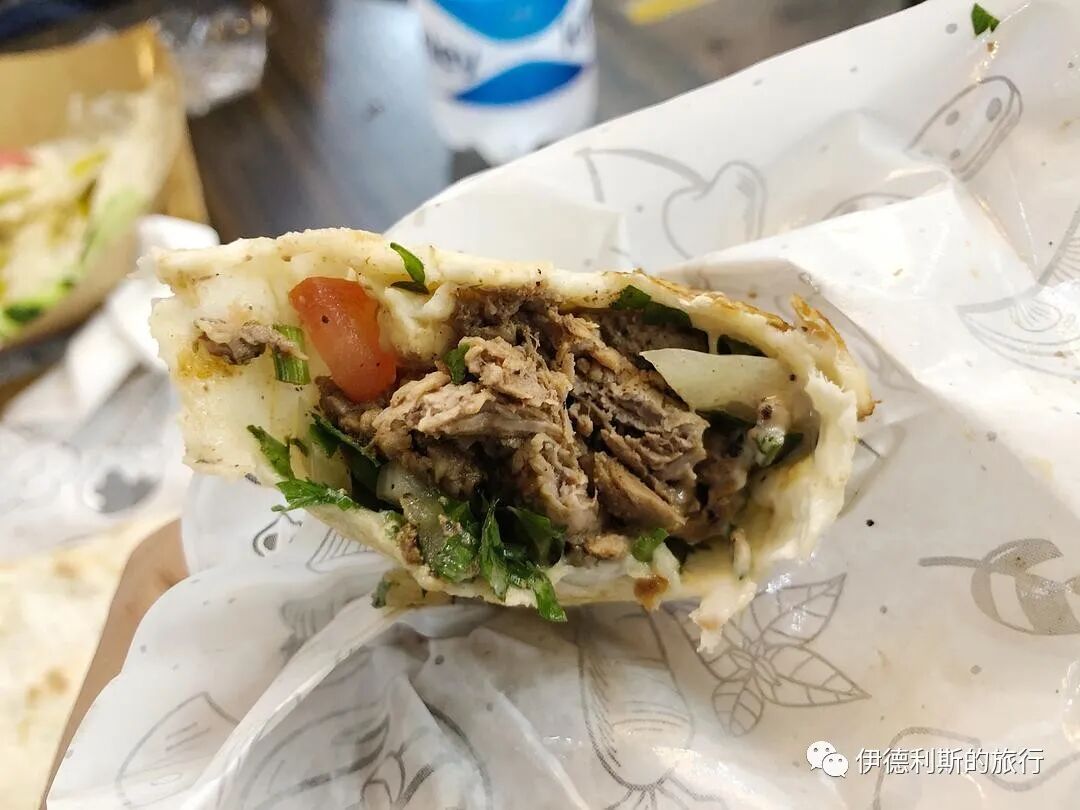
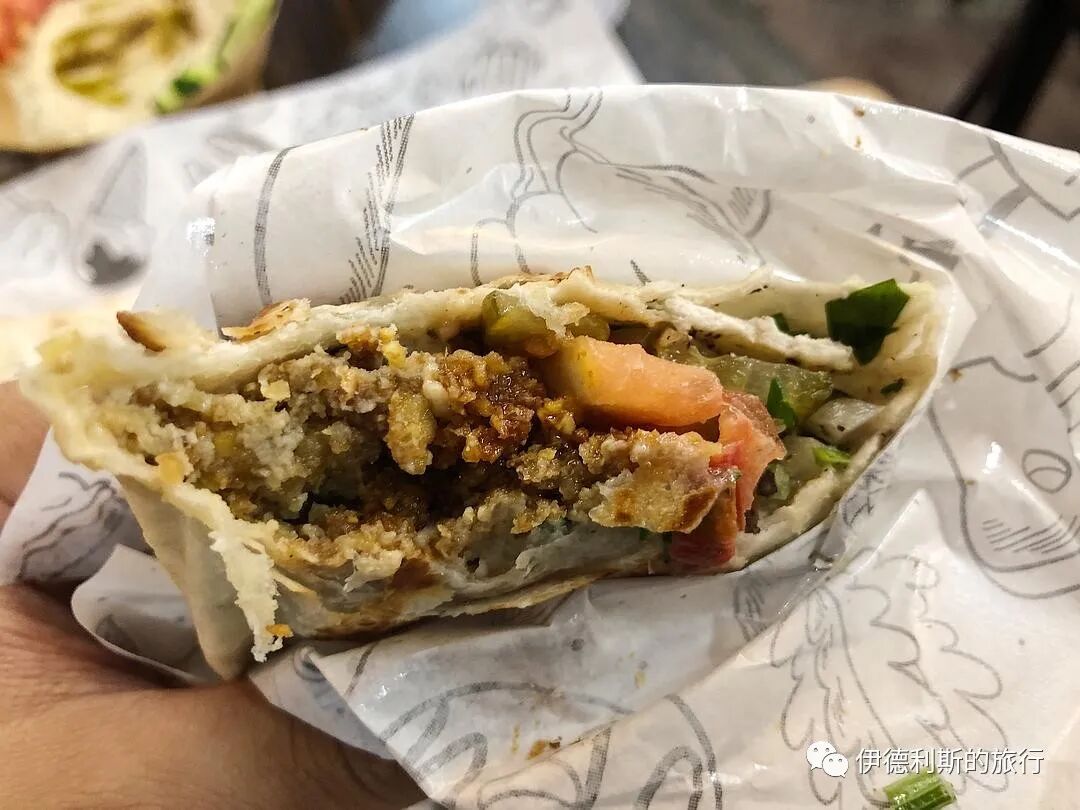
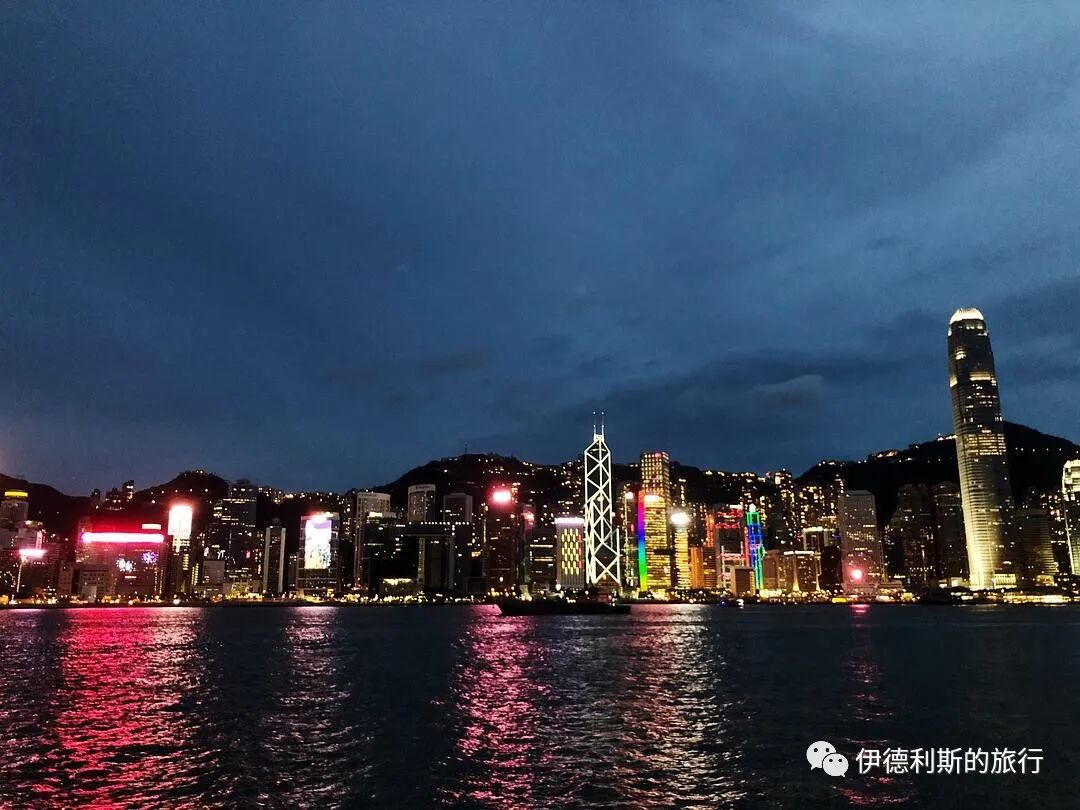
Went to Chungking Mansions again
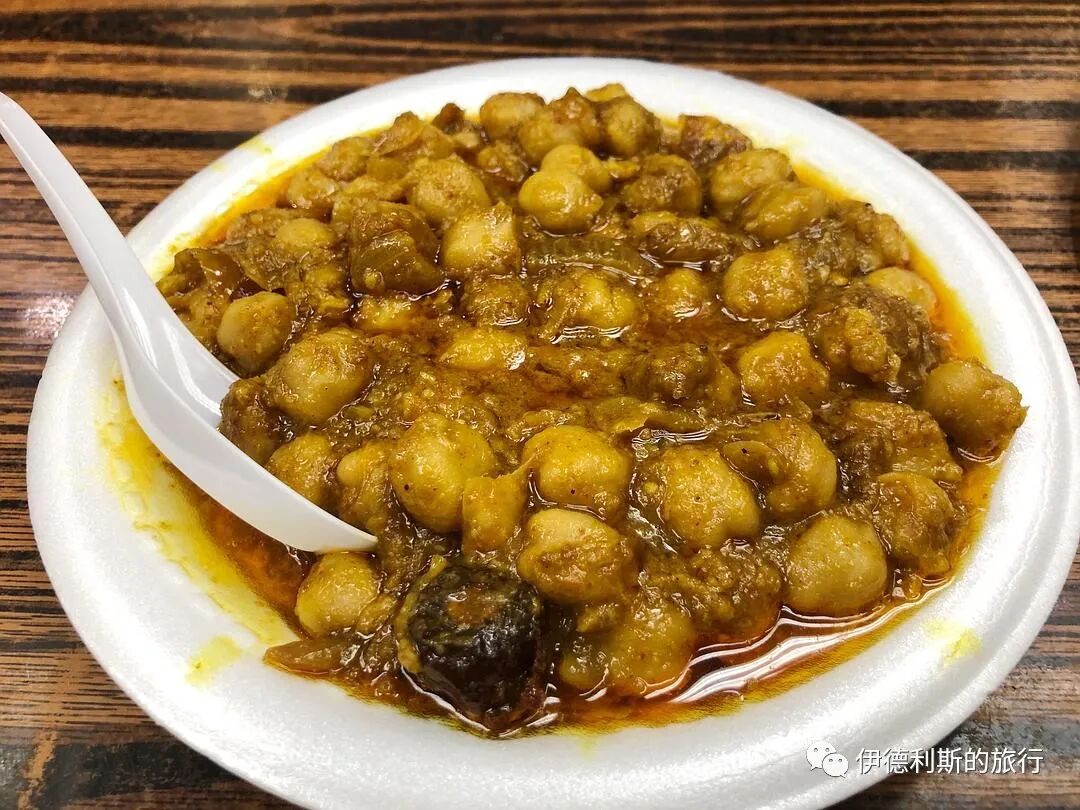
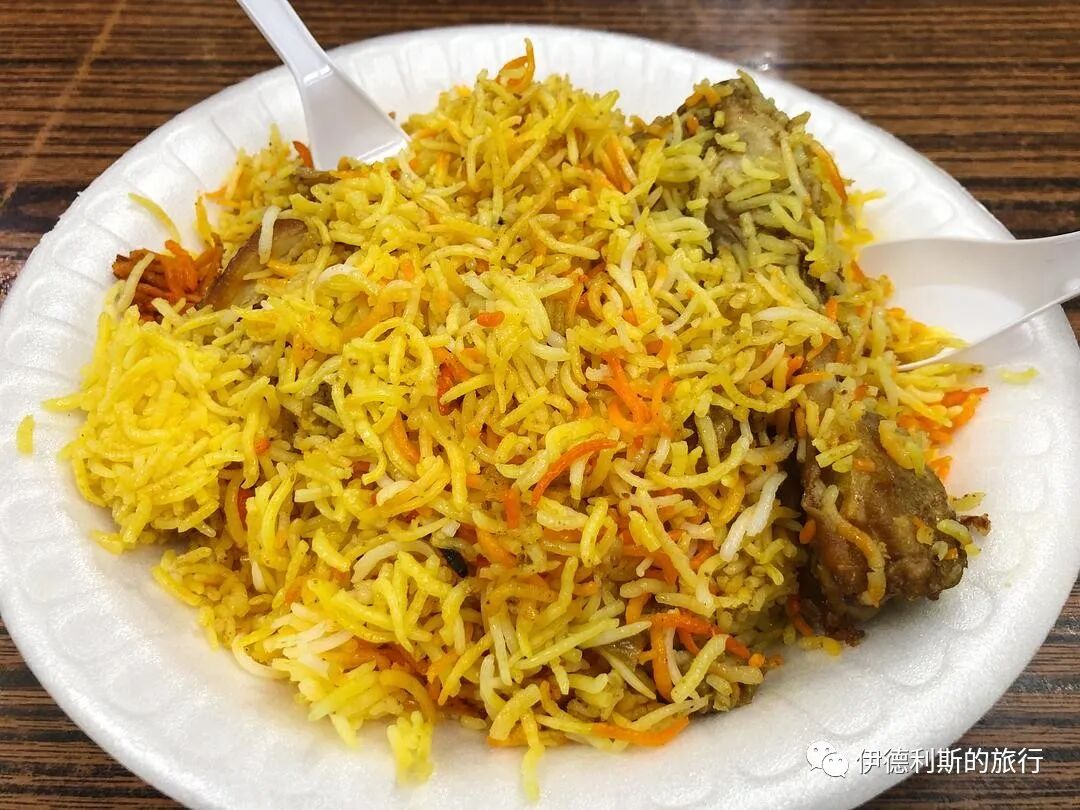
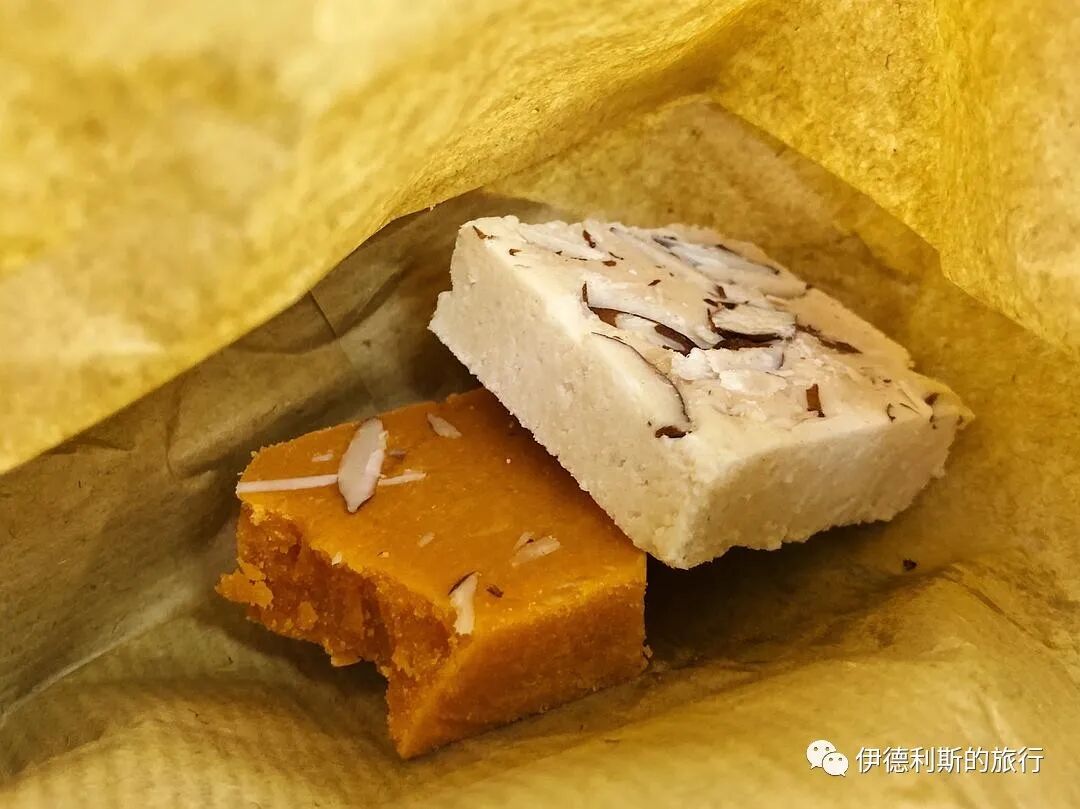
The next morning, I ate Biryani (spiced rice dish), Tandoori Paratha (clay oven-baked flatbread), Chana Masala (chickpea curry), and some Indian desserts at an Indian restaurant on the ground floor of Chungking Mansions.
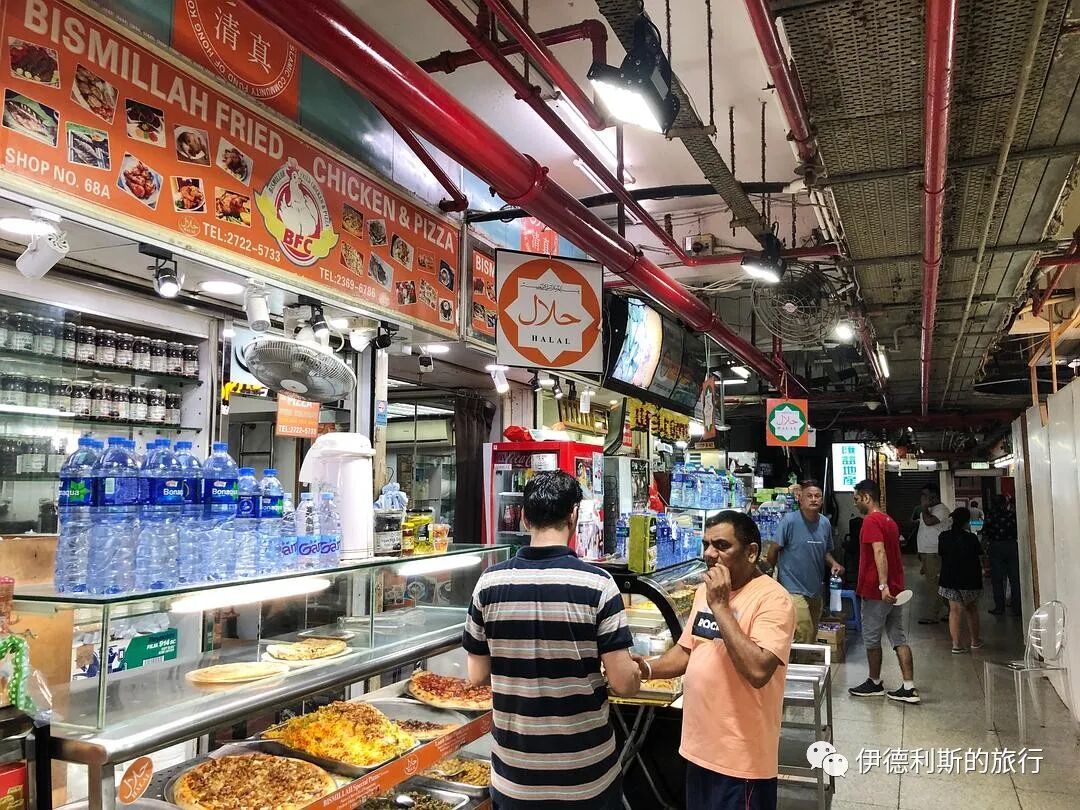
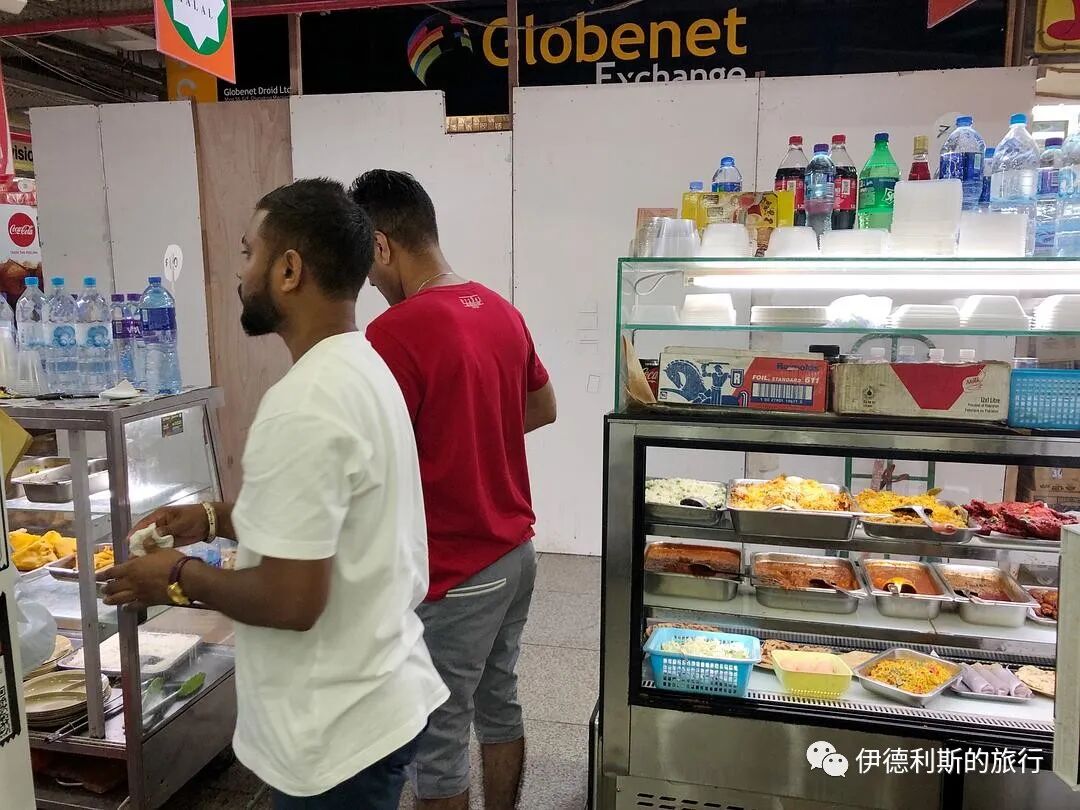
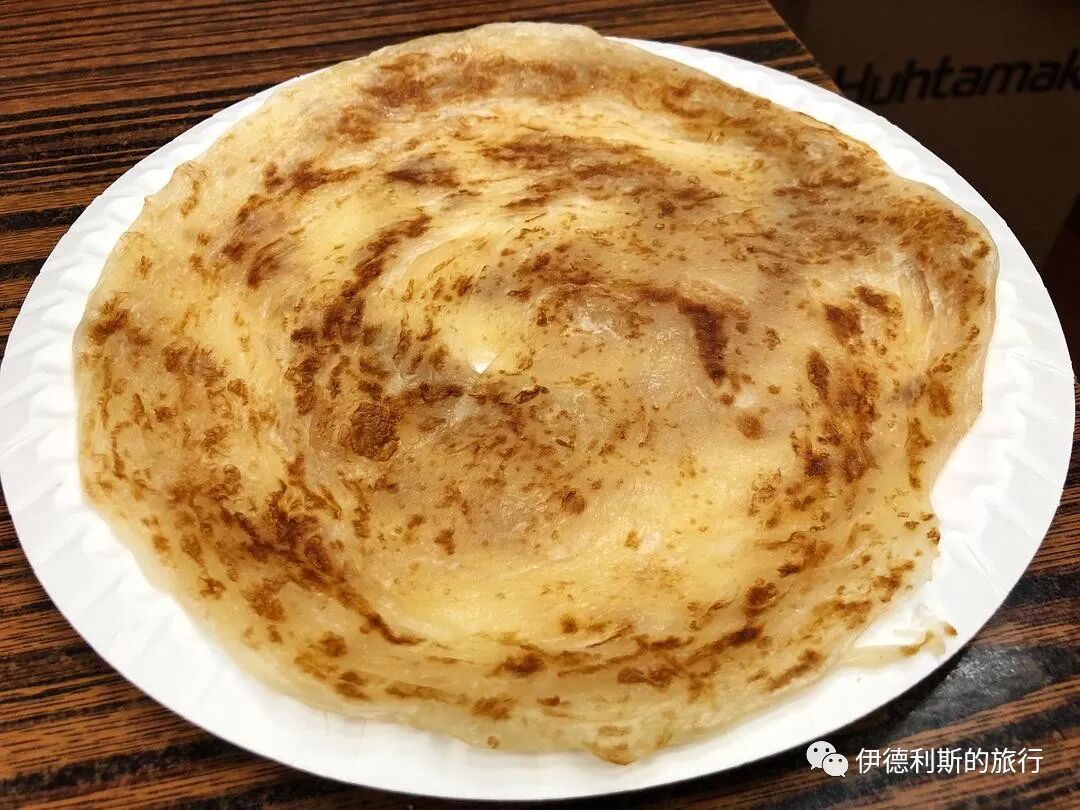
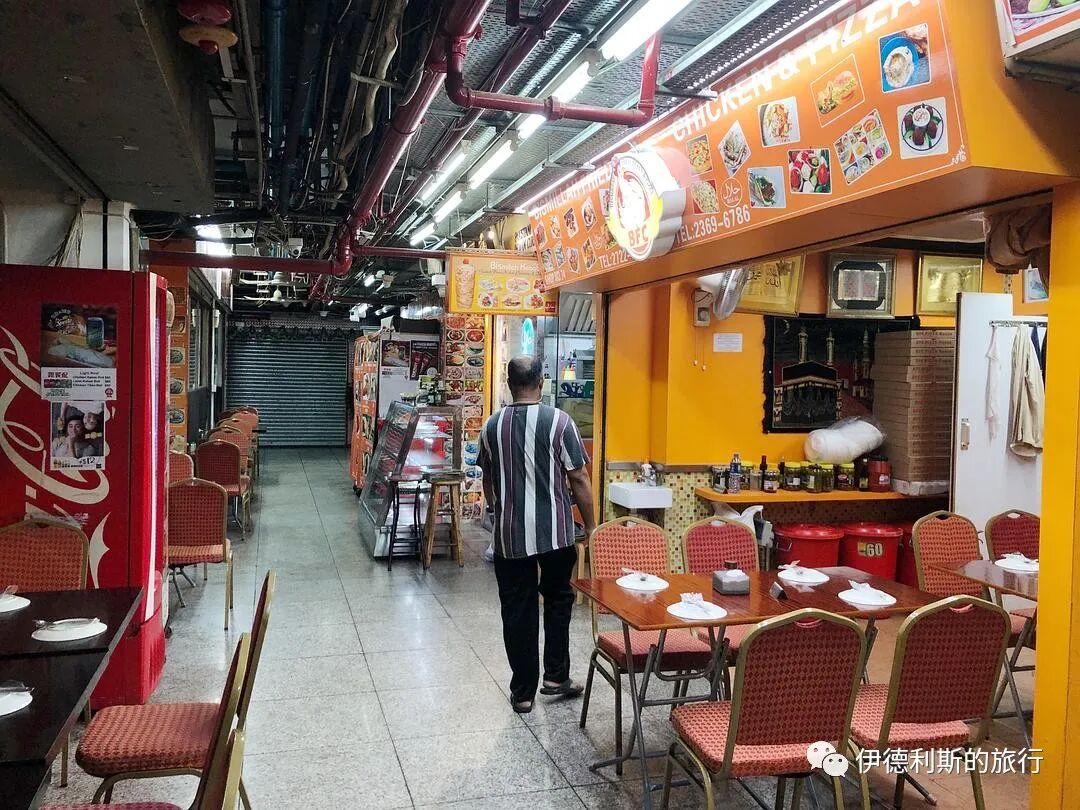
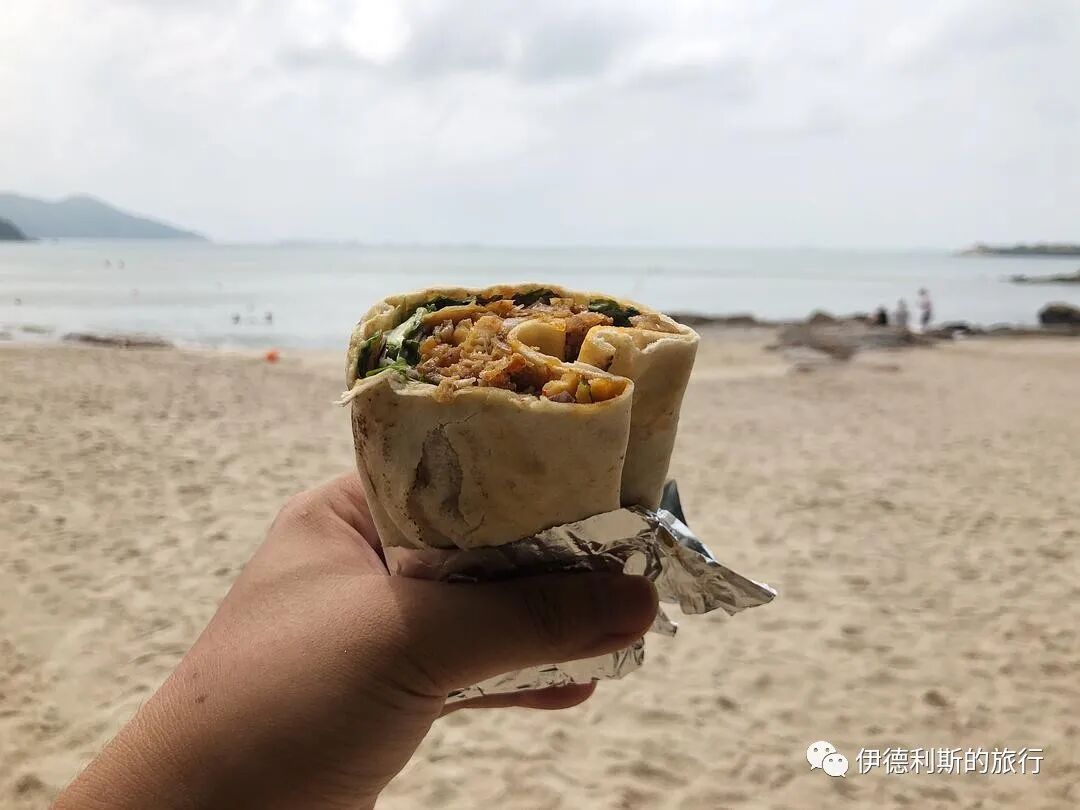
Then I went to the Turkish restaurant on the first floor to buy a kebab wrap to take away.
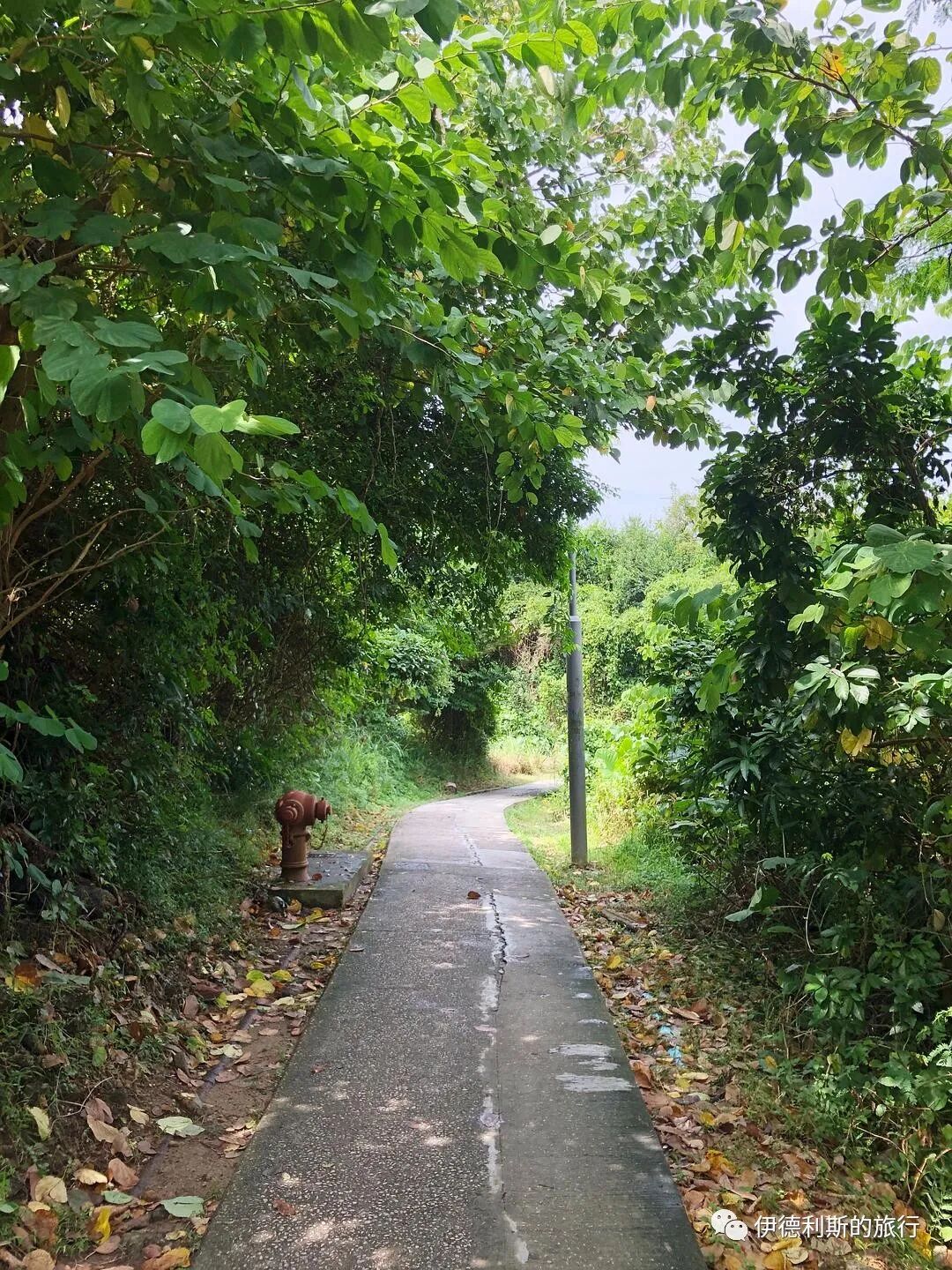
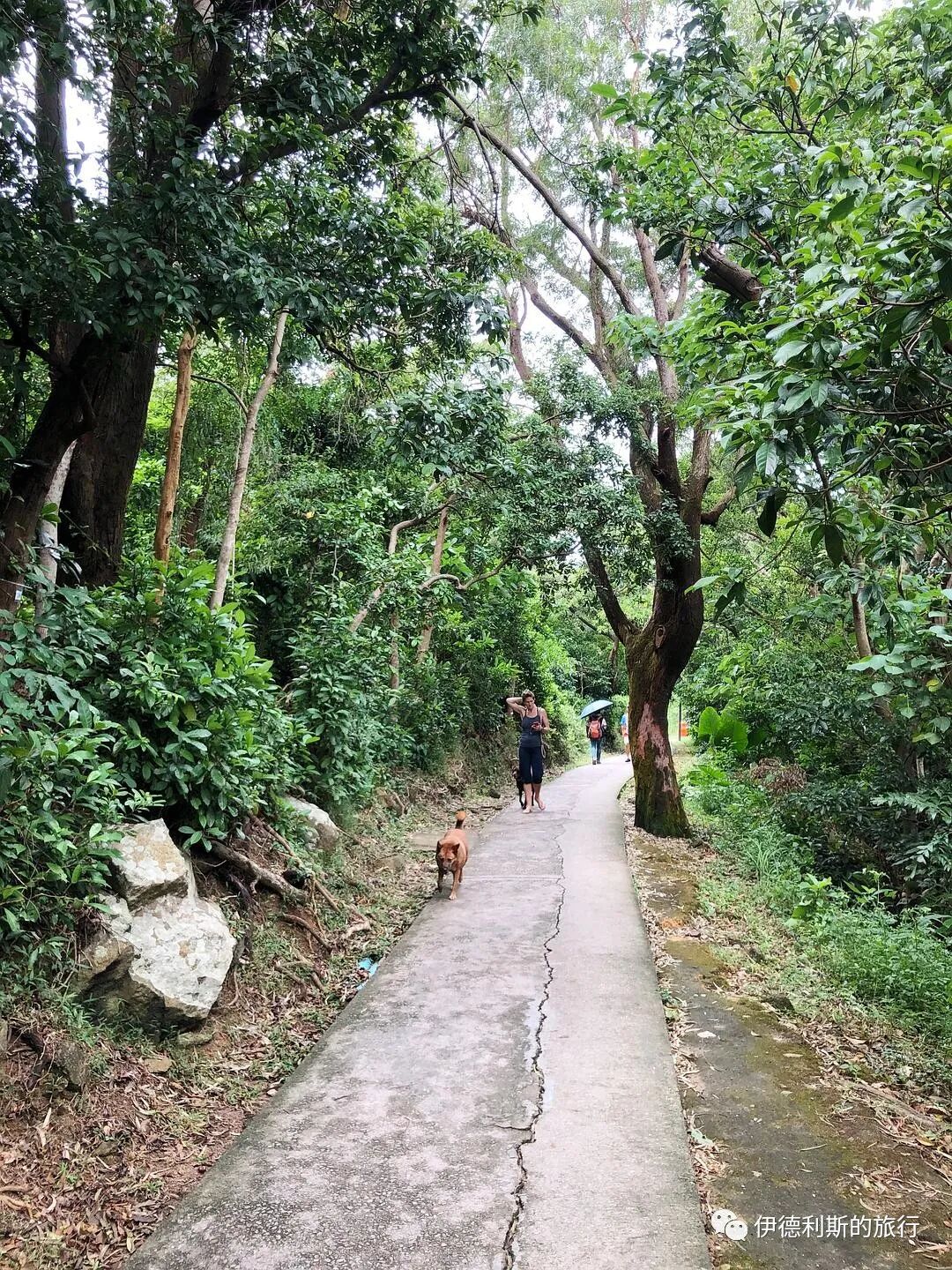
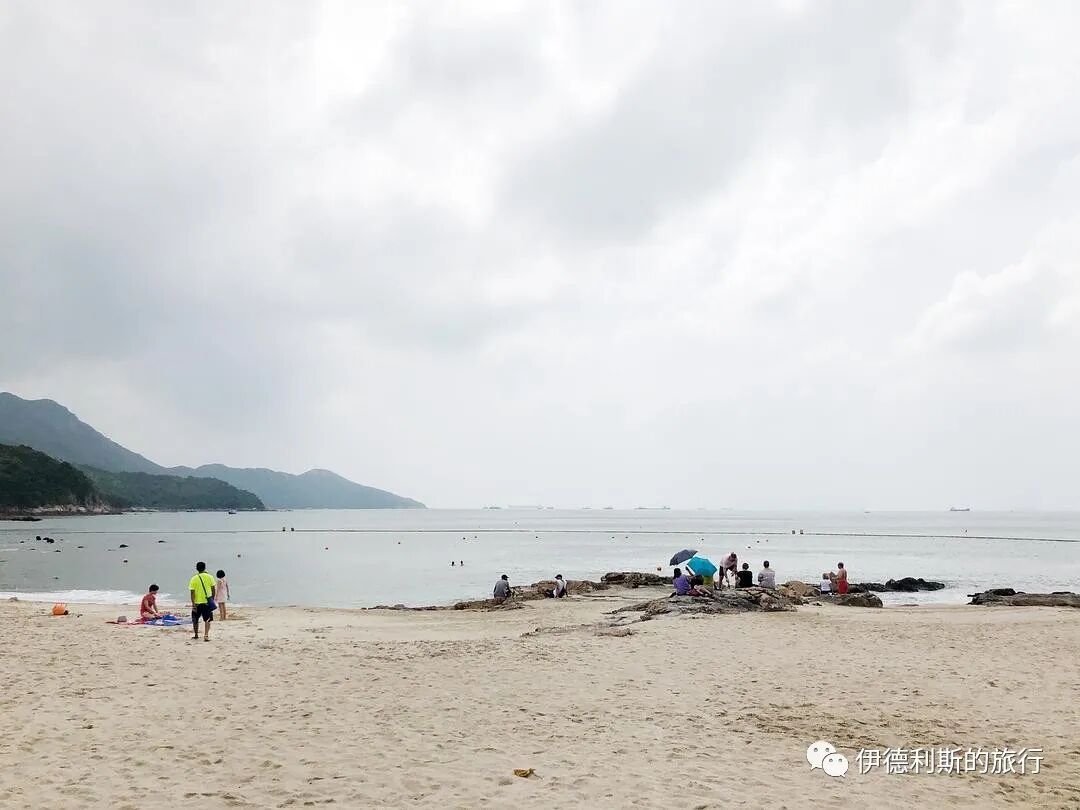
Then I took a boat to Lamma Island. This was my second time there. No matter how turbulent things are in HK, Lamma Island feels like a paradise, relaxing and comfortable.
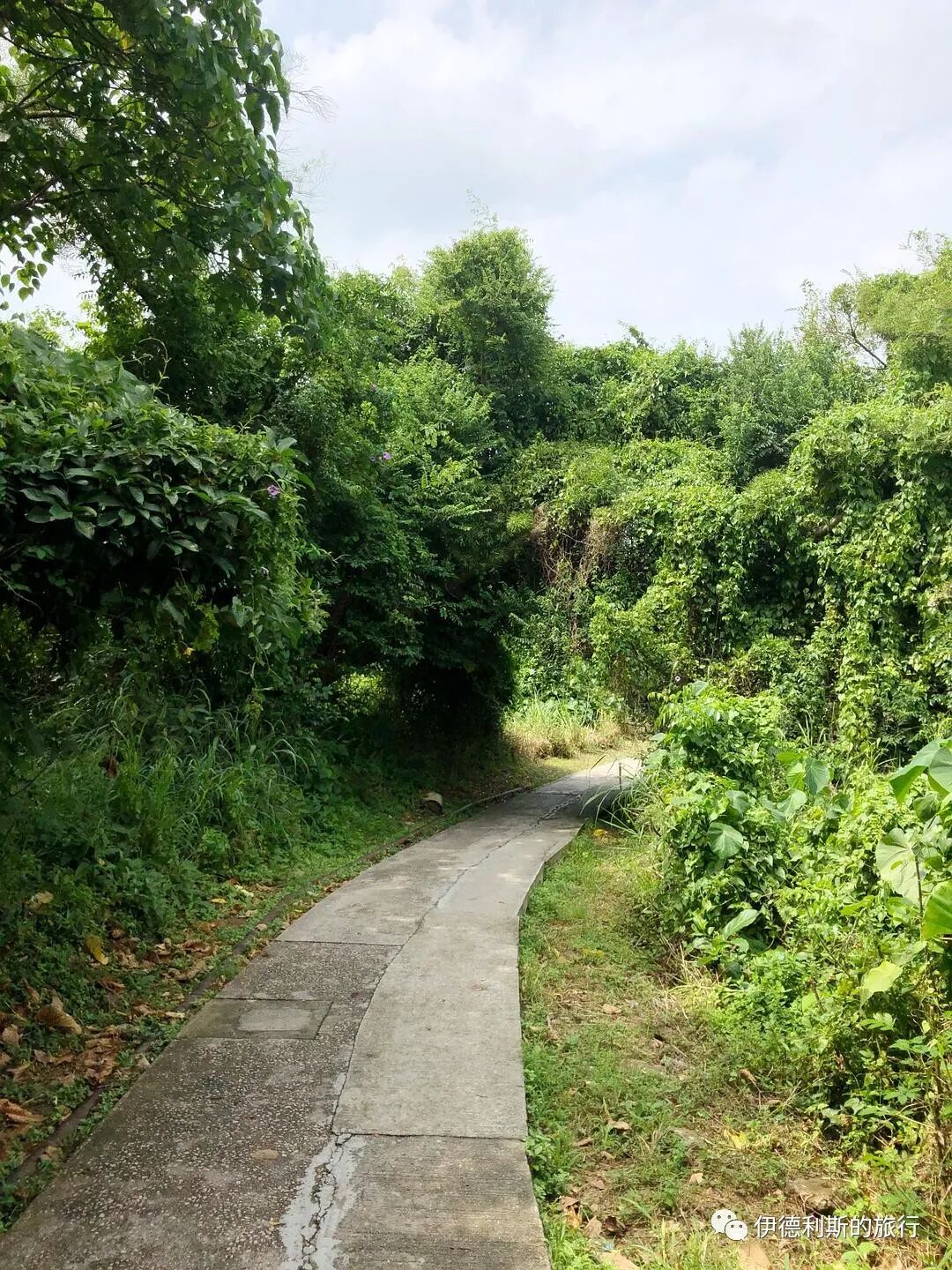
I ate the kebab wrap I bought in the morning on the beach, which was very pleasant.
Halal Travel Guide: Hong Kong — Mosques, Halal Food and Muslim History (Part 1)
Articles • ali2007fr posted the article • 0 comments • 217 views • 2026-05-18 09:02
Summary: Hong Kong — Mosques, Halal Food and Muslim History is presented here as a firsthand travel account in clear English, beginning with this scene: I visited Hong Kong twice in December 2015 and October 2017 to explore the city and its food. I visited several mosques and tried a few halal restaurants. I am sharing what I saw and ate here. The account keeps its focus on Hong Kong Travel, Halal Food, Mosques while preserving the names, places, food, and historical details from the Chinese source.
I visited Hong Kong twice in December 2015 and October 2017 to explore the city and its food. I visited several mosques and tried a few halal restaurants. I am sharing what I saw and ate here.
There are currently six mosques in Hong Kong. I have visited the Jamia Mosque (Shelley Street Mosque), the Ammar Mosque, and the Kowloon Mosque. I have not yet visited the Stanley Mosque at Stanley Prison, the Chai Wan Mosque at the Muslim Cemetery, or the Ibrahim Mosque, which was newly built in Yau Ma Tei in 2013.
Hong Kong Island Section
The oldest mosque in Hong Kong: Jamia Mosque (Shelley Street Mosque).
The British occupied Hong Kong Island in 1841 and immediately began sending Muslim soldiers from British India to be stationed there. As Hong Kong Island was being built up in the 1840s, Indian Muslims arrived to work as police, security guards, and sailors. A few wealthy merchants also came to open companies. Early Indian Muslims mainly lived in the area of present-day Upper Lascar Row in Central, where they opened the first halal eateries in Hong Kong.
At that time, Indian Muslims had to pray on the street for Jumu'ah and Eid prayers. As the population grew, building a mosque became a necessity.
Mosque Street in Central.
The term 'Moro' originated in the Middle Ages when Spanish Christians used it to refer to Muslims in southern Spain and North Africa. After the Age of Discovery, the Portuguese brought this term to South Asia and Southeast Asia, where they began calling South Asian Muslims 'Moro people.' The British later adopted this usage. The English name of this street, Mosque, refers to a place of worship for Muslims.
Junction Street means the intersection of roads, which is the English word 'Junction'.
At the request of Indian Muslims, the colonial government leased a piece of land to four trustees representing the Muslim community in 1850 to build the first mosque on the island, the Mohammedan Mosque. The mosque was originally just a stone house. Expansion began in 1870, and a formal mosque was completed by 1890. It was rebuilt again in 1915, keeping only the original minaret, and it has remained in use ever since.
After 1945, the mosque was renamed Jamia Mosque. Its Chinese name is the Islamic Mosque and Prayer Hall. Because it is located on Shelley Street, it is also called the Shelley Street Mosque.
The entrance to the Jamia Mosque is right by the famous Central-Mid-Levels escalator, the same one outside Tony Leung's home in the movie Chungking Express.
A stone tablet from the 1915 reconstruction.
The mosque was originally white and was only painted green a few years ago.
The center of Islam on Hong Kong Island.
Besides the Jamia Mosque, the current center for Muslim activities on Hong Kong Island is the Ammar Mosque and Osman Ramju Sadick Islamic Centre.
The Ammar Mosque can be traced back to a mosque built by Hong Kong Muslims at 7 Seymour Road in 1864. At that time, the mosque was mainly used for funerals. Later, as the number of Muslims increased, it was also used for daily namaz.
After 1945, the Ammar Mosque was rebuilt in Happy Valley. However, in 1978, the government acquired the land where the mosque stood to build the Aberdeen Tunnel. The government provided a new piece of land on Oi Kwan Road and paid 2.5 million dollars in construction funds. The new Ammar Mosque was officially completed in 1981, and its Chinese name was set as the Oi Kwan Mosque.
The Islamic center has many functions. The ground floor is the reception area, the first floor has the wudu area (small cleaning room), the second floor is the men's prayer hall, the third floor is the women's prayer hall, the fourth floor has classrooms, the fifth floor is a restaurant, the sixth floor has seminar rooms and a library, the seventh floor is the Islamic Union office, and the eighth floor houses the foundation office and the youth office.
Reception area.
Wudu area (water room).
Prayer times.
Prayer hall.
Class schedule.
I missed the food fair held to raise money for Syrian refugees.
I had dim sum at the fifth-floor restaurant. I saw many South Asian and Southeast Asian Muslims there, and everyone went straight to the window to order their food.
Take only what you need!
Garlic spring rolls (suanjuan)
Pan-fried radish cake (luobogao)
Smooth yellow pea cake (madougao)
Vegetarian bean curd skin rolls (susu fupijuan)
Vegetarian shark fin dumplings (suchijiao)
Sticky rice with chicken in lotus leaf (nuomi zhenzhuji)
Steamed sponge cake (malagao)
Steamed chicken and mushroom buns (beigu jibao)
I went back for dim sum in October 2017.
Steamed rice noodle rolls with shredded chicken (jisi fenjuan)
Sticky rice with chicken in lotus leaf (nuomi zhenzhuji)
Daliang pan-fried fish cakes (daliang jian yubing)
Egg tofu with shrimp paste (baihua yuzi doufu)
The Islamic restaurant serves regular meals outside of dim sum hours, but they are not as good as the dim sum.
Egg foo young (furong jiandan)
Stir-fried beef rice noodles (ganchao niuhe)
Rice with minced beef and cilantro (xiangqian niusongfan)
Braised grouper fillet with tofu (bannan doufu)
Sand ginger chicken (shajiang ji)
Price
Restaurant
In December 2015, I went to the Islamic Union office on the 7th floor to buy a calendar published by the Islamic Center. The proceeds were donated to Syrian refugees.
In October 2017, I donated money here for Rohingya refugees.
The Ma Da Wu Library on the 6th floor has many books available for free.
In October 2017, I met Haji Ma Pengwei, the chairman of the Da'wah Committee of the Islamic Union of Hong Kong, and received a copy of his book, "Paradise and Hell" (Tianyuan yu Huoyu).
I also received a copy of "Prayer Rituals" (Baikong Yishi), printed and donated by the Hong Kong Muslim Mission in 1962 and compiled by Ma Da Wu.
Halal Wai Kee (Qingzhen Huiji)
Halal Wai Kee is currently the only traditional local halal snack shop on Hong Kong Island. It is located inside the Bowrington Road Market in Wan Chai. It is not easy to find, so if you cannot find it after entering the market, you can ask a local stall owner.
Halal Wai Kee has reportedly been operating near the Canal Road Flyover in Wan Chai for over 60 years. It moved into the Bowrington Road Market when it opened in 1979 and has been there ever since. Wai Kee (Qingzhen Huiji) is open for dine-in from 11:00 a.m. to 6:00 p.m., so if you plan to go in the afternoon, make sure to arrive early.
Wai Kee is famous for its traditional roasted duck (gualu shaoya) and soy sauce chicken (taiyeji), as well as their own original curry lamb brisket (gali yangnan). Honestly, this is the best curry lamb brisket I have ever had; the flavor is spot on.
The famous Times Square is right next to Wai Kee.
Kowloon Section
Crossing Victoria Harbour, let's talk about Kowloon.
Kowloon Mosque
After the Convention of Peking was signed in 1860, Kowloon was handed over to the British government. Britain immediately began sending British Indian troops to be stationed in Kowloon, and many of them were Indian Muslim soldiers.
In the 1890s, the British built the Whitfield Barracks for the British Indian troops at the current location of Kowloon Park. To meet the prayer needs of the Indian Muslim soldiers, the first Kowloon Mosque was built in the southeast corner of the barracks in 1896.
The early Kowloon Mosque remained a military facility for the barracks until it was handed over to the British Hong Kong government in 1967. In 1970, most of the Whitfield Barracks were demolished to build Kowloon Park, but the Kowloon Mosque was preserved.
Between 1975 and 1979, the Hong Kong MTR (originally the Kwun Tong Line, now the Tsuen Wan Line) began construction. In 1978, the MTR Corporation conducted blasting next to the Kowloon Mosque, which severely damaged the mosque's structure, and it was declared a dangerous building. With compensation from the MTR Corporation and donations from Muslims, the Kowloon Mosque was rebuilt at its current Tsim Sha Tsui site in 1980 and opened in 1984.
Currently, the Kowloon Mosque is mainly used by South Asian and Southeast Asian Muslims and serves as a cultural center for non-Chinese Muslims in Hong Kong.
Many people are resting at the entrance of Kowloon Park, right next to the Kowloon Mosque.
Inside the Kowloon Mosque.
Chungking Mansions
The world-famous Chungking Mansions is located near the Kowloon Mosque and is a well-known multicultural center in Hong Kong.
The most famous record of Chungking Mansions is Wong Kar-wai's film Chungking Express. Brigitte Lin moves through the building, appearing in various shops run by Indians selling handbags and electronics, and in curry restaurants. It is a fantastic capture of Chungking Mansions in the nineties.
Another film is the 1994 Hong Kong movie Neon Goddess, starring Dicky Cheung and Charlie Young, with Charlie Yeung and Irene Wan in supporting roles. The story takes place in a women's apartment on the top floor of Chungking Mansions, vividly portraying the lives of the gay community, Europeans, and Indians in the building. There is a mainland girl abandoned by an Indian man who is raising her mixed-race daughter alone, a middle-aged tailor who flirts with stylish men while measuring them for clothes, a devoted man who bravely runs a curry restaurant, and an original singer trapped by commercialism while chasing his music dreams. Chungking Mansions is a small society, and this warm love story gives us a glimpse of the building in the nineties.
The entrance of Chungking Mansions that I photographed in December 2015.
Takeshi Kaneshiro at the entrance of Chungking Mansions in Chungking Express, running inside.
Wong Kar-wai at the entrance of Chungking Mansions.
The entrance of Chungking Mansions in the movie Neon Goddess.
I learned more about Chungking Mansions from Gordon Mathews' book Ghetto at the Center of the World: Chungking Mansions, Hong Kong.
To briefly introduce the legendary Chungking Mansions using Mathews' words from the book: Chungking Mansions is a seventeen-story dilapidated building filled with small, cheap hotels and shops, standing in sharp contrast to the surrounding tourist areas. This building is arguably the most globalized in the world, where business people and temporary workers from South Asia and sub-Saharan Africa come to seek their fortunes, international refugees seek asylum, and tourists look for cheap accommodation and adventure. People from all walks of life rest in the building, fight for seats at food stalls, haggle in mobile phone shops, and walk through the hallways.
I first visited Chungking Mansions in January 2014. It was very chaotic back then, with a group of Indian men at the entrance soliciting guests for the hostels upstairs, which felt like the classic Chungking Mansions style. When I went again in December 2015, there were no solicitors at the entrance, and the inside was much cleaner and tidier. I visited for the third time in October 2017, and the whole building was just as busy as ever.
Tony Leung and Faye Wong in front of the snack shop.
Christopher Doyle and Wong Kar-wai in front of Faye Wong's snack shop. Actually, there were almost no shops run by Chinese people there at the time; it has always been a shop run by Indian people. This shop is on the 3rd floor of Block A in Chungking Mansions, so friends who also love Faye Wong can go take a look.
Gordon Mathews introduces Chungking Mansions to first-time visitors like this:
Among the dazzling high-rises in the prime location of Nathan Road, there is a plain, or even messy and decaying building. Between the ground floor shops, there is an indescribably dark entrance that looks like it belongs somewhere else. You cross the road and walk toward this entrance, seeing many people nearby who look different from typical Hong Kong residents, and they do not look like shoppers on Nathan Road. If you are Chinese, you might feel like a minority after entering the building and feel lost and overwhelmed. If you are white, you might subconsciously clutch your wallet, feeling a mix of unease and the guilt of someone from a first-world country. If you are a woman, you might feel a bit uncomfortable because there are over a hundred pairs of male eyes watching you.
Chungking Mansions as I photographed it in October 2017.
Wong Kar-wai in the hallway of Chungking Mansions.
In the film Fallen Angels (duoshi tian shi), looking down from the first floor to the ground floor, you can see the Pierre Cardin sign.
My photo of the view from the first floor to the ground floor taken in December 2015.
Gordon Mathews continues: Once you escape the barrage of curry restaurant touts and hostel touts at the entrance, you fall into the whirlpool of people in Chungking Mansions. You may have never seen so many people crowded into such a small place in your life. The scene before your eyes is extraordinary: Africans in bright robes, hip-hop clothes, or ill-fitting suits; devout Pakistanis wearing small brimless caps (topi); Indonesian women in black Islamic veils (hijab); elderly white men in shorts with big beer bellies; and some hippies who look like refugees from a past era. Nigerians talk loudly, young Indian men chat and laugh with their arms around each other's shoulders, and some people from mainland China look unable to hide their surprise at all of this. People of all skin colors wait in line for the elevator, all waiting to go to over a hundred different hostels.
Free Indian movie discs on the ground floor of Chungking Mansions that I photographed in December 2015.
Brigitte Lin in an Indian shop.
In Fallen Angels, the Indian man who helps carry bags in Chungking Mansions expects a tip.
A very classic scene in Fallen Angels: in the Chungking Mansions elevator, Mok Siu-chung takes out a tissue, and Charlie Young is confused. A bunch of Indian people enter, and then Charlie Young realizes why he had to cover his nose.
This scene is the curry restaurant on the ground floor of Chungking Mansions in Fallen Angels, which was likely filmed directly in a Pakistani restaurant. view all
Summary: Hong Kong — Mosques, Halal Food and Muslim History is presented here as a firsthand travel account in clear English, beginning with this scene: I visited Hong Kong twice in December 2015 and October 2017 to explore the city and its food. I visited several mosques and tried a few halal restaurants. I am sharing what I saw and ate here. The account keeps its focus on Hong Kong Travel, Halal Food, Mosques while preserving the names, places, food, and historical details from the Chinese source.
I visited Hong Kong twice in December 2015 and October 2017 to explore the city and its food. I visited several mosques and tried a few halal restaurants. I am sharing what I saw and ate here.
There are currently six mosques in Hong Kong. I have visited the Jamia Mosque (Shelley Street Mosque), the Ammar Mosque, and the Kowloon Mosque. I have not yet visited the Stanley Mosque at Stanley Prison, the Chai Wan Mosque at the Muslim Cemetery, or the Ibrahim Mosque, which was newly built in Yau Ma Tei in 2013.
Hong Kong Island Section
The oldest mosque in Hong Kong: Jamia Mosque (Shelley Street Mosque).
The British occupied Hong Kong Island in 1841 and immediately began sending Muslim soldiers from British India to be stationed there. As Hong Kong Island was being built up in the 1840s, Indian Muslims arrived to work as police, security guards, and sailors. A few wealthy merchants also came to open companies. Early Indian Muslims mainly lived in the area of present-day Upper Lascar Row in Central, where they opened the first halal eateries in Hong Kong.
At that time, Indian Muslims had to pray on the street for Jumu'ah and Eid prayers. As the population grew, building a mosque became a necessity.
Mosque Street in Central.
The term 'Moro' originated in the Middle Ages when Spanish Christians used it to refer to Muslims in southern Spain and North Africa. After the Age of Discovery, the Portuguese brought this term to South Asia and Southeast Asia, where they began calling South Asian Muslims 'Moro people.' The British later adopted this usage. The English name of this street, Mosque, refers to a place of worship for Muslims.
Junction Street means the intersection of roads, which is the English word 'Junction'.
At the request of Indian Muslims, the colonial government leased a piece of land to four trustees representing the Muslim community in 1850 to build the first mosque on the island, the Mohammedan Mosque. The mosque was originally just a stone house. Expansion began in 1870, and a formal mosque was completed by 1890. It was rebuilt again in 1915, keeping only the original minaret, and it has remained in use ever since.
After 1945, the mosque was renamed Jamia Mosque. Its Chinese name is the Islamic Mosque and Prayer Hall. Because it is located on Shelley Street, it is also called the Shelley Street Mosque.
The entrance to the Jamia Mosque is right by the famous Central-Mid-Levels escalator, the same one outside Tony Leung's home in the movie Chungking Express.
A stone tablet from the 1915 reconstruction.
The mosque was originally white and was only painted green a few years ago.
The center of Islam on Hong Kong Island.
Besides the Jamia Mosque, the current center for Muslim activities on Hong Kong Island is the Ammar Mosque and Osman Ramju Sadick Islamic Centre.
The Ammar Mosque can be traced back to a mosque built by Hong Kong Muslims at 7 Seymour Road in 1864. At that time, the mosque was mainly used for funerals. Later, as the number of Muslims increased, it was also used for daily namaz.
After 1945, the Ammar Mosque was rebuilt in Happy Valley. However, in 1978, the government acquired the land where the mosque stood to build the Aberdeen Tunnel. The government provided a new piece of land on Oi Kwan Road and paid 2.5 million dollars in construction funds. The new Ammar Mosque was officially completed in 1981, and its Chinese name was set as the Oi Kwan Mosque.
The Islamic center has many functions. The ground floor is the reception area, the first floor has the wudu area (small cleaning room), the second floor is the men's prayer hall, the third floor is the women's prayer hall, the fourth floor has classrooms, the fifth floor is a restaurant, the sixth floor has seminar rooms and a library, the seventh floor is the Islamic Union office, and the eighth floor houses the foundation office and the youth office.
Reception area.
Wudu area (water room).
Prayer times.
Prayer hall.
Class schedule.
I missed the food fair held to raise money for Syrian refugees.
I had dim sum at the fifth-floor restaurant. I saw many South Asian and Southeast Asian Muslims there, and everyone went straight to the window to order their food.
Take only what you need!
Garlic spring rolls (suanjuan)
Pan-fried radish cake (luobogao)
Smooth yellow pea cake (madougao)
Vegetarian bean curd skin rolls (susu fupijuan)
Vegetarian shark fin dumplings (suchijiao)
Sticky rice with chicken in lotus leaf (nuomi zhenzhuji)
Steamed sponge cake (malagao)
Steamed chicken and mushroom buns (beigu jibao)
I went back for dim sum in October 2017.
Steamed rice noodle rolls with shredded chicken (jisi fenjuan)
Sticky rice with chicken in lotus leaf (nuomi zhenzhuji)
Daliang pan-fried fish cakes (daliang jian yubing)
Egg tofu with shrimp paste (baihua yuzi doufu)
The Islamic restaurant serves regular meals outside of dim sum hours, but they are not as good as the dim sum.
Egg foo young (furong jiandan)
Stir-fried beef rice noodles (ganchao niuhe)
Rice with minced beef and cilantro (xiangqian niusongfan)
Braised grouper fillet with tofu (bannan doufu)
Sand ginger chicken (shajiang ji)
Price
Restaurant
In December 2015, I went to the Islamic Union office on the 7th floor to buy a calendar published by the Islamic Center. The proceeds were donated to Syrian refugees.
In October 2017, I donated money here for Rohingya refugees.
The Ma Da Wu Library on the 6th floor has many books available for free.
In October 2017, I met Haji Ma Pengwei, the chairman of the Da'wah Committee of the Islamic Union of Hong Kong, and received a copy of his book, "Paradise and Hell" (Tianyuan yu Huoyu).
I also received a copy of "Prayer Rituals" (Baikong Yishi), printed and donated by the Hong Kong Muslim Mission in 1962 and compiled by Ma Da Wu.
Halal Wai Kee (Qingzhen Huiji)
Halal Wai Kee is currently the only traditional local halal snack shop on Hong Kong Island. It is located inside the Bowrington Road Market in Wan Chai. It is not easy to find, so if you cannot find it after entering the market, you can ask a local stall owner.
Halal Wai Kee has reportedly been operating near the Canal Road Flyover in Wan Chai for over 60 years. It moved into the Bowrington Road Market when it opened in 1979 and has been there ever since. Wai Kee (Qingzhen Huiji) is open for dine-in from 11:00 a.m. to 6:00 p.m., so if you plan to go in the afternoon, make sure to arrive early.
Wai Kee is famous for its traditional roasted duck (gualu shaoya) and soy sauce chicken (taiyeji), as well as their own original curry lamb brisket (gali yangnan). Honestly, this is the best curry lamb brisket I have ever had; the flavor is spot on.
The famous Times Square is right next to Wai Kee.
Kowloon Section
Crossing Victoria Harbour, let's talk about Kowloon.
Kowloon Mosque
After the Convention of Peking was signed in 1860, Kowloon was handed over to the British government. Britain immediately began sending British Indian troops to be stationed in Kowloon, and many of them were Indian Muslim soldiers.
In the 1890s, the British built the Whitfield Barracks for the British Indian troops at the current location of Kowloon Park. To meet the prayer needs of the Indian Muslim soldiers, the first Kowloon Mosque was built in the southeast corner of the barracks in 1896.
The early Kowloon Mosque remained a military facility for the barracks until it was handed over to the British Hong Kong government in 1967. In 1970, most of the Whitfield Barracks were demolished to build Kowloon Park, but the Kowloon Mosque was preserved.
Between 1975 and 1979, the Hong Kong MTR (originally the Kwun Tong Line, now the Tsuen Wan Line) began construction. In 1978, the MTR Corporation conducted blasting next to the Kowloon Mosque, which severely damaged the mosque's structure, and it was declared a dangerous building. With compensation from the MTR Corporation and donations from Muslims, the Kowloon Mosque was rebuilt at its current Tsim Sha Tsui site in 1980 and opened in 1984.
Currently, the Kowloon Mosque is mainly used by South Asian and Southeast Asian Muslims and serves as a cultural center for non-Chinese Muslims in Hong Kong.
Many people are resting at the entrance of Kowloon Park, right next to the Kowloon Mosque.
Inside the Kowloon Mosque.
Chungking Mansions
The world-famous Chungking Mansions is located near the Kowloon Mosque and is a well-known multicultural center in Hong Kong.
The most famous record of Chungking Mansions is Wong Kar-wai's film Chungking Express. Brigitte Lin moves through the building, appearing in various shops run by Indians selling handbags and electronics, and in curry restaurants. It is a fantastic capture of Chungking Mansions in the nineties.
Another film is the 1994 Hong Kong movie Neon Goddess, starring Dicky Cheung and Charlie Young, with Charlie Yeung and Irene Wan in supporting roles. The story takes place in a women's apartment on the top floor of Chungking Mansions, vividly portraying the lives of the gay community, Europeans, and Indians in the building. There is a mainland girl abandoned by an Indian man who is raising her mixed-race daughter alone, a middle-aged tailor who flirts with stylish men while measuring them for clothes, a devoted man who bravely runs a curry restaurant, and an original singer trapped by commercialism while chasing his music dreams. Chungking Mansions is a small society, and this warm love story gives us a glimpse of the building in the nineties.
The entrance of Chungking Mansions that I photographed in December 2015.
Takeshi Kaneshiro at the entrance of Chungking Mansions in Chungking Express, running inside.
Wong Kar-wai at the entrance of Chungking Mansions.
The entrance of Chungking Mansions in the movie Neon Goddess.
I learned more about Chungking Mansions from Gordon Mathews' book Ghetto at the Center of the World: Chungking Mansions, Hong Kong.
To briefly introduce the legendary Chungking Mansions using Mathews' words from the book: Chungking Mansions is a seventeen-story dilapidated building filled with small, cheap hotels and shops, standing in sharp contrast to the surrounding tourist areas. This building is arguably the most globalized in the world, where business people and temporary workers from South Asia and sub-Saharan Africa come to seek their fortunes, international refugees seek asylum, and tourists look for cheap accommodation and adventure. People from all walks of life rest in the building, fight for seats at food stalls, haggle in mobile phone shops, and walk through the hallways.
I first visited Chungking Mansions in January 2014. It was very chaotic back then, with a group of Indian men at the entrance soliciting guests for the hostels upstairs, which felt like the classic Chungking Mansions style. When I went again in December 2015, there were no solicitors at the entrance, and the inside was much cleaner and tidier. I visited for the third time in October 2017, and the whole building was just as busy as ever.
Tony Leung and Faye Wong in front of the snack shop.
Christopher Doyle and Wong Kar-wai in front of Faye Wong's snack shop. Actually, there were almost no shops run by Chinese people there at the time; it has always been a shop run by Indian people. This shop is on the 3rd floor of Block A in Chungking Mansions, so friends who also love Faye Wong can go take a look.
Gordon Mathews introduces Chungking Mansions to first-time visitors like this:
Among the dazzling high-rises in the prime location of Nathan Road, there is a plain, or even messy and decaying building. Between the ground floor shops, there is an indescribably dark entrance that looks like it belongs somewhere else. You cross the road and walk toward this entrance, seeing many people nearby who look different from typical Hong Kong residents, and they do not look like shoppers on Nathan Road. If you are Chinese, you might feel like a minority after entering the building and feel lost and overwhelmed. If you are white, you might subconsciously clutch your wallet, feeling a mix of unease and the guilt of someone from a first-world country. If you are a woman, you might feel a bit uncomfortable because there are over a hundred pairs of male eyes watching you.
Chungking Mansions as I photographed it in October 2017.
Wong Kar-wai in the hallway of Chungking Mansions.
In the film Fallen Angels (duoshi tian shi), looking down from the first floor to the ground floor, you can see the Pierre Cardin sign.
My photo of the view from the first floor to the ground floor taken in December 2015.
Gordon Mathews continues: Once you escape the barrage of curry restaurant touts and hostel touts at the entrance, you fall into the whirlpool of people in Chungking Mansions. You may have never seen so many people crowded into such a small place in your life. The scene before your eyes is extraordinary: Africans in bright robes, hip-hop clothes, or ill-fitting suits; devout Pakistanis wearing small brimless caps (topi); Indonesian women in black Islamic veils (hijab); elderly white men in shorts with big beer bellies; and some hippies who look like refugees from a past era. Nigerians talk loudly, young Indian men chat and laugh with their arms around each other's shoulders, and some people from mainland China look unable to hide their surprise at all of this. People of all skin colors wait in line for the elevator, all waiting to go to over a hundred different hostels.
Free Indian movie discs on the ground floor of Chungking Mansions that I photographed in December 2015.
Brigitte Lin in an Indian shop.
In Fallen Angels, the Indian man who helps carry bags in Chungking Mansions expects a tip.
A very classic scene in Fallen Angels: in the Chungking Mansions elevator, Mok Siu-chung takes out a tissue, and Charlie Young is confused. A bunch of Indian people enter, and then Charlie Young realizes why he had to cover his nose.
This scene is the curry restaurant on the ground floor of Chungking Mansions in Fallen Angels, which was likely filmed directly in a Pakistani restaurant.
Halal Travel Guide: Hong Kong — Mosques, Halal Food and Muslim History (Part 2)
Articles • ali2007fr posted the article • 0 comments • 217 views • 2026-05-18 09:02
Summary: Hong Kong — Mosques, Halal Food and Muslim History is presented here as a firsthand travel account in clear English, beginning with this scene: In December 2015, I ate at Hong Kee Chinese Restaurant on the ground floor of Chungking Mansions. The account keeps its focus on Hong Kong Travel, Halal Food, Mosques while preserving the names, places, food, and historical details from the Chinese source.
In December 2015, I ate at Hong Kee Chinese Restaurant on the ground floor of Chungking Mansions.
Stir-fried beef tenderloin noodles with black pepper (ganchao heijiao niuliu mian).
Fried rice with olive vegetables and diced goose (lancai eli chaofan).
Signature crispy fried chicken (zhaopai cuipi zhaziji).
I went back to Hong Kee in October 2017 and ate corn with grouper fillet (sumi bannan) and mixed mushroom and fish maw (zajun cai yudu).
In the film 'Neon Goddesses', Charlie Young says her mother told her when she was little that this place was complicated and wouldn't let her go downstairs.
Max Mok described Chungking Mansions in the early 1990s as having many tourists and many curry shops.
Next to Hong Kee Chinese Restaurant is a Pakistani shop where I bought several South Asian hats.
Hats bought at the Pakistani shop.
This type of skullcap (topi) can be seen in Pakistan and Tajikistan around the Pamir Mountains.
Traditional wool felt cap (pakol).
Red style fez cap (rumi topi).
The fez cap was first worn by ancient Phoenicians living in Cyprus, introduced to the Balkans during the Byzantine era, and later became popular among Bosnians and Serbs during the Ottoman Empire.
In 1826, Ottoman Sultan Mahmud II began comprehensive military reforms, and his modernized army wore Western-style uniforms with fez caps on their heads.
In 1829, the Sultan ordered officials in the country to stop wearing turbans and to wear fez caps instead. This series of measures made the fez cap a symbol of modernization in Islamic countries, and it was not only welcomed by people within the Ottoman Empire but also began to spread throughout the Islamic world.
In South Asia, the fez cap is called rumi topi, which translates literally to 'Roman cap,' because the Ottoman Empire was seen as the successor to the Eastern Roman Empire. At first, only Muslim nobles in South Asia wore them, but later it spread to the common people.
Bismillah Kebab House on the first floor of Chungking Mansions.
Ottoman Mediterranean Cuisine.
Besides Chungking Mansions, there are many halal restaurants in Kowloon. This time I chose a Turkish restaurant, 1453 Ottoman Mediterranean Cuisine on Ladies' Market in Mong Kok.
Ebeneezer's Kebabs & Pizzeria.
Also, when visiting tourist spots in Hong Kong, there are many halal fast food restaurants. A famous one is Ebeneezer's Kebabs & Pizzeria, which is where we ate this time at Ngong Ping Village on Lantau Island. view all
Summary: Hong Kong — Mosques, Halal Food and Muslim History is presented here as a firsthand travel account in clear English, beginning with this scene: In December 2015, I ate at Hong Kee Chinese Restaurant on the ground floor of Chungking Mansions. The account keeps its focus on Hong Kong Travel, Halal Food, Mosques while preserving the names, places, food, and historical details from the Chinese source.
In December 2015, I ate at Hong Kee Chinese Restaurant on the ground floor of Chungking Mansions.
Stir-fried beef tenderloin noodles with black pepper (ganchao heijiao niuliu mian).
Fried rice with olive vegetables and diced goose (lancai eli chaofan).
Signature crispy fried chicken (zhaopai cuipi zhaziji).
I went back to Hong Kee in October 2017 and ate corn with grouper fillet (sumi bannan) and mixed mushroom and fish maw (zajun cai yudu).
In the film 'Neon Goddesses', Charlie Young says her mother told her when she was little that this place was complicated and wouldn't let her go downstairs.
Max Mok described Chungking Mansions in the early 1990s as having many tourists and many curry shops.
Next to Hong Kee Chinese Restaurant is a Pakistani shop where I bought several South Asian hats.
Hats bought at the Pakistani shop.
This type of skullcap (topi) can be seen in Pakistan and Tajikistan around the Pamir Mountains.
Traditional wool felt cap (pakol).
Red style fez cap (rumi topi).
The fez cap was first worn by ancient Phoenicians living in Cyprus, introduced to the Balkans during the Byzantine era, and later became popular among Bosnians and Serbs during the Ottoman Empire.
In 1826, Ottoman Sultan Mahmud II began comprehensive military reforms, and his modernized army wore Western-style uniforms with fez caps on their heads.
In 1829, the Sultan ordered officials in the country to stop wearing turbans and to wear fez caps instead. This series of measures made the fez cap a symbol of modernization in Islamic countries, and it was not only welcomed by people within the Ottoman Empire but also began to spread throughout the Islamic world.
In South Asia, the fez cap is called rumi topi, which translates literally to 'Roman cap,' because the Ottoman Empire was seen as the successor to the Eastern Roman Empire. At first, only Muslim nobles in South Asia wore them, but later it spread to the common people.
Bismillah Kebab House on the first floor of Chungking Mansions.
Ottoman Mediterranean Cuisine.
Besides Chungking Mansions, there are many halal restaurants in Kowloon. This time I chose a Turkish restaurant, 1453 Ottoman Mediterranean Cuisine on Ladies' Market in Mong Kok.
Ebeneezer's Kebabs & Pizzeria.
Also, when visiting tourist spots in Hong Kong, there are many halal fast food restaurants. A famous one is Ebeneezer's Kebabs & Pizzeria, which is where we ate this time at Ngong Ping Village on Lantau Island.
Halal Travel Guide: Hong Kong Kowloon — Mosques, Halal Food and City Walks
Articles • ali2007fr posted the article • 0 comments • 120 views • 2026-05-18 00:35
Summary: Hong Kong Kowloon — Mosques, Halal Food and City Walks is presented here as a firsthand travel account in clear English, beginning with this scene: During the National Day holiday in 2019, I traveled through Hong Kong. Due to the political situation, I only stayed in Kowloon for two days and one night, which left me with many regrets. The account keeps its focus on Hong Kong Travel, Kowloon, Halal Food while preserving the names, places, food, and historical details from the Chinese source.
During the National Day holiday in 2019, I traveled through Hong Kong. Due to the political situation, I only stayed in Kowloon for two days and one night, which left me with many regrets. This was also my last international trip before the pandemic.
Chungking Mansions
Chungking Mansions is my favorite place in Kowloon; I visit it almost every time I'm there.
The book "Chungking Mansions: A World Centre of the Margins" describes Chungking Mansions as a run-down, seventeen-story building. It has many small, cheap guesthouses and shops inside. This stands in stark contrast to the bustling tourist areas around it. This building is arguably the most globalized building in the world. Businesspeople and temporary workers from South Asia and Sub-Saharan Africa come here to seek their fortunes. International refugees also come here for shelter. Tourists look for cheap accommodation and adventure. People from all social backgrounds rest in the building, compete for seats at food stalls, bargain at phone shops, and move through the corridors.
The book says: Once you escape the onslaught of touts for curry restaurants and guesthouses at the entrance, you find yourself in the human whirlpool of Chungking Mansions. You might never have seen so many people crowded into such a small space in your life. The scene before you is extraordinary: Africans in bright robes, hip-hop clothes, or ill-fitting suits; devout Pakistanis wearing brimless flat-topped caps; Indonesian women in black Islamic veils; older white men in shorts with big beer bellies; and some hippies who look like refugees from a past era. Nigerians are loud. Young Indians chat and laugh with their hands on each other's shoulders. Some mainland Chinese look openly surprised by it all. People of all skin colors wait in line for the elevator, all heading to over a hundred different guesthouses.
First, I went to Hung Kee Chinese Restaurant. They stay open until 11 PM. I love their signature crispy fried chicken (zhazi ji). It's crispy on the outside and tender on the inside. Then I also ordered corn with fish fillets, pomfret with black bean sauce, and shredded chicken ho fun noodles.
Right next to Hung Kee Chinese Restaurant is a small Pakistani shop. Every time I eat at Hung Kee, I browse their shop. This time, I bought a special Pakistani sequined hat, a Sindhi Topi.
Sindhi Topi literally means "Sindh hat." It is worn by the Sindhi people of Pakistan and has spread among Muslims throughout South Asia. The Sindhi Topi (Sindhi cap) shows the forehead. It often has sequins as decoration. Sindhi people see the Sindhi Topi as a very valuable gift. It is a key part of Sindhi culture. A 2008 count showed 7,500 Sindhi people lived in Hong Kong then.
After buying the hat, we ate Indian desserts at two other shops nearby.
The red dessert was Jalebi, a famous Indian sweet. It is made from fried dough soaked in syrup. Some say India's Jalebi came from Zolbiya in Iran. Persianized Turks brought it to India.
Kowloon Mosque.
We performed namaz at Kowloon Mosque. We also saw beautiful South Asian hats there.
After the 1860 Treaty of Beijing, Kowloon went to the British government. Britain then sent British Indian troops to Kowloon. Many of these were Muslim officers and soldiers from British India.
In the 1890s, Britain built Whitfield Barracks for the British Indian army. This was where Kowloon Park is now. Indian Muslim soldiers needed a place to pray. So, in 1896, the first Kowloon Mosque was built at the southeast corner of the barracks.
The early Kowloon Mosque stayed a military building for the barracks. It was given to the Hong Kong British government only in 1967. In 1970, most of Whitfield Barracks was torn down to build Kowloon Park. The Kowloon Mosque, however, was kept.
From 1975 to 1979, the Hong Kong MTR started construction. This was for the original Kwun Tong Line, which is now the Tsuen Wan Line. In 1978, the MTR company did blasting work next to the Kowloon Mosque. This badly damaged the mosque's structure. The mosque was then called a dangerous building. The MTR company gave compensation, and Muslims made donations. With this help, Kowloon Mosque was rebuilt in 1980 at its current Tsim Sha Tsui site. It opened in 1984.
Currently, Kowloon Mosque is mainly used by South Asian and Southeast Asian Muslims. It serves as the cultural center for non-Chinese Muslims in Hong Kong.
The one standing is the imam leading the prayer.
Syrian restaurant Shabab.
In the evening, we ate at the Syrian restaurant Shabab inside Tsim Sha Tsui Star Ferry Pier. We had hummus chickpea dip (hummus), falafel chickpea fritter wraps (falafel), and shawarma lamb wraps (shawarma). A Syrian man owns the restaurant. At that time, the entire Tsim Sha Tsui mall was closed because of the situation. All buses and subways had stopped. This Syrian restaurant felt like a small harbor, letting us travelers find a safe place to rest.
We went to Chungking Mansions again.
The next morning, we ate at an Indian restaurant on the ground floor of Chungking Mansions. We had Biryani fried rice (Biryani), Tandoori Paratha flatbread (Tandoori Paratha), chickpea curry (Chana Masala), and some Indian desserts.
Then we went to the Turkish restaurant on the first floor and bought kebab wraps to go.
Lamma Island.
Downtown Hong Kong was not safe, so we took a boat to Lamma Island. No matter how turbulent Hong Kong was, Lamma Island felt like a paradise, relaxing and comfortable.
On the beach, we ate the kebab wraps we bought in the morning. It was very pleasant. view all
Summary: Hong Kong Kowloon — Mosques, Halal Food and City Walks is presented here as a firsthand travel account in clear English, beginning with this scene: During the National Day holiday in 2019, I traveled through Hong Kong. Due to the political situation, I only stayed in Kowloon for two days and one night, which left me with many regrets. The account keeps its focus on Hong Kong Travel, Kowloon, Halal Food while preserving the names, places, food, and historical details from the Chinese source.
During the National Day holiday in 2019, I traveled through Hong Kong. Due to the political situation, I only stayed in Kowloon for two days and one night, which left me with many regrets. This was also my last international trip before the pandemic.
Chungking Mansions
Chungking Mansions is my favorite place in Kowloon; I visit it almost every time I'm there.
The book "Chungking Mansions: A World Centre of the Margins" describes Chungking Mansions as a run-down, seventeen-story building. It has many small, cheap guesthouses and shops inside. This stands in stark contrast to the bustling tourist areas around it. This building is arguably the most globalized building in the world. Businesspeople and temporary workers from South Asia and Sub-Saharan Africa come here to seek their fortunes. International refugees also come here for shelter. Tourists look for cheap accommodation and adventure. People from all social backgrounds rest in the building, compete for seats at food stalls, bargain at phone shops, and move through the corridors.
The book says: Once you escape the onslaught of touts for curry restaurants and guesthouses at the entrance, you find yourself in the human whirlpool of Chungking Mansions. You might never have seen so many people crowded into such a small space in your life. The scene before you is extraordinary: Africans in bright robes, hip-hop clothes, or ill-fitting suits; devout Pakistanis wearing brimless flat-topped caps; Indonesian women in black Islamic veils; older white men in shorts with big beer bellies; and some hippies who look like refugees from a past era. Nigerians are loud. Young Indians chat and laugh with their hands on each other's shoulders. Some mainland Chinese look openly surprised by it all. People of all skin colors wait in line for the elevator, all heading to over a hundred different guesthouses.
First, I went to Hung Kee Chinese Restaurant. They stay open until 11 PM. I love their signature crispy fried chicken (zhazi ji). It's crispy on the outside and tender on the inside. Then I also ordered corn with fish fillets, pomfret with black bean sauce, and shredded chicken ho fun noodles.
Right next to Hung Kee Chinese Restaurant is a small Pakistani shop. Every time I eat at Hung Kee, I browse their shop. This time, I bought a special Pakistani sequined hat, a Sindhi Topi.
Sindhi Topi literally means "Sindh hat." It is worn by the Sindhi people of Pakistan and has spread among Muslims throughout South Asia. The Sindhi Topi (Sindhi cap) shows the forehead. It often has sequins as decoration. Sindhi people see the Sindhi Topi as a very valuable gift. It is a key part of Sindhi culture. A 2008 count showed 7,500 Sindhi people lived in Hong Kong then.
After buying the hat, we ate Indian desserts at two other shops nearby.
The red dessert was Jalebi, a famous Indian sweet. It is made from fried dough soaked in syrup. Some say India's Jalebi came from Zolbiya in Iran. Persianized Turks brought it to India.
Kowloon Mosque.
We performed namaz at Kowloon Mosque. We also saw beautiful South Asian hats there.
After the 1860 Treaty of Beijing, Kowloon went to the British government. Britain then sent British Indian troops to Kowloon. Many of these were Muslim officers and soldiers from British India.
In the 1890s, Britain built Whitfield Barracks for the British Indian army. This was where Kowloon Park is now. Indian Muslim soldiers needed a place to pray. So, in 1896, the first Kowloon Mosque was built at the southeast corner of the barracks.
The early Kowloon Mosque stayed a military building for the barracks. It was given to the Hong Kong British government only in 1967. In 1970, most of Whitfield Barracks was torn down to build Kowloon Park. The Kowloon Mosque, however, was kept.
From 1975 to 1979, the Hong Kong MTR started construction. This was for the original Kwun Tong Line, which is now the Tsuen Wan Line. In 1978, the MTR company did blasting work next to the Kowloon Mosque. This badly damaged the mosque's structure. The mosque was then called a dangerous building. The MTR company gave compensation, and Muslims made donations. With this help, Kowloon Mosque was rebuilt in 1980 at its current Tsim Sha Tsui site. It opened in 1984.
Currently, Kowloon Mosque is mainly used by South Asian and Southeast Asian Muslims. It serves as the cultural center for non-Chinese Muslims in Hong Kong.
The one standing is the imam leading the prayer.
Syrian restaurant Shabab.
In the evening, we ate at the Syrian restaurant Shabab inside Tsim Sha Tsui Star Ferry Pier. We had hummus chickpea dip (hummus), falafel chickpea fritter wraps (falafel), and shawarma lamb wraps (shawarma). A Syrian man owns the restaurant. At that time, the entire Tsim Sha Tsui mall was closed because of the situation. All buses and subways had stopped. This Syrian restaurant felt like a small harbor, letting us travelers find a safe place to rest.
We went to Chungking Mansions again.
The next morning, we ate at an Indian restaurant on the ground floor of Chungking Mansions. We had Biryani fried rice (Biryani), Tandoori Paratha flatbread (Tandoori Paratha), chickpea curry (Chana Masala), and some Indian desserts.
Then we went to the Turkish restaurant on the first floor and bought kebab wraps to go.
Lamma Island.
Downtown Hong Kong was not safe, so we took a boat to Lamma Island. No matter how turbulent Hong Kong was, Lamma Island felt like a paradise, relaxing and comfortable.
On the beach, we ate the kebab wraps we bought in the morning. It was very pleasant.
Hong Kong Kowloon Muslim Travel Guide: City Walks, Mosques and Halal Food
Articles • ali2007fr posted the article • 0 comments • 127 views • 2026-05-17 06:26
Summary: This travel note introduces Hong Kong Kowloon Muslim Travel Guide: City Walks, Mosques and Halal Food. During the National Day holiday in 2019, I passed through HK while traveling. Due to special circumstances, I only stayed in Kowloon for one night, which left me with many regrets. It is useful for readers interested in Hong Kong Travel, Kowloon, Muslim Travel.
During the National Day holiday in 2019, I passed through HK while traveling. Due to special circumstances, I only stayed in Kowloon for one night, which left me with many regrets. What I didn't expect was that this would be my last time leaving the country in two years.
Chungking Mansions
Chungking Mansions is my favorite place in Kowloon, and I visit it every time I come to Hong Kong.
Using words from Gordon Mathews' 'Ghetto at the Center of the World: Chungking Mansions, Hong Kong' to briefly introduce the legendary Chungking Mansions: Chungking Mansions is a seventeen-story dilapidated building containing many large and small budget hotels and shops, forming a sharp contrast with the surrounding bustling tourist areas. This building can be described as the most globalized building in the world, where businessmen and temporary workers from South Asia and sub-Saharan Africa come to seek their fortunes, international refugees come to seek asylum, and tourists come to find cheap accommodation and adventure. People from various social backgrounds rest in the building, fight for seats at food stalls, haggle in mobile phone shops, and walk through the corridors and aisles.
I first went to Hung Kee Restaurant, which stays open until 11:00 PM. My favorite is their signature crispy fried chicken, which is crispy on the outside and tender on the inside. Then I also ordered corn and fish fillet, dace with black bean sauce, and shredded chicken rice noodles.
Right next to Hung Kee Restaurant is a small Pakistani shop. Every time I come to Hung Kee to eat, I browse their shop. This time I bought a Pakistani-style sequined hat called a Sindhi Topi (a traditional cap from the Sindh region).
Sindhi Topi literally translates to 'Sindh hat'; it is a hat worn by the Sindhi people of Pakistan and has spread among Muslims throughout South Asia. The biggest feature of the Sindhi Topi is that it leaves the forehead exposed and is often decorated with sequins. The Sindhi people regard the Sindhi Topi as a very precious gift and an important part of Sindhi culture. According to a 2008 statistic, there were 7,500 Sindhi people living in HK at that time.
After buying the hat, I ate Indian desserts at two other nearby shops.
The red one is the famous Indian dessert Jalebi (a sweet, deep-fried batter soaked in syrup), which is made by deep-frying dough and soaking it in sugar syrup. One theory suggests that India's Jalebi comes from Iran's Zolbiya, brought to India by Persianized Turks.
Kowloon Mosque
I performed Salah (prayer) at the Kowloon Mosque and saw beautiful South Asian hats.
After the Convention of Peking was signed in 1860, Kowloon was handed over to the British government. The British immediately began sending the British Indian Army to be stationed in Kowloon, which included many Indian Muslim officers and soldiers. In the 1890s, the British built the Whitfield Barracks for the British Indian Army at the current location of Kowloon Park. Due to the need for Indian Muslim soldiers to pray, the first Kowloon Mosque was built in the southeast corner of the barracks in 1896.
The early Kowloon Mosque remained a military facility of the barracks until it was handed over to the British Hong Kong government in 1967. In 1970, most of the Whitfield Barracks were demolished to build Kowloon Park, while the Kowloon Mosque was preserved.
Between 1975 and 1979, the Hong Kong MTR (formerly the Kwun Tong Line, now the Tsuen Wan Line) began construction. In 1978, the MTR Corporation conducted blasting next to the Kowloon Mosque, which seriously affected the building's structure, and the mosque was declared a dangerous building. With compensation from the MTR Corporation and donations from Muslims, the Kowloon Mosque was rebuilt at its current site in Tsim Sha Tsui in 1980 and opened in 1984. Currently, the Kowloon Mosque is mainly used by South Asian and Southeast Asian Muslims and is the cultural center for non-ethnic Chinese Muslims in Hong Kong.
Standing is the Imam.
Syrian restaurant Shabab
In the evening, due to special reasons, all shopping malls in Tsim Sha Tsui were closed, and buses and subways were suspended. We found a Syrian restaurant called Shabab inside the Tsim Sha Tsui Star Ferry Pier and ate hummus (chickpea dip), falafel (deep-fried chickpea balls) wraps, and lamb wraps. At such a special moment, this Syrian restaurant was like a small harbor, allowing us travelers away from home to dock with peace of mind.
Went to Chungking Mansions again
The next morning, I ate Biryani (spiced rice dish), Tandoori Paratha (clay oven-baked flatbread), Chana Masala (chickpea curry), and some Indian desserts at an Indian restaurant on the ground floor of Chungking Mansions.
Then I went to the Turkish restaurant on the first floor to buy a kebab wrap to take away.
Then I took a boat to Lamma Island. This was my second time there. No matter how turbulent things are in HK, Lamma Island feels like a paradise, relaxing and comfortable.
I ate the kebab wrap I bought in the morning on the beach, which was very pleasant. view all
Summary: This travel note introduces Hong Kong Kowloon Muslim Travel Guide: City Walks, Mosques and Halal Food. During the National Day holiday in 2019, I passed through HK while traveling. Due to special circumstances, I only stayed in Kowloon for one night, which left me with many regrets. It is useful for readers interested in Hong Kong Travel, Kowloon, Muslim Travel.
During the National Day holiday in 2019, I passed through HK while traveling. Due to special circumstances, I only stayed in Kowloon for one night, which left me with many regrets. What I didn't expect was that this would be my last time leaving the country in two years.
Chungking Mansions
Chungking Mansions is my favorite place in Kowloon, and I visit it every time I come to Hong Kong.
Using words from Gordon Mathews' 'Ghetto at the Center of the World: Chungking Mansions, Hong Kong' to briefly introduce the legendary Chungking Mansions: Chungking Mansions is a seventeen-story dilapidated building containing many large and small budget hotels and shops, forming a sharp contrast with the surrounding bustling tourist areas. This building can be described as the most globalized building in the world, where businessmen and temporary workers from South Asia and sub-Saharan Africa come to seek their fortunes, international refugees come to seek asylum, and tourists come to find cheap accommodation and adventure. People from various social backgrounds rest in the building, fight for seats at food stalls, haggle in mobile phone shops, and walk through the corridors and aisles.
I first went to Hung Kee Restaurant, which stays open until 11:00 PM. My favorite is their signature crispy fried chicken, which is crispy on the outside and tender on the inside. Then I also ordered corn and fish fillet, dace with black bean sauce, and shredded chicken rice noodles.
Right next to Hung Kee Restaurant is a small Pakistani shop. Every time I come to Hung Kee to eat, I browse their shop. This time I bought a Pakistani-style sequined hat called a Sindhi Topi (a traditional cap from the Sindh region).
Sindhi Topi literally translates to 'Sindh hat'; it is a hat worn by the Sindhi people of Pakistan and has spread among Muslims throughout South Asia. The biggest feature of the Sindhi Topi is that it leaves the forehead exposed and is often decorated with sequins. The Sindhi people regard the Sindhi Topi as a very precious gift and an important part of Sindhi culture. According to a 2008 statistic, there were 7,500 Sindhi people living in HK at that time.
After buying the hat, I ate Indian desserts at two other nearby shops.
The red one is the famous Indian dessert Jalebi (a sweet, deep-fried batter soaked in syrup), which is made by deep-frying dough and soaking it in sugar syrup. One theory suggests that India's Jalebi comes from Iran's Zolbiya, brought to India by Persianized Turks.
Kowloon Mosque
I performed Salah (prayer) at the Kowloon Mosque and saw beautiful South Asian hats.
After the Convention of Peking was signed in 1860, Kowloon was handed over to the British government. The British immediately began sending the British Indian Army to be stationed in Kowloon, which included many Indian Muslim officers and soldiers. In the 1890s, the British built the Whitfield Barracks for the British Indian Army at the current location of Kowloon Park. Due to the need for Indian Muslim soldiers to pray, the first Kowloon Mosque was built in the southeast corner of the barracks in 1896.
The early Kowloon Mosque remained a military facility of the barracks until it was handed over to the British Hong Kong government in 1967. In 1970, most of the Whitfield Barracks were demolished to build Kowloon Park, while the Kowloon Mosque was preserved.
Between 1975 and 1979, the Hong Kong MTR (formerly the Kwun Tong Line, now the Tsuen Wan Line) began construction. In 1978, the MTR Corporation conducted blasting next to the Kowloon Mosque, which seriously affected the building's structure, and the mosque was declared a dangerous building. With compensation from the MTR Corporation and donations from Muslims, the Kowloon Mosque was rebuilt at its current site in Tsim Sha Tsui in 1980 and opened in 1984. Currently, the Kowloon Mosque is mainly used by South Asian and Southeast Asian Muslims and is the cultural center for non-ethnic Chinese Muslims in Hong Kong.
Standing is the Imam.
Syrian restaurant Shabab
In the evening, due to special reasons, all shopping malls in Tsim Sha Tsui were closed, and buses and subways were suspended. We found a Syrian restaurant called Shabab inside the Tsim Sha Tsui Star Ferry Pier and ate hummus (chickpea dip), falafel (deep-fried chickpea balls) wraps, and lamb wraps. At such a special moment, this Syrian restaurant was like a small harbor, allowing us travelers away from home to dock with peace of mind.
Went to Chungking Mansions again
The next morning, I ate Biryani (spiced rice dish), Tandoori Paratha (clay oven-baked flatbread), Chana Masala (chickpea curry), and some Indian desserts at an Indian restaurant on the ground floor of Chungking Mansions.
Then I went to the Turkish restaurant on the first floor to buy a kebab wrap to take away.
Then I took a boat to Lamma Island. This was my second time there. No matter how turbulent things are in HK, Lamma Island feels like a paradise, relaxing and comfortable.
I ate the kebab wrap I bought in the morning on the beach, which was very pleasant.