

Hotpot
Best Halal Restaurant Beijing: Local Hui Muslim Hotpot, Snacks and Food Map
Articles • ali2007fr posted the article • 0 comments • 276 views • 2026-05-21 12:46
Reposted from the web
Summary: Best Halal Restaurant Beijing: Local Hui Muslim Hotpot, Snacks and Food Map is presented here as a clear English travel account for Muslim readers, beginning with this scene: The Beijing halal food series I have eaten has been updated again. Every time I say I have nothing to eat, I always find a new restaurant due to various opportunities. It seems that this series can go on. The article keeps the original place names, food details, photographs, and cultural context while focusing on Beijing Halal Food, Hui Muslim Food, Hotpot.
The Beijing halal food series I have eaten has been updated again. Every time I say I have nothing to eat, I always find a new restaurant due to various opportunities. It seems that this series can go on forever.
Recently, because of the launch of the Beijing chapter of the Michelin list, the topic of Beijing being a food desert has become popular again. First of all, I would like to emphasize that there are few restaurants on the Michelin list that I can eat, so I will not comment. However, I am a member of the halal food circle, and I have been to all provincial administrative units in China, hundreds of cities, and almost all Muslim gathering areas in China (only Kashgar and Changzhi in my impression), Shadian and other places), so if a Hui Muslims say that Beijing is a food desert, I can only say that this is not objective. I can say without prejudice that you can eat most local halal food in Beijing, and the taste is not inferior to that of the place of origin, because Beijing does not produce ingredients. The ingredients in Beijing come from the place, and the people who engage in catering in Beijing also come from the place.
I can understand that some people feel that the food in Beijing is not as delicious as in their hometown. This may have something to do with their state of mind and dietary preferences. For example, I just visited a place and was in a happy mood, so I felt like I had a great appetite when eating. However, when I stay in a place for a long time and eat the same thing every day, I will feel that it is not as delicious as when I first came here. some people transfer some unpleasant experiences in Beijing, such as cost of living, work pressure, and even some unspeakable reasons, to their dislike of food. This is not objective, not to mention that the prophet once taught us not to praise or criticize food.
Abu Huraira narrated: The Holy Prophet never praised or criticized any food. He ate it if he wanted to, and kept silent if he didn't want to eat it. (Sahih Muslim, verse 33, 190)
In China, or even in any country, apart from Beijing where you can taste the halal specialties from various places, which other city can satisfy the needs of Muslims’ taste buds in various ways?
1. Nanmen Restaurant
There is a halal Beijing-style restaurant in B2 of Guomao Mall. It was not easy to find when you first came. You need to get off the elevator to the basement level, walk in the direction of the ice rink, and then take the escalator to B2. When you get off the escalator, you can see the new version of the halal sign hanging in front of the store on the left side.
Although it is located in the core area of Guomao, the food prices in the small restaurant are affordable and the per capita consumption can be controlled at around 50 yuan.
The cuisine is home-cooked Beijing cuisine, and there is also barbecue. The environment is simple, and the tables are widely spaced so that you will not hear the conversations at the next table, making it suitable for small gatherings.
The portions are a bit small, but I like restaurants with small portions so that I can eat more dishes and avoid waste.
The picture above shows home-style tofu, mustard fungus, cabbage vermicelli and spicy and sour melon strips. It is made in a regular way and has a moderate taste.
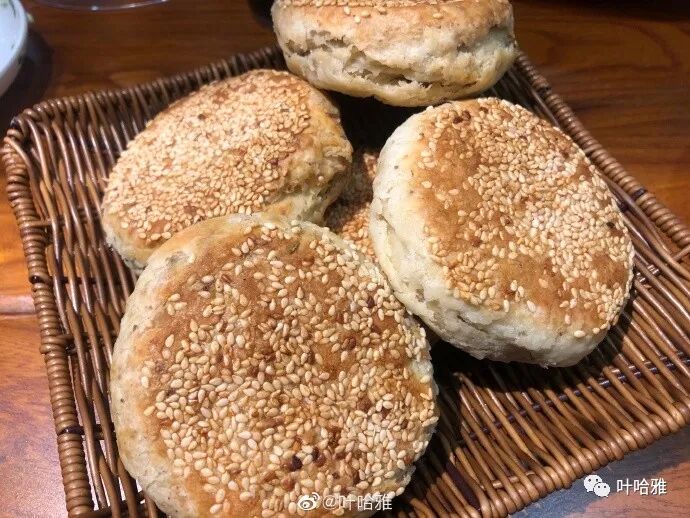
The biscuits at Nancheng Restaurant are very delicious, soft and delicious, a bit like the biscuits from Jubaoyuan. You can order the biscuits with beef.
Dry-fried loose meat is one of the signatures of Beijing-style halal cuisine, but the dry-fried loose meat here is not as delicious as Tiankelai.
The main dish of this table was the braised oxtail, which did not disappoint. The oxtail was braised so well that it melted in your mouth without choking your teeth.
The hot and sour soup tastes a bit strong and sour, so I don’t recommend it.
2. Wangas potato chips
The Wax Potato Chips at Sanlitun Shimao Gongsan B1 is a Lanzhou snack bar. It has various common snacks in Lanzhou, such as sweet fermented glutinous rice, fermented glutinous rice, etc. However, the sweet fermented fermented glutinous rice has a strong alcohol taste, so I won't eat it.
The boss also specifically promised to use cooking oil from Qinghai.
The main delicacy of this store is potatoes, so potatoes are used as wallpaper.
This is Lanzhou Crystal Cake, made of glutinous rice, much like a zongzi, with jujubes wrapped inside.
This is noodle soup. Noodle soup is called a bowl of food in Qinghai, and it is also called naonao. It contains jelly, radish, potatoes and beef. It is usually served to the imam and guests after the wedding recitation ceremony in Qinghai.
This bowl of Dongxiang noodles is my favorite staple food. The noodles are made with a northwest flavor. I recommend it with five stars.
The small bowl of beef tastes sweet and the meat is too chopped. It is not as delicious as the small bowl of beef made in Niujie restaurants.
This is their signature potato slices. The spicy pepper on top is from the northwest. It is mainly seasoning and not spicy, but it is not as delicious as expected. I still prefer Dongxiang handmade noodles.
3. Changying Yicheng Supermarket
The newly opened Changying Yicheng Halal Fresh Food Supermarket in Xibianmen has a Yaerliji takeout window at the entrance, selling a variety of cooked food and snack pancakes.
This is a chain brand, and there is another store in Changying, which is a halal fresh food supermarket.
There are also various halal foods, which are smaller than Niujie Halal Supermarket, but can meet basic needs.
I happened to be on a business trip to Wuhan and happened to see halal hot dry noodles in a store and bought a box to eat on the road.
Address: No. 2, Xibianmen East Street, Xicheng District
4. Ningxia Building
Ningxia Building is located in the Dongcheng District Branch Office Alley, where the Ningxia Office in Beijing is located. There are restaurants on the first and second floors. The first floor is mainly for night markets and snacks. You can eat hot-pot and stir-fry dishes on the second floor. Some dishes cannot be ordered on the first floor, so you can only eat on the second floor.
I went up to the second floor and entered the restaurant but didn't see the halal sign. I asked the waiter. The waiter pointed to the wall behind the pillar and there was this sign hanging on it. Then I sat down with confidence.
When I was checking out, I saw that they had hidden this official halal certification sign in the corner.
This is a state-owned unit, so the services and facilities are all state-owned, and many people who come to eat are spending public funds.
But I must say that this hand-caught mutton is really delicious, and the taste is similar to that eaten in Ningxia, because the ingredients are all meat from Ningxia, but the price is on the high side. This hand-caught mutton is 148 yuan per pound. the hand-caught mutton eaten at the Yinchuan Liaison Office in Beijing is also good, and the price is a little cheaper than here. The environment of the Yinchuan Liaison Office in Beijing is simple, and Ningxia Building is a four-star hotel.
I have long heard from friends that you should eat Yellow River carp in Ningxia. I used to say that carp is fishy and has many spines, but I didn’t expect that after eating the Yellow River carp from Ningxia Building, I changed my view on carp. The Yellow River carp is not fishy at all, and the spines are easier to deal with.
The thin-skinned steamed stuffed buns stuffed with three delicacies are not recommended. They are a bit soft and have no soup. I still like to eat the traditional northwest homemade steamed buns.
5. Jinfang
Jinfang Snack Bar is a time-honored snack bar in Beijing. It was founded in 1926 by people from Dezhou, Shandong who came to Beijing. Many time-honored restaurants in Beijing originally came from Shandong. The owner of the popular Ya'er Liji Shabu-Shabu Pork is now a Dezhou, Shandong. A hundred years later, it will become an authentic Beijing-style brand.
Jinfang is now a chain store, and this store is located on Xianyukou Street, Qianmen.
Jinfang’s main specialty is assorted Yuanxiao, as well as a variety of Beijing-style dim sum.
to various snacks, there are also pies, sesame cakes, beef noodles, pot stickers, etc.
But if it is opened in a place with a lot of traffic like the front door, the taste cannot be complimented, and it can only be regarded as acceptable.
Address: No. 85, Xianyukou Street, Qianmen Area, Dongcheng District
6. Xi’an Huifang Halal Snacks
There is a new Huifang snack on the third floor of Bairong Phase 2 outside Yongding Gate. Currently, you can enjoy a 40% discount from 5pm to 7pm during the event.
There are not too many varieties, definitely not comparable to Xi'an Fangshang, but they still have basic items like steamed buns.
The water basin mutton also comes with white steamed buns, but it is quite different from the water basins I have had before.
Vegetarian Fried Pancakes
The beef noodles taste okay. Generally speaking, this store has just opened, the business is deserted, the location is relatively remote, and the taste is not amazing. I don't know how long it can last.
7. Eel Talk·Eel Rice
We borrowed a takeaway stall opened on the first floor of Asia Restaurant in Niu Street and only made eel rice. The color of the eel rice is very beautiful, but the taste of the eel is slightly fishy. You can place an order on the review software, and there are also some snacks to go with it.
Address: 1st floor, Asia Restaurant, Niu Street
8. Yinchuan Liaison Office in Beijing Restaurant
The two restaurants in Beijing where you can reliably eat Ningxia hand-picked dishes mentioned earlier are both Beijing-based restaurants. I recommend the Yinchuan-based Beijing-based restaurant because this restaurant is more cost-effective. Half a pound of hand-picked meat is only 56 yuan, but the meat quality is comparable to that of Ningxia Mansion.
The environment in the store is more like a home-cooked restaurant, which feels more comfortable. You can eat most of Ningxia's common specialties here.
When ordering, please note that the portions of this restaurant are large, and one dish is enough for two people.
Ningxia specialty stewed snacks, including meatballs, vermicelli, dried tofu and green vegetables.
Cabbage and tofu soup
Half a pound of hand-caught mutton, remember to eat a piece of raw garlic.
Stir-stir-fried meat, a specialty of Xihaigu area, made of beef.
9. Old Yinchuan
In Old Yinchuan near Tuanjiehu Subway Station, you can tell from the name that it is Ningxia style.
The store environment is well decorated and very clean.
The sugar biscuits taste very average, maybe freshly baked would taste better.
Tanyang hand-caught, a bit fat, I still recommend the Beijing Office to eat Ningxia hand-caught.
The green noodles taste pretty good.
Dawukou Liangpi is very famous in Ningxia. I came here because of its reputation and wanted to try it, but I was very disappointed. I believe that the authentic Dawukou Liangpi is definitely better than this one.
10. Laohuihui
This restaurant makes traditional Beijing snacks. The name is quite interesting and it will be a century-old restaurant in the future.
There is a snack takeout window on the first floor, and stir-fry staple food is available on the second floor, including mutton braised noodles, fried noodles with soybean paste, etc.
I was disappointed with the noodles with soybean paste. They were not hand-made noodles and the sauce tasted a bit sweet. My favorite place to eat noodles with soybean paste is the Muslim Restaurant in Suzhou Hutong.
11. Another success
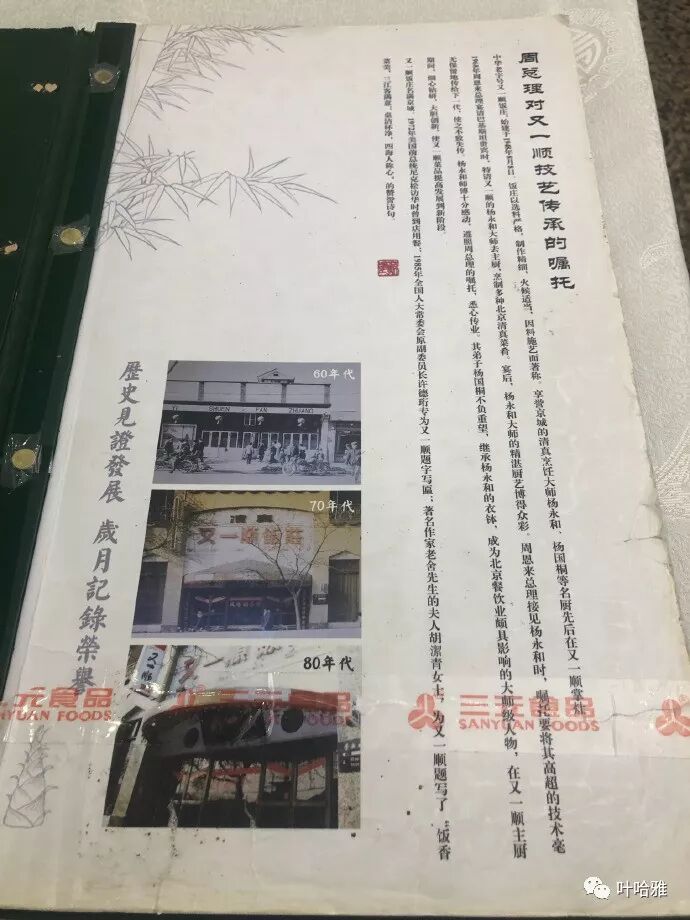
Youyishun was founded on August 8, 1948. Among the Muslim restaurants in Beijing, Donglaishun is represented by shabu-shabu, which is called "Eastern style", and Xilaishun is represented by stir-fry, which is called "Western style". Youyishun combines the Eastern style of roasting, roasting, and shabu-shabu, as well as the exquisite and luxurious stir-fries of Western style cuisine, as well as famous snacks from all over the world, in one store.
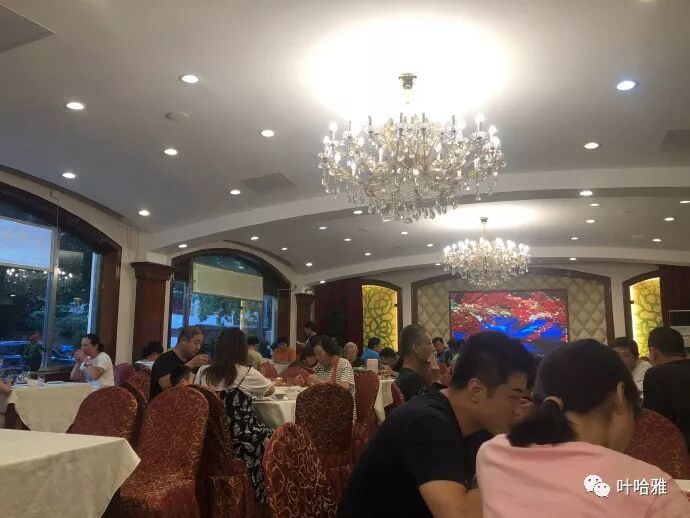
The business in the store is very good because the food is really delicious.
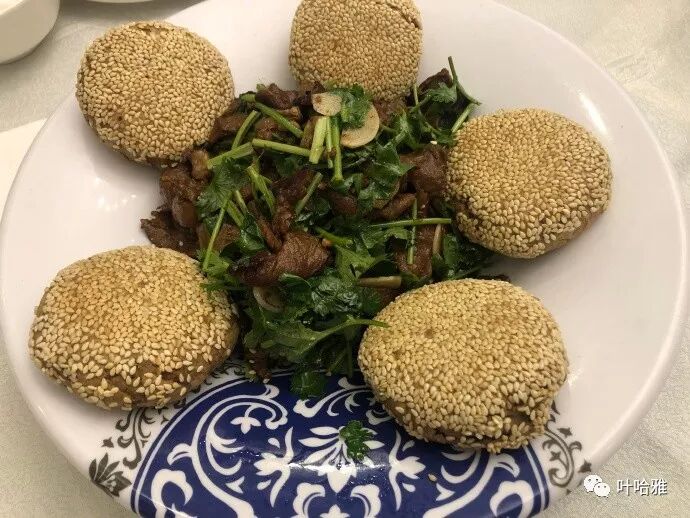
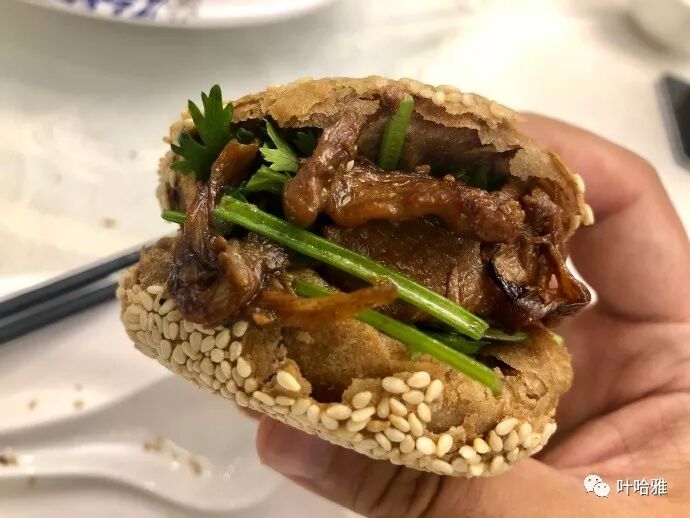
Paobao is a traditional halal dish in Beijing. It is eaten with Zhizi barbecue and sesame cakes. The fried biscuits are very small and can be eaten in three bites.
Beef Shaomai, because in my opinion the most delicious kind of Shaomai is the one from Hohhot, so I don’t particularly like this kind of thick-skinned Shaomai.
The baby dish in soup is a Cantonese dish, and here is a modified halal version. It is made with chicken soup and is very refreshing.
The duck cake is also a traditional Beijing-style snack, made with duck fat and filled with bean paste. Generally speaking, it is a smooth dish that is carefully prepared and more attentive than some time-honored restaurants. It is worth recommending.
12. Yueshengzhai
Yueshengzhai started out by selling soy sauce beef, but this time I unexpectedly discovered that Yueshengzhai in Xizhimen started making shabu-shabu, and it was extremely delicious.
There is nothing wrong with the old soy sauce beef shop’s shabu-shabu. Jubaoyuan only sold raw meat in the past, but now it is also famous for its shabu-shabu.
I didn't have high expectations before eating, because many of the time-honored brands nowadays are no longer worthy of their reputation, but when I took the first bite, my eyes lit up, and my appetite immediately followed.
Several friends at the same table gave Yueshengzhai Shabu Shabu very high praise. Whether it is the quality of the meat, the ingredients or the sesame seed cakes and sour plum soup, they are all excellent.
Yueshengzhai's Flask is worth mentioning. The biscuits here come in two varieties: sesame paste and salt and pepper. Both are freshly baked, crispy on the outside and tender on the inside.
Address: Shop on the ground floor of Yongtai Jiasheng Office Building, No. 62 Jiaotong University East Road
If you want to find other halal food in Beijing, please check view all
Summary: Best Halal Restaurant Beijing: Local Hui Muslim Hotpot, Snacks and Food Map is presented here as a clear English travel account for Muslim readers, beginning with this scene: The Beijing halal food series I have eaten has been updated again. Every time I say I have nothing to eat, I always find a new restaurant due to various opportunities. It seems that this series can go on. The article keeps the original place names, food details, photographs, and cultural context while focusing on Beijing Halal Food, Hui Muslim Food, Hotpot.
The Beijing halal food series I have eaten has been updated again. Every time I say I have nothing to eat, I always find a new restaurant due to various opportunities. It seems that this series can go on forever.
Recently, because of the launch of the Beijing chapter of the Michelin list, the topic of Beijing being a food desert has become popular again. First of all, I would like to emphasize that there are few restaurants on the Michelin list that I can eat, so I will not comment. However, I am a member of the halal food circle, and I have been to all provincial administrative units in China, hundreds of cities, and almost all Muslim gathering areas in China (only Kashgar and Changzhi in my impression), Shadian and other places), so if a Hui Muslims say that Beijing is a food desert, I can only say that this is not objective. I can say without prejudice that you can eat most local halal food in Beijing, and the taste is not inferior to that of the place of origin, because Beijing does not produce ingredients. The ingredients in Beijing come from the place, and the people who engage in catering in Beijing also come from the place.
I can understand that some people feel that the food in Beijing is not as delicious as in their hometown. This may have something to do with their state of mind and dietary preferences. For example, I just visited a place and was in a happy mood, so I felt like I had a great appetite when eating. However, when I stay in a place for a long time and eat the same thing every day, I will feel that it is not as delicious as when I first came here. some people transfer some unpleasant experiences in Beijing, such as cost of living, work pressure, and even some unspeakable reasons, to their dislike of food. This is not objective, not to mention that the prophet once taught us not to praise or criticize food.
Abu Huraira narrated: The Holy Prophet never praised or criticized any food. He ate it if he wanted to, and kept silent if he didn't want to eat it. (Sahih Muslim, verse 33, 190)
In China, or even in any country, apart from Beijing where you can taste the halal specialties from various places, which other city can satisfy the needs of Muslims’ taste buds in various ways?
1. Nanmen Restaurant
There is a halal Beijing-style restaurant in B2 of Guomao Mall. It was not easy to find when you first came. You need to get off the elevator to the basement level, walk in the direction of the ice rink, and then take the escalator to B2. When you get off the escalator, you can see the new version of the halal sign hanging in front of the store on the left side.
Although it is located in the core area of Guomao, the food prices in the small restaurant are affordable and the per capita consumption can be controlled at around 50 yuan.
The cuisine is home-cooked Beijing cuisine, and there is also barbecue. The environment is simple, and the tables are widely spaced so that you will not hear the conversations at the next table, making it suitable for small gatherings.
The portions are a bit small, but I like restaurants with small portions so that I can eat more dishes and avoid waste.
The picture above shows home-style tofu, mustard fungus, cabbage vermicelli and spicy and sour melon strips. It is made in a regular way and has a moderate taste.
The biscuits at Nancheng Restaurant are very delicious, soft and delicious, a bit like the biscuits from Jubaoyuan. You can order the biscuits with beef.
Dry-fried loose meat is one of the signatures of Beijing-style halal cuisine, but the dry-fried loose meat here is not as delicious as Tiankelai.
The main dish of this table was the braised oxtail, which did not disappoint. The oxtail was braised so well that it melted in your mouth without choking your teeth.
The hot and sour soup tastes a bit strong and sour, so I don’t recommend it.
2. Wangas potato chips
The Wax Potato Chips at Sanlitun Shimao Gongsan B1 is a Lanzhou snack bar. It has various common snacks in Lanzhou, such as sweet fermented glutinous rice, fermented glutinous rice, etc. However, the sweet fermented fermented glutinous rice has a strong alcohol taste, so I won't eat it.
The boss also specifically promised to use cooking oil from Qinghai.
The main delicacy of this store is potatoes, so potatoes are used as wallpaper.
This is Lanzhou Crystal Cake, made of glutinous rice, much like a zongzi, with jujubes wrapped inside.
This is noodle soup. Noodle soup is called a bowl of food in Qinghai, and it is also called naonao. It contains jelly, radish, potatoes and beef. It is usually served to the imam and guests after the wedding recitation ceremony in Qinghai.
This bowl of Dongxiang noodles is my favorite staple food. The noodles are made with a northwest flavor. I recommend it with five stars.
The small bowl of beef tastes sweet and the meat is too chopped. It is not as delicious as the small bowl of beef made in Niujie restaurants.
This is their signature potato slices. The spicy pepper on top is from the northwest. It is mainly seasoning and not spicy, but it is not as delicious as expected. I still prefer Dongxiang handmade noodles.
3. Changying Yicheng Supermarket
The newly opened Changying Yicheng Halal Fresh Food Supermarket in Xibianmen has a Yaerliji takeout window at the entrance, selling a variety of cooked food and snack pancakes.
This is a chain brand, and there is another store in Changying, which is a halal fresh food supermarket.
There are also various halal foods, which are smaller than Niujie Halal Supermarket, but can meet basic needs.
I happened to be on a business trip to Wuhan and happened to see halal hot dry noodles in a store and bought a box to eat on the road.
Address: No. 2, Xibianmen East Street, Xicheng District
4. Ningxia Building
Ningxia Building is located in the Dongcheng District Branch Office Alley, where the Ningxia Office in Beijing is located. There are restaurants on the first and second floors. The first floor is mainly for night markets and snacks. You can eat hot-pot and stir-fry dishes on the second floor. Some dishes cannot be ordered on the first floor, so you can only eat on the second floor.
I went up to the second floor and entered the restaurant but didn't see the halal sign. I asked the waiter. The waiter pointed to the wall behind the pillar and there was this sign hanging on it. Then I sat down with confidence.
When I was checking out, I saw that they had hidden this official halal certification sign in the corner.
This is a state-owned unit, so the services and facilities are all state-owned, and many people who come to eat are spending public funds.
But I must say that this hand-caught mutton is really delicious, and the taste is similar to that eaten in Ningxia, because the ingredients are all meat from Ningxia, but the price is on the high side. This hand-caught mutton is 148 yuan per pound. the hand-caught mutton eaten at the Yinchuan Liaison Office in Beijing is also good, and the price is a little cheaper than here. The environment of the Yinchuan Liaison Office in Beijing is simple, and Ningxia Building is a four-star hotel.
I have long heard from friends that you should eat Yellow River carp in Ningxia. I used to say that carp is fishy and has many spines, but I didn’t expect that after eating the Yellow River carp from Ningxia Building, I changed my view on carp. The Yellow River carp is not fishy at all, and the spines are easier to deal with.
The thin-skinned steamed stuffed buns stuffed with three delicacies are not recommended. They are a bit soft and have no soup. I still like to eat the traditional northwest homemade steamed buns.
5. Jinfang
Jinfang Snack Bar is a time-honored snack bar in Beijing. It was founded in 1926 by people from Dezhou, Shandong who came to Beijing. Many time-honored restaurants in Beijing originally came from Shandong. The owner of the popular Ya'er Liji Shabu-Shabu Pork is now a Dezhou, Shandong. A hundred years later, it will become an authentic Beijing-style brand.
Jinfang is now a chain store, and this store is located on Xianyukou Street, Qianmen.
Jinfang’s main specialty is assorted Yuanxiao, as well as a variety of Beijing-style dim sum.
to various snacks, there are also pies, sesame cakes, beef noodles, pot stickers, etc.
But if it is opened in a place with a lot of traffic like the front door, the taste cannot be complimented, and it can only be regarded as acceptable.
Address: No. 85, Xianyukou Street, Qianmen Area, Dongcheng District
6. Xi’an Huifang Halal Snacks
There is a new Huifang snack on the third floor of Bairong Phase 2 outside Yongding Gate. Currently, you can enjoy a 40% discount from 5pm to 7pm during the event.
There are not too many varieties, definitely not comparable to Xi'an Fangshang, but they still have basic items like steamed buns.
The water basin mutton also comes with white steamed buns, but it is quite different from the water basins I have had before.
Vegetarian Fried Pancakes
The beef noodles taste okay. Generally speaking, this store has just opened, the business is deserted, the location is relatively remote, and the taste is not amazing. I don't know how long it can last.
7. Eel Talk·Eel Rice
We borrowed a takeaway stall opened on the first floor of Asia Restaurant in Niu Street and only made eel rice. The color of the eel rice is very beautiful, but the taste of the eel is slightly fishy. You can place an order on the review software, and there are also some snacks to go with it.
Address: 1st floor, Asia Restaurant, Niu Street
8. Yinchuan Liaison Office in Beijing Restaurant
The two restaurants in Beijing where you can reliably eat Ningxia hand-picked dishes mentioned earlier are both Beijing-based restaurants. I recommend the Yinchuan-based Beijing-based restaurant because this restaurant is more cost-effective. Half a pound of hand-picked meat is only 56 yuan, but the meat quality is comparable to that of Ningxia Mansion.
The environment in the store is more like a home-cooked restaurant, which feels more comfortable. You can eat most of Ningxia's common specialties here.
When ordering, please note that the portions of this restaurant are large, and one dish is enough for two people.
Ningxia specialty stewed snacks, including meatballs, vermicelli, dried tofu and green vegetables.
Cabbage and tofu soup
Half a pound of hand-caught mutton, remember to eat a piece of raw garlic.
Stir-stir-fried meat, a specialty of Xihaigu area, made of beef.
9. Old Yinchuan
In Old Yinchuan near Tuanjiehu Subway Station, you can tell from the name that it is Ningxia style.
The store environment is well decorated and very clean.
The sugar biscuits taste very average, maybe freshly baked would taste better.
Tanyang hand-caught, a bit fat, I still recommend the Beijing Office to eat Ningxia hand-caught.
The green noodles taste pretty good.
Dawukou Liangpi is very famous in Ningxia. I came here because of its reputation and wanted to try it, but I was very disappointed. I believe that the authentic Dawukou Liangpi is definitely better than this one.
10. Laohuihui
This restaurant makes traditional Beijing snacks. The name is quite interesting and it will be a century-old restaurant in the future.
There is a snack takeout window on the first floor, and stir-fry staple food is available on the second floor, including mutton braised noodles, fried noodles with soybean paste, etc.
I was disappointed with the noodles with soybean paste. They were not hand-made noodles and the sauce tasted a bit sweet. My favorite place to eat noodles with soybean paste is the Muslim Restaurant in Suzhou Hutong.
11. Another success
Youyishun was founded on August 8, 1948. Among the Muslim restaurants in Beijing, Donglaishun is represented by shabu-shabu, which is called "Eastern style", and Xilaishun is represented by stir-fry, which is called "Western style". Youyishun combines the Eastern style of roasting, roasting, and shabu-shabu, as well as the exquisite and luxurious stir-fries of Western style cuisine, as well as famous snacks from all over the world, in one store.
The business in the store is very good because the food is really delicious.
Paobao is a traditional halal dish in Beijing. It is eaten with Zhizi barbecue and sesame cakes. The fried biscuits are very small and can be eaten in three bites.
Beef Shaomai, because in my opinion the most delicious kind of Shaomai is the one from Hohhot, so I don’t particularly like this kind of thick-skinned Shaomai.
The baby dish in soup is a Cantonese dish, and here is a modified halal version. It is made with chicken soup and is very refreshing.
The duck cake is also a traditional Beijing-style snack, made with duck fat and filled with bean paste. Generally speaking, it is a smooth dish that is carefully prepared and more attentive than some time-honored restaurants. It is worth recommending.
12. Yueshengzhai
Yueshengzhai started out by selling soy sauce beef, but this time I unexpectedly discovered that Yueshengzhai in Xizhimen started making shabu-shabu, and it was extremely delicious.
There is nothing wrong with the old soy sauce beef shop’s shabu-shabu. Jubaoyuan only sold raw meat in the past, but now it is also famous for its shabu-shabu.
I didn't have high expectations before eating, because many of the time-honored brands nowadays are no longer worthy of their reputation, but when I took the first bite, my eyes lit up, and my appetite immediately followed.
Several friends at the same table gave Yueshengzhai Shabu Shabu very high praise. Whether it is the quality of the meat, the ingredients or the sesame seed cakes and sour plum soup, they are all excellent.
Yueshengzhai's Flask is worth mentioning. The biscuits here come in two varieties: sesame paste and salt and pepper. Both are freshly baked, crispy on the outside and tender on the inside.
Address: Shop on the ground floor of Yongtai Jiasheng Office Building, No. 62 Jiaotong University East Road
If you want to find other halal food in Beijing, please check view all
Reposted from the web
Summary: Best Halal Restaurant Beijing: Local Hui Muslim Hotpot, Snacks and Food Map is presented here as a clear English travel account for Muslim readers, beginning with this scene: The Beijing halal food series I have eaten has been updated again. Every time I say I have nothing to eat, I always find a new restaurant due to various opportunities. It seems that this series can go on. The article keeps the original place names, food details, photographs, and cultural context while focusing on Beijing Halal Food, Hui Muslim Food, Hotpot.
The Beijing halal food series I have eaten has been updated again. Every time I say I have nothing to eat, I always find a new restaurant due to various opportunities. It seems that this series can go on forever.
Recently, because of the launch of the Beijing chapter of the Michelin list, the topic of Beijing being a food desert has become popular again. First of all, I would like to emphasize that there are few restaurants on the Michelin list that I can eat, so I will not comment. However, I am a member of the halal food circle, and I have been to all provincial administrative units in China, hundreds of cities, and almost all Muslim gathering areas in China (only Kashgar and Changzhi in my impression), Shadian and other places), so if a Hui Muslims say that Beijing is a food desert, I can only say that this is not objective. I can say without prejudice that you can eat most local halal food in Beijing, and the taste is not inferior to that of the place of origin, because Beijing does not produce ingredients. The ingredients in Beijing come from the place, and the people who engage in catering in Beijing also come from the place.
I can understand that some people feel that the food in Beijing is not as delicious as in their hometown. This may have something to do with their state of mind and dietary preferences. For example, I just visited a place and was in a happy mood, so I felt like I had a great appetite when eating. However, when I stay in a place for a long time and eat the same thing every day, I will feel that it is not as delicious as when I first came here. some people transfer some unpleasant experiences in Beijing, such as cost of living, work pressure, and even some unspeakable reasons, to their dislike of food. This is not objective, not to mention that the prophet once taught us not to praise or criticize food.
Abu Huraira narrated: The Holy Prophet never praised or criticized any food. He ate it if he wanted to, and kept silent if he didn't want to eat it. (Sahih Muslim, verse 33, 190)
In China, or even in any country, apart from Beijing where you can taste the halal specialties from various places, which other city can satisfy the needs of Muslims’ taste buds in various ways?
1. Nanmen Restaurant
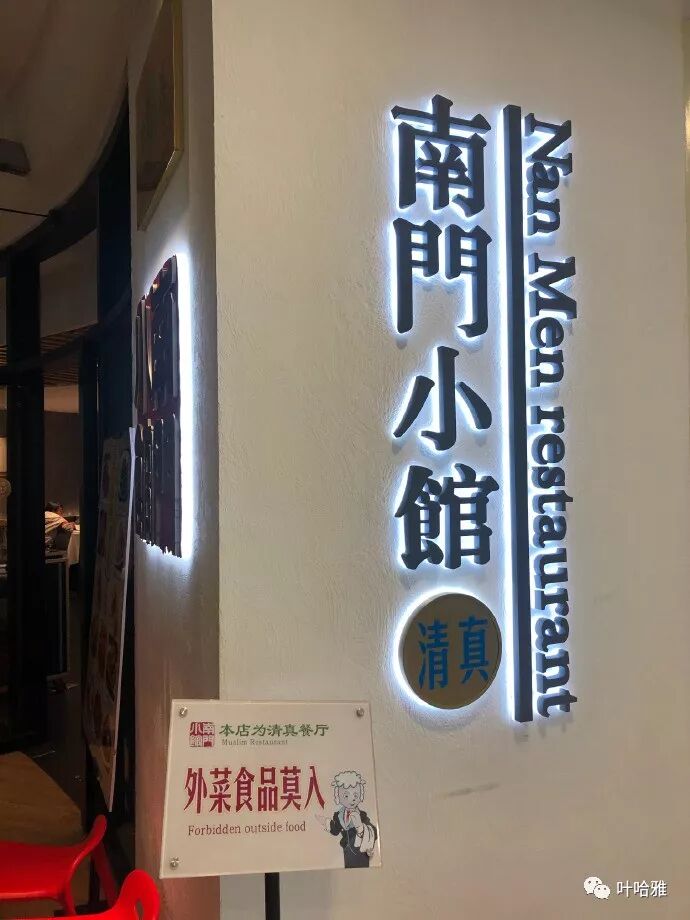
There is a halal Beijing-style restaurant in B2 of Guomao Mall. It was not easy to find when you first came. You need to get off the elevator to the basement level, walk in the direction of the ice rink, and then take the escalator to B2. When you get off the escalator, you can see the new version of the halal sign hanging in front of the store on the left side.
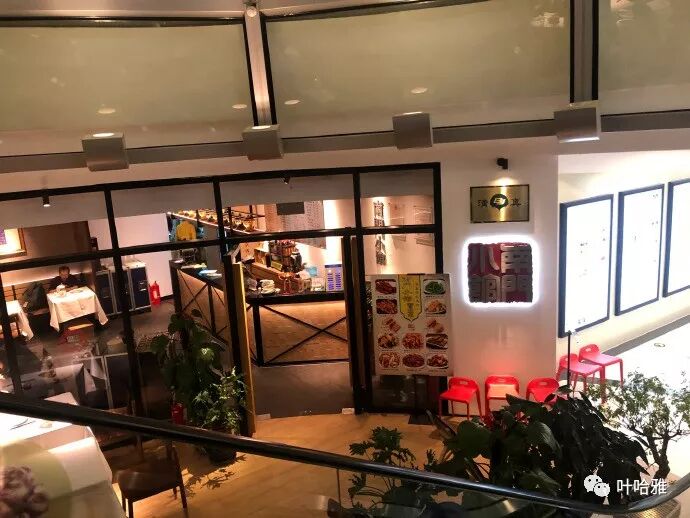
Although it is located in the core area of Guomao, the food prices in the small restaurant are affordable and the per capita consumption can be controlled at around 50 yuan.
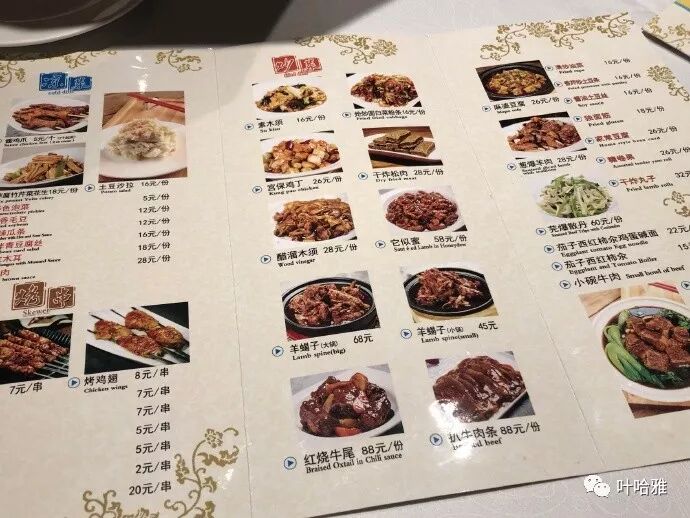
The cuisine is home-cooked Beijing cuisine, and there is also barbecue. The environment is simple, and the tables are widely spaced so that you will not hear the conversations at the next table, making it suitable for small gatherings.
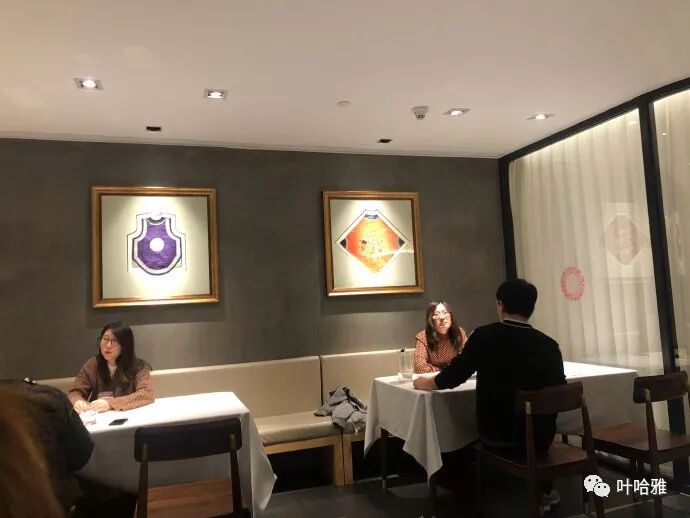
The portions are a bit small, but I like restaurants with small portions so that I can eat more dishes and avoid waste.
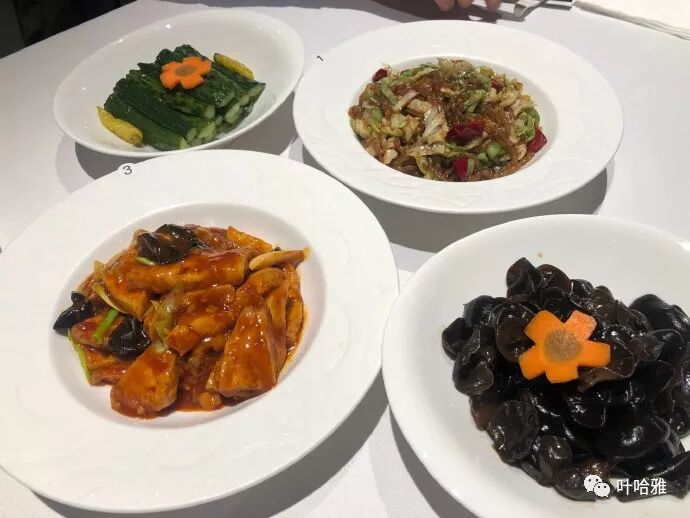
The picture above shows home-style tofu, mustard fungus, cabbage vermicelli and spicy and sour melon strips. It is made in a regular way and has a moderate taste.
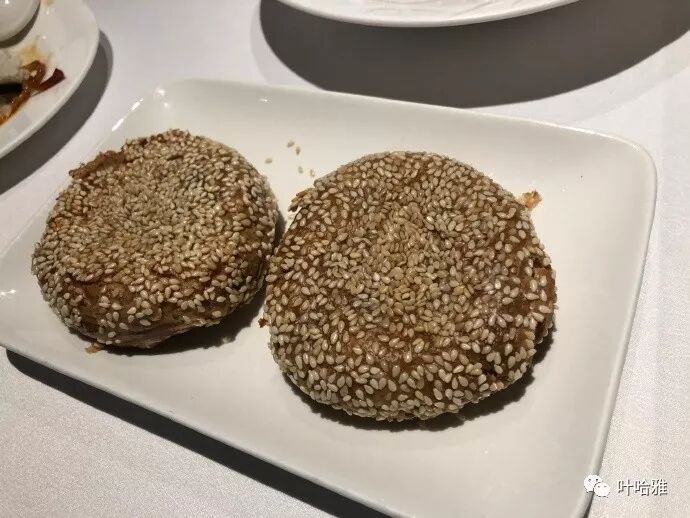
The biscuits at Nancheng Restaurant are very delicious, soft and delicious, a bit like the biscuits from Jubaoyuan. You can order the biscuits with beef.
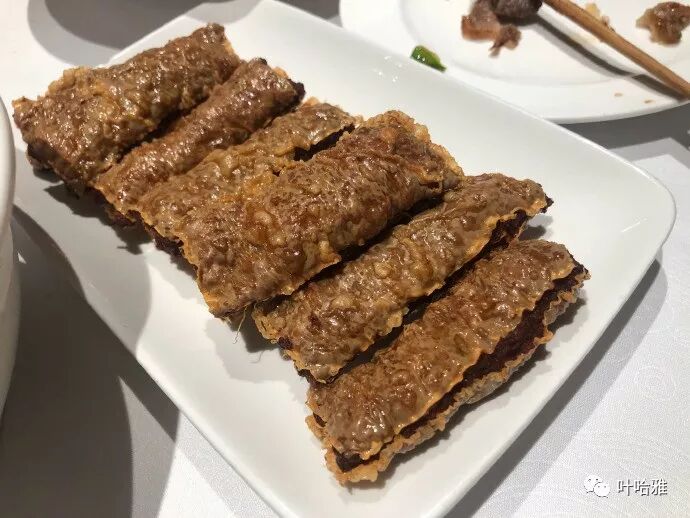
Dry-fried loose meat is one of the signatures of Beijing-style halal cuisine, but the dry-fried loose meat here is not as delicious as Tiankelai.
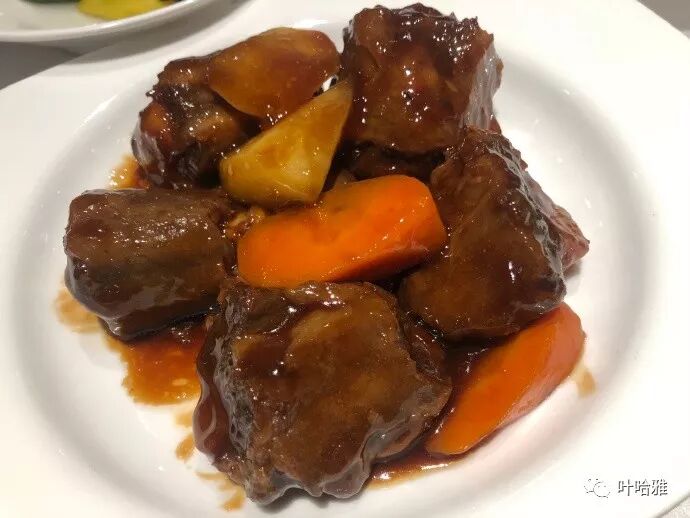
The main dish of this table was the braised oxtail, which did not disappoint. The oxtail was braised so well that it melted in your mouth without choking your teeth.
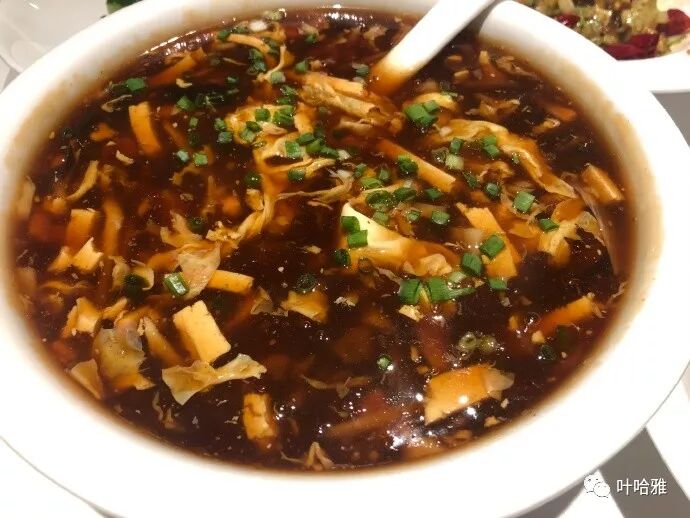
The hot and sour soup tastes a bit strong and sour, so I don’t recommend it.
2. Wangas potato chips
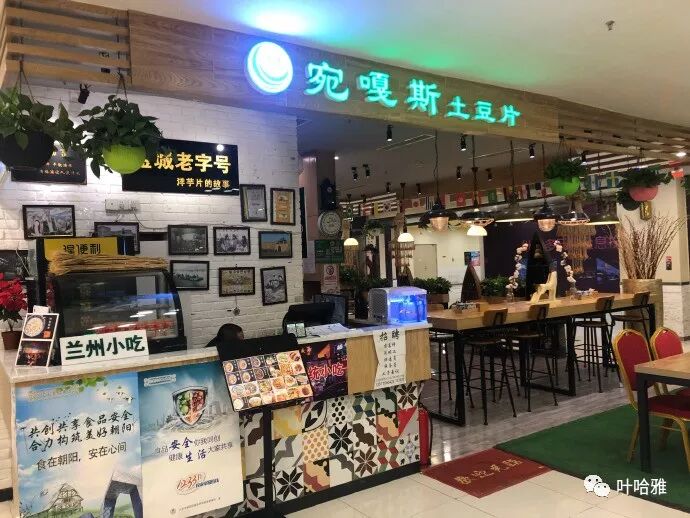
The Wax Potato Chips at Sanlitun Shimao Gongsan B1 is a Lanzhou snack bar. It has various common snacks in Lanzhou, such as sweet fermented glutinous rice, fermented glutinous rice, etc. However, the sweet fermented fermented glutinous rice has a strong alcohol taste, so I won't eat it.
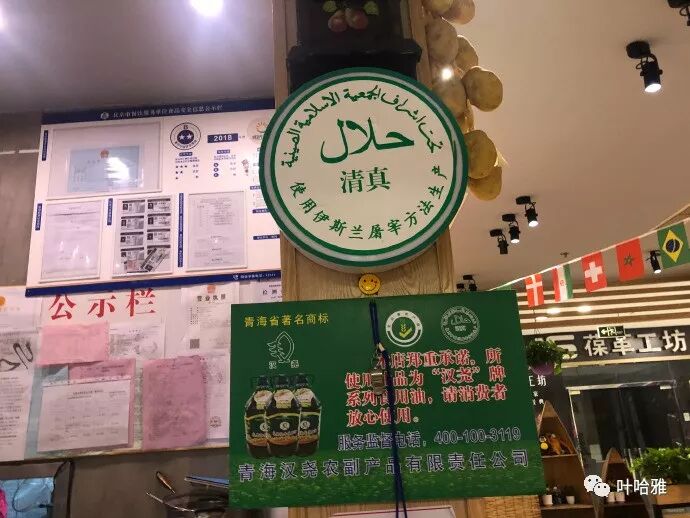
The boss also specifically promised to use cooking oil from Qinghai.
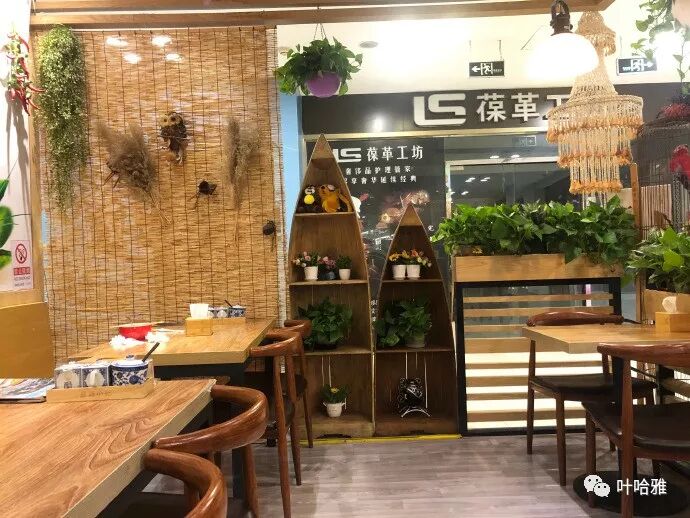
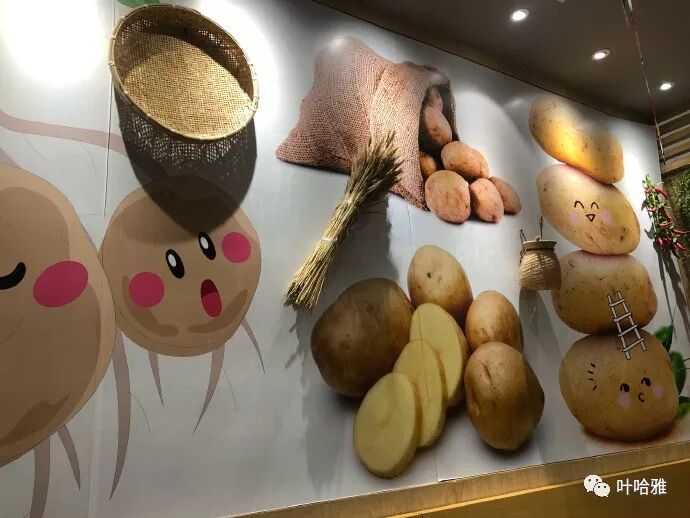
The main delicacy of this store is potatoes, so potatoes are used as wallpaper.
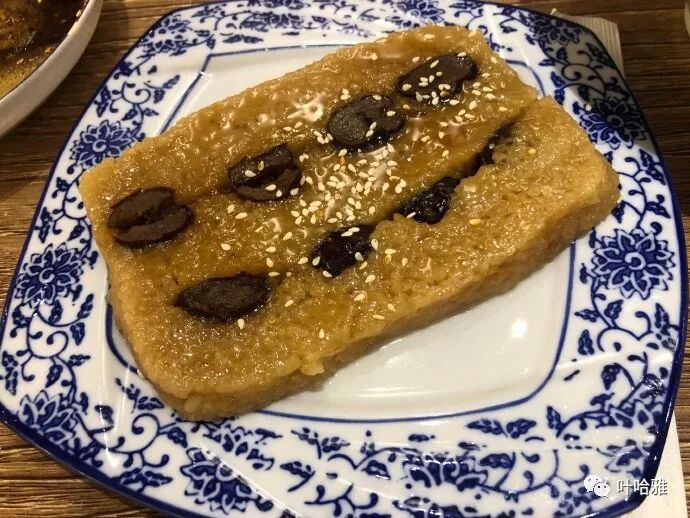
This is Lanzhou Crystal Cake, made of glutinous rice, much like a zongzi, with jujubes wrapped inside.
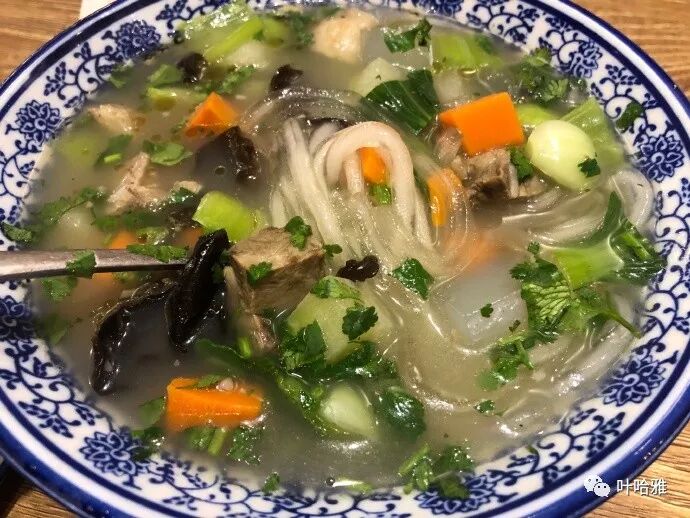
This is noodle soup. Noodle soup is called a bowl of food in Qinghai, and it is also called naonao. It contains jelly, radish, potatoes and beef. It is usually served to the imam and guests after the wedding recitation ceremony in Qinghai.
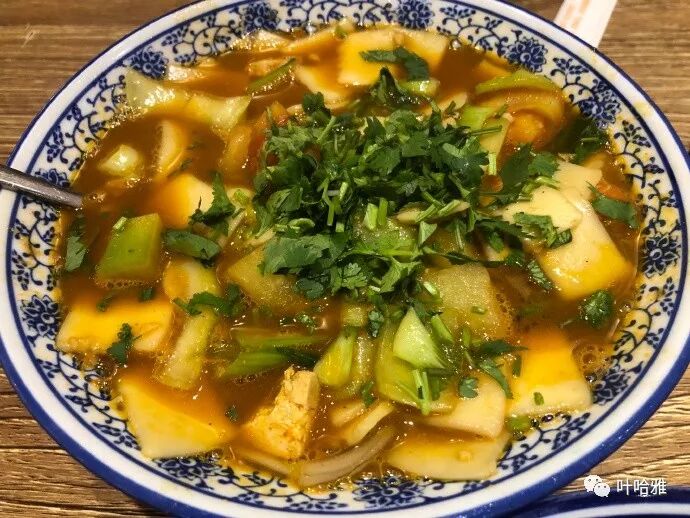
This bowl of Dongxiang noodles is my favorite staple food. The noodles are made with a northwest flavor. I recommend it with five stars.
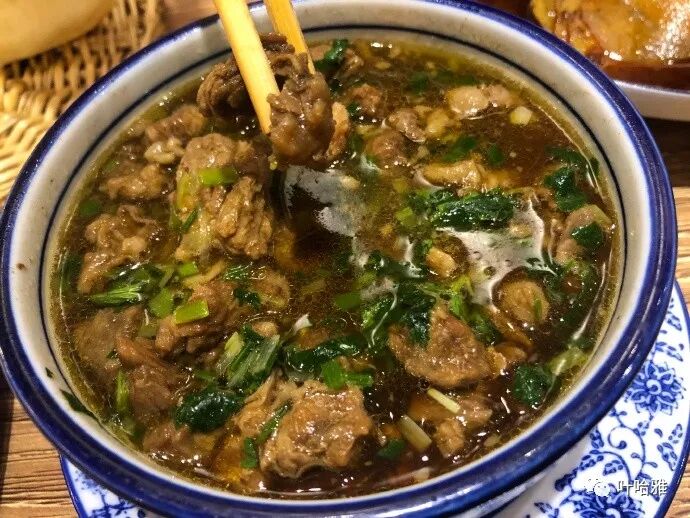
The small bowl of beef tastes sweet and the meat is too chopped. It is not as delicious as the small bowl of beef made in Niujie restaurants.
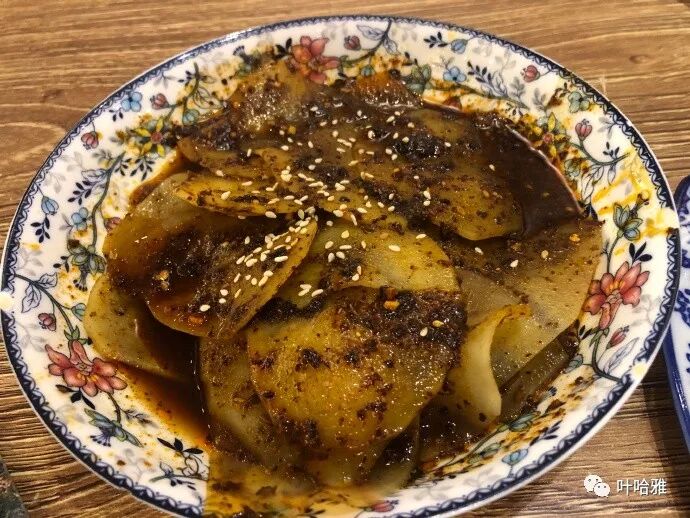
This is their signature potato slices. The spicy pepper on top is from the northwest. It is mainly seasoning and not spicy, but it is not as delicious as expected. I still prefer Dongxiang handmade noodles.
3. Changying Yicheng Supermarket
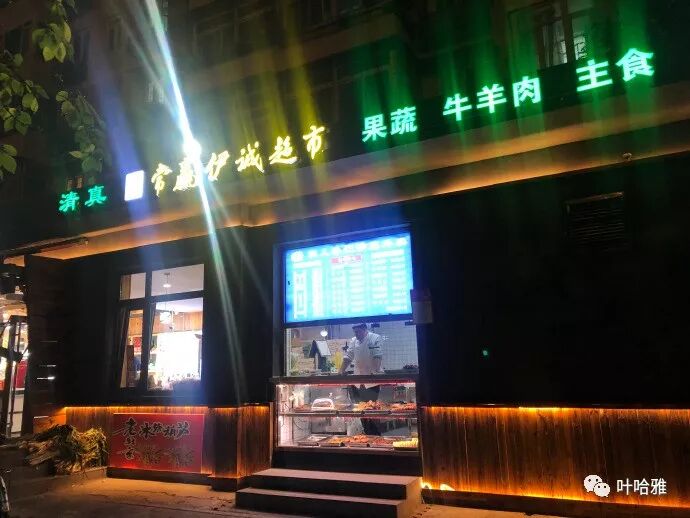
The newly opened Changying Yicheng Halal Fresh Food Supermarket in Xibianmen has a Yaerliji takeout window at the entrance, selling a variety of cooked food and snack pancakes.
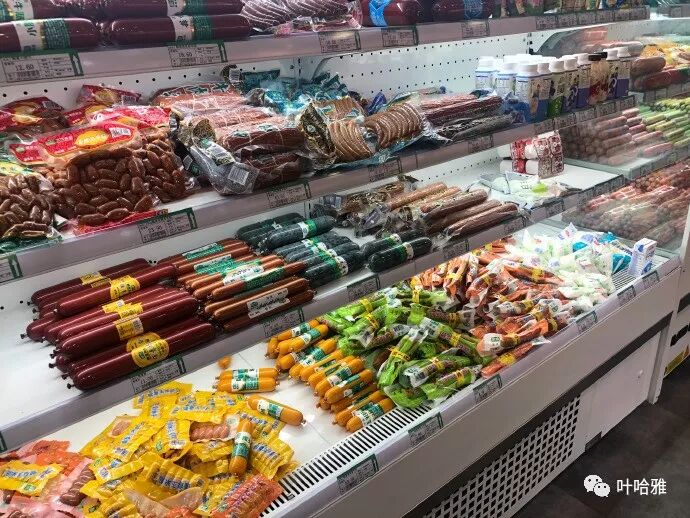
This is a chain brand, and there is another store in Changying, which is a halal fresh food supermarket.
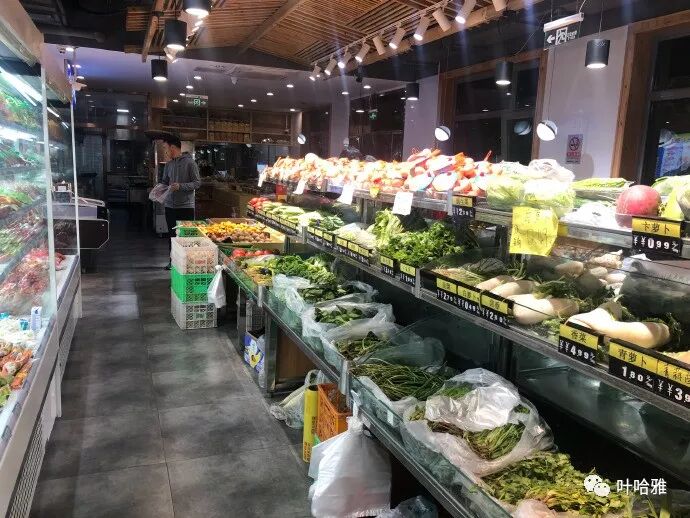
There are also various halal foods, which are smaller than Niujie Halal Supermarket, but can meet basic needs.
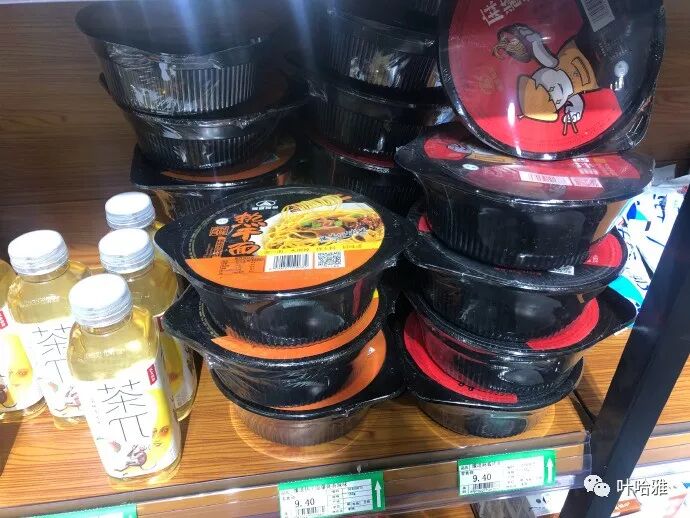
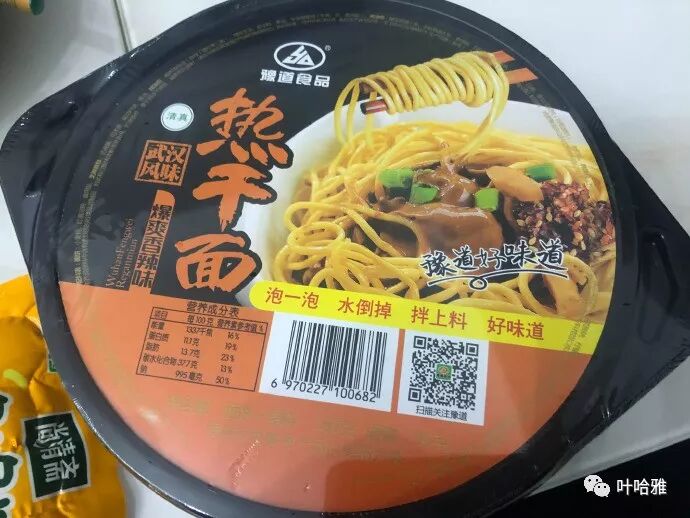
I happened to be on a business trip to Wuhan and happened to see halal hot dry noodles in a store and bought a box to eat on the road.
Address: No. 2, Xibianmen East Street, Xicheng District
4. Ningxia Building
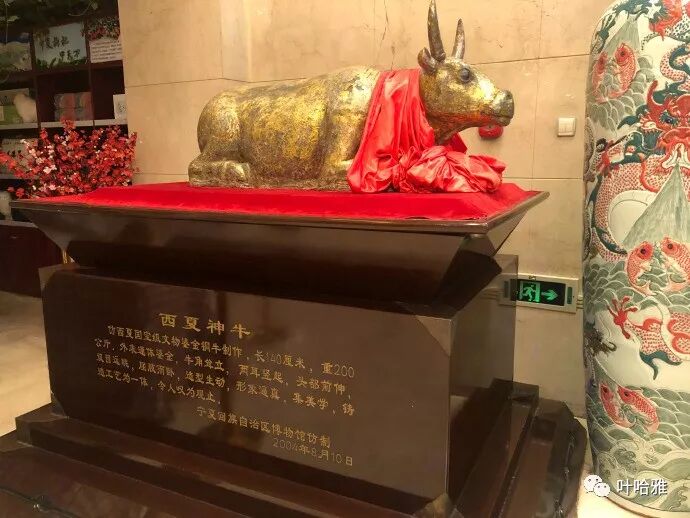
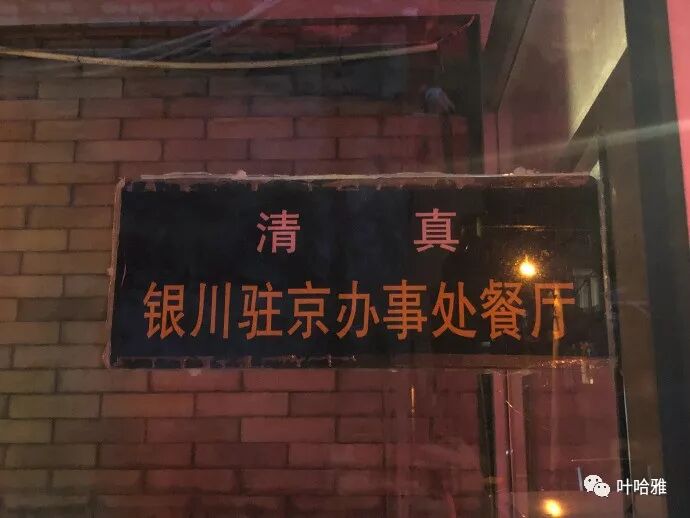
Ningxia Building is located in the Dongcheng District Branch Office Alley, where the Ningxia Office in Beijing is located. There are restaurants on the first and second floors. The first floor is mainly for night markets and snacks. You can eat hot-pot and stir-fry dishes on the second floor. Some dishes cannot be ordered on the first floor, so you can only eat on the second floor.
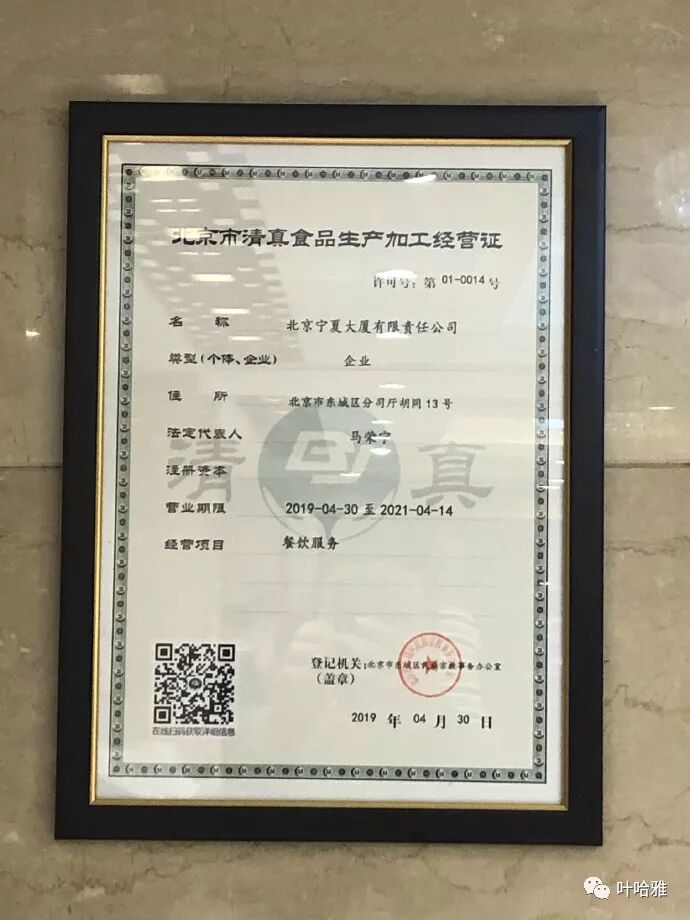
I went up to the second floor and entered the restaurant but didn't see the halal sign. I asked the waiter. The waiter pointed to the wall behind the pillar and there was this sign hanging on it. Then I sat down with confidence.
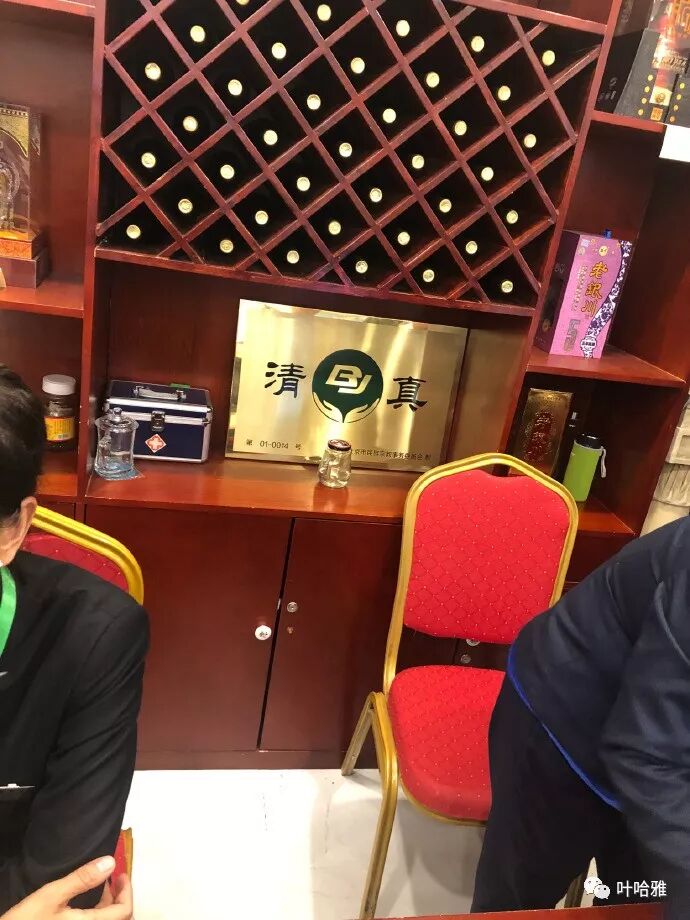
When I was checking out, I saw that they had hidden this official halal certification sign in the corner.
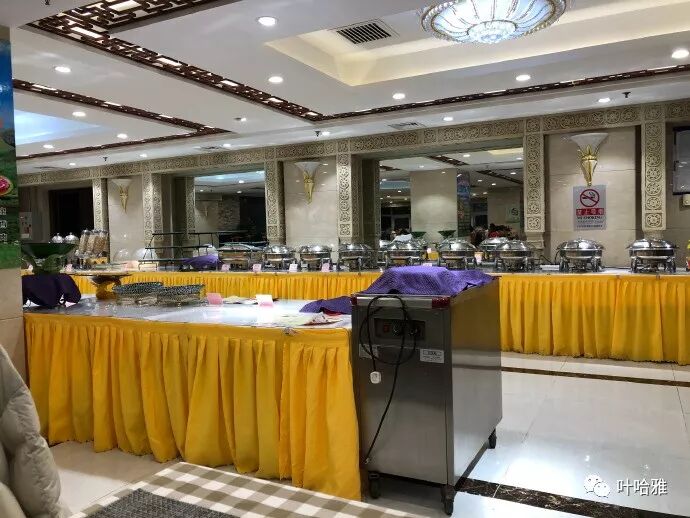
This is a state-owned unit, so the services and facilities are all state-owned, and many people who come to eat are spending public funds.
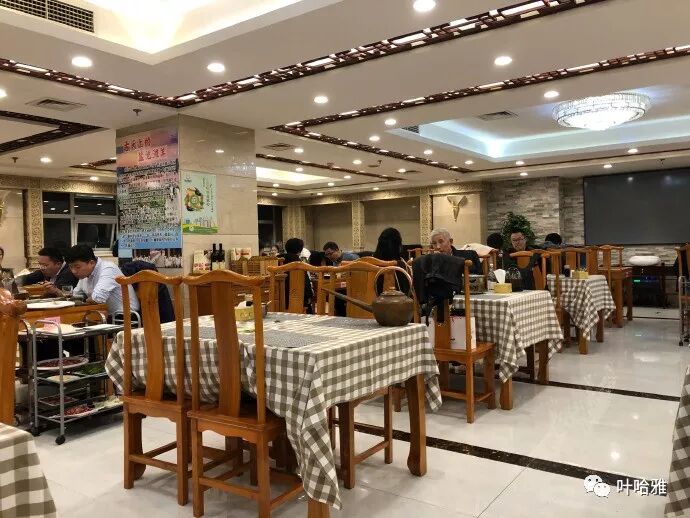
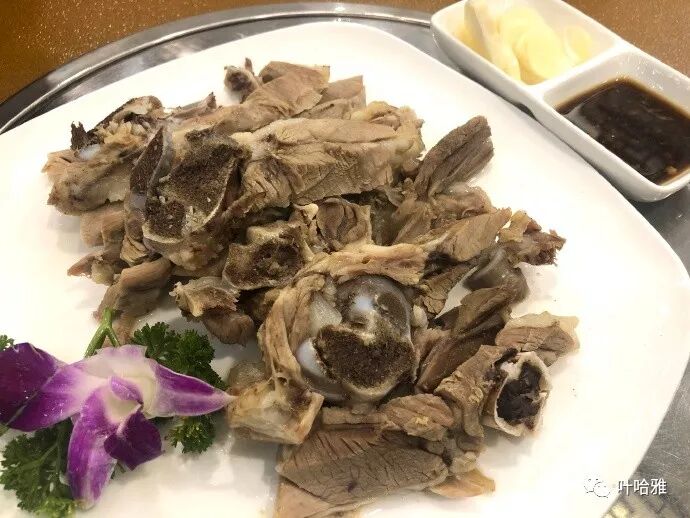
But I must say that this hand-caught mutton is really delicious, and the taste is similar to that eaten in Ningxia, because the ingredients are all meat from Ningxia, but the price is on the high side. This hand-caught mutton is 148 yuan per pound. the hand-caught mutton eaten at the Yinchuan Liaison Office in Beijing is also good, and the price is a little cheaper than here. The environment of the Yinchuan Liaison Office in Beijing is simple, and Ningxia Building is a four-star hotel.
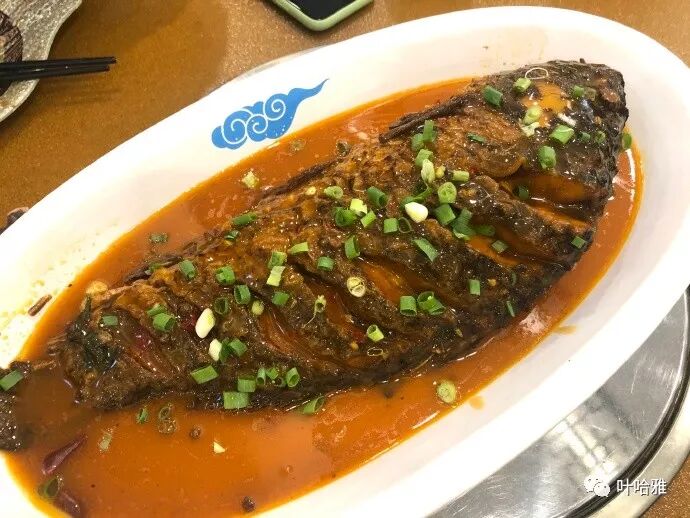
I have long heard from friends that you should eat Yellow River carp in Ningxia. I used to say that carp is fishy and has many spines, but I didn’t expect that after eating the Yellow River carp from Ningxia Building, I changed my view on carp. The Yellow River carp is not fishy at all, and the spines are easier to deal with.
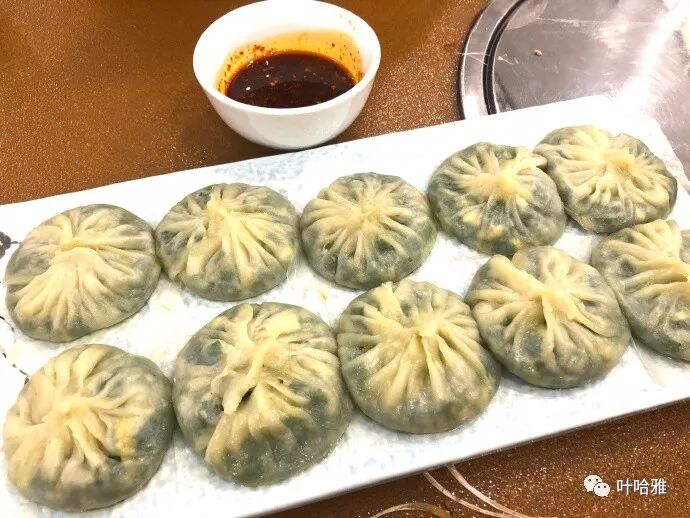
The thin-skinned steamed stuffed buns stuffed with three delicacies are not recommended. They are a bit soft and have no soup. I still like to eat the traditional northwest homemade steamed buns.
5. Jinfang
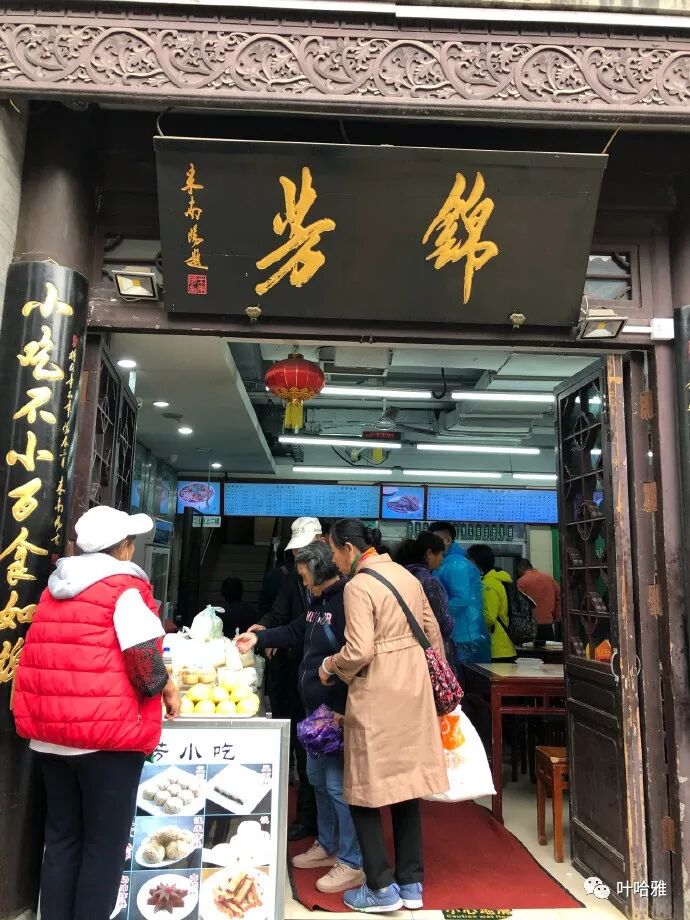
Jinfang Snack Bar is a time-honored snack bar in Beijing. It was founded in 1926 by people from Dezhou, Shandong who came to Beijing. Many time-honored restaurants in Beijing originally came from Shandong. The owner of the popular Ya'er Liji Shabu-Shabu Pork is now a Dezhou, Shandong. A hundred years later, it will become an authentic Beijing-style brand.
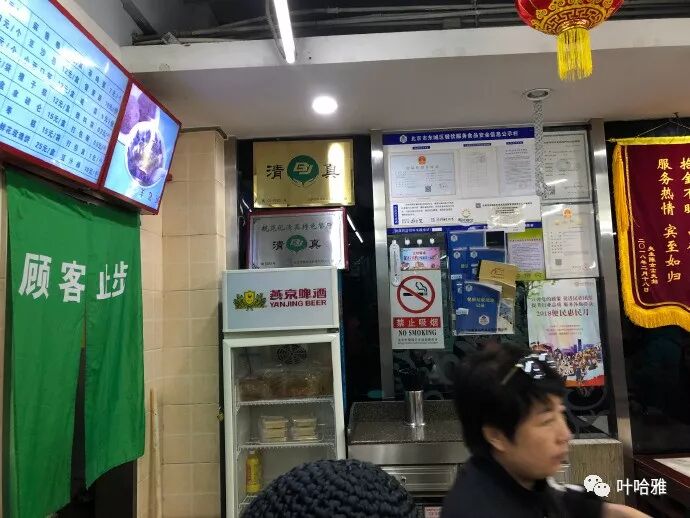
Jinfang is now a chain store, and this store is located on Xianyukou Street, Qianmen.
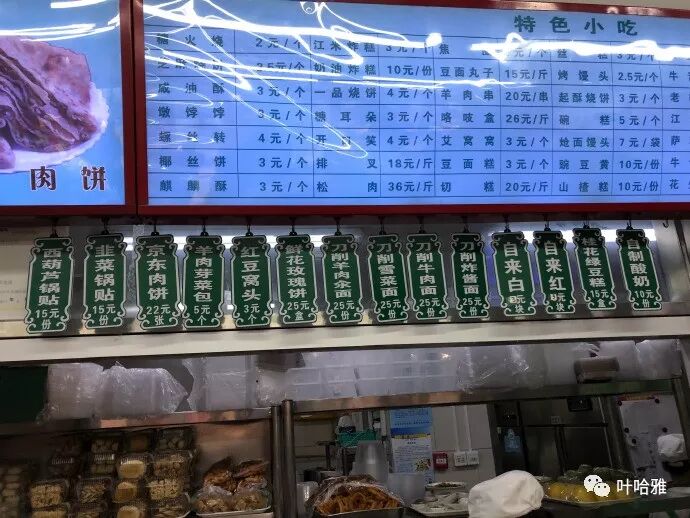
Jinfang’s main specialty is assorted Yuanxiao, as well as a variety of Beijing-style dim sum.
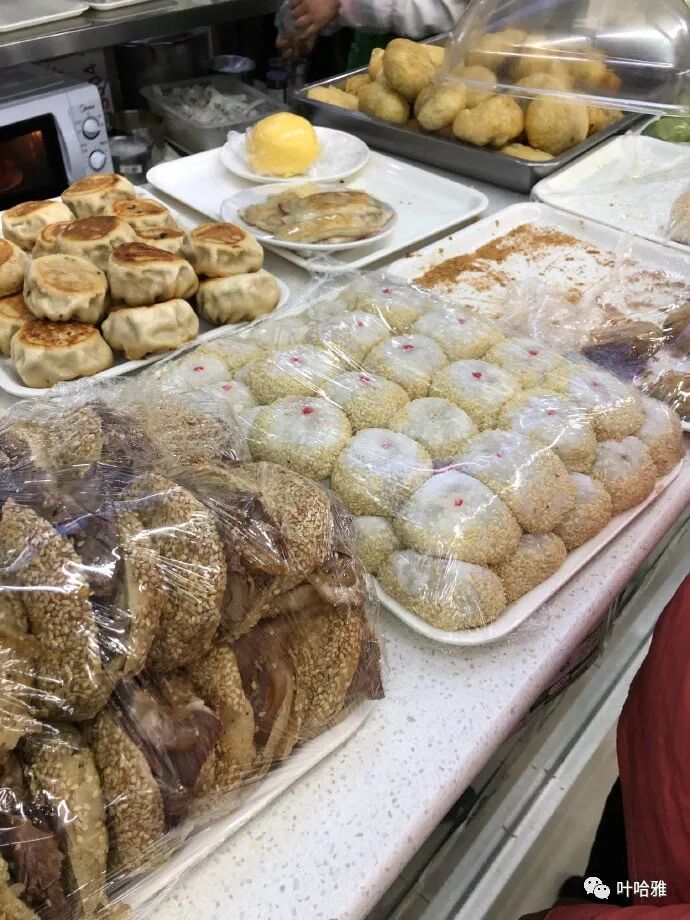
to various snacks, there are also pies, sesame cakes, beef noodles, pot stickers, etc.
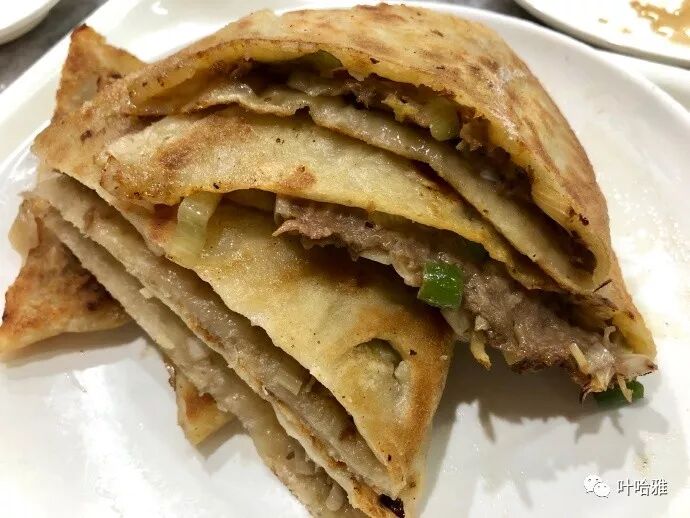
But if it is opened in a place with a lot of traffic like the front door, the taste cannot be complimented, and it can only be regarded as acceptable.
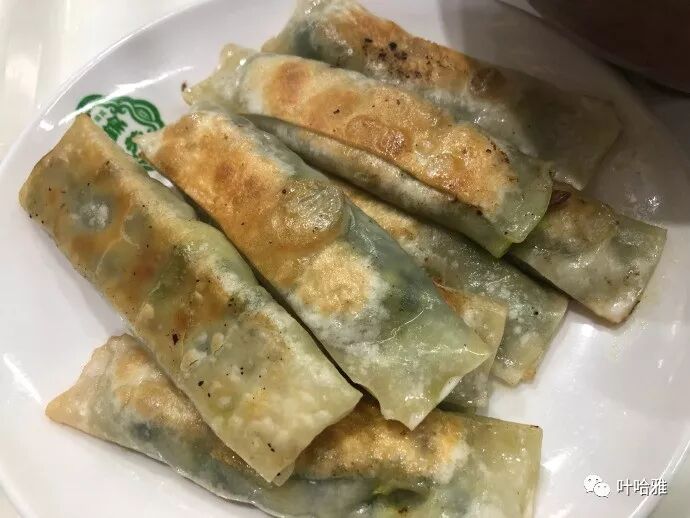
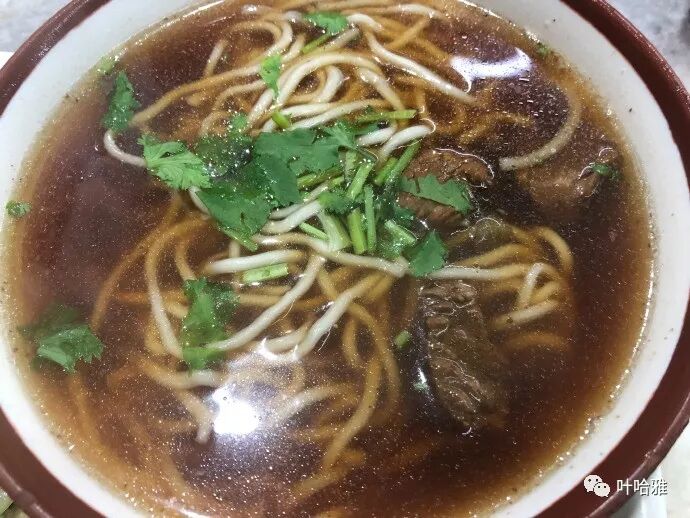
Address: No. 85, Xianyukou Street, Qianmen Area, Dongcheng District
6. Xi’an Huifang Halal Snacks
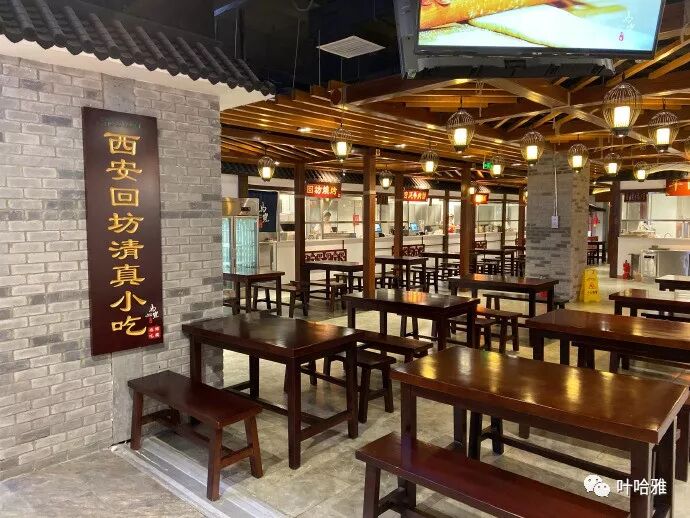
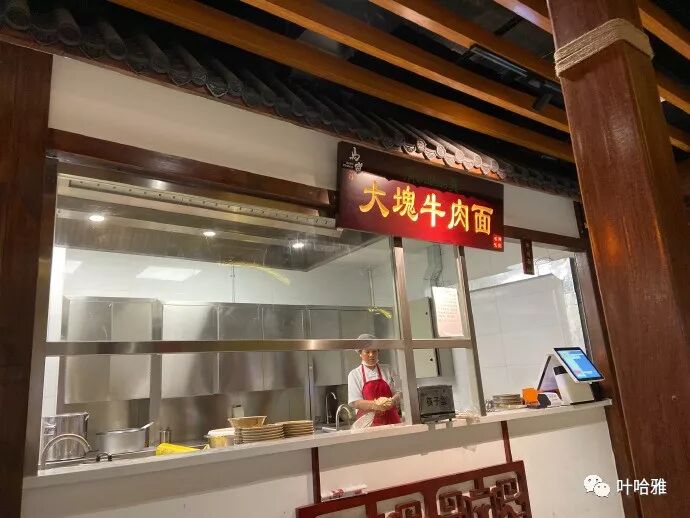
There is a new Huifang snack on the third floor of Bairong Phase 2 outside Yongding Gate. Currently, you can enjoy a 40% discount from 5pm to 7pm during the event.
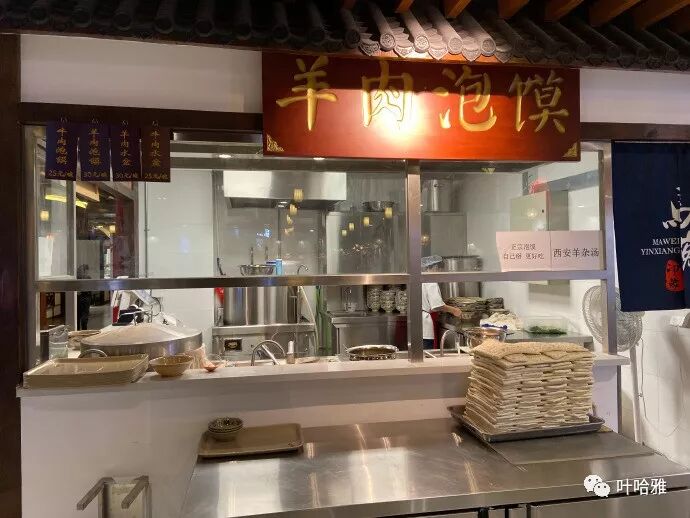
There are not too many varieties, definitely not comparable to Xi'an Fangshang, but they still have basic items like steamed buns.
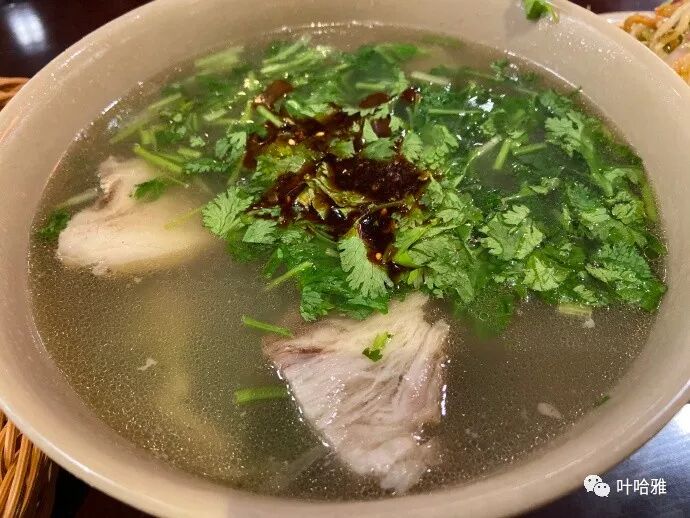
The water basin mutton also comes with white steamed buns, but it is quite different from the water basins I have had before.
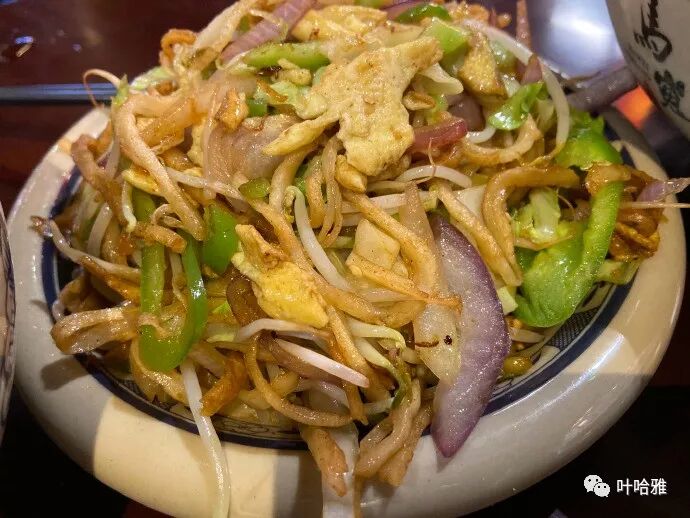
Vegetarian Fried Pancakes
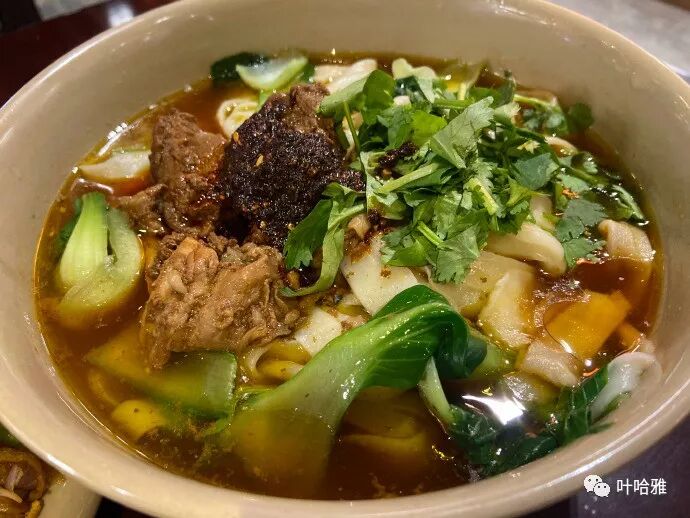
The beef noodles taste okay. Generally speaking, this store has just opened, the business is deserted, the location is relatively remote, and the taste is not amazing. I don't know how long it can last.
7. Eel Talk·Eel Rice
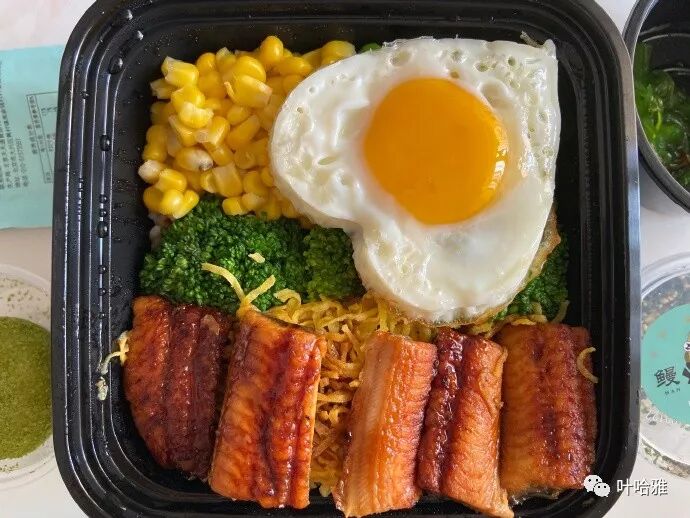
We borrowed a takeaway stall opened on the first floor of Asia Restaurant in Niu Street and only made eel rice. The color of the eel rice is very beautiful, but the taste of the eel is slightly fishy. You can place an order on the review software, and there are also some snacks to go with it.
Address: 1st floor, Asia Restaurant, Niu Street
8. Yinchuan Liaison Office in Beijing Restaurant
The two restaurants in Beijing where you can reliably eat Ningxia hand-picked dishes mentioned earlier are both Beijing-based restaurants. I recommend the Yinchuan-based Beijing-based restaurant because this restaurant is more cost-effective. Half a pound of hand-picked meat is only 56 yuan, but the meat quality is comparable to that of Ningxia Mansion.
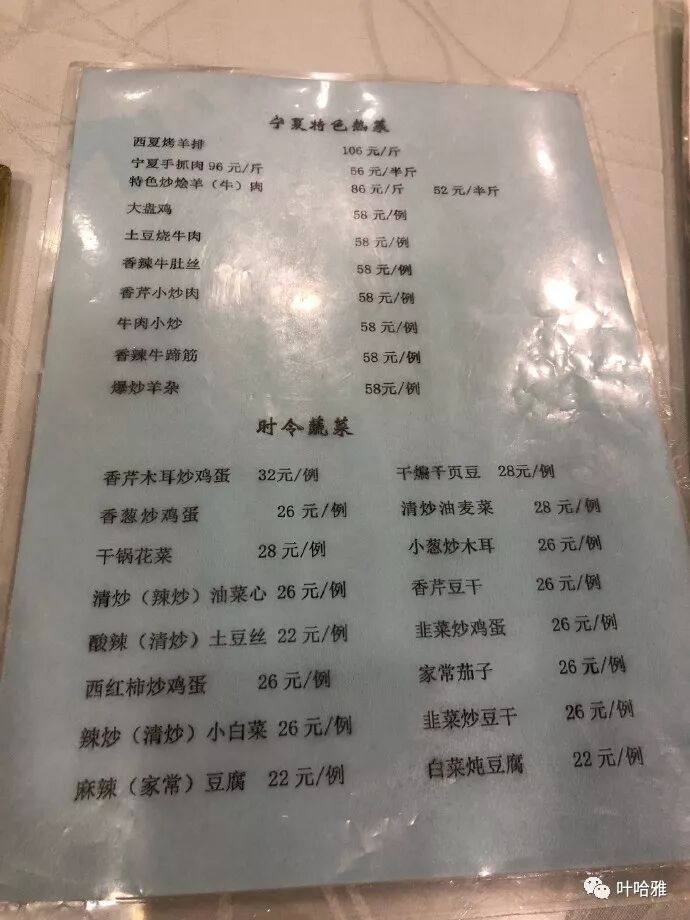
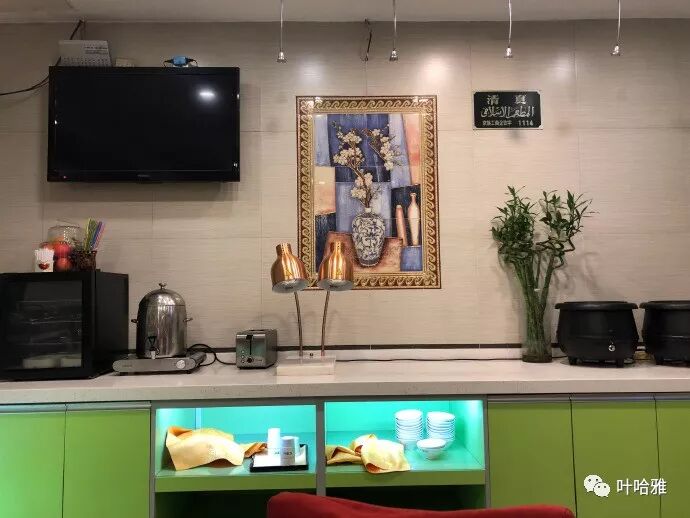
The environment in the store is more like a home-cooked restaurant, which feels more comfortable. You can eat most of Ningxia's common specialties here.
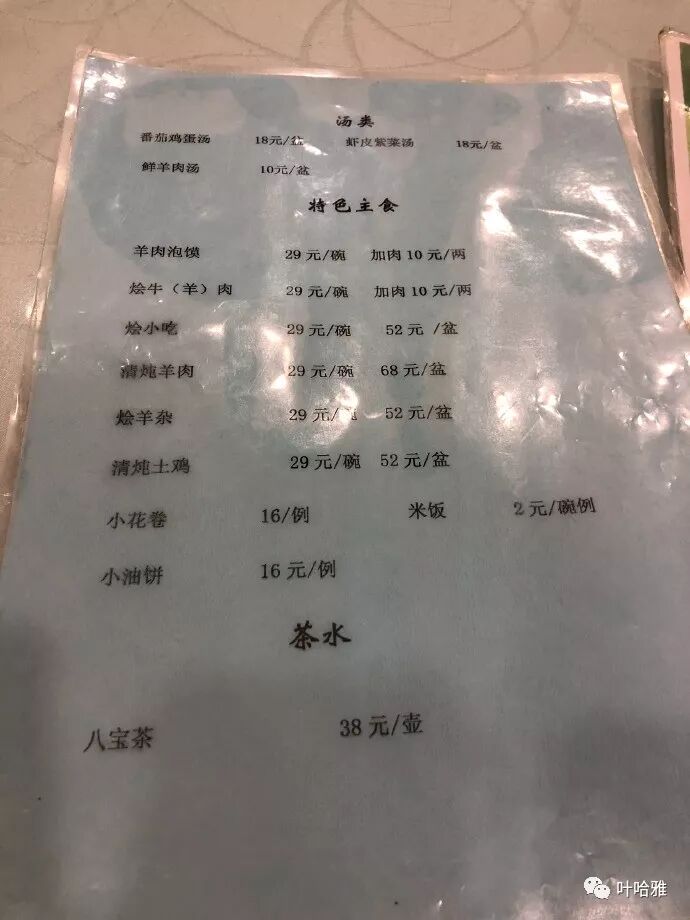
When ordering, please note that the portions of this restaurant are large, and one dish is enough for two people.
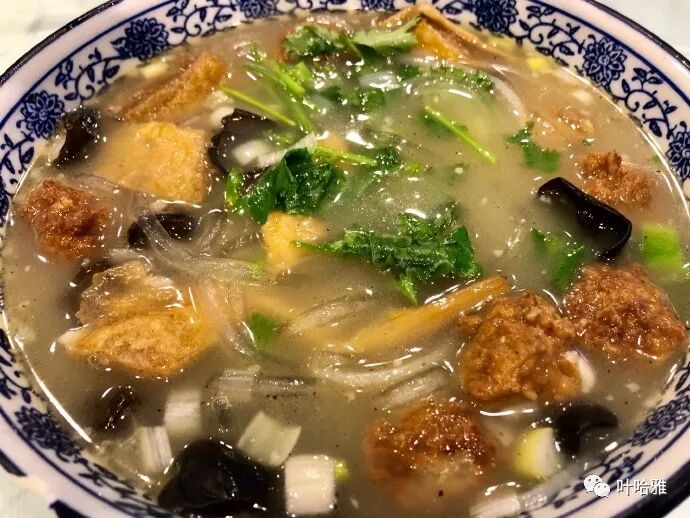
Ningxia specialty stewed snacks, including meatballs, vermicelli, dried tofu and green vegetables.
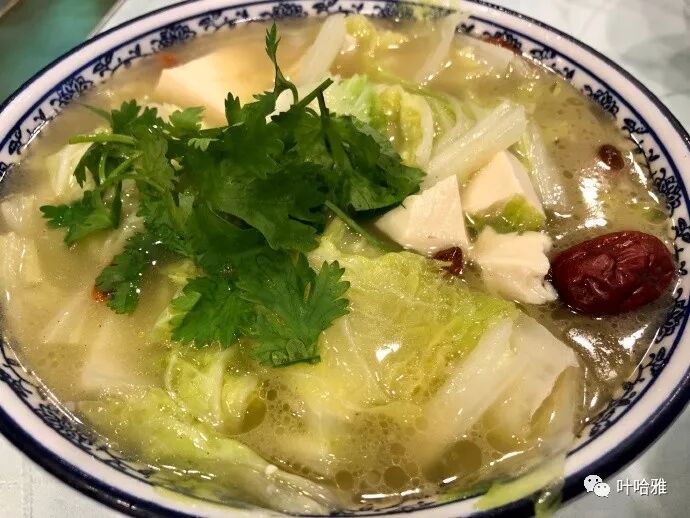
Cabbage and tofu soup
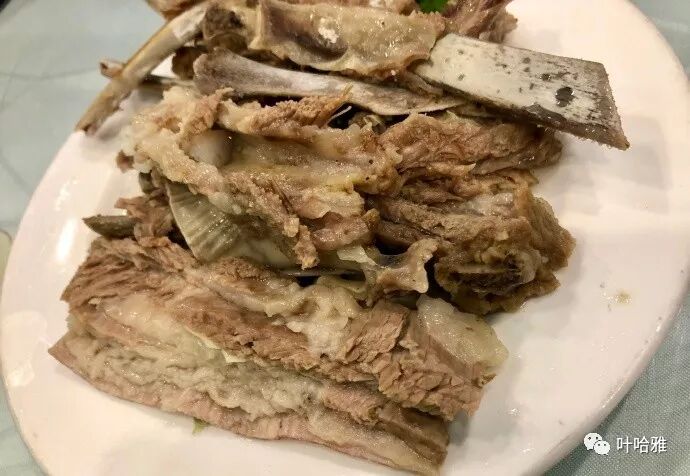
Half a pound of hand-caught mutton, remember to eat a piece of raw garlic.
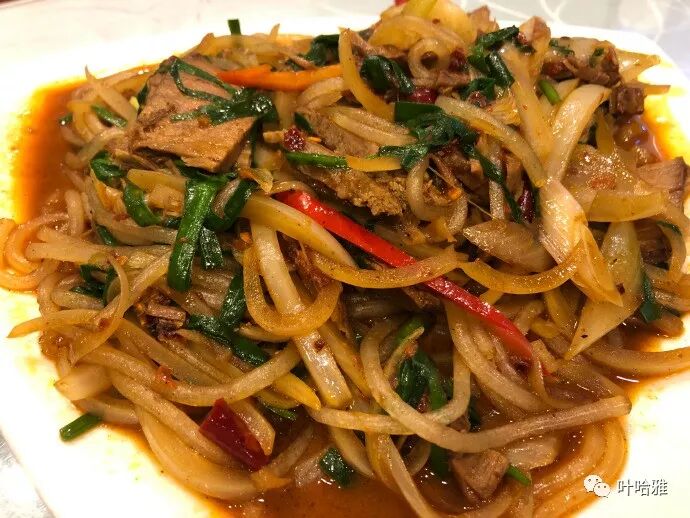
Stir-stir-fried meat, a specialty of Xihaigu area, made of beef.
9. Old Yinchuan
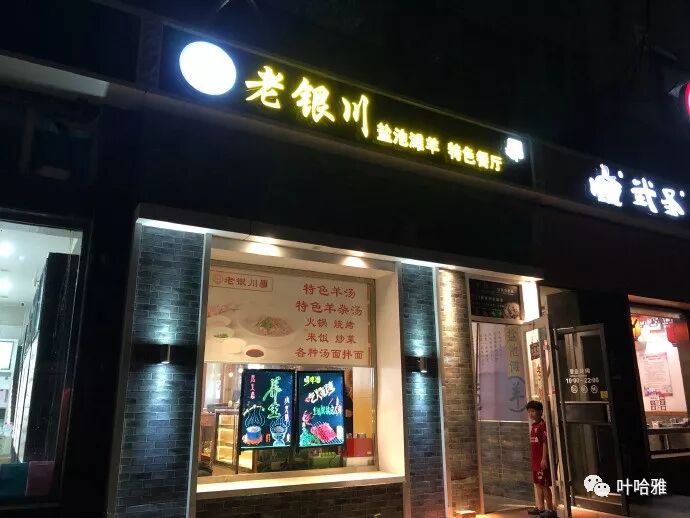
In Old Yinchuan near Tuanjiehu Subway Station, you can tell from the name that it is Ningxia style.
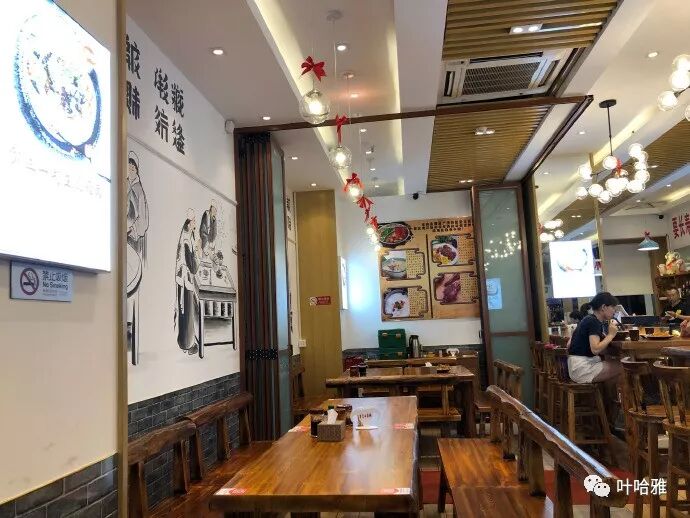
The store environment is well decorated and very clean.
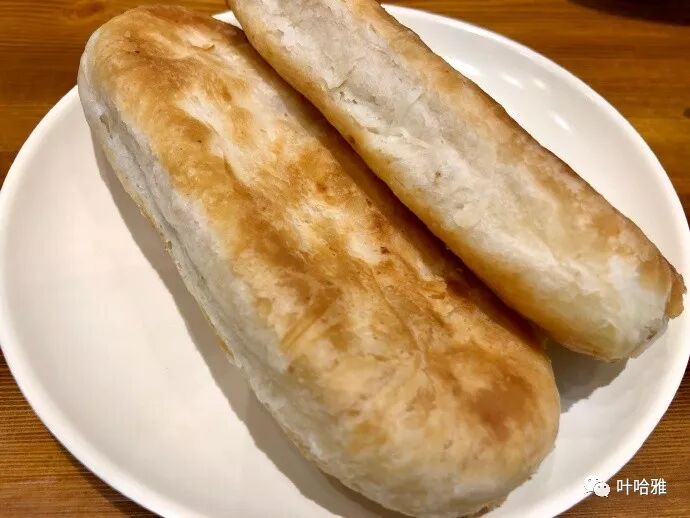
The sugar biscuits taste very average, maybe freshly baked would taste better.
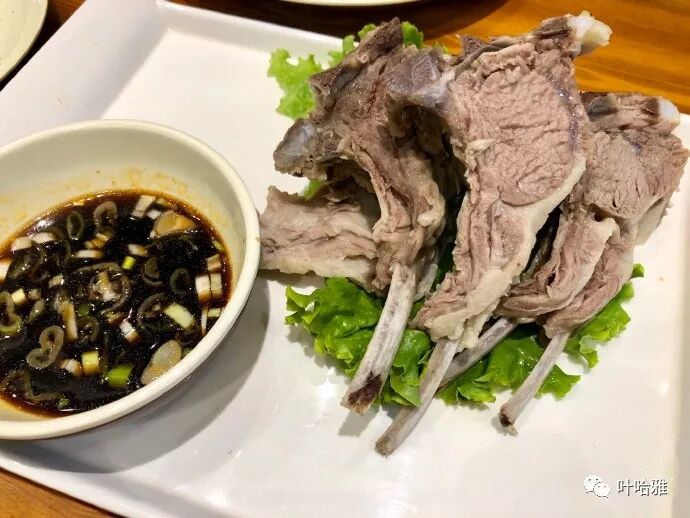
Tanyang hand-caught, a bit fat, I still recommend the Beijing Office to eat Ningxia hand-caught.
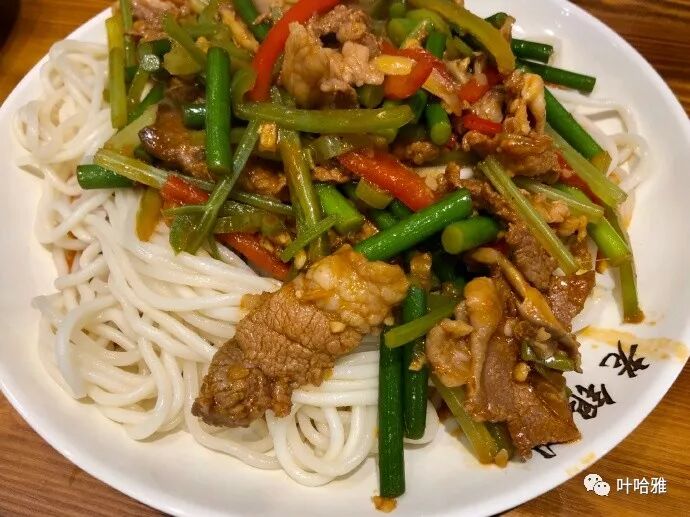
The green noodles taste pretty good.
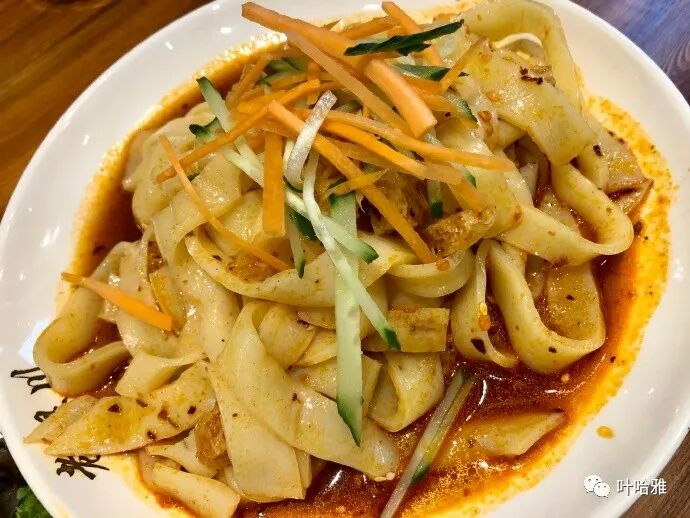
Dawukou Liangpi is very famous in Ningxia. I came here because of its reputation and wanted to try it, but I was very disappointed. I believe that the authentic Dawukou Liangpi is definitely better than this one.
10. Laohuihui
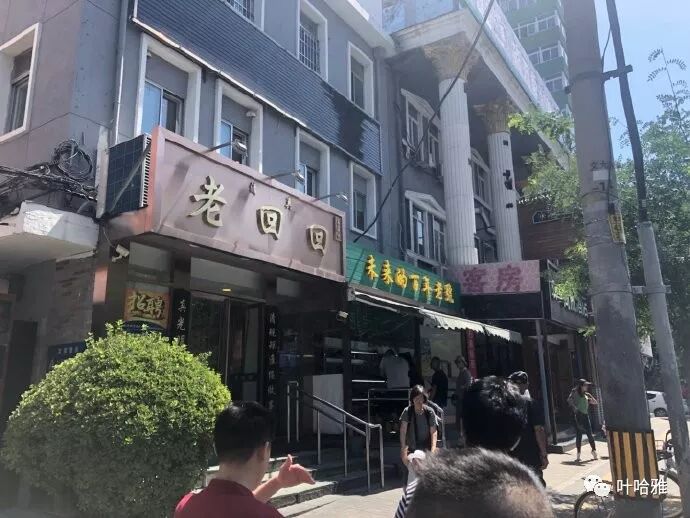
This restaurant makes traditional Beijing snacks. The name is quite interesting and it will be a century-old restaurant in the future.
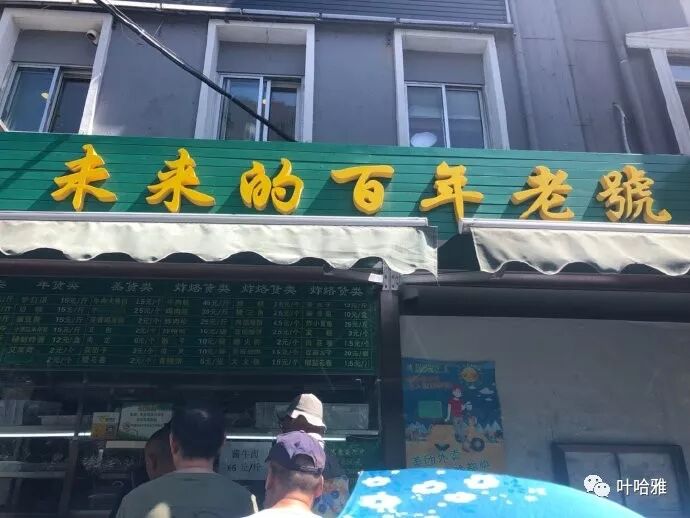
There is a snack takeout window on the first floor, and stir-fry staple food is available on the second floor, including mutton braised noodles, fried noodles with soybean paste, etc.
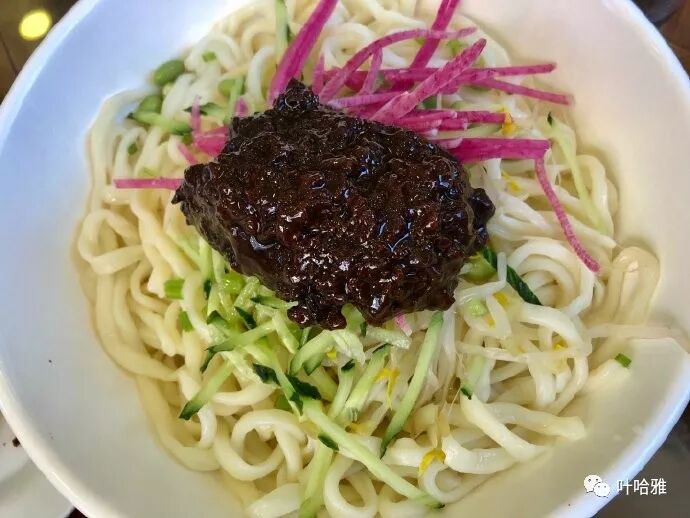
I was disappointed with the noodles with soybean paste. They were not hand-made noodles and the sauce tasted a bit sweet. My favorite place to eat noodles with soybean paste is the Muslim Restaurant in Suzhou Hutong.
11. Another success
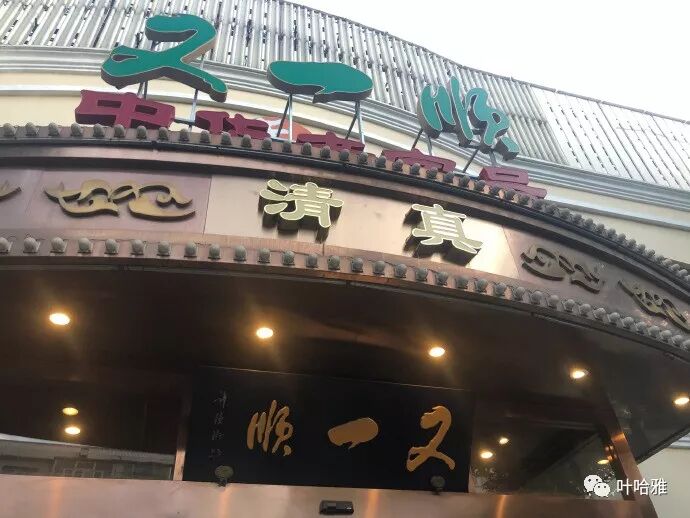
Youyishun was founded on August 8, 1948. Among the Muslim restaurants in Beijing, Donglaishun is represented by shabu-shabu, which is called "Eastern style", and Xilaishun is represented by stir-fry, which is called "Western style". Youyishun combines the Eastern style of roasting, roasting, and shabu-shabu, as well as the exquisite and luxurious stir-fries of Western style cuisine, as well as famous snacks from all over the world, in one store.
The business in the store is very good because the food is really delicious.
Paobao is a traditional halal dish in Beijing. It is eaten with Zhizi barbecue and sesame cakes. The fried biscuits are very small and can be eaten in three bites.
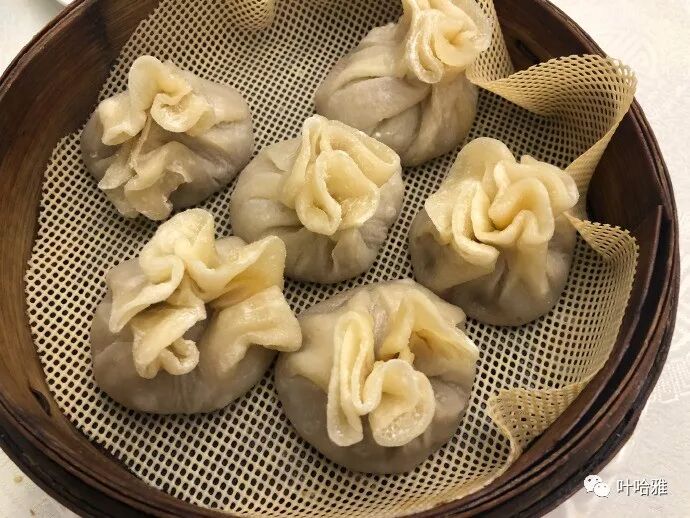
Beef Shaomai, because in my opinion the most delicious kind of Shaomai is the one from Hohhot, so I don’t particularly like this kind of thick-skinned Shaomai.
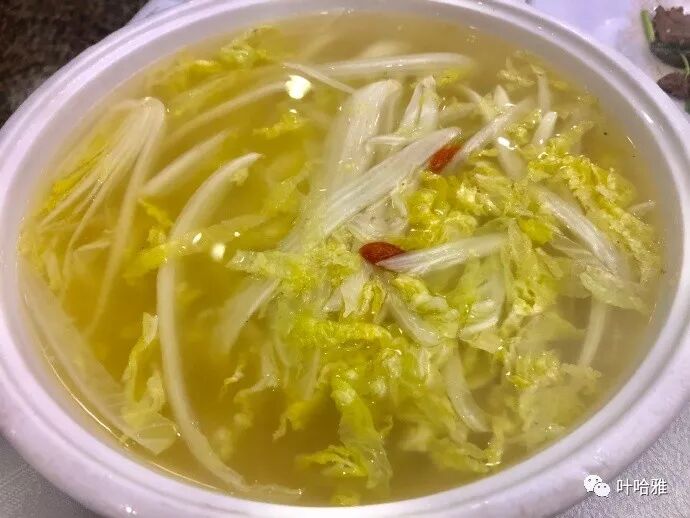
The baby dish in soup is a Cantonese dish, and here is a modified halal version. It is made with chicken soup and is very refreshing.
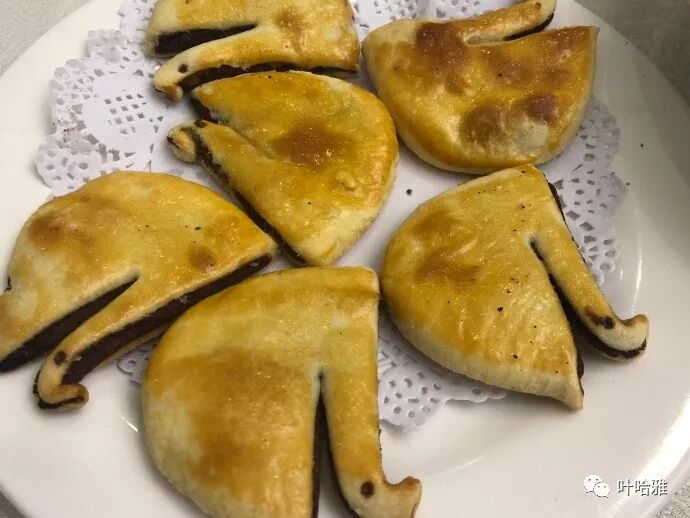
The duck cake is also a traditional Beijing-style snack, made with duck fat and filled with bean paste. Generally speaking, it is a smooth dish that is carefully prepared and more attentive than some time-honored restaurants. It is worth recommending.
12. Yueshengzhai
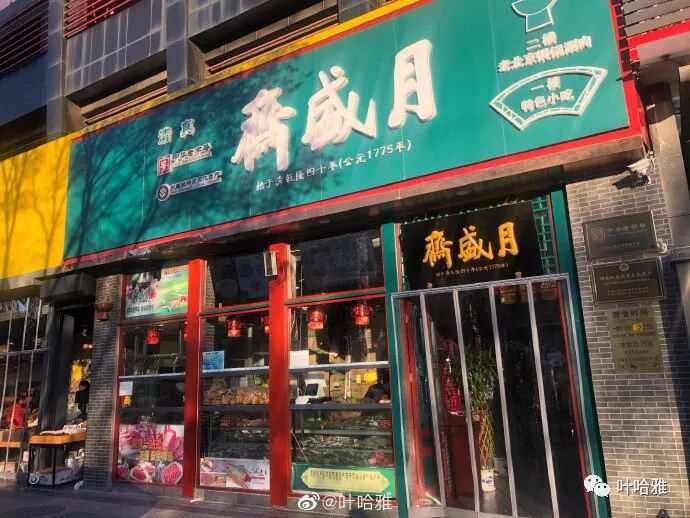
Yueshengzhai started out by selling soy sauce beef, but this time I unexpectedly discovered that Yueshengzhai in Xizhimen started making shabu-shabu, and it was extremely delicious.
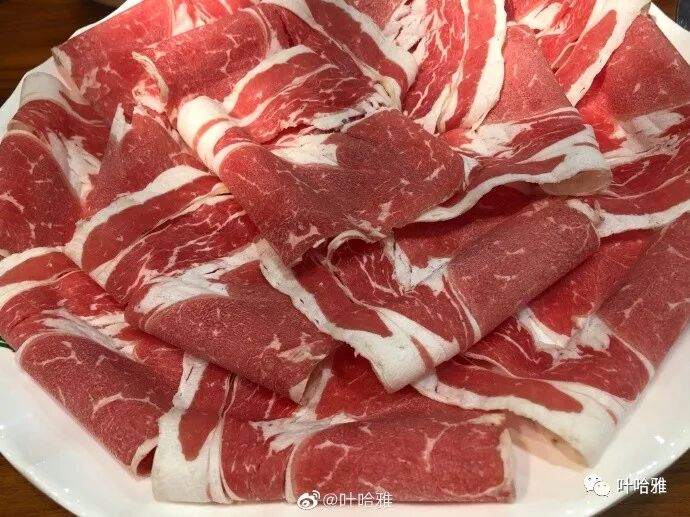
There is nothing wrong with the old soy sauce beef shop’s shabu-shabu. Jubaoyuan only sold raw meat in the past, but now it is also famous for its shabu-shabu.
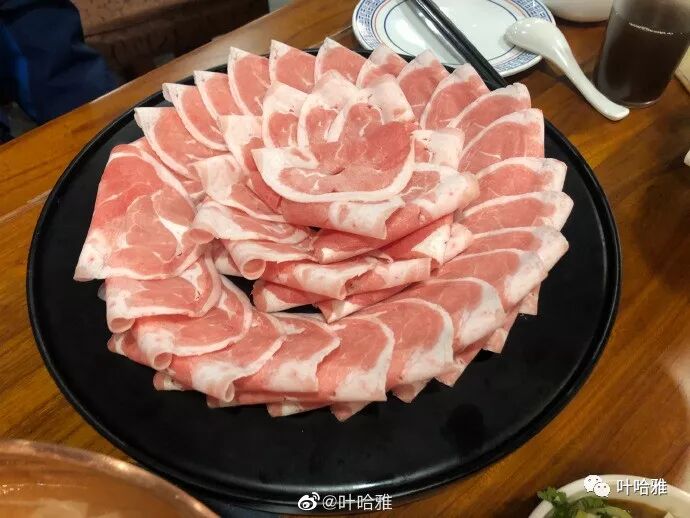
I didn't have high expectations before eating, because many of the time-honored brands nowadays are no longer worthy of their reputation, but when I took the first bite, my eyes lit up, and my appetite immediately followed.
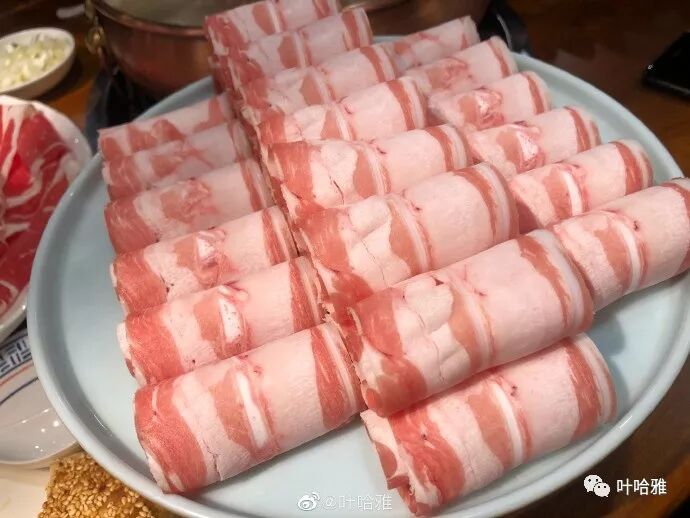
Several friends at the same table gave Yueshengzhai Shabu Shabu very high praise. Whether it is the quality of the meat, the ingredients or the sesame seed cakes and sour plum soup, they are all excellent.
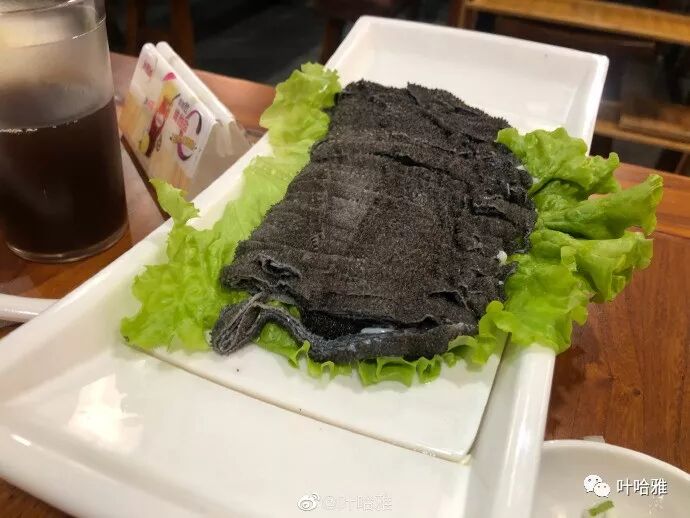
Yueshengzhai's Flask is worth mentioning. The biscuits here come in two varieties: sesame paste and salt and pepper. Both are freshly baked, crispy on the outside and tender on the inside.
Address: Shop on the ground floor of Yongtai Jiasheng Office Building, No. 62 Jiaotong University East Road
If you want to find other halal food in Beijing, please check
Summary: Best Halal Restaurant Beijing: Local Hui Muslim Hotpot, Snacks and Food Map is presented here as a clear English travel account for Muslim readers, beginning with this scene: The Beijing halal food series I have eaten has been updated again. Every time I say I have nothing to eat, I always find a new restaurant due to various opportunities. It seems that this series can go on. The article keeps the original place names, food details, photographs, and cultural context while focusing on Beijing Halal Food, Hui Muslim Food, Hotpot.
The Beijing halal food series I have eaten has been updated again. Every time I say I have nothing to eat, I always find a new restaurant due to various opportunities. It seems that this series can go on forever.
Recently, because of the launch of the Beijing chapter of the Michelin list, the topic of Beijing being a food desert has become popular again. First of all, I would like to emphasize that there are few restaurants on the Michelin list that I can eat, so I will not comment. However, I am a member of the halal food circle, and I have been to all provincial administrative units in China, hundreds of cities, and almost all Muslim gathering areas in China (only Kashgar and Changzhi in my impression), Shadian and other places), so if a Hui Muslims say that Beijing is a food desert, I can only say that this is not objective. I can say without prejudice that you can eat most local halal food in Beijing, and the taste is not inferior to that of the place of origin, because Beijing does not produce ingredients. The ingredients in Beijing come from the place, and the people who engage in catering in Beijing also come from the place.
I can understand that some people feel that the food in Beijing is not as delicious as in their hometown. This may have something to do with their state of mind and dietary preferences. For example, I just visited a place and was in a happy mood, so I felt like I had a great appetite when eating. However, when I stay in a place for a long time and eat the same thing every day, I will feel that it is not as delicious as when I first came here. some people transfer some unpleasant experiences in Beijing, such as cost of living, work pressure, and even some unspeakable reasons, to their dislike of food. This is not objective, not to mention that the prophet once taught us not to praise or criticize food.
Abu Huraira narrated: The Holy Prophet never praised or criticized any food. He ate it if he wanted to, and kept silent if he didn't want to eat it. (Sahih Muslim, verse 33, 190)
In China, or even in any country, apart from Beijing where you can taste the halal specialties from various places, which other city can satisfy the needs of Muslims’ taste buds in various ways?
1. Nanmen Restaurant
There is a halal Beijing-style restaurant in B2 of Guomao Mall. It was not easy to find when you first came. You need to get off the elevator to the basement level, walk in the direction of the ice rink, and then take the escalator to B2. When you get off the escalator, you can see the new version of the halal sign hanging in front of the store on the left side.
Although it is located in the core area of Guomao, the food prices in the small restaurant are affordable and the per capita consumption can be controlled at around 50 yuan.
The cuisine is home-cooked Beijing cuisine, and there is also barbecue. The environment is simple, and the tables are widely spaced so that you will not hear the conversations at the next table, making it suitable for small gatherings.
The portions are a bit small, but I like restaurants with small portions so that I can eat more dishes and avoid waste.
The picture above shows home-style tofu, mustard fungus, cabbage vermicelli and spicy and sour melon strips. It is made in a regular way and has a moderate taste.
The biscuits at Nancheng Restaurant are very delicious, soft and delicious, a bit like the biscuits from Jubaoyuan. You can order the biscuits with beef.
Dry-fried loose meat is one of the signatures of Beijing-style halal cuisine, but the dry-fried loose meat here is not as delicious as Tiankelai.
The main dish of this table was the braised oxtail, which did not disappoint. The oxtail was braised so well that it melted in your mouth without choking your teeth.
The hot and sour soup tastes a bit strong and sour, so I don’t recommend it.
2. Wangas potato chips
The Wax Potato Chips at Sanlitun Shimao Gongsan B1 is a Lanzhou snack bar. It has various common snacks in Lanzhou, such as sweet fermented glutinous rice, fermented glutinous rice, etc. However, the sweet fermented fermented glutinous rice has a strong alcohol taste, so I won't eat it.
The boss also specifically promised to use cooking oil from Qinghai.
The main delicacy of this store is potatoes, so potatoes are used as wallpaper.
This is Lanzhou Crystal Cake, made of glutinous rice, much like a zongzi, with jujubes wrapped inside.
This is noodle soup. Noodle soup is called a bowl of food in Qinghai, and it is also called naonao. It contains jelly, radish, potatoes and beef. It is usually served to the imam and guests after the wedding recitation ceremony in Qinghai.
This bowl of Dongxiang noodles is my favorite staple food. The noodles are made with a northwest flavor. I recommend it with five stars.
The small bowl of beef tastes sweet and the meat is too chopped. It is not as delicious as the small bowl of beef made in Niujie restaurants.
This is their signature potato slices. The spicy pepper on top is from the northwest. It is mainly seasoning and not spicy, but it is not as delicious as expected. I still prefer Dongxiang handmade noodles.
3. Changying Yicheng Supermarket
The newly opened Changying Yicheng Halal Fresh Food Supermarket in Xibianmen has a Yaerliji takeout window at the entrance, selling a variety of cooked food and snack pancakes.
This is a chain brand, and there is another store in Changying, which is a halal fresh food supermarket.
There are also various halal foods, which are smaller than Niujie Halal Supermarket, but can meet basic needs.
I happened to be on a business trip to Wuhan and happened to see halal hot dry noodles in a store and bought a box to eat on the road.
Address: No. 2, Xibianmen East Street, Xicheng District
4. Ningxia Building
Ningxia Building is located in the Dongcheng District Branch Office Alley, where the Ningxia Office in Beijing is located. There are restaurants on the first and second floors. The first floor is mainly for night markets and snacks. You can eat hot-pot and stir-fry dishes on the second floor. Some dishes cannot be ordered on the first floor, so you can only eat on the second floor.
I went up to the second floor and entered the restaurant but didn't see the halal sign. I asked the waiter. The waiter pointed to the wall behind the pillar and there was this sign hanging on it. Then I sat down with confidence.
When I was checking out, I saw that they had hidden this official halal certification sign in the corner.
This is a state-owned unit, so the services and facilities are all state-owned, and many people who come to eat are spending public funds.
But I must say that this hand-caught mutton is really delicious, and the taste is similar to that eaten in Ningxia, because the ingredients are all meat from Ningxia, but the price is on the high side. This hand-caught mutton is 148 yuan per pound. the hand-caught mutton eaten at the Yinchuan Liaison Office in Beijing is also good, and the price is a little cheaper than here. The environment of the Yinchuan Liaison Office in Beijing is simple, and Ningxia Building is a four-star hotel.
I have long heard from friends that you should eat Yellow River carp in Ningxia. I used to say that carp is fishy and has many spines, but I didn’t expect that after eating the Yellow River carp from Ningxia Building, I changed my view on carp. The Yellow River carp is not fishy at all, and the spines are easier to deal with.
The thin-skinned steamed stuffed buns stuffed with three delicacies are not recommended. They are a bit soft and have no soup. I still like to eat the traditional northwest homemade steamed buns.
5. Jinfang
Jinfang Snack Bar is a time-honored snack bar in Beijing. It was founded in 1926 by people from Dezhou, Shandong who came to Beijing. Many time-honored restaurants in Beijing originally came from Shandong. The owner of the popular Ya'er Liji Shabu-Shabu Pork is now a Dezhou, Shandong. A hundred years later, it will become an authentic Beijing-style brand.
Jinfang is now a chain store, and this store is located on Xianyukou Street, Qianmen.
Jinfang’s main specialty is assorted Yuanxiao, as well as a variety of Beijing-style dim sum.
to various snacks, there are also pies, sesame cakes, beef noodles, pot stickers, etc.
But if it is opened in a place with a lot of traffic like the front door, the taste cannot be complimented, and it can only be regarded as acceptable.
Address: No. 85, Xianyukou Street, Qianmen Area, Dongcheng District
6. Xi’an Huifang Halal Snacks
There is a new Huifang snack on the third floor of Bairong Phase 2 outside Yongding Gate. Currently, you can enjoy a 40% discount from 5pm to 7pm during the event.
There are not too many varieties, definitely not comparable to Xi'an Fangshang, but they still have basic items like steamed buns.
The water basin mutton also comes with white steamed buns, but it is quite different from the water basins I have had before.
Vegetarian Fried Pancakes
The beef noodles taste okay. Generally speaking, this store has just opened, the business is deserted, the location is relatively remote, and the taste is not amazing. I don't know how long it can last.
7. Eel Talk·Eel Rice
We borrowed a takeaway stall opened on the first floor of Asia Restaurant in Niu Street and only made eel rice. The color of the eel rice is very beautiful, but the taste of the eel is slightly fishy. You can place an order on the review software, and there are also some snacks to go with it.
Address: 1st floor, Asia Restaurant, Niu Street
8. Yinchuan Liaison Office in Beijing Restaurant
The two restaurants in Beijing where you can reliably eat Ningxia hand-picked dishes mentioned earlier are both Beijing-based restaurants. I recommend the Yinchuan-based Beijing-based restaurant because this restaurant is more cost-effective. Half a pound of hand-picked meat is only 56 yuan, but the meat quality is comparable to that of Ningxia Mansion.
The environment in the store is more like a home-cooked restaurant, which feels more comfortable. You can eat most of Ningxia's common specialties here.
When ordering, please note that the portions of this restaurant are large, and one dish is enough for two people.
Ningxia specialty stewed snacks, including meatballs, vermicelli, dried tofu and green vegetables.
Cabbage and tofu soup
Half a pound of hand-caught mutton, remember to eat a piece of raw garlic.
Stir-stir-fried meat, a specialty of Xihaigu area, made of beef.
9. Old Yinchuan
In Old Yinchuan near Tuanjiehu Subway Station, you can tell from the name that it is Ningxia style.
The store environment is well decorated and very clean.
The sugar biscuits taste very average, maybe freshly baked would taste better.
Tanyang hand-caught, a bit fat, I still recommend the Beijing Office to eat Ningxia hand-caught.
The green noodles taste pretty good.
Dawukou Liangpi is very famous in Ningxia. I came here because of its reputation and wanted to try it, but I was very disappointed. I believe that the authentic Dawukou Liangpi is definitely better than this one.
10. Laohuihui
This restaurant makes traditional Beijing snacks. The name is quite interesting and it will be a century-old restaurant in the future.
There is a snack takeout window on the first floor, and stir-fry staple food is available on the second floor, including mutton braised noodles, fried noodles with soybean paste, etc.
I was disappointed with the noodles with soybean paste. They were not hand-made noodles and the sauce tasted a bit sweet. My favorite place to eat noodles with soybean paste is the Muslim Restaurant in Suzhou Hutong.
11. Another success
Youyishun was founded on August 8, 1948. Among the Muslim restaurants in Beijing, Donglaishun is represented by shabu-shabu, which is called "Eastern style", and Xilaishun is represented by stir-fry, which is called "Western style". Youyishun combines the Eastern style of roasting, roasting, and shabu-shabu, as well as the exquisite and luxurious stir-fries of Western style cuisine, as well as famous snacks from all over the world, in one store.
The business in the store is very good because the food is really delicious.
Paobao is a traditional halal dish in Beijing. It is eaten with Zhizi barbecue and sesame cakes. The fried biscuits are very small and can be eaten in three bites.
Beef Shaomai, because in my opinion the most delicious kind of Shaomai is the one from Hohhot, so I don’t particularly like this kind of thick-skinned Shaomai.
The baby dish in soup is a Cantonese dish, and here is a modified halal version. It is made with chicken soup and is very refreshing.
The duck cake is also a traditional Beijing-style snack, made with duck fat and filled with bean paste. Generally speaking, it is a smooth dish that is carefully prepared and more attentive than some time-honored restaurants. It is worth recommending.
12. Yueshengzhai
Yueshengzhai started out by selling soy sauce beef, but this time I unexpectedly discovered that Yueshengzhai in Xizhimen started making shabu-shabu, and it was extremely delicious.
There is nothing wrong with the old soy sauce beef shop’s shabu-shabu. Jubaoyuan only sold raw meat in the past, but now it is also famous for its shabu-shabu.
I didn't have high expectations before eating, because many of the time-honored brands nowadays are no longer worthy of their reputation, but when I took the first bite, my eyes lit up, and my appetite immediately followed.
Several friends at the same table gave Yueshengzhai Shabu Shabu very high praise. Whether it is the quality of the meat, the ingredients or the sesame seed cakes and sour plum soup, they are all excellent.
Yueshengzhai's Flask is worth mentioning. The biscuits here come in two varieties: sesame paste and salt and pepper. Both are freshly baked, crispy on the outside and tender on the inside.
Address: Shop on the ground floor of Yongtai Jiasheng Office Building, No. 62 Jiaotong University East Road
If you want to find other halal food in Beijing, please check
Best Halal Restaurant Beijing: Local Hui Muslim Hotpot, Snacks and Food Map
Articles • ali2007fr posted the article • 0 comments • 276 views • 2026-05-21 12:46
Reposted from the web
Summary: Best Halal Restaurant Beijing: Local Hui Muslim Hotpot, Snacks and Food Map is presented here as a clear English travel account for Muslim readers, beginning with this scene: The Beijing halal food series I have eaten has been updated again. Every time I say I have nothing to eat, I always find a new restaurant due to various opportunities. It seems that this series can go on. The article keeps the original place names, food details, photographs, and cultural context while focusing on Beijing Halal Food, Hui Muslim Food, Hotpot.
The Beijing halal food series I have eaten has been updated again. Every time I say I have nothing to eat, I always find a new restaurant due to various opportunities. It seems that this series can go on forever.
Recently, because of the launch of the Beijing chapter of the Michelin list, the topic of Beijing being a food desert has become popular again. First of all, I would like to emphasize that there are few restaurants on the Michelin list that I can eat, so I will not comment. However, I am a member of the halal food circle, and I have been to all provincial administrative units in China, hundreds of cities, and almost all Muslim gathering areas in China (only Kashgar and Changzhi in my impression), Shadian and other places), so if a Hui Muslims say that Beijing is a food desert, I can only say that this is not objective. I can say without prejudice that you can eat most local halal food in Beijing, and the taste is not inferior to that of the place of origin, because Beijing does not produce ingredients. The ingredients in Beijing come from the place, and the people who engage in catering in Beijing also come from the place.
I can understand that some people feel that the food in Beijing is not as delicious as in their hometown. This may have something to do with their state of mind and dietary preferences. For example, I just visited a place and was in a happy mood, so I felt like I had a great appetite when eating. However, when I stay in a place for a long time and eat the same thing every day, I will feel that it is not as delicious as when I first came here. some people transfer some unpleasant experiences in Beijing, such as cost of living, work pressure, and even some unspeakable reasons, to their dislike of food. This is not objective, not to mention that the prophet once taught us not to praise or criticize food.
Abu Huraira narrated: The Holy Prophet never praised or criticized any food. He ate it if he wanted to, and kept silent if he didn't want to eat it. (Sahih Muslim, verse 33, 190)
In China, or even in any country, apart from Beijing where you can taste the halal specialties from various places, which other city can satisfy the needs of Muslims’ taste buds in various ways?
1. Nanmen Restaurant
There is a halal Beijing-style restaurant in B2 of Guomao Mall. It was not easy to find when you first came. You need to get off the elevator to the basement level, walk in the direction of the ice rink, and then take the escalator to B2. When you get off the escalator, you can see the new version of the halal sign hanging in front of the store on the left side.
Although it is located in the core area of Guomao, the food prices in the small restaurant are affordable and the per capita consumption can be controlled at around 50 yuan.
The cuisine is home-cooked Beijing cuisine, and there is also barbecue. The environment is simple, and the tables are widely spaced so that you will not hear the conversations at the next table, making it suitable for small gatherings.
The portions are a bit small, but I like restaurants with small portions so that I can eat more dishes and avoid waste.
The picture above shows home-style tofu, mustard fungus, cabbage vermicelli and spicy and sour melon strips. It is made in a regular way and has a moderate taste.
The biscuits at Nancheng Restaurant are very delicious, soft and delicious, a bit like the biscuits from Jubaoyuan. You can order the biscuits with beef.
Dry-fried loose meat is one of the signatures of Beijing-style halal cuisine, but the dry-fried loose meat here is not as delicious as Tiankelai.
The main dish of this table was the braised oxtail, which did not disappoint. The oxtail was braised so well that it melted in your mouth without choking your teeth.
The hot and sour soup tastes a bit strong and sour, so I don’t recommend it.
2. Wangas potato chips
The Wax Potato Chips at Sanlitun Shimao Gongsan B1 is a Lanzhou snack bar. It has various common snacks in Lanzhou, such as sweet fermented glutinous rice, fermented glutinous rice, etc. However, the sweet fermented fermented glutinous rice has a strong alcohol taste, so I won't eat it.
The boss also specifically promised to use cooking oil from Qinghai.
The main delicacy of this store is potatoes, so potatoes are used as wallpaper.
This is Lanzhou Crystal Cake, made of glutinous rice, much like a zongzi, with jujubes wrapped inside.
This is noodle soup. Noodle soup is called a bowl of food in Qinghai, and it is also called naonao. It contains jelly, radish, potatoes and beef. It is usually served to the imam and guests after the wedding recitation ceremony in Qinghai.
This bowl of Dongxiang noodles is my favorite staple food. The noodles are made with a northwest flavor. I recommend it with five stars.
The small bowl of beef tastes sweet and the meat is too chopped. It is not as delicious as the small bowl of beef made in Niujie restaurants.
This is their signature potato slices. The spicy pepper on top is from the northwest. It is mainly seasoning and not spicy, but it is not as delicious as expected. I still prefer Dongxiang handmade noodles.
3. Changying Yicheng Supermarket
The newly opened Changying Yicheng Halal Fresh Food Supermarket in Xibianmen has a Yaerliji takeout window at the entrance, selling a variety of cooked food and snack pancakes.
This is a chain brand, and there is another store in Changying, which is a halal fresh food supermarket.
There are also various halal foods, which are smaller than Niujie Halal Supermarket, but can meet basic needs.
I happened to be on a business trip to Wuhan and happened to see halal hot dry noodles in a store and bought a box to eat on the road.
Address: No. 2, Xibianmen East Street, Xicheng District
4. Ningxia Building
Ningxia Building is located in the Dongcheng District Branch Office Alley, where the Ningxia Office in Beijing is located. There are restaurants on the first and second floors. The first floor is mainly for night markets and snacks. You can eat hot-pot and stir-fry dishes on the second floor. Some dishes cannot be ordered on the first floor, so you can only eat on the second floor.
I went up to the second floor and entered the restaurant but didn't see the halal sign. I asked the waiter. The waiter pointed to the wall behind the pillar and there was this sign hanging on it. Then I sat down with confidence.
When I was checking out, I saw that they had hidden this official halal certification sign in the corner.
This is a state-owned unit, so the services and facilities are all state-owned, and many people who come to eat are spending public funds.
But I must say that this hand-caught mutton is really delicious, and the taste is similar to that eaten in Ningxia, because the ingredients are all meat from Ningxia, but the price is on the high side. This hand-caught mutton is 148 yuan per pound. the hand-caught mutton eaten at the Yinchuan Liaison Office in Beijing is also good, and the price is a little cheaper than here. The environment of the Yinchuan Liaison Office in Beijing is simple, and Ningxia Building is a four-star hotel.
I have long heard from friends that you should eat Yellow River carp in Ningxia. I used to say that carp is fishy and has many spines, but I didn’t expect that after eating the Yellow River carp from Ningxia Building, I changed my view on carp. The Yellow River carp is not fishy at all, and the spines are easier to deal with.
The thin-skinned steamed stuffed buns stuffed with three delicacies are not recommended. They are a bit soft and have no soup. I still like to eat the traditional northwest homemade steamed buns.
5. Jinfang
Jinfang Snack Bar is a time-honored snack bar in Beijing. It was founded in 1926 by people from Dezhou, Shandong who came to Beijing. Many time-honored restaurants in Beijing originally came from Shandong. The owner of the popular Ya'er Liji Shabu-Shabu Pork is now a Dezhou, Shandong. A hundred years later, it will become an authentic Beijing-style brand.
Jinfang is now a chain store, and this store is located on Xianyukou Street, Qianmen.
Jinfang’s main specialty is assorted Yuanxiao, as well as a variety of Beijing-style dim sum.
to various snacks, there are also pies, sesame cakes, beef noodles, pot stickers, etc.
But if it is opened in a place with a lot of traffic like the front door, the taste cannot be complimented, and it can only be regarded as acceptable.
Address: No. 85, Xianyukou Street, Qianmen Area, Dongcheng District
6. Xi’an Huifang Halal Snacks
There is a new Huifang snack on the third floor of Bairong Phase 2 outside Yongding Gate. Currently, you can enjoy a 40% discount from 5pm to 7pm during the event.
There are not too many varieties, definitely not comparable to Xi'an Fangshang, but they still have basic items like steamed buns.
The water basin mutton also comes with white steamed buns, but it is quite different from the water basins I have had before.
Vegetarian Fried Pancakes
The beef noodles taste okay. Generally speaking, this store has just opened, the business is deserted, the location is relatively remote, and the taste is not amazing. I don't know how long it can last.
7. Eel Talk·Eel Rice
We borrowed a takeaway stall opened on the first floor of Asia Restaurant in Niu Street and only made eel rice. The color of the eel rice is very beautiful, but the taste of the eel is slightly fishy. You can place an order on the review software, and there are also some snacks to go with it.
Address: 1st floor, Asia Restaurant, Niu Street
8. Yinchuan Liaison Office in Beijing Restaurant
The two restaurants in Beijing where you can reliably eat Ningxia hand-picked dishes mentioned earlier are both Beijing-based restaurants. I recommend the Yinchuan-based Beijing-based restaurant because this restaurant is more cost-effective. Half a pound of hand-picked meat is only 56 yuan, but the meat quality is comparable to that of Ningxia Mansion.
The environment in the store is more like a home-cooked restaurant, which feels more comfortable. You can eat most of Ningxia's common specialties here.
When ordering, please note that the portions of this restaurant are large, and one dish is enough for two people.
Ningxia specialty stewed snacks, including meatballs, vermicelli, dried tofu and green vegetables.
Cabbage and tofu soup
Half a pound of hand-caught mutton, remember to eat a piece of raw garlic.
Stir-stir-fried meat, a specialty of Xihaigu area, made of beef.
9. Old Yinchuan
In Old Yinchuan near Tuanjiehu Subway Station, you can tell from the name that it is Ningxia style.
The store environment is well decorated and very clean.
The sugar biscuits taste very average, maybe freshly baked would taste better.
Tanyang hand-caught, a bit fat, I still recommend the Beijing Office to eat Ningxia hand-caught.
The green noodles taste pretty good.
Dawukou Liangpi is very famous in Ningxia. I came here because of its reputation and wanted to try it, but I was very disappointed. I believe that the authentic Dawukou Liangpi is definitely better than this one.
10. Laohuihui
This restaurant makes traditional Beijing snacks. The name is quite interesting and it will be a century-old restaurant in the future.
There is a snack takeout window on the first floor, and stir-fry staple food is available on the second floor, including mutton braised noodles, fried noodles with soybean paste, etc.
I was disappointed with the noodles with soybean paste. They were not hand-made noodles and the sauce tasted a bit sweet. My favorite place to eat noodles with soybean paste is the Muslim Restaurant in Suzhou Hutong.
11. Another success
Youyishun was founded on August 8, 1948. Among the Muslim restaurants in Beijing, Donglaishun is represented by shabu-shabu, which is called "Eastern style", and Xilaishun is represented by stir-fry, which is called "Western style". Youyishun combines the Eastern style of roasting, roasting, and shabu-shabu, as well as the exquisite and luxurious stir-fries of Western style cuisine, as well as famous snacks from all over the world, in one store.
The business in the store is very good because the food is really delicious.
Paobao is a traditional halal dish in Beijing. It is eaten with Zhizi barbecue and sesame cakes. The fried biscuits are very small and can be eaten in three bites.
Beef Shaomai, because in my opinion the most delicious kind of Shaomai is the one from Hohhot, so I don’t particularly like this kind of thick-skinned Shaomai.
The baby dish in soup is a Cantonese dish, and here is a modified halal version. It is made with chicken soup and is very refreshing.
The duck cake is also a traditional Beijing-style snack, made with duck fat and filled with bean paste. Generally speaking, it is a smooth dish that is carefully prepared and more attentive than some time-honored restaurants. It is worth recommending.
12. Yueshengzhai
Yueshengzhai started out by selling soy sauce beef, but this time I unexpectedly discovered that Yueshengzhai in Xizhimen started making shabu-shabu, and it was extremely delicious.
There is nothing wrong with the old soy sauce beef shop’s shabu-shabu. Jubaoyuan only sold raw meat in the past, but now it is also famous for its shabu-shabu.
I didn't have high expectations before eating, because many of the time-honored brands nowadays are no longer worthy of their reputation, but when I took the first bite, my eyes lit up, and my appetite immediately followed.
Several friends at the same table gave Yueshengzhai Shabu Shabu very high praise. Whether it is the quality of the meat, the ingredients or the sesame seed cakes and sour plum soup, they are all excellent.
Yueshengzhai's Flask is worth mentioning. The biscuits here come in two varieties: sesame paste and salt and pepper. Both are freshly baked, crispy on the outside and tender on the inside.
Address: Shop on the ground floor of Yongtai Jiasheng Office Building, No. 62 Jiaotong University East Road
If you want to find other halal food in Beijing, please check view all
Summary: Best Halal Restaurant Beijing: Local Hui Muslim Hotpot, Snacks and Food Map is presented here as a clear English travel account for Muslim readers, beginning with this scene: The Beijing halal food series I have eaten has been updated again. Every time I say I have nothing to eat, I always find a new restaurant due to various opportunities. It seems that this series can go on. The article keeps the original place names, food details, photographs, and cultural context while focusing on Beijing Halal Food, Hui Muslim Food, Hotpot.
The Beijing halal food series I have eaten has been updated again. Every time I say I have nothing to eat, I always find a new restaurant due to various opportunities. It seems that this series can go on forever.
Recently, because of the launch of the Beijing chapter of the Michelin list, the topic of Beijing being a food desert has become popular again. First of all, I would like to emphasize that there are few restaurants on the Michelin list that I can eat, so I will not comment. However, I am a member of the halal food circle, and I have been to all provincial administrative units in China, hundreds of cities, and almost all Muslim gathering areas in China (only Kashgar and Changzhi in my impression), Shadian and other places), so if a Hui Muslims say that Beijing is a food desert, I can only say that this is not objective. I can say without prejudice that you can eat most local halal food in Beijing, and the taste is not inferior to that of the place of origin, because Beijing does not produce ingredients. The ingredients in Beijing come from the place, and the people who engage in catering in Beijing also come from the place.
I can understand that some people feel that the food in Beijing is not as delicious as in their hometown. This may have something to do with their state of mind and dietary preferences. For example, I just visited a place and was in a happy mood, so I felt like I had a great appetite when eating. However, when I stay in a place for a long time and eat the same thing every day, I will feel that it is not as delicious as when I first came here. some people transfer some unpleasant experiences in Beijing, such as cost of living, work pressure, and even some unspeakable reasons, to their dislike of food. This is not objective, not to mention that the prophet once taught us not to praise or criticize food.
Abu Huraira narrated: The Holy Prophet never praised or criticized any food. He ate it if he wanted to, and kept silent if he didn't want to eat it. (Sahih Muslim, verse 33, 190)
In China, or even in any country, apart from Beijing where you can taste the halal specialties from various places, which other city can satisfy the needs of Muslims’ taste buds in various ways?
1. Nanmen Restaurant
There is a halal Beijing-style restaurant in B2 of Guomao Mall. It was not easy to find when you first came. You need to get off the elevator to the basement level, walk in the direction of the ice rink, and then take the escalator to B2. When you get off the escalator, you can see the new version of the halal sign hanging in front of the store on the left side.
Although it is located in the core area of Guomao, the food prices in the small restaurant are affordable and the per capita consumption can be controlled at around 50 yuan.
The cuisine is home-cooked Beijing cuisine, and there is also barbecue. The environment is simple, and the tables are widely spaced so that you will not hear the conversations at the next table, making it suitable for small gatherings.
The portions are a bit small, but I like restaurants with small portions so that I can eat more dishes and avoid waste.
The picture above shows home-style tofu, mustard fungus, cabbage vermicelli and spicy and sour melon strips. It is made in a regular way and has a moderate taste.
The biscuits at Nancheng Restaurant are very delicious, soft and delicious, a bit like the biscuits from Jubaoyuan. You can order the biscuits with beef.
Dry-fried loose meat is one of the signatures of Beijing-style halal cuisine, but the dry-fried loose meat here is not as delicious as Tiankelai.
The main dish of this table was the braised oxtail, which did not disappoint. The oxtail was braised so well that it melted in your mouth without choking your teeth.
The hot and sour soup tastes a bit strong and sour, so I don’t recommend it.
2. Wangas potato chips
The Wax Potato Chips at Sanlitun Shimao Gongsan B1 is a Lanzhou snack bar. It has various common snacks in Lanzhou, such as sweet fermented glutinous rice, fermented glutinous rice, etc. However, the sweet fermented fermented glutinous rice has a strong alcohol taste, so I won't eat it.
The boss also specifically promised to use cooking oil from Qinghai.
The main delicacy of this store is potatoes, so potatoes are used as wallpaper.
This is Lanzhou Crystal Cake, made of glutinous rice, much like a zongzi, with jujubes wrapped inside.
This is noodle soup. Noodle soup is called a bowl of food in Qinghai, and it is also called naonao. It contains jelly, radish, potatoes and beef. It is usually served to the imam and guests after the wedding recitation ceremony in Qinghai.
This bowl of Dongxiang noodles is my favorite staple food. The noodles are made with a northwest flavor. I recommend it with five stars.
The small bowl of beef tastes sweet and the meat is too chopped. It is not as delicious as the small bowl of beef made in Niujie restaurants.
This is their signature potato slices. The spicy pepper on top is from the northwest. It is mainly seasoning and not spicy, but it is not as delicious as expected. I still prefer Dongxiang handmade noodles.
3. Changying Yicheng Supermarket
The newly opened Changying Yicheng Halal Fresh Food Supermarket in Xibianmen has a Yaerliji takeout window at the entrance, selling a variety of cooked food and snack pancakes.
This is a chain brand, and there is another store in Changying, which is a halal fresh food supermarket.
There are also various halal foods, which are smaller than Niujie Halal Supermarket, but can meet basic needs.
I happened to be on a business trip to Wuhan and happened to see halal hot dry noodles in a store and bought a box to eat on the road.
Address: No. 2, Xibianmen East Street, Xicheng District
4. Ningxia Building
Ningxia Building is located in the Dongcheng District Branch Office Alley, where the Ningxia Office in Beijing is located. There are restaurants on the first and second floors. The first floor is mainly for night markets and snacks. You can eat hot-pot and stir-fry dishes on the second floor. Some dishes cannot be ordered on the first floor, so you can only eat on the second floor.
I went up to the second floor and entered the restaurant but didn't see the halal sign. I asked the waiter. The waiter pointed to the wall behind the pillar and there was this sign hanging on it. Then I sat down with confidence.
When I was checking out, I saw that they had hidden this official halal certification sign in the corner.
This is a state-owned unit, so the services and facilities are all state-owned, and many people who come to eat are spending public funds.
But I must say that this hand-caught mutton is really delicious, and the taste is similar to that eaten in Ningxia, because the ingredients are all meat from Ningxia, but the price is on the high side. This hand-caught mutton is 148 yuan per pound. the hand-caught mutton eaten at the Yinchuan Liaison Office in Beijing is also good, and the price is a little cheaper than here. The environment of the Yinchuan Liaison Office in Beijing is simple, and Ningxia Building is a four-star hotel.
I have long heard from friends that you should eat Yellow River carp in Ningxia. I used to say that carp is fishy and has many spines, but I didn’t expect that after eating the Yellow River carp from Ningxia Building, I changed my view on carp. The Yellow River carp is not fishy at all, and the spines are easier to deal with.
The thin-skinned steamed stuffed buns stuffed with three delicacies are not recommended. They are a bit soft and have no soup. I still like to eat the traditional northwest homemade steamed buns.
5. Jinfang
Jinfang Snack Bar is a time-honored snack bar in Beijing. It was founded in 1926 by people from Dezhou, Shandong who came to Beijing. Many time-honored restaurants in Beijing originally came from Shandong. The owner of the popular Ya'er Liji Shabu-Shabu Pork is now a Dezhou, Shandong. A hundred years later, it will become an authentic Beijing-style brand.
Jinfang is now a chain store, and this store is located on Xianyukou Street, Qianmen.
Jinfang’s main specialty is assorted Yuanxiao, as well as a variety of Beijing-style dim sum.
to various snacks, there are also pies, sesame cakes, beef noodles, pot stickers, etc.
But if it is opened in a place with a lot of traffic like the front door, the taste cannot be complimented, and it can only be regarded as acceptable.
Address: No. 85, Xianyukou Street, Qianmen Area, Dongcheng District
6. Xi’an Huifang Halal Snacks
There is a new Huifang snack on the third floor of Bairong Phase 2 outside Yongding Gate. Currently, you can enjoy a 40% discount from 5pm to 7pm during the event.
There are not too many varieties, definitely not comparable to Xi'an Fangshang, but they still have basic items like steamed buns.
The water basin mutton also comes with white steamed buns, but it is quite different from the water basins I have had before.
Vegetarian Fried Pancakes
The beef noodles taste okay. Generally speaking, this store has just opened, the business is deserted, the location is relatively remote, and the taste is not amazing. I don't know how long it can last.
7. Eel Talk·Eel Rice
We borrowed a takeaway stall opened on the first floor of Asia Restaurant in Niu Street and only made eel rice. The color of the eel rice is very beautiful, but the taste of the eel is slightly fishy. You can place an order on the review software, and there are also some snacks to go with it.
Address: 1st floor, Asia Restaurant, Niu Street
8. Yinchuan Liaison Office in Beijing Restaurant
The two restaurants in Beijing where you can reliably eat Ningxia hand-picked dishes mentioned earlier are both Beijing-based restaurants. I recommend the Yinchuan-based Beijing-based restaurant because this restaurant is more cost-effective. Half a pound of hand-picked meat is only 56 yuan, but the meat quality is comparable to that of Ningxia Mansion.
The environment in the store is more like a home-cooked restaurant, which feels more comfortable. You can eat most of Ningxia's common specialties here.
When ordering, please note that the portions of this restaurant are large, and one dish is enough for two people.
Ningxia specialty stewed snacks, including meatballs, vermicelli, dried tofu and green vegetables.
Cabbage and tofu soup
Half a pound of hand-caught mutton, remember to eat a piece of raw garlic.
Stir-stir-fried meat, a specialty of Xihaigu area, made of beef.
9. Old Yinchuan
In Old Yinchuan near Tuanjiehu Subway Station, you can tell from the name that it is Ningxia style.
The store environment is well decorated and very clean.
The sugar biscuits taste very average, maybe freshly baked would taste better.
Tanyang hand-caught, a bit fat, I still recommend the Beijing Office to eat Ningxia hand-caught.
The green noodles taste pretty good.
Dawukou Liangpi is very famous in Ningxia. I came here because of its reputation and wanted to try it, but I was very disappointed. I believe that the authentic Dawukou Liangpi is definitely better than this one.
10. Laohuihui
This restaurant makes traditional Beijing snacks. The name is quite interesting and it will be a century-old restaurant in the future.
There is a snack takeout window on the first floor, and stir-fry staple food is available on the second floor, including mutton braised noodles, fried noodles with soybean paste, etc.
I was disappointed with the noodles with soybean paste. They were not hand-made noodles and the sauce tasted a bit sweet. My favorite place to eat noodles with soybean paste is the Muslim Restaurant in Suzhou Hutong.
11. Another success
Youyishun was founded on August 8, 1948. Among the Muslim restaurants in Beijing, Donglaishun is represented by shabu-shabu, which is called "Eastern style", and Xilaishun is represented by stir-fry, which is called "Western style". Youyishun combines the Eastern style of roasting, roasting, and shabu-shabu, as well as the exquisite and luxurious stir-fries of Western style cuisine, as well as famous snacks from all over the world, in one store.
The business in the store is very good because the food is really delicious.
Paobao is a traditional halal dish in Beijing. It is eaten with Zhizi barbecue and sesame cakes. The fried biscuits are very small and can be eaten in three bites.
Beef Shaomai, because in my opinion the most delicious kind of Shaomai is the one from Hohhot, so I don’t particularly like this kind of thick-skinned Shaomai.
The baby dish in soup is a Cantonese dish, and here is a modified halal version. It is made with chicken soup and is very refreshing.
The duck cake is also a traditional Beijing-style snack, made with duck fat and filled with bean paste. Generally speaking, it is a smooth dish that is carefully prepared and more attentive than some time-honored restaurants. It is worth recommending.
12. Yueshengzhai
Yueshengzhai started out by selling soy sauce beef, but this time I unexpectedly discovered that Yueshengzhai in Xizhimen started making shabu-shabu, and it was extremely delicious.
There is nothing wrong with the old soy sauce beef shop’s shabu-shabu. Jubaoyuan only sold raw meat in the past, but now it is also famous for its shabu-shabu.
I didn't have high expectations before eating, because many of the time-honored brands nowadays are no longer worthy of their reputation, but when I took the first bite, my eyes lit up, and my appetite immediately followed.
Several friends at the same table gave Yueshengzhai Shabu Shabu very high praise. Whether it is the quality of the meat, the ingredients or the sesame seed cakes and sour plum soup, they are all excellent.
Yueshengzhai's Flask is worth mentioning. The biscuits here come in two varieties: sesame paste and salt and pepper. Both are freshly baked, crispy on the outside and tender on the inside.
Address: Shop on the ground floor of Yongtai Jiasheng Office Building, No. 62 Jiaotong University East Road
If you want to find other halal food in Beijing, please check view all
Reposted from the web
Summary: Best Halal Restaurant Beijing: Local Hui Muslim Hotpot, Snacks and Food Map is presented here as a clear English travel account for Muslim readers, beginning with this scene: The Beijing halal food series I have eaten has been updated again. Every time I say I have nothing to eat, I always find a new restaurant due to various opportunities. It seems that this series can go on. The article keeps the original place names, food details, photographs, and cultural context while focusing on Beijing Halal Food, Hui Muslim Food, Hotpot.
The Beijing halal food series I have eaten has been updated again. Every time I say I have nothing to eat, I always find a new restaurant due to various opportunities. It seems that this series can go on forever.
Recently, because of the launch of the Beijing chapter of the Michelin list, the topic of Beijing being a food desert has become popular again. First of all, I would like to emphasize that there are few restaurants on the Michelin list that I can eat, so I will not comment. However, I am a member of the halal food circle, and I have been to all provincial administrative units in China, hundreds of cities, and almost all Muslim gathering areas in China (only Kashgar and Changzhi in my impression), Shadian and other places), so if a Hui Muslims say that Beijing is a food desert, I can only say that this is not objective. I can say without prejudice that you can eat most local halal food in Beijing, and the taste is not inferior to that of the place of origin, because Beijing does not produce ingredients. The ingredients in Beijing come from the place, and the people who engage in catering in Beijing also come from the place.
I can understand that some people feel that the food in Beijing is not as delicious as in their hometown. This may have something to do with their state of mind and dietary preferences. For example, I just visited a place and was in a happy mood, so I felt like I had a great appetite when eating. However, when I stay in a place for a long time and eat the same thing every day, I will feel that it is not as delicious as when I first came here. some people transfer some unpleasant experiences in Beijing, such as cost of living, work pressure, and even some unspeakable reasons, to their dislike of food. This is not objective, not to mention that the prophet once taught us not to praise or criticize food.
Abu Huraira narrated: The Holy Prophet never praised or criticized any food. He ate it if he wanted to, and kept silent if he didn't want to eat it. (Sahih Muslim, verse 33, 190)
In China, or even in any country, apart from Beijing where you can taste the halal specialties from various places, which other city can satisfy the needs of Muslims’ taste buds in various ways?
1. Nanmen Restaurant
There is a halal Beijing-style restaurant in B2 of Guomao Mall. It was not easy to find when you first came. You need to get off the elevator to the basement level, walk in the direction of the ice rink, and then take the escalator to B2. When you get off the escalator, you can see the new version of the halal sign hanging in front of the store on the left side.
Although it is located in the core area of Guomao, the food prices in the small restaurant are affordable and the per capita consumption can be controlled at around 50 yuan.
The cuisine is home-cooked Beijing cuisine, and there is also barbecue. The environment is simple, and the tables are widely spaced so that you will not hear the conversations at the next table, making it suitable for small gatherings.
The portions are a bit small, but I like restaurants with small portions so that I can eat more dishes and avoid waste.
The picture above shows home-style tofu, mustard fungus, cabbage vermicelli and spicy and sour melon strips. It is made in a regular way and has a moderate taste.
The biscuits at Nancheng Restaurant are very delicious, soft and delicious, a bit like the biscuits from Jubaoyuan. You can order the biscuits with beef.
Dry-fried loose meat is one of the signatures of Beijing-style halal cuisine, but the dry-fried loose meat here is not as delicious as Tiankelai.
The main dish of this table was the braised oxtail, which did not disappoint. The oxtail was braised so well that it melted in your mouth without choking your teeth.
The hot and sour soup tastes a bit strong and sour, so I don’t recommend it.
2. Wangas potato chips
The Wax Potato Chips at Sanlitun Shimao Gongsan B1 is a Lanzhou snack bar. It has various common snacks in Lanzhou, such as sweet fermented glutinous rice, fermented glutinous rice, etc. However, the sweet fermented fermented glutinous rice has a strong alcohol taste, so I won't eat it.
The boss also specifically promised to use cooking oil from Qinghai.
The main delicacy of this store is potatoes, so potatoes are used as wallpaper.
This is Lanzhou Crystal Cake, made of glutinous rice, much like a zongzi, with jujubes wrapped inside.
This is noodle soup. Noodle soup is called a bowl of food in Qinghai, and it is also called naonao. It contains jelly, radish, potatoes and beef. It is usually served to the imam and guests after the wedding recitation ceremony in Qinghai.
This bowl of Dongxiang noodles is my favorite staple food. The noodles are made with a northwest flavor. I recommend it with five stars.
The small bowl of beef tastes sweet and the meat is too chopped. It is not as delicious as the small bowl of beef made in Niujie restaurants.
This is their signature potato slices. The spicy pepper on top is from the northwest. It is mainly seasoning and not spicy, but it is not as delicious as expected. I still prefer Dongxiang handmade noodles.
3. Changying Yicheng Supermarket
The newly opened Changying Yicheng Halal Fresh Food Supermarket in Xibianmen has a Yaerliji takeout window at the entrance, selling a variety of cooked food and snack pancakes.
This is a chain brand, and there is another store in Changying, which is a halal fresh food supermarket.
There are also various halal foods, which are smaller than Niujie Halal Supermarket, but can meet basic needs.
I happened to be on a business trip to Wuhan and happened to see halal hot dry noodles in a store and bought a box to eat on the road.
Address: No. 2, Xibianmen East Street, Xicheng District
4. Ningxia Building
Ningxia Building is located in the Dongcheng District Branch Office Alley, where the Ningxia Office in Beijing is located. There are restaurants on the first and second floors. The first floor is mainly for night markets and snacks. You can eat hot-pot and stir-fry dishes on the second floor. Some dishes cannot be ordered on the first floor, so you can only eat on the second floor.
I went up to the second floor and entered the restaurant but didn't see the halal sign. I asked the waiter. The waiter pointed to the wall behind the pillar and there was this sign hanging on it. Then I sat down with confidence.
When I was checking out, I saw that they had hidden this official halal certification sign in the corner.
This is a state-owned unit, so the services and facilities are all state-owned, and many people who come to eat are spending public funds.
But I must say that this hand-caught mutton is really delicious, and the taste is similar to that eaten in Ningxia, because the ingredients are all meat from Ningxia, but the price is on the high side. This hand-caught mutton is 148 yuan per pound. the hand-caught mutton eaten at the Yinchuan Liaison Office in Beijing is also good, and the price is a little cheaper than here. The environment of the Yinchuan Liaison Office in Beijing is simple, and Ningxia Building is a four-star hotel.
I have long heard from friends that you should eat Yellow River carp in Ningxia. I used to say that carp is fishy and has many spines, but I didn’t expect that after eating the Yellow River carp from Ningxia Building, I changed my view on carp. The Yellow River carp is not fishy at all, and the spines are easier to deal with.
The thin-skinned steamed stuffed buns stuffed with three delicacies are not recommended. They are a bit soft and have no soup. I still like to eat the traditional northwest homemade steamed buns.
5. Jinfang
Jinfang Snack Bar is a time-honored snack bar in Beijing. It was founded in 1926 by people from Dezhou, Shandong who came to Beijing. Many time-honored restaurants in Beijing originally came from Shandong. The owner of the popular Ya'er Liji Shabu-Shabu Pork is now a Dezhou, Shandong. A hundred years later, it will become an authentic Beijing-style brand.
Jinfang is now a chain store, and this store is located on Xianyukou Street, Qianmen.
Jinfang’s main specialty is assorted Yuanxiao, as well as a variety of Beijing-style dim sum.
to various snacks, there are also pies, sesame cakes, beef noodles, pot stickers, etc.
But if it is opened in a place with a lot of traffic like the front door, the taste cannot be complimented, and it can only be regarded as acceptable.
Address: No. 85, Xianyukou Street, Qianmen Area, Dongcheng District
6. Xi’an Huifang Halal Snacks
There is a new Huifang snack on the third floor of Bairong Phase 2 outside Yongding Gate. Currently, you can enjoy a 40% discount from 5pm to 7pm during the event.
There are not too many varieties, definitely not comparable to Xi'an Fangshang, but they still have basic items like steamed buns.
The water basin mutton also comes with white steamed buns, but it is quite different from the water basins I have had before.
Vegetarian Fried Pancakes
The beef noodles taste okay. Generally speaking, this store has just opened, the business is deserted, the location is relatively remote, and the taste is not amazing. I don't know how long it can last.
7. Eel Talk·Eel Rice
We borrowed a takeaway stall opened on the first floor of Asia Restaurant in Niu Street and only made eel rice. The color of the eel rice is very beautiful, but the taste of the eel is slightly fishy. You can place an order on the review software, and there are also some snacks to go with it.
Address: 1st floor, Asia Restaurant, Niu Street
8. Yinchuan Liaison Office in Beijing Restaurant
The two restaurants in Beijing where you can reliably eat Ningxia hand-picked dishes mentioned earlier are both Beijing-based restaurants. I recommend the Yinchuan-based Beijing-based restaurant because this restaurant is more cost-effective. Half a pound of hand-picked meat is only 56 yuan, but the meat quality is comparable to that of Ningxia Mansion.
The environment in the store is more like a home-cooked restaurant, which feels more comfortable. You can eat most of Ningxia's common specialties here.
When ordering, please note that the portions of this restaurant are large, and one dish is enough for two people.
Ningxia specialty stewed snacks, including meatballs, vermicelli, dried tofu and green vegetables.
Cabbage and tofu soup
Half a pound of hand-caught mutton, remember to eat a piece of raw garlic.
Stir-stir-fried meat, a specialty of Xihaigu area, made of beef.
9. Old Yinchuan
In Old Yinchuan near Tuanjiehu Subway Station, you can tell from the name that it is Ningxia style.
The store environment is well decorated and very clean.
The sugar biscuits taste very average, maybe freshly baked would taste better.
Tanyang hand-caught, a bit fat, I still recommend the Beijing Office to eat Ningxia hand-caught.
The green noodles taste pretty good.
Dawukou Liangpi is very famous in Ningxia. I came here because of its reputation and wanted to try it, but I was very disappointed. I believe that the authentic Dawukou Liangpi is definitely better than this one.
10. Laohuihui
This restaurant makes traditional Beijing snacks. The name is quite interesting and it will be a century-old restaurant in the future.
There is a snack takeout window on the first floor, and stir-fry staple food is available on the second floor, including mutton braised noodles, fried noodles with soybean paste, etc.
I was disappointed with the noodles with soybean paste. They were not hand-made noodles and the sauce tasted a bit sweet. My favorite place to eat noodles with soybean paste is the Muslim Restaurant in Suzhou Hutong.
11. Another success
Youyishun was founded on August 8, 1948. Among the Muslim restaurants in Beijing, Donglaishun is represented by shabu-shabu, which is called "Eastern style", and Xilaishun is represented by stir-fry, which is called "Western style". Youyishun combines the Eastern style of roasting, roasting, and shabu-shabu, as well as the exquisite and luxurious stir-fries of Western style cuisine, as well as famous snacks from all over the world, in one store.
The business in the store is very good because the food is really delicious.
Paobao is a traditional halal dish in Beijing. It is eaten with Zhizi barbecue and sesame cakes. The fried biscuits are very small and can be eaten in three bites.
Beef Shaomai, because in my opinion the most delicious kind of Shaomai is the one from Hohhot, so I don’t particularly like this kind of thick-skinned Shaomai.
The baby dish in soup is a Cantonese dish, and here is a modified halal version. It is made with chicken soup and is very refreshing.
The duck cake is also a traditional Beijing-style snack, made with duck fat and filled with bean paste. Generally speaking, it is a smooth dish that is carefully prepared and more attentive than some time-honored restaurants. It is worth recommending.
12. Yueshengzhai
Yueshengzhai started out by selling soy sauce beef, but this time I unexpectedly discovered that Yueshengzhai in Xizhimen started making shabu-shabu, and it was extremely delicious.
There is nothing wrong with the old soy sauce beef shop’s shabu-shabu. Jubaoyuan only sold raw meat in the past, but now it is also famous for its shabu-shabu.
I didn't have high expectations before eating, because many of the time-honored brands nowadays are no longer worthy of their reputation, but when I took the first bite, my eyes lit up, and my appetite immediately followed.
Several friends at the same table gave Yueshengzhai Shabu Shabu very high praise. Whether it is the quality of the meat, the ingredients or the sesame seed cakes and sour plum soup, they are all excellent.
Yueshengzhai's Flask is worth mentioning. The biscuits here come in two varieties: sesame paste and salt and pepper. Both are freshly baked, crispy on the outside and tender on the inside.
Address: Shop on the ground floor of Yongtai Jiasheng Office Building, No. 62 Jiaotong University East Road
If you want to find other halal food in Beijing, please check
Summary: Best Halal Restaurant Beijing: Local Hui Muslim Hotpot, Snacks and Food Map is presented here as a clear English travel account for Muslim readers, beginning with this scene: The Beijing halal food series I have eaten has been updated again. Every time I say I have nothing to eat, I always find a new restaurant due to various opportunities. It seems that this series can go on. The article keeps the original place names, food details, photographs, and cultural context while focusing on Beijing Halal Food, Hui Muslim Food, Hotpot.
The Beijing halal food series I have eaten has been updated again. Every time I say I have nothing to eat, I always find a new restaurant due to various opportunities. It seems that this series can go on forever.
Recently, because of the launch of the Beijing chapter of the Michelin list, the topic of Beijing being a food desert has become popular again. First of all, I would like to emphasize that there are few restaurants on the Michelin list that I can eat, so I will not comment. However, I am a member of the halal food circle, and I have been to all provincial administrative units in China, hundreds of cities, and almost all Muslim gathering areas in China (only Kashgar and Changzhi in my impression), Shadian and other places), so if a Hui Muslims say that Beijing is a food desert, I can only say that this is not objective. I can say without prejudice that you can eat most local halal food in Beijing, and the taste is not inferior to that of the place of origin, because Beijing does not produce ingredients. The ingredients in Beijing come from the place, and the people who engage in catering in Beijing also come from the place.
I can understand that some people feel that the food in Beijing is not as delicious as in their hometown. This may have something to do with their state of mind and dietary preferences. For example, I just visited a place and was in a happy mood, so I felt like I had a great appetite when eating. However, when I stay in a place for a long time and eat the same thing every day, I will feel that it is not as delicious as when I first came here. some people transfer some unpleasant experiences in Beijing, such as cost of living, work pressure, and even some unspeakable reasons, to their dislike of food. This is not objective, not to mention that the prophet once taught us not to praise or criticize food.
Abu Huraira narrated: The Holy Prophet never praised or criticized any food. He ate it if he wanted to, and kept silent if he didn't want to eat it. (Sahih Muslim, verse 33, 190)
In China, or even in any country, apart from Beijing where you can taste the halal specialties from various places, which other city can satisfy the needs of Muslims’ taste buds in various ways?
1. Nanmen Restaurant
There is a halal Beijing-style restaurant in B2 of Guomao Mall. It was not easy to find when you first came. You need to get off the elevator to the basement level, walk in the direction of the ice rink, and then take the escalator to B2. When you get off the escalator, you can see the new version of the halal sign hanging in front of the store on the left side.
Although it is located in the core area of Guomao, the food prices in the small restaurant are affordable and the per capita consumption can be controlled at around 50 yuan.
The cuisine is home-cooked Beijing cuisine, and there is also barbecue. The environment is simple, and the tables are widely spaced so that you will not hear the conversations at the next table, making it suitable for small gatherings.
The portions are a bit small, but I like restaurants with small portions so that I can eat more dishes and avoid waste.
The picture above shows home-style tofu, mustard fungus, cabbage vermicelli and spicy and sour melon strips. It is made in a regular way and has a moderate taste.
The biscuits at Nancheng Restaurant are very delicious, soft and delicious, a bit like the biscuits from Jubaoyuan. You can order the biscuits with beef.
Dry-fried loose meat is one of the signatures of Beijing-style halal cuisine, but the dry-fried loose meat here is not as delicious as Tiankelai.
The main dish of this table was the braised oxtail, which did not disappoint. The oxtail was braised so well that it melted in your mouth without choking your teeth.
The hot and sour soup tastes a bit strong and sour, so I don’t recommend it.
2. Wangas potato chips
The Wax Potato Chips at Sanlitun Shimao Gongsan B1 is a Lanzhou snack bar. It has various common snacks in Lanzhou, such as sweet fermented glutinous rice, fermented glutinous rice, etc. However, the sweet fermented fermented glutinous rice has a strong alcohol taste, so I won't eat it.
The boss also specifically promised to use cooking oil from Qinghai.
The main delicacy of this store is potatoes, so potatoes are used as wallpaper.
This is Lanzhou Crystal Cake, made of glutinous rice, much like a zongzi, with jujubes wrapped inside.
This is noodle soup. Noodle soup is called a bowl of food in Qinghai, and it is also called naonao. It contains jelly, radish, potatoes and beef. It is usually served to the imam and guests after the wedding recitation ceremony in Qinghai.
This bowl of Dongxiang noodles is my favorite staple food. The noodles are made with a northwest flavor. I recommend it with five stars.
The small bowl of beef tastes sweet and the meat is too chopped. It is not as delicious as the small bowl of beef made in Niujie restaurants.
This is their signature potato slices. The spicy pepper on top is from the northwest. It is mainly seasoning and not spicy, but it is not as delicious as expected. I still prefer Dongxiang handmade noodles.
3. Changying Yicheng Supermarket
The newly opened Changying Yicheng Halal Fresh Food Supermarket in Xibianmen has a Yaerliji takeout window at the entrance, selling a variety of cooked food and snack pancakes.
This is a chain brand, and there is another store in Changying, which is a halal fresh food supermarket.
There are also various halal foods, which are smaller than Niujie Halal Supermarket, but can meet basic needs.
I happened to be on a business trip to Wuhan and happened to see halal hot dry noodles in a store and bought a box to eat on the road.
Address: No. 2, Xibianmen East Street, Xicheng District
4. Ningxia Building
Ningxia Building is located in the Dongcheng District Branch Office Alley, where the Ningxia Office in Beijing is located. There are restaurants on the first and second floors. The first floor is mainly for night markets and snacks. You can eat hot-pot and stir-fry dishes on the second floor. Some dishes cannot be ordered on the first floor, so you can only eat on the second floor.
I went up to the second floor and entered the restaurant but didn't see the halal sign. I asked the waiter. The waiter pointed to the wall behind the pillar and there was this sign hanging on it. Then I sat down with confidence.
When I was checking out, I saw that they had hidden this official halal certification sign in the corner.
This is a state-owned unit, so the services and facilities are all state-owned, and many people who come to eat are spending public funds.
But I must say that this hand-caught mutton is really delicious, and the taste is similar to that eaten in Ningxia, because the ingredients are all meat from Ningxia, but the price is on the high side. This hand-caught mutton is 148 yuan per pound. the hand-caught mutton eaten at the Yinchuan Liaison Office in Beijing is also good, and the price is a little cheaper than here. The environment of the Yinchuan Liaison Office in Beijing is simple, and Ningxia Building is a four-star hotel.
I have long heard from friends that you should eat Yellow River carp in Ningxia. I used to say that carp is fishy and has many spines, but I didn’t expect that after eating the Yellow River carp from Ningxia Building, I changed my view on carp. The Yellow River carp is not fishy at all, and the spines are easier to deal with.
The thin-skinned steamed stuffed buns stuffed with three delicacies are not recommended. They are a bit soft and have no soup. I still like to eat the traditional northwest homemade steamed buns.
5. Jinfang
Jinfang Snack Bar is a time-honored snack bar in Beijing. It was founded in 1926 by people from Dezhou, Shandong who came to Beijing. Many time-honored restaurants in Beijing originally came from Shandong. The owner of the popular Ya'er Liji Shabu-Shabu Pork is now a Dezhou, Shandong. A hundred years later, it will become an authentic Beijing-style brand.
Jinfang is now a chain store, and this store is located on Xianyukou Street, Qianmen.
Jinfang’s main specialty is assorted Yuanxiao, as well as a variety of Beijing-style dim sum.
to various snacks, there are also pies, sesame cakes, beef noodles, pot stickers, etc.
But if it is opened in a place with a lot of traffic like the front door, the taste cannot be complimented, and it can only be regarded as acceptable.
Address: No. 85, Xianyukou Street, Qianmen Area, Dongcheng District
6. Xi’an Huifang Halal Snacks
There is a new Huifang snack on the third floor of Bairong Phase 2 outside Yongding Gate. Currently, you can enjoy a 40% discount from 5pm to 7pm during the event.
There are not too many varieties, definitely not comparable to Xi'an Fangshang, but they still have basic items like steamed buns.
The water basin mutton also comes with white steamed buns, but it is quite different from the water basins I have had before.
Vegetarian Fried Pancakes
The beef noodles taste okay. Generally speaking, this store has just opened, the business is deserted, the location is relatively remote, and the taste is not amazing. I don't know how long it can last.
7. Eel Talk·Eel Rice
We borrowed a takeaway stall opened on the first floor of Asia Restaurant in Niu Street and only made eel rice. The color of the eel rice is very beautiful, but the taste of the eel is slightly fishy. You can place an order on the review software, and there are also some snacks to go with it.
Address: 1st floor, Asia Restaurant, Niu Street
8. Yinchuan Liaison Office in Beijing Restaurant
The two restaurants in Beijing where you can reliably eat Ningxia hand-picked dishes mentioned earlier are both Beijing-based restaurants. I recommend the Yinchuan-based Beijing-based restaurant because this restaurant is more cost-effective. Half a pound of hand-picked meat is only 56 yuan, but the meat quality is comparable to that of Ningxia Mansion.
The environment in the store is more like a home-cooked restaurant, which feels more comfortable. You can eat most of Ningxia's common specialties here.
When ordering, please note that the portions of this restaurant are large, and one dish is enough for two people.
Ningxia specialty stewed snacks, including meatballs, vermicelli, dried tofu and green vegetables.
Cabbage and tofu soup
Half a pound of hand-caught mutton, remember to eat a piece of raw garlic.
Stir-stir-fried meat, a specialty of Xihaigu area, made of beef.
9. Old Yinchuan
In Old Yinchuan near Tuanjiehu Subway Station, you can tell from the name that it is Ningxia style.
The store environment is well decorated and very clean.
The sugar biscuits taste very average, maybe freshly baked would taste better.
Tanyang hand-caught, a bit fat, I still recommend the Beijing Office to eat Ningxia hand-caught.
The green noodles taste pretty good.
Dawukou Liangpi is very famous in Ningxia. I came here because of its reputation and wanted to try it, but I was very disappointed. I believe that the authentic Dawukou Liangpi is definitely better than this one.
10. Laohuihui
This restaurant makes traditional Beijing snacks. The name is quite interesting and it will be a century-old restaurant in the future.
There is a snack takeout window on the first floor, and stir-fry staple food is available on the second floor, including mutton braised noodles, fried noodles with soybean paste, etc.
I was disappointed with the noodles with soybean paste. They were not hand-made noodles and the sauce tasted a bit sweet. My favorite place to eat noodles with soybean paste is the Muslim Restaurant in Suzhou Hutong.
11. Another success
Youyishun was founded on August 8, 1948. Among the Muslim restaurants in Beijing, Donglaishun is represented by shabu-shabu, which is called "Eastern style", and Xilaishun is represented by stir-fry, which is called "Western style". Youyishun combines the Eastern style of roasting, roasting, and shabu-shabu, as well as the exquisite and luxurious stir-fries of Western style cuisine, as well as famous snacks from all over the world, in one store.
The business in the store is very good because the food is really delicious.
Paobao is a traditional halal dish in Beijing. It is eaten with Zhizi barbecue and sesame cakes. The fried biscuits are very small and can be eaten in three bites.
Beef Shaomai, because in my opinion the most delicious kind of Shaomai is the one from Hohhot, so I don’t particularly like this kind of thick-skinned Shaomai.
The baby dish in soup is a Cantonese dish, and here is a modified halal version. It is made with chicken soup and is very refreshing.
The duck cake is also a traditional Beijing-style snack, made with duck fat and filled with bean paste. Generally speaking, it is a smooth dish that is carefully prepared and more attentive than some time-honored restaurants. It is worth recommending.
12. Yueshengzhai
Yueshengzhai started out by selling soy sauce beef, but this time I unexpectedly discovered that Yueshengzhai in Xizhimen started making shabu-shabu, and it was extremely delicious.
There is nothing wrong with the old soy sauce beef shop’s shabu-shabu. Jubaoyuan only sold raw meat in the past, but now it is also famous for its shabu-shabu.
I didn't have high expectations before eating, because many of the time-honored brands nowadays are no longer worthy of their reputation, but when I took the first bite, my eyes lit up, and my appetite immediately followed.
Several friends at the same table gave Yueshengzhai Shabu Shabu very high praise. Whether it is the quality of the meat, the ingredients or the sesame seed cakes and sour plum soup, they are all excellent.
Yueshengzhai's Flask is worth mentioning. The biscuits here come in two varieties: sesame paste and salt and pepper. Both are freshly baked, crispy on the outside and tender on the inside.
Address: Shop on the ground floor of Yongtai Jiasheng Office Building, No. 62 Jiaotong University East Road
If you want to find other halal food in Beijing, please check