

Huaian Travel
Halal Travel Guide: Hexia Ancient Town - Mosque, Food and Zuo Baogui
Articles • ali2007fr posted the article • 0 comments • 155 views • 2026-05-20 08:33
Reposted from the web
Summary: Hexia Ancient Town in Huai'an, Jiangsu, connects mosque history, local fried tea snacks (sanzi), and the tomb of Zuo Baogui. This account keeps the town, food, cemetery, and mosque details together as one walking travel note.
Hexia Ancient Town in Huai'an, Jiangsu, is the largest town on the outskirts of Huai'an Prefecture. Because the salt fields along the coast of Huaibei produced high-quality salt, many salt merchants from the northwest and Anhui came to Huaibei in the late Ming Dynasty to work in the salt trade. The Huaibei Salt Transport Office was located in Hexia Town. Salt from the fields had to be shipped to Hexia for inspection before merchants could sell it elsewhere. Hexia Town then entered its most prosperous period. Salt merchants built gardens and courtyards there. The Qing Dynasty record 'Huai'an Hexia Annals' states: 'Wealthy salt merchants brought their fortunes and made their homes in Hexia, and Hexia became extremely prosperous.' The wealth brought by these merchants made the town's commerce thrive, and many Hui Muslims also came to settle in Hexia.
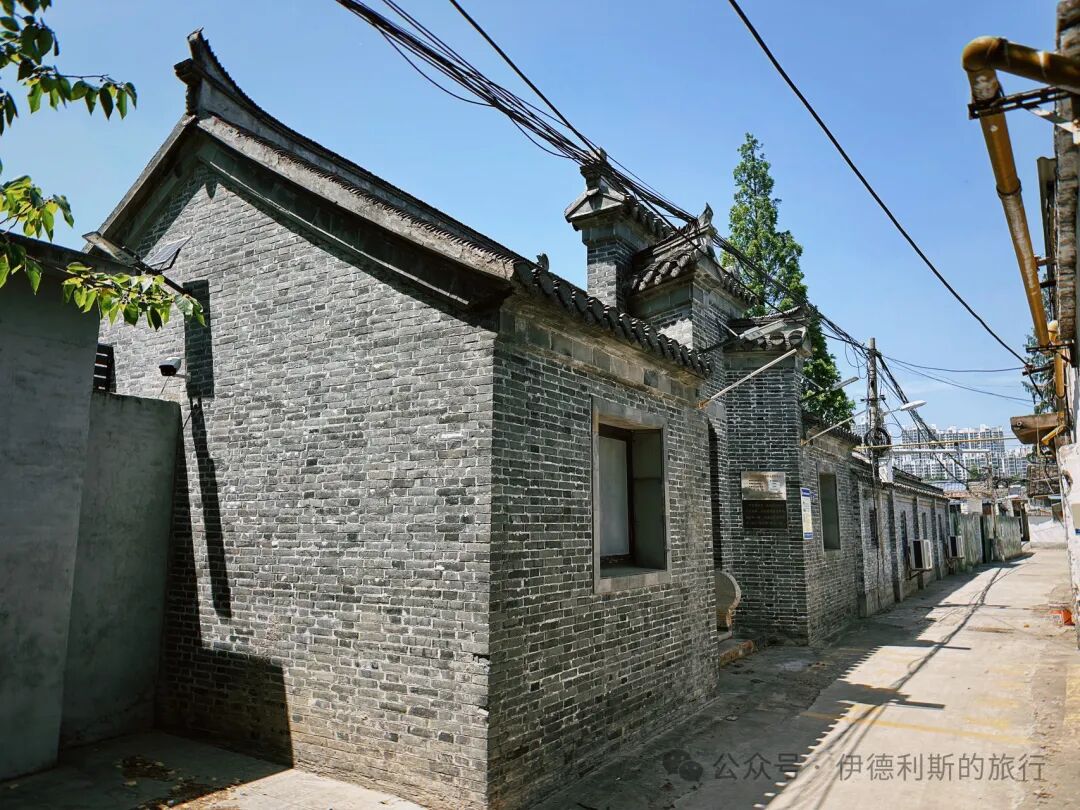
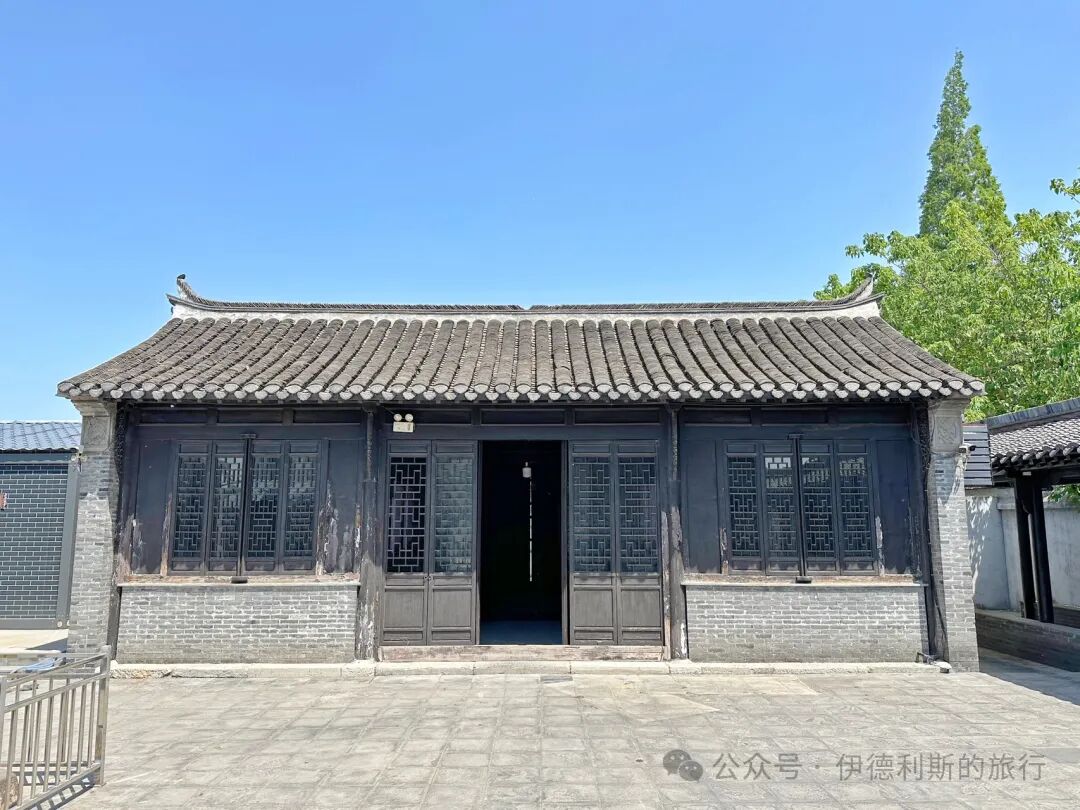
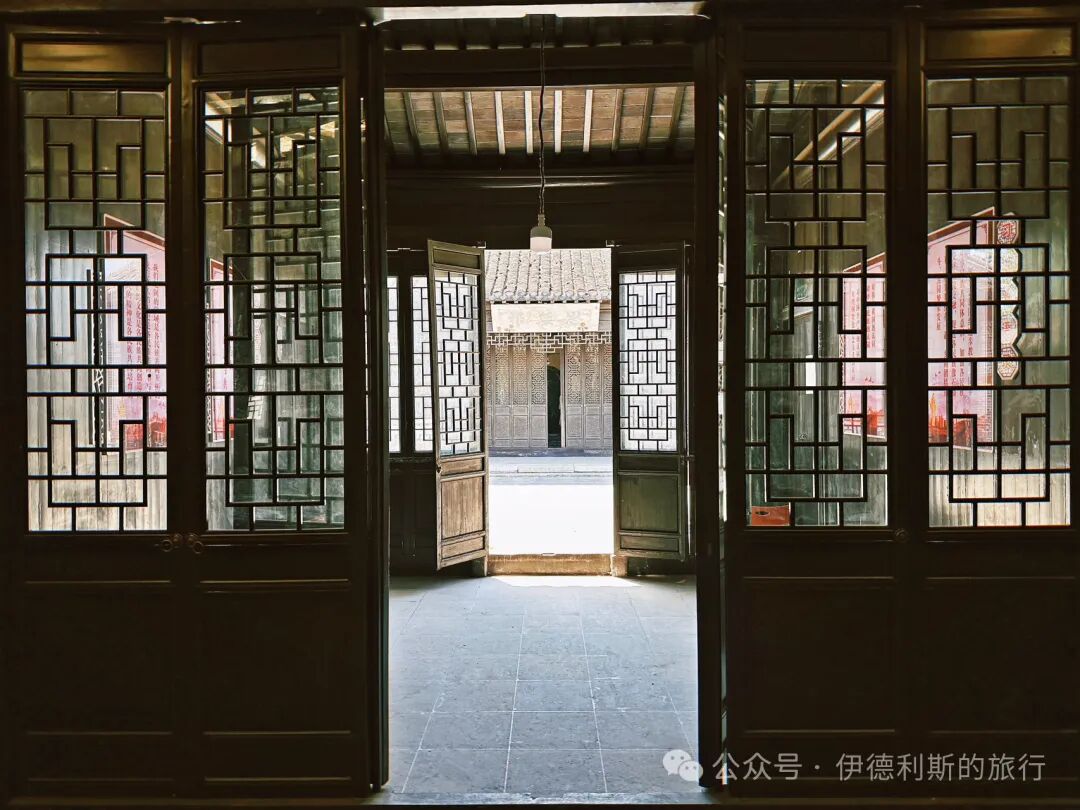
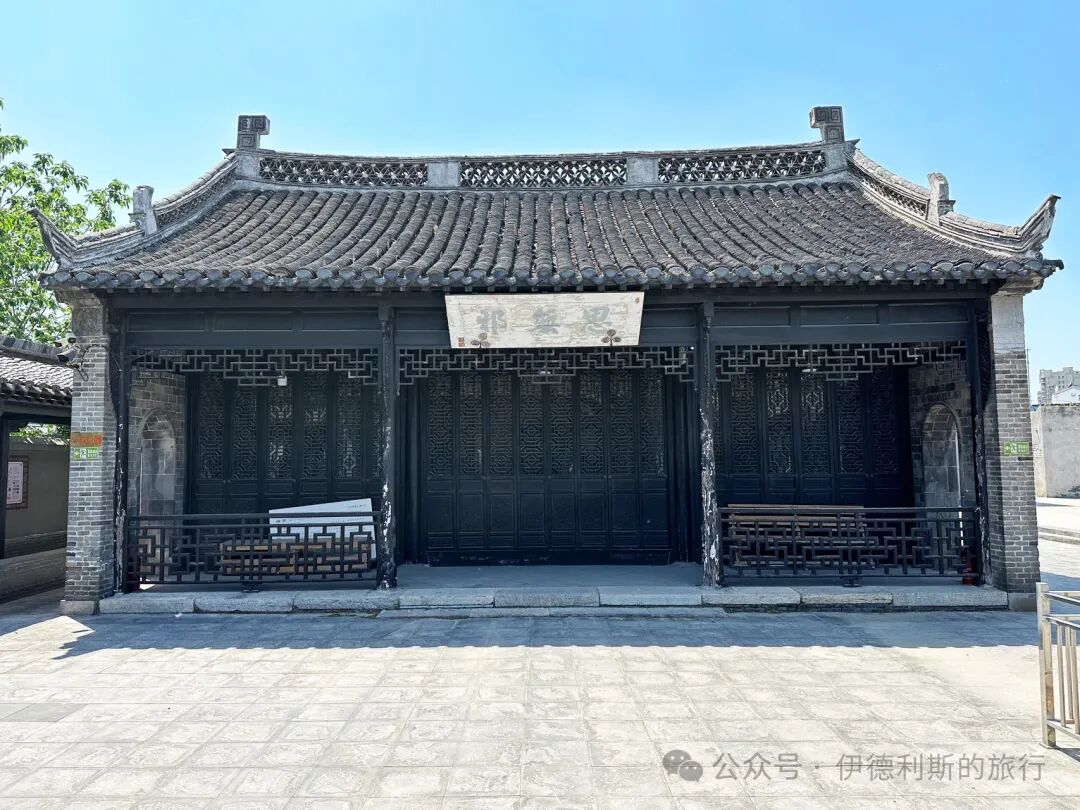
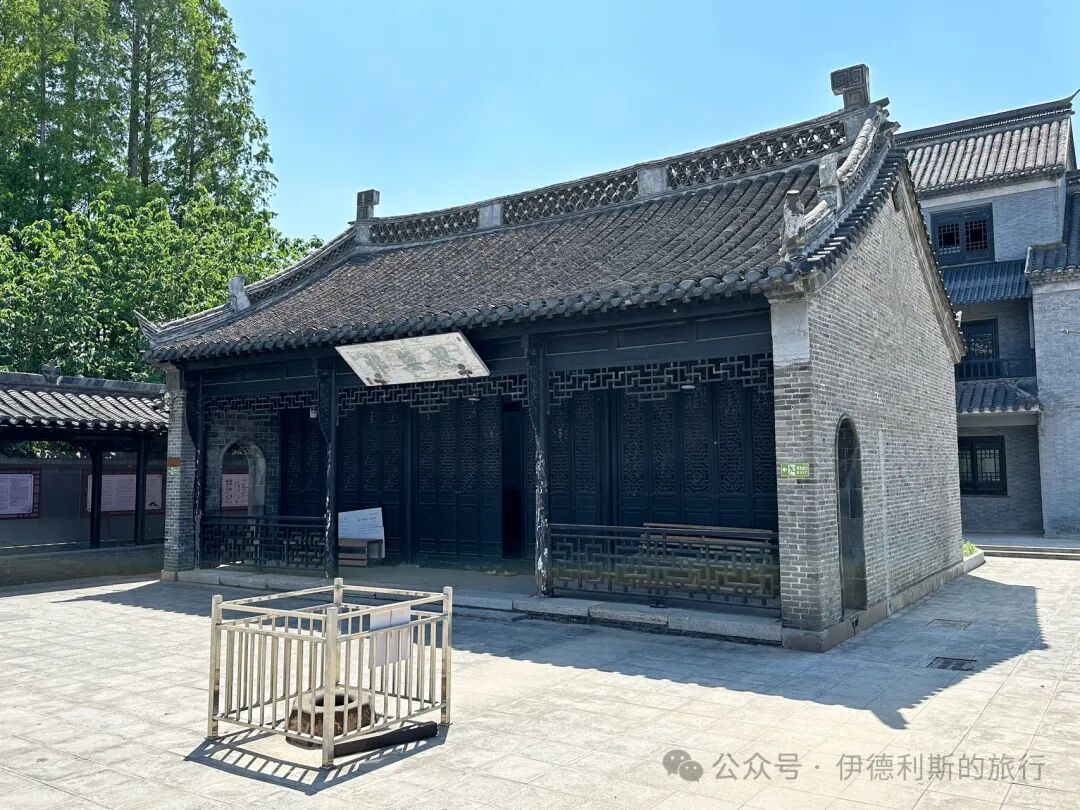
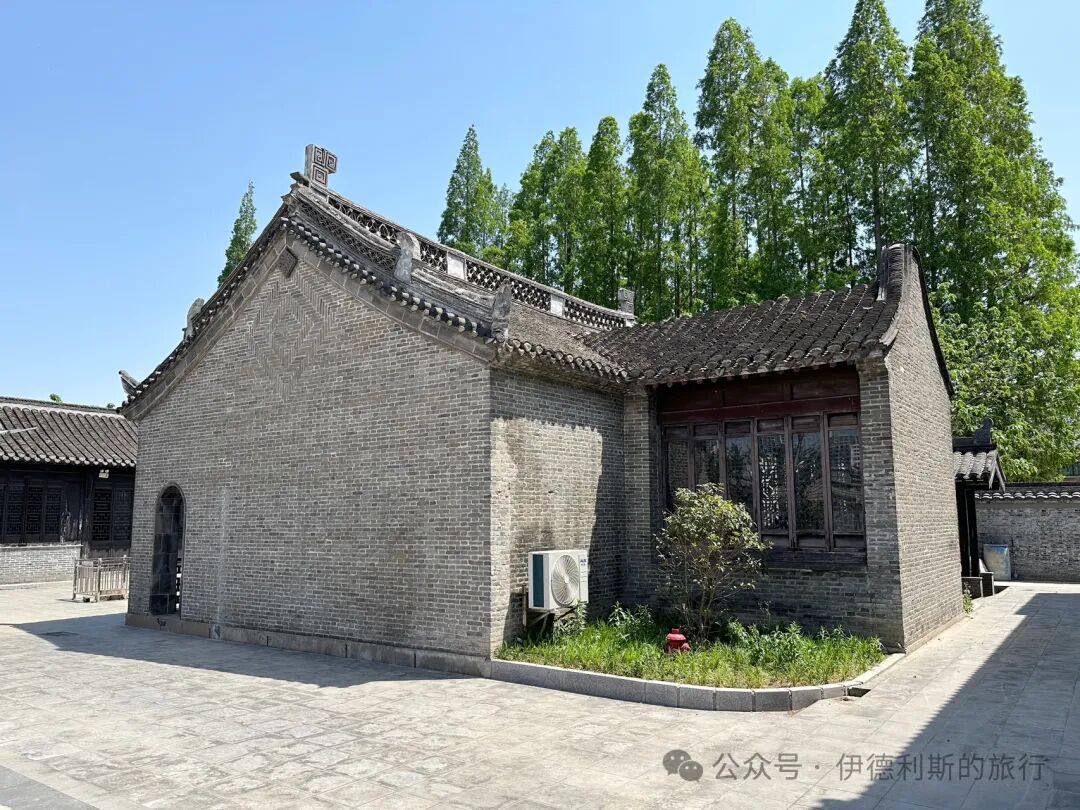
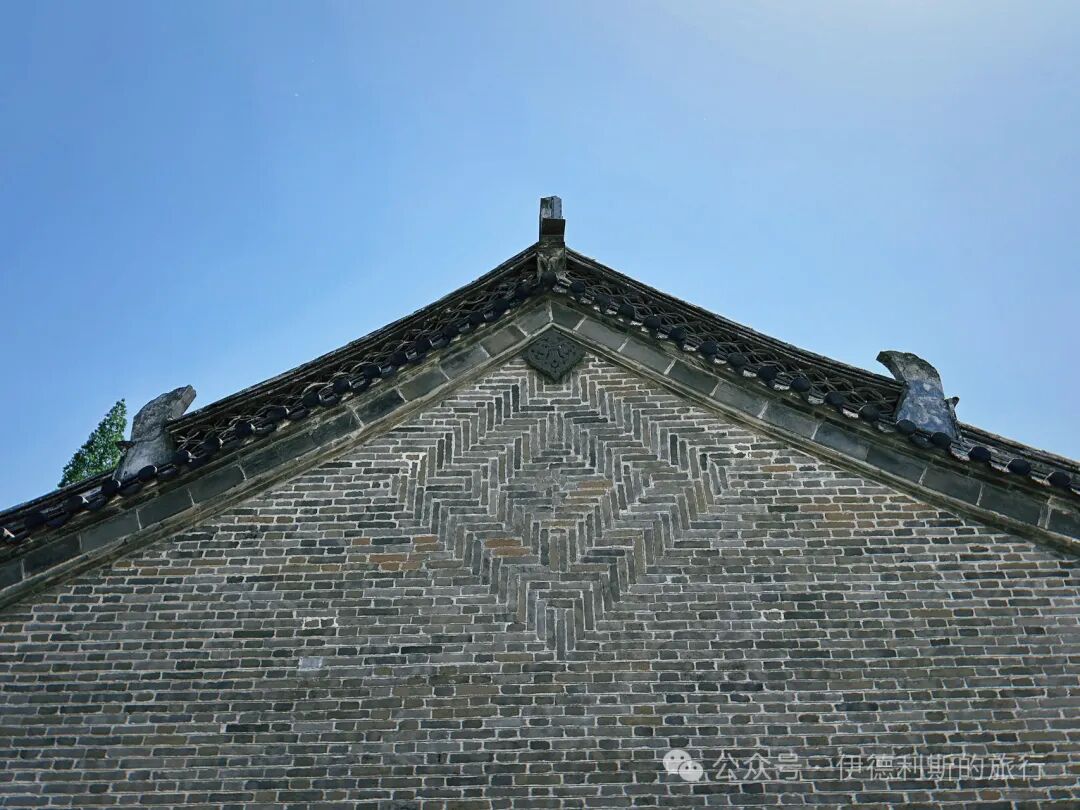
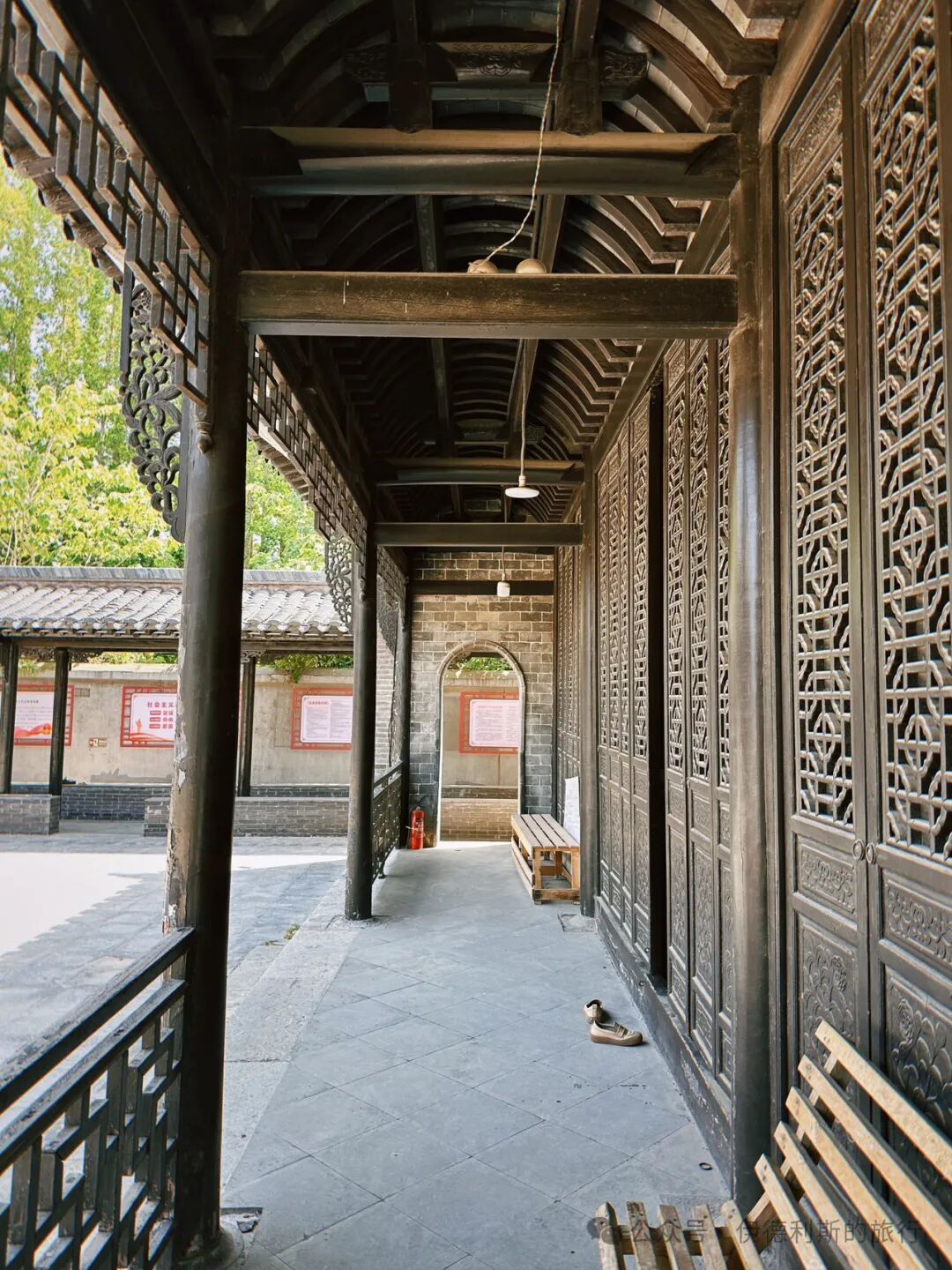
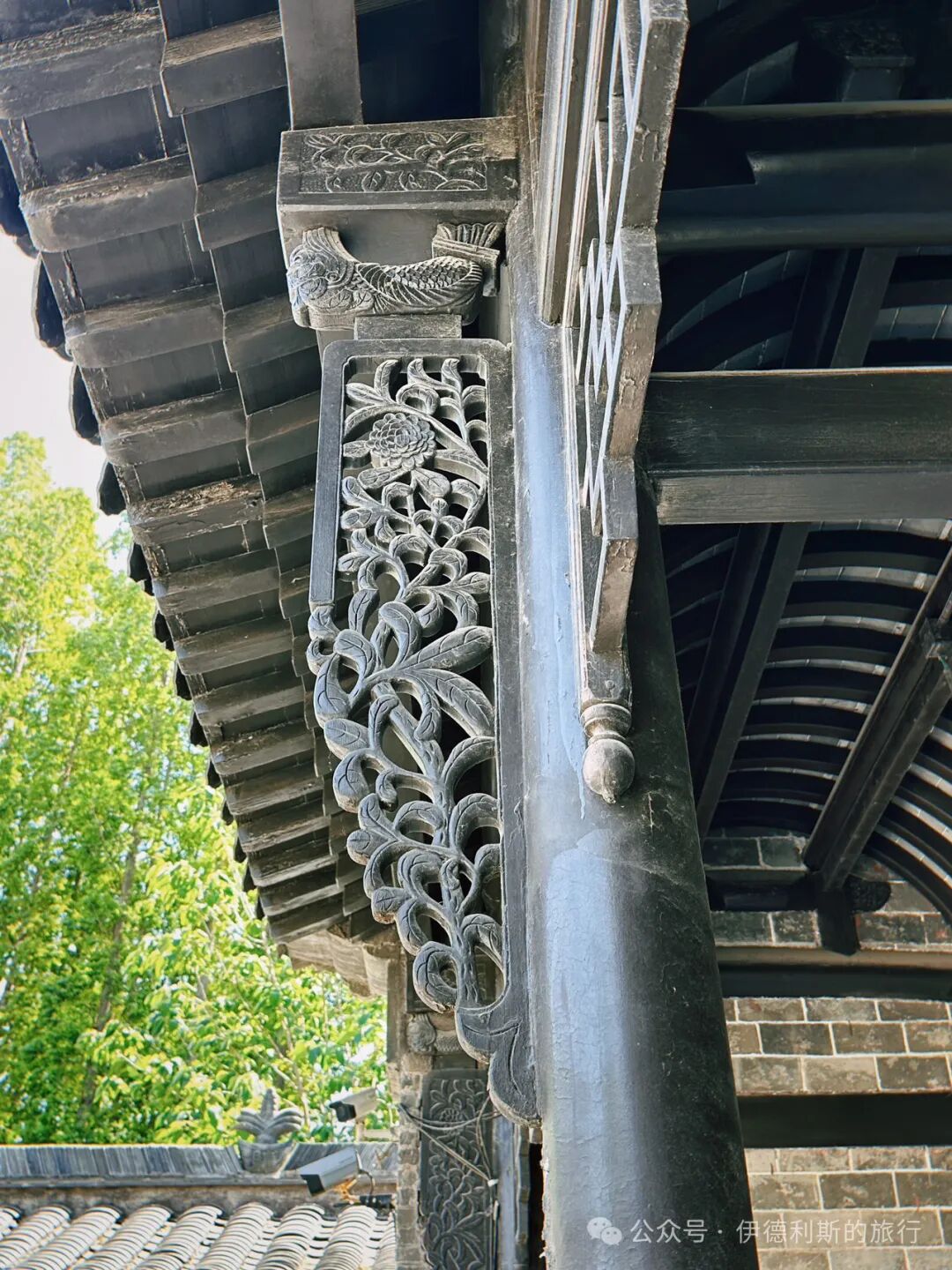
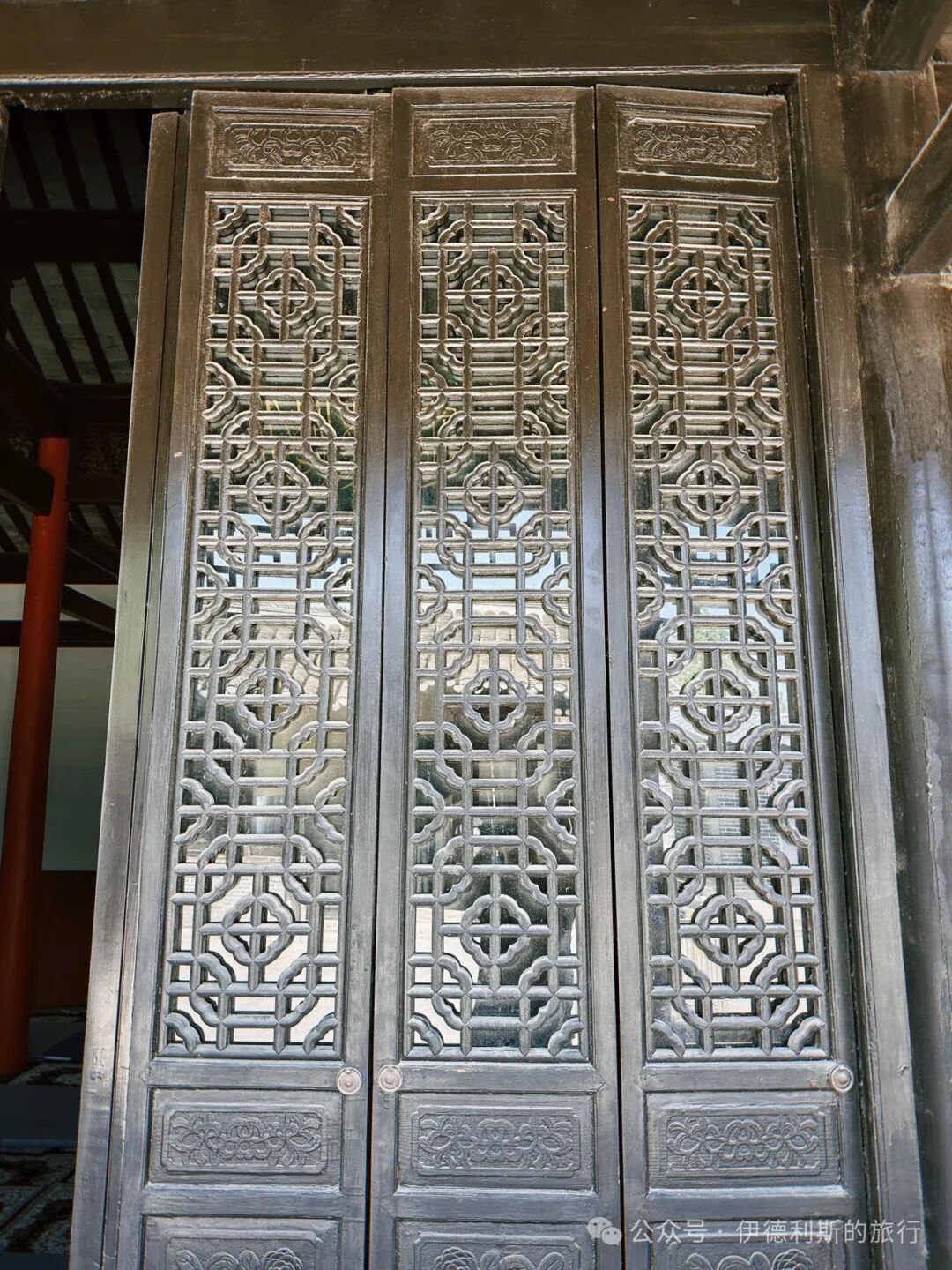
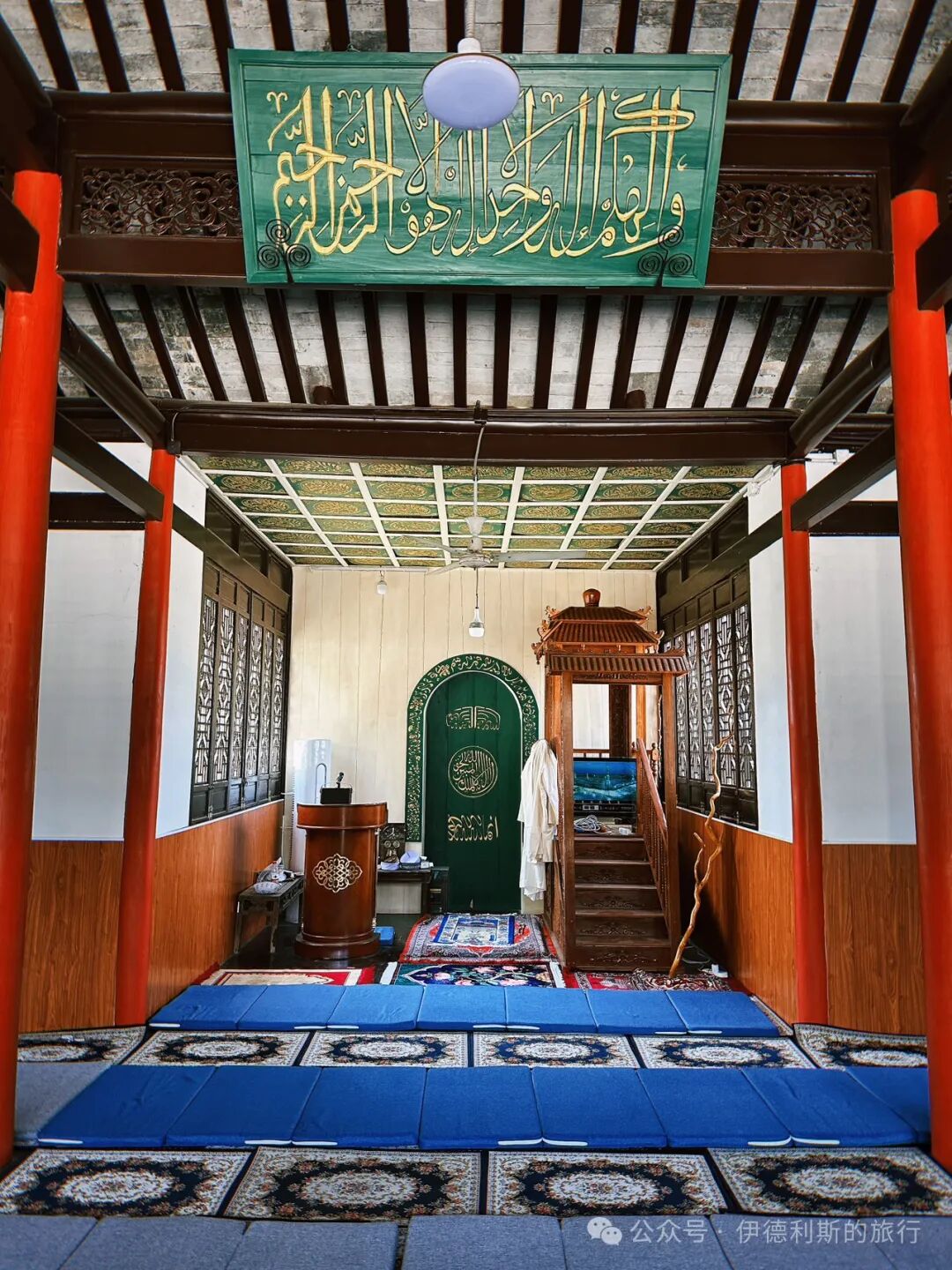
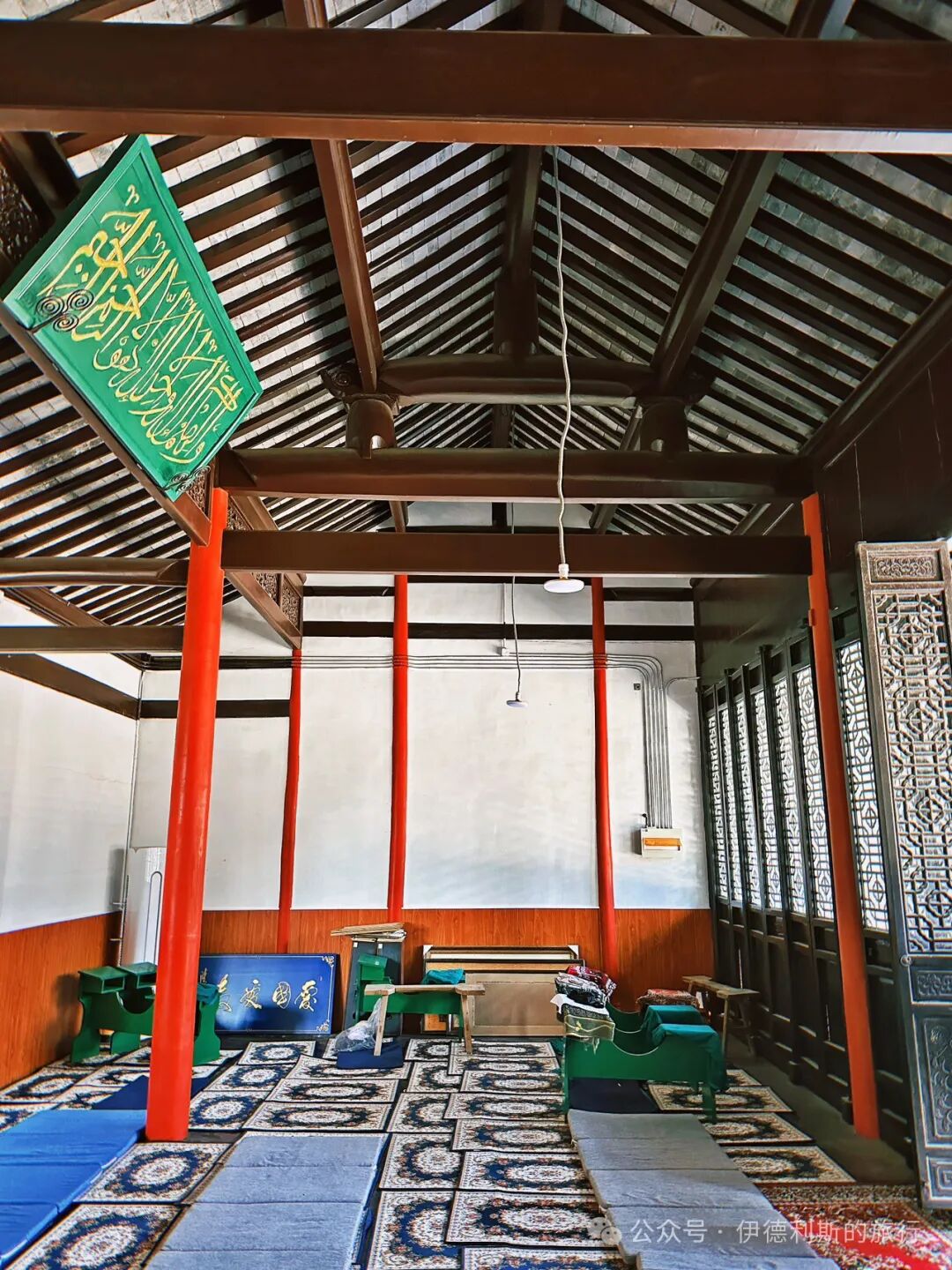
Hexia Mosque (Hexia Si) is located south of Luojia Bridge in Hexia Town. It was first built during the Shunzhi reign of the Qing Dynasty. In 1860, during the tenth year of the Xianfeng reign, the Nian Rebellion captured Huai'an and burned down ten rooms of the mosque, which were later rebuilt. The main hall of the mosque is a Qing Dynasty structure with blue bricks, dark tiles, and upturned eaves. It is a typical Jianghuai architectural style and was listed as a Huai'an cultural heritage site in 2006.
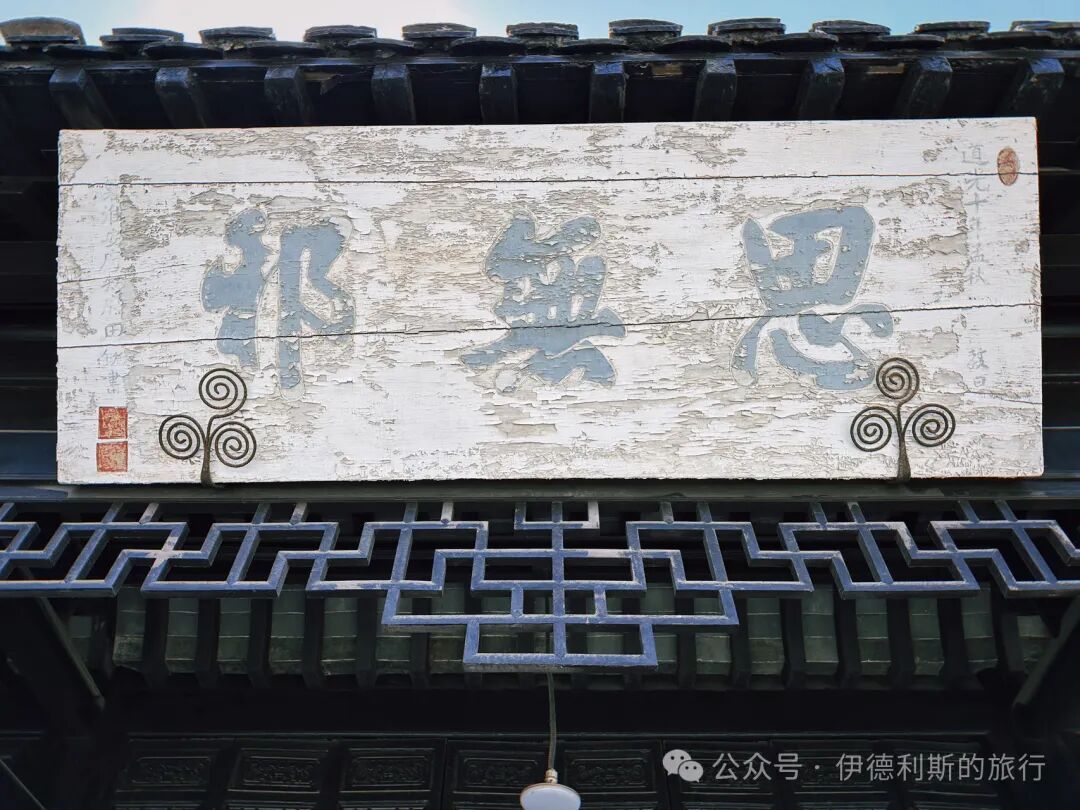
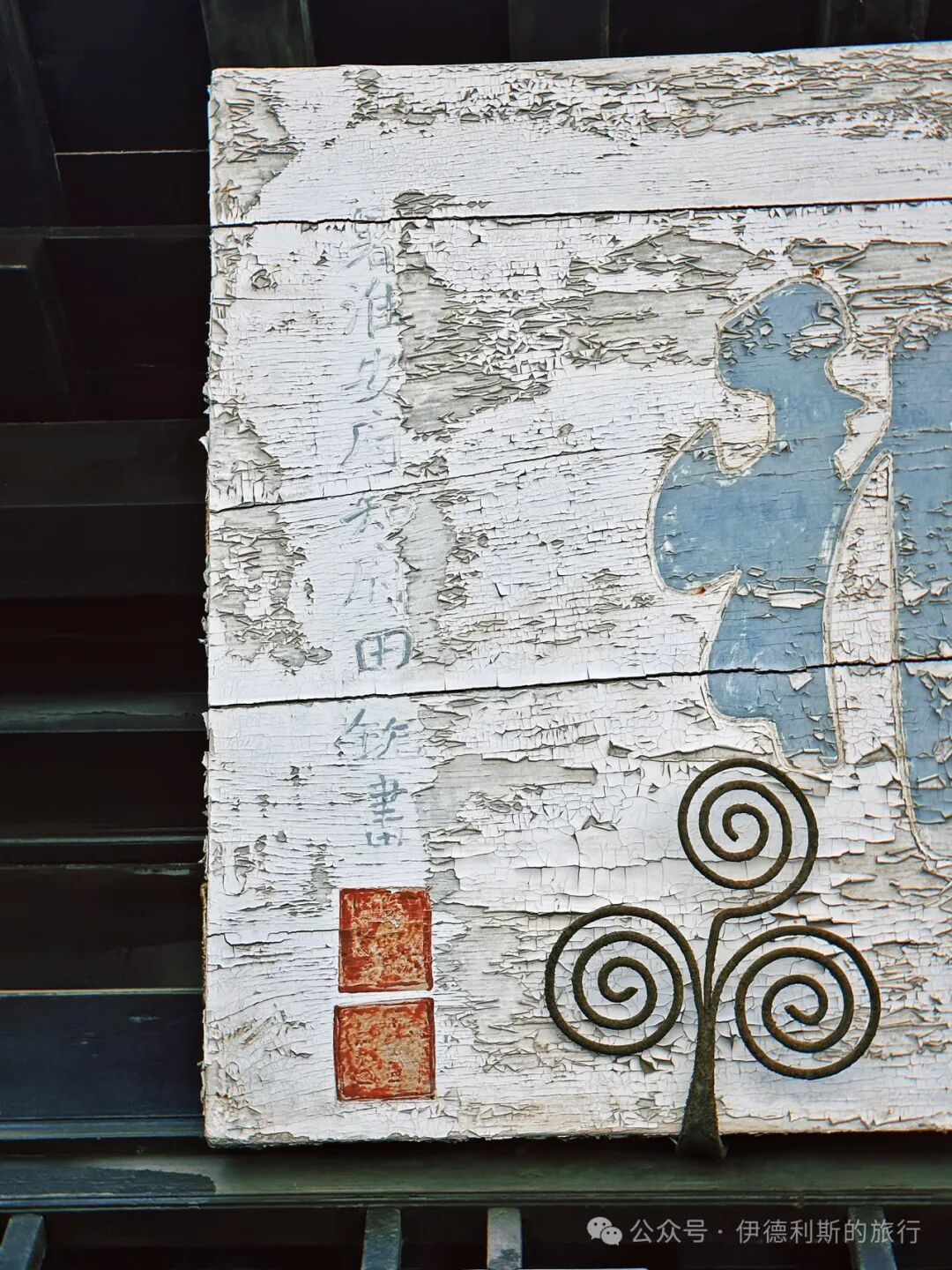
Above the main hall door hangs a chestnut wood plaque inscribed with 'Si Wu Xie' (Think No Evil) by Tian Rui, the prefect of Huai'an in the tenth year of the Daoguang reign. The sides originally held plaques from anti-Japanese hero Zuo Baogui and Yunnan commander Ma Chang'an, but these were destroyed after the 1960s.
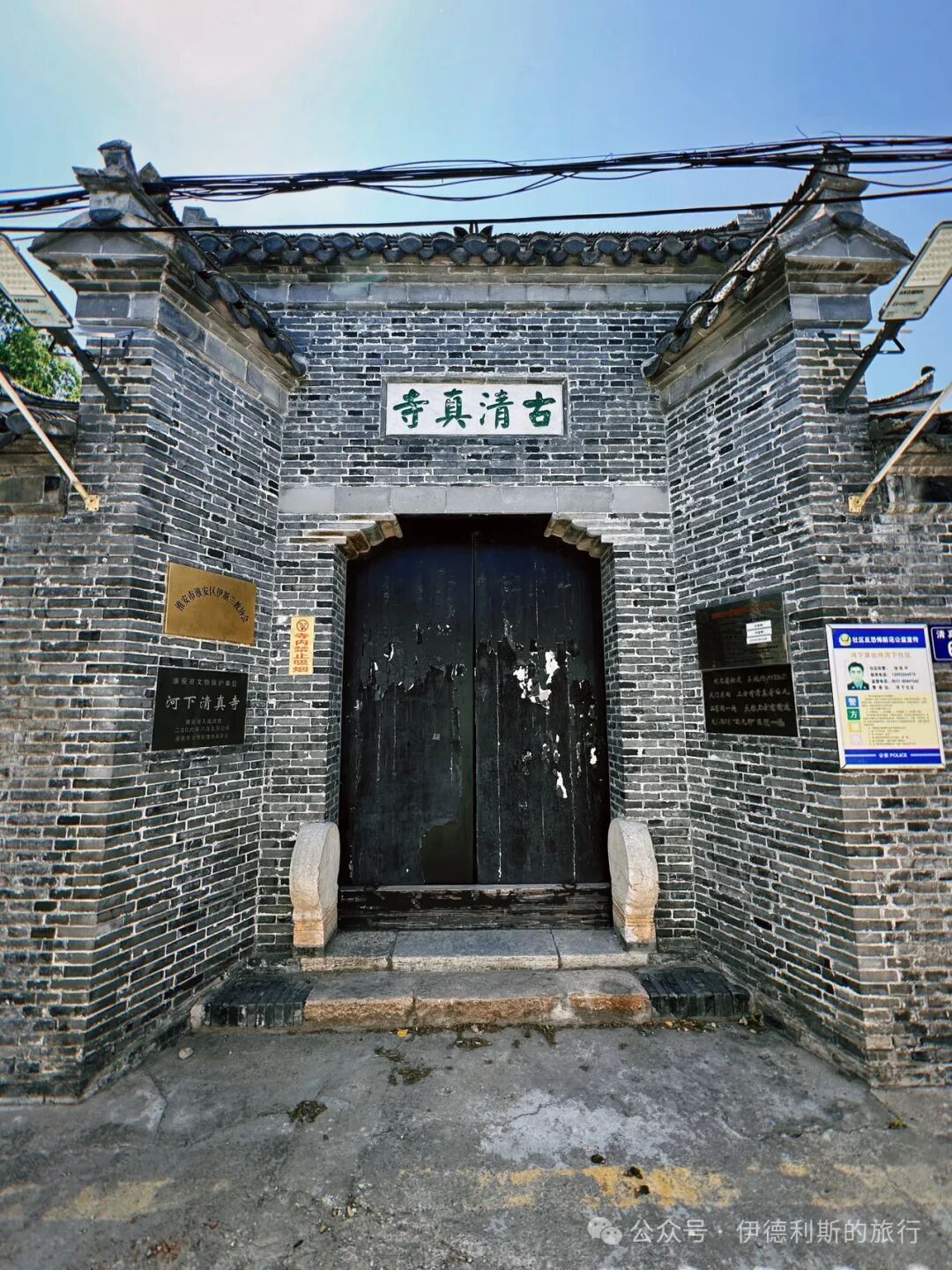
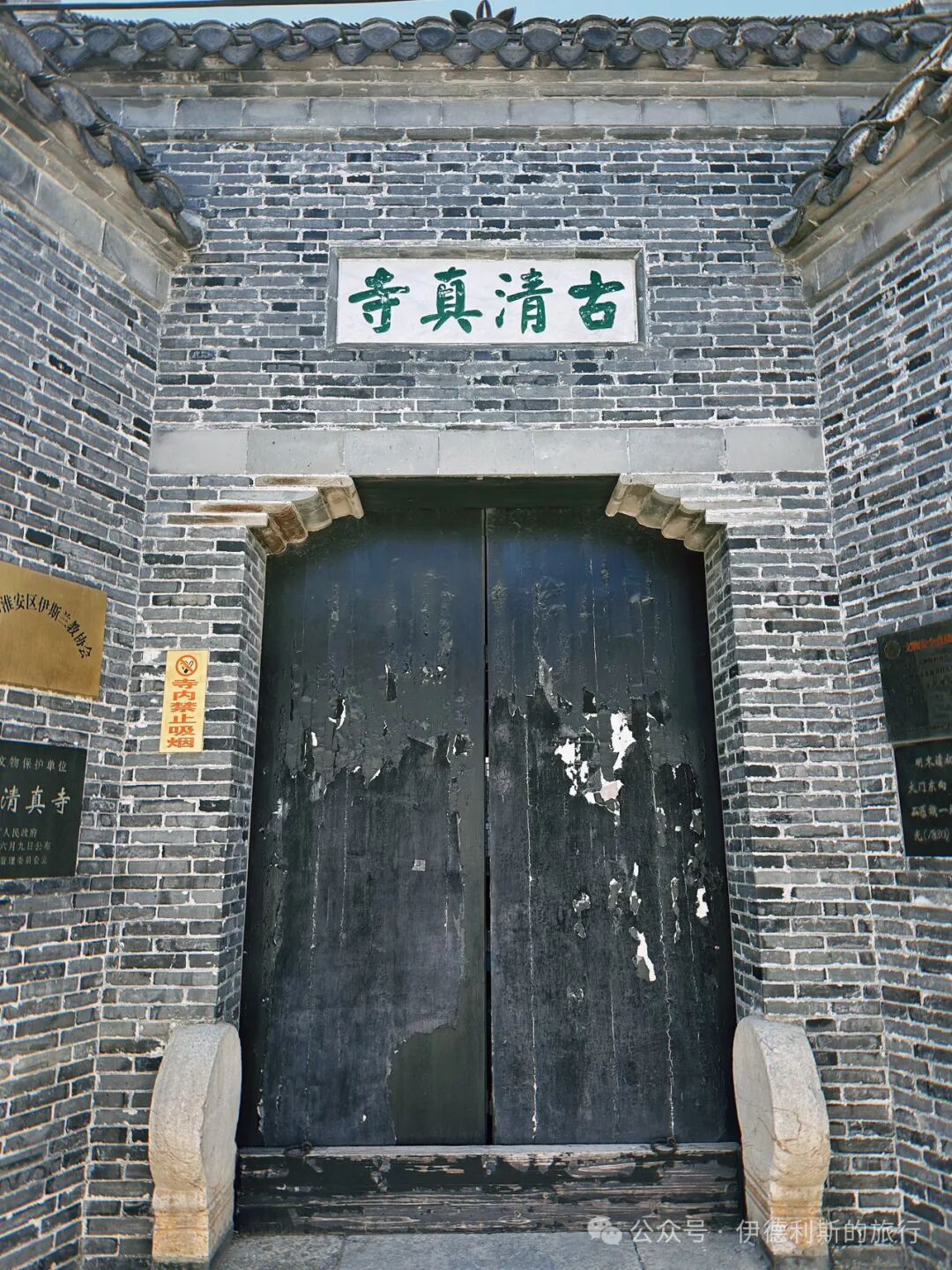
The imam (sha ahong) of the mosque usually stays at a nearby beef and mutton shop. If you call the number posted on the mosque gate, he will come over to open it.
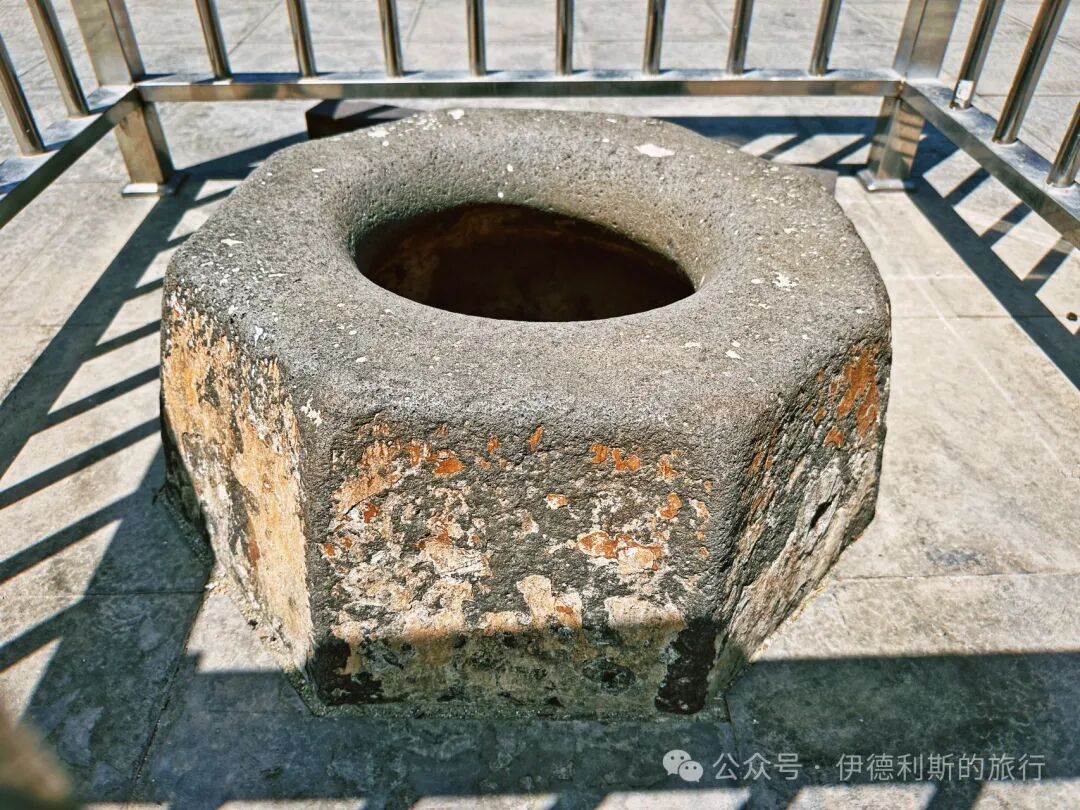
An ancient well dug in the early Qing Dynasty.
When I visited Huai'an in 2017, there was still a large Hui Muslim restaurant in Hexia, but it has since closed. Only Chen's Halal Sesame Oil Fried Dough Twists (Chenji Qingzhen Mayou Chagou) remain on the old street. Huai'an fried dough twists (chagou) are very thin, light yellow, crispy, and delicious. Children especially love them.
In the early years of the Republic of China, a Hui Muslim named Zhang Bugao opened the Kaifuxingzhai Halal Restaurant in Hexia, which was a famous Hui Muslim eatery at the time. The restaurant had 11 rooms, with two facing the street as the storefront. The building still stands today. It was listed as a Huai'an cultural heritage site in 2009 and now serves as a Hanfu clothing shop and a private residence.
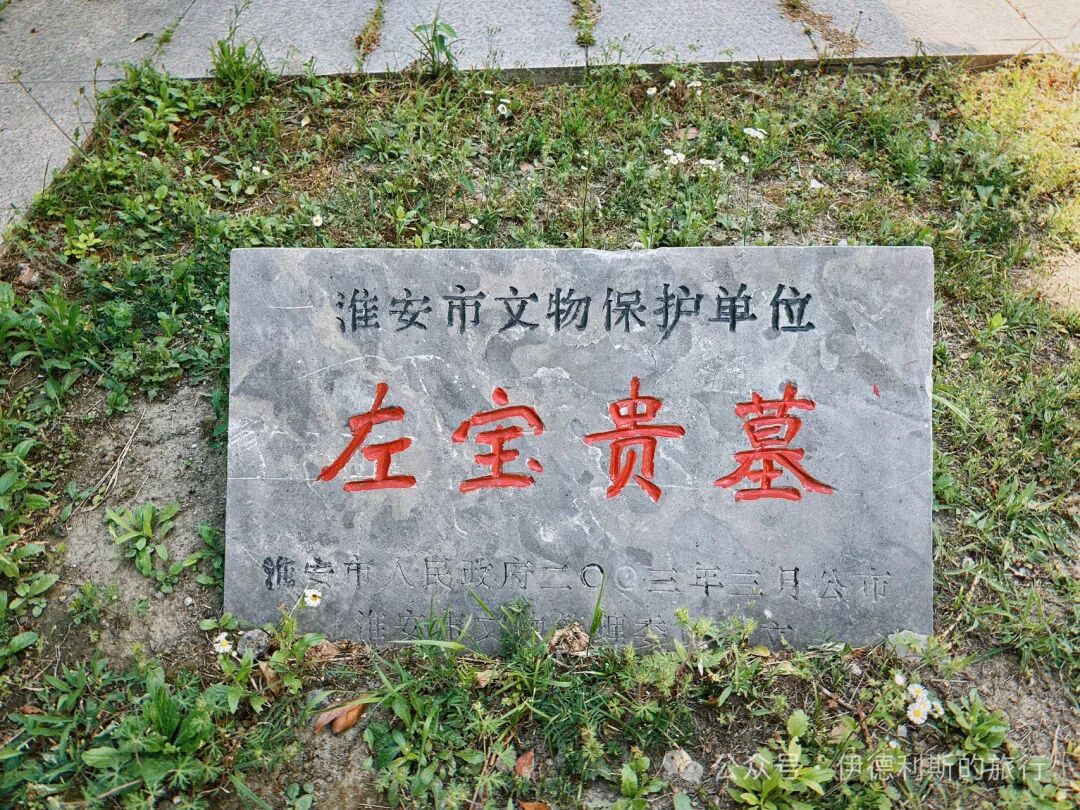
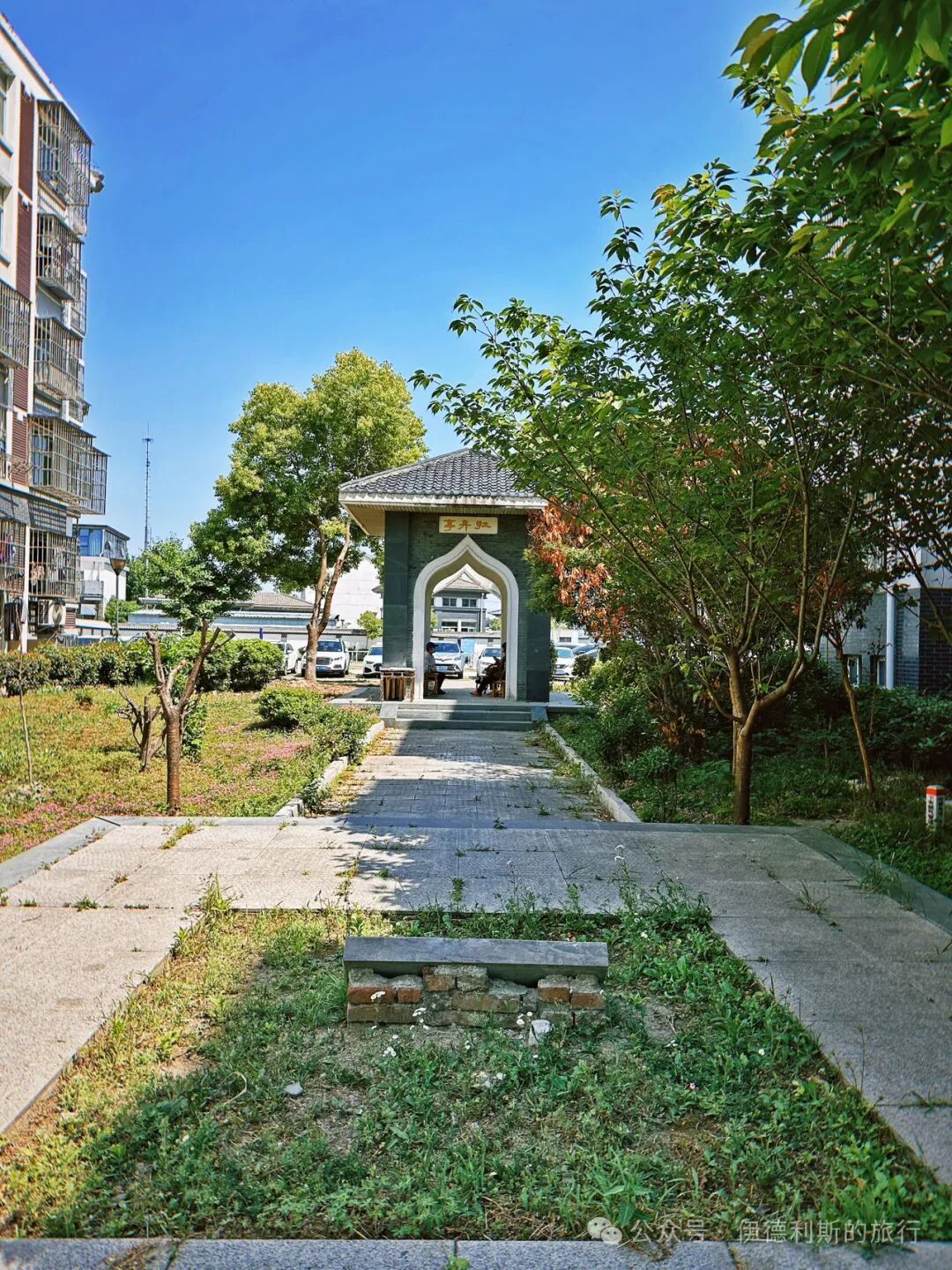
There is a tomb of Zuo Baogui in the Xiaohu Renjia residential area of Hexia Town.
Zuo Baogui was born in 1837 in the Yimeng Mountains of Linyi, Shandong. In 1856, due to severe local disasters, his parents passed away one after another. Zuo Baogui took his two younger brothers and left home. They spent several months traveling to Hexia Town in Huai'an, Jiangsu, by repairing shoes along the way. In Hexia, Zuo Baogui married a local Hui Muslim woman named Tao Erjie. Shortly after, he joined the army, commanded troops in Fengtian for 20 years, and eventually died heroically while fighting the Japanese invaders in Pyongyang.
After Zuo Baogui died, his body could not be recovered. His soldiers brought his blood-stained clothes and one of his boots back to Huai'an. His wife, Madam Tao, and his three sons buried them in their own field by the river near Luojia Bridge in Hexia. Madam Tao and one of their sons were also buried next to the tomb after they passed away (gui zhen). In 1895, the twenty-first year of the Guangxu reign, his descendants built the 'Zuo Zhongzhuang Gong Shrine' on the south side of the tomb, which was later demolished by Japanese and puppet forces during the War of Resistance Against Japan. Additionally, the main hall of the Hexia Mosque once featured a gold-inlaid couplet written by the Guangxu Emperor as a memorial for Zuo Baogui, but it was destroyed in the 1960s.
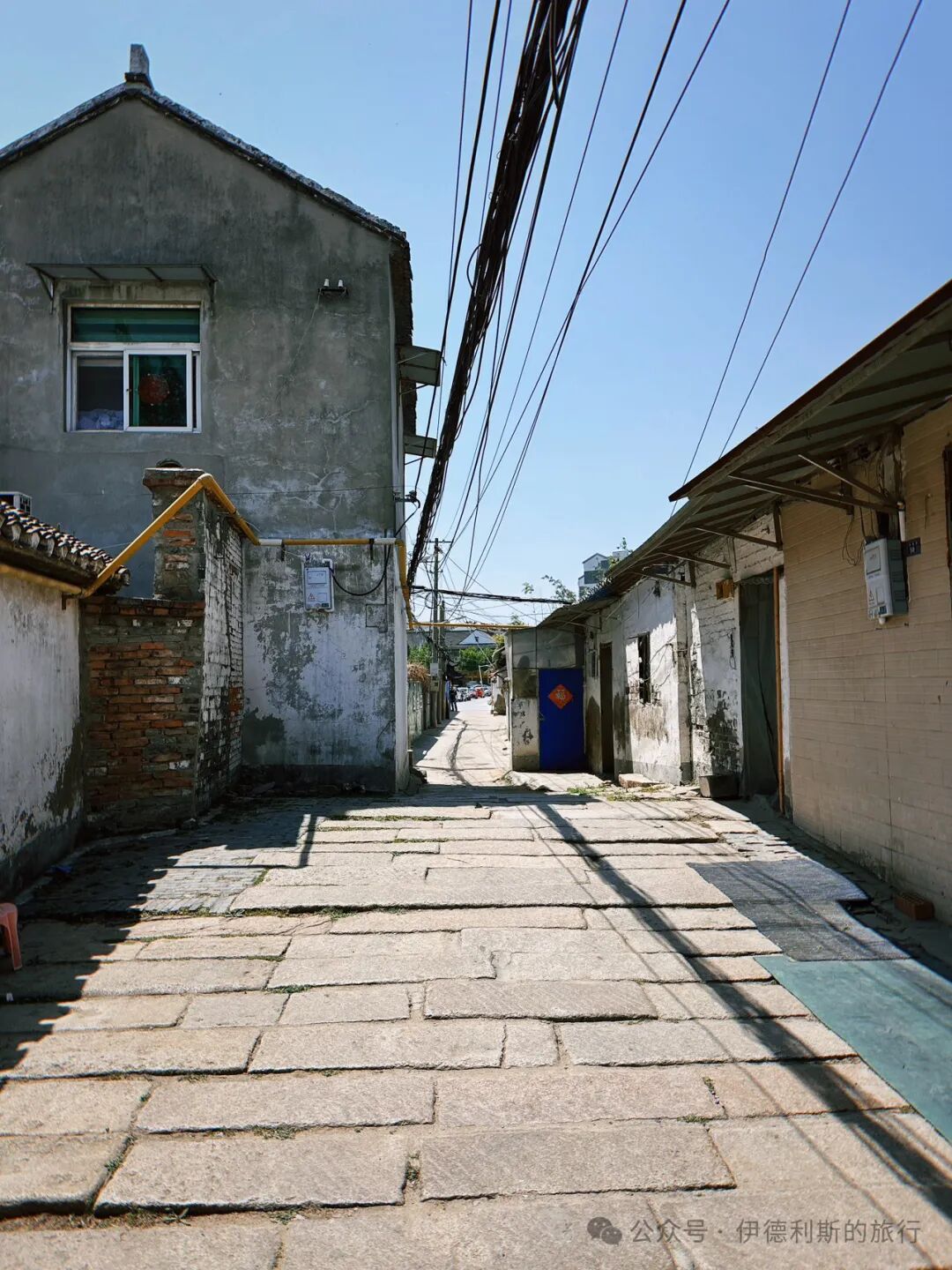
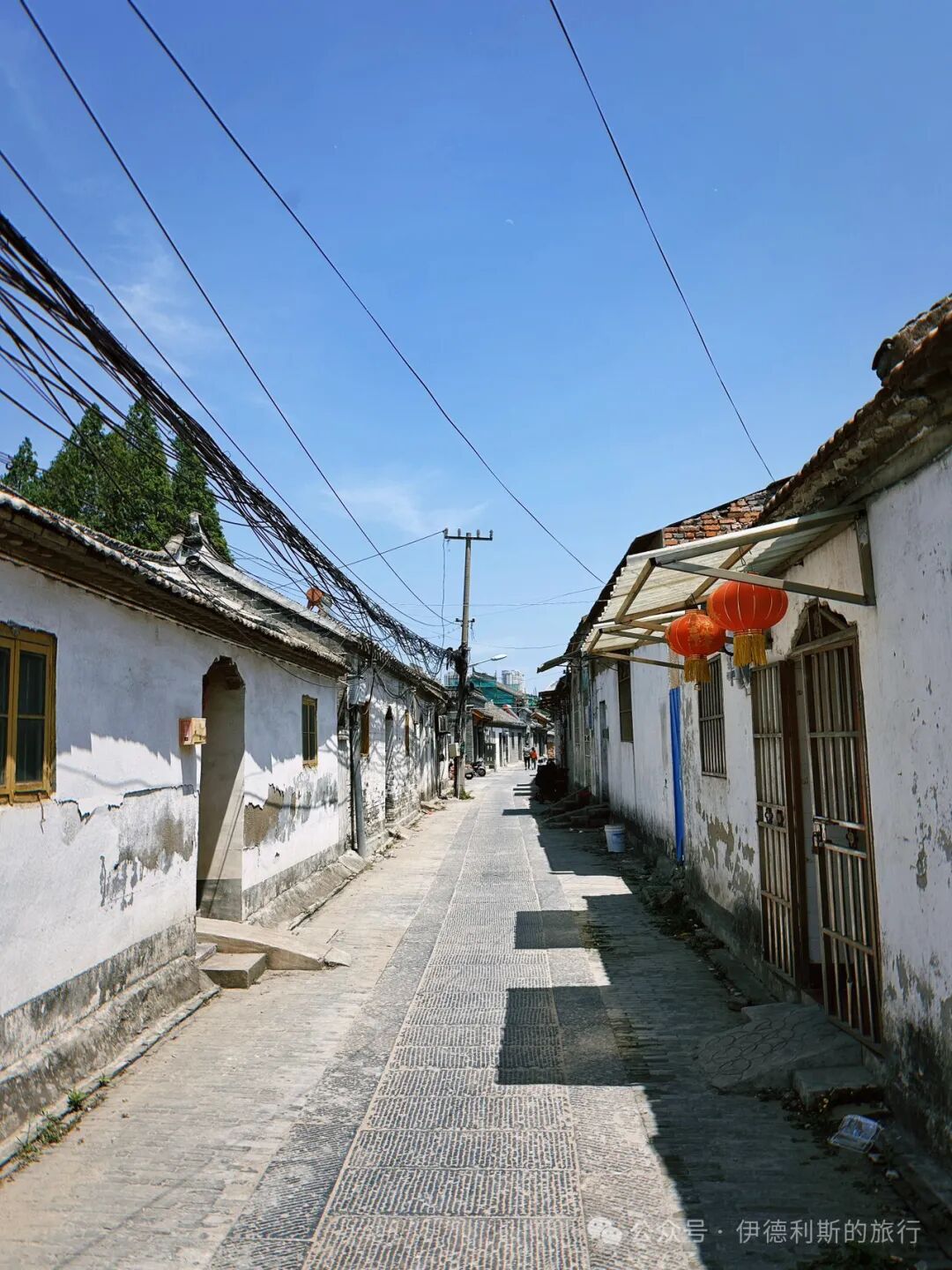
Luojia Bridge in Hexia Ancient Town is a gathering place for local Hui Muslims. The old houses are still there, but it is now difficult to see the Hui Muslim character in the decorations. view all
Summary: Hexia Ancient Town in Huai'an, Jiangsu, connects mosque history, local fried tea snacks (sanzi), and the tomb of Zuo Baogui. This account keeps the town, food, cemetery, and mosque details together as one walking travel note.
Hexia Ancient Town in Huai'an, Jiangsu, is the largest town on the outskirts of Huai'an Prefecture. Because the salt fields along the coast of Huaibei produced high-quality salt, many salt merchants from the northwest and Anhui came to Huaibei in the late Ming Dynasty to work in the salt trade. The Huaibei Salt Transport Office was located in Hexia Town. Salt from the fields had to be shipped to Hexia for inspection before merchants could sell it elsewhere. Hexia Town then entered its most prosperous period. Salt merchants built gardens and courtyards there. The Qing Dynasty record 'Huai'an Hexia Annals' states: 'Wealthy salt merchants brought their fortunes and made their homes in Hexia, and Hexia became extremely prosperous.' The wealth brought by these merchants made the town's commerce thrive, and many Hui Muslims also came to settle in Hexia.
Hexia Mosque (Hexia Si) is located south of Luojia Bridge in Hexia Town. It was first built during the Shunzhi reign of the Qing Dynasty. In 1860, during the tenth year of the Xianfeng reign, the Nian Rebellion captured Huai'an and burned down ten rooms of the mosque, which were later rebuilt. The main hall of the mosque is a Qing Dynasty structure with blue bricks, dark tiles, and upturned eaves. It is a typical Jianghuai architectural style and was listed as a Huai'an cultural heritage site in 2006.
Above the main hall door hangs a chestnut wood plaque inscribed with 'Si Wu Xie' (Think No Evil) by Tian Rui, the prefect of Huai'an in the tenth year of the Daoguang reign. The sides originally held plaques from anti-Japanese hero Zuo Baogui and Yunnan commander Ma Chang'an, but these were destroyed after the 1960s.
The imam (sha ahong) of the mosque usually stays at a nearby beef and mutton shop. If you call the number posted on the mosque gate, he will come over to open it.
An ancient well dug in the early Qing Dynasty.
When I visited Huai'an in 2017, there was still a large Hui Muslim restaurant in Hexia, but it has since closed. Only Chen's Halal Sesame Oil Fried Dough Twists (Chenji Qingzhen Mayou Chagou) remain on the old street. Huai'an fried dough twists (chagou) are very thin, light yellow, crispy, and delicious. Children especially love them.
In the early years of the Republic of China, a Hui Muslim named Zhang Bugao opened the Kaifuxingzhai Halal Restaurant in Hexia, which was a famous Hui Muslim eatery at the time. The restaurant had 11 rooms, with two facing the street as the storefront. The building still stands today. It was listed as a Huai'an cultural heritage site in 2009 and now serves as a Hanfu clothing shop and a private residence.
There is a tomb of Zuo Baogui in the Xiaohu Renjia residential area of Hexia Town.
Zuo Baogui was born in 1837 in the Yimeng Mountains of Linyi, Shandong. In 1856, due to severe local disasters, his parents passed away one after another. Zuo Baogui took his two younger brothers and left home. They spent several months traveling to Hexia Town in Huai'an, Jiangsu, by repairing shoes along the way. In Hexia, Zuo Baogui married a local Hui Muslim woman named Tao Erjie. Shortly after, he joined the army, commanded troops in Fengtian for 20 years, and eventually died heroically while fighting the Japanese invaders in Pyongyang.
After Zuo Baogui died, his body could not be recovered. His soldiers brought his blood-stained clothes and one of his boots back to Huai'an. His wife, Madam Tao, and his three sons buried them in their own field by the river near Luojia Bridge in Hexia. Madam Tao and one of their sons were also buried next to the tomb after they passed away (gui zhen). In 1895, the twenty-first year of the Guangxu reign, his descendants built the 'Zuo Zhongzhuang Gong Shrine' on the south side of the tomb, which was later demolished by Japanese and puppet forces during the War of Resistance Against Japan. Additionally, the main hall of the Hexia Mosque once featured a gold-inlaid couplet written by the Guangxu Emperor as a memorial for Zuo Baogui, but it was destroyed in the 1960s.
Luojia Bridge in Hexia Ancient Town is a gathering place for local Hui Muslims. The old houses are still there, but it is now difficult to see the Hui Muslim character in the decorations. view all
Reposted from the web
Summary: Hexia Ancient Town in Huai'an, Jiangsu, connects mosque history, local fried tea snacks (sanzi), and the tomb of Zuo Baogui. This account keeps the town, food, cemetery, and mosque details together as one walking travel note.
Hexia Ancient Town in Huai'an, Jiangsu, is the largest town on the outskirts of Huai'an Prefecture. Because the salt fields along the coast of Huaibei produced high-quality salt, many salt merchants from the northwest and Anhui came to Huaibei in the late Ming Dynasty to work in the salt trade. The Huaibei Salt Transport Office was located in Hexia Town. Salt from the fields had to be shipped to Hexia for inspection before merchants could sell it elsewhere. Hexia Town then entered its most prosperous period. Salt merchants built gardens and courtyards there. The Qing Dynasty record 'Huai'an Hexia Annals' states: 'Wealthy salt merchants brought their fortunes and made their homes in Hexia, and Hexia became extremely prosperous.' The wealth brought by these merchants made the town's commerce thrive, and many Hui Muslims also came to settle in Hexia.
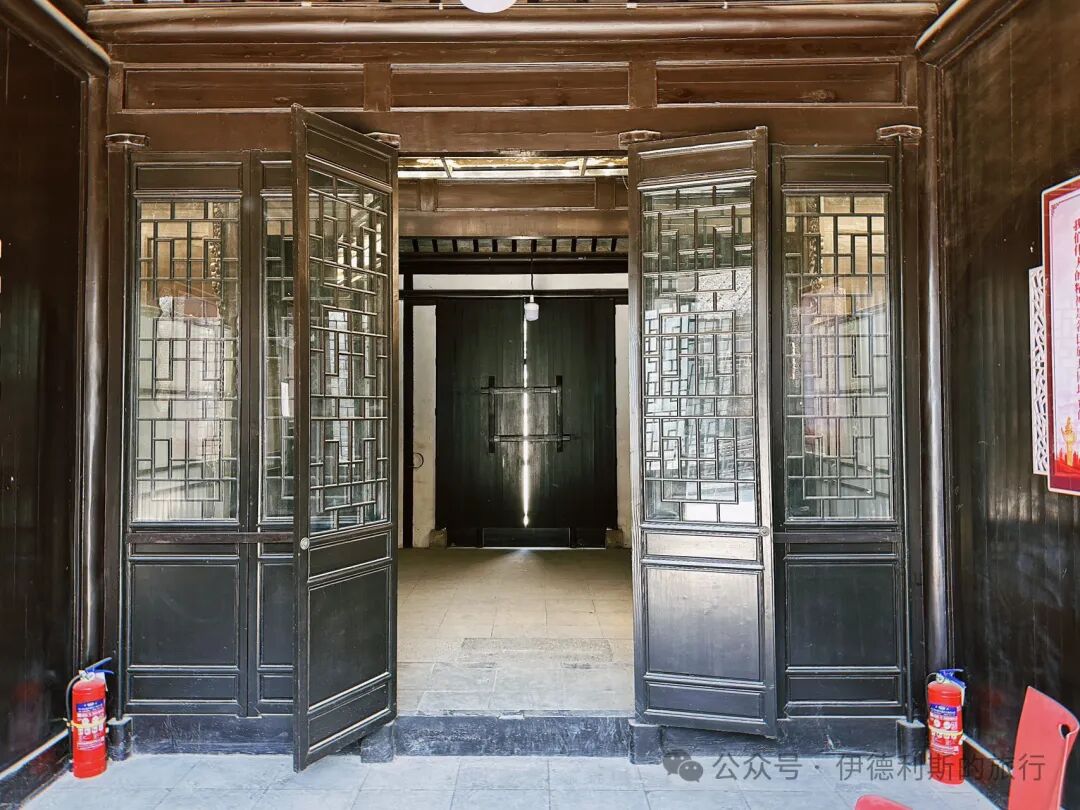
Hexia Mosque (Hexia Si) is located south of Luojia Bridge in Hexia Town. It was first built during the Shunzhi reign of the Qing Dynasty. In 1860, during the tenth year of the Xianfeng reign, the Nian Rebellion captured Huai'an and burned down ten rooms of the mosque, which were later rebuilt. The main hall of the mosque is a Qing Dynasty structure with blue bricks, dark tiles, and upturned eaves. It is a typical Jianghuai architectural style and was listed as a Huai'an cultural heritage site in 2006.
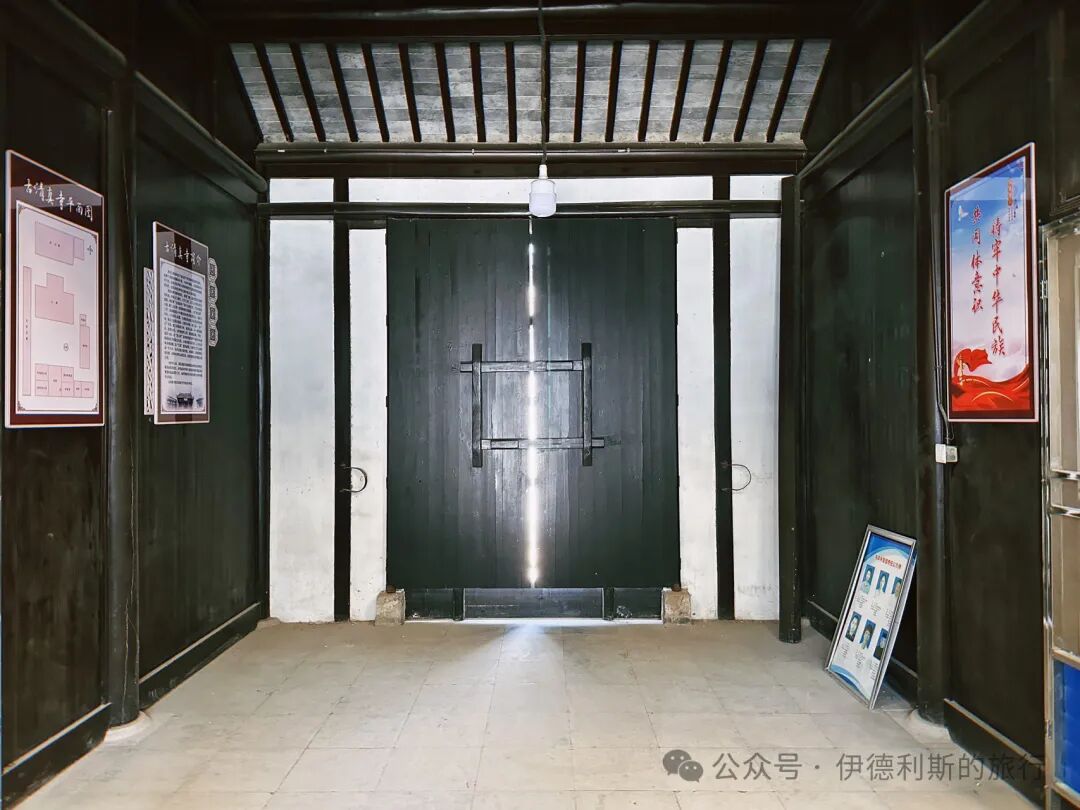
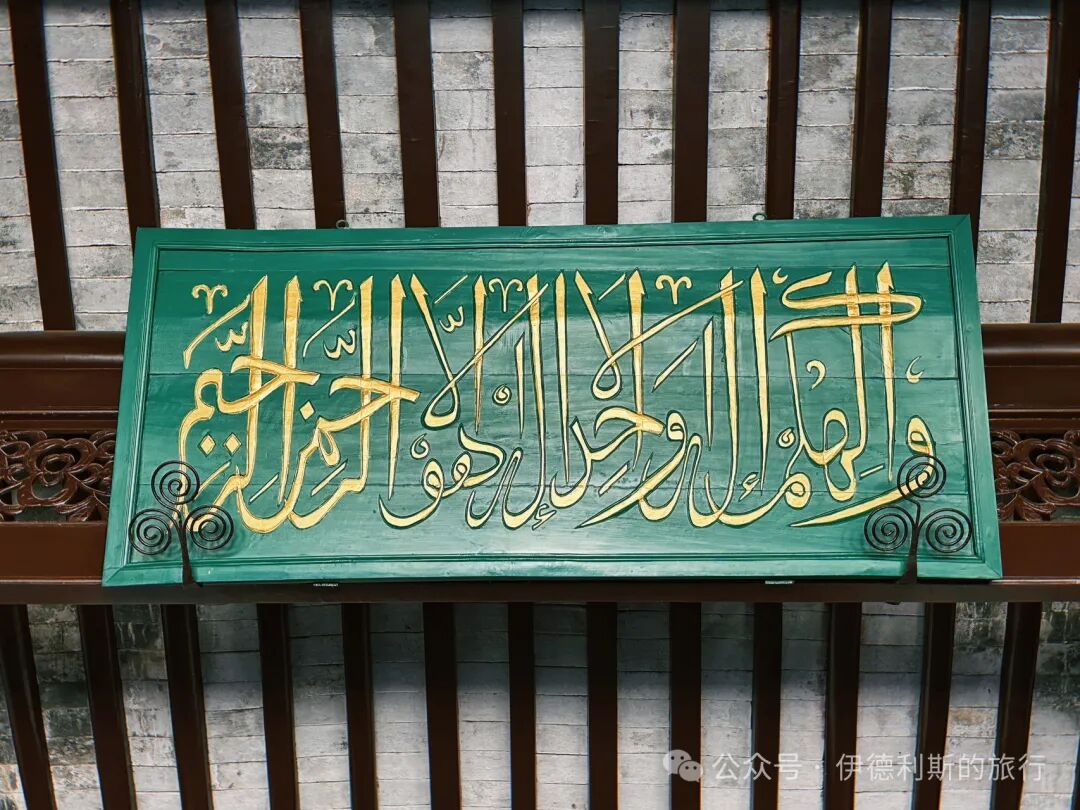
Above the main hall door hangs a chestnut wood plaque inscribed with 'Si Wu Xie' (Think No Evil) by Tian Rui, the prefect of Huai'an in the tenth year of the Daoguang reign. The sides originally held plaques from anti-Japanese hero Zuo Baogui and Yunnan commander Ma Chang'an, but these were destroyed after the 1960s.
The imam (sha ahong) of the mosque usually stays at a nearby beef and mutton shop. If you call the number posted on the mosque gate, he will come over to open it.
An ancient well dug in the early Qing Dynasty.
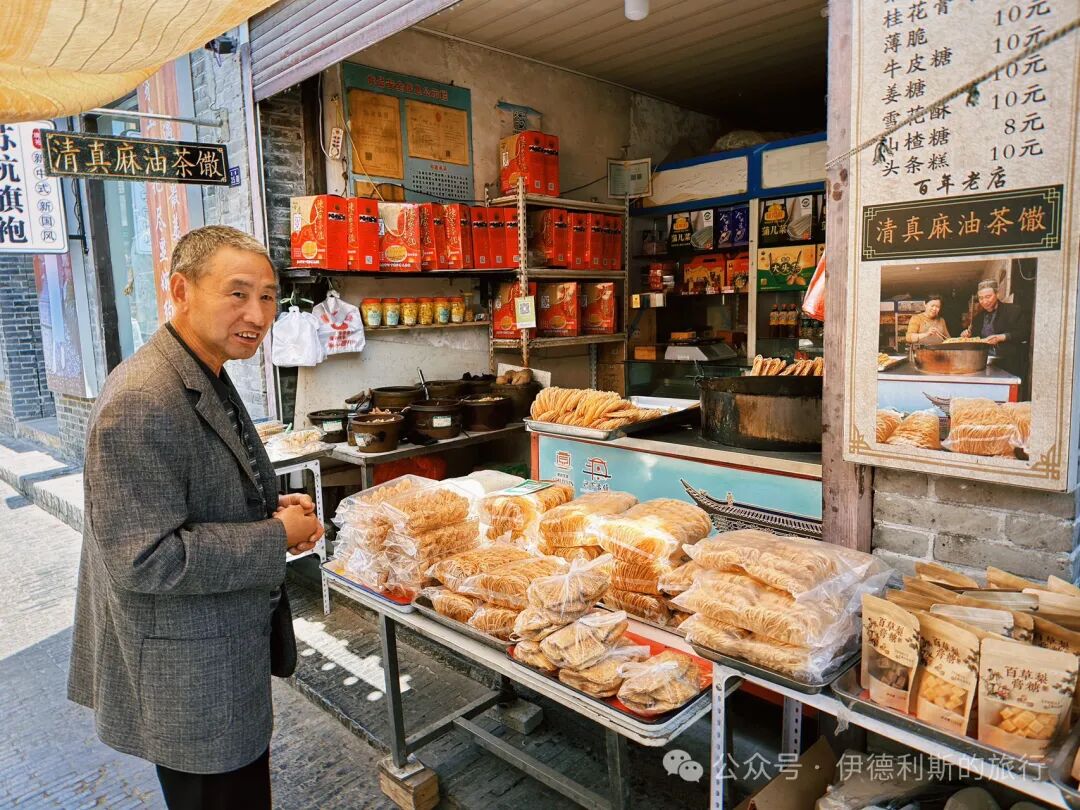
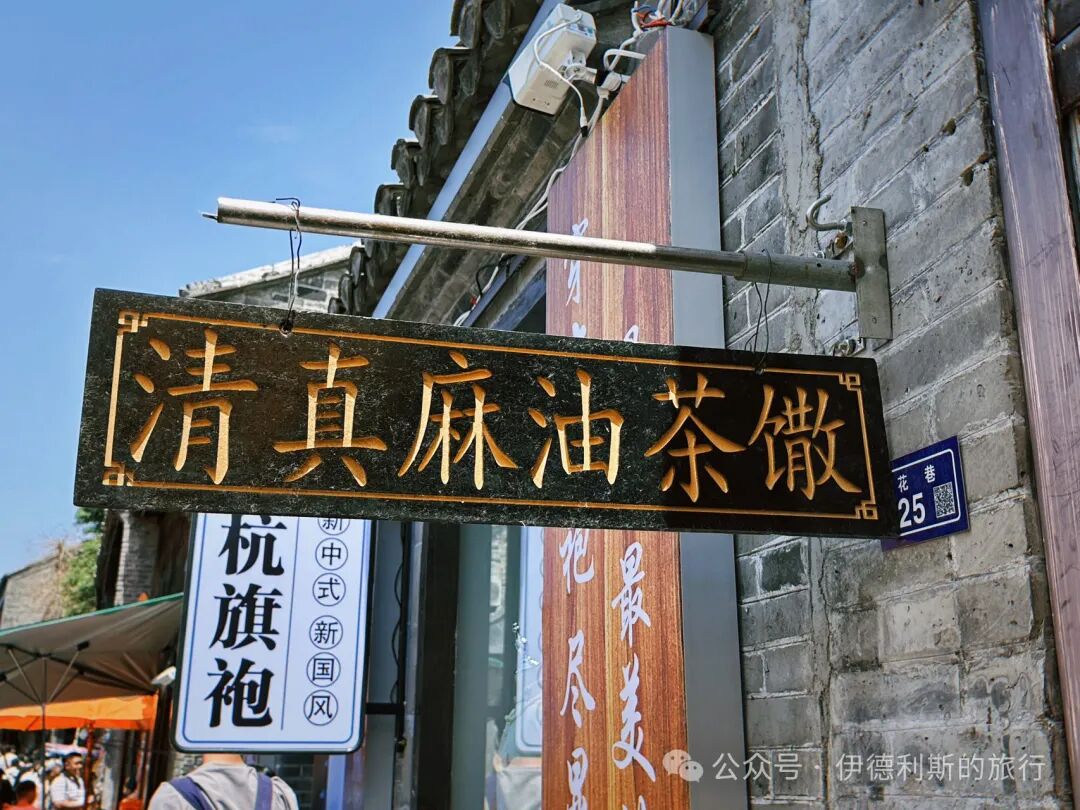
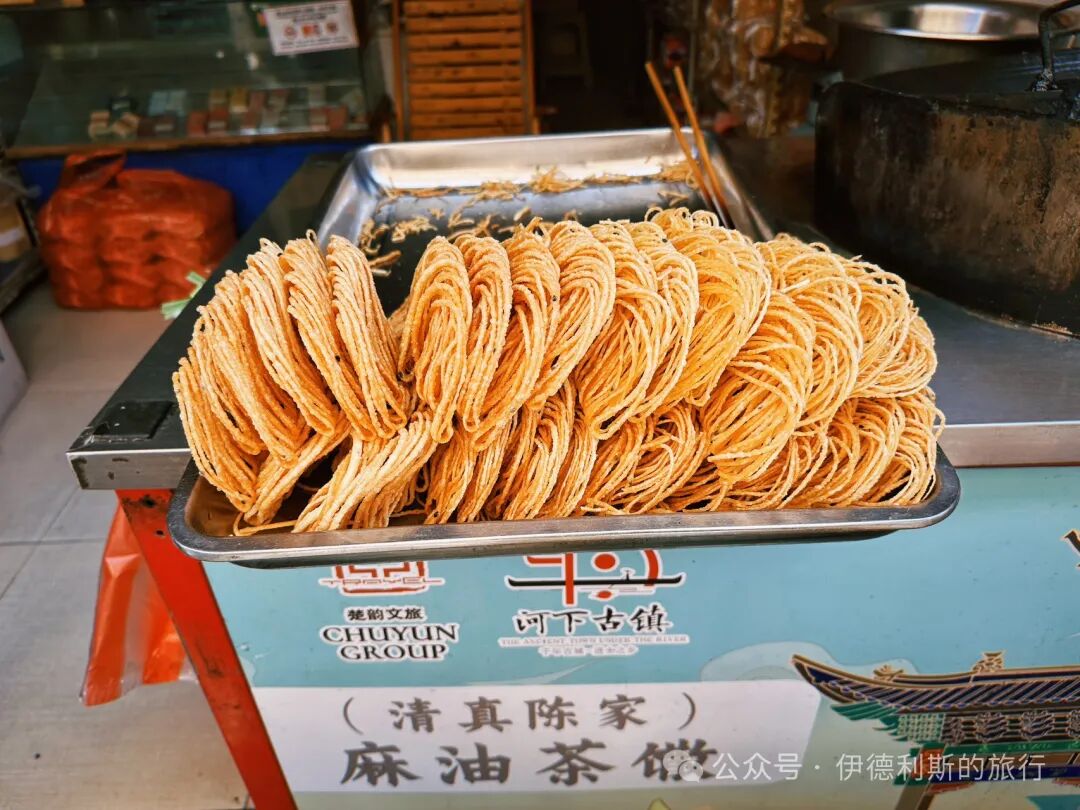
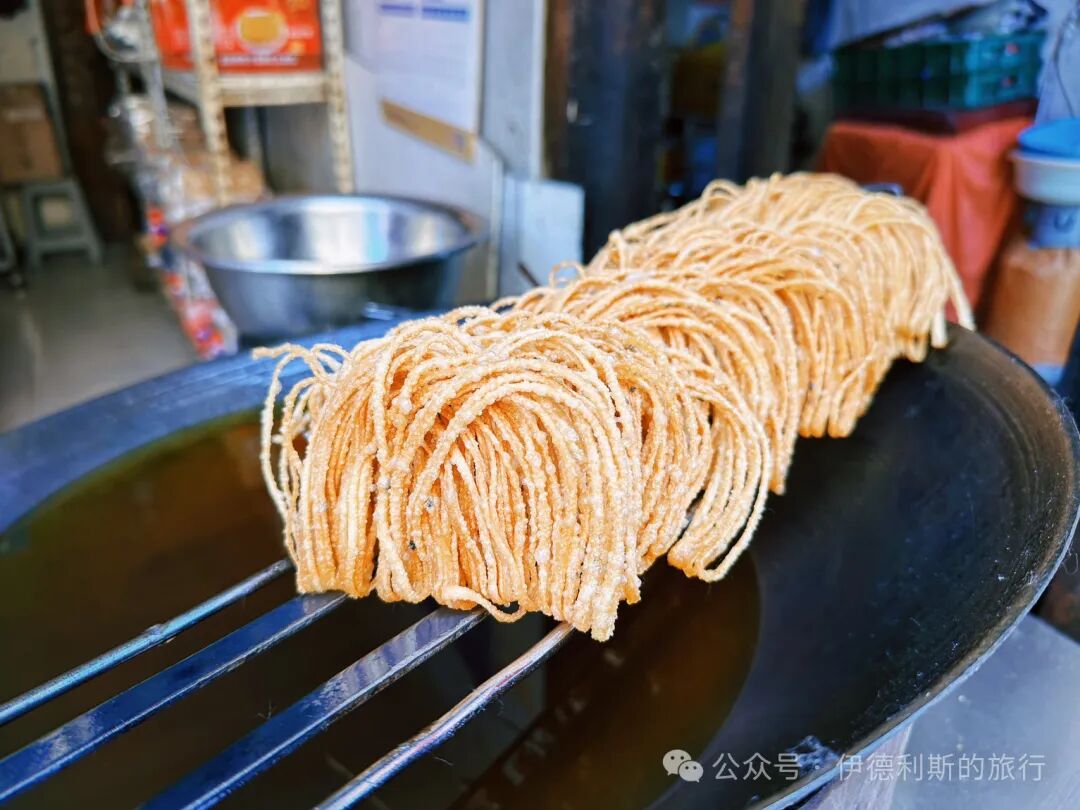
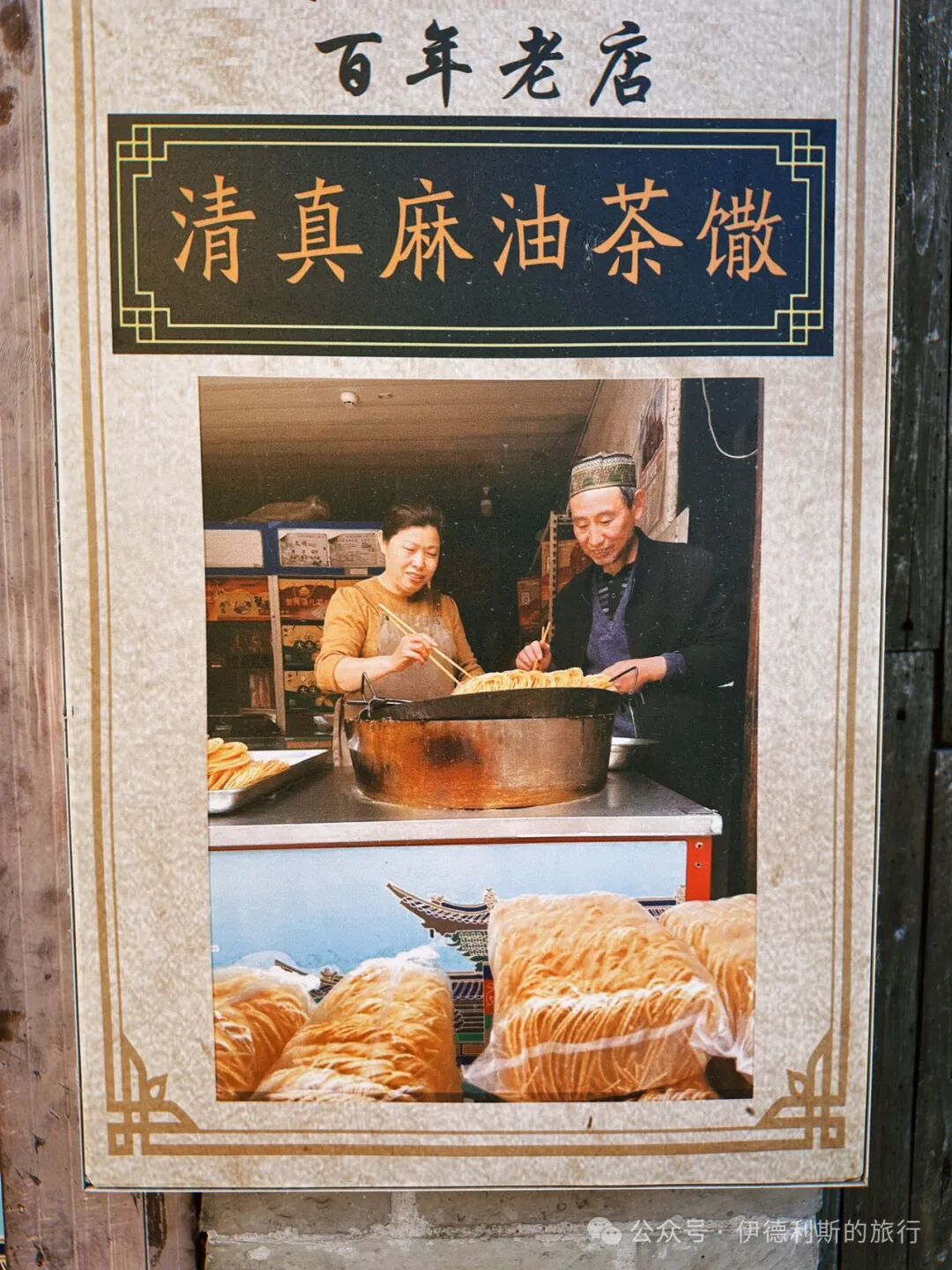
When I visited Huai'an in 2017, there was still a large Hui Muslim restaurant in Hexia, but it has since closed. Only Chen's Halal Sesame Oil Fried Dough Twists (Chenji Qingzhen Mayou Chagou) remain on the old street. Huai'an fried dough twists (chagou) are very thin, light yellow, crispy, and delicious. Children especially love them.
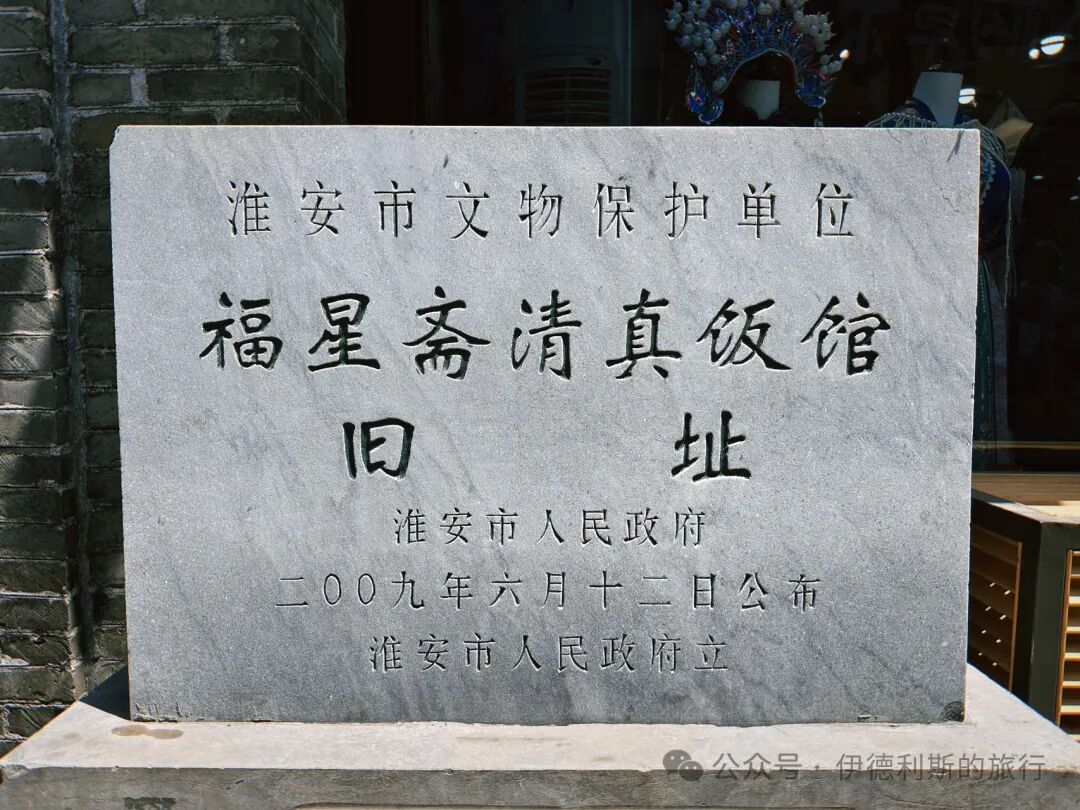
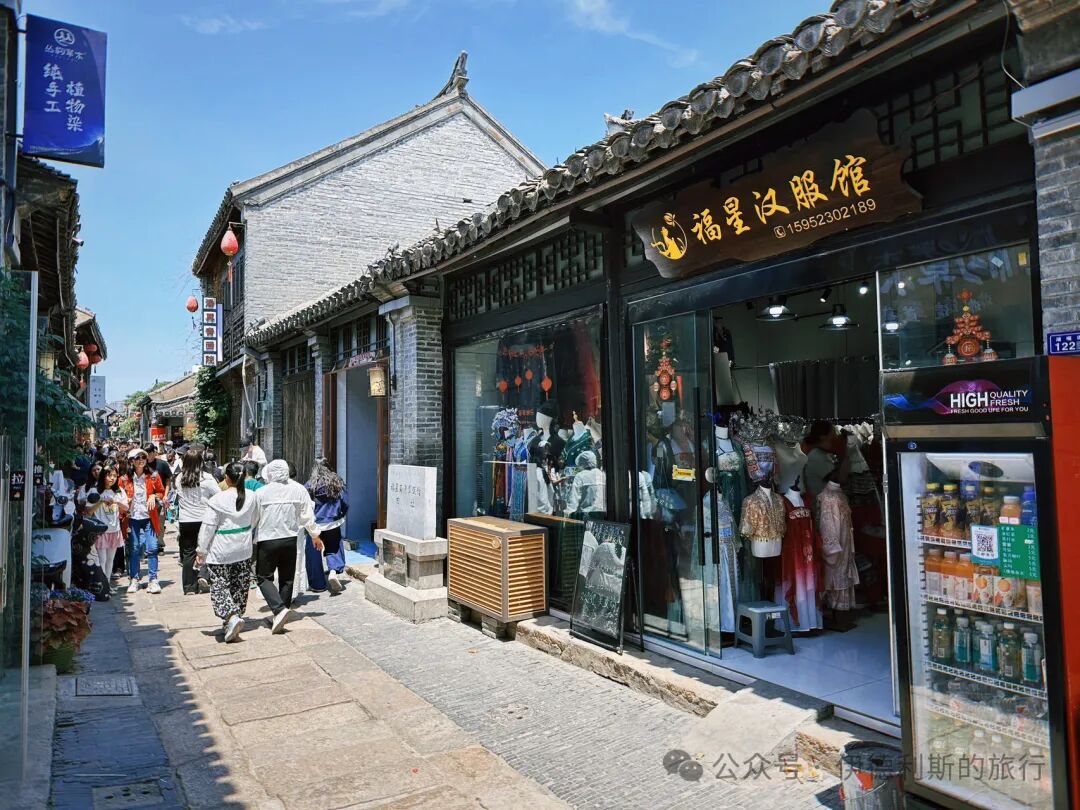
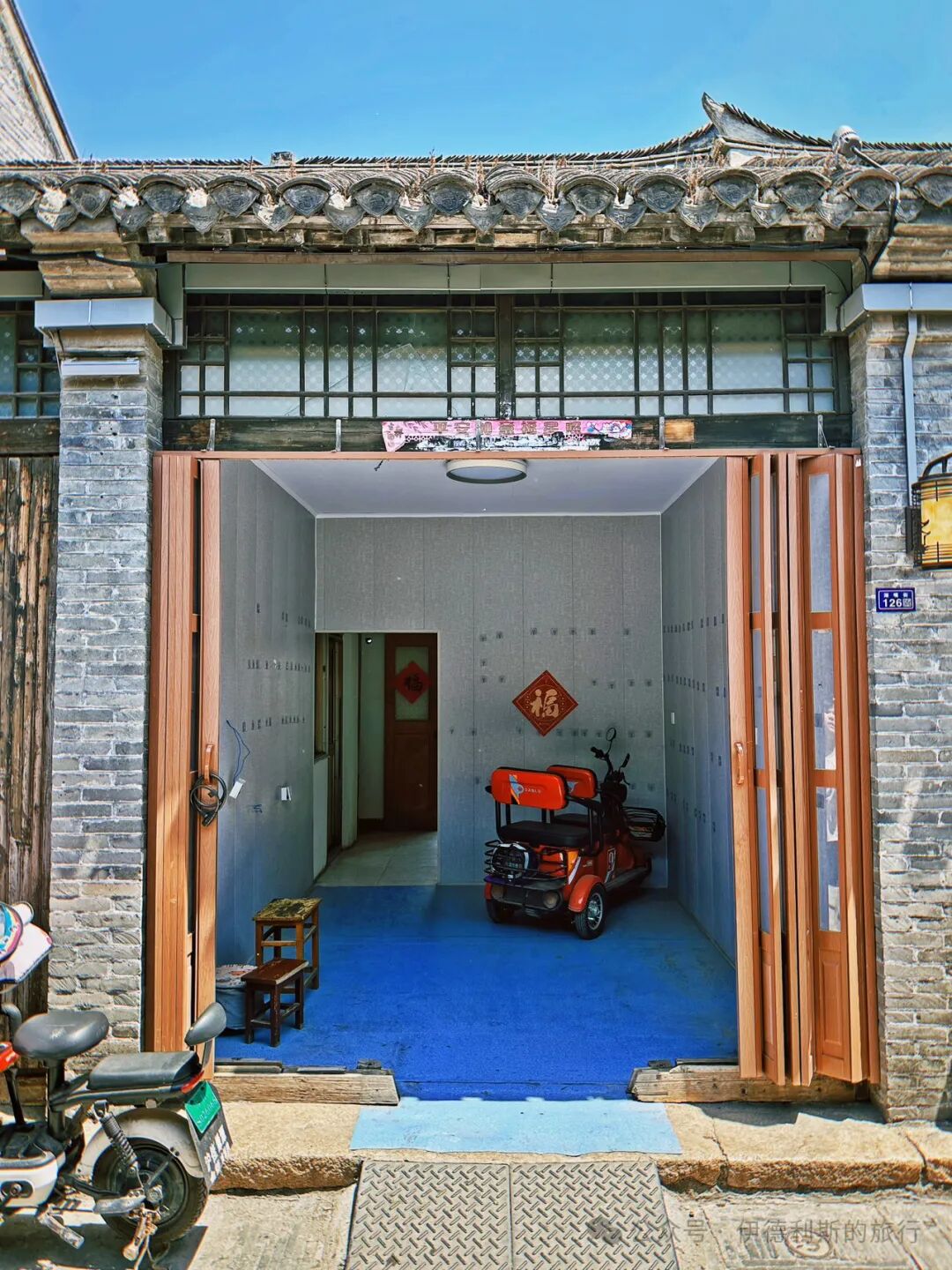
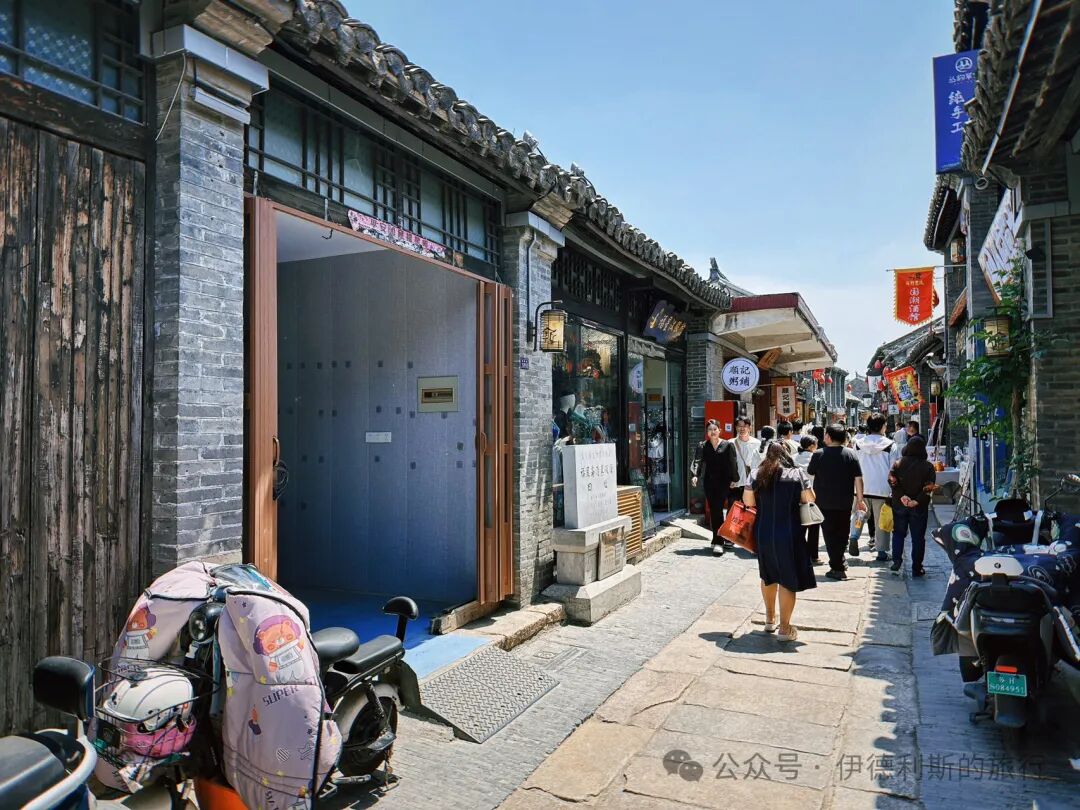
In the early years of the Republic of China, a Hui Muslim named Zhang Bugao opened the Kaifuxingzhai Halal Restaurant in Hexia, which was a famous Hui Muslim eatery at the time. The restaurant had 11 rooms, with two facing the street as the storefront. The building still stands today. It was listed as a Huai'an cultural heritage site in 2009 and now serves as a Hanfu clothing shop and a private residence.
There is a tomb of Zuo Baogui in the Xiaohu Renjia residential area of Hexia Town.
Zuo Baogui was born in 1837 in the Yimeng Mountains of Linyi, Shandong. In 1856, due to severe local disasters, his parents passed away one after another. Zuo Baogui took his two younger brothers and left home. They spent several months traveling to Hexia Town in Huai'an, Jiangsu, by repairing shoes along the way. In Hexia, Zuo Baogui married a local Hui Muslim woman named Tao Erjie. Shortly after, he joined the army, commanded troops in Fengtian for 20 years, and eventually died heroically while fighting the Japanese invaders in Pyongyang.
After Zuo Baogui died, his body could not be recovered. His soldiers brought his blood-stained clothes and one of his boots back to Huai'an. His wife, Madam Tao, and his three sons buried them in their own field by the river near Luojia Bridge in Hexia. Madam Tao and one of their sons were also buried next to the tomb after they passed away (gui zhen). In 1895, the twenty-first year of the Guangxu reign, his descendants built the 'Zuo Zhongzhuang Gong Shrine' on the south side of the tomb, which was later demolished by Japanese and puppet forces during the War of Resistance Against Japan. Additionally, the main hall of the Hexia Mosque once featured a gold-inlaid couplet written by the Guangxu Emperor as a memorial for Zuo Baogui, but it was destroyed in the 1960s.
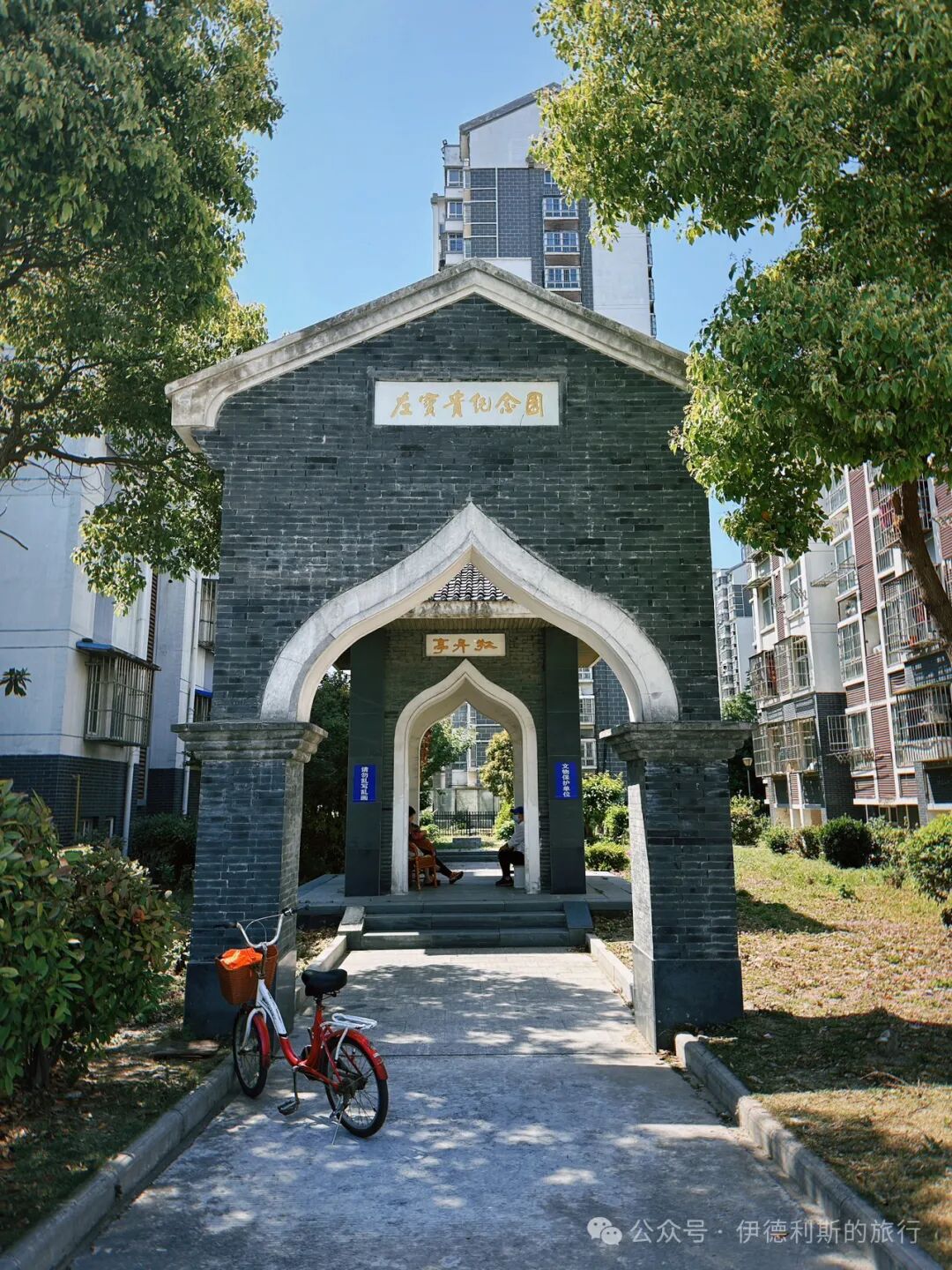
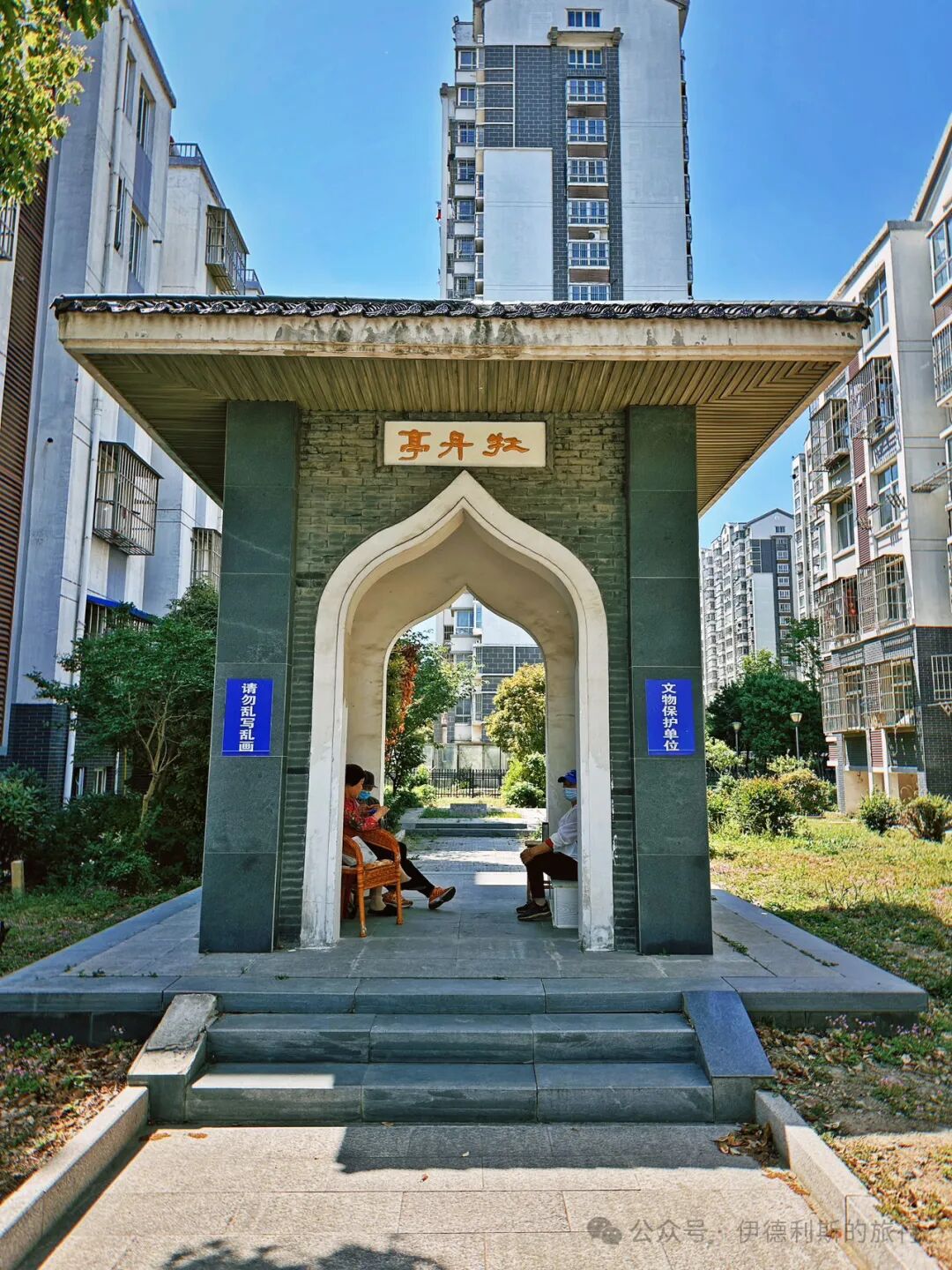
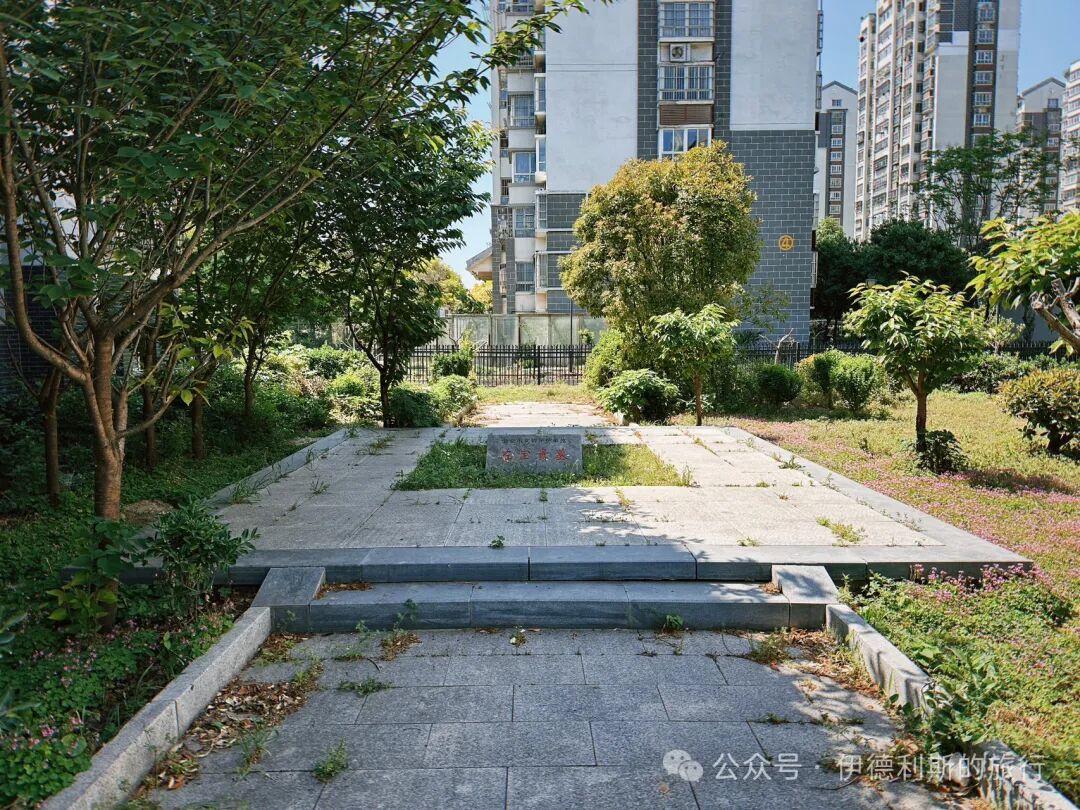
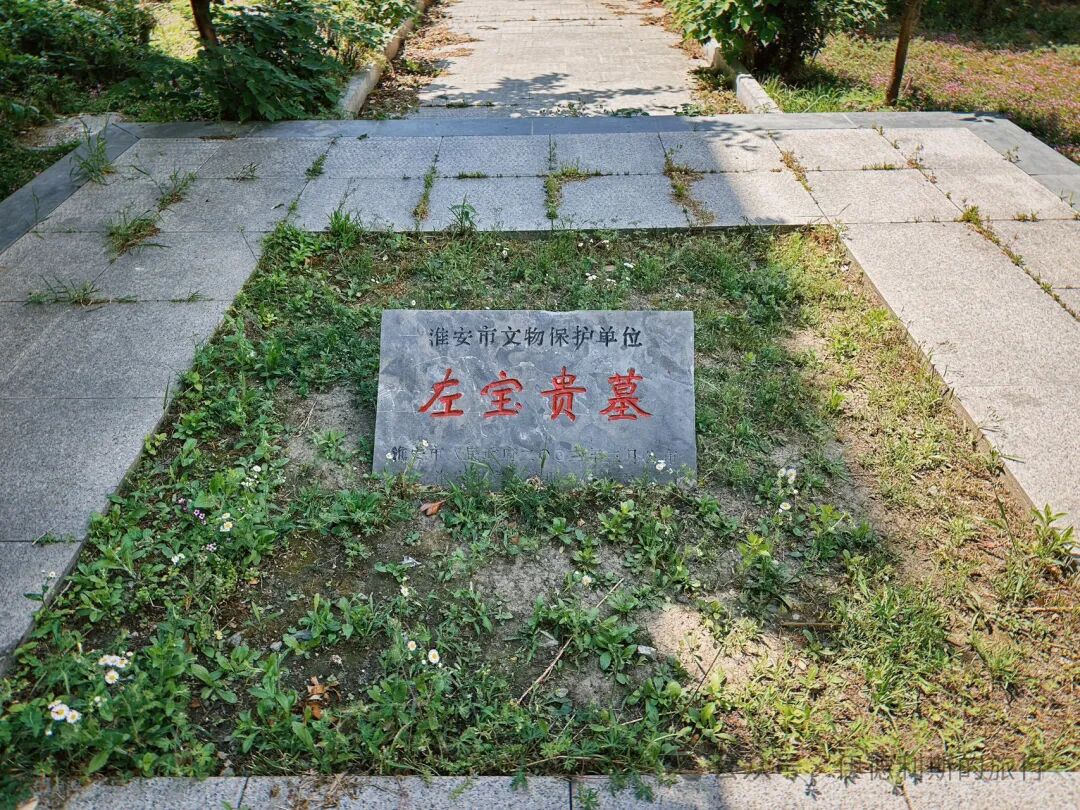
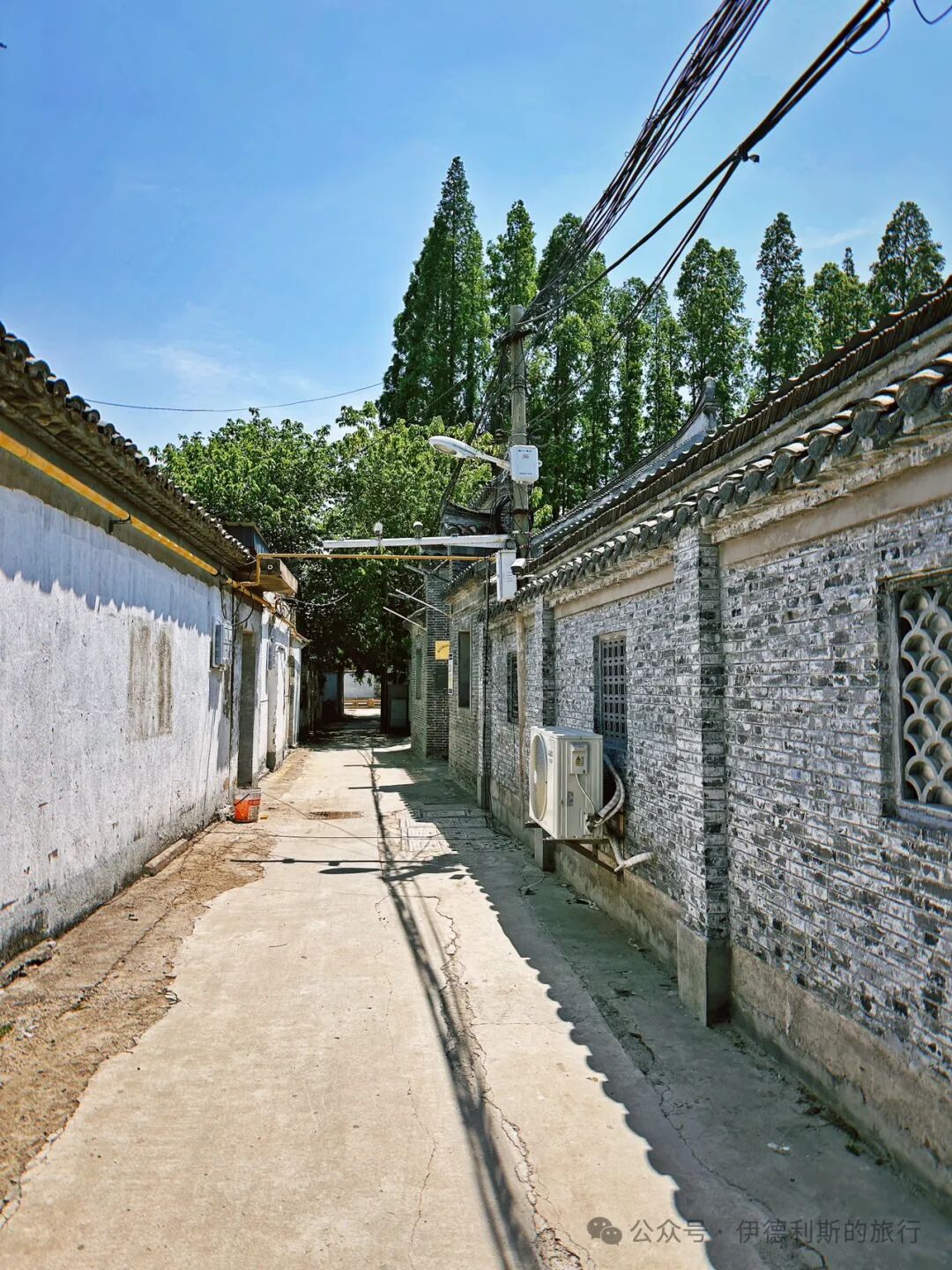
Luojia Bridge in Hexia Ancient Town is a gathering place for local Hui Muslims. The old houses are still there, but it is now difficult to see the Hui Muslim character in the decorations.
Summary: Hexia Ancient Town in Huai'an, Jiangsu, connects mosque history, local fried tea snacks (sanzi), and the tomb of Zuo Baogui. This account keeps the town, food, cemetery, and mosque details together as one walking travel note.
Hexia Ancient Town in Huai'an, Jiangsu, is the largest town on the outskirts of Huai'an Prefecture. Because the salt fields along the coast of Huaibei produced high-quality salt, many salt merchants from the northwest and Anhui came to Huaibei in the late Ming Dynasty to work in the salt trade. The Huaibei Salt Transport Office was located in Hexia Town. Salt from the fields had to be shipped to Hexia for inspection before merchants could sell it elsewhere. Hexia Town then entered its most prosperous period. Salt merchants built gardens and courtyards there. The Qing Dynasty record 'Huai'an Hexia Annals' states: 'Wealthy salt merchants brought their fortunes and made their homes in Hexia, and Hexia became extremely prosperous.' The wealth brought by these merchants made the town's commerce thrive, and many Hui Muslims also came to settle in Hexia.
Hexia Mosque (Hexia Si) is located south of Luojia Bridge in Hexia Town. It was first built during the Shunzhi reign of the Qing Dynasty. In 1860, during the tenth year of the Xianfeng reign, the Nian Rebellion captured Huai'an and burned down ten rooms of the mosque, which were later rebuilt. The main hall of the mosque is a Qing Dynasty structure with blue bricks, dark tiles, and upturned eaves. It is a typical Jianghuai architectural style and was listed as a Huai'an cultural heritage site in 2006.
Above the main hall door hangs a chestnut wood plaque inscribed with 'Si Wu Xie' (Think No Evil) by Tian Rui, the prefect of Huai'an in the tenth year of the Daoguang reign. The sides originally held plaques from anti-Japanese hero Zuo Baogui and Yunnan commander Ma Chang'an, but these were destroyed after the 1960s.
The imam (sha ahong) of the mosque usually stays at a nearby beef and mutton shop. If you call the number posted on the mosque gate, he will come over to open it.
An ancient well dug in the early Qing Dynasty.
When I visited Huai'an in 2017, there was still a large Hui Muslim restaurant in Hexia, but it has since closed. Only Chen's Halal Sesame Oil Fried Dough Twists (Chenji Qingzhen Mayou Chagou) remain on the old street. Huai'an fried dough twists (chagou) are very thin, light yellow, crispy, and delicious. Children especially love them.
In the early years of the Republic of China, a Hui Muslim named Zhang Bugao opened the Kaifuxingzhai Halal Restaurant in Hexia, which was a famous Hui Muslim eatery at the time. The restaurant had 11 rooms, with two facing the street as the storefront. The building still stands today. It was listed as a Huai'an cultural heritage site in 2009 and now serves as a Hanfu clothing shop and a private residence.
There is a tomb of Zuo Baogui in the Xiaohu Renjia residential area of Hexia Town.
Zuo Baogui was born in 1837 in the Yimeng Mountains of Linyi, Shandong. In 1856, due to severe local disasters, his parents passed away one after another. Zuo Baogui took his two younger brothers and left home. They spent several months traveling to Hexia Town in Huai'an, Jiangsu, by repairing shoes along the way. In Hexia, Zuo Baogui married a local Hui Muslim woman named Tao Erjie. Shortly after, he joined the army, commanded troops in Fengtian for 20 years, and eventually died heroically while fighting the Japanese invaders in Pyongyang.
After Zuo Baogui died, his body could not be recovered. His soldiers brought his blood-stained clothes and one of his boots back to Huai'an. His wife, Madam Tao, and his three sons buried them in their own field by the river near Luojia Bridge in Hexia. Madam Tao and one of their sons were also buried next to the tomb after they passed away (gui zhen). In 1895, the twenty-first year of the Guangxu reign, his descendants built the 'Zuo Zhongzhuang Gong Shrine' on the south side of the tomb, which was later demolished by Japanese and puppet forces during the War of Resistance Against Japan. Additionally, the main hall of the Hexia Mosque once featured a gold-inlaid couplet written by the Guangxu Emperor as a memorial for Zuo Baogui, but it was destroyed in the 1960s.
Luojia Bridge in Hexia Ancient Town is a gathering place for local Hui Muslims. The old houses are still there, but it is now difficult to see the Hui Muslim character in the decorations.
Halal Travel Guide: Hexia Ancient Town - Mosque, Food and Zuo Baogui
Articles • ali2007fr posted the article • 0 comments • 155 views • 2026-05-20 08:33
Reposted from the web
Summary: Hexia Ancient Town in Huai'an, Jiangsu, connects mosque history, local fried tea snacks (sanzi), and the tomb of Zuo Baogui. This account keeps the town, food, cemetery, and mosque details together as one walking travel note.
Hexia Ancient Town in Huai'an, Jiangsu, is the largest town on the outskirts of Huai'an Prefecture. Because the salt fields along the coast of Huaibei produced high-quality salt, many salt merchants from the northwest and Anhui came to Huaibei in the late Ming Dynasty to work in the salt trade. The Huaibei Salt Transport Office was located in Hexia Town. Salt from the fields had to be shipped to Hexia for inspection before merchants could sell it elsewhere. Hexia Town then entered its most prosperous period. Salt merchants built gardens and courtyards there. The Qing Dynasty record 'Huai'an Hexia Annals' states: 'Wealthy salt merchants brought their fortunes and made their homes in Hexia, and Hexia became extremely prosperous.' The wealth brought by these merchants made the town's commerce thrive, and many Hui Muslims also came to settle in Hexia.
Hexia Mosque (Hexia Si) is located south of Luojia Bridge in Hexia Town. It was first built during the Shunzhi reign of the Qing Dynasty. In 1860, during the tenth year of the Xianfeng reign, the Nian Rebellion captured Huai'an and burned down ten rooms of the mosque, which were later rebuilt. The main hall of the mosque is a Qing Dynasty structure with blue bricks, dark tiles, and upturned eaves. It is a typical Jianghuai architectural style and was listed as a Huai'an cultural heritage site in 2006.
Above the main hall door hangs a chestnut wood plaque inscribed with 'Si Wu Xie' (Think No Evil) by Tian Rui, the prefect of Huai'an in the tenth year of the Daoguang reign. The sides originally held plaques from anti-Japanese hero Zuo Baogui and Yunnan commander Ma Chang'an, but these were destroyed after the 1960s.
The imam (sha ahong) of the mosque usually stays at a nearby beef and mutton shop. If you call the number posted on the mosque gate, he will come over to open it.
An ancient well dug in the early Qing Dynasty.
When I visited Huai'an in 2017, there was still a large Hui Muslim restaurant in Hexia, but it has since closed. Only Chen's Halal Sesame Oil Fried Dough Twists (Chenji Qingzhen Mayou Chagou) remain on the old street. Huai'an fried dough twists (chagou) are very thin, light yellow, crispy, and delicious. Children especially love them.
In the early years of the Republic of China, a Hui Muslim named Zhang Bugao opened the Kaifuxingzhai Halal Restaurant in Hexia, which was a famous Hui Muslim eatery at the time. The restaurant had 11 rooms, with two facing the street as the storefront. The building still stands today. It was listed as a Huai'an cultural heritage site in 2009 and now serves as a Hanfu clothing shop and a private residence.
There is a tomb of Zuo Baogui in the Xiaohu Renjia residential area of Hexia Town.
Zuo Baogui was born in 1837 in the Yimeng Mountains of Linyi, Shandong. In 1856, due to severe local disasters, his parents passed away one after another. Zuo Baogui took his two younger brothers and left home. They spent several months traveling to Hexia Town in Huai'an, Jiangsu, by repairing shoes along the way. In Hexia, Zuo Baogui married a local Hui Muslim woman named Tao Erjie. Shortly after, he joined the army, commanded troops in Fengtian for 20 years, and eventually died heroically while fighting the Japanese invaders in Pyongyang.
After Zuo Baogui died, his body could not be recovered. His soldiers brought his blood-stained clothes and one of his boots back to Huai'an. His wife, Madam Tao, and his three sons buried them in their own field by the river near Luojia Bridge in Hexia. Madam Tao and one of their sons were also buried next to the tomb after they passed away (gui zhen). In 1895, the twenty-first year of the Guangxu reign, his descendants built the 'Zuo Zhongzhuang Gong Shrine' on the south side of the tomb, which was later demolished by Japanese and puppet forces during the War of Resistance Against Japan. Additionally, the main hall of the Hexia Mosque once featured a gold-inlaid couplet written by the Guangxu Emperor as a memorial for Zuo Baogui, but it was destroyed in the 1960s.
Luojia Bridge in Hexia Ancient Town is a gathering place for local Hui Muslims. The old houses are still there, but it is now difficult to see the Hui Muslim character in the decorations. view all
Summary: Hexia Ancient Town in Huai'an, Jiangsu, connects mosque history, local fried tea snacks (sanzi), and the tomb of Zuo Baogui. This account keeps the town, food, cemetery, and mosque details together as one walking travel note.
Hexia Ancient Town in Huai'an, Jiangsu, is the largest town on the outskirts of Huai'an Prefecture. Because the salt fields along the coast of Huaibei produced high-quality salt, many salt merchants from the northwest and Anhui came to Huaibei in the late Ming Dynasty to work in the salt trade. The Huaibei Salt Transport Office was located in Hexia Town. Salt from the fields had to be shipped to Hexia for inspection before merchants could sell it elsewhere. Hexia Town then entered its most prosperous period. Salt merchants built gardens and courtyards there. The Qing Dynasty record 'Huai'an Hexia Annals' states: 'Wealthy salt merchants brought their fortunes and made their homes in Hexia, and Hexia became extremely prosperous.' The wealth brought by these merchants made the town's commerce thrive, and many Hui Muslims also came to settle in Hexia.
Hexia Mosque (Hexia Si) is located south of Luojia Bridge in Hexia Town. It was first built during the Shunzhi reign of the Qing Dynasty. In 1860, during the tenth year of the Xianfeng reign, the Nian Rebellion captured Huai'an and burned down ten rooms of the mosque, which were later rebuilt. The main hall of the mosque is a Qing Dynasty structure with blue bricks, dark tiles, and upturned eaves. It is a typical Jianghuai architectural style and was listed as a Huai'an cultural heritage site in 2006.
Above the main hall door hangs a chestnut wood plaque inscribed with 'Si Wu Xie' (Think No Evil) by Tian Rui, the prefect of Huai'an in the tenth year of the Daoguang reign. The sides originally held plaques from anti-Japanese hero Zuo Baogui and Yunnan commander Ma Chang'an, but these were destroyed after the 1960s.
The imam (sha ahong) of the mosque usually stays at a nearby beef and mutton shop. If you call the number posted on the mosque gate, he will come over to open it.
An ancient well dug in the early Qing Dynasty.
When I visited Huai'an in 2017, there was still a large Hui Muslim restaurant in Hexia, but it has since closed. Only Chen's Halal Sesame Oil Fried Dough Twists (Chenji Qingzhen Mayou Chagou) remain on the old street. Huai'an fried dough twists (chagou) are very thin, light yellow, crispy, and delicious. Children especially love them.
In the early years of the Republic of China, a Hui Muslim named Zhang Bugao opened the Kaifuxingzhai Halal Restaurant in Hexia, which was a famous Hui Muslim eatery at the time. The restaurant had 11 rooms, with two facing the street as the storefront. The building still stands today. It was listed as a Huai'an cultural heritage site in 2009 and now serves as a Hanfu clothing shop and a private residence.
There is a tomb of Zuo Baogui in the Xiaohu Renjia residential area of Hexia Town.
Zuo Baogui was born in 1837 in the Yimeng Mountains of Linyi, Shandong. In 1856, due to severe local disasters, his parents passed away one after another. Zuo Baogui took his two younger brothers and left home. They spent several months traveling to Hexia Town in Huai'an, Jiangsu, by repairing shoes along the way. In Hexia, Zuo Baogui married a local Hui Muslim woman named Tao Erjie. Shortly after, he joined the army, commanded troops in Fengtian for 20 years, and eventually died heroically while fighting the Japanese invaders in Pyongyang.
After Zuo Baogui died, his body could not be recovered. His soldiers brought his blood-stained clothes and one of his boots back to Huai'an. His wife, Madam Tao, and his three sons buried them in their own field by the river near Luojia Bridge in Hexia. Madam Tao and one of their sons were also buried next to the tomb after they passed away (gui zhen). In 1895, the twenty-first year of the Guangxu reign, his descendants built the 'Zuo Zhongzhuang Gong Shrine' on the south side of the tomb, which was later demolished by Japanese and puppet forces during the War of Resistance Against Japan. Additionally, the main hall of the Hexia Mosque once featured a gold-inlaid couplet written by the Guangxu Emperor as a memorial for Zuo Baogui, but it was destroyed in the 1960s.
Luojia Bridge in Hexia Ancient Town is a gathering place for local Hui Muslims. The old houses are still there, but it is now difficult to see the Hui Muslim character in the decorations. view all
Reposted from the web
Summary: Hexia Ancient Town in Huai'an, Jiangsu, connects mosque history, local fried tea snacks (sanzi), and the tomb of Zuo Baogui. This account keeps the town, food, cemetery, and mosque details together as one walking travel note.
Hexia Ancient Town in Huai'an, Jiangsu, is the largest town on the outskirts of Huai'an Prefecture. Because the salt fields along the coast of Huaibei produced high-quality salt, many salt merchants from the northwest and Anhui came to Huaibei in the late Ming Dynasty to work in the salt trade. The Huaibei Salt Transport Office was located in Hexia Town. Salt from the fields had to be shipped to Hexia for inspection before merchants could sell it elsewhere. Hexia Town then entered its most prosperous period. Salt merchants built gardens and courtyards there. The Qing Dynasty record 'Huai'an Hexia Annals' states: 'Wealthy salt merchants brought their fortunes and made their homes in Hexia, and Hexia became extremely prosperous.' The wealth brought by these merchants made the town's commerce thrive, and many Hui Muslims also came to settle in Hexia.
Hexia Mosque (Hexia Si) is located south of Luojia Bridge in Hexia Town. It was first built during the Shunzhi reign of the Qing Dynasty. In 1860, during the tenth year of the Xianfeng reign, the Nian Rebellion captured Huai'an and burned down ten rooms of the mosque, which were later rebuilt. The main hall of the mosque is a Qing Dynasty structure with blue bricks, dark tiles, and upturned eaves. It is a typical Jianghuai architectural style and was listed as a Huai'an cultural heritage site in 2006.
Above the main hall door hangs a chestnut wood plaque inscribed with 'Si Wu Xie' (Think No Evil) by Tian Rui, the prefect of Huai'an in the tenth year of the Daoguang reign. The sides originally held plaques from anti-Japanese hero Zuo Baogui and Yunnan commander Ma Chang'an, but these were destroyed after the 1960s.
The imam (sha ahong) of the mosque usually stays at a nearby beef and mutton shop. If you call the number posted on the mosque gate, he will come over to open it.
An ancient well dug in the early Qing Dynasty.
When I visited Huai'an in 2017, there was still a large Hui Muslim restaurant in Hexia, but it has since closed. Only Chen's Halal Sesame Oil Fried Dough Twists (Chenji Qingzhen Mayou Chagou) remain on the old street. Huai'an fried dough twists (chagou) are very thin, light yellow, crispy, and delicious. Children especially love them.
In the early years of the Republic of China, a Hui Muslim named Zhang Bugao opened the Kaifuxingzhai Halal Restaurant in Hexia, which was a famous Hui Muslim eatery at the time. The restaurant had 11 rooms, with two facing the street as the storefront. The building still stands today. It was listed as a Huai'an cultural heritage site in 2009 and now serves as a Hanfu clothing shop and a private residence.
There is a tomb of Zuo Baogui in the Xiaohu Renjia residential area of Hexia Town.
Zuo Baogui was born in 1837 in the Yimeng Mountains of Linyi, Shandong. In 1856, due to severe local disasters, his parents passed away one after another. Zuo Baogui took his two younger brothers and left home. They spent several months traveling to Hexia Town in Huai'an, Jiangsu, by repairing shoes along the way. In Hexia, Zuo Baogui married a local Hui Muslim woman named Tao Erjie. Shortly after, he joined the army, commanded troops in Fengtian for 20 years, and eventually died heroically while fighting the Japanese invaders in Pyongyang.
After Zuo Baogui died, his body could not be recovered. His soldiers brought his blood-stained clothes and one of his boots back to Huai'an. His wife, Madam Tao, and his three sons buried them in their own field by the river near Luojia Bridge in Hexia. Madam Tao and one of their sons were also buried next to the tomb after they passed away (gui zhen). In 1895, the twenty-first year of the Guangxu reign, his descendants built the 'Zuo Zhongzhuang Gong Shrine' on the south side of the tomb, which was later demolished by Japanese and puppet forces during the War of Resistance Against Japan. Additionally, the main hall of the Hexia Mosque once featured a gold-inlaid couplet written by the Guangxu Emperor as a memorial for Zuo Baogui, but it was destroyed in the 1960s.
Luojia Bridge in Hexia Ancient Town is a gathering place for local Hui Muslims. The old houses are still there, but it is now difficult to see the Hui Muslim character in the decorations.
Summary: Hexia Ancient Town in Huai'an, Jiangsu, connects mosque history, local fried tea snacks (sanzi), and the tomb of Zuo Baogui. This account keeps the town, food, cemetery, and mosque details together as one walking travel note.
Hexia Ancient Town in Huai'an, Jiangsu, is the largest town on the outskirts of Huai'an Prefecture. Because the salt fields along the coast of Huaibei produced high-quality salt, many salt merchants from the northwest and Anhui came to Huaibei in the late Ming Dynasty to work in the salt trade. The Huaibei Salt Transport Office was located in Hexia Town. Salt from the fields had to be shipped to Hexia for inspection before merchants could sell it elsewhere. Hexia Town then entered its most prosperous period. Salt merchants built gardens and courtyards there. The Qing Dynasty record 'Huai'an Hexia Annals' states: 'Wealthy salt merchants brought their fortunes and made their homes in Hexia, and Hexia became extremely prosperous.' The wealth brought by these merchants made the town's commerce thrive, and many Hui Muslims also came to settle in Hexia.
Hexia Mosque (Hexia Si) is located south of Luojia Bridge in Hexia Town. It was first built during the Shunzhi reign of the Qing Dynasty. In 1860, during the tenth year of the Xianfeng reign, the Nian Rebellion captured Huai'an and burned down ten rooms of the mosque, which were later rebuilt. The main hall of the mosque is a Qing Dynasty structure with blue bricks, dark tiles, and upturned eaves. It is a typical Jianghuai architectural style and was listed as a Huai'an cultural heritage site in 2006.
Above the main hall door hangs a chestnut wood plaque inscribed with 'Si Wu Xie' (Think No Evil) by Tian Rui, the prefect of Huai'an in the tenth year of the Daoguang reign. The sides originally held plaques from anti-Japanese hero Zuo Baogui and Yunnan commander Ma Chang'an, but these were destroyed after the 1960s.
The imam (sha ahong) of the mosque usually stays at a nearby beef and mutton shop. If you call the number posted on the mosque gate, he will come over to open it.
An ancient well dug in the early Qing Dynasty.
When I visited Huai'an in 2017, there was still a large Hui Muslim restaurant in Hexia, but it has since closed. Only Chen's Halal Sesame Oil Fried Dough Twists (Chenji Qingzhen Mayou Chagou) remain on the old street. Huai'an fried dough twists (chagou) are very thin, light yellow, crispy, and delicious. Children especially love them.
In the early years of the Republic of China, a Hui Muslim named Zhang Bugao opened the Kaifuxingzhai Halal Restaurant in Hexia, which was a famous Hui Muslim eatery at the time. The restaurant had 11 rooms, with two facing the street as the storefront. The building still stands today. It was listed as a Huai'an cultural heritage site in 2009 and now serves as a Hanfu clothing shop and a private residence.
There is a tomb of Zuo Baogui in the Xiaohu Renjia residential area of Hexia Town.
Zuo Baogui was born in 1837 in the Yimeng Mountains of Linyi, Shandong. In 1856, due to severe local disasters, his parents passed away one after another. Zuo Baogui took his two younger brothers and left home. They spent several months traveling to Hexia Town in Huai'an, Jiangsu, by repairing shoes along the way. In Hexia, Zuo Baogui married a local Hui Muslim woman named Tao Erjie. Shortly after, he joined the army, commanded troops in Fengtian for 20 years, and eventually died heroically while fighting the Japanese invaders in Pyongyang.
After Zuo Baogui died, his body could not be recovered. His soldiers brought his blood-stained clothes and one of his boots back to Huai'an. His wife, Madam Tao, and his three sons buried them in their own field by the river near Luojia Bridge in Hexia. Madam Tao and one of their sons were also buried next to the tomb after they passed away (gui zhen). In 1895, the twenty-first year of the Guangxu reign, his descendants built the 'Zuo Zhongzhuang Gong Shrine' on the south side of the tomb, which was later demolished by Japanese and puppet forces during the War of Resistance Against Japan. Additionally, the main hall of the Hexia Mosque once featured a gold-inlaid couplet written by the Guangxu Emperor as a memorial for Zuo Baogui, but it was destroyed in the 1960s.
Luojia Bridge in Hexia Ancient Town is a gathering place for local Hui Muslims. The old houses are still there, but it is now difficult to see the Hui Muslim character in the decorations.