

Huangcheng Mosque
Halal Travel Guide: Chengdu Huangcheng Mosque Quarter - Food, Streets and Muslim Heritage
Articles • ali2007fr posted the article • 0 comments • 229 views • 2026-05-19 10:24
Reposted from the web
Summary: Chengdu Huangcheng Mosque Quarter - Food, Streets and Muslim Heritage is presented as a clear English travel account for readers interested in Muslim life, halal food, mosques, and local history. The article keeps the original place names, food details, photographs, and cultural context while focusing on Chengdu, Huangcheng Mosque, Halal Food.
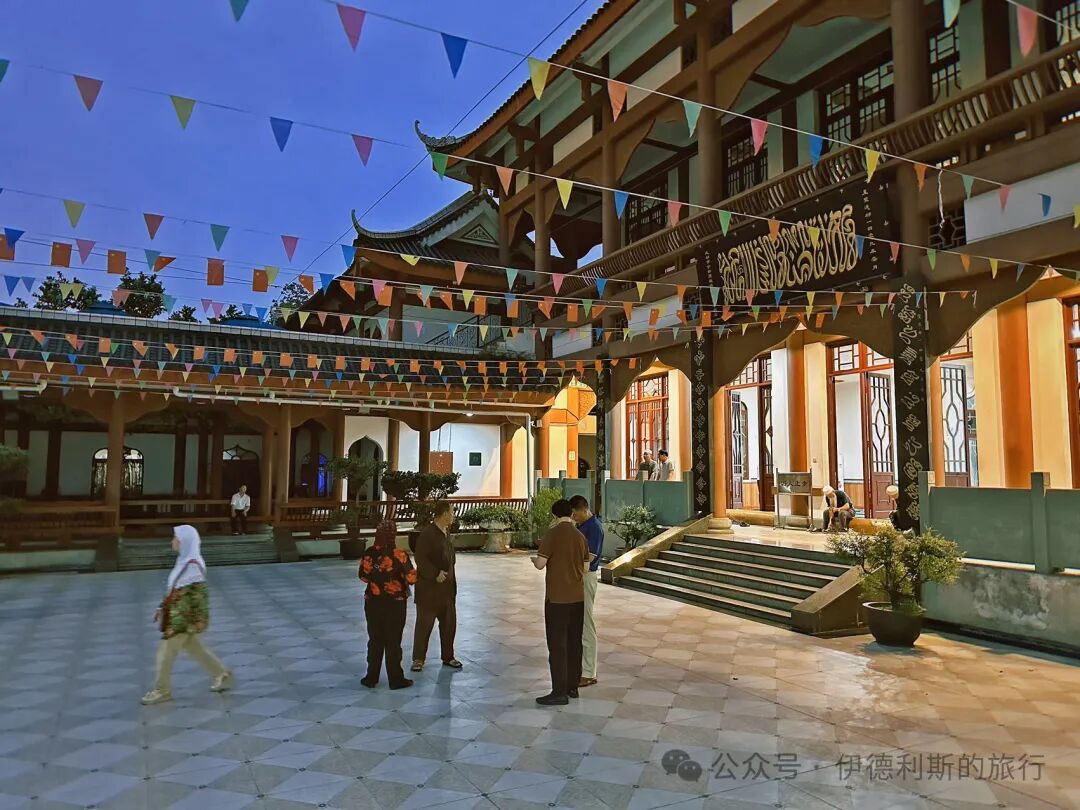
I went to Chengdu for work in May and stayed right behind Huangcheng Mosque. This time, the area in front of Huangcheng Mosque felt much busier than before, with many new restaurants opening up.
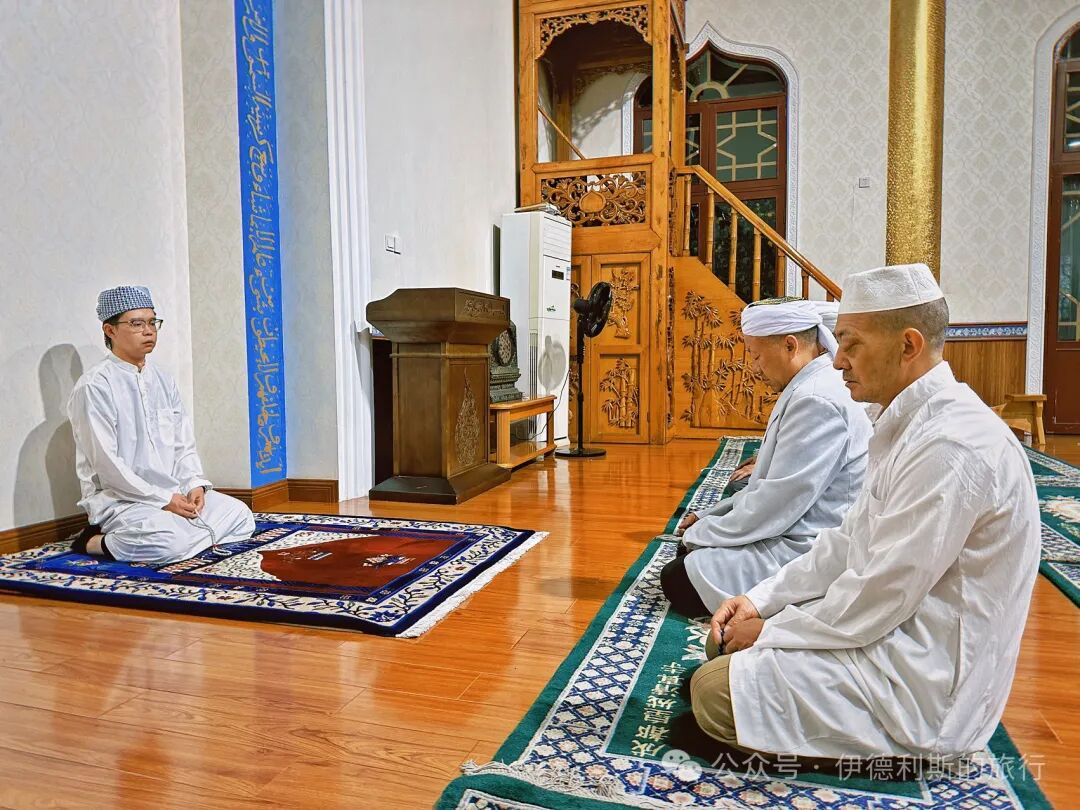
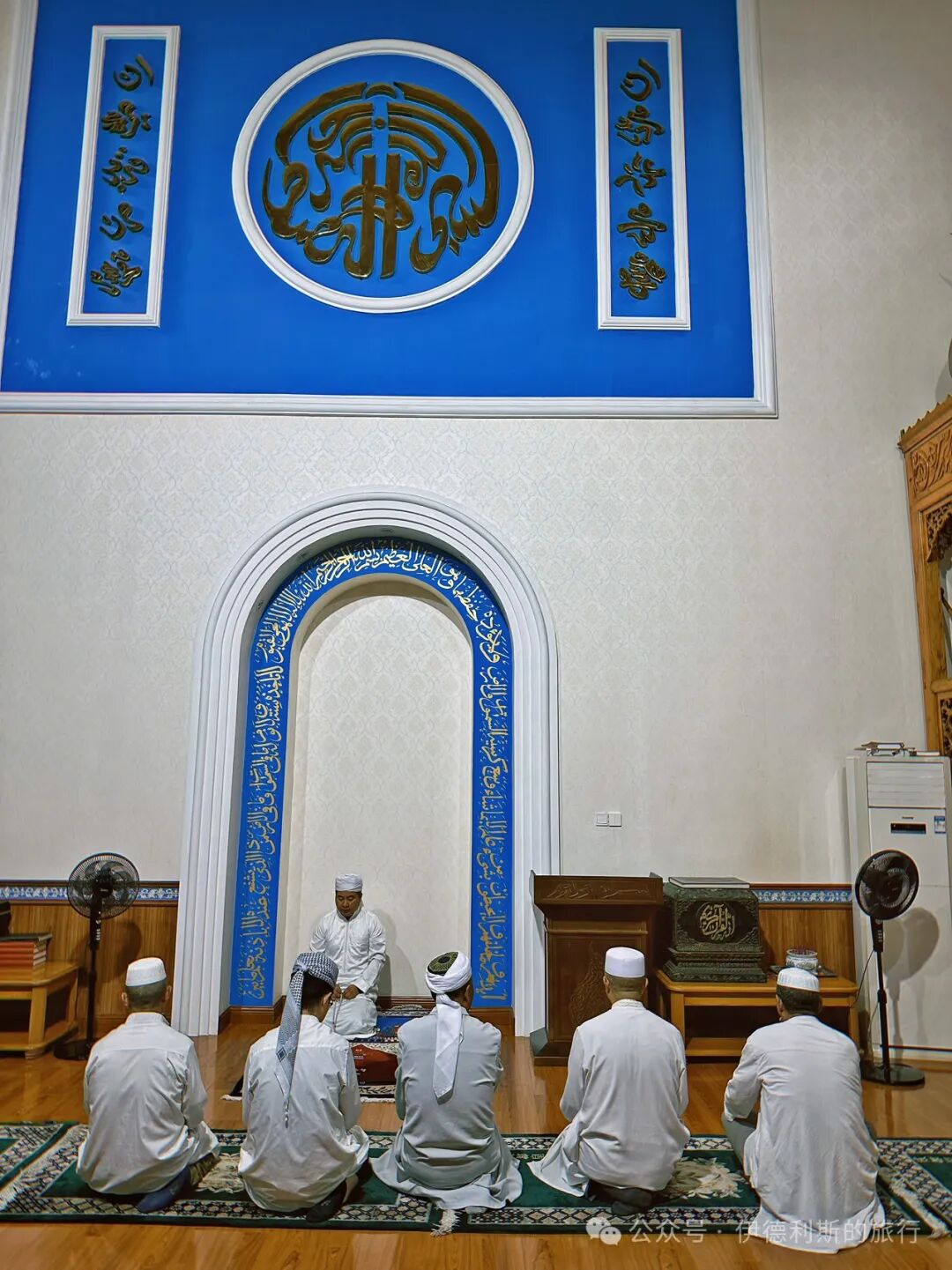
Staying next to the mosque makes it very convenient to join the congregation (jama'at) there. The congregation at Huangcheng Mosque is quite large, and many of them are friends (dosti) from Xinjiang in the northwest who run businesses nearby. I even met a friend (dosti) from Urumqi at the mosque who is friends with my wife's relatives.
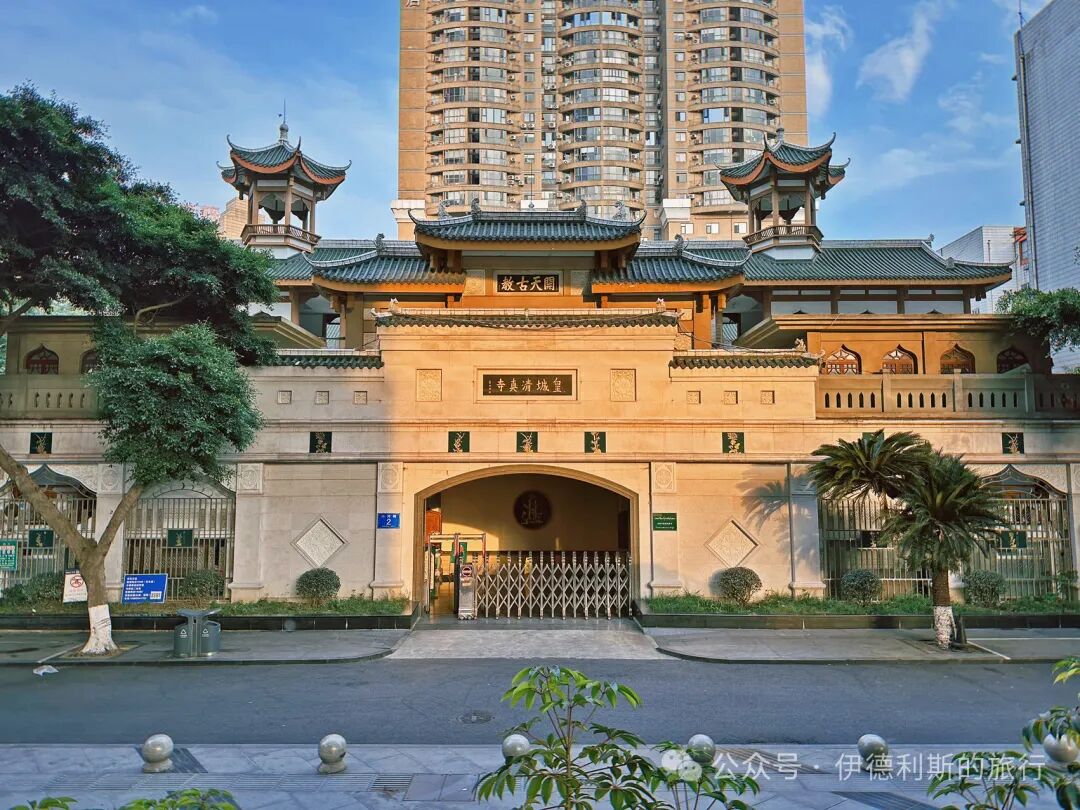
After Zhang Xianzhong massacred the people of Sichuan at the end of the Ming Dynasty, the population dropped sharply. After the Qing Dynasty was established, the government used immigration policies to increase the population of Sichuan. Hui Muslims from Shaanxi began moving to the abandoned Ming Dynasty Shu King's Palace (Huangchengba) area to settle, and they built Huangcheng Mosque in 1666 (the fifth year of the Kangxi reign).
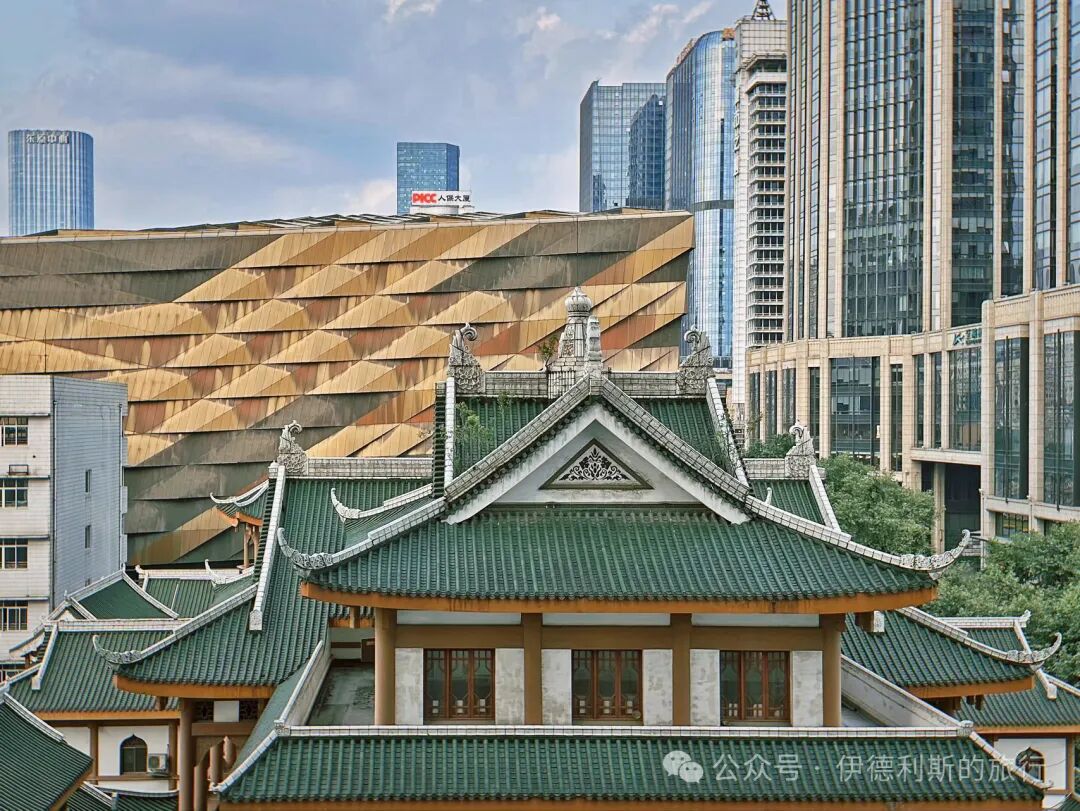
Huangcheng Mosque was renovated in 1858 (the eighth year of the Xianfeng reign). In 1917, most of it was destroyed during the warlord conflicts between Sichuan and Yunnan. It was rebuilt that same year, but the scale was reduced due to limited funds. During the Qing Dynasty and the Republic of China, Huangcheng Mosque was famous for its scripture hall education and trained many imams for Sichuan. After religious policies were restored in 1978, Huangcheng Mosque became the only one of the seven mosques in Huangchengba to reopen. In 1998, Huangcheng Mosque was moved to the southwest side of Tianfu Square to make way for construction, which is where the current building stands.
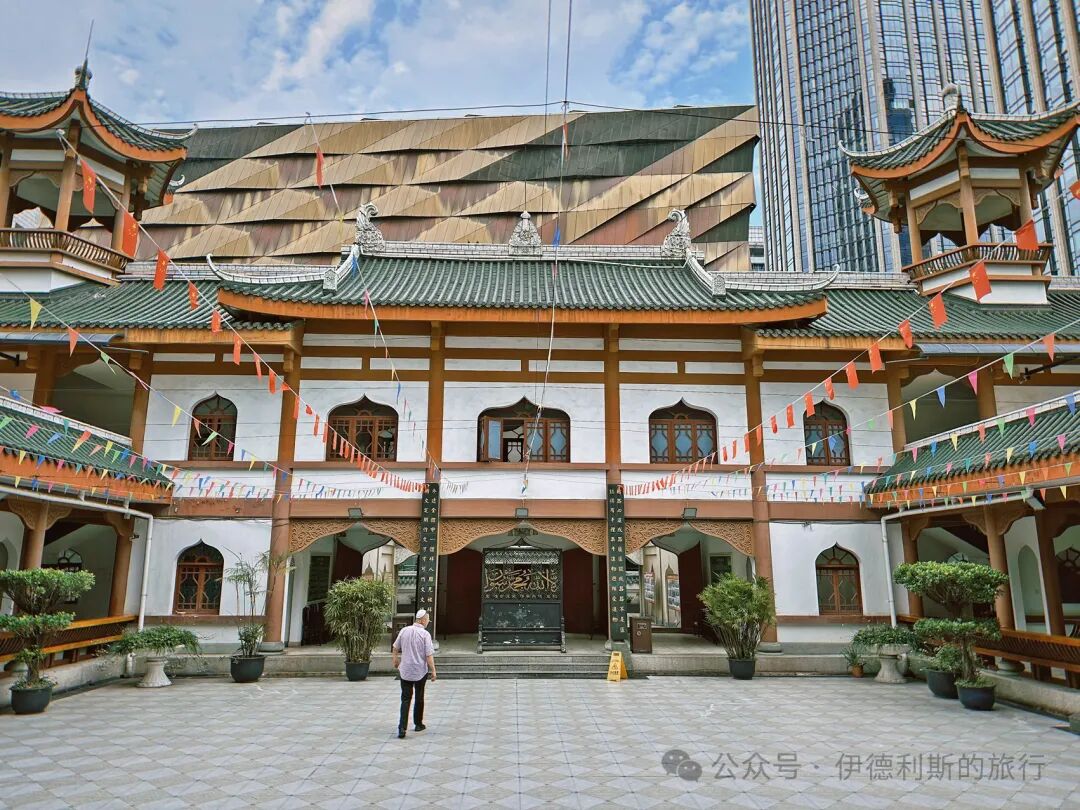
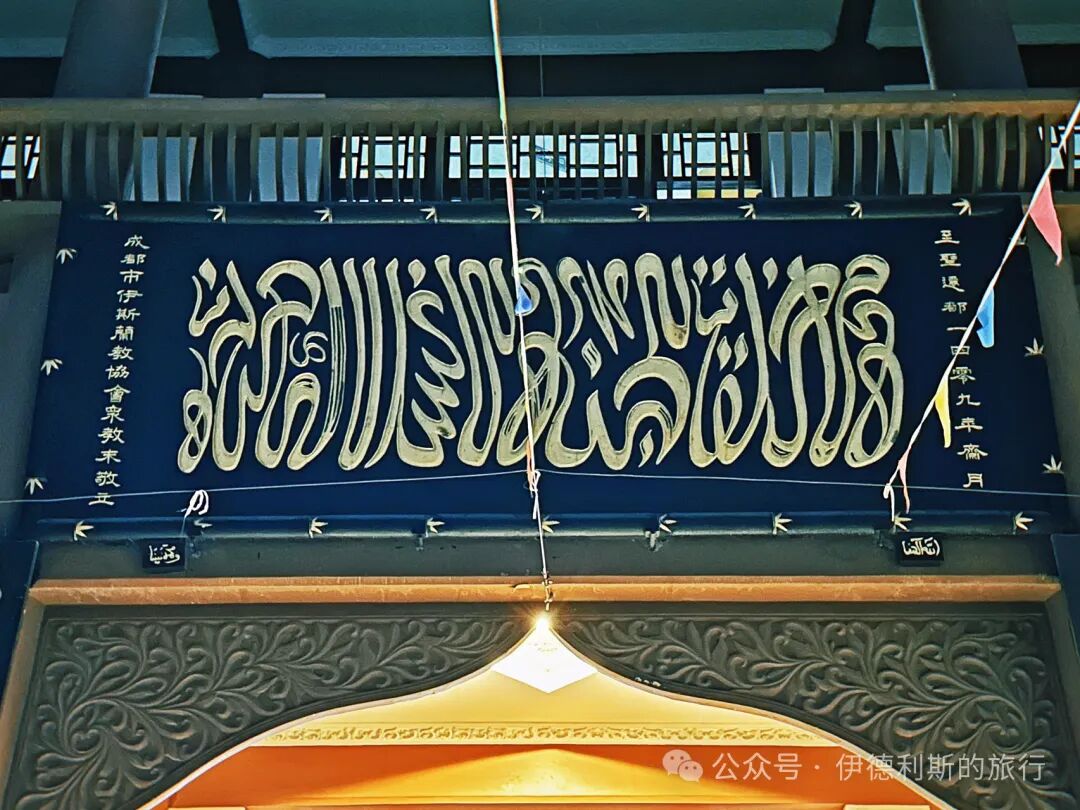
Historically, Huangcheng Mosque had hundreds of plaques and couplets, but sadly they were all destroyed after the 1960s. The couplets and plaques in front of the main hall were made in 1989. They were written by Imam Yang Hua from Xichang, with gold leaf hammered by Master Bai Lianquan from the Chengdu Silver Thread Factory and applied by masters Qiu and Li.
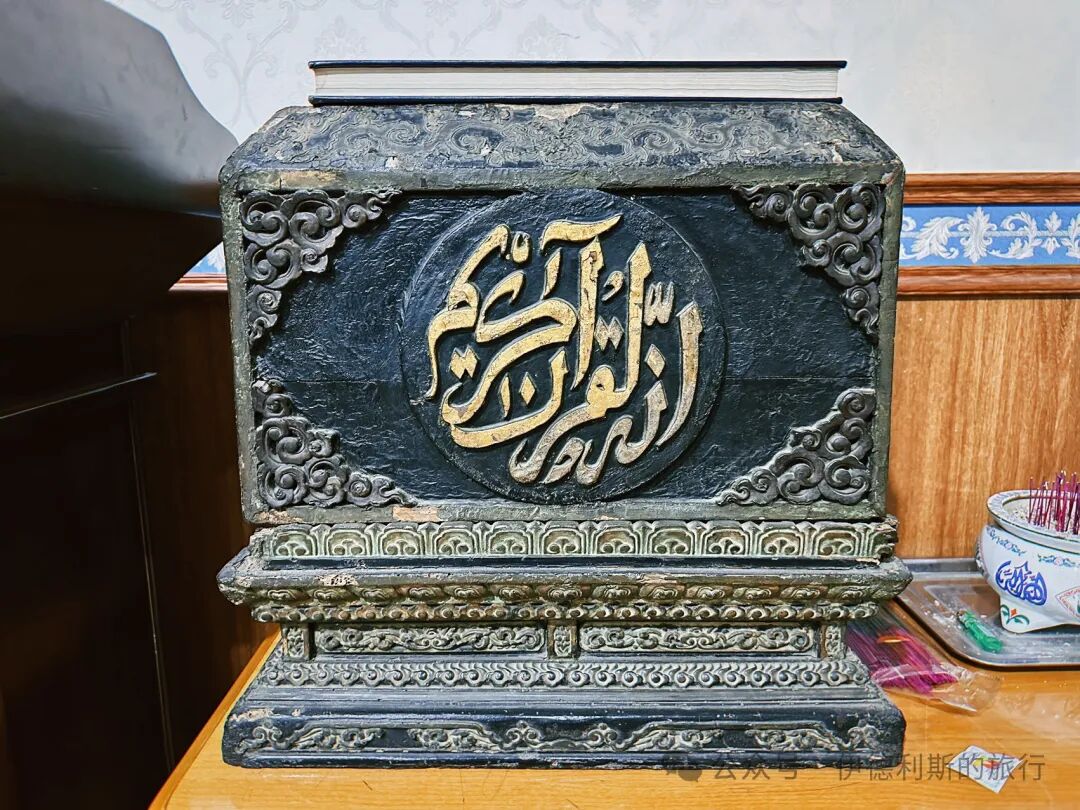
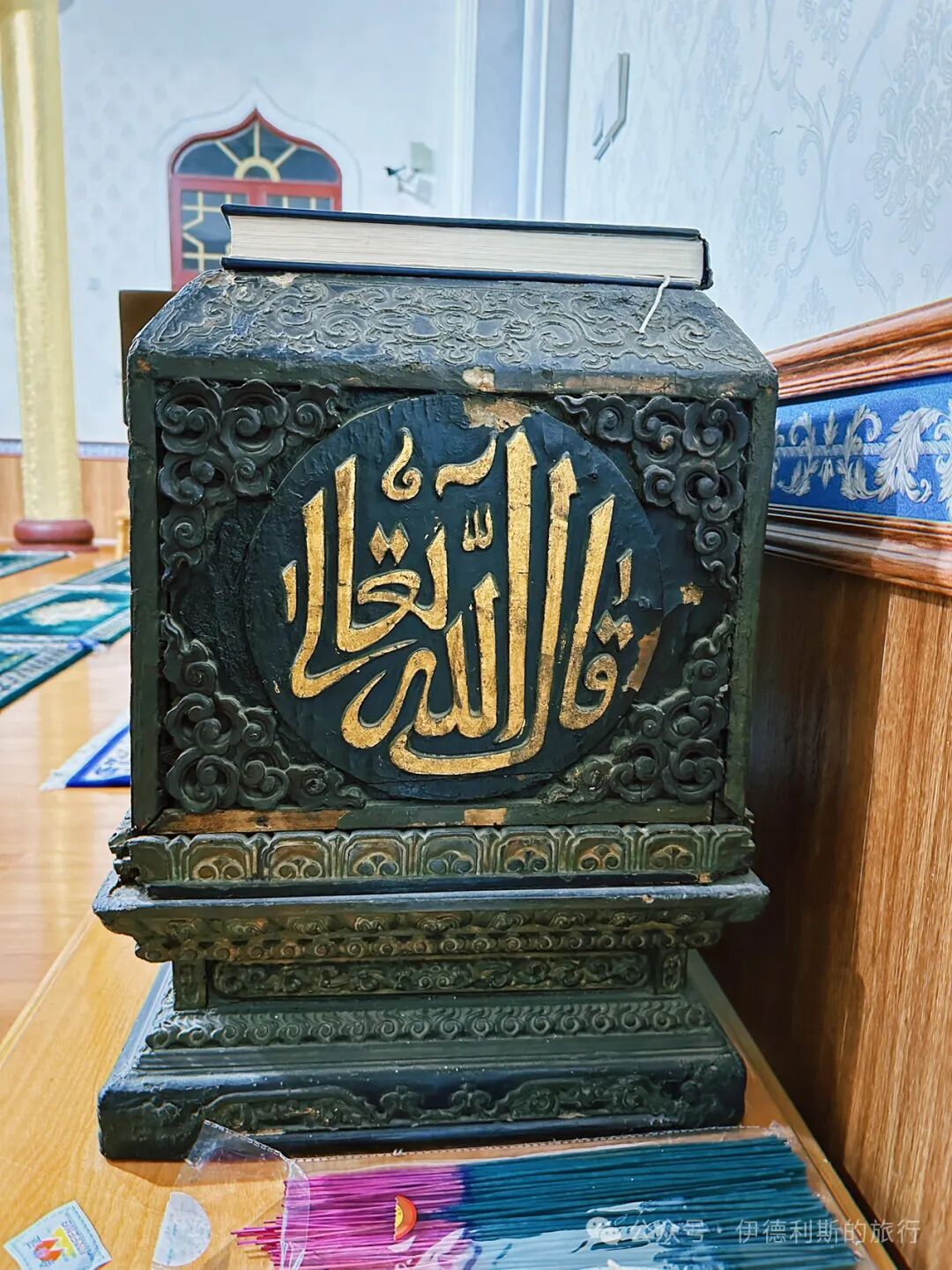
Huangcheng Mosque still keeps beautiful wooden scripture boxes, though the scriptures inside are no longer there.
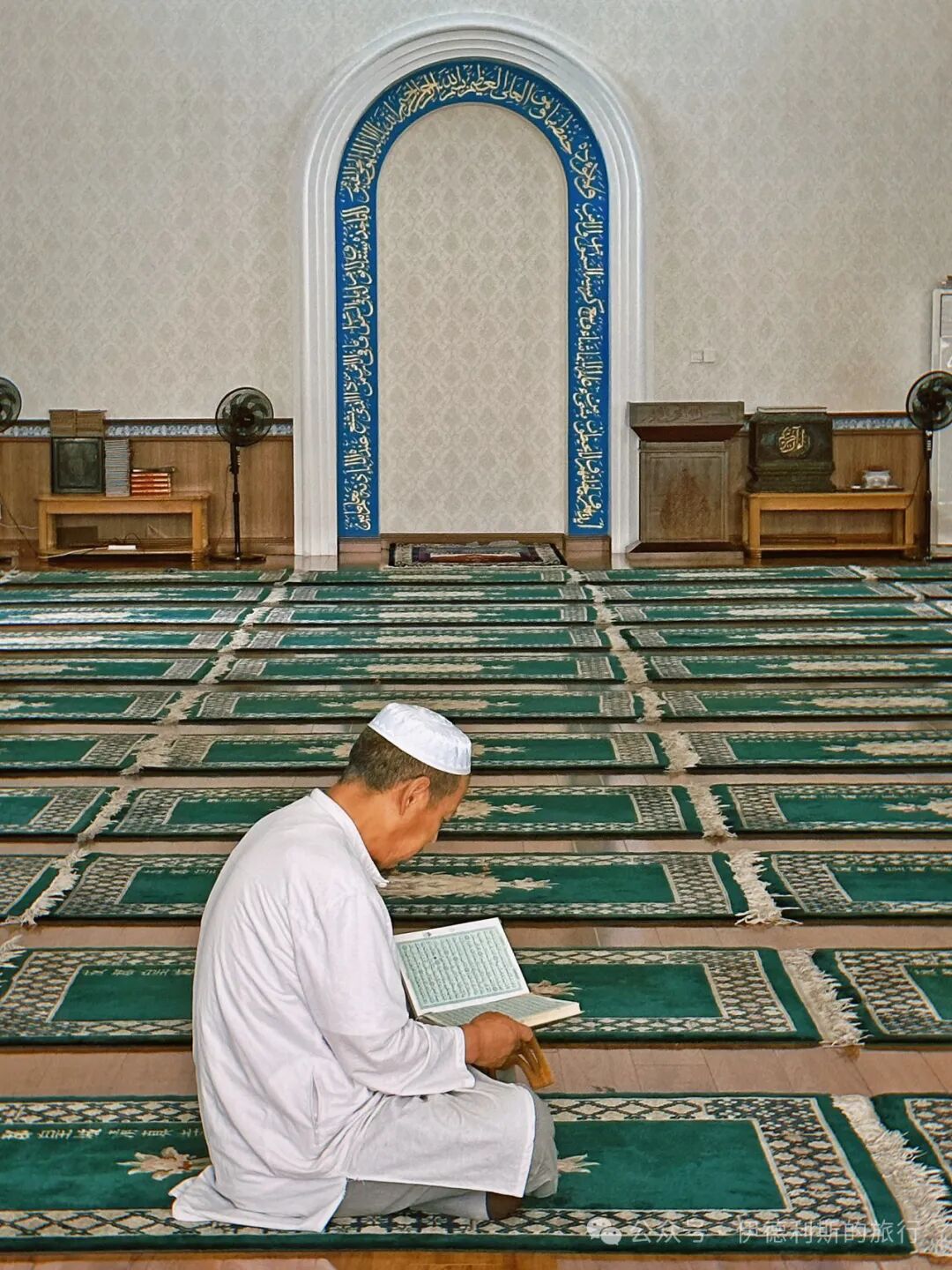
Huangcheng Mosque has a reading area and a cultural exhibition room. All friends (dosti) and visitors can read books and see exhibits here to learn about the religious culture in Chengdu, which I think is excellent.
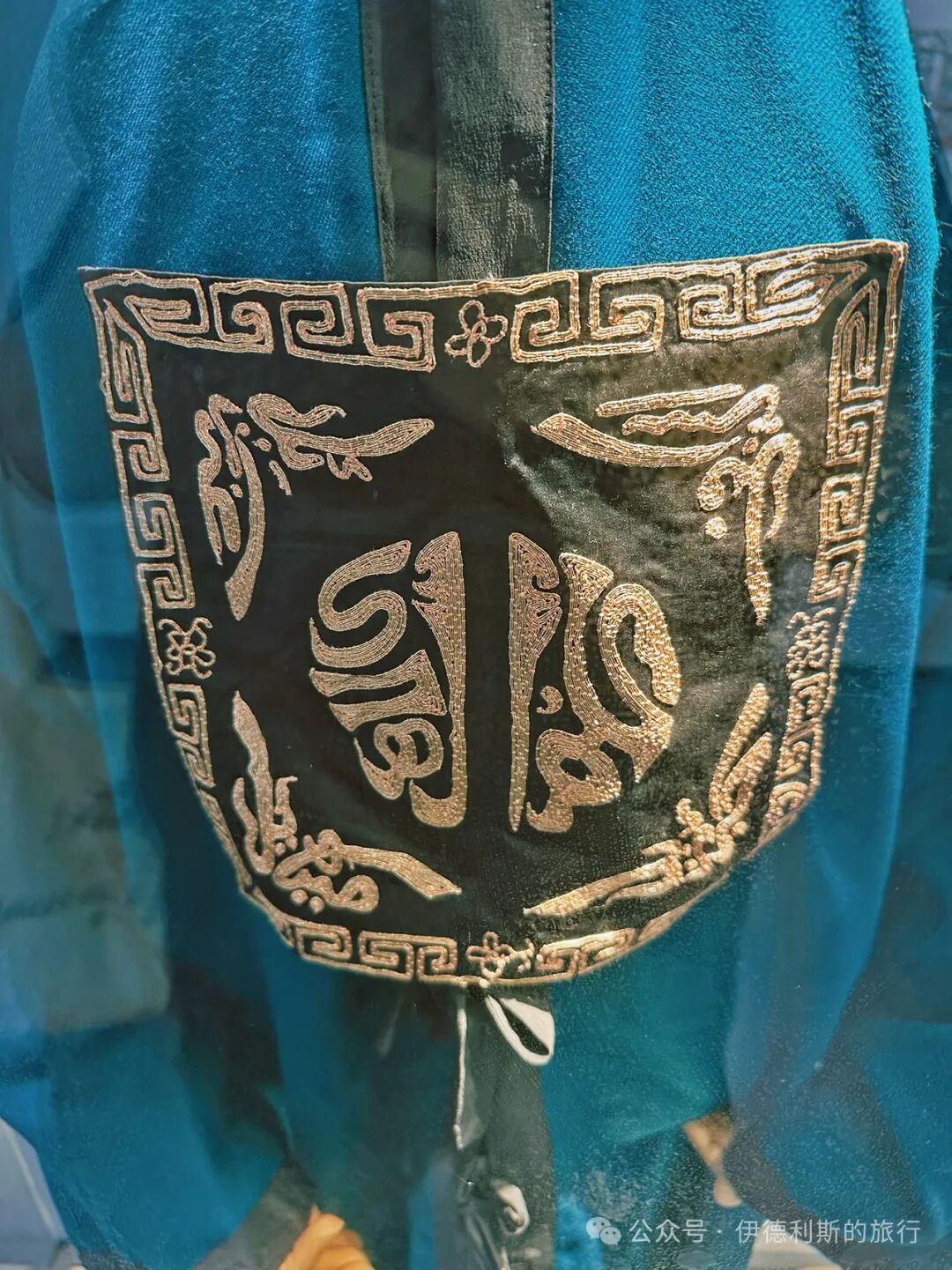
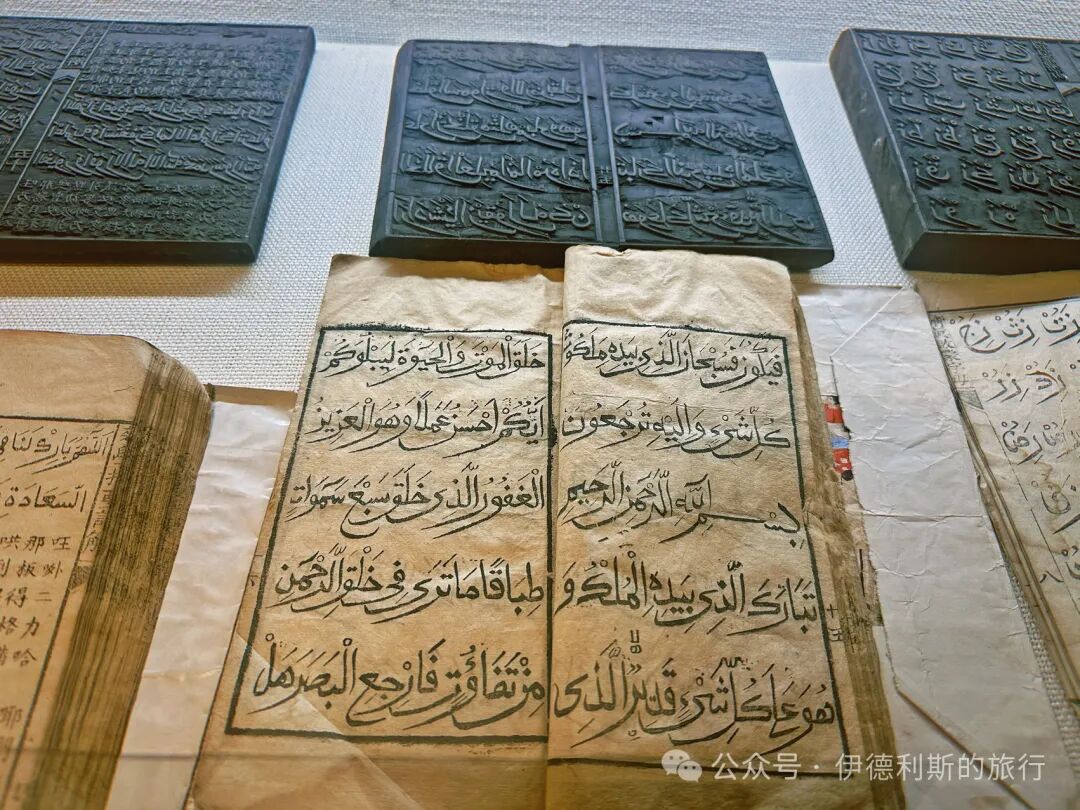
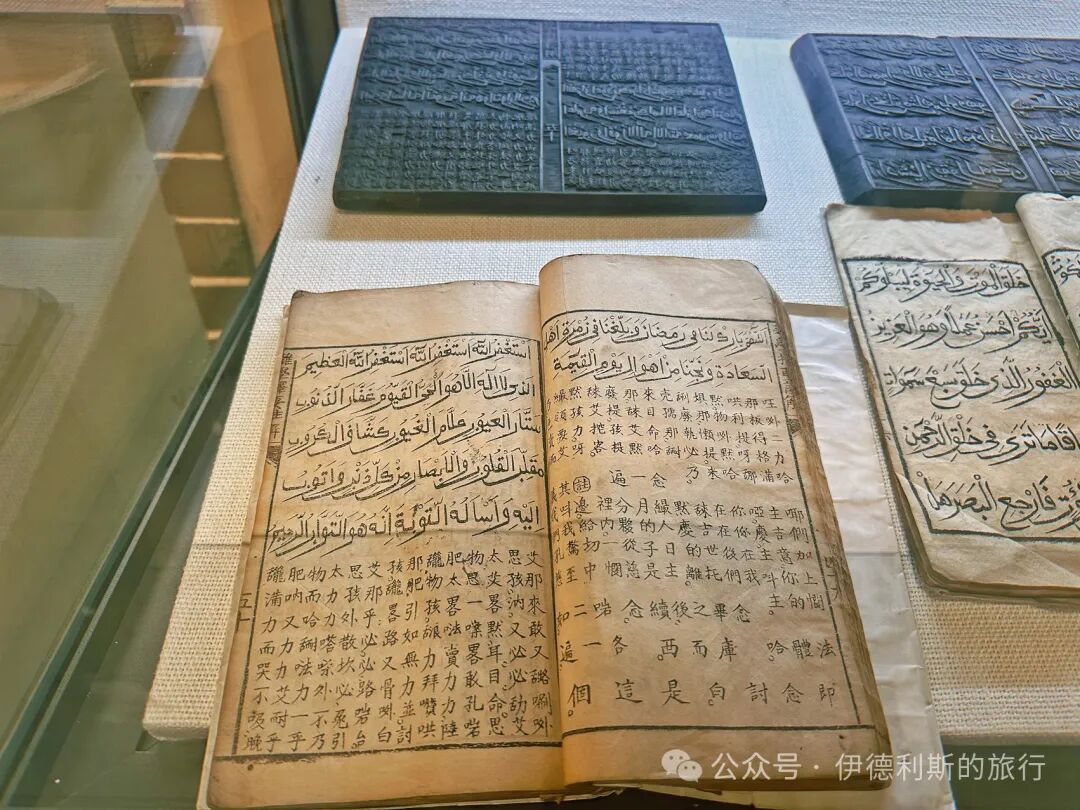
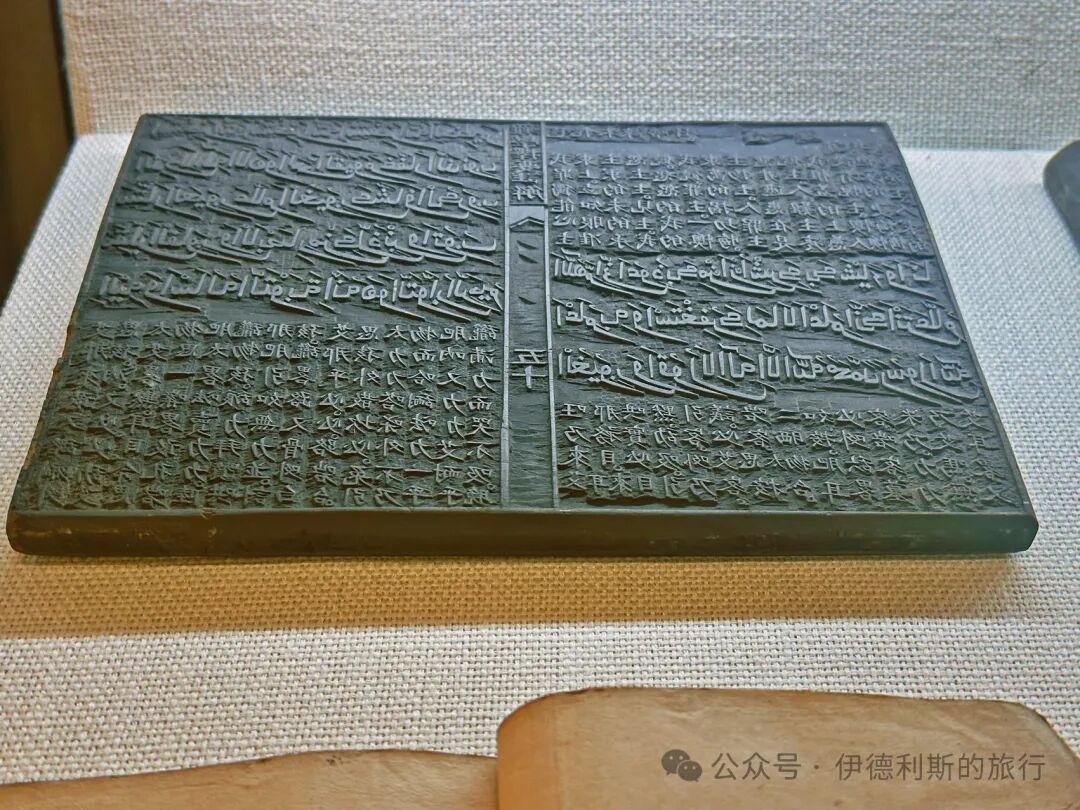
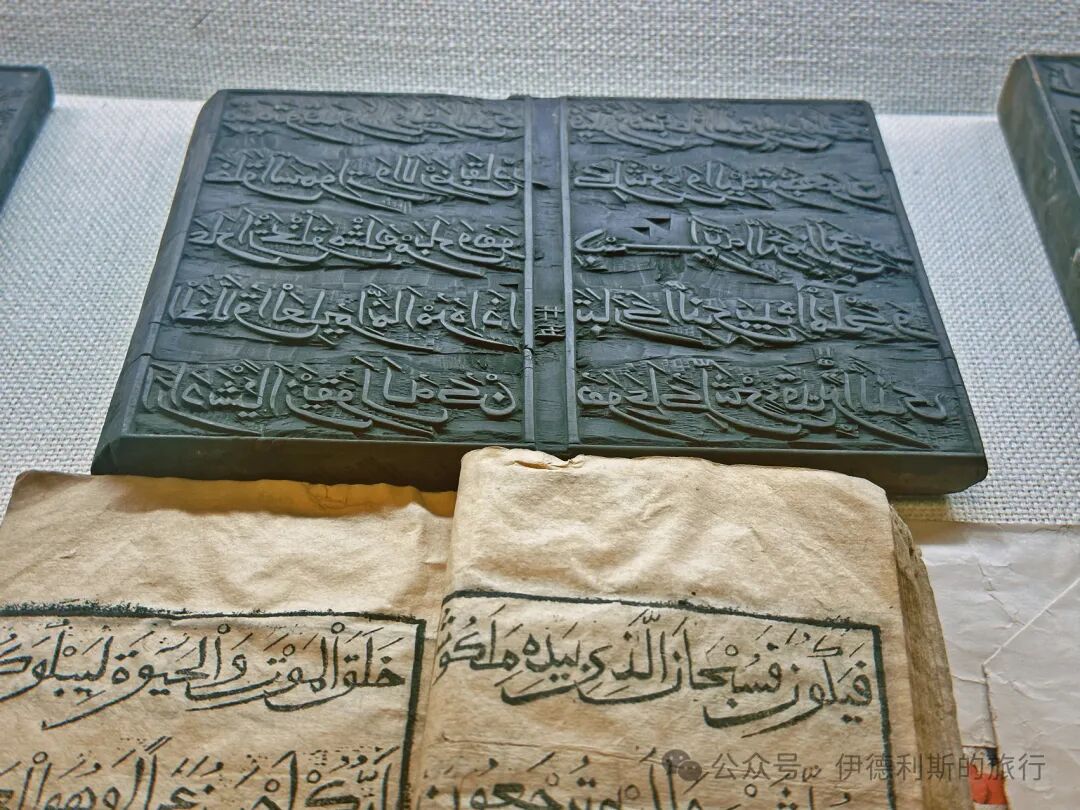
Since the Qing Dynasty, Chengdu has been famous for its scripture hall education and scripture printing. The exhibition room at Huangcheng Mosque displays related printed classics. I was lucky enough to meet Wan Duosi, a descendant of the Baozhen Hall (Baozhen Tang), which was the most famous place in Chengdu for printing the works of Ming and Qing dynasty scholars. He is also an expert on the religious culture of Sichuan. The founder of Baozhen Hall, Yu Haiting, came from the Tie Gai Yu family in Jianyang, Sichuan. During the Tongzhi reign, he came to the Huangcheng Dam area in Chengdu to work as an apprentice at a halal restaurant. He converted to Islam there, and after finishing his apprenticeship, he opened his own halal restaurant called Changfa Garden (Changfa Yuan). Yu Haiting started Baozhen Hall next to his Changfa Garden restaurant in 1871 to print religious scriptures and classics. His son, Yu Zezhou, took over in 1908, and the business ran until 1928. Over those 57 years, they published 28 books.
The Huangcheng Mosque (Huangcheng Si) cultural exhibition room displays imam robes, religious textbooks, and wooden printing blocks.
Downstairs at the Huangcheng Mosque, there is a row of halal restaurants, each with its own unique style.
The restaurant furthest to the west is Tianfang Tower (Tianfang Lou), which has been open since 1986. It started as a traditional restaurant, but in 2020, they rebranded to serve modern Sichuan cuisine. The new decor is excellent and perfect for business dinners. The restaurant does not sell alcohol, and drinking is not allowed in the main dining hall.
We ordered fish-flavored crispy beef ribs, traditional Huangcheng sliced beef and ox tongue (fuqi feipian), kung pao peony shrimp, young ginger rabbit, spicy chicken, a mixed meat stew (hejia man guan xiang), boiled fish, mugwort rice cakes (ai cao ci ba), and leaf-wrapped rice cakes (ye er ba). Their menu is very extensive, and the food is prepared with great care. It looks beautiful, tastes great, and even features some creative twists. In this restaurant, I see the drive of Sichuan Hui Muslims to keep up with the times. They help Sichuan-style halal food culture thrive while satisfying the tastes of many different people.
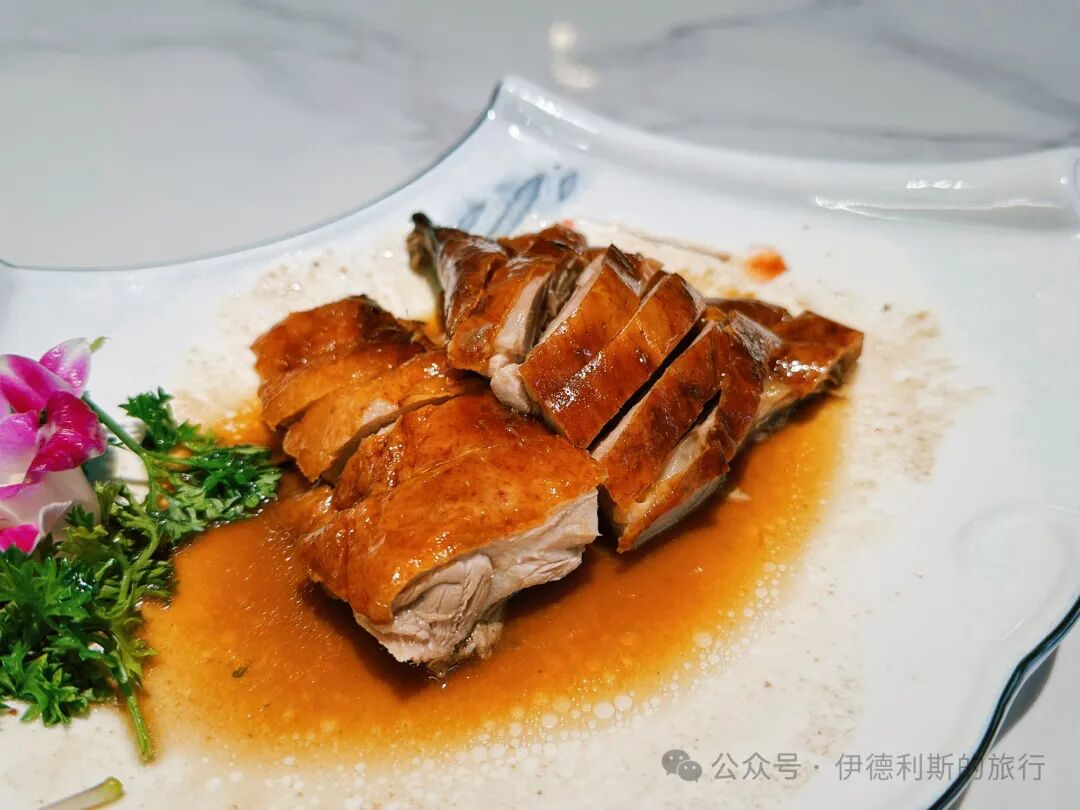
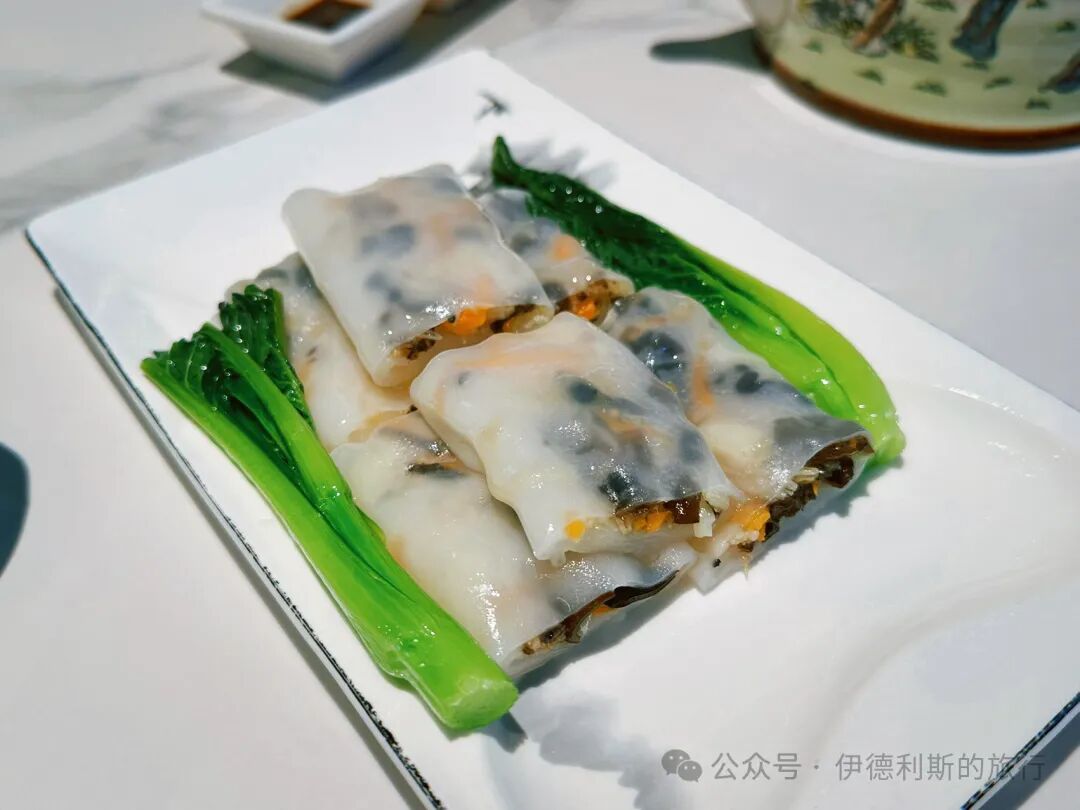
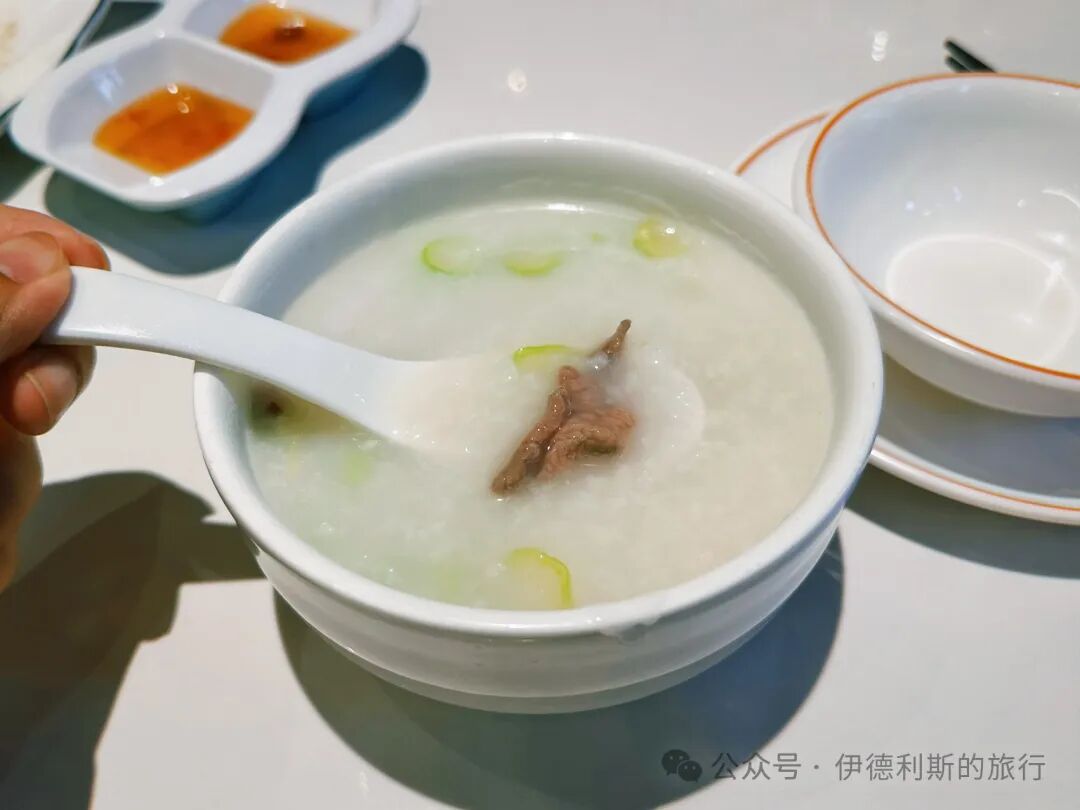
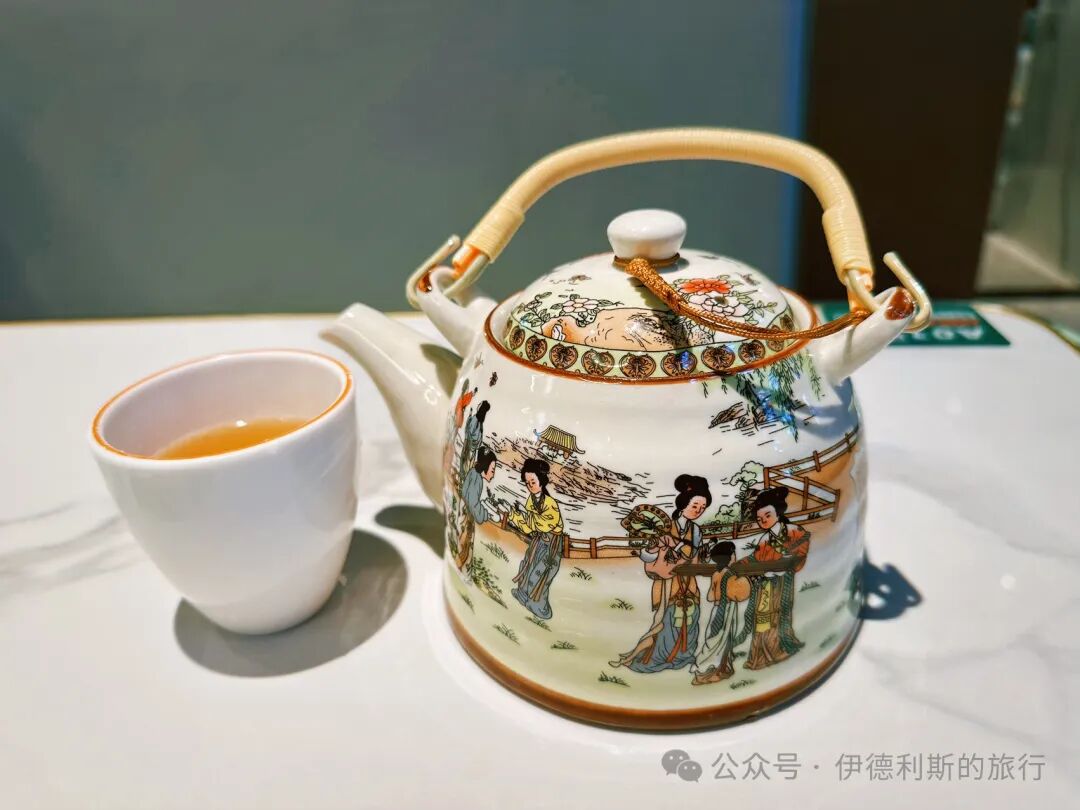
To the east of Tianfanglou is Yuehuang Tea Restaurant. It is also an alcohol-free restaurant, and you can come for morning tea starting at nine o'clock. The environment is nice, and the service is excellent. I ordered Cantonese-style roast duck, vegetarian steamed rice rolls with mixed vegetables (luohanzhai suchangfen), and fresh beef congee. They were all surprisingly delicious, even better than what I have had in Guangzhou and Hong Kong. The vegetarian steamed rice rolls (luohanzhai) are filled with carrots, wood ear mushrooms, and shiitake mushrooms. It was my first time trying them, and the texture was very rich. Overall, I am very satisfied with this place. Their menu is quite varied, and I will definitely eat here again next time I am in Chengdu!
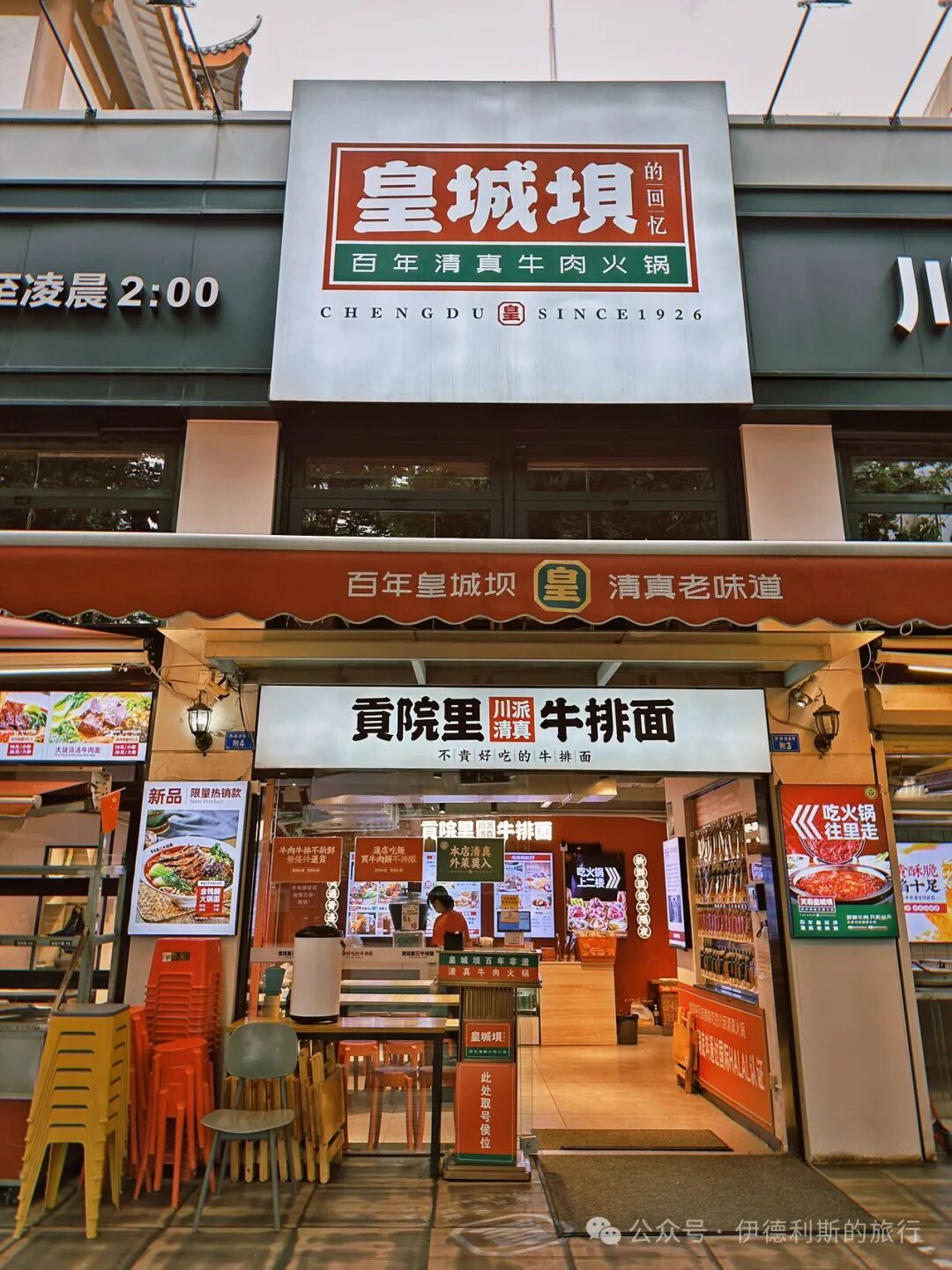
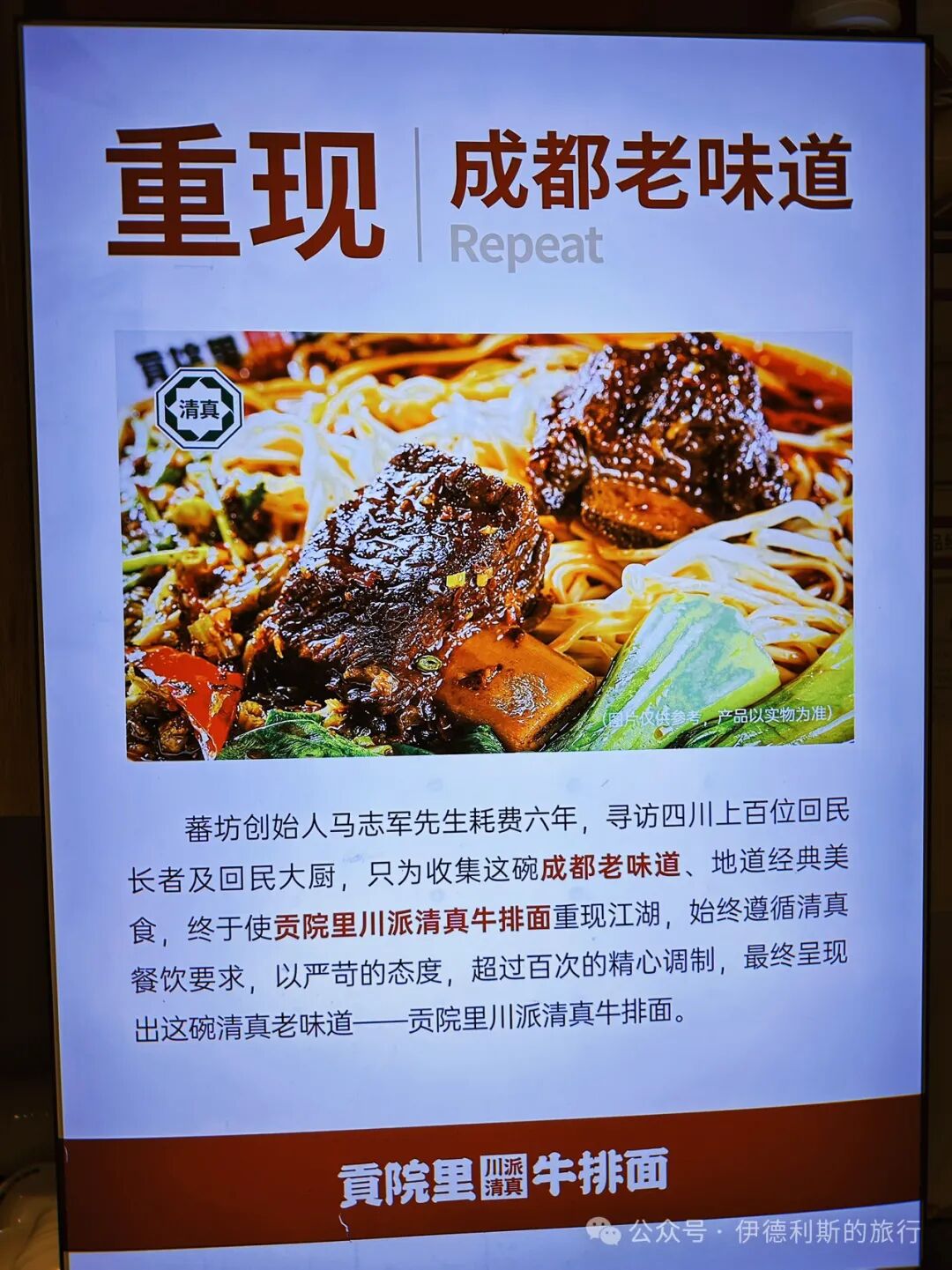
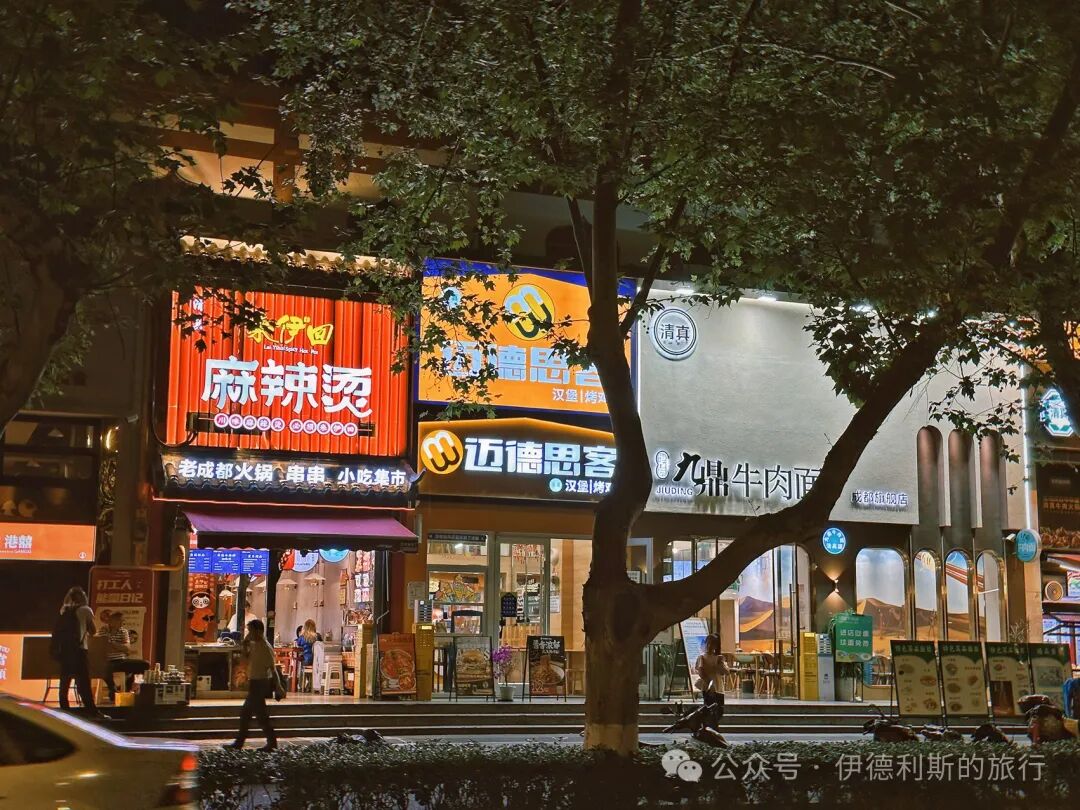
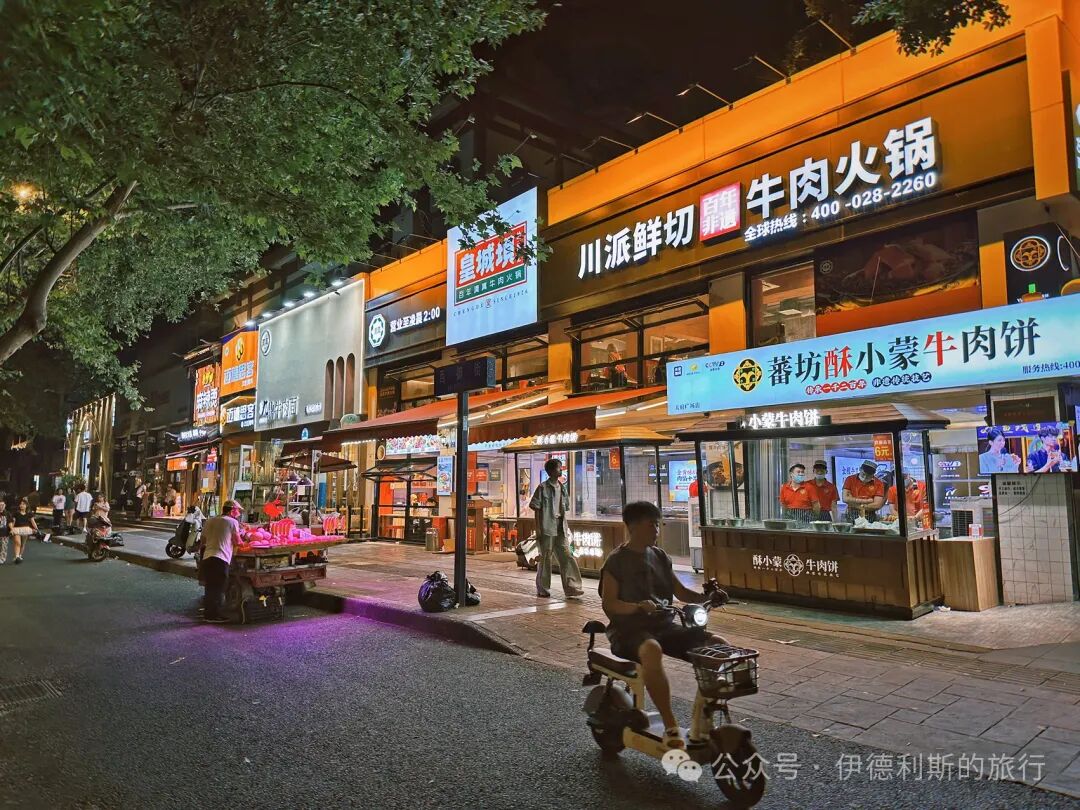
At the southeast corner of Huangcheng Mosque are Gongyuanli Beef Noodle Soup and Fanfang Suxiaomeng Beef Pie. Upstairs is Huangchengba Beef Hot Pot. These shops are all owned by Ma Zhijun and his friends (dostis). Ma Zhijun is from Xinjiang, and his parents were also in the restaurant business. He came to Chengdu in 1993, worked in foreign trade, and even ran a shoe factory. Before the Huangchengba area was demolished, he loved the halal snacks around Huangcheng Mosque. In 2012, he apprenticed to learn Sichuan-style halal cuisine. He officially opened Gongyuanli Steak Noodles in 2018, Suxiaomeng Beef Pie in 2019, and Huangchengba Beef Hot Pot in 2020. These shops brought life back to the entrance of Huangcheng Mosque. It gets especially crowded at night, and you have to wait in long lines just to get a beef pie.
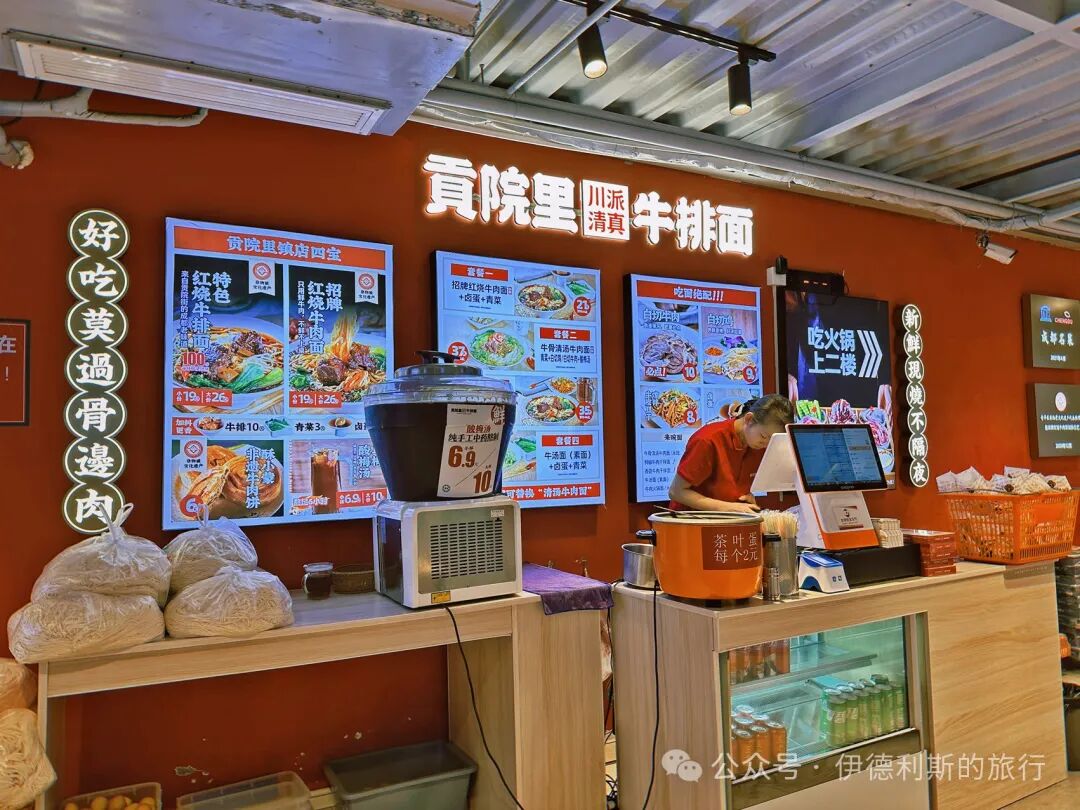
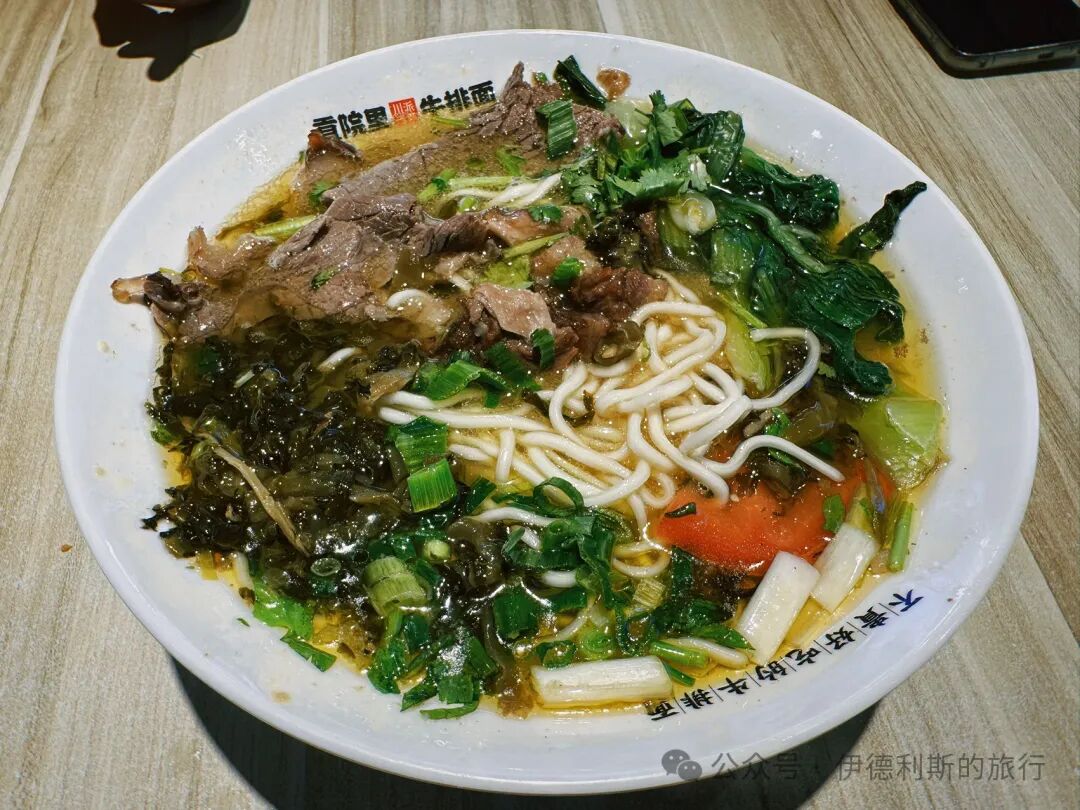
During my few days on a business trip in Chengdu, I ate beef noodles at Gongyuanli almost every morning. It is a pity that they only have beef noodles in the morning, not steak noodles. Their braised beef noodles have a very rich flavor. Even for someone like me who usually loves spicy chicken, it felt super numbing and spicy, so I ordered the clear broth beef noodles for the following days. The flavor of their soup base is quite good, but the machine-made noodles have no texture at all, which seems to be a common feature of noodles in the south. The beef pie is just like the crispy beef pie (niuroubing) commonly found in the Muslim Quarter of Xi'an. I did not have to wait in line when I ate it in the morning, so friends who want to try it should come in the morning.
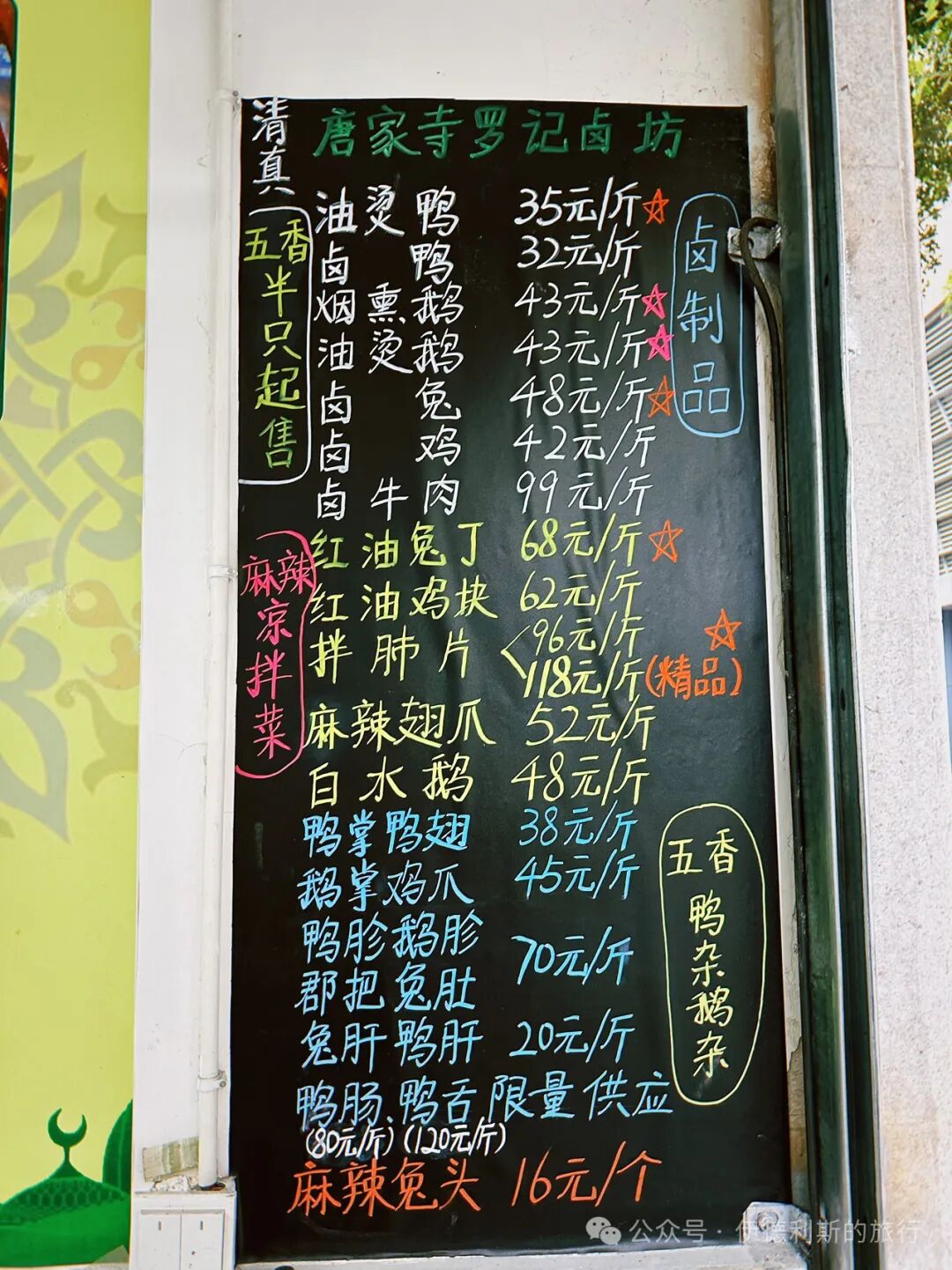
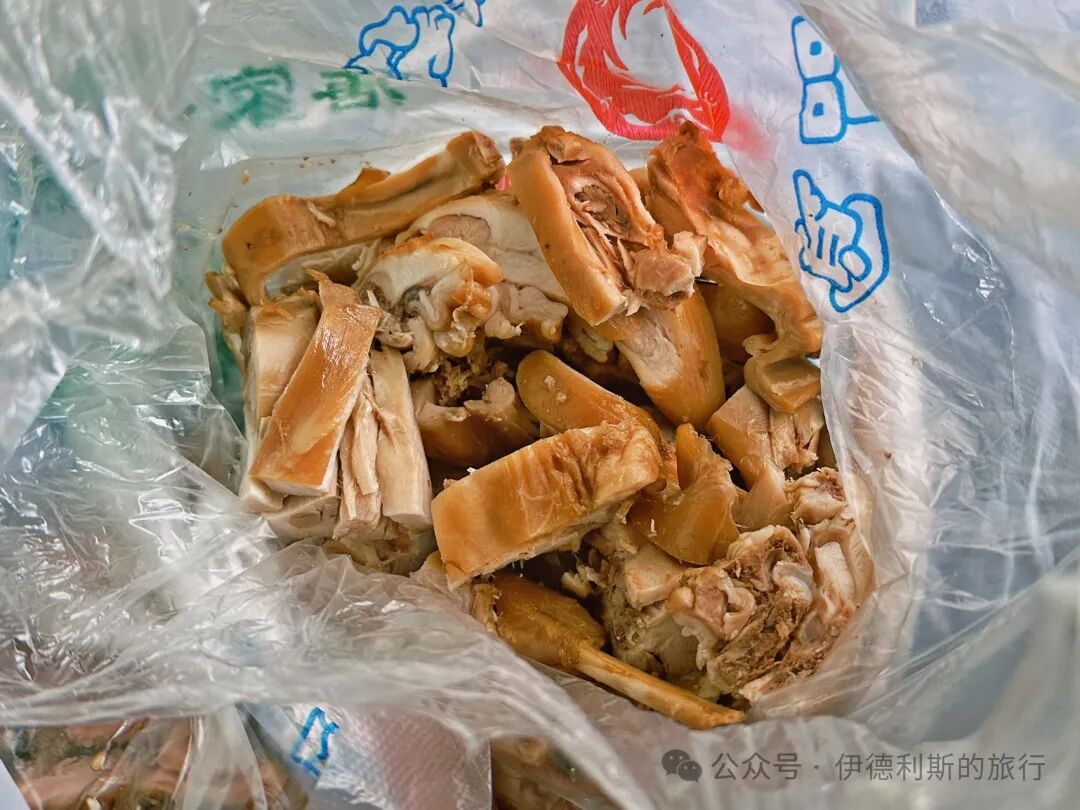
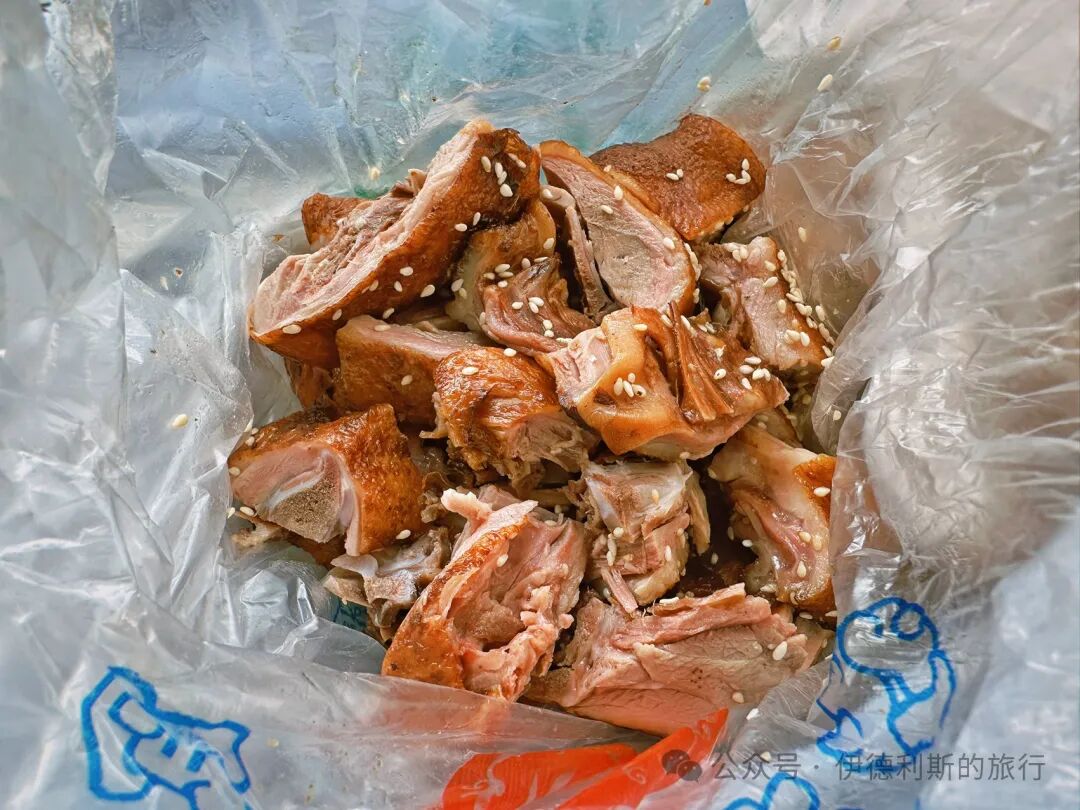
East of Huangcheng Mosque is the Tangjiasi Luo Family Braised Meat Shop. They sell authentic Chengdu Hui Muslim braised meats, including oil-seared duck (youtangya), braised duck, smoked goose, spicy rabbit cubes (hongyou tuding), mixed beef lung slices (ban feipian), and spicy rabbit heads. Every dish has a unique flavor. I bought some oil-seared duck and braised rabbit to eat on the train. They were incredibly fragrant, and I really love Sichuan-style braised food.
Tangjiasi is located in the northern suburbs of Chengdu, along the ancient Jinniu Road that connected Sichuan and Shaanxi. Hui Muslims with the surname Luo settled here in the mid-Ming Dynasty. According to the revised Xindu County Annals from the Republic of China era, the Luo Family Mosque (Luo Jia Si) was built in 1417 during the Chenghua period of the Ming Dynasty in Lijiaying, east of the county. Unfortunately, the 600-year-old Luo Family Mosque was torn down in 1976 and replaced by Jinguang Primary School. Today, the Luo family Hui Muslims mainly live near Tuqiaosi and Huangcheng Mosque, and they are an important part of the Hui Muslim community in Chengdu.
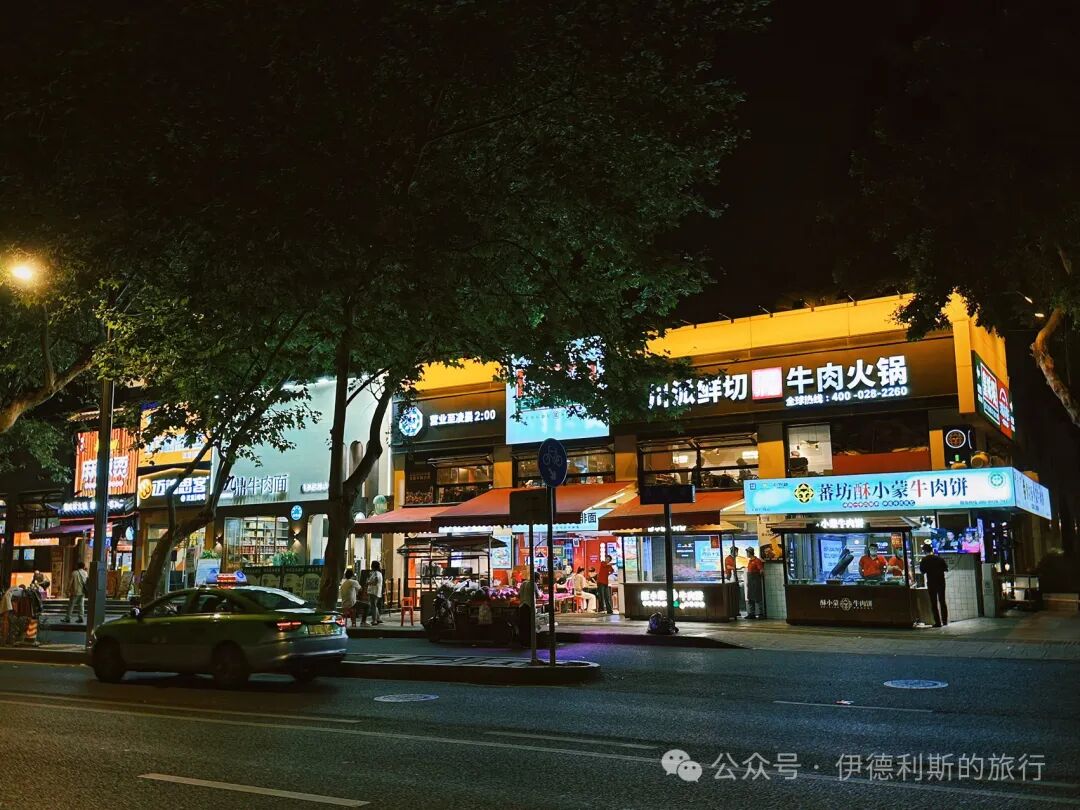
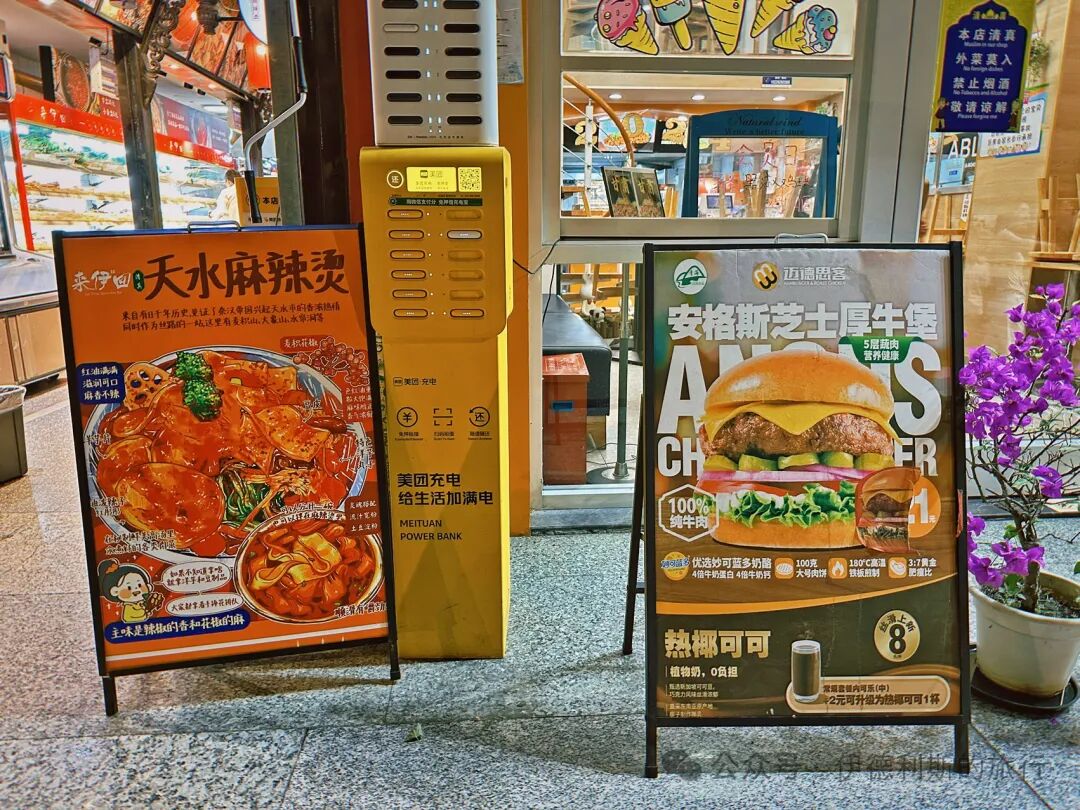
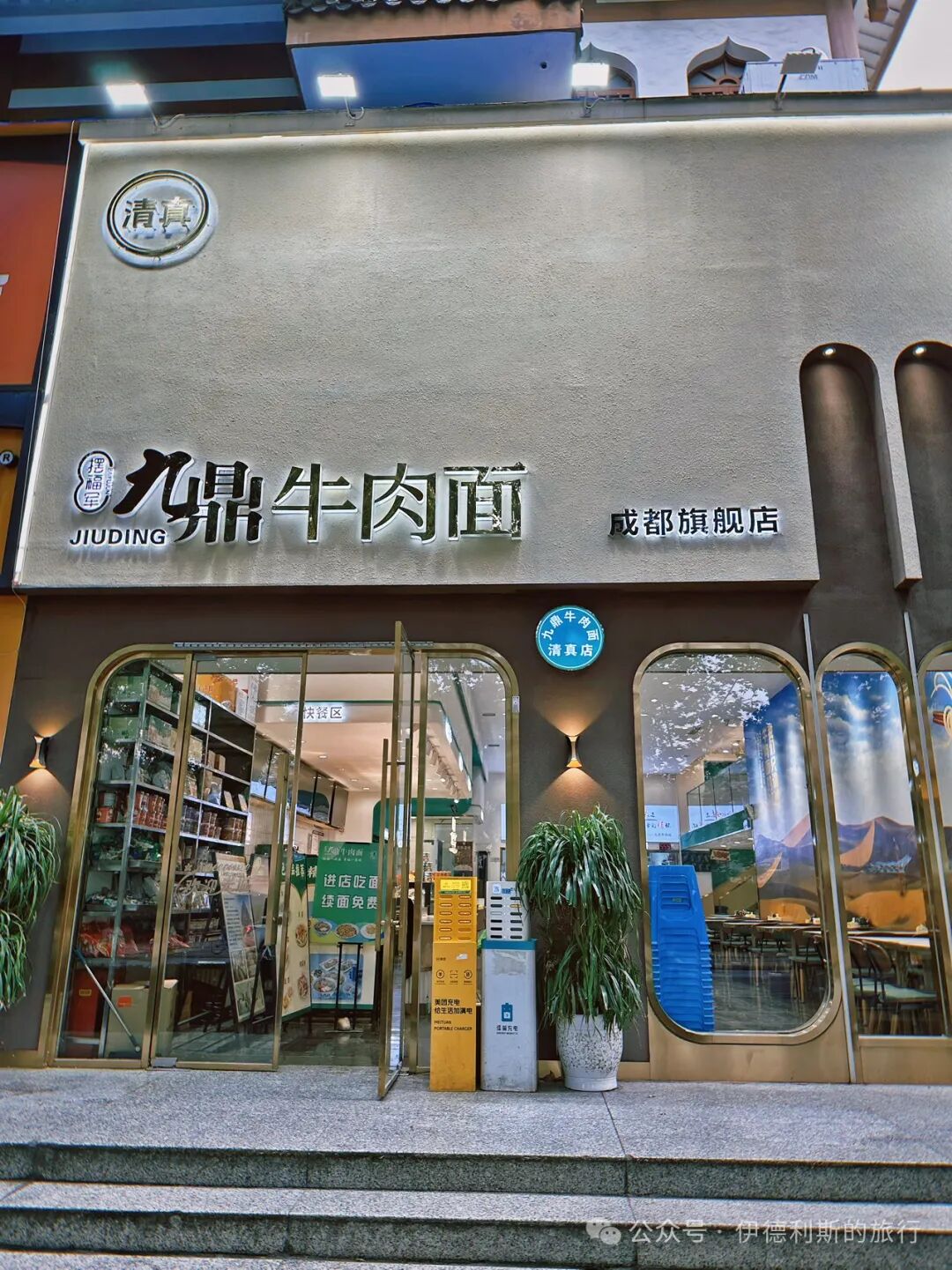
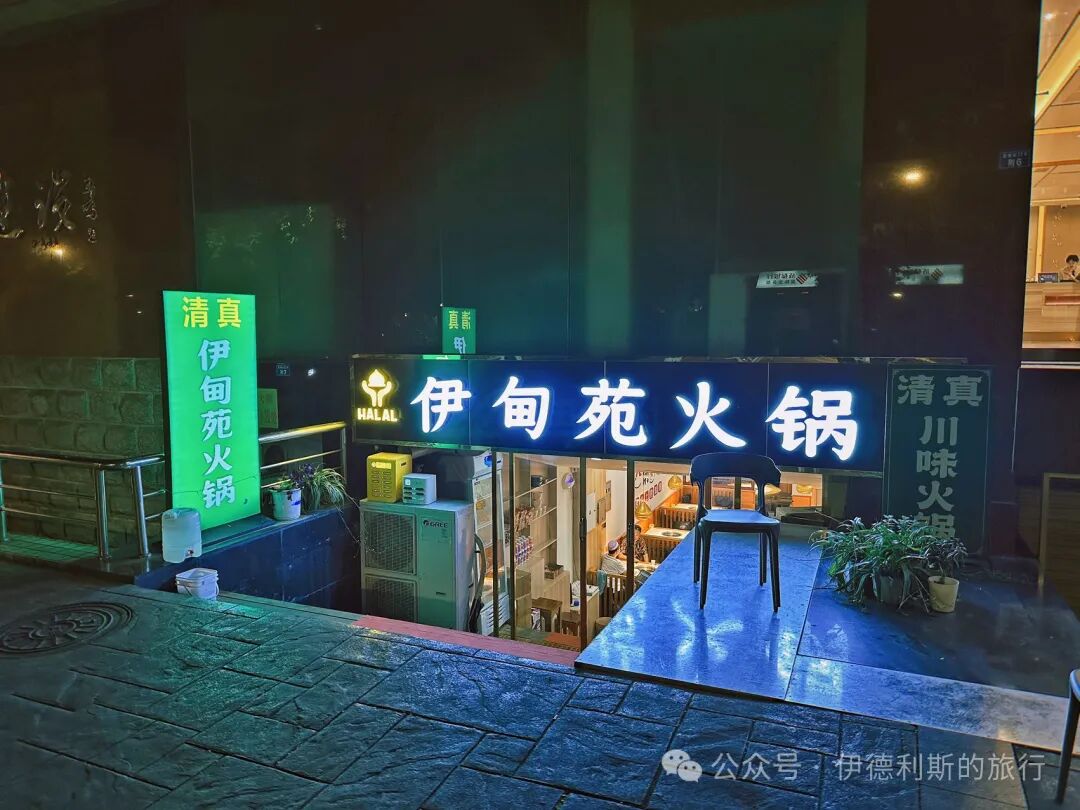
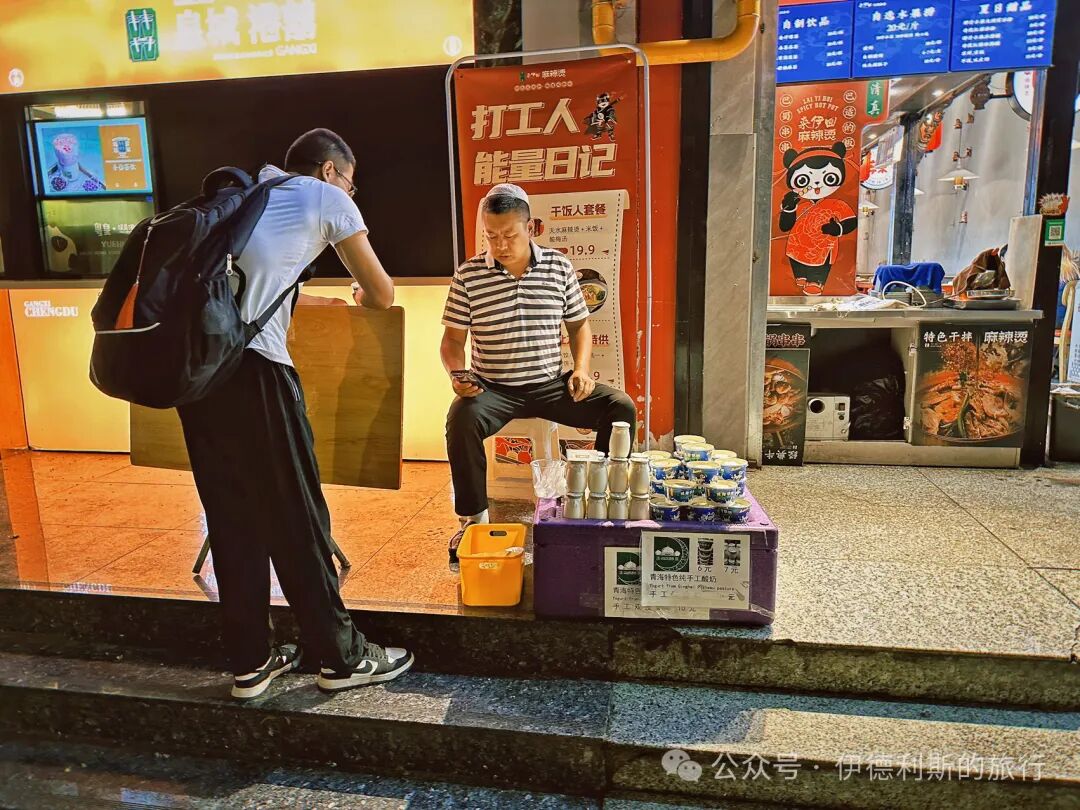
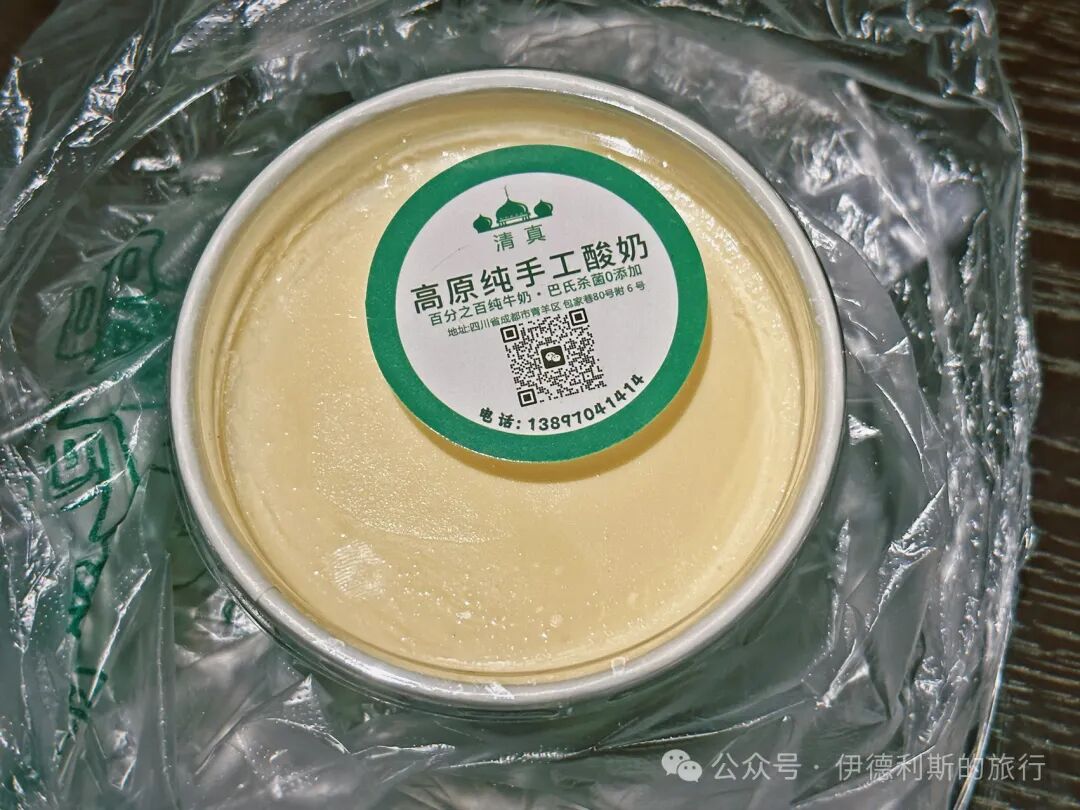
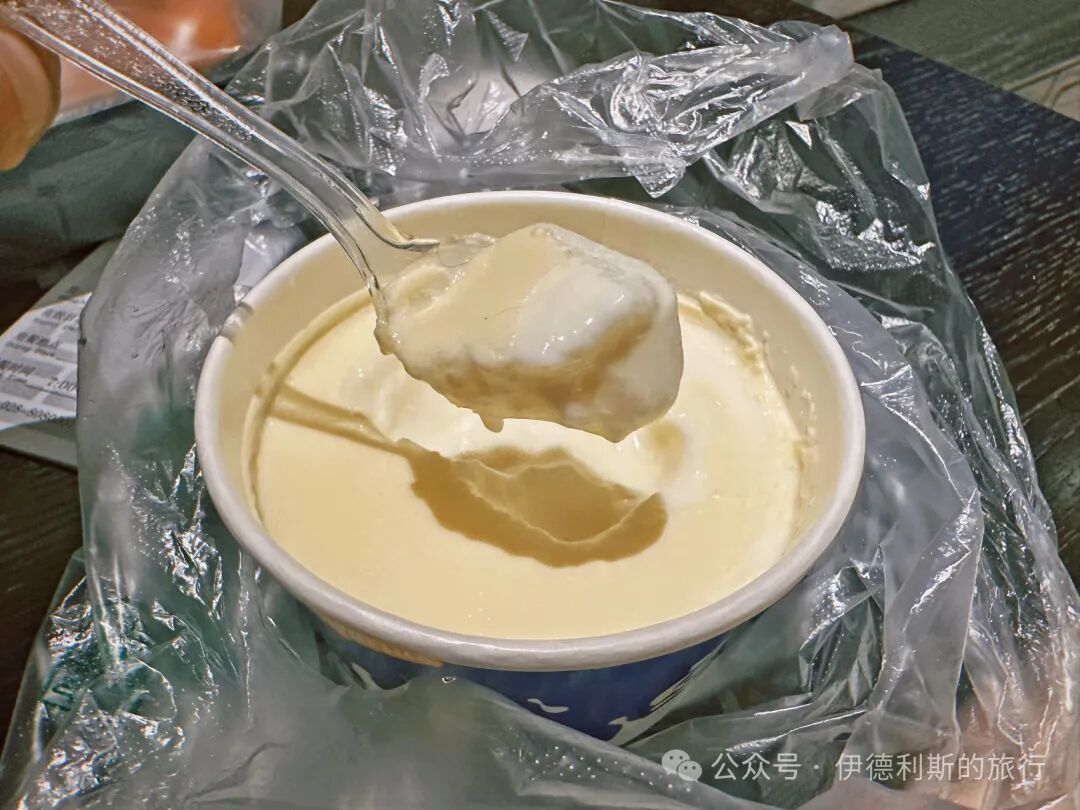
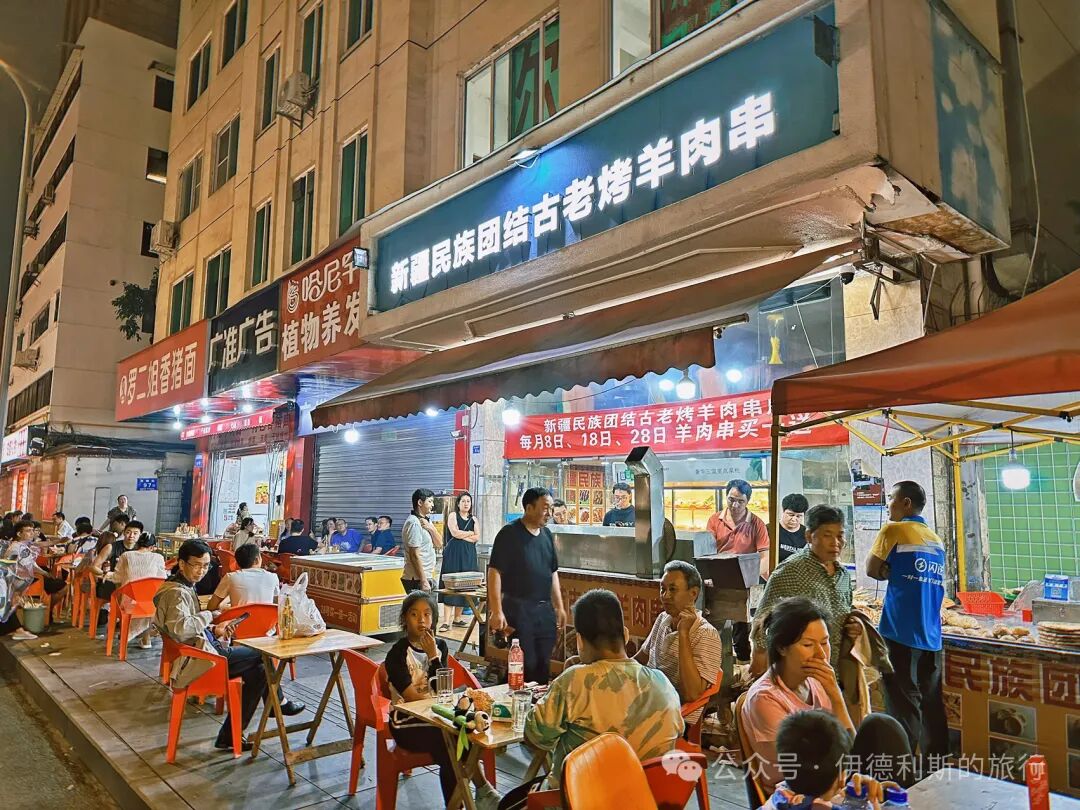
At night, the area in front of Huangcheng Mosque is busy. There is a Laiyi Hui stall selling Sichuan-style spicy hot pot (malatang), a Medisker burger shop, a Northwest-style Jiuding beef noodle shop, and a Dosti stall selling Qinghai yellow-skin yogurt. I bought some once and it tasted very authentic. I have never even had such authentic Qinghai yogurt in Beijing.
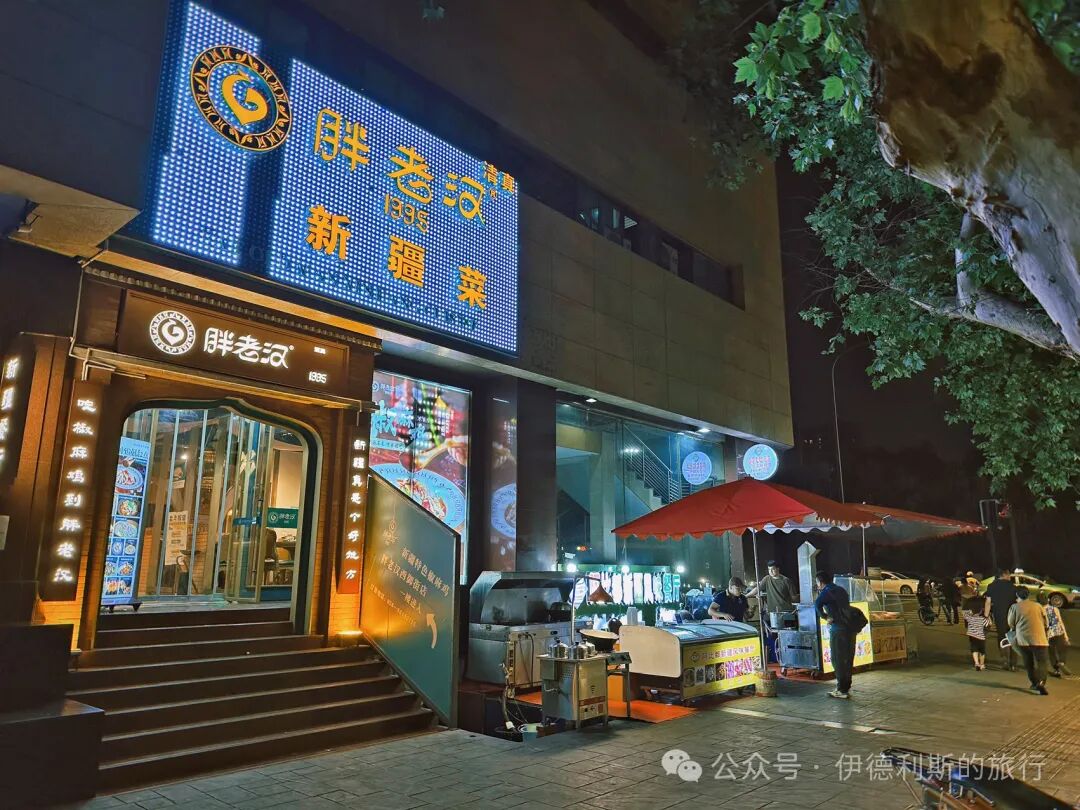
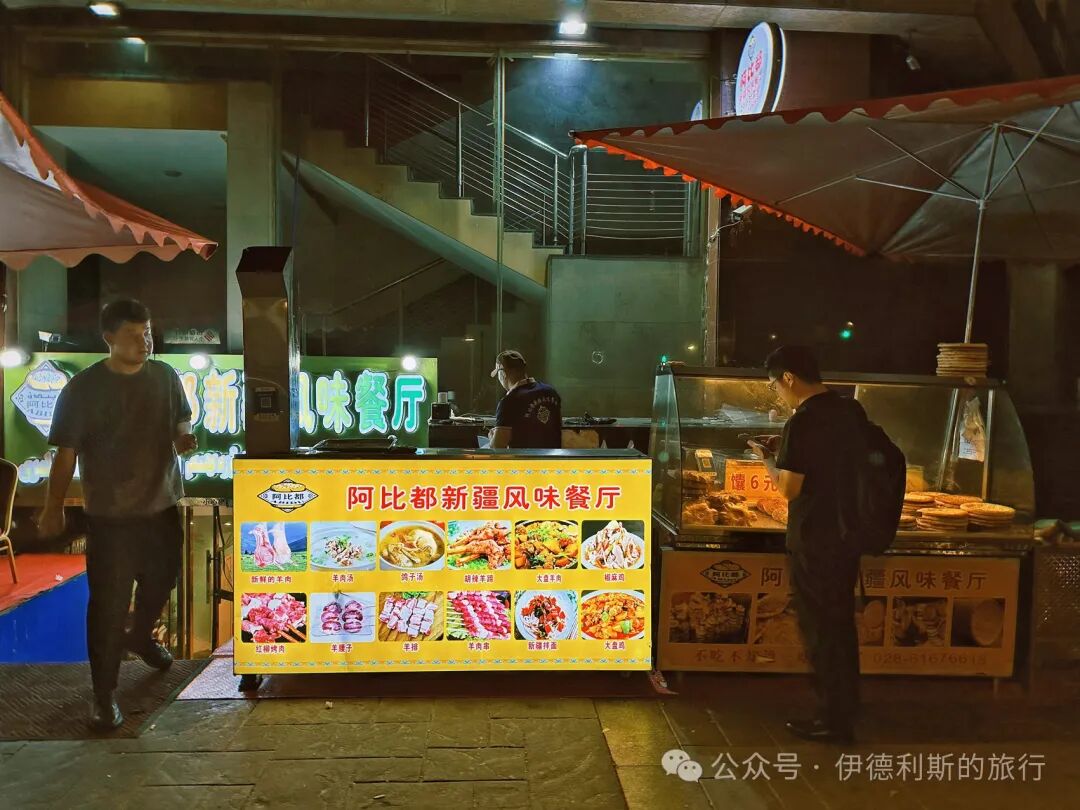
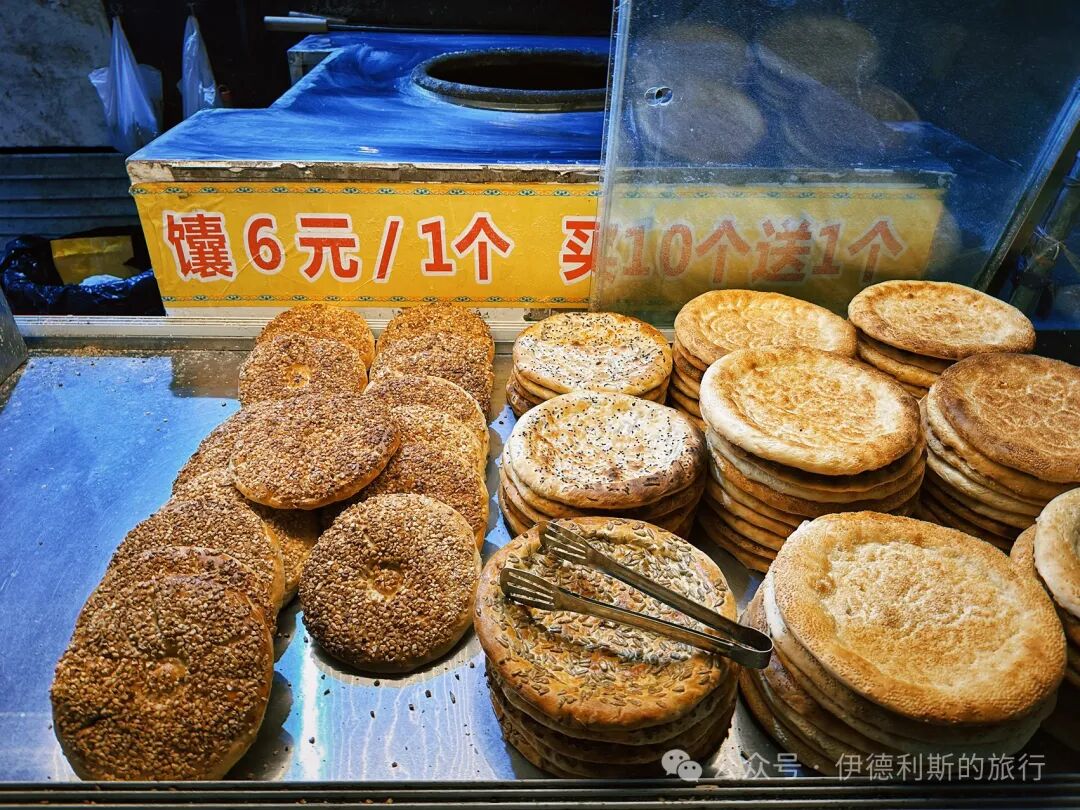
There are many Xinjiang restaurants near Huangcheng Mosque where you can buy all kinds of baked flatbread (nang). Across from Huangcheng Mosque, I was surprised to find a real Xinjiang Hui Muslim restaurant called Fat Old Man Pepper Chicken (Pang Laohan Jiaoma Ji). I had eaten there in Urumqi before, where the locals really love it, so I did not expect to see it open in Chengdu.
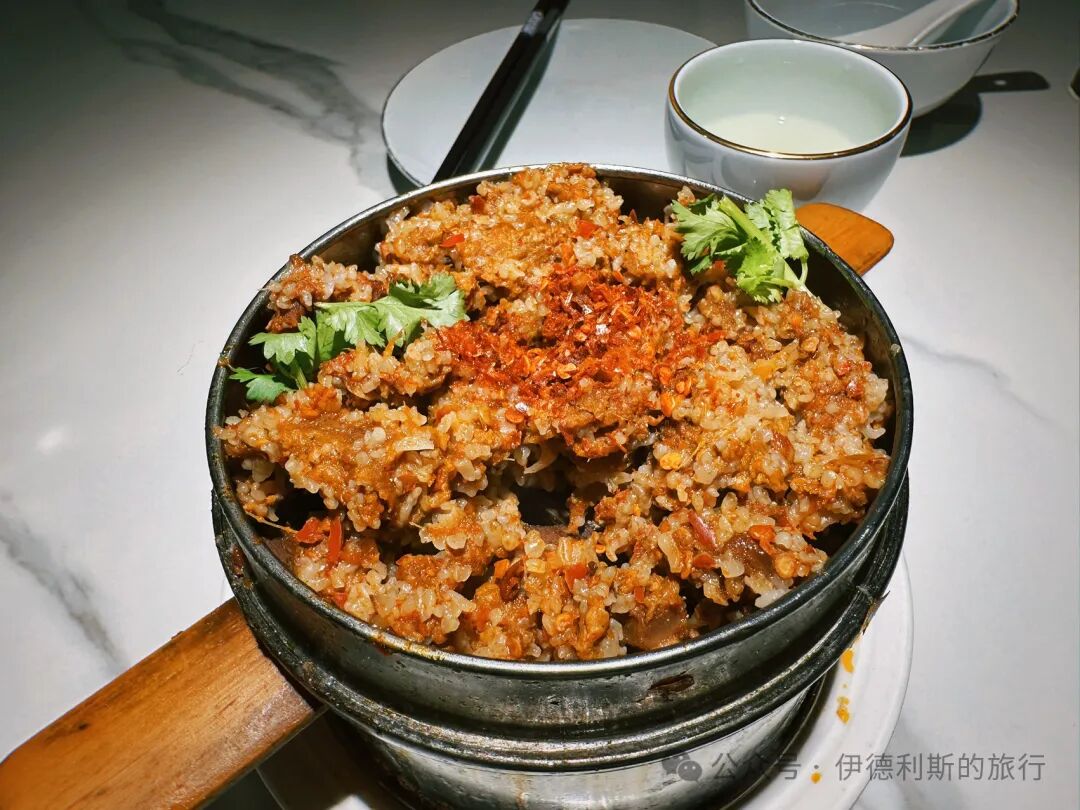
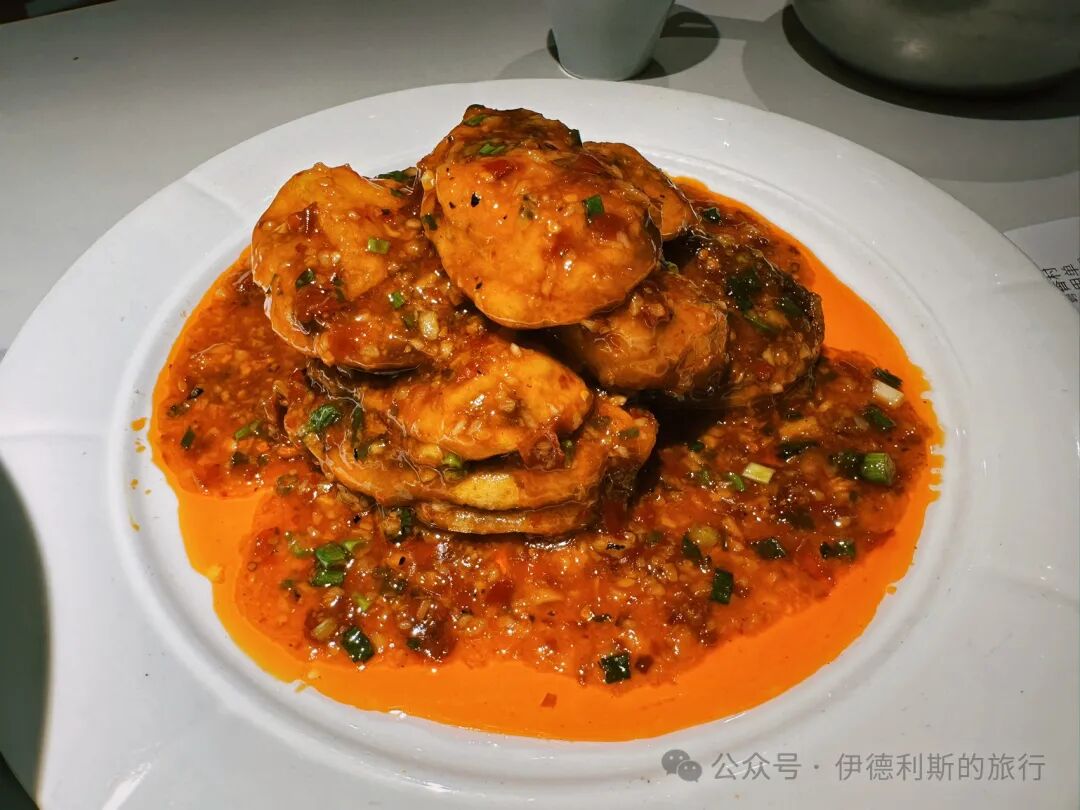
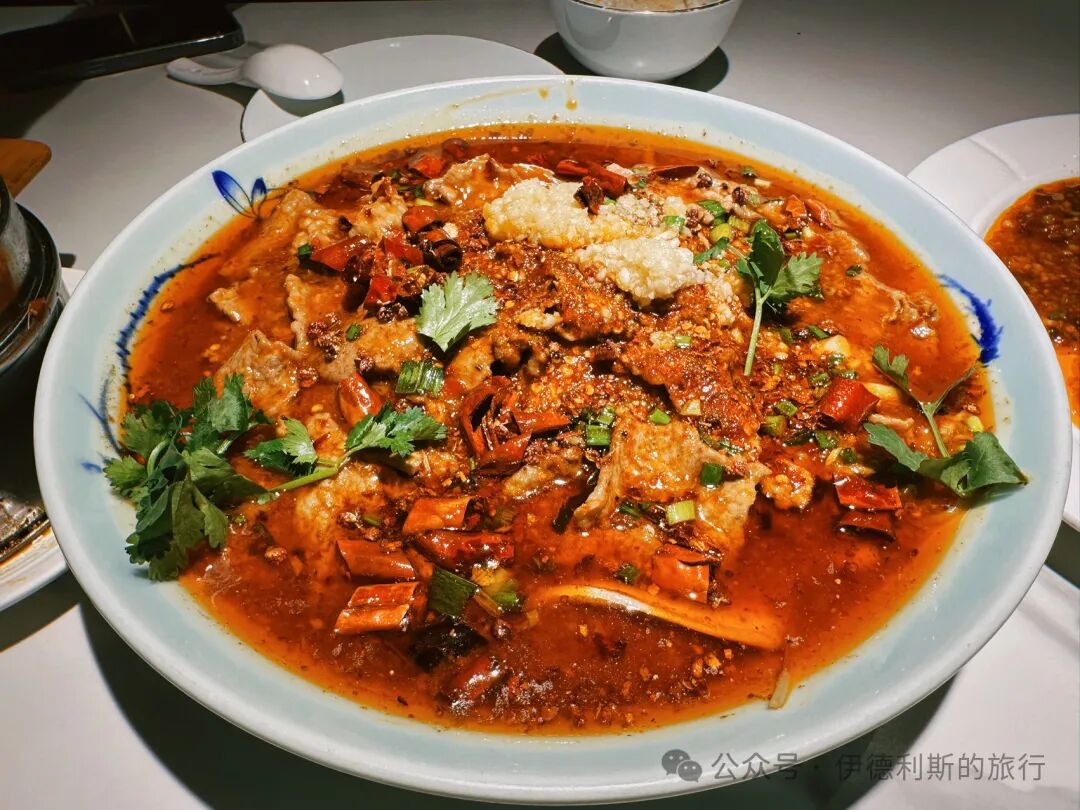
Besides the shops along the street at Huangcheng Mosque, there are several other Hui Muslim restaurants in the surrounding area. On the north side of Huangcheng Mosque is a very famous old Hui Muslim brand called Yuexiangcun. They call themselves the authentic beef Sichuan restaurant that has never left Huangchengba. A local Hui Muslim from Huangchengba named Wan Duositi treated me to fish-flavored eggplant cakes (yuxiang qiebing), steamed beef with rice flour (fenzheng niurou), and boiled beef (shuizhu niurou) at Yuexiangcun. These are classic Huangchengba Sichuan dishes, and the restaurant makes them perfectly. The fish-flavored eggplant cakes are especially good for people who cannot handle spicy food, and the sweet and sour flavor goes great with rice.
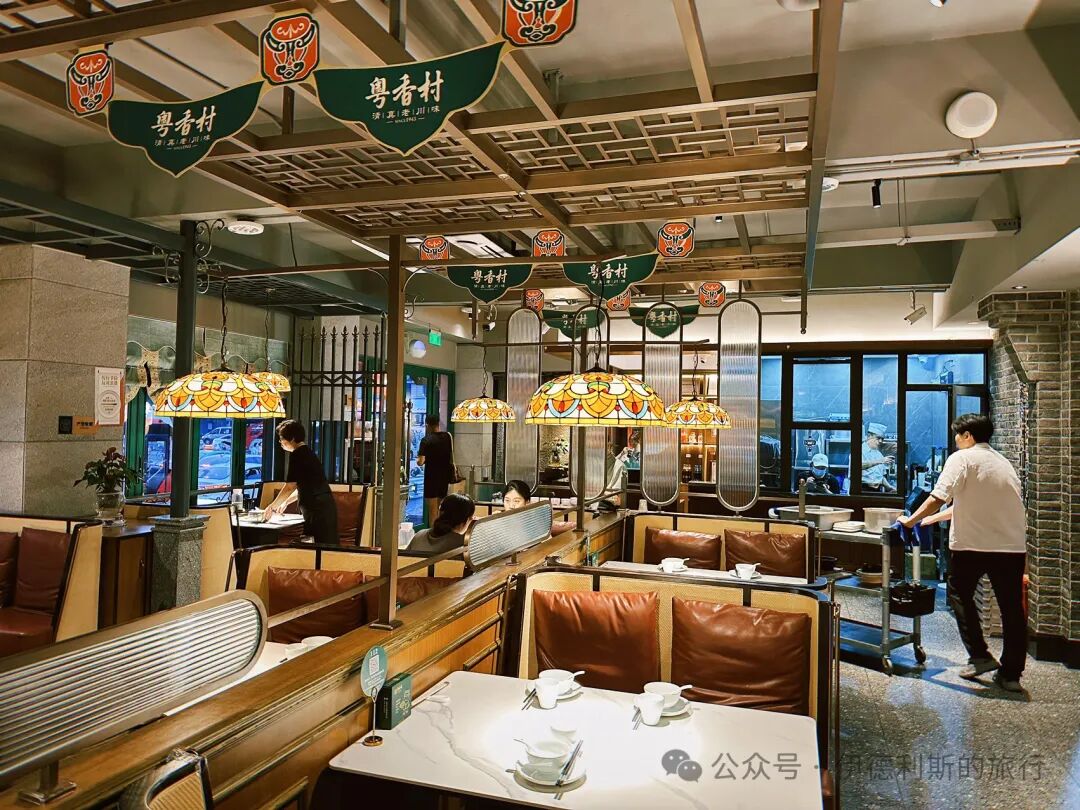
Yuexiangcun was founded in 1943. It was started by a Guangdong-born officer in the Sichuan Army and an imam from Chengdu's West Mosque named Ha Youfu. Even though it is named Yuexiangcun, they serve authentic Sichuan food. Yuexiangcun was originally located inside the Broadway Tea Garden on East Imperial Street in Huangchengba, with Imam Ha Youfu presiding and Zhao Zihua in charge of the kitchen. Broadway was very lively back then. It was not just a place to drink morning tea and chat, but also a hub for the bird market and fur traders to negotiate business. After 1950, Yuexiangcun moved across from the West Mosque on West Imperial Street, where business boomed and the restaurant was often packed with diners. It moved several more times later on, but always stayed within the Huangchengba area. After a renovation at the end of 2022, Yuexiangcun has a great atmosphere that really appeals to young people.
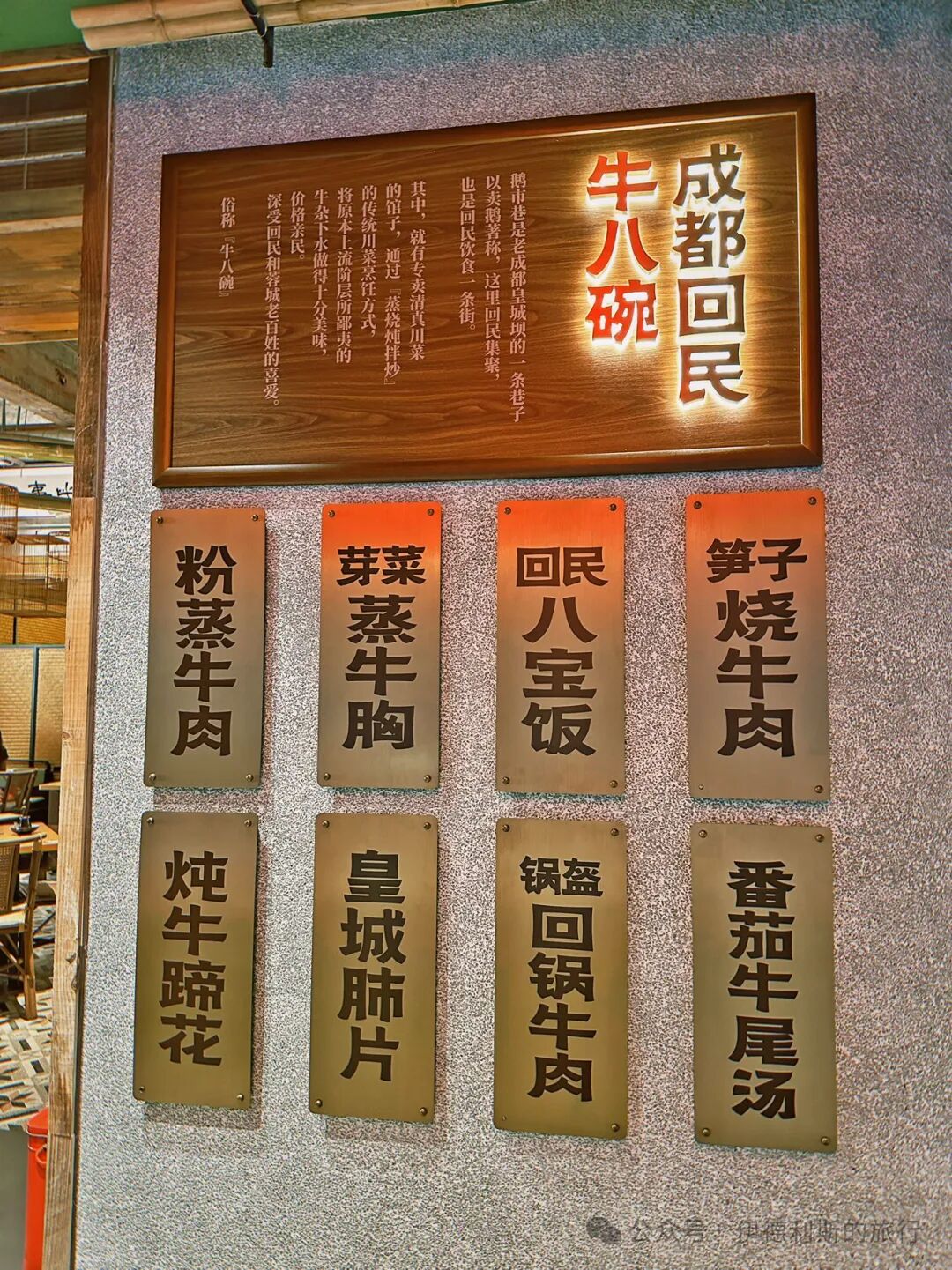
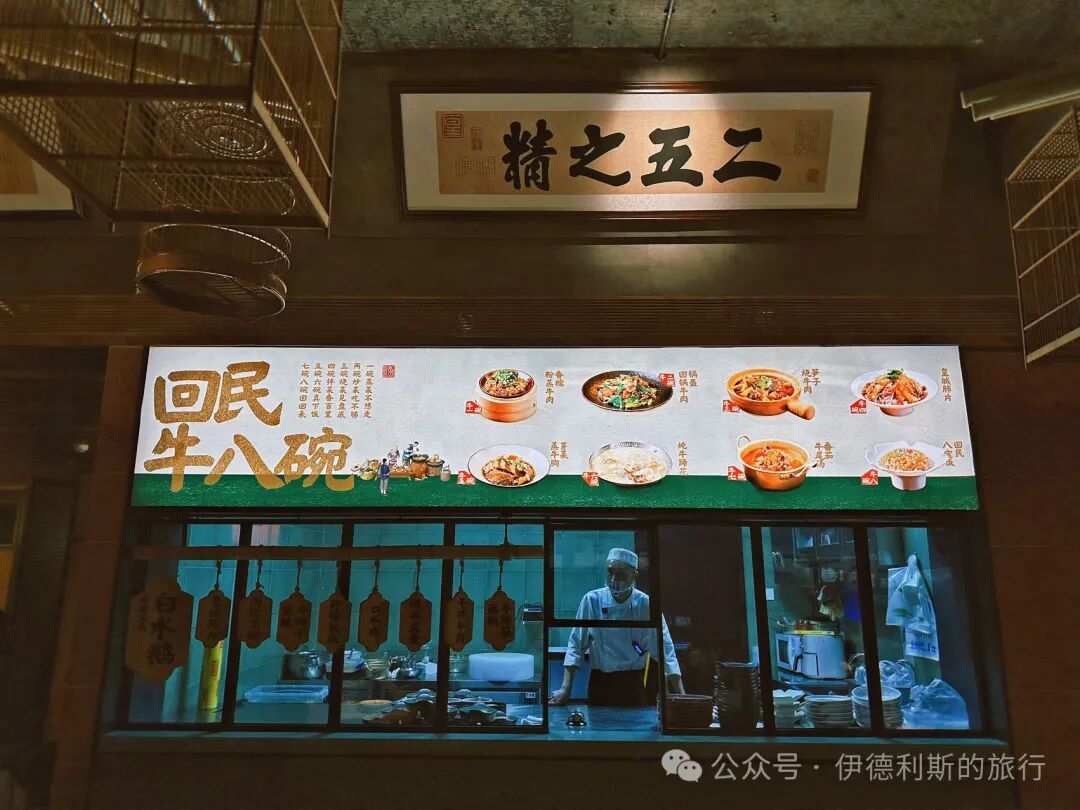
The opening of Chengdu Hui Muslim Cuisine in Eshi Lane, north of Huangcheng Mosque, by Ma Zhijun and his friends (dostis), is arguably the biggest event in the Huangcheng Mosque neighborhood this year. They specialize in the traditional Chengdu Hui Muslim banquet dish known as the Eight Beef Bowls (niu bawan). While the menu is not huge, every dish aims to recreate the authentic, traditional Chengdu halal flavor.
I ordered the steamed beef brisket with preserved vegetables (yacai zheng niuxiong) and the stewed beef trotters (dun niutihua). The preserved vegetables go perfectly with rice, and the trotter soup is delicious. Neither of these two dishes is spicy. This is because not every traditional Sichuan dish is spicy; each one has its own color and a unique flavor profile.
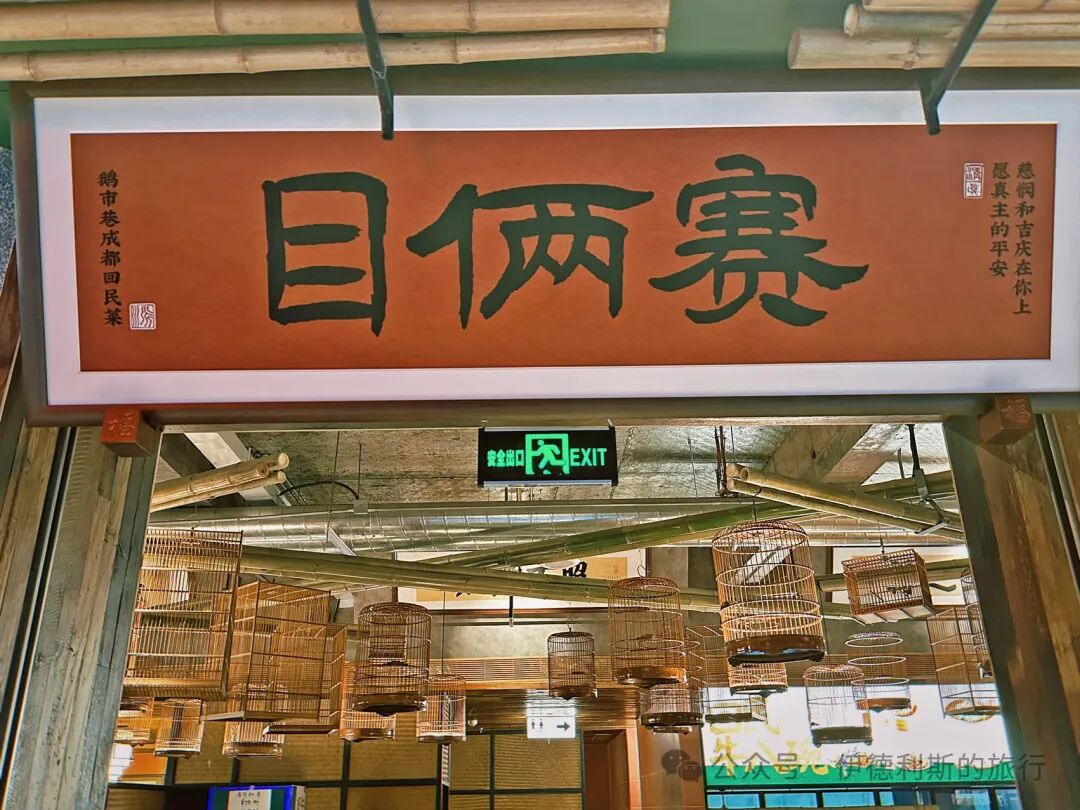
The restaurant's decor is truly exquisite. With bamboo-woven rattan chairs, birdcages hanging from the ceiling, and a soup pot sign (tangping) at the entrance, they work hard to recreate the atmosphere of old-time Hui Muslim eateries in Huangchengba.
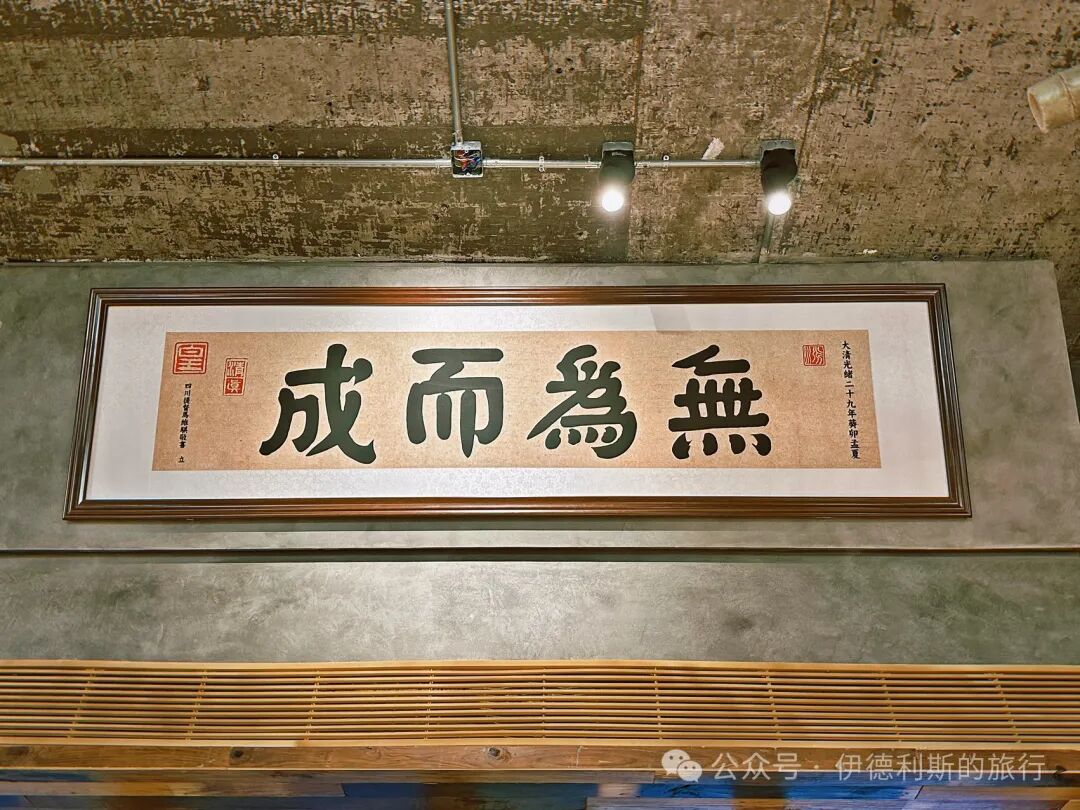
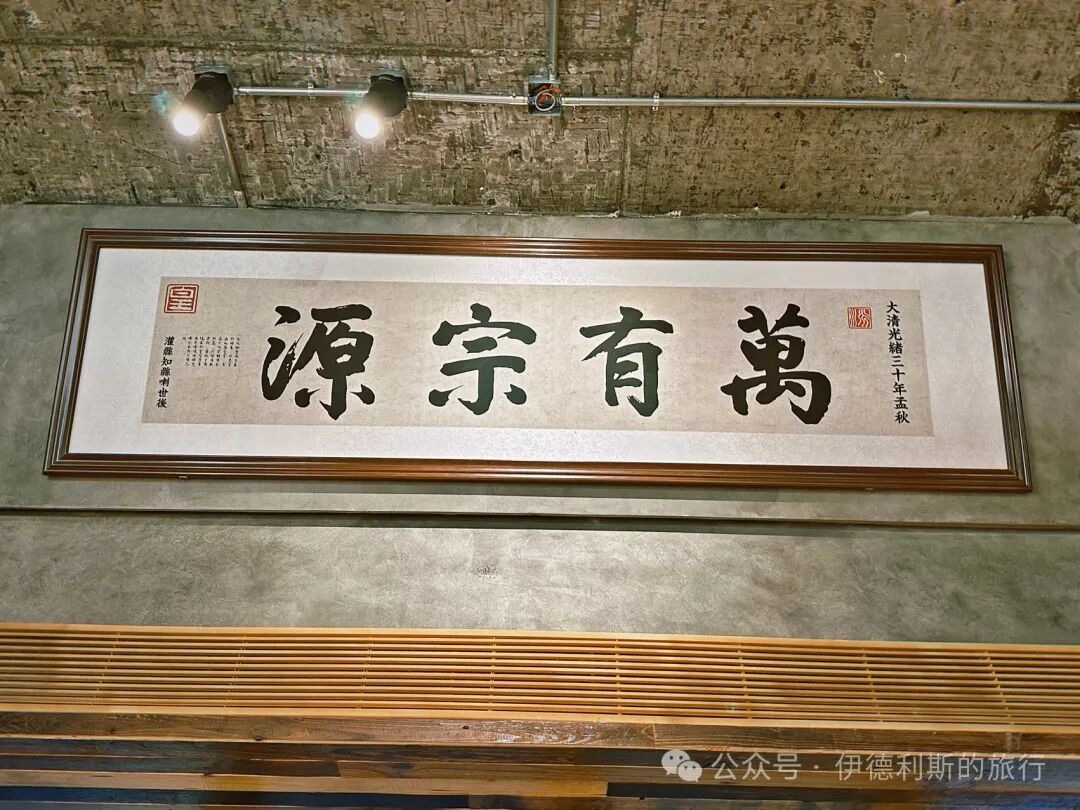
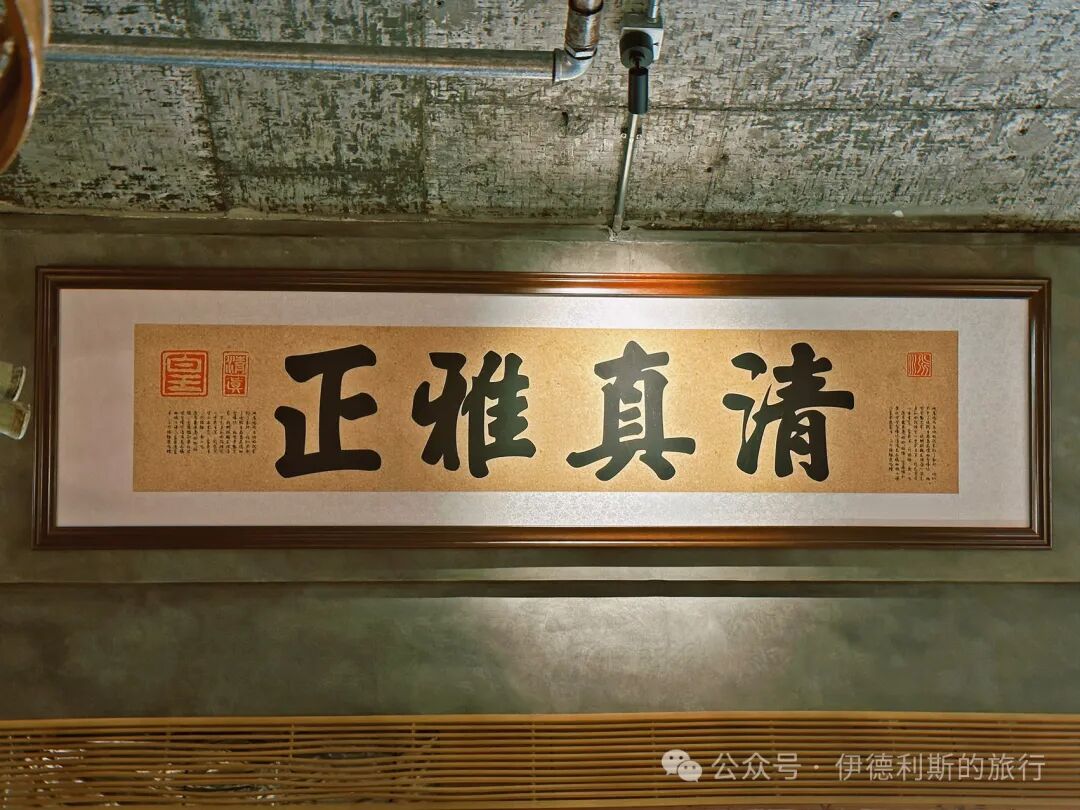
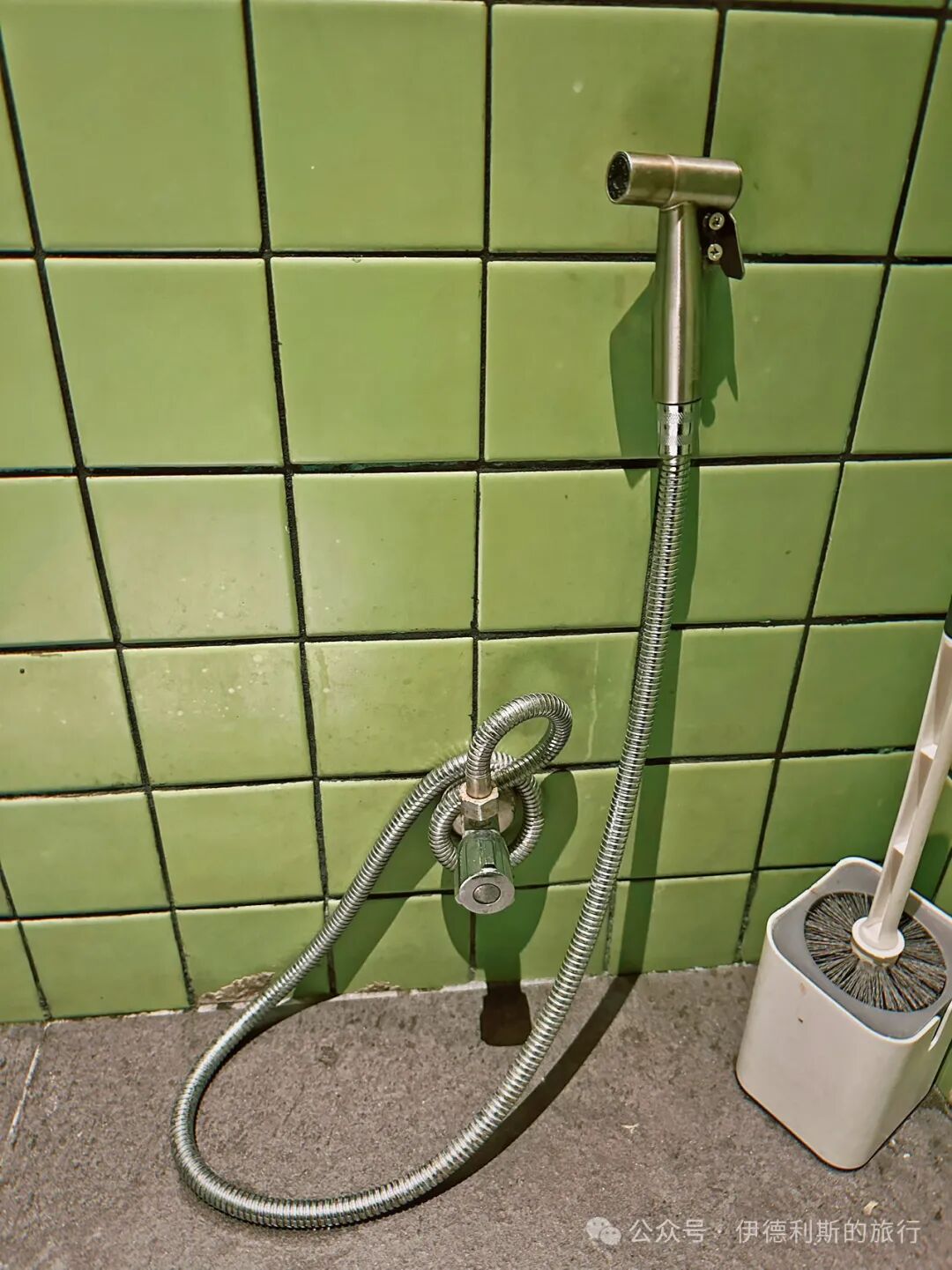
The Eshi Lane Hui Muslim restaurant in Chengdu catches your eye the moment you walk through the door. When I visited, an older Hui Muslim gentleman with a Sichuan accent was standing at the door to welcome guests, which is a rare sight these days. A large piece of calligraphy reading "Salam" hangs at the entrance, along with a "no smoking or alcohol" sign and an introduction to the Hui Muslim diet in Huangchengba. The main hall is filled with replicas of various Islamic calligraphy pieces from the Chengdu area, which are important cultural heritage items for the local community. Additionally, their restroom is equipped with a bidet sprayer for ritual cleansing, which is another reflection of their faith. view all
Summary: Chengdu Huangcheng Mosque Quarter - Food, Streets and Muslim Heritage is presented as a clear English travel account for readers interested in Muslim life, halal food, mosques, and local history. The article keeps the original place names, food details, photographs, and cultural context while focusing on Chengdu, Huangcheng Mosque, Halal Food.
I went to Chengdu for work in May and stayed right behind Huangcheng Mosque. This time, the area in front of Huangcheng Mosque felt much busier than before, with many new restaurants opening up.
Staying next to the mosque makes it very convenient to join the congregation (jama'at) there. The congregation at Huangcheng Mosque is quite large, and many of them are friends (dosti) from Xinjiang in the northwest who run businesses nearby. I even met a friend (dosti) from Urumqi at the mosque who is friends with my wife's relatives.
After Zhang Xianzhong massacred the people of Sichuan at the end of the Ming Dynasty, the population dropped sharply. After the Qing Dynasty was established, the government used immigration policies to increase the population of Sichuan. Hui Muslims from Shaanxi began moving to the abandoned Ming Dynasty Shu King's Palace (Huangchengba) area to settle, and they built Huangcheng Mosque in 1666 (the fifth year of the Kangxi reign).
Huangcheng Mosque was renovated in 1858 (the eighth year of the Xianfeng reign). In 1917, most of it was destroyed during the warlord conflicts between Sichuan and Yunnan. It was rebuilt that same year, but the scale was reduced due to limited funds. During the Qing Dynasty and the Republic of China, Huangcheng Mosque was famous for its scripture hall education and trained many imams for Sichuan. After religious policies were restored in 1978, Huangcheng Mosque became the only one of the seven mosques in Huangchengba to reopen. In 1998, Huangcheng Mosque was moved to the southwest side of Tianfu Square to make way for construction, which is where the current building stands.
Historically, Huangcheng Mosque had hundreds of plaques and couplets, but sadly they were all destroyed after the 1960s. The couplets and plaques in front of the main hall were made in 1989. They were written by Imam Yang Hua from Xichang, with gold leaf hammered by Master Bai Lianquan from the Chengdu Silver Thread Factory and applied by masters Qiu and Li.
Huangcheng Mosque still keeps beautiful wooden scripture boxes, though the scriptures inside are no longer there.
Huangcheng Mosque has a reading area and a cultural exhibition room. All friends (dosti) and visitors can read books and see exhibits here to learn about the religious culture in Chengdu, which I think is excellent.
Since the Qing Dynasty, Chengdu has been famous for its scripture hall education and scripture printing. The exhibition room at Huangcheng Mosque displays related printed classics. I was lucky enough to meet Wan Duosi, a descendant of the Baozhen Hall (Baozhen Tang), which was the most famous place in Chengdu for printing the works of Ming and Qing dynasty scholars. He is also an expert on the religious culture of Sichuan. The founder of Baozhen Hall, Yu Haiting, came from the Tie Gai Yu family in Jianyang, Sichuan. During the Tongzhi reign, he came to the Huangcheng Dam area in Chengdu to work as an apprentice at a halal restaurant. He converted to Islam there, and after finishing his apprenticeship, he opened his own halal restaurant called Changfa Garden (Changfa Yuan). Yu Haiting started Baozhen Hall next to his Changfa Garden restaurant in 1871 to print religious scriptures and classics. His son, Yu Zezhou, took over in 1908, and the business ran until 1928. Over those 57 years, they published 28 books.
The Huangcheng Mosque (Huangcheng Si) cultural exhibition room displays imam robes, religious textbooks, and wooden printing blocks.
Downstairs at the Huangcheng Mosque, there is a row of halal restaurants, each with its own unique style.
The restaurant furthest to the west is Tianfang Tower (Tianfang Lou), which has been open since 1986. It started as a traditional restaurant, but in 2020, they rebranded to serve modern Sichuan cuisine. The new decor is excellent and perfect for business dinners. The restaurant does not sell alcohol, and drinking is not allowed in the main dining hall.
We ordered fish-flavored crispy beef ribs, traditional Huangcheng sliced beef and ox tongue (fuqi feipian), kung pao peony shrimp, young ginger rabbit, spicy chicken, a mixed meat stew (hejia man guan xiang), boiled fish, mugwort rice cakes (ai cao ci ba), and leaf-wrapped rice cakes (ye er ba). Their menu is very extensive, and the food is prepared with great care. It looks beautiful, tastes great, and even features some creative twists. In this restaurant, I see the drive of Sichuan Hui Muslims to keep up with the times. They help Sichuan-style halal food culture thrive while satisfying the tastes of many different people.
To the east of Tianfanglou is Yuehuang Tea Restaurant. It is also an alcohol-free restaurant, and you can come for morning tea starting at nine o'clock. The environment is nice, and the service is excellent. I ordered Cantonese-style roast duck, vegetarian steamed rice rolls with mixed vegetables (luohanzhai suchangfen), and fresh beef congee. They were all surprisingly delicious, even better than what I have had in Guangzhou and Hong Kong. The vegetarian steamed rice rolls (luohanzhai) are filled with carrots, wood ear mushrooms, and shiitake mushrooms. It was my first time trying them, and the texture was very rich. Overall, I am very satisfied with this place. Their menu is quite varied, and I will definitely eat here again next time I am in Chengdu!
At the southeast corner of Huangcheng Mosque are Gongyuanli Beef Noodle Soup and Fanfang Suxiaomeng Beef Pie. Upstairs is Huangchengba Beef Hot Pot. These shops are all owned by Ma Zhijun and his friends (dostis). Ma Zhijun is from Xinjiang, and his parents were also in the restaurant business. He came to Chengdu in 1993, worked in foreign trade, and even ran a shoe factory. Before the Huangchengba area was demolished, he loved the halal snacks around Huangcheng Mosque. In 2012, he apprenticed to learn Sichuan-style halal cuisine. He officially opened Gongyuanli Steak Noodles in 2018, Suxiaomeng Beef Pie in 2019, and Huangchengba Beef Hot Pot in 2020. These shops brought life back to the entrance of Huangcheng Mosque. It gets especially crowded at night, and you have to wait in long lines just to get a beef pie.
During my few days on a business trip in Chengdu, I ate beef noodles at Gongyuanli almost every morning. It is a pity that they only have beef noodles in the morning, not steak noodles. Their braised beef noodles have a very rich flavor. Even for someone like me who usually loves spicy chicken, it felt super numbing and spicy, so I ordered the clear broth beef noodles for the following days. The flavor of their soup base is quite good, but the machine-made noodles have no texture at all, which seems to be a common feature of noodles in the south. The beef pie is just like the crispy beef pie (niuroubing) commonly found in the Muslim Quarter of Xi'an. I did not have to wait in line when I ate it in the morning, so friends who want to try it should come in the morning.
East of Huangcheng Mosque is the Tangjiasi Luo Family Braised Meat Shop. They sell authentic Chengdu Hui Muslim braised meats, including oil-seared duck (youtangya), braised duck, smoked goose, spicy rabbit cubes (hongyou tuding), mixed beef lung slices (ban feipian), and spicy rabbit heads. Every dish has a unique flavor. I bought some oil-seared duck and braised rabbit to eat on the train. They were incredibly fragrant, and I really love Sichuan-style braised food.
Tangjiasi is located in the northern suburbs of Chengdu, along the ancient Jinniu Road that connected Sichuan and Shaanxi. Hui Muslims with the surname Luo settled here in the mid-Ming Dynasty. According to the revised Xindu County Annals from the Republic of China era, the Luo Family Mosque (Luo Jia Si) was built in 1417 during the Chenghua period of the Ming Dynasty in Lijiaying, east of the county. Unfortunately, the 600-year-old Luo Family Mosque was torn down in 1976 and replaced by Jinguang Primary School. Today, the Luo family Hui Muslims mainly live near Tuqiaosi and Huangcheng Mosque, and they are an important part of the Hui Muslim community in Chengdu.
At night, the area in front of Huangcheng Mosque is busy. There is a Laiyi Hui stall selling Sichuan-style spicy hot pot (malatang), a Medisker burger shop, a Northwest-style Jiuding beef noodle shop, and a Dosti stall selling Qinghai yellow-skin yogurt. I bought some once and it tasted very authentic. I have never even had such authentic Qinghai yogurt in Beijing.
There are many Xinjiang restaurants near Huangcheng Mosque where you can buy all kinds of baked flatbread (nang). Across from Huangcheng Mosque, I was surprised to find a real Xinjiang Hui Muslim restaurant called Fat Old Man Pepper Chicken (Pang Laohan Jiaoma Ji). I had eaten there in Urumqi before, where the locals really love it, so I did not expect to see it open in Chengdu.
Besides the shops along the street at Huangcheng Mosque, there are several other Hui Muslim restaurants in the surrounding area. On the north side of Huangcheng Mosque is a very famous old Hui Muslim brand called Yuexiangcun. They call themselves the authentic beef Sichuan restaurant that has never left Huangchengba. A local Hui Muslim from Huangchengba named Wan Duositi treated me to fish-flavored eggplant cakes (yuxiang qiebing), steamed beef with rice flour (fenzheng niurou), and boiled beef (shuizhu niurou) at Yuexiangcun. These are classic Huangchengba Sichuan dishes, and the restaurant makes them perfectly. The fish-flavored eggplant cakes are especially good for people who cannot handle spicy food, and the sweet and sour flavor goes great with rice.
Yuexiangcun was founded in 1943. It was started by a Guangdong-born officer in the Sichuan Army and an imam from Chengdu's West Mosque named Ha Youfu. Even though it is named Yuexiangcun, they serve authentic Sichuan food. Yuexiangcun was originally located inside the Broadway Tea Garden on East Imperial Street in Huangchengba, with Imam Ha Youfu presiding and Zhao Zihua in charge of the kitchen. Broadway was very lively back then. It was not just a place to drink morning tea and chat, but also a hub for the bird market and fur traders to negotiate business. After 1950, Yuexiangcun moved across from the West Mosque on West Imperial Street, where business boomed and the restaurant was often packed with diners. It moved several more times later on, but always stayed within the Huangchengba area. After a renovation at the end of 2022, Yuexiangcun has a great atmosphere that really appeals to young people.
The opening of Chengdu Hui Muslim Cuisine in Eshi Lane, north of Huangcheng Mosque, by Ma Zhijun and his friends (dostis), is arguably the biggest event in the Huangcheng Mosque neighborhood this year. They specialize in the traditional Chengdu Hui Muslim banquet dish known as the Eight Beef Bowls (niu bawan). While the menu is not huge, every dish aims to recreate the authentic, traditional Chengdu halal flavor.
I ordered the steamed beef brisket with preserved vegetables (yacai zheng niuxiong) and the stewed beef trotters (dun niutihua). The preserved vegetables go perfectly with rice, and the trotter soup is delicious. Neither of these two dishes is spicy. This is because not every traditional Sichuan dish is spicy; each one has its own color and a unique flavor profile.
The restaurant's decor is truly exquisite. With bamboo-woven rattan chairs, birdcages hanging from the ceiling, and a soup pot sign (tangping) at the entrance, they work hard to recreate the atmosphere of old-time Hui Muslim eateries in Huangchengba.
The Eshi Lane Hui Muslim restaurant in Chengdu catches your eye the moment you walk through the door. When I visited, an older Hui Muslim gentleman with a Sichuan accent was standing at the door to welcome guests, which is a rare sight these days. A large piece of calligraphy reading "Salam" hangs at the entrance, along with a "no smoking or alcohol" sign and an introduction to the Hui Muslim diet in Huangchengba. The main hall is filled with replicas of various Islamic calligraphy pieces from the Chengdu area, which are important cultural heritage items for the local community. Additionally, their restroom is equipped with a bidet sprayer for ritual cleansing, which is another reflection of their faith. view all
Reposted from the web
Summary: Chengdu Huangcheng Mosque Quarter - Food, Streets and Muslim Heritage is presented as a clear English travel account for readers interested in Muslim life, halal food, mosques, and local history. The article keeps the original place names, food details, photographs, and cultural context while focusing on Chengdu, Huangcheng Mosque, Halal Food.
I went to Chengdu for work in May and stayed right behind Huangcheng Mosque. This time, the area in front of Huangcheng Mosque felt much busier than before, with many new restaurants opening up.
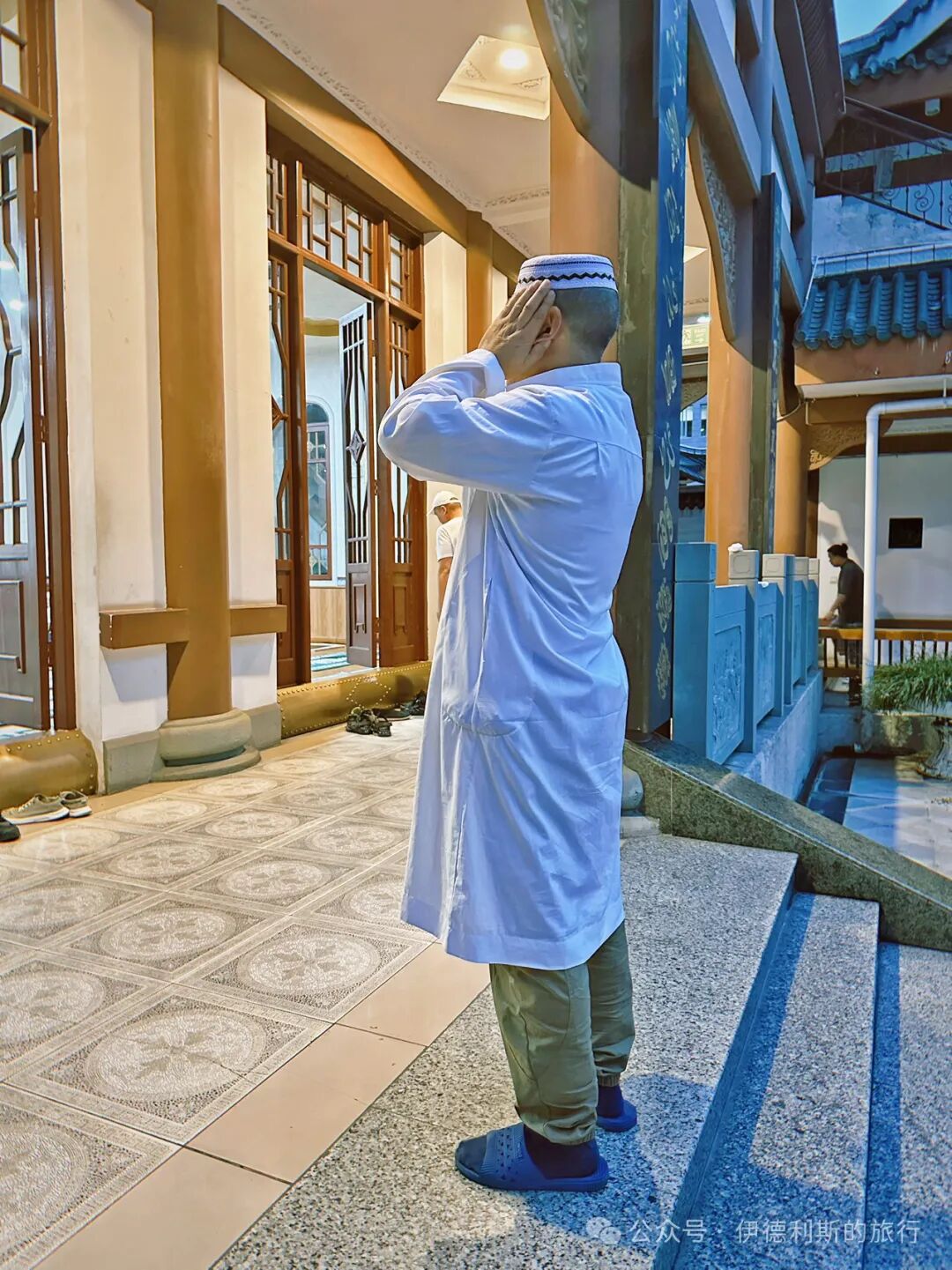
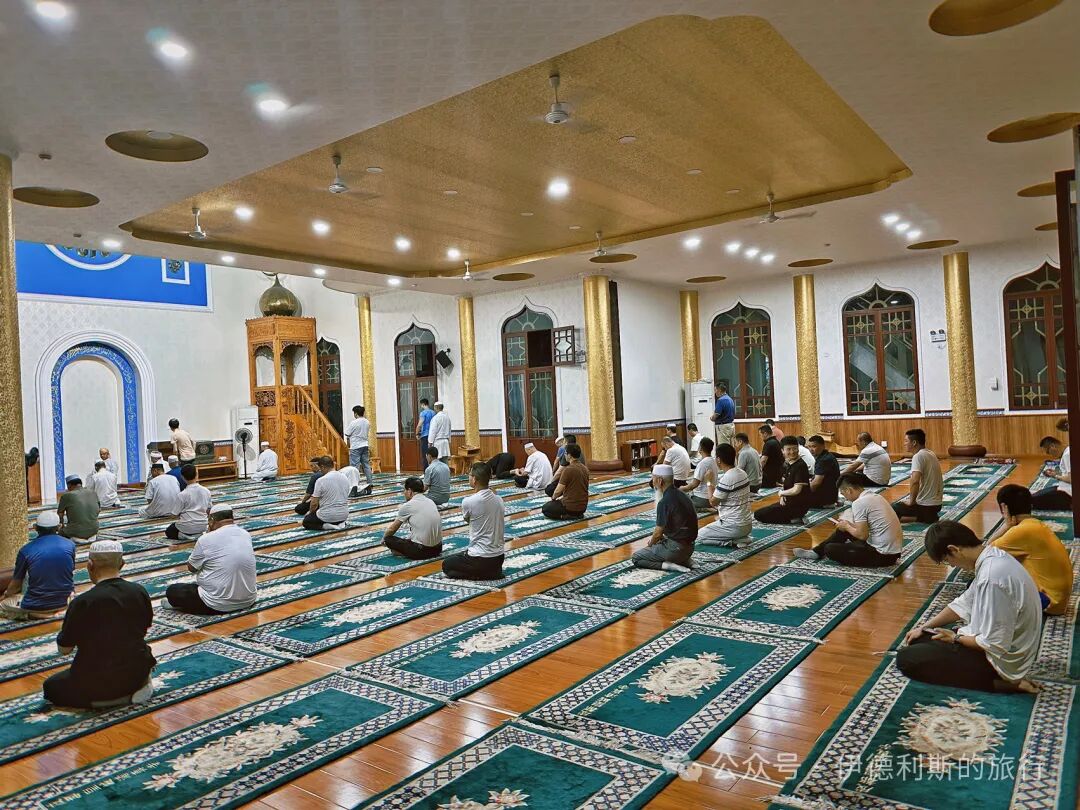
Staying next to the mosque makes it very convenient to join the congregation (jama'at) there. The congregation at Huangcheng Mosque is quite large, and many of them are friends (dosti) from Xinjiang in the northwest who run businesses nearby. I even met a friend (dosti) from Urumqi at the mosque who is friends with my wife's relatives.
After Zhang Xianzhong massacred the people of Sichuan at the end of the Ming Dynasty, the population dropped sharply. After the Qing Dynasty was established, the government used immigration policies to increase the population of Sichuan. Hui Muslims from Shaanxi began moving to the abandoned Ming Dynasty Shu King's Palace (Huangchengba) area to settle, and they built Huangcheng Mosque in 1666 (the fifth year of the Kangxi reign).
Huangcheng Mosque was renovated in 1858 (the eighth year of the Xianfeng reign). In 1917, most of it was destroyed during the warlord conflicts between Sichuan and Yunnan. It was rebuilt that same year, but the scale was reduced due to limited funds. During the Qing Dynasty and the Republic of China, Huangcheng Mosque was famous for its scripture hall education and trained many imams for Sichuan. After religious policies were restored in 1978, Huangcheng Mosque became the only one of the seven mosques in Huangchengba to reopen. In 1998, Huangcheng Mosque was moved to the southwest side of Tianfu Square to make way for construction, which is where the current building stands.
Historically, Huangcheng Mosque had hundreds of plaques and couplets, but sadly they were all destroyed after the 1960s. The couplets and plaques in front of the main hall were made in 1989. They were written by Imam Yang Hua from Xichang, with gold leaf hammered by Master Bai Lianquan from the Chengdu Silver Thread Factory and applied by masters Qiu and Li.
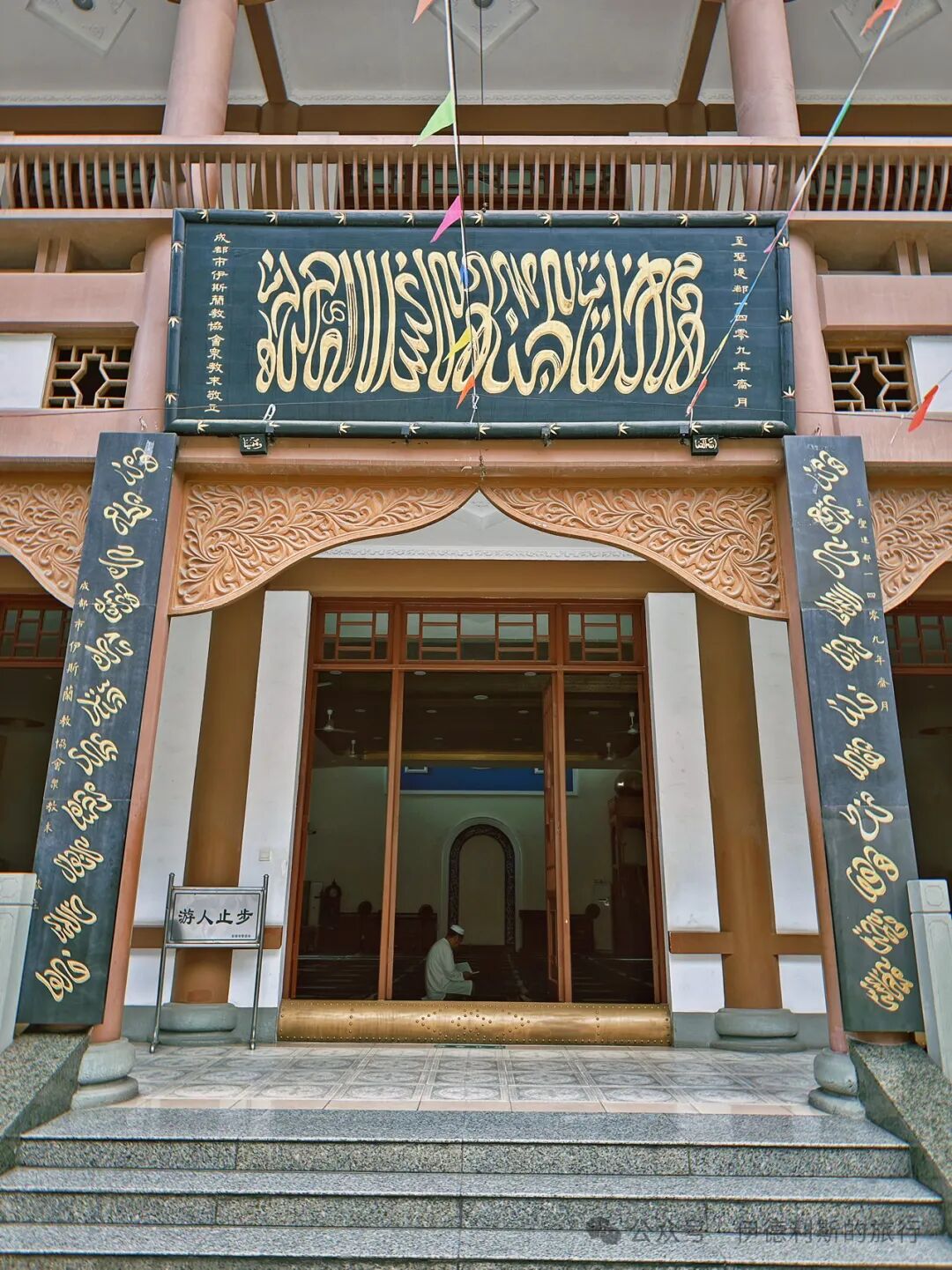
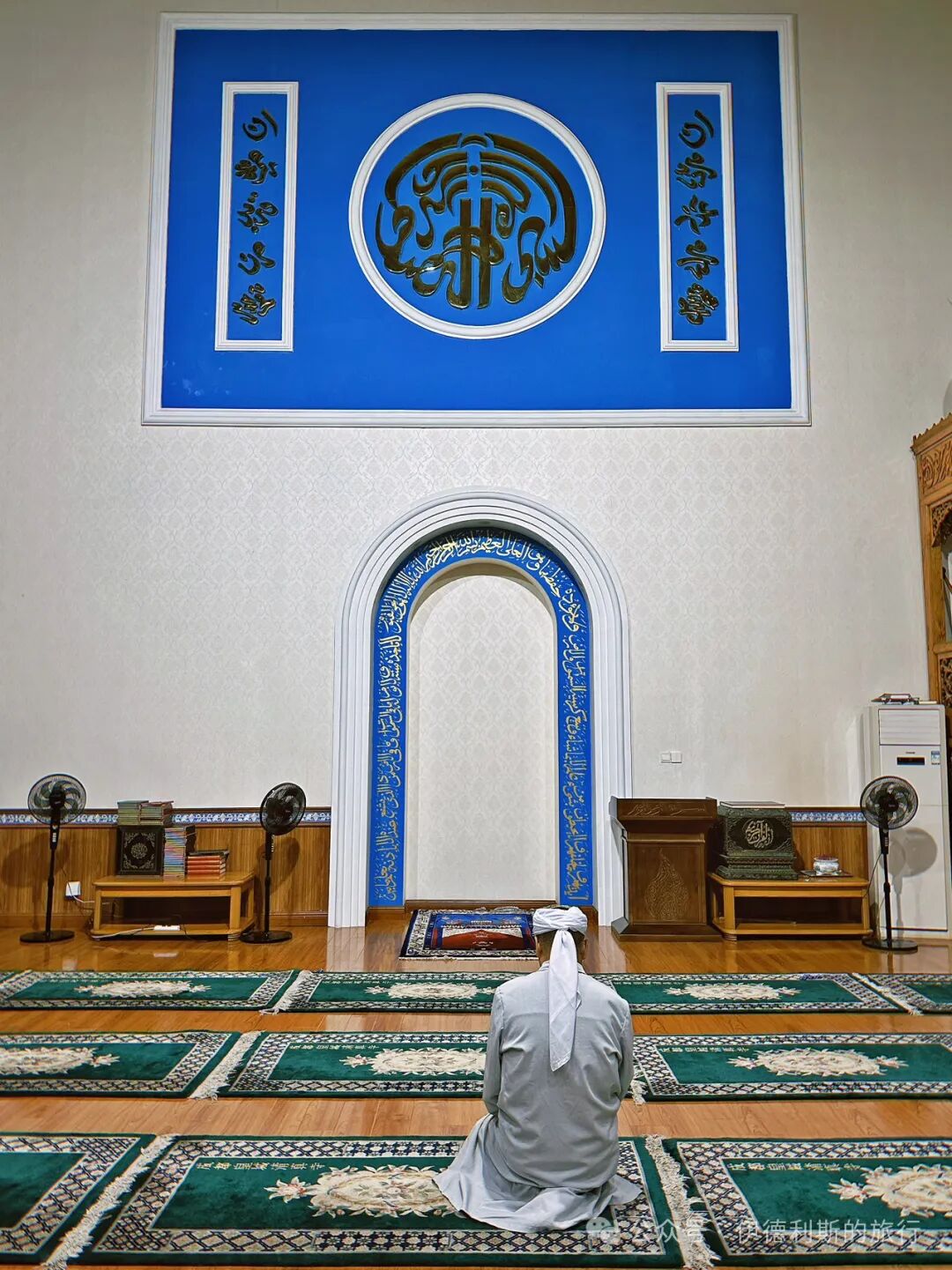
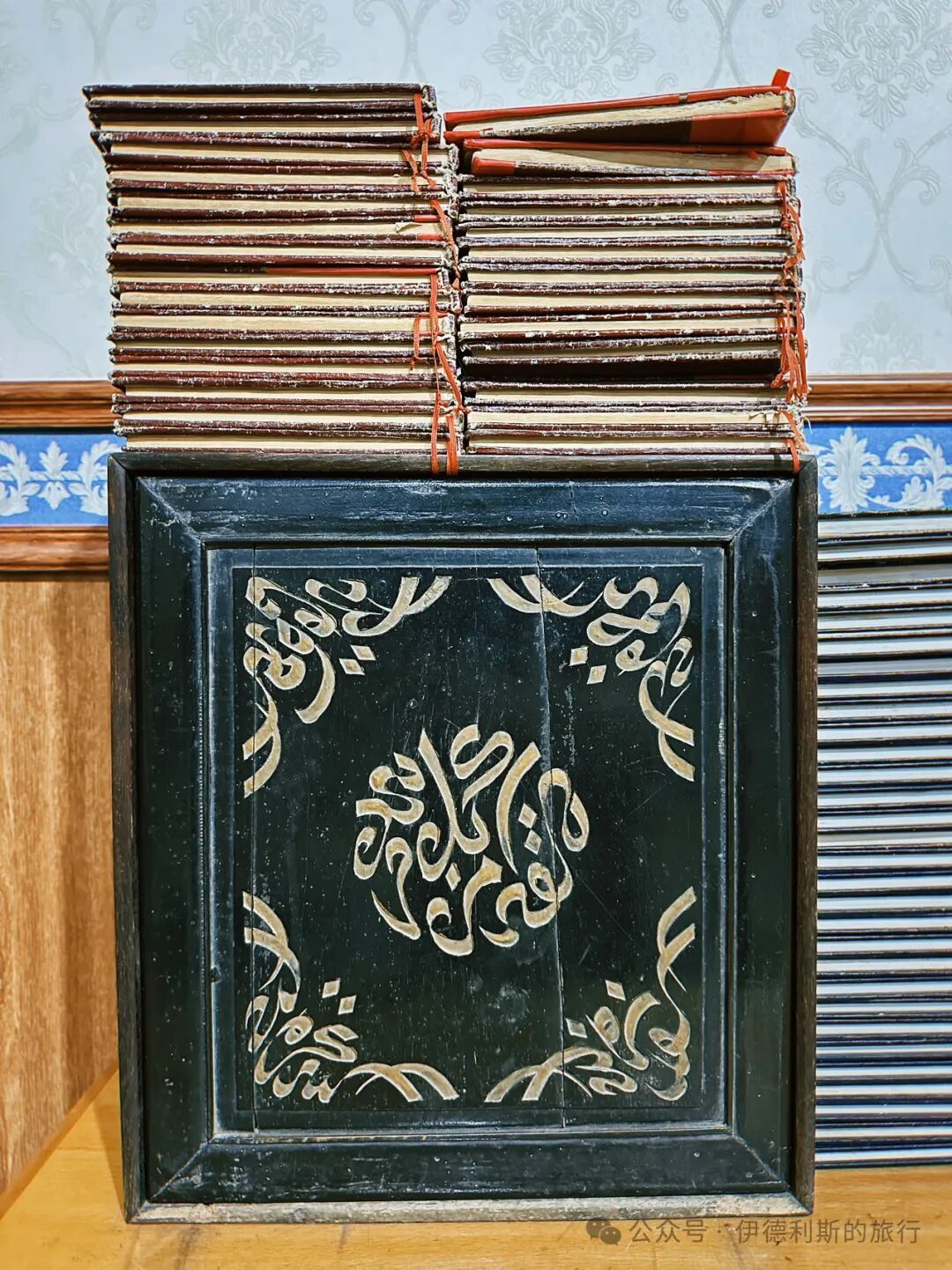
Huangcheng Mosque still keeps beautiful wooden scripture boxes, though the scriptures inside are no longer there.
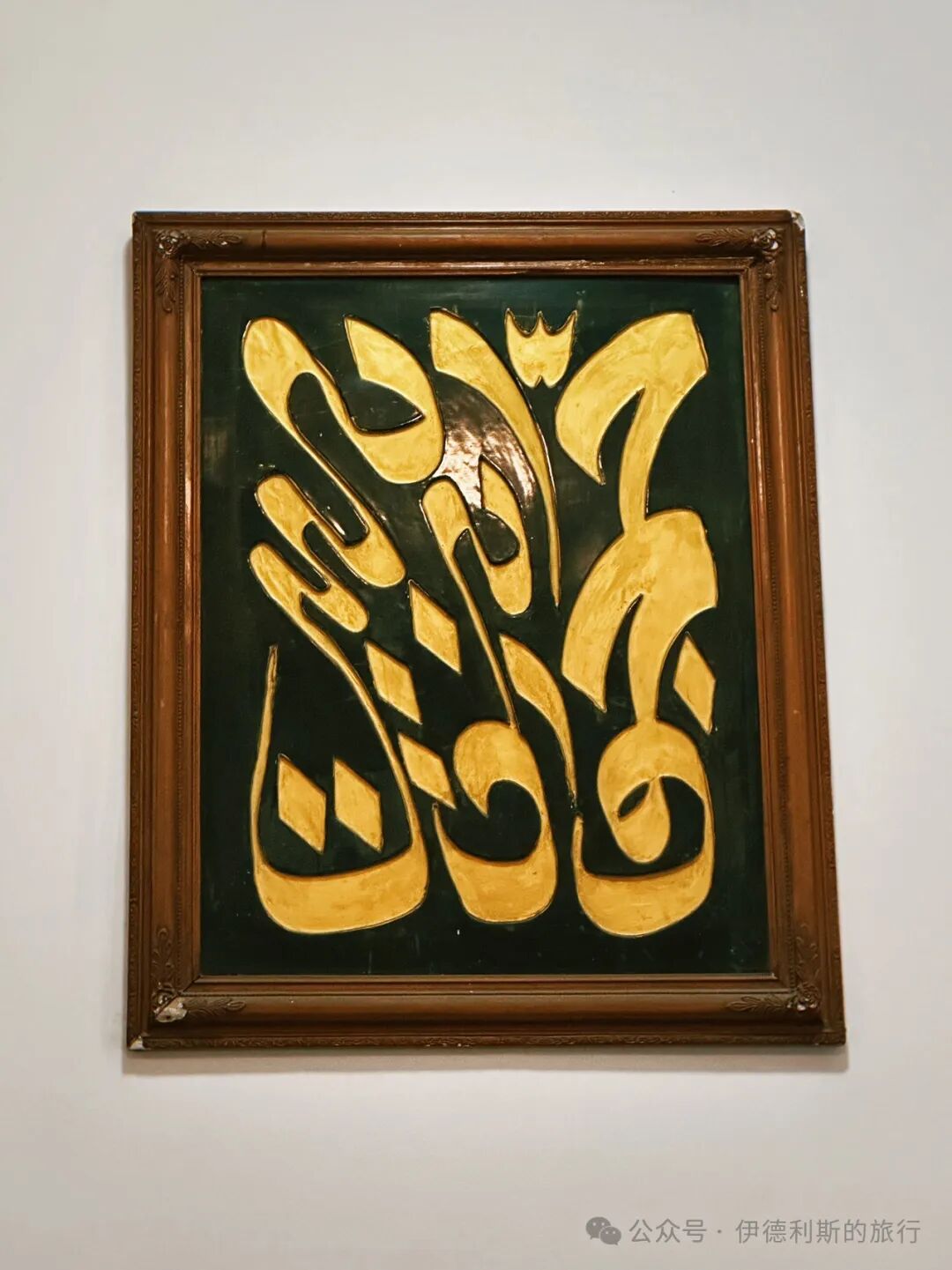
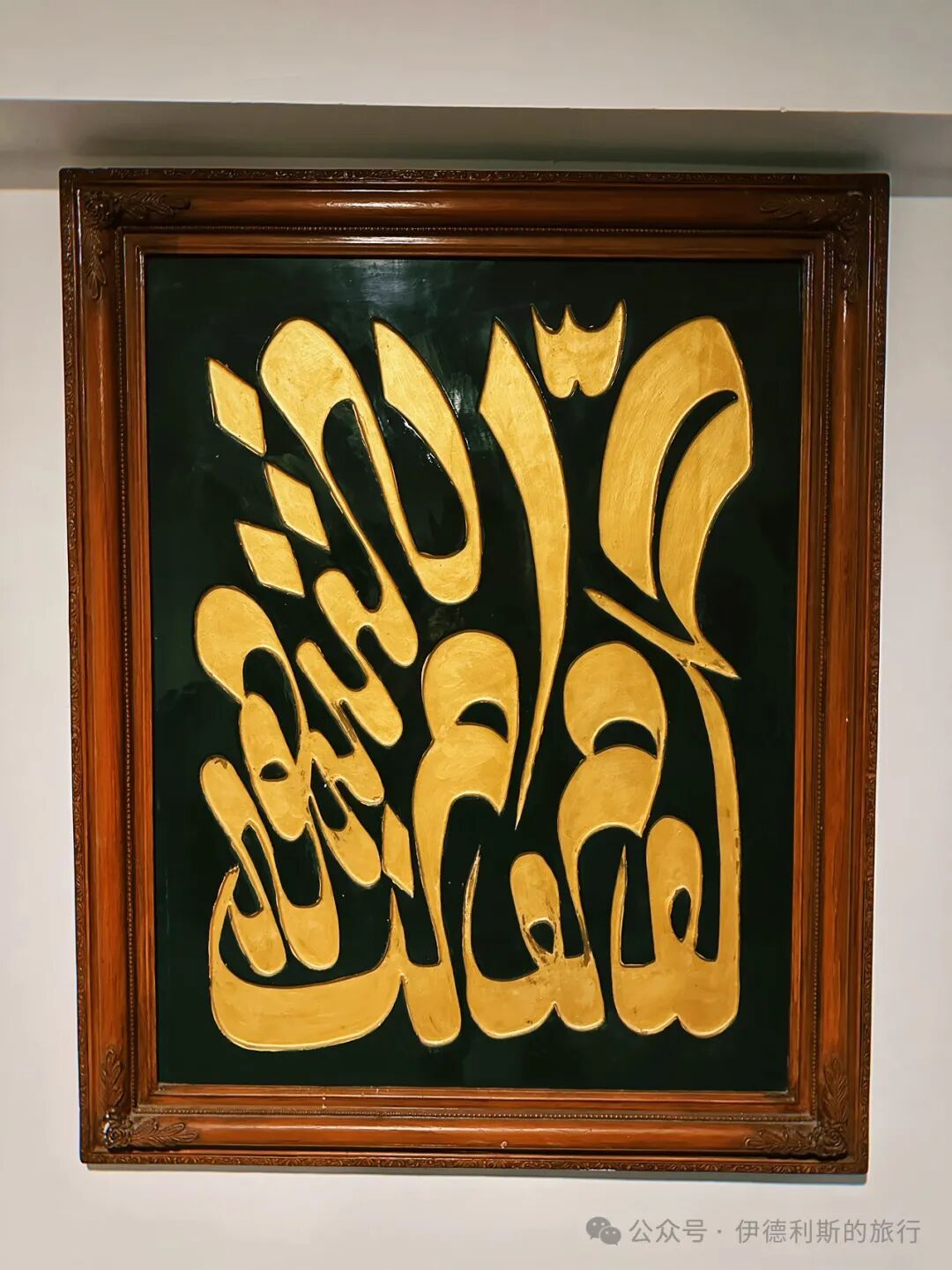
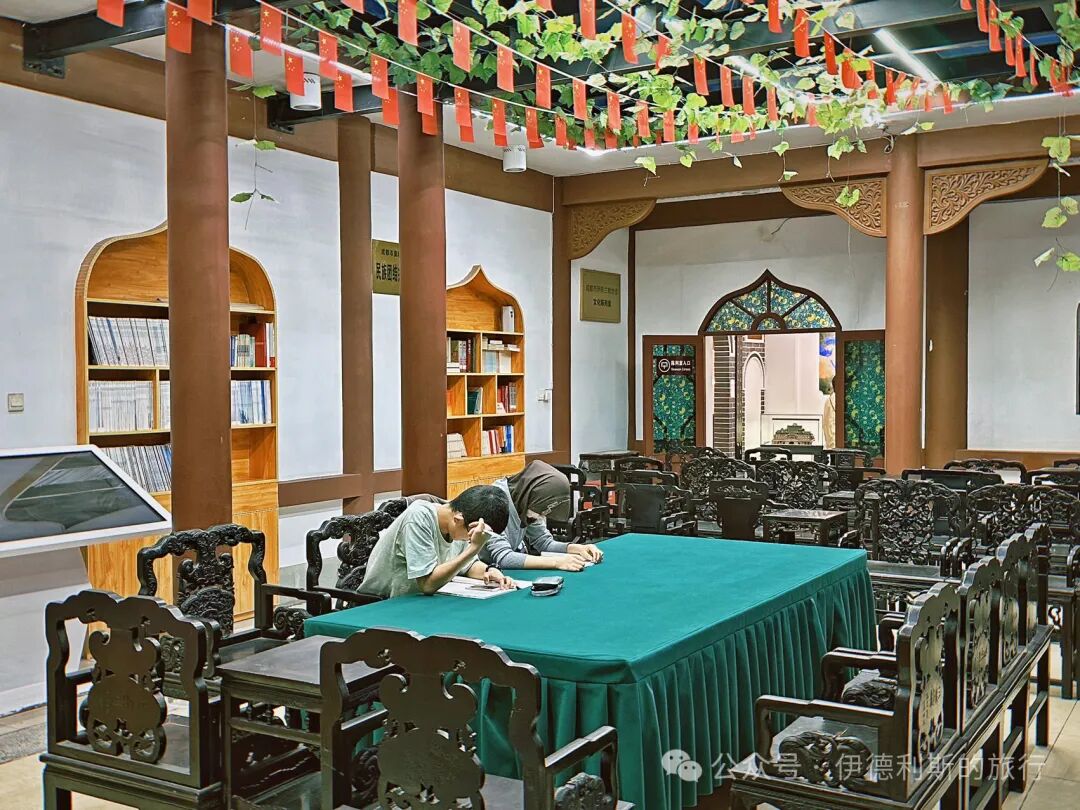
Huangcheng Mosque has a reading area and a cultural exhibition room. All friends (dosti) and visitors can read books and see exhibits here to learn about the religious culture in Chengdu, which I think is excellent.
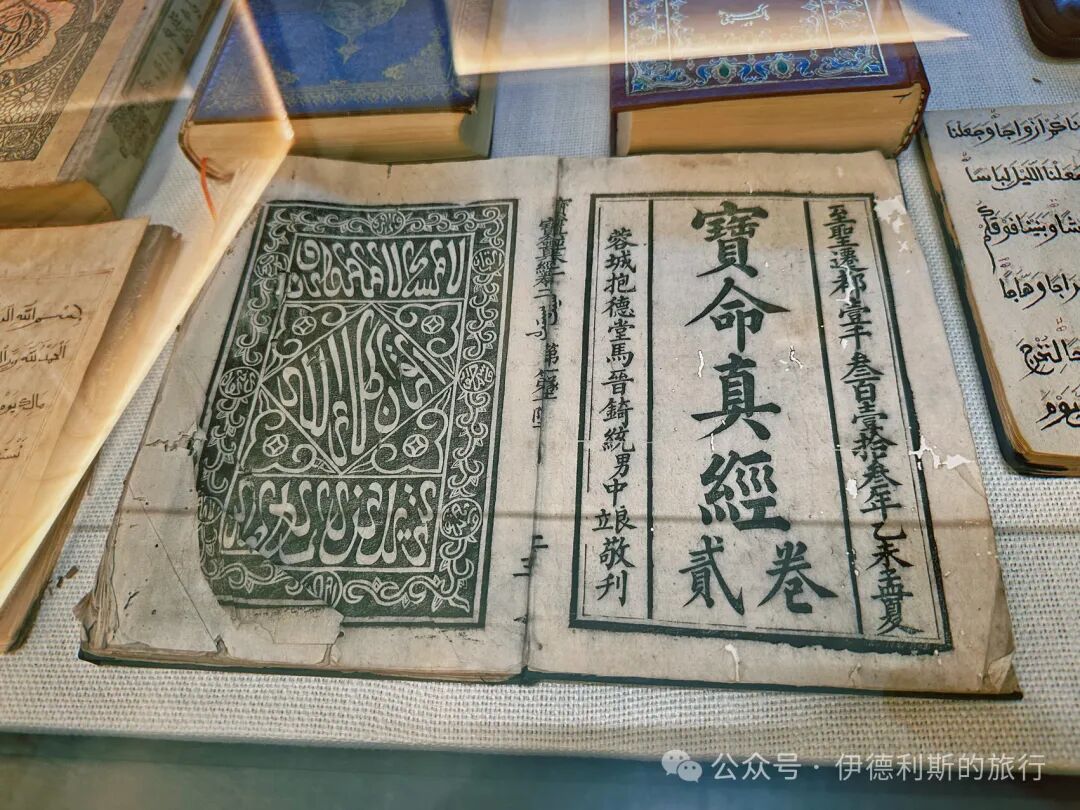
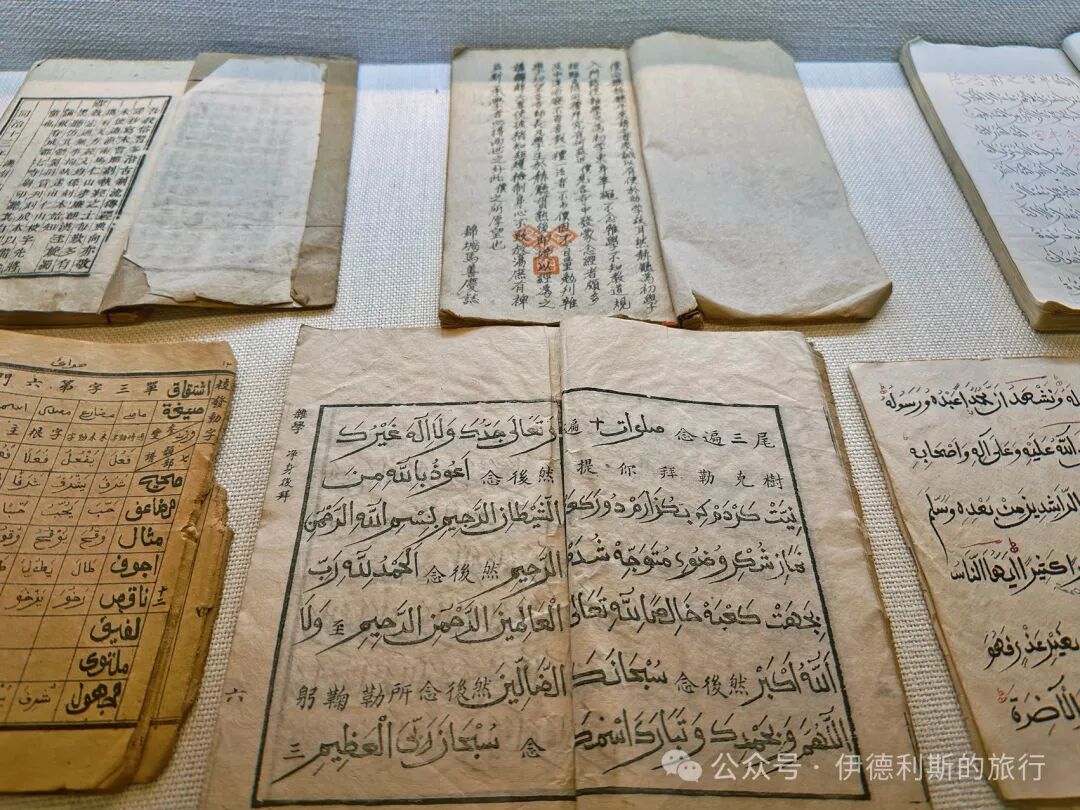
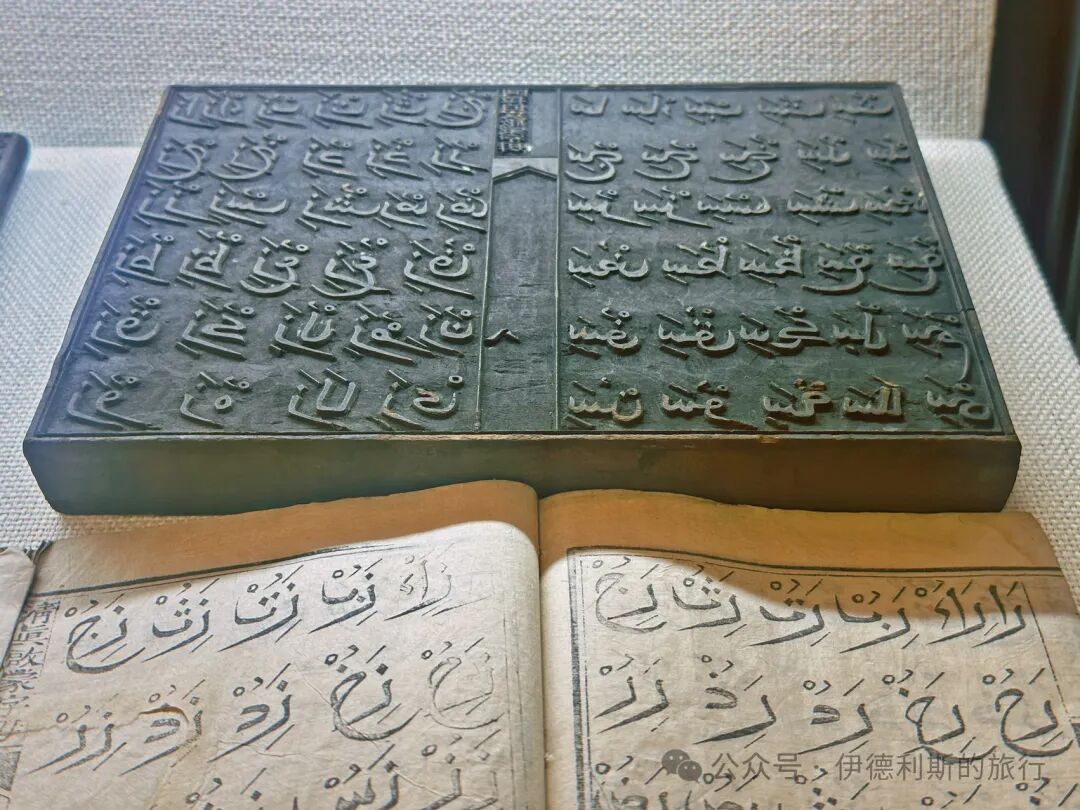
Since the Qing Dynasty, Chengdu has been famous for its scripture hall education and scripture printing. The exhibition room at Huangcheng Mosque displays related printed classics. I was lucky enough to meet Wan Duosi, a descendant of the Baozhen Hall (Baozhen Tang), which was the most famous place in Chengdu for printing the works of Ming and Qing dynasty scholars. He is also an expert on the religious culture of Sichuan. The founder of Baozhen Hall, Yu Haiting, came from the Tie Gai Yu family in Jianyang, Sichuan. During the Tongzhi reign, he came to the Huangcheng Dam area in Chengdu to work as an apprentice at a halal restaurant. He converted to Islam there, and after finishing his apprenticeship, he opened his own halal restaurant called Changfa Garden (Changfa Yuan). Yu Haiting started Baozhen Hall next to his Changfa Garden restaurant in 1871 to print religious scriptures and classics. His son, Yu Zezhou, took over in 1908, and the business ran until 1928. Over those 57 years, they published 28 books.
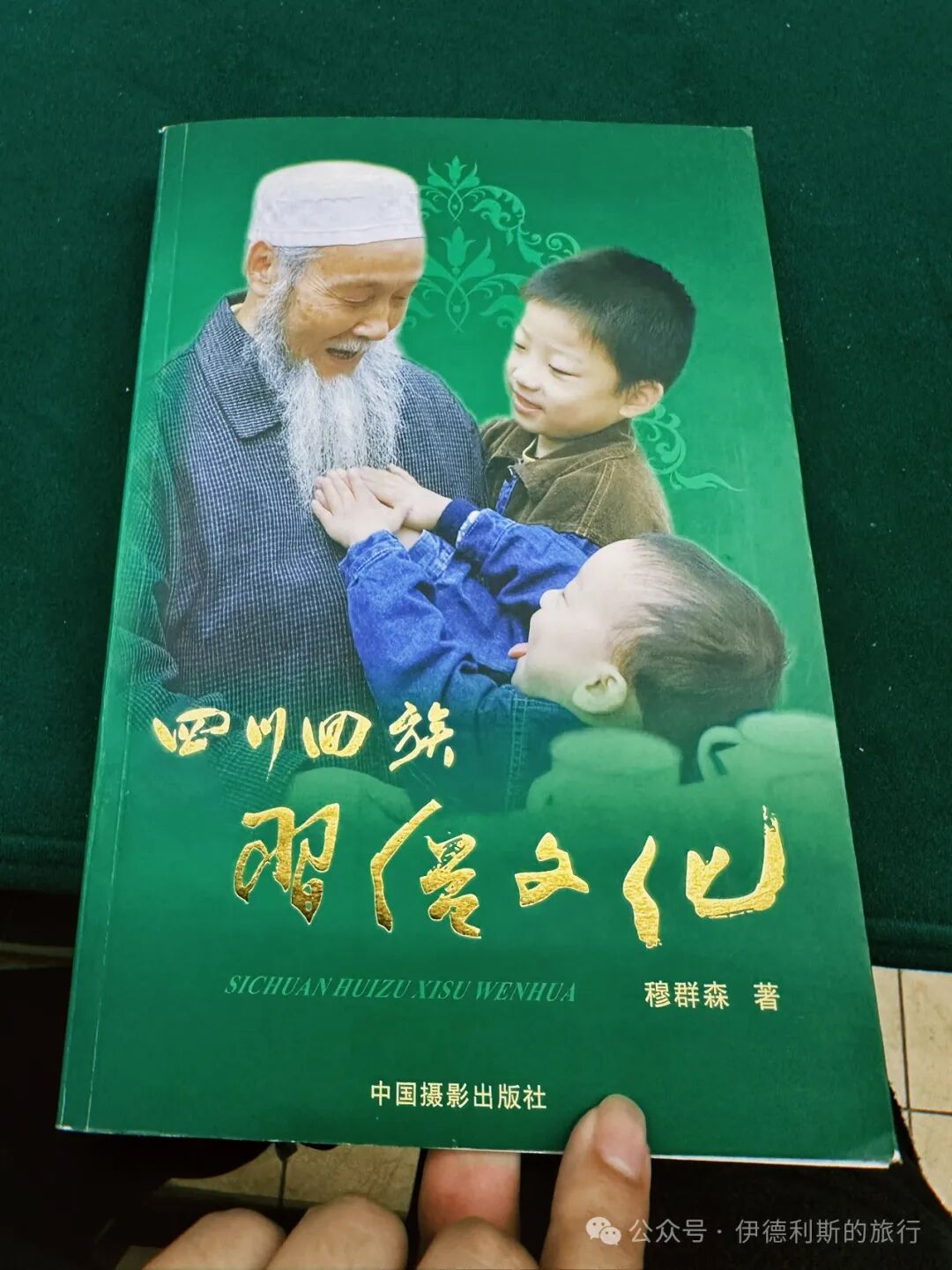
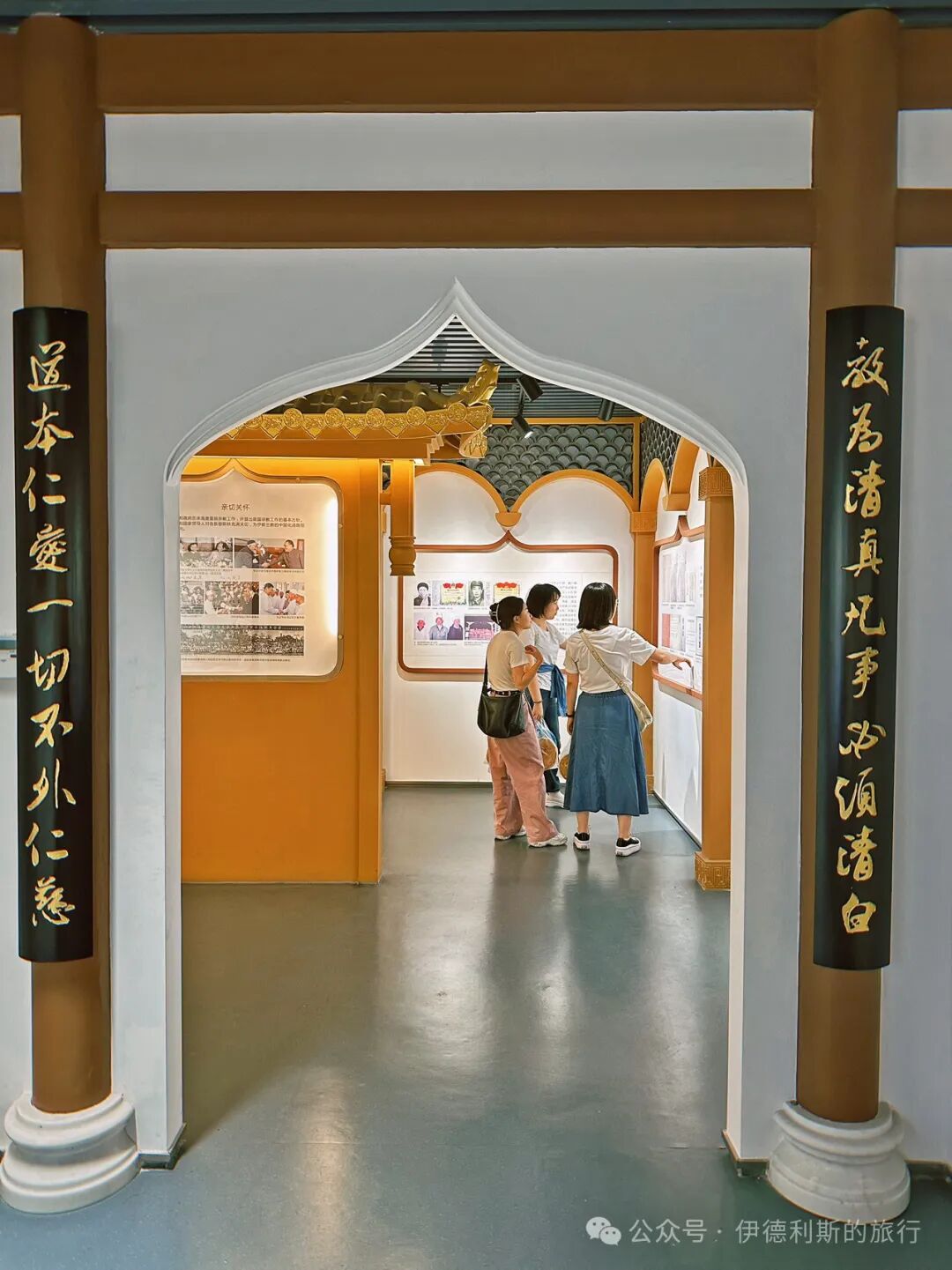
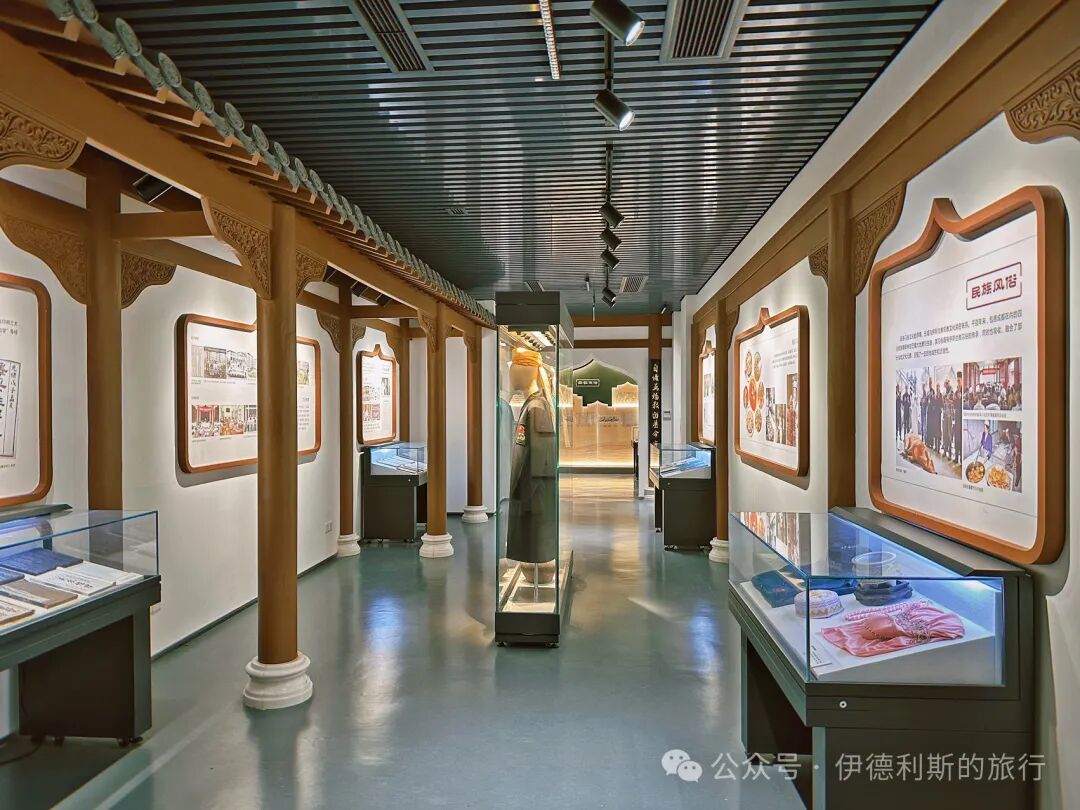
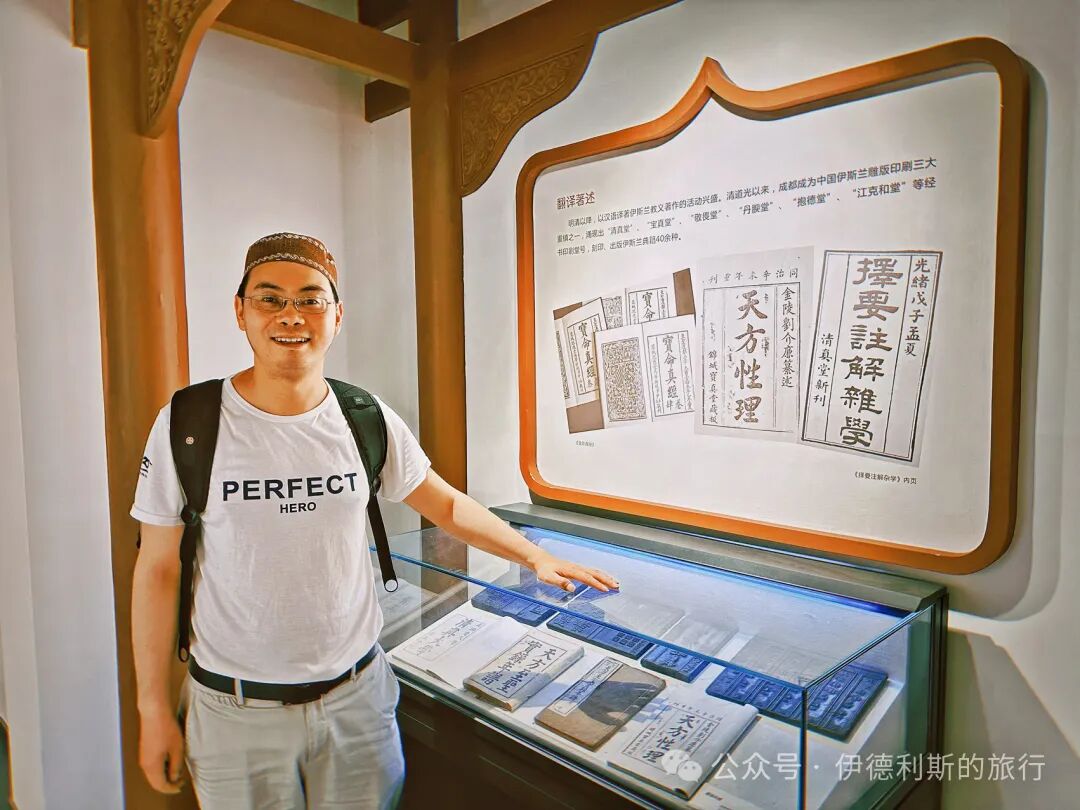
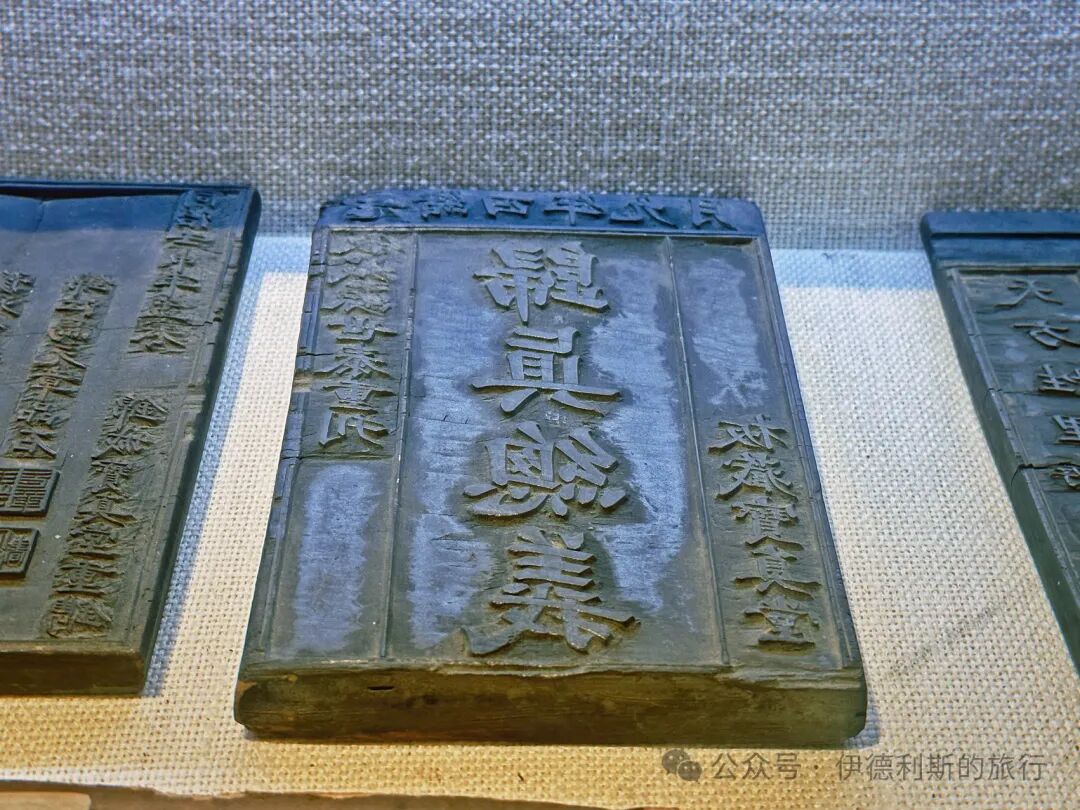
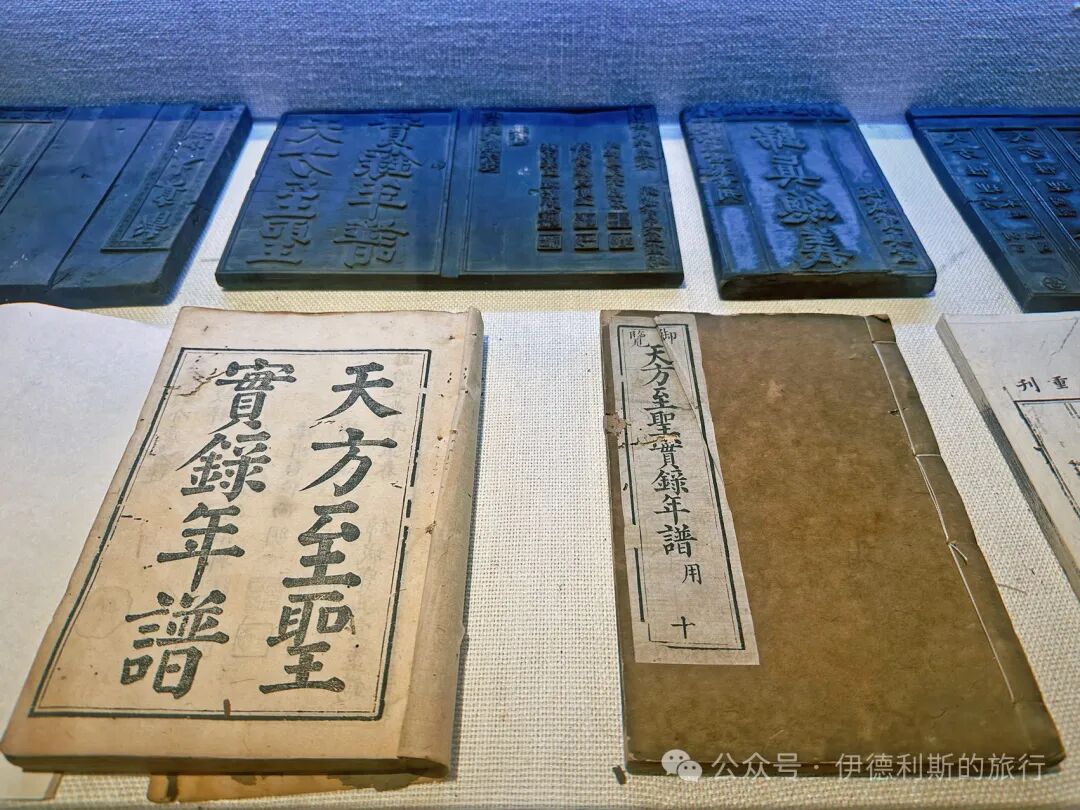
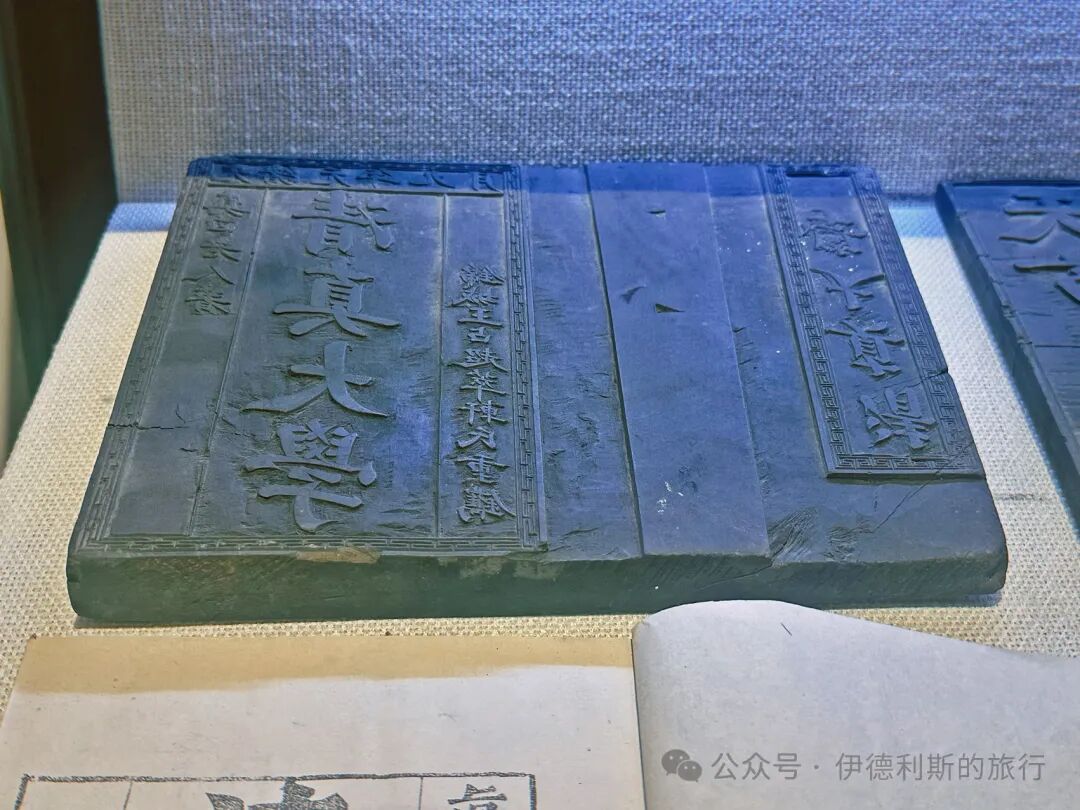
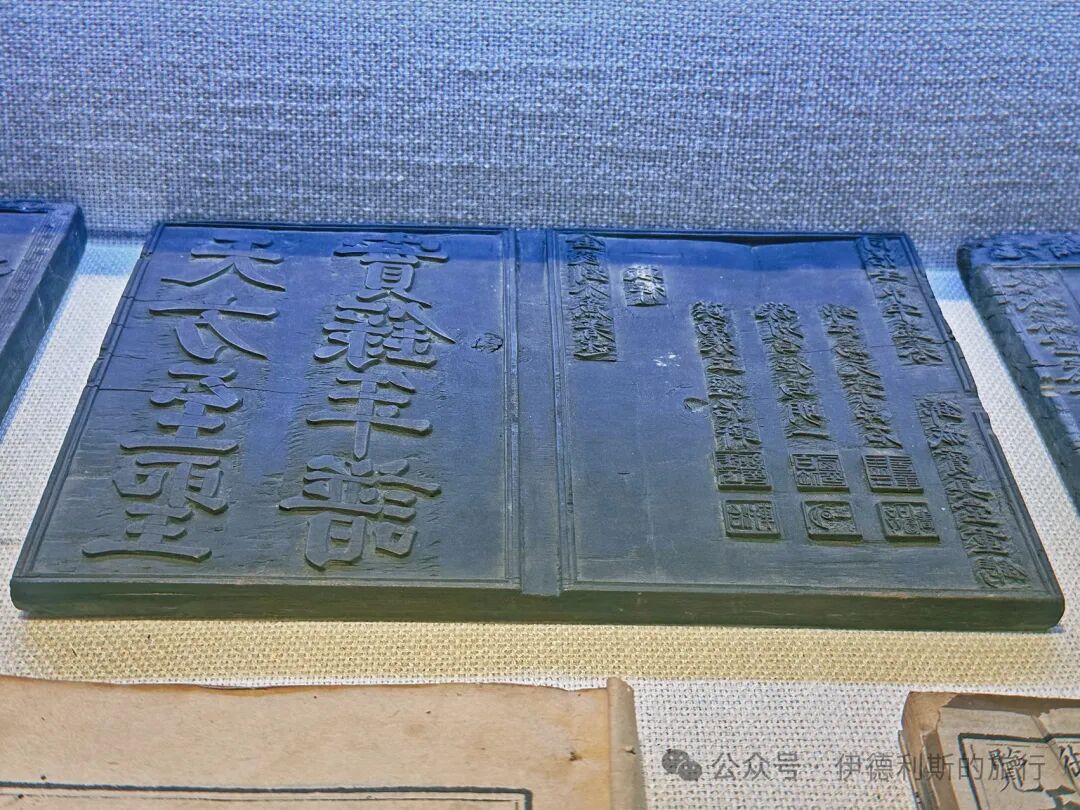
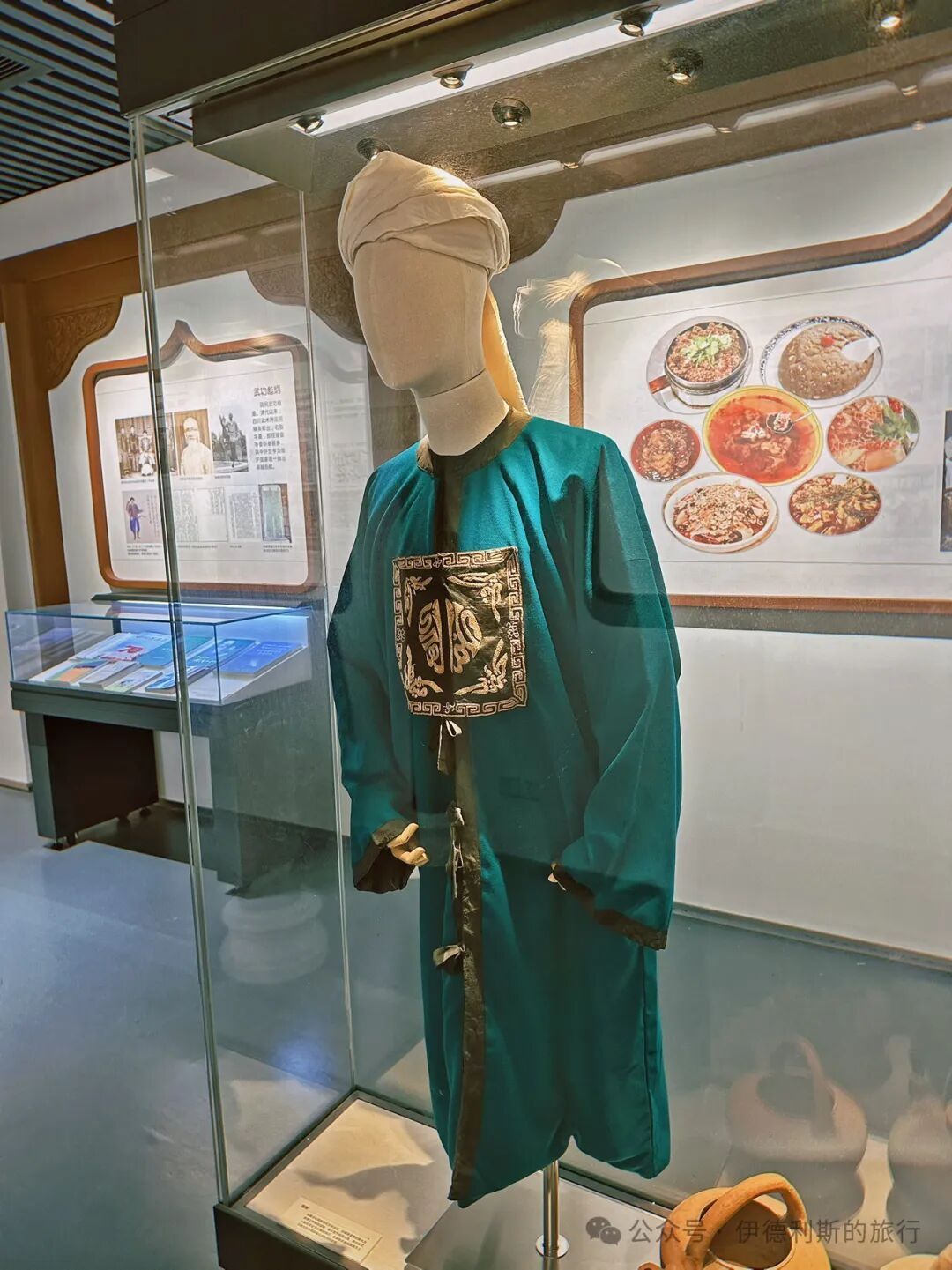
The Huangcheng Mosque (Huangcheng Si) cultural exhibition room displays imam robes, religious textbooks, and wooden printing blocks.
Downstairs at the Huangcheng Mosque, there is a row of halal restaurants, each with its own unique style.
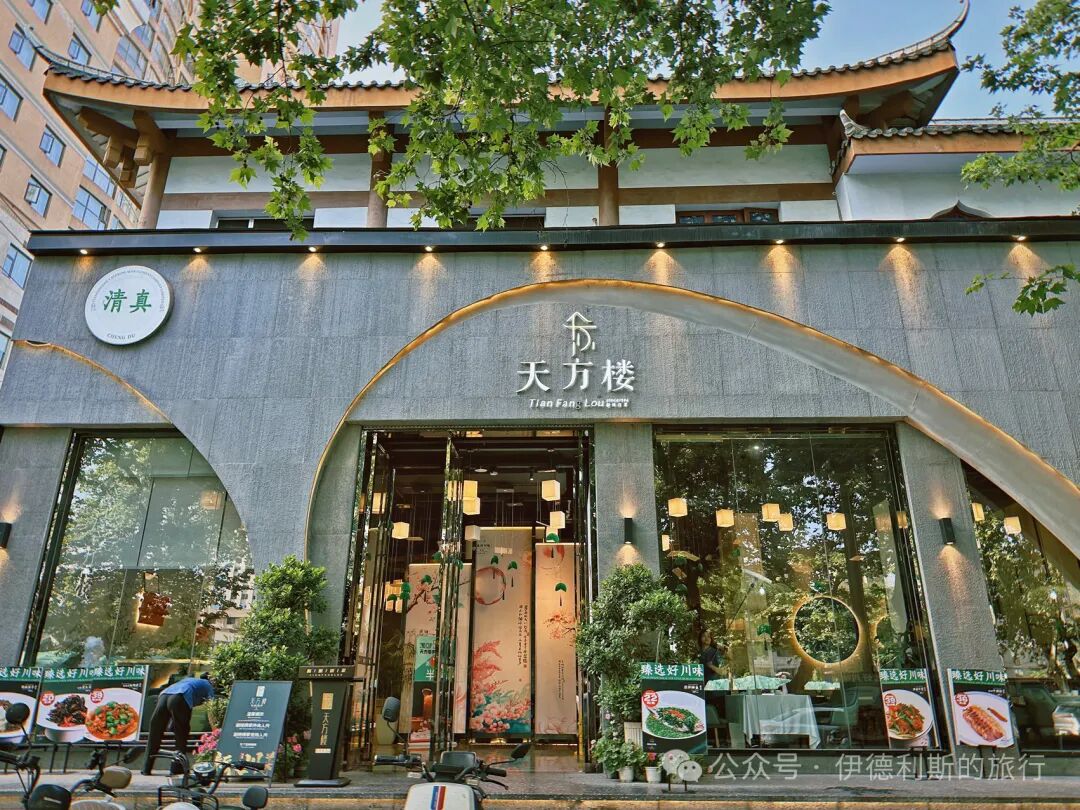
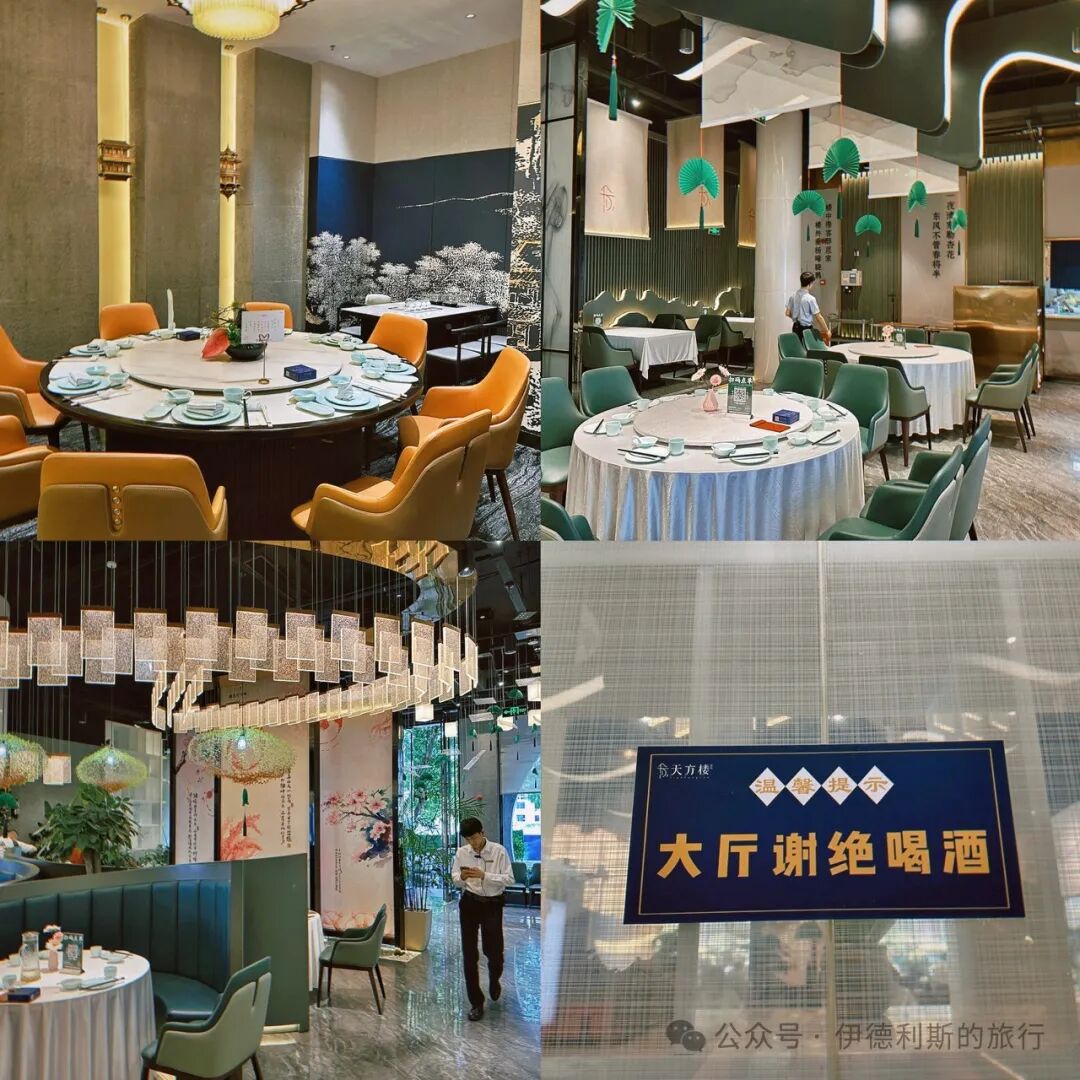
The restaurant furthest to the west is Tianfang Tower (Tianfang Lou), which has been open since 1986. It started as a traditional restaurant, but in 2020, they rebranded to serve modern Sichuan cuisine. The new decor is excellent and perfect for business dinners. The restaurant does not sell alcohol, and drinking is not allowed in the main dining hall.
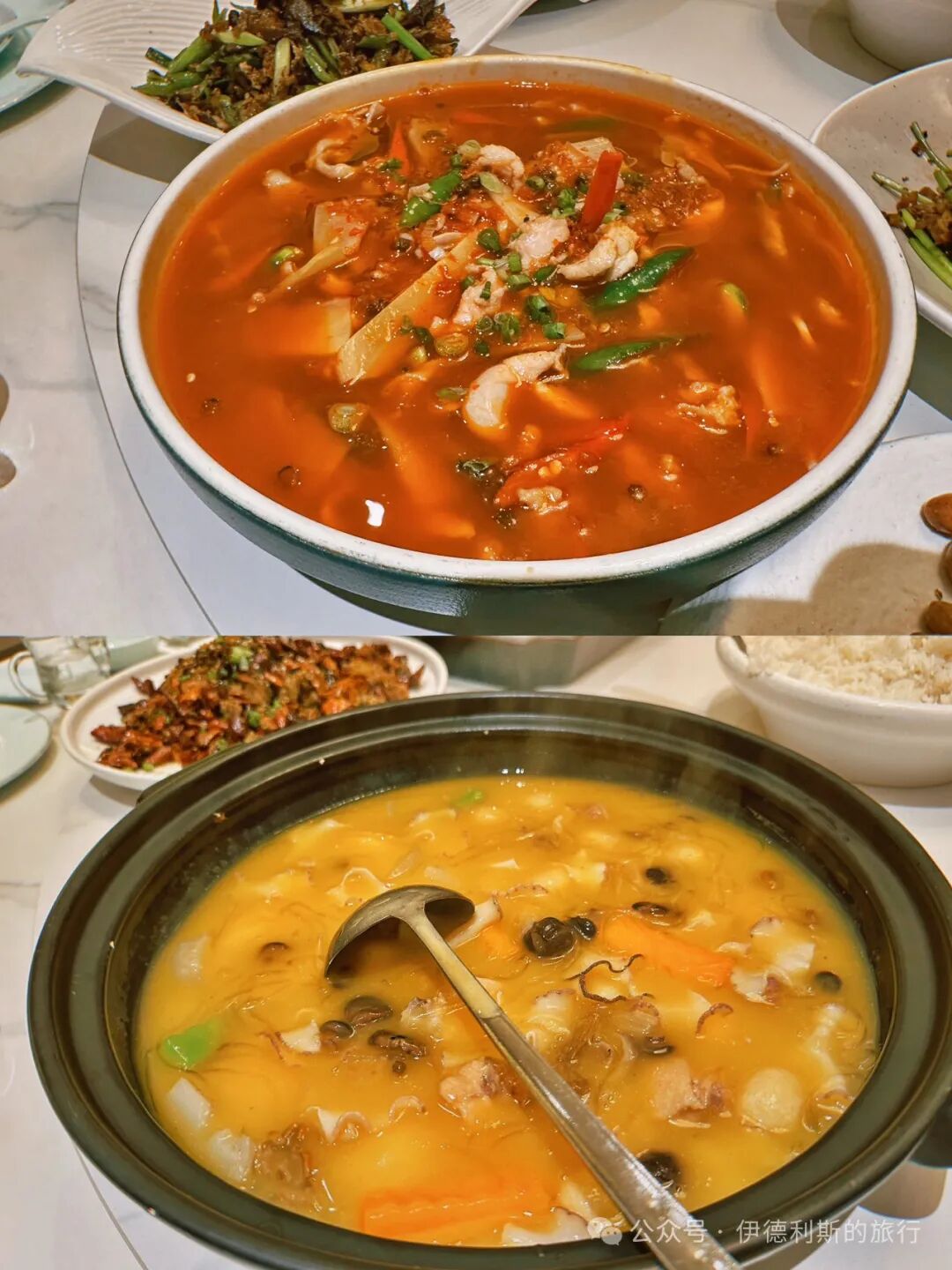
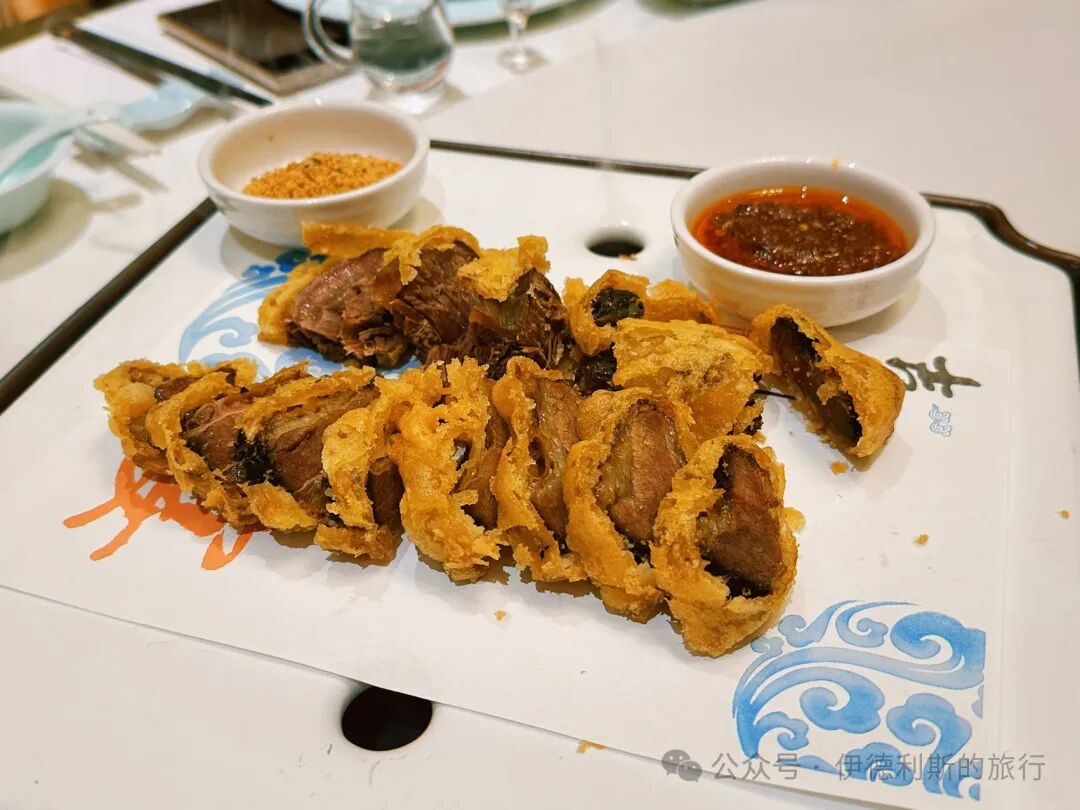
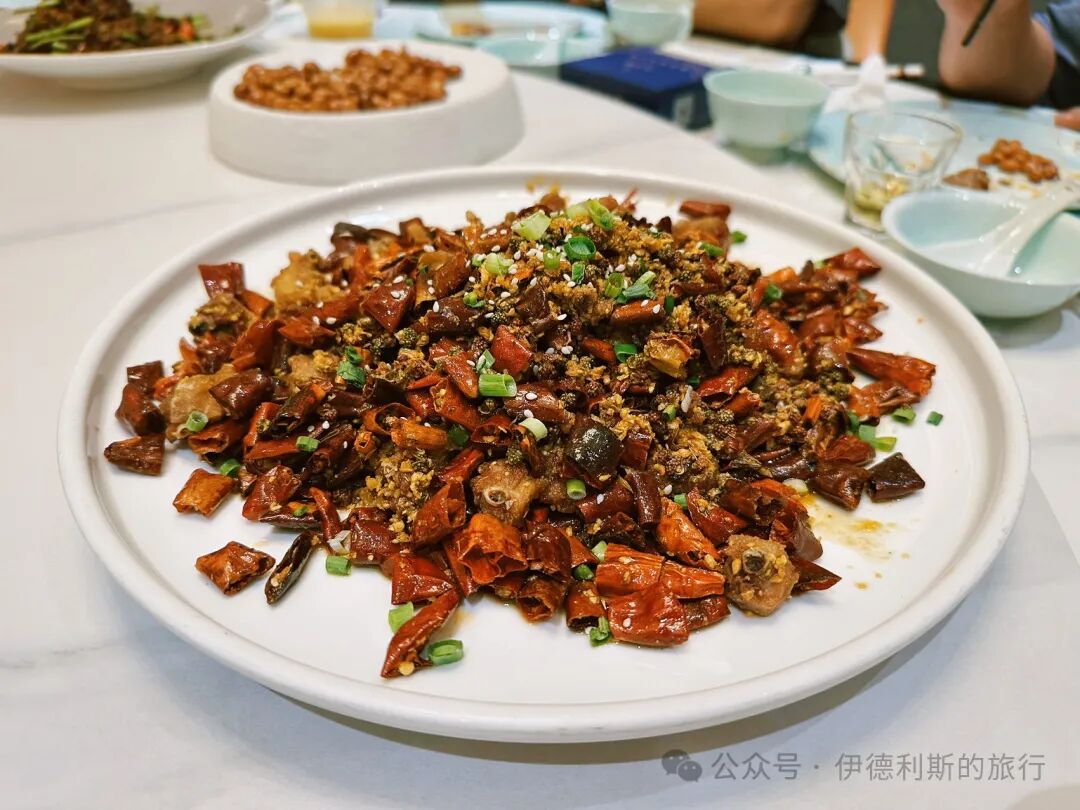
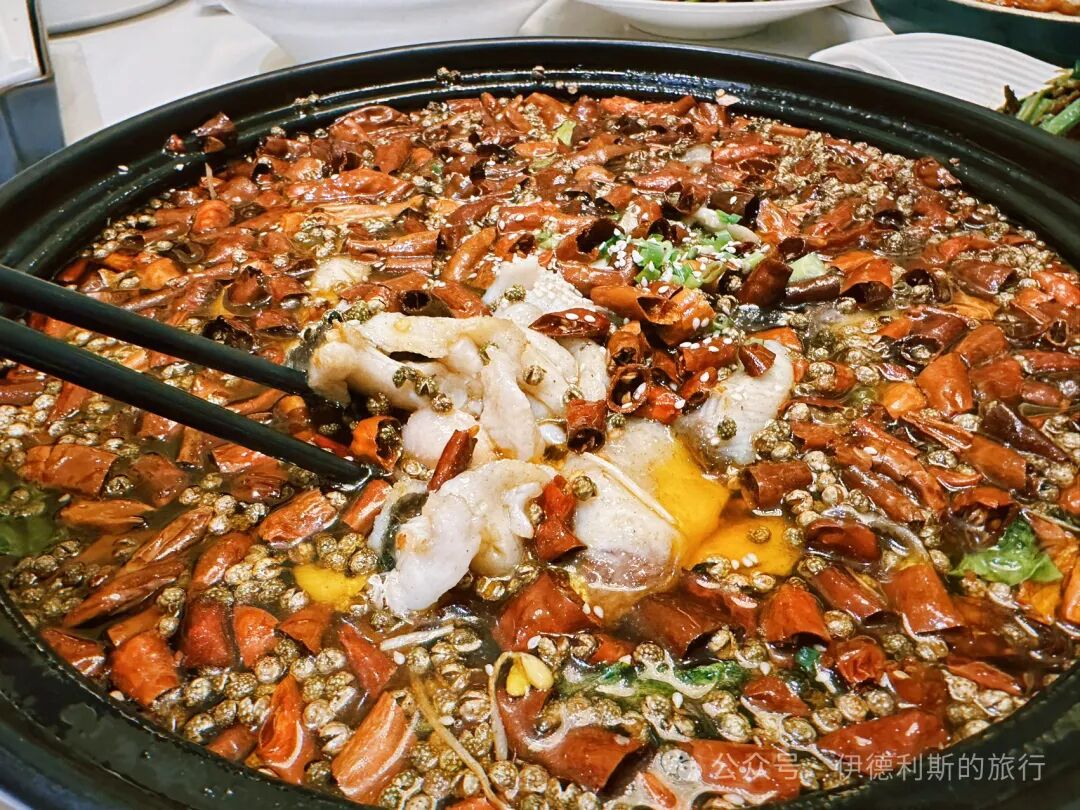
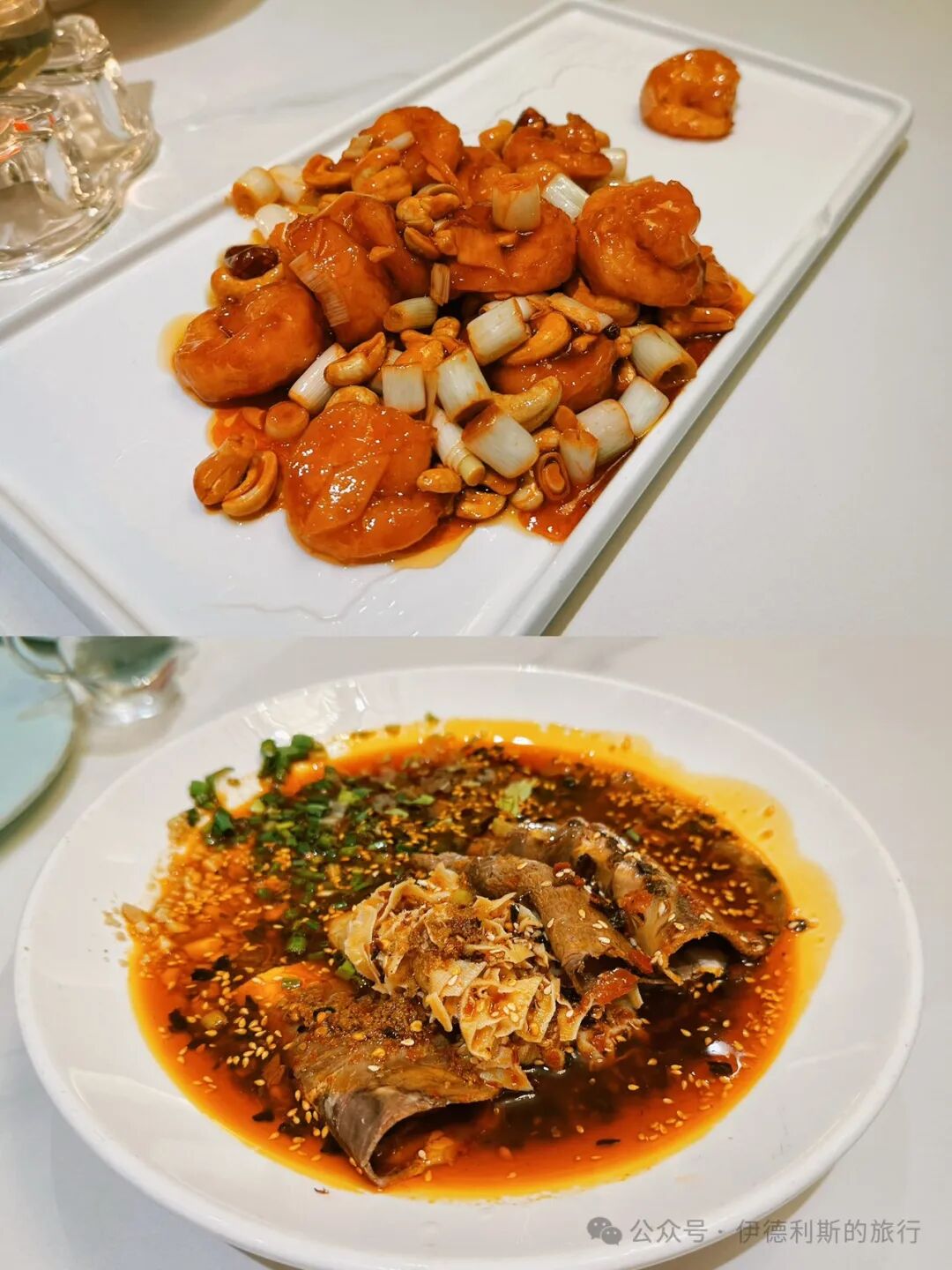
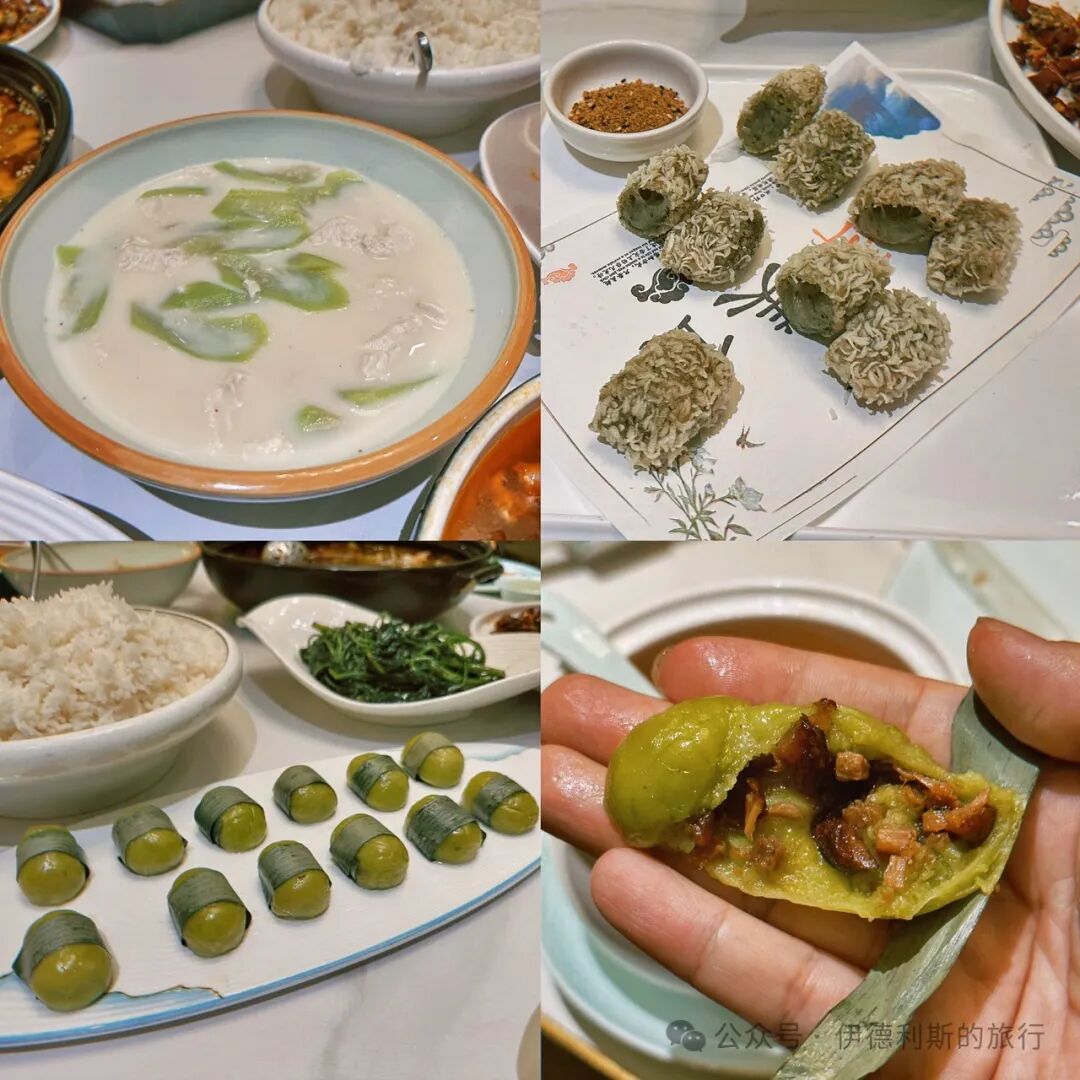
We ordered fish-flavored crispy beef ribs, traditional Huangcheng sliced beef and ox tongue (fuqi feipian), kung pao peony shrimp, young ginger rabbit, spicy chicken, a mixed meat stew (hejia man guan xiang), boiled fish, mugwort rice cakes (ai cao ci ba), and leaf-wrapped rice cakes (ye er ba). Their menu is very extensive, and the food is prepared with great care. It looks beautiful, tastes great, and even features some creative twists. In this restaurant, I see the drive of Sichuan Hui Muslims to keep up with the times. They help Sichuan-style halal food culture thrive while satisfying the tastes of many different people.
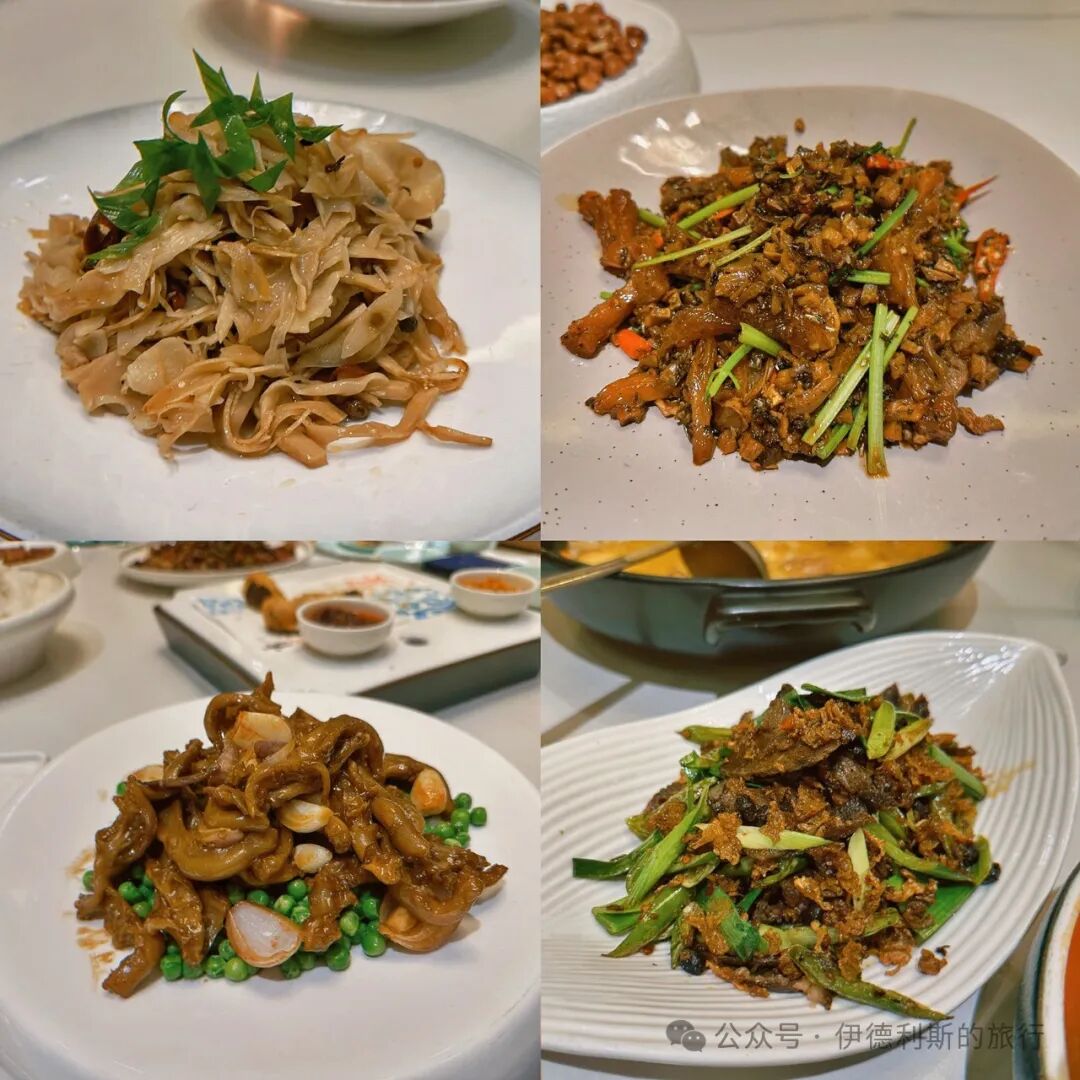
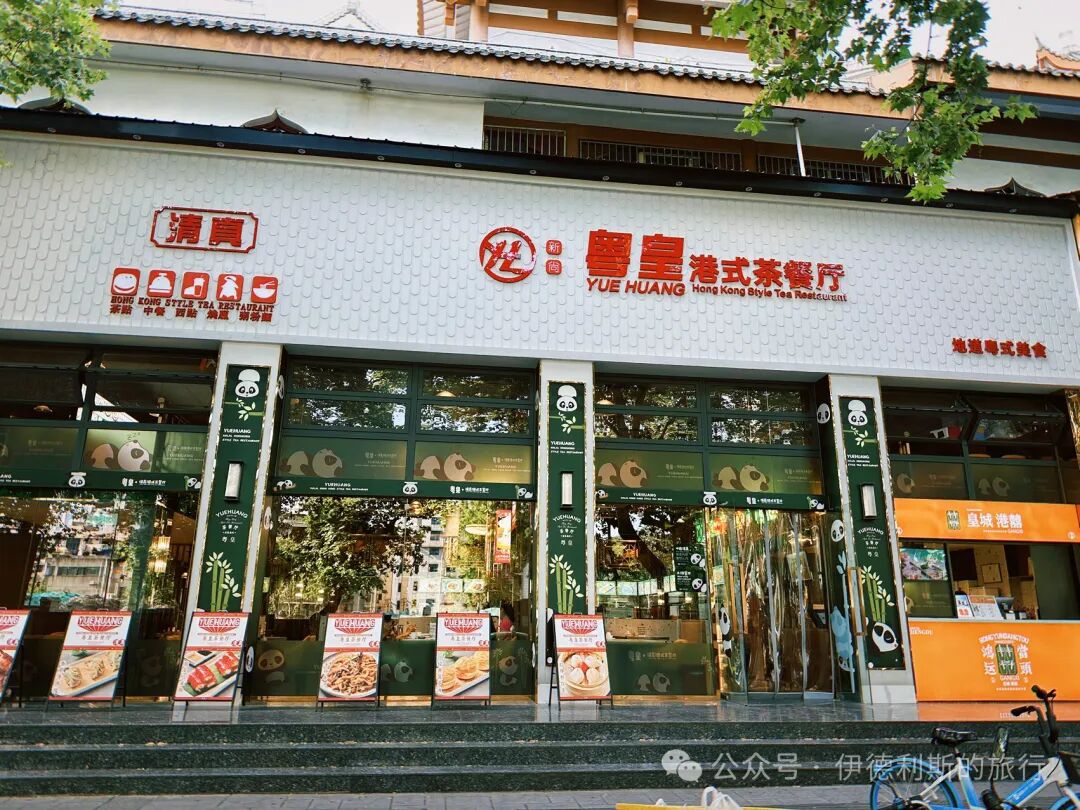
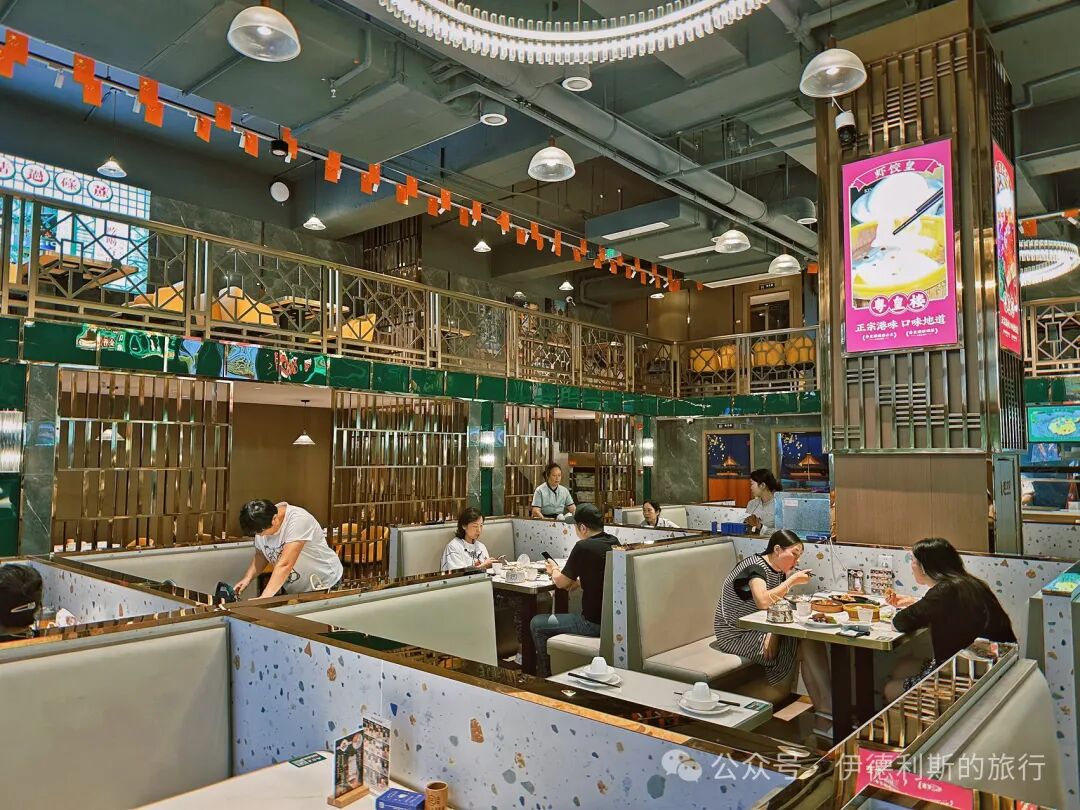
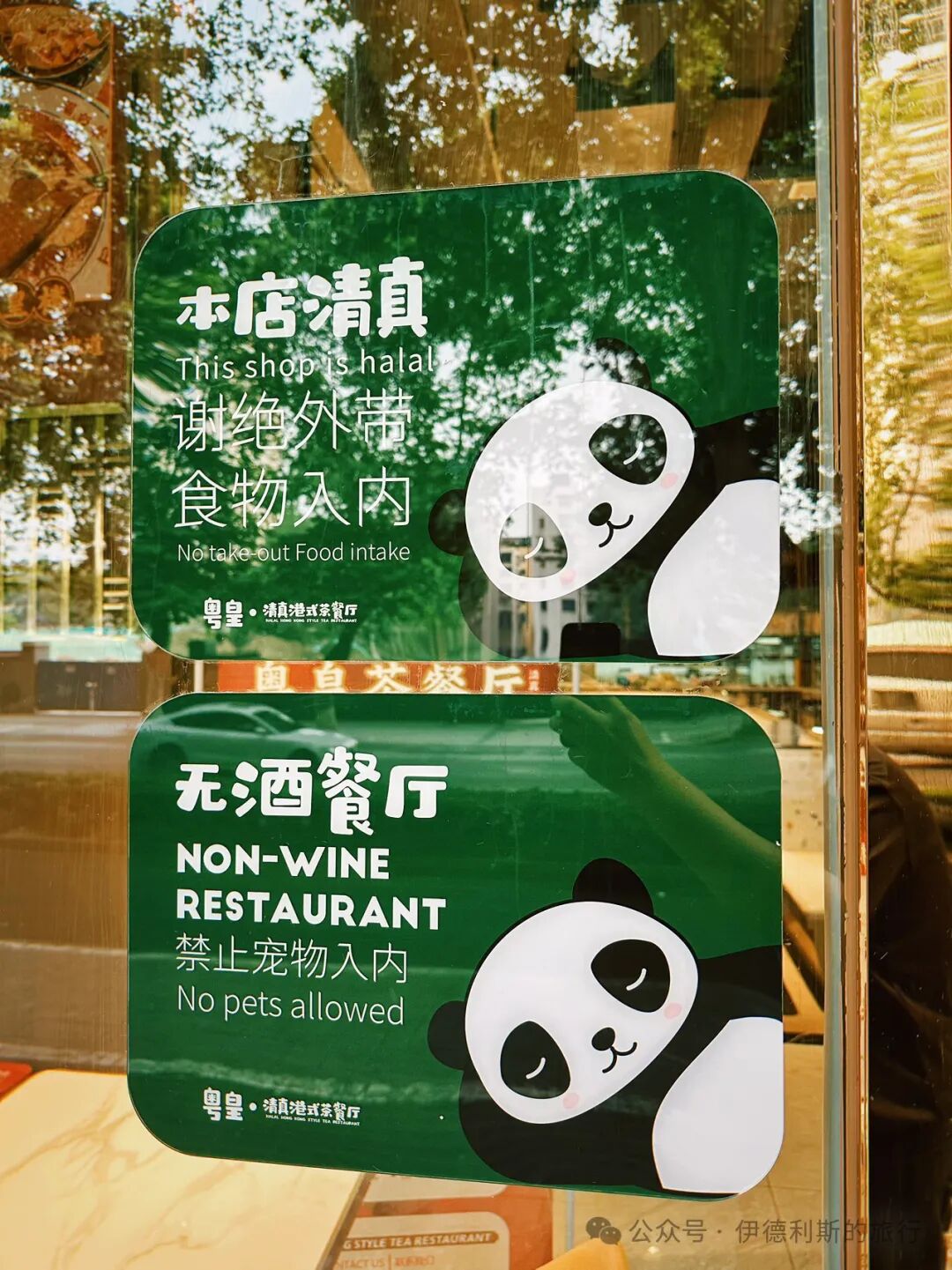
To the east of Tianfanglou is Yuehuang Tea Restaurant. It is also an alcohol-free restaurant, and you can come for morning tea starting at nine o'clock. The environment is nice, and the service is excellent. I ordered Cantonese-style roast duck, vegetarian steamed rice rolls with mixed vegetables (luohanzhai suchangfen), and fresh beef congee. They were all surprisingly delicious, even better than what I have had in Guangzhou and Hong Kong. The vegetarian steamed rice rolls (luohanzhai) are filled with carrots, wood ear mushrooms, and shiitake mushrooms. It was my first time trying them, and the texture was very rich. Overall, I am very satisfied with this place. Their menu is quite varied, and I will definitely eat here again next time I am in Chengdu!
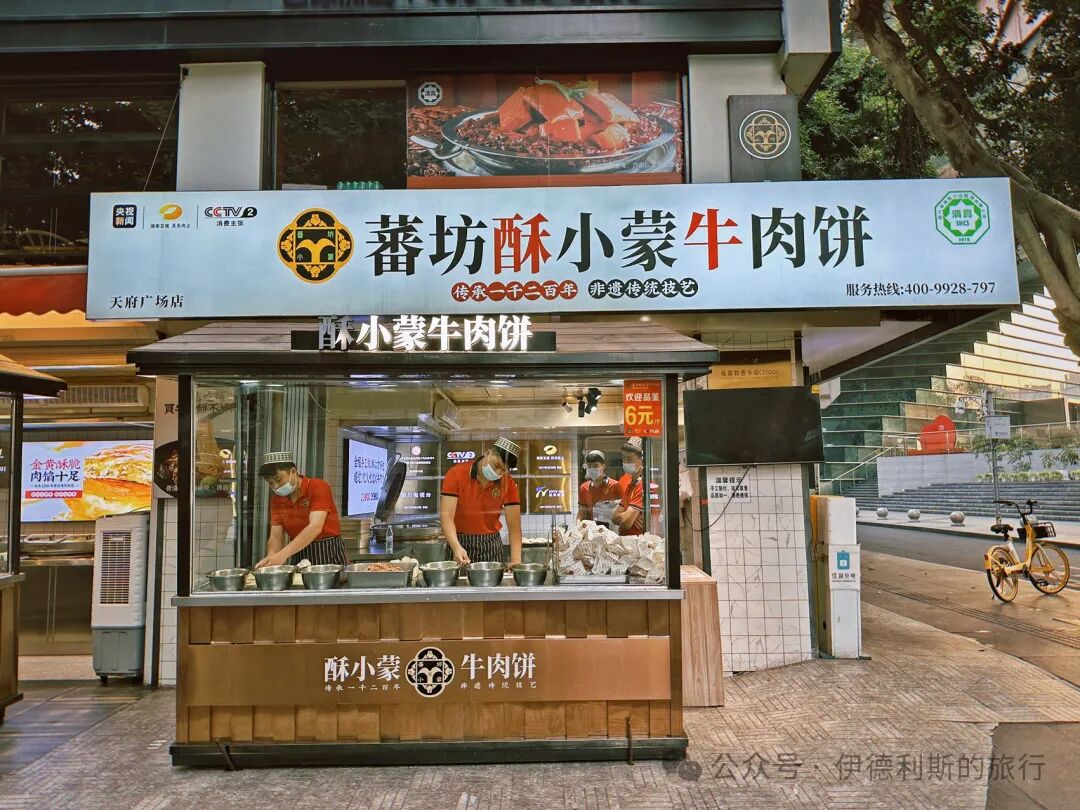
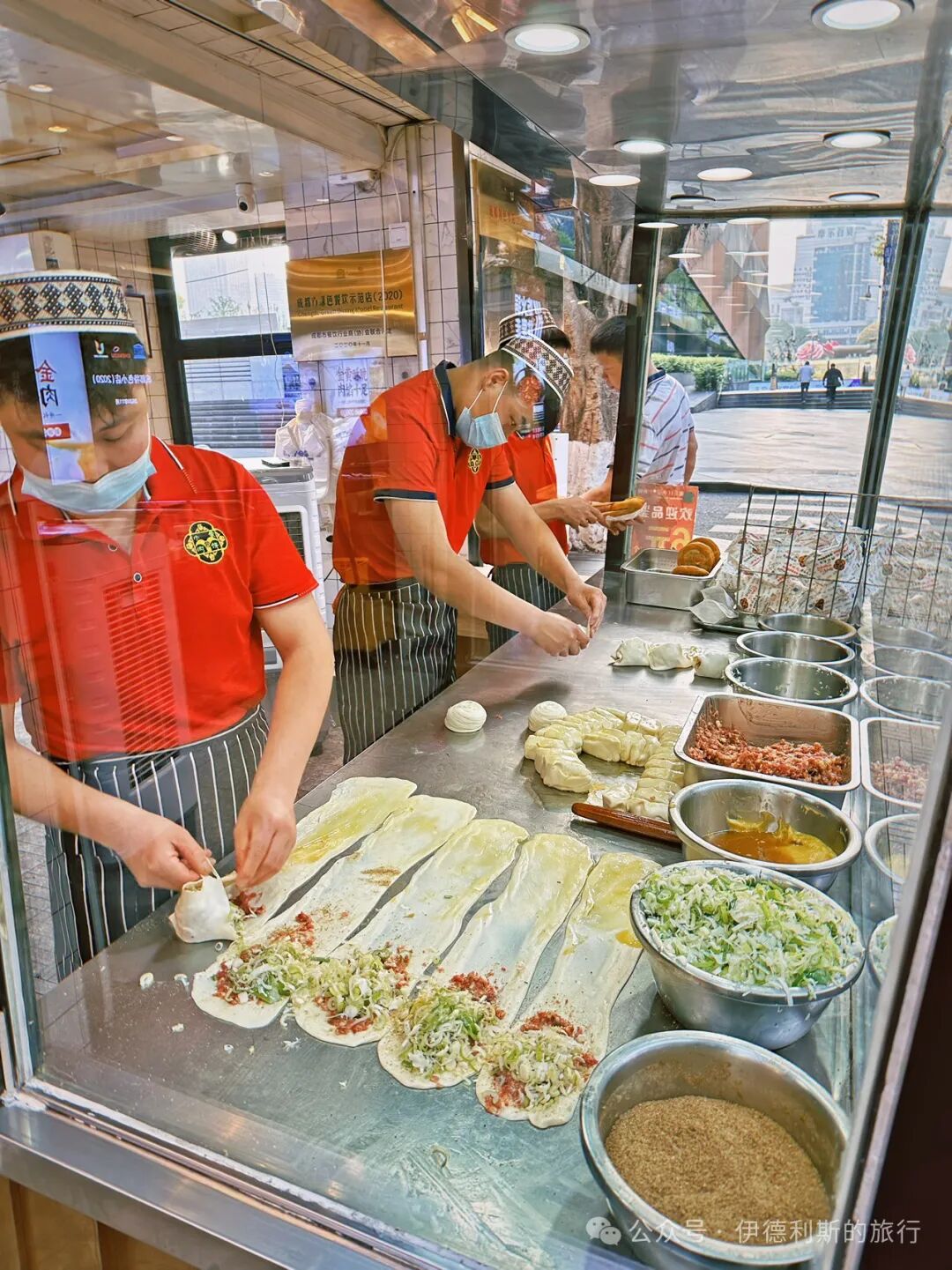
At the southeast corner of Huangcheng Mosque are Gongyuanli Beef Noodle Soup and Fanfang Suxiaomeng Beef Pie. Upstairs is Huangchengba Beef Hot Pot. These shops are all owned by Ma Zhijun and his friends (dostis). Ma Zhijun is from Xinjiang, and his parents were also in the restaurant business. He came to Chengdu in 1993, worked in foreign trade, and even ran a shoe factory. Before the Huangchengba area was demolished, he loved the halal snacks around Huangcheng Mosque. In 2012, he apprenticed to learn Sichuan-style halal cuisine. He officially opened Gongyuanli Steak Noodles in 2018, Suxiaomeng Beef Pie in 2019, and Huangchengba Beef Hot Pot in 2020. These shops brought life back to the entrance of Huangcheng Mosque. It gets especially crowded at night, and you have to wait in long lines just to get a beef pie.
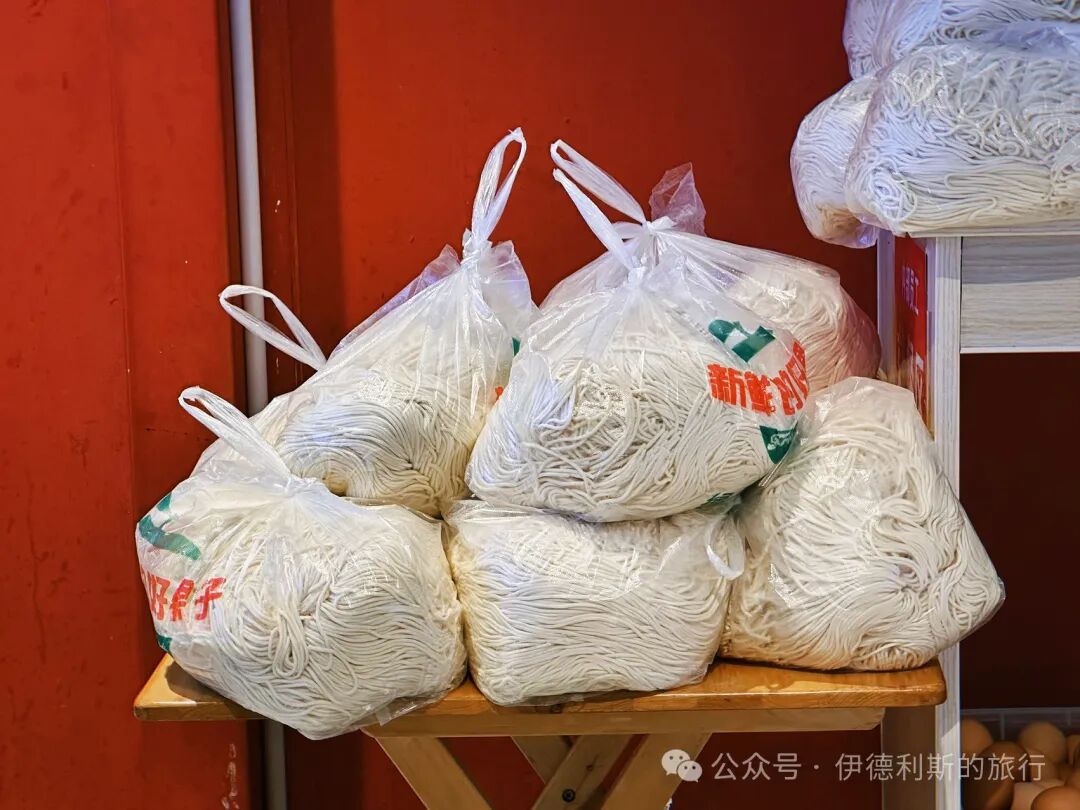
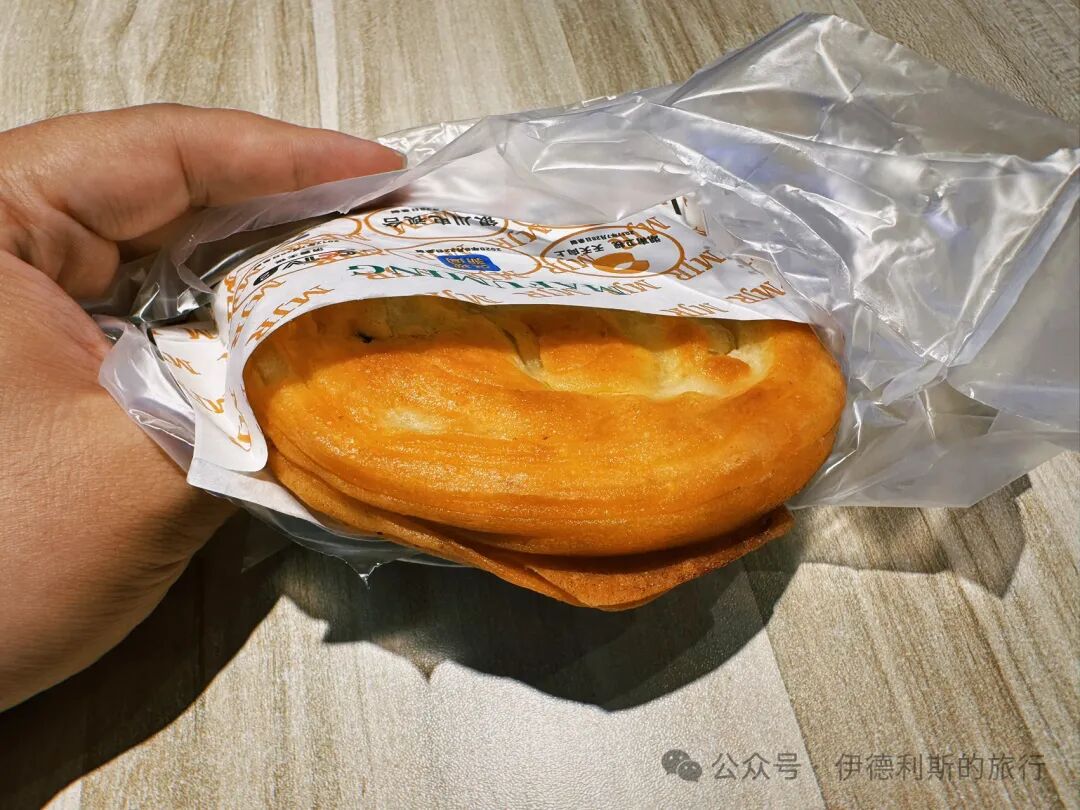
During my few days on a business trip in Chengdu, I ate beef noodles at Gongyuanli almost every morning. It is a pity that they only have beef noodles in the morning, not steak noodles. Their braised beef noodles have a very rich flavor. Even for someone like me who usually loves spicy chicken, it felt super numbing and spicy, so I ordered the clear broth beef noodles for the following days. The flavor of their soup base is quite good, but the machine-made noodles have no texture at all, which seems to be a common feature of noodles in the south. The beef pie is just like the crispy beef pie (niuroubing) commonly found in the Muslim Quarter of Xi'an. I did not have to wait in line when I ate it in the morning, so friends who want to try it should come in the morning.
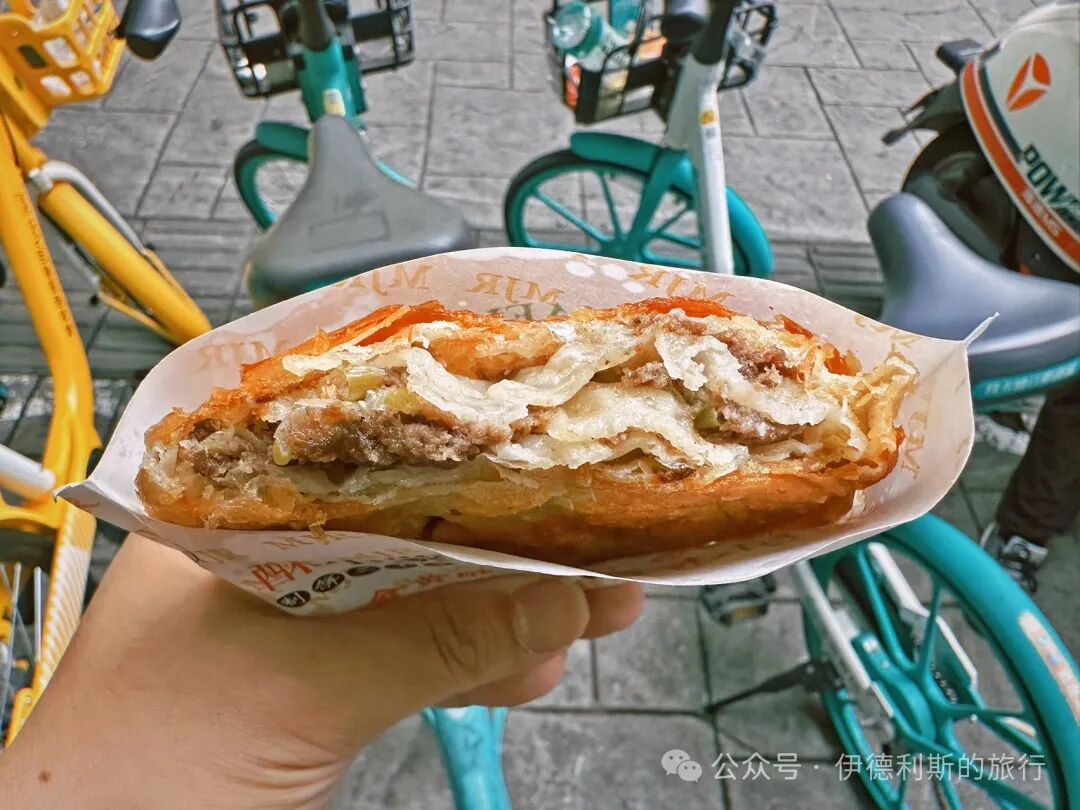
East of Huangcheng Mosque is the Tangjiasi Luo Family Braised Meat Shop. They sell authentic Chengdu Hui Muslim braised meats, including oil-seared duck (youtangya), braised duck, smoked goose, spicy rabbit cubes (hongyou tuding), mixed beef lung slices (ban feipian), and spicy rabbit heads. Every dish has a unique flavor. I bought some oil-seared duck and braised rabbit to eat on the train. They were incredibly fragrant, and I really love Sichuan-style braised food.
Tangjiasi is located in the northern suburbs of Chengdu, along the ancient Jinniu Road that connected Sichuan and Shaanxi. Hui Muslims with the surname Luo settled here in the mid-Ming Dynasty. According to the revised Xindu County Annals from the Republic of China era, the Luo Family Mosque (Luo Jia Si) was built in 1417 during the Chenghua period of the Ming Dynasty in Lijiaying, east of the county. Unfortunately, the 600-year-old Luo Family Mosque was torn down in 1976 and replaced by Jinguang Primary School. Today, the Luo family Hui Muslims mainly live near Tuqiaosi and Huangcheng Mosque, and they are an important part of the Hui Muslim community in Chengdu.
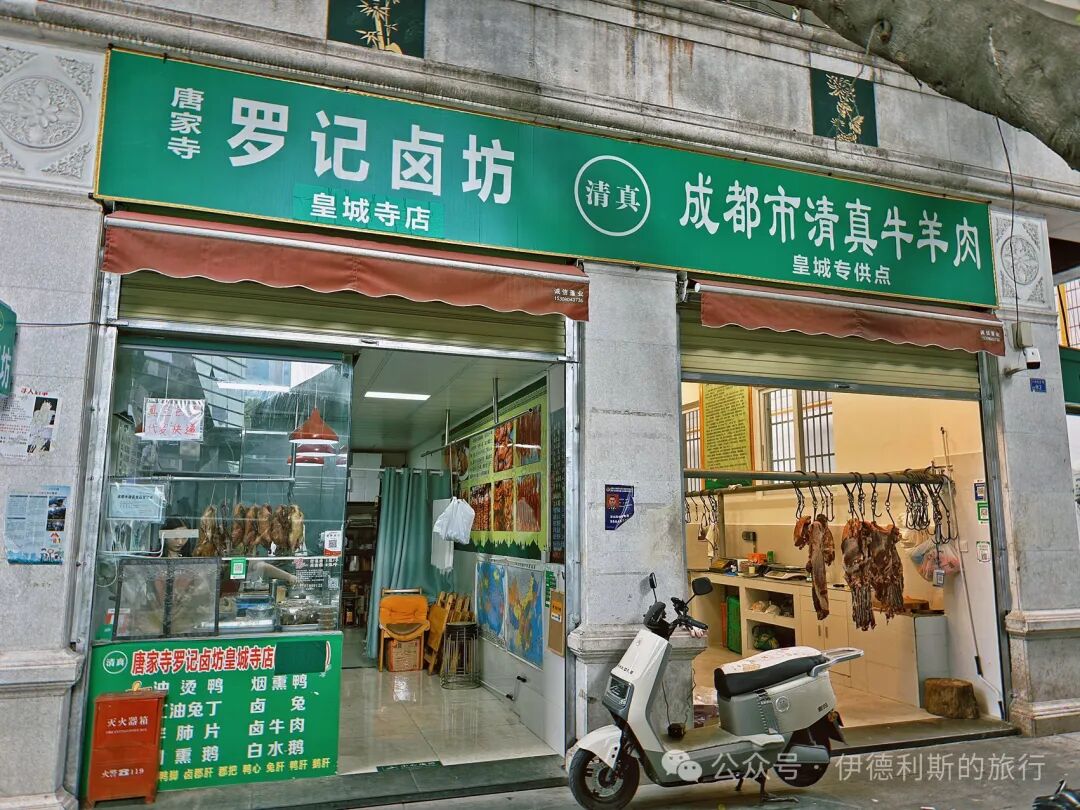
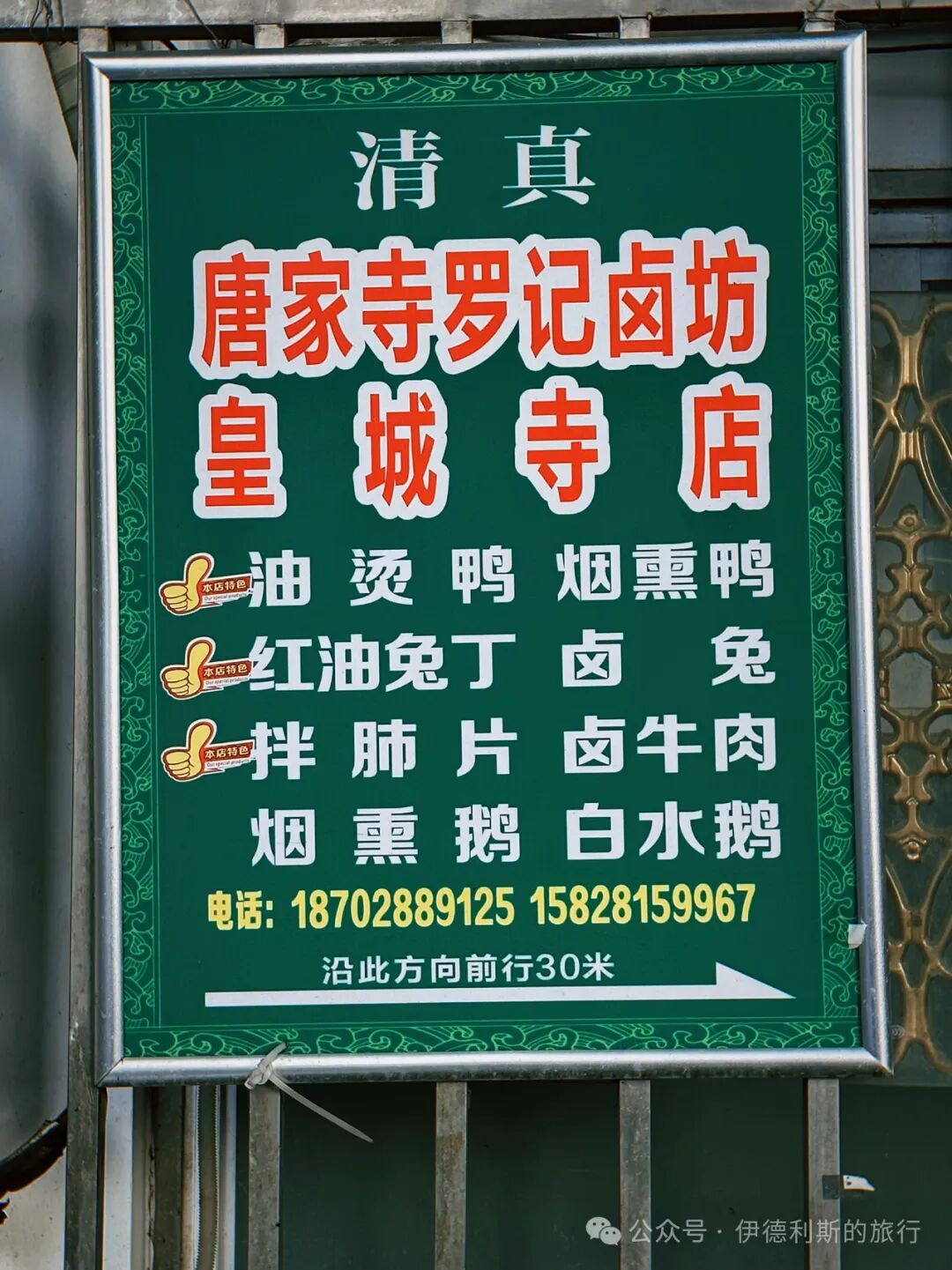
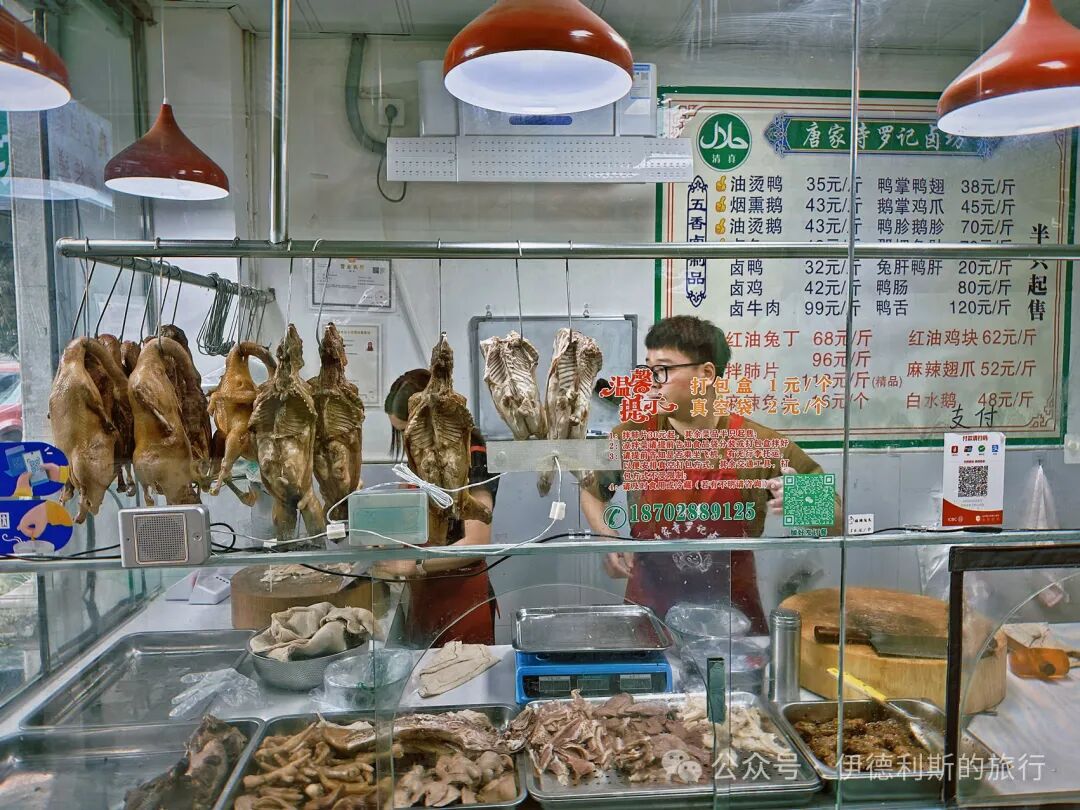
At night, the area in front of Huangcheng Mosque is busy. There is a Laiyi Hui stall selling Sichuan-style spicy hot pot (malatang), a Medisker burger shop, a Northwest-style Jiuding beef noodle shop, and a Dosti stall selling Qinghai yellow-skin yogurt. I bought some once and it tasted very authentic. I have never even had such authentic Qinghai yogurt in Beijing.
There are many Xinjiang restaurants near Huangcheng Mosque where you can buy all kinds of baked flatbread (nang). Across from Huangcheng Mosque, I was surprised to find a real Xinjiang Hui Muslim restaurant called Fat Old Man Pepper Chicken (Pang Laohan Jiaoma Ji). I had eaten there in Urumqi before, where the locals really love it, so I did not expect to see it open in Chengdu.
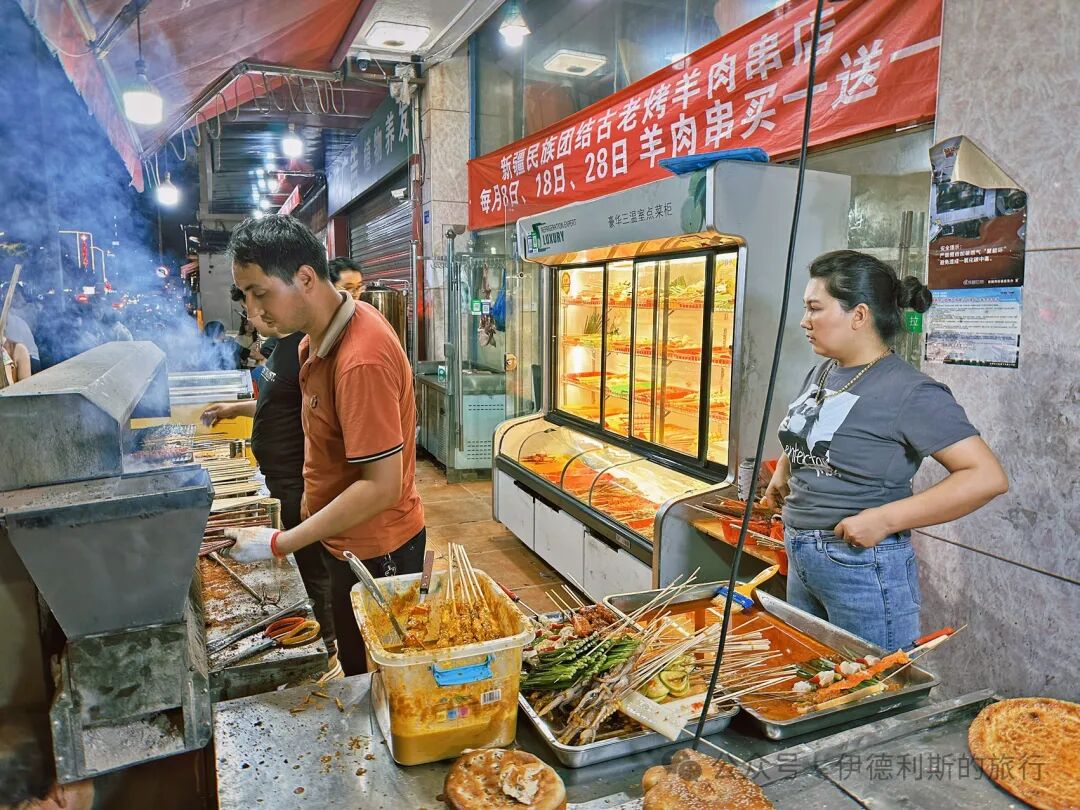
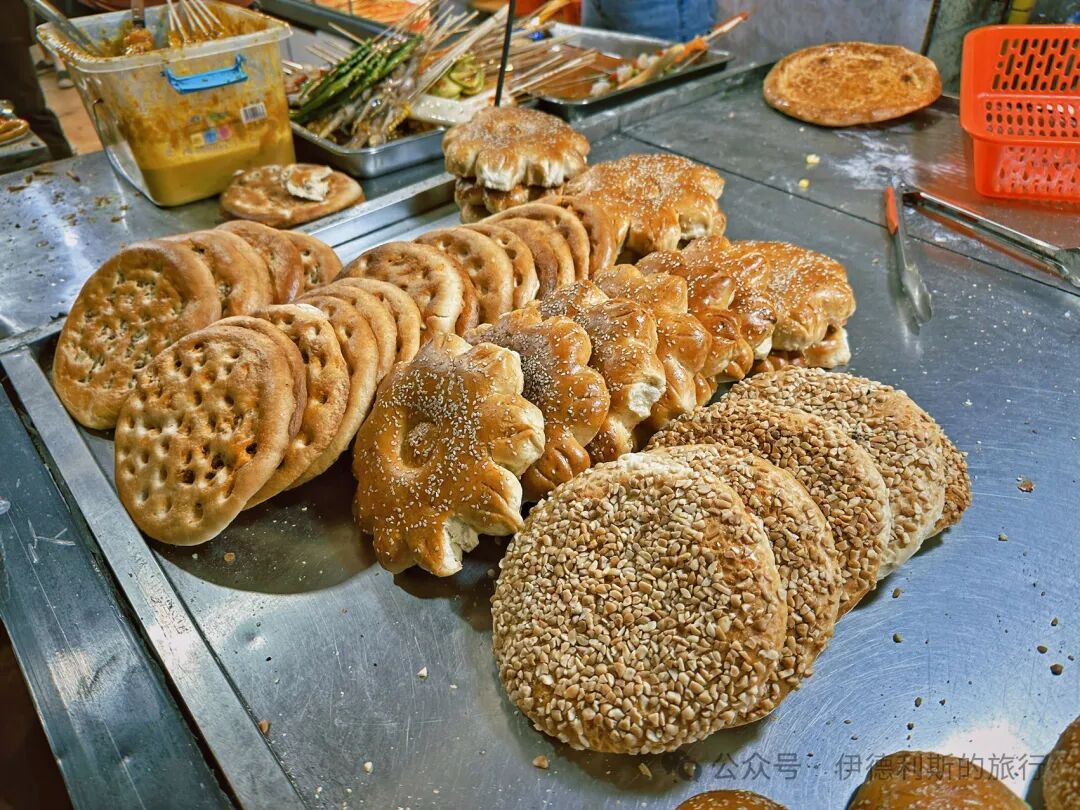
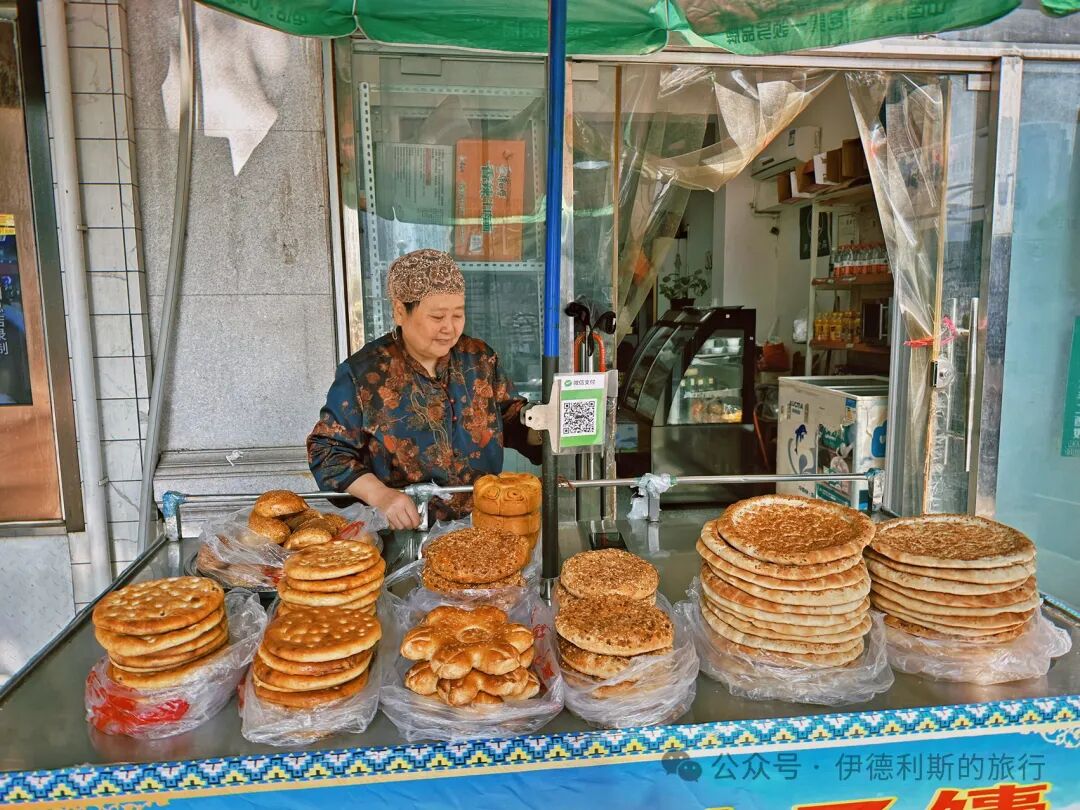
Besides the shops along the street at Huangcheng Mosque, there are several other Hui Muslim restaurants in the surrounding area. On the north side of Huangcheng Mosque is a very famous old Hui Muslim brand called Yuexiangcun. They call themselves the authentic beef Sichuan restaurant that has never left Huangchengba. A local Hui Muslim from Huangchengba named Wan Duositi treated me to fish-flavored eggplant cakes (yuxiang qiebing), steamed beef with rice flour (fenzheng niurou), and boiled beef (shuizhu niurou) at Yuexiangcun. These are classic Huangchengba Sichuan dishes, and the restaurant makes them perfectly. The fish-flavored eggplant cakes are especially good for people who cannot handle spicy food, and the sweet and sour flavor goes great with rice.
Yuexiangcun was founded in 1943. It was started by a Guangdong-born officer in the Sichuan Army and an imam from Chengdu's West Mosque named Ha Youfu. Even though it is named Yuexiangcun, they serve authentic Sichuan food. Yuexiangcun was originally located inside the Broadway Tea Garden on East Imperial Street in Huangchengba, with Imam Ha Youfu presiding and Zhao Zihua in charge of the kitchen. Broadway was very lively back then. It was not just a place to drink morning tea and chat, but also a hub for the bird market and fur traders to negotiate business. After 1950, Yuexiangcun moved across from the West Mosque on West Imperial Street, where business boomed and the restaurant was often packed with diners. It moved several more times later on, but always stayed within the Huangchengba area. After a renovation at the end of 2022, Yuexiangcun has a great atmosphere that really appeals to young people.
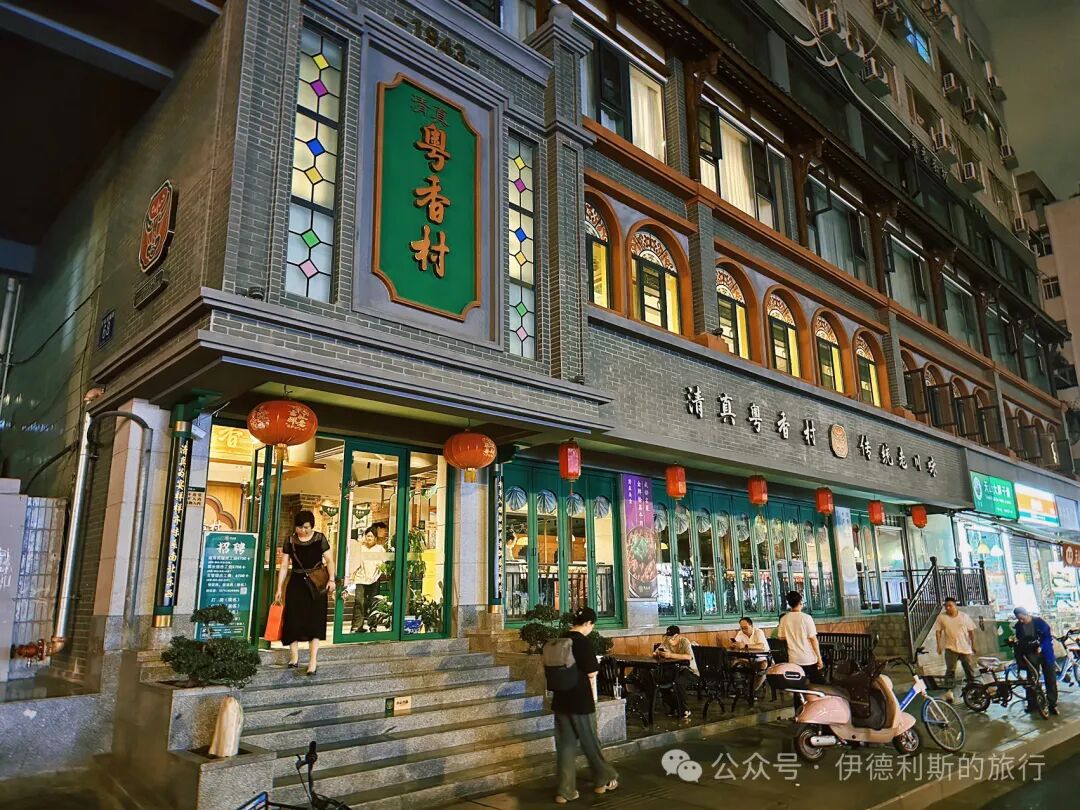
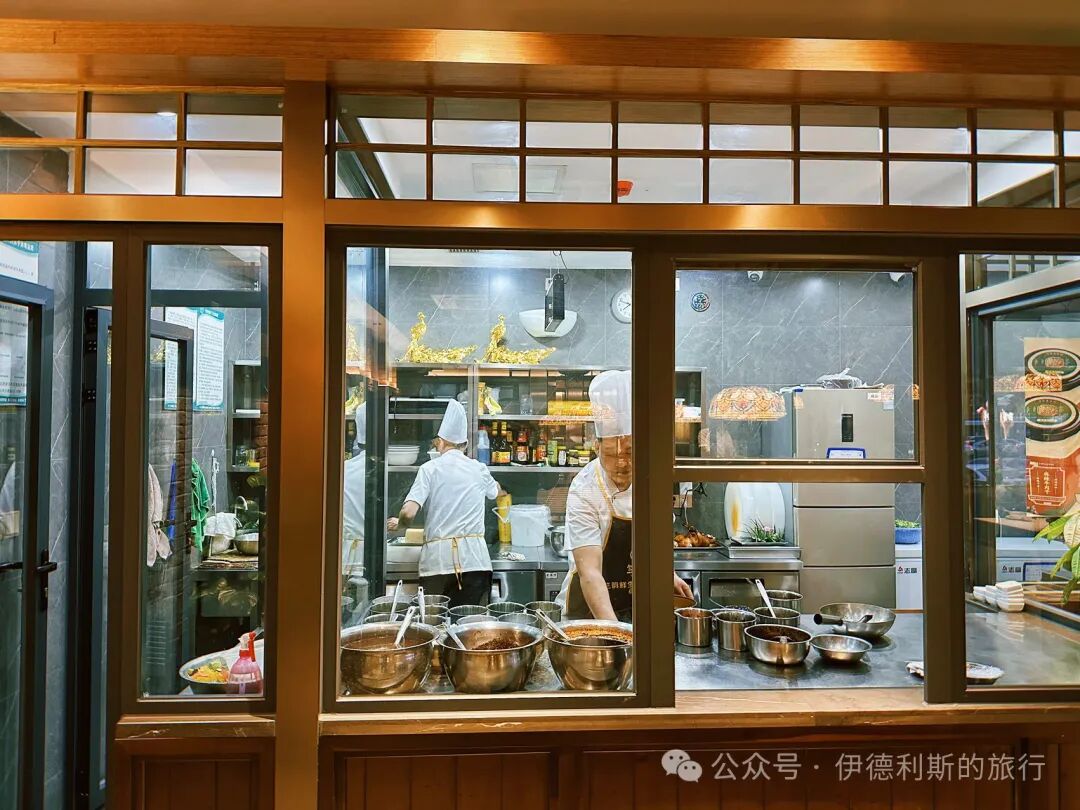
The opening of Chengdu Hui Muslim Cuisine in Eshi Lane, north of Huangcheng Mosque, by Ma Zhijun and his friends (dostis), is arguably the biggest event in the Huangcheng Mosque neighborhood this year. They specialize in the traditional Chengdu Hui Muslim banquet dish known as the Eight Beef Bowls (niu bawan). While the menu is not huge, every dish aims to recreate the authentic, traditional Chengdu halal flavor.
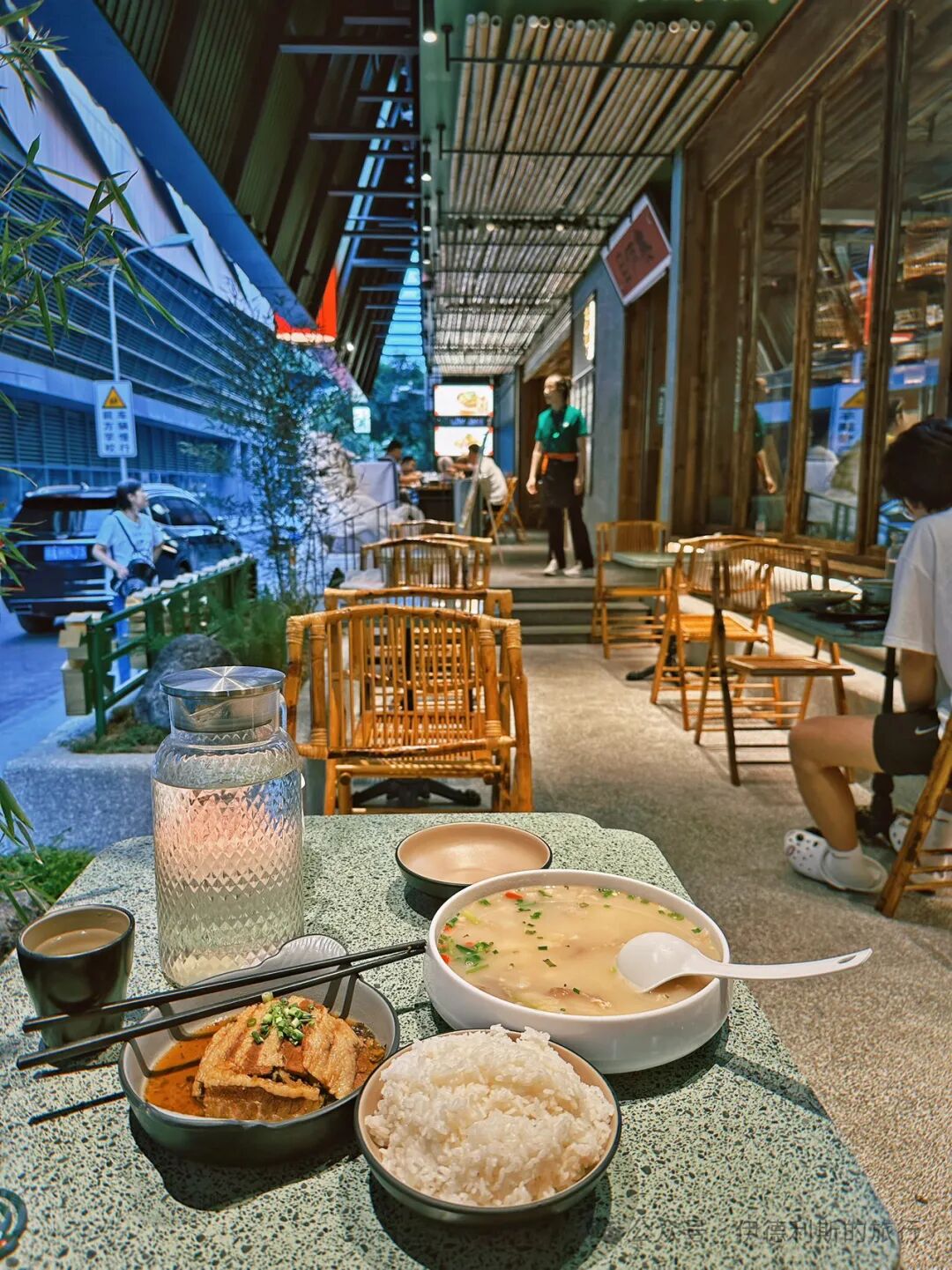
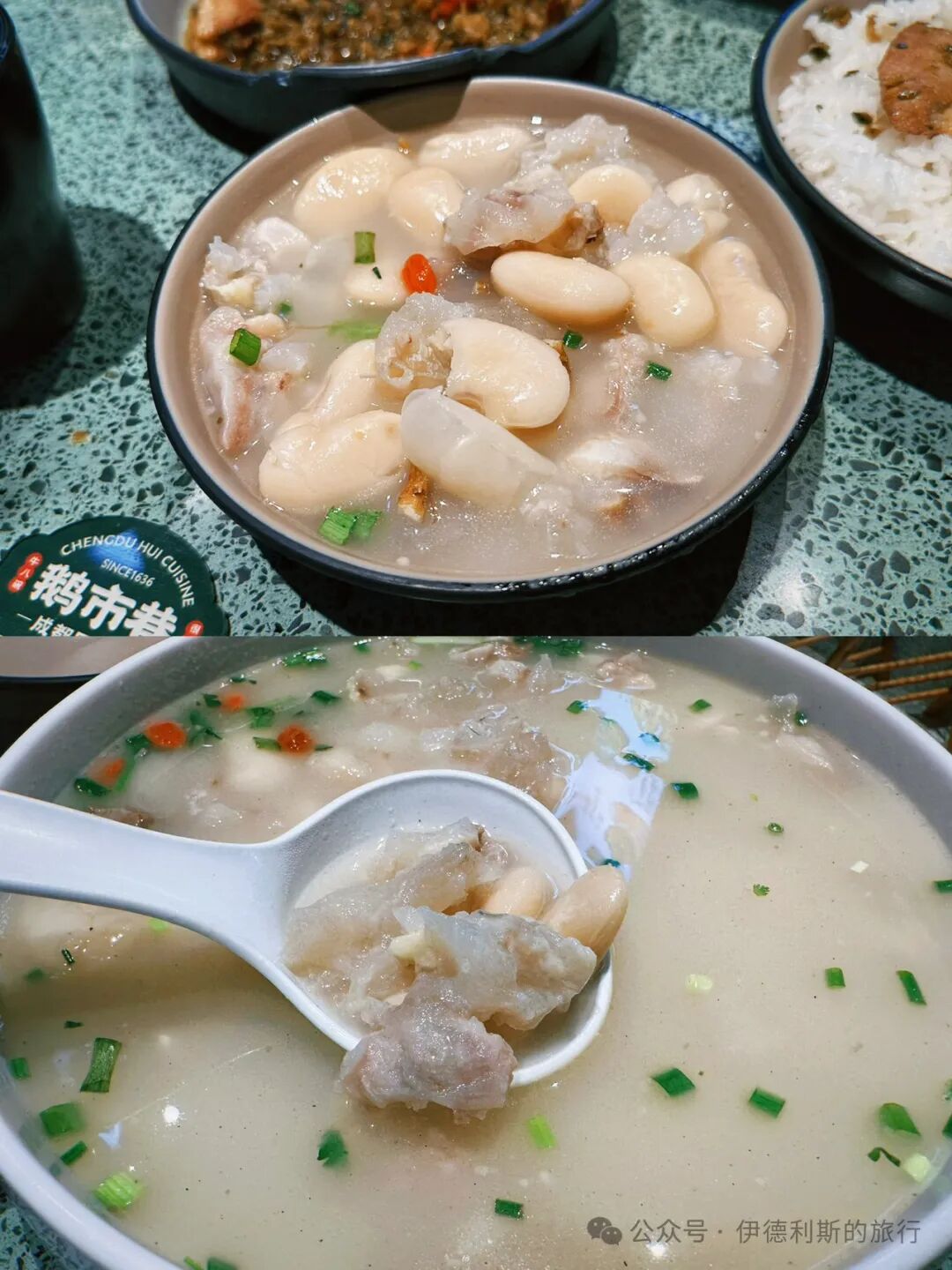
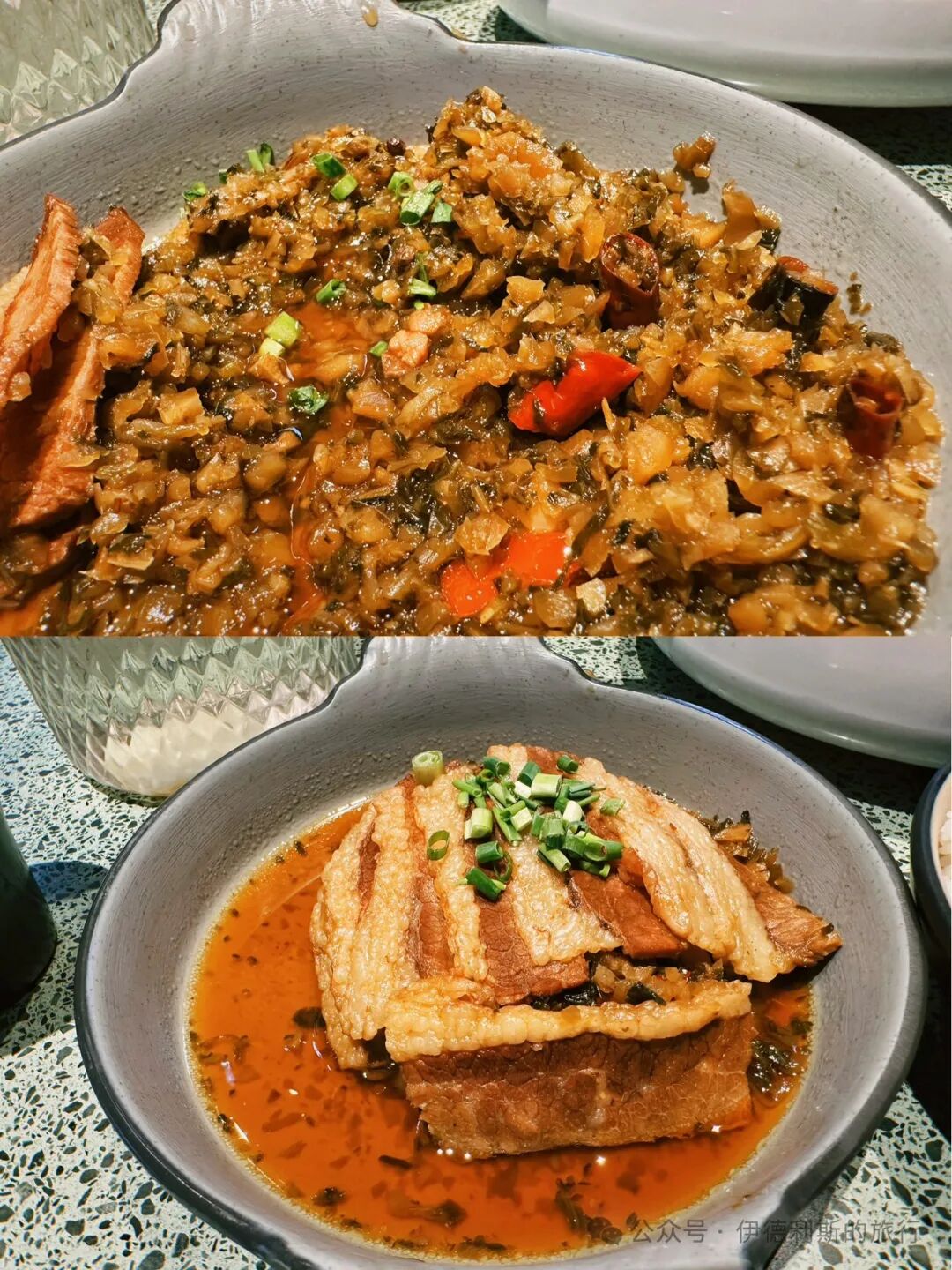
I ordered the steamed beef brisket with preserved vegetables (yacai zheng niuxiong) and the stewed beef trotters (dun niutihua). The preserved vegetables go perfectly with rice, and the trotter soup is delicious. Neither of these two dishes is spicy. This is because not every traditional Sichuan dish is spicy; each one has its own color and a unique flavor profile.
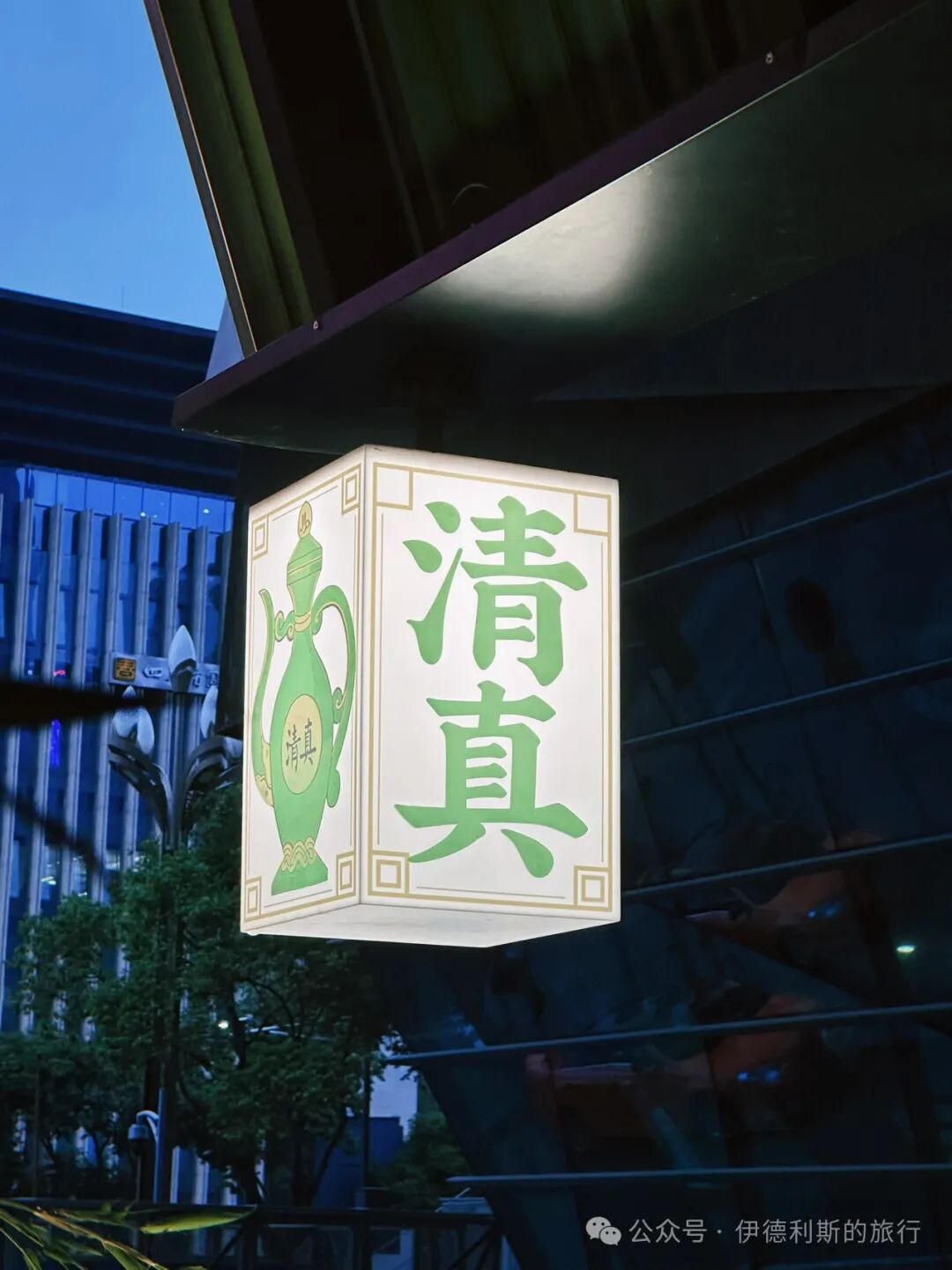
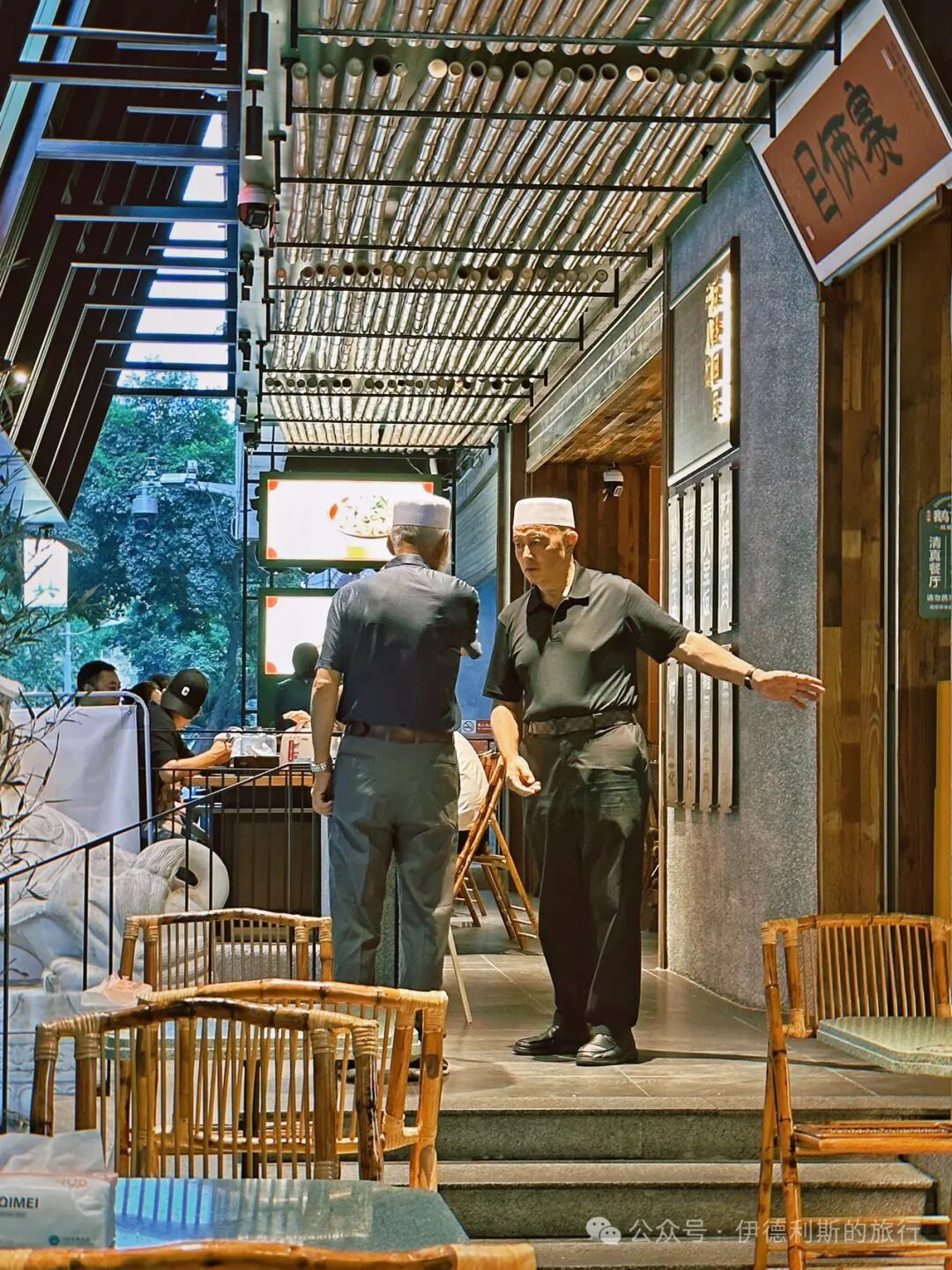
The restaurant's decor is truly exquisite. With bamboo-woven rattan chairs, birdcages hanging from the ceiling, and a soup pot sign (tangping) at the entrance, they work hard to recreate the atmosphere of old-time Hui Muslim eateries in Huangchengba.
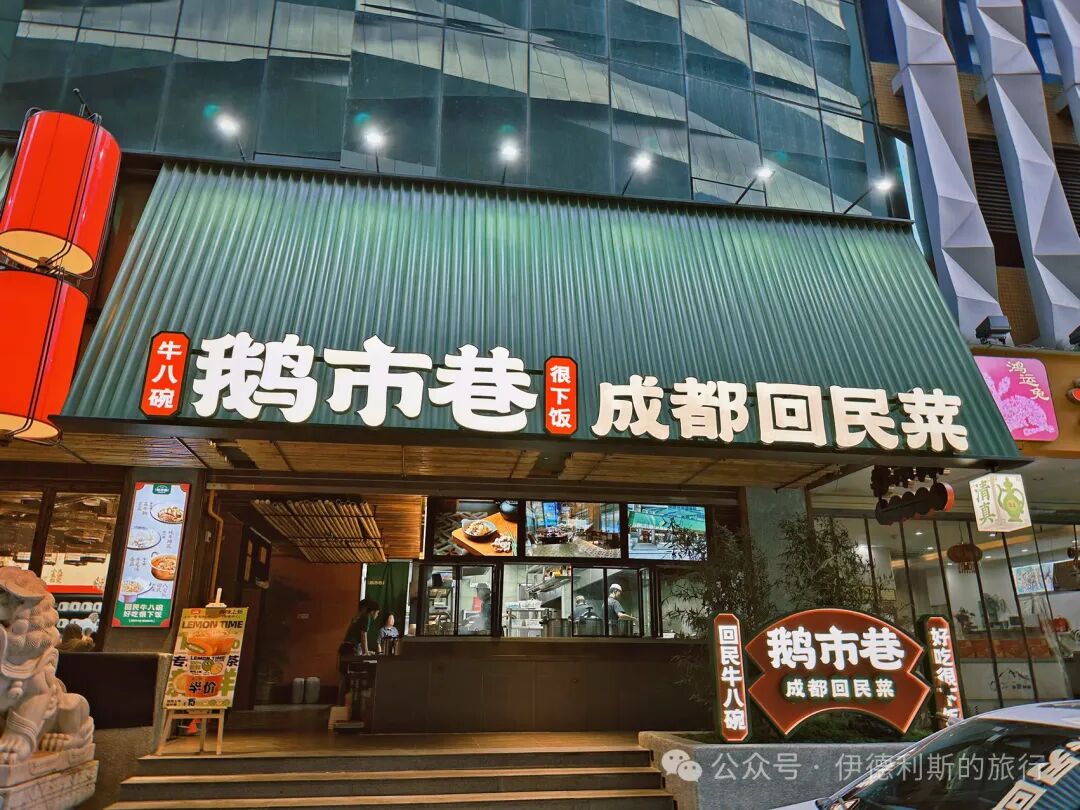
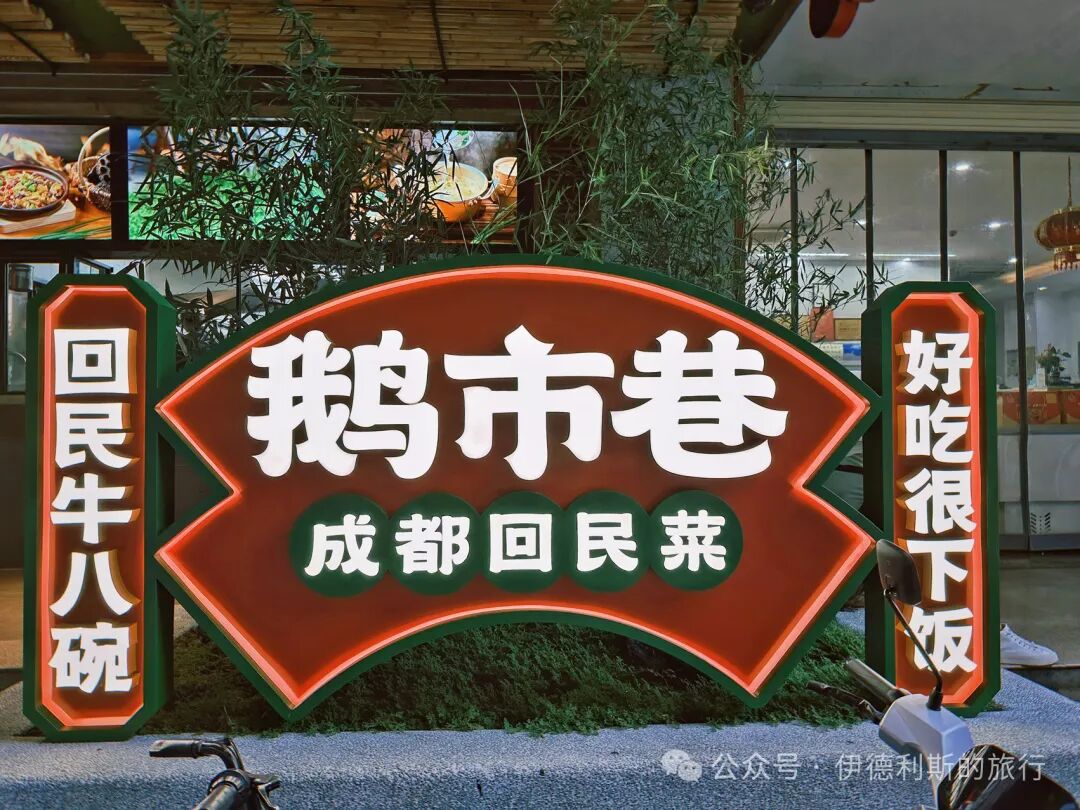
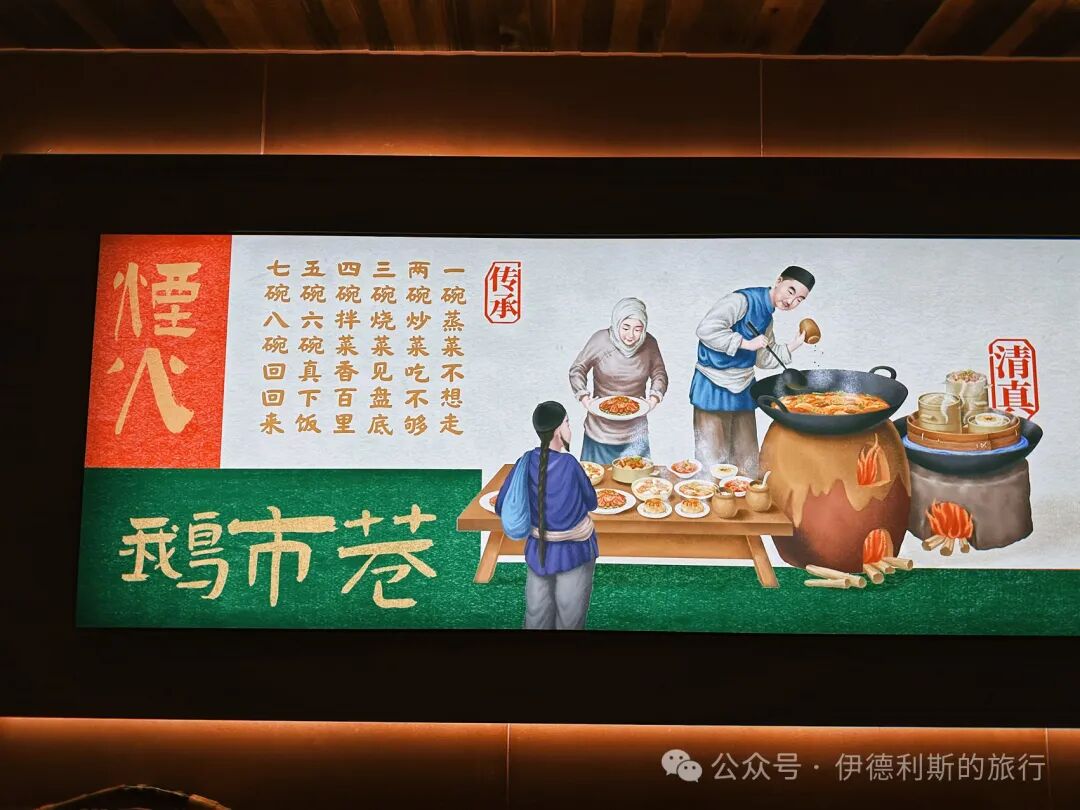
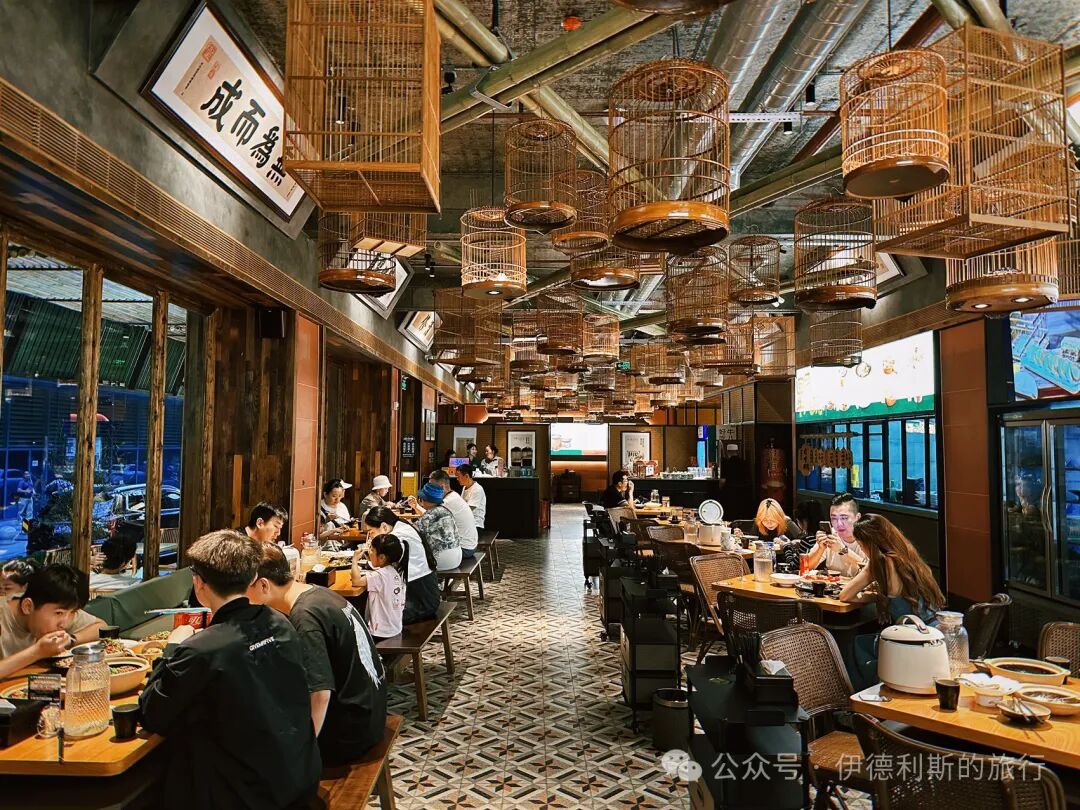
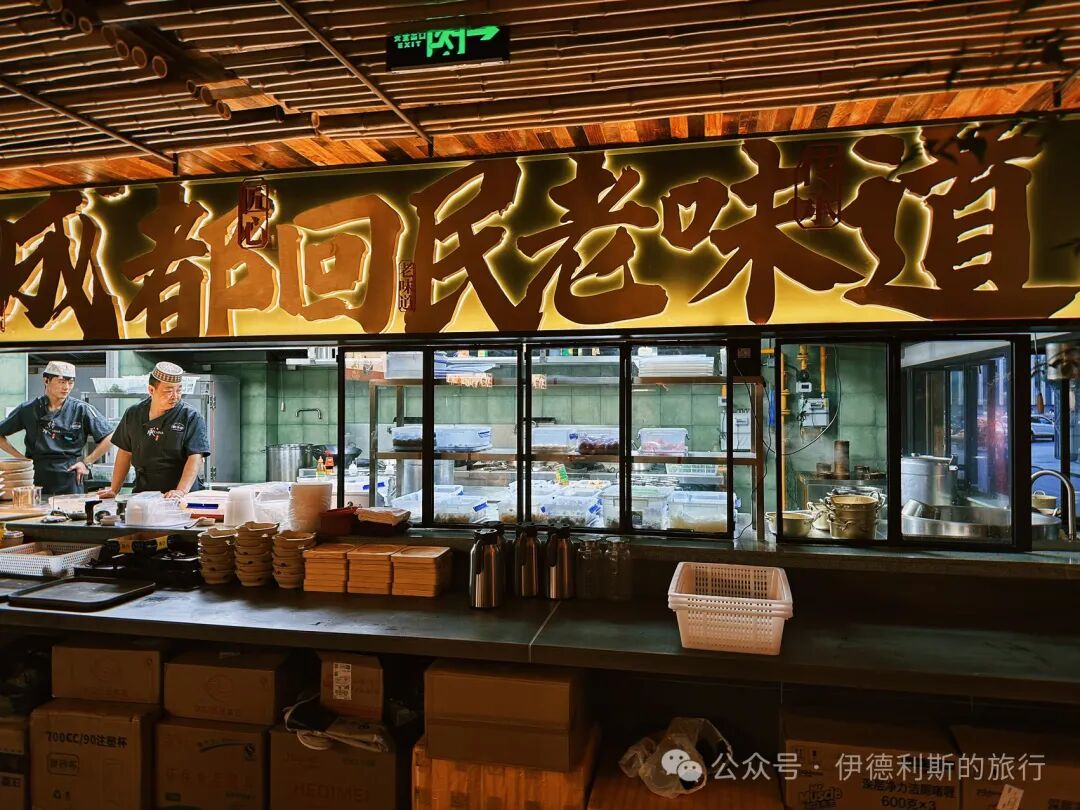
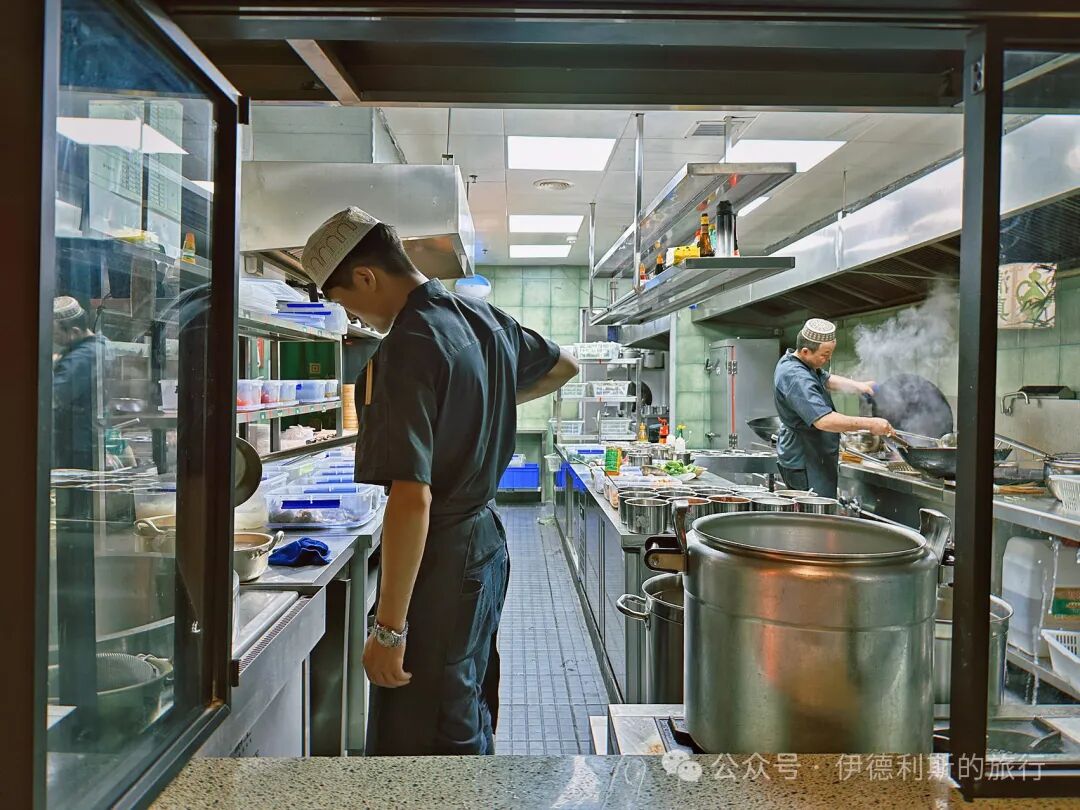
The Eshi Lane Hui Muslim restaurant in Chengdu catches your eye the moment you walk through the door. When I visited, an older Hui Muslim gentleman with a Sichuan accent was standing at the door to welcome guests, which is a rare sight these days. A large piece of calligraphy reading "Salam" hangs at the entrance, along with a "no smoking or alcohol" sign and an introduction to the Hui Muslim diet in Huangchengba. The main hall is filled with replicas of various Islamic calligraphy pieces from the Chengdu area, which are important cultural heritage items for the local community. Additionally, their restroom is equipped with a bidet sprayer for ritual cleansing, which is another reflection of their faith.
Summary: Chengdu Huangcheng Mosque Quarter - Food, Streets and Muslim Heritage is presented as a clear English travel account for readers interested in Muslim life, halal food, mosques, and local history. The article keeps the original place names, food details, photographs, and cultural context while focusing on Chengdu, Huangcheng Mosque, Halal Food.
I went to Chengdu for work in May and stayed right behind Huangcheng Mosque. This time, the area in front of Huangcheng Mosque felt much busier than before, with many new restaurants opening up.
Staying next to the mosque makes it very convenient to join the congregation (jama'at) there. The congregation at Huangcheng Mosque is quite large, and many of them are friends (dosti) from Xinjiang in the northwest who run businesses nearby. I even met a friend (dosti) from Urumqi at the mosque who is friends with my wife's relatives.
After Zhang Xianzhong massacred the people of Sichuan at the end of the Ming Dynasty, the population dropped sharply. After the Qing Dynasty was established, the government used immigration policies to increase the population of Sichuan. Hui Muslims from Shaanxi began moving to the abandoned Ming Dynasty Shu King's Palace (Huangchengba) area to settle, and they built Huangcheng Mosque in 1666 (the fifth year of the Kangxi reign).
Huangcheng Mosque was renovated in 1858 (the eighth year of the Xianfeng reign). In 1917, most of it was destroyed during the warlord conflicts between Sichuan and Yunnan. It was rebuilt that same year, but the scale was reduced due to limited funds. During the Qing Dynasty and the Republic of China, Huangcheng Mosque was famous for its scripture hall education and trained many imams for Sichuan. After religious policies were restored in 1978, Huangcheng Mosque became the only one of the seven mosques in Huangchengba to reopen. In 1998, Huangcheng Mosque was moved to the southwest side of Tianfu Square to make way for construction, which is where the current building stands.
Historically, Huangcheng Mosque had hundreds of plaques and couplets, but sadly they were all destroyed after the 1960s. The couplets and plaques in front of the main hall were made in 1989. They were written by Imam Yang Hua from Xichang, with gold leaf hammered by Master Bai Lianquan from the Chengdu Silver Thread Factory and applied by masters Qiu and Li.
Huangcheng Mosque still keeps beautiful wooden scripture boxes, though the scriptures inside are no longer there.
Huangcheng Mosque has a reading area and a cultural exhibition room. All friends (dosti) and visitors can read books and see exhibits here to learn about the religious culture in Chengdu, which I think is excellent.
Since the Qing Dynasty, Chengdu has been famous for its scripture hall education and scripture printing. The exhibition room at Huangcheng Mosque displays related printed classics. I was lucky enough to meet Wan Duosi, a descendant of the Baozhen Hall (Baozhen Tang), which was the most famous place in Chengdu for printing the works of Ming and Qing dynasty scholars. He is also an expert on the religious culture of Sichuan. The founder of Baozhen Hall, Yu Haiting, came from the Tie Gai Yu family in Jianyang, Sichuan. During the Tongzhi reign, he came to the Huangcheng Dam area in Chengdu to work as an apprentice at a halal restaurant. He converted to Islam there, and after finishing his apprenticeship, he opened his own halal restaurant called Changfa Garden (Changfa Yuan). Yu Haiting started Baozhen Hall next to his Changfa Garden restaurant in 1871 to print religious scriptures and classics. His son, Yu Zezhou, took over in 1908, and the business ran until 1928. Over those 57 years, they published 28 books.
The Huangcheng Mosque (Huangcheng Si) cultural exhibition room displays imam robes, religious textbooks, and wooden printing blocks.
Downstairs at the Huangcheng Mosque, there is a row of halal restaurants, each with its own unique style.
The restaurant furthest to the west is Tianfang Tower (Tianfang Lou), which has been open since 1986. It started as a traditional restaurant, but in 2020, they rebranded to serve modern Sichuan cuisine. The new decor is excellent and perfect for business dinners. The restaurant does not sell alcohol, and drinking is not allowed in the main dining hall.
We ordered fish-flavored crispy beef ribs, traditional Huangcheng sliced beef and ox tongue (fuqi feipian), kung pao peony shrimp, young ginger rabbit, spicy chicken, a mixed meat stew (hejia man guan xiang), boiled fish, mugwort rice cakes (ai cao ci ba), and leaf-wrapped rice cakes (ye er ba). Their menu is very extensive, and the food is prepared with great care. It looks beautiful, tastes great, and even features some creative twists. In this restaurant, I see the drive of Sichuan Hui Muslims to keep up with the times. They help Sichuan-style halal food culture thrive while satisfying the tastes of many different people.
To the east of Tianfanglou is Yuehuang Tea Restaurant. It is also an alcohol-free restaurant, and you can come for morning tea starting at nine o'clock. The environment is nice, and the service is excellent. I ordered Cantonese-style roast duck, vegetarian steamed rice rolls with mixed vegetables (luohanzhai suchangfen), and fresh beef congee. They were all surprisingly delicious, even better than what I have had in Guangzhou and Hong Kong. The vegetarian steamed rice rolls (luohanzhai) are filled with carrots, wood ear mushrooms, and shiitake mushrooms. It was my first time trying them, and the texture was very rich. Overall, I am very satisfied with this place. Their menu is quite varied, and I will definitely eat here again next time I am in Chengdu!
At the southeast corner of Huangcheng Mosque are Gongyuanli Beef Noodle Soup and Fanfang Suxiaomeng Beef Pie. Upstairs is Huangchengba Beef Hot Pot. These shops are all owned by Ma Zhijun and his friends (dostis). Ma Zhijun is from Xinjiang, and his parents were also in the restaurant business. He came to Chengdu in 1993, worked in foreign trade, and even ran a shoe factory. Before the Huangchengba area was demolished, he loved the halal snacks around Huangcheng Mosque. In 2012, he apprenticed to learn Sichuan-style halal cuisine. He officially opened Gongyuanli Steak Noodles in 2018, Suxiaomeng Beef Pie in 2019, and Huangchengba Beef Hot Pot in 2020. These shops brought life back to the entrance of Huangcheng Mosque. It gets especially crowded at night, and you have to wait in long lines just to get a beef pie.
During my few days on a business trip in Chengdu, I ate beef noodles at Gongyuanli almost every morning. It is a pity that they only have beef noodles in the morning, not steak noodles. Their braised beef noodles have a very rich flavor. Even for someone like me who usually loves spicy chicken, it felt super numbing and spicy, so I ordered the clear broth beef noodles for the following days. The flavor of their soup base is quite good, but the machine-made noodles have no texture at all, which seems to be a common feature of noodles in the south. The beef pie is just like the crispy beef pie (niuroubing) commonly found in the Muslim Quarter of Xi'an. I did not have to wait in line when I ate it in the morning, so friends who want to try it should come in the morning.
East of Huangcheng Mosque is the Tangjiasi Luo Family Braised Meat Shop. They sell authentic Chengdu Hui Muslim braised meats, including oil-seared duck (youtangya), braised duck, smoked goose, spicy rabbit cubes (hongyou tuding), mixed beef lung slices (ban feipian), and spicy rabbit heads. Every dish has a unique flavor. I bought some oil-seared duck and braised rabbit to eat on the train. They were incredibly fragrant, and I really love Sichuan-style braised food.
Tangjiasi is located in the northern suburbs of Chengdu, along the ancient Jinniu Road that connected Sichuan and Shaanxi. Hui Muslims with the surname Luo settled here in the mid-Ming Dynasty. According to the revised Xindu County Annals from the Republic of China era, the Luo Family Mosque (Luo Jia Si) was built in 1417 during the Chenghua period of the Ming Dynasty in Lijiaying, east of the county. Unfortunately, the 600-year-old Luo Family Mosque was torn down in 1976 and replaced by Jinguang Primary School. Today, the Luo family Hui Muslims mainly live near Tuqiaosi and Huangcheng Mosque, and they are an important part of the Hui Muslim community in Chengdu.
At night, the area in front of Huangcheng Mosque is busy. There is a Laiyi Hui stall selling Sichuan-style spicy hot pot (malatang), a Medisker burger shop, a Northwest-style Jiuding beef noodle shop, and a Dosti stall selling Qinghai yellow-skin yogurt. I bought some once and it tasted very authentic. I have never even had such authentic Qinghai yogurt in Beijing.
There are many Xinjiang restaurants near Huangcheng Mosque where you can buy all kinds of baked flatbread (nang). Across from Huangcheng Mosque, I was surprised to find a real Xinjiang Hui Muslim restaurant called Fat Old Man Pepper Chicken (Pang Laohan Jiaoma Ji). I had eaten there in Urumqi before, where the locals really love it, so I did not expect to see it open in Chengdu.
Besides the shops along the street at Huangcheng Mosque, there are several other Hui Muslim restaurants in the surrounding area. On the north side of Huangcheng Mosque is a very famous old Hui Muslim brand called Yuexiangcun. They call themselves the authentic beef Sichuan restaurant that has never left Huangchengba. A local Hui Muslim from Huangchengba named Wan Duositi treated me to fish-flavored eggplant cakes (yuxiang qiebing), steamed beef with rice flour (fenzheng niurou), and boiled beef (shuizhu niurou) at Yuexiangcun. These are classic Huangchengba Sichuan dishes, and the restaurant makes them perfectly. The fish-flavored eggplant cakes are especially good for people who cannot handle spicy food, and the sweet and sour flavor goes great with rice.
Yuexiangcun was founded in 1943. It was started by a Guangdong-born officer in the Sichuan Army and an imam from Chengdu's West Mosque named Ha Youfu. Even though it is named Yuexiangcun, they serve authentic Sichuan food. Yuexiangcun was originally located inside the Broadway Tea Garden on East Imperial Street in Huangchengba, with Imam Ha Youfu presiding and Zhao Zihua in charge of the kitchen. Broadway was very lively back then. It was not just a place to drink morning tea and chat, but also a hub for the bird market and fur traders to negotiate business. After 1950, Yuexiangcun moved across from the West Mosque on West Imperial Street, where business boomed and the restaurant was often packed with diners. It moved several more times later on, but always stayed within the Huangchengba area. After a renovation at the end of 2022, Yuexiangcun has a great atmosphere that really appeals to young people.
The opening of Chengdu Hui Muslim Cuisine in Eshi Lane, north of Huangcheng Mosque, by Ma Zhijun and his friends (dostis), is arguably the biggest event in the Huangcheng Mosque neighborhood this year. They specialize in the traditional Chengdu Hui Muslim banquet dish known as the Eight Beef Bowls (niu bawan). While the menu is not huge, every dish aims to recreate the authentic, traditional Chengdu halal flavor.
I ordered the steamed beef brisket with preserved vegetables (yacai zheng niuxiong) and the stewed beef trotters (dun niutihua). The preserved vegetables go perfectly with rice, and the trotter soup is delicious. Neither of these two dishes is spicy. This is because not every traditional Sichuan dish is spicy; each one has its own color and a unique flavor profile.
The restaurant's decor is truly exquisite. With bamboo-woven rattan chairs, birdcages hanging from the ceiling, and a soup pot sign (tangping) at the entrance, they work hard to recreate the atmosphere of old-time Hui Muslim eateries in Huangchengba.
The Eshi Lane Hui Muslim restaurant in Chengdu catches your eye the moment you walk through the door. When I visited, an older Hui Muslim gentleman with a Sichuan accent was standing at the door to welcome guests, which is a rare sight these days. A large piece of calligraphy reading "Salam" hangs at the entrance, along with a "no smoking or alcohol" sign and an introduction to the Hui Muslim diet in Huangchengba. The main hall is filled with replicas of various Islamic calligraphy pieces from the Chengdu area, which are important cultural heritage items for the local community. Additionally, their restroom is equipped with a bidet sprayer for ritual cleansing, which is another reflection of their faith.
Halal Travel Guide: Chengdu Huangcheng Mosque Quarter - Food, Streets and Muslim Heritage
Articles • ali2007fr posted the article • 0 comments • 229 views • 2026-05-19 10:24
Reposted from the web
Summary: Chengdu Huangcheng Mosque Quarter - Food, Streets and Muslim Heritage is presented as a clear English travel account for readers interested in Muslim life, halal food, mosques, and local history. The article keeps the original place names, food details, photographs, and cultural context while focusing on Chengdu, Huangcheng Mosque, Halal Food.
I went to Chengdu for work in May and stayed right behind Huangcheng Mosque. This time, the area in front of Huangcheng Mosque felt much busier than before, with many new restaurants opening up.
Staying next to the mosque makes it very convenient to join the congregation (jama'at) there. The congregation at Huangcheng Mosque is quite large, and many of them are friends (dosti) from Xinjiang in the northwest who run businesses nearby. I even met a friend (dosti) from Urumqi at the mosque who is friends with my wife's relatives.
After Zhang Xianzhong massacred the people of Sichuan at the end of the Ming Dynasty, the population dropped sharply. After the Qing Dynasty was established, the government used immigration policies to increase the population of Sichuan. Hui Muslims from Shaanxi began moving to the abandoned Ming Dynasty Shu King's Palace (Huangchengba) area to settle, and they built Huangcheng Mosque in 1666 (the fifth year of the Kangxi reign).
Huangcheng Mosque was renovated in 1858 (the eighth year of the Xianfeng reign). In 1917, most of it was destroyed during the warlord conflicts between Sichuan and Yunnan. It was rebuilt that same year, but the scale was reduced due to limited funds. During the Qing Dynasty and the Republic of China, Huangcheng Mosque was famous for its scripture hall education and trained many imams for Sichuan. After religious policies were restored in 1978, Huangcheng Mosque became the only one of the seven mosques in Huangchengba to reopen. In 1998, Huangcheng Mosque was moved to the southwest side of Tianfu Square to make way for construction, which is where the current building stands.
Historically, Huangcheng Mosque had hundreds of plaques and couplets, but sadly they were all destroyed after the 1960s. The couplets and plaques in front of the main hall were made in 1989. They were written by Imam Yang Hua from Xichang, with gold leaf hammered by Master Bai Lianquan from the Chengdu Silver Thread Factory and applied by masters Qiu and Li.
Huangcheng Mosque still keeps beautiful wooden scripture boxes, though the scriptures inside are no longer there.
Huangcheng Mosque has a reading area and a cultural exhibition room. All friends (dosti) and visitors can read books and see exhibits here to learn about the religious culture in Chengdu, which I think is excellent.
Since the Qing Dynasty, Chengdu has been famous for its scripture hall education and scripture printing. The exhibition room at Huangcheng Mosque displays related printed classics. I was lucky enough to meet Wan Duosi, a descendant of the Baozhen Hall (Baozhen Tang), which was the most famous place in Chengdu for printing the works of Ming and Qing dynasty scholars. He is also an expert on the religious culture of Sichuan. The founder of Baozhen Hall, Yu Haiting, came from the Tie Gai Yu family in Jianyang, Sichuan. During the Tongzhi reign, he came to the Huangcheng Dam area in Chengdu to work as an apprentice at a halal restaurant. He converted to Islam there, and after finishing his apprenticeship, he opened his own halal restaurant called Changfa Garden (Changfa Yuan). Yu Haiting started Baozhen Hall next to his Changfa Garden restaurant in 1871 to print religious scriptures and classics. His son, Yu Zezhou, took over in 1908, and the business ran until 1928. Over those 57 years, they published 28 books.
The Huangcheng Mosque (Huangcheng Si) cultural exhibition room displays imam robes, religious textbooks, and wooden printing blocks.
Downstairs at the Huangcheng Mosque, there is a row of halal restaurants, each with its own unique style.
The restaurant furthest to the west is Tianfang Tower (Tianfang Lou), which has been open since 1986. It started as a traditional restaurant, but in 2020, they rebranded to serve modern Sichuan cuisine. The new decor is excellent and perfect for business dinners. The restaurant does not sell alcohol, and drinking is not allowed in the main dining hall.
We ordered fish-flavored crispy beef ribs, traditional Huangcheng sliced beef and ox tongue (fuqi feipian), kung pao peony shrimp, young ginger rabbit, spicy chicken, a mixed meat stew (hejia man guan xiang), boiled fish, mugwort rice cakes (ai cao ci ba), and leaf-wrapped rice cakes (ye er ba). Their menu is very extensive, and the food is prepared with great care. It looks beautiful, tastes great, and even features some creative twists. In this restaurant, I see the drive of Sichuan Hui Muslims to keep up with the times. They help Sichuan-style halal food culture thrive while satisfying the tastes of many different people.
To the east of Tianfanglou is Yuehuang Tea Restaurant. It is also an alcohol-free restaurant, and you can come for morning tea starting at nine o'clock. The environment is nice, and the service is excellent. I ordered Cantonese-style roast duck, vegetarian steamed rice rolls with mixed vegetables (luohanzhai suchangfen), and fresh beef congee. They were all surprisingly delicious, even better than what I have had in Guangzhou and Hong Kong. The vegetarian steamed rice rolls (luohanzhai) are filled with carrots, wood ear mushrooms, and shiitake mushrooms. It was my first time trying them, and the texture was very rich. Overall, I am very satisfied with this place. Their menu is quite varied, and I will definitely eat here again next time I am in Chengdu!
At the southeast corner of Huangcheng Mosque are Gongyuanli Beef Noodle Soup and Fanfang Suxiaomeng Beef Pie. Upstairs is Huangchengba Beef Hot Pot. These shops are all owned by Ma Zhijun and his friends (dostis). Ma Zhijun is from Xinjiang, and his parents were also in the restaurant business. He came to Chengdu in 1993, worked in foreign trade, and even ran a shoe factory. Before the Huangchengba area was demolished, he loved the halal snacks around Huangcheng Mosque. In 2012, he apprenticed to learn Sichuan-style halal cuisine. He officially opened Gongyuanli Steak Noodles in 2018, Suxiaomeng Beef Pie in 2019, and Huangchengba Beef Hot Pot in 2020. These shops brought life back to the entrance of Huangcheng Mosque. It gets especially crowded at night, and you have to wait in long lines just to get a beef pie.
During my few days on a business trip in Chengdu, I ate beef noodles at Gongyuanli almost every morning. It is a pity that they only have beef noodles in the morning, not steak noodles. Their braised beef noodles have a very rich flavor. Even for someone like me who usually loves spicy chicken, it felt super numbing and spicy, so I ordered the clear broth beef noodles for the following days. The flavor of their soup base is quite good, but the machine-made noodles have no texture at all, which seems to be a common feature of noodles in the south. The beef pie is just like the crispy beef pie (niuroubing) commonly found in the Muslim Quarter of Xi'an. I did not have to wait in line when I ate it in the morning, so friends who want to try it should come in the morning.
East of Huangcheng Mosque is the Tangjiasi Luo Family Braised Meat Shop. They sell authentic Chengdu Hui Muslim braised meats, including oil-seared duck (youtangya), braised duck, smoked goose, spicy rabbit cubes (hongyou tuding), mixed beef lung slices (ban feipian), and spicy rabbit heads. Every dish has a unique flavor. I bought some oil-seared duck and braised rabbit to eat on the train. They were incredibly fragrant, and I really love Sichuan-style braised food.
Tangjiasi is located in the northern suburbs of Chengdu, along the ancient Jinniu Road that connected Sichuan and Shaanxi. Hui Muslims with the surname Luo settled here in the mid-Ming Dynasty. According to the revised Xindu County Annals from the Republic of China era, the Luo Family Mosque (Luo Jia Si) was built in 1417 during the Chenghua period of the Ming Dynasty in Lijiaying, east of the county. Unfortunately, the 600-year-old Luo Family Mosque was torn down in 1976 and replaced by Jinguang Primary School. Today, the Luo family Hui Muslims mainly live near Tuqiaosi and Huangcheng Mosque, and they are an important part of the Hui Muslim community in Chengdu.
At night, the area in front of Huangcheng Mosque is busy. There is a Laiyi Hui stall selling Sichuan-style spicy hot pot (malatang), a Medisker burger shop, a Northwest-style Jiuding beef noodle shop, and a Dosti stall selling Qinghai yellow-skin yogurt. I bought some once and it tasted very authentic. I have never even had such authentic Qinghai yogurt in Beijing.
There are many Xinjiang restaurants near Huangcheng Mosque where you can buy all kinds of baked flatbread (nang). Across from Huangcheng Mosque, I was surprised to find a real Xinjiang Hui Muslim restaurant called Fat Old Man Pepper Chicken (Pang Laohan Jiaoma Ji). I had eaten there in Urumqi before, where the locals really love it, so I did not expect to see it open in Chengdu.
Besides the shops along the street at Huangcheng Mosque, there are several other Hui Muslim restaurants in the surrounding area. On the north side of Huangcheng Mosque is a very famous old Hui Muslim brand called Yuexiangcun. They call themselves the authentic beef Sichuan restaurant that has never left Huangchengba. A local Hui Muslim from Huangchengba named Wan Duositi treated me to fish-flavored eggplant cakes (yuxiang qiebing), steamed beef with rice flour (fenzheng niurou), and boiled beef (shuizhu niurou) at Yuexiangcun. These are classic Huangchengba Sichuan dishes, and the restaurant makes them perfectly. The fish-flavored eggplant cakes are especially good for people who cannot handle spicy food, and the sweet and sour flavor goes great with rice.
Yuexiangcun was founded in 1943. It was started by a Guangdong-born officer in the Sichuan Army and an imam from Chengdu's West Mosque named Ha Youfu. Even though it is named Yuexiangcun, they serve authentic Sichuan food. Yuexiangcun was originally located inside the Broadway Tea Garden on East Imperial Street in Huangchengba, with Imam Ha Youfu presiding and Zhao Zihua in charge of the kitchen. Broadway was very lively back then. It was not just a place to drink morning tea and chat, but also a hub for the bird market and fur traders to negotiate business. After 1950, Yuexiangcun moved across from the West Mosque on West Imperial Street, where business boomed and the restaurant was often packed with diners. It moved several more times later on, but always stayed within the Huangchengba area. After a renovation at the end of 2022, Yuexiangcun has a great atmosphere that really appeals to young people.
The opening of Chengdu Hui Muslim Cuisine in Eshi Lane, north of Huangcheng Mosque, by Ma Zhijun and his friends (dostis), is arguably the biggest event in the Huangcheng Mosque neighborhood this year. They specialize in the traditional Chengdu Hui Muslim banquet dish known as the Eight Beef Bowls (niu bawan). While the menu is not huge, every dish aims to recreate the authentic, traditional Chengdu halal flavor.
I ordered the steamed beef brisket with preserved vegetables (yacai zheng niuxiong) and the stewed beef trotters (dun niutihua). The preserved vegetables go perfectly with rice, and the trotter soup is delicious. Neither of these two dishes is spicy. This is because not every traditional Sichuan dish is spicy; each one has its own color and a unique flavor profile.
The restaurant's decor is truly exquisite. With bamboo-woven rattan chairs, birdcages hanging from the ceiling, and a soup pot sign (tangping) at the entrance, they work hard to recreate the atmosphere of old-time Hui Muslim eateries in Huangchengba.
The Eshi Lane Hui Muslim restaurant in Chengdu catches your eye the moment you walk through the door. When I visited, an older Hui Muslim gentleman with a Sichuan accent was standing at the door to welcome guests, which is a rare sight these days. A large piece of calligraphy reading "Salam" hangs at the entrance, along with a "no smoking or alcohol" sign and an introduction to the Hui Muslim diet in Huangchengba. The main hall is filled with replicas of various Islamic calligraphy pieces from the Chengdu area, which are important cultural heritage items for the local community. Additionally, their restroom is equipped with a bidet sprayer for ritual cleansing, which is another reflection of their faith. view all
Summary: Chengdu Huangcheng Mosque Quarter - Food, Streets and Muslim Heritage is presented as a clear English travel account for readers interested in Muslim life, halal food, mosques, and local history. The article keeps the original place names, food details, photographs, and cultural context while focusing on Chengdu, Huangcheng Mosque, Halal Food.
I went to Chengdu for work in May and stayed right behind Huangcheng Mosque. This time, the area in front of Huangcheng Mosque felt much busier than before, with many new restaurants opening up.
Staying next to the mosque makes it very convenient to join the congregation (jama'at) there. The congregation at Huangcheng Mosque is quite large, and many of them are friends (dosti) from Xinjiang in the northwest who run businesses nearby. I even met a friend (dosti) from Urumqi at the mosque who is friends with my wife's relatives.
After Zhang Xianzhong massacred the people of Sichuan at the end of the Ming Dynasty, the population dropped sharply. After the Qing Dynasty was established, the government used immigration policies to increase the population of Sichuan. Hui Muslims from Shaanxi began moving to the abandoned Ming Dynasty Shu King's Palace (Huangchengba) area to settle, and they built Huangcheng Mosque in 1666 (the fifth year of the Kangxi reign).
Huangcheng Mosque was renovated in 1858 (the eighth year of the Xianfeng reign). In 1917, most of it was destroyed during the warlord conflicts between Sichuan and Yunnan. It was rebuilt that same year, but the scale was reduced due to limited funds. During the Qing Dynasty and the Republic of China, Huangcheng Mosque was famous for its scripture hall education and trained many imams for Sichuan. After religious policies were restored in 1978, Huangcheng Mosque became the only one of the seven mosques in Huangchengba to reopen. In 1998, Huangcheng Mosque was moved to the southwest side of Tianfu Square to make way for construction, which is where the current building stands.
Historically, Huangcheng Mosque had hundreds of plaques and couplets, but sadly they were all destroyed after the 1960s. The couplets and plaques in front of the main hall were made in 1989. They were written by Imam Yang Hua from Xichang, with gold leaf hammered by Master Bai Lianquan from the Chengdu Silver Thread Factory and applied by masters Qiu and Li.
Huangcheng Mosque still keeps beautiful wooden scripture boxes, though the scriptures inside are no longer there.
Huangcheng Mosque has a reading area and a cultural exhibition room. All friends (dosti) and visitors can read books and see exhibits here to learn about the religious culture in Chengdu, which I think is excellent.
Since the Qing Dynasty, Chengdu has been famous for its scripture hall education and scripture printing. The exhibition room at Huangcheng Mosque displays related printed classics. I was lucky enough to meet Wan Duosi, a descendant of the Baozhen Hall (Baozhen Tang), which was the most famous place in Chengdu for printing the works of Ming and Qing dynasty scholars. He is also an expert on the religious culture of Sichuan. The founder of Baozhen Hall, Yu Haiting, came from the Tie Gai Yu family in Jianyang, Sichuan. During the Tongzhi reign, he came to the Huangcheng Dam area in Chengdu to work as an apprentice at a halal restaurant. He converted to Islam there, and after finishing his apprenticeship, he opened his own halal restaurant called Changfa Garden (Changfa Yuan). Yu Haiting started Baozhen Hall next to his Changfa Garden restaurant in 1871 to print religious scriptures and classics. His son, Yu Zezhou, took over in 1908, and the business ran until 1928. Over those 57 years, they published 28 books.
The Huangcheng Mosque (Huangcheng Si) cultural exhibition room displays imam robes, religious textbooks, and wooden printing blocks.
Downstairs at the Huangcheng Mosque, there is a row of halal restaurants, each with its own unique style.
The restaurant furthest to the west is Tianfang Tower (Tianfang Lou), which has been open since 1986. It started as a traditional restaurant, but in 2020, they rebranded to serve modern Sichuan cuisine. The new decor is excellent and perfect for business dinners. The restaurant does not sell alcohol, and drinking is not allowed in the main dining hall.
We ordered fish-flavored crispy beef ribs, traditional Huangcheng sliced beef and ox tongue (fuqi feipian), kung pao peony shrimp, young ginger rabbit, spicy chicken, a mixed meat stew (hejia man guan xiang), boiled fish, mugwort rice cakes (ai cao ci ba), and leaf-wrapped rice cakes (ye er ba). Their menu is very extensive, and the food is prepared with great care. It looks beautiful, tastes great, and even features some creative twists. In this restaurant, I see the drive of Sichuan Hui Muslims to keep up with the times. They help Sichuan-style halal food culture thrive while satisfying the tastes of many different people.
To the east of Tianfanglou is Yuehuang Tea Restaurant. It is also an alcohol-free restaurant, and you can come for morning tea starting at nine o'clock. The environment is nice, and the service is excellent. I ordered Cantonese-style roast duck, vegetarian steamed rice rolls with mixed vegetables (luohanzhai suchangfen), and fresh beef congee. They were all surprisingly delicious, even better than what I have had in Guangzhou and Hong Kong. The vegetarian steamed rice rolls (luohanzhai) are filled with carrots, wood ear mushrooms, and shiitake mushrooms. It was my first time trying them, and the texture was very rich. Overall, I am very satisfied with this place. Their menu is quite varied, and I will definitely eat here again next time I am in Chengdu!
At the southeast corner of Huangcheng Mosque are Gongyuanli Beef Noodle Soup and Fanfang Suxiaomeng Beef Pie. Upstairs is Huangchengba Beef Hot Pot. These shops are all owned by Ma Zhijun and his friends (dostis). Ma Zhijun is from Xinjiang, and his parents were also in the restaurant business. He came to Chengdu in 1993, worked in foreign trade, and even ran a shoe factory. Before the Huangchengba area was demolished, he loved the halal snacks around Huangcheng Mosque. In 2012, he apprenticed to learn Sichuan-style halal cuisine. He officially opened Gongyuanli Steak Noodles in 2018, Suxiaomeng Beef Pie in 2019, and Huangchengba Beef Hot Pot in 2020. These shops brought life back to the entrance of Huangcheng Mosque. It gets especially crowded at night, and you have to wait in long lines just to get a beef pie.
During my few days on a business trip in Chengdu, I ate beef noodles at Gongyuanli almost every morning. It is a pity that they only have beef noodles in the morning, not steak noodles. Their braised beef noodles have a very rich flavor. Even for someone like me who usually loves spicy chicken, it felt super numbing and spicy, so I ordered the clear broth beef noodles for the following days. The flavor of their soup base is quite good, but the machine-made noodles have no texture at all, which seems to be a common feature of noodles in the south. The beef pie is just like the crispy beef pie (niuroubing) commonly found in the Muslim Quarter of Xi'an. I did not have to wait in line when I ate it in the morning, so friends who want to try it should come in the morning.
East of Huangcheng Mosque is the Tangjiasi Luo Family Braised Meat Shop. They sell authentic Chengdu Hui Muslim braised meats, including oil-seared duck (youtangya), braised duck, smoked goose, spicy rabbit cubes (hongyou tuding), mixed beef lung slices (ban feipian), and spicy rabbit heads. Every dish has a unique flavor. I bought some oil-seared duck and braised rabbit to eat on the train. They were incredibly fragrant, and I really love Sichuan-style braised food.
Tangjiasi is located in the northern suburbs of Chengdu, along the ancient Jinniu Road that connected Sichuan and Shaanxi. Hui Muslims with the surname Luo settled here in the mid-Ming Dynasty. According to the revised Xindu County Annals from the Republic of China era, the Luo Family Mosque (Luo Jia Si) was built in 1417 during the Chenghua period of the Ming Dynasty in Lijiaying, east of the county. Unfortunately, the 600-year-old Luo Family Mosque was torn down in 1976 and replaced by Jinguang Primary School. Today, the Luo family Hui Muslims mainly live near Tuqiaosi and Huangcheng Mosque, and they are an important part of the Hui Muslim community in Chengdu.
At night, the area in front of Huangcheng Mosque is busy. There is a Laiyi Hui stall selling Sichuan-style spicy hot pot (malatang), a Medisker burger shop, a Northwest-style Jiuding beef noodle shop, and a Dosti stall selling Qinghai yellow-skin yogurt. I bought some once and it tasted very authentic. I have never even had such authentic Qinghai yogurt in Beijing.
There are many Xinjiang restaurants near Huangcheng Mosque where you can buy all kinds of baked flatbread (nang). Across from Huangcheng Mosque, I was surprised to find a real Xinjiang Hui Muslim restaurant called Fat Old Man Pepper Chicken (Pang Laohan Jiaoma Ji). I had eaten there in Urumqi before, where the locals really love it, so I did not expect to see it open in Chengdu.
Besides the shops along the street at Huangcheng Mosque, there are several other Hui Muslim restaurants in the surrounding area. On the north side of Huangcheng Mosque is a very famous old Hui Muslim brand called Yuexiangcun. They call themselves the authentic beef Sichuan restaurant that has never left Huangchengba. A local Hui Muslim from Huangchengba named Wan Duositi treated me to fish-flavored eggplant cakes (yuxiang qiebing), steamed beef with rice flour (fenzheng niurou), and boiled beef (shuizhu niurou) at Yuexiangcun. These are classic Huangchengba Sichuan dishes, and the restaurant makes them perfectly. The fish-flavored eggplant cakes are especially good for people who cannot handle spicy food, and the sweet and sour flavor goes great with rice.
Yuexiangcun was founded in 1943. It was started by a Guangdong-born officer in the Sichuan Army and an imam from Chengdu's West Mosque named Ha Youfu. Even though it is named Yuexiangcun, they serve authentic Sichuan food. Yuexiangcun was originally located inside the Broadway Tea Garden on East Imperial Street in Huangchengba, with Imam Ha Youfu presiding and Zhao Zihua in charge of the kitchen. Broadway was very lively back then. It was not just a place to drink morning tea and chat, but also a hub for the bird market and fur traders to negotiate business. After 1950, Yuexiangcun moved across from the West Mosque on West Imperial Street, where business boomed and the restaurant was often packed with diners. It moved several more times later on, but always stayed within the Huangchengba area. After a renovation at the end of 2022, Yuexiangcun has a great atmosphere that really appeals to young people.
The opening of Chengdu Hui Muslim Cuisine in Eshi Lane, north of Huangcheng Mosque, by Ma Zhijun and his friends (dostis), is arguably the biggest event in the Huangcheng Mosque neighborhood this year. They specialize in the traditional Chengdu Hui Muslim banquet dish known as the Eight Beef Bowls (niu bawan). While the menu is not huge, every dish aims to recreate the authentic, traditional Chengdu halal flavor.
I ordered the steamed beef brisket with preserved vegetables (yacai zheng niuxiong) and the stewed beef trotters (dun niutihua). The preserved vegetables go perfectly with rice, and the trotter soup is delicious. Neither of these two dishes is spicy. This is because not every traditional Sichuan dish is spicy; each one has its own color and a unique flavor profile.
The restaurant's decor is truly exquisite. With bamboo-woven rattan chairs, birdcages hanging from the ceiling, and a soup pot sign (tangping) at the entrance, they work hard to recreate the atmosphere of old-time Hui Muslim eateries in Huangchengba.
The Eshi Lane Hui Muslim restaurant in Chengdu catches your eye the moment you walk through the door. When I visited, an older Hui Muslim gentleman with a Sichuan accent was standing at the door to welcome guests, which is a rare sight these days. A large piece of calligraphy reading "Salam" hangs at the entrance, along with a "no smoking or alcohol" sign and an introduction to the Hui Muslim diet in Huangchengba. The main hall is filled with replicas of various Islamic calligraphy pieces from the Chengdu area, which are important cultural heritage items for the local community. Additionally, their restroom is equipped with a bidet sprayer for ritual cleansing, which is another reflection of their faith. view all
Reposted from the web
Summary: Chengdu Huangcheng Mosque Quarter - Food, Streets and Muslim Heritage is presented as a clear English travel account for readers interested in Muslim life, halal food, mosques, and local history. The article keeps the original place names, food details, photographs, and cultural context while focusing on Chengdu, Huangcheng Mosque, Halal Food.
I went to Chengdu for work in May and stayed right behind Huangcheng Mosque. This time, the area in front of Huangcheng Mosque felt much busier than before, with many new restaurants opening up.
Staying next to the mosque makes it very convenient to join the congregation (jama'at) there. The congregation at Huangcheng Mosque is quite large, and many of them are friends (dosti) from Xinjiang in the northwest who run businesses nearby. I even met a friend (dosti) from Urumqi at the mosque who is friends with my wife's relatives.
After Zhang Xianzhong massacred the people of Sichuan at the end of the Ming Dynasty, the population dropped sharply. After the Qing Dynasty was established, the government used immigration policies to increase the population of Sichuan. Hui Muslims from Shaanxi began moving to the abandoned Ming Dynasty Shu King's Palace (Huangchengba) area to settle, and they built Huangcheng Mosque in 1666 (the fifth year of the Kangxi reign).
Huangcheng Mosque was renovated in 1858 (the eighth year of the Xianfeng reign). In 1917, most of it was destroyed during the warlord conflicts between Sichuan and Yunnan. It was rebuilt that same year, but the scale was reduced due to limited funds. During the Qing Dynasty and the Republic of China, Huangcheng Mosque was famous for its scripture hall education and trained many imams for Sichuan. After religious policies were restored in 1978, Huangcheng Mosque became the only one of the seven mosques in Huangchengba to reopen. In 1998, Huangcheng Mosque was moved to the southwest side of Tianfu Square to make way for construction, which is where the current building stands.
Historically, Huangcheng Mosque had hundreds of plaques and couplets, but sadly they were all destroyed after the 1960s. The couplets and plaques in front of the main hall were made in 1989. They were written by Imam Yang Hua from Xichang, with gold leaf hammered by Master Bai Lianquan from the Chengdu Silver Thread Factory and applied by masters Qiu and Li.
Huangcheng Mosque still keeps beautiful wooden scripture boxes, though the scriptures inside are no longer there.
Huangcheng Mosque has a reading area and a cultural exhibition room. All friends (dosti) and visitors can read books and see exhibits here to learn about the religious culture in Chengdu, which I think is excellent.
Since the Qing Dynasty, Chengdu has been famous for its scripture hall education and scripture printing. The exhibition room at Huangcheng Mosque displays related printed classics. I was lucky enough to meet Wan Duosi, a descendant of the Baozhen Hall (Baozhen Tang), which was the most famous place in Chengdu for printing the works of Ming and Qing dynasty scholars. He is also an expert on the religious culture of Sichuan. The founder of Baozhen Hall, Yu Haiting, came from the Tie Gai Yu family in Jianyang, Sichuan. During the Tongzhi reign, he came to the Huangcheng Dam area in Chengdu to work as an apprentice at a halal restaurant. He converted to Islam there, and after finishing his apprenticeship, he opened his own halal restaurant called Changfa Garden (Changfa Yuan). Yu Haiting started Baozhen Hall next to his Changfa Garden restaurant in 1871 to print religious scriptures and classics. His son, Yu Zezhou, took over in 1908, and the business ran until 1928. Over those 57 years, they published 28 books.
The Huangcheng Mosque (Huangcheng Si) cultural exhibition room displays imam robes, religious textbooks, and wooden printing blocks.
Downstairs at the Huangcheng Mosque, there is a row of halal restaurants, each with its own unique style.
The restaurant furthest to the west is Tianfang Tower (Tianfang Lou), which has been open since 1986. It started as a traditional restaurant, but in 2020, they rebranded to serve modern Sichuan cuisine. The new decor is excellent and perfect for business dinners. The restaurant does not sell alcohol, and drinking is not allowed in the main dining hall.
We ordered fish-flavored crispy beef ribs, traditional Huangcheng sliced beef and ox tongue (fuqi feipian), kung pao peony shrimp, young ginger rabbit, spicy chicken, a mixed meat stew (hejia man guan xiang), boiled fish, mugwort rice cakes (ai cao ci ba), and leaf-wrapped rice cakes (ye er ba). Their menu is very extensive, and the food is prepared with great care. It looks beautiful, tastes great, and even features some creative twists. In this restaurant, I see the drive of Sichuan Hui Muslims to keep up with the times. They help Sichuan-style halal food culture thrive while satisfying the tastes of many different people.
To the east of Tianfanglou is Yuehuang Tea Restaurant. It is also an alcohol-free restaurant, and you can come for morning tea starting at nine o'clock. The environment is nice, and the service is excellent. I ordered Cantonese-style roast duck, vegetarian steamed rice rolls with mixed vegetables (luohanzhai suchangfen), and fresh beef congee. They were all surprisingly delicious, even better than what I have had in Guangzhou and Hong Kong. The vegetarian steamed rice rolls (luohanzhai) are filled with carrots, wood ear mushrooms, and shiitake mushrooms. It was my first time trying them, and the texture was very rich. Overall, I am very satisfied with this place. Their menu is quite varied, and I will definitely eat here again next time I am in Chengdu!
At the southeast corner of Huangcheng Mosque are Gongyuanli Beef Noodle Soup and Fanfang Suxiaomeng Beef Pie. Upstairs is Huangchengba Beef Hot Pot. These shops are all owned by Ma Zhijun and his friends (dostis). Ma Zhijun is from Xinjiang, and his parents were also in the restaurant business. He came to Chengdu in 1993, worked in foreign trade, and even ran a shoe factory. Before the Huangchengba area was demolished, he loved the halal snacks around Huangcheng Mosque. In 2012, he apprenticed to learn Sichuan-style halal cuisine. He officially opened Gongyuanli Steak Noodles in 2018, Suxiaomeng Beef Pie in 2019, and Huangchengba Beef Hot Pot in 2020. These shops brought life back to the entrance of Huangcheng Mosque. It gets especially crowded at night, and you have to wait in long lines just to get a beef pie.
During my few days on a business trip in Chengdu, I ate beef noodles at Gongyuanli almost every morning. It is a pity that they only have beef noodles in the morning, not steak noodles. Their braised beef noodles have a very rich flavor. Even for someone like me who usually loves spicy chicken, it felt super numbing and spicy, so I ordered the clear broth beef noodles for the following days. The flavor of their soup base is quite good, but the machine-made noodles have no texture at all, which seems to be a common feature of noodles in the south. The beef pie is just like the crispy beef pie (niuroubing) commonly found in the Muslim Quarter of Xi'an. I did not have to wait in line when I ate it in the morning, so friends who want to try it should come in the morning.
East of Huangcheng Mosque is the Tangjiasi Luo Family Braised Meat Shop. They sell authentic Chengdu Hui Muslim braised meats, including oil-seared duck (youtangya), braised duck, smoked goose, spicy rabbit cubes (hongyou tuding), mixed beef lung slices (ban feipian), and spicy rabbit heads. Every dish has a unique flavor. I bought some oil-seared duck and braised rabbit to eat on the train. They were incredibly fragrant, and I really love Sichuan-style braised food.
Tangjiasi is located in the northern suburbs of Chengdu, along the ancient Jinniu Road that connected Sichuan and Shaanxi. Hui Muslims with the surname Luo settled here in the mid-Ming Dynasty. According to the revised Xindu County Annals from the Republic of China era, the Luo Family Mosque (Luo Jia Si) was built in 1417 during the Chenghua period of the Ming Dynasty in Lijiaying, east of the county. Unfortunately, the 600-year-old Luo Family Mosque was torn down in 1976 and replaced by Jinguang Primary School. Today, the Luo family Hui Muslims mainly live near Tuqiaosi and Huangcheng Mosque, and they are an important part of the Hui Muslim community in Chengdu.
At night, the area in front of Huangcheng Mosque is busy. There is a Laiyi Hui stall selling Sichuan-style spicy hot pot (malatang), a Medisker burger shop, a Northwest-style Jiuding beef noodle shop, and a Dosti stall selling Qinghai yellow-skin yogurt. I bought some once and it tasted very authentic. I have never even had such authentic Qinghai yogurt in Beijing.
There are many Xinjiang restaurants near Huangcheng Mosque where you can buy all kinds of baked flatbread (nang). Across from Huangcheng Mosque, I was surprised to find a real Xinjiang Hui Muslim restaurant called Fat Old Man Pepper Chicken (Pang Laohan Jiaoma Ji). I had eaten there in Urumqi before, where the locals really love it, so I did not expect to see it open in Chengdu.
Besides the shops along the street at Huangcheng Mosque, there are several other Hui Muslim restaurants in the surrounding area. On the north side of Huangcheng Mosque is a very famous old Hui Muslim brand called Yuexiangcun. They call themselves the authentic beef Sichuan restaurant that has never left Huangchengba. A local Hui Muslim from Huangchengba named Wan Duositi treated me to fish-flavored eggplant cakes (yuxiang qiebing), steamed beef with rice flour (fenzheng niurou), and boiled beef (shuizhu niurou) at Yuexiangcun. These are classic Huangchengba Sichuan dishes, and the restaurant makes them perfectly. The fish-flavored eggplant cakes are especially good for people who cannot handle spicy food, and the sweet and sour flavor goes great with rice.
Yuexiangcun was founded in 1943. It was started by a Guangdong-born officer in the Sichuan Army and an imam from Chengdu's West Mosque named Ha Youfu. Even though it is named Yuexiangcun, they serve authentic Sichuan food. Yuexiangcun was originally located inside the Broadway Tea Garden on East Imperial Street in Huangchengba, with Imam Ha Youfu presiding and Zhao Zihua in charge of the kitchen. Broadway was very lively back then. It was not just a place to drink morning tea and chat, but also a hub for the bird market and fur traders to negotiate business. After 1950, Yuexiangcun moved across from the West Mosque on West Imperial Street, where business boomed and the restaurant was often packed with diners. It moved several more times later on, but always stayed within the Huangchengba area. After a renovation at the end of 2022, Yuexiangcun has a great atmosphere that really appeals to young people.
The opening of Chengdu Hui Muslim Cuisine in Eshi Lane, north of Huangcheng Mosque, by Ma Zhijun and his friends (dostis), is arguably the biggest event in the Huangcheng Mosque neighborhood this year. They specialize in the traditional Chengdu Hui Muslim banquet dish known as the Eight Beef Bowls (niu bawan). While the menu is not huge, every dish aims to recreate the authentic, traditional Chengdu halal flavor.
I ordered the steamed beef brisket with preserved vegetables (yacai zheng niuxiong) and the stewed beef trotters (dun niutihua). The preserved vegetables go perfectly with rice, and the trotter soup is delicious. Neither of these two dishes is spicy. This is because not every traditional Sichuan dish is spicy; each one has its own color and a unique flavor profile.
The restaurant's decor is truly exquisite. With bamboo-woven rattan chairs, birdcages hanging from the ceiling, and a soup pot sign (tangping) at the entrance, they work hard to recreate the atmosphere of old-time Hui Muslim eateries in Huangchengba.
The Eshi Lane Hui Muslim restaurant in Chengdu catches your eye the moment you walk through the door. When I visited, an older Hui Muslim gentleman with a Sichuan accent was standing at the door to welcome guests, which is a rare sight these days. A large piece of calligraphy reading "Salam" hangs at the entrance, along with a "no smoking or alcohol" sign and an introduction to the Hui Muslim diet in Huangchengba. The main hall is filled with replicas of various Islamic calligraphy pieces from the Chengdu area, which are important cultural heritage items for the local community. Additionally, their restroom is equipped with a bidet sprayer for ritual cleansing, which is another reflection of their faith.
Summary: Chengdu Huangcheng Mosque Quarter - Food, Streets and Muslim Heritage is presented as a clear English travel account for readers interested in Muslim life, halal food, mosques, and local history. The article keeps the original place names, food details, photographs, and cultural context while focusing on Chengdu, Huangcheng Mosque, Halal Food.
I went to Chengdu for work in May and stayed right behind Huangcheng Mosque. This time, the area in front of Huangcheng Mosque felt much busier than before, with many new restaurants opening up.
Staying next to the mosque makes it very convenient to join the congregation (jama'at) there. The congregation at Huangcheng Mosque is quite large, and many of them are friends (dosti) from Xinjiang in the northwest who run businesses nearby. I even met a friend (dosti) from Urumqi at the mosque who is friends with my wife's relatives.
After Zhang Xianzhong massacred the people of Sichuan at the end of the Ming Dynasty, the population dropped sharply. After the Qing Dynasty was established, the government used immigration policies to increase the population of Sichuan. Hui Muslims from Shaanxi began moving to the abandoned Ming Dynasty Shu King's Palace (Huangchengba) area to settle, and they built Huangcheng Mosque in 1666 (the fifth year of the Kangxi reign).
Huangcheng Mosque was renovated in 1858 (the eighth year of the Xianfeng reign). In 1917, most of it was destroyed during the warlord conflicts between Sichuan and Yunnan. It was rebuilt that same year, but the scale was reduced due to limited funds. During the Qing Dynasty and the Republic of China, Huangcheng Mosque was famous for its scripture hall education and trained many imams for Sichuan. After religious policies were restored in 1978, Huangcheng Mosque became the only one of the seven mosques in Huangchengba to reopen. In 1998, Huangcheng Mosque was moved to the southwest side of Tianfu Square to make way for construction, which is where the current building stands.
Historically, Huangcheng Mosque had hundreds of plaques and couplets, but sadly they were all destroyed after the 1960s. The couplets and plaques in front of the main hall were made in 1989. They were written by Imam Yang Hua from Xichang, with gold leaf hammered by Master Bai Lianquan from the Chengdu Silver Thread Factory and applied by masters Qiu and Li.
Huangcheng Mosque still keeps beautiful wooden scripture boxes, though the scriptures inside are no longer there.
Huangcheng Mosque has a reading area and a cultural exhibition room. All friends (dosti) and visitors can read books and see exhibits here to learn about the religious culture in Chengdu, which I think is excellent.
Since the Qing Dynasty, Chengdu has been famous for its scripture hall education and scripture printing. The exhibition room at Huangcheng Mosque displays related printed classics. I was lucky enough to meet Wan Duosi, a descendant of the Baozhen Hall (Baozhen Tang), which was the most famous place in Chengdu for printing the works of Ming and Qing dynasty scholars. He is also an expert on the religious culture of Sichuan. The founder of Baozhen Hall, Yu Haiting, came from the Tie Gai Yu family in Jianyang, Sichuan. During the Tongzhi reign, he came to the Huangcheng Dam area in Chengdu to work as an apprentice at a halal restaurant. He converted to Islam there, and after finishing his apprenticeship, he opened his own halal restaurant called Changfa Garden (Changfa Yuan). Yu Haiting started Baozhen Hall next to his Changfa Garden restaurant in 1871 to print religious scriptures and classics. His son, Yu Zezhou, took over in 1908, and the business ran until 1928. Over those 57 years, they published 28 books.
The Huangcheng Mosque (Huangcheng Si) cultural exhibition room displays imam robes, religious textbooks, and wooden printing blocks.
Downstairs at the Huangcheng Mosque, there is a row of halal restaurants, each with its own unique style.
The restaurant furthest to the west is Tianfang Tower (Tianfang Lou), which has been open since 1986. It started as a traditional restaurant, but in 2020, they rebranded to serve modern Sichuan cuisine. The new decor is excellent and perfect for business dinners. The restaurant does not sell alcohol, and drinking is not allowed in the main dining hall.
We ordered fish-flavored crispy beef ribs, traditional Huangcheng sliced beef and ox tongue (fuqi feipian), kung pao peony shrimp, young ginger rabbit, spicy chicken, a mixed meat stew (hejia man guan xiang), boiled fish, mugwort rice cakes (ai cao ci ba), and leaf-wrapped rice cakes (ye er ba). Their menu is very extensive, and the food is prepared with great care. It looks beautiful, tastes great, and even features some creative twists. In this restaurant, I see the drive of Sichuan Hui Muslims to keep up with the times. They help Sichuan-style halal food culture thrive while satisfying the tastes of many different people.
To the east of Tianfanglou is Yuehuang Tea Restaurant. It is also an alcohol-free restaurant, and you can come for morning tea starting at nine o'clock. The environment is nice, and the service is excellent. I ordered Cantonese-style roast duck, vegetarian steamed rice rolls with mixed vegetables (luohanzhai suchangfen), and fresh beef congee. They were all surprisingly delicious, even better than what I have had in Guangzhou and Hong Kong. The vegetarian steamed rice rolls (luohanzhai) are filled with carrots, wood ear mushrooms, and shiitake mushrooms. It was my first time trying them, and the texture was very rich. Overall, I am very satisfied with this place. Their menu is quite varied, and I will definitely eat here again next time I am in Chengdu!
At the southeast corner of Huangcheng Mosque are Gongyuanli Beef Noodle Soup and Fanfang Suxiaomeng Beef Pie. Upstairs is Huangchengba Beef Hot Pot. These shops are all owned by Ma Zhijun and his friends (dostis). Ma Zhijun is from Xinjiang, and his parents were also in the restaurant business. He came to Chengdu in 1993, worked in foreign trade, and even ran a shoe factory. Before the Huangchengba area was demolished, he loved the halal snacks around Huangcheng Mosque. In 2012, he apprenticed to learn Sichuan-style halal cuisine. He officially opened Gongyuanli Steak Noodles in 2018, Suxiaomeng Beef Pie in 2019, and Huangchengba Beef Hot Pot in 2020. These shops brought life back to the entrance of Huangcheng Mosque. It gets especially crowded at night, and you have to wait in long lines just to get a beef pie.
During my few days on a business trip in Chengdu, I ate beef noodles at Gongyuanli almost every morning. It is a pity that they only have beef noodles in the morning, not steak noodles. Their braised beef noodles have a very rich flavor. Even for someone like me who usually loves spicy chicken, it felt super numbing and spicy, so I ordered the clear broth beef noodles for the following days. The flavor of their soup base is quite good, but the machine-made noodles have no texture at all, which seems to be a common feature of noodles in the south. The beef pie is just like the crispy beef pie (niuroubing) commonly found in the Muslim Quarter of Xi'an. I did not have to wait in line when I ate it in the morning, so friends who want to try it should come in the morning.
East of Huangcheng Mosque is the Tangjiasi Luo Family Braised Meat Shop. They sell authentic Chengdu Hui Muslim braised meats, including oil-seared duck (youtangya), braised duck, smoked goose, spicy rabbit cubes (hongyou tuding), mixed beef lung slices (ban feipian), and spicy rabbit heads. Every dish has a unique flavor. I bought some oil-seared duck and braised rabbit to eat on the train. They were incredibly fragrant, and I really love Sichuan-style braised food.
Tangjiasi is located in the northern suburbs of Chengdu, along the ancient Jinniu Road that connected Sichuan and Shaanxi. Hui Muslims with the surname Luo settled here in the mid-Ming Dynasty. According to the revised Xindu County Annals from the Republic of China era, the Luo Family Mosque (Luo Jia Si) was built in 1417 during the Chenghua period of the Ming Dynasty in Lijiaying, east of the county. Unfortunately, the 600-year-old Luo Family Mosque was torn down in 1976 and replaced by Jinguang Primary School. Today, the Luo family Hui Muslims mainly live near Tuqiaosi and Huangcheng Mosque, and they are an important part of the Hui Muslim community in Chengdu.
At night, the area in front of Huangcheng Mosque is busy. There is a Laiyi Hui stall selling Sichuan-style spicy hot pot (malatang), a Medisker burger shop, a Northwest-style Jiuding beef noodle shop, and a Dosti stall selling Qinghai yellow-skin yogurt. I bought some once and it tasted very authentic. I have never even had such authentic Qinghai yogurt in Beijing.
There are many Xinjiang restaurants near Huangcheng Mosque where you can buy all kinds of baked flatbread (nang). Across from Huangcheng Mosque, I was surprised to find a real Xinjiang Hui Muslim restaurant called Fat Old Man Pepper Chicken (Pang Laohan Jiaoma Ji). I had eaten there in Urumqi before, where the locals really love it, so I did not expect to see it open in Chengdu.
Besides the shops along the street at Huangcheng Mosque, there are several other Hui Muslim restaurants in the surrounding area. On the north side of Huangcheng Mosque is a very famous old Hui Muslim brand called Yuexiangcun. They call themselves the authentic beef Sichuan restaurant that has never left Huangchengba. A local Hui Muslim from Huangchengba named Wan Duositi treated me to fish-flavored eggplant cakes (yuxiang qiebing), steamed beef with rice flour (fenzheng niurou), and boiled beef (shuizhu niurou) at Yuexiangcun. These are classic Huangchengba Sichuan dishes, and the restaurant makes them perfectly. The fish-flavored eggplant cakes are especially good for people who cannot handle spicy food, and the sweet and sour flavor goes great with rice.
Yuexiangcun was founded in 1943. It was started by a Guangdong-born officer in the Sichuan Army and an imam from Chengdu's West Mosque named Ha Youfu. Even though it is named Yuexiangcun, they serve authentic Sichuan food. Yuexiangcun was originally located inside the Broadway Tea Garden on East Imperial Street in Huangchengba, with Imam Ha Youfu presiding and Zhao Zihua in charge of the kitchen. Broadway was very lively back then. It was not just a place to drink morning tea and chat, but also a hub for the bird market and fur traders to negotiate business. After 1950, Yuexiangcun moved across from the West Mosque on West Imperial Street, where business boomed and the restaurant was often packed with diners. It moved several more times later on, but always stayed within the Huangchengba area. After a renovation at the end of 2022, Yuexiangcun has a great atmosphere that really appeals to young people.
The opening of Chengdu Hui Muslim Cuisine in Eshi Lane, north of Huangcheng Mosque, by Ma Zhijun and his friends (dostis), is arguably the biggest event in the Huangcheng Mosque neighborhood this year. They specialize in the traditional Chengdu Hui Muslim banquet dish known as the Eight Beef Bowls (niu bawan). While the menu is not huge, every dish aims to recreate the authentic, traditional Chengdu halal flavor.
I ordered the steamed beef brisket with preserved vegetables (yacai zheng niuxiong) and the stewed beef trotters (dun niutihua). The preserved vegetables go perfectly with rice, and the trotter soup is delicious. Neither of these two dishes is spicy. This is because not every traditional Sichuan dish is spicy; each one has its own color and a unique flavor profile.
The restaurant's decor is truly exquisite. With bamboo-woven rattan chairs, birdcages hanging from the ceiling, and a soup pot sign (tangping) at the entrance, they work hard to recreate the atmosphere of old-time Hui Muslim eateries in Huangchengba.
The Eshi Lane Hui Muslim restaurant in Chengdu catches your eye the moment you walk through the door. When I visited, an older Hui Muslim gentleman with a Sichuan accent was standing at the door to welcome guests, which is a rare sight these days. A large piece of calligraphy reading "Salam" hangs at the entrance, along with a "no smoking or alcohol" sign and an introduction to the Hui Muslim diet in Huangchengba. The main hall is filled with replicas of various Islamic calligraphy pieces from the Chengdu area, which are important cultural heritage items for the local community. Additionally, their restroom is equipped with a bidet sprayer for ritual cleansing, which is another reflection of their faith.