

Hui Township
Muslim Travel Guide Beijing Changying: Hui Township Market, Halal Food and Local Community
Articles • yusuf908 posted the article • 0 comments • 237 views • 2026-05-23 23:30
Reposted from the web
Summary: Changying Hui Township in Beijing has a lively weekend market with halal food, local snacks, and vendors from the Hui Muslim community. This account keeps the market route, dishes, prices where given, and photographs in the original order.
I went to the big market in Changying on Sunday morning. I worked near Changying for nine years and only changed jobs last year, and then the big market opened there. The market is open every day until noon, and it is busiest on weekends.
In the morning, I first had breakfast at Qingyanfang on Changying Middle Road, where I ordered steamed buns (xiaolongbao), lucky bags (fudai), pumpkin porridge, and purple rice porridge. Lucky bags are similar to egg fritters (jidan guozi), but they are rarely seen in Beijing. There were no halal steamed buns before, but some shops have started making them in recent years.
After breakfast, I walked north along the Changying intersection to reach the big market at the southeast corner of Changying Sports Park. There are many halal shops at the market.
We first bought beef head meat at Chen's to take home for a stir-fry. Their shop's water kettle sign (tangping pai) was made by my friend Dong Yidong, and this traditional style of sign is very rare now.
The market also has crispy fried dough snacks (gezhihe) from Hui Muslims in Tongzhou, and they also sell fermented mung bean milk (douzhier) from Baoji; many people buy it, but it was sold out when we got there.
There is a Huadu chicken stall at the market, and we bought a free-range chicken to take home for a big plate chicken (dapanji) dish. Huadu has a halal chicken slaughter and processing plant in Luanping, Hebei, which supplies the Beijing market and also exports to Japan. They have opened online shops in recent years, and much of the halal chicken you can buy online now comes from them.
The market also has all kinds of beef, mutton, fruits, and vegetables, especially free samples; we tried muskmelon, nectarines, apples, and watermelon, which made my son very happy.
The northernmost row of the market is the snack area, where a noodle shop sells cold noodles, which are perfect for summer.
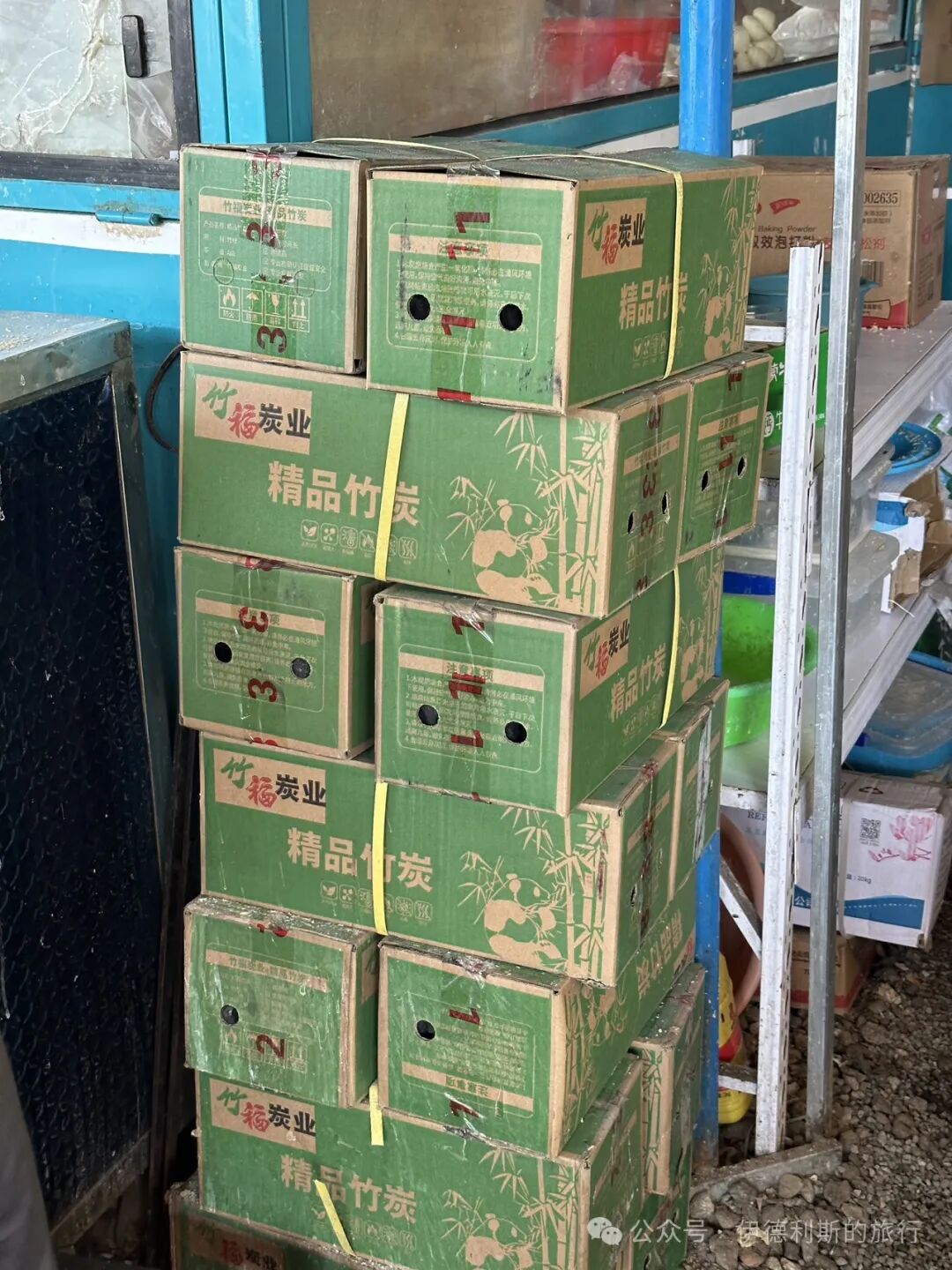
The two most popular snacks at the market are crispy fried cakes (cuipi zhagao) and freshly baked naan bread (kaonang), both of which have long lines. The naan shop uses a bamboo charcoal oven, and the naan they make is especially fragrant with a texture different from electric-baked ones. We arrived a bit late and missed the freshly baked meat pies (kaobaozi), but if you go earlier, they are surely very fragrant when they come out of the oven.
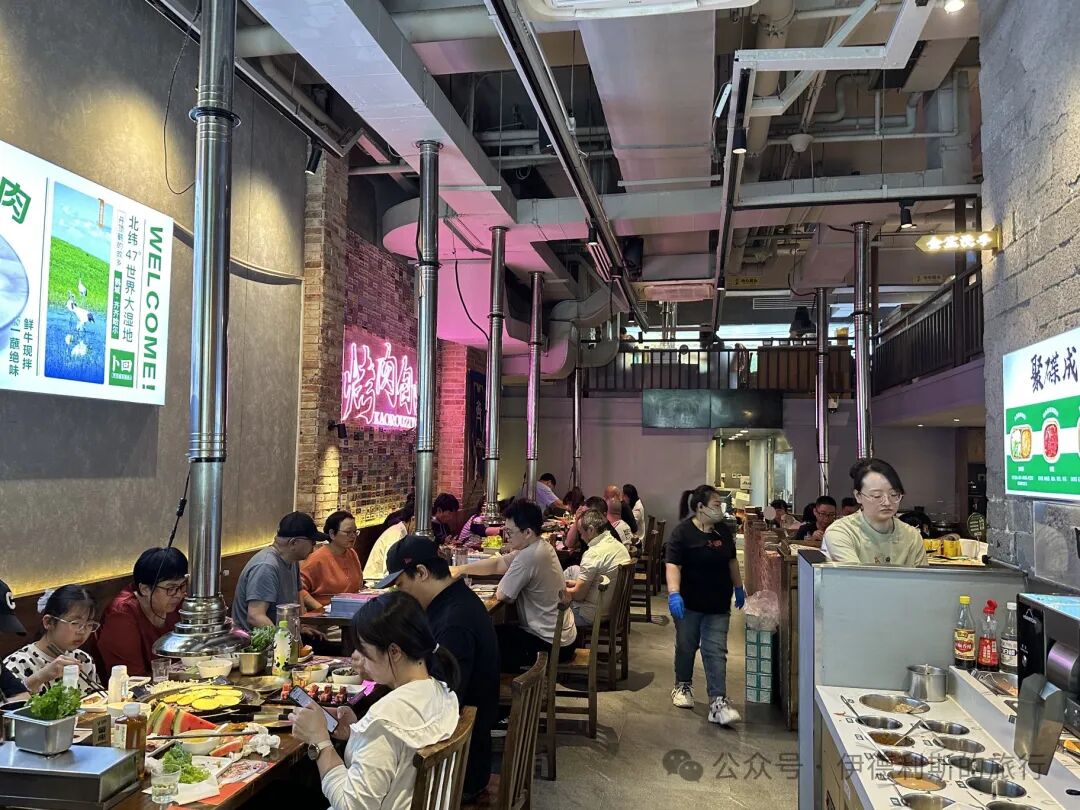
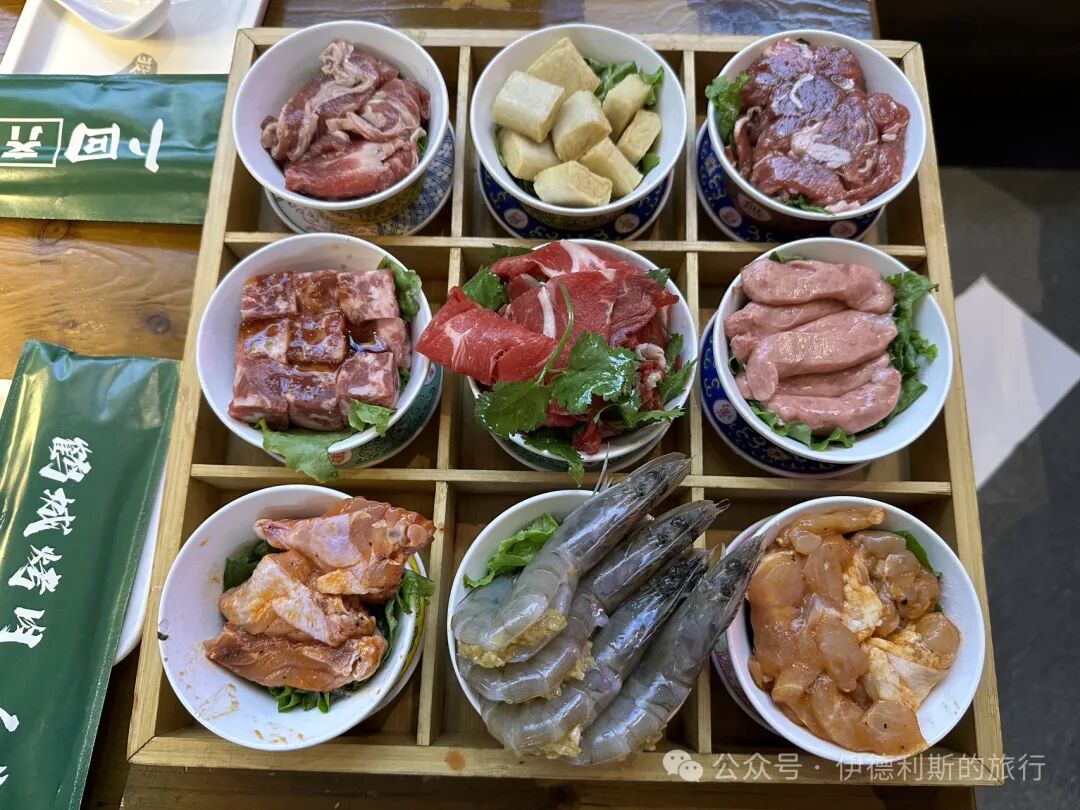
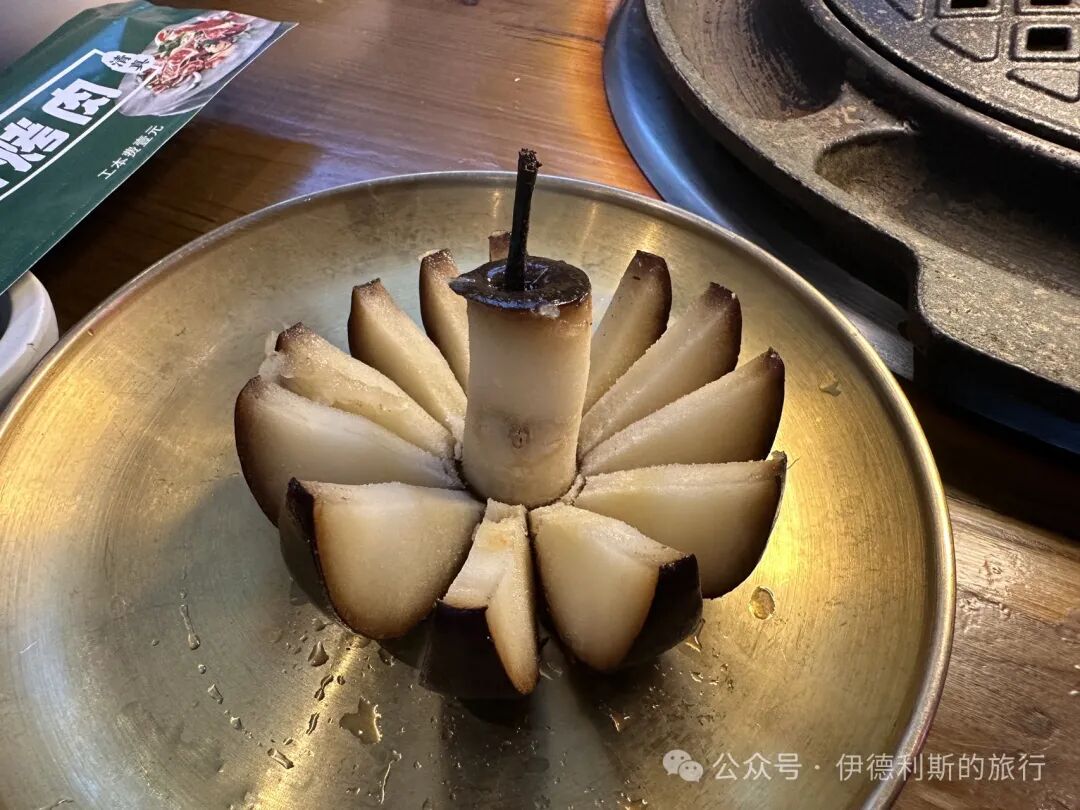
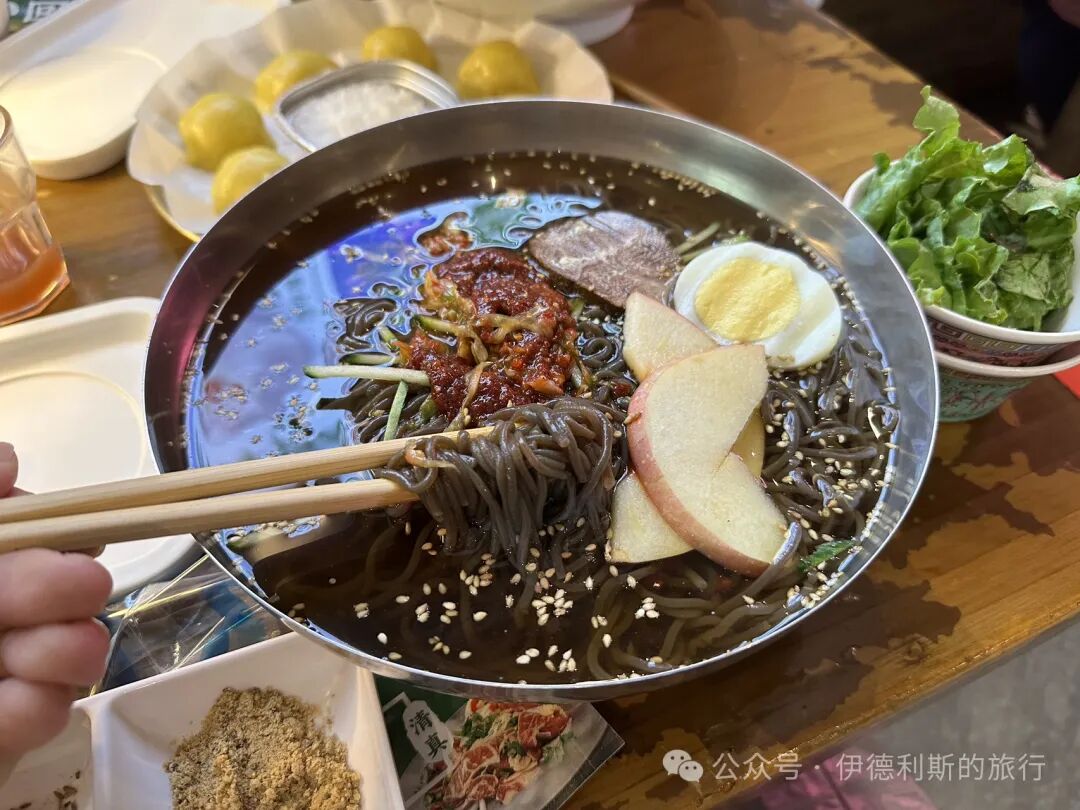
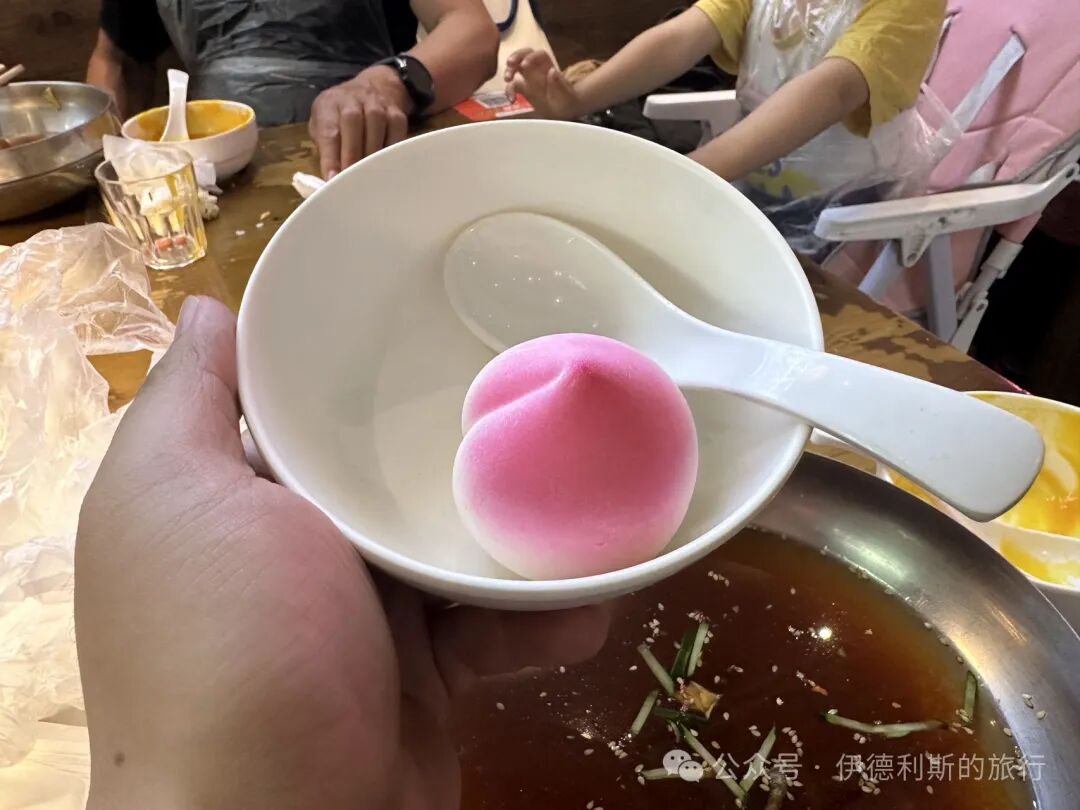
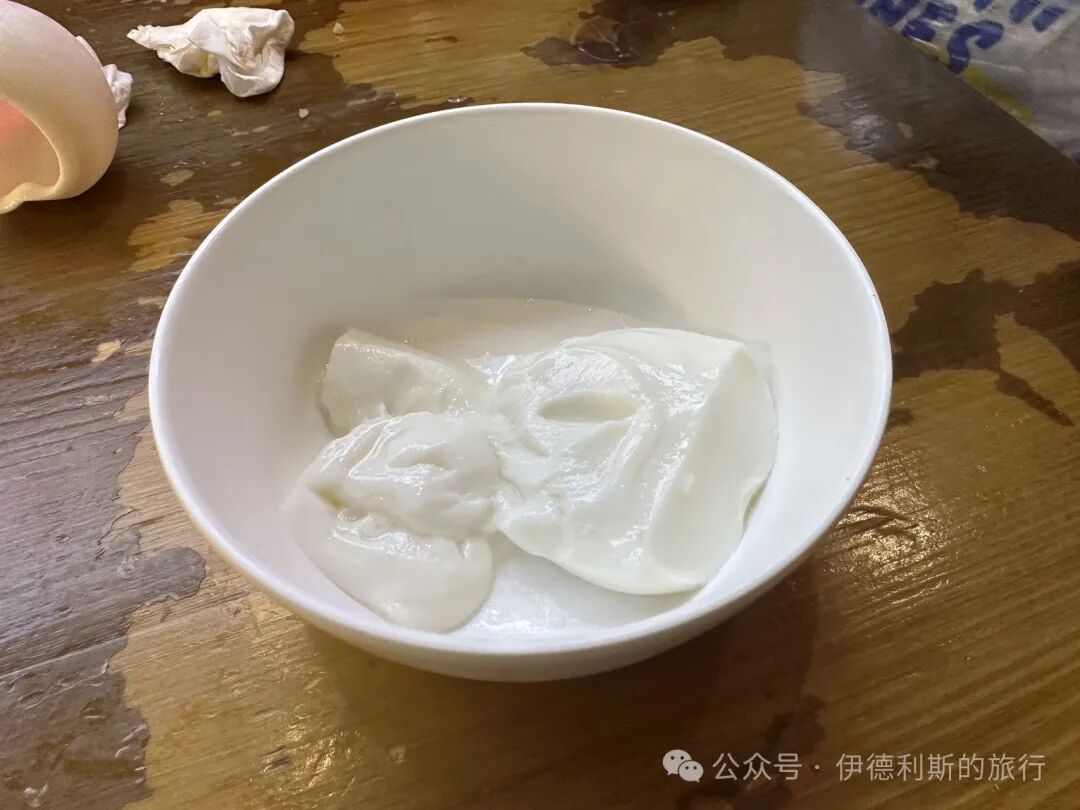
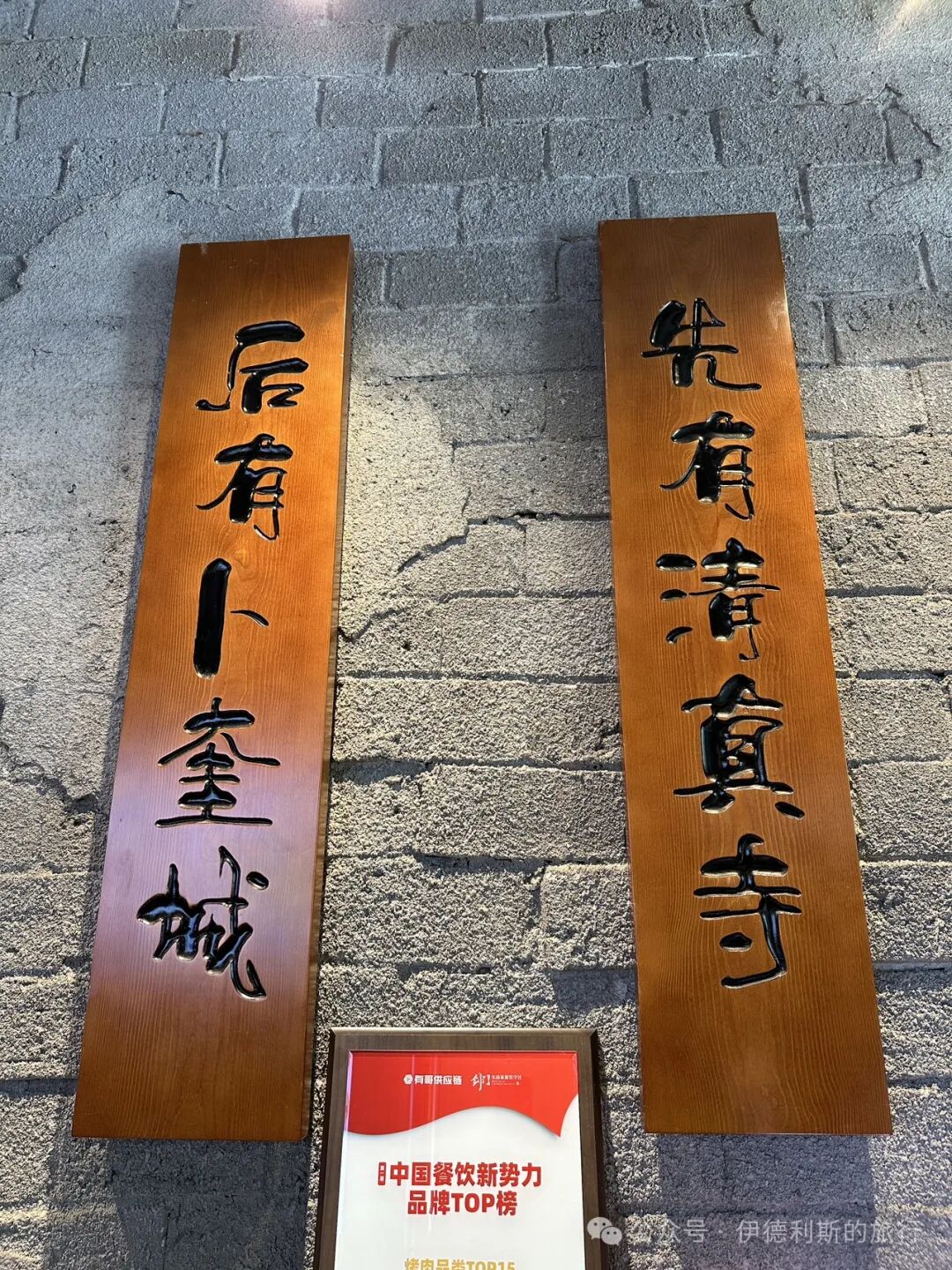
After visiting the Changying market, we took the bus for three stops to Guanzhuang Road to eat at Bu Hui Qiqihar Barbecue. I haven't been here for several years, and it is very popular on weekend afternoons now; we waited for half an hour to get a table. They now offer a nine-grid set meal with meat and shrimp, which is quite rich, and the set also includes almond tofu, sliced frozen pears, and small sticky bean buns (niandoubao). It was my first time eating Northeast-style sticky bean buns, which are made of yellow rice flour wrapped around a kidney bean filling; they aren't sweet, with a light flavor of yellow rice and kidney beans that everyone liked. For our main course, we ordered stone pot bibimbap, basin bibimbap, and cold noodles. My mother-in-law tried stone pot rice (bibimbap) for the first time and really liked the taste. The side dishes inside were also very nutritious. Cold noodles (lengmian) are the main reason I come to this restaurant. The weather is getting hotter now, and a bowl of these sweet and sour noodles is especially refreshing. view all
Summary: Changying Hui Township in Beijing has a lively weekend market with halal food, local snacks, and vendors from the Hui Muslim community. This account keeps the market route, dishes, prices where given, and photographs in the original order.
I went to the big market in Changying on Sunday morning. I worked near Changying for nine years and only changed jobs last year, and then the big market opened there. The market is open every day until noon, and it is busiest on weekends.
In the morning, I first had breakfast at Qingyanfang on Changying Middle Road, where I ordered steamed buns (xiaolongbao), lucky bags (fudai), pumpkin porridge, and purple rice porridge. Lucky bags are similar to egg fritters (jidan guozi), but they are rarely seen in Beijing. There were no halal steamed buns before, but some shops have started making them in recent years.
After breakfast, I walked north along the Changying intersection to reach the big market at the southeast corner of Changying Sports Park. There are many halal shops at the market.
We first bought beef head meat at Chen's to take home for a stir-fry. Their shop's water kettle sign (tangping pai) was made by my friend Dong Yidong, and this traditional style of sign is very rare now.
The market also has crispy fried dough snacks (gezhihe) from Hui Muslims in Tongzhou, and they also sell fermented mung bean milk (douzhier) from Baoji; many people buy it, but it was sold out when we got there.
There is a Huadu chicken stall at the market, and we bought a free-range chicken to take home for a big plate chicken (dapanji) dish. Huadu has a halal chicken slaughter and processing plant in Luanping, Hebei, which supplies the Beijing market and also exports to Japan. They have opened online shops in recent years, and much of the halal chicken you can buy online now comes from them.
The market also has all kinds of beef, mutton, fruits, and vegetables, especially free samples; we tried muskmelon, nectarines, apples, and watermelon, which made my son very happy.
The northernmost row of the market is the snack area, where a noodle shop sells cold noodles, which are perfect for summer.
The two most popular snacks at the market are crispy fried cakes (cuipi zhagao) and freshly baked naan bread (kaonang), both of which have long lines. The naan shop uses a bamboo charcoal oven, and the naan they make is especially fragrant with a texture different from electric-baked ones. We arrived a bit late and missed the freshly baked meat pies (kaobaozi), but if you go earlier, they are surely very fragrant when they come out of the oven.
After visiting the Changying market, we took the bus for three stops to Guanzhuang Road to eat at Bu Hui Qiqihar Barbecue. I haven't been here for several years, and it is very popular on weekend afternoons now; we waited for half an hour to get a table. They now offer a nine-grid set meal with meat and shrimp, which is quite rich, and the set also includes almond tofu, sliced frozen pears, and small sticky bean buns (niandoubao). It was my first time eating Northeast-style sticky bean buns, which are made of yellow rice flour wrapped around a kidney bean filling; they aren't sweet, with a light flavor of yellow rice and kidney beans that everyone liked. For our main course, we ordered stone pot bibimbap, basin bibimbap, and cold noodles. My mother-in-law tried stone pot rice (bibimbap) for the first time and really liked the taste. The side dishes inside were also very nutritious. Cold noodles (lengmian) are the main reason I come to this restaurant. The weather is getting hotter now, and a bowl of these sweet and sour noodles is especially refreshing. view all
Reposted from the web
Summary: Changying Hui Township in Beijing has a lively weekend market with halal food, local snacks, and vendors from the Hui Muslim community. This account keeps the market route, dishes, prices where given, and photographs in the original order.
I went to the big market in Changying on Sunday morning. I worked near Changying for nine years and only changed jobs last year, and then the big market opened there. The market is open every day until noon, and it is busiest on weekends.
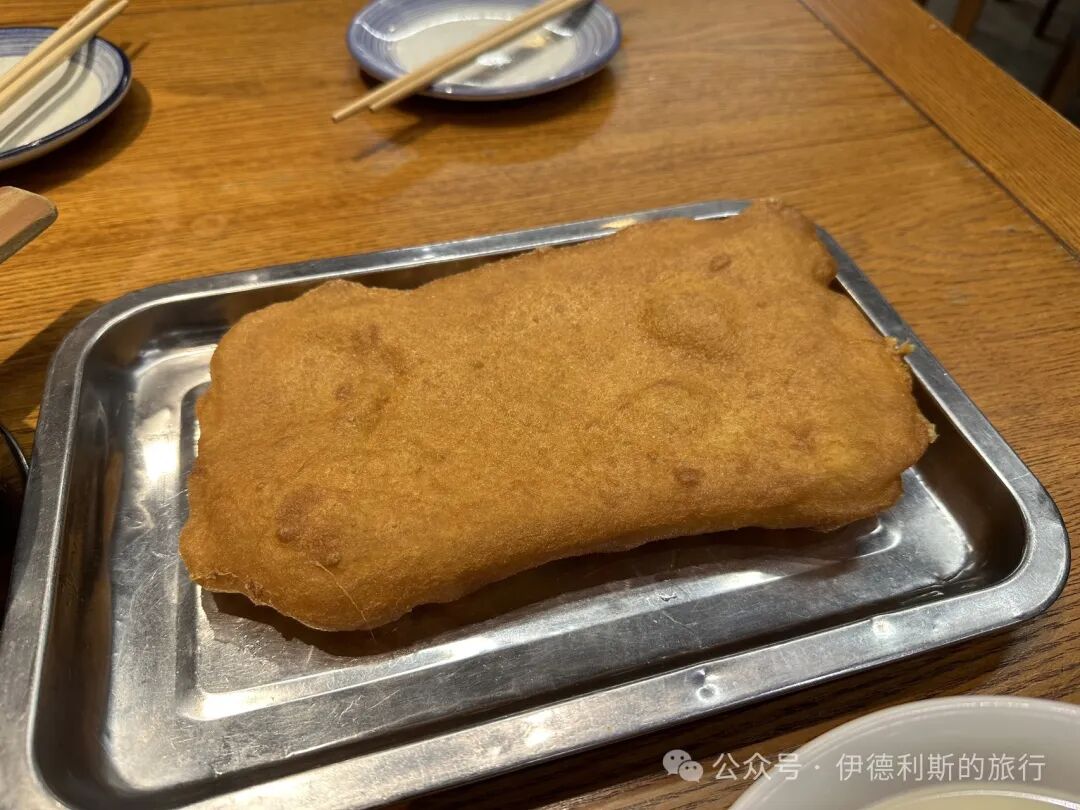
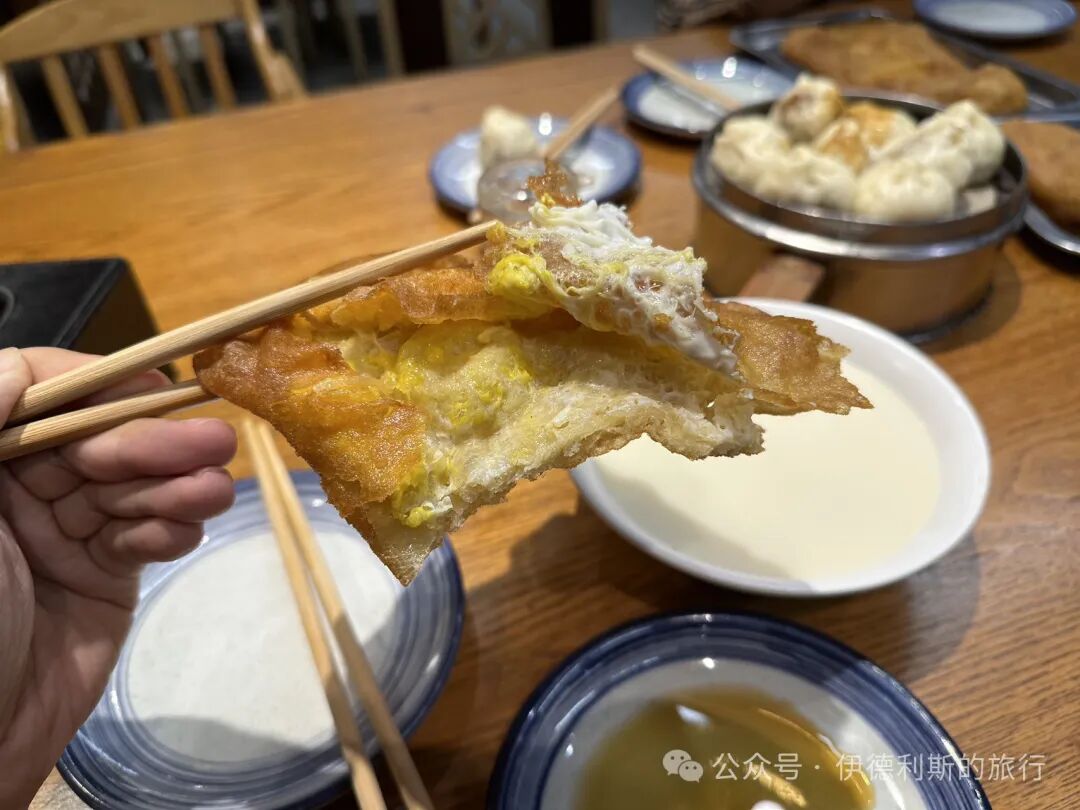
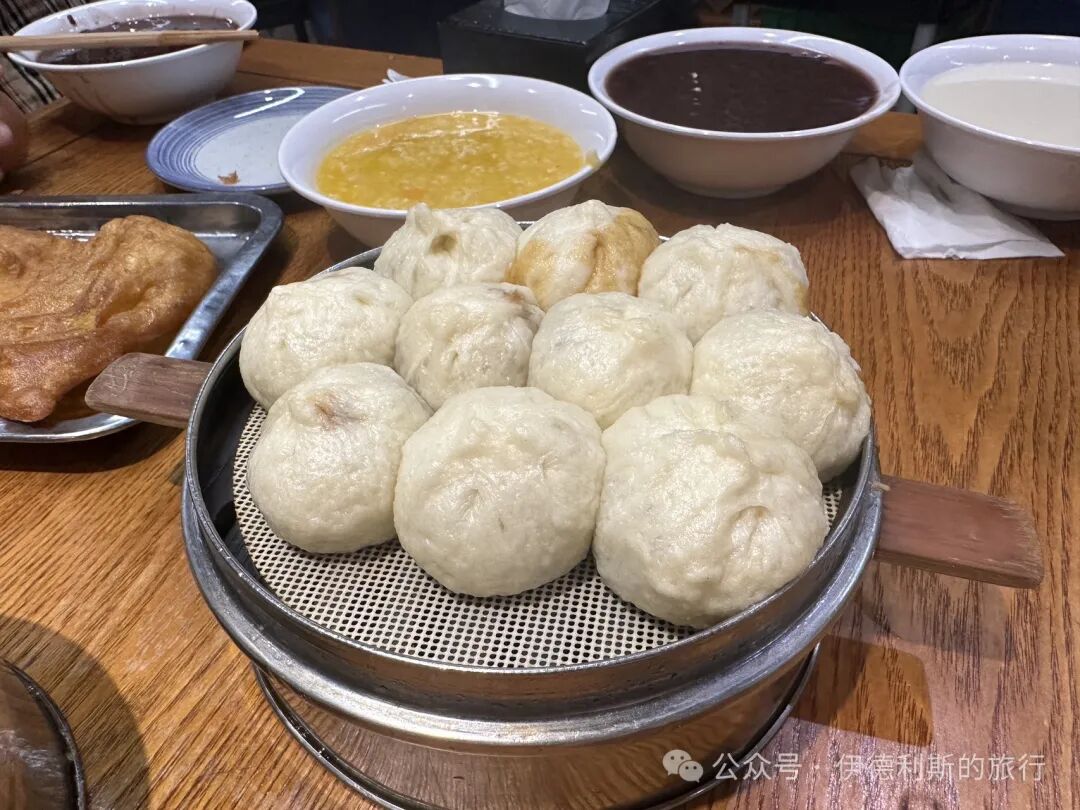
In the morning, I first had breakfast at Qingyanfang on Changying Middle Road, where I ordered steamed buns (xiaolongbao), lucky bags (fudai), pumpkin porridge, and purple rice porridge. Lucky bags are similar to egg fritters (jidan guozi), but they are rarely seen in Beijing. There were no halal steamed buns before, but some shops have started making them in recent years.
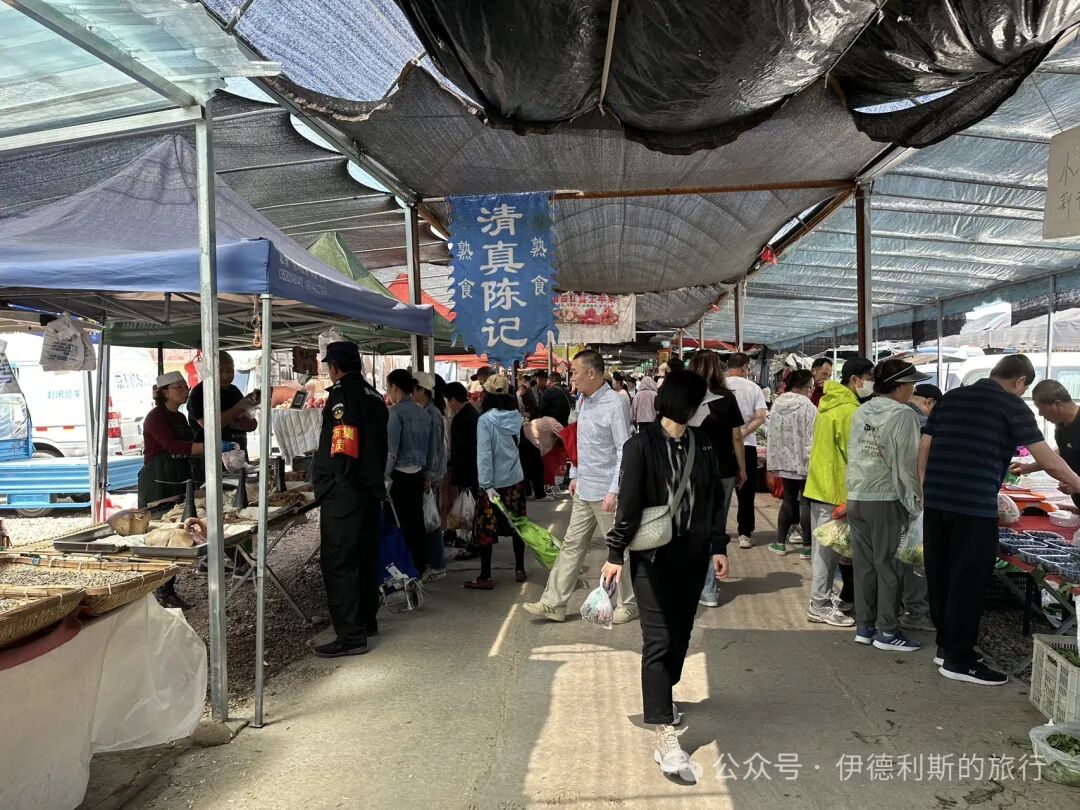
After breakfast, I walked north along the Changying intersection to reach the big market at the southeast corner of Changying Sports Park. There are many halal shops at the market.
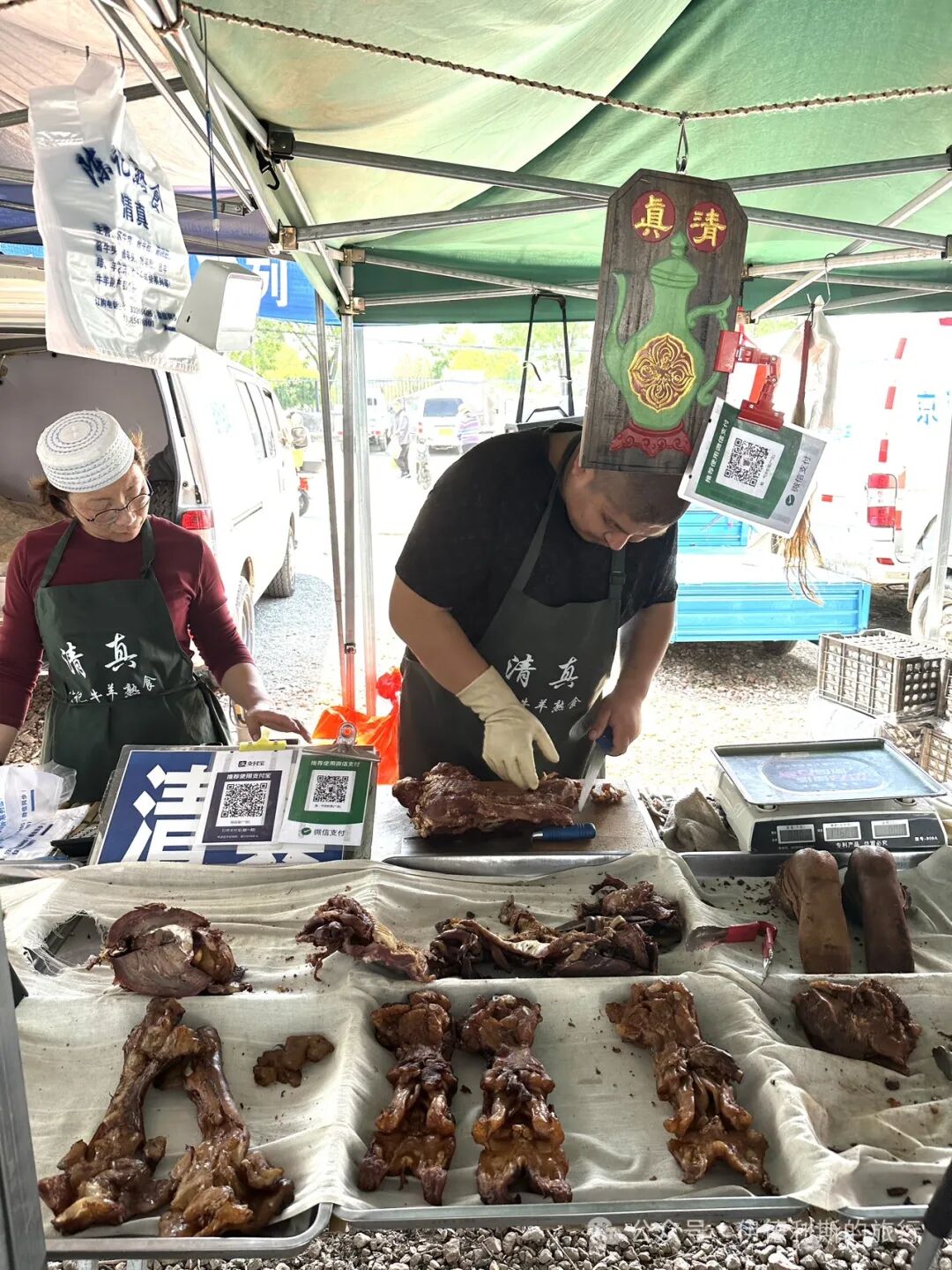
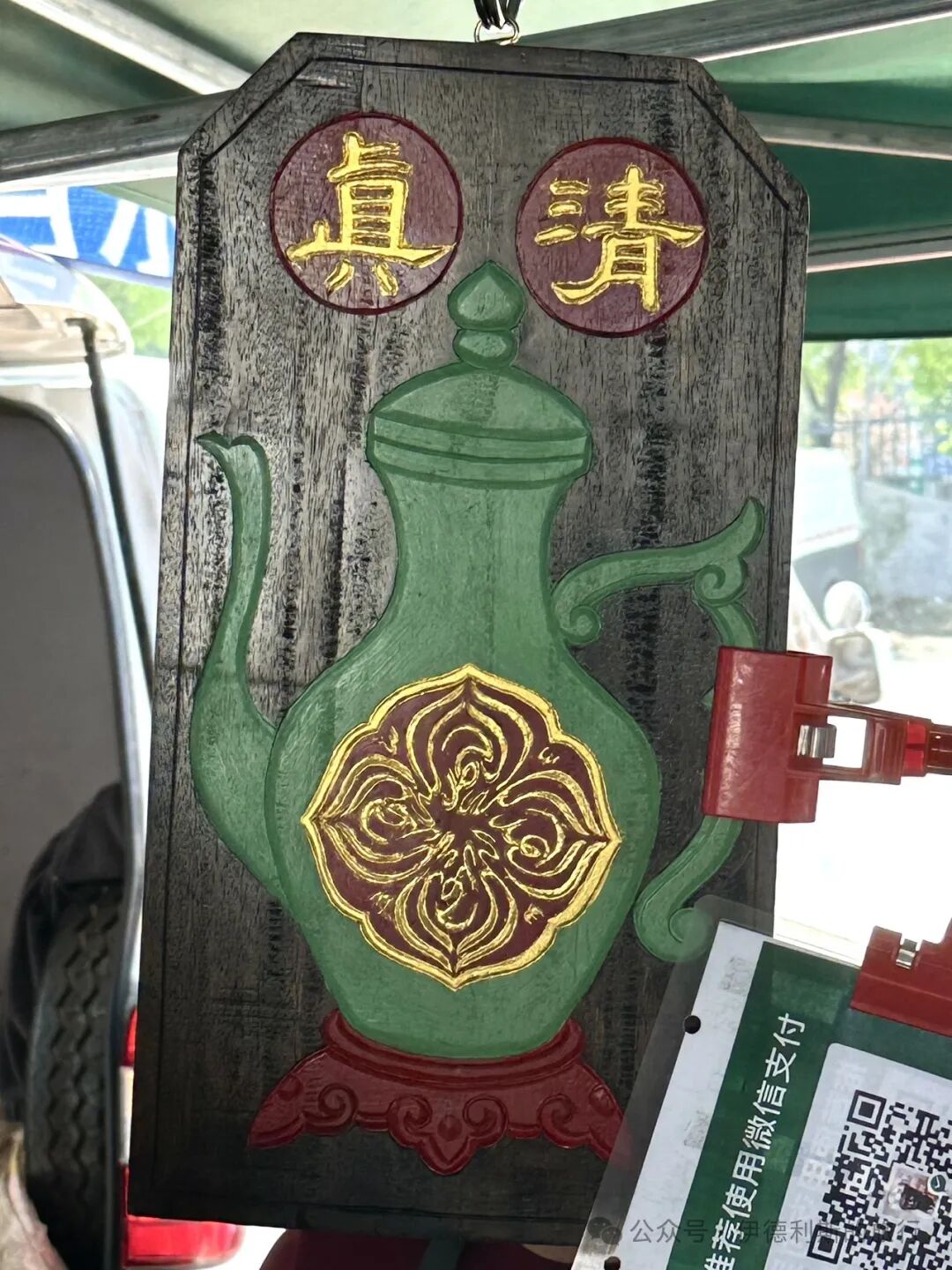
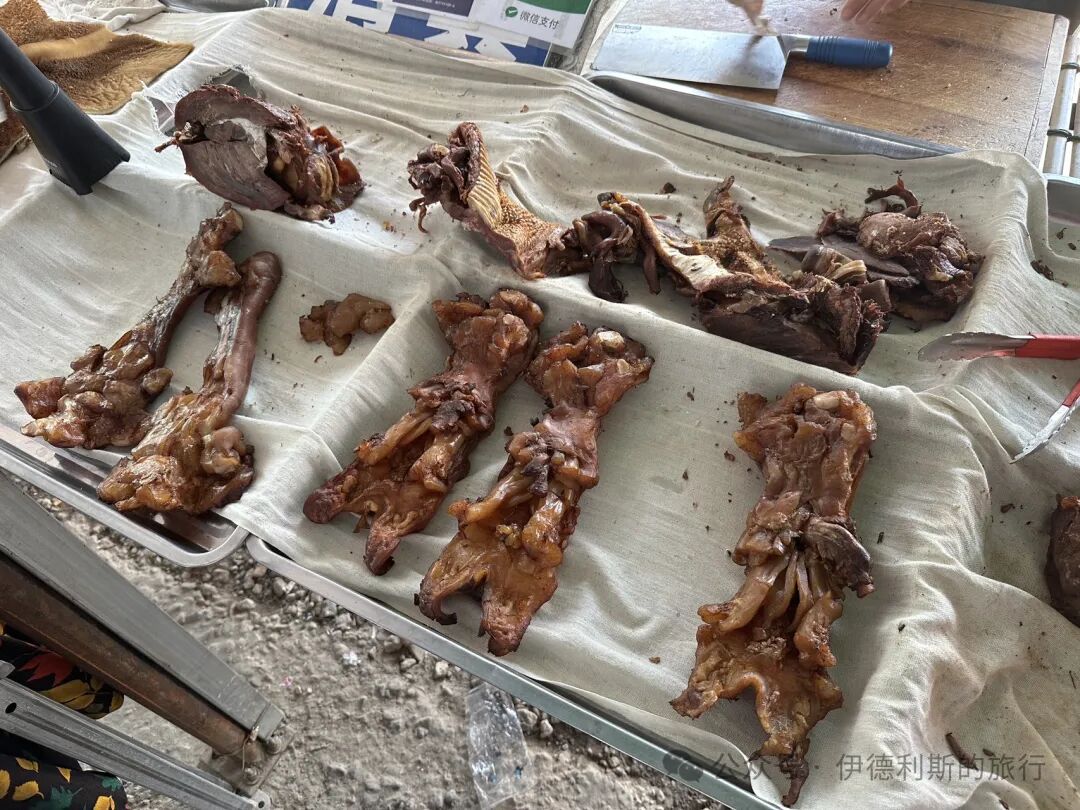
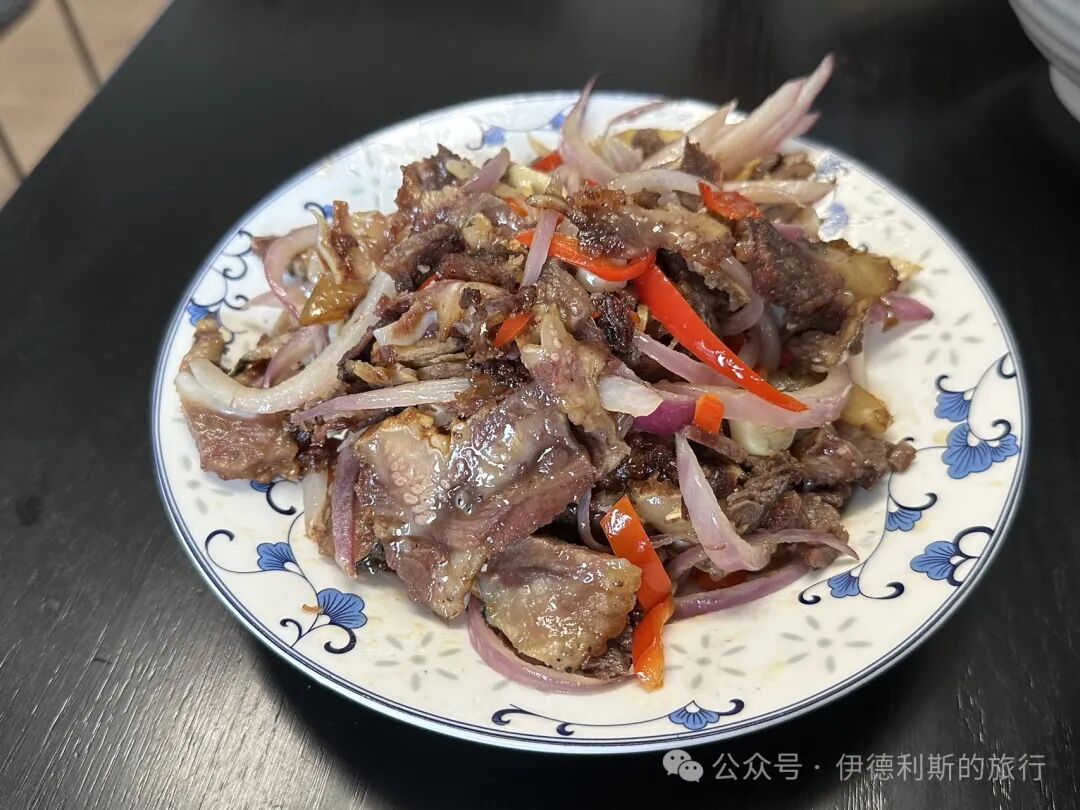
We first bought beef head meat at Chen's to take home for a stir-fry. Their shop's water kettle sign (tangping pai) was made by my friend Dong Yidong, and this traditional style of sign is very rare now.
The market also has crispy fried dough snacks (gezhihe) from Hui Muslims in Tongzhou, and they also sell fermented mung bean milk (douzhier) from Baoji; many people buy it, but it was sold out when we got there.
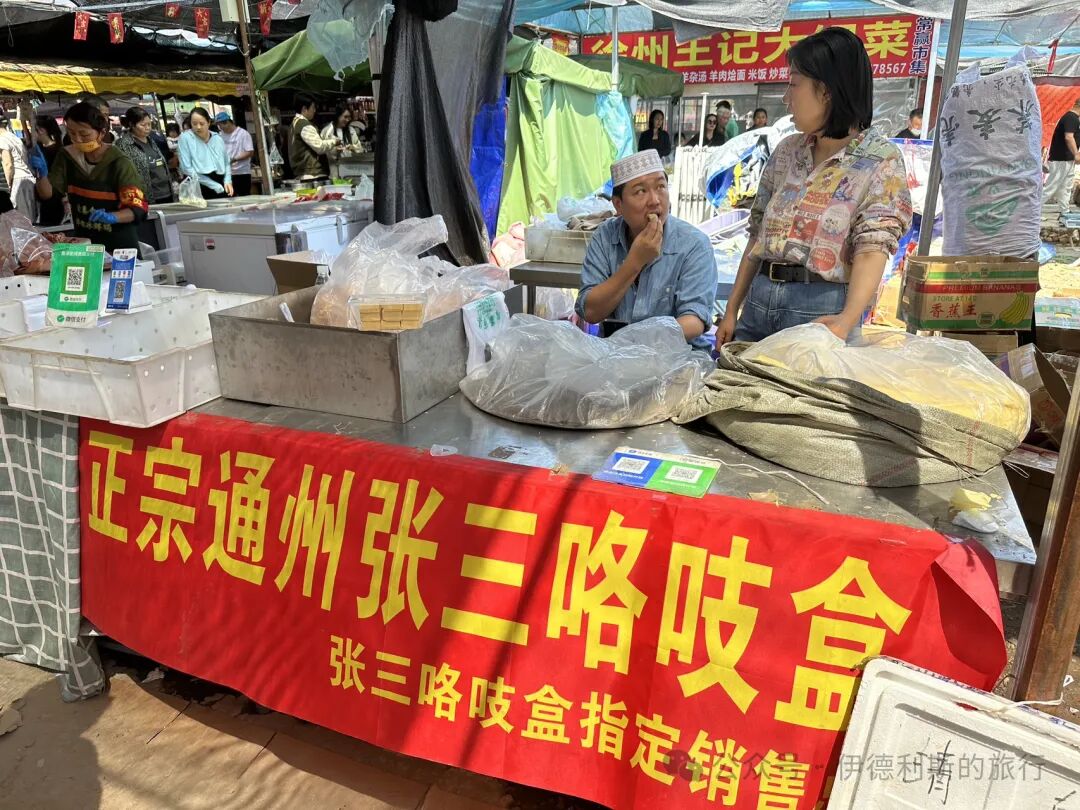
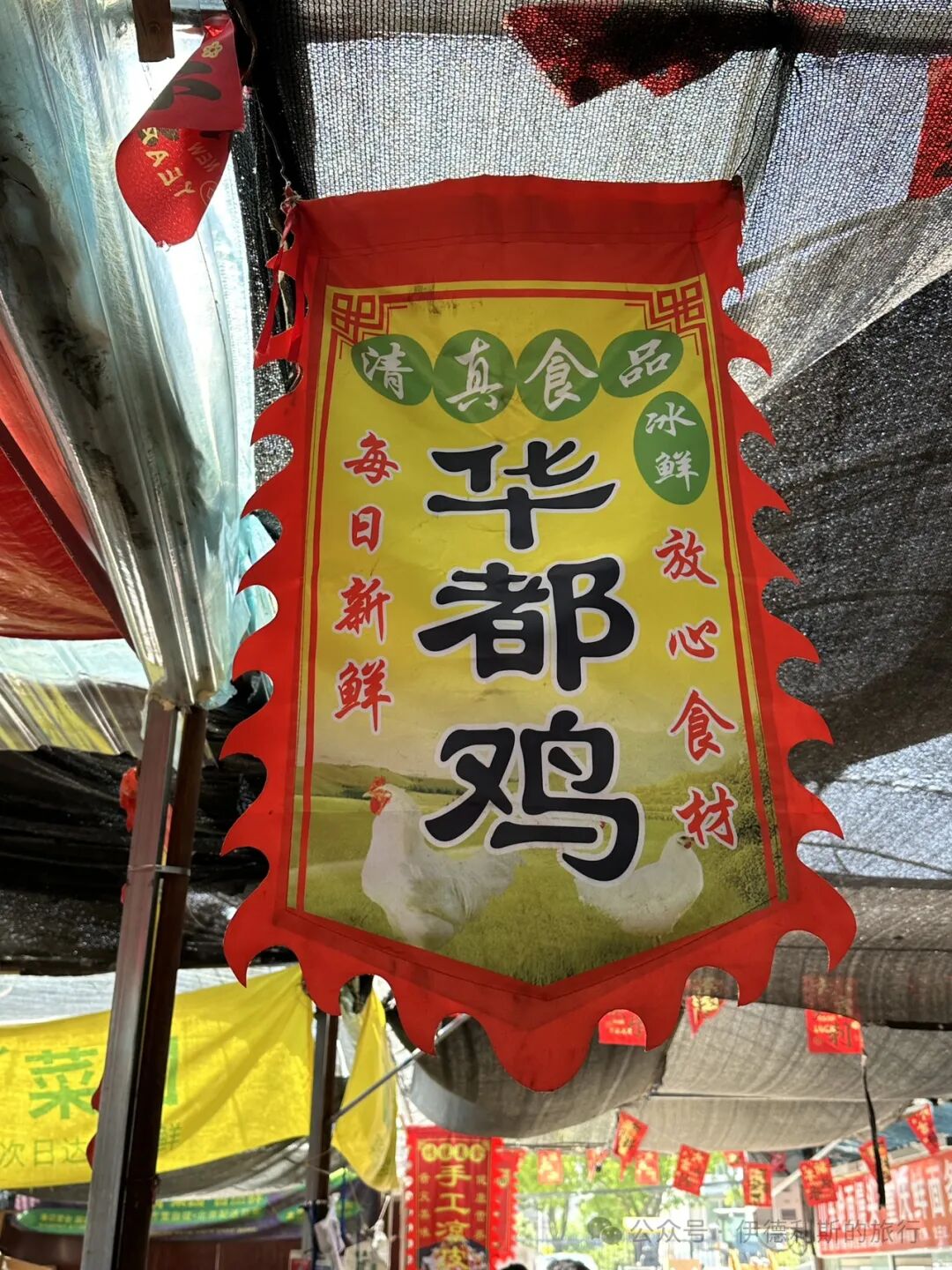
There is a Huadu chicken stall at the market, and we bought a free-range chicken to take home for a big plate chicken (dapanji) dish. Huadu has a halal chicken slaughter and processing plant in Luanping, Hebei, which supplies the Beijing market and also exports to Japan. They have opened online shops in recent years, and much of the halal chicken you can buy online now comes from them.
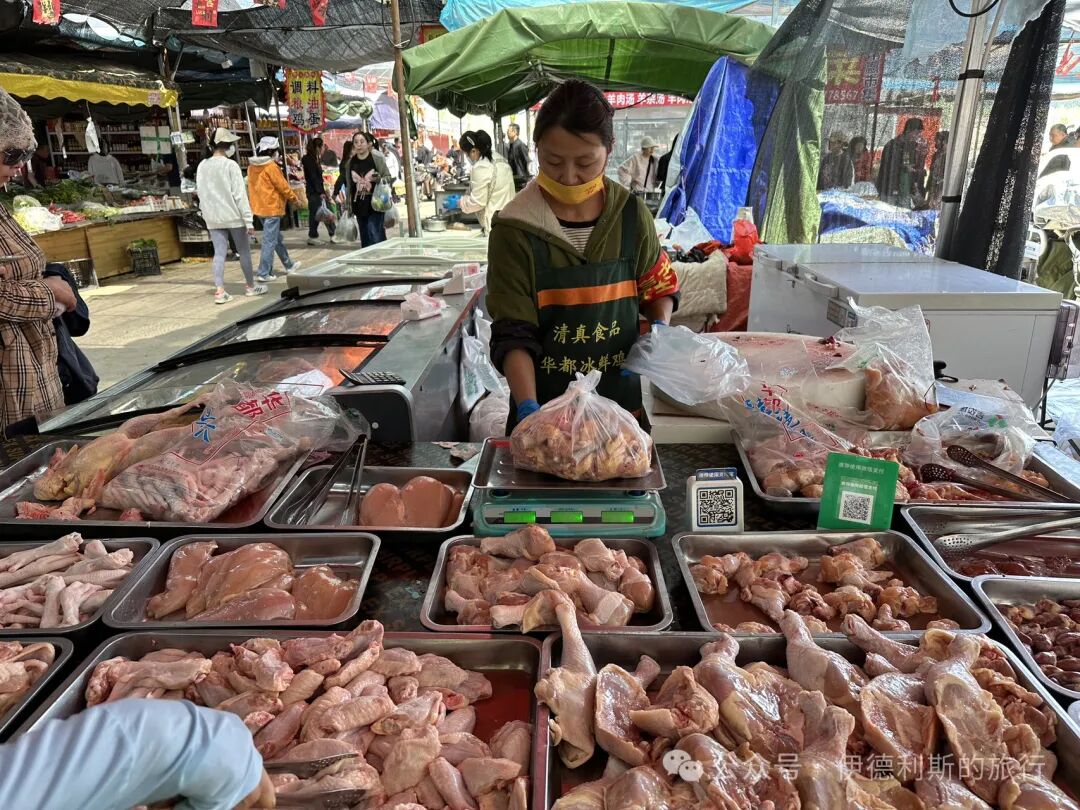
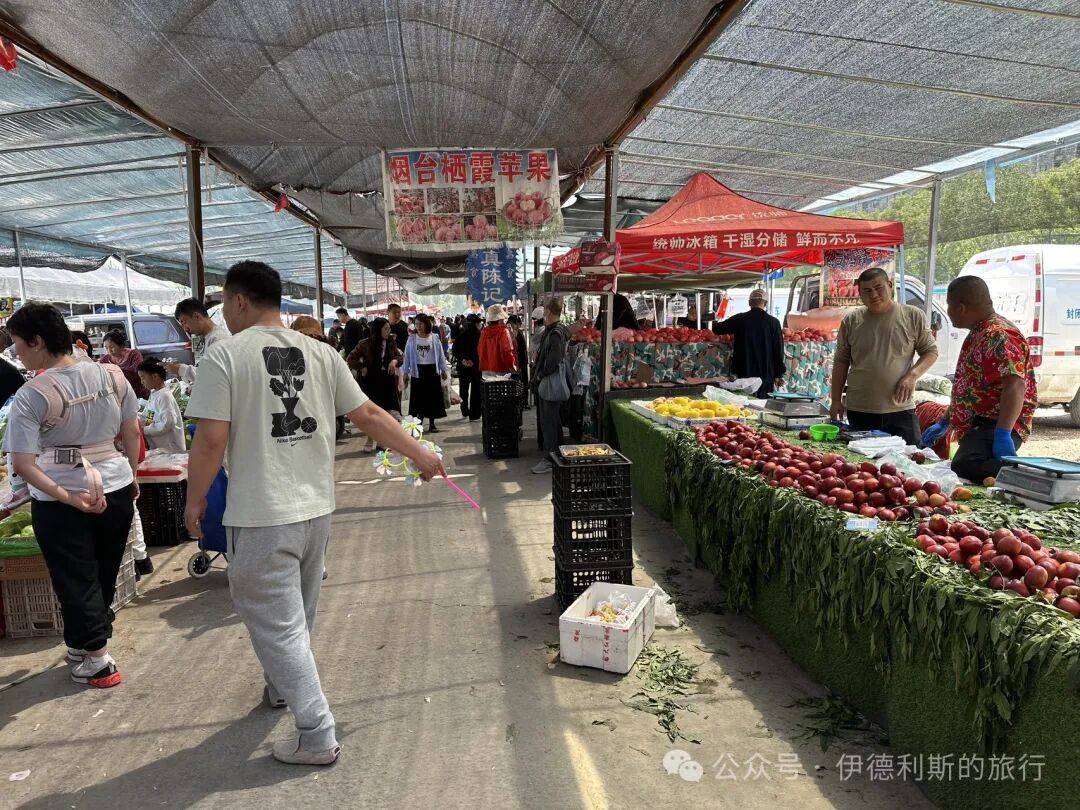
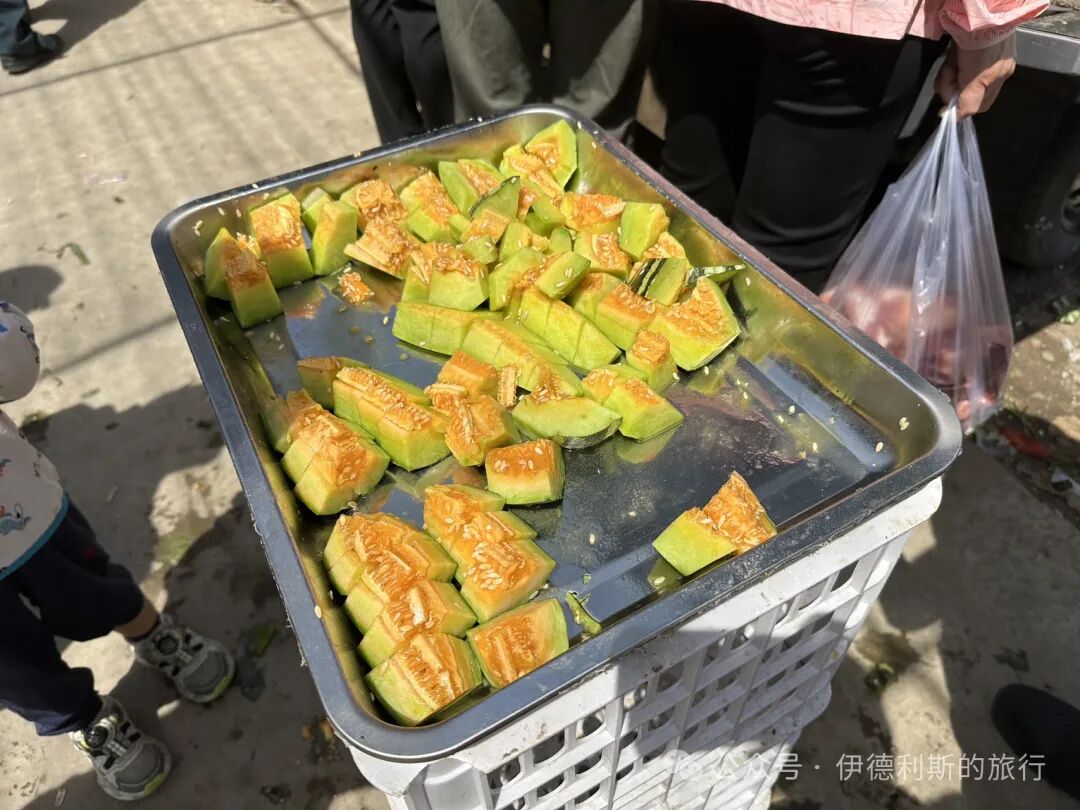
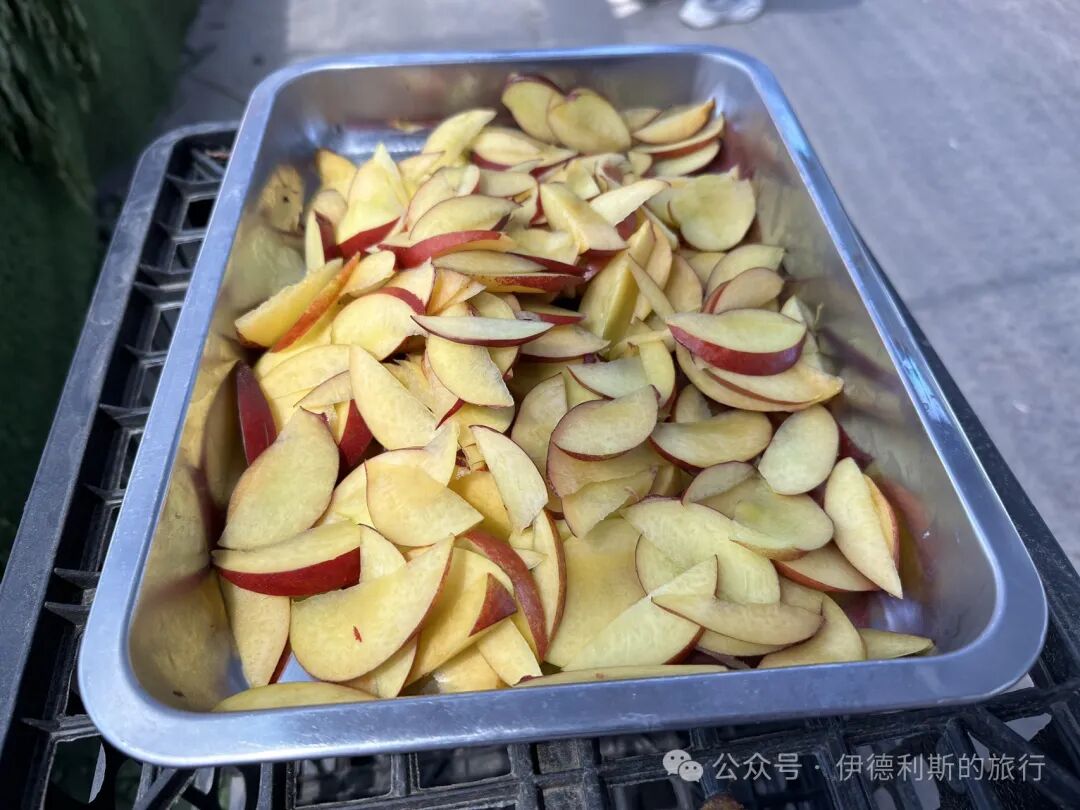
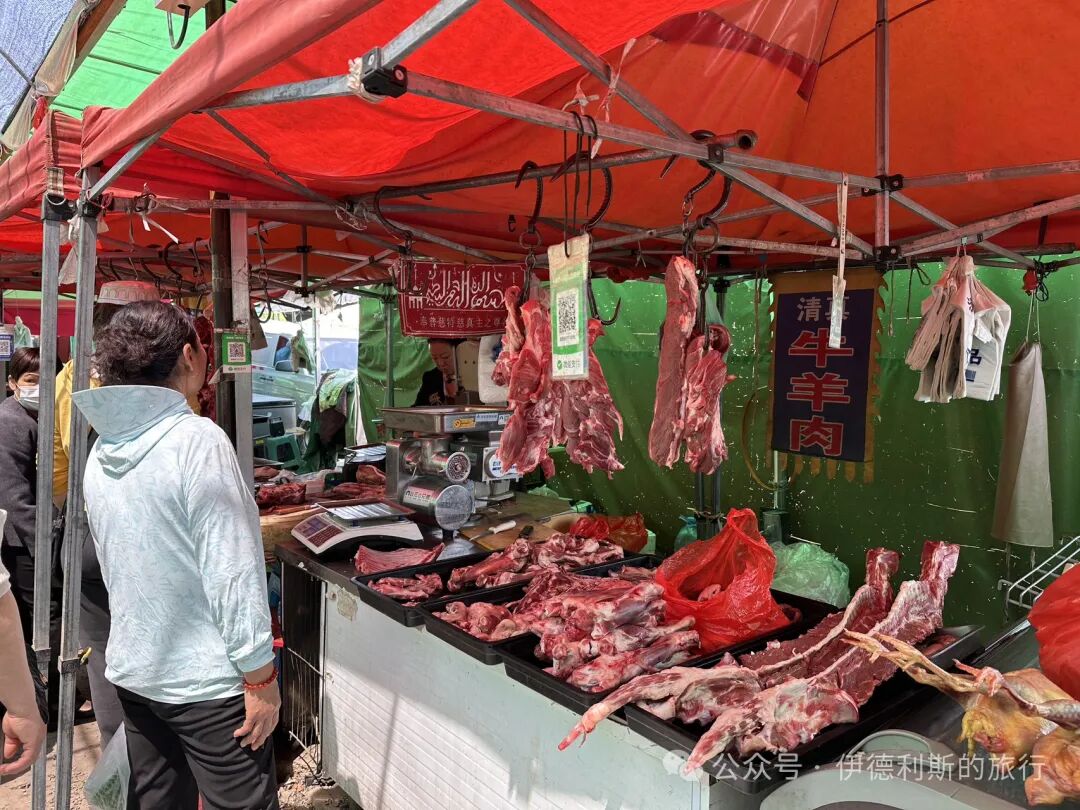
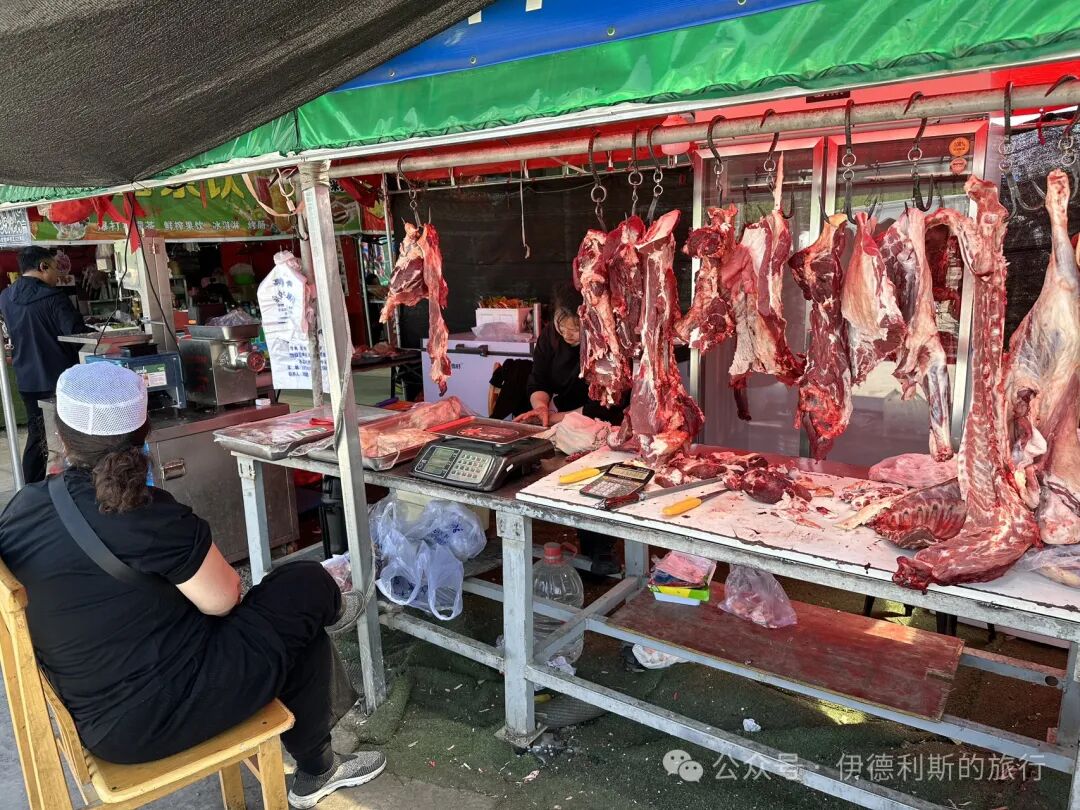
The market also has all kinds of beef, mutton, fruits, and vegetables, especially free samples; we tried muskmelon, nectarines, apples, and watermelon, which made my son very happy.
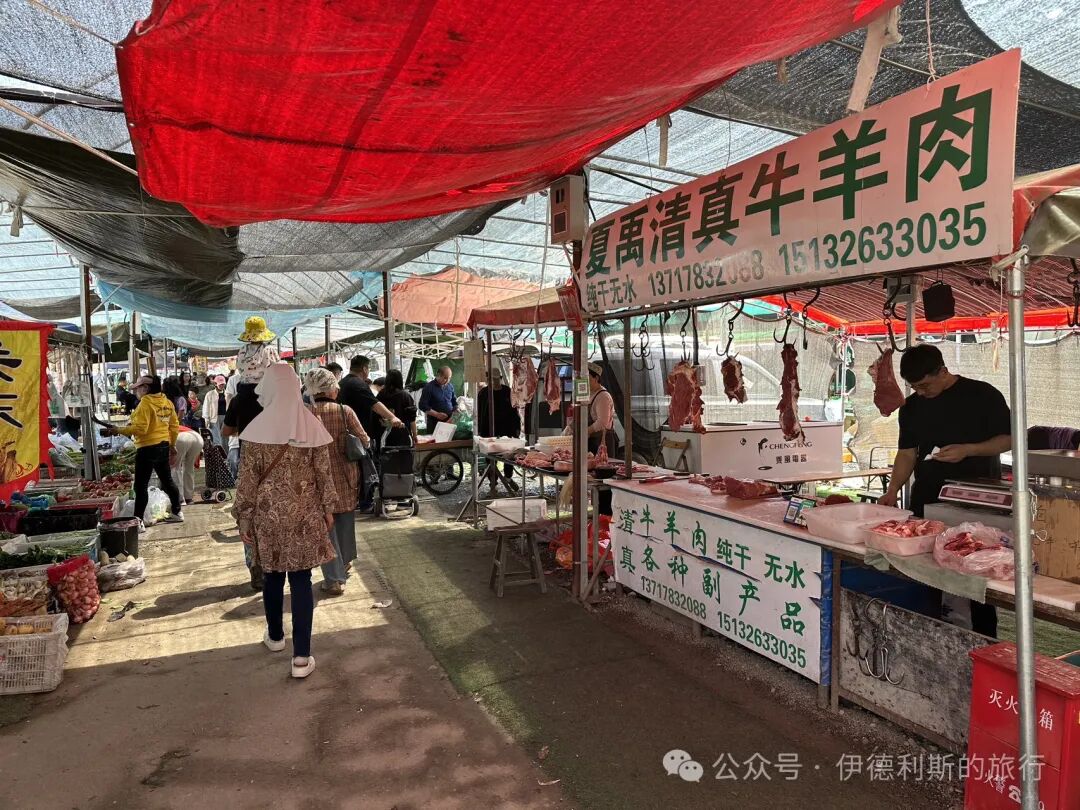
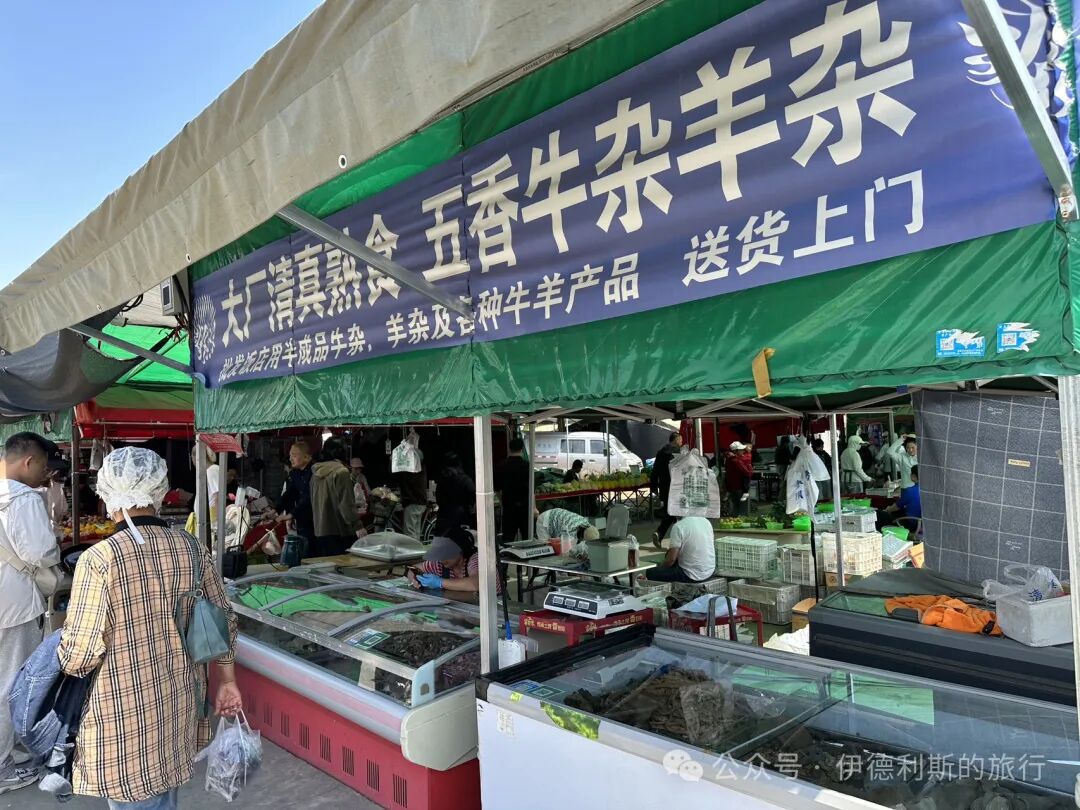
The northernmost row of the market is the snack area, where a noodle shop sells cold noodles, which are perfect for summer.
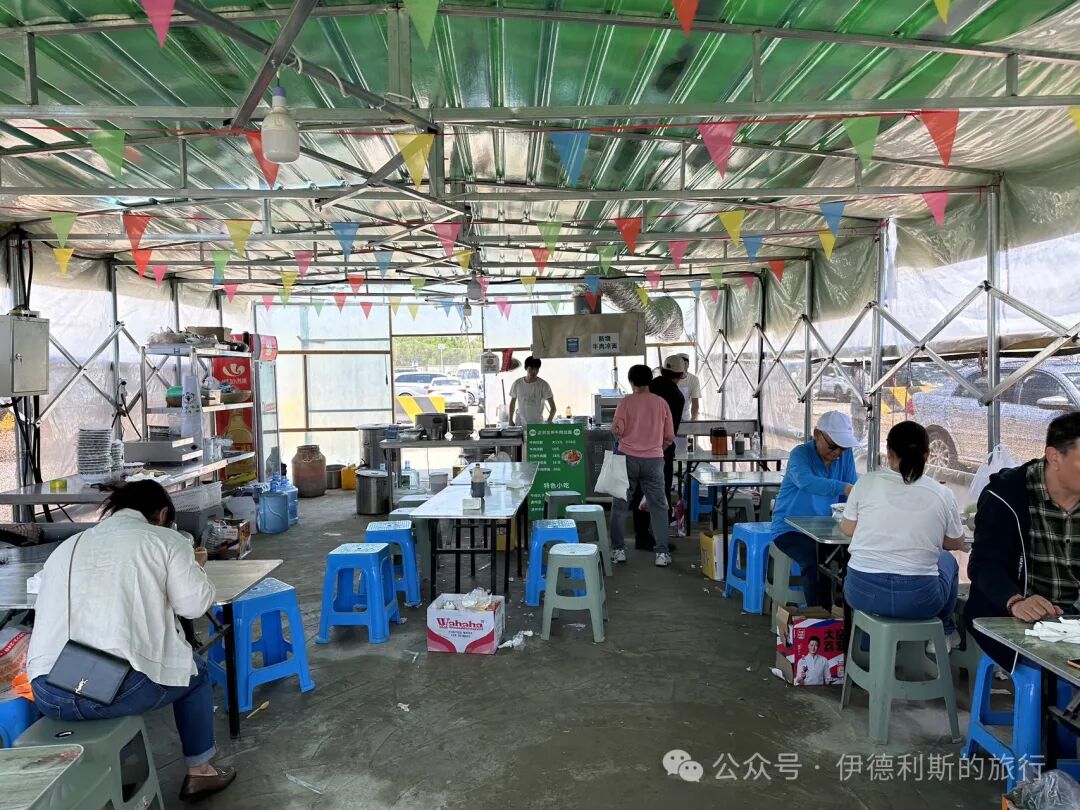
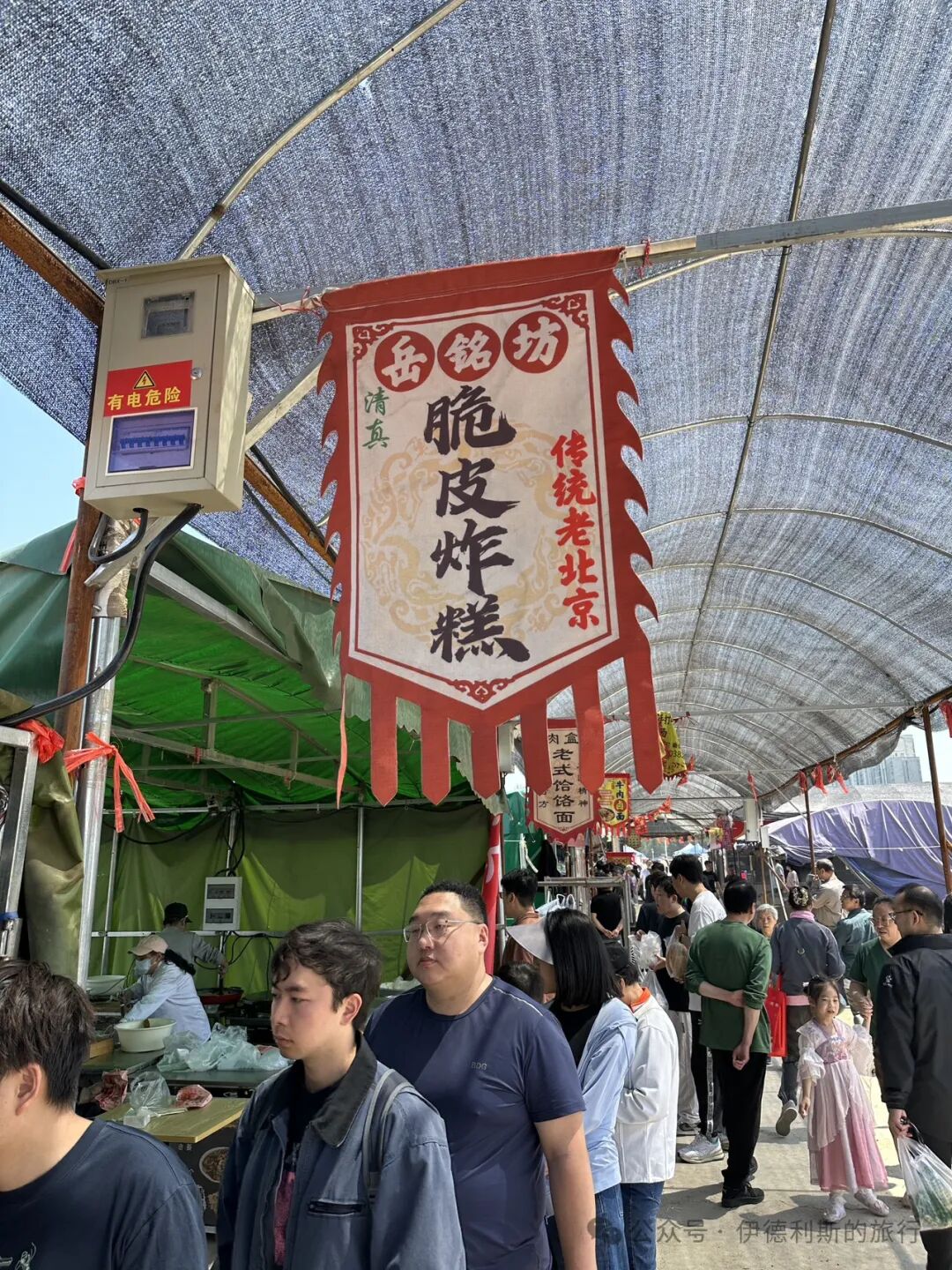
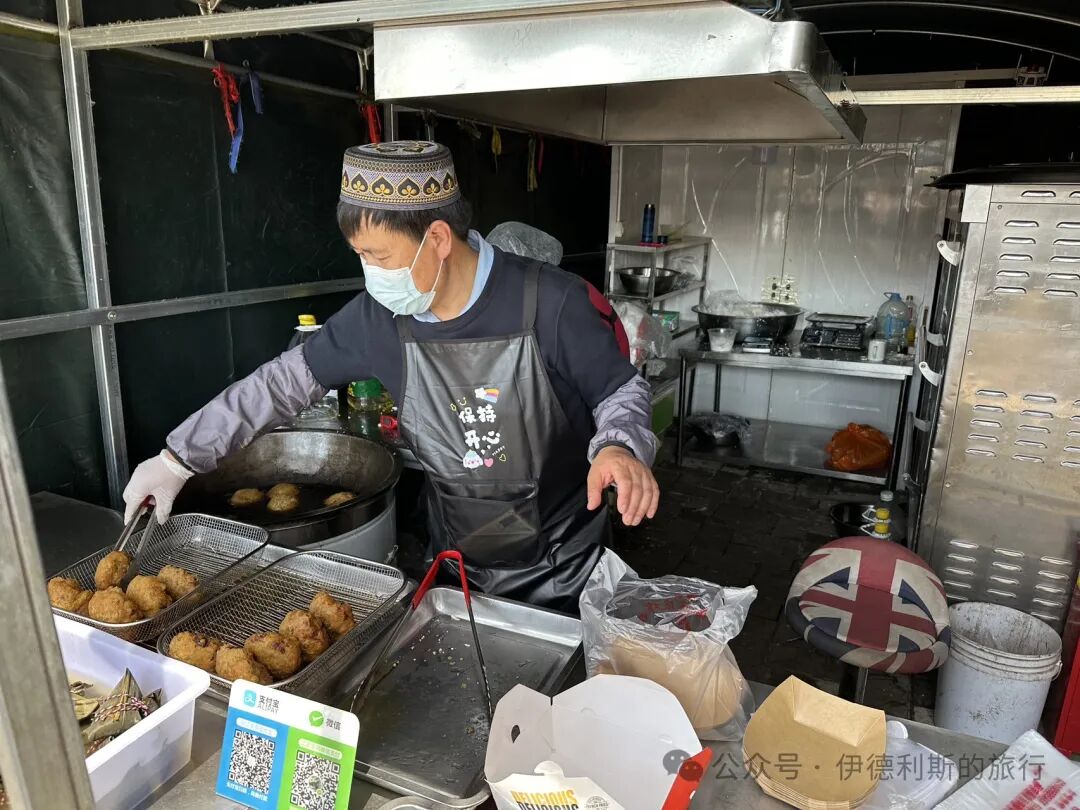
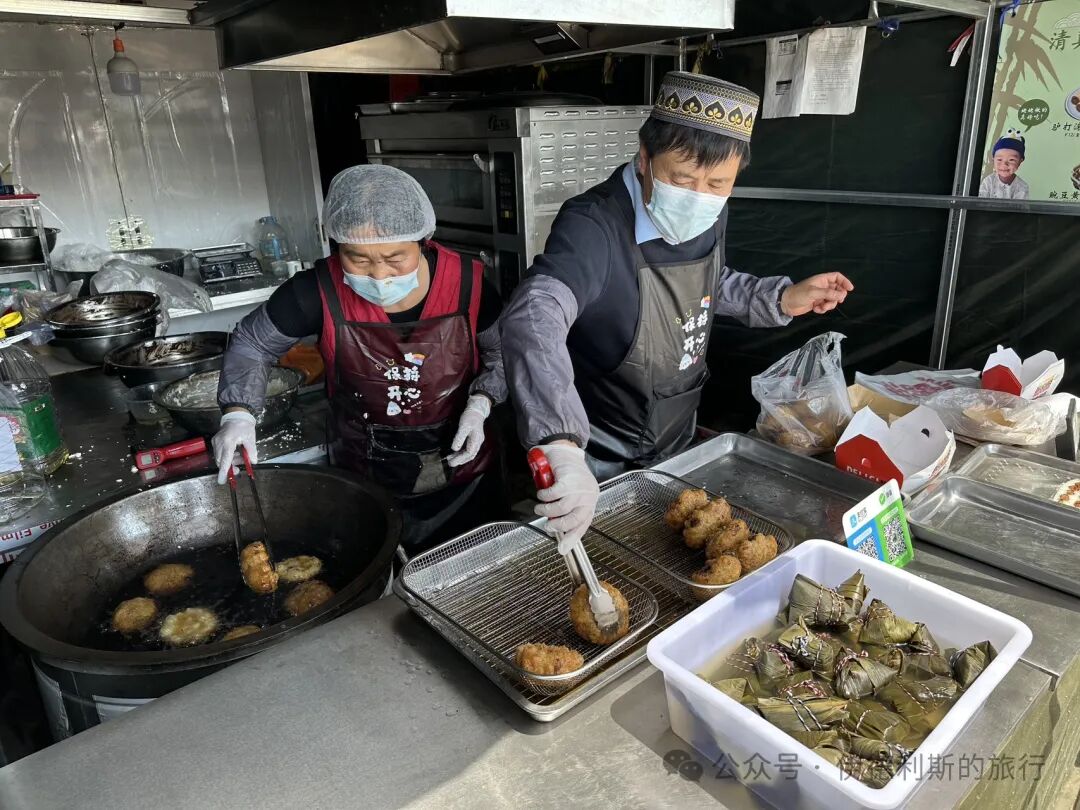
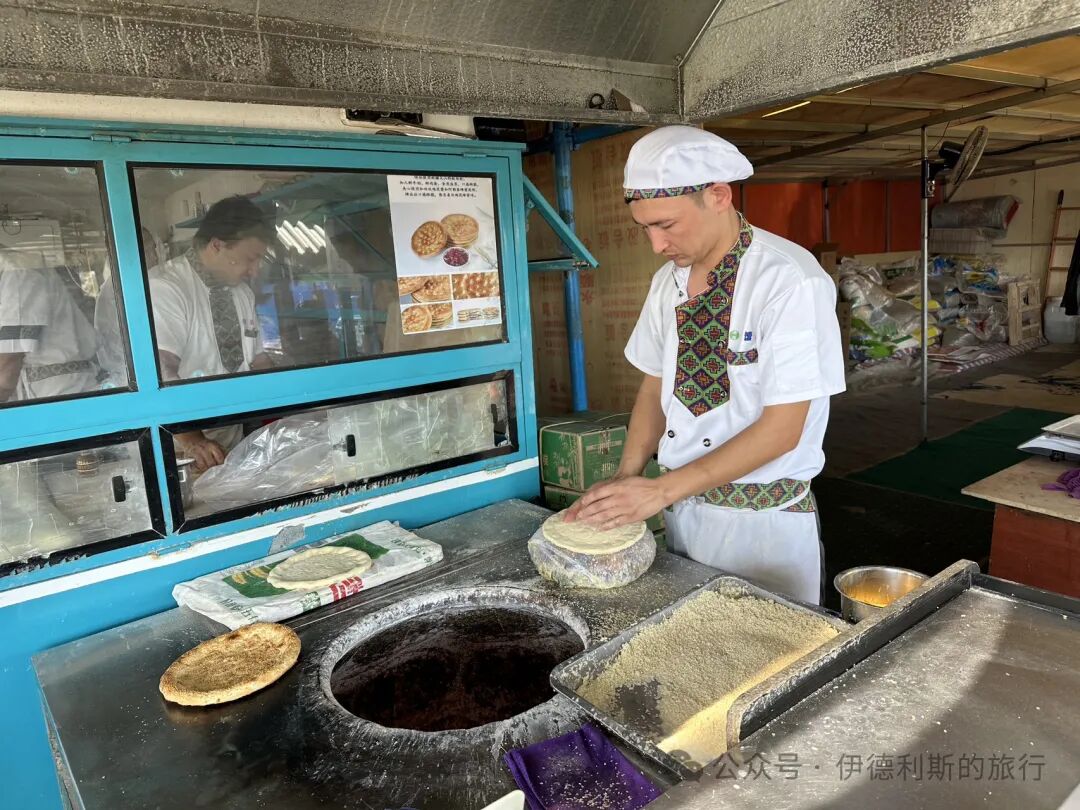
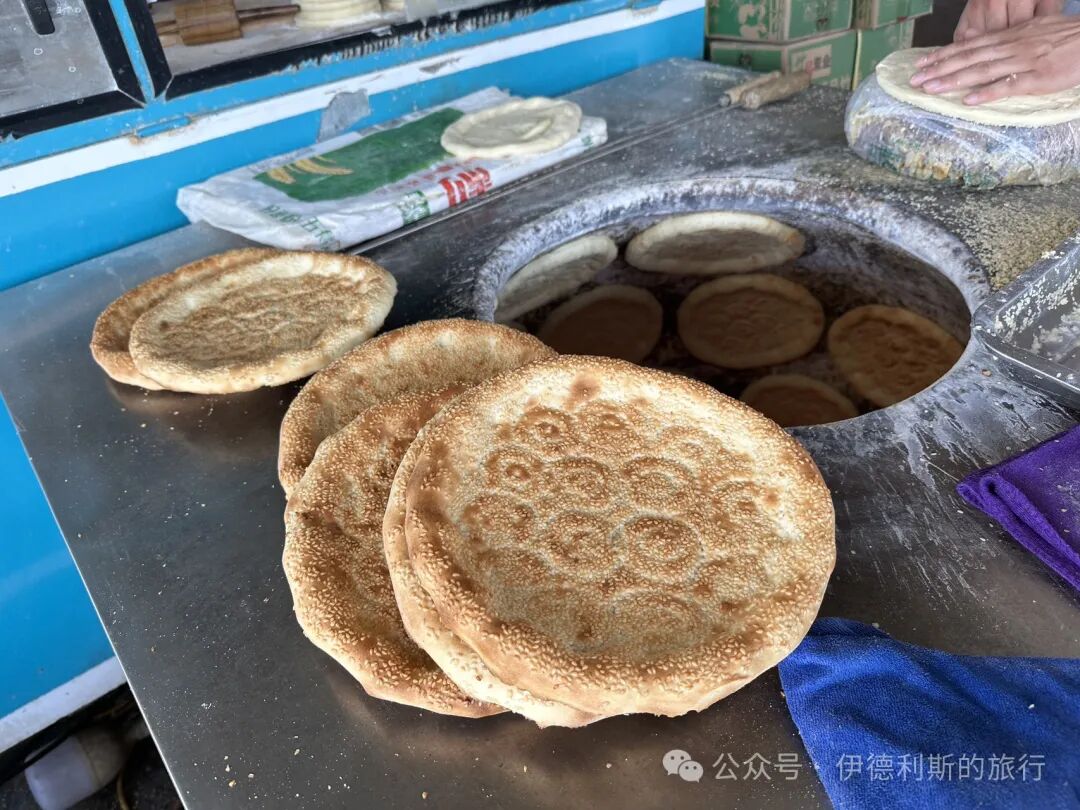
The two most popular snacks at the market are crispy fried cakes (cuipi zhagao) and freshly baked naan bread (kaonang), both of which have long lines. The naan shop uses a bamboo charcoal oven, and the naan they make is especially fragrant with a texture different from electric-baked ones. We arrived a bit late and missed the freshly baked meat pies (kaobaozi), but if you go earlier, they are surely very fragrant when they come out of the oven.
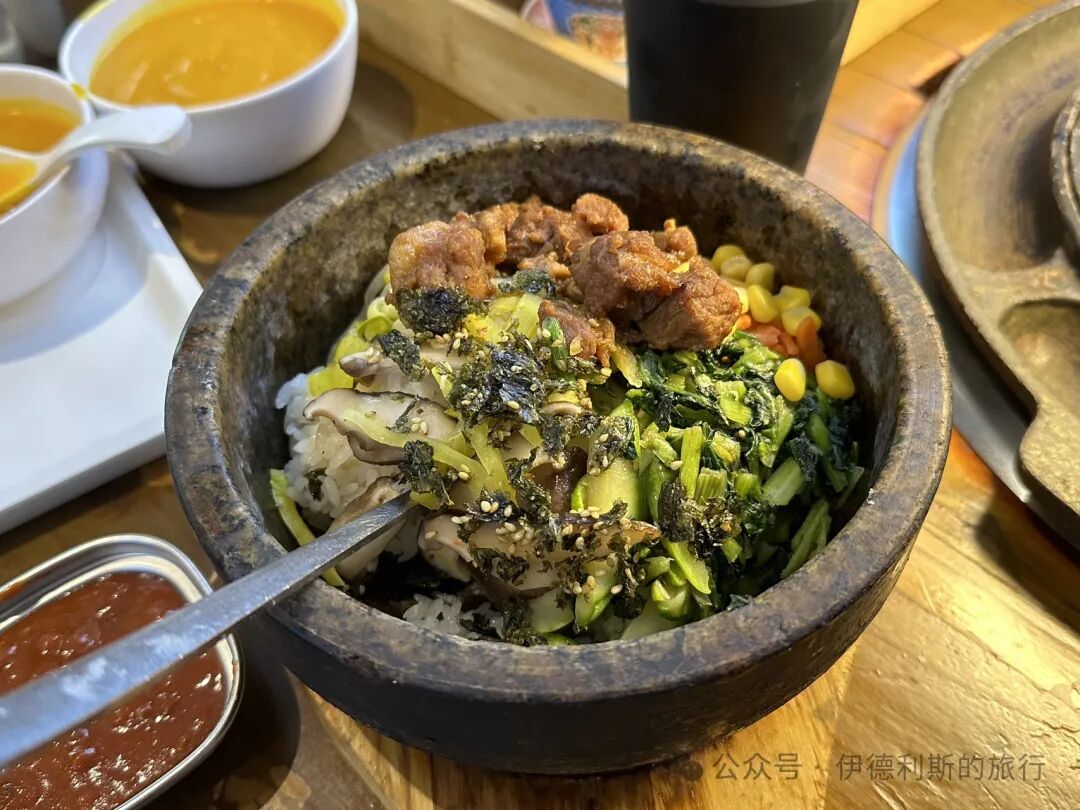
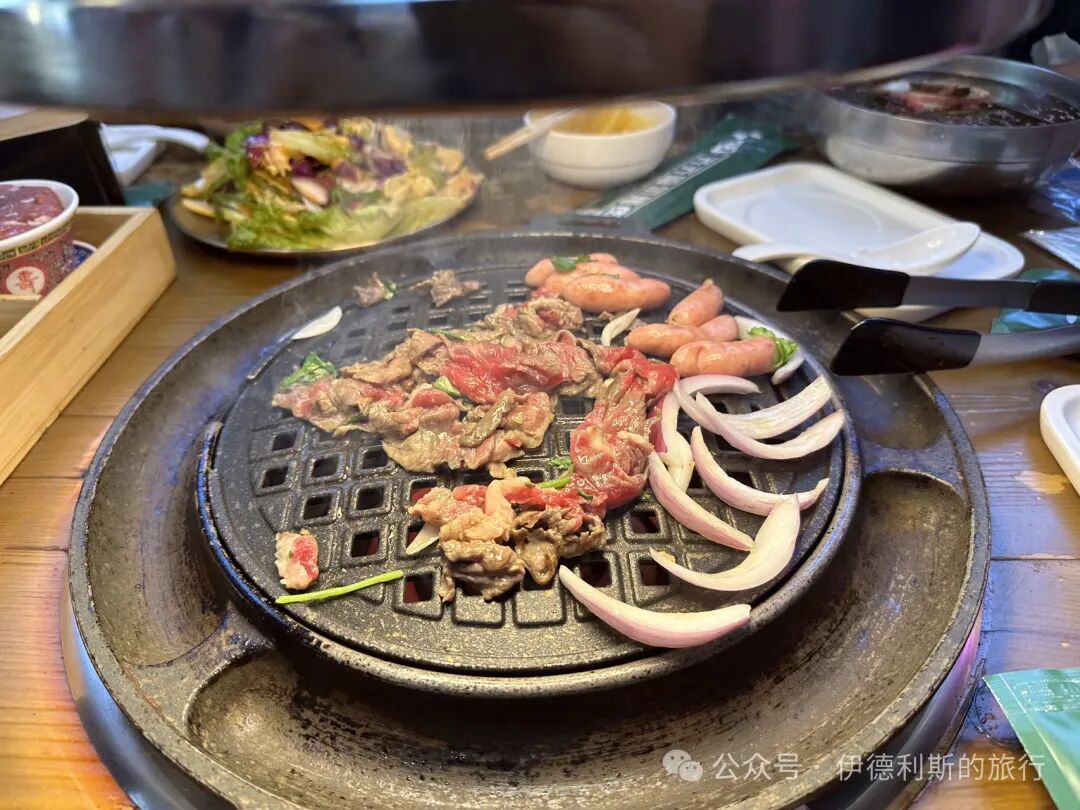
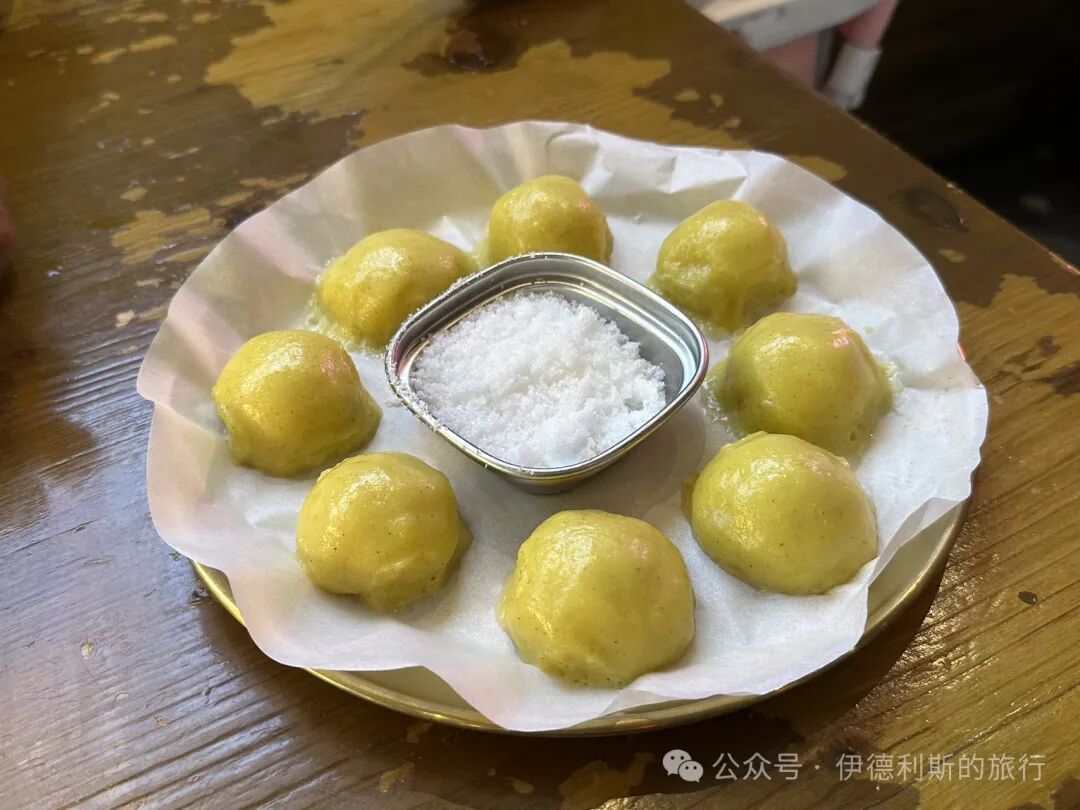
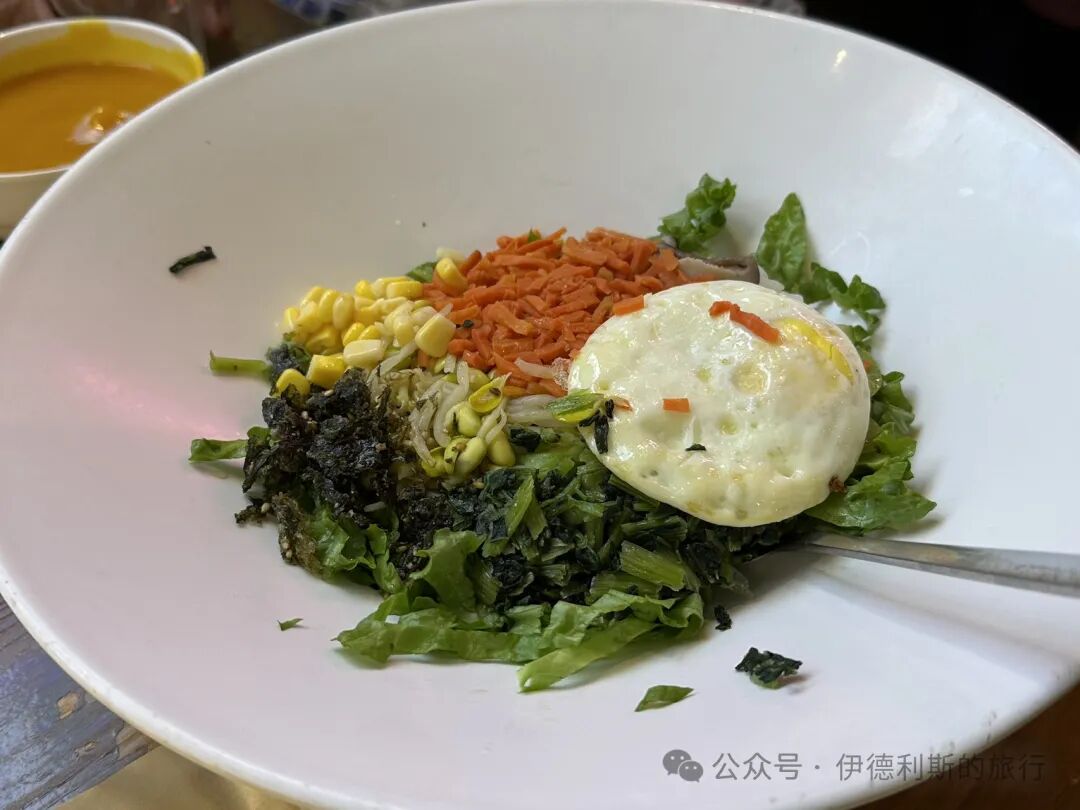
After visiting the Changying market, we took the bus for three stops to Guanzhuang Road to eat at Bu Hui Qiqihar Barbecue. I haven't been here for several years, and it is very popular on weekend afternoons now; we waited for half an hour to get a table. They now offer a nine-grid set meal with meat and shrimp, which is quite rich, and the set also includes almond tofu, sliced frozen pears, and small sticky bean buns (niandoubao). It was my first time eating Northeast-style sticky bean buns, which are made of yellow rice flour wrapped around a kidney bean filling; they aren't sweet, with a light flavor of yellow rice and kidney beans that everyone liked. For our main course, we ordered stone pot bibimbap, basin bibimbap, and cold noodles. My mother-in-law tried stone pot rice (bibimbap) for the first time and really liked the taste. The side dishes inside were also very nutritious. Cold noodles (lengmian) are the main reason I come to this restaurant. The weather is getting hotter now, and a bowl of these sweet and sour noodles is especially refreshing.
Summary: Changying Hui Township in Beijing has a lively weekend market with halal food, local snacks, and vendors from the Hui Muslim community. This account keeps the market route, dishes, prices where given, and photographs in the original order.
I went to the big market in Changying on Sunday morning. I worked near Changying for nine years and only changed jobs last year, and then the big market opened there. The market is open every day until noon, and it is busiest on weekends.
In the morning, I first had breakfast at Qingyanfang on Changying Middle Road, where I ordered steamed buns (xiaolongbao), lucky bags (fudai), pumpkin porridge, and purple rice porridge. Lucky bags are similar to egg fritters (jidan guozi), but they are rarely seen in Beijing. There were no halal steamed buns before, but some shops have started making them in recent years.
After breakfast, I walked north along the Changying intersection to reach the big market at the southeast corner of Changying Sports Park. There are many halal shops at the market.
We first bought beef head meat at Chen's to take home for a stir-fry. Their shop's water kettle sign (tangping pai) was made by my friend Dong Yidong, and this traditional style of sign is very rare now.
The market also has crispy fried dough snacks (gezhihe) from Hui Muslims in Tongzhou, and they also sell fermented mung bean milk (douzhier) from Baoji; many people buy it, but it was sold out when we got there.
There is a Huadu chicken stall at the market, and we bought a free-range chicken to take home for a big plate chicken (dapanji) dish. Huadu has a halal chicken slaughter and processing plant in Luanping, Hebei, which supplies the Beijing market and also exports to Japan. They have opened online shops in recent years, and much of the halal chicken you can buy online now comes from them.
The market also has all kinds of beef, mutton, fruits, and vegetables, especially free samples; we tried muskmelon, nectarines, apples, and watermelon, which made my son very happy.
The northernmost row of the market is the snack area, where a noodle shop sells cold noodles, which are perfect for summer.
The two most popular snacks at the market are crispy fried cakes (cuipi zhagao) and freshly baked naan bread (kaonang), both of which have long lines. The naan shop uses a bamboo charcoal oven, and the naan they make is especially fragrant with a texture different from electric-baked ones. We arrived a bit late and missed the freshly baked meat pies (kaobaozi), but if you go earlier, they are surely very fragrant when they come out of the oven.
After visiting the Changying market, we took the bus for three stops to Guanzhuang Road to eat at Bu Hui Qiqihar Barbecue. I haven't been here for several years, and it is very popular on weekend afternoons now; we waited for half an hour to get a table. They now offer a nine-grid set meal with meat and shrimp, which is quite rich, and the set also includes almond tofu, sliced frozen pears, and small sticky bean buns (niandoubao). It was my first time eating Northeast-style sticky bean buns, which are made of yellow rice flour wrapped around a kidney bean filling; they aren't sweet, with a light flavor of yellow rice and kidney beans that everyone liked. For our main course, we ordered stone pot bibimbap, basin bibimbap, and cold noodles. My mother-in-law tried stone pot rice (bibimbap) for the first time and really liked the taste. The side dishes inside were also very nutritious. Cold noodles (lengmian) are the main reason I come to this restaurant. The weather is getting hotter now, and a bowl of these sweet and sour noodles is especially refreshing.
Muslim Travel Guide Beijing Changying: Hui Township Market, Halal Food and Local Community
Articles • yusuf908 posted the article • 0 comments • 237 views • 2026-05-23 23:30
Reposted from the web
Summary: Changying Hui Township in Beijing has a lively weekend market with halal food, local snacks, and vendors from the Hui Muslim community. This account keeps the market route, dishes, prices where given, and photographs in the original order.
I went to the big market in Changying on Sunday morning. I worked near Changying for nine years and only changed jobs last year, and then the big market opened there. The market is open every day until noon, and it is busiest on weekends.
In the morning, I first had breakfast at Qingyanfang on Changying Middle Road, where I ordered steamed buns (xiaolongbao), lucky bags (fudai), pumpkin porridge, and purple rice porridge. Lucky bags are similar to egg fritters (jidan guozi), but they are rarely seen in Beijing. There were no halal steamed buns before, but some shops have started making them in recent years.
After breakfast, I walked north along the Changying intersection to reach the big market at the southeast corner of Changying Sports Park. There are many halal shops at the market.
We first bought beef head meat at Chen's to take home for a stir-fry. Their shop's water kettle sign (tangping pai) was made by my friend Dong Yidong, and this traditional style of sign is very rare now.
The market also has crispy fried dough snacks (gezhihe) from Hui Muslims in Tongzhou, and they also sell fermented mung bean milk (douzhier) from Baoji; many people buy it, but it was sold out when we got there.
There is a Huadu chicken stall at the market, and we bought a free-range chicken to take home for a big plate chicken (dapanji) dish. Huadu has a halal chicken slaughter and processing plant in Luanping, Hebei, which supplies the Beijing market and also exports to Japan. They have opened online shops in recent years, and much of the halal chicken you can buy online now comes from them.
The market also has all kinds of beef, mutton, fruits, and vegetables, especially free samples; we tried muskmelon, nectarines, apples, and watermelon, which made my son very happy.
The northernmost row of the market is the snack area, where a noodle shop sells cold noodles, which are perfect for summer.
The two most popular snacks at the market are crispy fried cakes (cuipi zhagao) and freshly baked naan bread (kaonang), both of which have long lines. The naan shop uses a bamboo charcoal oven, and the naan they make is especially fragrant with a texture different from electric-baked ones. We arrived a bit late and missed the freshly baked meat pies (kaobaozi), but if you go earlier, they are surely very fragrant when they come out of the oven.
After visiting the Changying market, we took the bus for three stops to Guanzhuang Road to eat at Bu Hui Qiqihar Barbecue. I haven't been here for several years, and it is very popular on weekend afternoons now; we waited for half an hour to get a table. They now offer a nine-grid set meal with meat and shrimp, which is quite rich, and the set also includes almond tofu, sliced frozen pears, and small sticky bean buns (niandoubao). It was my first time eating Northeast-style sticky bean buns, which are made of yellow rice flour wrapped around a kidney bean filling; they aren't sweet, with a light flavor of yellow rice and kidney beans that everyone liked. For our main course, we ordered stone pot bibimbap, basin bibimbap, and cold noodles. My mother-in-law tried stone pot rice (bibimbap) for the first time and really liked the taste. The side dishes inside were also very nutritious. Cold noodles (lengmian) are the main reason I come to this restaurant. The weather is getting hotter now, and a bowl of these sweet and sour noodles is especially refreshing. view all
Summary: Changying Hui Township in Beijing has a lively weekend market with halal food, local snacks, and vendors from the Hui Muslim community. This account keeps the market route, dishes, prices where given, and photographs in the original order.
I went to the big market in Changying on Sunday morning. I worked near Changying for nine years and only changed jobs last year, and then the big market opened there. The market is open every day until noon, and it is busiest on weekends.
In the morning, I first had breakfast at Qingyanfang on Changying Middle Road, where I ordered steamed buns (xiaolongbao), lucky bags (fudai), pumpkin porridge, and purple rice porridge. Lucky bags are similar to egg fritters (jidan guozi), but they are rarely seen in Beijing. There were no halal steamed buns before, but some shops have started making them in recent years.
After breakfast, I walked north along the Changying intersection to reach the big market at the southeast corner of Changying Sports Park. There are many halal shops at the market.
We first bought beef head meat at Chen's to take home for a stir-fry. Their shop's water kettle sign (tangping pai) was made by my friend Dong Yidong, and this traditional style of sign is very rare now.
The market also has crispy fried dough snacks (gezhihe) from Hui Muslims in Tongzhou, and they also sell fermented mung bean milk (douzhier) from Baoji; many people buy it, but it was sold out when we got there.
There is a Huadu chicken stall at the market, and we bought a free-range chicken to take home for a big plate chicken (dapanji) dish. Huadu has a halal chicken slaughter and processing plant in Luanping, Hebei, which supplies the Beijing market and also exports to Japan. They have opened online shops in recent years, and much of the halal chicken you can buy online now comes from them.
The market also has all kinds of beef, mutton, fruits, and vegetables, especially free samples; we tried muskmelon, nectarines, apples, and watermelon, which made my son very happy.
The northernmost row of the market is the snack area, where a noodle shop sells cold noodles, which are perfect for summer.
The two most popular snacks at the market are crispy fried cakes (cuipi zhagao) and freshly baked naan bread (kaonang), both of which have long lines. The naan shop uses a bamboo charcoal oven, and the naan they make is especially fragrant with a texture different from electric-baked ones. We arrived a bit late and missed the freshly baked meat pies (kaobaozi), but if you go earlier, they are surely very fragrant when they come out of the oven.
After visiting the Changying market, we took the bus for three stops to Guanzhuang Road to eat at Bu Hui Qiqihar Barbecue. I haven't been here for several years, and it is very popular on weekend afternoons now; we waited for half an hour to get a table. They now offer a nine-grid set meal with meat and shrimp, which is quite rich, and the set also includes almond tofu, sliced frozen pears, and small sticky bean buns (niandoubao). It was my first time eating Northeast-style sticky bean buns, which are made of yellow rice flour wrapped around a kidney bean filling; they aren't sweet, with a light flavor of yellow rice and kidney beans that everyone liked. For our main course, we ordered stone pot bibimbap, basin bibimbap, and cold noodles. My mother-in-law tried stone pot rice (bibimbap) for the first time and really liked the taste. The side dishes inside were also very nutritious. Cold noodles (lengmian) are the main reason I come to this restaurant. The weather is getting hotter now, and a bowl of these sweet and sour noodles is especially refreshing. view all
Reposted from the web
Summary: Changying Hui Township in Beijing has a lively weekend market with halal food, local snacks, and vendors from the Hui Muslim community. This account keeps the market route, dishes, prices where given, and photographs in the original order.
I went to the big market in Changying on Sunday morning. I worked near Changying for nine years and only changed jobs last year, and then the big market opened there. The market is open every day until noon, and it is busiest on weekends.
In the morning, I first had breakfast at Qingyanfang on Changying Middle Road, where I ordered steamed buns (xiaolongbao), lucky bags (fudai), pumpkin porridge, and purple rice porridge. Lucky bags are similar to egg fritters (jidan guozi), but they are rarely seen in Beijing. There were no halal steamed buns before, but some shops have started making them in recent years.
After breakfast, I walked north along the Changying intersection to reach the big market at the southeast corner of Changying Sports Park. There are many halal shops at the market.
We first bought beef head meat at Chen's to take home for a stir-fry. Their shop's water kettle sign (tangping pai) was made by my friend Dong Yidong, and this traditional style of sign is very rare now.
The market also has crispy fried dough snacks (gezhihe) from Hui Muslims in Tongzhou, and they also sell fermented mung bean milk (douzhier) from Baoji; many people buy it, but it was sold out when we got there.
There is a Huadu chicken stall at the market, and we bought a free-range chicken to take home for a big plate chicken (dapanji) dish. Huadu has a halal chicken slaughter and processing plant in Luanping, Hebei, which supplies the Beijing market and also exports to Japan. They have opened online shops in recent years, and much of the halal chicken you can buy online now comes from them.
The market also has all kinds of beef, mutton, fruits, and vegetables, especially free samples; we tried muskmelon, nectarines, apples, and watermelon, which made my son very happy.
The northernmost row of the market is the snack area, where a noodle shop sells cold noodles, which are perfect for summer.
The two most popular snacks at the market are crispy fried cakes (cuipi zhagao) and freshly baked naan bread (kaonang), both of which have long lines. The naan shop uses a bamboo charcoal oven, and the naan they make is especially fragrant with a texture different from electric-baked ones. We arrived a bit late and missed the freshly baked meat pies (kaobaozi), but if you go earlier, they are surely very fragrant when they come out of the oven.
After visiting the Changying market, we took the bus for three stops to Guanzhuang Road to eat at Bu Hui Qiqihar Barbecue. I haven't been here for several years, and it is very popular on weekend afternoons now; we waited for half an hour to get a table. They now offer a nine-grid set meal with meat and shrimp, which is quite rich, and the set also includes almond tofu, sliced frozen pears, and small sticky bean buns (niandoubao). It was my first time eating Northeast-style sticky bean buns, which are made of yellow rice flour wrapped around a kidney bean filling; they aren't sweet, with a light flavor of yellow rice and kidney beans that everyone liked. For our main course, we ordered stone pot bibimbap, basin bibimbap, and cold noodles. My mother-in-law tried stone pot rice (bibimbap) for the first time and really liked the taste. The side dishes inside were also very nutritious. Cold noodles (lengmian) are the main reason I come to this restaurant. The weather is getting hotter now, and a bowl of these sweet and sour noodles is especially refreshing.
Summary: Changying Hui Township in Beijing has a lively weekend market with halal food, local snacks, and vendors from the Hui Muslim community. This account keeps the market route, dishes, prices where given, and photographs in the original order.
I went to the big market in Changying on Sunday morning. I worked near Changying for nine years and only changed jobs last year, and then the big market opened there. The market is open every day until noon, and it is busiest on weekends.
In the morning, I first had breakfast at Qingyanfang on Changying Middle Road, where I ordered steamed buns (xiaolongbao), lucky bags (fudai), pumpkin porridge, and purple rice porridge. Lucky bags are similar to egg fritters (jidan guozi), but they are rarely seen in Beijing. There were no halal steamed buns before, but some shops have started making them in recent years.
After breakfast, I walked north along the Changying intersection to reach the big market at the southeast corner of Changying Sports Park. There are many halal shops at the market.
We first bought beef head meat at Chen's to take home for a stir-fry. Their shop's water kettle sign (tangping pai) was made by my friend Dong Yidong, and this traditional style of sign is very rare now.
The market also has crispy fried dough snacks (gezhihe) from Hui Muslims in Tongzhou, and they also sell fermented mung bean milk (douzhier) from Baoji; many people buy it, but it was sold out when we got there.
There is a Huadu chicken stall at the market, and we bought a free-range chicken to take home for a big plate chicken (dapanji) dish. Huadu has a halal chicken slaughter and processing plant in Luanping, Hebei, which supplies the Beijing market and also exports to Japan. They have opened online shops in recent years, and much of the halal chicken you can buy online now comes from them.
The market also has all kinds of beef, mutton, fruits, and vegetables, especially free samples; we tried muskmelon, nectarines, apples, and watermelon, which made my son very happy.
The northernmost row of the market is the snack area, where a noodle shop sells cold noodles, which are perfect for summer.
The two most popular snacks at the market are crispy fried cakes (cuipi zhagao) and freshly baked naan bread (kaonang), both of which have long lines. The naan shop uses a bamboo charcoal oven, and the naan they make is especially fragrant with a texture different from electric-baked ones. We arrived a bit late and missed the freshly baked meat pies (kaobaozi), but if you go earlier, they are surely very fragrant when they come out of the oven.
After visiting the Changying market, we took the bus for three stops to Guanzhuang Road to eat at Bu Hui Qiqihar Barbecue. I haven't been here for several years, and it is very popular on weekend afternoons now; we waited for half an hour to get a table. They now offer a nine-grid set meal with meat and shrimp, which is quite rich, and the set also includes almond tofu, sliced frozen pears, and small sticky bean buns (niandoubao). It was my first time eating Northeast-style sticky bean buns, which are made of yellow rice flour wrapped around a kidney bean filling; they aren't sweet, with a light flavor of yellow rice and kidney beans that everyone liked. For our main course, we ordered stone pot bibimbap, basin bibimbap, and cold noodles. My mother-in-law tried stone pot rice (bibimbap) for the first time and really liked the taste. The side dishes inside were also very nutritious. Cold noodles (lengmian) are the main reason I come to this restaurant. The weather is getting hotter now, and a bowl of these sweet and sour noodles is especially refreshing.