

Indian Mosque
Halal Food Guide: Kuching, Malaysia — Indian Mosque and Nasi Kandar
Articles • ali2007fr posted the article • 0 comments • 186 views • 2026-05-20 00:58
Reposted from the web
Summary: Kuching has Muslim food scenes shaped by Indian Muslim shops, mosque streets, and nasi kandar meals. This article preserves the original photos, restaurant details, street observations, and Kuching travel notes in simple English.
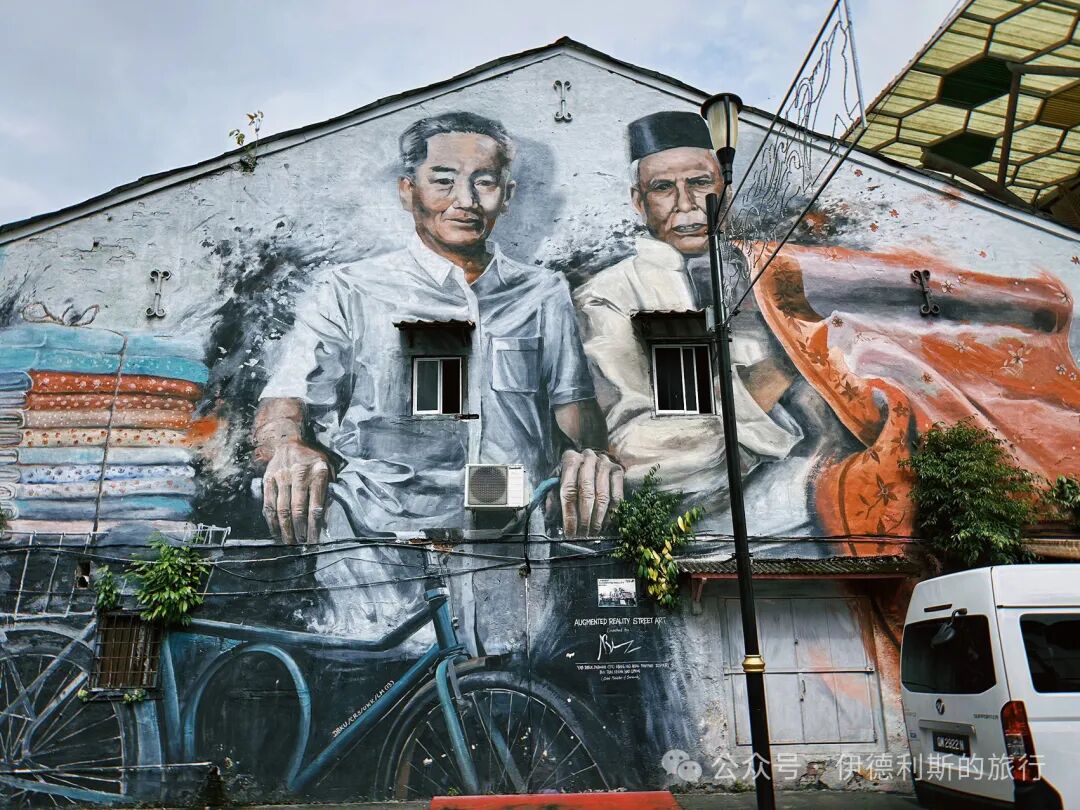
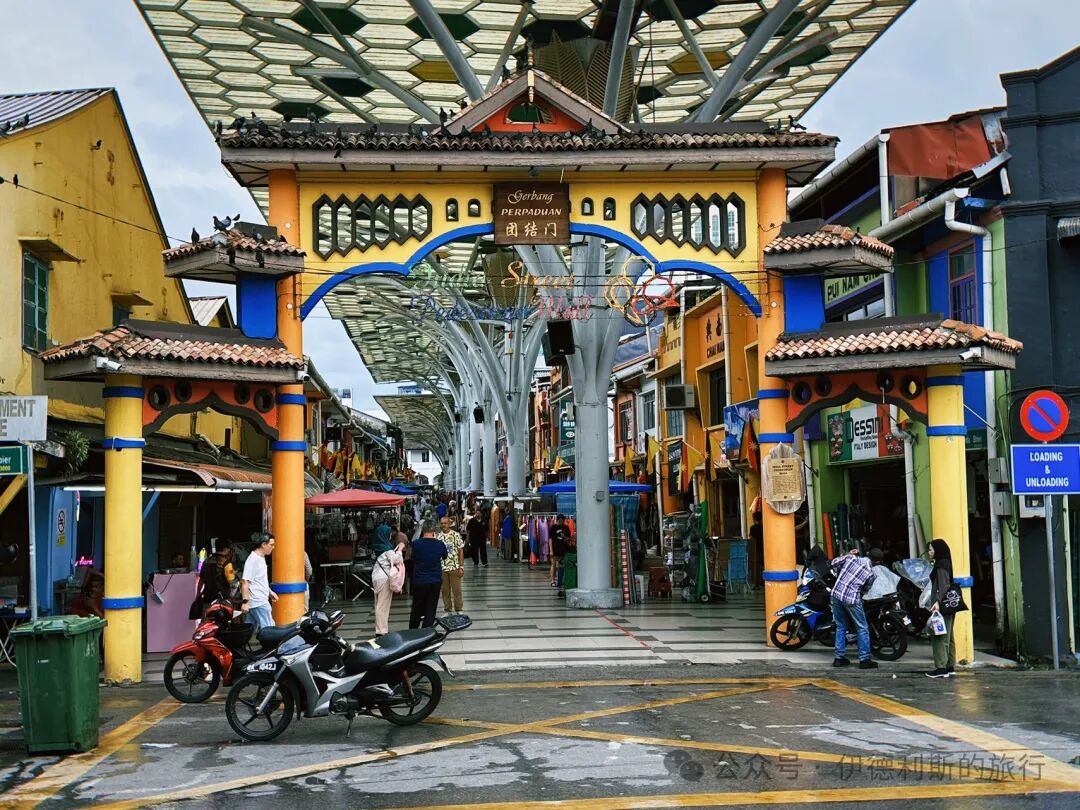
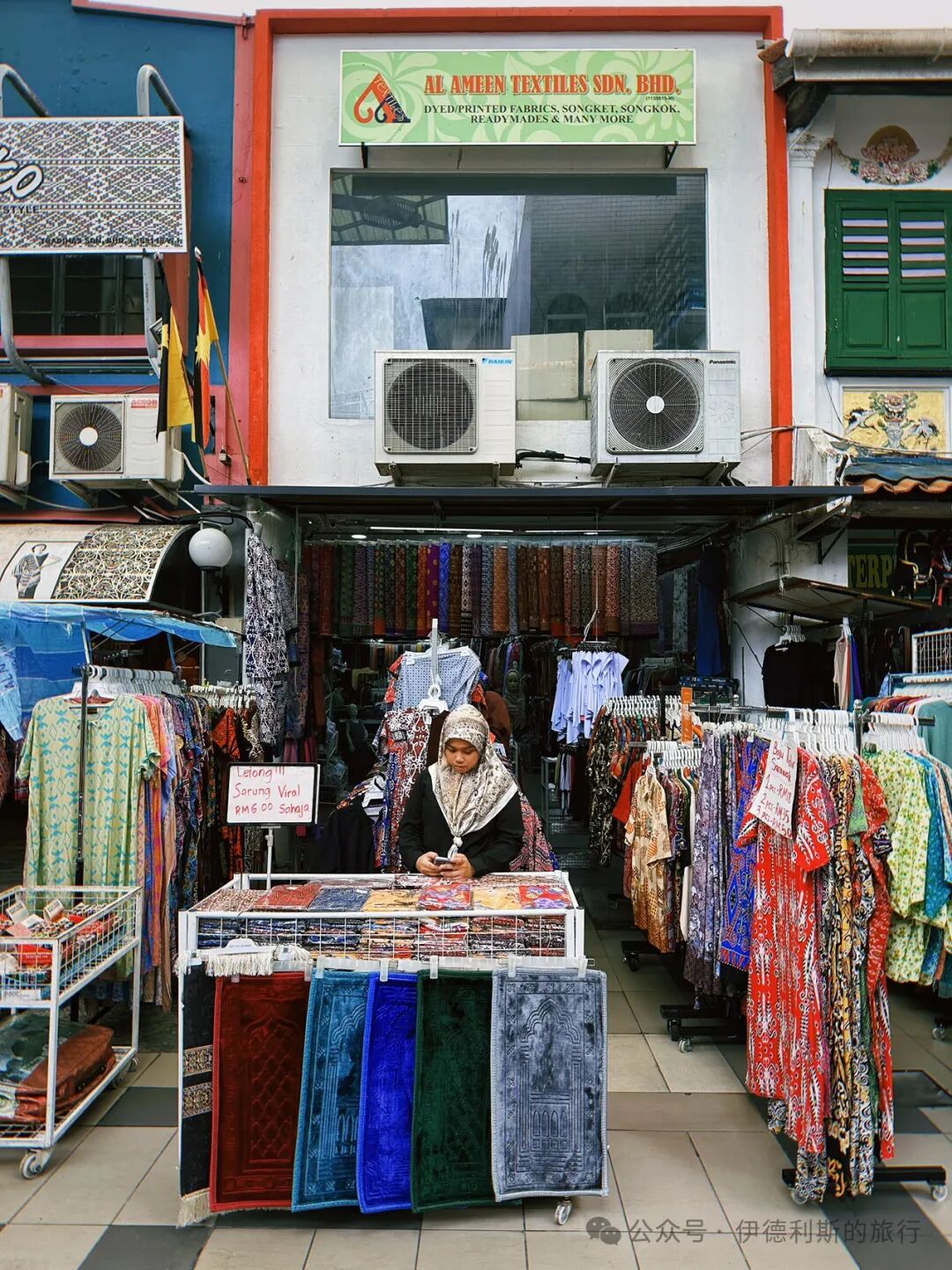
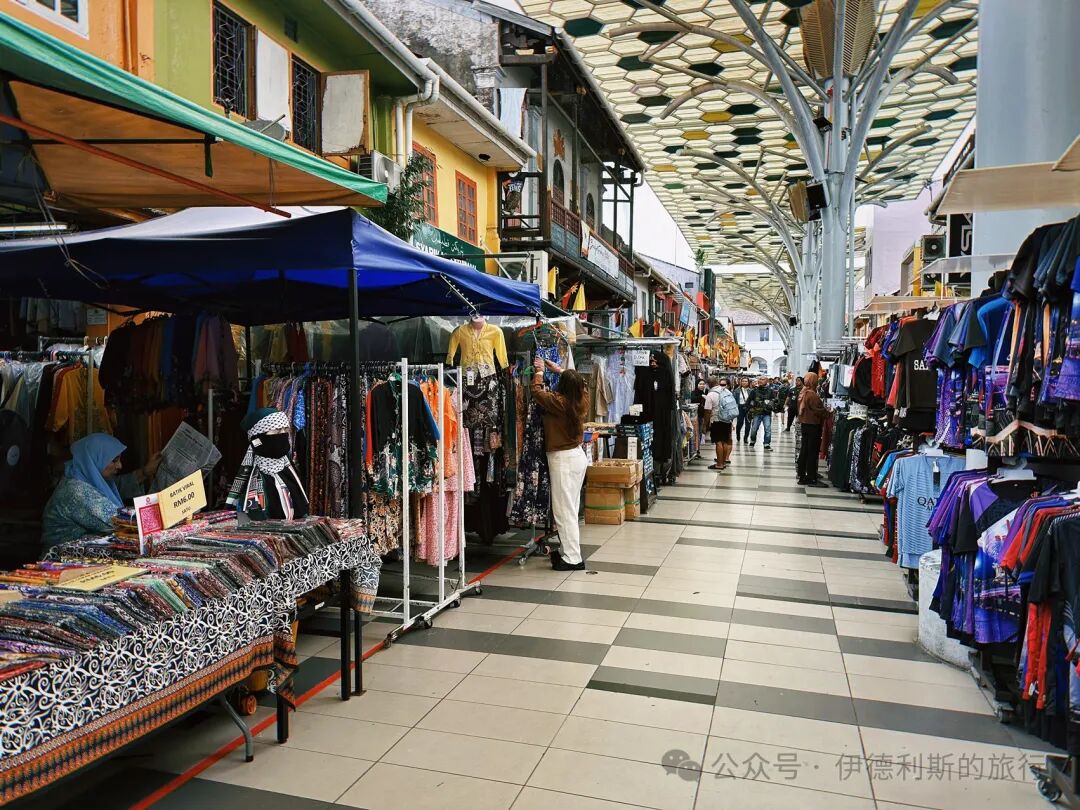
There is an India Street on the west side of Kuching's old town. Indian settlers began living here in the mid-to-late 19th century to sell textiles and clothing. The Kingdom of Sarawak officially named it India Street in 1928. It became a pedestrian street in 1992 and has been a busy clothing market ever since. Today, there are 74 shops on India Street. 14 of them are run by Indian Muslims, and some have been in business for over 60 years.
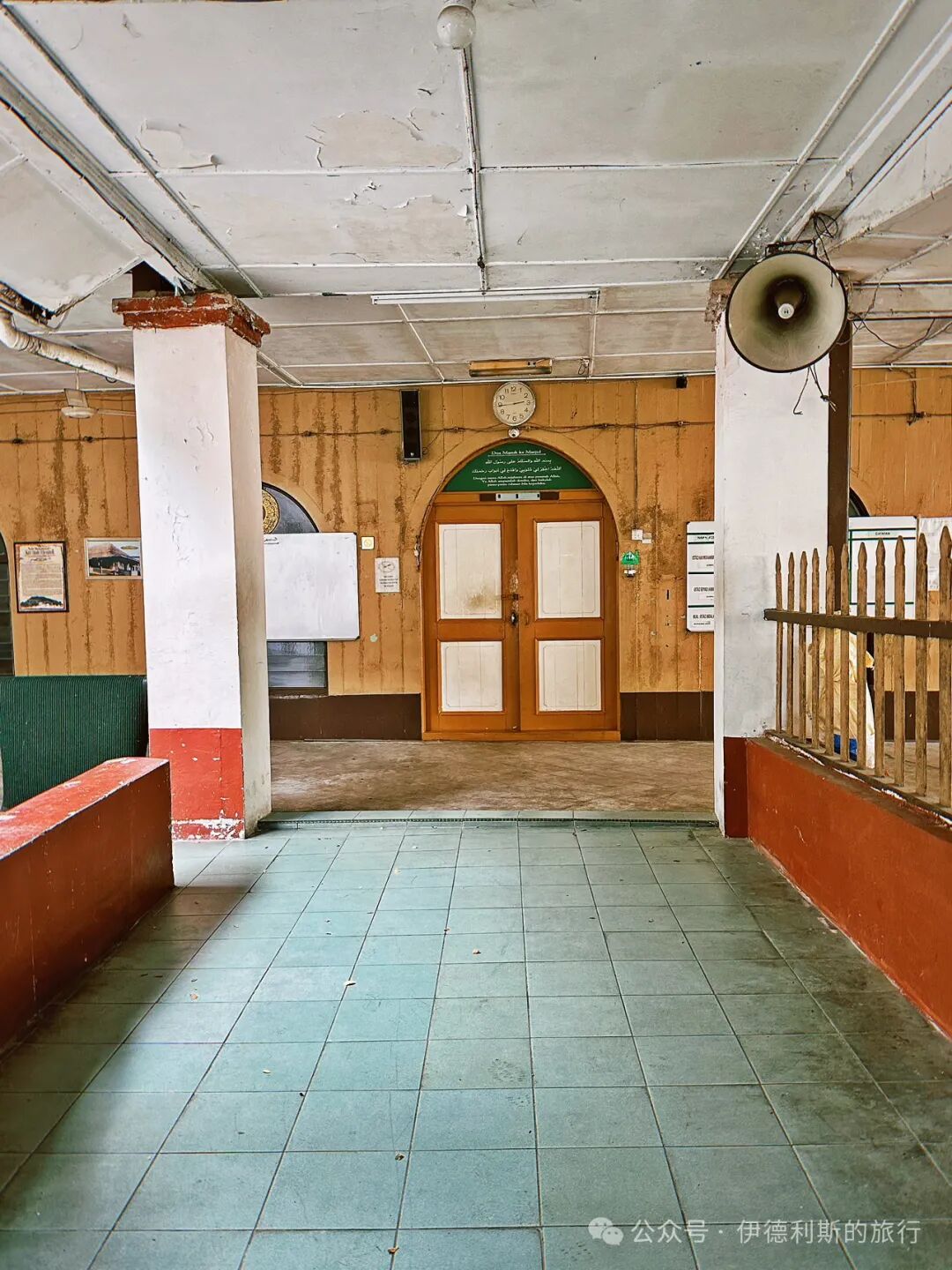
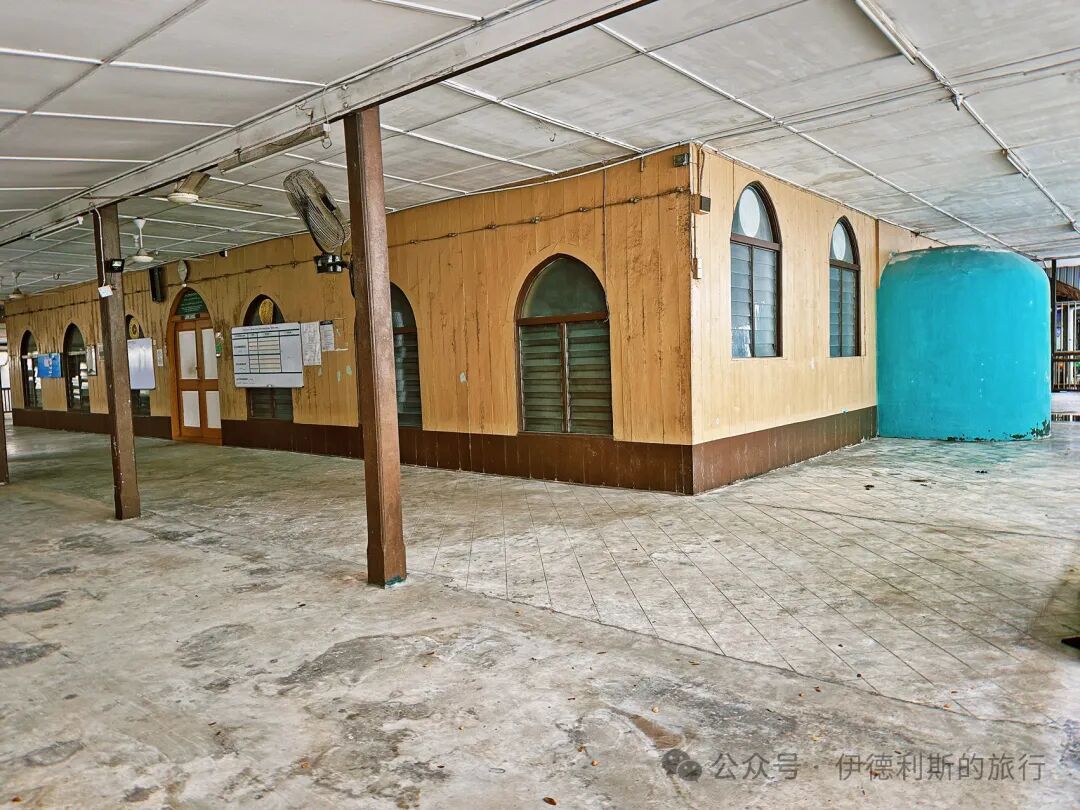
South Indian Tamil merchants built the Old Indian Mosque in Kuching in 1837. The original roof and walls were made of nipa palm, but it was rebuilt using Borneo ironwood in 1876 to create the current structure. In 2019, a new Indian Mosque opened across the Sarawak River. It became a landmark known as the Floating Mosque, and the old mosque closed.
An old photo of the Mawlid celebration at the Old Indian Mosque in Kuching.
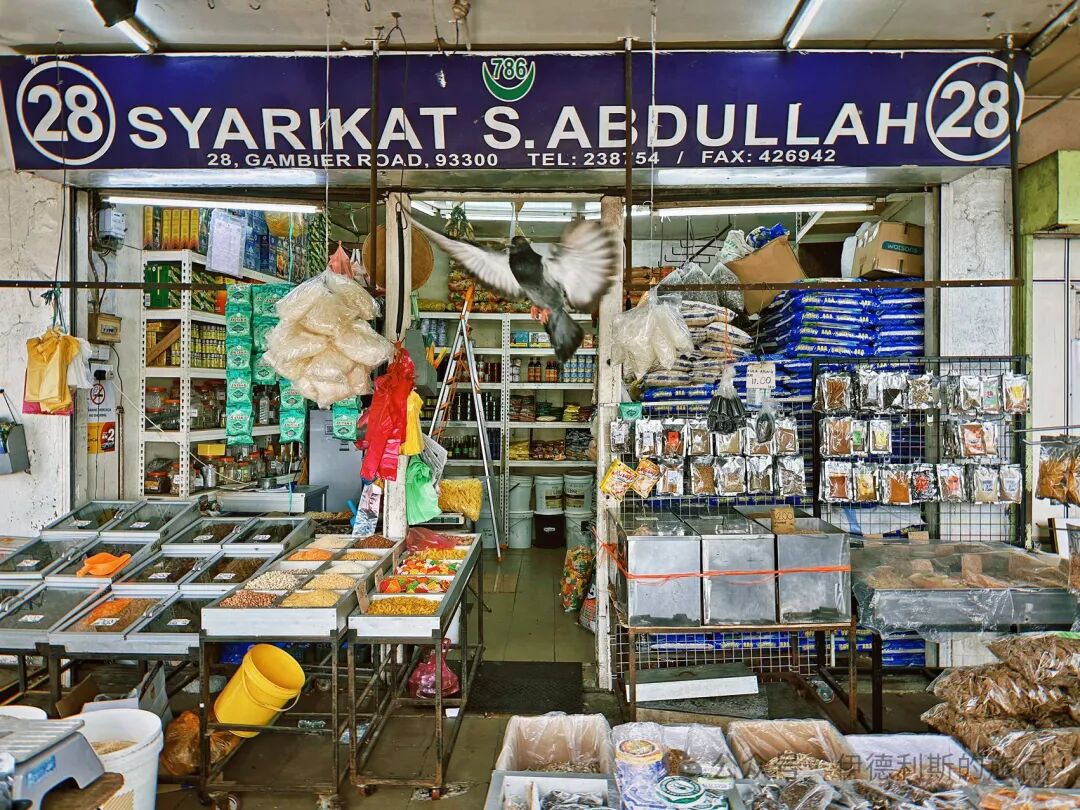
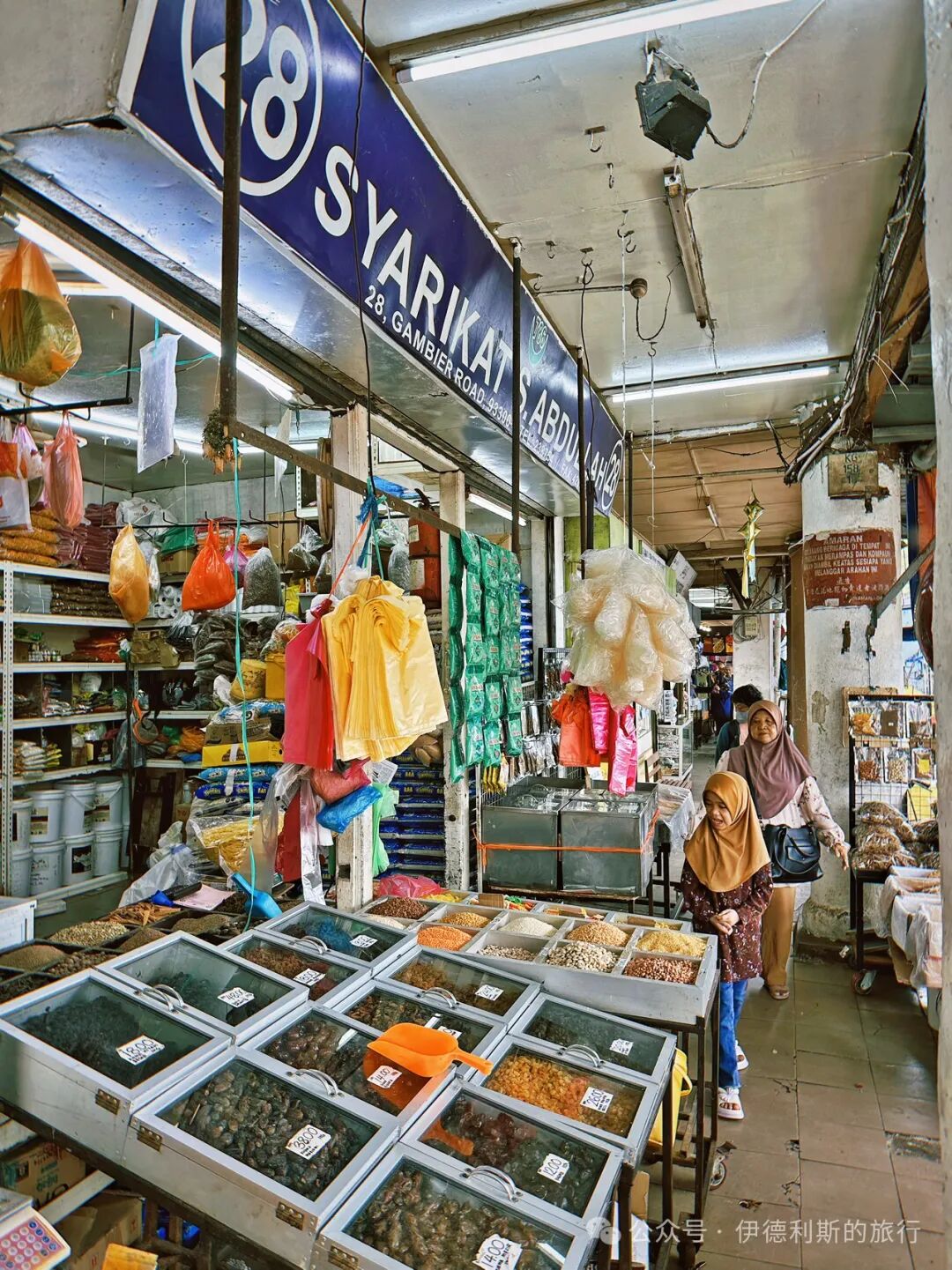
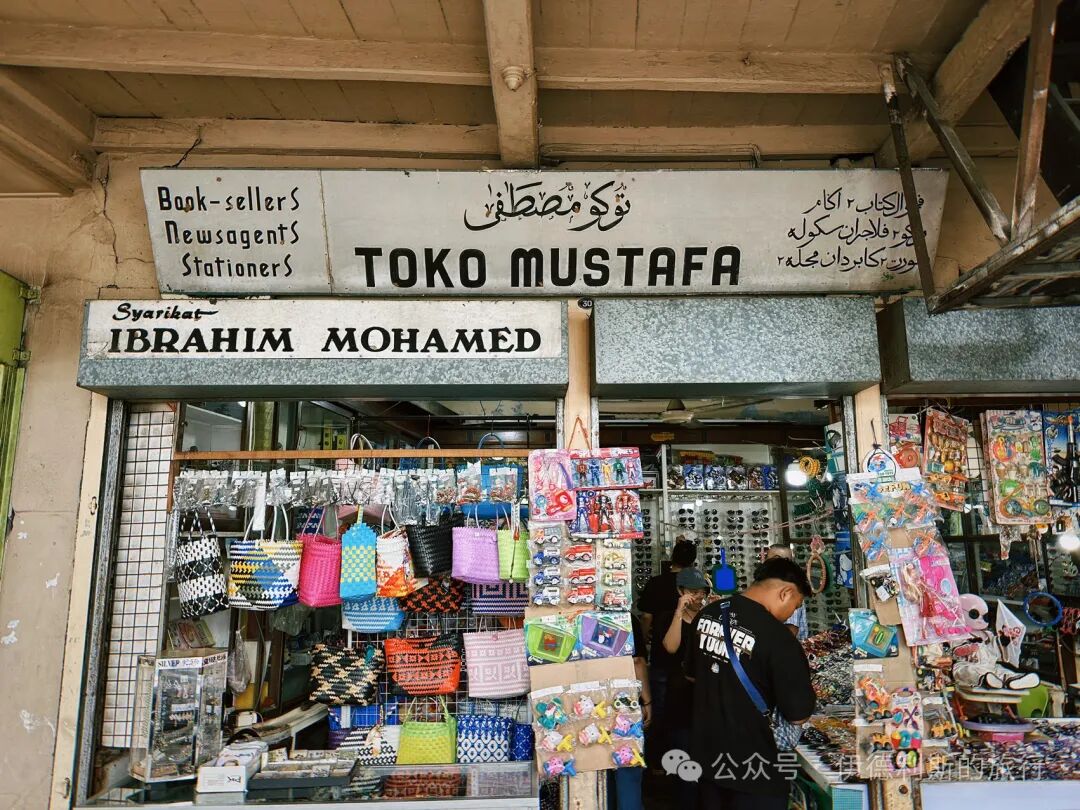
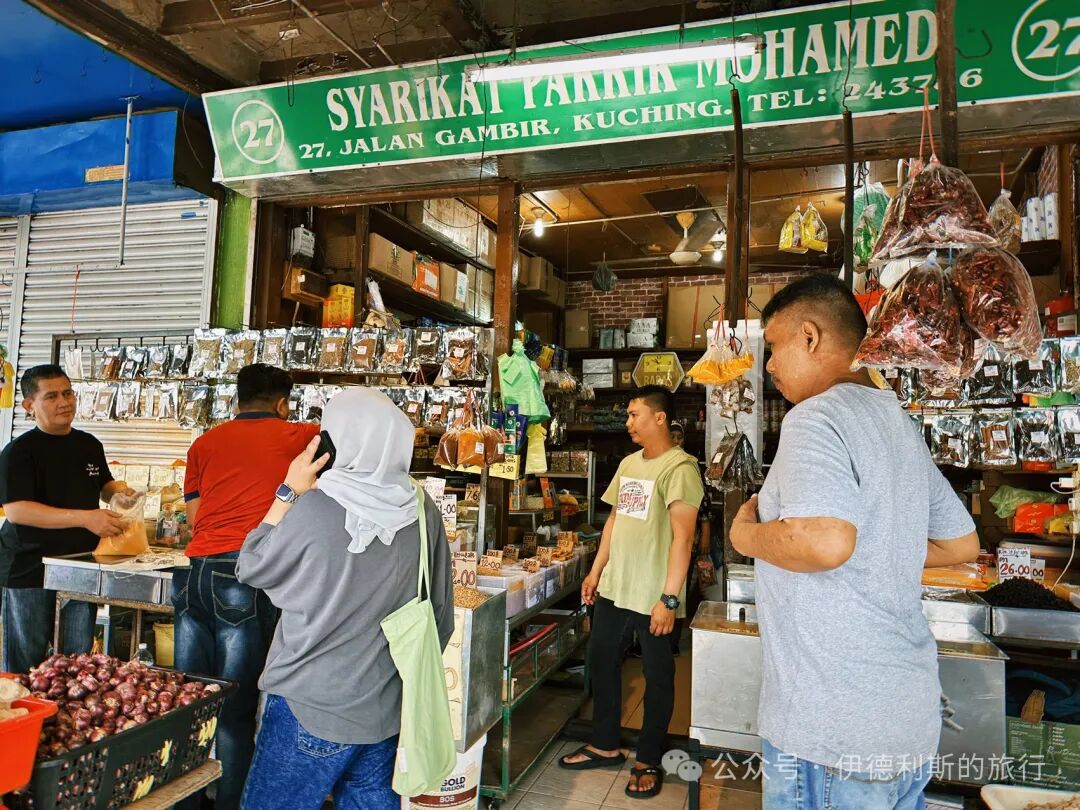
The Old Indian Mosque owns 23 shops nearby to collect rent. Indian Muslims run 21 of these, selling groceries, spices, fabrics, and books. Two shops have Chinese owners. These businesses have been passed down through generations.
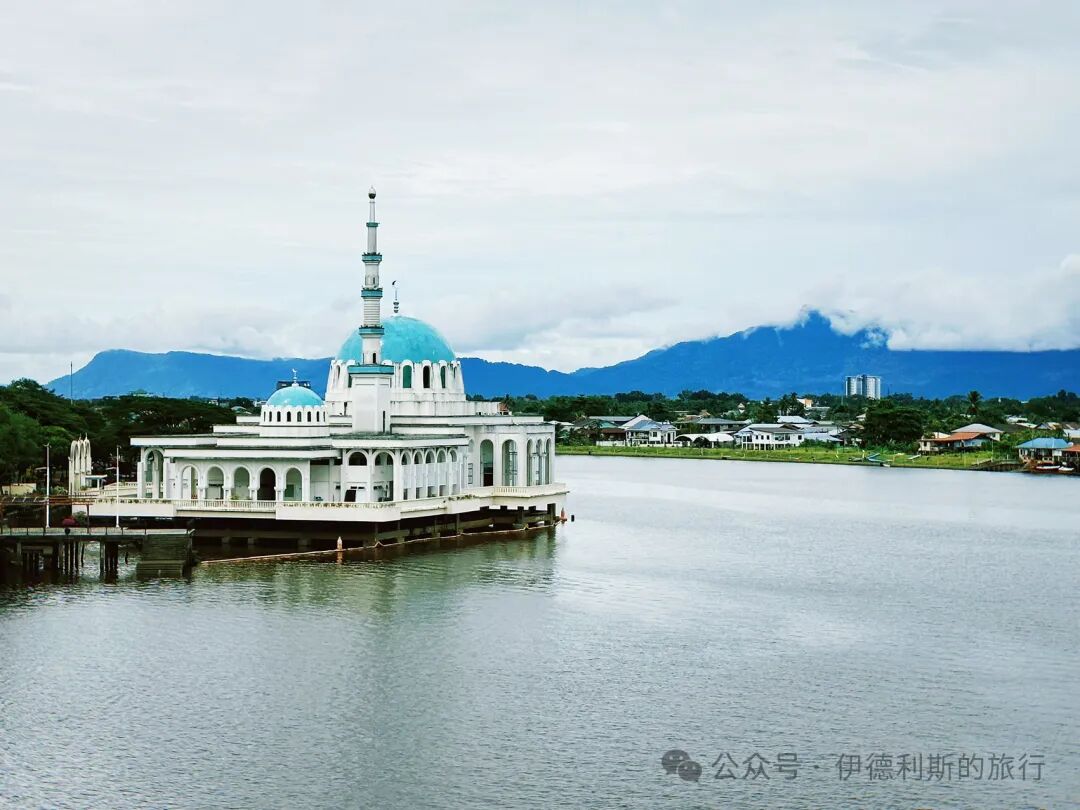
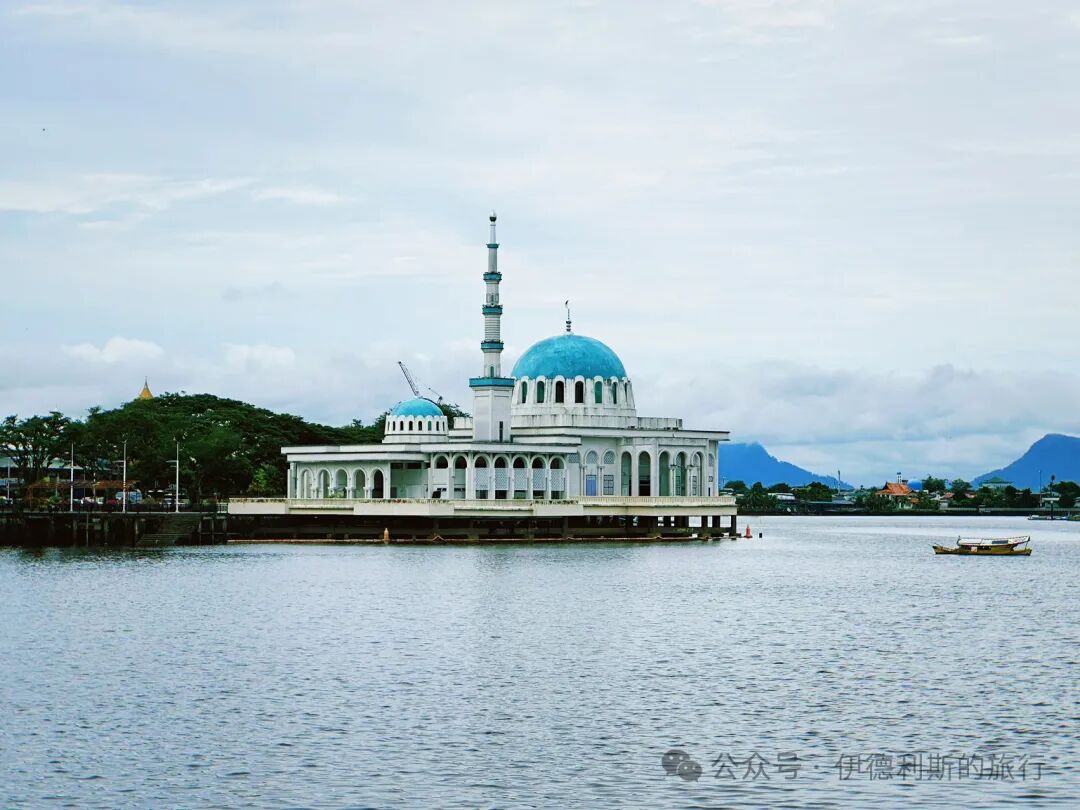
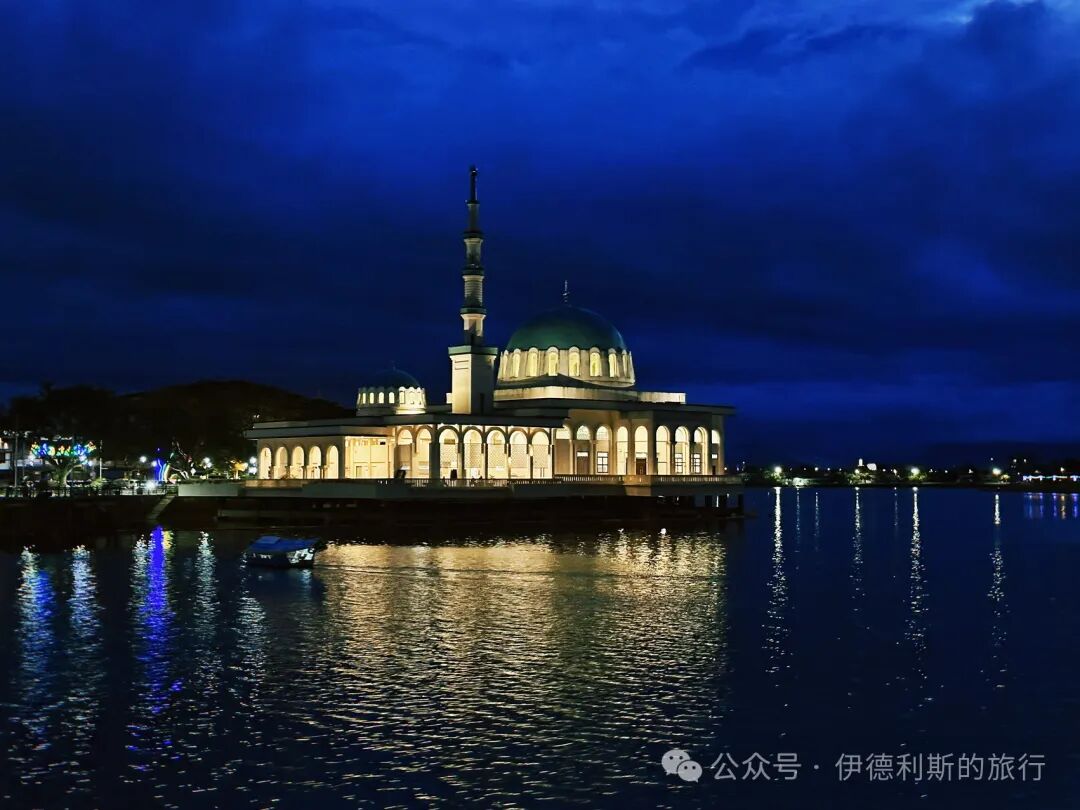
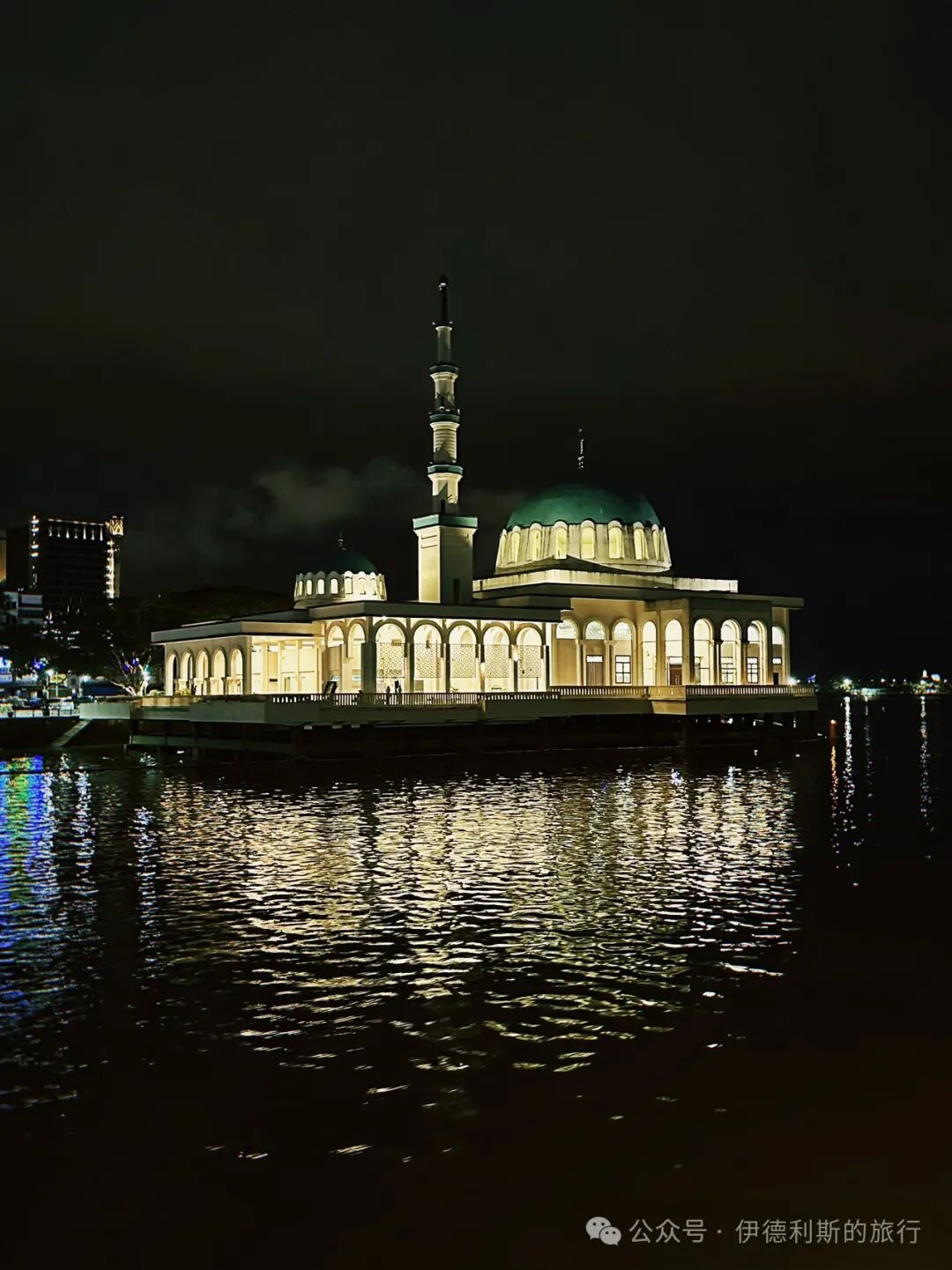
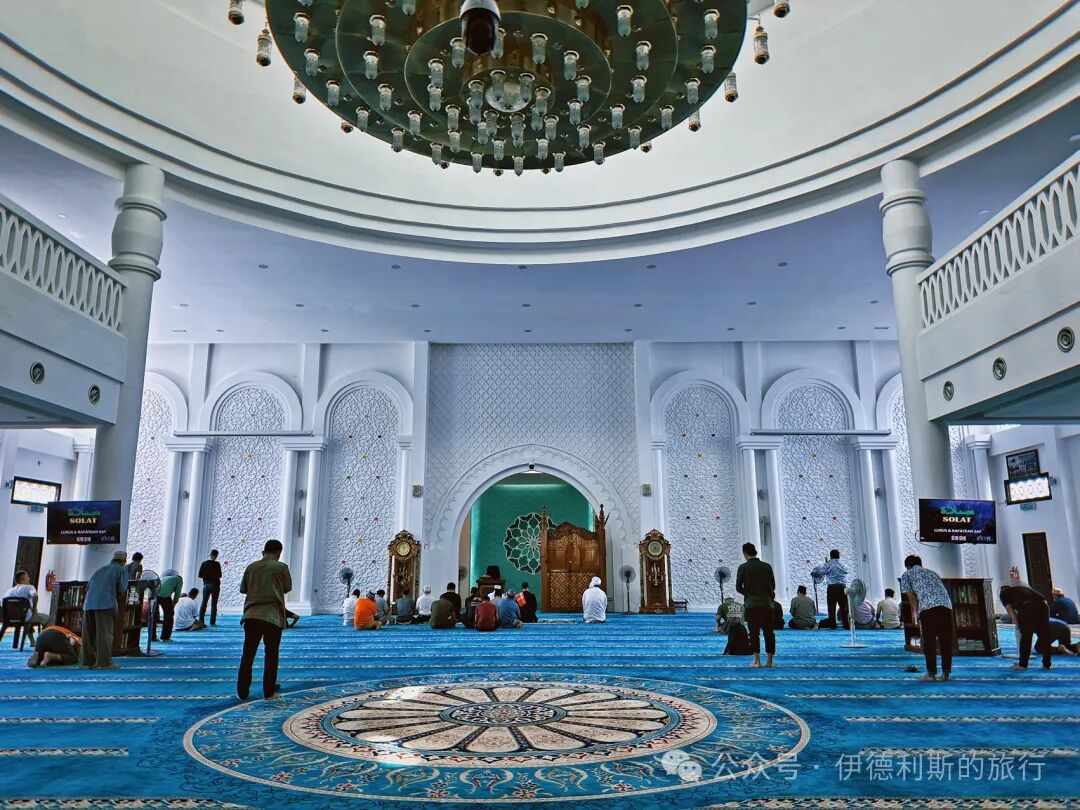
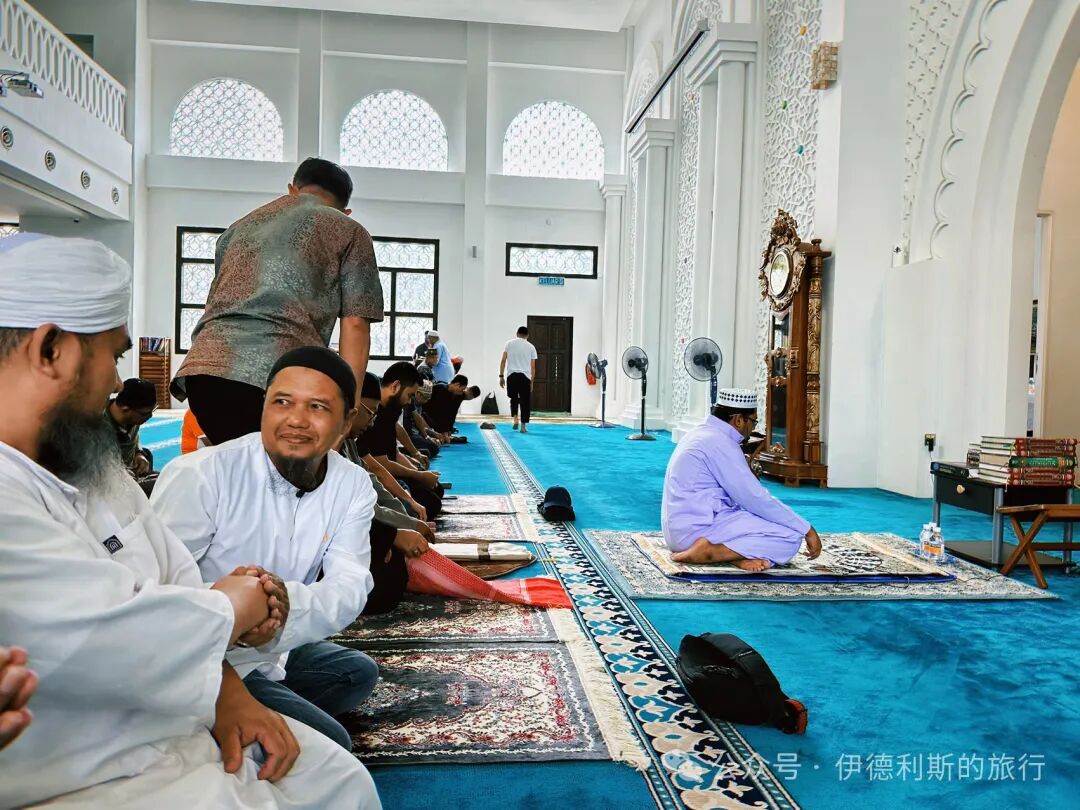
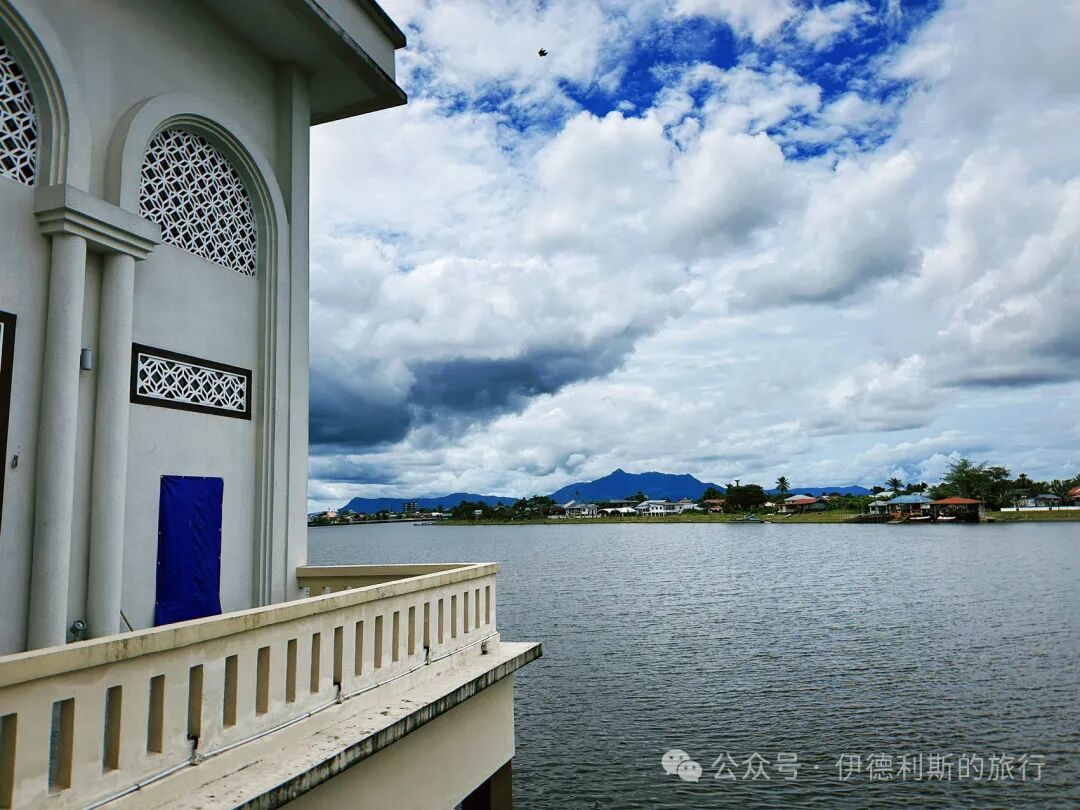
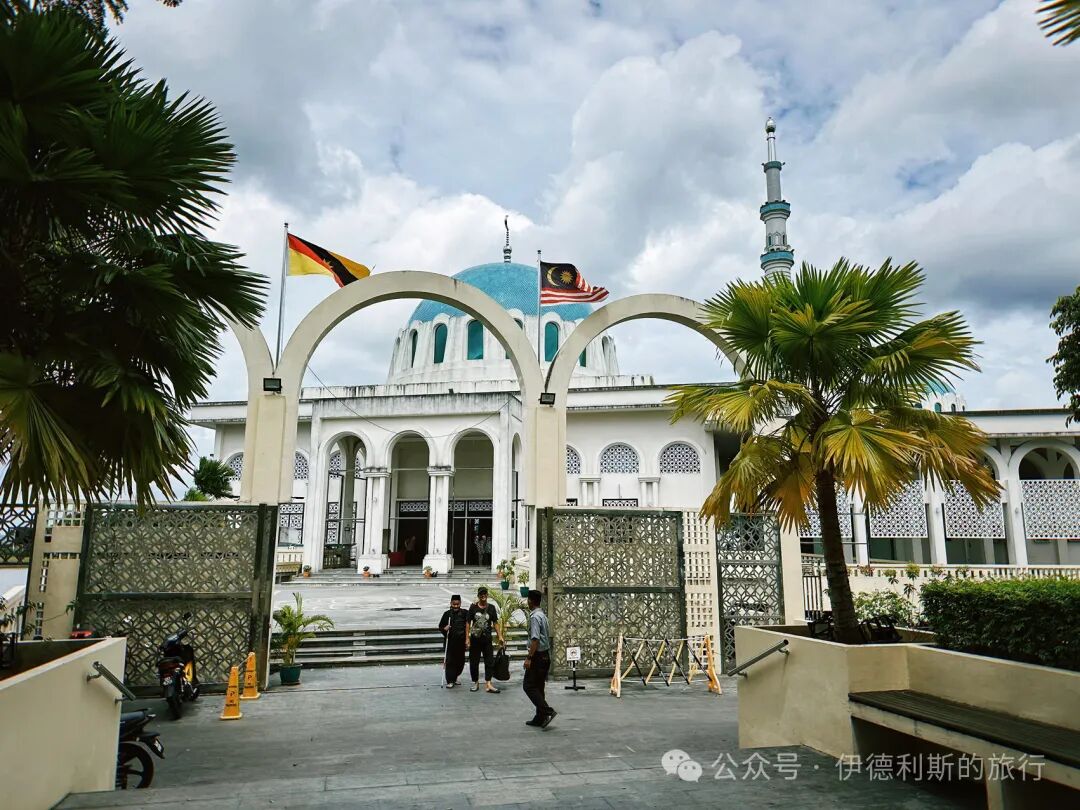
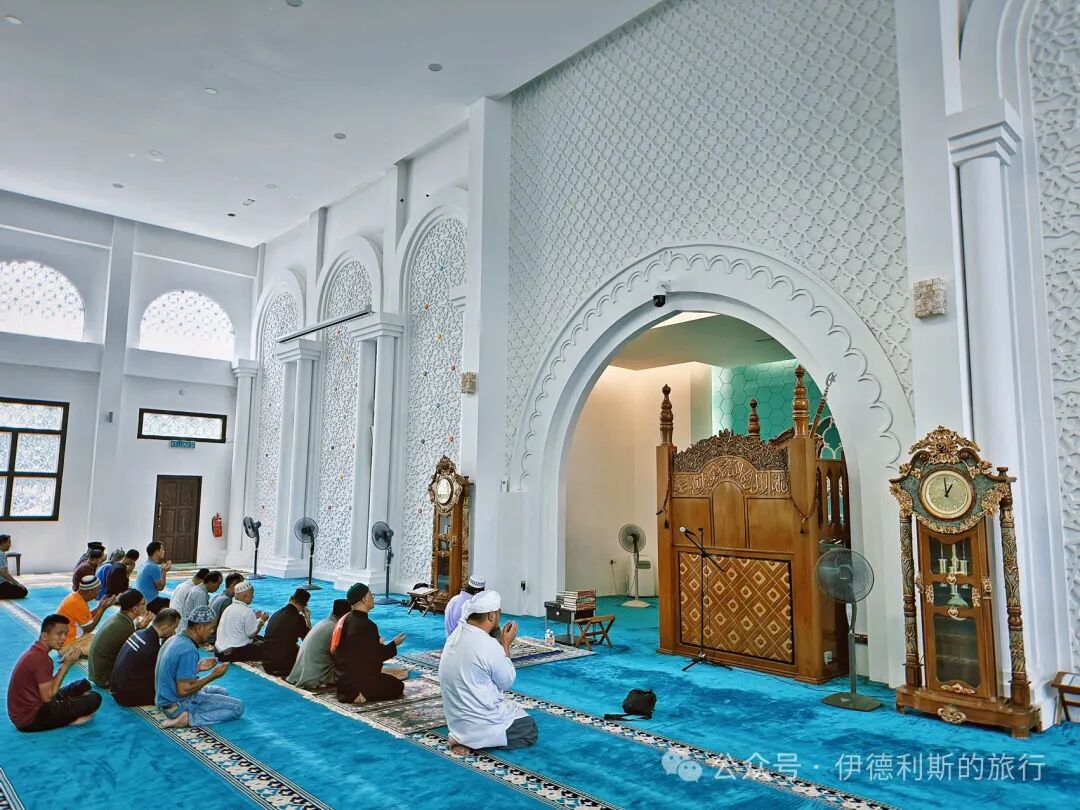
The new Indian Mosque in Kuching is also called the Floating Mosque. It looks beautiful against the green hills and water during the day, and the lights are stunning at night. The inside of the mosque is clean, bright, and well-kept.
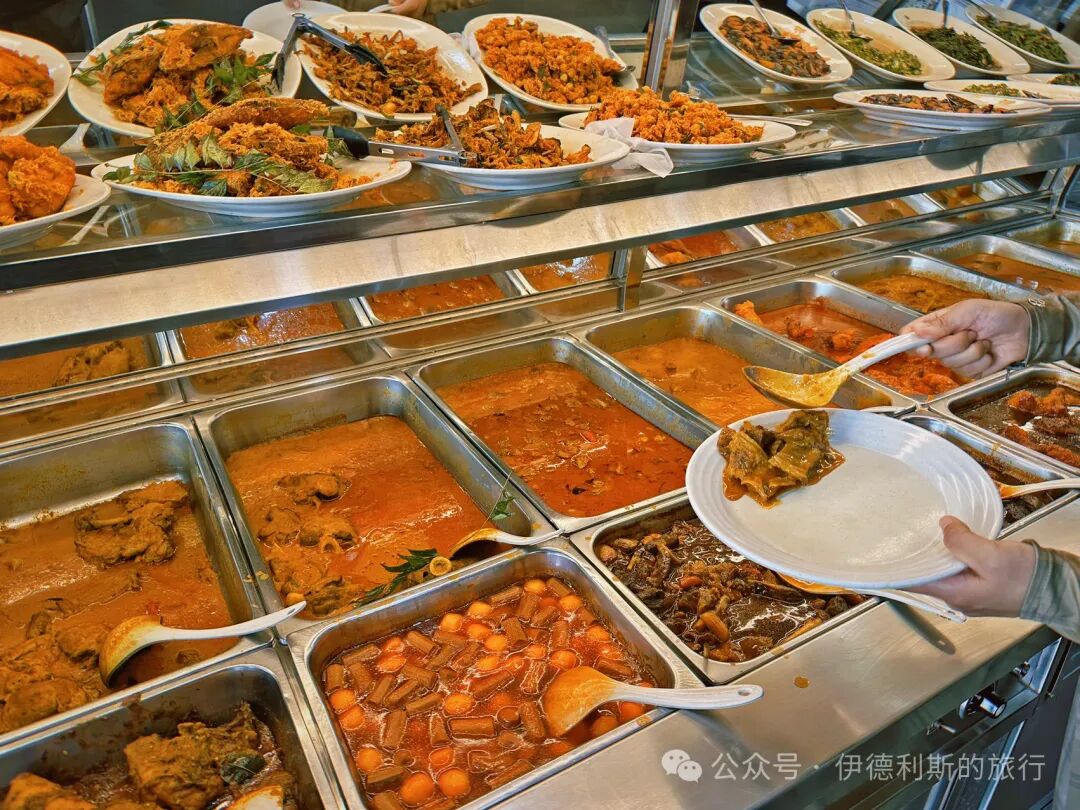
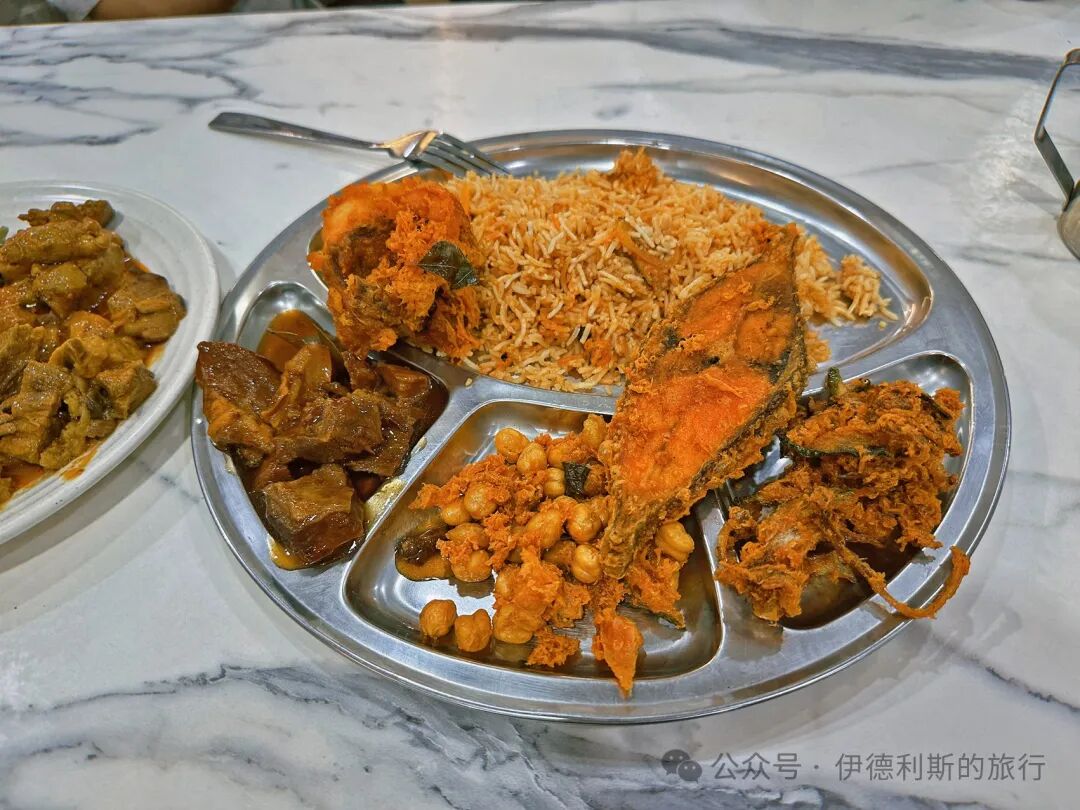
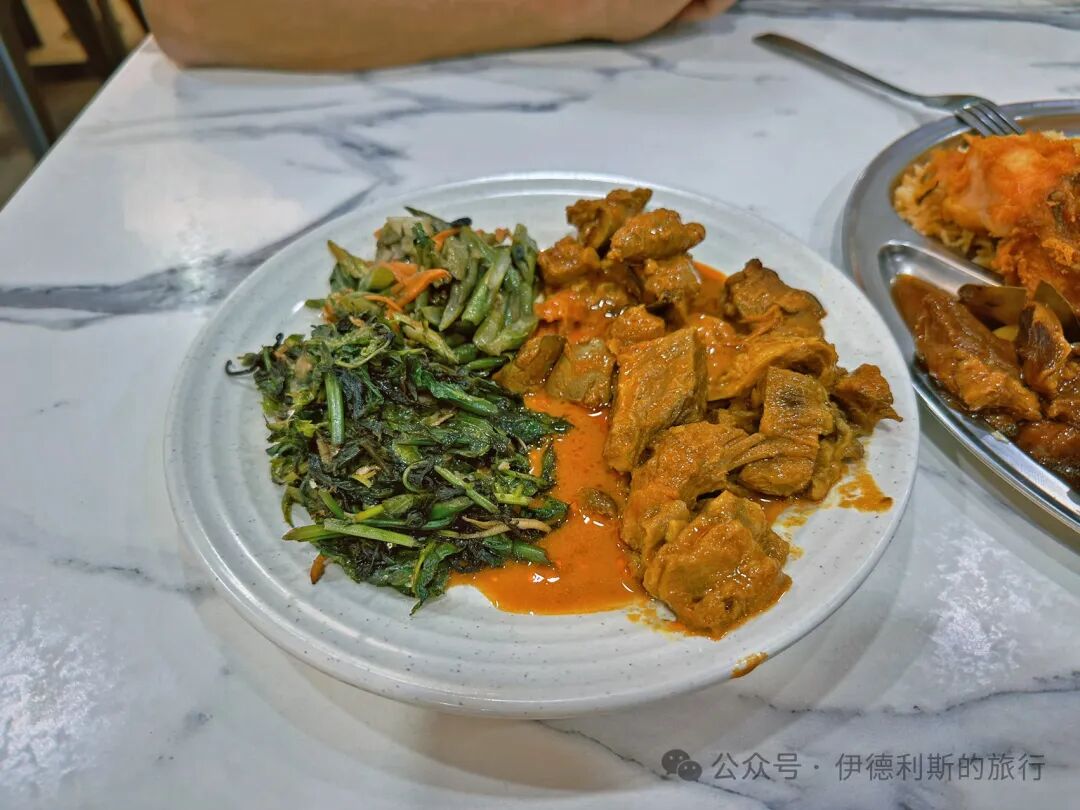
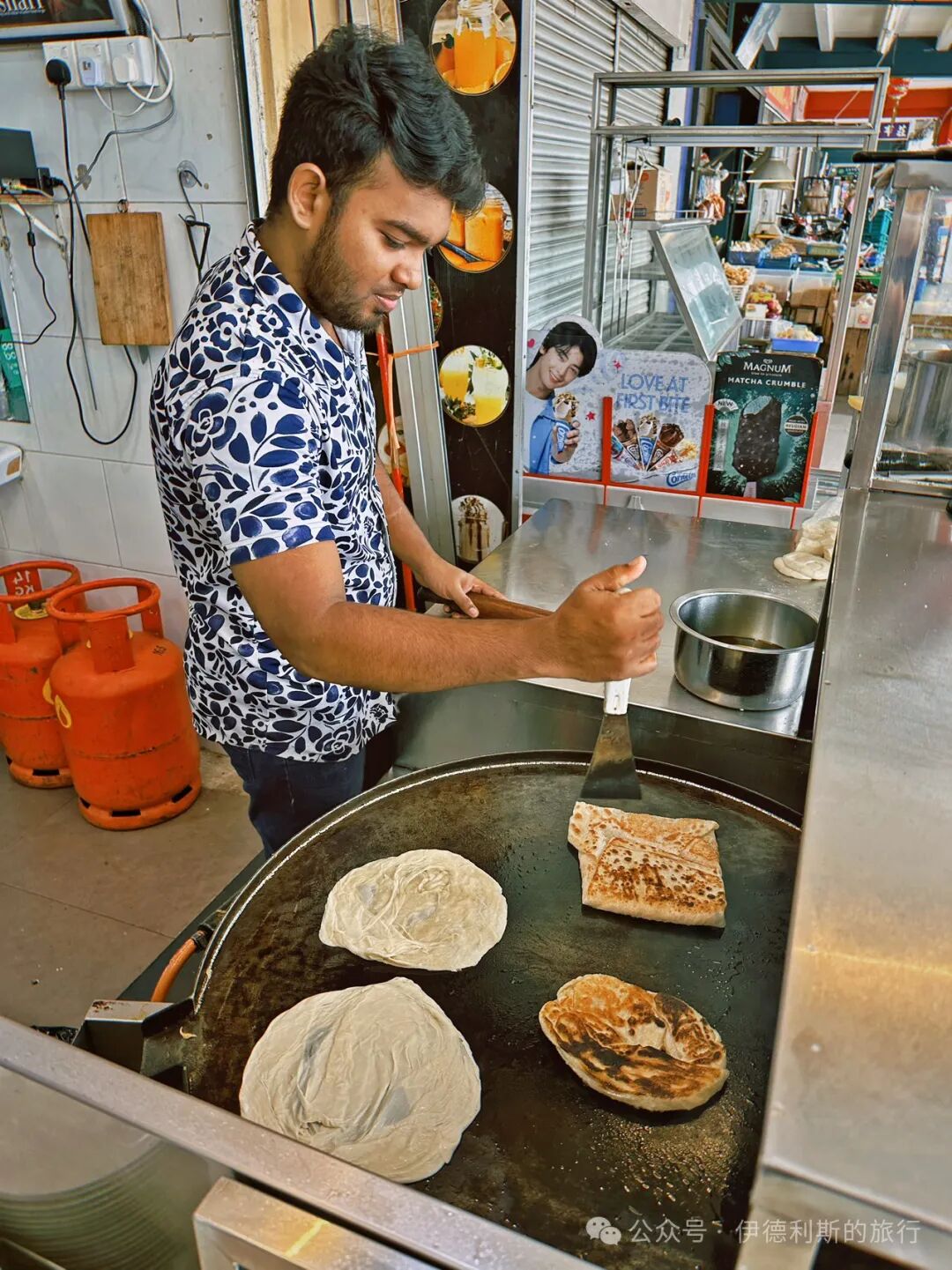
Next to the Indian Mosque in Kuching is an Indian-Muslim restaurant (mamak stall) that specializes in nasi kandar. You can choose from various curries like fish, chicken, and beef, along with vegetables and fried dishes for a balanced meal. The main dishes include white rice and biryani fried rice. They also serve freshly made flatbread (roti canai) and other types of bread. These mamak stalls are usually open from morning until night and are very popular with Malaysians. view all
Summary: Kuching has Muslim food scenes shaped by Indian Muslim shops, mosque streets, and nasi kandar meals. This article preserves the original photos, restaurant details, street observations, and Kuching travel notes in simple English.
There is an India Street on the west side of Kuching's old town. Indian settlers began living here in the mid-to-late 19th century to sell textiles and clothing. The Kingdom of Sarawak officially named it India Street in 1928. It became a pedestrian street in 1992 and has been a busy clothing market ever since. Today, there are 74 shops on India Street. 14 of them are run by Indian Muslims, and some have been in business for over 60 years.
South Indian Tamil merchants built the Old Indian Mosque in Kuching in 1837. The original roof and walls were made of nipa palm, but it was rebuilt using Borneo ironwood in 1876 to create the current structure. In 2019, a new Indian Mosque opened across the Sarawak River. It became a landmark known as the Floating Mosque, and the old mosque closed.
An old photo of the Mawlid celebration at the Old Indian Mosque in Kuching.
The Old Indian Mosque owns 23 shops nearby to collect rent. Indian Muslims run 21 of these, selling groceries, spices, fabrics, and books. Two shops have Chinese owners. These businesses have been passed down through generations.
The new Indian Mosque in Kuching is also called the Floating Mosque. It looks beautiful against the green hills and water during the day, and the lights are stunning at night. The inside of the mosque is clean, bright, and well-kept.
Next to the Indian Mosque in Kuching is an Indian-Muslim restaurant (mamak stall) that specializes in nasi kandar. You can choose from various curries like fish, chicken, and beef, along with vegetables and fried dishes for a balanced meal. The main dishes include white rice and biryani fried rice. They also serve freshly made flatbread (roti canai) and other types of bread. These mamak stalls are usually open from morning until night and are very popular with Malaysians. view all
Reposted from the web
Summary: Kuching has Muslim food scenes shaped by Indian Muslim shops, mosque streets, and nasi kandar meals. This article preserves the original photos, restaurant details, street observations, and Kuching travel notes in simple English.
There is an India Street on the west side of Kuching's old town. Indian settlers began living here in the mid-to-late 19th century to sell textiles and clothing. The Kingdom of Sarawak officially named it India Street in 1928. It became a pedestrian street in 1992 and has been a busy clothing market ever since. Today, there are 74 shops on India Street. 14 of them are run by Indian Muslims, and some have been in business for over 60 years.
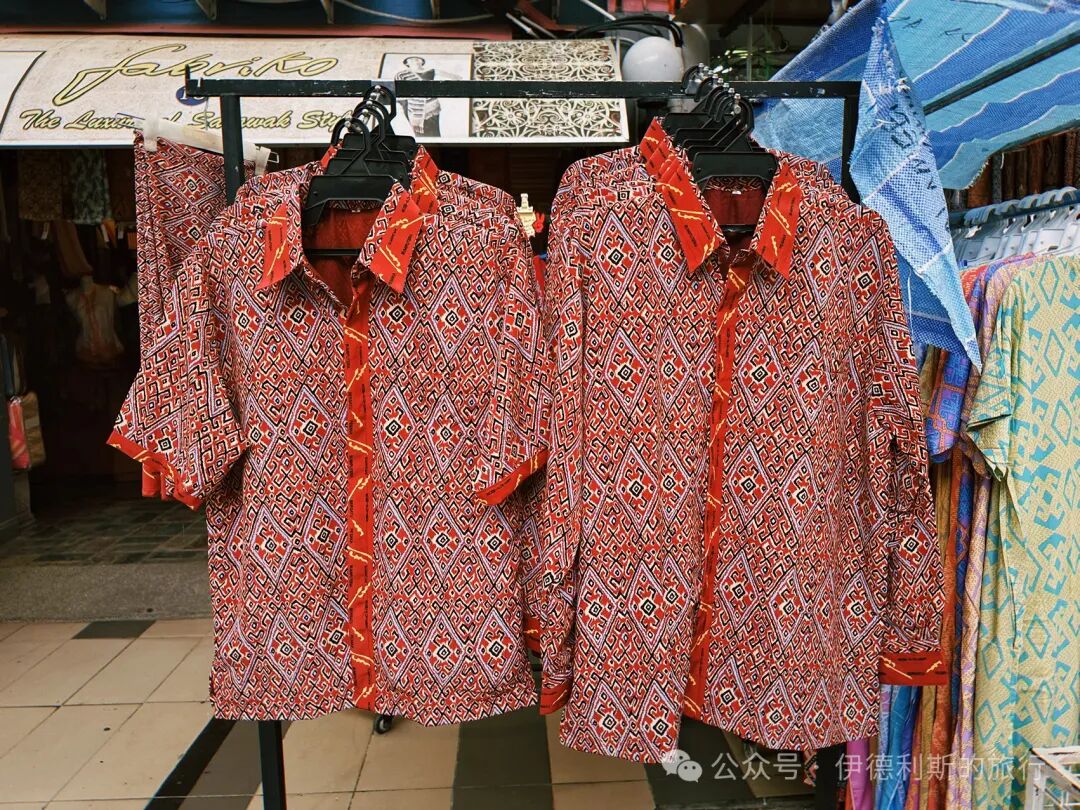
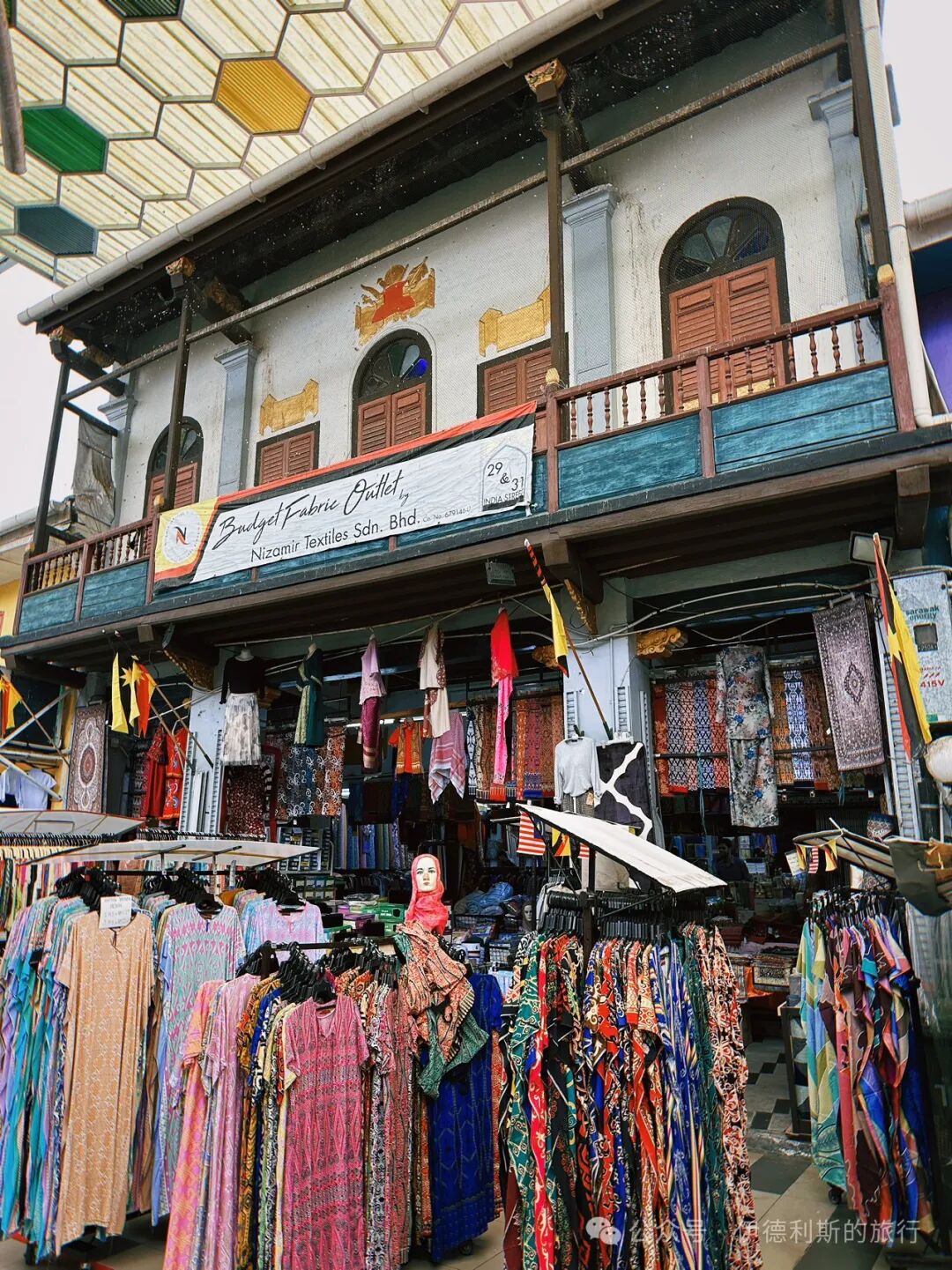
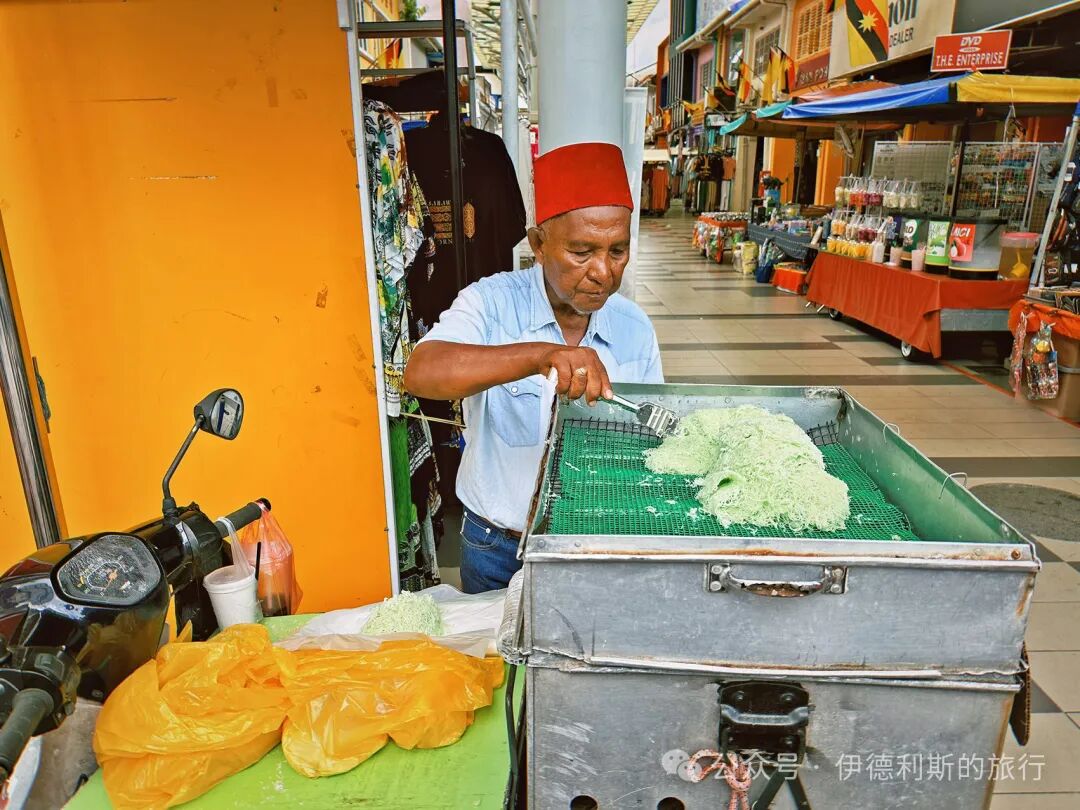
South Indian Tamil merchants built the Old Indian Mosque in Kuching in 1837. The original roof and walls were made of nipa palm, but it was rebuilt using Borneo ironwood in 1876 to create the current structure. In 2019, a new Indian Mosque opened across the Sarawak River. It became a landmark known as the Floating Mosque, and the old mosque closed.
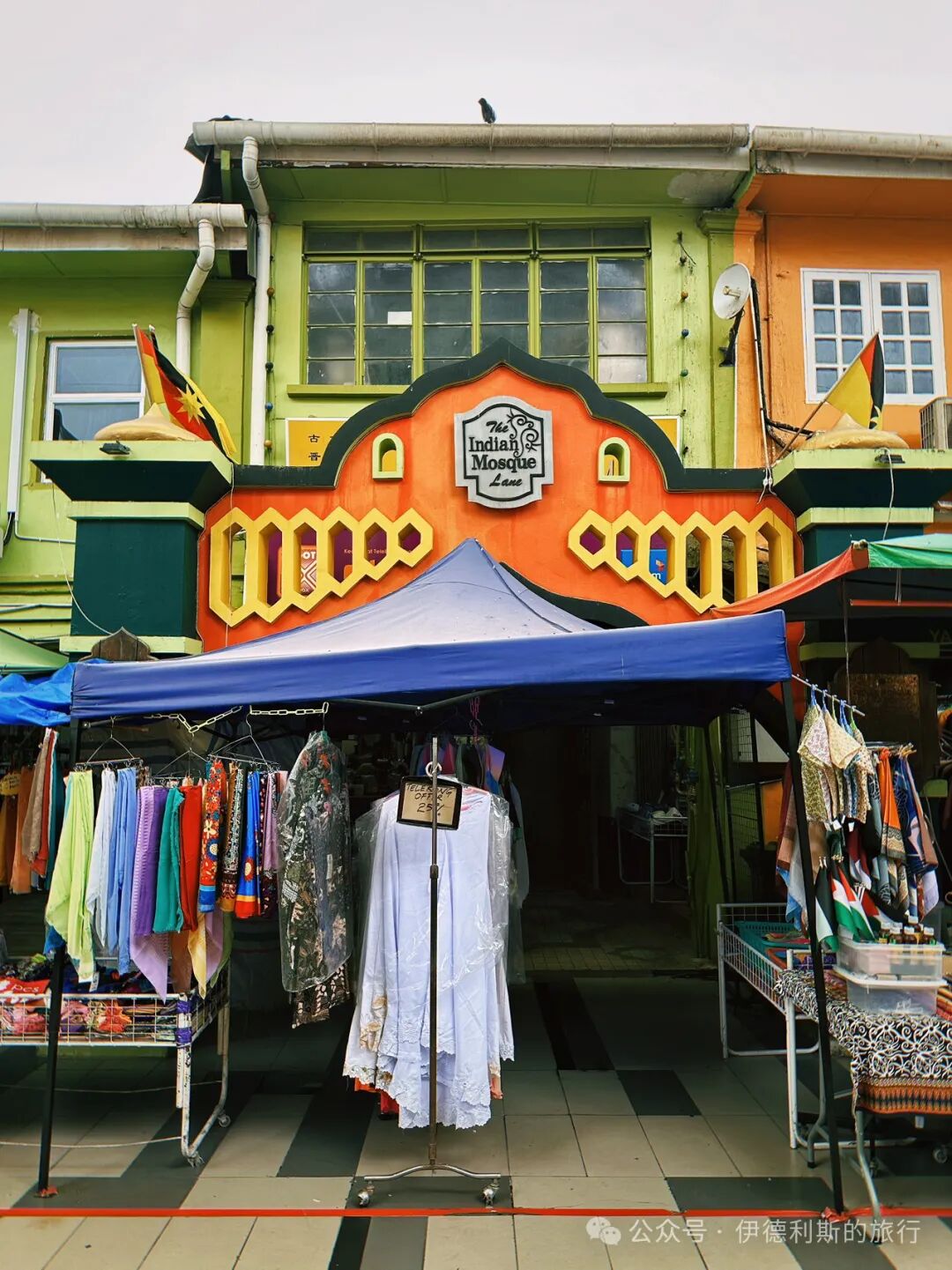
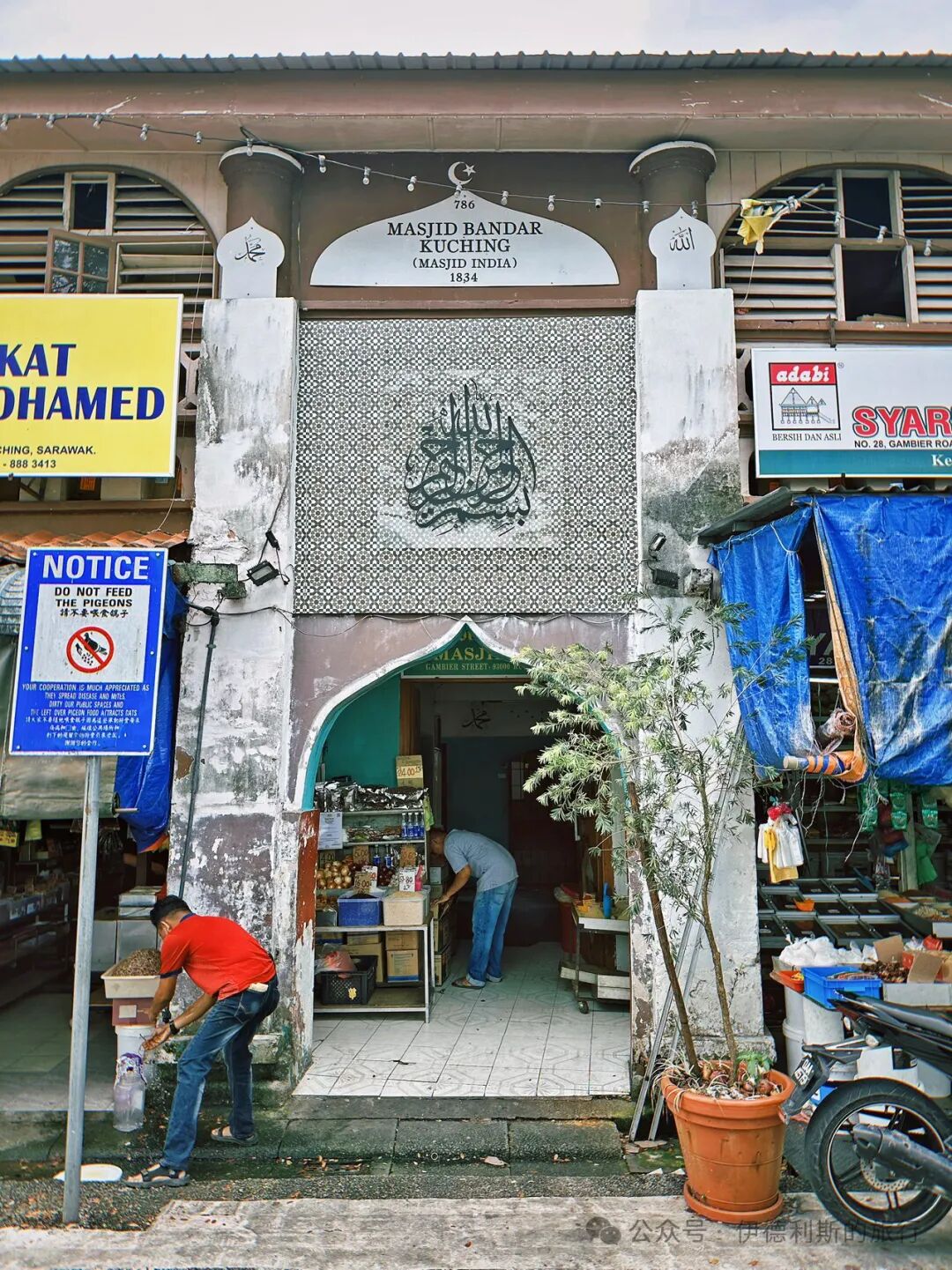
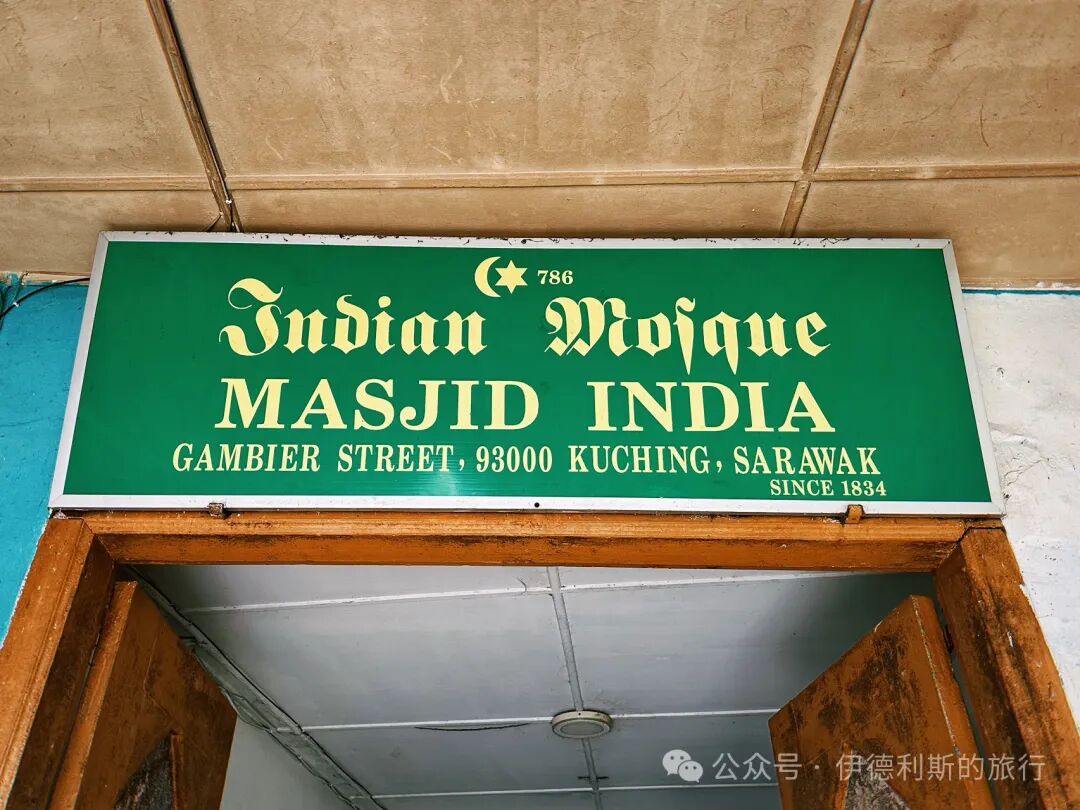
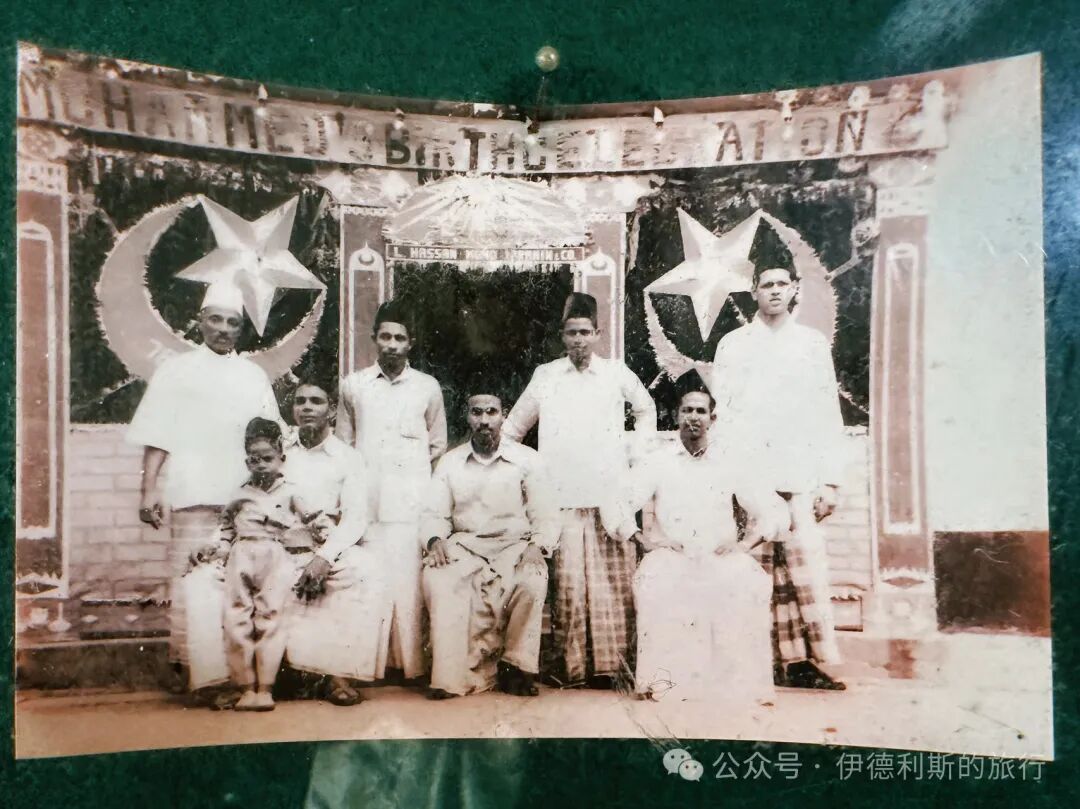
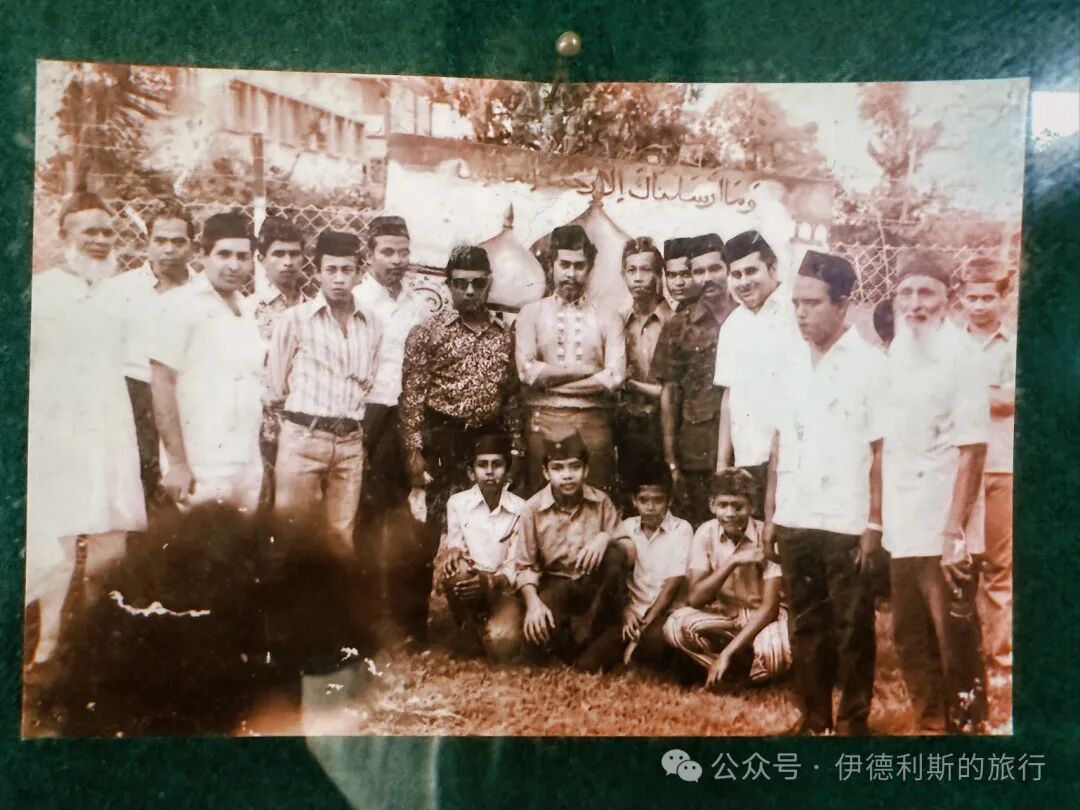
An old photo of the Mawlid celebration at the Old Indian Mosque in Kuching.
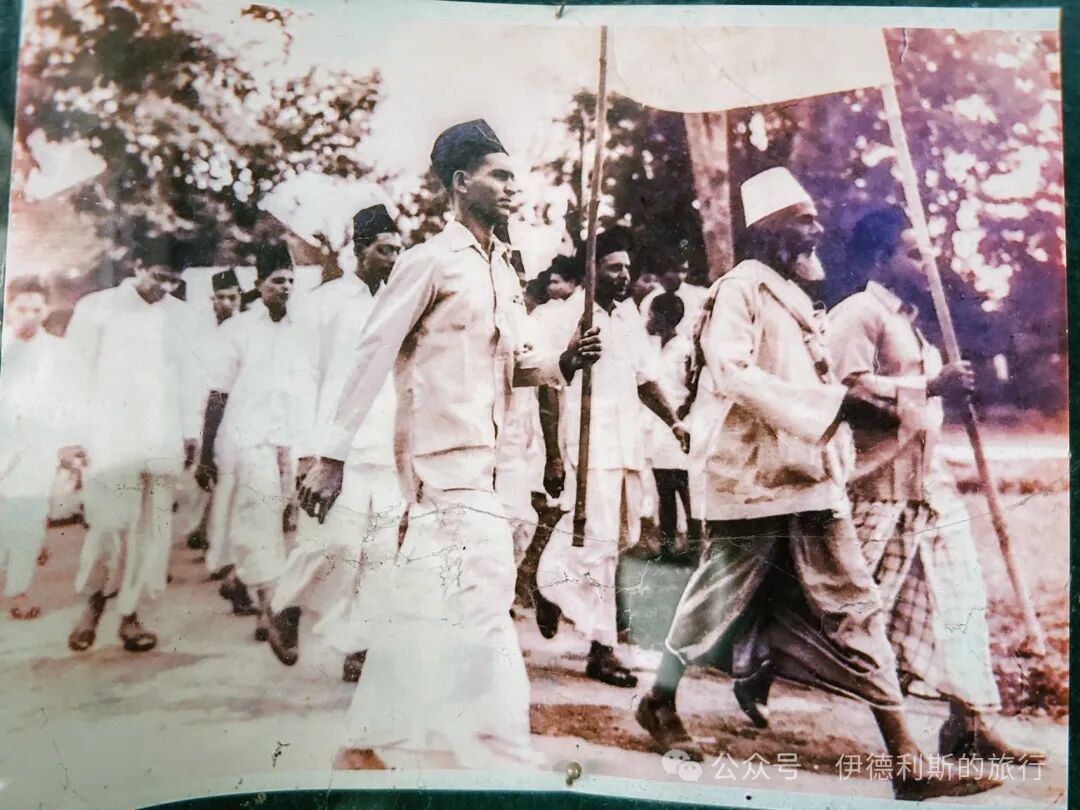
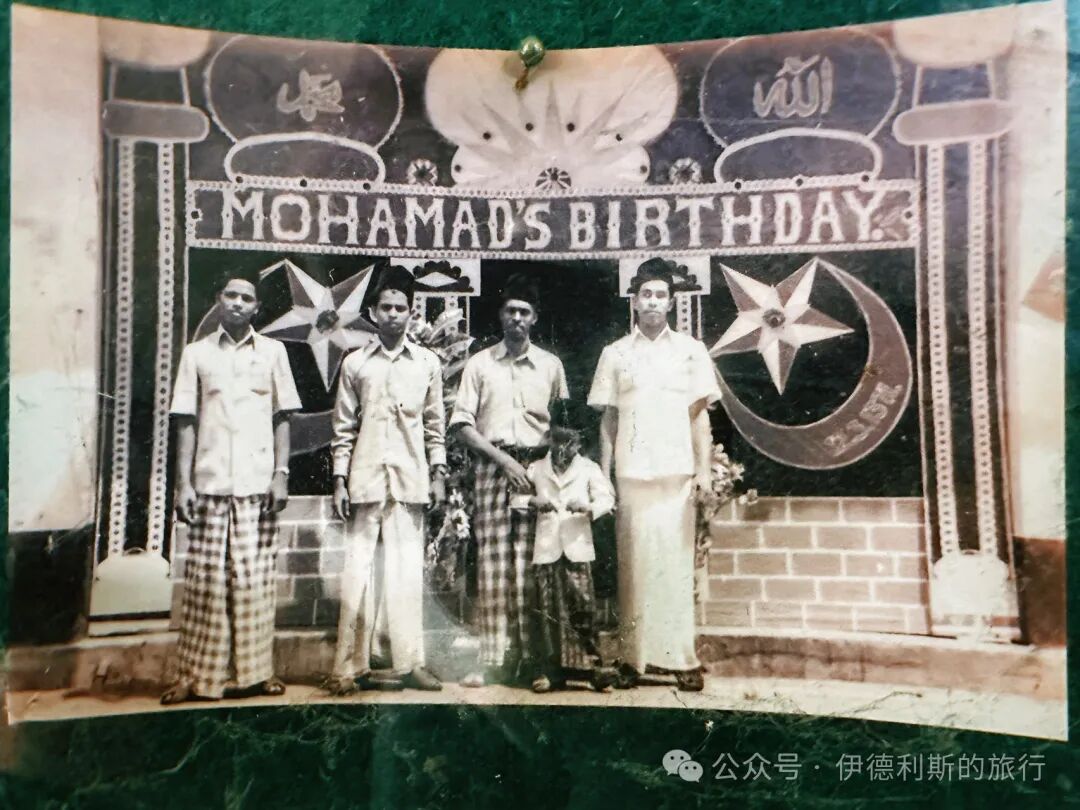
The Old Indian Mosque owns 23 shops nearby to collect rent. Indian Muslims run 21 of these, selling groceries, spices, fabrics, and books. Two shops have Chinese owners. These businesses have been passed down through generations.
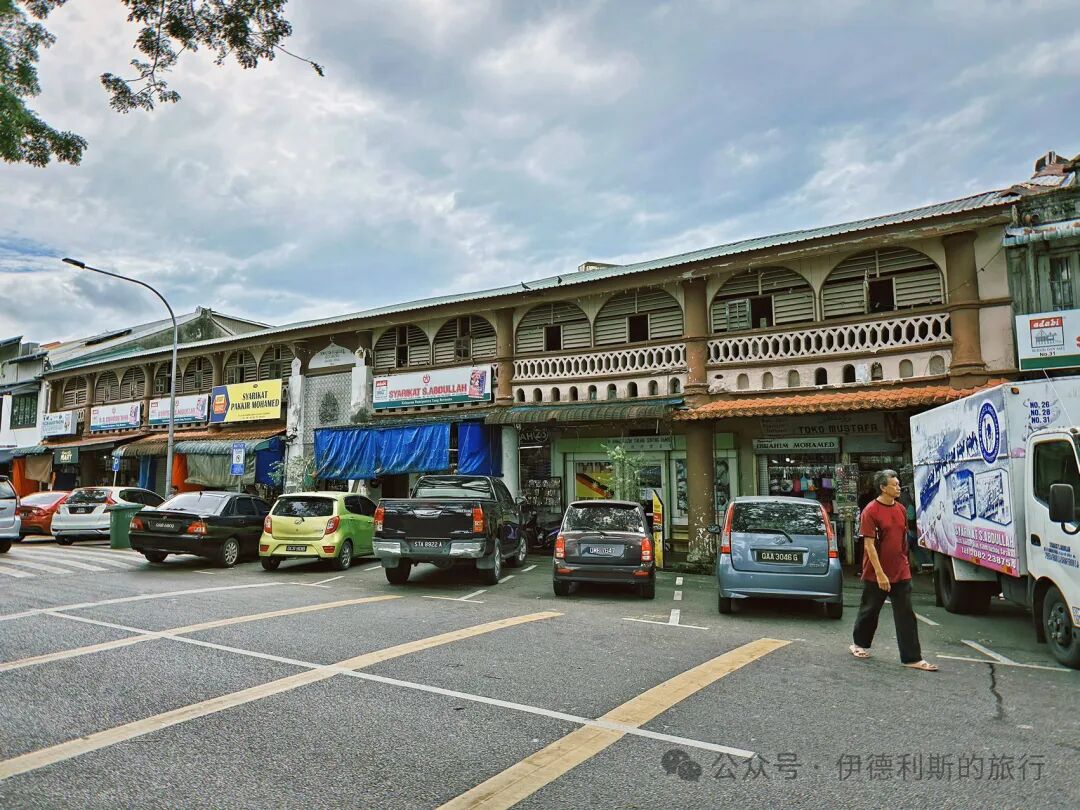
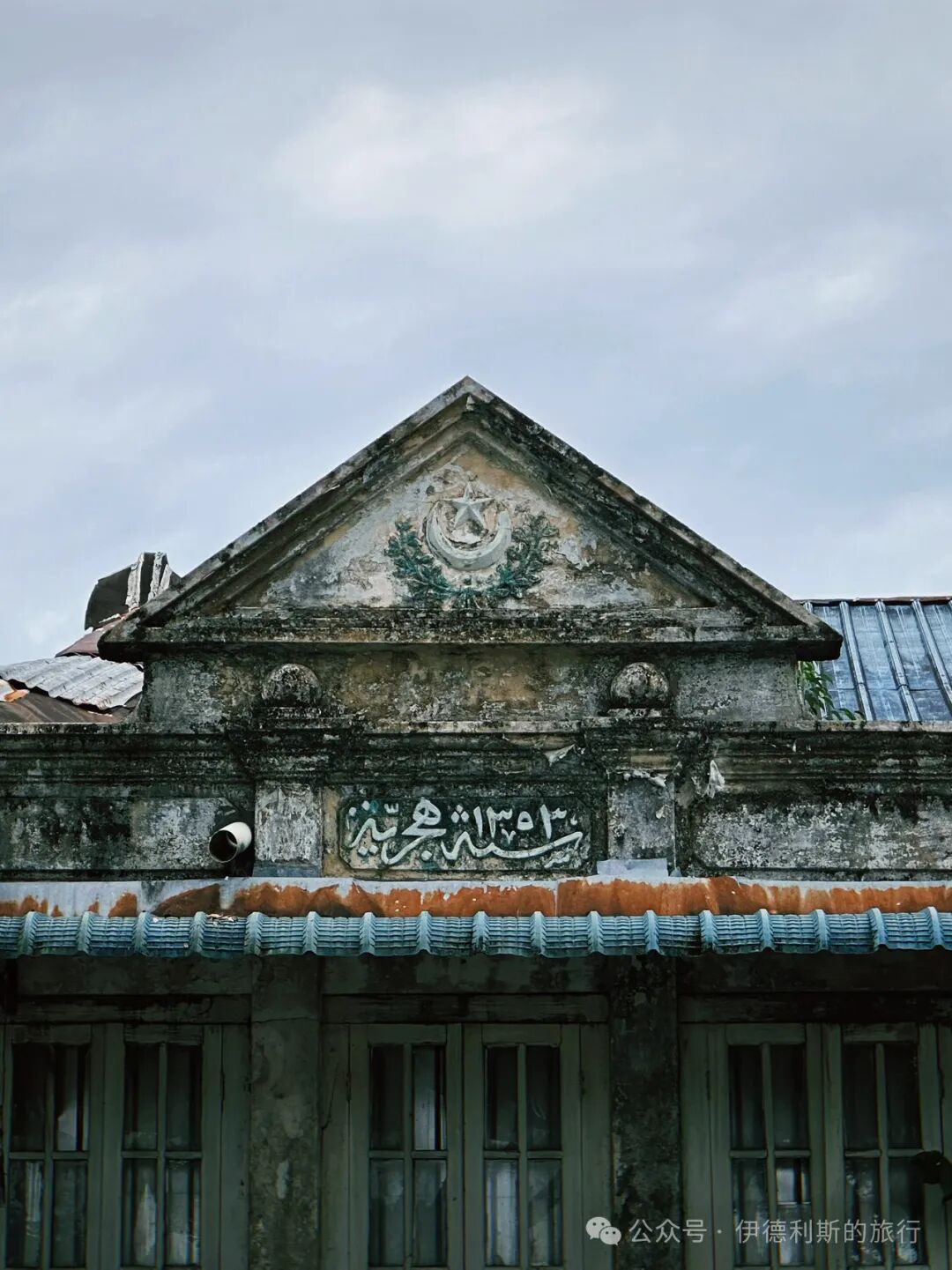
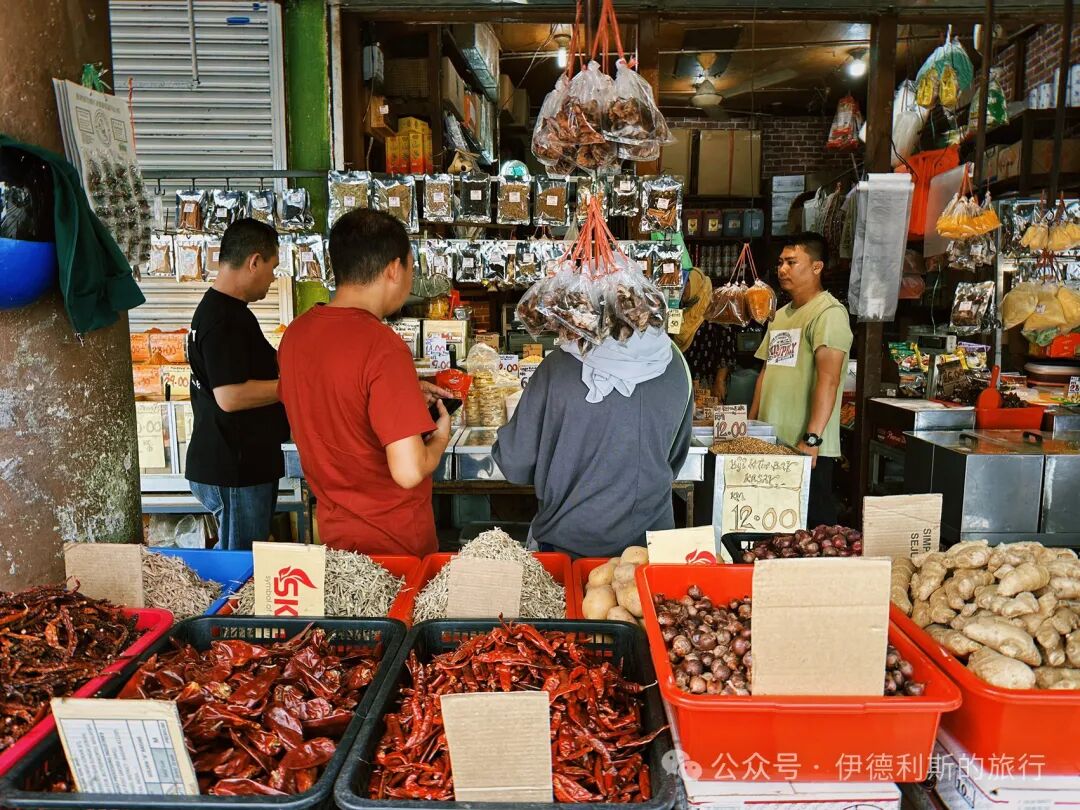
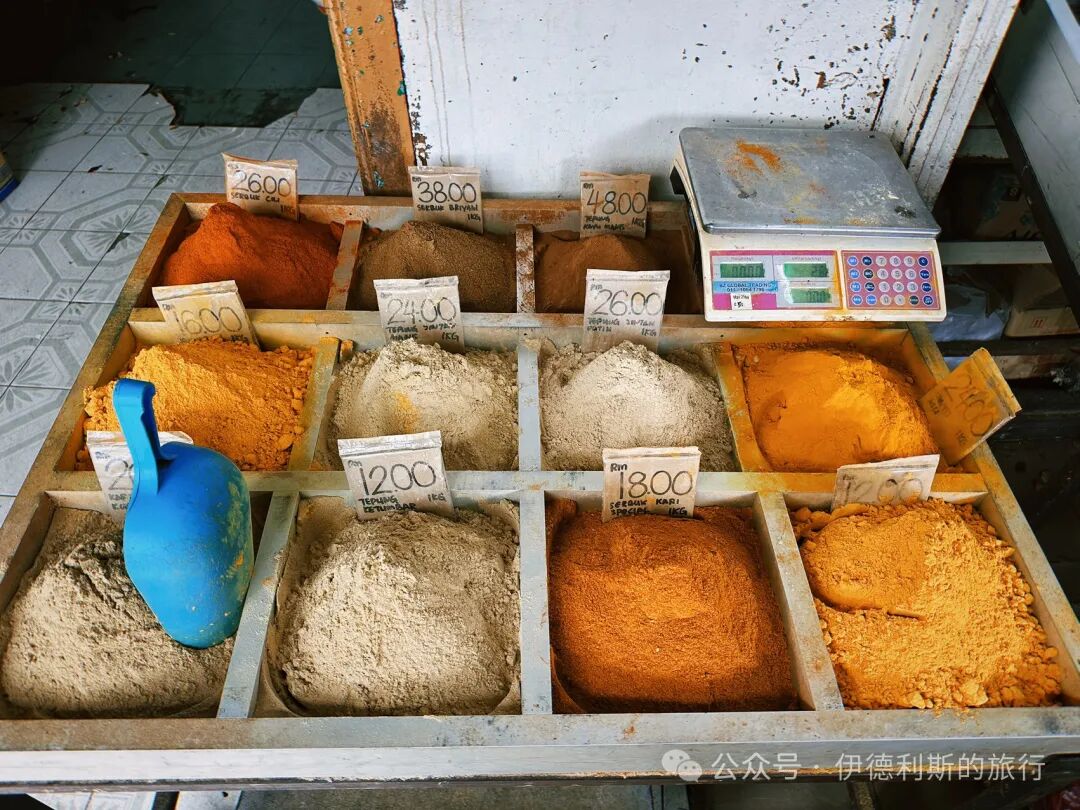
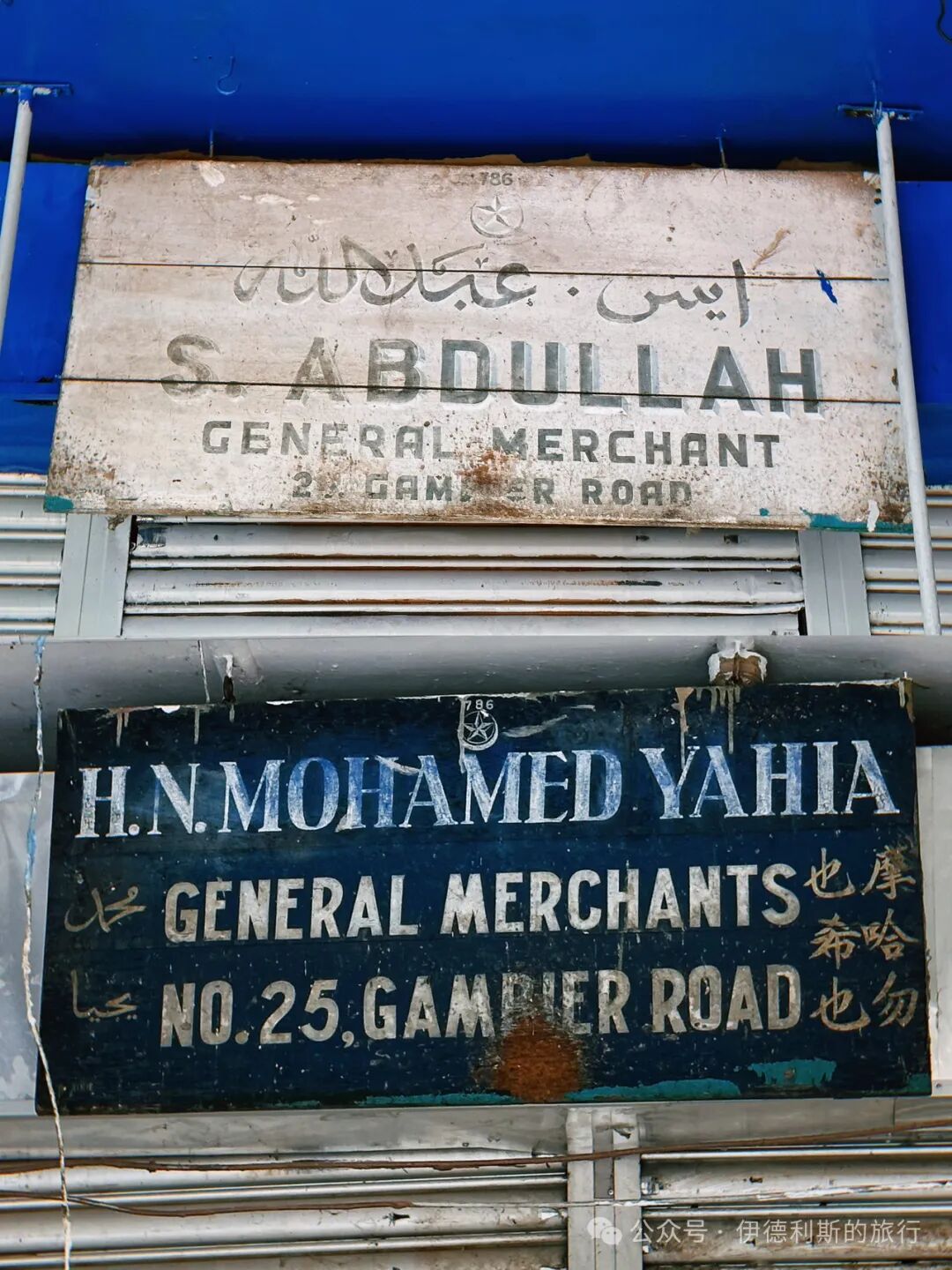
The new Indian Mosque in Kuching is also called the Floating Mosque. It looks beautiful against the green hills and water during the day, and the lights are stunning at night. The inside of the mosque is clean, bright, and well-kept.
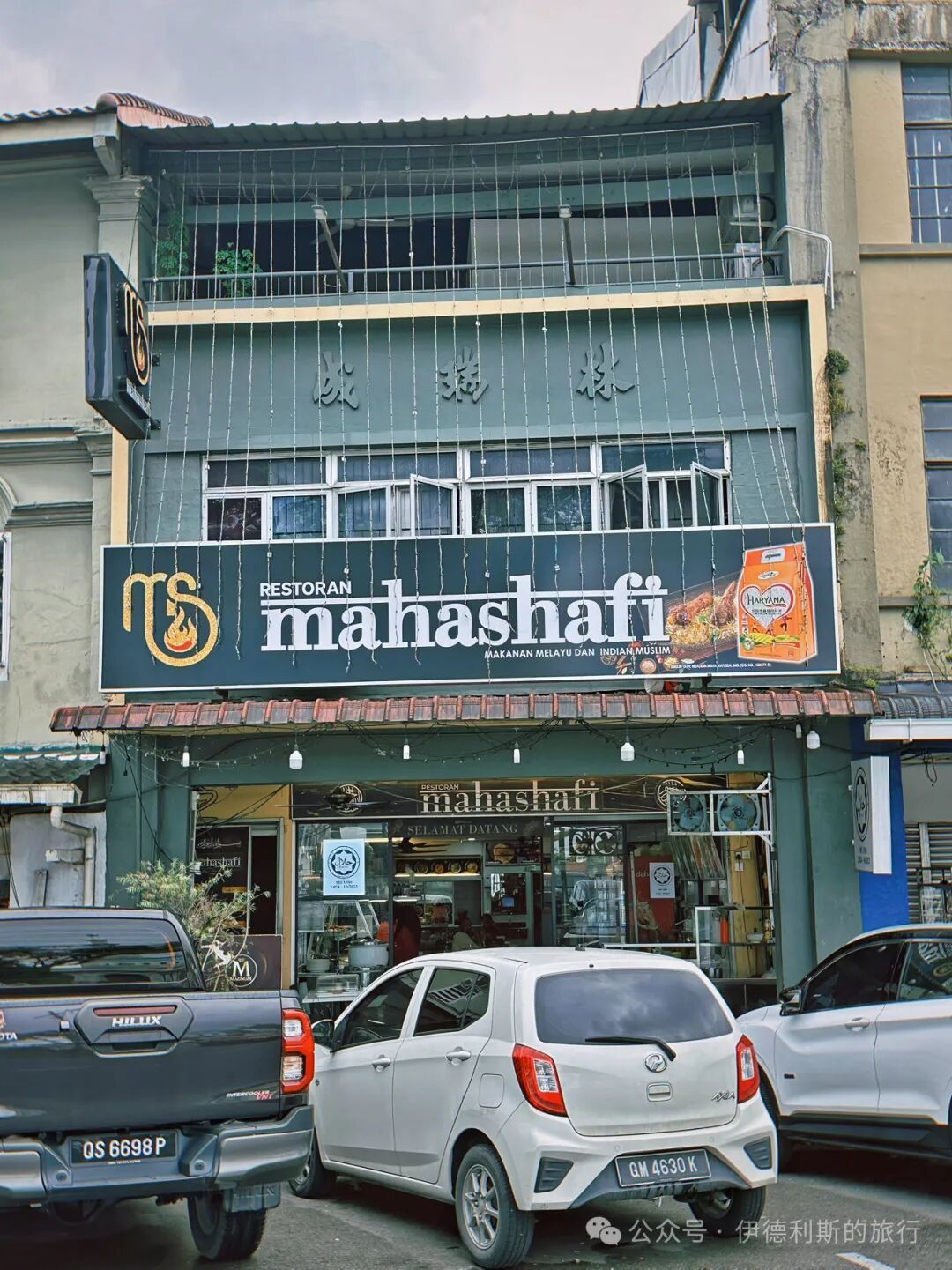
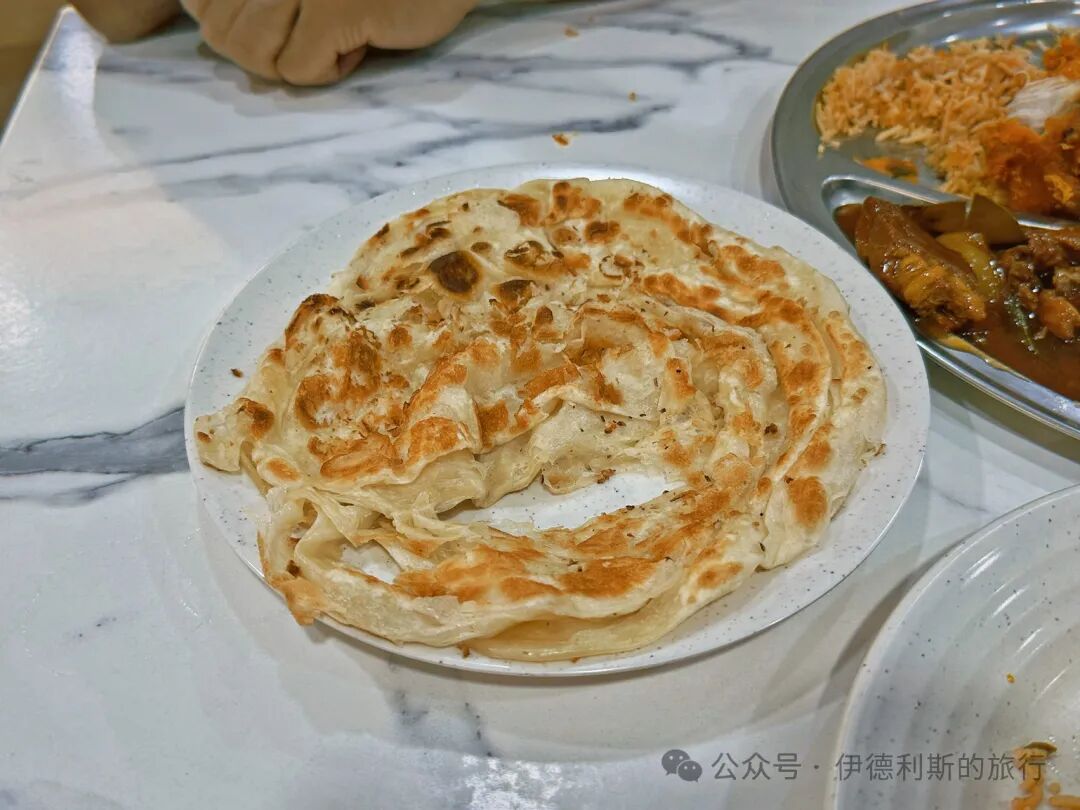
Next to the Indian Mosque in Kuching is an Indian-Muslim restaurant (mamak stall) that specializes in nasi kandar. You can choose from various curries like fish, chicken, and beef, along with vegetables and fried dishes for a balanced meal. The main dishes include white rice and biryani fried rice. They also serve freshly made flatbread (roti canai) and other types of bread. These mamak stalls are usually open from morning until night and are very popular with Malaysians.
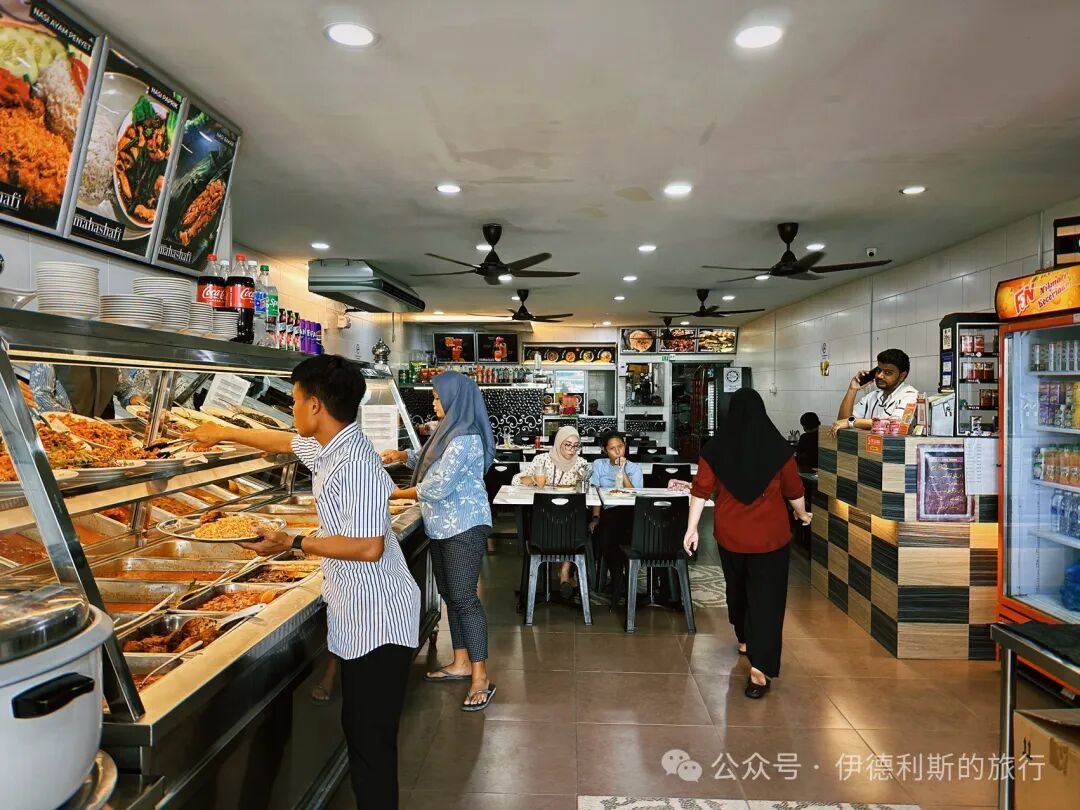
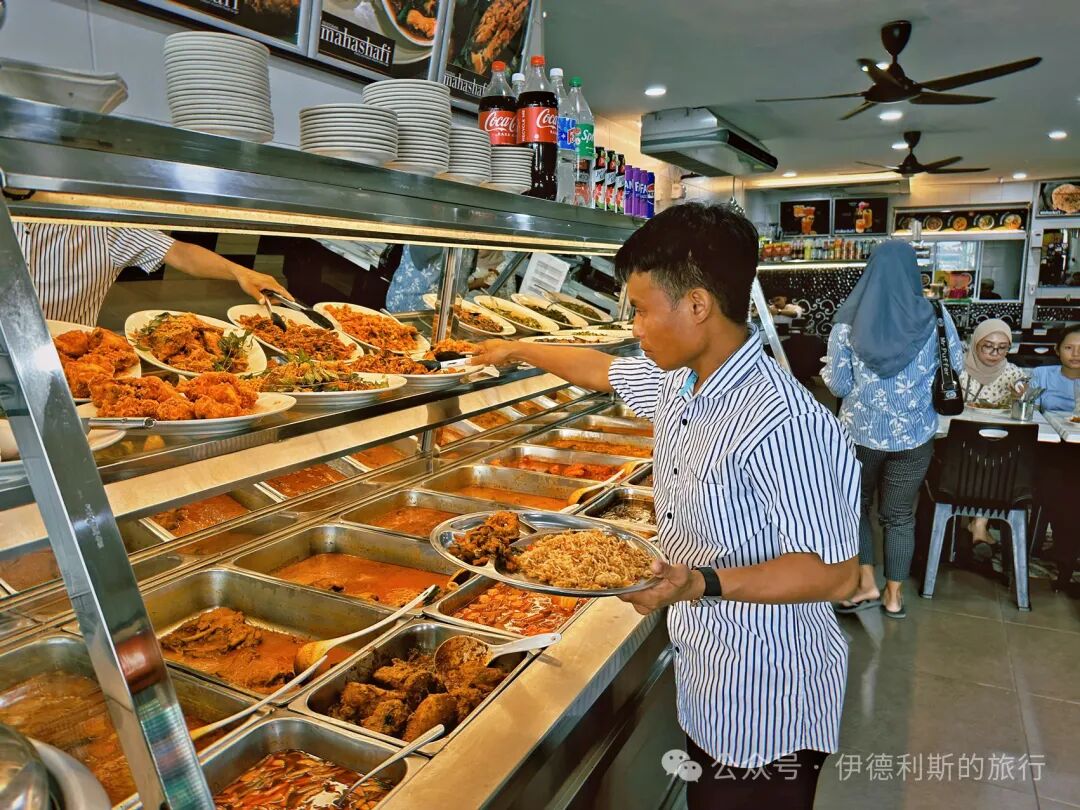
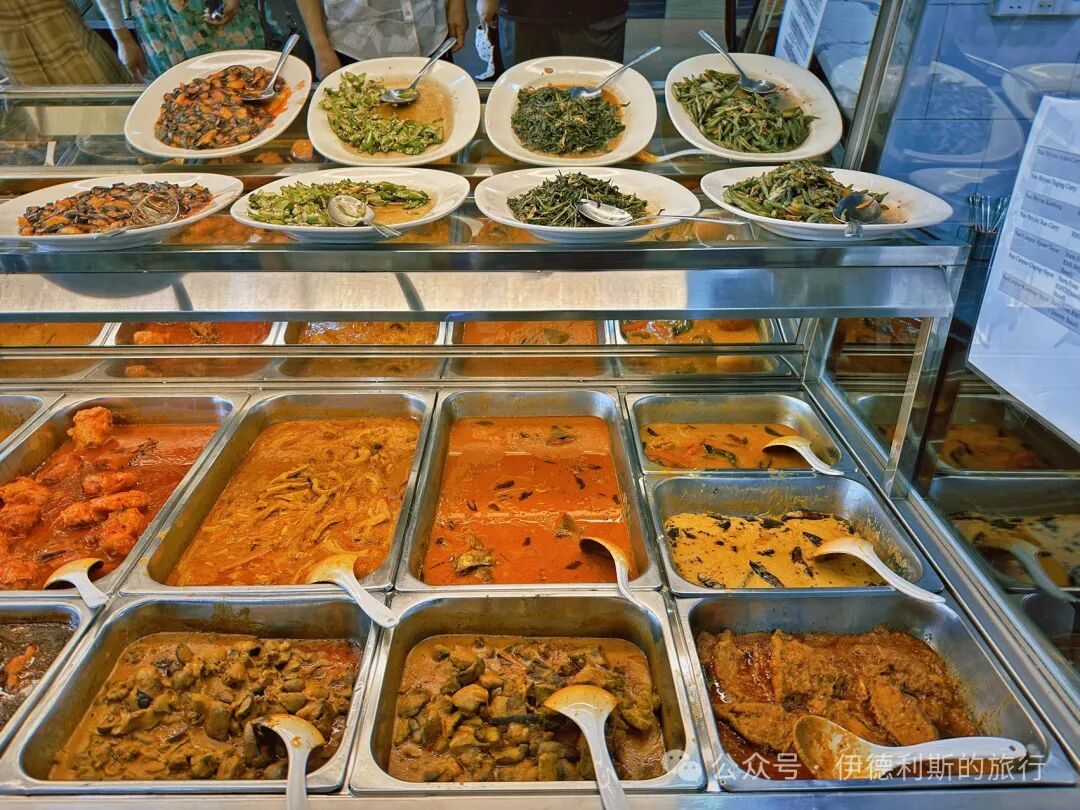
Summary: Kuching has Muslim food scenes shaped by Indian Muslim shops, mosque streets, and nasi kandar meals. This article preserves the original photos, restaurant details, street observations, and Kuching travel notes in simple English.
There is an India Street on the west side of Kuching's old town. Indian settlers began living here in the mid-to-late 19th century to sell textiles and clothing. The Kingdom of Sarawak officially named it India Street in 1928. It became a pedestrian street in 1992 and has been a busy clothing market ever since. Today, there are 74 shops on India Street. 14 of them are run by Indian Muslims, and some have been in business for over 60 years.
South Indian Tamil merchants built the Old Indian Mosque in Kuching in 1837. The original roof and walls were made of nipa palm, but it was rebuilt using Borneo ironwood in 1876 to create the current structure. In 2019, a new Indian Mosque opened across the Sarawak River. It became a landmark known as the Floating Mosque, and the old mosque closed.
An old photo of the Mawlid celebration at the Old Indian Mosque in Kuching.
The Old Indian Mosque owns 23 shops nearby to collect rent. Indian Muslims run 21 of these, selling groceries, spices, fabrics, and books. Two shops have Chinese owners. These businesses have been passed down through generations.
The new Indian Mosque in Kuching is also called the Floating Mosque. It looks beautiful against the green hills and water during the day, and the lights are stunning at night. The inside of the mosque is clean, bright, and well-kept.
Next to the Indian Mosque in Kuching is an Indian-Muslim restaurant (mamak stall) that specializes in nasi kandar. You can choose from various curries like fish, chicken, and beef, along with vegetables and fried dishes for a balanced meal. The main dishes include white rice and biryani fried rice. They also serve freshly made flatbread (roti canai) and other types of bread. These mamak stalls are usually open from morning until night and are very popular with Malaysians.
Halal Food Guide: Kuching, Malaysia — Indian Mosque and Nasi Kandar
Articles • ali2007fr posted the article • 0 comments • 186 views • 2026-05-20 00:58
Reposted from the web
Summary: Kuching has Muslim food scenes shaped by Indian Muslim shops, mosque streets, and nasi kandar meals. This article preserves the original photos, restaurant details, street observations, and Kuching travel notes in simple English.
There is an India Street on the west side of Kuching's old town. Indian settlers began living here in the mid-to-late 19th century to sell textiles and clothing. The Kingdom of Sarawak officially named it India Street in 1928. It became a pedestrian street in 1992 and has been a busy clothing market ever since. Today, there are 74 shops on India Street. 14 of them are run by Indian Muslims, and some have been in business for over 60 years.
South Indian Tamil merchants built the Old Indian Mosque in Kuching in 1837. The original roof and walls were made of nipa palm, but it was rebuilt using Borneo ironwood in 1876 to create the current structure. In 2019, a new Indian Mosque opened across the Sarawak River. It became a landmark known as the Floating Mosque, and the old mosque closed.
An old photo of the Mawlid celebration at the Old Indian Mosque in Kuching.
The Old Indian Mosque owns 23 shops nearby to collect rent. Indian Muslims run 21 of these, selling groceries, spices, fabrics, and books. Two shops have Chinese owners. These businesses have been passed down through generations.
The new Indian Mosque in Kuching is also called the Floating Mosque. It looks beautiful against the green hills and water during the day, and the lights are stunning at night. The inside of the mosque is clean, bright, and well-kept.
Next to the Indian Mosque in Kuching is an Indian-Muslim restaurant (mamak stall) that specializes in nasi kandar. You can choose from various curries like fish, chicken, and beef, along with vegetables and fried dishes for a balanced meal. The main dishes include white rice and biryani fried rice. They also serve freshly made flatbread (roti canai) and other types of bread. These mamak stalls are usually open from morning until night and are very popular with Malaysians. view all
Summary: Kuching has Muslim food scenes shaped by Indian Muslim shops, mosque streets, and nasi kandar meals. This article preserves the original photos, restaurant details, street observations, and Kuching travel notes in simple English.
There is an India Street on the west side of Kuching's old town. Indian settlers began living here in the mid-to-late 19th century to sell textiles and clothing. The Kingdom of Sarawak officially named it India Street in 1928. It became a pedestrian street in 1992 and has been a busy clothing market ever since. Today, there are 74 shops on India Street. 14 of them are run by Indian Muslims, and some have been in business for over 60 years.
South Indian Tamil merchants built the Old Indian Mosque in Kuching in 1837. The original roof and walls were made of nipa palm, but it was rebuilt using Borneo ironwood in 1876 to create the current structure. In 2019, a new Indian Mosque opened across the Sarawak River. It became a landmark known as the Floating Mosque, and the old mosque closed.
An old photo of the Mawlid celebration at the Old Indian Mosque in Kuching.
The Old Indian Mosque owns 23 shops nearby to collect rent. Indian Muslims run 21 of these, selling groceries, spices, fabrics, and books. Two shops have Chinese owners. These businesses have been passed down through generations.
The new Indian Mosque in Kuching is also called the Floating Mosque. It looks beautiful against the green hills and water during the day, and the lights are stunning at night. The inside of the mosque is clean, bright, and well-kept.
Next to the Indian Mosque in Kuching is an Indian-Muslim restaurant (mamak stall) that specializes in nasi kandar. You can choose from various curries like fish, chicken, and beef, along with vegetables and fried dishes for a balanced meal. The main dishes include white rice and biryani fried rice. They also serve freshly made flatbread (roti canai) and other types of bread. These mamak stalls are usually open from morning until night and are very popular with Malaysians. view all
Reposted from the web
Summary: Kuching has Muslim food scenes shaped by Indian Muslim shops, mosque streets, and nasi kandar meals. This article preserves the original photos, restaurant details, street observations, and Kuching travel notes in simple English.
There is an India Street on the west side of Kuching's old town. Indian settlers began living here in the mid-to-late 19th century to sell textiles and clothing. The Kingdom of Sarawak officially named it India Street in 1928. It became a pedestrian street in 1992 and has been a busy clothing market ever since. Today, there are 74 shops on India Street. 14 of them are run by Indian Muslims, and some have been in business for over 60 years.
South Indian Tamil merchants built the Old Indian Mosque in Kuching in 1837. The original roof and walls were made of nipa palm, but it was rebuilt using Borneo ironwood in 1876 to create the current structure. In 2019, a new Indian Mosque opened across the Sarawak River. It became a landmark known as the Floating Mosque, and the old mosque closed.
An old photo of the Mawlid celebration at the Old Indian Mosque in Kuching.
The Old Indian Mosque owns 23 shops nearby to collect rent. Indian Muslims run 21 of these, selling groceries, spices, fabrics, and books. Two shops have Chinese owners. These businesses have been passed down through generations.
The new Indian Mosque in Kuching is also called the Floating Mosque. It looks beautiful against the green hills and water during the day, and the lights are stunning at night. The inside of the mosque is clean, bright, and well-kept.
Next to the Indian Mosque in Kuching is an Indian-Muslim restaurant (mamak stall) that specializes in nasi kandar. You can choose from various curries like fish, chicken, and beef, along with vegetables and fried dishes for a balanced meal. The main dishes include white rice and biryani fried rice. They also serve freshly made flatbread (roti canai) and other types of bread. These mamak stalls are usually open from morning until night and are very popular with Malaysians.
Summary: Kuching has Muslim food scenes shaped by Indian Muslim shops, mosque streets, and nasi kandar meals. This article preserves the original photos, restaurant details, street observations, and Kuching travel notes in simple English.
There is an India Street on the west side of Kuching's old town. Indian settlers began living here in the mid-to-late 19th century to sell textiles and clothing. The Kingdom of Sarawak officially named it India Street in 1928. It became a pedestrian street in 1992 and has been a busy clothing market ever since. Today, there are 74 shops on India Street. 14 of them are run by Indian Muslims, and some have been in business for over 60 years.
South Indian Tamil merchants built the Old Indian Mosque in Kuching in 1837. The original roof and walls were made of nipa palm, but it was rebuilt using Borneo ironwood in 1876 to create the current structure. In 2019, a new Indian Mosque opened across the Sarawak River. It became a landmark known as the Floating Mosque, and the old mosque closed.
An old photo of the Mawlid celebration at the Old Indian Mosque in Kuching.
The Old Indian Mosque owns 23 shops nearby to collect rent. Indian Muslims run 21 of these, selling groceries, spices, fabrics, and books. Two shops have Chinese owners. These businesses have been passed down through generations.
The new Indian Mosque in Kuching is also called the Floating Mosque. It looks beautiful against the green hills and water during the day, and the lights are stunning at night. The inside of the mosque is clean, bright, and well-kept.
Next to the Indian Mosque in Kuching is an Indian-Muslim restaurant (mamak stall) that specializes in nasi kandar. You can choose from various curries like fish, chicken, and beef, along with vegetables and fried dishes for a balanced meal. The main dishes include white rice and biryani fried rice. They also serve freshly made flatbread (roti canai) and other types of bread. These mamak stalls are usually open from morning until night and are very popular with Malaysians.