

Indonesian Islam
Explore Laozi Mosque in Cirebon: Authentic Chinese-Indonesian Islamic Heritage and Hui Muslim Culture
Articles • Hasan09 posted the article • 0 comments • 38 views • 2026-11-09 10:33
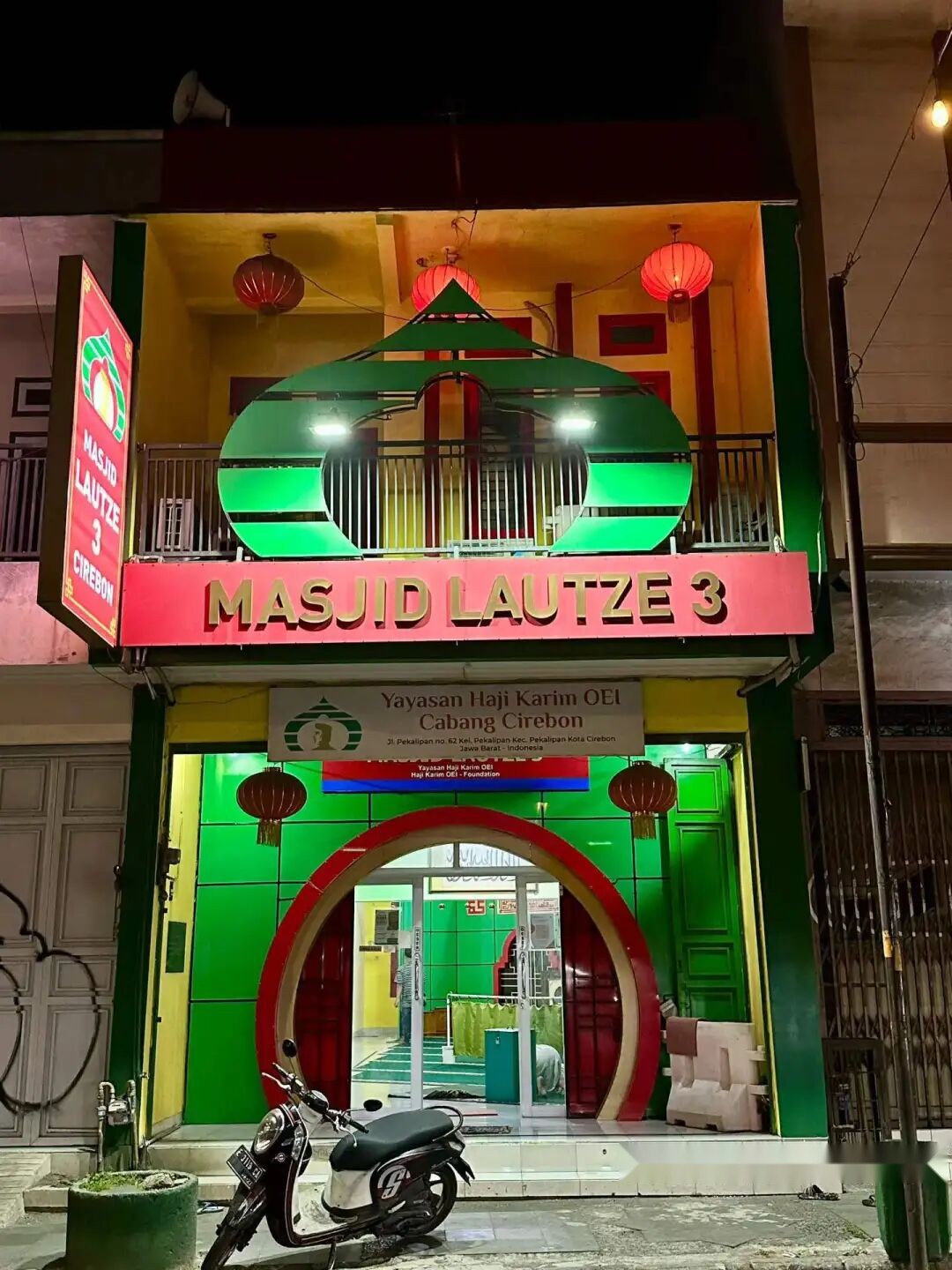
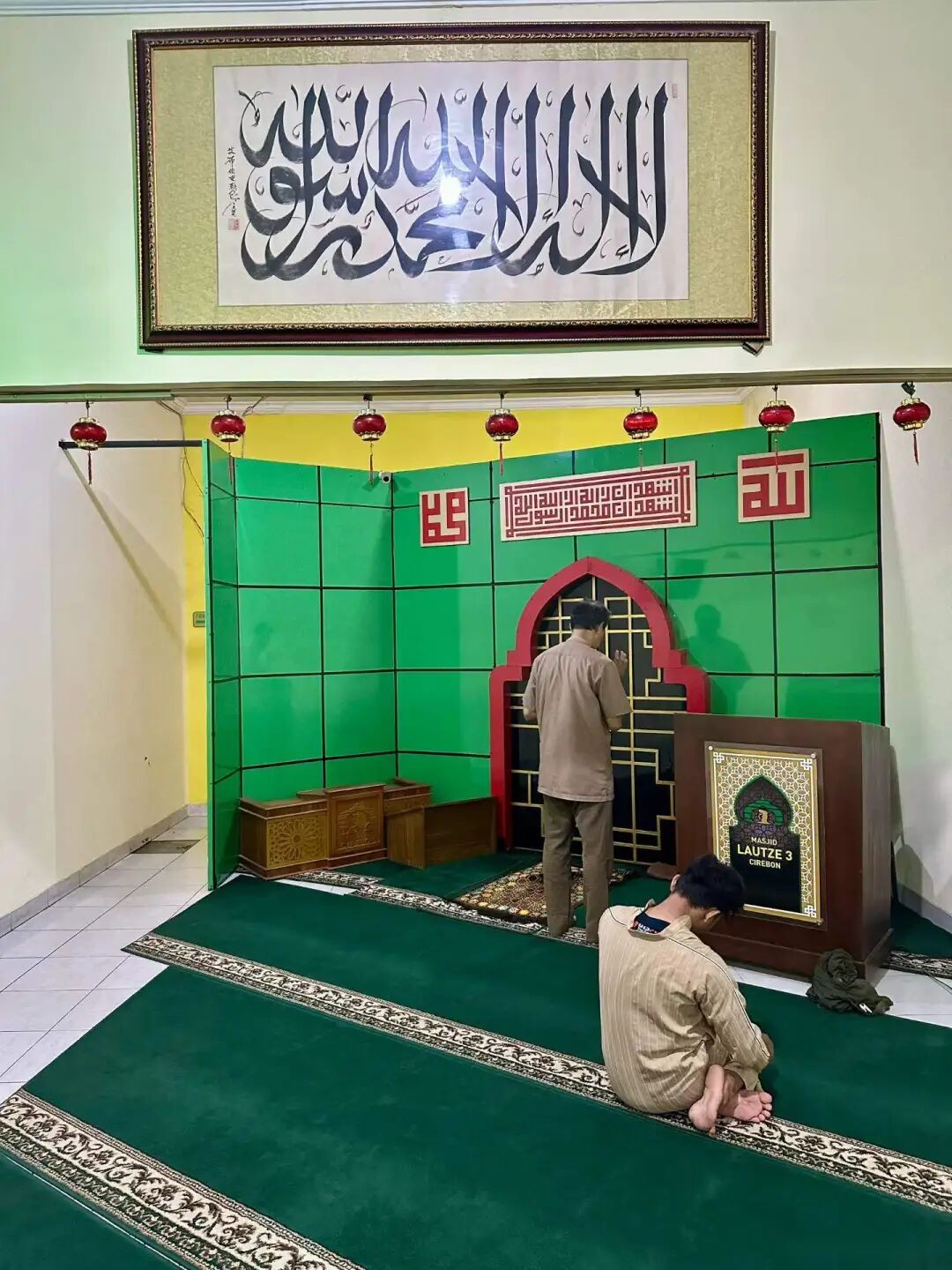
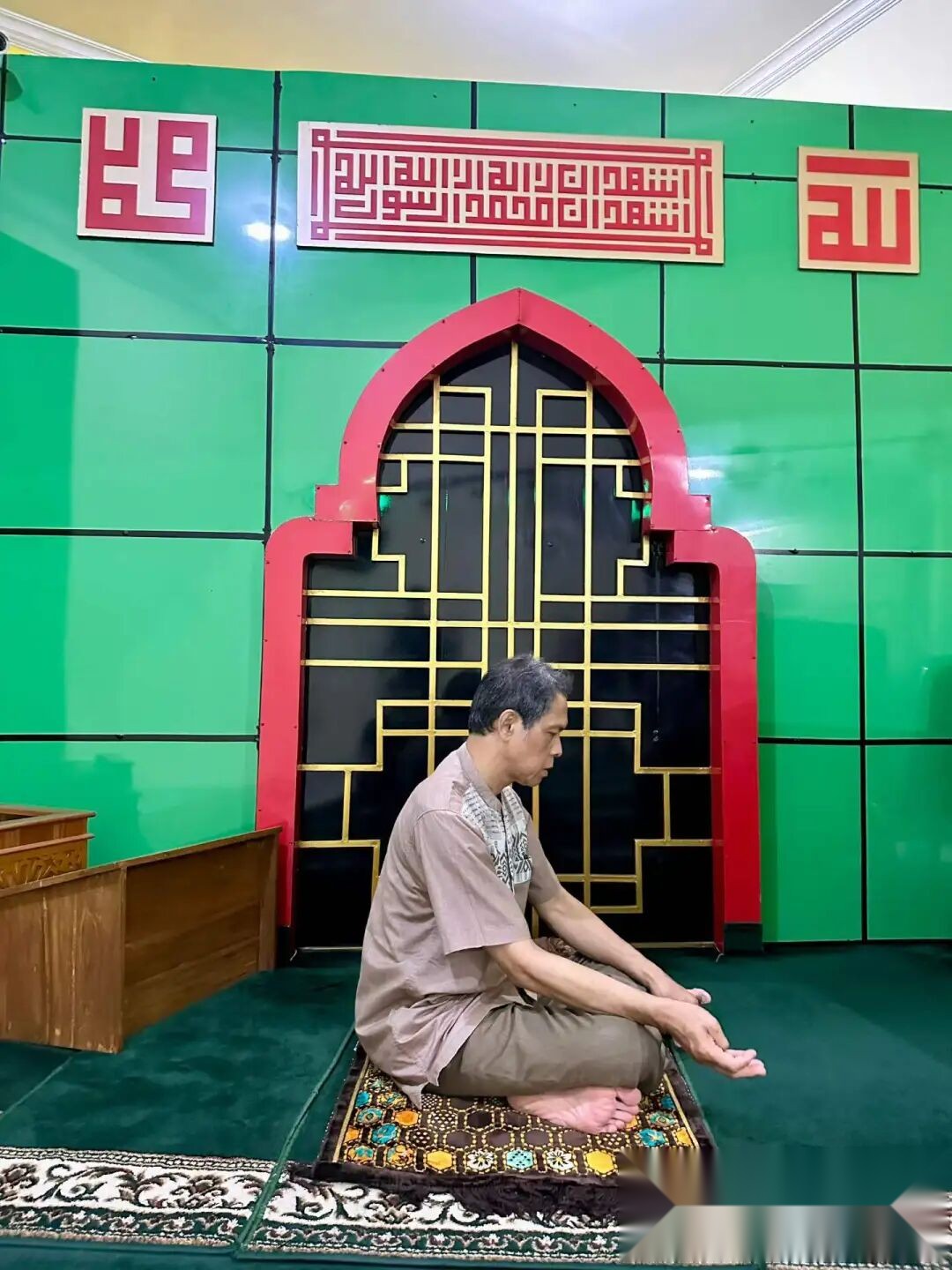
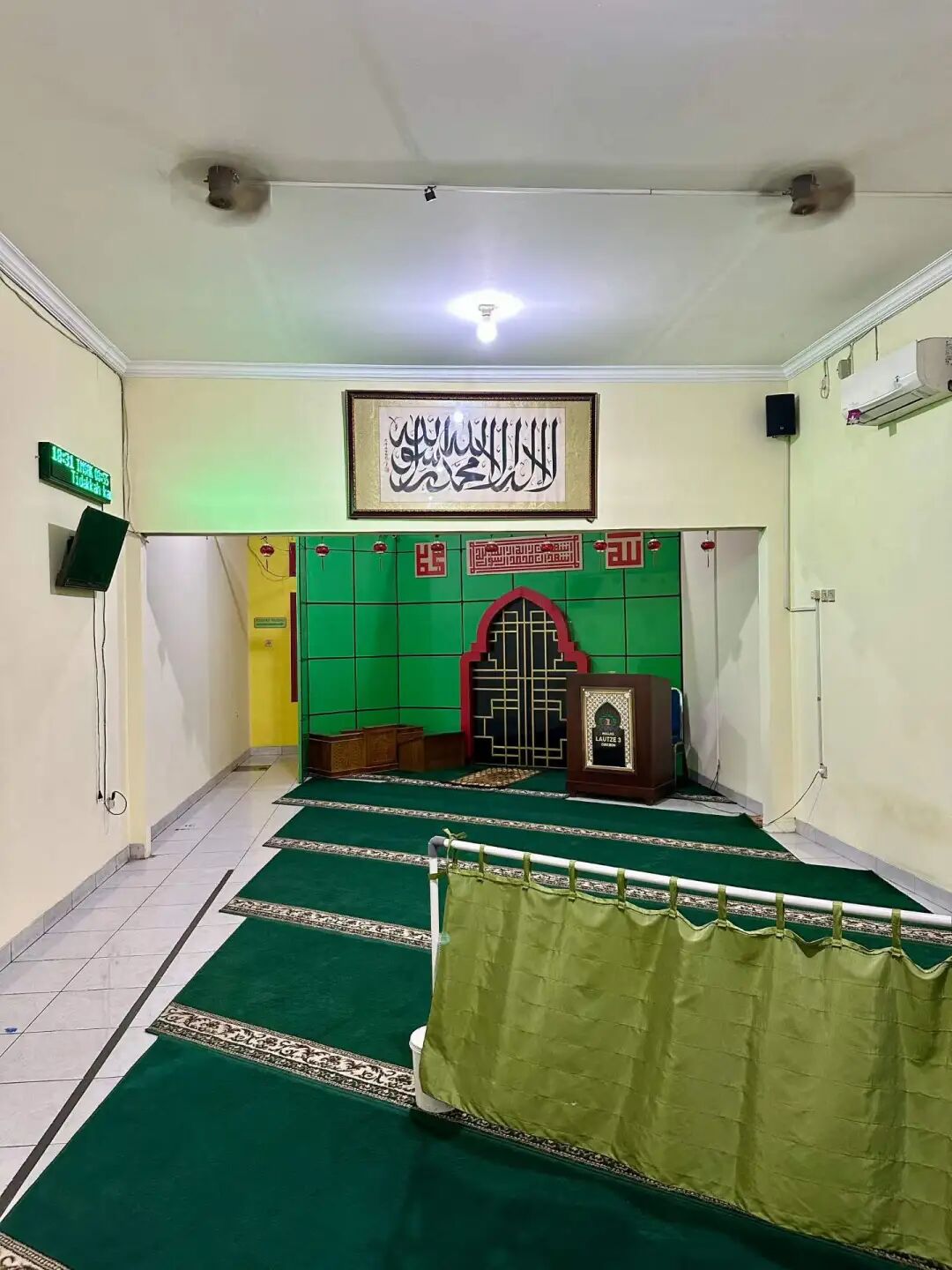
These 16 high-definition photos take you inside "Laozi Mosque No. 3," a unique mosque for Chinese-Indonesian Muslims located in the historic Chinatown of Cirebon, West Java. We’ll look at how the Haji Karim Oei Foundation transformed a traditional shop-house into a place of worship, blending classic Chinese aesthetics with Islamic prayer spaces to showcase a beautiful example of multicultural harmony.
Laozi Mosque No. 3 is located on Jalan Pekalipan in Cirebon’s old Chinatown. It was converted from a regular shop-house in 2022 and is currently run by the Cirebon branch of the Haji Karim Oei Foundation. It’s actually the third "Laozi Mosque" established by the foundation; the first is in Jakarta, and the second is in Bandung.
The story of Laozi Mosque No. 3 goes back to a local Chinese-Indonesian couple, H. Andaka and Hj. Kristanti. Before heading off for the Hajj (pilgrimage to Mecca) in 1995, they visited the Haji Karim Oei Foundation’s mosque in Jakarta and met with the prominent Chinese-Indonesian Muslim leader, Junus Jahja. Junus encouraged them to launch a Cirebon branch of the foundation. Once they returned from the Hajj, the couple officially accepted the mission to establish the foundation’s local presence.
The Cirebon branch started out as a small secretariat focused on getting local Chinese residents interested in the faith through lectures and training programs. Things hit a rough patch in 2007 when the team moved to the countryside and leadership lost touch. In 2016, they reorganized with Hugo Magnusson Maunna as chairman, setting up a study house and using Facebook to share information. Participation remained low, and activity eventually died down again. Finally, in 2022, the board held new elections, and thanks to the persistence of older members like H. Andaka, they successfully launched Laozi Mosque No. 3 using the shop-house model perfected in Jakarta.
Today, about 80 local converts attend services at Laozi Mosque No. 3. The space has hosted many conversion ceremonies for new Muslims. There are even regular sessions where sisters teach the local kids how to recite the Quran—I actually caught one of these sessions during my visit. Like most Chinese-Indonesian mosques, it’s open to everyone regardless of their ethnic background, though their outreach is specifically tailored to the Chinese community.
Inside Laozi Mosque No. 3, there is a small library of books.
The first book is titled "Indigenous Roots, Fusion is Key: A Collection of Essays for Junus Jahja’s 70th Birthday," published by the Haji Karim Oei Foundation.
Junus Jahja, who was born Lauw Tjhwan Thio and converted to Islam in 1979, was a national board member of the Indonesian Ulema Council (MUI). He was a huge advocate for using faith as a bridge to integrate the Chinese community with the indigenous population and break down social barriers.
The second book is "Notes from an Indonesian Citizen: Memoirs, Reflections, and Hopes," which is Junus Jahja’s autobiography and collection of personal essays. The book focuses on his identity as an Indonesian citizen, the assimilation of the Chinese community, inter-ethnic harmony, and his religious faith, documenting his life’s journey, thoughts, and vision for the future.
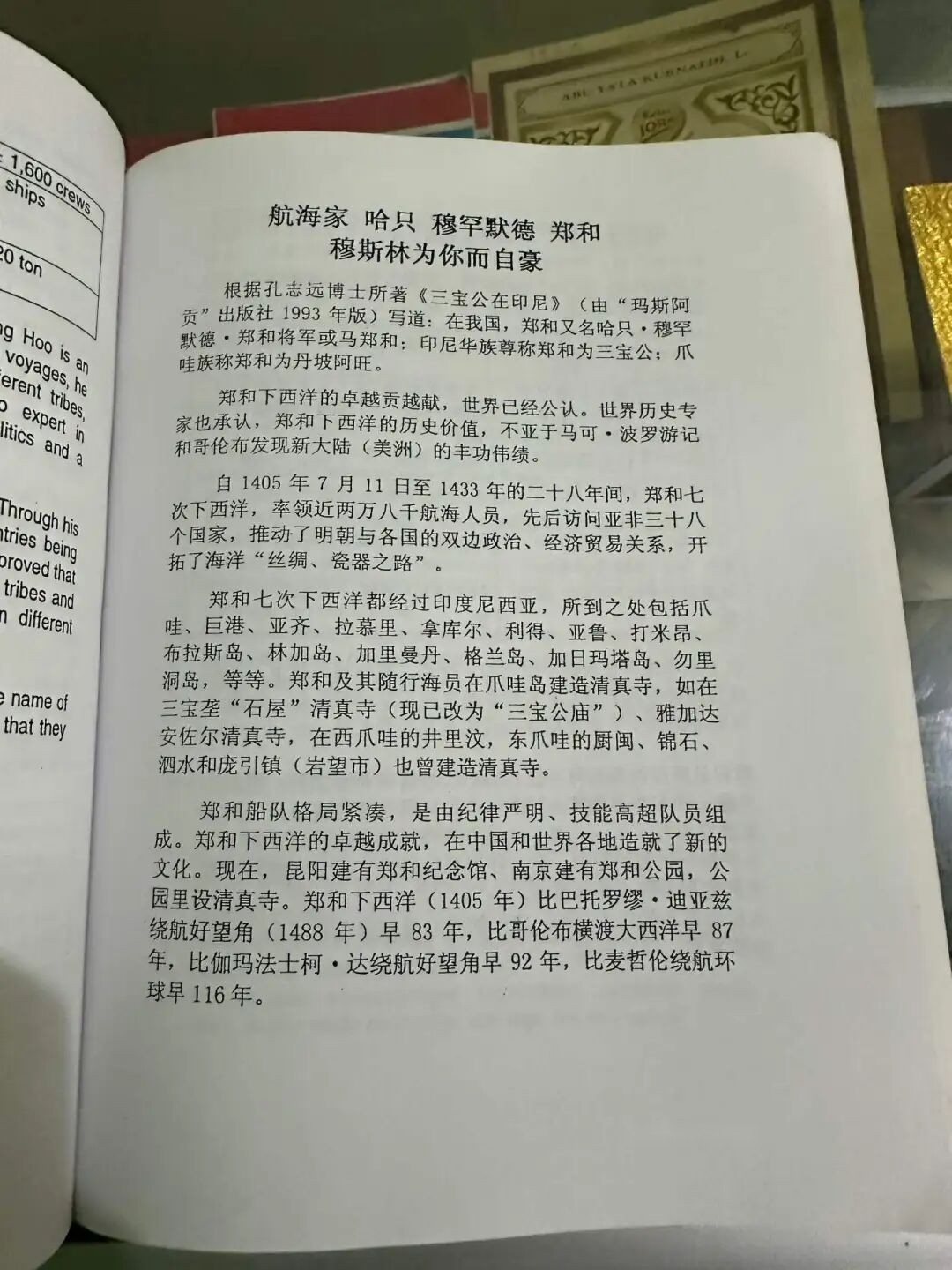
The third book is the "New Brother’s Handbook," published by the Indonesia Cheng Ho Foundation. It’s a really interesting trilingual guide in Indonesian and English, with extra phonetic notes in Mandarin and Hokkien. The foundation highlights Admiral Zheng He as the ultimate role model for Chinese-Indonesian Muslims, using his historical voyages as a spiritual symbol.
The Indonesia Cheng Ho Foundation was founded in Surabaya in 1995 to serve the PITI (Indonesian Chinese Islamic Association). Its goal is to support Islamic education, social welfare, mosque construction, and the publication of religious materials. It stands as the most significant organization for Chinese-Indonesian Muslims in East Java, with its headquarters located at the Cheng Ho Mosque in Surabaya. view all
These 16 high-definition photos take you inside "Laozi Mosque No. 3," a unique mosque for Chinese-Indonesian Muslims located in the historic Chinatown of Cirebon, West Java. We’ll look at how the Haji Karim Oei Foundation transformed a traditional shop-house into a place of worship, blending classic Chinese aesthetics with Islamic prayer spaces to showcase a beautiful example of multicultural harmony.
Laozi Mosque No. 3 is located on Jalan Pekalipan in Cirebon’s old Chinatown. It was converted from a regular shop-house in 2022 and is currently run by the Cirebon branch of the Haji Karim Oei Foundation. It’s actually the third "Laozi Mosque" established by the foundation; the first is in Jakarta, and the second is in Bandung.
The story of Laozi Mosque No. 3 goes back to a local Chinese-Indonesian couple, H. Andaka and Hj. Kristanti. Before heading off for the Hajj (pilgrimage to Mecca) in 1995, they visited the Haji Karim Oei Foundation’s mosque in Jakarta and met with the prominent Chinese-Indonesian Muslim leader, Junus Jahja. Junus encouraged them to launch a Cirebon branch of the foundation. Once they returned from the Hajj, the couple officially accepted the mission to establish the foundation’s local presence.
The Cirebon branch started out as a small secretariat focused on getting local Chinese residents interested in the faith through lectures and training programs. Things hit a rough patch in 2007 when the team moved to the countryside and leadership lost touch. In 2016, they reorganized with Hugo Magnusson Maunna as chairman, setting up a study house and using Facebook to share information. Participation remained low, and activity eventually died down again. Finally, in 2022, the board held new elections, and thanks to the persistence of older members like H. Andaka, they successfully launched Laozi Mosque No. 3 using the shop-house model perfected in Jakarta.
Today, about 80 local converts attend services at Laozi Mosque No. 3. The space has hosted many conversion ceremonies for new Muslims. There are even regular sessions where sisters teach the local kids how to recite the Quran—I actually caught one of these sessions during my visit. Like most Chinese-Indonesian mosques, it’s open to everyone regardless of their ethnic background, though their outreach is specifically tailored to the Chinese community.


Inside Laozi Mosque No. 3, there is a small library of books.
The first book is titled "Indigenous Roots, Fusion is Key: A Collection of Essays for Junus Jahja’s 70th Birthday," published by the Haji Karim Oei Foundation.
Junus Jahja, who was born Lauw Tjhwan Thio and converted to Islam in 1979, was a national board member of the Indonesian Ulema Council (MUI). He was a huge advocate for using faith as a bridge to integrate the Chinese community with the indigenous population and break down social barriers.

The second book is "Notes from an Indonesian Citizen: Memoirs, Reflections, and Hopes," which is Junus Jahja’s autobiography and collection of personal essays. The book focuses on his identity as an Indonesian citizen, the assimilation of the Chinese community, inter-ethnic harmony, and his religious faith, documenting his life’s journey, thoughts, and vision for the future.

The third book is the "New Brother’s Handbook," published by the Indonesia Cheng Ho Foundation. It’s a really interesting trilingual guide in Indonesian and English, with extra phonetic notes in Mandarin and Hokkien. The foundation highlights Admiral Zheng He as the ultimate role model for Chinese-Indonesian Muslims, using his historical voyages as a spiritual symbol.
The Indonesia Cheng Ho Foundation was founded in Surabaya in 1995 to serve the PITI (Indonesian Chinese Islamic Association). Its goal is to support Islamic education, social welfare, mosque construction, and the publication of religious materials. It stands as the most significant organization for Chinese-Indonesian Muslims in East Java, with its headquarters located at the Cheng Ho Mosque in Surabaya.




Laozi Mosque No. 3 is located on Jalan Pekalipan in Cirebon’s old Chinatown. It was converted from a regular shop-house in 2022 and is currently run by the Cirebon branch of the Haji Karim Oei Foundation. It’s actually the third "Laozi Mosque" established by the foundation; the first is in Jakarta, and the second is in Bandung.
The story of Laozi Mosque No. 3 goes back to a local Chinese-Indonesian couple, H. Andaka and Hj. Kristanti. Before heading off for the Hajj (pilgrimage to Mecca) in 1995, they visited the Haji Karim Oei Foundation’s mosque in Jakarta and met with the prominent Chinese-Indonesian Muslim leader, Junus Jahja. Junus encouraged them to launch a Cirebon branch of the foundation. Once they returned from the Hajj, the couple officially accepted the mission to establish the foundation’s local presence.
The Cirebon branch started out as a small secretariat focused on getting local Chinese residents interested in the faith through lectures and training programs. Things hit a rough patch in 2007 when the team moved to the countryside and leadership lost touch. In 2016, they reorganized with Hugo Magnusson Maunna as chairman, setting up a study house and using Facebook to share information. Participation remained low, and activity eventually died down again. Finally, in 2022, the board held new elections, and thanks to the persistence of older members like H. Andaka, they successfully launched Laozi Mosque No. 3 using the shop-house model perfected in Jakarta.
Today, about 80 local converts attend services at Laozi Mosque No. 3. The space has hosted many conversion ceremonies for new Muslims. There are even regular sessions where sisters teach the local kids how to recite the Quran—I actually caught one of these sessions during my visit. Like most Chinese-Indonesian mosques, it’s open to everyone regardless of their ethnic background, though their outreach is specifically tailored to the Chinese community.
Inside Laozi Mosque No. 3, there is a small library of books.
The first book is titled "Indigenous Roots, Fusion is Key: A Collection of Essays for Junus Jahja’s 70th Birthday," published by the Haji Karim Oei Foundation.
Junus Jahja, who was born Lauw Tjhwan Thio and converted to Islam in 1979, was a national board member of the Indonesian Ulema Council (MUI). He was a huge advocate for using faith as a bridge to integrate the Chinese community with the indigenous population and break down social barriers.
The second book is "Notes from an Indonesian Citizen: Memoirs, Reflections, and Hopes," which is Junus Jahja’s autobiography and collection of personal essays. The book focuses on his identity as an Indonesian citizen, the assimilation of the Chinese community, inter-ethnic harmony, and his religious faith, documenting his life’s journey, thoughts, and vision for the future.
The third book is the "New Brother’s Handbook," published by the Indonesia Cheng Ho Foundation. It’s a really interesting trilingual guide in Indonesian and English, with extra phonetic notes in Mandarin and Hokkien. The foundation highlights Admiral Zheng He as the ultimate role model for Chinese-Indonesian Muslims, using his historical voyages as a spiritual symbol.
The Indonesia Cheng Ho Foundation was founded in Surabaya in 1995 to serve the PITI (Indonesian Chinese Islamic Association). Its goal is to support Islamic education, social welfare, mosque construction, and the publication of religious materials. It stands as the most significant organization for Chinese-Indonesian Muslims in East Java, with its headquarters located at the Cheng Ho Mosque in Surabaya.
Explore Laozi Mosque in Cirebon: Authentic Chinese-Indonesian Islamic Heritage and Hui Muslim Culture
Articles • Hasan09 posted the article • 0 comments • 38 views • 2026-11-09 10:33
These 16 high-definition photos take you inside "Laozi Mosque No. 3," a unique mosque for Chinese-Indonesian Muslims located in the historic Chinatown of Cirebon, West Java. We’ll look at how the Haji Karim Oei Foundation transformed a traditional shop-house into a place of worship, blending classic Chinese aesthetics with Islamic prayer spaces to showcase a beautiful example of multicultural harmony.
Laozi Mosque No. 3 is located on Jalan Pekalipan in Cirebon’s old Chinatown. It was converted from a regular shop-house in 2022 and is currently run by the Cirebon branch of the Haji Karim Oei Foundation. It’s actually the third "Laozi Mosque" established by the foundation; the first is in Jakarta, and the second is in Bandung.
The story of Laozi Mosque No. 3 goes back to a local Chinese-Indonesian couple, H. Andaka and Hj. Kristanti. Before heading off for the Hajj (pilgrimage to Mecca) in 1995, they visited the Haji Karim Oei Foundation’s mosque in Jakarta and met with the prominent Chinese-Indonesian Muslim leader, Junus Jahja. Junus encouraged them to launch a Cirebon branch of the foundation. Once they returned from the Hajj, the couple officially accepted the mission to establish the foundation’s local presence.
The Cirebon branch started out as a small secretariat focused on getting local Chinese residents interested in the faith through lectures and training programs. Things hit a rough patch in 2007 when the team moved to the countryside and leadership lost touch. In 2016, they reorganized with Hugo Magnusson Maunna as chairman, setting up a study house and using Facebook to share information. Participation remained low, and activity eventually died down again. Finally, in 2022, the board held new elections, and thanks to the persistence of older members like H. Andaka, they successfully launched Laozi Mosque No. 3 using the shop-house model perfected in Jakarta.
Today, about 80 local converts attend services at Laozi Mosque No. 3. The space has hosted many conversion ceremonies for new Muslims. There are even regular sessions where sisters teach the local kids how to recite the Quran—I actually caught one of these sessions during my visit. Like most Chinese-Indonesian mosques, it’s open to everyone regardless of their ethnic background, though their outreach is specifically tailored to the Chinese community.
Inside Laozi Mosque No. 3, there is a small library of books.
The first book is titled "Indigenous Roots, Fusion is Key: A Collection of Essays for Junus Jahja’s 70th Birthday," published by the Haji Karim Oei Foundation.
Junus Jahja, who was born Lauw Tjhwan Thio and converted to Islam in 1979, was a national board member of the Indonesian Ulema Council (MUI). He was a huge advocate for using faith as a bridge to integrate the Chinese community with the indigenous population and break down social barriers.
The second book is "Notes from an Indonesian Citizen: Memoirs, Reflections, and Hopes," which is Junus Jahja’s autobiography and collection of personal essays. The book focuses on his identity as an Indonesian citizen, the assimilation of the Chinese community, inter-ethnic harmony, and his religious faith, documenting his life’s journey, thoughts, and vision for the future.
The third book is the "New Brother’s Handbook," published by the Indonesia Cheng Ho Foundation. It’s a really interesting trilingual guide in Indonesian and English, with extra phonetic notes in Mandarin and Hokkien. The foundation highlights Admiral Zheng He as the ultimate role model for Chinese-Indonesian Muslims, using his historical voyages as a spiritual symbol.
The Indonesia Cheng Ho Foundation was founded in Surabaya in 1995 to serve the PITI (Indonesian Chinese Islamic Association). Its goal is to support Islamic education, social welfare, mosque construction, and the publication of religious materials. It stands as the most significant organization for Chinese-Indonesian Muslims in East Java, with its headquarters located at the Cheng Ho Mosque in Surabaya. view all
Laozi Mosque No. 3 is located on Jalan Pekalipan in Cirebon’s old Chinatown. It was converted from a regular shop-house in 2022 and is currently run by the Cirebon branch of the Haji Karim Oei Foundation. It’s actually the third "Laozi Mosque" established by the foundation; the first is in Jakarta, and the second is in Bandung.
The story of Laozi Mosque No. 3 goes back to a local Chinese-Indonesian couple, H. Andaka and Hj. Kristanti. Before heading off for the Hajj (pilgrimage to Mecca) in 1995, they visited the Haji Karim Oei Foundation’s mosque in Jakarta and met with the prominent Chinese-Indonesian Muslim leader, Junus Jahja. Junus encouraged them to launch a Cirebon branch of the foundation. Once they returned from the Hajj, the couple officially accepted the mission to establish the foundation’s local presence.
The Cirebon branch started out as a small secretariat focused on getting local Chinese residents interested in the faith through lectures and training programs. Things hit a rough patch in 2007 when the team moved to the countryside and leadership lost touch. In 2016, they reorganized with Hugo Magnusson Maunna as chairman, setting up a study house and using Facebook to share information. Participation remained low, and activity eventually died down again. Finally, in 2022, the board held new elections, and thanks to the persistence of older members like H. Andaka, they successfully launched Laozi Mosque No. 3 using the shop-house model perfected in Jakarta.
Today, about 80 local converts attend services at Laozi Mosque No. 3. The space has hosted many conversion ceremonies for new Muslims. There are even regular sessions where sisters teach the local kids how to recite the Quran—I actually caught one of these sessions during my visit. Like most Chinese-Indonesian mosques, it’s open to everyone regardless of their ethnic background, though their outreach is specifically tailored to the Chinese community.
Inside Laozi Mosque No. 3, there is a small library of books.
The first book is titled "Indigenous Roots, Fusion is Key: A Collection of Essays for Junus Jahja’s 70th Birthday," published by the Haji Karim Oei Foundation.
Junus Jahja, who was born Lauw Tjhwan Thio and converted to Islam in 1979, was a national board member of the Indonesian Ulema Council (MUI). He was a huge advocate for using faith as a bridge to integrate the Chinese community with the indigenous population and break down social barriers.
The second book is "Notes from an Indonesian Citizen: Memoirs, Reflections, and Hopes," which is Junus Jahja’s autobiography and collection of personal essays. The book focuses on his identity as an Indonesian citizen, the assimilation of the Chinese community, inter-ethnic harmony, and his religious faith, documenting his life’s journey, thoughts, and vision for the future.
The third book is the "New Brother’s Handbook," published by the Indonesia Cheng Ho Foundation. It’s a really interesting trilingual guide in Indonesian and English, with extra phonetic notes in Mandarin and Hokkien. The foundation highlights Admiral Zheng He as the ultimate role model for Chinese-Indonesian Muslims, using his historical voyages as a spiritual symbol.
The Indonesia Cheng Ho Foundation was founded in Surabaya in 1995 to serve the PITI (Indonesian Chinese Islamic Association). Its goal is to support Islamic education, social welfare, mosque construction, and the publication of religious materials. It stands as the most significant organization for Chinese-Indonesian Muslims in East Java, with its headquarters located at the Cheng Ho Mosque in Surabaya. view all
These 16 high-definition photos take you inside "Laozi Mosque No. 3," a unique mosque for Chinese-Indonesian Muslims located in the historic Chinatown of Cirebon, West Java. We’ll look at how the Haji Karim Oei Foundation transformed a traditional shop-house into a place of worship, blending classic Chinese aesthetics with Islamic prayer spaces to showcase a beautiful example of multicultural harmony.
Laozi Mosque No. 3 is located on Jalan Pekalipan in Cirebon’s old Chinatown. It was converted from a regular shop-house in 2022 and is currently run by the Cirebon branch of the Haji Karim Oei Foundation. It’s actually the third "Laozi Mosque" established by the foundation; the first is in Jakarta, and the second is in Bandung.
The story of Laozi Mosque No. 3 goes back to a local Chinese-Indonesian couple, H. Andaka and Hj. Kristanti. Before heading off for the Hajj (pilgrimage to Mecca) in 1995, they visited the Haji Karim Oei Foundation’s mosque in Jakarta and met with the prominent Chinese-Indonesian Muslim leader, Junus Jahja. Junus encouraged them to launch a Cirebon branch of the foundation. Once they returned from the Hajj, the couple officially accepted the mission to establish the foundation’s local presence.
The Cirebon branch started out as a small secretariat focused on getting local Chinese residents interested in the faith through lectures and training programs. Things hit a rough patch in 2007 when the team moved to the countryside and leadership lost touch. In 2016, they reorganized with Hugo Magnusson Maunna as chairman, setting up a study house and using Facebook to share information. Participation remained low, and activity eventually died down again. Finally, in 2022, the board held new elections, and thanks to the persistence of older members like H. Andaka, they successfully launched Laozi Mosque No. 3 using the shop-house model perfected in Jakarta.
Today, about 80 local converts attend services at Laozi Mosque No. 3. The space has hosted many conversion ceremonies for new Muslims. There are even regular sessions where sisters teach the local kids how to recite the Quran—I actually caught one of these sessions during my visit. Like most Chinese-Indonesian mosques, it’s open to everyone regardless of their ethnic background, though their outreach is specifically tailored to the Chinese community.
Inside Laozi Mosque No. 3, there is a small library of books.
The first book is titled "Indigenous Roots, Fusion is Key: A Collection of Essays for Junus Jahja’s 70th Birthday," published by the Haji Karim Oei Foundation.
Junus Jahja, who was born Lauw Tjhwan Thio and converted to Islam in 1979, was a national board member of the Indonesian Ulema Council (MUI). He was a huge advocate for using faith as a bridge to integrate the Chinese community with the indigenous population and break down social barriers.
The second book is "Notes from an Indonesian Citizen: Memoirs, Reflections, and Hopes," which is Junus Jahja’s autobiography and collection of personal essays. The book focuses on his identity as an Indonesian citizen, the assimilation of the Chinese community, inter-ethnic harmony, and his religious faith, documenting his life’s journey, thoughts, and vision for the future.
The third book is the "New Brother’s Handbook," published by the Indonesia Cheng Ho Foundation. It’s a really interesting trilingual guide in Indonesian and English, with extra phonetic notes in Mandarin and Hokkien. The foundation highlights Admiral Zheng He as the ultimate role model for Chinese-Indonesian Muslims, using his historical voyages as a spiritual symbol.
The Indonesia Cheng Ho Foundation was founded in Surabaya in 1995 to serve the PITI (Indonesian Chinese Islamic Association). Its goal is to support Islamic education, social welfare, mosque construction, and the publication of religious materials. It stands as the most significant organization for Chinese-Indonesian Muslims in East Java, with its headquarters located at the Cheng Ho Mosque in Surabaya.