

Islam History China
Oldest Mosque in China Location and History: Ningxia, Shenzhen, Wuhan and Beyond
Articles • ali2007fr posted the article • 0 comments • 184 views • 2026-05-21 11:00
Reposted from the web
Summary: This China mosque map continues the original series with locations, history notes, regional mosque names, and photos from Ningxia to Shenzhen and Wuhan. It is formatted for readers searching for mosque locations and Muslim travel history in China.
The last issue of the China Mosque Map introduced some mosques I have visited. I chose the ones I personally find unique, but space was limited, so I will introduce more in this issue. Many friends left comments asking why I did not introduce their local mosques. The reason is simply that I have not been there. As a Hui Muslim from Niujie in Beijing, I did not even introduce the Niujie Mosque right at my doorstep. I thought everyone knew about it, so I did not mention it. It turns out that not a single person in the comments asked why I left out the Niujie Mosque.
I will not talk about food during Ramadan and will continue to share mosque photos with you instead.
Xiji County, Ningxia
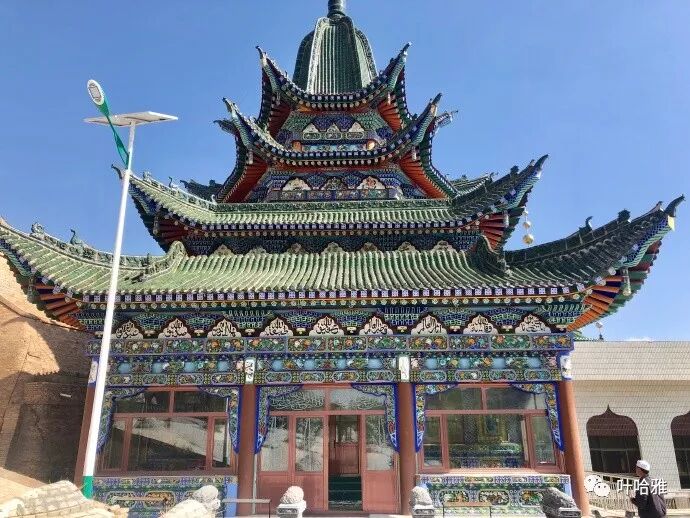
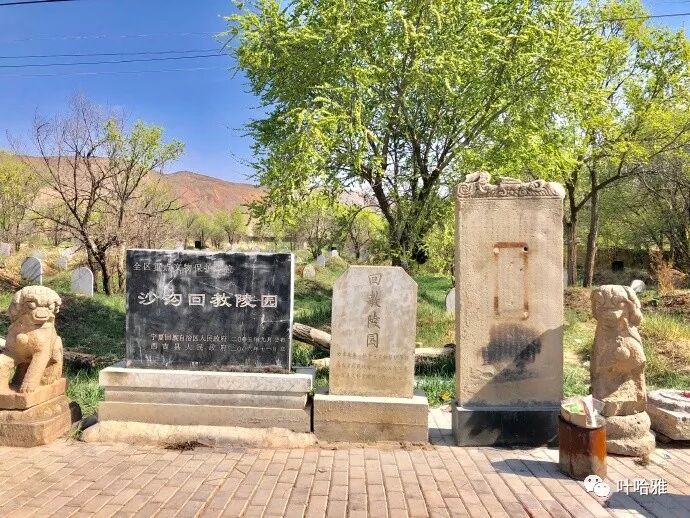
Shagou Gongbei
Shagou Gongbei was first built during the Guangxu reign of the Qing Dynasty. Ma Yuanzhang, the seventh-generation successor of the Jahriyya menhuan, was initially buried here, but his remains were later moved to Zhangjiachuan, Gansu.
Zhongning County, Ningxia
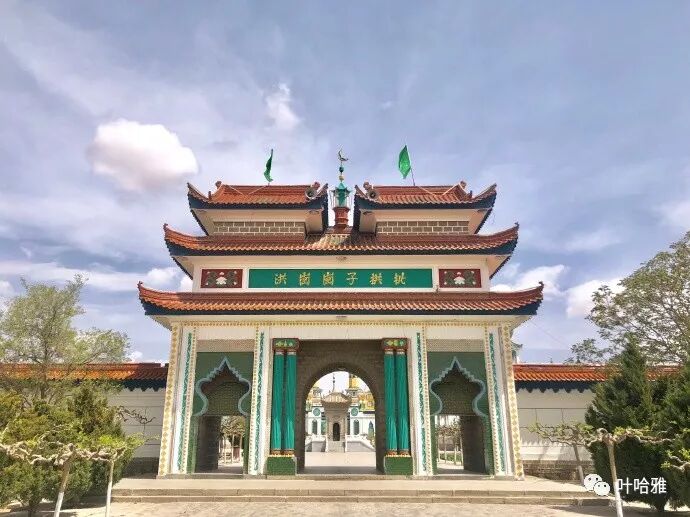
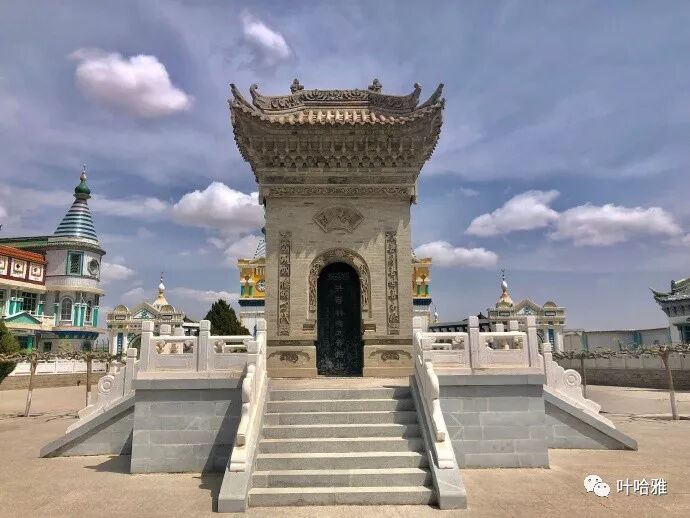
Honggang Gangzi Gongbei
Honggang Gangzi Gongbei was built in 1939. It is the gongbei for Hong Shoulin, the founder of the Hongmen branch of the Khufiyya menhuan. It was damaged during the Cultural Revolution and rebuilt in 1987 under the organization of Hong Weizong, the third-generation successor of the Hongmen. The site covers 20,000 square meters and includes a canteen, living quarters, a bathhouse, a mosque, and the gongbei.
Tongxin County, Ningxia
Tongxin Great Mosque
Tongxin Great Mosque was first built in the early Ming Dynasty on the site of a collapsed Lama mosque. It has a history of about 600 years. It was renovated three times during the Ming and Qing dynasties. In 1936, when the Red Army marched west, they established the Yuhai County Hui Muslim Autonomous Government of the Shaan-Gan-Ning Border Region here.
Guangdong, Shenzhen
Mosque
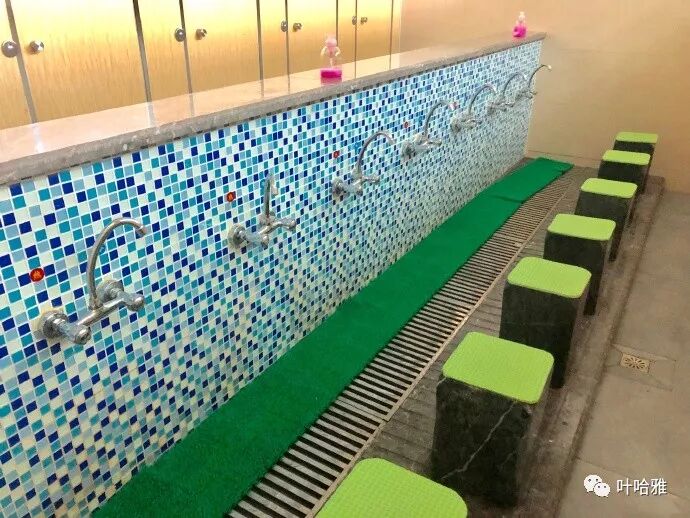
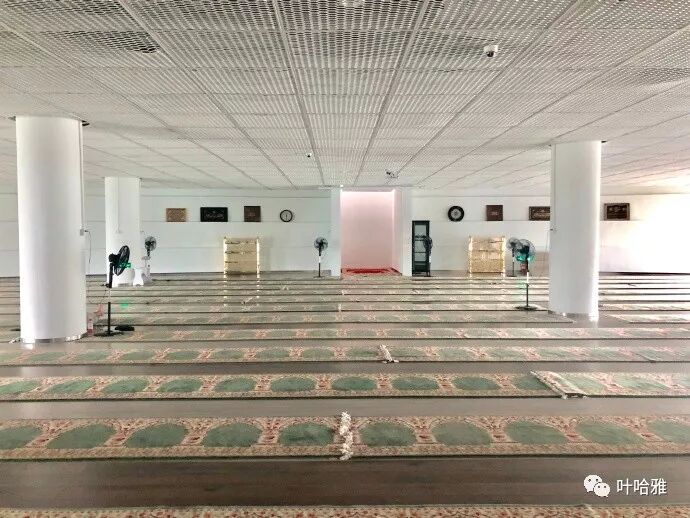
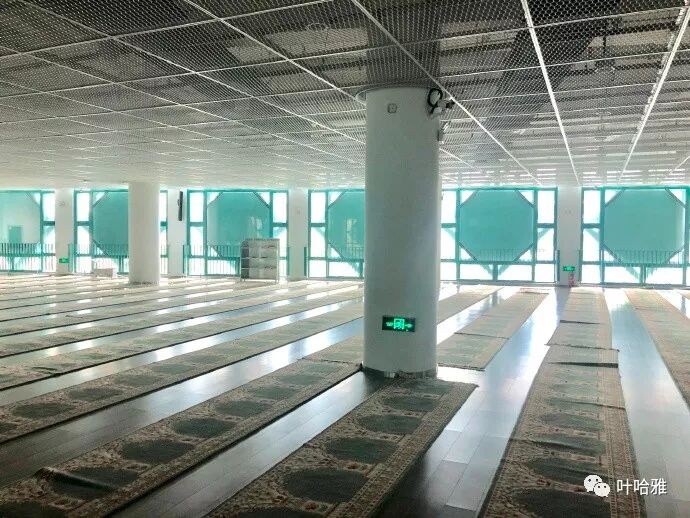
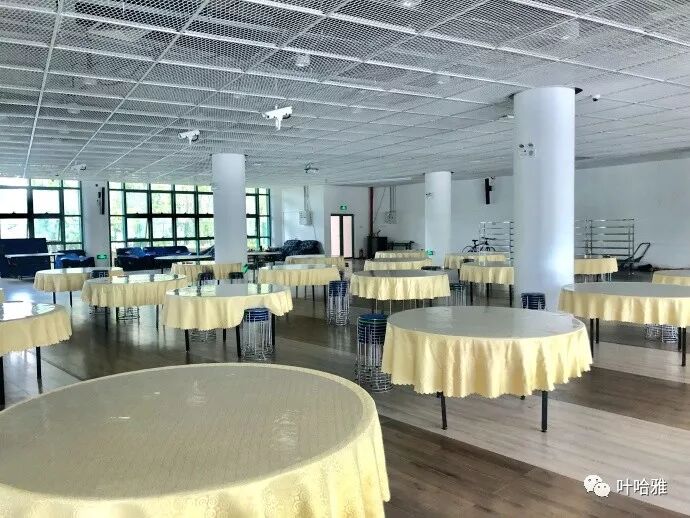
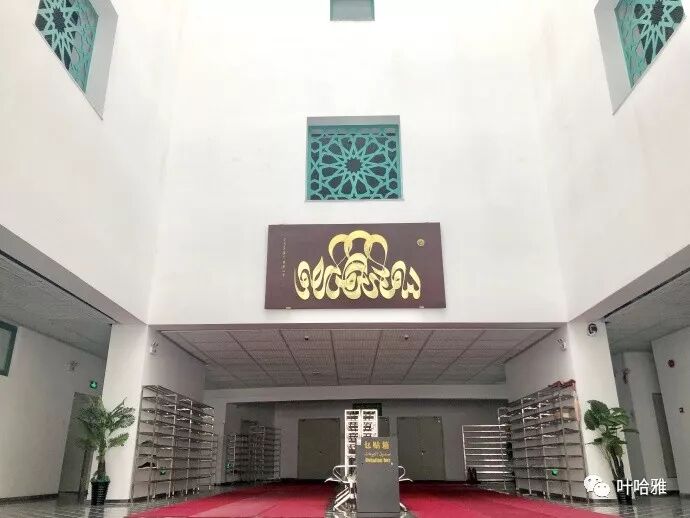
When I came to Shenzhen in 2015, this place was still a construction site. Today, a modern-style mosque with five floors above ground and one underground has been built. Shenzhen Mosque was completed in 2016. The main building has a prayer hall on every floor and a restaurant on the first floor.
Hubei, Xiangyang
Laohekou Mosque
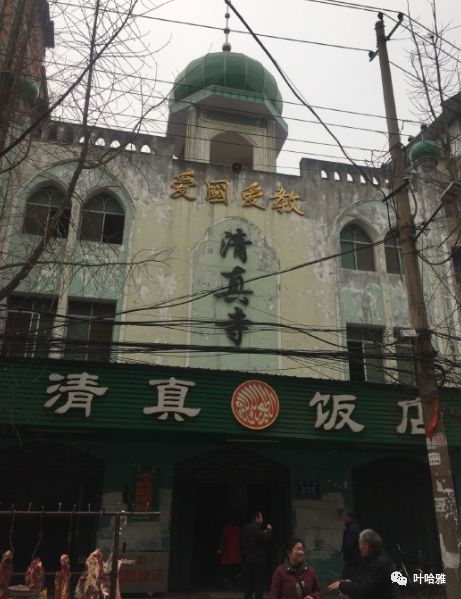
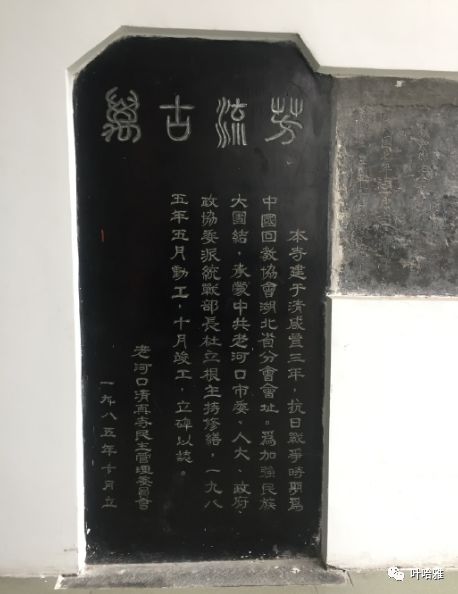
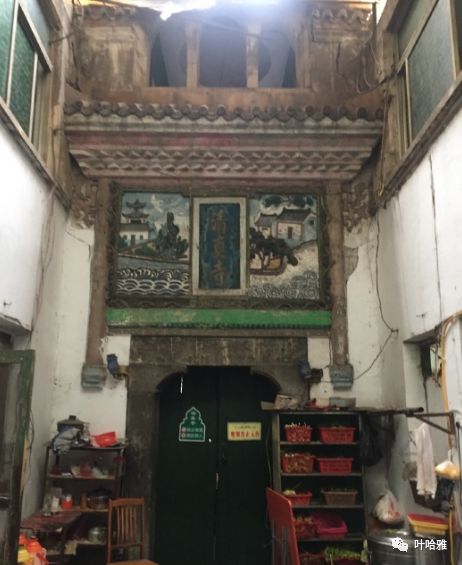
Laohekou City Mosque in Hubei is the first Ikhwan (Yihewani) mosque in China. It was first built in the third year of the Xianfeng reign of the Qing Dynasty (1853). It has a history of 150 years and covers an area of 800 square meters. Ma Wanfu (Guoyuan), the advocate of the Ikhwan sect, once taught at Laohekou Mosque. In the autumn of 1940, the Hubei Provincial Branch of the China Islamic National Salvation Association moved to Laohekou, with its headquarters located inside the mosque. Today, this place no longer emphasizes sectarian differences.
Hubei, Wuhan
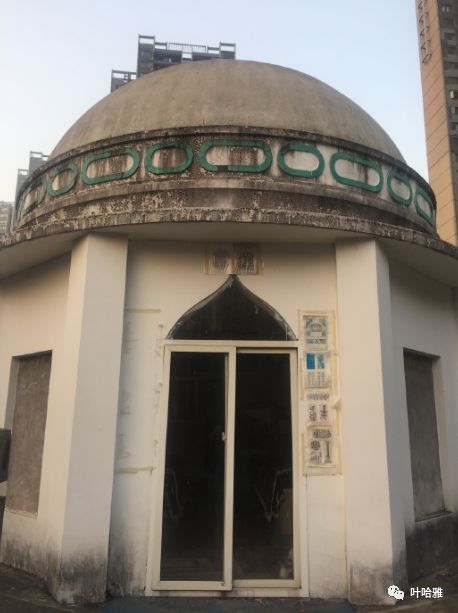
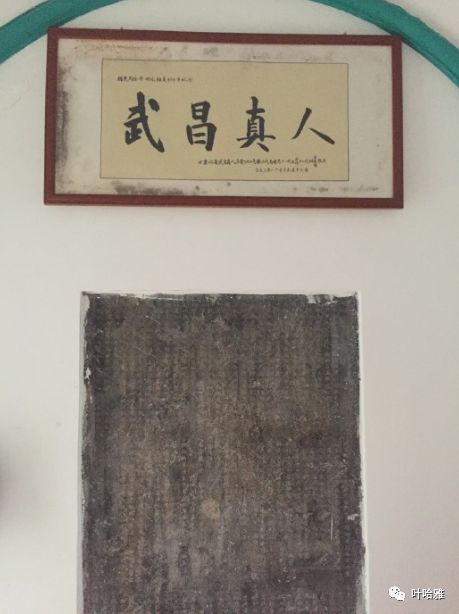
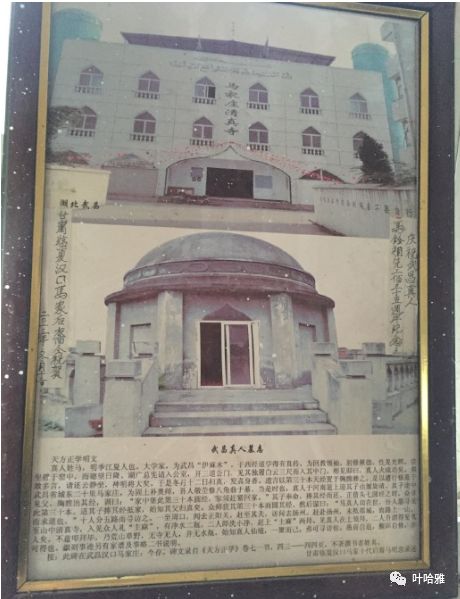
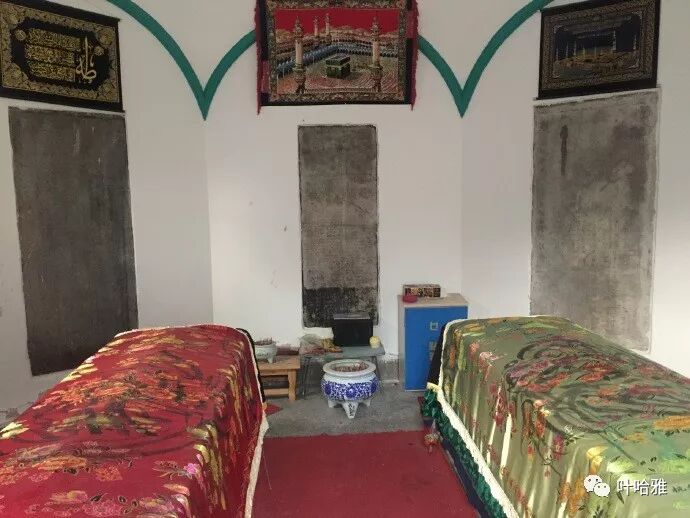
Ma Si Baba Gongbei
Ma Quan (1596–1678) was a famous Islamic scholar during the late Ming and early Qing dynasties. He was a third-generation student of Hu Dengzhou. His courtesy name was Minglong, and he was honored as Ma Si Baba. He was a Hui Muslim from Jiangxia, Hubei (modern-day Wuchang). Local folklore tells a fun story about Ma Si Baba having a magical duel with Zhang Sanfeng.
Shiyan, Hubei
Mosque
Shiyan Mosque was built in 1991. It is the first mosque in Shiyan city, and it was led by Imam Ma Wenxue from Ningxia.
Nanchang, Jiangxi
Cuxiang Mosque
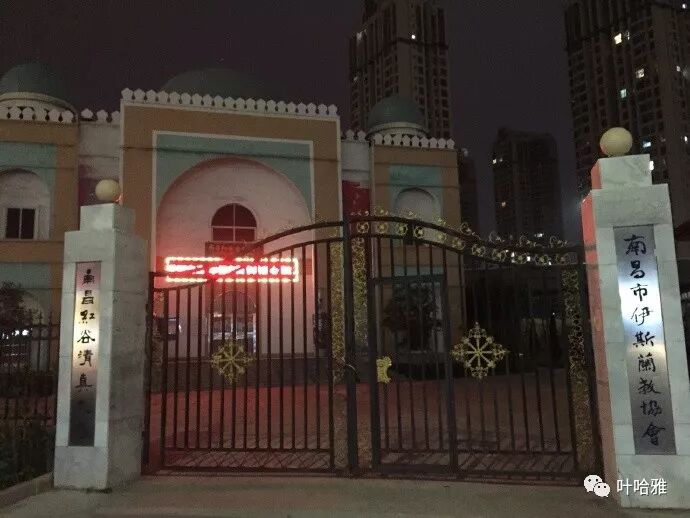
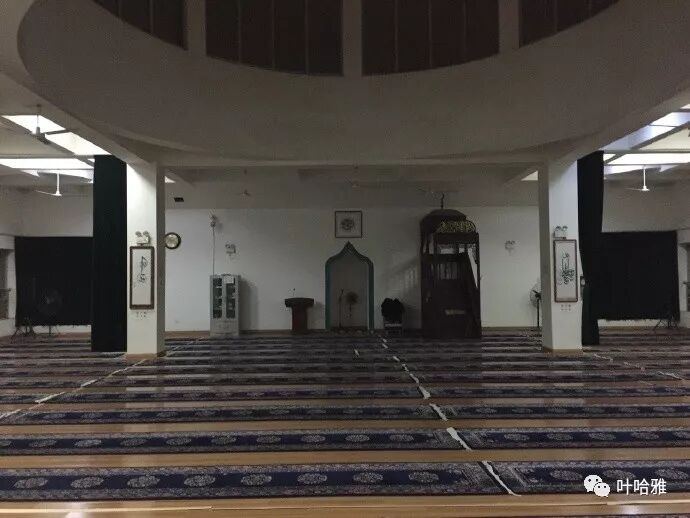
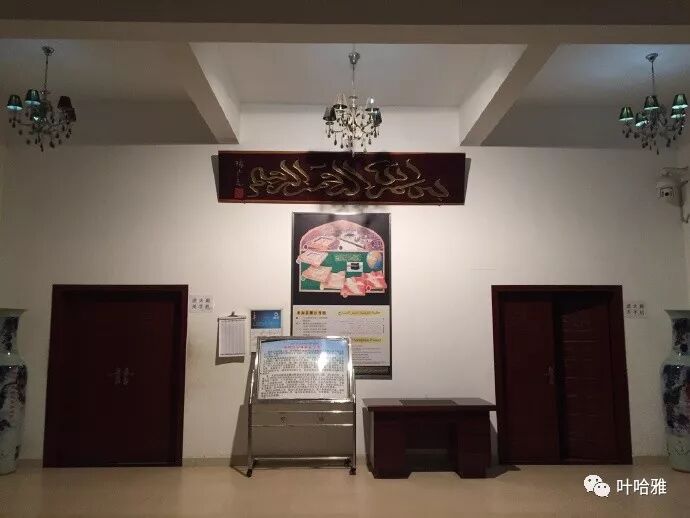
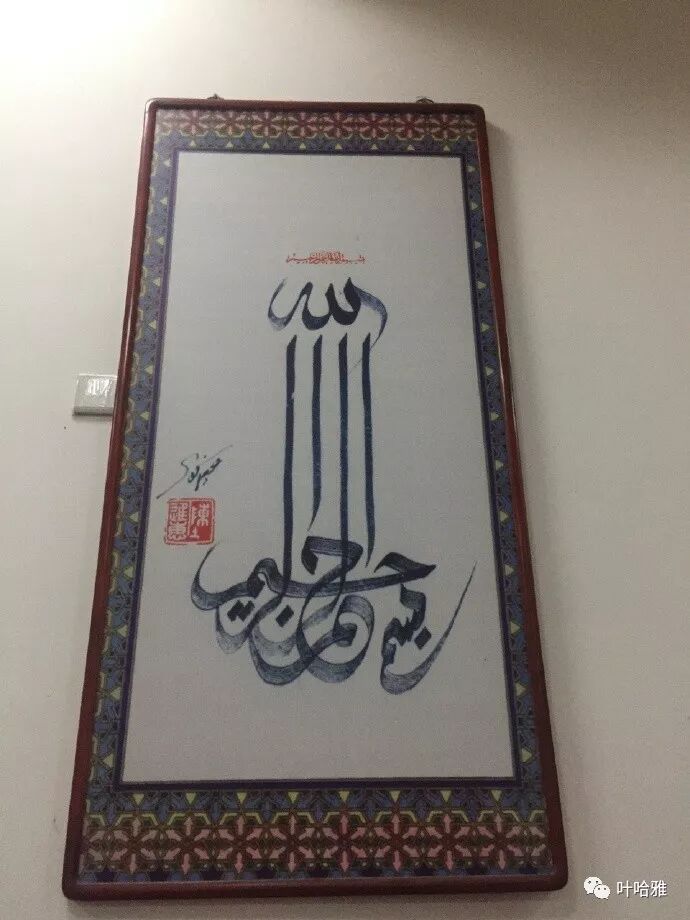
Nanchang Cuxiang Mosque was first built in 1824. It is the only mosque in Nanchang city.
Sanya, Hainan
Huihui Village, Northwest Mosque
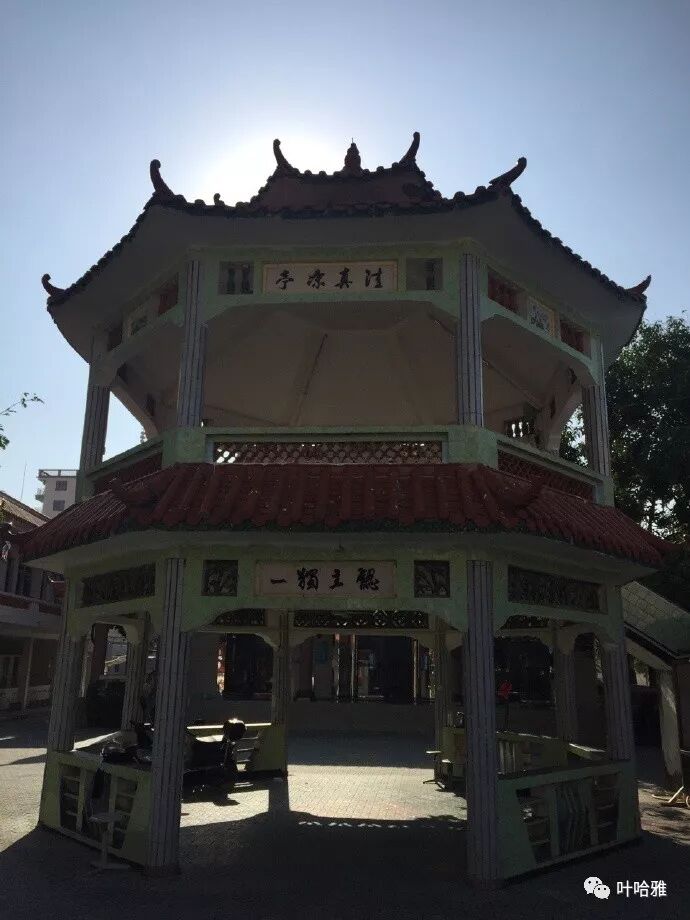
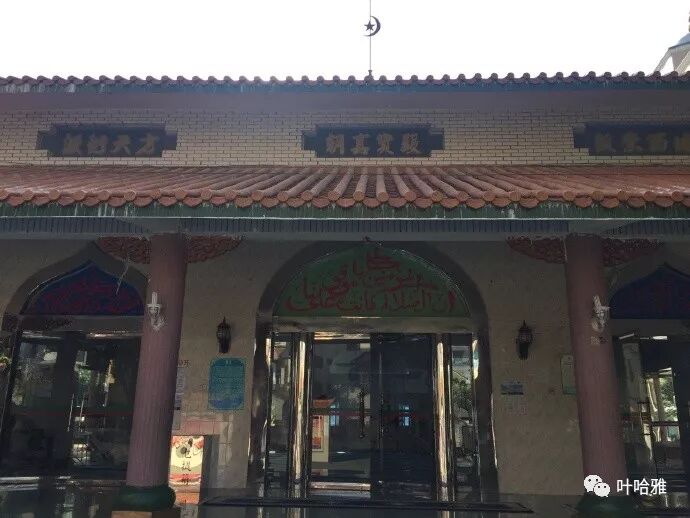
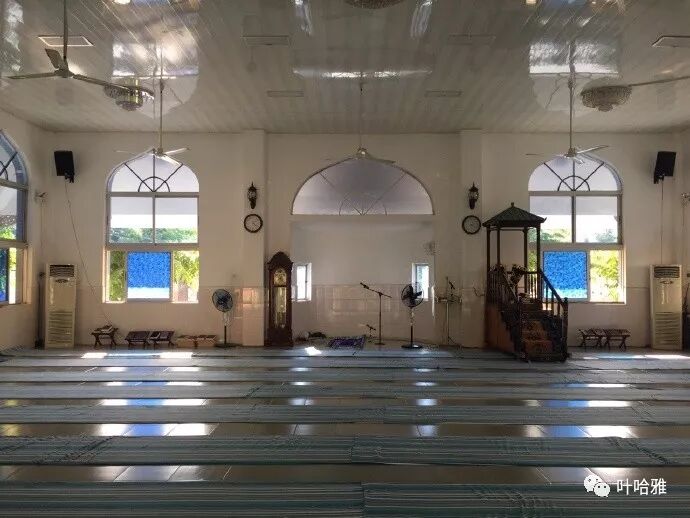
The Northwest Grand Mosque was originally called the West Mosque. It was first built during the Tang Dynasty. Its original site was in Huixin Village, which is now the Huixin community. In 1937, the Japanese landed on Hainan Island. To expand their military base and because Huixin Village had a strategic location for controlling the South China Sea, they forced all the Hui Muslims out of Huixin Village and into Huihui Village, which is now the Huihui community. At that time, the four mosques in Huixin Village—the North Mosque, West Mosque, Old Mosque, and South Mosque—were all torn down. Later, the West Mosque and North Mosque merged to form the Northwest Grand Mosque, which was rebuilt in Huihui Village in 1944. There are four mosques in Huihui Village. In 2015, the Northwest Grand Mosque built a high-rise teaching building with eight standard classrooms and two multi-purpose rooms. It can hold over 300 Muslim students at the same time, as shown in the picture below.
Sanya, Hainan
Huihui Village Old Mosque
The Huihui Village Old Mosque was first built in the sixth year of the Chenghua reign of the Ming Dynasty (1470). According to the Ming Dynasty's "Qiongzhou Prefecture Gazetteer" and the early Qing Dynasty's "Complete Collection of Illustrations and Writings of Ancient and Modern Times: Section on Geography," the ancestors of the Hui Muslims arrived by boat with their families between the Song and Yuan dynasties from Champa (near present-day Binh Dinh Province, Vietnam) and settled along the coast.
Xishuangbanna, Yunnan
Menghai County Mosque
Menghai Mosque is located on the Old North Street in the town of Menghai County, Xishuangbanna Prefecture, Yunnan Province. It was first built in the 1930s.
Xishuangbanna, Yunnan
Manluan Hui Mosque
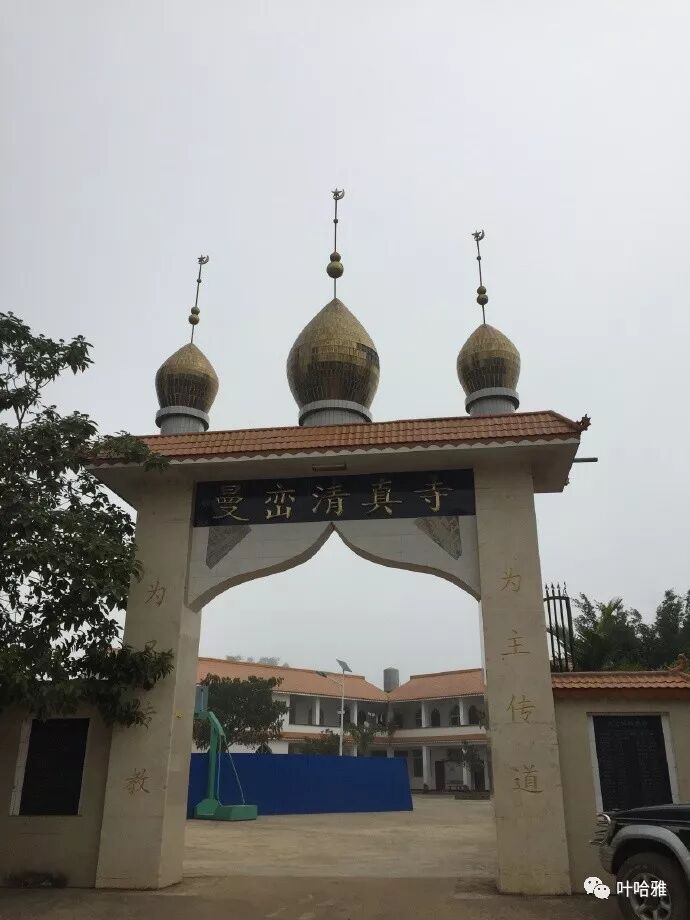
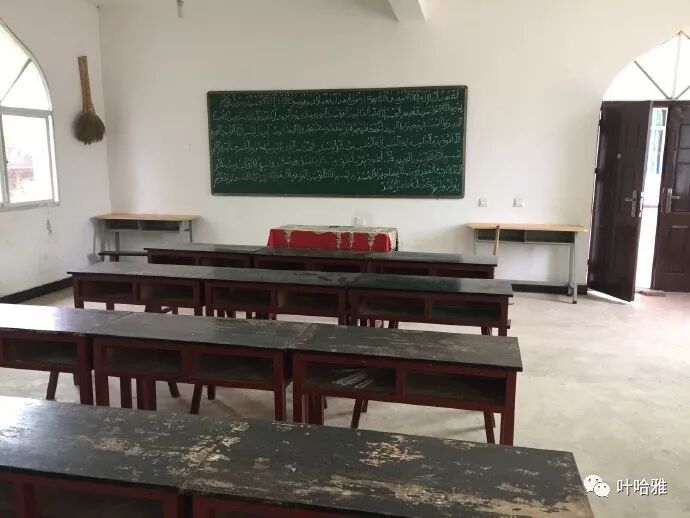
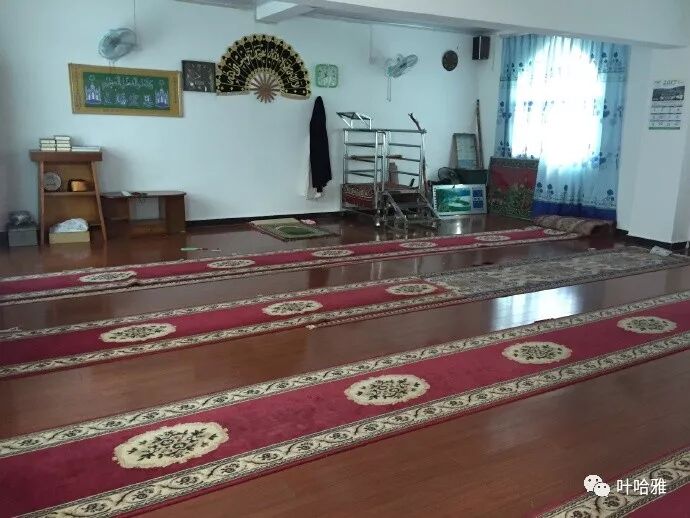
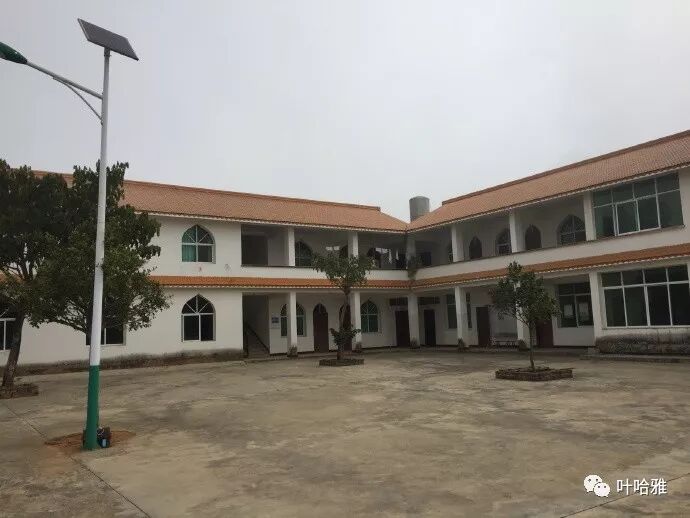
The Hui Muslims of Manluan village take Dai names, wear Dai clothing, and speak the Dai language, yet they practice Islam. The men wear white caps and the women wear headscarves. Their lifestyle blends Dai traditions with Hui Muslim customs. The local Dai people call them 'Paxi Dai,' which means 'Hui Dai'.
Dali, Yunnan
Ximen Mosque
Dali Ximen Mosque was built in the Yuan Dynasty (1278 AD). Located inside the Dali Ancient City, it is the mosque where the famous Islamic scholar Bao Shan Zhenren began his teaching.
Dali, Yunnan
Nanmen Mosque
Dali Nanmen Mosque was built in the Yuan Dynasty and is one of the 100 ancient mosques in China. Before the failure of the Du Wenxiu Uprising, the mosque was located on Cangping Street, as recorded in The Travel Diaries of Xu Xiake. After the Du Wenxiu Uprising failed, the Qing government's post-war committee seized the mosque and its 120 mu of mosque land as rebel property. The mosque was turned into a City God Mosque, and in 1944, it became a local court. The current Nanmen Mosque is located inside the Dali Ancient City.
Lhasa, Tibet
Kachilin Ka East Mosque and West Mosque
The East Mosque and West Mosque in Lhasa's Kachi Linka are separated by only one wall at the back of the park. The East Mosque was built in 1655, and the West Mosque was built in 1775.
Lhasa, Tibet
Small Mosque
The Lhasa Small Mosque was built in the 1920s with funds raised for Muslim traders from Kashmir, Ladakh, Bhutan, Nepal, and Britain. It is located in the southern part of Barkhor Street in Lhasa's old town, just a few hundred meters from the Lhasa Great Mosque. Inside the entrance is a washing room, and the wall decorations are in a Tibetan style.
Shanghai
Huxi Mosque
Huxi Mosque, originally named Xiaoshadu Mosque and also known as Yaoshuinong Mosque, was built in 1914. It is commonly called the Old Mosque. Every Friday, a bazaar market is held near the mosque during Jumu'ah.
Hefei, Anhui
Mosque
Hefei Mosque was built during the Hongwu period of the Ming Dynasty. It was damaged but expanded after being returned in 1981. The current imam is Xu Zhihai.
Nanjing, Jiangsu
Caoqiao Mosque
Caoqiao Mosque is located on the former Caoqiao Street in Nanjing, which is how it got its name. It was first built during the Qianlong reign of the Qing Dynasty (1736–1795) and was destroyed by fire during the Taiping Rebellion. The mosque founded Dunmu Primary School in the early years of the Republic of China, with Yi Yufang serving as the first principal.
Yangzhou, Jiangsu
Puhading Mosque
Puhading Cemetery is commonly known as the Baba Kiln (Baba Yao) and is also called the Hui Muslim Hall (Huihui Tang). It covers 25 mu of land and consists of three parts: an ancient mosque, an ancient cemetery, and a classical garden. Puhading Garden was first built in the first year of the Deyou reign of the Song Dynasty (1275 AD) to honor Puhading, a 16th-generation descendant of the Prophet Muhammad.
Taizhou, Jiangsu
Mosque
Taizhou Mosque was built in 2012 and is the first mosque in Taizhou City.
Shaoxing, Zhejiang
Pakistan Keqiao Community
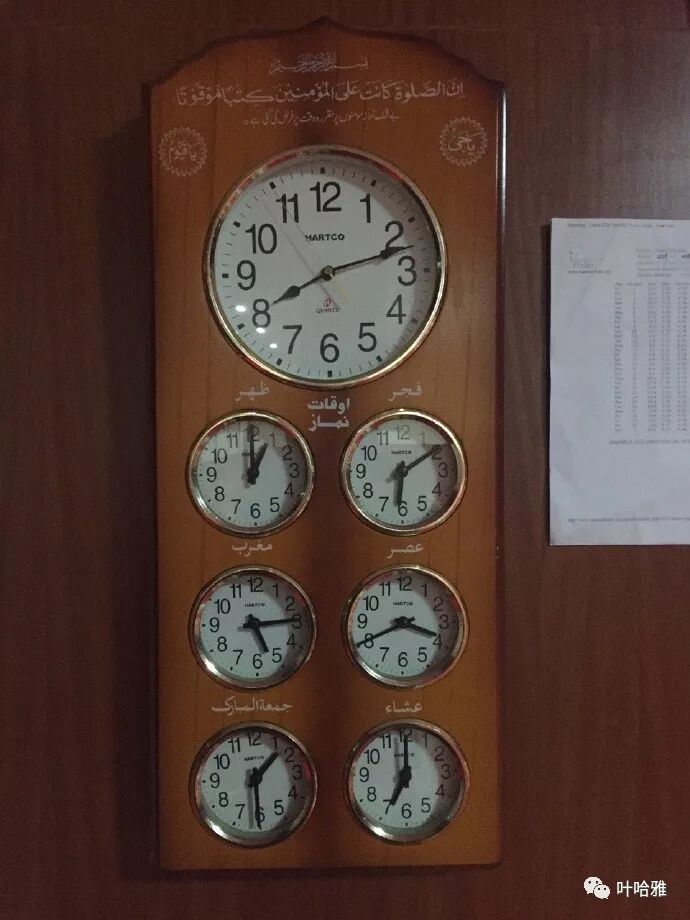
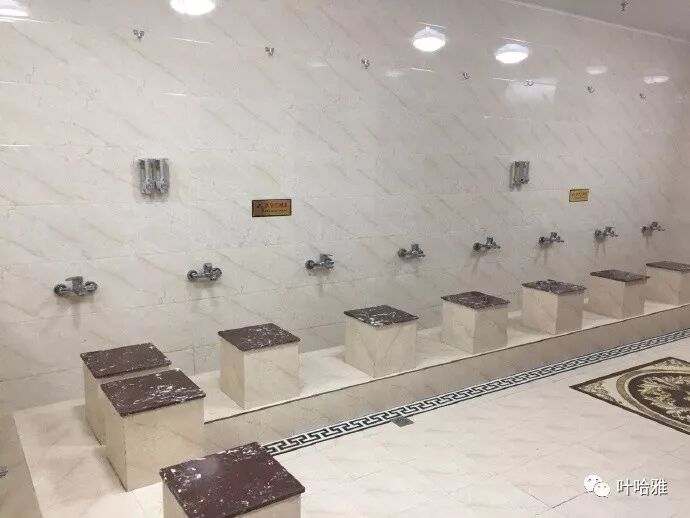
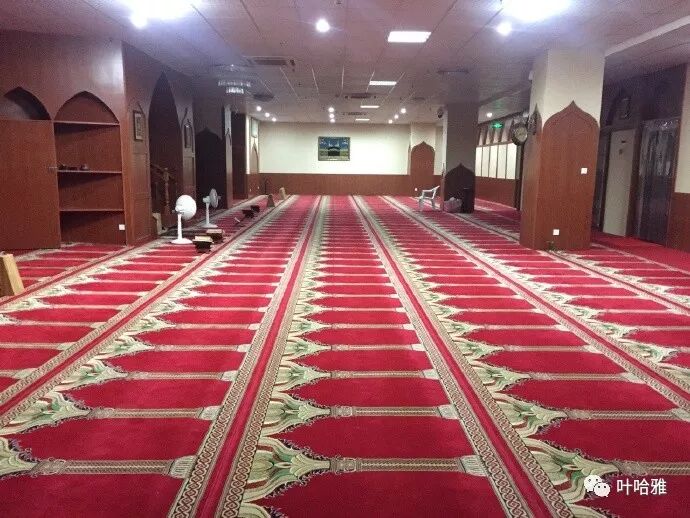
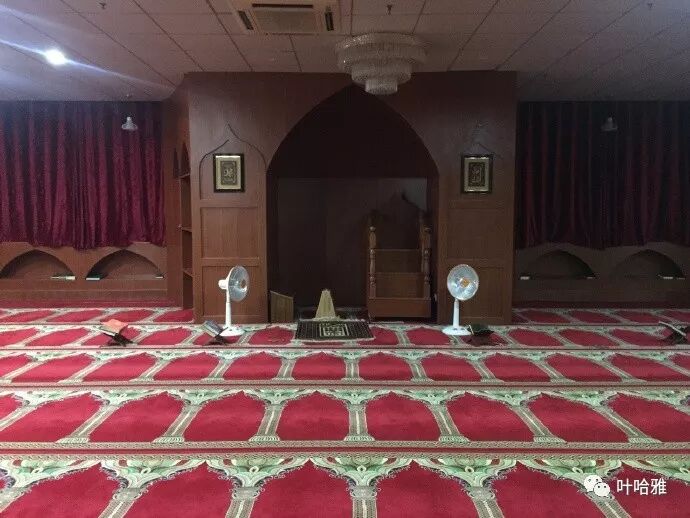
Shaoxing has five prayer spots, and this is the largest one. It is a temporary religious site. If you cannot find a mosque in a southern city, just ask at a local hand-pulled noodle shop (lamian guan) to find out where the prayer spots are.
Huangnan Tibetan Autonomous Prefecture, Qinghai
Kangjia Mosque
This mosque was first built in the 16th year of the Yongle reign of the Ming Dynasty (1418). It is one of the oldest mosques in the pastoral areas of Qinghai Province.
Xunhua, Qinghai
Jiezi Mosque
Jiezi Grand Mosque is the second largest mosque in Qinghai. It is located in Sanlanbahai Village, Jiezi Township, Xunhua Salar Autonomous County. It houses a handwritten Quran brought by the ancestors of the Salar people when they moved east 700 years ago.
Jianza, Qinghai
Maketang Grand Mosque
This mosque was completed in 2018. It is the first mosque in Maketang Town, Jianza County, in the Tibetan region.
Previous issue: Map of Chinese Mosques view all
Summary: This China mosque map continues the original series with locations, history notes, regional mosque names, and photos from Ningxia to Shenzhen and Wuhan. It is formatted for readers searching for mosque locations and Muslim travel history in China.
The last issue of the China Mosque Map introduced some mosques I have visited. I chose the ones I personally find unique, but space was limited, so I will introduce more in this issue. Many friends left comments asking why I did not introduce their local mosques. The reason is simply that I have not been there. As a Hui Muslim from Niujie in Beijing, I did not even introduce the Niujie Mosque right at my doorstep. I thought everyone knew about it, so I did not mention it. It turns out that not a single person in the comments asked why I left out the Niujie Mosque.
I will not talk about food during Ramadan and will continue to share mosque photos with you instead.
Xiji County, Ningxia
Shagou Gongbei
Shagou Gongbei was first built during the Guangxu reign of the Qing Dynasty. Ma Yuanzhang, the seventh-generation successor of the Jahriyya menhuan, was initially buried here, but his remains were later moved to Zhangjiachuan, Gansu.
Zhongning County, Ningxia
Honggang Gangzi Gongbei
Honggang Gangzi Gongbei was built in 1939. It is the gongbei for Hong Shoulin, the founder of the Hongmen branch of the Khufiyya menhuan. It was damaged during the Cultural Revolution and rebuilt in 1987 under the organization of Hong Weizong, the third-generation successor of the Hongmen. The site covers 20,000 square meters and includes a canteen, living quarters, a bathhouse, a mosque, and the gongbei.
Tongxin County, Ningxia
Tongxin Great Mosque
Tongxin Great Mosque was first built in the early Ming Dynasty on the site of a collapsed Lama mosque. It has a history of about 600 years. It was renovated three times during the Ming and Qing dynasties. In 1936, when the Red Army marched west, they established the Yuhai County Hui Muslim Autonomous Government of the Shaan-Gan-Ning Border Region here.
Guangdong, Shenzhen
Mosque
When I came to Shenzhen in 2015, this place was still a construction site. Today, a modern-style mosque with five floors above ground and one underground has been built. Shenzhen Mosque was completed in 2016. The main building has a prayer hall on every floor and a restaurant on the first floor.
Hubei, Xiangyang
Laohekou Mosque
Laohekou City Mosque in Hubei is the first Ikhwan (Yihewani) mosque in China. It was first built in the third year of the Xianfeng reign of the Qing Dynasty (1853). It has a history of 150 years and covers an area of 800 square meters. Ma Wanfu (Guoyuan), the advocate of the Ikhwan sect, once taught at Laohekou Mosque. In the autumn of 1940, the Hubei Provincial Branch of the China Islamic National Salvation Association moved to Laohekou, with its headquarters located inside the mosque. Today, this place no longer emphasizes sectarian differences.
Hubei, Wuhan
Ma Si Baba Gongbei
Ma Quan (1596–1678) was a famous Islamic scholar during the late Ming and early Qing dynasties. He was a third-generation student of Hu Dengzhou. His courtesy name was Minglong, and he was honored as Ma Si Baba. He was a Hui Muslim from Jiangxia, Hubei (modern-day Wuchang). Local folklore tells a fun story about Ma Si Baba having a magical duel with Zhang Sanfeng.
Shiyan, Hubei
Mosque
Shiyan Mosque was built in 1991. It is the first mosque in Shiyan city, and it was led by Imam Ma Wenxue from Ningxia.
Nanchang, Jiangxi
Cuxiang Mosque
Nanchang Cuxiang Mosque was first built in 1824. It is the only mosque in Nanchang city.
Sanya, Hainan
Huihui Village, Northwest Mosque
The Northwest Grand Mosque was originally called the West Mosque. It was first built during the Tang Dynasty. Its original site was in Huixin Village, which is now the Huixin community. In 1937, the Japanese landed on Hainan Island. To expand their military base and because Huixin Village had a strategic location for controlling the South China Sea, they forced all the Hui Muslims out of Huixin Village and into Huihui Village, which is now the Huihui community. At that time, the four mosques in Huixin Village—the North Mosque, West Mosque, Old Mosque, and South Mosque—were all torn down. Later, the West Mosque and North Mosque merged to form the Northwest Grand Mosque, which was rebuilt in Huihui Village in 1944. There are four mosques in Huihui Village. In 2015, the Northwest Grand Mosque built a high-rise teaching building with eight standard classrooms and two multi-purpose rooms. It can hold over 300 Muslim students at the same time, as shown in the picture below.
Sanya, Hainan
Huihui Village Old Mosque
The Huihui Village Old Mosque was first built in the sixth year of the Chenghua reign of the Ming Dynasty (1470). According to the Ming Dynasty's "Qiongzhou Prefecture Gazetteer" and the early Qing Dynasty's "Complete Collection of Illustrations and Writings of Ancient and Modern Times: Section on Geography," the ancestors of the Hui Muslims arrived by boat with their families between the Song and Yuan dynasties from Champa (near present-day Binh Dinh Province, Vietnam) and settled along the coast.
Xishuangbanna, Yunnan
Menghai County Mosque
Menghai Mosque is located on the Old North Street in the town of Menghai County, Xishuangbanna Prefecture, Yunnan Province. It was first built in the 1930s.
Xishuangbanna, Yunnan
Manluan Hui Mosque
The Hui Muslims of Manluan village take Dai names, wear Dai clothing, and speak the Dai language, yet they practice Islam. The men wear white caps and the women wear headscarves. Their lifestyle blends Dai traditions with Hui Muslim customs. The local Dai people call them 'Paxi Dai,' which means 'Hui Dai'.
Dali, Yunnan
Ximen Mosque
Dali Ximen Mosque was built in the Yuan Dynasty (1278 AD). Located inside the Dali Ancient City, it is the mosque where the famous Islamic scholar Bao Shan Zhenren began his teaching.
Dali, Yunnan
Nanmen Mosque
Dali Nanmen Mosque was built in the Yuan Dynasty and is one of the 100 ancient mosques in China. Before the failure of the Du Wenxiu Uprising, the mosque was located on Cangping Street, as recorded in The Travel Diaries of Xu Xiake. After the Du Wenxiu Uprising failed, the Qing government's post-war committee seized the mosque and its 120 mu of mosque land as rebel property. The mosque was turned into a City God Mosque, and in 1944, it became a local court. The current Nanmen Mosque is located inside the Dali Ancient City.
Lhasa, Tibet
Kachilin Ka East Mosque and West Mosque
The East Mosque and West Mosque in Lhasa's Kachi Linka are separated by only one wall at the back of the park. The East Mosque was built in 1655, and the West Mosque was built in 1775.
Lhasa, Tibet
Small Mosque
The Lhasa Small Mosque was built in the 1920s with funds raised for Muslim traders from Kashmir, Ladakh, Bhutan, Nepal, and Britain. It is located in the southern part of Barkhor Street in Lhasa's old town, just a few hundred meters from the Lhasa Great Mosque. Inside the entrance is a washing room, and the wall decorations are in a Tibetan style.
Shanghai
Huxi Mosque
Huxi Mosque, originally named Xiaoshadu Mosque and also known as Yaoshuinong Mosque, was built in 1914. It is commonly called the Old Mosque. Every Friday, a bazaar market is held near the mosque during Jumu'ah.
Hefei, Anhui
Mosque
Hefei Mosque was built during the Hongwu period of the Ming Dynasty. It was damaged but expanded after being returned in 1981. The current imam is Xu Zhihai.
Nanjing, Jiangsu
Caoqiao Mosque
Caoqiao Mosque is located on the former Caoqiao Street in Nanjing, which is how it got its name. It was first built during the Qianlong reign of the Qing Dynasty (1736–1795) and was destroyed by fire during the Taiping Rebellion. The mosque founded Dunmu Primary School in the early years of the Republic of China, with Yi Yufang serving as the first principal.
Yangzhou, Jiangsu
Puhading Mosque
Puhading Cemetery is commonly known as the Baba Kiln (Baba Yao) and is also called the Hui Muslim Hall (Huihui Tang). It covers 25 mu of land and consists of three parts: an ancient mosque, an ancient cemetery, and a classical garden. Puhading Garden was first built in the first year of the Deyou reign of the Song Dynasty (1275 AD) to honor Puhading, a 16th-generation descendant of the Prophet Muhammad.
Taizhou, Jiangsu
Mosque
Taizhou Mosque was built in 2012 and is the first mosque in Taizhou City.
Shaoxing, Zhejiang
Pakistan Keqiao Community
Shaoxing has five prayer spots, and this is the largest one. It is a temporary religious site. If you cannot find a mosque in a southern city, just ask at a local hand-pulled noodle shop (lamian guan) to find out where the prayer spots are.
Huangnan Tibetan Autonomous Prefecture, Qinghai
Kangjia Mosque
This mosque was first built in the 16th year of the Yongle reign of the Ming Dynasty (1418). It is one of the oldest mosques in the pastoral areas of Qinghai Province.
Xunhua, Qinghai
Jiezi Mosque
Jiezi Grand Mosque is the second largest mosque in Qinghai. It is located in Sanlanbahai Village, Jiezi Township, Xunhua Salar Autonomous County. It houses a handwritten Quran brought by the ancestors of the Salar people when they moved east 700 years ago.
Jianza, Qinghai
Maketang Grand Mosque
This mosque was completed in 2018. It is the first mosque in Maketang Town, Jianza County, in the Tibetan region.
Previous issue: Map of Chinese Mosques view all
Reposted from the web
Summary: This China mosque map continues the original series with locations, history notes, regional mosque names, and photos from Ningxia to Shenzhen and Wuhan. It is formatted for readers searching for mosque locations and Muslim travel history in China.
The last issue of the China Mosque Map introduced some mosques I have visited. I chose the ones I personally find unique, but space was limited, so I will introduce more in this issue. Many friends left comments asking why I did not introduce their local mosques. The reason is simply that I have not been there. As a Hui Muslim from Niujie in Beijing, I did not even introduce the Niujie Mosque right at my doorstep. I thought everyone knew about it, so I did not mention it. It turns out that not a single person in the comments asked why I left out the Niujie Mosque.
I will not talk about food during Ramadan and will continue to share mosque photos with you instead.
Xiji County, Ningxia
Shagou Gongbei
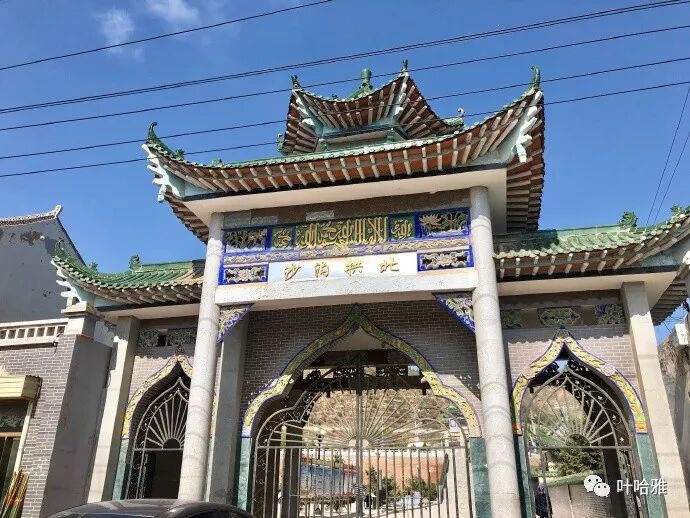
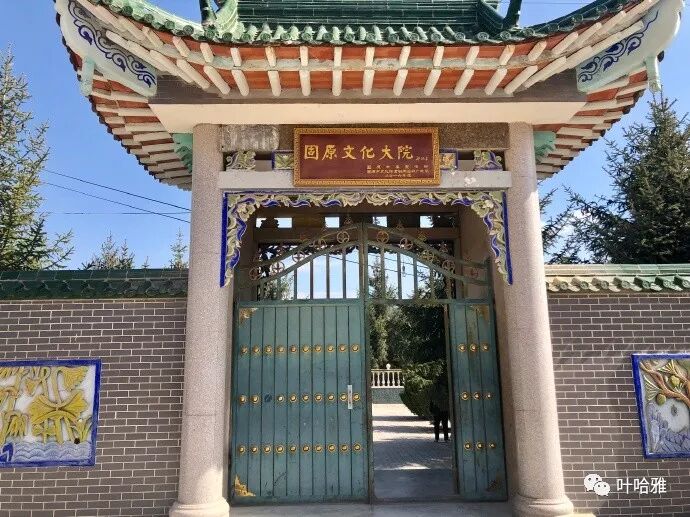
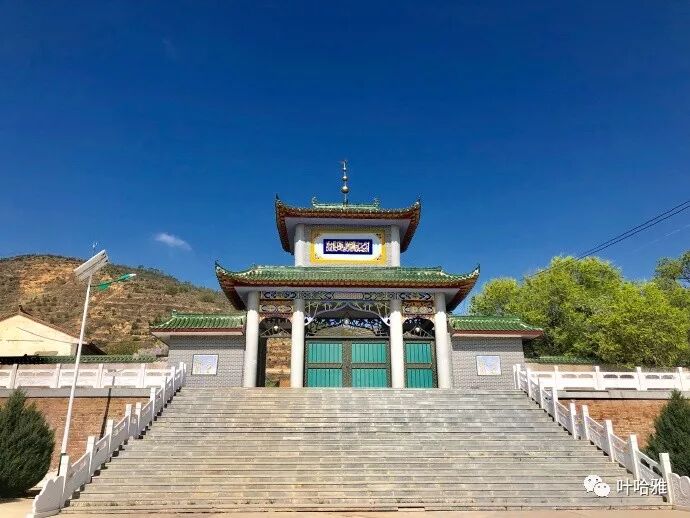
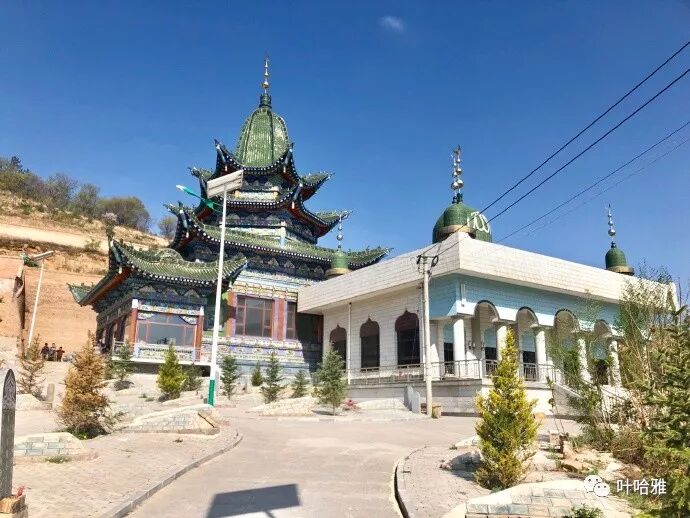
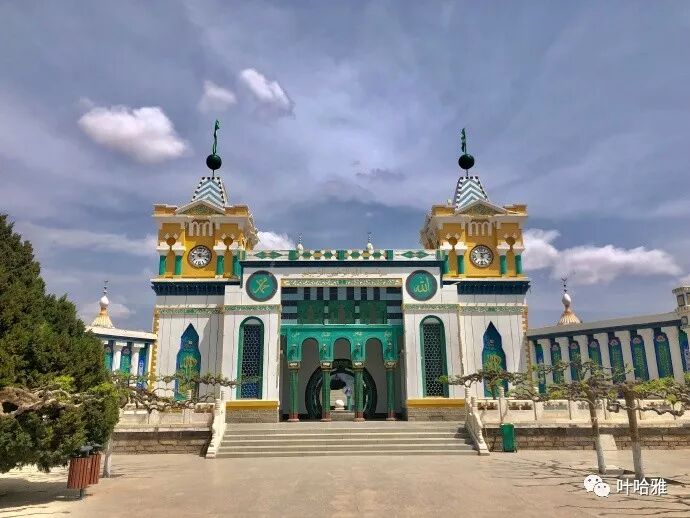
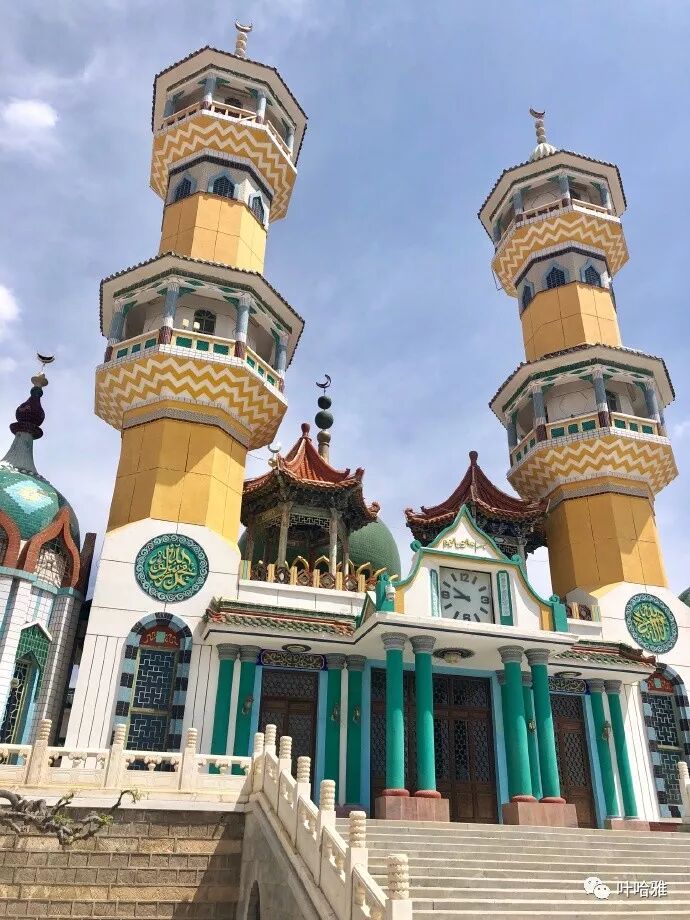
Shagou Gongbei was first built during the Guangxu reign of the Qing Dynasty. Ma Yuanzhang, the seventh-generation successor of the Jahriyya menhuan, was initially buried here, but his remains were later moved to Zhangjiachuan, Gansu.
Zhongning County, Ningxia
Honggang Gangzi Gongbei
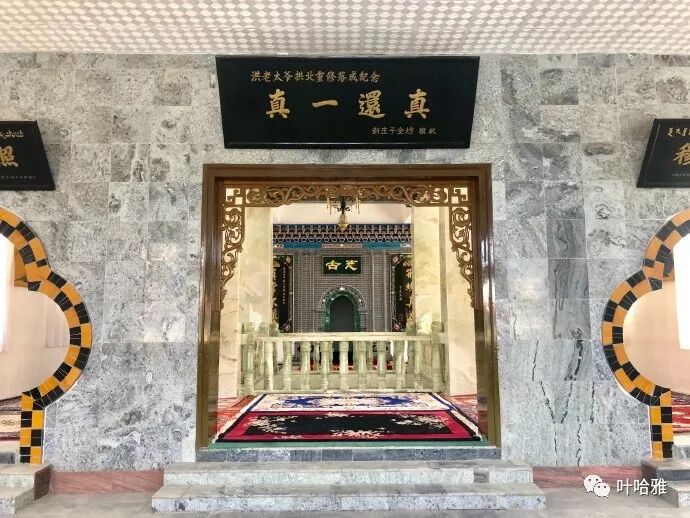
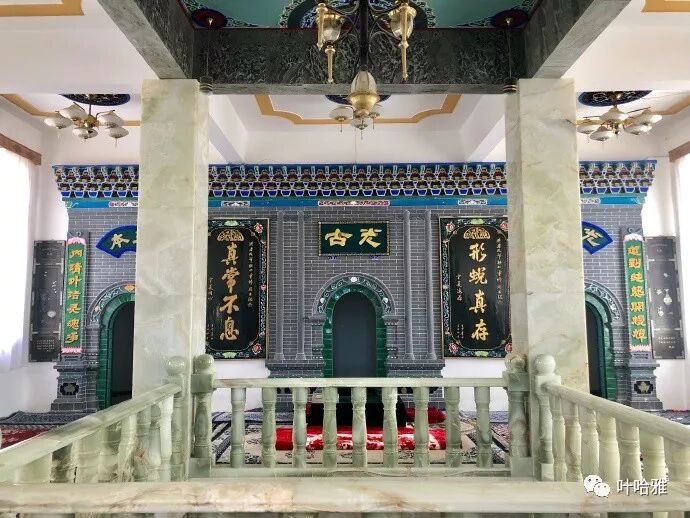
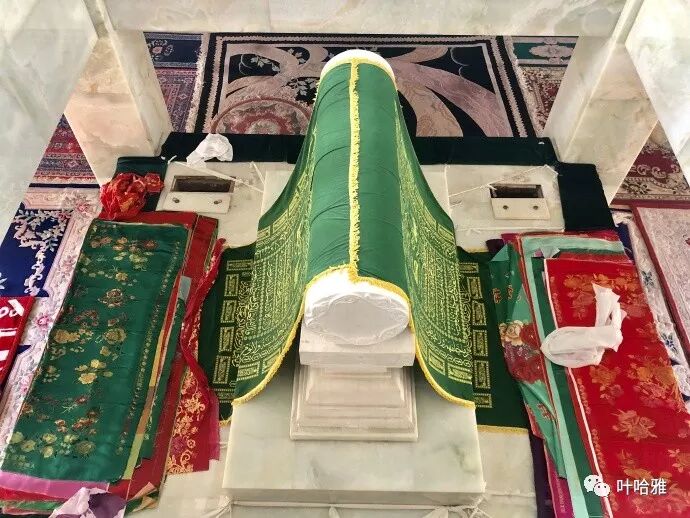
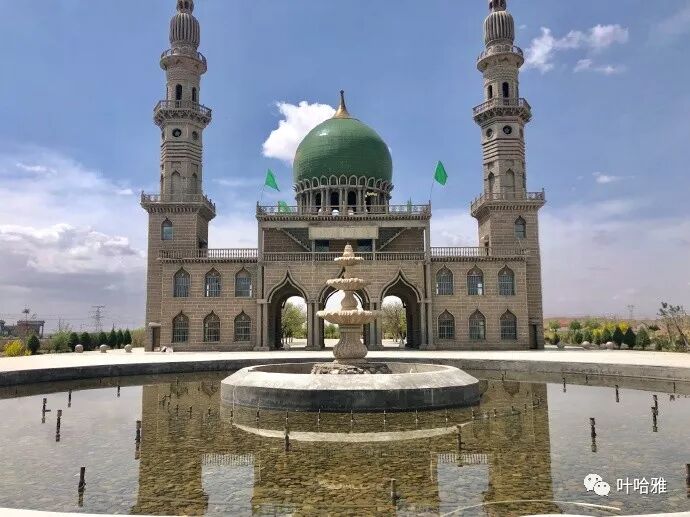
Honggang Gangzi Gongbei was built in 1939. It is the gongbei for Hong Shoulin, the founder of the Hongmen branch of the Khufiyya menhuan. It was damaged during the Cultural Revolution and rebuilt in 1987 under the organization of Hong Weizong, the third-generation successor of the Hongmen. The site covers 20,000 square meters and includes a canteen, living quarters, a bathhouse, a mosque, and the gongbei.
Tongxin County, Ningxia
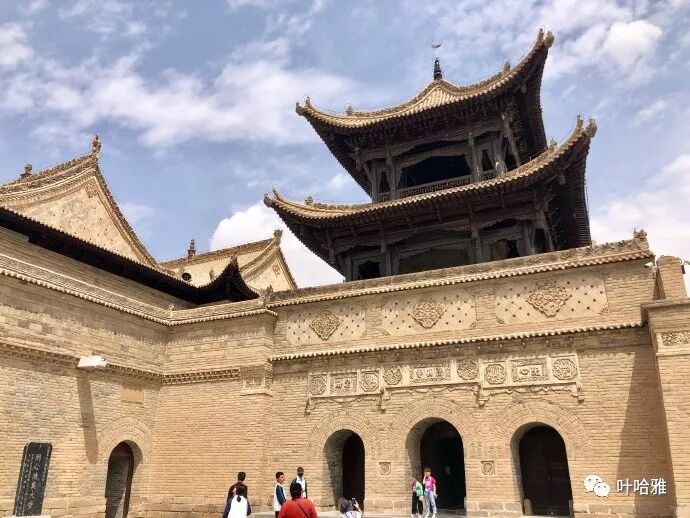
Tongxin Great Mosque
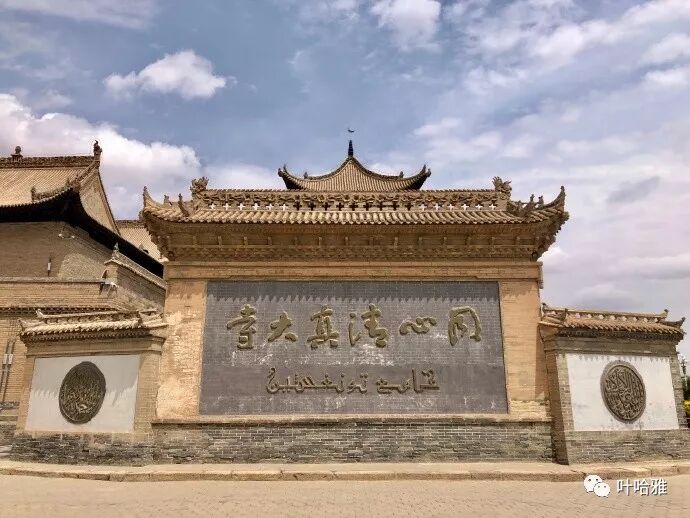
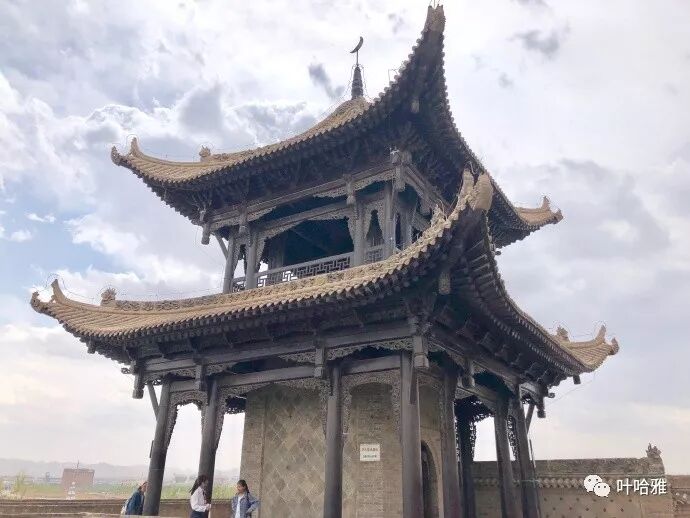
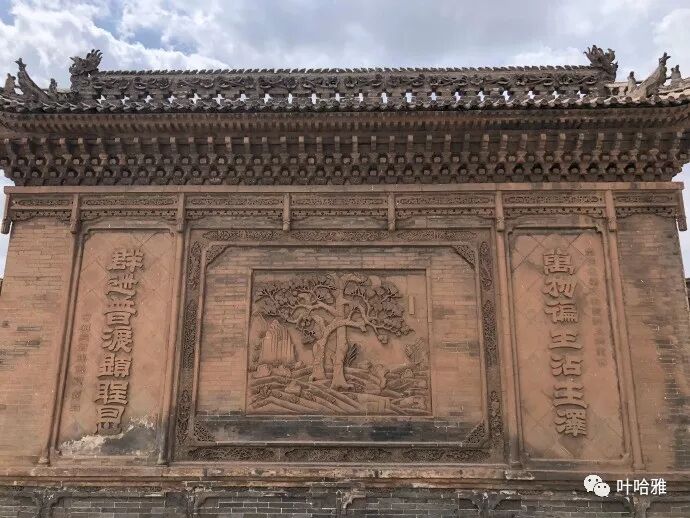
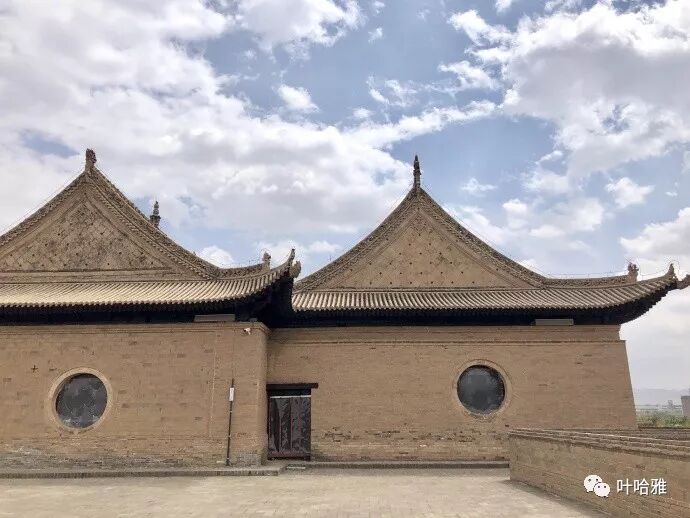
Tongxin Great Mosque was first built in the early Ming Dynasty on the site of a collapsed Lama mosque. It has a history of about 600 years. It was renovated three times during the Ming and Qing dynasties. In 1936, when the Red Army marched west, they established the Yuhai County Hui Muslim Autonomous Government of the Shaan-Gan-Ning Border Region here.
Guangdong, Shenzhen
Mosque
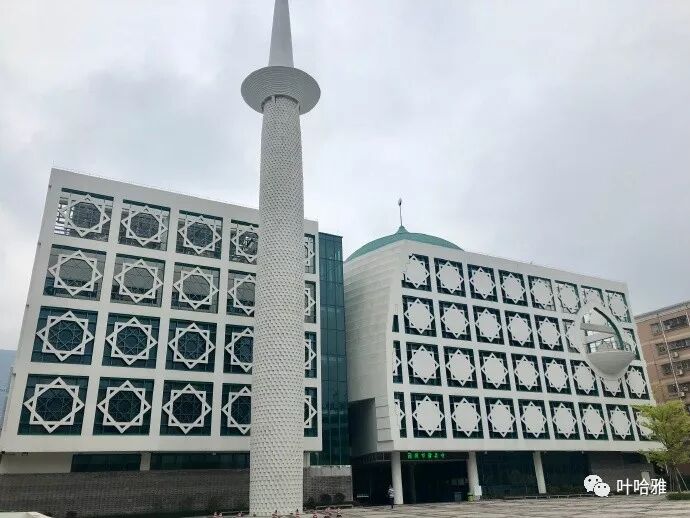
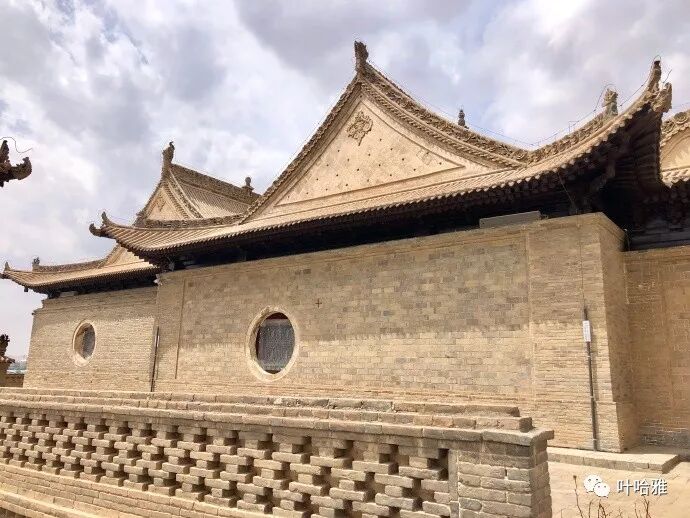
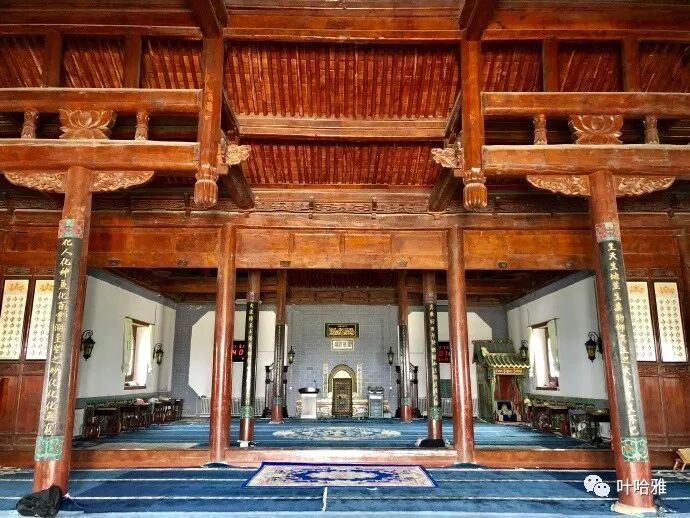
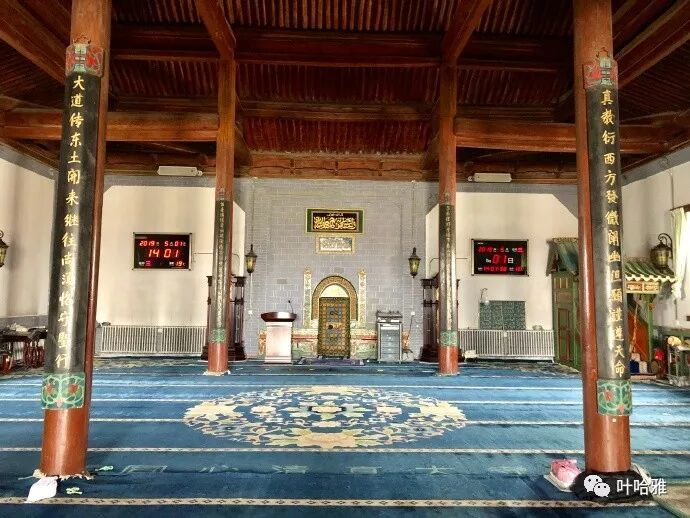
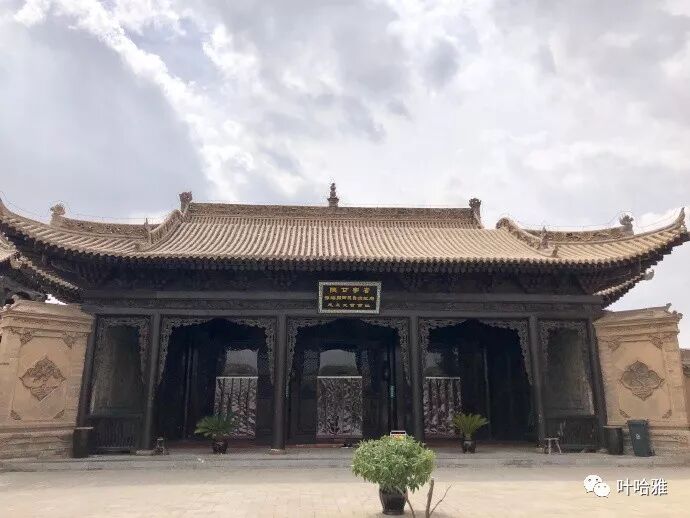
When I came to Shenzhen in 2015, this place was still a construction site. Today, a modern-style mosque with five floors above ground and one underground has been built. Shenzhen Mosque was completed in 2016. The main building has a prayer hall on every floor and a restaurant on the first floor.
Hubei, Xiangyang
Laohekou Mosque
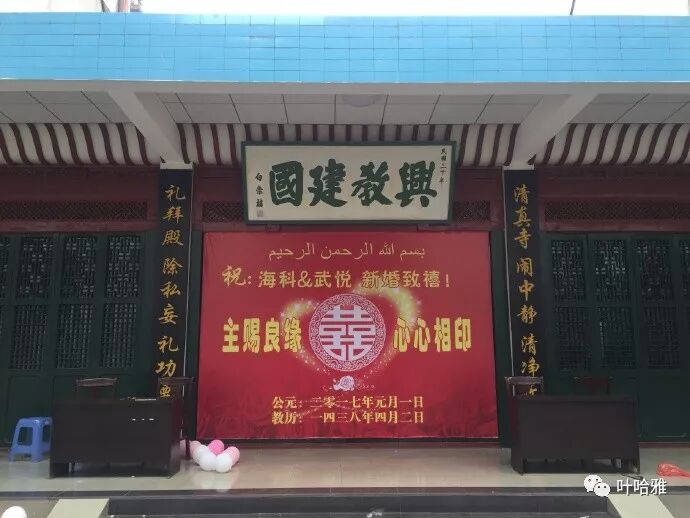
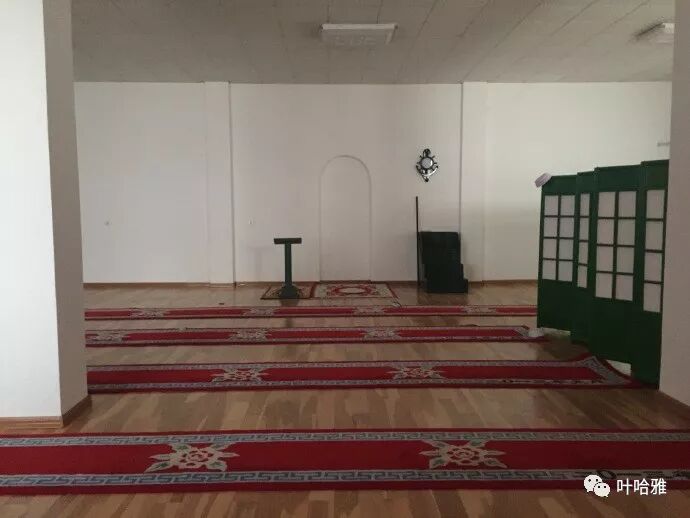
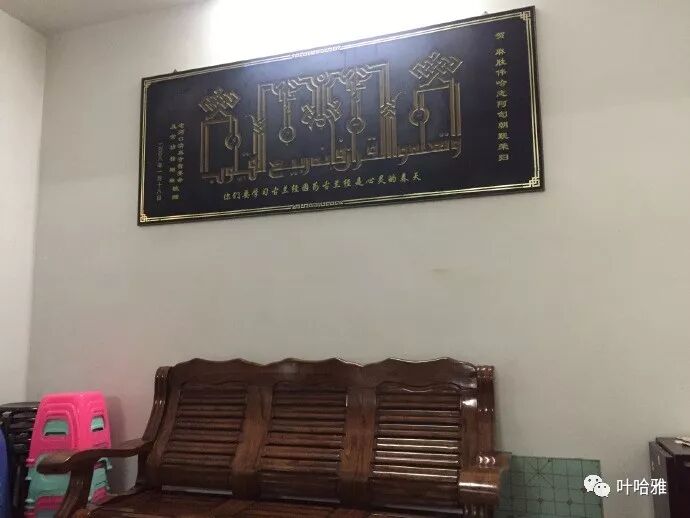
Laohekou City Mosque in Hubei is the first Ikhwan (Yihewani) mosque in China. It was first built in the third year of the Xianfeng reign of the Qing Dynasty (1853). It has a history of 150 years and covers an area of 800 square meters. Ma Wanfu (Guoyuan), the advocate of the Ikhwan sect, once taught at Laohekou Mosque. In the autumn of 1940, the Hubei Provincial Branch of the China Islamic National Salvation Association moved to Laohekou, with its headquarters located inside the mosque. Today, this place no longer emphasizes sectarian differences.
Hubei, Wuhan
Ma Si Baba Gongbei
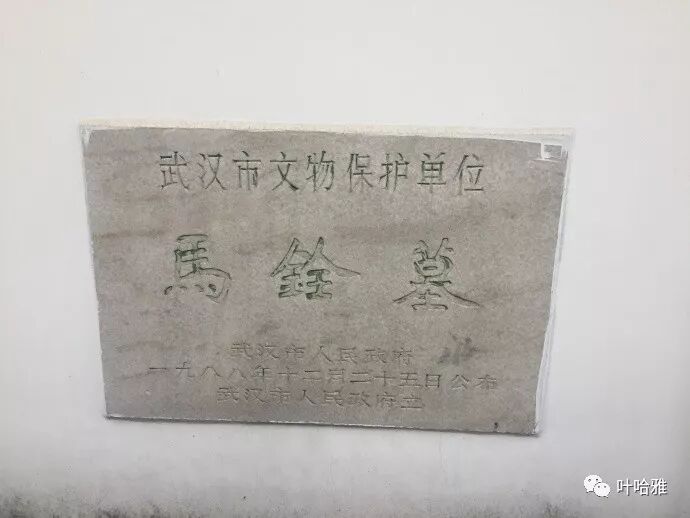
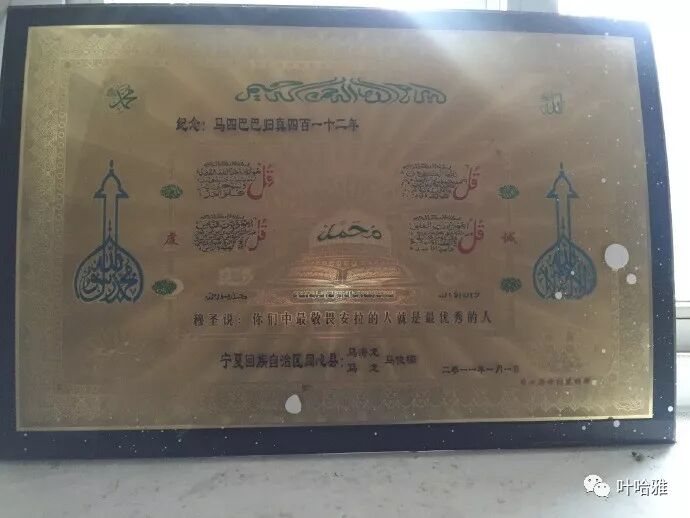
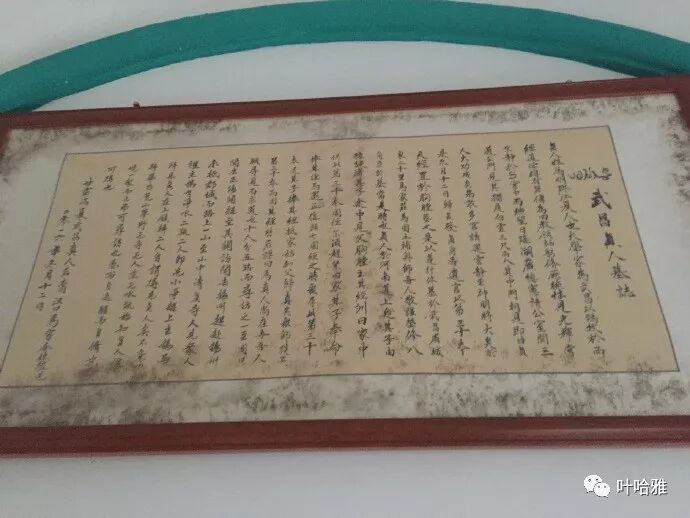
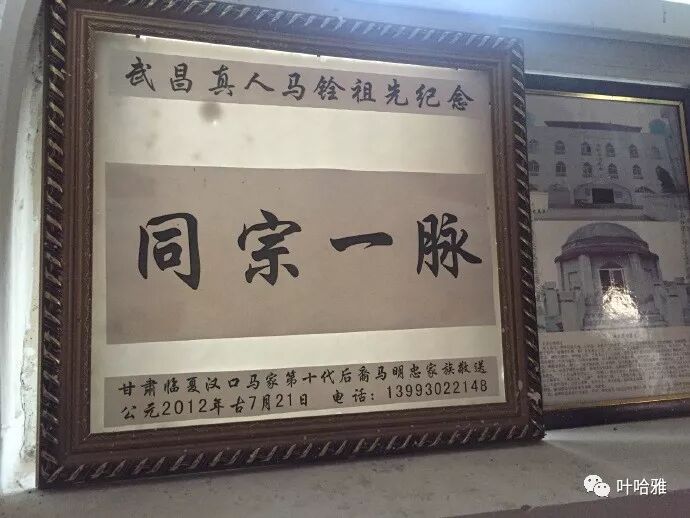
Ma Quan (1596–1678) was a famous Islamic scholar during the late Ming and early Qing dynasties. He was a third-generation student of Hu Dengzhou. His courtesy name was Minglong, and he was honored as Ma Si Baba. He was a Hui Muslim from Jiangxia, Hubei (modern-day Wuchang). Local folklore tells a fun story about Ma Si Baba having a magical duel with Zhang Sanfeng.
Shiyan, Hubei
Mosque
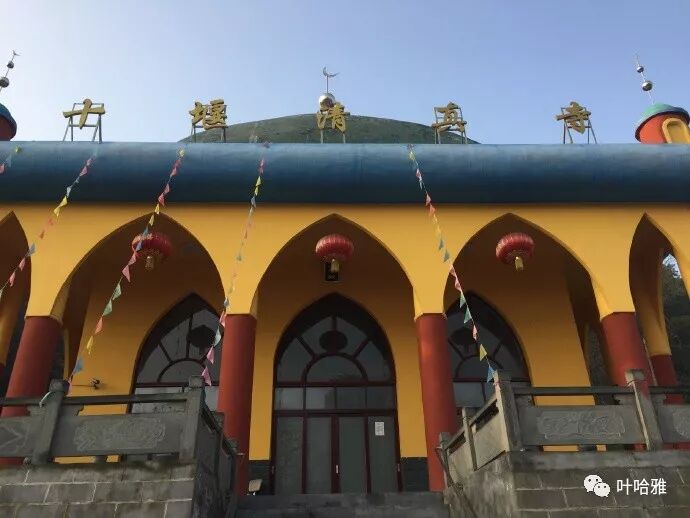
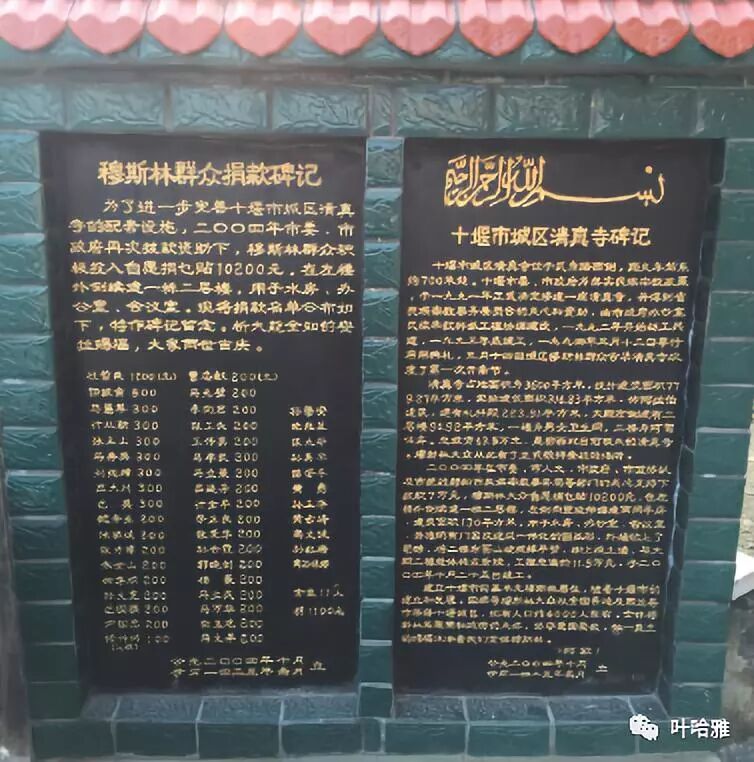
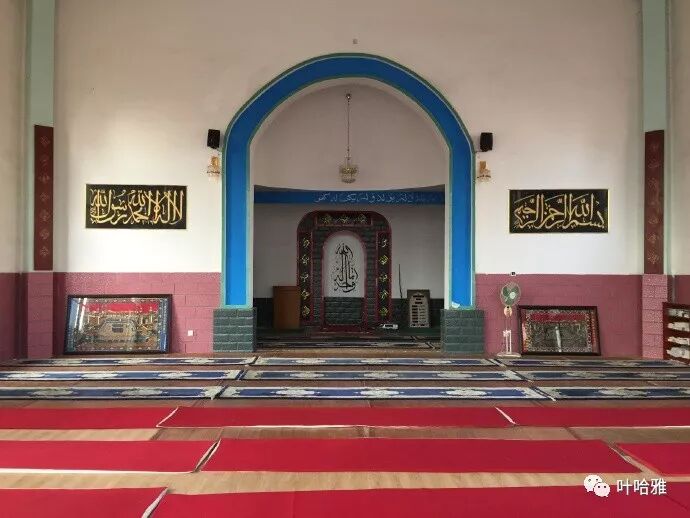
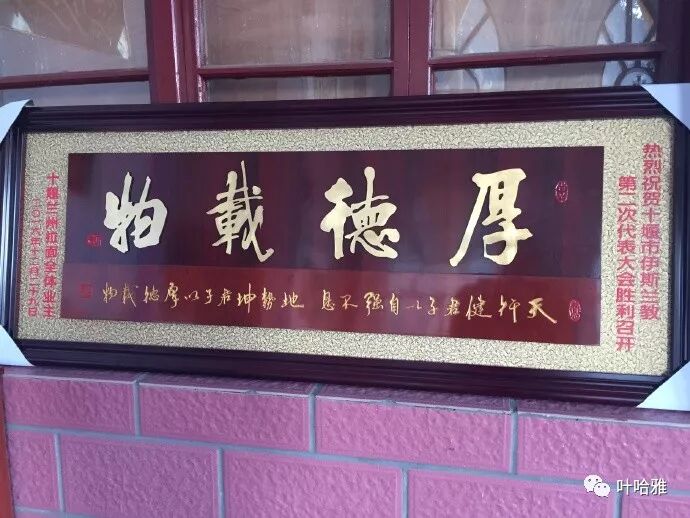
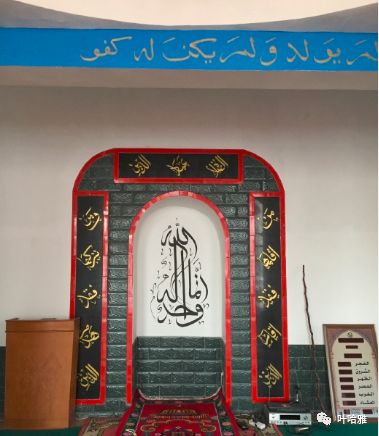
Shiyan Mosque was built in 1991. It is the first mosque in Shiyan city, and it was led by Imam Ma Wenxue from Ningxia.
Nanchang, Jiangxi
Cuxiang Mosque
Nanchang Cuxiang Mosque was first built in 1824. It is the only mosque in Nanchang city.
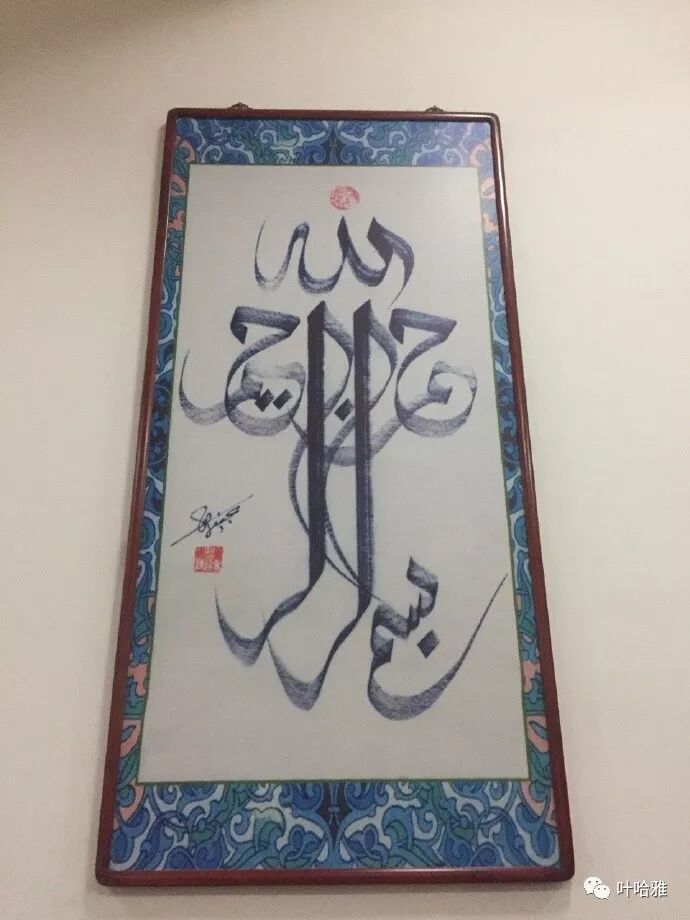
Sanya, Hainan
Huihui Village, Northwest Mosque
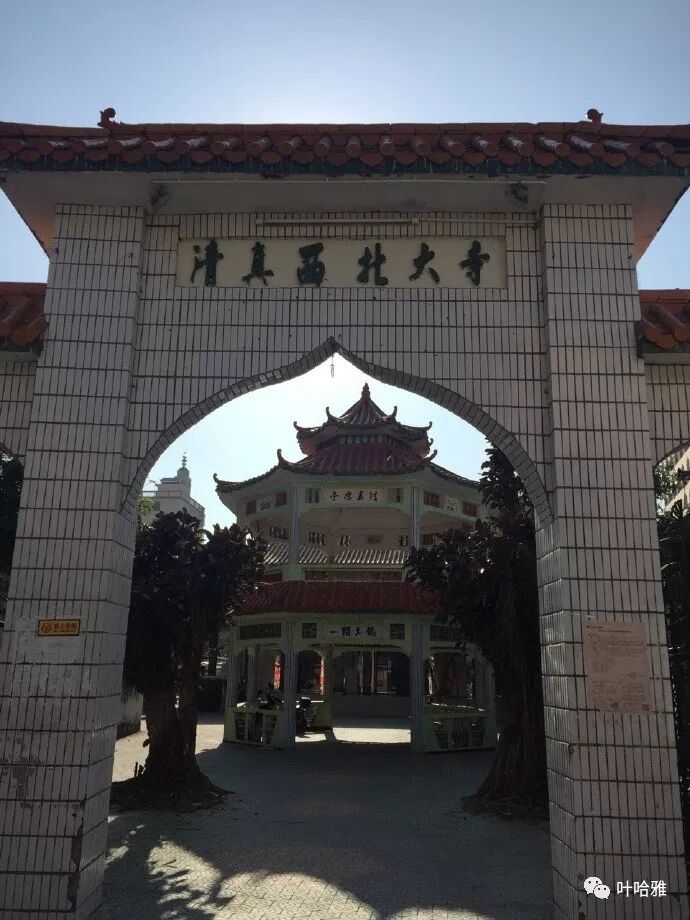
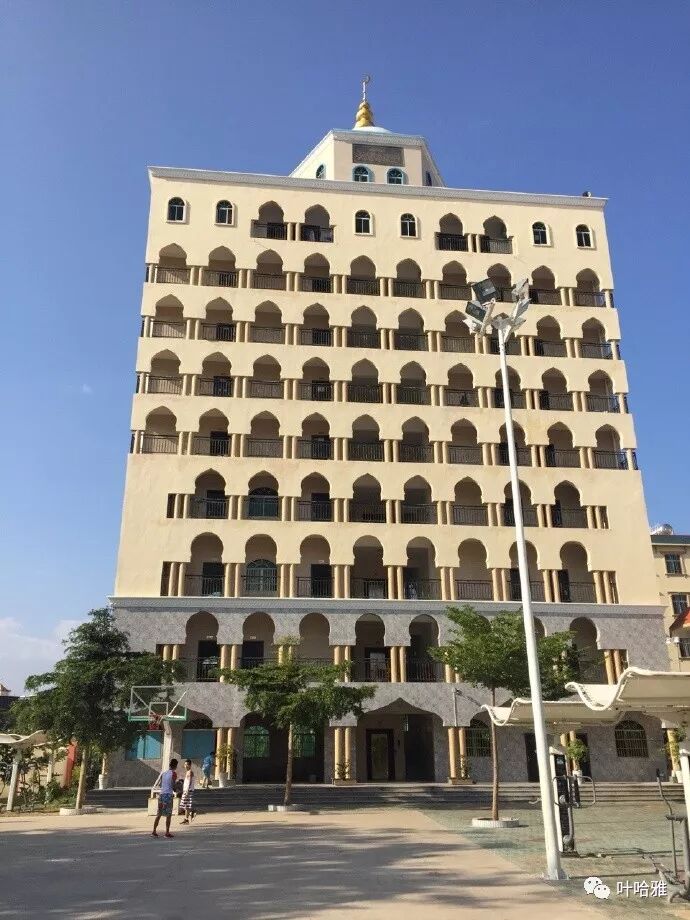
The Northwest Grand Mosque was originally called the West Mosque. It was first built during the Tang Dynasty. Its original site was in Huixin Village, which is now the Huixin community. In 1937, the Japanese landed on Hainan Island. To expand their military base and because Huixin Village had a strategic location for controlling the South China Sea, they forced all the Hui Muslims out of Huixin Village and into Huihui Village, which is now the Huihui community. At that time, the four mosques in Huixin Village—the North Mosque, West Mosque, Old Mosque, and South Mosque—were all torn down. Later, the West Mosque and North Mosque merged to form the Northwest Grand Mosque, which was rebuilt in Huihui Village in 1944. There are four mosques in Huihui Village. In 2015, the Northwest Grand Mosque built a high-rise teaching building with eight standard classrooms and two multi-purpose rooms. It can hold over 300 Muslim students at the same time, as shown in the picture below.
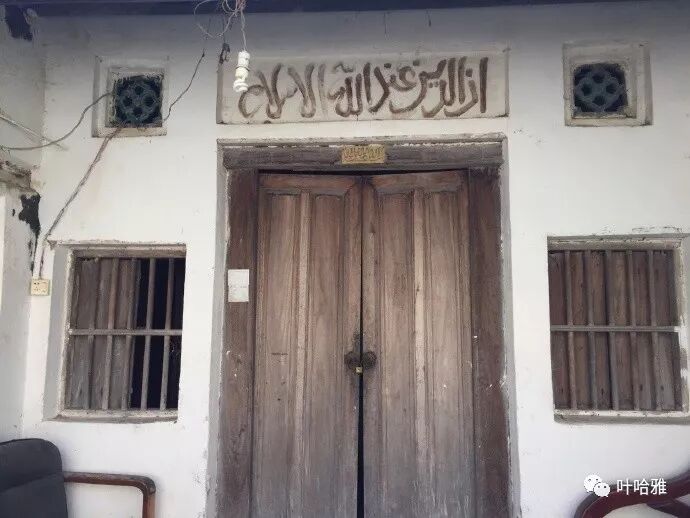
Sanya, Hainan
Huihui Village Old Mosque
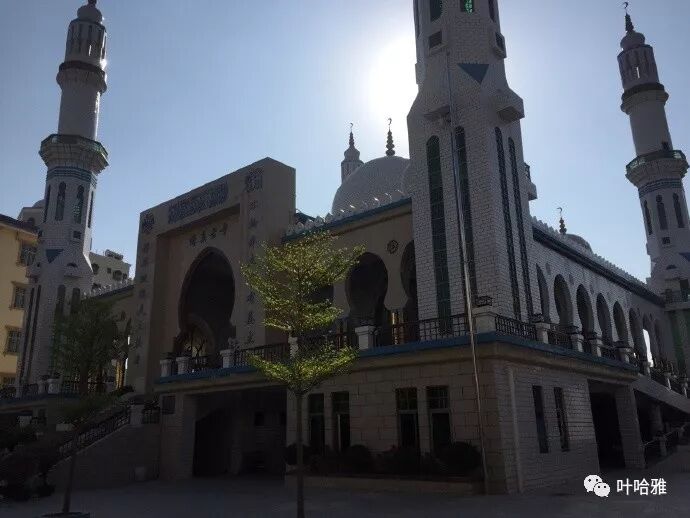
The Huihui Village Old Mosque was first built in the sixth year of the Chenghua reign of the Ming Dynasty (1470). According to the Ming Dynasty's "Qiongzhou Prefecture Gazetteer" and the early Qing Dynasty's "Complete Collection of Illustrations and Writings of Ancient and Modern Times: Section on Geography," the ancestors of the Hui Muslims arrived by boat with their families between the Song and Yuan dynasties from Champa (near present-day Binh Dinh Province, Vietnam) and settled along the coast.
Xishuangbanna, Yunnan
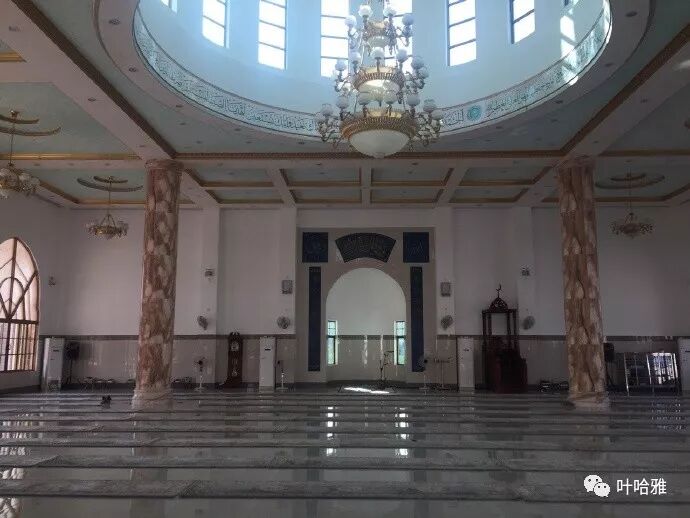
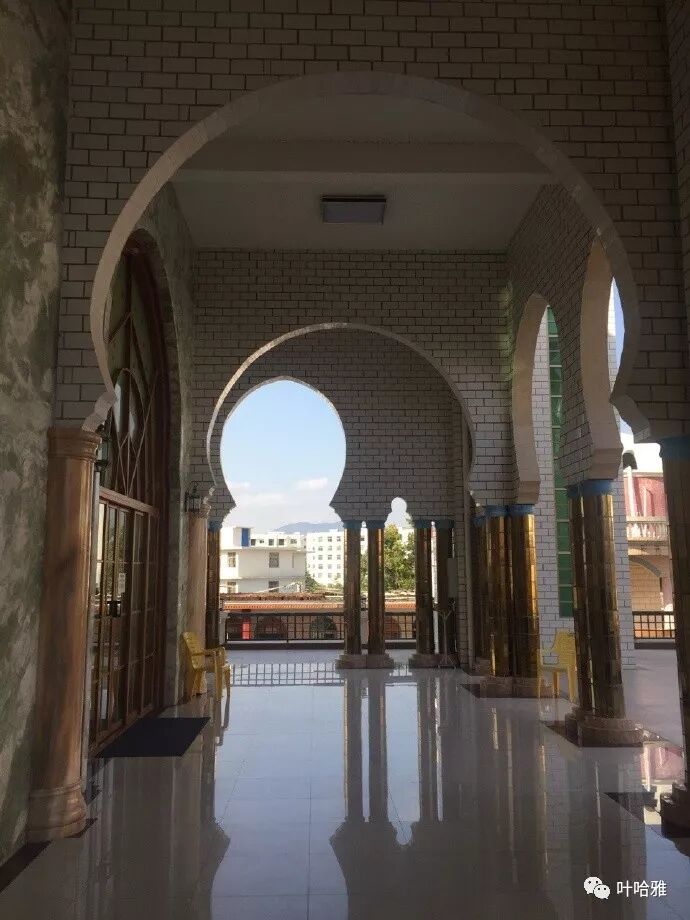
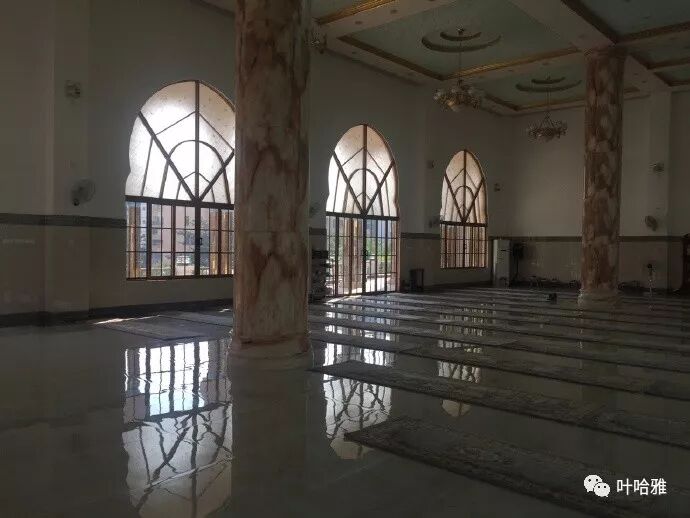
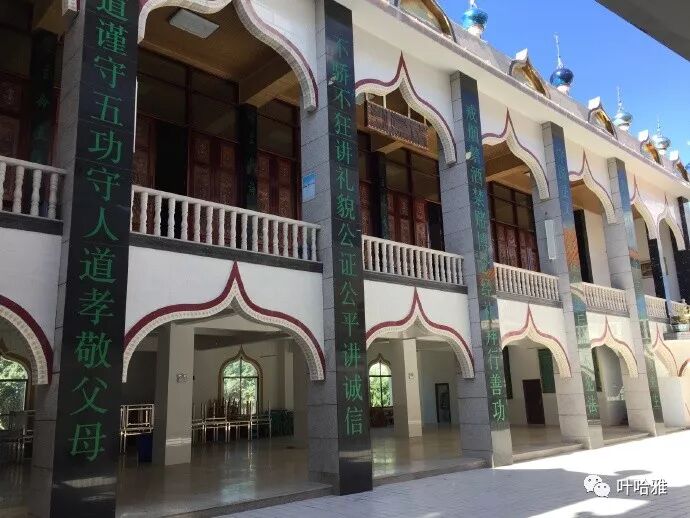
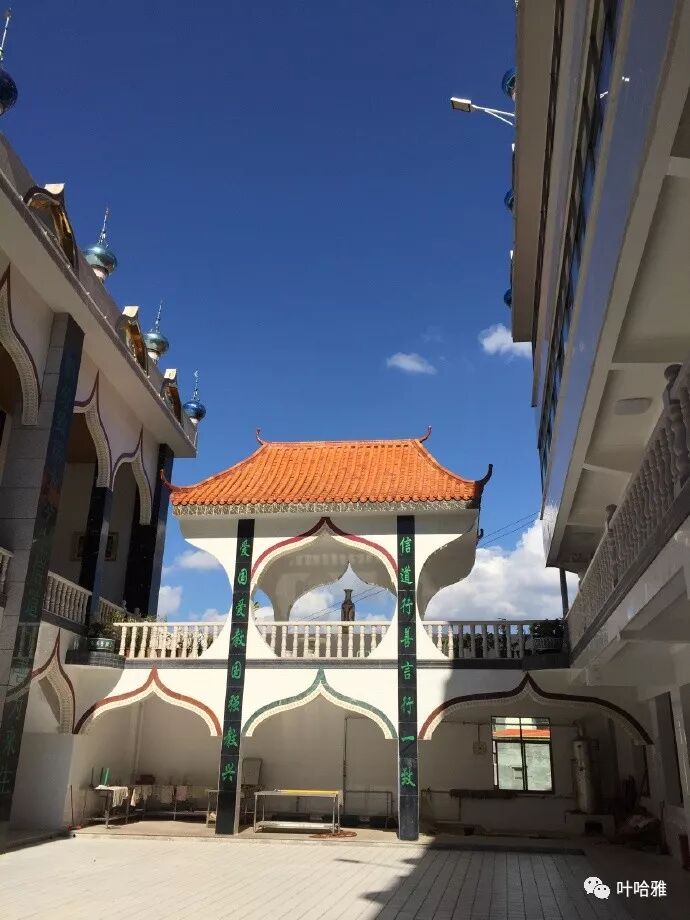
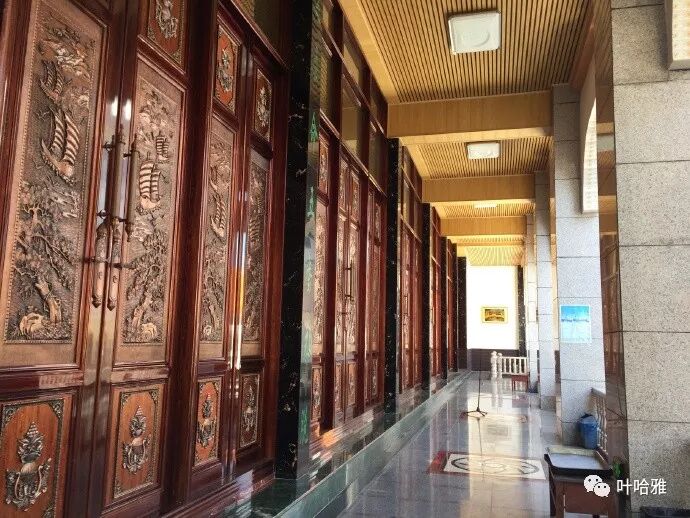
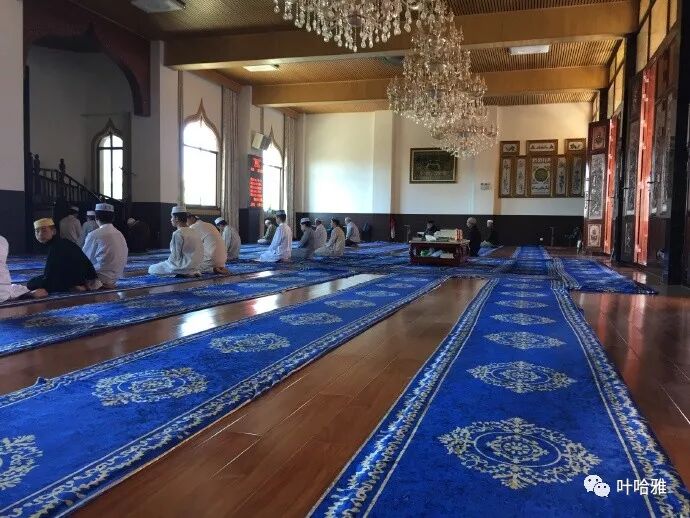
Menghai County Mosque
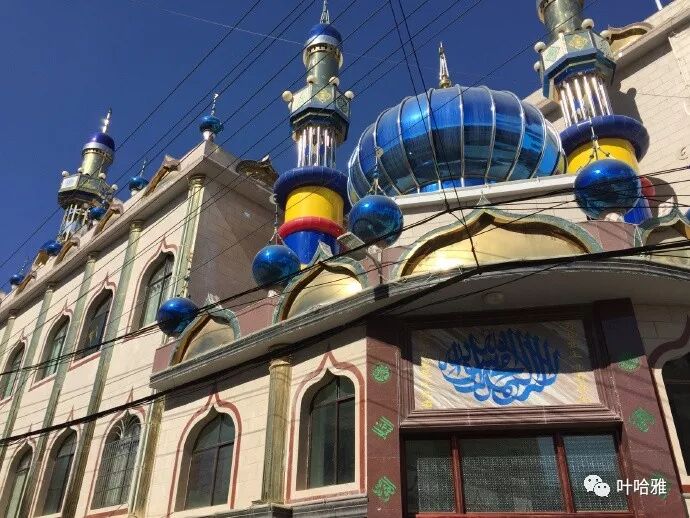
Menghai Mosque is located on the Old North Street in the town of Menghai County, Xishuangbanna Prefecture, Yunnan Province. It was first built in the 1930s.
Xishuangbanna, Yunnan
Manluan Hui Mosque
The Hui Muslims of Manluan village take Dai names, wear Dai clothing, and speak the Dai language, yet they practice Islam. The men wear white caps and the women wear headscarves. Their lifestyle blends Dai traditions with Hui Muslim customs. The local Dai people call them 'Paxi Dai,' which means 'Hui Dai'.
Dali, Yunnan
Ximen Mosque
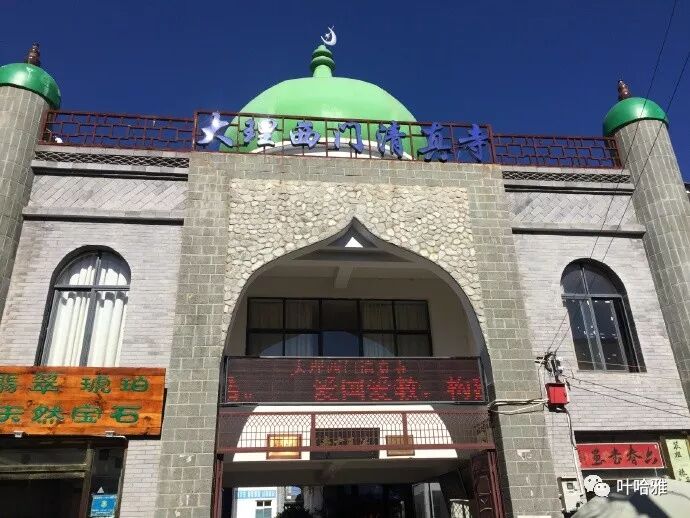
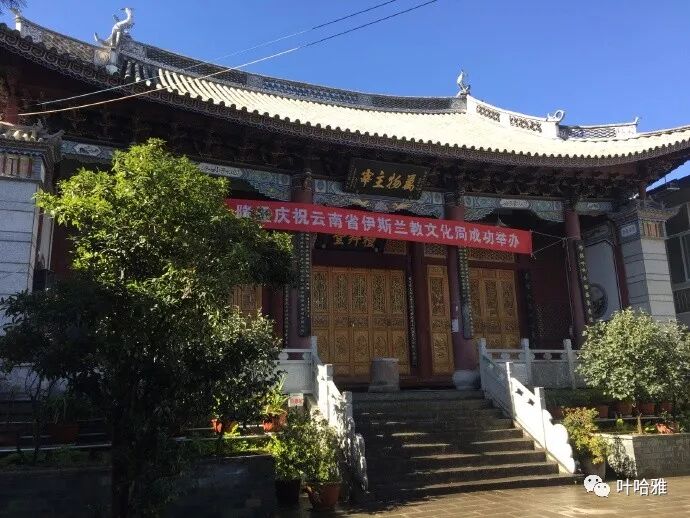
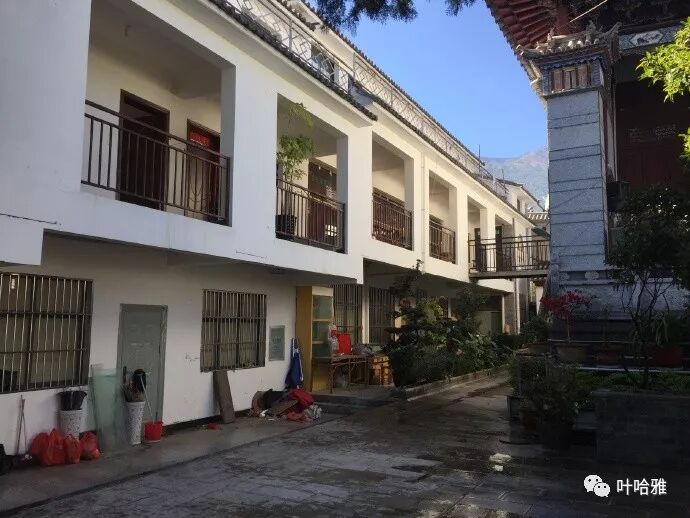
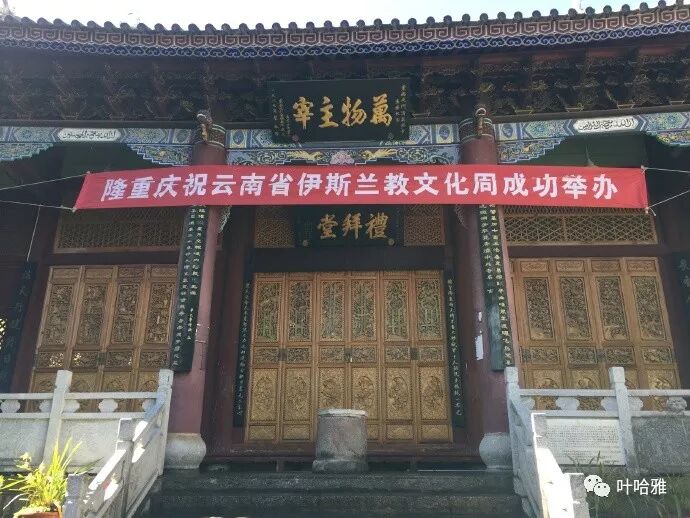
Dali Ximen Mosque was built in the Yuan Dynasty (1278 AD). Located inside the Dali Ancient City, it is the mosque where the famous Islamic scholar Bao Shan Zhenren began his teaching.
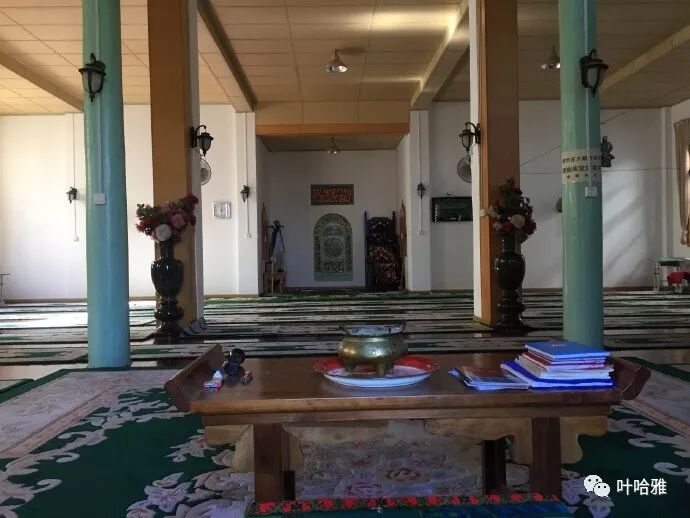
Dali, Yunnan
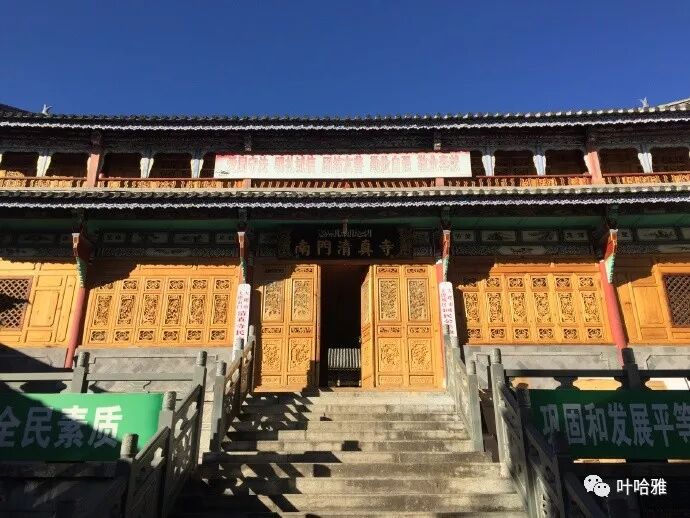
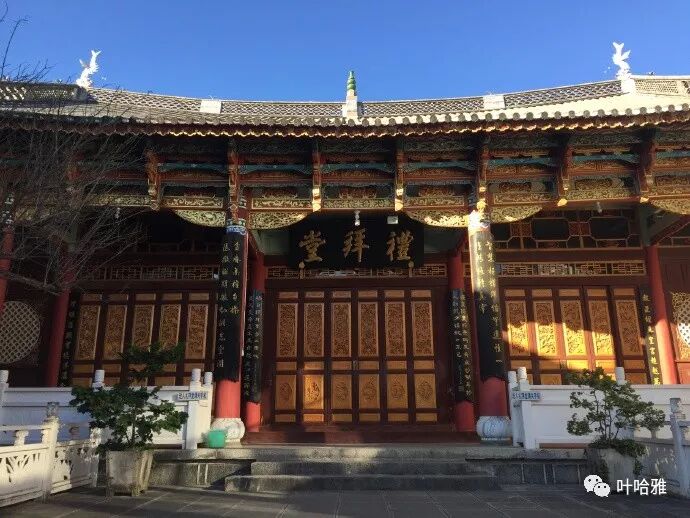
Nanmen Mosque
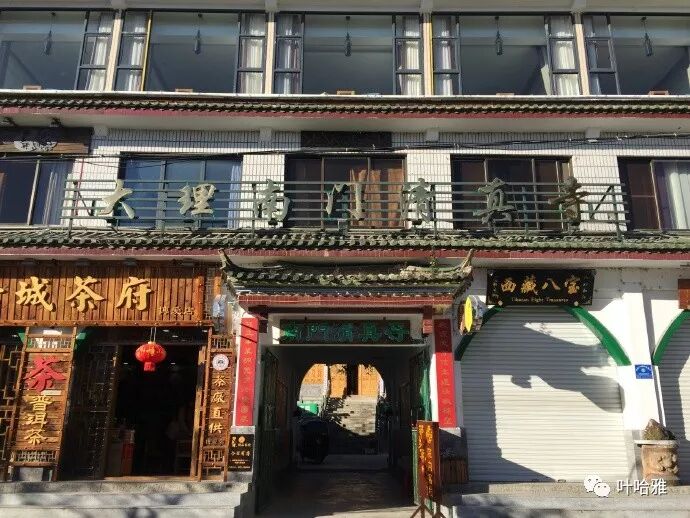
Dali Nanmen Mosque was built in the Yuan Dynasty and is one of the 100 ancient mosques in China. Before the failure of the Du Wenxiu Uprising, the mosque was located on Cangping Street, as recorded in The Travel Diaries of Xu Xiake. After the Du Wenxiu Uprising failed, the Qing government's post-war committee seized the mosque and its 120 mu of mosque land as rebel property. The mosque was turned into a City God Mosque, and in 1944, it became a local court. The current Nanmen Mosque is located inside the Dali Ancient City.
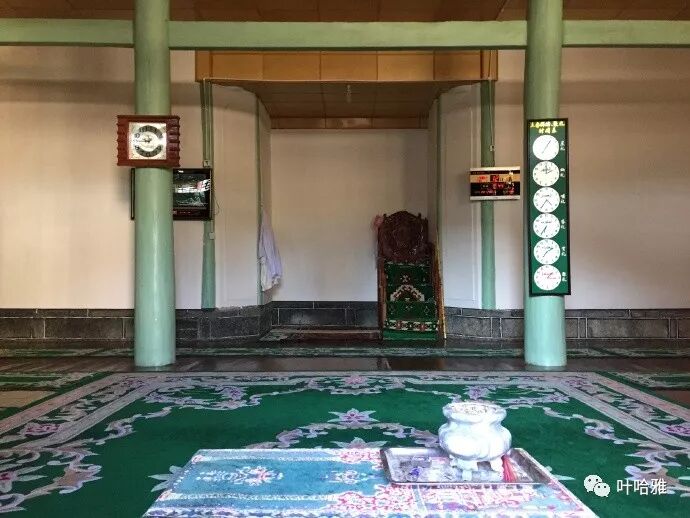
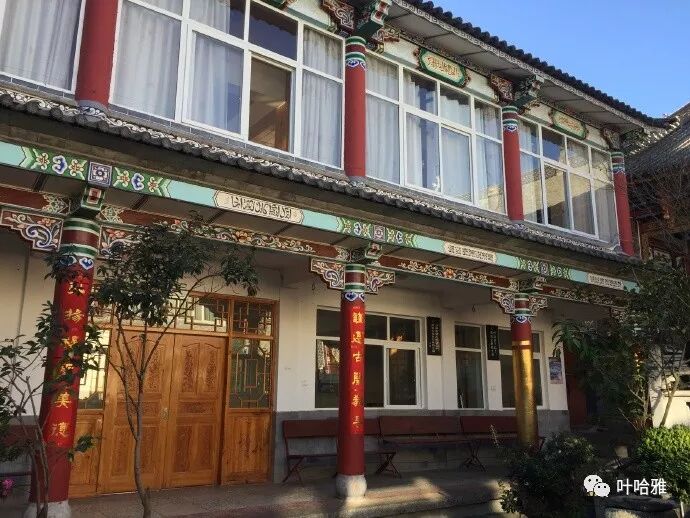
Lhasa, Tibet
Kachilin Ka East Mosque and West Mosque
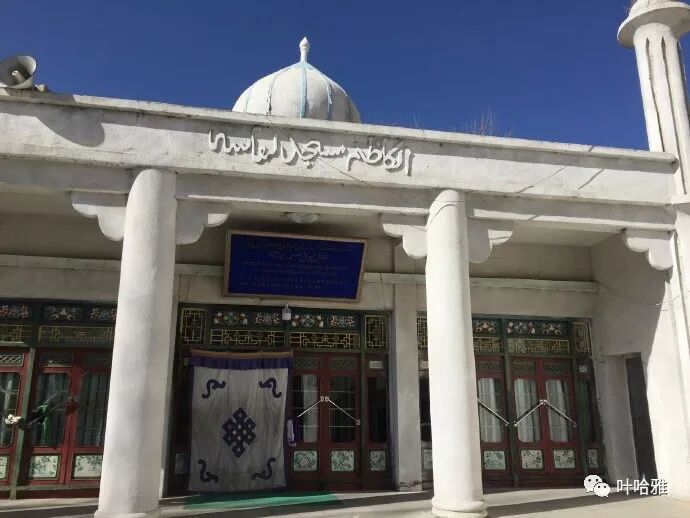
The East Mosque and West Mosque in Lhasa's Kachi Linka are separated by only one wall at the back of the park. The East Mosque was built in 1655, and the West Mosque was built in 1775.
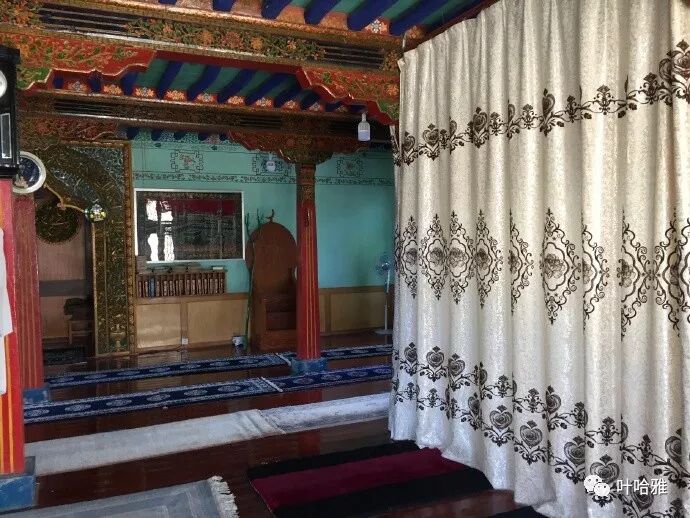
Lhasa, Tibet
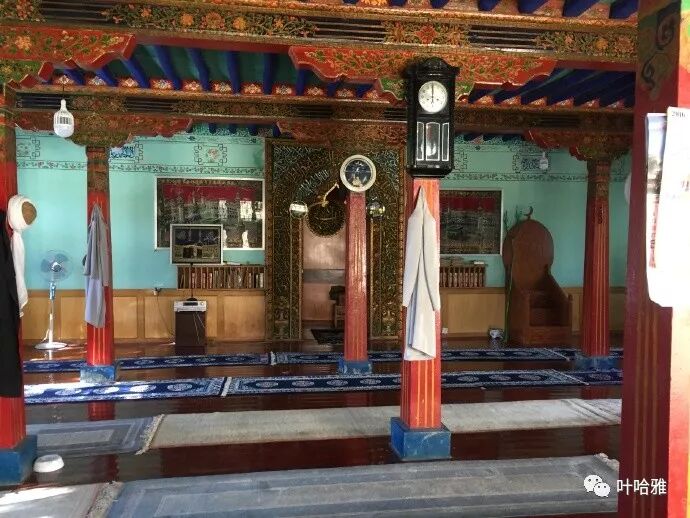
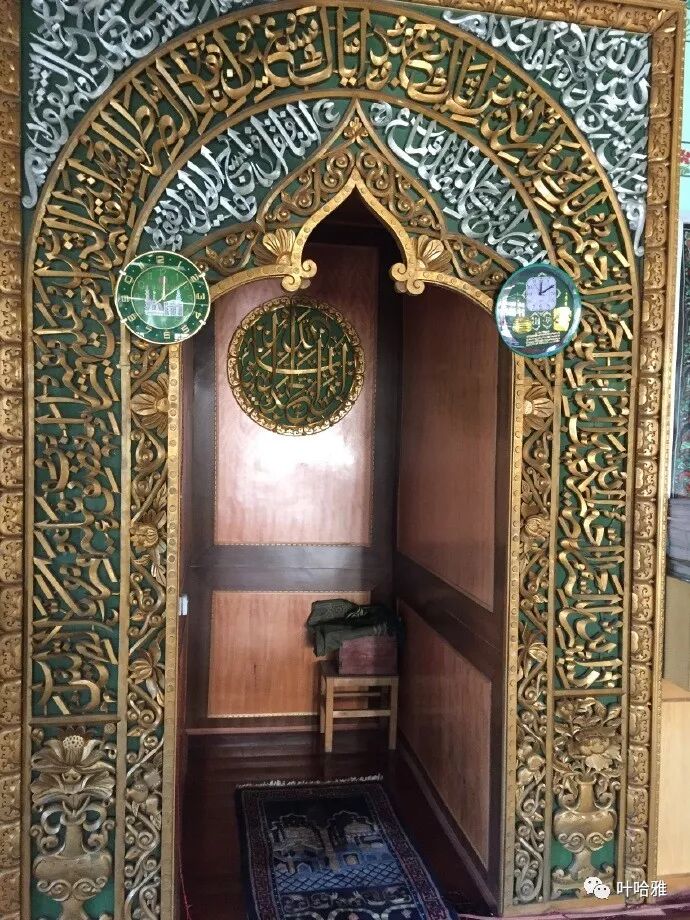
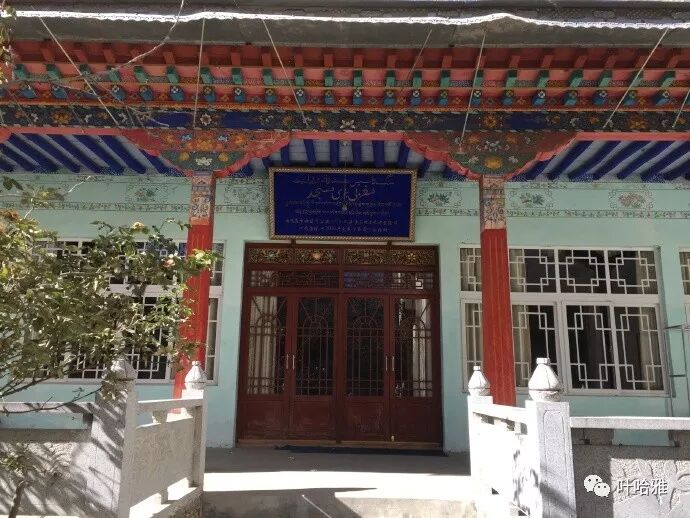
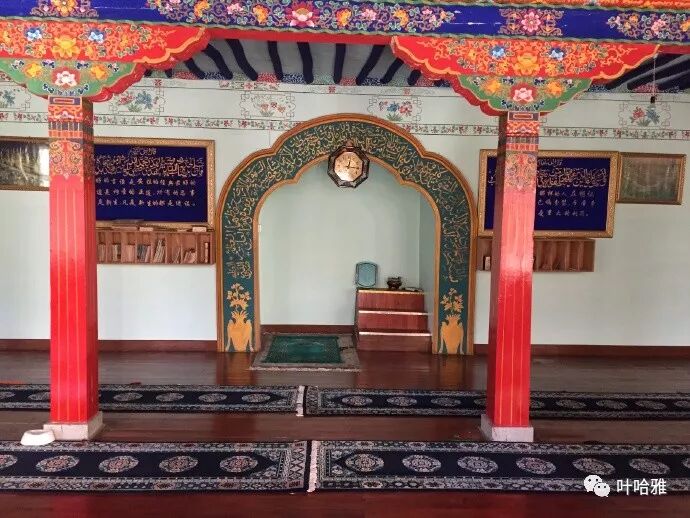
Small Mosque
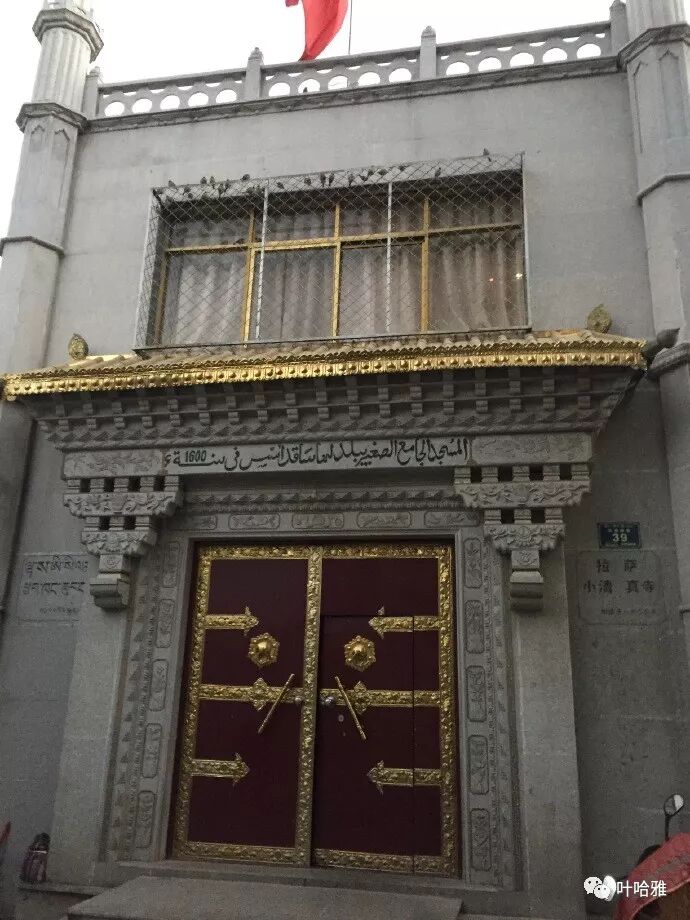
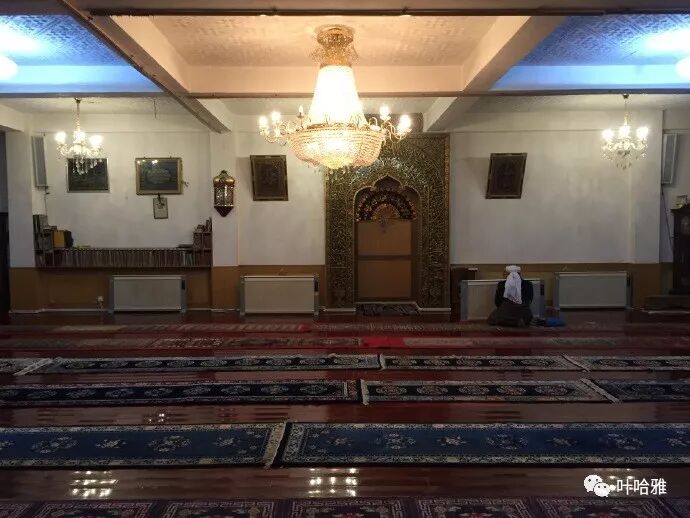
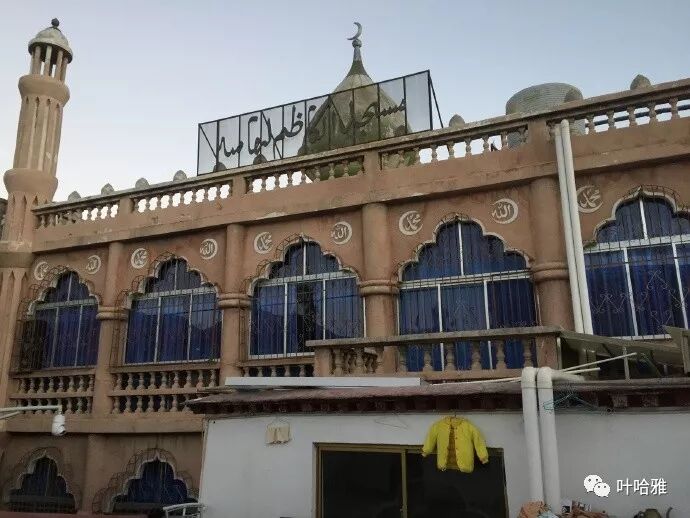
The Lhasa Small Mosque was built in the 1920s with funds raised for Muslim traders from Kashmir, Ladakh, Bhutan, Nepal, and Britain. It is located in the southern part of Barkhor Street in Lhasa's old town, just a few hundred meters from the Lhasa Great Mosque. Inside the entrance is a washing room, and the wall decorations are in a Tibetan style.
Shanghai
Huxi Mosque
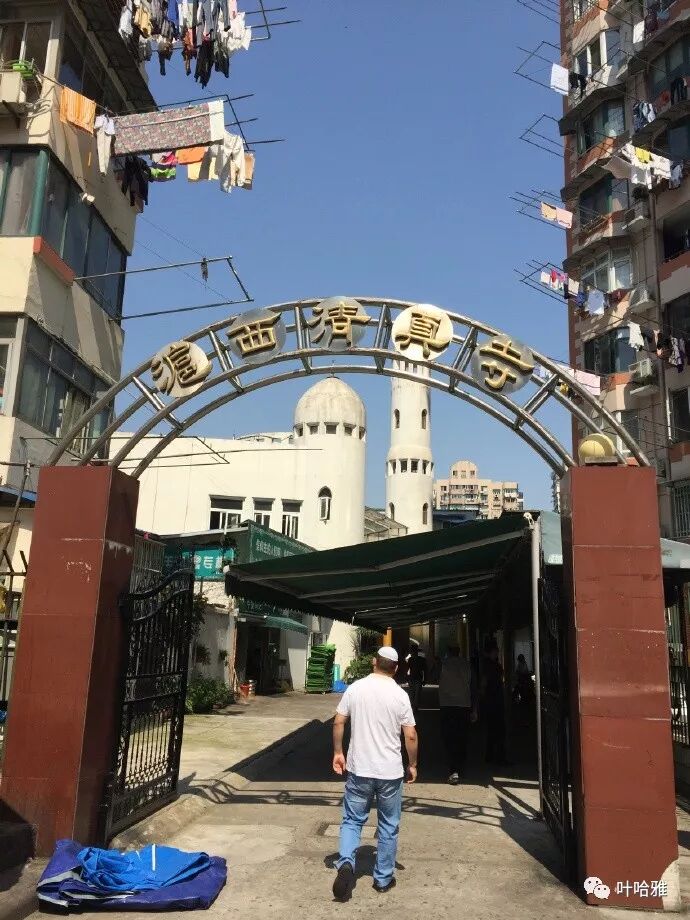
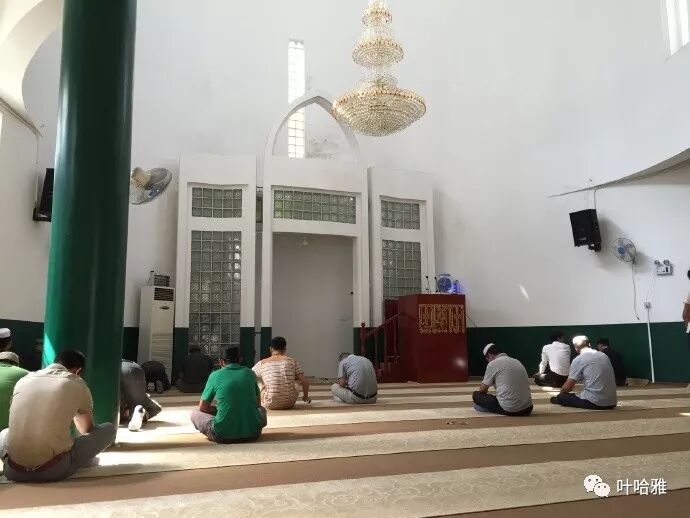
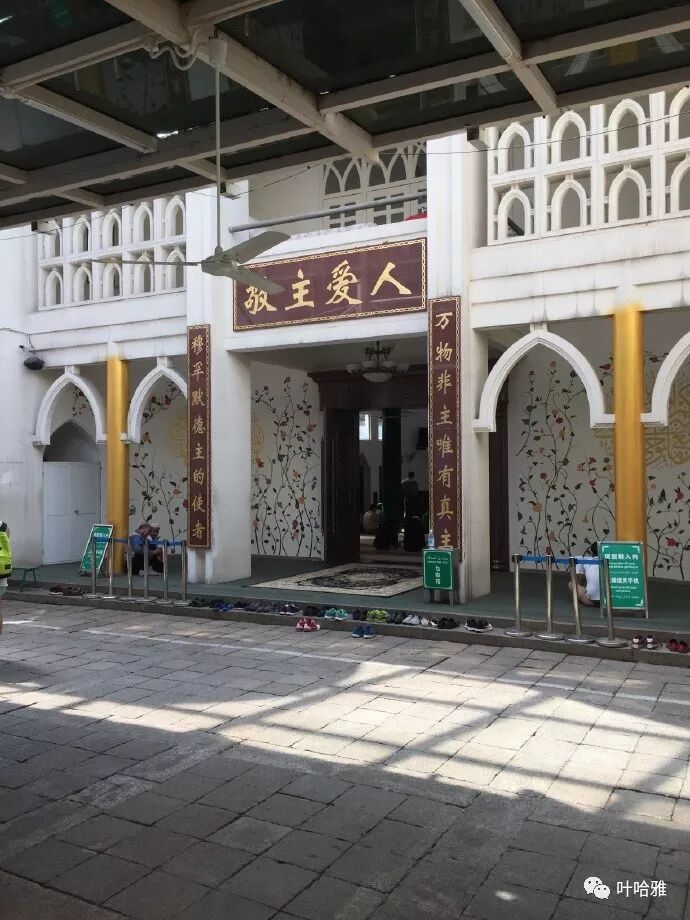
Huxi Mosque, originally named Xiaoshadu Mosque and also known as Yaoshuinong Mosque, was built in 1914. It is commonly called the Old Mosque. Every Friday, a bazaar market is held near the mosque during Jumu'ah.
Hefei, Anhui
Mosque
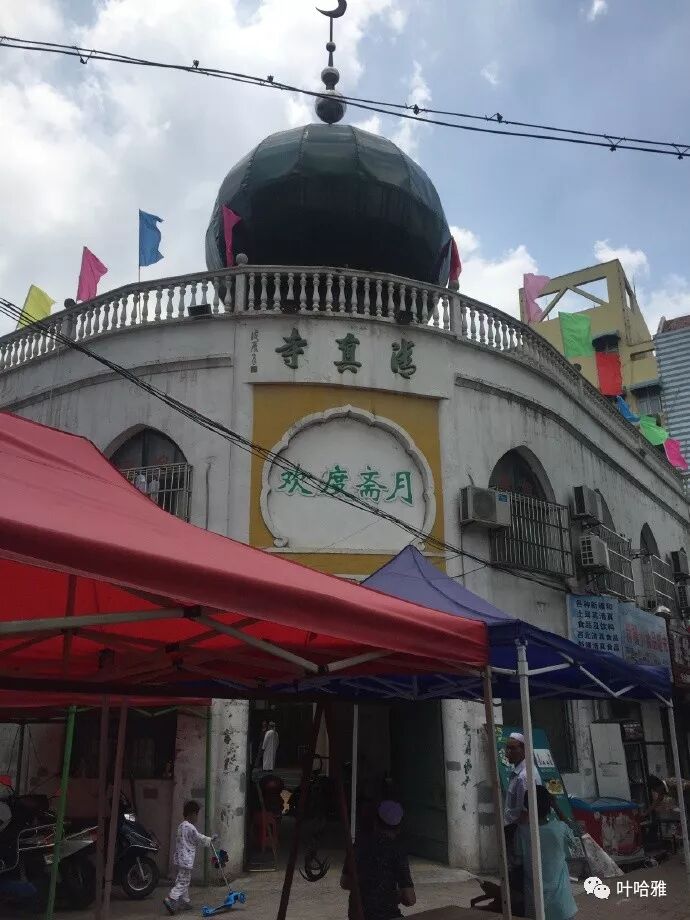
Hefei Mosque was built during the Hongwu period of the Ming Dynasty. It was damaged but expanded after being returned in 1981. The current imam is Xu Zhihai.
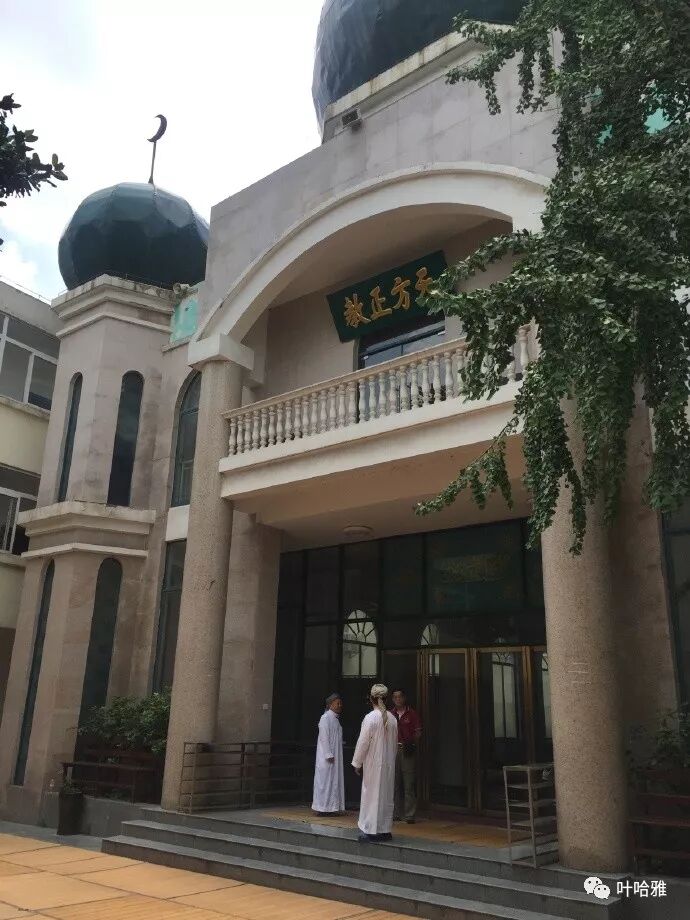
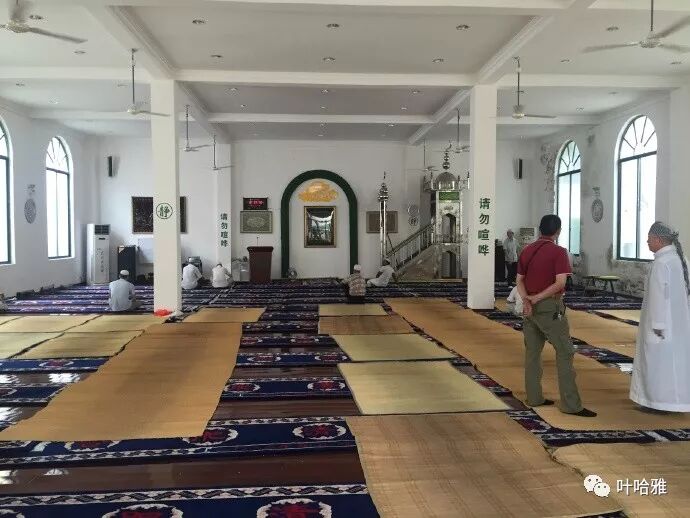
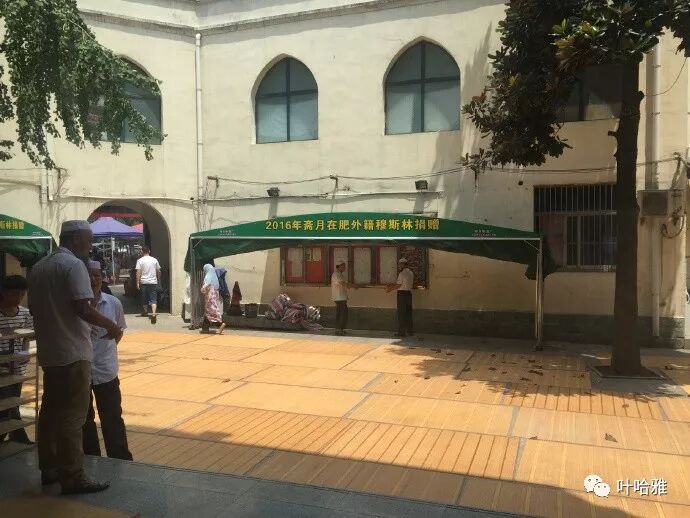
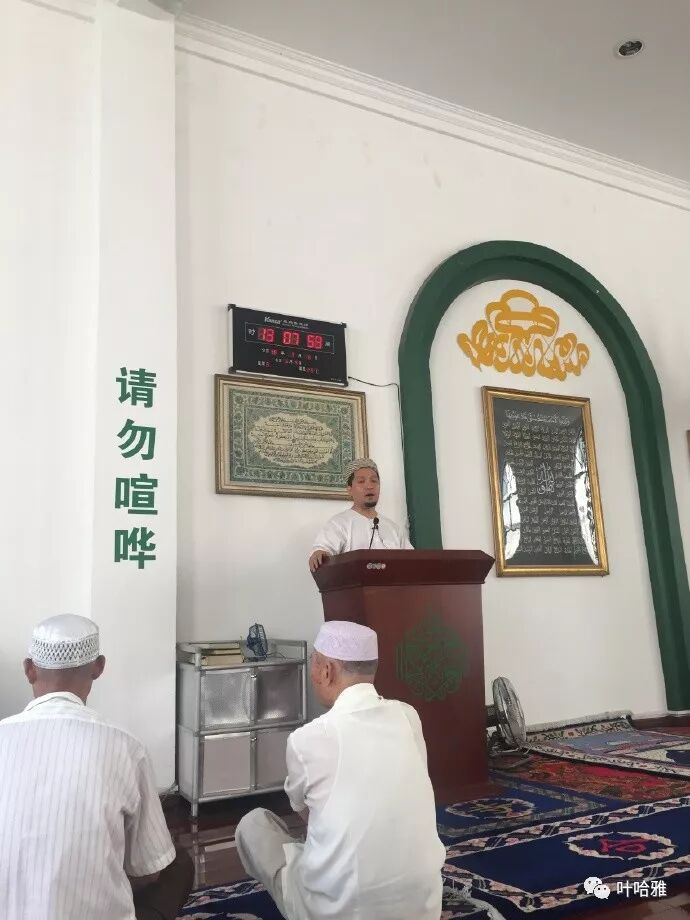
Nanjing, Jiangsu
Caoqiao Mosque
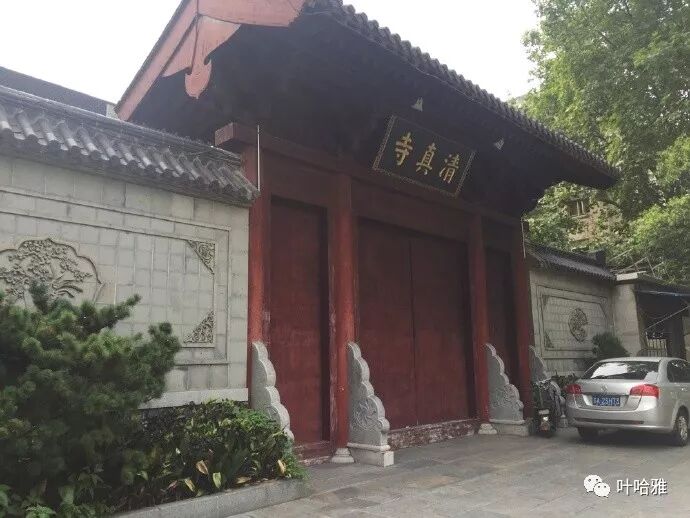
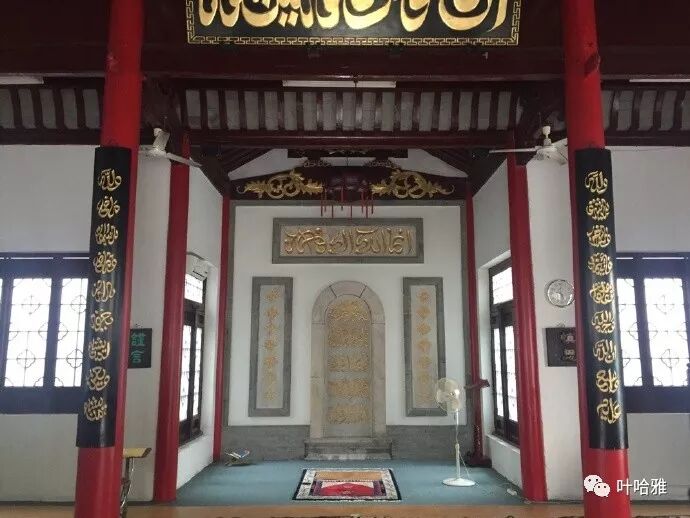
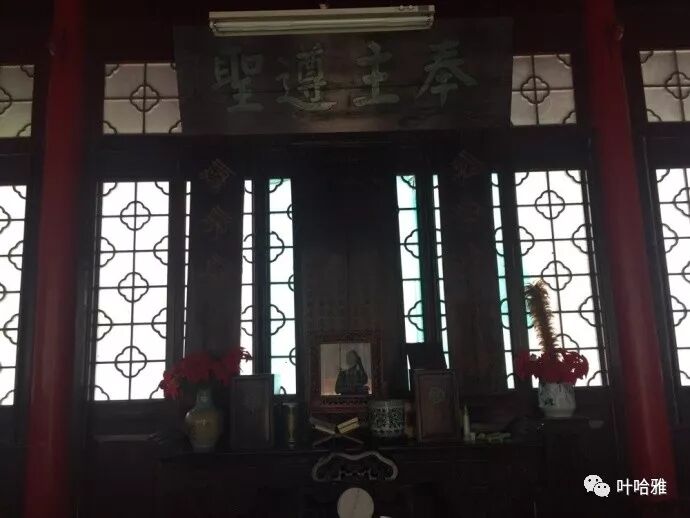
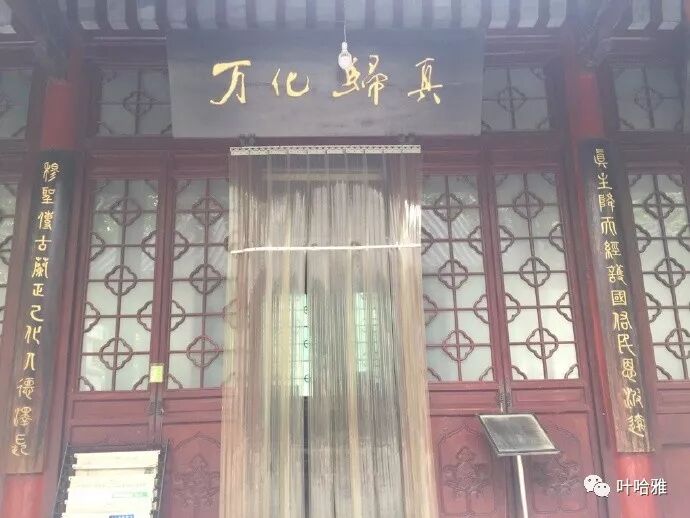
Caoqiao Mosque is located on the former Caoqiao Street in Nanjing, which is how it got its name. It was first built during the Qianlong reign of the Qing Dynasty (1736–1795) and was destroyed by fire during the Taiping Rebellion. The mosque founded Dunmu Primary School in the early years of the Republic of China, with Yi Yufang serving as the first principal.
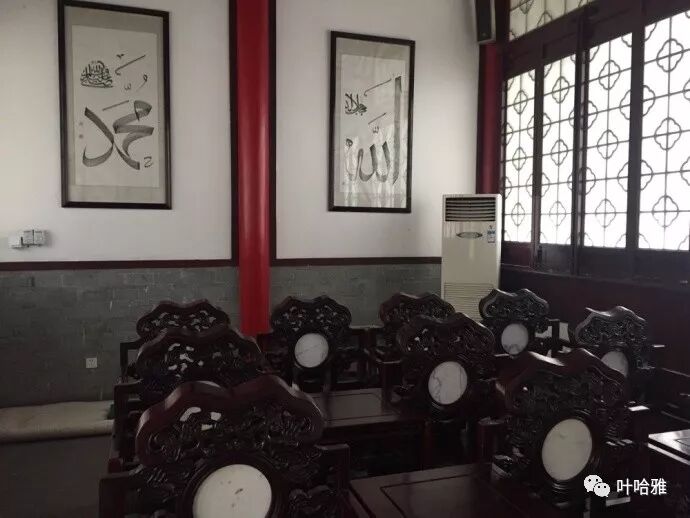
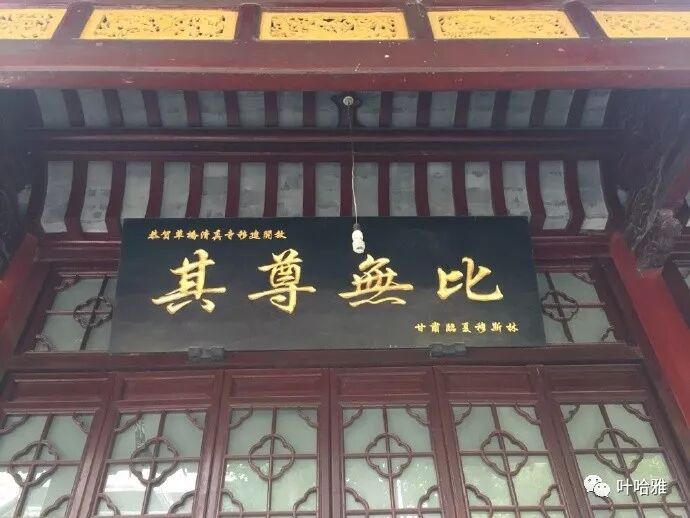
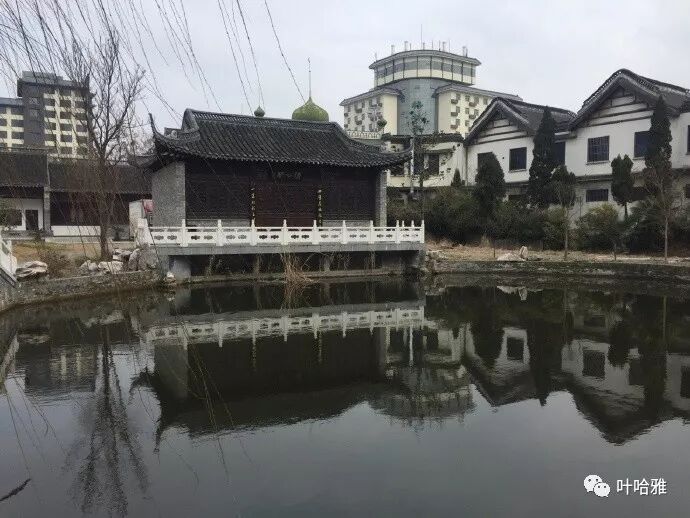
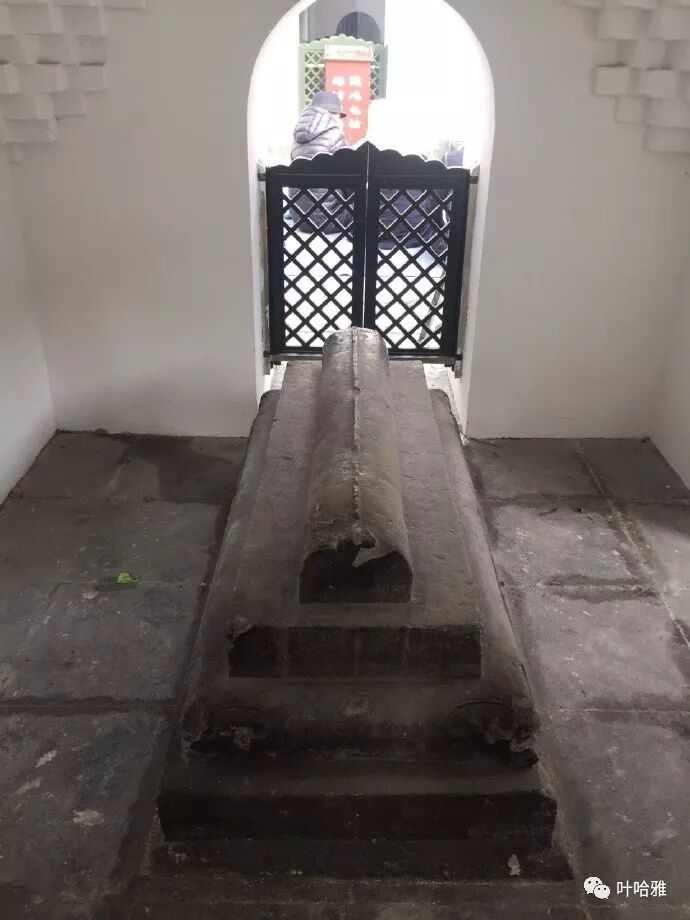
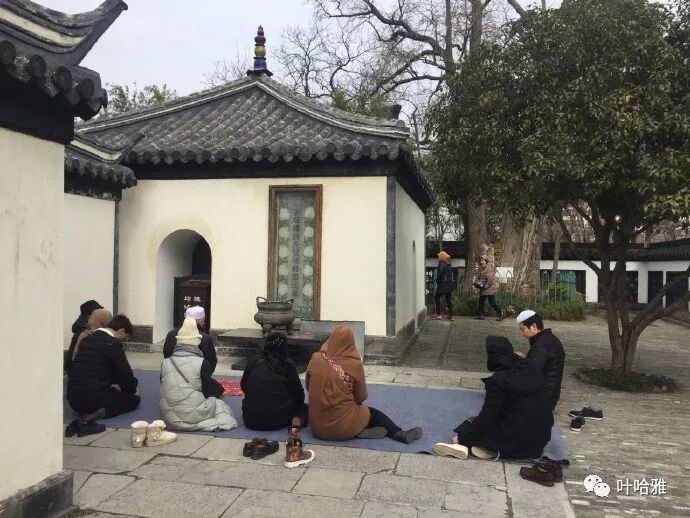
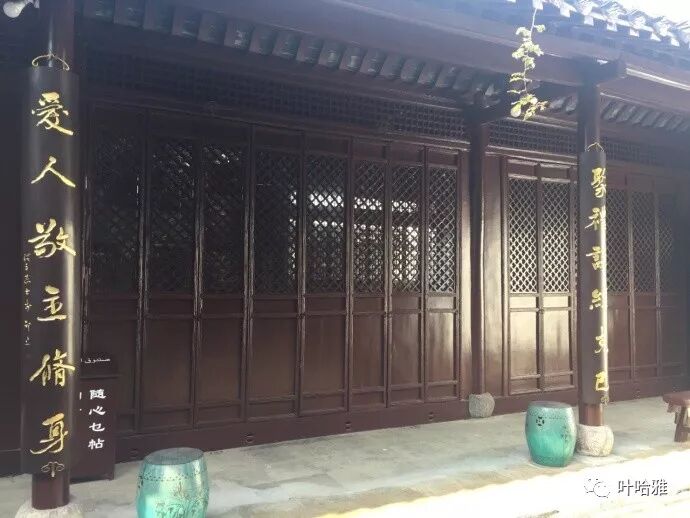
Yangzhou, Jiangsu
Puhading Mosque
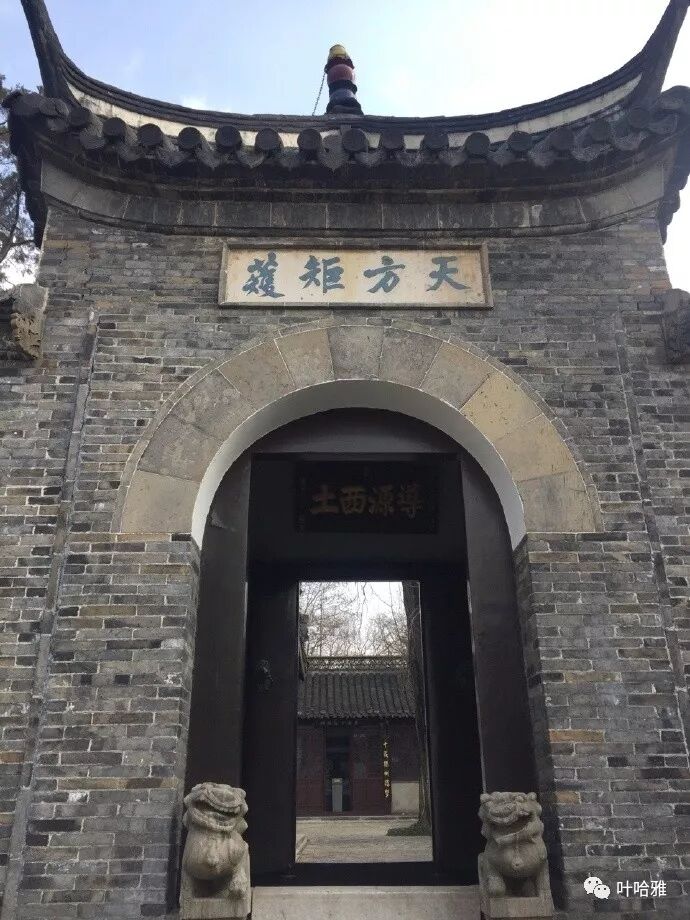
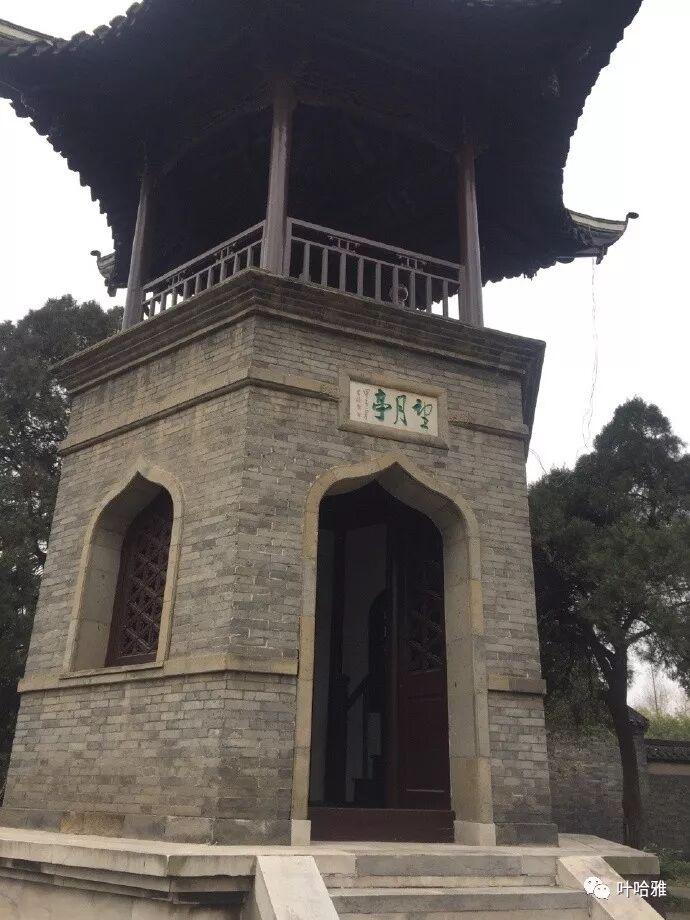
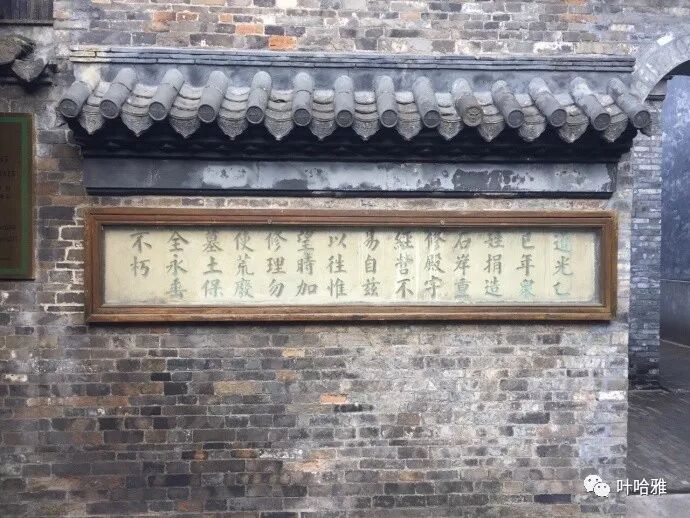
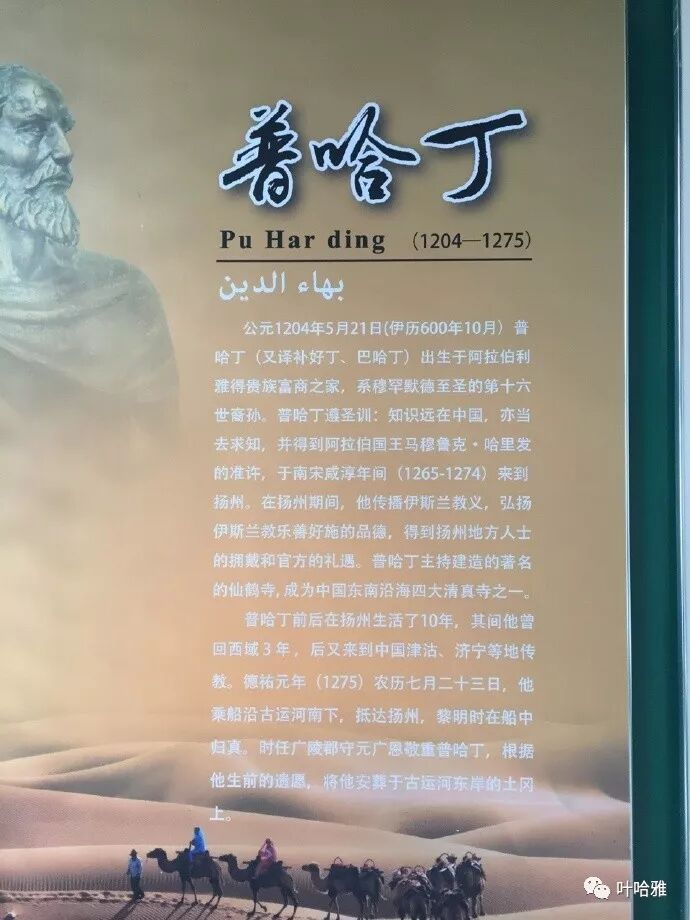
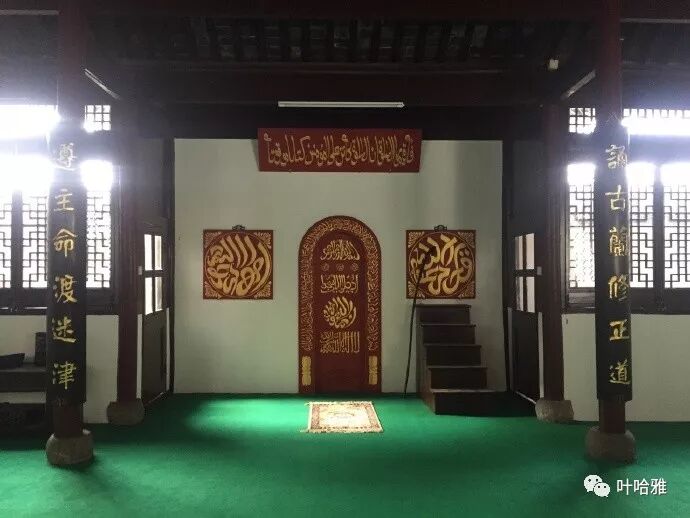
Puhading Cemetery is commonly known as the Baba Kiln (Baba Yao) and is also called the Hui Muslim Hall (Huihui Tang). It covers 25 mu of land and consists of three parts: an ancient mosque, an ancient cemetery, and a classical garden. Puhading Garden was first built in the first year of the Deyou reign of the Song Dynasty (1275 AD) to honor Puhading, a 16th-generation descendant of the Prophet Muhammad.
Taizhou, Jiangsu
Mosque
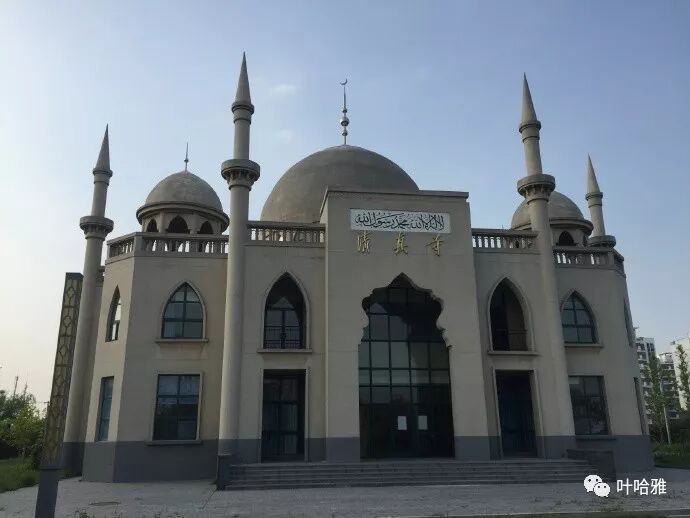
Taizhou Mosque was built in 2012 and is the first mosque in Taizhou City.
Shaoxing, Zhejiang
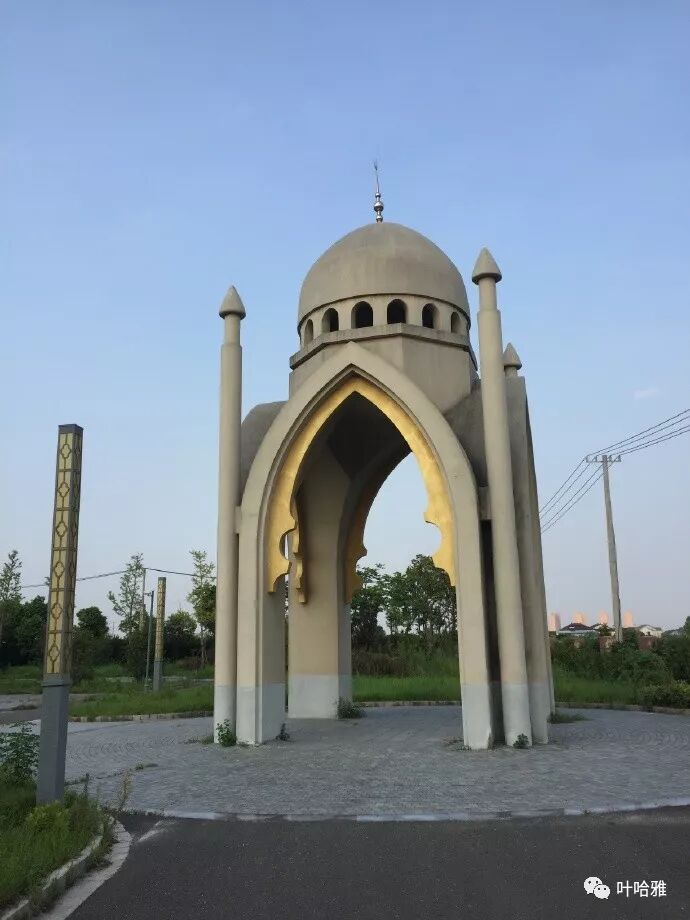
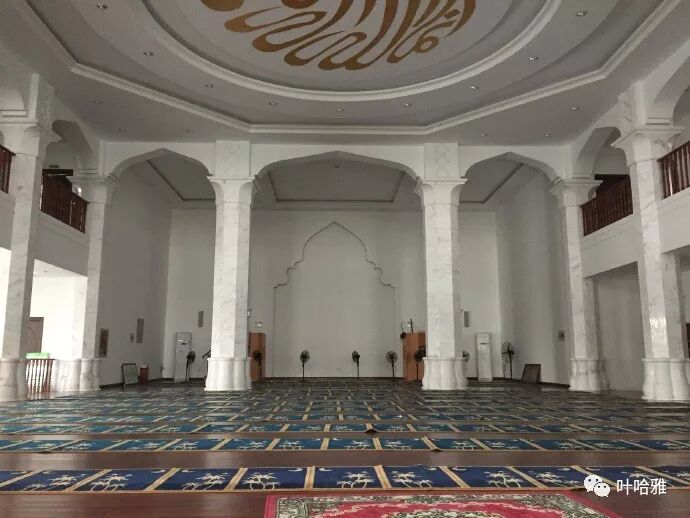
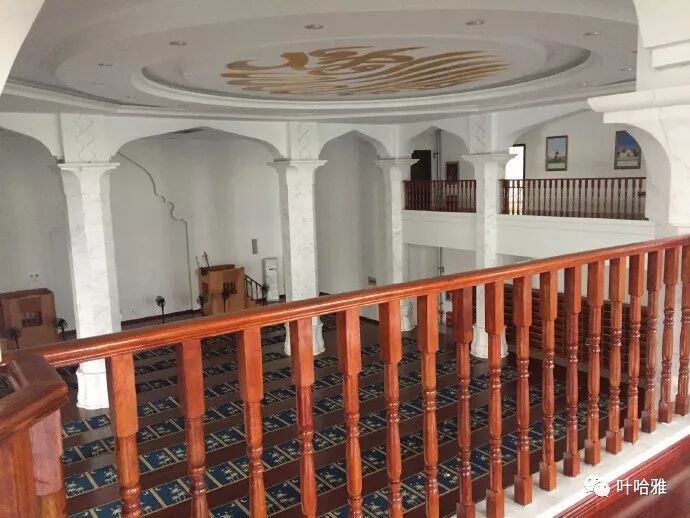
Pakistan Keqiao Community

Shaoxing has five prayer spots, and this is the largest one. It is a temporary religious site. If you cannot find a mosque in a southern city, just ask at a local hand-pulled noodle shop (lamian guan) to find out where the prayer spots are.
Huangnan Tibetan Autonomous Prefecture, Qinghai
Kangjia Mosque
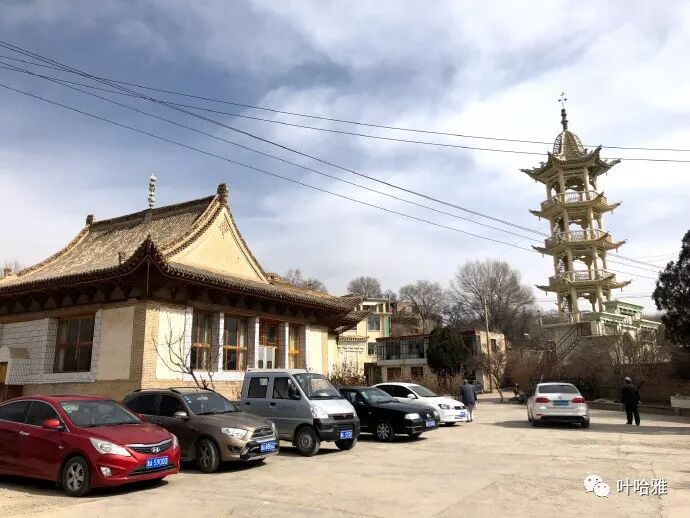
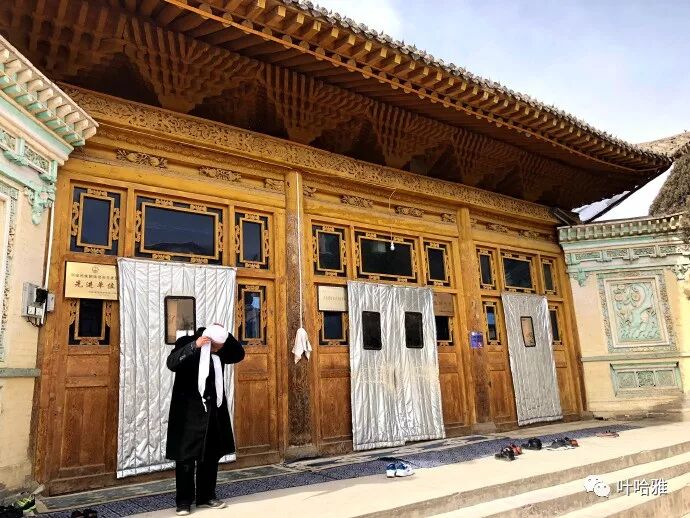
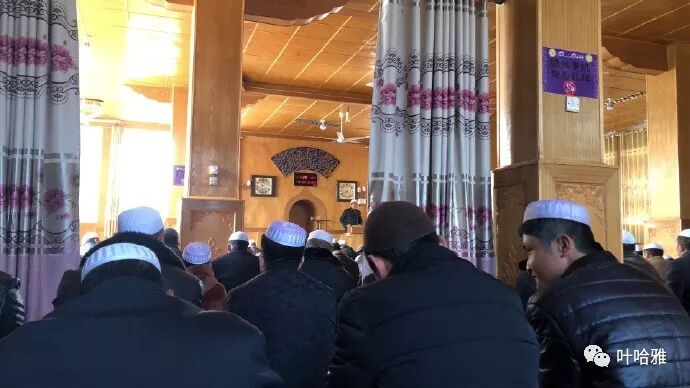
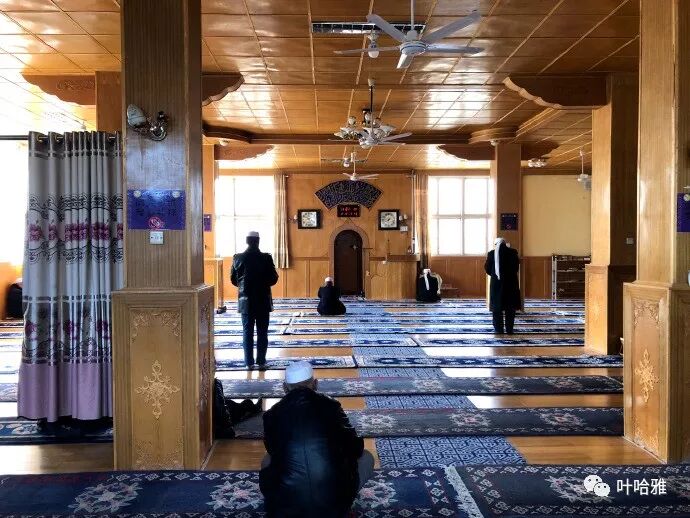
This mosque was first built in the 16th year of the Yongle reign of the Ming Dynasty (1418). It is one of the oldest mosques in the pastoral areas of Qinghai Province.
Xunhua, Qinghai
Jiezi Mosque
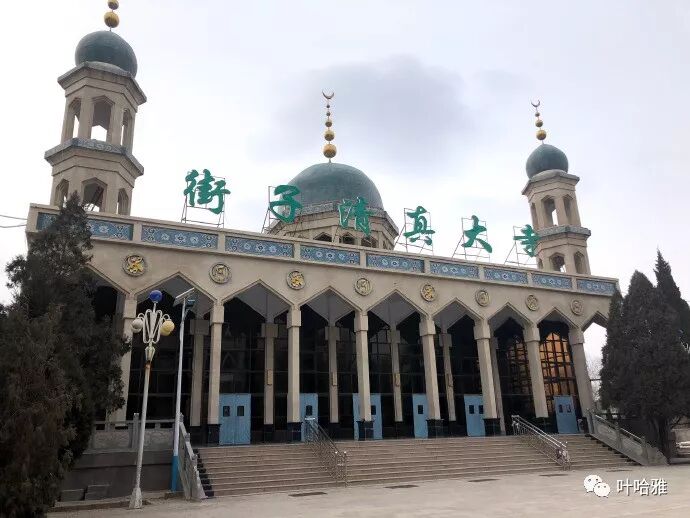
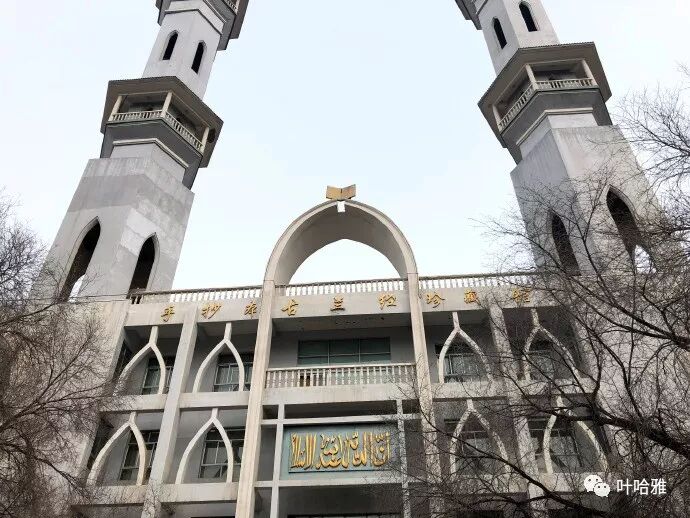
Jiezi Grand Mosque is the second largest mosque in Qinghai. It is located in Sanlanbahai Village, Jiezi Township, Xunhua Salar Autonomous County. It houses a handwritten Quran brought by the ancestors of the Salar people when they moved east 700 years ago.
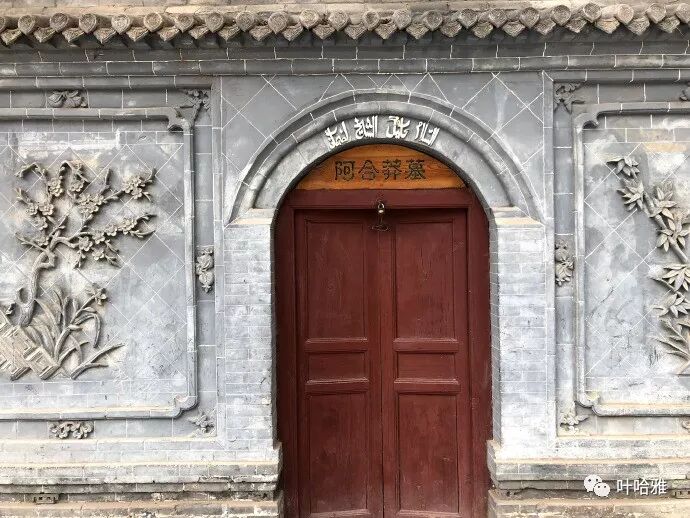
Jianza, Qinghai
Maketang Grand Mosque
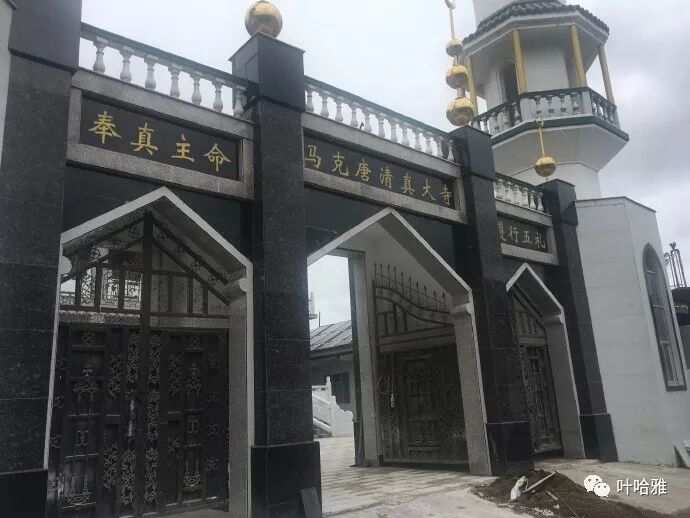
This mosque was completed in 2018. It is the first mosque in Maketang Town, Jianza County, in the Tibetan region.
Previous issue: Map of Chinese Mosques
Summary: This China mosque map continues the original series with locations, history notes, regional mosque names, and photos from Ningxia to Shenzhen and Wuhan. It is formatted for readers searching for mosque locations and Muslim travel history in China.
The last issue of the China Mosque Map introduced some mosques I have visited. I chose the ones I personally find unique, but space was limited, so I will introduce more in this issue. Many friends left comments asking why I did not introduce their local mosques. The reason is simply that I have not been there. As a Hui Muslim from Niujie in Beijing, I did not even introduce the Niujie Mosque right at my doorstep. I thought everyone knew about it, so I did not mention it. It turns out that not a single person in the comments asked why I left out the Niujie Mosque.
I will not talk about food during Ramadan and will continue to share mosque photos with you instead.
Xiji County, Ningxia
Shagou Gongbei
Shagou Gongbei was first built during the Guangxu reign of the Qing Dynasty. Ma Yuanzhang, the seventh-generation successor of the Jahriyya menhuan, was initially buried here, but his remains were later moved to Zhangjiachuan, Gansu.
Zhongning County, Ningxia
Honggang Gangzi Gongbei
Honggang Gangzi Gongbei was built in 1939. It is the gongbei for Hong Shoulin, the founder of the Hongmen branch of the Khufiyya menhuan. It was damaged during the Cultural Revolution and rebuilt in 1987 under the organization of Hong Weizong, the third-generation successor of the Hongmen. The site covers 20,000 square meters and includes a canteen, living quarters, a bathhouse, a mosque, and the gongbei.
Tongxin County, Ningxia
Tongxin Great Mosque
Tongxin Great Mosque was first built in the early Ming Dynasty on the site of a collapsed Lama mosque. It has a history of about 600 years. It was renovated three times during the Ming and Qing dynasties. In 1936, when the Red Army marched west, they established the Yuhai County Hui Muslim Autonomous Government of the Shaan-Gan-Ning Border Region here.
Guangdong, Shenzhen
Mosque
When I came to Shenzhen in 2015, this place was still a construction site. Today, a modern-style mosque with five floors above ground and one underground has been built. Shenzhen Mosque was completed in 2016. The main building has a prayer hall on every floor and a restaurant on the first floor.
Hubei, Xiangyang
Laohekou Mosque
Laohekou City Mosque in Hubei is the first Ikhwan (Yihewani) mosque in China. It was first built in the third year of the Xianfeng reign of the Qing Dynasty (1853). It has a history of 150 years and covers an area of 800 square meters. Ma Wanfu (Guoyuan), the advocate of the Ikhwan sect, once taught at Laohekou Mosque. In the autumn of 1940, the Hubei Provincial Branch of the China Islamic National Salvation Association moved to Laohekou, with its headquarters located inside the mosque. Today, this place no longer emphasizes sectarian differences.
Hubei, Wuhan
Ma Si Baba Gongbei
Ma Quan (1596–1678) was a famous Islamic scholar during the late Ming and early Qing dynasties. He was a third-generation student of Hu Dengzhou. His courtesy name was Minglong, and he was honored as Ma Si Baba. He was a Hui Muslim from Jiangxia, Hubei (modern-day Wuchang). Local folklore tells a fun story about Ma Si Baba having a magical duel with Zhang Sanfeng.
Shiyan, Hubei
Mosque
Shiyan Mosque was built in 1991. It is the first mosque in Shiyan city, and it was led by Imam Ma Wenxue from Ningxia.
Nanchang, Jiangxi
Cuxiang Mosque
Nanchang Cuxiang Mosque was first built in 1824. It is the only mosque in Nanchang city.
Sanya, Hainan
Huihui Village, Northwest Mosque
The Northwest Grand Mosque was originally called the West Mosque. It was first built during the Tang Dynasty. Its original site was in Huixin Village, which is now the Huixin community. In 1937, the Japanese landed on Hainan Island. To expand their military base and because Huixin Village had a strategic location for controlling the South China Sea, they forced all the Hui Muslims out of Huixin Village and into Huihui Village, which is now the Huihui community. At that time, the four mosques in Huixin Village—the North Mosque, West Mosque, Old Mosque, and South Mosque—were all torn down. Later, the West Mosque and North Mosque merged to form the Northwest Grand Mosque, which was rebuilt in Huihui Village in 1944. There are four mosques in Huihui Village. In 2015, the Northwest Grand Mosque built a high-rise teaching building with eight standard classrooms and two multi-purpose rooms. It can hold over 300 Muslim students at the same time, as shown in the picture below.
Sanya, Hainan
Huihui Village Old Mosque
The Huihui Village Old Mosque was first built in the sixth year of the Chenghua reign of the Ming Dynasty (1470). According to the Ming Dynasty's "Qiongzhou Prefecture Gazetteer" and the early Qing Dynasty's "Complete Collection of Illustrations and Writings of Ancient and Modern Times: Section on Geography," the ancestors of the Hui Muslims arrived by boat with their families between the Song and Yuan dynasties from Champa (near present-day Binh Dinh Province, Vietnam) and settled along the coast.
Xishuangbanna, Yunnan
Menghai County Mosque
Menghai Mosque is located on the Old North Street in the town of Menghai County, Xishuangbanna Prefecture, Yunnan Province. It was first built in the 1930s.
Xishuangbanna, Yunnan
Manluan Hui Mosque
The Hui Muslims of Manluan village take Dai names, wear Dai clothing, and speak the Dai language, yet they practice Islam. The men wear white caps and the women wear headscarves. Their lifestyle blends Dai traditions with Hui Muslim customs. The local Dai people call them 'Paxi Dai,' which means 'Hui Dai'.
Dali, Yunnan
Ximen Mosque
Dali Ximen Mosque was built in the Yuan Dynasty (1278 AD). Located inside the Dali Ancient City, it is the mosque where the famous Islamic scholar Bao Shan Zhenren began his teaching.
Dali, Yunnan
Nanmen Mosque
Dali Nanmen Mosque was built in the Yuan Dynasty and is one of the 100 ancient mosques in China. Before the failure of the Du Wenxiu Uprising, the mosque was located on Cangping Street, as recorded in The Travel Diaries of Xu Xiake. After the Du Wenxiu Uprising failed, the Qing government's post-war committee seized the mosque and its 120 mu of mosque land as rebel property. The mosque was turned into a City God Mosque, and in 1944, it became a local court. The current Nanmen Mosque is located inside the Dali Ancient City.
Lhasa, Tibet
Kachilin Ka East Mosque and West Mosque
The East Mosque and West Mosque in Lhasa's Kachi Linka are separated by only one wall at the back of the park. The East Mosque was built in 1655, and the West Mosque was built in 1775.
Lhasa, Tibet
Small Mosque
The Lhasa Small Mosque was built in the 1920s with funds raised for Muslim traders from Kashmir, Ladakh, Bhutan, Nepal, and Britain. It is located in the southern part of Barkhor Street in Lhasa's old town, just a few hundred meters from the Lhasa Great Mosque. Inside the entrance is a washing room, and the wall decorations are in a Tibetan style.
Shanghai
Huxi Mosque
Huxi Mosque, originally named Xiaoshadu Mosque and also known as Yaoshuinong Mosque, was built in 1914. It is commonly called the Old Mosque. Every Friday, a bazaar market is held near the mosque during Jumu'ah.
Hefei, Anhui
Mosque
Hefei Mosque was built during the Hongwu period of the Ming Dynasty. It was damaged but expanded after being returned in 1981. The current imam is Xu Zhihai.
Nanjing, Jiangsu
Caoqiao Mosque
Caoqiao Mosque is located on the former Caoqiao Street in Nanjing, which is how it got its name. It was first built during the Qianlong reign of the Qing Dynasty (1736–1795) and was destroyed by fire during the Taiping Rebellion. The mosque founded Dunmu Primary School in the early years of the Republic of China, with Yi Yufang serving as the first principal.
Yangzhou, Jiangsu
Puhading Mosque
Puhading Cemetery is commonly known as the Baba Kiln (Baba Yao) and is also called the Hui Muslim Hall (Huihui Tang). It covers 25 mu of land and consists of three parts: an ancient mosque, an ancient cemetery, and a classical garden. Puhading Garden was first built in the first year of the Deyou reign of the Song Dynasty (1275 AD) to honor Puhading, a 16th-generation descendant of the Prophet Muhammad.
Taizhou, Jiangsu
Mosque
Taizhou Mosque was built in 2012 and is the first mosque in Taizhou City.
Shaoxing, Zhejiang
Pakistan Keqiao Community
Shaoxing has five prayer spots, and this is the largest one. It is a temporary religious site. If you cannot find a mosque in a southern city, just ask at a local hand-pulled noodle shop (lamian guan) to find out where the prayer spots are.
Huangnan Tibetan Autonomous Prefecture, Qinghai
Kangjia Mosque
This mosque was first built in the 16th year of the Yongle reign of the Ming Dynasty (1418). It is one of the oldest mosques in the pastoral areas of Qinghai Province.
Xunhua, Qinghai
Jiezi Mosque
Jiezi Grand Mosque is the second largest mosque in Qinghai. It is located in Sanlanbahai Village, Jiezi Township, Xunhua Salar Autonomous County. It houses a handwritten Quran brought by the ancestors of the Salar people when they moved east 700 years ago.
Jianza, Qinghai
Maketang Grand Mosque
This mosque was completed in 2018. It is the first mosque in Maketang Town, Jianza County, in the Tibetan region.
Previous issue: Map of Chinese Mosques
Oldest Mosque in China Location and History: Ningxia, Shenzhen, Wuhan and Beyond
Articles • ali2007fr posted the article • 0 comments • 184 views • 2026-05-21 11:00
Reposted from the web
Summary: This China mosque map continues the original series with locations, history notes, regional mosque names, and photos from Ningxia to Shenzhen and Wuhan. It is formatted for readers searching for mosque locations and Muslim travel history in China.
The last issue of the China Mosque Map introduced some mosques I have visited. I chose the ones I personally find unique, but space was limited, so I will introduce more in this issue. Many friends left comments asking why I did not introduce their local mosques. The reason is simply that I have not been there. As a Hui Muslim from Niujie in Beijing, I did not even introduce the Niujie Mosque right at my doorstep. I thought everyone knew about it, so I did not mention it. It turns out that not a single person in the comments asked why I left out the Niujie Mosque.
I will not talk about food during Ramadan and will continue to share mosque photos with you instead.
Xiji County, Ningxia
Shagou Gongbei
Shagou Gongbei was first built during the Guangxu reign of the Qing Dynasty. Ma Yuanzhang, the seventh-generation successor of the Jahriyya menhuan, was initially buried here, but his remains were later moved to Zhangjiachuan, Gansu.
Zhongning County, Ningxia
Honggang Gangzi Gongbei
Honggang Gangzi Gongbei was built in 1939. It is the gongbei for Hong Shoulin, the founder of the Hongmen branch of the Khufiyya menhuan. It was damaged during the Cultural Revolution and rebuilt in 1987 under the organization of Hong Weizong, the third-generation successor of the Hongmen. The site covers 20,000 square meters and includes a canteen, living quarters, a bathhouse, a mosque, and the gongbei.
Tongxin County, Ningxia
Tongxin Great Mosque
Tongxin Great Mosque was first built in the early Ming Dynasty on the site of a collapsed Lama mosque. It has a history of about 600 years. It was renovated three times during the Ming and Qing dynasties. In 1936, when the Red Army marched west, they established the Yuhai County Hui Muslim Autonomous Government of the Shaan-Gan-Ning Border Region here.
Guangdong, Shenzhen
Mosque
When I came to Shenzhen in 2015, this place was still a construction site. Today, a modern-style mosque with five floors above ground and one underground has been built. Shenzhen Mosque was completed in 2016. The main building has a prayer hall on every floor and a restaurant on the first floor.
Hubei, Xiangyang
Laohekou Mosque
Laohekou City Mosque in Hubei is the first Ikhwan (Yihewani) mosque in China. It was first built in the third year of the Xianfeng reign of the Qing Dynasty (1853). It has a history of 150 years and covers an area of 800 square meters. Ma Wanfu (Guoyuan), the advocate of the Ikhwan sect, once taught at Laohekou Mosque. In the autumn of 1940, the Hubei Provincial Branch of the China Islamic National Salvation Association moved to Laohekou, with its headquarters located inside the mosque. Today, this place no longer emphasizes sectarian differences.
Hubei, Wuhan
Ma Si Baba Gongbei
Ma Quan (1596–1678) was a famous Islamic scholar during the late Ming and early Qing dynasties. He was a third-generation student of Hu Dengzhou. His courtesy name was Minglong, and he was honored as Ma Si Baba. He was a Hui Muslim from Jiangxia, Hubei (modern-day Wuchang). Local folklore tells a fun story about Ma Si Baba having a magical duel with Zhang Sanfeng.
Shiyan, Hubei
Mosque
Shiyan Mosque was built in 1991. It is the first mosque in Shiyan city, and it was led by Imam Ma Wenxue from Ningxia.
Nanchang, Jiangxi
Cuxiang Mosque
Nanchang Cuxiang Mosque was first built in 1824. It is the only mosque in Nanchang city.
Sanya, Hainan
Huihui Village, Northwest Mosque
The Northwest Grand Mosque was originally called the West Mosque. It was first built during the Tang Dynasty. Its original site was in Huixin Village, which is now the Huixin community. In 1937, the Japanese landed on Hainan Island. To expand their military base and because Huixin Village had a strategic location for controlling the South China Sea, they forced all the Hui Muslims out of Huixin Village and into Huihui Village, which is now the Huihui community. At that time, the four mosques in Huixin Village—the North Mosque, West Mosque, Old Mosque, and South Mosque—were all torn down. Later, the West Mosque and North Mosque merged to form the Northwest Grand Mosque, which was rebuilt in Huihui Village in 1944. There are four mosques in Huihui Village. In 2015, the Northwest Grand Mosque built a high-rise teaching building with eight standard classrooms and two multi-purpose rooms. It can hold over 300 Muslim students at the same time, as shown in the picture below.
Sanya, Hainan
Huihui Village Old Mosque
The Huihui Village Old Mosque was first built in the sixth year of the Chenghua reign of the Ming Dynasty (1470). According to the Ming Dynasty's "Qiongzhou Prefecture Gazetteer" and the early Qing Dynasty's "Complete Collection of Illustrations and Writings of Ancient and Modern Times: Section on Geography," the ancestors of the Hui Muslims arrived by boat with their families between the Song and Yuan dynasties from Champa (near present-day Binh Dinh Province, Vietnam) and settled along the coast.
Xishuangbanna, Yunnan
Menghai County Mosque
Menghai Mosque is located on the Old North Street in the town of Menghai County, Xishuangbanna Prefecture, Yunnan Province. It was first built in the 1930s.
Xishuangbanna, Yunnan
Manluan Hui Mosque
The Hui Muslims of Manluan village take Dai names, wear Dai clothing, and speak the Dai language, yet they practice Islam. The men wear white caps and the women wear headscarves. Their lifestyle blends Dai traditions with Hui Muslim customs. The local Dai people call them 'Paxi Dai,' which means 'Hui Dai'.
Dali, Yunnan
Ximen Mosque
Dali Ximen Mosque was built in the Yuan Dynasty (1278 AD). Located inside the Dali Ancient City, it is the mosque where the famous Islamic scholar Bao Shan Zhenren began his teaching.
Dali, Yunnan
Nanmen Mosque
Dali Nanmen Mosque was built in the Yuan Dynasty and is one of the 100 ancient mosques in China. Before the failure of the Du Wenxiu Uprising, the mosque was located on Cangping Street, as recorded in The Travel Diaries of Xu Xiake. After the Du Wenxiu Uprising failed, the Qing government's post-war committee seized the mosque and its 120 mu of mosque land as rebel property. The mosque was turned into a City God Mosque, and in 1944, it became a local court. The current Nanmen Mosque is located inside the Dali Ancient City.
Lhasa, Tibet
Kachilin Ka East Mosque and West Mosque
The East Mosque and West Mosque in Lhasa's Kachi Linka are separated by only one wall at the back of the park. The East Mosque was built in 1655, and the West Mosque was built in 1775.
Lhasa, Tibet
Small Mosque
The Lhasa Small Mosque was built in the 1920s with funds raised for Muslim traders from Kashmir, Ladakh, Bhutan, Nepal, and Britain. It is located in the southern part of Barkhor Street in Lhasa's old town, just a few hundred meters from the Lhasa Great Mosque. Inside the entrance is a washing room, and the wall decorations are in a Tibetan style.
Shanghai
Huxi Mosque
Huxi Mosque, originally named Xiaoshadu Mosque and also known as Yaoshuinong Mosque, was built in 1914. It is commonly called the Old Mosque. Every Friday, a bazaar market is held near the mosque during Jumu'ah.
Hefei, Anhui
Mosque
Hefei Mosque was built during the Hongwu period of the Ming Dynasty. It was damaged but expanded after being returned in 1981. The current imam is Xu Zhihai.
Nanjing, Jiangsu
Caoqiao Mosque
Caoqiao Mosque is located on the former Caoqiao Street in Nanjing, which is how it got its name. It was first built during the Qianlong reign of the Qing Dynasty (1736–1795) and was destroyed by fire during the Taiping Rebellion. The mosque founded Dunmu Primary School in the early years of the Republic of China, with Yi Yufang serving as the first principal.
Yangzhou, Jiangsu
Puhading Mosque
Puhading Cemetery is commonly known as the Baba Kiln (Baba Yao) and is also called the Hui Muslim Hall (Huihui Tang). It covers 25 mu of land and consists of three parts: an ancient mosque, an ancient cemetery, and a classical garden. Puhading Garden was first built in the first year of the Deyou reign of the Song Dynasty (1275 AD) to honor Puhading, a 16th-generation descendant of the Prophet Muhammad.
Taizhou, Jiangsu
Mosque
Taizhou Mosque was built in 2012 and is the first mosque in Taizhou City.
Shaoxing, Zhejiang
Pakistan Keqiao Community
Shaoxing has five prayer spots, and this is the largest one. It is a temporary religious site. If you cannot find a mosque in a southern city, just ask at a local hand-pulled noodle shop (lamian guan) to find out where the prayer spots are.
Huangnan Tibetan Autonomous Prefecture, Qinghai
Kangjia Mosque
This mosque was first built in the 16th year of the Yongle reign of the Ming Dynasty (1418). It is one of the oldest mosques in the pastoral areas of Qinghai Province.
Xunhua, Qinghai
Jiezi Mosque
Jiezi Grand Mosque is the second largest mosque in Qinghai. It is located in Sanlanbahai Village, Jiezi Township, Xunhua Salar Autonomous County. It houses a handwritten Quran brought by the ancestors of the Salar people when they moved east 700 years ago.
Jianza, Qinghai
Maketang Grand Mosque
This mosque was completed in 2018. It is the first mosque in Maketang Town, Jianza County, in the Tibetan region.
Previous issue: Map of Chinese Mosques view all
Summary: This China mosque map continues the original series with locations, history notes, regional mosque names, and photos from Ningxia to Shenzhen and Wuhan. It is formatted for readers searching for mosque locations and Muslim travel history in China.
The last issue of the China Mosque Map introduced some mosques I have visited. I chose the ones I personally find unique, but space was limited, so I will introduce more in this issue. Many friends left comments asking why I did not introduce their local mosques. The reason is simply that I have not been there. As a Hui Muslim from Niujie in Beijing, I did not even introduce the Niujie Mosque right at my doorstep. I thought everyone knew about it, so I did not mention it. It turns out that not a single person in the comments asked why I left out the Niujie Mosque.
I will not talk about food during Ramadan and will continue to share mosque photos with you instead.
Xiji County, Ningxia
Shagou Gongbei
Shagou Gongbei was first built during the Guangxu reign of the Qing Dynasty. Ma Yuanzhang, the seventh-generation successor of the Jahriyya menhuan, was initially buried here, but his remains were later moved to Zhangjiachuan, Gansu.
Zhongning County, Ningxia
Honggang Gangzi Gongbei
Honggang Gangzi Gongbei was built in 1939. It is the gongbei for Hong Shoulin, the founder of the Hongmen branch of the Khufiyya menhuan. It was damaged during the Cultural Revolution and rebuilt in 1987 under the organization of Hong Weizong, the third-generation successor of the Hongmen. The site covers 20,000 square meters and includes a canteen, living quarters, a bathhouse, a mosque, and the gongbei.
Tongxin County, Ningxia
Tongxin Great Mosque
Tongxin Great Mosque was first built in the early Ming Dynasty on the site of a collapsed Lama mosque. It has a history of about 600 years. It was renovated three times during the Ming and Qing dynasties. In 1936, when the Red Army marched west, they established the Yuhai County Hui Muslim Autonomous Government of the Shaan-Gan-Ning Border Region here.
Guangdong, Shenzhen
Mosque
When I came to Shenzhen in 2015, this place was still a construction site. Today, a modern-style mosque with five floors above ground and one underground has been built. Shenzhen Mosque was completed in 2016. The main building has a prayer hall on every floor and a restaurant on the first floor.
Hubei, Xiangyang
Laohekou Mosque
Laohekou City Mosque in Hubei is the first Ikhwan (Yihewani) mosque in China. It was first built in the third year of the Xianfeng reign of the Qing Dynasty (1853). It has a history of 150 years and covers an area of 800 square meters. Ma Wanfu (Guoyuan), the advocate of the Ikhwan sect, once taught at Laohekou Mosque. In the autumn of 1940, the Hubei Provincial Branch of the China Islamic National Salvation Association moved to Laohekou, with its headquarters located inside the mosque. Today, this place no longer emphasizes sectarian differences.
Hubei, Wuhan
Ma Si Baba Gongbei
Ma Quan (1596–1678) was a famous Islamic scholar during the late Ming and early Qing dynasties. He was a third-generation student of Hu Dengzhou. His courtesy name was Minglong, and he was honored as Ma Si Baba. He was a Hui Muslim from Jiangxia, Hubei (modern-day Wuchang). Local folklore tells a fun story about Ma Si Baba having a magical duel with Zhang Sanfeng.
Shiyan, Hubei
Mosque
Shiyan Mosque was built in 1991. It is the first mosque in Shiyan city, and it was led by Imam Ma Wenxue from Ningxia.
Nanchang, Jiangxi
Cuxiang Mosque
Nanchang Cuxiang Mosque was first built in 1824. It is the only mosque in Nanchang city.
Sanya, Hainan
Huihui Village, Northwest Mosque
The Northwest Grand Mosque was originally called the West Mosque. It was first built during the Tang Dynasty. Its original site was in Huixin Village, which is now the Huixin community. In 1937, the Japanese landed on Hainan Island. To expand their military base and because Huixin Village had a strategic location for controlling the South China Sea, they forced all the Hui Muslims out of Huixin Village and into Huihui Village, which is now the Huihui community. At that time, the four mosques in Huixin Village—the North Mosque, West Mosque, Old Mosque, and South Mosque—were all torn down. Later, the West Mosque and North Mosque merged to form the Northwest Grand Mosque, which was rebuilt in Huihui Village in 1944. There are four mosques in Huihui Village. In 2015, the Northwest Grand Mosque built a high-rise teaching building with eight standard classrooms and two multi-purpose rooms. It can hold over 300 Muslim students at the same time, as shown in the picture below.
Sanya, Hainan
Huihui Village Old Mosque
The Huihui Village Old Mosque was first built in the sixth year of the Chenghua reign of the Ming Dynasty (1470). According to the Ming Dynasty's "Qiongzhou Prefecture Gazetteer" and the early Qing Dynasty's "Complete Collection of Illustrations and Writings of Ancient and Modern Times: Section on Geography," the ancestors of the Hui Muslims arrived by boat with their families between the Song and Yuan dynasties from Champa (near present-day Binh Dinh Province, Vietnam) and settled along the coast.
Xishuangbanna, Yunnan
Menghai County Mosque
Menghai Mosque is located on the Old North Street in the town of Menghai County, Xishuangbanna Prefecture, Yunnan Province. It was first built in the 1930s.
Xishuangbanna, Yunnan
Manluan Hui Mosque
The Hui Muslims of Manluan village take Dai names, wear Dai clothing, and speak the Dai language, yet they practice Islam. The men wear white caps and the women wear headscarves. Their lifestyle blends Dai traditions with Hui Muslim customs. The local Dai people call them 'Paxi Dai,' which means 'Hui Dai'.
Dali, Yunnan
Ximen Mosque
Dali Ximen Mosque was built in the Yuan Dynasty (1278 AD). Located inside the Dali Ancient City, it is the mosque where the famous Islamic scholar Bao Shan Zhenren began his teaching.
Dali, Yunnan
Nanmen Mosque
Dali Nanmen Mosque was built in the Yuan Dynasty and is one of the 100 ancient mosques in China. Before the failure of the Du Wenxiu Uprising, the mosque was located on Cangping Street, as recorded in The Travel Diaries of Xu Xiake. After the Du Wenxiu Uprising failed, the Qing government's post-war committee seized the mosque and its 120 mu of mosque land as rebel property. The mosque was turned into a City God Mosque, and in 1944, it became a local court. The current Nanmen Mosque is located inside the Dali Ancient City.
Lhasa, Tibet
Kachilin Ka East Mosque and West Mosque
The East Mosque and West Mosque in Lhasa's Kachi Linka are separated by only one wall at the back of the park. The East Mosque was built in 1655, and the West Mosque was built in 1775.
Lhasa, Tibet
Small Mosque
The Lhasa Small Mosque was built in the 1920s with funds raised for Muslim traders from Kashmir, Ladakh, Bhutan, Nepal, and Britain. It is located in the southern part of Barkhor Street in Lhasa's old town, just a few hundred meters from the Lhasa Great Mosque. Inside the entrance is a washing room, and the wall decorations are in a Tibetan style.
Shanghai
Huxi Mosque
Huxi Mosque, originally named Xiaoshadu Mosque and also known as Yaoshuinong Mosque, was built in 1914. It is commonly called the Old Mosque. Every Friday, a bazaar market is held near the mosque during Jumu'ah.
Hefei, Anhui
Mosque
Hefei Mosque was built during the Hongwu period of the Ming Dynasty. It was damaged but expanded after being returned in 1981. The current imam is Xu Zhihai.
Nanjing, Jiangsu
Caoqiao Mosque
Caoqiao Mosque is located on the former Caoqiao Street in Nanjing, which is how it got its name. It was first built during the Qianlong reign of the Qing Dynasty (1736–1795) and was destroyed by fire during the Taiping Rebellion. The mosque founded Dunmu Primary School in the early years of the Republic of China, with Yi Yufang serving as the first principal.
Yangzhou, Jiangsu
Puhading Mosque
Puhading Cemetery is commonly known as the Baba Kiln (Baba Yao) and is also called the Hui Muslim Hall (Huihui Tang). It covers 25 mu of land and consists of three parts: an ancient mosque, an ancient cemetery, and a classical garden. Puhading Garden was first built in the first year of the Deyou reign of the Song Dynasty (1275 AD) to honor Puhading, a 16th-generation descendant of the Prophet Muhammad.
Taizhou, Jiangsu
Mosque
Taizhou Mosque was built in 2012 and is the first mosque in Taizhou City.
Shaoxing, Zhejiang
Pakistan Keqiao Community
Shaoxing has five prayer spots, and this is the largest one. It is a temporary religious site. If you cannot find a mosque in a southern city, just ask at a local hand-pulled noodle shop (lamian guan) to find out where the prayer spots are.
Huangnan Tibetan Autonomous Prefecture, Qinghai
Kangjia Mosque
This mosque was first built in the 16th year of the Yongle reign of the Ming Dynasty (1418). It is one of the oldest mosques in the pastoral areas of Qinghai Province.
Xunhua, Qinghai
Jiezi Mosque
Jiezi Grand Mosque is the second largest mosque in Qinghai. It is located in Sanlanbahai Village, Jiezi Township, Xunhua Salar Autonomous County. It houses a handwritten Quran brought by the ancestors of the Salar people when they moved east 700 years ago.
Jianza, Qinghai
Maketang Grand Mosque
This mosque was completed in 2018. It is the first mosque in Maketang Town, Jianza County, in the Tibetan region.
Previous issue: Map of Chinese Mosques view all
Reposted from the web
Summary: This China mosque map continues the original series with locations, history notes, regional mosque names, and photos from Ningxia to Shenzhen and Wuhan. It is formatted for readers searching for mosque locations and Muslim travel history in China.
The last issue of the China Mosque Map introduced some mosques I have visited. I chose the ones I personally find unique, but space was limited, so I will introduce more in this issue. Many friends left comments asking why I did not introduce their local mosques. The reason is simply that I have not been there. As a Hui Muslim from Niujie in Beijing, I did not even introduce the Niujie Mosque right at my doorstep. I thought everyone knew about it, so I did not mention it. It turns out that not a single person in the comments asked why I left out the Niujie Mosque.
I will not talk about food during Ramadan and will continue to share mosque photos with you instead.
Xiji County, Ningxia
Shagou Gongbei
Shagou Gongbei was first built during the Guangxu reign of the Qing Dynasty. Ma Yuanzhang, the seventh-generation successor of the Jahriyya menhuan, was initially buried here, but his remains were later moved to Zhangjiachuan, Gansu.
Zhongning County, Ningxia
Honggang Gangzi Gongbei
Honggang Gangzi Gongbei was built in 1939. It is the gongbei for Hong Shoulin, the founder of the Hongmen branch of the Khufiyya menhuan. It was damaged during the Cultural Revolution and rebuilt in 1987 under the organization of Hong Weizong, the third-generation successor of the Hongmen. The site covers 20,000 square meters and includes a canteen, living quarters, a bathhouse, a mosque, and the gongbei.
Tongxin County, Ningxia
Tongxin Great Mosque
Tongxin Great Mosque was first built in the early Ming Dynasty on the site of a collapsed Lama mosque. It has a history of about 600 years. It was renovated three times during the Ming and Qing dynasties. In 1936, when the Red Army marched west, they established the Yuhai County Hui Muslim Autonomous Government of the Shaan-Gan-Ning Border Region here.
Guangdong, Shenzhen
Mosque
When I came to Shenzhen in 2015, this place was still a construction site. Today, a modern-style mosque with five floors above ground and one underground has been built. Shenzhen Mosque was completed in 2016. The main building has a prayer hall on every floor and a restaurant on the first floor.
Hubei, Xiangyang
Laohekou Mosque
Laohekou City Mosque in Hubei is the first Ikhwan (Yihewani) mosque in China. It was first built in the third year of the Xianfeng reign of the Qing Dynasty (1853). It has a history of 150 years and covers an area of 800 square meters. Ma Wanfu (Guoyuan), the advocate of the Ikhwan sect, once taught at Laohekou Mosque. In the autumn of 1940, the Hubei Provincial Branch of the China Islamic National Salvation Association moved to Laohekou, with its headquarters located inside the mosque. Today, this place no longer emphasizes sectarian differences.
Hubei, Wuhan
Ma Si Baba Gongbei
Ma Quan (1596–1678) was a famous Islamic scholar during the late Ming and early Qing dynasties. He was a third-generation student of Hu Dengzhou. His courtesy name was Minglong, and he was honored as Ma Si Baba. He was a Hui Muslim from Jiangxia, Hubei (modern-day Wuchang). Local folklore tells a fun story about Ma Si Baba having a magical duel with Zhang Sanfeng.
Shiyan, Hubei
Mosque
Shiyan Mosque was built in 1991. It is the first mosque in Shiyan city, and it was led by Imam Ma Wenxue from Ningxia.
Nanchang, Jiangxi
Cuxiang Mosque
Nanchang Cuxiang Mosque was first built in 1824. It is the only mosque in Nanchang city.
Sanya, Hainan
Huihui Village, Northwest Mosque
The Northwest Grand Mosque was originally called the West Mosque. It was first built during the Tang Dynasty. Its original site was in Huixin Village, which is now the Huixin community. In 1937, the Japanese landed on Hainan Island. To expand their military base and because Huixin Village had a strategic location for controlling the South China Sea, they forced all the Hui Muslims out of Huixin Village and into Huihui Village, which is now the Huihui community. At that time, the four mosques in Huixin Village—the North Mosque, West Mosque, Old Mosque, and South Mosque—were all torn down. Later, the West Mosque and North Mosque merged to form the Northwest Grand Mosque, which was rebuilt in Huihui Village in 1944. There are four mosques in Huihui Village. In 2015, the Northwest Grand Mosque built a high-rise teaching building with eight standard classrooms and two multi-purpose rooms. It can hold over 300 Muslim students at the same time, as shown in the picture below.
Sanya, Hainan
Huihui Village Old Mosque
The Huihui Village Old Mosque was first built in the sixth year of the Chenghua reign of the Ming Dynasty (1470). According to the Ming Dynasty's "Qiongzhou Prefecture Gazetteer" and the early Qing Dynasty's "Complete Collection of Illustrations and Writings of Ancient and Modern Times: Section on Geography," the ancestors of the Hui Muslims arrived by boat with their families between the Song and Yuan dynasties from Champa (near present-day Binh Dinh Province, Vietnam) and settled along the coast.
Xishuangbanna, Yunnan
Menghai County Mosque
Menghai Mosque is located on the Old North Street in the town of Menghai County, Xishuangbanna Prefecture, Yunnan Province. It was first built in the 1930s.
Xishuangbanna, Yunnan
Manluan Hui Mosque
The Hui Muslims of Manluan village take Dai names, wear Dai clothing, and speak the Dai language, yet they practice Islam. The men wear white caps and the women wear headscarves. Their lifestyle blends Dai traditions with Hui Muslim customs. The local Dai people call them 'Paxi Dai,' which means 'Hui Dai'.
Dali, Yunnan
Ximen Mosque
Dali Ximen Mosque was built in the Yuan Dynasty (1278 AD). Located inside the Dali Ancient City, it is the mosque where the famous Islamic scholar Bao Shan Zhenren began his teaching.
Dali, Yunnan
Nanmen Mosque
Dali Nanmen Mosque was built in the Yuan Dynasty and is one of the 100 ancient mosques in China. Before the failure of the Du Wenxiu Uprising, the mosque was located on Cangping Street, as recorded in The Travel Diaries of Xu Xiake. After the Du Wenxiu Uprising failed, the Qing government's post-war committee seized the mosque and its 120 mu of mosque land as rebel property. The mosque was turned into a City God Mosque, and in 1944, it became a local court. The current Nanmen Mosque is located inside the Dali Ancient City.
Lhasa, Tibet
Kachilin Ka East Mosque and West Mosque
The East Mosque and West Mosque in Lhasa's Kachi Linka are separated by only one wall at the back of the park. The East Mosque was built in 1655, and the West Mosque was built in 1775.
Lhasa, Tibet
Small Mosque
The Lhasa Small Mosque was built in the 1920s with funds raised for Muslim traders from Kashmir, Ladakh, Bhutan, Nepal, and Britain. It is located in the southern part of Barkhor Street in Lhasa's old town, just a few hundred meters from the Lhasa Great Mosque. Inside the entrance is a washing room, and the wall decorations are in a Tibetan style.
Shanghai
Huxi Mosque
Huxi Mosque, originally named Xiaoshadu Mosque and also known as Yaoshuinong Mosque, was built in 1914. It is commonly called the Old Mosque. Every Friday, a bazaar market is held near the mosque during Jumu'ah.
Hefei, Anhui
Mosque
Hefei Mosque was built during the Hongwu period of the Ming Dynasty. It was damaged but expanded after being returned in 1981. The current imam is Xu Zhihai.
Nanjing, Jiangsu
Caoqiao Mosque
Caoqiao Mosque is located on the former Caoqiao Street in Nanjing, which is how it got its name. It was first built during the Qianlong reign of the Qing Dynasty (1736–1795) and was destroyed by fire during the Taiping Rebellion. The mosque founded Dunmu Primary School in the early years of the Republic of China, with Yi Yufang serving as the first principal.
Yangzhou, Jiangsu
Puhading Mosque
Puhading Cemetery is commonly known as the Baba Kiln (Baba Yao) and is also called the Hui Muslim Hall (Huihui Tang). It covers 25 mu of land and consists of three parts: an ancient mosque, an ancient cemetery, and a classical garden. Puhading Garden was first built in the first year of the Deyou reign of the Song Dynasty (1275 AD) to honor Puhading, a 16th-generation descendant of the Prophet Muhammad.
Taizhou, Jiangsu
Mosque
Taizhou Mosque was built in 2012 and is the first mosque in Taizhou City.
Shaoxing, Zhejiang
Pakistan Keqiao Community
Shaoxing has five prayer spots, and this is the largest one. It is a temporary religious site. If you cannot find a mosque in a southern city, just ask at a local hand-pulled noodle shop (lamian guan) to find out where the prayer spots are.
Huangnan Tibetan Autonomous Prefecture, Qinghai
Kangjia Mosque
This mosque was first built in the 16th year of the Yongle reign of the Ming Dynasty (1418). It is one of the oldest mosques in the pastoral areas of Qinghai Province.
Xunhua, Qinghai
Jiezi Mosque
Jiezi Grand Mosque is the second largest mosque in Qinghai. It is located in Sanlanbahai Village, Jiezi Township, Xunhua Salar Autonomous County. It houses a handwritten Quran brought by the ancestors of the Salar people when they moved east 700 years ago.
Jianza, Qinghai
Maketang Grand Mosque
This mosque was completed in 2018. It is the first mosque in Maketang Town, Jianza County, in the Tibetan region.
Previous issue: Map of Chinese Mosques
Summary: This China mosque map continues the original series with locations, history notes, regional mosque names, and photos from Ningxia to Shenzhen and Wuhan. It is formatted for readers searching for mosque locations and Muslim travel history in China.
The last issue of the China Mosque Map introduced some mosques I have visited. I chose the ones I personally find unique, but space was limited, so I will introduce more in this issue. Many friends left comments asking why I did not introduce their local mosques. The reason is simply that I have not been there. As a Hui Muslim from Niujie in Beijing, I did not even introduce the Niujie Mosque right at my doorstep. I thought everyone knew about it, so I did not mention it. It turns out that not a single person in the comments asked why I left out the Niujie Mosque.
I will not talk about food during Ramadan and will continue to share mosque photos with you instead.
Xiji County, Ningxia
Shagou Gongbei
Shagou Gongbei was first built during the Guangxu reign of the Qing Dynasty. Ma Yuanzhang, the seventh-generation successor of the Jahriyya menhuan, was initially buried here, but his remains were later moved to Zhangjiachuan, Gansu.
Zhongning County, Ningxia
Honggang Gangzi Gongbei
Honggang Gangzi Gongbei was built in 1939. It is the gongbei for Hong Shoulin, the founder of the Hongmen branch of the Khufiyya menhuan. It was damaged during the Cultural Revolution and rebuilt in 1987 under the organization of Hong Weizong, the third-generation successor of the Hongmen. The site covers 20,000 square meters and includes a canteen, living quarters, a bathhouse, a mosque, and the gongbei.
Tongxin County, Ningxia
Tongxin Great Mosque
Tongxin Great Mosque was first built in the early Ming Dynasty on the site of a collapsed Lama mosque. It has a history of about 600 years. It was renovated three times during the Ming and Qing dynasties. In 1936, when the Red Army marched west, they established the Yuhai County Hui Muslim Autonomous Government of the Shaan-Gan-Ning Border Region here.
Guangdong, Shenzhen
Mosque
When I came to Shenzhen in 2015, this place was still a construction site. Today, a modern-style mosque with five floors above ground and one underground has been built. Shenzhen Mosque was completed in 2016. The main building has a prayer hall on every floor and a restaurant on the first floor.
Hubei, Xiangyang
Laohekou Mosque
Laohekou City Mosque in Hubei is the first Ikhwan (Yihewani) mosque in China. It was first built in the third year of the Xianfeng reign of the Qing Dynasty (1853). It has a history of 150 years and covers an area of 800 square meters. Ma Wanfu (Guoyuan), the advocate of the Ikhwan sect, once taught at Laohekou Mosque. In the autumn of 1940, the Hubei Provincial Branch of the China Islamic National Salvation Association moved to Laohekou, with its headquarters located inside the mosque. Today, this place no longer emphasizes sectarian differences.
Hubei, Wuhan
Ma Si Baba Gongbei
Ma Quan (1596–1678) was a famous Islamic scholar during the late Ming and early Qing dynasties. He was a third-generation student of Hu Dengzhou. His courtesy name was Minglong, and he was honored as Ma Si Baba. He was a Hui Muslim from Jiangxia, Hubei (modern-day Wuchang). Local folklore tells a fun story about Ma Si Baba having a magical duel with Zhang Sanfeng.
Shiyan, Hubei
Mosque
Shiyan Mosque was built in 1991. It is the first mosque in Shiyan city, and it was led by Imam Ma Wenxue from Ningxia.
Nanchang, Jiangxi
Cuxiang Mosque
Nanchang Cuxiang Mosque was first built in 1824. It is the only mosque in Nanchang city.
Sanya, Hainan
Huihui Village, Northwest Mosque
The Northwest Grand Mosque was originally called the West Mosque. It was first built during the Tang Dynasty. Its original site was in Huixin Village, which is now the Huixin community. In 1937, the Japanese landed on Hainan Island. To expand their military base and because Huixin Village had a strategic location for controlling the South China Sea, they forced all the Hui Muslims out of Huixin Village and into Huihui Village, which is now the Huihui community. At that time, the four mosques in Huixin Village—the North Mosque, West Mosque, Old Mosque, and South Mosque—were all torn down. Later, the West Mosque and North Mosque merged to form the Northwest Grand Mosque, which was rebuilt in Huihui Village in 1944. There are four mosques in Huihui Village. In 2015, the Northwest Grand Mosque built a high-rise teaching building with eight standard classrooms and two multi-purpose rooms. It can hold over 300 Muslim students at the same time, as shown in the picture below.
Sanya, Hainan
Huihui Village Old Mosque
The Huihui Village Old Mosque was first built in the sixth year of the Chenghua reign of the Ming Dynasty (1470). According to the Ming Dynasty's "Qiongzhou Prefecture Gazetteer" and the early Qing Dynasty's "Complete Collection of Illustrations and Writings of Ancient and Modern Times: Section on Geography," the ancestors of the Hui Muslims arrived by boat with their families between the Song and Yuan dynasties from Champa (near present-day Binh Dinh Province, Vietnam) and settled along the coast.
Xishuangbanna, Yunnan
Menghai County Mosque
Menghai Mosque is located on the Old North Street in the town of Menghai County, Xishuangbanna Prefecture, Yunnan Province. It was first built in the 1930s.
Xishuangbanna, Yunnan
Manluan Hui Mosque
The Hui Muslims of Manluan village take Dai names, wear Dai clothing, and speak the Dai language, yet they practice Islam. The men wear white caps and the women wear headscarves. Their lifestyle blends Dai traditions with Hui Muslim customs. The local Dai people call them 'Paxi Dai,' which means 'Hui Dai'.
Dali, Yunnan
Ximen Mosque
Dali Ximen Mosque was built in the Yuan Dynasty (1278 AD). Located inside the Dali Ancient City, it is the mosque where the famous Islamic scholar Bao Shan Zhenren began his teaching.
Dali, Yunnan
Nanmen Mosque
Dali Nanmen Mosque was built in the Yuan Dynasty and is one of the 100 ancient mosques in China. Before the failure of the Du Wenxiu Uprising, the mosque was located on Cangping Street, as recorded in The Travel Diaries of Xu Xiake. After the Du Wenxiu Uprising failed, the Qing government's post-war committee seized the mosque and its 120 mu of mosque land as rebel property. The mosque was turned into a City God Mosque, and in 1944, it became a local court. The current Nanmen Mosque is located inside the Dali Ancient City.
Lhasa, Tibet
Kachilin Ka East Mosque and West Mosque
The East Mosque and West Mosque in Lhasa's Kachi Linka are separated by only one wall at the back of the park. The East Mosque was built in 1655, and the West Mosque was built in 1775.
Lhasa, Tibet
Small Mosque
The Lhasa Small Mosque was built in the 1920s with funds raised for Muslim traders from Kashmir, Ladakh, Bhutan, Nepal, and Britain. It is located in the southern part of Barkhor Street in Lhasa's old town, just a few hundred meters from the Lhasa Great Mosque. Inside the entrance is a washing room, and the wall decorations are in a Tibetan style.
Shanghai
Huxi Mosque
Huxi Mosque, originally named Xiaoshadu Mosque and also known as Yaoshuinong Mosque, was built in 1914. It is commonly called the Old Mosque. Every Friday, a bazaar market is held near the mosque during Jumu'ah.
Hefei, Anhui
Mosque
Hefei Mosque was built during the Hongwu period of the Ming Dynasty. It was damaged but expanded after being returned in 1981. The current imam is Xu Zhihai.
Nanjing, Jiangsu
Caoqiao Mosque
Caoqiao Mosque is located on the former Caoqiao Street in Nanjing, which is how it got its name. It was first built during the Qianlong reign of the Qing Dynasty (1736–1795) and was destroyed by fire during the Taiping Rebellion. The mosque founded Dunmu Primary School in the early years of the Republic of China, with Yi Yufang serving as the first principal.
Yangzhou, Jiangsu
Puhading Mosque
Puhading Cemetery is commonly known as the Baba Kiln (Baba Yao) and is also called the Hui Muslim Hall (Huihui Tang). It covers 25 mu of land and consists of three parts: an ancient mosque, an ancient cemetery, and a classical garden. Puhading Garden was first built in the first year of the Deyou reign of the Song Dynasty (1275 AD) to honor Puhading, a 16th-generation descendant of the Prophet Muhammad.
Taizhou, Jiangsu
Mosque
Taizhou Mosque was built in 2012 and is the first mosque in Taizhou City.
Shaoxing, Zhejiang
Pakistan Keqiao Community
Shaoxing has five prayer spots, and this is the largest one. It is a temporary religious site. If you cannot find a mosque in a southern city, just ask at a local hand-pulled noodle shop (lamian guan) to find out where the prayer spots are.
Huangnan Tibetan Autonomous Prefecture, Qinghai
Kangjia Mosque
This mosque was first built in the 16th year of the Yongle reign of the Ming Dynasty (1418). It is one of the oldest mosques in the pastoral areas of Qinghai Province.
Xunhua, Qinghai
Jiezi Mosque
Jiezi Grand Mosque is the second largest mosque in Qinghai. It is located in Sanlanbahai Village, Jiezi Township, Xunhua Salar Autonomous County. It houses a handwritten Quran brought by the ancestors of the Salar people when they moved east 700 years ago.
Jianza, Qinghai
Maketang Grand Mosque
This mosque was completed in 2018. It is the first mosque in Maketang Town, Jianza County, in the Tibetan region.
Previous issue: Map of Chinese Mosques