

Islamic Coins
Islamic History Guide: Riyadh - Saudi Coinage Heritage Exhibition
Articles • ali2007fr posted the article • 0 comments • 265 views • 2026-05-21 02:35
Reposted from the web
Summary: The Saudi National Museum exhibition Forging Narratives: The Coinage Heritage of Saudi Arabia traces Islamic coinage from early Umayyad gold coins to later dynasties. This English account keeps the source's dates, rulers, coin details, exhibition context, and photographs in one clear museum note.
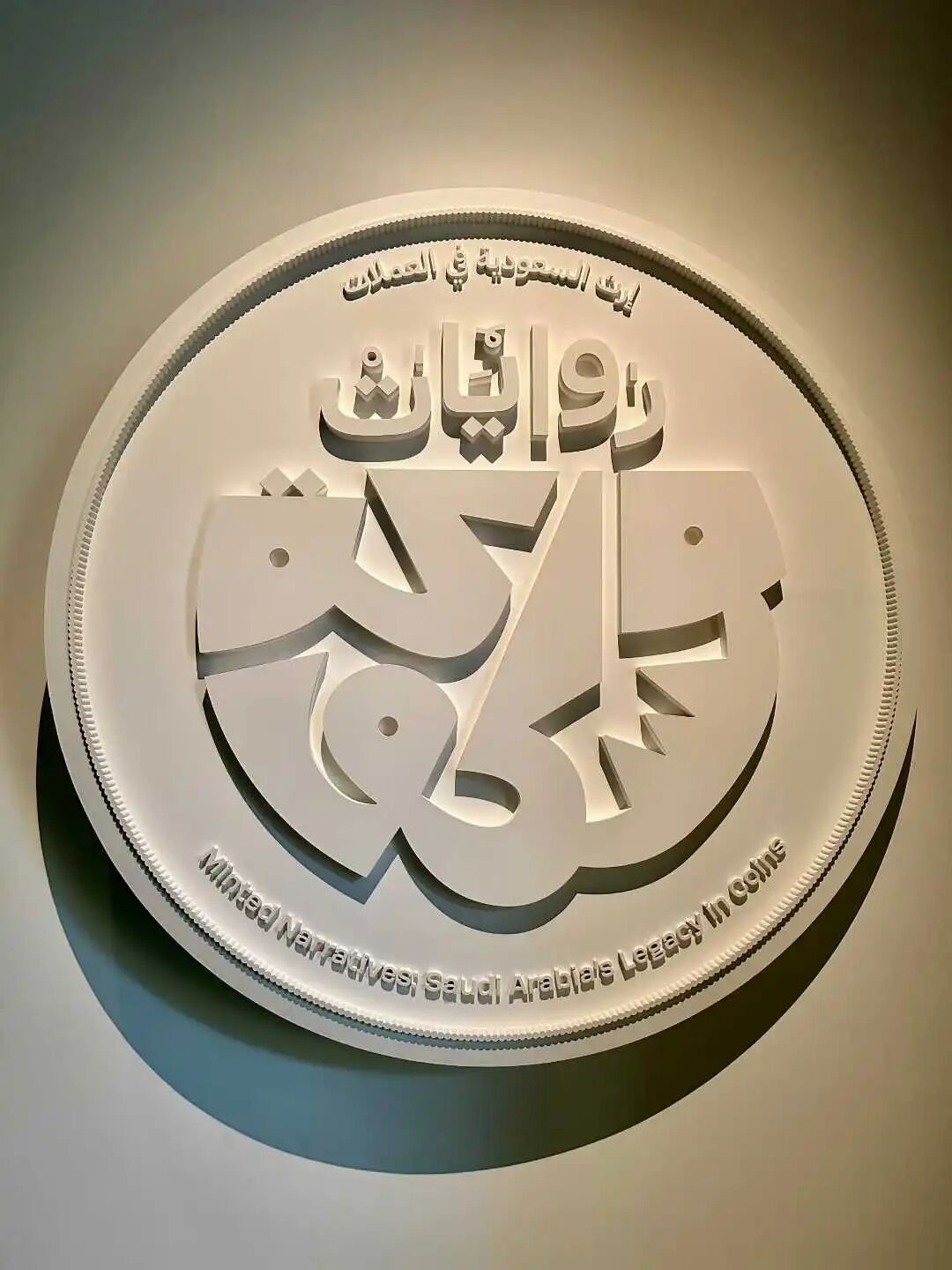
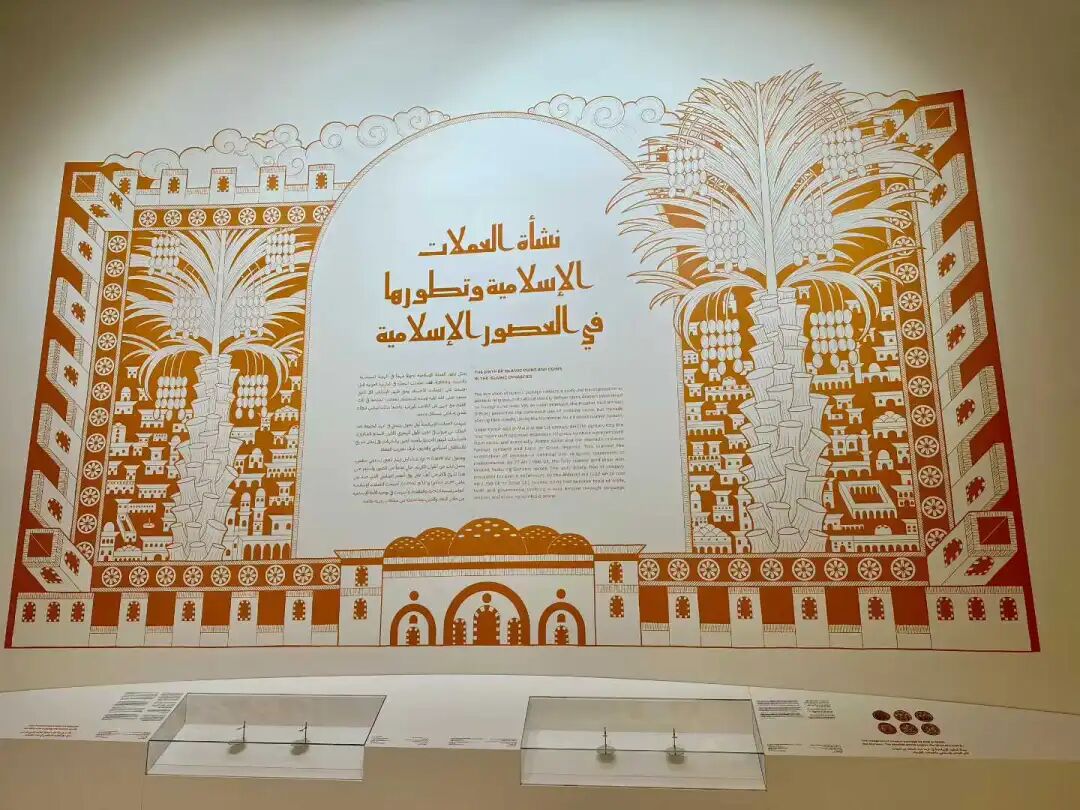
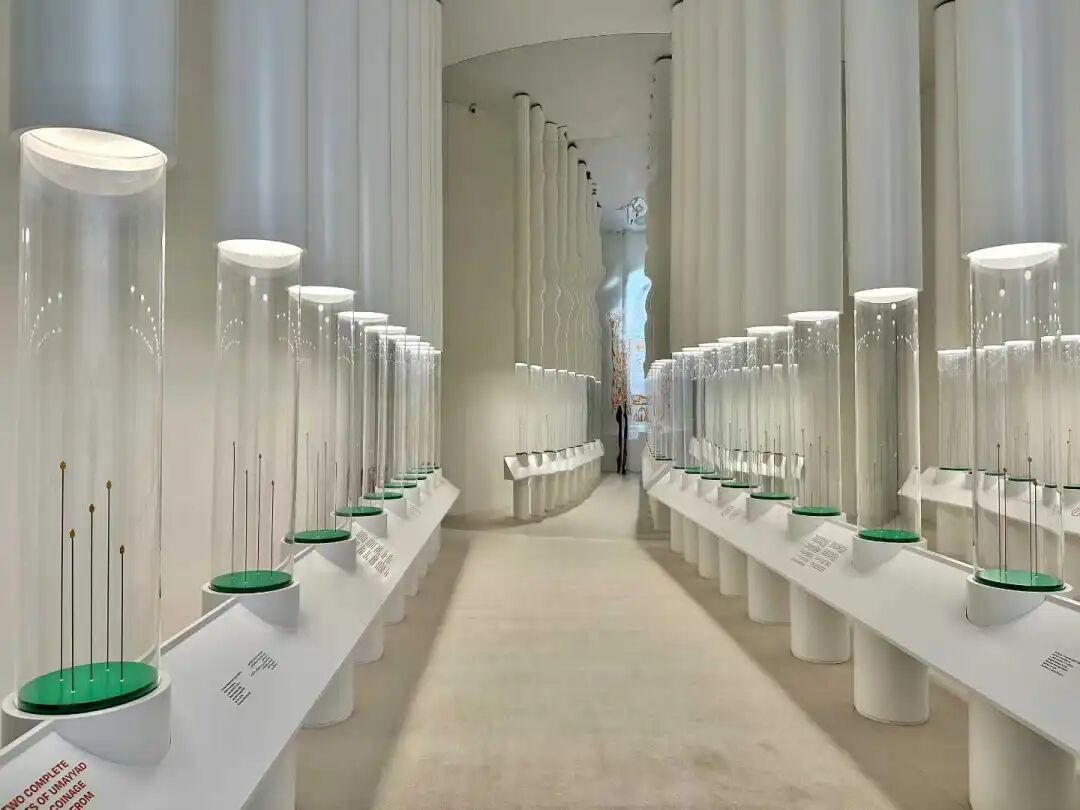
The Saudi National Museum is hosting a special exhibition called "Forging Narratives: The Coinage Heritage of Saudi Arabia" from September 17 to December 16, 2025, featuring items from the famous coin collector Alain Baron. The exhibition follows a chronological order, starting with the oldest Umayyad gold coins, which surprisingly feature Byzantine emperors.
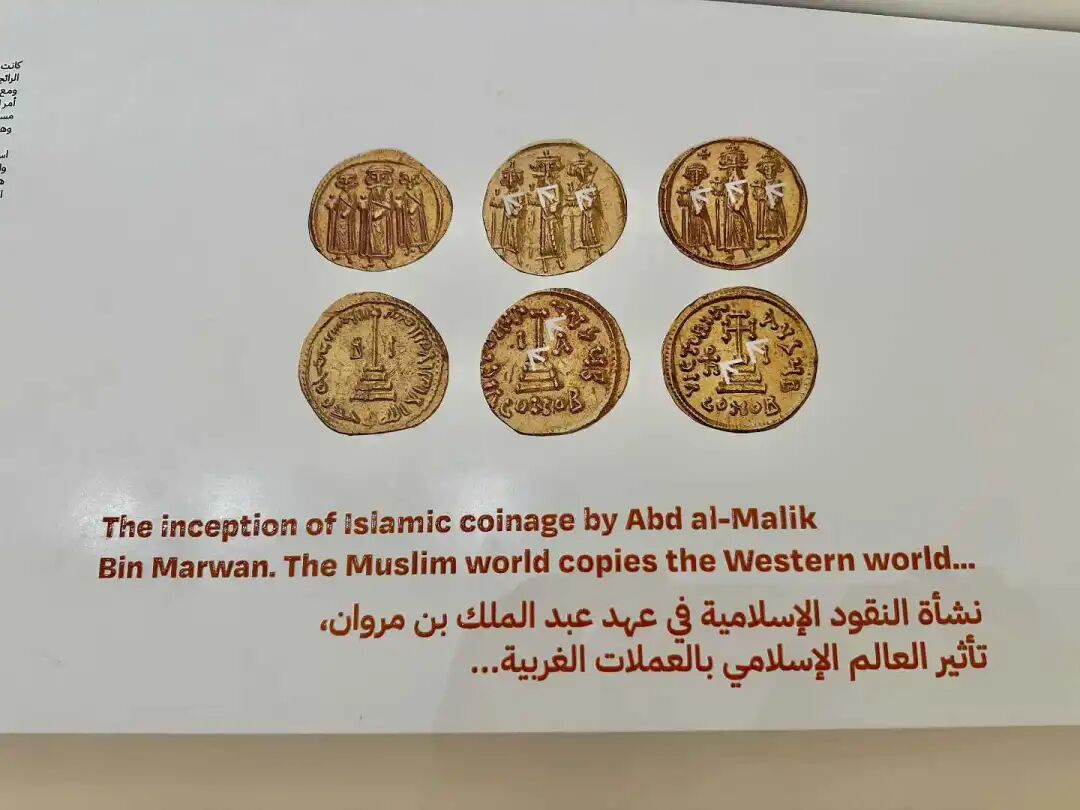
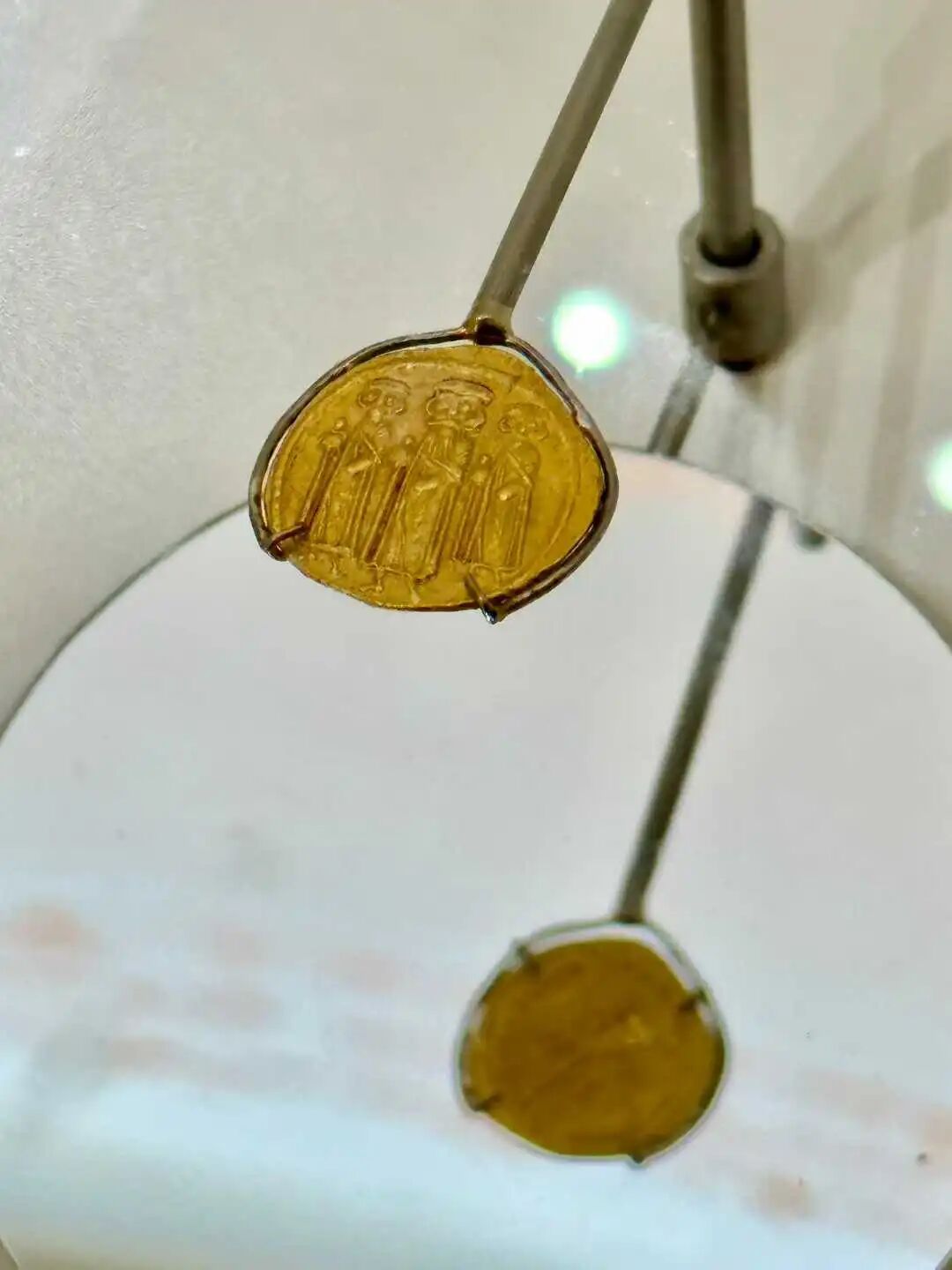
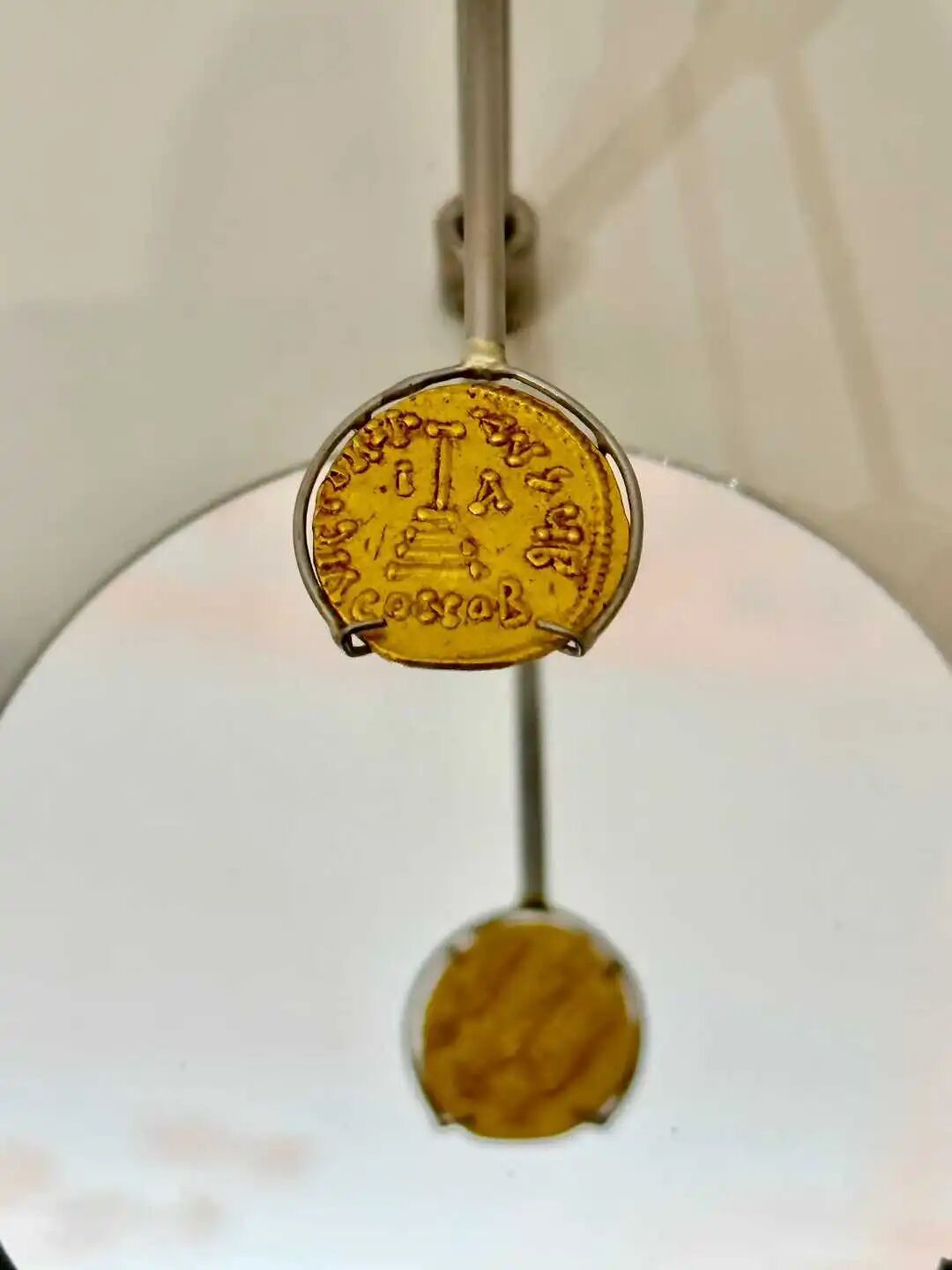
Before the Umayyad Caliphate was established, the Syrian region used Byzantine gold coins. After the Umayyad Caliphate was founded in 661, it began minting gold coins in Damascus. Early Umayyad gold coins continued to use Byzantine imagery. You can see coins showing the Byzantine Emperor Heraclius (reigned 610-641) and his two sons, Constantine III and Heraklonas, on the front, with Latin text on the back. Unlike Byzantine coins, the crowns and scepters of the emperors on Umayyad coins lack crosses, and the cross on the steps on the back is just a vertical line without a horizontal bar.
These Umayyad coins reflect the early culture of the Umayyad Caliphate, which continued to inherit Byzantine traditions. When Bedouin nomads from the Arabian Peninsula flooded into the grand city of Damascus, they saw a rich and colorful Byzantine culture. Because of this, they continued to use Byzantine culture in areas outside of religion, such as music, art, and architecture, becoming heirs to the Byzantine legacy.
It was not until the 690s that the Umayyad Caliphate began to move away from Byzantine culture and design its own gold coins. In 693, Caliph Abd al-Malik (reigned 685-705) minted gold dinar coins in Damascus, and by 696, he removed human figures, keeping only Arabic text. During the same period, Abd al-Malik also promoted the use of Arabic over Greek in Syria, making Arabic the only official language of the Umayyad Caliphate. From then on, the Umayyad Caliphate shifted from being an heir to Byzantine and Sasanian cultures to becoming a true Arab civilization.
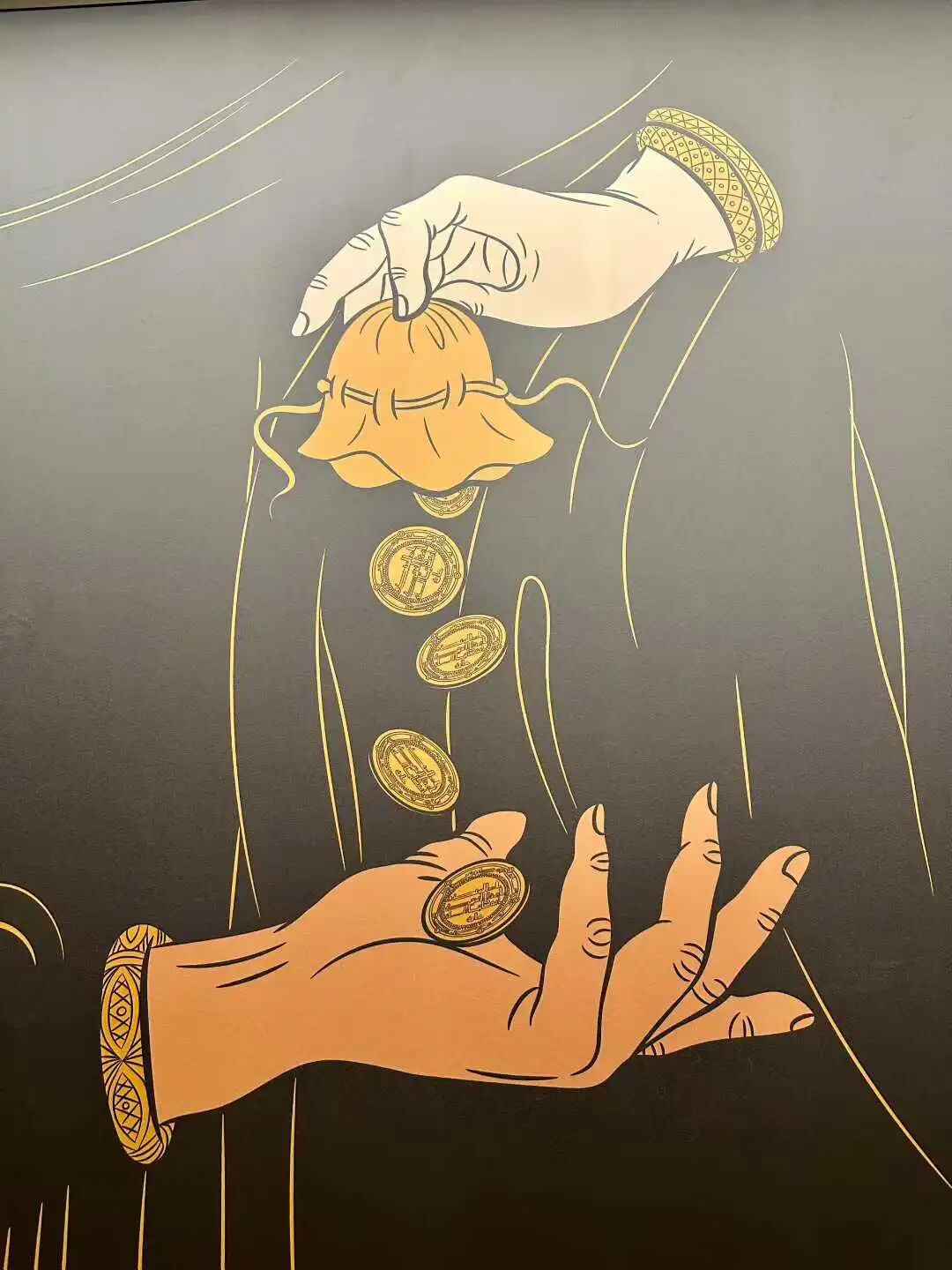
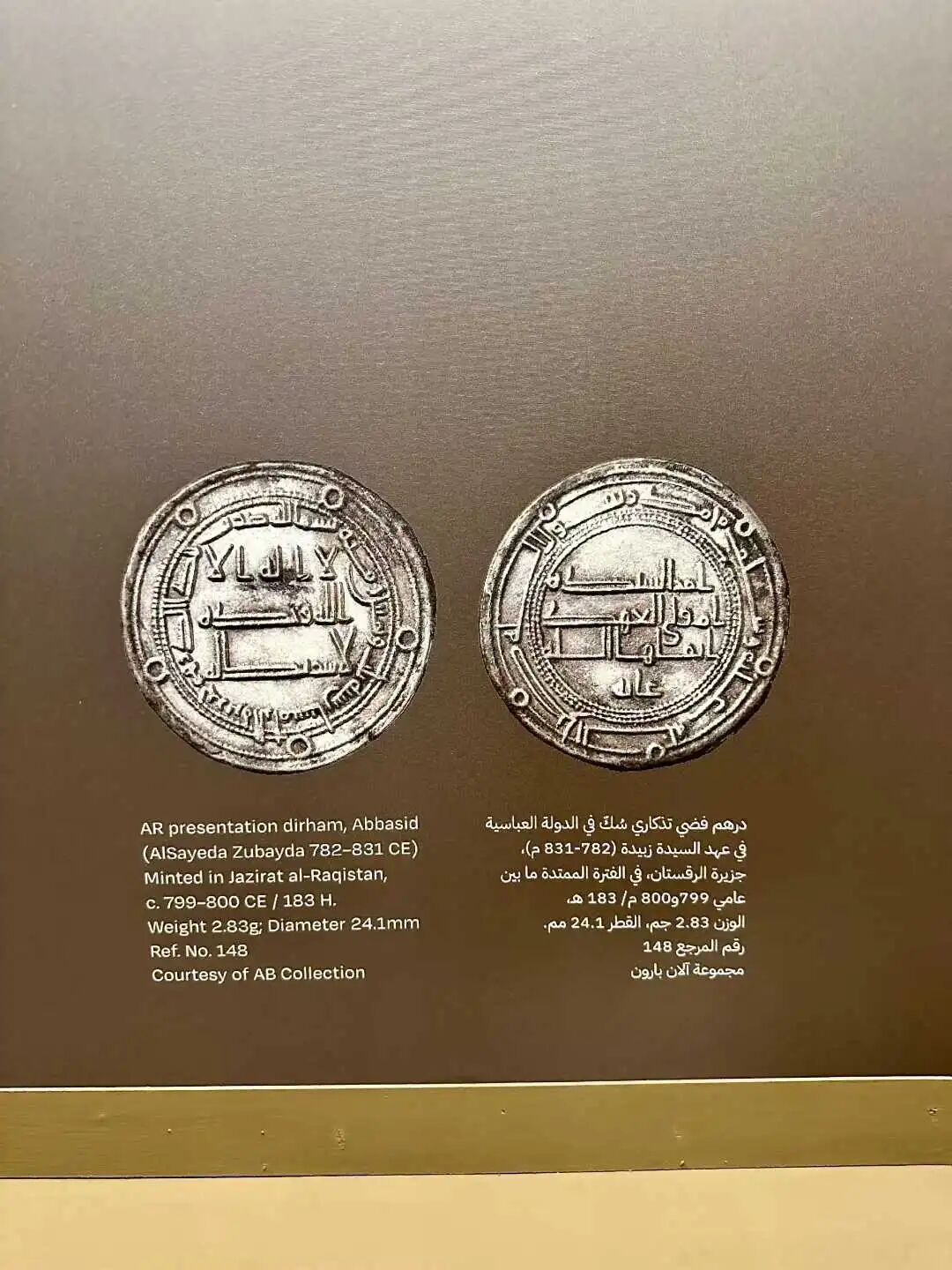
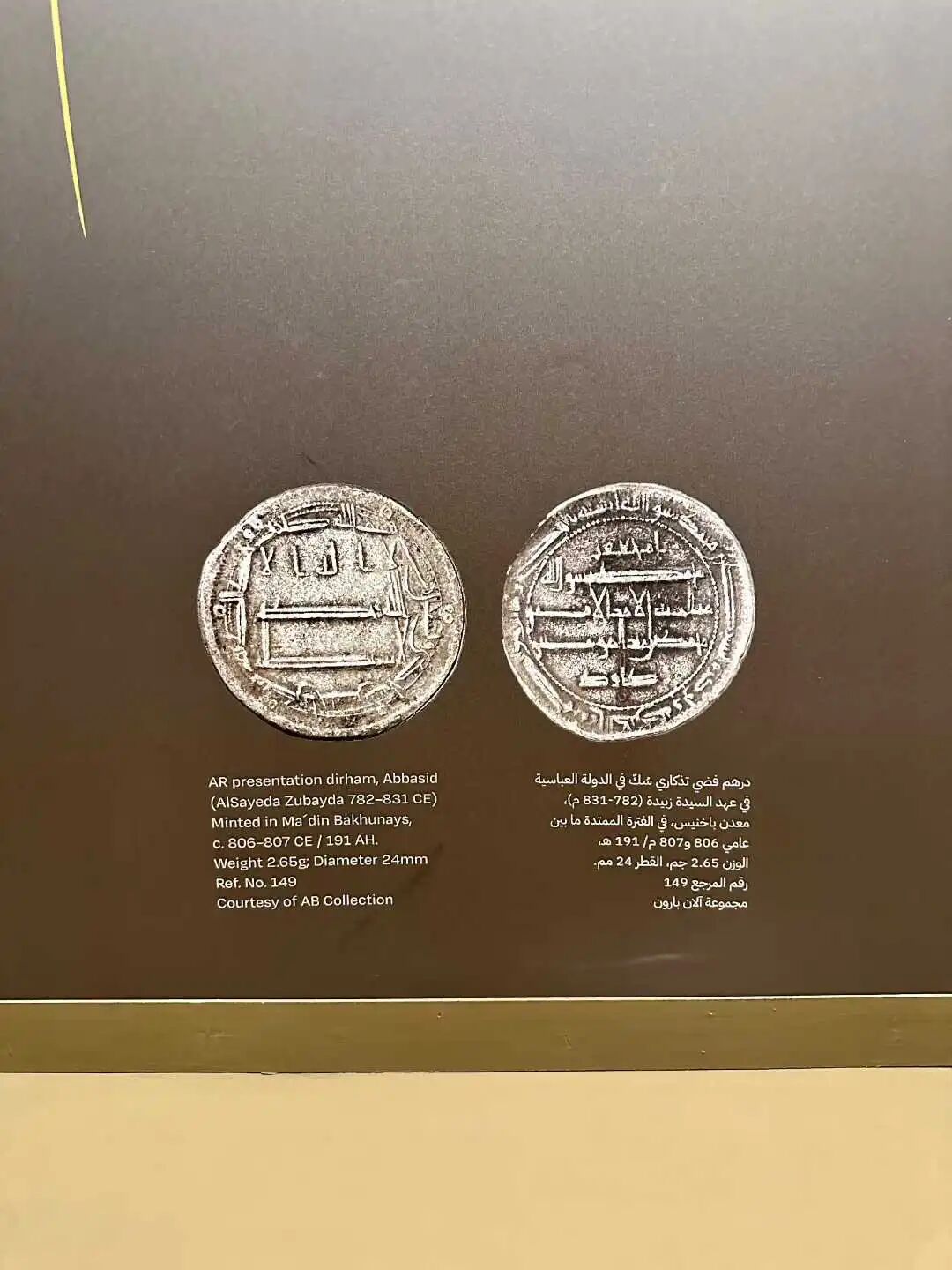
This commemorative silver coin was issued between 800 and 810 AD by Queen Zubaidah (Zubaidah bint Ja`far ibn al-Mansur, 765-831) of the Abbasid Caliphate to give to noble dignitaries of the time.
Zubaidah is known as a key figure in the Golden Age of the Abbasid Caliphate and the most important queen in its history. She was the wife of Harun al-Rashid, the fifth Abbasid caliph. This was the most prosperous era of the Abbasid Caliphate, with the capital, Baghdad, housing libraries and the translation center known as the House of Wisdom. Baghdad was the world center for knowledge, culture, and trade at the time.
Zubaidah was famous for her generosity and donated to many poets, scholars, and doctors, regardless of their social or religious backgrounds. She spent over 20,000 dinars to improve the water supply in and around Mecca, deepened the Zamzam well, and built a series of rest areas, wells, and pools along the road connecting Baghdad, Mecca, and Medina. This road is still called the Zubaidah Road today. The famous traveler Ibn Battuta once said: "Every reservoir, pool, or well on this road from Mecca to Baghdad is there because of her generous gifts... If she had not cared for this road, no one would be able to use it."
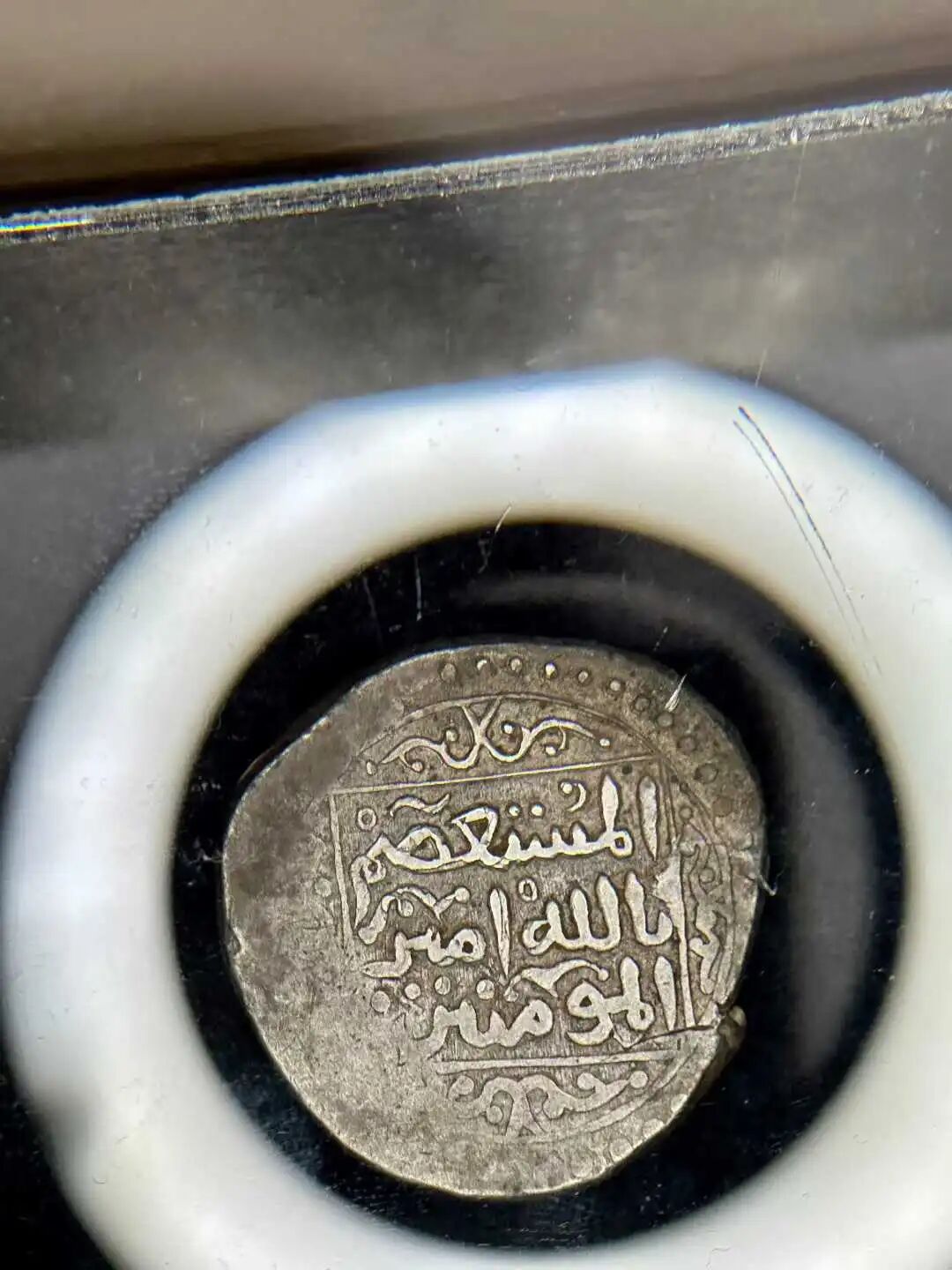
This dirham coin was minted in 1243 in what is now Kurraman, Pakistan, during the reign of Empress Dowager Töregene Khatun of the Yuan Dynasty.
Empress Dowager Töregene Khatun took power in 1242 after the death of her husband, Ögedei Khan, and returned power in 1246 after her son, Güyük Khan, was elected Great Khan. During her time in power, she successfully balanced the competing forces of the Mongol Empire. Over five years, she not only ruled the vast empire but also laid the foundation for her son's succession. While she was in power, the Seljuk Sultan from Turkey and the Abbasid Caliph from Baghdad both sent envoys to her camp.
The city of Kurraman is located in the Kurram Valley of Pakistan and was a famous minting center during the Khwarazmian and Mongol periods.
A gold dinar coin minted by the Ilkhanate in 1338.
A gold dinar coin minted in Baghdad by the Ilkhanate in 1338.
A coin minting mold brought back by Sultan Muhammad ibn Sam of the Ghurid dynasty after he conquered India in 1204. These molds broke easily during the minting process, so they are very hard to preserve.
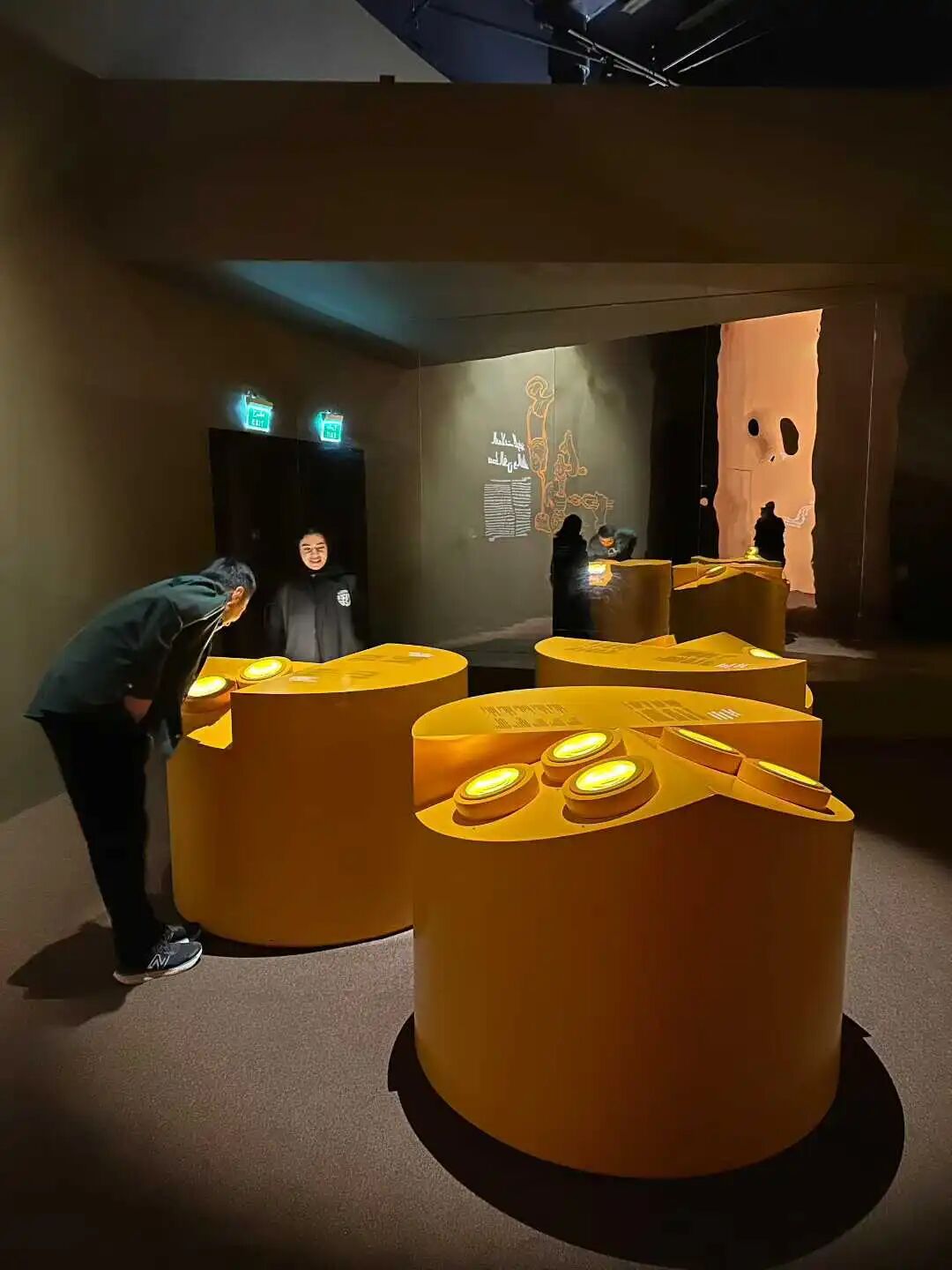
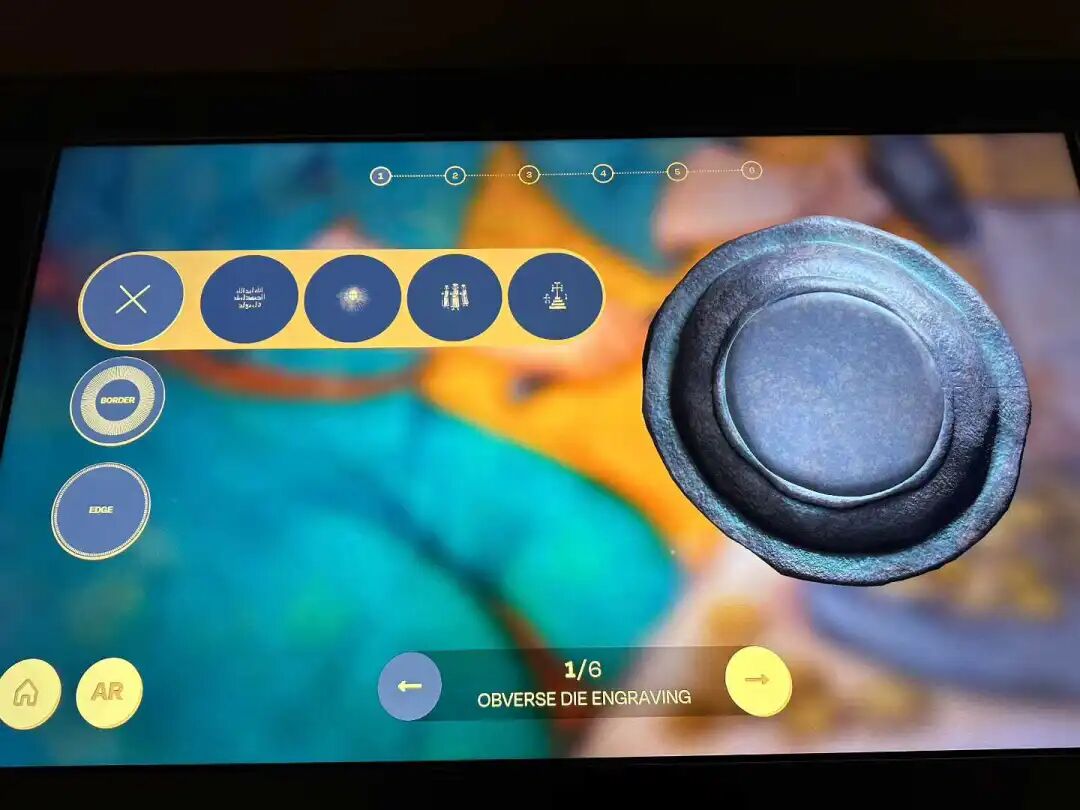
The interactive coin minting display at the exhibition shows the coin-making process in detail.
A coin from the 7th-century Umayyad Caliphate minted in Bishapur, featuring an image of a camel rider with a spear. Bishapur is located in southwestern Iran and was once the capital of the Sasanian Empire.
A coin from the Seljuk Empire minted between 1040 and 1063, featuring an image of a falconer on horseback.
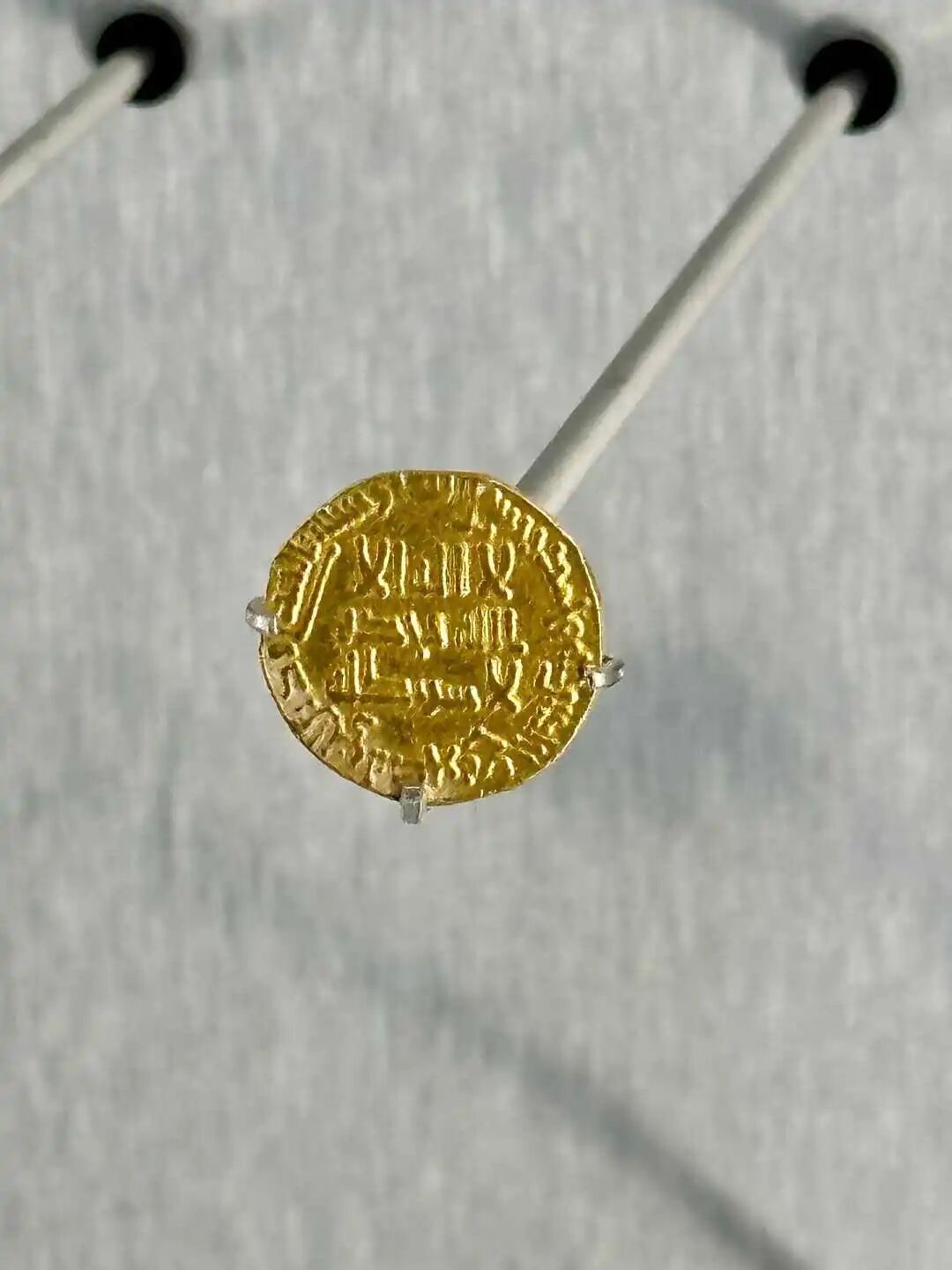
The earliest Islamic coin found within Saudi territory is this Umayyad dinar minted in 723. It is engraved with the name of the mint, al-Madina Ma'din Amir al-Mu'minin, which tells us this coin was minted in Medina. This coin shows the important status of Medina during the Umayyad Caliphate.
This section features dinar coins minted in Mecca between the 9th-century Abbasid Caliphate and the 10th-century Fatimid Caliphate.
This is a gold dinar minted in Mecca during the Fatimid Caliphate in 971.
The Saudi Ministry of Culture holds two large coin collections. The first was found in 1980 by a farmer cleaning an old well in a village near Ha'il in northern Saudi Arabia. It includes 414 silver dinars, with 7 dating back to the late Umayyad period and 406 to the early Abbasid period, from mints including Baghdad, Basra, Armenia, Balkh, and Kufa. The second collection was found by chance in 2010 by a sand transport worker in another village near Ha'il, containing 2,296 gold and silver coins from the Umayyad and Abbasid dynasties.
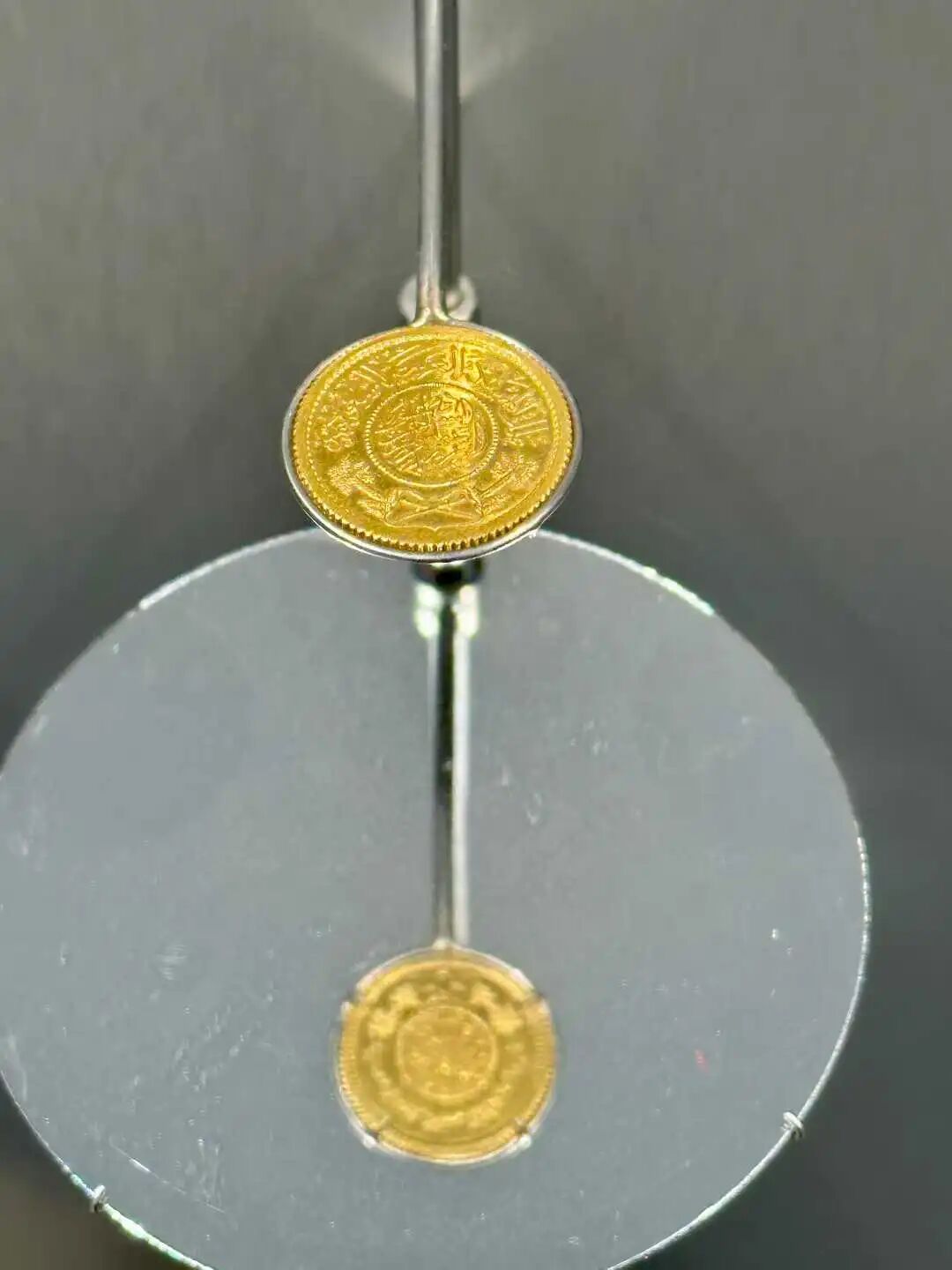
A modern Saudi gold coin trial strike minted in 1950, with text on the back that differs from the final version in circulation. view all
Summary: The Saudi National Museum exhibition Forging Narratives: The Coinage Heritage of Saudi Arabia traces Islamic coinage from early Umayyad gold coins to later dynasties. This English account keeps the source's dates, rulers, coin details, exhibition context, and photographs in one clear museum note.
The Saudi National Museum is hosting a special exhibition called "Forging Narratives: The Coinage Heritage of Saudi Arabia" from September 17 to December 16, 2025, featuring items from the famous coin collector Alain Baron. The exhibition follows a chronological order, starting with the oldest Umayyad gold coins, which surprisingly feature Byzantine emperors.
Before the Umayyad Caliphate was established, the Syrian region used Byzantine gold coins. After the Umayyad Caliphate was founded in 661, it began minting gold coins in Damascus. Early Umayyad gold coins continued to use Byzantine imagery. You can see coins showing the Byzantine Emperor Heraclius (reigned 610-641) and his two sons, Constantine III and Heraklonas, on the front, with Latin text on the back. Unlike Byzantine coins, the crowns and scepters of the emperors on Umayyad coins lack crosses, and the cross on the steps on the back is just a vertical line without a horizontal bar.
These Umayyad coins reflect the early culture of the Umayyad Caliphate, which continued to inherit Byzantine traditions. When Bedouin nomads from the Arabian Peninsula flooded into the grand city of Damascus, they saw a rich and colorful Byzantine culture. Because of this, they continued to use Byzantine culture in areas outside of religion, such as music, art, and architecture, becoming heirs to the Byzantine legacy.
It was not until the 690s that the Umayyad Caliphate began to move away from Byzantine culture and design its own gold coins. In 693, Caliph Abd al-Malik (reigned 685-705) minted gold dinar coins in Damascus, and by 696, he removed human figures, keeping only Arabic text. During the same period, Abd al-Malik also promoted the use of Arabic over Greek in Syria, making Arabic the only official language of the Umayyad Caliphate. From then on, the Umayyad Caliphate shifted from being an heir to Byzantine and Sasanian cultures to becoming a true Arab civilization.
This commemorative silver coin was issued between 800 and 810 AD by Queen Zubaidah (Zubaidah bint Ja`far ibn al-Mansur, 765-831) of the Abbasid Caliphate to give to noble dignitaries of the time.
Zubaidah is known as a key figure in the Golden Age of the Abbasid Caliphate and the most important queen in its history. She was the wife of Harun al-Rashid, the fifth Abbasid caliph. This was the most prosperous era of the Abbasid Caliphate, with the capital, Baghdad, housing libraries and the translation center known as the House of Wisdom. Baghdad was the world center for knowledge, culture, and trade at the time.
Zubaidah was famous for her generosity and donated to many poets, scholars, and doctors, regardless of their social or religious backgrounds. She spent over 20,000 dinars to improve the water supply in and around Mecca, deepened the Zamzam well, and built a series of rest areas, wells, and pools along the road connecting Baghdad, Mecca, and Medina. This road is still called the Zubaidah Road today. The famous traveler Ibn Battuta once said: "Every reservoir, pool, or well on this road from Mecca to Baghdad is there because of her generous gifts... If she had not cared for this road, no one would be able to use it."
This dirham coin was minted in 1243 in what is now Kurraman, Pakistan, during the reign of Empress Dowager Töregene Khatun of the Yuan Dynasty.
Empress Dowager Töregene Khatun took power in 1242 after the death of her husband, Ögedei Khan, and returned power in 1246 after her son, Güyük Khan, was elected Great Khan. During her time in power, she successfully balanced the competing forces of the Mongol Empire. Over five years, she not only ruled the vast empire but also laid the foundation for her son's succession. While she was in power, the Seljuk Sultan from Turkey and the Abbasid Caliph from Baghdad both sent envoys to her camp.
The city of Kurraman is located in the Kurram Valley of Pakistan and was a famous minting center during the Khwarazmian and Mongol periods.
A gold dinar coin minted by the Ilkhanate in 1338.
A gold dinar coin minted in Baghdad by the Ilkhanate in 1338.
A coin minting mold brought back by Sultan Muhammad ibn Sam of the Ghurid dynasty after he conquered India in 1204. These molds broke easily during the minting process, so they are very hard to preserve.
The interactive coin minting display at the exhibition shows the coin-making process in detail.
A coin from the 7th-century Umayyad Caliphate minted in Bishapur, featuring an image of a camel rider with a spear. Bishapur is located in southwestern Iran and was once the capital of the Sasanian Empire.
A coin from the Seljuk Empire minted between 1040 and 1063, featuring an image of a falconer on horseback.
The earliest Islamic coin found within Saudi territory is this Umayyad dinar minted in 723. It is engraved with the name of the mint, al-Madina Ma'din Amir al-Mu'minin, which tells us this coin was minted in Medina. This coin shows the important status of Medina during the Umayyad Caliphate.
This section features dinar coins minted in Mecca between the 9th-century Abbasid Caliphate and the 10th-century Fatimid Caliphate.
This is a gold dinar minted in Mecca during the Fatimid Caliphate in 971.
The Saudi Ministry of Culture holds two large coin collections. The first was found in 1980 by a farmer cleaning an old well in a village near Ha'il in northern Saudi Arabia. It includes 414 silver dinars, with 7 dating back to the late Umayyad period and 406 to the early Abbasid period, from mints including Baghdad, Basra, Armenia, Balkh, and Kufa. The second collection was found by chance in 2010 by a sand transport worker in another village near Ha'il, containing 2,296 gold and silver coins from the Umayyad and Abbasid dynasties.
A modern Saudi gold coin trial strike minted in 1950, with text on the back that differs from the final version in circulation. view all
Reposted from the web
Summary: The Saudi National Museum exhibition Forging Narratives: The Coinage Heritage of Saudi Arabia traces Islamic coinage from early Umayyad gold coins to later dynasties. This English account keeps the source's dates, rulers, coin details, exhibition context, and photographs in one clear museum note.
The Saudi National Museum is hosting a special exhibition called "Forging Narratives: The Coinage Heritage of Saudi Arabia" from September 17 to December 16, 2025, featuring items from the famous coin collector Alain Baron. The exhibition follows a chronological order, starting with the oldest Umayyad gold coins, which surprisingly feature Byzantine emperors.
Before the Umayyad Caliphate was established, the Syrian region used Byzantine gold coins. After the Umayyad Caliphate was founded in 661, it began minting gold coins in Damascus. Early Umayyad gold coins continued to use Byzantine imagery. You can see coins showing the Byzantine Emperor Heraclius (reigned 610-641) and his two sons, Constantine III and Heraklonas, on the front, with Latin text on the back. Unlike Byzantine coins, the crowns and scepters of the emperors on Umayyad coins lack crosses, and the cross on the steps on the back is just a vertical line without a horizontal bar.
These Umayyad coins reflect the early culture of the Umayyad Caliphate, which continued to inherit Byzantine traditions. When Bedouin nomads from the Arabian Peninsula flooded into the grand city of Damascus, they saw a rich and colorful Byzantine culture. Because of this, they continued to use Byzantine culture in areas outside of religion, such as music, art, and architecture, becoming heirs to the Byzantine legacy.
It was not until the 690s that the Umayyad Caliphate began to move away from Byzantine culture and design its own gold coins. In 693, Caliph Abd al-Malik (reigned 685-705) minted gold dinar coins in Damascus, and by 696, he removed human figures, keeping only Arabic text. During the same period, Abd al-Malik also promoted the use of Arabic over Greek in Syria, making Arabic the only official language of the Umayyad Caliphate. From then on, the Umayyad Caliphate shifted from being an heir to Byzantine and Sasanian cultures to becoming a true Arab civilization.
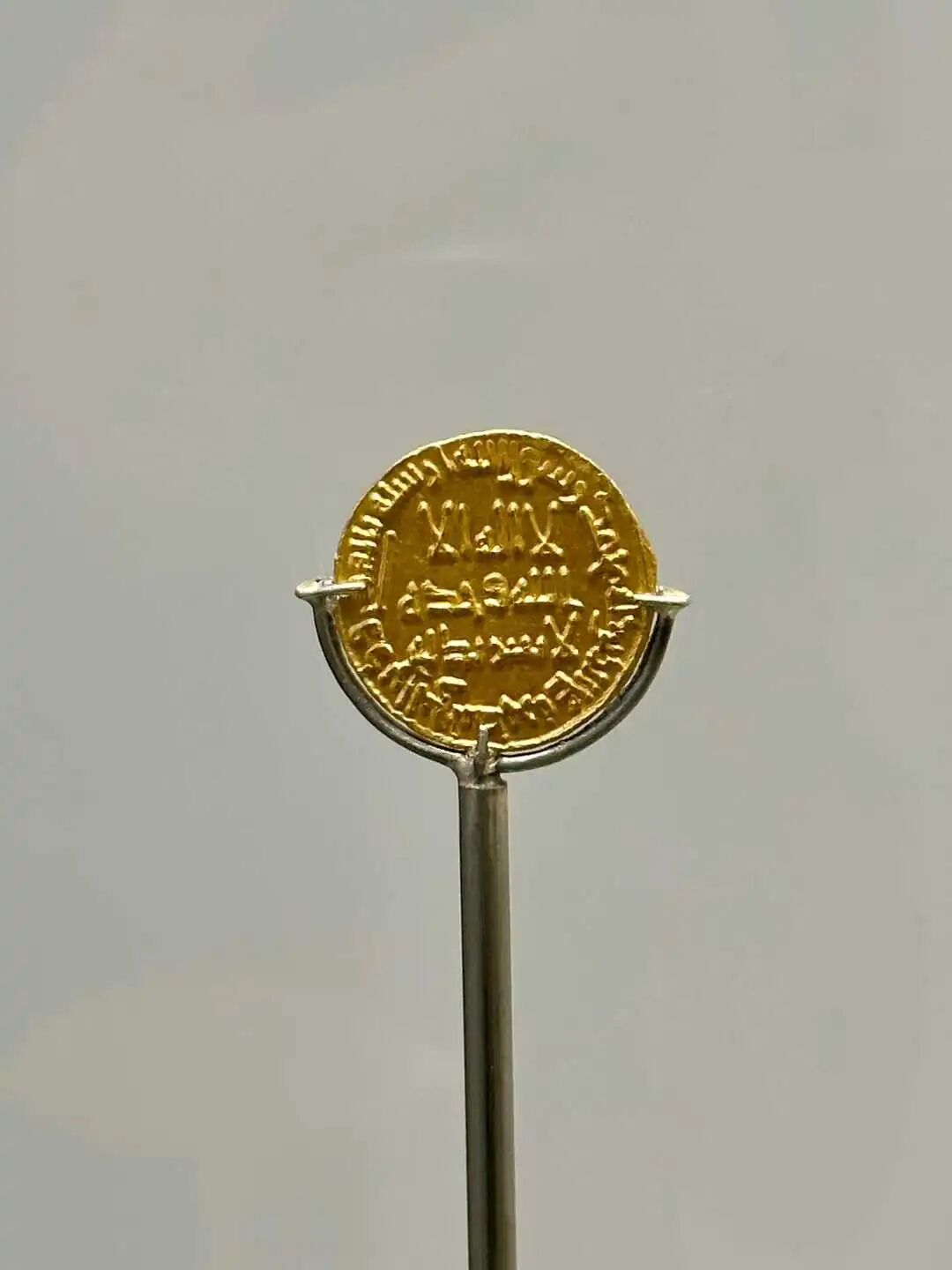
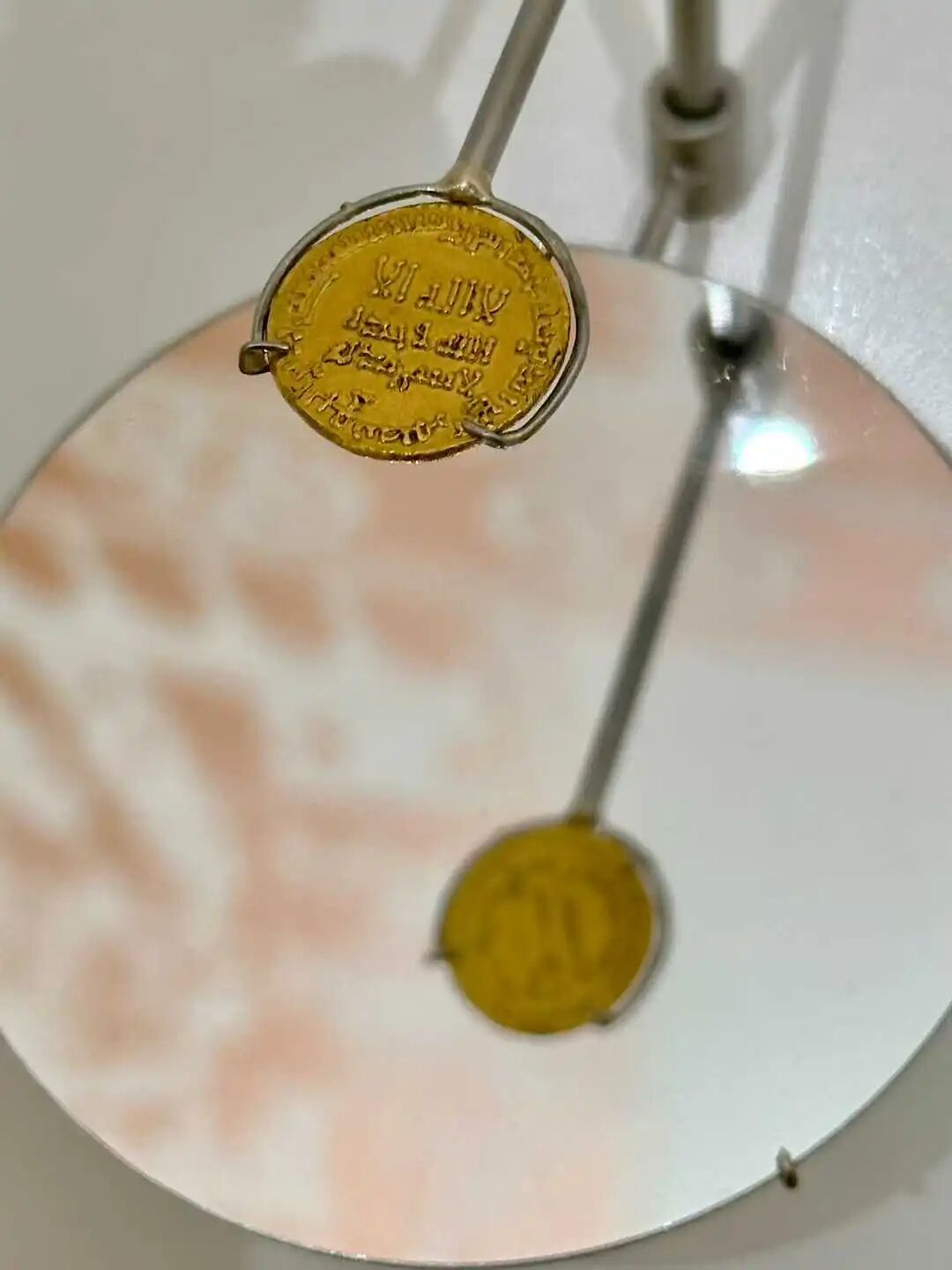
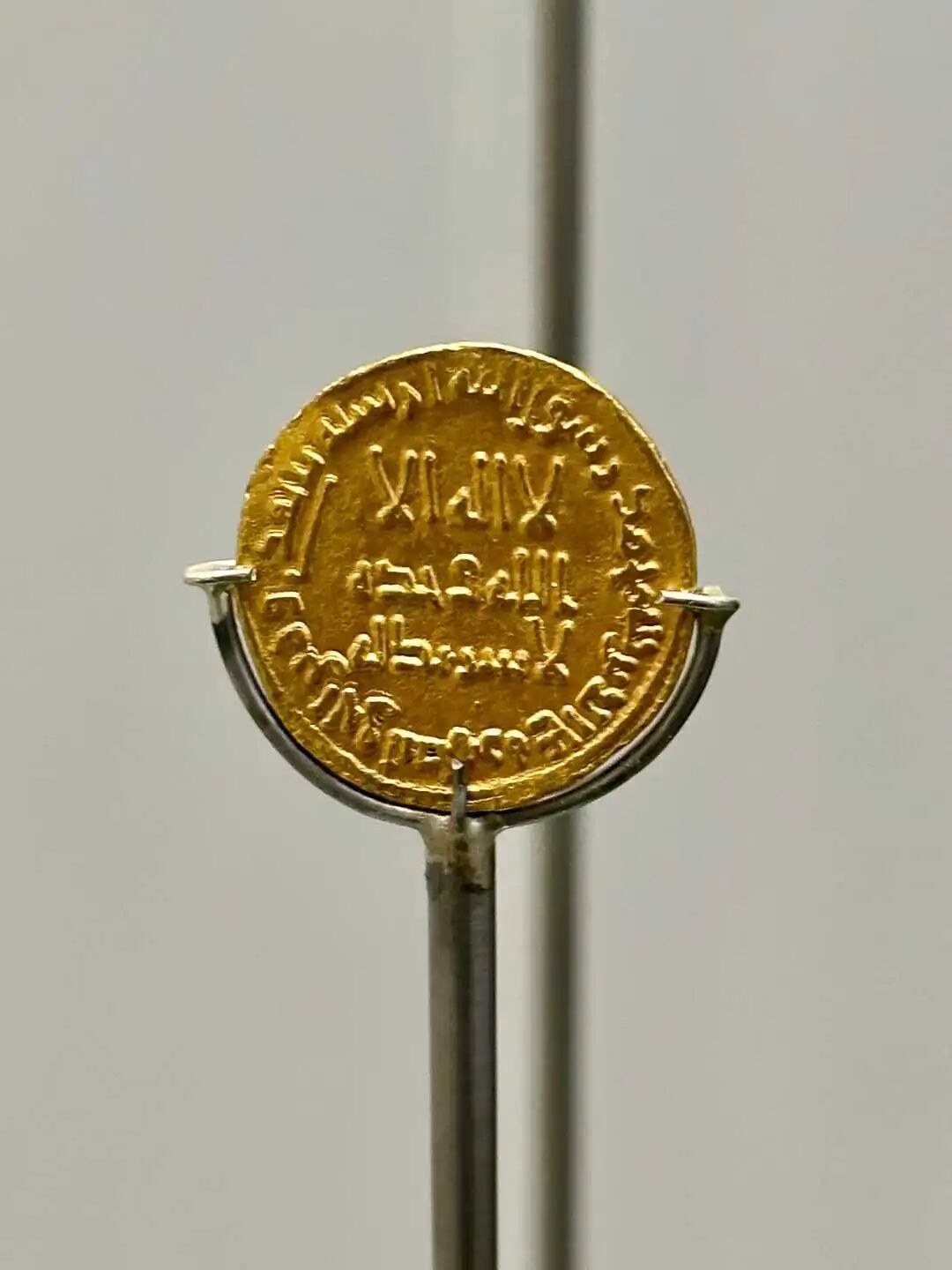
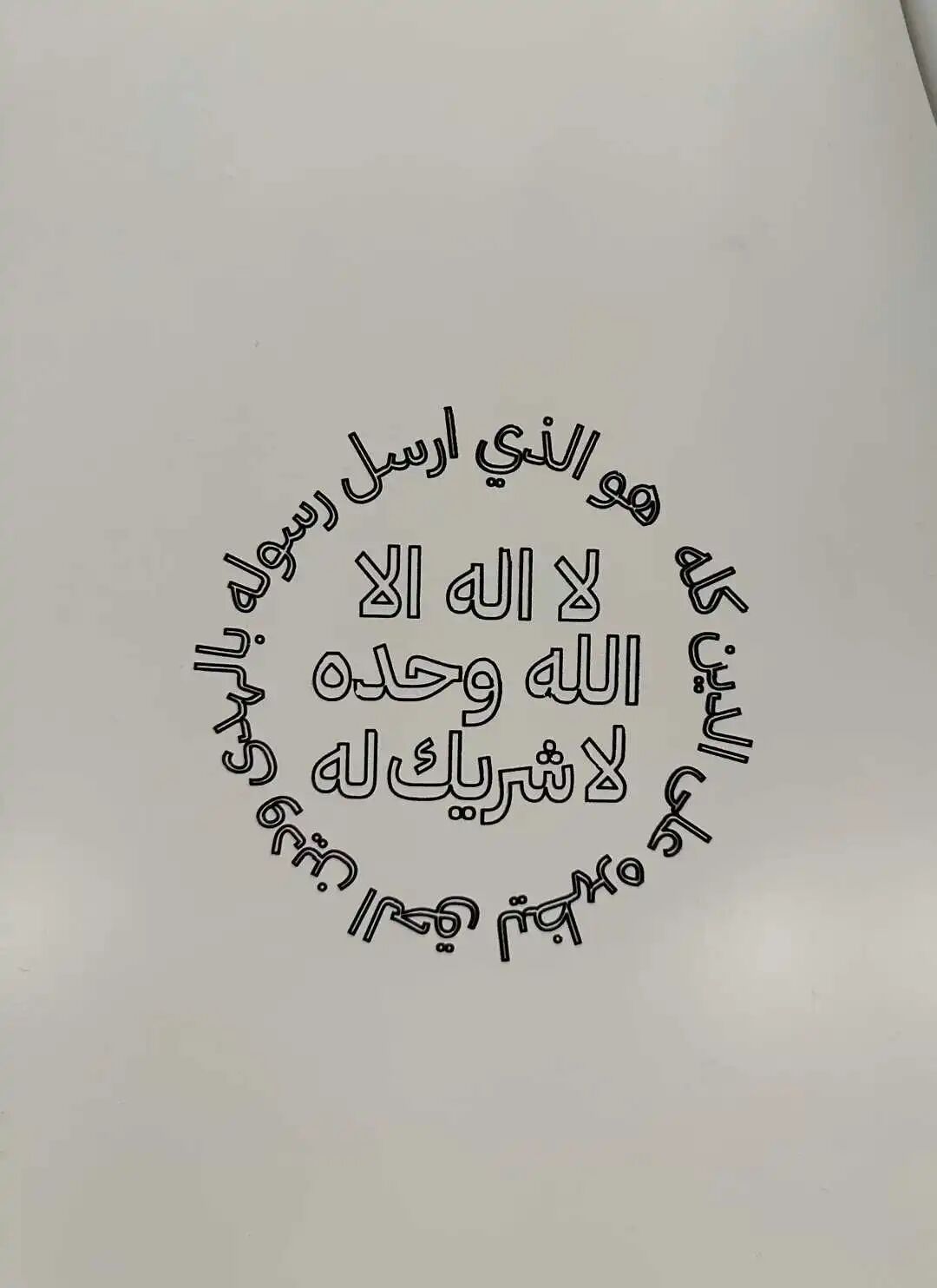
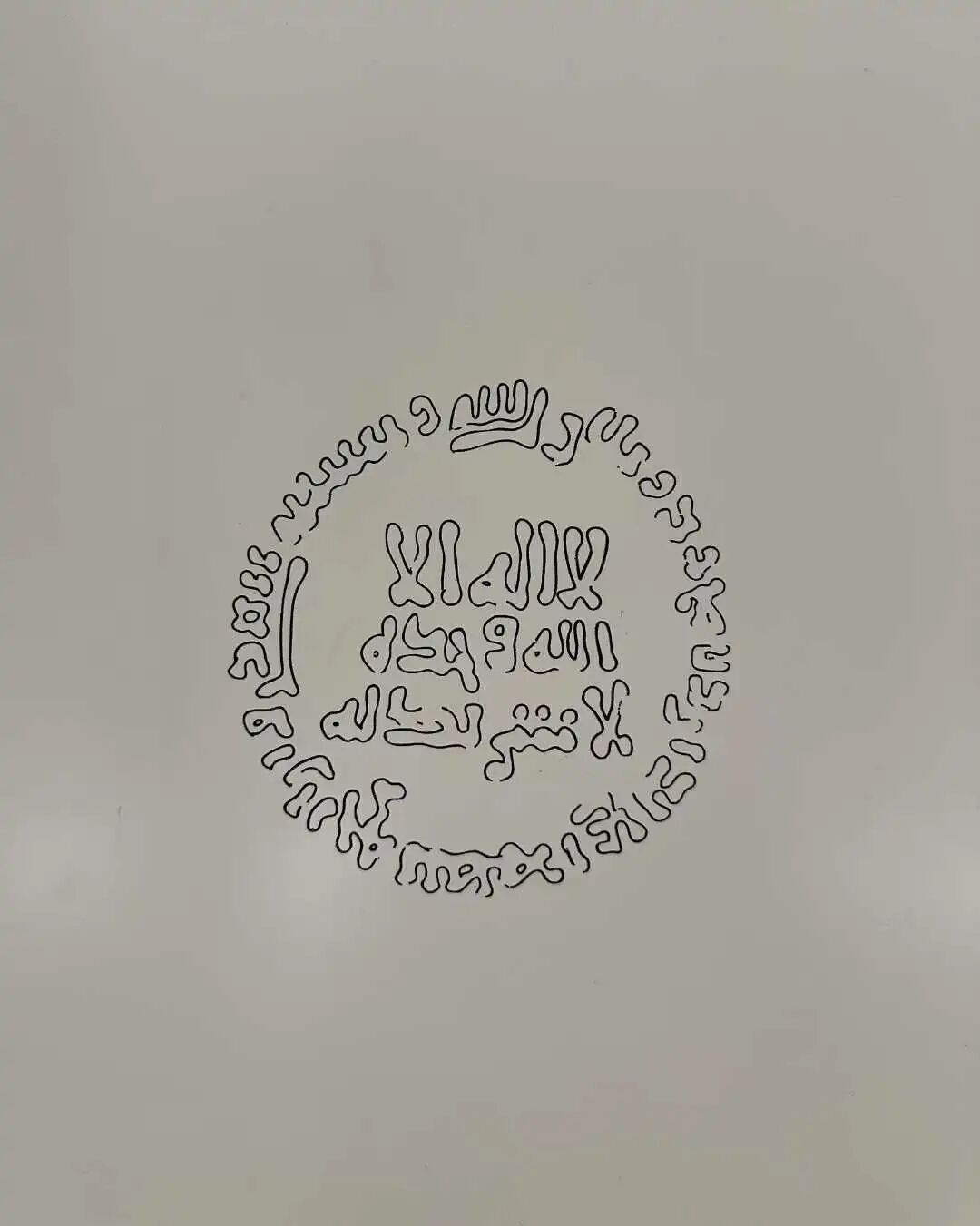
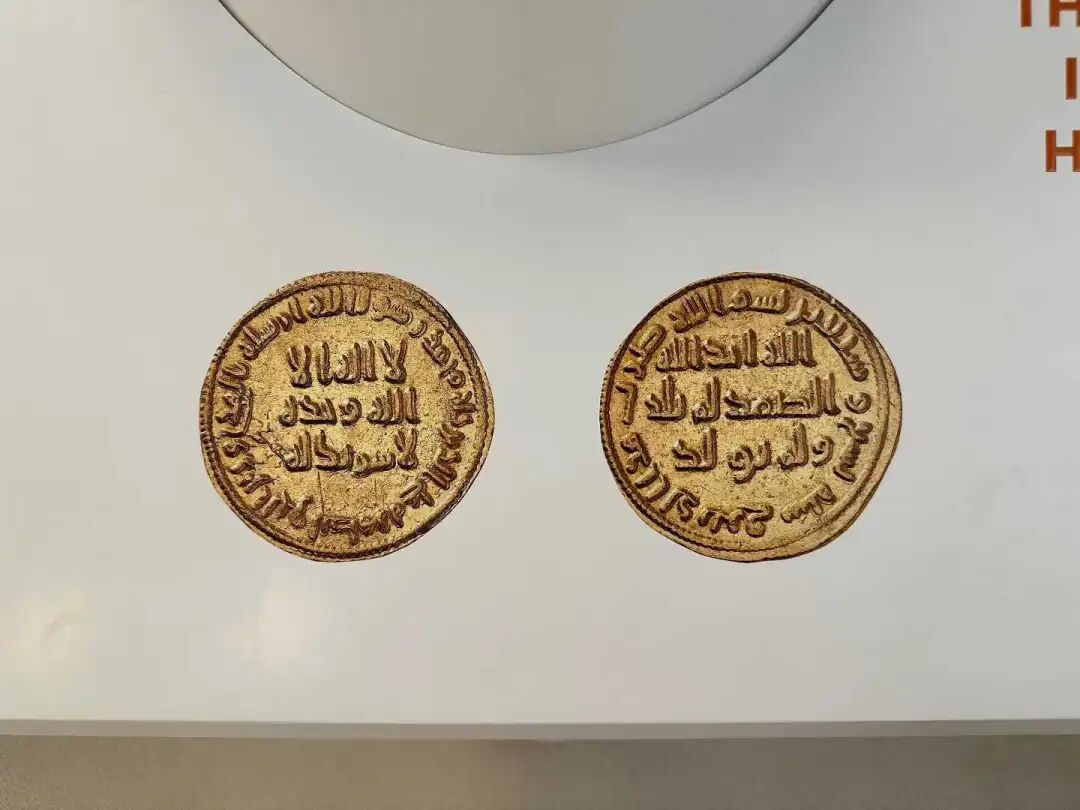
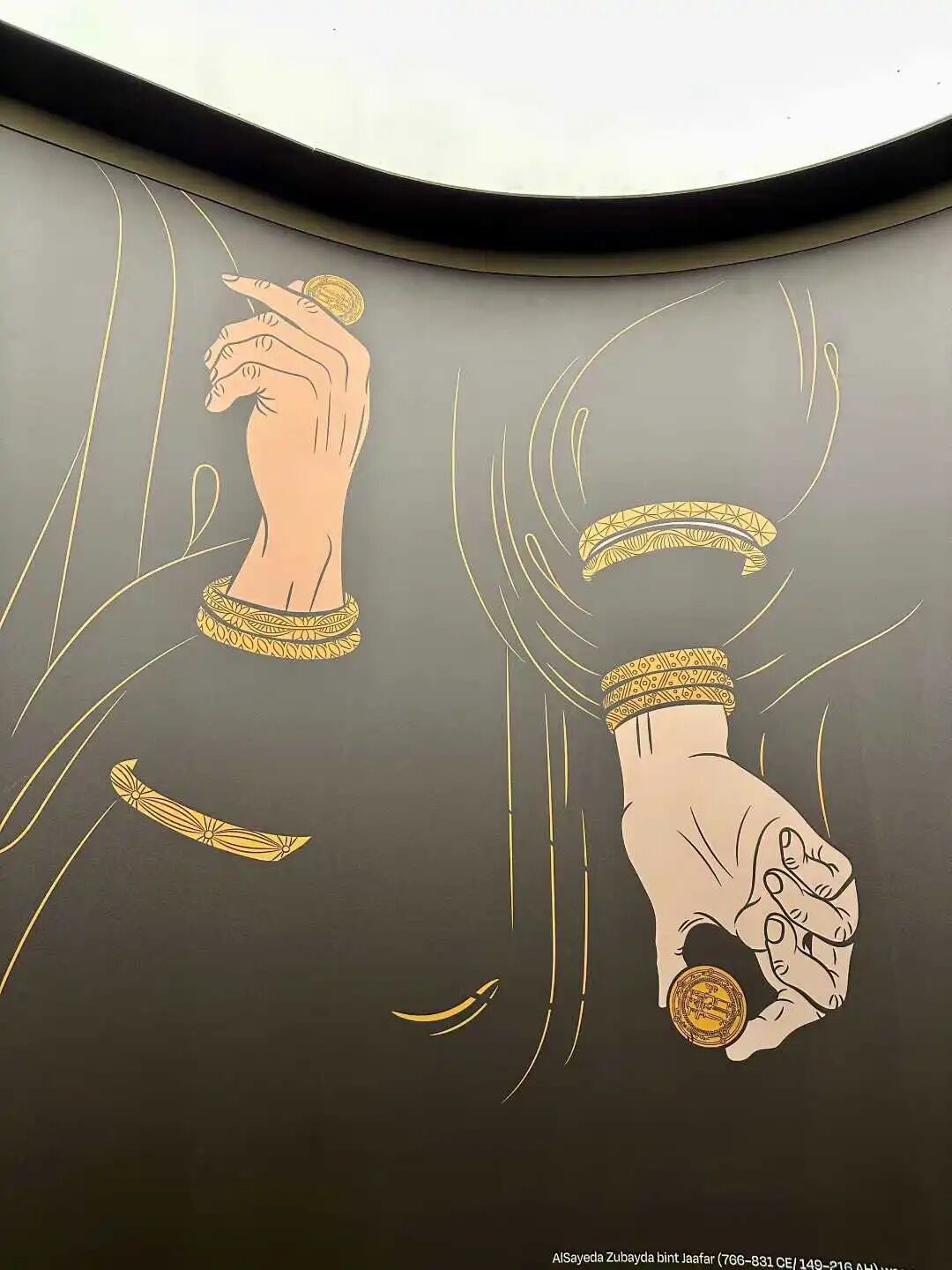
This commemorative silver coin was issued between 800 and 810 AD by Queen Zubaidah (Zubaidah bint Ja`far ibn al-Mansur, 765-831) of the Abbasid Caliphate to give to noble dignitaries of the time.
Zubaidah is known as a key figure in the Golden Age of the Abbasid Caliphate and the most important queen in its history. She was the wife of Harun al-Rashid, the fifth Abbasid caliph. This was the most prosperous era of the Abbasid Caliphate, with the capital, Baghdad, housing libraries and the translation center known as the House of Wisdom. Baghdad was the world center for knowledge, culture, and trade at the time.
Zubaidah was famous for her generosity and donated to many poets, scholars, and doctors, regardless of their social or religious backgrounds. She spent over 20,000 dinars to improve the water supply in and around Mecca, deepened the Zamzam well, and built a series of rest areas, wells, and pools along the road connecting Baghdad, Mecca, and Medina. This road is still called the Zubaidah Road today. The famous traveler Ibn Battuta once said: "Every reservoir, pool, or well on this road from Mecca to Baghdad is there because of her generous gifts... If she had not cared for this road, no one would be able to use it."
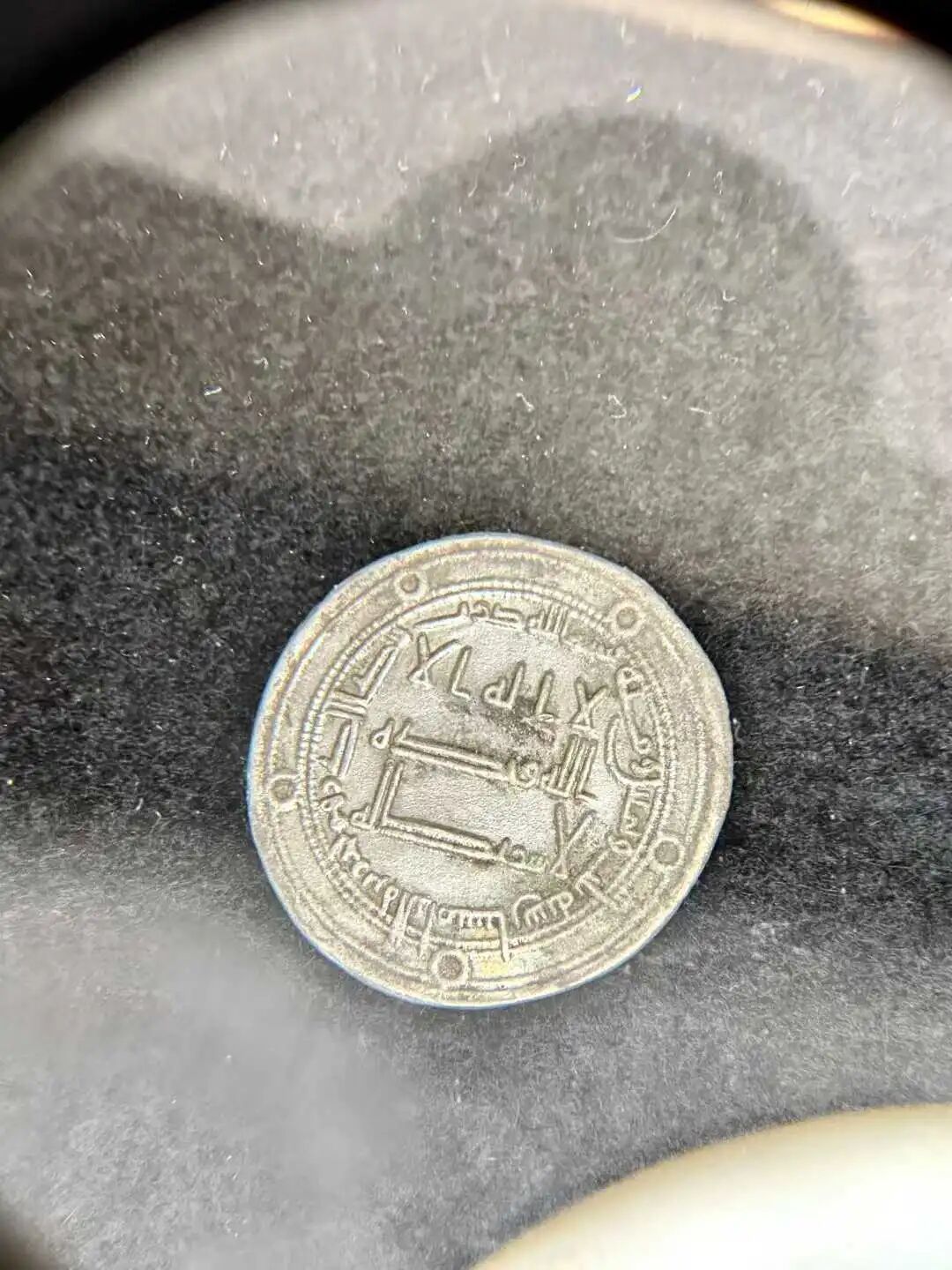
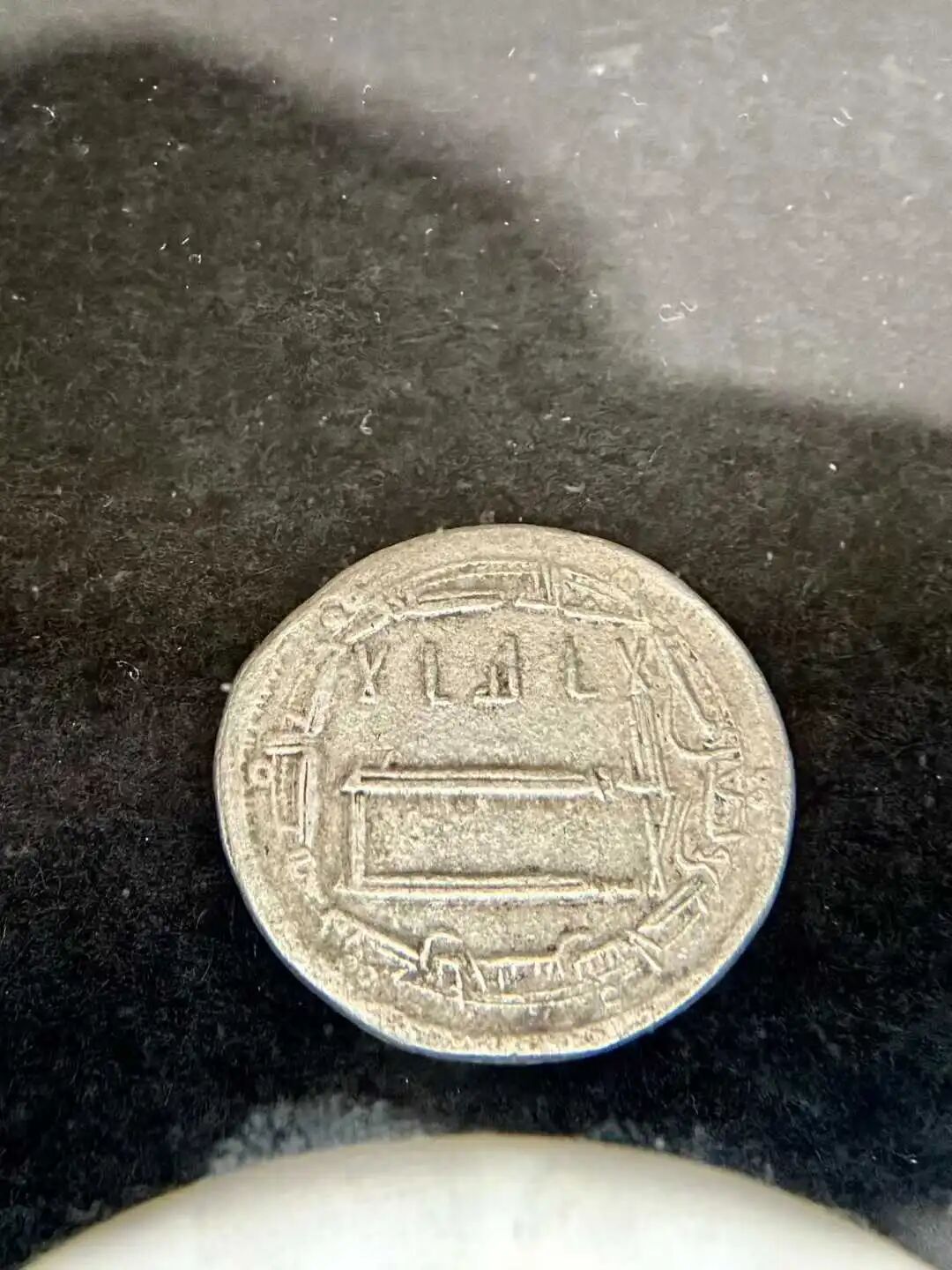
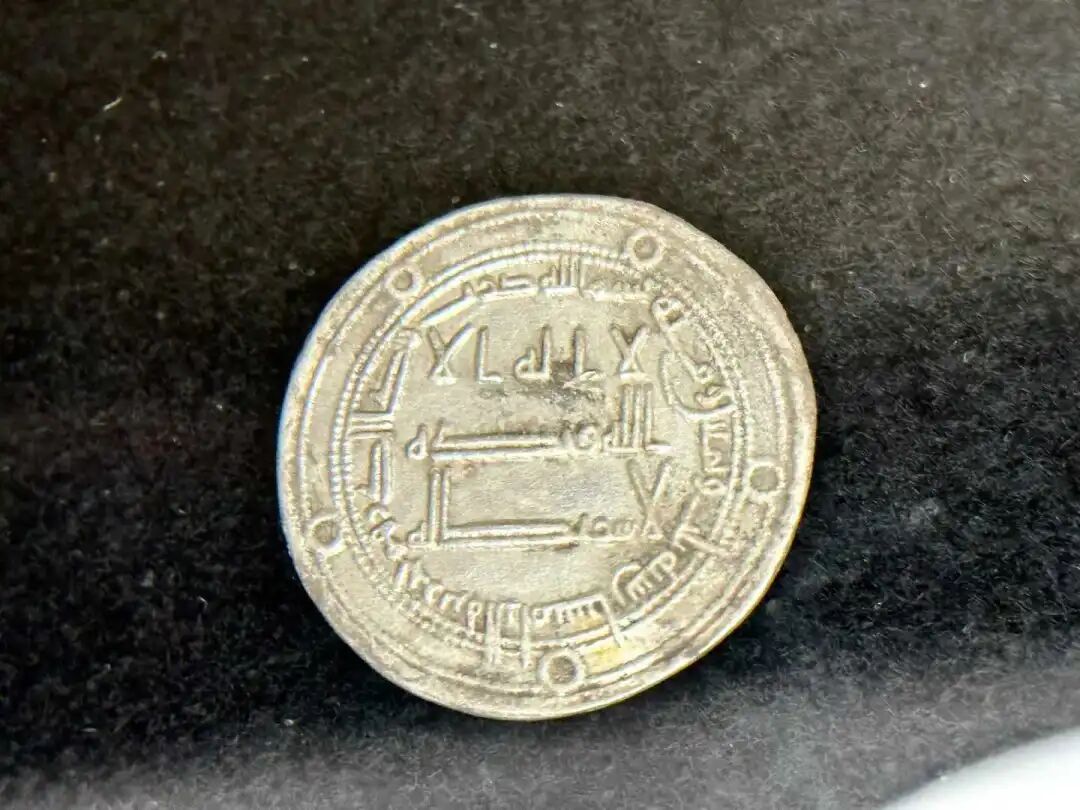
This dirham coin was minted in 1243 in what is now Kurraman, Pakistan, during the reign of Empress Dowager Töregene Khatun of the Yuan Dynasty.
Empress Dowager Töregene Khatun took power in 1242 after the death of her husband, Ögedei Khan, and returned power in 1246 after her son, Güyük Khan, was elected Great Khan. During her time in power, she successfully balanced the competing forces of the Mongol Empire. Over five years, she not only ruled the vast empire but also laid the foundation for her son's succession. While she was in power, the Seljuk Sultan from Turkey and the Abbasid Caliph from Baghdad both sent envoys to her camp.
The city of Kurraman is located in the Kurram Valley of Pakistan and was a famous minting center during the Khwarazmian and Mongol periods.
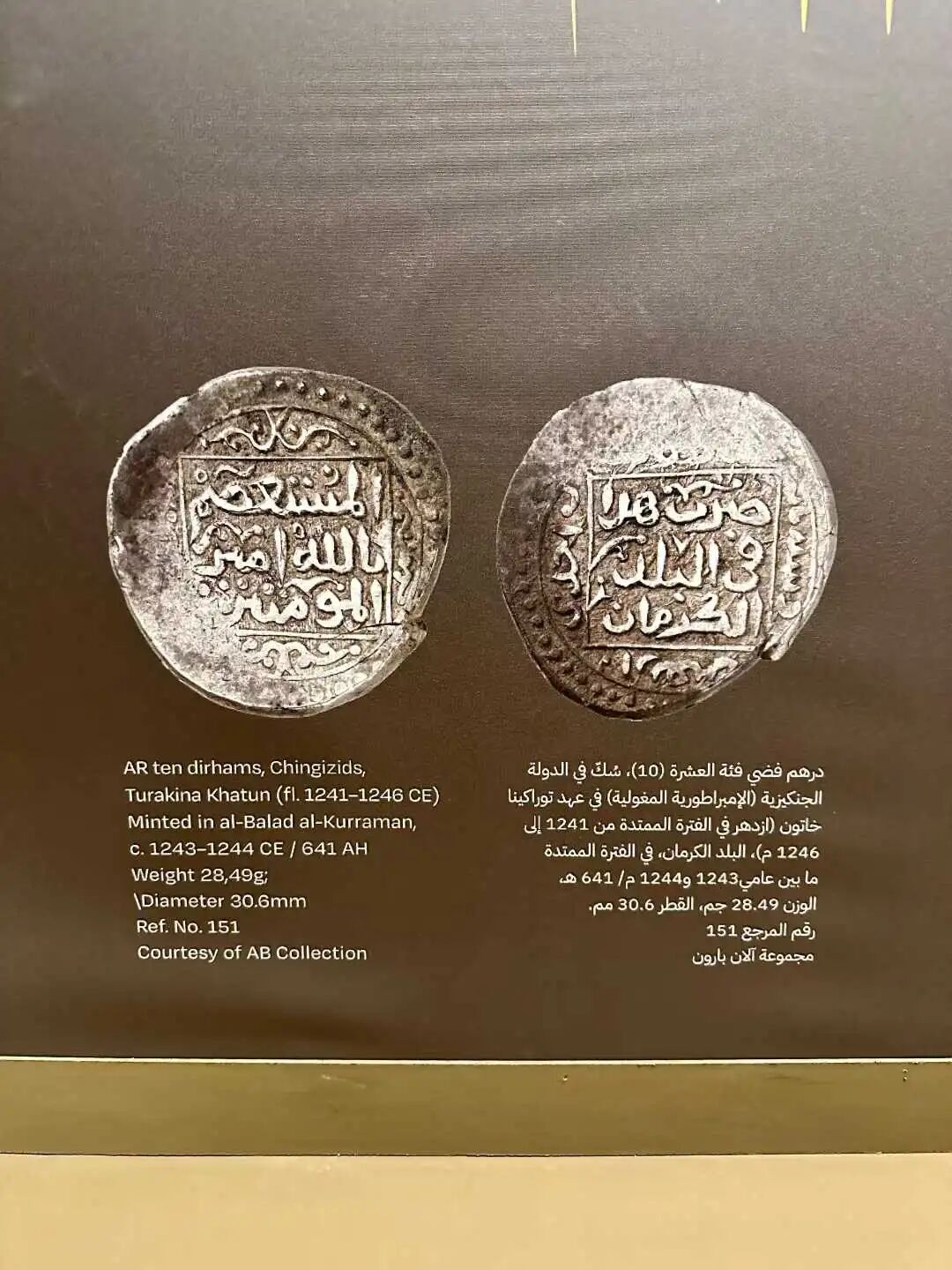
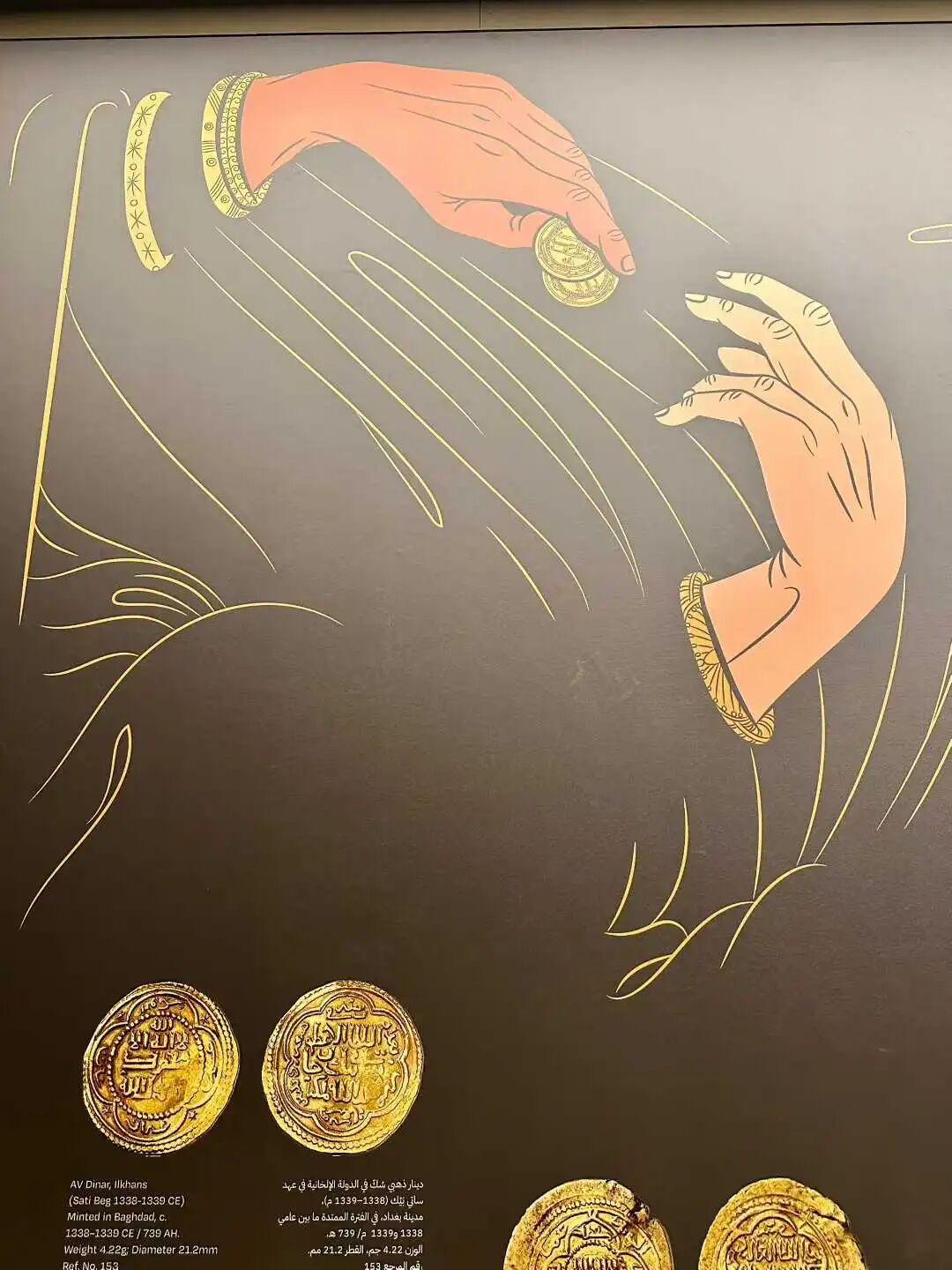
A gold dinar coin minted by the Ilkhanate in 1338.
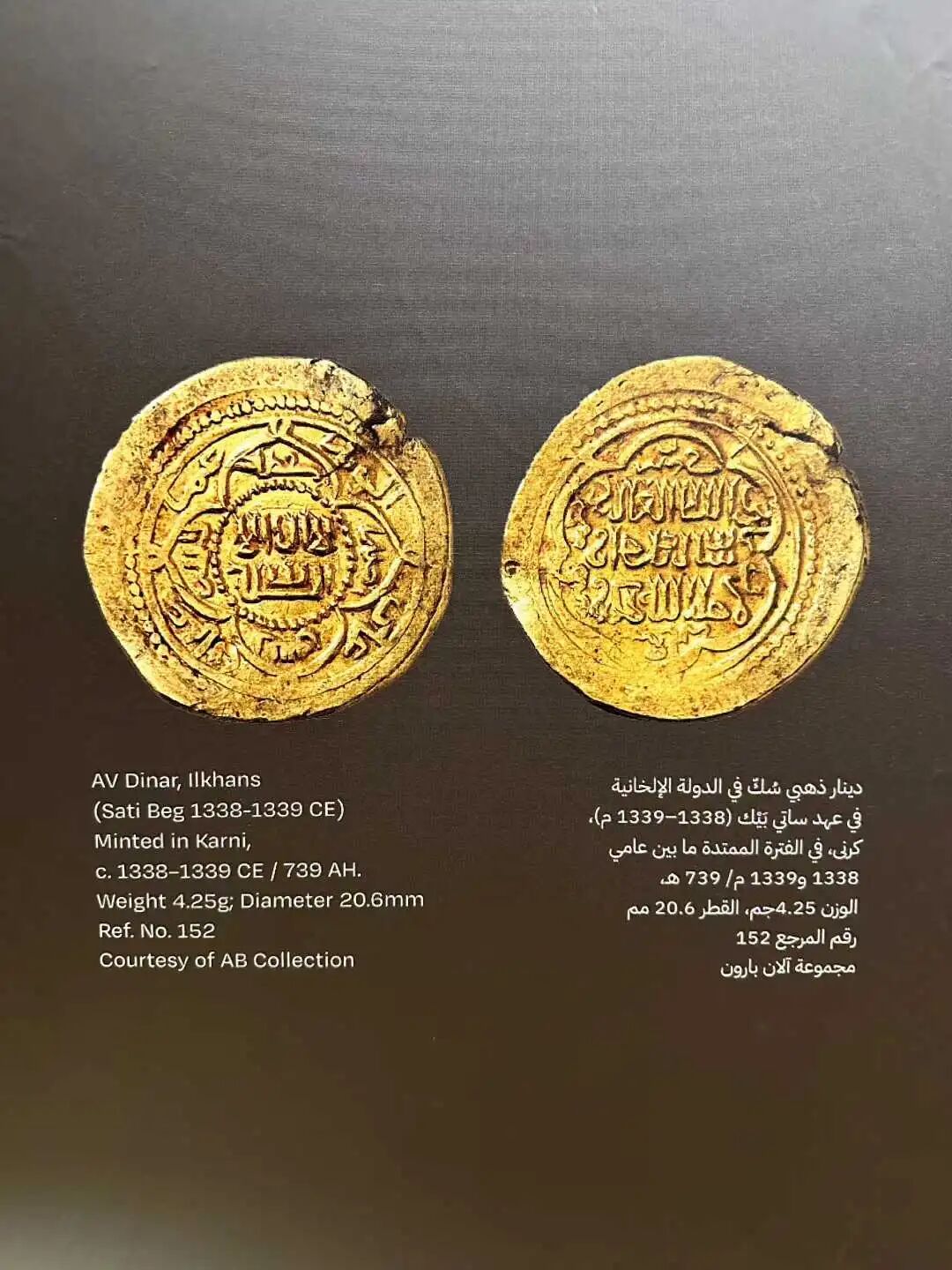
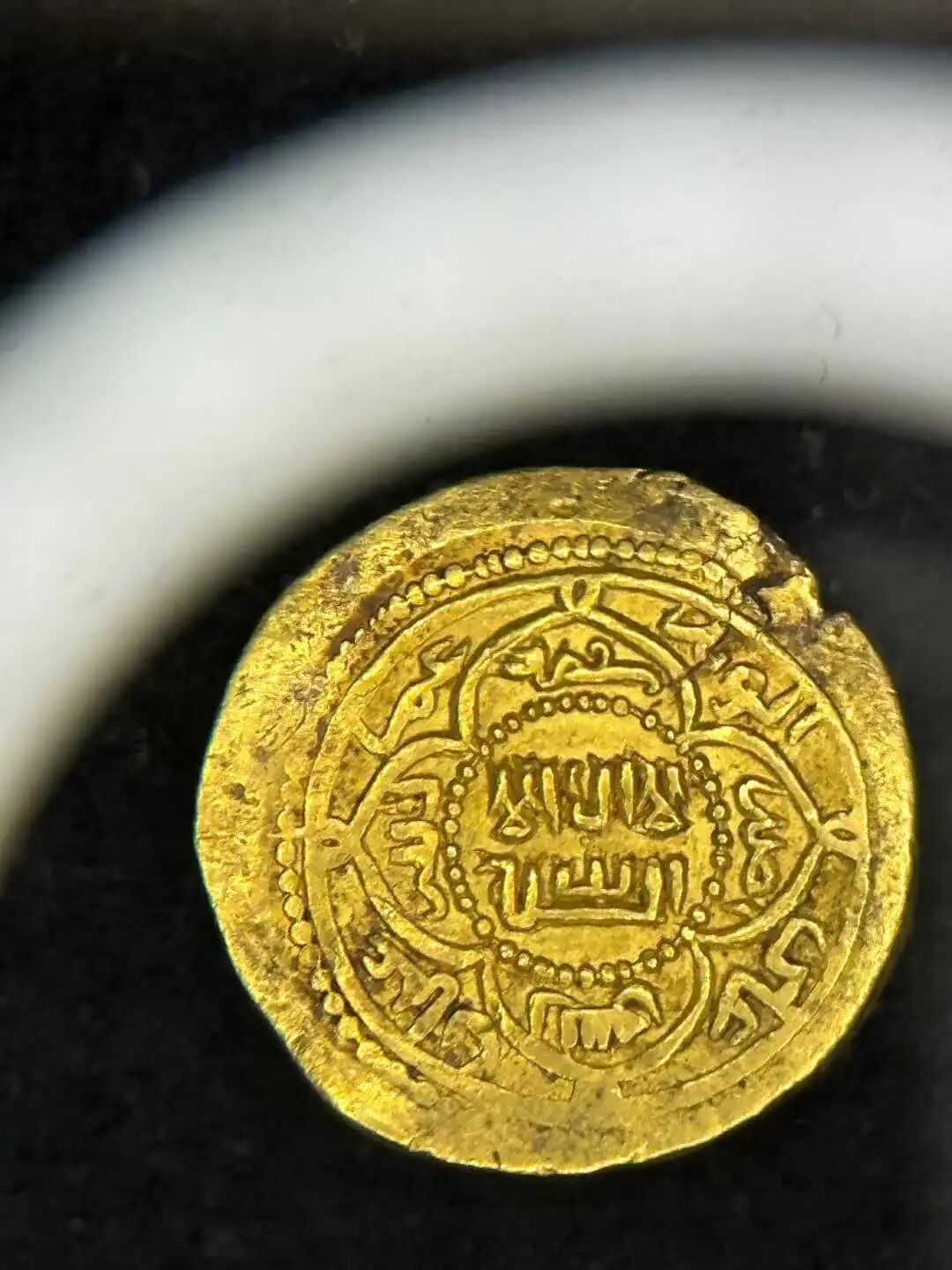
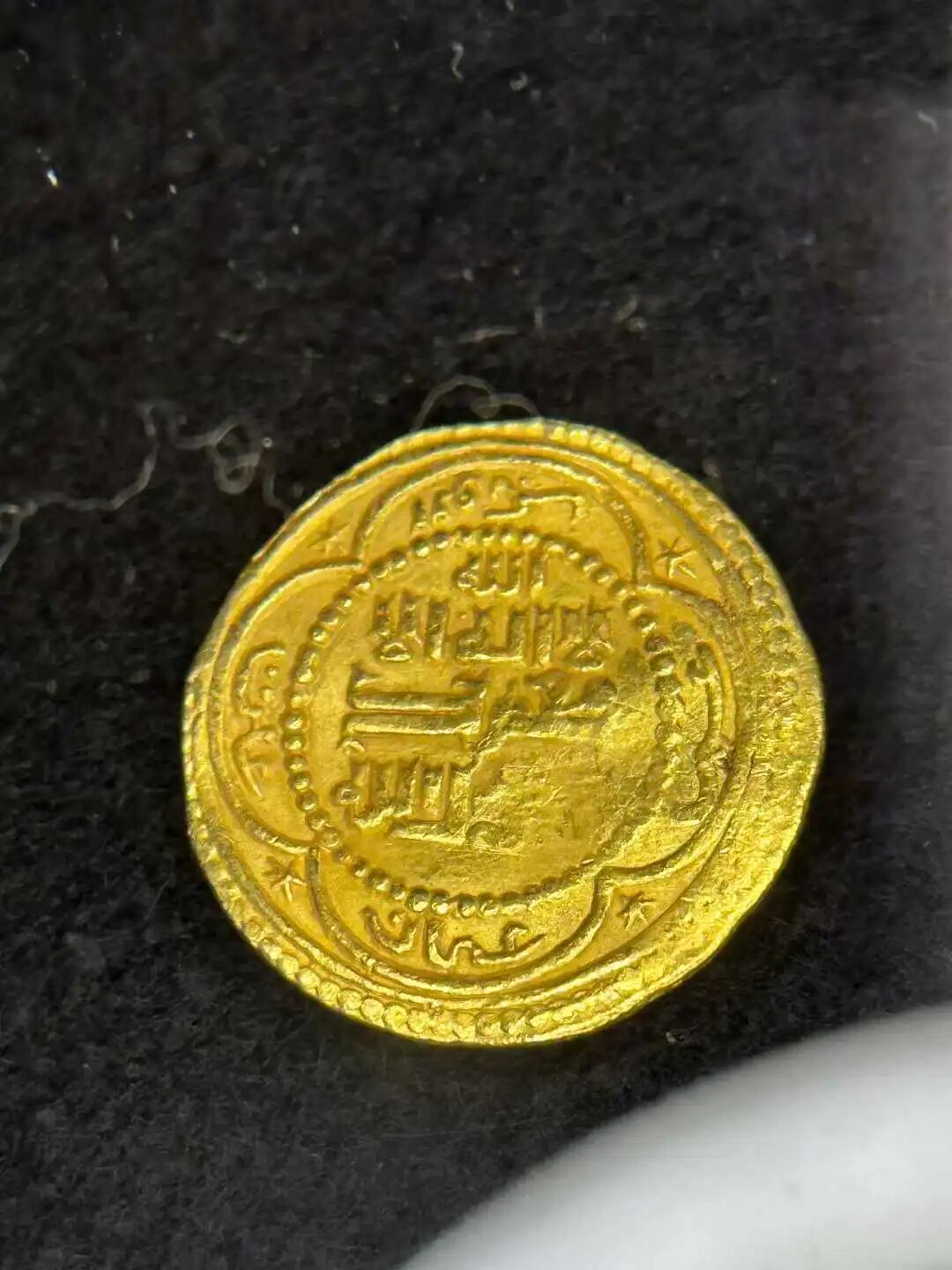
A gold dinar coin minted in Baghdad by the Ilkhanate in 1338.
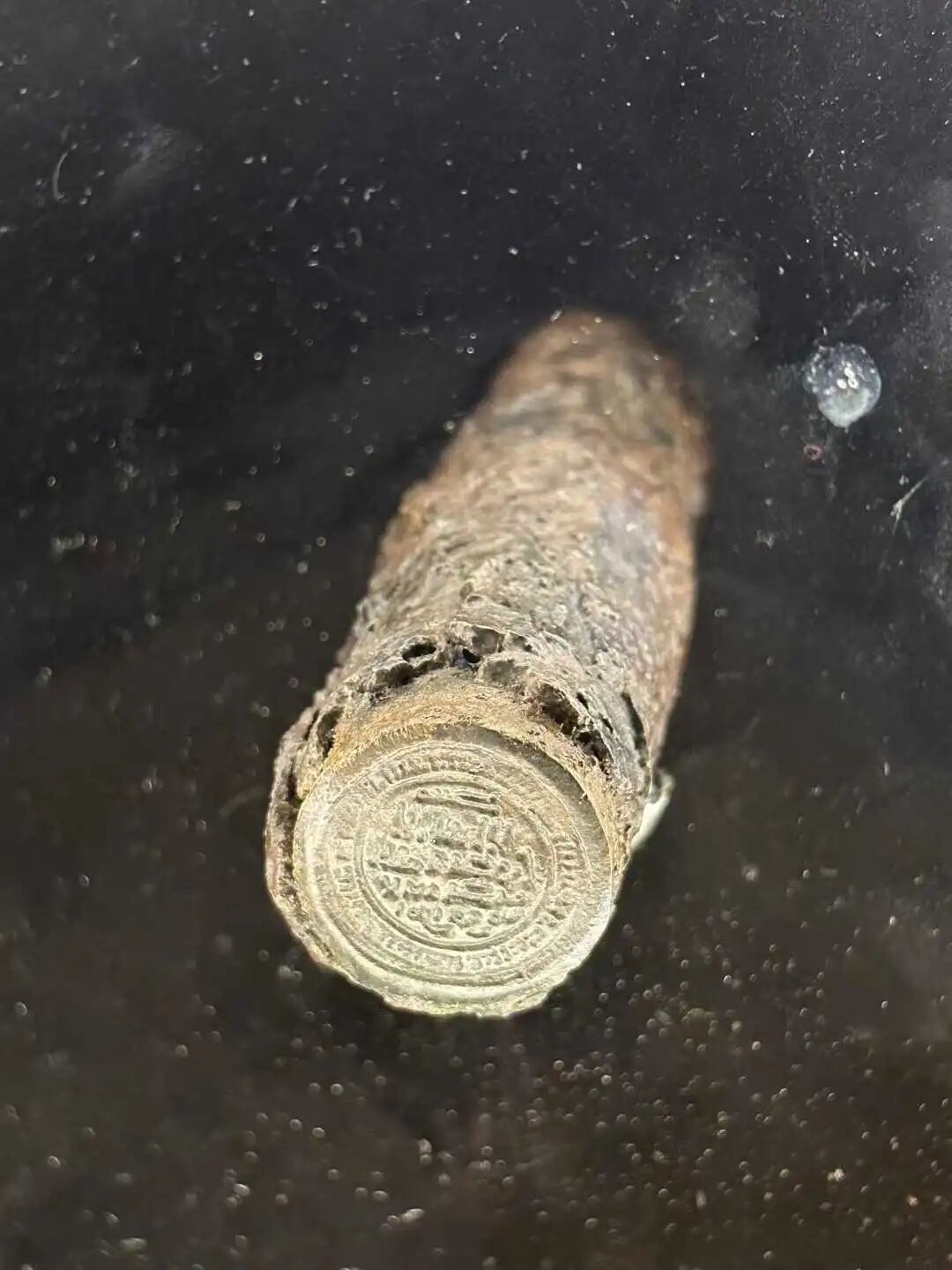
A coin minting mold brought back by Sultan Muhammad ibn Sam of the Ghurid dynasty after he conquered India in 1204. These molds broke easily during the minting process, so they are very hard to preserve.
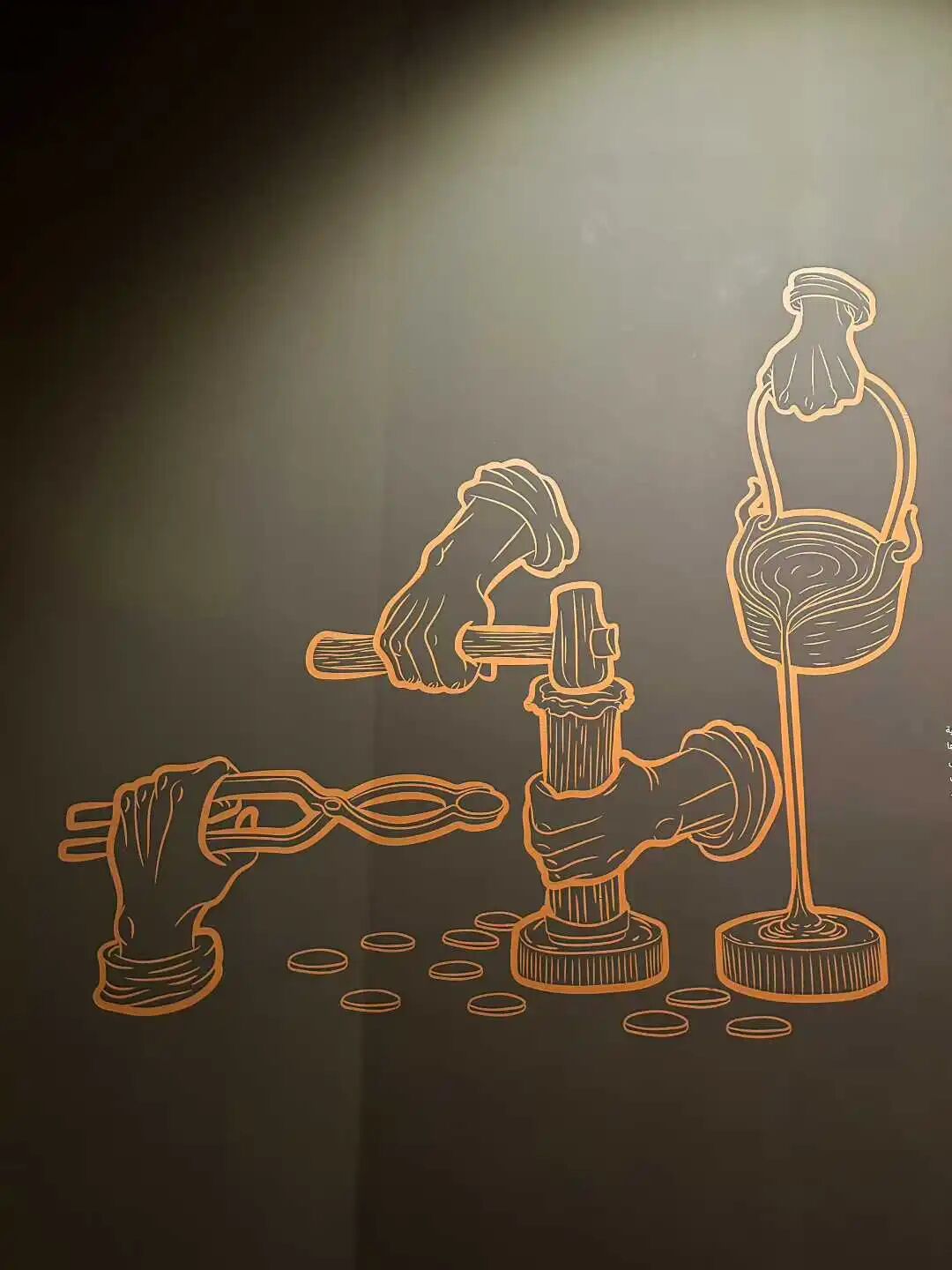
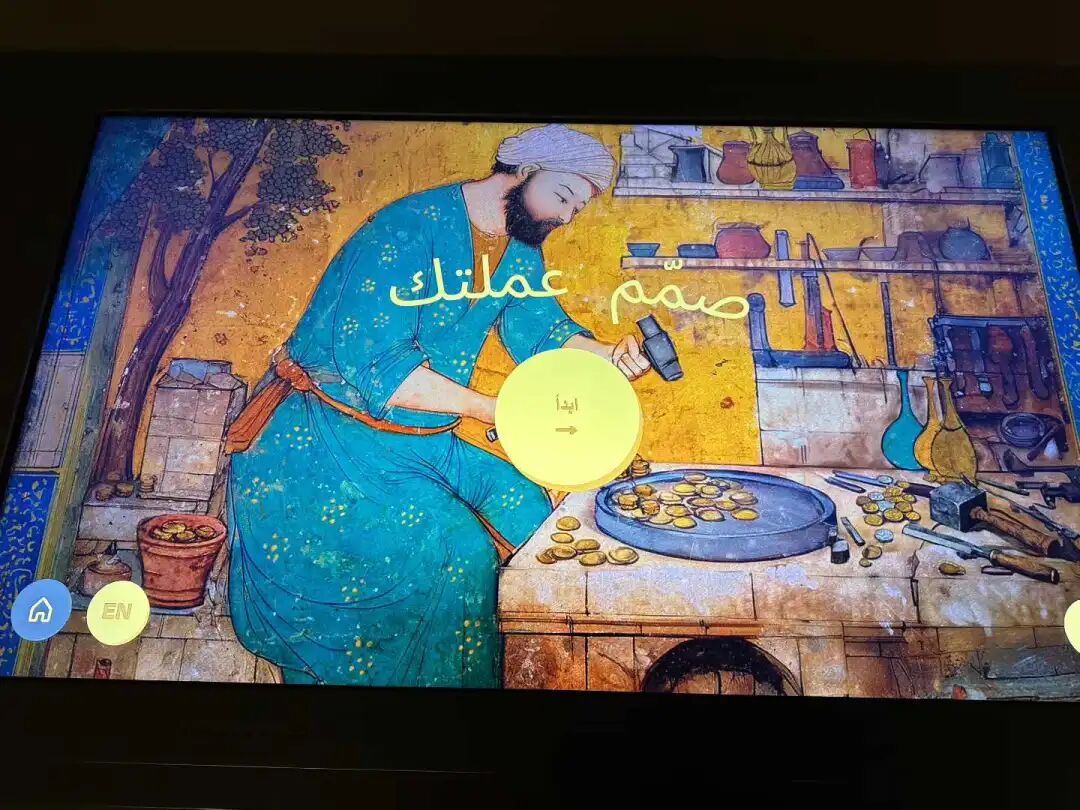
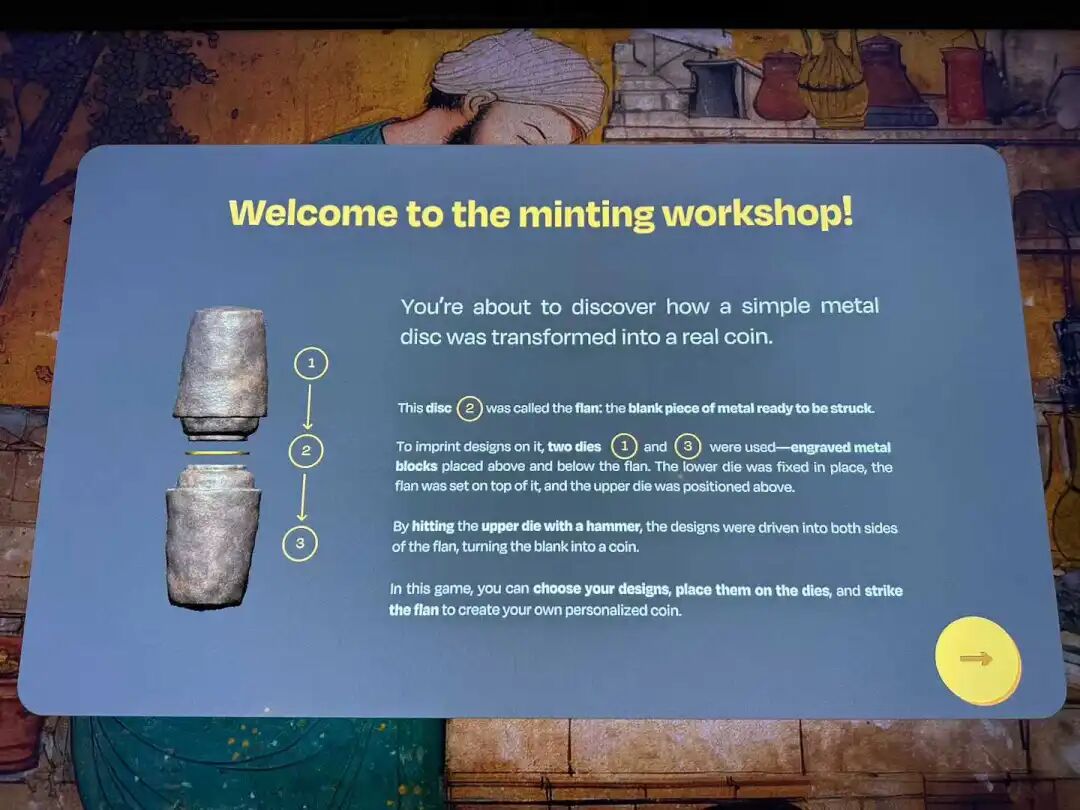
The interactive coin minting display at the exhibition shows the coin-making process in detail.
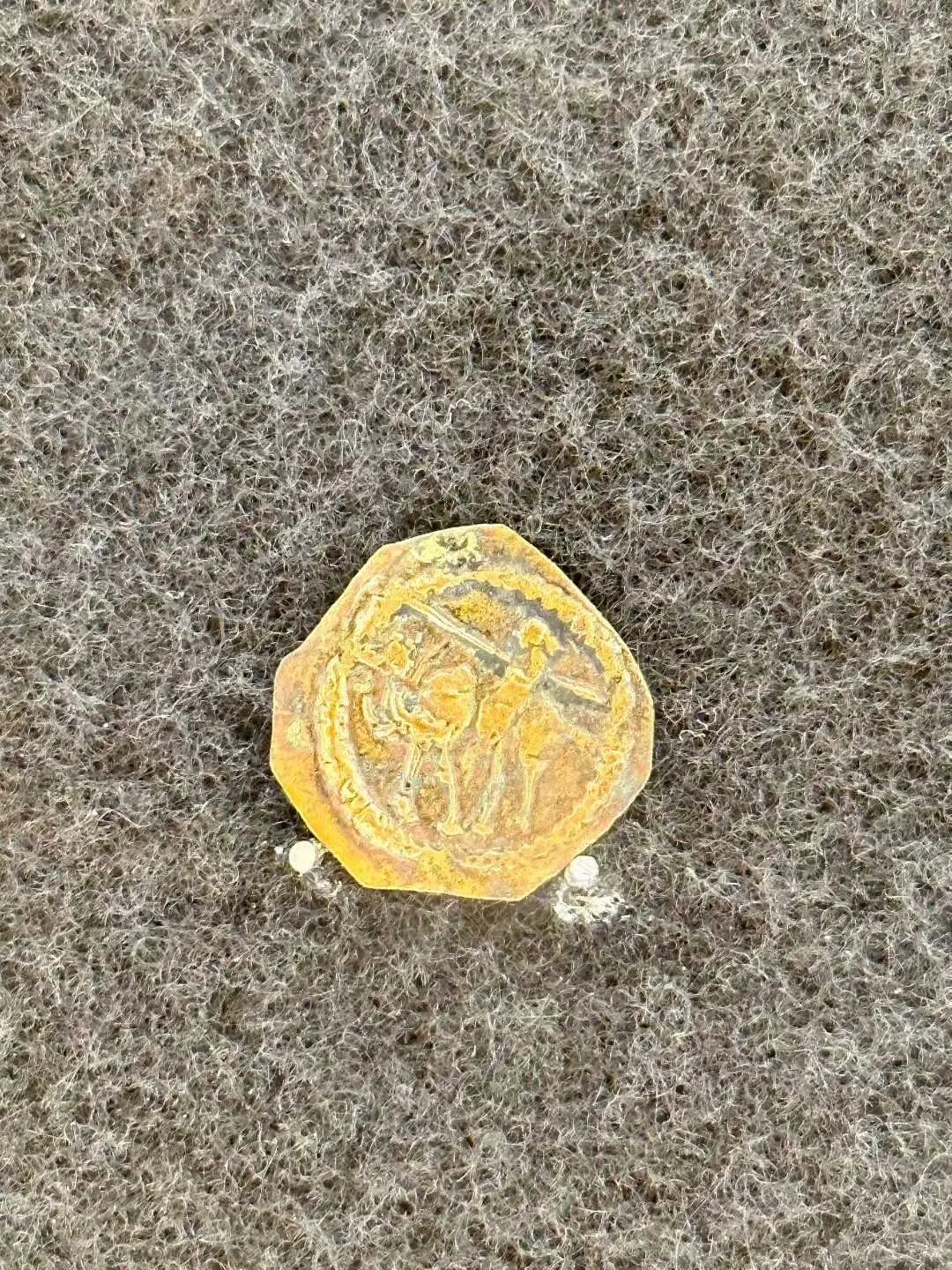
A coin from the 7th-century Umayyad Caliphate minted in Bishapur, featuring an image of a camel rider with a spear. Bishapur is located in southwestern Iran and was once the capital of the Sasanian Empire.
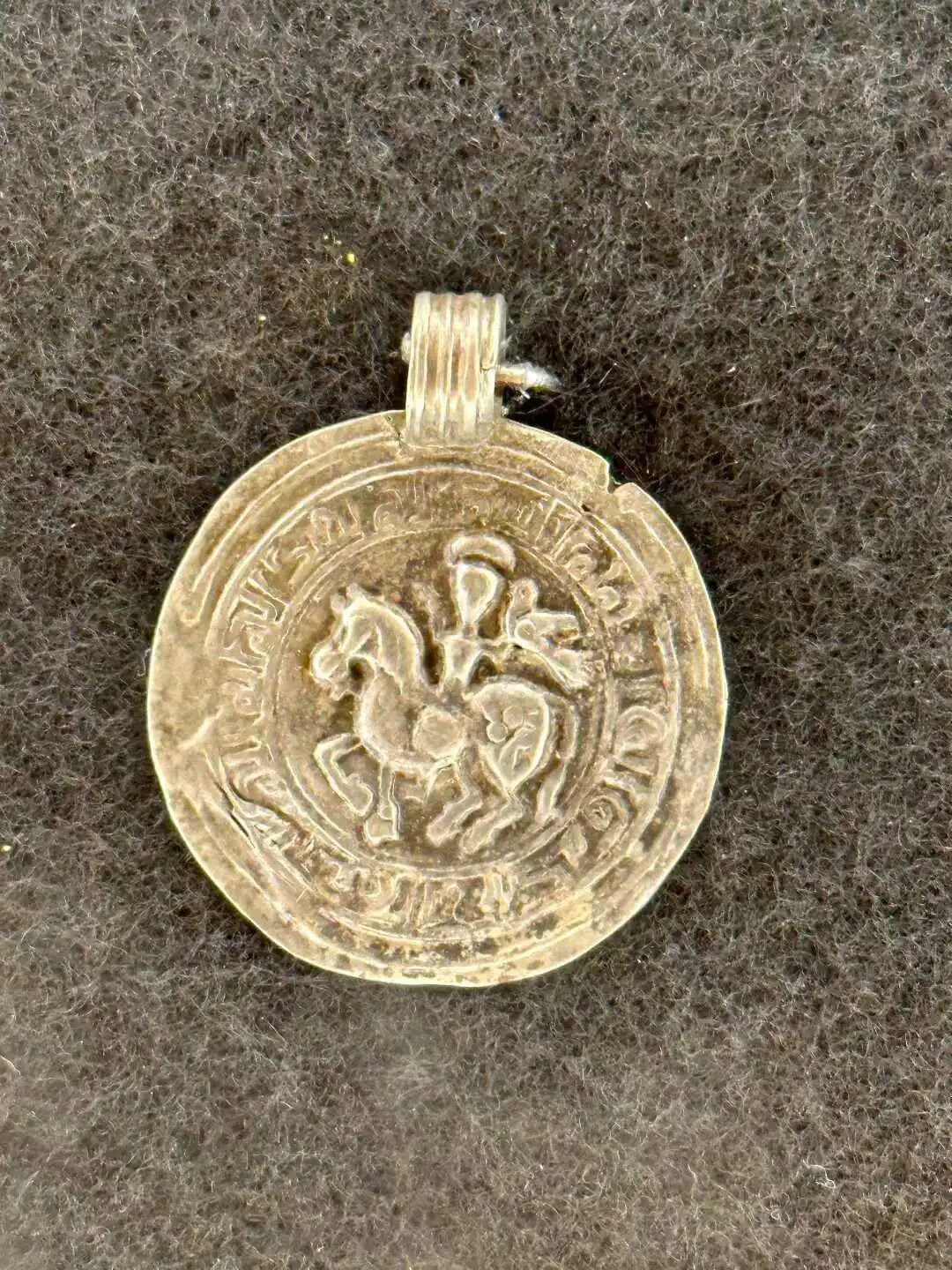
A coin from the Seljuk Empire minted between 1040 and 1063, featuring an image of a falconer on horseback.
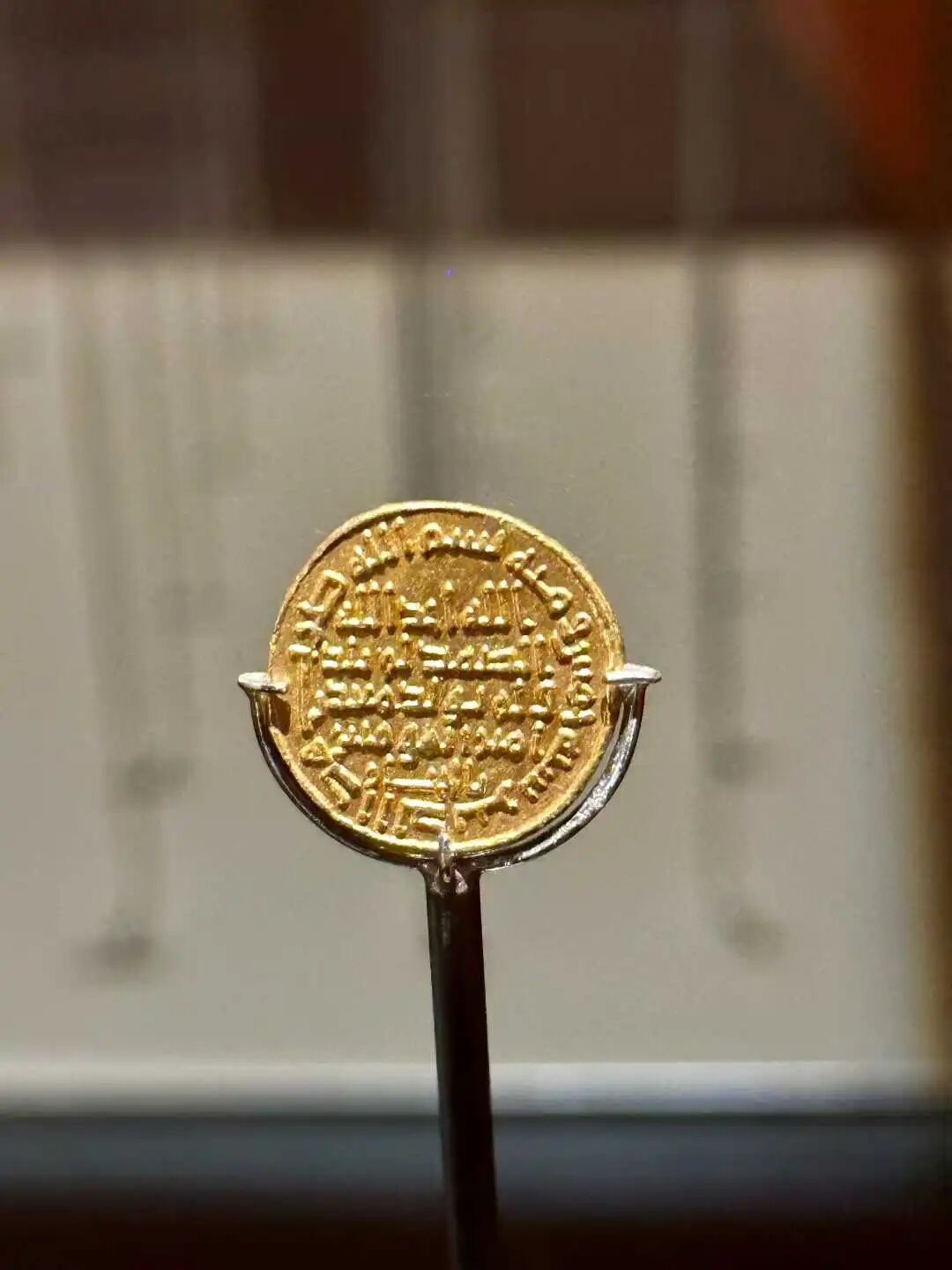
The earliest Islamic coin found within Saudi territory is this Umayyad dinar minted in 723. It is engraved with the name of the mint, al-Madina Ma'din Amir al-Mu'minin, which tells us this coin was minted in Medina. This coin shows the important status of Medina during the Umayyad Caliphate.
This section features dinar coins minted in Mecca between the 9th-century Abbasid Caliphate and the 10th-century Fatimid Caliphate.
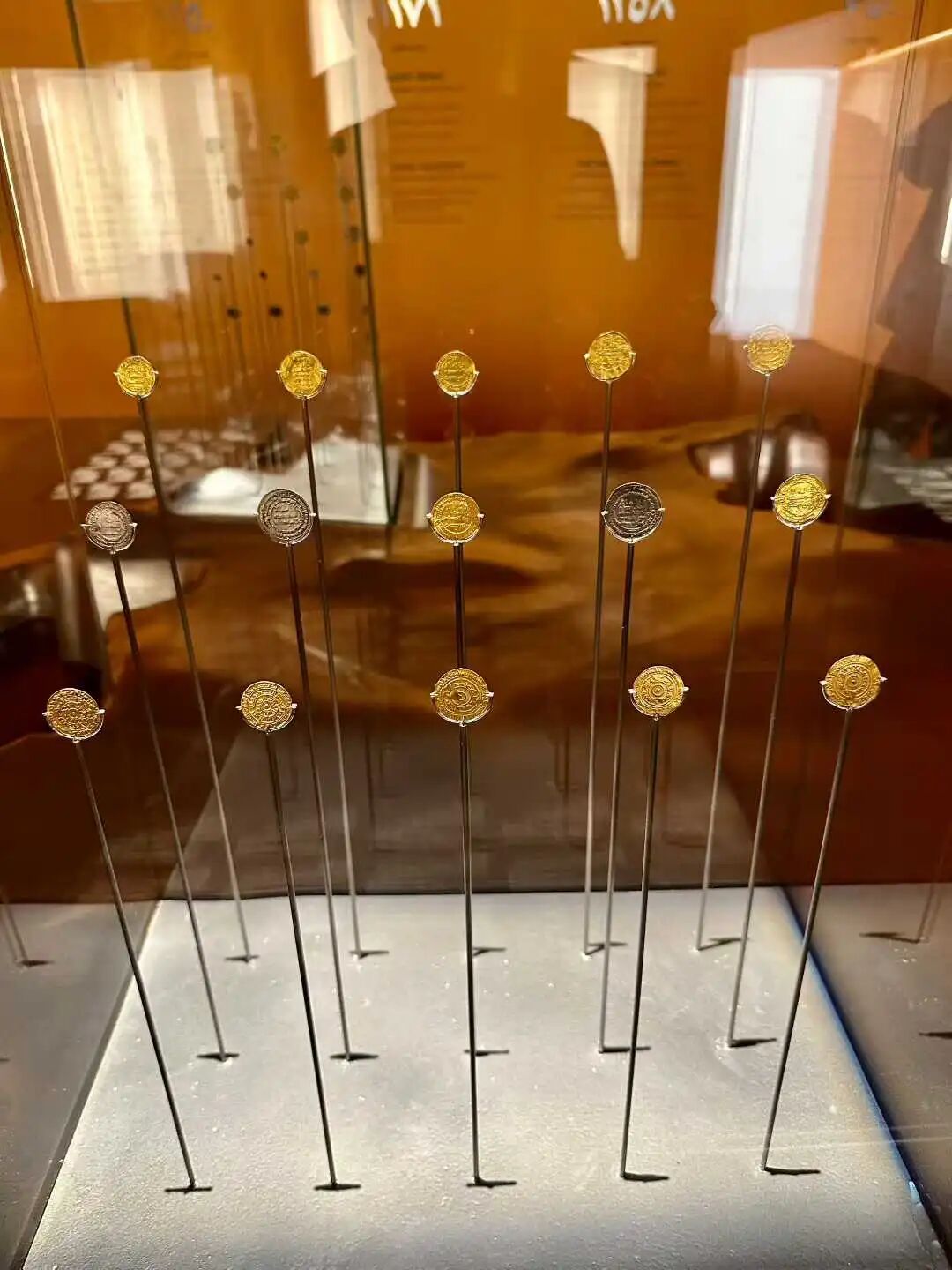
This is a gold dinar minted in Mecca during the Fatimid Caliphate in 971.
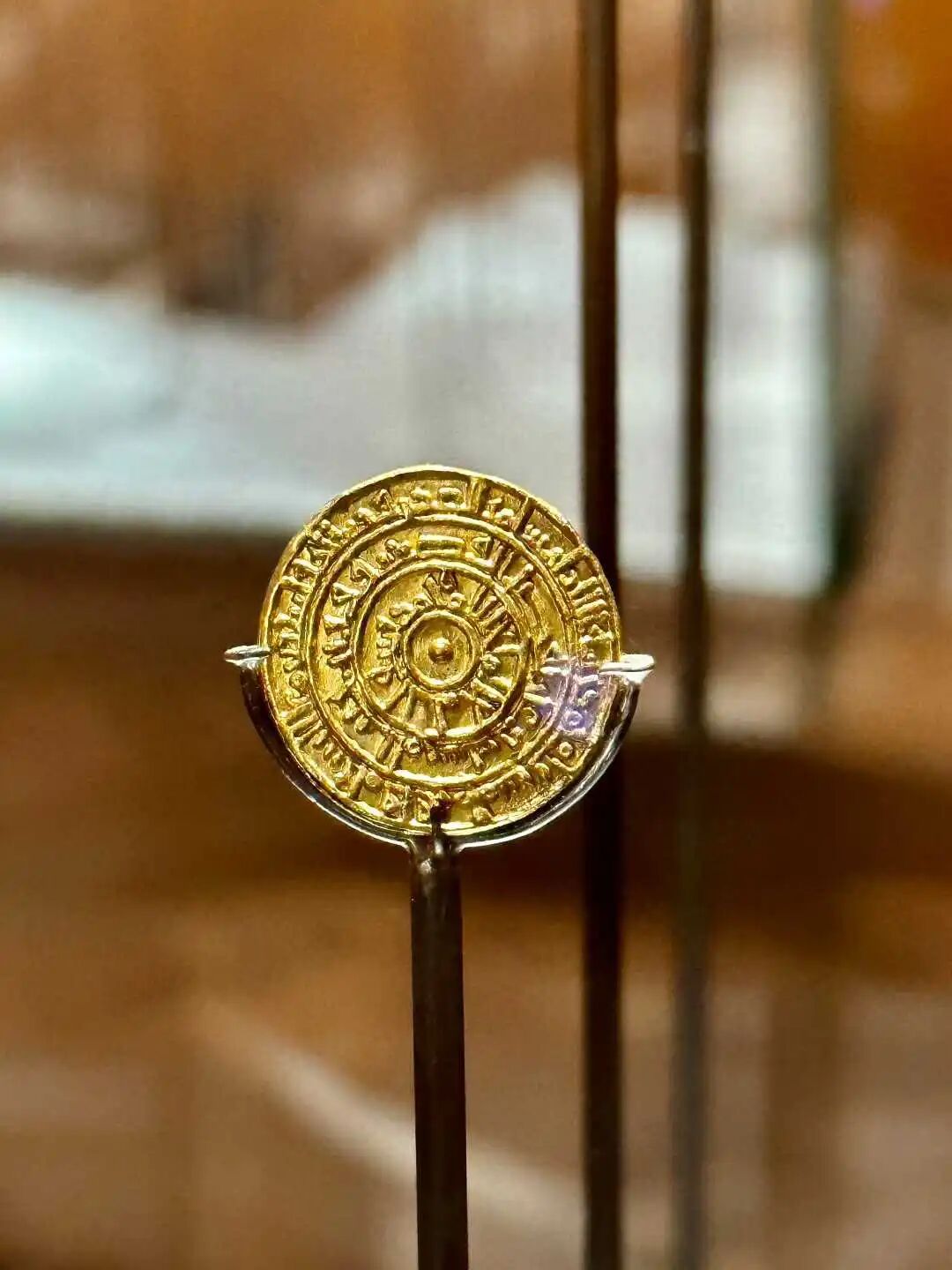
The Saudi Ministry of Culture holds two large coin collections. The first was found in 1980 by a farmer cleaning an old well in a village near Ha'il in northern Saudi Arabia. It includes 414 silver dinars, with 7 dating back to the late Umayyad period and 406 to the early Abbasid period, from mints including Baghdad, Basra, Armenia, Balkh, and Kufa. The second collection was found by chance in 2010 by a sand transport worker in another village near Ha'il, containing 2,296 gold and silver coins from the Umayyad and Abbasid dynasties.
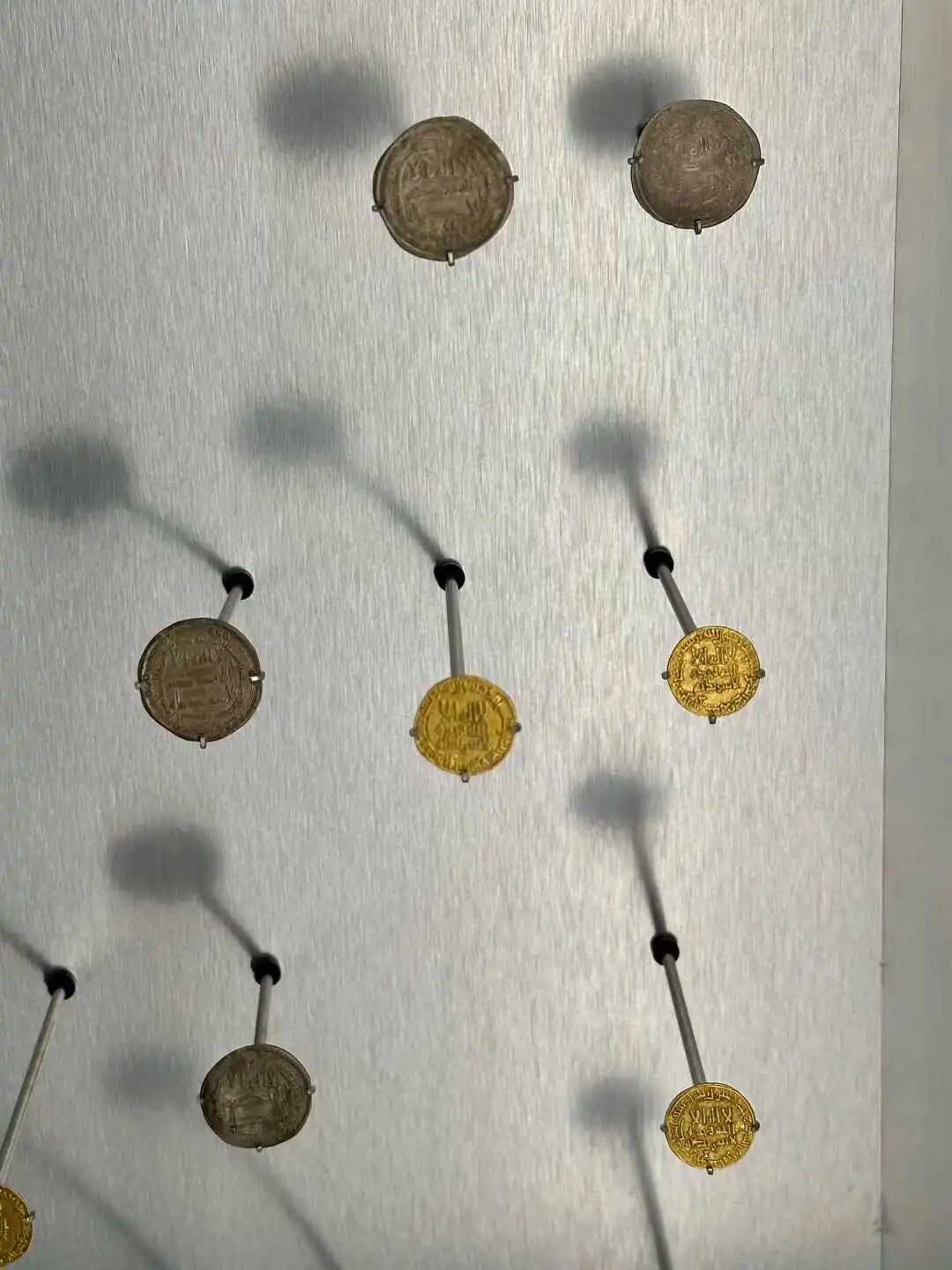
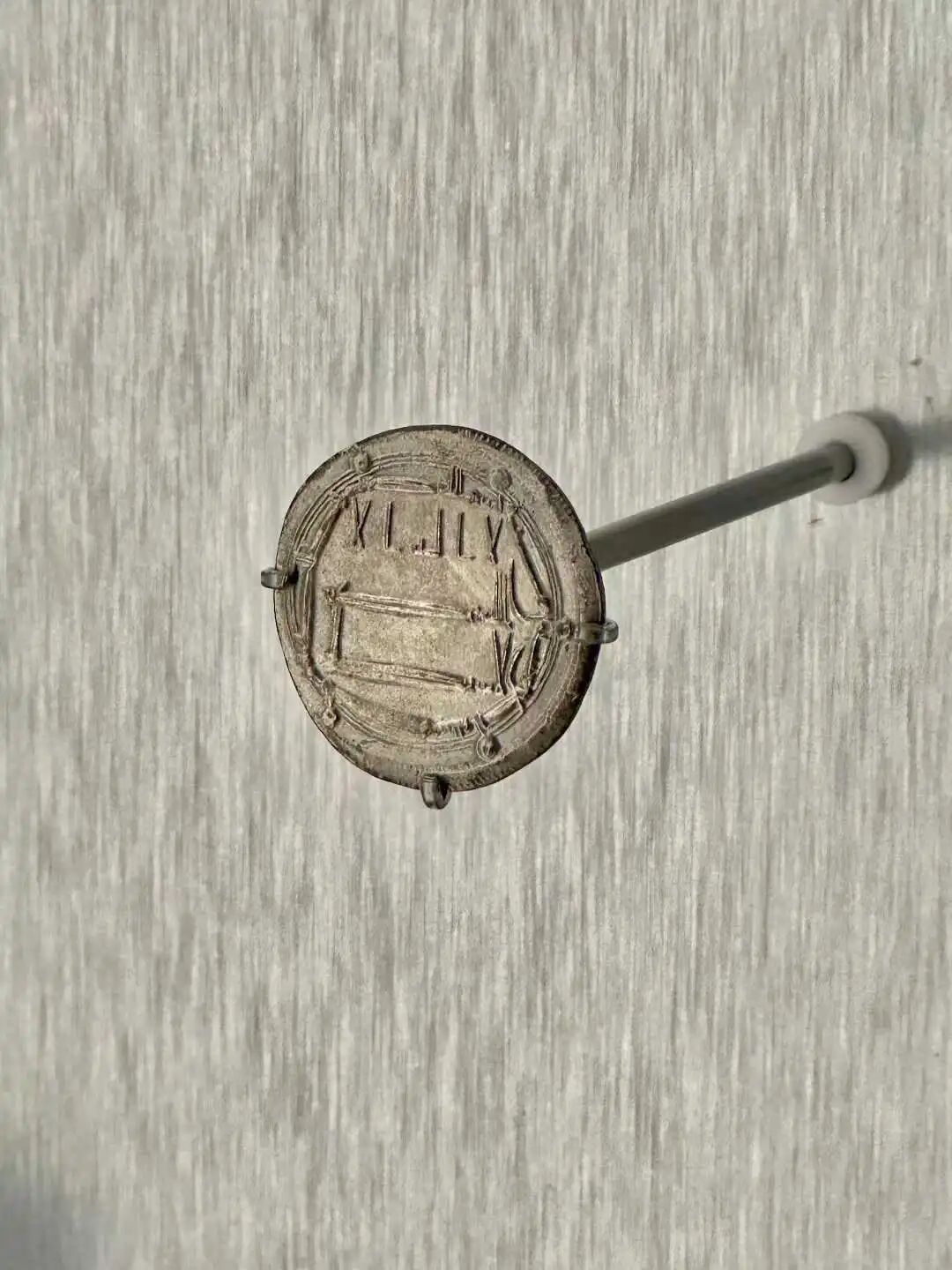
A modern Saudi gold coin trial strike minted in 1950, with text on the back that differs from the final version in circulation.
Summary: The Saudi National Museum exhibition Forging Narratives: The Coinage Heritage of Saudi Arabia traces Islamic coinage from early Umayyad gold coins to later dynasties. This English account keeps the source's dates, rulers, coin details, exhibition context, and photographs in one clear museum note.
The Saudi National Museum is hosting a special exhibition called "Forging Narratives: The Coinage Heritage of Saudi Arabia" from September 17 to December 16, 2025, featuring items from the famous coin collector Alain Baron. The exhibition follows a chronological order, starting with the oldest Umayyad gold coins, which surprisingly feature Byzantine emperors.
Before the Umayyad Caliphate was established, the Syrian region used Byzantine gold coins. After the Umayyad Caliphate was founded in 661, it began minting gold coins in Damascus. Early Umayyad gold coins continued to use Byzantine imagery. You can see coins showing the Byzantine Emperor Heraclius (reigned 610-641) and his two sons, Constantine III and Heraklonas, on the front, with Latin text on the back. Unlike Byzantine coins, the crowns and scepters of the emperors on Umayyad coins lack crosses, and the cross on the steps on the back is just a vertical line without a horizontal bar.
These Umayyad coins reflect the early culture of the Umayyad Caliphate, which continued to inherit Byzantine traditions. When Bedouin nomads from the Arabian Peninsula flooded into the grand city of Damascus, they saw a rich and colorful Byzantine culture. Because of this, they continued to use Byzantine culture in areas outside of religion, such as music, art, and architecture, becoming heirs to the Byzantine legacy.
It was not until the 690s that the Umayyad Caliphate began to move away from Byzantine culture and design its own gold coins. In 693, Caliph Abd al-Malik (reigned 685-705) minted gold dinar coins in Damascus, and by 696, he removed human figures, keeping only Arabic text. During the same period, Abd al-Malik also promoted the use of Arabic over Greek in Syria, making Arabic the only official language of the Umayyad Caliphate. From then on, the Umayyad Caliphate shifted from being an heir to Byzantine and Sasanian cultures to becoming a true Arab civilization.
This commemorative silver coin was issued between 800 and 810 AD by Queen Zubaidah (Zubaidah bint Ja`far ibn al-Mansur, 765-831) of the Abbasid Caliphate to give to noble dignitaries of the time.
Zubaidah is known as a key figure in the Golden Age of the Abbasid Caliphate and the most important queen in its history. She was the wife of Harun al-Rashid, the fifth Abbasid caliph. This was the most prosperous era of the Abbasid Caliphate, with the capital, Baghdad, housing libraries and the translation center known as the House of Wisdom. Baghdad was the world center for knowledge, culture, and trade at the time.
Zubaidah was famous for her generosity and donated to many poets, scholars, and doctors, regardless of their social or religious backgrounds. She spent over 20,000 dinars to improve the water supply in and around Mecca, deepened the Zamzam well, and built a series of rest areas, wells, and pools along the road connecting Baghdad, Mecca, and Medina. This road is still called the Zubaidah Road today. The famous traveler Ibn Battuta once said: "Every reservoir, pool, or well on this road from Mecca to Baghdad is there because of her generous gifts... If she had not cared for this road, no one would be able to use it."
This dirham coin was minted in 1243 in what is now Kurraman, Pakistan, during the reign of Empress Dowager Töregene Khatun of the Yuan Dynasty.
Empress Dowager Töregene Khatun took power in 1242 after the death of her husband, Ögedei Khan, and returned power in 1246 after her son, Güyük Khan, was elected Great Khan. During her time in power, she successfully balanced the competing forces of the Mongol Empire. Over five years, she not only ruled the vast empire but also laid the foundation for her son's succession. While she was in power, the Seljuk Sultan from Turkey and the Abbasid Caliph from Baghdad both sent envoys to her camp.
The city of Kurraman is located in the Kurram Valley of Pakistan and was a famous minting center during the Khwarazmian and Mongol periods.
A gold dinar coin minted by the Ilkhanate in 1338.
A gold dinar coin minted in Baghdad by the Ilkhanate in 1338.
A coin minting mold brought back by Sultan Muhammad ibn Sam of the Ghurid dynasty after he conquered India in 1204. These molds broke easily during the minting process, so they are very hard to preserve.
The interactive coin minting display at the exhibition shows the coin-making process in detail.
A coin from the 7th-century Umayyad Caliphate minted in Bishapur, featuring an image of a camel rider with a spear. Bishapur is located in southwestern Iran and was once the capital of the Sasanian Empire.
A coin from the Seljuk Empire minted between 1040 and 1063, featuring an image of a falconer on horseback.
The earliest Islamic coin found within Saudi territory is this Umayyad dinar minted in 723. It is engraved with the name of the mint, al-Madina Ma'din Amir al-Mu'minin, which tells us this coin was minted in Medina. This coin shows the important status of Medina during the Umayyad Caliphate.
This section features dinar coins minted in Mecca between the 9th-century Abbasid Caliphate and the 10th-century Fatimid Caliphate.
This is a gold dinar minted in Mecca during the Fatimid Caliphate in 971.
The Saudi Ministry of Culture holds two large coin collections. The first was found in 1980 by a farmer cleaning an old well in a village near Ha'il in northern Saudi Arabia. It includes 414 silver dinars, with 7 dating back to the late Umayyad period and 406 to the early Abbasid period, from mints including Baghdad, Basra, Armenia, Balkh, and Kufa. The second collection was found by chance in 2010 by a sand transport worker in another village near Ha'il, containing 2,296 gold and silver coins from the Umayyad and Abbasid dynasties.
A modern Saudi gold coin trial strike minted in 1950, with text on the back that differs from the final version in circulation.
Islamic History Guide: Riyadh - Saudi Coinage Heritage Exhibition
Articles • ali2007fr posted the article • 0 comments • 265 views • 2026-05-21 02:35
Reposted from the web
Summary: The Saudi National Museum exhibition Forging Narratives: The Coinage Heritage of Saudi Arabia traces Islamic coinage from early Umayyad gold coins to later dynasties. This English account keeps the source's dates, rulers, coin details, exhibition context, and photographs in one clear museum note.
The Saudi National Museum is hosting a special exhibition called "Forging Narratives: The Coinage Heritage of Saudi Arabia" from September 17 to December 16, 2025, featuring items from the famous coin collector Alain Baron. The exhibition follows a chronological order, starting with the oldest Umayyad gold coins, which surprisingly feature Byzantine emperors.
Before the Umayyad Caliphate was established, the Syrian region used Byzantine gold coins. After the Umayyad Caliphate was founded in 661, it began minting gold coins in Damascus. Early Umayyad gold coins continued to use Byzantine imagery. You can see coins showing the Byzantine Emperor Heraclius (reigned 610-641) and his two sons, Constantine III and Heraklonas, on the front, with Latin text on the back. Unlike Byzantine coins, the crowns and scepters of the emperors on Umayyad coins lack crosses, and the cross on the steps on the back is just a vertical line without a horizontal bar.
These Umayyad coins reflect the early culture of the Umayyad Caliphate, which continued to inherit Byzantine traditions. When Bedouin nomads from the Arabian Peninsula flooded into the grand city of Damascus, they saw a rich and colorful Byzantine culture. Because of this, they continued to use Byzantine culture in areas outside of religion, such as music, art, and architecture, becoming heirs to the Byzantine legacy.
It was not until the 690s that the Umayyad Caliphate began to move away from Byzantine culture and design its own gold coins. In 693, Caliph Abd al-Malik (reigned 685-705) minted gold dinar coins in Damascus, and by 696, he removed human figures, keeping only Arabic text. During the same period, Abd al-Malik also promoted the use of Arabic over Greek in Syria, making Arabic the only official language of the Umayyad Caliphate. From then on, the Umayyad Caliphate shifted from being an heir to Byzantine and Sasanian cultures to becoming a true Arab civilization.
This commemorative silver coin was issued between 800 and 810 AD by Queen Zubaidah (Zubaidah bint Ja`far ibn al-Mansur, 765-831) of the Abbasid Caliphate to give to noble dignitaries of the time.
Zubaidah is known as a key figure in the Golden Age of the Abbasid Caliphate and the most important queen in its history. She was the wife of Harun al-Rashid, the fifth Abbasid caliph. This was the most prosperous era of the Abbasid Caliphate, with the capital, Baghdad, housing libraries and the translation center known as the House of Wisdom. Baghdad was the world center for knowledge, culture, and trade at the time.
Zubaidah was famous for her generosity and donated to many poets, scholars, and doctors, regardless of their social or religious backgrounds. She spent over 20,000 dinars to improve the water supply in and around Mecca, deepened the Zamzam well, and built a series of rest areas, wells, and pools along the road connecting Baghdad, Mecca, and Medina. This road is still called the Zubaidah Road today. The famous traveler Ibn Battuta once said: "Every reservoir, pool, or well on this road from Mecca to Baghdad is there because of her generous gifts... If she had not cared for this road, no one would be able to use it."
This dirham coin was minted in 1243 in what is now Kurraman, Pakistan, during the reign of Empress Dowager Töregene Khatun of the Yuan Dynasty.
Empress Dowager Töregene Khatun took power in 1242 after the death of her husband, Ögedei Khan, and returned power in 1246 after her son, Güyük Khan, was elected Great Khan. During her time in power, she successfully balanced the competing forces of the Mongol Empire. Over five years, she not only ruled the vast empire but also laid the foundation for her son's succession. While she was in power, the Seljuk Sultan from Turkey and the Abbasid Caliph from Baghdad both sent envoys to her camp.
The city of Kurraman is located in the Kurram Valley of Pakistan and was a famous minting center during the Khwarazmian and Mongol periods.
A gold dinar coin minted by the Ilkhanate in 1338.
A gold dinar coin minted in Baghdad by the Ilkhanate in 1338.
A coin minting mold brought back by Sultan Muhammad ibn Sam of the Ghurid dynasty after he conquered India in 1204. These molds broke easily during the minting process, so they are very hard to preserve.
The interactive coin minting display at the exhibition shows the coin-making process in detail.
A coin from the 7th-century Umayyad Caliphate minted in Bishapur, featuring an image of a camel rider with a spear. Bishapur is located in southwestern Iran and was once the capital of the Sasanian Empire.
A coin from the Seljuk Empire minted between 1040 and 1063, featuring an image of a falconer on horseback.
The earliest Islamic coin found within Saudi territory is this Umayyad dinar minted in 723. It is engraved with the name of the mint, al-Madina Ma'din Amir al-Mu'minin, which tells us this coin was minted in Medina. This coin shows the important status of Medina during the Umayyad Caliphate.
This section features dinar coins minted in Mecca between the 9th-century Abbasid Caliphate and the 10th-century Fatimid Caliphate.
This is a gold dinar minted in Mecca during the Fatimid Caliphate in 971.
The Saudi Ministry of Culture holds two large coin collections. The first was found in 1980 by a farmer cleaning an old well in a village near Ha'il in northern Saudi Arabia. It includes 414 silver dinars, with 7 dating back to the late Umayyad period and 406 to the early Abbasid period, from mints including Baghdad, Basra, Armenia, Balkh, and Kufa. The second collection was found by chance in 2010 by a sand transport worker in another village near Ha'il, containing 2,296 gold and silver coins from the Umayyad and Abbasid dynasties.
A modern Saudi gold coin trial strike minted in 1950, with text on the back that differs from the final version in circulation. view all
Summary: The Saudi National Museum exhibition Forging Narratives: The Coinage Heritage of Saudi Arabia traces Islamic coinage from early Umayyad gold coins to later dynasties. This English account keeps the source's dates, rulers, coin details, exhibition context, and photographs in one clear museum note.
The Saudi National Museum is hosting a special exhibition called "Forging Narratives: The Coinage Heritage of Saudi Arabia" from September 17 to December 16, 2025, featuring items from the famous coin collector Alain Baron. The exhibition follows a chronological order, starting with the oldest Umayyad gold coins, which surprisingly feature Byzantine emperors.
Before the Umayyad Caliphate was established, the Syrian region used Byzantine gold coins. After the Umayyad Caliphate was founded in 661, it began minting gold coins in Damascus. Early Umayyad gold coins continued to use Byzantine imagery. You can see coins showing the Byzantine Emperor Heraclius (reigned 610-641) and his two sons, Constantine III and Heraklonas, on the front, with Latin text on the back. Unlike Byzantine coins, the crowns and scepters of the emperors on Umayyad coins lack crosses, and the cross on the steps on the back is just a vertical line without a horizontal bar.
These Umayyad coins reflect the early culture of the Umayyad Caliphate, which continued to inherit Byzantine traditions. When Bedouin nomads from the Arabian Peninsula flooded into the grand city of Damascus, they saw a rich and colorful Byzantine culture. Because of this, they continued to use Byzantine culture in areas outside of religion, such as music, art, and architecture, becoming heirs to the Byzantine legacy.
It was not until the 690s that the Umayyad Caliphate began to move away from Byzantine culture and design its own gold coins. In 693, Caliph Abd al-Malik (reigned 685-705) minted gold dinar coins in Damascus, and by 696, he removed human figures, keeping only Arabic text. During the same period, Abd al-Malik also promoted the use of Arabic over Greek in Syria, making Arabic the only official language of the Umayyad Caliphate. From then on, the Umayyad Caliphate shifted from being an heir to Byzantine and Sasanian cultures to becoming a true Arab civilization.
This commemorative silver coin was issued between 800 and 810 AD by Queen Zubaidah (Zubaidah bint Ja`far ibn al-Mansur, 765-831) of the Abbasid Caliphate to give to noble dignitaries of the time.
Zubaidah is known as a key figure in the Golden Age of the Abbasid Caliphate and the most important queen in its history. She was the wife of Harun al-Rashid, the fifth Abbasid caliph. This was the most prosperous era of the Abbasid Caliphate, with the capital, Baghdad, housing libraries and the translation center known as the House of Wisdom. Baghdad was the world center for knowledge, culture, and trade at the time.
Zubaidah was famous for her generosity and donated to many poets, scholars, and doctors, regardless of their social or religious backgrounds. She spent over 20,000 dinars to improve the water supply in and around Mecca, deepened the Zamzam well, and built a series of rest areas, wells, and pools along the road connecting Baghdad, Mecca, and Medina. This road is still called the Zubaidah Road today. The famous traveler Ibn Battuta once said: "Every reservoir, pool, or well on this road from Mecca to Baghdad is there because of her generous gifts... If she had not cared for this road, no one would be able to use it."
This dirham coin was minted in 1243 in what is now Kurraman, Pakistan, during the reign of Empress Dowager Töregene Khatun of the Yuan Dynasty.
Empress Dowager Töregene Khatun took power in 1242 after the death of her husband, Ögedei Khan, and returned power in 1246 after her son, Güyük Khan, was elected Great Khan. During her time in power, she successfully balanced the competing forces of the Mongol Empire. Over five years, she not only ruled the vast empire but also laid the foundation for her son's succession. While she was in power, the Seljuk Sultan from Turkey and the Abbasid Caliph from Baghdad both sent envoys to her camp.
The city of Kurraman is located in the Kurram Valley of Pakistan and was a famous minting center during the Khwarazmian and Mongol periods.
A gold dinar coin minted by the Ilkhanate in 1338.
A gold dinar coin minted in Baghdad by the Ilkhanate in 1338.
A coin minting mold brought back by Sultan Muhammad ibn Sam of the Ghurid dynasty after he conquered India in 1204. These molds broke easily during the minting process, so they are very hard to preserve.
The interactive coin minting display at the exhibition shows the coin-making process in detail.
A coin from the 7th-century Umayyad Caliphate minted in Bishapur, featuring an image of a camel rider with a spear. Bishapur is located in southwestern Iran and was once the capital of the Sasanian Empire.
A coin from the Seljuk Empire minted between 1040 and 1063, featuring an image of a falconer on horseback.
The earliest Islamic coin found within Saudi territory is this Umayyad dinar minted in 723. It is engraved with the name of the mint, al-Madina Ma'din Amir al-Mu'minin, which tells us this coin was minted in Medina. This coin shows the important status of Medina during the Umayyad Caliphate.
This section features dinar coins minted in Mecca between the 9th-century Abbasid Caliphate and the 10th-century Fatimid Caliphate.
This is a gold dinar minted in Mecca during the Fatimid Caliphate in 971.
The Saudi Ministry of Culture holds two large coin collections. The first was found in 1980 by a farmer cleaning an old well in a village near Ha'il in northern Saudi Arabia. It includes 414 silver dinars, with 7 dating back to the late Umayyad period and 406 to the early Abbasid period, from mints including Baghdad, Basra, Armenia, Balkh, and Kufa. The second collection was found by chance in 2010 by a sand transport worker in another village near Ha'il, containing 2,296 gold and silver coins from the Umayyad and Abbasid dynasties.
A modern Saudi gold coin trial strike minted in 1950, with text on the back that differs from the final version in circulation. view all
Reposted from the web
Summary: The Saudi National Museum exhibition Forging Narratives: The Coinage Heritage of Saudi Arabia traces Islamic coinage from early Umayyad gold coins to later dynasties. This English account keeps the source's dates, rulers, coin details, exhibition context, and photographs in one clear museum note.
The Saudi National Museum is hosting a special exhibition called "Forging Narratives: The Coinage Heritage of Saudi Arabia" from September 17 to December 16, 2025, featuring items from the famous coin collector Alain Baron. The exhibition follows a chronological order, starting with the oldest Umayyad gold coins, which surprisingly feature Byzantine emperors.
Before the Umayyad Caliphate was established, the Syrian region used Byzantine gold coins. After the Umayyad Caliphate was founded in 661, it began minting gold coins in Damascus. Early Umayyad gold coins continued to use Byzantine imagery. You can see coins showing the Byzantine Emperor Heraclius (reigned 610-641) and his two sons, Constantine III and Heraklonas, on the front, with Latin text on the back. Unlike Byzantine coins, the crowns and scepters of the emperors on Umayyad coins lack crosses, and the cross on the steps on the back is just a vertical line without a horizontal bar.
These Umayyad coins reflect the early culture of the Umayyad Caliphate, which continued to inherit Byzantine traditions. When Bedouin nomads from the Arabian Peninsula flooded into the grand city of Damascus, they saw a rich and colorful Byzantine culture. Because of this, they continued to use Byzantine culture in areas outside of religion, such as music, art, and architecture, becoming heirs to the Byzantine legacy.
It was not until the 690s that the Umayyad Caliphate began to move away from Byzantine culture and design its own gold coins. In 693, Caliph Abd al-Malik (reigned 685-705) minted gold dinar coins in Damascus, and by 696, he removed human figures, keeping only Arabic text. During the same period, Abd al-Malik also promoted the use of Arabic over Greek in Syria, making Arabic the only official language of the Umayyad Caliphate. From then on, the Umayyad Caliphate shifted from being an heir to Byzantine and Sasanian cultures to becoming a true Arab civilization.
This commemorative silver coin was issued between 800 and 810 AD by Queen Zubaidah (Zubaidah bint Ja`far ibn al-Mansur, 765-831) of the Abbasid Caliphate to give to noble dignitaries of the time.
Zubaidah is known as a key figure in the Golden Age of the Abbasid Caliphate and the most important queen in its history. She was the wife of Harun al-Rashid, the fifth Abbasid caliph. This was the most prosperous era of the Abbasid Caliphate, with the capital, Baghdad, housing libraries and the translation center known as the House of Wisdom. Baghdad was the world center for knowledge, culture, and trade at the time.
Zubaidah was famous for her generosity and donated to many poets, scholars, and doctors, regardless of their social or religious backgrounds. She spent over 20,000 dinars to improve the water supply in and around Mecca, deepened the Zamzam well, and built a series of rest areas, wells, and pools along the road connecting Baghdad, Mecca, and Medina. This road is still called the Zubaidah Road today. The famous traveler Ibn Battuta once said: "Every reservoir, pool, or well on this road from Mecca to Baghdad is there because of her generous gifts... If she had not cared for this road, no one would be able to use it."
This dirham coin was minted in 1243 in what is now Kurraman, Pakistan, during the reign of Empress Dowager Töregene Khatun of the Yuan Dynasty.
Empress Dowager Töregene Khatun took power in 1242 after the death of her husband, Ögedei Khan, and returned power in 1246 after her son, Güyük Khan, was elected Great Khan. During her time in power, she successfully balanced the competing forces of the Mongol Empire. Over five years, she not only ruled the vast empire but also laid the foundation for her son's succession. While she was in power, the Seljuk Sultan from Turkey and the Abbasid Caliph from Baghdad both sent envoys to her camp.
The city of Kurraman is located in the Kurram Valley of Pakistan and was a famous minting center during the Khwarazmian and Mongol periods.
A gold dinar coin minted by the Ilkhanate in 1338.
A gold dinar coin minted in Baghdad by the Ilkhanate in 1338.
A coin minting mold brought back by Sultan Muhammad ibn Sam of the Ghurid dynasty after he conquered India in 1204. These molds broke easily during the minting process, so they are very hard to preserve.
The interactive coin minting display at the exhibition shows the coin-making process in detail.
A coin from the 7th-century Umayyad Caliphate minted in Bishapur, featuring an image of a camel rider with a spear. Bishapur is located in southwestern Iran and was once the capital of the Sasanian Empire.
A coin from the Seljuk Empire minted between 1040 and 1063, featuring an image of a falconer on horseback.
The earliest Islamic coin found within Saudi territory is this Umayyad dinar minted in 723. It is engraved with the name of the mint, al-Madina Ma'din Amir al-Mu'minin, which tells us this coin was minted in Medina. This coin shows the important status of Medina during the Umayyad Caliphate.
This section features dinar coins minted in Mecca between the 9th-century Abbasid Caliphate and the 10th-century Fatimid Caliphate.
This is a gold dinar minted in Mecca during the Fatimid Caliphate in 971.
The Saudi Ministry of Culture holds two large coin collections. The first was found in 1980 by a farmer cleaning an old well in a village near Ha'il in northern Saudi Arabia. It includes 414 silver dinars, with 7 dating back to the late Umayyad period and 406 to the early Abbasid period, from mints including Baghdad, Basra, Armenia, Balkh, and Kufa. The second collection was found by chance in 2010 by a sand transport worker in another village near Ha'il, containing 2,296 gold and silver coins from the Umayyad and Abbasid dynasties.
A modern Saudi gold coin trial strike minted in 1950, with text on the back that differs from the final version in circulation.
Summary: The Saudi National Museum exhibition Forging Narratives: The Coinage Heritage of Saudi Arabia traces Islamic coinage from early Umayyad gold coins to later dynasties. This English account keeps the source's dates, rulers, coin details, exhibition context, and photographs in one clear museum note.
The Saudi National Museum is hosting a special exhibition called "Forging Narratives: The Coinage Heritage of Saudi Arabia" from September 17 to December 16, 2025, featuring items from the famous coin collector Alain Baron. The exhibition follows a chronological order, starting with the oldest Umayyad gold coins, which surprisingly feature Byzantine emperors.
Before the Umayyad Caliphate was established, the Syrian region used Byzantine gold coins. After the Umayyad Caliphate was founded in 661, it began minting gold coins in Damascus. Early Umayyad gold coins continued to use Byzantine imagery. You can see coins showing the Byzantine Emperor Heraclius (reigned 610-641) and his two sons, Constantine III and Heraklonas, on the front, with Latin text on the back. Unlike Byzantine coins, the crowns and scepters of the emperors on Umayyad coins lack crosses, and the cross on the steps on the back is just a vertical line without a horizontal bar.
These Umayyad coins reflect the early culture of the Umayyad Caliphate, which continued to inherit Byzantine traditions. When Bedouin nomads from the Arabian Peninsula flooded into the grand city of Damascus, they saw a rich and colorful Byzantine culture. Because of this, they continued to use Byzantine culture in areas outside of religion, such as music, art, and architecture, becoming heirs to the Byzantine legacy.
It was not until the 690s that the Umayyad Caliphate began to move away from Byzantine culture and design its own gold coins. In 693, Caliph Abd al-Malik (reigned 685-705) minted gold dinar coins in Damascus, and by 696, he removed human figures, keeping only Arabic text. During the same period, Abd al-Malik also promoted the use of Arabic over Greek in Syria, making Arabic the only official language of the Umayyad Caliphate. From then on, the Umayyad Caliphate shifted from being an heir to Byzantine and Sasanian cultures to becoming a true Arab civilization.
This commemorative silver coin was issued between 800 and 810 AD by Queen Zubaidah (Zubaidah bint Ja`far ibn al-Mansur, 765-831) of the Abbasid Caliphate to give to noble dignitaries of the time.
Zubaidah is known as a key figure in the Golden Age of the Abbasid Caliphate and the most important queen in its history. She was the wife of Harun al-Rashid, the fifth Abbasid caliph. This was the most prosperous era of the Abbasid Caliphate, with the capital, Baghdad, housing libraries and the translation center known as the House of Wisdom. Baghdad was the world center for knowledge, culture, and trade at the time.
Zubaidah was famous for her generosity and donated to many poets, scholars, and doctors, regardless of their social or religious backgrounds. She spent over 20,000 dinars to improve the water supply in and around Mecca, deepened the Zamzam well, and built a series of rest areas, wells, and pools along the road connecting Baghdad, Mecca, and Medina. This road is still called the Zubaidah Road today. The famous traveler Ibn Battuta once said: "Every reservoir, pool, or well on this road from Mecca to Baghdad is there because of her generous gifts... If she had not cared for this road, no one would be able to use it."
This dirham coin was minted in 1243 in what is now Kurraman, Pakistan, during the reign of Empress Dowager Töregene Khatun of the Yuan Dynasty.
Empress Dowager Töregene Khatun took power in 1242 after the death of her husband, Ögedei Khan, and returned power in 1246 after her son, Güyük Khan, was elected Great Khan. During her time in power, she successfully balanced the competing forces of the Mongol Empire. Over five years, she not only ruled the vast empire but also laid the foundation for her son's succession. While she was in power, the Seljuk Sultan from Turkey and the Abbasid Caliph from Baghdad both sent envoys to her camp.
The city of Kurraman is located in the Kurram Valley of Pakistan and was a famous minting center during the Khwarazmian and Mongol periods.
A gold dinar coin minted by the Ilkhanate in 1338.
A gold dinar coin minted in Baghdad by the Ilkhanate in 1338.
A coin minting mold brought back by Sultan Muhammad ibn Sam of the Ghurid dynasty after he conquered India in 1204. These molds broke easily during the minting process, so they are very hard to preserve.
The interactive coin minting display at the exhibition shows the coin-making process in detail.
A coin from the 7th-century Umayyad Caliphate minted in Bishapur, featuring an image of a camel rider with a spear. Bishapur is located in southwestern Iran and was once the capital of the Sasanian Empire.
A coin from the Seljuk Empire minted between 1040 and 1063, featuring an image of a falconer on horseback.
The earliest Islamic coin found within Saudi territory is this Umayyad dinar minted in 723. It is engraved with the name of the mint, al-Madina Ma'din Amir al-Mu'minin, which tells us this coin was minted in Medina. This coin shows the important status of Medina during the Umayyad Caliphate.
This section features dinar coins minted in Mecca between the 9th-century Abbasid Caliphate and the 10th-century Fatimid Caliphate.
This is a gold dinar minted in Mecca during the Fatimid Caliphate in 971.
The Saudi Ministry of Culture holds two large coin collections. The first was found in 1980 by a farmer cleaning an old well in a village near Ha'il in northern Saudi Arabia. It includes 414 silver dinars, with 7 dating back to the late Umayyad period and 406 to the early Abbasid period, from mints including Baghdad, Basra, Armenia, Balkh, and Kufa. The second collection was found by chance in 2010 by a sand transport worker in another village near Ha'il, containing 2,296 gold and silver coins from the Umayyad and Abbasid dynasties.
A modern Saudi gold coin trial strike minted in 1950, with text on the back that differs from the final version in circulation.