

Islamic History China
China Mosque Travel Guide: Kuqa Grand Mosque, Melana Eshidin Mazar and Kucha Islamic History
Articles • yusuf908 posted the article • 0 comments • 165 views • 2026-05-22 21:11
Reposted from the web
Summary: This China mosque travel guide visits Kuqa and Artux in southern Xinjiang, covering Kuqa Grand Mosque, Melana Eshidin Mazar, old mosque sites, Uyghur food, Kucha history, and the region’s shift from Buddhism to Islam.
A Muslim Journey in Kuqa: Mazar of Melana Eshidin and the Buddhist Kingdom of Kucha is presented here as a firsthand travel account in clear English, beginning with this scene: Kuqa is in the Aksu region of southern Xinjiang. I was drawn here by the Kuqa Grand Mosque and the Mazar of Melana. The account keeps its focus on Halal Travel, Yiwu Food, Mosque Travel while preserving the names, places, food, and historical details from the Chinese source.
Kuqa is in the Aksu region of southern Xinjiang. I was drawn here by the Kuqa Grand Mosque and the Mazar of Melana. Because of Melana's huge influence, Kuqa converted from Buddhism to Islam, so it is definitely worth a visit. We drove from Kashgar to Kuqa. On the way, we passed through Artux City in the Kizilsu Kyrgyz Autonomous Prefecture and stopped to check out a few mosques that were locked up tight. I will write about Kashgar separately later.
When you drive into a gas station in Xinjiang, you need to scan your ID card to enter, and you have to scan it again to start the gas pump. Both times it must be the same person. Passengers do not need to get out of the car. I heard that in the past, only the driver was allowed into the gas station, but things have relaxed a little bit now.
Wustang West Road Mosque
The Wustang West Road Mosque in Artux City has a dome you can see from a distance. This style is very common in Xinjiang, so it is not surprising that some of these mosques have been preserved.
Looking from afar at another mosque on the street in front of the Artux train station.
Artux Station Mosque
I bought an ice cream at a small shop across from the mosque. People in Xinjiang love ice cream, and you can see shaved ice shops everywhere on the street. We ate while looking at the locked mosque across the street, reluctant to leave. A few older men nearby were sitting around eating baked buns (kaobaozi). They asked if I wanted one, so I said I would take two.
After the baked buns arrived, I saw the owner making cold starch noodles (liangfen), so I ordered two bowls to go with the buns. I remember the baked buns were 3 yuan each, which is the standard price in small towns in southern Xinjiang.
After finishing the noodles, we paid the bill and got ready to leave. Before leaving, I said salaam to the owner. He did not reply, but hesitated and told us to sit for a while longer because he had more good food coming out of the pot. He then gave us a plate of old man melon (laohangua), which is called bixikxin in the Uyghur language. It was ice-cold. This old man melon is not your average Hami melon. It is common in southern Xinjiang, soft, juicy, fragrant, and sweet. Because it is hard to store, it is rarely seen elsewhere.
The owner introduced me to his son, who was cooking. He said their family has been in the restaurant business for several generations. They are Uyghur. Artux City is still mostly Uyghur, while the Kyrgyz people are spread out in the surrounding counties. This might be how the locals show friendship now; they don't say much, but all the blessings are in the food.
Houses in Kizilsu Prefecture.
We saw a mosque on Google Maps, but when we got there, it was just an empty lot. We only took photos of the nearby houses, which looked quite nice.
We arrived in downtown Aksu in the evening and had a fantastic Xinjiang meal at the popular Wangjianglou restaurant.
Crayfish baked buns (kaobaozi).
The viral crayfish baked buns (kaobaozi)—if you haven't tried them, I suggest you don't.
Luhua chicken.
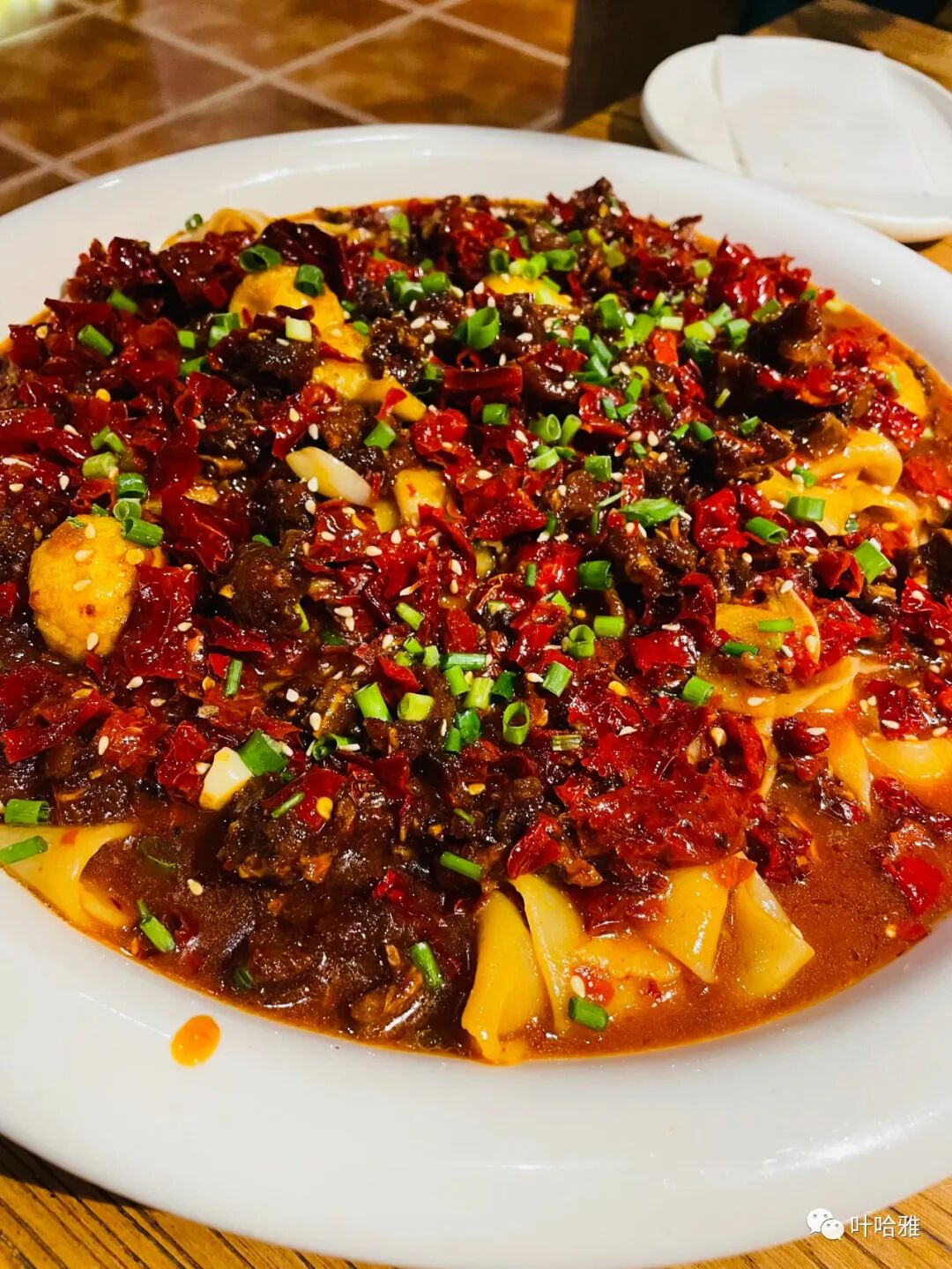
Pigeon noodles (gelao mian).
Luhua chicken and pigeon noodles (gelao mian) are both signature dishes and very tasty. The pigeon noodles contain pigeon meat, and the texture is a bit like spicy chicken.
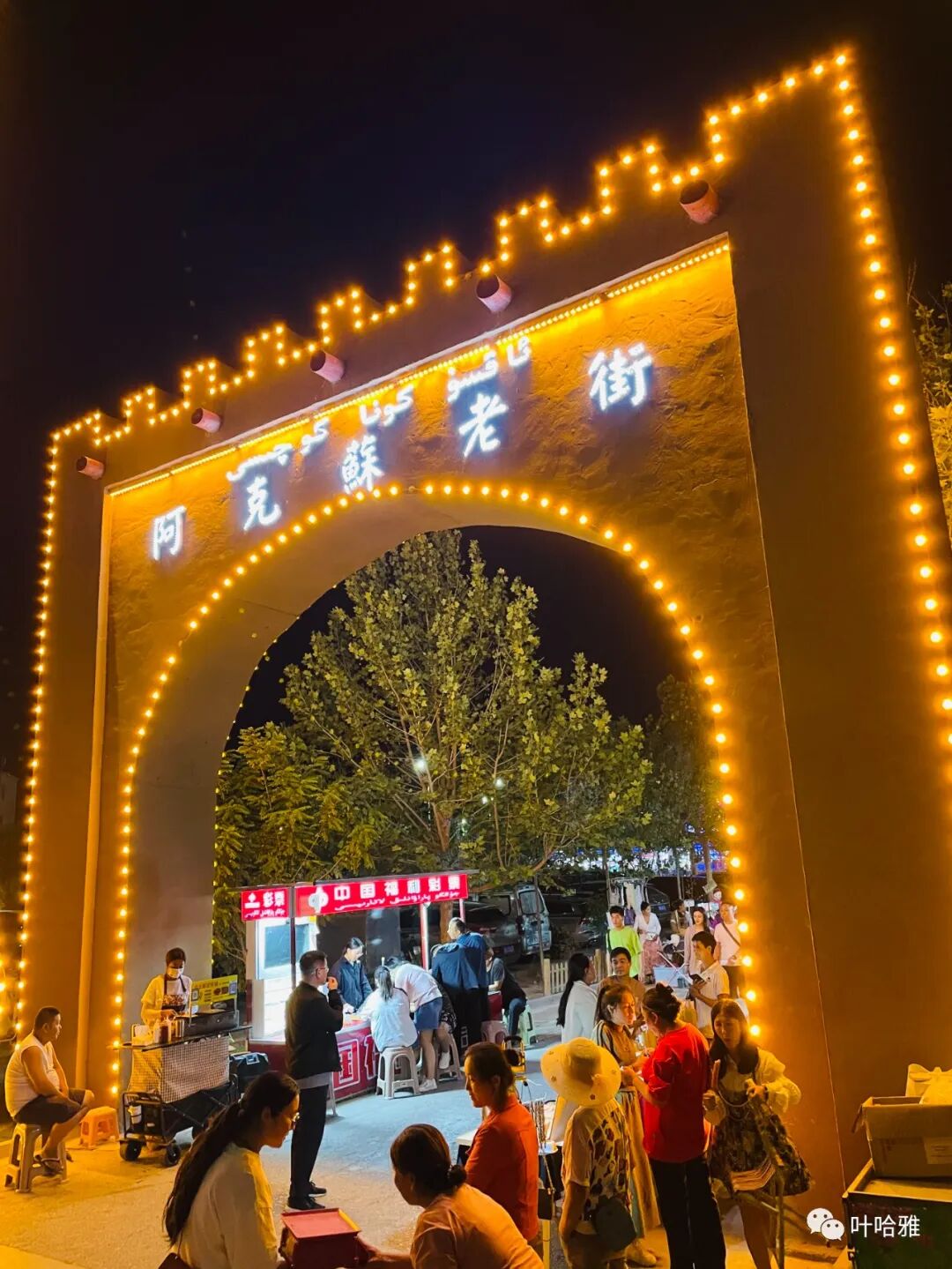
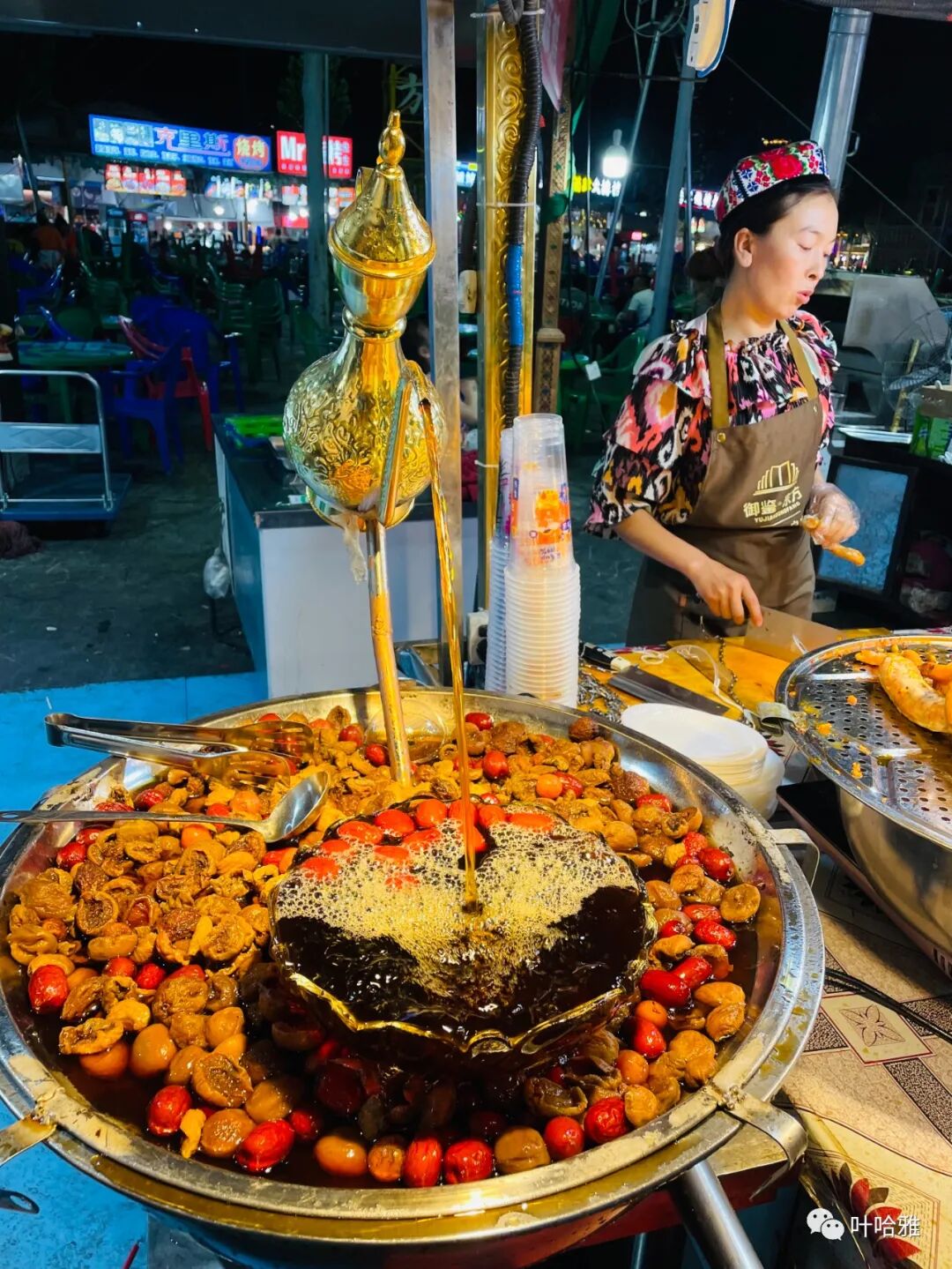
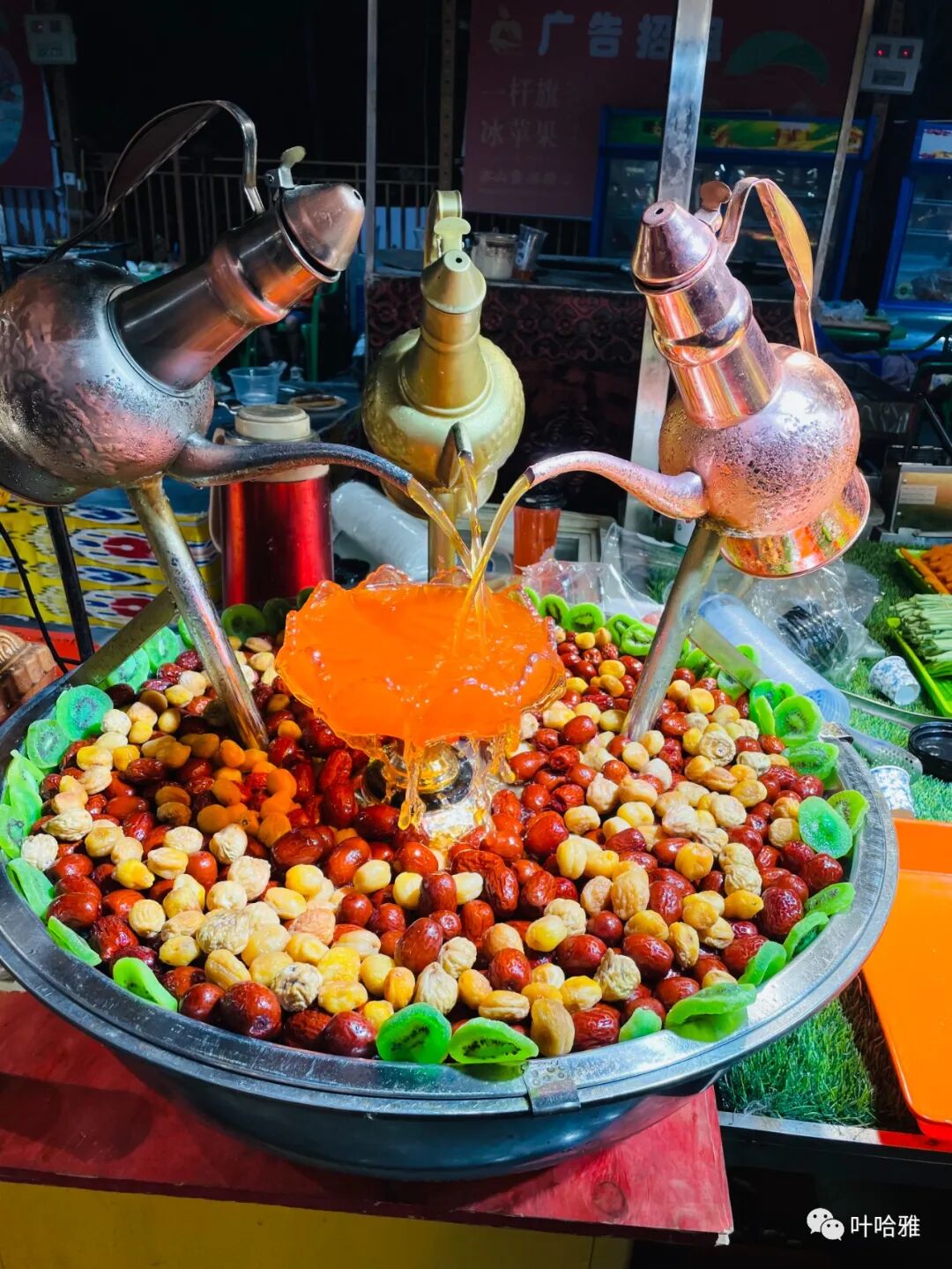
Every county in southern Xinjiang has a night market. The Aksu Old Street Night Market starts getting busy around 8 p.m. It doesn't get dark until after 10 p.m., and the market stays open until about 1 a.m.
Gulebage Mosque.
We visited Gulebage Mosque in Aksu. It happened to be Jumu'ah that day. We asked the local authorities and learned that Jumu'ah prayer was at 3 p.m. We couldn't pray there, so we drove to Kuqa immediately to make it to the next mosque before 3 p.m.
We passed by the cluster of tombs (mazar) in Aksu, which is said to be the location of Gao Lao Zhuang mentioned in the Journey to the West.
The cemetery is on a hilltop in Wensu County, and many of the Uyghur graves do not have names.
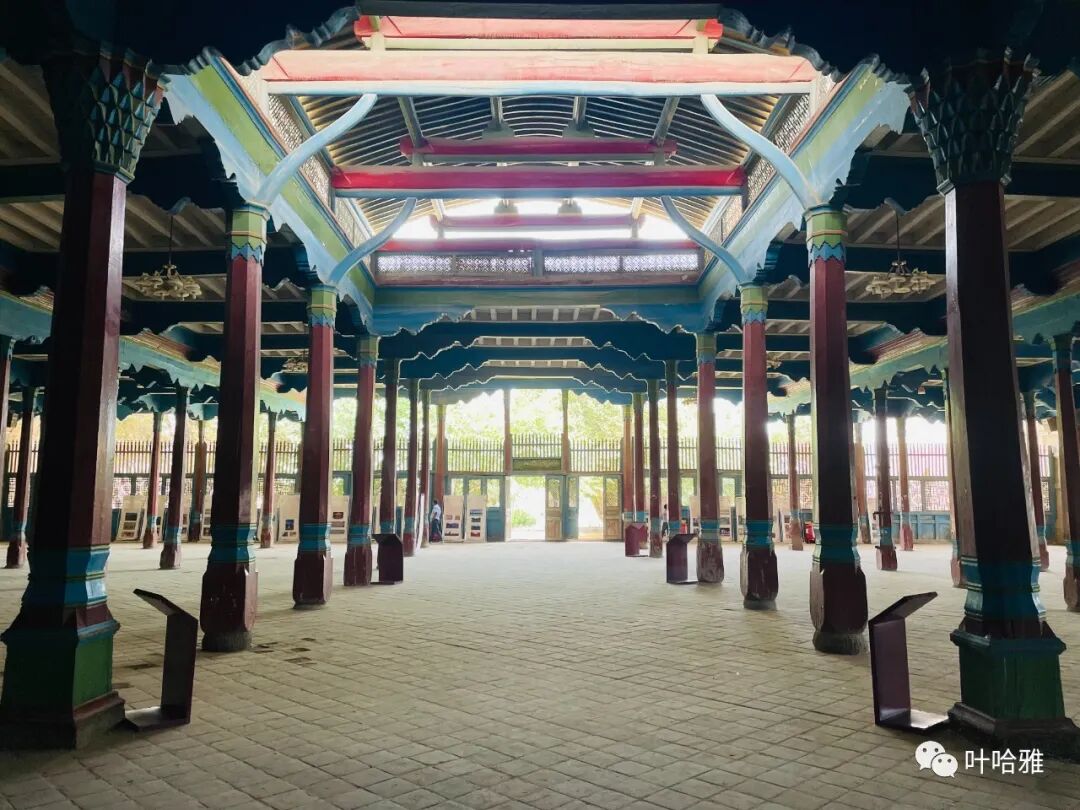
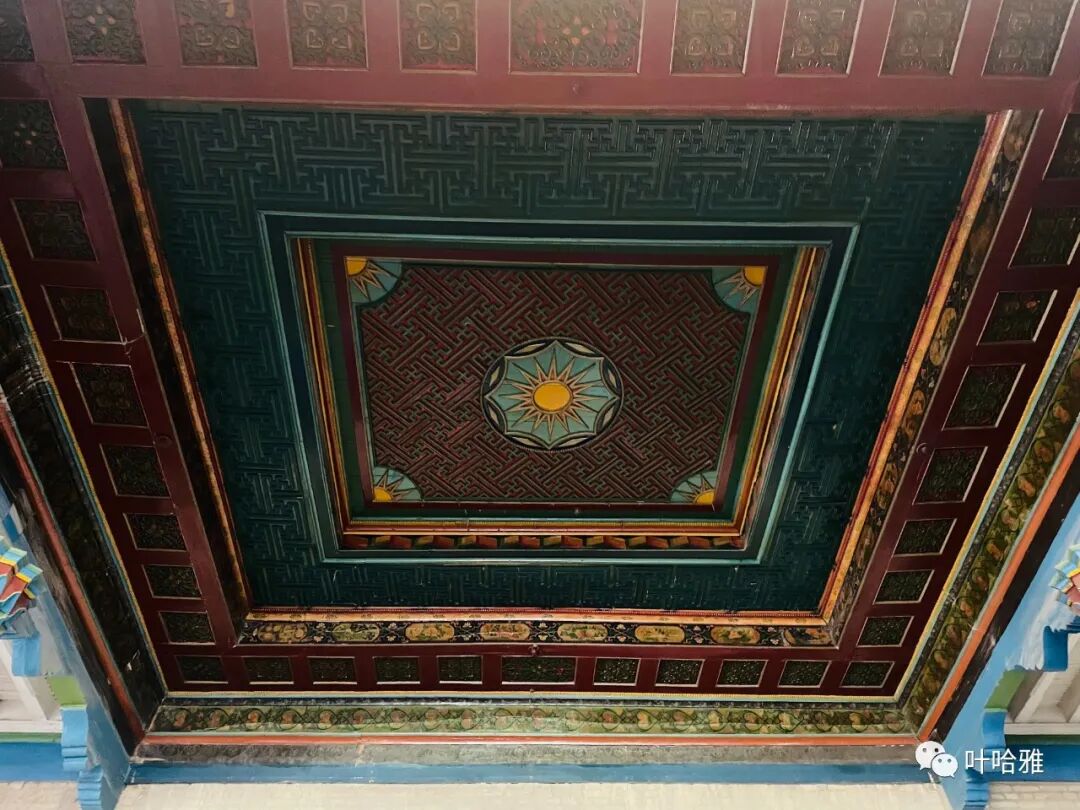
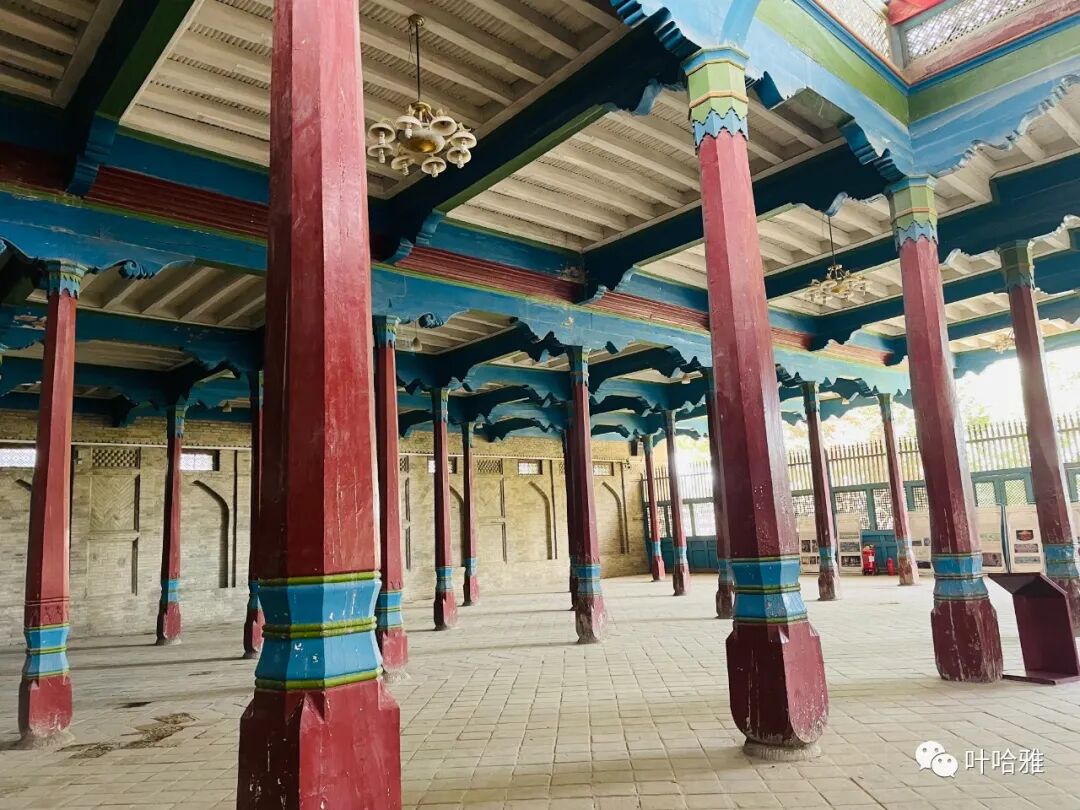
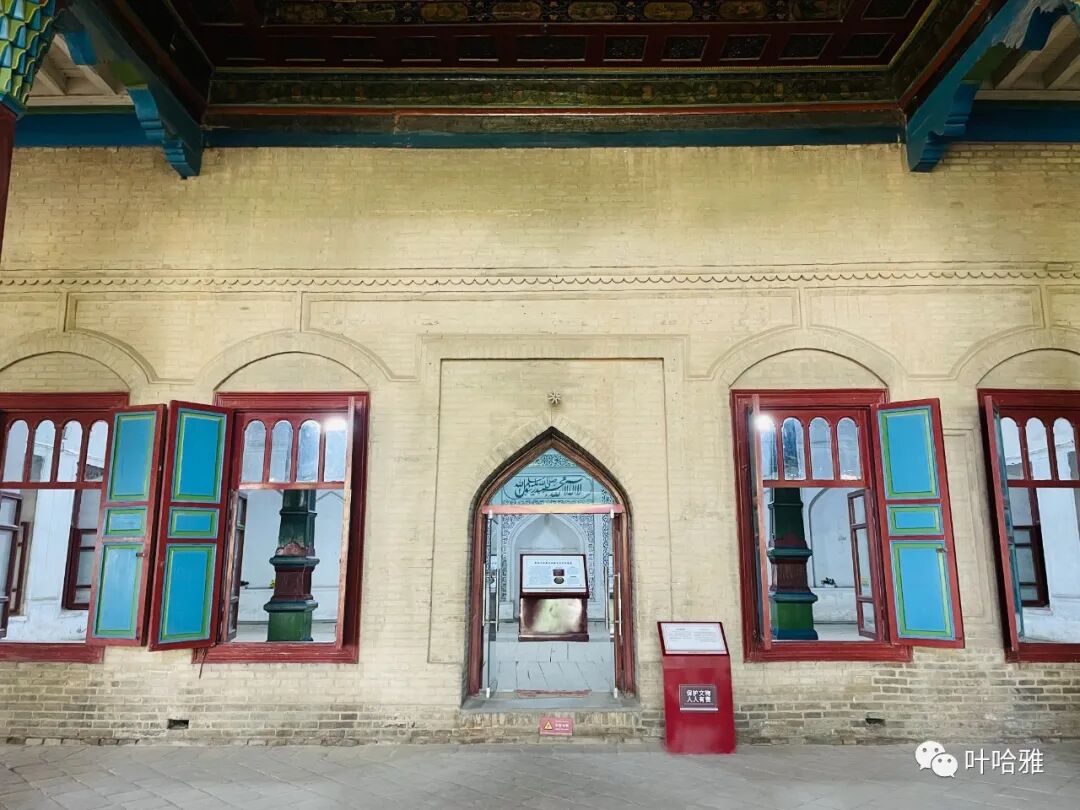
When we arrived at the Kuqa Grand Mosque at 3:00 PM, it was very quiet. There was no Friday prayer (Jumu'ah) here, as it has become a tourist site where visitors buy tickets for 30 yuan. This is the second time I have had to buy a ticket to enter a mosque; the first time was at the Id Kah Mosque in Kashgar.
The Kuqa Grand Mosque was first built in the 16th century. It was initiated by Ishak, the leader of the Black Mountain sect, when he came to Kuqa from Kashgar to preach. It was destroyed by fire in the 19th year of the Republic of China, and rebuilt that same year with funding from a wealthy Kuqa man named Halim Haji. The site still preserves a religious court.
The old town of Kuqa is well-preserved, and interested friends can walk around and take a look.
After leaving the Kuqa Grand Mosque, we headed straight to the Mazar of Maulana Arshiddin with mixed feelings.
The most important Islamic site in Kuqa is the Mazar of Maulana Arshiddin. Maulana means a great scholar. It was thanks to Arshiddin that Tughluq Timur, the Chagatai Khan of the Yuan Dynasty, converted to Islam. Tughluq Timur was the seventh-generation grandson of Genghis Khan. According to the Tarikh-i-Rashidi, Tughluq Timur made an agreement with Arshiddin's father, Jamal al-Din, that his son Arshiddin would later preside over Tughluq Timur's conversion ceremony, where he was given the Islamic name Abu Bakr Muhammad.
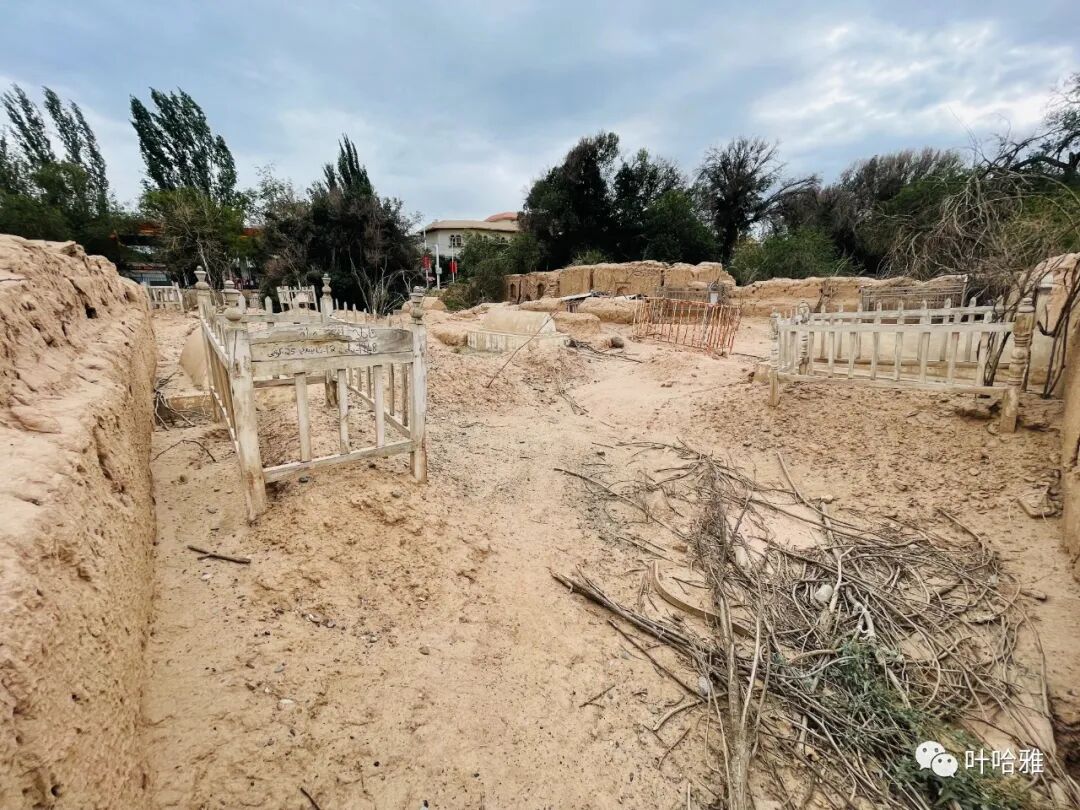
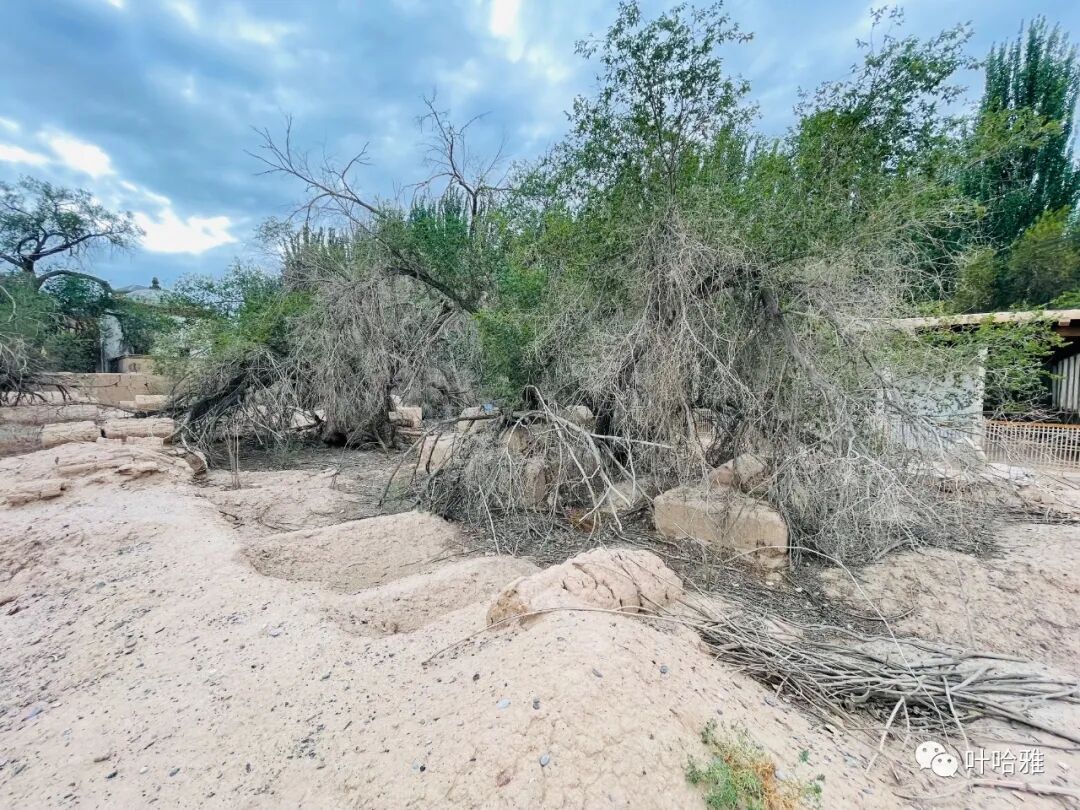
This place used to be a religious hall (daotang), but now it is just a locked national key cultural relic protection unit. The inside is overgrown with weeds, and there are even a few wild pheasants nesting there.
The family of Mullah Arshiddin was the first Khoja family to enter southern Xinjiang to preach. Their ancestors came from Bukhara and entered Xinjiang with Genghis Khan. Arshiddin assisted Tughluq Timur in converting his ministers and hundreds of thousands of Mongols to Islam, and he established the Waliye Islamic Institute in Kuqa.
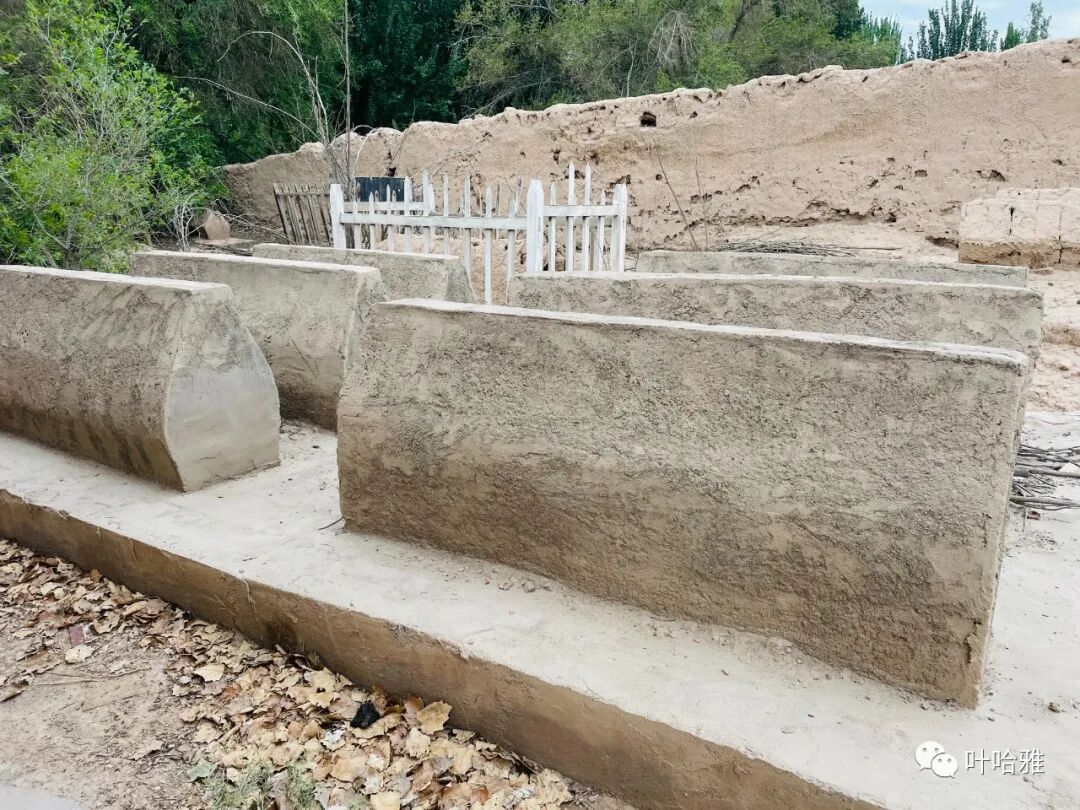
Arshiddin helped spread Islam widely throughout southern Xinjiang. Tughluq Timur honored him as the state teacher and granted his family the hereditary privilege of being Islamic elders. After Arshiddin passed away (returned to Allah), he was buried in this religious hall. During the period when Yaqub Beg ruled Kuqa, he expanded the Arshiddin Gongbei (shrine) on a large scale, covering an area of over 20,000 square meters.
The Arshiddin family is historically known as the Khoja sect, which is the order founded by Ghujduvani, belonging to the Naqshbandi tradition. In the Naqshbandi tradition, Ghujduvani is also highly respected, so it makes sense that when the Naqshbandi order entered Xinjiang in the 16th century, the Kuqa order voluntarily joined them.
Eshidin married the granddaughter of Naishamiding Dahaliwoli, and the tomb (mazar) of Naishamiding is still in Kuqa today.
Eshidin guided the people of Kuqa to convert from Buddhism to Islam through peaceful change. Kuqa was once the Kingdom of Qiuci, a Buddhist land. Many promotional materials claim that Buddhism in the Western Regions declined due to Islamic persecution. This idea first came from the archaeologist Marshall, but the Japanese scholar Kuwayama discovered that Marshall had fabricated it. The main reason for the decline of Buddhism was the change in Silk Road trade routes, which caused it to lose economic support. You can find more details in the book 'History of Nomadic Peoples'.
Before the rise of Islam, Buddhism, Christianity, and Manichaeism were already spreading in the Western Regions. When Sufis preached there, they, like the other three religions, focused on sin and the suffering of hell rather than the pleasures of heaven, so the public accepted it naturally.
Eshidin's status in the Khanate was second only to the Mongol princes. Formally, the accession of a new Khan and the appointment of officials required religious approval from Eshidin.
After Eshidin, his successors were Obu Baitaheding, Ahemaiti, Faheding, and Shadierding. The family used Kuqa and Aksu as their base to expand outward, playing a major role in the Islamization of the eastern Xinjiang region.
The successor of the Eastern Chagatai Khanate, Wais Khan (1418-1428), did not like the descendants of the Eshidin family. He turned to support the Naqshbandi disciple and great Bukhara mullah Mahaimai Kasanni as his teacher. The influence of the Eshidin family began to weaken, and they retreated to areas east of Aksu and Kuqa.
In 1514, Saide Khan established his own Khanate in Yarkant and invited the Naqshbandi order from Central Asia to be his teachers. The influence of the Eshidin family continued to shrink, eventually confined to the single city of Kuqa, and their influence gradually faded.
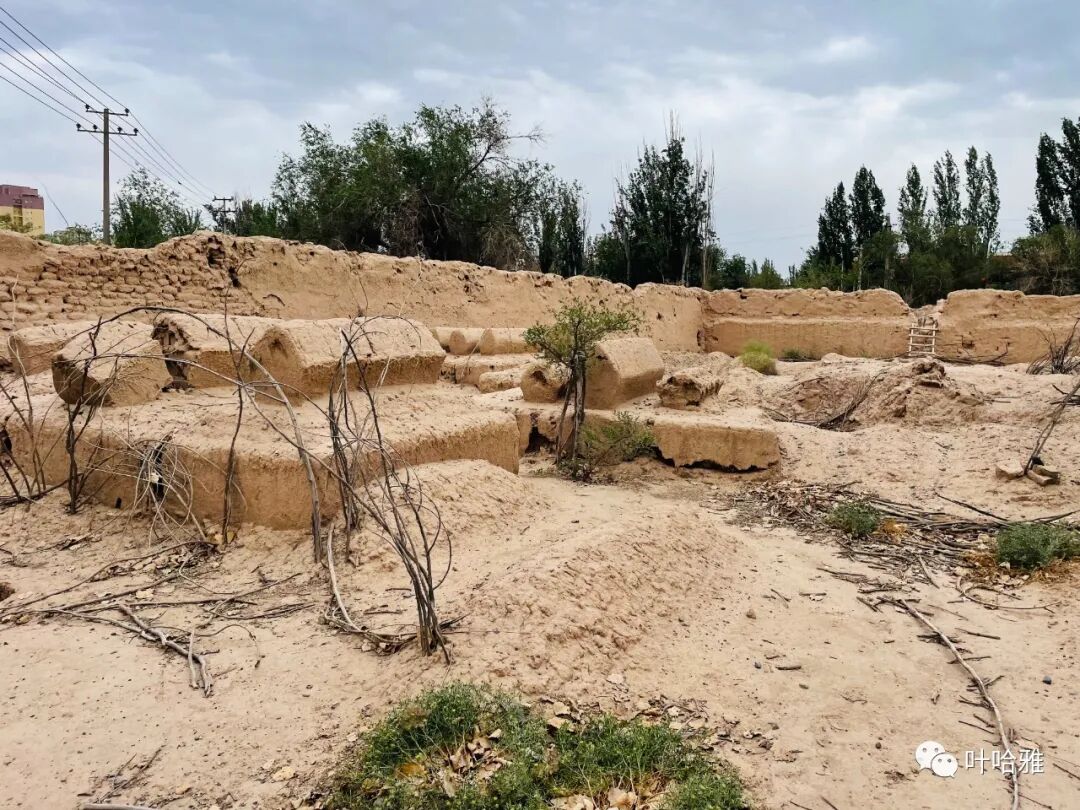
Just a few hundred meters from the Eshidin mazar are the ruins of the Kingdom of Qiuci. Locals call them 'tubaozi' (dirt mounds) because to passersby, they just look like two piles of dirt, yet they have been designated as a Major Historical and Cultural Site Protected at the National Level.
Qiuci, Yutian, and Gaochang were the three major Buddhist centers in the Western Regions. Buddhism spread from India to Xinjiang during the Han Dynasty and reached its peak in the Tang Dynasty. By the Song Dynasty, due to changes in trade routes, Buddhism in the Western Regions had already declined.
The Kuqa religious group led by Eshidin only began to exert influence after the mid-14th century. Between 1359 and 1361, a Buddhist group in Kuqa launched a mutiny against Tughluq Timur. The Kuqa religious group was impacted, but Tughluq Timur later suppressed the rebellion and moved a large number of Buddhists to northern Afghanistan and eastern Dunhuang, both of which still retain many Buddhist relics today.
Tughluq Timur's son was named Heierhuozhe. He and Eshidin's second son, Obu Nasaerding, once guarded Turpan together. In 1420, when Shah Rukh's envoy passed through Turpan, he noted that most of the local residents practiced Buddhism and there were many large, spacious temples, which shows that Heierhuozhe did not force the local residents to convert to Islam.
Kuqa has a 'Big Naan City,' but locals suggested that if we want to buy naan bread (naan), we don't need to go to that tourist spot. We can go to the 'Big Naan Alley' near the Eshidin mazar. This is where locals go to buy naan, and a big Kuqa naan only costs 4 yuan.
In the evening, you can visit the Nanhu Night Market in Kuqa. The market stretches for about two kilometers along the street, and there are ethnic song and dance performances in the square.
I had a meal at the Yaxim Xinjiang Restaurant in Kuqa. It is a large place, and the food tastes excellent.
After traveling this far, I feel that in Southern Xinjiang, any Xinjiang restaurant you walk into will taste about the same and will be good. I did not have to be picky about where to eat; I just ate whenever I was hungry. In Northern Xinjiang, you still need to be a bit more selective.
This dish is called Ili smoked horse meat (xun marou). Some people think according to tradition that horse meat is forbidden, but there is no basis for this in the Quran or Sunnah. Horse meat, like camel meat, is halal to eat. For details, see the list of non-halal foods mentioned in the Quran and Sunnah. view all
Summary: This China mosque travel guide visits Kuqa and Artux in southern Xinjiang, covering Kuqa Grand Mosque, Melana Eshidin Mazar, old mosque sites, Uyghur food, Kucha history, and the region’s shift from Buddhism to Islam.
A Muslim Journey in Kuqa: Mazar of Melana Eshidin and the Buddhist Kingdom of Kucha is presented here as a firsthand travel account in clear English, beginning with this scene: Kuqa is in the Aksu region of southern Xinjiang. I was drawn here by the Kuqa Grand Mosque and the Mazar of Melana. The account keeps its focus on Halal Travel, Yiwu Food, Mosque Travel while preserving the names, places, food, and historical details from the Chinese source.
Kuqa is in the Aksu region of southern Xinjiang. I was drawn here by the Kuqa Grand Mosque and the Mazar of Melana. Because of Melana's huge influence, Kuqa converted from Buddhism to Islam, so it is definitely worth a visit. We drove from Kashgar to Kuqa. On the way, we passed through Artux City in the Kizilsu Kyrgyz Autonomous Prefecture and stopped to check out a few mosques that were locked up tight. I will write about Kashgar separately later.
When you drive into a gas station in Xinjiang, you need to scan your ID card to enter, and you have to scan it again to start the gas pump. Both times it must be the same person. Passengers do not need to get out of the car. I heard that in the past, only the driver was allowed into the gas station, but things have relaxed a little bit now.
Wustang West Road Mosque
The Wustang West Road Mosque in Artux City has a dome you can see from a distance. This style is very common in Xinjiang, so it is not surprising that some of these mosques have been preserved.
Looking from afar at another mosque on the street in front of the Artux train station.
Artux Station Mosque
I bought an ice cream at a small shop across from the mosque. People in Xinjiang love ice cream, and you can see shaved ice shops everywhere on the street. We ate while looking at the locked mosque across the street, reluctant to leave. A few older men nearby were sitting around eating baked buns (kaobaozi). They asked if I wanted one, so I said I would take two.
After the baked buns arrived, I saw the owner making cold starch noodles (liangfen), so I ordered two bowls to go with the buns. I remember the baked buns were 3 yuan each, which is the standard price in small towns in southern Xinjiang.
After finishing the noodles, we paid the bill and got ready to leave. Before leaving, I said salaam to the owner. He did not reply, but hesitated and told us to sit for a while longer because he had more good food coming out of the pot. He then gave us a plate of old man melon (laohangua), which is called bixikxin in the Uyghur language. It was ice-cold. This old man melon is not your average Hami melon. It is common in southern Xinjiang, soft, juicy, fragrant, and sweet. Because it is hard to store, it is rarely seen elsewhere.
The owner introduced me to his son, who was cooking. He said their family has been in the restaurant business for several generations. They are Uyghur. Artux City is still mostly Uyghur, while the Kyrgyz people are spread out in the surrounding counties. This might be how the locals show friendship now; they don't say much, but all the blessings are in the food.
Houses in Kizilsu Prefecture.
We saw a mosque on Google Maps, but when we got there, it was just an empty lot. We only took photos of the nearby houses, which looked quite nice.
We arrived in downtown Aksu in the evening and had a fantastic Xinjiang meal at the popular Wangjianglou restaurant.
Crayfish baked buns (kaobaozi).
The viral crayfish baked buns (kaobaozi)—if you haven't tried them, I suggest you don't.
Luhua chicken.
Pigeon noodles (gelao mian).
Luhua chicken and pigeon noodles (gelao mian) are both signature dishes and very tasty. The pigeon noodles contain pigeon meat, and the texture is a bit like spicy chicken.
Every county in southern Xinjiang has a night market. The Aksu Old Street Night Market starts getting busy around 8 p.m. It doesn't get dark until after 10 p.m., and the market stays open until about 1 a.m.
Gulebage Mosque.
We visited Gulebage Mosque in Aksu. It happened to be Jumu'ah that day. We asked the local authorities and learned that Jumu'ah prayer was at 3 p.m. We couldn't pray there, so we drove to Kuqa immediately to make it to the next mosque before 3 p.m.
We passed by the cluster of tombs (mazar) in Aksu, which is said to be the location of Gao Lao Zhuang mentioned in the Journey to the West.
The cemetery is on a hilltop in Wensu County, and many of the Uyghur graves do not have names.
When we arrived at the Kuqa Grand Mosque at 3:00 PM, it was very quiet. There was no Friday prayer (Jumu'ah) here, as it has become a tourist site where visitors buy tickets for 30 yuan. This is the second time I have had to buy a ticket to enter a mosque; the first time was at the Id Kah Mosque in Kashgar.
The Kuqa Grand Mosque was first built in the 16th century. It was initiated by Ishak, the leader of the Black Mountain sect, when he came to Kuqa from Kashgar to preach. It was destroyed by fire in the 19th year of the Republic of China, and rebuilt that same year with funding from a wealthy Kuqa man named Halim Haji. The site still preserves a religious court.
The old town of Kuqa is well-preserved, and interested friends can walk around and take a look.
After leaving the Kuqa Grand Mosque, we headed straight to the Mazar of Maulana Arshiddin with mixed feelings.
The most important Islamic site in Kuqa is the Mazar of Maulana Arshiddin. Maulana means a great scholar. It was thanks to Arshiddin that Tughluq Timur, the Chagatai Khan of the Yuan Dynasty, converted to Islam. Tughluq Timur was the seventh-generation grandson of Genghis Khan. According to the Tarikh-i-Rashidi, Tughluq Timur made an agreement with Arshiddin's father, Jamal al-Din, that his son Arshiddin would later preside over Tughluq Timur's conversion ceremony, where he was given the Islamic name Abu Bakr Muhammad.
This place used to be a religious hall (daotang), but now it is just a locked national key cultural relic protection unit. The inside is overgrown with weeds, and there are even a few wild pheasants nesting there.
The family of Mullah Arshiddin was the first Khoja family to enter southern Xinjiang to preach. Their ancestors came from Bukhara and entered Xinjiang with Genghis Khan. Arshiddin assisted Tughluq Timur in converting his ministers and hundreds of thousands of Mongols to Islam, and he established the Waliye Islamic Institute in Kuqa.
Arshiddin helped spread Islam widely throughout southern Xinjiang. Tughluq Timur honored him as the state teacher and granted his family the hereditary privilege of being Islamic elders. After Arshiddin passed away (returned to Allah), he was buried in this religious hall. During the period when Yaqub Beg ruled Kuqa, he expanded the Arshiddin Gongbei (shrine) on a large scale, covering an area of over 20,000 square meters.
The Arshiddin family is historically known as the Khoja sect, which is the order founded by Ghujduvani, belonging to the Naqshbandi tradition. In the Naqshbandi tradition, Ghujduvani is also highly respected, so it makes sense that when the Naqshbandi order entered Xinjiang in the 16th century, the Kuqa order voluntarily joined them.
Eshidin married the granddaughter of Naishamiding Dahaliwoli, and the tomb (mazar) of Naishamiding is still in Kuqa today.
Eshidin guided the people of Kuqa to convert from Buddhism to Islam through peaceful change. Kuqa was once the Kingdom of Qiuci, a Buddhist land. Many promotional materials claim that Buddhism in the Western Regions declined due to Islamic persecution. This idea first came from the archaeologist Marshall, but the Japanese scholar Kuwayama discovered that Marshall had fabricated it. The main reason for the decline of Buddhism was the change in Silk Road trade routes, which caused it to lose economic support. You can find more details in the book 'History of Nomadic Peoples'.
Before the rise of Islam, Buddhism, Christianity, and Manichaeism were already spreading in the Western Regions. When Sufis preached there, they, like the other three religions, focused on sin and the suffering of hell rather than the pleasures of heaven, so the public accepted it naturally.
Eshidin's status in the Khanate was second only to the Mongol princes. Formally, the accession of a new Khan and the appointment of officials required religious approval from Eshidin.
After Eshidin, his successors were Obu Baitaheding, Ahemaiti, Faheding, and Shadierding. The family used Kuqa and Aksu as their base to expand outward, playing a major role in the Islamization of the eastern Xinjiang region.
The successor of the Eastern Chagatai Khanate, Wais Khan (1418-1428), did not like the descendants of the Eshidin family. He turned to support the Naqshbandi disciple and great Bukhara mullah Mahaimai Kasanni as his teacher. The influence of the Eshidin family began to weaken, and they retreated to areas east of Aksu and Kuqa.
In 1514, Saide Khan established his own Khanate in Yarkant and invited the Naqshbandi order from Central Asia to be his teachers. The influence of the Eshidin family continued to shrink, eventually confined to the single city of Kuqa, and their influence gradually faded.
Just a few hundred meters from the Eshidin mazar are the ruins of the Kingdom of Qiuci. Locals call them 'tubaozi' (dirt mounds) because to passersby, they just look like two piles of dirt, yet they have been designated as a Major Historical and Cultural Site Protected at the National Level.
Qiuci, Yutian, and Gaochang were the three major Buddhist centers in the Western Regions. Buddhism spread from India to Xinjiang during the Han Dynasty and reached its peak in the Tang Dynasty. By the Song Dynasty, due to changes in trade routes, Buddhism in the Western Regions had already declined.
The Kuqa religious group led by Eshidin only began to exert influence after the mid-14th century. Between 1359 and 1361, a Buddhist group in Kuqa launched a mutiny against Tughluq Timur. The Kuqa religious group was impacted, but Tughluq Timur later suppressed the rebellion and moved a large number of Buddhists to northern Afghanistan and eastern Dunhuang, both of which still retain many Buddhist relics today.
Tughluq Timur's son was named Heierhuozhe. He and Eshidin's second son, Obu Nasaerding, once guarded Turpan together. In 1420, when Shah Rukh's envoy passed through Turpan, he noted that most of the local residents practiced Buddhism and there were many large, spacious temples, which shows that Heierhuozhe did not force the local residents to convert to Islam.
Kuqa has a 'Big Naan City,' but locals suggested that if we want to buy naan bread (naan), we don't need to go to that tourist spot. We can go to the 'Big Naan Alley' near the Eshidin mazar. This is where locals go to buy naan, and a big Kuqa naan only costs 4 yuan.
In the evening, you can visit the Nanhu Night Market in Kuqa. The market stretches for about two kilometers along the street, and there are ethnic song and dance performances in the square.
I had a meal at the Yaxim Xinjiang Restaurant in Kuqa. It is a large place, and the food tastes excellent.
After traveling this far, I feel that in Southern Xinjiang, any Xinjiang restaurant you walk into will taste about the same and will be good. I did not have to be picky about where to eat; I just ate whenever I was hungry. In Northern Xinjiang, you still need to be a bit more selective.
This dish is called Ili smoked horse meat (xun marou). Some people think according to tradition that horse meat is forbidden, but there is no basis for this in the Quran or Sunnah. Horse meat, like camel meat, is halal to eat. For details, see the list of non-halal foods mentioned in the Quran and Sunnah. view all
Reposted from the web
Summary: This China mosque travel guide visits Kuqa and Artux in southern Xinjiang, covering Kuqa Grand Mosque, Melana Eshidin Mazar, old mosque sites, Uyghur food, Kucha history, and the region’s shift from Buddhism to Islam.
A Muslim Journey in Kuqa: Mazar of Melana Eshidin and the Buddhist Kingdom of Kucha is presented here as a firsthand travel account in clear English, beginning with this scene: Kuqa is in the Aksu region of southern Xinjiang. I was drawn here by the Kuqa Grand Mosque and the Mazar of Melana. The account keeps its focus on Halal Travel, Yiwu Food, Mosque Travel while preserving the names, places, food, and historical details from the Chinese source.
Kuqa is in the Aksu region of southern Xinjiang. I was drawn here by the Kuqa Grand Mosque and the Mazar of Melana. Because of Melana's huge influence, Kuqa converted from Buddhism to Islam, so it is definitely worth a visit. We drove from Kashgar to Kuqa. On the way, we passed through Artux City in the Kizilsu Kyrgyz Autonomous Prefecture and stopped to check out a few mosques that were locked up tight. I will write about Kashgar separately later.
When you drive into a gas station in Xinjiang, you need to scan your ID card to enter, and you have to scan it again to start the gas pump. Both times it must be the same person. Passengers do not need to get out of the car. I heard that in the past, only the driver was allowed into the gas station, but things have relaxed a little bit now.
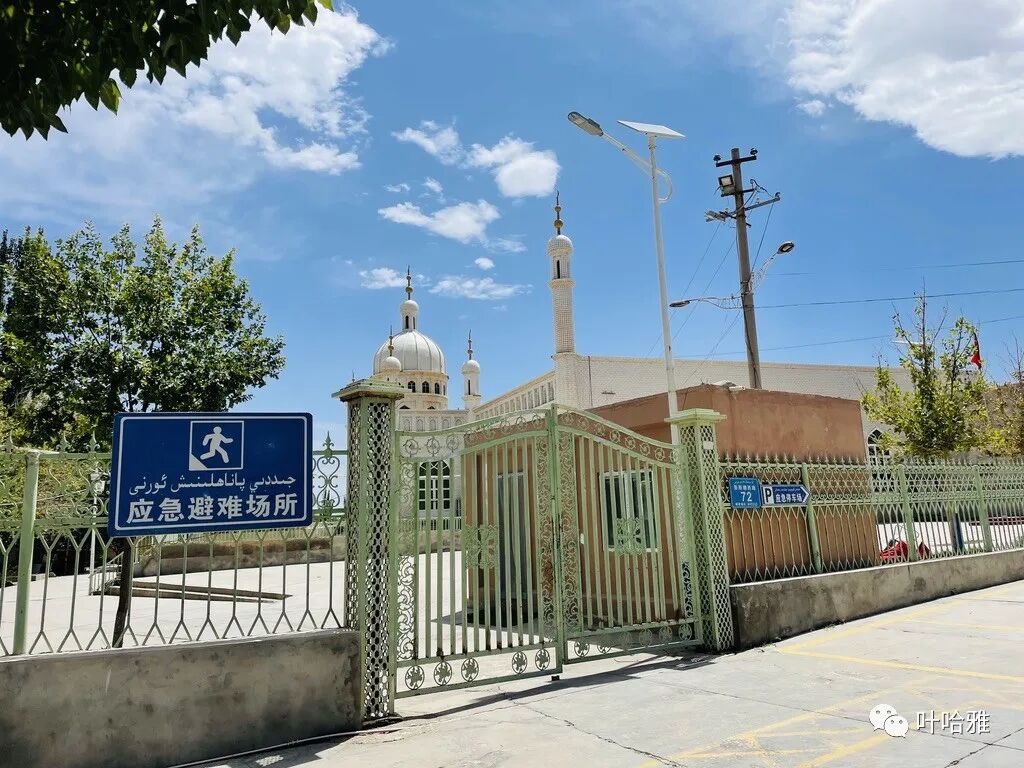
Wustang West Road Mosque
The Wustang West Road Mosque in Artux City has a dome you can see from a distance. This style is very common in Xinjiang, so it is not surprising that some of these mosques have been preserved.
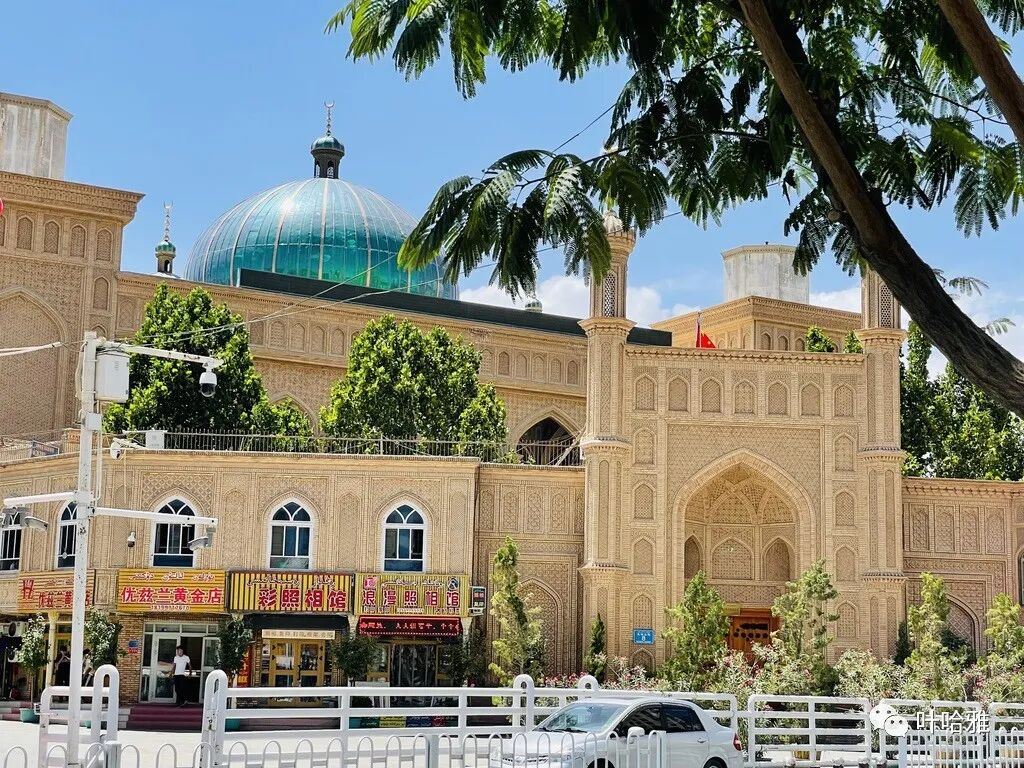
Looking from afar at another mosque on the street in front of the Artux train station.
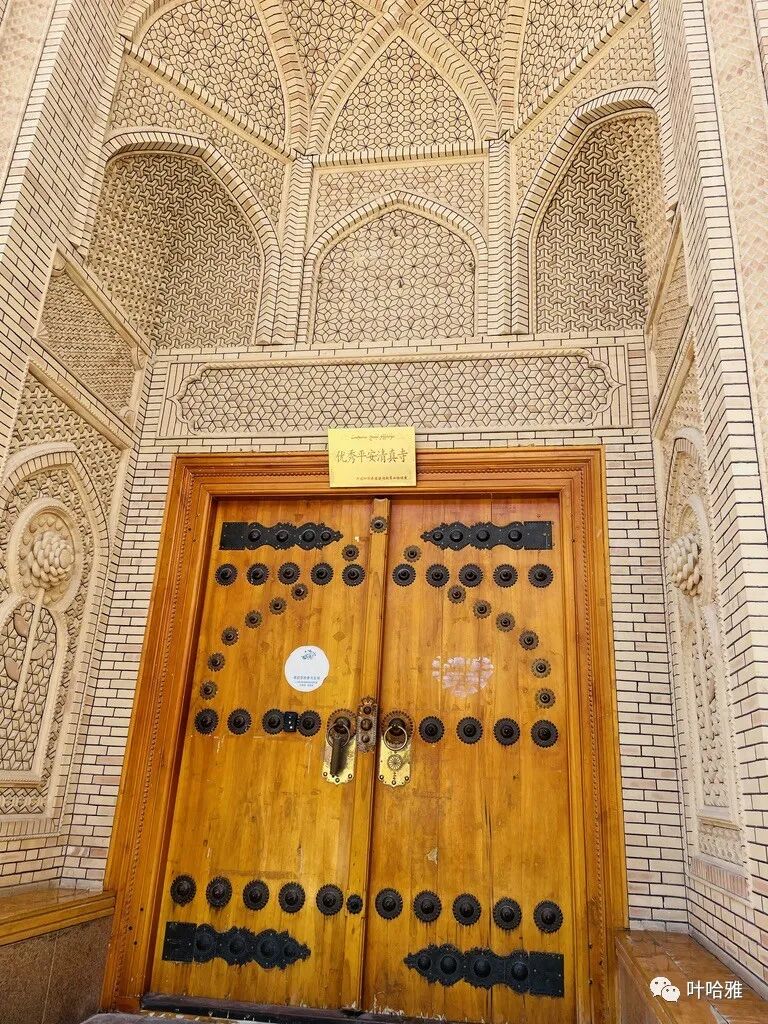
Artux Station Mosque
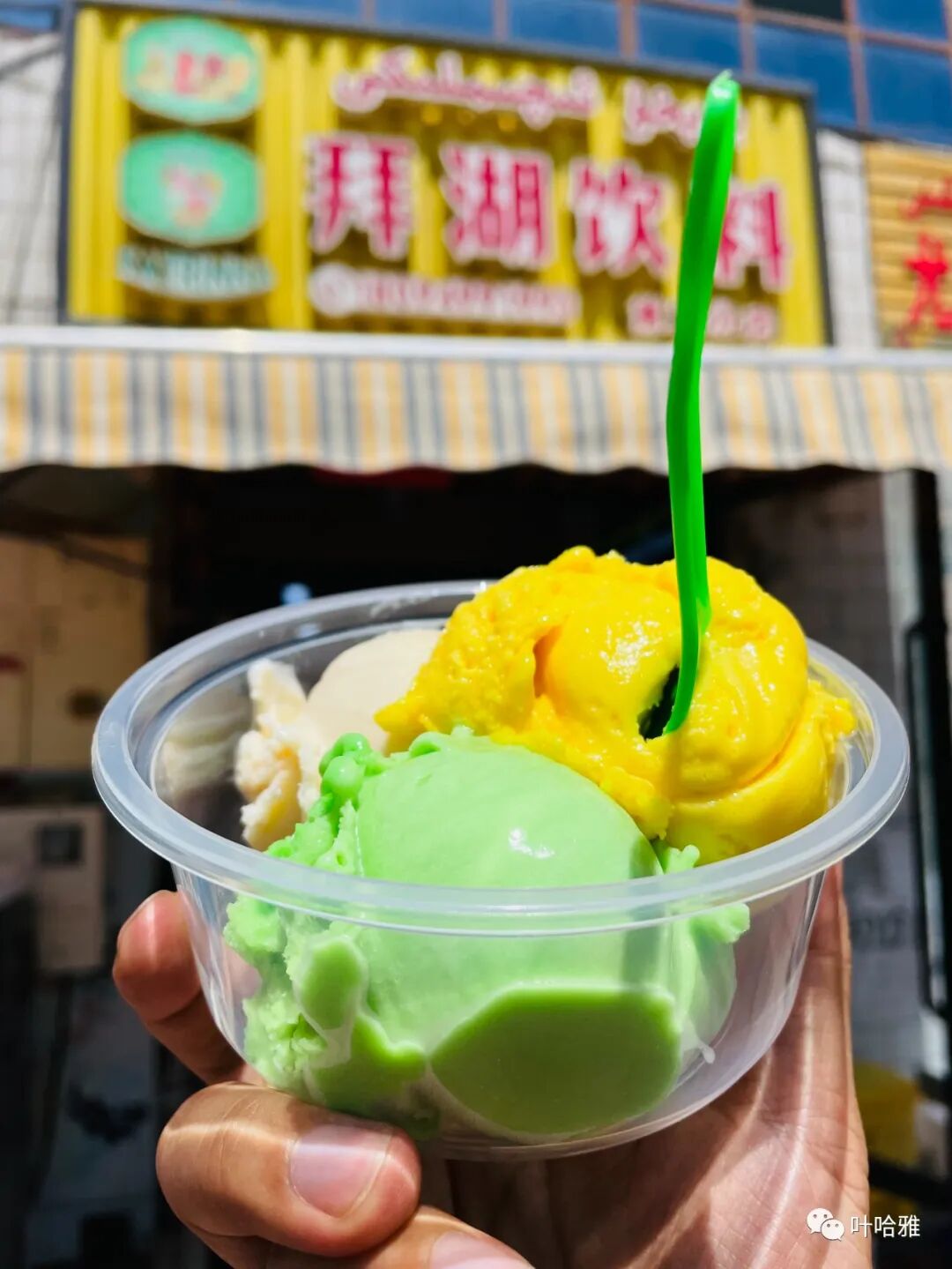
I bought an ice cream at a small shop across from the mosque. People in Xinjiang love ice cream, and you can see shaved ice shops everywhere on the street. We ate while looking at the locked mosque across the street, reluctant to leave. A few older men nearby were sitting around eating baked buns (kaobaozi). They asked if I wanted one, so I said I would take two.
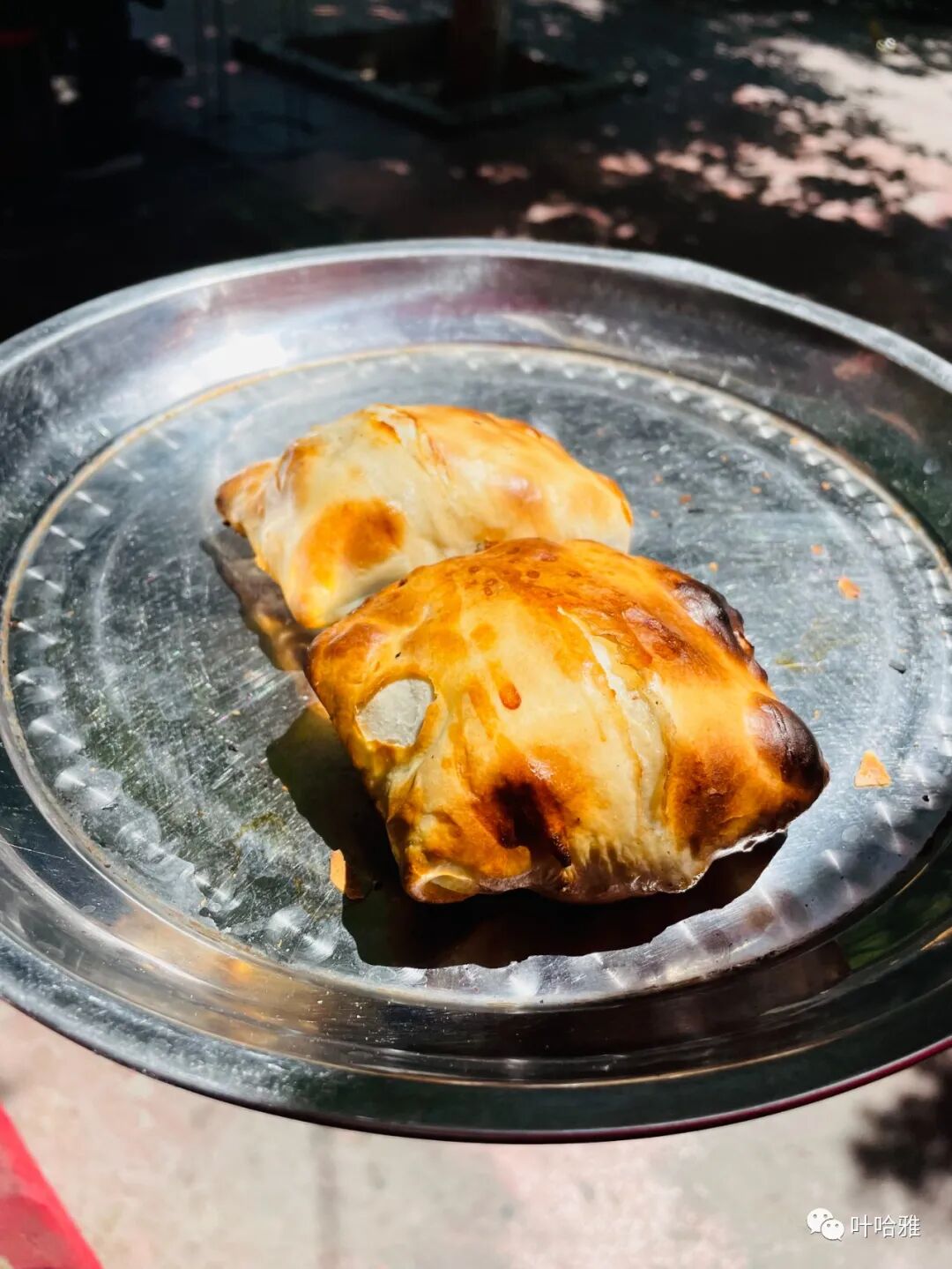
After the baked buns arrived, I saw the owner making cold starch noodles (liangfen), so I ordered two bowls to go with the buns. I remember the baked buns were 3 yuan each, which is the standard price in small towns in southern Xinjiang.
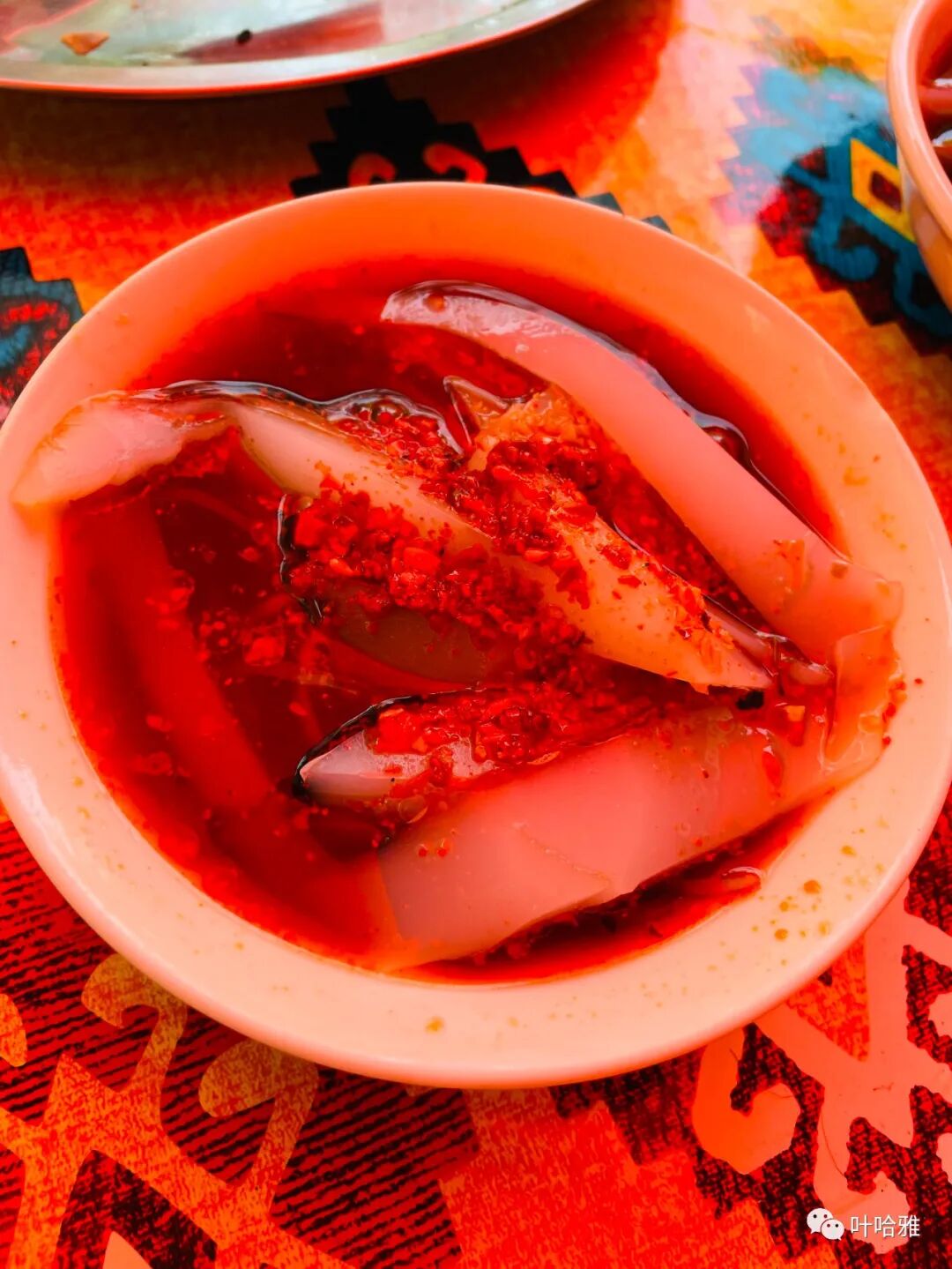
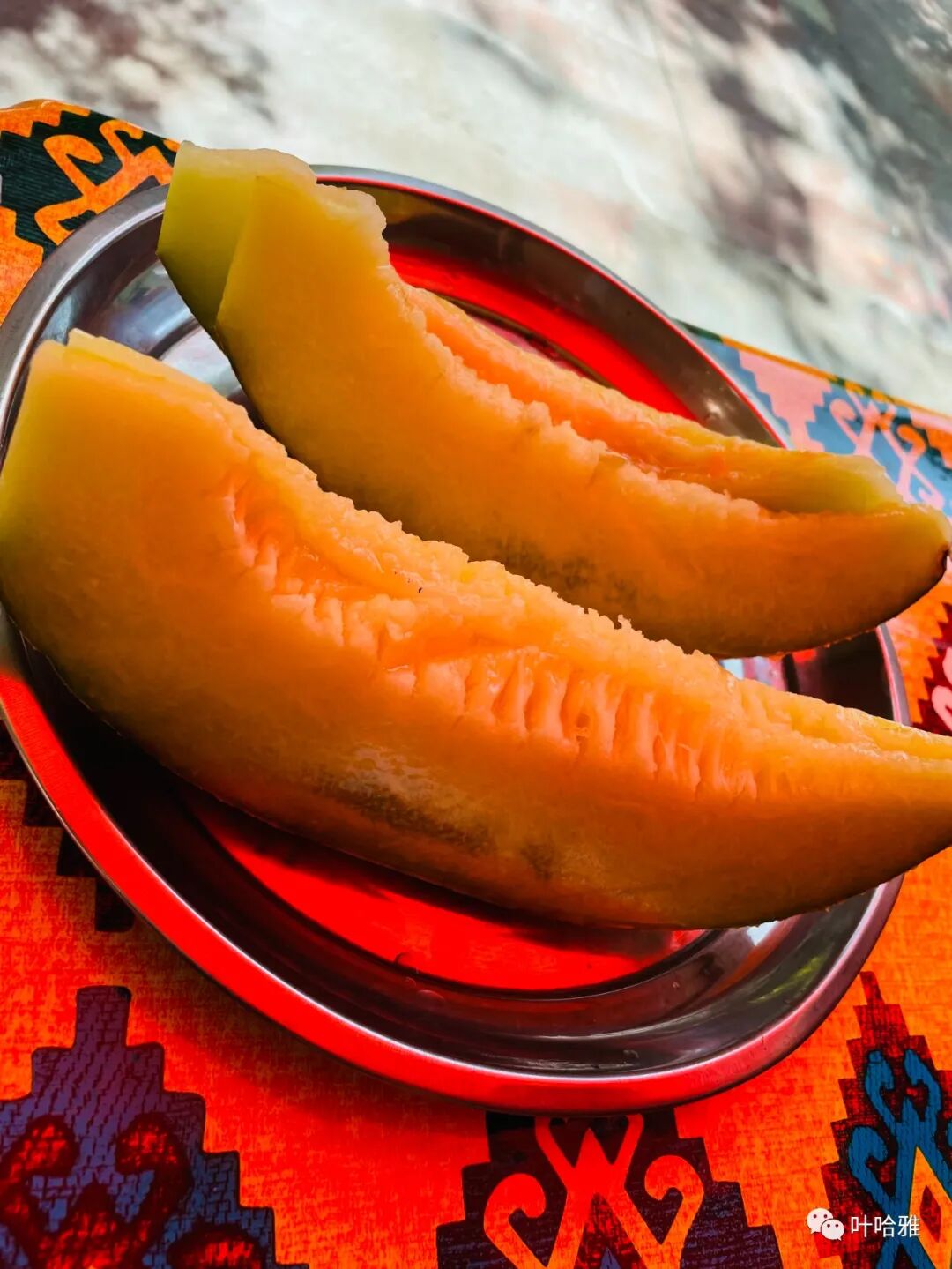
After finishing the noodles, we paid the bill and got ready to leave. Before leaving, I said salaam to the owner. He did not reply, but hesitated and told us to sit for a while longer because he had more good food coming out of the pot. He then gave us a plate of old man melon (laohangua), which is called bixikxin in the Uyghur language. It was ice-cold. This old man melon is not your average Hami melon. It is common in southern Xinjiang, soft, juicy, fragrant, and sweet. Because it is hard to store, it is rarely seen elsewhere.
The owner introduced me to his son, who was cooking. He said their family has been in the restaurant business for several generations. They are Uyghur. Artux City is still mostly Uyghur, while the Kyrgyz people are spread out in the surrounding counties. This might be how the locals show friendship now; they don't say much, but all the blessings are in the food.
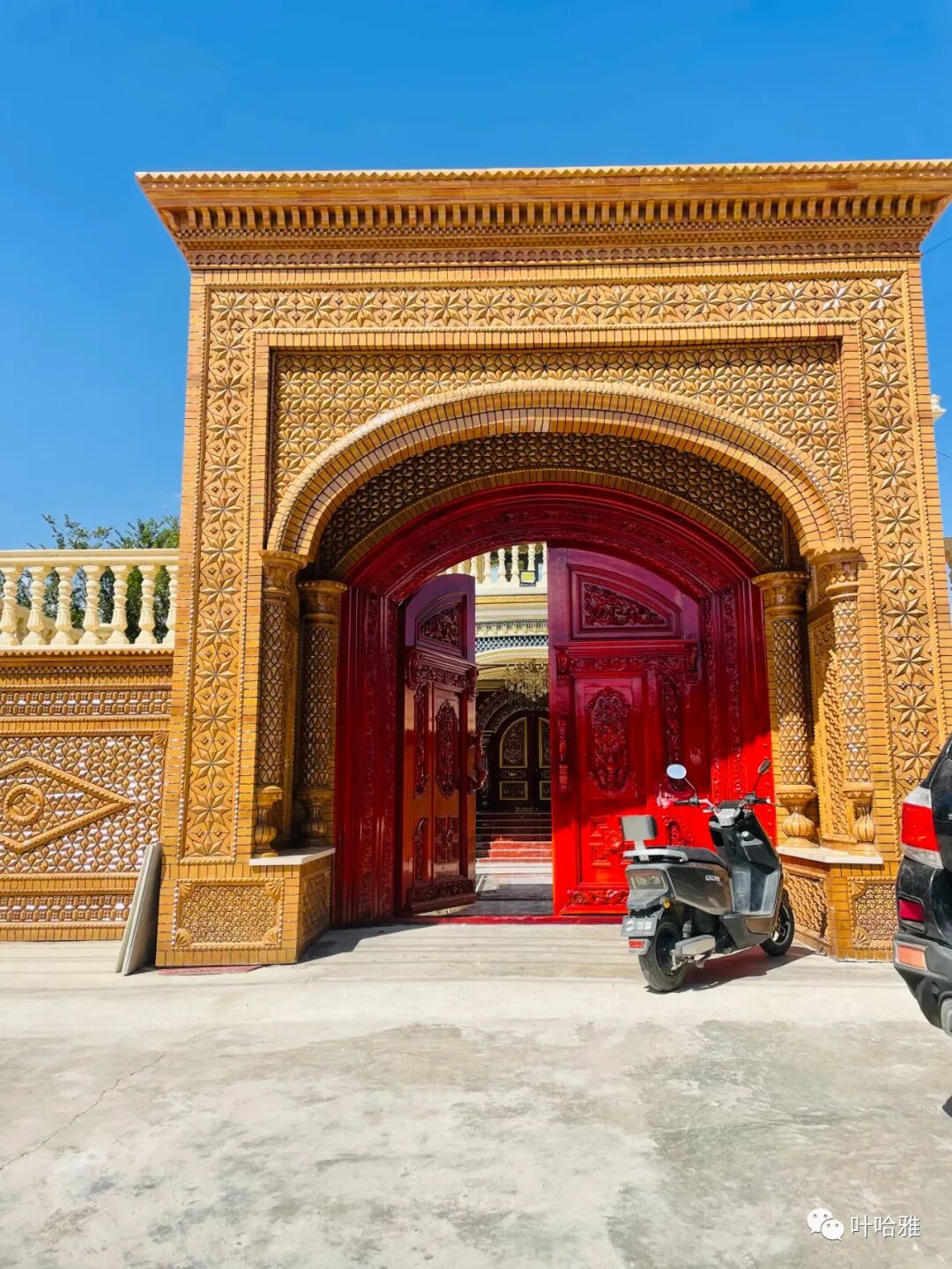
Houses in Kizilsu Prefecture.
We saw a mosque on Google Maps, but when we got there, it was just an empty lot. We only took photos of the nearby houses, which looked quite nice.
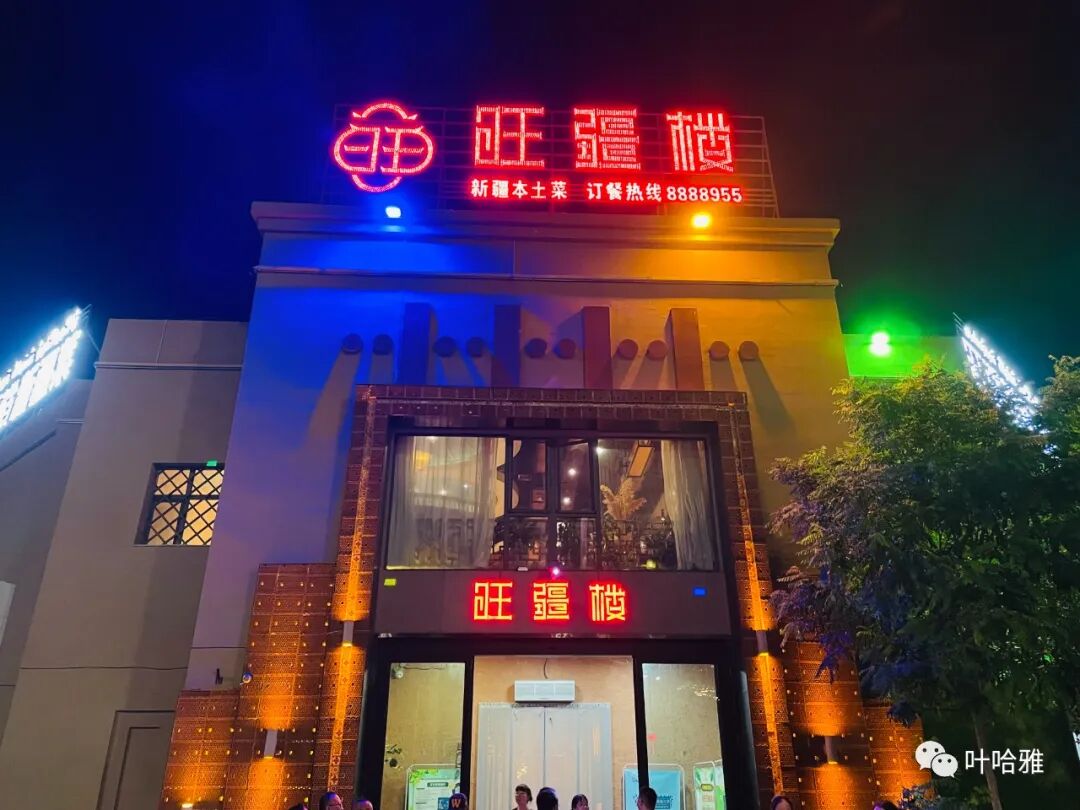
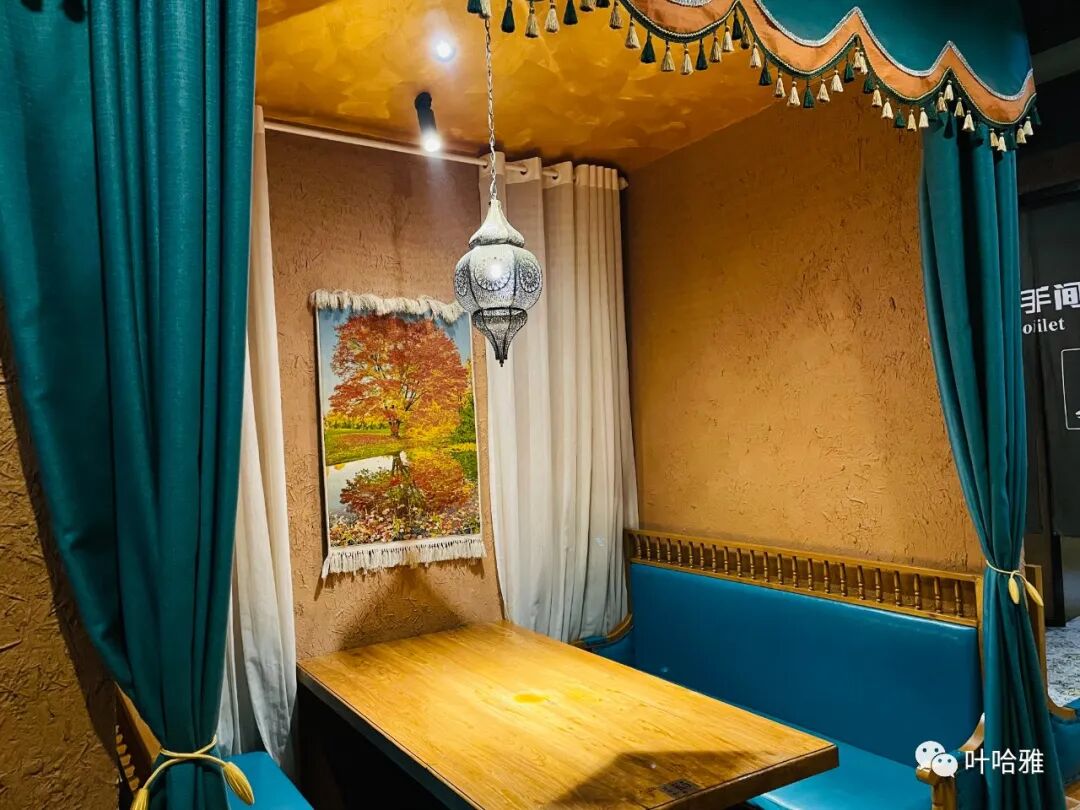
We arrived in downtown Aksu in the evening and had a fantastic Xinjiang meal at the popular Wangjianglou restaurant.
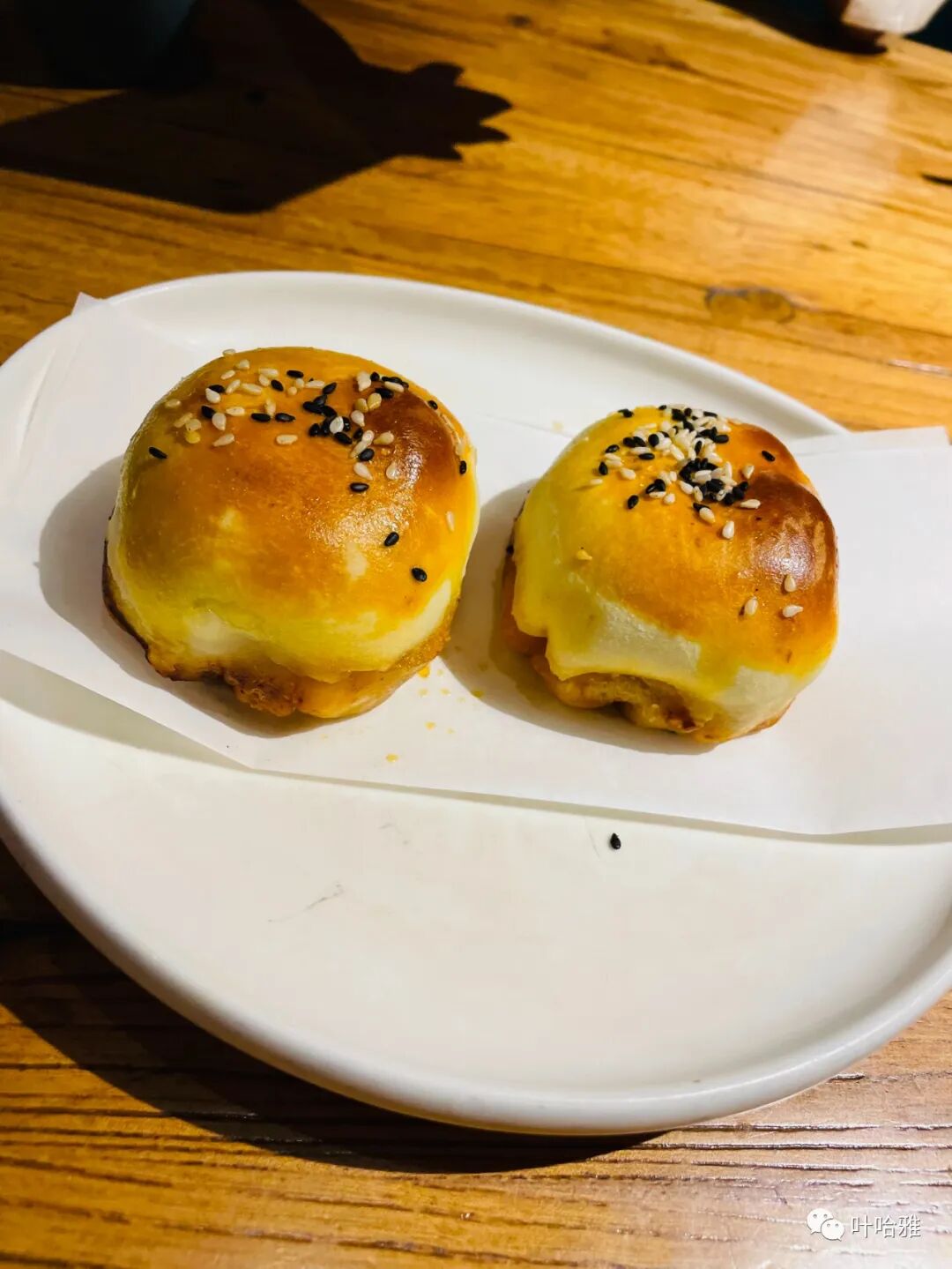
Crayfish baked buns (kaobaozi).
The viral crayfish baked buns (kaobaozi)—if you haven't tried them, I suggest you don't.
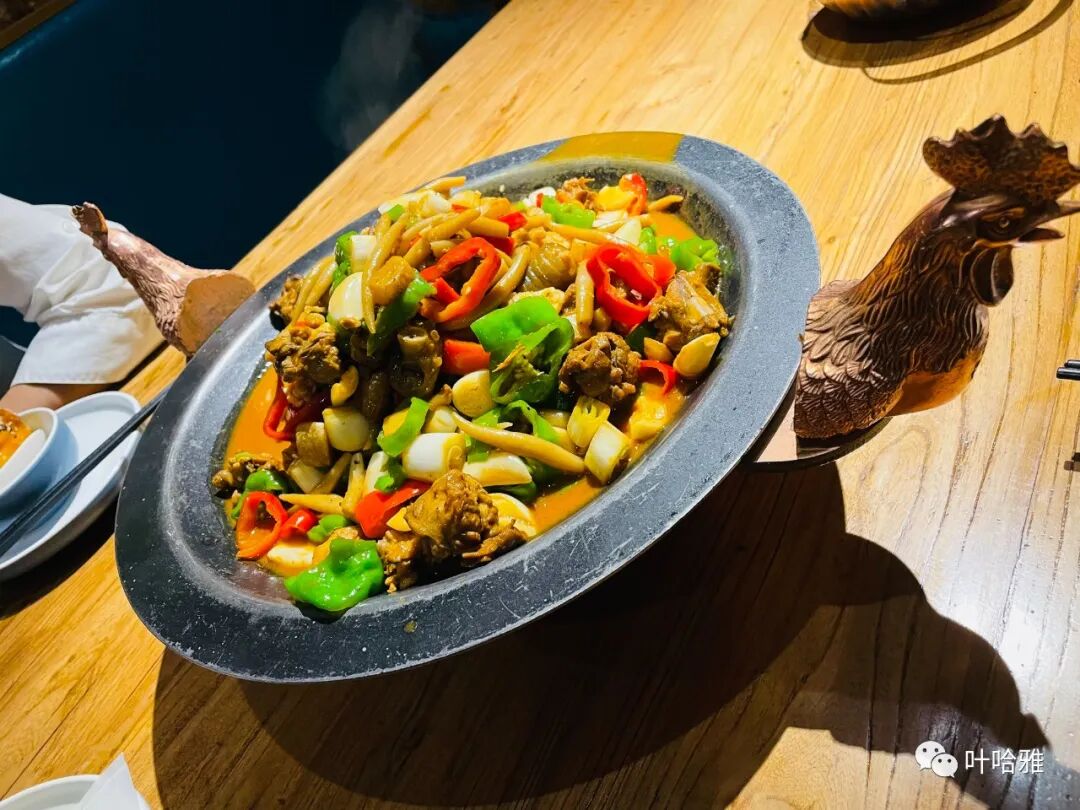
Luhua chicken.
Pigeon noodles (gelao mian).
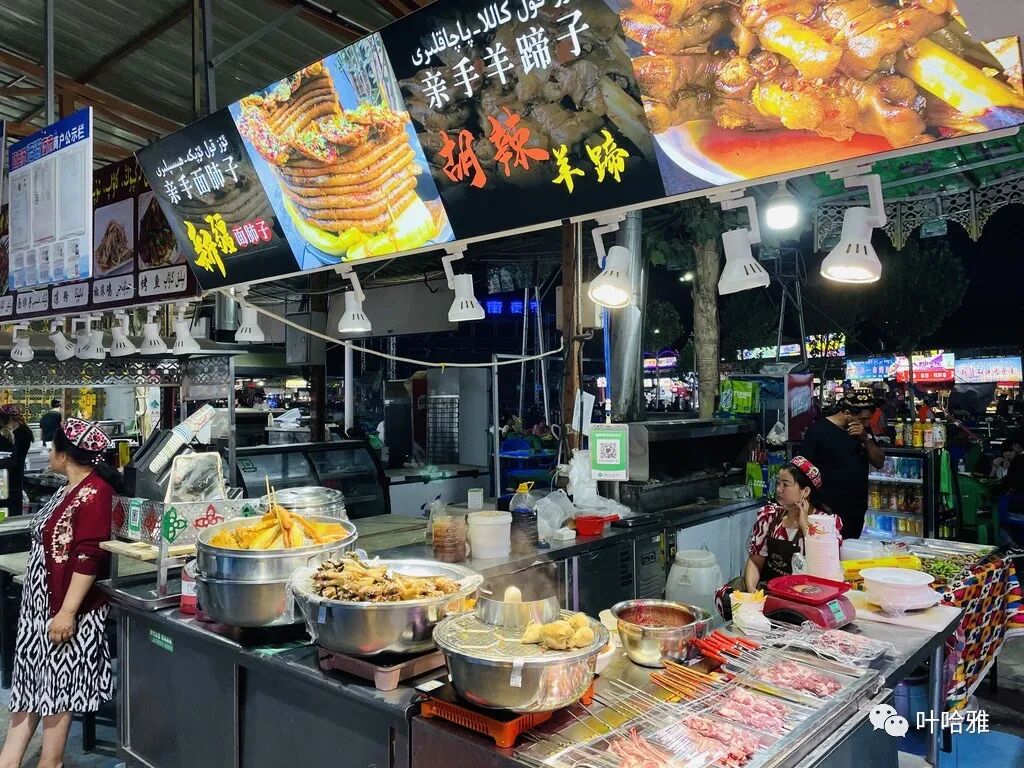
Luhua chicken and pigeon noodles (gelao mian) are both signature dishes and very tasty. The pigeon noodles contain pigeon meat, and the texture is a bit like spicy chicken.
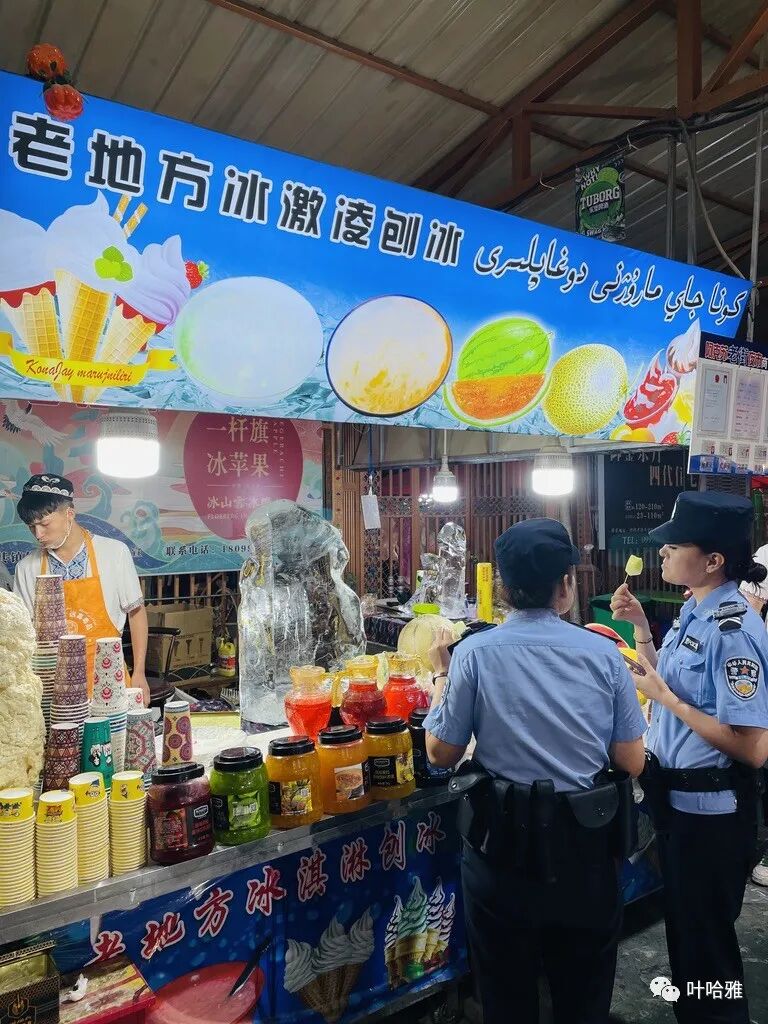
Every county in southern Xinjiang has a night market. The Aksu Old Street Night Market starts getting busy around 8 p.m. It doesn't get dark until after 10 p.m., and the market stays open until about 1 a.m.
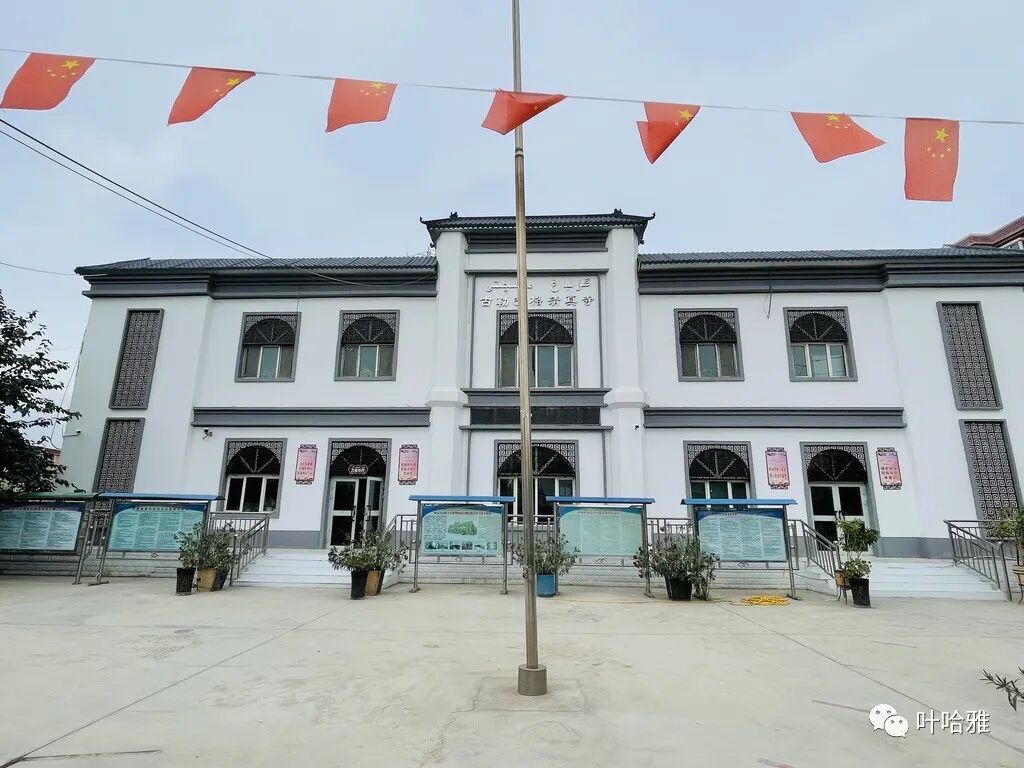
Gulebage Mosque.
We visited Gulebage Mosque in Aksu. It happened to be Jumu'ah that day. We asked the local authorities and learned that Jumu'ah prayer was at 3 p.m. We couldn't pray there, so we drove to Kuqa immediately to make it to the next mosque before 3 p.m.
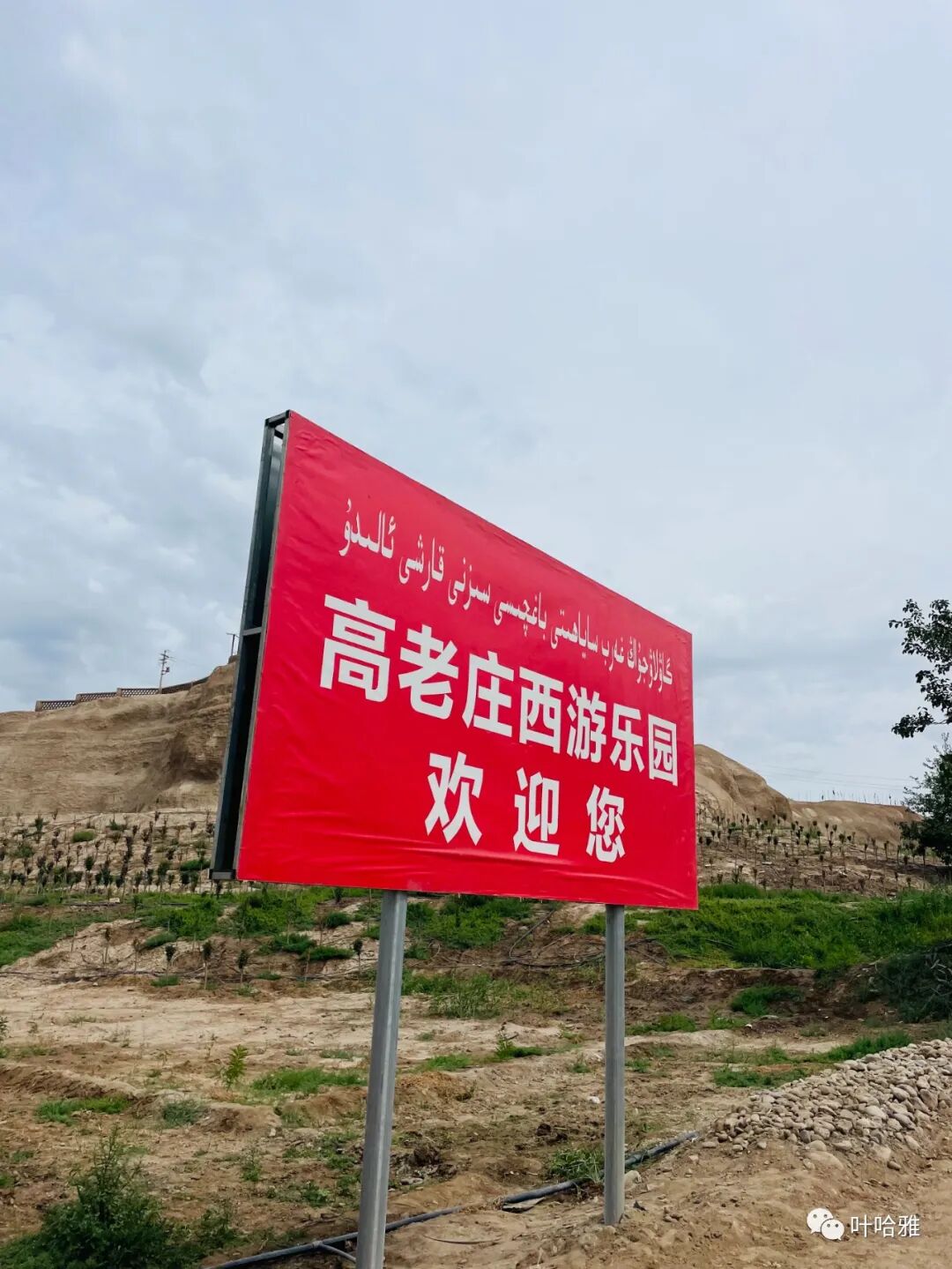
We passed by the cluster of tombs (mazar) in Aksu, which is said to be the location of Gao Lao Zhuang mentioned in the Journey to the West.
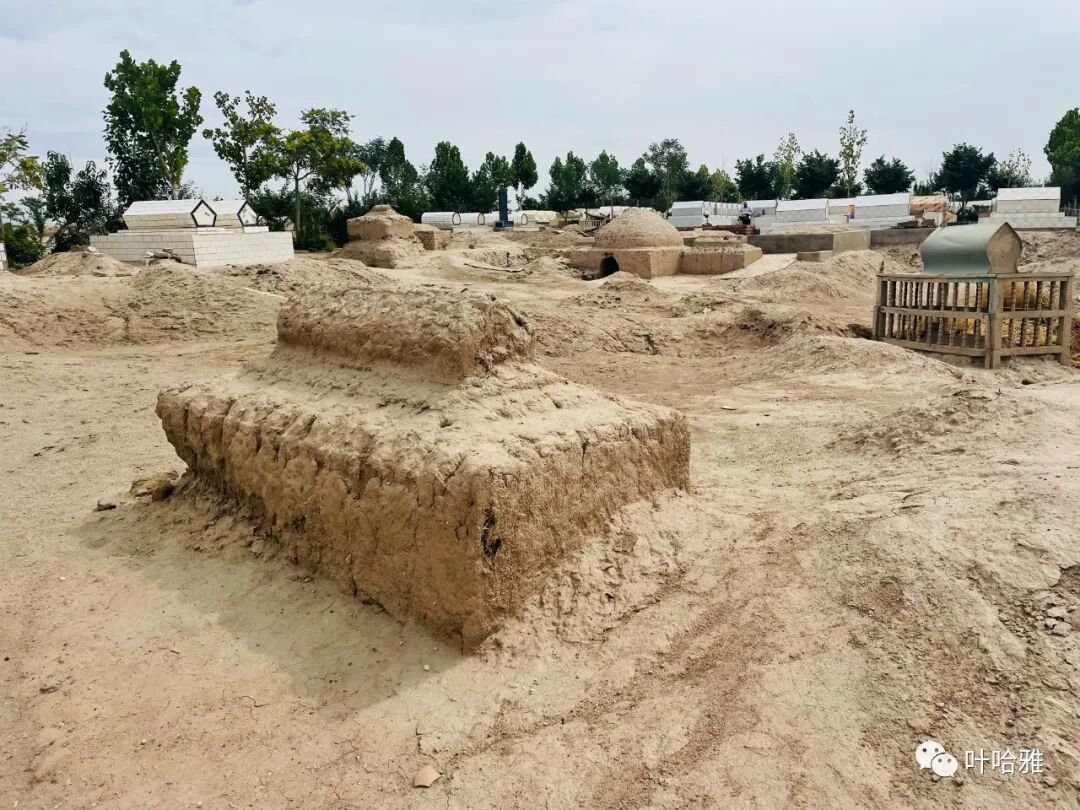
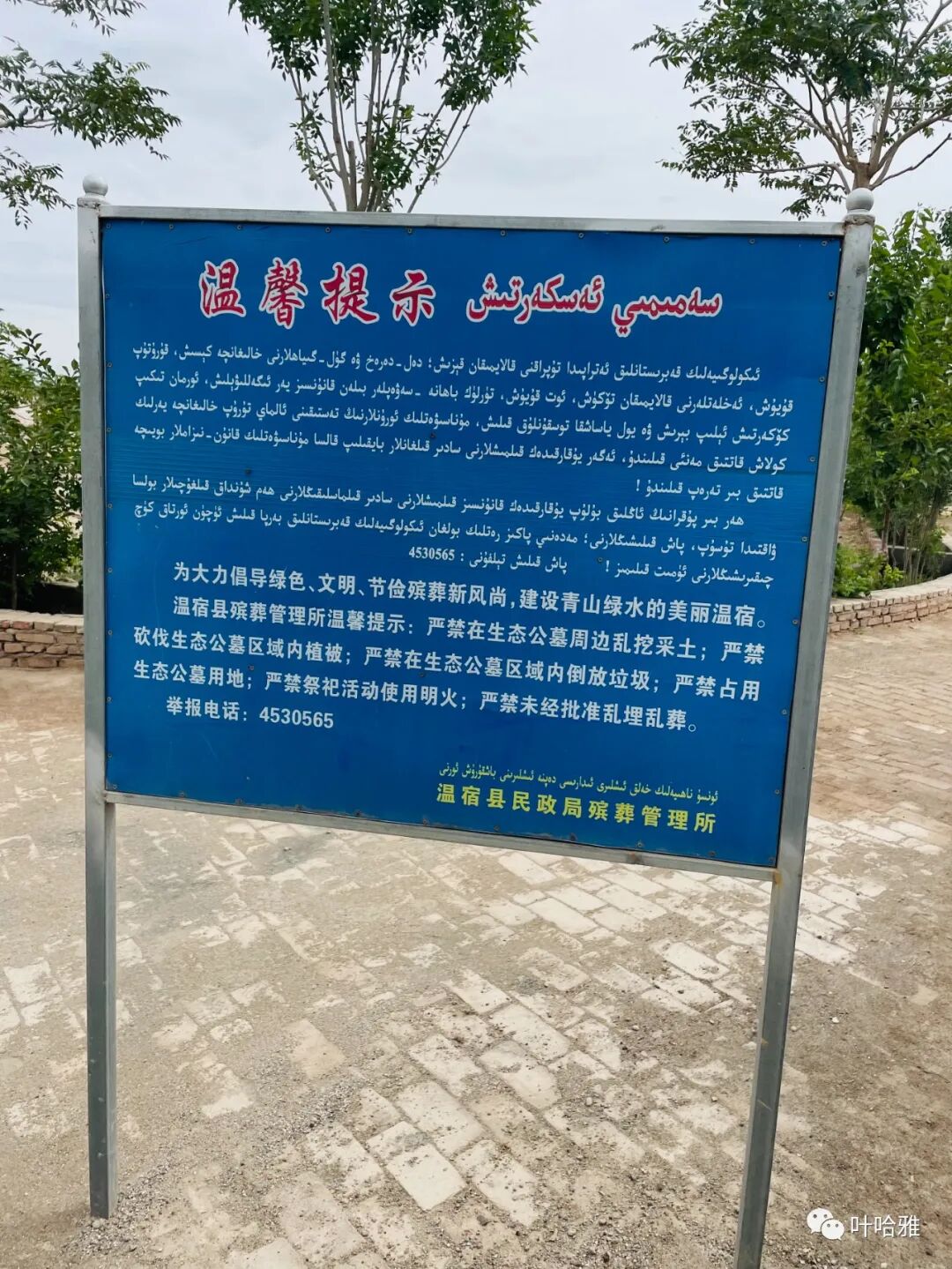
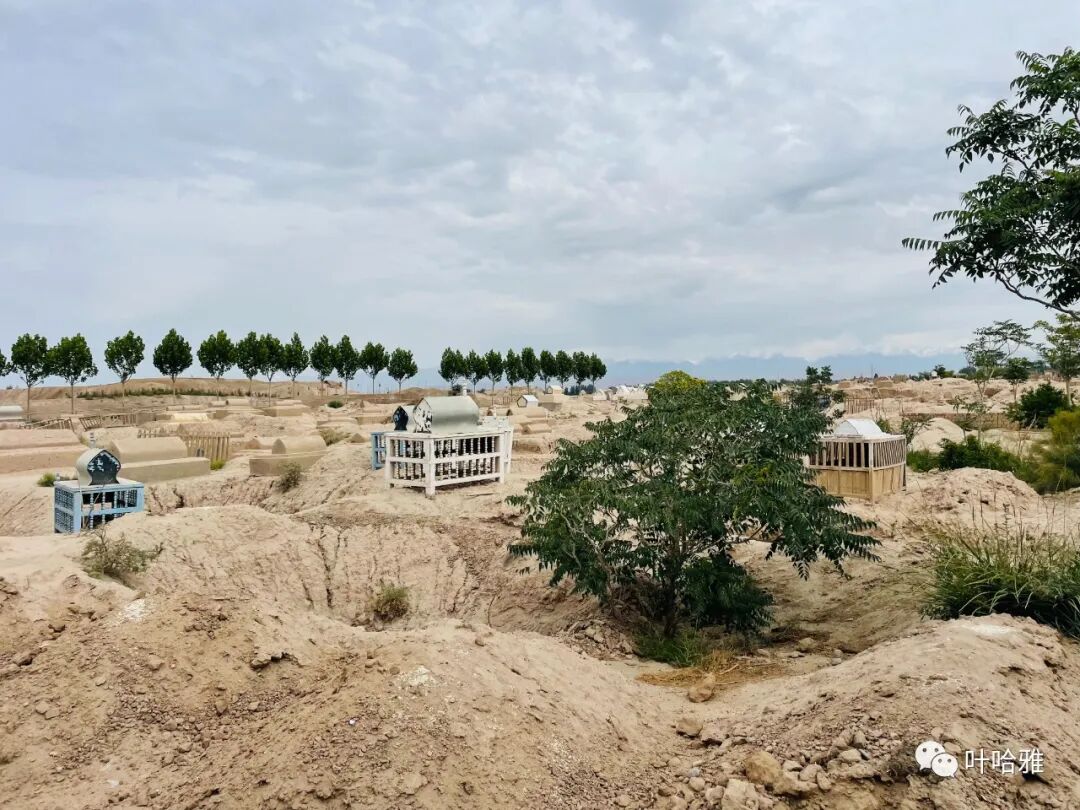
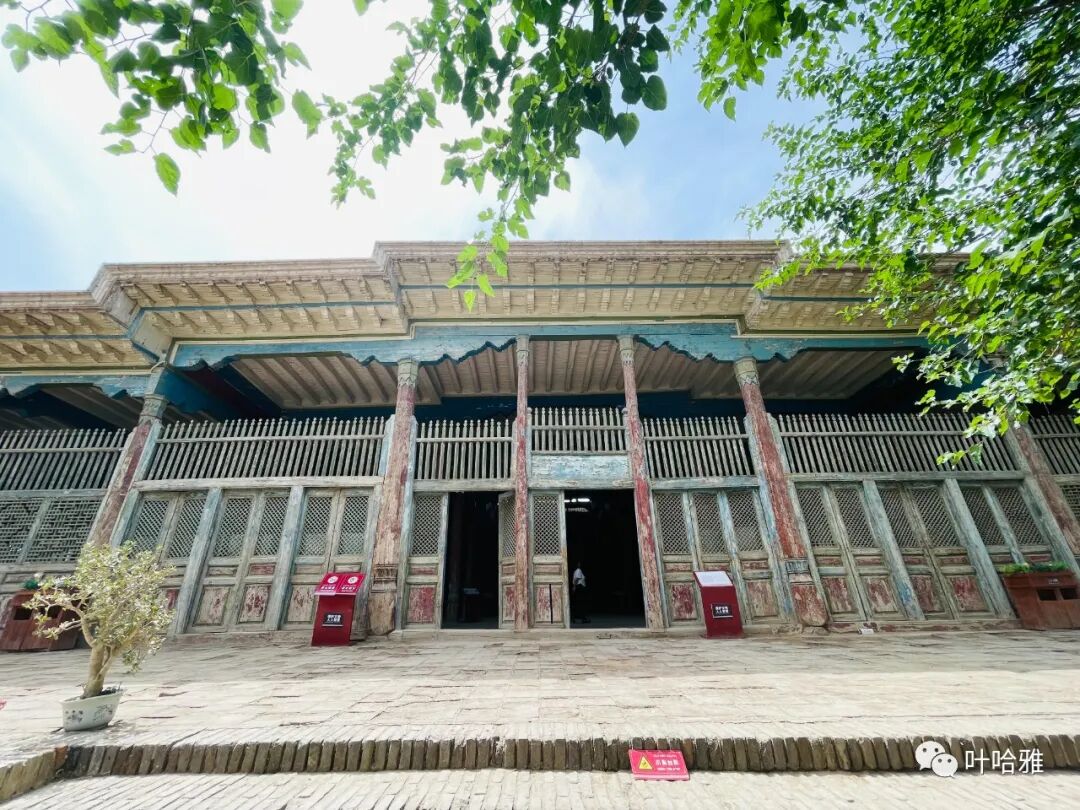
The cemetery is on a hilltop in Wensu County, and many of the Uyghur graves do not have names.
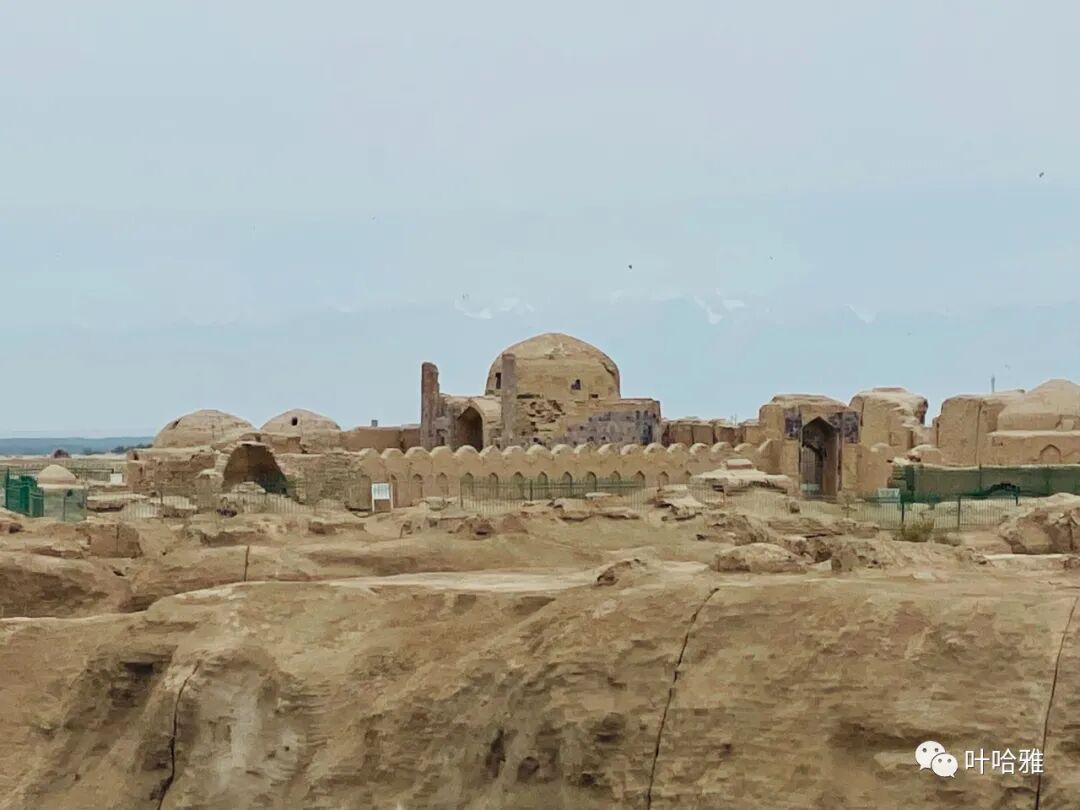
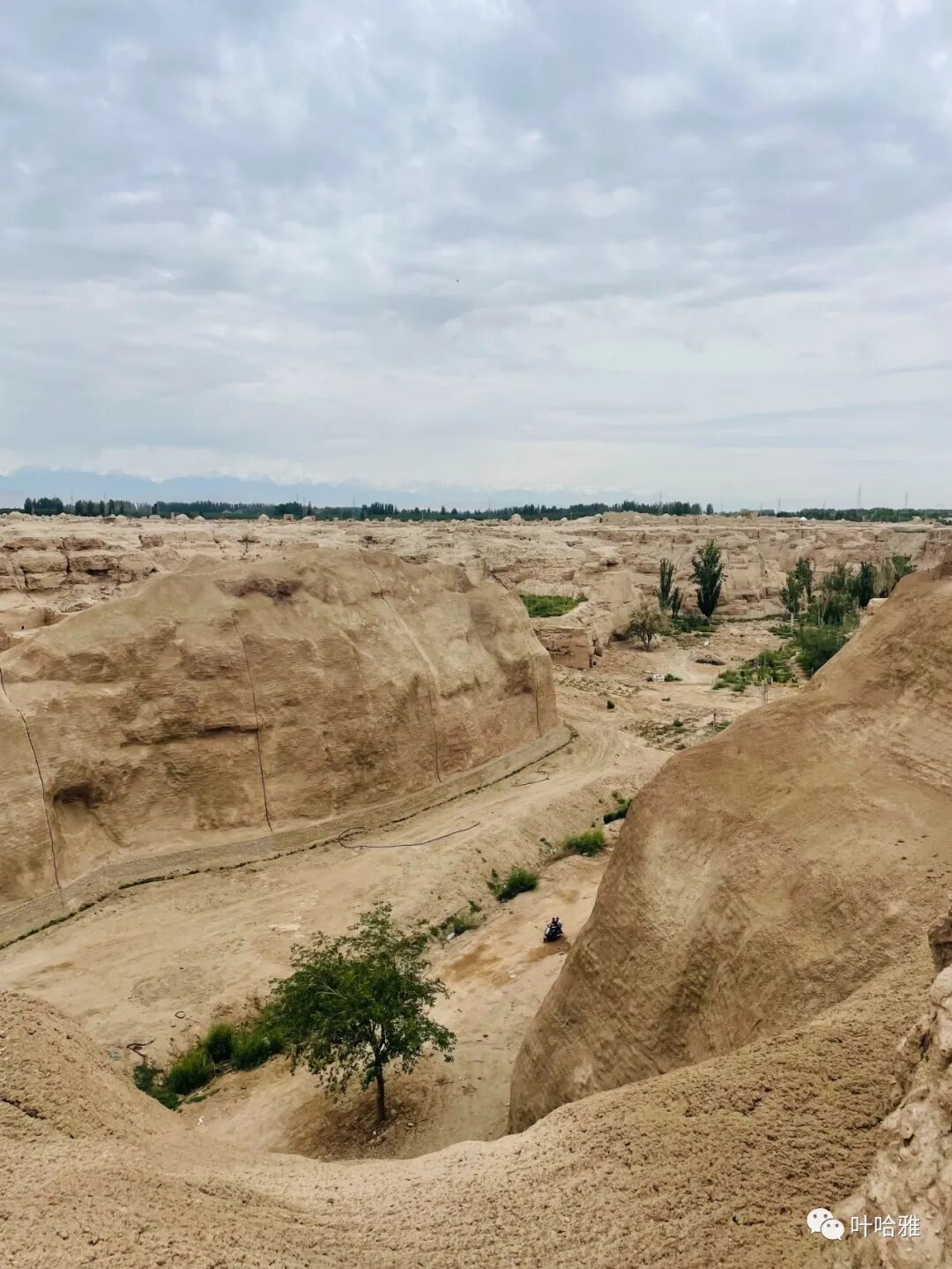
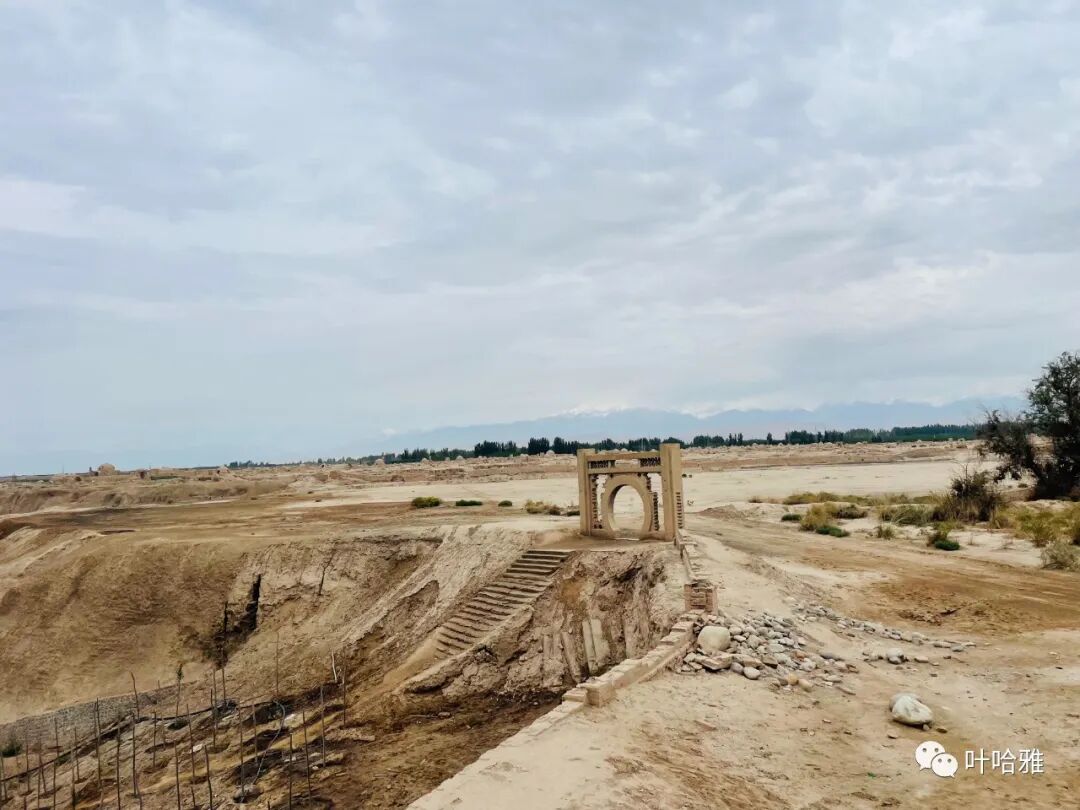
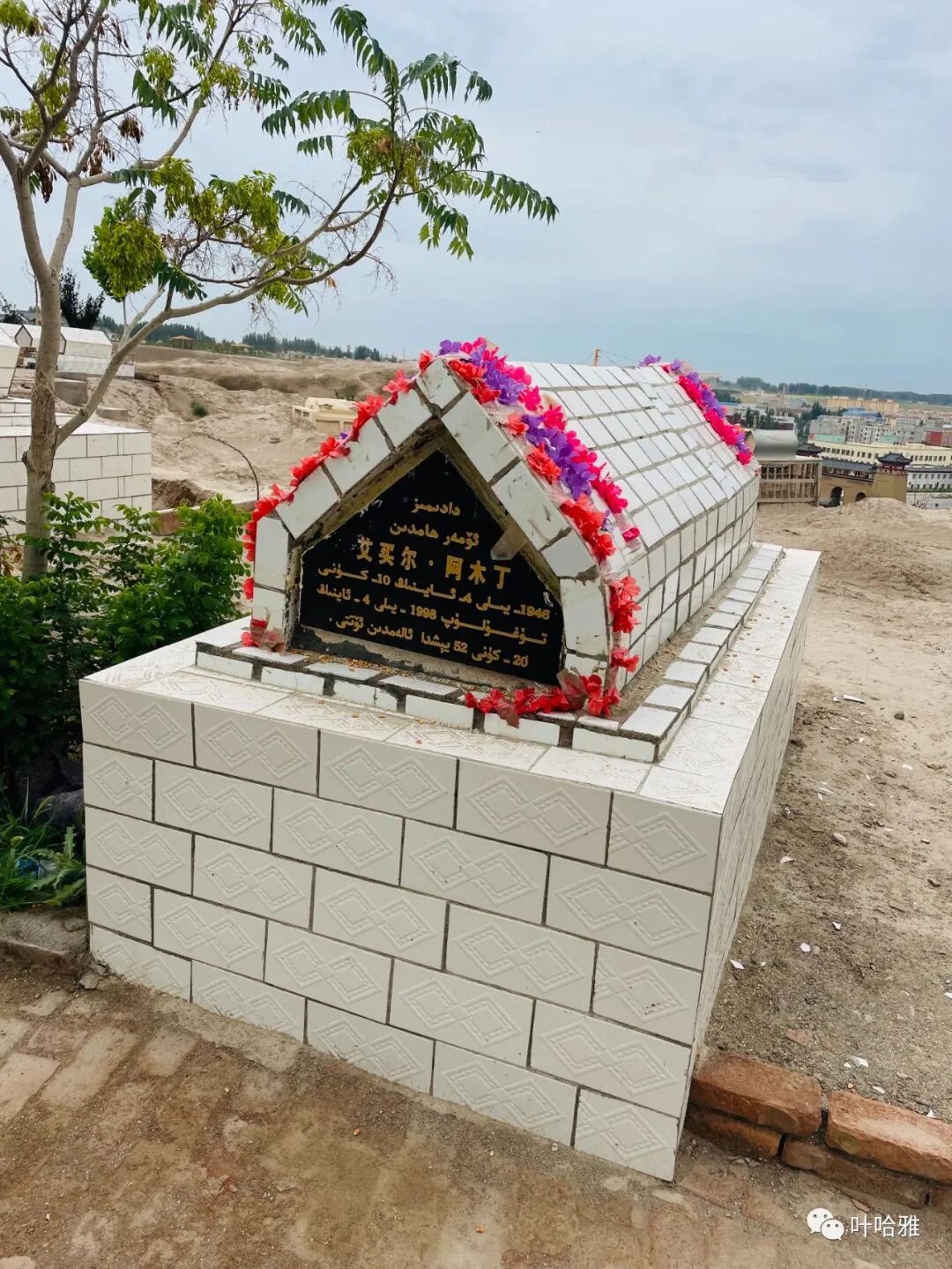
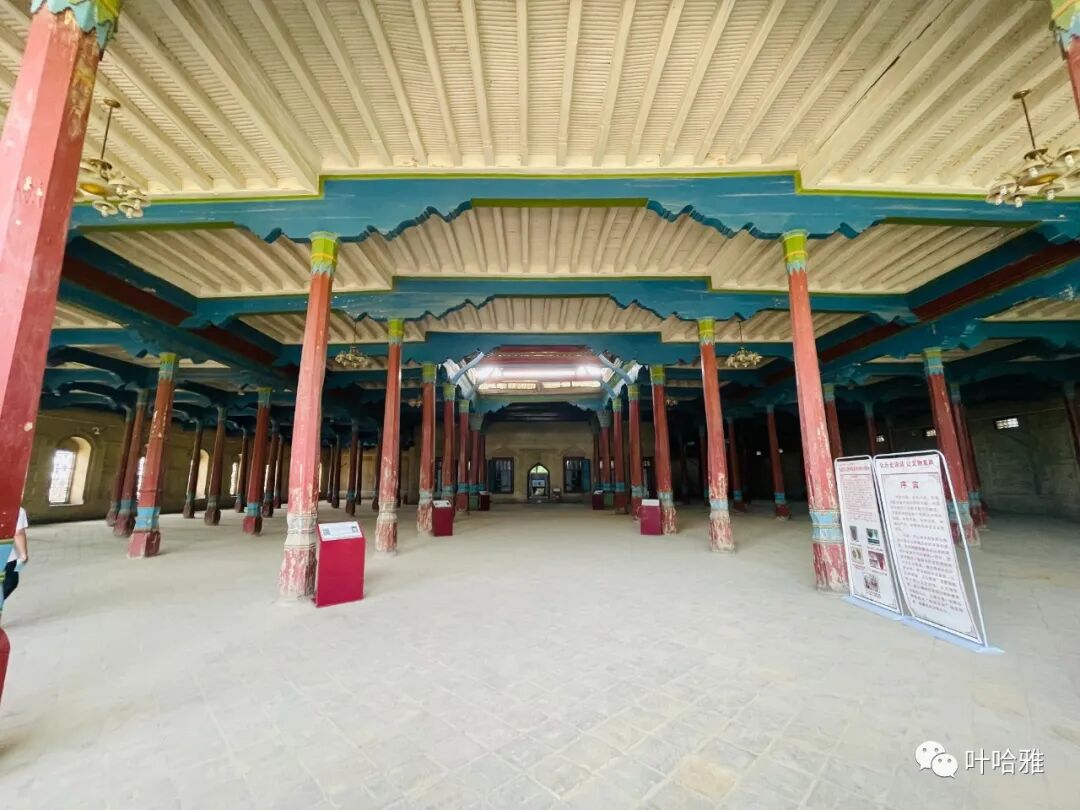
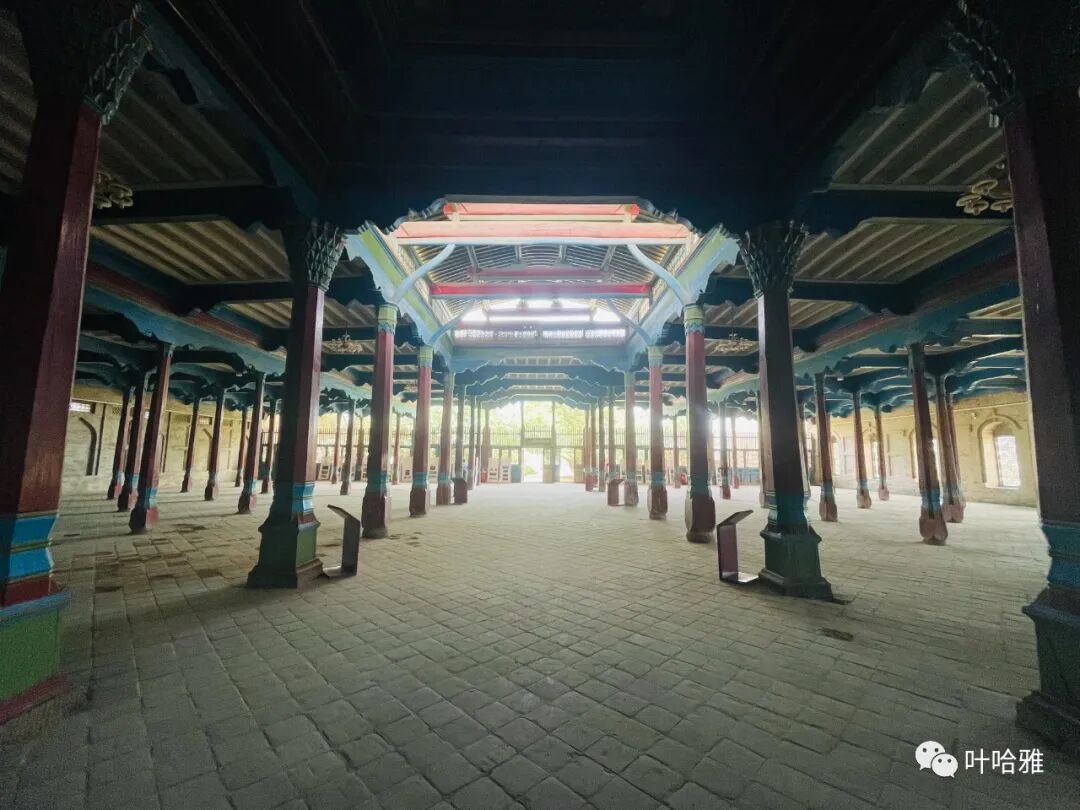
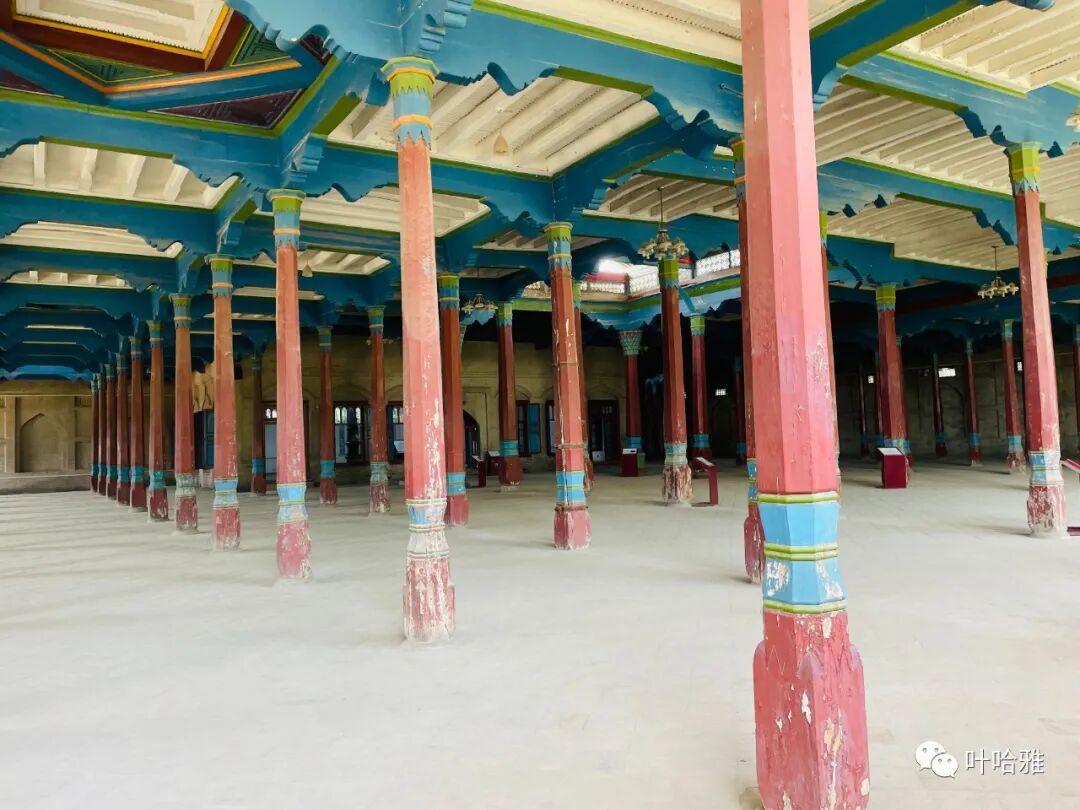
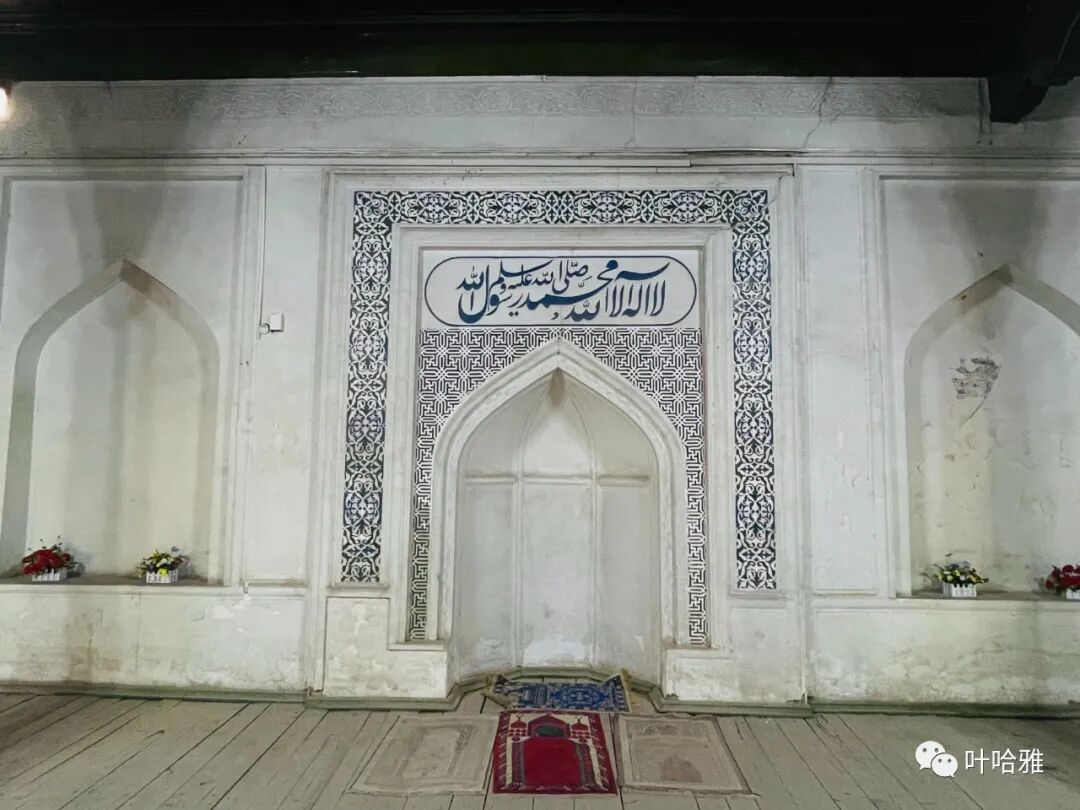
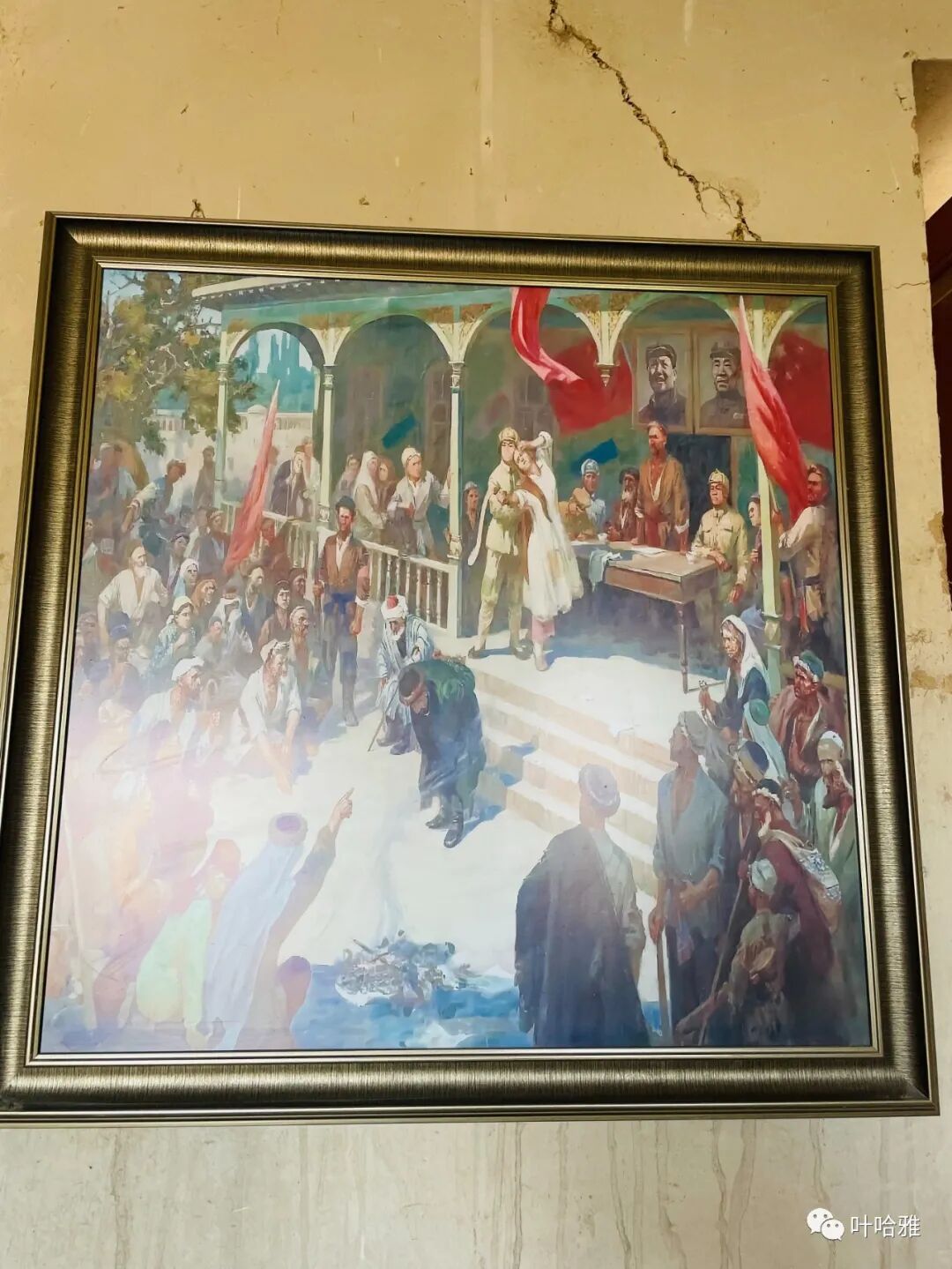
When we arrived at the Kuqa Grand Mosque at 3:00 PM, it was very quiet. There was no Friday prayer (Jumu'ah) here, as it has become a tourist site where visitors buy tickets for 30 yuan. This is the second time I have had to buy a ticket to enter a mosque; the first time was at the Id Kah Mosque in Kashgar.
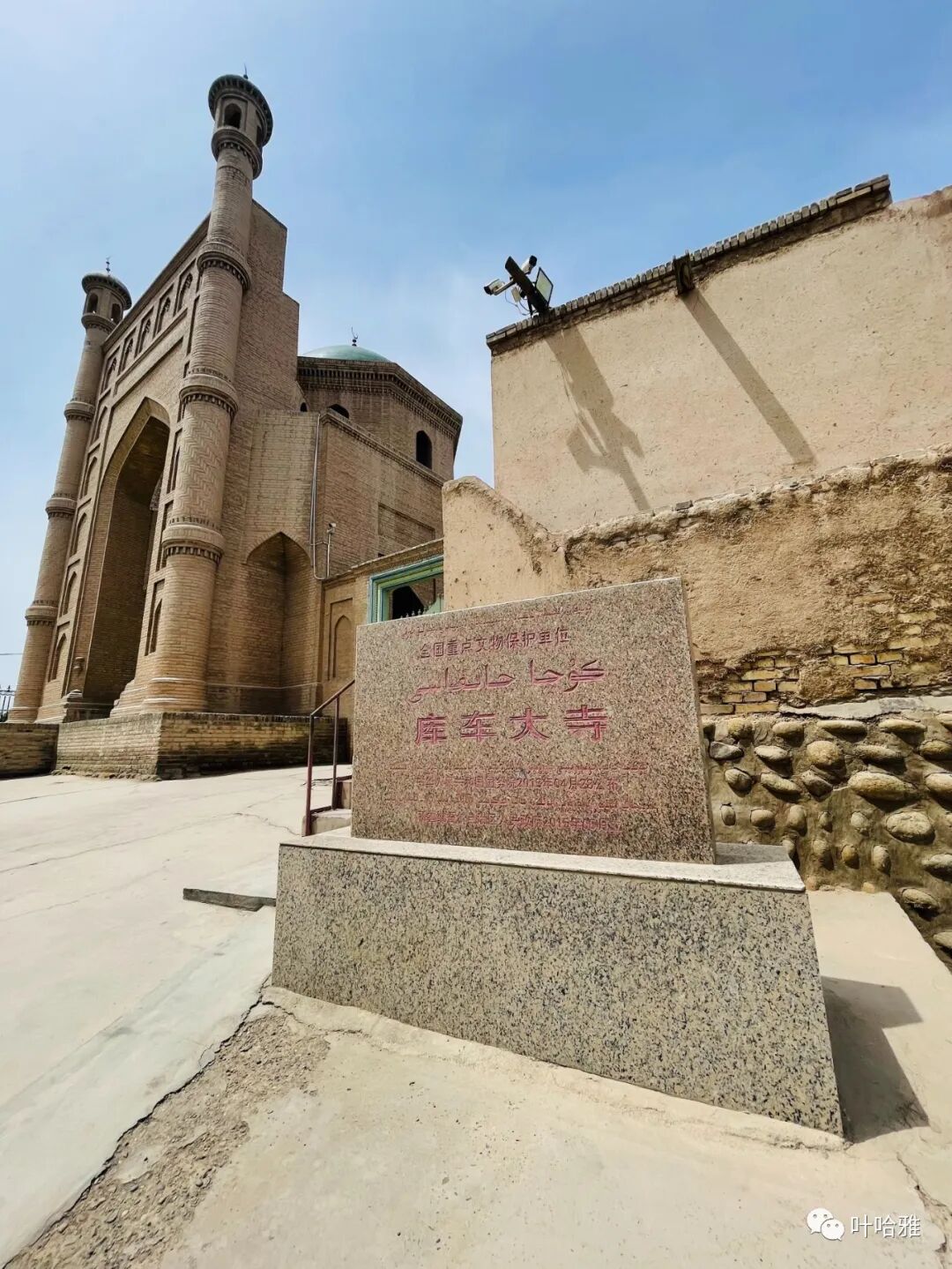
The Kuqa Grand Mosque was first built in the 16th century. It was initiated by Ishak, the leader of the Black Mountain sect, when he came to Kuqa from Kashgar to preach. It was destroyed by fire in the 19th year of the Republic of China, and rebuilt that same year with funding from a wealthy Kuqa man named Halim Haji. The site still preserves a religious court.
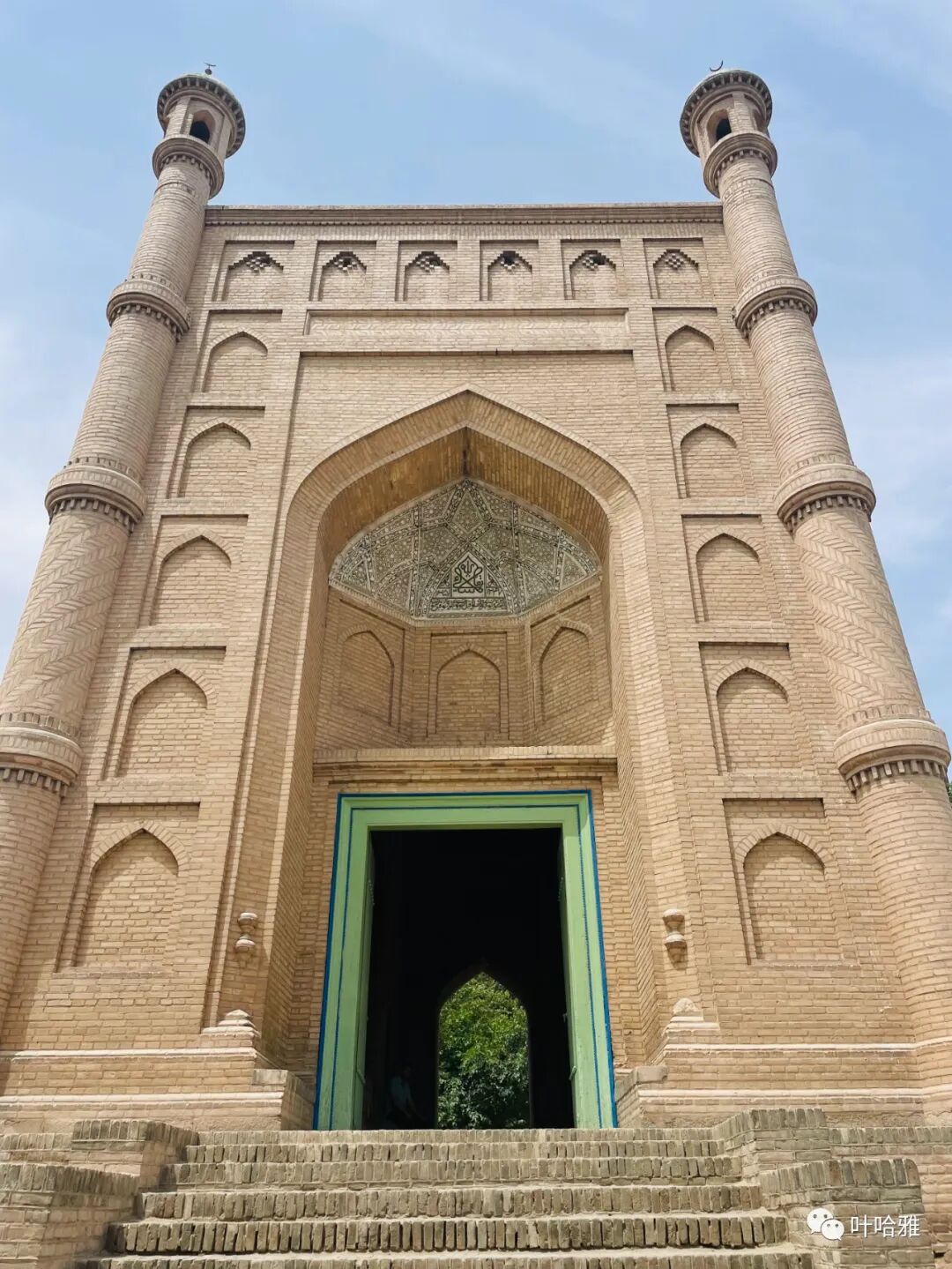
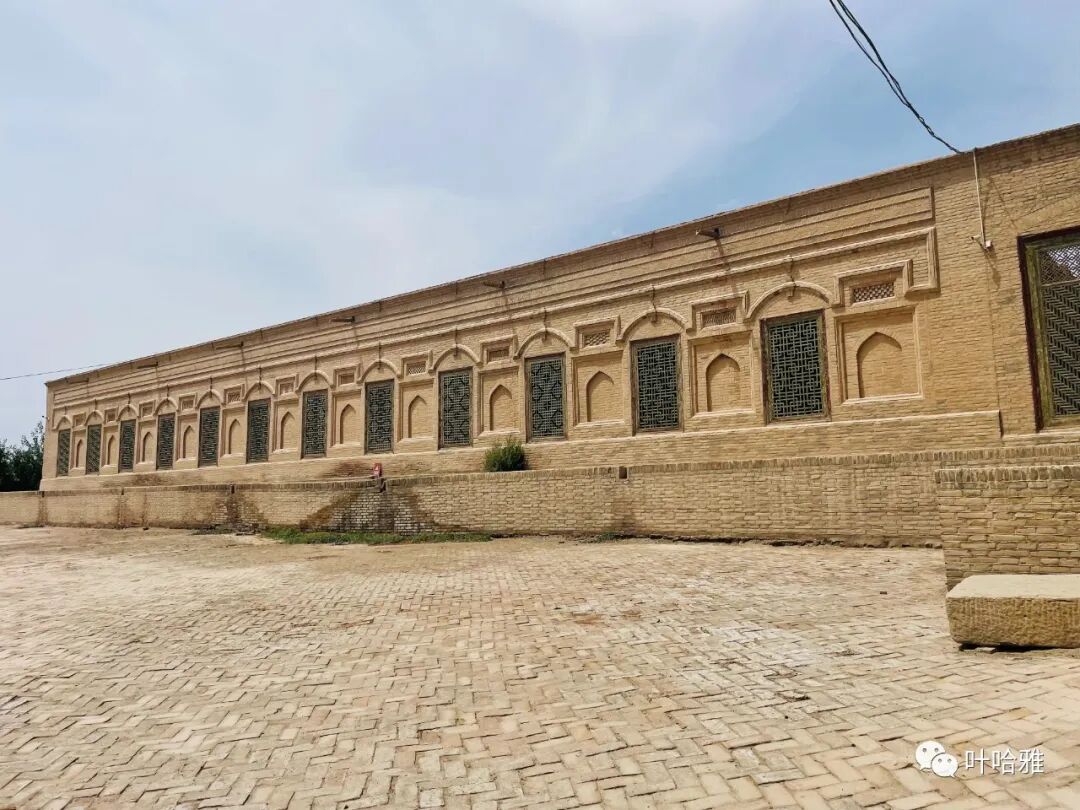
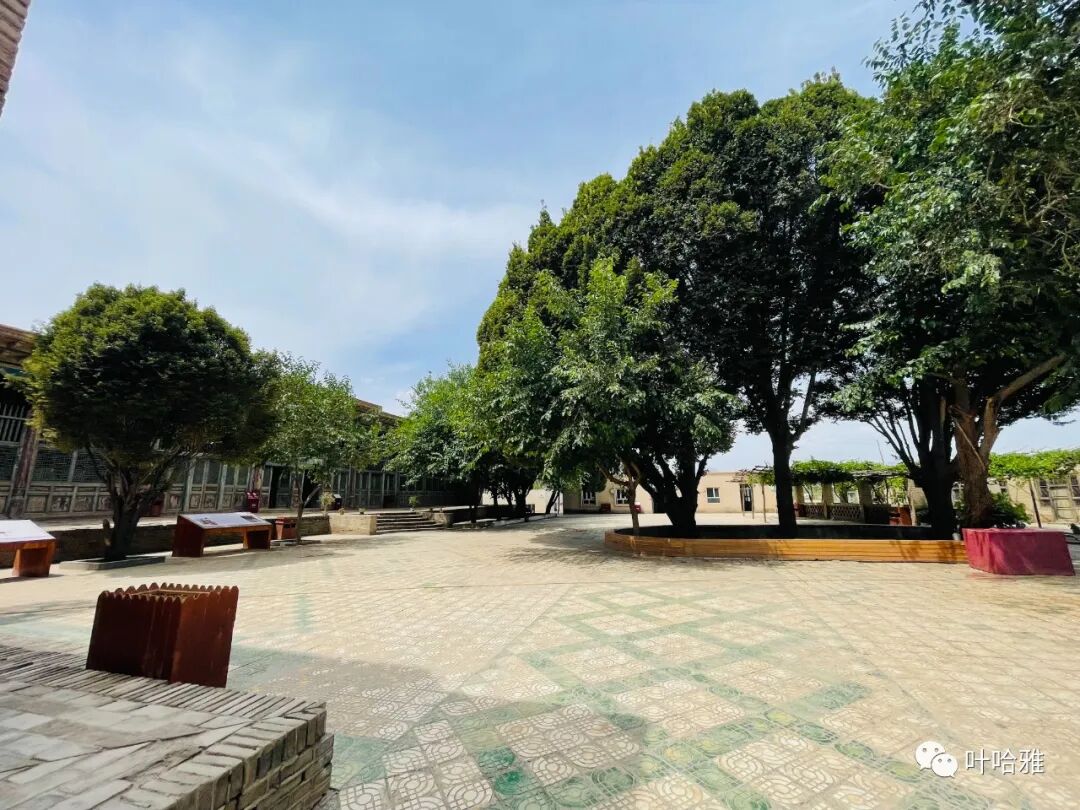
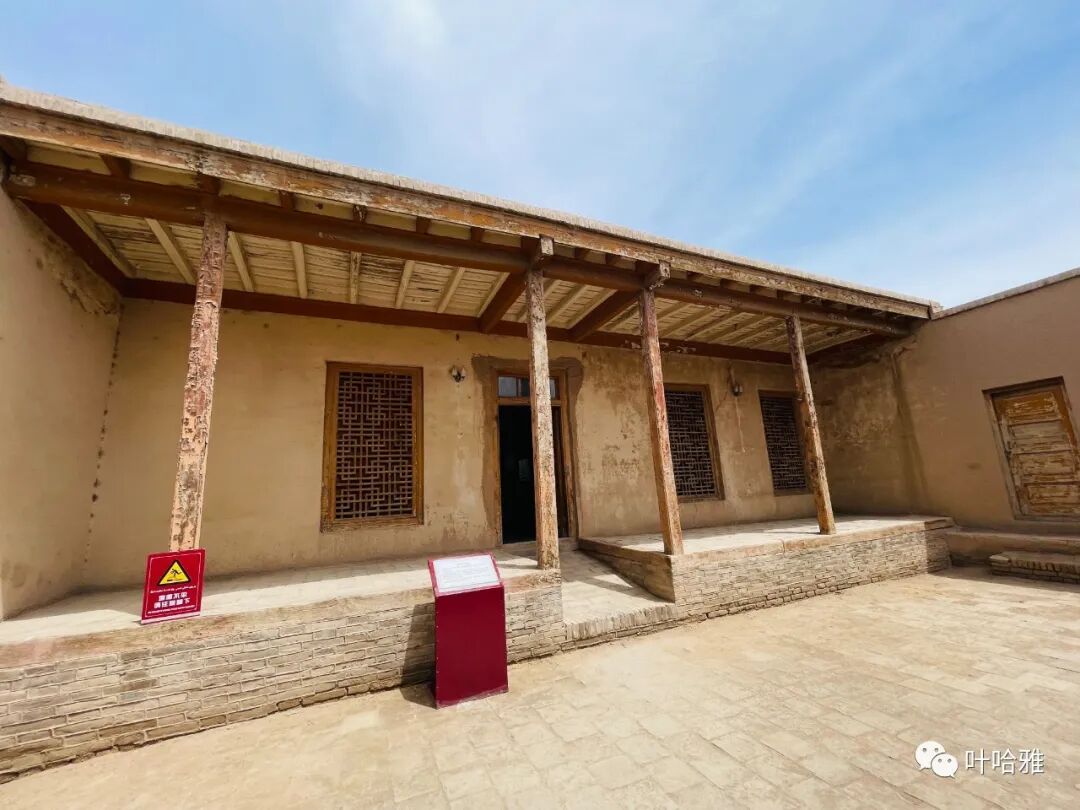
The old town of Kuqa is well-preserved, and interested friends can walk around and take a look.
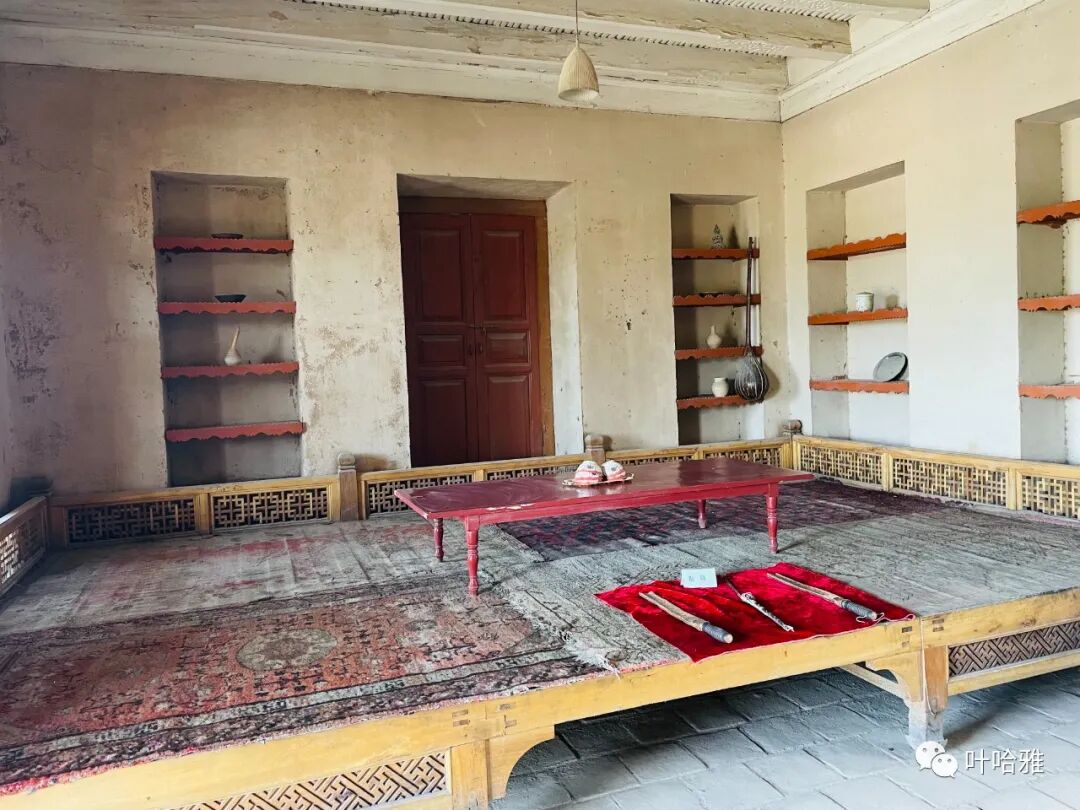
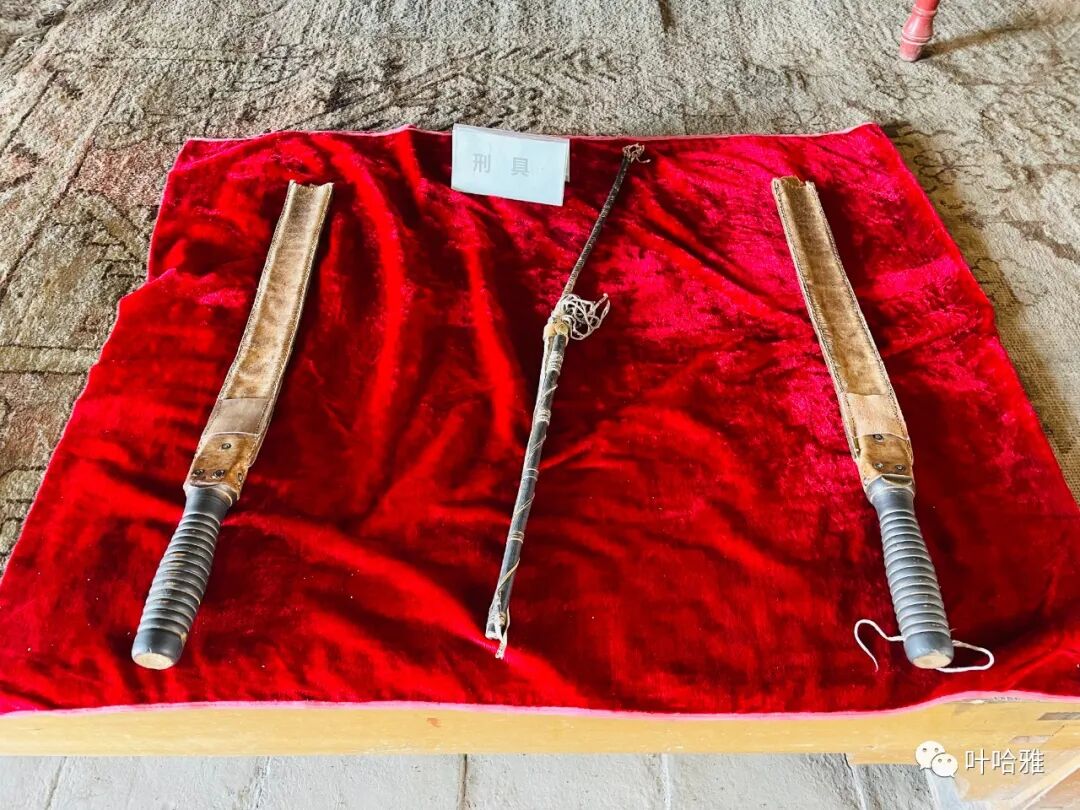
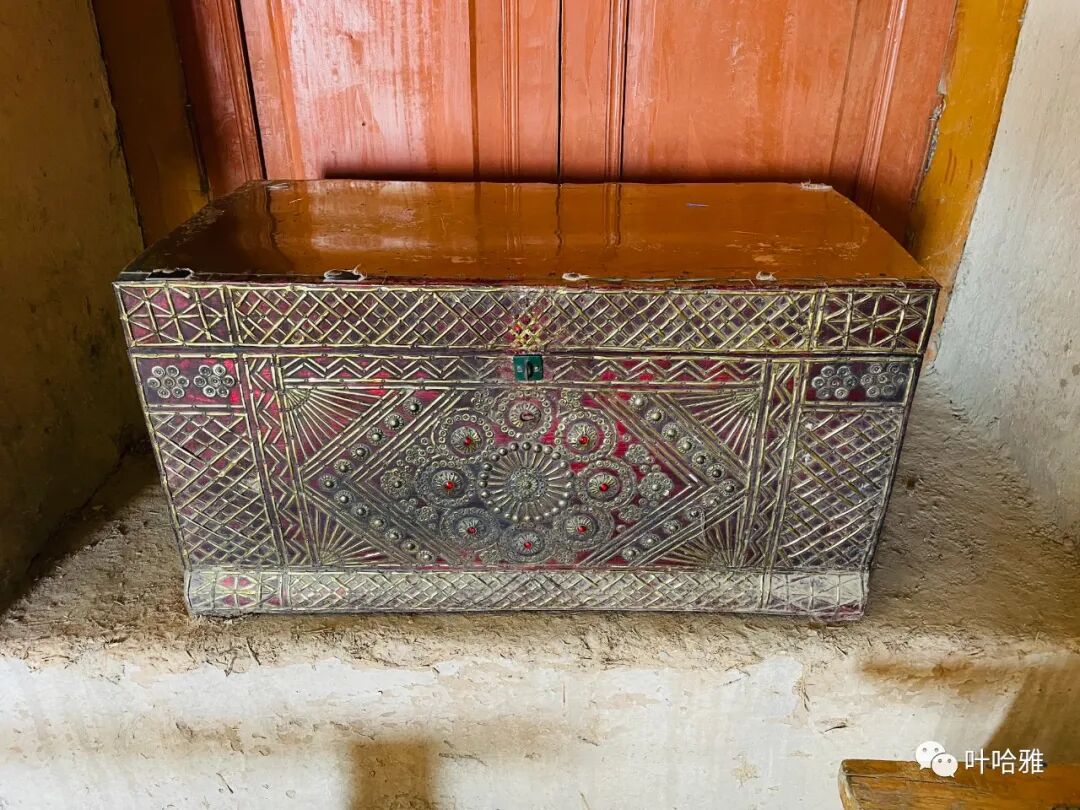
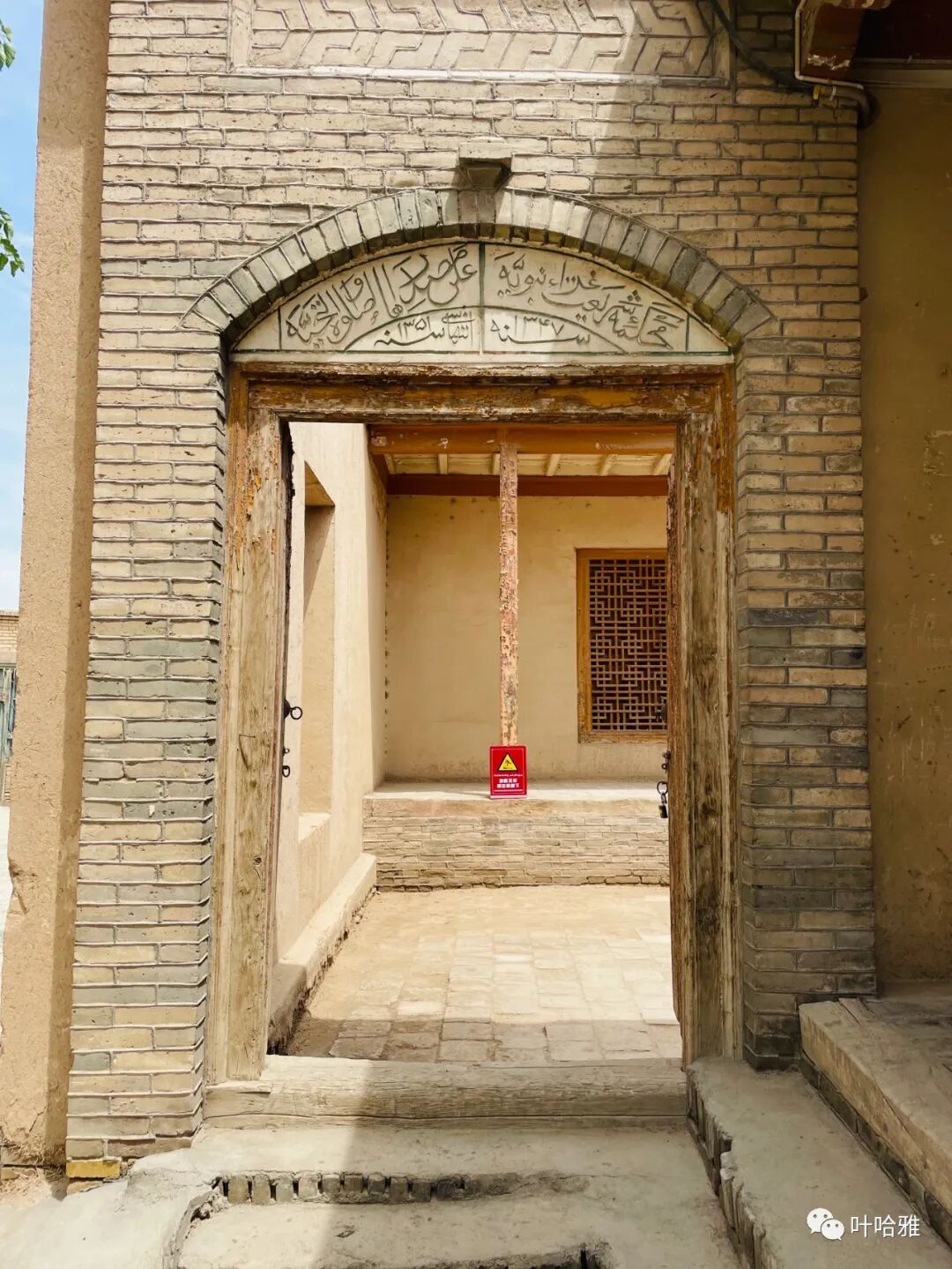
After leaving the Kuqa Grand Mosque, we headed straight to the Mazar of Maulana Arshiddin with mixed feelings.
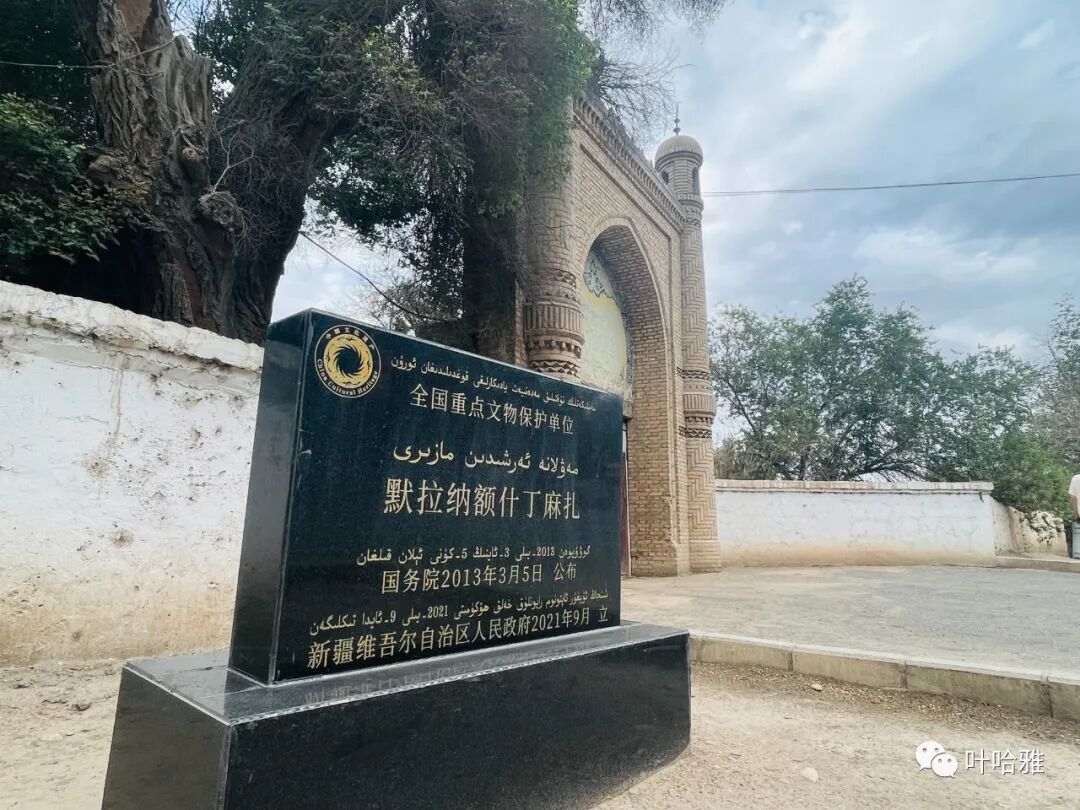
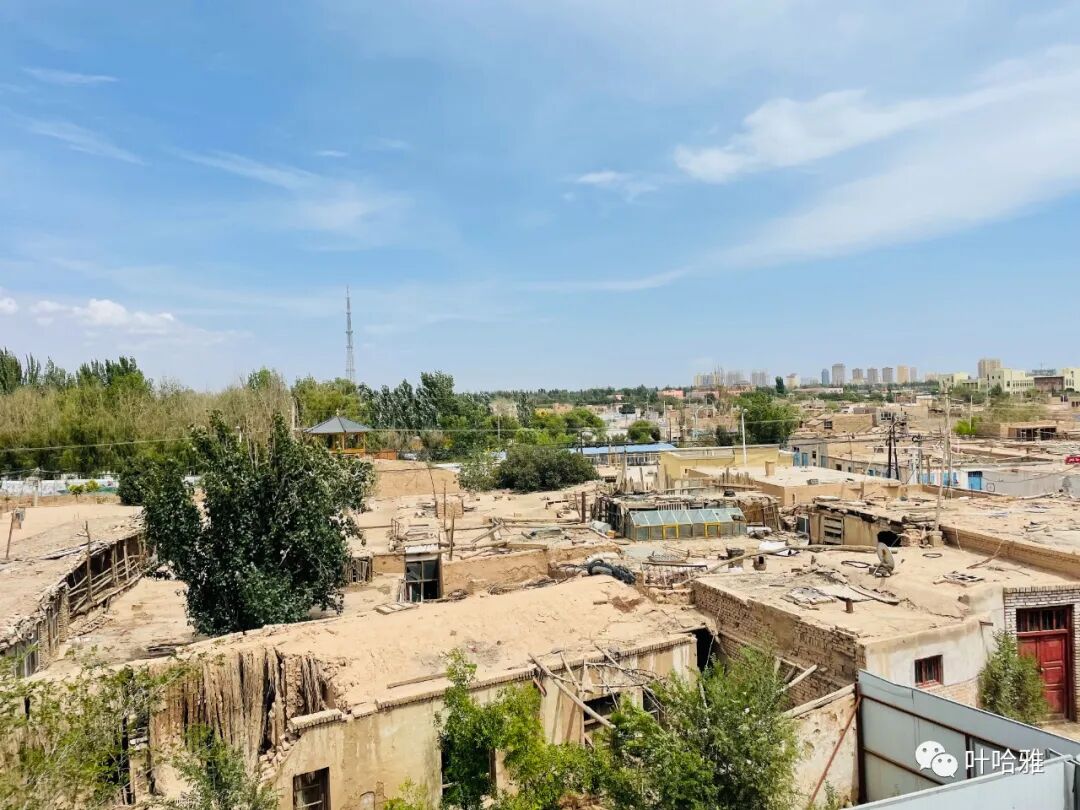
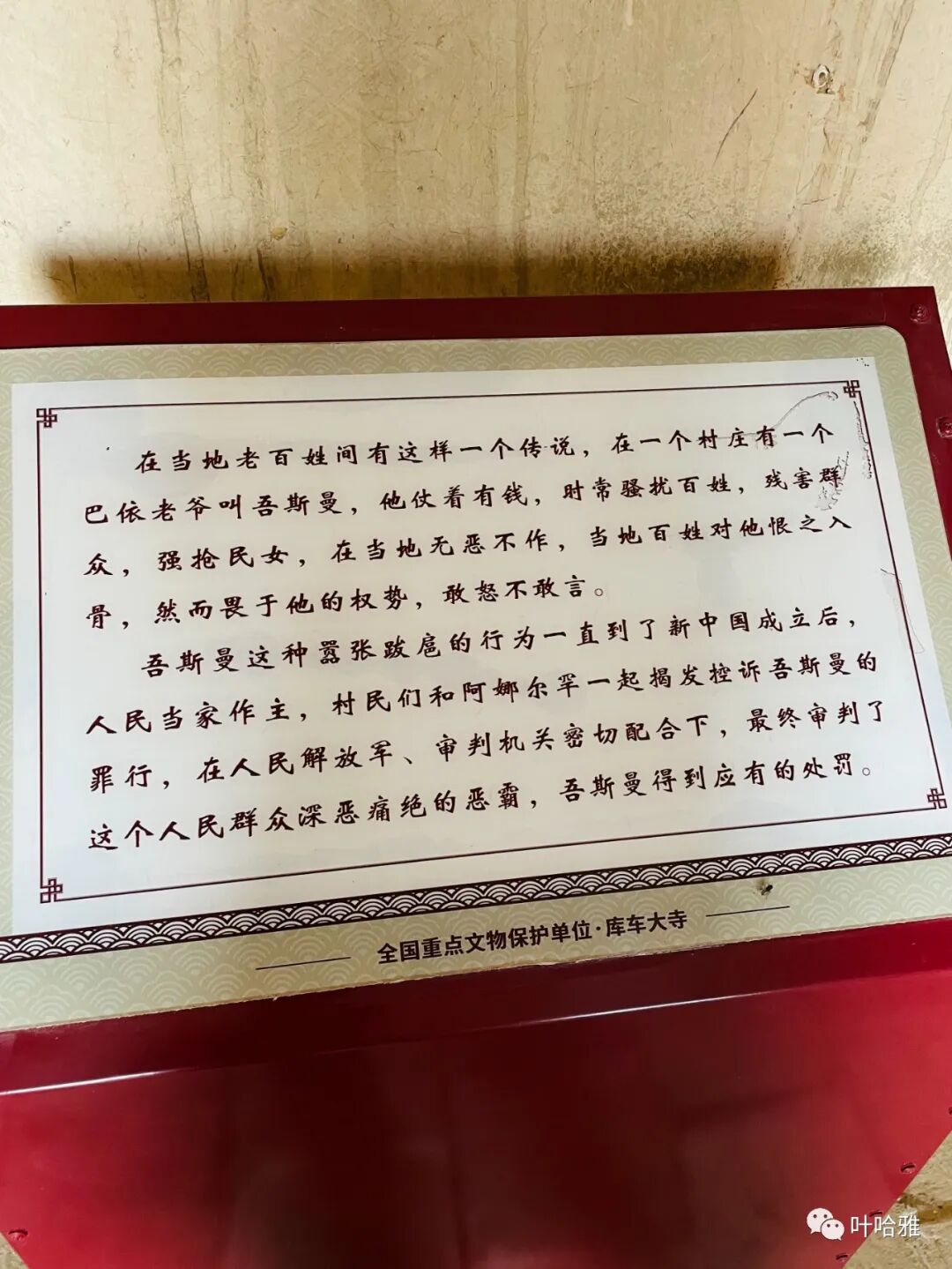
The most important Islamic site in Kuqa is the Mazar of Maulana Arshiddin. Maulana means a great scholar. It was thanks to Arshiddin that Tughluq Timur, the Chagatai Khan of the Yuan Dynasty, converted to Islam. Tughluq Timur was the seventh-generation grandson of Genghis Khan. According to the Tarikh-i-Rashidi, Tughluq Timur made an agreement with Arshiddin's father, Jamal al-Din, that his son Arshiddin would later preside over Tughluq Timur's conversion ceremony, where he was given the Islamic name Abu Bakr Muhammad.
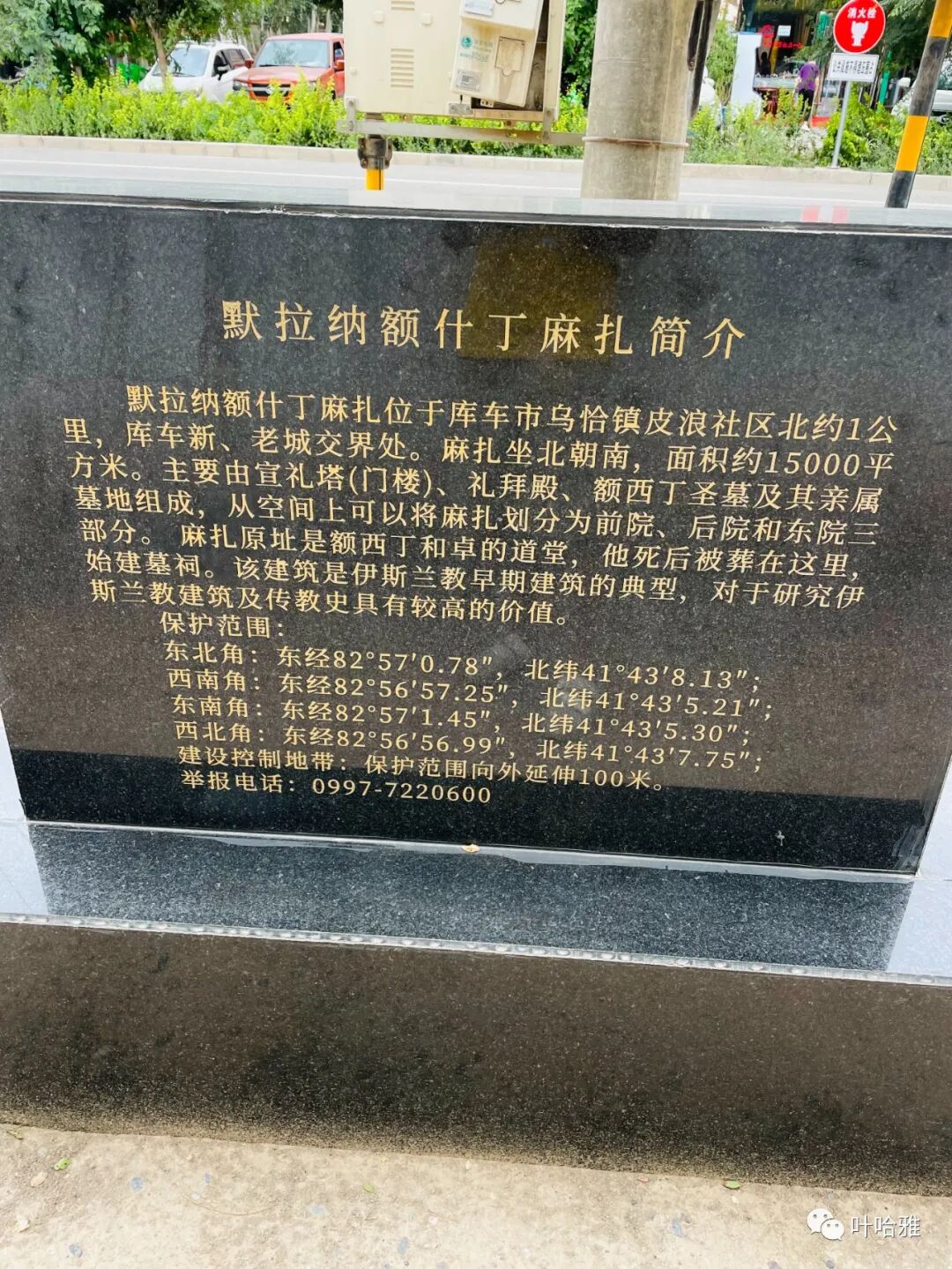
This place used to be a religious hall (daotang), but now it is just a locked national key cultural relic protection unit. The inside is overgrown with weeds, and there are even a few wild pheasants nesting there.
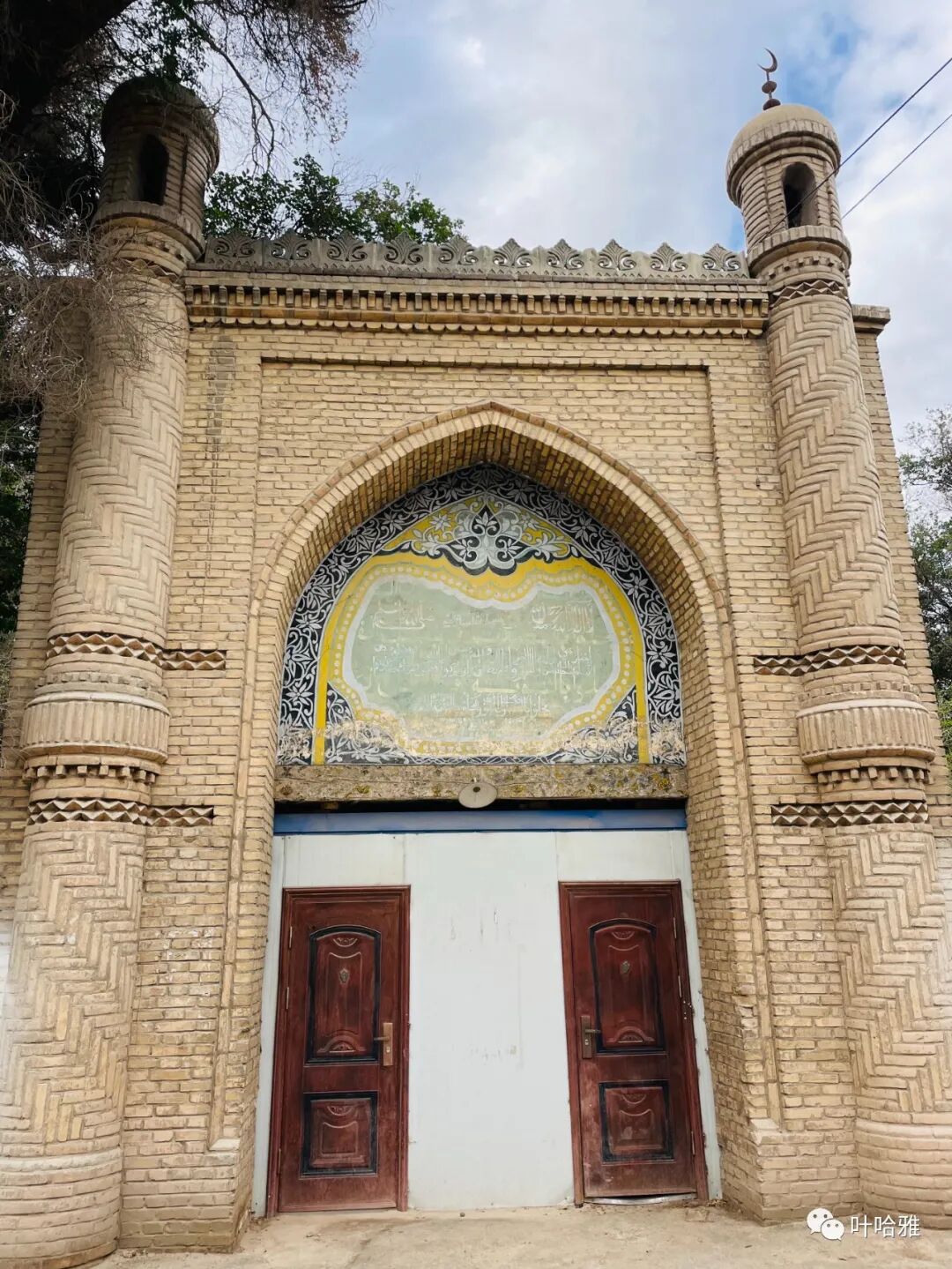
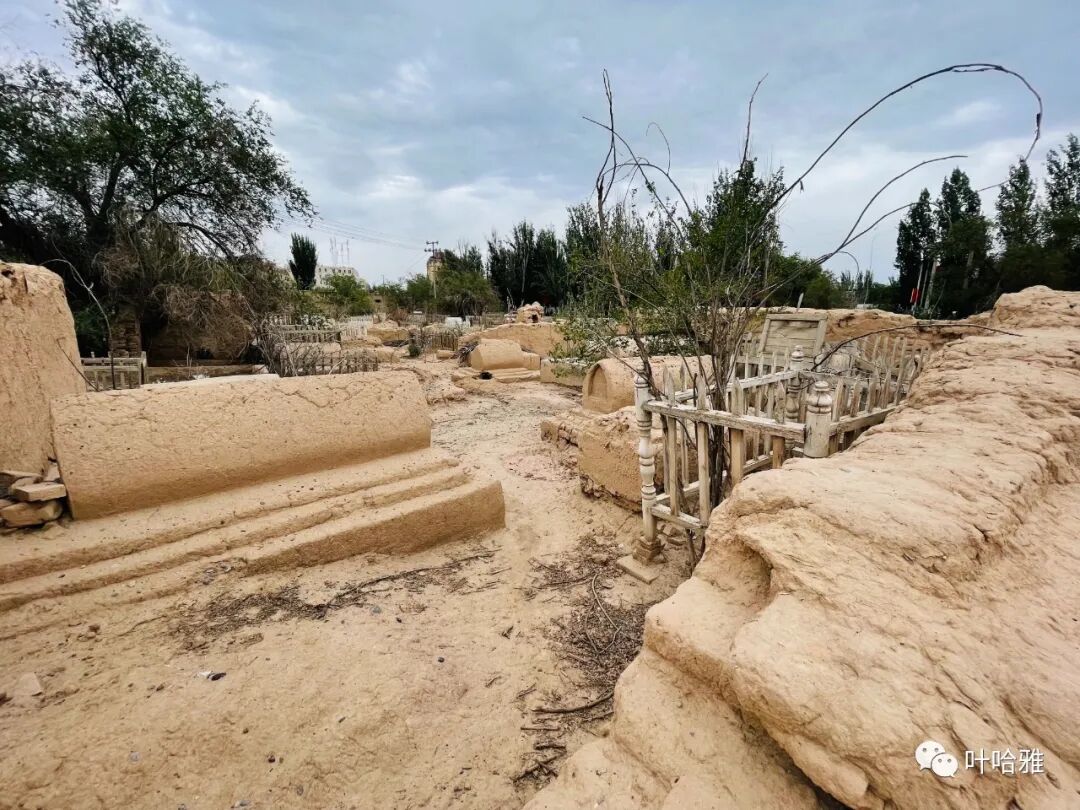
The family of Mullah Arshiddin was the first Khoja family to enter southern Xinjiang to preach. Their ancestors came from Bukhara and entered Xinjiang with Genghis Khan. Arshiddin assisted Tughluq Timur in converting his ministers and hundreds of thousands of Mongols to Islam, and he established the Waliye Islamic Institute in Kuqa.
Arshiddin helped spread Islam widely throughout southern Xinjiang. Tughluq Timur honored him as the state teacher and granted his family the hereditary privilege of being Islamic elders. After Arshiddin passed away (returned to Allah), he was buried in this religious hall. During the period when Yaqub Beg ruled Kuqa, he expanded the Arshiddin Gongbei (shrine) on a large scale, covering an area of over 20,000 square meters.
The Arshiddin family is historically known as the Khoja sect, which is the order founded by Ghujduvani, belonging to the Naqshbandi tradition. In the Naqshbandi tradition, Ghujduvani is also highly respected, so it makes sense that when the Naqshbandi order entered Xinjiang in the 16th century, the Kuqa order voluntarily joined them.
Eshidin married the granddaughter of Naishamiding Dahaliwoli, and the tomb (mazar) of Naishamiding is still in Kuqa today.
Eshidin guided the people of Kuqa to convert from Buddhism to Islam through peaceful change. Kuqa was once the Kingdom of Qiuci, a Buddhist land. Many promotional materials claim that Buddhism in the Western Regions declined due to Islamic persecution. This idea first came from the archaeologist Marshall, but the Japanese scholar Kuwayama discovered that Marshall had fabricated it. The main reason for the decline of Buddhism was the change in Silk Road trade routes, which caused it to lose economic support. You can find more details in the book 'History of Nomadic Peoples'.
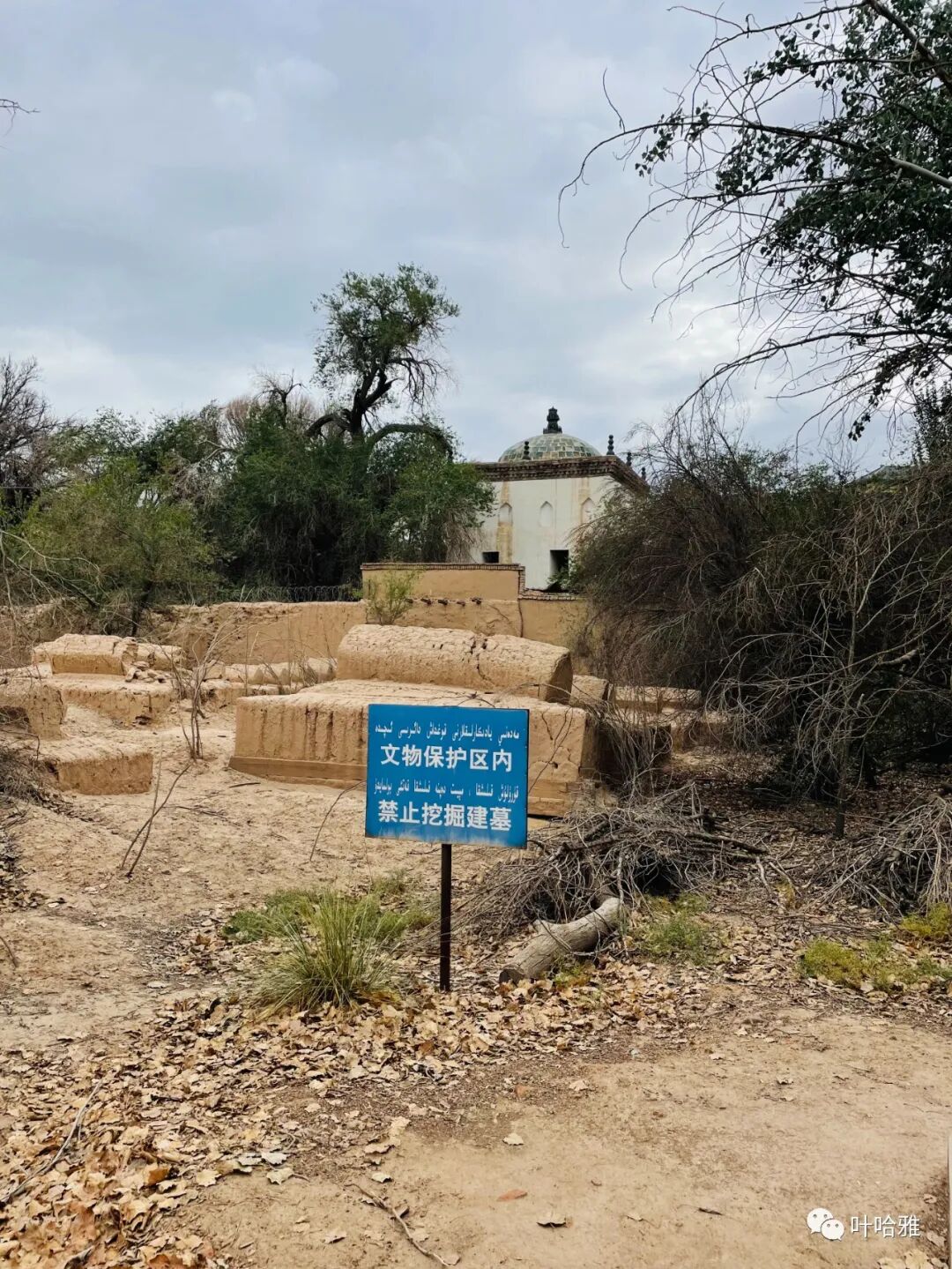
Before the rise of Islam, Buddhism, Christianity, and Manichaeism were already spreading in the Western Regions. When Sufis preached there, they, like the other three religions, focused on sin and the suffering of hell rather than the pleasures of heaven, so the public accepted it naturally.
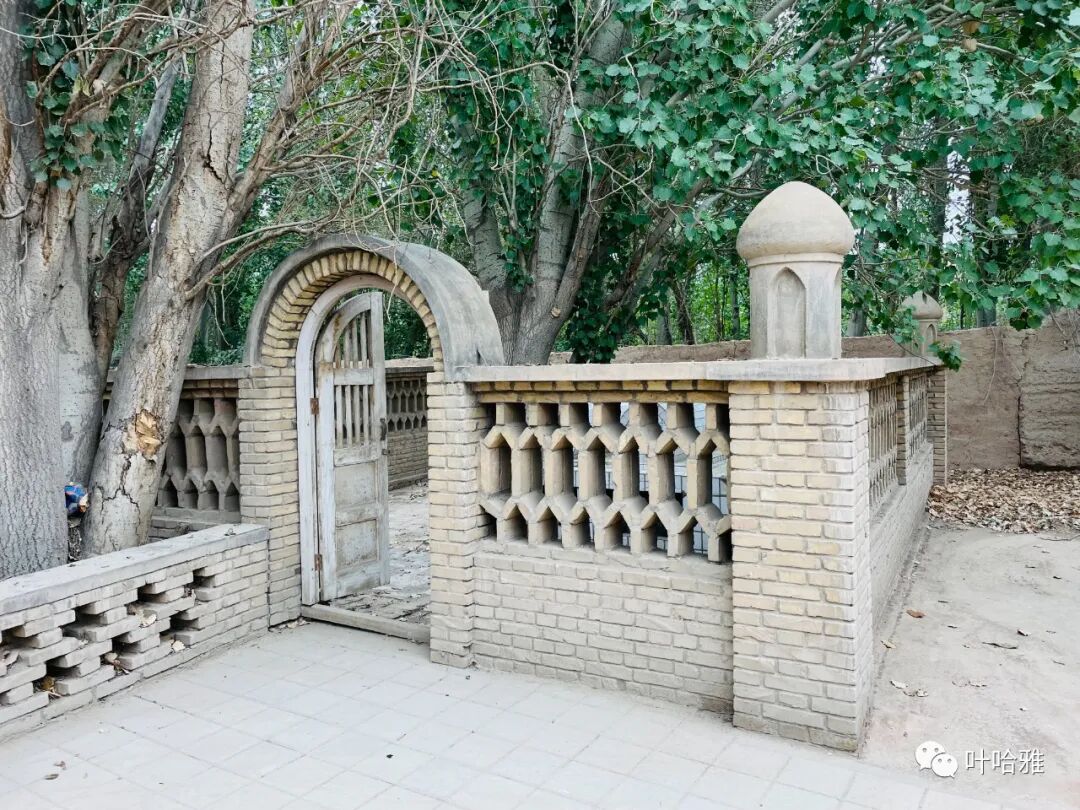
Eshidin's status in the Khanate was second only to the Mongol princes. Formally, the accession of a new Khan and the appointment of officials required religious approval from Eshidin.
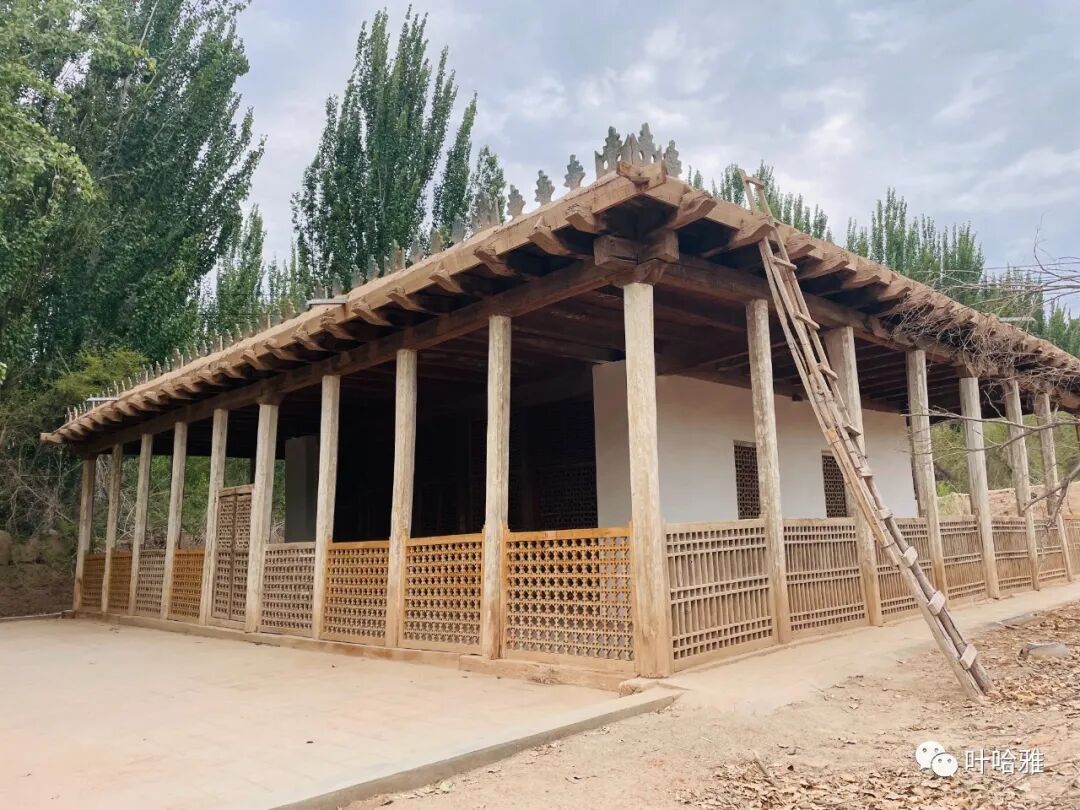
After Eshidin, his successors were Obu Baitaheding, Ahemaiti, Faheding, and Shadierding. The family used Kuqa and Aksu as their base to expand outward, playing a major role in the Islamization of the eastern Xinjiang region.
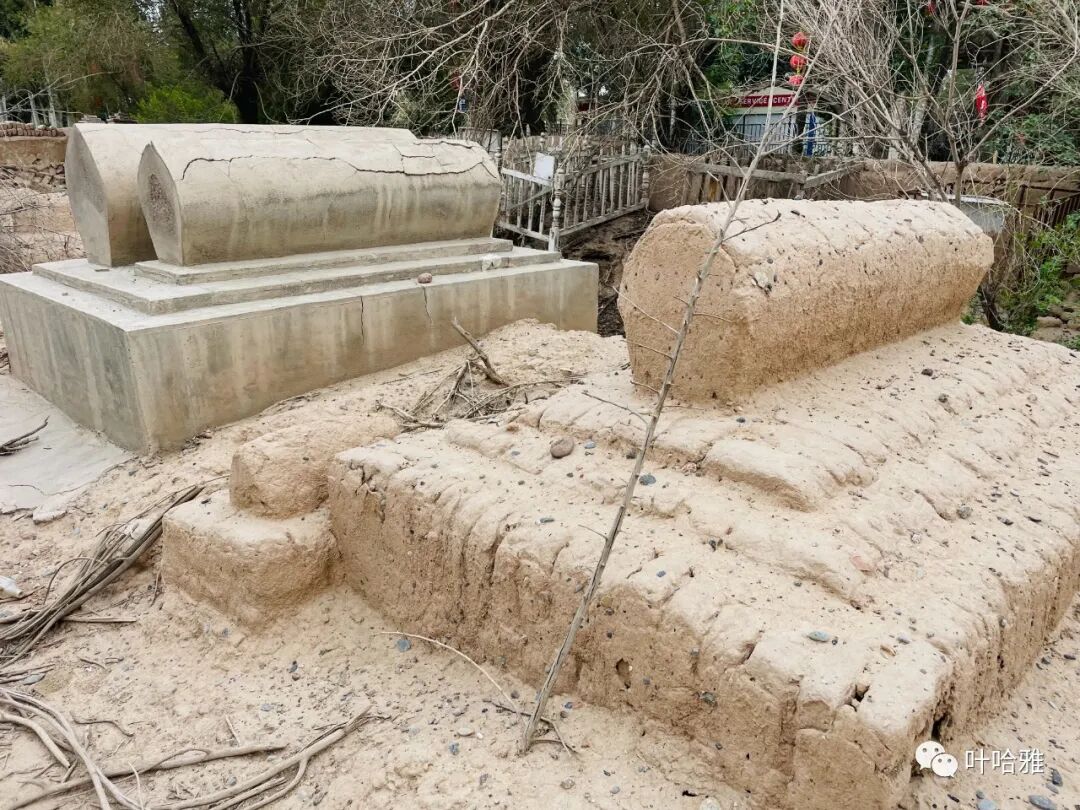
The successor of the Eastern Chagatai Khanate, Wais Khan (1418-1428), did not like the descendants of the Eshidin family. He turned to support the Naqshbandi disciple and great Bukhara mullah Mahaimai Kasanni as his teacher. The influence of the Eshidin family began to weaken, and they retreated to areas east of Aksu and Kuqa.
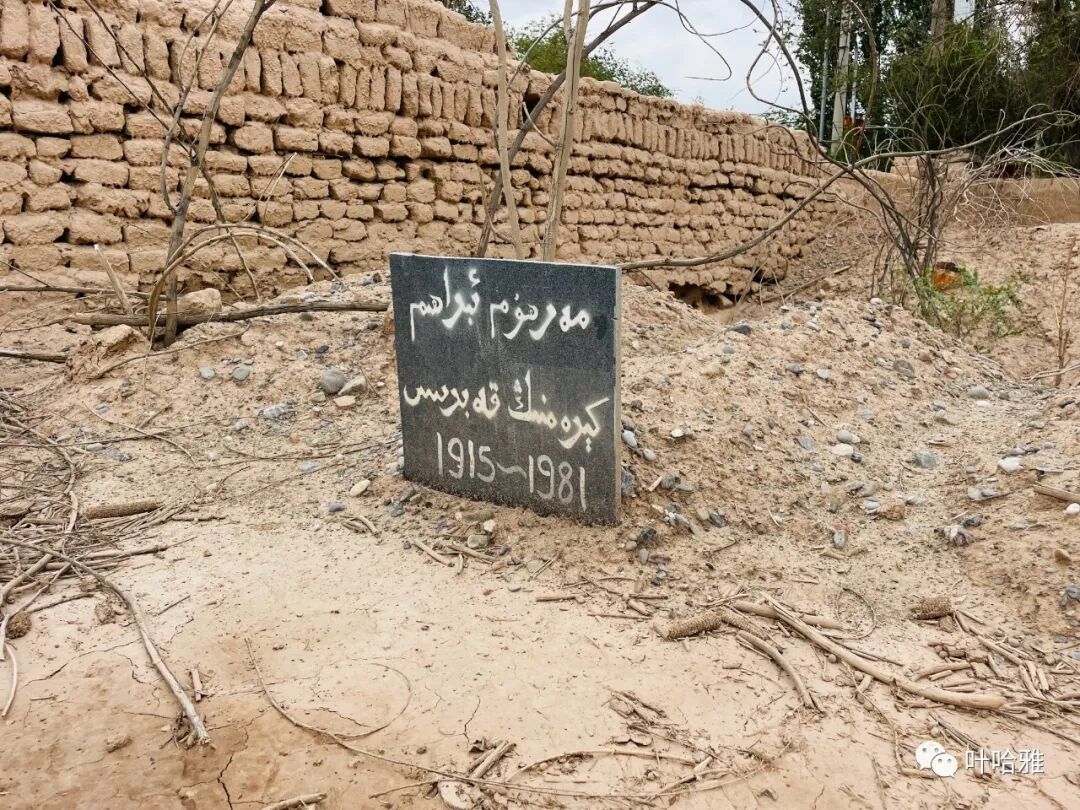
In 1514, Saide Khan established his own Khanate in Yarkant and invited the Naqshbandi order from Central Asia to be his teachers. The influence of the Eshidin family continued to shrink, eventually confined to the single city of Kuqa, and their influence gradually faded.
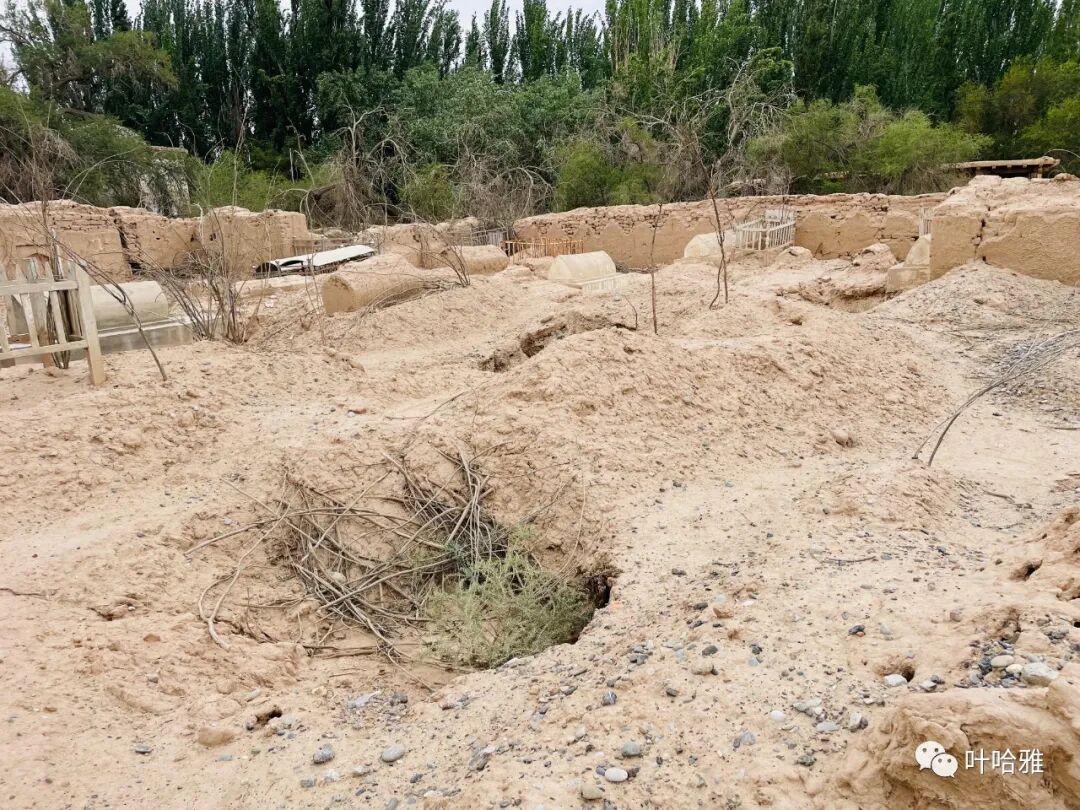
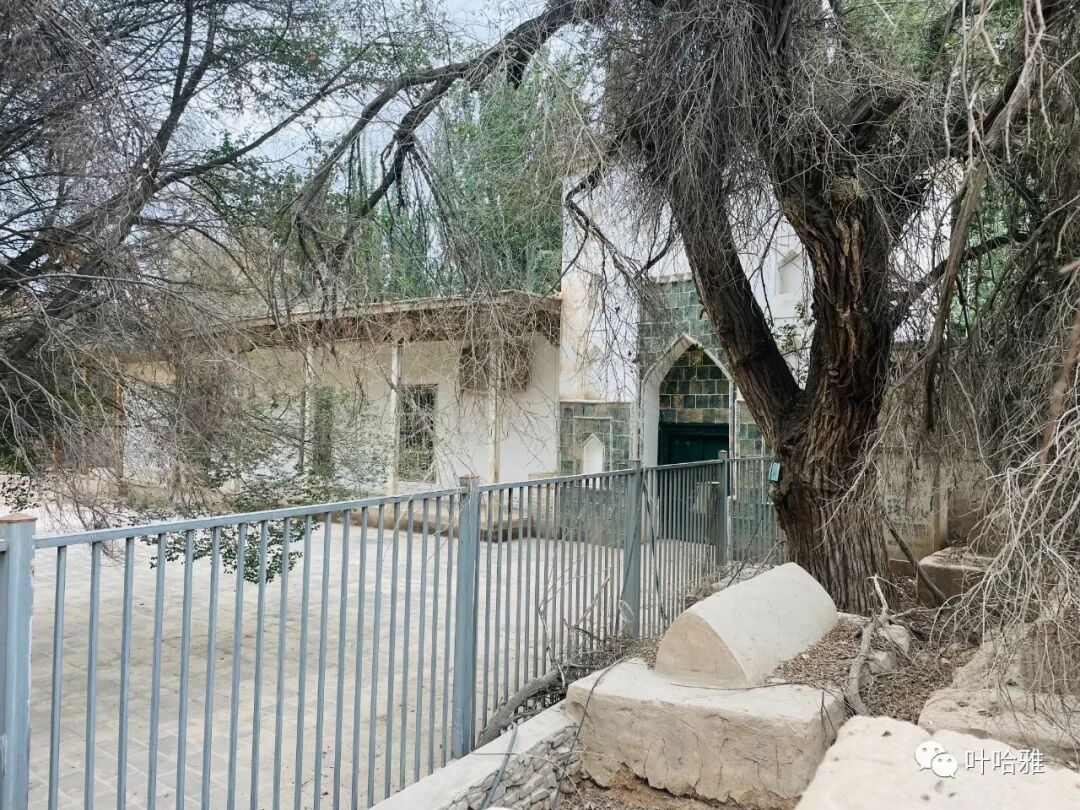
Just a few hundred meters from the Eshidin mazar are the ruins of the Kingdom of Qiuci. Locals call them 'tubaozi' (dirt mounds) because to passersby, they just look like two piles of dirt, yet they have been designated as a Major Historical and Cultural Site Protected at the National Level.
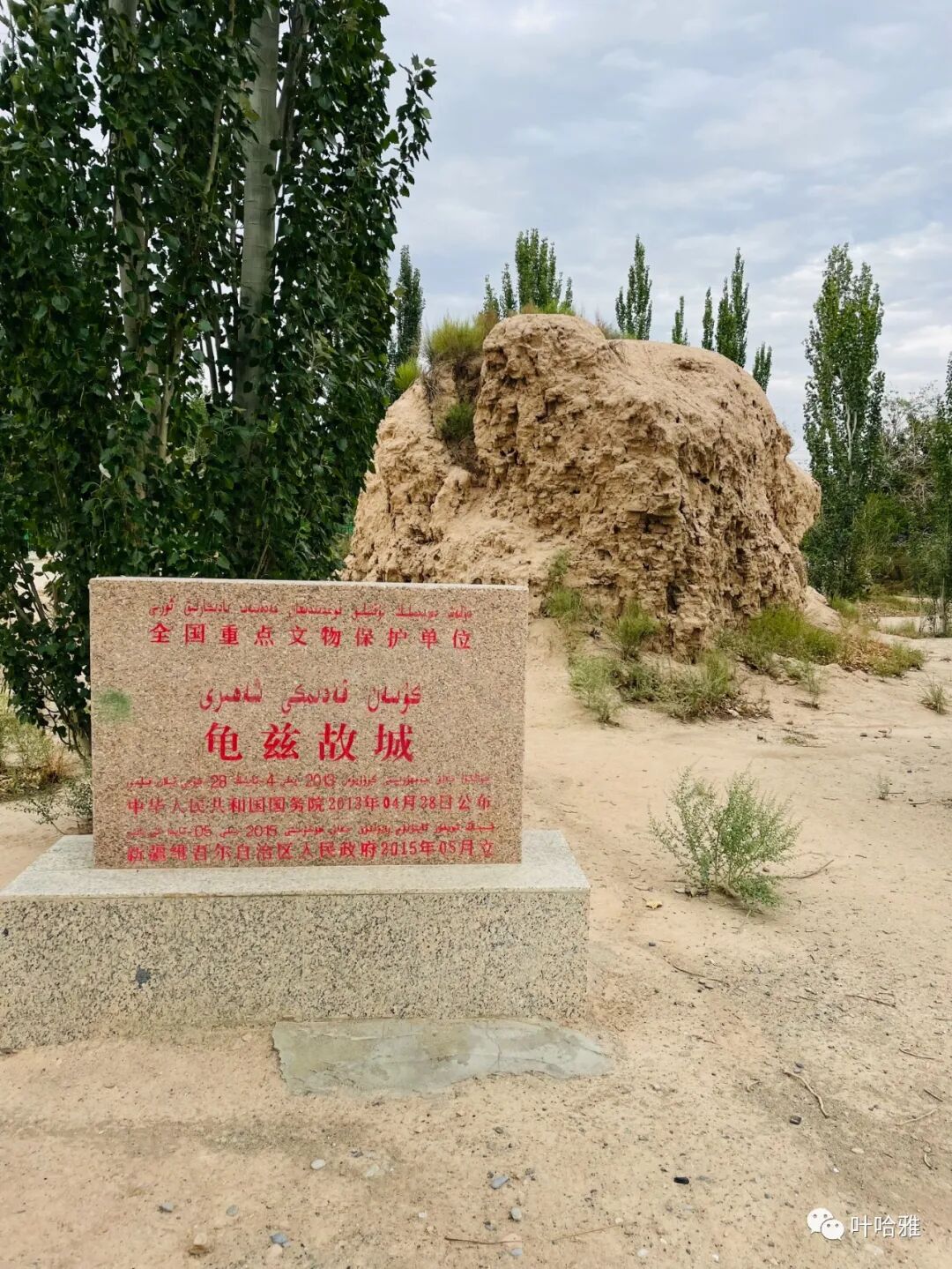
Qiuci, Yutian, and Gaochang were the three major Buddhist centers in the Western Regions. Buddhism spread from India to Xinjiang during the Han Dynasty and reached its peak in the Tang Dynasty. By the Song Dynasty, due to changes in trade routes, Buddhism in the Western Regions had already declined.
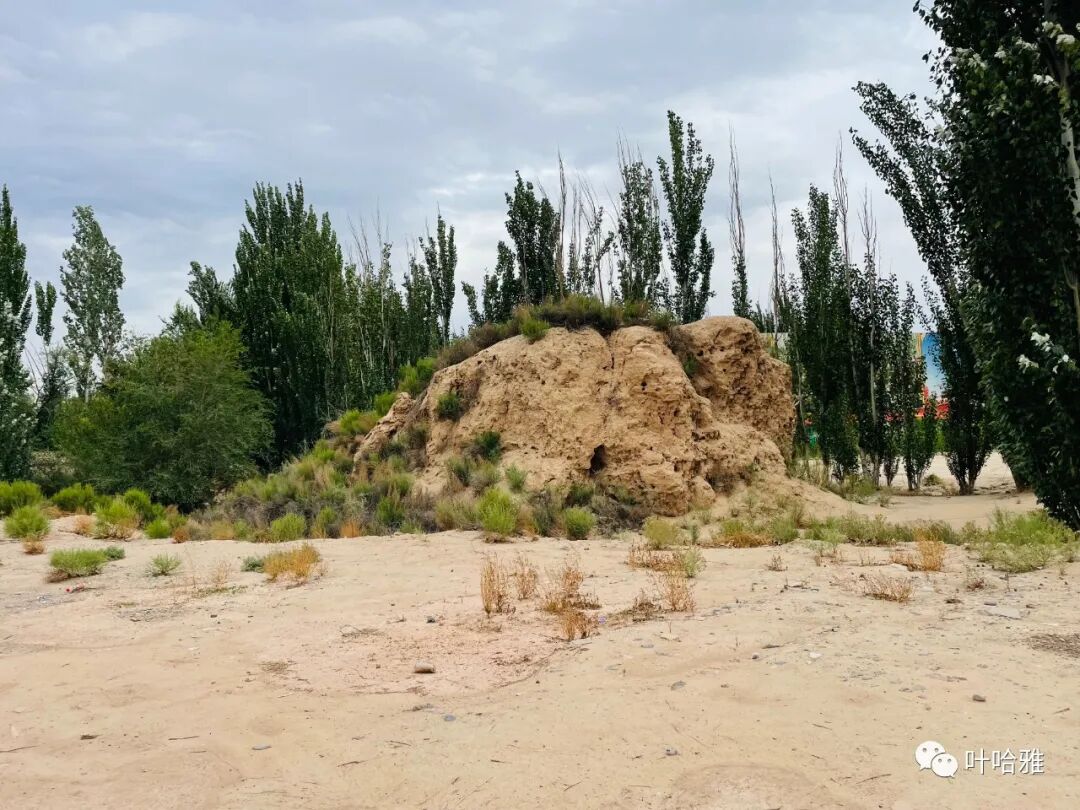
The Kuqa religious group led by Eshidin only began to exert influence after the mid-14th century. Between 1359 and 1361, a Buddhist group in Kuqa launched a mutiny against Tughluq Timur. The Kuqa religious group was impacted, but Tughluq Timur later suppressed the rebellion and moved a large number of Buddhists to northern Afghanistan and eastern Dunhuang, both of which still retain many Buddhist relics today.
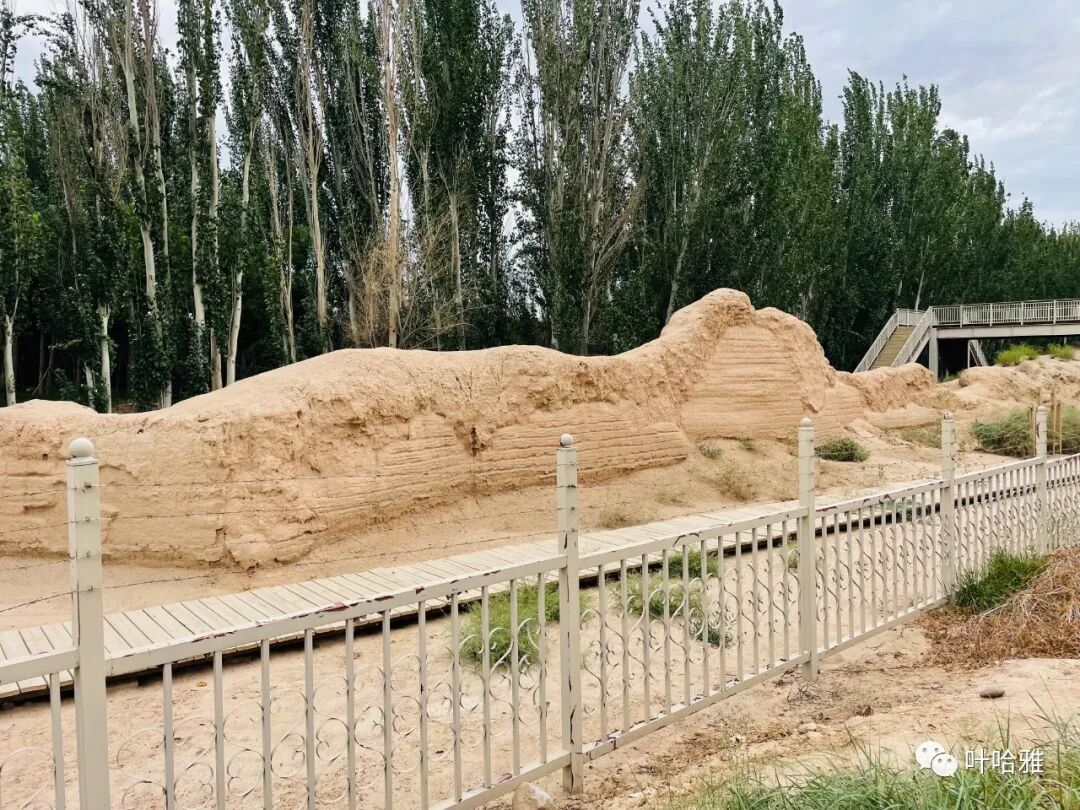
Tughluq Timur's son was named Heierhuozhe. He and Eshidin's second son, Obu Nasaerding, once guarded Turpan together. In 1420, when Shah Rukh's envoy passed through Turpan, he noted that most of the local residents practiced Buddhism and there were many large, spacious temples, which shows that Heierhuozhe did not force the local residents to convert to Islam.
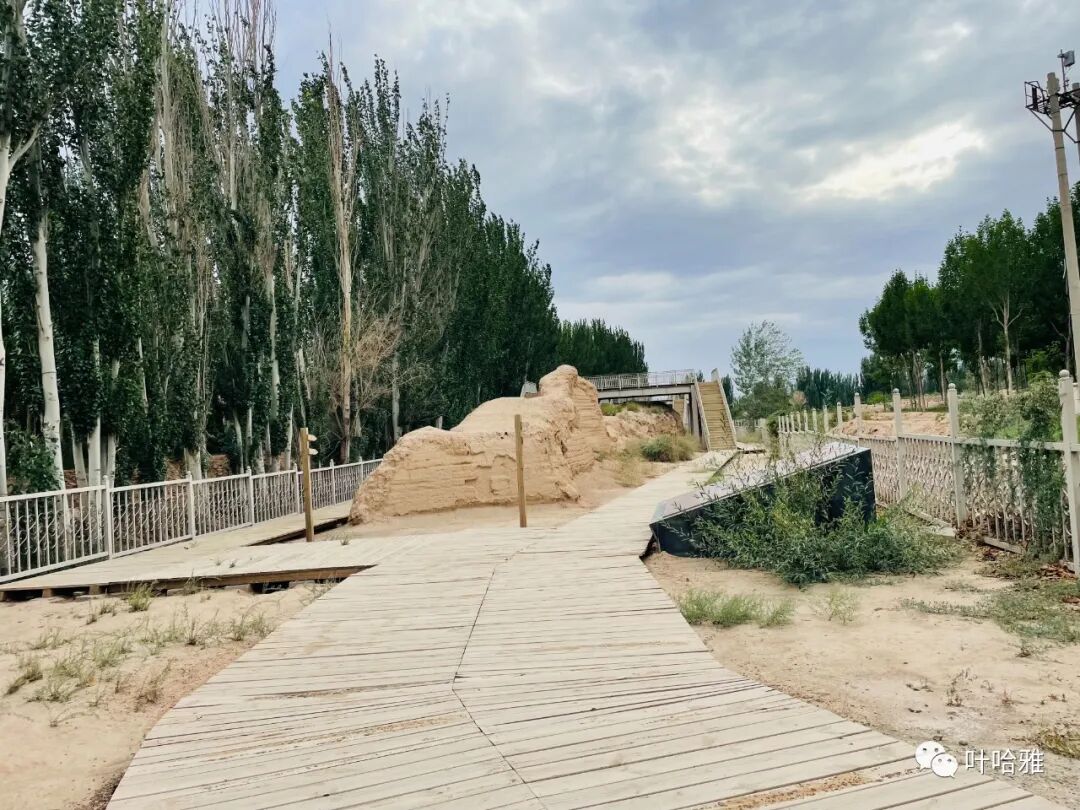
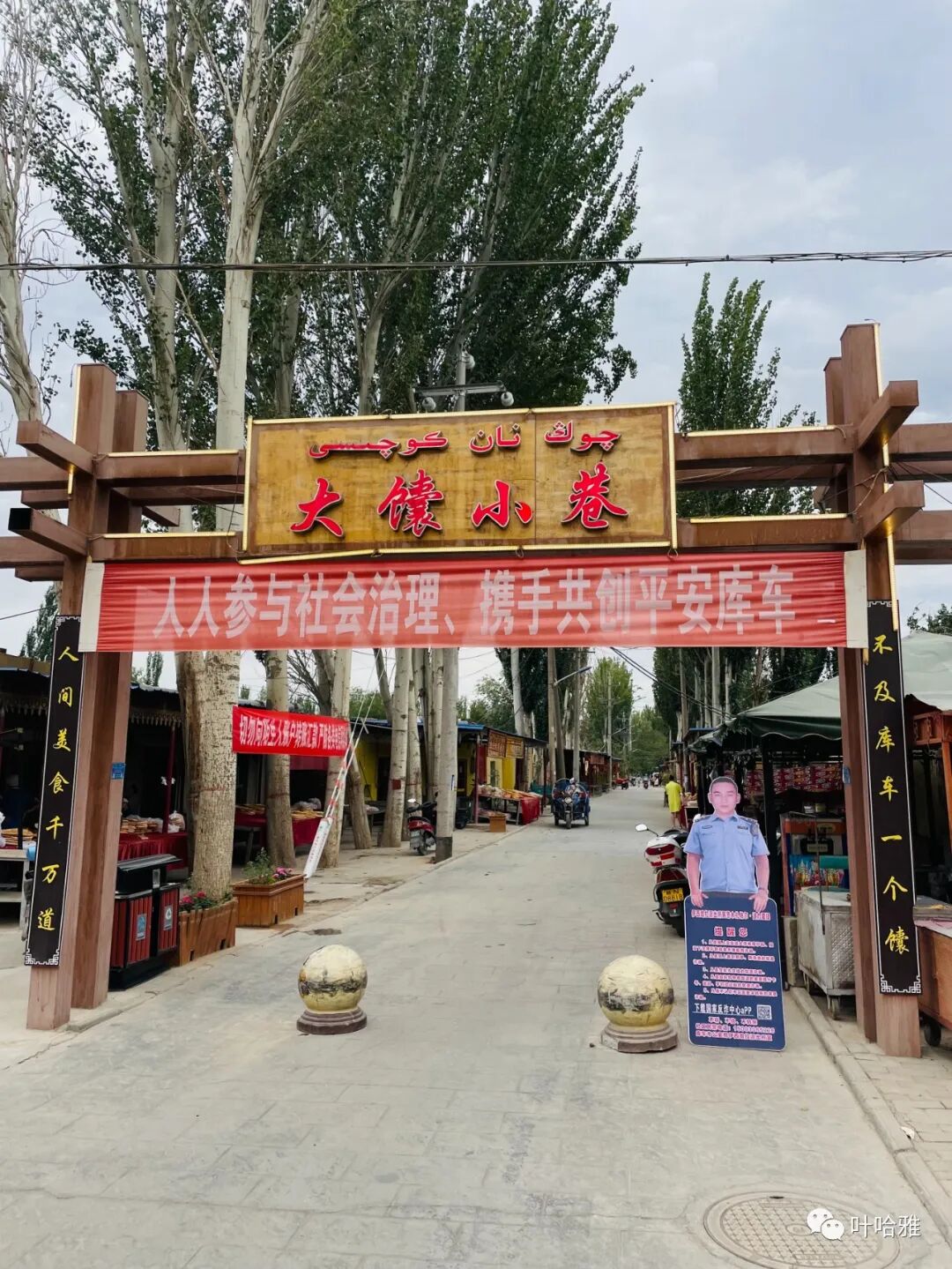
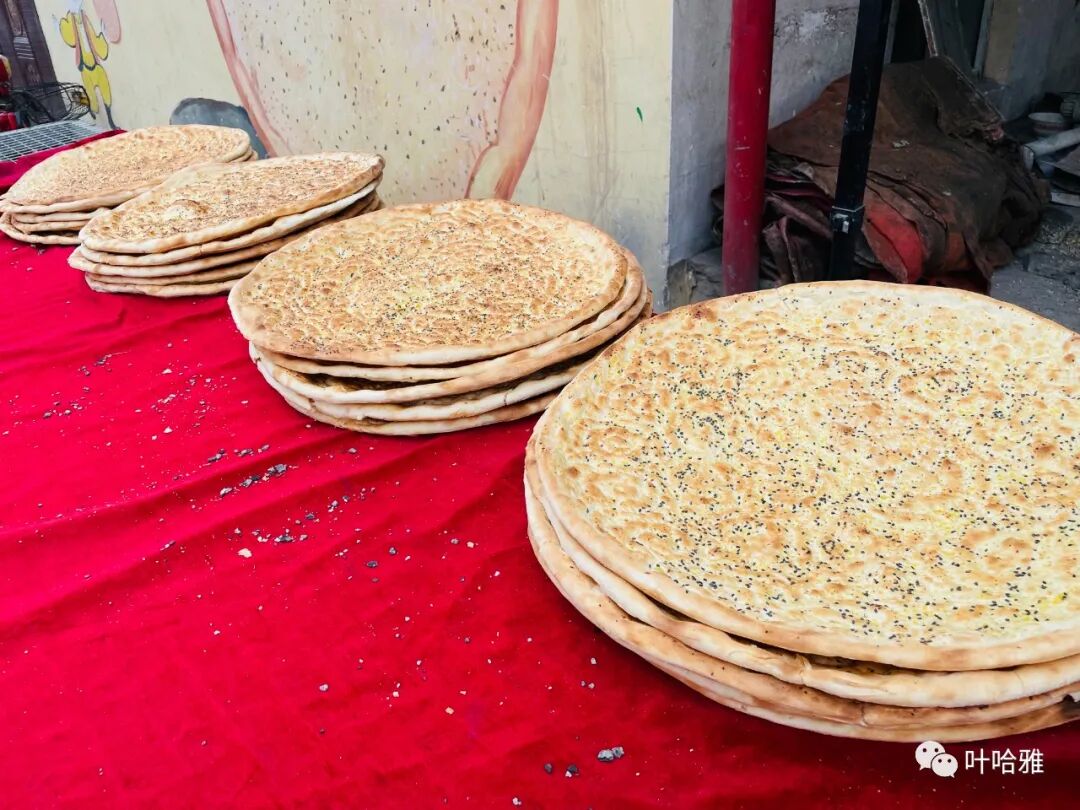
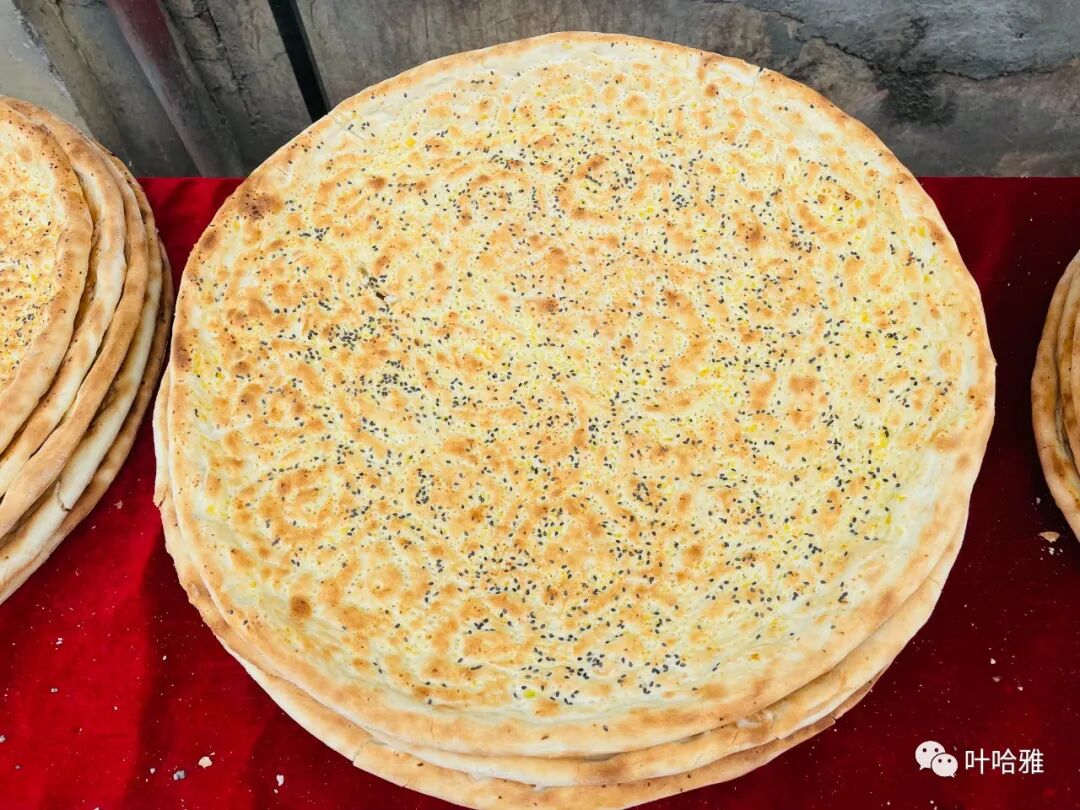
Kuqa has a 'Big Naan City,' but locals suggested that if we want to buy naan bread (naan), we don't need to go to that tourist spot. We can go to the 'Big Naan Alley' near the Eshidin mazar. This is where locals go to buy naan, and a big Kuqa naan only costs 4 yuan.
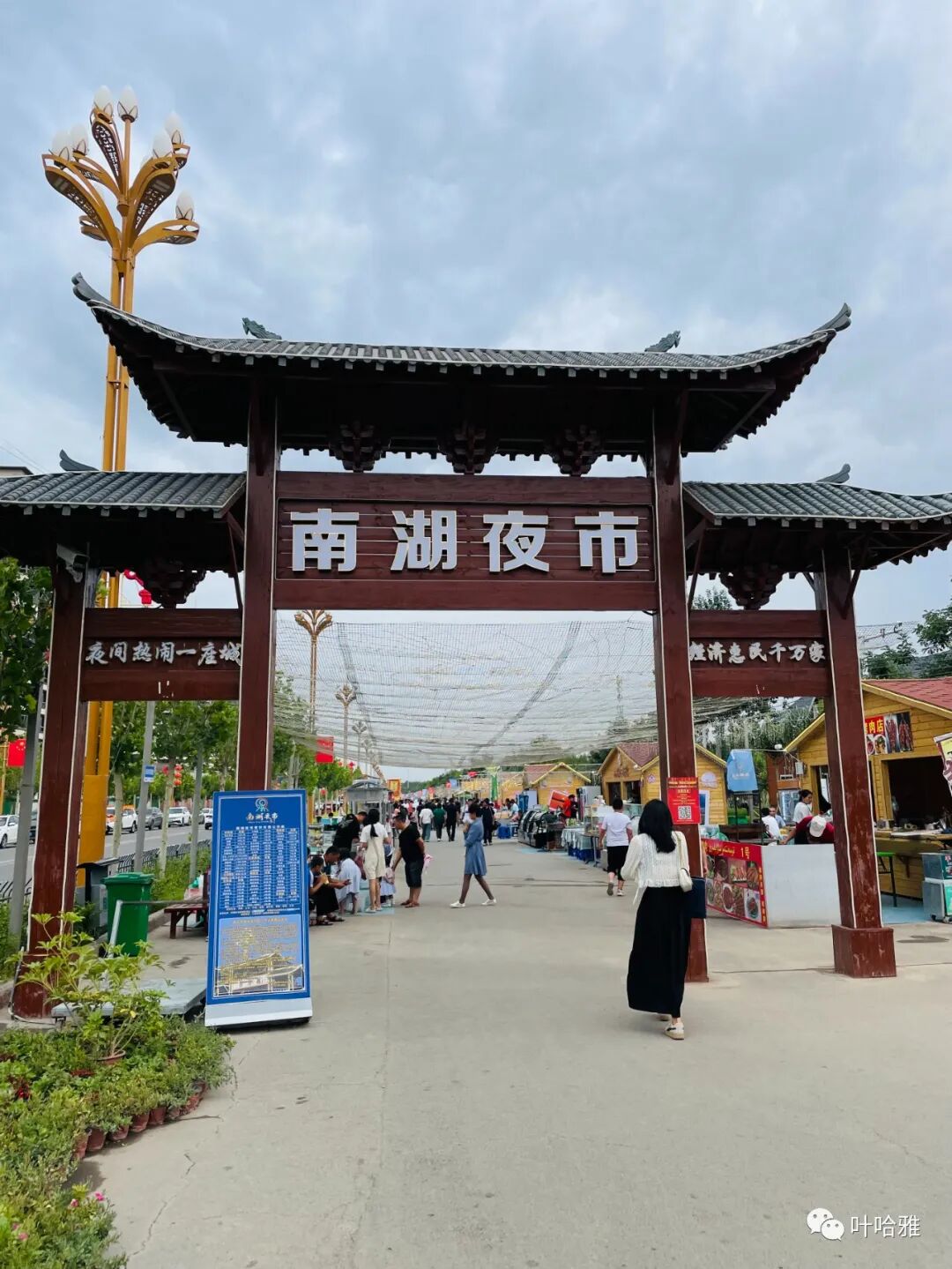
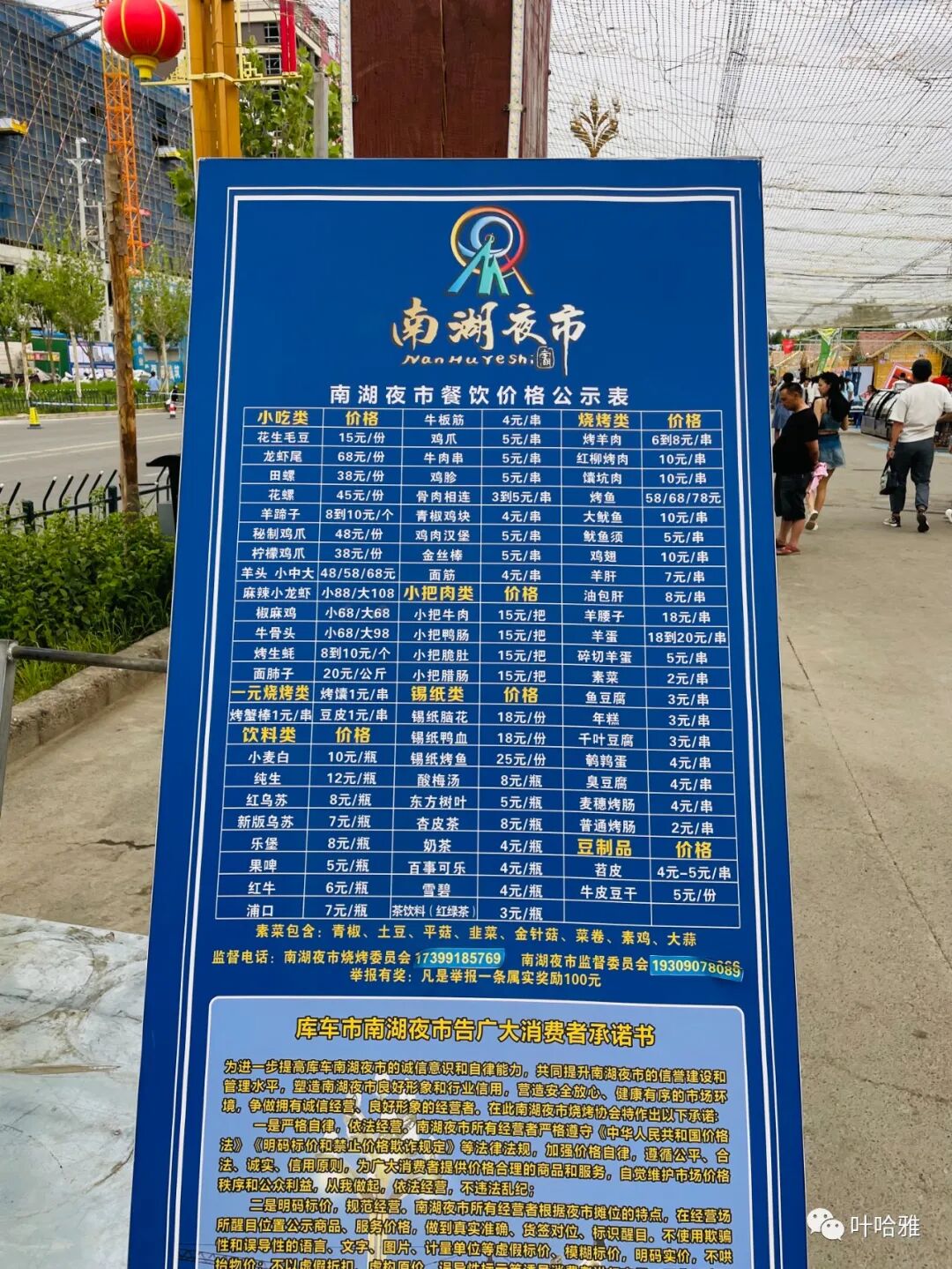
In the evening, you can visit the Nanhu Night Market in Kuqa. The market stretches for about two kilometers along the street, and there are ethnic song and dance performances in the square.
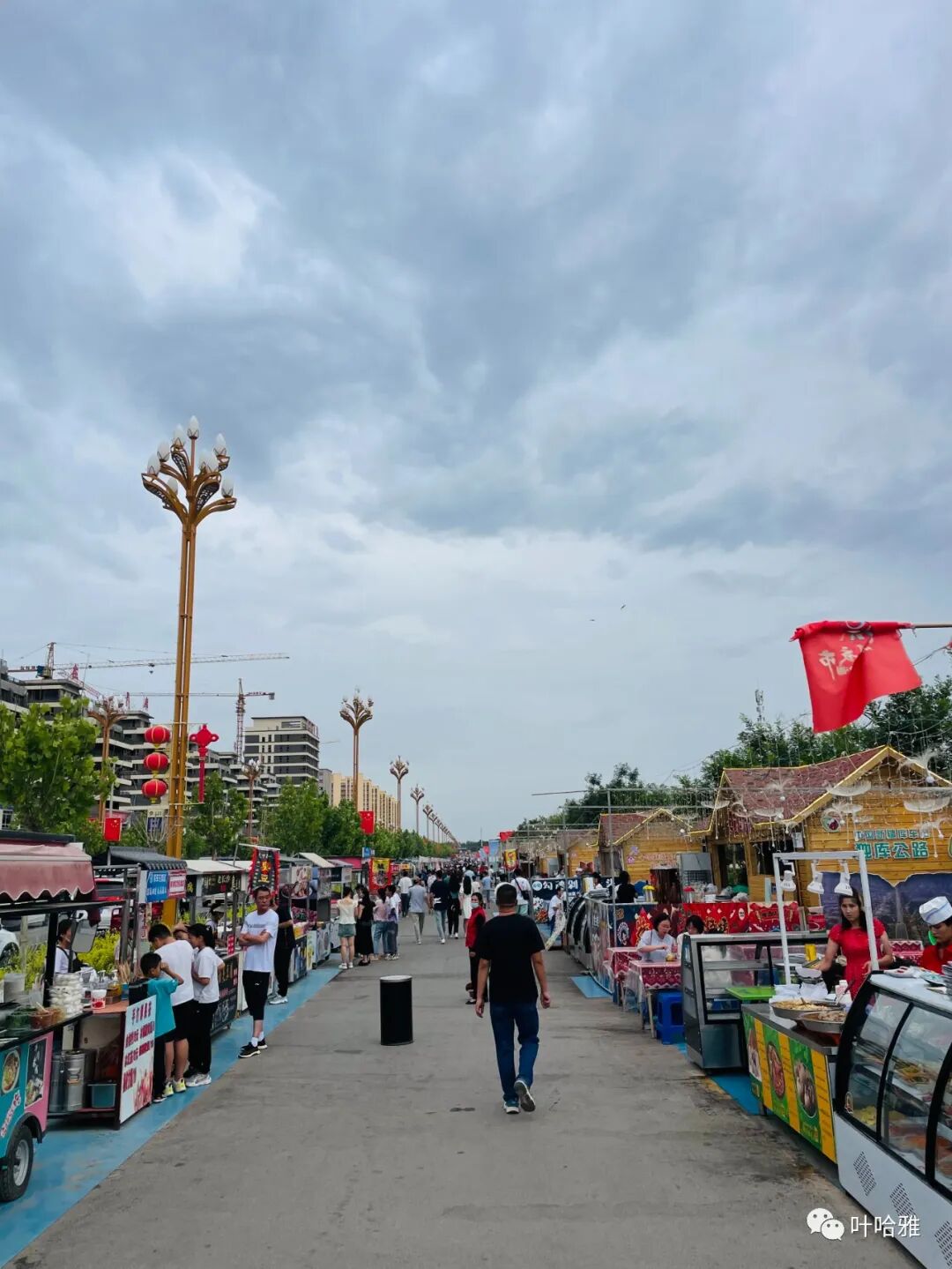
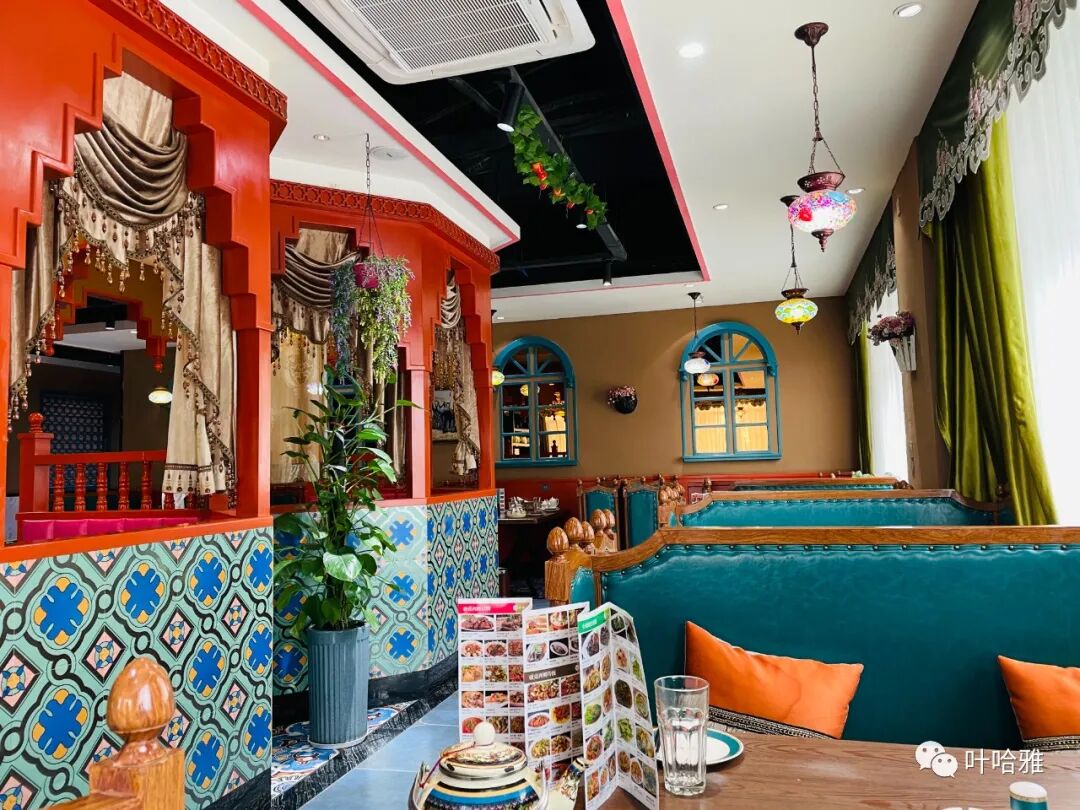
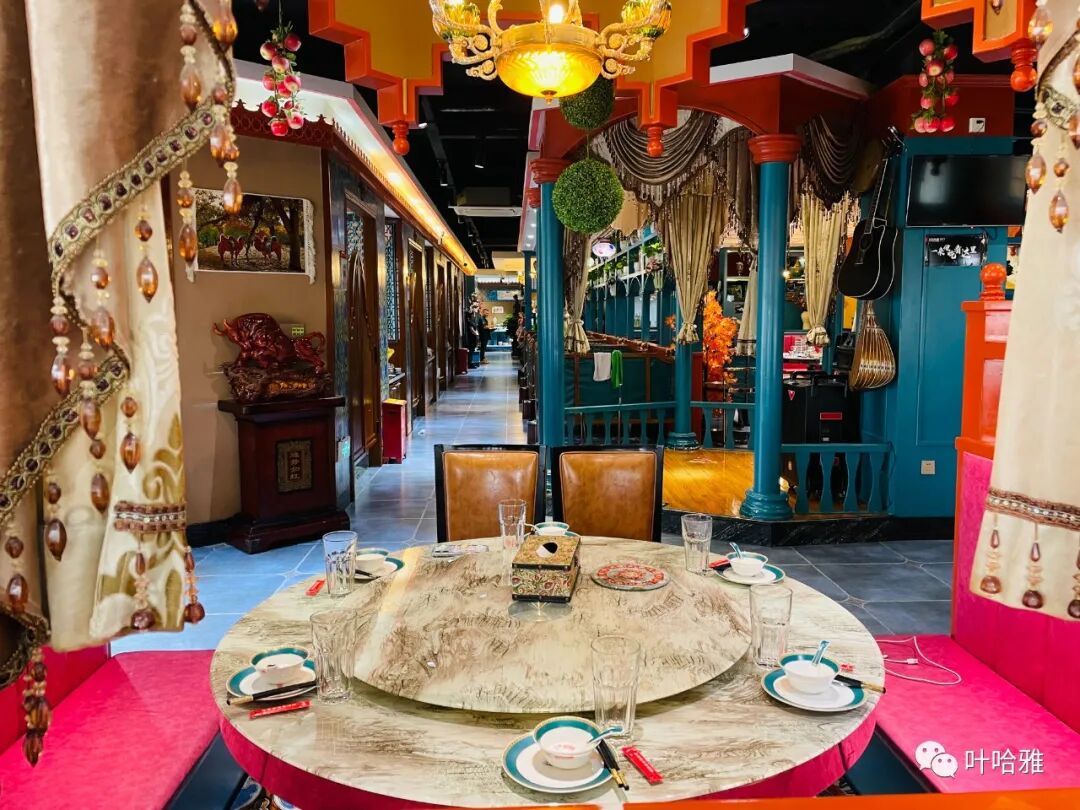
I had a meal at the Yaxim Xinjiang Restaurant in Kuqa. It is a large place, and the food tastes excellent.
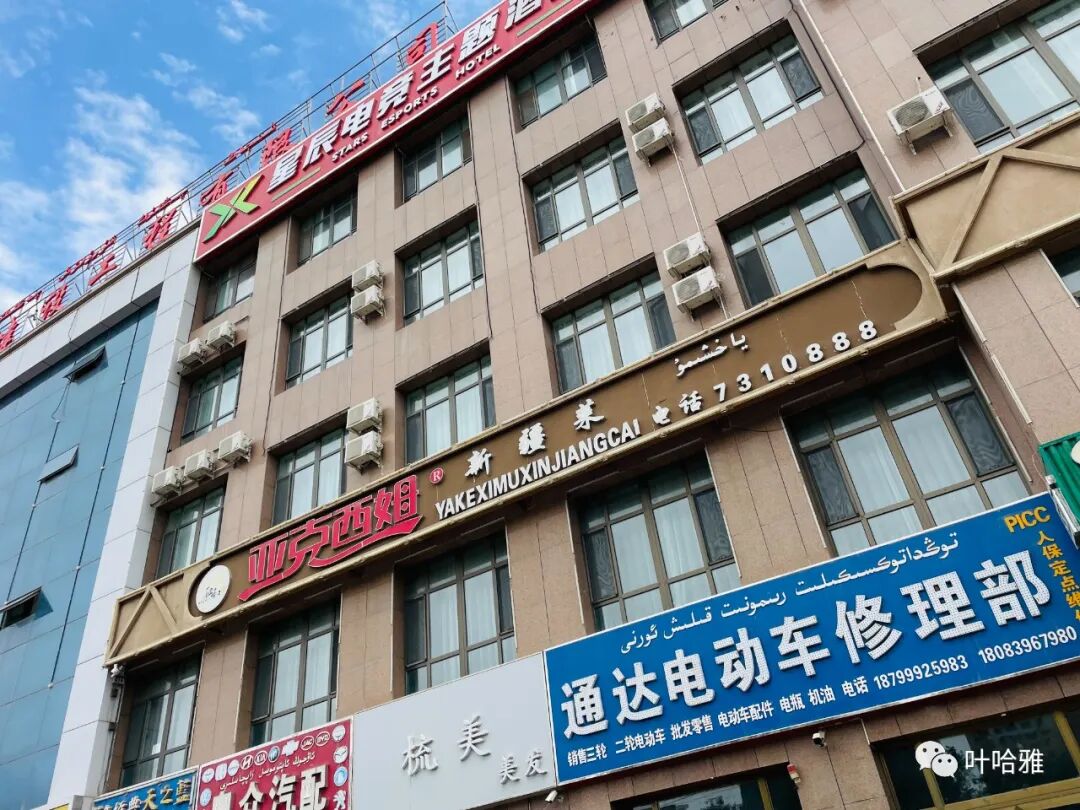
After traveling this far, I feel that in Southern Xinjiang, any Xinjiang restaurant you walk into will taste about the same and will be good. I did not have to be picky about where to eat; I just ate whenever I was hungry. In Northern Xinjiang, you still need to be a bit more selective.
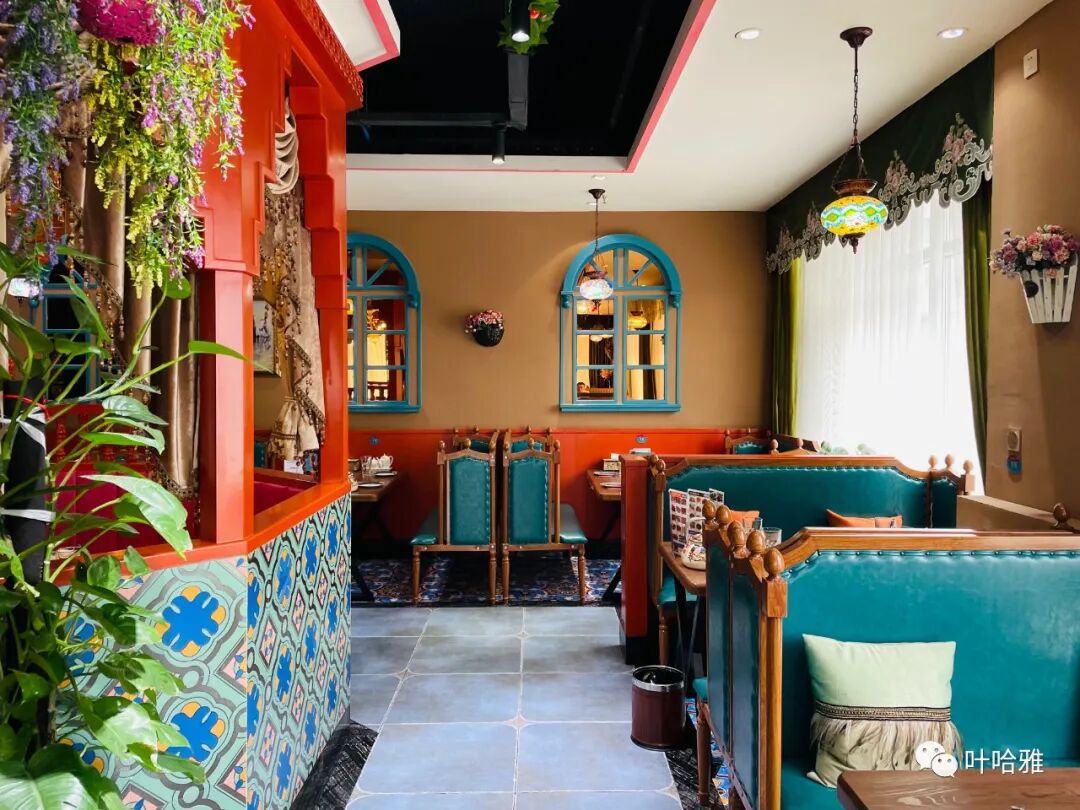
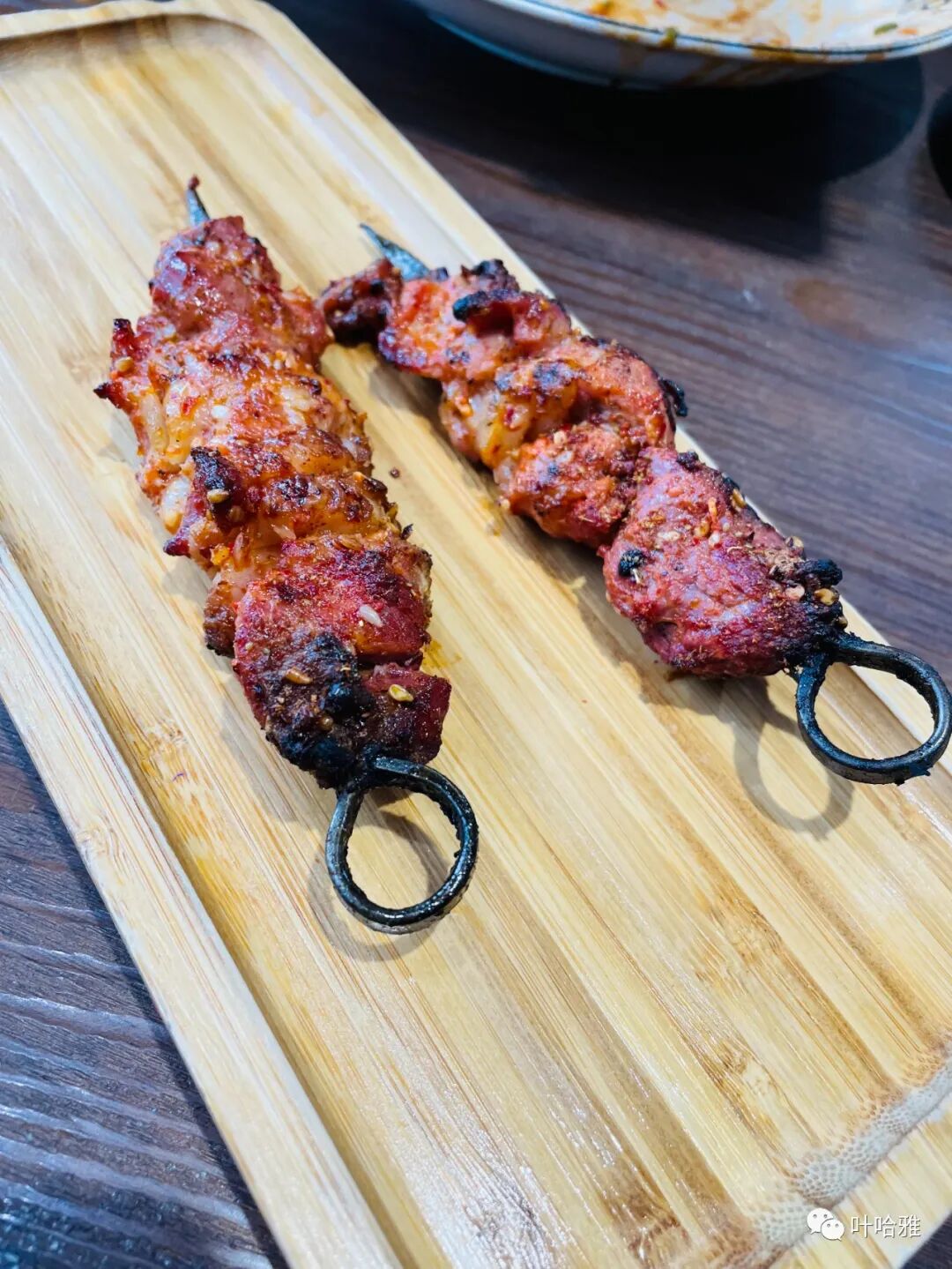
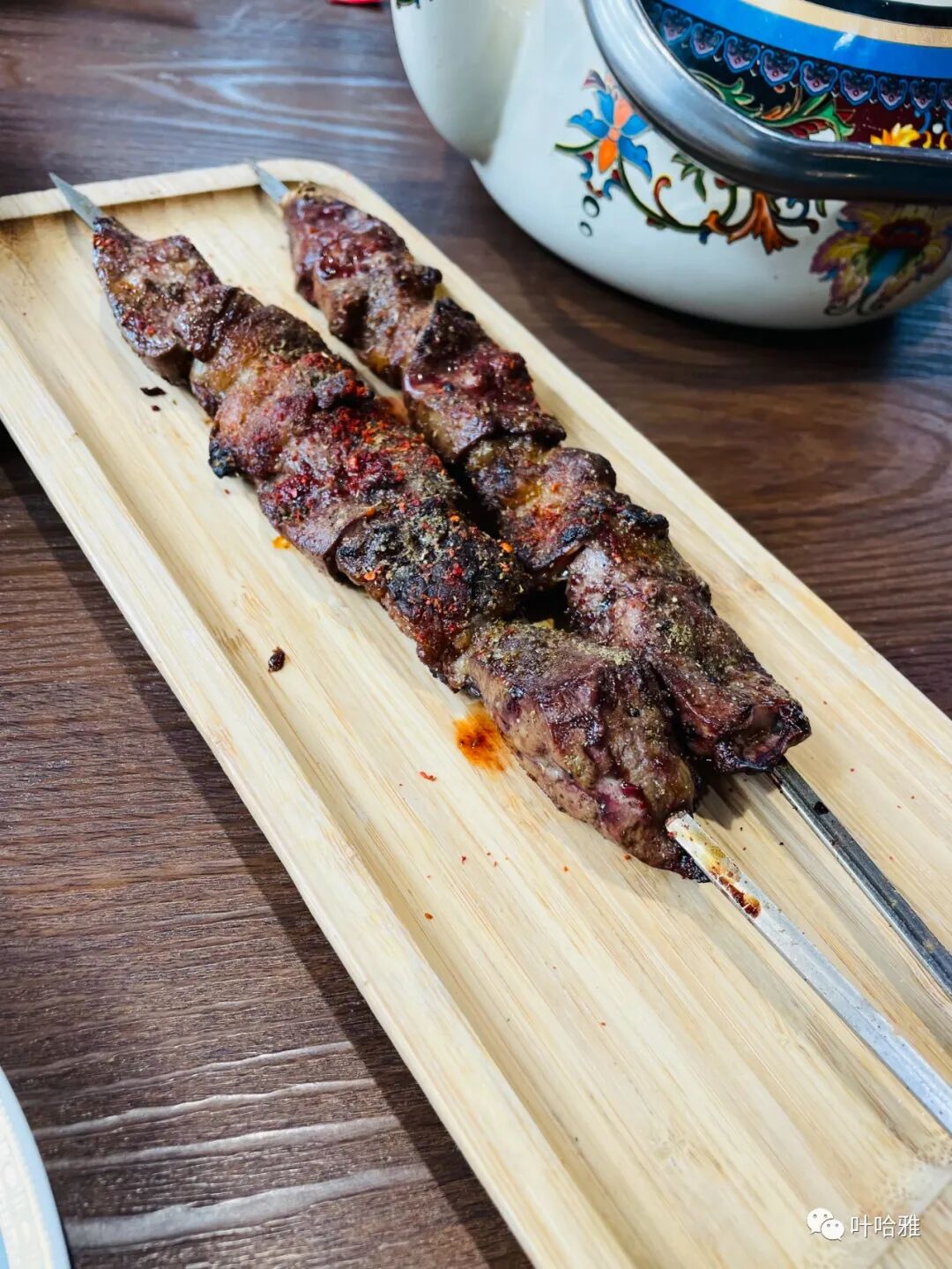
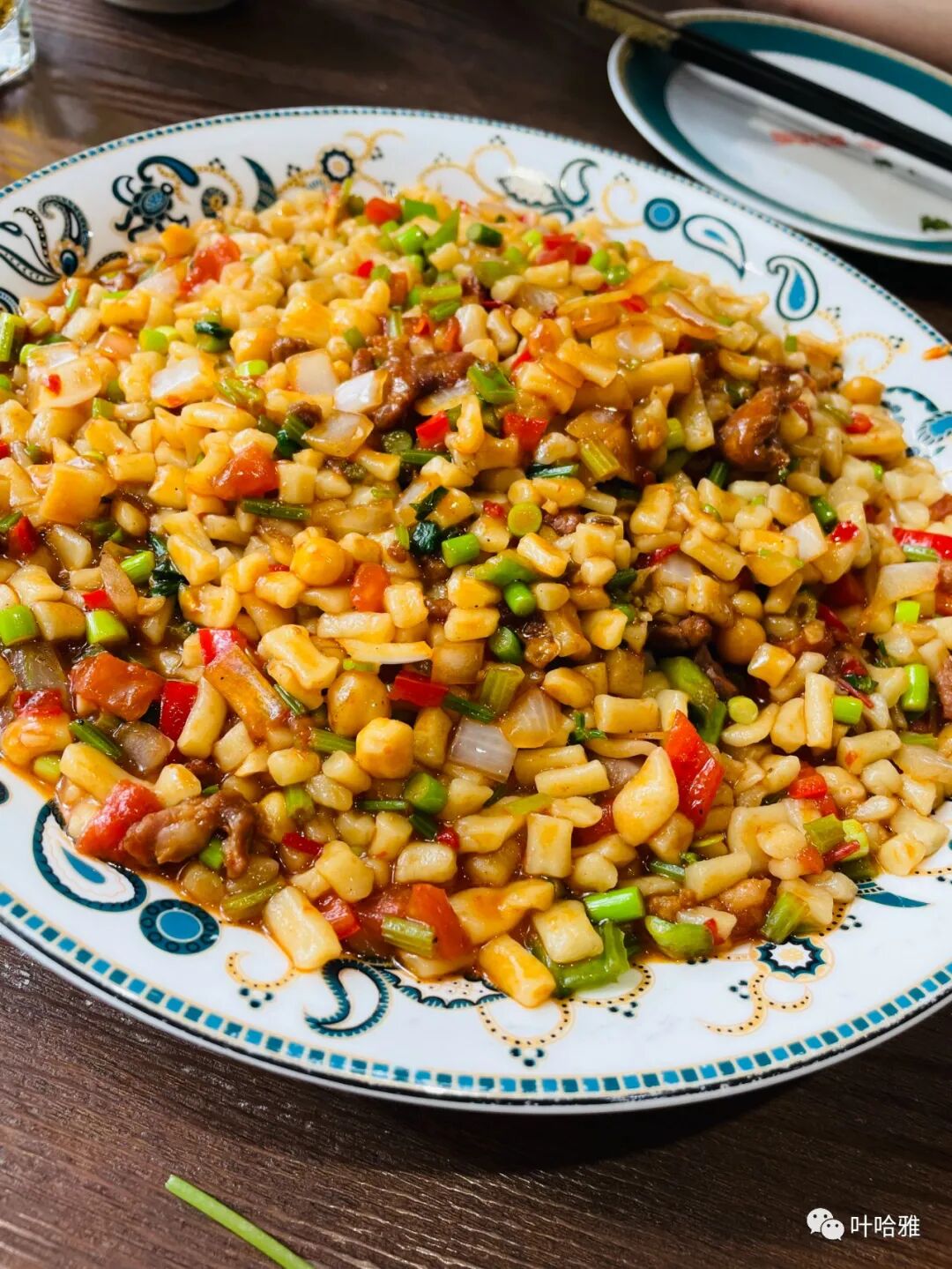
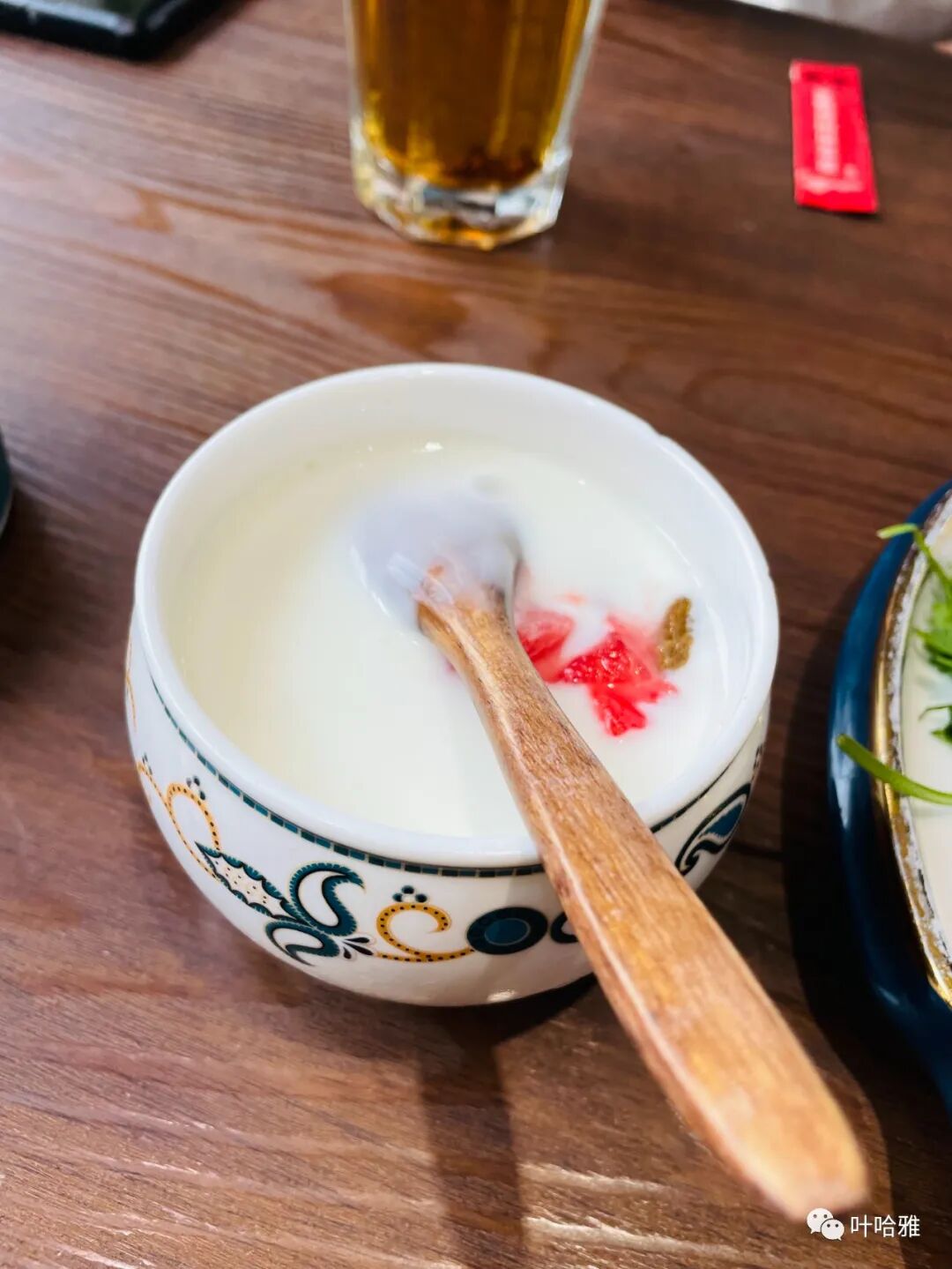
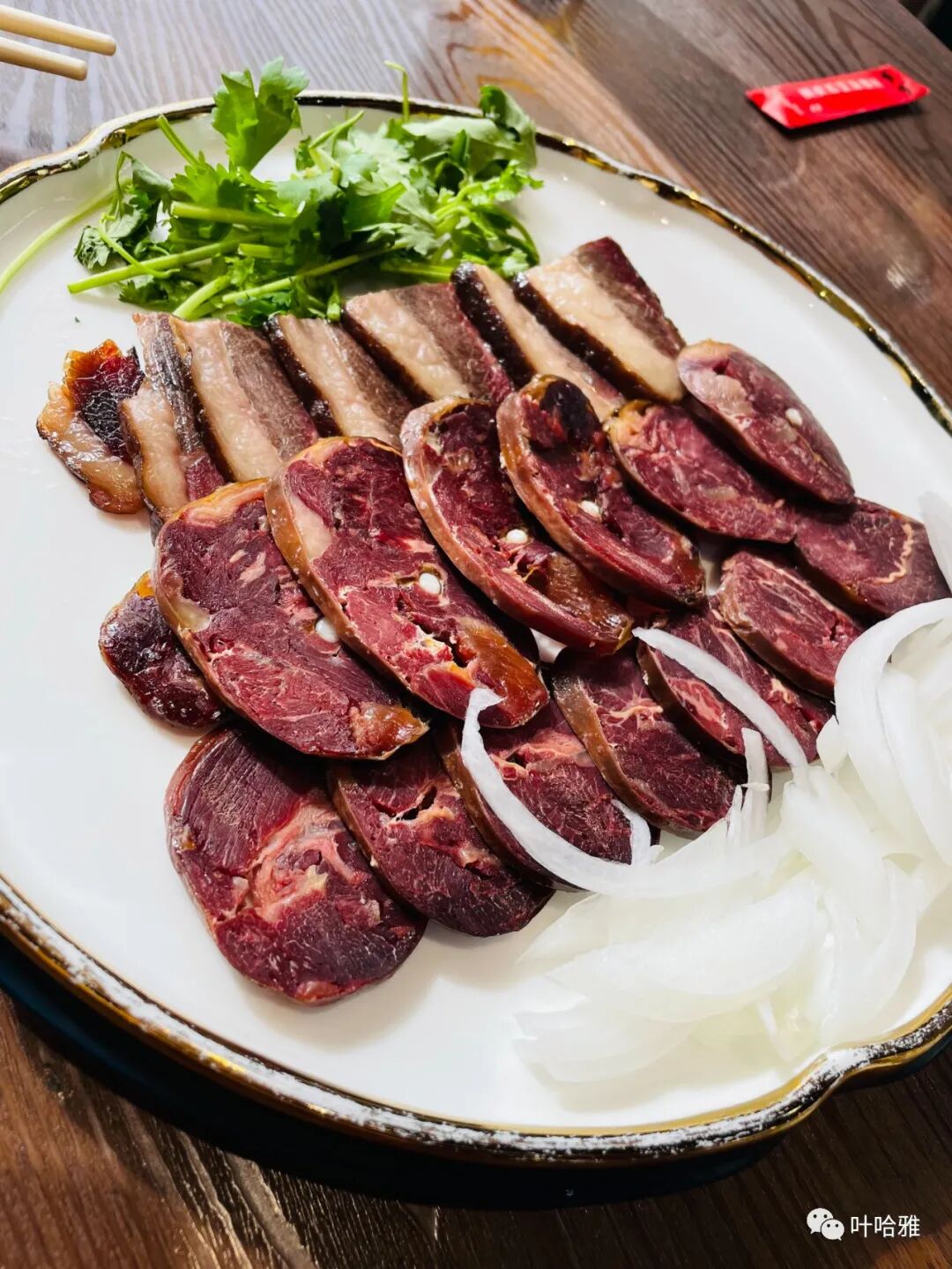
This dish is called Ili smoked horse meat (xun marou). Some people think according to tradition that horse meat is forbidden, but there is no basis for this in the Quran or Sunnah. Horse meat, like camel meat, is halal to eat. For details, see the list of non-halal foods mentioned in the Quran and Sunnah.
Summary: This China mosque travel guide visits Kuqa and Artux in southern Xinjiang, covering Kuqa Grand Mosque, Melana Eshidin Mazar, old mosque sites, Uyghur food, Kucha history, and the region’s shift from Buddhism to Islam.
A Muslim Journey in Kuqa: Mazar of Melana Eshidin and the Buddhist Kingdom of Kucha is presented here as a firsthand travel account in clear English, beginning with this scene: Kuqa is in the Aksu region of southern Xinjiang. I was drawn here by the Kuqa Grand Mosque and the Mazar of Melana. The account keeps its focus on Halal Travel, Yiwu Food, Mosque Travel while preserving the names, places, food, and historical details from the Chinese source.
Kuqa is in the Aksu region of southern Xinjiang. I was drawn here by the Kuqa Grand Mosque and the Mazar of Melana. Because of Melana's huge influence, Kuqa converted from Buddhism to Islam, so it is definitely worth a visit. We drove from Kashgar to Kuqa. On the way, we passed through Artux City in the Kizilsu Kyrgyz Autonomous Prefecture and stopped to check out a few mosques that were locked up tight. I will write about Kashgar separately later.
When you drive into a gas station in Xinjiang, you need to scan your ID card to enter, and you have to scan it again to start the gas pump. Both times it must be the same person. Passengers do not need to get out of the car. I heard that in the past, only the driver was allowed into the gas station, but things have relaxed a little bit now.
Wustang West Road Mosque
The Wustang West Road Mosque in Artux City has a dome you can see from a distance. This style is very common in Xinjiang, so it is not surprising that some of these mosques have been preserved.
Looking from afar at another mosque on the street in front of the Artux train station.
Artux Station Mosque
I bought an ice cream at a small shop across from the mosque. People in Xinjiang love ice cream, and you can see shaved ice shops everywhere on the street. We ate while looking at the locked mosque across the street, reluctant to leave. A few older men nearby were sitting around eating baked buns (kaobaozi). They asked if I wanted one, so I said I would take two.
After the baked buns arrived, I saw the owner making cold starch noodles (liangfen), so I ordered two bowls to go with the buns. I remember the baked buns were 3 yuan each, which is the standard price in small towns in southern Xinjiang.
After finishing the noodles, we paid the bill and got ready to leave. Before leaving, I said salaam to the owner. He did not reply, but hesitated and told us to sit for a while longer because he had more good food coming out of the pot. He then gave us a plate of old man melon (laohangua), which is called bixikxin in the Uyghur language. It was ice-cold. This old man melon is not your average Hami melon. It is common in southern Xinjiang, soft, juicy, fragrant, and sweet. Because it is hard to store, it is rarely seen elsewhere.
The owner introduced me to his son, who was cooking. He said their family has been in the restaurant business for several generations. They are Uyghur. Artux City is still mostly Uyghur, while the Kyrgyz people are spread out in the surrounding counties. This might be how the locals show friendship now; they don't say much, but all the blessings are in the food.
Houses in Kizilsu Prefecture.
We saw a mosque on Google Maps, but when we got there, it was just an empty lot. We only took photos of the nearby houses, which looked quite nice.
We arrived in downtown Aksu in the evening and had a fantastic Xinjiang meal at the popular Wangjianglou restaurant.
Crayfish baked buns (kaobaozi).
The viral crayfish baked buns (kaobaozi)—if you haven't tried them, I suggest you don't.
Luhua chicken.
Pigeon noodles (gelao mian).
Luhua chicken and pigeon noodles (gelao mian) are both signature dishes and very tasty. The pigeon noodles contain pigeon meat, and the texture is a bit like spicy chicken.
Every county in southern Xinjiang has a night market. The Aksu Old Street Night Market starts getting busy around 8 p.m. It doesn't get dark until after 10 p.m., and the market stays open until about 1 a.m.
Gulebage Mosque.
We visited Gulebage Mosque in Aksu. It happened to be Jumu'ah that day. We asked the local authorities and learned that Jumu'ah prayer was at 3 p.m. We couldn't pray there, so we drove to Kuqa immediately to make it to the next mosque before 3 p.m.
We passed by the cluster of tombs (mazar) in Aksu, which is said to be the location of Gao Lao Zhuang mentioned in the Journey to the West.
The cemetery is on a hilltop in Wensu County, and many of the Uyghur graves do not have names.
When we arrived at the Kuqa Grand Mosque at 3:00 PM, it was very quiet. There was no Friday prayer (Jumu'ah) here, as it has become a tourist site where visitors buy tickets for 30 yuan. This is the second time I have had to buy a ticket to enter a mosque; the first time was at the Id Kah Mosque in Kashgar.
The Kuqa Grand Mosque was first built in the 16th century. It was initiated by Ishak, the leader of the Black Mountain sect, when he came to Kuqa from Kashgar to preach. It was destroyed by fire in the 19th year of the Republic of China, and rebuilt that same year with funding from a wealthy Kuqa man named Halim Haji. The site still preserves a religious court.
The old town of Kuqa is well-preserved, and interested friends can walk around and take a look.
After leaving the Kuqa Grand Mosque, we headed straight to the Mazar of Maulana Arshiddin with mixed feelings.
The most important Islamic site in Kuqa is the Mazar of Maulana Arshiddin. Maulana means a great scholar. It was thanks to Arshiddin that Tughluq Timur, the Chagatai Khan of the Yuan Dynasty, converted to Islam. Tughluq Timur was the seventh-generation grandson of Genghis Khan. According to the Tarikh-i-Rashidi, Tughluq Timur made an agreement with Arshiddin's father, Jamal al-Din, that his son Arshiddin would later preside over Tughluq Timur's conversion ceremony, where he was given the Islamic name Abu Bakr Muhammad.
This place used to be a religious hall (daotang), but now it is just a locked national key cultural relic protection unit. The inside is overgrown with weeds, and there are even a few wild pheasants nesting there.
The family of Mullah Arshiddin was the first Khoja family to enter southern Xinjiang to preach. Their ancestors came from Bukhara and entered Xinjiang with Genghis Khan. Arshiddin assisted Tughluq Timur in converting his ministers and hundreds of thousands of Mongols to Islam, and he established the Waliye Islamic Institute in Kuqa.
Arshiddin helped spread Islam widely throughout southern Xinjiang. Tughluq Timur honored him as the state teacher and granted his family the hereditary privilege of being Islamic elders. After Arshiddin passed away (returned to Allah), he was buried in this religious hall. During the period when Yaqub Beg ruled Kuqa, he expanded the Arshiddin Gongbei (shrine) on a large scale, covering an area of over 20,000 square meters.
The Arshiddin family is historically known as the Khoja sect, which is the order founded by Ghujduvani, belonging to the Naqshbandi tradition. In the Naqshbandi tradition, Ghujduvani is also highly respected, so it makes sense that when the Naqshbandi order entered Xinjiang in the 16th century, the Kuqa order voluntarily joined them.
Eshidin married the granddaughter of Naishamiding Dahaliwoli, and the tomb (mazar) of Naishamiding is still in Kuqa today.
Eshidin guided the people of Kuqa to convert from Buddhism to Islam through peaceful change. Kuqa was once the Kingdom of Qiuci, a Buddhist land. Many promotional materials claim that Buddhism in the Western Regions declined due to Islamic persecution. This idea first came from the archaeologist Marshall, but the Japanese scholar Kuwayama discovered that Marshall had fabricated it. The main reason for the decline of Buddhism was the change in Silk Road trade routes, which caused it to lose economic support. You can find more details in the book 'History of Nomadic Peoples'.
Before the rise of Islam, Buddhism, Christianity, and Manichaeism were already spreading in the Western Regions. When Sufis preached there, they, like the other three religions, focused on sin and the suffering of hell rather than the pleasures of heaven, so the public accepted it naturally.
Eshidin's status in the Khanate was second only to the Mongol princes. Formally, the accession of a new Khan and the appointment of officials required religious approval from Eshidin.
After Eshidin, his successors were Obu Baitaheding, Ahemaiti, Faheding, and Shadierding. The family used Kuqa and Aksu as their base to expand outward, playing a major role in the Islamization of the eastern Xinjiang region.
The successor of the Eastern Chagatai Khanate, Wais Khan (1418-1428), did not like the descendants of the Eshidin family. He turned to support the Naqshbandi disciple and great Bukhara mullah Mahaimai Kasanni as his teacher. The influence of the Eshidin family began to weaken, and they retreated to areas east of Aksu and Kuqa.
In 1514, Saide Khan established his own Khanate in Yarkant and invited the Naqshbandi order from Central Asia to be his teachers. The influence of the Eshidin family continued to shrink, eventually confined to the single city of Kuqa, and their influence gradually faded.
Just a few hundred meters from the Eshidin mazar are the ruins of the Kingdom of Qiuci. Locals call them 'tubaozi' (dirt mounds) because to passersby, they just look like two piles of dirt, yet they have been designated as a Major Historical and Cultural Site Protected at the National Level.
Qiuci, Yutian, and Gaochang were the three major Buddhist centers in the Western Regions. Buddhism spread from India to Xinjiang during the Han Dynasty and reached its peak in the Tang Dynasty. By the Song Dynasty, due to changes in trade routes, Buddhism in the Western Regions had already declined.
The Kuqa religious group led by Eshidin only began to exert influence after the mid-14th century. Between 1359 and 1361, a Buddhist group in Kuqa launched a mutiny against Tughluq Timur. The Kuqa religious group was impacted, but Tughluq Timur later suppressed the rebellion and moved a large number of Buddhists to northern Afghanistan and eastern Dunhuang, both of which still retain many Buddhist relics today.
Tughluq Timur's son was named Heierhuozhe. He and Eshidin's second son, Obu Nasaerding, once guarded Turpan together. In 1420, when Shah Rukh's envoy passed through Turpan, he noted that most of the local residents practiced Buddhism and there were many large, spacious temples, which shows that Heierhuozhe did not force the local residents to convert to Islam.
Kuqa has a 'Big Naan City,' but locals suggested that if we want to buy naan bread (naan), we don't need to go to that tourist spot. We can go to the 'Big Naan Alley' near the Eshidin mazar. This is where locals go to buy naan, and a big Kuqa naan only costs 4 yuan.
In the evening, you can visit the Nanhu Night Market in Kuqa. The market stretches for about two kilometers along the street, and there are ethnic song and dance performances in the square.
I had a meal at the Yaxim Xinjiang Restaurant in Kuqa. It is a large place, and the food tastes excellent.
After traveling this far, I feel that in Southern Xinjiang, any Xinjiang restaurant you walk into will taste about the same and will be good. I did not have to be picky about where to eat; I just ate whenever I was hungry. In Northern Xinjiang, you still need to be a bit more selective.
This dish is called Ili smoked horse meat (xun marou). Some people think according to tradition that horse meat is forbidden, but there is no basis for this in the Quran or Sunnah. Horse meat, like camel meat, is halal to eat. For details, see the list of non-halal foods mentioned in the Quran and Sunnah.
China Mosque Travel Guide: Kuqa Grand Mosque, Melana Eshidin Mazar and Kucha Islamic History
Articles • yusuf908 posted the article • 0 comments • 165 views • 2026-05-22 21:11
Reposted from the web
Summary: This China mosque travel guide visits Kuqa and Artux in southern Xinjiang, covering Kuqa Grand Mosque, Melana Eshidin Mazar, old mosque sites, Uyghur food, Kucha history, and the region’s shift from Buddhism to Islam.
A Muslim Journey in Kuqa: Mazar of Melana Eshidin and the Buddhist Kingdom of Kucha is presented here as a firsthand travel account in clear English, beginning with this scene: Kuqa is in the Aksu region of southern Xinjiang. I was drawn here by the Kuqa Grand Mosque and the Mazar of Melana. The account keeps its focus on Halal Travel, Yiwu Food, Mosque Travel while preserving the names, places, food, and historical details from the Chinese source.
Kuqa is in the Aksu region of southern Xinjiang. I was drawn here by the Kuqa Grand Mosque and the Mazar of Melana. Because of Melana's huge influence, Kuqa converted from Buddhism to Islam, so it is definitely worth a visit. We drove from Kashgar to Kuqa. On the way, we passed through Artux City in the Kizilsu Kyrgyz Autonomous Prefecture and stopped to check out a few mosques that were locked up tight. I will write about Kashgar separately later.
When you drive into a gas station in Xinjiang, you need to scan your ID card to enter, and you have to scan it again to start the gas pump. Both times it must be the same person. Passengers do not need to get out of the car. I heard that in the past, only the driver was allowed into the gas station, but things have relaxed a little bit now.
Wustang West Road Mosque
The Wustang West Road Mosque in Artux City has a dome you can see from a distance. This style is very common in Xinjiang, so it is not surprising that some of these mosques have been preserved.
Looking from afar at another mosque on the street in front of the Artux train station.
Artux Station Mosque
I bought an ice cream at a small shop across from the mosque. People in Xinjiang love ice cream, and you can see shaved ice shops everywhere on the street. We ate while looking at the locked mosque across the street, reluctant to leave. A few older men nearby were sitting around eating baked buns (kaobaozi). They asked if I wanted one, so I said I would take two.
After the baked buns arrived, I saw the owner making cold starch noodles (liangfen), so I ordered two bowls to go with the buns. I remember the baked buns were 3 yuan each, which is the standard price in small towns in southern Xinjiang.
After finishing the noodles, we paid the bill and got ready to leave. Before leaving, I said salaam to the owner. He did not reply, but hesitated and told us to sit for a while longer because he had more good food coming out of the pot. He then gave us a plate of old man melon (laohangua), which is called bixikxin in the Uyghur language. It was ice-cold. This old man melon is not your average Hami melon. It is common in southern Xinjiang, soft, juicy, fragrant, and sweet. Because it is hard to store, it is rarely seen elsewhere.
The owner introduced me to his son, who was cooking. He said their family has been in the restaurant business for several generations. They are Uyghur. Artux City is still mostly Uyghur, while the Kyrgyz people are spread out in the surrounding counties. This might be how the locals show friendship now; they don't say much, but all the blessings are in the food.
Houses in Kizilsu Prefecture.
We saw a mosque on Google Maps, but when we got there, it was just an empty lot. We only took photos of the nearby houses, which looked quite nice.
We arrived in downtown Aksu in the evening and had a fantastic Xinjiang meal at the popular Wangjianglou restaurant.
Crayfish baked buns (kaobaozi).
The viral crayfish baked buns (kaobaozi)—if you haven't tried them, I suggest you don't.
Luhua chicken.
Pigeon noodles (gelao mian).
Luhua chicken and pigeon noodles (gelao mian) are both signature dishes and very tasty. The pigeon noodles contain pigeon meat, and the texture is a bit like spicy chicken.
Every county in southern Xinjiang has a night market. The Aksu Old Street Night Market starts getting busy around 8 p.m. It doesn't get dark until after 10 p.m., and the market stays open until about 1 a.m.
Gulebage Mosque.
We visited Gulebage Mosque in Aksu. It happened to be Jumu'ah that day. We asked the local authorities and learned that Jumu'ah prayer was at 3 p.m. We couldn't pray there, so we drove to Kuqa immediately to make it to the next mosque before 3 p.m.
We passed by the cluster of tombs (mazar) in Aksu, which is said to be the location of Gao Lao Zhuang mentioned in the Journey to the West.
The cemetery is on a hilltop in Wensu County, and many of the Uyghur graves do not have names.
When we arrived at the Kuqa Grand Mosque at 3:00 PM, it was very quiet. There was no Friday prayer (Jumu'ah) here, as it has become a tourist site where visitors buy tickets for 30 yuan. This is the second time I have had to buy a ticket to enter a mosque; the first time was at the Id Kah Mosque in Kashgar.
The Kuqa Grand Mosque was first built in the 16th century. It was initiated by Ishak, the leader of the Black Mountain sect, when he came to Kuqa from Kashgar to preach. It was destroyed by fire in the 19th year of the Republic of China, and rebuilt that same year with funding from a wealthy Kuqa man named Halim Haji. The site still preserves a religious court.
The old town of Kuqa is well-preserved, and interested friends can walk around and take a look.
After leaving the Kuqa Grand Mosque, we headed straight to the Mazar of Maulana Arshiddin with mixed feelings.
The most important Islamic site in Kuqa is the Mazar of Maulana Arshiddin. Maulana means a great scholar. It was thanks to Arshiddin that Tughluq Timur, the Chagatai Khan of the Yuan Dynasty, converted to Islam. Tughluq Timur was the seventh-generation grandson of Genghis Khan. According to the Tarikh-i-Rashidi, Tughluq Timur made an agreement with Arshiddin's father, Jamal al-Din, that his son Arshiddin would later preside over Tughluq Timur's conversion ceremony, where he was given the Islamic name Abu Bakr Muhammad.
This place used to be a religious hall (daotang), but now it is just a locked national key cultural relic protection unit. The inside is overgrown with weeds, and there are even a few wild pheasants nesting there.
The family of Mullah Arshiddin was the first Khoja family to enter southern Xinjiang to preach. Their ancestors came from Bukhara and entered Xinjiang with Genghis Khan. Arshiddin assisted Tughluq Timur in converting his ministers and hundreds of thousands of Mongols to Islam, and he established the Waliye Islamic Institute in Kuqa.
Arshiddin helped spread Islam widely throughout southern Xinjiang. Tughluq Timur honored him as the state teacher and granted his family the hereditary privilege of being Islamic elders. After Arshiddin passed away (returned to Allah), he was buried in this religious hall. During the period when Yaqub Beg ruled Kuqa, he expanded the Arshiddin Gongbei (shrine) on a large scale, covering an area of over 20,000 square meters.
The Arshiddin family is historically known as the Khoja sect, which is the order founded by Ghujduvani, belonging to the Naqshbandi tradition. In the Naqshbandi tradition, Ghujduvani is also highly respected, so it makes sense that when the Naqshbandi order entered Xinjiang in the 16th century, the Kuqa order voluntarily joined them.
Eshidin married the granddaughter of Naishamiding Dahaliwoli, and the tomb (mazar) of Naishamiding is still in Kuqa today.
Eshidin guided the people of Kuqa to convert from Buddhism to Islam through peaceful change. Kuqa was once the Kingdom of Qiuci, a Buddhist land. Many promotional materials claim that Buddhism in the Western Regions declined due to Islamic persecution. This idea first came from the archaeologist Marshall, but the Japanese scholar Kuwayama discovered that Marshall had fabricated it. The main reason for the decline of Buddhism was the change in Silk Road trade routes, which caused it to lose economic support. You can find more details in the book 'History of Nomadic Peoples'.
Before the rise of Islam, Buddhism, Christianity, and Manichaeism were already spreading in the Western Regions. When Sufis preached there, they, like the other three religions, focused on sin and the suffering of hell rather than the pleasures of heaven, so the public accepted it naturally.
Eshidin's status in the Khanate was second only to the Mongol princes. Formally, the accession of a new Khan and the appointment of officials required religious approval from Eshidin.
After Eshidin, his successors were Obu Baitaheding, Ahemaiti, Faheding, and Shadierding. The family used Kuqa and Aksu as their base to expand outward, playing a major role in the Islamization of the eastern Xinjiang region.
The successor of the Eastern Chagatai Khanate, Wais Khan (1418-1428), did not like the descendants of the Eshidin family. He turned to support the Naqshbandi disciple and great Bukhara mullah Mahaimai Kasanni as his teacher. The influence of the Eshidin family began to weaken, and they retreated to areas east of Aksu and Kuqa.
In 1514, Saide Khan established his own Khanate in Yarkant and invited the Naqshbandi order from Central Asia to be his teachers. The influence of the Eshidin family continued to shrink, eventually confined to the single city of Kuqa, and their influence gradually faded.
Just a few hundred meters from the Eshidin mazar are the ruins of the Kingdom of Qiuci. Locals call them 'tubaozi' (dirt mounds) because to passersby, they just look like two piles of dirt, yet they have been designated as a Major Historical and Cultural Site Protected at the National Level.
Qiuci, Yutian, and Gaochang were the three major Buddhist centers in the Western Regions. Buddhism spread from India to Xinjiang during the Han Dynasty and reached its peak in the Tang Dynasty. By the Song Dynasty, due to changes in trade routes, Buddhism in the Western Regions had already declined.
The Kuqa religious group led by Eshidin only began to exert influence after the mid-14th century. Between 1359 and 1361, a Buddhist group in Kuqa launched a mutiny against Tughluq Timur. The Kuqa religious group was impacted, but Tughluq Timur later suppressed the rebellion and moved a large number of Buddhists to northern Afghanistan and eastern Dunhuang, both of which still retain many Buddhist relics today.
Tughluq Timur's son was named Heierhuozhe. He and Eshidin's second son, Obu Nasaerding, once guarded Turpan together. In 1420, when Shah Rukh's envoy passed through Turpan, he noted that most of the local residents practiced Buddhism and there were many large, spacious temples, which shows that Heierhuozhe did not force the local residents to convert to Islam.
Kuqa has a 'Big Naan City,' but locals suggested that if we want to buy naan bread (naan), we don't need to go to that tourist spot. We can go to the 'Big Naan Alley' near the Eshidin mazar. This is where locals go to buy naan, and a big Kuqa naan only costs 4 yuan.
In the evening, you can visit the Nanhu Night Market in Kuqa. The market stretches for about two kilometers along the street, and there are ethnic song and dance performances in the square.
I had a meal at the Yaxim Xinjiang Restaurant in Kuqa. It is a large place, and the food tastes excellent.
After traveling this far, I feel that in Southern Xinjiang, any Xinjiang restaurant you walk into will taste about the same and will be good. I did not have to be picky about where to eat; I just ate whenever I was hungry. In Northern Xinjiang, you still need to be a bit more selective.
This dish is called Ili smoked horse meat (xun marou). Some people think according to tradition that horse meat is forbidden, but there is no basis for this in the Quran or Sunnah. Horse meat, like camel meat, is halal to eat. For details, see the list of non-halal foods mentioned in the Quran and Sunnah. view all
Summary: This China mosque travel guide visits Kuqa and Artux in southern Xinjiang, covering Kuqa Grand Mosque, Melana Eshidin Mazar, old mosque sites, Uyghur food, Kucha history, and the region’s shift from Buddhism to Islam.
A Muslim Journey in Kuqa: Mazar of Melana Eshidin and the Buddhist Kingdom of Kucha is presented here as a firsthand travel account in clear English, beginning with this scene: Kuqa is in the Aksu region of southern Xinjiang. I was drawn here by the Kuqa Grand Mosque and the Mazar of Melana. The account keeps its focus on Halal Travel, Yiwu Food, Mosque Travel while preserving the names, places, food, and historical details from the Chinese source.
Kuqa is in the Aksu region of southern Xinjiang. I was drawn here by the Kuqa Grand Mosque and the Mazar of Melana. Because of Melana's huge influence, Kuqa converted from Buddhism to Islam, so it is definitely worth a visit. We drove from Kashgar to Kuqa. On the way, we passed through Artux City in the Kizilsu Kyrgyz Autonomous Prefecture and stopped to check out a few mosques that were locked up tight. I will write about Kashgar separately later.
When you drive into a gas station in Xinjiang, you need to scan your ID card to enter, and you have to scan it again to start the gas pump. Both times it must be the same person. Passengers do not need to get out of the car. I heard that in the past, only the driver was allowed into the gas station, but things have relaxed a little bit now.
Wustang West Road Mosque
The Wustang West Road Mosque in Artux City has a dome you can see from a distance. This style is very common in Xinjiang, so it is not surprising that some of these mosques have been preserved.
Looking from afar at another mosque on the street in front of the Artux train station.
Artux Station Mosque
I bought an ice cream at a small shop across from the mosque. People in Xinjiang love ice cream, and you can see shaved ice shops everywhere on the street. We ate while looking at the locked mosque across the street, reluctant to leave. A few older men nearby were sitting around eating baked buns (kaobaozi). They asked if I wanted one, so I said I would take two.
After the baked buns arrived, I saw the owner making cold starch noodles (liangfen), so I ordered two bowls to go with the buns. I remember the baked buns were 3 yuan each, which is the standard price in small towns in southern Xinjiang.
After finishing the noodles, we paid the bill and got ready to leave. Before leaving, I said salaam to the owner. He did not reply, but hesitated and told us to sit for a while longer because he had more good food coming out of the pot. He then gave us a plate of old man melon (laohangua), which is called bixikxin in the Uyghur language. It was ice-cold. This old man melon is not your average Hami melon. It is common in southern Xinjiang, soft, juicy, fragrant, and sweet. Because it is hard to store, it is rarely seen elsewhere.
The owner introduced me to his son, who was cooking. He said their family has been in the restaurant business for several generations. They are Uyghur. Artux City is still mostly Uyghur, while the Kyrgyz people are spread out in the surrounding counties. This might be how the locals show friendship now; they don't say much, but all the blessings are in the food.
Houses in Kizilsu Prefecture.
We saw a mosque on Google Maps, but when we got there, it was just an empty lot. We only took photos of the nearby houses, which looked quite nice.
We arrived in downtown Aksu in the evening and had a fantastic Xinjiang meal at the popular Wangjianglou restaurant.
Crayfish baked buns (kaobaozi).
The viral crayfish baked buns (kaobaozi)—if you haven't tried them, I suggest you don't.
Luhua chicken.
Pigeon noodles (gelao mian).
Luhua chicken and pigeon noodles (gelao mian) are both signature dishes and very tasty. The pigeon noodles contain pigeon meat, and the texture is a bit like spicy chicken.
Every county in southern Xinjiang has a night market. The Aksu Old Street Night Market starts getting busy around 8 p.m. It doesn't get dark until after 10 p.m., and the market stays open until about 1 a.m.
Gulebage Mosque.
We visited Gulebage Mosque in Aksu. It happened to be Jumu'ah that day. We asked the local authorities and learned that Jumu'ah prayer was at 3 p.m. We couldn't pray there, so we drove to Kuqa immediately to make it to the next mosque before 3 p.m.
We passed by the cluster of tombs (mazar) in Aksu, which is said to be the location of Gao Lao Zhuang mentioned in the Journey to the West.
The cemetery is on a hilltop in Wensu County, and many of the Uyghur graves do not have names.
When we arrived at the Kuqa Grand Mosque at 3:00 PM, it was very quiet. There was no Friday prayer (Jumu'ah) here, as it has become a tourist site where visitors buy tickets for 30 yuan. This is the second time I have had to buy a ticket to enter a mosque; the first time was at the Id Kah Mosque in Kashgar.
The Kuqa Grand Mosque was first built in the 16th century. It was initiated by Ishak, the leader of the Black Mountain sect, when he came to Kuqa from Kashgar to preach. It was destroyed by fire in the 19th year of the Republic of China, and rebuilt that same year with funding from a wealthy Kuqa man named Halim Haji. The site still preserves a religious court.
The old town of Kuqa is well-preserved, and interested friends can walk around and take a look.
After leaving the Kuqa Grand Mosque, we headed straight to the Mazar of Maulana Arshiddin with mixed feelings.
The most important Islamic site in Kuqa is the Mazar of Maulana Arshiddin. Maulana means a great scholar. It was thanks to Arshiddin that Tughluq Timur, the Chagatai Khan of the Yuan Dynasty, converted to Islam. Tughluq Timur was the seventh-generation grandson of Genghis Khan. According to the Tarikh-i-Rashidi, Tughluq Timur made an agreement with Arshiddin's father, Jamal al-Din, that his son Arshiddin would later preside over Tughluq Timur's conversion ceremony, where he was given the Islamic name Abu Bakr Muhammad.
This place used to be a religious hall (daotang), but now it is just a locked national key cultural relic protection unit. The inside is overgrown with weeds, and there are even a few wild pheasants nesting there.
The family of Mullah Arshiddin was the first Khoja family to enter southern Xinjiang to preach. Their ancestors came from Bukhara and entered Xinjiang with Genghis Khan. Arshiddin assisted Tughluq Timur in converting his ministers and hundreds of thousands of Mongols to Islam, and he established the Waliye Islamic Institute in Kuqa.
Arshiddin helped spread Islam widely throughout southern Xinjiang. Tughluq Timur honored him as the state teacher and granted his family the hereditary privilege of being Islamic elders. After Arshiddin passed away (returned to Allah), he was buried in this religious hall. During the period when Yaqub Beg ruled Kuqa, he expanded the Arshiddin Gongbei (shrine) on a large scale, covering an area of over 20,000 square meters.
The Arshiddin family is historically known as the Khoja sect, which is the order founded by Ghujduvani, belonging to the Naqshbandi tradition. In the Naqshbandi tradition, Ghujduvani is also highly respected, so it makes sense that when the Naqshbandi order entered Xinjiang in the 16th century, the Kuqa order voluntarily joined them.
Eshidin married the granddaughter of Naishamiding Dahaliwoli, and the tomb (mazar) of Naishamiding is still in Kuqa today.
Eshidin guided the people of Kuqa to convert from Buddhism to Islam through peaceful change. Kuqa was once the Kingdom of Qiuci, a Buddhist land. Many promotional materials claim that Buddhism in the Western Regions declined due to Islamic persecution. This idea first came from the archaeologist Marshall, but the Japanese scholar Kuwayama discovered that Marshall had fabricated it. The main reason for the decline of Buddhism was the change in Silk Road trade routes, which caused it to lose economic support. You can find more details in the book 'History of Nomadic Peoples'.
Before the rise of Islam, Buddhism, Christianity, and Manichaeism were already spreading in the Western Regions. When Sufis preached there, they, like the other three religions, focused on sin and the suffering of hell rather than the pleasures of heaven, so the public accepted it naturally.
Eshidin's status in the Khanate was second only to the Mongol princes. Formally, the accession of a new Khan and the appointment of officials required religious approval from Eshidin.
After Eshidin, his successors were Obu Baitaheding, Ahemaiti, Faheding, and Shadierding. The family used Kuqa and Aksu as their base to expand outward, playing a major role in the Islamization of the eastern Xinjiang region.
The successor of the Eastern Chagatai Khanate, Wais Khan (1418-1428), did not like the descendants of the Eshidin family. He turned to support the Naqshbandi disciple and great Bukhara mullah Mahaimai Kasanni as his teacher. The influence of the Eshidin family began to weaken, and they retreated to areas east of Aksu and Kuqa.
In 1514, Saide Khan established his own Khanate in Yarkant and invited the Naqshbandi order from Central Asia to be his teachers. The influence of the Eshidin family continued to shrink, eventually confined to the single city of Kuqa, and their influence gradually faded.
Just a few hundred meters from the Eshidin mazar are the ruins of the Kingdom of Qiuci. Locals call them 'tubaozi' (dirt mounds) because to passersby, they just look like two piles of dirt, yet they have been designated as a Major Historical and Cultural Site Protected at the National Level.
Qiuci, Yutian, and Gaochang were the three major Buddhist centers in the Western Regions. Buddhism spread from India to Xinjiang during the Han Dynasty and reached its peak in the Tang Dynasty. By the Song Dynasty, due to changes in trade routes, Buddhism in the Western Regions had already declined.
The Kuqa religious group led by Eshidin only began to exert influence after the mid-14th century. Between 1359 and 1361, a Buddhist group in Kuqa launched a mutiny against Tughluq Timur. The Kuqa religious group was impacted, but Tughluq Timur later suppressed the rebellion and moved a large number of Buddhists to northern Afghanistan and eastern Dunhuang, both of which still retain many Buddhist relics today.
Tughluq Timur's son was named Heierhuozhe. He and Eshidin's second son, Obu Nasaerding, once guarded Turpan together. In 1420, when Shah Rukh's envoy passed through Turpan, he noted that most of the local residents practiced Buddhism and there were many large, spacious temples, which shows that Heierhuozhe did not force the local residents to convert to Islam.
Kuqa has a 'Big Naan City,' but locals suggested that if we want to buy naan bread (naan), we don't need to go to that tourist spot. We can go to the 'Big Naan Alley' near the Eshidin mazar. This is where locals go to buy naan, and a big Kuqa naan only costs 4 yuan.
In the evening, you can visit the Nanhu Night Market in Kuqa. The market stretches for about two kilometers along the street, and there are ethnic song and dance performances in the square.
I had a meal at the Yaxim Xinjiang Restaurant in Kuqa. It is a large place, and the food tastes excellent.
After traveling this far, I feel that in Southern Xinjiang, any Xinjiang restaurant you walk into will taste about the same and will be good. I did not have to be picky about where to eat; I just ate whenever I was hungry. In Northern Xinjiang, you still need to be a bit more selective.
This dish is called Ili smoked horse meat (xun marou). Some people think according to tradition that horse meat is forbidden, but there is no basis for this in the Quran or Sunnah. Horse meat, like camel meat, is halal to eat. For details, see the list of non-halal foods mentioned in the Quran and Sunnah. view all
Reposted from the web
Summary: This China mosque travel guide visits Kuqa and Artux in southern Xinjiang, covering Kuqa Grand Mosque, Melana Eshidin Mazar, old mosque sites, Uyghur food, Kucha history, and the region’s shift from Buddhism to Islam.
A Muslim Journey in Kuqa: Mazar of Melana Eshidin and the Buddhist Kingdom of Kucha is presented here as a firsthand travel account in clear English, beginning with this scene: Kuqa is in the Aksu region of southern Xinjiang. I was drawn here by the Kuqa Grand Mosque and the Mazar of Melana. The account keeps its focus on Halal Travel, Yiwu Food, Mosque Travel while preserving the names, places, food, and historical details from the Chinese source.
Kuqa is in the Aksu region of southern Xinjiang. I was drawn here by the Kuqa Grand Mosque and the Mazar of Melana. Because of Melana's huge influence, Kuqa converted from Buddhism to Islam, so it is definitely worth a visit. We drove from Kashgar to Kuqa. On the way, we passed through Artux City in the Kizilsu Kyrgyz Autonomous Prefecture and stopped to check out a few mosques that were locked up tight. I will write about Kashgar separately later.
When you drive into a gas station in Xinjiang, you need to scan your ID card to enter, and you have to scan it again to start the gas pump. Both times it must be the same person. Passengers do not need to get out of the car. I heard that in the past, only the driver was allowed into the gas station, but things have relaxed a little bit now.
Wustang West Road Mosque
The Wustang West Road Mosque in Artux City has a dome you can see from a distance. This style is very common in Xinjiang, so it is not surprising that some of these mosques have been preserved.
Looking from afar at another mosque on the street in front of the Artux train station.
Artux Station Mosque
I bought an ice cream at a small shop across from the mosque. People in Xinjiang love ice cream, and you can see shaved ice shops everywhere on the street. We ate while looking at the locked mosque across the street, reluctant to leave. A few older men nearby were sitting around eating baked buns (kaobaozi). They asked if I wanted one, so I said I would take two.
After the baked buns arrived, I saw the owner making cold starch noodles (liangfen), so I ordered two bowls to go with the buns. I remember the baked buns were 3 yuan each, which is the standard price in small towns in southern Xinjiang.
After finishing the noodles, we paid the bill and got ready to leave. Before leaving, I said salaam to the owner. He did not reply, but hesitated and told us to sit for a while longer because he had more good food coming out of the pot. He then gave us a plate of old man melon (laohangua), which is called bixikxin in the Uyghur language. It was ice-cold. This old man melon is not your average Hami melon. It is common in southern Xinjiang, soft, juicy, fragrant, and sweet. Because it is hard to store, it is rarely seen elsewhere.
The owner introduced me to his son, who was cooking. He said their family has been in the restaurant business for several generations. They are Uyghur. Artux City is still mostly Uyghur, while the Kyrgyz people are spread out in the surrounding counties. This might be how the locals show friendship now; they don't say much, but all the blessings are in the food.
Houses in Kizilsu Prefecture.
We saw a mosque on Google Maps, but when we got there, it was just an empty lot. We only took photos of the nearby houses, which looked quite nice.
We arrived in downtown Aksu in the evening and had a fantastic Xinjiang meal at the popular Wangjianglou restaurant.
Crayfish baked buns (kaobaozi).
The viral crayfish baked buns (kaobaozi)—if you haven't tried them, I suggest you don't.
Luhua chicken.
Pigeon noodles (gelao mian).
Luhua chicken and pigeon noodles (gelao mian) are both signature dishes and very tasty. The pigeon noodles contain pigeon meat, and the texture is a bit like spicy chicken.
Every county in southern Xinjiang has a night market. The Aksu Old Street Night Market starts getting busy around 8 p.m. It doesn't get dark until after 10 p.m., and the market stays open until about 1 a.m.
Gulebage Mosque.
We visited Gulebage Mosque in Aksu. It happened to be Jumu'ah that day. We asked the local authorities and learned that Jumu'ah prayer was at 3 p.m. We couldn't pray there, so we drove to Kuqa immediately to make it to the next mosque before 3 p.m.
We passed by the cluster of tombs (mazar) in Aksu, which is said to be the location of Gao Lao Zhuang mentioned in the Journey to the West.
The cemetery is on a hilltop in Wensu County, and many of the Uyghur graves do not have names.
When we arrived at the Kuqa Grand Mosque at 3:00 PM, it was very quiet. There was no Friday prayer (Jumu'ah) here, as it has become a tourist site where visitors buy tickets for 30 yuan. This is the second time I have had to buy a ticket to enter a mosque; the first time was at the Id Kah Mosque in Kashgar.
The Kuqa Grand Mosque was first built in the 16th century. It was initiated by Ishak, the leader of the Black Mountain sect, when he came to Kuqa from Kashgar to preach. It was destroyed by fire in the 19th year of the Republic of China, and rebuilt that same year with funding from a wealthy Kuqa man named Halim Haji. The site still preserves a religious court.
The old town of Kuqa is well-preserved, and interested friends can walk around and take a look.
After leaving the Kuqa Grand Mosque, we headed straight to the Mazar of Maulana Arshiddin with mixed feelings.
The most important Islamic site in Kuqa is the Mazar of Maulana Arshiddin. Maulana means a great scholar. It was thanks to Arshiddin that Tughluq Timur, the Chagatai Khan of the Yuan Dynasty, converted to Islam. Tughluq Timur was the seventh-generation grandson of Genghis Khan. According to the Tarikh-i-Rashidi, Tughluq Timur made an agreement with Arshiddin's father, Jamal al-Din, that his son Arshiddin would later preside over Tughluq Timur's conversion ceremony, where he was given the Islamic name Abu Bakr Muhammad.
This place used to be a religious hall (daotang), but now it is just a locked national key cultural relic protection unit. The inside is overgrown with weeds, and there are even a few wild pheasants nesting there.
The family of Mullah Arshiddin was the first Khoja family to enter southern Xinjiang to preach. Their ancestors came from Bukhara and entered Xinjiang with Genghis Khan. Arshiddin assisted Tughluq Timur in converting his ministers and hundreds of thousands of Mongols to Islam, and he established the Waliye Islamic Institute in Kuqa.
Arshiddin helped spread Islam widely throughout southern Xinjiang. Tughluq Timur honored him as the state teacher and granted his family the hereditary privilege of being Islamic elders. After Arshiddin passed away (returned to Allah), he was buried in this religious hall. During the period when Yaqub Beg ruled Kuqa, he expanded the Arshiddin Gongbei (shrine) on a large scale, covering an area of over 20,000 square meters.
The Arshiddin family is historically known as the Khoja sect, which is the order founded by Ghujduvani, belonging to the Naqshbandi tradition. In the Naqshbandi tradition, Ghujduvani is also highly respected, so it makes sense that when the Naqshbandi order entered Xinjiang in the 16th century, the Kuqa order voluntarily joined them.
Eshidin married the granddaughter of Naishamiding Dahaliwoli, and the tomb (mazar) of Naishamiding is still in Kuqa today.
Eshidin guided the people of Kuqa to convert from Buddhism to Islam through peaceful change. Kuqa was once the Kingdom of Qiuci, a Buddhist land. Many promotional materials claim that Buddhism in the Western Regions declined due to Islamic persecution. This idea first came from the archaeologist Marshall, but the Japanese scholar Kuwayama discovered that Marshall had fabricated it. The main reason for the decline of Buddhism was the change in Silk Road trade routes, which caused it to lose economic support. You can find more details in the book 'History of Nomadic Peoples'.
Before the rise of Islam, Buddhism, Christianity, and Manichaeism were already spreading in the Western Regions. When Sufis preached there, they, like the other three religions, focused on sin and the suffering of hell rather than the pleasures of heaven, so the public accepted it naturally.
Eshidin's status in the Khanate was second only to the Mongol princes. Formally, the accession of a new Khan and the appointment of officials required religious approval from Eshidin.
After Eshidin, his successors were Obu Baitaheding, Ahemaiti, Faheding, and Shadierding. The family used Kuqa and Aksu as their base to expand outward, playing a major role in the Islamization of the eastern Xinjiang region.
The successor of the Eastern Chagatai Khanate, Wais Khan (1418-1428), did not like the descendants of the Eshidin family. He turned to support the Naqshbandi disciple and great Bukhara mullah Mahaimai Kasanni as his teacher. The influence of the Eshidin family began to weaken, and they retreated to areas east of Aksu and Kuqa.
In 1514, Saide Khan established his own Khanate in Yarkant and invited the Naqshbandi order from Central Asia to be his teachers. The influence of the Eshidin family continued to shrink, eventually confined to the single city of Kuqa, and their influence gradually faded.
Just a few hundred meters from the Eshidin mazar are the ruins of the Kingdom of Qiuci. Locals call them 'tubaozi' (dirt mounds) because to passersby, they just look like two piles of dirt, yet they have been designated as a Major Historical and Cultural Site Protected at the National Level.
Qiuci, Yutian, and Gaochang were the three major Buddhist centers in the Western Regions. Buddhism spread from India to Xinjiang during the Han Dynasty and reached its peak in the Tang Dynasty. By the Song Dynasty, due to changes in trade routes, Buddhism in the Western Regions had already declined.
The Kuqa religious group led by Eshidin only began to exert influence after the mid-14th century. Between 1359 and 1361, a Buddhist group in Kuqa launched a mutiny against Tughluq Timur. The Kuqa religious group was impacted, but Tughluq Timur later suppressed the rebellion and moved a large number of Buddhists to northern Afghanistan and eastern Dunhuang, both of which still retain many Buddhist relics today.
Tughluq Timur's son was named Heierhuozhe. He and Eshidin's second son, Obu Nasaerding, once guarded Turpan together. In 1420, when Shah Rukh's envoy passed through Turpan, he noted that most of the local residents practiced Buddhism and there were many large, spacious temples, which shows that Heierhuozhe did not force the local residents to convert to Islam.
Kuqa has a 'Big Naan City,' but locals suggested that if we want to buy naan bread (naan), we don't need to go to that tourist spot. We can go to the 'Big Naan Alley' near the Eshidin mazar. This is where locals go to buy naan, and a big Kuqa naan only costs 4 yuan.
In the evening, you can visit the Nanhu Night Market in Kuqa. The market stretches for about two kilometers along the street, and there are ethnic song and dance performances in the square.
I had a meal at the Yaxim Xinjiang Restaurant in Kuqa. It is a large place, and the food tastes excellent.
After traveling this far, I feel that in Southern Xinjiang, any Xinjiang restaurant you walk into will taste about the same and will be good. I did not have to be picky about where to eat; I just ate whenever I was hungry. In Northern Xinjiang, you still need to be a bit more selective.
This dish is called Ili smoked horse meat (xun marou). Some people think according to tradition that horse meat is forbidden, but there is no basis for this in the Quran or Sunnah. Horse meat, like camel meat, is halal to eat. For details, see the list of non-halal foods mentioned in the Quran and Sunnah.
Summary: This China mosque travel guide visits Kuqa and Artux in southern Xinjiang, covering Kuqa Grand Mosque, Melana Eshidin Mazar, old mosque sites, Uyghur food, Kucha history, and the region’s shift from Buddhism to Islam.
A Muslim Journey in Kuqa: Mazar of Melana Eshidin and the Buddhist Kingdom of Kucha is presented here as a firsthand travel account in clear English, beginning with this scene: Kuqa is in the Aksu region of southern Xinjiang. I was drawn here by the Kuqa Grand Mosque and the Mazar of Melana. The account keeps its focus on Halal Travel, Yiwu Food, Mosque Travel while preserving the names, places, food, and historical details from the Chinese source.
Kuqa is in the Aksu region of southern Xinjiang. I was drawn here by the Kuqa Grand Mosque and the Mazar of Melana. Because of Melana's huge influence, Kuqa converted from Buddhism to Islam, so it is definitely worth a visit. We drove from Kashgar to Kuqa. On the way, we passed through Artux City in the Kizilsu Kyrgyz Autonomous Prefecture and stopped to check out a few mosques that were locked up tight. I will write about Kashgar separately later.
When you drive into a gas station in Xinjiang, you need to scan your ID card to enter, and you have to scan it again to start the gas pump. Both times it must be the same person. Passengers do not need to get out of the car. I heard that in the past, only the driver was allowed into the gas station, but things have relaxed a little bit now.
Wustang West Road Mosque
The Wustang West Road Mosque in Artux City has a dome you can see from a distance. This style is very common in Xinjiang, so it is not surprising that some of these mosques have been preserved.
Looking from afar at another mosque on the street in front of the Artux train station.
Artux Station Mosque
I bought an ice cream at a small shop across from the mosque. People in Xinjiang love ice cream, and you can see shaved ice shops everywhere on the street. We ate while looking at the locked mosque across the street, reluctant to leave. A few older men nearby were sitting around eating baked buns (kaobaozi). They asked if I wanted one, so I said I would take two.
After the baked buns arrived, I saw the owner making cold starch noodles (liangfen), so I ordered two bowls to go with the buns. I remember the baked buns were 3 yuan each, which is the standard price in small towns in southern Xinjiang.
After finishing the noodles, we paid the bill and got ready to leave. Before leaving, I said salaam to the owner. He did not reply, but hesitated and told us to sit for a while longer because he had more good food coming out of the pot. He then gave us a plate of old man melon (laohangua), which is called bixikxin in the Uyghur language. It was ice-cold. This old man melon is not your average Hami melon. It is common in southern Xinjiang, soft, juicy, fragrant, and sweet. Because it is hard to store, it is rarely seen elsewhere.
The owner introduced me to his son, who was cooking. He said their family has been in the restaurant business for several generations. They are Uyghur. Artux City is still mostly Uyghur, while the Kyrgyz people are spread out in the surrounding counties. This might be how the locals show friendship now; they don't say much, but all the blessings are in the food.
Houses in Kizilsu Prefecture.
We saw a mosque on Google Maps, but when we got there, it was just an empty lot. We only took photos of the nearby houses, which looked quite nice.
We arrived in downtown Aksu in the evening and had a fantastic Xinjiang meal at the popular Wangjianglou restaurant.
Crayfish baked buns (kaobaozi).
The viral crayfish baked buns (kaobaozi)—if you haven't tried them, I suggest you don't.
Luhua chicken.
Pigeon noodles (gelao mian).
Luhua chicken and pigeon noodles (gelao mian) are both signature dishes and very tasty. The pigeon noodles contain pigeon meat, and the texture is a bit like spicy chicken.
Every county in southern Xinjiang has a night market. The Aksu Old Street Night Market starts getting busy around 8 p.m. It doesn't get dark until after 10 p.m., and the market stays open until about 1 a.m.
Gulebage Mosque.
We visited Gulebage Mosque in Aksu. It happened to be Jumu'ah that day. We asked the local authorities and learned that Jumu'ah prayer was at 3 p.m. We couldn't pray there, so we drove to Kuqa immediately to make it to the next mosque before 3 p.m.
We passed by the cluster of tombs (mazar) in Aksu, which is said to be the location of Gao Lao Zhuang mentioned in the Journey to the West.
The cemetery is on a hilltop in Wensu County, and many of the Uyghur graves do not have names.
When we arrived at the Kuqa Grand Mosque at 3:00 PM, it was very quiet. There was no Friday prayer (Jumu'ah) here, as it has become a tourist site where visitors buy tickets for 30 yuan. This is the second time I have had to buy a ticket to enter a mosque; the first time was at the Id Kah Mosque in Kashgar.
The Kuqa Grand Mosque was first built in the 16th century. It was initiated by Ishak, the leader of the Black Mountain sect, when he came to Kuqa from Kashgar to preach. It was destroyed by fire in the 19th year of the Republic of China, and rebuilt that same year with funding from a wealthy Kuqa man named Halim Haji. The site still preserves a religious court.
The old town of Kuqa is well-preserved, and interested friends can walk around and take a look.
After leaving the Kuqa Grand Mosque, we headed straight to the Mazar of Maulana Arshiddin with mixed feelings.
The most important Islamic site in Kuqa is the Mazar of Maulana Arshiddin. Maulana means a great scholar. It was thanks to Arshiddin that Tughluq Timur, the Chagatai Khan of the Yuan Dynasty, converted to Islam. Tughluq Timur was the seventh-generation grandson of Genghis Khan. According to the Tarikh-i-Rashidi, Tughluq Timur made an agreement with Arshiddin's father, Jamal al-Din, that his son Arshiddin would later preside over Tughluq Timur's conversion ceremony, where he was given the Islamic name Abu Bakr Muhammad.
This place used to be a religious hall (daotang), but now it is just a locked national key cultural relic protection unit. The inside is overgrown with weeds, and there are even a few wild pheasants nesting there.
The family of Mullah Arshiddin was the first Khoja family to enter southern Xinjiang to preach. Their ancestors came from Bukhara and entered Xinjiang with Genghis Khan. Arshiddin assisted Tughluq Timur in converting his ministers and hundreds of thousands of Mongols to Islam, and he established the Waliye Islamic Institute in Kuqa.
Arshiddin helped spread Islam widely throughout southern Xinjiang. Tughluq Timur honored him as the state teacher and granted his family the hereditary privilege of being Islamic elders. After Arshiddin passed away (returned to Allah), he was buried in this religious hall. During the period when Yaqub Beg ruled Kuqa, he expanded the Arshiddin Gongbei (shrine) on a large scale, covering an area of over 20,000 square meters.
The Arshiddin family is historically known as the Khoja sect, which is the order founded by Ghujduvani, belonging to the Naqshbandi tradition. In the Naqshbandi tradition, Ghujduvani is also highly respected, so it makes sense that when the Naqshbandi order entered Xinjiang in the 16th century, the Kuqa order voluntarily joined them.
Eshidin married the granddaughter of Naishamiding Dahaliwoli, and the tomb (mazar) of Naishamiding is still in Kuqa today.
Eshidin guided the people of Kuqa to convert from Buddhism to Islam through peaceful change. Kuqa was once the Kingdom of Qiuci, a Buddhist land. Many promotional materials claim that Buddhism in the Western Regions declined due to Islamic persecution. This idea first came from the archaeologist Marshall, but the Japanese scholar Kuwayama discovered that Marshall had fabricated it. The main reason for the decline of Buddhism was the change in Silk Road trade routes, which caused it to lose economic support. You can find more details in the book 'History of Nomadic Peoples'.
Before the rise of Islam, Buddhism, Christianity, and Manichaeism were already spreading in the Western Regions. When Sufis preached there, they, like the other three religions, focused on sin and the suffering of hell rather than the pleasures of heaven, so the public accepted it naturally.
Eshidin's status in the Khanate was second only to the Mongol princes. Formally, the accession of a new Khan and the appointment of officials required religious approval from Eshidin.
After Eshidin, his successors were Obu Baitaheding, Ahemaiti, Faheding, and Shadierding. The family used Kuqa and Aksu as their base to expand outward, playing a major role in the Islamization of the eastern Xinjiang region.
The successor of the Eastern Chagatai Khanate, Wais Khan (1418-1428), did not like the descendants of the Eshidin family. He turned to support the Naqshbandi disciple and great Bukhara mullah Mahaimai Kasanni as his teacher. The influence of the Eshidin family began to weaken, and they retreated to areas east of Aksu and Kuqa.
In 1514, Saide Khan established his own Khanate in Yarkant and invited the Naqshbandi order from Central Asia to be his teachers. The influence of the Eshidin family continued to shrink, eventually confined to the single city of Kuqa, and their influence gradually faded.
Just a few hundred meters from the Eshidin mazar are the ruins of the Kingdom of Qiuci. Locals call them 'tubaozi' (dirt mounds) because to passersby, they just look like two piles of dirt, yet they have been designated as a Major Historical and Cultural Site Protected at the National Level.
Qiuci, Yutian, and Gaochang were the three major Buddhist centers in the Western Regions. Buddhism spread from India to Xinjiang during the Han Dynasty and reached its peak in the Tang Dynasty. By the Song Dynasty, due to changes in trade routes, Buddhism in the Western Regions had already declined.
The Kuqa religious group led by Eshidin only began to exert influence after the mid-14th century. Between 1359 and 1361, a Buddhist group in Kuqa launched a mutiny against Tughluq Timur. The Kuqa religious group was impacted, but Tughluq Timur later suppressed the rebellion and moved a large number of Buddhists to northern Afghanistan and eastern Dunhuang, both of which still retain many Buddhist relics today.
Tughluq Timur's son was named Heierhuozhe. He and Eshidin's second son, Obu Nasaerding, once guarded Turpan together. In 1420, when Shah Rukh's envoy passed through Turpan, he noted that most of the local residents practiced Buddhism and there were many large, spacious temples, which shows that Heierhuozhe did not force the local residents to convert to Islam.
Kuqa has a 'Big Naan City,' but locals suggested that if we want to buy naan bread (naan), we don't need to go to that tourist spot. We can go to the 'Big Naan Alley' near the Eshidin mazar. This is where locals go to buy naan, and a big Kuqa naan only costs 4 yuan.
In the evening, you can visit the Nanhu Night Market in Kuqa. The market stretches for about two kilometers along the street, and there are ethnic song and dance performances in the square.
I had a meal at the Yaxim Xinjiang Restaurant in Kuqa. It is a large place, and the food tastes excellent.
After traveling this far, I feel that in Southern Xinjiang, any Xinjiang restaurant you walk into will taste about the same and will be good. I did not have to be picky about where to eat; I just ate whenever I was hungry. In Northern Xinjiang, you still need to be a bit more selective.
This dish is called Ili smoked horse meat (xun marou). Some people think according to tradition that horse meat is forbidden, but there is no basis for this in the Quran or Sunnah. Horse meat, like camel meat, is halal to eat. For details, see the list of non-halal foods mentioned in the Quran and Sunnah.