

Islamic Writing
China Muslim Travel Guide: Jiang Jing Halal Journey, Hui Muslim Culture and Islamic Writing
Articles • yusuf908 posted the article • 0 comments • 165 views • 2026-05-22 20:53
Reposted from the web
Summary: This China Muslim travel reflection discusses Jiang Jing Halal Journey series, his New Zealand and U.S. experiences, Hui Muslim culture, Islamic translation work, and the value of honest Muslim travel writing.
Reflections on Reading Jiang Jing's "Halal Journey" Travelogue Series is presented here as a firsthand travel account in clear English, beginning with this scene: I recently received a memorial collection for Mr. Jiang Jing (1938-2020) and learned he settled in New Zealand. The account keeps its focus on Quanzhou Muslims, Hui Muslims, Islamic History while preserving the names, places, food, and historical details from the Chinese source.
I recently received a memorial collection for Mr. Jiang Jing (1938-2020) and learned he settled in New Zealand. During his life, he wrote many articles for a 'Halal Journey' series in magazines, covering his experiences in many places at home and abroad. I only knew his name before. Years ago, when things were more relaxed, I bought many of his translated works published in Hong Kong. They cannot be publicly distributed in mainland China now, so I am glad I bought them early.
My own Halal Journey travels overlap quite a bit with Mr. Jiang's, so reading his articles feels like experiencing them myself. Mr. Jiang moved to New Zealand in 2000. It is a pity that when I first arrived in New Zealand in 2014, I did not know him. My own brother had already settled there, and reading Mr. Jiang's accounts of halal life in New Zealand brings many scenes to life for me.
Mr. Jiang lived in the United States. He wrote that when he first arrived, he was hosted by a local insurance agent named Dosti. I visited the U. S. in 2018. I used to attend the annual Million Dollar Round Table (MDRT) conference for life insurance professionals there, but I could not go in recent years due to domestic pandemic restrictions. I have already qualified for the 2024 conference, so if all goes well, I will return to the U. S. next June.
I agree with many of Mr. Jiang's views. Even though he lived overseas, he was not swayed by the Western way of life. He deeply understood the decaying, dark, and hypocritical sides of certain civilizations and was not misled by superficial material prosperity. He could take the good and leave the bad, which is very rare and commendable.
Mr. Jiang wrote a review of the book 'On Mixed Religion' and thought very highly of it. I have this book too. While I agree with the conclusions it criticizes, I do not think it is well-written. After reading it, I felt the content was too emotional. It does not read like a professional work, but rather like an online manifesto built from scattered knowledge points.
Some of Mr. Jiang's writings on domestic halal experiences might seem like old news now, but in the context of that time, they showed readers a diverse picture of Muslim culture, which was truly rare. I can feel from his writing that he tried his best to show the beautiful side of Muslims. Covering the faults of our brothers and sisters is part of our faith, and I stick to this practice too; I try not to spread bad things.
Mr. Jiang's life was enviable. Although he came from an ordinary background, he used his own efforts to have a decent job. While teaching at a university, he insisted on striving for the path of Allah. He combined his work with his faith, which helped him turn bad luck into good and live his later years in peace. This is much more impressive than some so-called pious believers I know who only want to preach but ignore the needs of their wives and children, leaving their families in poverty. Some people talk endlessly about the faith. Even some 'famous' figures in history, honored as sheikhs by many followers, make me suspicious when I learn that their descendants have left the faith. Some descendants of these celebrities complain bitterly about their fathers, saying they failed their duties as parents. I wonder if their motivation for doing good deeds was just to seek fame.
Mr. Jiang translated many English Islamic works while in New Zealand. He did this because he felt that the experience of Islamic outreach, mainly in the U. S., is worth learning from. Besides immigrants, another large group of Muslims in the U. S. are converts. I have even met white American converts in Vietnam. I believe an important standard for judging whether the faith is strong in a region is how many converts there are, not just how it looks on the surface. To attract converts, Muslims must show excellent character. Conversely, look at those well-known preachers around us who travel everywhere under the excuse of going out for dawah (chutemati), do not work, and ask for charity (nieti). After a lifetime of being busy, how many people have they actually guided to the right path? Are their own family members on the right path?
Mr. Jiang's funeral photos in New Zealand were sent back from there by Hui Muslim elders from Niujie. As a Hui Muslim from Niujie, I learned about it too late, and I feel a deep regret. If I had known him earlier, we would have had so much to talk about. Life in New Zealand has beautiful mountains and water, but it can also feel very quiet and dull. People who stay there for a long time miss their family and friends back in China the most. To meet like-minded fellow Muslims in a faraway country must have been such a happy thing. view all
Summary: This China Muslim travel reflection discusses Jiang Jing Halal Journey series, his New Zealand and U.S. experiences, Hui Muslim culture, Islamic translation work, and the value of honest Muslim travel writing.
Reflections on Reading Jiang Jing's "Halal Journey" Travelogue Series is presented here as a firsthand travel account in clear English, beginning with this scene: I recently received a memorial collection for Mr. Jiang Jing (1938-2020) and learned he settled in New Zealand. The account keeps its focus on Quanzhou Muslims, Hui Muslims, Islamic History while preserving the names, places, food, and historical details from the Chinese source.
I recently received a memorial collection for Mr. Jiang Jing (1938-2020) and learned he settled in New Zealand. During his life, he wrote many articles for a 'Halal Journey' series in magazines, covering his experiences in many places at home and abroad. I only knew his name before. Years ago, when things were more relaxed, I bought many of his translated works published in Hong Kong. They cannot be publicly distributed in mainland China now, so I am glad I bought them early.
My own Halal Journey travels overlap quite a bit with Mr. Jiang's, so reading his articles feels like experiencing them myself. Mr. Jiang moved to New Zealand in 2000. It is a pity that when I first arrived in New Zealand in 2014, I did not know him. My own brother had already settled there, and reading Mr. Jiang's accounts of halal life in New Zealand brings many scenes to life for me.
Mr. Jiang lived in the United States. He wrote that when he first arrived, he was hosted by a local insurance agent named Dosti. I visited the U. S. in 2018. I used to attend the annual Million Dollar Round Table (MDRT) conference for life insurance professionals there, but I could not go in recent years due to domestic pandemic restrictions. I have already qualified for the 2024 conference, so if all goes well, I will return to the U. S. next June.
I agree with many of Mr. Jiang's views. Even though he lived overseas, he was not swayed by the Western way of life. He deeply understood the decaying, dark, and hypocritical sides of certain civilizations and was not misled by superficial material prosperity. He could take the good and leave the bad, which is very rare and commendable.
Mr. Jiang wrote a review of the book 'On Mixed Religion' and thought very highly of it. I have this book too. While I agree with the conclusions it criticizes, I do not think it is well-written. After reading it, I felt the content was too emotional. It does not read like a professional work, but rather like an online manifesto built from scattered knowledge points.
Some of Mr. Jiang's writings on domestic halal experiences might seem like old news now, but in the context of that time, they showed readers a diverse picture of Muslim culture, which was truly rare. I can feel from his writing that he tried his best to show the beautiful side of Muslims. Covering the faults of our brothers and sisters is part of our faith, and I stick to this practice too; I try not to spread bad things.
Mr. Jiang's life was enviable. Although he came from an ordinary background, he used his own efforts to have a decent job. While teaching at a university, he insisted on striving for the path of Allah. He combined his work with his faith, which helped him turn bad luck into good and live his later years in peace. This is much more impressive than some so-called pious believers I know who only want to preach but ignore the needs of their wives and children, leaving their families in poverty. Some people talk endlessly about the faith. Even some 'famous' figures in history, honored as sheikhs by many followers, make me suspicious when I learn that their descendants have left the faith. Some descendants of these celebrities complain bitterly about their fathers, saying they failed their duties as parents. I wonder if their motivation for doing good deeds was just to seek fame.
Mr. Jiang translated many English Islamic works while in New Zealand. He did this because he felt that the experience of Islamic outreach, mainly in the U. S., is worth learning from. Besides immigrants, another large group of Muslims in the U. S. are converts. I have even met white American converts in Vietnam. I believe an important standard for judging whether the faith is strong in a region is how many converts there are, not just how it looks on the surface. To attract converts, Muslims must show excellent character. Conversely, look at those well-known preachers around us who travel everywhere under the excuse of going out for dawah (chutemati), do not work, and ask for charity (nieti). After a lifetime of being busy, how many people have they actually guided to the right path? Are their own family members on the right path?
Mr. Jiang's funeral photos in New Zealand were sent back from there by Hui Muslim elders from Niujie. As a Hui Muslim from Niujie, I learned about it too late, and I feel a deep regret. If I had known him earlier, we would have had so much to talk about. Life in New Zealand has beautiful mountains and water, but it can also feel very quiet and dull. People who stay there for a long time miss their family and friends back in China the most. To meet like-minded fellow Muslims in a faraway country must have been such a happy thing. view all
Reposted from the web
Summary: This China Muslim travel reflection discusses Jiang Jing Halal Journey series, his New Zealand and U.S. experiences, Hui Muslim culture, Islamic translation work, and the value of honest Muslim travel writing.
Reflections on Reading Jiang Jing's "Halal Journey" Travelogue Series is presented here as a firsthand travel account in clear English, beginning with this scene: I recently received a memorial collection for Mr. Jiang Jing (1938-2020) and learned he settled in New Zealand. The account keeps its focus on Quanzhou Muslims, Hui Muslims, Islamic History while preserving the names, places, food, and historical details from the Chinese source.
I recently received a memorial collection for Mr. Jiang Jing (1938-2020) and learned he settled in New Zealand. During his life, he wrote many articles for a 'Halal Journey' series in magazines, covering his experiences in many places at home and abroad. I only knew his name before. Years ago, when things were more relaxed, I bought many of his translated works published in Hong Kong. They cannot be publicly distributed in mainland China now, so I am glad I bought them early.
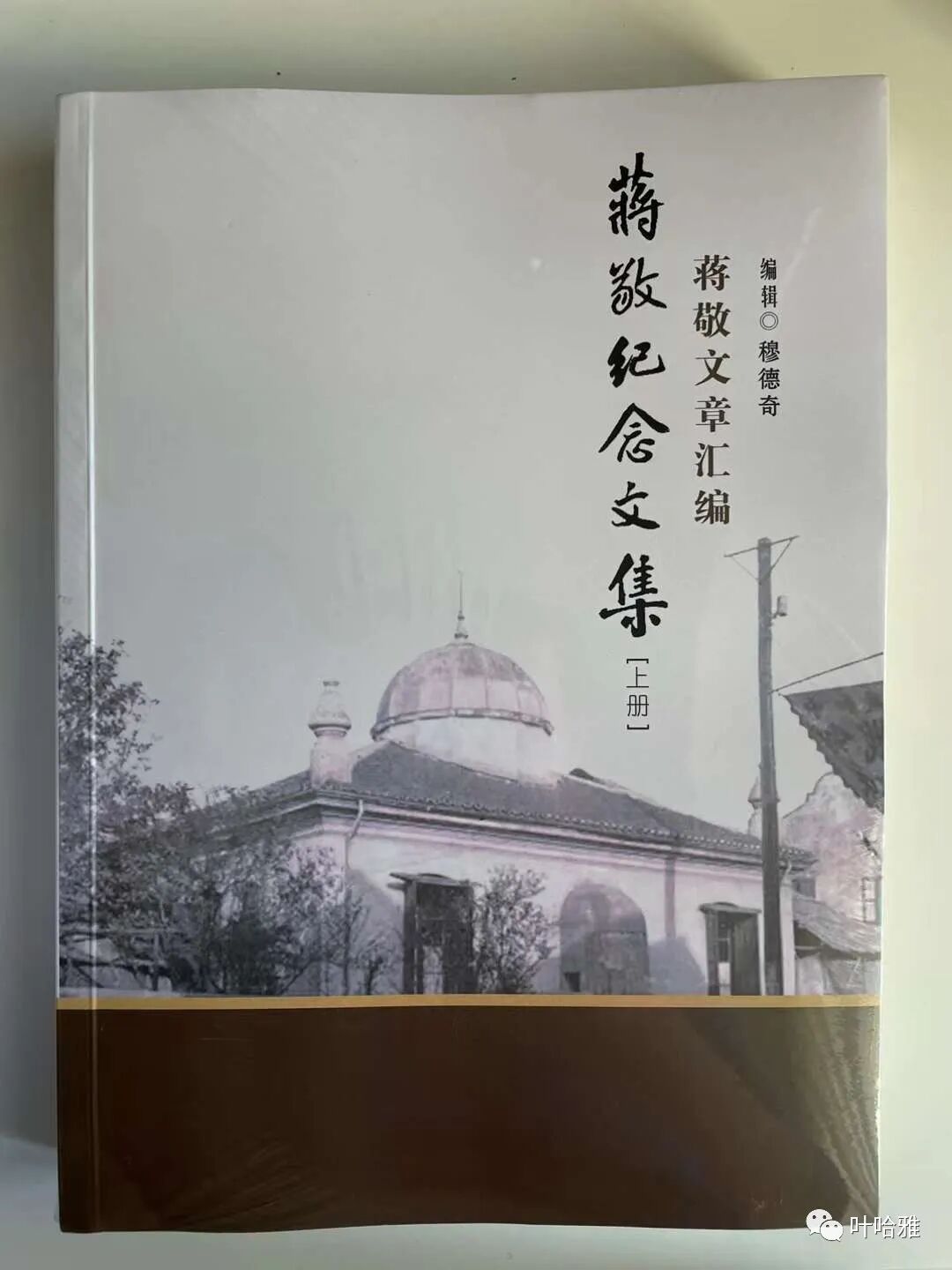
My own Halal Journey travels overlap quite a bit with Mr. Jiang's, so reading his articles feels like experiencing them myself. Mr. Jiang moved to New Zealand in 2000. It is a pity that when I first arrived in New Zealand in 2014, I did not know him. My own brother had already settled there, and reading Mr. Jiang's accounts of halal life in New Zealand brings many scenes to life for me.
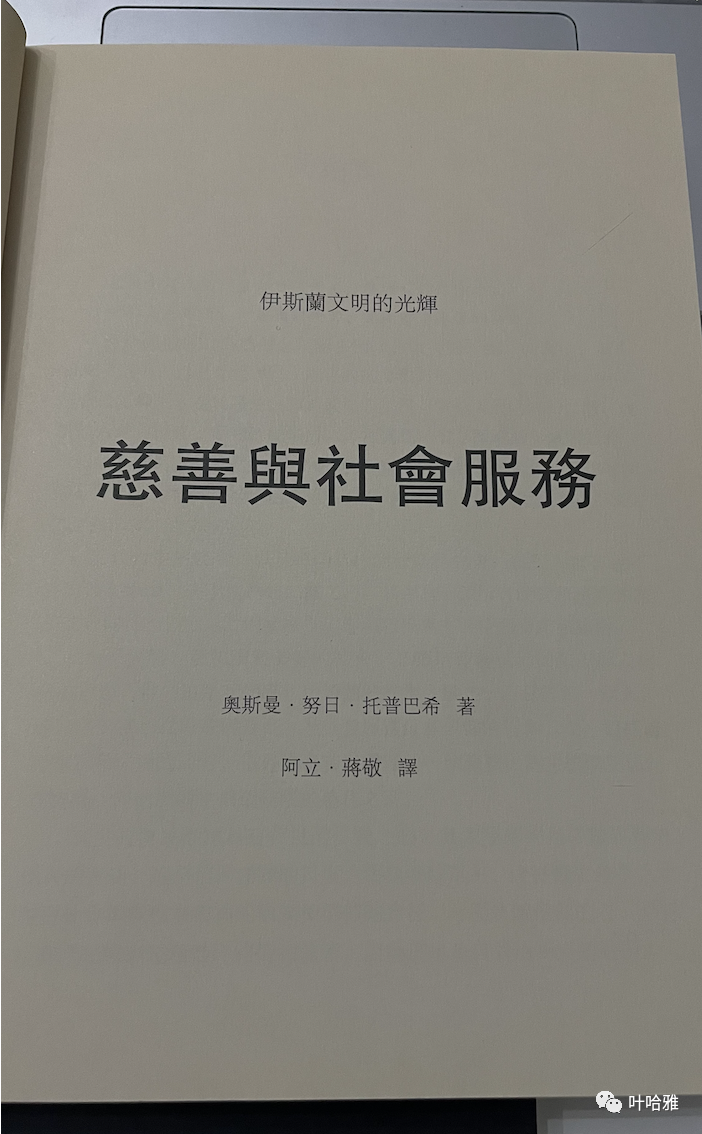
Mr. Jiang lived in the United States. He wrote that when he first arrived, he was hosted by a local insurance agent named Dosti. I visited the U. S. in 2018. I used to attend the annual Million Dollar Round Table (MDRT) conference for life insurance professionals there, but I could not go in recent years due to domestic pandemic restrictions. I have already qualified for the 2024 conference, so if all goes well, I will return to the U. S. next June.
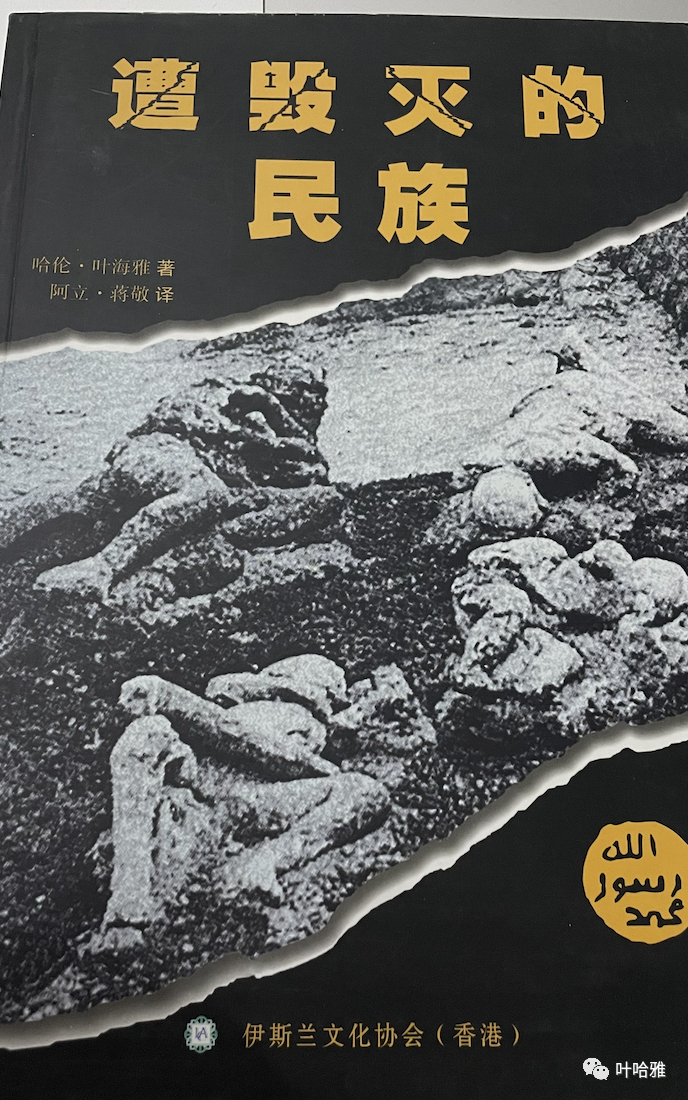
I agree with many of Mr. Jiang's views. Even though he lived overseas, he was not swayed by the Western way of life. He deeply understood the decaying, dark, and hypocritical sides of certain civilizations and was not misled by superficial material prosperity. He could take the good and leave the bad, which is very rare and commendable.
Mr. Jiang wrote a review of the book 'On Mixed Religion' and thought very highly of it. I have this book too. While I agree with the conclusions it criticizes, I do not think it is well-written. After reading it, I felt the content was too emotional. It does not read like a professional work, but rather like an online manifesto built from scattered knowledge points.
Some of Mr. Jiang's writings on domestic halal experiences might seem like old news now, but in the context of that time, they showed readers a diverse picture of Muslim culture, which was truly rare. I can feel from his writing that he tried his best to show the beautiful side of Muslims. Covering the faults of our brothers and sisters is part of our faith, and I stick to this practice too; I try not to spread bad things.
Mr. Jiang's life was enviable. Although he came from an ordinary background, he used his own efforts to have a decent job. While teaching at a university, he insisted on striving for the path of Allah. He combined his work with his faith, which helped him turn bad luck into good and live his later years in peace. This is much more impressive than some so-called pious believers I know who only want to preach but ignore the needs of their wives and children, leaving their families in poverty. Some people talk endlessly about the faith. Even some 'famous' figures in history, honored as sheikhs by many followers, make me suspicious when I learn that their descendants have left the faith. Some descendants of these celebrities complain bitterly about their fathers, saying they failed their duties as parents. I wonder if their motivation for doing good deeds was just to seek fame.
Mr. Jiang translated many English Islamic works while in New Zealand. He did this because he felt that the experience of Islamic outreach, mainly in the U. S., is worth learning from. Besides immigrants, another large group of Muslims in the U. S. are converts. I have even met white American converts in Vietnam. I believe an important standard for judging whether the faith is strong in a region is how many converts there are, not just how it looks on the surface. To attract converts, Muslims must show excellent character. Conversely, look at those well-known preachers around us who travel everywhere under the excuse of going out for dawah (chutemati), do not work, and ask for charity (nieti). After a lifetime of being busy, how many people have they actually guided to the right path? Are their own family members on the right path?
Mr. Jiang's funeral photos in New Zealand were sent back from there by Hui Muslim elders from Niujie. As a Hui Muslim from Niujie, I learned about it too late, and I feel a deep regret. If I had known him earlier, we would have had so much to talk about. Life in New Zealand has beautiful mountains and water, but it can also feel very quiet and dull. People who stay there for a long time miss their family and friends back in China the most. To meet like-minded fellow Muslims in a faraway country must have been such a happy thing.
Summary: This China Muslim travel reflection discusses Jiang Jing Halal Journey series, his New Zealand and U.S. experiences, Hui Muslim culture, Islamic translation work, and the value of honest Muslim travel writing.
Reflections on Reading Jiang Jing's "Halal Journey" Travelogue Series is presented here as a firsthand travel account in clear English, beginning with this scene: I recently received a memorial collection for Mr. Jiang Jing (1938-2020) and learned he settled in New Zealand. The account keeps its focus on Quanzhou Muslims, Hui Muslims, Islamic History while preserving the names, places, food, and historical details from the Chinese source.
I recently received a memorial collection for Mr. Jiang Jing (1938-2020) and learned he settled in New Zealand. During his life, he wrote many articles for a 'Halal Journey' series in magazines, covering his experiences in many places at home and abroad. I only knew his name before. Years ago, when things were more relaxed, I bought many of his translated works published in Hong Kong. They cannot be publicly distributed in mainland China now, so I am glad I bought them early.
My own Halal Journey travels overlap quite a bit with Mr. Jiang's, so reading his articles feels like experiencing them myself. Mr. Jiang moved to New Zealand in 2000. It is a pity that when I first arrived in New Zealand in 2014, I did not know him. My own brother had already settled there, and reading Mr. Jiang's accounts of halal life in New Zealand brings many scenes to life for me.
Mr. Jiang lived in the United States. He wrote that when he first arrived, he was hosted by a local insurance agent named Dosti. I visited the U. S. in 2018. I used to attend the annual Million Dollar Round Table (MDRT) conference for life insurance professionals there, but I could not go in recent years due to domestic pandemic restrictions. I have already qualified for the 2024 conference, so if all goes well, I will return to the U. S. next June.
I agree with many of Mr. Jiang's views. Even though he lived overseas, he was not swayed by the Western way of life. He deeply understood the decaying, dark, and hypocritical sides of certain civilizations and was not misled by superficial material prosperity. He could take the good and leave the bad, which is very rare and commendable.
Mr. Jiang wrote a review of the book 'On Mixed Religion' and thought very highly of it. I have this book too. While I agree with the conclusions it criticizes, I do not think it is well-written. After reading it, I felt the content was too emotional. It does not read like a professional work, but rather like an online manifesto built from scattered knowledge points.
Some of Mr. Jiang's writings on domestic halal experiences might seem like old news now, but in the context of that time, they showed readers a diverse picture of Muslim culture, which was truly rare. I can feel from his writing that he tried his best to show the beautiful side of Muslims. Covering the faults of our brothers and sisters is part of our faith, and I stick to this practice too; I try not to spread bad things.
Mr. Jiang's life was enviable. Although he came from an ordinary background, he used his own efforts to have a decent job. While teaching at a university, he insisted on striving for the path of Allah. He combined his work with his faith, which helped him turn bad luck into good and live his later years in peace. This is much more impressive than some so-called pious believers I know who only want to preach but ignore the needs of their wives and children, leaving their families in poverty. Some people talk endlessly about the faith. Even some 'famous' figures in history, honored as sheikhs by many followers, make me suspicious when I learn that their descendants have left the faith. Some descendants of these celebrities complain bitterly about their fathers, saying they failed their duties as parents. I wonder if their motivation for doing good deeds was just to seek fame.
Mr. Jiang translated many English Islamic works while in New Zealand. He did this because he felt that the experience of Islamic outreach, mainly in the U. S., is worth learning from. Besides immigrants, another large group of Muslims in the U. S. are converts. I have even met white American converts in Vietnam. I believe an important standard for judging whether the faith is strong in a region is how many converts there are, not just how it looks on the surface. To attract converts, Muslims must show excellent character. Conversely, look at those well-known preachers around us who travel everywhere under the excuse of going out for dawah (chutemati), do not work, and ask for charity (nieti). After a lifetime of being busy, how many people have they actually guided to the right path? Are their own family members on the right path?
Mr. Jiang's funeral photos in New Zealand were sent back from there by Hui Muslim elders from Niujie. As a Hui Muslim from Niujie, I learned about it too late, and I feel a deep regret. If I had known him earlier, we would have had so much to talk about. Life in New Zealand has beautiful mountains and water, but it can also feel very quiet and dull. People who stay there for a long time miss their family and friends back in China the most. To meet like-minded fellow Muslims in a faraway country must have been such a happy thing.
China Muslim Travel Guide: Jiang Jing Halal Journey, Hui Muslim Culture and Islamic Writing
Articles • yusuf908 posted the article • 0 comments • 165 views • 2026-05-22 20:53
Reposted from the web
Summary: This China Muslim travel reflection discusses Jiang Jing Halal Journey series, his New Zealand and U.S. experiences, Hui Muslim culture, Islamic translation work, and the value of honest Muslim travel writing.
Reflections on Reading Jiang Jing's "Halal Journey" Travelogue Series is presented here as a firsthand travel account in clear English, beginning with this scene: I recently received a memorial collection for Mr. Jiang Jing (1938-2020) and learned he settled in New Zealand. The account keeps its focus on Quanzhou Muslims, Hui Muslims, Islamic History while preserving the names, places, food, and historical details from the Chinese source.
I recently received a memorial collection for Mr. Jiang Jing (1938-2020) and learned he settled in New Zealand. During his life, he wrote many articles for a 'Halal Journey' series in magazines, covering his experiences in many places at home and abroad. I only knew his name before. Years ago, when things were more relaxed, I bought many of his translated works published in Hong Kong. They cannot be publicly distributed in mainland China now, so I am glad I bought them early.
My own Halal Journey travels overlap quite a bit with Mr. Jiang's, so reading his articles feels like experiencing them myself. Mr. Jiang moved to New Zealand in 2000. It is a pity that when I first arrived in New Zealand in 2014, I did not know him. My own brother had already settled there, and reading Mr. Jiang's accounts of halal life in New Zealand brings many scenes to life for me.
Mr. Jiang lived in the United States. He wrote that when he first arrived, he was hosted by a local insurance agent named Dosti. I visited the U. S. in 2018. I used to attend the annual Million Dollar Round Table (MDRT) conference for life insurance professionals there, but I could not go in recent years due to domestic pandemic restrictions. I have already qualified for the 2024 conference, so if all goes well, I will return to the U. S. next June.
I agree with many of Mr. Jiang's views. Even though he lived overseas, he was not swayed by the Western way of life. He deeply understood the decaying, dark, and hypocritical sides of certain civilizations and was not misled by superficial material prosperity. He could take the good and leave the bad, which is very rare and commendable.
Mr. Jiang wrote a review of the book 'On Mixed Religion' and thought very highly of it. I have this book too. While I agree with the conclusions it criticizes, I do not think it is well-written. After reading it, I felt the content was too emotional. It does not read like a professional work, but rather like an online manifesto built from scattered knowledge points.
Some of Mr. Jiang's writings on domestic halal experiences might seem like old news now, but in the context of that time, they showed readers a diverse picture of Muslim culture, which was truly rare. I can feel from his writing that he tried his best to show the beautiful side of Muslims. Covering the faults of our brothers and sisters is part of our faith, and I stick to this practice too; I try not to spread bad things.
Mr. Jiang's life was enviable. Although he came from an ordinary background, he used his own efforts to have a decent job. While teaching at a university, he insisted on striving for the path of Allah. He combined his work with his faith, which helped him turn bad luck into good and live his later years in peace. This is much more impressive than some so-called pious believers I know who only want to preach but ignore the needs of their wives and children, leaving their families in poverty. Some people talk endlessly about the faith. Even some 'famous' figures in history, honored as sheikhs by many followers, make me suspicious when I learn that their descendants have left the faith. Some descendants of these celebrities complain bitterly about their fathers, saying they failed their duties as parents. I wonder if their motivation for doing good deeds was just to seek fame.
Mr. Jiang translated many English Islamic works while in New Zealand. He did this because he felt that the experience of Islamic outreach, mainly in the U. S., is worth learning from. Besides immigrants, another large group of Muslims in the U. S. are converts. I have even met white American converts in Vietnam. I believe an important standard for judging whether the faith is strong in a region is how many converts there are, not just how it looks on the surface. To attract converts, Muslims must show excellent character. Conversely, look at those well-known preachers around us who travel everywhere under the excuse of going out for dawah (chutemati), do not work, and ask for charity (nieti). After a lifetime of being busy, how many people have they actually guided to the right path? Are their own family members on the right path?
Mr. Jiang's funeral photos in New Zealand were sent back from there by Hui Muslim elders from Niujie. As a Hui Muslim from Niujie, I learned about it too late, and I feel a deep regret. If I had known him earlier, we would have had so much to talk about. Life in New Zealand has beautiful mountains and water, but it can also feel very quiet and dull. People who stay there for a long time miss their family and friends back in China the most. To meet like-minded fellow Muslims in a faraway country must have been such a happy thing. view all
Summary: This China Muslim travel reflection discusses Jiang Jing Halal Journey series, his New Zealand and U.S. experiences, Hui Muslim culture, Islamic translation work, and the value of honest Muslim travel writing.
Reflections on Reading Jiang Jing's "Halal Journey" Travelogue Series is presented here as a firsthand travel account in clear English, beginning with this scene: I recently received a memorial collection for Mr. Jiang Jing (1938-2020) and learned he settled in New Zealand. The account keeps its focus on Quanzhou Muslims, Hui Muslims, Islamic History while preserving the names, places, food, and historical details from the Chinese source.
I recently received a memorial collection for Mr. Jiang Jing (1938-2020) and learned he settled in New Zealand. During his life, he wrote many articles for a 'Halal Journey' series in magazines, covering his experiences in many places at home and abroad. I only knew his name before. Years ago, when things were more relaxed, I bought many of his translated works published in Hong Kong. They cannot be publicly distributed in mainland China now, so I am glad I bought them early.
My own Halal Journey travels overlap quite a bit with Mr. Jiang's, so reading his articles feels like experiencing them myself. Mr. Jiang moved to New Zealand in 2000. It is a pity that when I first arrived in New Zealand in 2014, I did not know him. My own brother had already settled there, and reading Mr. Jiang's accounts of halal life in New Zealand brings many scenes to life for me.
Mr. Jiang lived in the United States. He wrote that when he first arrived, he was hosted by a local insurance agent named Dosti. I visited the U. S. in 2018. I used to attend the annual Million Dollar Round Table (MDRT) conference for life insurance professionals there, but I could not go in recent years due to domestic pandemic restrictions. I have already qualified for the 2024 conference, so if all goes well, I will return to the U. S. next June.
I agree with many of Mr. Jiang's views. Even though he lived overseas, he was not swayed by the Western way of life. He deeply understood the decaying, dark, and hypocritical sides of certain civilizations and was not misled by superficial material prosperity. He could take the good and leave the bad, which is very rare and commendable.
Mr. Jiang wrote a review of the book 'On Mixed Religion' and thought very highly of it. I have this book too. While I agree with the conclusions it criticizes, I do not think it is well-written. After reading it, I felt the content was too emotional. It does not read like a professional work, but rather like an online manifesto built from scattered knowledge points.
Some of Mr. Jiang's writings on domestic halal experiences might seem like old news now, but in the context of that time, they showed readers a diverse picture of Muslim culture, which was truly rare. I can feel from his writing that he tried his best to show the beautiful side of Muslims. Covering the faults of our brothers and sisters is part of our faith, and I stick to this practice too; I try not to spread bad things.
Mr. Jiang's life was enviable. Although he came from an ordinary background, he used his own efforts to have a decent job. While teaching at a university, he insisted on striving for the path of Allah. He combined his work with his faith, which helped him turn bad luck into good and live his later years in peace. This is much more impressive than some so-called pious believers I know who only want to preach but ignore the needs of their wives and children, leaving their families in poverty. Some people talk endlessly about the faith. Even some 'famous' figures in history, honored as sheikhs by many followers, make me suspicious when I learn that their descendants have left the faith. Some descendants of these celebrities complain bitterly about their fathers, saying they failed their duties as parents. I wonder if their motivation for doing good deeds was just to seek fame.
Mr. Jiang translated many English Islamic works while in New Zealand. He did this because he felt that the experience of Islamic outreach, mainly in the U. S., is worth learning from. Besides immigrants, another large group of Muslims in the U. S. are converts. I have even met white American converts in Vietnam. I believe an important standard for judging whether the faith is strong in a region is how many converts there are, not just how it looks on the surface. To attract converts, Muslims must show excellent character. Conversely, look at those well-known preachers around us who travel everywhere under the excuse of going out for dawah (chutemati), do not work, and ask for charity (nieti). After a lifetime of being busy, how many people have they actually guided to the right path? Are their own family members on the right path?
Mr. Jiang's funeral photos in New Zealand were sent back from there by Hui Muslim elders from Niujie. As a Hui Muslim from Niujie, I learned about it too late, and I feel a deep regret. If I had known him earlier, we would have had so much to talk about. Life in New Zealand has beautiful mountains and water, but it can also feel very quiet and dull. People who stay there for a long time miss their family and friends back in China the most. To meet like-minded fellow Muslims in a faraway country must have been such a happy thing. view all
Reposted from the web
Summary: This China Muslim travel reflection discusses Jiang Jing Halal Journey series, his New Zealand and U.S. experiences, Hui Muslim culture, Islamic translation work, and the value of honest Muslim travel writing.
Reflections on Reading Jiang Jing's "Halal Journey" Travelogue Series is presented here as a firsthand travel account in clear English, beginning with this scene: I recently received a memorial collection for Mr. Jiang Jing (1938-2020) and learned he settled in New Zealand. The account keeps its focus on Quanzhou Muslims, Hui Muslims, Islamic History while preserving the names, places, food, and historical details from the Chinese source.
I recently received a memorial collection for Mr. Jiang Jing (1938-2020) and learned he settled in New Zealand. During his life, he wrote many articles for a 'Halal Journey' series in magazines, covering his experiences in many places at home and abroad. I only knew his name before. Years ago, when things were more relaxed, I bought many of his translated works published in Hong Kong. They cannot be publicly distributed in mainland China now, so I am glad I bought them early.
My own Halal Journey travels overlap quite a bit with Mr. Jiang's, so reading his articles feels like experiencing them myself. Mr. Jiang moved to New Zealand in 2000. It is a pity that when I first arrived in New Zealand in 2014, I did not know him. My own brother had already settled there, and reading Mr. Jiang's accounts of halal life in New Zealand brings many scenes to life for me.
Mr. Jiang lived in the United States. He wrote that when he first arrived, he was hosted by a local insurance agent named Dosti. I visited the U. S. in 2018. I used to attend the annual Million Dollar Round Table (MDRT) conference for life insurance professionals there, but I could not go in recent years due to domestic pandemic restrictions. I have already qualified for the 2024 conference, so if all goes well, I will return to the U. S. next June.
I agree with many of Mr. Jiang's views. Even though he lived overseas, he was not swayed by the Western way of life. He deeply understood the decaying, dark, and hypocritical sides of certain civilizations and was not misled by superficial material prosperity. He could take the good and leave the bad, which is very rare and commendable.
Mr. Jiang wrote a review of the book 'On Mixed Religion' and thought very highly of it. I have this book too. While I agree with the conclusions it criticizes, I do not think it is well-written. After reading it, I felt the content was too emotional. It does not read like a professional work, but rather like an online manifesto built from scattered knowledge points.
Some of Mr. Jiang's writings on domestic halal experiences might seem like old news now, but in the context of that time, they showed readers a diverse picture of Muslim culture, which was truly rare. I can feel from his writing that he tried his best to show the beautiful side of Muslims. Covering the faults of our brothers and sisters is part of our faith, and I stick to this practice too; I try not to spread bad things.
Mr. Jiang's life was enviable. Although he came from an ordinary background, he used his own efforts to have a decent job. While teaching at a university, he insisted on striving for the path of Allah. He combined his work with his faith, which helped him turn bad luck into good and live his later years in peace. This is much more impressive than some so-called pious believers I know who only want to preach but ignore the needs of their wives and children, leaving their families in poverty. Some people talk endlessly about the faith. Even some 'famous' figures in history, honored as sheikhs by many followers, make me suspicious when I learn that their descendants have left the faith. Some descendants of these celebrities complain bitterly about their fathers, saying they failed their duties as parents. I wonder if their motivation for doing good deeds was just to seek fame.
Mr. Jiang translated many English Islamic works while in New Zealand. He did this because he felt that the experience of Islamic outreach, mainly in the U. S., is worth learning from. Besides immigrants, another large group of Muslims in the U. S. are converts. I have even met white American converts in Vietnam. I believe an important standard for judging whether the faith is strong in a region is how many converts there are, not just how it looks on the surface. To attract converts, Muslims must show excellent character. Conversely, look at those well-known preachers around us who travel everywhere under the excuse of going out for dawah (chutemati), do not work, and ask for charity (nieti). After a lifetime of being busy, how many people have they actually guided to the right path? Are their own family members on the right path?
Mr. Jiang's funeral photos in New Zealand were sent back from there by Hui Muslim elders from Niujie. As a Hui Muslim from Niujie, I learned about it too late, and I feel a deep regret. If I had known him earlier, we would have had so much to talk about. Life in New Zealand has beautiful mountains and water, but it can also feel very quiet and dull. People who stay there for a long time miss their family and friends back in China the most. To meet like-minded fellow Muslims in a faraway country must have been such a happy thing.
Summary: This China Muslim travel reflection discusses Jiang Jing Halal Journey series, his New Zealand and U.S. experiences, Hui Muslim culture, Islamic translation work, and the value of honest Muslim travel writing.
Reflections on Reading Jiang Jing's "Halal Journey" Travelogue Series is presented here as a firsthand travel account in clear English, beginning with this scene: I recently received a memorial collection for Mr. Jiang Jing (1938-2020) and learned he settled in New Zealand. The account keeps its focus on Quanzhou Muslims, Hui Muslims, Islamic History while preserving the names, places, food, and historical details from the Chinese source.
I recently received a memorial collection for Mr. Jiang Jing (1938-2020) and learned he settled in New Zealand. During his life, he wrote many articles for a 'Halal Journey' series in magazines, covering his experiences in many places at home and abroad. I only knew his name before. Years ago, when things were more relaxed, I bought many of his translated works published in Hong Kong. They cannot be publicly distributed in mainland China now, so I am glad I bought them early.
My own Halal Journey travels overlap quite a bit with Mr. Jiang's, so reading his articles feels like experiencing them myself. Mr. Jiang moved to New Zealand in 2000. It is a pity that when I first arrived in New Zealand in 2014, I did not know him. My own brother had already settled there, and reading Mr. Jiang's accounts of halal life in New Zealand brings many scenes to life for me.
Mr. Jiang lived in the United States. He wrote that when he first arrived, he was hosted by a local insurance agent named Dosti. I visited the U. S. in 2018. I used to attend the annual Million Dollar Round Table (MDRT) conference for life insurance professionals there, but I could not go in recent years due to domestic pandemic restrictions. I have already qualified for the 2024 conference, so if all goes well, I will return to the U. S. next June.
I agree with many of Mr. Jiang's views. Even though he lived overseas, he was not swayed by the Western way of life. He deeply understood the decaying, dark, and hypocritical sides of certain civilizations and was not misled by superficial material prosperity. He could take the good and leave the bad, which is very rare and commendable.
Mr. Jiang wrote a review of the book 'On Mixed Religion' and thought very highly of it. I have this book too. While I agree with the conclusions it criticizes, I do not think it is well-written. After reading it, I felt the content was too emotional. It does not read like a professional work, but rather like an online manifesto built from scattered knowledge points.
Some of Mr. Jiang's writings on domestic halal experiences might seem like old news now, but in the context of that time, they showed readers a diverse picture of Muslim culture, which was truly rare. I can feel from his writing that he tried his best to show the beautiful side of Muslims. Covering the faults of our brothers and sisters is part of our faith, and I stick to this practice too; I try not to spread bad things.
Mr. Jiang's life was enviable. Although he came from an ordinary background, he used his own efforts to have a decent job. While teaching at a university, he insisted on striving for the path of Allah. He combined his work with his faith, which helped him turn bad luck into good and live his later years in peace. This is much more impressive than some so-called pious believers I know who only want to preach but ignore the needs of their wives and children, leaving their families in poverty. Some people talk endlessly about the faith. Even some 'famous' figures in history, honored as sheikhs by many followers, make me suspicious when I learn that their descendants have left the faith. Some descendants of these celebrities complain bitterly about their fathers, saying they failed their duties as parents. I wonder if their motivation for doing good deeds was just to seek fame.
Mr. Jiang translated many English Islamic works while in New Zealand. He did this because he felt that the experience of Islamic outreach, mainly in the U. S., is worth learning from. Besides immigrants, another large group of Muslims in the U. S. are converts. I have even met white American converts in Vietnam. I believe an important standard for judging whether the faith is strong in a region is how many converts there are, not just how it looks on the surface. To attract converts, Muslims must show excellent character. Conversely, look at those well-known preachers around us who travel everywhere under the excuse of going out for dawah (chutemati), do not work, and ask for charity (nieti). After a lifetime of being busy, how many people have they actually guided to the right path? Are their own family members on the right path?
Mr. Jiang's funeral photos in New Zealand were sent back from there by Hui Muslim elders from Niujie. As a Hui Muslim from Niujie, I learned about it too late, and I feel a deep regret. If I had known him earlier, we would have had so much to talk about. Life in New Zealand has beautiful mountains and water, but it can also feel very quiet and dull. People who stay there for a long time miss their family and friends back in China the most. To meet like-minded fellow Muslims in a faraway country must have been such a happy thing.