

Islamophobia
Muslim History Guide China: Hui Muslim Community, Anti-Muslim Rumors and Online Hate Speech
Articles • yusuf908 posted the article • 0 comments • 227 views • 2026-05-23 21:54
Reposted from the web
Summary: This essay analyzes why anti-Muslim online voices spread rumors about Muslims, looking at prejudice, scapegoating, social media echo chambers, political manipulation, and the harm these rumors bring to social trust, Muslim communities, and ethnic unity.
In today's online environment, anti-Muslim hate speech against Muslims are common. They deliberately distort the image of Islam and the Muslim community by taking quotes out of context, fabricating facts, and inciting hatred. This phenomenon not only destroys social harmony, but also encourages extreme oppositional sentiments. So, why are the “anti-Muslim hate account” groups so keen on spreading rumors to smear Muslims? This article will conduct an in-depth analysis from the aspects of psychological motivation, social background, political factors and media influence to reveal the logic and harm behind it.
1. Psychological motivations: driven by prejudice and hatred
1. Cognitive bias leads to generalization
The human brain tends to simplify complex information and form stereotypes. Due to a lack of understanding of Islam, some people are prejudiced against the entire Muslim community based on individual extreme cases (such as terrorist attacks). This "overgeneralization" thinking mode causes them to ignore the fact that the vast majority of Muslims are peaceful and law-abiding.
2. The sense of group identity brought about by hate speech
The "anti-Muslim hate account" group often attacks Muslims to gain recognition from their peers. In closed online communities (such as some extreme forums), they reinforce each other's prejudices and form an "echo chamber effect", which causes extreme speech to continue to escalate. This sense of group identity makes them more brazen in attacking Muslims.
3. Vent emotions and find scapegoats
Social conflicts (such as economic pressure, unemployment issues) may make some people feel dissatisfied, and the Muslim community is wrongly used as a "scapegoat." By attacking Muslims, they deflect their own anxieties and gain false psychological satisfaction.
2. Social background: Extremist ideas and online anonymity fuel rumors
1. Penetration of extreme ideas
In recent years, international extremism (such as "Islamophobia") has spread through the Internet, affecting some domestic netizens. Some "anti-Muslim hate accounts" do not really understand Islam, but are influenced by Western far-right ideas and blindly follow the trend to attack Muslims.
2. online anonymity reduces the cost of spreading rumors
The anonymity of the Internet allows rumormongers to run wild. They can make up absurd statements such as "Halal food is poisonous" and "Muslim reproductive aggression" at will without taking legal responsibility. Even if you are exposed, you can change your account and continue spreading rumors.
3. Algorithm recommendation exacerbates information cocoon
Social media platforms recommend content based on users' interests, which has led to anti-Muslim hate accounts being immersed in hate speech for a long time, further deepening prejudice. All they see is "negative news about Muslims" but they turn a blind eye to the positive information.
3. Political factors: manipulation by people with ulterior motives
1. Foreign forces incite religious opposition
Some anti-China forces try to undermine China's social stability by inciting ethnic and religious conflicts. They fund extremist accounts, concoct false news (such as "Xinjiang persecutes Muslims"), incite domestic "anti-Muslim hate account" sentiments, and create social divisions.
2. Fueled by ultra-nationalists
Some ultra-nationalists mistakenly associate "anti-Muslim" with "patriotism" and believe that attacking Muslims is "preserving Chinese culture." This twisted logic allows them to become spreaders of rumors and even actively fabricate false information.
3. Political instrumentalization: exploiting religious contradictions to seek benefits
Some self-media and Internet influencers deliberately create controversial topics for the sake of traffic. They are well aware that "anti-Muslim commentators" can quickly trigger confrontation and discussion, so they do not hesitate to fabricate rumors to attract attention and earn economic benefits.
4. Media Influence: Selective Reporting Exacerbates Stigma
1. Double standards of Western media
When Western media reports on Muslims, they often highlight extreme cases (such as terrorist attacks) but ignore the positive contributions of the Muslim community. This selective reporting creates the wrong impression that "Muslims = violence" and affects the perception of some domestic netizens.
2. Domestic self-media follow suit and hype
In order to gain traffic, some domestic self-media copy the biased reports of Western media and even add fuel to the fire. For example, ordinary criminal cases are deliberately linked to religion to create the illusion that "Muslims have a high crime rate."
3. Lack of authoritative rumor refuting mechanism
Although officials and scholars have repeatedly clarified the true teachings of Islam, information dispelling rumors is far less powerful than rumors. Some netizens are only willing to believe content that conforms to their own prejudices, causing rumors to persist for a long time.
5. The harm of spreading rumors and smearing
1. Undermining national unity
China is a multi-ethnic country, and Muslims (such as Hui, Uyghur, etc.) are an important part of the Chinese nation. Spreading rumors and smearing will aggravate ethnic gaps and affect social stability.
2. Promoting extremism
"anti-Muslim hate account's" hate speech may stimulate a small number of extremists, form a vicious cycle of "reacting violence with violence", and even trigger actual conflicts.
3. Damage the country’s image
The international community often attacks China on the grounds of "religious freedom", and the extreme remarks of domestic "anti-Muslim hate accounts" may be used by foreign forces to become "evidence" to discredit China.
6. How to deal with the "anti-Muslim hate" rumors?
1. Strengthen the popularization of religious knowledge: let the public understand the true teachings of Islam and reduce prejudice caused by ignorance.
2. Strictly crack down on online rumors: punish rumor mongers in accordance with the law and increase the cost of spreading rumors.
3. Promote positive publicity: The media should objectively report the contributions of the Muslim community instead of focusing only on negative events.
4. Promote rational dialogue: encourage exchanges between different faiths and nationalities and eliminate misunderstandings.
Conclusion: "anti-Muslim hate account" is keen to spread rumors and smear Muslims, which is the result of the combined effect of prejudice, political manipulation, media misinformation and the online environment. This behavior not only goes against the facts, but also harms social harmony. We should remain rational, refuse to be incited by extreme remarks, and jointly safeguard national unity and social stability. view all
Summary: This essay analyzes why anti-Muslim online voices spread rumors about Muslims, looking at prejudice, scapegoating, social media echo chambers, political manipulation, and the harm these rumors bring to social trust, Muslim communities, and ethnic unity.
In today's online environment, anti-Muslim hate speech against Muslims are common. They deliberately distort the image of Islam and the Muslim community by taking quotes out of context, fabricating facts, and inciting hatred. This phenomenon not only destroys social harmony, but also encourages extreme oppositional sentiments. So, why are the “anti-Muslim hate account” groups so keen on spreading rumors to smear Muslims? This article will conduct an in-depth analysis from the aspects of psychological motivation, social background, political factors and media influence to reveal the logic and harm behind it.
1. Psychological motivations: driven by prejudice and hatred
1. Cognitive bias leads to generalization
The human brain tends to simplify complex information and form stereotypes. Due to a lack of understanding of Islam, some people are prejudiced against the entire Muslim community based on individual extreme cases (such as terrorist attacks). This "overgeneralization" thinking mode causes them to ignore the fact that the vast majority of Muslims are peaceful and law-abiding.
2. The sense of group identity brought about by hate speech
The "anti-Muslim hate account" group often attacks Muslims to gain recognition from their peers. In closed online communities (such as some extreme forums), they reinforce each other's prejudices and form an "echo chamber effect", which causes extreme speech to continue to escalate. This sense of group identity makes them more brazen in attacking Muslims.
3. Vent emotions and find scapegoats
Social conflicts (such as economic pressure, unemployment issues) may make some people feel dissatisfied, and the Muslim community is wrongly used as a "scapegoat." By attacking Muslims, they deflect their own anxieties and gain false psychological satisfaction.
2. Social background: Extremist ideas and online anonymity fuel rumors
1. Penetration of extreme ideas
In recent years, international extremism (such as "Islamophobia") has spread through the Internet, affecting some domestic netizens. Some "anti-Muslim hate accounts" do not really understand Islam, but are influenced by Western far-right ideas and blindly follow the trend to attack Muslims.
2. online anonymity reduces the cost of spreading rumors
The anonymity of the Internet allows rumormongers to run wild. They can make up absurd statements such as "Halal food is poisonous" and "Muslim reproductive aggression" at will without taking legal responsibility. Even if you are exposed, you can change your account and continue spreading rumors.
3. Algorithm recommendation exacerbates information cocoon
Social media platforms recommend content based on users' interests, which has led to anti-Muslim hate accounts being immersed in hate speech for a long time, further deepening prejudice. All they see is "negative news about Muslims" but they turn a blind eye to the positive information.
3. Political factors: manipulation by people with ulterior motives
1. Foreign forces incite religious opposition
Some anti-China forces try to undermine China's social stability by inciting ethnic and religious conflicts. They fund extremist accounts, concoct false news (such as "Xinjiang persecutes Muslims"), incite domestic "anti-Muslim hate account" sentiments, and create social divisions.
2. Fueled by ultra-nationalists
Some ultra-nationalists mistakenly associate "anti-Muslim" with "patriotism" and believe that attacking Muslims is "preserving Chinese culture." This twisted logic allows them to become spreaders of rumors and even actively fabricate false information.
3. Political instrumentalization: exploiting religious contradictions to seek benefits
Some self-media and Internet influencers deliberately create controversial topics for the sake of traffic. They are well aware that "anti-Muslim commentators" can quickly trigger confrontation and discussion, so they do not hesitate to fabricate rumors to attract attention and earn economic benefits.
4. Media Influence: Selective Reporting Exacerbates Stigma
1. Double standards of Western media
When Western media reports on Muslims, they often highlight extreme cases (such as terrorist attacks) but ignore the positive contributions of the Muslim community. This selective reporting creates the wrong impression that "Muslims = violence" and affects the perception of some domestic netizens.
2. Domestic self-media follow suit and hype
In order to gain traffic, some domestic self-media copy the biased reports of Western media and even add fuel to the fire. For example, ordinary criminal cases are deliberately linked to religion to create the illusion that "Muslims have a high crime rate."
3. Lack of authoritative rumor refuting mechanism
Although officials and scholars have repeatedly clarified the true teachings of Islam, information dispelling rumors is far less powerful than rumors. Some netizens are only willing to believe content that conforms to their own prejudices, causing rumors to persist for a long time.
5. The harm of spreading rumors and smearing
1. Undermining national unity
China is a multi-ethnic country, and Muslims (such as Hui, Uyghur, etc.) are an important part of the Chinese nation. Spreading rumors and smearing will aggravate ethnic gaps and affect social stability.
2. Promoting extremism
"anti-Muslim hate account's" hate speech may stimulate a small number of extremists, form a vicious cycle of "reacting violence with violence", and even trigger actual conflicts.
3. Damage the country’s image
The international community often attacks China on the grounds of "religious freedom", and the extreme remarks of domestic "anti-Muslim hate accounts" may be used by foreign forces to become "evidence" to discredit China.
6. How to deal with the "anti-Muslim hate" rumors?
1. Strengthen the popularization of religious knowledge: let the public understand the true teachings of Islam and reduce prejudice caused by ignorance.
2. Strictly crack down on online rumors: punish rumor mongers in accordance with the law and increase the cost of spreading rumors.
3. Promote positive publicity: The media should objectively report the contributions of the Muslim community instead of focusing only on negative events.
4. Promote rational dialogue: encourage exchanges between different faiths and nationalities and eliminate misunderstandings.
Conclusion: "anti-Muslim hate account" is keen to spread rumors and smear Muslims, which is the result of the combined effect of prejudice, political manipulation, media misinformation and the online environment. This behavior not only goes against the facts, but also harms social harmony. We should remain rational, refuse to be incited by extreme remarks, and jointly safeguard national unity and social stability. view all
Reposted from the web
Summary: This essay analyzes why anti-Muslim online voices spread rumors about Muslims, looking at prejudice, scapegoating, social media echo chambers, political manipulation, and the harm these rumors bring to social trust, Muslim communities, and ethnic unity.

In today's online environment, anti-Muslim hate speech against Muslims are common. They deliberately distort the image of Islam and the Muslim community by taking quotes out of context, fabricating facts, and inciting hatred. This phenomenon not only destroys social harmony, but also encourages extreme oppositional sentiments. So, why are the “anti-Muslim hate account” groups so keen on spreading rumors to smear Muslims? This article will conduct an in-depth analysis from the aspects of psychological motivation, social background, political factors and media influence to reveal the logic and harm behind it.
1. Psychological motivations: driven by prejudice and hatred
1. Cognitive bias leads to generalization
The human brain tends to simplify complex information and form stereotypes. Due to a lack of understanding of Islam, some people are prejudiced against the entire Muslim community based on individual extreme cases (such as terrorist attacks). This "overgeneralization" thinking mode causes them to ignore the fact that the vast majority of Muslims are peaceful and law-abiding.
2. The sense of group identity brought about by hate speech
The "anti-Muslim hate account" group often attacks Muslims to gain recognition from their peers. In closed online communities (such as some extreme forums), they reinforce each other's prejudices and form an "echo chamber effect", which causes extreme speech to continue to escalate. This sense of group identity makes them more brazen in attacking Muslims.
3. Vent emotions and find scapegoats
Social conflicts (such as economic pressure, unemployment issues) may make some people feel dissatisfied, and the Muslim community is wrongly used as a "scapegoat." By attacking Muslims, they deflect their own anxieties and gain false psychological satisfaction.
2. Social background: Extremist ideas and online anonymity fuel rumors
1. Penetration of extreme ideas
In recent years, international extremism (such as "Islamophobia") has spread through the Internet, affecting some domestic netizens. Some "anti-Muslim hate accounts" do not really understand Islam, but are influenced by Western far-right ideas and blindly follow the trend to attack Muslims.
2. online anonymity reduces the cost of spreading rumors
The anonymity of the Internet allows rumormongers to run wild. They can make up absurd statements such as "Halal food is poisonous" and "Muslim reproductive aggression" at will without taking legal responsibility. Even if you are exposed, you can change your account and continue spreading rumors.
3. Algorithm recommendation exacerbates information cocoon
Social media platforms recommend content based on users' interests, which has led to anti-Muslim hate accounts being immersed in hate speech for a long time, further deepening prejudice. All they see is "negative news about Muslims" but they turn a blind eye to the positive information.
3. Political factors: manipulation by people with ulterior motives
1. Foreign forces incite religious opposition
Some anti-China forces try to undermine China's social stability by inciting ethnic and religious conflicts. They fund extremist accounts, concoct false news (such as "Xinjiang persecutes Muslims"), incite domestic "anti-Muslim hate account" sentiments, and create social divisions.
2. Fueled by ultra-nationalists
Some ultra-nationalists mistakenly associate "anti-Muslim" with "patriotism" and believe that attacking Muslims is "preserving Chinese culture." This twisted logic allows them to become spreaders of rumors and even actively fabricate false information.
3. Political instrumentalization: exploiting religious contradictions to seek benefits
Some self-media and Internet influencers deliberately create controversial topics for the sake of traffic. They are well aware that "anti-Muslim commentators" can quickly trigger confrontation and discussion, so they do not hesitate to fabricate rumors to attract attention and earn economic benefits.
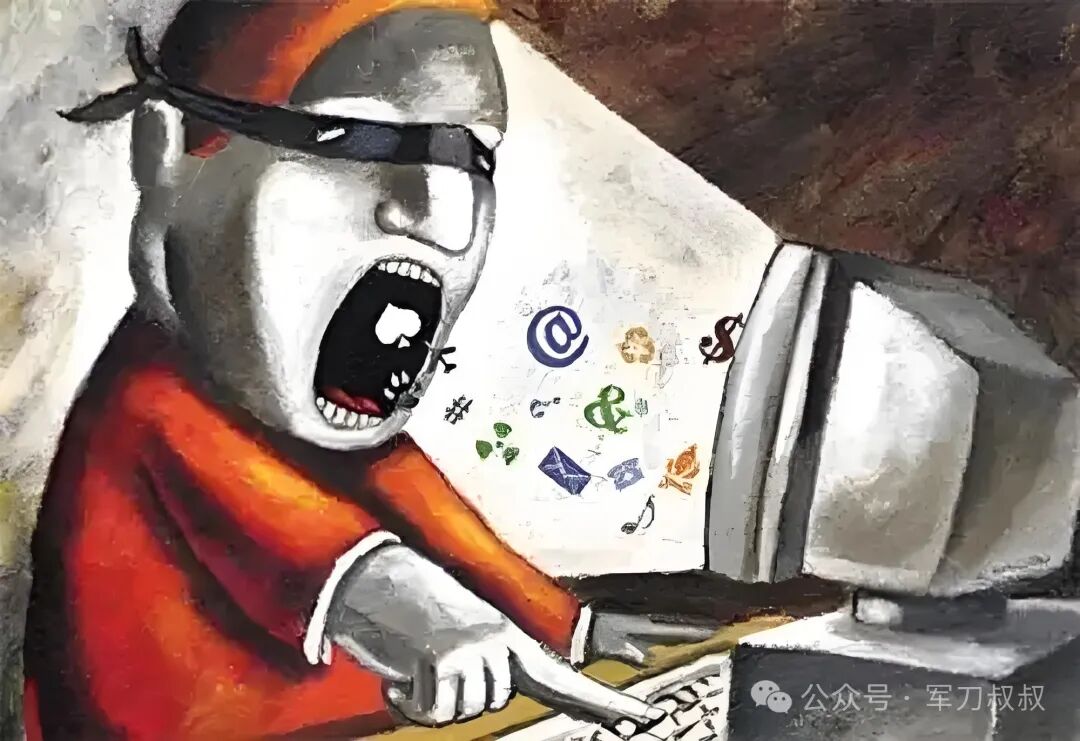
4. Media Influence: Selective Reporting Exacerbates Stigma
1. Double standards of Western media
When Western media reports on Muslims, they often highlight extreme cases (such as terrorist attacks) but ignore the positive contributions of the Muslim community. This selective reporting creates the wrong impression that "Muslims = violence" and affects the perception of some domestic netizens.
2. Domestic self-media follow suit and hype
In order to gain traffic, some domestic self-media copy the biased reports of Western media and even add fuel to the fire. For example, ordinary criminal cases are deliberately linked to religion to create the illusion that "Muslims have a high crime rate."
3. Lack of authoritative rumor refuting mechanism
Although officials and scholars have repeatedly clarified the true teachings of Islam, information dispelling rumors is far less powerful than rumors. Some netizens are only willing to believe content that conforms to their own prejudices, causing rumors to persist for a long time.
5. The harm of spreading rumors and smearing
1. Undermining national unity
China is a multi-ethnic country, and Muslims (such as Hui, Uyghur, etc.) are an important part of the Chinese nation. Spreading rumors and smearing will aggravate ethnic gaps and affect social stability.
2. Promoting extremism
"anti-Muslim hate account's" hate speech may stimulate a small number of extremists, form a vicious cycle of "reacting violence with violence", and even trigger actual conflicts.
3. Damage the country’s image
The international community often attacks China on the grounds of "religious freedom", and the extreme remarks of domestic "anti-Muslim hate accounts" may be used by foreign forces to become "evidence" to discredit China.
6. How to deal with the "anti-Muslim hate" rumors?
1. Strengthen the popularization of religious knowledge: let the public understand the true teachings of Islam and reduce prejudice caused by ignorance.
2. Strictly crack down on online rumors: punish rumor mongers in accordance with the law and increase the cost of spreading rumors.
3. Promote positive publicity: The media should objectively report the contributions of the Muslim community instead of focusing only on negative events.
4. Promote rational dialogue: encourage exchanges between different faiths and nationalities and eliminate misunderstandings.
Conclusion: "anti-Muslim hate account" is keen to spread rumors and smear Muslims, which is the result of the combined effect of prejudice, political manipulation, media misinformation and the online environment. This behavior not only goes against the facts, but also harms social harmony. We should remain rational, refuse to be incited by extreme remarks, and jointly safeguard national unity and social stability.
Summary: This essay analyzes why anti-Muslim online voices spread rumors about Muslims, looking at prejudice, scapegoating, social media echo chambers, political manipulation, and the harm these rumors bring to social trust, Muslim communities, and ethnic unity.
In today's online environment, anti-Muslim hate speech against Muslims are common. They deliberately distort the image of Islam and the Muslim community by taking quotes out of context, fabricating facts, and inciting hatred. This phenomenon not only destroys social harmony, but also encourages extreme oppositional sentiments. So, why are the “anti-Muslim hate account” groups so keen on spreading rumors to smear Muslims? This article will conduct an in-depth analysis from the aspects of psychological motivation, social background, political factors and media influence to reveal the logic and harm behind it.
1. Psychological motivations: driven by prejudice and hatred
1. Cognitive bias leads to generalization
The human brain tends to simplify complex information and form stereotypes. Due to a lack of understanding of Islam, some people are prejudiced against the entire Muslim community based on individual extreme cases (such as terrorist attacks). This "overgeneralization" thinking mode causes them to ignore the fact that the vast majority of Muslims are peaceful and law-abiding.
2. The sense of group identity brought about by hate speech
The "anti-Muslim hate account" group often attacks Muslims to gain recognition from their peers. In closed online communities (such as some extreme forums), they reinforce each other's prejudices and form an "echo chamber effect", which causes extreme speech to continue to escalate. This sense of group identity makes them more brazen in attacking Muslims.
3. Vent emotions and find scapegoats
Social conflicts (such as economic pressure, unemployment issues) may make some people feel dissatisfied, and the Muslim community is wrongly used as a "scapegoat." By attacking Muslims, they deflect their own anxieties and gain false psychological satisfaction.
2. Social background: Extremist ideas and online anonymity fuel rumors
1. Penetration of extreme ideas
In recent years, international extremism (such as "Islamophobia") has spread through the Internet, affecting some domestic netizens. Some "anti-Muslim hate accounts" do not really understand Islam, but are influenced by Western far-right ideas and blindly follow the trend to attack Muslims.
2. online anonymity reduces the cost of spreading rumors
The anonymity of the Internet allows rumormongers to run wild. They can make up absurd statements such as "Halal food is poisonous" and "Muslim reproductive aggression" at will without taking legal responsibility. Even if you are exposed, you can change your account and continue spreading rumors.
3. Algorithm recommendation exacerbates information cocoon
Social media platforms recommend content based on users' interests, which has led to anti-Muslim hate accounts being immersed in hate speech for a long time, further deepening prejudice. All they see is "negative news about Muslims" but they turn a blind eye to the positive information.
3. Political factors: manipulation by people with ulterior motives
1. Foreign forces incite religious opposition
Some anti-China forces try to undermine China's social stability by inciting ethnic and religious conflicts. They fund extremist accounts, concoct false news (such as "Xinjiang persecutes Muslims"), incite domestic "anti-Muslim hate account" sentiments, and create social divisions.
2. Fueled by ultra-nationalists
Some ultra-nationalists mistakenly associate "anti-Muslim" with "patriotism" and believe that attacking Muslims is "preserving Chinese culture." This twisted logic allows them to become spreaders of rumors and even actively fabricate false information.
3. Political instrumentalization: exploiting religious contradictions to seek benefits
Some self-media and Internet influencers deliberately create controversial topics for the sake of traffic. They are well aware that "anti-Muslim commentators" can quickly trigger confrontation and discussion, so they do not hesitate to fabricate rumors to attract attention and earn economic benefits.
4. Media Influence: Selective Reporting Exacerbates Stigma
1. Double standards of Western media
When Western media reports on Muslims, they often highlight extreme cases (such as terrorist attacks) but ignore the positive contributions of the Muslim community. This selective reporting creates the wrong impression that "Muslims = violence" and affects the perception of some domestic netizens.
2. Domestic self-media follow suit and hype
In order to gain traffic, some domestic self-media copy the biased reports of Western media and even add fuel to the fire. For example, ordinary criminal cases are deliberately linked to religion to create the illusion that "Muslims have a high crime rate."
3. Lack of authoritative rumor refuting mechanism
Although officials and scholars have repeatedly clarified the true teachings of Islam, information dispelling rumors is far less powerful than rumors. Some netizens are only willing to believe content that conforms to their own prejudices, causing rumors to persist for a long time.
5. The harm of spreading rumors and smearing
1. Undermining national unity
China is a multi-ethnic country, and Muslims (such as Hui, Uyghur, etc.) are an important part of the Chinese nation. Spreading rumors and smearing will aggravate ethnic gaps and affect social stability.
2. Promoting extremism
"anti-Muslim hate account's" hate speech may stimulate a small number of extremists, form a vicious cycle of "reacting violence with violence", and even trigger actual conflicts.
3. Damage the country’s image
The international community often attacks China on the grounds of "religious freedom", and the extreme remarks of domestic "anti-Muslim hate accounts" may be used by foreign forces to become "evidence" to discredit China.
6. How to deal with the "anti-Muslim hate" rumors?
1. Strengthen the popularization of religious knowledge: let the public understand the true teachings of Islam and reduce prejudice caused by ignorance.
2. Strictly crack down on online rumors: punish rumor mongers in accordance with the law and increase the cost of spreading rumors.
3. Promote positive publicity: The media should objectively report the contributions of the Muslim community instead of focusing only on negative events.
4. Promote rational dialogue: encourage exchanges between different faiths and nationalities and eliminate misunderstandings.
Conclusion: "anti-Muslim hate account" is keen to spread rumors and smear Muslims, which is the result of the combined effect of prejudice, political manipulation, media misinformation and the online environment. This behavior not only goes against the facts, but also harms social harmony. We should remain rational, refuse to be incited by extreme remarks, and jointly safeguard national unity and social stability.
Muslim History Guide China: Hui Muslim Community, Anti-Muslim Rumors and Online Hate Speech
Articles • yusuf908 posted the article • 0 comments • 227 views • 2026-05-23 21:54
Reposted from the web
Summary: This essay analyzes why anti-Muslim online voices spread rumors about Muslims, looking at prejudice, scapegoating, social media echo chambers, political manipulation, and the harm these rumors bring to social trust, Muslim communities, and ethnic unity.
In today's online environment, anti-Muslim hate speech against Muslims are common. They deliberately distort the image of Islam and the Muslim community by taking quotes out of context, fabricating facts, and inciting hatred. This phenomenon not only destroys social harmony, but also encourages extreme oppositional sentiments. So, why are the “anti-Muslim hate account” groups so keen on spreading rumors to smear Muslims? This article will conduct an in-depth analysis from the aspects of psychological motivation, social background, political factors and media influence to reveal the logic and harm behind it.
1. Psychological motivations: driven by prejudice and hatred
1. Cognitive bias leads to generalization
The human brain tends to simplify complex information and form stereotypes. Due to a lack of understanding of Islam, some people are prejudiced against the entire Muslim community based on individual extreme cases (such as terrorist attacks). This "overgeneralization" thinking mode causes them to ignore the fact that the vast majority of Muslims are peaceful and law-abiding.
2. The sense of group identity brought about by hate speech
The "anti-Muslim hate account" group often attacks Muslims to gain recognition from their peers. In closed online communities (such as some extreme forums), they reinforce each other's prejudices and form an "echo chamber effect", which causes extreme speech to continue to escalate. This sense of group identity makes them more brazen in attacking Muslims.
3. Vent emotions and find scapegoats
Social conflicts (such as economic pressure, unemployment issues) may make some people feel dissatisfied, and the Muslim community is wrongly used as a "scapegoat." By attacking Muslims, they deflect their own anxieties and gain false psychological satisfaction.
2. Social background: Extremist ideas and online anonymity fuel rumors
1. Penetration of extreme ideas
In recent years, international extremism (such as "Islamophobia") has spread through the Internet, affecting some domestic netizens. Some "anti-Muslim hate accounts" do not really understand Islam, but are influenced by Western far-right ideas and blindly follow the trend to attack Muslims.
2. online anonymity reduces the cost of spreading rumors
The anonymity of the Internet allows rumormongers to run wild. They can make up absurd statements such as "Halal food is poisonous" and "Muslim reproductive aggression" at will without taking legal responsibility. Even if you are exposed, you can change your account and continue spreading rumors.
3. Algorithm recommendation exacerbates information cocoon
Social media platforms recommend content based on users' interests, which has led to anti-Muslim hate accounts being immersed in hate speech for a long time, further deepening prejudice. All they see is "negative news about Muslims" but they turn a blind eye to the positive information.
3. Political factors: manipulation by people with ulterior motives
1. Foreign forces incite religious opposition
Some anti-China forces try to undermine China's social stability by inciting ethnic and religious conflicts. They fund extremist accounts, concoct false news (such as "Xinjiang persecutes Muslims"), incite domestic "anti-Muslim hate account" sentiments, and create social divisions.
2. Fueled by ultra-nationalists
Some ultra-nationalists mistakenly associate "anti-Muslim" with "patriotism" and believe that attacking Muslims is "preserving Chinese culture." This twisted logic allows them to become spreaders of rumors and even actively fabricate false information.
3. Political instrumentalization: exploiting religious contradictions to seek benefits
Some self-media and Internet influencers deliberately create controversial topics for the sake of traffic. They are well aware that "anti-Muslim commentators" can quickly trigger confrontation and discussion, so they do not hesitate to fabricate rumors to attract attention and earn economic benefits.
4. Media Influence: Selective Reporting Exacerbates Stigma
1. Double standards of Western media
When Western media reports on Muslims, they often highlight extreme cases (such as terrorist attacks) but ignore the positive contributions of the Muslim community. This selective reporting creates the wrong impression that "Muslims = violence" and affects the perception of some domestic netizens.
2. Domestic self-media follow suit and hype
In order to gain traffic, some domestic self-media copy the biased reports of Western media and even add fuel to the fire. For example, ordinary criminal cases are deliberately linked to religion to create the illusion that "Muslims have a high crime rate."
3. Lack of authoritative rumor refuting mechanism
Although officials and scholars have repeatedly clarified the true teachings of Islam, information dispelling rumors is far less powerful than rumors. Some netizens are only willing to believe content that conforms to their own prejudices, causing rumors to persist for a long time.
5. The harm of spreading rumors and smearing
1. Undermining national unity
China is a multi-ethnic country, and Muslims (such as Hui, Uyghur, etc.) are an important part of the Chinese nation. Spreading rumors and smearing will aggravate ethnic gaps and affect social stability.
2. Promoting extremism
"anti-Muslim hate account's" hate speech may stimulate a small number of extremists, form a vicious cycle of "reacting violence with violence", and even trigger actual conflicts.
3. Damage the country’s image
The international community often attacks China on the grounds of "religious freedom", and the extreme remarks of domestic "anti-Muslim hate accounts" may be used by foreign forces to become "evidence" to discredit China.
6. How to deal with the "anti-Muslim hate" rumors?
1. Strengthen the popularization of religious knowledge: let the public understand the true teachings of Islam and reduce prejudice caused by ignorance.
2. Strictly crack down on online rumors: punish rumor mongers in accordance with the law and increase the cost of spreading rumors.
3. Promote positive publicity: The media should objectively report the contributions of the Muslim community instead of focusing only on negative events.
4. Promote rational dialogue: encourage exchanges between different faiths and nationalities and eliminate misunderstandings.
Conclusion: "anti-Muslim hate account" is keen to spread rumors and smear Muslims, which is the result of the combined effect of prejudice, political manipulation, media misinformation and the online environment. This behavior not only goes against the facts, but also harms social harmony. We should remain rational, refuse to be incited by extreme remarks, and jointly safeguard national unity and social stability. view all
Summary: This essay analyzes why anti-Muslim online voices spread rumors about Muslims, looking at prejudice, scapegoating, social media echo chambers, political manipulation, and the harm these rumors bring to social trust, Muslim communities, and ethnic unity.
In today's online environment, anti-Muslim hate speech against Muslims are common. They deliberately distort the image of Islam and the Muslim community by taking quotes out of context, fabricating facts, and inciting hatred. This phenomenon not only destroys social harmony, but also encourages extreme oppositional sentiments. So, why are the “anti-Muslim hate account” groups so keen on spreading rumors to smear Muslims? This article will conduct an in-depth analysis from the aspects of psychological motivation, social background, political factors and media influence to reveal the logic and harm behind it.
1. Psychological motivations: driven by prejudice and hatred
1. Cognitive bias leads to generalization
The human brain tends to simplify complex information and form stereotypes. Due to a lack of understanding of Islam, some people are prejudiced against the entire Muslim community based on individual extreme cases (such as terrorist attacks). This "overgeneralization" thinking mode causes them to ignore the fact that the vast majority of Muslims are peaceful and law-abiding.
2. The sense of group identity brought about by hate speech
The "anti-Muslim hate account" group often attacks Muslims to gain recognition from their peers. In closed online communities (such as some extreme forums), they reinforce each other's prejudices and form an "echo chamber effect", which causes extreme speech to continue to escalate. This sense of group identity makes them more brazen in attacking Muslims.
3. Vent emotions and find scapegoats
Social conflicts (such as economic pressure, unemployment issues) may make some people feel dissatisfied, and the Muslim community is wrongly used as a "scapegoat." By attacking Muslims, they deflect their own anxieties and gain false psychological satisfaction.
2. Social background: Extremist ideas and online anonymity fuel rumors
1. Penetration of extreme ideas
In recent years, international extremism (such as "Islamophobia") has spread through the Internet, affecting some domestic netizens. Some "anti-Muslim hate accounts" do not really understand Islam, but are influenced by Western far-right ideas and blindly follow the trend to attack Muslims.
2. online anonymity reduces the cost of spreading rumors
The anonymity of the Internet allows rumormongers to run wild. They can make up absurd statements such as "Halal food is poisonous" and "Muslim reproductive aggression" at will without taking legal responsibility. Even if you are exposed, you can change your account and continue spreading rumors.
3. Algorithm recommendation exacerbates information cocoon
Social media platforms recommend content based on users' interests, which has led to anti-Muslim hate accounts being immersed in hate speech for a long time, further deepening prejudice. All they see is "negative news about Muslims" but they turn a blind eye to the positive information.
3. Political factors: manipulation by people with ulterior motives
1. Foreign forces incite religious opposition
Some anti-China forces try to undermine China's social stability by inciting ethnic and religious conflicts. They fund extremist accounts, concoct false news (such as "Xinjiang persecutes Muslims"), incite domestic "anti-Muslim hate account" sentiments, and create social divisions.
2. Fueled by ultra-nationalists
Some ultra-nationalists mistakenly associate "anti-Muslim" with "patriotism" and believe that attacking Muslims is "preserving Chinese culture." This twisted logic allows them to become spreaders of rumors and even actively fabricate false information.
3. Political instrumentalization: exploiting religious contradictions to seek benefits
Some self-media and Internet influencers deliberately create controversial topics for the sake of traffic. They are well aware that "anti-Muslim commentators" can quickly trigger confrontation and discussion, so they do not hesitate to fabricate rumors to attract attention and earn economic benefits.
4. Media Influence: Selective Reporting Exacerbates Stigma
1. Double standards of Western media
When Western media reports on Muslims, they often highlight extreme cases (such as terrorist attacks) but ignore the positive contributions of the Muslim community. This selective reporting creates the wrong impression that "Muslims = violence" and affects the perception of some domestic netizens.
2. Domestic self-media follow suit and hype
In order to gain traffic, some domestic self-media copy the biased reports of Western media and even add fuel to the fire. For example, ordinary criminal cases are deliberately linked to religion to create the illusion that "Muslims have a high crime rate."
3. Lack of authoritative rumor refuting mechanism
Although officials and scholars have repeatedly clarified the true teachings of Islam, information dispelling rumors is far less powerful than rumors. Some netizens are only willing to believe content that conforms to their own prejudices, causing rumors to persist for a long time.
5. The harm of spreading rumors and smearing
1. Undermining national unity
China is a multi-ethnic country, and Muslims (such as Hui, Uyghur, etc.) are an important part of the Chinese nation. Spreading rumors and smearing will aggravate ethnic gaps and affect social stability.
2. Promoting extremism
"anti-Muslim hate account's" hate speech may stimulate a small number of extremists, form a vicious cycle of "reacting violence with violence", and even trigger actual conflicts.
3. Damage the country’s image
The international community often attacks China on the grounds of "religious freedom", and the extreme remarks of domestic "anti-Muslim hate accounts" may be used by foreign forces to become "evidence" to discredit China.
6. How to deal with the "anti-Muslim hate" rumors?
1. Strengthen the popularization of religious knowledge: let the public understand the true teachings of Islam and reduce prejudice caused by ignorance.
2. Strictly crack down on online rumors: punish rumor mongers in accordance with the law and increase the cost of spreading rumors.
3. Promote positive publicity: The media should objectively report the contributions of the Muslim community instead of focusing only on negative events.
4. Promote rational dialogue: encourage exchanges between different faiths and nationalities and eliminate misunderstandings.
Conclusion: "anti-Muslim hate account" is keen to spread rumors and smear Muslims, which is the result of the combined effect of prejudice, political manipulation, media misinformation and the online environment. This behavior not only goes against the facts, but also harms social harmony. We should remain rational, refuse to be incited by extreme remarks, and jointly safeguard national unity and social stability. view all
Reposted from the web
Summary: This essay analyzes why anti-Muslim online voices spread rumors about Muslims, looking at prejudice, scapegoating, social media echo chambers, political manipulation, and the harm these rumors bring to social trust, Muslim communities, and ethnic unity.
In today's online environment, anti-Muslim hate speech against Muslims are common. They deliberately distort the image of Islam and the Muslim community by taking quotes out of context, fabricating facts, and inciting hatred. This phenomenon not only destroys social harmony, but also encourages extreme oppositional sentiments. So, why are the “anti-Muslim hate account” groups so keen on spreading rumors to smear Muslims? This article will conduct an in-depth analysis from the aspects of psychological motivation, social background, political factors and media influence to reveal the logic and harm behind it.
1. Psychological motivations: driven by prejudice and hatred
1. Cognitive bias leads to generalization
The human brain tends to simplify complex information and form stereotypes. Due to a lack of understanding of Islam, some people are prejudiced against the entire Muslim community based on individual extreme cases (such as terrorist attacks). This "overgeneralization" thinking mode causes them to ignore the fact that the vast majority of Muslims are peaceful and law-abiding.
2. The sense of group identity brought about by hate speech
The "anti-Muslim hate account" group often attacks Muslims to gain recognition from their peers. In closed online communities (such as some extreme forums), they reinforce each other's prejudices and form an "echo chamber effect", which causes extreme speech to continue to escalate. This sense of group identity makes them more brazen in attacking Muslims.
3. Vent emotions and find scapegoats
Social conflicts (such as economic pressure, unemployment issues) may make some people feel dissatisfied, and the Muslim community is wrongly used as a "scapegoat." By attacking Muslims, they deflect their own anxieties and gain false psychological satisfaction.
2. Social background: Extremist ideas and online anonymity fuel rumors
1. Penetration of extreme ideas
In recent years, international extremism (such as "Islamophobia") has spread through the Internet, affecting some domestic netizens. Some "anti-Muslim hate accounts" do not really understand Islam, but are influenced by Western far-right ideas and blindly follow the trend to attack Muslims.
2. online anonymity reduces the cost of spreading rumors
The anonymity of the Internet allows rumormongers to run wild. They can make up absurd statements such as "Halal food is poisonous" and "Muslim reproductive aggression" at will without taking legal responsibility. Even if you are exposed, you can change your account and continue spreading rumors.
3. Algorithm recommendation exacerbates information cocoon
Social media platforms recommend content based on users' interests, which has led to anti-Muslim hate accounts being immersed in hate speech for a long time, further deepening prejudice. All they see is "negative news about Muslims" but they turn a blind eye to the positive information.
3. Political factors: manipulation by people with ulterior motives
1. Foreign forces incite religious opposition
Some anti-China forces try to undermine China's social stability by inciting ethnic and religious conflicts. They fund extremist accounts, concoct false news (such as "Xinjiang persecutes Muslims"), incite domestic "anti-Muslim hate account" sentiments, and create social divisions.
2. Fueled by ultra-nationalists
Some ultra-nationalists mistakenly associate "anti-Muslim" with "patriotism" and believe that attacking Muslims is "preserving Chinese culture." This twisted logic allows them to become spreaders of rumors and even actively fabricate false information.
3. Political instrumentalization: exploiting religious contradictions to seek benefits
Some self-media and Internet influencers deliberately create controversial topics for the sake of traffic. They are well aware that "anti-Muslim commentators" can quickly trigger confrontation and discussion, so they do not hesitate to fabricate rumors to attract attention and earn economic benefits.
4. Media Influence: Selective Reporting Exacerbates Stigma
1. Double standards of Western media
When Western media reports on Muslims, they often highlight extreme cases (such as terrorist attacks) but ignore the positive contributions of the Muslim community. This selective reporting creates the wrong impression that "Muslims = violence" and affects the perception of some domestic netizens.
2. Domestic self-media follow suit and hype
In order to gain traffic, some domestic self-media copy the biased reports of Western media and even add fuel to the fire. For example, ordinary criminal cases are deliberately linked to religion to create the illusion that "Muslims have a high crime rate."
3. Lack of authoritative rumor refuting mechanism
Although officials and scholars have repeatedly clarified the true teachings of Islam, information dispelling rumors is far less powerful than rumors. Some netizens are only willing to believe content that conforms to their own prejudices, causing rumors to persist for a long time.
5. The harm of spreading rumors and smearing
1. Undermining national unity
China is a multi-ethnic country, and Muslims (such as Hui, Uyghur, etc.) are an important part of the Chinese nation. Spreading rumors and smearing will aggravate ethnic gaps and affect social stability.
2. Promoting extremism
"anti-Muslim hate account's" hate speech may stimulate a small number of extremists, form a vicious cycle of "reacting violence with violence", and even trigger actual conflicts.
3. Damage the country’s image
The international community often attacks China on the grounds of "religious freedom", and the extreme remarks of domestic "anti-Muslim hate accounts" may be used by foreign forces to become "evidence" to discredit China.
6. How to deal with the "anti-Muslim hate" rumors?
1. Strengthen the popularization of religious knowledge: let the public understand the true teachings of Islam and reduce prejudice caused by ignorance.
2. Strictly crack down on online rumors: punish rumor mongers in accordance with the law and increase the cost of spreading rumors.
3. Promote positive publicity: The media should objectively report the contributions of the Muslim community instead of focusing only on negative events.
4. Promote rational dialogue: encourage exchanges between different faiths and nationalities and eliminate misunderstandings.
Conclusion: "anti-Muslim hate account" is keen to spread rumors and smear Muslims, which is the result of the combined effect of prejudice, political manipulation, media misinformation and the online environment. This behavior not only goes against the facts, but also harms social harmony. We should remain rational, refuse to be incited by extreme remarks, and jointly safeguard national unity and social stability.
Summary: This essay analyzes why anti-Muslim online voices spread rumors about Muslims, looking at prejudice, scapegoating, social media echo chambers, political manipulation, and the harm these rumors bring to social trust, Muslim communities, and ethnic unity.
In today's online environment, anti-Muslim hate speech against Muslims are common. They deliberately distort the image of Islam and the Muslim community by taking quotes out of context, fabricating facts, and inciting hatred. This phenomenon not only destroys social harmony, but also encourages extreme oppositional sentiments. So, why are the “anti-Muslim hate account” groups so keen on spreading rumors to smear Muslims? This article will conduct an in-depth analysis from the aspects of psychological motivation, social background, political factors and media influence to reveal the logic and harm behind it.
1. Psychological motivations: driven by prejudice and hatred
1. Cognitive bias leads to generalization
The human brain tends to simplify complex information and form stereotypes. Due to a lack of understanding of Islam, some people are prejudiced against the entire Muslim community based on individual extreme cases (such as terrorist attacks). This "overgeneralization" thinking mode causes them to ignore the fact that the vast majority of Muslims are peaceful and law-abiding.
2. The sense of group identity brought about by hate speech
The "anti-Muslim hate account" group often attacks Muslims to gain recognition from their peers. In closed online communities (such as some extreme forums), they reinforce each other's prejudices and form an "echo chamber effect", which causes extreme speech to continue to escalate. This sense of group identity makes them more brazen in attacking Muslims.
3. Vent emotions and find scapegoats
Social conflicts (such as economic pressure, unemployment issues) may make some people feel dissatisfied, and the Muslim community is wrongly used as a "scapegoat." By attacking Muslims, they deflect their own anxieties and gain false psychological satisfaction.
2. Social background: Extremist ideas and online anonymity fuel rumors
1. Penetration of extreme ideas
In recent years, international extremism (such as "Islamophobia") has spread through the Internet, affecting some domestic netizens. Some "anti-Muslim hate accounts" do not really understand Islam, but are influenced by Western far-right ideas and blindly follow the trend to attack Muslims.
2. online anonymity reduces the cost of spreading rumors
The anonymity of the Internet allows rumormongers to run wild. They can make up absurd statements such as "Halal food is poisonous" and "Muslim reproductive aggression" at will without taking legal responsibility. Even if you are exposed, you can change your account and continue spreading rumors.
3. Algorithm recommendation exacerbates information cocoon
Social media platforms recommend content based on users' interests, which has led to anti-Muslim hate accounts being immersed in hate speech for a long time, further deepening prejudice. All they see is "negative news about Muslims" but they turn a blind eye to the positive information.
3. Political factors: manipulation by people with ulterior motives
1. Foreign forces incite religious opposition
Some anti-China forces try to undermine China's social stability by inciting ethnic and religious conflicts. They fund extremist accounts, concoct false news (such as "Xinjiang persecutes Muslims"), incite domestic "anti-Muslim hate account" sentiments, and create social divisions.
2. Fueled by ultra-nationalists
Some ultra-nationalists mistakenly associate "anti-Muslim" with "patriotism" and believe that attacking Muslims is "preserving Chinese culture." This twisted logic allows them to become spreaders of rumors and even actively fabricate false information.
3. Political instrumentalization: exploiting religious contradictions to seek benefits
Some self-media and Internet influencers deliberately create controversial topics for the sake of traffic. They are well aware that "anti-Muslim commentators" can quickly trigger confrontation and discussion, so they do not hesitate to fabricate rumors to attract attention and earn economic benefits.
4. Media Influence: Selective Reporting Exacerbates Stigma
1. Double standards of Western media
When Western media reports on Muslims, they often highlight extreme cases (such as terrorist attacks) but ignore the positive contributions of the Muslim community. This selective reporting creates the wrong impression that "Muslims = violence" and affects the perception of some domestic netizens.
2. Domestic self-media follow suit and hype
In order to gain traffic, some domestic self-media copy the biased reports of Western media and even add fuel to the fire. For example, ordinary criminal cases are deliberately linked to religion to create the illusion that "Muslims have a high crime rate."
3. Lack of authoritative rumor refuting mechanism
Although officials and scholars have repeatedly clarified the true teachings of Islam, information dispelling rumors is far less powerful than rumors. Some netizens are only willing to believe content that conforms to their own prejudices, causing rumors to persist for a long time.
5. The harm of spreading rumors and smearing
1. Undermining national unity
China is a multi-ethnic country, and Muslims (such as Hui, Uyghur, etc.) are an important part of the Chinese nation. Spreading rumors and smearing will aggravate ethnic gaps and affect social stability.
2. Promoting extremism
"anti-Muslim hate account's" hate speech may stimulate a small number of extremists, form a vicious cycle of "reacting violence with violence", and even trigger actual conflicts.
3. Damage the country’s image
The international community often attacks China on the grounds of "religious freedom", and the extreme remarks of domestic "anti-Muslim hate accounts" may be used by foreign forces to become "evidence" to discredit China.
6. How to deal with the "anti-Muslim hate" rumors?
1. Strengthen the popularization of religious knowledge: let the public understand the true teachings of Islam and reduce prejudice caused by ignorance.
2. Strictly crack down on online rumors: punish rumor mongers in accordance with the law and increase the cost of spreading rumors.
3. Promote positive publicity: The media should objectively report the contributions of the Muslim community instead of focusing only on negative events.
4. Promote rational dialogue: encourage exchanges between different faiths and nationalities and eliminate misunderstandings.
Conclusion: "anti-Muslim hate account" is keen to spread rumors and smear Muslims, which is the result of the combined effect of prejudice, political manipulation, media misinformation and the online environment. This behavior not only goes against the facts, but also harms social harmony. We should remain rational, refuse to be incited by extreme remarks, and jointly safeguard national unity and social stability.