

Istanbul Museum
Istanbul Islamic Arts Museum: Ottoman Calligraphy, Tiles and Muslim Heritage
Articles • ali2007fr posted the article • 0 comments • 181 views • 2026-05-18 06:54
Reposted from the web
Summary: Istanbul Islamic Arts Museum: Ottoman Calligraphy, Tiles and Muslim Heritage is presented here as a firsthand travel account in clear English, beginning with this scene: The tiled pavilion has a cross-shaped layout. Since it shows no Byzantine influence, scholars think an unknown Persian architect likely designed it. The account keeps its focus on Istanbul Museum, Islamic Art, Ottoman Heritage while preserving the names, places, food, and historical details from the Chinese source.
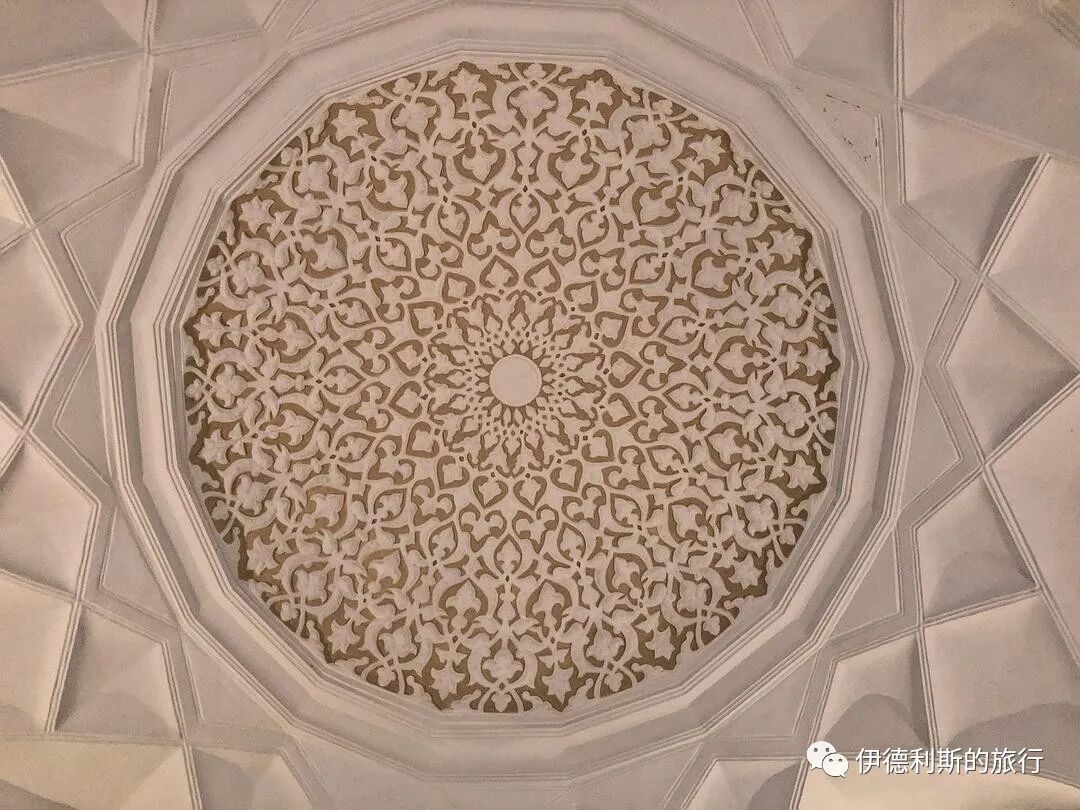
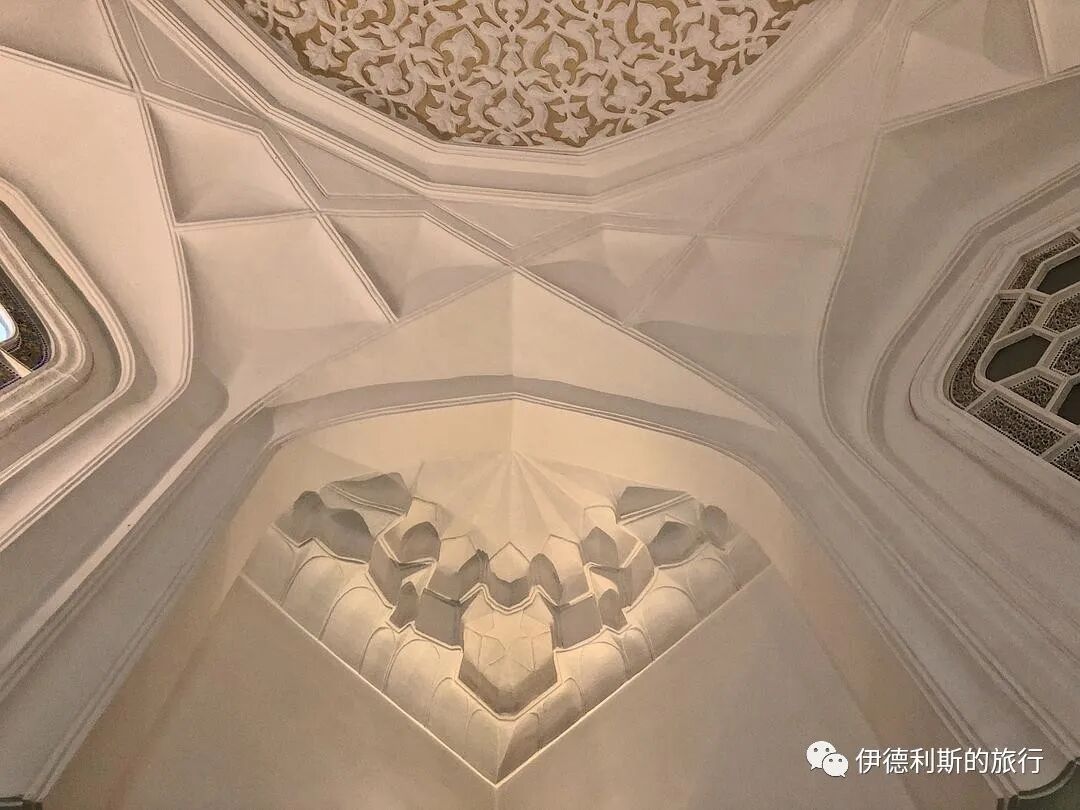
The tiled pavilion has a cross-shaped layout. Since it shows no Byzantine influence, scholars think an unknown Persian architect likely designed it. The tiles on the building's exterior clearly show influence from Central Asian regions like Samarkand, while the bricks and polygonal columns are typical of Persian architecture.
1. Inside the rooms
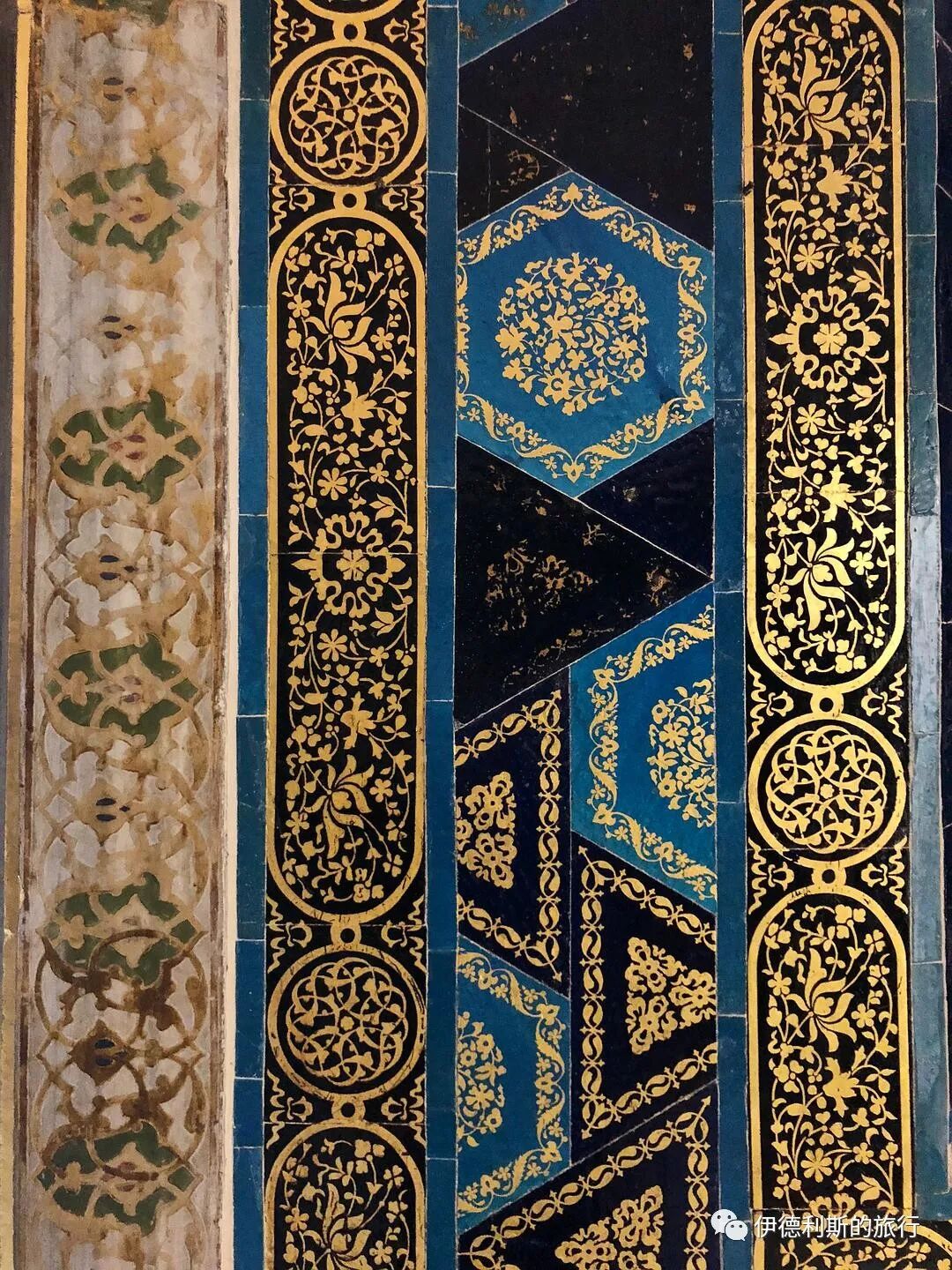
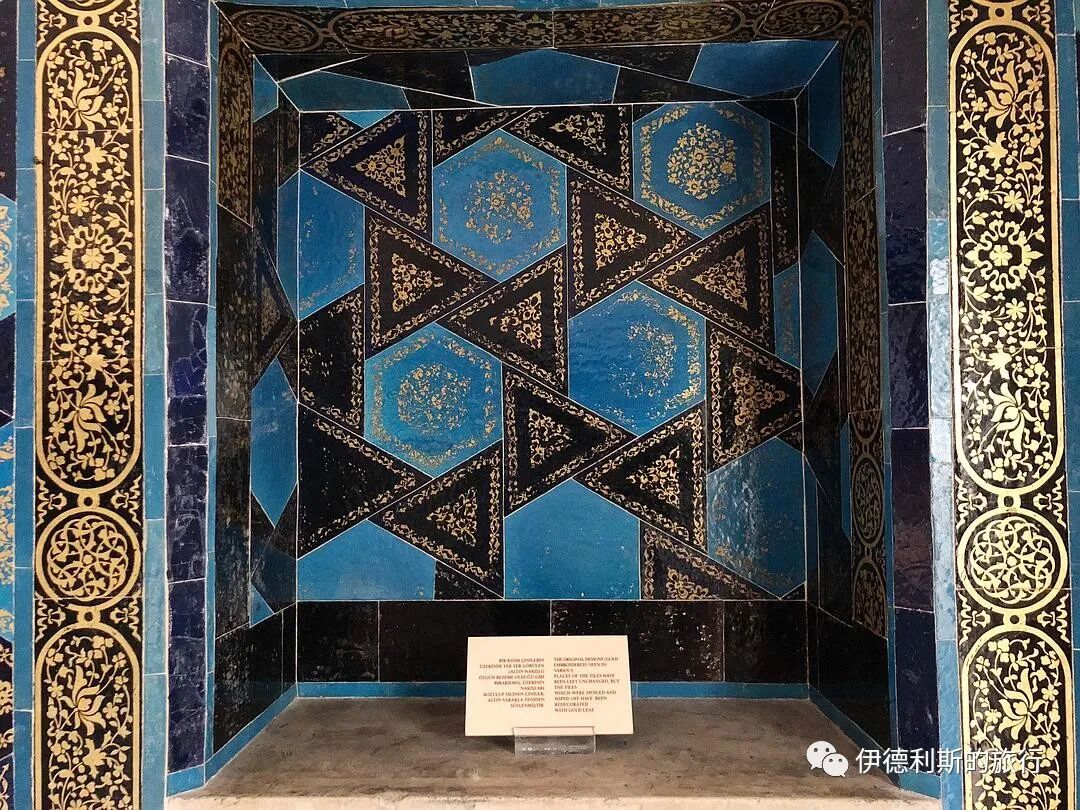
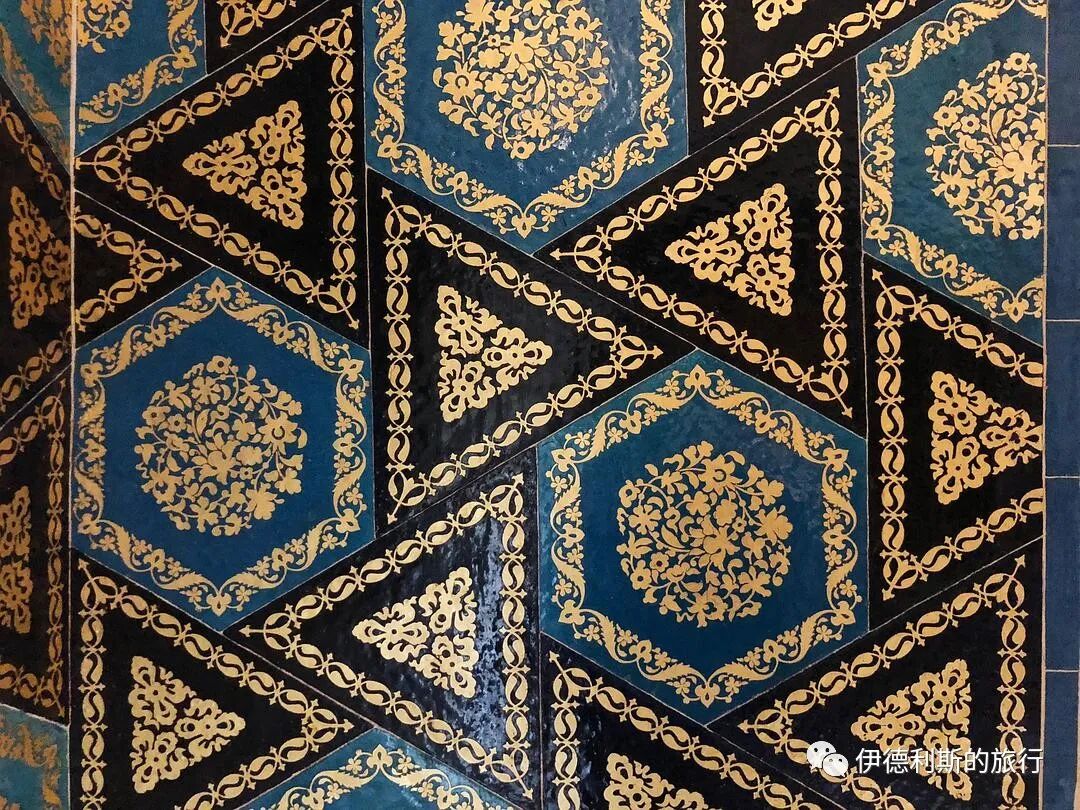
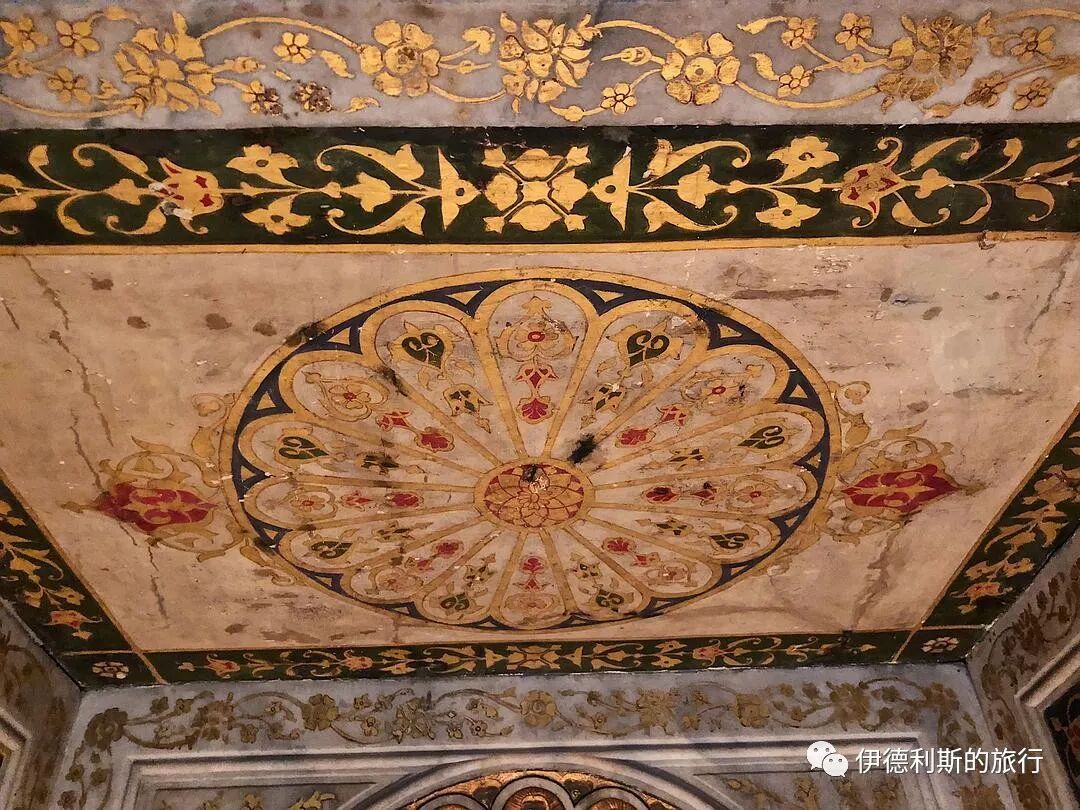
The tiled pavilion still holds some of its original interior decor. The gold leaf on some tiles has faded, and parts have been re-gilded.
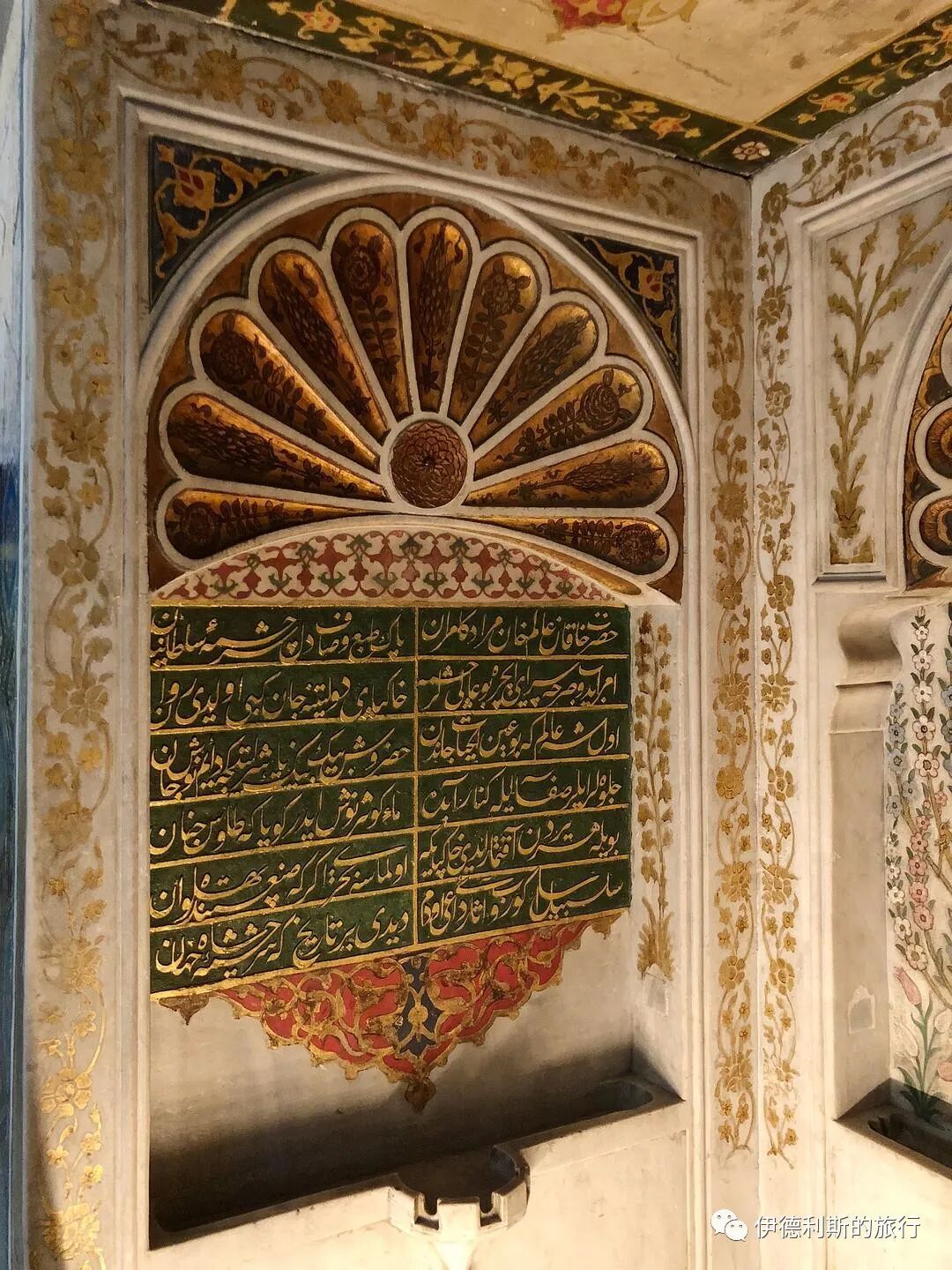
The building houses a fountain built in 1590. The peacock design featuring tulips, carnations, and plum blossoms was a very popular theme during the reign of Ottoman Sultan Murad III (reigned 1574-1595).
2. Tiles from the Sultanate of Rum
Cross and animal tiles from the Kubadabad Palace.
Kubadabad Palace was the summer palace of the Sultanate of Rum. It sits by Lake Beyşehir, 100 kilometers west of the capital, Konya. The Seljuk Sultan Kayqubad I (reigned 1220-1237) built it in 1236.
The entire complex consists of 16 buildings. The largest palace is 50 meters long and 35 meters wide and is famous for its ornate tiles. These tiles feature human and animal figures, which are typical artistic characteristics of the Seljuk dynasty.
3. Tiles of the Karamanid Beylik
Karaman is located 100 kilometers south of Konya and was once the capital of the Karamanid Beylik (1250-1487).
The Karaman people were a branch of the Oghuz Turkic tribes who moved from the Azerbaijan region to Turkey in the 1230s to escape the Mongol invasion. The Karamanid Beylik defeated the Sultanate of Rum in the late 13th century, competed with the Ottoman Empire many times during the 14th and 15th centuries, and was finally annexed by the Ottomans in 1487.
Currently, 66 mosques, 8 bathhouses, 2 inns, and 3 madrasas from the Karamanid Beylik survive today. These buildings form a distinctive Karaman architectural style.
Mosaic tiles on a mihrab niche in a mosque in Karaman from the late 13th century.
The mihrab niche of the Karaman Ibrahim Bey Mosque from 1432.
4. Ilkhanate Kashan tiles
Tiles from Kashan, Iran, dating to the Ilkhanate period in the 13th and 14th centuries. During the Seljuk Empire and Ilkhanate rule from the 12th to the 14th century, Kashan was a major center in Iran for making high-quality pottery and tiles. In modern Persian, the word for tile (kashi) comes from Kashan.
5. Iznik ceramics
The ancient city of Iznik sits by Lake Iznik, 90 kilometers southeast of Istanbul. With support from the Ottoman Empire, Iznik became a center for producing underglaze ceramics in the late 15th century.
The earliest visible records of Iznik pottery date back to 1489 in the imperial kitchens of Topkapi Palace in Istanbul, where all the pieces were blue and white porcelain. Because Ottoman rulers loved Chinese blue and white porcelain, Iznik pottery combined traditional Ottoman arabesque patterns with Chinese elements. Early Iznik pottery style is called Rumi-Hatayi, where Rumi stands for Ottoman arabesque patterns and Hatayi stands for Chinese floral patterns.
In the late 15th century, the gate of the Tomb of Prince Ahmed (1511) in Bursa featured identical tiles.
I took this photo at the original site in Bursa.
In 1530, the walls of the Circumcision Room at Topkapi Palace in Istanbul featured similar tiles.
Early 16th century.
Excavated at Çarşıkapı in Istanbul during the early 16th century.
Early 16th century, from the Yildiz Palace (Yıldız Sarayı) in Istanbul, which served as an Ottoman sultan's retreat in the late 19th century.
1510-1515, from the Sokollu Mehmed Pasha Mosque in Istanbul.
1510-1515, from the Tomb of Bayezid II in Istanbul.
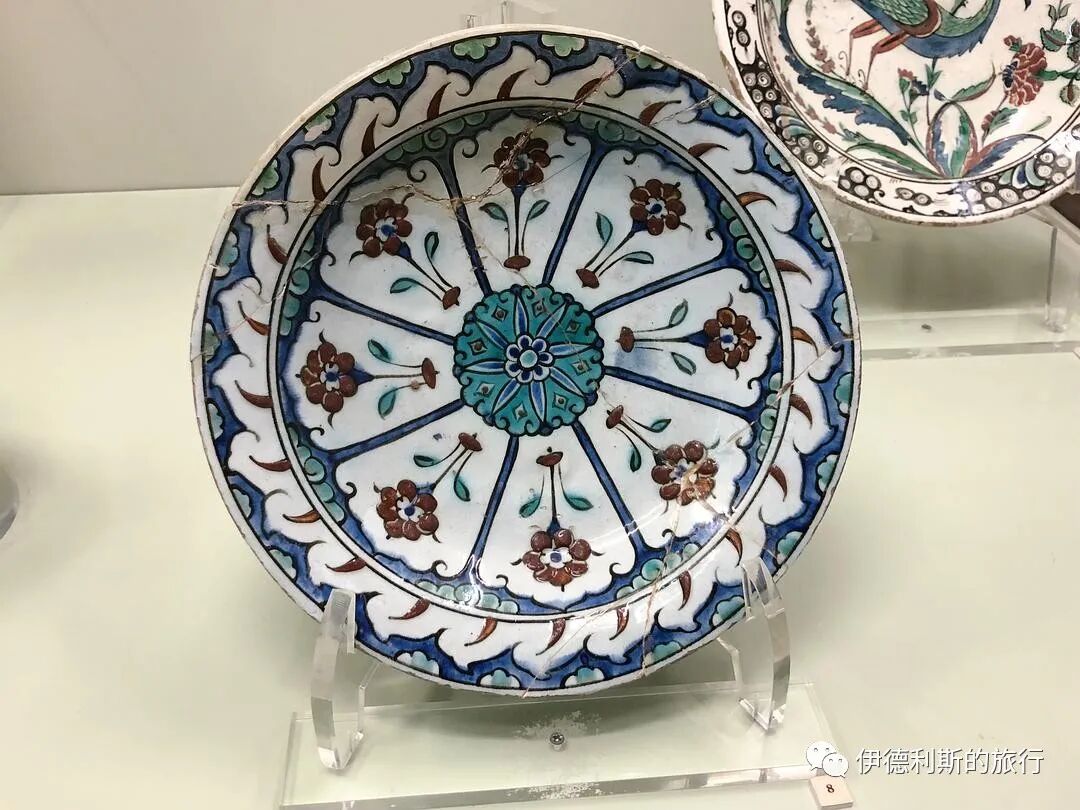
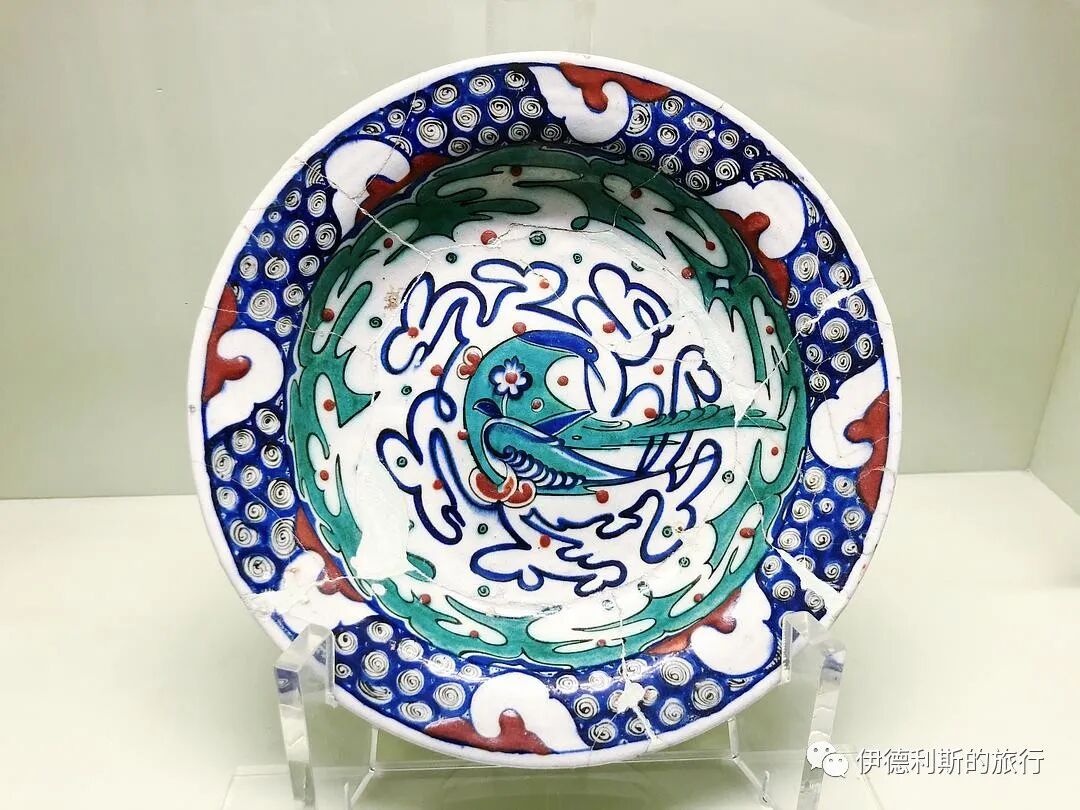
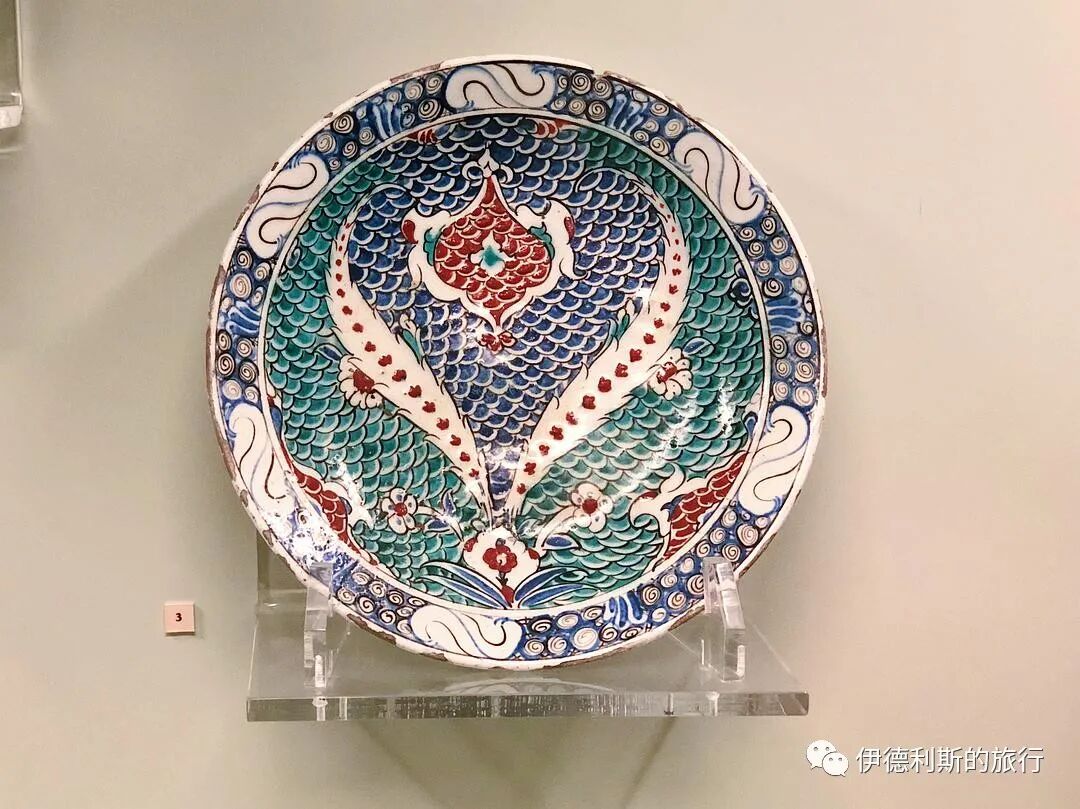
Early Iznik pottery only used cobalt blue, but after the 16th century, it gradually added sage green and lavender as soft accent colors. In the late 16th century, master architect Mimar Sinan used many Iznik tiles for Ottoman Empire buildings, replacing sage green with bright green and lavender with bright red. The first building to feature red Iznik tiles was the Suleymaniye Mosque, which Mimar Sinan completed in Istanbul in 1557.
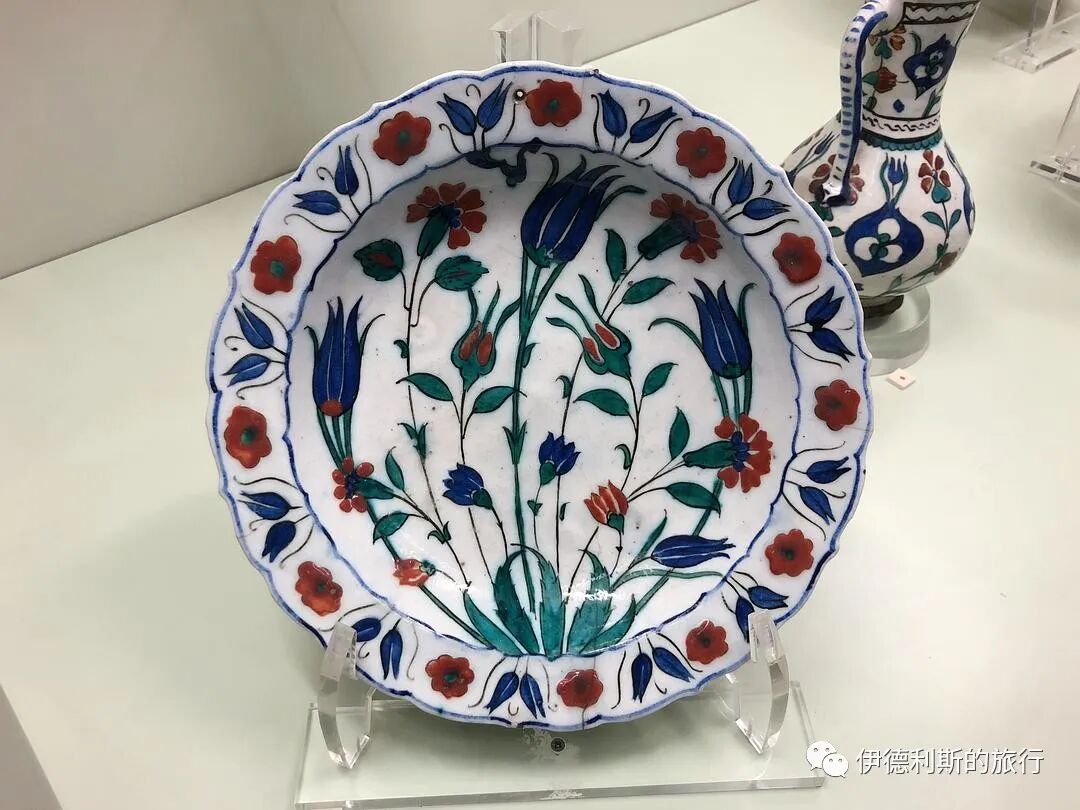
In 1557, Kara Mehmed Celebi became the chief painter for the Ottoman court. He introduced a floral style featuring tulips, carnations, roses, and hyacinths to Iznik pottery, making the patterns look more natural.
6. Ottoman Tiles
The colorful glazed window tiles of the Haseki Hürrem Sultan Madrasa from 1540.
The Haseki Hürrem Sultan Complex (Haseki Hürrem Sultan Külliyesi) sits in the southwest of Istanbul's old city. It was the first building complex constructed by the famous architect Mimar Sinan after he became the royal architect.
Suleiman the Magnificent's wife, Hürrem Sultan, commissioned the building of this complex. Hürrem Sultan, also known as Roxelana, was the first empress in Ottoman history to receive the title of Haseki Sultan (the Sultan's favorite). She is also known as the most powerful and controversial woman in Ottoman history. view all
Summary: Istanbul Islamic Arts Museum: Ottoman Calligraphy, Tiles and Muslim Heritage is presented here as a firsthand travel account in clear English, beginning with this scene: The tiled pavilion has a cross-shaped layout. Since it shows no Byzantine influence, scholars think an unknown Persian architect likely designed it. The account keeps its focus on Istanbul Museum, Islamic Art, Ottoman Heritage while preserving the names, places, food, and historical details from the Chinese source.
The tiled pavilion has a cross-shaped layout. Since it shows no Byzantine influence, scholars think an unknown Persian architect likely designed it. The tiles on the building's exterior clearly show influence from Central Asian regions like Samarkand, while the bricks and polygonal columns are typical of Persian architecture.
1. Inside the rooms
The tiled pavilion still holds some of its original interior decor. The gold leaf on some tiles has faded, and parts have been re-gilded.
The building houses a fountain built in 1590. The peacock design featuring tulips, carnations, and plum blossoms was a very popular theme during the reign of Ottoman Sultan Murad III (reigned 1574-1595).
2. Tiles from the Sultanate of Rum
Cross and animal tiles from the Kubadabad Palace.
Kubadabad Palace was the summer palace of the Sultanate of Rum. It sits by Lake Beyşehir, 100 kilometers west of the capital, Konya. The Seljuk Sultan Kayqubad I (reigned 1220-1237) built it in 1236.
The entire complex consists of 16 buildings. The largest palace is 50 meters long and 35 meters wide and is famous for its ornate tiles. These tiles feature human and animal figures, which are typical artistic characteristics of the Seljuk dynasty.
3. Tiles of the Karamanid Beylik
Karaman is located 100 kilometers south of Konya and was once the capital of the Karamanid Beylik (1250-1487).
The Karaman people were a branch of the Oghuz Turkic tribes who moved from the Azerbaijan region to Turkey in the 1230s to escape the Mongol invasion. The Karamanid Beylik defeated the Sultanate of Rum in the late 13th century, competed with the Ottoman Empire many times during the 14th and 15th centuries, and was finally annexed by the Ottomans in 1487.
Currently, 66 mosques, 8 bathhouses, 2 inns, and 3 madrasas from the Karamanid Beylik survive today. These buildings form a distinctive Karaman architectural style.
Mosaic tiles on a mihrab niche in a mosque in Karaman from the late 13th century.
The mihrab niche of the Karaman Ibrahim Bey Mosque from 1432.
4. Ilkhanate Kashan tiles
Tiles from Kashan, Iran, dating to the Ilkhanate period in the 13th and 14th centuries. During the Seljuk Empire and Ilkhanate rule from the 12th to the 14th century, Kashan was a major center in Iran for making high-quality pottery and tiles. In modern Persian, the word for tile (kashi) comes from Kashan.
5. Iznik ceramics
The ancient city of Iznik sits by Lake Iznik, 90 kilometers southeast of Istanbul. With support from the Ottoman Empire, Iznik became a center for producing underglaze ceramics in the late 15th century.
The earliest visible records of Iznik pottery date back to 1489 in the imperial kitchens of Topkapi Palace in Istanbul, where all the pieces were blue and white porcelain. Because Ottoman rulers loved Chinese blue and white porcelain, Iznik pottery combined traditional Ottoman arabesque patterns with Chinese elements. Early Iznik pottery style is called Rumi-Hatayi, where Rumi stands for Ottoman arabesque patterns and Hatayi stands for Chinese floral patterns.
In the late 15th century, the gate of the Tomb of Prince Ahmed (1511) in Bursa featured identical tiles.
I took this photo at the original site in Bursa.
In 1530, the walls of the Circumcision Room at Topkapi Palace in Istanbul featured similar tiles.
Early 16th century.
Excavated at Çarşıkapı in Istanbul during the early 16th century.
Early 16th century, from the Yildiz Palace (Yıldız Sarayı) in Istanbul, which served as an Ottoman sultan's retreat in the late 19th century.
1510-1515, from the Sokollu Mehmed Pasha Mosque in Istanbul.
1510-1515, from the Tomb of Bayezid II in Istanbul.
Early Iznik pottery only used cobalt blue, but after the 16th century, it gradually added sage green and lavender as soft accent colors. In the late 16th century, master architect Mimar Sinan used many Iznik tiles for Ottoman Empire buildings, replacing sage green with bright green and lavender with bright red. The first building to feature red Iznik tiles was the Suleymaniye Mosque, which Mimar Sinan completed in Istanbul in 1557.
In 1557, Kara Mehmed Celebi became the chief painter for the Ottoman court. He introduced a floral style featuring tulips, carnations, roses, and hyacinths to Iznik pottery, making the patterns look more natural.
6. Ottoman Tiles
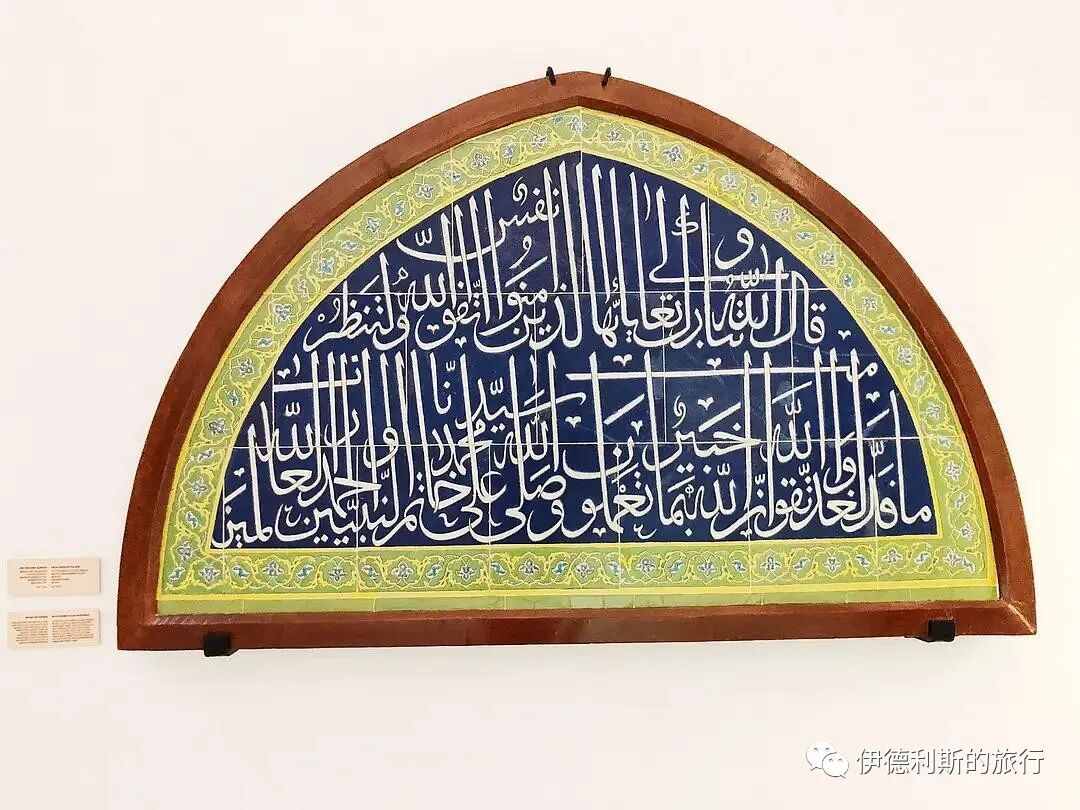
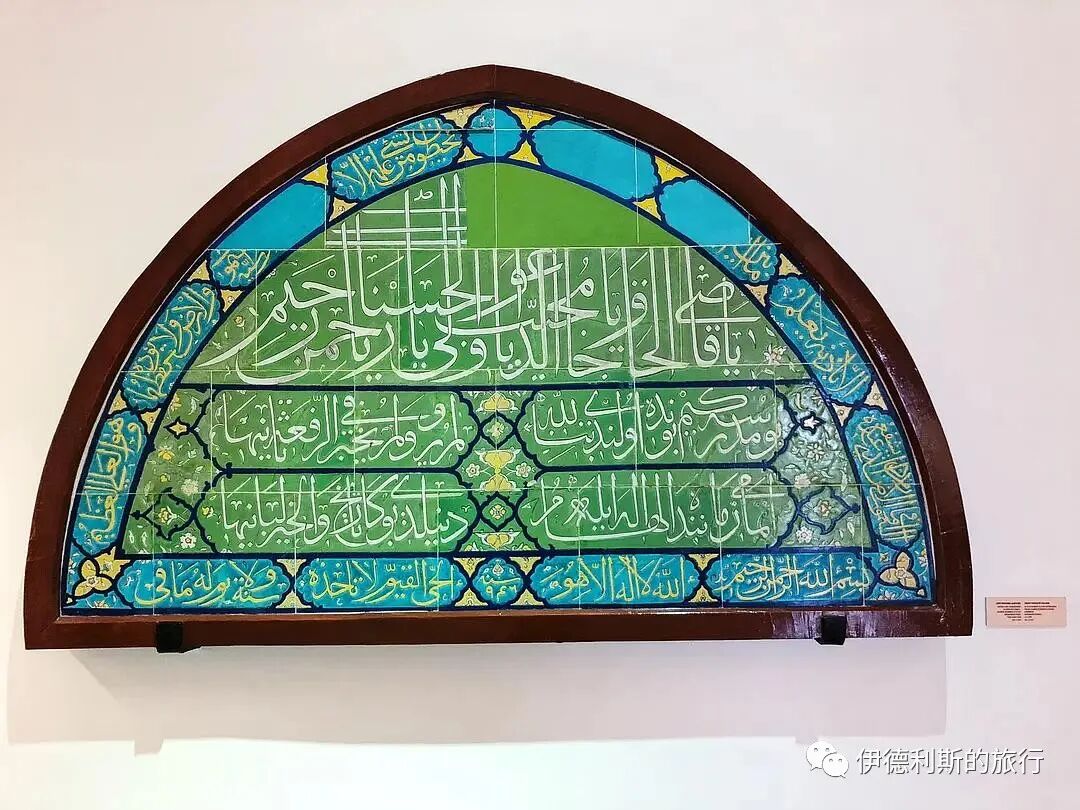
The colorful glazed window tiles of the Haseki Hürrem Sultan Madrasa from 1540.
The Haseki Hürrem Sultan Complex (Haseki Hürrem Sultan Külliyesi) sits in the southwest of Istanbul's old city. It was the first building complex constructed by the famous architect Mimar Sinan after he became the royal architect.
Suleiman the Magnificent's wife, Hürrem Sultan, commissioned the building of this complex. Hürrem Sultan, also known as Roxelana, was the first empress in Ottoman history to receive the title of Haseki Sultan (the Sultan's favorite). She is also known as the most powerful and controversial woman in Ottoman history. view all
Reposted from the web
Summary: Istanbul Islamic Arts Museum: Ottoman Calligraphy, Tiles and Muslim Heritage is presented here as a firsthand travel account in clear English, beginning with this scene: The tiled pavilion has a cross-shaped layout. Since it shows no Byzantine influence, scholars think an unknown Persian architect likely designed it. The account keeps its focus on Istanbul Museum, Islamic Art, Ottoman Heritage while preserving the names, places, food, and historical details from the Chinese source.
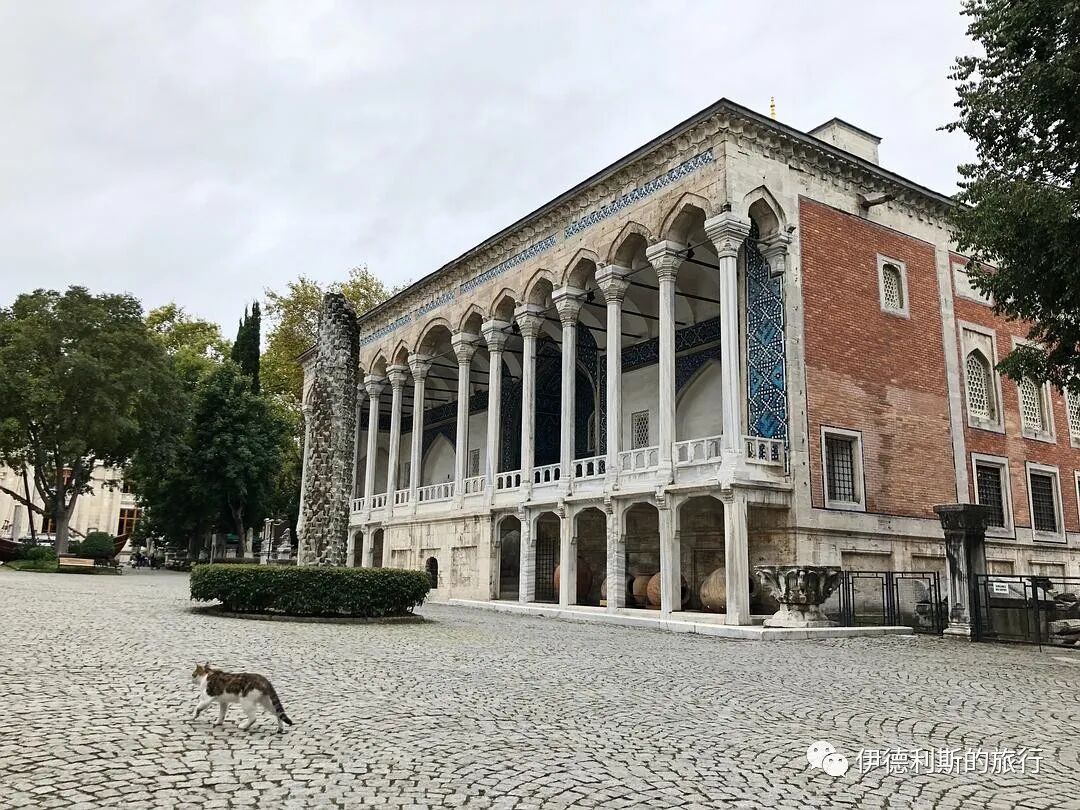
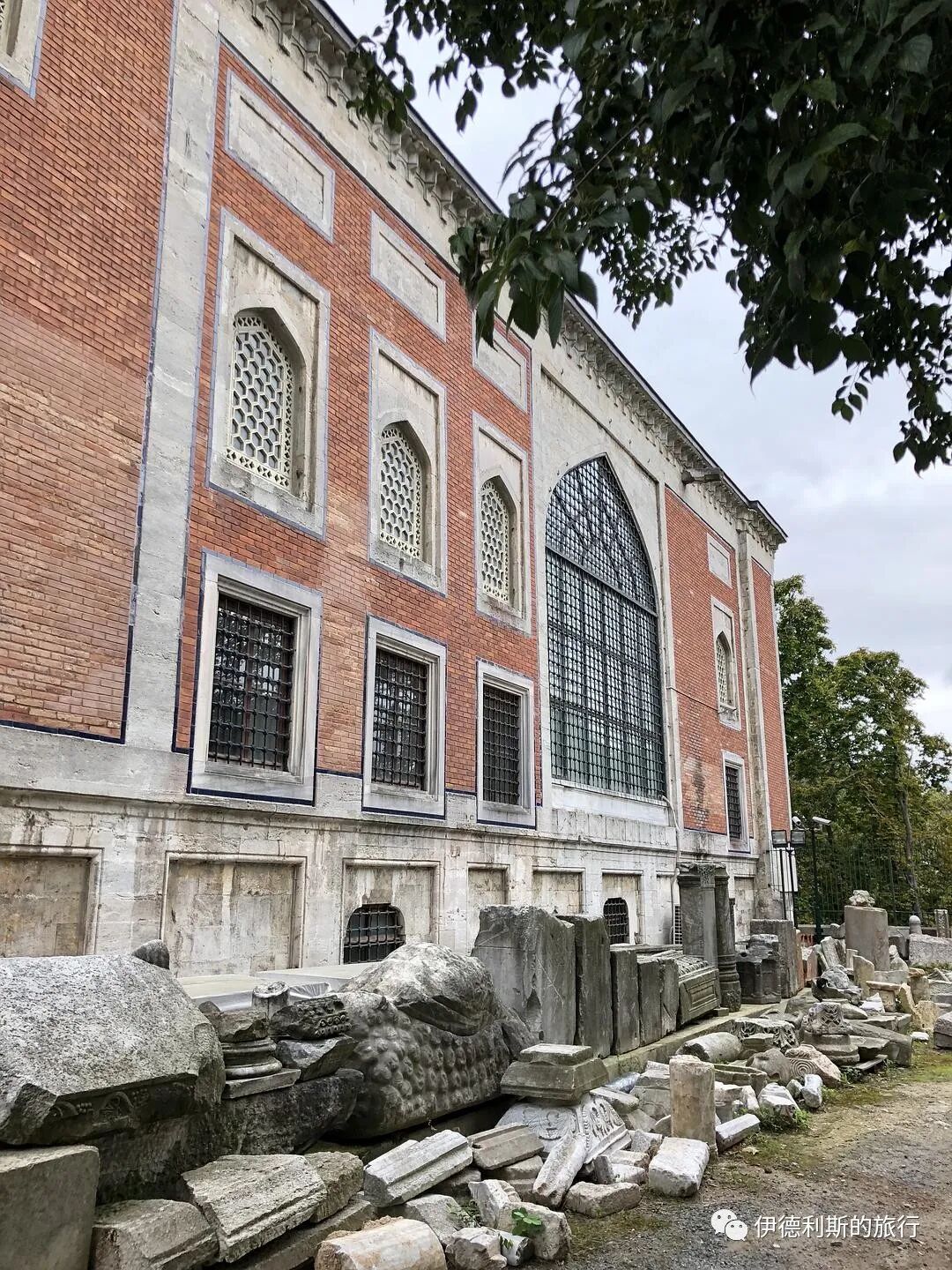
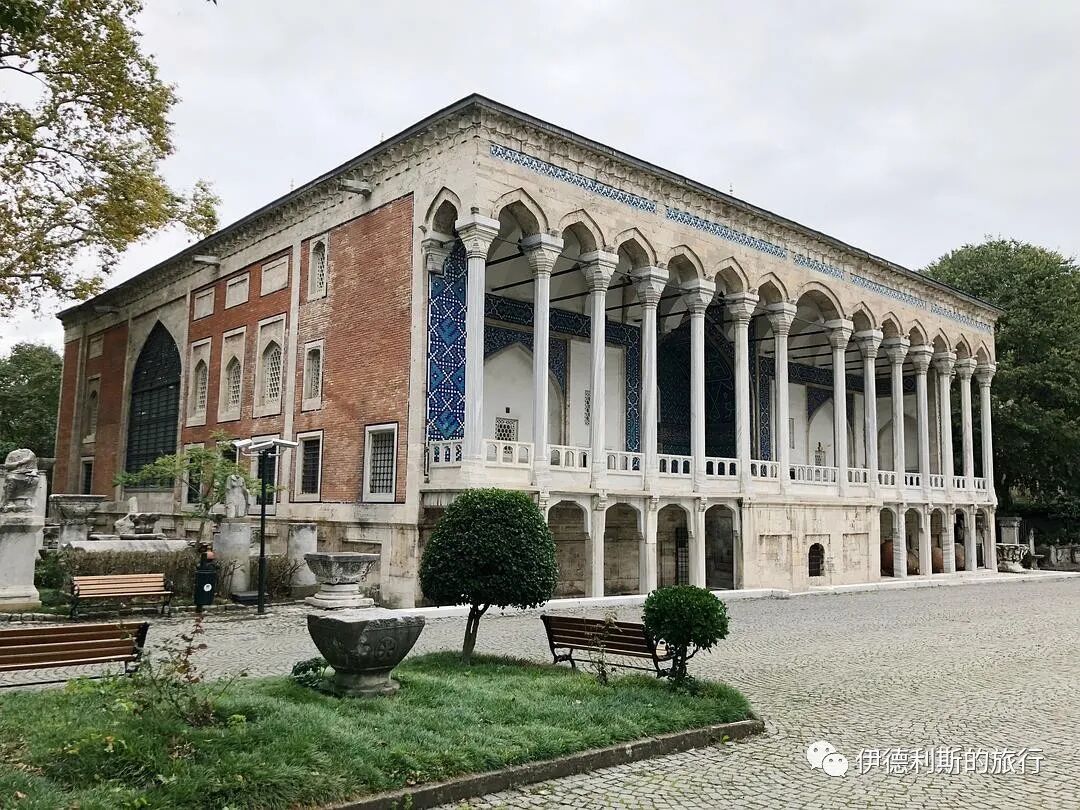
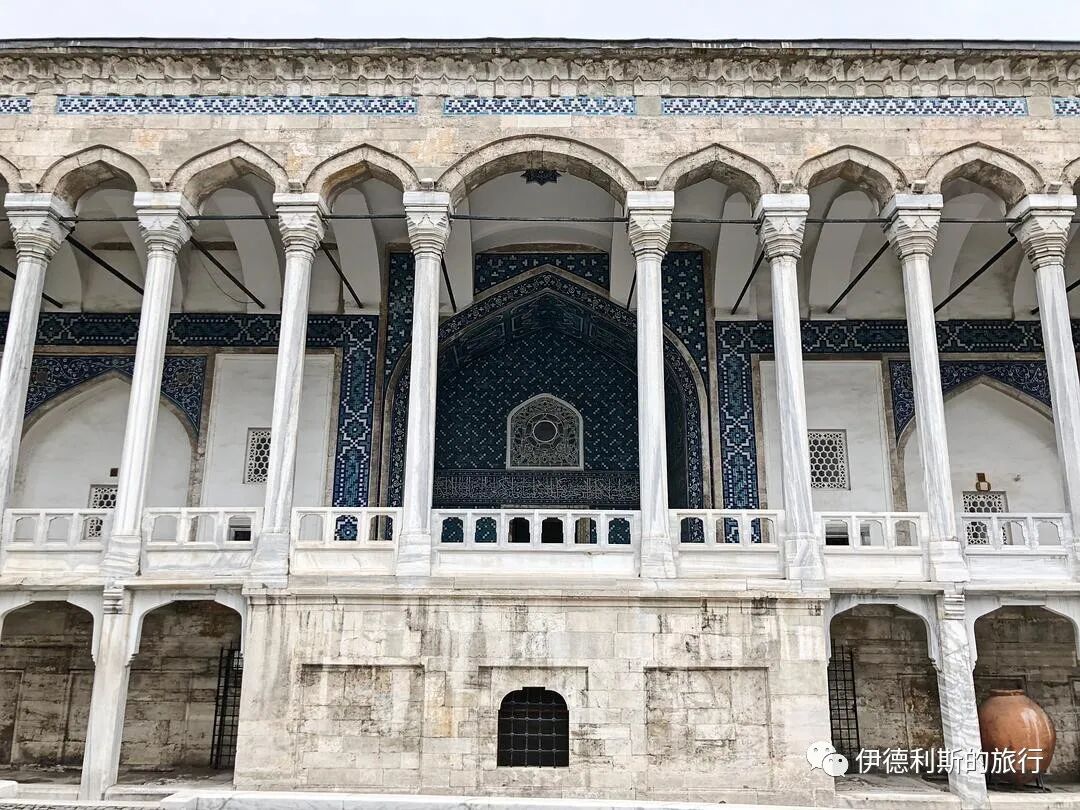
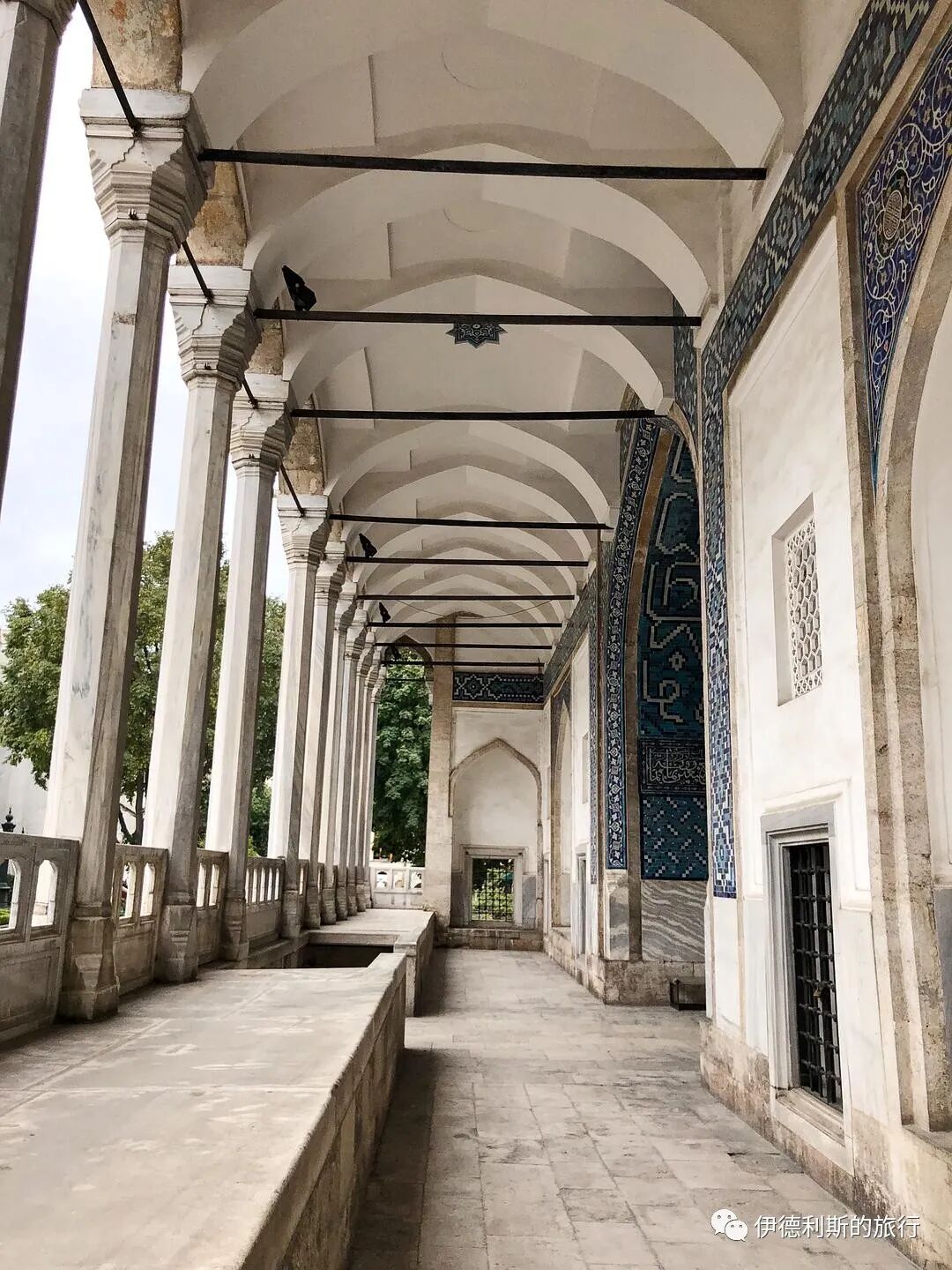
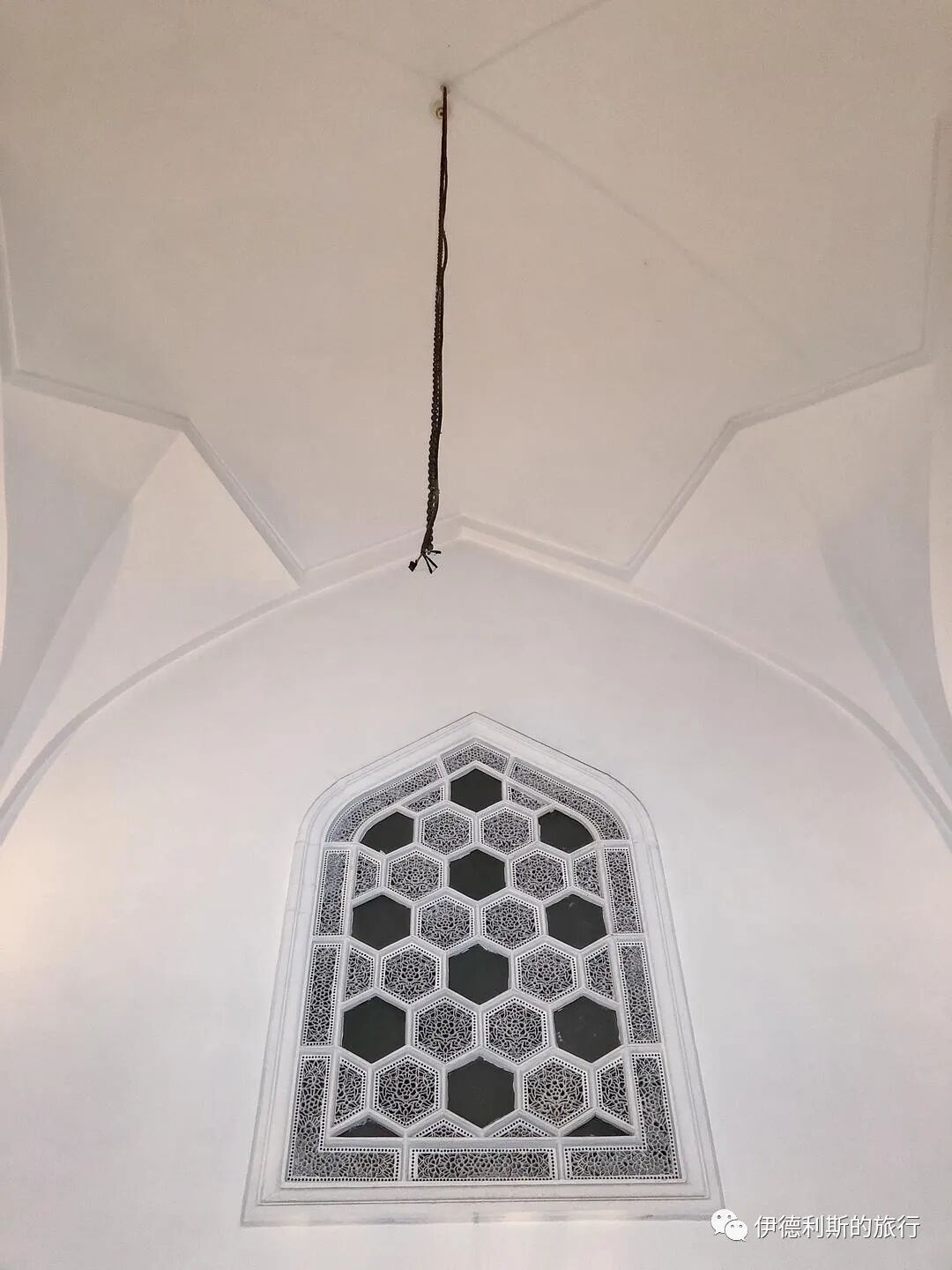
The tiled pavilion has a cross-shaped layout. Since it shows no Byzantine influence, scholars think an unknown Persian architect likely designed it. The tiles on the building's exterior clearly show influence from Central Asian regions like Samarkand, while the bricks and polygonal columns are typical of Persian architecture.
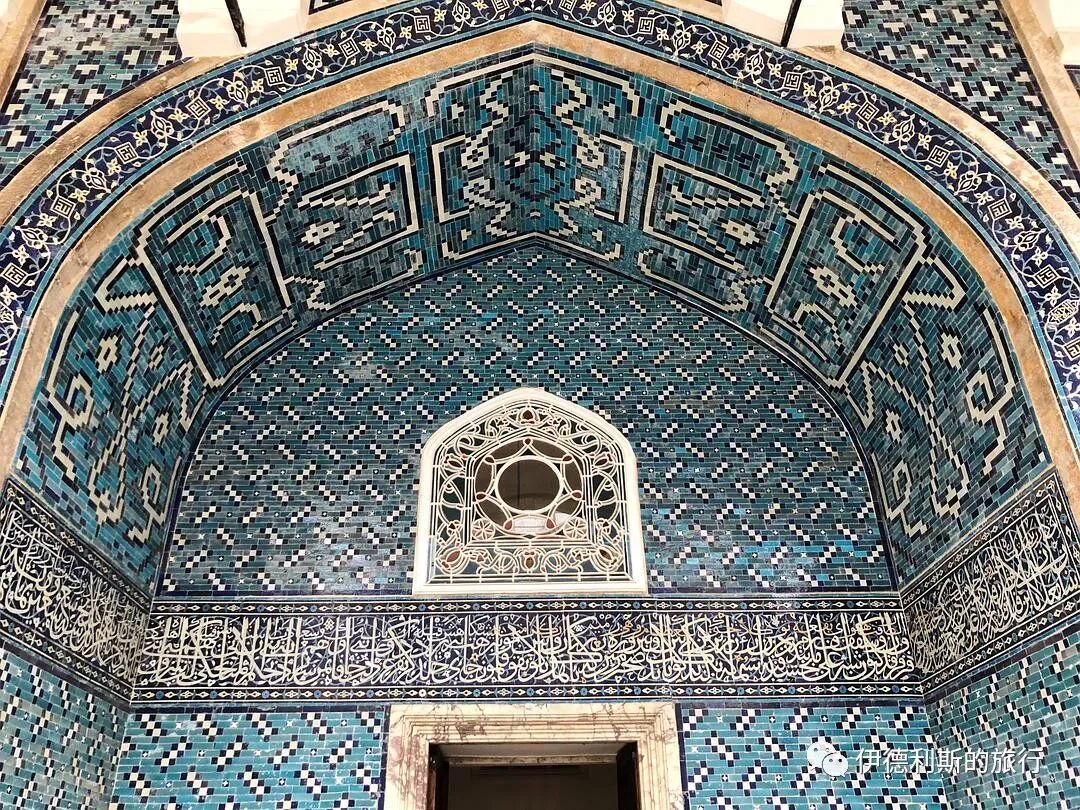
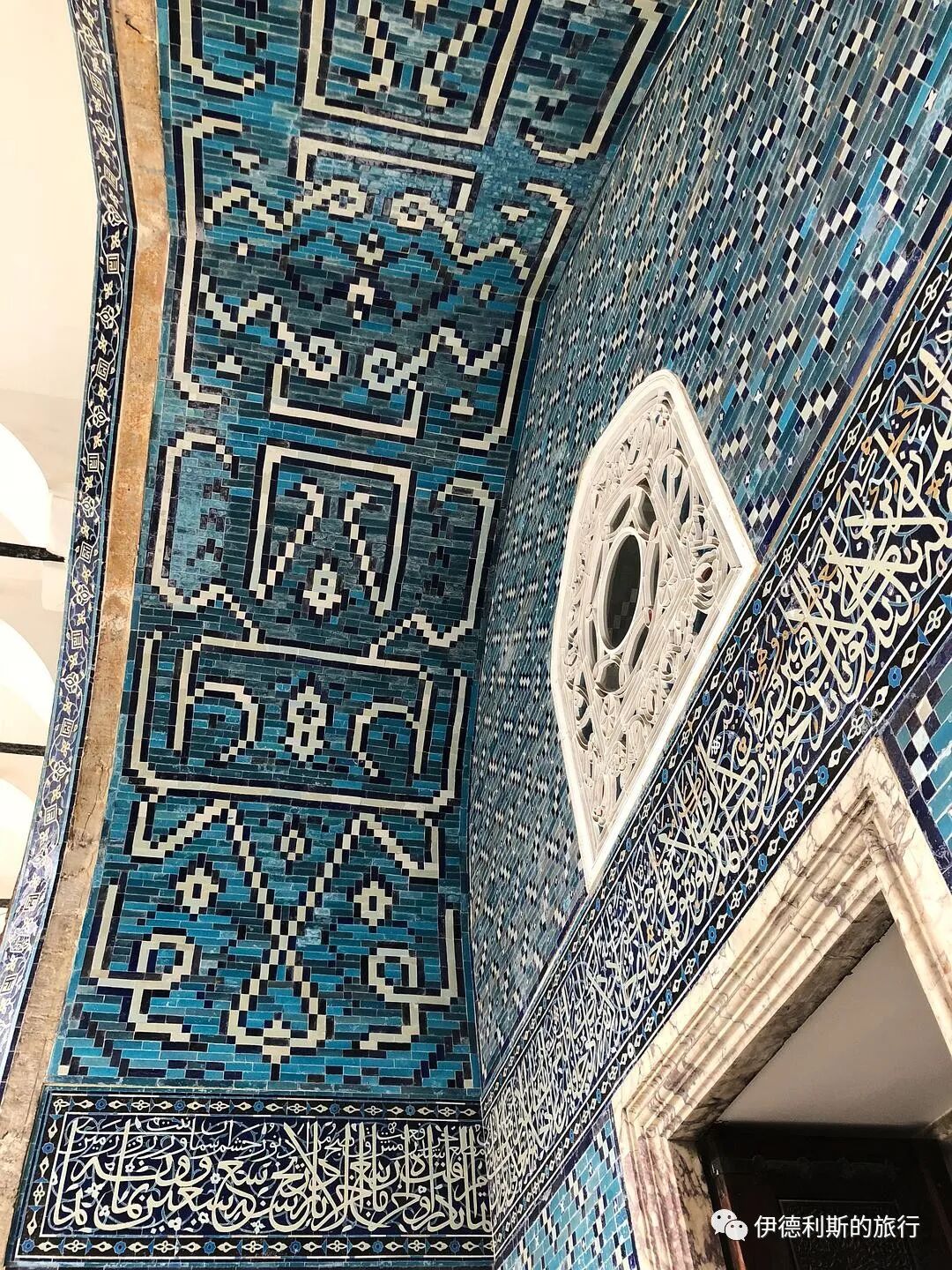
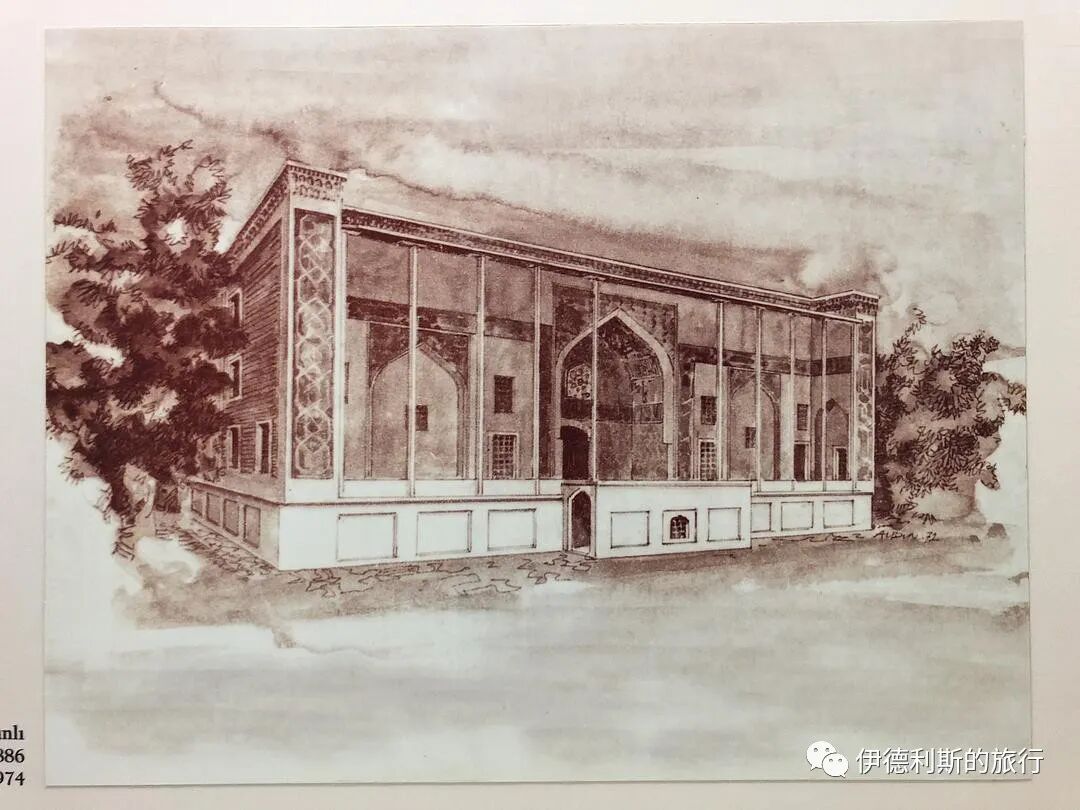
1. Inside the rooms
The tiled pavilion still holds some of its original interior decor. The gold leaf on some tiles has faded, and parts have been re-gilded.
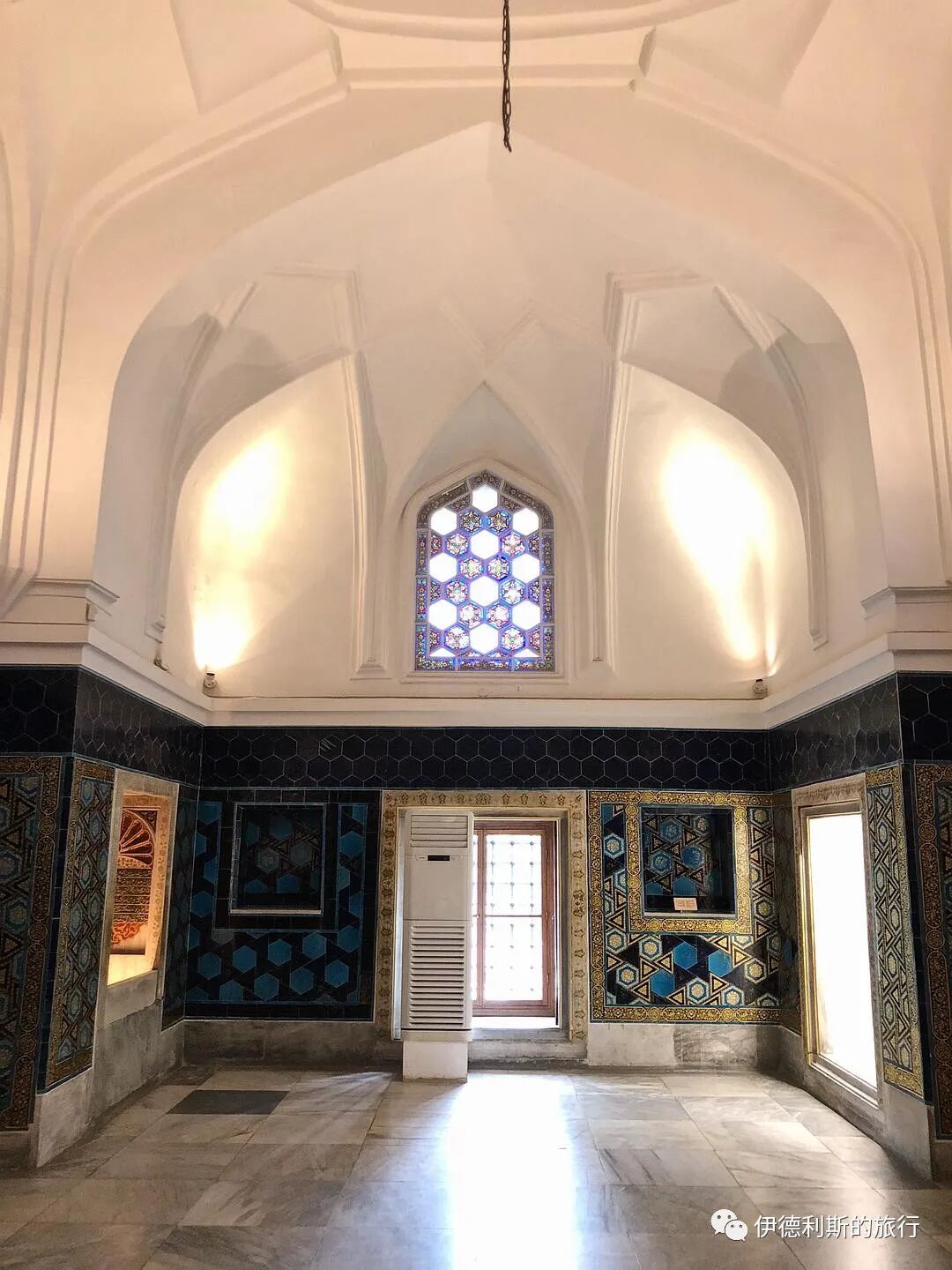
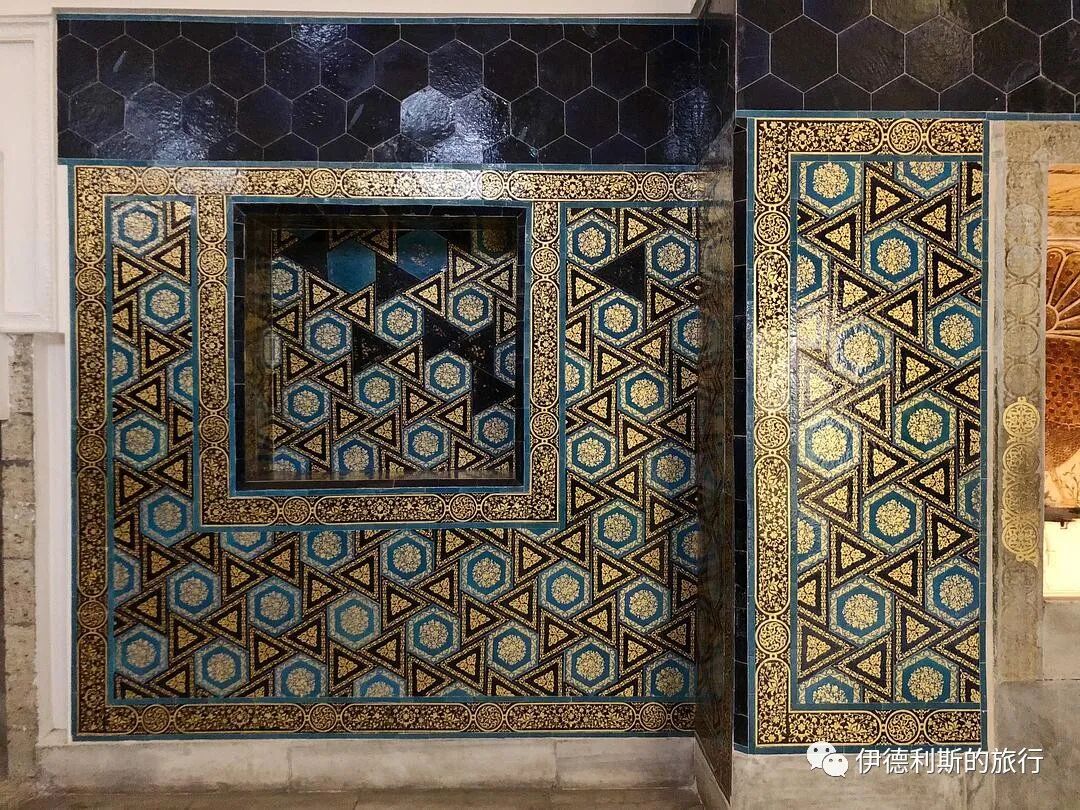
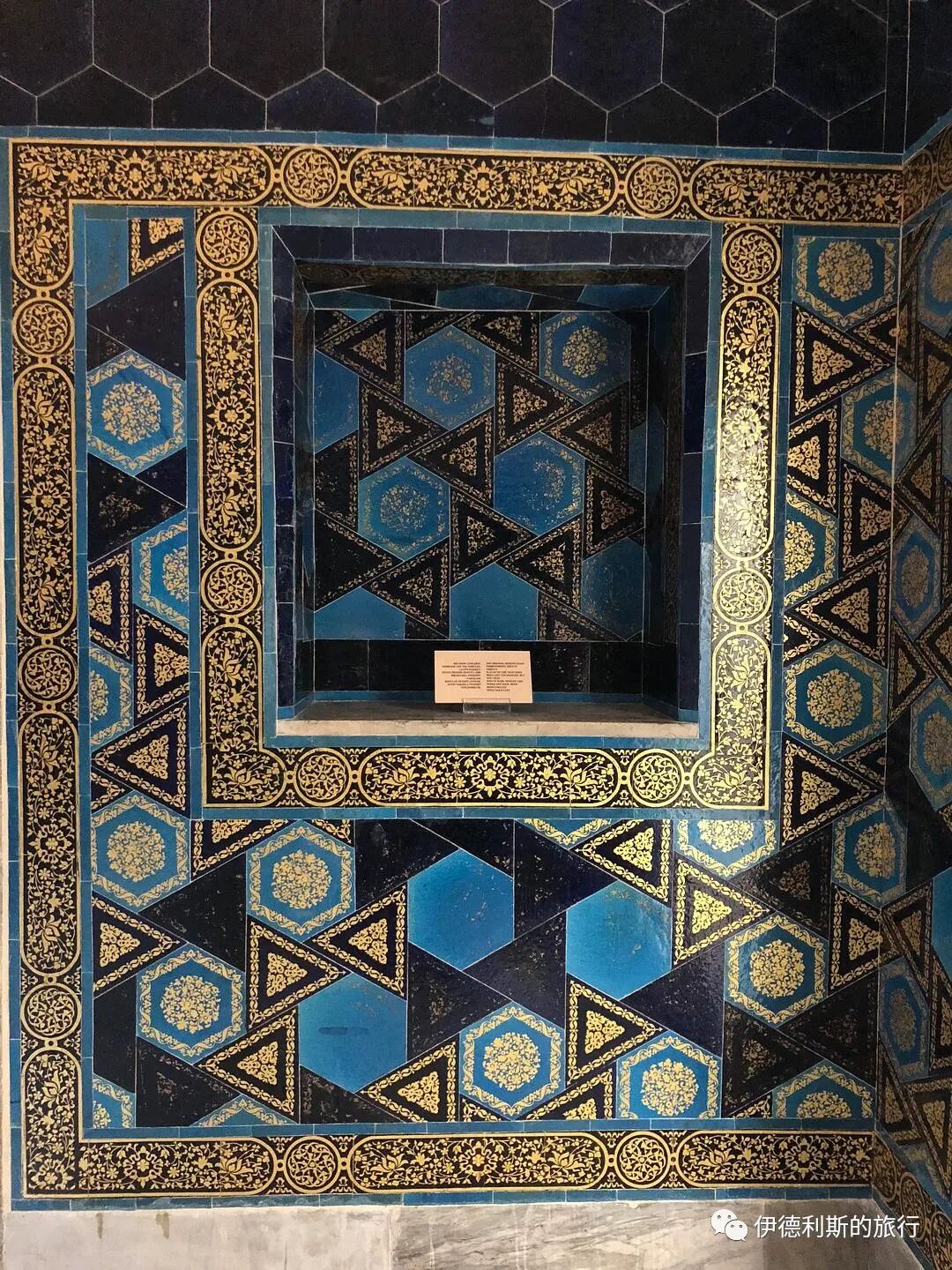
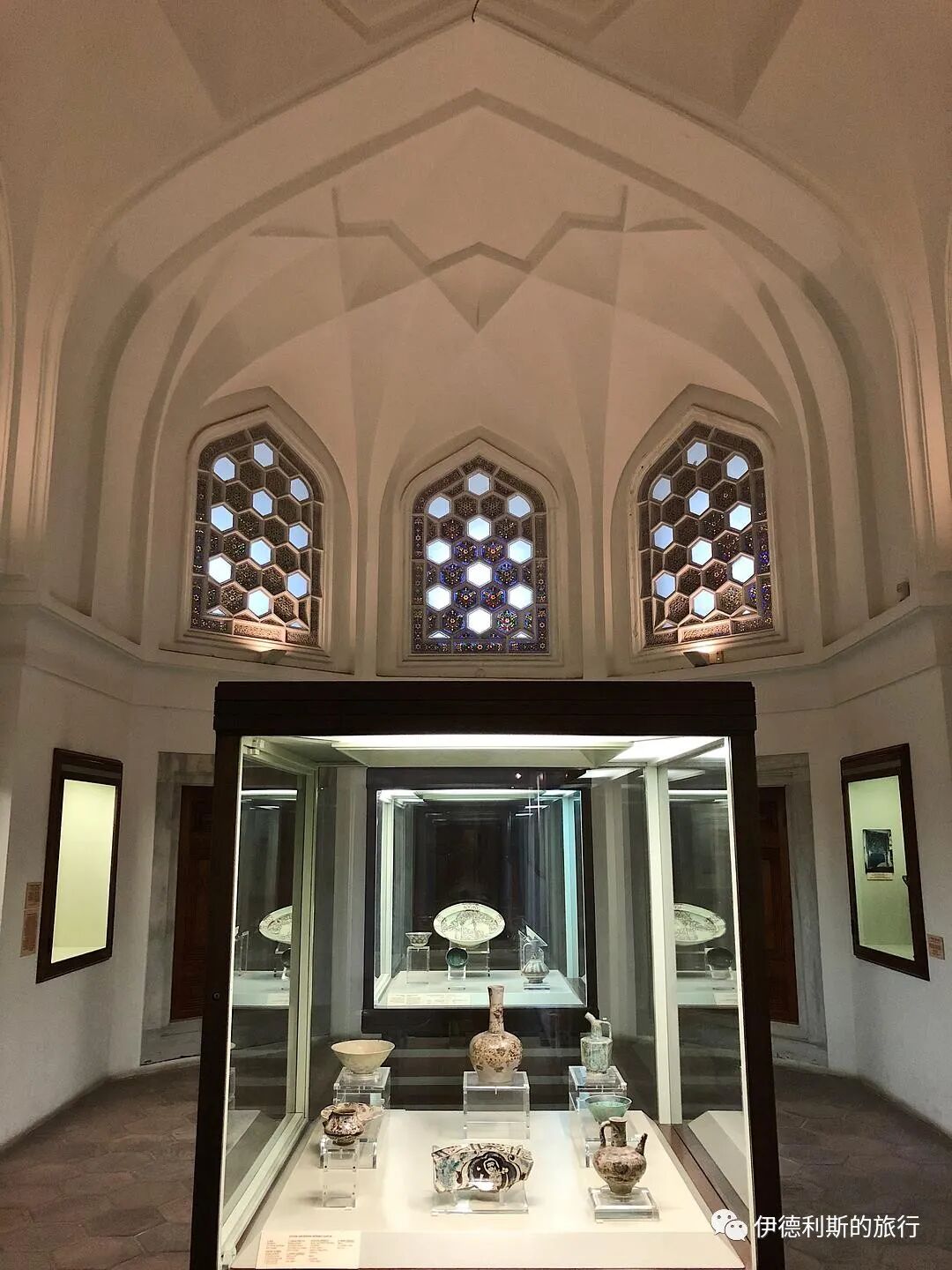
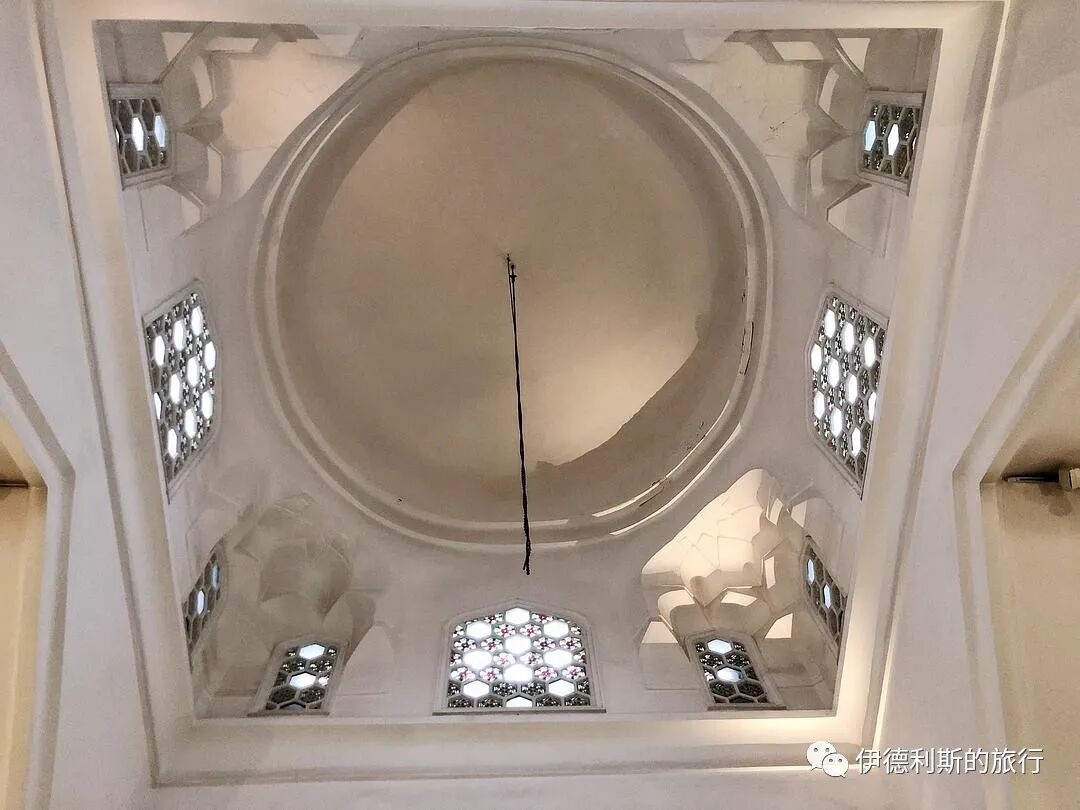
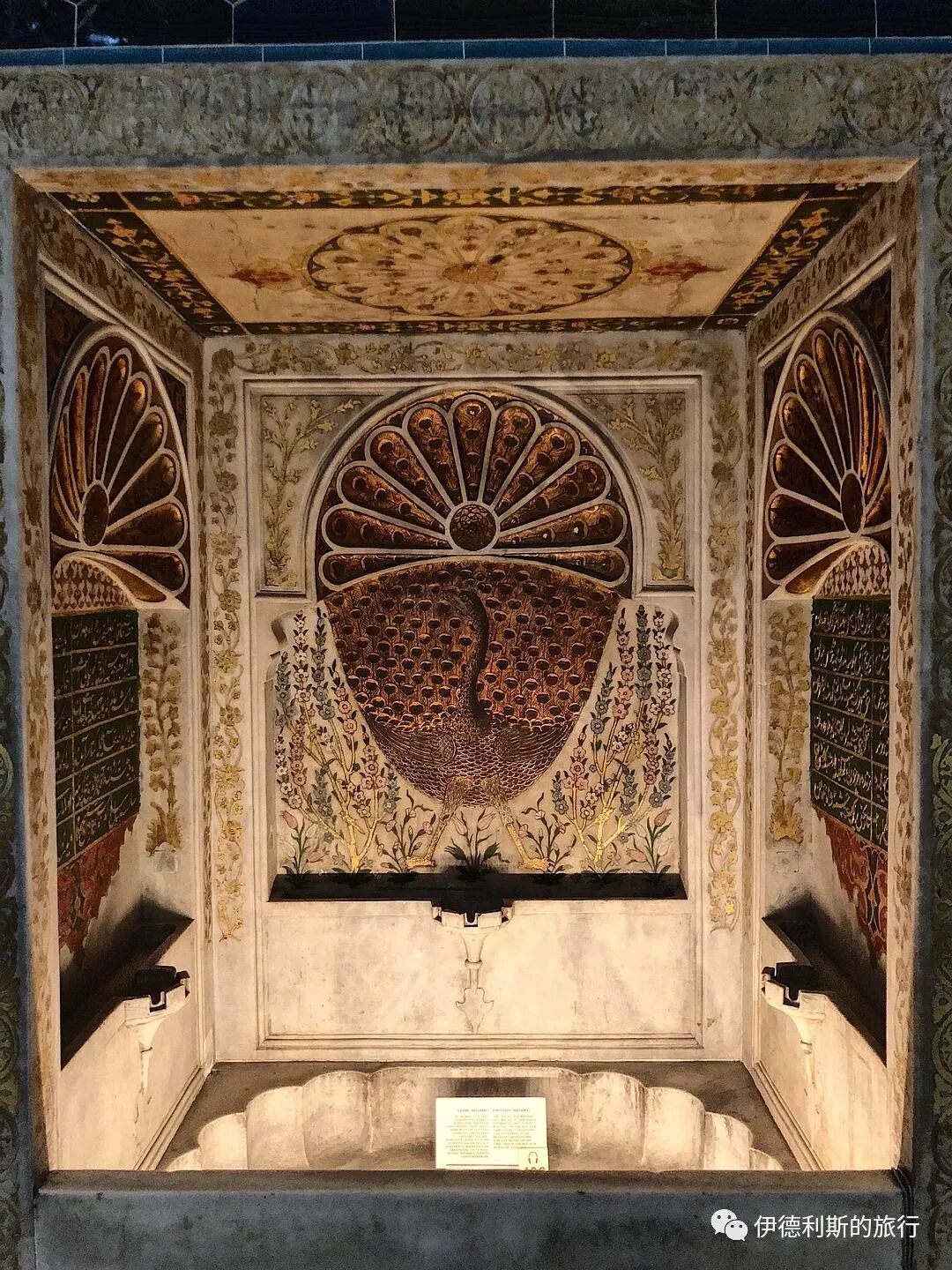
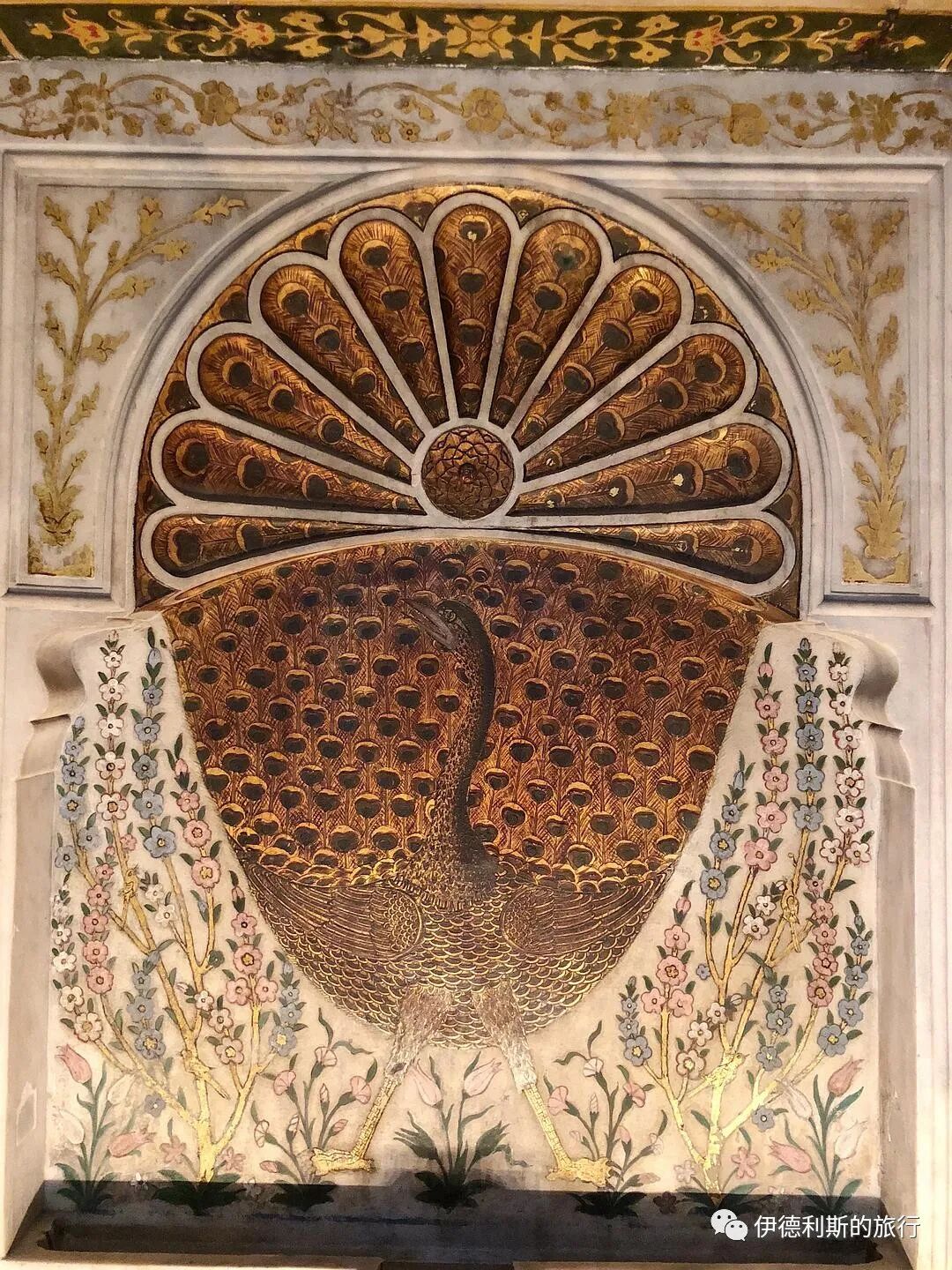
The building houses a fountain built in 1590. The peacock design featuring tulips, carnations, and plum blossoms was a very popular theme during the reign of Ottoman Sultan Murad III (reigned 1574-1595).
2. Tiles from the Sultanate of Rum
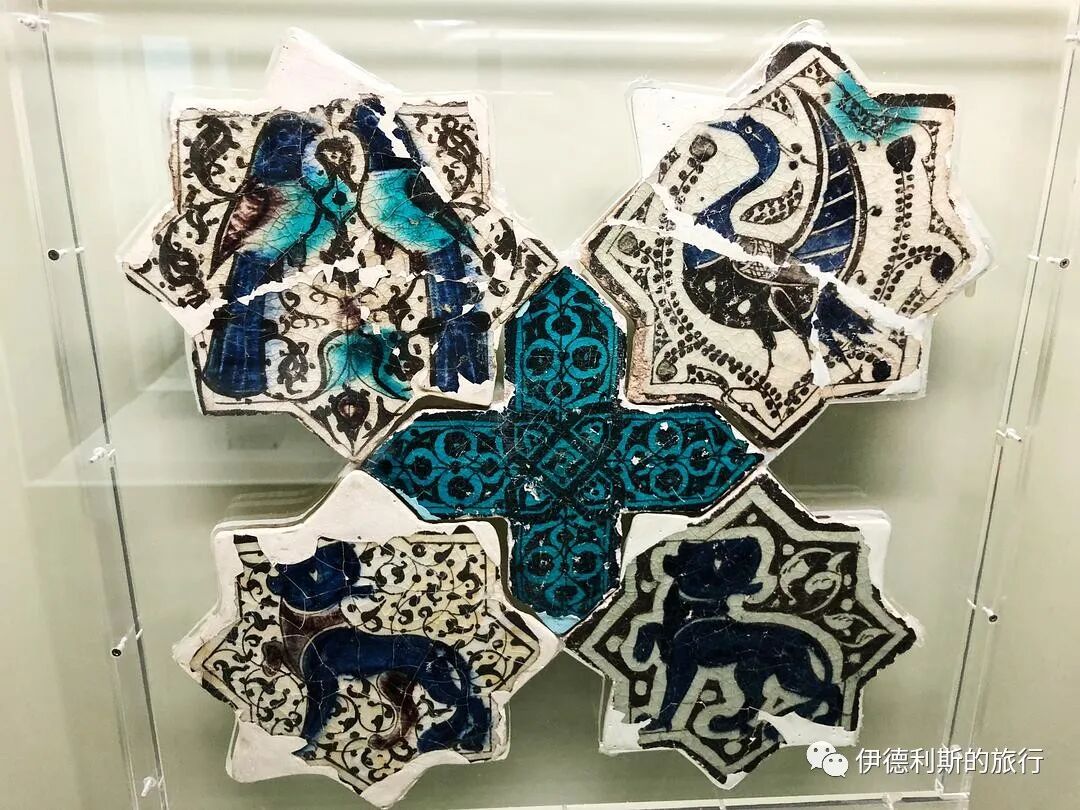
Cross and animal tiles from the Kubadabad Palace.
Kubadabad Palace was the summer palace of the Sultanate of Rum. It sits by Lake Beyşehir, 100 kilometers west of the capital, Konya. The Seljuk Sultan Kayqubad I (reigned 1220-1237) built it in 1236.
The entire complex consists of 16 buildings. The largest palace is 50 meters long and 35 meters wide and is famous for its ornate tiles. These tiles feature human and animal figures, which are typical artistic characteristics of the Seljuk dynasty.
3. Tiles of the Karamanid Beylik
Karaman is located 100 kilometers south of Konya and was once the capital of the Karamanid Beylik (1250-1487).
The Karaman people were a branch of the Oghuz Turkic tribes who moved from the Azerbaijan region to Turkey in the 1230s to escape the Mongol invasion. The Karamanid Beylik defeated the Sultanate of Rum in the late 13th century, competed with the Ottoman Empire many times during the 14th and 15th centuries, and was finally annexed by the Ottomans in 1487.
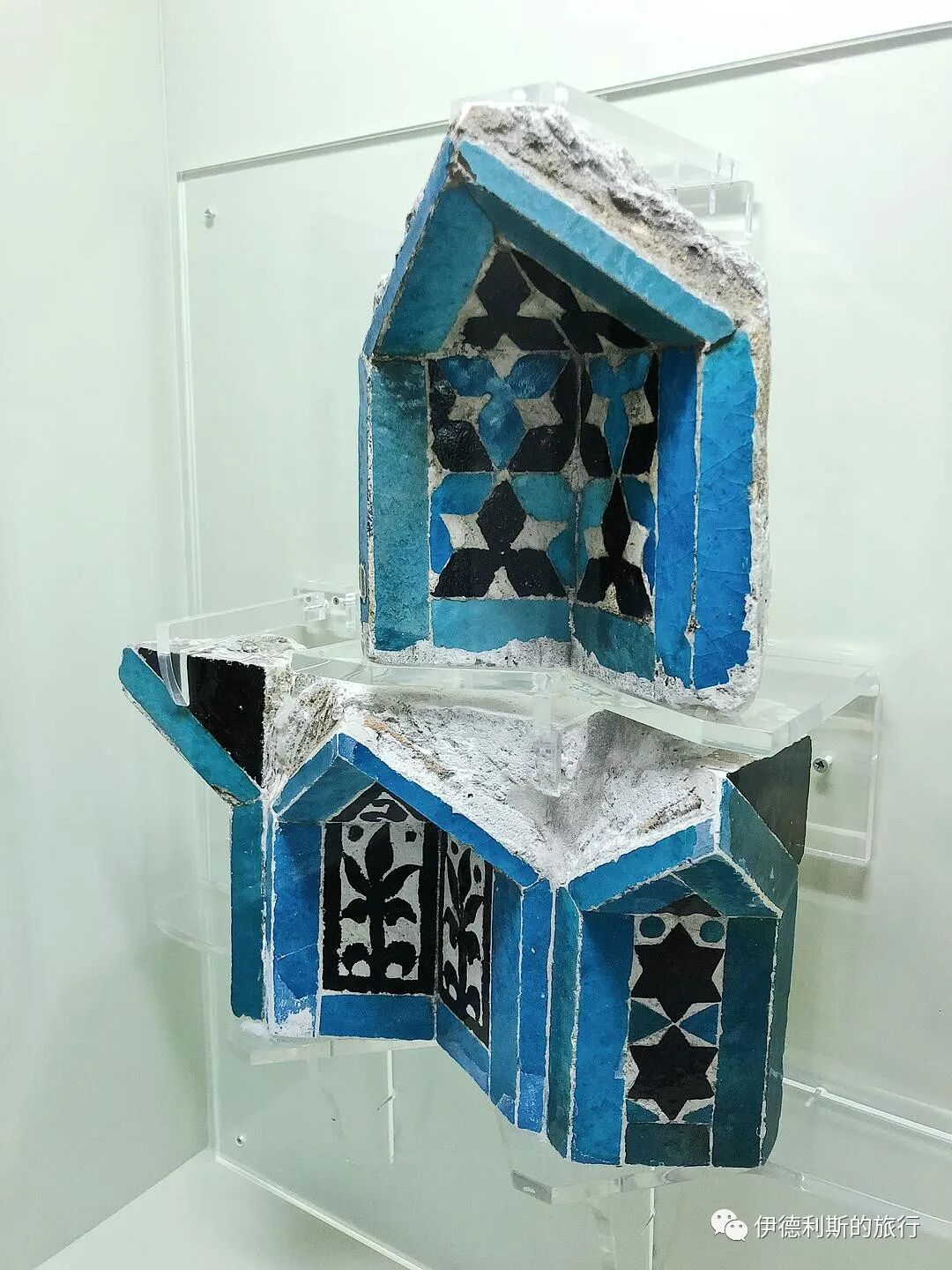
Currently, 66 mosques, 8 bathhouses, 2 inns, and 3 madrasas from the Karamanid Beylik survive today. These buildings form a distinctive Karaman architectural style.
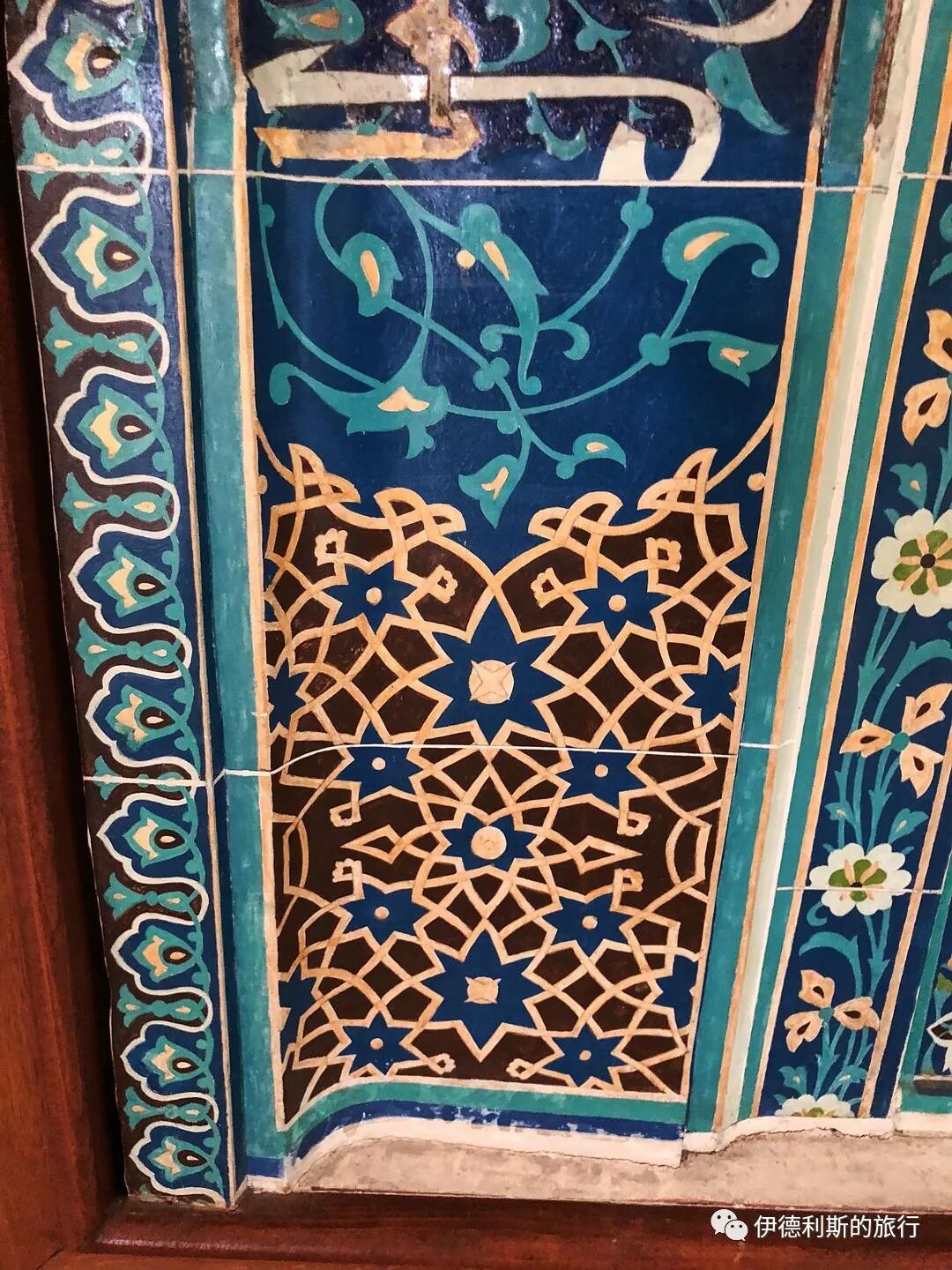
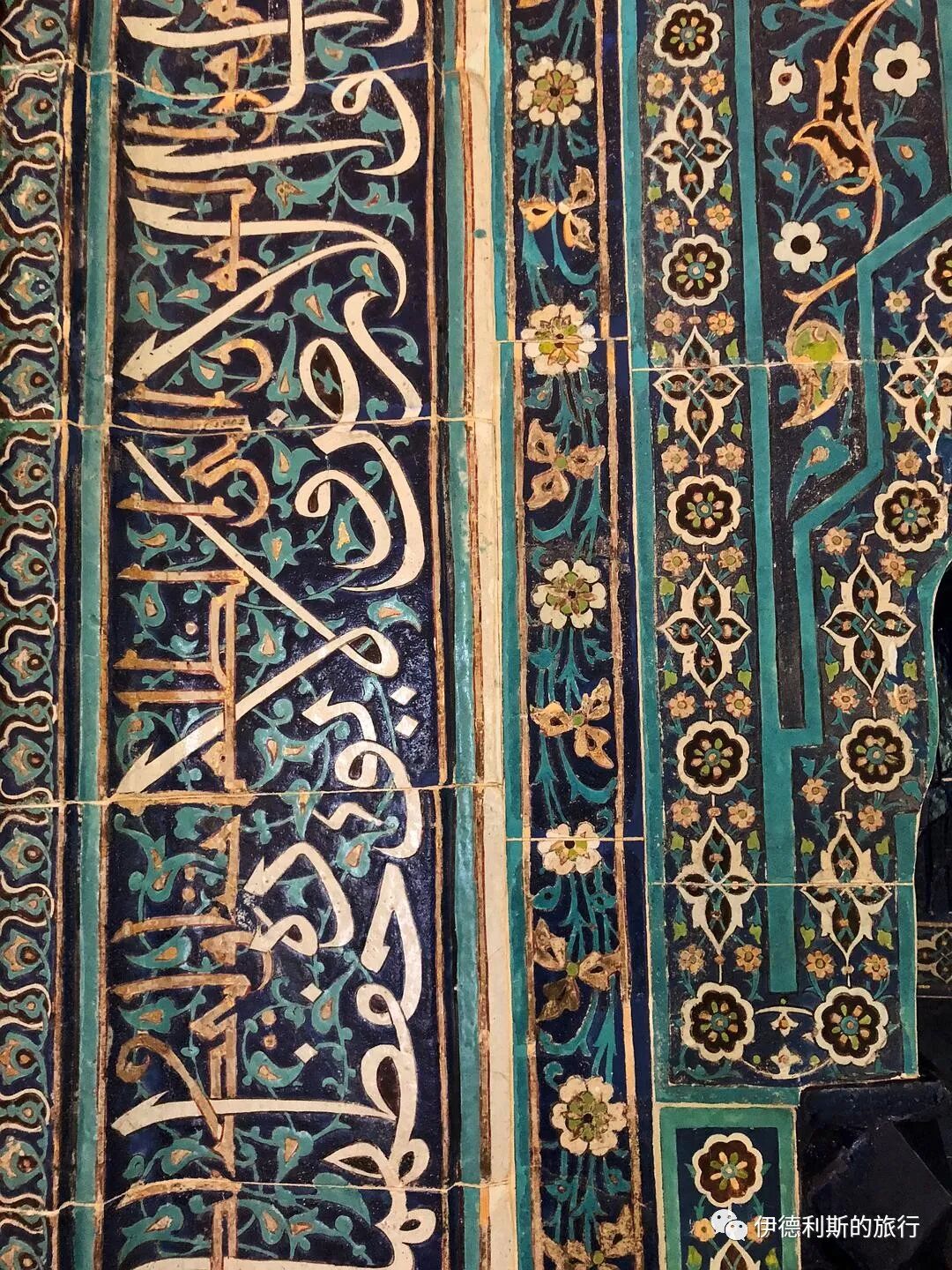
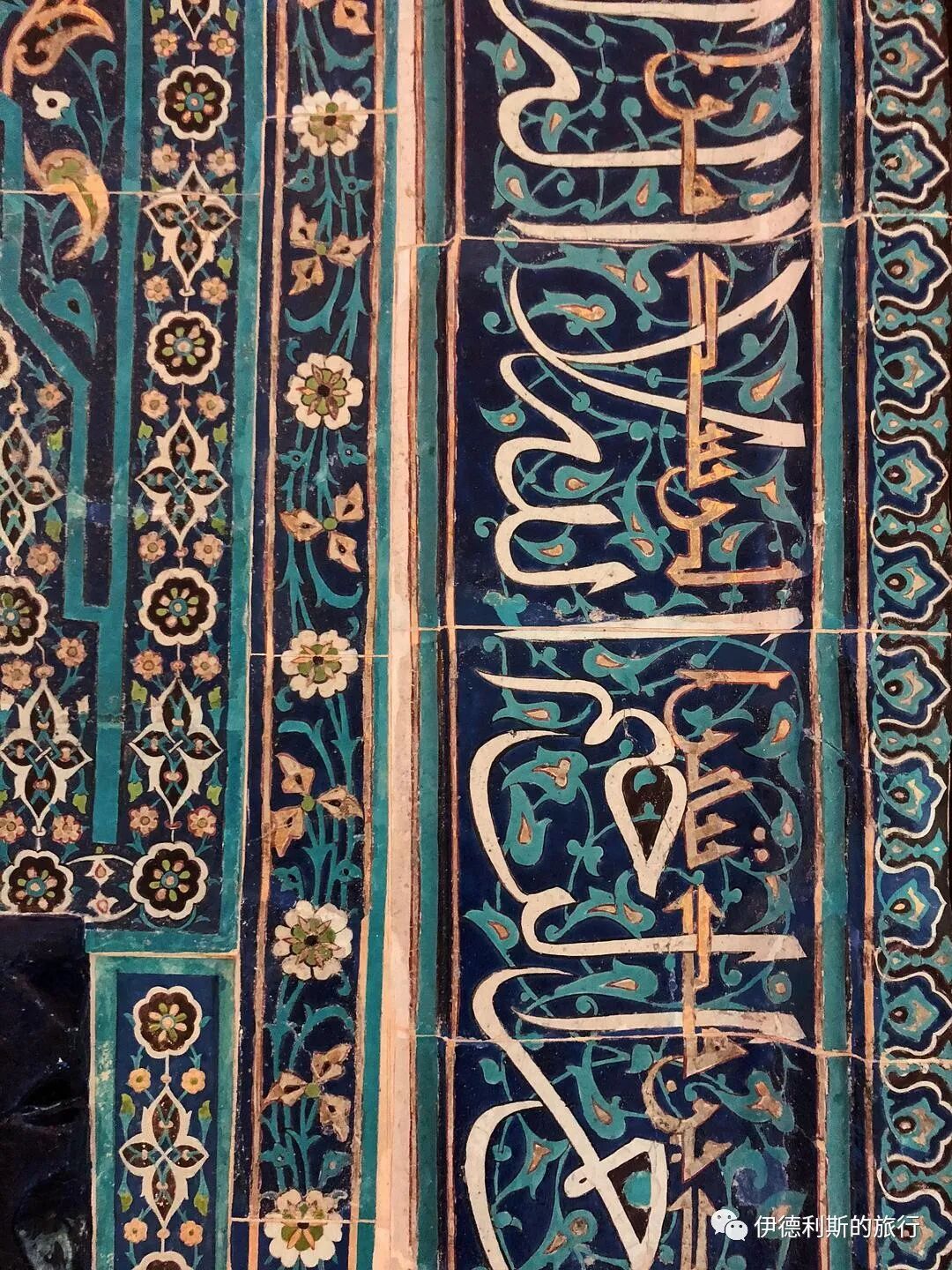
Mosaic tiles on a mihrab niche in a mosque in Karaman from the late 13th century.
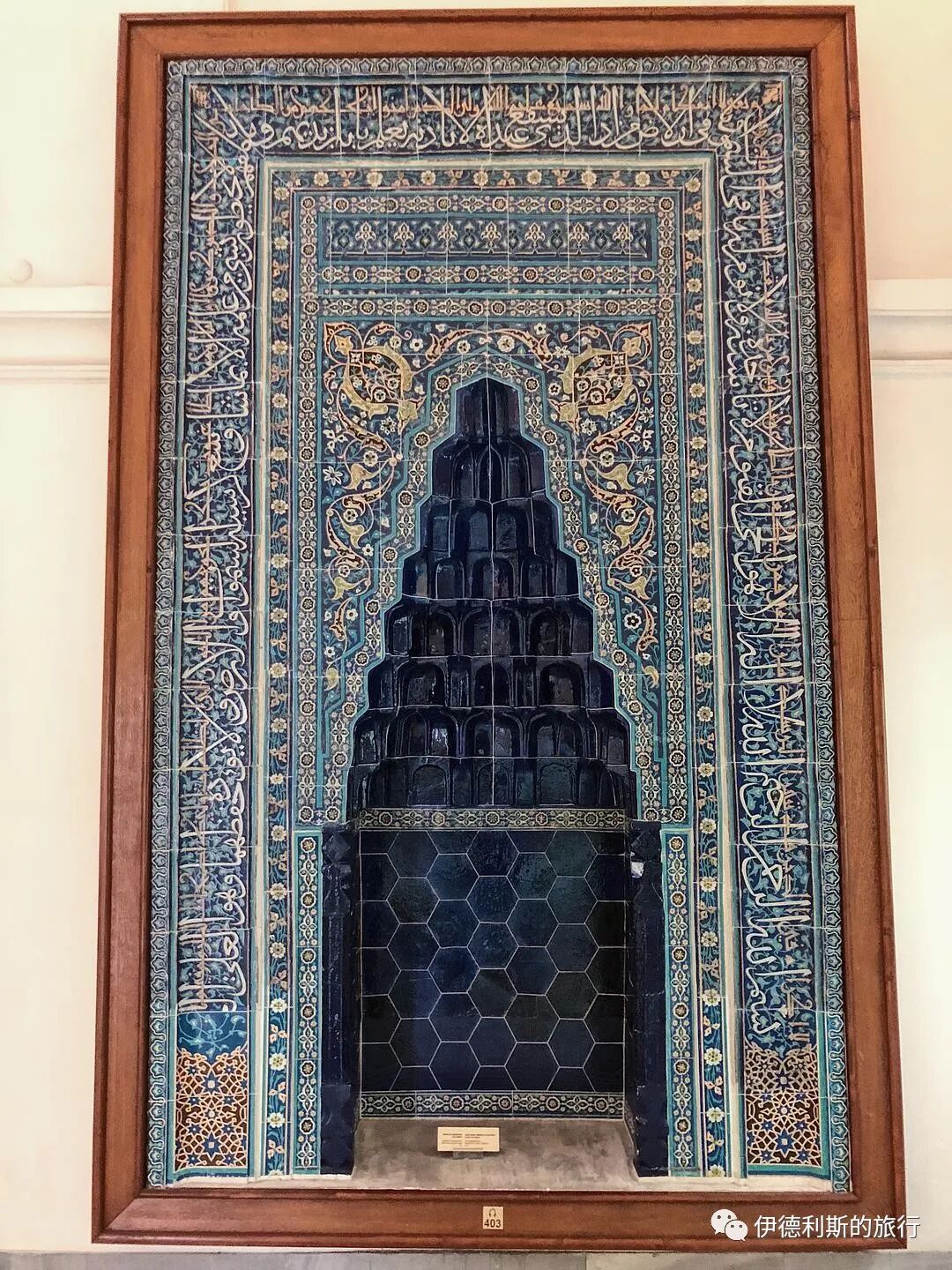
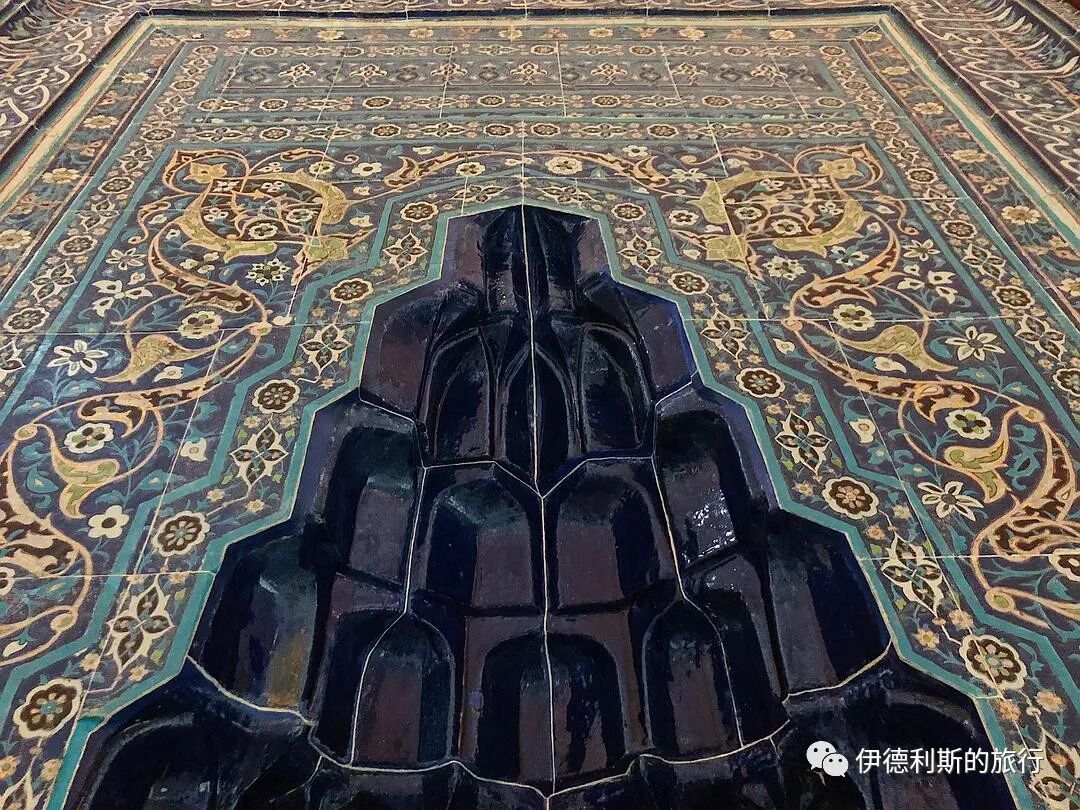
The mihrab niche of the Karaman Ibrahim Bey Mosque from 1432.
4. Ilkhanate Kashan tiles
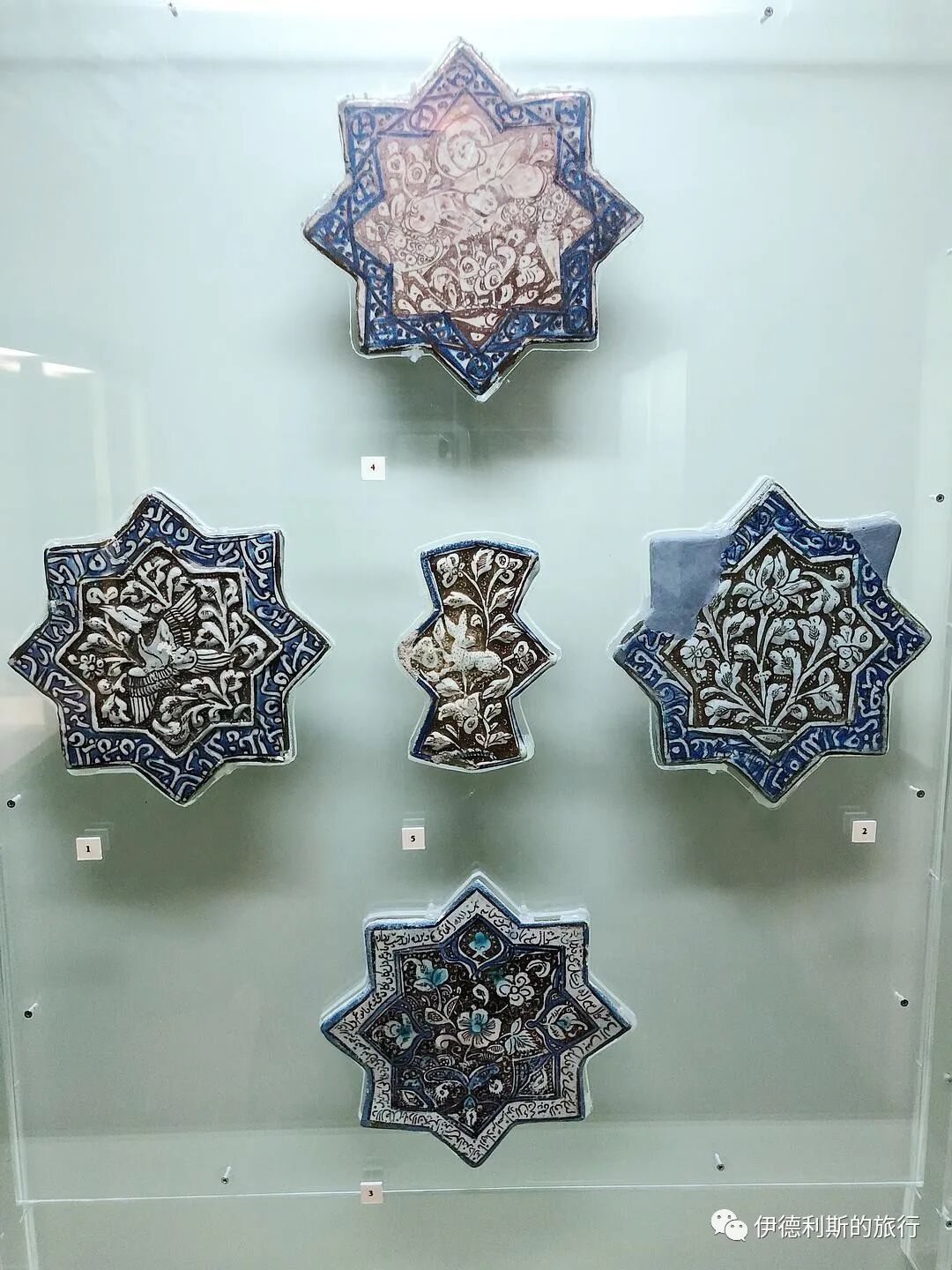
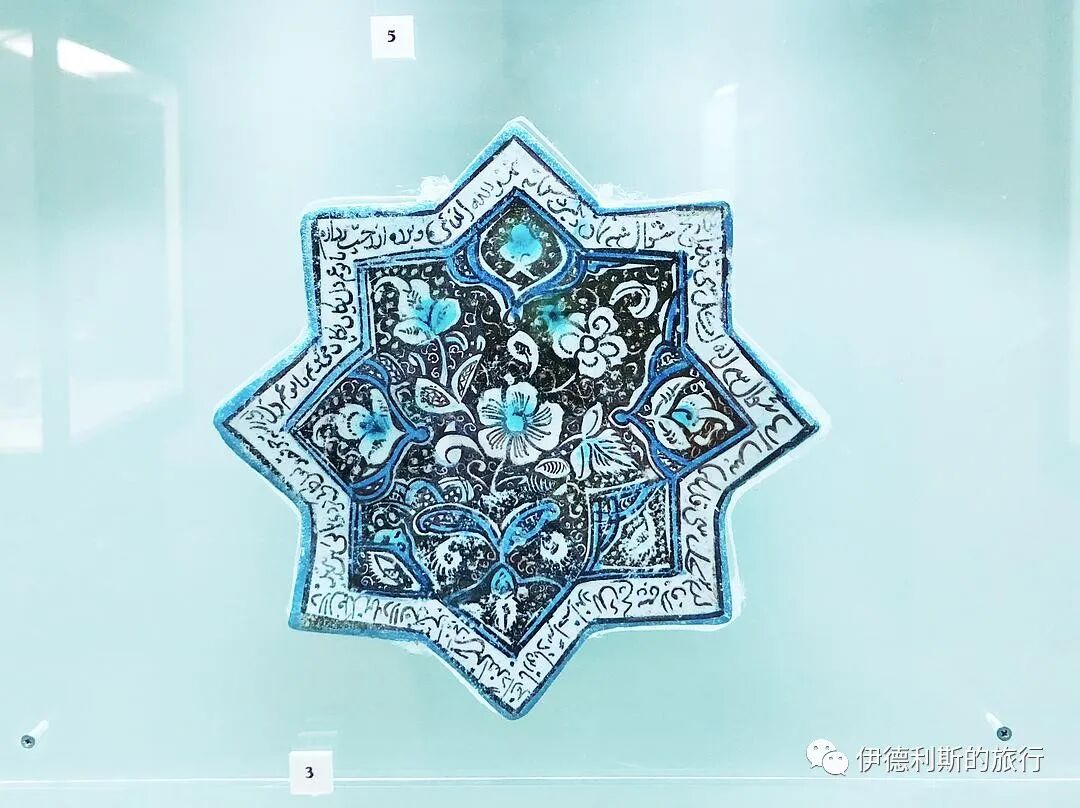
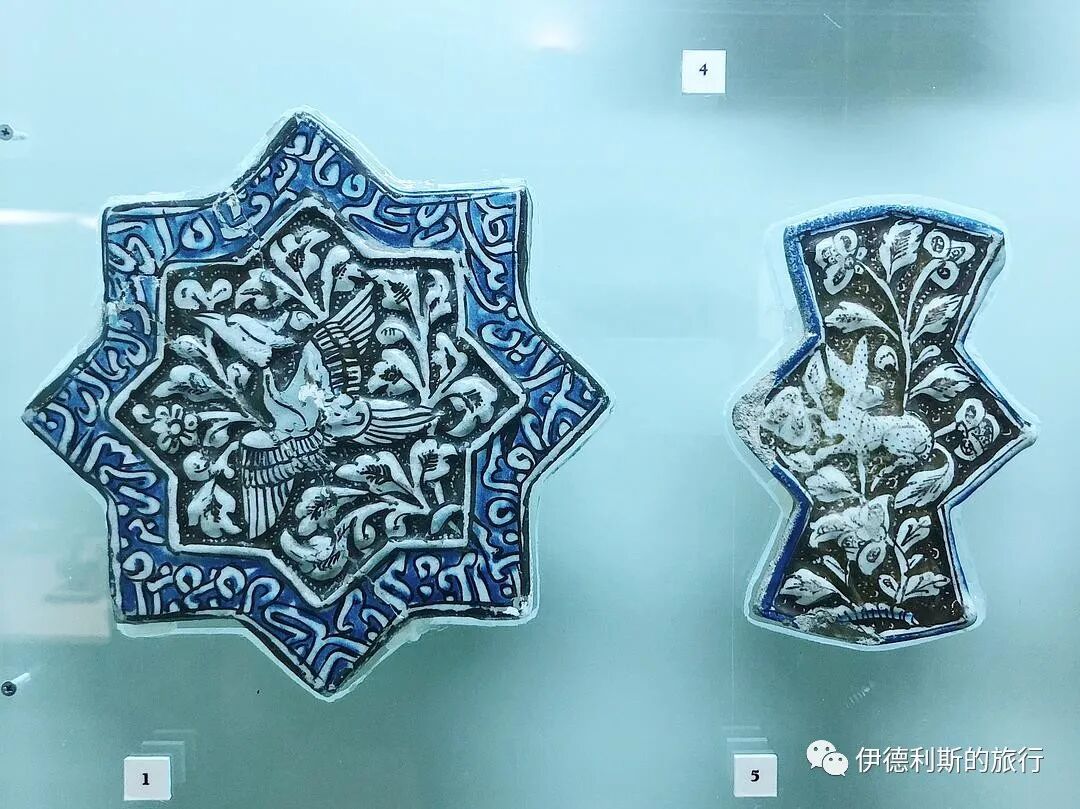
Tiles from Kashan, Iran, dating to the Ilkhanate period in the 13th and 14th centuries. During the Seljuk Empire and Ilkhanate rule from the 12th to the 14th century, Kashan was a major center in Iran for making high-quality pottery and tiles. In modern Persian, the word for tile (kashi) comes from Kashan.
5. Iznik ceramics
The ancient city of Iznik sits by Lake Iznik, 90 kilometers southeast of Istanbul. With support from the Ottoman Empire, Iznik became a center for producing underglaze ceramics in the late 15th century.
The earliest visible records of Iznik pottery date back to 1489 in the imperial kitchens of Topkapi Palace in Istanbul, where all the pieces were blue and white porcelain. Because Ottoman rulers loved Chinese blue and white porcelain, Iznik pottery combined traditional Ottoman arabesque patterns with Chinese elements. Early Iznik pottery style is called Rumi-Hatayi, where Rumi stands for Ottoman arabesque patterns and Hatayi stands for Chinese floral patterns.
In the late 15th century, the gate of the Tomb of Prince Ahmed (1511) in Bursa featured identical tiles.
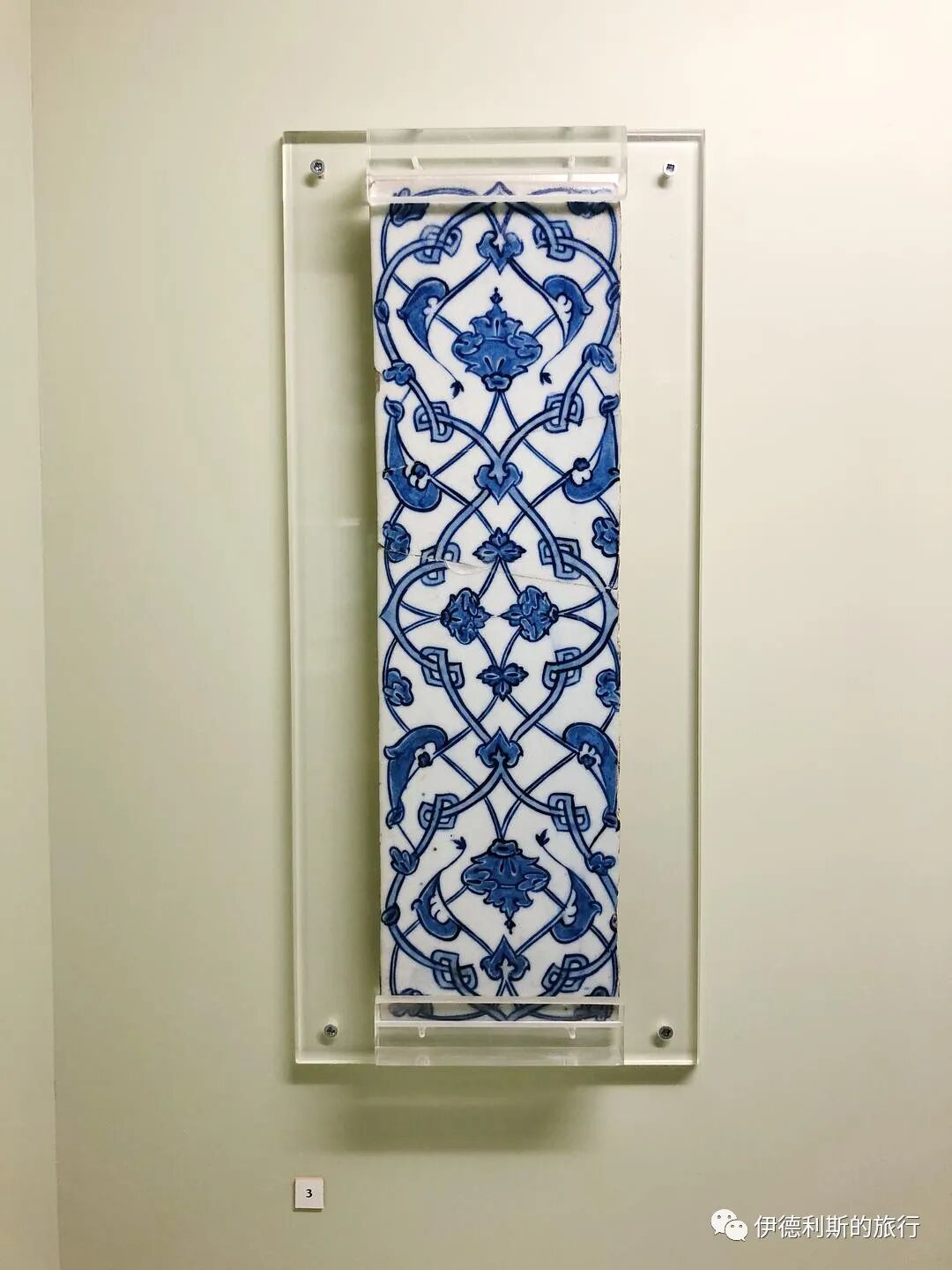
I took this photo at the original site in Bursa.
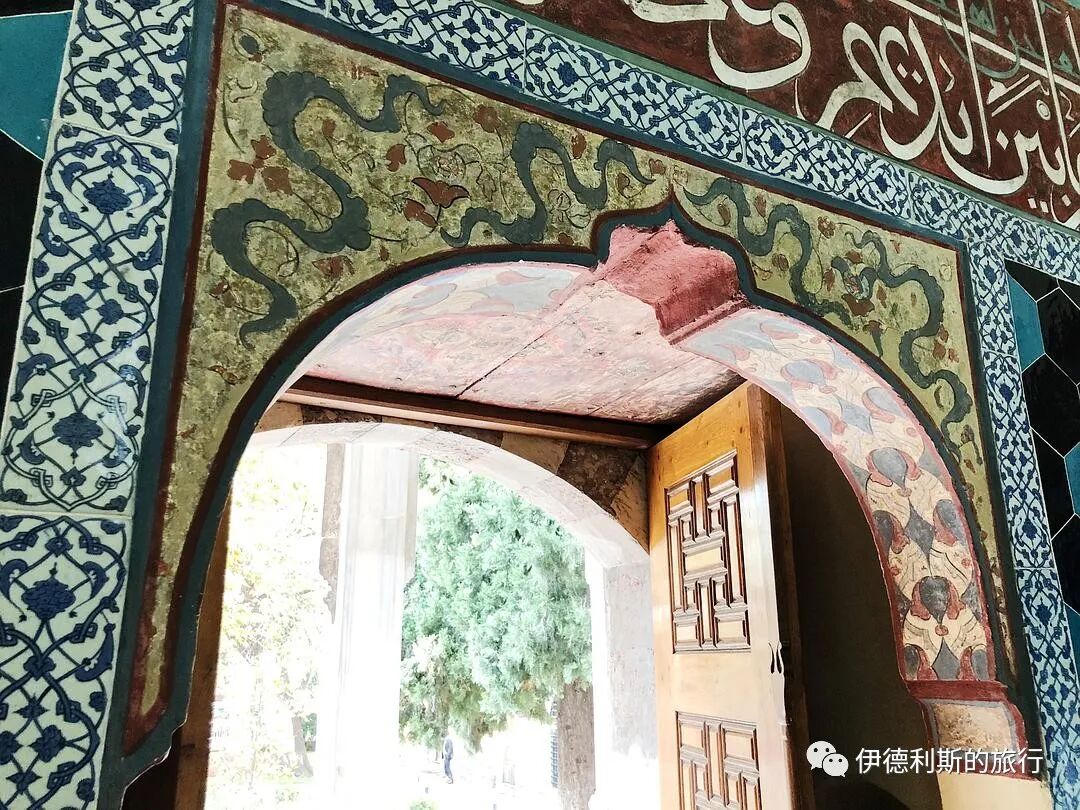
In 1530, the walls of the Circumcision Room at Topkapi Palace in Istanbul featured similar tiles.
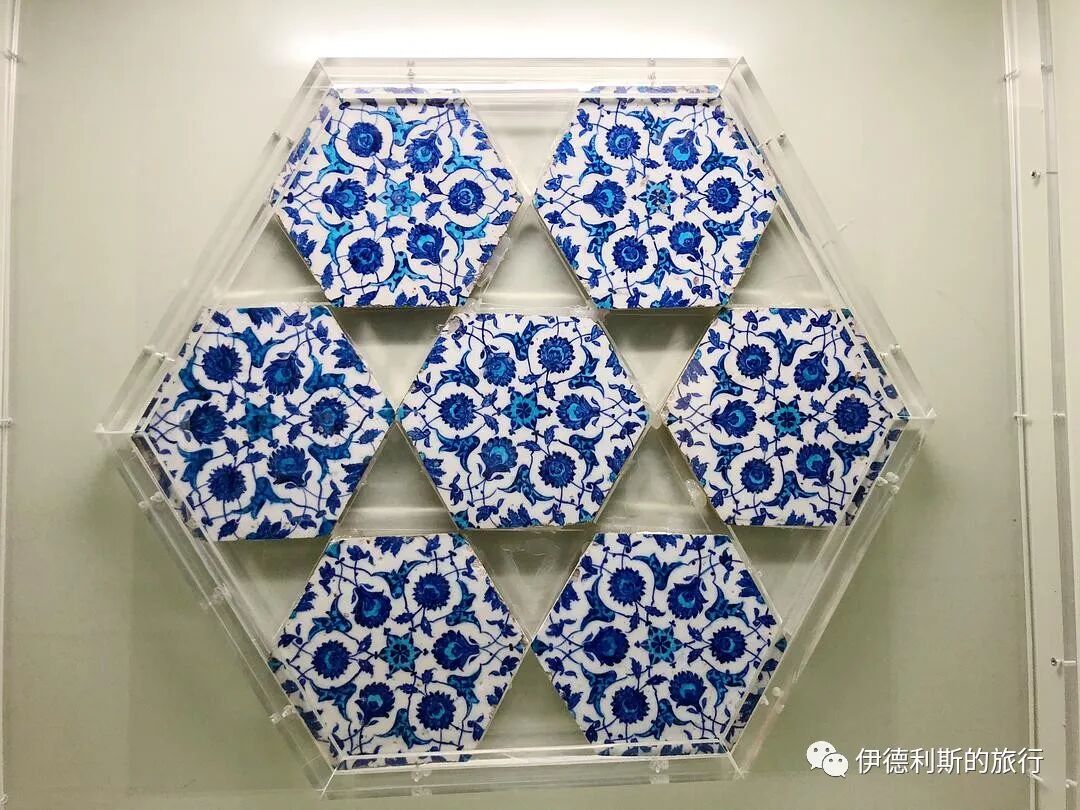
Early 16th century.
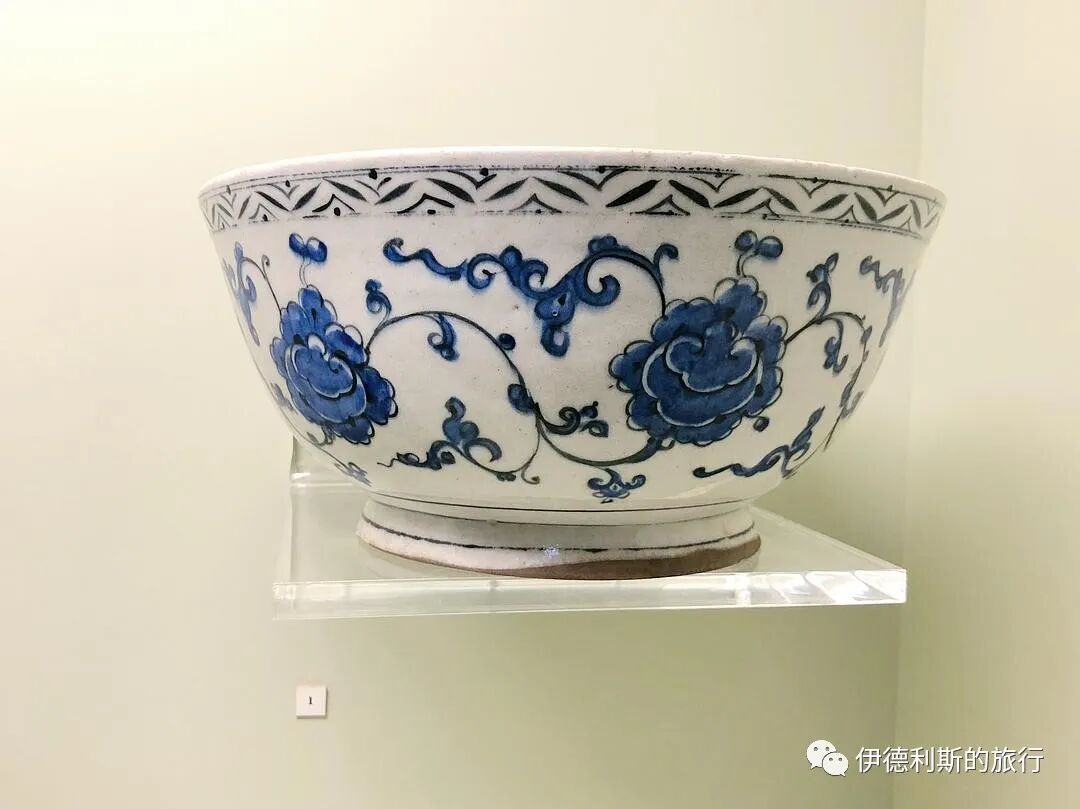
Excavated at Çarşıkapı in Istanbul during the early 16th century.
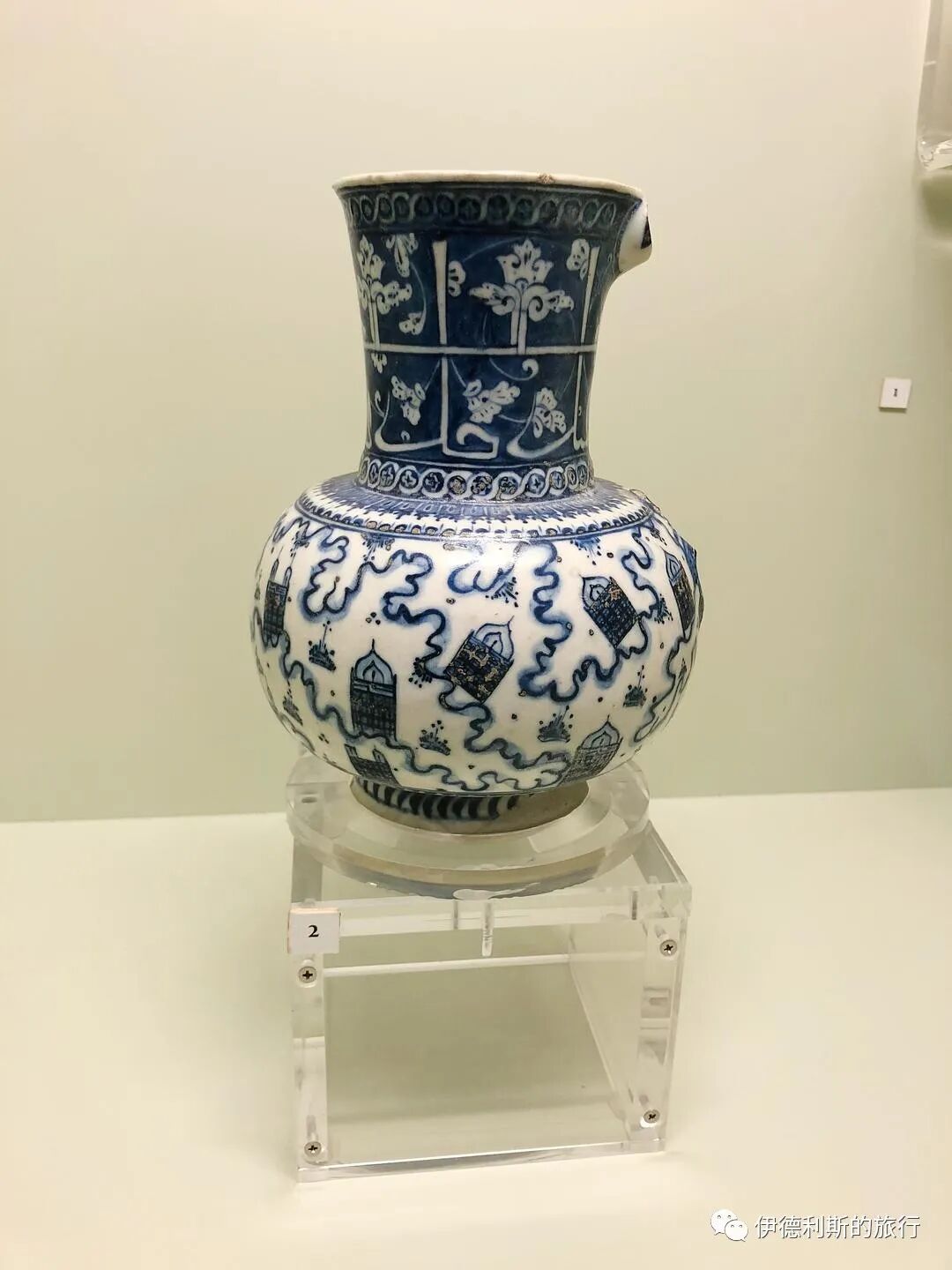
Early 16th century, from the Yildiz Palace (Yıldız Sarayı) in Istanbul, which served as an Ottoman sultan's retreat in the late 19th century.
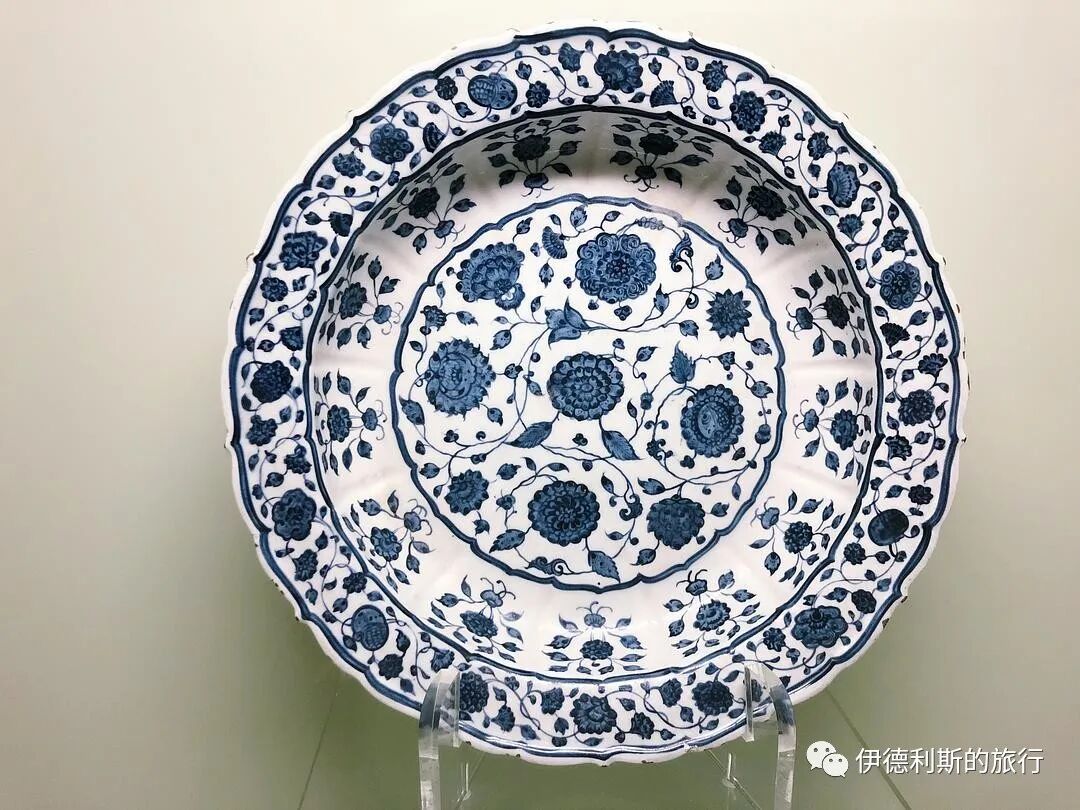
1510-1515, from the Sokollu Mehmed Pasha Mosque in Istanbul.
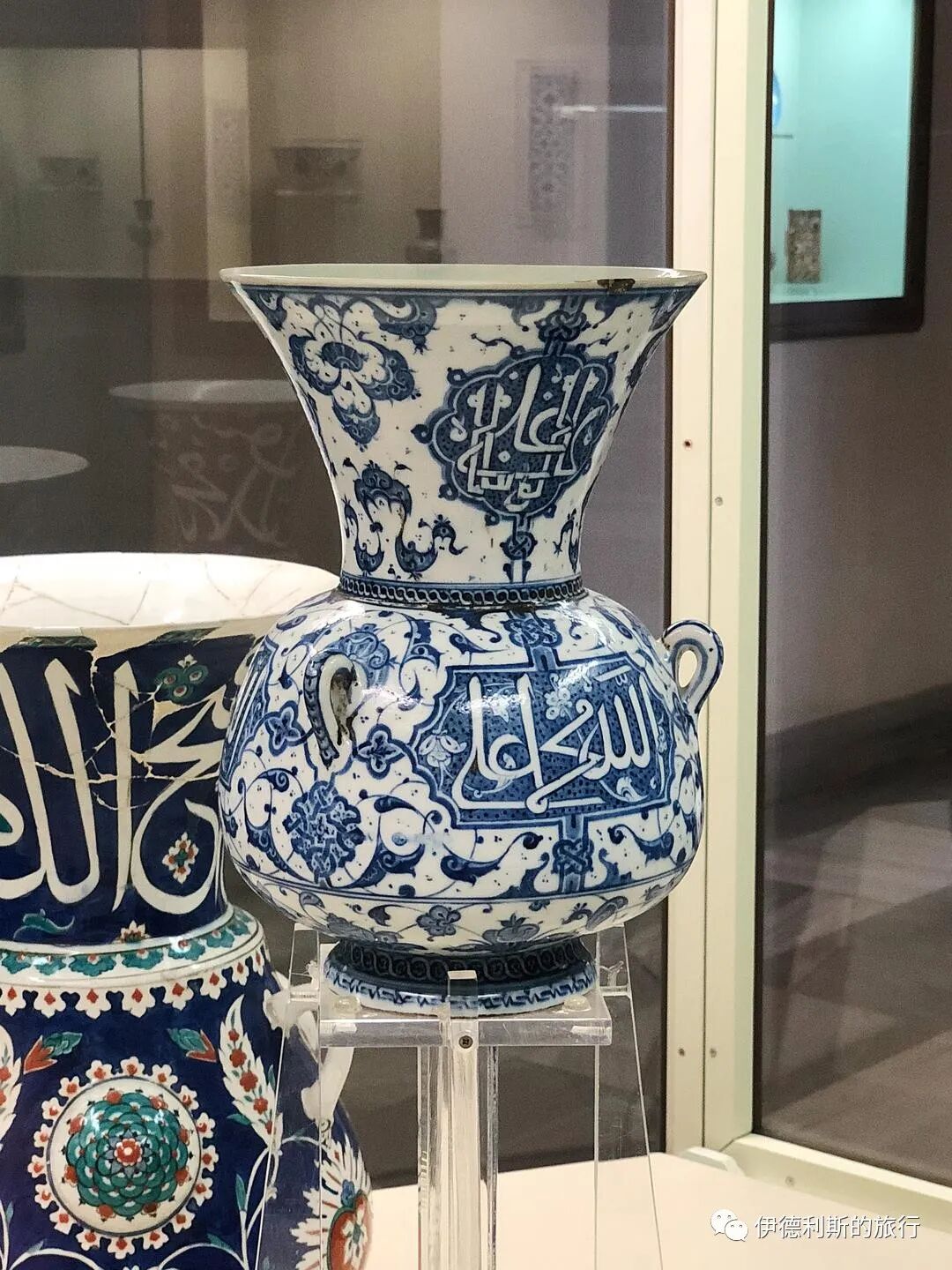
1510-1515, from the Tomb of Bayezid II in Istanbul.
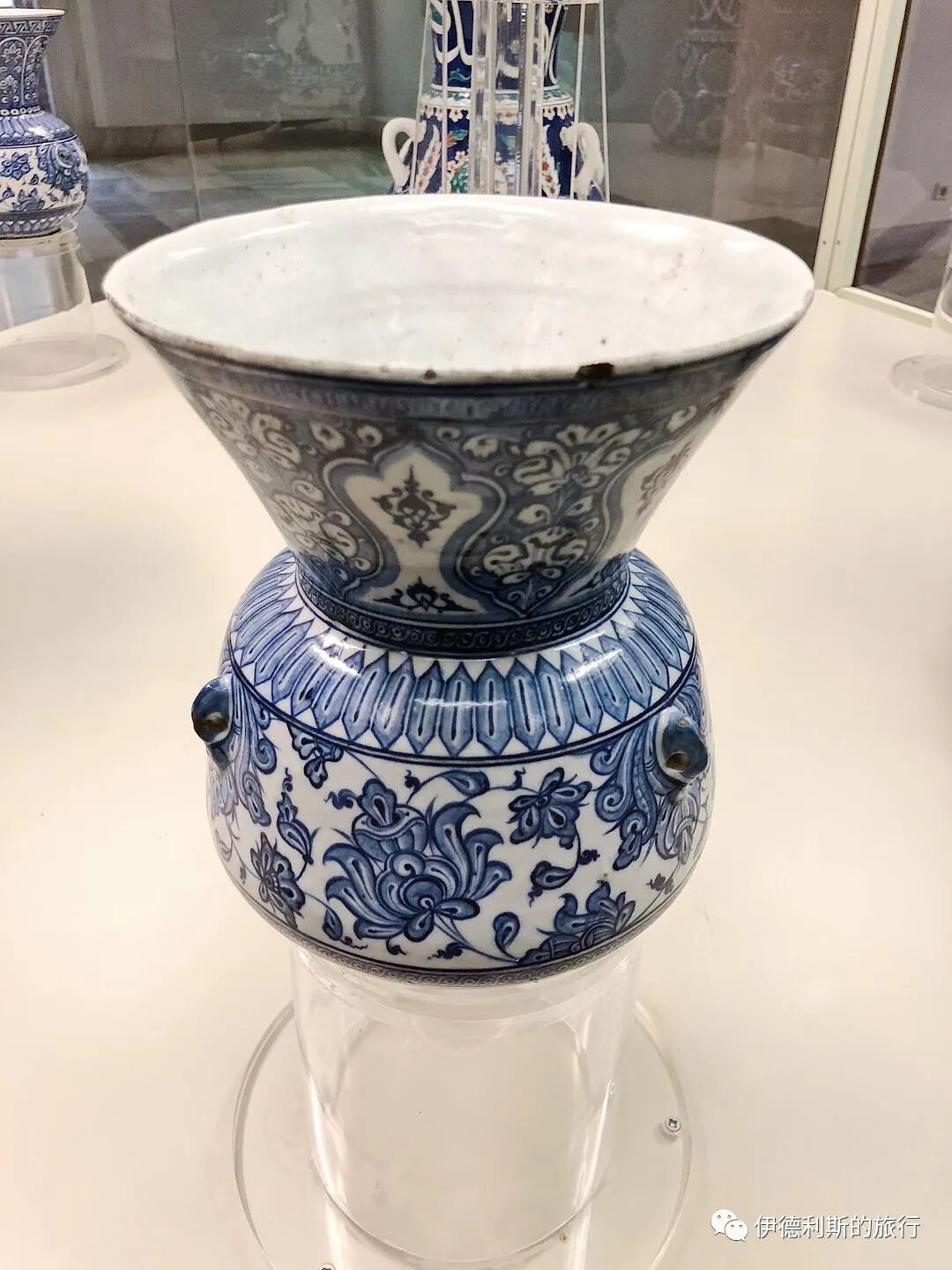
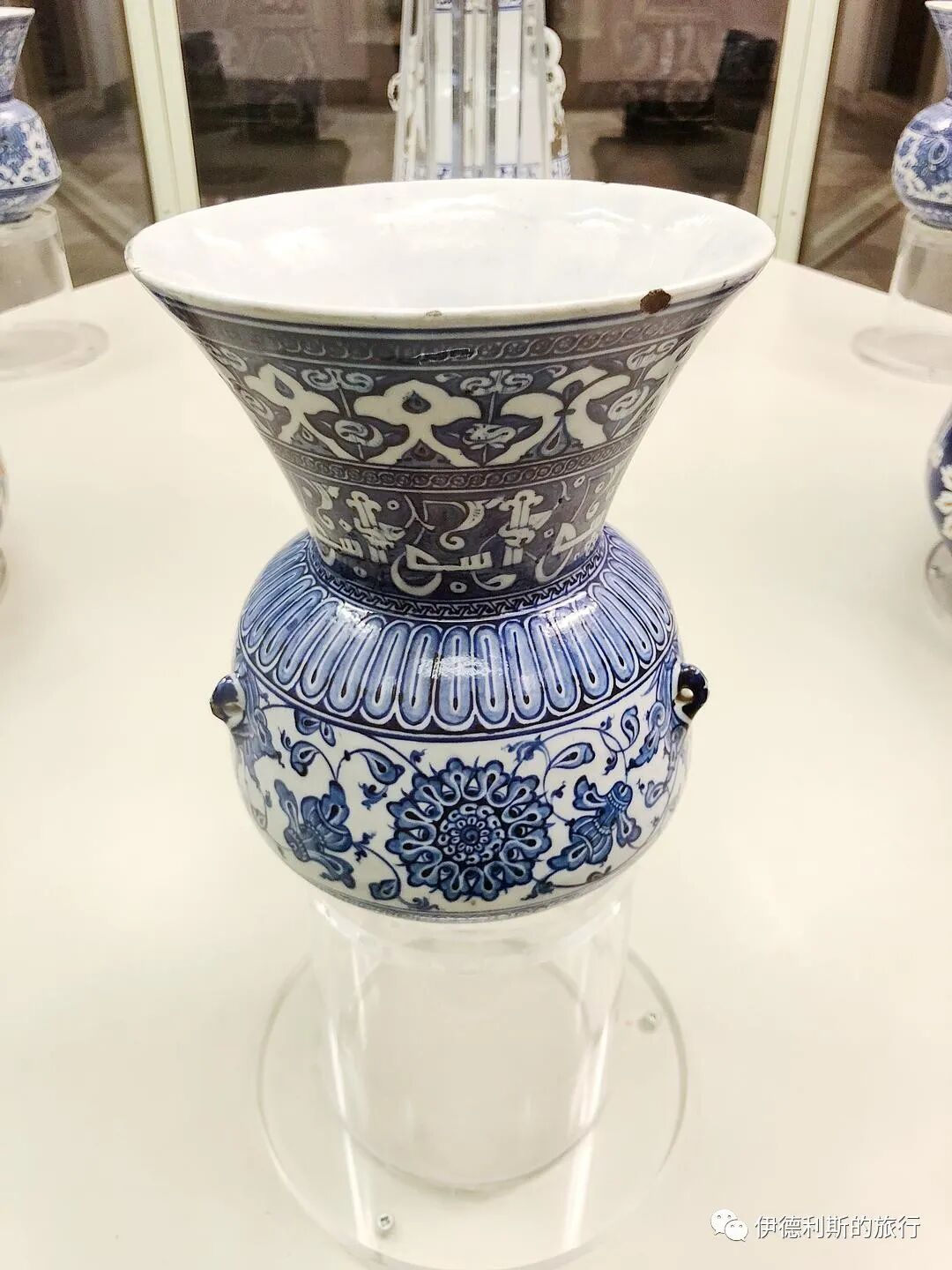
Early Iznik pottery only used cobalt blue, but after the 16th century, it gradually added sage green and lavender as soft accent colors. In the late 16th century, master architect Mimar Sinan used many Iznik tiles for Ottoman Empire buildings, replacing sage green with bright green and lavender with bright red. The first building to feature red Iznik tiles was the Suleymaniye Mosque, which Mimar Sinan completed in Istanbul in 1557.
In 1557, Kara Mehmed Celebi became the chief painter for the Ottoman court. He introduced a floral style featuring tulips, carnations, roses, and hyacinths to Iznik pottery, making the patterns look more natural.
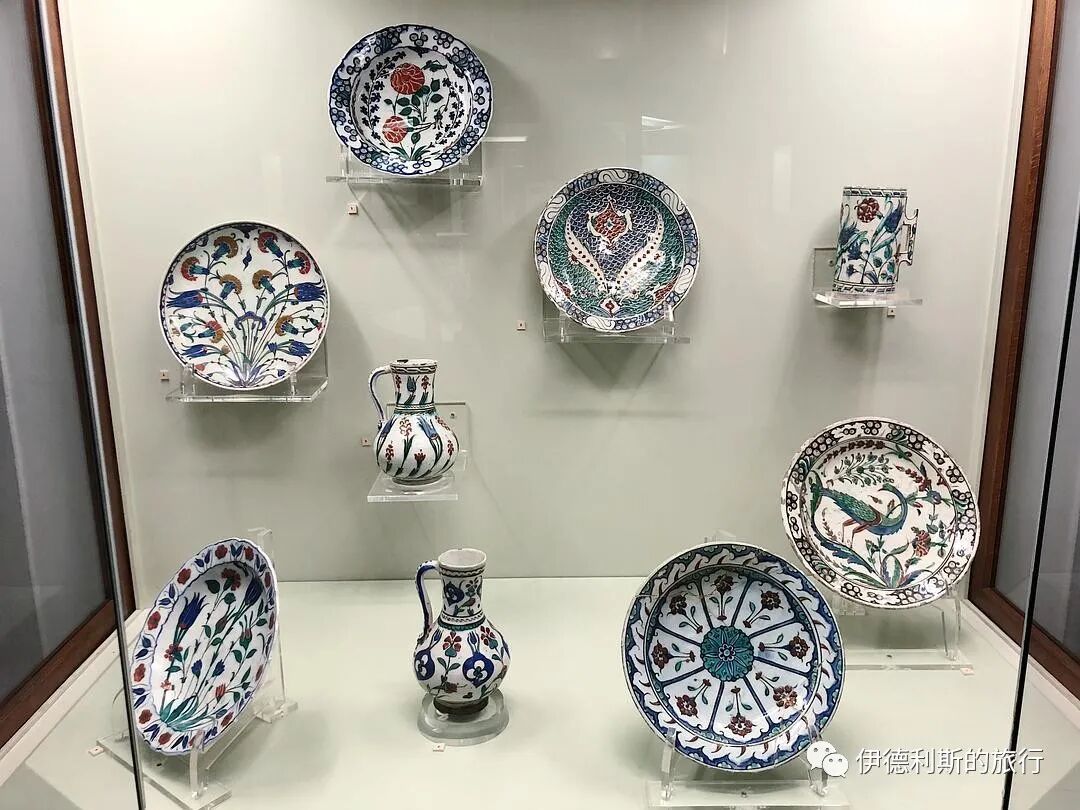
6. Ottoman Tiles
The colorful glazed window tiles of the Haseki Hürrem Sultan Madrasa from 1540.
The Haseki Hürrem Sultan Complex (Haseki Hürrem Sultan Külliyesi) sits in the southwest of Istanbul's old city. It was the first building complex constructed by the famous architect Mimar Sinan after he became the royal architect.
Suleiman the Magnificent's wife, Hürrem Sultan, commissioned the building of this complex. Hürrem Sultan, also known as Roxelana, was the first empress in Ottoman history to receive the title of Haseki Sultan (the Sultan's favorite). She is also known as the most powerful and controversial woman in Ottoman history.
Summary: Istanbul Islamic Arts Museum: Ottoman Calligraphy, Tiles and Muslim Heritage is presented here as a firsthand travel account in clear English, beginning with this scene: The tiled pavilion has a cross-shaped layout. Since it shows no Byzantine influence, scholars think an unknown Persian architect likely designed it. The account keeps its focus on Istanbul Museum, Islamic Art, Ottoman Heritage while preserving the names, places, food, and historical details from the Chinese source.
The tiled pavilion has a cross-shaped layout. Since it shows no Byzantine influence, scholars think an unknown Persian architect likely designed it. The tiles on the building's exterior clearly show influence from Central Asian regions like Samarkand, while the bricks and polygonal columns are typical of Persian architecture.
1. Inside the rooms
The tiled pavilion still holds some of its original interior decor. The gold leaf on some tiles has faded, and parts have been re-gilded.
The building houses a fountain built in 1590. The peacock design featuring tulips, carnations, and plum blossoms was a very popular theme during the reign of Ottoman Sultan Murad III (reigned 1574-1595).
2. Tiles from the Sultanate of Rum
Cross and animal tiles from the Kubadabad Palace.
Kubadabad Palace was the summer palace of the Sultanate of Rum. It sits by Lake Beyşehir, 100 kilometers west of the capital, Konya. The Seljuk Sultan Kayqubad I (reigned 1220-1237) built it in 1236.
The entire complex consists of 16 buildings. The largest palace is 50 meters long and 35 meters wide and is famous for its ornate tiles. These tiles feature human and animal figures, which are typical artistic characteristics of the Seljuk dynasty.
3. Tiles of the Karamanid Beylik
Karaman is located 100 kilometers south of Konya and was once the capital of the Karamanid Beylik (1250-1487).
The Karaman people were a branch of the Oghuz Turkic tribes who moved from the Azerbaijan region to Turkey in the 1230s to escape the Mongol invasion. The Karamanid Beylik defeated the Sultanate of Rum in the late 13th century, competed with the Ottoman Empire many times during the 14th and 15th centuries, and was finally annexed by the Ottomans in 1487.
Currently, 66 mosques, 8 bathhouses, 2 inns, and 3 madrasas from the Karamanid Beylik survive today. These buildings form a distinctive Karaman architectural style.
Mosaic tiles on a mihrab niche in a mosque in Karaman from the late 13th century.
The mihrab niche of the Karaman Ibrahim Bey Mosque from 1432.
4. Ilkhanate Kashan tiles
Tiles from Kashan, Iran, dating to the Ilkhanate period in the 13th and 14th centuries. During the Seljuk Empire and Ilkhanate rule from the 12th to the 14th century, Kashan was a major center in Iran for making high-quality pottery and tiles. In modern Persian, the word for tile (kashi) comes from Kashan.
5. Iznik ceramics
The ancient city of Iznik sits by Lake Iznik, 90 kilometers southeast of Istanbul. With support from the Ottoman Empire, Iznik became a center for producing underglaze ceramics in the late 15th century.
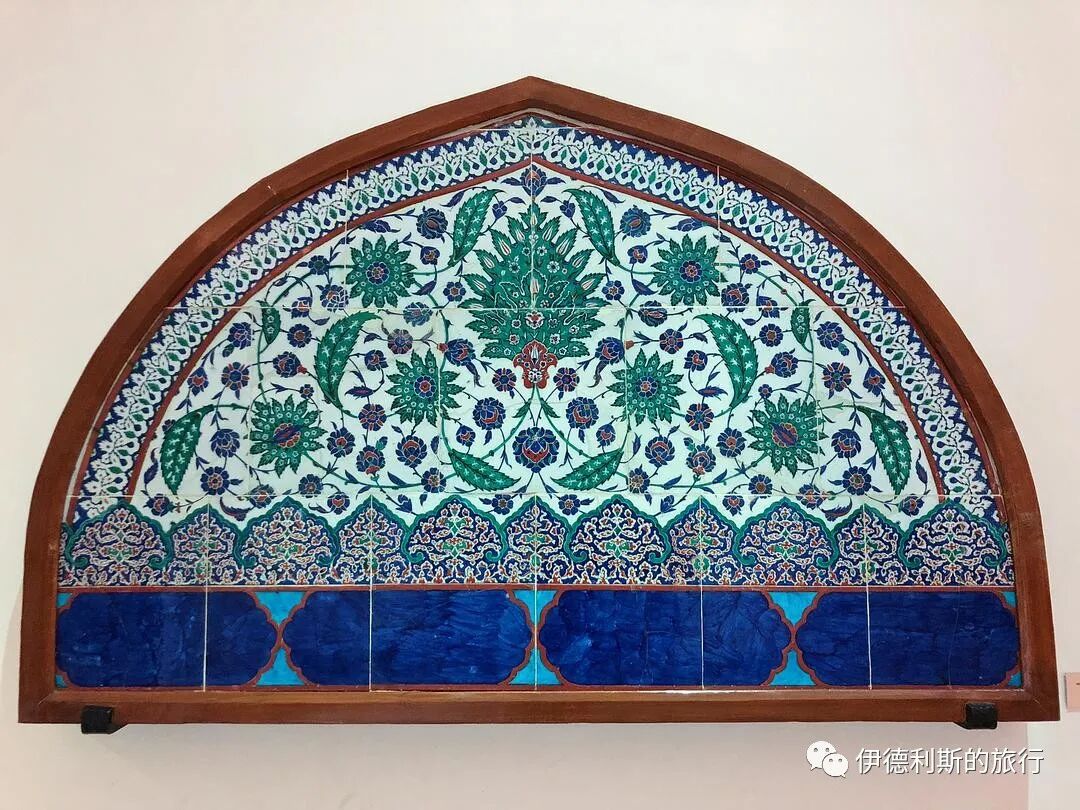
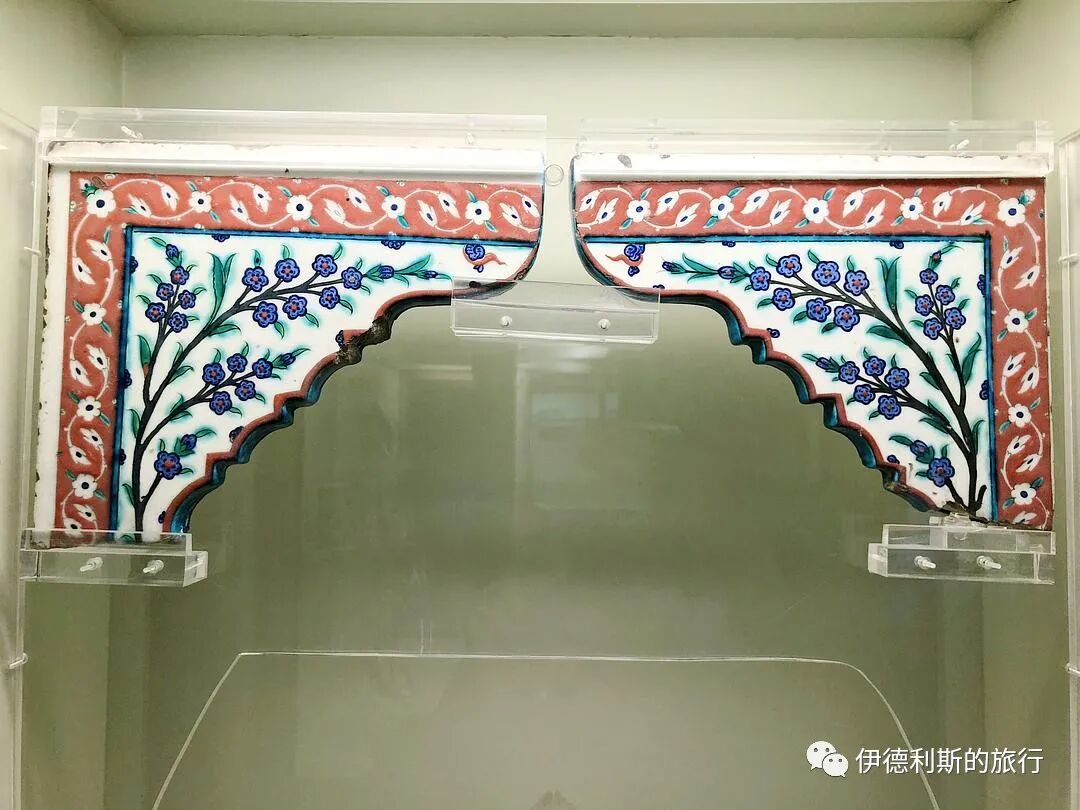
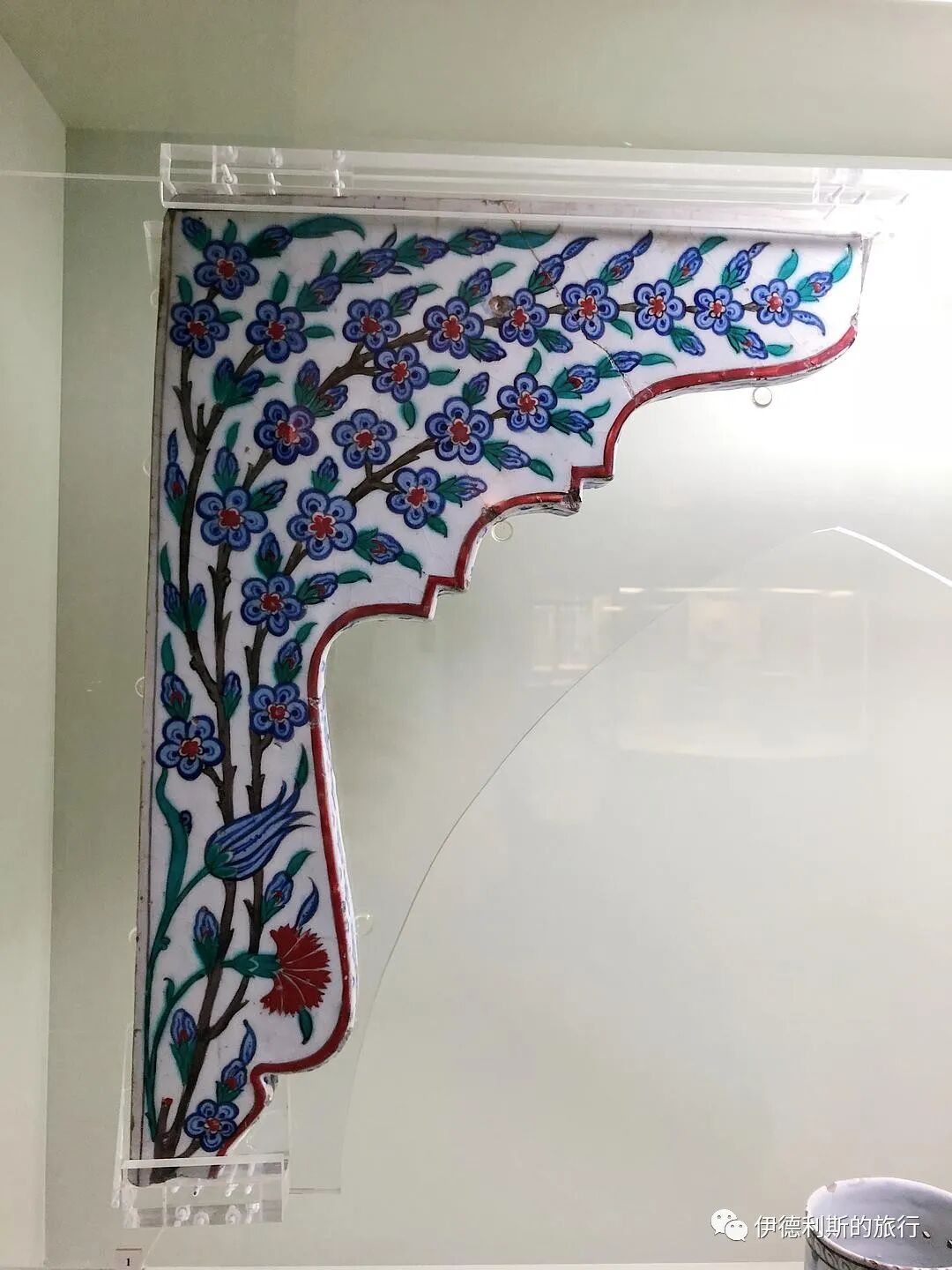
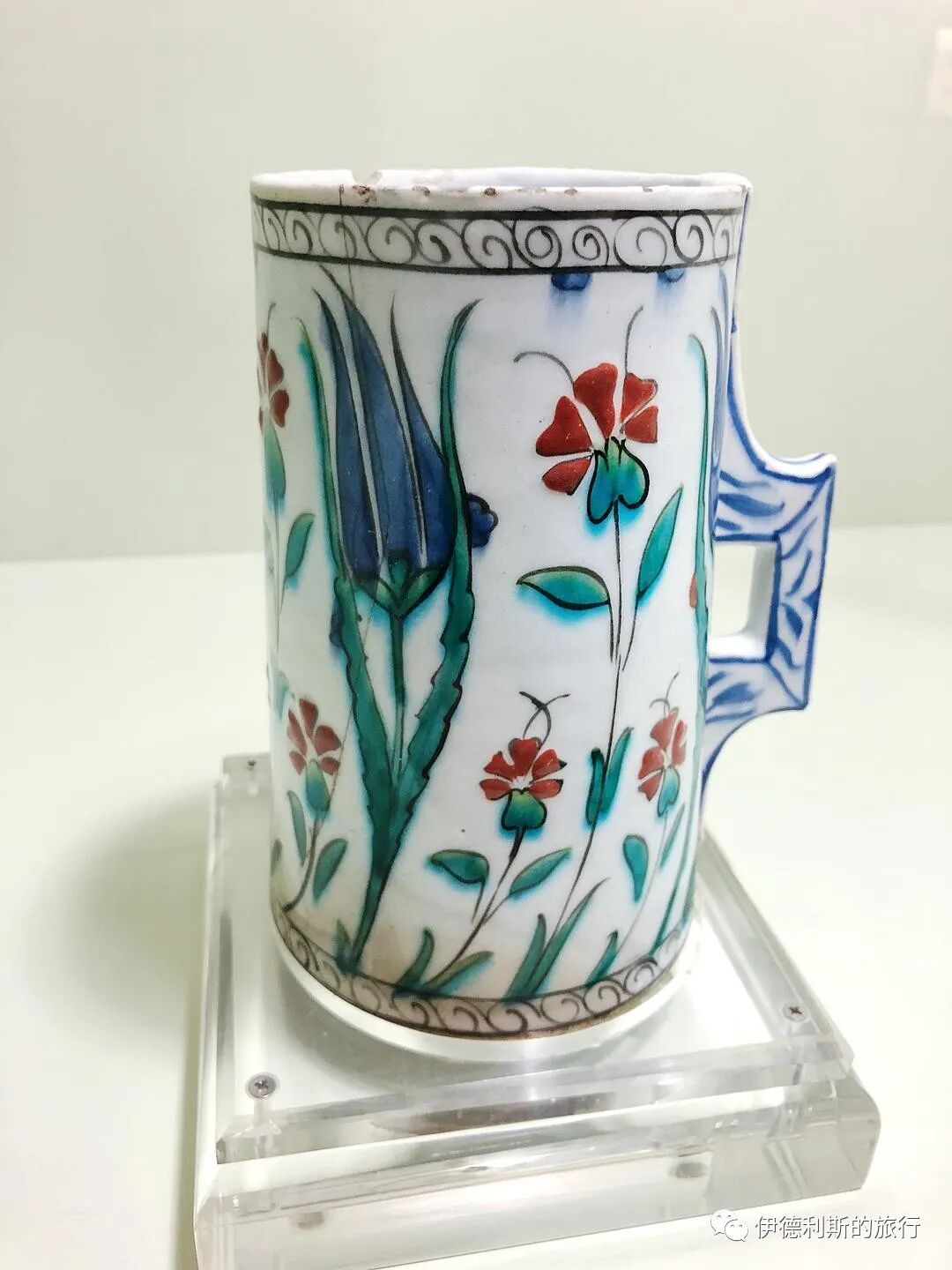
The earliest visible records of Iznik pottery date back to 1489 in the imperial kitchens of Topkapi Palace in Istanbul, where all the pieces were blue and white porcelain. Because Ottoman rulers loved Chinese blue and white porcelain, Iznik pottery combined traditional Ottoman arabesque patterns with Chinese elements. Early Iznik pottery style is called Rumi-Hatayi, where Rumi stands for Ottoman arabesque patterns and Hatayi stands for Chinese floral patterns.
In the late 15th century, the gate of the Tomb of Prince Ahmed (1511) in Bursa featured identical tiles.
I took this photo at the original site in Bursa.
In 1530, the walls of the Circumcision Room at Topkapi Palace in Istanbul featured similar tiles.
Early 16th century.
Excavated at Çarşıkapı in Istanbul during the early 16th century.
Early 16th century, from the Yildiz Palace (Yıldız Sarayı) in Istanbul, which served as an Ottoman sultan's retreat in the late 19th century.
1510-1515, from the Sokollu Mehmed Pasha Mosque in Istanbul.
1510-1515, from the Tomb of Bayezid II in Istanbul.
Early Iznik pottery only used cobalt blue, but after the 16th century, it gradually added sage green and lavender as soft accent colors. In the late 16th century, master architect Mimar Sinan used many Iznik tiles for Ottoman Empire buildings, replacing sage green with bright green and lavender with bright red. The first building to feature red Iznik tiles was the Suleymaniye Mosque, which Mimar Sinan completed in Istanbul in 1557.
In 1557, Kara Mehmed Celebi became the chief painter for the Ottoman court. He introduced a floral style featuring tulips, carnations, roses, and hyacinths to Iznik pottery, making the patterns look more natural.
6. Ottoman Tiles
The colorful glazed window tiles of the Haseki Hürrem Sultan Madrasa from 1540.
The Haseki Hürrem Sultan Complex (Haseki Hürrem Sultan Külliyesi) sits in the southwest of Istanbul's old city. It was the first building complex constructed by the famous architect Mimar Sinan after he became the royal architect.
Suleiman the Magnificent's wife, Hürrem Sultan, commissioned the building of this complex. Hürrem Sultan, also known as Roxelana, was the first empress in Ottoman history to receive the title of Haseki Sultan (the Sultan's favorite). She is also known as the most powerful and controversial woman in Ottoman history.
Istanbul Islamic Arts Museum: Ottoman Calligraphy, Tiles and Muslim Heritage
Articles • ali2007fr posted the article • 0 comments • 181 views • 2026-05-18 06:54
Reposted from the web
Summary: Istanbul Islamic Arts Museum: Ottoman Calligraphy, Tiles and Muslim Heritage is presented here as a firsthand travel account in clear English, beginning with this scene: The tiled pavilion has a cross-shaped layout. Since it shows no Byzantine influence, scholars think an unknown Persian architect likely designed it. The account keeps its focus on Istanbul Museum, Islamic Art, Ottoman Heritage while preserving the names, places, food, and historical details from the Chinese source.
The tiled pavilion has a cross-shaped layout. Since it shows no Byzantine influence, scholars think an unknown Persian architect likely designed it. The tiles on the building's exterior clearly show influence from Central Asian regions like Samarkand, while the bricks and polygonal columns are typical of Persian architecture.
1. Inside the rooms
The tiled pavilion still holds some of its original interior decor. The gold leaf on some tiles has faded, and parts have been re-gilded.
The building houses a fountain built in 1590. The peacock design featuring tulips, carnations, and plum blossoms was a very popular theme during the reign of Ottoman Sultan Murad III (reigned 1574-1595).
2. Tiles from the Sultanate of Rum
Cross and animal tiles from the Kubadabad Palace.
Kubadabad Palace was the summer palace of the Sultanate of Rum. It sits by Lake Beyşehir, 100 kilometers west of the capital, Konya. The Seljuk Sultan Kayqubad I (reigned 1220-1237) built it in 1236.
The entire complex consists of 16 buildings. The largest palace is 50 meters long and 35 meters wide and is famous for its ornate tiles. These tiles feature human and animal figures, which are typical artistic characteristics of the Seljuk dynasty.
3. Tiles of the Karamanid Beylik
Karaman is located 100 kilometers south of Konya and was once the capital of the Karamanid Beylik (1250-1487).
The Karaman people were a branch of the Oghuz Turkic tribes who moved from the Azerbaijan region to Turkey in the 1230s to escape the Mongol invasion. The Karamanid Beylik defeated the Sultanate of Rum in the late 13th century, competed with the Ottoman Empire many times during the 14th and 15th centuries, and was finally annexed by the Ottomans in 1487.
Currently, 66 mosques, 8 bathhouses, 2 inns, and 3 madrasas from the Karamanid Beylik survive today. These buildings form a distinctive Karaman architectural style.
Mosaic tiles on a mihrab niche in a mosque in Karaman from the late 13th century.
The mihrab niche of the Karaman Ibrahim Bey Mosque from 1432.
4. Ilkhanate Kashan tiles
Tiles from Kashan, Iran, dating to the Ilkhanate period in the 13th and 14th centuries. During the Seljuk Empire and Ilkhanate rule from the 12th to the 14th century, Kashan was a major center in Iran for making high-quality pottery and tiles. In modern Persian, the word for tile (kashi) comes from Kashan.
5. Iznik ceramics
The ancient city of Iznik sits by Lake Iznik, 90 kilometers southeast of Istanbul. With support from the Ottoman Empire, Iznik became a center for producing underglaze ceramics in the late 15th century.
The earliest visible records of Iznik pottery date back to 1489 in the imperial kitchens of Topkapi Palace in Istanbul, where all the pieces were blue and white porcelain. Because Ottoman rulers loved Chinese blue and white porcelain, Iznik pottery combined traditional Ottoman arabesque patterns with Chinese elements. Early Iznik pottery style is called Rumi-Hatayi, where Rumi stands for Ottoman arabesque patterns and Hatayi stands for Chinese floral patterns.
In the late 15th century, the gate of the Tomb of Prince Ahmed (1511) in Bursa featured identical tiles.
I took this photo at the original site in Bursa.
In 1530, the walls of the Circumcision Room at Topkapi Palace in Istanbul featured similar tiles.
Early 16th century.
Excavated at Çarşıkapı in Istanbul during the early 16th century.
Early 16th century, from the Yildiz Palace (Yıldız Sarayı) in Istanbul, which served as an Ottoman sultan's retreat in the late 19th century.
1510-1515, from the Sokollu Mehmed Pasha Mosque in Istanbul.
1510-1515, from the Tomb of Bayezid II in Istanbul.
Early Iznik pottery only used cobalt blue, but after the 16th century, it gradually added sage green and lavender as soft accent colors. In the late 16th century, master architect Mimar Sinan used many Iznik tiles for Ottoman Empire buildings, replacing sage green with bright green and lavender with bright red. The first building to feature red Iznik tiles was the Suleymaniye Mosque, which Mimar Sinan completed in Istanbul in 1557.
In 1557, Kara Mehmed Celebi became the chief painter for the Ottoman court. He introduced a floral style featuring tulips, carnations, roses, and hyacinths to Iznik pottery, making the patterns look more natural.
6. Ottoman Tiles
The colorful glazed window tiles of the Haseki Hürrem Sultan Madrasa from 1540.
The Haseki Hürrem Sultan Complex (Haseki Hürrem Sultan Külliyesi) sits in the southwest of Istanbul's old city. It was the first building complex constructed by the famous architect Mimar Sinan after he became the royal architect.
Suleiman the Magnificent's wife, Hürrem Sultan, commissioned the building of this complex. Hürrem Sultan, also known as Roxelana, was the first empress in Ottoman history to receive the title of Haseki Sultan (the Sultan's favorite). She is also known as the most powerful and controversial woman in Ottoman history. view all
Summary: Istanbul Islamic Arts Museum: Ottoman Calligraphy, Tiles and Muslim Heritage is presented here as a firsthand travel account in clear English, beginning with this scene: The tiled pavilion has a cross-shaped layout. Since it shows no Byzantine influence, scholars think an unknown Persian architect likely designed it. The account keeps its focus on Istanbul Museum, Islamic Art, Ottoman Heritage while preserving the names, places, food, and historical details from the Chinese source.
The tiled pavilion has a cross-shaped layout. Since it shows no Byzantine influence, scholars think an unknown Persian architect likely designed it. The tiles on the building's exterior clearly show influence from Central Asian regions like Samarkand, while the bricks and polygonal columns are typical of Persian architecture.
1. Inside the rooms
The tiled pavilion still holds some of its original interior decor. The gold leaf on some tiles has faded, and parts have been re-gilded.
The building houses a fountain built in 1590. The peacock design featuring tulips, carnations, and plum blossoms was a very popular theme during the reign of Ottoman Sultan Murad III (reigned 1574-1595).
2. Tiles from the Sultanate of Rum
Cross and animal tiles from the Kubadabad Palace.
Kubadabad Palace was the summer palace of the Sultanate of Rum. It sits by Lake Beyşehir, 100 kilometers west of the capital, Konya. The Seljuk Sultan Kayqubad I (reigned 1220-1237) built it in 1236.
The entire complex consists of 16 buildings. The largest palace is 50 meters long and 35 meters wide and is famous for its ornate tiles. These tiles feature human and animal figures, which are typical artistic characteristics of the Seljuk dynasty.
3. Tiles of the Karamanid Beylik
Karaman is located 100 kilometers south of Konya and was once the capital of the Karamanid Beylik (1250-1487).
The Karaman people were a branch of the Oghuz Turkic tribes who moved from the Azerbaijan region to Turkey in the 1230s to escape the Mongol invasion. The Karamanid Beylik defeated the Sultanate of Rum in the late 13th century, competed with the Ottoman Empire many times during the 14th and 15th centuries, and was finally annexed by the Ottomans in 1487.
Currently, 66 mosques, 8 bathhouses, 2 inns, and 3 madrasas from the Karamanid Beylik survive today. These buildings form a distinctive Karaman architectural style.
Mosaic tiles on a mihrab niche in a mosque in Karaman from the late 13th century.
The mihrab niche of the Karaman Ibrahim Bey Mosque from 1432.
4. Ilkhanate Kashan tiles
Tiles from Kashan, Iran, dating to the Ilkhanate period in the 13th and 14th centuries. During the Seljuk Empire and Ilkhanate rule from the 12th to the 14th century, Kashan was a major center in Iran for making high-quality pottery and tiles. In modern Persian, the word for tile (kashi) comes from Kashan.
5. Iznik ceramics
The ancient city of Iznik sits by Lake Iznik, 90 kilometers southeast of Istanbul. With support from the Ottoman Empire, Iznik became a center for producing underglaze ceramics in the late 15th century.
The earliest visible records of Iznik pottery date back to 1489 in the imperial kitchens of Topkapi Palace in Istanbul, where all the pieces were blue and white porcelain. Because Ottoman rulers loved Chinese blue and white porcelain, Iznik pottery combined traditional Ottoman arabesque patterns with Chinese elements. Early Iznik pottery style is called Rumi-Hatayi, where Rumi stands for Ottoman arabesque patterns and Hatayi stands for Chinese floral patterns.
In the late 15th century, the gate of the Tomb of Prince Ahmed (1511) in Bursa featured identical tiles.
I took this photo at the original site in Bursa.
In 1530, the walls of the Circumcision Room at Topkapi Palace in Istanbul featured similar tiles.
Early 16th century.
Excavated at Çarşıkapı in Istanbul during the early 16th century.
Early 16th century, from the Yildiz Palace (Yıldız Sarayı) in Istanbul, which served as an Ottoman sultan's retreat in the late 19th century.
1510-1515, from the Sokollu Mehmed Pasha Mosque in Istanbul.
1510-1515, from the Tomb of Bayezid II in Istanbul.
Early Iznik pottery only used cobalt blue, but after the 16th century, it gradually added sage green and lavender as soft accent colors. In the late 16th century, master architect Mimar Sinan used many Iznik tiles for Ottoman Empire buildings, replacing sage green with bright green and lavender with bright red. The first building to feature red Iznik tiles was the Suleymaniye Mosque, which Mimar Sinan completed in Istanbul in 1557.
In 1557, Kara Mehmed Celebi became the chief painter for the Ottoman court. He introduced a floral style featuring tulips, carnations, roses, and hyacinths to Iznik pottery, making the patterns look more natural.
6. Ottoman Tiles
The colorful glazed window tiles of the Haseki Hürrem Sultan Madrasa from 1540.
The Haseki Hürrem Sultan Complex (Haseki Hürrem Sultan Külliyesi) sits in the southwest of Istanbul's old city. It was the first building complex constructed by the famous architect Mimar Sinan after he became the royal architect.
Suleiman the Magnificent's wife, Hürrem Sultan, commissioned the building of this complex. Hürrem Sultan, also known as Roxelana, was the first empress in Ottoman history to receive the title of Haseki Sultan (the Sultan's favorite). She is also known as the most powerful and controversial woman in Ottoman history. view all
Reposted from the web
Summary: Istanbul Islamic Arts Museum: Ottoman Calligraphy, Tiles and Muslim Heritage is presented here as a firsthand travel account in clear English, beginning with this scene: The tiled pavilion has a cross-shaped layout. Since it shows no Byzantine influence, scholars think an unknown Persian architect likely designed it. The account keeps its focus on Istanbul Museum, Islamic Art, Ottoman Heritage while preserving the names, places, food, and historical details from the Chinese source.
The tiled pavilion has a cross-shaped layout. Since it shows no Byzantine influence, scholars think an unknown Persian architect likely designed it. The tiles on the building's exterior clearly show influence from Central Asian regions like Samarkand, while the bricks and polygonal columns are typical of Persian architecture.
1. Inside the rooms
The tiled pavilion still holds some of its original interior decor. The gold leaf on some tiles has faded, and parts have been re-gilded.
The building houses a fountain built in 1590. The peacock design featuring tulips, carnations, and plum blossoms was a very popular theme during the reign of Ottoman Sultan Murad III (reigned 1574-1595).
2. Tiles from the Sultanate of Rum
Cross and animal tiles from the Kubadabad Palace.
Kubadabad Palace was the summer palace of the Sultanate of Rum. It sits by Lake Beyşehir, 100 kilometers west of the capital, Konya. The Seljuk Sultan Kayqubad I (reigned 1220-1237) built it in 1236.
The entire complex consists of 16 buildings. The largest palace is 50 meters long and 35 meters wide and is famous for its ornate tiles. These tiles feature human and animal figures, which are typical artistic characteristics of the Seljuk dynasty.
3. Tiles of the Karamanid Beylik
Karaman is located 100 kilometers south of Konya and was once the capital of the Karamanid Beylik (1250-1487).
The Karaman people were a branch of the Oghuz Turkic tribes who moved from the Azerbaijan region to Turkey in the 1230s to escape the Mongol invasion. The Karamanid Beylik defeated the Sultanate of Rum in the late 13th century, competed with the Ottoman Empire many times during the 14th and 15th centuries, and was finally annexed by the Ottomans in 1487.
Currently, 66 mosques, 8 bathhouses, 2 inns, and 3 madrasas from the Karamanid Beylik survive today. These buildings form a distinctive Karaman architectural style.
Mosaic tiles on a mihrab niche in a mosque in Karaman from the late 13th century.
The mihrab niche of the Karaman Ibrahim Bey Mosque from 1432.
4. Ilkhanate Kashan tiles
Tiles from Kashan, Iran, dating to the Ilkhanate period in the 13th and 14th centuries. During the Seljuk Empire and Ilkhanate rule from the 12th to the 14th century, Kashan was a major center in Iran for making high-quality pottery and tiles. In modern Persian, the word for tile (kashi) comes from Kashan.
5. Iznik ceramics
The ancient city of Iznik sits by Lake Iznik, 90 kilometers southeast of Istanbul. With support from the Ottoman Empire, Iznik became a center for producing underglaze ceramics in the late 15th century.
The earliest visible records of Iznik pottery date back to 1489 in the imperial kitchens of Topkapi Palace in Istanbul, where all the pieces were blue and white porcelain. Because Ottoman rulers loved Chinese blue and white porcelain, Iznik pottery combined traditional Ottoman arabesque patterns with Chinese elements. Early Iznik pottery style is called Rumi-Hatayi, where Rumi stands for Ottoman arabesque patterns and Hatayi stands for Chinese floral patterns.
In the late 15th century, the gate of the Tomb of Prince Ahmed (1511) in Bursa featured identical tiles.
I took this photo at the original site in Bursa.
In 1530, the walls of the Circumcision Room at Topkapi Palace in Istanbul featured similar tiles.
Early 16th century.
Excavated at Çarşıkapı in Istanbul during the early 16th century.
Early 16th century, from the Yildiz Palace (Yıldız Sarayı) in Istanbul, which served as an Ottoman sultan's retreat in the late 19th century.
1510-1515, from the Sokollu Mehmed Pasha Mosque in Istanbul.
1510-1515, from the Tomb of Bayezid II in Istanbul.
Early Iznik pottery only used cobalt blue, but after the 16th century, it gradually added sage green and lavender as soft accent colors. In the late 16th century, master architect Mimar Sinan used many Iznik tiles for Ottoman Empire buildings, replacing sage green with bright green and lavender with bright red. The first building to feature red Iznik tiles was the Suleymaniye Mosque, which Mimar Sinan completed in Istanbul in 1557.
In 1557, Kara Mehmed Celebi became the chief painter for the Ottoman court. He introduced a floral style featuring tulips, carnations, roses, and hyacinths to Iznik pottery, making the patterns look more natural.
6. Ottoman Tiles
The colorful glazed window tiles of the Haseki Hürrem Sultan Madrasa from 1540.
The Haseki Hürrem Sultan Complex (Haseki Hürrem Sultan Külliyesi) sits in the southwest of Istanbul's old city. It was the first building complex constructed by the famous architect Mimar Sinan after he became the royal architect.
Suleiman the Magnificent's wife, Hürrem Sultan, commissioned the building of this complex. Hürrem Sultan, also known as Roxelana, was the first empress in Ottoman history to receive the title of Haseki Sultan (the Sultan's favorite). She is also known as the most powerful and controversial woman in Ottoman history.
Summary: Istanbul Islamic Arts Museum: Ottoman Calligraphy, Tiles and Muslim Heritage is presented here as a firsthand travel account in clear English, beginning with this scene: The tiled pavilion has a cross-shaped layout. Since it shows no Byzantine influence, scholars think an unknown Persian architect likely designed it. The account keeps its focus on Istanbul Museum, Islamic Art, Ottoman Heritage while preserving the names, places, food, and historical details from the Chinese source.
The tiled pavilion has a cross-shaped layout. Since it shows no Byzantine influence, scholars think an unknown Persian architect likely designed it. The tiles on the building's exterior clearly show influence from Central Asian regions like Samarkand, while the bricks and polygonal columns are typical of Persian architecture.
1. Inside the rooms
The tiled pavilion still holds some of its original interior decor. The gold leaf on some tiles has faded, and parts have been re-gilded.
The building houses a fountain built in 1590. The peacock design featuring tulips, carnations, and plum blossoms was a very popular theme during the reign of Ottoman Sultan Murad III (reigned 1574-1595).
2. Tiles from the Sultanate of Rum
Cross and animal tiles from the Kubadabad Palace.
Kubadabad Palace was the summer palace of the Sultanate of Rum. It sits by Lake Beyşehir, 100 kilometers west of the capital, Konya. The Seljuk Sultan Kayqubad I (reigned 1220-1237) built it in 1236.
The entire complex consists of 16 buildings. The largest palace is 50 meters long and 35 meters wide and is famous for its ornate tiles. These tiles feature human and animal figures, which are typical artistic characteristics of the Seljuk dynasty.
3. Tiles of the Karamanid Beylik
Karaman is located 100 kilometers south of Konya and was once the capital of the Karamanid Beylik (1250-1487).
The Karaman people were a branch of the Oghuz Turkic tribes who moved from the Azerbaijan region to Turkey in the 1230s to escape the Mongol invasion. The Karamanid Beylik defeated the Sultanate of Rum in the late 13th century, competed with the Ottoman Empire many times during the 14th and 15th centuries, and was finally annexed by the Ottomans in 1487.
Currently, 66 mosques, 8 bathhouses, 2 inns, and 3 madrasas from the Karamanid Beylik survive today. These buildings form a distinctive Karaman architectural style.
Mosaic tiles on a mihrab niche in a mosque in Karaman from the late 13th century.
The mihrab niche of the Karaman Ibrahim Bey Mosque from 1432.
4. Ilkhanate Kashan tiles
Tiles from Kashan, Iran, dating to the Ilkhanate period in the 13th and 14th centuries. During the Seljuk Empire and Ilkhanate rule from the 12th to the 14th century, Kashan was a major center in Iran for making high-quality pottery and tiles. In modern Persian, the word for tile (kashi) comes from Kashan.
5. Iznik ceramics
The ancient city of Iznik sits by Lake Iznik, 90 kilometers southeast of Istanbul. With support from the Ottoman Empire, Iznik became a center for producing underglaze ceramics in the late 15th century.
The earliest visible records of Iznik pottery date back to 1489 in the imperial kitchens of Topkapi Palace in Istanbul, where all the pieces were blue and white porcelain. Because Ottoman rulers loved Chinese blue and white porcelain, Iznik pottery combined traditional Ottoman arabesque patterns with Chinese elements. Early Iznik pottery style is called Rumi-Hatayi, where Rumi stands for Ottoman arabesque patterns and Hatayi stands for Chinese floral patterns.
In the late 15th century, the gate of the Tomb of Prince Ahmed (1511) in Bursa featured identical tiles.
I took this photo at the original site in Bursa.
In 1530, the walls of the Circumcision Room at Topkapi Palace in Istanbul featured similar tiles.
Early 16th century.
Excavated at Çarşıkapı in Istanbul during the early 16th century.
Early 16th century, from the Yildiz Palace (Yıldız Sarayı) in Istanbul, which served as an Ottoman sultan's retreat in the late 19th century.
1510-1515, from the Sokollu Mehmed Pasha Mosque in Istanbul.
1510-1515, from the Tomb of Bayezid II in Istanbul.
Early Iznik pottery only used cobalt blue, but after the 16th century, it gradually added sage green and lavender as soft accent colors. In the late 16th century, master architect Mimar Sinan used many Iznik tiles for Ottoman Empire buildings, replacing sage green with bright green and lavender with bright red. The first building to feature red Iznik tiles was the Suleymaniye Mosque, which Mimar Sinan completed in Istanbul in 1557.
In 1557, Kara Mehmed Celebi became the chief painter for the Ottoman court. He introduced a floral style featuring tulips, carnations, roses, and hyacinths to Iznik pottery, making the patterns look more natural.
6. Ottoman Tiles
The colorful glazed window tiles of the Haseki Hürrem Sultan Madrasa from 1540.
The Haseki Hürrem Sultan Complex (Haseki Hürrem Sultan Külliyesi) sits in the southwest of Istanbul's old city. It was the first building complex constructed by the famous architect Mimar Sinan after he became the royal architect.
Suleiman the Magnificent's wife, Hürrem Sultan, commissioned the building of this complex. Hürrem Sultan, also known as Roxelana, was the first empress in Ottoman history to receive the title of Haseki Sultan (the Sultan's favorite). She is also known as the most powerful and controversial woman in Ottoman history.