

Itaewon Muslim Street
Best Halal Food Korea Seoul Itaewon: Punjab Restaurant, Halal Lamb Chops, Muslim Street and Seoul Central Mosque
Articles • yusuf908 posted the article • 0 comments • 262 views • 2026-05-23 22:23
Reposted from the web
Summary: This Seoul halal food guide looks beyond Itaewon's nightlife and follows the Muslim street around Seoul Central Mosque, with Punjab restaurant, curry lamb chops, Korean halal bibimbap, halal meat shops, food prices, and the local Muslim community.
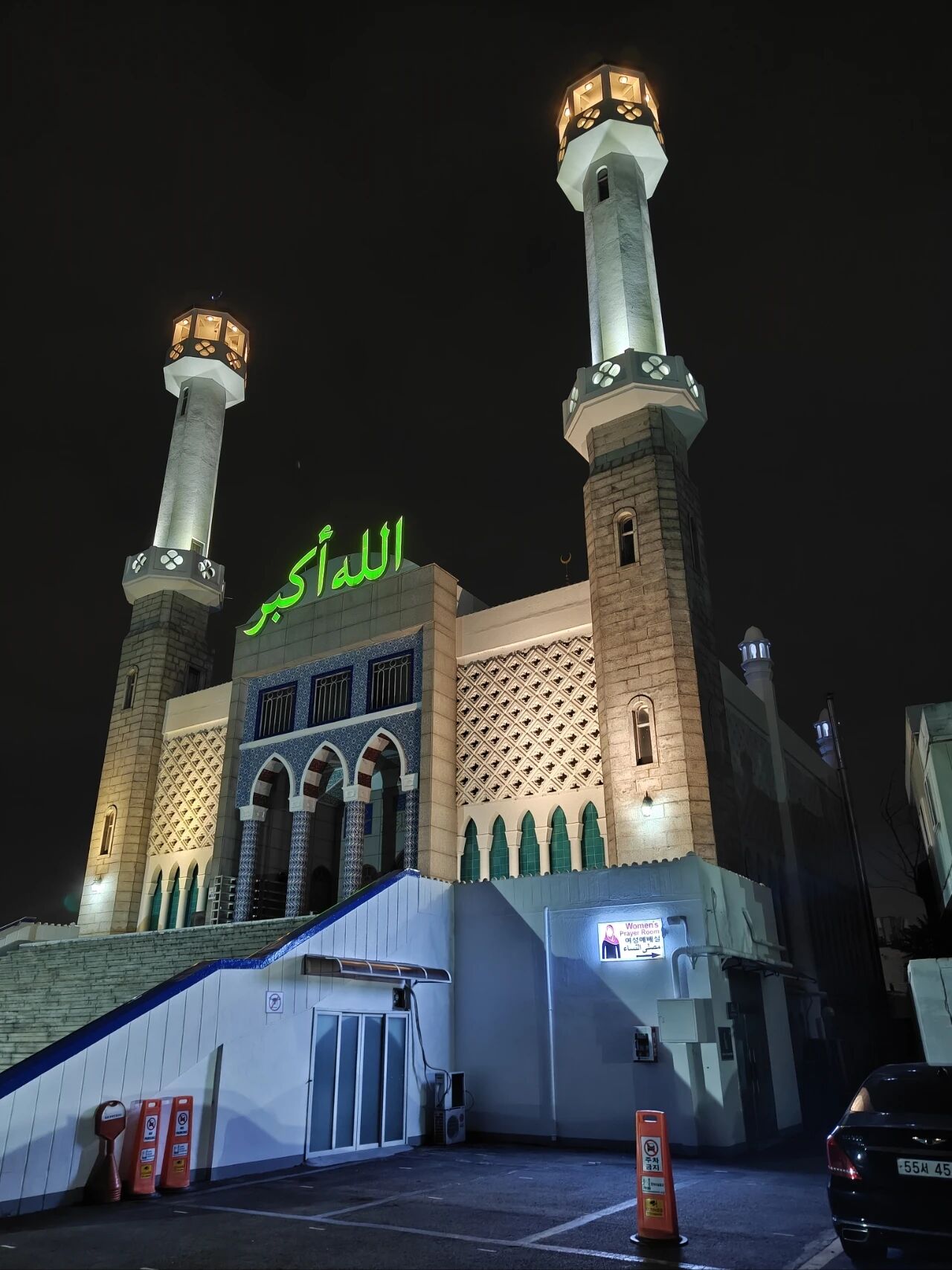
When people think of Itaewon, they may think of the nightlife and party scene there. But few people would have thought that this is also the location of the first mosque in modern Korea. It is surrounded by a large number of halal restaurants from various countries, as well as beef and mutton shops and halal supermarkets.
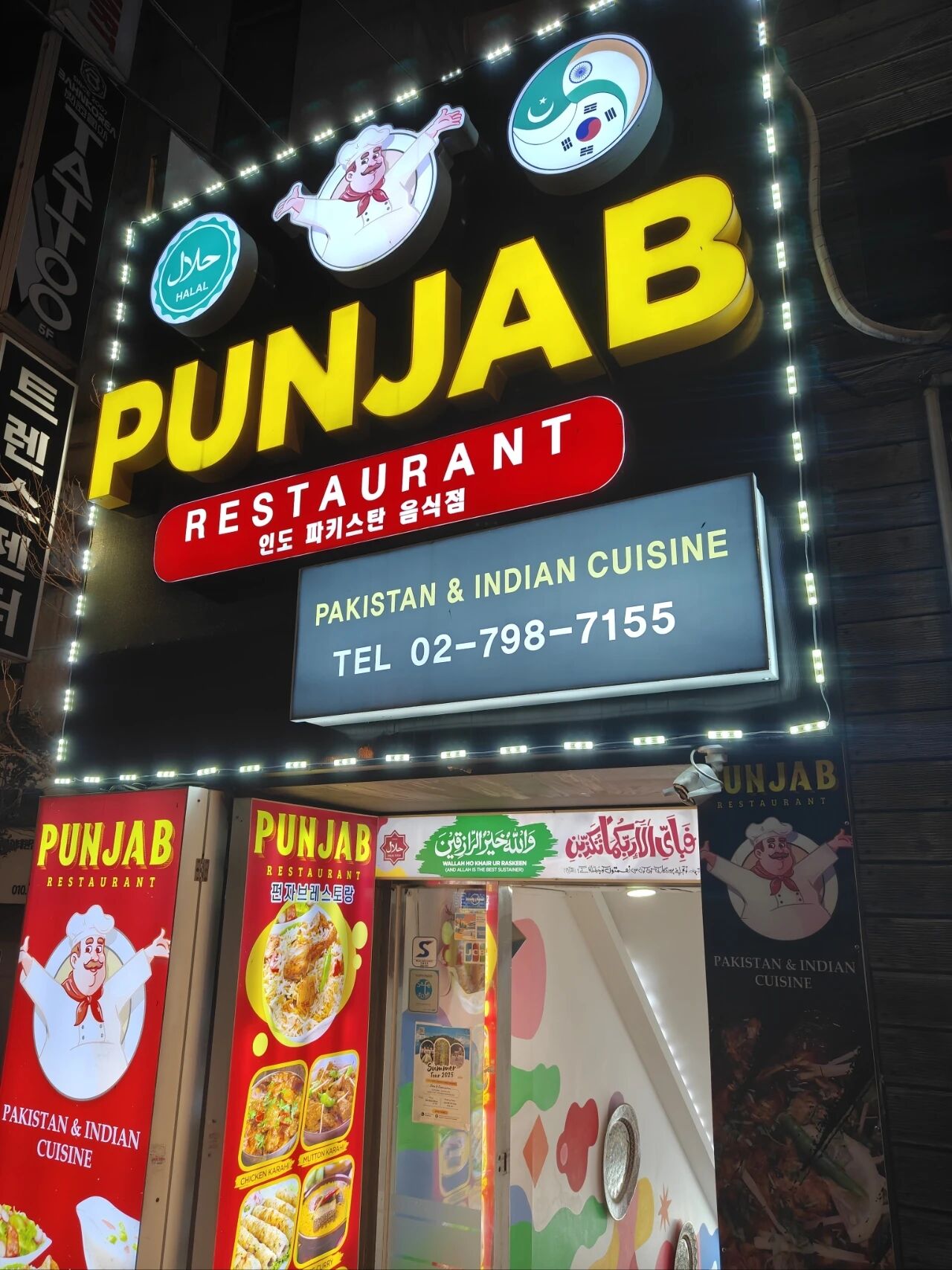
The Punjab restaurant in the second picture is what I would recommend. The Pakistani brother I met here took me there. It is located near the mosque. There are Indian and Pakistani flags on the facade, indicating that this is a restaurant that specializes in South Asian Indian and Pakistani cuisine.
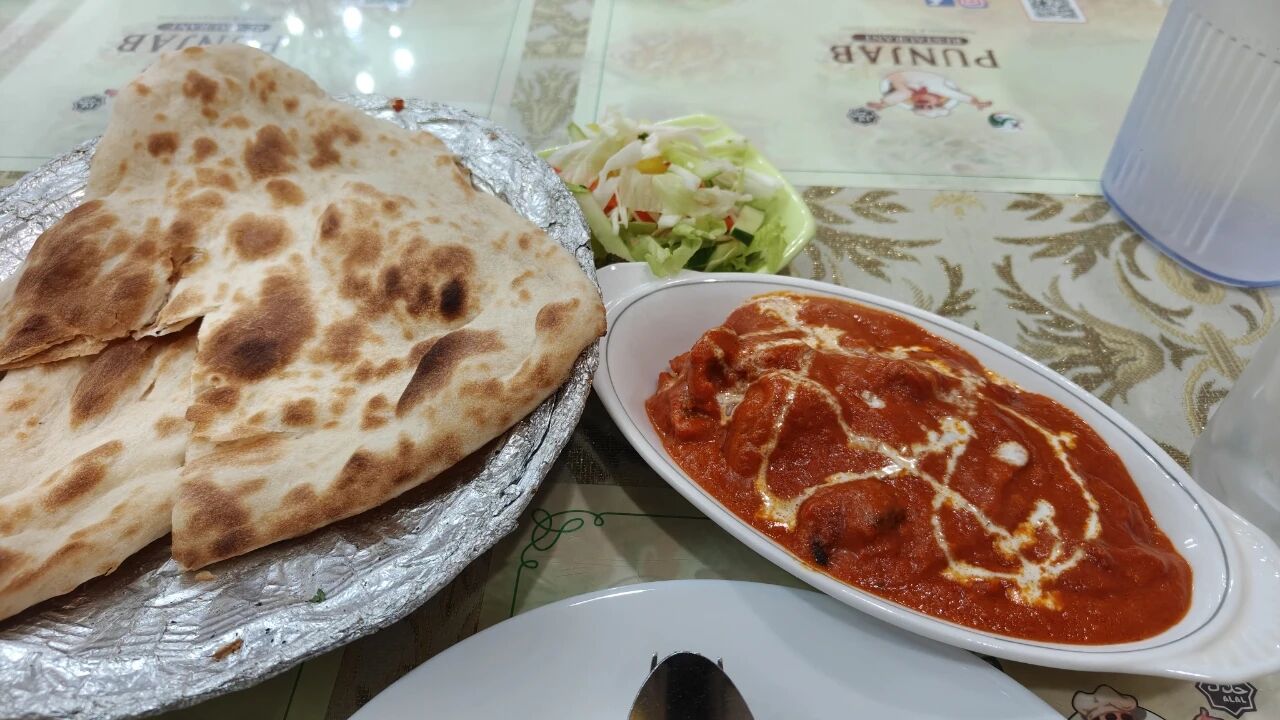
I most recommend the curry lamb chops (picture 3). It is full of spices and soft in the mouth. It is worth trying. It is also served with vegetables and eaten rolled in naan bread, which has a rich taste.
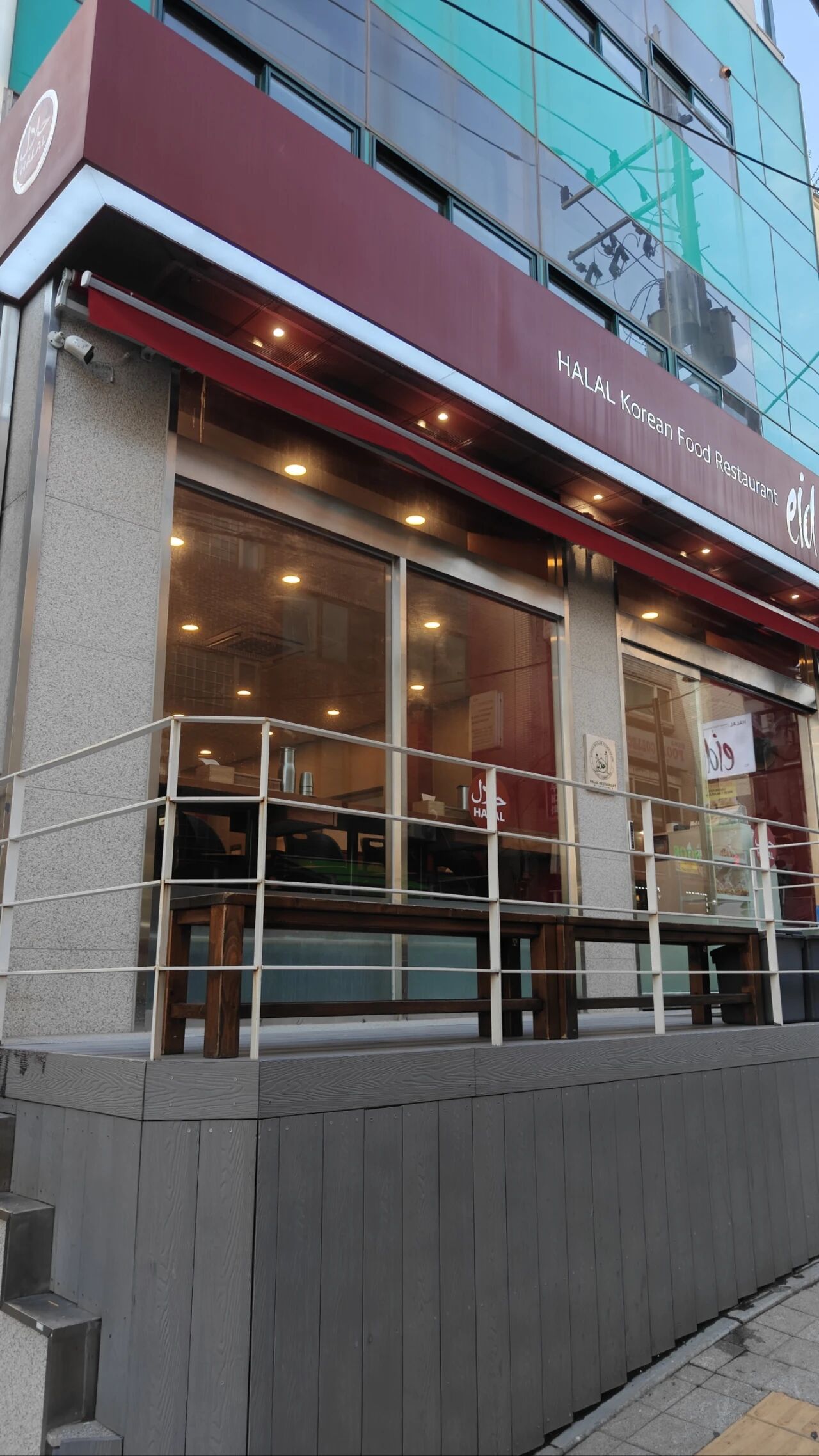
Picture 4 is a Korean halal restaurant called Eid, where I ordered a bibimbap (Picture 5). There was a table full of side dishes, including spicy cabbage, dried fish, shredded cabbage, etc.
On top of the white rice in the copper bowl was another pile of vegetables, including bracken, cooked pumpkin, oyster mushrooms, bean sprouts, and beef. There's a fried egg on top. You have to mix them together when eating, but I'm really not used to iron chopsticks.
I had a big appetite and was still not full even after finishing the meal, so I ordered another plate of squid (Picture 6).
When I was about to leave Seoul, I went to a Malaysian restaurant (Picture 7) and ordered a bowl of stewed chicken. However, it was not as delicious as I expected. Also, the chili sauce that comes with it is too spicy. Is this the spiciness of Southeast Asia?
Pictures 8, 9 and 10 show the halal beef and mutton shop and halal ingredients shop over there. I have also researched the prices of beef and mutton here. Steak costs about 82.5 yuan per kilogram. Frozen lamb chops and lamb neck cost about 50 yuan per kilogram. Chicken is about 35 yuan per kilogram.
I don’t know if everyone thinks this price is expensive.
Picture 11, as I mentioned in the previous picture and article, there is a Muslim school in the Seoul Central Mosque, and there is also a school bus parked there. It shows that some Korean Muslims send their children here to receive some basic education. Picture 11 is a clothing store, and the owner is a Muslim.
When walking around the mosque, you can also see some old Muslim people sitting in front of the shop chatting. This shows that South Korea has formed a certain size of Muslim community, and the pattern of living around the mosque has been formed. view all
Summary: This Seoul halal food guide looks beyond Itaewon's nightlife and follows the Muslim street around Seoul Central Mosque, with Punjab restaurant, curry lamb chops, Korean halal bibimbap, halal meat shops, food prices, and the local Muslim community.
When people think of Itaewon, they may think of the nightlife and party scene there. But few people would have thought that this is also the location of the first mosque in modern Korea. It is surrounded by a large number of halal restaurants from various countries, as well as beef and mutton shops and halal supermarkets.
The Punjab restaurant in the second picture is what I would recommend. The Pakistani brother I met here took me there. It is located near the mosque. There are Indian and Pakistani flags on the facade, indicating that this is a restaurant that specializes in South Asian Indian and Pakistani cuisine.
I most recommend the curry lamb chops (picture 3). It is full of spices and soft in the mouth. It is worth trying. It is also served with vegetables and eaten rolled in naan bread, which has a rich taste.
Picture 4 is a Korean halal restaurant called Eid, where I ordered a bibimbap (Picture 5). There was a table full of side dishes, including spicy cabbage, dried fish, shredded cabbage, etc.
On top of the white rice in the copper bowl was another pile of vegetables, including bracken, cooked pumpkin, oyster mushrooms, bean sprouts, and beef. There's a fried egg on top. You have to mix them together when eating, but I'm really not used to iron chopsticks.
I had a big appetite and was still not full even after finishing the meal, so I ordered another plate of squid (Picture 6).
When I was about to leave Seoul, I went to a Malaysian restaurant (Picture 7) and ordered a bowl of stewed chicken. However, it was not as delicious as I expected. Also, the chili sauce that comes with it is too spicy. Is this the spiciness of Southeast Asia?
Pictures 8, 9 and 10 show the halal beef and mutton shop and halal ingredients shop over there. I have also researched the prices of beef and mutton here. Steak costs about 82.5 yuan per kilogram. Frozen lamb chops and lamb neck cost about 50 yuan per kilogram. Chicken is about 35 yuan per kilogram.
I don’t know if everyone thinks this price is expensive.
Picture 11, as I mentioned in the previous picture and article, there is a Muslim school in the Seoul Central Mosque, and there is also a school bus parked there. It shows that some Korean Muslims send their children here to receive some basic education. Picture 11 is a clothing store, and the owner is a Muslim.
When walking around the mosque, you can also see some old Muslim people sitting in front of the shop chatting. This shows that South Korea has formed a certain size of Muslim community, and the pattern of living around the mosque has been formed. view all
Reposted from the web
Summary: This Seoul halal food guide looks beyond Itaewon's nightlife and follows the Muslim street around Seoul Central Mosque, with Punjab restaurant, curry lamb chops, Korean halal bibimbap, halal meat shops, food prices, and the local Muslim community.
When people think of Itaewon, they may think of the nightlife and party scene there. But few people would have thought that this is also the location of the first mosque in modern Korea. It is surrounded by a large number of halal restaurants from various countries, as well as beef and mutton shops and halal supermarkets.
The Punjab restaurant in the second picture is what I would recommend. The Pakistani brother I met here took me there. It is located near the mosque. There are Indian and Pakistani flags on the facade, indicating that this is a restaurant that specializes in South Asian Indian and Pakistani cuisine.
I most recommend the curry lamb chops (picture 3). It is full of spices and soft in the mouth. It is worth trying. It is also served with vegetables and eaten rolled in naan bread, which has a rich taste.
Picture 4 is a Korean halal restaurant called Eid, where I ordered a bibimbap (Picture 5). There was a table full of side dishes, including spicy cabbage, dried fish, shredded cabbage, etc.
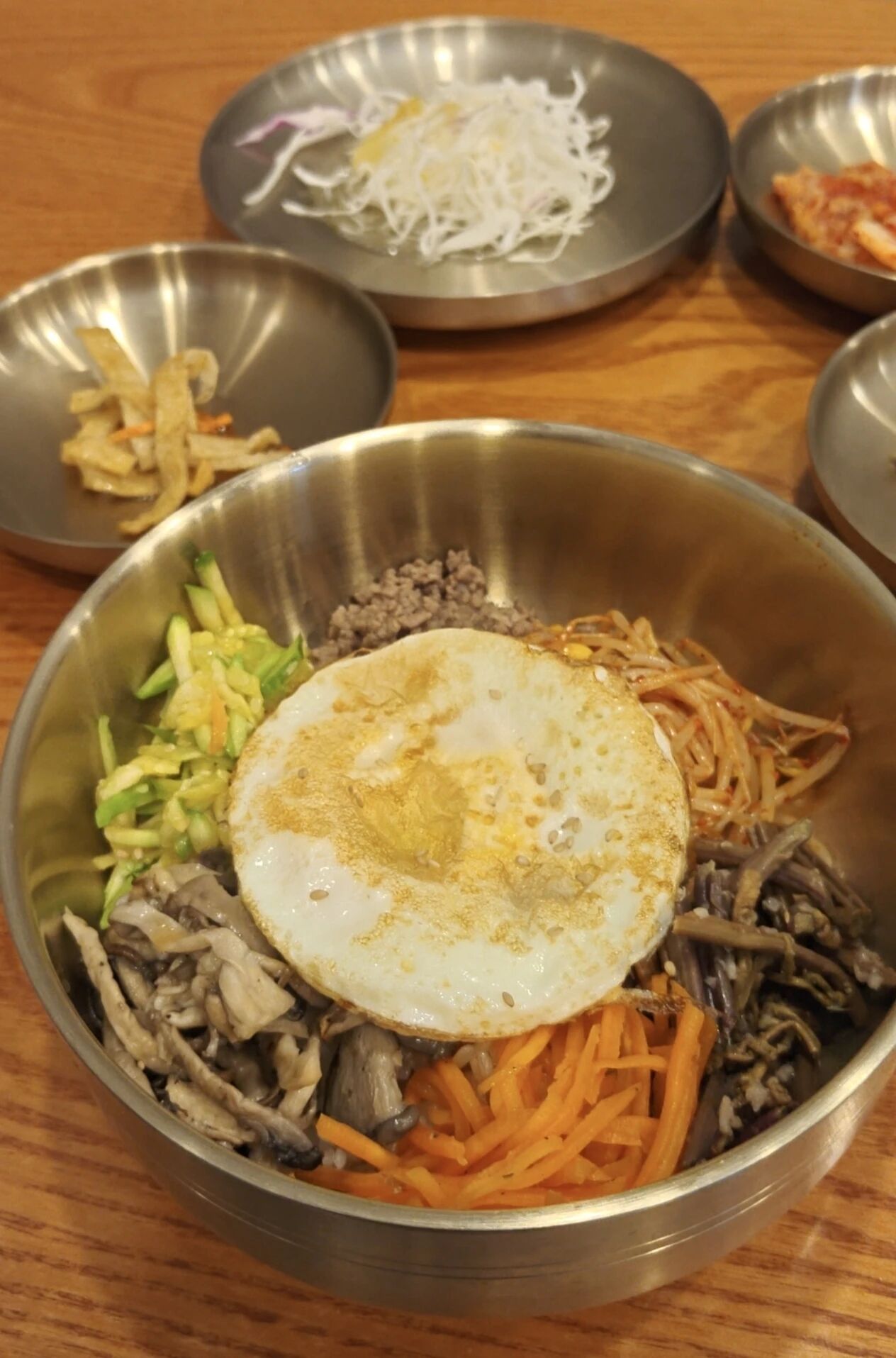
On top of the white rice in the copper bowl was another pile of vegetables, including bracken, cooked pumpkin, oyster mushrooms, bean sprouts, and beef. There's a fried egg on top. You have to mix them together when eating, but I'm really not used to iron chopsticks.
I had a big appetite and was still not full even after finishing the meal, so I ordered another plate of squid (Picture 6).
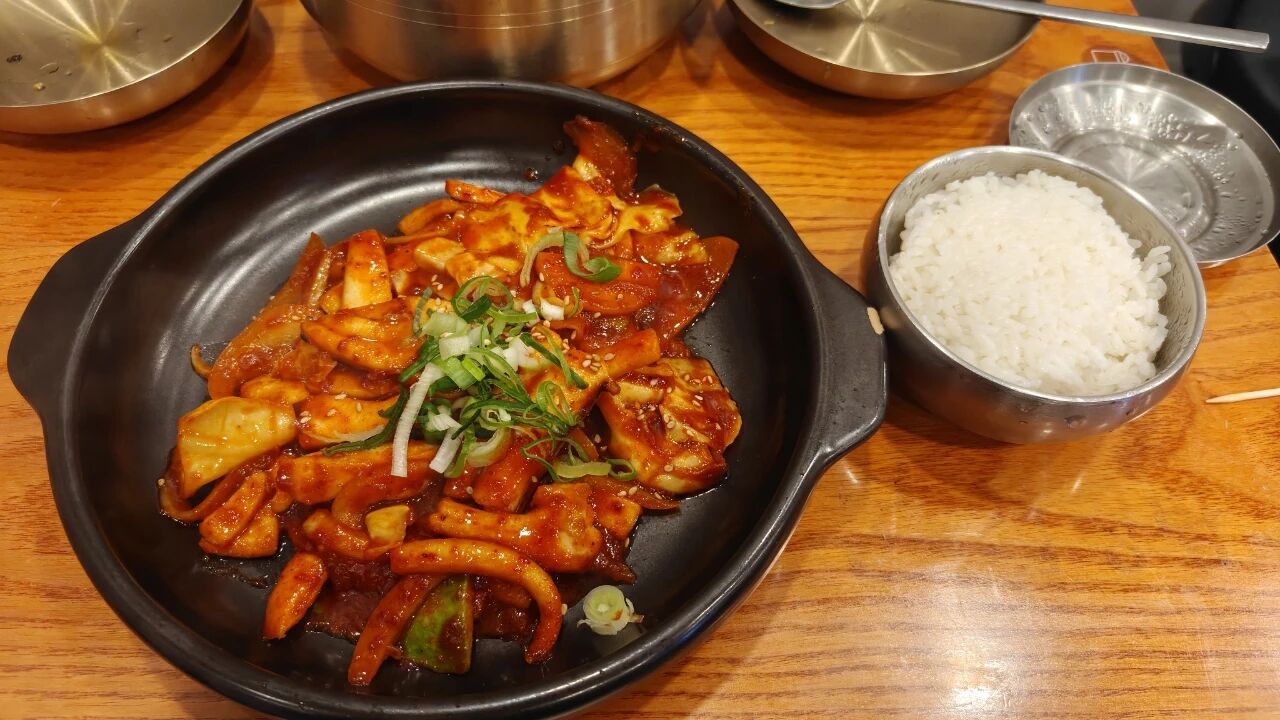
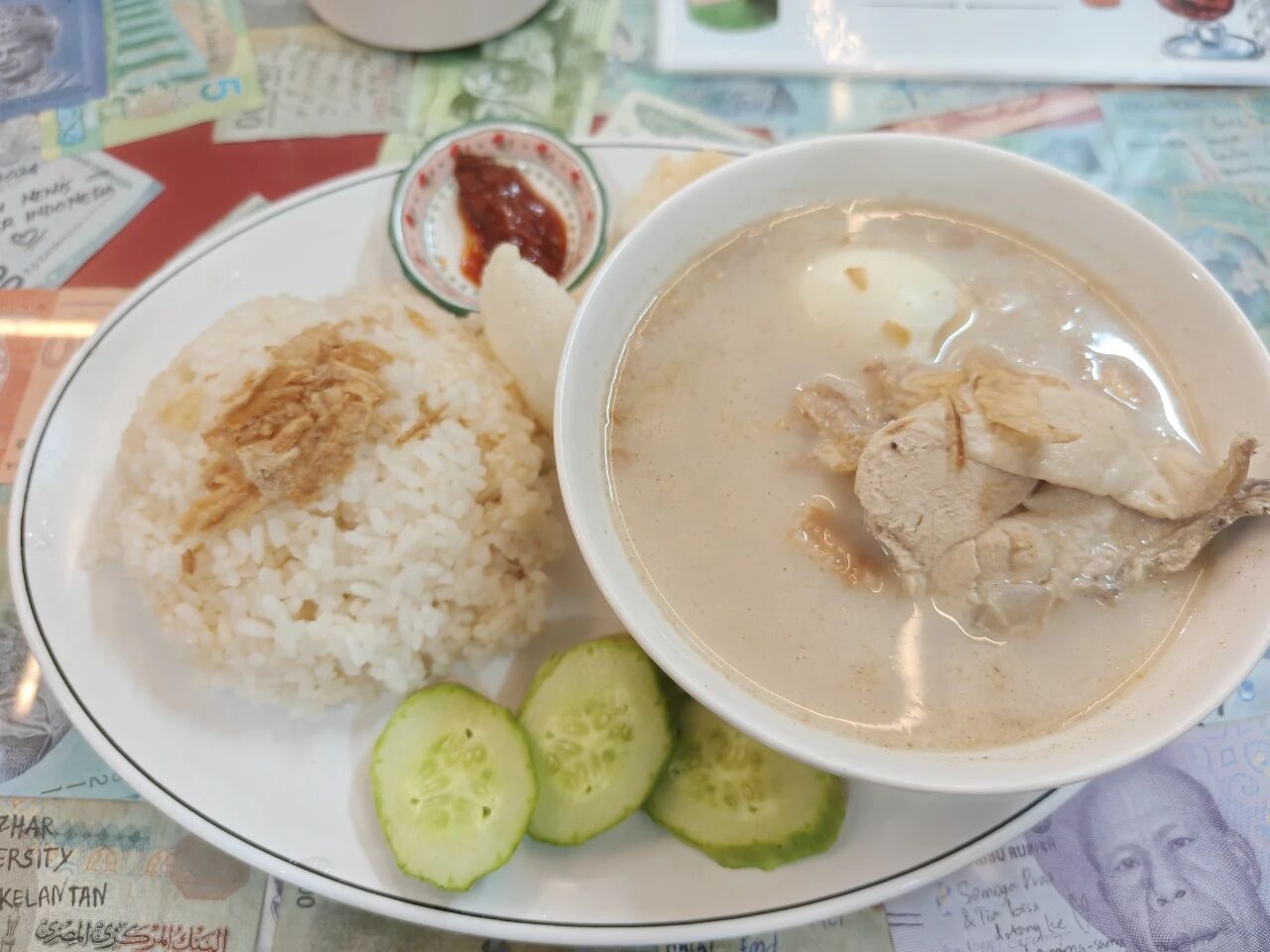
When I was about to leave Seoul, I went to a Malaysian restaurant (Picture 7) and ordered a bowl of stewed chicken. However, it was not as delicious as I expected. Also, the chili sauce that comes with it is too spicy. Is this the spiciness of Southeast Asia?
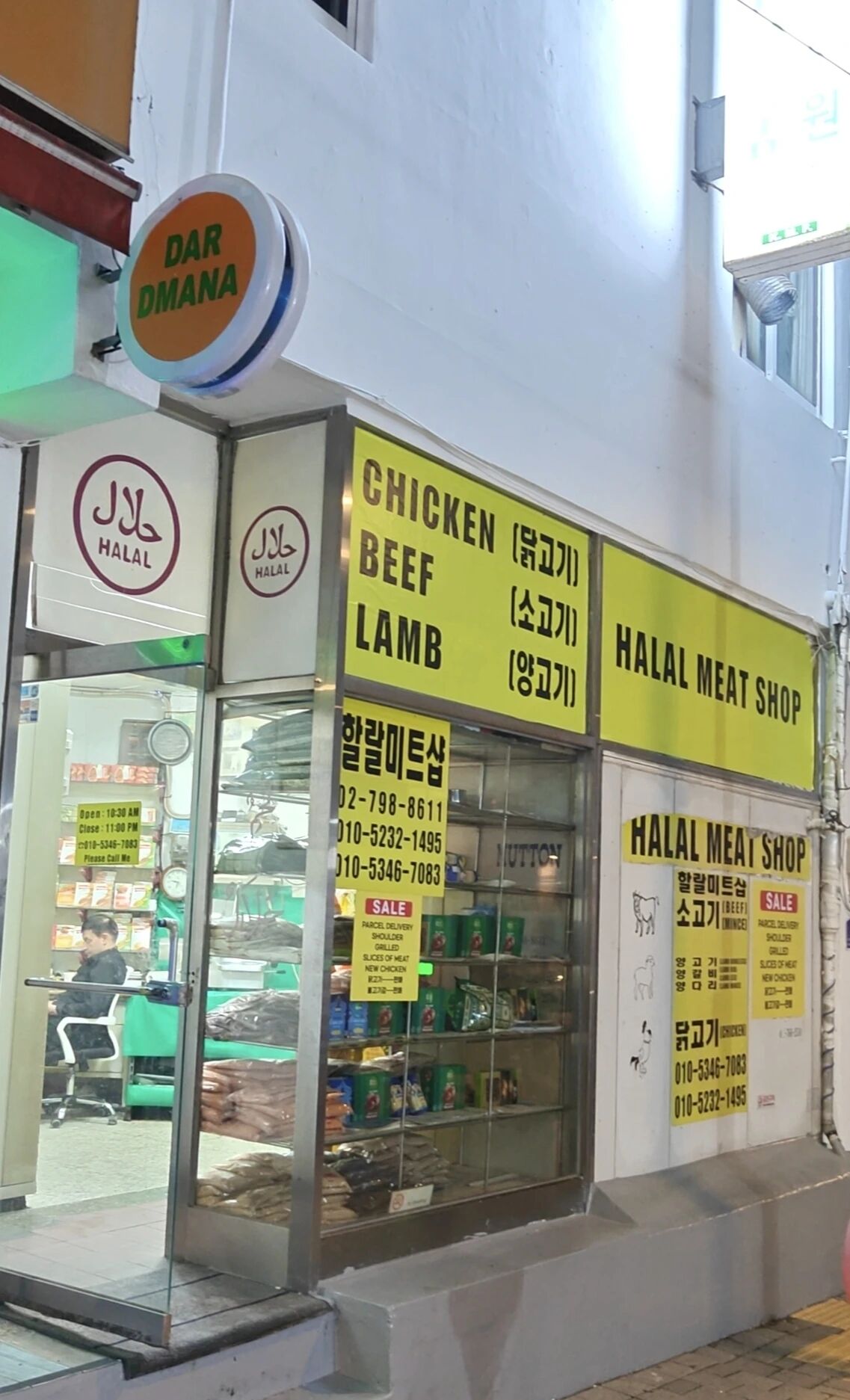
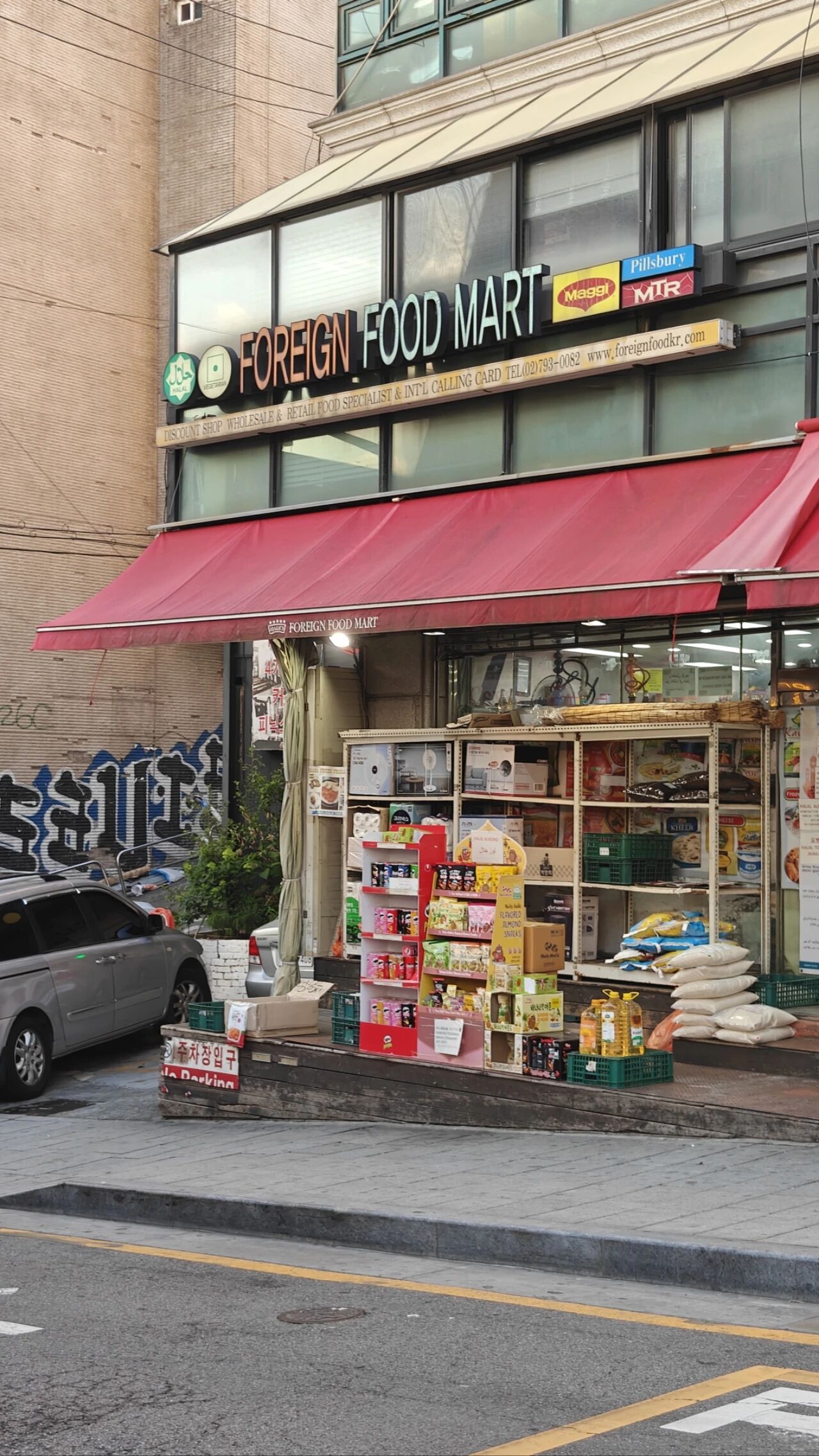
Pictures 8, 9 and 10 show the halal beef and mutton shop and halal ingredients shop over there. I have also researched the prices of beef and mutton here. Steak costs about 82.5 yuan per kilogram. Frozen lamb chops and lamb neck cost about 50 yuan per kilogram. Chicken is about 35 yuan per kilogram.
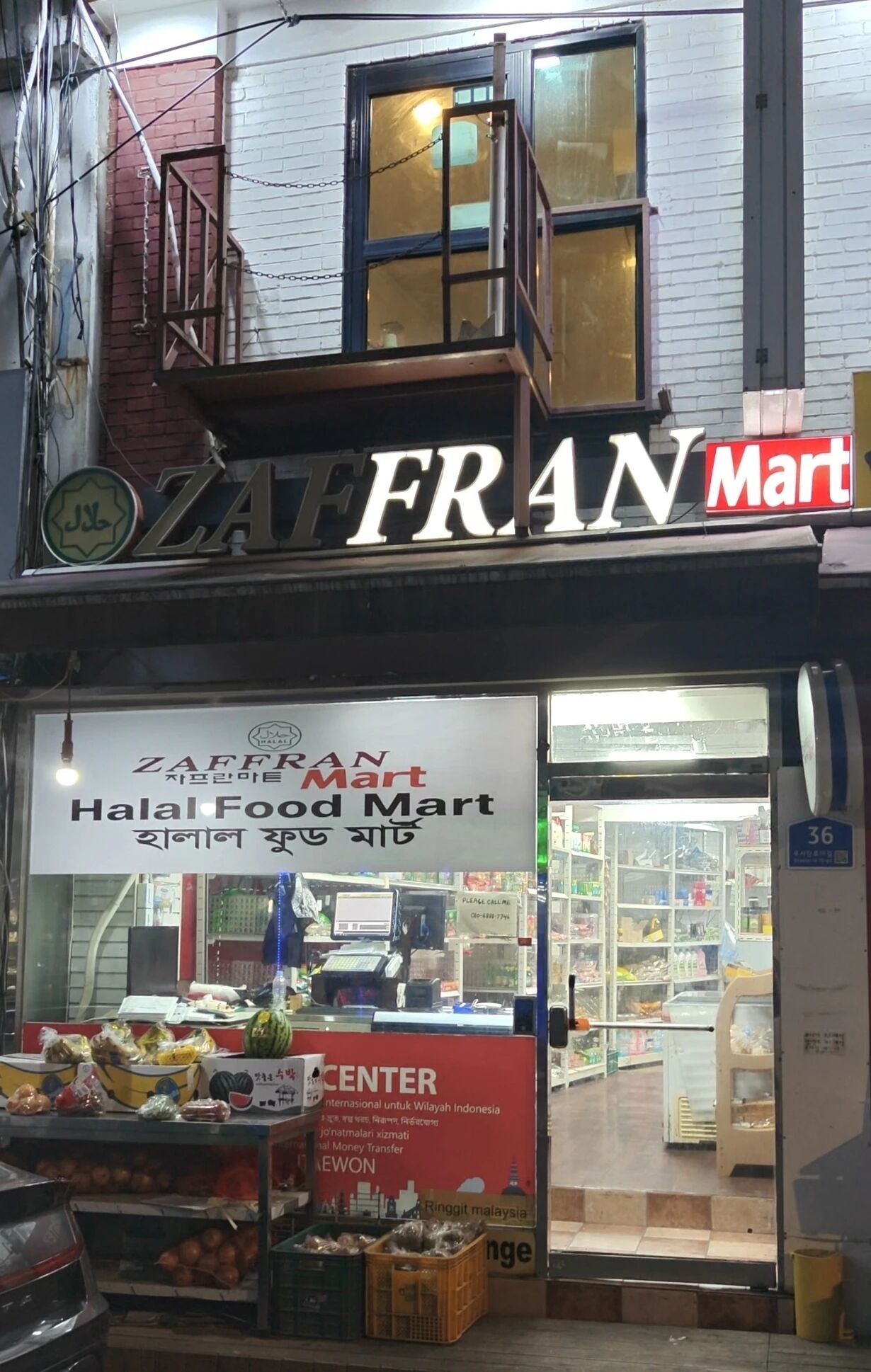
I don’t know if everyone thinks this price is expensive.
Picture 11, as I mentioned in the previous picture and article, there is a Muslim school in the Seoul Central Mosque, and there is also a school bus parked there. It shows that some Korean Muslims send their children here to receive some basic education. Picture 11 is a clothing store, and the owner is a Muslim.
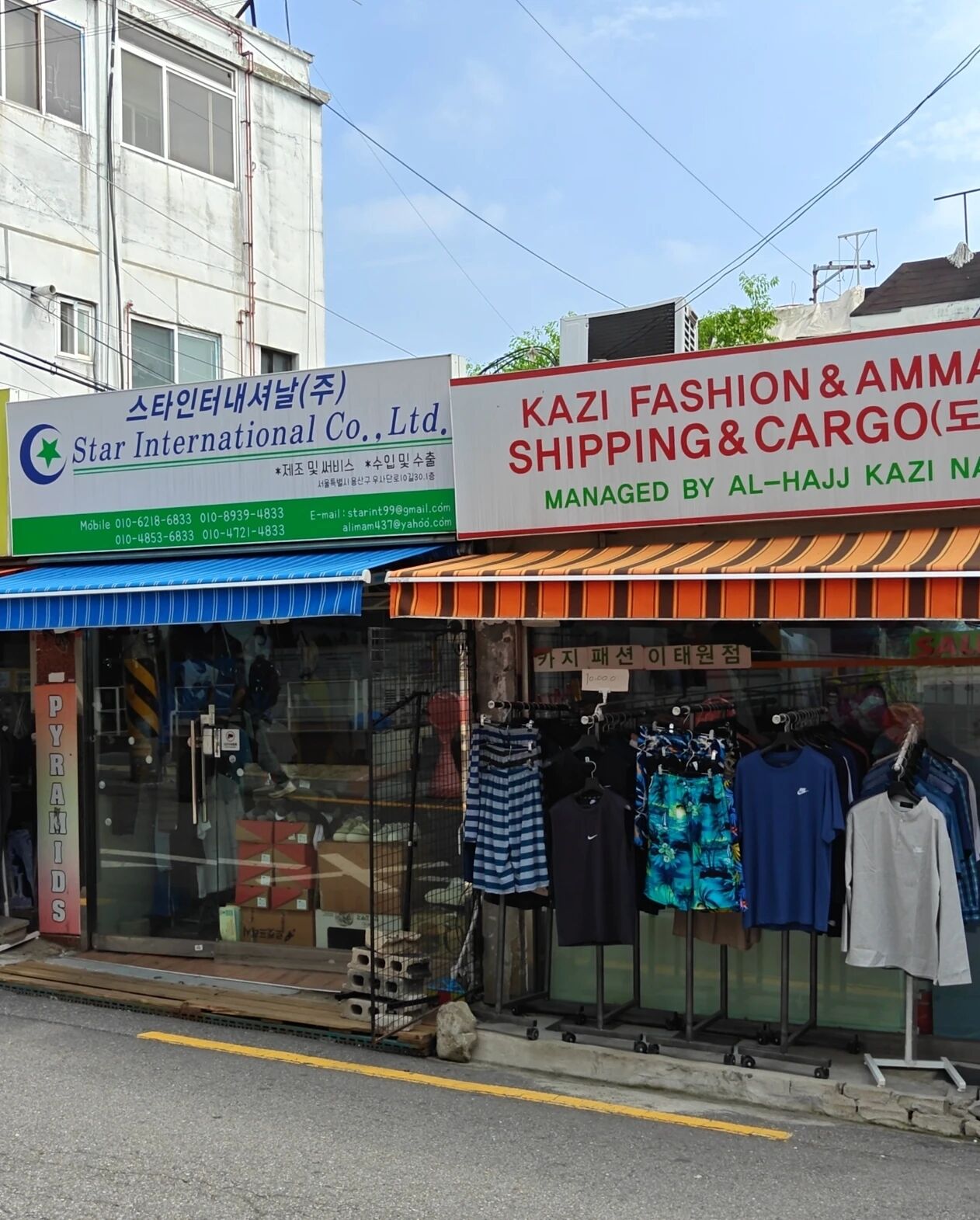
When walking around the mosque, you can also see some old Muslim people sitting in front of the shop chatting. This shows that South Korea has formed a certain size of Muslim community, and the pattern of living around the mosque has been formed.
Summary: This Seoul halal food guide looks beyond Itaewon's nightlife and follows the Muslim street around Seoul Central Mosque, with Punjab restaurant, curry lamb chops, Korean halal bibimbap, halal meat shops, food prices, and the local Muslim community.
When people think of Itaewon, they may think of the nightlife and party scene there. But few people would have thought that this is also the location of the first mosque in modern Korea. It is surrounded by a large number of halal restaurants from various countries, as well as beef and mutton shops and halal supermarkets.
The Punjab restaurant in the second picture is what I would recommend. The Pakistani brother I met here took me there. It is located near the mosque. There are Indian and Pakistani flags on the facade, indicating that this is a restaurant that specializes in South Asian Indian and Pakistani cuisine.
I most recommend the curry lamb chops (picture 3). It is full of spices and soft in the mouth. It is worth trying. It is also served with vegetables and eaten rolled in naan bread, which has a rich taste.
Picture 4 is a Korean halal restaurant called Eid, where I ordered a bibimbap (Picture 5). There was a table full of side dishes, including spicy cabbage, dried fish, shredded cabbage, etc.
On top of the white rice in the copper bowl was another pile of vegetables, including bracken, cooked pumpkin, oyster mushrooms, bean sprouts, and beef. There's a fried egg on top. You have to mix them together when eating, but I'm really not used to iron chopsticks.
I had a big appetite and was still not full even after finishing the meal, so I ordered another plate of squid (Picture 6).
When I was about to leave Seoul, I went to a Malaysian restaurant (Picture 7) and ordered a bowl of stewed chicken. However, it was not as delicious as I expected. Also, the chili sauce that comes with it is too spicy. Is this the spiciness of Southeast Asia?
Pictures 8, 9 and 10 show the halal beef and mutton shop and halal ingredients shop over there. I have also researched the prices of beef and mutton here. Steak costs about 82.5 yuan per kilogram. Frozen lamb chops and lamb neck cost about 50 yuan per kilogram. Chicken is about 35 yuan per kilogram.
I don’t know if everyone thinks this price is expensive.
Picture 11, as I mentioned in the previous picture and article, there is a Muslim school in the Seoul Central Mosque, and there is also a school bus parked there. It shows that some Korean Muslims send their children here to receive some basic education. Picture 11 is a clothing store, and the owner is a Muslim.
When walking around the mosque, you can also see some old Muslim people sitting in front of the shop chatting. This shows that South Korea has formed a certain size of Muslim community, and the pattern of living around the mosque has been formed.
Best Halal Food Korea Seoul Itaewon: Punjab Restaurant, Halal Lamb Chops, Muslim Street and Seoul Central Mosque
Articles • yusuf908 posted the article • 0 comments • 262 views • 2026-05-23 22:23
Reposted from the web
Summary: This Seoul halal food guide looks beyond Itaewon's nightlife and follows the Muslim street around Seoul Central Mosque, with Punjab restaurant, curry lamb chops, Korean halal bibimbap, halal meat shops, food prices, and the local Muslim community.
When people think of Itaewon, they may think of the nightlife and party scene there. But few people would have thought that this is also the location of the first mosque in modern Korea. It is surrounded by a large number of halal restaurants from various countries, as well as beef and mutton shops and halal supermarkets.
The Punjab restaurant in the second picture is what I would recommend. The Pakistani brother I met here took me there. It is located near the mosque. There are Indian and Pakistani flags on the facade, indicating that this is a restaurant that specializes in South Asian Indian and Pakistani cuisine.
I most recommend the curry lamb chops (picture 3). It is full of spices and soft in the mouth. It is worth trying. It is also served with vegetables and eaten rolled in naan bread, which has a rich taste.
Picture 4 is a Korean halal restaurant called Eid, where I ordered a bibimbap (Picture 5). There was a table full of side dishes, including spicy cabbage, dried fish, shredded cabbage, etc.
On top of the white rice in the copper bowl was another pile of vegetables, including bracken, cooked pumpkin, oyster mushrooms, bean sprouts, and beef. There's a fried egg on top. You have to mix them together when eating, but I'm really not used to iron chopsticks.
I had a big appetite and was still not full even after finishing the meal, so I ordered another plate of squid (Picture 6).
When I was about to leave Seoul, I went to a Malaysian restaurant (Picture 7) and ordered a bowl of stewed chicken. However, it was not as delicious as I expected. Also, the chili sauce that comes with it is too spicy. Is this the spiciness of Southeast Asia?
Pictures 8, 9 and 10 show the halal beef and mutton shop and halal ingredients shop over there. I have also researched the prices of beef and mutton here. Steak costs about 82.5 yuan per kilogram. Frozen lamb chops and lamb neck cost about 50 yuan per kilogram. Chicken is about 35 yuan per kilogram.
I don’t know if everyone thinks this price is expensive.
Picture 11, as I mentioned in the previous picture and article, there is a Muslim school in the Seoul Central Mosque, and there is also a school bus parked there. It shows that some Korean Muslims send their children here to receive some basic education. Picture 11 is a clothing store, and the owner is a Muslim.
When walking around the mosque, you can also see some old Muslim people sitting in front of the shop chatting. This shows that South Korea has formed a certain size of Muslim community, and the pattern of living around the mosque has been formed. view all
Summary: This Seoul halal food guide looks beyond Itaewon's nightlife and follows the Muslim street around Seoul Central Mosque, with Punjab restaurant, curry lamb chops, Korean halal bibimbap, halal meat shops, food prices, and the local Muslim community.
When people think of Itaewon, they may think of the nightlife and party scene there. But few people would have thought that this is also the location of the first mosque in modern Korea. It is surrounded by a large number of halal restaurants from various countries, as well as beef and mutton shops and halal supermarkets.
The Punjab restaurant in the second picture is what I would recommend. The Pakistani brother I met here took me there. It is located near the mosque. There are Indian and Pakistani flags on the facade, indicating that this is a restaurant that specializes in South Asian Indian and Pakistani cuisine.
I most recommend the curry lamb chops (picture 3). It is full of spices and soft in the mouth. It is worth trying. It is also served with vegetables and eaten rolled in naan bread, which has a rich taste.
Picture 4 is a Korean halal restaurant called Eid, where I ordered a bibimbap (Picture 5). There was a table full of side dishes, including spicy cabbage, dried fish, shredded cabbage, etc.
On top of the white rice in the copper bowl was another pile of vegetables, including bracken, cooked pumpkin, oyster mushrooms, bean sprouts, and beef. There's a fried egg on top. You have to mix them together when eating, but I'm really not used to iron chopsticks.
I had a big appetite and was still not full even after finishing the meal, so I ordered another plate of squid (Picture 6).
When I was about to leave Seoul, I went to a Malaysian restaurant (Picture 7) and ordered a bowl of stewed chicken. However, it was not as delicious as I expected. Also, the chili sauce that comes with it is too spicy. Is this the spiciness of Southeast Asia?
Pictures 8, 9 and 10 show the halal beef and mutton shop and halal ingredients shop over there. I have also researched the prices of beef and mutton here. Steak costs about 82.5 yuan per kilogram. Frozen lamb chops and lamb neck cost about 50 yuan per kilogram. Chicken is about 35 yuan per kilogram.
I don’t know if everyone thinks this price is expensive.
Picture 11, as I mentioned in the previous picture and article, there is a Muslim school in the Seoul Central Mosque, and there is also a school bus parked there. It shows that some Korean Muslims send their children here to receive some basic education. Picture 11 is a clothing store, and the owner is a Muslim.
When walking around the mosque, you can also see some old Muslim people sitting in front of the shop chatting. This shows that South Korea has formed a certain size of Muslim community, and the pattern of living around the mosque has been formed. view all
Reposted from the web
Summary: This Seoul halal food guide looks beyond Itaewon's nightlife and follows the Muslim street around Seoul Central Mosque, with Punjab restaurant, curry lamb chops, Korean halal bibimbap, halal meat shops, food prices, and the local Muslim community.
When people think of Itaewon, they may think of the nightlife and party scene there. But few people would have thought that this is also the location of the first mosque in modern Korea. It is surrounded by a large number of halal restaurants from various countries, as well as beef and mutton shops and halal supermarkets.
The Punjab restaurant in the second picture is what I would recommend. The Pakistani brother I met here took me there. It is located near the mosque. There are Indian and Pakistani flags on the facade, indicating that this is a restaurant that specializes in South Asian Indian and Pakistani cuisine.
I most recommend the curry lamb chops (picture 3). It is full of spices and soft in the mouth. It is worth trying. It is also served with vegetables and eaten rolled in naan bread, which has a rich taste.
Picture 4 is a Korean halal restaurant called Eid, where I ordered a bibimbap (Picture 5). There was a table full of side dishes, including spicy cabbage, dried fish, shredded cabbage, etc.
On top of the white rice in the copper bowl was another pile of vegetables, including bracken, cooked pumpkin, oyster mushrooms, bean sprouts, and beef. There's a fried egg on top. You have to mix them together when eating, but I'm really not used to iron chopsticks.
I had a big appetite and was still not full even after finishing the meal, so I ordered another plate of squid (Picture 6).
When I was about to leave Seoul, I went to a Malaysian restaurant (Picture 7) and ordered a bowl of stewed chicken. However, it was not as delicious as I expected. Also, the chili sauce that comes with it is too spicy. Is this the spiciness of Southeast Asia?
Pictures 8, 9 and 10 show the halal beef and mutton shop and halal ingredients shop over there. I have also researched the prices of beef and mutton here. Steak costs about 82.5 yuan per kilogram. Frozen lamb chops and lamb neck cost about 50 yuan per kilogram. Chicken is about 35 yuan per kilogram.
I don’t know if everyone thinks this price is expensive.
Picture 11, as I mentioned in the previous picture and article, there is a Muslim school in the Seoul Central Mosque, and there is also a school bus parked there. It shows that some Korean Muslims send their children here to receive some basic education. Picture 11 is a clothing store, and the owner is a Muslim.
When walking around the mosque, you can also see some old Muslim people sitting in front of the shop chatting. This shows that South Korea has formed a certain size of Muslim community, and the pattern of living around the mosque has been formed.
Summary: This Seoul halal food guide looks beyond Itaewon's nightlife and follows the Muslim street around Seoul Central Mosque, with Punjab restaurant, curry lamb chops, Korean halal bibimbap, halal meat shops, food prices, and the local Muslim community.
When people think of Itaewon, they may think of the nightlife and party scene there. But few people would have thought that this is also the location of the first mosque in modern Korea. It is surrounded by a large number of halal restaurants from various countries, as well as beef and mutton shops and halal supermarkets.
The Punjab restaurant in the second picture is what I would recommend. The Pakistani brother I met here took me there. It is located near the mosque. There are Indian and Pakistani flags on the facade, indicating that this is a restaurant that specializes in South Asian Indian and Pakistani cuisine.
I most recommend the curry lamb chops (picture 3). It is full of spices and soft in the mouth. It is worth trying. It is also served with vegetables and eaten rolled in naan bread, which has a rich taste.
Picture 4 is a Korean halal restaurant called Eid, where I ordered a bibimbap (Picture 5). There was a table full of side dishes, including spicy cabbage, dried fish, shredded cabbage, etc.
On top of the white rice in the copper bowl was another pile of vegetables, including bracken, cooked pumpkin, oyster mushrooms, bean sprouts, and beef. There's a fried egg on top. You have to mix them together when eating, but I'm really not used to iron chopsticks.
I had a big appetite and was still not full even after finishing the meal, so I ordered another plate of squid (Picture 6).
When I was about to leave Seoul, I went to a Malaysian restaurant (Picture 7) and ordered a bowl of stewed chicken. However, it was not as delicious as I expected. Also, the chili sauce that comes with it is too spicy. Is this the spiciness of Southeast Asia?
Pictures 8, 9 and 10 show the halal beef and mutton shop and halal ingredients shop over there. I have also researched the prices of beef and mutton here. Steak costs about 82.5 yuan per kilogram. Frozen lamb chops and lamb neck cost about 50 yuan per kilogram. Chicken is about 35 yuan per kilogram.
I don’t know if everyone thinks this price is expensive.
Picture 11, as I mentioned in the previous picture and article, there is a Muslim school in the Seoul Central Mosque, and there is also a school bus parked there. It shows that some Korean Muslims send their children here to receive some basic education. Picture 11 is a clothing store, and the owner is a Muslim.
When walking around the mosque, you can also see some old Muslim people sitting in front of the shop chatting. This shows that South Korea has formed a certain size of Muslim community, and the pattern of living around the mosque has been formed.