

Jahriyya Heritage
China Mosque Travel Guide: Mojiang Talang Mosque, Jahriyya Heritage and Hui Muslim Village
Articles • yusuf908 posted the article • 0 comments • 196 views • 2026-05-22 21:33
Reposted from the web
Summary: This China mosque travel guide visits Mojiang Talang Mosque in Yunnan, covering Jahriyya history, the Zhou school, Talang Hui Muslim village, Ma Shunqing gongbei, local halal food, and the mosque community.
Mojiang Talang Mosque—the Zhou Branch of the Jahriyya (Zheherenye) Order in Yunnan is presented here as a firsthand travel account in clear English, beginning with this scene: On the way south from Dali to Jianshui, I passed through Talang Village in Mojiang County. The account keeps its focus on Halal Travel, Yiwu Food, Mosque Travel while preserving the names, places, food, and historical details from the Chinese source.
On the way south from Dali to Jianshui, I passed through Talang Village in Mojiang County. I knew before coming that there was a Jahriyya mosque here. In the 46th year of the Qianlong reign of the Qing Dynasty (1781), after the Jahriyya founder Ma Mingxin was killed by the Qing court, his eldest son Ma Shunqing and some followers were exiled to Talang Village in Mojiang, Yunnan. They were rescued by Ma Mingxin's student Ma Xuecheng and settled in Talang Village.
During the Xianfeng and Tongzhi reigns, the Du Wenxiu uprising failed and the Hui Muslims of Talang Village fled. It was not until 1936 that the Hui Muslims gradually returned and rebuilt the Talang Mosque.
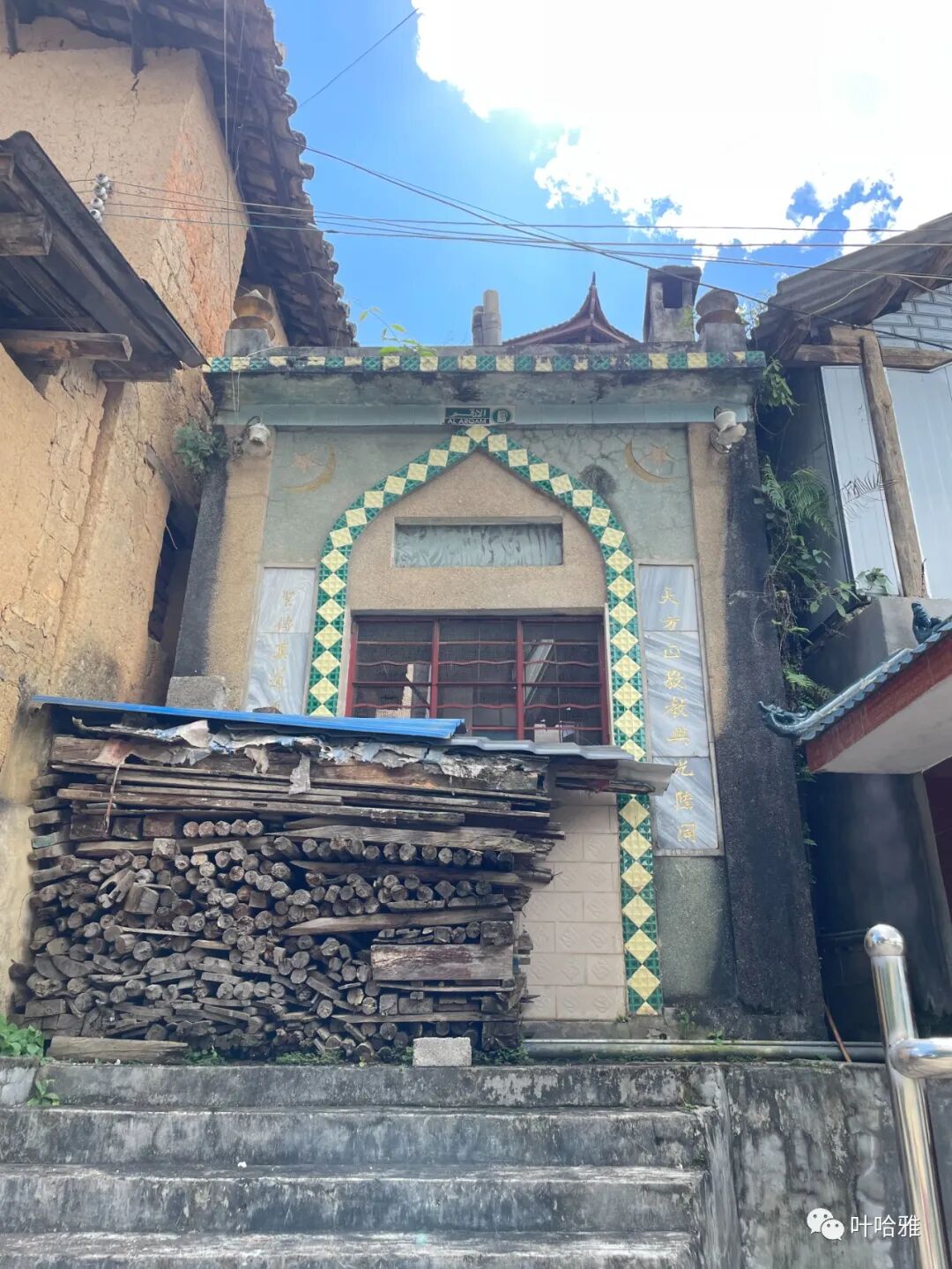
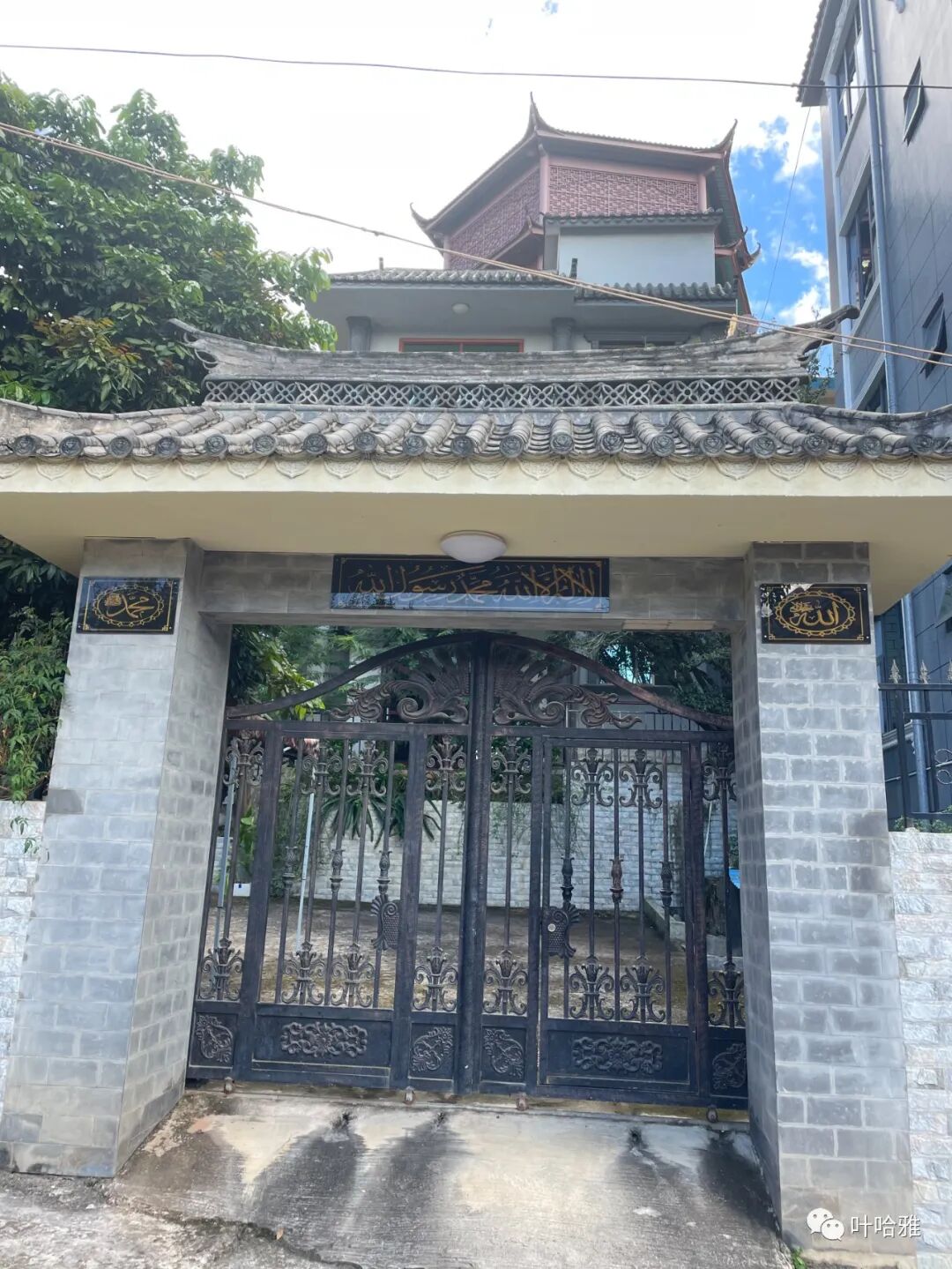
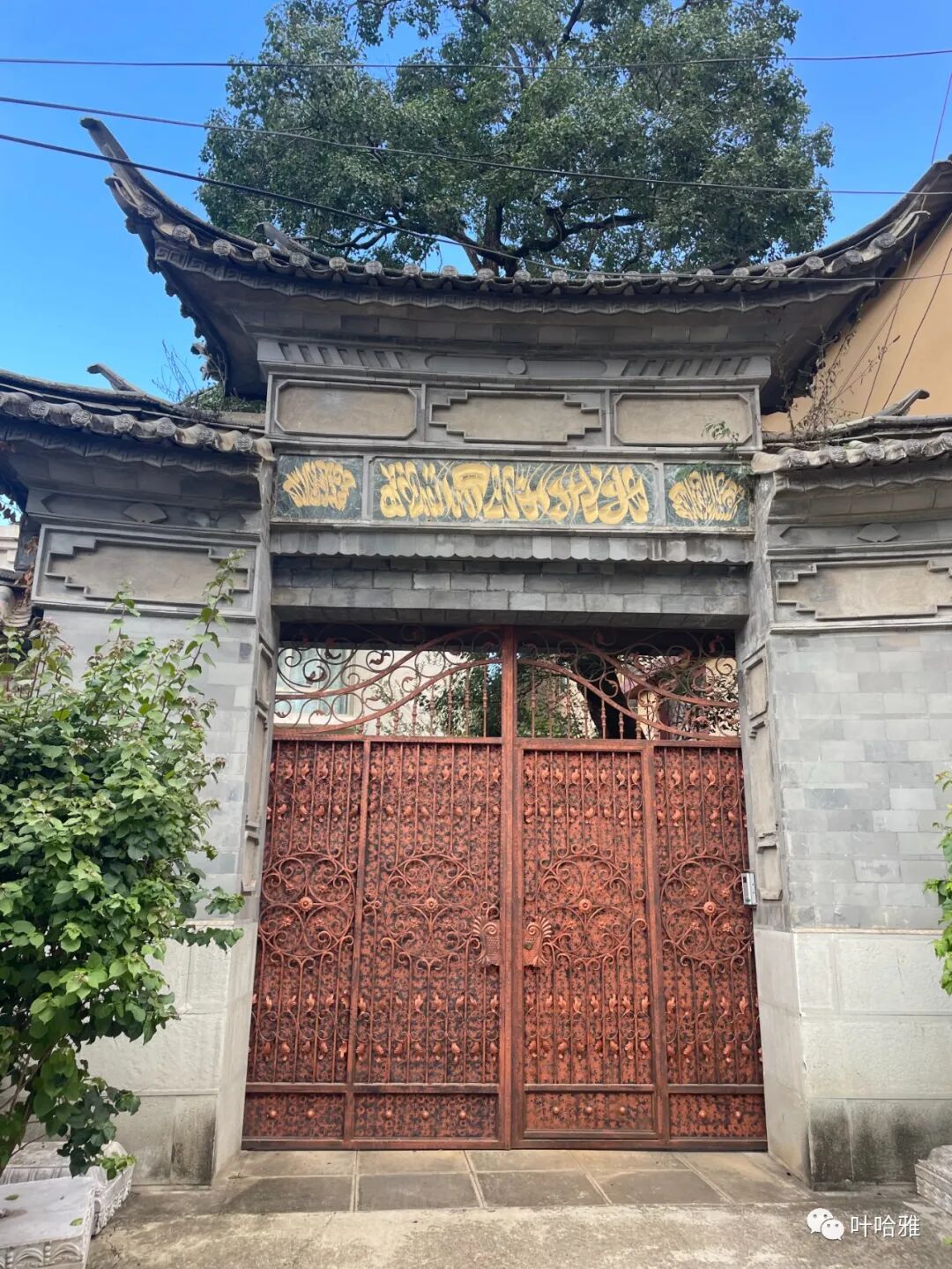
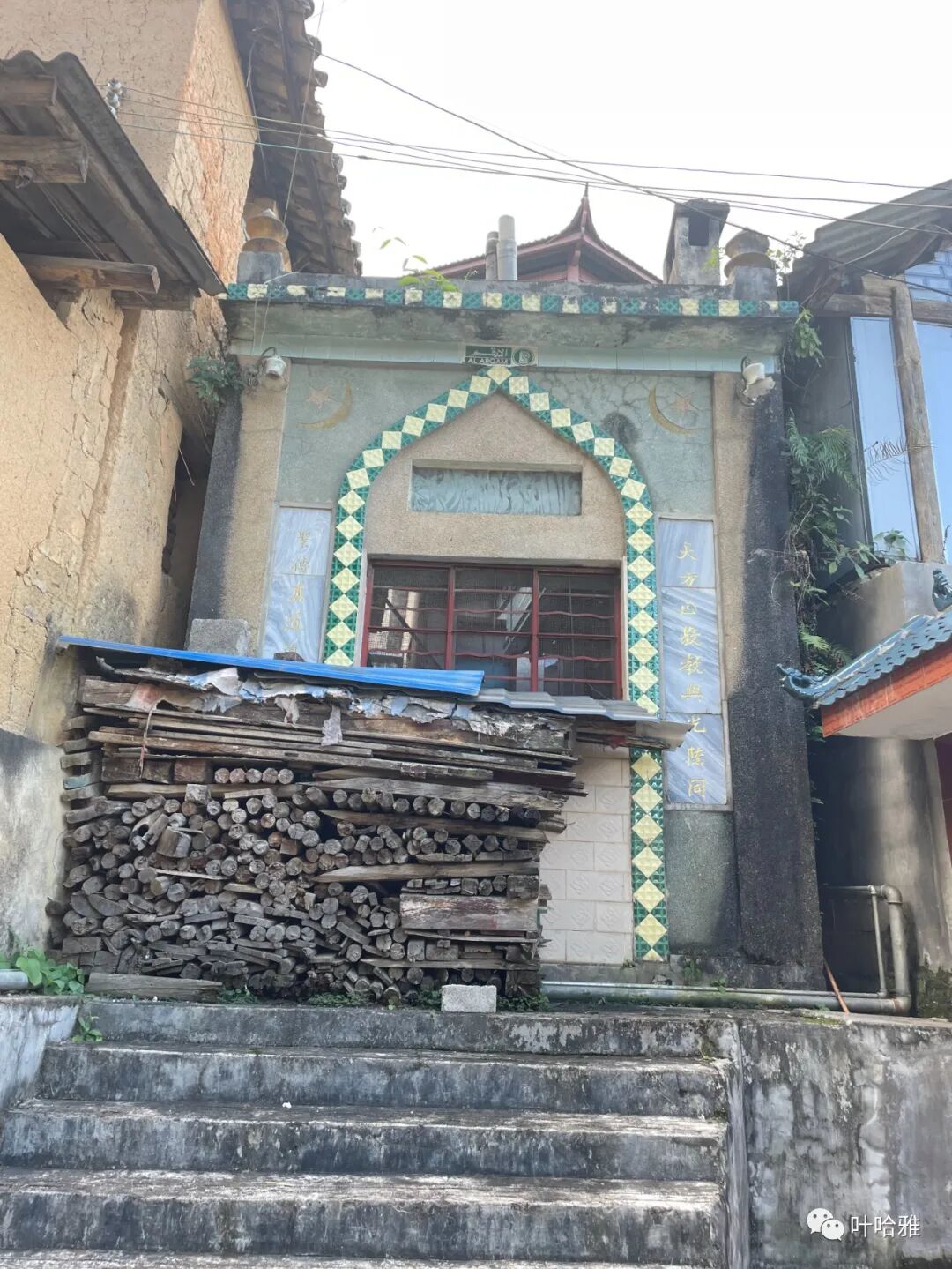
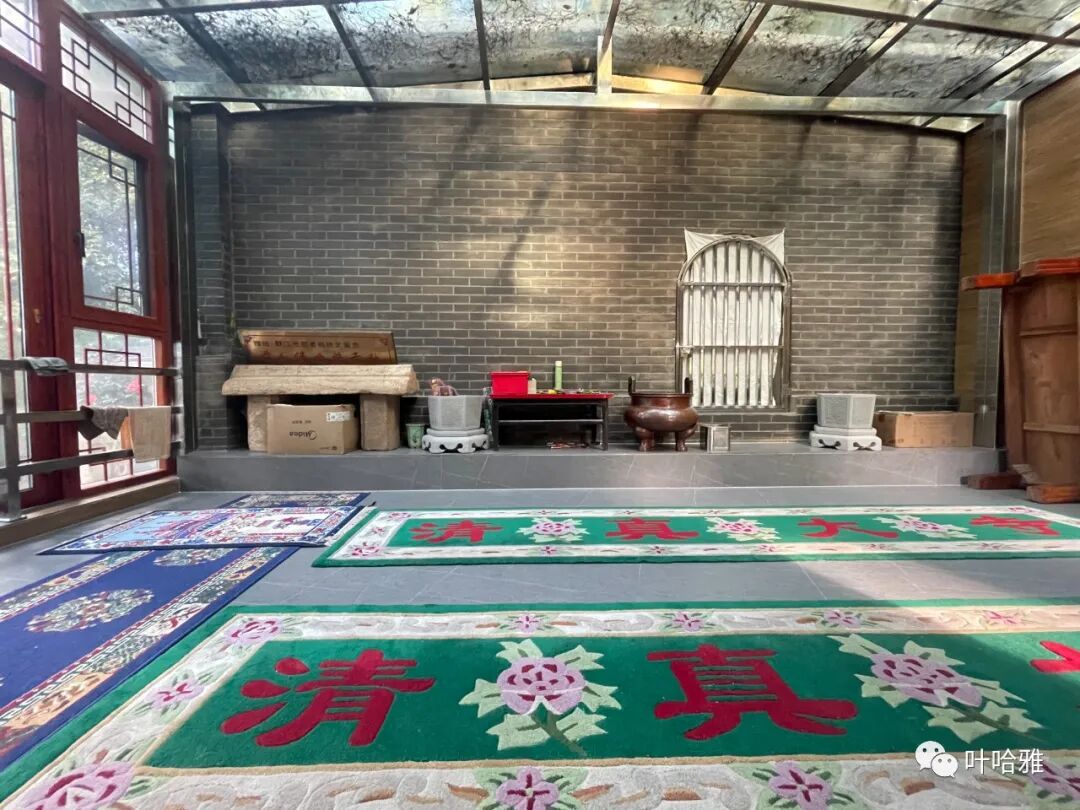
The Talang Mosque used to have a dome, but after renovations, a hexagonal roof was added. It looks like the hexagonal cap often worn by Jahriyya followers. However, this hexagonal cap is not exclusive to the Jahriyya; other menhuan and even the Gedimu have a tradition of wearing it. The renovation of this mosque involved quite a struggle.
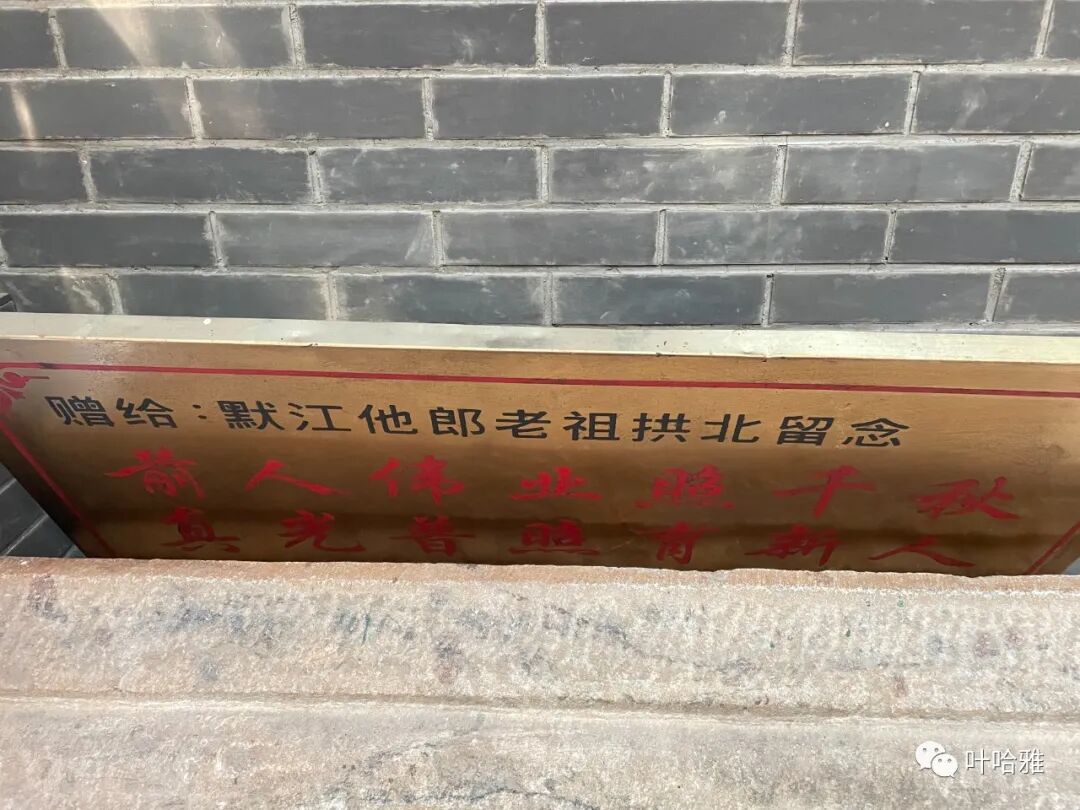
A couplet written by Shagou Taoye Ma Yuanzhang:
First line: 'Clouds shine on the child who replaces the brother, completing the work of the infant.'
Second line: 'Talang assists Pingliang and stands as a place of Jahriyya victory.'
After the prayer (namaz), the imam was reciting the Quran alone in the main hall. We chatted for a bit and I learned he is from Gansu and had just returned from visiting graves in his hometown.
The mosque is built on a mountain, and there is a Hui Muslim village below. There are not many Hui Muslims in Mojiang, and they are mostly concentrated in Talang Village.
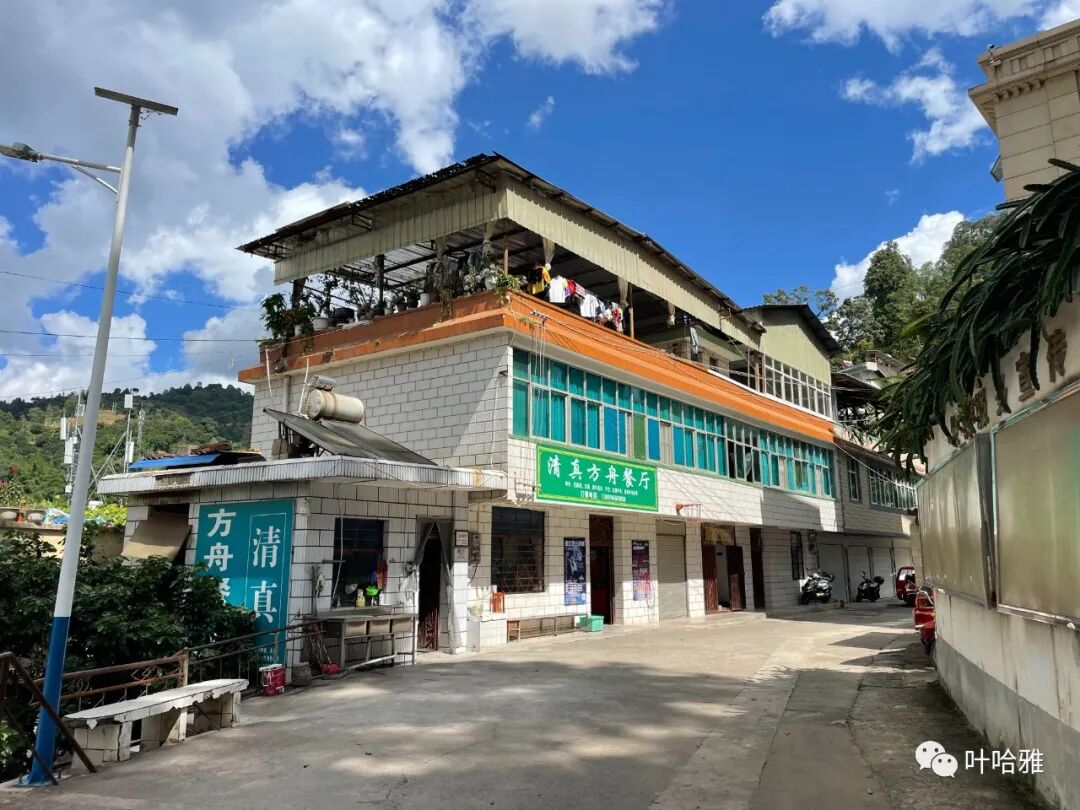
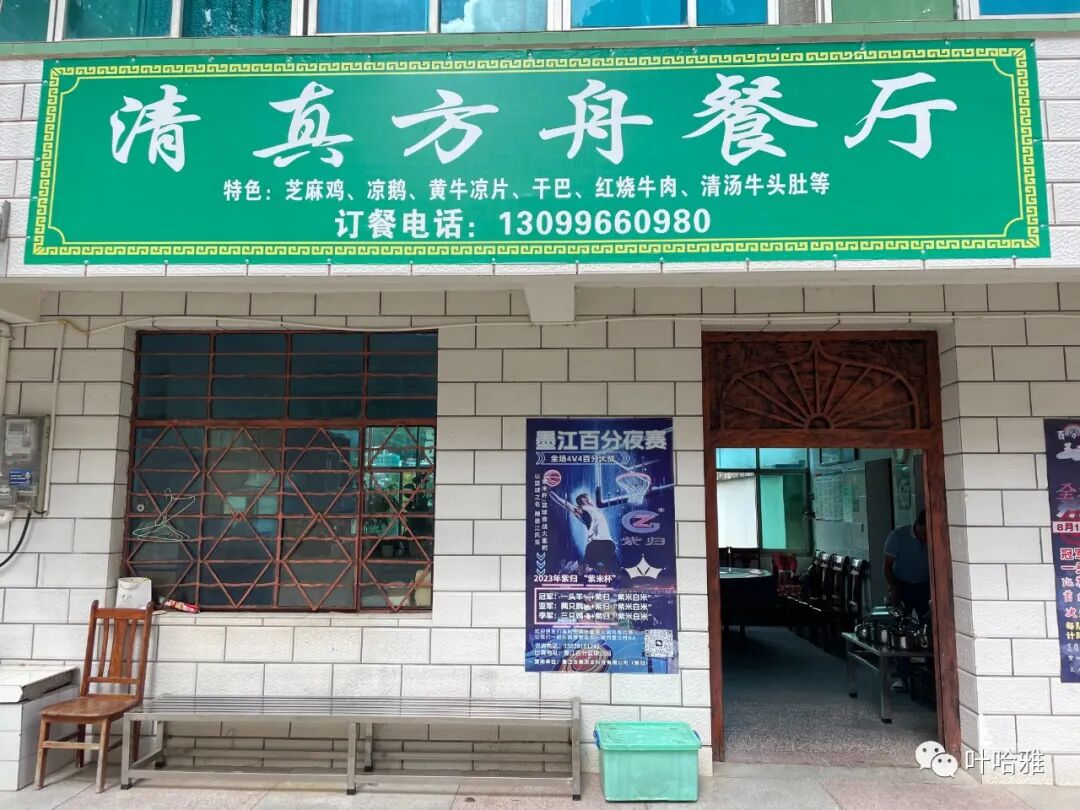
Halal Ark Restaurant
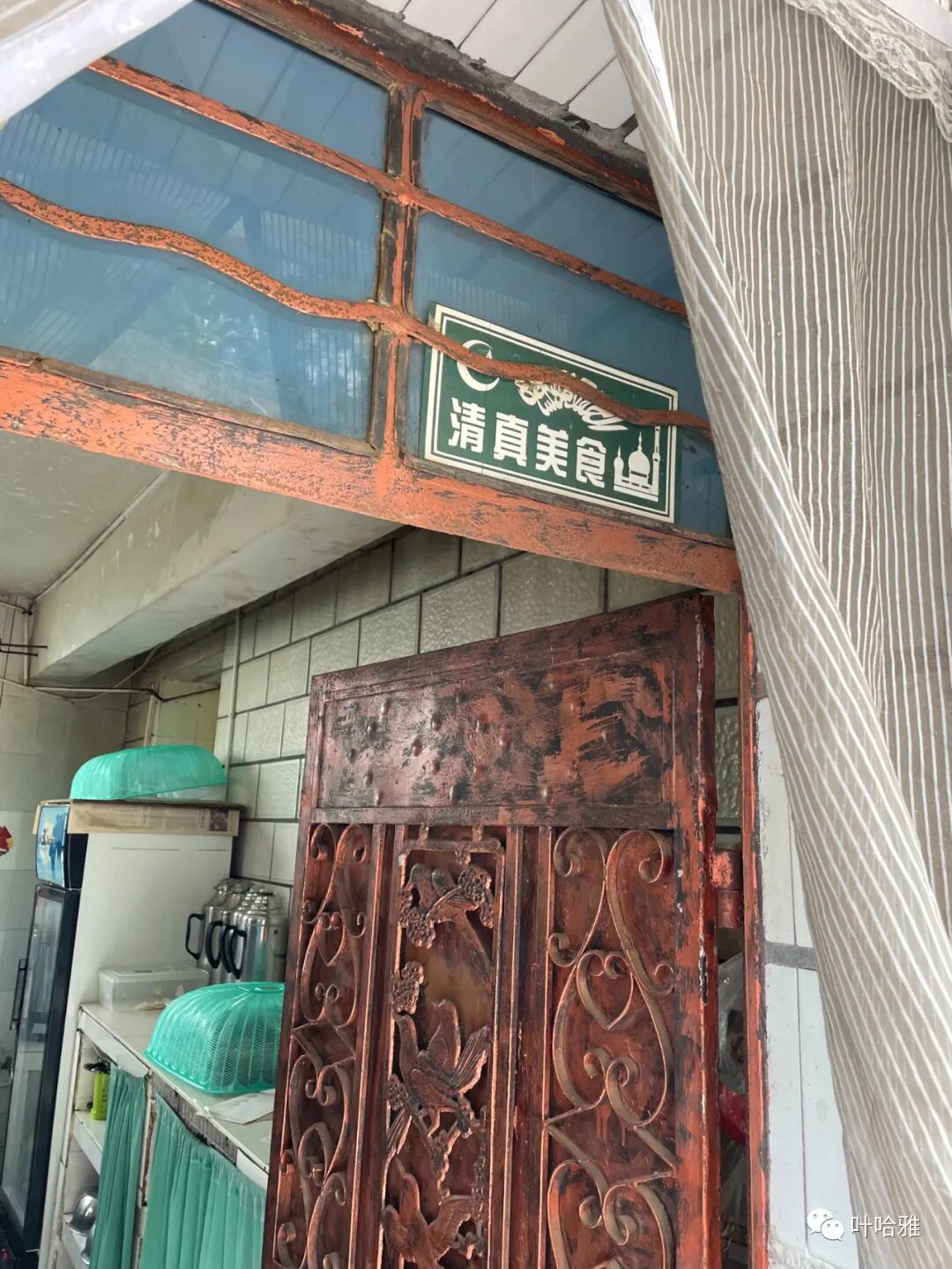
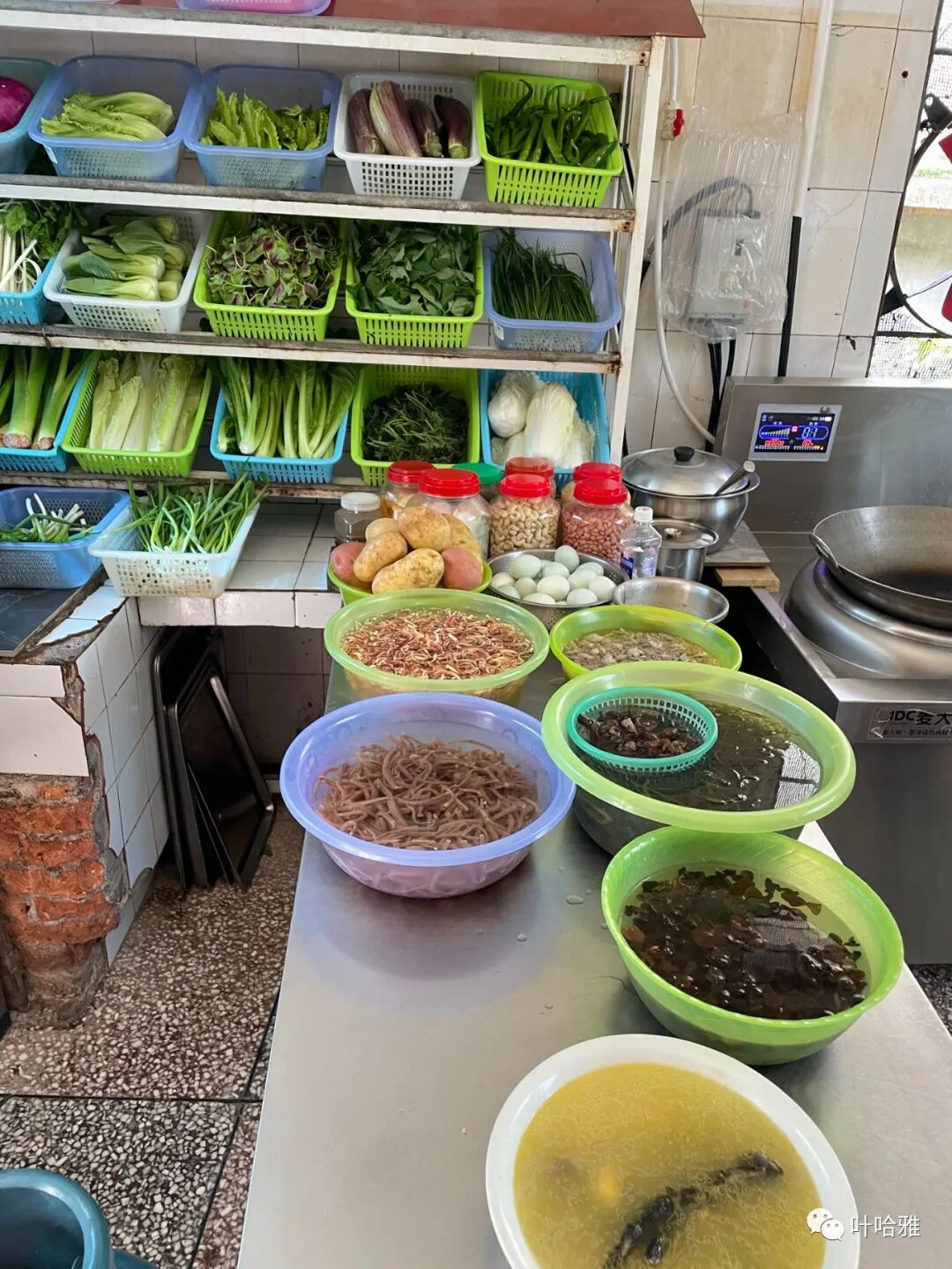
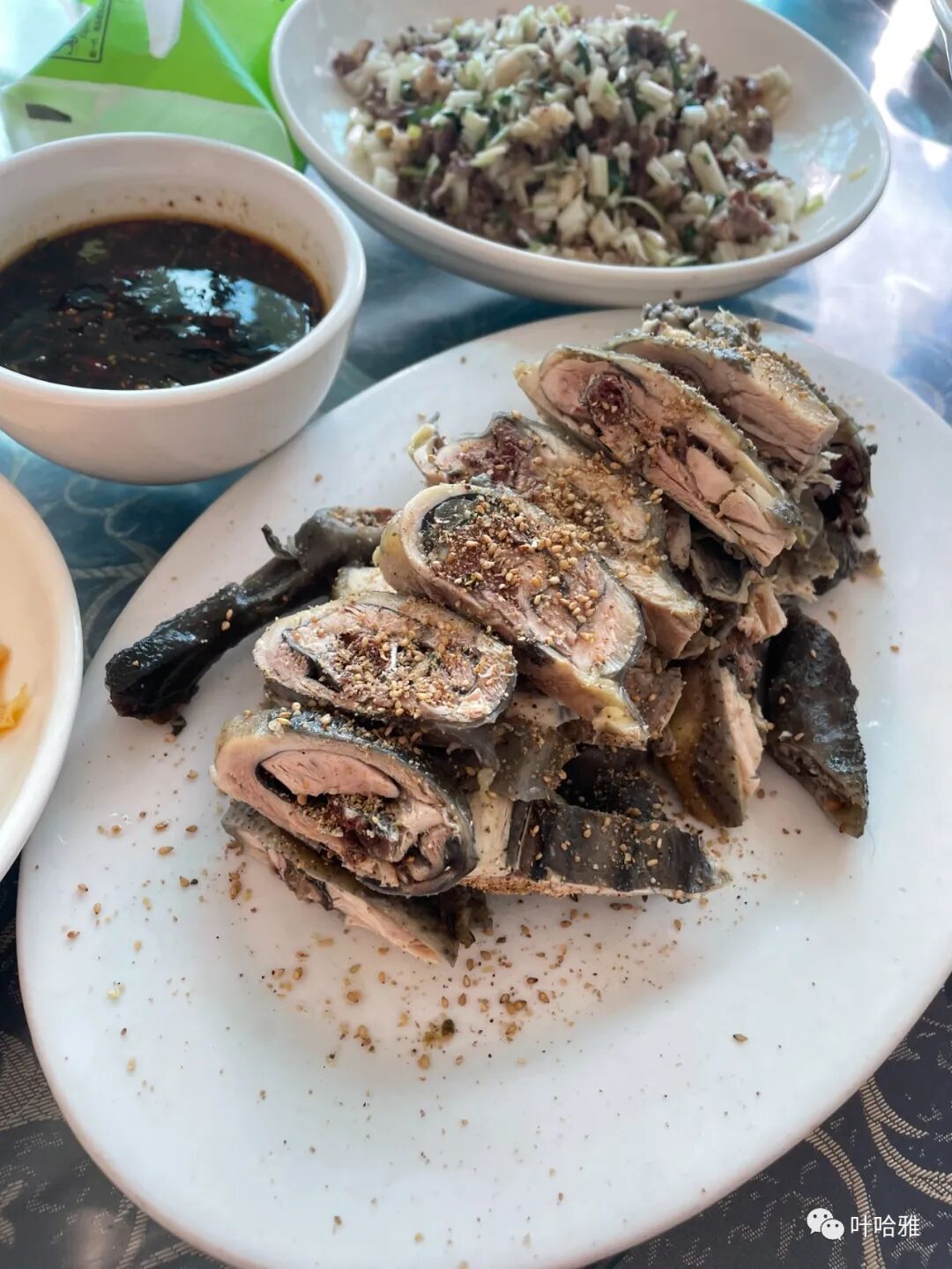
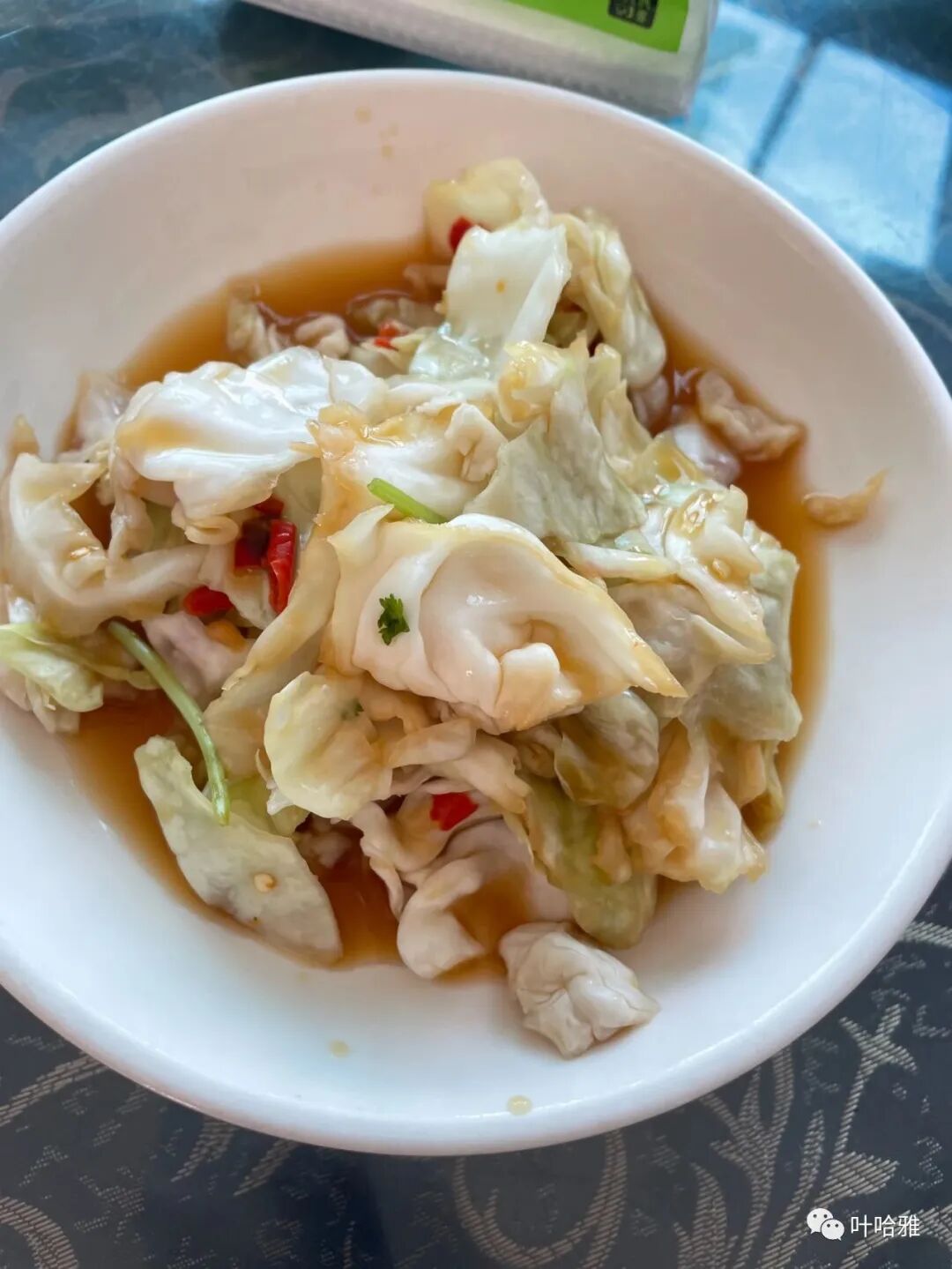
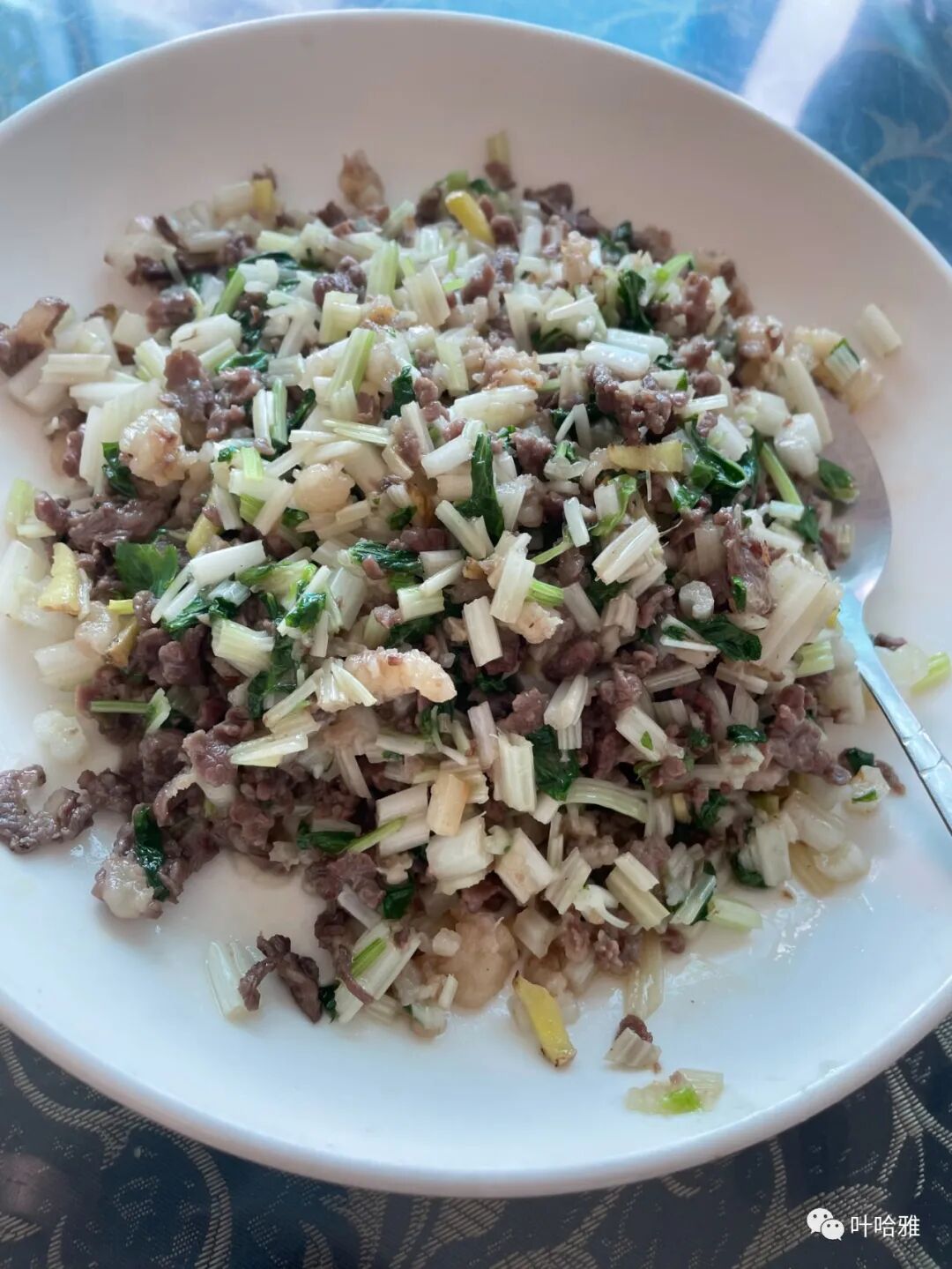
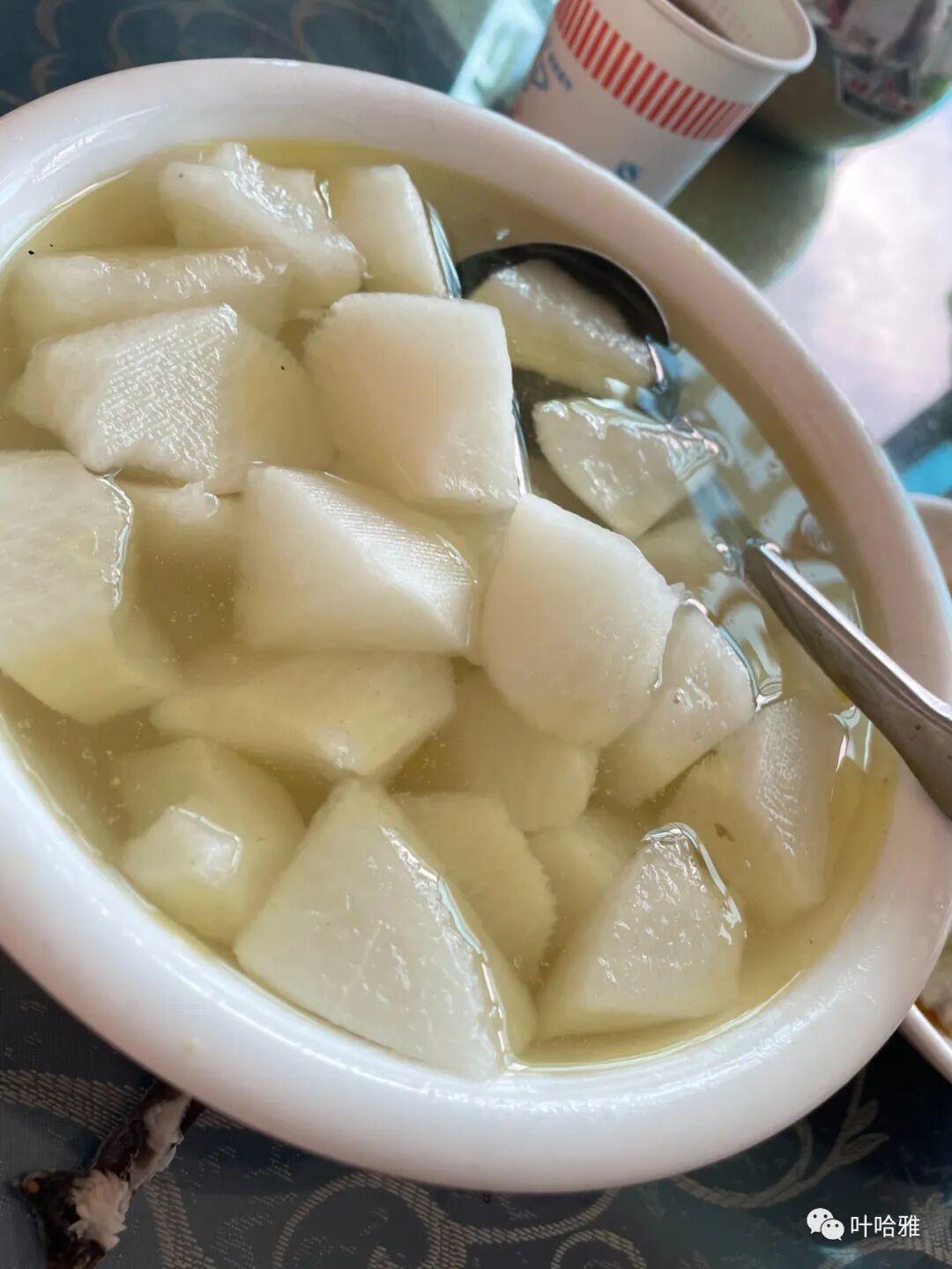
There is a halal restaurant below the mosque run by locals that does not sell alcohol. We had lunch there and chatted with the owner, which is when I learned that most people here are followers of the 'Yunnan Zhou School'.
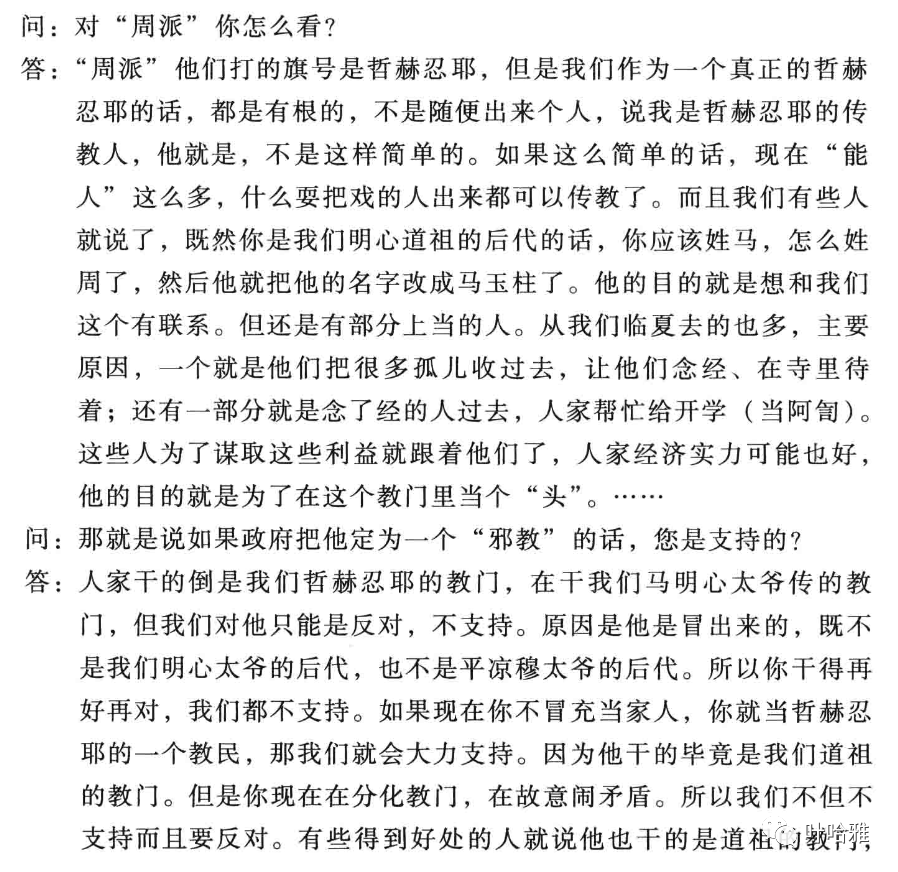
The Zhou School is what outsiders call them. They revere an elder from Yunnan named Ma Yuzhu, whose original surname was Zhou. It is said he is the son of the eighth-generation Jahriyya leader Ma Zhenwu, who was fostered by a Han Chinese family named Zhou in Yunnan and changed his name to Ma Yuzhu after growing up.
Ma Yuzhu grew up in Yunnan and now lives in Kunming. He is over eighty and used to be a pediatrician. When he began to publicly claim he was a descendant of the Jahriyya founder, his identity was never recognized by the current leaders of the Jahriyya in the Northwest. We can learn this from a conversation between a researcher and an imam from the Jahriyya order in Gansu, as recorded in the research report Investigation of Menhuan in Linxia, Gansu by the Institute of World Religions at the Chinese Academy of Social Sciences.
The restaurant owner was surprised that I, a Beijinger, knew about the Yunnan Zhou school. I first heard of this school about ten years ago when a website called Shengchuan Zhendao was based in Yunnan and posted many of Zhou's works in the name of Sufism. I shared my doubts about the Zhou school, but the owner had a different take. They knew that people in the Northwest did not recognize the Yunnan Zhou school, but he told me stories about the old man from Yunnan.
He mentioned that several of the old man's prophecies came true. For example, a few years ago, two brothers in the village asked the old man about their jobs. The old man told them not to learn how to drive. The brothers didn't listen and went to work at an auto repair shop. One day, they got into a car accident and both passed away (returned to Allah) on the same day. They were buried in the cemetery behind the Talang Mosque.
Another story is that in the last century, some social events led to all the imams being arrested. With no imams around, there was no one to give Islamic names to newborns. But before this happened, the old man from Yunnan had handwritten dozens of names for unborn babies. This allowed children to receive their names even during the time when there were no imams. The villagers see these events as signs of the old man's spiritual power.
The owner is a follower who has followed the old man from Yunnan for over 30 years. He is now the director of the Talang Mosque management committee. He told me that the people living around the mosque are mostly followers of the old man. I asked about rumors from the outside world regarding the old man, such as claims that he would go into seclusion and stop naming a successor. The owner denied this, and the imam of Talang Mosque also denied it.
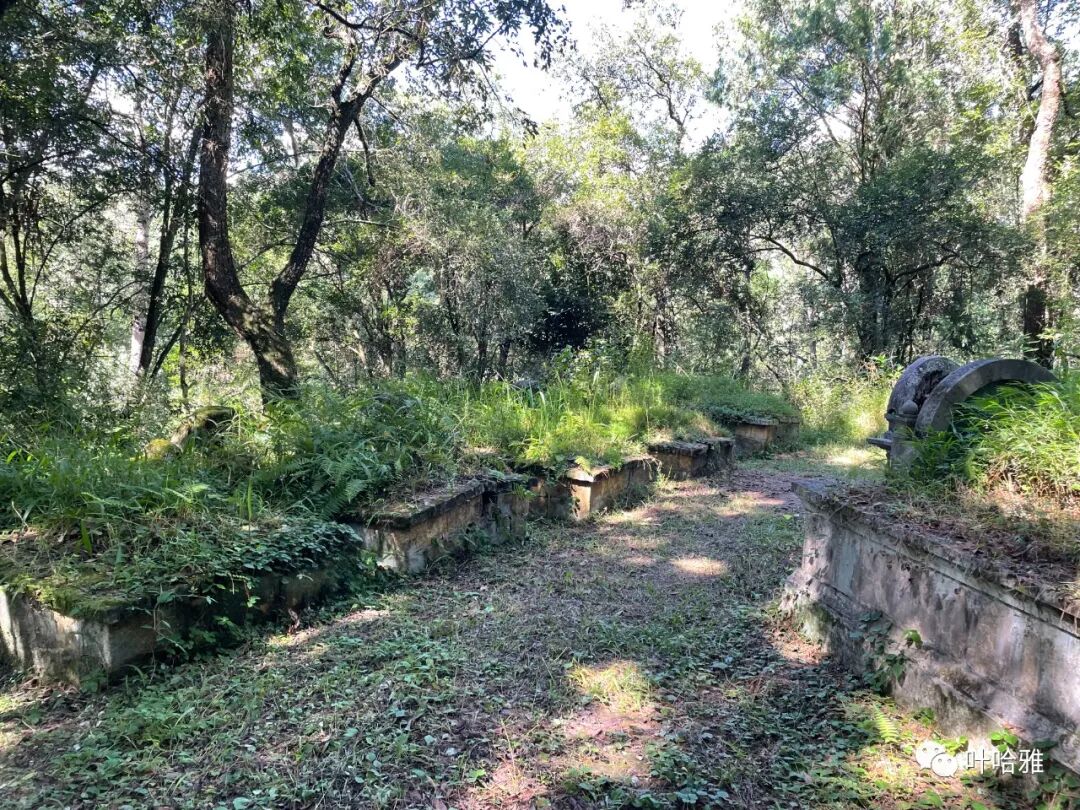
Walking further up to the top of the mountain, you can see a cemetery overgrown with weeds. A small path on the right leads to the graves of Han and Hani people. You can see crosses on some of their tombstones because many Hani people are Christians.
There is also the tomb of the martyr Xiong Chaochun.
Another wider and cleaner path leads to the Hui Muslim cemetery.
The gongbei (a domed tomb for a Sufi saint) of Ma Shunqing, the eldest son of Ma Mingxin, is here. I saw the gate was locked, and since I needed to reach Jianshui before dark, I prepared to leave. On the way back, I met the imam of Talang Mosque. He said he could contact the person with the key to open it, but I declined and drove onto the highway.
Something interesting happened. Half an hour after getting on the highway, my wife realized she had left her bag at the mosque gate. We had to turn back. I thought to myself that maybe it was meant to be and I wasn't supposed to leave just yet. After getting the bag, I asked the imam for the key to the gongbei. He told me to call the gatekeeper myself. When I called and the person learned I was from Beijing, he quickly came over to open the gate of the Talang gongbei.
This return trip brought new discoveries. The person guarding the gongbei is the only villager who follows the traditional Jahriyya order and does not associate with the Yunnan Zhou school. Because of this, the Zhou school cannot get the key to hold religious gatherings (a'ermaili) there. The Zhou school once wanted to build another gongbei next to it, but the local government rejected the proposal.
Ma Yuzhu had been here before, but he only got the doors opened because he was accompanied by the relevant authorities. I listened to the caretaker share stories about his family guarding this gongbei for generations. He told me about many unpleasant events that happened here, which made me feel quite sad. He said I was likely the second person from Beijing to visit. Zhang Chengzhi had been here, but he did not say who he was, so the caretaker did not recognize him.
To tell the truth, a DNA test would be enough to figure out what is real and what is fake. But I suspect things are not that simple. Even if the test results did not match, some people would still find a way to rationalize them with irrational reasons. It is hard to change someone's mind through logic between different sects or religions. Once you realize this, you stop trying to convince anyone. People often change their minds in a split second.
My short trip to Mojiang Talang turned out to be a very special side story of my Yunnan journey, and it is worth writing a travelogue about. I am not a member of the Jahriyya, but over the years, I have visited almost all the important Jahriyya gongbei across China. I have even been a guest in the homes of elders in Ningxia. I know the Jahriyya keep a low profile now and do not want to get involved in trouble. I have no intention of starting any disputes, so some things must stay in my heart. view all
Summary: This China mosque travel guide visits Mojiang Talang Mosque in Yunnan, covering Jahriyya history, the Zhou school, Talang Hui Muslim village, Ma Shunqing gongbei, local halal food, and the mosque community.
Mojiang Talang Mosque—the Zhou Branch of the Jahriyya (Zheherenye) Order in Yunnan is presented here as a firsthand travel account in clear English, beginning with this scene: On the way south from Dali to Jianshui, I passed through Talang Village in Mojiang County. The account keeps its focus on Halal Travel, Yiwu Food, Mosque Travel while preserving the names, places, food, and historical details from the Chinese source.
On the way south from Dali to Jianshui, I passed through Talang Village in Mojiang County. I knew before coming that there was a Jahriyya mosque here. In the 46th year of the Qianlong reign of the Qing Dynasty (1781), after the Jahriyya founder Ma Mingxin was killed by the Qing court, his eldest son Ma Shunqing and some followers were exiled to Talang Village in Mojiang, Yunnan. They were rescued by Ma Mingxin's student Ma Xuecheng and settled in Talang Village.
During the Xianfeng and Tongzhi reigns, the Du Wenxiu uprising failed and the Hui Muslims of Talang Village fled. It was not until 1936 that the Hui Muslims gradually returned and rebuilt the Talang Mosque.
The Talang Mosque used to have a dome, but after renovations, a hexagonal roof was added. It looks like the hexagonal cap often worn by Jahriyya followers. However, this hexagonal cap is not exclusive to the Jahriyya; other menhuan and even the Gedimu have a tradition of wearing it. The renovation of this mosque involved quite a struggle.
A couplet written by Shagou Taoye Ma Yuanzhang:
First line: 'Clouds shine on the child who replaces the brother, completing the work of the infant.'
Second line: 'Talang assists Pingliang and stands as a place of Jahriyya victory.'
After the prayer (namaz), the imam was reciting the Quran alone in the main hall. We chatted for a bit and I learned he is from Gansu and had just returned from visiting graves in his hometown.
The mosque is built on a mountain, and there is a Hui Muslim village below. There are not many Hui Muslims in Mojiang, and they are mostly concentrated in Talang Village.
Halal Ark Restaurant
There is a halal restaurant below the mosque run by locals that does not sell alcohol. We had lunch there and chatted with the owner, which is when I learned that most people here are followers of the 'Yunnan Zhou School'.
The Zhou School is what outsiders call them. They revere an elder from Yunnan named Ma Yuzhu, whose original surname was Zhou. It is said he is the son of the eighth-generation Jahriyya leader Ma Zhenwu, who was fostered by a Han Chinese family named Zhou in Yunnan and changed his name to Ma Yuzhu after growing up.
Ma Yuzhu grew up in Yunnan and now lives in Kunming. He is over eighty and used to be a pediatrician. When he began to publicly claim he was a descendant of the Jahriyya founder, his identity was never recognized by the current leaders of the Jahriyya in the Northwest. We can learn this from a conversation between a researcher and an imam from the Jahriyya order in Gansu, as recorded in the research report Investigation of Menhuan in Linxia, Gansu by the Institute of World Religions at the Chinese Academy of Social Sciences.
The restaurant owner was surprised that I, a Beijinger, knew about the Yunnan Zhou school. I first heard of this school about ten years ago when a website called Shengchuan Zhendao was based in Yunnan and posted many of Zhou's works in the name of Sufism. I shared my doubts about the Zhou school, but the owner had a different take. They knew that people in the Northwest did not recognize the Yunnan Zhou school, but he told me stories about the old man from Yunnan.
He mentioned that several of the old man's prophecies came true. For example, a few years ago, two brothers in the village asked the old man about their jobs. The old man told them not to learn how to drive. The brothers didn't listen and went to work at an auto repair shop. One day, they got into a car accident and both passed away (returned to Allah) on the same day. They were buried in the cemetery behind the Talang Mosque.
Another story is that in the last century, some social events led to all the imams being arrested. With no imams around, there was no one to give Islamic names to newborns. But before this happened, the old man from Yunnan had handwritten dozens of names for unborn babies. This allowed children to receive their names even during the time when there were no imams. The villagers see these events as signs of the old man's spiritual power.
The owner is a follower who has followed the old man from Yunnan for over 30 years. He is now the director of the Talang Mosque management committee. He told me that the people living around the mosque are mostly followers of the old man. I asked about rumors from the outside world regarding the old man, such as claims that he would go into seclusion and stop naming a successor. The owner denied this, and the imam of Talang Mosque also denied it.
Walking further up to the top of the mountain, you can see a cemetery overgrown with weeds. A small path on the right leads to the graves of Han and Hani people. You can see crosses on some of their tombstones because many Hani people are Christians.
There is also the tomb of the martyr Xiong Chaochun.
Another wider and cleaner path leads to the Hui Muslim cemetery.
The gongbei (a domed tomb for a Sufi saint) of Ma Shunqing, the eldest son of Ma Mingxin, is here. I saw the gate was locked, and since I needed to reach Jianshui before dark, I prepared to leave. On the way back, I met the imam of Talang Mosque. He said he could contact the person with the key to open it, but I declined and drove onto the highway.
Something interesting happened. Half an hour after getting on the highway, my wife realized she had left her bag at the mosque gate. We had to turn back. I thought to myself that maybe it was meant to be and I wasn't supposed to leave just yet. After getting the bag, I asked the imam for the key to the gongbei. He told me to call the gatekeeper myself. When I called and the person learned I was from Beijing, he quickly came over to open the gate of the Talang gongbei.
This return trip brought new discoveries. The person guarding the gongbei is the only villager who follows the traditional Jahriyya order and does not associate with the Yunnan Zhou school. Because of this, the Zhou school cannot get the key to hold religious gatherings (a'ermaili) there. The Zhou school once wanted to build another gongbei next to it, but the local government rejected the proposal.
Ma Yuzhu had been here before, but he only got the doors opened because he was accompanied by the relevant authorities. I listened to the caretaker share stories about his family guarding this gongbei for generations. He told me about many unpleasant events that happened here, which made me feel quite sad. He said I was likely the second person from Beijing to visit. Zhang Chengzhi had been here, but he did not say who he was, so the caretaker did not recognize him.
To tell the truth, a DNA test would be enough to figure out what is real and what is fake. But I suspect things are not that simple. Even if the test results did not match, some people would still find a way to rationalize them with irrational reasons. It is hard to change someone's mind through logic between different sects or religions. Once you realize this, you stop trying to convince anyone. People often change their minds in a split second.
My short trip to Mojiang Talang turned out to be a very special side story of my Yunnan journey, and it is worth writing a travelogue about. I am not a member of the Jahriyya, but over the years, I have visited almost all the important Jahriyya gongbei across China. I have even been a guest in the homes of elders in Ningxia. I know the Jahriyya keep a low profile now and do not want to get involved in trouble. I have no intention of starting any disputes, so some things must stay in my heart. view all
Reposted from the web
Summary: This China mosque travel guide visits Mojiang Talang Mosque in Yunnan, covering Jahriyya history, the Zhou school, Talang Hui Muslim village, Ma Shunqing gongbei, local halal food, and the mosque community.
Mojiang Talang Mosque—the Zhou Branch of the Jahriyya (Zheherenye) Order in Yunnan is presented here as a firsthand travel account in clear English, beginning with this scene: On the way south from Dali to Jianshui, I passed through Talang Village in Mojiang County. The account keeps its focus on Halal Travel, Yiwu Food, Mosque Travel while preserving the names, places, food, and historical details from the Chinese source.
On the way south from Dali to Jianshui, I passed through Talang Village in Mojiang County. I knew before coming that there was a Jahriyya mosque here. In the 46th year of the Qianlong reign of the Qing Dynasty (1781), after the Jahriyya founder Ma Mingxin was killed by the Qing court, his eldest son Ma Shunqing and some followers were exiled to Talang Village in Mojiang, Yunnan. They were rescued by Ma Mingxin's student Ma Xuecheng and settled in Talang Village.
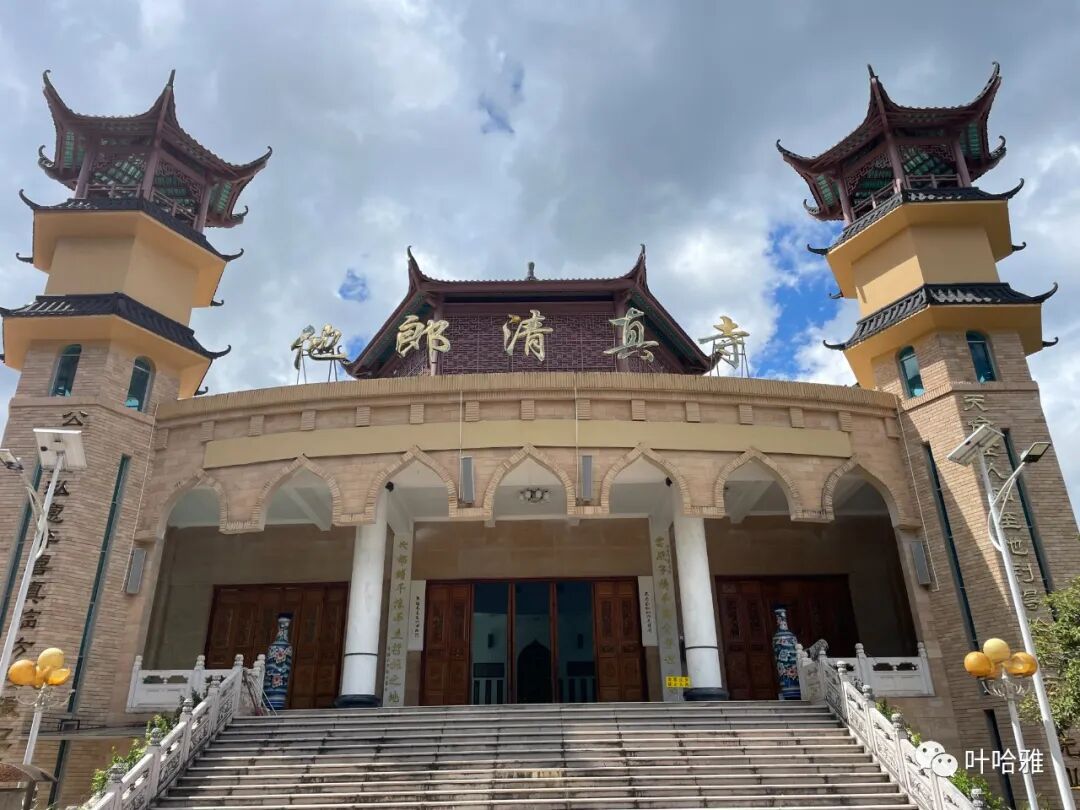
During the Xianfeng and Tongzhi reigns, the Du Wenxiu uprising failed and the Hui Muslims of Talang Village fled. It was not until 1936 that the Hui Muslims gradually returned and rebuilt the Talang Mosque.
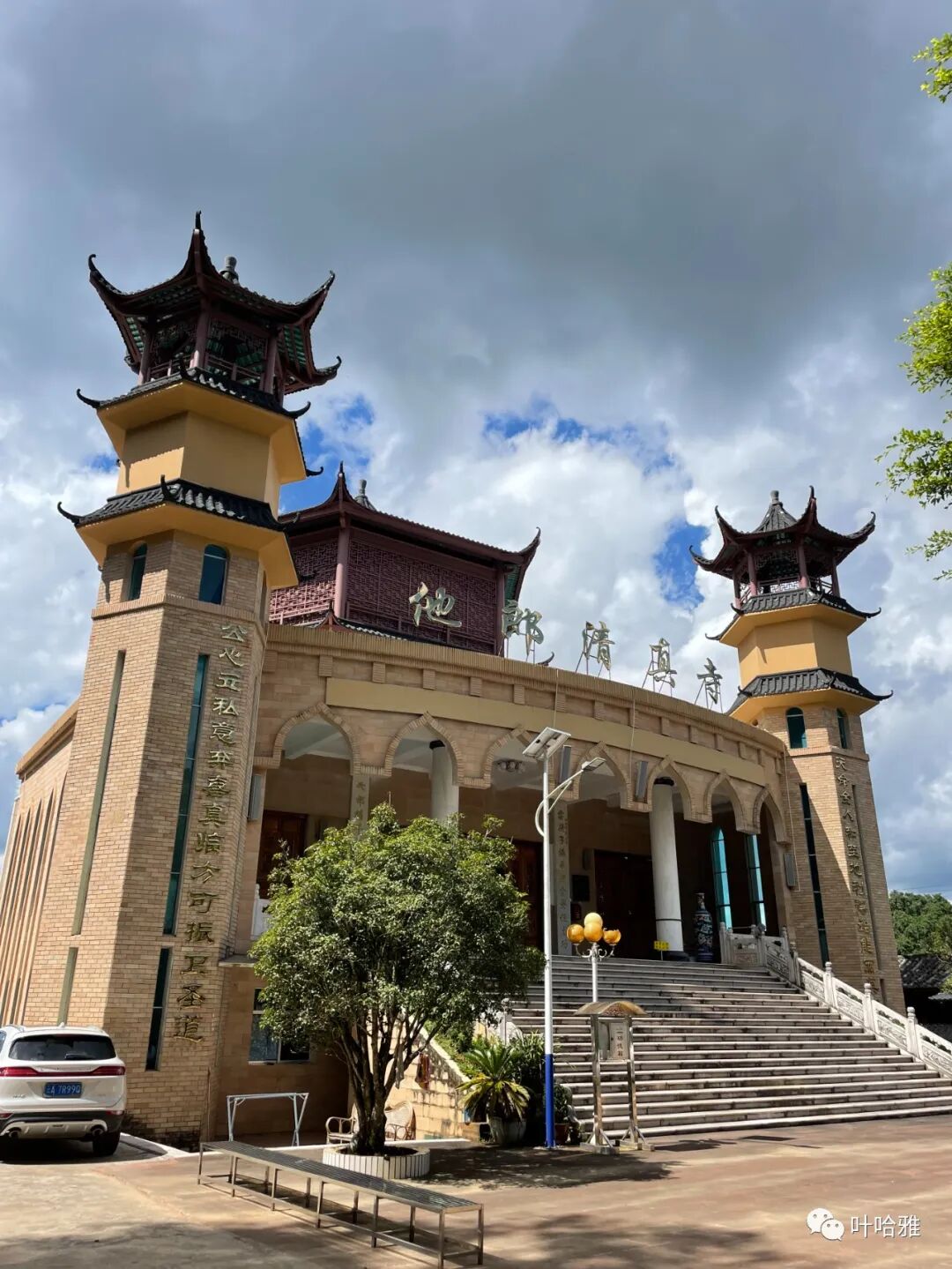
The Talang Mosque used to have a dome, but after renovations, a hexagonal roof was added. It looks like the hexagonal cap often worn by Jahriyya followers. However, this hexagonal cap is not exclusive to the Jahriyya; other menhuan and even the Gedimu have a tradition of wearing it. The renovation of this mosque involved quite a struggle.
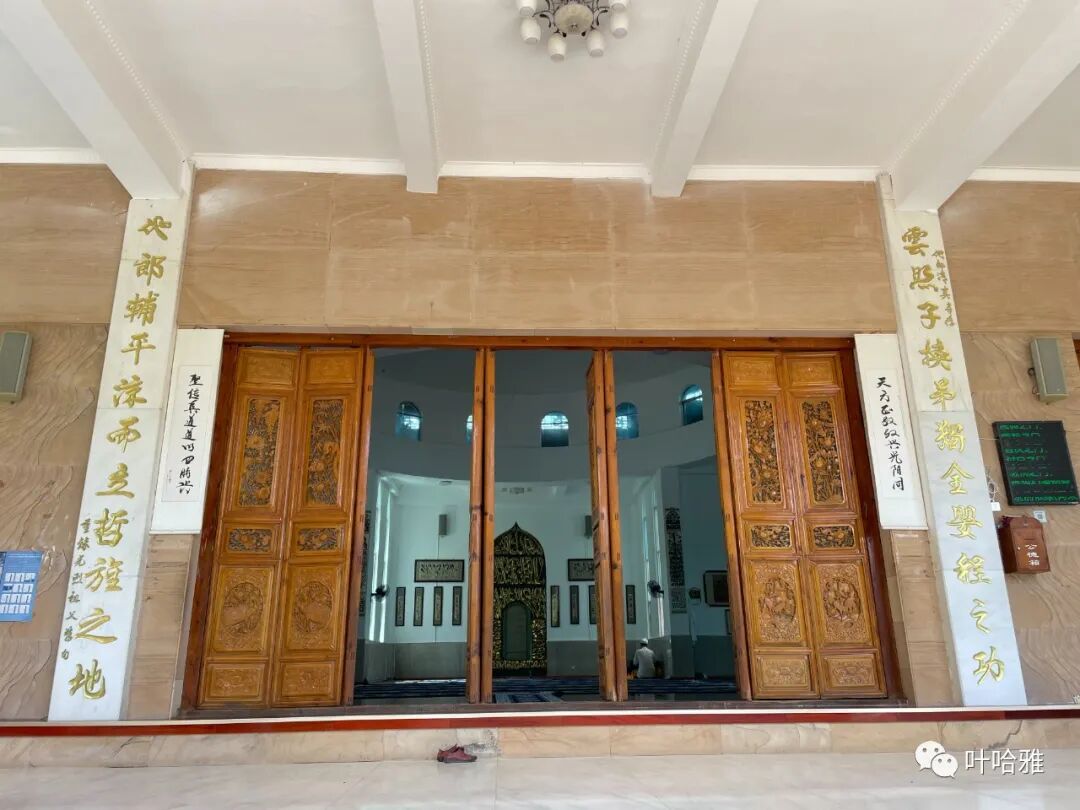
A couplet written by Shagou Taoye Ma Yuanzhang:
First line: 'Clouds shine on the child who replaces the brother, completing the work of the infant.'
Second line: 'Talang assists Pingliang and stands as a place of Jahriyya victory.'
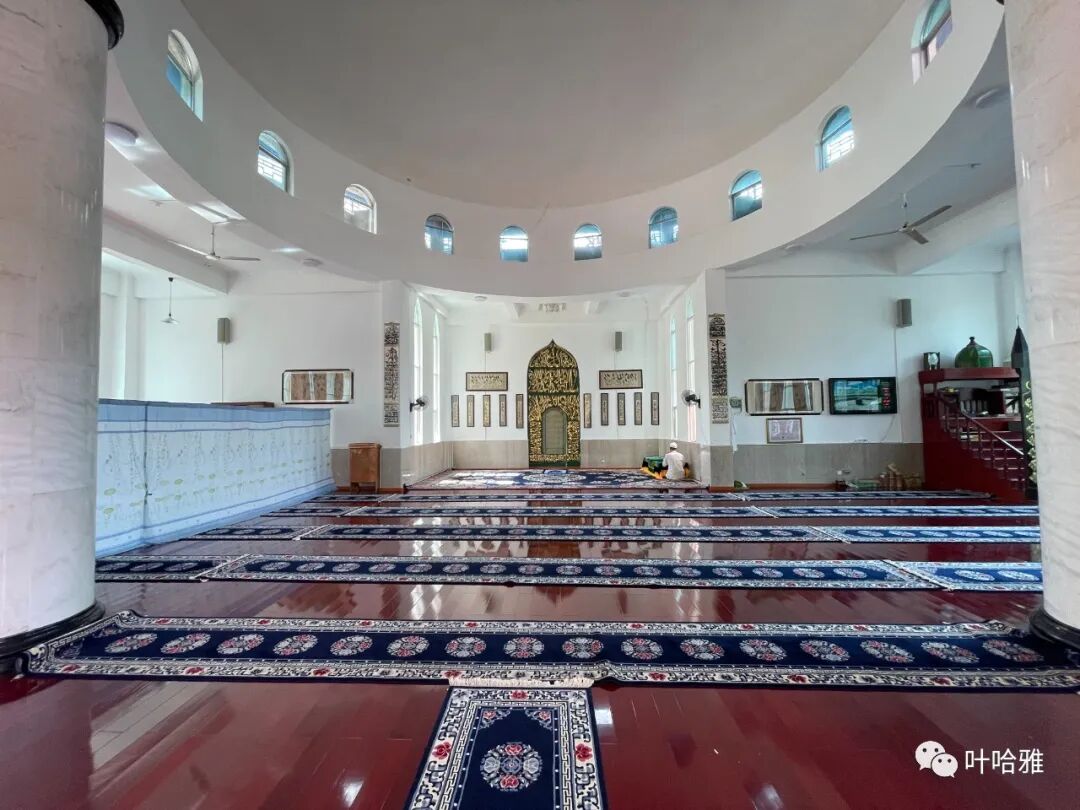
After the prayer (namaz), the imam was reciting the Quran alone in the main hall. We chatted for a bit and I learned he is from Gansu and had just returned from visiting graves in his hometown.
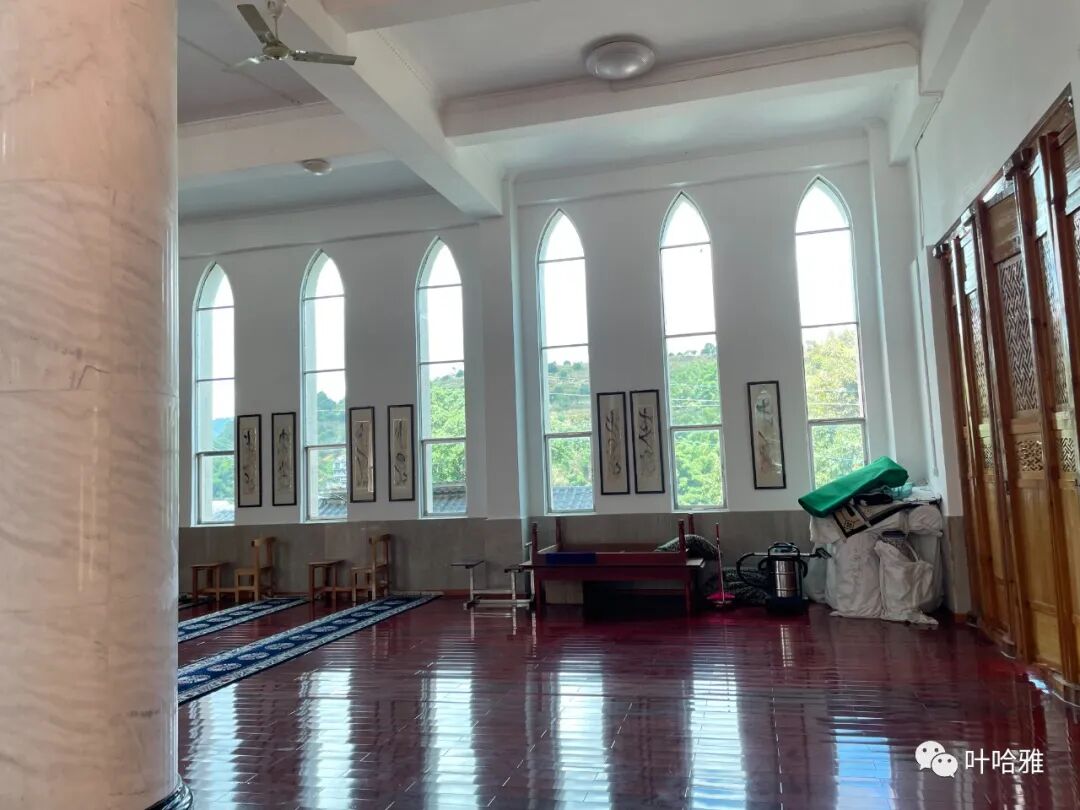
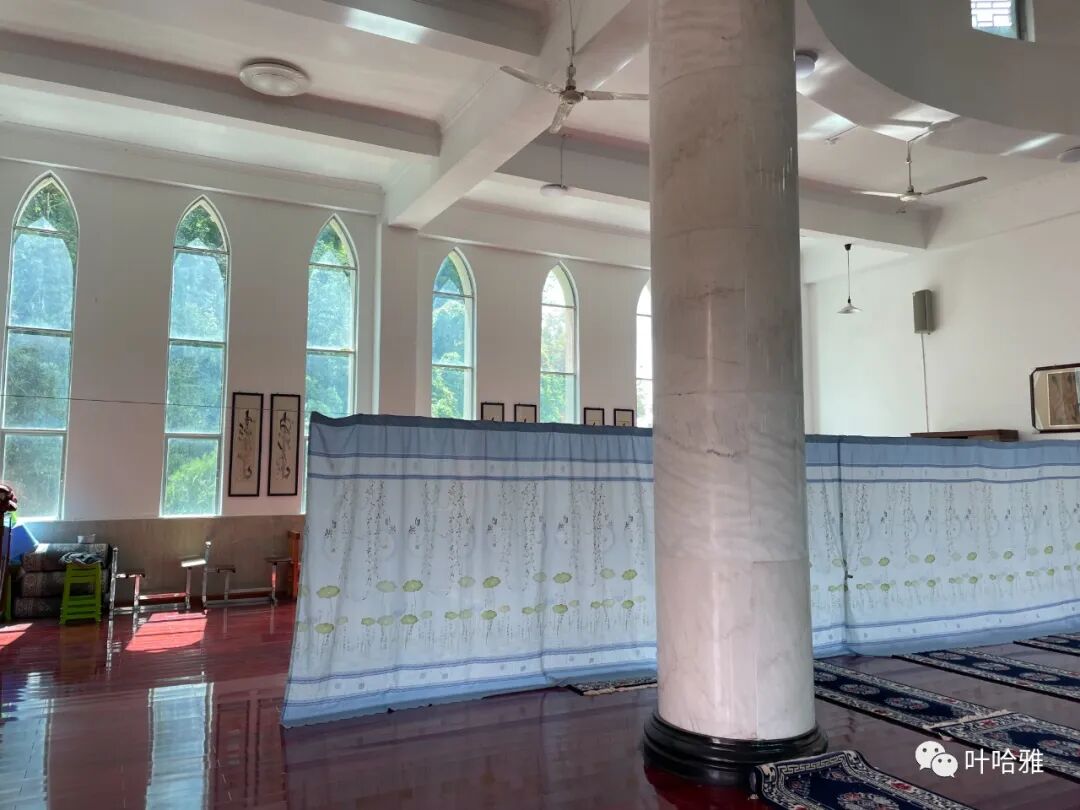
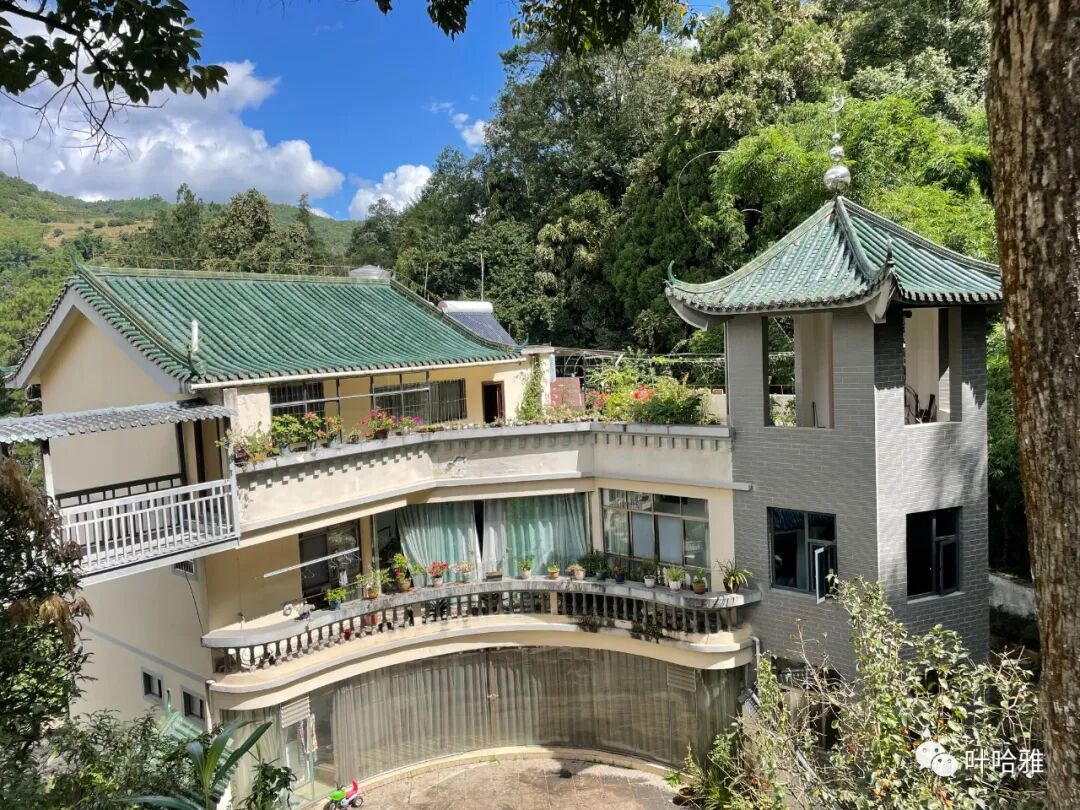
The mosque is built on a mountain, and there is a Hui Muslim village below. There are not many Hui Muslims in Mojiang, and they are mostly concentrated in Talang Village.
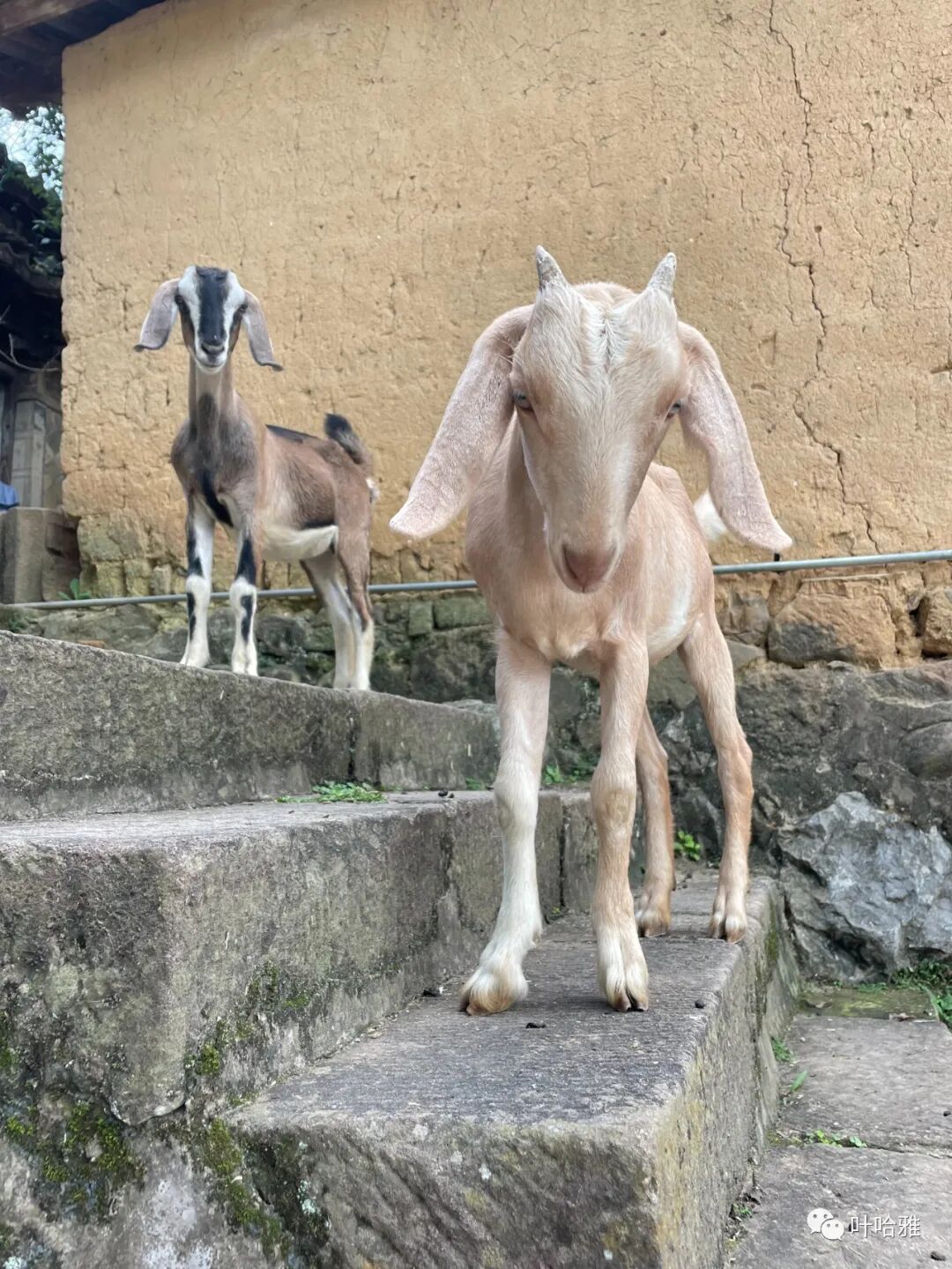
Halal Ark Restaurant
There is a halal restaurant below the mosque run by locals that does not sell alcohol. We had lunch there and chatted with the owner, which is when I learned that most people here are followers of the 'Yunnan Zhou School'.
The Zhou School is what outsiders call them. They revere an elder from Yunnan named Ma Yuzhu, whose original surname was Zhou. It is said he is the son of the eighth-generation Jahriyya leader Ma Zhenwu, who was fostered by a Han Chinese family named Zhou in Yunnan and changed his name to Ma Yuzhu after growing up.
Ma Yuzhu grew up in Yunnan and now lives in Kunming. He is over eighty and used to be a pediatrician. When he began to publicly claim he was a descendant of the Jahriyya founder, his identity was never recognized by the current leaders of the Jahriyya in the Northwest. We can learn this from a conversation between a researcher and an imam from the Jahriyya order in Gansu, as recorded in the research report Investigation of Menhuan in Linxia, Gansu by the Institute of World Religions at the Chinese Academy of Social Sciences.
The restaurant owner was surprised that I, a Beijinger, knew about the Yunnan Zhou school. I first heard of this school about ten years ago when a website called Shengchuan Zhendao was based in Yunnan and posted many of Zhou's works in the name of Sufism. I shared my doubts about the Zhou school, but the owner had a different take. They knew that people in the Northwest did not recognize the Yunnan Zhou school, but he told me stories about the old man from Yunnan.
He mentioned that several of the old man's prophecies came true. For example, a few years ago, two brothers in the village asked the old man about their jobs. The old man told them not to learn how to drive. The brothers didn't listen and went to work at an auto repair shop. One day, they got into a car accident and both passed away (returned to Allah) on the same day. They were buried in the cemetery behind the Talang Mosque.
Another story is that in the last century, some social events led to all the imams being arrested. With no imams around, there was no one to give Islamic names to newborns. But before this happened, the old man from Yunnan had handwritten dozens of names for unborn babies. This allowed children to receive their names even during the time when there were no imams. The villagers see these events as signs of the old man's spiritual power.
The owner is a follower who has followed the old man from Yunnan for over 30 years. He is now the director of the Talang Mosque management committee. He told me that the people living around the mosque are mostly followers of the old man. I asked about rumors from the outside world regarding the old man, such as claims that he would go into seclusion and stop naming a successor. The owner denied this, and the imam of Talang Mosque also denied it.
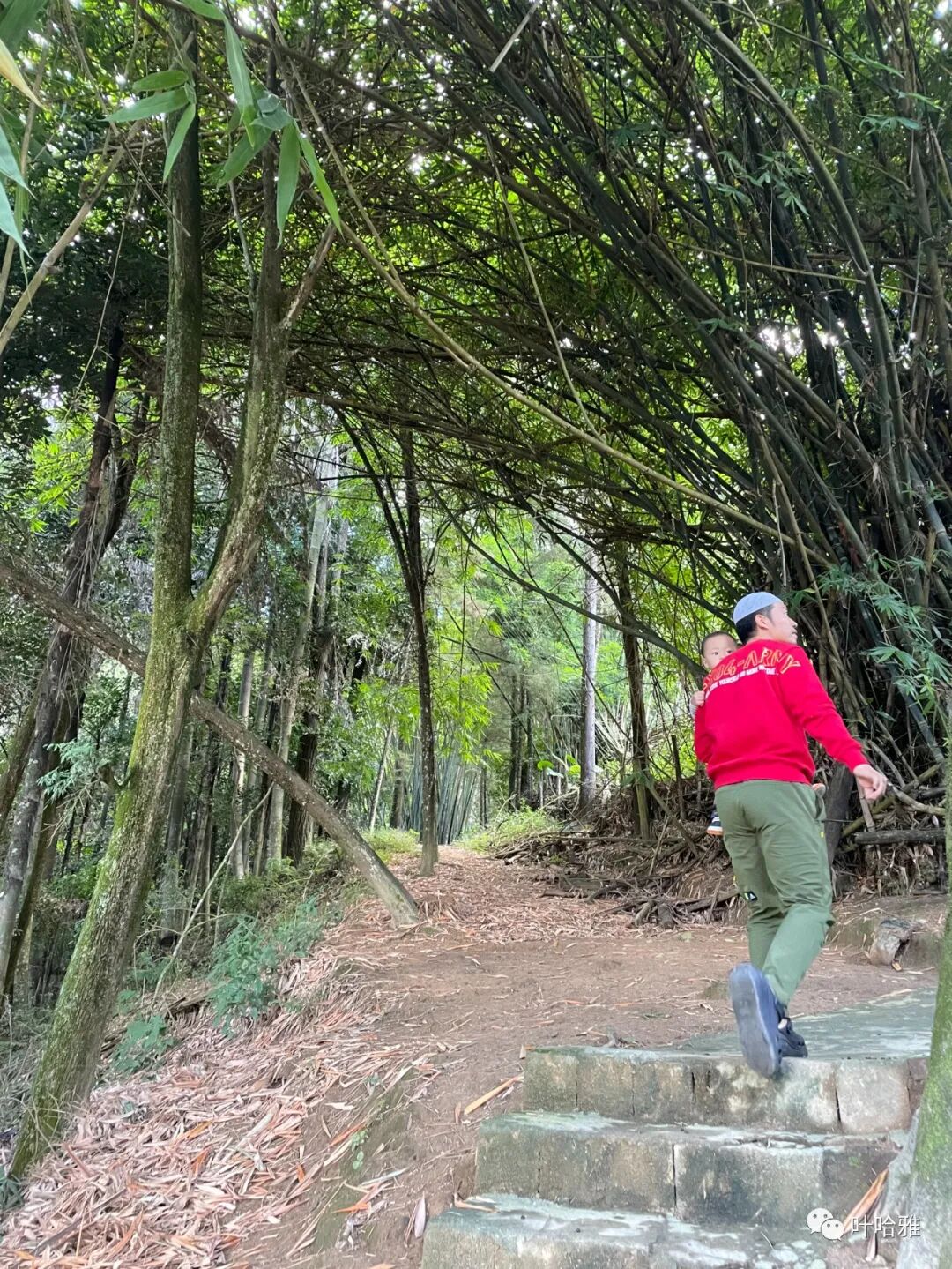
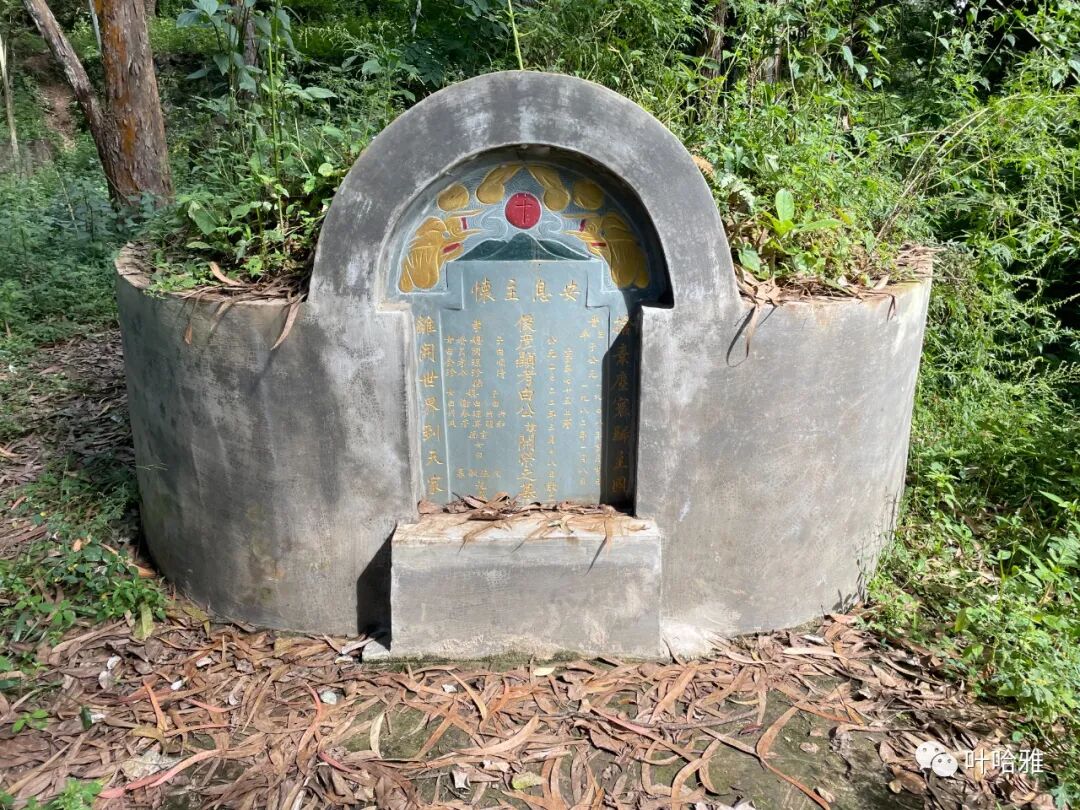
Walking further up to the top of the mountain, you can see a cemetery overgrown with weeds. A small path on the right leads to the graves of Han and Hani people. You can see crosses on some of their tombstones because many Hani people are Christians.
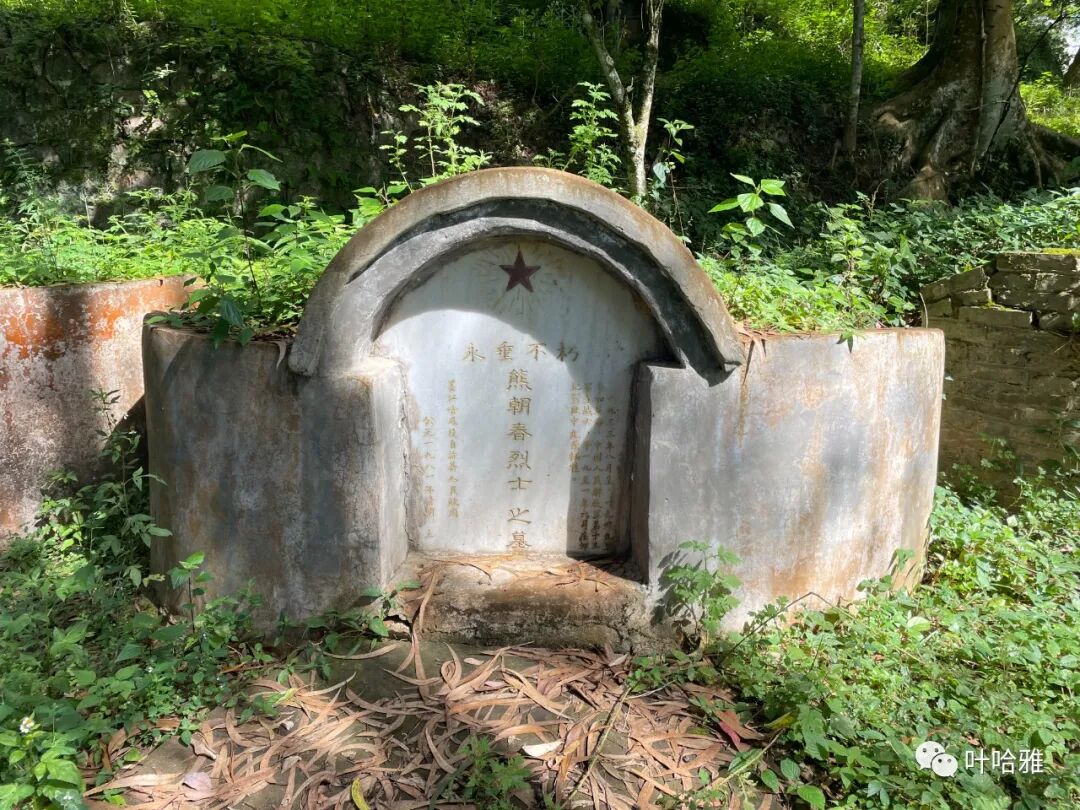
There is also the tomb of the martyr Xiong Chaochun.
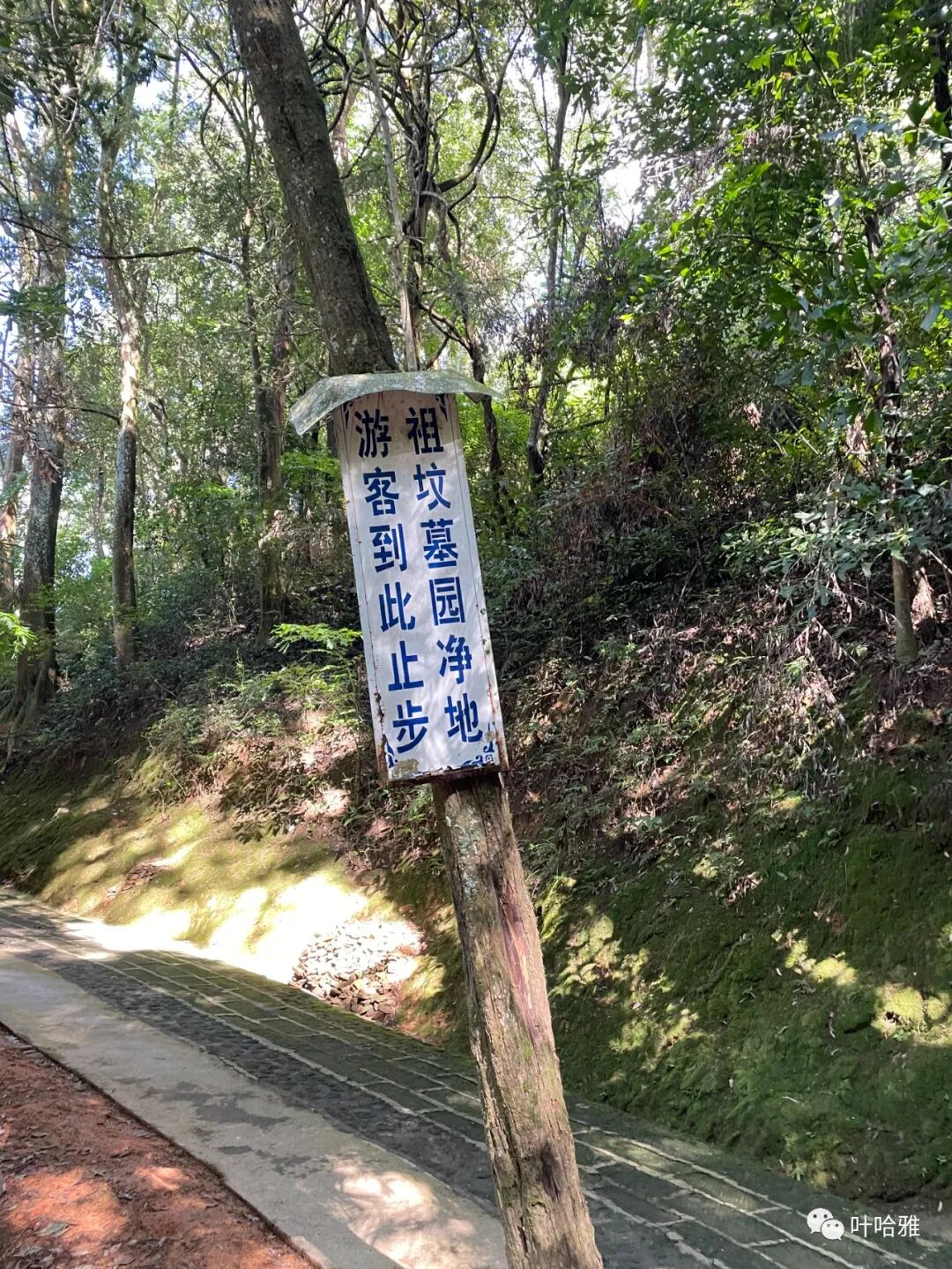
Another wider and cleaner path leads to the Hui Muslim cemetery.
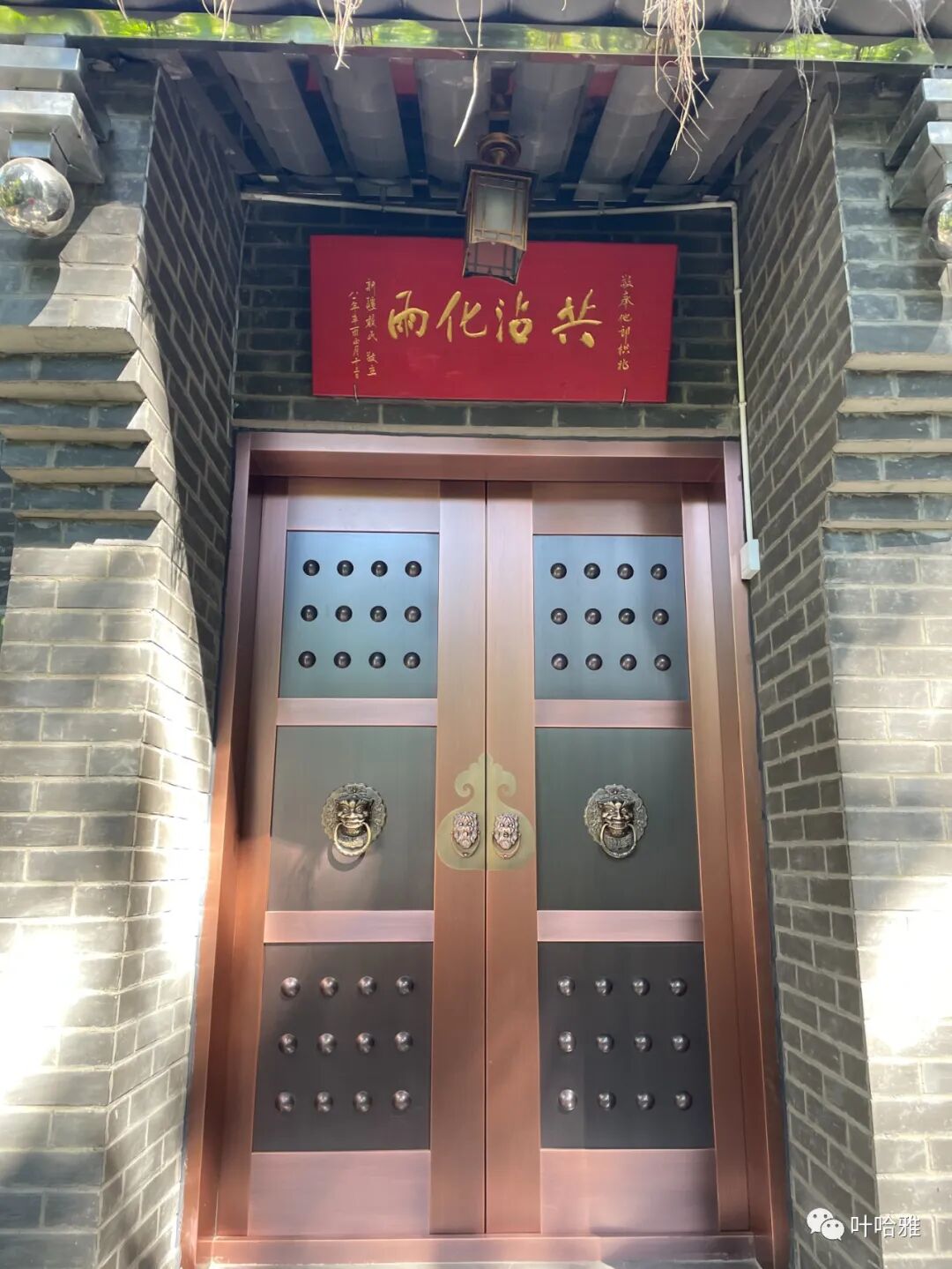
The gongbei (a domed tomb for a Sufi saint) of Ma Shunqing, the eldest son of Ma Mingxin, is here. I saw the gate was locked, and since I needed to reach Jianshui before dark, I prepared to leave. On the way back, I met the imam of Talang Mosque. He said he could contact the person with the key to open it, but I declined and drove onto the highway.
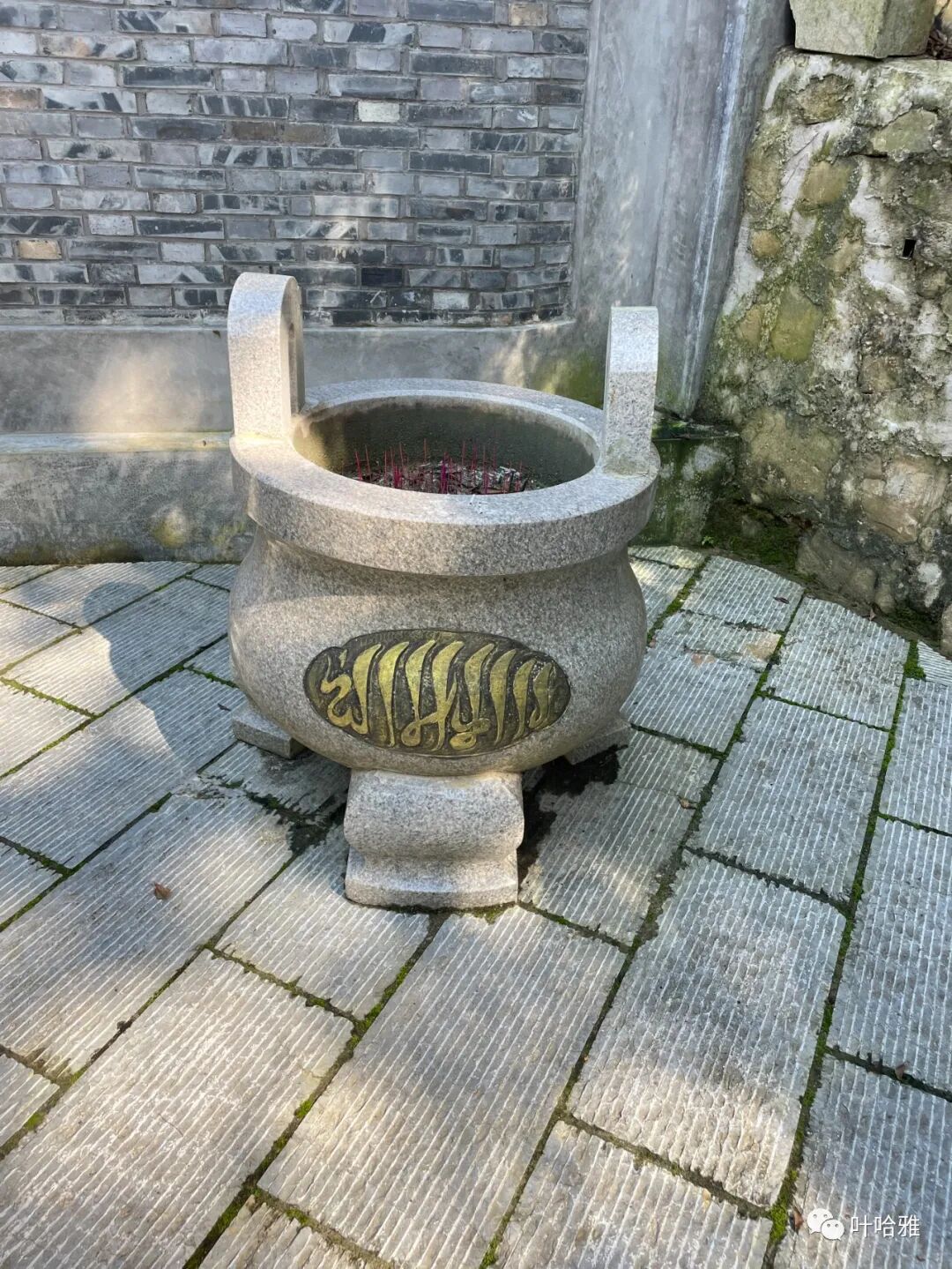
Something interesting happened. Half an hour after getting on the highway, my wife realized she had left her bag at the mosque gate. We had to turn back. I thought to myself that maybe it was meant to be and I wasn't supposed to leave just yet. After getting the bag, I asked the imam for the key to the gongbei. He told me to call the gatekeeper myself. When I called and the person learned I was from Beijing, he quickly came over to open the gate of the Talang gongbei.
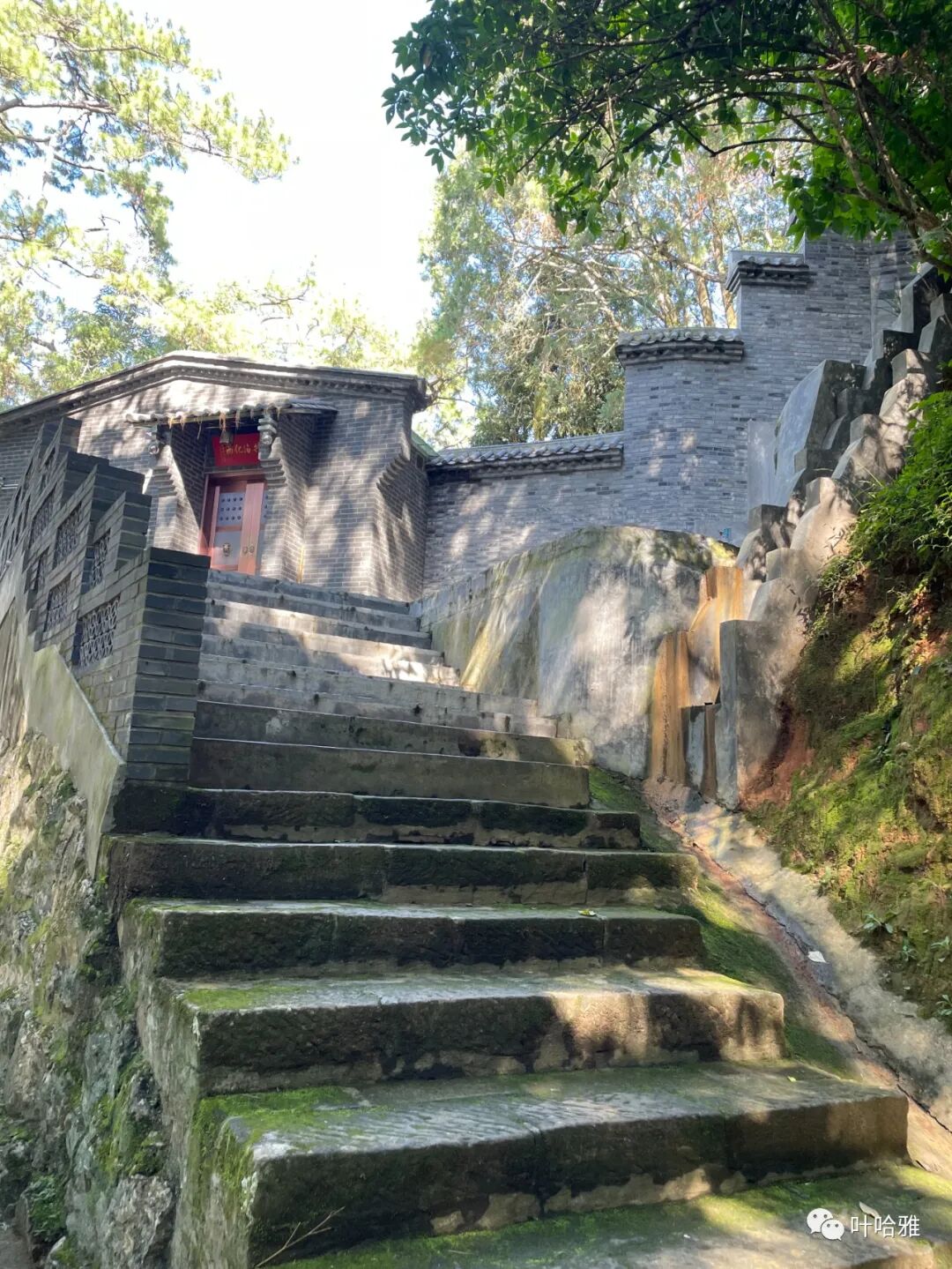
This return trip brought new discoveries. The person guarding the gongbei is the only villager who follows the traditional Jahriyya order and does not associate with the Yunnan Zhou school. Because of this, the Zhou school cannot get the key to hold religious gatherings (a'ermaili) there. The Zhou school once wanted to build another gongbei next to it, but the local government rejected the proposal.
Ma Yuzhu had been here before, but he only got the doors opened because he was accompanied by the relevant authorities. I listened to the caretaker share stories about his family guarding this gongbei for generations. He told me about many unpleasant events that happened here, which made me feel quite sad. He said I was likely the second person from Beijing to visit. Zhang Chengzhi had been here, but he did not say who he was, so the caretaker did not recognize him.
To tell the truth, a DNA test would be enough to figure out what is real and what is fake. But I suspect things are not that simple. Even if the test results did not match, some people would still find a way to rationalize them with irrational reasons. It is hard to change someone's mind through logic between different sects or religions. Once you realize this, you stop trying to convince anyone. People often change their minds in a split second.
My short trip to Mojiang Talang turned out to be a very special side story of my Yunnan journey, and it is worth writing a travelogue about. I am not a member of the Jahriyya, but over the years, I have visited almost all the important Jahriyya gongbei across China. I have even been a guest in the homes of elders in Ningxia. I know the Jahriyya keep a low profile now and do not want to get involved in trouble. I have no intention of starting any disputes, so some things must stay in my heart.
Summary: This China mosque travel guide visits Mojiang Talang Mosque in Yunnan, covering Jahriyya history, the Zhou school, Talang Hui Muslim village, Ma Shunqing gongbei, local halal food, and the mosque community.
Mojiang Talang Mosque—the Zhou Branch of the Jahriyya (Zheherenye) Order in Yunnan is presented here as a firsthand travel account in clear English, beginning with this scene: On the way south from Dali to Jianshui, I passed through Talang Village in Mojiang County. The account keeps its focus on Halal Travel, Yiwu Food, Mosque Travel while preserving the names, places, food, and historical details from the Chinese source.
On the way south from Dali to Jianshui, I passed through Talang Village in Mojiang County. I knew before coming that there was a Jahriyya mosque here. In the 46th year of the Qianlong reign of the Qing Dynasty (1781), after the Jahriyya founder Ma Mingxin was killed by the Qing court, his eldest son Ma Shunqing and some followers were exiled to Talang Village in Mojiang, Yunnan. They were rescued by Ma Mingxin's student Ma Xuecheng and settled in Talang Village.
During the Xianfeng and Tongzhi reigns, the Du Wenxiu uprising failed and the Hui Muslims of Talang Village fled. It was not until 1936 that the Hui Muslims gradually returned and rebuilt the Talang Mosque.
The Talang Mosque used to have a dome, but after renovations, a hexagonal roof was added. It looks like the hexagonal cap often worn by Jahriyya followers. However, this hexagonal cap is not exclusive to the Jahriyya; other menhuan and even the Gedimu have a tradition of wearing it. The renovation of this mosque involved quite a struggle.
A couplet written by Shagou Taoye Ma Yuanzhang:
First line: 'Clouds shine on the child who replaces the brother, completing the work of the infant.'
Second line: 'Talang assists Pingliang and stands as a place of Jahriyya victory.'
After the prayer (namaz), the imam was reciting the Quran alone in the main hall. We chatted for a bit and I learned he is from Gansu and had just returned from visiting graves in his hometown.
The mosque is built on a mountain, and there is a Hui Muslim village below. There are not many Hui Muslims in Mojiang, and they are mostly concentrated in Talang Village.
Halal Ark Restaurant
There is a halal restaurant below the mosque run by locals that does not sell alcohol. We had lunch there and chatted with the owner, which is when I learned that most people here are followers of the 'Yunnan Zhou School'.
The Zhou School is what outsiders call them. They revere an elder from Yunnan named Ma Yuzhu, whose original surname was Zhou. It is said he is the son of the eighth-generation Jahriyya leader Ma Zhenwu, who was fostered by a Han Chinese family named Zhou in Yunnan and changed his name to Ma Yuzhu after growing up.
Ma Yuzhu grew up in Yunnan and now lives in Kunming. He is over eighty and used to be a pediatrician. When he began to publicly claim he was a descendant of the Jahriyya founder, his identity was never recognized by the current leaders of the Jahriyya in the Northwest. We can learn this from a conversation between a researcher and an imam from the Jahriyya order in Gansu, as recorded in the research report Investigation of Menhuan in Linxia, Gansu by the Institute of World Religions at the Chinese Academy of Social Sciences.
The restaurant owner was surprised that I, a Beijinger, knew about the Yunnan Zhou school. I first heard of this school about ten years ago when a website called Shengchuan Zhendao was based in Yunnan and posted many of Zhou's works in the name of Sufism. I shared my doubts about the Zhou school, but the owner had a different take. They knew that people in the Northwest did not recognize the Yunnan Zhou school, but he told me stories about the old man from Yunnan.
He mentioned that several of the old man's prophecies came true. For example, a few years ago, two brothers in the village asked the old man about their jobs. The old man told them not to learn how to drive. The brothers didn't listen and went to work at an auto repair shop. One day, they got into a car accident and both passed away (returned to Allah) on the same day. They were buried in the cemetery behind the Talang Mosque.
Another story is that in the last century, some social events led to all the imams being arrested. With no imams around, there was no one to give Islamic names to newborns. But before this happened, the old man from Yunnan had handwritten dozens of names for unborn babies. This allowed children to receive their names even during the time when there were no imams. The villagers see these events as signs of the old man's spiritual power.
The owner is a follower who has followed the old man from Yunnan for over 30 years. He is now the director of the Talang Mosque management committee. He told me that the people living around the mosque are mostly followers of the old man. I asked about rumors from the outside world regarding the old man, such as claims that he would go into seclusion and stop naming a successor. The owner denied this, and the imam of Talang Mosque also denied it.
Walking further up to the top of the mountain, you can see a cemetery overgrown with weeds. A small path on the right leads to the graves of Han and Hani people. You can see crosses on some of their tombstones because many Hani people are Christians.
There is also the tomb of the martyr Xiong Chaochun.
Another wider and cleaner path leads to the Hui Muslim cemetery.
The gongbei (a domed tomb for a Sufi saint) of Ma Shunqing, the eldest son of Ma Mingxin, is here. I saw the gate was locked, and since I needed to reach Jianshui before dark, I prepared to leave. On the way back, I met the imam of Talang Mosque. He said he could contact the person with the key to open it, but I declined and drove onto the highway.
Something interesting happened. Half an hour after getting on the highway, my wife realized she had left her bag at the mosque gate. We had to turn back. I thought to myself that maybe it was meant to be and I wasn't supposed to leave just yet. After getting the bag, I asked the imam for the key to the gongbei. He told me to call the gatekeeper myself. When I called and the person learned I was from Beijing, he quickly came over to open the gate of the Talang gongbei.
This return trip brought new discoveries. The person guarding the gongbei is the only villager who follows the traditional Jahriyya order and does not associate with the Yunnan Zhou school. Because of this, the Zhou school cannot get the key to hold religious gatherings (a'ermaili) there. The Zhou school once wanted to build another gongbei next to it, but the local government rejected the proposal.
Ma Yuzhu had been here before, but he only got the doors opened because he was accompanied by the relevant authorities. I listened to the caretaker share stories about his family guarding this gongbei for generations. He told me about many unpleasant events that happened here, which made me feel quite sad. He said I was likely the second person from Beijing to visit. Zhang Chengzhi had been here, but he did not say who he was, so the caretaker did not recognize him.
To tell the truth, a DNA test would be enough to figure out what is real and what is fake. But I suspect things are not that simple. Even if the test results did not match, some people would still find a way to rationalize them with irrational reasons. It is hard to change someone's mind through logic between different sects or religions. Once you realize this, you stop trying to convince anyone. People often change their minds in a split second.
My short trip to Mojiang Talang turned out to be a very special side story of my Yunnan journey, and it is worth writing a travelogue about. I am not a member of the Jahriyya, but over the years, I have visited almost all the important Jahriyya gongbei across China. I have even been a guest in the homes of elders in Ningxia. I know the Jahriyya keep a low profile now and do not want to get involved in trouble. I have no intention of starting any disputes, so some things must stay in my heart.
China Mosque Travel Guide: Mojiang Talang Mosque, Jahriyya Heritage and Hui Muslim Village
Articles • yusuf908 posted the article • 0 comments • 196 views • 2026-05-22 21:33
Reposted from the web
Summary: This China mosque travel guide visits Mojiang Talang Mosque in Yunnan, covering Jahriyya history, the Zhou school, Talang Hui Muslim village, Ma Shunqing gongbei, local halal food, and the mosque community.
Mojiang Talang Mosque—the Zhou Branch of the Jahriyya (Zheherenye) Order in Yunnan is presented here as a firsthand travel account in clear English, beginning with this scene: On the way south from Dali to Jianshui, I passed through Talang Village in Mojiang County. The account keeps its focus on Halal Travel, Yiwu Food, Mosque Travel while preserving the names, places, food, and historical details from the Chinese source.
On the way south from Dali to Jianshui, I passed through Talang Village in Mojiang County. I knew before coming that there was a Jahriyya mosque here. In the 46th year of the Qianlong reign of the Qing Dynasty (1781), after the Jahriyya founder Ma Mingxin was killed by the Qing court, his eldest son Ma Shunqing and some followers were exiled to Talang Village in Mojiang, Yunnan. They were rescued by Ma Mingxin's student Ma Xuecheng and settled in Talang Village.
During the Xianfeng and Tongzhi reigns, the Du Wenxiu uprising failed and the Hui Muslims of Talang Village fled. It was not until 1936 that the Hui Muslims gradually returned and rebuilt the Talang Mosque.
The Talang Mosque used to have a dome, but after renovations, a hexagonal roof was added. It looks like the hexagonal cap often worn by Jahriyya followers. However, this hexagonal cap is not exclusive to the Jahriyya; other menhuan and even the Gedimu have a tradition of wearing it. The renovation of this mosque involved quite a struggle.
A couplet written by Shagou Taoye Ma Yuanzhang:
First line: 'Clouds shine on the child who replaces the brother, completing the work of the infant.'
Second line: 'Talang assists Pingliang and stands as a place of Jahriyya victory.'
After the prayer (namaz), the imam was reciting the Quran alone in the main hall. We chatted for a bit and I learned he is from Gansu and had just returned from visiting graves in his hometown.
The mosque is built on a mountain, and there is a Hui Muslim village below. There are not many Hui Muslims in Mojiang, and they are mostly concentrated in Talang Village.
Halal Ark Restaurant
There is a halal restaurant below the mosque run by locals that does not sell alcohol. We had lunch there and chatted with the owner, which is when I learned that most people here are followers of the 'Yunnan Zhou School'.
The Zhou School is what outsiders call them. They revere an elder from Yunnan named Ma Yuzhu, whose original surname was Zhou. It is said he is the son of the eighth-generation Jahriyya leader Ma Zhenwu, who was fostered by a Han Chinese family named Zhou in Yunnan and changed his name to Ma Yuzhu after growing up.
Ma Yuzhu grew up in Yunnan and now lives in Kunming. He is over eighty and used to be a pediatrician. When he began to publicly claim he was a descendant of the Jahriyya founder, his identity was never recognized by the current leaders of the Jahriyya in the Northwest. We can learn this from a conversation between a researcher and an imam from the Jahriyya order in Gansu, as recorded in the research report Investigation of Menhuan in Linxia, Gansu by the Institute of World Religions at the Chinese Academy of Social Sciences.
The restaurant owner was surprised that I, a Beijinger, knew about the Yunnan Zhou school. I first heard of this school about ten years ago when a website called Shengchuan Zhendao was based in Yunnan and posted many of Zhou's works in the name of Sufism. I shared my doubts about the Zhou school, but the owner had a different take. They knew that people in the Northwest did not recognize the Yunnan Zhou school, but he told me stories about the old man from Yunnan.
He mentioned that several of the old man's prophecies came true. For example, a few years ago, two brothers in the village asked the old man about their jobs. The old man told them not to learn how to drive. The brothers didn't listen and went to work at an auto repair shop. One day, they got into a car accident and both passed away (returned to Allah) on the same day. They were buried in the cemetery behind the Talang Mosque.
Another story is that in the last century, some social events led to all the imams being arrested. With no imams around, there was no one to give Islamic names to newborns. But before this happened, the old man from Yunnan had handwritten dozens of names for unborn babies. This allowed children to receive their names even during the time when there were no imams. The villagers see these events as signs of the old man's spiritual power.
The owner is a follower who has followed the old man from Yunnan for over 30 years. He is now the director of the Talang Mosque management committee. He told me that the people living around the mosque are mostly followers of the old man. I asked about rumors from the outside world regarding the old man, such as claims that he would go into seclusion and stop naming a successor. The owner denied this, and the imam of Talang Mosque also denied it.
Walking further up to the top of the mountain, you can see a cemetery overgrown with weeds. A small path on the right leads to the graves of Han and Hani people. You can see crosses on some of their tombstones because many Hani people are Christians.
There is also the tomb of the martyr Xiong Chaochun.
Another wider and cleaner path leads to the Hui Muslim cemetery.
The gongbei (a domed tomb for a Sufi saint) of Ma Shunqing, the eldest son of Ma Mingxin, is here. I saw the gate was locked, and since I needed to reach Jianshui before dark, I prepared to leave. On the way back, I met the imam of Talang Mosque. He said he could contact the person with the key to open it, but I declined and drove onto the highway.
Something interesting happened. Half an hour after getting on the highway, my wife realized she had left her bag at the mosque gate. We had to turn back. I thought to myself that maybe it was meant to be and I wasn't supposed to leave just yet. After getting the bag, I asked the imam for the key to the gongbei. He told me to call the gatekeeper myself. When I called and the person learned I was from Beijing, he quickly came over to open the gate of the Talang gongbei.
This return trip brought new discoveries. The person guarding the gongbei is the only villager who follows the traditional Jahriyya order and does not associate with the Yunnan Zhou school. Because of this, the Zhou school cannot get the key to hold religious gatherings (a'ermaili) there. The Zhou school once wanted to build another gongbei next to it, but the local government rejected the proposal.
Ma Yuzhu had been here before, but he only got the doors opened because he was accompanied by the relevant authorities. I listened to the caretaker share stories about his family guarding this gongbei for generations. He told me about many unpleasant events that happened here, which made me feel quite sad. He said I was likely the second person from Beijing to visit. Zhang Chengzhi had been here, but he did not say who he was, so the caretaker did not recognize him.
To tell the truth, a DNA test would be enough to figure out what is real and what is fake. But I suspect things are not that simple. Even if the test results did not match, some people would still find a way to rationalize them with irrational reasons. It is hard to change someone's mind through logic between different sects or religions. Once you realize this, you stop trying to convince anyone. People often change their minds in a split second.
My short trip to Mojiang Talang turned out to be a very special side story of my Yunnan journey, and it is worth writing a travelogue about. I am not a member of the Jahriyya, but over the years, I have visited almost all the important Jahriyya gongbei across China. I have even been a guest in the homes of elders in Ningxia. I know the Jahriyya keep a low profile now and do not want to get involved in trouble. I have no intention of starting any disputes, so some things must stay in my heart. view all
Summary: This China mosque travel guide visits Mojiang Talang Mosque in Yunnan, covering Jahriyya history, the Zhou school, Talang Hui Muslim village, Ma Shunqing gongbei, local halal food, and the mosque community.
Mojiang Talang Mosque—the Zhou Branch of the Jahriyya (Zheherenye) Order in Yunnan is presented here as a firsthand travel account in clear English, beginning with this scene: On the way south from Dali to Jianshui, I passed through Talang Village in Mojiang County. The account keeps its focus on Halal Travel, Yiwu Food, Mosque Travel while preserving the names, places, food, and historical details from the Chinese source.
On the way south from Dali to Jianshui, I passed through Talang Village in Mojiang County. I knew before coming that there was a Jahriyya mosque here. In the 46th year of the Qianlong reign of the Qing Dynasty (1781), after the Jahriyya founder Ma Mingxin was killed by the Qing court, his eldest son Ma Shunqing and some followers were exiled to Talang Village in Mojiang, Yunnan. They were rescued by Ma Mingxin's student Ma Xuecheng and settled in Talang Village.
During the Xianfeng and Tongzhi reigns, the Du Wenxiu uprising failed and the Hui Muslims of Talang Village fled. It was not until 1936 that the Hui Muslims gradually returned and rebuilt the Talang Mosque.
The Talang Mosque used to have a dome, but after renovations, a hexagonal roof was added. It looks like the hexagonal cap often worn by Jahriyya followers. However, this hexagonal cap is not exclusive to the Jahriyya; other menhuan and even the Gedimu have a tradition of wearing it. The renovation of this mosque involved quite a struggle.
A couplet written by Shagou Taoye Ma Yuanzhang:
First line: 'Clouds shine on the child who replaces the brother, completing the work of the infant.'
Second line: 'Talang assists Pingliang and stands as a place of Jahriyya victory.'
After the prayer (namaz), the imam was reciting the Quran alone in the main hall. We chatted for a bit and I learned he is from Gansu and had just returned from visiting graves in his hometown.
The mosque is built on a mountain, and there is a Hui Muslim village below. There are not many Hui Muslims in Mojiang, and they are mostly concentrated in Talang Village.
Halal Ark Restaurant
There is a halal restaurant below the mosque run by locals that does not sell alcohol. We had lunch there and chatted with the owner, which is when I learned that most people here are followers of the 'Yunnan Zhou School'.
The Zhou School is what outsiders call them. They revere an elder from Yunnan named Ma Yuzhu, whose original surname was Zhou. It is said he is the son of the eighth-generation Jahriyya leader Ma Zhenwu, who was fostered by a Han Chinese family named Zhou in Yunnan and changed his name to Ma Yuzhu after growing up.
Ma Yuzhu grew up in Yunnan and now lives in Kunming. He is over eighty and used to be a pediatrician. When he began to publicly claim he was a descendant of the Jahriyya founder, his identity was never recognized by the current leaders of the Jahriyya in the Northwest. We can learn this from a conversation between a researcher and an imam from the Jahriyya order in Gansu, as recorded in the research report Investigation of Menhuan in Linxia, Gansu by the Institute of World Religions at the Chinese Academy of Social Sciences.
The restaurant owner was surprised that I, a Beijinger, knew about the Yunnan Zhou school. I first heard of this school about ten years ago when a website called Shengchuan Zhendao was based in Yunnan and posted many of Zhou's works in the name of Sufism. I shared my doubts about the Zhou school, but the owner had a different take. They knew that people in the Northwest did not recognize the Yunnan Zhou school, but he told me stories about the old man from Yunnan.
He mentioned that several of the old man's prophecies came true. For example, a few years ago, two brothers in the village asked the old man about their jobs. The old man told them not to learn how to drive. The brothers didn't listen and went to work at an auto repair shop. One day, they got into a car accident and both passed away (returned to Allah) on the same day. They were buried in the cemetery behind the Talang Mosque.
Another story is that in the last century, some social events led to all the imams being arrested. With no imams around, there was no one to give Islamic names to newborns. But before this happened, the old man from Yunnan had handwritten dozens of names for unborn babies. This allowed children to receive their names even during the time when there were no imams. The villagers see these events as signs of the old man's spiritual power.
The owner is a follower who has followed the old man from Yunnan for over 30 years. He is now the director of the Talang Mosque management committee. He told me that the people living around the mosque are mostly followers of the old man. I asked about rumors from the outside world regarding the old man, such as claims that he would go into seclusion and stop naming a successor. The owner denied this, and the imam of Talang Mosque also denied it.
Walking further up to the top of the mountain, you can see a cemetery overgrown with weeds. A small path on the right leads to the graves of Han and Hani people. You can see crosses on some of their tombstones because many Hani people are Christians.
There is also the tomb of the martyr Xiong Chaochun.
Another wider and cleaner path leads to the Hui Muslim cemetery.
The gongbei (a domed tomb for a Sufi saint) of Ma Shunqing, the eldest son of Ma Mingxin, is here. I saw the gate was locked, and since I needed to reach Jianshui before dark, I prepared to leave. On the way back, I met the imam of Talang Mosque. He said he could contact the person with the key to open it, but I declined and drove onto the highway.
Something interesting happened. Half an hour after getting on the highway, my wife realized she had left her bag at the mosque gate. We had to turn back. I thought to myself that maybe it was meant to be and I wasn't supposed to leave just yet. After getting the bag, I asked the imam for the key to the gongbei. He told me to call the gatekeeper myself. When I called and the person learned I was from Beijing, he quickly came over to open the gate of the Talang gongbei.
This return trip brought new discoveries. The person guarding the gongbei is the only villager who follows the traditional Jahriyya order and does not associate with the Yunnan Zhou school. Because of this, the Zhou school cannot get the key to hold religious gatherings (a'ermaili) there. The Zhou school once wanted to build another gongbei next to it, but the local government rejected the proposal.
Ma Yuzhu had been here before, but he only got the doors opened because he was accompanied by the relevant authorities. I listened to the caretaker share stories about his family guarding this gongbei for generations. He told me about many unpleasant events that happened here, which made me feel quite sad. He said I was likely the second person from Beijing to visit. Zhang Chengzhi had been here, but he did not say who he was, so the caretaker did not recognize him.
To tell the truth, a DNA test would be enough to figure out what is real and what is fake. But I suspect things are not that simple. Even if the test results did not match, some people would still find a way to rationalize them with irrational reasons. It is hard to change someone's mind through logic between different sects or religions. Once you realize this, you stop trying to convince anyone. People often change their minds in a split second.
My short trip to Mojiang Talang turned out to be a very special side story of my Yunnan journey, and it is worth writing a travelogue about. I am not a member of the Jahriyya, but over the years, I have visited almost all the important Jahriyya gongbei across China. I have even been a guest in the homes of elders in Ningxia. I know the Jahriyya keep a low profile now and do not want to get involved in trouble. I have no intention of starting any disputes, so some things must stay in my heart. view all
Reposted from the web
Summary: This China mosque travel guide visits Mojiang Talang Mosque in Yunnan, covering Jahriyya history, the Zhou school, Talang Hui Muslim village, Ma Shunqing gongbei, local halal food, and the mosque community.
Mojiang Talang Mosque—the Zhou Branch of the Jahriyya (Zheherenye) Order in Yunnan is presented here as a firsthand travel account in clear English, beginning with this scene: On the way south from Dali to Jianshui, I passed through Talang Village in Mojiang County. The account keeps its focus on Halal Travel, Yiwu Food, Mosque Travel while preserving the names, places, food, and historical details from the Chinese source.
On the way south from Dali to Jianshui, I passed through Talang Village in Mojiang County. I knew before coming that there was a Jahriyya mosque here. In the 46th year of the Qianlong reign of the Qing Dynasty (1781), after the Jahriyya founder Ma Mingxin was killed by the Qing court, his eldest son Ma Shunqing and some followers were exiled to Talang Village in Mojiang, Yunnan. They were rescued by Ma Mingxin's student Ma Xuecheng and settled in Talang Village.
During the Xianfeng and Tongzhi reigns, the Du Wenxiu uprising failed and the Hui Muslims of Talang Village fled. It was not until 1936 that the Hui Muslims gradually returned and rebuilt the Talang Mosque.
The Talang Mosque used to have a dome, but after renovations, a hexagonal roof was added. It looks like the hexagonal cap often worn by Jahriyya followers. However, this hexagonal cap is not exclusive to the Jahriyya; other menhuan and even the Gedimu have a tradition of wearing it. The renovation of this mosque involved quite a struggle.
A couplet written by Shagou Taoye Ma Yuanzhang:
First line: 'Clouds shine on the child who replaces the brother, completing the work of the infant.'
Second line: 'Talang assists Pingliang and stands as a place of Jahriyya victory.'
After the prayer (namaz), the imam was reciting the Quran alone in the main hall. We chatted for a bit and I learned he is from Gansu and had just returned from visiting graves in his hometown.
The mosque is built on a mountain, and there is a Hui Muslim village below. There are not many Hui Muslims in Mojiang, and they are mostly concentrated in Talang Village.
Halal Ark Restaurant
There is a halal restaurant below the mosque run by locals that does not sell alcohol. We had lunch there and chatted with the owner, which is when I learned that most people here are followers of the 'Yunnan Zhou School'.
The Zhou School is what outsiders call them. They revere an elder from Yunnan named Ma Yuzhu, whose original surname was Zhou. It is said he is the son of the eighth-generation Jahriyya leader Ma Zhenwu, who was fostered by a Han Chinese family named Zhou in Yunnan and changed his name to Ma Yuzhu after growing up.
Ma Yuzhu grew up in Yunnan and now lives in Kunming. He is over eighty and used to be a pediatrician. When he began to publicly claim he was a descendant of the Jahriyya founder, his identity was never recognized by the current leaders of the Jahriyya in the Northwest. We can learn this from a conversation between a researcher and an imam from the Jahriyya order in Gansu, as recorded in the research report Investigation of Menhuan in Linxia, Gansu by the Institute of World Religions at the Chinese Academy of Social Sciences.
The restaurant owner was surprised that I, a Beijinger, knew about the Yunnan Zhou school. I first heard of this school about ten years ago when a website called Shengchuan Zhendao was based in Yunnan and posted many of Zhou's works in the name of Sufism. I shared my doubts about the Zhou school, but the owner had a different take. They knew that people in the Northwest did not recognize the Yunnan Zhou school, but he told me stories about the old man from Yunnan.
He mentioned that several of the old man's prophecies came true. For example, a few years ago, two brothers in the village asked the old man about their jobs. The old man told them not to learn how to drive. The brothers didn't listen and went to work at an auto repair shop. One day, they got into a car accident and both passed away (returned to Allah) on the same day. They were buried in the cemetery behind the Talang Mosque.
Another story is that in the last century, some social events led to all the imams being arrested. With no imams around, there was no one to give Islamic names to newborns. But before this happened, the old man from Yunnan had handwritten dozens of names for unborn babies. This allowed children to receive their names even during the time when there were no imams. The villagers see these events as signs of the old man's spiritual power.
The owner is a follower who has followed the old man from Yunnan for over 30 years. He is now the director of the Talang Mosque management committee. He told me that the people living around the mosque are mostly followers of the old man. I asked about rumors from the outside world regarding the old man, such as claims that he would go into seclusion and stop naming a successor. The owner denied this, and the imam of Talang Mosque also denied it.
Walking further up to the top of the mountain, you can see a cemetery overgrown with weeds. A small path on the right leads to the graves of Han and Hani people. You can see crosses on some of their tombstones because many Hani people are Christians.
There is also the tomb of the martyr Xiong Chaochun.
Another wider and cleaner path leads to the Hui Muslim cemetery.
The gongbei (a domed tomb for a Sufi saint) of Ma Shunqing, the eldest son of Ma Mingxin, is here. I saw the gate was locked, and since I needed to reach Jianshui before dark, I prepared to leave. On the way back, I met the imam of Talang Mosque. He said he could contact the person with the key to open it, but I declined and drove onto the highway.
Something interesting happened. Half an hour after getting on the highway, my wife realized she had left her bag at the mosque gate. We had to turn back. I thought to myself that maybe it was meant to be and I wasn't supposed to leave just yet. After getting the bag, I asked the imam for the key to the gongbei. He told me to call the gatekeeper myself. When I called and the person learned I was from Beijing, he quickly came over to open the gate of the Talang gongbei.
This return trip brought new discoveries. The person guarding the gongbei is the only villager who follows the traditional Jahriyya order and does not associate with the Yunnan Zhou school. Because of this, the Zhou school cannot get the key to hold religious gatherings (a'ermaili) there. The Zhou school once wanted to build another gongbei next to it, but the local government rejected the proposal.
Ma Yuzhu had been here before, but he only got the doors opened because he was accompanied by the relevant authorities. I listened to the caretaker share stories about his family guarding this gongbei for generations. He told me about many unpleasant events that happened here, which made me feel quite sad. He said I was likely the second person from Beijing to visit. Zhang Chengzhi had been here, but he did not say who he was, so the caretaker did not recognize him.
To tell the truth, a DNA test would be enough to figure out what is real and what is fake. But I suspect things are not that simple. Even if the test results did not match, some people would still find a way to rationalize them with irrational reasons. It is hard to change someone's mind through logic between different sects or religions. Once you realize this, you stop trying to convince anyone. People often change their minds in a split second.
My short trip to Mojiang Talang turned out to be a very special side story of my Yunnan journey, and it is worth writing a travelogue about. I am not a member of the Jahriyya, but over the years, I have visited almost all the important Jahriyya gongbei across China. I have even been a guest in the homes of elders in Ningxia. I know the Jahriyya keep a low profile now and do not want to get involved in trouble. I have no intention of starting any disputes, so some things must stay in my heart.
Summary: This China mosque travel guide visits Mojiang Talang Mosque in Yunnan, covering Jahriyya history, the Zhou school, Talang Hui Muslim village, Ma Shunqing gongbei, local halal food, and the mosque community.
Mojiang Talang Mosque—the Zhou Branch of the Jahriyya (Zheherenye) Order in Yunnan is presented here as a firsthand travel account in clear English, beginning with this scene: On the way south from Dali to Jianshui, I passed through Talang Village in Mojiang County. The account keeps its focus on Halal Travel, Yiwu Food, Mosque Travel while preserving the names, places, food, and historical details from the Chinese source.
On the way south from Dali to Jianshui, I passed through Talang Village in Mojiang County. I knew before coming that there was a Jahriyya mosque here. In the 46th year of the Qianlong reign of the Qing Dynasty (1781), after the Jahriyya founder Ma Mingxin was killed by the Qing court, his eldest son Ma Shunqing and some followers were exiled to Talang Village in Mojiang, Yunnan. They were rescued by Ma Mingxin's student Ma Xuecheng and settled in Talang Village.
During the Xianfeng and Tongzhi reigns, the Du Wenxiu uprising failed and the Hui Muslims of Talang Village fled. It was not until 1936 that the Hui Muslims gradually returned and rebuilt the Talang Mosque.
The Talang Mosque used to have a dome, but after renovations, a hexagonal roof was added. It looks like the hexagonal cap often worn by Jahriyya followers. However, this hexagonal cap is not exclusive to the Jahriyya; other menhuan and even the Gedimu have a tradition of wearing it. The renovation of this mosque involved quite a struggle.
A couplet written by Shagou Taoye Ma Yuanzhang:
First line: 'Clouds shine on the child who replaces the brother, completing the work of the infant.'
Second line: 'Talang assists Pingliang and stands as a place of Jahriyya victory.'
After the prayer (namaz), the imam was reciting the Quran alone in the main hall. We chatted for a bit and I learned he is from Gansu and had just returned from visiting graves in his hometown.
The mosque is built on a mountain, and there is a Hui Muslim village below. There are not many Hui Muslims in Mojiang, and they are mostly concentrated in Talang Village.
Halal Ark Restaurant
There is a halal restaurant below the mosque run by locals that does not sell alcohol. We had lunch there and chatted with the owner, which is when I learned that most people here are followers of the 'Yunnan Zhou School'.
The Zhou School is what outsiders call them. They revere an elder from Yunnan named Ma Yuzhu, whose original surname was Zhou. It is said he is the son of the eighth-generation Jahriyya leader Ma Zhenwu, who was fostered by a Han Chinese family named Zhou in Yunnan and changed his name to Ma Yuzhu after growing up.
Ma Yuzhu grew up in Yunnan and now lives in Kunming. He is over eighty and used to be a pediatrician. When he began to publicly claim he was a descendant of the Jahriyya founder, his identity was never recognized by the current leaders of the Jahriyya in the Northwest. We can learn this from a conversation between a researcher and an imam from the Jahriyya order in Gansu, as recorded in the research report Investigation of Menhuan in Linxia, Gansu by the Institute of World Religions at the Chinese Academy of Social Sciences.
The restaurant owner was surprised that I, a Beijinger, knew about the Yunnan Zhou school. I first heard of this school about ten years ago when a website called Shengchuan Zhendao was based in Yunnan and posted many of Zhou's works in the name of Sufism. I shared my doubts about the Zhou school, but the owner had a different take. They knew that people in the Northwest did not recognize the Yunnan Zhou school, but he told me stories about the old man from Yunnan.
He mentioned that several of the old man's prophecies came true. For example, a few years ago, two brothers in the village asked the old man about their jobs. The old man told them not to learn how to drive. The brothers didn't listen and went to work at an auto repair shop. One day, they got into a car accident and both passed away (returned to Allah) on the same day. They were buried in the cemetery behind the Talang Mosque.
Another story is that in the last century, some social events led to all the imams being arrested. With no imams around, there was no one to give Islamic names to newborns. But before this happened, the old man from Yunnan had handwritten dozens of names for unborn babies. This allowed children to receive their names even during the time when there were no imams. The villagers see these events as signs of the old man's spiritual power.
The owner is a follower who has followed the old man from Yunnan for over 30 years. He is now the director of the Talang Mosque management committee. He told me that the people living around the mosque are mostly followers of the old man. I asked about rumors from the outside world regarding the old man, such as claims that he would go into seclusion and stop naming a successor. The owner denied this, and the imam of Talang Mosque also denied it.
Walking further up to the top of the mountain, you can see a cemetery overgrown with weeds. A small path on the right leads to the graves of Han and Hani people. You can see crosses on some of their tombstones because many Hani people are Christians.
There is also the tomb of the martyr Xiong Chaochun.
Another wider and cleaner path leads to the Hui Muslim cemetery.
The gongbei (a domed tomb for a Sufi saint) of Ma Shunqing, the eldest son of Ma Mingxin, is here. I saw the gate was locked, and since I needed to reach Jianshui before dark, I prepared to leave. On the way back, I met the imam of Talang Mosque. He said he could contact the person with the key to open it, but I declined and drove onto the highway.
Something interesting happened. Half an hour after getting on the highway, my wife realized she had left her bag at the mosque gate. We had to turn back. I thought to myself that maybe it was meant to be and I wasn't supposed to leave just yet. After getting the bag, I asked the imam for the key to the gongbei. He told me to call the gatekeeper myself. When I called and the person learned I was from Beijing, he quickly came over to open the gate of the Talang gongbei.
This return trip brought new discoveries. The person guarding the gongbei is the only villager who follows the traditional Jahriyya order and does not associate with the Yunnan Zhou school. Because of this, the Zhou school cannot get the key to hold religious gatherings (a'ermaili) there. The Zhou school once wanted to build another gongbei next to it, but the local government rejected the proposal.
Ma Yuzhu had been here before, but he only got the doors opened because he was accompanied by the relevant authorities. I listened to the caretaker share stories about his family guarding this gongbei for generations. He told me about many unpleasant events that happened here, which made me feel quite sad. He said I was likely the second person from Beijing to visit. Zhang Chengzhi had been here, but he did not say who he was, so the caretaker did not recognize him.
To tell the truth, a DNA test would be enough to figure out what is real and what is fake. But I suspect things are not that simple. Even if the test results did not match, some people would still find a way to rationalize them with irrational reasons. It is hard to change someone's mind through logic between different sects or religions. Once you realize this, you stop trying to convince anyone. People often change their minds in a split second.
My short trip to Mojiang Talang turned out to be a very special side story of my Yunnan journey, and it is worth writing a travelogue about. I am not a member of the Jahriyya, but over the years, I have visited almost all the important Jahriyya gongbei across China. I have even been a guest in the homes of elders in Ningxia. I know the Jahriyya keep a low profile now and do not want to get involved in trouble. I have no intention of starting any disputes, so some things must stay in my heart.