

Jahriyya Sufi Shrines
Exploring Ningxia Muslim Culture: Wuzhong, Jahriyya Sufi Shrines & Hui Heritage
Articles • Hasan09 posted the article • 0 comments • 4 views • 3 hours ago
[Internet Repost]
Road-Tripping Through Ningxia: Exploring the Siqiliangzi Gongbei and the 13th Master of the Jahriyya in Wuzhong
Abstract:
A road trip to visit the famous 13th Master Ma Hualong gongbei (Sufi shrine / mausoleum complex) at the northern gate of Wuzhong City, Ningxia. Documenting the iconic hexagonal pyramidal mausoleum architecture and courtyard atmosphere, while reflecting on the historical ups and downs of Northwest China's Hui Muslims and the devoted reverence of believers for their forebears.
"Road-Tripping Ningxia: The Jahriyya 13th Master Gongbei in Wuzhong"
Remember that mention of the Jahriyya Banqiao Daotang in the article about Zheng Banqiao's calligraphy and paintings?
Jahriyya is one of the four major menhuan (Sufi orders / brotherhoods) in Islam.
The Banqiao Daotang is an important missionary center for the Jahriyya, located in Wuzhong, Ningxia.
I visited Wuzhong, Ningxia, eight years ago—it had such a rich West Asian vibe; but I didn't make it to Banqiao Daotang.
However, I made a dedicated trip to the Siqiliangzi 13th Master Gongbei in Wuzhong, another sacred Jahriyya site.
A gongbei (Sufi shrine / mausoleum complex) refers to the tomb of a saint in Islam.
The 13th Master, Ma Hualong, was the leader of the Northwest Hui Muslim Jahriyya order during the Xianfeng and Tongji reigns of the late Qing dynasty.
During the Xianfeng and Tongji eras, Hui Muslims everywhere suffered extreme oppression and discrimination from the imperial officials. As the common saying went, "Right or wrong, you still get forty heavy strokes." If Hui Muslims had a dispute and took it to court, regardless of whether you were right or wrong, the officials would beat you with forty strokes of the heavy paddle first before even asking questions.
The righteous anger of a spirited ethnic group finally erupted in the first year of Tongji. Hui Muslims across the Northwest gathered in revolt, and the single spark ignited half the Northwest.
The 13th Master Ma Hualong was the fifth-generation leader of the Jahriyya order. In the second year of Tongji, he led the Hui Muslims around Jinji to resolutely join the uprising. Jinji Fortress, the religious center of the Jahriyya, consequently became the command center for the Northwest Hui Muslim uprising.
The Qing court dispatched Zuo Zongtang with military force to suppress them.
Ma Hualong and Zuo Zongtang each held their own ideals and beliefs, and both were heroes of their respective peoples.
In the tenth year of Tongji, Zuo Zongtang's army besieged Jinji Fortress. To save the lives of everyone in the fortress, Ma Hualong went in person to the Qing military camp, declaring that he was willing to offer his own body to take the blame and redeem the death sentence for the Hui Muslims of the Jinji region.
The Qing military flatly refused.
On the 13th day of the first lunar month in the tenth year of Tongji, after subjecting him to 53 days of brutal torture, the Qing military executed Ma Hualong by lingchi (death by a thousand cuts) at Siqiliangzi in Wuzhong. Three hundred and two members of his household heroically martyred themselves for their faith, and over a thousand relatives were killed. Because of this, believers honor Ma Hualong as the 13th Master.
When the 13th Master met his martyrdom, "though subjected to lingchi, he made not a sound." He was 63 years old at the time.
One man walking into the enemy camp, willingly offering his own life to ransom the thousands of lives behind him—the Taiping Heavenly Kingdom had the Wing King Shi Dakai, the Hui Muslims had the 13th Master Ma Hualong of Jinji Fortress, and Dali in Yunnan had commander Du Wenxiu. Such heroic spirit cuts straight across the firmament.
Hui and Han communities have been tangled in endless disputes since ancient times, which is closely tied to the officials' habitual mistreatment of Hui Muslims and their bias toward the Han.
The Han population had already lost the spirited drive for freedom, autonomy, and self-strengthening; in many matters, their lack of understanding toward the actions of Hui Muslims left them bristling with suspicion.
That year, I was fortunate enough to enter the Siqiliangzi 13th Master Gongbei in Wuzhong, and with a complex mix of emotions, I paid my respects at the mausoleum.
Usually, outsiders and casual passersby are not allowed to enter the Wuzhong Jahriyya 13th Master Gongbei. Even though I came prepared and was mentally ready to be turned away, fortune smiled on me due to a stroke of good karma, finally satisfying a curious outsider's heartfelt wonder and reverence.
Because it was an unexpected entry, there was no tour guide, and I didn't know much about everything inside the grounds. So I won't add commentary to the photos—let's keep a bit of the order's inner mystery intact.
Tips:
A few extra thoughts:
The 13th Master Ma Hualong was the fifth-generation leader of the Jahriyya. His grandfather, Ma Datian, was the third-generation leader of the Jahriyya, who was exiled by the officials to the Jilin Shipyard and is honored within the order as the Shipyard Master. The Jahriyya Shipyard Mosque still stands in Jilin City; I once commissioned my outdoor buddy "Lhasa" to go take photos of it, and a big shoutout and thanks to Lhasa here! The 13th Master's father, Ma Yide, was the fourth-generation leader of the Jahriyya order, honored within the order as the April 8th Master, and is buried at Honglefu in Qingtongxia. That year, before heading to the 13th Master's gongbei, we first stopped by Honglefu to visit and pay our respects. Teacher Ma of the Qingyin Islamic School gave us a warm and detailed explanation, which I still remember vividly to this day. Huge thanks to Teacher Ma!
When it comes to the Northwest Hui Muslims, most people are more familiar with Ma Bufang and Ma Buqing of Qinghai, who intercepted and massacred the Red Army's Western Route Army. The Ma Bufang and Ma Buqing warlord clique were actually the descendants of Ma Haiyan, a traitor under Ma Hualong. Meanwhile, the Ma Hongkui warlord clique of Ningxia were the descendants of Ma Zhan'ao, who was likewise a traitorous general among the Northwest Hui.
Today, there is a surviving Hui Muslim community residing within Russia—the Dungans. They are the descendants of the uprising Hui Muslims led by Bai Yanhu, a leader of the Northwest Hui uprising who, after the rebellion failed and in search of a way to survive, desperately crossed the Tianshan Mountains in a snowy winter to flee far away to a foreign land. To this day, in a foreign country, this branch of Hui Muslims still preserves the strong, nostalgic atmosphere of Xi'an Hui Muslim daily life. view all
Road-Tripping Through Ningxia: Exploring the Siqiliangzi Gongbei and the 13th Master of the Jahriyya in Wuzhong
Abstract:
A road trip to visit the famous 13th Master Ma Hualong gongbei (Sufi shrine / mausoleum complex) at the northern gate of Wuzhong City, Ningxia. Documenting the iconic hexagonal pyramidal mausoleum architecture and courtyard atmosphere, while reflecting on the historical ups and downs of Northwest China's Hui Muslims and the devoted reverence of believers for their forebears.
"Road-Tripping Ningxia: The Jahriyya 13th Master Gongbei in Wuzhong"
Remember that mention of the Jahriyya Banqiao Daotang in the article about Zheng Banqiao's calligraphy and paintings?
Jahriyya is one of the four major menhuan (Sufi orders / brotherhoods) in Islam.
The Banqiao Daotang is an important missionary center for the Jahriyya, located in Wuzhong, Ningxia.
I visited Wuzhong, Ningxia, eight years ago—it had such a rich West Asian vibe; but I didn't make it to Banqiao Daotang.
However, I made a dedicated trip to the Siqiliangzi 13th Master Gongbei in Wuzhong, another sacred Jahriyya site.
A gongbei (Sufi shrine / mausoleum complex) refers to the tomb of a saint in Islam.
The 13th Master, Ma Hualong, was the leader of the Northwest Hui Muslim Jahriyya order during the Xianfeng and Tongji reigns of the late Qing dynasty.
During the Xianfeng and Tongji eras, Hui Muslims everywhere suffered extreme oppression and discrimination from the imperial officials. As the common saying went, "Right or wrong, you still get forty heavy strokes." If Hui Muslims had a dispute and took it to court, regardless of whether you were right or wrong, the officials would beat you with forty strokes of the heavy paddle first before even asking questions.
The righteous anger of a spirited ethnic group finally erupted in the first year of Tongji. Hui Muslims across the Northwest gathered in revolt, and the single spark ignited half the Northwest.
The 13th Master Ma Hualong was the fifth-generation leader of the Jahriyya order. In the second year of Tongji, he led the Hui Muslims around Jinji to resolutely join the uprising. Jinji Fortress, the religious center of the Jahriyya, consequently became the command center for the Northwest Hui Muslim uprising.
The Qing court dispatched Zuo Zongtang with military force to suppress them.
Ma Hualong and Zuo Zongtang each held their own ideals and beliefs, and both were heroes of their respective peoples.
In the tenth year of Tongji, Zuo Zongtang's army besieged Jinji Fortress. To save the lives of everyone in the fortress, Ma Hualong went in person to the Qing military camp, declaring that he was willing to offer his own body to take the blame and redeem the death sentence for the Hui Muslims of the Jinji region.
The Qing military flatly refused.
On the 13th day of the first lunar month in the tenth year of Tongji, after subjecting him to 53 days of brutal torture, the Qing military executed Ma Hualong by lingchi (death by a thousand cuts) at Siqiliangzi in Wuzhong. Three hundred and two members of his household heroically martyred themselves for their faith, and over a thousand relatives were killed. Because of this, believers honor Ma Hualong as the 13th Master.
When the 13th Master met his martyrdom, "though subjected to lingchi, he made not a sound." He was 63 years old at the time.
One man walking into the enemy camp, willingly offering his own life to ransom the thousands of lives behind him—the Taiping Heavenly Kingdom had the Wing King Shi Dakai, the Hui Muslims had the 13th Master Ma Hualong of Jinji Fortress, and Dali in Yunnan had commander Du Wenxiu. Such heroic spirit cuts straight across the firmament.
Hui and Han communities have been tangled in endless disputes since ancient times, which is closely tied to the officials' habitual mistreatment of Hui Muslims and their bias toward the Han.
The Han population had already lost the spirited drive for freedom, autonomy, and self-strengthening; in many matters, their lack of understanding toward the actions of Hui Muslims left them bristling with suspicion.
That year, I was fortunate enough to enter the Siqiliangzi 13th Master Gongbei in Wuzhong, and with a complex mix of emotions, I paid my respects at the mausoleum.
Usually, outsiders and casual passersby are not allowed to enter the Wuzhong Jahriyya 13th Master Gongbei. Even though I came prepared and was mentally ready to be turned away, fortune smiled on me due to a stroke of good karma, finally satisfying a curious outsider's heartfelt wonder and reverence.
Because it was an unexpected entry, there was no tour guide, and I didn't know much about everything inside the grounds. So I won't add commentary to the photos—let's keep a bit of the order's inner mystery intact.
Tips:
A few extra thoughts:
The 13th Master Ma Hualong was the fifth-generation leader of the Jahriyya. His grandfather, Ma Datian, was the third-generation leader of the Jahriyya, who was exiled by the officials to the Jilin Shipyard and is honored within the order as the Shipyard Master. The Jahriyya Shipyard Mosque still stands in Jilin City; I once commissioned my outdoor buddy "Lhasa" to go take photos of it, and a big shoutout and thanks to Lhasa here! The 13th Master's father, Ma Yide, was the fourth-generation leader of the Jahriyya order, honored within the order as the April 8th Master, and is buried at Honglefu in Qingtongxia. That year, before heading to the 13th Master's gongbei, we first stopped by Honglefu to visit and pay our respects. Teacher Ma of the Qingyin Islamic School gave us a warm and detailed explanation, which I still remember vividly to this day. Huge thanks to Teacher Ma!
When it comes to the Northwest Hui Muslims, most people are more familiar with Ma Bufang and Ma Buqing of Qinghai, who intercepted and massacred the Red Army's Western Route Army. The Ma Bufang and Ma Buqing warlord clique were actually the descendants of Ma Haiyan, a traitor under Ma Hualong. Meanwhile, the Ma Hongkui warlord clique of Ningxia were the descendants of Ma Zhan'ao, who was likewise a traitorous general among the Northwest Hui.
Today, there is a surviving Hui Muslim community residing within Russia—the Dungans. They are the descendants of the uprising Hui Muslims led by Bai Yanhu, a leader of the Northwest Hui uprising who, after the rebellion failed and in search of a way to survive, desperately crossed the Tianshan Mountains in a snowy winter to flee far away to a foreign land. To this day, in a foreign country, this branch of Hui Muslims still preserves the strong, nostalgic atmosphere of Xi'an Hui Muslim daily life. view all
[Internet Repost]
Road-Tripping Through Ningxia: Exploring the Siqiliangzi Gongbei and the 13th Master of the Jahriyya in Wuzhong

Abstract:

A road trip to visit the famous 13th Master Ma Hualong gongbei (Sufi shrine / mausoleum complex) at the northern gate of Wuzhong City, Ningxia. Documenting the iconic hexagonal pyramidal mausoleum architecture and courtyard atmosphere, while reflecting on the historical ups and downs of Northwest China's Hui Muslims and the devoted reverence of believers for their forebears.

"Road-Tripping Ningxia: The Jahriyya 13th Master Gongbei in Wuzhong"
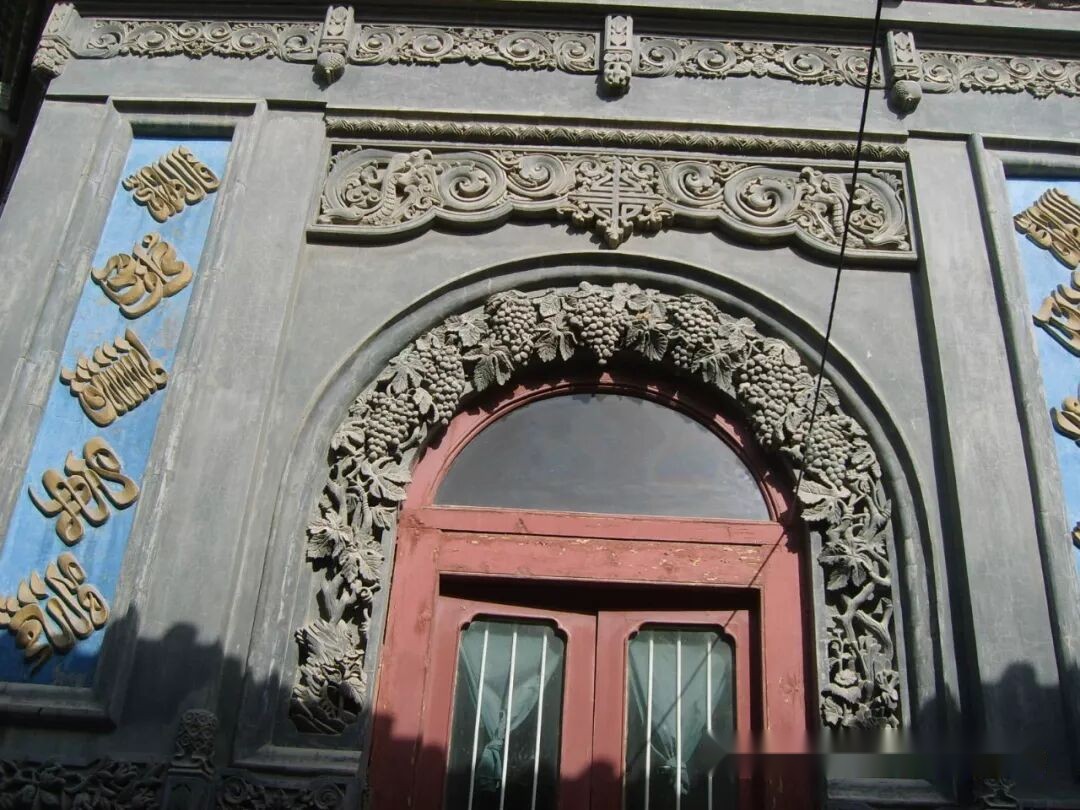
Remember that mention of the Jahriyya Banqiao Daotang in the article about Zheng Banqiao's calligraphy and paintings?
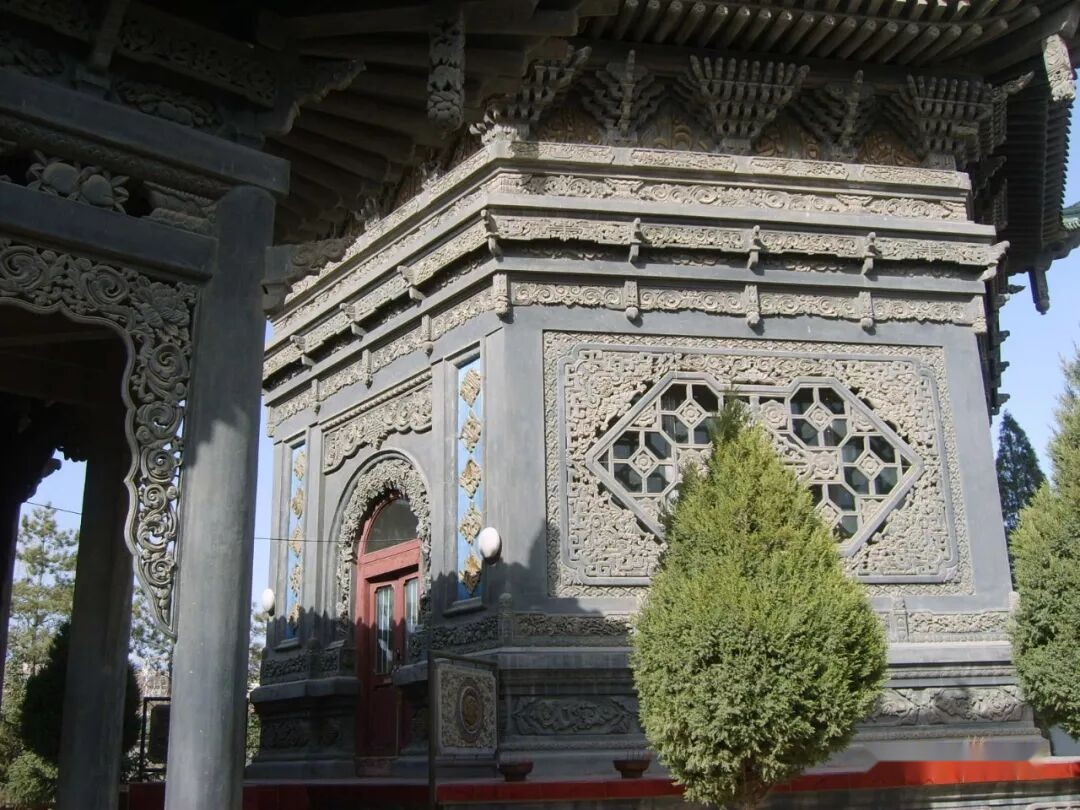
Jahriyya is one of the four major menhuan (Sufi orders / brotherhoods) in Islam.
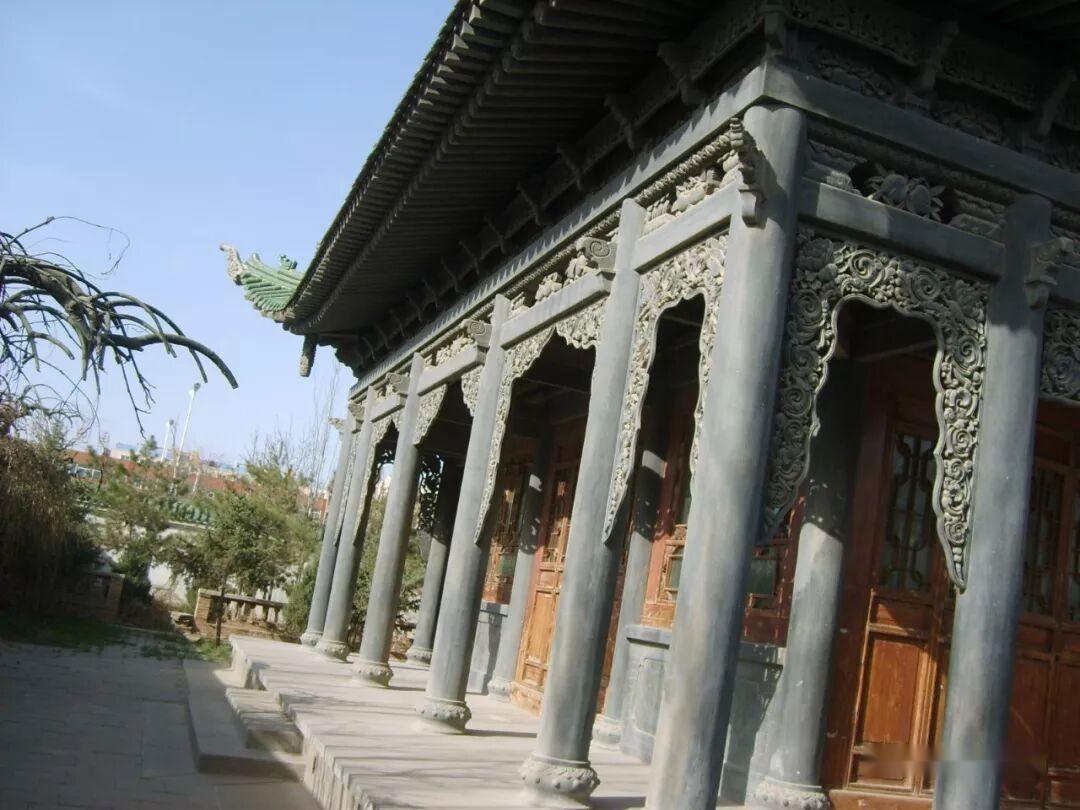
The Banqiao Daotang is an important missionary center for the Jahriyya, located in Wuzhong, Ningxia.
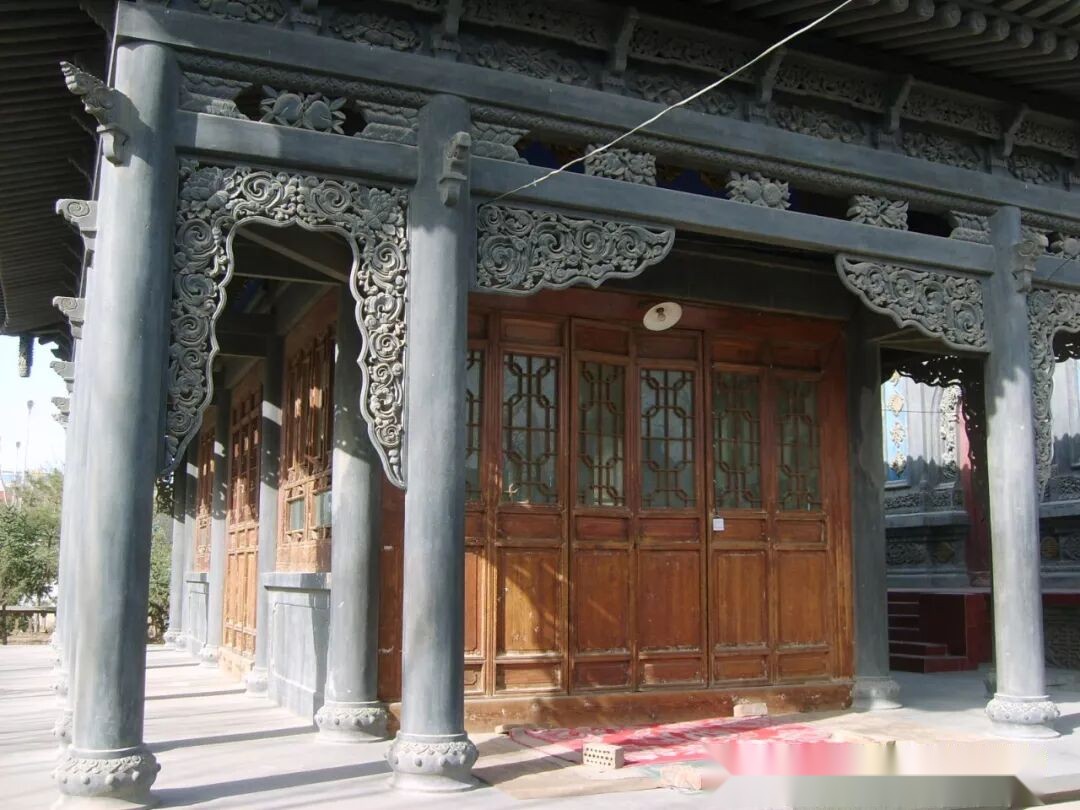
I visited Wuzhong, Ningxia, eight years ago—it had such a rich West Asian vibe; but I didn't make it to Banqiao Daotang.
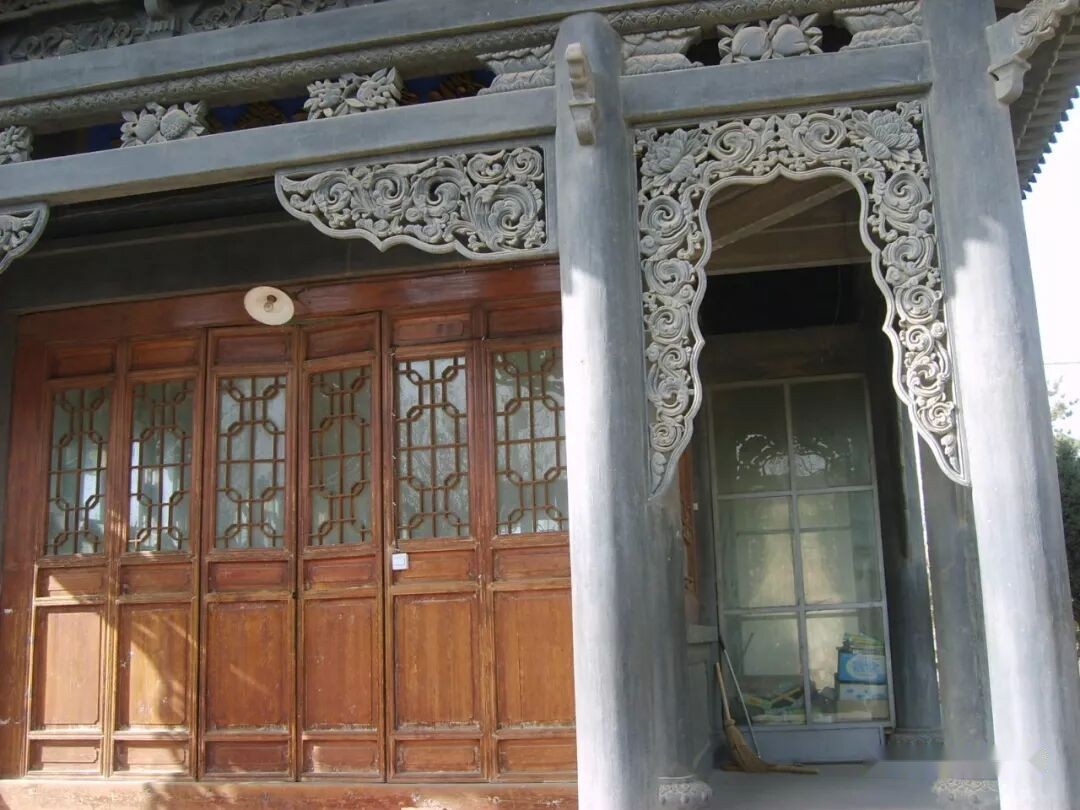
However, I made a dedicated trip to the Siqiliangzi 13th Master Gongbei in Wuzhong, another sacred Jahriyya site.
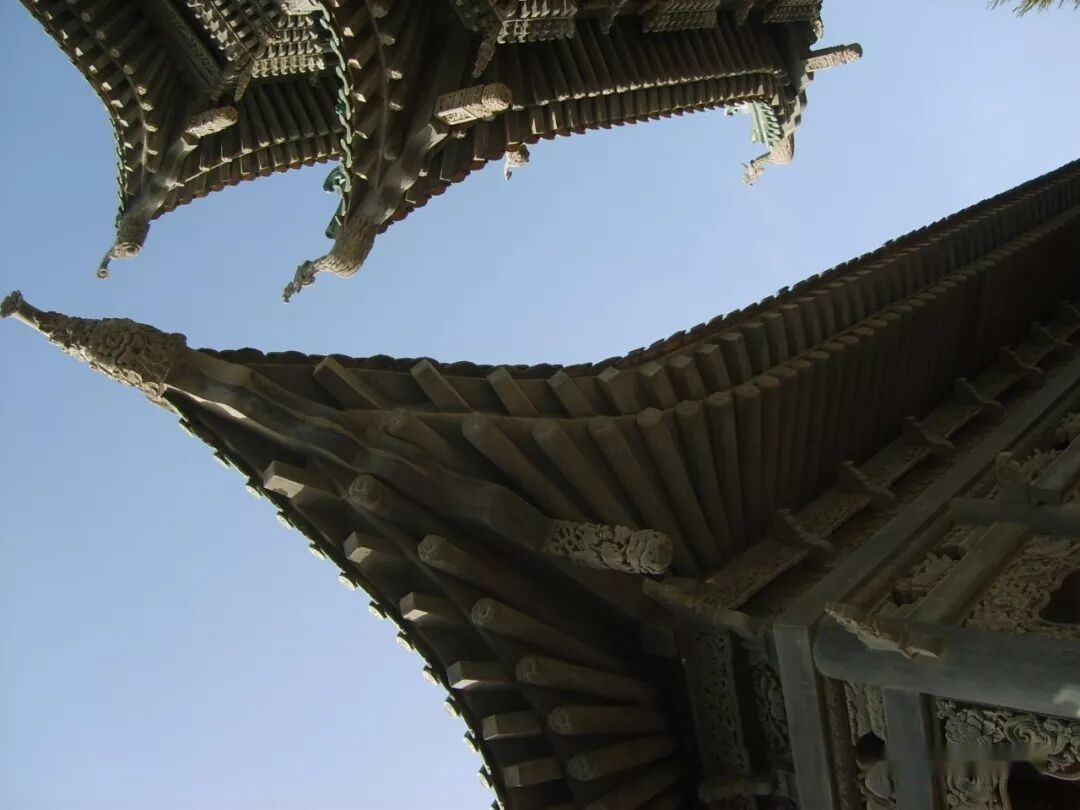
A gongbei (Sufi shrine / mausoleum complex) refers to the tomb of a saint in Islam.
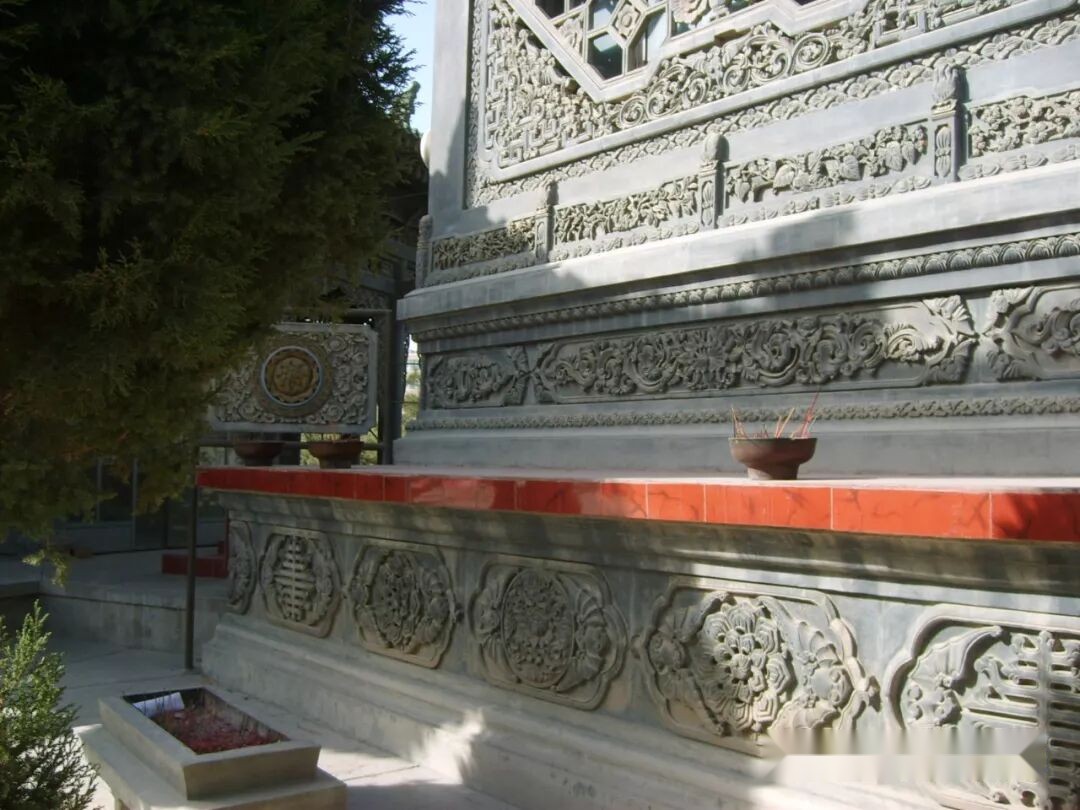
The 13th Master, Ma Hualong, was the leader of the Northwest Hui Muslim Jahriyya order during the Xianfeng and Tongji reigns of the late Qing dynasty.
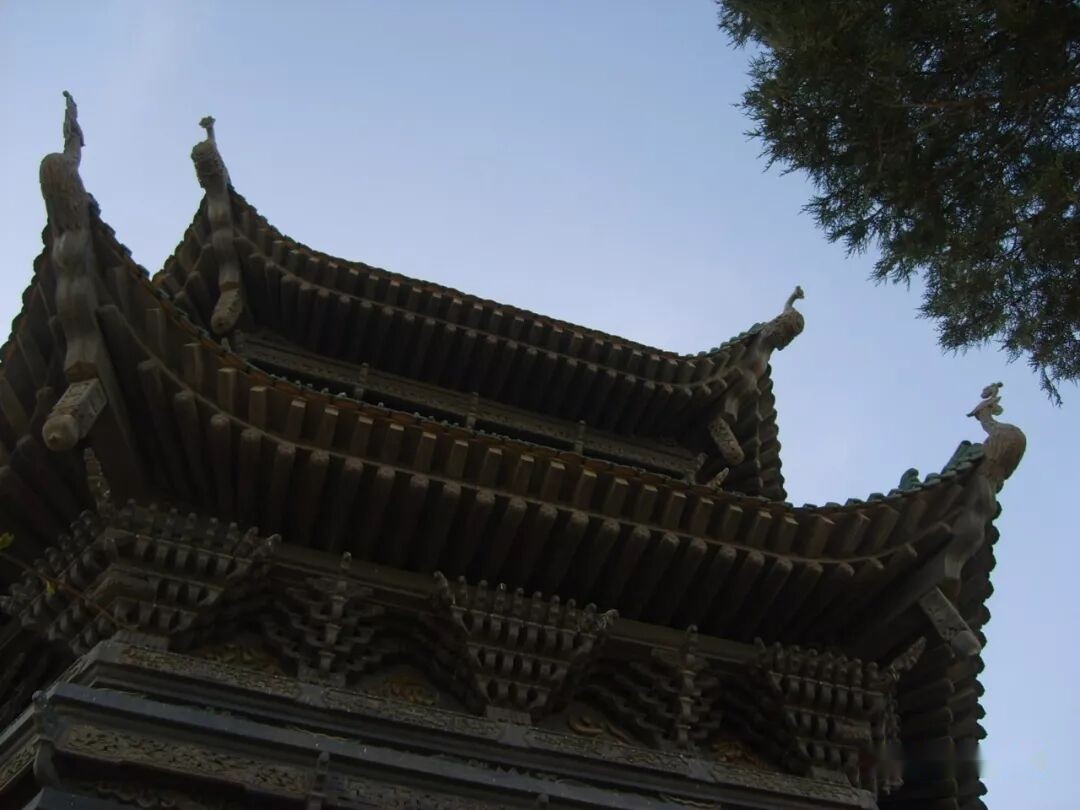
During the Xianfeng and Tongji eras, Hui Muslims everywhere suffered extreme oppression and discrimination from the imperial officials. As the common saying went, "Right or wrong, you still get forty heavy strokes." If Hui Muslims had a dispute and took it to court, regardless of whether you were right or wrong, the officials would beat you with forty strokes of the heavy paddle first before even asking questions.

The righteous anger of a spirited ethnic group finally erupted in the first year of Tongji. Hui Muslims across the Northwest gathered in revolt, and the single spark ignited half the Northwest.
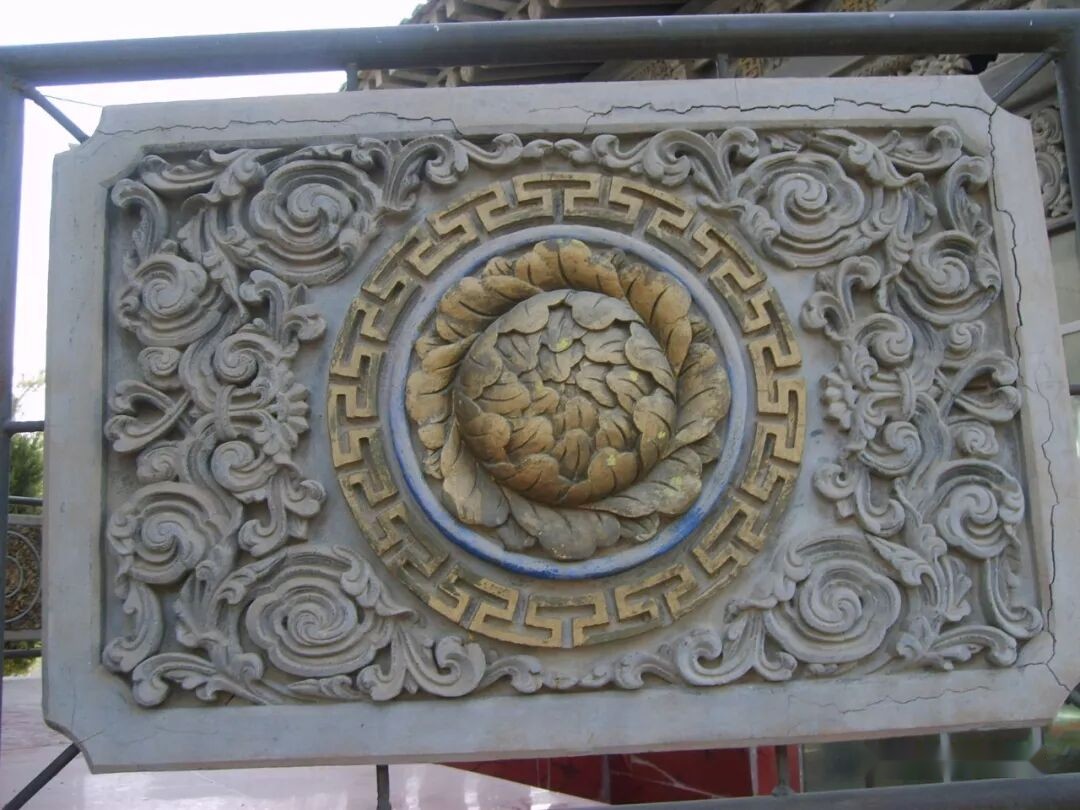
The 13th Master Ma Hualong was the fifth-generation leader of the Jahriyya order. In the second year of Tongji, he led the Hui Muslims around Jinji to resolutely join the uprising. Jinji Fortress, the religious center of the Jahriyya, consequently became the command center for the Northwest Hui Muslim uprising.
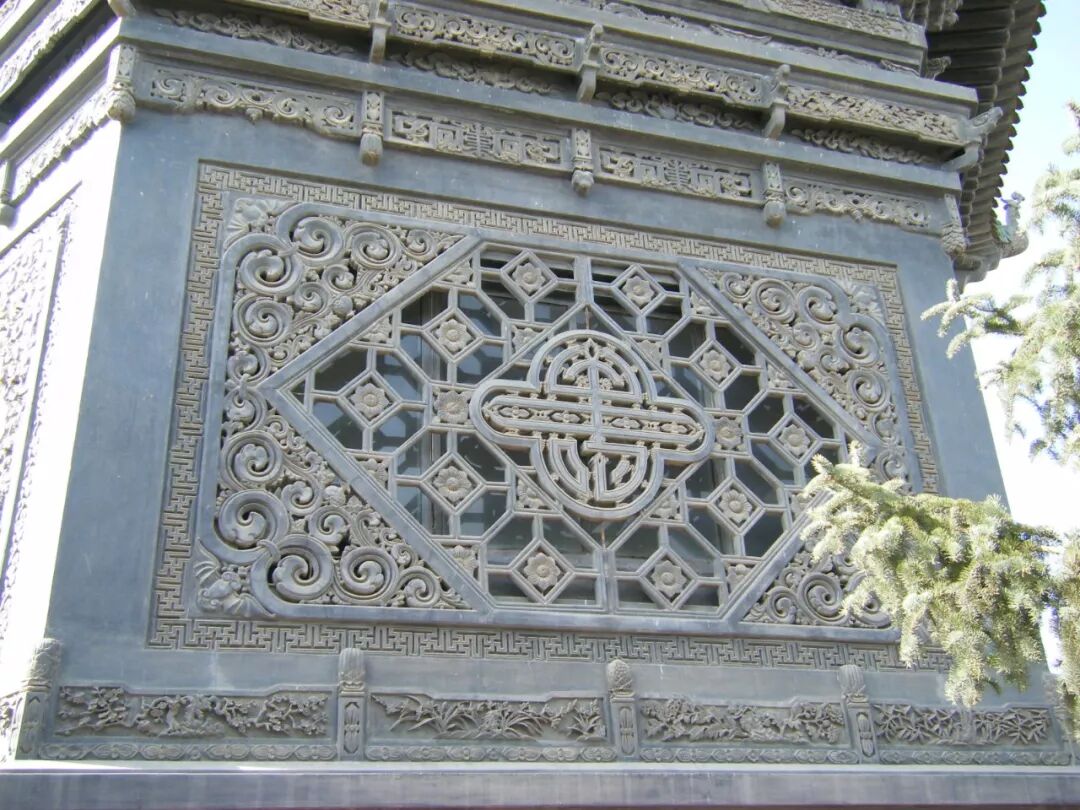
The Qing court dispatched Zuo Zongtang with military force to suppress them.
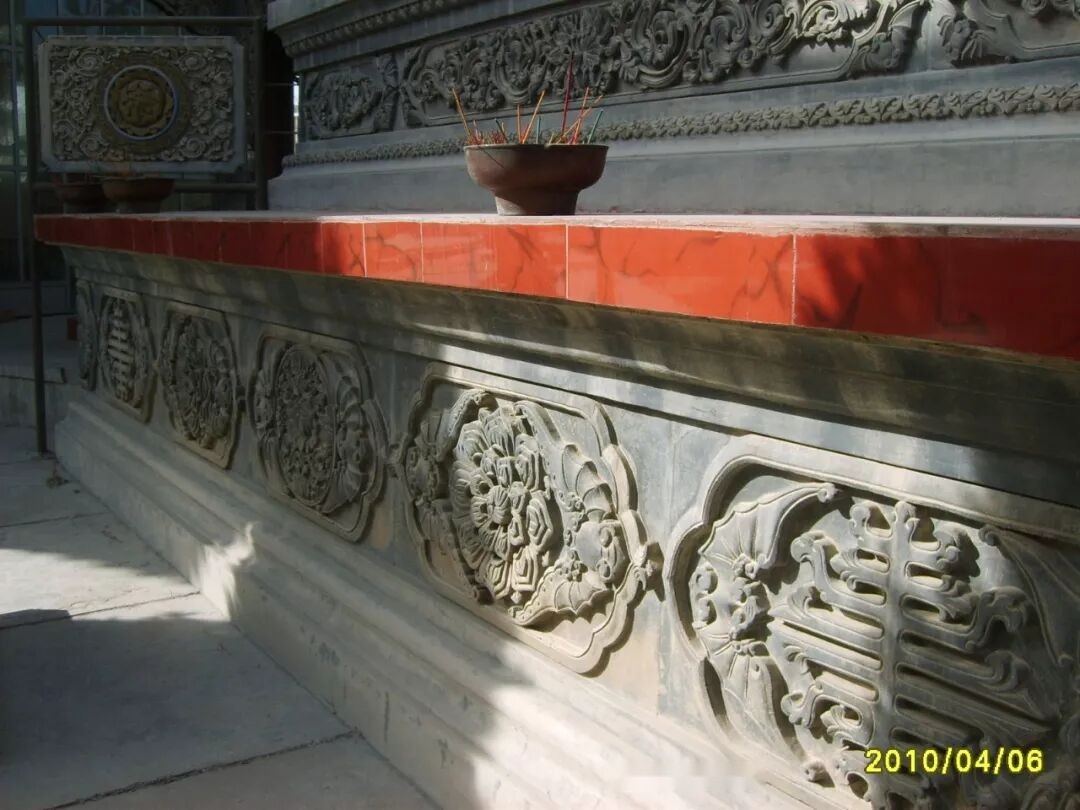
Ma Hualong and Zuo Zongtang each held their own ideals and beliefs, and both were heroes of their respective peoples.
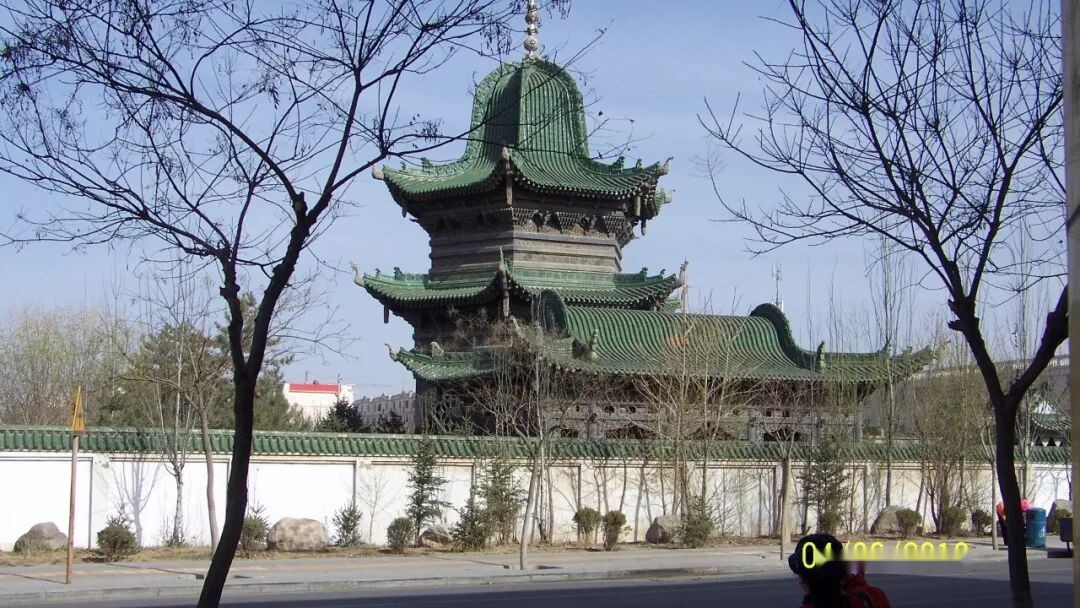
In the tenth year of Tongji, Zuo Zongtang's army besieged Jinji Fortress. To save the lives of everyone in the fortress, Ma Hualong went in person to the Qing military camp, declaring that he was willing to offer his own body to take the blame and redeem the death sentence for the Hui Muslims of the Jinji region.
The Qing military flatly refused.
On the 13th day of the first lunar month in the tenth year of Tongji, after subjecting him to 53 days of brutal torture, the Qing military executed Ma Hualong by lingchi (death by a thousand cuts) at Siqiliangzi in Wuzhong. Three hundred and two members of his household heroically martyred themselves for their faith, and over a thousand relatives were killed. Because of this, believers honor Ma Hualong as the 13th Master.
When the 13th Master met his martyrdom, "though subjected to lingchi, he made not a sound." He was 63 years old at the time.
One man walking into the enemy camp, willingly offering his own life to ransom the thousands of lives behind him—the Taiping Heavenly Kingdom had the Wing King Shi Dakai, the Hui Muslims had the 13th Master Ma Hualong of Jinji Fortress, and Dali in Yunnan had commander Du Wenxiu. Such heroic spirit cuts straight across the firmament.
Hui and Han communities have been tangled in endless disputes since ancient times, which is closely tied to the officials' habitual mistreatment of Hui Muslims and their bias toward the Han.
The Han population had already lost the spirited drive for freedom, autonomy, and self-strengthening; in many matters, their lack of understanding toward the actions of Hui Muslims left them bristling with suspicion.
That year, I was fortunate enough to enter the Siqiliangzi 13th Master Gongbei in Wuzhong, and with a complex mix of emotions, I paid my respects at the mausoleum.
Usually, outsiders and casual passersby are not allowed to enter the Wuzhong Jahriyya 13th Master Gongbei. Even though I came prepared and was mentally ready to be turned away, fortune smiled on me due to a stroke of good karma, finally satisfying a curious outsider's heartfelt wonder and reverence.
Because it was an unexpected entry, there was no tour guide, and I didn't know much about everything inside the grounds. So I won't add commentary to the photos—let's keep a bit of the order's inner mystery intact.
Tips:
A few extra thoughts:
The 13th Master Ma Hualong was the fifth-generation leader of the Jahriyya. His grandfather, Ma Datian, was the third-generation leader of the Jahriyya, who was exiled by the officials to the Jilin Shipyard and is honored within the order as the Shipyard Master. The Jahriyya Shipyard Mosque still stands in Jilin City; I once commissioned my outdoor buddy "Lhasa" to go take photos of it, and a big shoutout and thanks to Lhasa here! The 13th Master's father, Ma Yide, was the fourth-generation leader of the Jahriyya order, honored within the order as the April 8th Master, and is buried at Honglefu in Qingtongxia. That year, before heading to the 13th Master's gongbei, we first stopped by Honglefu to visit and pay our respects. Teacher Ma of the Qingyin Islamic School gave us a warm and detailed explanation, which I still remember vividly to this day. Huge thanks to Teacher Ma!
When it comes to the Northwest Hui Muslims, most people are more familiar with Ma Bufang and Ma Buqing of Qinghai, who intercepted and massacred the Red Army's Western Route Army. The Ma Bufang and Ma Buqing warlord clique were actually the descendants of Ma Haiyan, a traitor under Ma Hualong. Meanwhile, the Ma Hongkui warlord clique of Ningxia were the descendants of Ma Zhan'ao, who was likewise a traitorous general among the Northwest Hui.
Today, there is a surviving Hui Muslim community residing within Russia—the Dungans. They are the descendants of the uprising Hui Muslims led by Bai Yanhu, a leader of the Northwest Hui uprising who, after the rebellion failed and in search of a way to survive, desperately crossed the Tianshan Mountains in a snowy winter to flee far away to a foreign land. To this day, in a foreign country, this branch of Hui Muslims still preserves the strong, nostalgic atmosphere of Xi'an Hui Muslim daily life.
Road-Tripping Through Ningxia: Exploring the Siqiliangzi Gongbei and the 13th Master of the Jahriyya in Wuzhong
Abstract:
A road trip to visit the famous 13th Master Ma Hualong gongbei (Sufi shrine / mausoleum complex) at the northern gate of Wuzhong City, Ningxia. Documenting the iconic hexagonal pyramidal mausoleum architecture and courtyard atmosphere, while reflecting on the historical ups and downs of Northwest China's Hui Muslims and the devoted reverence of believers for their forebears.
"Road-Tripping Ningxia: The Jahriyya 13th Master Gongbei in Wuzhong"
Remember that mention of the Jahriyya Banqiao Daotang in the article about Zheng Banqiao's calligraphy and paintings?
Jahriyya is one of the four major menhuan (Sufi orders / brotherhoods) in Islam.
The Banqiao Daotang is an important missionary center for the Jahriyya, located in Wuzhong, Ningxia.
I visited Wuzhong, Ningxia, eight years ago—it had such a rich West Asian vibe; but I didn't make it to Banqiao Daotang.
However, I made a dedicated trip to the Siqiliangzi 13th Master Gongbei in Wuzhong, another sacred Jahriyya site.
A gongbei (Sufi shrine / mausoleum complex) refers to the tomb of a saint in Islam.
The 13th Master, Ma Hualong, was the leader of the Northwest Hui Muslim Jahriyya order during the Xianfeng and Tongji reigns of the late Qing dynasty.
During the Xianfeng and Tongji eras, Hui Muslims everywhere suffered extreme oppression and discrimination from the imperial officials. As the common saying went, "Right or wrong, you still get forty heavy strokes." If Hui Muslims had a dispute and took it to court, regardless of whether you were right or wrong, the officials would beat you with forty strokes of the heavy paddle first before even asking questions.
The righteous anger of a spirited ethnic group finally erupted in the first year of Tongji. Hui Muslims across the Northwest gathered in revolt, and the single spark ignited half the Northwest.
The 13th Master Ma Hualong was the fifth-generation leader of the Jahriyya order. In the second year of Tongji, he led the Hui Muslims around Jinji to resolutely join the uprising. Jinji Fortress, the religious center of the Jahriyya, consequently became the command center for the Northwest Hui Muslim uprising.
The Qing court dispatched Zuo Zongtang with military force to suppress them.
Ma Hualong and Zuo Zongtang each held their own ideals and beliefs, and both were heroes of their respective peoples.
In the tenth year of Tongji, Zuo Zongtang's army besieged Jinji Fortress. To save the lives of everyone in the fortress, Ma Hualong went in person to the Qing military camp, declaring that he was willing to offer his own body to take the blame and redeem the death sentence for the Hui Muslims of the Jinji region.
The Qing military flatly refused.
On the 13th day of the first lunar month in the tenth year of Tongji, after subjecting him to 53 days of brutal torture, the Qing military executed Ma Hualong by lingchi (death by a thousand cuts) at Siqiliangzi in Wuzhong. Three hundred and two members of his household heroically martyred themselves for their faith, and over a thousand relatives were killed. Because of this, believers honor Ma Hualong as the 13th Master.
When the 13th Master met his martyrdom, "though subjected to lingchi, he made not a sound." He was 63 years old at the time.
One man walking into the enemy camp, willingly offering his own life to ransom the thousands of lives behind him—the Taiping Heavenly Kingdom had the Wing King Shi Dakai, the Hui Muslims had the 13th Master Ma Hualong of Jinji Fortress, and Dali in Yunnan had commander Du Wenxiu. Such heroic spirit cuts straight across the firmament.
Hui and Han communities have been tangled in endless disputes since ancient times, which is closely tied to the officials' habitual mistreatment of Hui Muslims and their bias toward the Han.
The Han population had already lost the spirited drive for freedom, autonomy, and self-strengthening; in many matters, their lack of understanding toward the actions of Hui Muslims left them bristling with suspicion.
That year, I was fortunate enough to enter the Siqiliangzi 13th Master Gongbei in Wuzhong, and with a complex mix of emotions, I paid my respects at the mausoleum.
Usually, outsiders and casual passersby are not allowed to enter the Wuzhong Jahriyya 13th Master Gongbei. Even though I came prepared and was mentally ready to be turned away, fortune smiled on me due to a stroke of good karma, finally satisfying a curious outsider's heartfelt wonder and reverence.
Because it was an unexpected entry, there was no tour guide, and I didn't know much about everything inside the grounds. So I won't add commentary to the photos—let's keep a bit of the order's inner mystery intact.
Tips:
A few extra thoughts:
The 13th Master Ma Hualong was the fifth-generation leader of the Jahriyya. His grandfather, Ma Datian, was the third-generation leader of the Jahriyya, who was exiled by the officials to the Jilin Shipyard and is honored within the order as the Shipyard Master. The Jahriyya Shipyard Mosque still stands in Jilin City; I once commissioned my outdoor buddy "Lhasa" to go take photos of it, and a big shoutout and thanks to Lhasa here! The 13th Master's father, Ma Yide, was the fourth-generation leader of the Jahriyya order, honored within the order as the April 8th Master, and is buried at Honglefu in Qingtongxia. That year, before heading to the 13th Master's gongbei, we first stopped by Honglefu to visit and pay our respects. Teacher Ma of the Qingyin Islamic School gave us a warm and detailed explanation, which I still remember vividly to this day. Huge thanks to Teacher Ma!
When it comes to the Northwest Hui Muslims, most people are more familiar with Ma Bufang and Ma Buqing of Qinghai, who intercepted and massacred the Red Army's Western Route Army. The Ma Bufang and Ma Buqing warlord clique were actually the descendants of Ma Haiyan, a traitor under Ma Hualong. Meanwhile, the Ma Hongkui warlord clique of Ningxia were the descendants of Ma Zhan'ao, who was likewise a traitorous general among the Northwest Hui.
Today, there is a surviving Hui Muslim community residing within Russia—the Dungans. They are the descendants of the uprising Hui Muslims led by Bai Yanhu, a leader of the Northwest Hui uprising who, after the rebellion failed and in search of a way to survive, desperately crossed the Tianshan Mountains in a snowy winter to flee far away to a foreign land. To this day, in a foreign country, this branch of Hui Muslims still preserves the strong, nostalgic atmosphere of Xi'an Hui Muslim daily life.
Exploring Ningxia Muslim Culture: Wuzhong, Jahriyya Sufi Shrines & Hui Heritage
Articles • Hasan09 posted the article • 0 comments • 4 views • 3 hours ago
[Internet Repost]
Road-Tripping Through Ningxia: Exploring the Siqiliangzi Gongbei and the 13th Master of the Jahriyya in Wuzhong
Abstract:
A road trip to visit the famous 13th Master Ma Hualong gongbei (Sufi shrine / mausoleum complex) at the northern gate of Wuzhong City, Ningxia. Documenting the iconic hexagonal pyramidal mausoleum architecture and courtyard atmosphere, while reflecting on the historical ups and downs of Northwest China's Hui Muslims and the devoted reverence of believers for their forebears.
"Road-Tripping Ningxia: The Jahriyya 13th Master Gongbei in Wuzhong"
Remember that mention of the Jahriyya Banqiao Daotang in the article about Zheng Banqiao's calligraphy and paintings?
Jahriyya is one of the four major menhuan (Sufi orders / brotherhoods) in Islam.
The Banqiao Daotang is an important missionary center for the Jahriyya, located in Wuzhong, Ningxia.
I visited Wuzhong, Ningxia, eight years ago—it had such a rich West Asian vibe; but I didn't make it to Banqiao Daotang.
However, I made a dedicated trip to the Siqiliangzi 13th Master Gongbei in Wuzhong, another sacred Jahriyya site.
A gongbei (Sufi shrine / mausoleum complex) refers to the tomb of a saint in Islam.
The 13th Master, Ma Hualong, was the leader of the Northwest Hui Muslim Jahriyya order during the Xianfeng and Tongji reigns of the late Qing dynasty.
During the Xianfeng and Tongji eras, Hui Muslims everywhere suffered extreme oppression and discrimination from the imperial officials. As the common saying went, "Right or wrong, you still get forty heavy strokes." If Hui Muslims had a dispute and took it to court, regardless of whether you were right or wrong, the officials would beat you with forty strokes of the heavy paddle first before even asking questions.
The righteous anger of a spirited ethnic group finally erupted in the first year of Tongji. Hui Muslims across the Northwest gathered in revolt, and the single spark ignited half the Northwest.
The 13th Master Ma Hualong was the fifth-generation leader of the Jahriyya order. In the second year of Tongji, he led the Hui Muslims around Jinji to resolutely join the uprising. Jinji Fortress, the religious center of the Jahriyya, consequently became the command center for the Northwest Hui Muslim uprising.
The Qing court dispatched Zuo Zongtang with military force to suppress them.
Ma Hualong and Zuo Zongtang each held their own ideals and beliefs, and both were heroes of their respective peoples.
In the tenth year of Tongji, Zuo Zongtang's army besieged Jinji Fortress. To save the lives of everyone in the fortress, Ma Hualong went in person to the Qing military camp, declaring that he was willing to offer his own body to take the blame and redeem the death sentence for the Hui Muslims of the Jinji region.
The Qing military flatly refused.
On the 13th day of the first lunar month in the tenth year of Tongji, after subjecting him to 53 days of brutal torture, the Qing military executed Ma Hualong by lingchi (death by a thousand cuts) at Siqiliangzi in Wuzhong. Three hundred and two members of his household heroically martyred themselves for their faith, and over a thousand relatives were killed. Because of this, believers honor Ma Hualong as the 13th Master.
When the 13th Master met his martyrdom, "though subjected to lingchi, he made not a sound." He was 63 years old at the time.
One man walking into the enemy camp, willingly offering his own life to ransom the thousands of lives behind him—the Taiping Heavenly Kingdom had the Wing King Shi Dakai, the Hui Muslims had the 13th Master Ma Hualong of Jinji Fortress, and Dali in Yunnan had commander Du Wenxiu. Such heroic spirit cuts straight across the firmament.
Hui and Han communities have been tangled in endless disputes since ancient times, which is closely tied to the officials' habitual mistreatment of Hui Muslims and their bias toward the Han.
The Han population had already lost the spirited drive for freedom, autonomy, and self-strengthening; in many matters, their lack of understanding toward the actions of Hui Muslims left them bristling with suspicion.
That year, I was fortunate enough to enter the Siqiliangzi 13th Master Gongbei in Wuzhong, and with a complex mix of emotions, I paid my respects at the mausoleum.
Usually, outsiders and casual passersby are not allowed to enter the Wuzhong Jahriyya 13th Master Gongbei. Even though I came prepared and was mentally ready to be turned away, fortune smiled on me due to a stroke of good karma, finally satisfying a curious outsider's heartfelt wonder and reverence.
Because it was an unexpected entry, there was no tour guide, and I didn't know much about everything inside the grounds. So I won't add commentary to the photos—let's keep a bit of the order's inner mystery intact.
Tips:
A few extra thoughts:
The 13th Master Ma Hualong was the fifth-generation leader of the Jahriyya. His grandfather, Ma Datian, was the third-generation leader of the Jahriyya, who was exiled by the officials to the Jilin Shipyard and is honored within the order as the Shipyard Master. The Jahriyya Shipyard Mosque still stands in Jilin City; I once commissioned my outdoor buddy "Lhasa" to go take photos of it, and a big shoutout and thanks to Lhasa here! The 13th Master's father, Ma Yide, was the fourth-generation leader of the Jahriyya order, honored within the order as the April 8th Master, and is buried at Honglefu in Qingtongxia. That year, before heading to the 13th Master's gongbei, we first stopped by Honglefu to visit and pay our respects. Teacher Ma of the Qingyin Islamic School gave us a warm and detailed explanation, which I still remember vividly to this day. Huge thanks to Teacher Ma!
When it comes to the Northwest Hui Muslims, most people are more familiar with Ma Bufang and Ma Buqing of Qinghai, who intercepted and massacred the Red Army's Western Route Army. The Ma Bufang and Ma Buqing warlord clique were actually the descendants of Ma Haiyan, a traitor under Ma Hualong. Meanwhile, the Ma Hongkui warlord clique of Ningxia were the descendants of Ma Zhan'ao, who was likewise a traitorous general among the Northwest Hui.
Today, there is a surviving Hui Muslim community residing within Russia—the Dungans. They are the descendants of the uprising Hui Muslims led by Bai Yanhu, a leader of the Northwest Hui uprising who, after the rebellion failed and in search of a way to survive, desperately crossed the Tianshan Mountains in a snowy winter to flee far away to a foreign land. To this day, in a foreign country, this branch of Hui Muslims still preserves the strong, nostalgic atmosphere of Xi'an Hui Muslim daily life. view all
Road-Tripping Through Ningxia: Exploring the Siqiliangzi Gongbei and the 13th Master of the Jahriyya in Wuzhong
Abstract:
A road trip to visit the famous 13th Master Ma Hualong gongbei (Sufi shrine / mausoleum complex) at the northern gate of Wuzhong City, Ningxia. Documenting the iconic hexagonal pyramidal mausoleum architecture and courtyard atmosphere, while reflecting on the historical ups and downs of Northwest China's Hui Muslims and the devoted reverence of believers for their forebears.
"Road-Tripping Ningxia: The Jahriyya 13th Master Gongbei in Wuzhong"
Remember that mention of the Jahriyya Banqiao Daotang in the article about Zheng Banqiao's calligraphy and paintings?
Jahriyya is one of the four major menhuan (Sufi orders / brotherhoods) in Islam.
The Banqiao Daotang is an important missionary center for the Jahriyya, located in Wuzhong, Ningxia.
I visited Wuzhong, Ningxia, eight years ago—it had such a rich West Asian vibe; but I didn't make it to Banqiao Daotang.
However, I made a dedicated trip to the Siqiliangzi 13th Master Gongbei in Wuzhong, another sacred Jahriyya site.
A gongbei (Sufi shrine / mausoleum complex) refers to the tomb of a saint in Islam.
The 13th Master, Ma Hualong, was the leader of the Northwest Hui Muslim Jahriyya order during the Xianfeng and Tongji reigns of the late Qing dynasty.
During the Xianfeng and Tongji eras, Hui Muslims everywhere suffered extreme oppression and discrimination from the imperial officials. As the common saying went, "Right or wrong, you still get forty heavy strokes." If Hui Muslims had a dispute and took it to court, regardless of whether you were right or wrong, the officials would beat you with forty strokes of the heavy paddle first before even asking questions.
The righteous anger of a spirited ethnic group finally erupted in the first year of Tongji. Hui Muslims across the Northwest gathered in revolt, and the single spark ignited half the Northwest.
The 13th Master Ma Hualong was the fifth-generation leader of the Jahriyya order. In the second year of Tongji, he led the Hui Muslims around Jinji to resolutely join the uprising. Jinji Fortress, the religious center of the Jahriyya, consequently became the command center for the Northwest Hui Muslim uprising.
The Qing court dispatched Zuo Zongtang with military force to suppress them.
Ma Hualong and Zuo Zongtang each held their own ideals and beliefs, and both were heroes of their respective peoples.
In the tenth year of Tongji, Zuo Zongtang's army besieged Jinji Fortress. To save the lives of everyone in the fortress, Ma Hualong went in person to the Qing military camp, declaring that he was willing to offer his own body to take the blame and redeem the death sentence for the Hui Muslims of the Jinji region.
The Qing military flatly refused.
On the 13th day of the first lunar month in the tenth year of Tongji, after subjecting him to 53 days of brutal torture, the Qing military executed Ma Hualong by lingchi (death by a thousand cuts) at Siqiliangzi in Wuzhong. Three hundred and two members of his household heroically martyred themselves for their faith, and over a thousand relatives were killed. Because of this, believers honor Ma Hualong as the 13th Master.
When the 13th Master met his martyrdom, "though subjected to lingchi, he made not a sound." He was 63 years old at the time.
One man walking into the enemy camp, willingly offering his own life to ransom the thousands of lives behind him—the Taiping Heavenly Kingdom had the Wing King Shi Dakai, the Hui Muslims had the 13th Master Ma Hualong of Jinji Fortress, and Dali in Yunnan had commander Du Wenxiu. Such heroic spirit cuts straight across the firmament.
Hui and Han communities have been tangled in endless disputes since ancient times, which is closely tied to the officials' habitual mistreatment of Hui Muslims and their bias toward the Han.
The Han population had already lost the spirited drive for freedom, autonomy, and self-strengthening; in many matters, their lack of understanding toward the actions of Hui Muslims left them bristling with suspicion.
That year, I was fortunate enough to enter the Siqiliangzi 13th Master Gongbei in Wuzhong, and with a complex mix of emotions, I paid my respects at the mausoleum.
Usually, outsiders and casual passersby are not allowed to enter the Wuzhong Jahriyya 13th Master Gongbei. Even though I came prepared and was mentally ready to be turned away, fortune smiled on me due to a stroke of good karma, finally satisfying a curious outsider's heartfelt wonder and reverence.
Because it was an unexpected entry, there was no tour guide, and I didn't know much about everything inside the grounds. So I won't add commentary to the photos—let's keep a bit of the order's inner mystery intact.
Tips:
A few extra thoughts:
The 13th Master Ma Hualong was the fifth-generation leader of the Jahriyya. His grandfather, Ma Datian, was the third-generation leader of the Jahriyya, who was exiled by the officials to the Jilin Shipyard and is honored within the order as the Shipyard Master. The Jahriyya Shipyard Mosque still stands in Jilin City; I once commissioned my outdoor buddy "Lhasa" to go take photos of it, and a big shoutout and thanks to Lhasa here! The 13th Master's father, Ma Yide, was the fourth-generation leader of the Jahriyya order, honored within the order as the April 8th Master, and is buried at Honglefu in Qingtongxia. That year, before heading to the 13th Master's gongbei, we first stopped by Honglefu to visit and pay our respects. Teacher Ma of the Qingyin Islamic School gave us a warm and detailed explanation, which I still remember vividly to this day. Huge thanks to Teacher Ma!
When it comes to the Northwest Hui Muslims, most people are more familiar with Ma Bufang and Ma Buqing of Qinghai, who intercepted and massacred the Red Army's Western Route Army. The Ma Bufang and Ma Buqing warlord clique were actually the descendants of Ma Haiyan, a traitor under Ma Hualong. Meanwhile, the Ma Hongkui warlord clique of Ningxia were the descendants of Ma Zhan'ao, who was likewise a traitorous general among the Northwest Hui.
Today, there is a surviving Hui Muslim community residing within Russia—the Dungans. They are the descendants of the uprising Hui Muslims led by Bai Yanhu, a leader of the Northwest Hui uprising who, after the rebellion failed and in search of a way to survive, desperately crossed the Tianshan Mountains in a snowy winter to flee far away to a foreign land. To this day, in a foreign country, this branch of Hui Muslims still preserves the strong, nostalgic atmosphere of Xi'an Hui Muslim daily life. view all
[Internet Repost]
Road-Tripping Through Ningxia: Exploring the Siqiliangzi Gongbei and the 13th Master of the Jahriyya in Wuzhong
Abstract:
A road trip to visit the famous 13th Master Ma Hualong gongbei (Sufi shrine / mausoleum complex) at the northern gate of Wuzhong City, Ningxia. Documenting the iconic hexagonal pyramidal mausoleum architecture and courtyard atmosphere, while reflecting on the historical ups and downs of Northwest China's Hui Muslims and the devoted reverence of believers for their forebears.
"Road-Tripping Ningxia: The Jahriyya 13th Master Gongbei in Wuzhong"
Remember that mention of the Jahriyya Banqiao Daotang in the article about Zheng Banqiao's calligraphy and paintings?
Jahriyya is one of the four major menhuan (Sufi orders / brotherhoods) in Islam.
The Banqiao Daotang is an important missionary center for the Jahriyya, located in Wuzhong, Ningxia.
I visited Wuzhong, Ningxia, eight years ago—it had such a rich West Asian vibe; but I didn't make it to Banqiao Daotang.
However, I made a dedicated trip to the Siqiliangzi 13th Master Gongbei in Wuzhong, another sacred Jahriyya site.
A gongbei (Sufi shrine / mausoleum complex) refers to the tomb of a saint in Islam.
The 13th Master, Ma Hualong, was the leader of the Northwest Hui Muslim Jahriyya order during the Xianfeng and Tongji reigns of the late Qing dynasty.
During the Xianfeng and Tongji eras, Hui Muslims everywhere suffered extreme oppression and discrimination from the imperial officials. As the common saying went, "Right or wrong, you still get forty heavy strokes." If Hui Muslims had a dispute and took it to court, regardless of whether you were right or wrong, the officials would beat you with forty strokes of the heavy paddle first before even asking questions.
The righteous anger of a spirited ethnic group finally erupted in the first year of Tongji. Hui Muslims across the Northwest gathered in revolt, and the single spark ignited half the Northwest.
The 13th Master Ma Hualong was the fifth-generation leader of the Jahriyya order. In the second year of Tongji, he led the Hui Muslims around Jinji to resolutely join the uprising. Jinji Fortress, the religious center of the Jahriyya, consequently became the command center for the Northwest Hui Muslim uprising.
The Qing court dispatched Zuo Zongtang with military force to suppress them.
Ma Hualong and Zuo Zongtang each held their own ideals and beliefs, and both were heroes of their respective peoples.
In the tenth year of Tongji, Zuo Zongtang's army besieged Jinji Fortress. To save the lives of everyone in the fortress, Ma Hualong went in person to the Qing military camp, declaring that he was willing to offer his own body to take the blame and redeem the death sentence for the Hui Muslims of the Jinji region.
The Qing military flatly refused.
On the 13th day of the first lunar month in the tenth year of Tongji, after subjecting him to 53 days of brutal torture, the Qing military executed Ma Hualong by lingchi (death by a thousand cuts) at Siqiliangzi in Wuzhong. Three hundred and two members of his household heroically martyred themselves for their faith, and over a thousand relatives were killed. Because of this, believers honor Ma Hualong as the 13th Master.
When the 13th Master met his martyrdom, "though subjected to lingchi, he made not a sound." He was 63 years old at the time.
One man walking into the enemy camp, willingly offering his own life to ransom the thousands of lives behind him—the Taiping Heavenly Kingdom had the Wing King Shi Dakai, the Hui Muslims had the 13th Master Ma Hualong of Jinji Fortress, and Dali in Yunnan had commander Du Wenxiu. Such heroic spirit cuts straight across the firmament.
Hui and Han communities have been tangled in endless disputes since ancient times, which is closely tied to the officials' habitual mistreatment of Hui Muslims and their bias toward the Han.
The Han population had already lost the spirited drive for freedom, autonomy, and self-strengthening; in many matters, their lack of understanding toward the actions of Hui Muslims left them bristling with suspicion.
That year, I was fortunate enough to enter the Siqiliangzi 13th Master Gongbei in Wuzhong, and with a complex mix of emotions, I paid my respects at the mausoleum.
Usually, outsiders and casual passersby are not allowed to enter the Wuzhong Jahriyya 13th Master Gongbei. Even though I came prepared and was mentally ready to be turned away, fortune smiled on me due to a stroke of good karma, finally satisfying a curious outsider's heartfelt wonder and reverence.
Because it was an unexpected entry, there was no tour guide, and I didn't know much about everything inside the grounds. So I won't add commentary to the photos—let's keep a bit of the order's inner mystery intact.
Tips:
A few extra thoughts:
The 13th Master Ma Hualong was the fifth-generation leader of the Jahriyya. His grandfather, Ma Datian, was the third-generation leader of the Jahriyya, who was exiled by the officials to the Jilin Shipyard and is honored within the order as the Shipyard Master. The Jahriyya Shipyard Mosque still stands in Jilin City; I once commissioned my outdoor buddy "Lhasa" to go take photos of it, and a big shoutout and thanks to Lhasa here! The 13th Master's father, Ma Yide, was the fourth-generation leader of the Jahriyya order, honored within the order as the April 8th Master, and is buried at Honglefu in Qingtongxia. That year, before heading to the 13th Master's gongbei, we first stopped by Honglefu to visit and pay our respects. Teacher Ma of the Qingyin Islamic School gave us a warm and detailed explanation, which I still remember vividly to this day. Huge thanks to Teacher Ma!
When it comes to the Northwest Hui Muslims, most people are more familiar with Ma Bufang and Ma Buqing of Qinghai, who intercepted and massacred the Red Army's Western Route Army. The Ma Bufang and Ma Buqing warlord clique were actually the descendants of Ma Haiyan, a traitor under Ma Hualong. Meanwhile, the Ma Hongkui warlord clique of Ningxia were the descendants of Ma Zhan'ao, who was likewise a traitorous general among the Northwest Hui.
Today, there is a surviving Hui Muslim community residing within Russia—the Dungans. They are the descendants of the uprising Hui Muslims led by Bai Yanhu, a leader of the Northwest Hui uprising who, after the rebellion failed and in search of a way to survive, desperately crossed the Tianshan Mountains in a snowy winter to flee far away to a foreign land. To this day, in a foreign country, this branch of Hui Muslims still preserves the strong, nostalgic atmosphere of Xi'an Hui Muslim daily life.
Road-Tripping Through Ningxia: Exploring the Siqiliangzi Gongbei and the 13th Master of the Jahriyya in Wuzhong
Abstract:
A road trip to visit the famous 13th Master Ma Hualong gongbei (Sufi shrine / mausoleum complex) at the northern gate of Wuzhong City, Ningxia. Documenting the iconic hexagonal pyramidal mausoleum architecture and courtyard atmosphere, while reflecting on the historical ups and downs of Northwest China's Hui Muslims and the devoted reverence of believers for their forebears.
"Road-Tripping Ningxia: The Jahriyya 13th Master Gongbei in Wuzhong"
Remember that mention of the Jahriyya Banqiao Daotang in the article about Zheng Banqiao's calligraphy and paintings?
Jahriyya is one of the four major menhuan (Sufi orders / brotherhoods) in Islam.
The Banqiao Daotang is an important missionary center for the Jahriyya, located in Wuzhong, Ningxia.
I visited Wuzhong, Ningxia, eight years ago—it had such a rich West Asian vibe; but I didn't make it to Banqiao Daotang.
However, I made a dedicated trip to the Siqiliangzi 13th Master Gongbei in Wuzhong, another sacred Jahriyya site.
A gongbei (Sufi shrine / mausoleum complex) refers to the tomb of a saint in Islam.
The 13th Master, Ma Hualong, was the leader of the Northwest Hui Muslim Jahriyya order during the Xianfeng and Tongji reigns of the late Qing dynasty.
During the Xianfeng and Tongji eras, Hui Muslims everywhere suffered extreme oppression and discrimination from the imperial officials. As the common saying went, "Right or wrong, you still get forty heavy strokes." If Hui Muslims had a dispute and took it to court, regardless of whether you were right or wrong, the officials would beat you with forty strokes of the heavy paddle first before even asking questions.
The righteous anger of a spirited ethnic group finally erupted in the first year of Tongji. Hui Muslims across the Northwest gathered in revolt, and the single spark ignited half the Northwest.
The 13th Master Ma Hualong was the fifth-generation leader of the Jahriyya order. In the second year of Tongji, he led the Hui Muslims around Jinji to resolutely join the uprising. Jinji Fortress, the religious center of the Jahriyya, consequently became the command center for the Northwest Hui Muslim uprising.
The Qing court dispatched Zuo Zongtang with military force to suppress them.
Ma Hualong and Zuo Zongtang each held their own ideals and beliefs, and both were heroes of their respective peoples.
In the tenth year of Tongji, Zuo Zongtang's army besieged Jinji Fortress. To save the lives of everyone in the fortress, Ma Hualong went in person to the Qing military camp, declaring that he was willing to offer his own body to take the blame and redeem the death sentence for the Hui Muslims of the Jinji region.
The Qing military flatly refused.
On the 13th day of the first lunar month in the tenth year of Tongji, after subjecting him to 53 days of brutal torture, the Qing military executed Ma Hualong by lingchi (death by a thousand cuts) at Siqiliangzi in Wuzhong. Three hundred and two members of his household heroically martyred themselves for their faith, and over a thousand relatives were killed. Because of this, believers honor Ma Hualong as the 13th Master.
When the 13th Master met his martyrdom, "though subjected to lingchi, he made not a sound." He was 63 years old at the time.
One man walking into the enemy camp, willingly offering his own life to ransom the thousands of lives behind him—the Taiping Heavenly Kingdom had the Wing King Shi Dakai, the Hui Muslims had the 13th Master Ma Hualong of Jinji Fortress, and Dali in Yunnan had commander Du Wenxiu. Such heroic spirit cuts straight across the firmament.
Hui and Han communities have been tangled in endless disputes since ancient times, which is closely tied to the officials' habitual mistreatment of Hui Muslims and their bias toward the Han.
The Han population had already lost the spirited drive for freedom, autonomy, and self-strengthening; in many matters, their lack of understanding toward the actions of Hui Muslims left them bristling with suspicion.
That year, I was fortunate enough to enter the Siqiliangzi 13th Master Gongbei in Wuzhong, and with a complex mix of emotions, I paid my respects at the mausoleum.
Usually, outsiders and casual passersby are not allowed to enter the Wuzhong Jahriyya 13th Master Gongbei. Even though I came prepared and was mentally ready to be turned away, fortune smiled on me due to a stroke of good karma, finally satisfying a curious outsider's heartfelt wonder and reverence.
Because it was an unexpected entry, there was no tour guide, and I didn't know much about everything inside the grounds. So I won't add commentary to the photos—let's keep a bit of the order's inner mystery intact.
Tips:
A few extra thoughts:
The 13th Master Ma Hualong was the fifth-generation leader of the Jahriyya. His grandfather, Ma Datian, was the third-generation leader of the Jahriyya, who was exiled by the officials to the Jilin Shipyard and is honored within the order as the Shipyard Master. The Jahriyya Shipyard Mosque still stands in Jilin City; I once commissioned my outdoor buddy "Lhasa" to go take photos of it, and a big shoutout and thanks to Lhasa here! The 13th Master's father, Ma Yide, was the fourth-generation leader of the Jahriyya order, honored within the order as the April 8th Master, and is buried at Honglefu in Qingtongxia. That year, before heading to the 13th Master's gongbei, we first stopped by Honglefu to visit and pay our respects. Teacher Ma of the Qingyin Islamic School gave us a warm and detailed explanation, which I still remember vividly to this day. Huge thanks to Teacher Ma!
When it comes to the Northwest Hui Muslims, most people are more familiar with Ma Bufang and Ma Buqing of Qinghai, who intercepted and massacred the Red Army's Western Route Army. The Ma Bufang and Ma Buqing warlord clique were actually the descendants of Ma Haiyan, a traitor under Ma Hualong. Meanwhile, the Ma Hongkui warlord clique of Ningxia were the descendants of Ma Zhan'ao, who was likewise a traitorous general among the Northwest Hui.
Today, there is a surviving Hui Muslim community residing within Russia—the Dungans. They are the descendants of the uprising Hui Muslims led by Bai Yanhu, a leader of the Northwest Hui uprising who, after the rebellion failed and in search of a way to survive, desperately crossed the Tianshan Mountains in a snowy winter to flee far away to a foreign land. To this day, in a foreign country, this branch of Hui Muslims still preserves the strong, nostalgic atmosphere of Xi'an Hui Muslim daily life.