

Jahriyya Sufism
Exploring Islamic History in Lanzhou: The Forgotten Qing Dynasty Cemetery of Ma Mingxin at Mapoling
Articles • Hasan09 posted the article • 0 comments • 13 views • 15 hours ago
[Internet Repost]
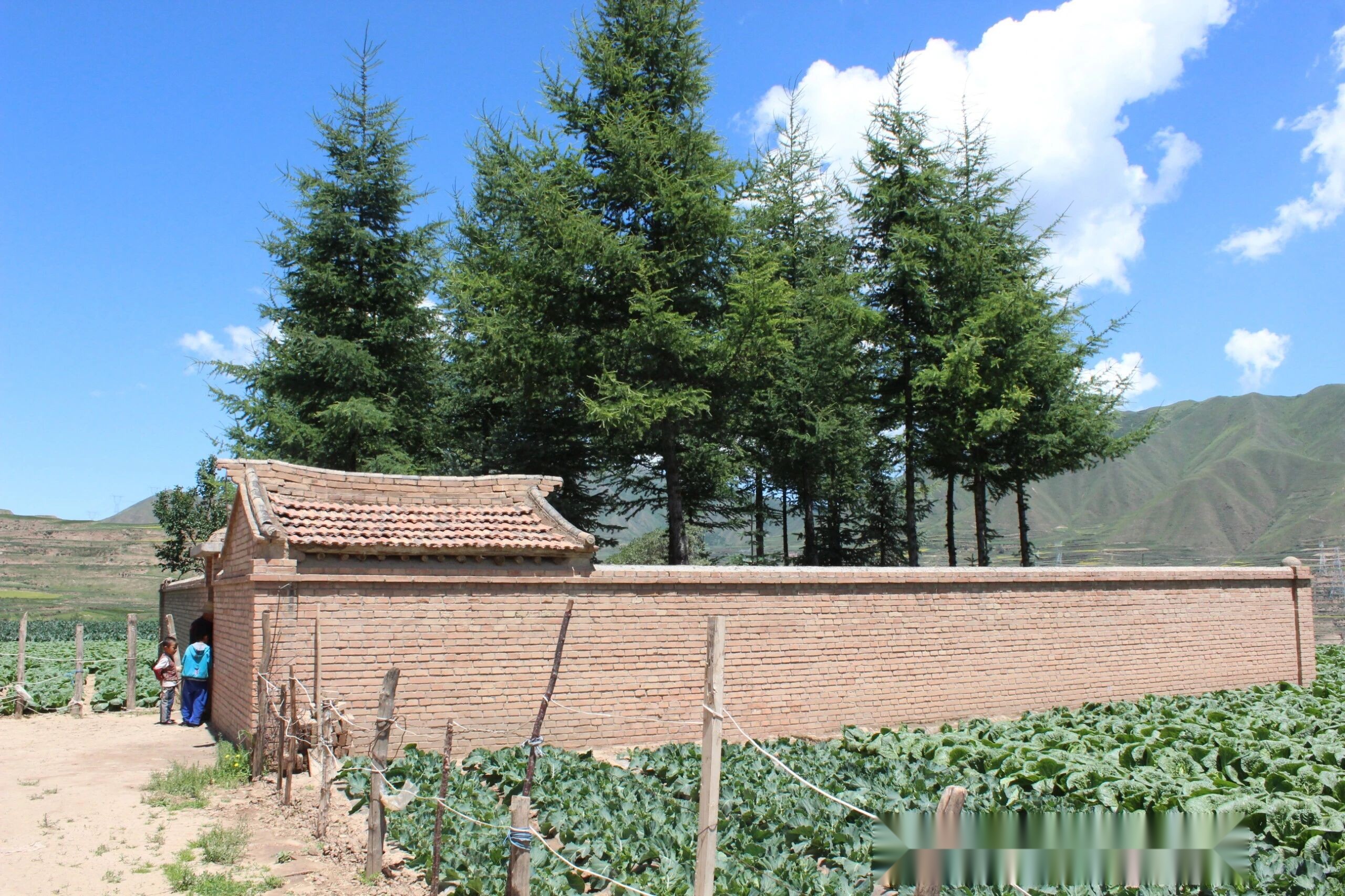
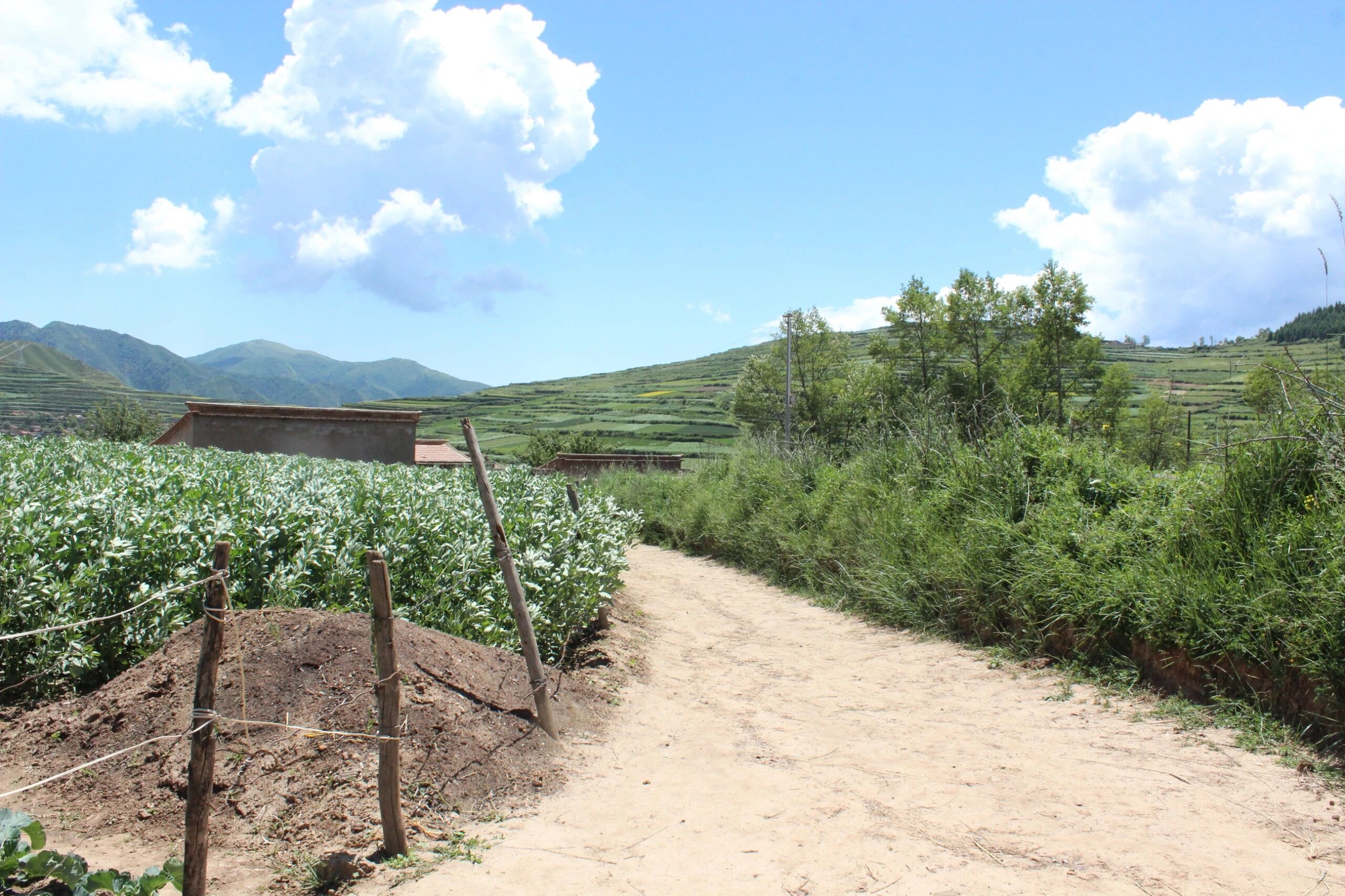
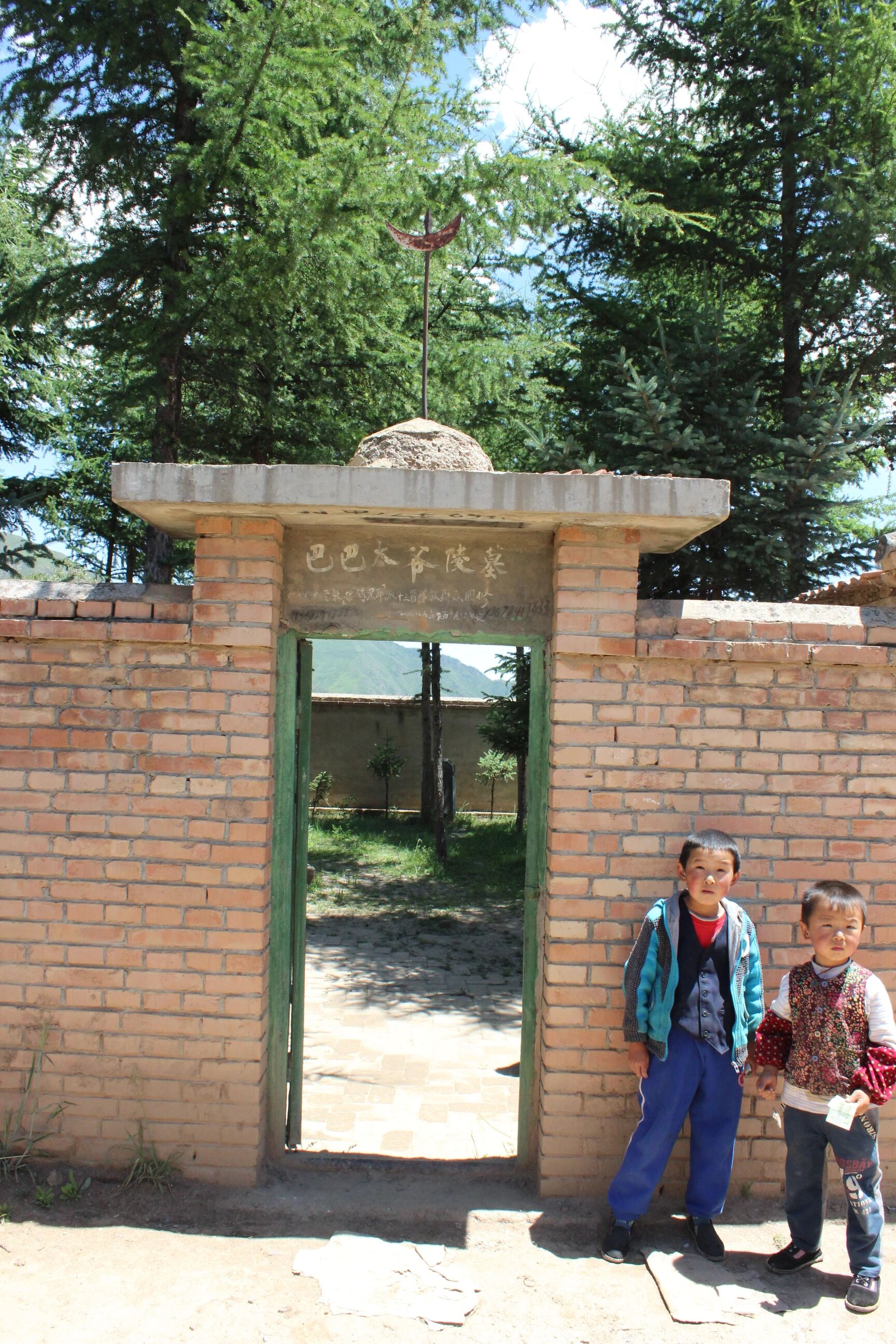
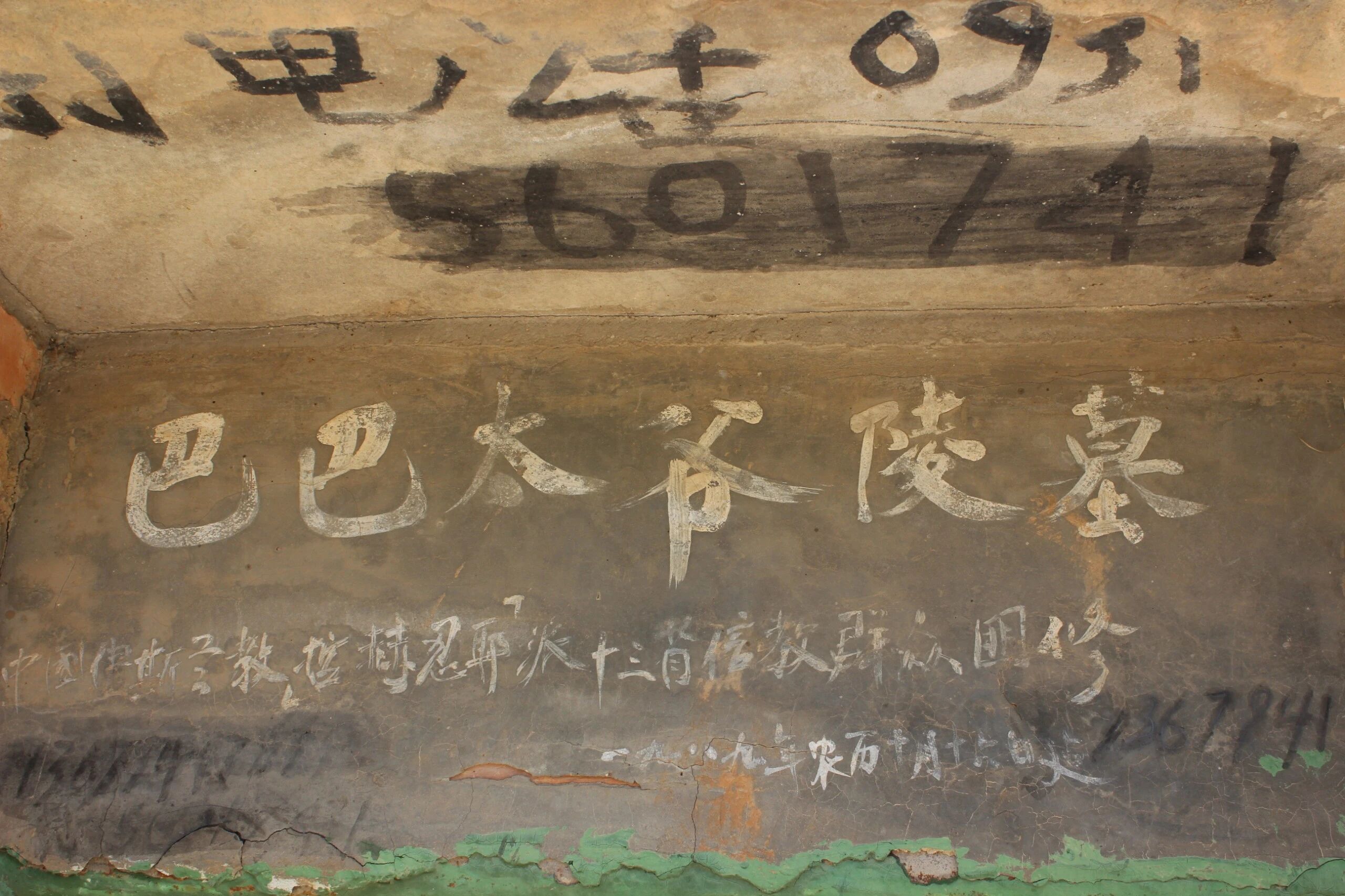
This collection of 19 photos documents the Qing Dynasty ancestral cemetery located at the Sanfu Villa in Mapoling, Yuzhong County, Lanzhou, Gansu. We’re tracing the early life and missionary travels of Ma Mingxin, along with his family's relocation to Yuzhong, to showcase this hidden piece of history tucked away in the loess hills of Northwest China.
The Baba Taiye cemetery at Mapoling Sanfu Villa is the final resting place for the family of Ma Mingxin, the founder of the Jahriyya (one of the four major Sufi menhuan, or orders, in China). Ma Mingxin lived here for a time before moving on, but his relatives—traditionally believed to include his uncle—were buried here. On the anniversary of Ma Mingxin’s death, followers of the Jahriyya tradition visit Lanzhou to honor his legacy, followed by a pilgrimage to this site in Yuzhong to offer their dua (supplication/prayer).
Biography of the Founder
The founder of the Jahriyya, Ma Mingxin (also known as Ma Mingxin; honored by his followers as Daozu Taiye or 'Grand Master of the Path'), was a Hui Muslim whose name in Arabic was Ibrahim, with the honorific title 'Wigaya-tullahi' (Protector of Allah's Path). After his death, he was revered as a 'Shahid' (martyr who sacrifices for the sake of Allah). Ma Mingxin was originally from Jiezhou, Gansu (present-day Longnan), but his family moved to Longxi due to famine, and later to Mapoling in Yuzhong County. Born posthumously on the first day of the first lunar month in 1718 (the 57th year of the Kangxi Emperor’s reign), he grew up in poverty and moved with his mother and uncle to the Great West Gate of Linxia. He was bright from a young age, began studying scripture at seven, and at twelve, followed his uncle’s instructions to travel on foot to Yunnan, then by sea to Mecca for the Hajj. During the sea voyage, a storm hit, his uncle went missing, and Ma Mingxin was rescued by local residents. He eventually joined a local community to study at a Yemeni mosque and completed his pilgrimage. He returned to China at age 23 in 1740 (the 5th year of the Qianlong Emperor’s reign), bringing back the Quran, the 'Mandanyeha' (poetry praising the Prophet Muhammad), and the 'Muhammans' (a biography of the Prophet), marking the beginning of the Jahriyya teachings in China. He first spread his teachings among the Salar people in Linxia, Gansu, and Xunhua, Baihuagong, and Qingshuigong in Qinghai, where he gained a significant following. Later, due to conflicts and exclusion from the Malaychi Huasi menhuan in Linxia, Ma Mingxin was forced to leave the Salar region in 1762 (the 27th year of Qianlong) to teach in Guanchuan, Dingxi, where his following grew rapidly. He traveled further to Lanzhou, Pingliang, and Jinjipu in Ningxia, which eventually sparked sectarian tensions and fights. The Qing government intervened, secretly arrested Ma Mingxin, and the resulting unrest led to further bloodshed. In 1781 (the 46th year of Qianlong), Ma Mingxin was executed at the city gate of Lanzhou at the age of 63.
Core Philosophy
Legend has it that Ma Mingxin went on the Hajj 11 times, bringing back the Jahriyya Sufi order, which had already spread through seven generations in Central Asia. The Jahriyya is a strictly religious organization and not a 'politico-religious' political body as some rumors suggest. From the start, the Jahriyya had a clear focus: to reform the shortcomings in the development of Islam in China and to promote Sufi values. In truth, all branches of Islam in China are purely religious organizations. The tendency of some to label religious groups as political stems from a misunderstanding of Chinese Islam and these specific sects. Blindly assigning false motives to these groups is not the behavior of serious, objective scholars. view all
[Internet Repost]
This collection of 19 photos documents the Qing Dynasty ancestral cemetery located at the Sanfu Villa in Mapoling, Yuzhong County, Lanzhou, Gansu. We’re tracing the early life and missionary travels of Ma Mingxin, along with his family's relocation to Yuzhong, to showcase this hidden piece of history tucked away in the loess hills of Northwest China.
The Baba Taiye cemetery at Mapoling Sanfu Villa is the final resting place for the family of Ma Mingxin, the founder of the Jahriyya (one of the four major Sufi menhuan, or orders, in China). Ma Mingxin lived here for a time before moving on, but his relatives—traditionally believed to include his uncle—were buried here. On the anniversary of Ma Mingxin’s death, followers of the Jahriyya tradition visit Lanzhou to honor his legacy, followed by a pilgrimage to this site in Yuzhong to offer their dua (supplication/prayer).
Biography of the Founder
The founder of the Jahriyya, Ma Mingxin (also known as Ma Mingxin; honored by his followers as Daozu Taiye or 'Grand Master of the Path'), was a Hui Muslim whose name in Arabic was Ibrahim, with the honorific title 'Wigaya-tullahi' (Protector of Allah's Path). After his death, he was revered as a 'Shahid' (martyr who sacrifices for the sake of Allah). Ma Mingxin was originally from Jiezhou, Gansu (present-day Longnan), but his family moved to Longxi due to famine, and later to Mapoling in Yuzhong County. Born posthumously on the first day of the first lunar month in 1718 (the 57th year of the Kangxi Emperor’s reign), he grew up in poverty and moved with his mother and uncle to the Great West Gate of Linxia. He was bright from a young age, began studying scripture at seven, and at twelve, followed his uncle’s instructions to travel on foot to Yunnan, then by sea to Mecca for the Hajj. During the sea voyage, a storm hit, his uncle went missing, and Ma Mingxin was rescued by local residents. He eventually joined a local community to study at a Yemeni mosque and completed his pilgrimage. He returned to China at age 23 in 1740 (the 5th year of the Qianlong Emperor’s reign), bringing back the Quran, the 'Mandanyeha' (poetry praising the Prophet Muhammad), and the 'Muhammans' (a biography of the Prophet), marking the beginning of the Jahriyya teachings in China. He first spread his teachings among the Salar people in Linxia, Gansu, and Xunhua, Baihuagong, and Qingshuigong in Qinghai, where he gained a significant following. Later, due to conflicts and exclusion from the Malaychi Huasi menhuan in Linxia, Ma Mingxin was forced to leave the Salar region in 1762 (the 27th year of Qianlong) to teach in Guanchuan, Dingxi, where his following grew rapidly. He traveled further to Lanzhou, Pingliang, and Jinjipu in Ningxia, which eventually sparked sectarian tensions and fights. The Qing government intervened, secretly arrested Ma Mingxin, and the resulting unrest led to further bloodshed. In 1781 (the 46th year of Qianlong), Ma Mingxin was executed at the city gate of Lanzhou at the age of 63.
Core Philosophy
Legend has it that Ma Mingxin went on the Hajj 11 times, bringing back the Jahriyya Sufi order, which had already spread through seven generations in Central Asia. The Jahriyya is a strictly religious organization and not a 'politico-religious' political body as some rumors suggest. From the start, the Jahriyya had a clear focus: to reform the shortcomings in the development of Islam in China and to promote Sufi values. In truth, all branches of Islam in China are purely religious organizations. The tendency of some to label religious groups as political stems from a misunderstanding of Chinese Islam and these specific sects. Blindly assigning false motives to these groups is not the behavior of serious, objective scholars.
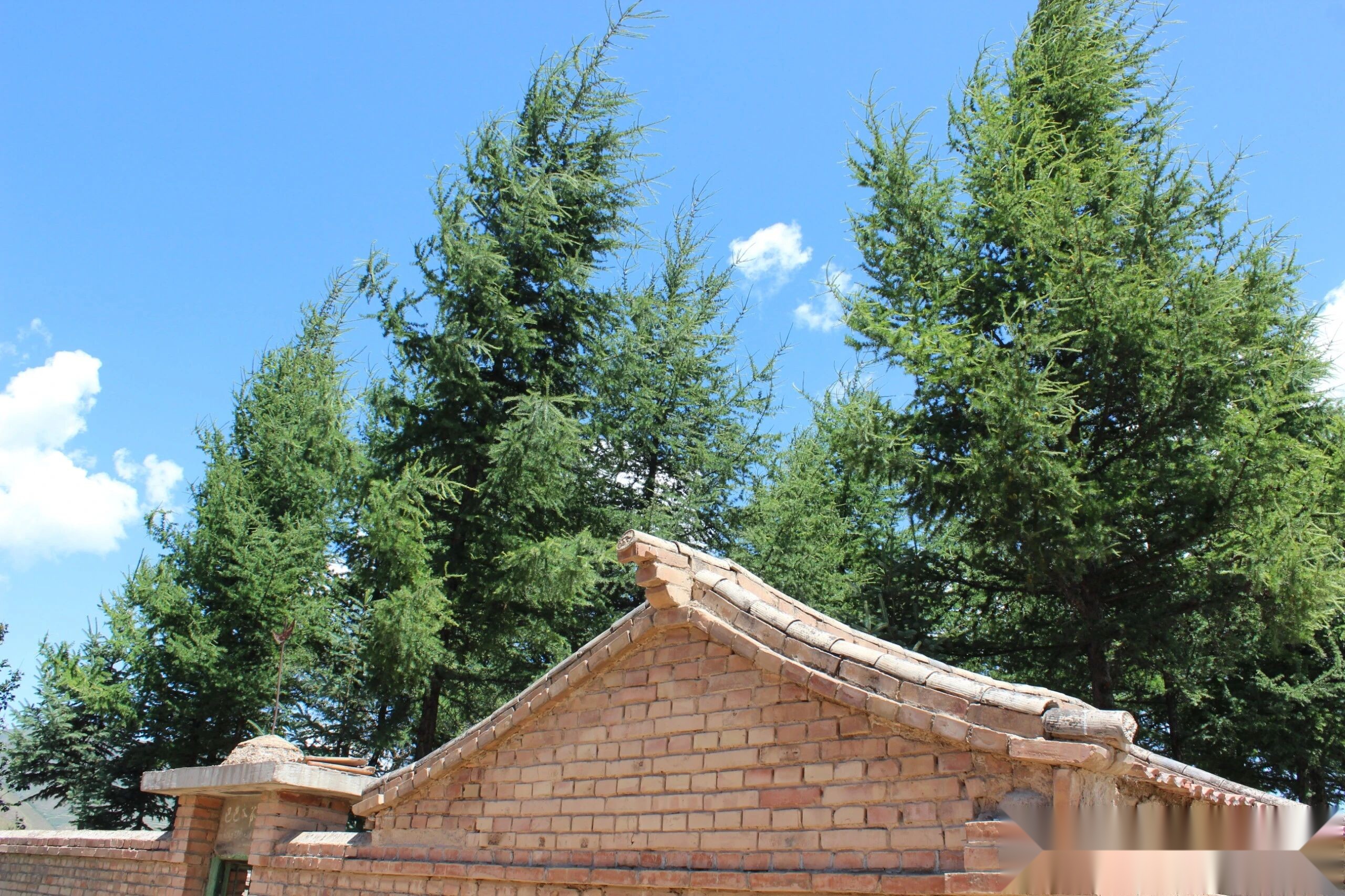
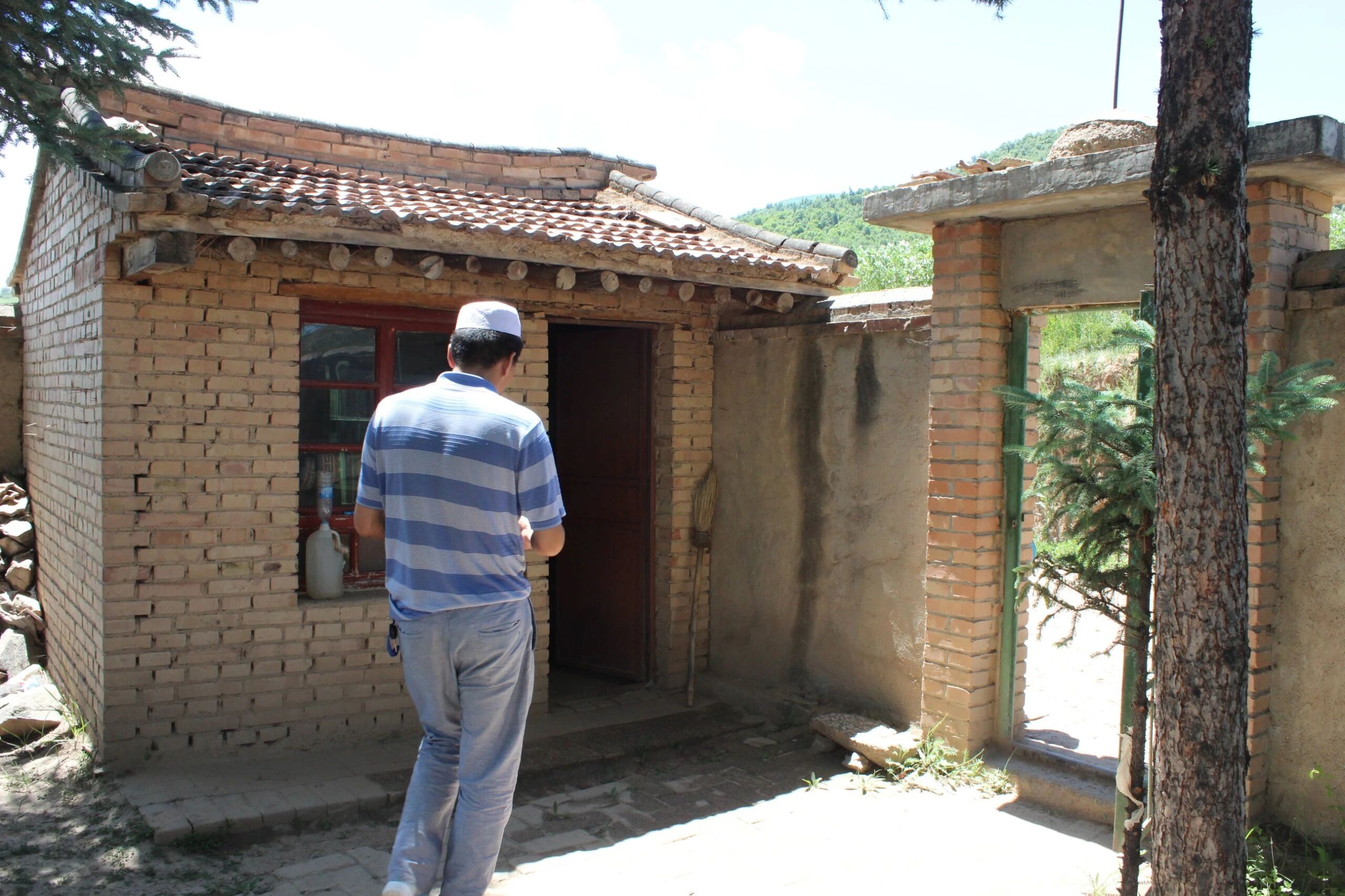
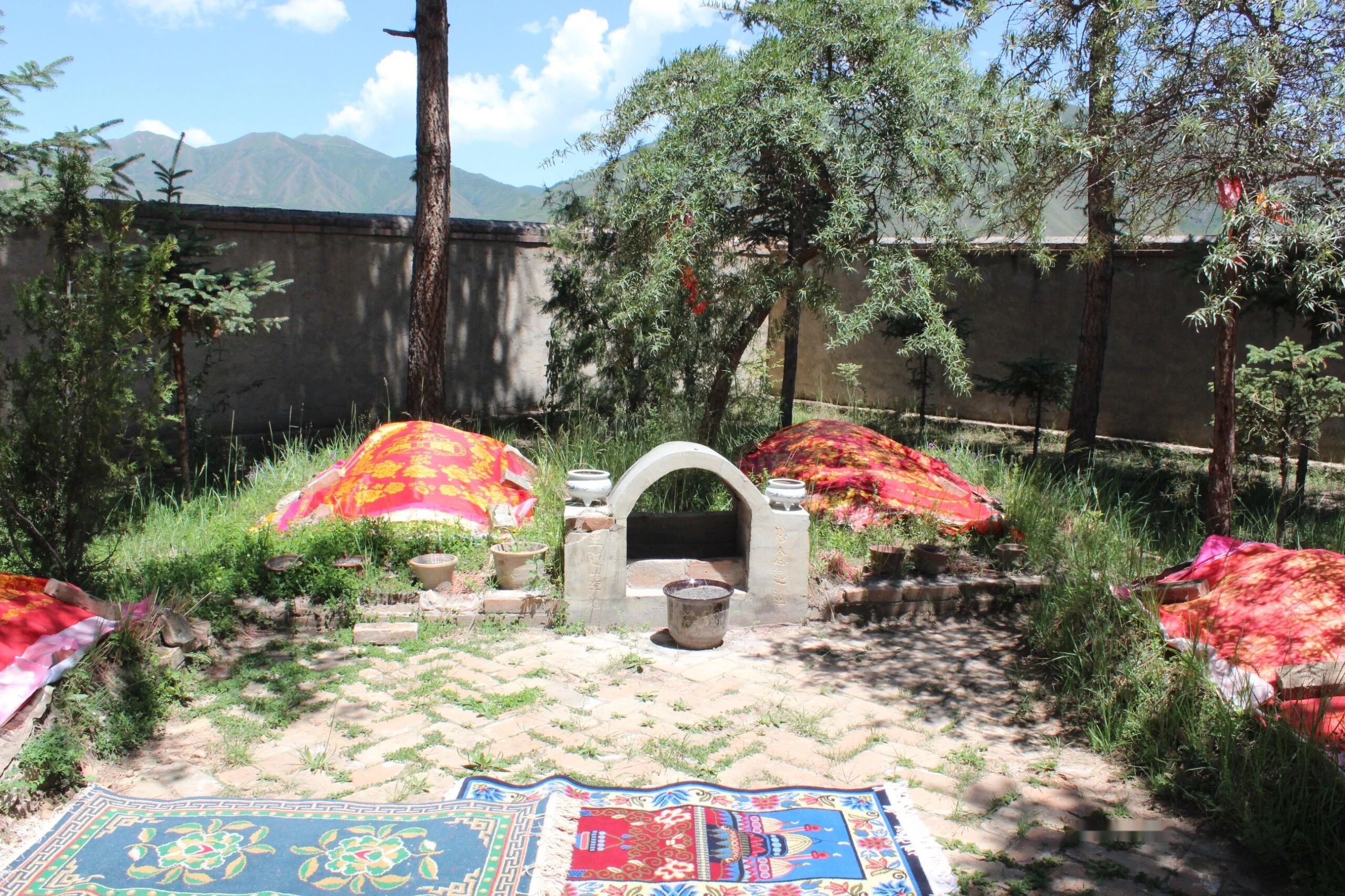
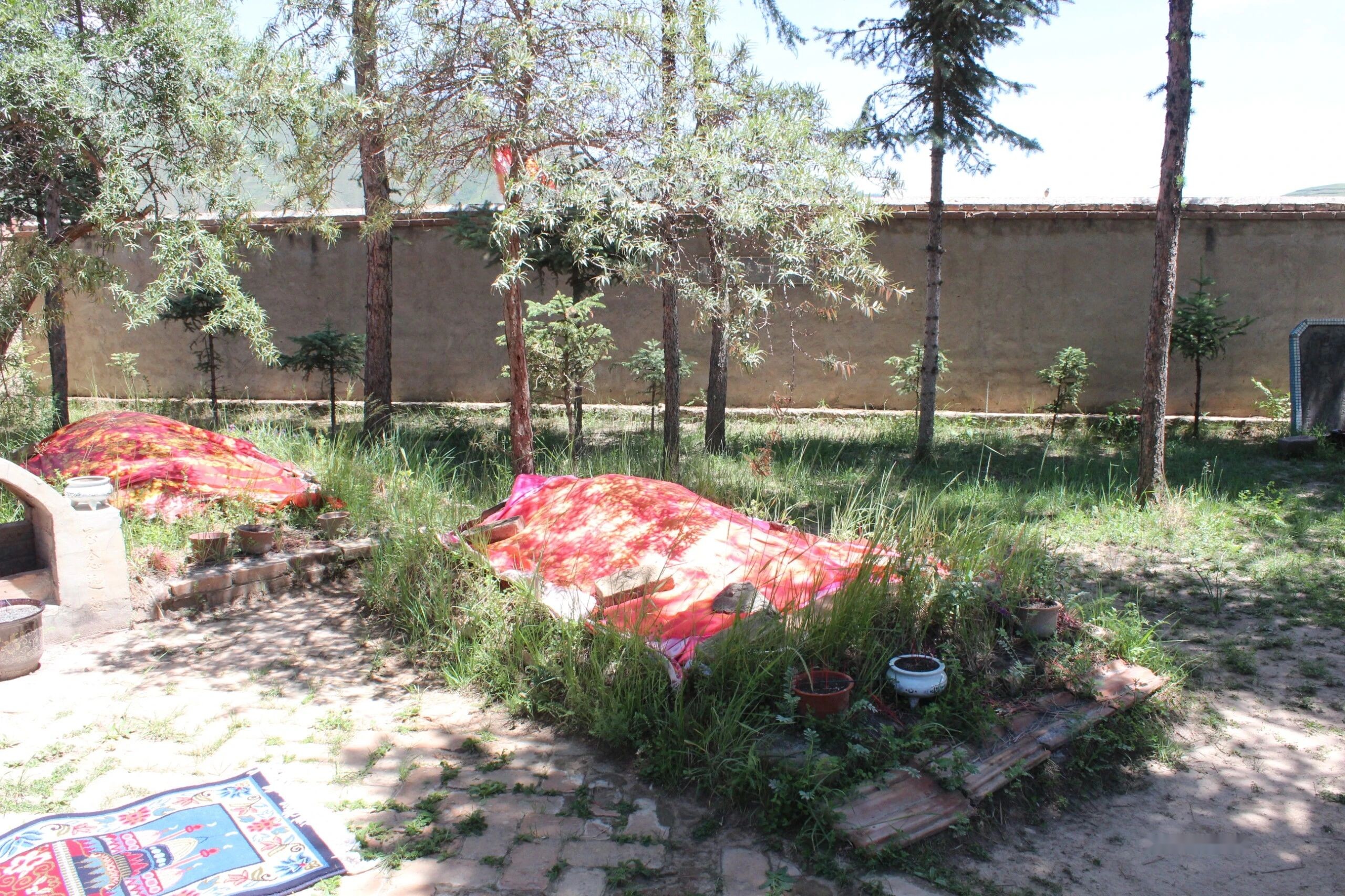
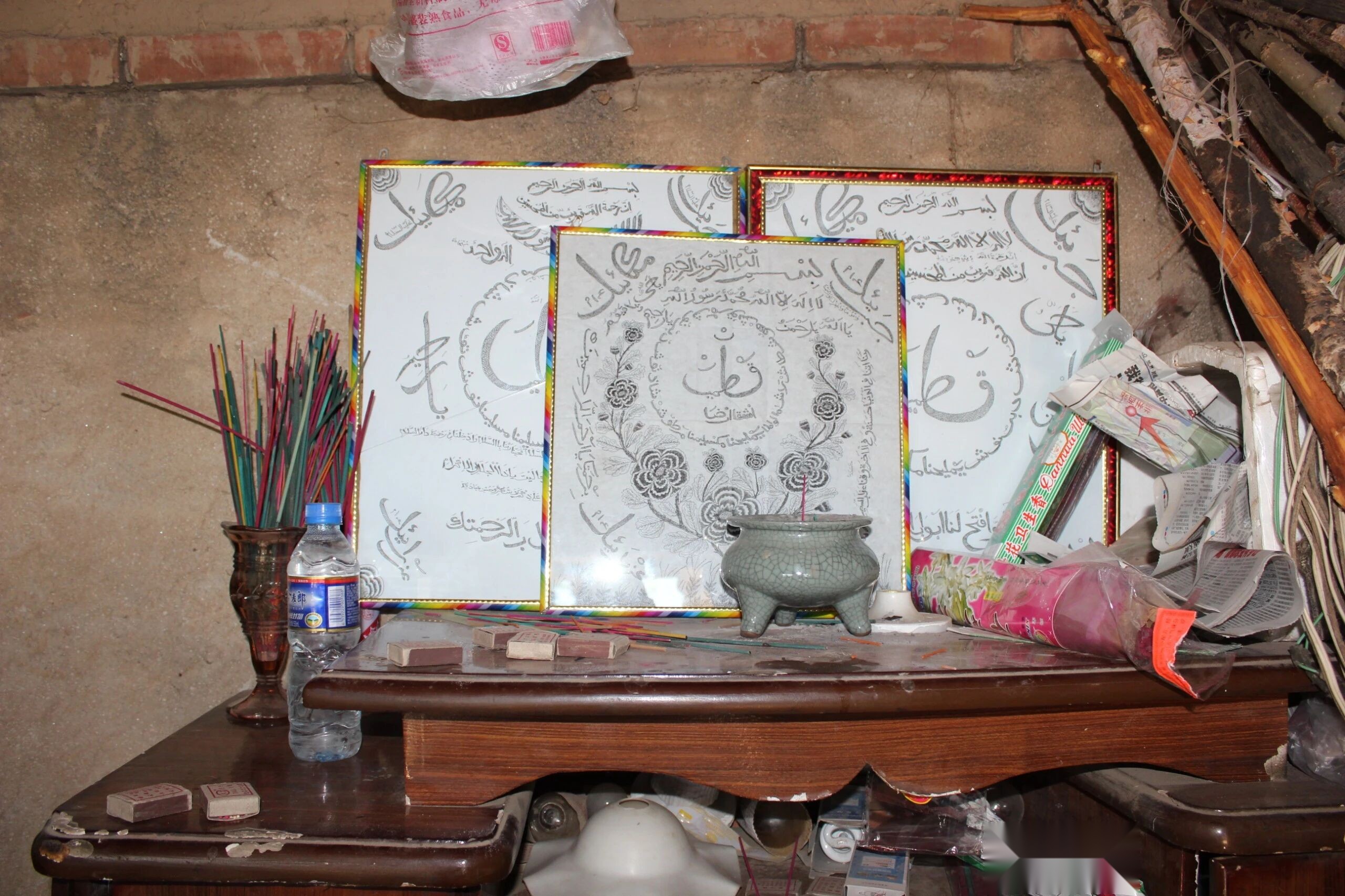
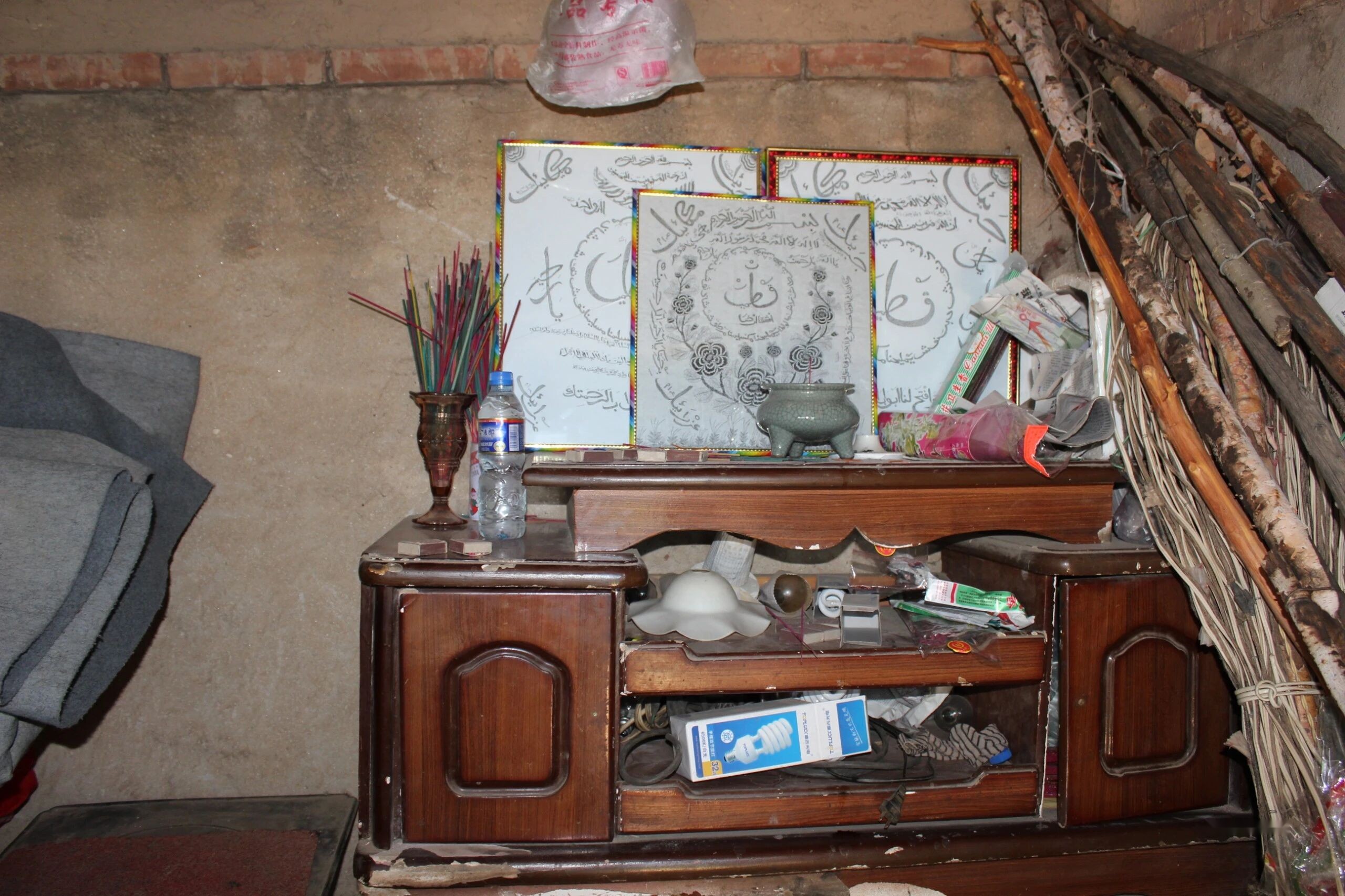
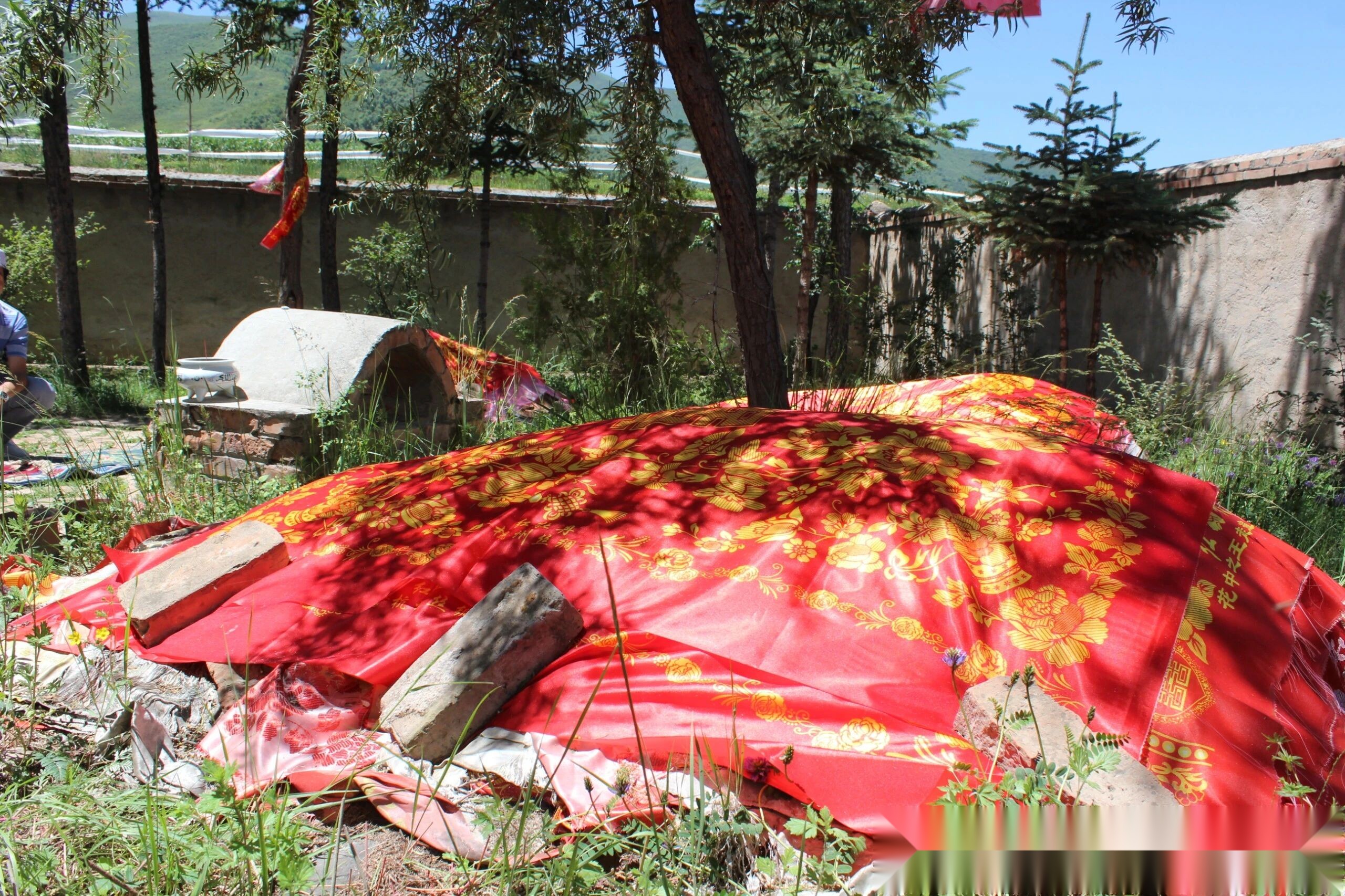
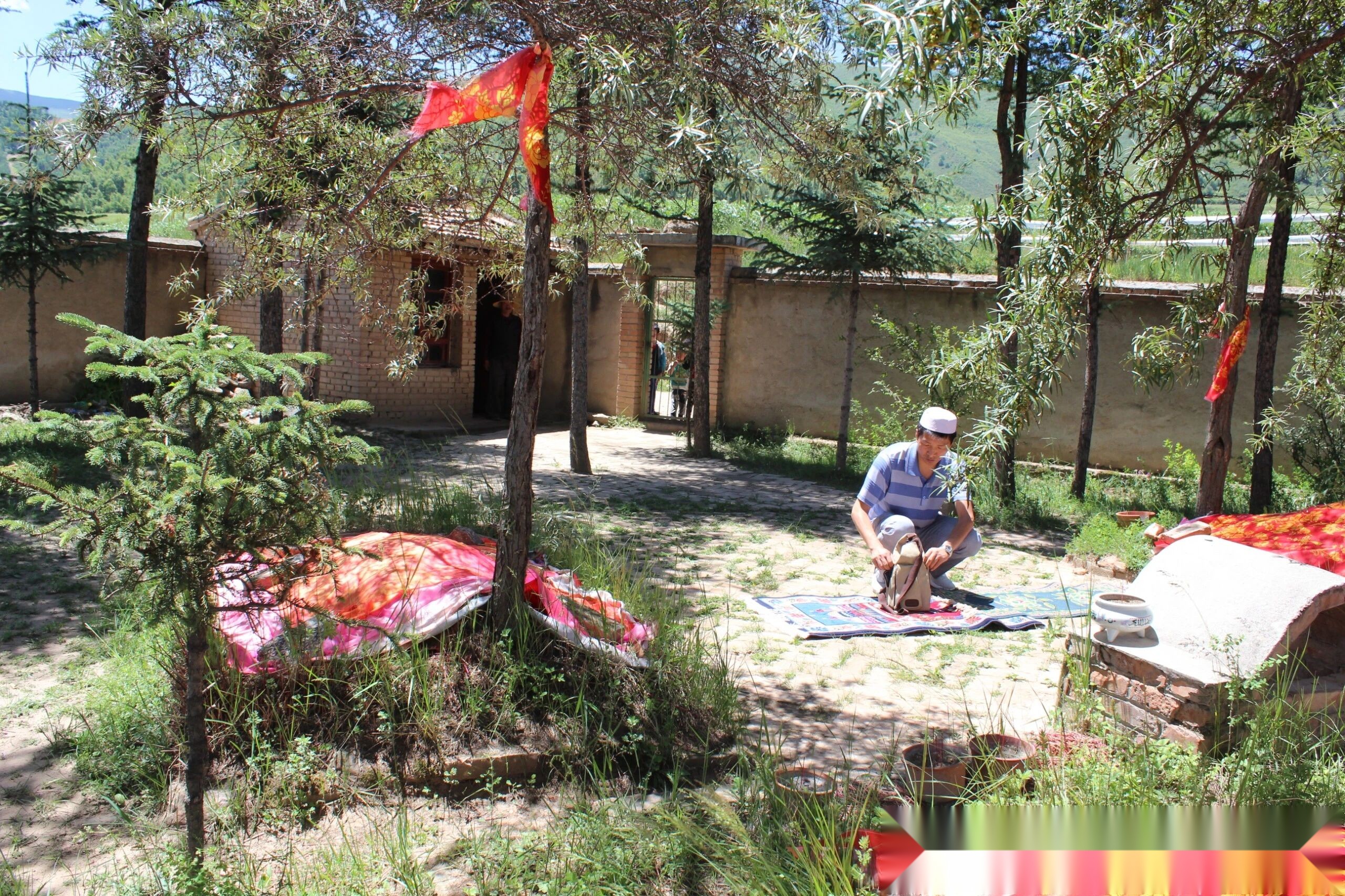
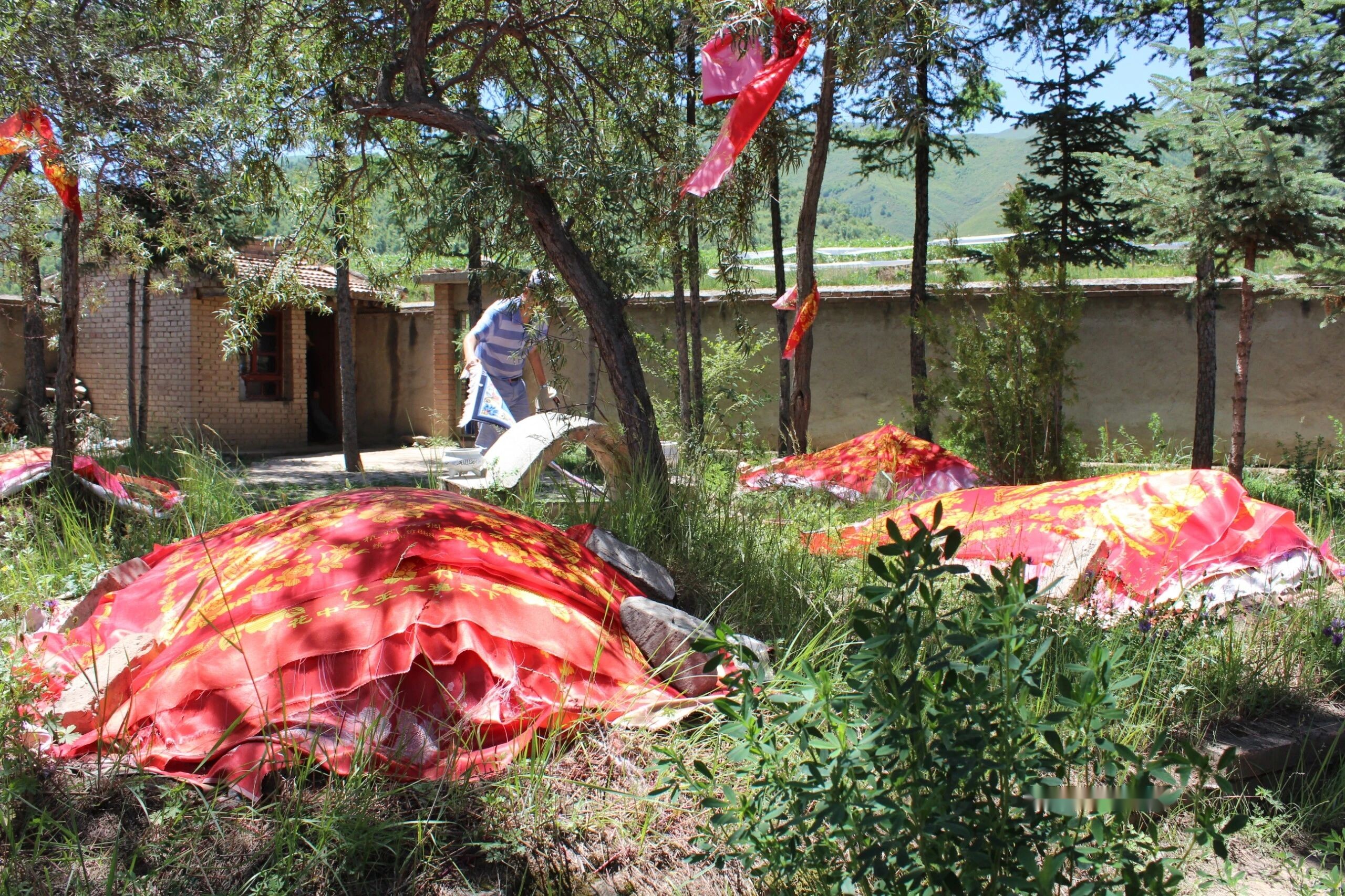
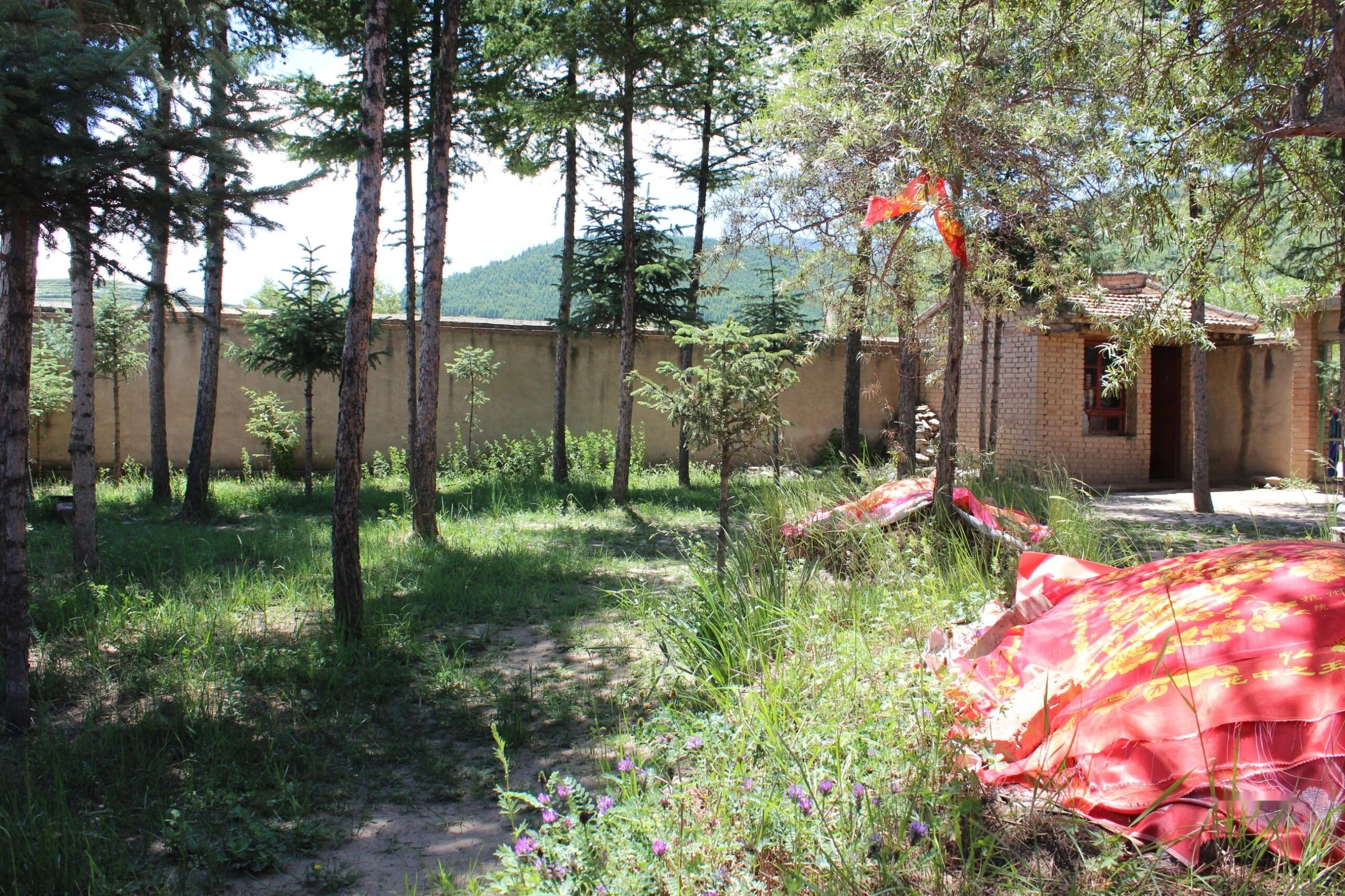
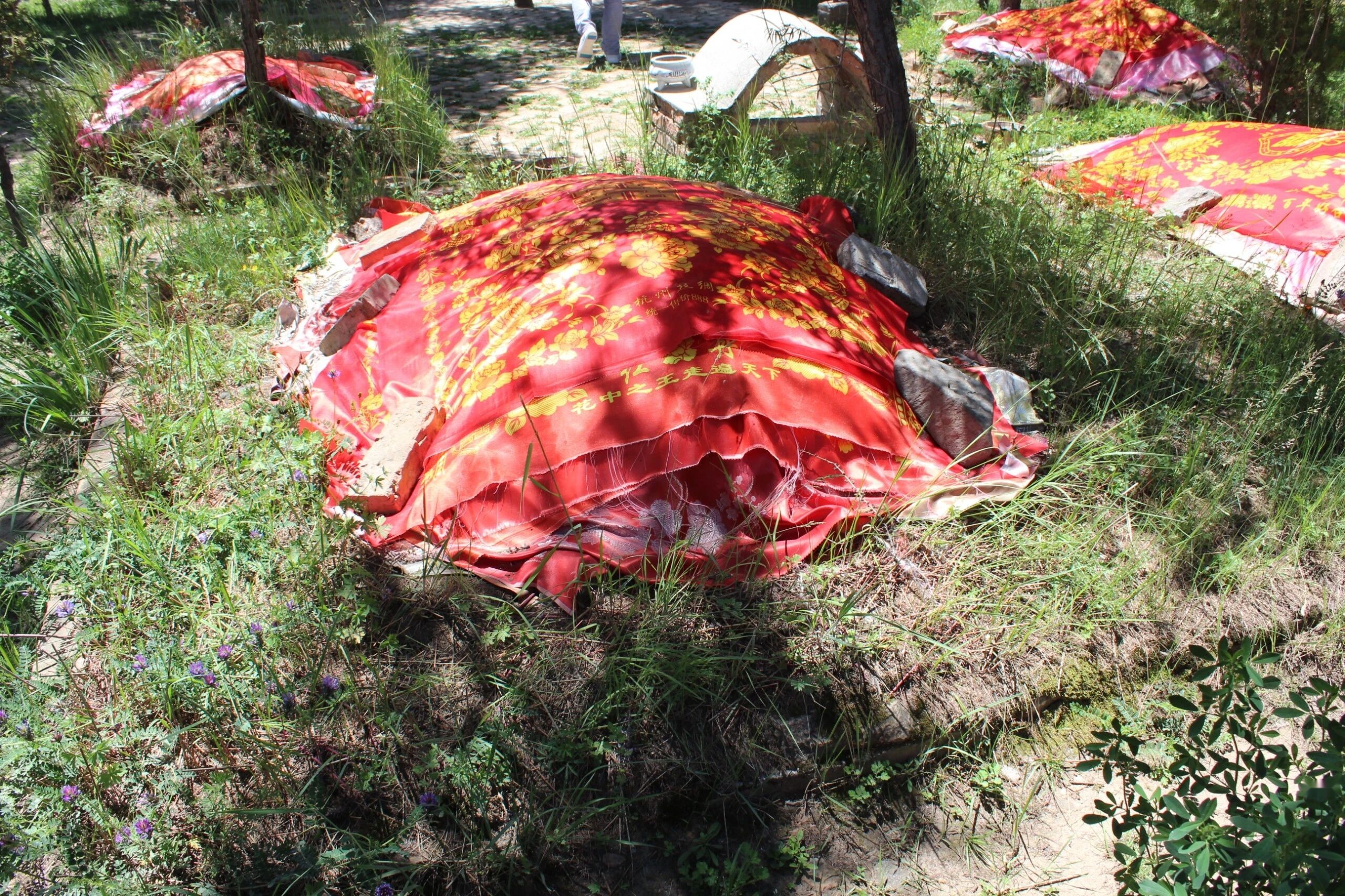
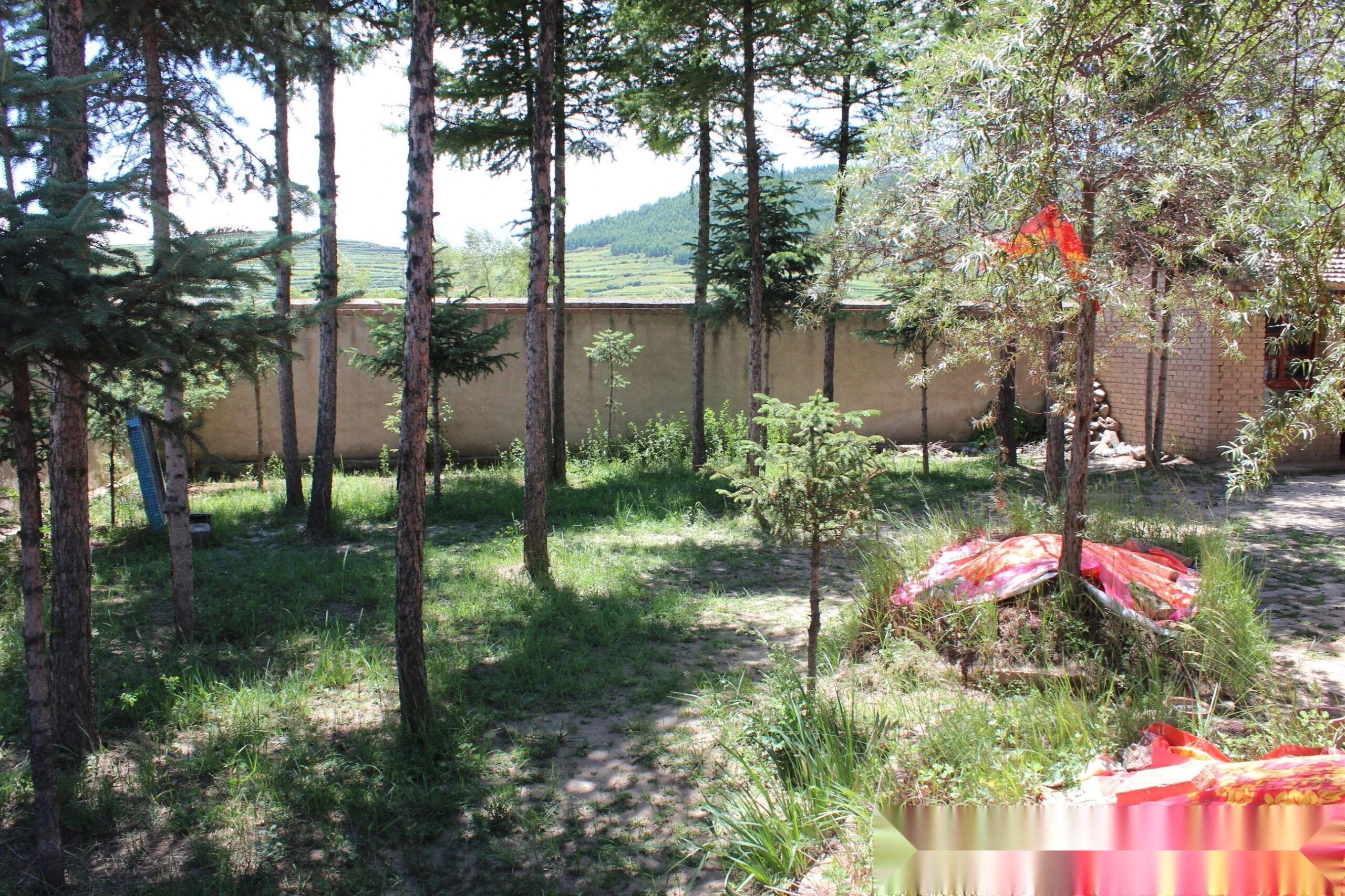
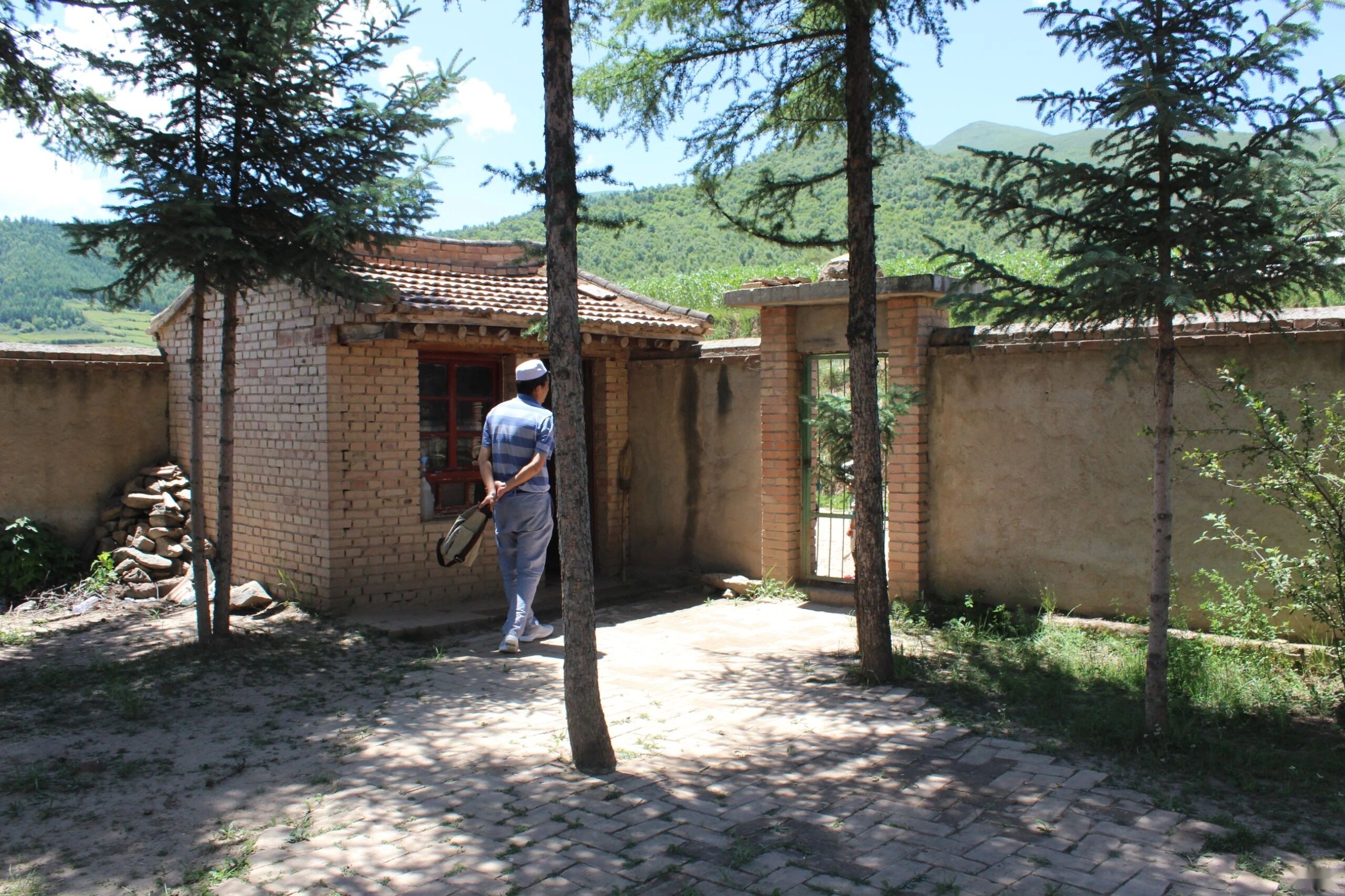
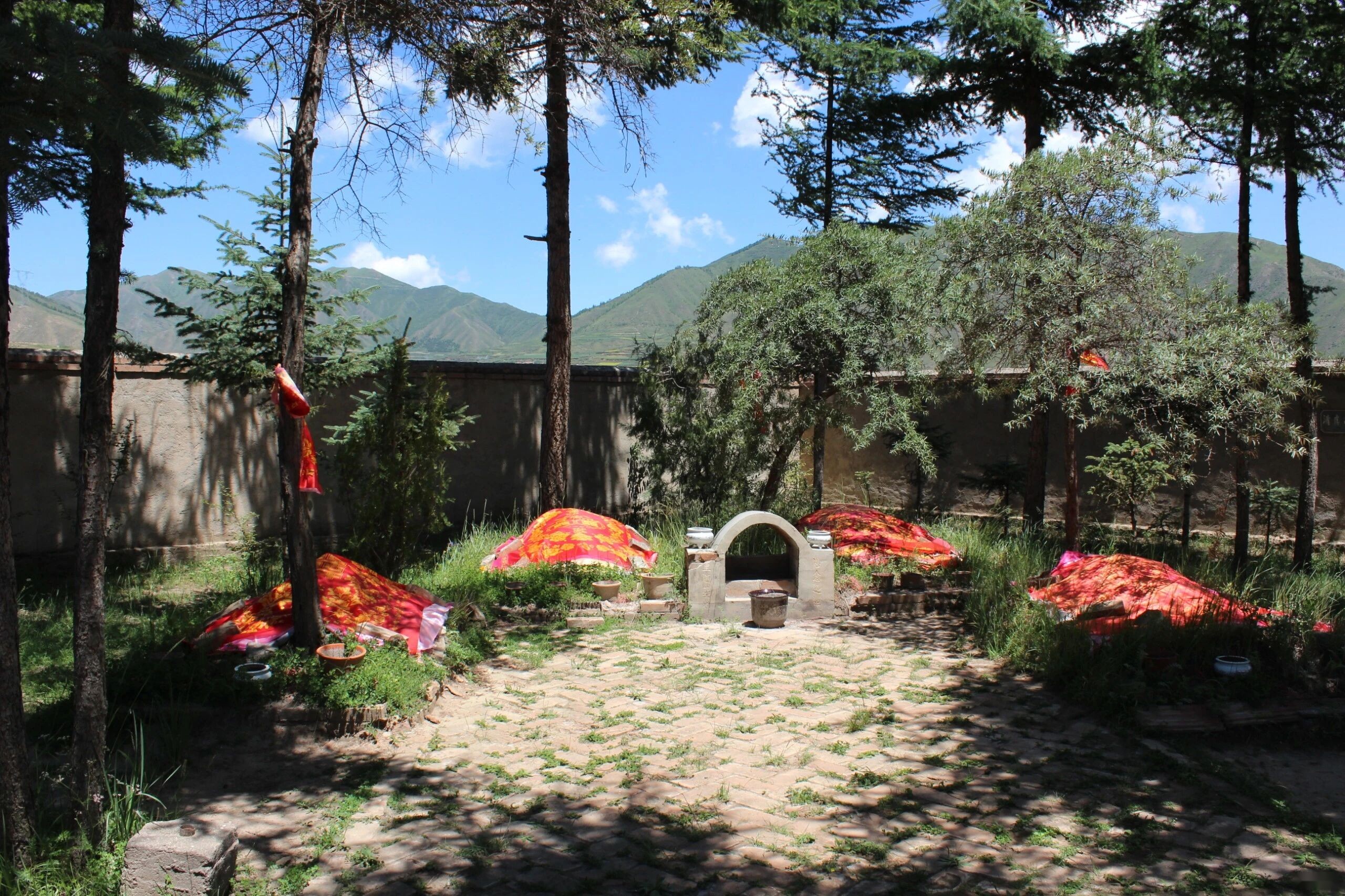
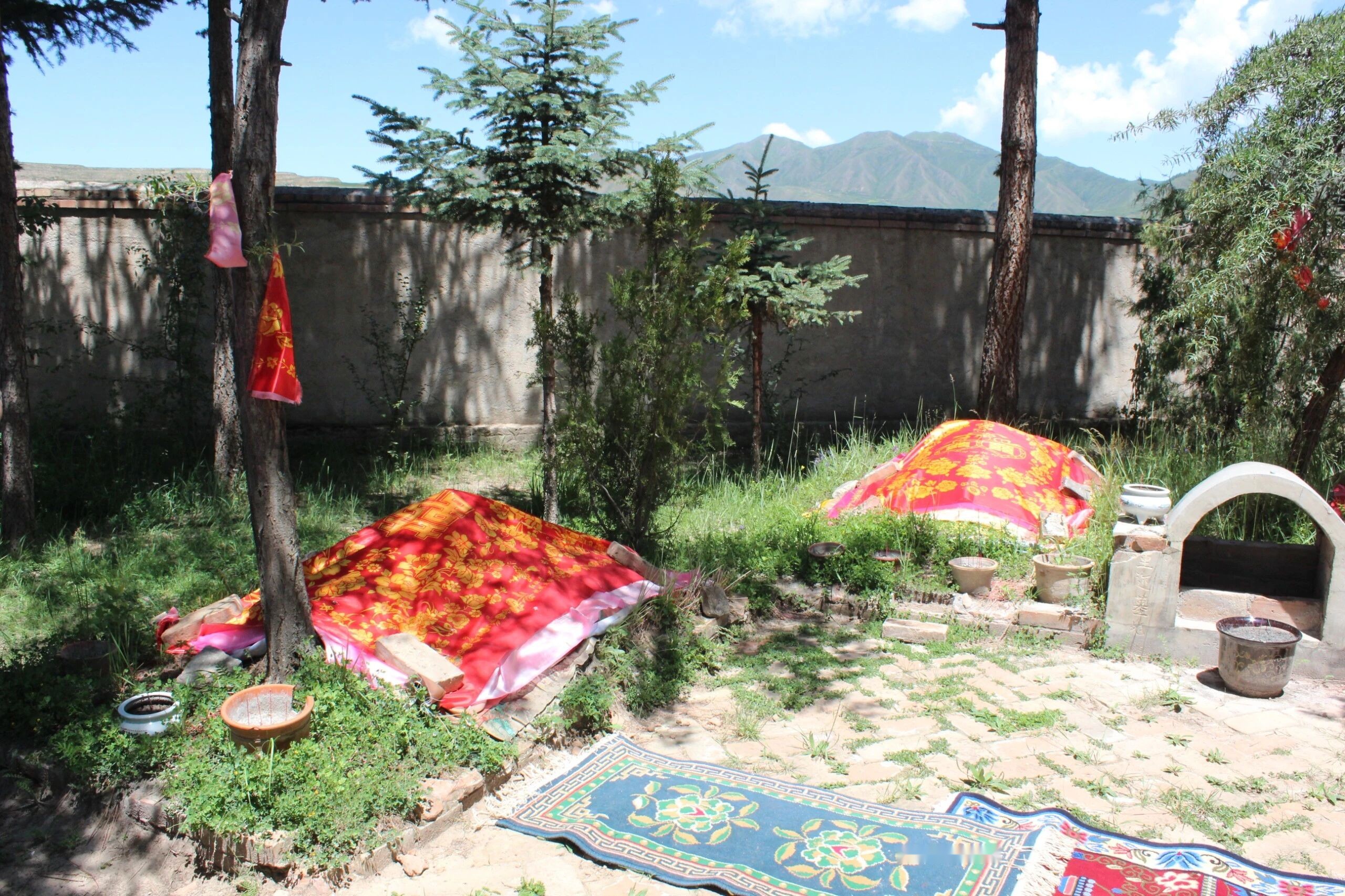
This collection of 19 photos documents the Qing Dynasty ancestral cemetery located at the Sanfu Villa in Mapoling, Yuzhong County, Lanzhou, Gansu. We’re tracing the early life and missionary travels of Ma Mingxin, along with his family's relocation to Yuzhong, to showcase this hidden piece of history tucked away in the loess hills of Northwest China.
The Baba Taiye cemetery at Mapoling Sanfu Villa is the final resting place for the family of Ma Mingxin, the founder of the Jahriyya (one of the four major Sufi menhuan, or orders, in China). Ma Mingxin lived here for a time before moving on, but his relatives—traditionally believed to include his uncle—were buried here. On the anniversary of Ma Mingxin’s death, followers of the Jahriyya tradition visit Lanzhou to honor his legacy, followed by a pilgrimage to this site in Yuzhong to offer their dua (supplication/prayer).
Biography of the Founder
The founder of the Jahriyya, Ma Mingxin (also known as Ma Mingxin; honored by his followers as Daozu Taiye or 'Grand Master of the Path'), was a Hui Muslim whose name in Arabic was Ibrahim, with the honorific title 'Wigaya-tullahi' (Protector of Allah's Path). After his death, he was revered as a 'Shahid' (martyr who sacrifices for the sake of Allah). Ma Mingxin was originally from Jiezhou, Gansu (present-day Longnan), but his family moved to Longxi due to famine, and later to Mapoling in Yuzhong County. Born posthumously on the first day of the first lunar month in 1718 (the 57th year of the Kangxi Emperor’s reign), he grew up in poverty and moved with his mother and uncle to the Great West Gate of Linxia. He was bright from a young age, began studying scripture at seven, and at twelve, followed his uncle’s instructions to travel on foot to Yunnan, then by sea to Mecca for the Hajj. During the sea voyage, a storm hit, his uncle went missing, and Ma Mingxin was rescued by local residents. He eventually joined a local community to study at a Yemeni mosque and completed his pilgrimage. He returned to China at age 23 in 1740 (the 5th year of the Qianlong Emperor’s reign), bringing back the Quran, the 'Mandanyeha' (poetry praising the Prophet Muhammad), and the 'Muhammans' (a biography of the Prophet), marking the beginning of the Jahriyya teachings in China. He first spread his teachings among the Salar people in Linxia, Gansu, and Xunhua, Baihuagong, and Qingshuigong in Qinghai, where he gained a significant following. Later, due to conflicts and exclusion from the Malaychi Huasi menhuan in Linxia, Ma Mingxin was forced to leave the Salar region in 1762 (the 27th year of Qianlong) to teach in Guanchuan, Dingxi, where his following grew rapidly. He traveled further to Lanzhou, Pingliang, and Jinjipu in Ningxia, which eventually sparked sectarian tensions and fights. The Qing government intervened, secretly arrested Ma Mingxin, and the resulting unrest led to further bloodshed. In 1781 (the 46th year of Qianlong), Ma Mingxin was executed at the city gate of Lanzhou at the age of 63.
Core Philosophy
Legend has it that Ma Mingxin went on the Hajj 11 times, bringing back the Jahriyya Sufi order, which had already spread through seven generations in Central Asia. The Jahriyya is a strictly religious organization and not a 'politico-religious' political body as some rumors suggest. From the start, the Jahriyya had a clear focus: to reform the shortcomings in the development of Islam in China and to promote Sufi values. In truth, all branches of Islam in China are purely religious organizations. The tendency of some to label religious groups as political stems from a misunderstanding of Chinese Islam and these specific sects. Blindly assigning false motives to these groups is not the behavior of serious, objective scholars.
Exploring Islamic History in Lanzhou: The Forgotten Qing Dynasty Cemetery of Ma Mingxin at Mapoling
Articles • Hasan09 posted the article • 0 comments • 13 views • 15 hours ago
[Internet Repost]
This collection of 19 photos documents the Qing Dynasty ancestral cemetery located at the Sanfu Villa in Mapoling, Yuzhong County, Lanzhou, Gansu. We’re tracing the early life and missionary travels of Ma Mingxin, along with his family's relocation to Yuzhong, to showcase this hidden piece of history tucked away in the loess hills of Northwest China.
The Baba Taiye cemetery at Mapoling Sanfu Villa is the final resting place for the family of Ma Mingxin, the founder of the Jahriyya (one of the four major Sufi menhuan, or orders, in China). Ma Mingxin lived here for a time before moving on, but his relatives—traditionally believed to include his uncle—were buried here. On the anniversary of Ma Mingxin’s death, followers of the Jahriyya tradition visit Lanzhou to honor his legacy, followed by a pilgrimage to this site in Yuzhong to offer their dua (supplication/prayer).
Biography of the Founder
The founder of the Jahriyya, Ma Mingxin (also known as Ma Mingxin; honored by his followers as Daozu Taiye or 'Grand Master of the Path'), was a Hui Muslim whose name in Arabic was Ibrahim, with the honorific title 'Wigaya-tullahi' (Protector of Allah's Path). After his death, he was revered as a 'Shahid' (martyr who sacrifices for the sake of Allah). Ma Mingxin was originally from Jiezhou, Gansu (present-day Longnan), but his family moved to Longxi due to famine, and later to Mapoling in Yuzhong County. Born posthumously on the first day of the first lunar month in 1718 (the 57th year of the Kangxi Emperor’s reign), he grew up in poverty and moved with his mother and uncle to the Great West Gate of Linxia. He was bright from a young age, began studying scripture at seven, and at twelve, followed his uncle’s instructions to travel on foot to Yunnan, then by sea to Mecca for the Hajj. During the sea voyage, a storm hit, his uncle went missing, and Ma Mingxin was rescued by local residents. He eventually joined a local community to study at a Yemeni mosque and completed his pilgrimage. He returned to China at age 23 in 1740 (the 5th year of the Qianlong Emperor’s reign), bringing back the Quran, the 'Mandanyeha' (poetry praising the Prophet Muhammad), and the 'Muhammans' (a biography of the Prophet), marking the beginning of the Jahriyya teachings in China. He first spread his teachings among the Salar people in Linxia, Gansu, and Xunhua, Baihuagong, and Qingshuigong in Qinghai, where he gained a significant following. Later, due to conflicts and exclusion from the Malaychi Huasi menhuan in Linxia, Ma Mingxin was forced to leave the Salar region in 1762 (the 27th year of Qianlong) to teach in Guanchuan, Dingxi, where his following grew rapidly. He traveled further to Lanzhou, Pingliang, and Jinjipu in Ningxia, which eventually sparked sectarian tensions and fights. The Qing government intervened, secretly arrested Ma Mingxin, and the resulting unrest led to further bloodshed. In 1781 (the 46th year of Qianlong), Ma Mingxin was executed at the city gate of Lanzhou at the age of 63.
Core Philosophy
Legend has it that Ma Mingxin went on the Hajj 11 times, bringing back the Jahriyya Sufi order, which had already spread through seven generations in Central Asia. The Jahriyya is a strictly religious organization and not a 'politico-religious' political body as some rumors suggest. From the start, the Jahriyya had a clear focus: to reform the shortcomings in the development of Islam in China and to promote Sufi values. In truth, all branches of Islam in China are purely religious organizations. The tendency of some to label religious groups as political stems from a misunderstanding of Chinese Islam and these specific sects. Blindly assigning false motives to these groups is not the behavior of serious, objective scholars. view all
This collection of 19 photos documents the Qing Dynasty ancestral cemetery located at the Sanfu Villa in Mapoling, Yuzhong County, Lanzhou, Gansu. We’re tracing the early life and missionary travels of Ma Mingxin, along with his family's relocation to Yuzhong, to showcase this hidden piece of history tucked away in the loess hills of Northwest China.
The Baba Taiye cemetery at Mapoling Sanfu Villa is the final resting place for the family of Ma Mingxin, the founder of the Jahriyya (one of the four major Sufi menhuan, or orders, in China). Ma Mingxin lived here for a time before moving on, but his relatives—traditionally believed to include his uncle—were buried here. On the anniversary of Ma Mingxin’s death, followers of the Jahriyya tradition visit Lanzhou to honor his legacy, followed by a pilgrimage to this site in Yuzhong to offer their dua (supplication/prayer).
Biography of the Founder
The founder of the Jahriyya, Ma Mingxin (also known as Ma Mingxin; honored by his followers as Daozu Taiye or 'Grand Master of the Path'), was a Hui Muslim whose name in Arabic was Ibrahim, with the honorific title 'Wigaya-tullahi' (Protector of Allah's Path). After his death, he was revered as a 'Shahid' (martyr who sacrifices for the sake of Allah). Ma Mingxin was originally from Jiezhou, Gansu (present-day Longnan), but his family moved to Longxi due to famine, and later to Mapoling in Yuzhong County. Born posthumously on the first day of the first lunar month in 1718 (the 57th year of the Kangxi Emperor’s reign), he grew up in poverty and moved with his mother and uncle to the Great West Gate of Linxia. He was bright from a young age, began studying scripture at seven, and at twelve, followed his uncle’s instructions to travel on foot to Yunnan, then by sea to Mecca for the Hajj. During the sea voyage, a storm hit, his uncle went missing, and Ma Mingxin was rescued by local residents. He eventually joined a local community to study at a Yemeni mosque and completed his pilgrimage. He returned to China at age 23 in 1740 (the 5th year of the Qianlong Emperor’s reign), bringing back the Quran, the 'Mandanyeha' (poetry praising the Prophet Muhammad), and the 'Muhammans' (a biography of the Prophet), marking the beginning of the Jahriyya teachings in China. He first spread his teachings among the Salar people in Linxia, Gansu, and Xunhua, Baihuagong, and Qingshuigong in Qinghai, where he gained a significant following. Later, due to conflicts and exclusion from the Malaychi Huasi menhuan in Linxia, Ma Mingxin was forced to leave the Salar region in 1762 (the 27th year of Qianlong) to teach in Guanchuan, Dingxi, where his following grew rapidly. He traveled further to Lanzhou, Pingliang, and Jinjipu in Ningxia, which eventually sparked sectarian tensions and fights. The Qing government intervened, secretly arrested Ma Mingxin, and the resulting unrest led to further bloodshed. In 1781 (the 46th year of Qianlong), Ma Mingxin was executed at the city gate of Lanzhou at the age of 63.
Core Philosophy
Legend has it that Ma Mingxin went on the Hajj 11 times, bringing back the Jahriyya Sufi order, which had already spread through seven generations in Central Asia. The Jahriyya is a strictly religious organization and not a 'politico-religious' political body as some rumors suggest. From the start, the Jahriyya had a clear focus: to reform the shortcomings in the development of Islam in China and to promote Sufi values. In truth, all branches of Islam in China are purely religious organizations. The tendency of some to label religious groups as political stems from a misunderstanding of Chinese Islam and these specific sects. Blindly assigning false motives to these groups is not the behavior of serious, objective scholars. view all
[Internet Repost]
This collection of 19 photos documents the Qing Dynasty ancestral cemetery located at the Sanfu Villa in Mapoling, Yuzhong County, Lanzhou, Gansu. We’re tracing the early life and missionary travels of Ma Mingxin, along with his family's relocation to Yuzhong, to showcase this hidden piece of history tucked away in the loess hills of Northwest China.
The Baba Taiye cemetery at Mapoling Sanfu Villa is the final resting place for the family of Ma Mingxin, the founder of the Jahriyya (one of the four major Sufi menhuan, or orders, in China). Ma Mingxin lived here for a time before moving on, but his relatives—traditionally believed to include his uncle—were buried here. On the anniversary of Ma Mingxin’s death, followers of the Jahriyya tradition visit Lanzhou to honor his legacy, followed by a pilgrimage to this site in Yuzhong to offer their dua (supplication/prayer).
Biography of the Founder
The founder of the Jahriyya, Ma Mingxin (also known as Ma Mingxin; honored by his followers as Daozu Taiye or 'Grand Master of the Path'), was a Hui Muslim whose name in Arabic was Ibrahim, with the honorific title 'Wigaya-tullahi' (Protector of Allah's Path). After his death, he was revered as a 'Shahid' (martyr who sacrifices for the sake of Allah). Ma Mingxin was originally from Jiezhou, Gansu (present-day Longnan), but his family moved to Longxi due to famine, and later to Mapoling in Yuzhong County. Born posthumously on the first day of the first lunar month in 1718 (the 57th year of the Kangxi Emperor’s reign), he grew up in poverty and moved with his mother and uncle to the Great West Gate of Linxia. He was bright from a young age, began studying scripture at seven, and at twelve, followed his uncle’s instructions to travel on foot to Yunnan, then by sea to Mecca for the Hajj. During the sea voyage, a storm hit, his uncle went missing, and Ma Mingxin was rescued by local residents. He eventually joined a local community to study at a Yemeni mosque and completed his pilgrimage. He returned to China at age 23 in 1740 (the 5th year of the Qianlong Emperor’s reign), bringing back the Quran, the 'Mandanyeha' (poetry praising the Prophet Muhammad), and the 'Muhammans' (a biography of the Prophet), marking the beginning of the Jahriyya teachings in China. He first spread his teachings among the Salar people in Linxia, Gansu, and Xunhua, Baihuagong, and Qingshuigong in Qinghai, where he gained a significant following. Later, due to conflicts and exclusion from the Malaychi Huasi menhuan in Linxia, Ma Mingxin was forced to leave the Salar region in 1762 (the 27th year of Qianlong) to teach in Guanchuan, Dingxi, where his following grew rapidly. He traveled further to Lanzhou, Pingliang, and Jinjipu in Ningxia, which eventually sparked sectarian tensions and fights. The Qing government intervened, secretly arrested Ma Mingxin, and the resulting unrest led to further bloodshed. In 1781 (the 46th year of Qianlong), Ma Mingxin was executed at the city gate of Lanzhou at the age of 63.
Core Philosophy
Legend has it that Ma Mingxin went on the Hajj 11 times, bringing back the Jahriyya Sufi order, which had already spread through seven generations in Central Asia. The Jahriyya is a strictly religious organization and not a 'politico-religious' political body as some rumors suggest. From the start, the Jahriyya had a clear focus: to reform the shortcomings in the development of Islam in China and to promote Sufi values. In truth, all branches of Islam in China are purely religious organizations. The tendency of some to label religious groups as political stems from a misunderstanding of Chinese Islam and these specific sects. Blindly assigning false motives to these groups is not the behavior of serious, objective scholars.