

Jewish History
Halal Travel Guide: Sarajevo - Jewish Synagogue, Muslim Aid and Shared History
Articles • ali2007fr posted the article • 0 comments • 150 views • 2026-05-19 06:54
Reposted from the web
During the Middle Ages, Christian countries persecuted and massacred Jews for a long time, while Muslim countries protected and helped them many times. I recently saw in the news that some Jewish people are standing up against Israel's crimes in Palestine and calling for peace. I believe not everyone has forgotten this history.
During the First Crusade in 1096, Christian peasants in France and Germany carried out a series of massacres against Jews in the Rhine Valley, which started a wave of anti-Semitism in Christian countries. Between 1189 and 1190, massacres of Jews broke out in places like London and York in England, until the King of England ordered the expulsion of all Jews in 1290. At the same time, under Muslim rule, Jews thrived in Baghdad, Cairo, and Damascus, which helped lead to a cultural boom.
In the Iberian Peninsula during the 12th to 15th centuries, anti-Semitism in Christian countries reached its peak. In 1492, the Spanish kingdoms of Castile and Aragon conquered Granada, the last Muslim dynasty in Andalusia. They then issued a decree to expel all Sephardic Jews who refused to convert to Christianity and banned them from taking any currency with them. Just four years later, in 1496, the Kingdom of Portugal also issued a decree to expel Jews.
When Ottoman Sultan Bayezid II heard the news, he sent his navy to transport many Jewish refugees to Ottoman territory and issued a notice across the country welcoming them. He mocked the rulers of Spain and Portugal, saying, "They have impoverished their own countries and enriched mine!" Sure enough, the Sephardic Jews from Spain and Portugal brought new technologies and crafts to the Ottoman Empire, contributing to its economic prosperity in the 16th century.
After that, Sephardic Jews began to settle in the Balkan Peninsula under Ottoman control, including in Sarajevo. In 1581, Sijavus Pasha, the governor of Rumelia in the European part of the Ottoman Empire, built a residential area and a synagogue for the Jews scattered throughout Sarajevo, which is now called the Old Synagogue. The Old Synagogue was damaged by fire in 1697 and 1788, and it was rebuilt in the early 19th century to its current appearance.
After Germany occupied Sarajevo in 1941, the Old Synagogue was used as a prison for Jews and later became a warehouse. The Croatian Ustaše organization killed 85% of the Jewish population living in Croatia and Bosnia through massacres and the establishment of concentration camps. The museum now displays the clothes that Sarajevo Jews were forced to wear with armbands, as well as ID photos of Jews who were arrested and imprisoned.
Yugoslavia restored the Old Jewish Synagogue in 1957, and the Jewish Museum of Bosnia and Herzegovina officially opened in 1966. The Old Jewish Synagogue was damaged by shells during the Siege of Sarajevo from 1992 to 1995, and it was restored again in 2003. The museum also exhibits exquisite Jewish clothing. view all
During the Middle Ages, Christian countries persecuted and massacred Jews for a long time, while Muslim countries protected and helped them many times. I recently saw in the news that some Jewish people are standing up against Israel's crimes in Palestine and calling for peace. I believe not everyone has forgotten this history.
During the First Crusade in 1096, Christian peasants in France and Germany carried out a series of massacres against Jews in the Rhine Valley, which started a wave of anti-Semitism in Christian countries. Between 1189 and 1190, massacres of Jews broke out in places like London and York in England, until the King of England ordered the expulsion of all Jews in 1290. At the same time, under Muslim rule, Jews thrived in Baghdad, Cairo, and Damascus, which helped lead to a cultural boom.
In the Iberian Peninsula during the 12th to 15th centuries, anti-Semitism in Christian countries reached its peak. In 1492, the Spanish kingdoms of Castile and Aragon conquered Granada, the last Muslim dynasty in Andalusia. They then issued a decree to expel all Sephardic Jews who refused to convert to Christianity and banned them from taking any currency with them. Just four years later, in 1496, the Kingdom of Portugal also issued a decree to expel Jews.
When Ottoman Sultan Bayezid II heard the news, he sent his navy to transport many Jewish refugees to Ottoman territory and issued a notice across the country welcoming them. He mocked the rulers of Spain and Portugal, saying, "They have impoverished their own countries and enriched mine!" Sure enough, the Sephardic Jews from Spain and Portugal brought new technologies and crafts to the Ottoman Empire, contributing to its economic prosperity in the 16th century.
After that, Sephardic Jews began to settle in the Balkan Peninsula under Ottoman control, including in Sarajevo. In 1581, Sijavus Pasha, the governor of Rumelia in the European part of the Ottoman Empire, built a residential area and a synagogue for the Jews scattered throughout Sarajevo, which is now called the Old Synagogue. The Old Synagogue was damaged by fire in 1697 and 1788, and it was rebuilt in the early 19th century to its current appearance.
After Germany occupied Sarajevo in 1941, the Old Synagogue was used as a prison for Jews and later became a warehouse. The Croatian Ustaše organization killed 85% of the Jewish population living in Croatia and Bosnia through massacres and the establishment of concentration camps. The museum now displays the clothes that Sarajevo Jews were forced to wear with armbands, as well as ID photos of Jews who were arrested and imprisoned.
Yugoslavia restored the Old Jewish Synagogue in 1957, and the Jewish Museum of Bosnia and Herzegovina officially opened in 1966. The Old Jewish Synagogue was damaged by shells during the Siege of Sarajevo from 1992 to 1995, and it was restored again in 2003. The museum also exhibits exquisite Jewish clothing. view all
Reposted from the web
During the Middle Ages, Christian countries persecuted and massacred Jews for a long time, while Muslim countries protected and helped them many times. I recently saw in the news that some Jewish people are standing up against Israel's crimes in Palestine and calling for peace. I believe not everyone has forgotten this history.
During the First Crusade in 1096, Christian peasants in France and Germany carried out a series of massacres against Jews in the Rhine Valley, which started a wave of anti-Semitism in Christian countries. Between 1189 and 1190, massacres of Jews broke out in places like London and York in England, until the King of England ordered the expulsion of all Jews in 1290. At the same time, under Muslim rule, Jews thrived in Baghdad, Cairo, and Damascus, which helped lead to a cultural boom.
In the Iberian Peninsula during the 12th to 15th centuries, anti-Semitism in Christian countries reached its peak. In 1492, the Spanish kingdoms of Castile and Aragon conquered Granada, the last Muslim dynasty in Andalusia. They then issued a decree to expel all Sephardic Jews who refused to convert to Christianity and banned them from taking any currency with them. Just four years later, in 1496, the Kingdom of Portugal also issued a decree to expel Jews.
When Ottoman Sultan Bayezid II heard the news, he sent his navy to transport many Jewish refugees to Ottoman territory and issued a notice across the country welcoming them. He mocked the rulers of Spain and Portugal, saying, "They have impoverished their own countries and enriched mine!" Sure enough, the Sephardic Jews from Spain and Portugal brought new technologies and crafts to the Ottoman Empire, contributing to its economic prosperity in the 16th century.
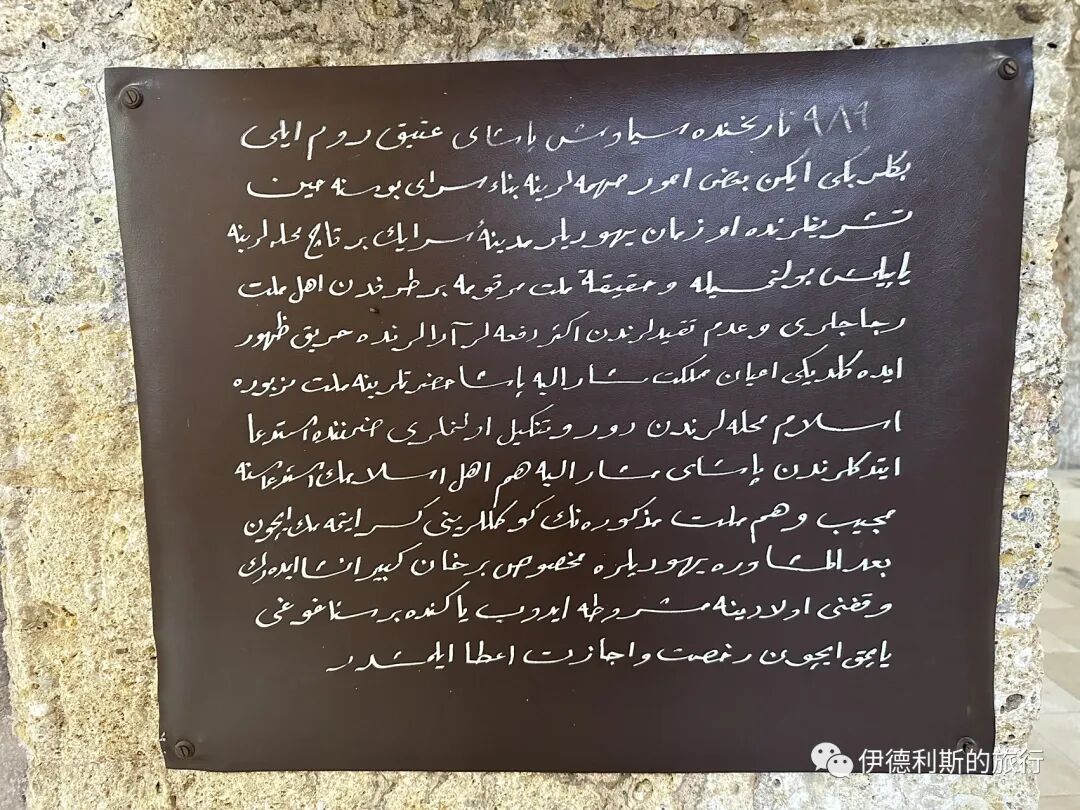
After that, Sephardic Jews began to settle in the Balkan Peninsula under Ottoman control, including in Sarajevo. In 1581, Sijavus Pasha, the governor of Rumelia in the European part of the Ottoman Empire, built a residential area and a synagogue for the Jews scattered throughout Sarajevo, which is now called the Old Synagogue. The Old Synagogue was damaged by fire in 1697 and 1788, and it was rebuilt in the early 19th century to its current appearance.
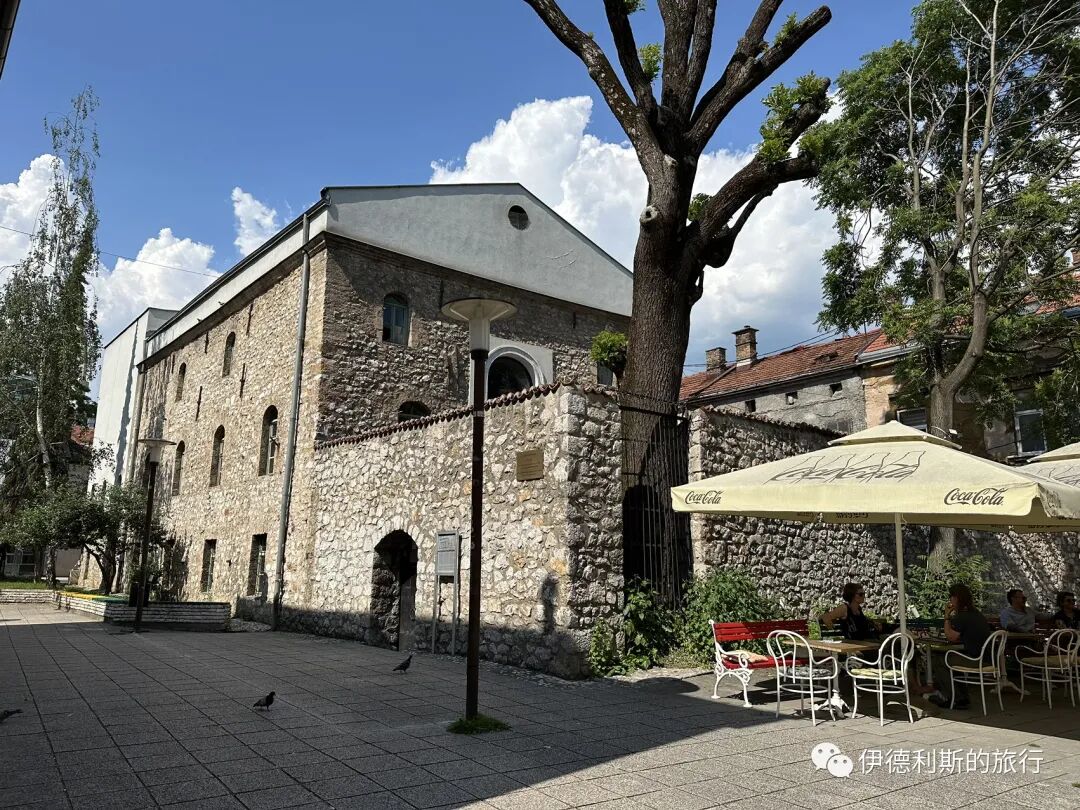
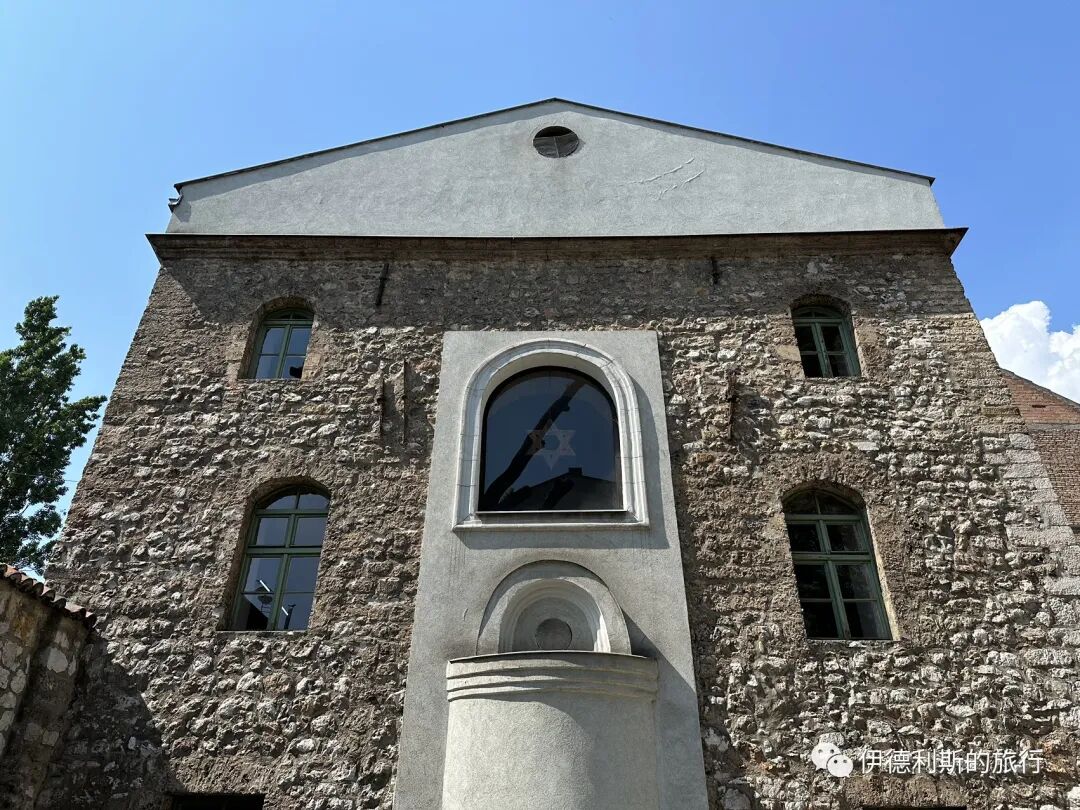

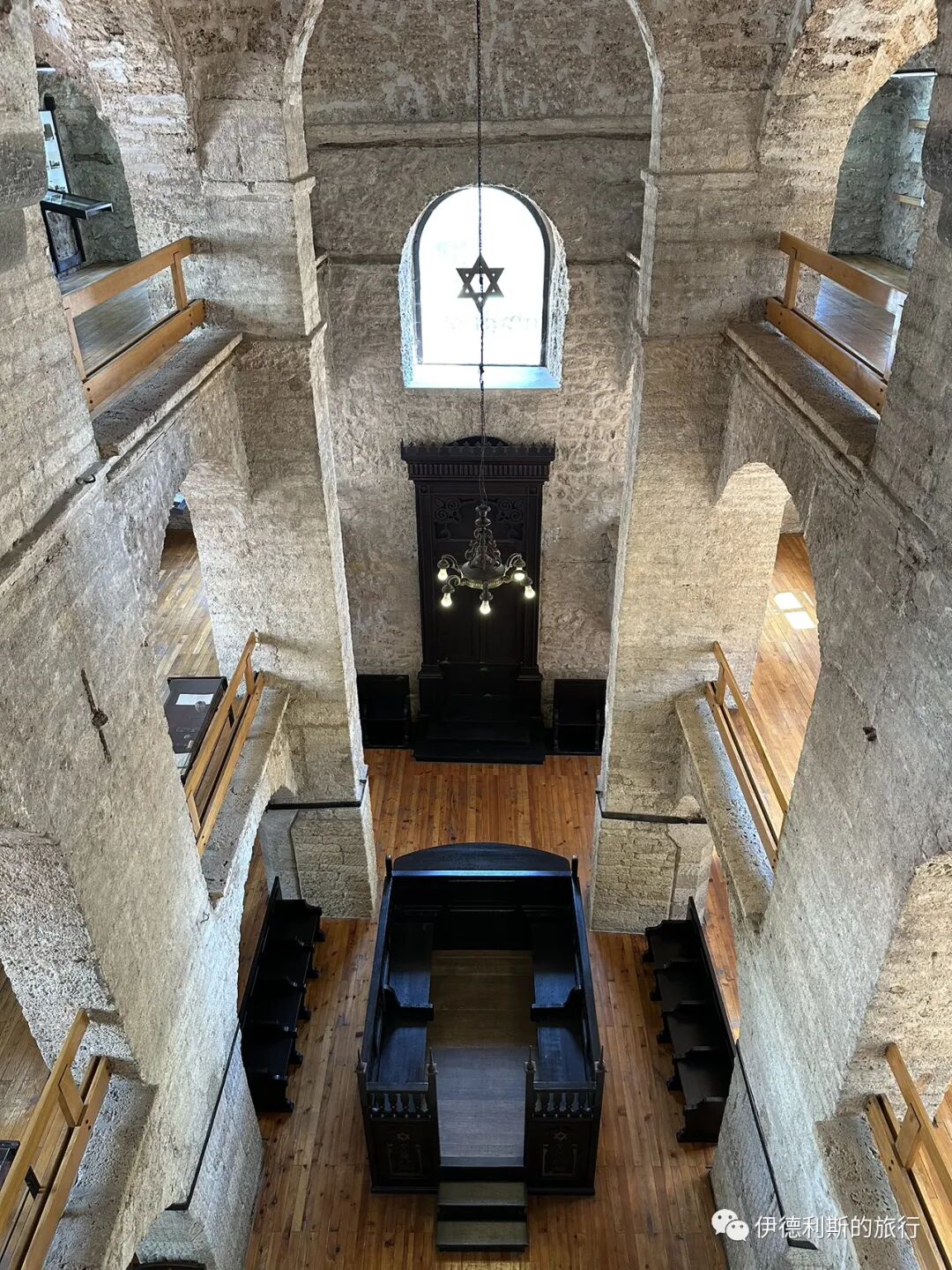
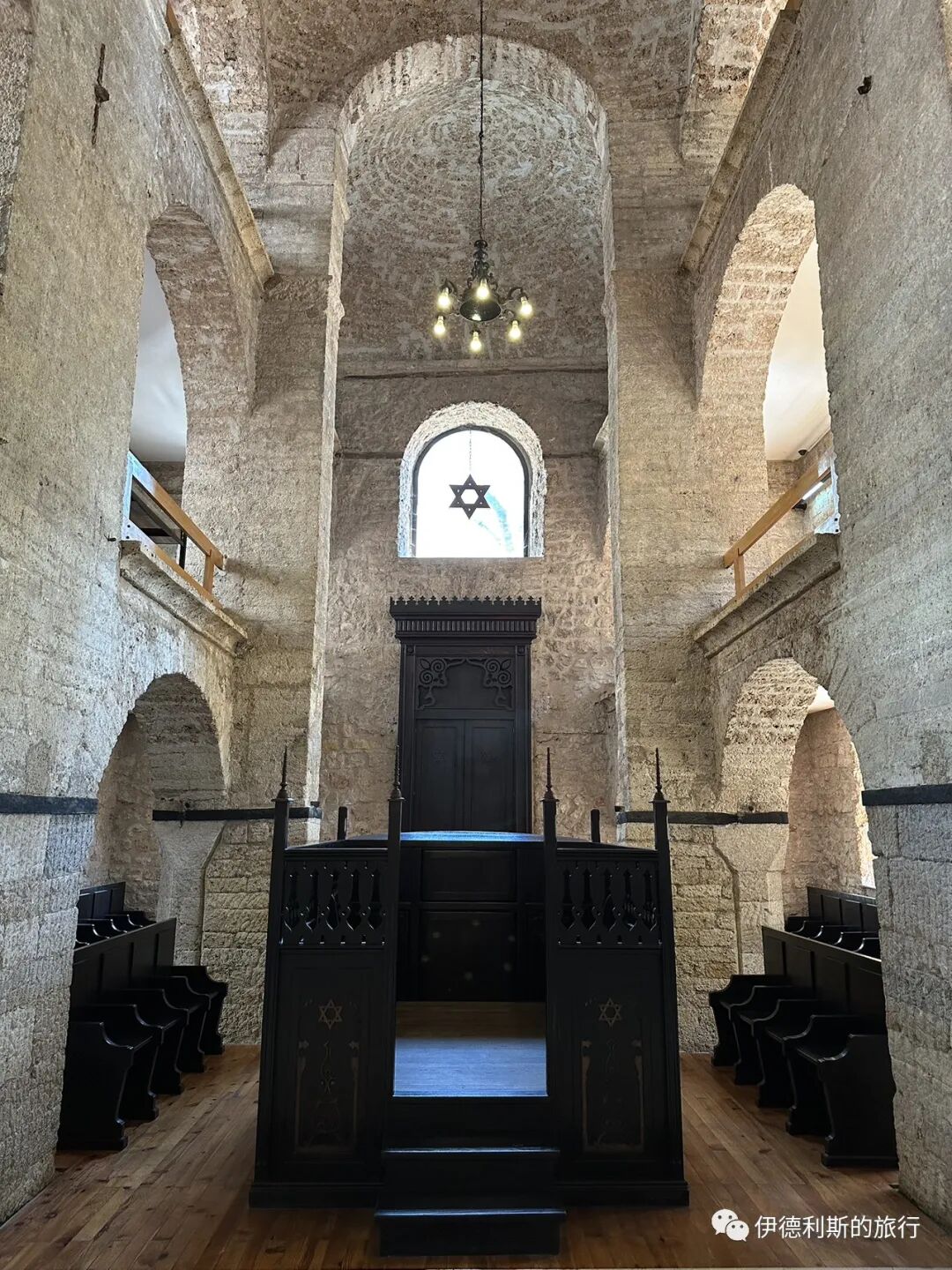
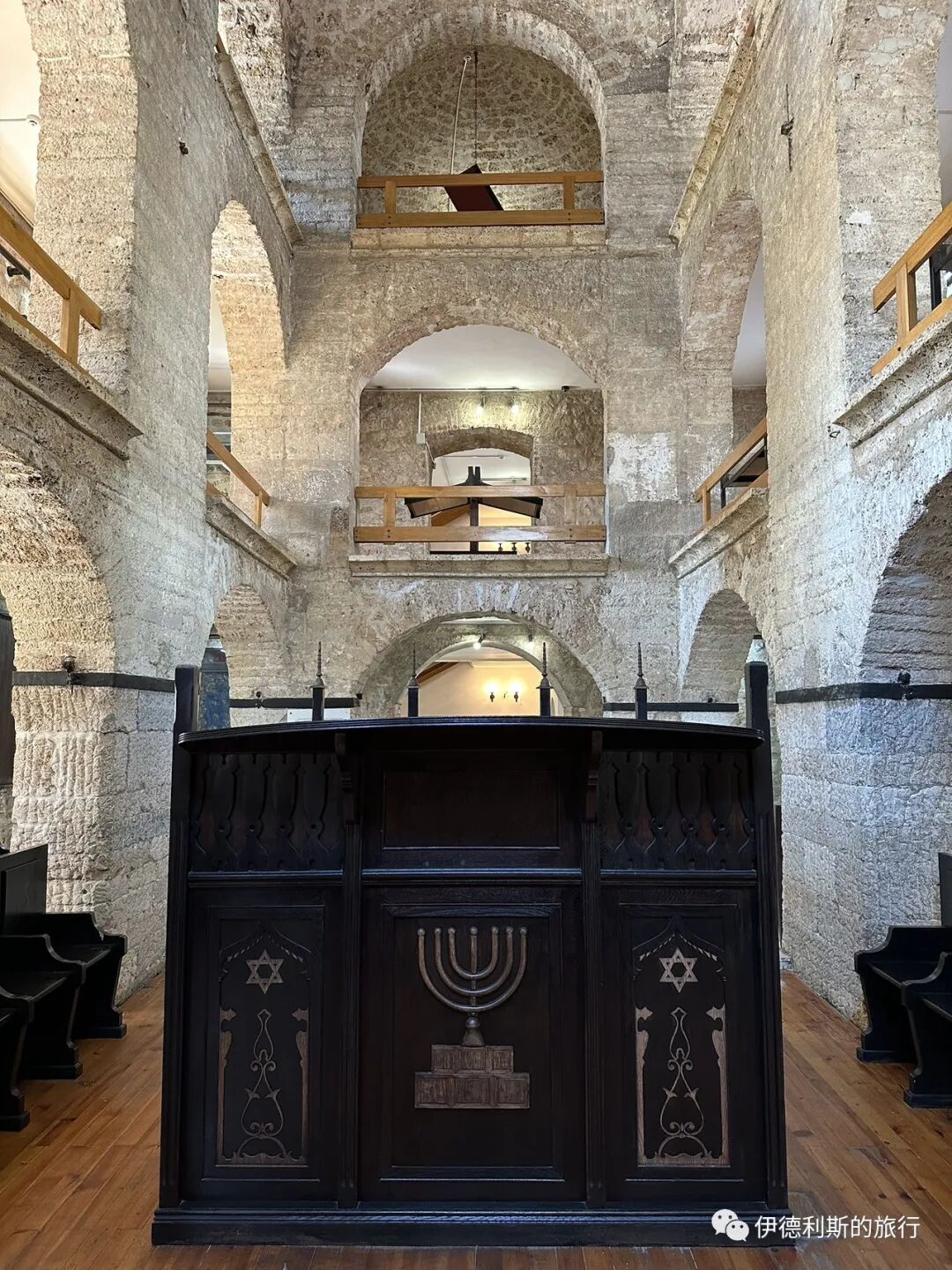
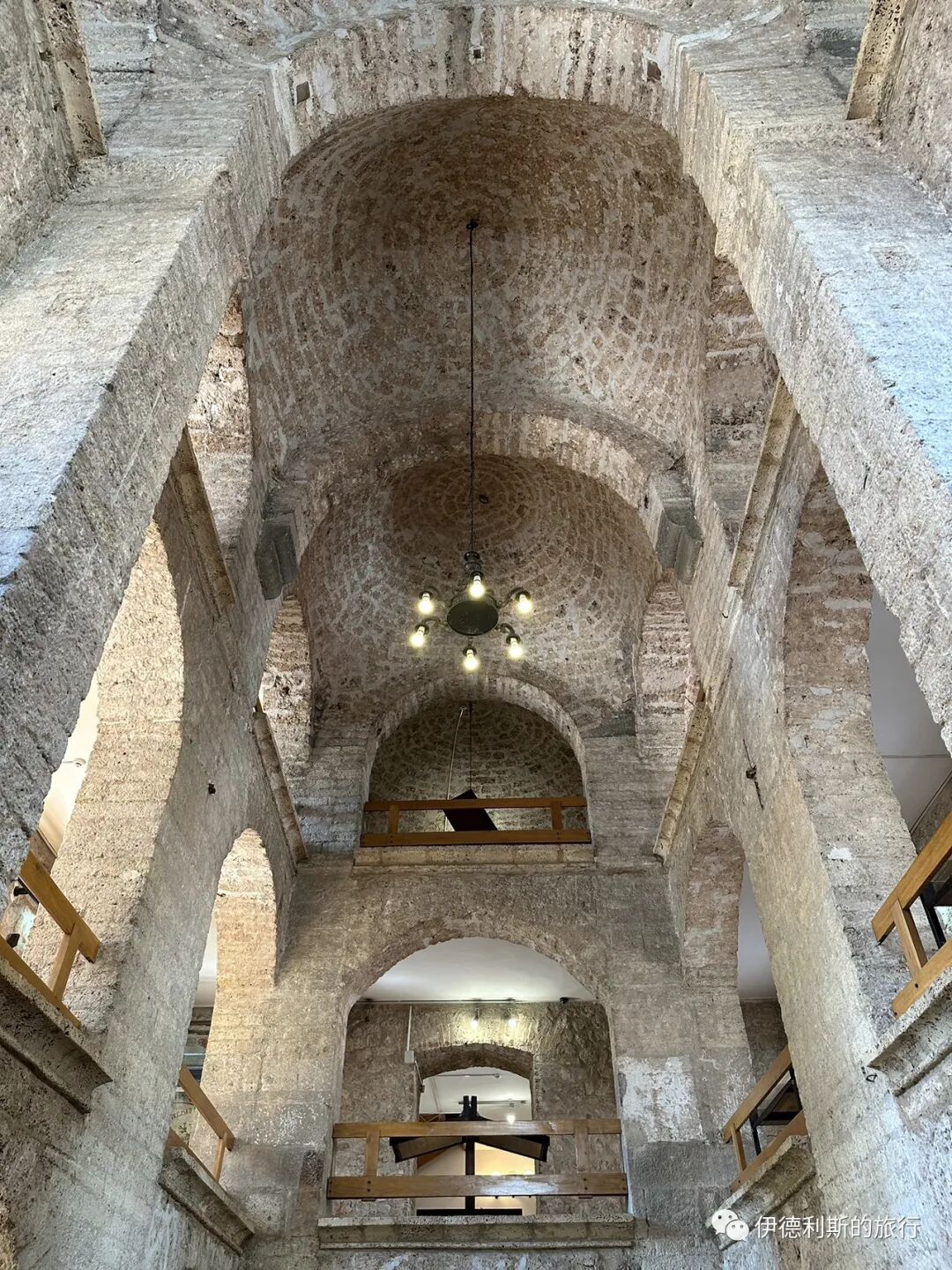

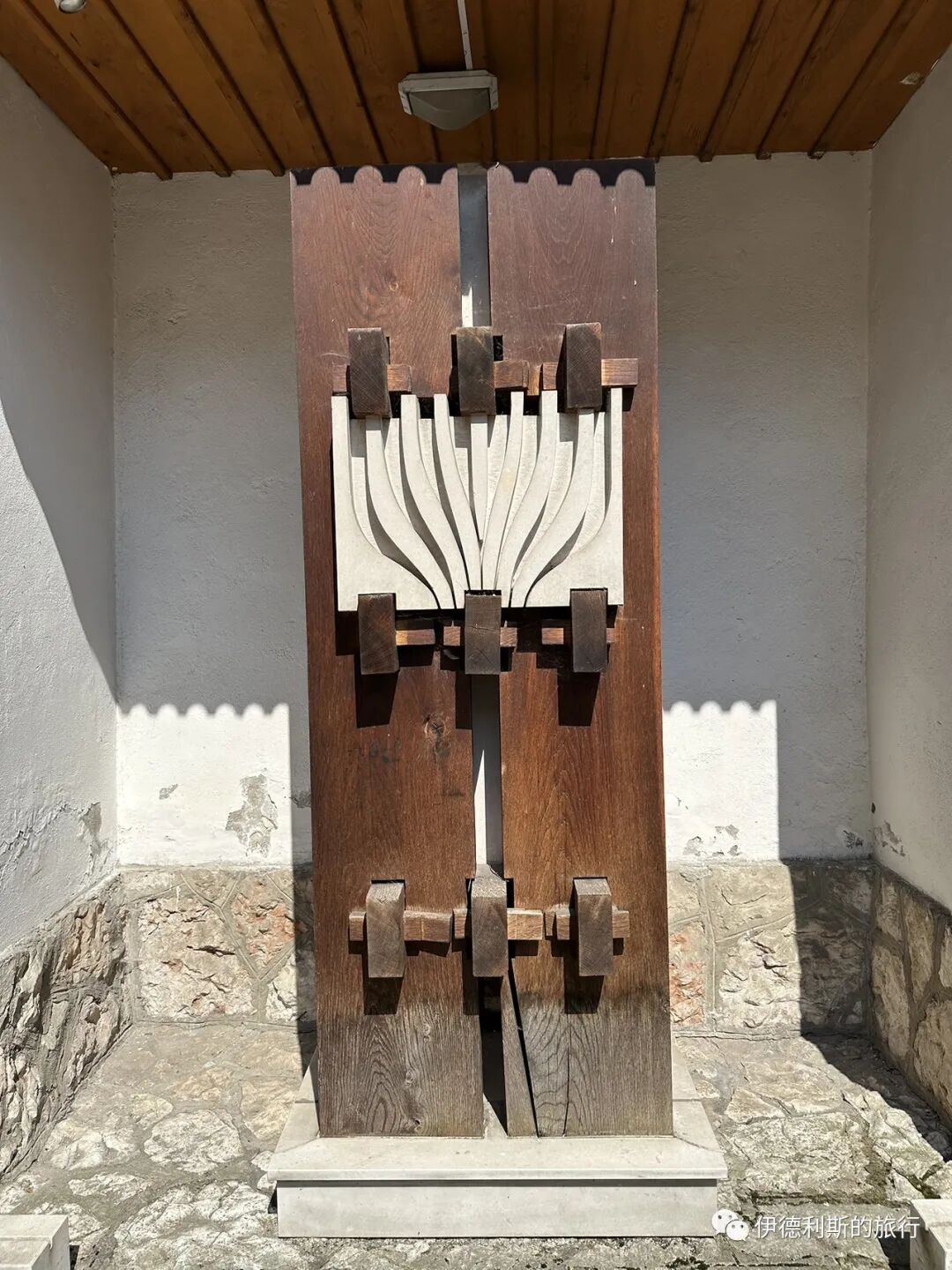
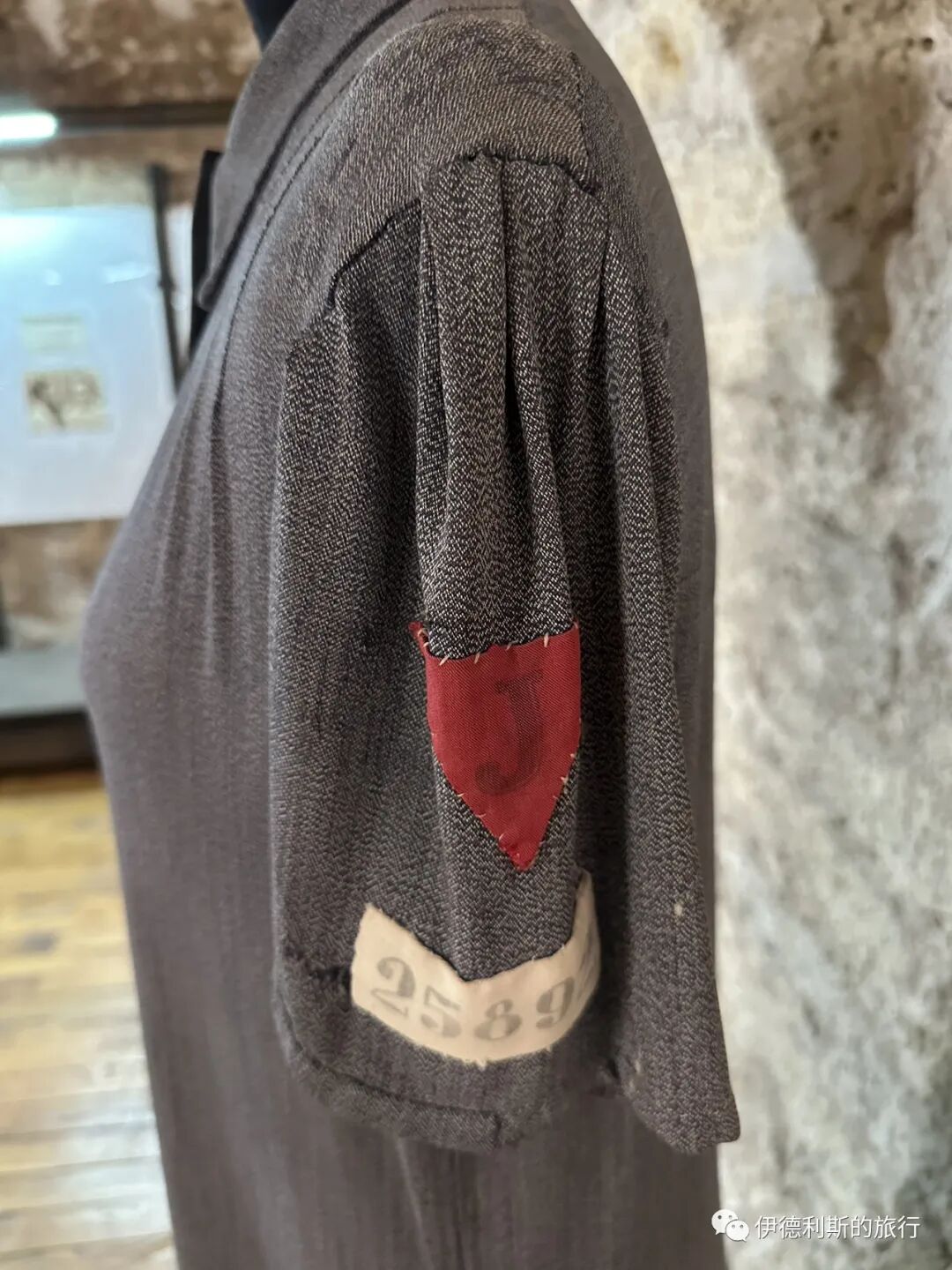
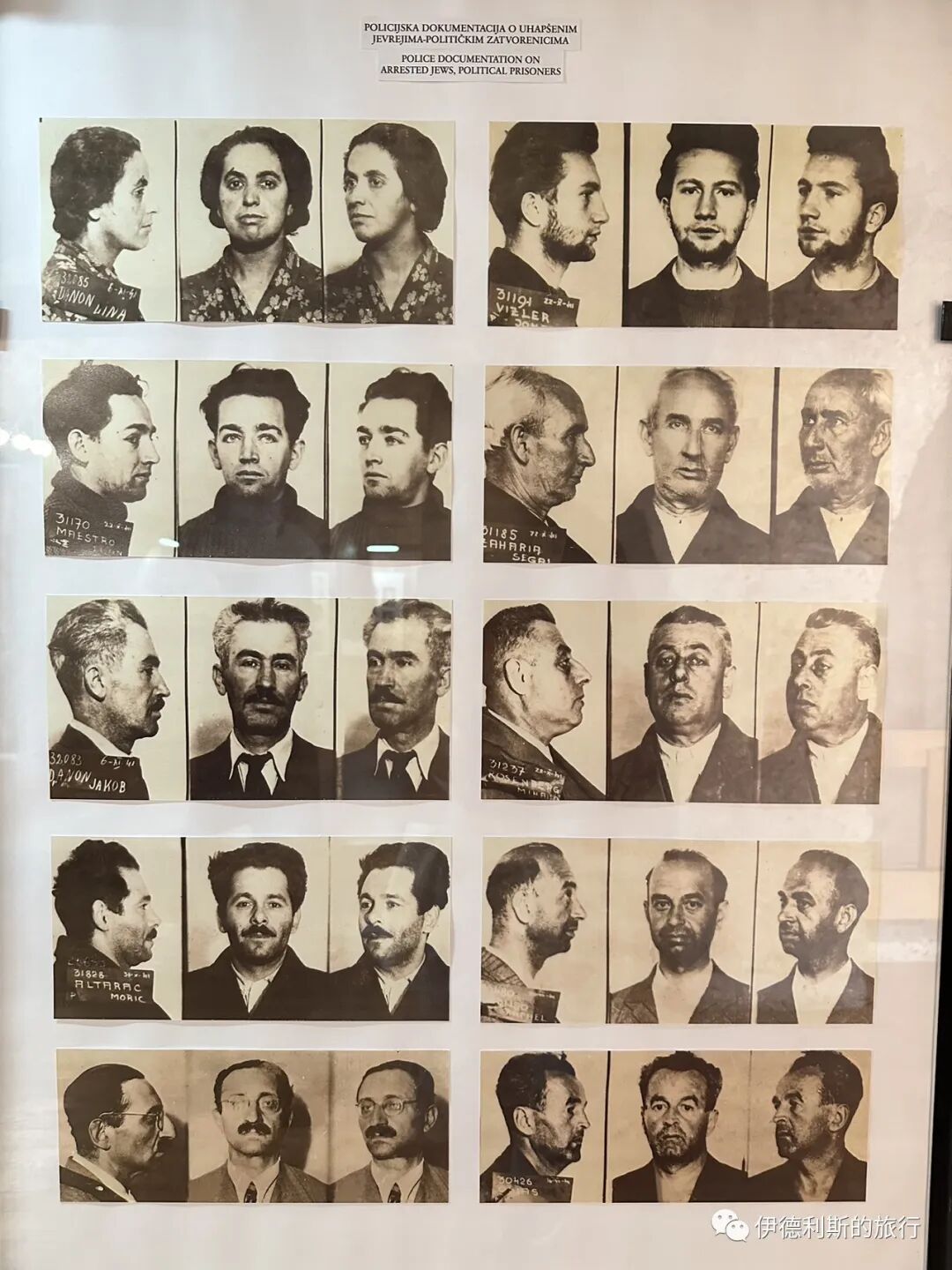
After Germany occupied Sarajevo in 1941, the Old Synagogue was used as a prison for Jews and later became a warehouse. The Croatian Ustaše organization killed 85% of the Jewish population living in Croatia and Bosnia through massacres and the establishment of concentration camps. The museum now displays the clothes that Sarajevo Jews were forced to wear with armbands, as well as ID photos of Jews who were arrested and imprisoned.

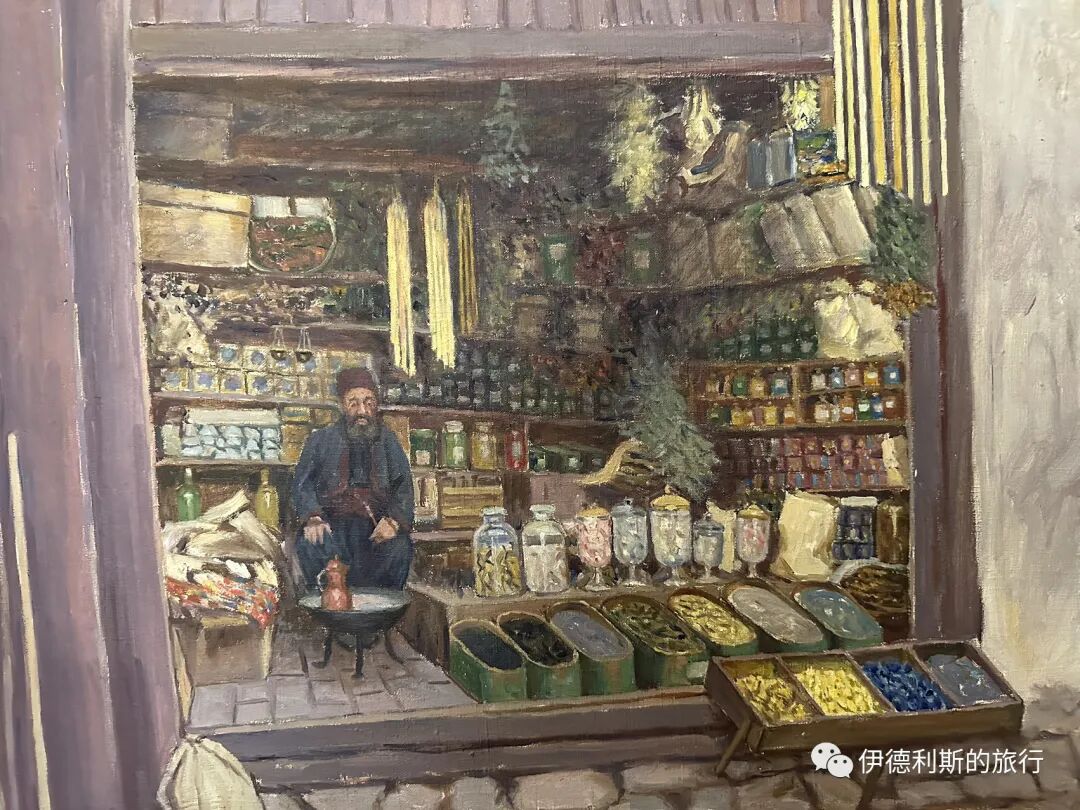
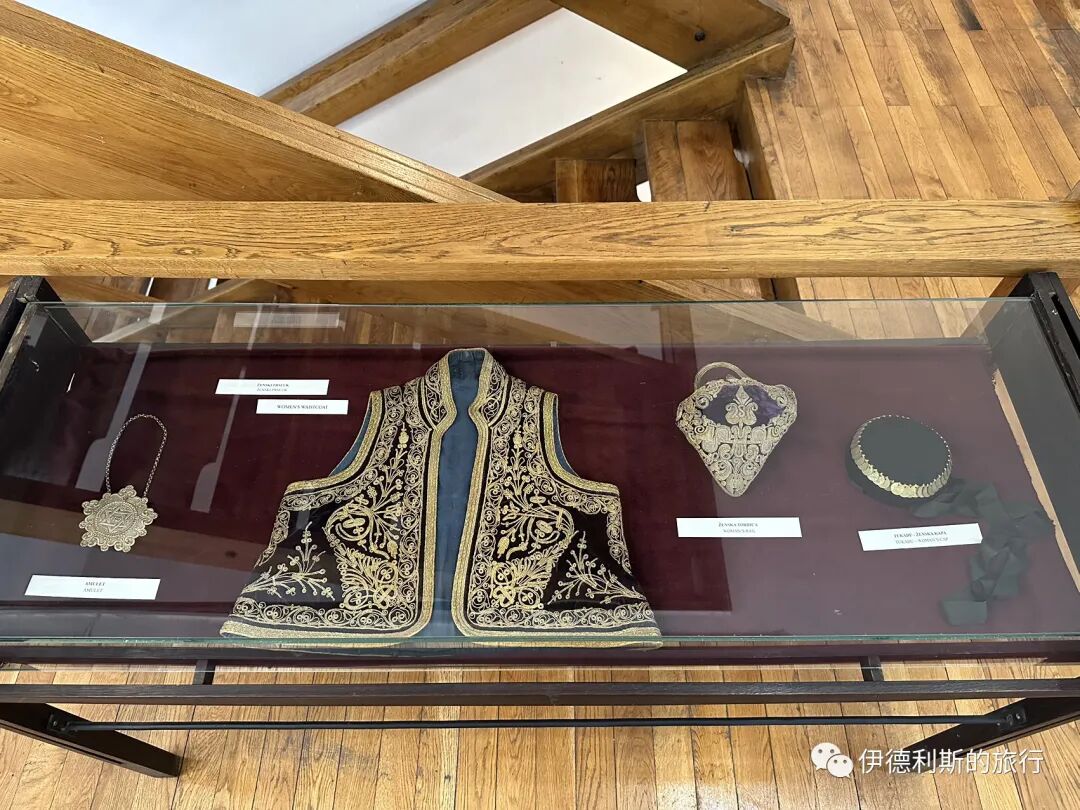
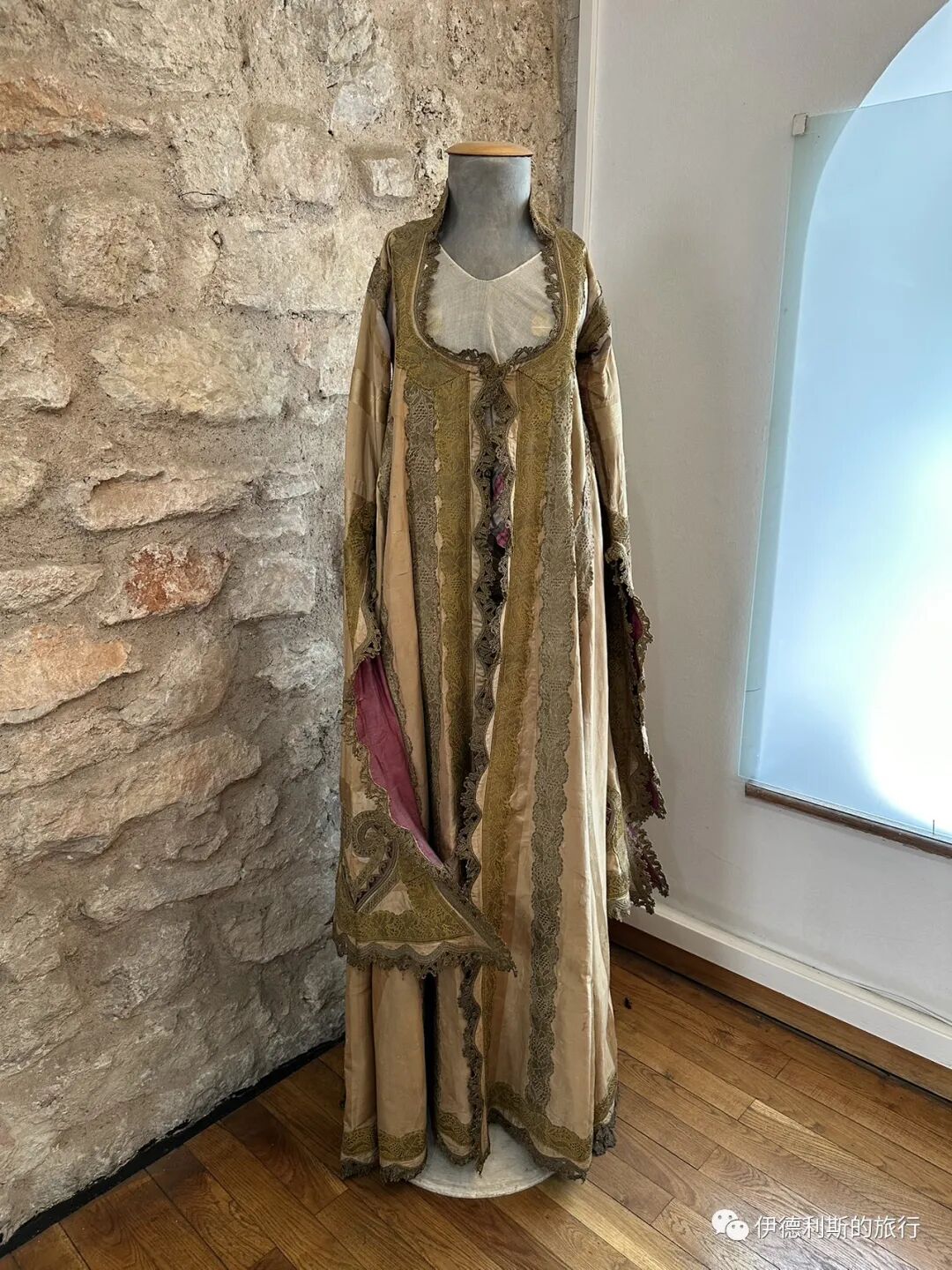
Yugoslavia restored the Old Jewish Synagogue in 1957, and the Jewish Museum of Bosnia and Herzegovina officially opened in 1966. The Old Jewish Synagogue was damaged by shells during the Siege of Sarajevo from 1992 to 1995, and it was restored again in 2003. The museum also exhibits exquisite Jewish clothing.


During the Middle Ages, Christian countries persecuted and massacred Jews for a long time, while Muslim countries protected and helped them many times. I recently saw in the news that some Jewish people are standing up against Israel's crimes in Palestine and calling for peace. I believe not everyone has forgotten this history.
During the First Crusade in 1096, Christian peasants in France and Germany carried out a series of massacres against Jews in the Rhine Valley, which started a wave of anti-Semitism in Christian countries. Between 1189 and 1190, massacres of Jews broke out in places like London and York in England, until the King of England ordered the expulsion of all Jews in 1290. At the same time, under Muslim rule, Jews thrived in Baghdad, Cairo, and Damascus, which helped lead to a cultural boom.
In the Iberian Peninsula during the 12th to 15th centuries, anti-Semitism in Christian countries reached its peak. In 1492, the Spanish kingdoms of Castile and Aragon conquered Granada, the last Muslim dynasty in Andalusia. They then issued a decree to expel all Sephardic Jews who refused to convert to Christianity and banned them from taking any currency with them. Just four years later, in 1496, the Kingdom of Portugal also issued a decree to expel Jews.
When Ottoman Sultan Bayezid II heard the news, he sent his navy to transport many Jewish refugees to Ottoman territory and issued a notice across the country welcoming them. He mocked the rulers of Spain and Portugal, saying, "They have impoverished their own countries and enriched mine!" Sure enough, the Sephardic Jews from Spain and Portugal brought new technologies and crafts to the Ottoman Empire, contributing to its economic prosperity in the 16th century.
After that, Sephardic Jews began to settle in the Balkan Peninsula under Ottoman control, including in Sarajevo. In 1581, Sijavus Pasha, the governor of Rumelia in the European part of the Ottoman Empire, built a residential area and a synagogue for the Jews scattered throughout Sarajevo, which is now called the Old Synagogue. The Old Synagogue was damaged by fire in 1697 and 1788, and it was rebuilt in the early 19th century to its current appearance.
After Germany occupied Sarajevo in 1941, the Old Synagogue was used as a prison for Jews and later became a warehouse. The Croatian Ustaše organization killed 85% of the Jewish population living in Croatia and Bosnia through massacres and the establishment of concentration camps. The museum now displays the clothes that Sarajevo Jews were forced to wear with armbands, as well as ID photos of Jews who were arrested and imprisoned.
Yugoslavia restored the Old Jewish Synagogue in 1957, and the Jewish Museum of Bosnia and Herzegovina officially opened in 1966. The Old Jewish Synagogue was damaged by shells during the Siege of Sarajevo from 1992 to 1995, and it was restored again in 2003. The museum also exhibits exquisite Jewish clothing.
Halal Travel Guide: Sarajevo - Jewish Synagogue, Muslim Aid and Shared History
Articles • ali2007fr posted the article • 0 comments • 150 views • 2026-05-19 06:54
Reposted from the web
During the Middle Ages, Christian countries persecuted and massacred Jews for a long time, while Muslim countries protected and helped them many times. I recently saw in the news that some Jewish people are standing up against Israel's crimes in Palestine and calling for peace. I believe not everyone has forgotten this history.
During the First Crusade in 1096, Christian peasants in France and Germany carried out a series of massacres against Jews in the Rhine Valley, which started a wave of anti-Semitism in Christian countries. Between 1189 and 1190, massacres of Jews broke out in places like London and York in England, until the King of England ordered the expulsion of all Jews in 1290. At the same time, under Muslim rule, Jews thrived in Baghdad, Cairo, and Damascus, which helped lead to a cultural boom.
In the Iberian Peninsula during the 12th to 15th centuries, anti-Semitism in Christian countries reached its peak. In 1492, the Spanish kingdoms of Castile and Aragon conquered Granada, the last Muslim dynasty in Andalusia. They then issued a decree to expel all Sephardic Jews who refused to convert to Christianity and banned them from taking any currency with them. Just four years later, in 1496, the Kingdom of Portugal also issued a decree to expel Jews.
When Ottoman Sultan Bayezid II heard the news, he sent his navy to transport many Jewish refugees to Ottoman territory and issued a notice across the country welcoming them. He mocked the rulers of Spain and Portugal, saying, "They have impoverished their own countries and enriched mine!" Sure enough, the Sephardic Jews from Spain and Portugal brought new technologies and crafts to the Ottoman Empire, contributing to its economic prosperity in the 16th century.
After that, Sephardic Jews began to settle in the Balkan Peninsula under Ottoman control, including in Sarajevo. In 1581, Sijavus Pasha, the governor of Rumelia in the European part of the Ottoman Empire, built a residential area and a synagogue for the Jews scattered throughout Sarajevo, which is now called the Old Synagogue. The Old Synagogue was damaged by fire in 1697 and 1788, and it was rebuilt in the early 19th century to its current appearance.
After Germany occupied Sarajevo in 1941, the Old Synagogue was used as a prison for Jews and later became a warehouse. The Croatian Ustaše organization killed 85% of the Jewish population living in Croatia and Bosnia through massacres and the establishment of concentration camps. The museum now displays the clothes that Sarajevo Jews were forced to wear with armbands, as well as ID photos of Jews who were arrested and imprisoned.
Yugoslavia restored the Old Jewish Synagogue in 1957, and the Jewish Museum of Bosnia and Herzegovina officially opened in 1966. The Old Jewish Synagogue was damaged by shells during the Siege of Sarajevo from 1992 to 1995, and it was restored again in 2003. The museum also exhibits exquisite Jewish clothing. view all
During the Middle Ages, Christian countries persecuted and massacred Jews for a long time, while Muslim countries protected and helped them many times. I recently saw in the news that some Jewish people are standing up against Israel's crimes in Palestine and calling for peace. I believe not everyone has forgotten this history.
During the First Crusade in 1096, Christian peasants in France and Germany carried out a series of massacres against Jews in the Rhine Valley, which started a wave of anti-Semitism in Christian countries. Between 1189 and 1190, massacres of Jews broke out in places like London and York in England, until the King of England ordered the expulsion of all Jews in 1290. At the same time, under Muslim rule, Jews thrived in Baghdad, Cairo, and Damascus, which helped lead to a cultural boom.
In the Iberian Peninsula during the 12th to 15th centuries, anti-Semitism in Christian countries reached its peak. In 1492, the Spanish kingdoms of Castile and Aragon conquered Granada, the last Muslim dynasty in Andalusia. They then issued a decree to expel all Sephardic Jews who refused to convert to Christianity and banned them from taking any currency with them. Just four years later, in 1496, the Kingdom of Portugal also issued a decree to expel Jews.
When Ottoman Sultan Bayezid II heard the news, he sent his navy to transport many Jewish refugees to Ottoman territory and issued a notice across the country welcoming them. He mocked the rulers of Spain and Portugal, saying, "They have impoverished their own countries and enriched mine!" Sure enough, the Sephardic Jews from Spain and Portugal brought new technologies and crafts to the Ottoman Empire, contributing to its economic prosperity in the 16th century.
After that, Sephardic Jews began to settle in the Balkan Peninsula under Ottoman control, including in Sarajevo. In 1581, Sijavus Pasha, the governor of Rumelia in the European part of the Ottoman Empire, built a residential area and a synagogue for the Jews scattered throughout Sarajevo, which is now called the Old Synagogue. The Old Synagogue was damaged by fire in 1697 and 1788, and it was rebuilt in the early 19th century to its current appearance.
After Germany occupied Sarajevo in 1941, the Old Synagogue was used as a prison for Jews and later became a warehouse. The Croatian Ustaše organization killed 85% of the Jewish population living in Croatia and Bosnia through massacres and the establishment of concentration camps. The museum now displays the clothes that Sarajevo Jews were forced to wear with armbands, as well as ID photos of Jews who were arrested and imprisoned.
Yugoslavia restored the Old Jewish Synagogue in 1957, and the Jewish Museum of Bosnia and Herzegovina officially opened in 1966. The Old Jewish Synagogue was damaged by shells during the Siege of Sarajevo from 1992 to 1995, and it was restored again in 2003. The museum also exhibits exquisite Jewish clothing. view all
Reposted from the web
During the Middle Ages, Christian countries persecuted and massacred Jews for a long time, while Muslim countries protected and helped them many times. I recently saw in the news that some Jewish people are standing up against Israel's crimes in Palestine and calling for peace. I believe not everyone has forgotten this history.
During the First Crusade in 1096, Christian peasants in France and Germany carried out a series of massacres against Jews in the Rhine Valley, which started a wave of anti-Semitism in Christian countries. Between 1189 and 1190, massacres of Jews broke out in places like London and York in England, until the King of England ordered the expulsion of all Jews in 1290. At the same time, under Muslim rule, Jews thrived in Baghdad, Cairo, and Damascus, which helped lead to a cultural boom.
In the Iberian Peninsula during the 12th to 15th centuries, anti-Semitism in Christian countries reached its peak. In 1492, the Spanish kingdoms of Castile and Aragon conquered Granada, the last Muslim dynasty in Andalusia. They then issued a decree to expel all Sephardic Jews who refused to convert to Christianity and banned them from taking any currency with them. Just four years later, in 1496, the Kingdom of Portugal also issued a decree to expel Jews.
When Ottoman Sultan Bayezid II heard the news, he sent his navy to transport many Jewish refugees to Ottoman territory and issued a notice across the country welcoming them. He mocked the rulers of Spain and Portugal, saying, "They have impoverished their own countries and enriched mine!" Sure enough, the Sephardic Jews from Spain and Portugal brought new technologies and crafts to the Ottoman Empire, contributing to its economic prosperity in the 16th century.
After that, Sephardic Jews began to settle in the Balkan Peninsula under Ottoman control, including in Sarajevo. In 1581, Sijavus Pasha, the governor of Rumelia in the European part of the Ottoman Empire, built a residential area and a synagogue for the Jews scattered throughout Sarajevo, which is now called the Old Synagogue. The Old Synagogue was damaged by fire in 1697 and 1788, and it was rebuilt in the early 19th century to its current appearance.
After Germany occupied Sarajevo in 1941, the Old Synagogue was used as a prison for Jews and later became a warehouse. The Croatian Ustaše organization killed 85% of the Jewish population living in Croatia and Bosnia through massacres and the establishment of concentration camps. The museum now displays the clothes that Sarajevo Jews were forced to wear with armbands, as well as ID photos of Jews who were arrested and imprisoned.
Yugoslavia restored the Old Jewish Synagogue in 1957, and the Jewish Museum of Bosnia and Herzegovina officially opened in 1966. The Old Jewish Synagogue was damaged by shells during the Siege of Sarajevo from 1992 to 1995, and it was restored again in 2003. The museum also exhibits exquisite Jewish clothing.
During the Middle Ages, Christian countries persecuted and massacred Jews for a long time, while Muslim countries protected and helped them many times. I recently saw in the news that some Jewish people are standing up against Israel's crimes in Palestine and calling for peace. I believe not everyone has forgotten this history.
During the First Crusade in 1096, Christian peasants in France and Germany carried out a series of massacres against Jews in the Rhine Valley, which started a wave of anti-Semitism in Christian countries. Between 1189 and 1190, massacres of Jews broke out in places like London and York in England, until the King of England ordered the expulsion of all Jews in 1290. At the same time, under Muslim rule, Jews thrived in Baghdad, Cairo, and Damascus, which helped lead to a cultural boom.
In the Iberian Peninsula during the 12th to 15th centuries, anti-Semitism in Christian countries reached its peak. In 1492, the Spanish kingdoms of Castile and Aragon conquered Granada, the last Muslim dynasty in Andalusia. They then issued a decree to expel all Sephardic Jews who refused to convert to Christianity and banned them from taking any currency with them. Just four years later, in 1496, the Kingdom of Portugal also issued a decree to expel Jews.
When Ottoman Sultan Bayezid II heard the news, he sent his navy to transport many Jewish refugees to Ottoman territory and issued a notice across the country welcoming them. He mocked the rulers of Spain and Portugal, saying, "They have impoverished their own countries and enriched mine!" Sure enough, the Sephardic Jews from Spain and Portugal brought new technologies and crafts to the Ottoman Empire, contributing to its economic prosperity in the 16th century.
After that, Sephardic Jews began to settle in the Balkan Peninsula under Ottoman control, including in Sarajevo. In 1581, Sijavus Pasha, the governor of Rumelia in the European part of the Ottoman Empire, built a residential area and a synagogue for the Jews scattered throughout Sarajevo, which is now called the Old Synagogue. The Old Synagogue was damaged by fire in 1697 and 1788, and it was rebuilt in the early 19th century to its current appearance.
After Germany occupied Sarajevo in 1941, the Old Synagogue was used as a prison for Jews and later became a warehouse. The Croatian Ustaše organization killed 85% of the Jewish population living in Croatia and Bosnia through massacres and the establishment of concentration camps. The museum now displays the clothes that Sarajevo Jews were forced to wear with armbands, as well as ID photos of Jews who were arrested and imprisoned.
Yugoslavia restored the Old Jewish Synagogue in 1957, and the Jewish Museum of Bosnia and Herzegovina officially opened in 1966. The Old Jewish Synagogue was damaged by shells during the Siege of Sarajevo from 1992 to 1995, and it was restored again in 2003. The museum also exhibits exquisite Jewish clothing.