

Jiyuan Travel
Exploring Xiajie Mosque in Jiyuan: A Guide to Northern Henan’s Historic Hui Muslim Heritage and Architecture
Articles • Hasan09 posted the article • 0 comments • 13 views • 6 hours ago
We headed out to explore the Xiajie Mosque (also known as the South Mosque) located on Minzu Road in Xiajie Village, Jiyuan, Henan. These 10 photos showcase the main gate of this century-old mosque, the Republic-era screen wall, and the rustic prayer hall in the heart of Jiyuan’s largest Hui Muslim community, documenting the legacy of Islamic culture and the history of friendly relations between the Hui and Han people in northern Henan.
After leaving Fengxian Temple, we passed by the Xiajie Mosque on our way to the Jidou Temple in Jiyuan and decided to stop and check it out.
The Xiajie Mosque is located in Xiajie Village on Minzu Road. It’s the largest gathering spot for Hui Muslims in downtown Jiyuan and a key center for Islamic religious activities in northern Henan, widely referred to by locals as the South Mosque.
The main gate of the mosque.
Inside the gate is a screen wall featuring the 'Ge Tian Jiang Ze' (meaning 'Heaven Grants Blessings') plaque from the 11th year of the Republic of China. It’s a precious antique originally gifted to the Imam by the local congregation.
The plaque on the back of the main gate.
The mosque's main prayer hall.
Inside the main hall.
The bamboo grove and stone flower vase carvings in the courtyard.
The ancient stone stele inside the courtyard.
It documents how the Yuan family ancestors migrated from Beijing to Xiajie, Jiyuan, during the late Ming and early Qing dynasties, including details of the migration and their generational naming system.
The side rooms of the mosque serve as the shuifang (ablution rooms for ritual cleansing), classrooms, and living quarters for the Imams, supporting daily religious studies and rituals. Most of the buildings on the grounds were reconstructed in modern times. view all
We headed out to explore the Xiajie Mosque (also known as the South Mosque) located on Minzu Road in Xiajie Village, Jiyuan, Henan. These 10 photos showcase the main gate of this century-old mosque, the Republic-era screen wall, and the rustic prayer hall in the heart of Jiyuan’s largest Hui Muslim community, documenting the legacy of Islamic culture and the history of friendly relations between the Hui and Han people in northern Henan.
After leaving Fengxian Temple, we passed by the Xiajie Mosque on our way to the Jidou Temple in Jiyuan and decided to stop and check it out.
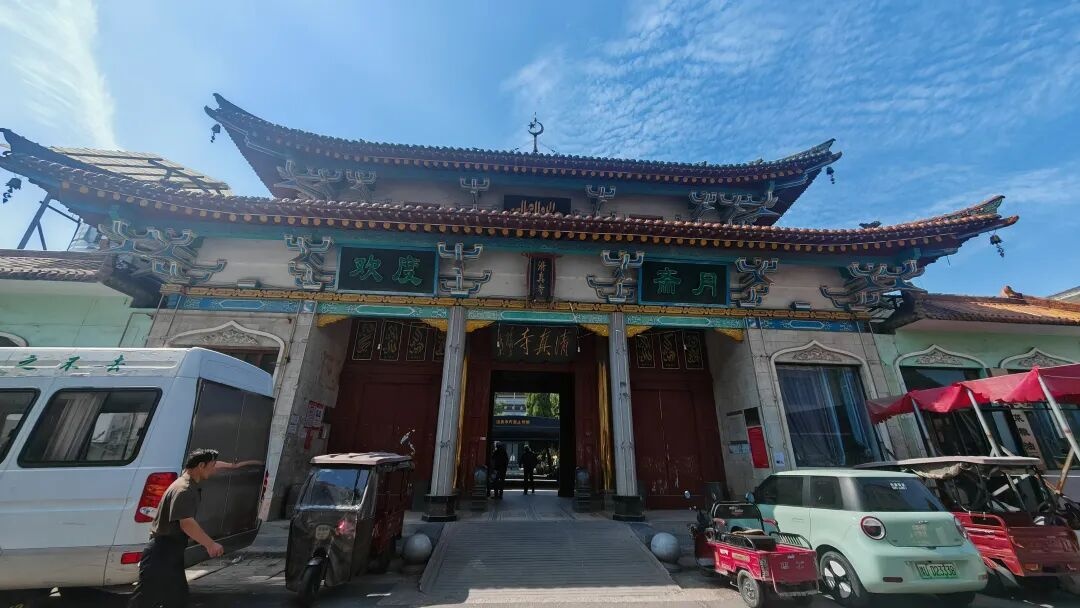
The Xiajie Mosque is located in Xiajie Village on Minzu Road. It’s the largest gathering spot for Hui Muslims in downtown Jiyuan and a key center for Islamic religious activities in northern Henan, widely referred to by locals as the South Mosque.
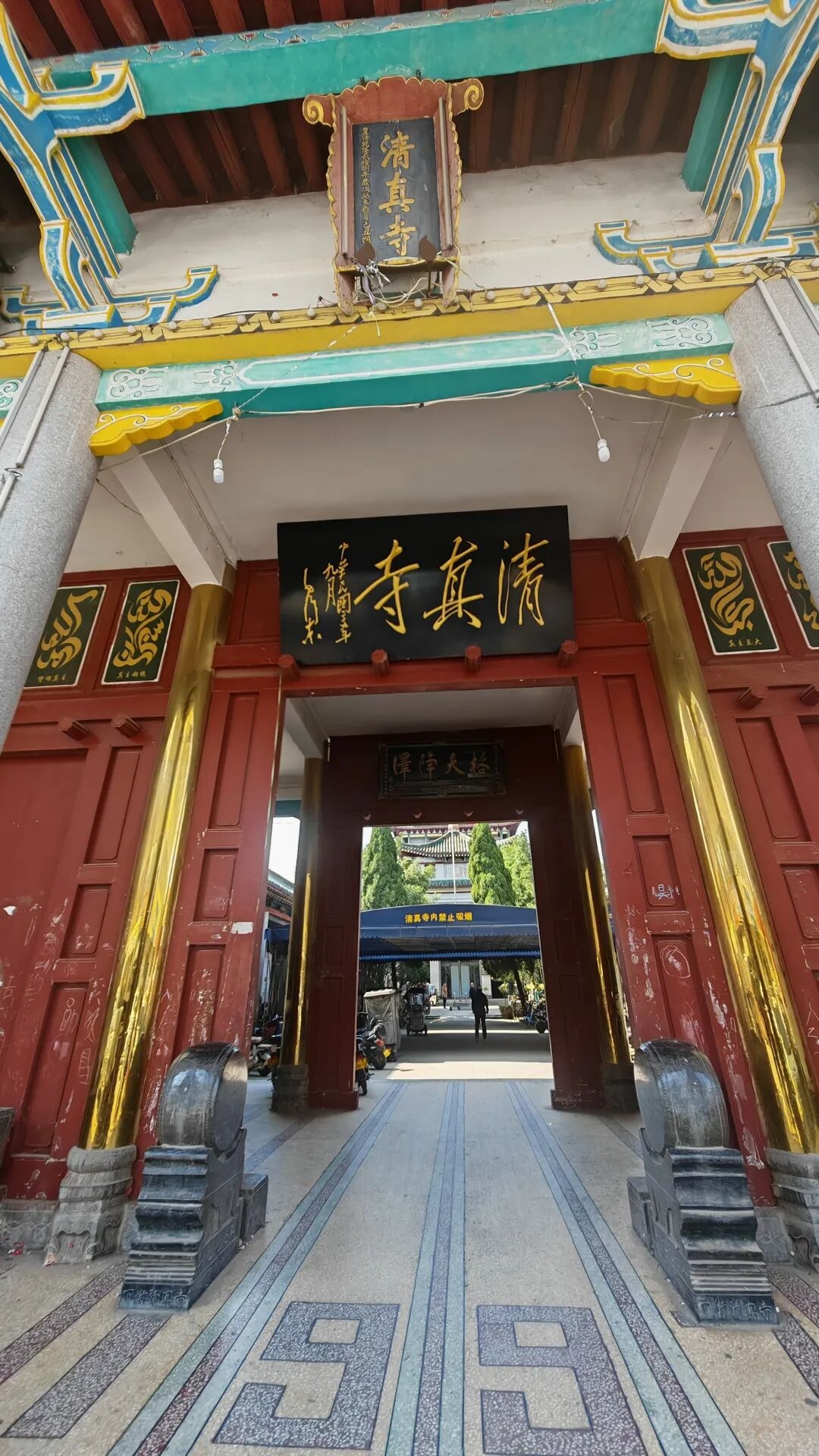
The main gate of the mosque.
Inside the gate is a screen wall featuring the 'Ge Tian Jiang Ze' (meaning 'Heaven Grants Blessings') plaque from the 11th year of the Republic of China. It’s a precious antique originally gifted to the Imam by the local congregation.
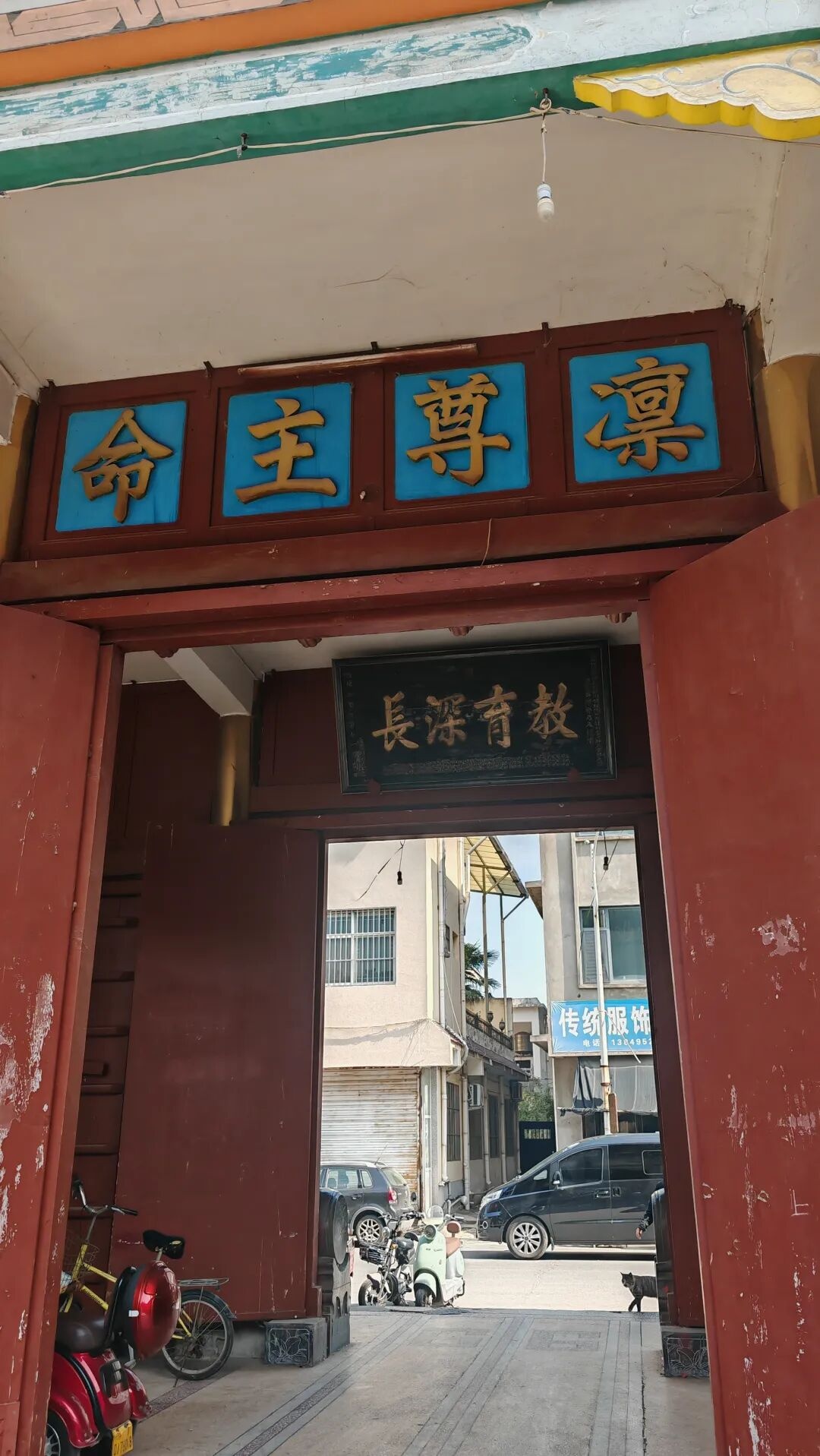
The plaque on the back of the main gate.
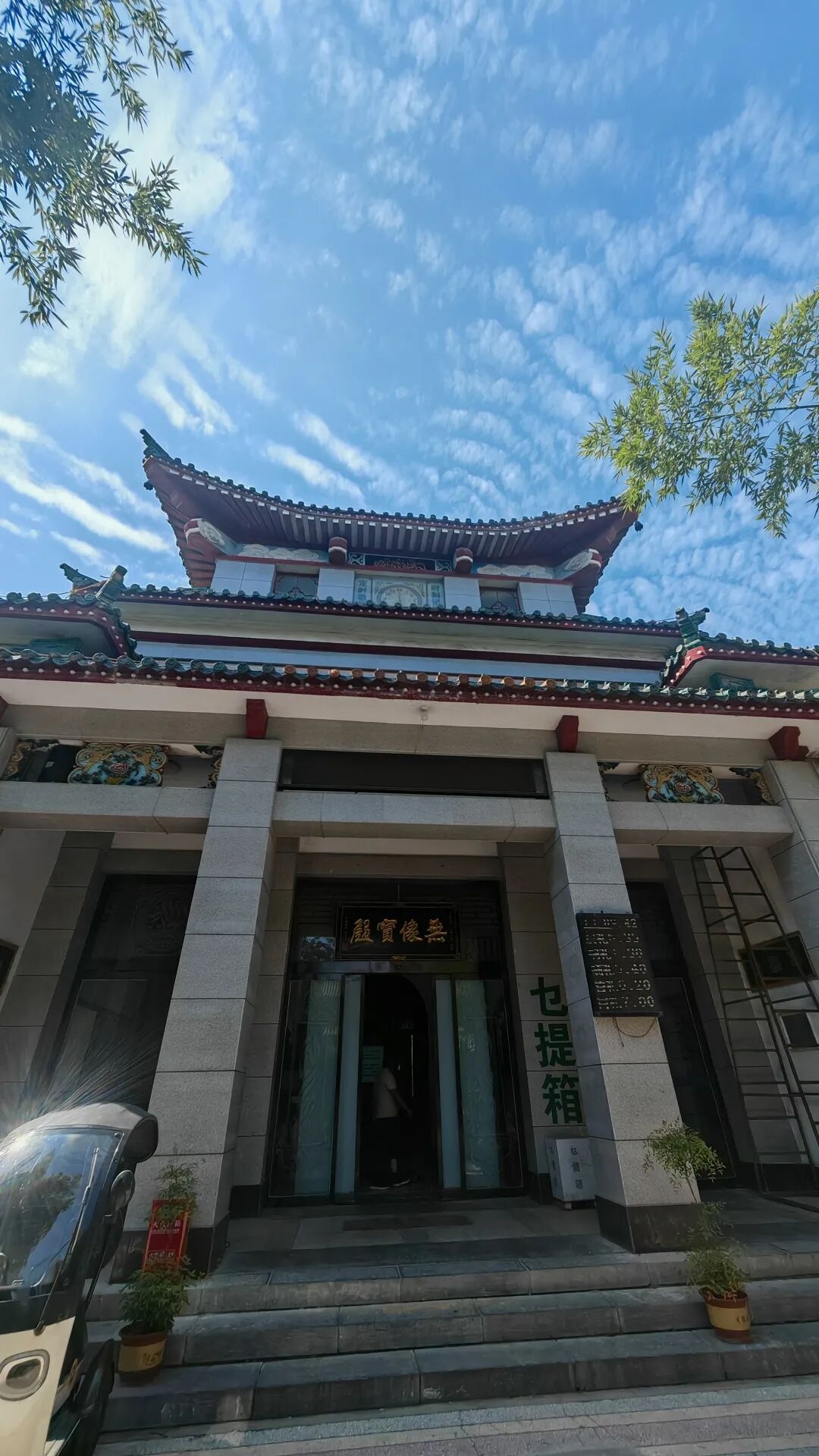
The mosque's main prayer hall.
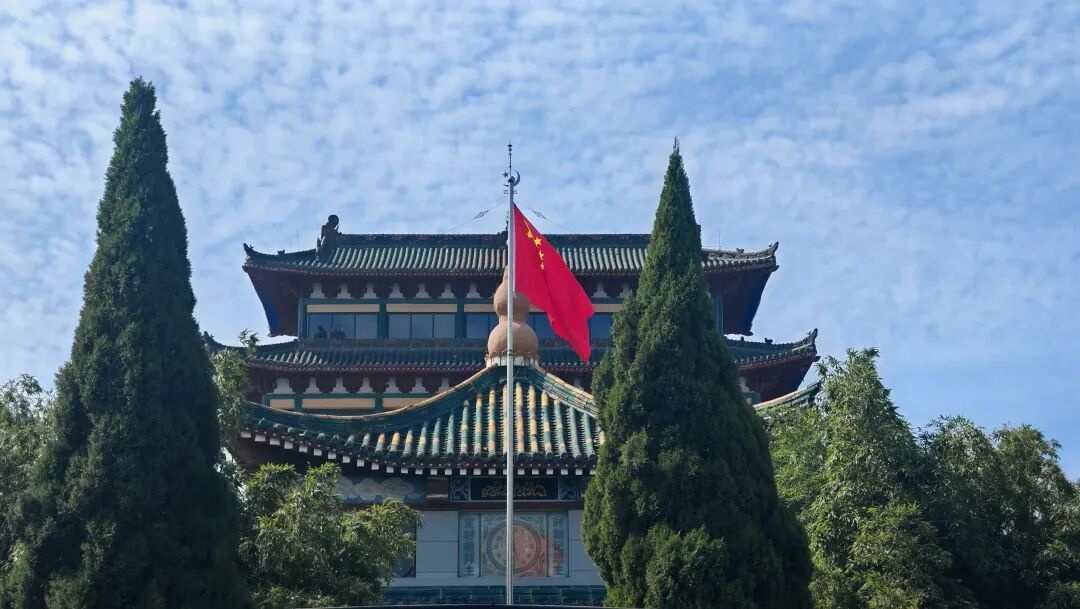
Inside the main hall.
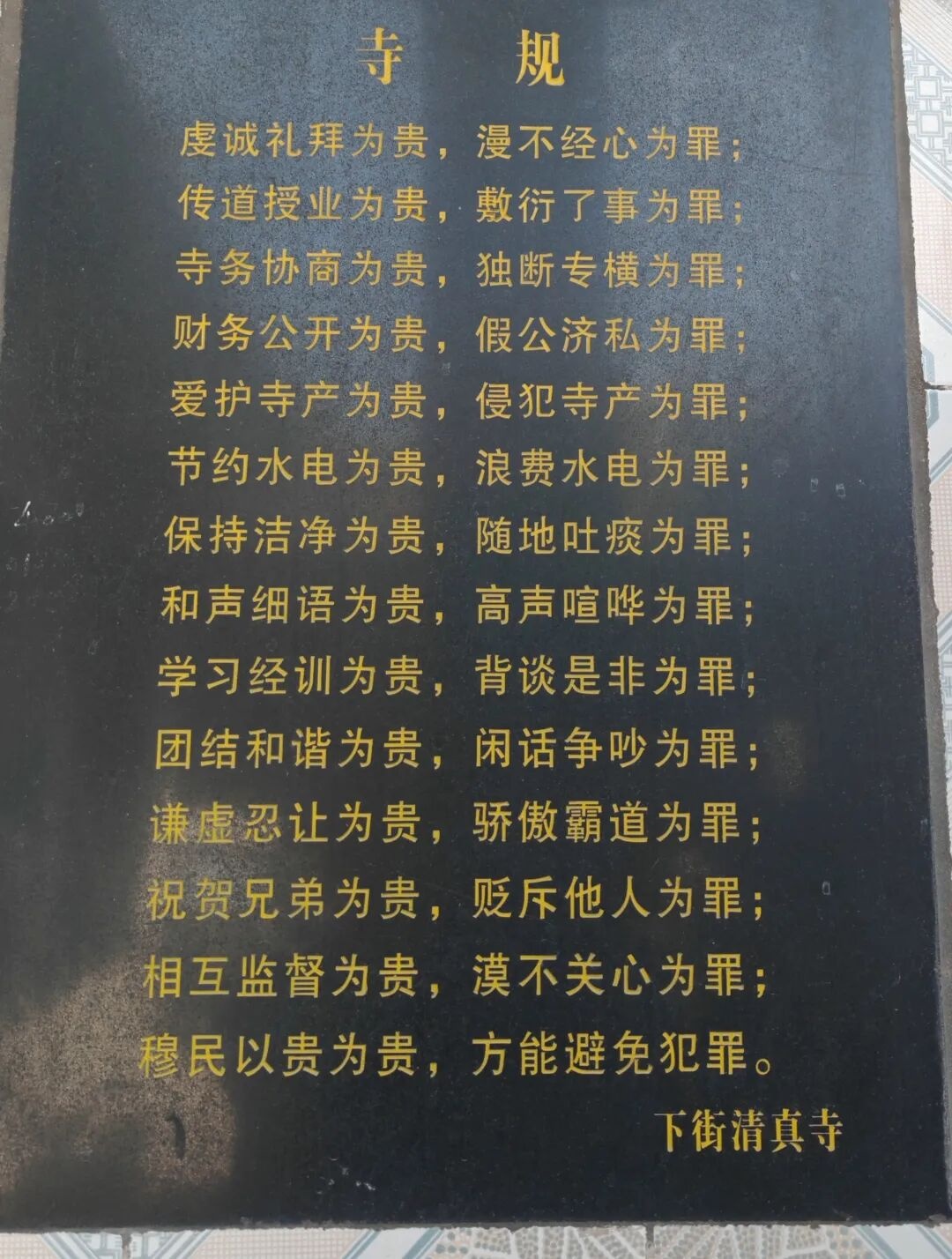
The bamboo grove and stone flower vase carvings in the courtyard.
The ancient stone stele inside the courtyard.
It documents how the Yuan family ancestors migrated from Beijing to Xiajie, Jiyuan, during the late Ming and early Qing dynasties, including details of the migration and their generational naming system.
The side rooms of the mosque serve as the shuifang (ablution rooms for ritual cleansing), classrooms, and living quarters for the Imams, supporting daily religious studies and rituals. Most of the buildings on the grounds were reconstructed in modern times.
After leaving Fengxian Temple, we passed by the Xiajie Mosque on our way to the Jidou Temple in Jiyuan and decided to stop and check it out.
The Xiajie Mosque is located in Xiajie Village on Minzu Road. It’s the largest gathering spot for Hui Muslims in downtown Jiyuan and a key center for Islamic religious activities in northern Henan, widely referred to by locals as the South Mosque.
The main gate of the mosque.
Inside the gate is a screen wall featuring the 'Ge Tian Jiang Ze' (meaning 'Heaven Grants Blessings') plaque from the 11th year of the Republic of China. It’s a precious antique originally gifted to the Imam by the local congregation.
The plaque on the back of the main gate.
The mosque's main prayer hall.
Inside the main hall.
The bamboo grove and stone flower vase carvings in the courtyard.
The ancient stone stele inside the courtyard.
It documents how the Yuan family ancestors migrated from Beijing to Xiajie, Jiyuan, during the late Ming and early Qing dynasties, including details of the migration and their generational naming system.
The side rooms of the mosque serve as the shuifang (ablution rooms for ritual cleansing), classrooms, and living quarters for the Imams, supporting daily religious studies and rituals. Most of the buildings on the grounds were reconstructed in modern times.
Exploring Xiajie Mosque in Jiyuan: A Guide to Northern Henan’s Historic Hui Muslim Heritage and Architecture
Articles • Hasan09 posted the article • 0 comments • 13 views • 6 hours ago
We headed out to explore the Xiajie Mosque (also known as the South Mosque) located on Minzu Road in Xiajie Village, Jiyuan, Henan. These 10 photos showcase the main gate of this century-old mosque, the Republic-era screen wall, and the rustic prayer hall in the heart of Jiyuan’s largest Hui Muslim community, documenting the legacy of Islamic culture and the history of friendly relations between the Hui and Han people in northern Henan.
After leaving Fengxian Temple, we passed by the Xiajie Mosque on our way to the Jidou Temple in Jiyuan and decided to stop and check it out.
The Xiajie Mosque is located in Xiajie Village on Minzu Road. It’s the largest gathering spot for Hui Muslims in downtown Jiyuan and a key center for Islamic religious activities in northern Henan, widely referred to by locals as the South Mosque.
The main gate of the mosque.
Inside the gate is a screen wall featuring the 'Ge Tian Jiang Ze' (meaning 'Heaven Grants Blessings') plaque from the 11th year of the Republic of China. It’s a precious antique originally gifted to the Imam by the local congregation.
The plaque on the back of the main gate.
The mosque's main prayer hall.
Inside the main hall.
The bamboo grove and stone flower vase carvings in the courtyard.
The ancient stone stele inside the courtyard.
It documents how the Yuan family ancestors migrated from Beijing to Xiajie, Jiyuan, during the late Ming and early Qing dynasties, including details of the migration and their generational naming system.
The side rooms of the mosque serve as the shuifang (ablution rooms for ritual cleansing), classrooms, and living quarters for the Imams, supporting daily religious studies and rituals. Most of the buildings on the grounds were reconstructed in modern times. view all
After leaving Fengxian Temple, we passed by the Xiajie Mosque on our way to the Jidou Temple in Jiyuan and decided to stop and check it out.
The Xiajie Mosque is located in Xiajie Village on Minzu Road. It’s the largest gathering spot for Hui Muslims in downtown Jiyuan and a key center for Islamic religious activities in northern Henan, widely referred to by locals as the South Mosque.
The main gate of the mosque.
Inside the gate is a screen wall featuring the 'Ge Tian Jiang Ze' (meaning 'Heaven Grants Blessings') plaque from the 11th year of the Republic of China. It’s a precious antique originally gifted to the Imam by the local congregation.
The plaque on the back of the main gate.
The mosque's main prayer hall.
Inside the main hall.
The bamboo grove and stone flower vase carvings in the courtyard.
The ancient stone stele inside the courtyard.
It documents how the Yuan family ancestors migrated from Beijing to Xiajie, Jiyuan, during the late Ming and early Qing dynasties, including details of the migration and their generational naming system.
The side rooms of the mosque serve as the shuifang (ablution rooms for ritual cleansing), classrooms, and living quarters for the Imams, supporting daily religious studies and rituals. Most of the buildings on the grounds were reconstructed in modern times. view all
We headed out to explore the Xiajie Mosque (also known as the South Mosque) located on Minzu Road in Xiajie Village, Jiyuan, Henan. These 10 photos showcase the main gate of this century-old mosque, the Republic-era screen wall, and the rustic prayer hall in the heart of Jiyuan’s largest Hui Muslim community, documenting the legacy of Islamic culture and the history of friendly relations between the Hui and Han people in northern Henan.
After leaving Fengxian Temple, we passed by the Xiajie Mosque on our way to the Jidou Temple in Jiyuan and decided to stop and check it out.
The Xiajie Mosque is located in Xiajie Village on Minzu Road. It’s the largest gathering spot for Hui Muslims in downtown Jiyuan and a key center for Islamic religious activities in northern Henan, widely referred to by locals as the South Mosque.
The main gate of the mosque.
Inside the gate is a screen wall featuring the 'Ge Tian Jiang Ze' (meaning 'Heaven Grants Blessings') plaque from the 11th year of the Republic of China. It’s a precious antique originally gifted to the Imam by the local congregation.
The plaque on the back of the main gate.
The mosque's main prayer hall.
Inside the main hall.
The bamboo grove and stone flower vase carvings in the courtyard.
The ancient stone stele inside the courtyard.
It documents how the Yuan family ancestors migrated from Beijing to Xiajie, Jiyuan, during the late Ming and early Qing dynasties, including details of the migration and their generational naming system.
The side rooms of the mosque serve as the shuifang (ablution rooms for ritual cleansing), classrooms, and living quarters for the Imams, supporting daily religious studies and rituals. Most of the buildings on the grounds were reconstructed in modern times.