

Johor Bahru
Halal Travel Guide: Johor Bahru - Sultanate History, Mosques and Muslim Heritage
Articles • ali2007fr posted the article • 0 comments • 153 views • 2026-05-19 09:30
Reposted from the web
Summary: Halal Travel Guide: Johor Bahru - Sultanate History, Mosques and Muslim Heritage is presented here as a firsthand travel account in clear, natural English. The account focuses on Johor Bahru, Muslim Heritage, Mosques while preserving the names, places, food, photos, and historical details from the Chinese source.
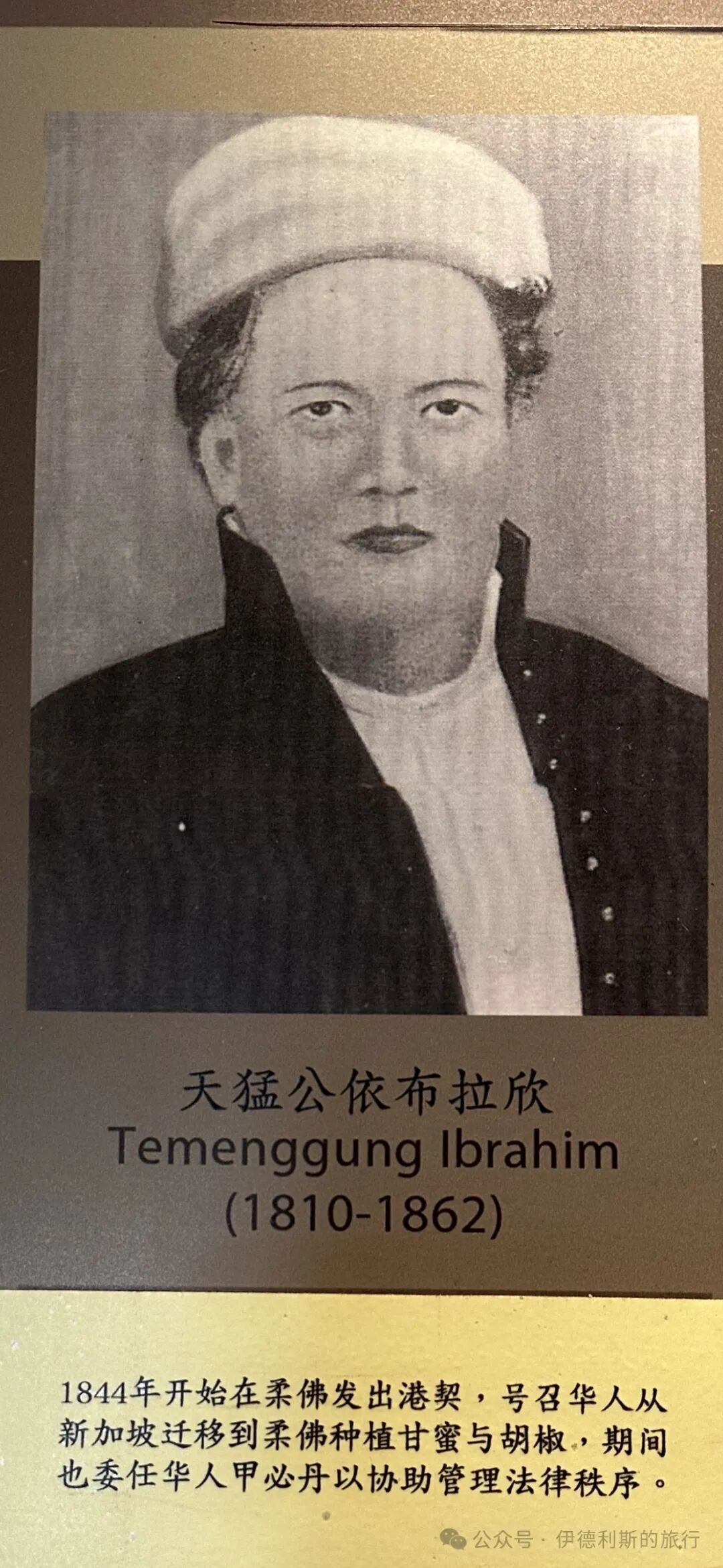
In 1511, the Malacca Sultanate was invaded by the Portuguese. After the last Sultan of Malacca, Mahmud Shah, died in 1528, his son Alauddin Riayat Shah II became the Sultan in Johor, and he was known as the Sultan of Johor from then on. The history of the Johor Sultanate includes three dynasties: the Old Johor Dynasty, the Johor Bendahara Dynasty, and the Johor Temenggong Dynasty. Temenggong is an ancient Malay and Javanese noble title. Monarchs could appoint people with this title to rule border regions as regents or governors. In 1855, Sultan Ali of Johor signed a treaty with the British in Singapore. He agreed to hand over most of his power to Temenggong Ibrahim of Johor, who officially took the throne as the Sultan of Johor in 1858.
As early as 1844, Temenggong Ibrahim encouraged Chinese and Javanese people to move to the Malay fishing village of Tanjung Puteri in southern Johor to open ports and clear land. The Chinese grew sugarcane and pepper here, while the Javanese dug canals, built roads, and planted coconuts. In 1866, this place was officially named Johor Bahru, which is known as Xinshan in Chinese. In 1889, Sultan Abu Bakar succeeded to the throne and officially moved the royal capital to Johor Bahru.
Sultan Abu Bakar Mosque (Masjid Negeri Sultan Abu Bakar) was ordered to be built by Sultan Abu Bakar in 1892 and was officially completed in 1900. It is a very unique Victorian-style mosque in Malaysia. The mosque sits on a hilltop beside Skudai Road in Johor Bahru, overlooking the Straits of Johor and facing Singapore across the sea.
Victorian style is a revivalist architectural style that formed during the reign of Queen Victoria of the United Kingdom (reigned 1837-1901). Due to the pro-British sentiment of the Johor Sultanate at the time, many official buildings were constructed in the British style, and Sultan Abu Bakar Mosque is a prime example. The minaret of Sultan Abu Bakar Mosque was modeled after 19th-century British clock towers while incorporating some Moorish architectural elements. Looking up at the minaret, it appears very magnificent.
We performed namaz inside the mosque. The main prayer hall is dominated by yellow tones, with the golden roof and pale yellow walls complementing each other to look very elegant. In the center of the main hall stands a minbar with a metallic, mechanical look, giving it a strong Victorian-era steampunk feel.
The Mahmoodiah Royal Mausoleum (Makam Diraja Mahmoodiah) is the royal burial ground for the Sultans of Johor. It was built in 1895 for the burial of Sultan Abu Bakar of Johor. Since then, it has served as the final resting place for all subsequent Sultans of Johor and many members of the royal family. Johor's Chief Ministers and many other important figures are also buried here. Like the Sultan Abu Bakar Mosque built during the same period, the Mahmoodiah Royal Mausoleum uses Victorian architectural style while incorporating some Moorish architectural elements.
Sultan Abu Bakar was the first Sultan of modern Johor. Because he pushed hard for modernization, Johor became the fastest-progressing state at the time, earning him the title 'Father of Modern Johor'. Sultan Abu Bakar is most famous for the 'Kangchu system'. This policy encouraged large numbers of Chinese people to immigrate to Johor Bahru, which brought great wealth to Johor. At the same time, under the rule of Sultan Abu Bakar, his friendship with Queen Victoria allowed the Sultanate of Johor to maintain its independence. The Johor state flag could fly on a flagpole at the same height as the British Union Jack. The Johor State Constitution of 1895 was the first constitution in the Malay Peninsula, and it is still used by the state of Johor today.
On the east side of the cemetery stands the Kampung Mahmoodiah Mosque (Masjid Kampung Mahmoodiah), which shares the same style as the mausoleum. This mosque was first built in 1926 as a small mosque, and it was only upgraded to a Jumu'ah mosque in 2023.
In the afternoon, we performed the Asr namaz at the Pasir Pelangi Royal Mosque (Masjid Diraja Pasir Pelangi). The Pasir Pelangi Royal Mosque was built in 1911 next to the Johor Sultan's Pasir Pelangi Palace. The mosque features a neoclassical style that shows a clear British influence.
We visited an exhibition at the Johor Art Gallery. It features many works by Johor artists, including landscapes of buildings, local customs, and pieces that combine calligraphy with fine art.
A staff member at the Johor Art Gallery guided us through a hands-on experience with traditional tie-dye. The gallery also displays various colorful paintings by local artists. The traditional Malay snack stall at the entrance of the art gallery is also very famous. We were short on time and didn't get to eat there, which was a shame.
The courtyard of the Johor Art Gallery has restored several traditional Johor Malay buildings. A staff member explained Johor Malay culture to us, and we had a lot of fun trying on traditional Johor Malay clothing for free photos.
Besides Malay and Chinese people, there are also many Indian people in Johor Bahru. On Jalan Dhoby in the old town of Johor Bahru, there is a traditional bakery called Salahuddin Bakery that has been open for over 80 years. The founder came to Malaysia from New Delhi in 1925 and opened the current bakery in 1937. It has now been passed down through four generations. His shop still uses a traditional wood-fired oven to bake bread, creating a taste of childhood for generations of people in Johor Bahru.
Their most famous specialty is the curry puff (karipap). The word 'Kari' in this name means 'sauce' in the South Asian Tamil language, while 'pap' comes from the Hokkien word for 'puff'. Curry puffs made by Malaysian Indians have flaky, layered pastry. The fillings are very spicy and include vegetarian options like potato and onion curry, as well as chicken or mutton meat fillings.
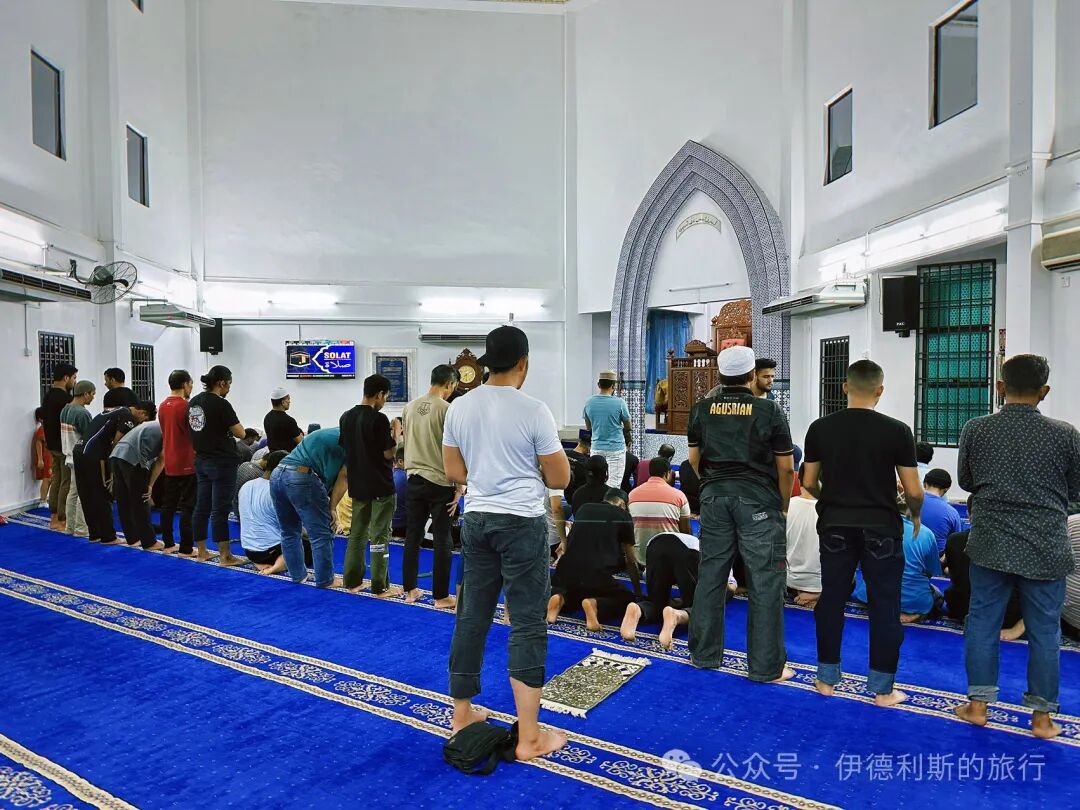
In the evening, we performed the evening prayer (namaz) at the Indian mosque in the old town of Johor Bahru. The Indian mosque in Johor Bahru was built in the 1950s. It started as a small prayer hall (surau) for an initial community of 300 people. As the Indian community grew, the mosque was rebuilt and finally became a Friday mosque (Masjid) in 1994. view all
Summary: Halal Travel Guide: Johor Bahru - Sultanate History, Mosques and Muslim Heritage is presented here as a firsthand travel account in clear, natural English. The account focuses on Johor Bahru, Muslim Heritage, Mosques while preserving the names, places, food, photos, and historical details from the Chinese source.
In 1511, the Malacca Sultanate was invaded by the Portuguese. After the last Sultan of Malacca, Mahmud Shah, died in 1528, his son Alauddin Riayat Shah II became the Sultan in Johor, and he was known as the Sultan of Johor from then on. The history of the Johor Sultanate includes three dynasties: the Old Johor Dynasty, the Johor Bendahara Dynasty, and the Johor Temenggong Dynasty. Temenggong is an ancient Malay and Javanese noble title. Monarchs could appoint people with this title to rule border regions as regents or governors. In 1855, Sultan Ali of Johor signed a treaty with the British in Singapore. He agreed to hand over most of his power to Temenggong Ibrahim of Johor, who officially took the throne as the Sultan of Johor in 1858.
As early as 1844, Temenggong Ibrahim encouraged Chinese and Javanese people to move to the Malay fishing village of Tanjung Puteri in southern Johor to open ports and clear land. The Chinese grew sugarcane and pepper here, while the Javanese dug canals, built roads, and planted coconuts. In 1866, this place was officially named Johor Bahru, which is known as Xinshan in Chinese. In 1889, Sultan Abu Bakar succeeded to the throne and officially moved the royal capital to Johor Bahru.
Sultan Abu Bakar Mosque (Masjid Negeri Sultan Abu Bakar) was ordered to be built by Sultan Abu Bakar in 1892 and was officially completed in 1900. It is a very unique Victorian-style mosque in Malaysia. The mosque sits on a hilltop beside Skudai Road in Johor Bahru, overlooking the Straits of Johor and facing Singapore across the sea.
Victorian style is a revivalist architectural style that formed during the reign of Queen Victoria of the United Kingdom (reigned 1837-1901). Due to the pro-British sentiment of the Johor Sultanate at the time, many official buildings were constructed in the British style, and Sultan Abu Bakar Mosque is a prime example. The minaret of Sultan Abu Bakar Mosque was modeled after 19th-century British clock towers while incorporating some Moorish architectural elements. Looking up at the minaret, it appears very magnificent.
We performed namaz inside the mosque. The main prayer hall is dominated by yellow tones, with the golden roof and pale yellow walls complementing each other to look very elegant. In the center of the main hall stands a minbar with a metallic, mechanical look, giving it a strong Victorian-era steampunk feel.
The Mahmoodiah Royal Mausoleum (Makam Diraja Mahmoodiah) is the royal burial ground for the Sultans of Johor. It was built in 1895 for the burial of Sultan Abu Bakar of Johor. Since then, it has served as the final resting place for all subsequent Sultans of Johor and many members of the royal family. Johor's Chief Ministers and many other important figures are also buried here. Like the Sultan Abu Bakar Mosque built during the same period, the Mahmoodiah Royal Mausoleum uses Victorian architectural style while incorporating some Moorish architectural elements.
Sultan Abu Bakar was the first Sultan of modern Johor. Because he pushed hard for modernization, Johor became the fastest-progressing state at the time, earning him the title 'Father of Modern Johor'. Sultan Abu Bakar is most famous for the 'Kangchu system'. This policy encouraged large numbers of Chinese people to immigrate to Johor Bahru, which brought great wealth to Johor. At the same time, under the rule of Sultan Abu Bakar, his friendship with Queen Victoria allowed the Sultanate of Johor to maintain its independence. The Johor state flag could fly on a flagpole at the same height as the British Union Jack. The Johor State Constitution of 1895 was the first constitution in the Malay Peninsula, and it is still used by the state of Johor today.
On the east side of the cemetery stands the Kampung Mahmoodiah Mosque (Masjid Kampung Mahmoodiah), which shares the same style as the mausoleum. This mosque was first built in 1926 as a small mosque, and it was only upgraded to a Jumu'ah mosque in 2023.
In the afternoon, we performed the Asr namaz at the Pasir Pelangi Royal Mosque (Masjid Diraja Pasir Pelangi). The Pasir Pelangi Royal Mosque was built in 1911 next to the Johor Sultan's Pasir Pelangi Palace. The mosque features a neoclassical style that shows a clear British influence.
We visited an exhibition at the Johor Art Gallery. It features many works by Johor artists, including landscapes of buildings, local customs, and pieces that combine calligraphy with fine art.
A staff member at the Johor Art Gallery guided us through a hands-on experience with traditional tie-dye. The gallery also displays various colorful paintings by local artists. The traditional Malay snack stall at the entrance of the art gallery is also very famous. We were short on time and didn't get to eat there, which was a shame.
The courtyard of the Johor Art Gallery has restored several traditional Johor Malay buildings. A staff member explained Johor Malay culture to us, and we had a lot of fun trying on traditional Johor Malay clothing for free photos.
Besides Malay and Chinese people, there are also many Indian people in Johor Bahru. On Jalan Dhoby in the old town of Johor Bahru, there is a traditional bakery called Salahuddin Bakery that has been open for over 80 years. The founder came to Malaysia from New Delhi in 1925 and opened the current bakery in 1937. It has now been passed down through four generations. His shop still uses a traditional wood-fired oven to bake bread, creating a taste of childhood for generations of people in Johor Bahru.
Their most famous specialty is the curry puff (karipap). The word 'Kari' in this name means 'sauce' in the South Asian Tamil language, while 'pap' comes from the Hokkien word for 'puff'. Curry puffs made by Malaysian Indians have flaky, layered pastry. The fillings are very spicy and include vegetarian options like potato and onion curry, as well as chicken or mutton meat fillings.
In the evening, we performed the evening prayer (namaz) at the Indian mosque in the old town of Johor Bahru. The Indian mosque in Johor Bahru was built in the 1950s. It started as a small prayer hall (surau) for an initial community of 300 people. As the Indian community grew, the mosque was rebuilt and finally became a Friday mosque (Masjid) in 1994. view all
Reposted from the web
Summary: Halal Travel Guide: Johor Bahru - Sultanate History, Mosques and Muslim Heritage is presented here as a firsthand travel account in clear, natural English. The account focuses on Johor Bahru, Muslim Heritage, Mosques while preserving the names, places, food, photos, and historical details from the Chinese source.
In 1511, the Malacca Sultanate was invaded by the Portuguese. After the last Sultan of Malacca, Mahmud Shah, died in 1528, his son Alauddin Riayat Shah II became the Sultan in Johor, and he was known as the Sultan of Johor from then on. The history of the Johor Sultanate includes three dynasties: the Old Johor Dynasty, the Johor Bendahara Dynasty, and the Johor Temenggong Dynasty. Temenggong is an ancient Malay and Javanese noble title. Monarchs could appoint people with this title to rule border regions as regents or governors. In 1855, Sultan Ali of Johor signed a treaty with the British in Singapore. He agreed to hand over most of his power to Temenggong Ibrahim of Johor, who officially took the throne as the Sultan of Johor in 1858.
As early as 1844, Temenggong Ibrahim encouraged Chinese and Javanese people to move to the Malay fishing village of Tanjung Puteri in southern Johor to open ports and clear land. The Chinese grew sugarcane and pepper here, while the Javanese dug canals, built roads, and planted coconuts. In 1866, this place was officially named Johor Bahru, which is known as Xinshan in Chinese. In 1889, Sultan Abu Bakar succeeded to the throne and officially moved the royal capital to Johor Bahru.
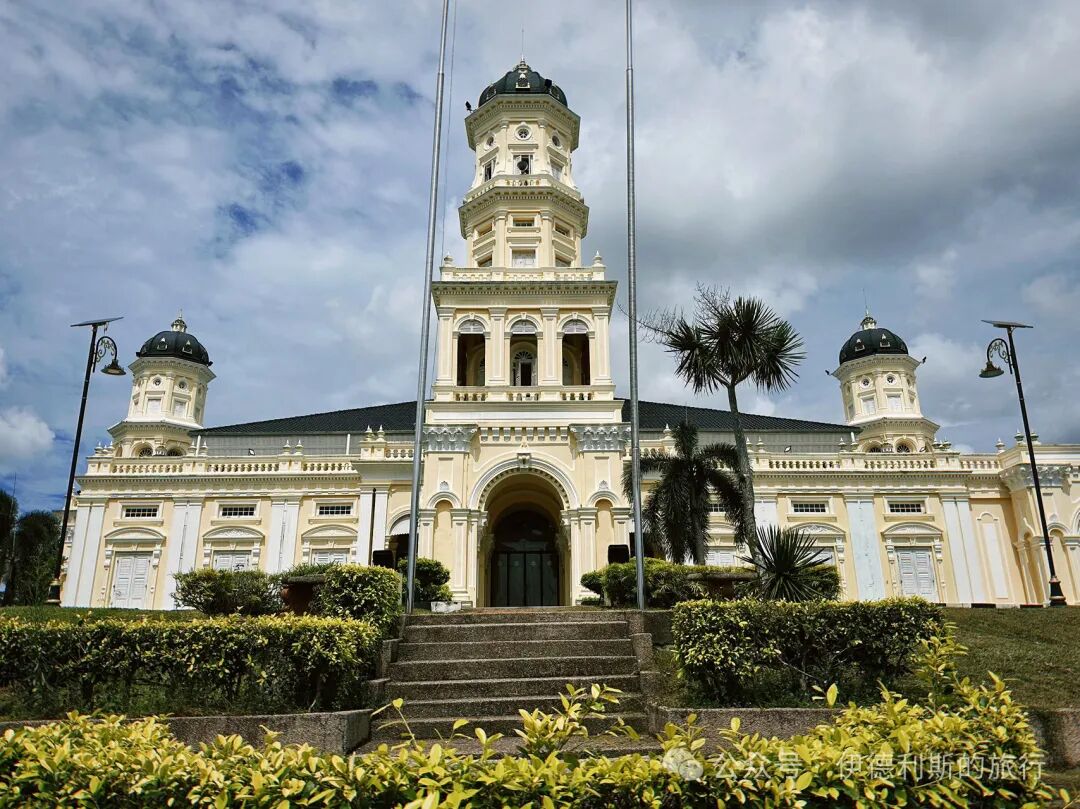
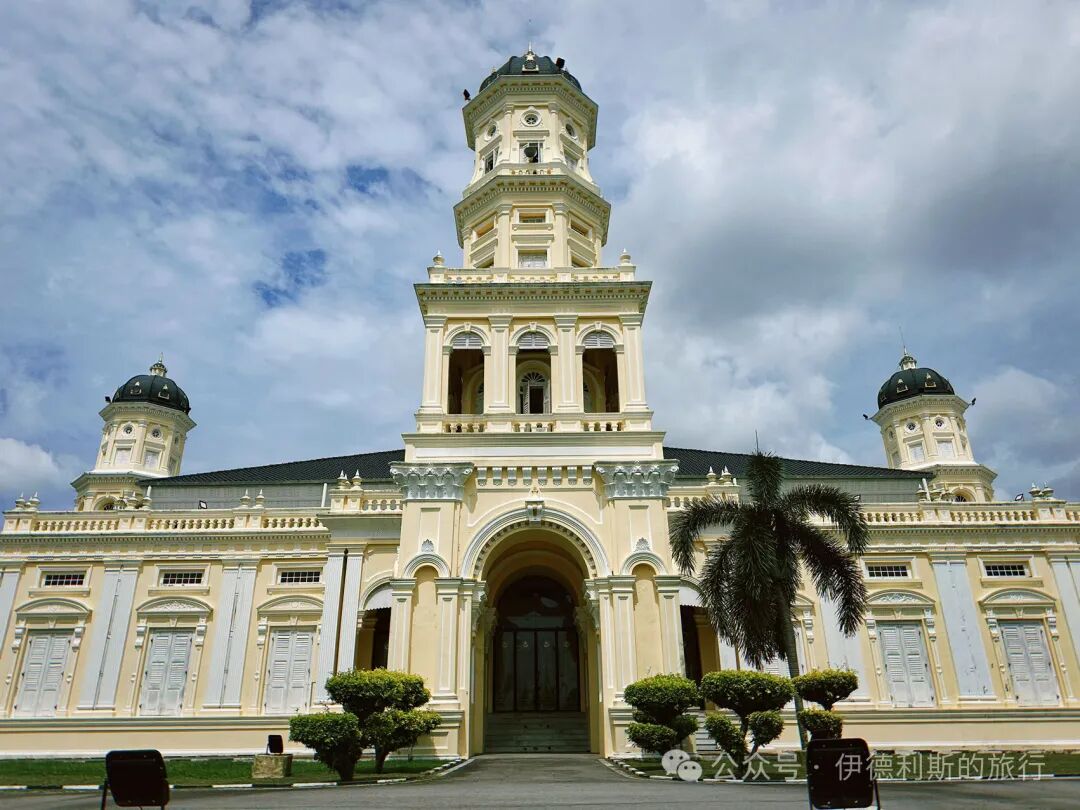
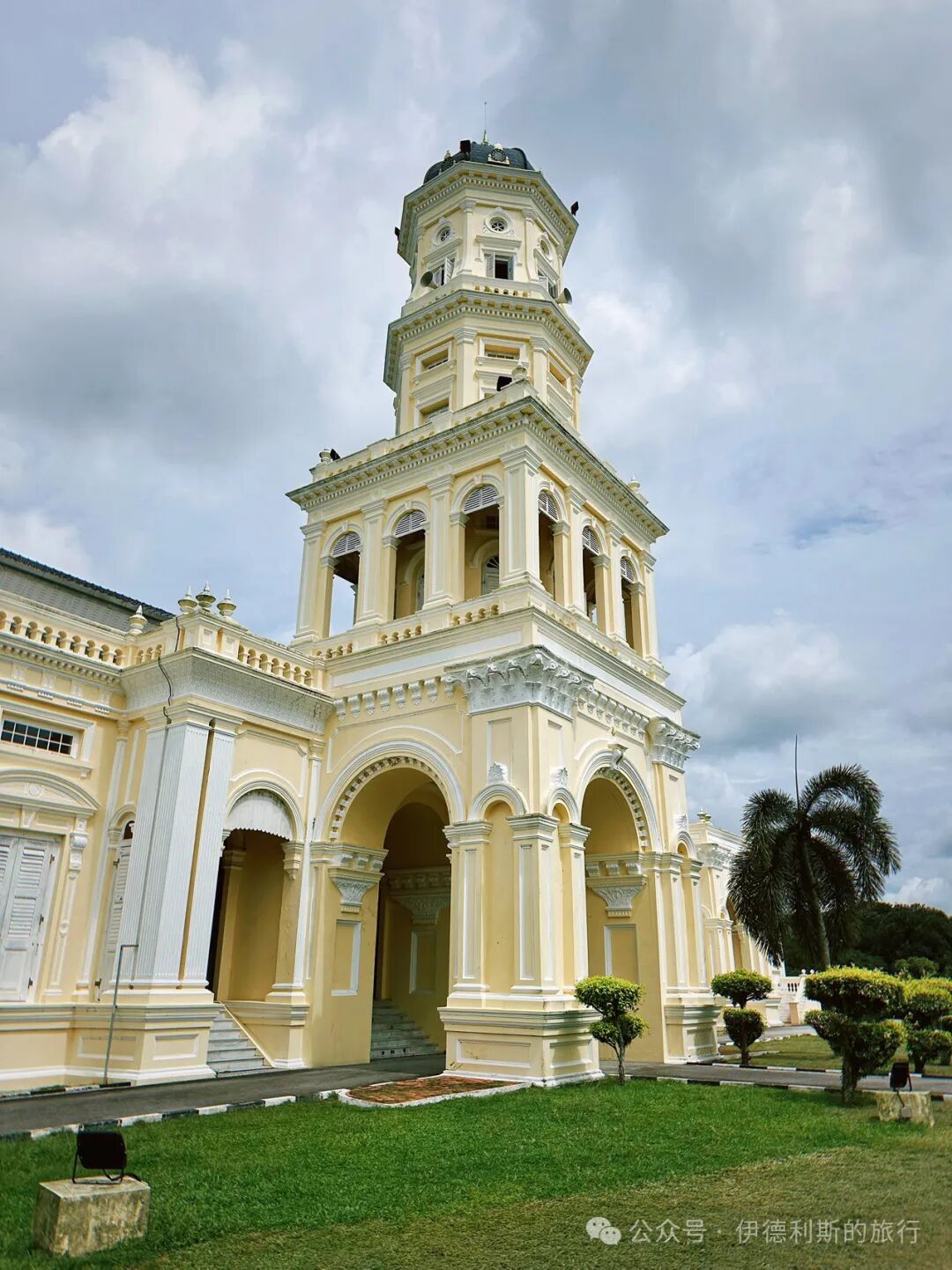
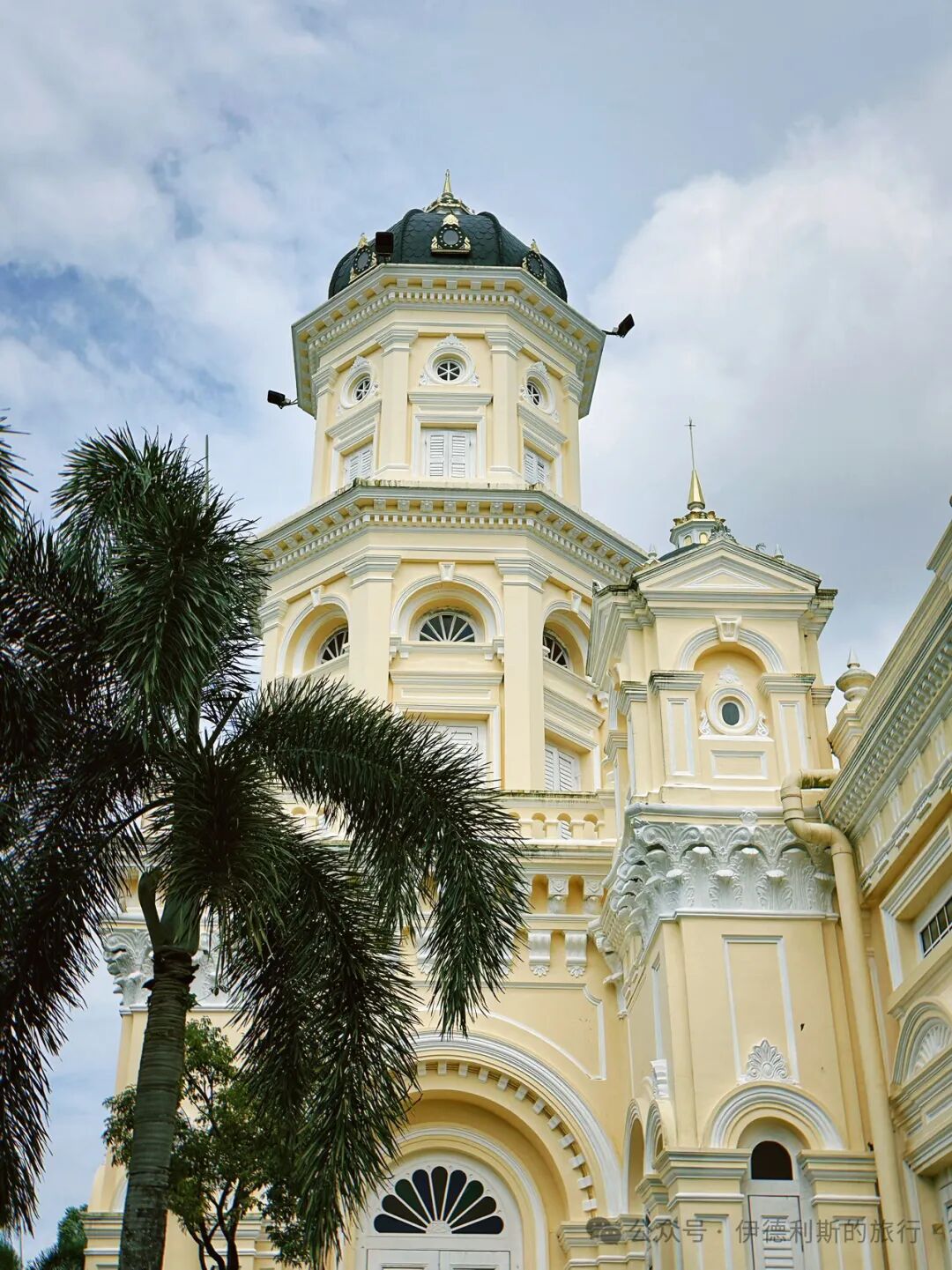
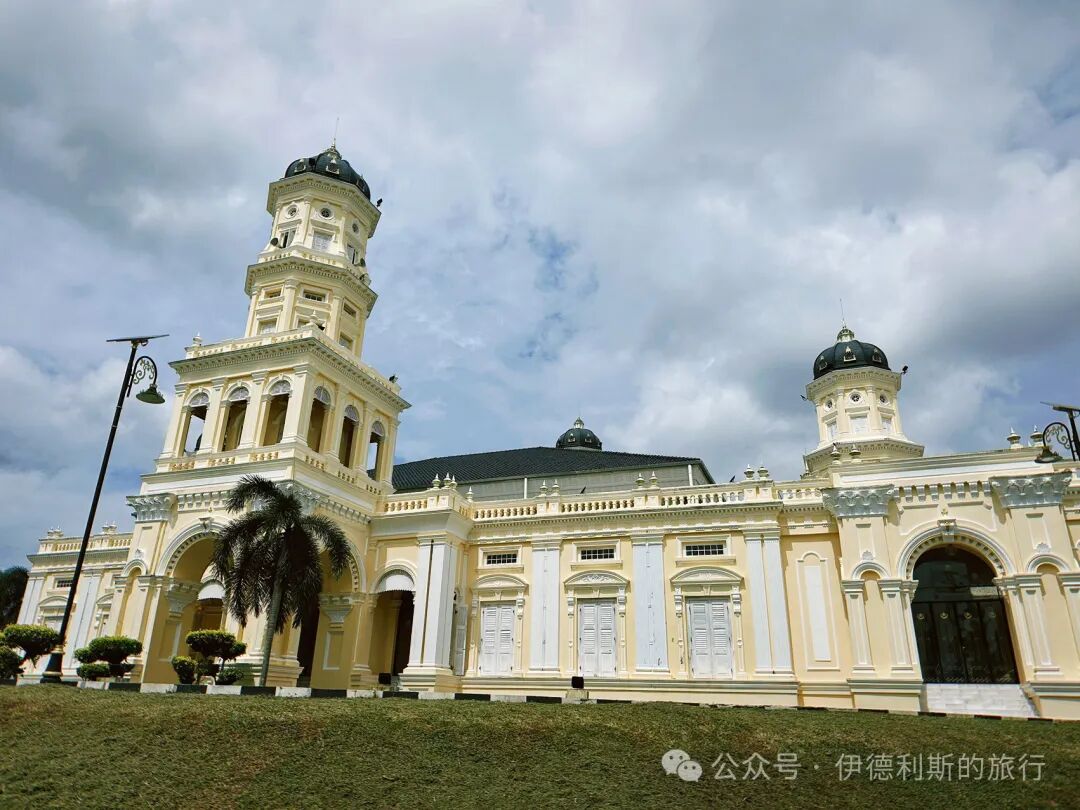
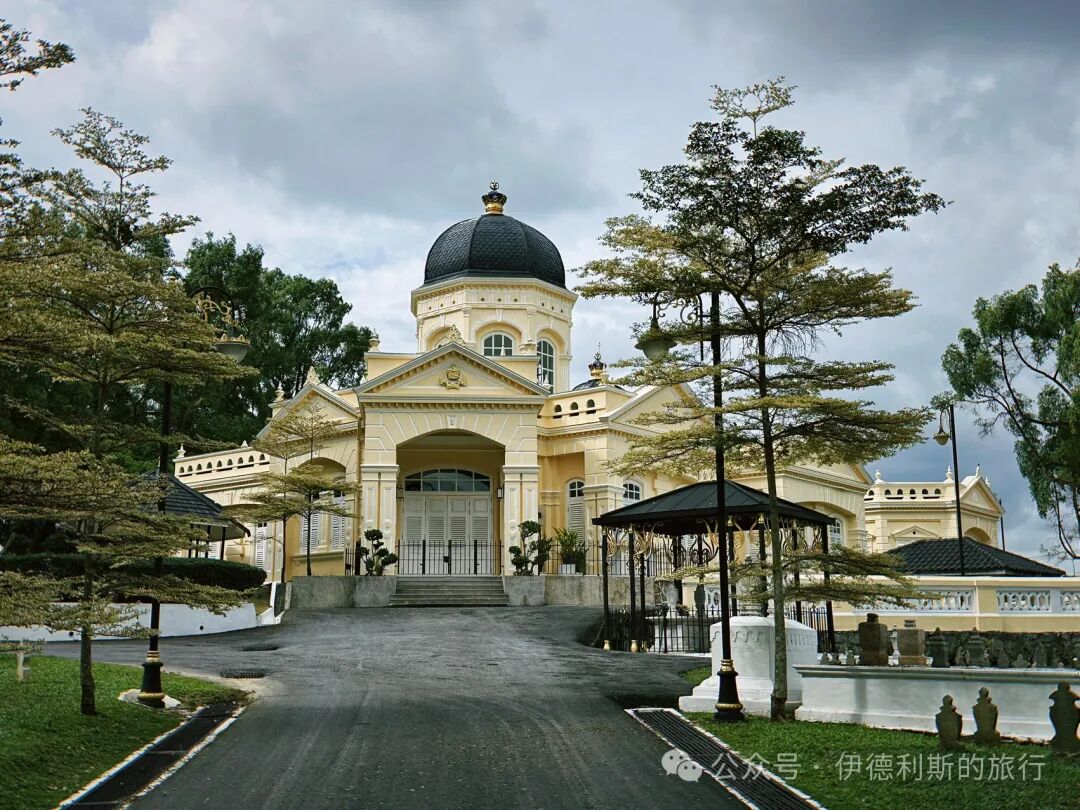
Sultan Abu Bakar Mosque (Masjid Negeri Sultan Abu Bakar) was ordered to be built by Sultan Abu Bakar in 1892 and was officially completed in 1900. It is a very unique Victorian-style mosque in Malaysia. The mosque sits on a hilltop beside Skudai Road in Johor Bahru, overlooking the Straits of Johor and facing Singapore across the sea.
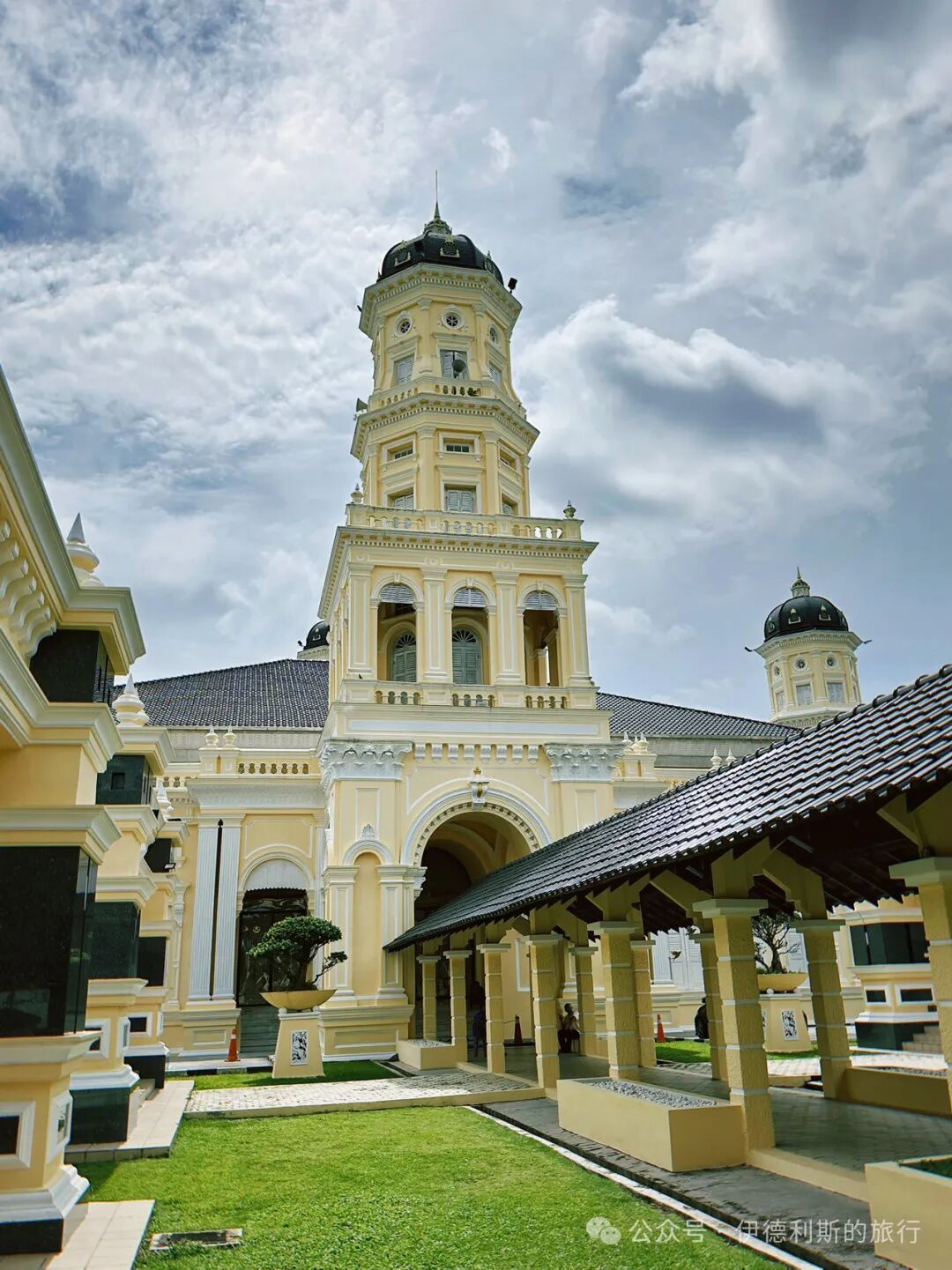
Victorian style is a revivalist architectural style that formed during the reign of Queen Victoria of the United Kingdom (reigned 1837-1901). Due to the pro-British sentiment of the Johor Sultanate at the time, many official buildings were constructed in the British style, and Sultan Abu Bakar Mosque is a prime example. The minaret of Sultan Abu Bakar Mosque was modeled after 19th-century British clock towers while incorporating some Moorish architectural elements. Looking up at the minaret, it appears very magnificent.
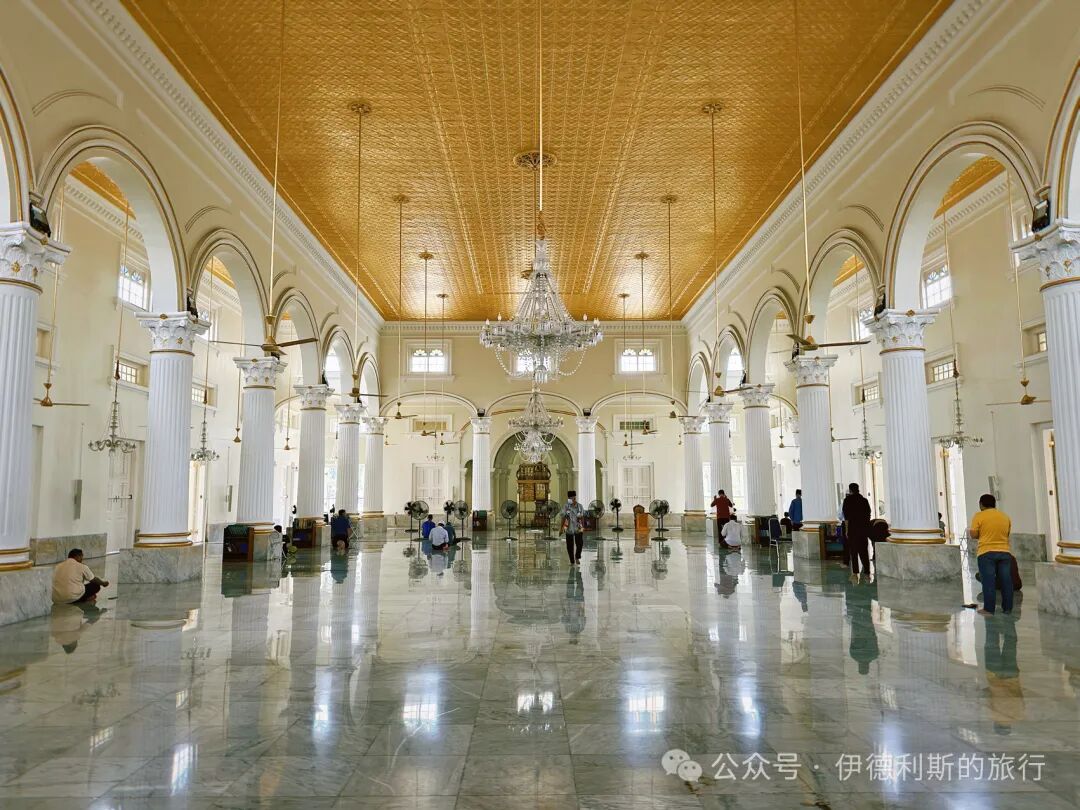
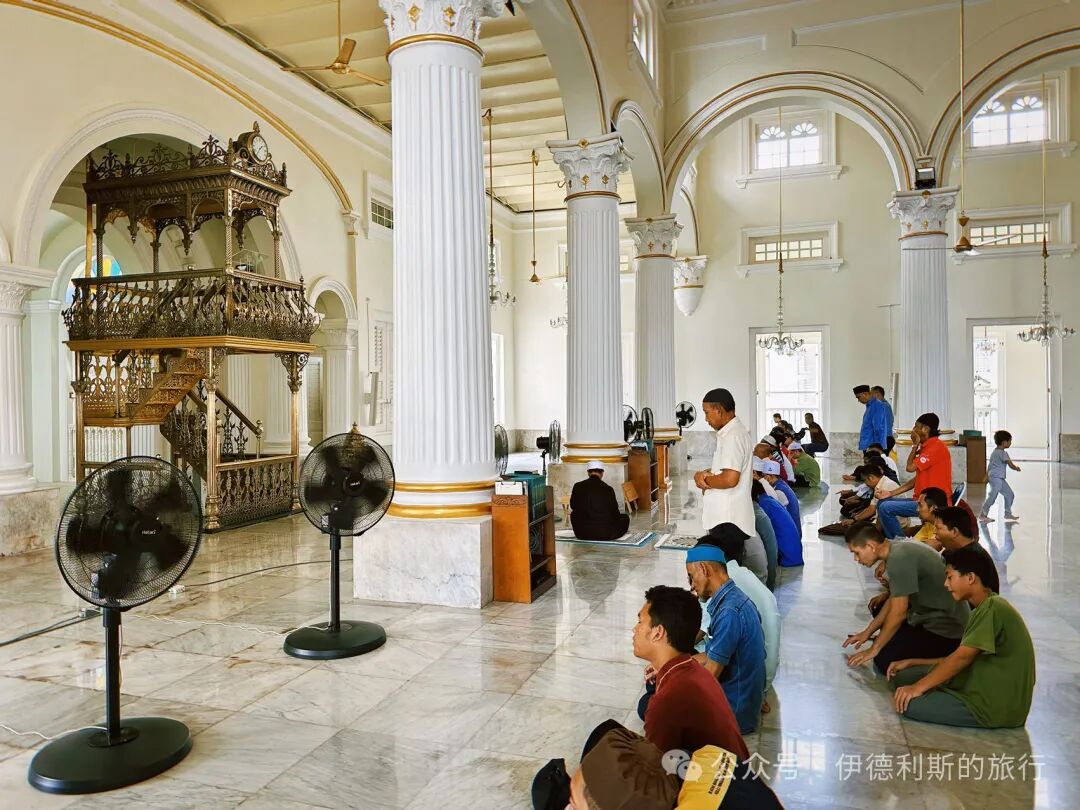
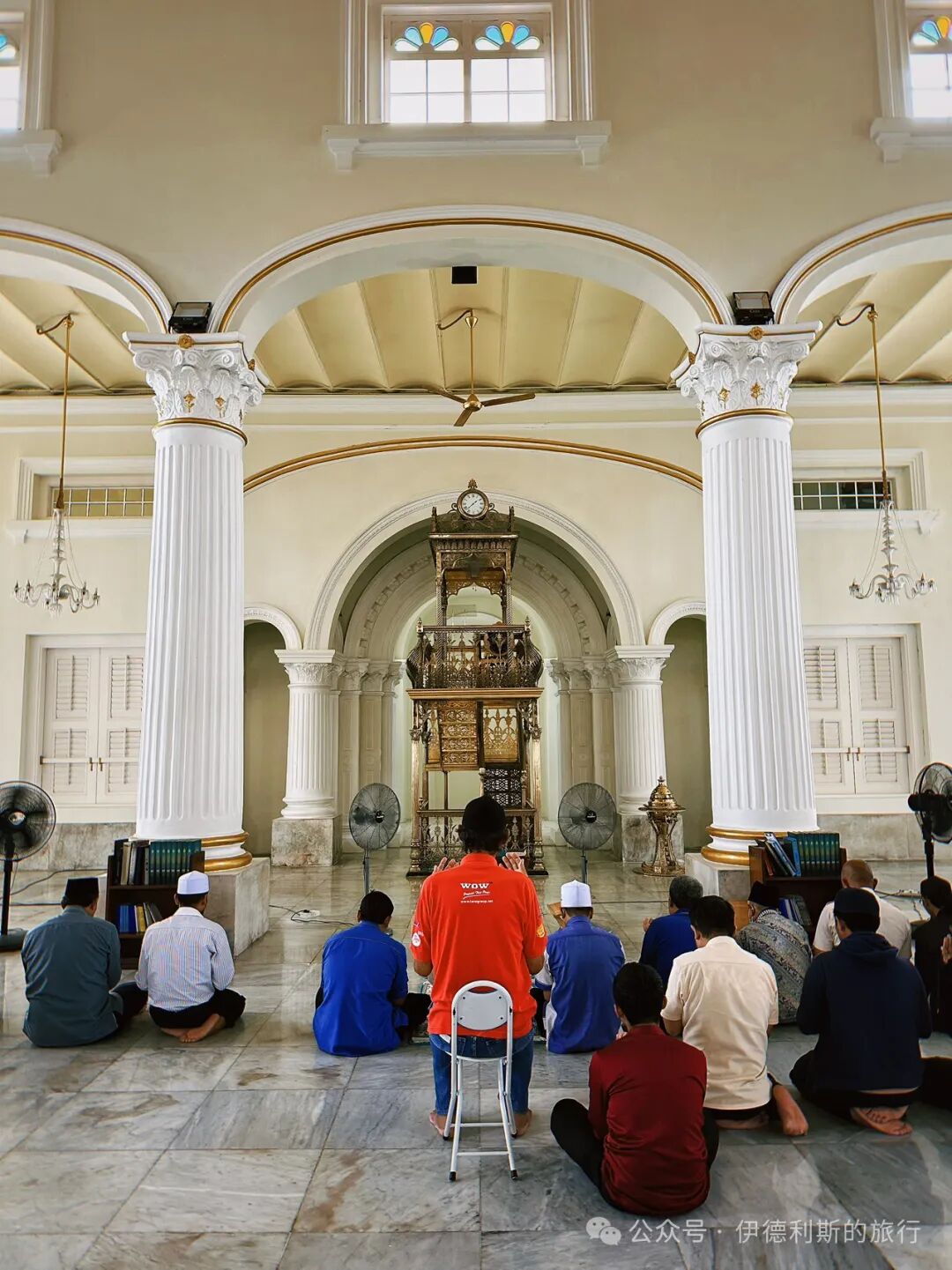
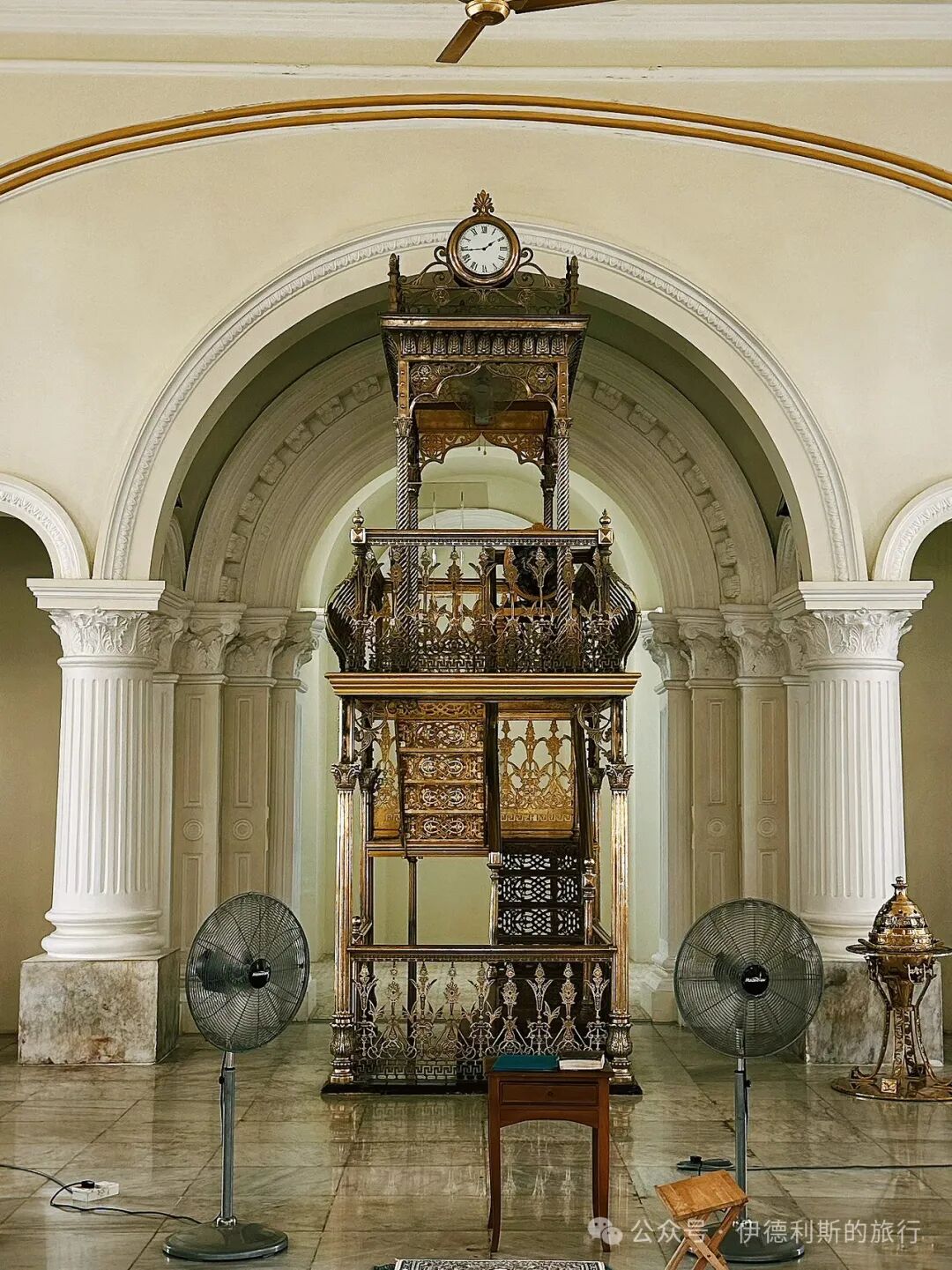
We performed namaz inside the mosque. The main prayer hall is dominated by yellow tones, with the golden roof and pale yellow walls complementing each other to look very elegant. In the center of the main hall stands a minbar with a metallic, mechanical look, giving it a strong Victorian-era steampunk feel.
The Mahmoodiah Royal Mausoleum (Makam Diraja Mahmoodiah) is the royal burial ground for the Sultans of Johor. It was built in 1895 for the burial of Sultan Abu Bakar of Johor. Since then, it has served as the final resting place for all subsequent Sultans of Johor and many members of the royal family. Johor's Chief Ministers and many other important figures are also buried here. Like the Sultan Abu Bakar Mosque built during the same period, the Mahmoodiah Royal Mausoleum uses Victorian architectural style while incorporating some Moorish architectural elements.
Sultan Abu Bakar was the first Sultan of modern Johor. Because he pushed hard for modernization, Johor became the fastest-progressing state at the time, earning him the title 'Father of Modern Johor'. Sultan Abu Bakar is most famous for the 'Kangchu system'. This policy encouraged large numbers of Chinese people to immigrate to Johor Bahru, which brought great wealth to Johor. At the same time, under the rule of Sultan Abu Bakar, his friendship with Queen Victoria allowed the Sultanate of Johor to maintain its independence. The Johor state flag could fly on a flagpole at the same height as the British Union Jack. The Johor State Constitution of 1895 was the first constitution in the Malay Peninsula, and it is still used by the state of Johor today.
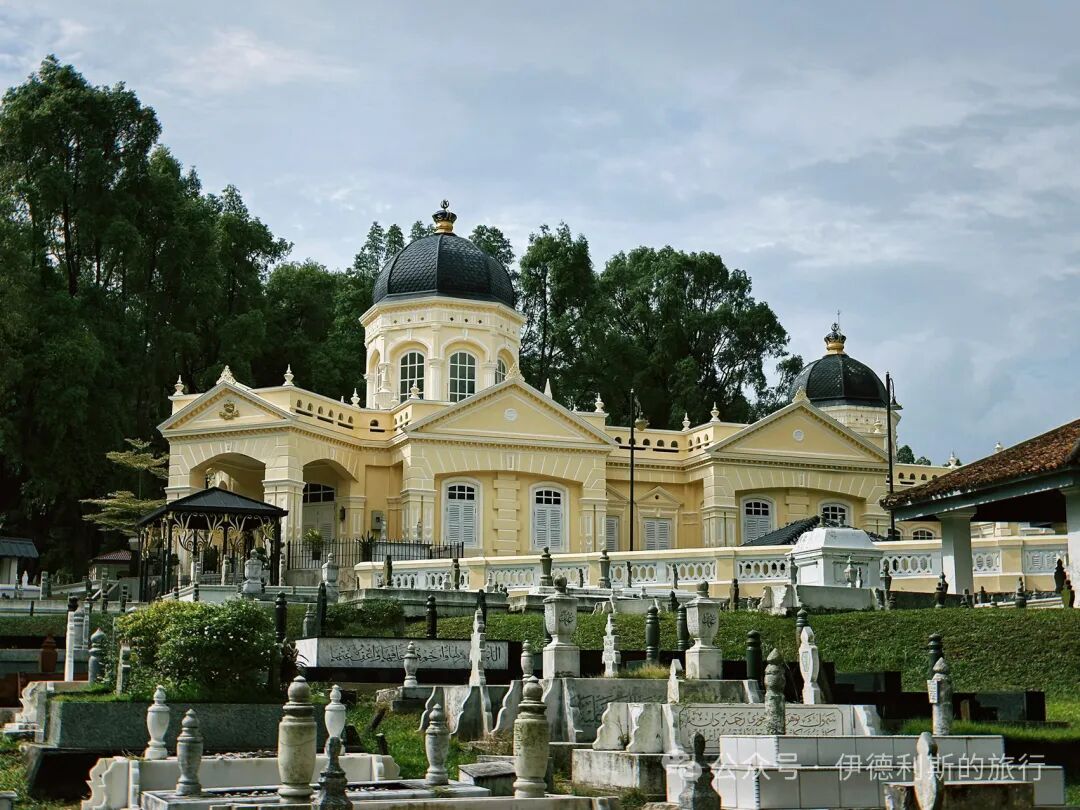
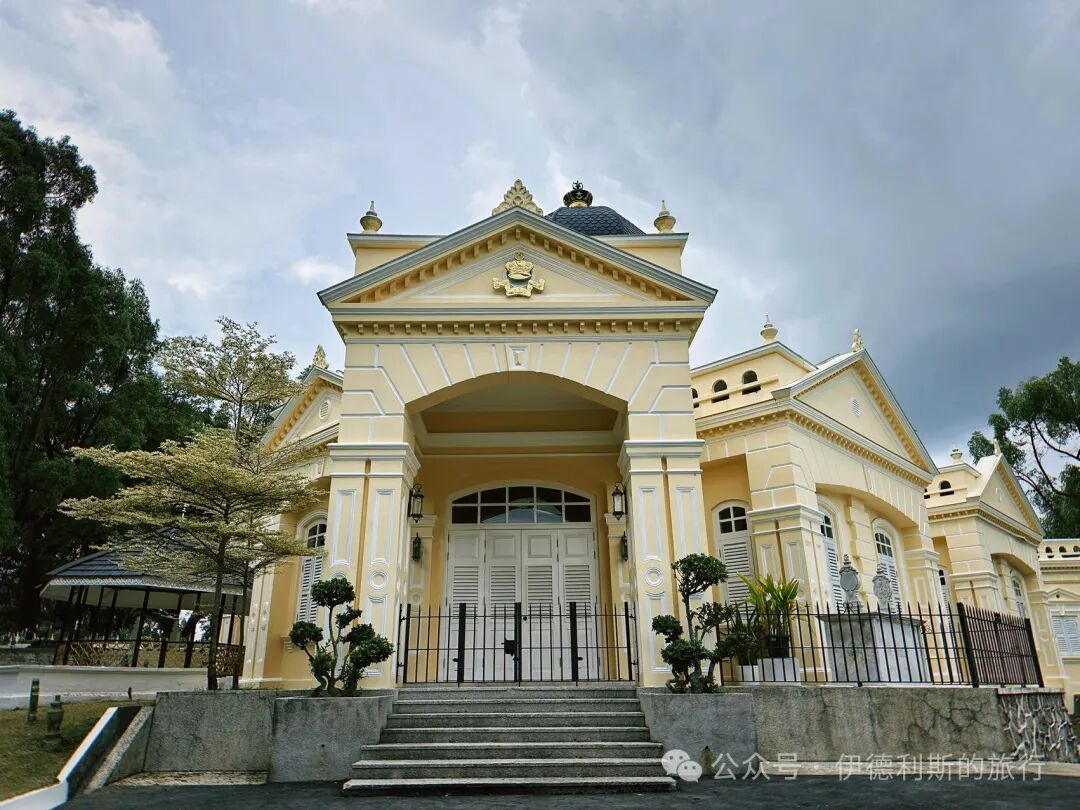
On the east side of the cemetery stands the Kampung Mahmoodiah Mosque (Masjid Kampung Mahmoodiah), which shares the same style as the mausoleum. This mosque was first built in 1926 as a small mosque, and it was only upgraded to a Jumu'ah mosque in 2023.
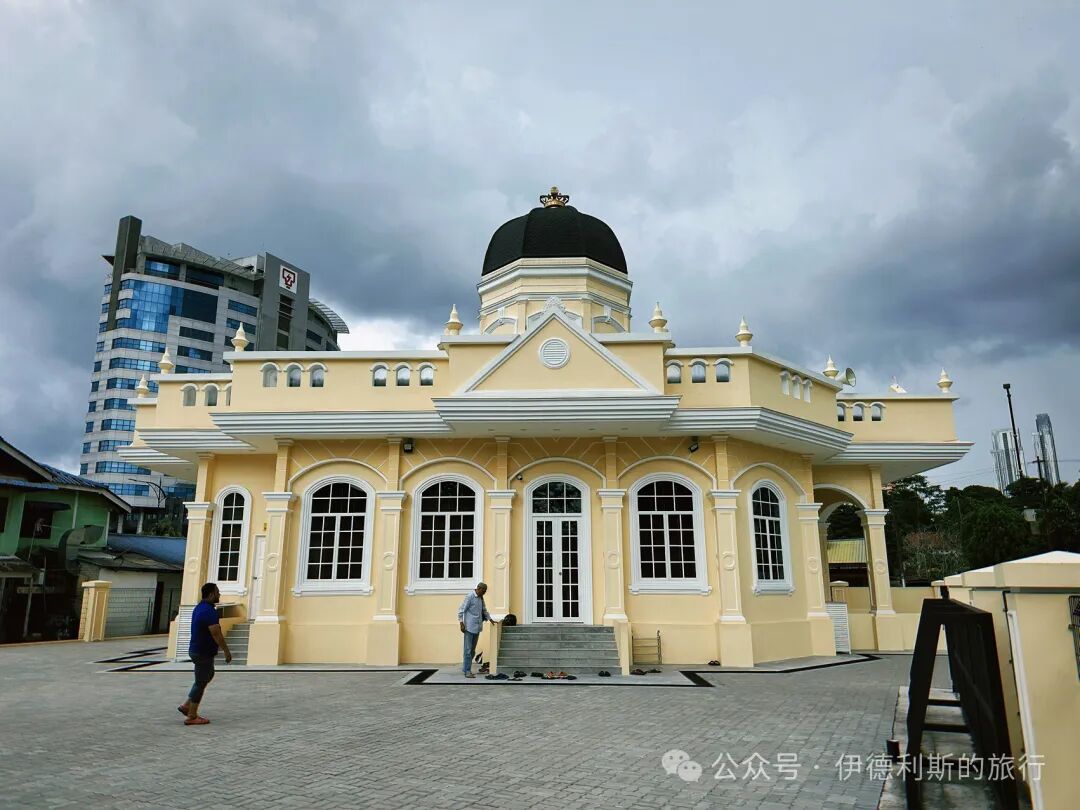
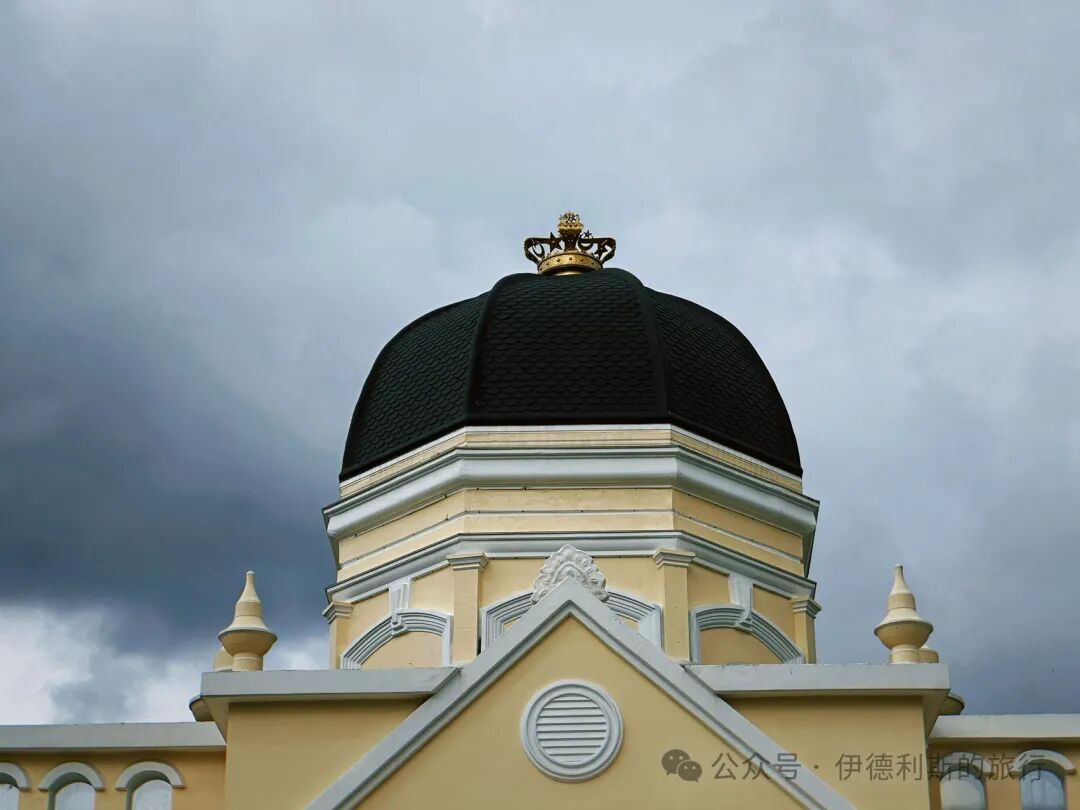
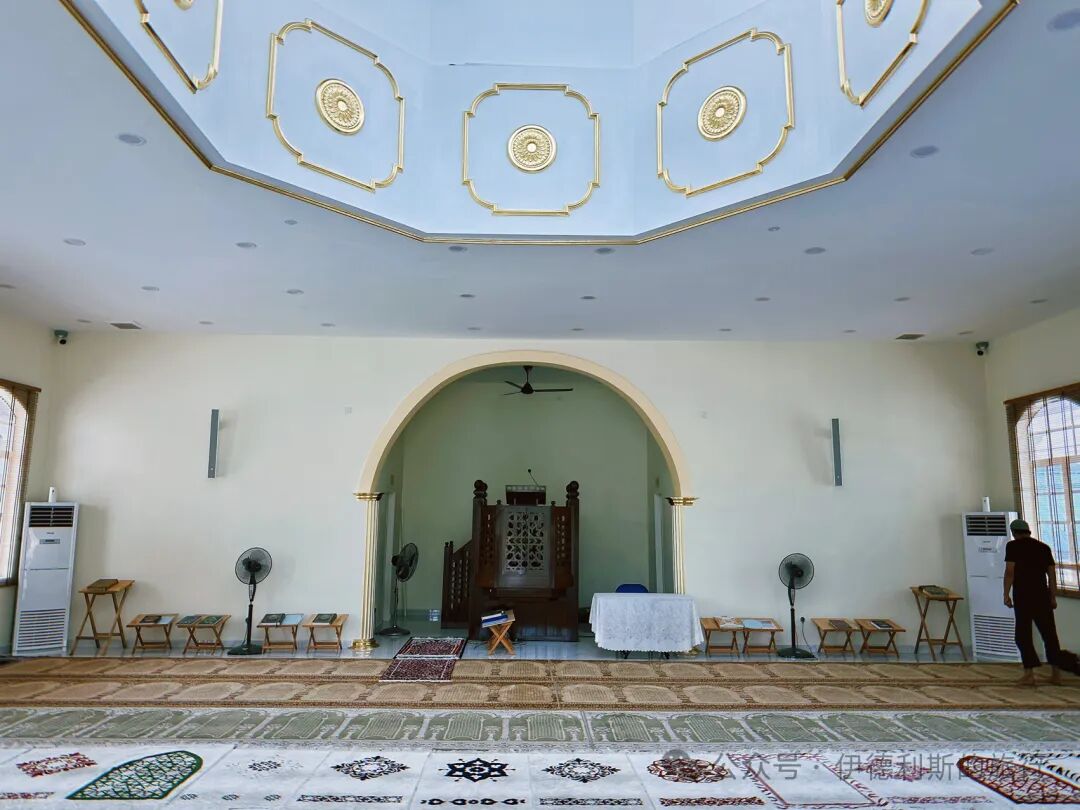
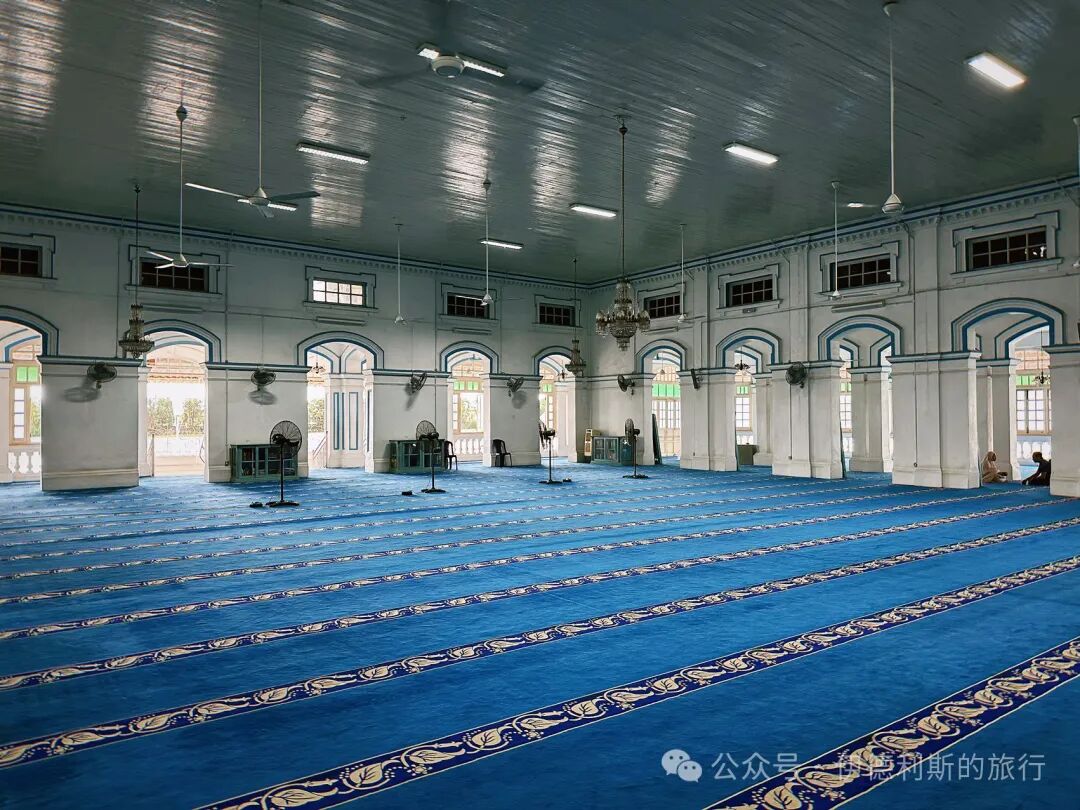
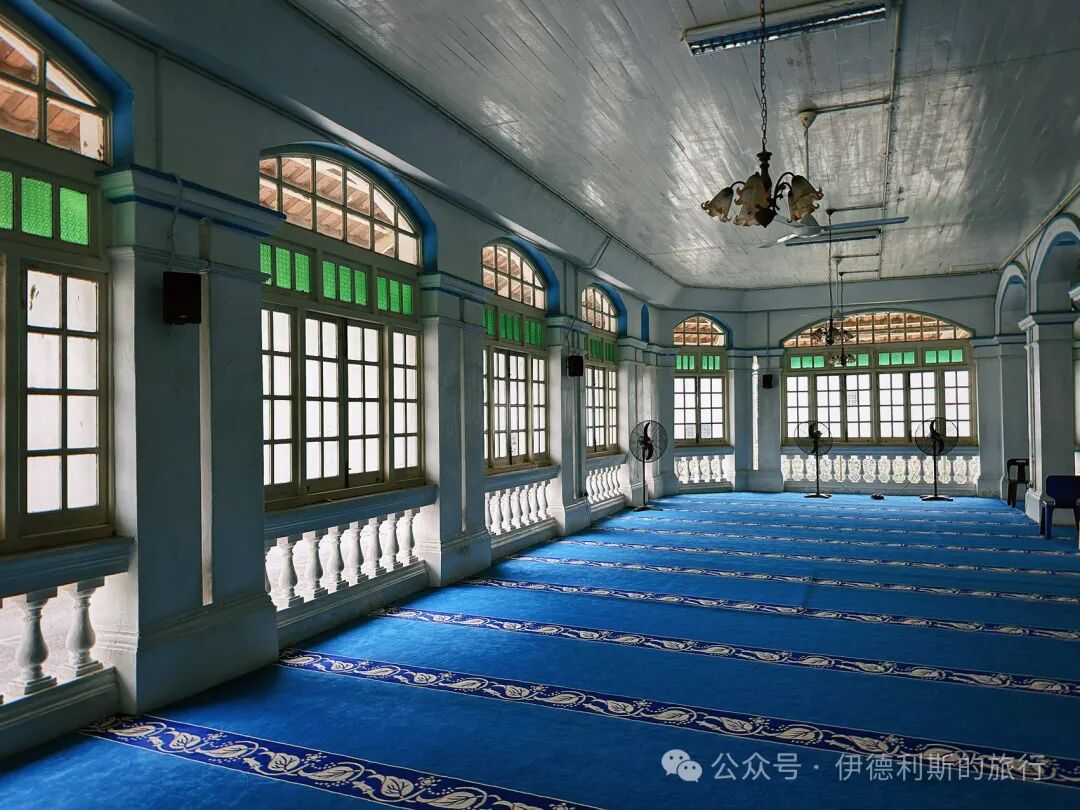
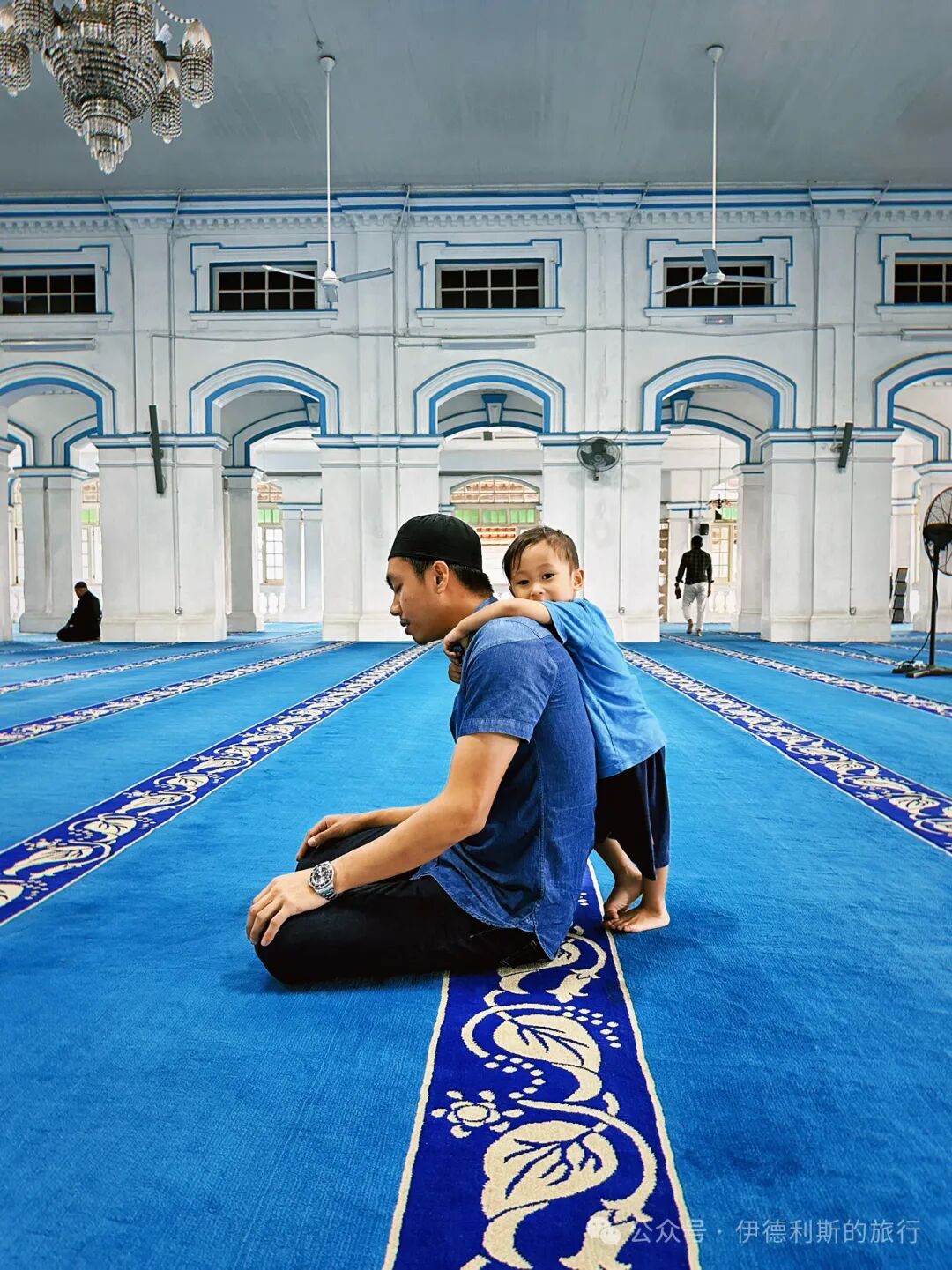
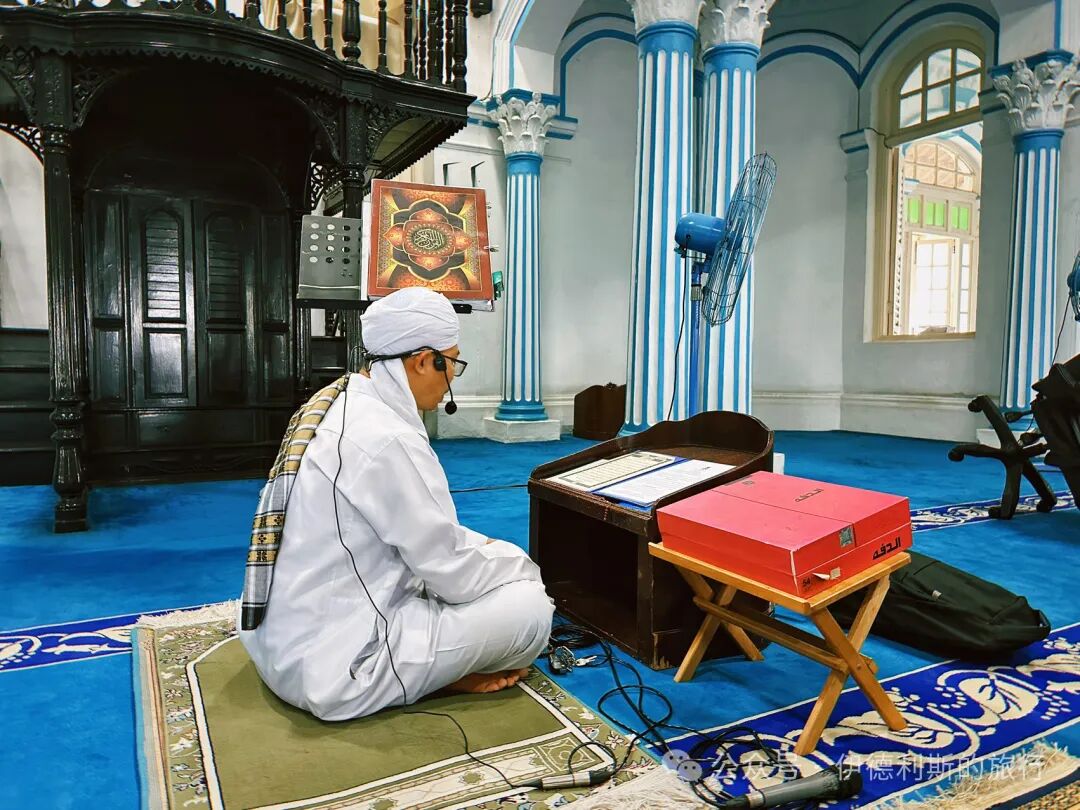
In the afternoon, we performed the Asr namaz at the Pasir Pelangi Royal Mosque (Masjid Diraja Pasir Pelangi). The Pasir Pelangi Royal Mosque was built in 1911 next to the Johor Sultan's Pasir Pelangi Palace. The mosque features a neoclassical style that shows a clear British influence.
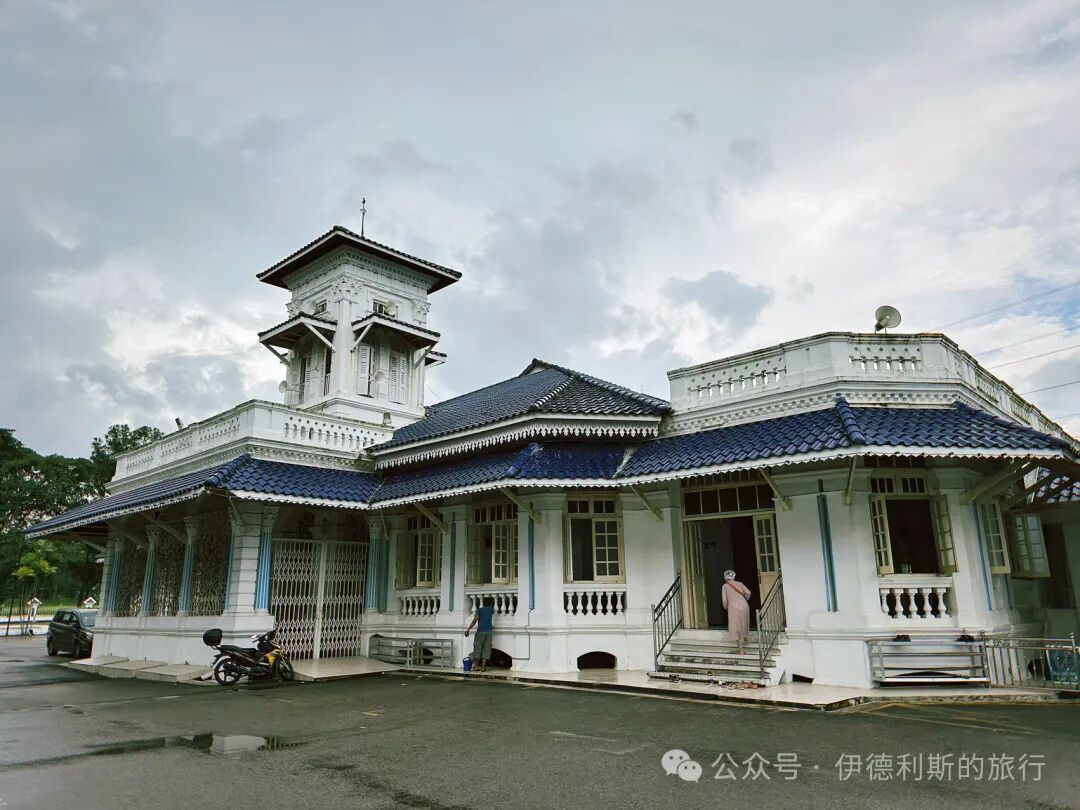
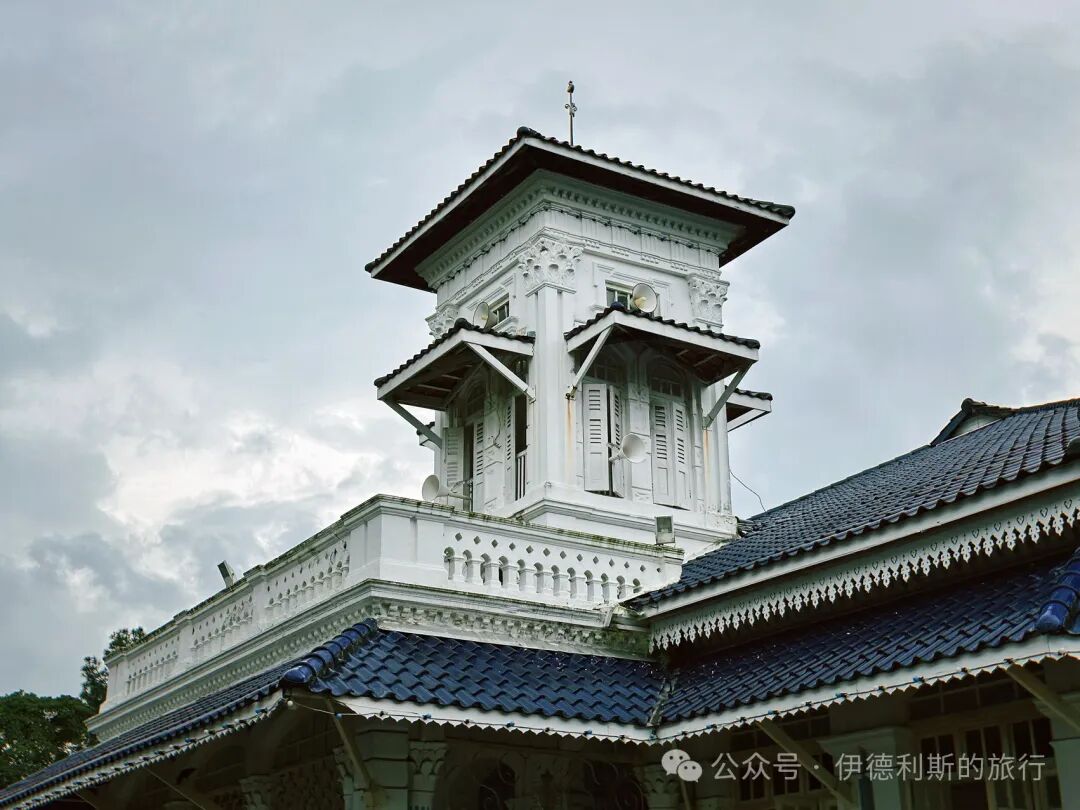
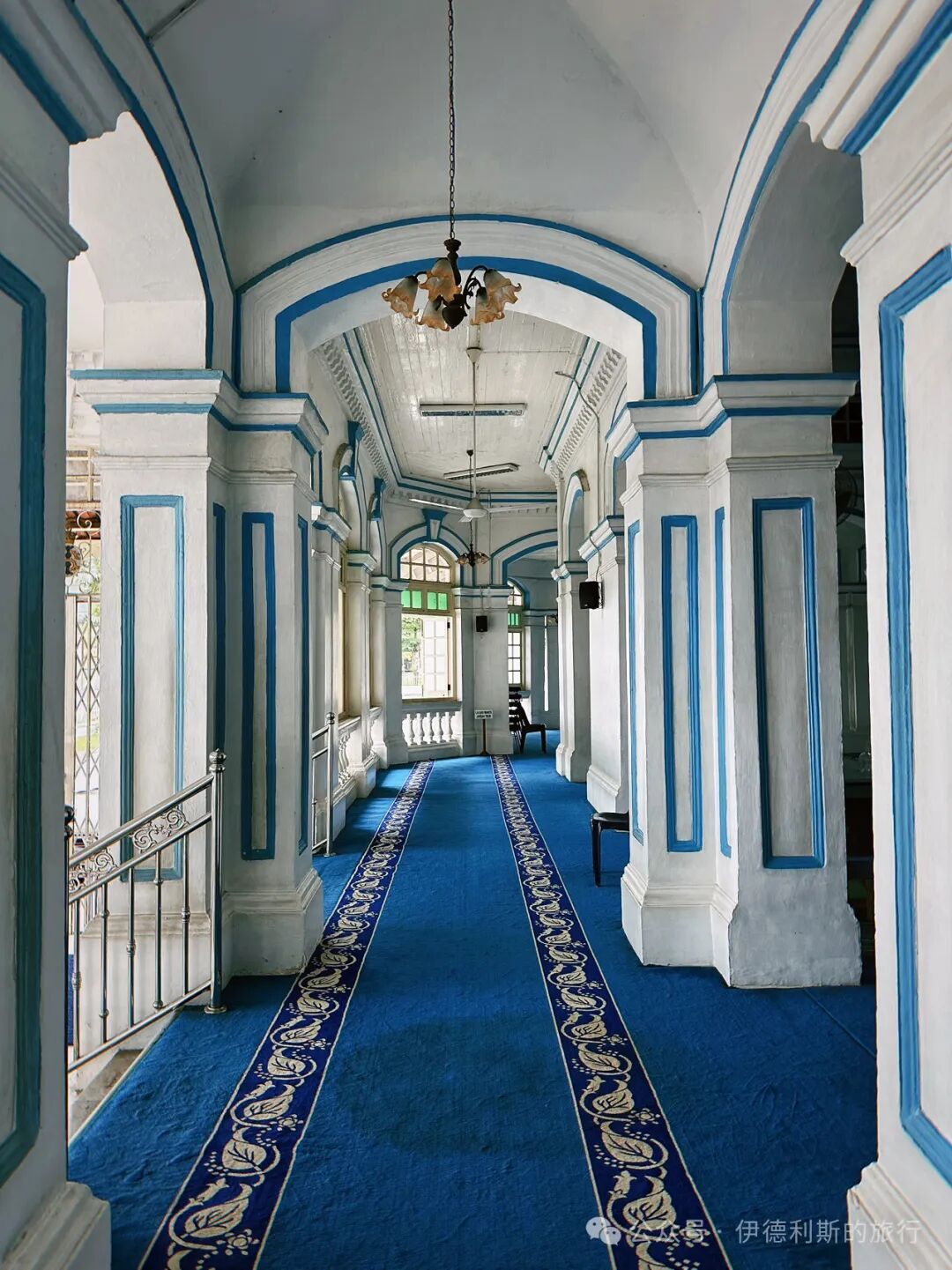
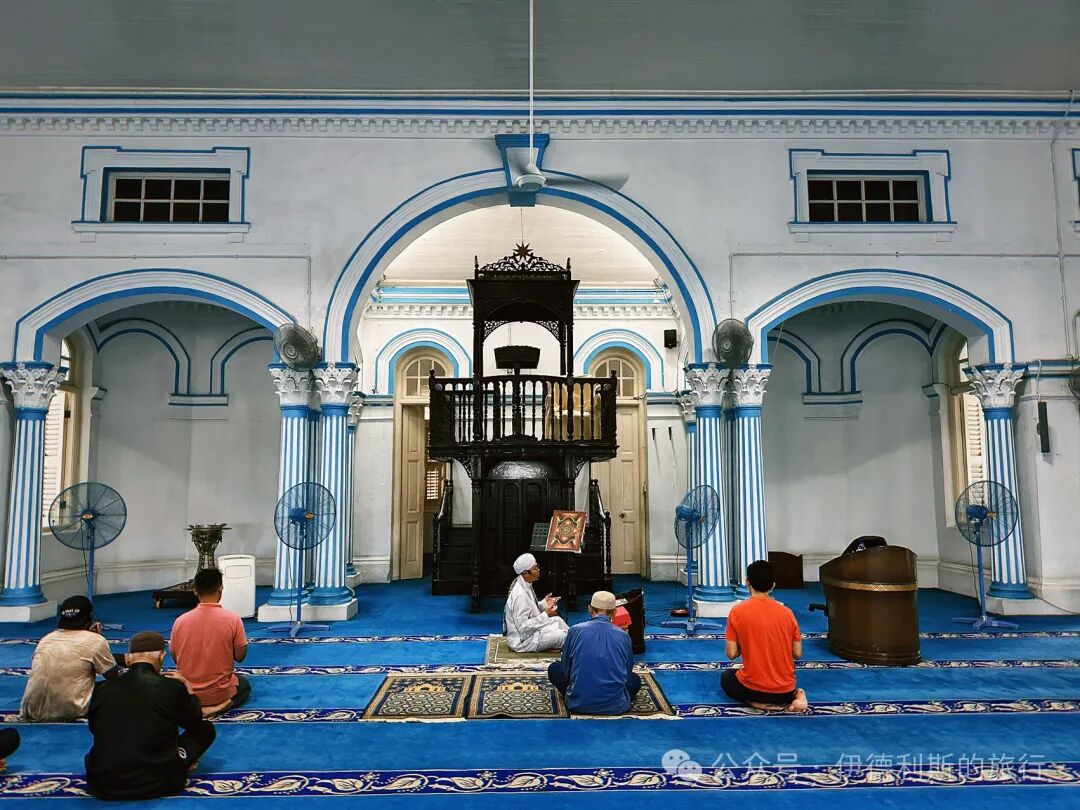
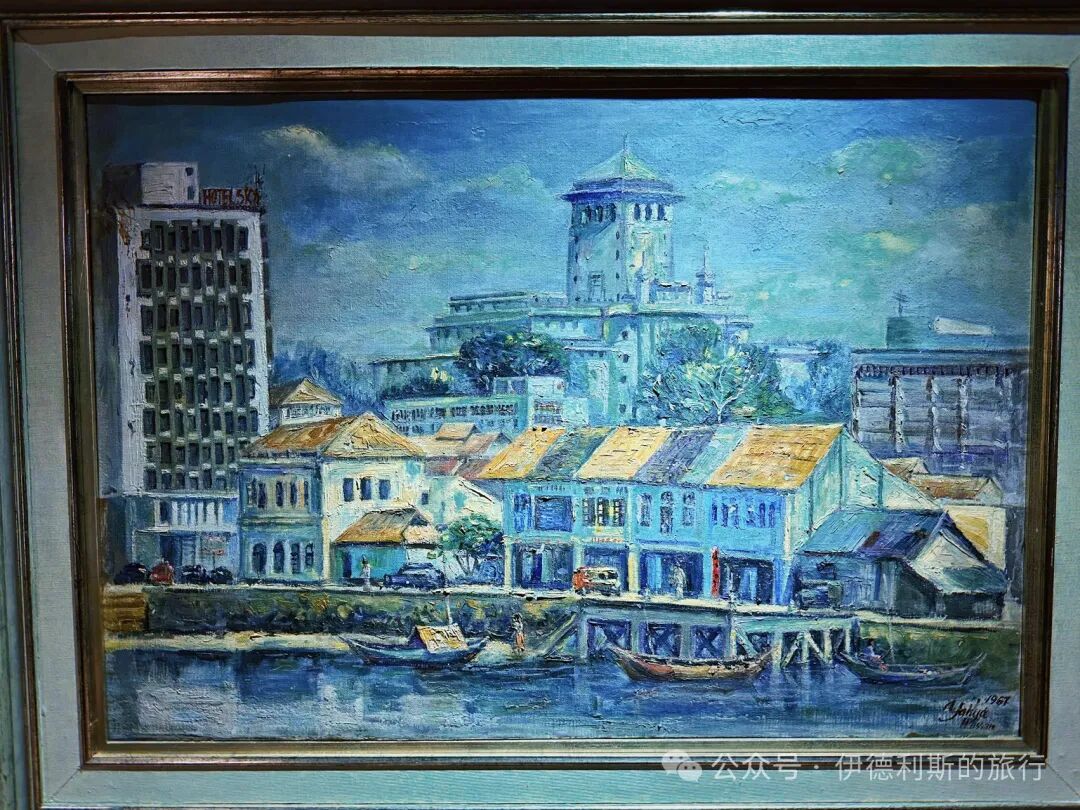
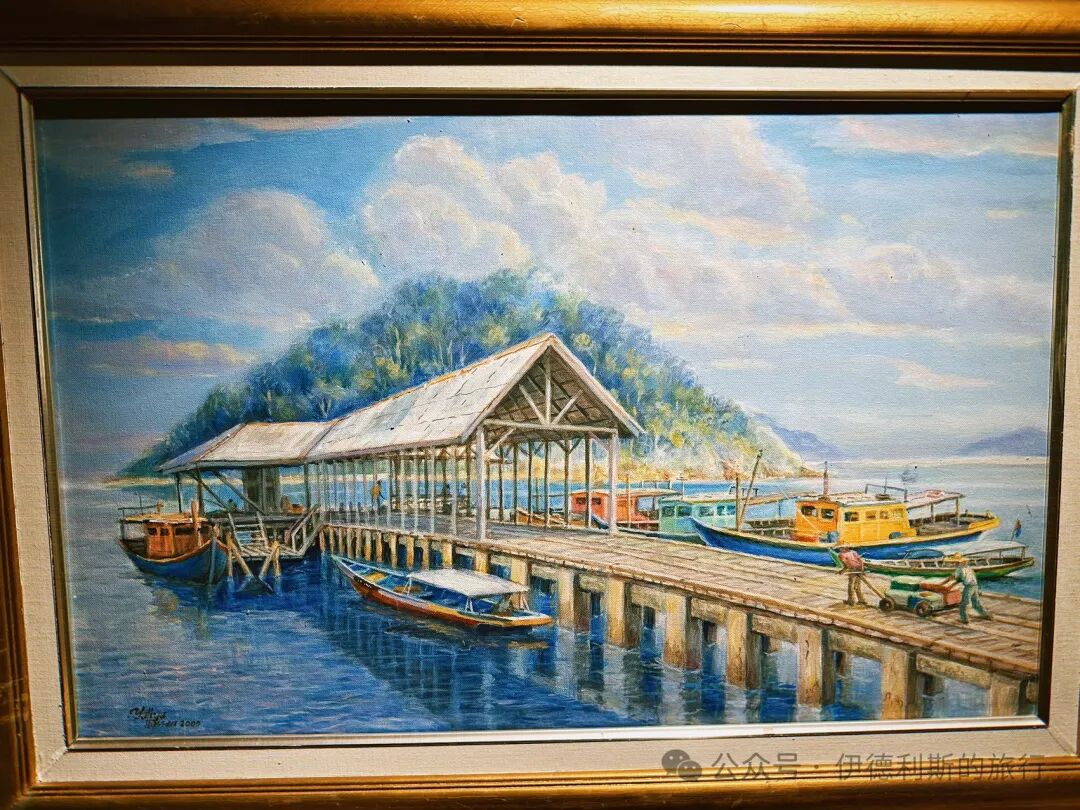
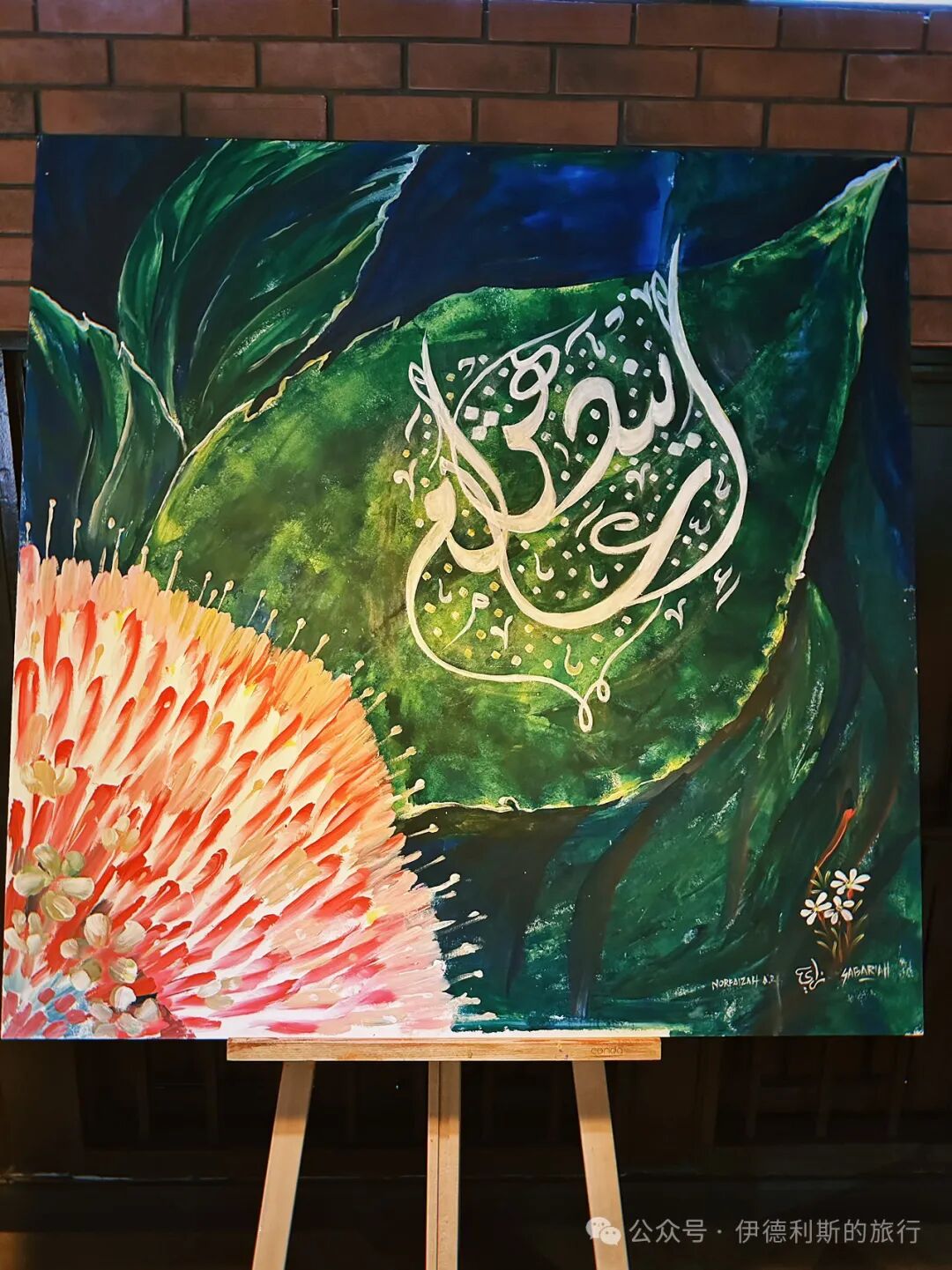
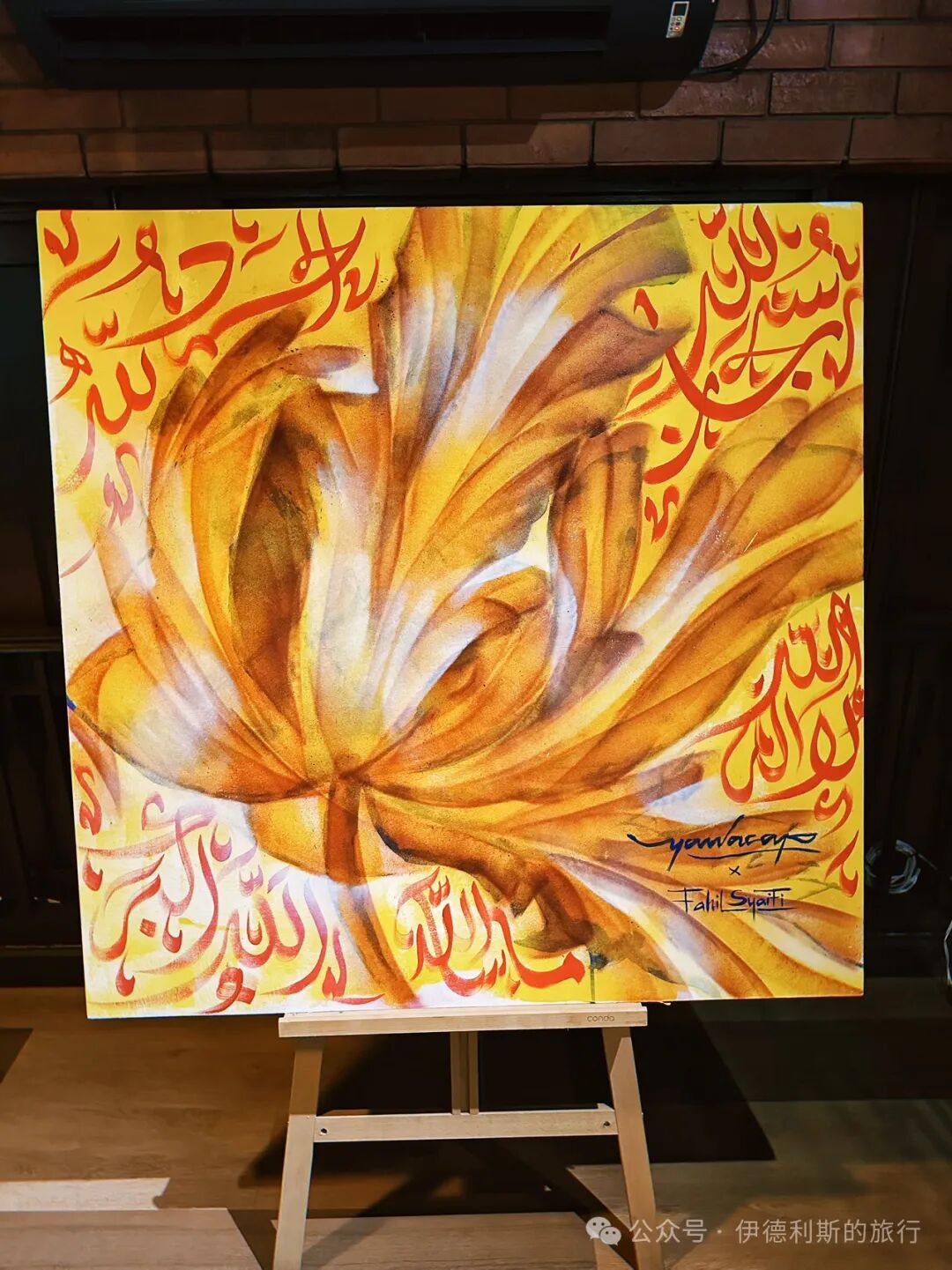
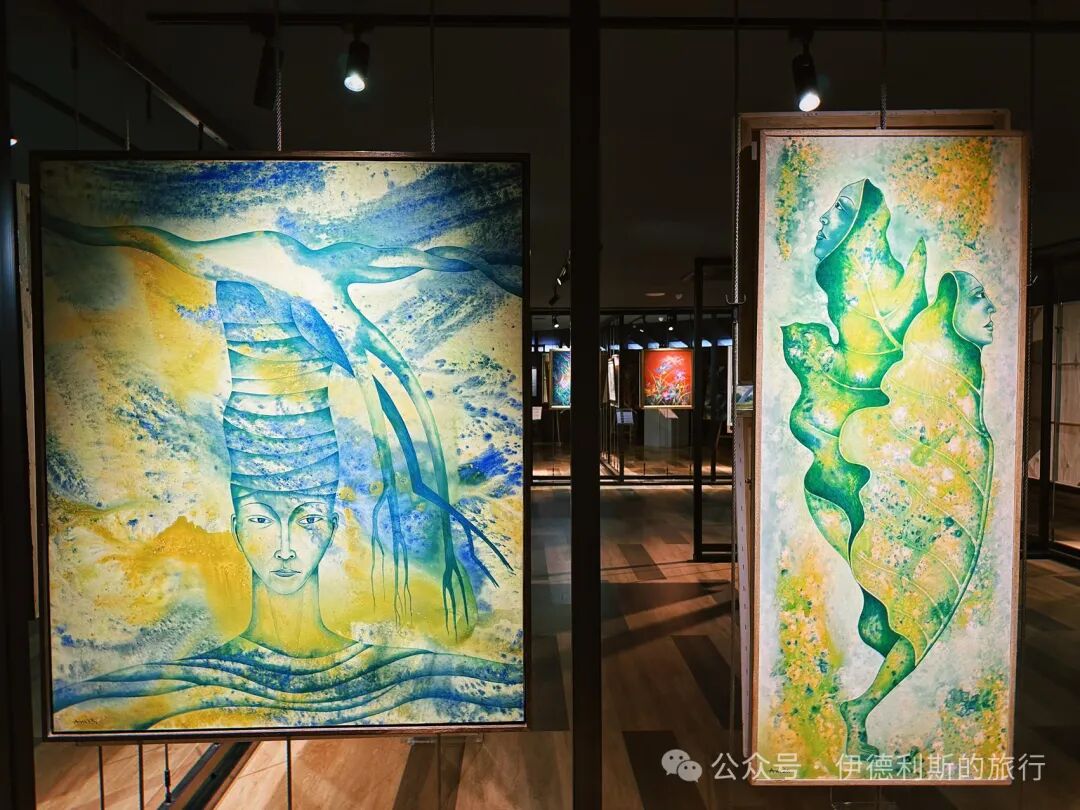
We visited an exhibition at the Johor Art Gallery. It features many works by Johor artists, including landscapes of buildings, local customs, and pieces that combine calligraphy with fine art.
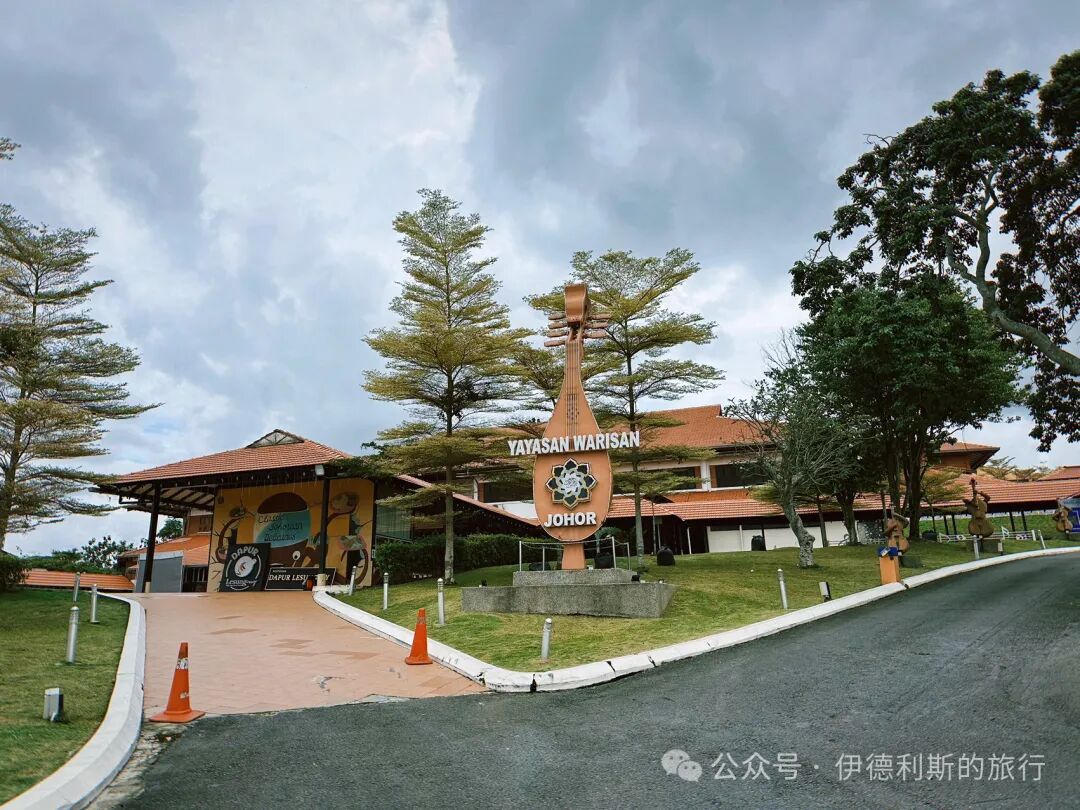
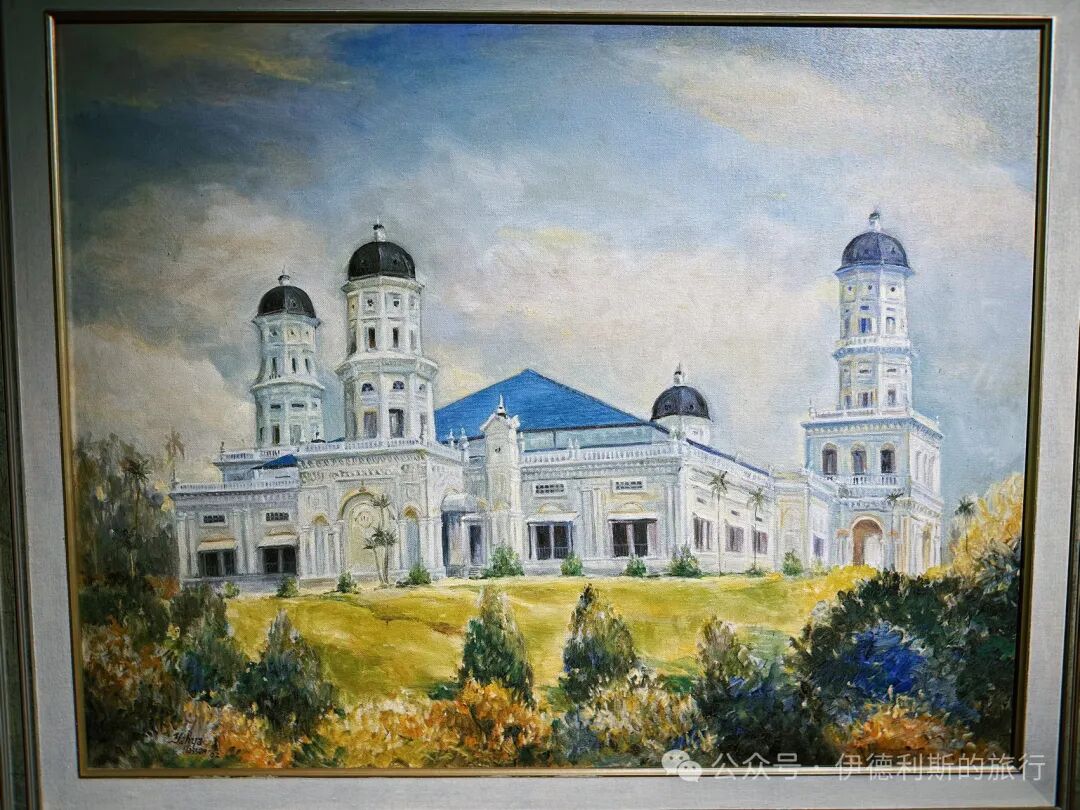
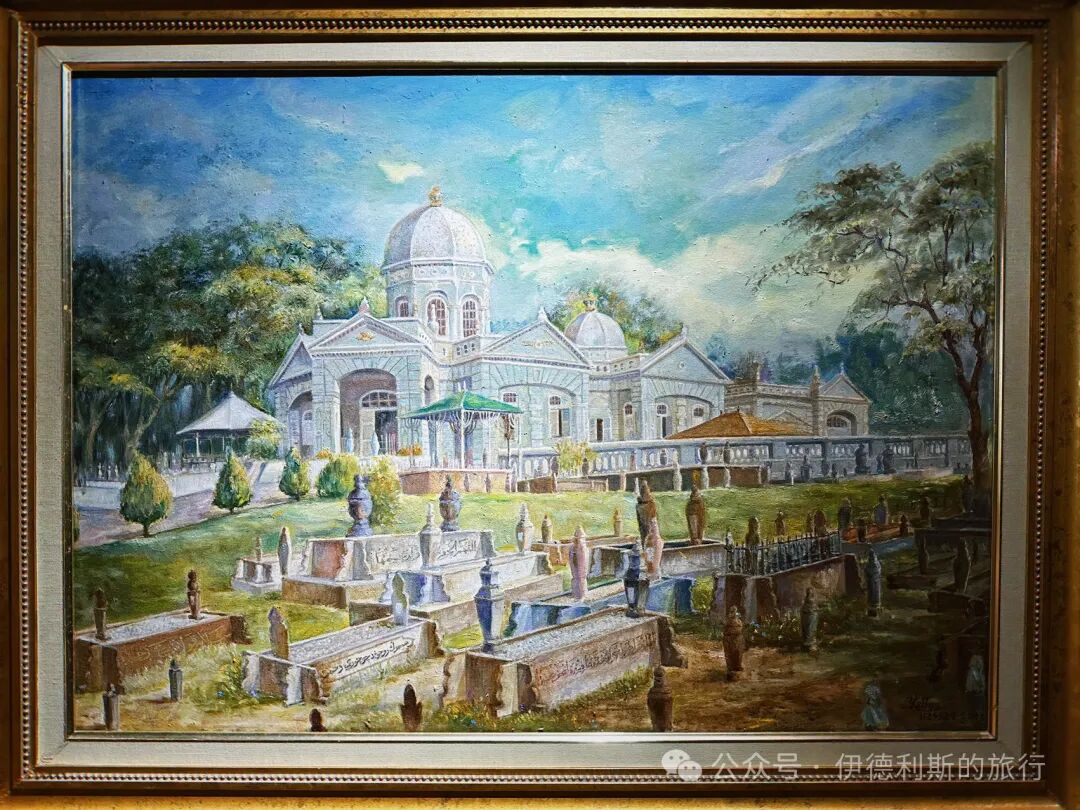
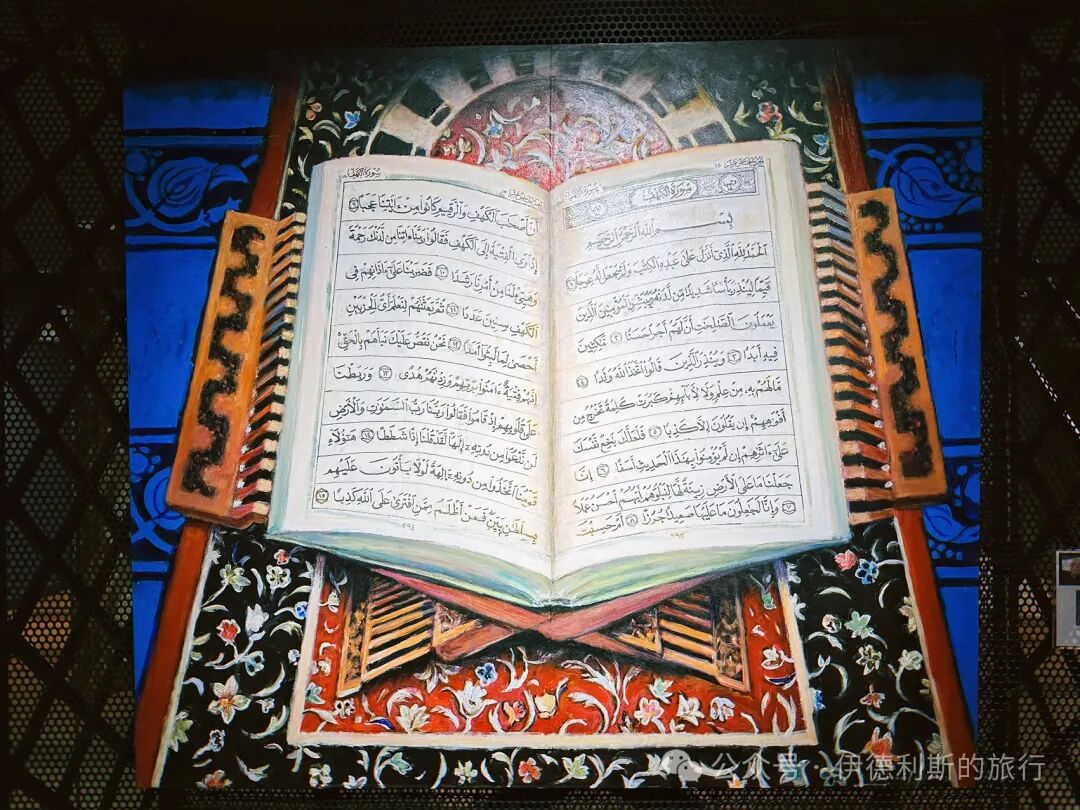
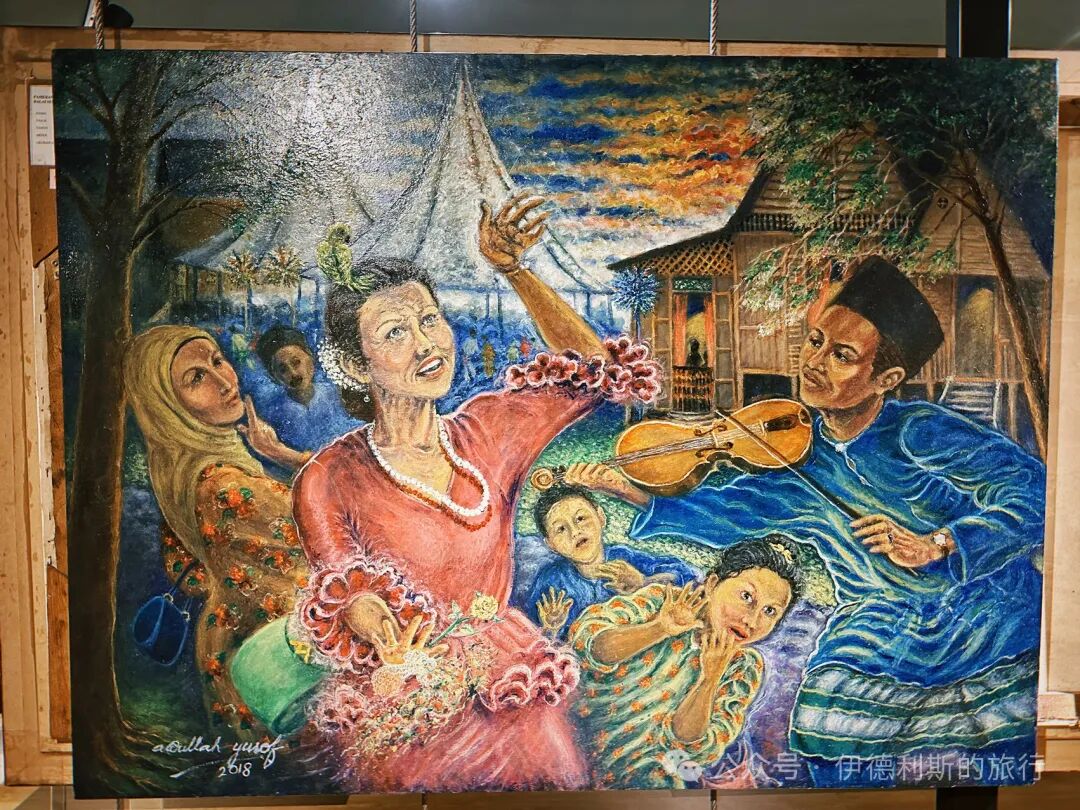
A staff member at the Johor Art Gallery guided us through a hands-on experience with traditional tie-dye. The gallery also displays various colorful paintings by local artists. The traditional Malay snack stall at the entrance of the art gallery is also very famous. We were short on time and didn't get to eat there, which was a shame.
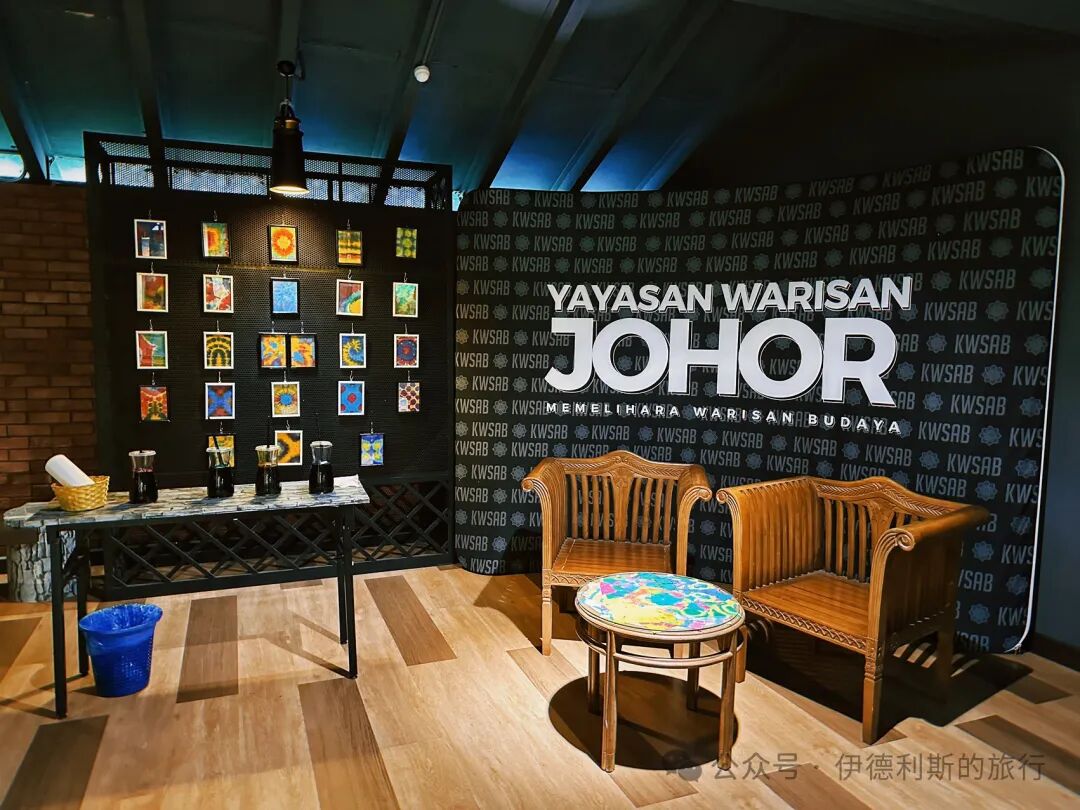
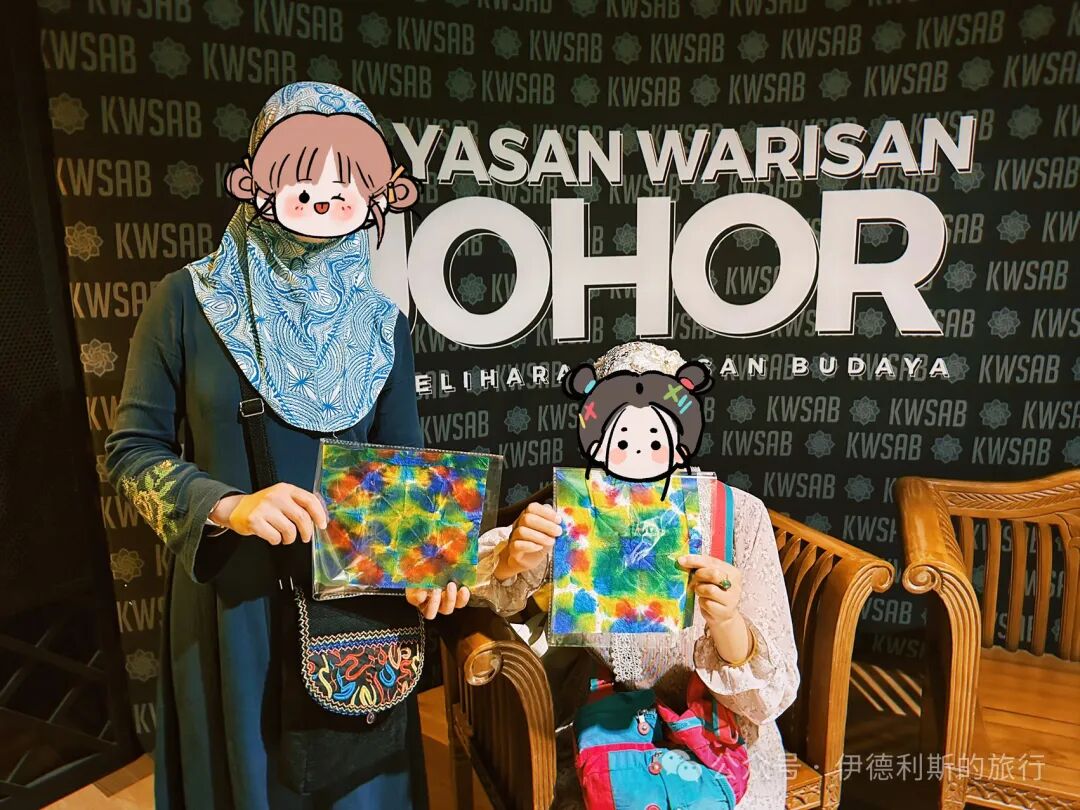
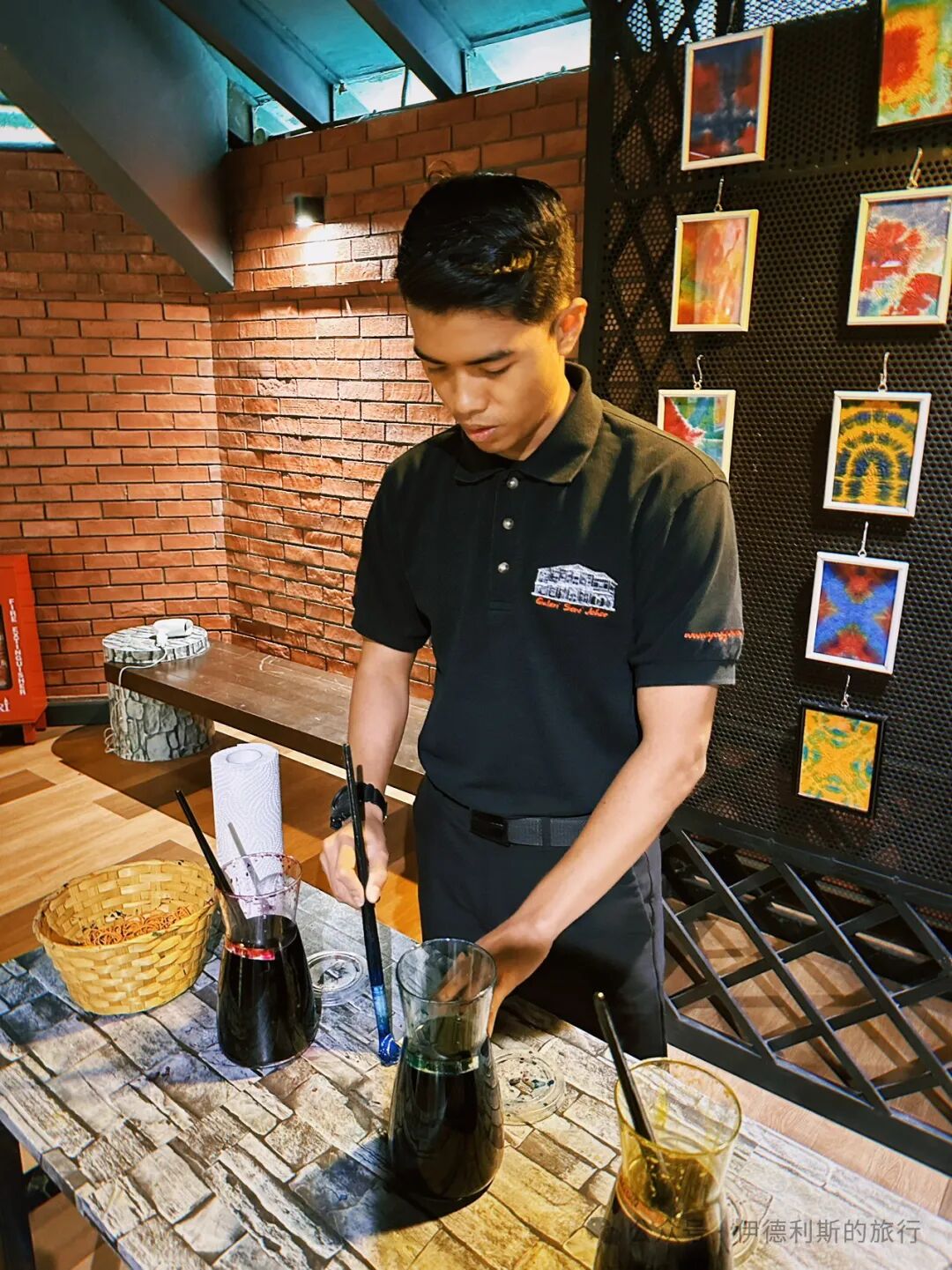
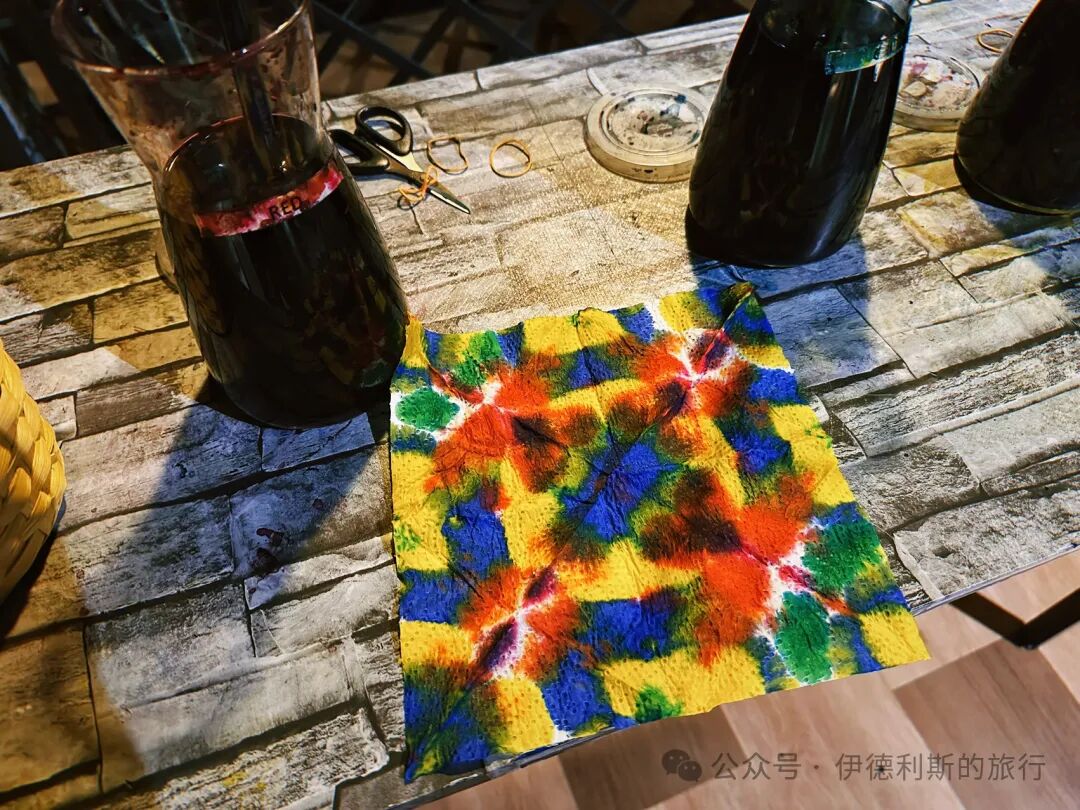
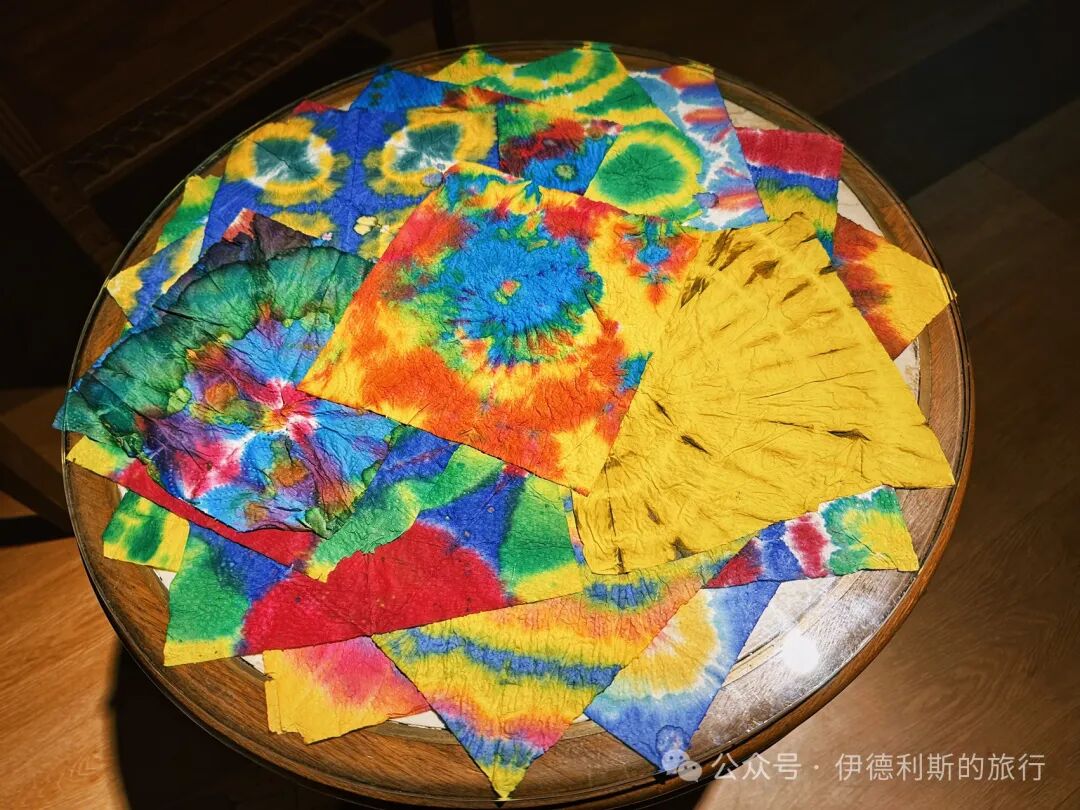
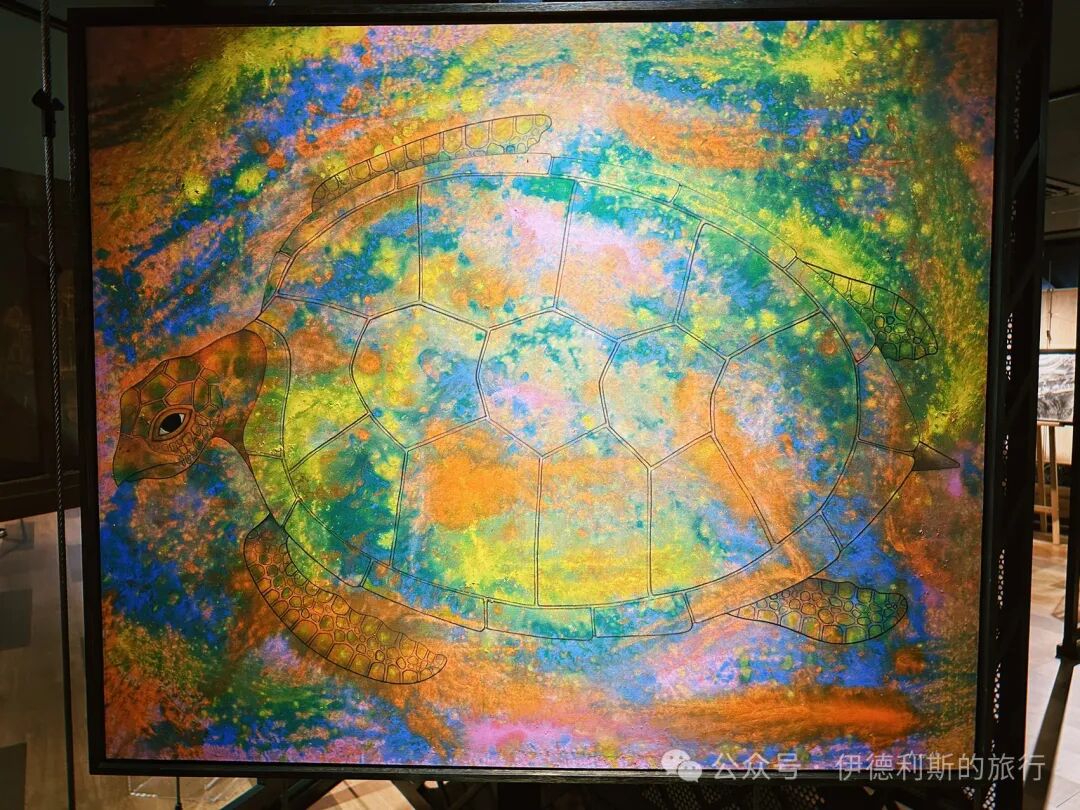
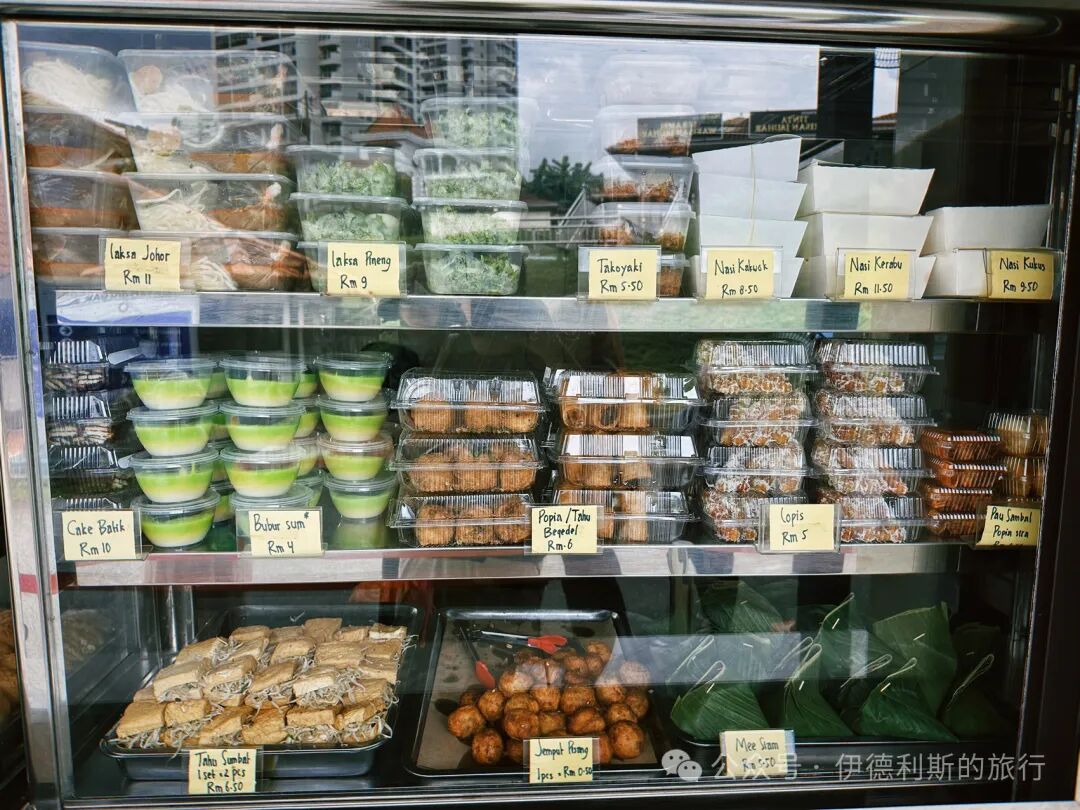
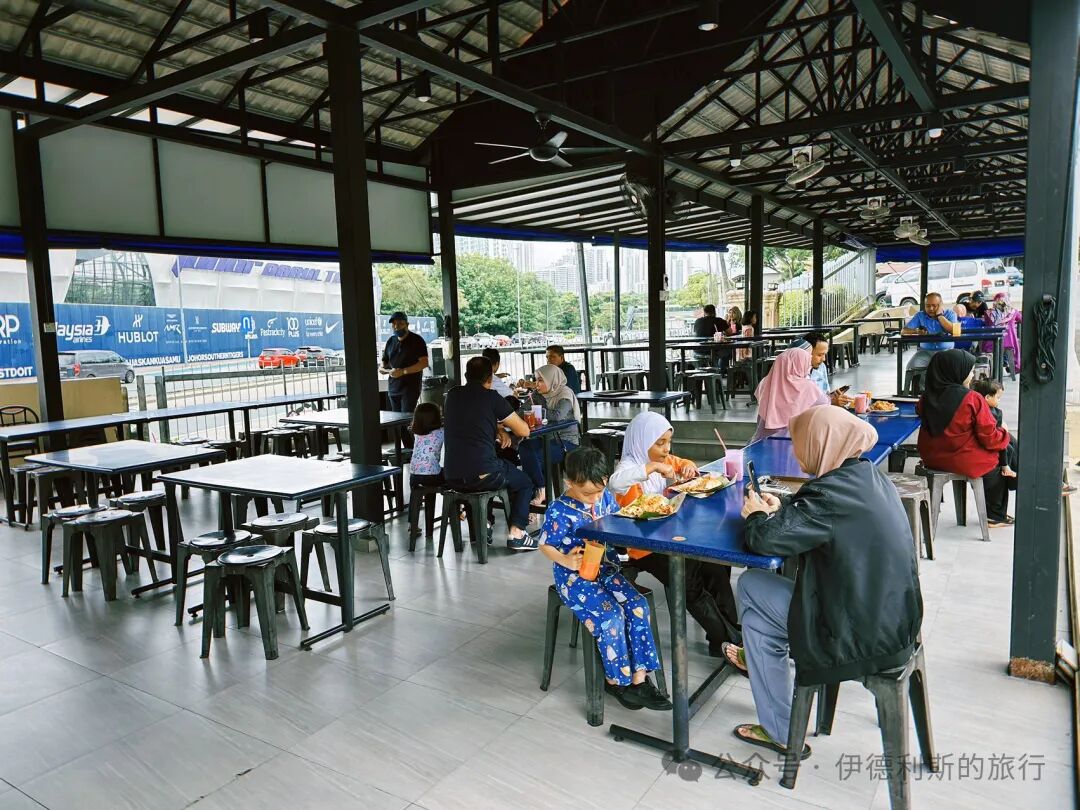
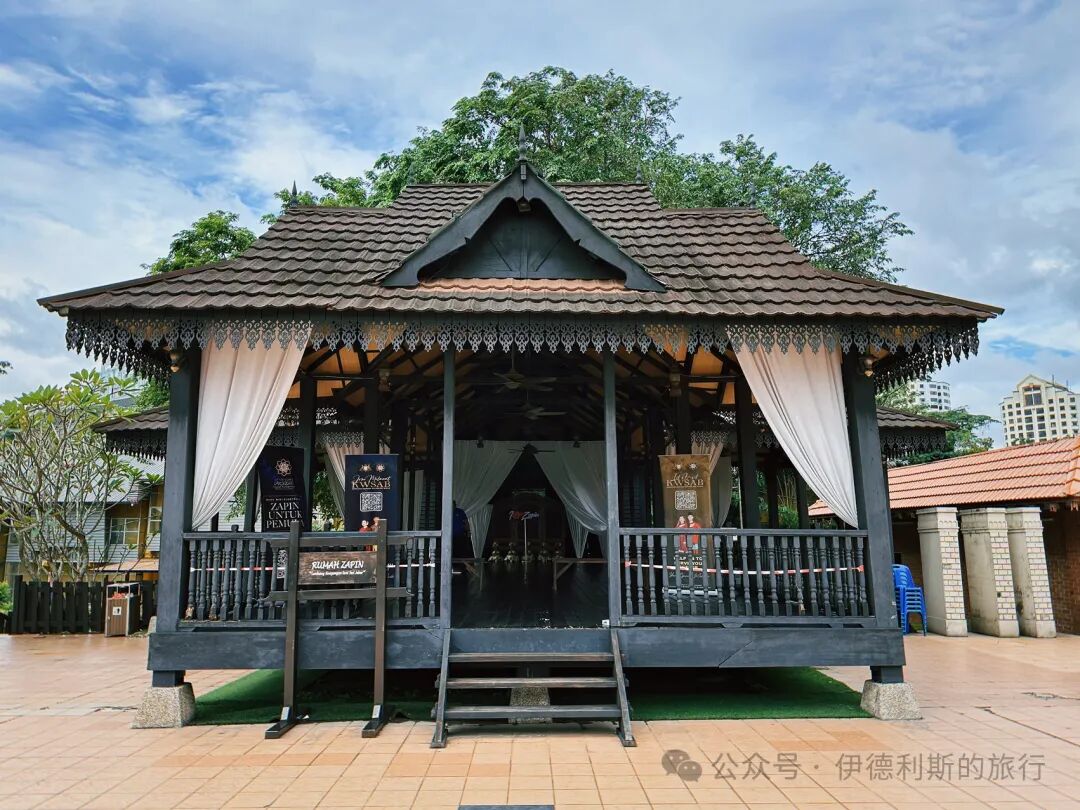
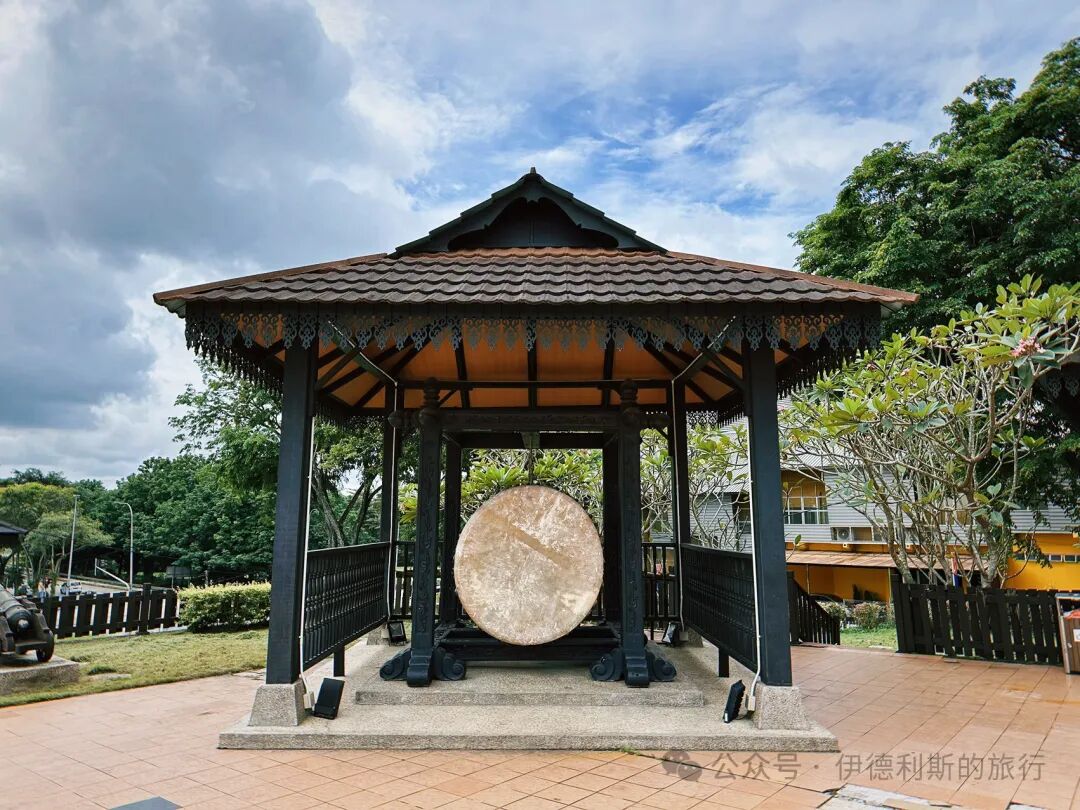
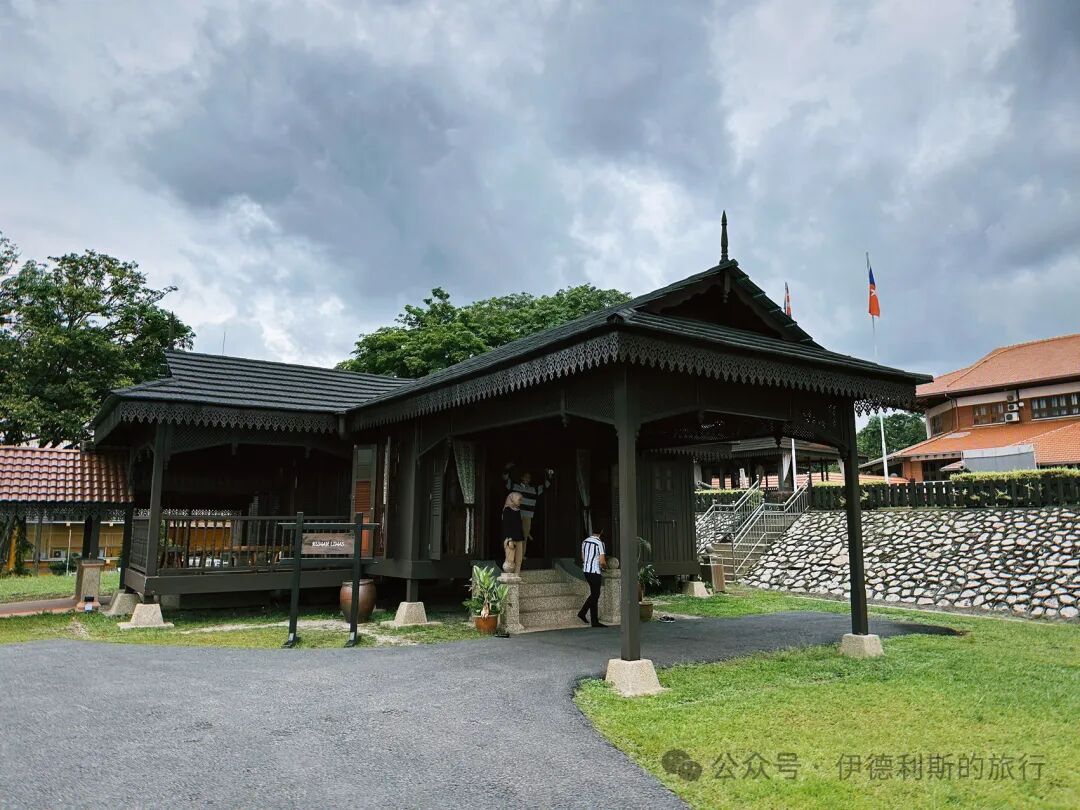
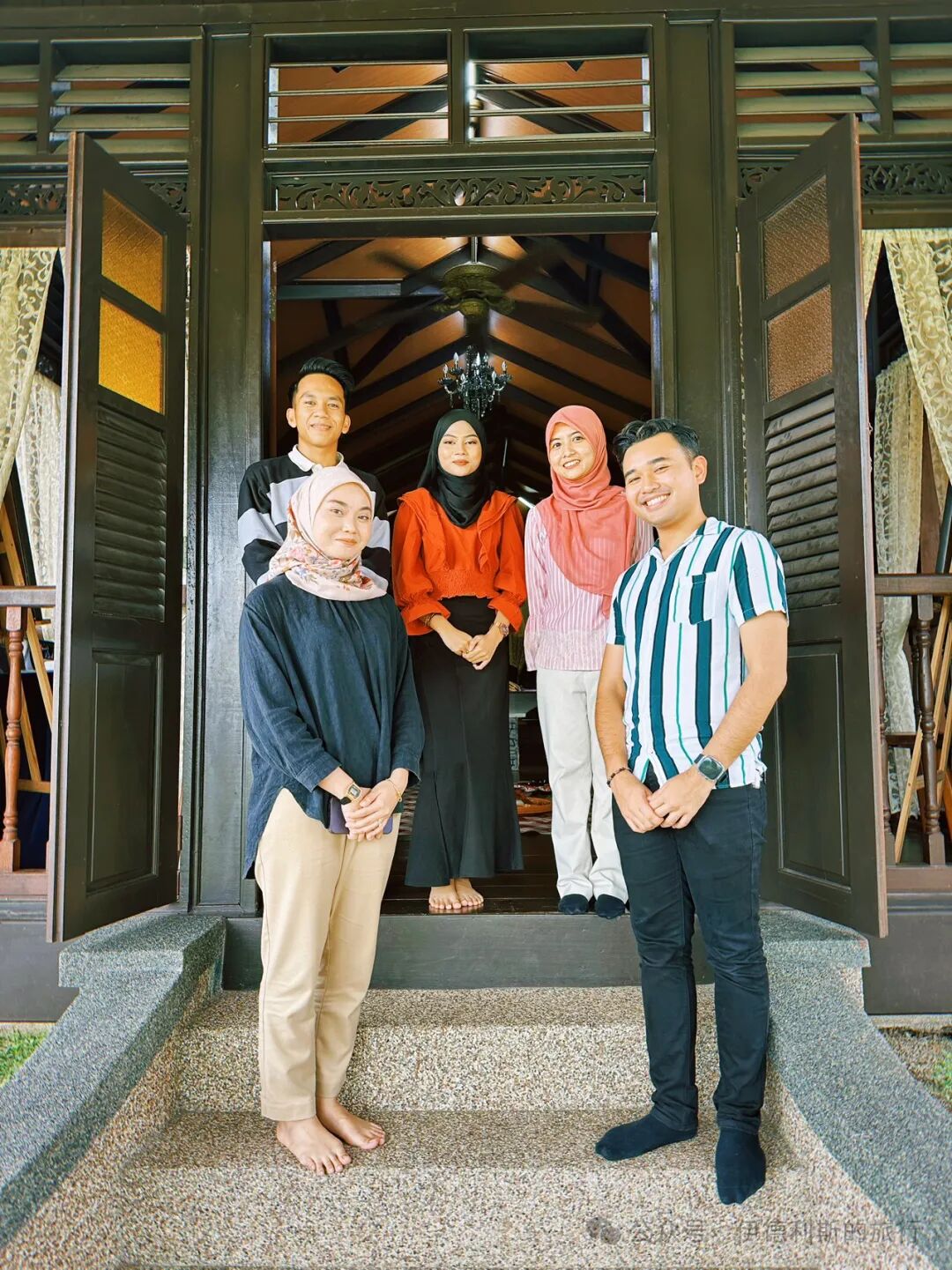
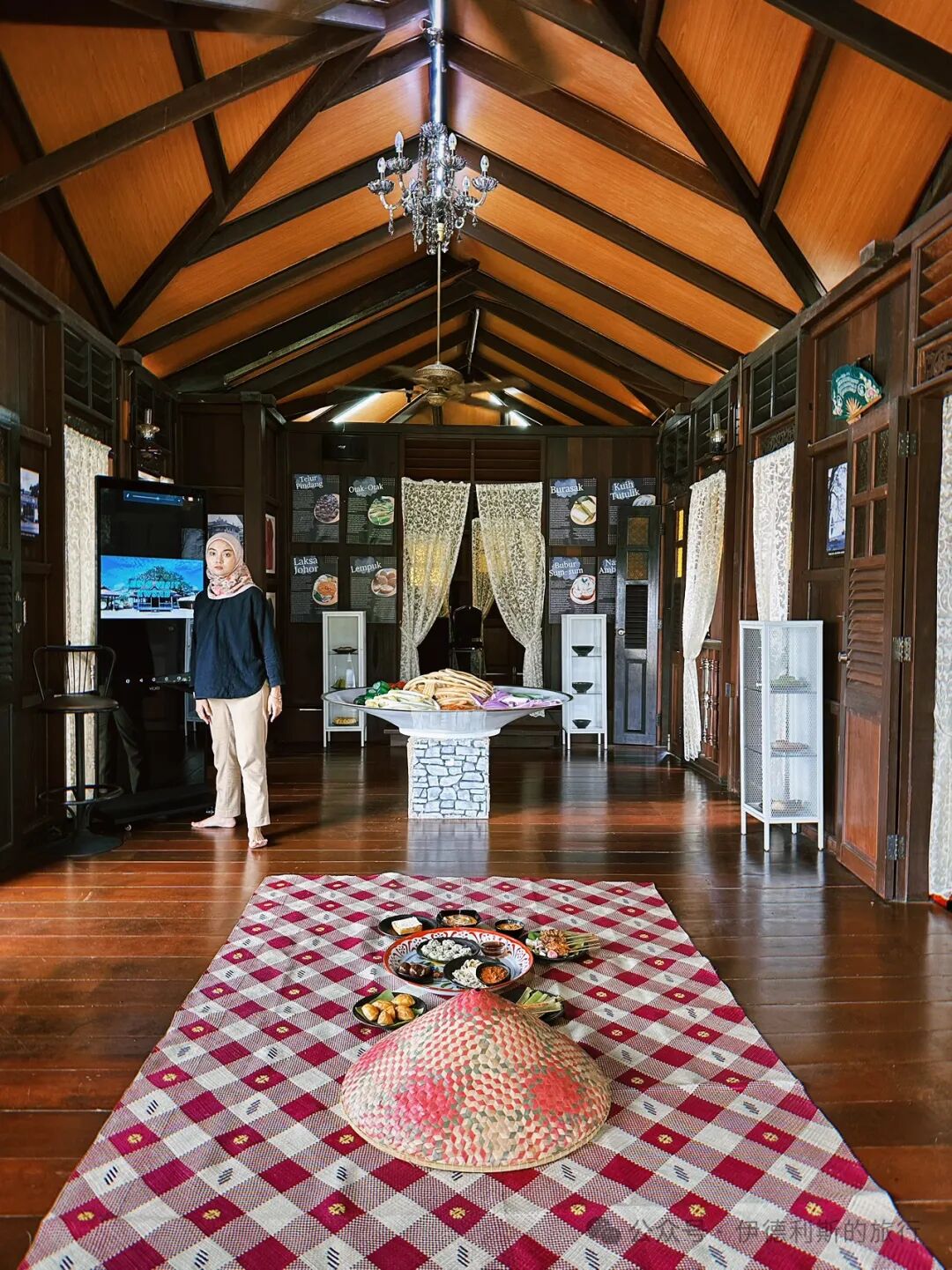
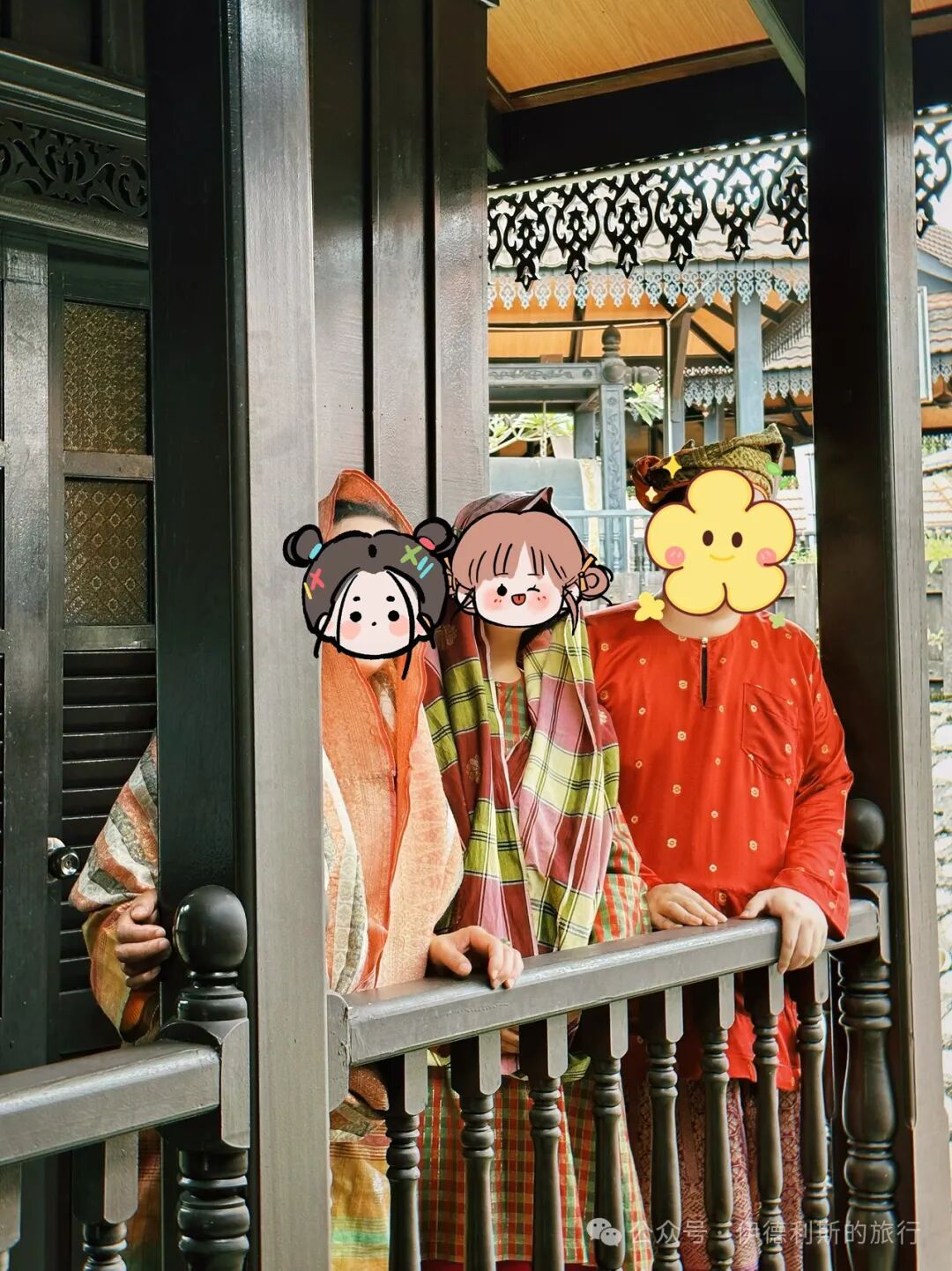
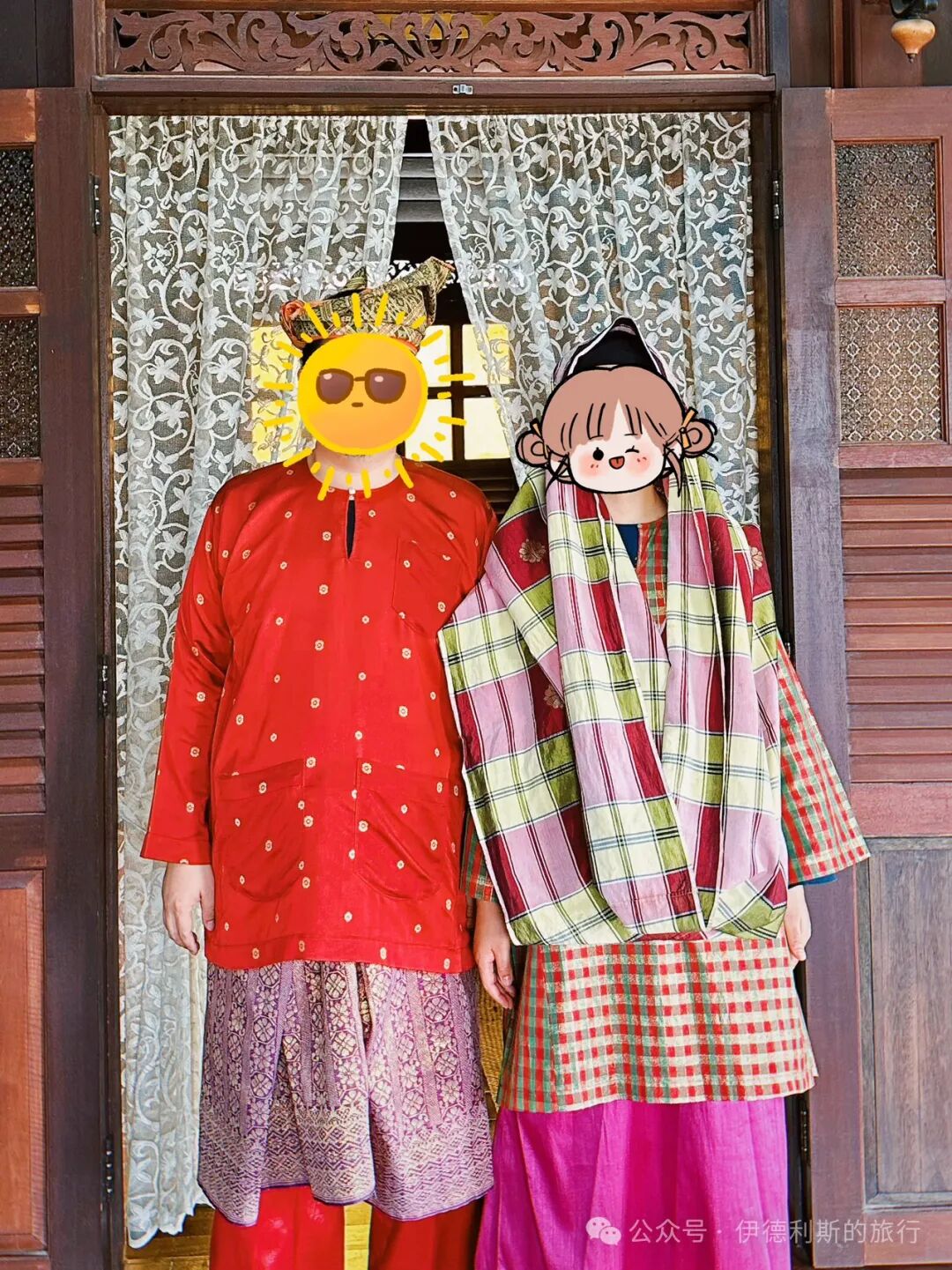
The courtyard of the Johor Art Gallery has restored several traditional Johor Malay buildings. A staff member explained Johor Malay culture to us, and we had a lot of fun trying on traditional Johor Malay clothing for free photos.
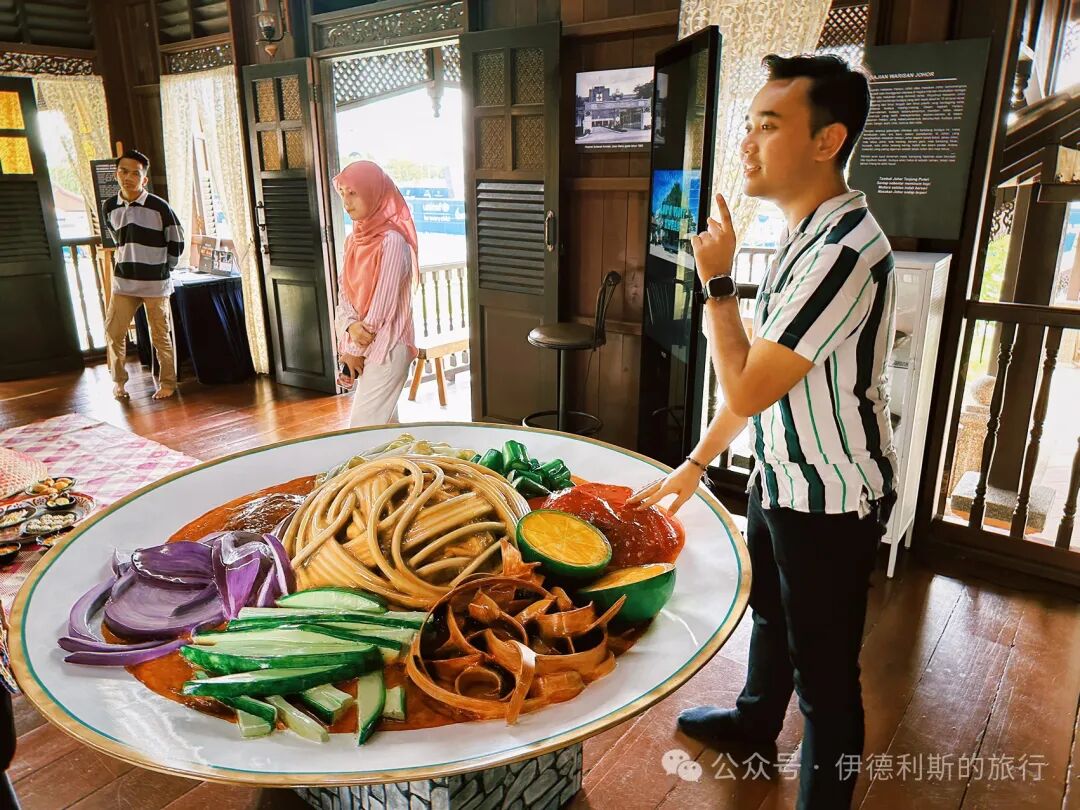

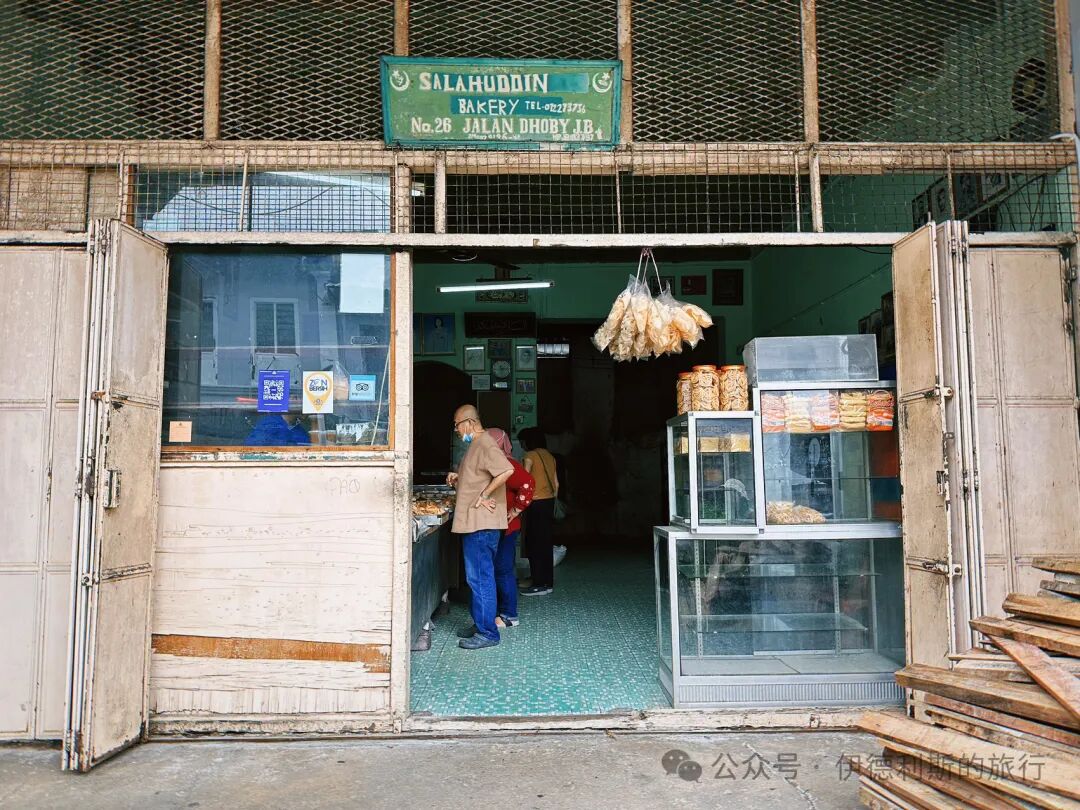
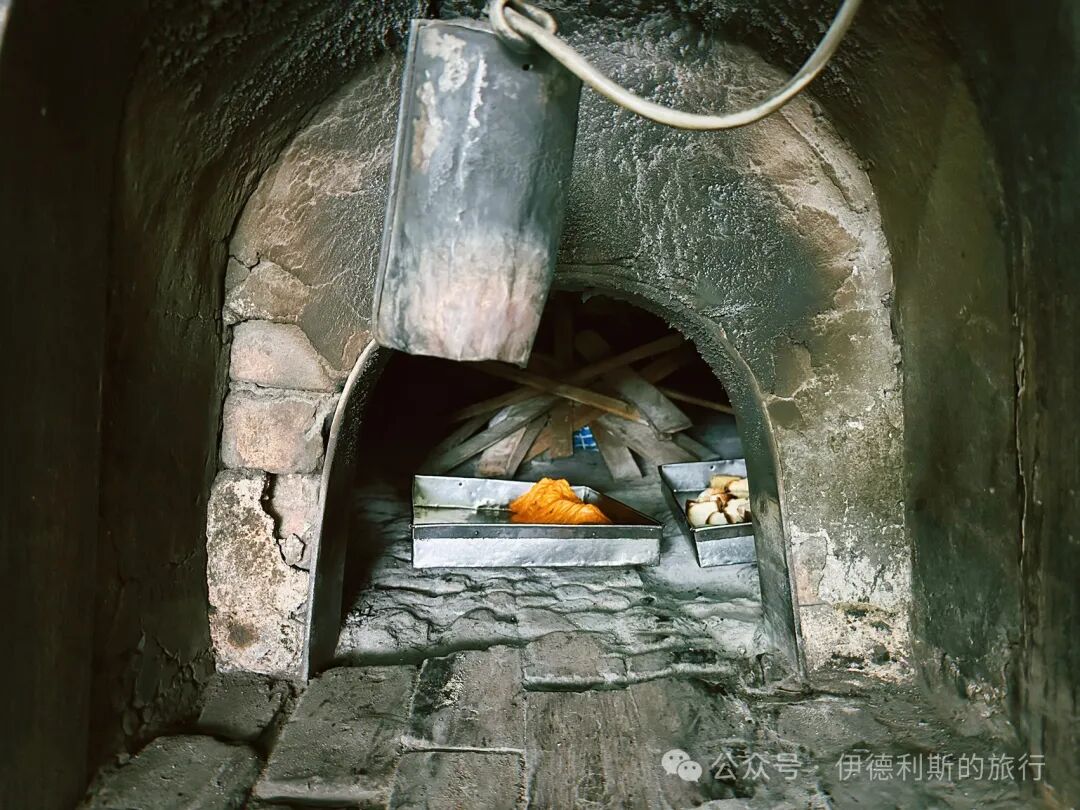
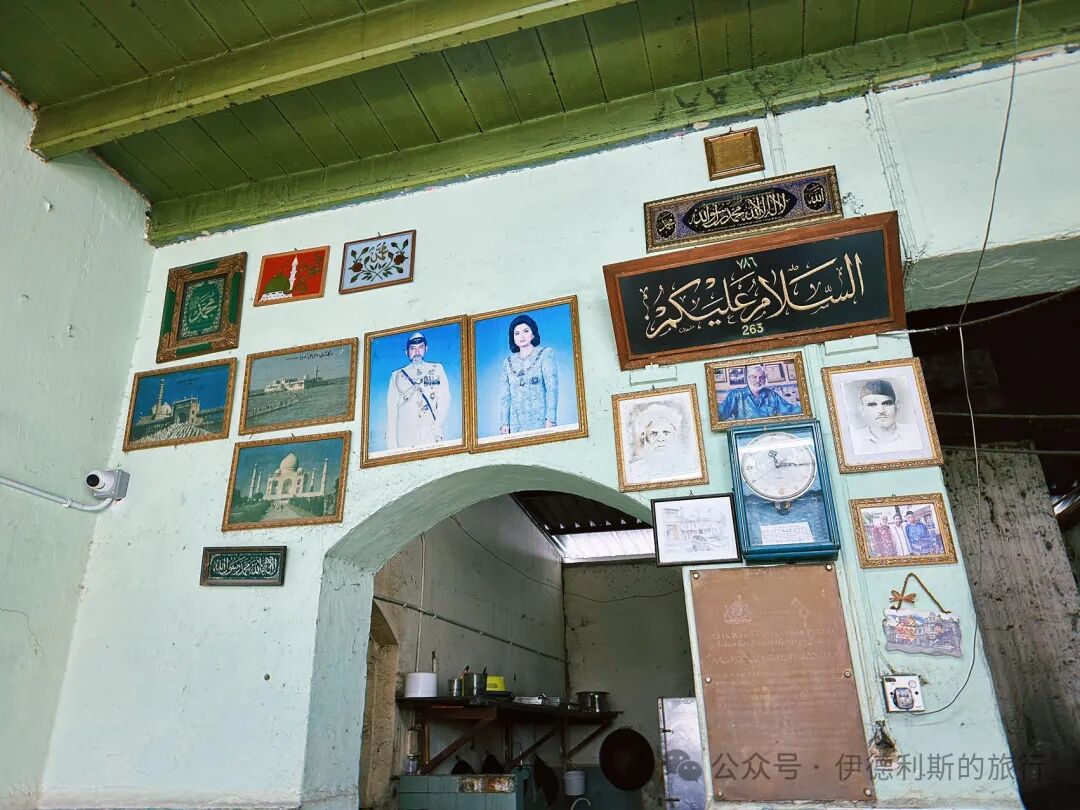
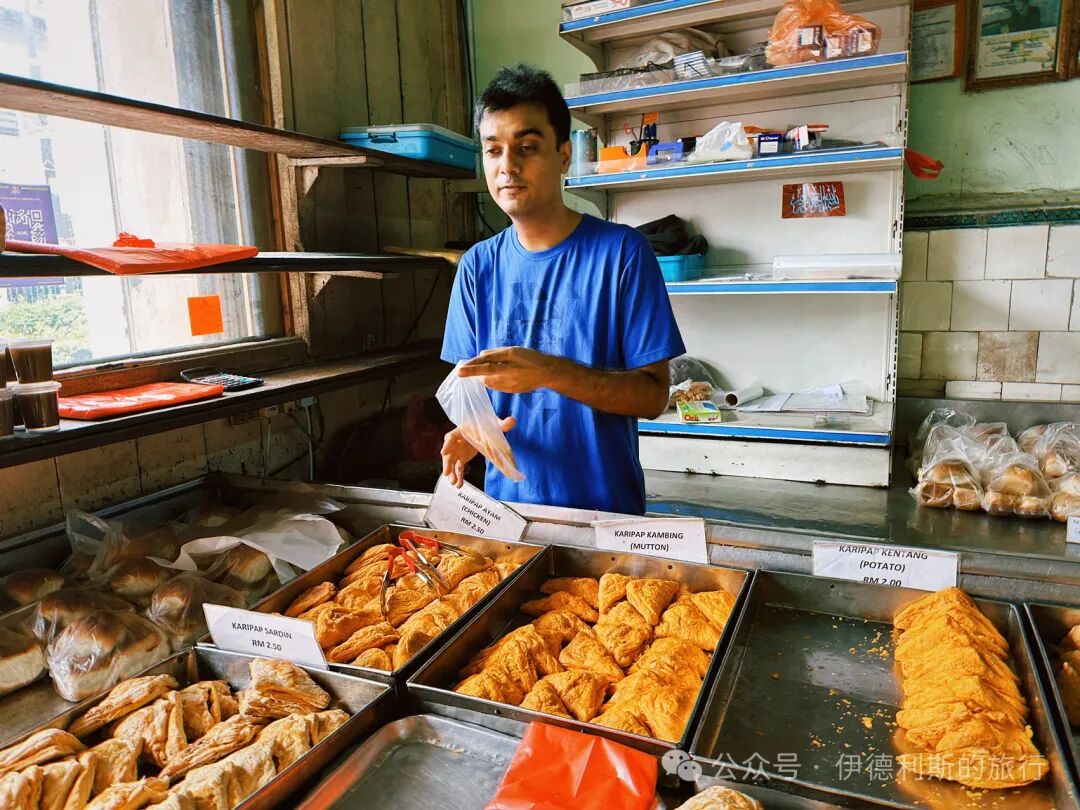
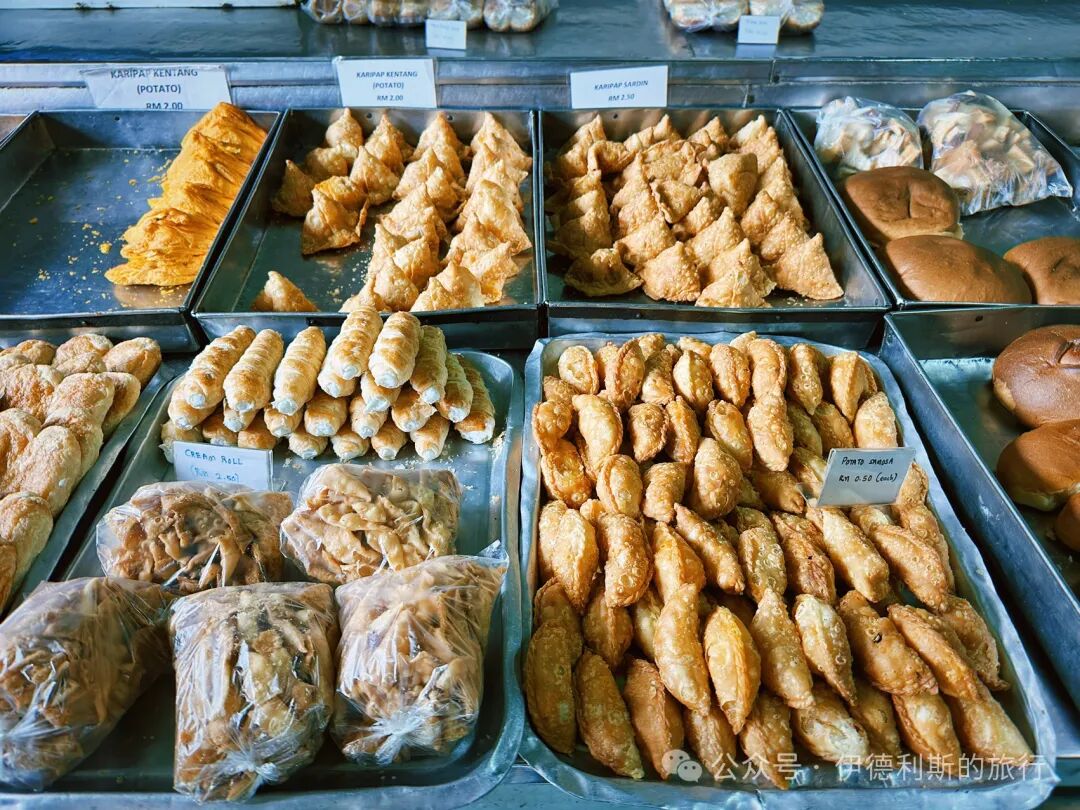
Besides Malay and Chinese people, there are also many Indian people in Johor Bahru. On Jalan Dhoby in the old town of Johor Bahru, there is a traditional bakery called Salahuddin Bakery that has been open for over 80 years. The founder came to Malaysia from New Delhi in 1925 and opened the current bakery in 1937. It has now been passed down through four generations. His shop still uses a traditional wood-fired oven to bake bread, creating a taste of childhood for generations of people in Johor Bahru.
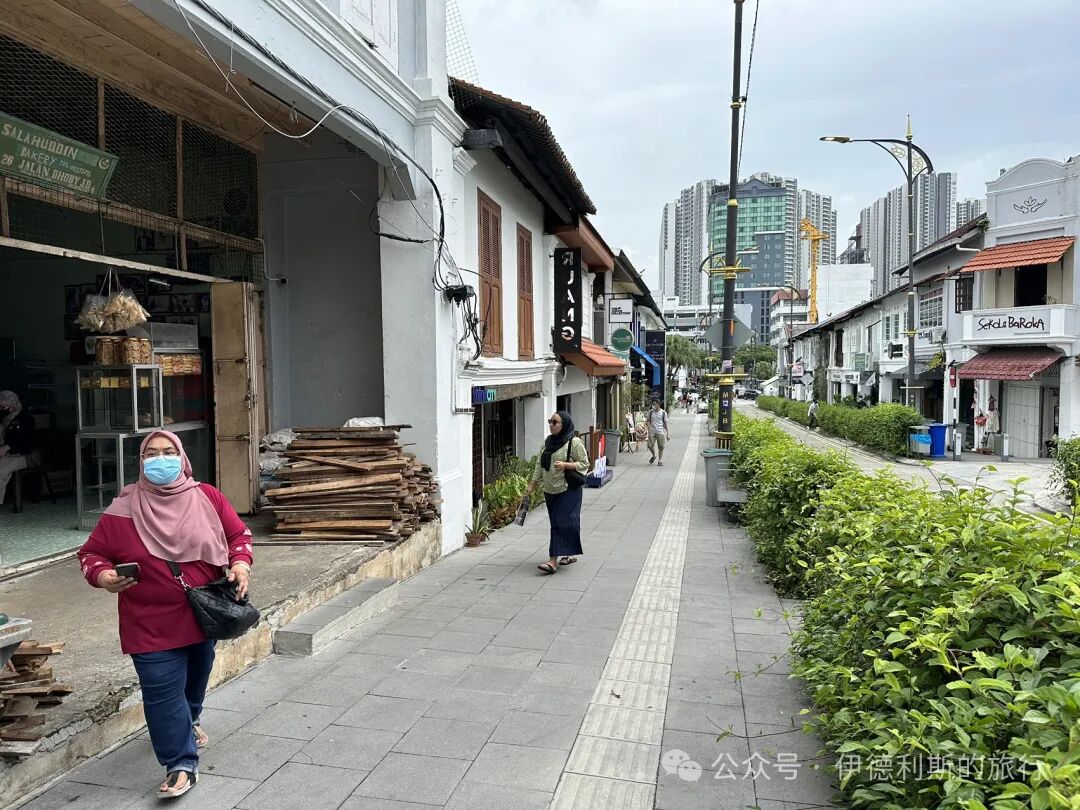
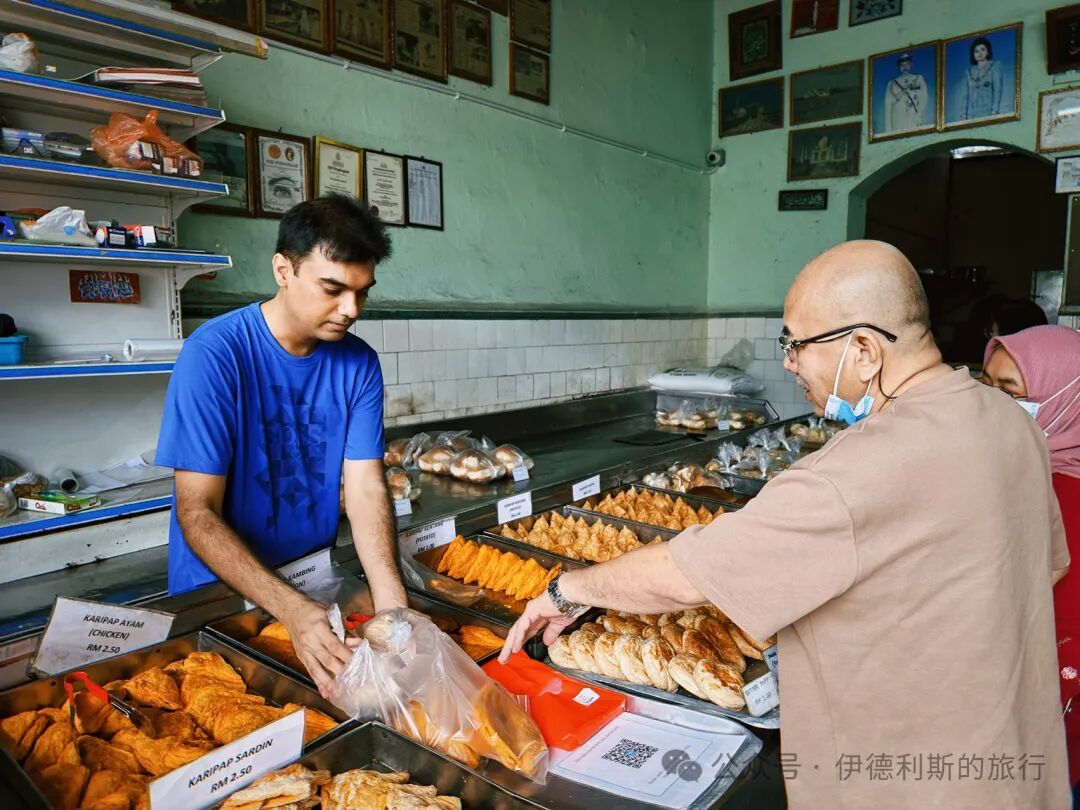
Their most famous specialty is the curry puff (karipap). The word 'Kari' in this name means 'sauce' in the South Asian Tamil language, while 'pap' comes from the Hokkien word for 'puff'. Curry puffs made by Malaysian Indians have flaky, layered pastry. The fillings are very spicy and include vegetarian options like potato and onion curry, as well as chicken or mutton meat fillings.
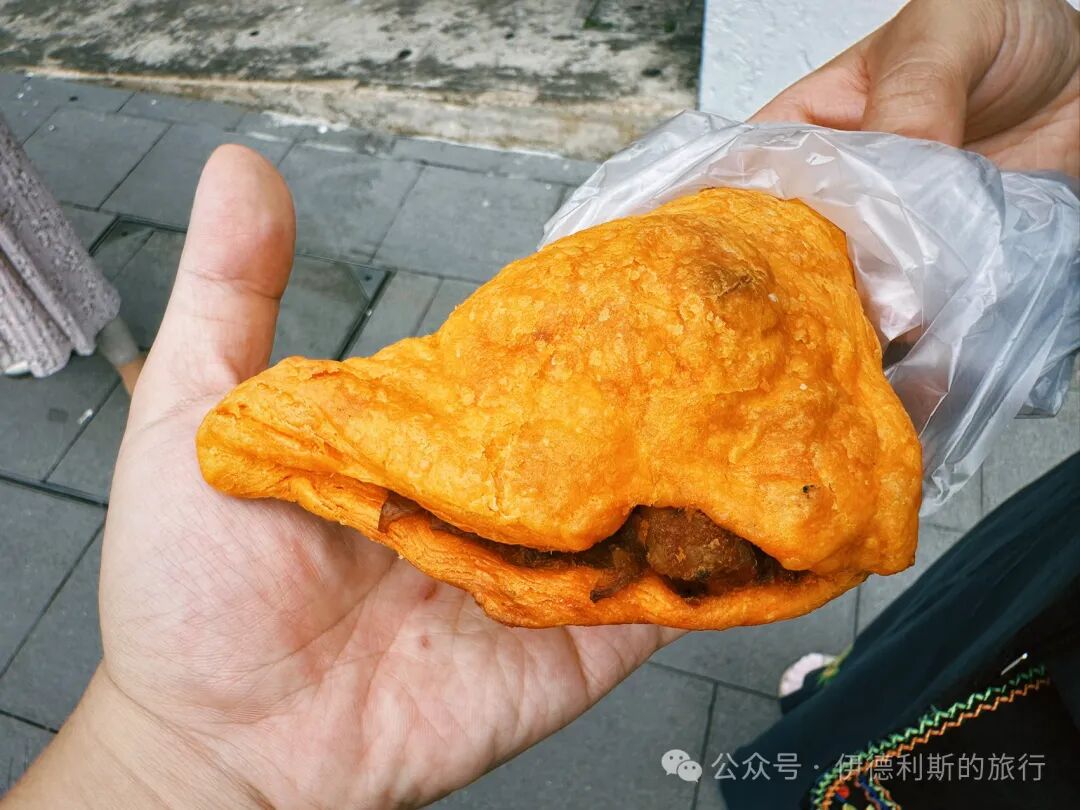
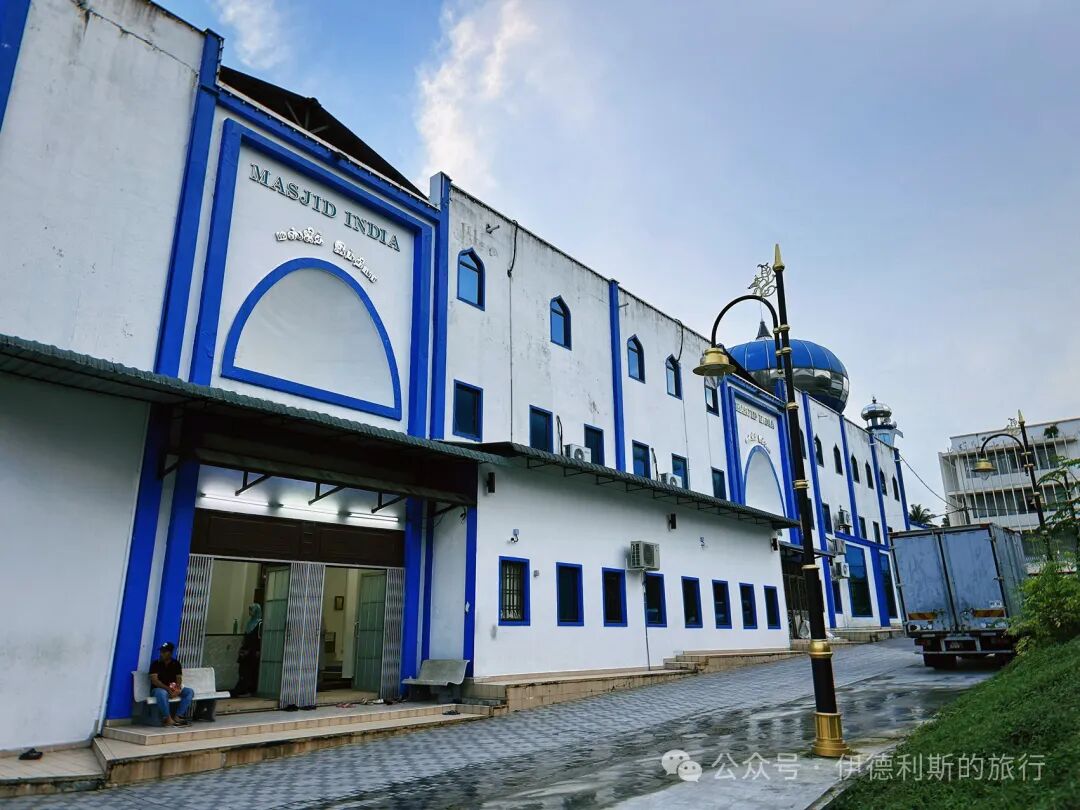
In the evening, we performed the evening prayer (namaz) at the Indian mosque in the old town of Johor Bahru. The Indian mosque in Johor Bahru was built in the 1950s. It started as a small prayer hall (surau) for an initial community of 300 people. As the Indian community grew, the mosque was rebuilt and finally became a Friday mosque (Masjid) in 1994.
Summary: Halal Travel Guide: Johor Bahru - Sultanate History, Mosques and Muslim Heritage is presented here as a firsthand travel account in clear, natural English. The account focuses on Johor Bahru, Muslim Heritage, Mosques while preserving the names, places, food, photos, and historical details from the Chinese source.
In 1511, the Malacca Sultanate was invaded by the Portuguese. After the last Sultan of Malacca, Mahmud Shah, died in 1528, his son Alauddin Riayat Shah II became the Sultan in Johor, and he was known as the Sultan of Johor from then on. The history of the Johor Sultanate includes three dynasties: the Old Johor Dynasty, the Johor Bendahara Dynasty, and the Johor Temenggong Dynasty. Temenggong is an ancient Malay and Javanese noble title. Monarchs could appoint people with this title to rule border regions as regents or governors. In 1855, Sultan Ali of Johor signed a treaty with the British in Singapore. He agreed to hand over most of his power to Temenggong Ibrahim of Johor, who officially took the throne as the Sultan of Johor in 1858.
As early as 1844, Temenggong Ibrahim encouraged Chinese and Javanese people to move to the Malay fishing village of Tanjung Puteri in southern Johor to open ports and clear land. The Chinese grew sugarcane and pepper here, while the Javanese dug canals, built roads, and planted coconuts. In 1866, this place was officially named Johor Bahru, which is known as Xinshan in Chinese. In 1889, Sultan Abu Bakar succeeded to the throne and officially moved the royal capital to Johor Bahru.
Sultan Abu Bakar Mosque (Masjid Negeri Sultan Abu Bakar) was ordered to be built by Sultan Abu Bakar in 1892 and was officially completed in 1900. It is a very unique Victorian-style mosque in Malaysia. The mosque sits on a hilltop beside Skudai Road in Johor Bahru, overlooking the Straits of Johor and facing Singapore across the sea.
Victorian style is a revivalist architectural style that formed during the reign of Queen Victoria of the United Kingdom (reigned 1837-1901). Due to the pro-British sentiment of the Johor Sultanate at the time, many official buildings were constructed in the British style, and Sultan Abu Bakar Mosque is a prime example. The minaret of Sultan Abu Bakar Mosque was modeled after 19th-century British clock towers while incorporating some Moorish architectural elements. Looking up at the minaret, it appears very magnificent.
We performed namaz inside the mosque. The main prayer hall is dominated by yellow tones, with the golden roof and pale yellow walls complementing each other to look very elegant. In the center of the main hall stands a minbar with a metallic, mechanical look, giving it a strong Victorian-era steampunk feel.
The Mahmoodiah Royal Mausoleum (Makam Diraja Mahmoodiah) is the royal burial ground for the Sultans of Johor. It was built in 1895 for the burial of Sultan Abu Bakar of Johor. Since then, it has served as the final resting place for all subsequent Sultans of Johor and many members of the royal family. Johor's Chief Ministers and many other important figures are also buried here. Like the Sultan Abu Bakar Mosque built during the same period, the Mahmoodiah Royal Mausoleum uses Victorian architectural style while incorporating some Moorish architectural elements.
Sultan Abu Bakar was the first Sultan of modern Johor. Because he pushed hard for modernization, Johor became the fastest-progressing state at the time, earning him the title 'Father of Modern Johor'. Sultan Abu Bakar is most famous for the 'Kangchu system'. This policy encouraged large numbers of Chinese people to immigrate to Johor Bahru, which brought great wealth to Johor. At the same time, under the rule of Sultan Abu Bakar, his friendship with Queen Victoria allowed the Sultanate of Johor to maintain its independence. The Johor state flag could fly on a flagpole at the same height as the British Union Jack. The Johor State Constitution of 1895 was the first constitution in the Malay Peninsula, and it is still used by the state of Johor today.
On the east side of the cemetery stands the Kampung Mahmoodiah Mosque (Masjid Kampung Mahmoodiah), which shares the same style as the mausoleum. This mosque was first built in 1926 as a small mosque, and it was only upgraded to a Jumu'ah mosque in 2023.
In the afternoon, we performed the Asr namaz at the Pasir Pelangi Royal Mosque (Masjid Diraja Pasir Pelangi). The Pasir Pelangi Royal Mosque was built in 1911 next to the Johor Sultan's Pasir Pelangi Palace. The mosque features a neoclassical style that shows a clear British influence.
We visited an exhibition at the Johor Art Gallery. It features many works by Johor artists, including landscapes of buildings, local customs, and pieces that combine calligraphy with fine art.
A staff member at the Johor Art Gallery guided us through a hands-on experience with traditional tie-dye. The gallery also displays various colorful paintings by local artists. The traditional Malay snack stall at the entrance of the art gallery is also very famous. We were short on time and didn't get to eat there, which was a shame.
The courtyard of the Johor Art Gallery has restored several traditional Johor Malay buildings. A staff member explained Johor Malay culture to us, and we had a lot of fun trying on traditional Johor Malay clothing for free photos.
Besides Malay and Chinese people, there are also many Indian people in Johor Bahru. On Jalan Dhoby in the old town of Johor Bahru, there is a traditional bakery called Salahuddin Bakery that has been open for over 80 years. The founder came to Malaysia from New Delhi in 1925 and opened the current bakery in 1937. It has now been passed down through four generations. His shop still uses a traditional wood-fired oven to bake bread, creating a taste of childhood for generations of people in Johor Bahru.
Their most famous specialty is the curry puff (karipap). The word 'Kari' in this name means 'sauce' in the South Asian Tamil language, while 'pap' comes from the Hokkien word for 'puff'. Curry puffs made by Malaysian Indians have flaky, layered pastry. The fillings are very spicy and include vegetarian options like potato and onion curry, as well as chicken or mutton meat fillings.
In the evening, we performed the evening prayer (namaz) at the Indian mosque in the old town of Johor Bahru. The Indian mosque in Johor Bahru was built in the 1950s. It started as a small prayer hall (surau) for an initial community of 300 people. As the Indian community grew, the mosque was rebuilt and finally became a Friday mosque (Masjid) in 1994.
Halal Travel Guide: Johor Bahru - Sultanate History, Mosques and Muslim Heritage
Articles • ali2007fr posted the article • 0 comments • 153 views • 2026-05-19 09:30
Reposted from the web
Summary: Halal Travel Guide: Johor Bahru - Sultanate History, Mosques and Muslim Heritage is presented here as a firsthand travel account in clear, natural English. The account focuses on Johor Bahru, Muslim Heritage, Mosques while preserving the names, places, food, photos, and historical details from the Chinese source.
In 1511, the Malacca Sultanate was invaded by the Portuguese. After the last Sultan of Malacca, Mahmud Shah, died in 1528, his son Alauddin Riayat Shah II became the Sultan in Johor, and he was known as the Sultan of Johor from then on. The history of the Johor Sultanate includes three dynasties: the Old Johor Dynasty, the Johor Bendahara Dynasty, and the Johor Temenggong Dynasty. Temenggong is an ancient Malay and Javanese noble title. Monarchs could appoint people with this title to rule border regions as regents or governors. In 1855, Sultan Ali of Johor signed a treaty with the British in Singapore. He agreed to hand over most of his power to Temenggong Ibrahim of Johor, who officially took the throne as the Sultan of Johor in 1858.
As early as 1844, Temenggong Ibrahim encouraged Chinese and Javanese people to move to the Malay fishing village of Tanjung Puteri in southern Johor to open ports and clear land. The Chinese grew sugarcane and pepper here, while the Javanese dug canals, built roads, and planted coconuts. In 1866, this place was officially named Johor Bahru, which is known as Xinshan in Chinese. In 1889, Sultan Abu Bakar succeeded to the throne and officially moved the royal capital to Johor Bahru.
Sultan Abu Bakar Mosque (Masjid Negeri Sultan Abu Bakar) was ordered to be built by Sultan Abu Bakar in 1892 and was officially completed in 1900. It is a very unique Victorian-style mosque in Malaysia. The mosque sits on a hilltop beside Skudai Road in Johor Bahru, overlooking the Straits of Johor and facing Singapore across the sea.
Victorian style is a revivalist architectural style that formed during the reign of Queen Victoria of the United Kingdom (reigned 1837-1901). Due to the pro-British sentiment of the Johor Sultanate at the time, many official buildings were constructed in the British style, and Sultan Abu Bakar Mosque is a prime example. The minaret of Sultan Abu Bakar Mosque was modeled after 19th-century British clock towers while incorporating some Moorish architectural elements. Looking up at the minaret, it appears very magnificent.
We performed namaz inside the mosque. The main prayer hall is dominated by yellow tones, with the golden roof and pale yellow walls complementing each other to look very elegant. In the center of the main hall stands a minbar with a metallic, mechanical look, giving it a strong Victorian-era steampunk feel.
The Mahmoodiah Royal Mausoleum (Makam Diraja Mahmoodiah) is the royal burial ground for the Sultans of Johor. It was built in 1895 for the burial of Sultan Abu Bakar of Johor. Since then, it has served as the final resting place for all subsequent Sultans of Johor and many members of the royal family. Johor's Chief Ministers and many other important figures are also buried here. Like the Sultan Abu Bakar Mosque built during the same period, the Mahmoodiah Royal Mausoleum uses Victorian architectural style while incorporating some Moorish architectural elements.
Sultan Abu Bakar was the first Sultan of modern Johor. Because he pushed hard for modernization, Johor became the fastest-progressing state at the time, earning him the title 'Father of Modern Johor'. Sultan Abu Bakar is most famous for the 'Kangchu system'. This policy encouraged large numbers of Chinese people to immigrate to Johor Bahru, which brought great wealth to Johor. At the same time, under the rule of Sultan Abu Bakar, his friendship with Queen Victoria allowed the Sultanate of Johor to maintain its independence. The Johor state flag could fly on a flagpole at the same height as the British Union Jack. The Johor State Constitution of 1895 was the first constitution in the Malay Peninsula, and it is still used by the state of Johor today.
On the east side of the cemetery stands the Kampung Mahmoodiah Mosque (Masjid Kampung Mahmoodiah), which shares the same style as the mausoleum. This mosque was first built in 1926 as a small mosque, and it was only upgraded to a Jumu'ah mosque in 2023.
In the afternoon, we performed the Asr namaz at the Pasir Pelangi Royal Mosque (Masjid Diraja Pasir Pelangi). The Pasir Pelangi Royal Mosque was built in 1911 next to the Johor Sultan's Pasir Pelangi Palace. The mosque features a neoclassical style that shows a clear British influence.
We visited an exhibition at the Johor Art Gallery. It features many works by Johor artists, including landscapes of buildings, local customs, and pieces that combine calligraphy with fine art.
A staff member at the Johor Art Gallery guided us through a hands-on experience with traditional tie-dye. The gallery also displays various colorful paintings by local artists. The traditional Malay snack stall at the entrance of the art gallery is also very famous. We were short on time and didn't get to eat there, which was a shame.
The courtyard of the Johor Art Gallery has restored several traditional Johor Malay buildings. A staff member explained Johor Malay culture to us, and we had a lot of fun trying on traditional Johor Malay clothing for free photos.
Besides Malay and Chinese people, there are also many Indian people in Johor Bahru. On Jalan Dhoby in the old town of Johor Bahru, there is a traditional bakery called Salahuddin Bakery that has been open for over 80 years. The founder came to Malaysia from New Delhi in 1925 and opened the current bakery in 1937. It has now been passed down through four generations. His shop still uses a traditional wood-fired oven to bake bread, creating a taste of childhood for generations of people in Johor Bahru.
Their most famous specialty is the curry puff (karipap). The word 'Kari' in this name means 'sauce' in the South Asian Tamil language, while 'pap' comes from the Hokkien word for 'puff'. Curry puffs made by Malaysian Indians have flaky, layered pastry. The fillings are very spicy and include vegetarian options like potato and onion curry, as well as chicken or mutton meat fillings.
In the evening, we performed the evening prayer (namaz) at the Indian mosque in the old town of Johor Bahru. The Indian mosque in Johor Bahru was built in the 1950s. It started as a small prayer hall (surau) for an initial community of 300 people. As the Indian community grew, the mosque was rebuilt and finally became a Friday mosque (Masjid) in 1994. view all
Summary: Halal Travel Guide: Johor Bahru - Sultanate History, Mosques and Muslim Heritage is presented here as a firsthand travel account in clear, natural English. The account focuses on Johor Bahru, Muslim Heritage, Mosques while preserving the names, places, food, photos, and historical details from the Chinese source.
In 1511, the Malacca Sultanate was invaded by the Portuguese. After the last Sultan of Malacca, Mahmud Shah, died in 1528, his son Alauddin Riayat Shah II became the Sultan in Johor, and he was known as the Sultan of Johor from then on. The history of the Johor Sultanate includes three dynasties: the Old Johor Dynasty, the Johor Bendahara Dynasty, and the Johor Temenggong Dynasty. Temenggong is an ancient Malay and Javanese noble title. Monarchs could appoint people with this title to rule border regions as regents or governors. In 1855, Sultan Ali of Johor signed a treaty with the British in Singapore. He agreed to hand over most of his power to Temenggong Ibrahim of Johor, who officially took the throne as the Sultan of Johor in 1858.
As early as 1844, Temenggong Ibrahim encouraged Chinese and Javanese people to move to the Malay fishing village of Tanjung Puteri in southern Johor to open ports and clear land. The Chinese grew sugarcane and pepper here, while the Javanese dug canals, built roads, and planted coconuts. In 1866, this place was officially named Johor Bahru, which is known as Xinshan in Chinese. In 1889, Sultan Abu Bakar succeeded to the throne and officially moved the royal capital to Johor Bahru.
Sultan Abu Bakar Mosque (Masjid Negeri Sultan Abu Bakar) was ordered to be built by Sultan Abu Bakar in 1892 and was officially completed in 1900. It is a very unique Victorian-style mosque in Malaysia. The mosque sits on a hilltop beside Skudai Road in Johor Bahru, overlooking the Straits of Johor and facing Singapore across the sea.
Victorian style is a revivalist architectural style that formed during the reign of Queen Victoria of the United Kingdom (reigned 1837-1901). Due to the pro-British sentiment of the Johor Sultanate at the time, many official buildings were constructed in the British style, and Sultan Abu Bakar Mosque is a prime example. The minaret of Sultan Abu Bakar Mosque was modeled after 19th-century British clock towers while incorporating some Moorish architectural elements. Looking up at the minaret, it appears very magnificent.
We performed namaz inside the mosque. The main prayer hall is dominated by yellow tones, with the golden roof and pale yellow walls complementing each other to look very elegant. In the center of the main hall stands a minbar with a metallic, mechanical look, giving it a strong Victorian-era steampunk feel.
The Mahmoodiah Royal Mausoleum (Makam Diraja Mahmoodiah) is the royal burial ground for the Sultans of Johor. It was built in 1895 for the burial of Sultan Abu Bakar of Johor. Since then, it has served as the final resting place for all subsequent Sultans of Johor and many members of the royal family. Johor's Chief Ministers and many other important figures are also buried here. Like the Sultan Abu Bakar Mosque built during the same period, the Mahmoodiah Royal Mausoleum uses Victorian architectural style while incorporating some Moorish architectural elements.
Sultan Abu Bakar was the first Sultan of modern Johor. Because he pushed hard for modernization, Johor became the fastest-progressing state at the time, earning him the title 'Father of Modern Johor'. Sultan Abu Bakar is most famous for the 'Kangchu system'. This policy encouraged large numbers of Chinese people to immigrate to Johor Bahru, which brought great wealth to Johor. At the same time, under the rule of Sultan Abu Bakar, his friendship with Queen Victoria allowed the Sultanate of Johor to maintain its independence. The Johor state flag could fly on a flagpole at the same height as the British Union Jack. The Johor State Constitution of 1895 was the first constitution in the Malay Peninsula, and it is still used by the state of Johor today.
On the east side of the cemetery stands the Kampung Mahmoodiah Mosque (Masjid Kampung Mahmoodiah), which shares the same style as the mausoleum. This mosque was first built in 1926 as a small mosque, and it was only upgraded to a Jumu'ah mosque in 2023.
In the afternoon, we performed the Asr namaz at the Pasir Pelangi Royal Mosque (Masjid Diraja Pasir Pelangi). The Pasir Pelangi Royal Mosque was built in 1911 next to the Johor Sultan's Pasir Pelangi Palace. The mosque features a neoclassical style that shows a clear British influence.
We visited an exhibition at the Johor Art Gallery. It features many works by Johor artists, including landscapes of buildings, local customs, and pieces that combine calligraphy with fine art.
A staff member at the Johor Art Gallery guided us through a hands-on experience with traditional tie-dye. The gallery also displays various colorful paintings by local artists. The traditional Malay snack stall at the entrance of the art gallery is also very famous. We were short on time and didn't get to eat there, which was a shame.
The courtyard of the Johor Art Gallery has restored several traditional Johor Malay buildings. A staff member explained Johor Malay culture to us, and we had a lot of fun trying on traditional Johor Malay clothing for free photos.
Besides Malay and Chinese people, there are also many Indian people in Johor Bahru. On Jalan Dhoby in the old town of Johor Bahru, there is a traditional bakery called Salahuddin Bakery that has been open for over 80 years. The founder came to Malaysia from New Delhi in 1925 and opened the current bakery in 1937. It has now been passed down through four generations. His shop still uses a traditional wood-fired oven to bake bread, creating a taste of childhood for generations of people in Johor Bahru.
Their most famous specialty is the curry puff (karipap). The word 'Kari' in this name means 'sauce' in the South Asian Tamil language, while 'pap' comes from the Hokkien word for 'puff'. Curry puffs made by Malaysian Indians have flaky, layered pastry. The fillings are very spicy and include vegetarian options like potato and onion curry, as well as chicken or mutton meat fillings.
In the evening, we performed the evening prayer (namaz) at the Indian mosque in the old town of Johor Bahru. The Indian mosque in Johor Bahru was built in the 1950s. It started as a small prayer hall (surau) for an initial community of 300 people. As the Indian community grew, the mosque was rebuilt and finally became a Friday mosque (Masjid) in 1994. view all
Reposted from the web
Summary: Halal Travel Guide: Johor Bahru - Sultanate History, Mosques and Muslim Heritage is presented here as a firsthand travel account in clear, natural English. The account focuses on Johor Bahru, Muslim Heritage, Mosques while preserving the names, places, food, photos, and historical details from the Chinese source.
In 1511, the Malacca Sultanate was invaded by the Portuguese. After the last Sultan of Malacca, Mahmud Shah, died in 1528, his son Alauddin Riayat Shah II became the Sultan in Johor, and he was known as the Sultan of Johor from then on. The history of the Johor Sultanate includes three dynasties: the Old Johor Dynasty, the Johor Bendahara Dynasty, and the Johor Temenggong Dynasty. Temenggong is an ancient Malay and Javanese noble title. Monarchs could appoint people with this title to rule border regions as regents or governors. In 1855, Sultan Ali of Johor signed a treaty with the British in Singapore. He agreed to hand over most of his power to Temenggong Ibrahim of Johor, who officially took the throne as the Sultan of Johor in 1858.
As early as 1844, Temenggong Ibrahim encouraged Chinese and Javanese people to move to the Malay fishing village of Tanjung Puteri in southern Johor to open ports and clear land. The Chinese grew sugarcane and pepper here, while the Javanese dug canals, built roads, and planted coconuts. In 1866, this place was officially named Johor Bahru, which is known as Xinshan in Chinese. In 1889, Sultan Abu Bakar succeeded to the throne and officially moved the royal capital to Johor Bahru.
Sultan Abu Bakar Mosque (Masjid Negeri Sultan Abu Bakar) was ordered to be built by Sultan Abu Bakar in 1892 and was officially completed in 1900. It is a very unique Victorian-style mosque in Malaysia. The mosque sits on a hilltop beside Skudai Road in Johor Bahru, overlooking the Straits of Johor and facing Singapore across the sea.
Victorian style is a revivalist architectural style that formed during the reign of Queen Victoria of the United Kingdom (reigned 1837-1901). Due to the pro-British sentiment of the Johor Sultanate at the time, many official buildings were constructed in the British style, and Sultan Abu Bakar Mosque is a prime example. The minaret of Sultan Abu Bakar Mosque was modeled after 19th-century British clock towers while incorporating some Moorish architectural elements. Looking up at the minaret, it appears very magnificent.
We performed namaz inside the mosque. The main prayer hall is dominated by yellow tones, with the golden roof and pale yellow walls complementing each other to look very elegant. In the center of the main hall stands a minbar with a metallic, mechanical look, giving it a strong Victorian-era steampunk feel.
The Mahmoodiah Royal Mausoleum (Makam Diraja Mahmoodiah) is the royal burial ground for the Sultans of Johor. It was built in 1895 for the burial of Sultan Abu Bakar of Johor. Since then, it has served as the final resting place for all subsequent Sultans of Johor and many members of the royal family. Johor's Chief Ministers and many other important figures are also buried here. Like the Sultan Abu Bakar Mosque built during the same period, the Mahmoodiah Royal Mausoleum uses Victorian architectural style while incorporating some Moorish architectural elements.
Sultan Abu Bakar was the first Sultan of modern Johor. Because he pushed hard for modernization, Johor became the fastest-progressing state at the time, earning him the title 'Father of Modern Johor'. Sultan Abu Bakar is most famous for the 'Kangchu system'. This policy encouraged large numbers of Chinese people to immigrate to Johor Bahru, which brought great wealth to Johor. At the same time, under the rule of Sultan Abu Bakar, his friendship with Queen Victoria allowed the Sultanate of Johor to maintain its independence. The Johor state flag could fly on a flagpole at the same height as the British Union Jack. The Johor State Constitution of 1895 was the first constitution in the Malay Peninsula, and it is still used by the state of Johor today.
On the east side of the cemetery stands the Kampung Mahmoodiah Mosque (Masjid Kampung Mahmoodiah), which shares the same style as the mausoleum. This mosque was first built in 1926 as a small mosque, and it was only upgraded to a Jumu'ah mosque in 2023.
In the afternoon, we performed the Asr namaz at the Pasir Pelangi Royal Mosque (Masjid Diraja Pasir Pelangi). The Pasir Pelangi Royal Mosque was built in 1911 next to the Johor Sultan's Pasir Pelangi Palace. The mosque features a neoclassical style that shows a clear British influence.
We visited an exhibition at the Johor Art Gallery. It features many works by Johor artists, including landscapes of buildings, local customs, and pieces that combine calligraphy with fine art.
A staff member at the Johor Art Gallery guided us through a hands-on experience with traditional tie-dye. The gallery also displays various colorful paintings by local artists. The traditional Malay snack stall at the entrance of the art gallery is also very famous. We were short on time and didn't get to eat there, which was a shame.
The courtyard of the Johor Art Gallery has restored several traditional Johor Malay buildings. A staff member explained Johor Malay culture to us, and we had a lot of fun trying on traditional Johor Malay clothing for free photos.
Besides Malay and Chinese people, there are also many Indian people in Johor Bahru. On Jalan Dhoby in the old town of Johor Bahru, there is a traditional bakery called Salahuddin Bakery that has been open for over 80 years. The founder came to Malaysia from New Delhi in 1925 and opened the current bakery in 1937. It has now been passed down through four generations. His shop still uses a traditional wood-fired oven to bake bread, creating a taste of childhood for generations of people in Johor Bahru.
Their most famous specialty is the curry puff (karipap). The word 'Kari' in this name means 'sauce' in the South Asian Tamil language, while 'pap' comes from the Hokkien word for 'puff'. Curry puffs made by Malaysian Indians have flaky, layered pastry. The fillings are very spicy and include vegetarian options like potato and onion curry, as well as chicken or mutton meat fillings.
In the evening, we performed the evening prayer (namaz) at the Indian mosque in the old town of Johor Bahru. The Indian mosque in Johor Bahru was built in the 1950s. It started as a small prayer hall (surau) for an initial community of 300 people. As the Indian community grew, the mosque was rebuilt and finally became a Friday mosque (Masjid) in 1994.
Summary: Halal Travel Guide: Johor Bahru - Sultanate History, Mosques and Muslim Heritage is presented here as a firsthand travel account in clear, natural English. The account focuses on Johor Bahru, Muslim Heritage, Mosques while preserving the names, places, food, photos, and historical details from the Chinese source.
In 1511, the Malacca Sultanate was invaded by the Portuguese. After the last Sultan of Malacca, Mahmud Shah, died in 1528, his son Alauddin Riayat Shah II became the Sultan in Johor, and he was known as the Sultan of Johor from then on. The history of the Johor Sultanate includes three dynasties: the Old Johor Dynasty, the Johor Bendahara Dynasty, and the Johor Temenggong Dynasty. Temenggong is an ancient Malay and Javanese noble title. Monarchs could appoint people with this title to rule border regions as regents or governors. In 1855, Sultan Ali of Johor signed a treaty with the British in Singapore. He agreed to hand over most of his power to Temenggong Ibrahim of Johor, who officially took the throne as the Sultan of Johor in 1858.
As early as 1844, Temenggong Ibrahim encouraged Chinese and Javanese people to move to the Malay fishing village of Tanjung Puteri in southern Johor to open ports and clear land. The Chinese grew sugarcane and pepper here, while the Javanese dug canals, built roads, and planted coconuts. In 1866, this place was officially named Johor Bahru, which is known as Xinshan in Chinese. In 1889, Sultan Abu Bakar succeeded to the throne and officially moved the royal capital to Johor Bahru.
Sultan Abu Bakar Mosque (Masjid Negeri Sultan Abu Bakar) was ordered to be built by Sultan Abu Bakar in 1892 and was officially completed in 1900. It is a very unique Victorian-style mosque in Malaysia. The mosque sits on a hilltop beside Skudai Road in Johor Bahru, overlooking the Straits of Johor and facing Singapore across the sea.
Victorian style is a revivalist architectural style that formed during the reign of Queen Victoria of the United Kingdom (reigned 1837-1901). Due to the pro-British sentiment of the Johor Sultanate at the time, many official buildings were constructed in the British style, and Sultan Abu Bakar Mosque is a prime example. The minaret of Sultan Abu Bakar Mosque was modeled after 19th-century British clock towers while incorporating some Moorish architectural elements. Looking up at the minaret, it appears very magnificent.
We performed namaz inside the mosque. The main prayer hall is dominated by yellow tones, with the golden roof and pale yellow walls complementing each other to look very elegant. In the center of the main hall stands a minbar with a metallic, mechanical look, giving it a strong Victorian-era steampunk feel.
The Mahmoodiah Royal Mausoleum (Makam Diraja Mahmoodiah) is the royal burial ground for the Sultans of Johor. It was built in 1895 for the burial of Sultan Abu Bakar of Johor. Since then, it has served as the final resting place for all subsequent Sultans of Johor and many members of the royal family. Johor's Chief Ministers and many other important figures are also buried here. Like the Sultan Abu Bakar Mosque built during the same period, the Mahmoodiah Royal Mausoleum uses Victorian architectural style while incorporating some Moorish architectural elements.
Sultan Abu Bakar was the first Sultan of modern Johor. Because he pushed hard for modernization, Johor became the fastest-progressing state at the time, earning him the title 'Father of Modern Johor'. Sultan Abu Bakar is most famous for the 'Kangchu system'. This policy encouraged large numbers of Chinese people to immigrate to Johor Bahru, which brought great wealth to Johor. At the same time, under the rule of Sultan Abu Bakar, his friendship with Queen Victoria allowed the Sultanate of Johor to maintain its independence. The Johor state flag could fly on a flagpole at the same height as the British Union Jack. The Johor State Constitution of 1895 was the first constitution in the Malay Peninsula, and it is still used by the state of Johor today.
On the east side of the cemetery stands the Kampung Mahmoodiah Mosque (Masjid Kampung Mahmoodiah), which shares the same style as the mausoleum. This mosque was first built in 1926 as a small mosque, and it was only upgraded to a Jumu'ah mosque in 2023.
In the afternoon, we performed the Asr namaz at the Pasir Pelangi Royal Mosque (Masjid Diraja Pasir Pelangi). The Pasir Pelangi Royal Mosque was built in 1911 next to the Johor Sultan's Pasir Pelangi Palace. The mosque features a neoclassical style that shows a clear British influence.
We visited an exhibition at the Johor Art Gallery. It features many works by Johor artists, including landscapes of buildings, local customs, and pieces that combine calligraphy with fine art.
A staff member at the Johor Art Gallery guided us through a hands-on experience with traditional tie-dye. The gallery also displays various colorful paintings by local artists. The traditional Malay snack stall at the entrance of the art gallery is also very famous. We were short on time and didn't get to eat there, which was a shame.
The courtyard of the Johor Art Gallery has restored several traditional Johor Malay buildings. A staff member explained Johor Malay culture to us, and we had a lot of fun trying on traditional Johor Malay clothing for free photos.
Besides Malay and Chinese people, there are also many Indian people in Johor Bahru. On Jalan Dhoby in the old town of Johor Bahru, there is a traditional bakery called Salahuddin Bakery that has been open for over 80 years. The founder came to Malaysia from New Delhi in 1925 and opened the current bakery in 1937. It has now been passed down through four generations. His shop still uses a traditional wood-fired oven to bake bread, creating a taste of childhood for generations of people in Johor Bahru.
Their most famous specialty is the curry puff (karipap). The word 'Kari' in this name means 'sauce' in the South Asian Tamil language, while 'pap' comes from the Hokkien word for 'puff'. Curry puffs made by Malaysian Indians have flaky, layered pastry. The fillings are very spicy and include vegetarian options like potato and onion curry, as well as chicken or mutton meat fillings.
In the evening, we performed the evening prayer (namaz) at the Indian mosque in the old town of Johor Bahru. The Indian mosque in Johor Bahru was built in the 1950s. It started as a small prayer hall (surau) for an initial community of 300 people. As the Indian community grew, the mosque was rebuilt and finally became a Friday mosque (Masjid) in 1994.