

Jummah Prayer
Halal Travel Guide: Beijing Balizhuang Mosque — Jummah Prayer and Community
Articles • ali2007fr posted the article • 0 comments • 177 views • 2026-05-18 20:26
Reposted from the web
Summary: Beijing Balizhuang Mosque — Jummah Prayer and Community is presented here as a firsthand travel account in clear English, beginning with this scene: Jumu'ah Mubarak! After years of renovations, the Balizhuang Mosque outside Chaoyangmen has finally reopened, so I went there to attend Jumu'ah prayers. The account keeps its focus on Balizhuang Mosque, Beijing Mosques, Jummah Prayer while preserving the names, places, food, and historical details from the Chinese source.
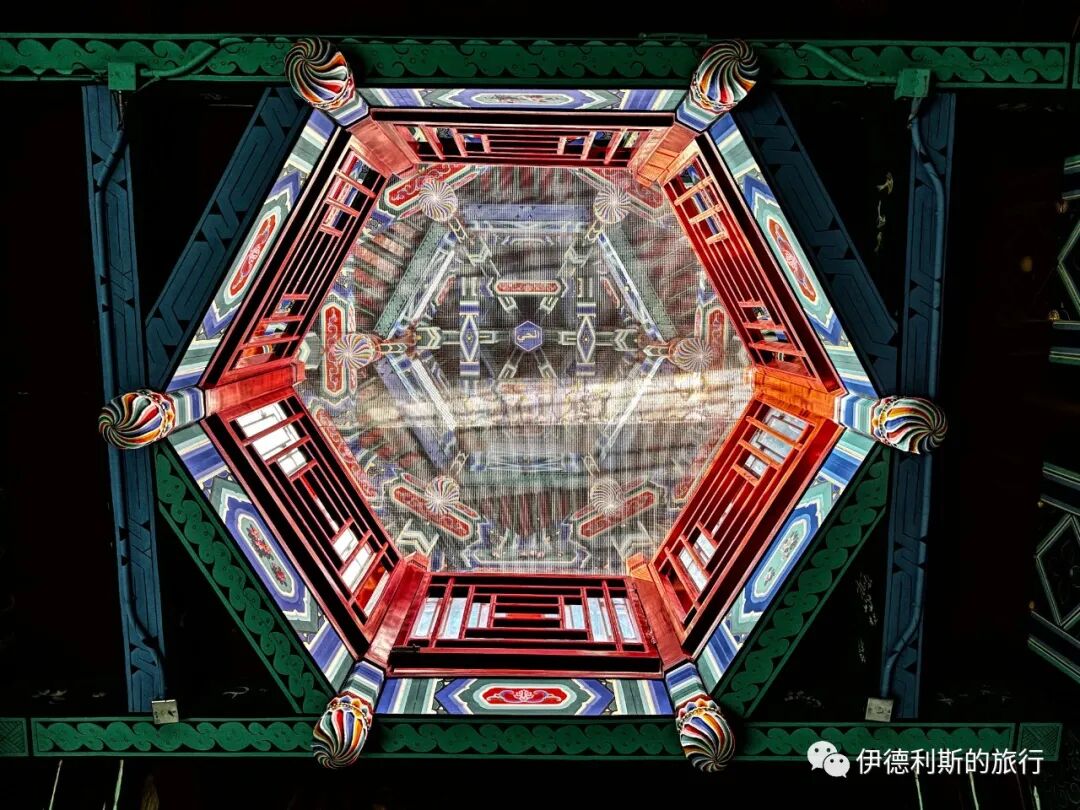
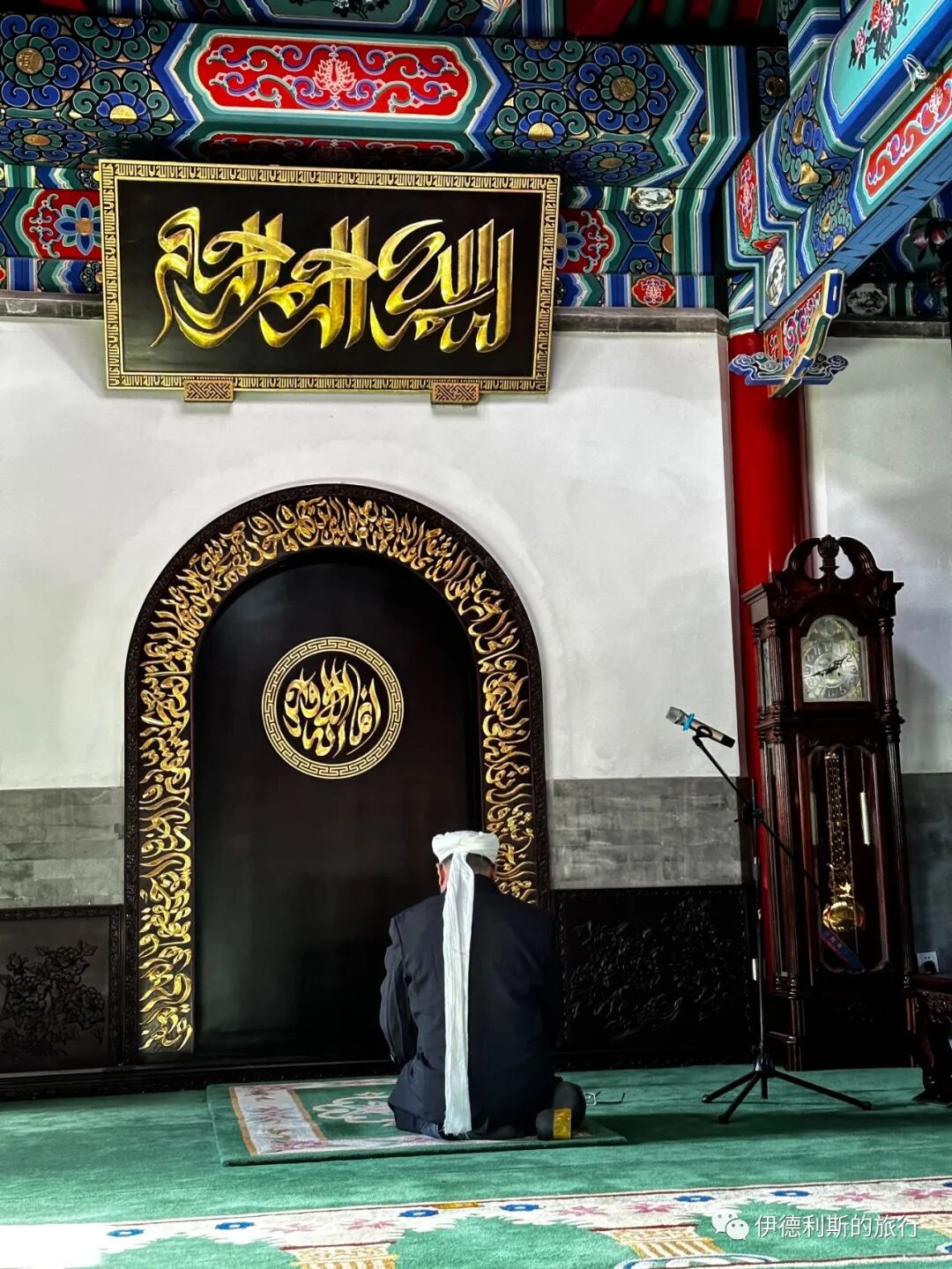
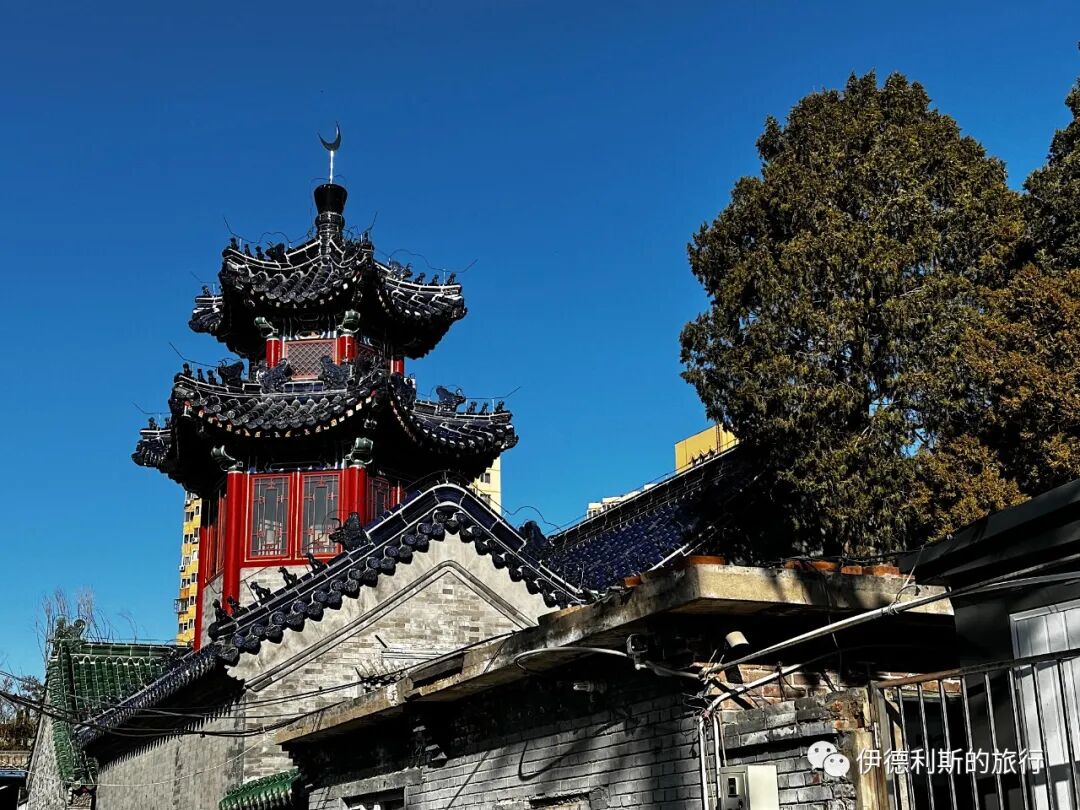
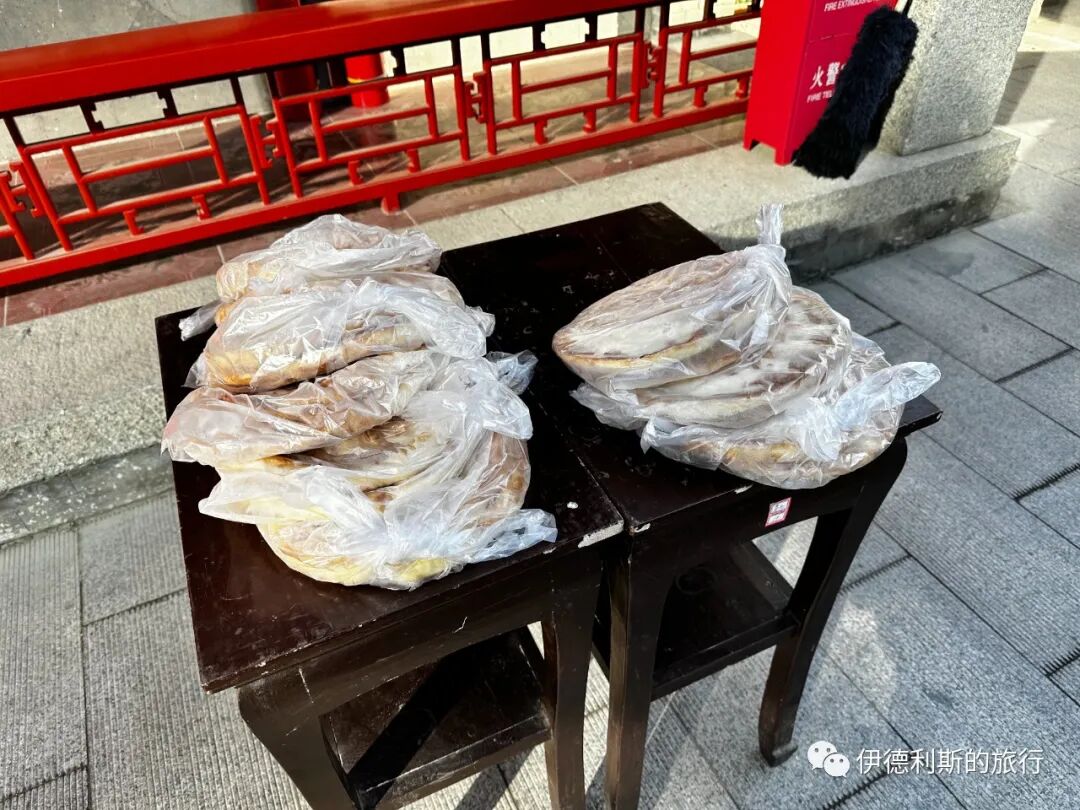
Jumu'ah Mubarak! After years of renovations, the Balizhuang Mosque outside Chaoyangmen has finally reopened, so I went there to attend Jumu'ah prayers. The renovated mosque is clean and tidy, and it looks beautiful against the blue sky. After namaz, I received some flatbread (nang) given out by the elders; it was freshly baked and tasted delicious!
Balizhuang got its name because it is eight li away from Chaoyangmen. After Emperor Yongle of the Ming dynasty moved the capital to Beijing, he built a series of granaries inside Chaoyangmen, and large amounts of grain began to be transported to Chaoyangmen via the canal. After the Qing dynasty, because boats moved slowly on the Tonghui River section of the canal, many grain boats chose to leave their ships at Tongzhou, which made the official road between Chaoyangmen and Tongzhou increasingly busy. In 1729 (the seventh year of the Yongzheng reign), the stone road outside Chaoyangmen was completed. The Diary of Jehol records: 'Between Tongzhou and the Imperial City, a distance of forty li, the road is paved with stone. The iron wheels clash, and the sound of the carts is so loud that it shakes one's spirit.'
Between the reigns of Yongzheng and Qianlong, Hui Muslims with the surnames Jing, Li, and Jin grew vegetables along the stone road outside Chaoyangmen to supply the capital, gradually forming the Balizhuang area outside the gate. The Balizhuang Mosque was first built in the early years of the Qianlong reign, and at its peak during the Qing dynasty, the mosque's property covered thirteen mu. The mosque was occupied after 1958 and was not returned until 1982. It was rebuilt between 1997 and 2000, reaching its current size. view all
Summary: Beijing Balizhuang Mosque — Jummah Prayer and Community is presented here as a firsthand travel account in clear English, beginning with this scene: Jumu'ah Mubarak! After years of renovations, the Balizhuang Mosque outside Chaoyangmen has finally reopened, so I went there to attend Jumu'ah prayers. The account keeps its focus on Balizhuang Mosque, Beijing Mosques, Jummah Prayer while preserving the names, places, food, and historical details from the Chinese source.
Jumu'ah Mubarak! After years of renovations, the Balizhuang Mosque outside Chaoyangmen has finally reopened, so I went there to attend Jumu'ah prayers. The renovated mosque is clean and tidy, and it looks beautiful against the blue sky. After namaz, I received some flatbread (nang) given out by the elders; it was freshly baked and tasted delicious!
Balizhuang got its name because it is eight li away from Chaoyangmen. After Emperor Yongle of the Ming dynasty moved the capital to Beijing, he built a series of granaries inside Chaoyangmen, and large amounts of grain began to be transported to Chaoyangmen via the canal. After the Qing dynasty, because boats moved slowly on the Tonghui River section of the canal, many grain boats chose to leave their ships at Tongzhou, which made the official road between Chaoyangmen and Tongzhou increasingly busy. In 1729 (the seventh year of the Yongzheng reign), the stone road outside Chaoyangmen was completed. The Diary of Jehol records: 'Between Tongzhou and the Imperial City, a distance of forty li, the road is paved with stone. The iron wheels clash, and the sound of the carts is so loud that it shakes one's spirit.'
Between the reigns of Yongzheng and Qianlong, Hui Muslims with the surnames Jing, Li, and Jin grew vegetables along the stone road outside Chaoyangmen to supply the capital, gradually forming the Balizhuang area outside the gate. The Balizhuang Mosque was first built in the early years of the Qianlong reign, and at its peak during the Qing dynasty, the mosque's property covered thirteen mu. The mosque was occupied after 1958 and was not returned until 1982. It was rebuilt between 1997 and 2000, reaching its current size. view all
Reposted from the web
Summary: Beijing Balizhuang Mosque — Jummah Prayer and Community is presented here as a firsthand travel account in clear English, beginning with this scene: Jumu'ah Mubarak! After years of renovations, the Balizhuang Mosque outside Chaoyangmen has finally reopened, so I went there to attend Jumu'ah prayers. The account keeps its focus on Balizhuang Mosque, Beijing Mosques, Jummah Prayer while preserving the names, places, food, and historical details from the Chinese source.
Jumu'ah Mubarak! After years of renovations, the Balizhuang Mosque outside Chaoyangmen has finally reopened, so I went there to attend Jumu'ah prayers. The renovated mosque is clean and tidy, and it looks beautiful against the blue sky. After namaz, I received some flatbread (nang) given out by the elders; it was freshly baked and tasted delicious!
Balizhuang got its name because it is eight li away from Chaoyangmen. After Emperor Yongle of the Ming dynasty moved the capital to Beijing, he built a series of granaries inside Chaoyangmen, and large amounts of grain began to be transported to Chaoyangmen via the canal. After the Qing dynasty, because boats moved slowly on the Tonghui River section of the canal, many grain boats chose to leave their ships at Tongzhou, which made the official road between Chaoyangmen and Tongzhou increasingly busy. In 1729 (the seventh year of the Yongzheng reign), the stone road outside Chaoyangmen was completed. The Diary of Jehol records: 'Between Tongzhou and the Imperial City, a distance of forty li, the road is paved with stone. The iron wheels clash, and the sound of the carts is so loud that it shakes one's spirit.'
Between the reigns of Yongzheng and Qianlong, Hui Muslims with the surnames Jing, Li, and Jin grew vegetables along the stone road outside Chaoyangmen to supply the capital, gradually forming the Balizhuang area outside the gate. The Balizhuang Mosque was first built in the early years of the Qianlong reign, and at its peak during the Qing dynasty, the mosque's property covered thirteen mu. The mosque was occupied after 1958 and was not returned until 1982. It was rebuilt between 1997 and 2000, reaching its current size.
Summary: Beijing Balizhuang Mosque — Jummah Prayer and Community is presented here as a firsthand travel account in clear English, beginning with this scene: Jumu'ah Mubarak! After years of renovations, the Balizhuang Mosque outside Chaoyangmen has finally reopened, so I went there to attend Jumu'ah prayers. The account keeps its focus on Balizhuang Mosque, Beijing Mosques, Jummah Prayer while preserving the names, places, food, and historical details from the Chinese source.
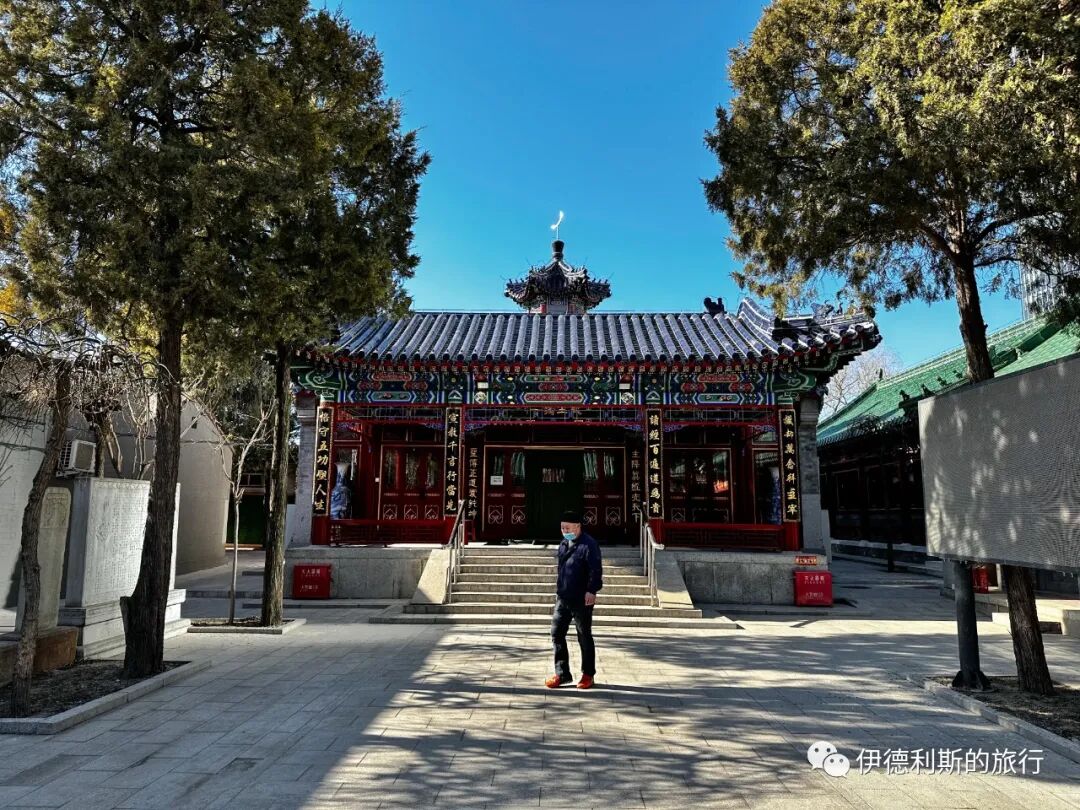
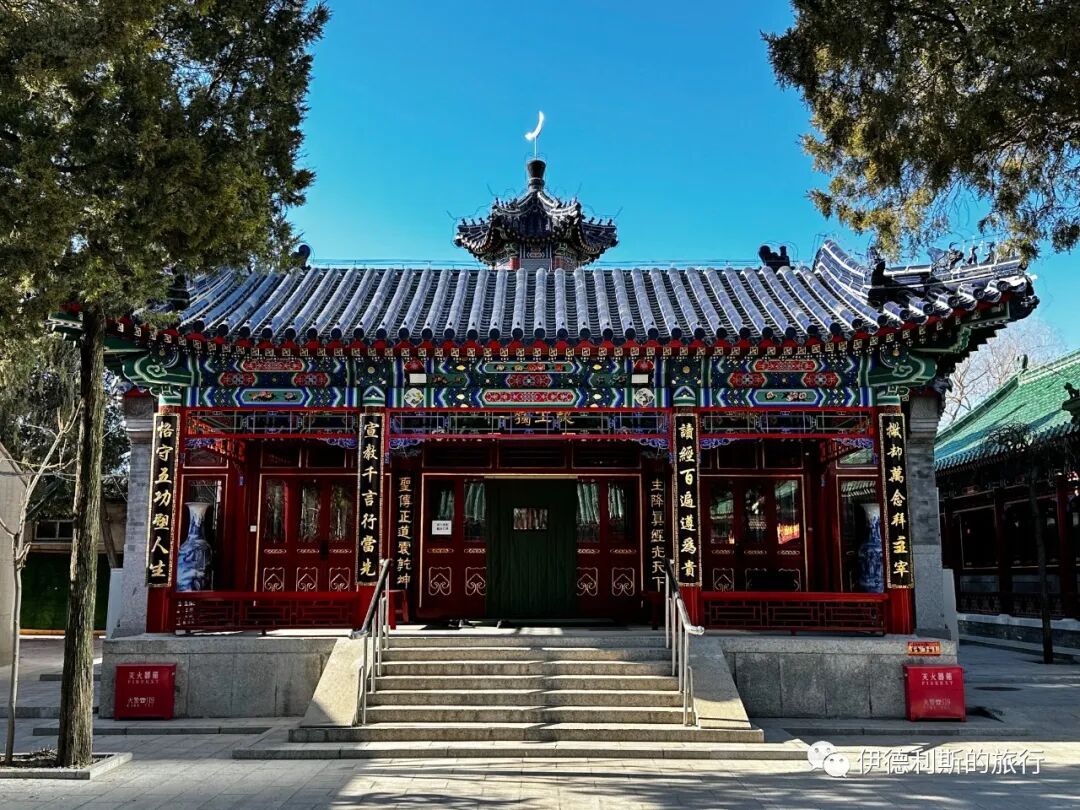
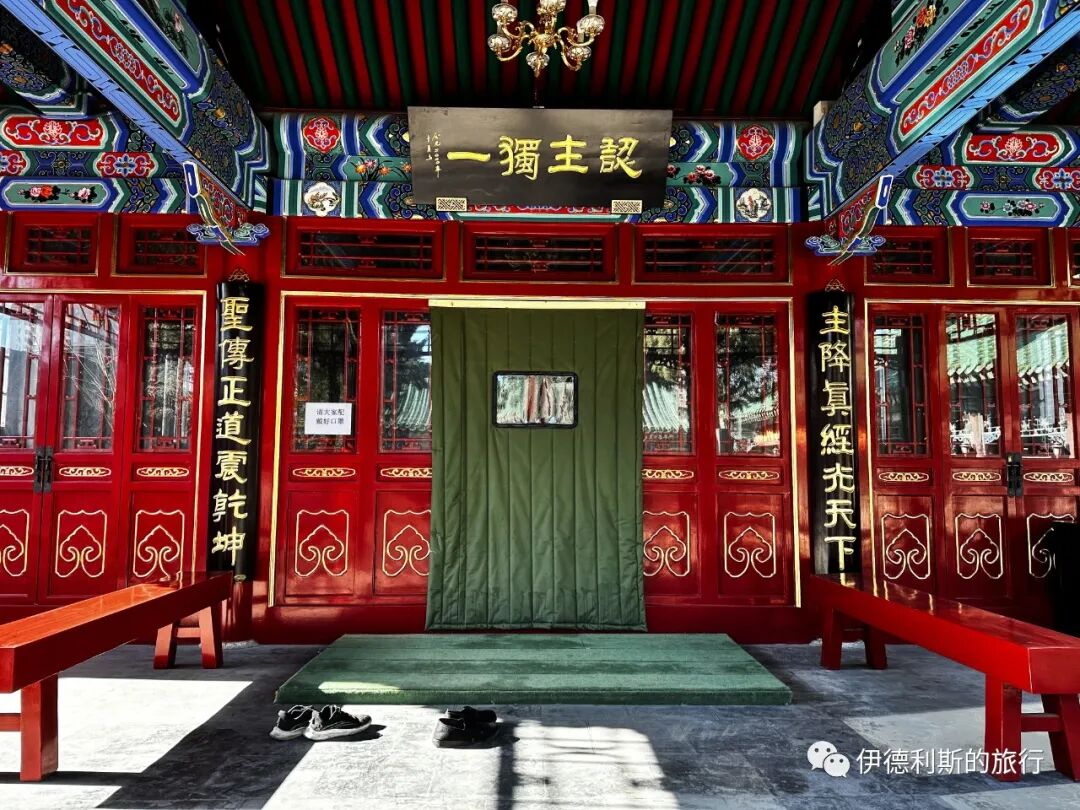
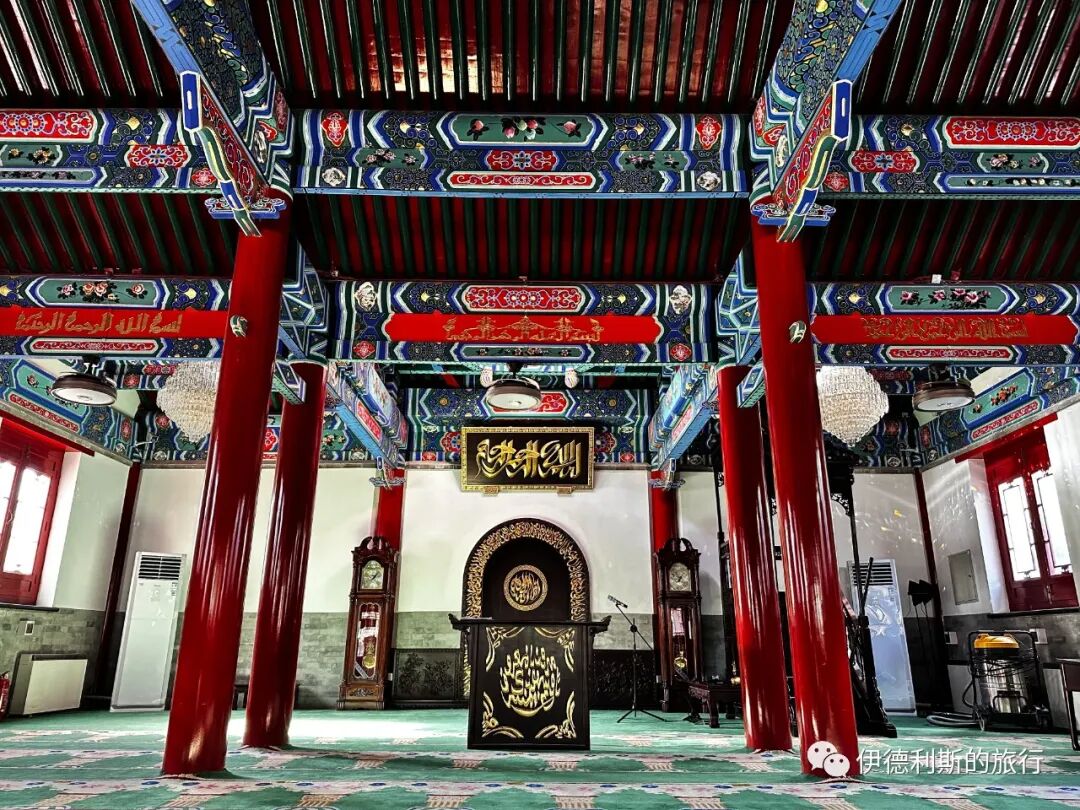
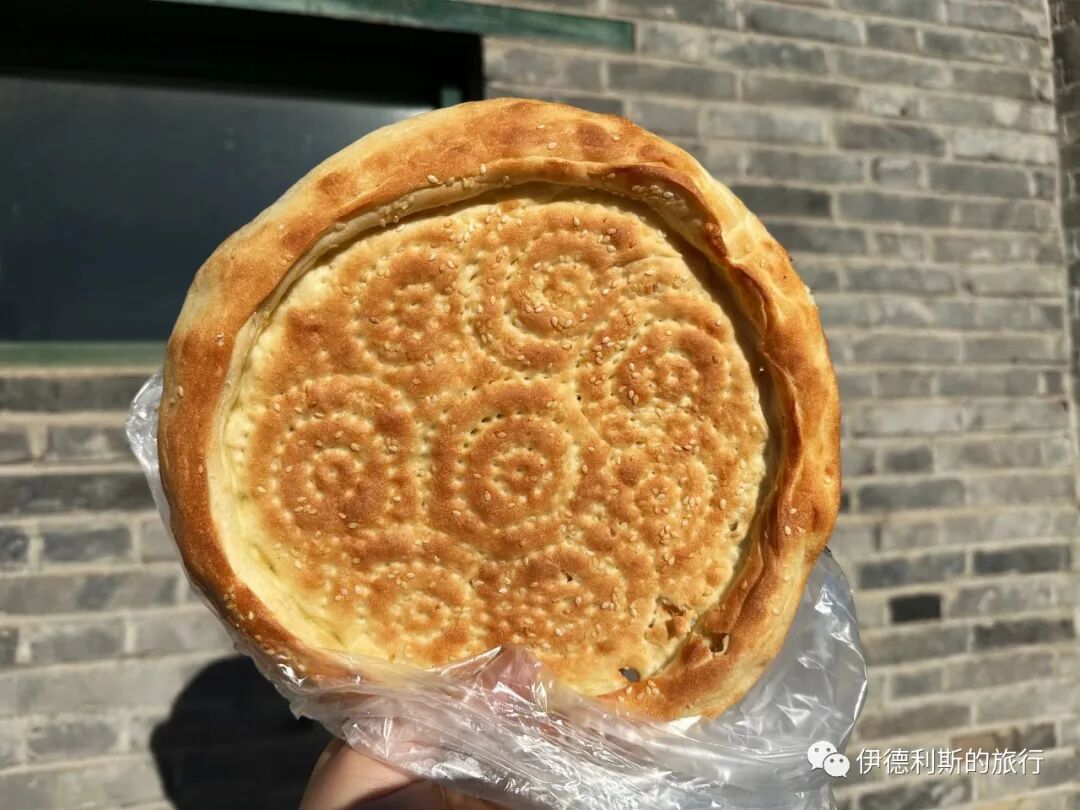
Jumu'ah Mubarak! After years of renovations, the Balizhuang Mosque outside Chaoyangmen has finally reopened, so I went there to attend Jumu'ah prayers. The renovated mosque is clean and tidy, and it looks beautiful against the blue sky. After namaz, I received some flatbread (nang) given out by the elders; it was freshly baked and tasted delicious!
Balizhuang got its name because it is eight li away from Chaoyangmen. After Emperor Yongle of the Ming dynasty moved the capital to Beijing, he built a series of granaries inside Chaoyangmen, and large amounts of grain began to be transported to Chaoyangmen via the canal. After the Qing dynasty, because boats moved slowly on the Tonghui River section of the canal, many grain boats chose to leave their ships at Tongzhou, which made the official road between Chaoyangmen and Tongzhou increasingly busy. In 1729 (the seventh year of the Yongzheng reign), the stone road outside Chaoyangmen was completed. The Diary of Jehol records: 'Between Tongzhou and the Imperial City, a distance of forty li, the road is paved with stone. The iron wheels clash, and the sound of the carts is so loud that it shakes one's spirit.'
Between the reigns of Yongzheng and Qianlong, Hui Muslims with the surnames Jing, Li, and Jin grew vegetables along the stone road outside Chaoyangmen to supply the capital, gradually forming the Balizhuang area outside the gate. The Balizhuang Mosque was first built in the early years of the Qianlong reign, and at its peak during the Qing dynasty, the mosque's property covered thirteen mu. The mosque was occupied after 1958 and was not returned until 1982. It was rebuilt between 1997 and 2000, reaching its current size.
Halal Travel Guide: Beijing Balizhuang Mosque — Jummah Prayer and Community
Articles • ali2007fr posted the article • 0 comments • 177 views • 2026-05-18 20:26
Reposted from the web
Summary: Beijing Balizhuang Mosque — Jummah Prayer and Community is presented here as a firsthand travel account in clear English, beginning with this scene: Jumu'ah Mubarak! After years of renovations, the Balizhuang Mosque outside Chaoyangmen has finally reopened, so I went there to attend Jumu'ah prayers. The account keeps its focus on Balizhuang Mosque, Beijing Mosques, Jummah Prayer while preserving the names, places, food, and historical details from the Chinese source.
Jumu'ah Mubarak! After years of renovations, the Balizhuang Mosque outside Chaoyangmen has finally reopened, so I went there to attend Jumu'ah prayers. The renovated mosque is clean and tidy, and it looks beautiful against the blue sky. After namaz, I received some flatbread (nang) given out by the elders; it was freshly baked and tasted delicious!
Balizhuang got its name because it is eight li away from Chaoyangmen. After Emperor Yongle of the Ming dynasty moved the capital to Beijing, he built a series of granaries inside Chaoyangmen, and large amounts of grain began to be transported to Chaoyangmen via the canal. After the Qing dynasty, because boats moved slowly on the Tonghui River section of the canal, many grain boats chose to leave their ships at Tongzhou, which made the official road between Chaoyangmen and Tongzhou increasingly busy. In 1729 (the seventh year of the Yongzheng reign), the stone road outside Chaoyangmen was completed. The Diary of Jehol records: 'Between Tongzhou and the Imperial City, a distance of forty li, the road is paved with stone. The iron wheels clash, and the sound of the carts is so loud that it shakes one's spirit.'
Between the reigns of Yongzheng and Qianlong, Hui Muslims with the surnames Jing, Li, and Jin grew vegetables along the stone road outside Chaoyangmen to supply the capital, gradually forming the Balizhuang area outside the gate. The Balizhuang Mosque was first built in the early years of the Qianlong reign, and at its peak during the Qing dynasty, the mosque's property covered thirteen mu. The mosque was occupied after 1958 and was not returned until 1982. It was rebuilt between 1997 and 2000, reaching its current size. view all
Summary: Beijing Balizhuang Mosque — Jummah Prayer and Community is presented here as a firsthand travel account in clear English, beginning with this scene: Jumu'ah Mubarak! After years of renovations, the Balizhuang Mosque outside Chaoyangmen has finally reopened, so I went there to attend Jumu'ah prayers. The account keeps its focus on Balizhuang Mosque, Beijing Mosques, Jummah Prayer while preserving the names, places, food, and historical details from the Chinese source.
Jumu'ah Mubarak! After years of renovations, the Balizhuang Mosque outside Chaoyangmen has finally reopened, so I went there to attend Jumu'ah prayers. The renovated mosque is clean and tidy, and it looks beautiful against the blue sky. After namaz, I received some flatbread (nang) given out by the elders; it was freshly baked and tasted delicious!
Balizhuang got its name because it is eight li away from Chaoyangmen. After Emperor Yongle of the Ming dynasty moved the capital to Beijing, he built a series of granaries inside Chaoyangmen, and large amounts of grain began to be transported to Chaoyangmen via the canal. After the Qing dynasty, because boats moved slowly on the Tonghui River section of the canal, many grain boats chose to leave their ships at Tongzhou, which made the official road between Chaoyangmen and Tongzhou increasingly busy. In 1729 (the seventh year of the Yongzheng reign), the stone road outside Chaoyangmen was completed. The Diary of Jehol records: 'Between Tongzhou and the Imperial City, a distance of forty li, the road is paved with stone. The iron wheels clash, and the sound of the carts is so loud that it shakes one's spirit.'
Between the reigns of Yongzheng and Qianlong, Hui Muslims with the surnames Jing, Li, and Jin grew vegetables along the stone road outside Chaoyangmen to supply the capital, gradually forming the Balizhuang area outside the gate. The Balizhuang Mosque was first built in the early years of the Qianlong reign, and at its peak during the Qing dynasty, the mosque's property covered thirteen mu. The mosque was occupied after 1958 and was not returned until 1982. It was rebuilt between 1997 and 2000, reaching its current size. view all
Reposted from the web
Summary: Beijing Balizhuang Mosque — Jummah Prayer and Community is presented here as a firsthand travel account in clear English, beginning with this scene: Jumu'ah Mubarak! After years of renovations, the Balizhuang Mosque outside Chaoyangmen has finally reopened, so I went there to attend Jumu'ah prayers. The account keeps its focus on Balizhuang Mosque, Beijing Mosques, Jummah Prayer while preserving the names, places, food, and historical details from the Chinese source.
Jumu'ah Mubarak! After years of renovations, the Balizhuang Mosque outside Chaoyangmen has finally reopened, so I went there to attend Jumu'ah prayers. The renovated mosque is clean and tidy, and it looks beautiful against the blue sky. After namaz, I received some flatbread (nang) given out by the elders; it was freshly baked and tasted delicious!
Balizhuang got its name because it is eight li away from Chaoyangmen. After Emperor Yongle of the Ming dynasty moved the capital to Beijing, he built a series of granaries inside Chaoyangmen, and large amounts of grain began to be transported to Chaoyangmen via the canal. After the Qing dynasty, because boats moved slowly on the Tonghui River section of the canal, many grain boats chose to leave their ships at Tongzhou, which made the official road between Chaoyangmen and Tongzhou increasingly busy. In 1729 (the seventh year of the Yongzheng reign), the stone road outside Chaoyangmen was completed. The Diary of Jehol records: 'Between Tongzhou and the Imperial City, a distance of forty li, the road is paved with stone. The iron wheels clash, and the sound of the carts is so loud that it shakes one's spirit.'
Between the reigns of Yongzheng and Qianlong, Hui Muslims with the surnames Jing, Li, and Jin grew vegetables along the stone road outside Chaoyangmen to supply the capital, gradually forming the Balizhuang area outside the gate. The Balizhuang Mosque was first built in the early years of the Qianlong reign, and at its peak during the Qing dynasty, the mosque's property covered thirteen mu. The mosque was occupied after 1958 and was not returned until 1982. It was rebuilt between 1997 and 2000, reaching its current size.
Summary: Beijing Balizhuang Mosque — Jummah Prayer and Community is presented here as a firsthand travel account in clear English, beginning with this scene: Jumu'ah Mubarak! After years of renovations, the Balizhuang Mosque outside Chaoyangmen has finally reopened, so I went there to attend Jumu'ah prayers. The account keeps its focus on Balizhuang Mosque, Beijing Mosques, Jummah Prayer while preserving the names, places, food, and historical details from the Chinese source.
Jumu'ah Mubarak! After years of renovations, the Balizhuang Mosque outside Chaoyangmen has finally reopened, so I went there to attend Jumu'ah prayers. The renovated mosque is clean and tidy, and it looks beautiful against the blue sky. After namaz, I received some flatbread (nang) given out by the elders; it was freshly baked and tasted delicious!
Balizhuang got its name because it is eight li away from Chaoyangmen. After Emperor Yongle of the Ming dynasty moved the capital to Beijing, he built a series of granaries inside Chaoyangmen, and large amounts of grain began to be transported to Chaoyangmen via the canal. After the Qing dynasty, because boats moved slowly on the Tonghui River section of the canal, many grain boats chose to leave their ships at Tongzhou, which made the official road between Chaoyangmen and Tongzhou increasingly busy. In 1729 (the seventh year of the Yongzheng reign), the stone road outside Chaoyangmen was completed. The Diary of Jehol records: 'Between Tongzhou and the Imperial City, a distance of forty li, the road is paved with stone. The iron wheels clash, and the sound of the carts is so loud that it shakes one's spirit.'
Between the reigns of Yongzheng and Qianlong, Hui Muslims with the surnames Jing, Li, and Jin grew vegetables along the stone road outside Chaoyangmen to supply the capital, gradually forming the Balizhuang area outside the gate. The Balizhuang Mosque was first built in the early years of the Qianlong reign, and at its peak during the Qing dynasty, the mosque's property covered thirteen mu. The mosque was occupied after 1958 and was not returned until 1982. It was rebuilt between 1997 and 2000, reaching its current size.