

Jumuah
Halal Travel Guide: Malaysia - Chinese-Style Mosque and Jumuah Prayer
Articles • ali2007fr posted the article • 0 comments • 157 views • 2026-05-19 07:25
Reposted from the web
Summary: This Malaysia article records Friday prayer at a Chinese-style mosque and the author observations of mosque space, community life, and worship. It keeps the original religious terms, place details, and cultural notes in a Muslim voice.
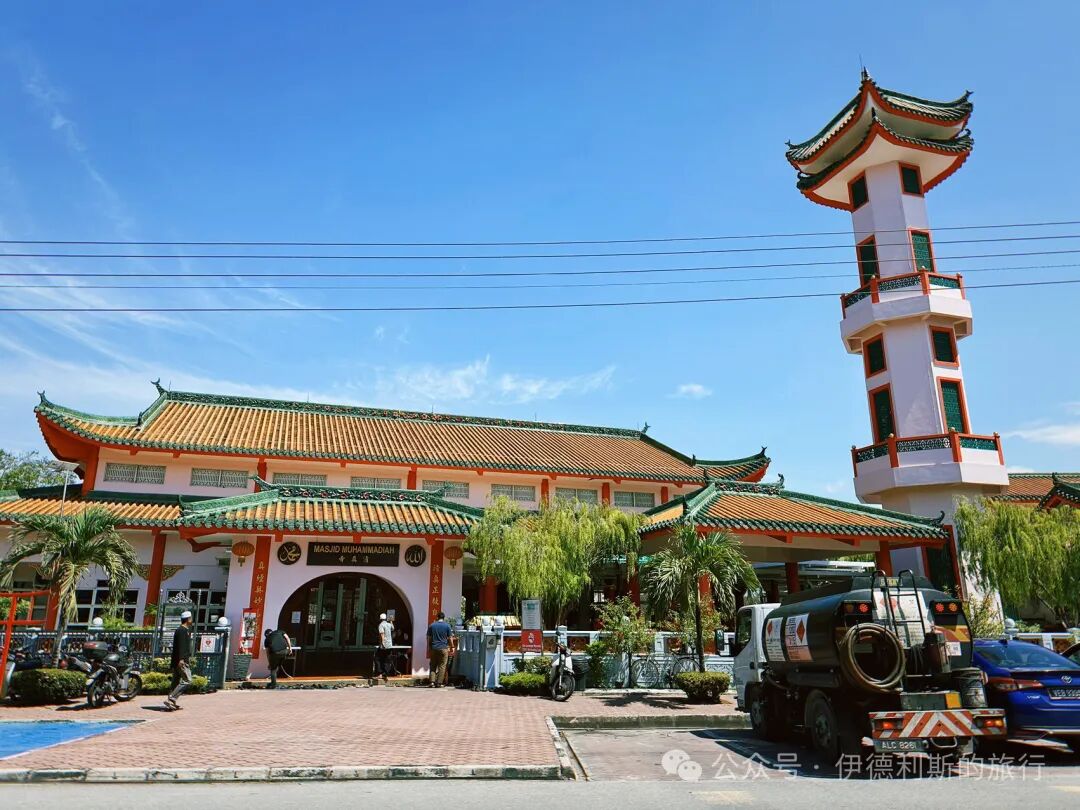
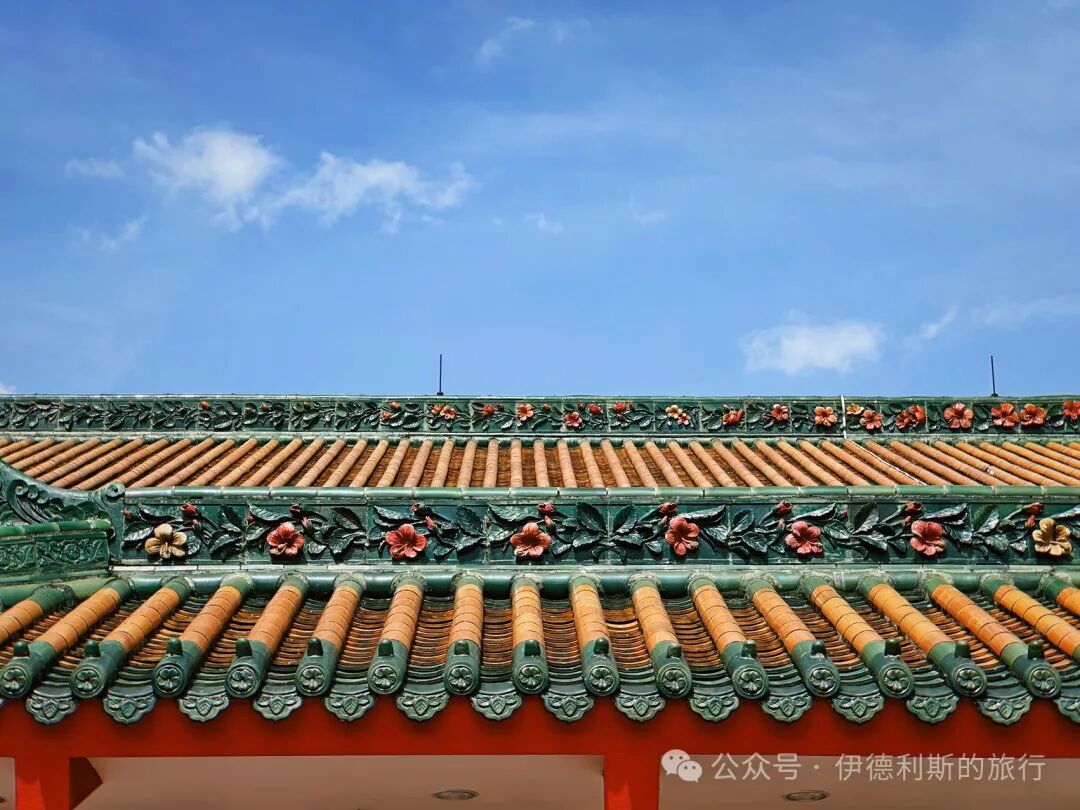
At noon, we took a taxi from Ipoh Old Town to the Muhammadiah Mosque in Tasek, in the northern suburbs, for Friday prayers. Since we had some time before the service started, we took a look around the mosque. The Muhammadiah Mosque began in 1973. It was rebuilt between 2011 and 2013 by the Ipoh branch of the Malaysian Chinese Muslim Association. It is the first mosque in Malaysia built in a purely Chinese style (the one in Kelantan has a Thai style) and was completed one year before the Malacca Chinese Mosque. The glazed tiles on the roof of the main prayer hall were fired in Luoyang, and you can see hibiscus patterns on the roof ridges.
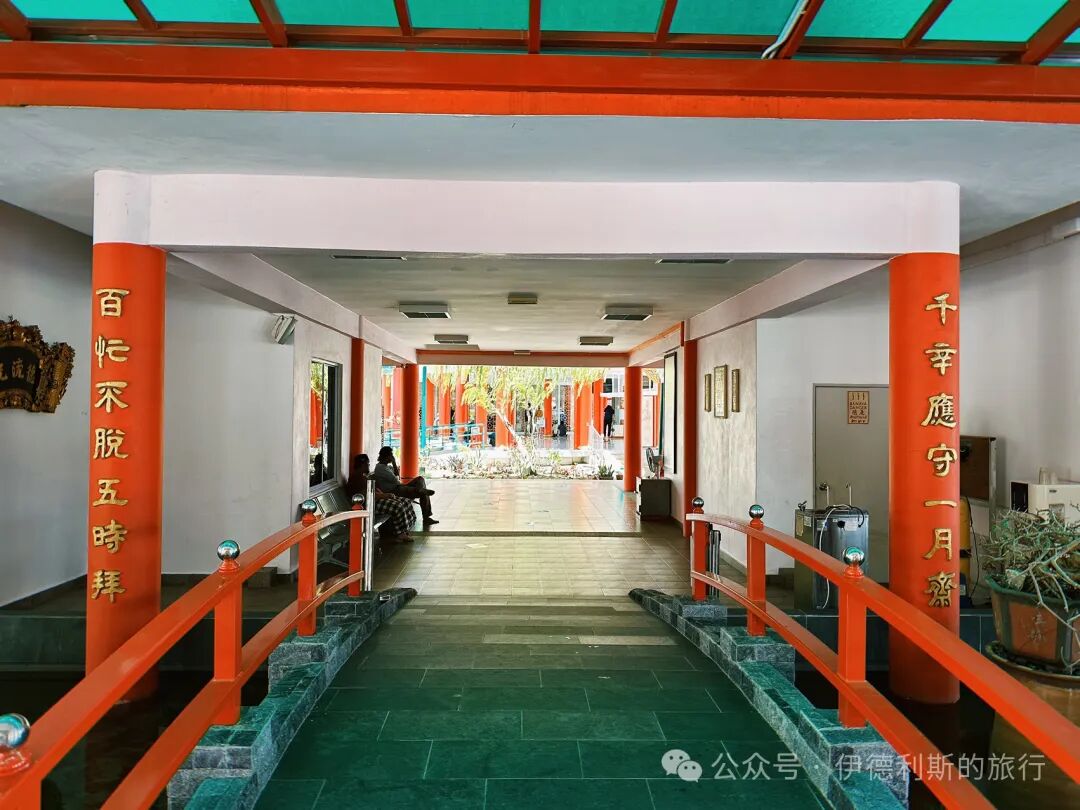
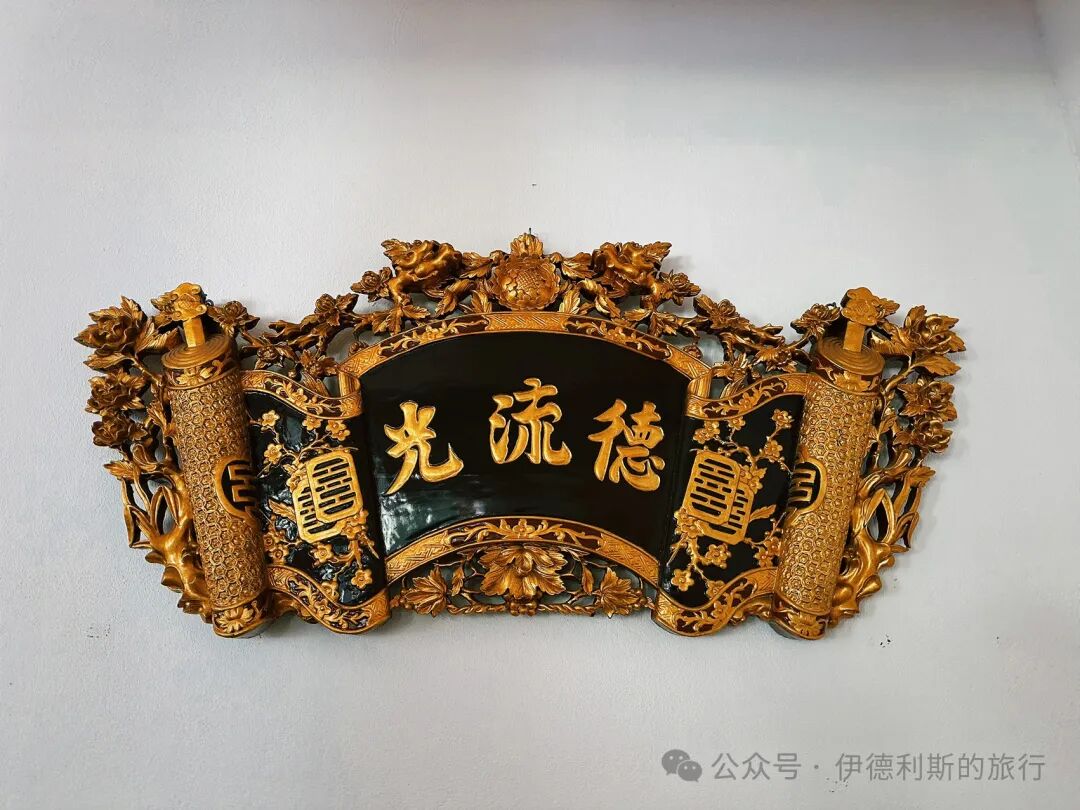
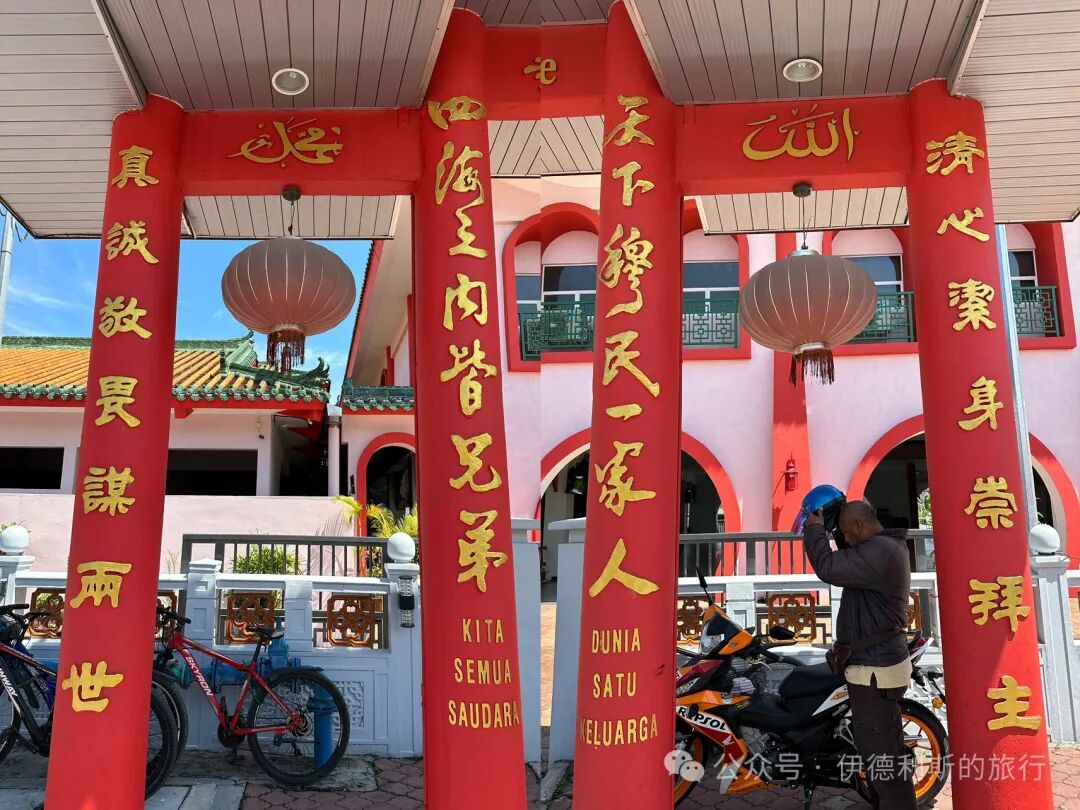
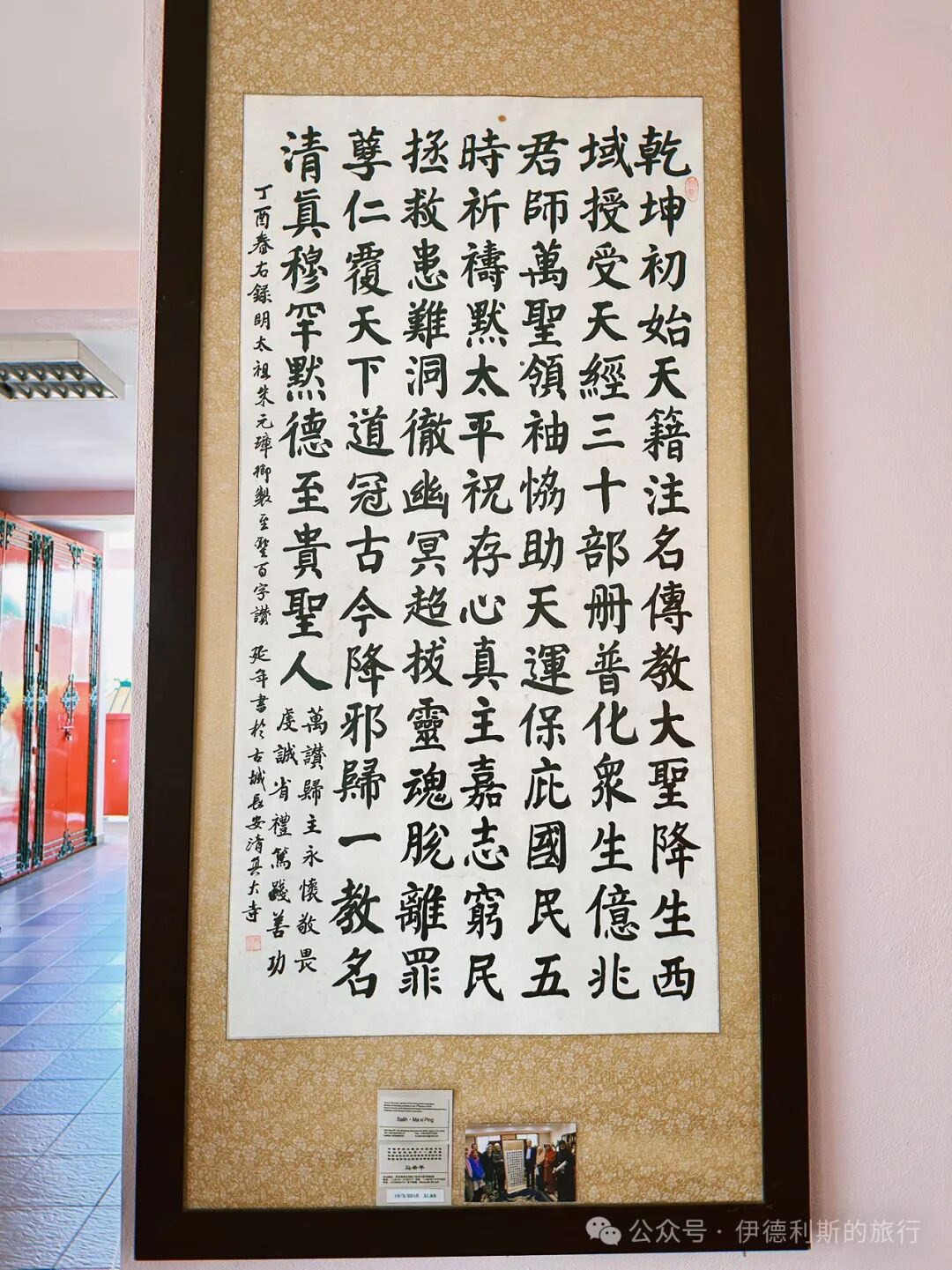
You can see Chinese characters everywhere inside the mosque. There are four couplets on the three main gates, which read: 'The pure and true faith has descended since ancient times, the mysteries of the true scripture are passed down for ten thousand generations.' 'The pure faith is unique and follows the middle path, the true religion is peerless and transcends the universe.' 'Cleanse the heart and body to worship the Lord, be sincere and reverent to seek success in both worlds.' 'All Muslims in the world are one family, all within the four seas are brothers.' Inside the main hall, there is another couplet: 'Endure all hardships to observe the one-month fast, in all your busyness do not miss the five daily prayers.' It is clear that the Chinese proficiency of the Hui Muslims here is quite good.
Besides religious practice, the mosque often holds cultural events to introduce traditional Chinese culture to Malay brothers (dosti). During the Lunar New Year, Mid-Autumn Festival, and Dragon Boat Festival, the mosque often holds exchange activities, such as teaching Malay brothers (dosti) how to wrap rice dumplings (zongzi).
As Friday prayer time approached, the Ipoh Chinese mosque was already packed with brothers (gaomu). The main hall, corridors, and courtyard were almost full. I observed that most of the brothers (gaomu) were Malay brothers (dosti). There were also some South Asian brothers (dosti) and a small number of foreign brothers (dosti). The number of Chinese brothers (dosti) was relatively small, and they were mostly elderly. At the entrance, a Chinese lady was helping everyone, and she was very enthusiastic.
Before the Friday prayers began, Dato' Xie Zhuoran, the chairman of the Ipoh branch of the Malaysian Chinese Muslim Association, gave a sermon (wa'z) in Malay. Although I did not understand the language, I could feel that Chairman Xie was speaking very vividly. After the prayers, I chatted with Chairman Xie and the lady about the situation of Chinese Muslims in Malaysia. Currently, there are about 60,000 Chinese Muslims in Malaysia. Most young people live and work in the Klang Valley area centered on Kuala Lumpur, while the Chinese Muslims in Ipoh are mostly middle-aged and elderly. Chairman Xie is a doctor by profession. He converted to Islam after marrying his Malay wife, and marriage is one of the main reasons why Chinese people in Malaysia convert to Islam.
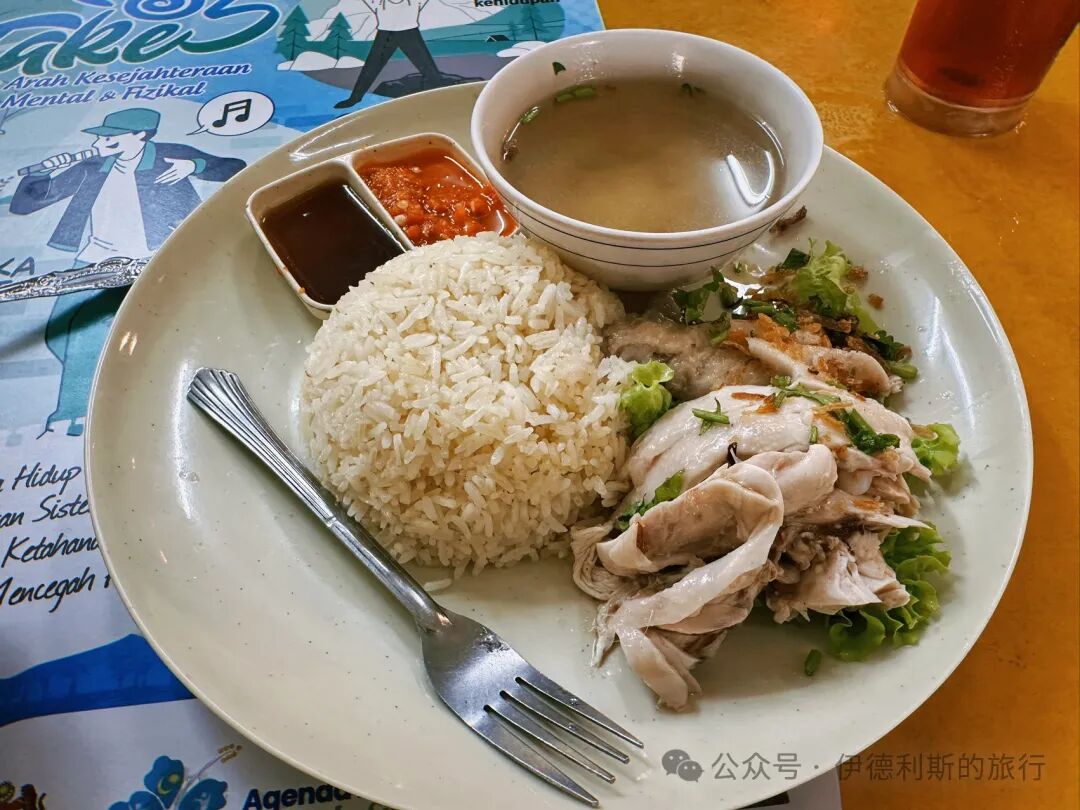
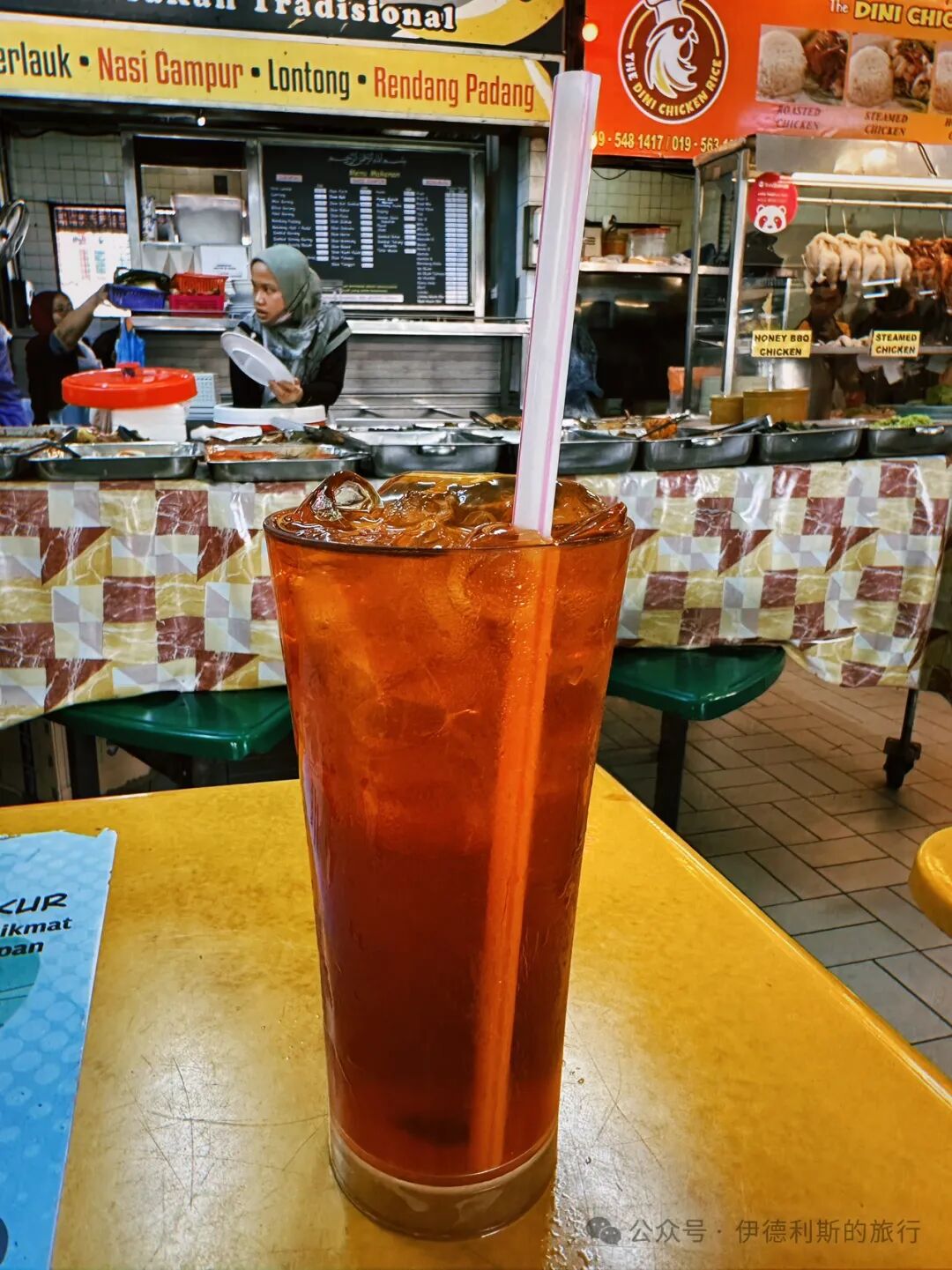
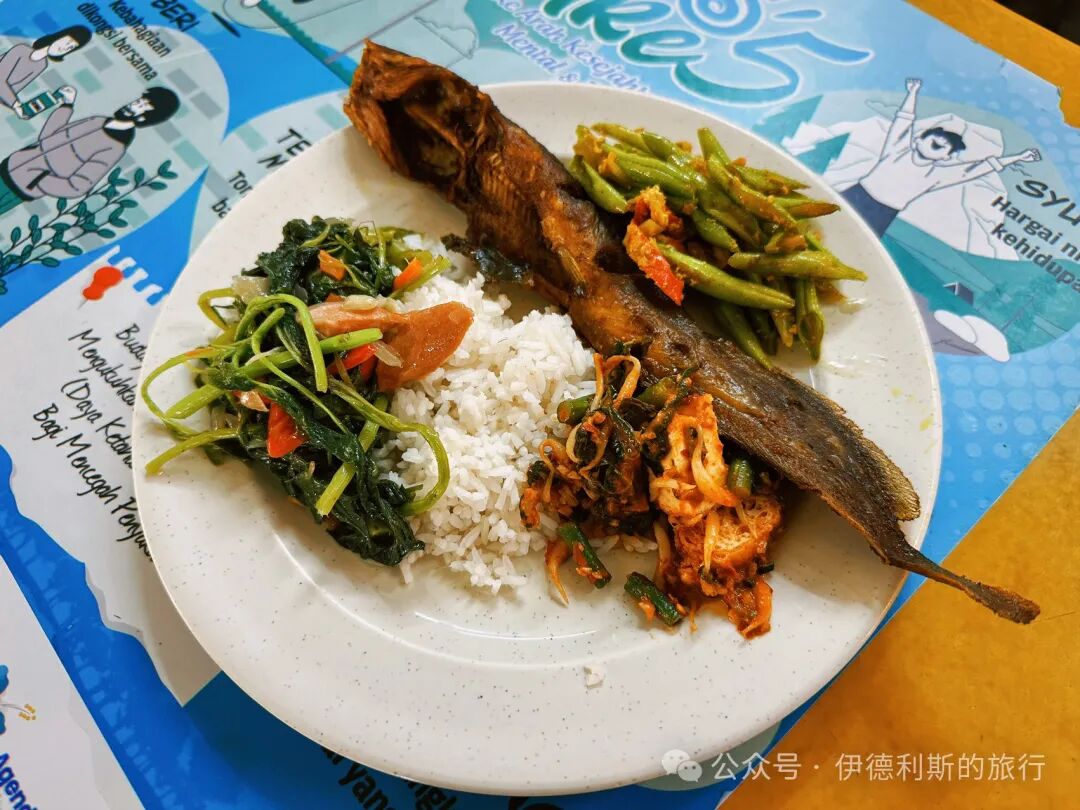
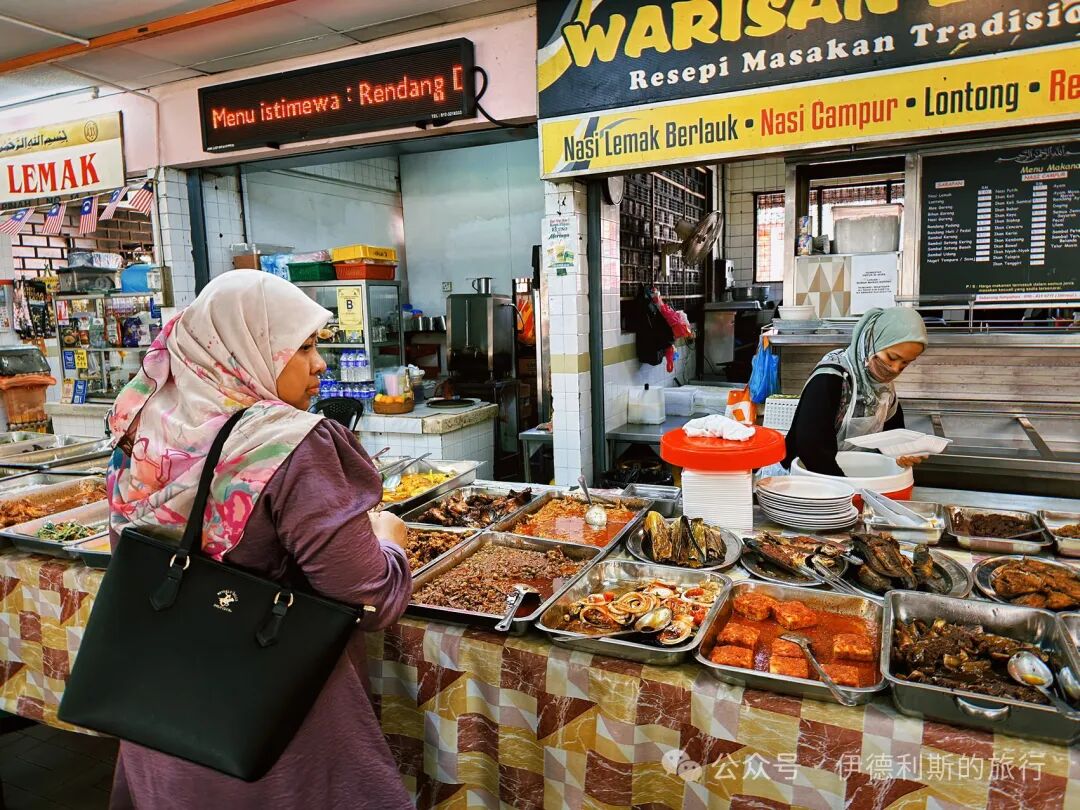
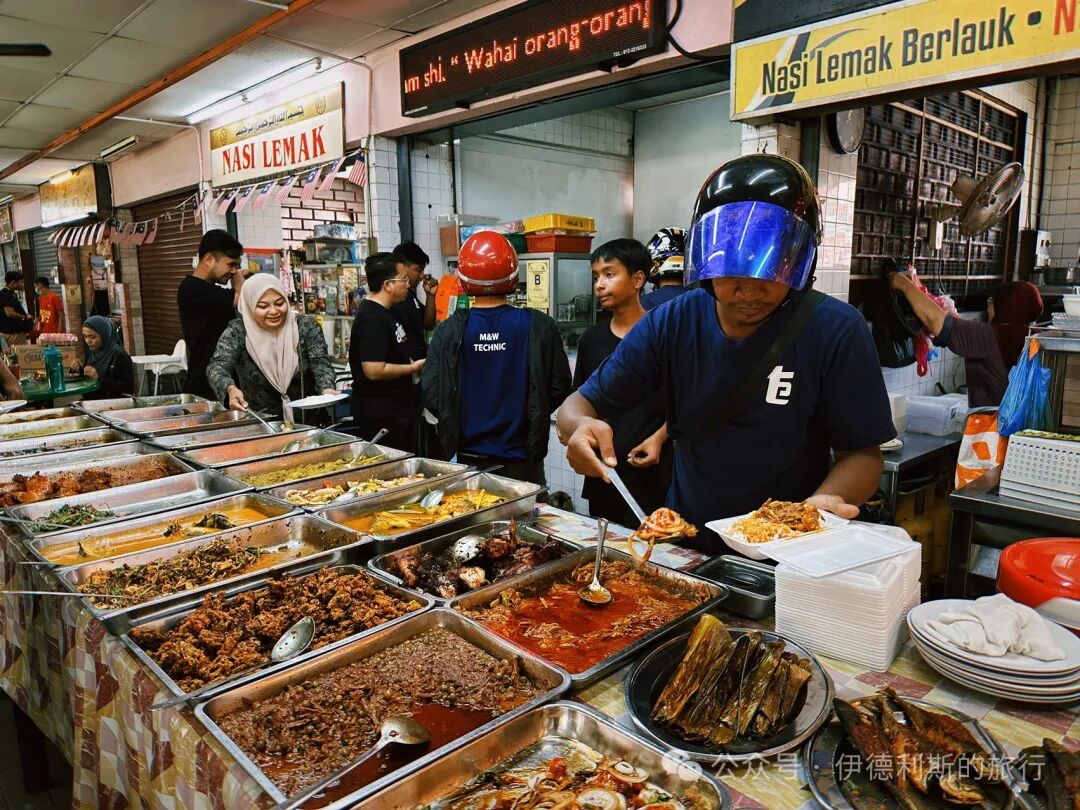
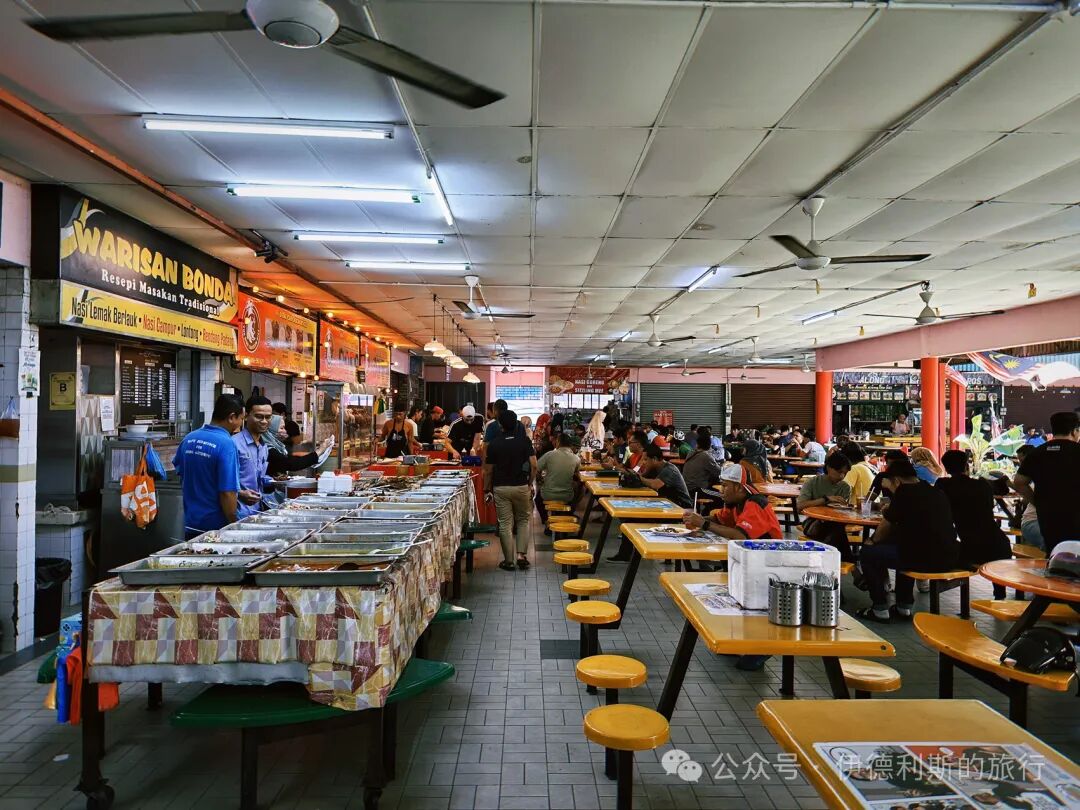
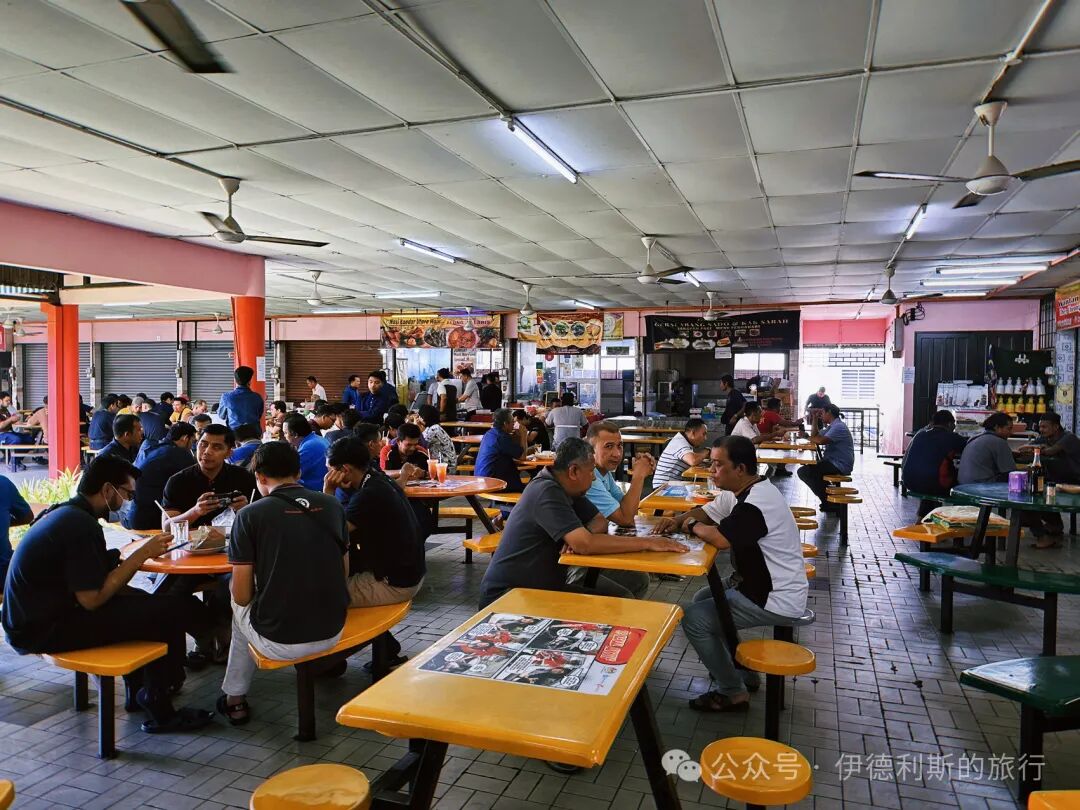
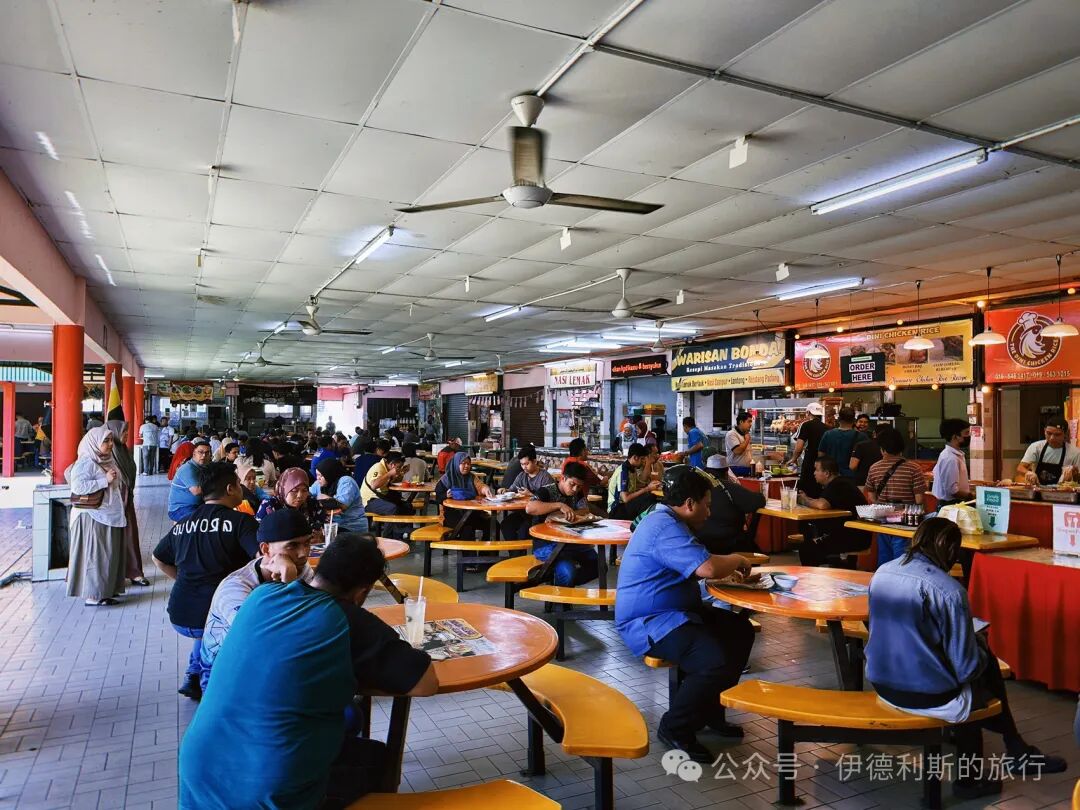
Opposite the Ipoh Chinese mosque is a large food court. to the Malay mixed rice (nasi campur), Hainanese chicken rice is also particularly popular with Malay brothers (dosti). Chairman Xie said he also likes the chicken rice at this place. I feel that Hainanese chicken rice is truly a classic food loved by all ethnic groups in Malaysia. In many places, you can see that the chicken rice made by Malay brothers (dosti) is also very authentic, no less than that made by Chinese people.
Further reading:
Tasting halal Chinese food in Malaysia
Halal Chinese food in Penang, Malaysia
Taste halal Chinese food in Singapore view all
Summary: This Malaysia article records Friday prayer at a Chinese-style mosque and the author observations of mosque space, community life, and worship. It keeps the original religious terms, place details, and cultural notes in a Muslim voice.
At noon, we took a taxi from Ipoh Old Town to the Muhammadiah Mosque in Tasek, in the northern suburbs, for Friday prayers. Since we had some time before the service started, we took a look around the mosque. The Muhammadiah Mosque began in 1973. It was rebuilt between 2011 and 2013 by the Ipoh branch of the Malaysian Chinese Muslim Association. It is the first mosque in Malaysia built in a purely Chinese style (the one in Kelantan has a Thai style) and was completed one year before the Malacca Chinese Mosque. The glazed tiles on the roof of the main prayer hall were fired in Luoyang, and you can see hibiscus patterns on the roof ridges.
You can see Chinese characters everywhere inside the mosque. There are four couplets on the three main gates, which read: 'The pure and true faith has descended since ancient times, the mysteries of the true scripture are passed down for ten thousand generations.' 'The pure faith is unique and follows the middle path, the true religion is peerless and transcends the universe.' 'Cleanse the heart and body to worship the Lord, be sincere and reverent to seek success in both worlds.' 'All Muslims in the world are one family, all within the four seas are brothers.' Inside the main hall, there is another couplet: 'Endure all hardships to observe the one-month fast, in all your busyness do not miss the five daily prayers.' It is clear that the Chinese proficiency of the Hui Muslims here is quite good.
Besides religious practice, the mosque often holds cultural events to introduce traditional Chinese culture to Malay brothers (dosti). During the Lunar New Year, Mid-Autumn Festival, and Dragon Boat Festival, the mosque often holds exchange activities, such as teaching Malay brothers (dosti) how to wrap rice dumplings (zongzi).
As Friday prayer time approached, the Ipoh Chinese mosque was already packed with brothers (gaomu). The main hall, corridors, and courtyard were almost full. I observed that most of the brothers (gaomu) were Malay brothers (dosti). There were also some South Asian brothers (dosti) and a small number of foreign brothers (dosti). The number of Chinese brothers (dosti) was relatively small, and they were mostly elderly. At the entrance, a Chinese lady was helping everyone, and she was very enthusiastic.
Before the Friday prayers began, Dato' Xie Zhuoran, the chairman of the Ipoh branch of the Malaysian Chinese Muslim Association, gave a sermon (wa'z) in Malay. Although I did not understand the language, I could feel that Chairman Xie was speaking very vividly. After the prayers, I chatted with Chairman Xie and the lady about the situation of Chinese Muslims in Malaysia. Currently, there are about 60,000 Chinese Muslims in Malaysia. Most young people live and work in the Klang Valley area centered on Kuala Lumpur, while the Chinese Muslims in Ipoh are mostly middle-aged and elderly. Chairman Xie is a doctor by profession. He converted to Islam after marrying his Malay wife, and marriage is one of the main reasons why Chinese people in Malaysia convert to Islam.
Opposite the Ipoh Chinese mosque is a large food court. to the Malay mixed rice (nasi campur), Hainanese chicken rice is also particularly popular with Malay brothers (dosti). Chairman Xie said he also likes the chicken rice at this place. I feel that Hainanese chicken rice is truly a classic food loved by all ethnic groups in Malaysia. In many places, you can see that the chicken rice made by Malay brothers (dosti) is also very authentic, no less than that made by Chinese people.
Further reading:
Tasting halal Chinese food in Malaysia
Halal Chinese food in Penang, Malaysia
Taste halal Chinese food in Singapore view all
Reposted from the web
Summary: This Malaysia article records Friday prayer at a Chinese-style mosque and the author observations of mosque space, community life, and worship. It keeps the original religious terms, place details, and cultural notes in a Muslim voice.
At noon, we took a taxi from Ipoh Old Town to the Muhammadiah Mosque in Tasek, in the northern suburbs, for Friday prayers. Since we had some time before the service started, we took a look around the mosque. The Muhammadiah Mosque began in 1973. It was rebuilt between 2011 and 2013 by the Ipoh branch of the Malaysian Chinese Muslim Association. It is the first mosque in Malaysia built in a purely Chinese style (the one in Kelantan has a Thai style) and was completed one year before the Malacca Chinese Mosque. The glazed tiles on the roof of the main prayer hall were fired in Luoyang, and you can see hibiscus patterns on the roof ridges.
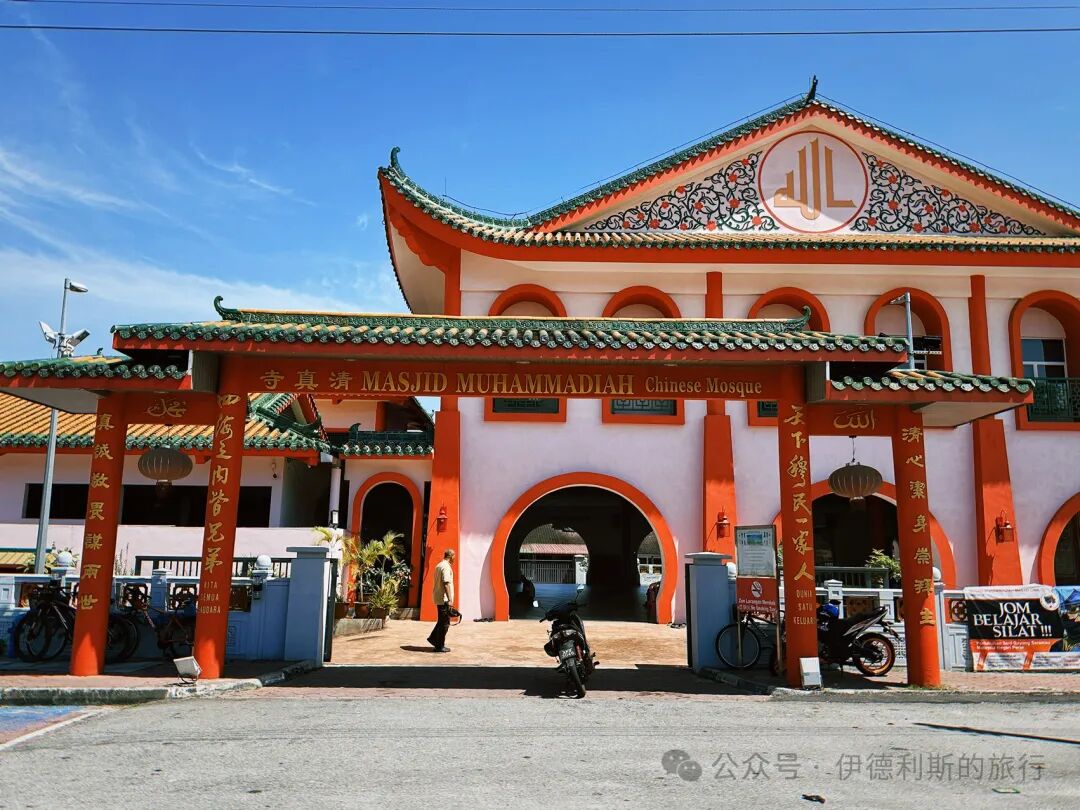
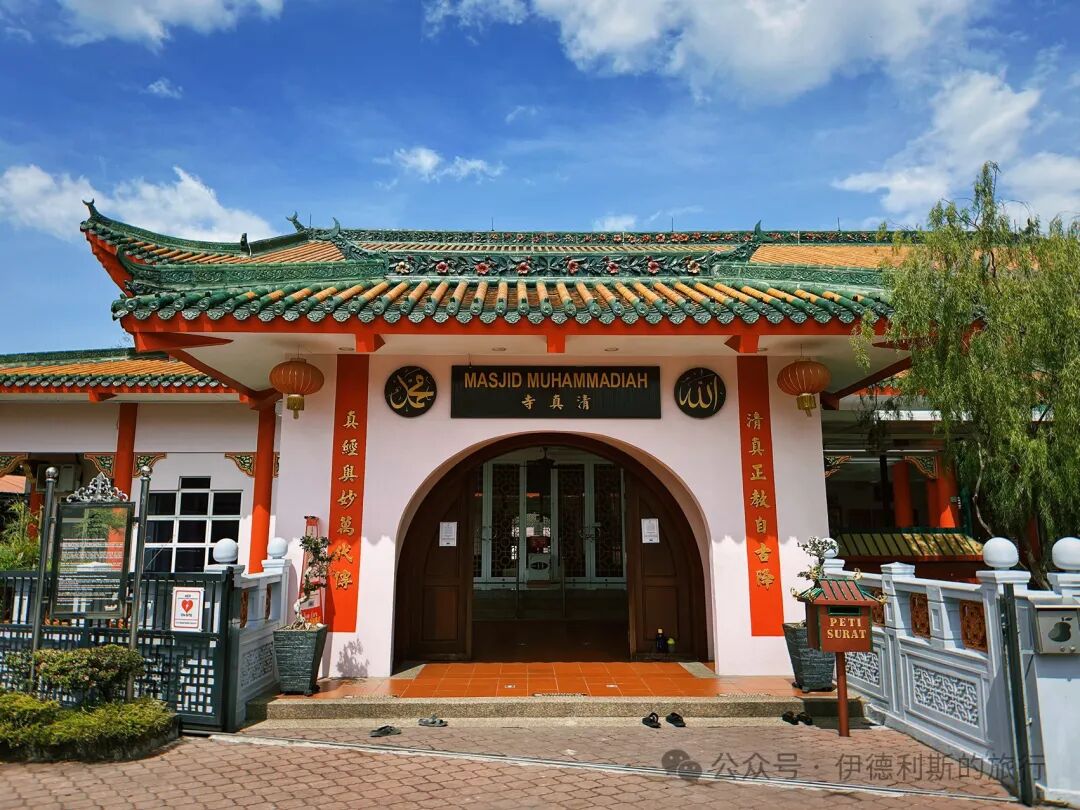
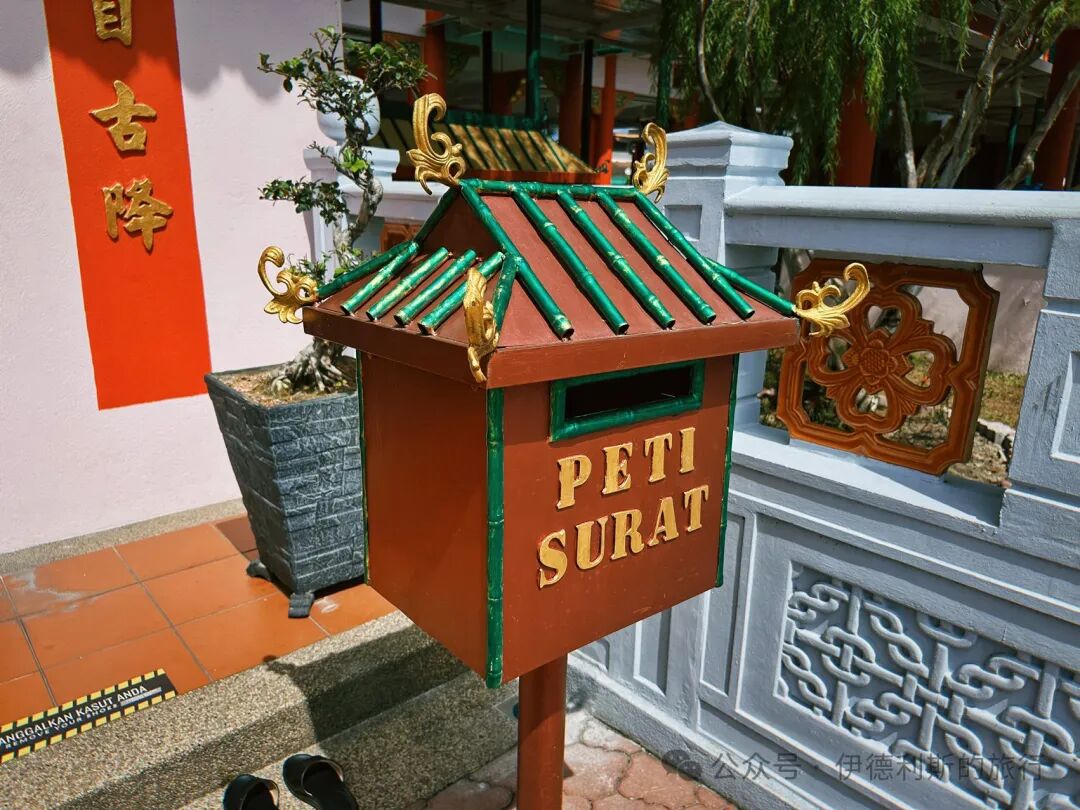
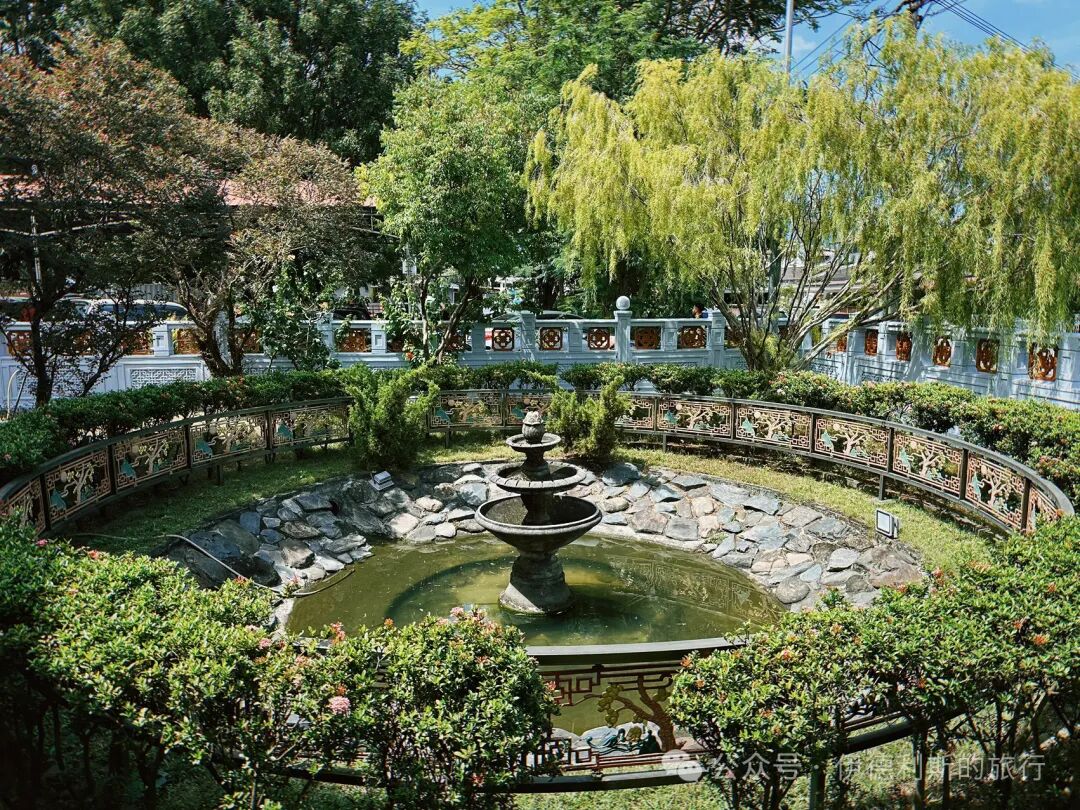
You can see Chinese characters everywhere inside the mosque. There are four couplets on the three main gates, which read: 'The pure and true faith has descended since ancient times, the mysteries of the true scripture are passed down for ten thousand generations.' 'The pure faith is unique and follows the middle path, the true religion is peerless and transcends the universe.' 'Cleanse the heart and body to worship the Lord, be sincere and reverent to seek success in both worlds.' 'All Muslims in the world are one family, all within the four seas are brothers.' Inside the main hall, there is another couplet: 'Endure all hardships to observe the one-month fast, in all your busyness do not miss the five daily prayers.' It is clear that the Chinese proficiency of the Hui Muslims here is quite good.
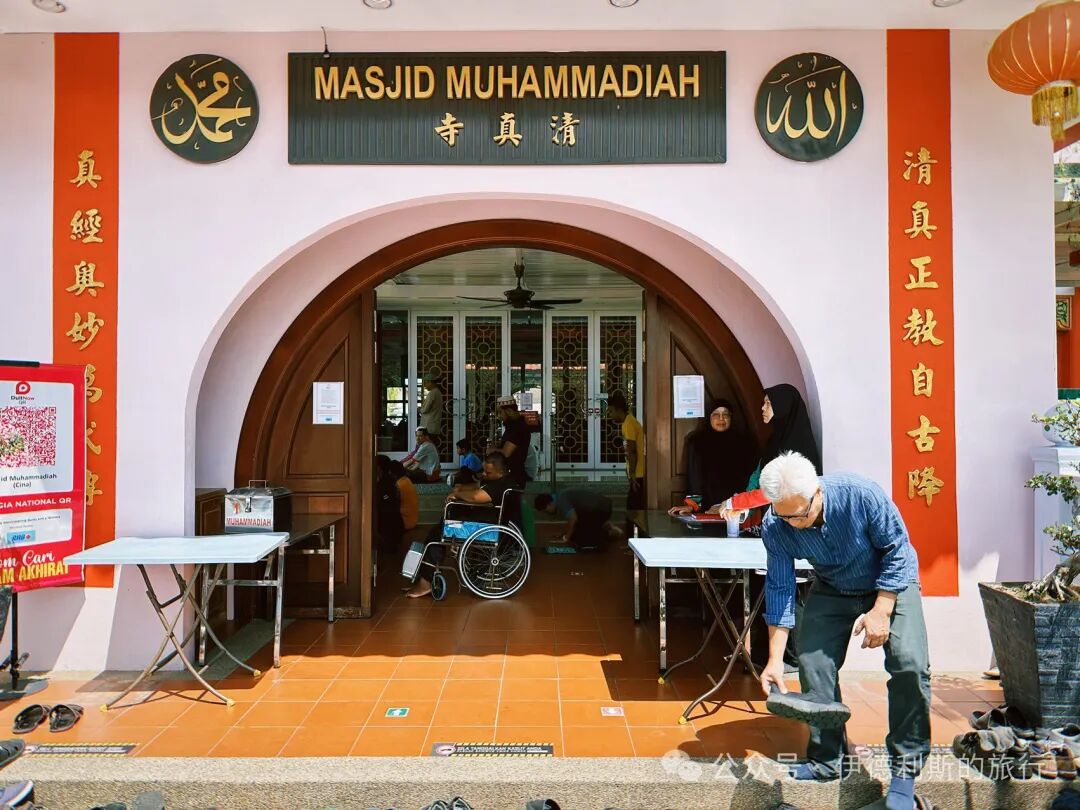
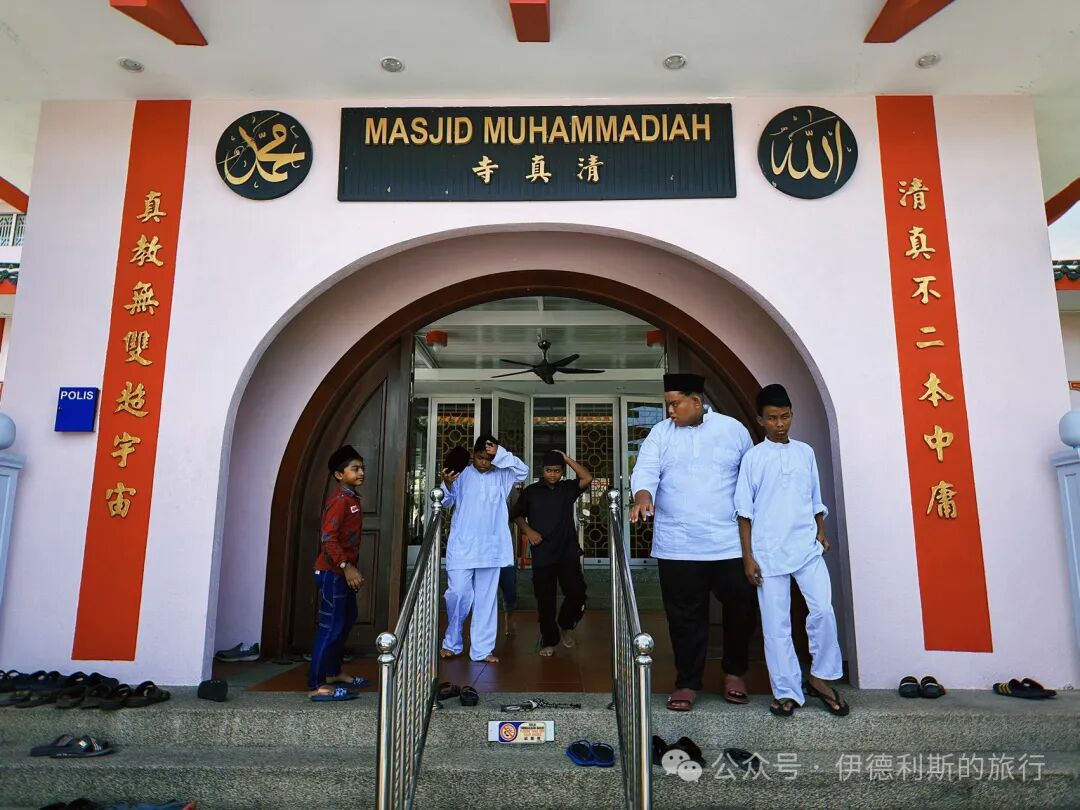
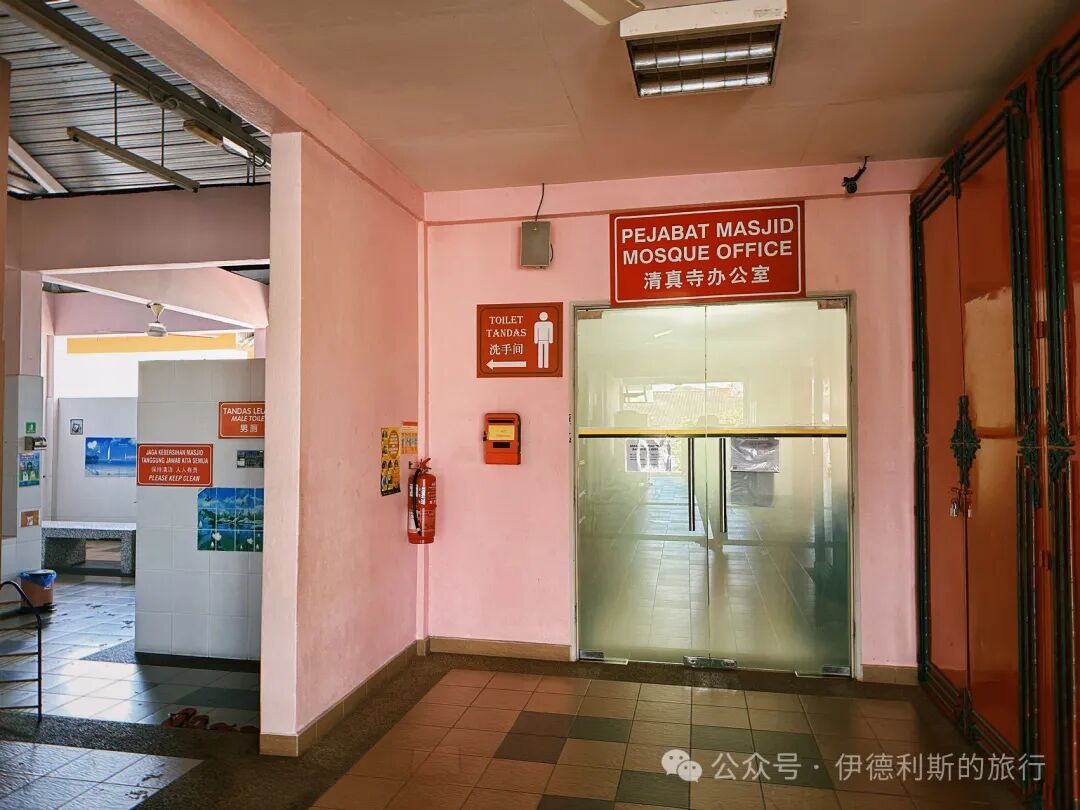
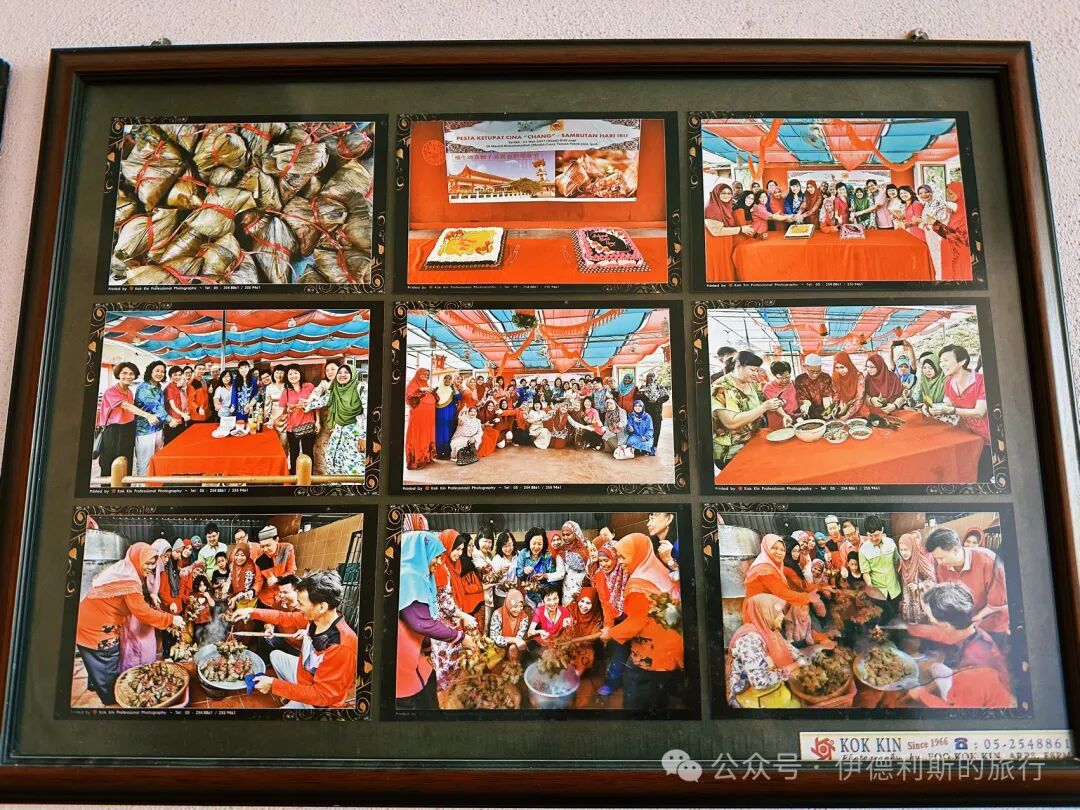
Besides religious practice, the mosque often holds cultural events to introduce traditional Chinese culture to Malay brothers (dosti). During the Lunar New Year, Mid-Autumn Festival, and Dragon Boat Festival, the mosque often holds exchange activities, such as teaching Malay brothers (dosti) how to wrap rice dumplings (zongzi).
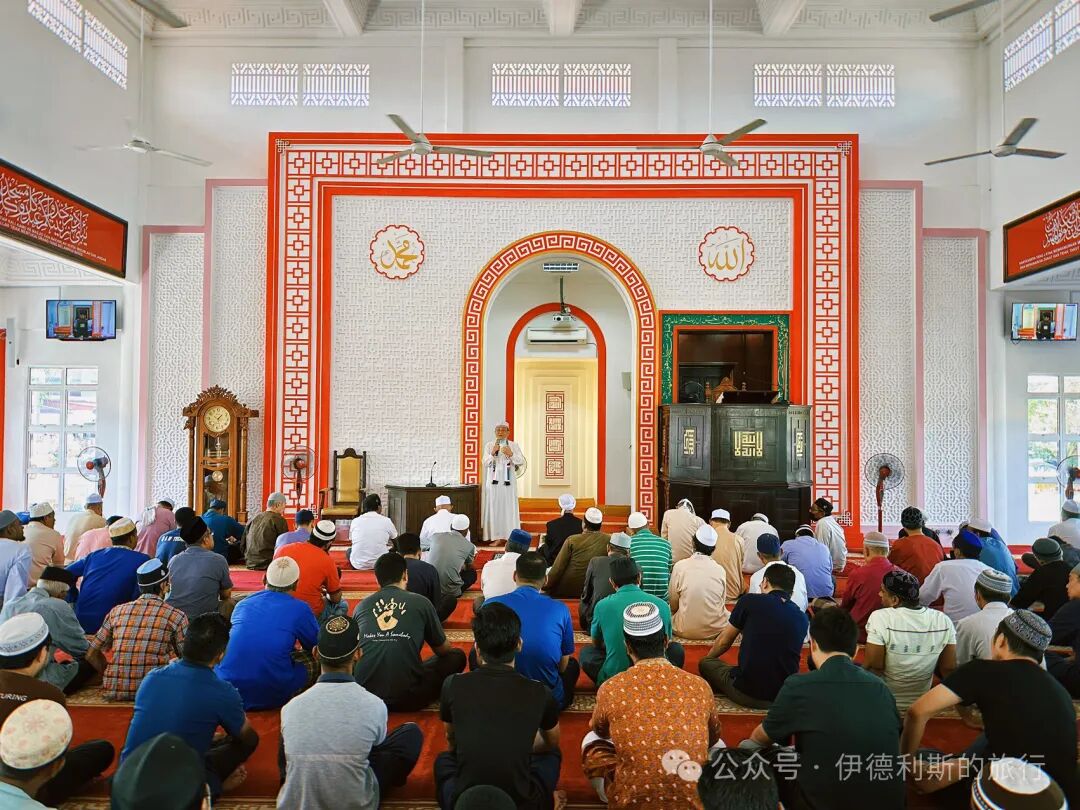
As Friday prayer time approached, the Ipoh Chinese mosque was already packed with brothers (gaomu). The main hall, corridors, and courtyard were almost full. I observed that most of the brothers (gaomu) were Malay brothers (dosti). There were also some South Asian brothers (dosti) and a small number of foreign brothers (dosti). The number of Chinese brothers (dosti) was relatively small, and they were mostly elderly. At the entrance, a Chinese lady was helping everyone, and she was very enthusiastic.
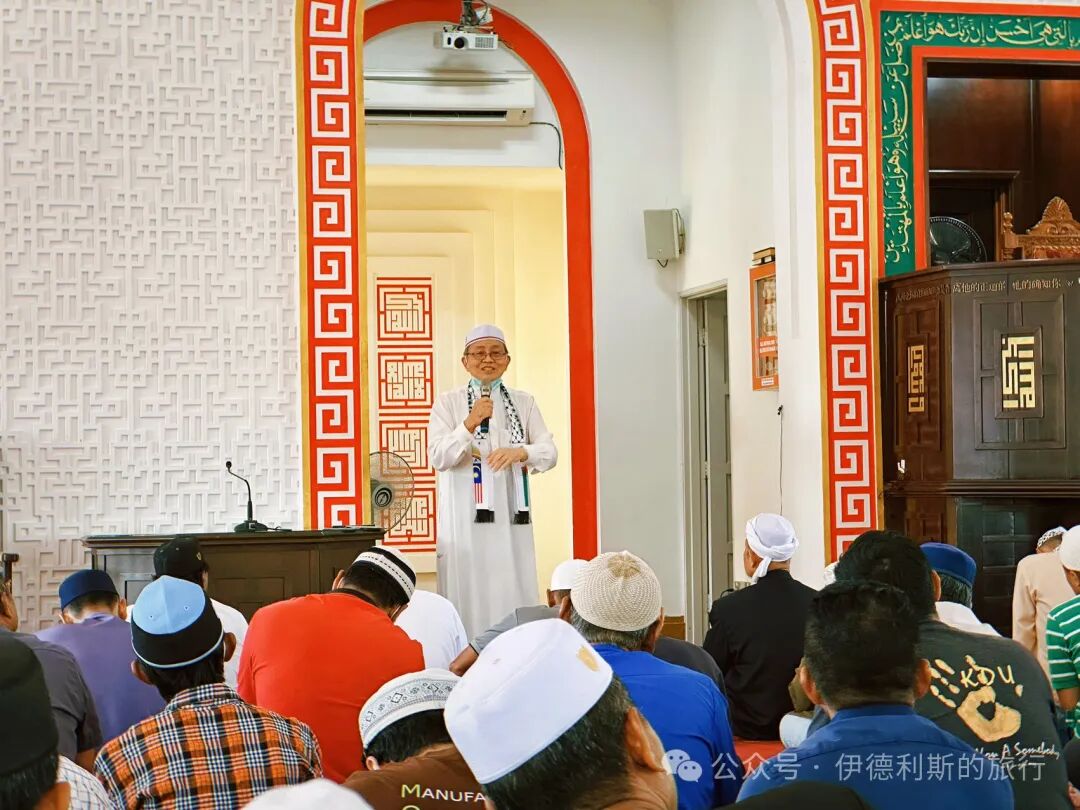
Before the Friday prayers began, Dato' Xie Zhuoran, the chairman of the Ipoh branch of the Malaysian Chinese Muslim Association, gave a sermon (wa'z) in Malay. Although I did not understand the language, I could feel that Chairman Xie was speaking very vividly. After the prayers, I chatted with Chairman Xie and the lady about the situation of Chinese Muslims in Malaysia. Currently, there are about 60,000 Chinese Muslims in Malaysia. Most young people live and work in the Klang Valley area centered on Kuala Lumpur, while the Chinese Muslims in Ipoh are mostly middle-aged and elderly. Chairman Xie is a doctor by profession. He converted to Islam after marrying his Malay wife, and marriage is one of the main reasons why Chinese people in Malaysia convert to Islam.
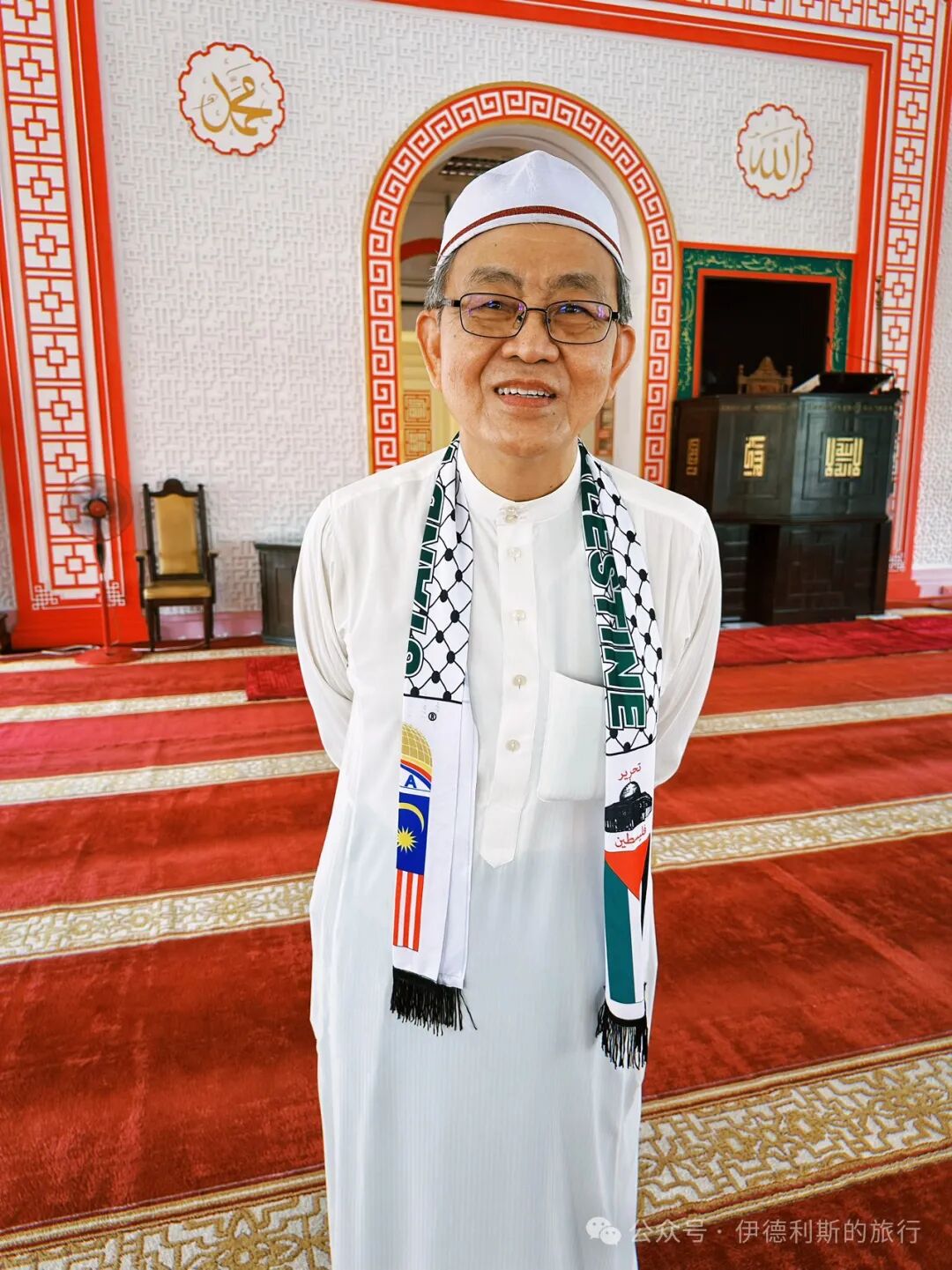
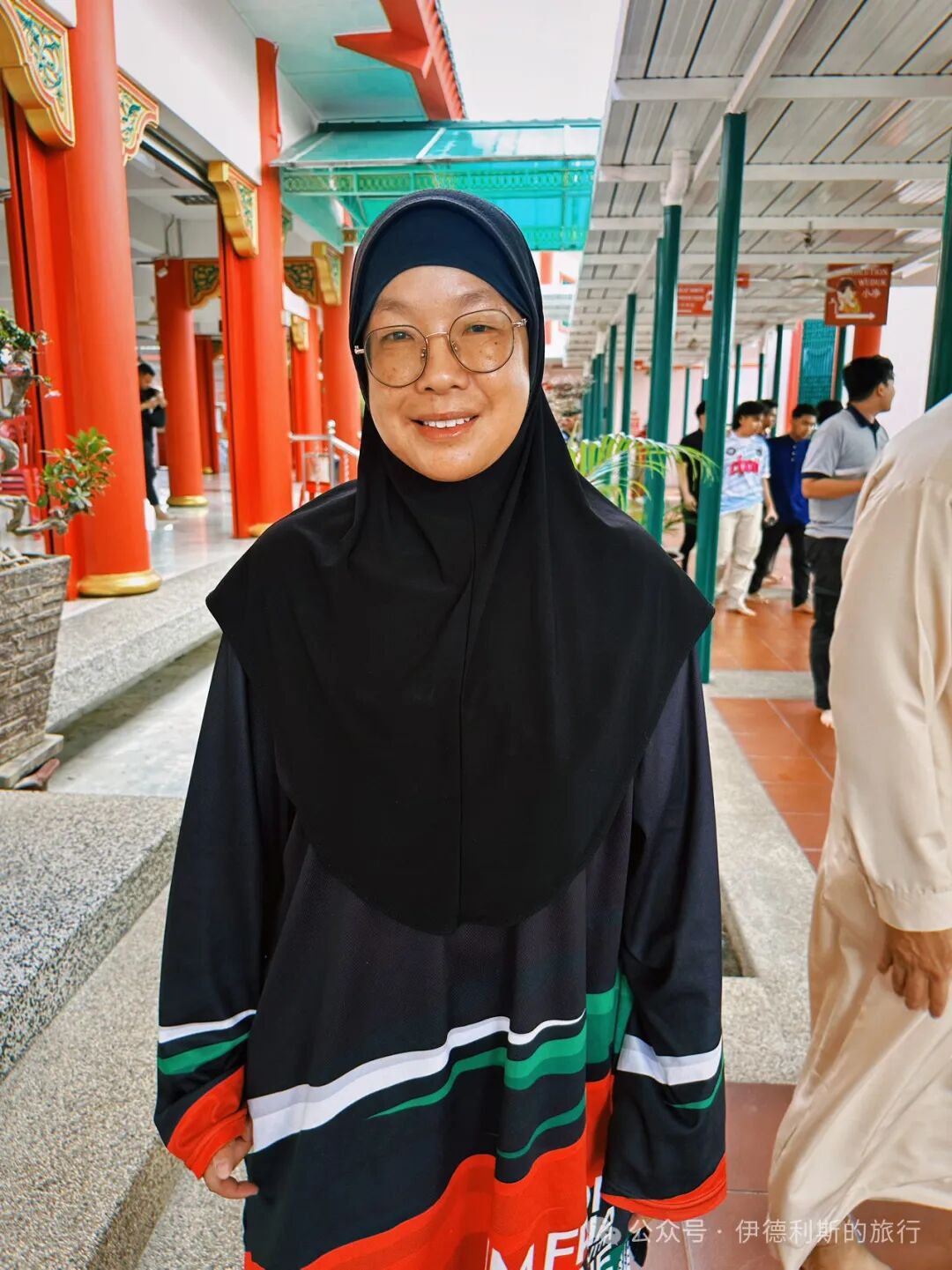

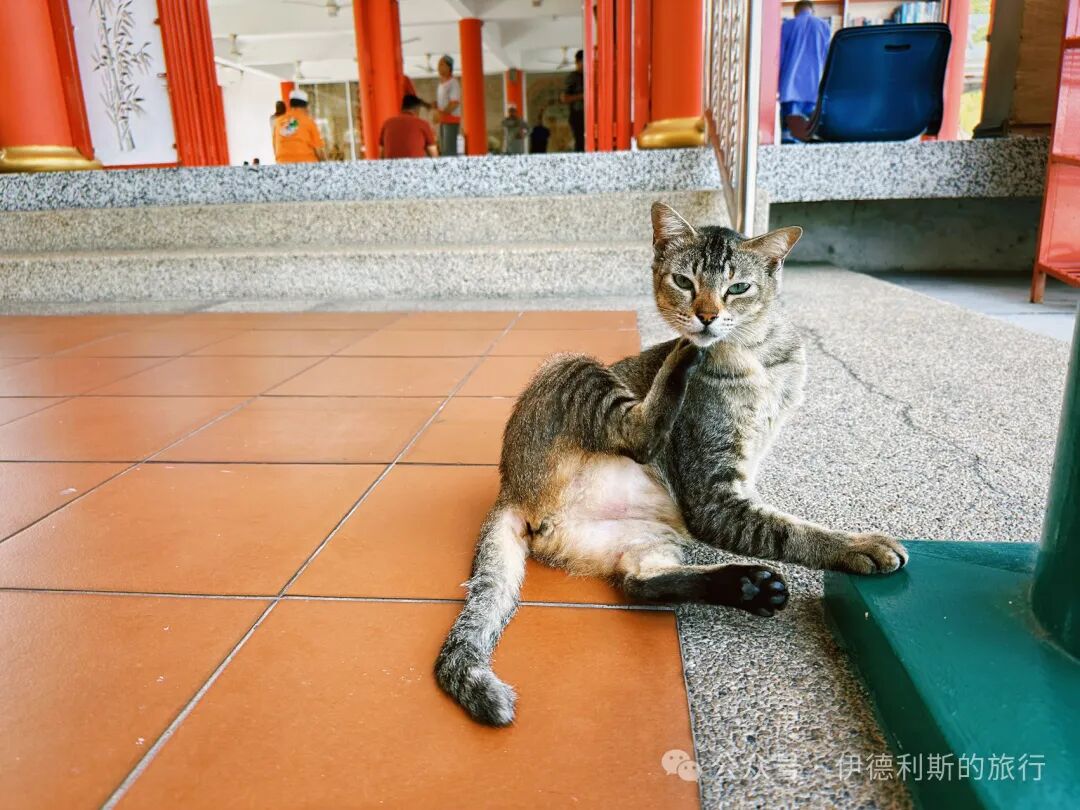
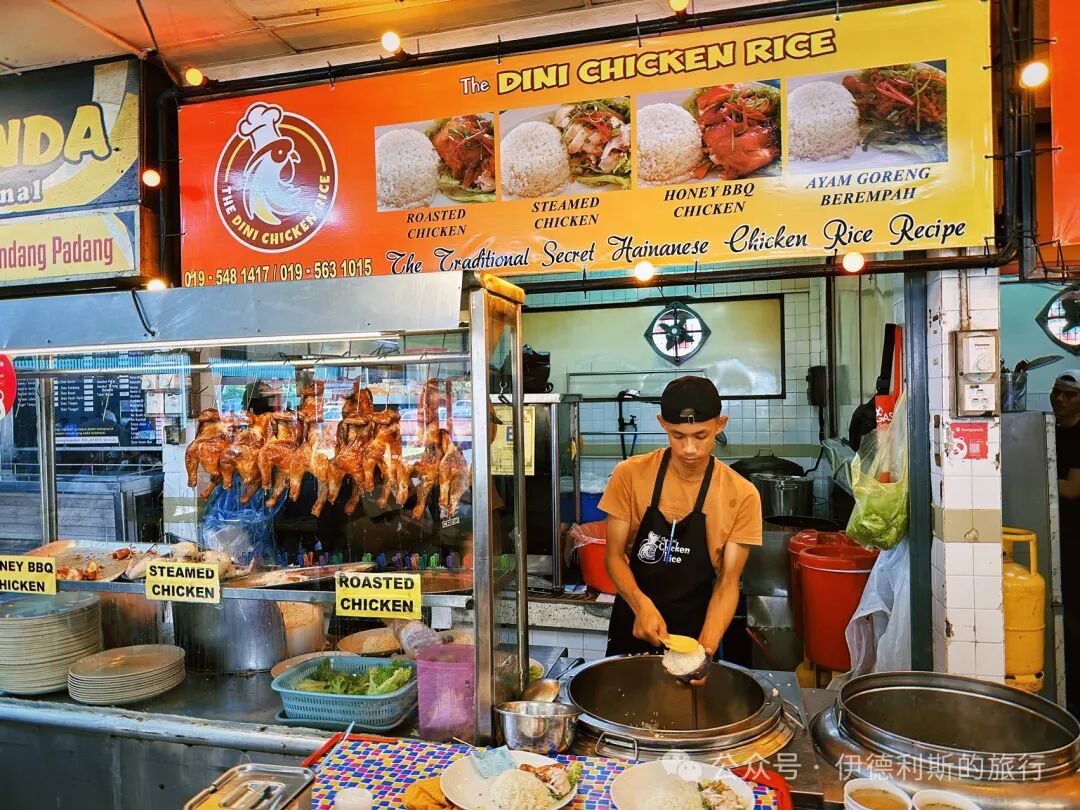
Opposite the Ipoh Chinese mosque is a large food court. to the Malay mixed rice (nasi campur), Hainanese chicken rice is also particularly popular with Malay brothers (dosti). Chairman Xie said he also likes the chicken rice at this place. I feel that Hainanese chicken rice is truly a classic food loved by all ethnic groups in Malaysia. In many places, you can see that the chicken rice made by Malay brothers (dosti) is also very authentic, no less than that made by Chinese people.
Further reading:
Tasting halal Chinese food in Malaysia
Halal Chinese food in Penang, Malaysia
Taste halal Chinese food in Singapore
Summary: This Malaysia article records Friday prayer at a Chinese-style mosque and the author observations of mosque space, community life, and worship. It keeps the original religious terms, place details, and cultural notes in a Muslim voice.
At noon, we took a taxi from Ipoh Old Town to the Muhammadiah Mosque in Tasek, in the northern suburbs, for Friday prayers. Since we had some time before the service started, we took a look around the mosque. The Muhammadiah Mosque began in 1973. It was rebuilt between 2011 and 2013 by the Ipoh branch of the Malaysian Chinese Muslim Association. It is the first mosque in Malaysia built in a purely Chinese style (the one in Kelantan has a Thai style) and was completed one year before the Malacca Chinese Mosque. The glazed tiles on the roof of the main prayer hall were fired in Luoyang, and you can see hibiscus patterns on the roof ridges.
You can see Chinese characters everywhere inside the mosque. There are four couplets on the three main gates, which read: 'The pure and true faith has descended since ancient times, the mysteries of the true scripture are passed down for ten thousand generations.' 'The pure faith is unique and follows the middle path, the true religion is peerless and transcends the universe.' 'Cleanse the heart and body to worship the Lord, be sincere and reverent to seek success in both worlds.' 'All Muslims in the world are one family, all within the four seas are brothers.' Inside the main hall, there is another couplet: 'Endure all hardships to observe the one-month fast, in all your busyness do not miss the five daily prayers.' It is clear that the Chinese proficiency of the Hui Muslims here is quite good.
Besides religious practice, the mosque often holds cultural events to introduce traditional Chinese culture to Malay brothers (dosti). During the Lunar New Year, Mid-Autumn Festival, and Dragon Boat Festival, the mosque often holds exchange activities, such as teaching Malay brothers (dosti) how to wrap rice dumplings (zongzi).
As Friday prayer time approached, the Ipoh Chinese mosque was already packed with brothers (gaomu). The main hall, corridors, and courtyard were almost full. I observed that most of the brothers (gaomu) were Malay brothers (dosti). There were also some South Asian brothers (dosti) and a small number of foreign brothers (dosti). The number of Chinese brothers (dosti) was relatively small, and they were mostly elderly. At the entrance, a Chinese lady was helping everyone, and she was very enthusiastic.
Before the Friday prayers began, Dato' Xie Zhuoran, the chairman of the Ipoh branch of the Malaysian Chinese Muslim Association, gave a sermon (wa'z) in Malay. Although I did not understand the language, I could feel that Chairman Xie was speaking very vividly. After the prayers, I chatted with Chairman Xie and the lady about the situation of Chinese Muslims in Malaysia. Currently, there are about 60,000 Chinese Muslims in Malaysia. Most young people live and work in the Klang Valley area centered on Kuala Lumpur, while the Chinese Muslims in Ipoh are mostly middle-aged and elderly. Chairman Xie is a doctor by profession. He converted to Islam after marrying his Malay wife, and marriage is one of the main reasons why Chinese people in Malaysia convert to Islam.
Opposite the Ipoh Chinese mosque is a large food court. to the Malay mixed rice (nasi campur), Hainanese chicken rice is also particularly popular with Malay brothers (dosti). Chairman Xie said he also likes the chicken rice at this place. I feel that Hainanese chicken rice is truly a classic food loved by all ethnic groups in Malaysia. In many places, you can see that the chicken rice made by Malay brothers (dosti) is also very authentic, no less than that made by Chinese people.
Further reading:
Tasting halal Chinese food in Malaysia
Halal Chinese food in Penang, Malaysia
Taste halal Chinese food in Singapore
Halal Travel Guide: Malaysia - Chinese-Style Mosque and Jumuah Prayer
Articles • ali2007fr posted the article • 0 comments • 157 views • 2026-05-19 07:25
Reposted from the web
Summary: This Malaysia article records Friday prayer at a Chinese-style mosque and the author observations of mosque space, community life, and worship. It keeps the original religious terms, place details, and cultural notes in a Muslim voice.
At noon, we took a taxi from Ipoh Old Town to the Muhammadiah Mosque in Tasek, in the northern suburbs, for Friday prayers. Since we had some time before the service started, we took a look around the mosque. The Muhammadiah Mosque began in 1973. It was rebuilt between 2011 and 2013 by the Ipoh branch of the Malaysian Chinese Muslim Association. It is the first mosque in Malaysia built in a purely Chinese style (the one in Kelantan has a Thai style) and was completed one year before the Malacca Chinese Mosque. The glazed tiles on the roof of the main prayer hall were fired in Luoyang, and you can see hibiscus patterns on the roof ridges.
You can see Chinese characters everywhere inside the mosque. There are four couplets on the three main gates, which read: 'The pure and true faith has descended since ancient times, the mysteries of the true scripture are passed down for ten thousand generations.' 'The pure faith is unique and follows the middle path, the true religion is peerless and transcends the universe.' 'Cleanse the heart and body to worship the Lord, be sincere and reverent to seek success in both worlds.' 'All Muslims in the world are one family, all within the four seas are brothers.' Inside the main hall, there is another couplet: 'Endure all hardships to observe the one-month fast, in all your busyness do not miss the five daily prayers.' It is clear that the Chinese proficiency of the Hui Muslims here is quite good.
Besides religious practice, the mosque often holds cultural events to introduce traditional Chinese culture to Malay brothers (dosti). During the Lunar New Year, Mid-Autumn Festival, and Dragon Boat Festival, the mosque often holds exchange activities, such as teaching Malay brothers (dosti) how to wrap rice dumplings (zongzi).
As Friday prayer time approached, the Ipoh Chinese mosque was already packed with brothers (gaomu). The main hall, corridors, and courtyard were almost full. I observed that most of the brothers (gaomu) were Malay brothers (dosti). There were also some South Asian brothers (dosti) and a small number of foreign brothers (dosti). The number of Chinese brothers (dosti) was relatively small, and they were mostly elderly. At the entrance, a Chinese lady was helping everyone, and she was very enthusiastic.
Before the Friday prayers began, Dato' Xie Zhuoran, the chairman of the Ipoh branch of the Malaysian Chinese Muslim Association, gave a sermon (wa'z) in Malay. Although I did not understand the language, I could feel that Chairman Xie was speaking very vividly. After the prayers, I chatted with Chairman Xie and the lady about the situation of Chinese Muslims in Malaysia. Currently, there are about 60,000 Chinese Muslims in Malaysia. Most young people live and work in the Klang Valley area centered on Kuala Lumpur, while the Chinese Muslims in Ipoh are mostly middle-aged and elderly. Chairman Xie is a doctor by profession. He converted to Islam after marrying his Malay wife, and marriage is one of the main reasons why Chinese people in Malaysia convert to Islam.
Opposite the Ipoh Chinese mosque is a large food court. to the Malay mixed rice (nasi campur), Hainanese chicken rice is also particularly popular with Malay brothers (dosti). Chairman Xie said he also likes the chicken rice at this place. I feel that Hainanese chicken rice is truly a classic food loved by all ethnic groups in Malaysia. In many places, you can see that the chicken rice made by Malay brothers (dosti) is also very authentic, no less than that made by Chinese people.
Further reading:
Tasting halal Chinese food in Malaysia
Halal Chinese food in Penang, Malaysia
Taste halal Chinese food in Singapore view all
Summary: This Malaysia article records Friday prayer at a Chinese-style mosque and the author observations of mosque space, community life, and worship. It keeps the original religious terms, place details, and cultural notes in a Muslim voice.
At noon, we took a taxi from Ipoh Old Town to the Muhammadiah Mosque in Tasek, in the northern suburbs, for Friday prayers. Since we had some time before the service started, we took a look around the mosque. The Muhammadiah Mosque began in 1973. It was rebuilt between 2011 and 2013 by the Ipoh branch of the Malaysian Chinese Muslim Association. It is the first mosque in Malaysia built in a purely Chinese style (the one in Kelantan has a Thai style) and was completed one year before the Malacca Chinese Mosque. The glazed tiles on the roof of the main prayer hall were fired in Luoyang, and you can see hibiscus patterns on the roof ridges.
You can see Chinese characters everywhere inside the mosque. There are four couplets on the three main gates, which read: 'The pure and true faith has descended since ancient times, the mysteries of the true scripture are passed down for ten thousand generations.' 'The pure faith is unique and follows the middle path, the true religion is peerless and transcends the universe.' 'Cleanse the heart and body to worship the Lord, be sincere and reverent to seek success in both worlds.' 'All Muslims in the world are one family, all within the four seas are brothers.' Inside the main hall, there is another couplet: 'Endure all hardships to observe the one-month fast, in all your busyness do not miss the five daily prayers.' It is clear that the Chinese proficiency of the Hui Muslims here is quite good.
Besides religious practice, the mosque often holds cultural events to introduce traditional Chinese culture to Malay brothers (dosti). During the Lunar New Year, Mid-Autumn Festival, and Dragon Boat Festival, the mosque often holds exchange activities, such as teaching Malay brothers (dosti) how to wrap rice dumplings (zongzi).
As Friday prayer time approached, the Ipoh Chinese mosque was already packed with brothers (gaomu). The main hall, corridors, and courtyard were almost full. I observed that most of the brothers (gaomu) were Malay brothers (dosti). There were also some South Asian brothers (dosti) and a small number of foreign brothers (dosti). The number of Chinese brothers (dosti) was relatively small, and they were mostly elderly. At the entrance, a Chinese lady was helping everyone, and she was very enthusiastic.
Before the Friday prayers began, Dato' Xie Zhuoran, the chairman of the Ipoh branch of the Malaysian Chinese Muslim Association, gave a sermon (wa'z) in Malay. Although I did not understand the language, I could feel that Chairman Xie was speaking very vividly. After the prayers, I chatted with Chairman Xie and the lady about the situation of Chinese Muslims in Malaysia. Currently, there are about 60,000 Chinese Muslims in Malaysia. Most young people live and work in the Klang Valley area centered on Kuala Lumpur, while the Chinese Muslims in Ipoh are mostly middle-aged and elderly. Chairman Xie is a doctor by profession. He converted to Islam after marrying his Malay wife, and marriage is one of the main reasons why Chinese people in Malaysia convert to Islam.
Opposite the Ipoh Chinese mosque is a large food court. to the Malay mixed rice (nasi campur), Hainanese chicken rice is also particularly popular with Malay brothers (dosti). Chairman Xie said he also likes the chicken rice at this place. I feel that Hainanese chicken rice is truly a classic food loved by all ethnic groups in Malaysia. In many places, you can see that the chicken rice made by Malay brothers (dosti) is also very authentic, no less than that made by Chinese people.
Further reading:
Tasting halal Chinese food in Malaysia
Halal Chinese food in Penang, Malaysia
Taste halal Chinese food in Singapore view all
Reposted from the web
Summary: This Malaysia article records Friday prayer at a Chinese-style mosque and the author observations of mosque space, community life, and worship. It keeps the original religious terms, place details, and cultural notes in a Muslim voice.
At noon, we took a taxi from Ipoh Old Town to the Muhammadiah Mosque in Tasek, in the northern suburbs, for Friday prayers. Since we had some time before the service started, we took a look around the mosque. The Muhammadiah Mosque began in 1973. It was rebuilt between 2011 and 2013 by the Ipoh branch of the Malaysian Chinese Muslim Association. It is the first mosque in Malaysia built in a purely Chinese style (the one in Kelantan has a Thai style) and was completed one year before the Malacca Chinese Mosque. The glazed tiles on the roof of the main prayer hall were fired in Luoyang, and you can see hibiscus patterns on the roof ridges.
You can see Chinese characters everywhere inside the mosque. There are four couplets on the three main gates, which read: 'The pure and true faith has descended since ancient times, the mysteries of the true scripture are passed down for ten thousand generations.' 'The pure faith is unique and follows the middle path, the true religion is peerless and transcends the universe.' 'Cleanse the heart and body to worship the Lord, be sincere and reverent to seek success in both worlds.' 'All Muslims in the world are one family, all within the four seas are brothers.' Inside the main hall, there is another couplet: 'Endure all hardships to observe the one-month fast, in all your busyness do not miss the five daily prayers.' It is clear that the Chinese proficiency of the Hui Muslims here is quite good.
Besides religious practice, the mosque often holds cultural events to introduce traditional Chinese culture to Malay brothers (dosti). During the Lunar New Year, Mid-Autumn Festival, and Dragon Boat Festival, the mosque often holds exchange activities, such as teaching Malay brothers (dosti) how to wrap rice dumplings (zongzi).
As Friday prayer time approached, the Ipoh Chinese mosque was already packed with brothers (gaomu). The main hall, corridors, and courtyard were almost full. I observed that most of the brothers (gaomu) were Malay brothers (dosti). There were also some South Asian brothers (dosti) and a small number of foreign brothers (dosti). The number of Chinese brothers (dosti) was relatively small, and they were mostly elderly. At the entrance, a Chinese lady was helping everyone, and she was very enthusiastic.
Before the Friday prayers began, Dato' Xie Zhuoran, the chairman of the Ipoh branch of the Malaysian Chinese Muslim Association, gave a sermon (wa'z) in Malay. Although I did not understand the language, I could feel that Chairman Xie was speaking very vividly. After the prayers, I chatted with Chairman Xie and the lady about the situation of Chinese Muslims in Malaysia. Currently, there are about 60,000 Chinese Muslims in Malaysia. Most young people live and work in the Klang Valley area centered on Kuala Lumpur, while the Chinese Muslims in Ipoh are mostly middle-aged and elderly. Chairman Xie is a doctor by profession. He converted to Islam after marrying his Malay wife, and marriage is one of the main reasons why Chinese people in Malaysia convert to Islam.
Opposite the Ipoh Chinese mosque is a large food court. to the Malay mixed rice (nasi campur), Hainanese chicken rice is also particularly popular with Malay brothers (dosti). Chairman Xie said he also likes the chicken rice at this place. I feel that Hainanese chicken rice is truly a classic food loved by all ethnic groups in Malaysia. In many places, you can see that the chicken rice made by Malay brothers (dosti) is also very authentic, no less than that made by Chinese people.
Further reading:
Tasting halal Chinese food in Malaysia
Halal Chinese food in Penang, Malaysia
Taste halal Chinese food in Singapore
Summary: This Malaysia article records Friday prayer at a Chinese-style mosque and the author observations of mosque space, community life, and worship. It keeps the original religious terms, place details, and cultural notes in a Muslim voice.
At noon, we took a taxi from Ipoh Old Town to the Muhammadiah Mosque in Tasek, in the northern suburbs, for Friday prayers. Since we had some time before the service started, we took a look around the mosque. The Muhammadiah Mosque began in 1973. It was rebuilt between 2011 and 2013 by the Ipoh branch of the Malaysian Chinese Muslim Association. It is the first mosque in Malaysia built in a purely Chinese style (the one in Kelantan has a Thai style) and was completed one year before the Malacca Chinese Mosque. The glazed tiles on the roof of the main prayer hall were fired in Luoyang, and you can see hibiscus patterns on the roof ridges.
You can see Chinese characters everywhere inside the mosque. There are four couplets on the three main gates, which read: 'The pure and true faith has descended since ancient times, the mysteries of the true scripture are passed down for ten thousand generations.' 'The pure faith is unique and follows the middle path, the true religion is peerless and transcends the universe.' 'Cleanse the heart and body to worship the Lord, be sincere and reverent to seek success in both worlds.' 'All Muslims in the world are one family, all within the four seas are brothers.' Inside the main hall, there is another couplet: 'Endure all hardships to observe the one-month fast, in all your busyness do not miss the five daily prayers.' It is clear that the Chinese proficiency of the Hui Muslims here is quite good.
Besides religious practice, the mosque often holds cultural events to introduce traditional Chinese culture to Malay brothers (dosti). During the Lunar New Year, Mid-Autumn Festival, and Dragon Boat Festival, the mosque often holds exchange activities, such as teaching Malay brothers (dosti) how to wrap rice dumplings (zongzi).
As Friday prayer time approached, the Ipoh Chinese mosque was already packed with brothers (gaomu). The main hall, corridors, and courtyard were almost full. I observed that most of the brothers (gaomu) were Malay brothers (dosti). There were also some South Asian brothers (dosti) and a small number of foreign brothers (dosti). The number of Chinese brothers (dosti) was relatively small, and they were mostly elderly. At the entrance, a Chinese lady was helping everyone, and she was very enthusiastic.
Before the Friday prayers began, Dato' Xie Zhuoran, the chairman of the Ipoh branch of the Malaysian Chinese Muslim Association, gave a sermon (wa'z) in Malay. Although I did not understand the language, I could feel that Chairman Xie was speaking very vividly. After the prayers, I chatted with Chairman Xie and the lady about the situation of Chinese Muslims in Malaysia. Currently, there are about 60,000 Chinese Muslims in Malaysia. Most young people live and work in the Klang Valley area centered on Kuala Lumpur, while the Chinese Muslims in Ipoh are mostly middle-aged and elderly. Chairman Xie is a doctor by profession. He converted to Islam after marrying his Malay wife, and marriage is one of the main reasons why Chinese people in Malaysia convert to Islam.
Opposite the Ipoh Chinese mosque is a large food court. to the Malay mixed rice (nasi campur), Hainanese chicken rice is also particularly popular with Malay brothers (dosti). Chairman Xie said he also likes the chicken rice at this place. I feel that Hainanese chicken rice is truly a classic food loved by all ethnic groups in Malaysia. In many places, you can see that the chicken rice made by Malay brothers (dosti) is also very authentic, no less than that made by Chinese people.
Further reading:
Tasting halal Chinese food in Malaysia
Halal Chinese food in Penang, Malaysia
Taste halal Chinese food in Singapore