

Kazan Food
Halal Food Guide: Kazan — Tatar Pastries and Muslim Food Traditions
Articles • ali2007fr posted the article • 0 comments • 156 views • 2026-05-18 06:54
Reposted from the web
Summary: Halal Food Guide: Kazan — Tatar Pastries and Muslim Food Traditions is presented here as a firsthand travel account in clear English, beginning with this scene: The Chak-Chak Museum in Kazan is the most direct place to experience traditional Tatar culture. The account keeps its focus on Kazan Food, Tatar Pastries, Halal Food while preserving the names, places, food, and historical details from the Chinese source.
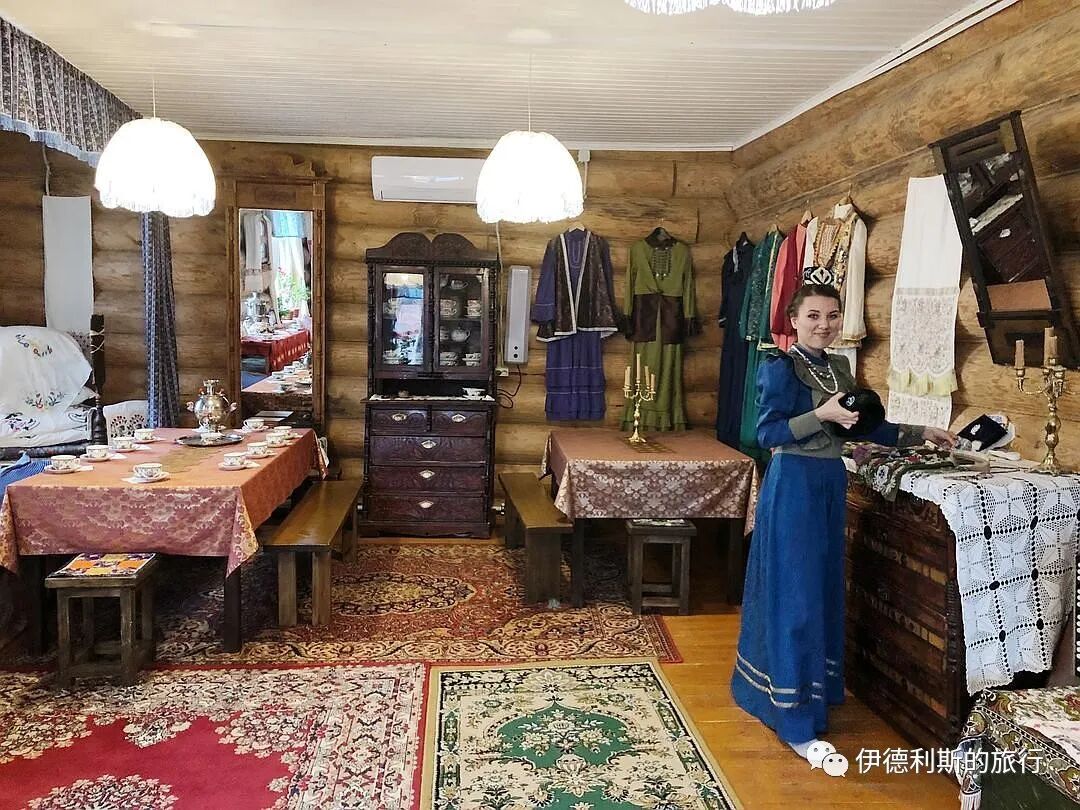
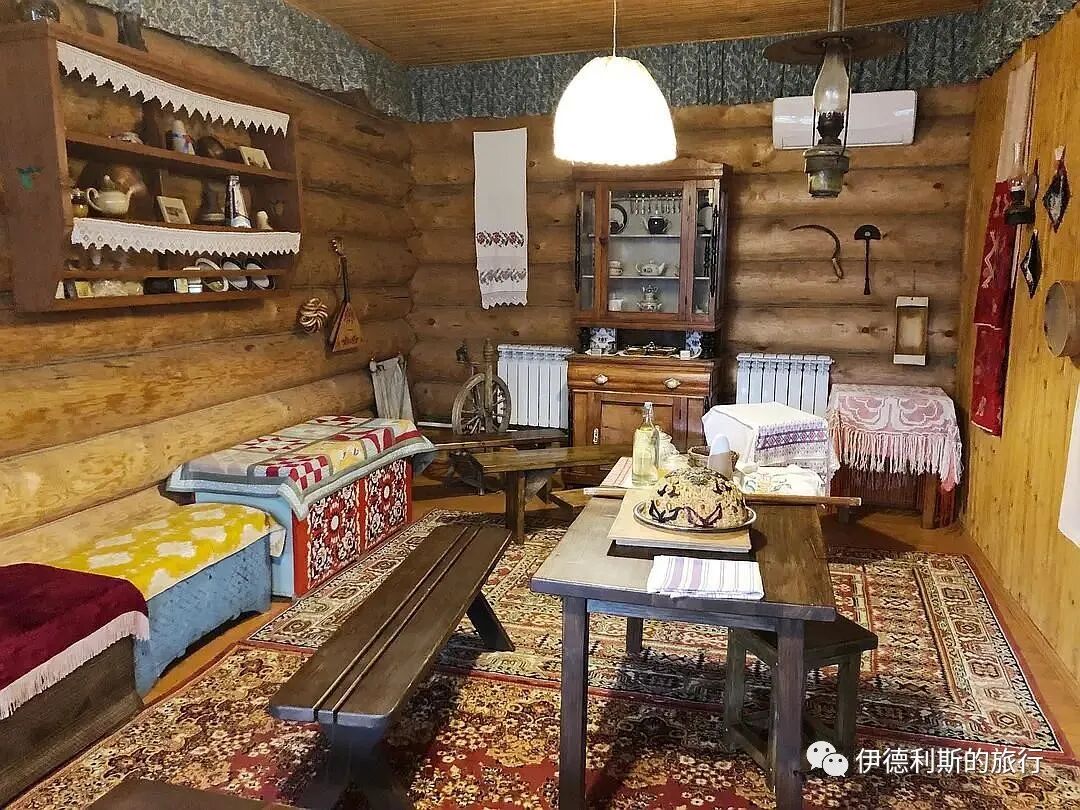
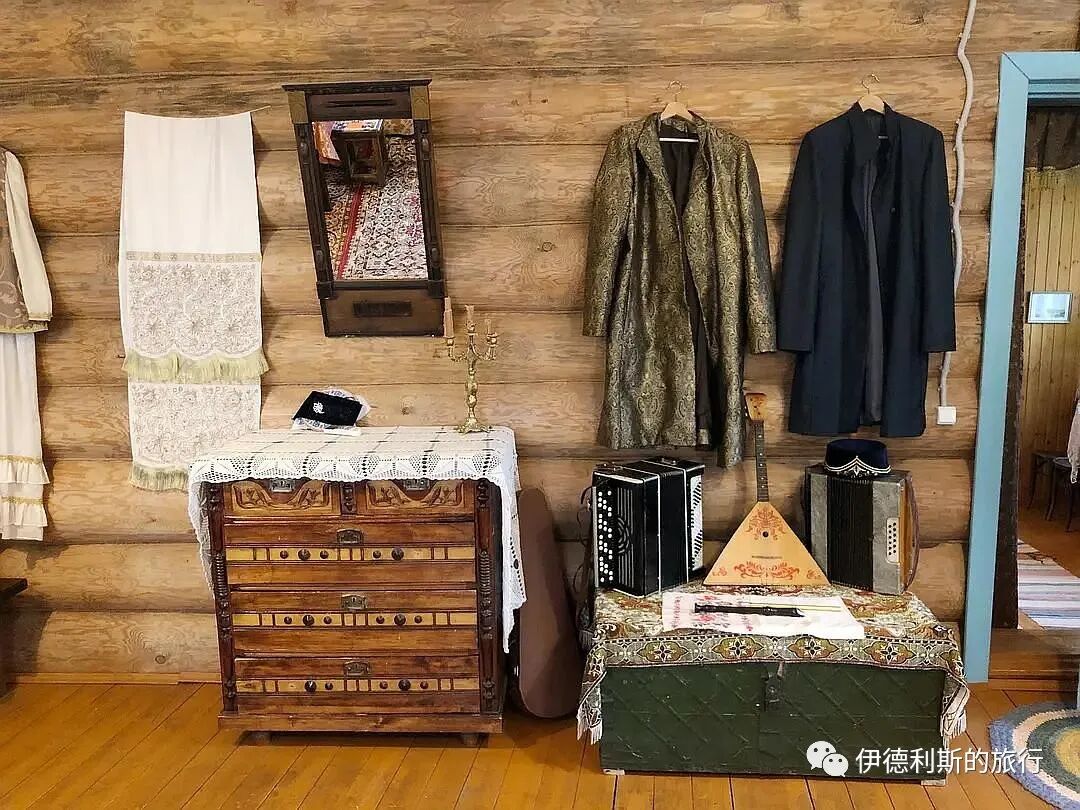
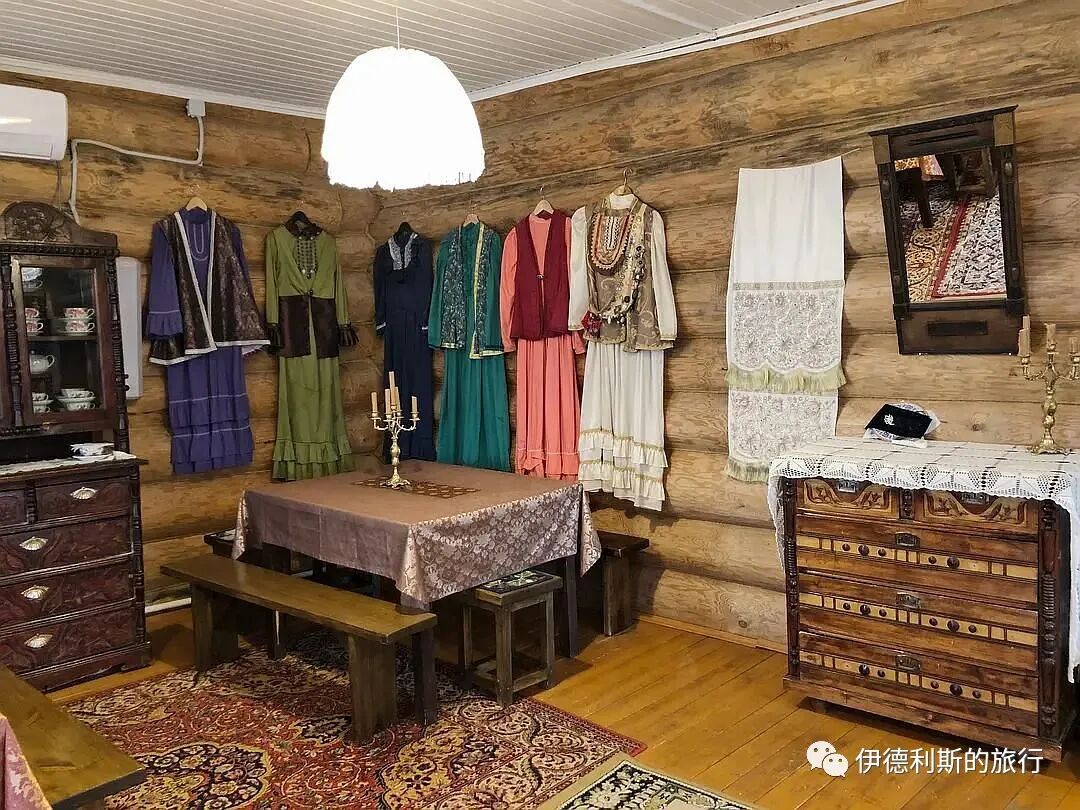
The Chak-Chak Museum in Kazan is the most direct place to experience traditional Tatar culture. The museum is located in a Tatar wooden house in the historic Tatar district of Kazan, and the interior does a great job of recreating a traditional Tatar home, giving it a very special atmosphere. If you have a group of 6, they can teach you how to make Chak-Chak on the spot. Since I was alone, I booked a tasting and guided tour session on their official website (https://www.muzeino.ru/), and the museum staff will email you to confirm if you prefer English or Russian.
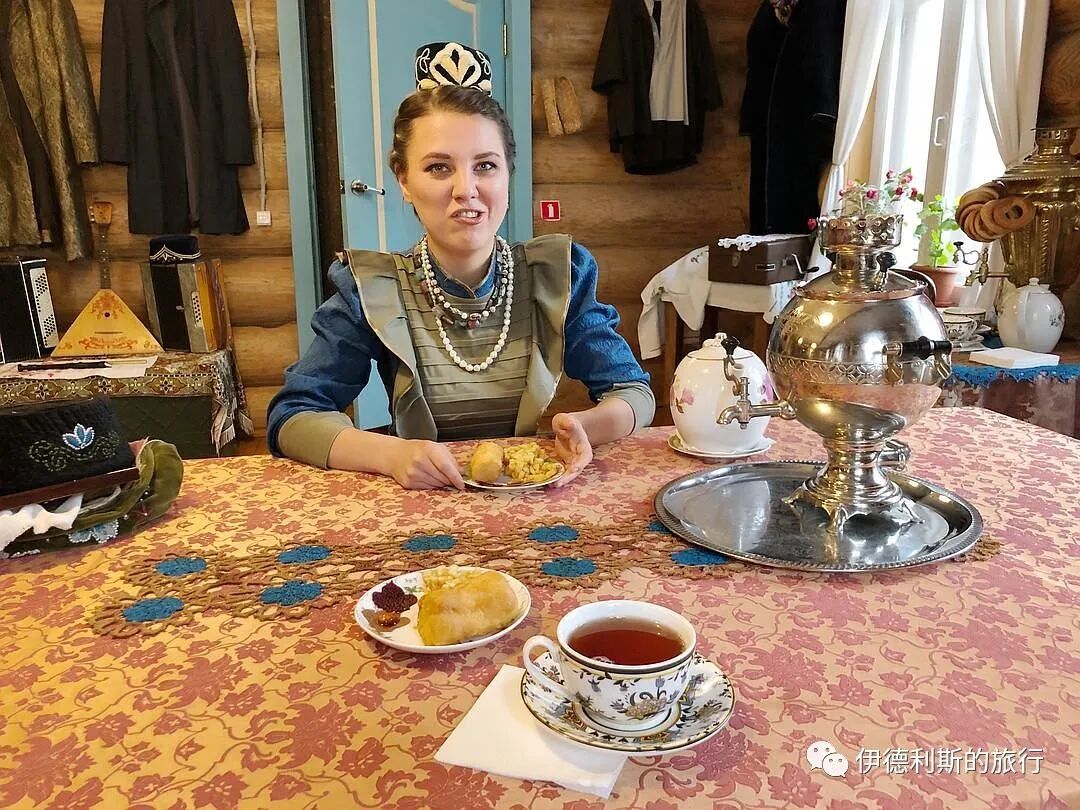
The experience that day was fantastic. When I arrived at the museum at the scheduled time, a Tatar lady who spoke fluent English was already waiting for me. The whole process felt just like visiting a Tatar family. The lady told me various Tatar legends, daily customs, and cultural traditions, and then explained the making process of the national dessert, Chak-Chak, in detail.
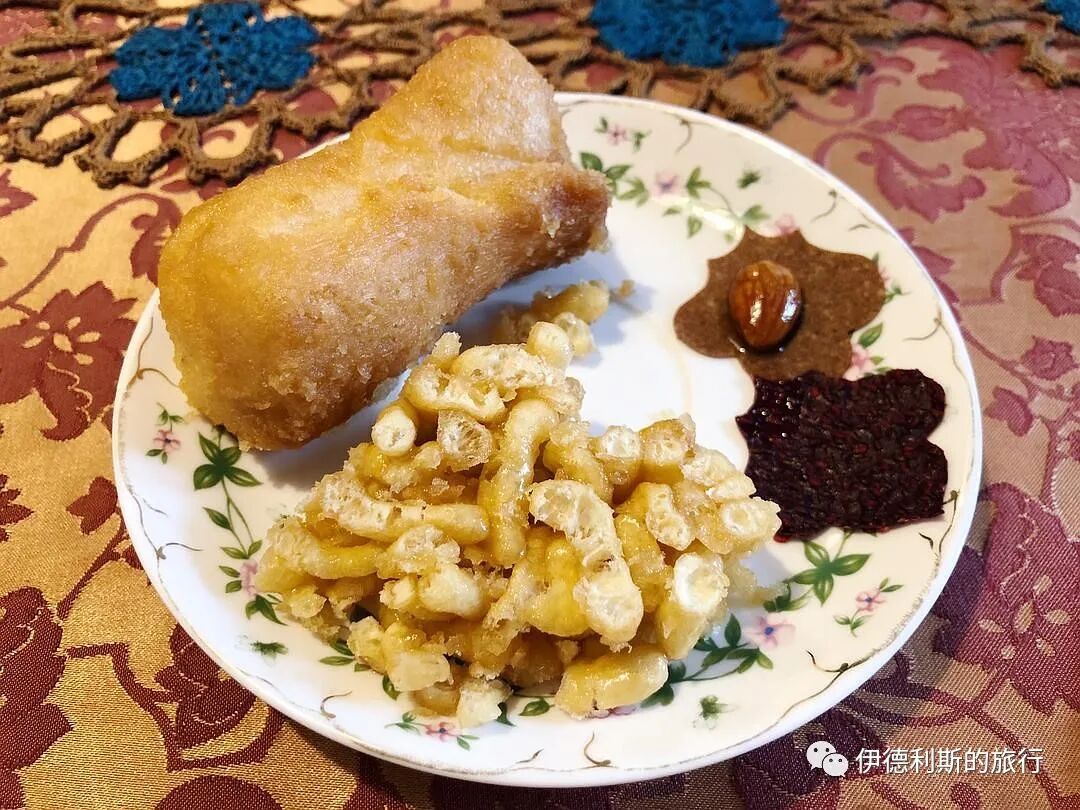
Chak-Chak is very similar to Sachima; it is made by mixing flour with milk and eggs, deep-frying the dough, and then drizzling it with honey. Chak-Chak is popular in Tatarstan and Bashkortostan. It is said to have originated in the ancient Volga Bulgaria, and similar desserts also exist among Kazakh, Kyrgyz, and Uzbek people. Chak-Chak is an important food at Kazan Tatar weddings. In the past, every Kazan Tatar woman had to learn how to make it, usually passed down from mother to daughter or grandmother to granddaughter.
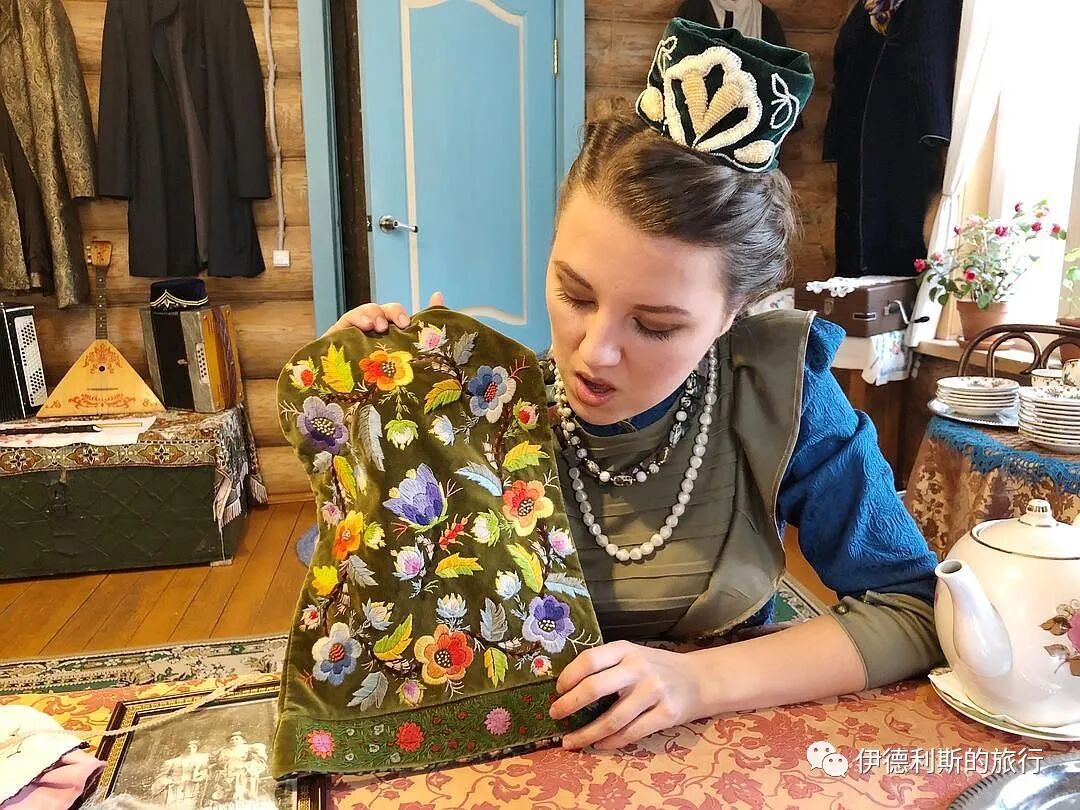
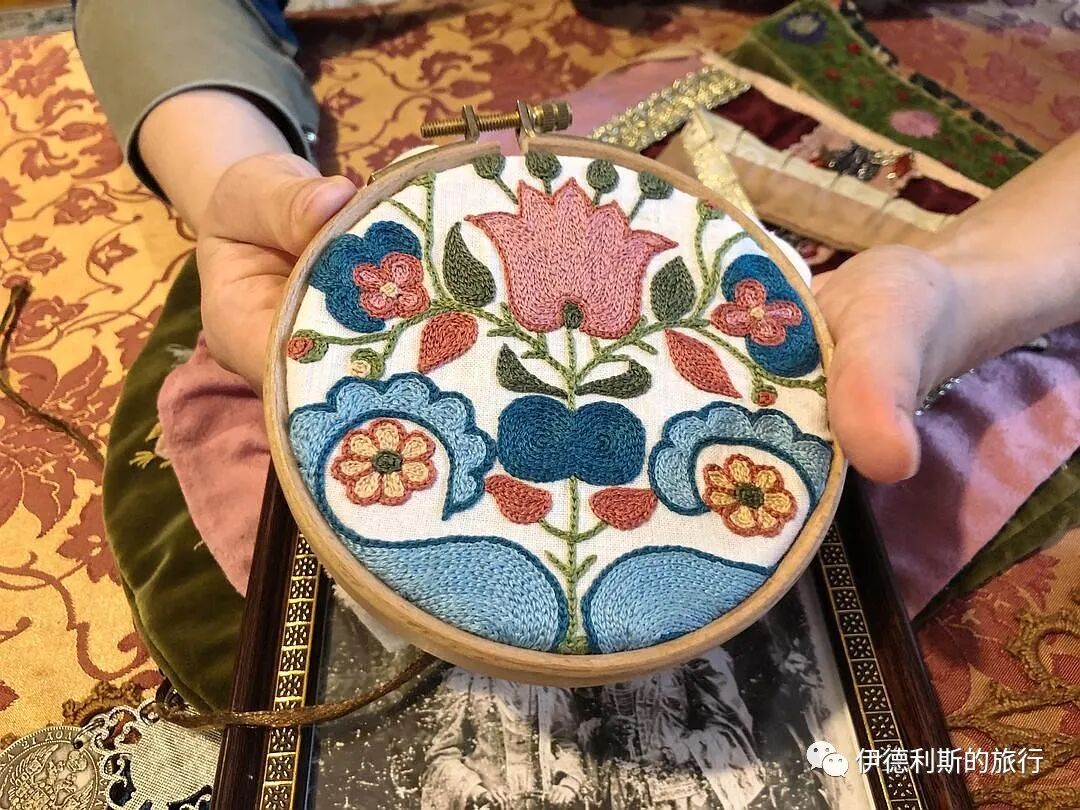
After that, a young Tatar lady made me some Tatar tea. As I tasted traditional Tatar desserts, she told me about Tatar clothing, silver jewelry, and embroidery crafts. We had a great time chatting.
The museum before it was restored.
A magnet I bought at the museum. view all
Summary: Halal Food Guide: Kazan — Tatar Pastries and Muslim Food Traditions is presented here as a firsthand travel account in clear English, beginning with this scene: The Chak-Chak Museum in Kazan is the most direct place to experience traditional Tatar culture. The account keeps its focus on Kazan Food, Tatar Pastries, Halal Food while preserving the names, places, food, and historical details from the Chinese source.
The Chak-Chak Museum in Kazan is the most direct place to experience traditional Tatar culture. The museum is located in a Tatar wooden house in the historic Tatar district of Kazan, and the interior does a great job of recreating a traditional Tatar home, giving it a very special atmosphere. If you have a group of 6, they can teach you how to make Chak-Chak on the spot. Since I was alone, I booked a tasting and guided tour session on their official website (https://www.muzeino.ru/), and the museum staff will email you to confirm if you prefer English or Russian.
The experience that day was fantastic. When I arrived at the museum at the scheduled time, a Tatar lady who spoke fluent English was already waiting for me. The whole process felt just like visiting a Tatar family. The lady told me various Tatar legends, daily customs, and cultural traditions, and then explained the making process of the national dessert, Chak-Chak, in detail.
Chak-Chak is very similar to Sachima; it is made by mixing flour with milk and eggs, deep-frying the dough, and then drizzling it with honey. Chak-Chak is popular in Tatarstan and Bashkortostan. It is said to have originated in the ancient Volga Bulgaria, and similar desserts also exist among Kazakh, Kyrgyz, and Uzbek people. Chak-Chak is an important food at Kazan Tatar weddings. In the past, every Kazan Tatar woman had to learn how to make it, usually passed down from mother to daughter or grandmother to granddaughter.
After that, a young Tatar lady made me some Tatar tea. As I tasted traditional Tatar desserts, she told me about Tatar clothing, silver jewelry, and embroidery crafts. We had a great time chatting.
The museum before it was restored.
A magnet I bought at the museum. view all
Reposted from the web
Summary: Halal Food Guide: Kazan — Tatar Pastries and Muslim Food Traditions is presented here as a firsthand travel account in clear English, beginning with this scene: The Chak-Chak Museum in Kazan is the most direct place to experience traditional Tatar culture. The account keeps its focus on Kazan Food, Tatar Pastries, Halal Food while preserving the names, places, food, and historical details from the Chinese source.
The Chak-Chak Museum in Kazan is the most direct place to experience traditional Tatar culture. The museum is located in a Tatar wooden house in the historic Tatar district of Kazan, and the interior does a great job of recreating a traditional Tatar home, giving it a very special atmosphere. If you have a group of 6, they can teach you how to make Chak-Chak on the spot. Since I was alone, I booked a tasting and guided tour session on their official website (https://www.muzeino.ru/), and the museum staff will email you to confirm if you prefer English or Russian.
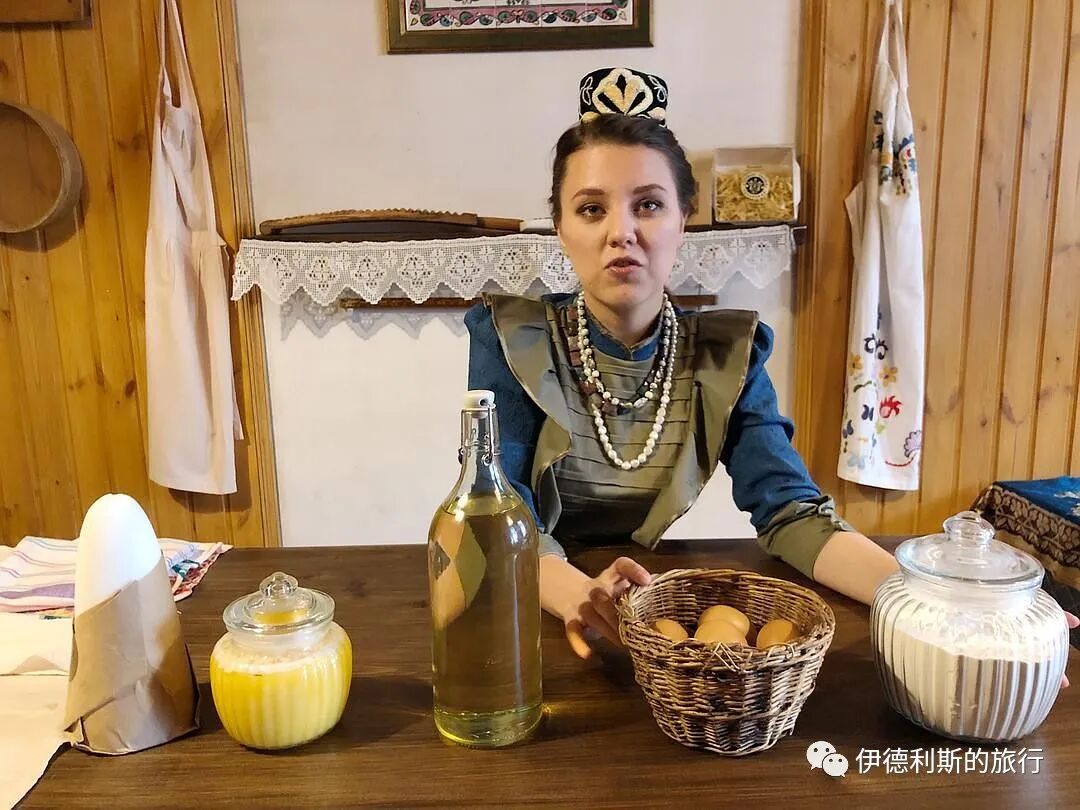
The experience that day was fantastic. When I arrived at the museum at the scheduled time, a Tatar lady who spoke fluent English was already waiting for me. The whole process felt just like visiting a Tatar family. The lady told me various Tatar legends, daily customs, and cultural traditions, and then explained the making process of the national dessert, Chak-Chak, in detail.
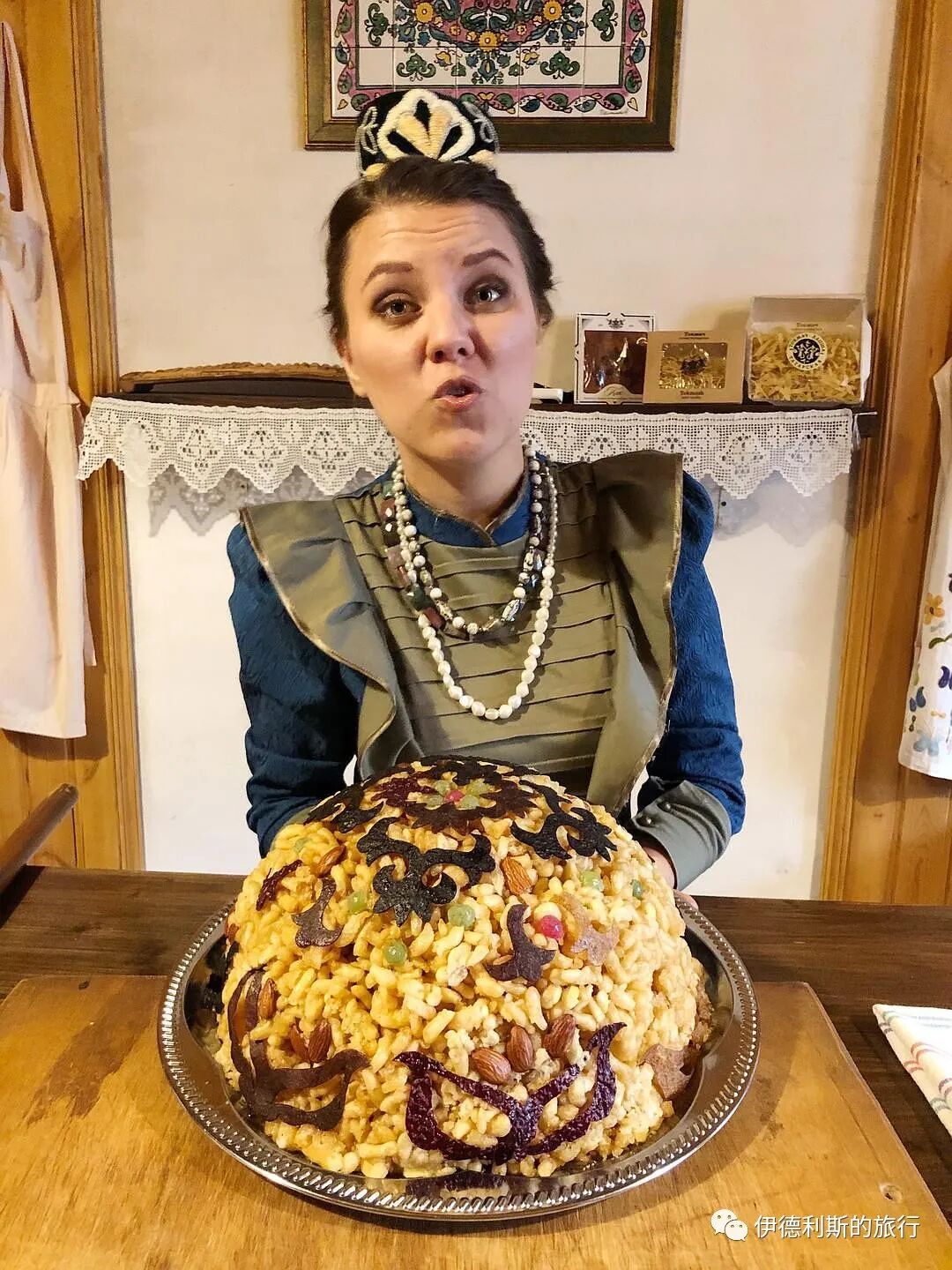
Chak-Chak is very similar to Sachima; it is made by mixing flour with milk and eggs, deep-frying the dough, and then drizzling it with honey. Chak-Chak is popular in Tatarstan and Bashkortostan. It is said to have originated in the ancient Volga Bulgaria, and similar desserts also exist among Kazakh, Kyrgyz, and Uzbek people. Chak-Chak is an important food at Kazan Tatar weddings. In the past, every Kazan Tatar woman had to learn how to make it, usually passed down from mother to daughter or grandmother to granddaughter.
After that, a young Tatar lady made me some Tatar tea. As I tasted traditional Tatar desserts, she told me about Tatar clothing, silver jewelry, and embroidery crafts. We had a great time chatting.
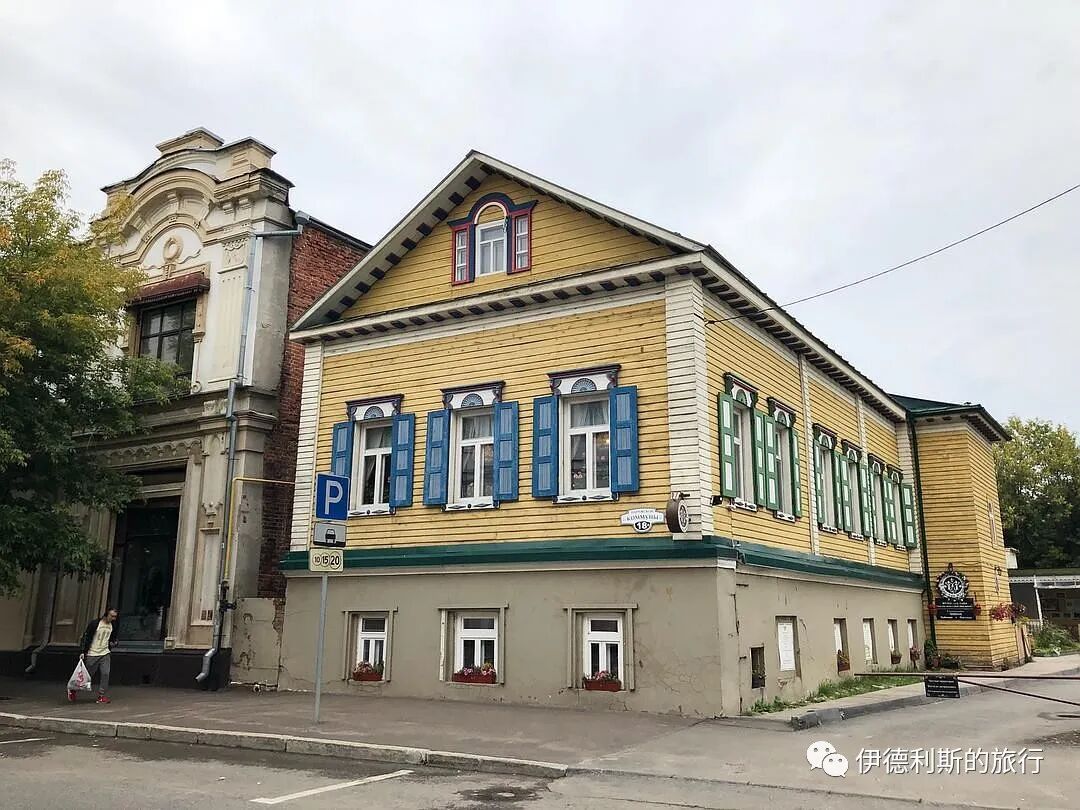
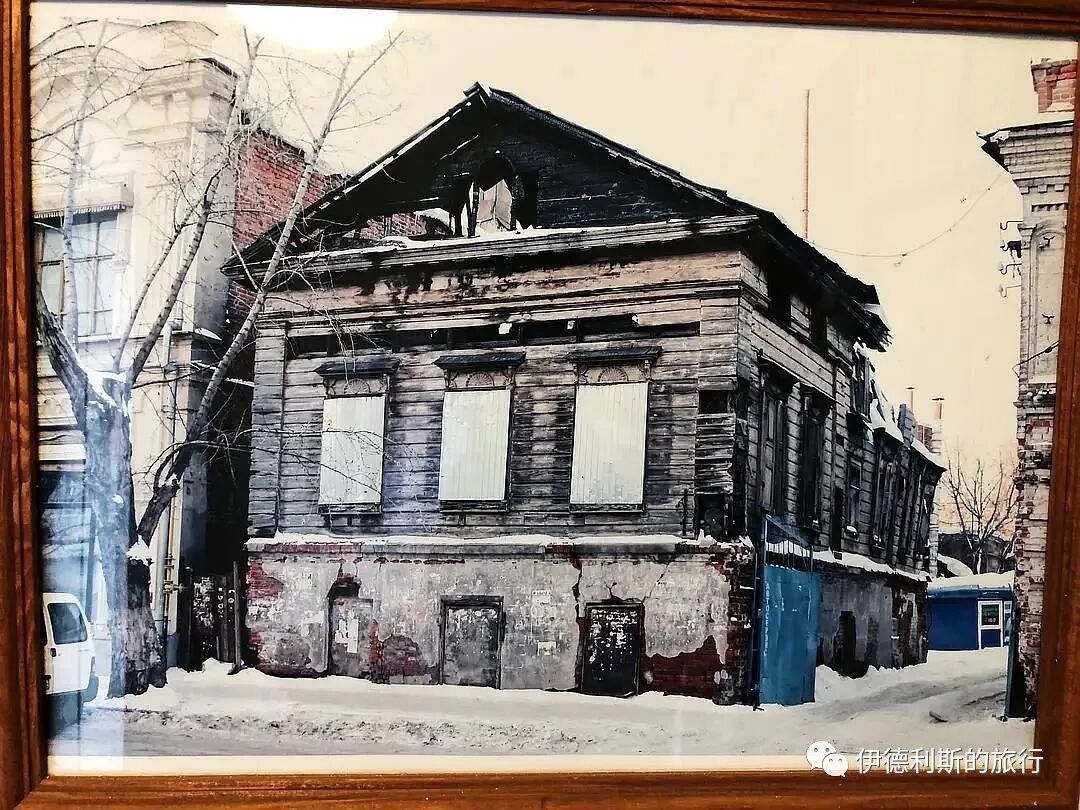
The museum before it was restored.
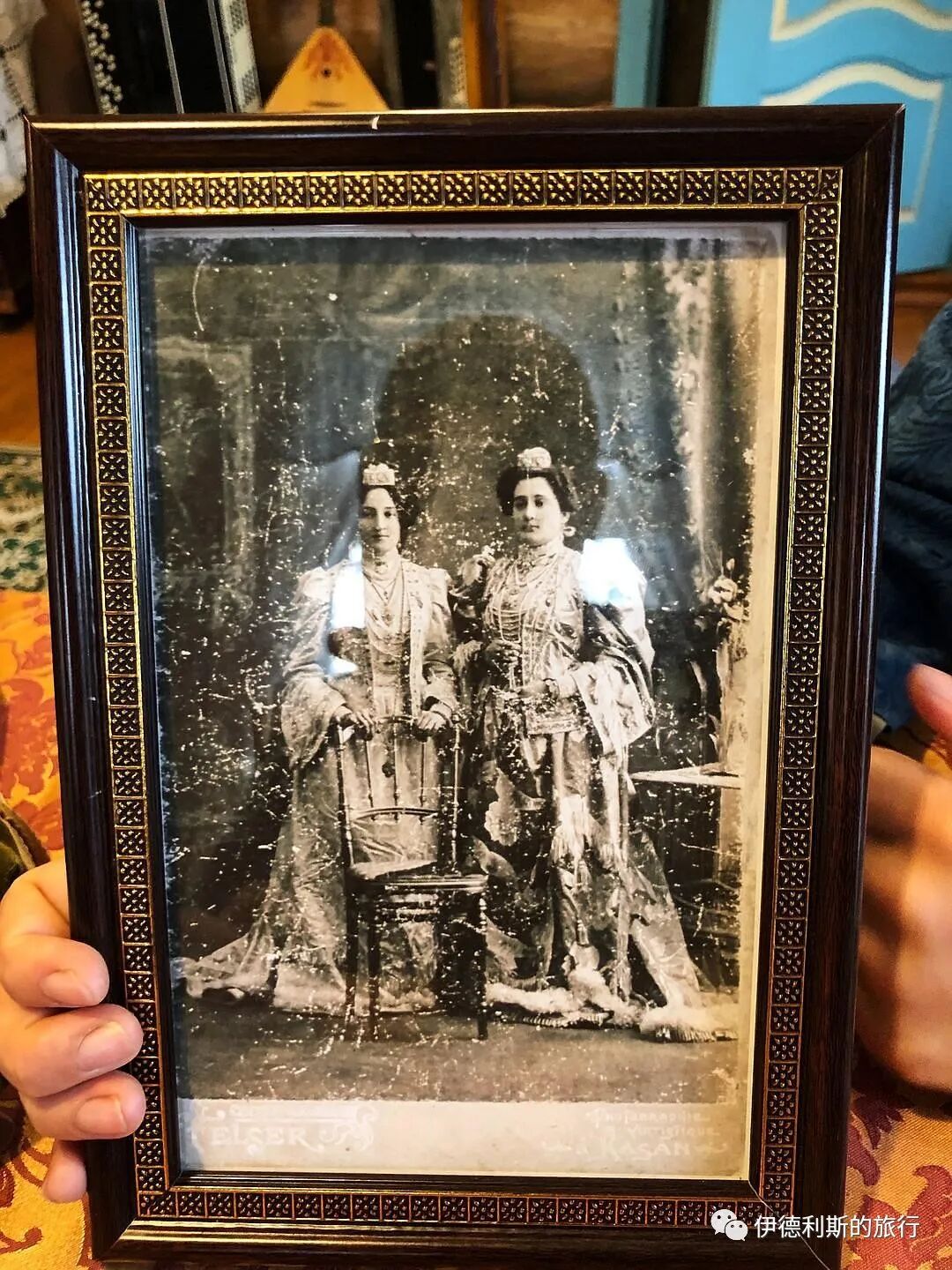
A magnet I bought at the museum.
Summary: Halal Food Guide: Kazan — Tatar Pastries and Muslim Food Traditions is presented here as a firsthand travel account in clear English, beginning with this scene: The Chak-Chak Museum in Kazan is the most direct place to experience traditional Tatar culture. The account keeps its focus on Kazan Food, Tatar Pastries, Halal Food while preserving the names, places, food, and historical details from the Chinese source.
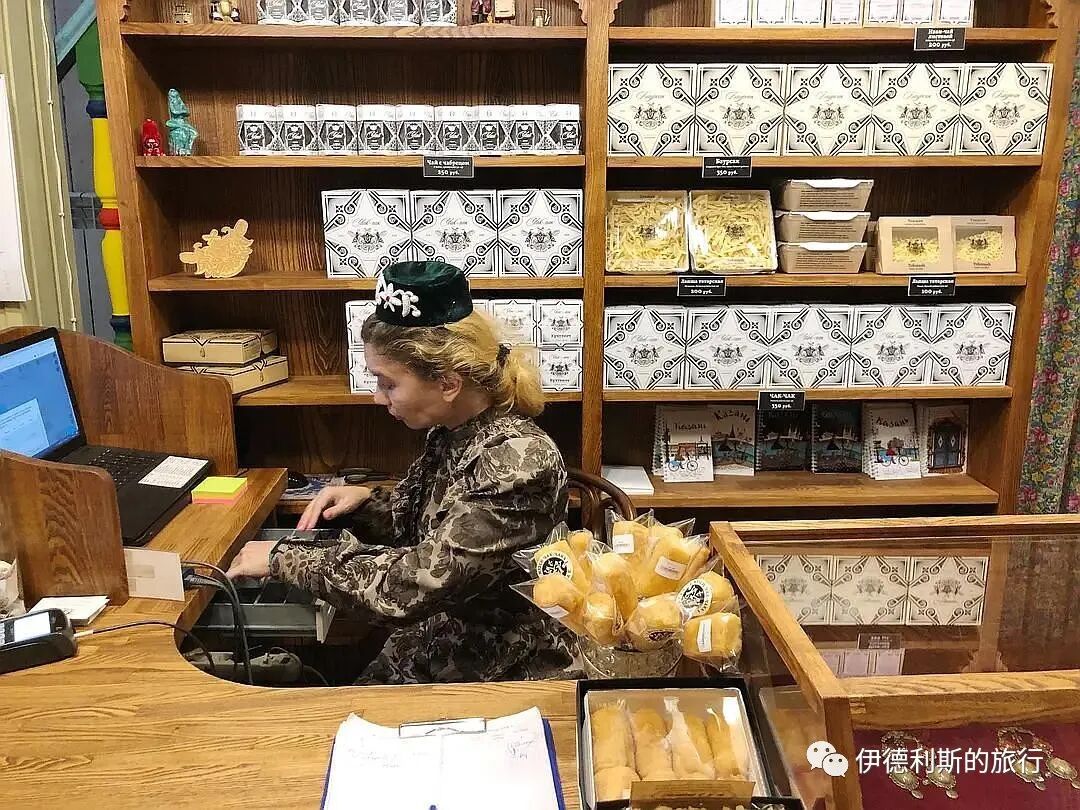
The Chak-Chak Museum in Kazan is the most direct place to experience traditional Tatar culture. The museum is located in a Tatar wooden house in the historic Tatar district of Kazan, and the interior does a great job of recreating a traditional Tatar home, giving it a very special atmosphere. If you have a group of 6, they can teach you how to make Chak-Chak on the spot. Since I was alone, I booked a tasting and guided tour session on their official website (https://www.muzeino.ru/), and the museum staff will email you to confirm if you prefer English or Russian.
The experience that day was fantastic. When I arrived at the museum at the scheduled time, a Tatar lady who spoke fluent English was already waiting for me. The whole process felt just like visiting a Tatar family. The lady told me various Tatar legends, daily customs, and cultural traditions, and then explained the making process of the national dessert, Chak-Chak, in detail.
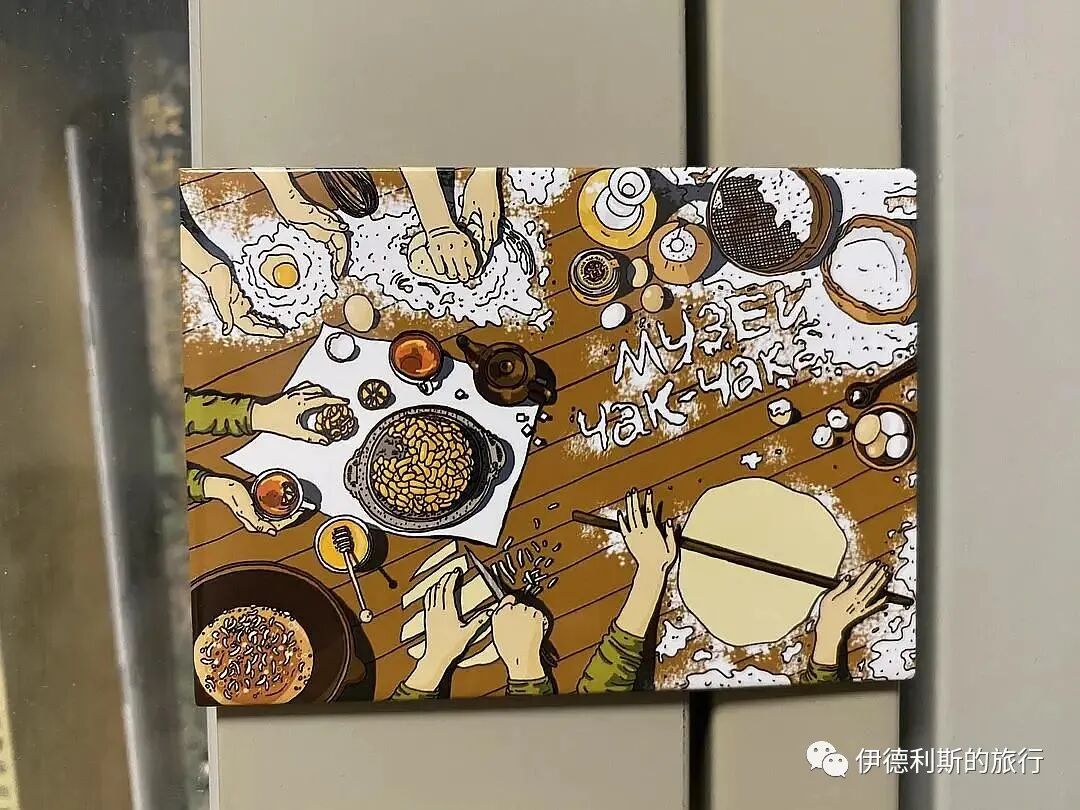
Chak-Chak is very similar to Sachima; it is made by mixing flour with milk and eggs, deep-frying the dough, and then drizzling it with honey. Chak-Chak is popular in Tatarstan and Bashkortostan. It is said to have originated in the ancient Volga Bulgaria, and similar desserts also exist among Kazakh, Kyrgyz, and Uzbek people. Chak-Chak is an important food at Kazan Tatar weddings. In the past, every Kazan Tatar woman had to learn how to make it, usually passed down from mother to daughter or grandmother to granddaughter.
After that, a young Tatar lady made me some Tatar tea. As I tasted traditional Tatar desserts, she told me about Tatar clothing, silver jewelry, and embroidery crafts. We had a great time chatting.
The museum before it was restored.
A magnet I bought at the museum.
Halal Food Guide: Kazan — Tatar Pastries and Muslim Food Traditions
Articles • ali2007fr posted the article • 0 comments • 156 views • 2026-05-18 06:54
Reposted from the web
Summary: Halal Food Guide: Kazan — Tatar Pastries and Muslim Food Traditions is presented here as a firsthand travel account in clear English, beginning with this scene: The Chak-Chak Museum in Kazan is the most direct place to experience traditional Tatar culture. The account keeps its focus on Kazan Food, Tatar Pastries, Halal Food while preserving the names, places, food, and historical details from the Chinese source.
The Chak-Chak Museum in Kazan is the most direct place to experience traditional Tatar culture. The museum is located in a Tatar wooden house in the historic Tatar district of Kazan, and the interior does a great job of recreating a traditional Tatar home, giving it a very special atmosphere. If you have a group of 6, they can teach you how to make Chak-Chak on the spot. Since I was alone, I booked a tasting and guided tour session on their official website (https://www.muzeino.ru/), and the museum staff will email you to confirm if you prefer English or Russian.
The experience that day was fantastic. When I arrived at the museum at the scheduled time, a Tatar lady who spoke fluent English was already waiting for me. The whole process felt just like visiting a Tatar family. The lady told me various Tatar legends, daily customs, and cultural traditions, and then explained the making process of the national dessert, Chak-Chak, in detail.
Chak-Chak is very similar to Sachima; it is made by mixing flour with milk and eggs, deep-frying the dough, and then drizzling it with honey. Chak-Chak is popular in Tatarstan and Bashkortostan. It is said to have originated in the ancient Volga Bulgaria, and similar desserts also exist among Kazakh, Kyrgyz, and Uzbek people. Chak-Chak is an important food at Kazan Tatar weddings. In the past, every Kazan Tatar woman had to learn how to make it, usually passed down from mother to daughter or grandmother to granddaughter.
After that, a young Tatar lady made me some Tatar tea. As I tasted traditional Tatar desserts, she told me about Tatar clothing, silver jewelry, and embroidery crafts. We had a great time chatting.
The museum before it was restored.
A magnet I bought at the museum. view all
Summary: Halal Food Guide: Kazan — Tatar Pastries and Muslim Food Traditions is presented here as a firsthand travel account in clear English, beginning with this scene: The Chak-Chak Museum in Kazan is the most direct place to experience traditional Tatar culture. The account keeps its focus on Kazan Food, Tatar Pastries, Halal Food while preserving the names, places, food, and historical details from the Chinese source.
The Chak-Chak Museum in Kazan is the most direct place to experience traditional Tatar culture. The museum is located in a Tatar wooden house in the historic Tatar district of Kazan, and the interior does a great job of recreating a traditional Tatar home, giving it a very special atmosphere. If you have a group of 6, they can teach you how to make Chak-Chak on the spot. Since I was alone, I booked a tasting and guided tour session on their official website (https://www.muzeino.ru/), and the museum staff will email you to confirm if you prefer English or Russian.
The experience that day was fantastic. When I arrived at the museum at the scheduled time, a Tatar lady who spoke fluent English was already waiting for me. The whole process felt just like visiting a Tatar family. The lady told me various Tatar legends, daily customs, and cultural traditions, and then explained the making process of the national dessert, Chak-Chak, in detail.
Chak-Chak is very similar to Sachima; it is made by mixing flour with milk and eggs, deep-frying the dough, and then drizzling it with honey. Chak-Chak is popular in Tatarstan and Bashkortostan. It is said to have originated in the ancient Volga Bulgaria, and similar desserts also exist among Kazakh, Kyrgyz, and Uzbek people. Chak-Chak is an important food at Kazan Tatar weddings. In the past, every Kazan Tatar woman had to learn how to make it, usually passed down from mother to daughter or grandmother to granddaughter.
After that, a young Tatar lady made me some Tatar tea. As I tasted traditional Tatar desserts, she told me about Tatar clothing, silver jewelry, and embroidery crafts. We had a great time chatting.
The museum before it was restored.
A magnet I bought at the museum. view all
Reposted from the web
Summary: Halal Food Guide: Kazan — Tatar Pastries and Muslim Food Traditions is presented here as a firsthand travel account in clear English, beginning with this scene: The Chak-Chak Museum in Kazan is the most direct place to experience traditional Tatar culture. The account keeps its focus on Kazan Food, Tatar Pastries, Halal Food while preserving the names, places, food, and historical details from the Chinese source.
The Chak-Chak Museum in Kazan is the most direct place to experience traditional Tatar culture. The museum is located in a Tatar wooden house in the historic Tatar district of Kazan, and the interior does a great job of recreating a traditional Tatar home, giving it a very special atmosphere. If you have a group of 6, they can teach you how to make Chak-Chak on the spot. Since I was alone, I booked a tasting and guided tour session on their official website (https://www.muzeino.ru/), and the museum staff will email you to confirm if you prefer English or Russian.
The experience that day was fantastic. When I arrived at the museum at the scheduled time, a Tatar lady who spoke fluent English was already waiting for me. The whole process felt just like visiting a Tatar family. The lady told me various Tatar legends, daily customs, and cultural traditions, and then explained the making process of the national dessert, Chak-Chak, in detail.
Chak-Chak is very similar to Sachima; it is made by mixing flour with milk and eggs, deep-frying the dough, and then drizzling it with honey. Chak-Chak is popular in Tatarstan and Bashkortostan. It is said to have originated in the ancient Volga Bulgaria, and similar desserts also exist among Kazakh, Kyrgyz, and Uzbek people. Chak-Chak is an important food at Kazan Tatar weddings. In the past, every Kazan Tatar woman had to learn how to make it, usually passed down from mother to daughter or grandmother to granddaughter.
After that, a young Tatar lady made me some Tatar tea. As I tasted traditional Tatar desserts, she told me about Tatar clothing, silver jewelry, and embroidery crafts. We had a great time chatting.
The museum before it was restored.
A magnet I bought at the museum.
Summary: Halal Food Guide: Kazan — Tatar Pastries and Muslim Food Traditions is presented here as a firsthand travel account in clear English, beginning with this scene: The Chak-Chak Museum in Kazan is the most direct place to experience traditional Tatar culture. The account keeps its focus on Kazan Food, Tatar Pastries, Halal Food while preserving the names, places, food, and historical details from the Chinese source.
The Chak-Chak Museum in Kazan is the most direct place to experience traditional Tatar culture. The museum is located in a Tatar wooden house in the historic Tatar district of Kazan, and the interior does a great job of recreating a traditional Tatar home, giving it a very special atmosphere. If you have a group of 6, they can teach you how to make Chak-Chak on the spot. Since I was alone, I booked a tasting and guided tour session on their official website (https://www.muzeino.ru/), and the museum staff will email you to confirm if you prefer English or Russian.
The experience that day was fantastic. When I arrived at the museum at the scheduled time, a Tatar lady who spoke fluent English was already waiting for me. The whole process felt just like visiting a Tatar family. The lady told me various Tatar legends, daily customs, and cultural traditions, and then explained the making process of the national dessert, Chak-Chak, in detail.
Chak-Chak is very similar to Sachima; it is made by mixing flour with milk and eggs, deep-frying the dough, and then drizzling it with honey. Chak-Chak is popular in Tatarstan and Bashkortostan. It is said to have originated in the ancient Volga Bulgaria, and similar desserts also exist among Kazakh, Kyrgyz, and Uzbek people. Chak-Chak is an important food at Kazan Tatar weddings. In the past, every Kazan Tatar woman had to learn how to make it, usually passed down from mother to daughter or grandmother to granddaughter.
After that, a young Tatar lady made me some Tatar tea. As I tasted traditional Tatar desserts, she told me about Tatar clothing, silver jewelry, and embroidery crafts. We had a great time chatting.
The museum before it was restored.
A magnet I bought at the museum.