

Kelantan Travel
Halal Travel Guide: Kelantan, Malaysia - Malay Culture, Part 1
Articles • ali2007fr posted the article • 0 comments • 260 views • 2026-05-20 09:25
Reposted from the web
Summary: Kelantan sits on the Thailand-Malaysia border and is known as one of the strongest centers of Malay culture. This long travel account covers Kota Bharu royal palaces, museums, court traditions, shadow puppetry, handicrafts, and Muhammadi Mosque.
Kelantan sits on the border of Thailand and Malaysia, facing the South China Sea. It is known as the cradle of Malay culture and remains the region where this culture is strongest.
Kelantan is still ruled by a Sultan today. The Sultan of Kelantan, Hajji Mahmud Jiddah Riayah Saadatussalam, was originally a Buddhist king (raja) named Raja Bharubhasa. It is said he converted to the faith in 1345 and officially took the title of Sultan. As an important trading port along the South China Sea, Kelantan has long had close ties with China, Thailand, and Indonesia. Zheng He visited here during his fourth voyage in 1413.
In 1844, Sultan Muhammad II of Kelantan moved the capital to Kota Bharu (meaning new city) at the mouth of the Kelantan River. That same year, he built the Grand Palace (Balai Besar). Five generations of Sultans lived in the palace between 1844 and 1920. Later, it became a place for investitures, state banquets, and various royal ceremonies. The current Sultan, Muhammad V, held his coronation ceremony here in 2010.
The Grand Palace (Balai Besar) was built by a craftsman from Terengganu named Muhamad Salleh. He used the traditional style of the east coast of the Malay Peninsula and was the best woodcarver in the region at the time. Although the front hall was expanded in the early 20th century, the palace kept its traditional architectural style. It is the most classic existing Malay royal palace.
Next to the Grand Palace (Balai Besar) in Kelantan stands the Jahar Palace (Istana Jahar), built in 1887. It is currently open to the public as the Royal Museum of Traditional Customs. The Jahar Palace (Istana Jahar) was originally built by Sultan Muhammad II of Kelantan for his grandson, Long Kundur, so it was called the Palace of the Second King. After the second king ascended the throne as Sultan Muhammad III in 1889, this place officially became part of the Kelantan Sultan's palace complex. In 1911, Sultan Muhammad IV ordered the palace to be renovated and gave it to his son, Ismail. Ismail became the new Sultan in 1920, and the Jahar Palace (Istana Jahar) continued to be used as a royal palace. The Jahar Palace (Istana Jahar) officially became a museum in 1981.
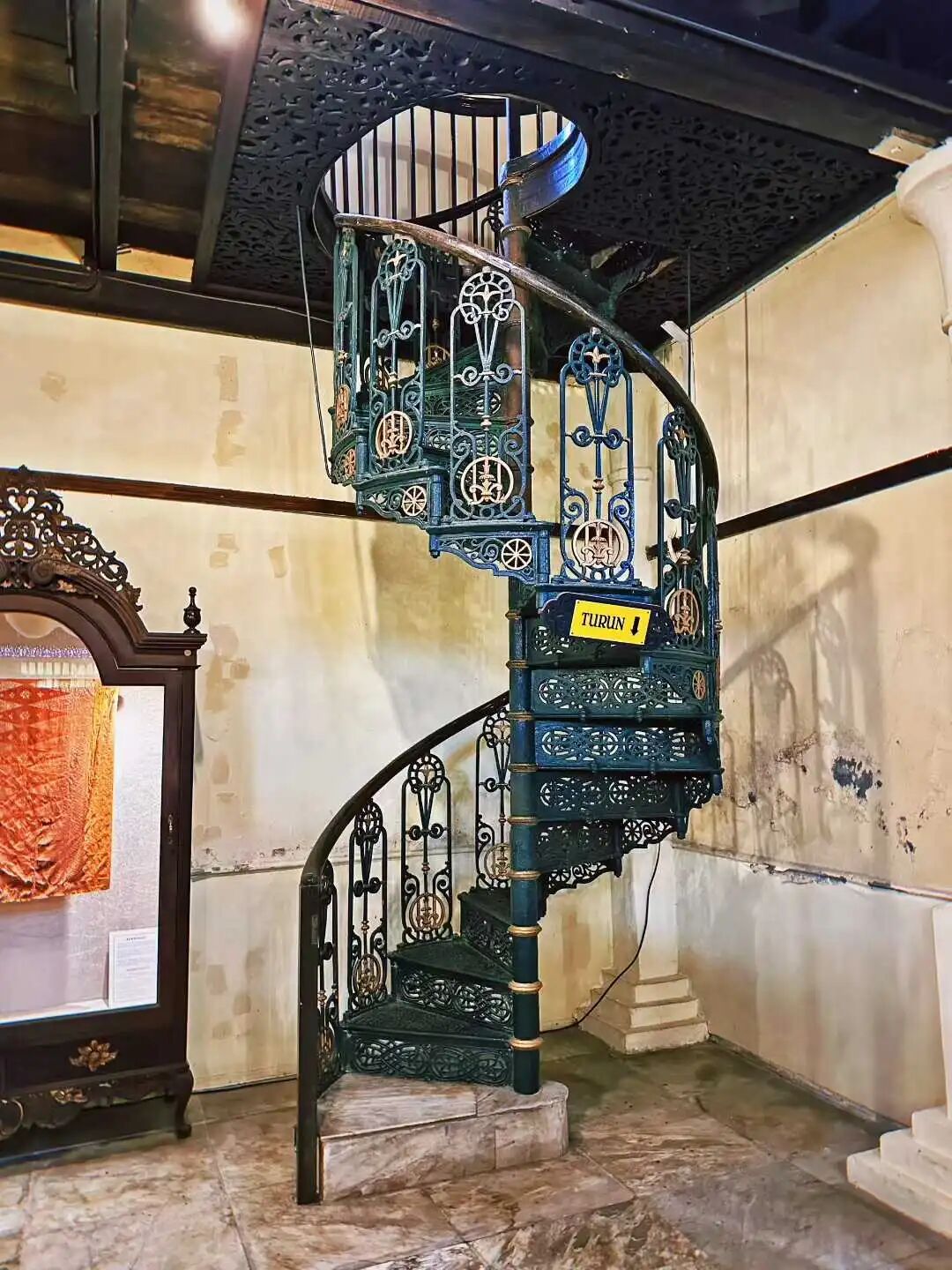
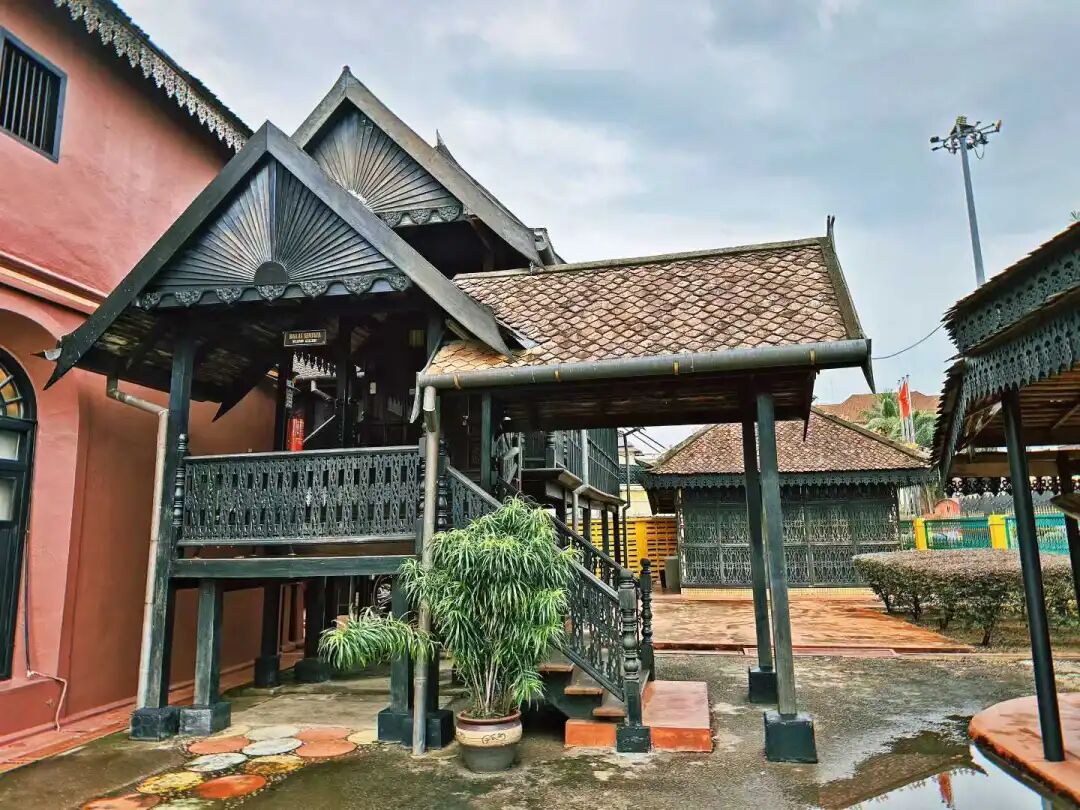
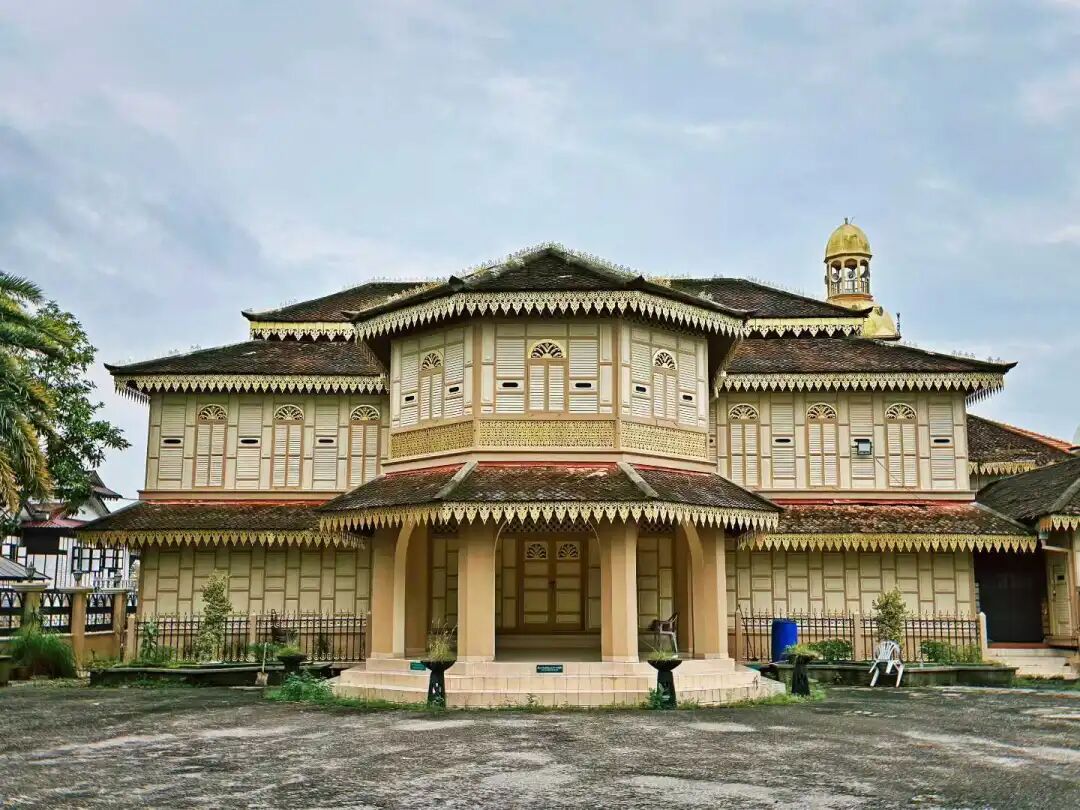
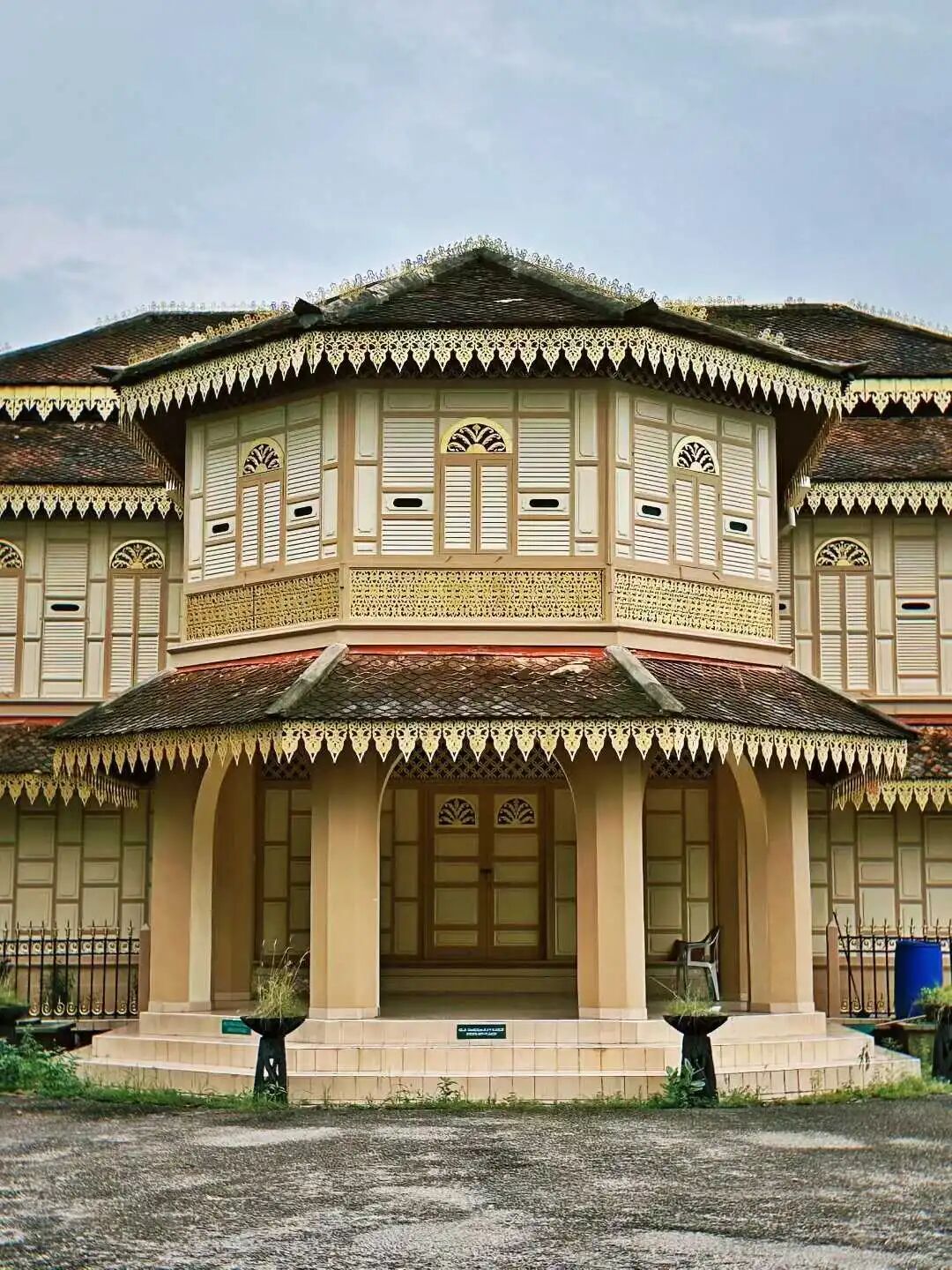
Like the Grand Palace (Balai Besar), the Jahar Palace (Istana Jahar) was originally a traditional single-story Malay wooden house. It was later rebuilt into a two-story brick structure, blending European architecture with traditional Kelantan styles, reflecting the Western influence on the Kelantan royal family. While the roof, facade, and other decorative elements show typical traditional Malay features, the iron spiral staircase, iron railings, and octagonal porch inside are clearly influenced by European styles.
The Royal Museum of Traditional Customs at the Jahar Palace (Istana Jahar) displays and introduces various traditional ceremonies of the Kelantan royal court.
The traditional Malay wood carvings collected by the Royal Museum of Traditional Customs at the Jahar Palace (Istana Jahar) were mostly used for decorating traditional buildings like mosques and houses.
The platform in the courtyard of the Jahar Palace (Istana Jahar), called Panca Persada, is where princes would bathe before their wedding and circumcision ceremonies.
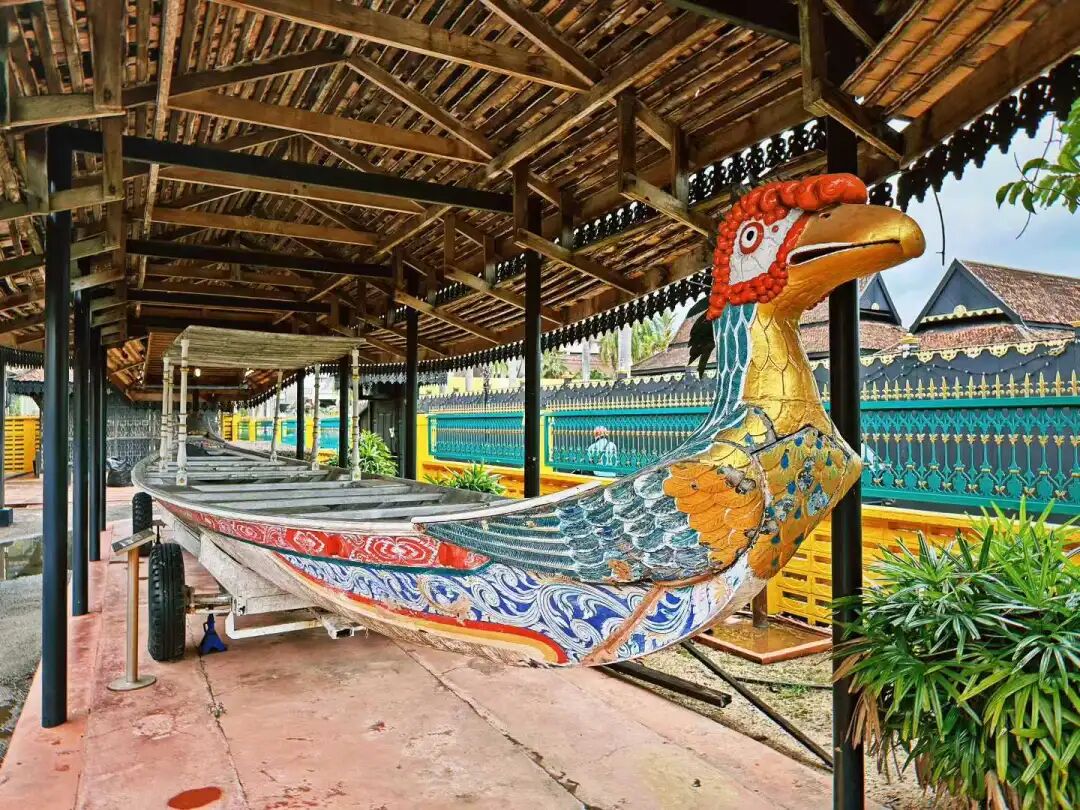
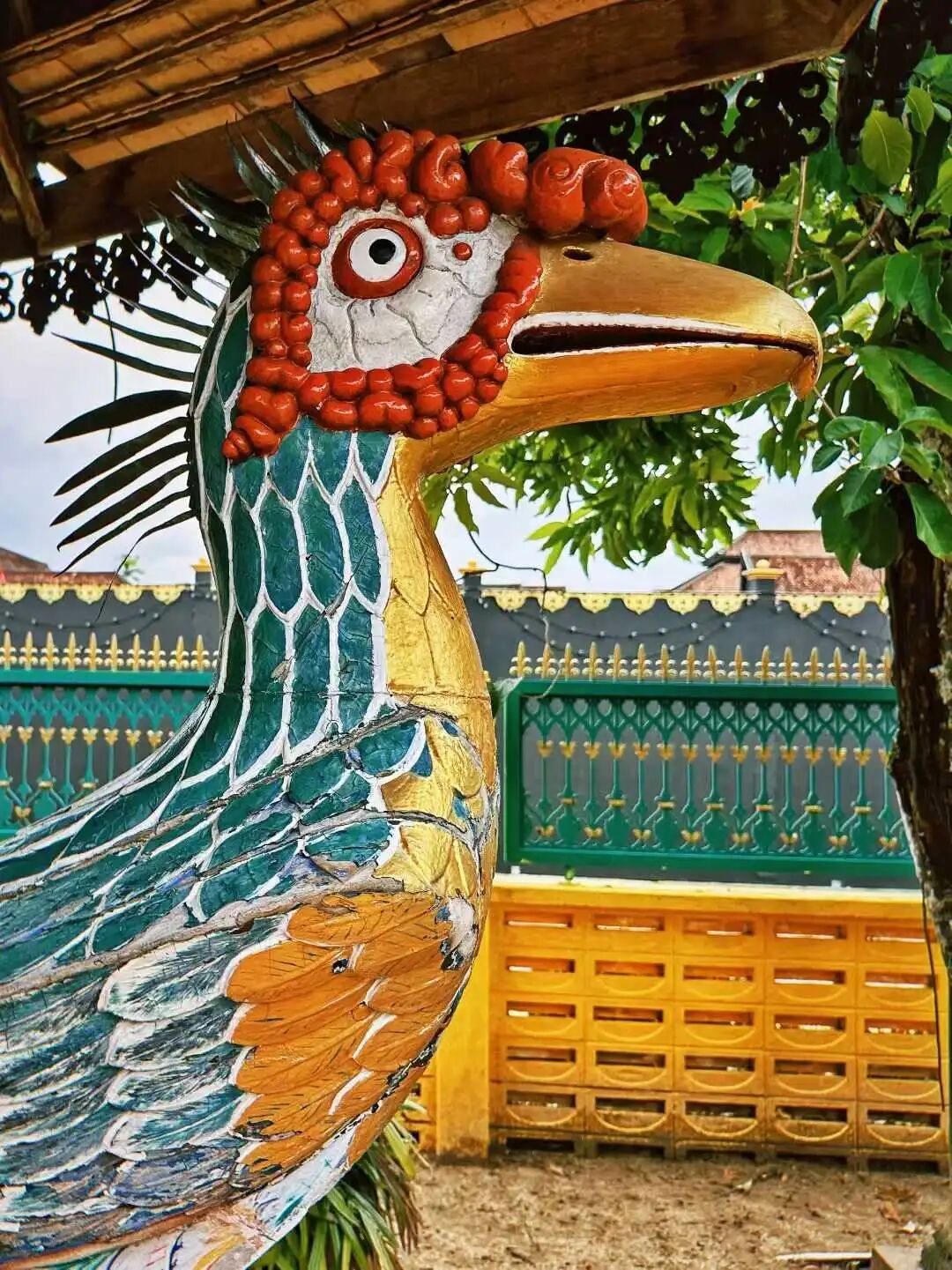
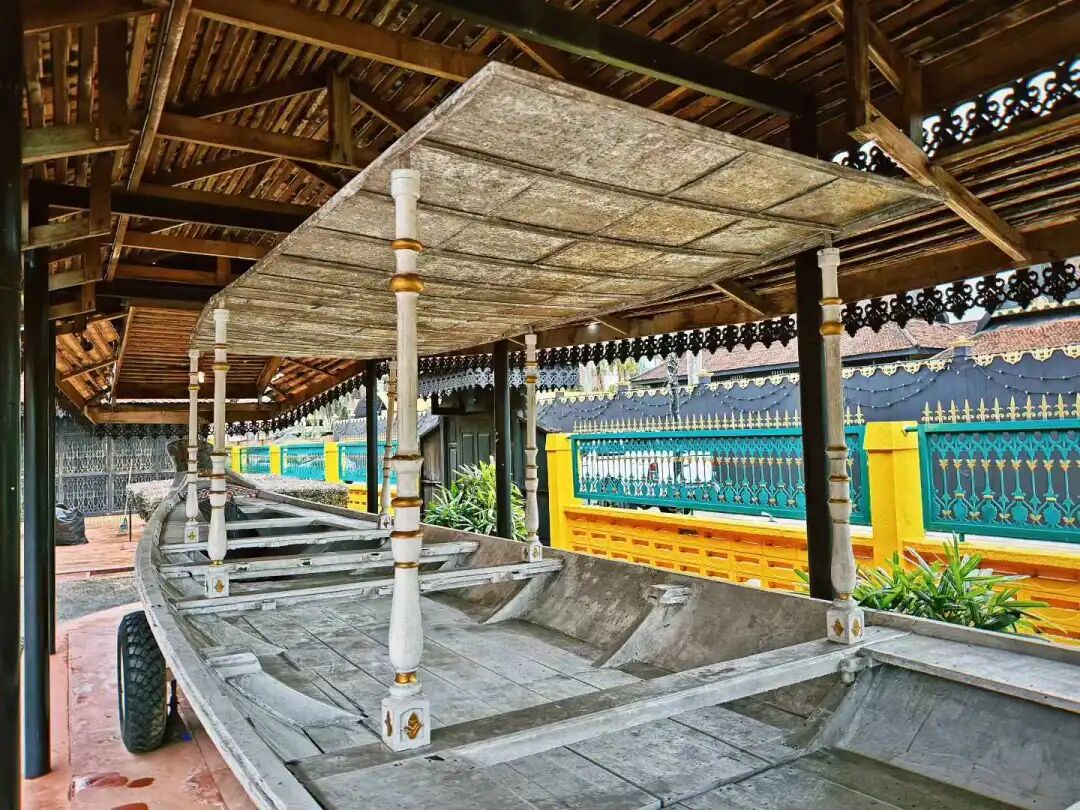
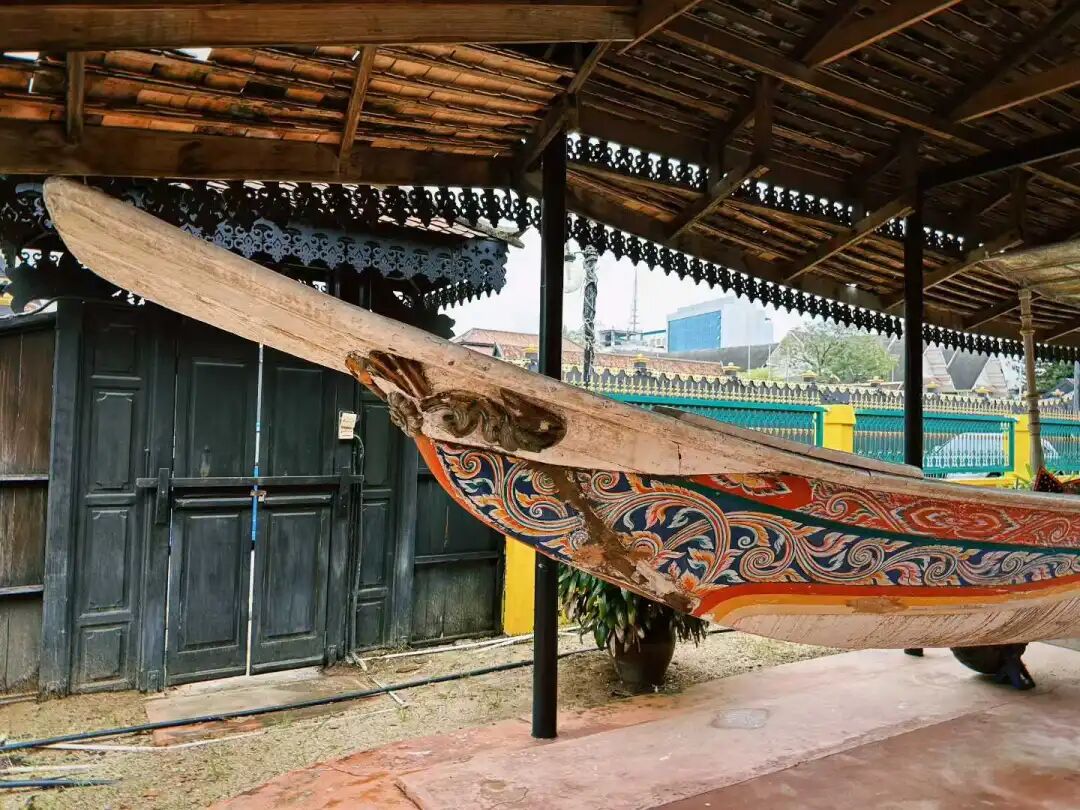
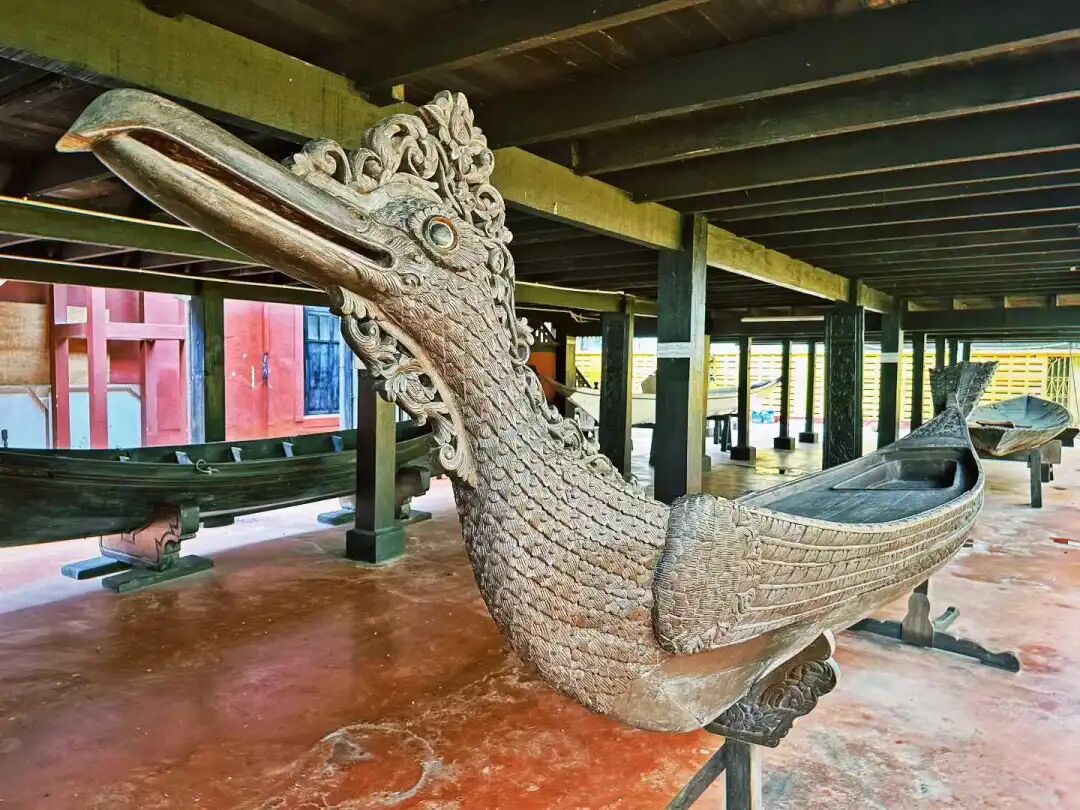
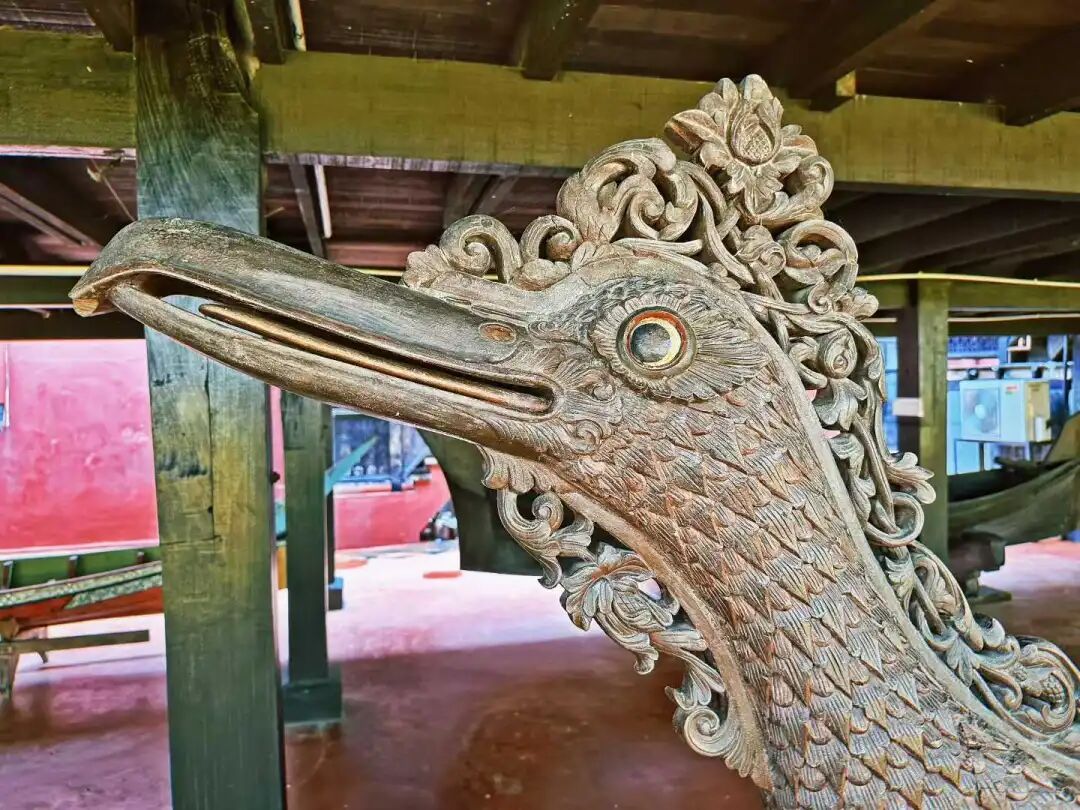
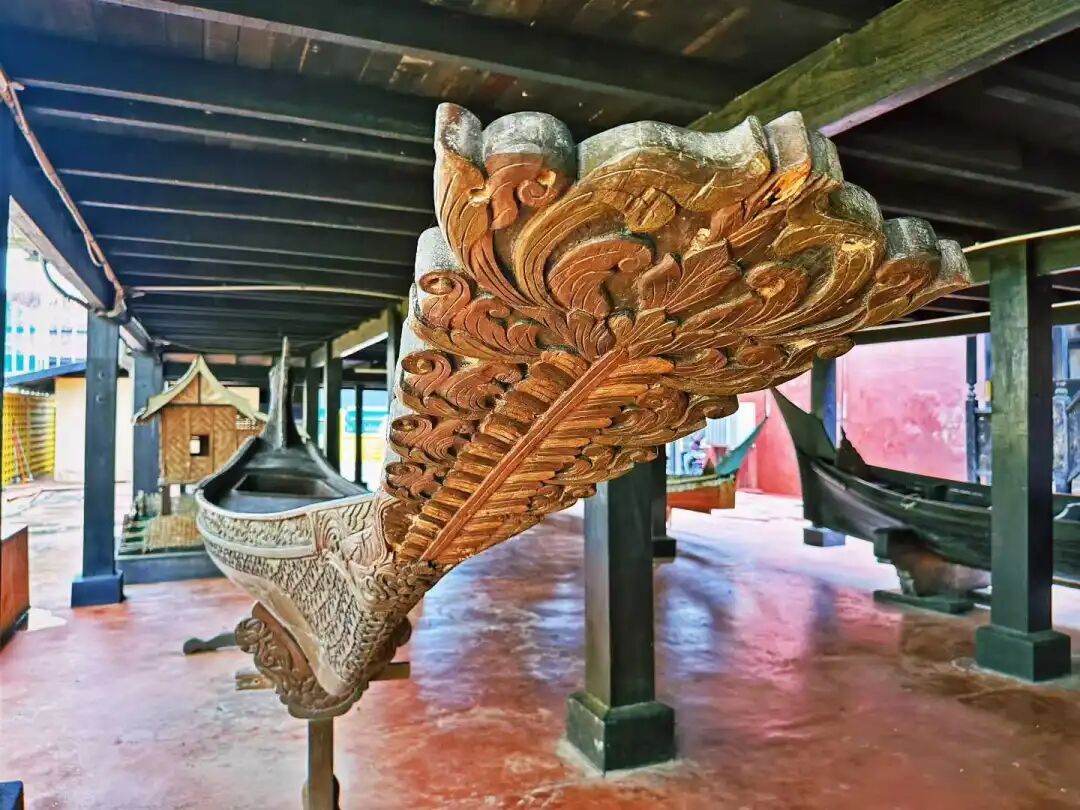
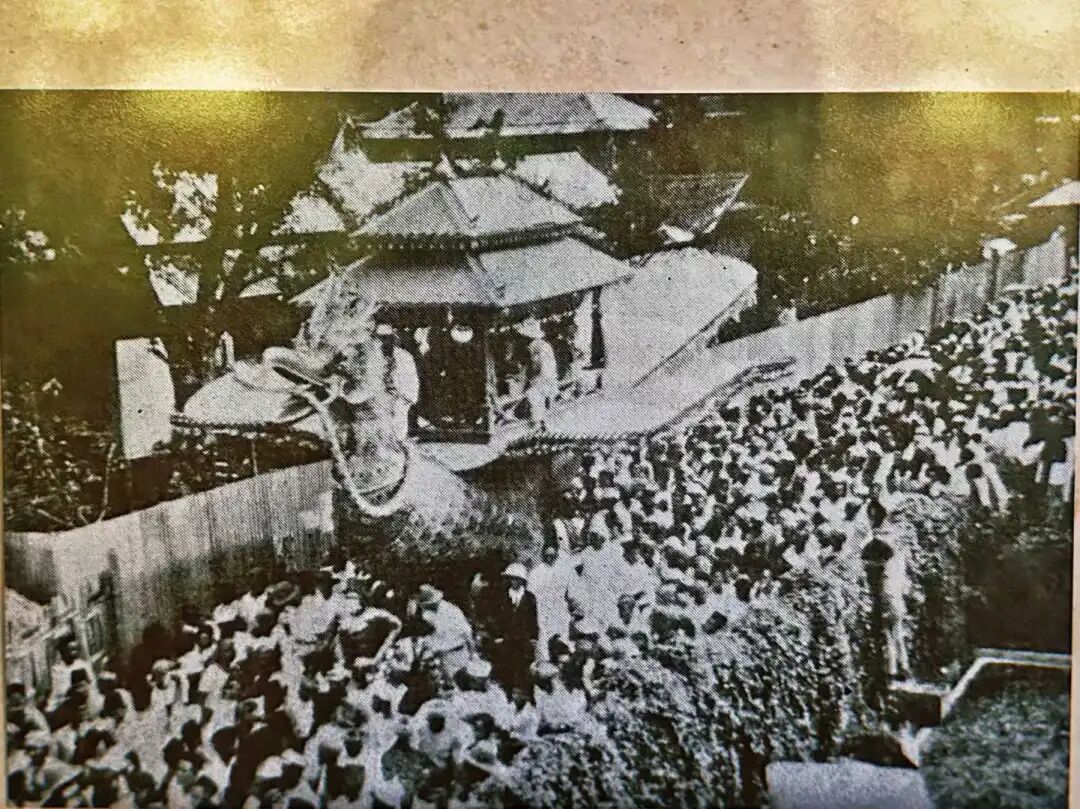
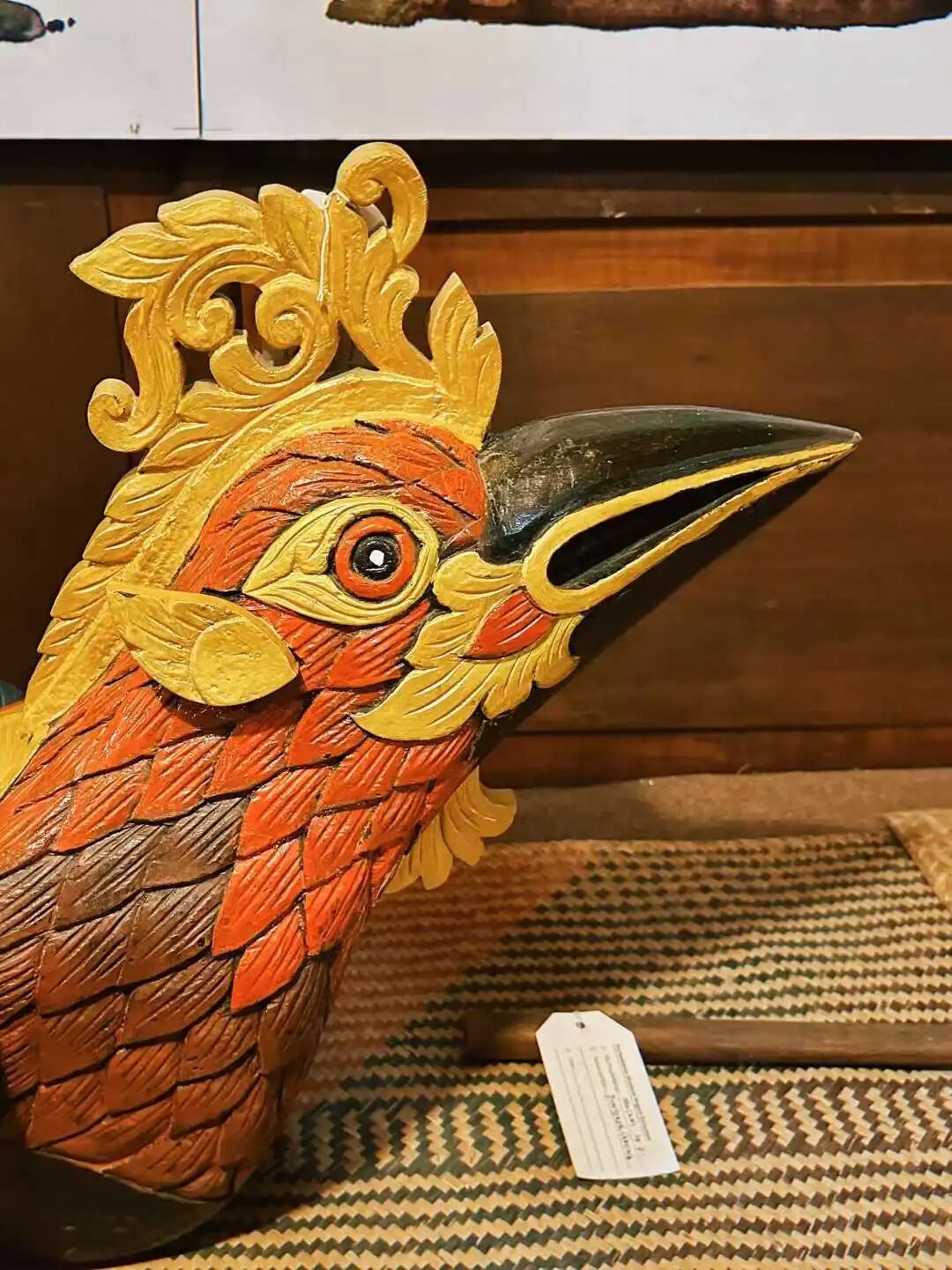
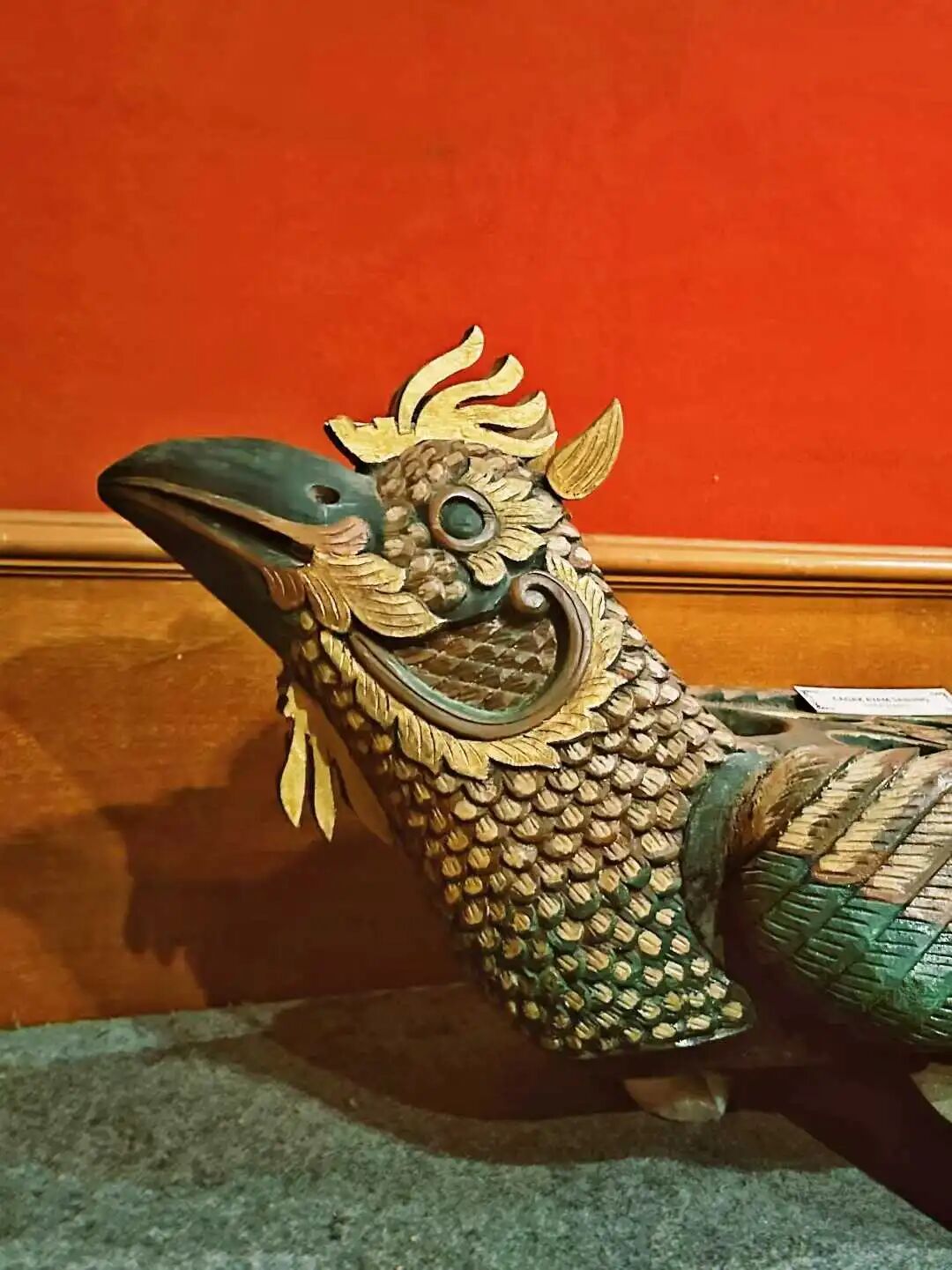
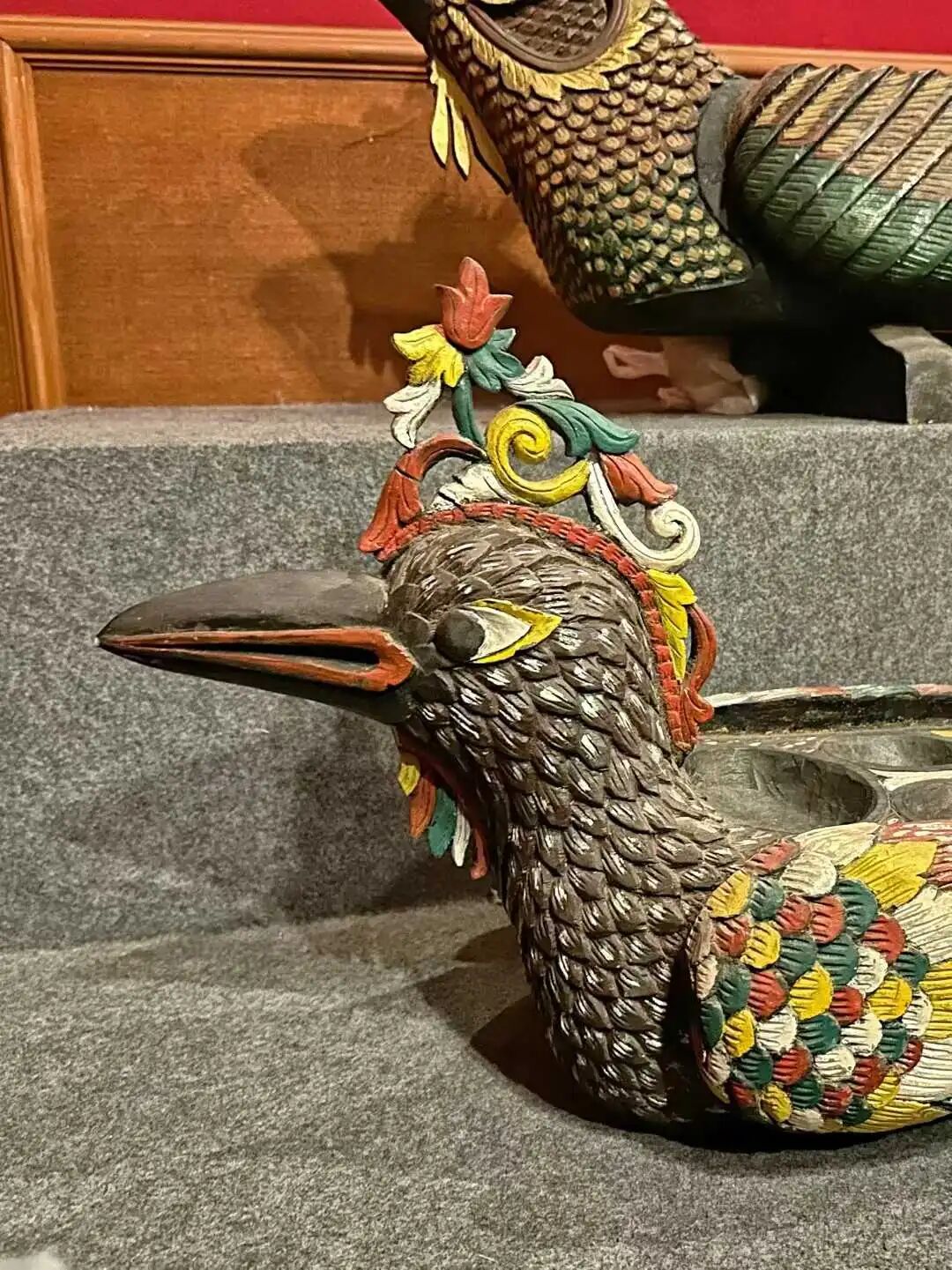
The Royal Museum of Traditional Customs at the Jahar Palace (Istana Jahar) houses divine bird boats, a unique cultural tradition of the Sultanates of Kelantan and Pattani. The first boat, Petala Indera Seri Kekayangan, was a gift from King Rama V of Thailand to Sultan Muhammad IV during his visit to Kelantan in 1905. The second, Burung Petalawati, was used for the circumcision ceremony of Tengku Zainal Abidin in 1933.
The origin of this divine bird can be traced back to ancient Malay legends and Indian culture. It was likely influenced by the giant bird in the Malay epic Isma Dewa and the mythical bird Garuda from Indian mythology. After 1933, the divine bird procession in the Kelantan region stopped because it was considered to deviate from the faith. It is now only preserved in the Malay community in the Pattani region of southern Thailand, though on a much smaller scale.
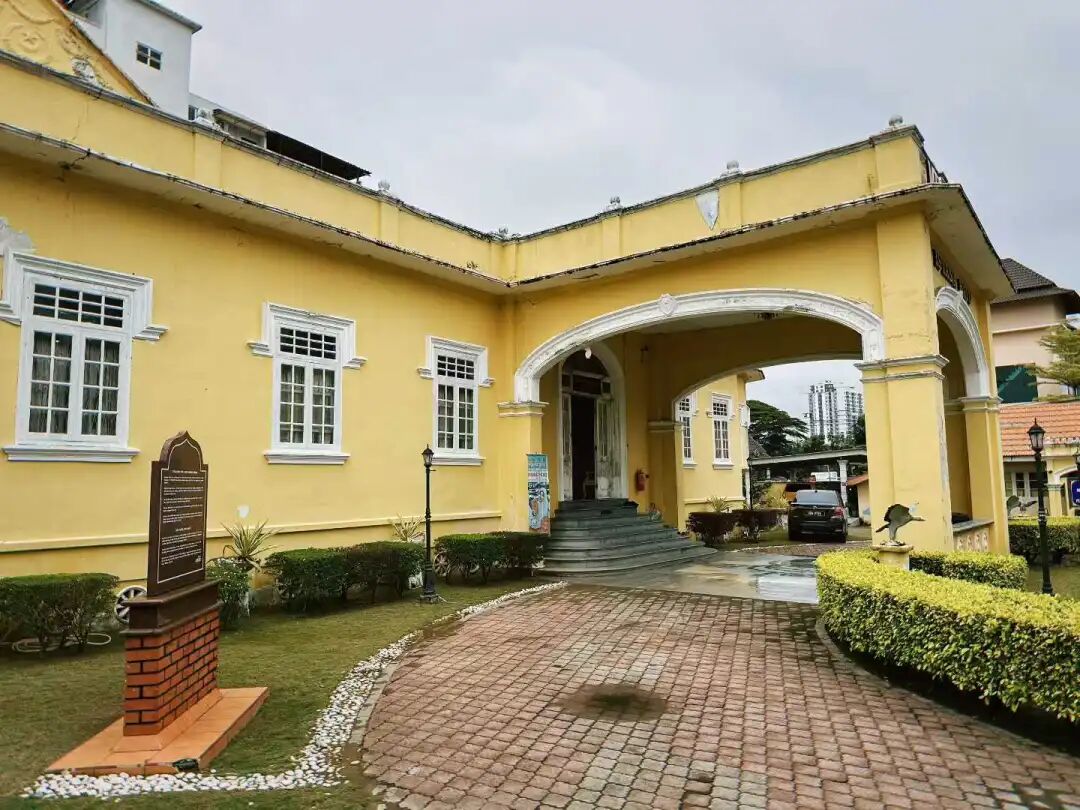
Batu Palace (Istana Batu) was a wedding gift from Sultan Muhammad XV of Kelantan to his nephew, Sultan Yahya Petra, and his wife, Tengku Zainab II, in 1939. It served as the palace for the third-ranking prince for many years. In 1960, Yahya Petra became the Sultan of Kelantan and moved to the Great Palace (Istana Balai Besar). The building was renovated in 1966 to become the home of Princess Tengku Salwani. From 1969 to 1972, it was the residence of Crown Prince Ismail Petra, and later it was used as a royal guesthouse. Since 1991, it has officially been the Kelantan Royal Museum, where you can see scenes of 20th-century life in the Kelantan Sultanate court.
The Blue Room was originally Sultan Yahya Petra's bedroom. It became Princess Tengku Salwani's bridal chamber in 1966. When Crown Prince Ismail Petra lived there in 1969, it was painted blue and furnished with solid wood pieces crafted by a famous Kelantan master carpenter. The room later hosted many royal family members. When Ismail Petra was crowned Sultan in 1980, the Sultanah of Johor, Tengku Nora, stayed here.
The Yellow Room was originally the bedroom for Sultan Yahya Petra's children. After 1960, it was used as a royal guest room. The current furniture was specially designed by Sultanah Tengku Zainab II for her daughter Tengku Salwani's wedding in 1966. Before 1991, this room was used as a bridal chamber for the Kelantan Sultanate court.
The Pink Room was originally Princess Tengku Salwani's bedroom, and it was later used by her son. The furniture in this room was ordered from Singapore.
Among the royal photos in the Kelantan Royal Museum, the first black-and-white one is of Sultan Ismail (1920-1944).
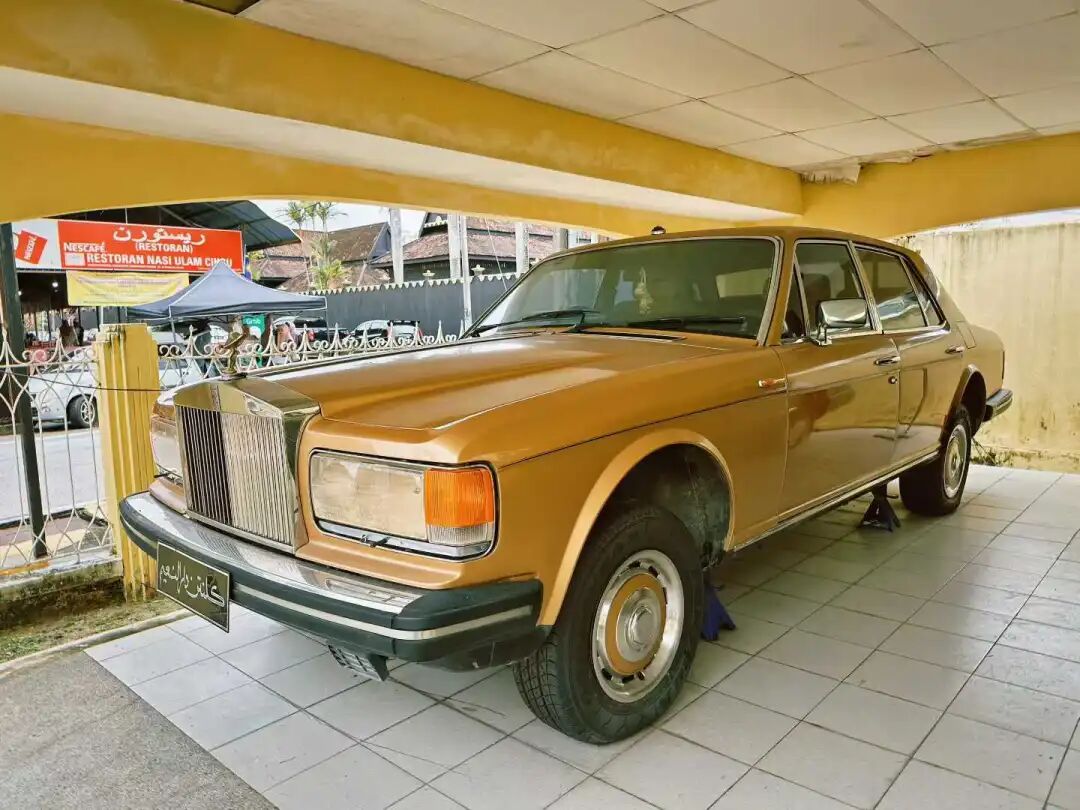
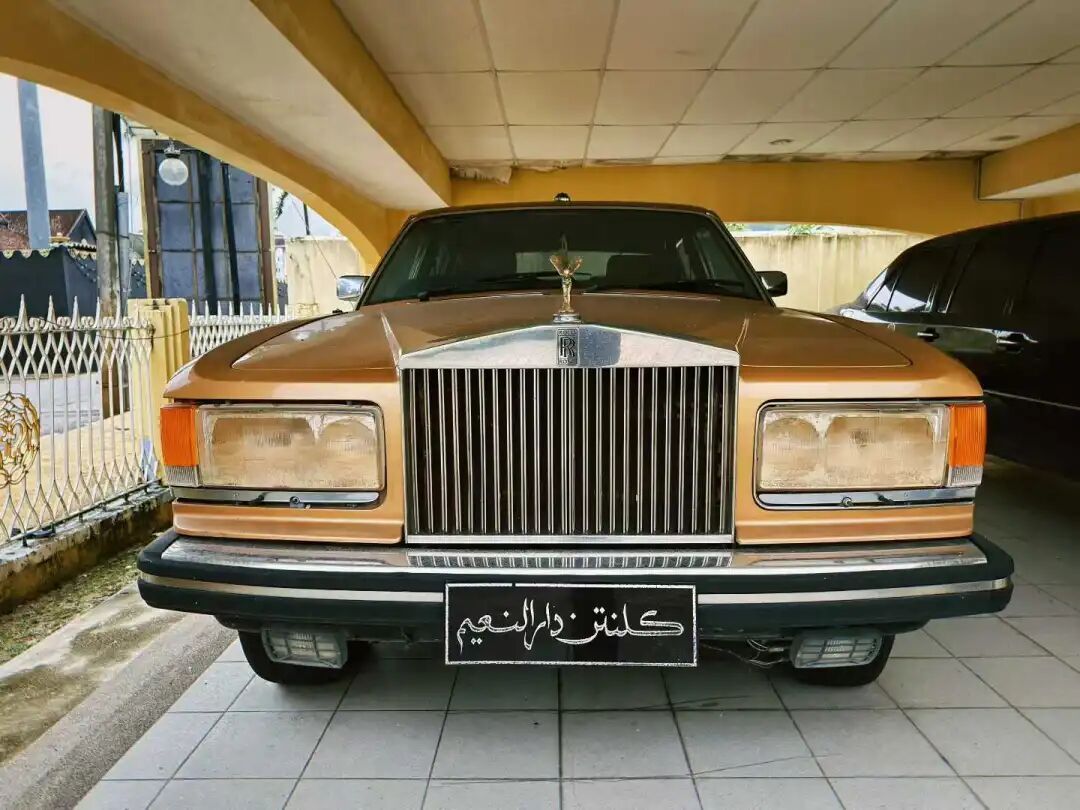
Parked outside is the Rolls-Royce used by Sultan Ismail Petra after 1980.
The Kelantan Islamic Museum (Muzium Islam Kelantan) was built in 1901. It was originally the official residence of the Kelantan Chief Minister, Hassan Muhammad Salleh, and is a two-story Malay wooden house in the Kelantan architectural style. Between 1917 and 1990, it served as the office for the Kelantan Islamic Council and the Customs Department. It opened as the Islamic Museum in 1991, but unfortunately, the museum is now closed.
The Kelantan State Museum was built in 1930. It was originally the Kota Bharu Land Office and was converted into a museum after 1990.
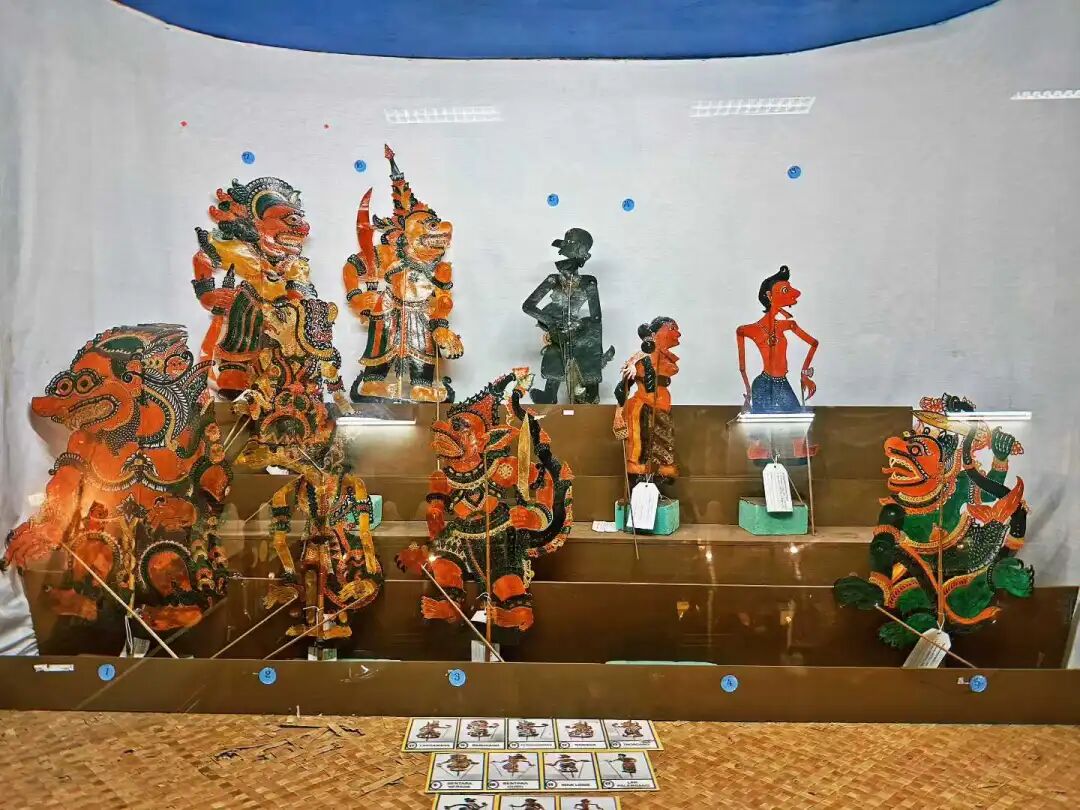
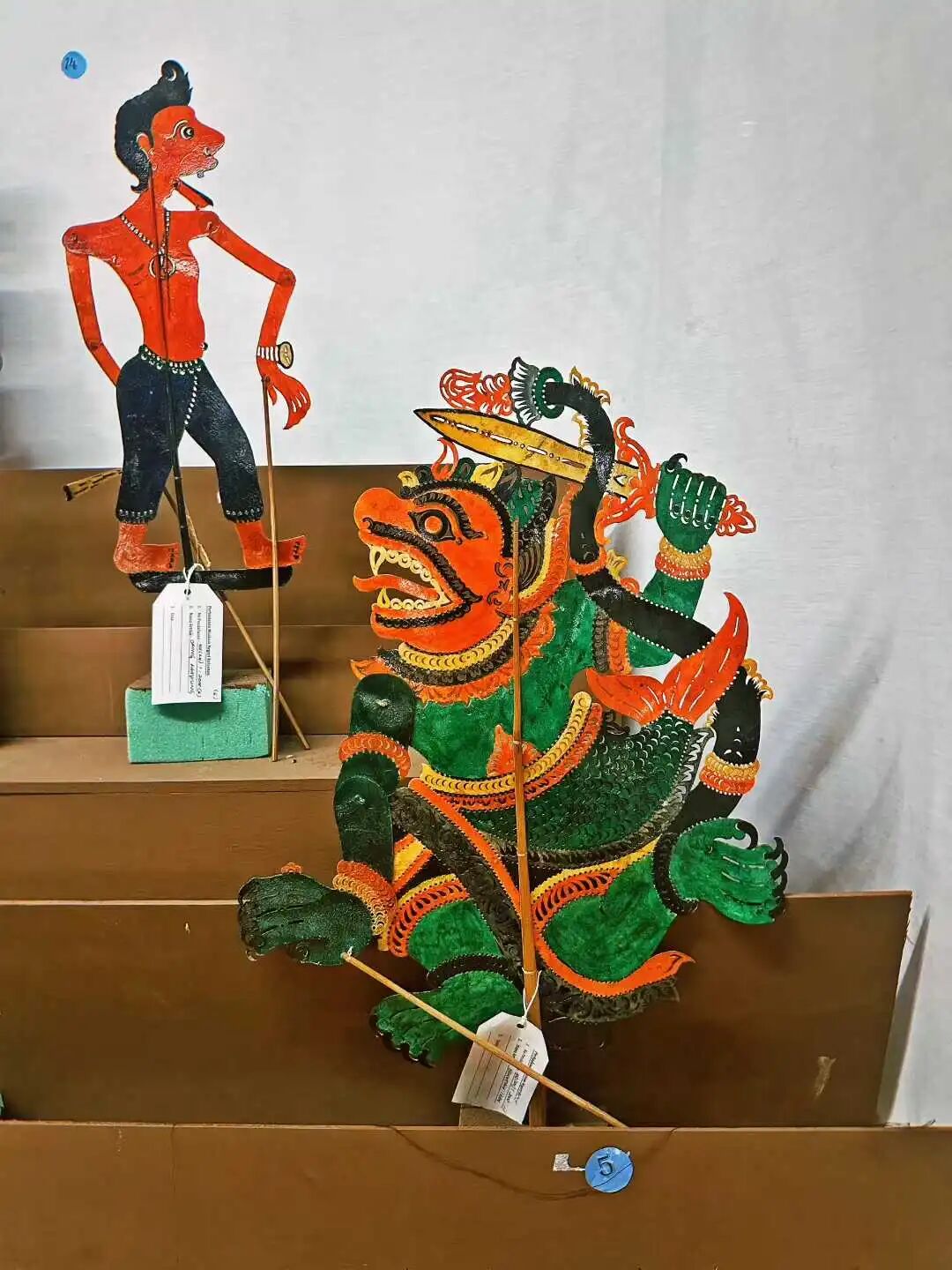
The Kelantan State Museum does not have many exhibits, but you can see precious Kelantan shadow puppetry (Wayang Kulit). Kelantan shadow puppetry has a very long history. It was once widespread in southern Thailand and northern Malaysia, especially in the Pattani region of southern Thailand and in Kelantan. There are many theories about the origin of Kelantan shadow puppetry. One theory suggests that 19th-century Kelantanese learned it from shadow puppetry masters on the island of Java. However, today's Kelantan shadow puppetry is significantly different from Javanese shadow puppetry. For example, Kelantan shadow puppetry is performed in the Kelantan Malay dialect, and the costumes of the puppet characters have a typical southern Thai style.
The stories in Kelantan shadow puppetry mainly come from the Indian epic Ramayana. Besides the main plot, there are many smaller stories not found in the book. some stories are taken from ancient Malay legends and Arabic legends, which is a major feature of Kelantan shadow puppetry.
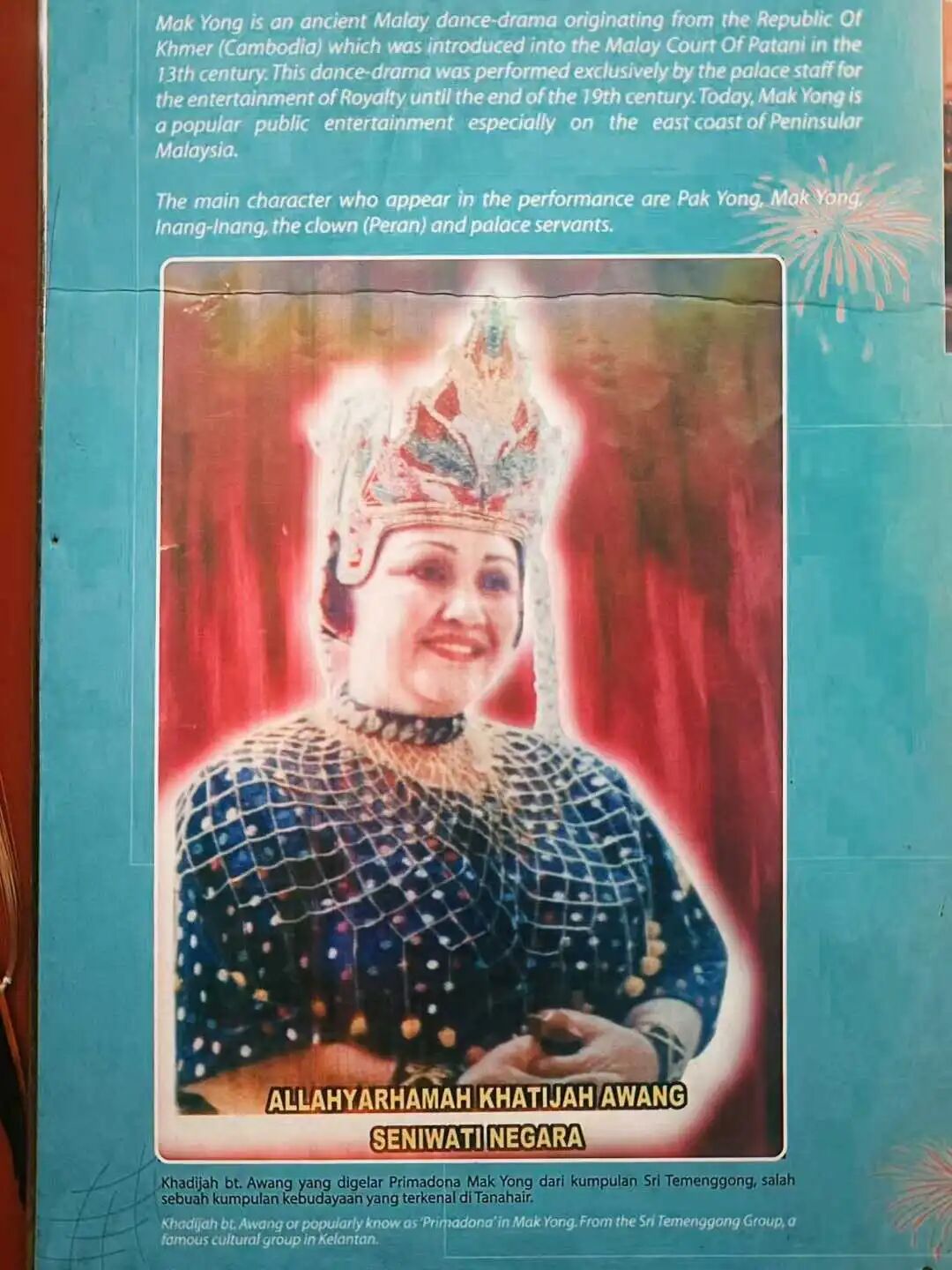
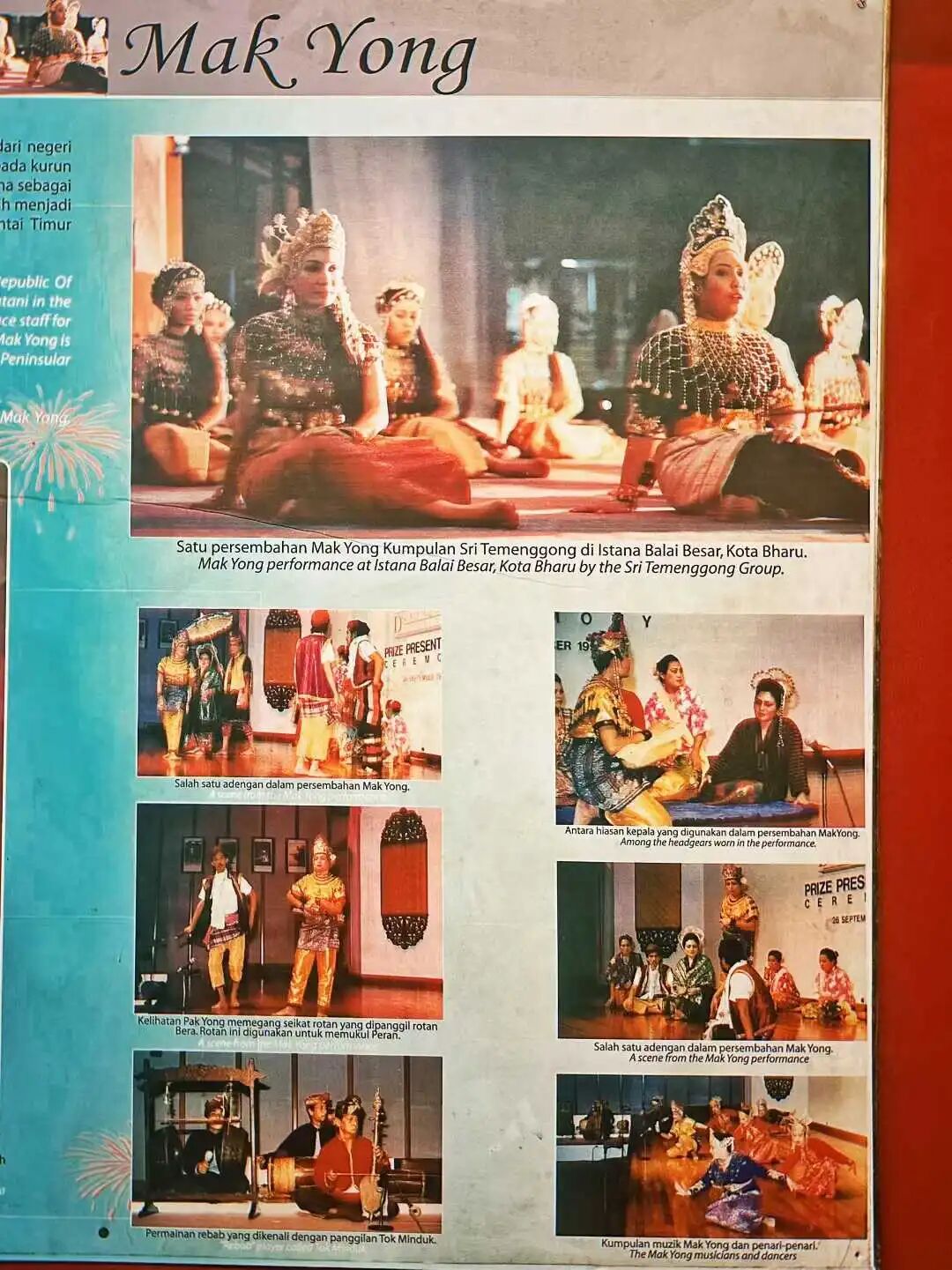
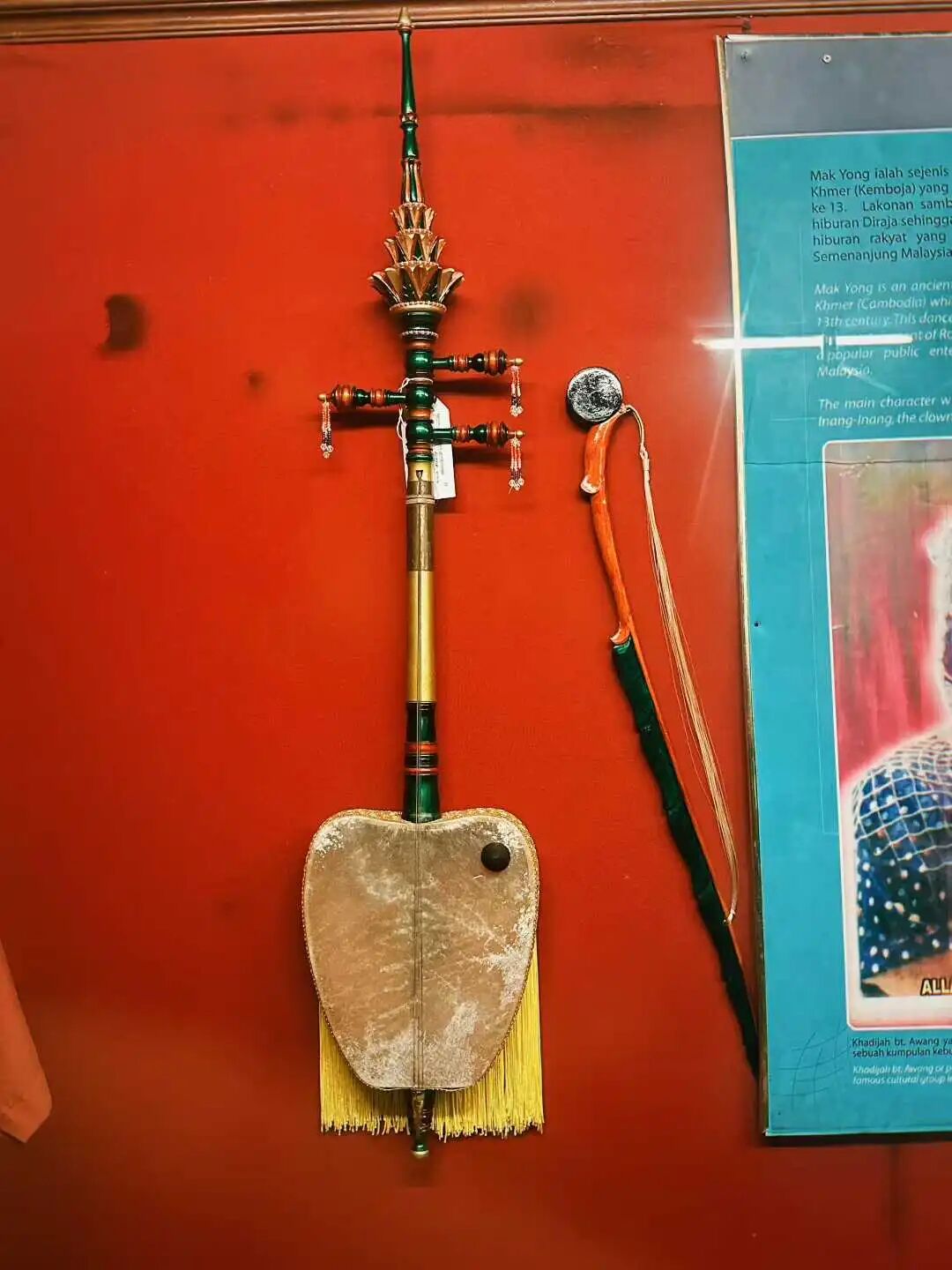
The Kelantan State Museum houses costumes from the Kelantan court dance-drama, Mak Yong. Mak Yong originated in the Pattani region of southern Thailand around the 13th century and became a court dance-drama for the Kelantan Sultanate after the 18th century. Before the end of the 19th century, Mak Yong theater was performed exclusively for the Sultan's court, and it only began to be performed in public spaces after the 20th century.
The content of Mak Yong theater can be traced back to ancient Malay legends, many of which come from animism, Buddhism, and Hinduism, including Buddhist Jataka tales that have already been lost in India.
A very unique point of Mak Yong theater is that all the main roles are played by women. The lead actress, Mak Yong, is responsible for solo singing and leading the performance, while the palace maids around her provide backing vocals and dance. Men can only play the role of the clown for comic relief.
After the Pan-Malaysian Islamic Party (PAS) came to power in 1991, public performances of Mak Yong theater were banned. Although some veteran artists have stuck to their art despite the ban, they find it very difficult to get opportunities to perform.
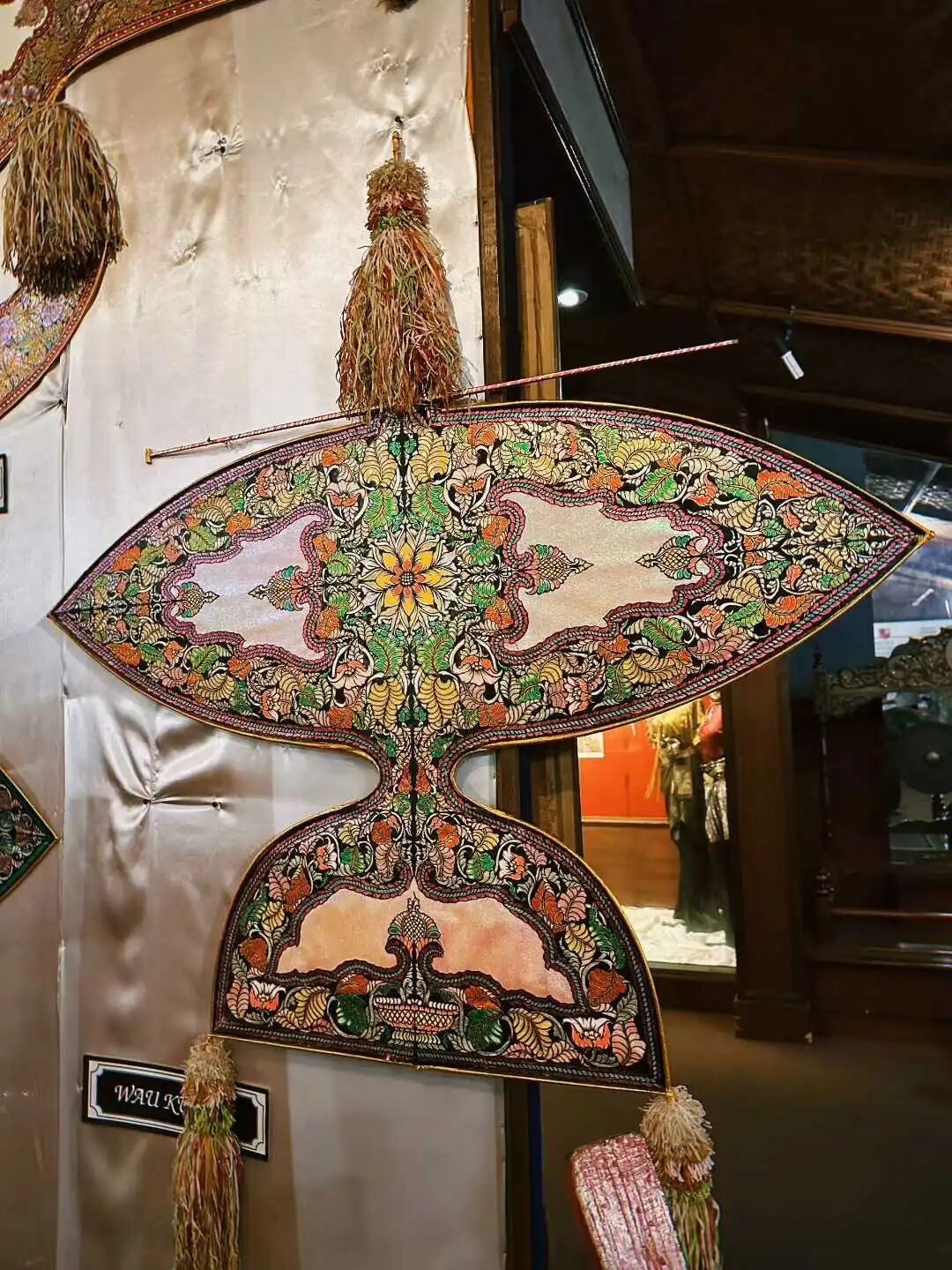
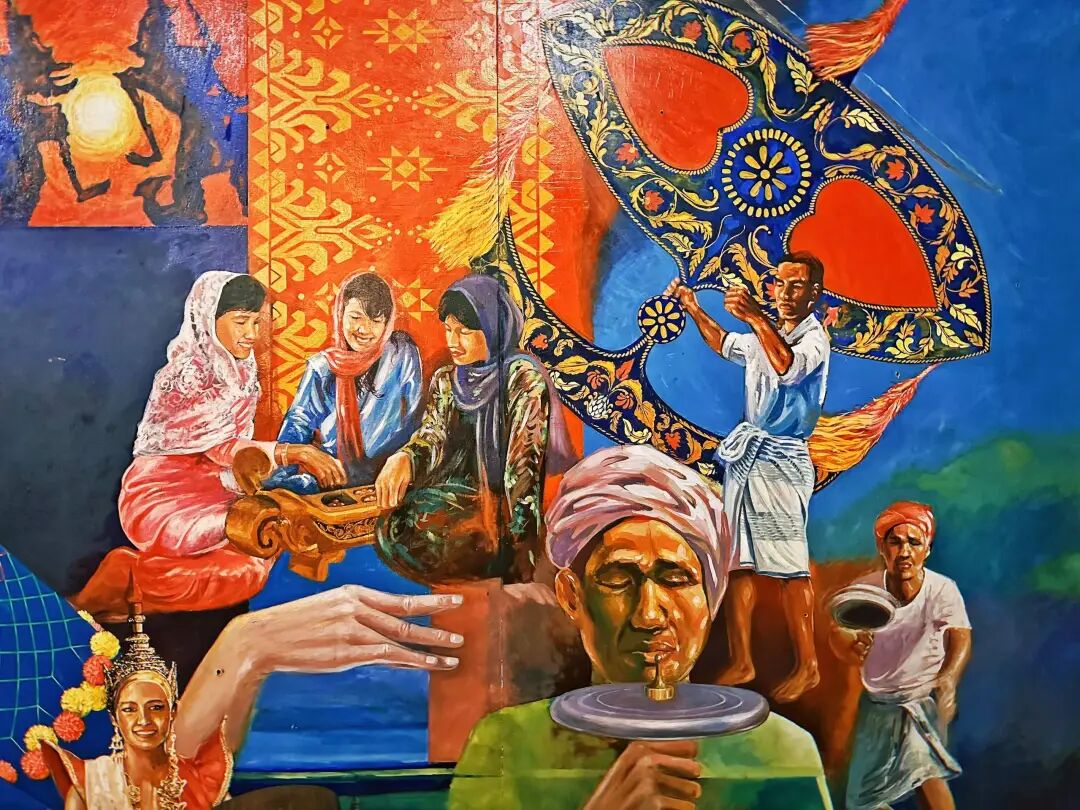
The Kelantan-style Malay kite is called Wau Bulan. Bulan means moon in Malay, because this kite looks like a rising crescent moon when it flies. You can see workshops that make these kites in the village of Kampung Laut in Kelantan.
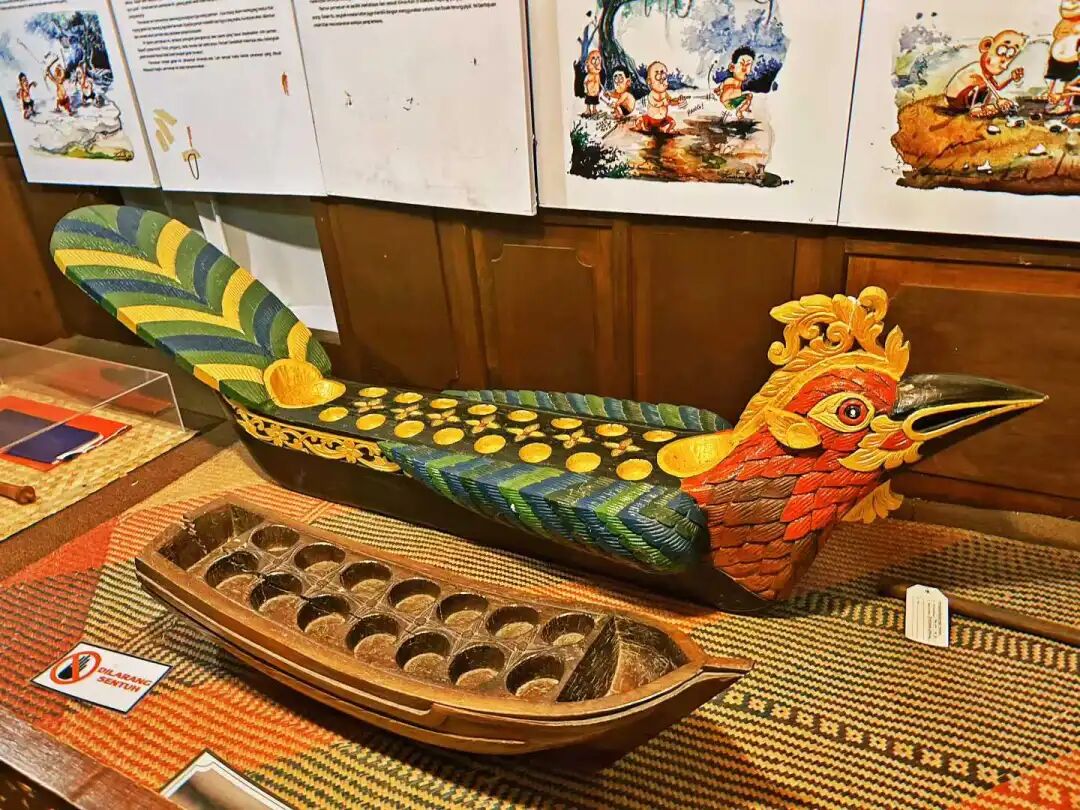
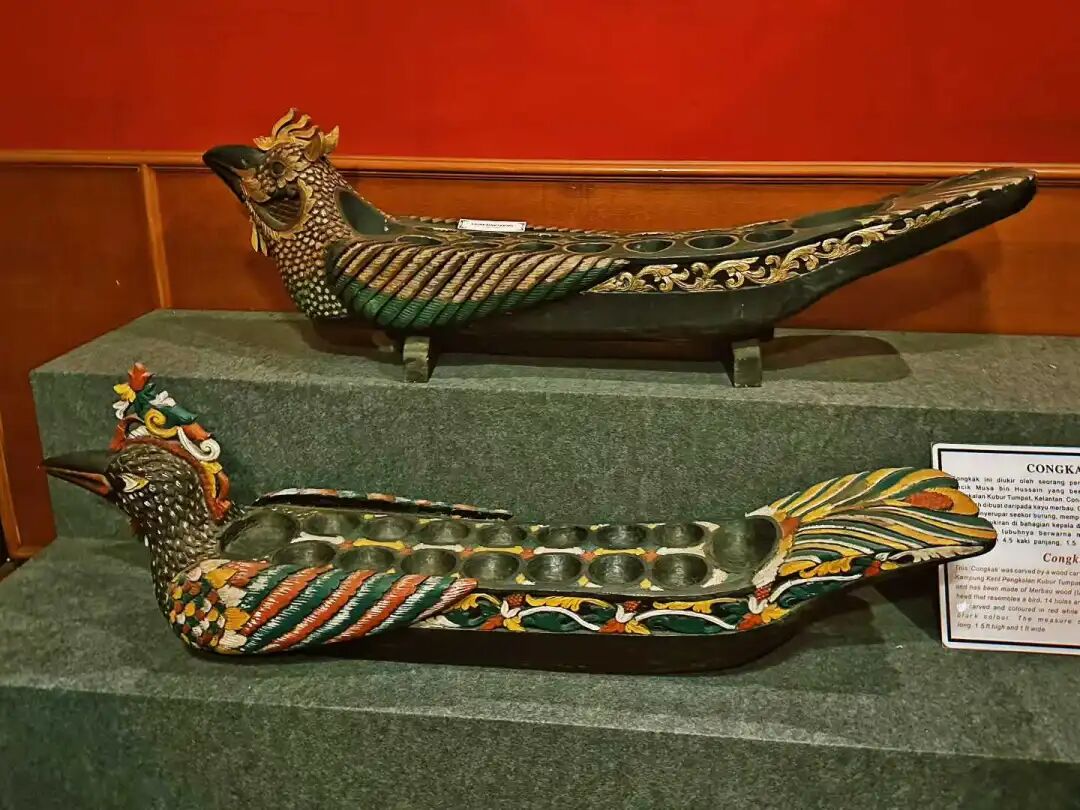
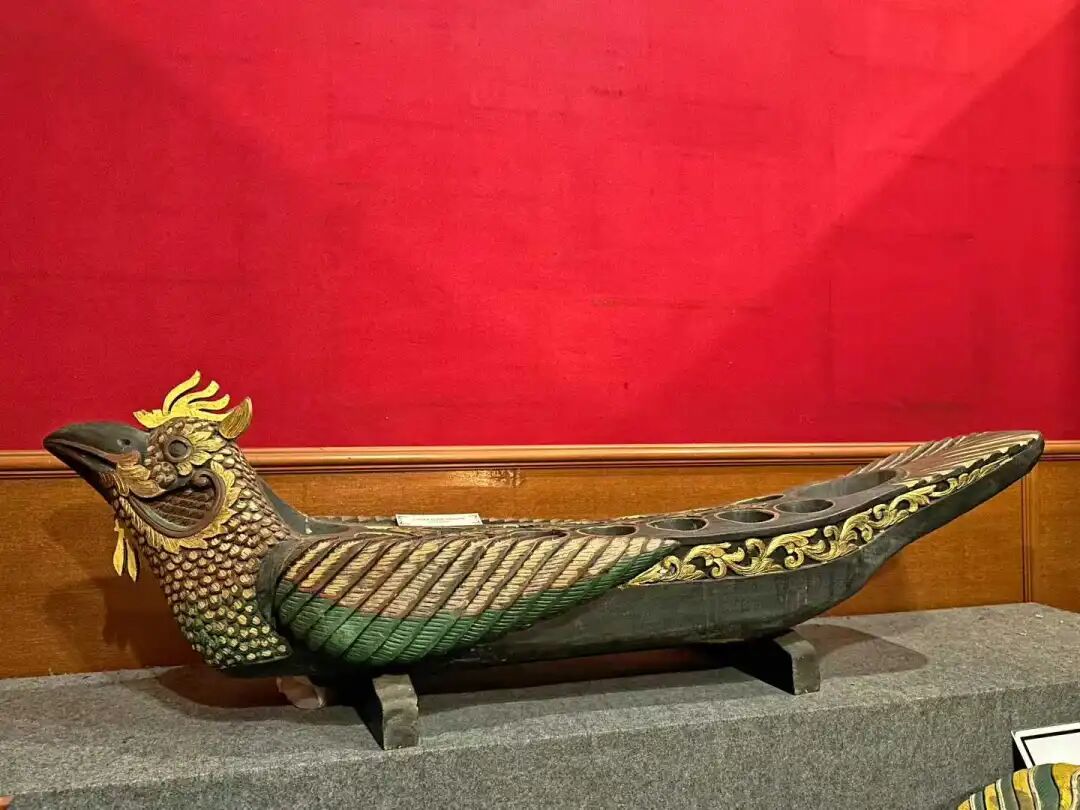
Congkak is a strategy board game popular in Malaysia, Indonesia, and Brunei. It originated in Egypt during the ancient Roman era and later spread to Southeast Asia through Arabia and India. It was once a court game of the Malacca Sultanate. The Congkak boards in the Kelantan region are beautifully decorated, and some are carved with bird patterns.
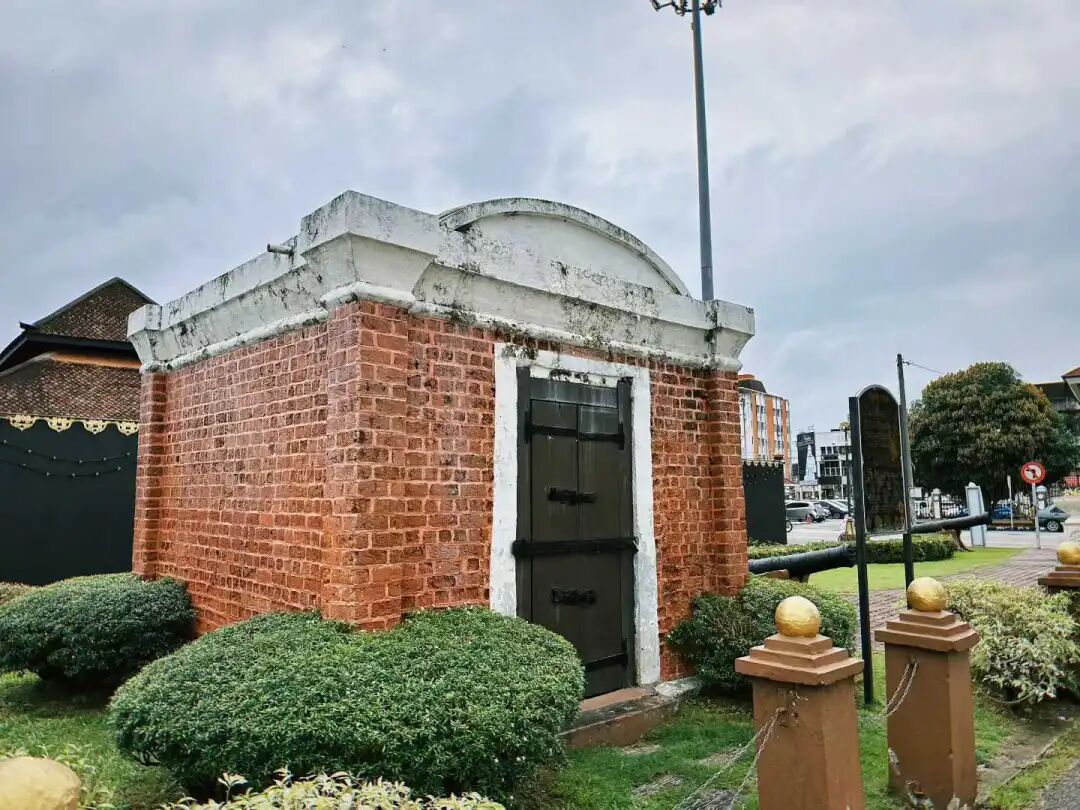
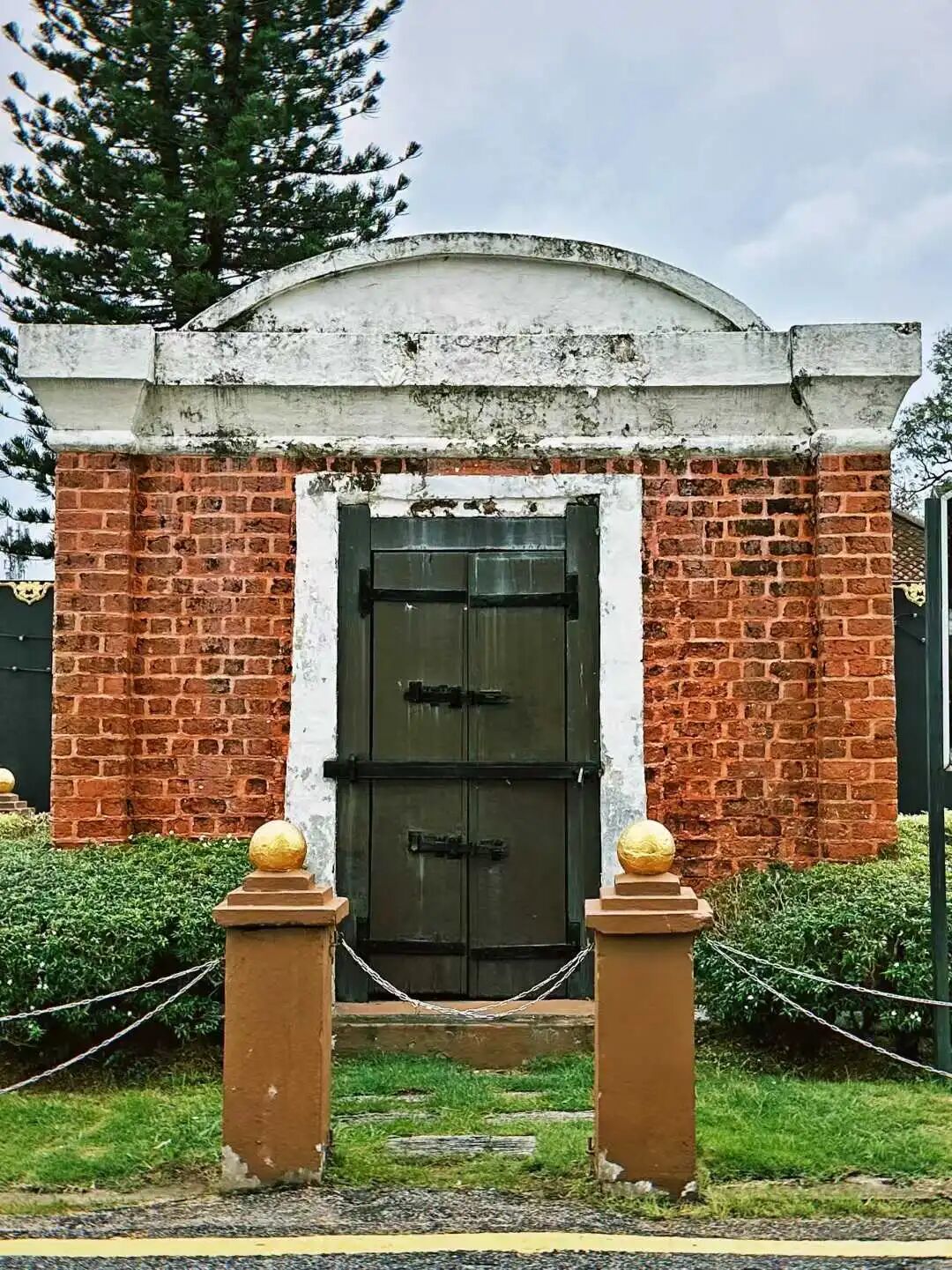
The Pitis Bank at the entrance of the Kelantan Sultan's palace is the oldest brick building in Kelantan, and its main gate is made of very sturdy chengal wood. The bank was built in 1889 by Sultan Muhammad III to store the tin currency called Pitis that was issued by the Sultan at the time. After the British Straits Settlements began issuing currency in 1909, Pitis gradually faded from history.
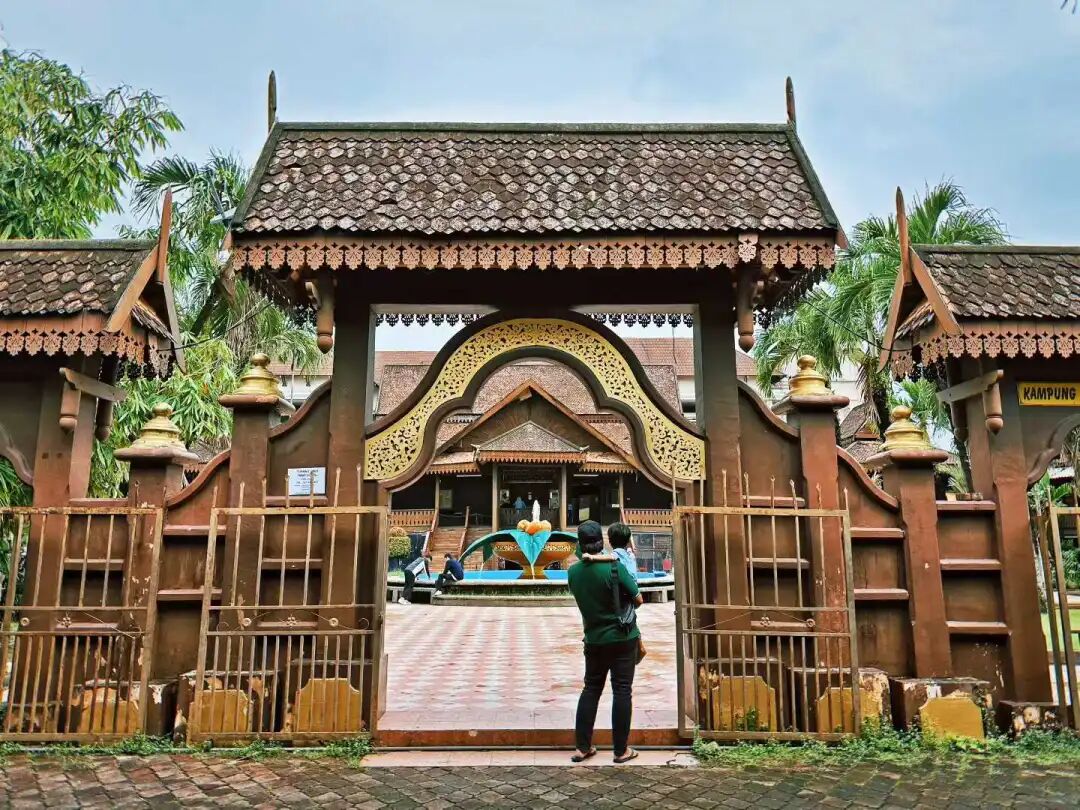
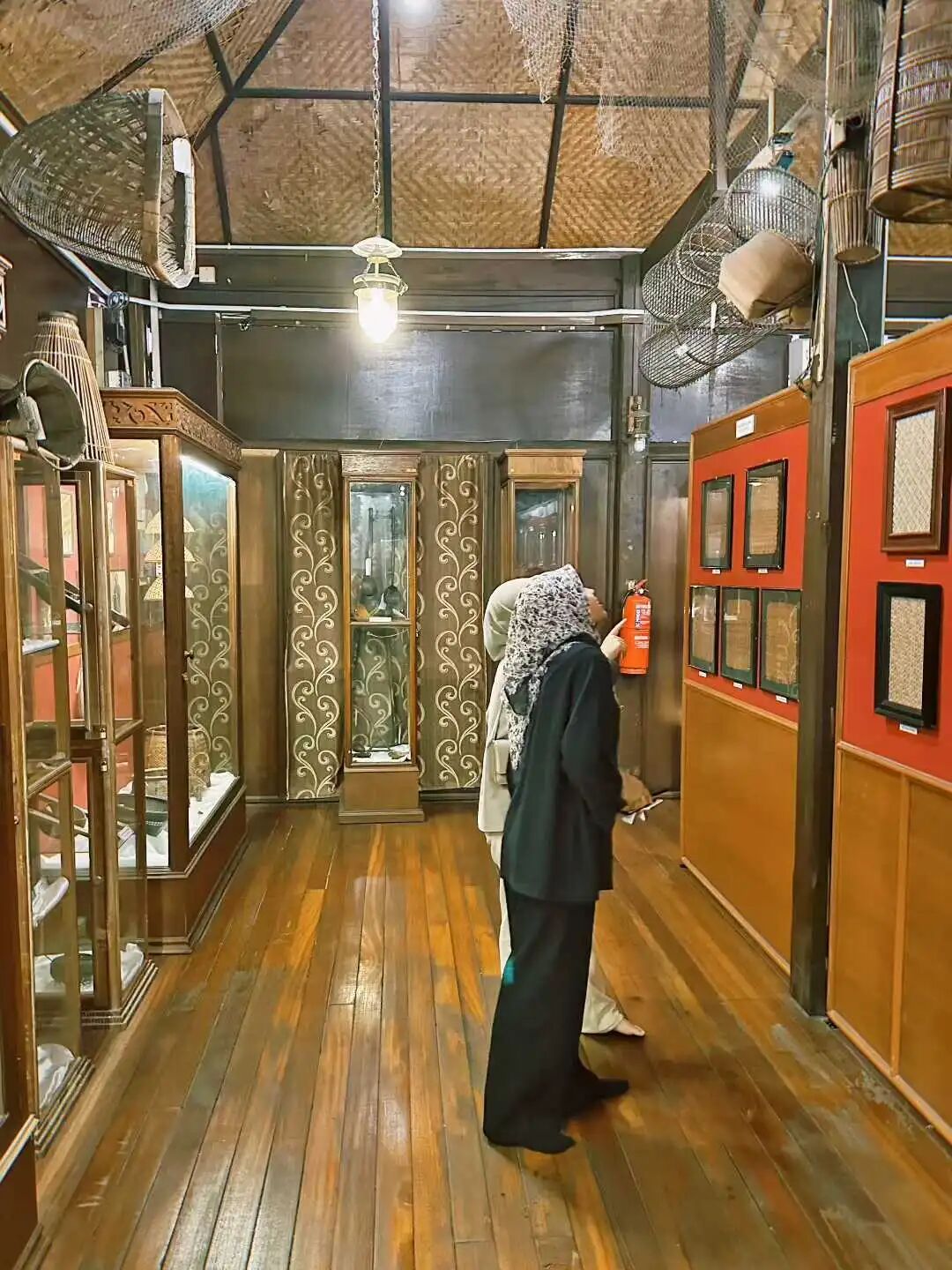
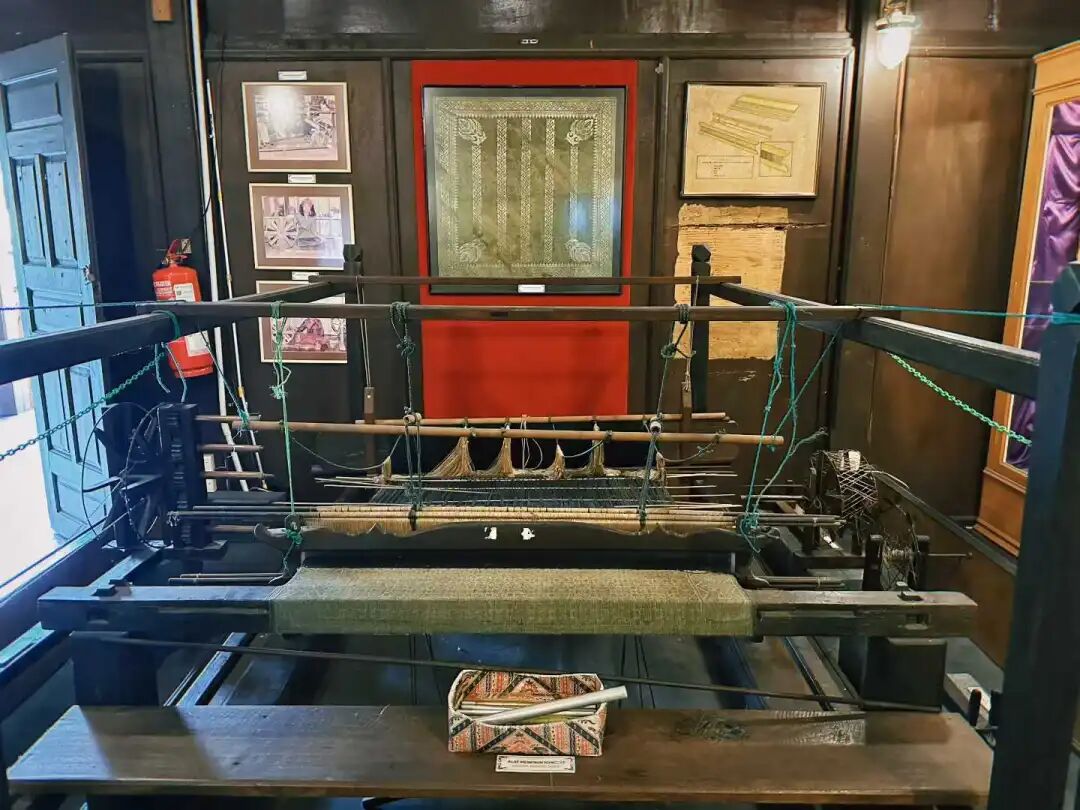
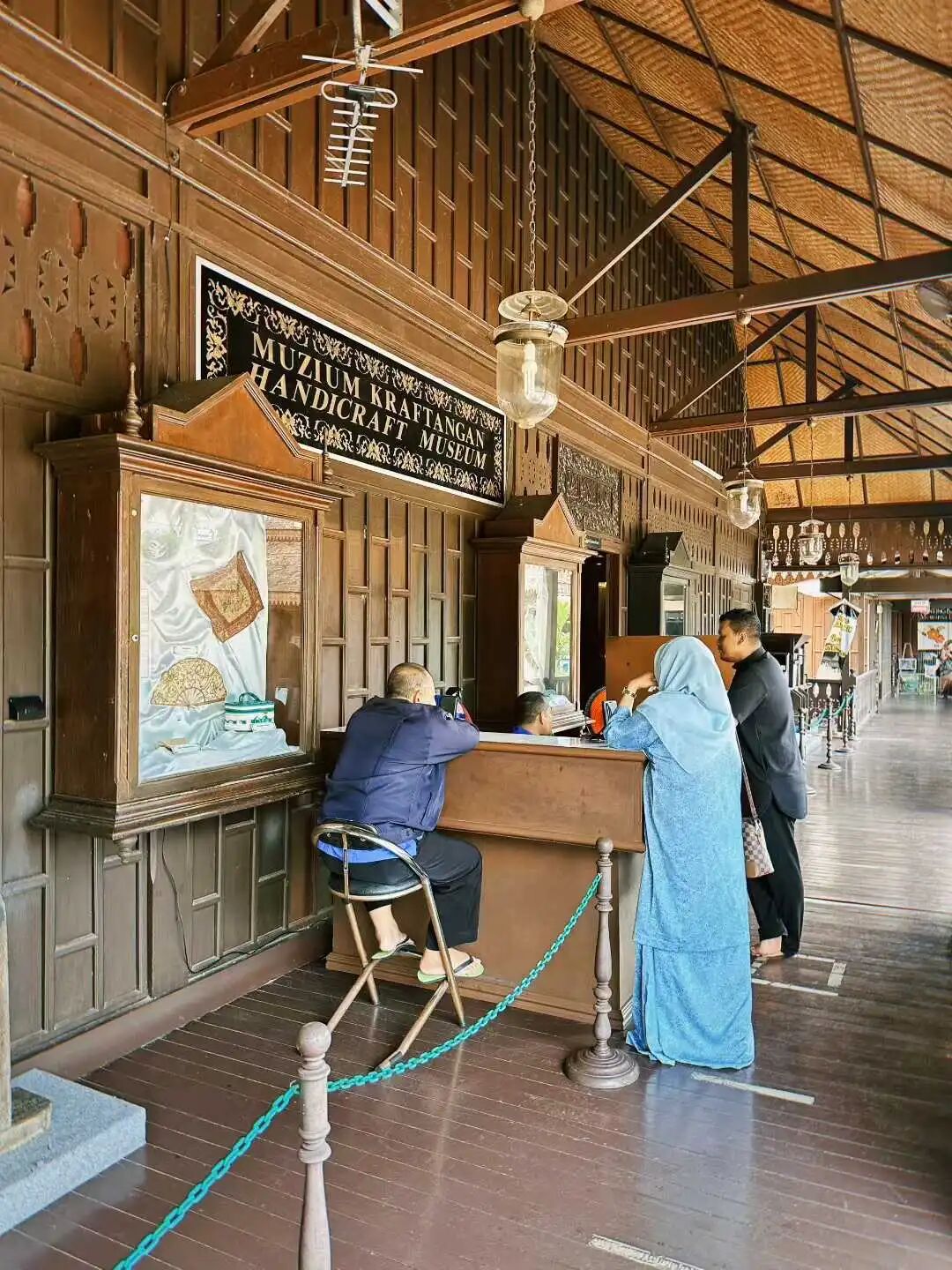
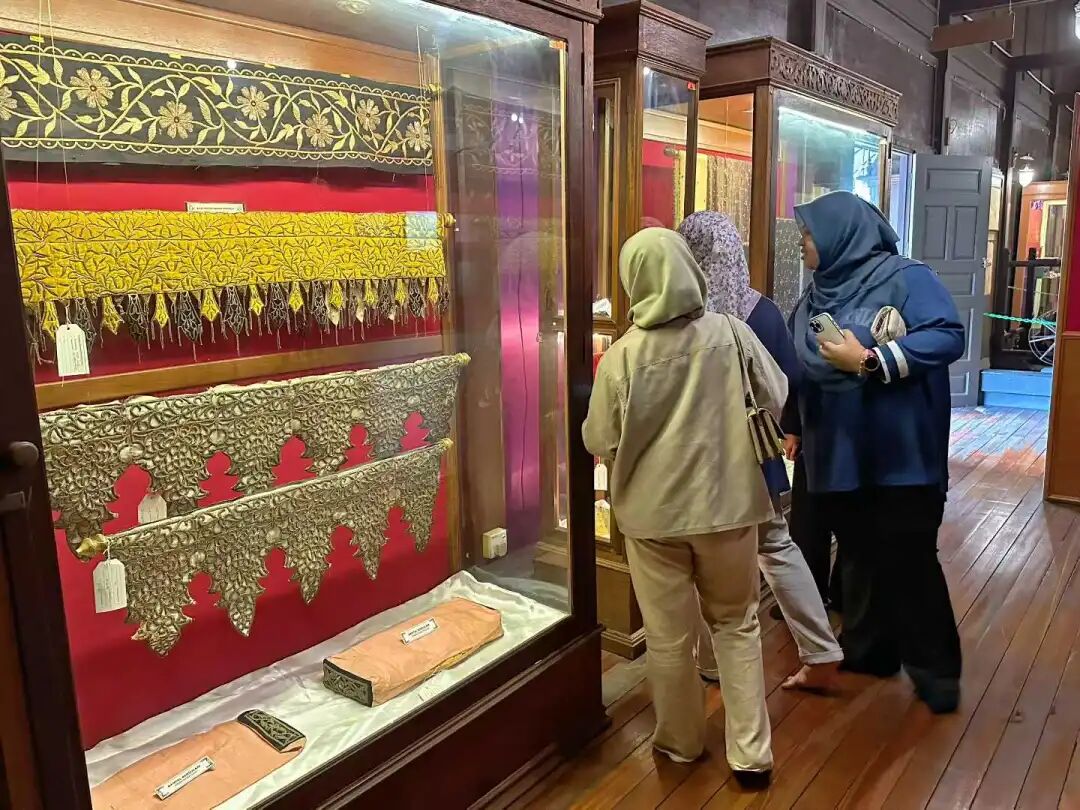
The Kota Bharu Handicraft Village is right next to the Sultan's palace. It was built in 1991 in the style of a traditional Kelantan Malay wooden house and is used specifically to display traditional Kelantan handicrafts.
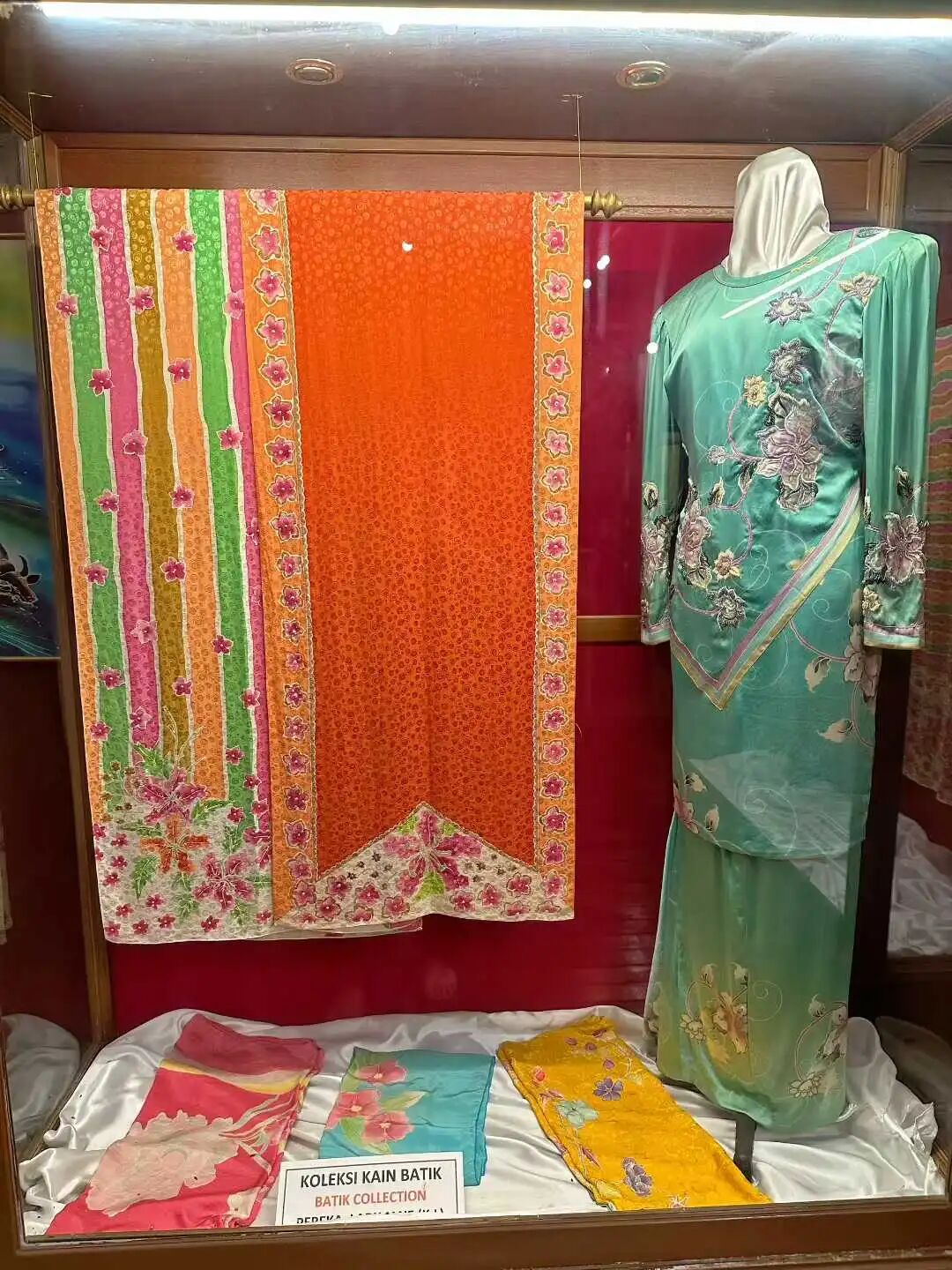
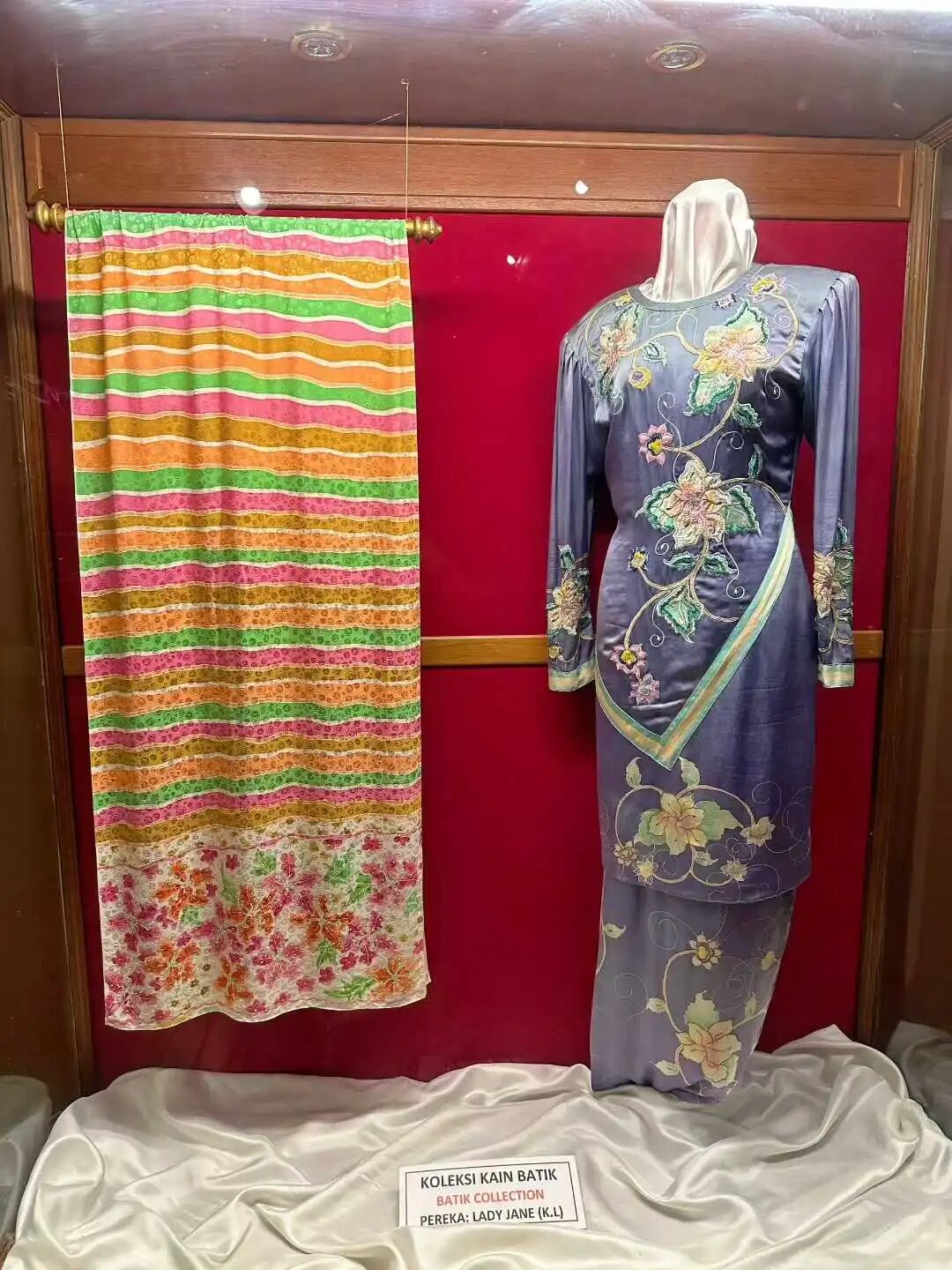
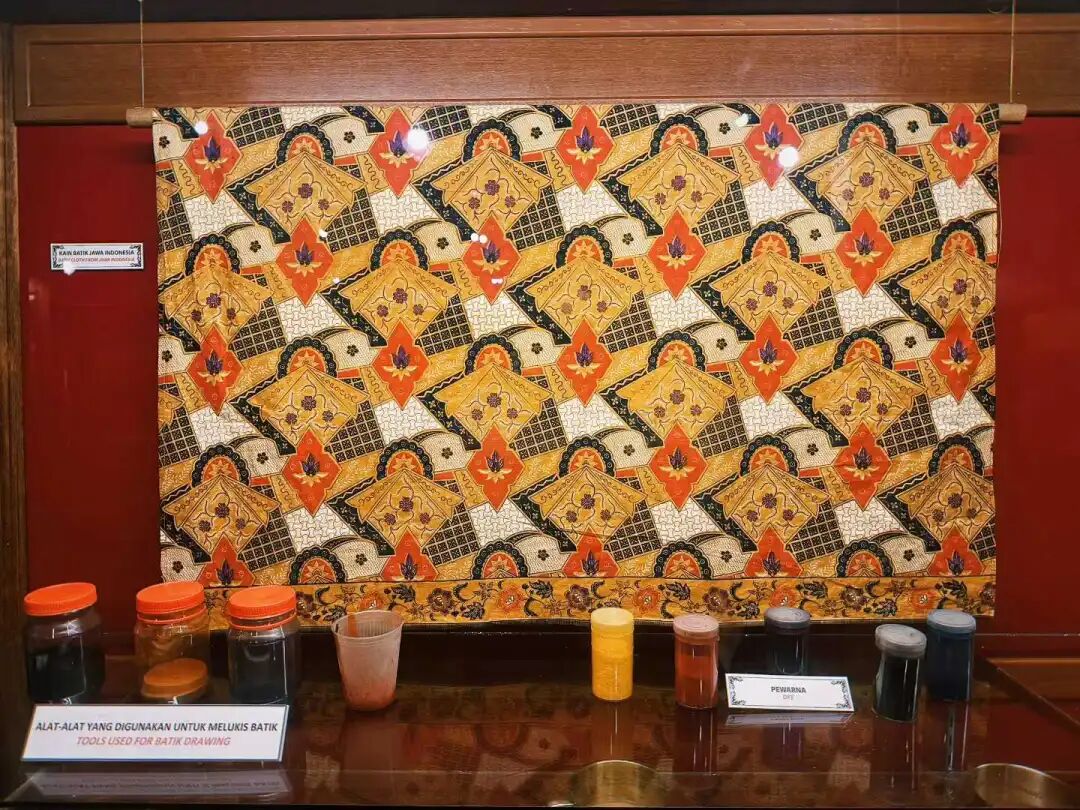
The Kota Bharu Handicraft Village displays traditional Kelantan Malay batik fabric.
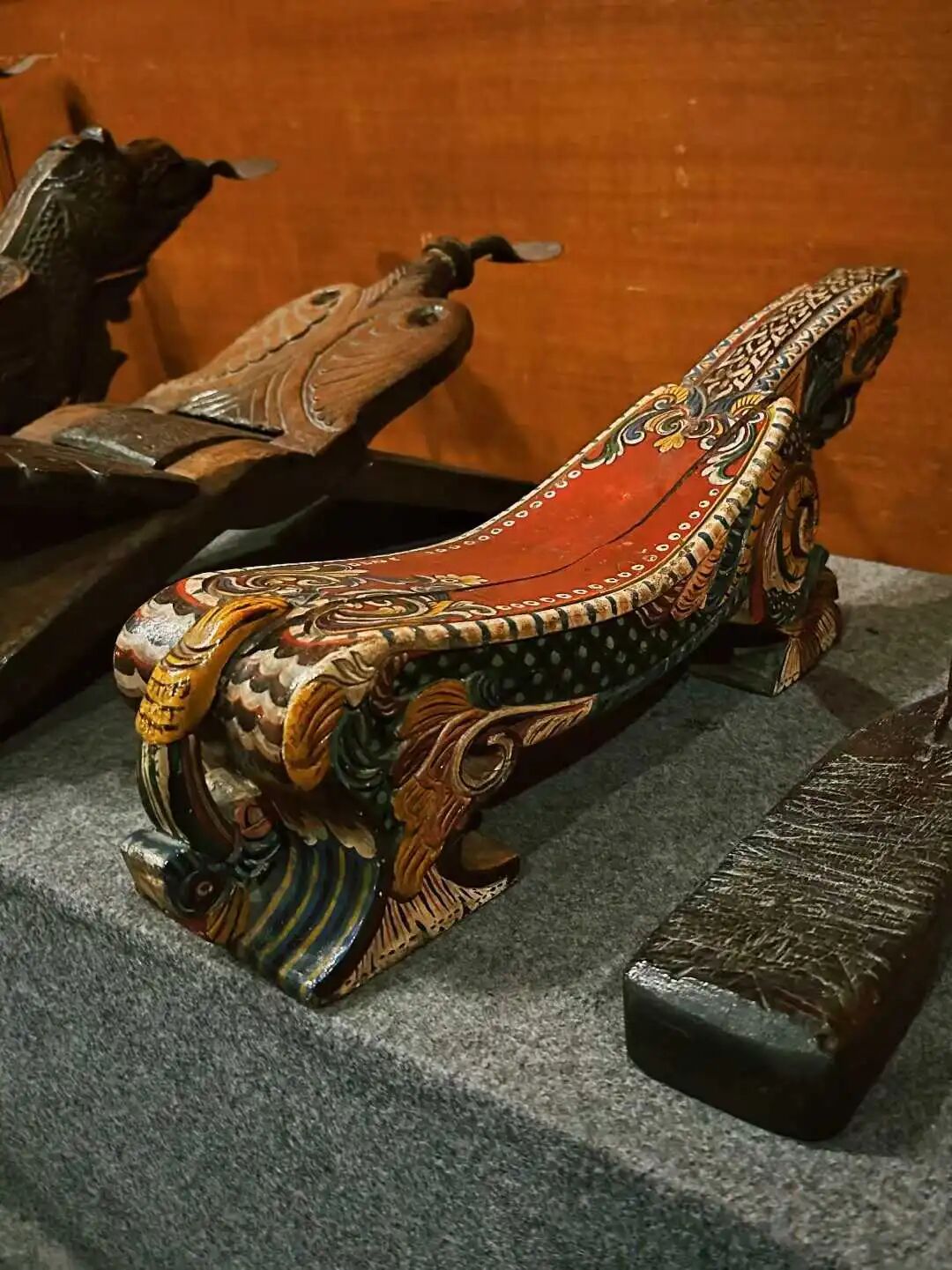
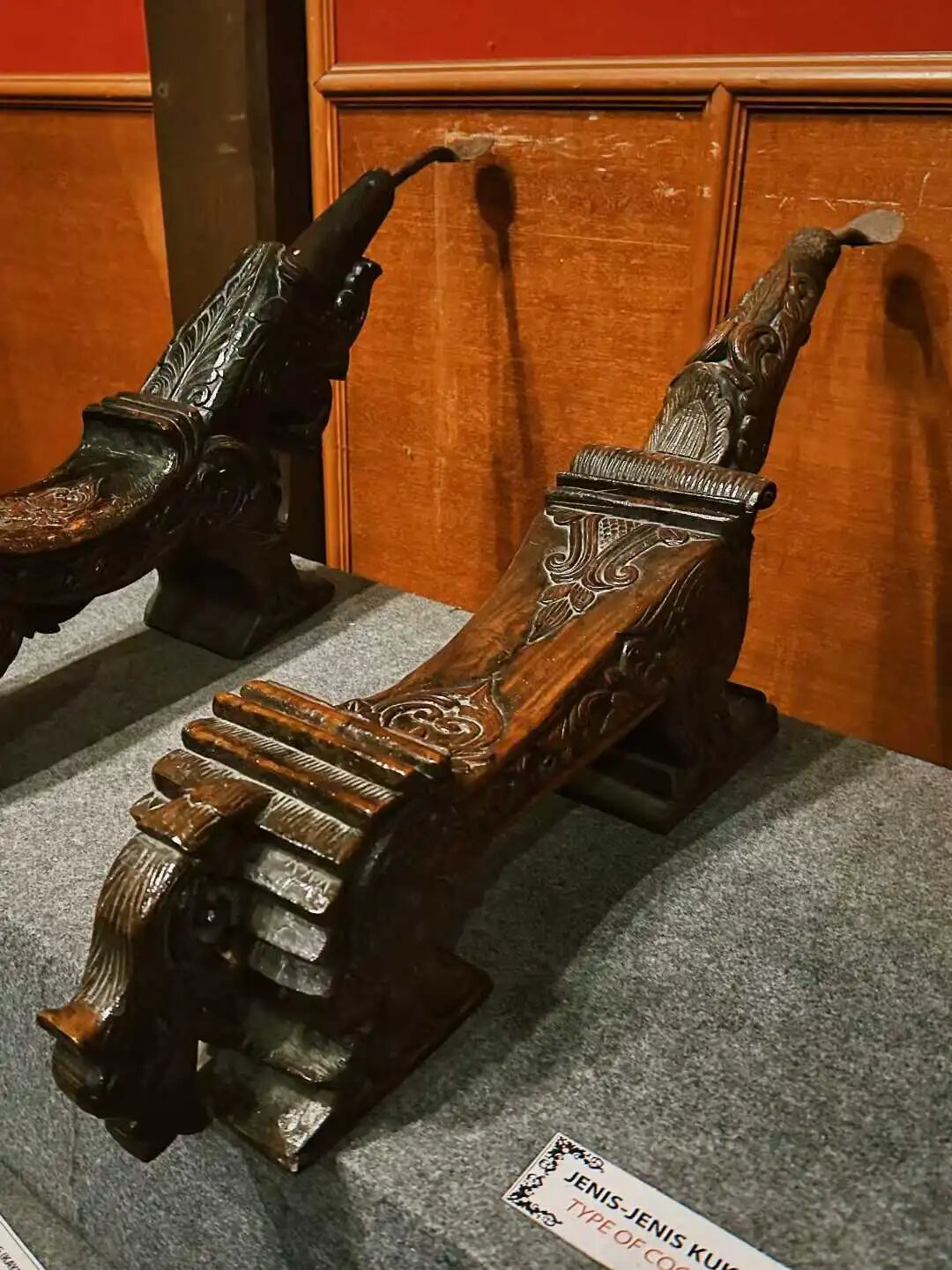
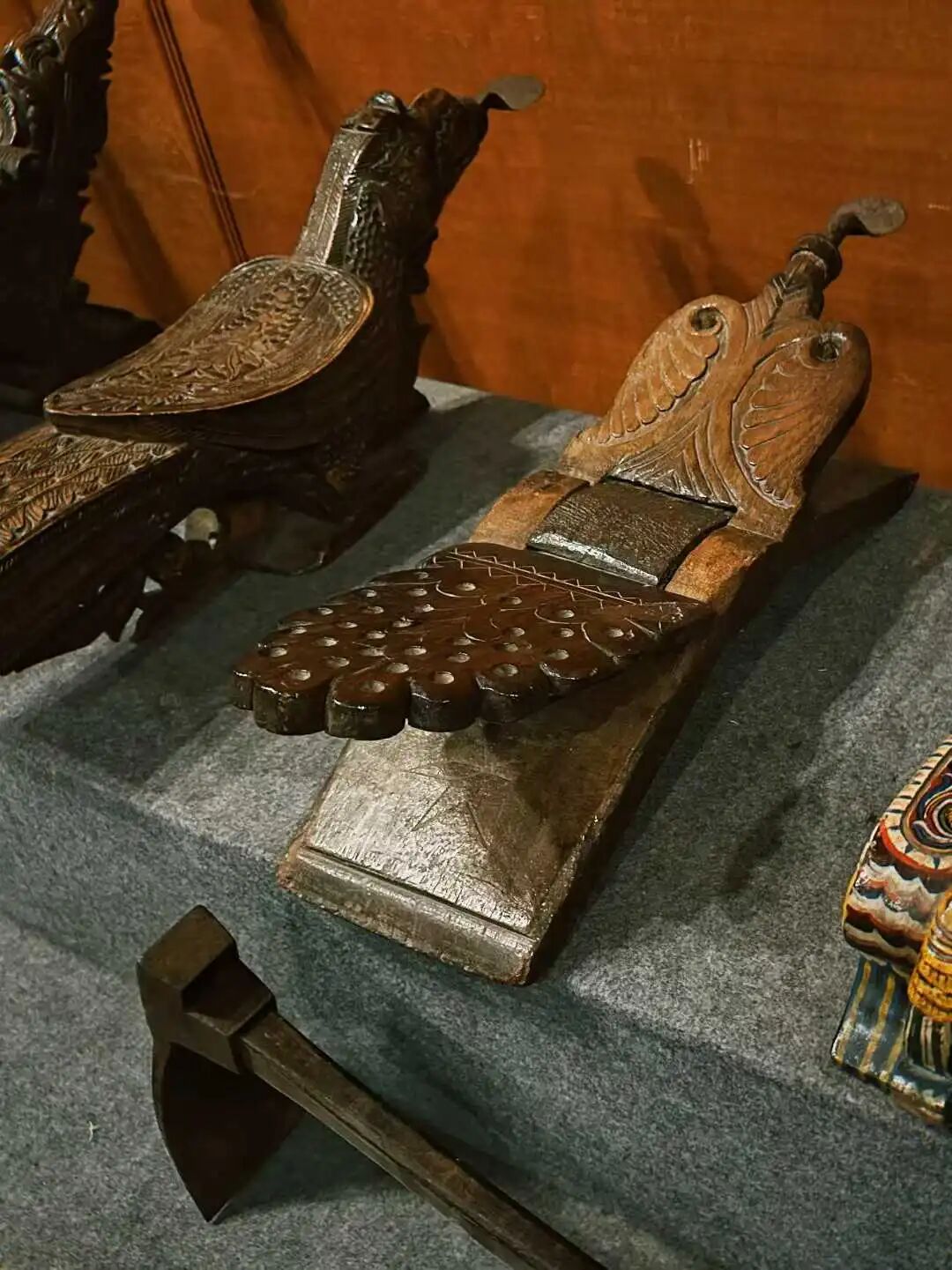
The Kota Bharu Handicraft Village displays traditional Kelantan wood carvings, including coconut graters and traditional Malay Congkak boards.
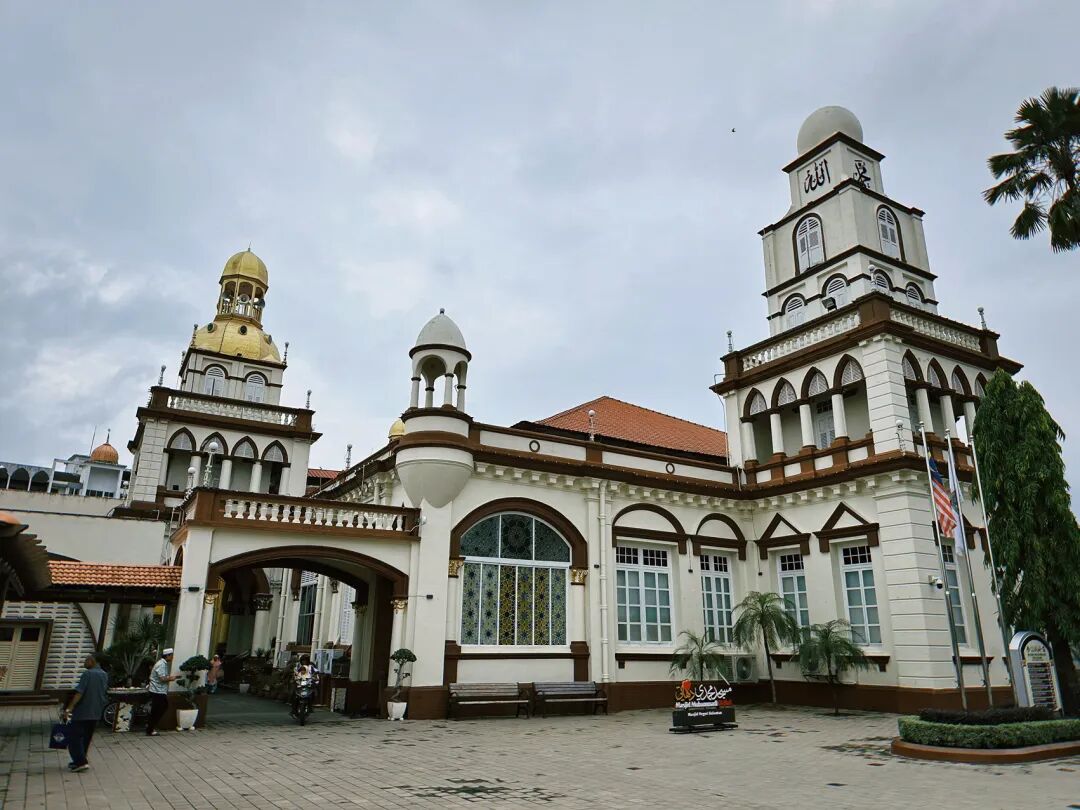
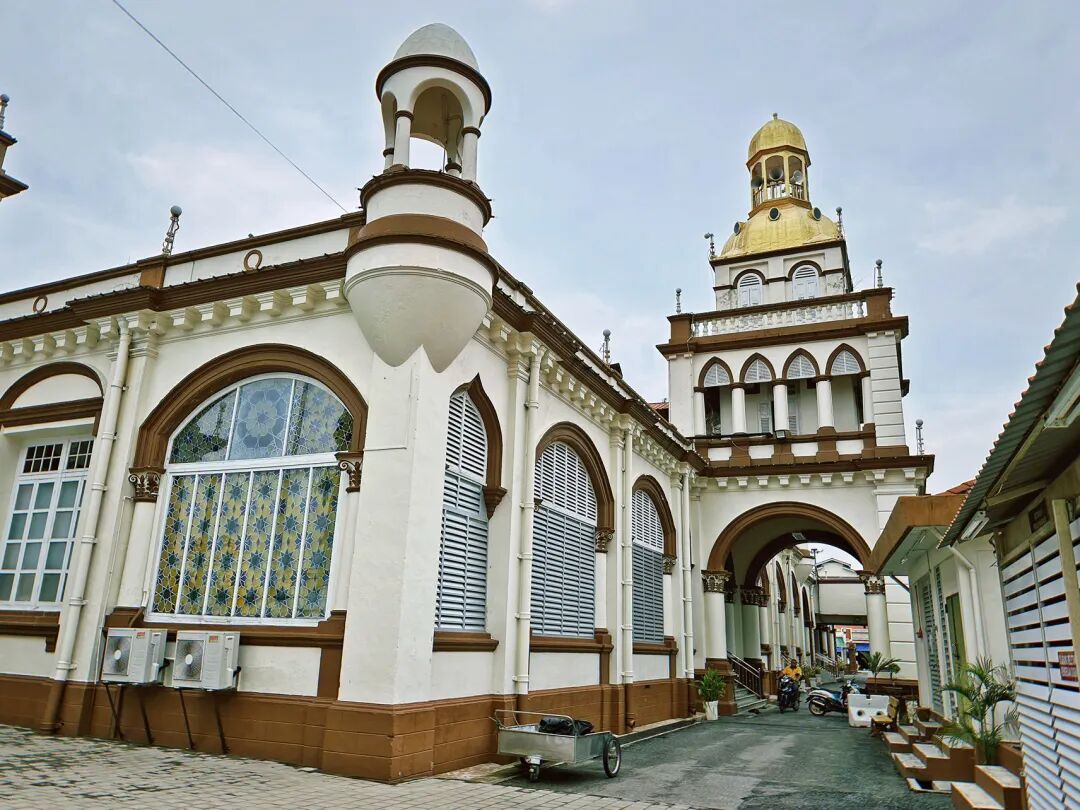
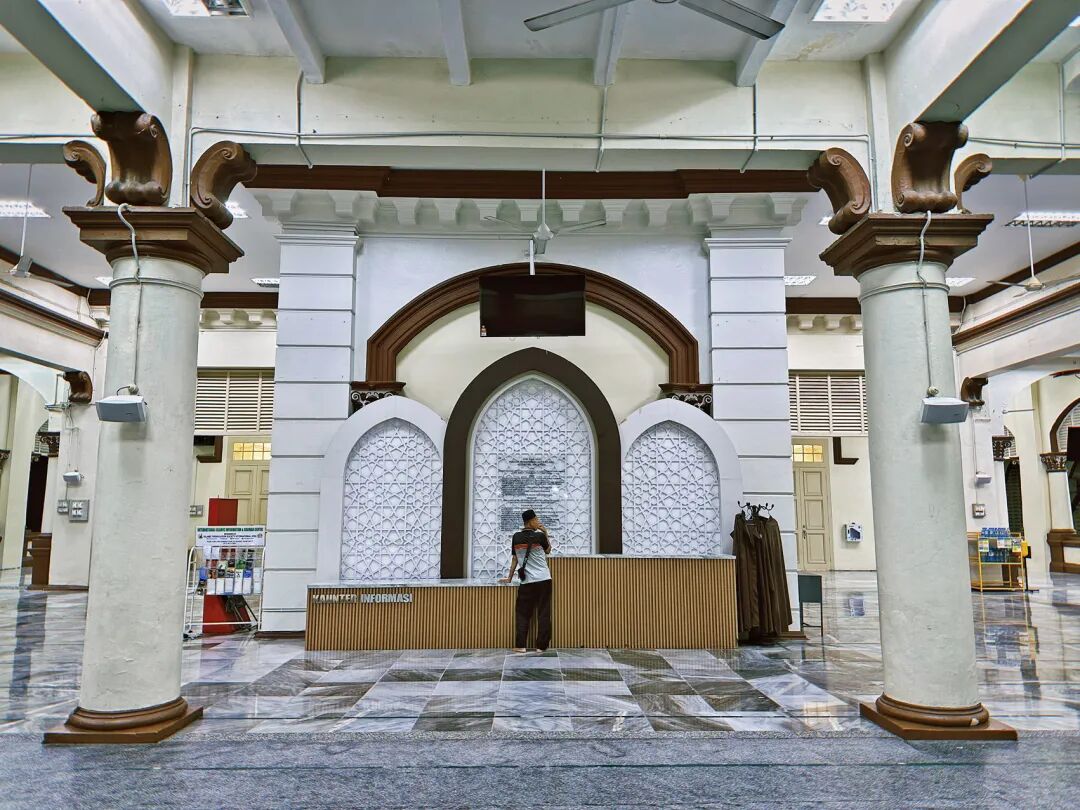
The Muhammadi Mosque (Masjid Jamek Muhammadi) is the congregational mosque of Kelantan state. It was built in 1867 by Sultan Muhammad II of Kelantan and was changed from a wooden structure to a concrete one in 1922, featuring a neoclassical revival style. In 1931, Sultan Ismail presided over the opening ceremony and officially named it the Muhammadi Mosque.
From the late 19th century to the 20th century, this place was an important center for Islamic studies in Malaysia, and many great scholars taught here. Because many students would go to Mecca for further studies after graduating, this place is also known as the 'Gateway to Mecca'. view all
Summary: Kelantan sits on the Thailand-Malaysia border and is known as one of the strongest centers of Malay culture. This long travel account covers Kota Bharu royal palaces, museums, court traditions, shadow puppetry, handicrafts, and Muhammadi Mosque.
Kelantan sits on the border of Thailand and Malaysia, facing the South China Sea. It is known as the cradle of Malay culture and remains the region where this culture is strongest.
Kelantan is still ruled by a Sultan today. The Sultan of Kelantan, Hajji Mahmud Jiddah Riayah Saadatussalam, was originally a Buddhist king (raja) named Raja Bharubhasa. It is said he converted to the faith in 1345 and officially took the title of Sultan. As an important trading port along the South China Sea, Kelantan has long had close ties with China, Thailand, and Indonesia. Zheng He visited here during his fourth voyage in 1413.
In 1844, Sultan Muhammad II of Kelantan moved the capital to Kota Bharu (meaning new city) at the mouth of the Kelantan River. That same year, he built the Grand Palace (Balai Besar). Five generations of Sultans lived in the palace between 1844 and 1920. Later, it became a place for investitures, state banquets, and various royal ceremonies. The current Sultan, Muhammad V, held his coronation ceremony here in 2010.
The Grand Palace (Balai Besar) was built by a craftsman from Terengganu named Muhamad Salleh. He used the traditional style of the east coast of the Malay Peninsula and was the best woodcarver in the region at the time. Although the front hall was expanded in the early 20th century, the palace kept its traditional architectural style. It is the most classic existing Malay royal palace.
Next to the Grand Palace (Balai Besar) in Kelantan stands the Jahar Palace (Istana Jahar), built in 1887. It is currently open to the public as the Royal Museum of Traditional Customs. The Jahar Palace (Istana Jahar) was originally built by Sultan Muhammad II of Kelantan for his grandson, Long Kundur, so it was called the Palace of the Second King. After the second king ascended the throne as Sultan Muhammad III in 1889, this place officially became part of the Kelantan Sultan's palace complex. In 1911, Sultan Muhammad IV ordered the palace to be renovated and gave it to his son, Ismail. Ismail became the new Sultan in 1920, and the Jahar Palace (Istana Jahar) continued to be used as a royal palace. The Jahar Palace (Istana Jahar) officially became a museum in 1981.
Like the Grand Palace (Balai Besar), the Jahar Palace (Istana Jahar) was originally a traditional single-story Malay wooden house. It was later rebuilt into a two-story brick structure, blending European architecture with traditional Kelantan styles, reflecting the Western influence on the Kelantan royal family. While the roof, facade, and other decorative elements show typical traditional Malay features, the iron spiral staircase, iron railings, and octagonal porch inside are clearly influenced by European styles.
The Royal Museum of Traditional Customs at the Jahar Palace (Istana Jahar) displays and introduces various traditional ceremonies of the Kelantan royal court.
The traditional Malay wood carvings collected by the Royal Museum of Traditional Customs at the Jahar Palace (Istana Jahar) were mostly used for decorating traditional buildings like mosques and houses.
The platform in the courtyard of the Jahar Palace (Istana Jahar), called Panca Persada, is where princes would bathe before their wedding and circumcision ceremonies.
The Royal Museum of Traditional Customs at the Jahar Palace (Istana Jahar) houses divine bird boats, a unique cultural tradition of the Sultanates of Kelantan and Pattani. The first boat, Petala Indera Seri Kekayangan, was a gift from King Rama V of Thailand to Sultan Muhammad IV during his visit to Kelantan in 1905. The second, Burung Petalawati, was used for the circumcision ceremony of Tengku Zainal Abidin in 1933.
The origin of this divine bird can be traced back to ancient Malay legends and Indian culture. It was likely influenced by the giant bird in the Malay epic Isma Dewa and the mythical bird Garuda from Indian mythology. After 1933, the divine bird procession in the Kelantan region stopped because it was considered to deviate from the faith. It is now only preserved in the Malay community in the Pattani region of southern Thailand, though on a much smaller scale.
Batu Palace (Istana Batu) was a wedding gift from Sultan Muhammad XV of Kelantan to his nephew, Sultan Yahya Petra, and his wife, Tengku Zainab II, in 1939. It served as the palace for the third-ranking prince for many years. In 1960, Yahya Petra became the Sultan of Kelantan and moved to the Great Palace (Istana Balai Besar). The building was renovated in 1966 to become the home of Princess Tengku Salwani. From 1969 to 1972, it was the residence of Crown Prince Ismail Petra, and later it was used as a royal guesthouse. Since 1991, it has officially been the Kelantan Royal Museum, where you can see scenes of 20th-century life in the Kelantan Sultanate court.
The Blue Room was originally Sultan Yahya Petra's bedroom. It became Princess Tengku Salwani's bridal chamber in 1966. When Crown Prince Ismail Petra lived there in 1969, it was painted blue and furnished with solid wood pieces crafted by a famous Kelantan master carpenter. The room later hosted many royal family members. When Ismail Petra was crowned Sultan in 1980, the Sultanah of Johor, Tengku Nora, stayed here.
The Yellow Room was originally the bedroom for Sultan Yahya Petra's children. After 1960, it was used as a royal guest room. The current furniture was specially designed by Sultanah Tengku Zainab II for her daughter Tengku Salwani's wedding in 1966. Before 1991, this room was used as a bridal chamber for the Kelantan Sultanate court.
The Pink Room was originally Princess Tengku Salwani's bedroom, and it was later used by her son. The furniture in this room was ordered from Singapore.
Among the royal photos in the Kelantan Royal Museum, the first black-and-white one is of Sultan Ismail (1920-1944).
Parked outside is the Rolls-Royce used by Sultan Ismail Petra after 1980.
The Kelantan Islamic Museum (Muzium Islam Kelantan) was built in 1901. It was originally the official residence of the Kelantan Chief Minister, Hassan Muhammad Salleh, and is a two-story Malay wooden house in the Kelantan architectural style. Between 1917 and 1990, it served as the office for the Kelantan Islamic Council and the Customs Department. It opened as the Islamic Museum in 1991, but unfortunately, the museum is now closed.
The Kelantan State Museum was built in 1930. It was originally the Kota Bharu Land Office and was converted into a museum after 1990.
The Kelantan State Museum does not have many exhibits, but you can see precious Kelantan shadow puppetry (Wayang Kulit). Kelantan shadow puppetry has a very long history. It was once widespread in southern Thailand and northern Malaysia, especially in the Pattani region of southern Thailand and in Kelantan. There are many theories about the origin of Kelantan shadow puppetry. One theory suggests that 19th-century Kelantanese learned it from shadow puppetry masters on the island of Java. However, today's Kelantan shadow puppetry is significantly different from Javanese shadow puppetry. For example, Kelantan shadow puppetry is performed in the Kelantan Malay dialect, and the costumes of the puppet characters have a typical southern Thai style.
The stories in Kelantan shadow puppetry mainly come from the Indian epic Ramayana. Besides the main plot, there are many smaller stories not found in the book. some stories are taken from ancient Malay legends and Arabic legends, which is a major feature of Kelantan shadow puppetry.
The Kelantan State Museum houses costumes from the Kelantan court dance-drama, Mak Yong. Mak Yong originated in the Pattani region of southern Thailand around the 13th century and became a court dance-drama for the Kelantan Sultanate after the 18th century. Before the end of the 19th century, Mak Yong theater was performed exclusively for the Sultan's court, and it only began to be performed in public spaces after the 20th century.
The content of Mak Yong theater can be traced back to ancient Malay legends, many of which come from animism, Buddhism, and Hinduism, including Buddhist Jataka tales that have already been lost in India.
A very unique point of Mak Yong theater is that all the main roles are played by women. The lead actress, Mak Yong, is responsible for solo singing and leading the performance, while the palace maids around her provide backing vocals and dance. Men can only play the role of the clown for comic relief.
After the Pan-Malaysian Islamic Party (PAS) came to power in 1991, public performances of Mak Yong theater were banned. Although some veteran artists have stuck to their art despite the ban, they find it very difficult to get opportunities to perform.
The Kelantan-style Malay kite is called Wau Bulan. Bulan means moon in Malay, because this kite looks like a rising crescent moon when it flies. You can see workshops that make these kites in the village of Kampung Laut in Kelantan.
Congkak is a strategy board game popular in Malaysia, Indonesia, and Brunei. It originated in Egypt during the ancient Roman era and later spread to Southeast Asia through Arabia and India. It was once a court game of the Malacca Sultanate. The Congkak boards in the Kelantan region are beautifully decorated, and some are carved with bird patterns.
The Pitis Bank at the entrance of the Kelantan Sultan's palace is the oldest brick building in Kelantan, and its main gate is made of very sturdy chengal wood. The bank was built in 1889 by Sultan Muhammad III to store the tin currency called Pitis that was issued by the Sultan at the time. After the British Straits Settlements began issuing currency in 1909, Pitis gradually faded from history.
The Kota Bharu Handicraft Village is right next to the Sultan's palace. It was built in 1991 in the style of a traditional Kelantan Malay wooden house and is used specifically to display traditional Kelantan handicrafts.
The Kota Bharu Handicraft Village displays traditional Kelantan Malay batik fabric.
The Kota Bharu Handicraft Village displays traditional Kelantan wood carvings, including coconut graters and traditional Malay Congkak boards.
The Muhammadi Mosque (Masjid Jamek Muhammadi) is the congregational mosque of Kelantan state. It was built in 1867 by Sultan Muhammad II of Kelantan and was changed from a wooden structure to a concrete one in 1922, featuring a neoclassical revival style. In 1931, Sultan Ismail presided over the opening ceremony and officially named it the Muhammadi Mosque.
From the late 19th century to the 20th century, this place was an important center for Islamic studies in Malaysia, and many great scholars taught here. Because many students would go to Mecca for further studies after graduating, this place is also known as the 'Gateway to Mecca'. view all
Reposted from the web
Summary: Kelantan sits on the Thailand-Malaysia border and is known as one of the strongest centers of Malay culture. This long travel account covers Kota Bharu royal palaces, museums, court traditions, shadow puppetry, handicrafts, and Muhammadi Mosque.
Kelantan sits on the border of Thailand and Malaysia, facing the South China Sea. It is known as the cradle of Malay culture and remains the region where this culture is strongest.
Kelantan is still ruled by a Sultan today. The Sultan of Kelantan, Hajji Mahmud Jiddah Riayah Saadatussalam, was originally a Buddhist king (raja) named Raja Bharubhasa. It is said he converted to the faith in 1345 and officially took the title of Sultan. As an important trading port along the South China Sea, Kelantan has long had close ties with China, Thailand, and Indonesia. Zheng He visited here during his fourth voyage in 1413.
In 1844, Sultan Muhammad II of Kelantan moved the capital to Kota Bharu (meaning new city) at the mouth of the Kelantan River. That same year, he built the Grand Palace (Balai Besar). Five generations of Sultans lived in the palace between 1844 and 1920. Later, it became a place for investitures, state banquets, and various royal ceremonies. The current Sultan, Muhammad V, held his coronation ceremony here in 2010.
The Grand Palace (Balai Besar) was built by a craftsman from Terengganu named Muhamad Salleh. He used the traditional style of the east coast of the Malay Peninsula and was the best woodcarver in the region at the time. Although the front hall was expanded in the early 20th century, the palace kept its traditional architectural style. It is the most classic existing Malay royal palace.
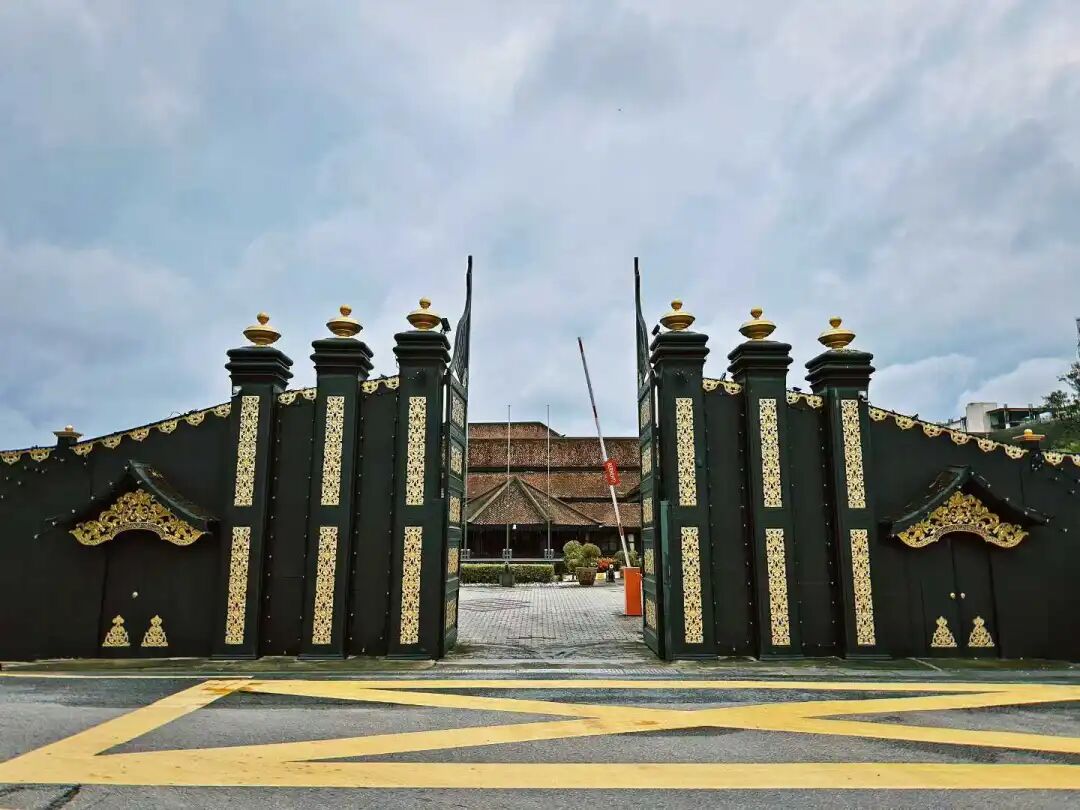
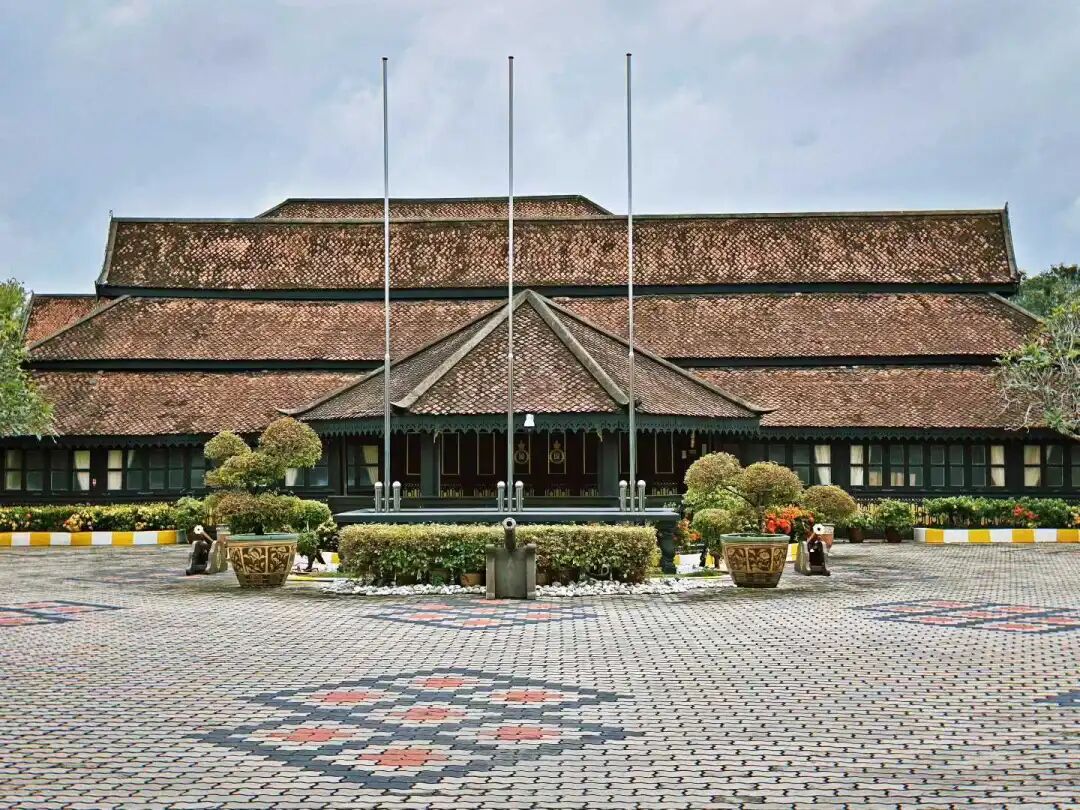
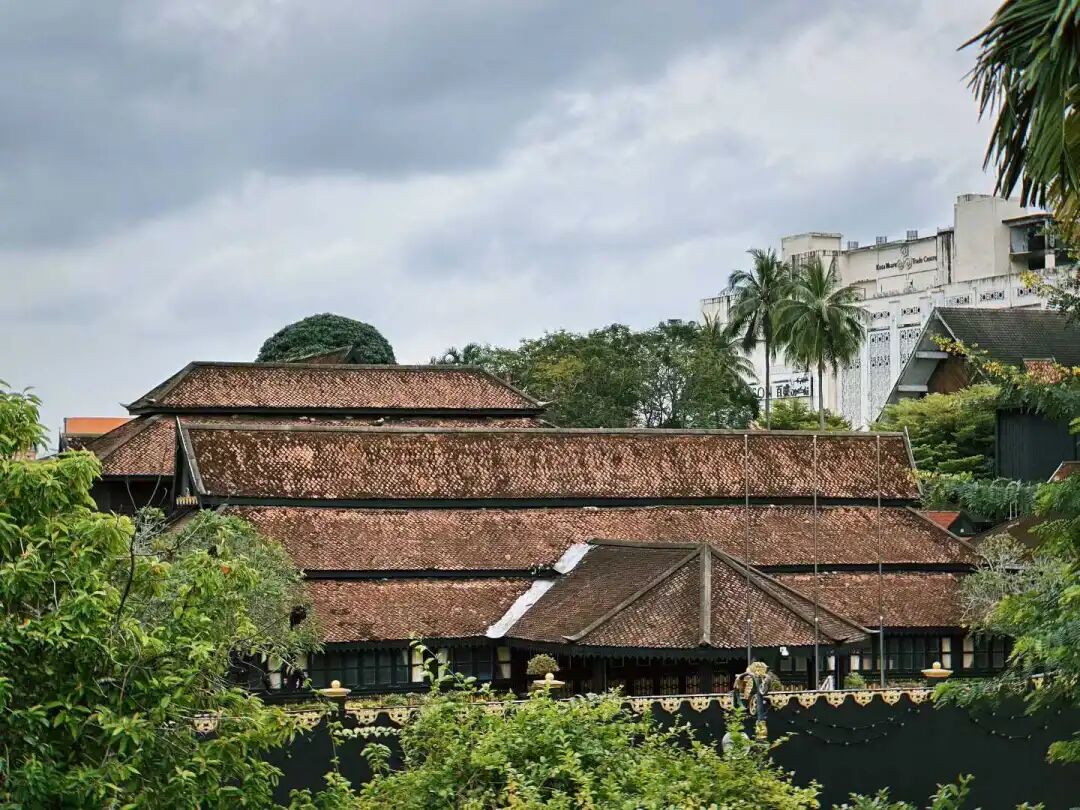
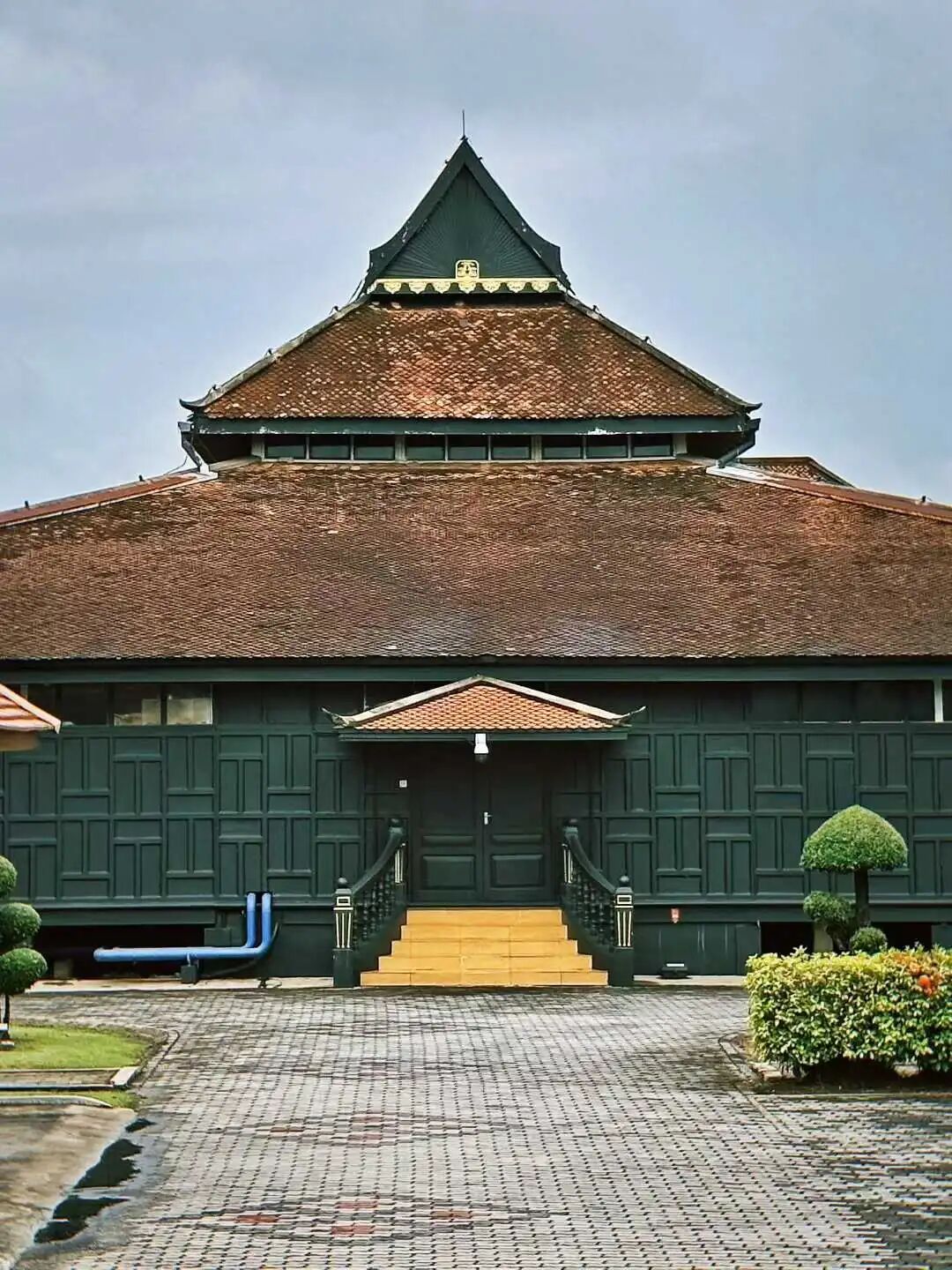
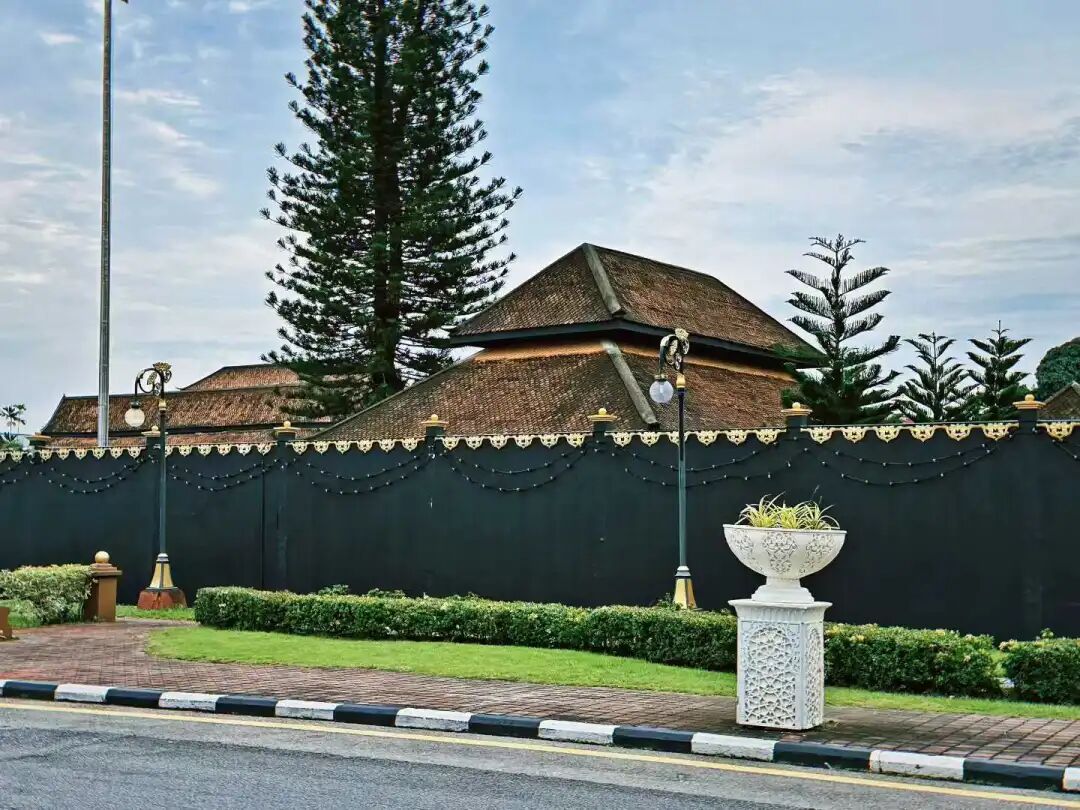
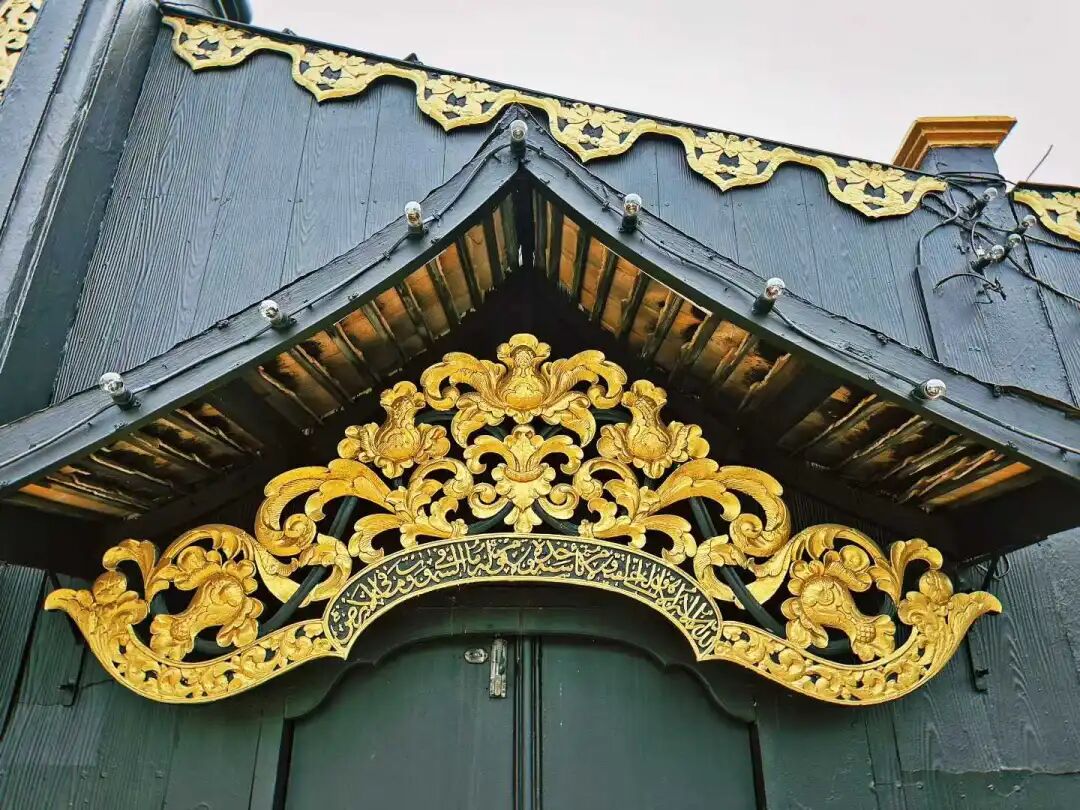
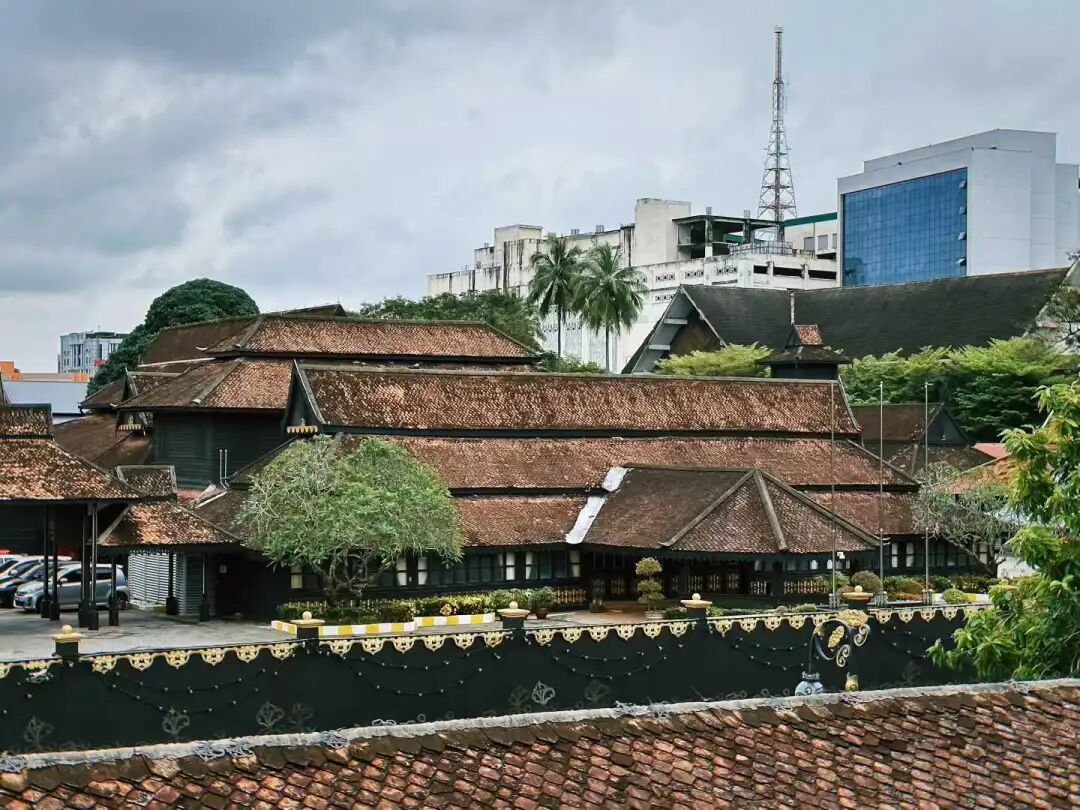
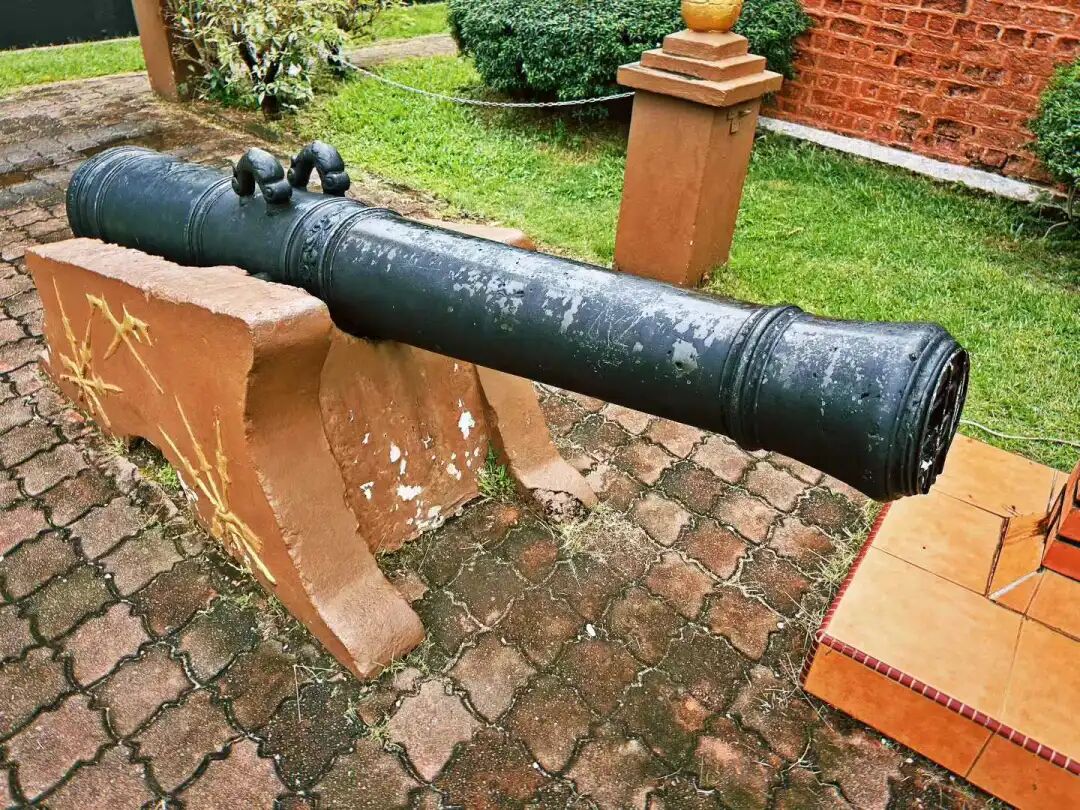
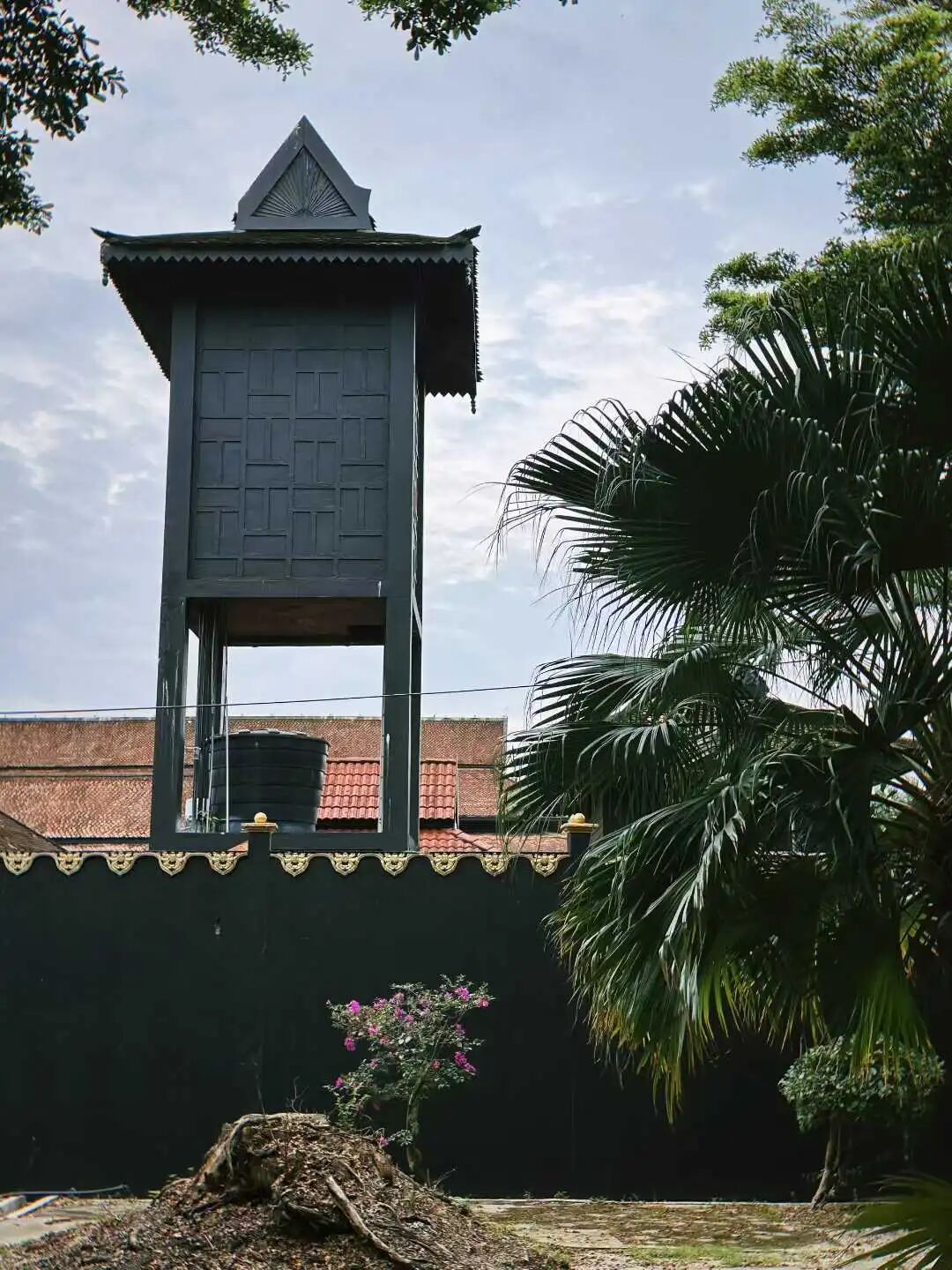
Next to the Grand Palace (Balai Besar) in Kelantan stands the Jahar Palace (Istana Jahar), built in 1887. It is currently open to the public as the Royal Museum of Traditional Customs. The Jahar Palace (Istana Jahar) was originally built by Sultan Muhammad II of Kelantan for his grandson, Long Kundur, so it was called the Palace of the Second King. After the second king ascended the throne as Sultan Muhammad III in 1889, this place officially became part of the Kelantan Sultan's palace complex. In 1911, Sultan Muhammad IV ordered the palace to be renovated and gave it to his son, Ismail. Ismail became the new Sultan in 1920, and the Jahar Palace (Istana Jahar) continued to be used as a royal palace. The Jahar Palace (Istana Jahar) officially became a museum in 1981.
Like the Grand Palace (Balai Besar), the Jahar Palace (Istana Jahar) was originally a traditional single-story Malay wooden house. It was later rebuilt into a two-story brick structure, blending European architecture with traditional Kelantan styles, reflecting the Western influence on the Kelantan royal family. While the roof, facade, and other decorative elements show typical traditional Malay features, the iron spiral staircase, iron railings, and octagonal porch inside are clearly influenced by European styles.
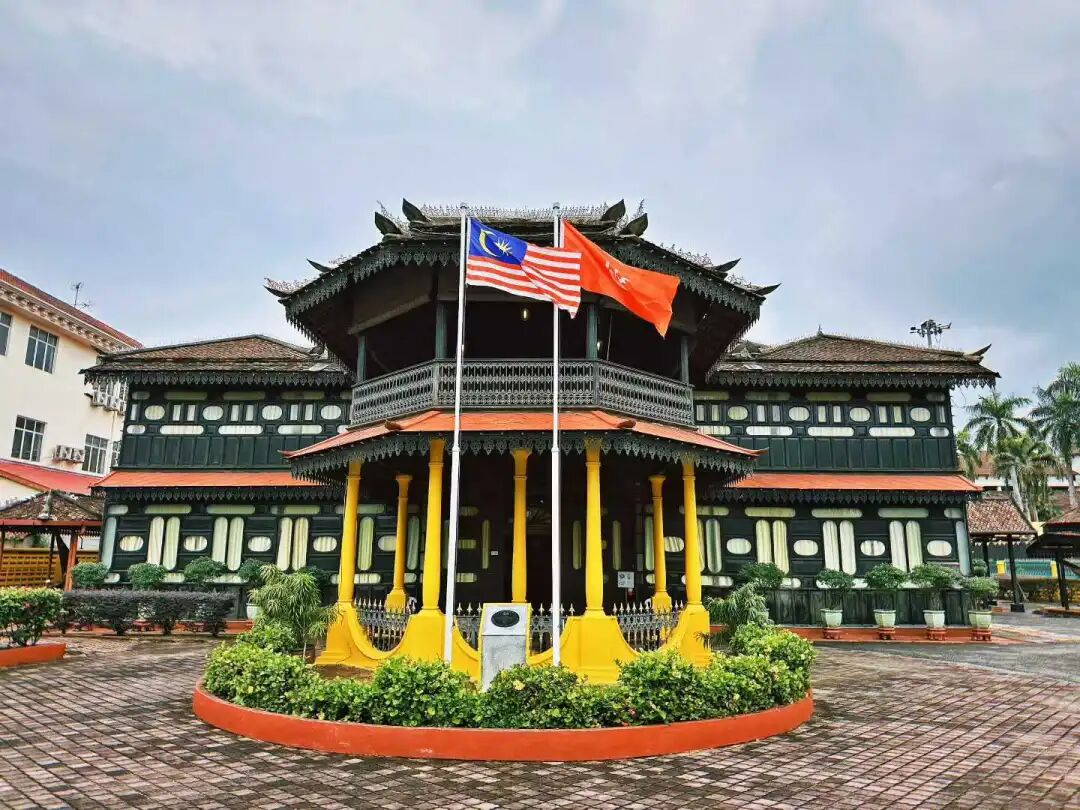
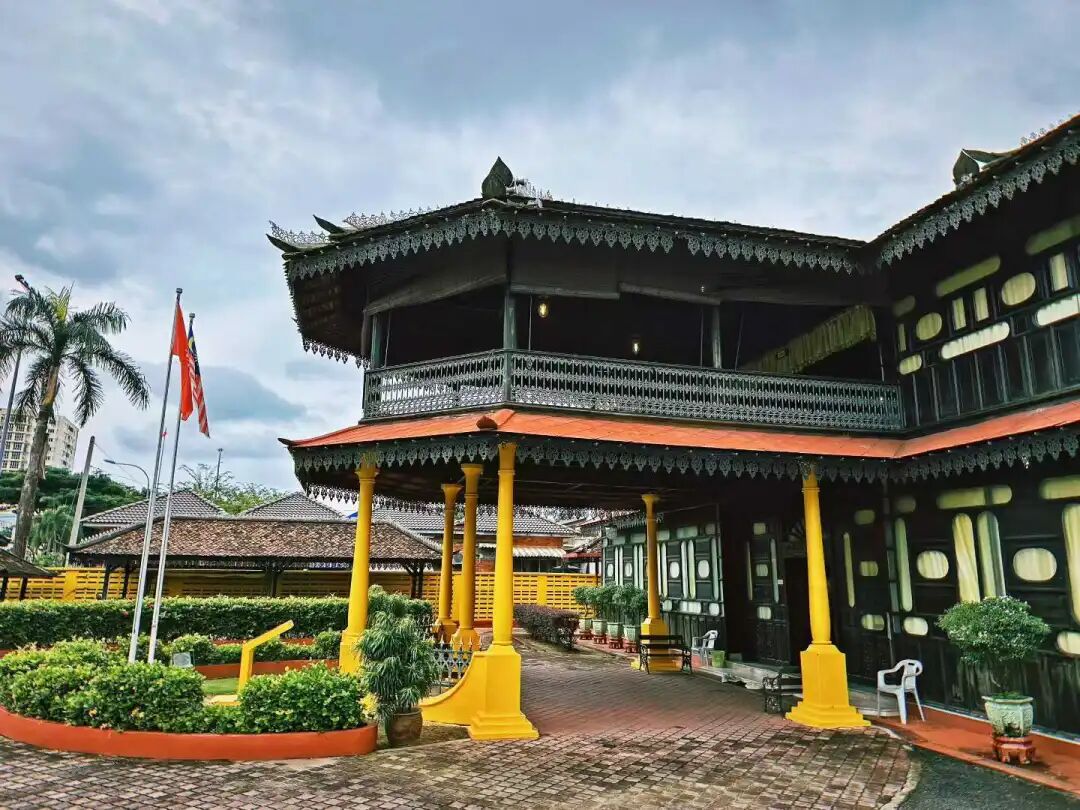
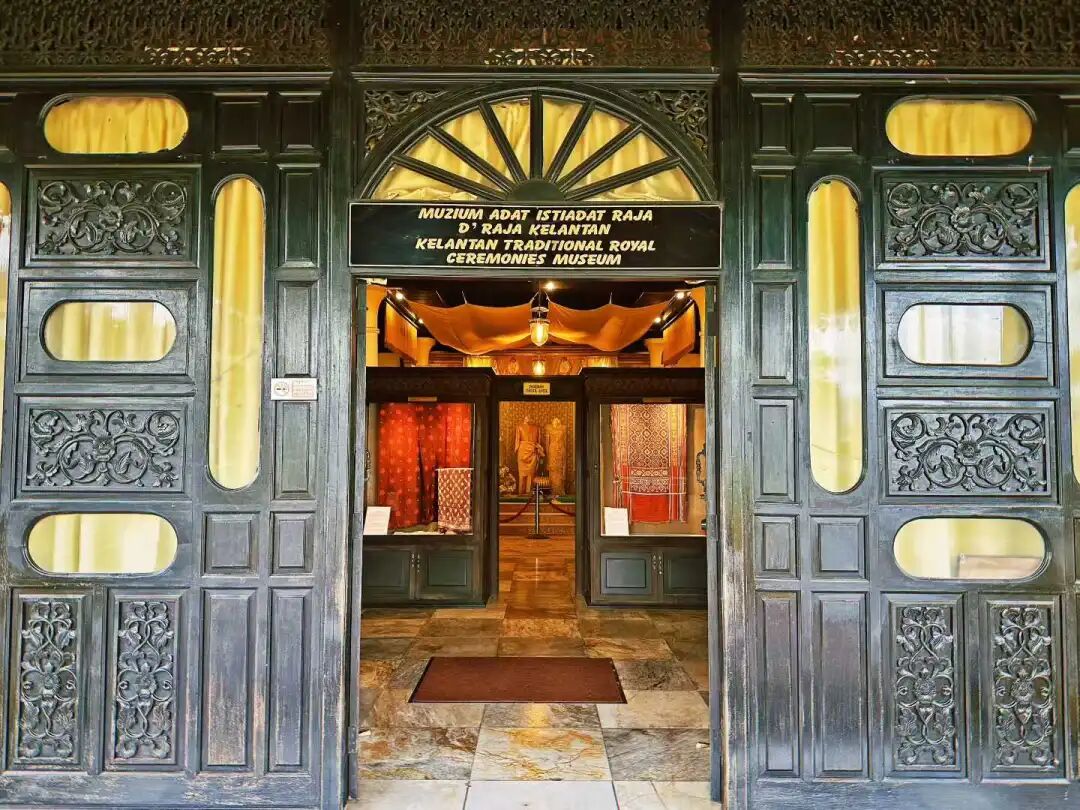
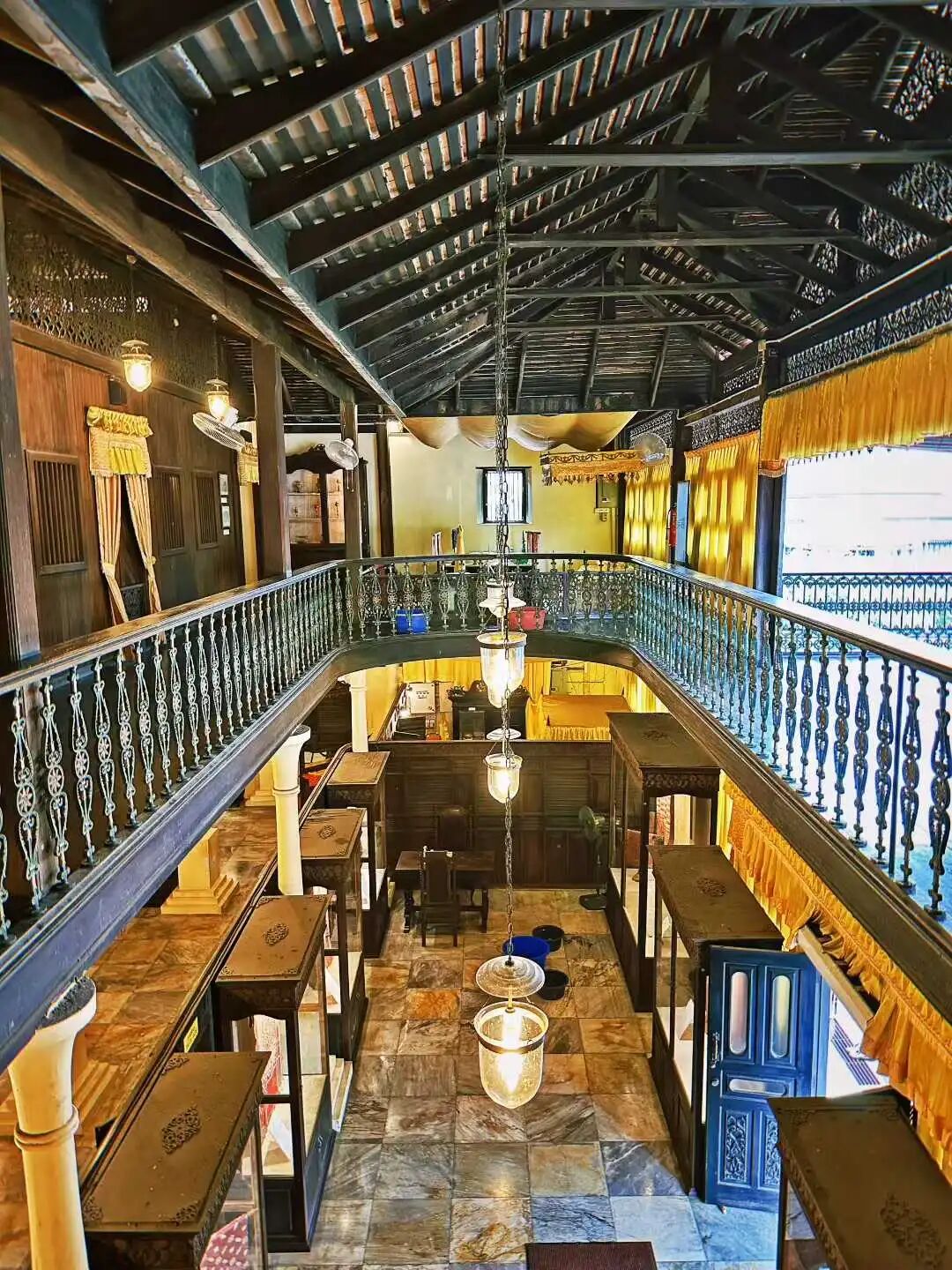
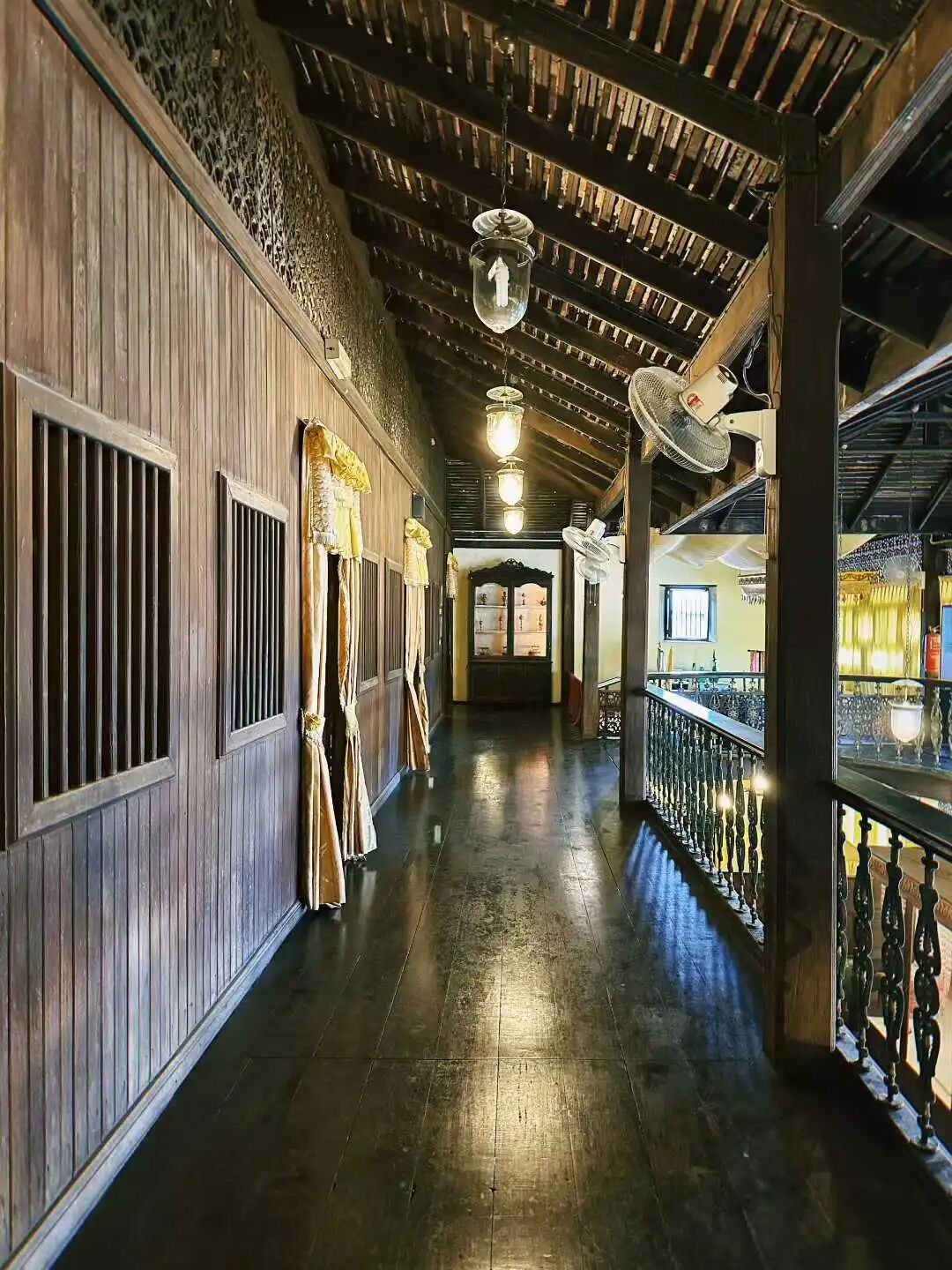
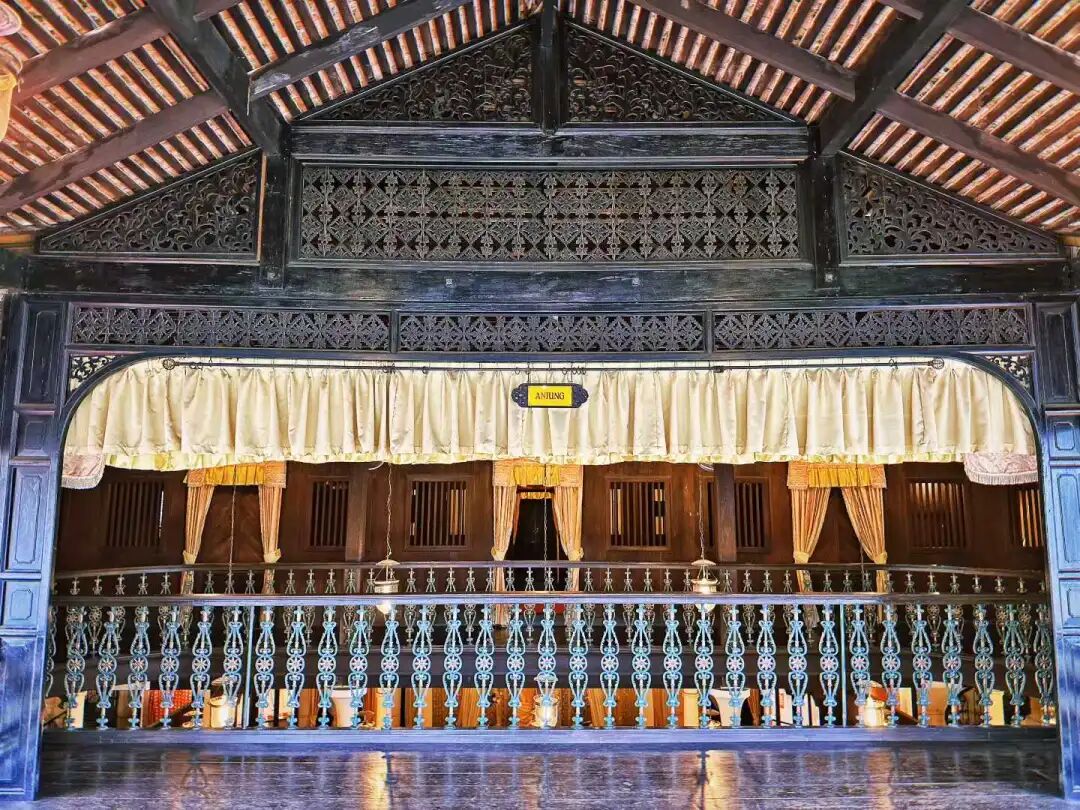
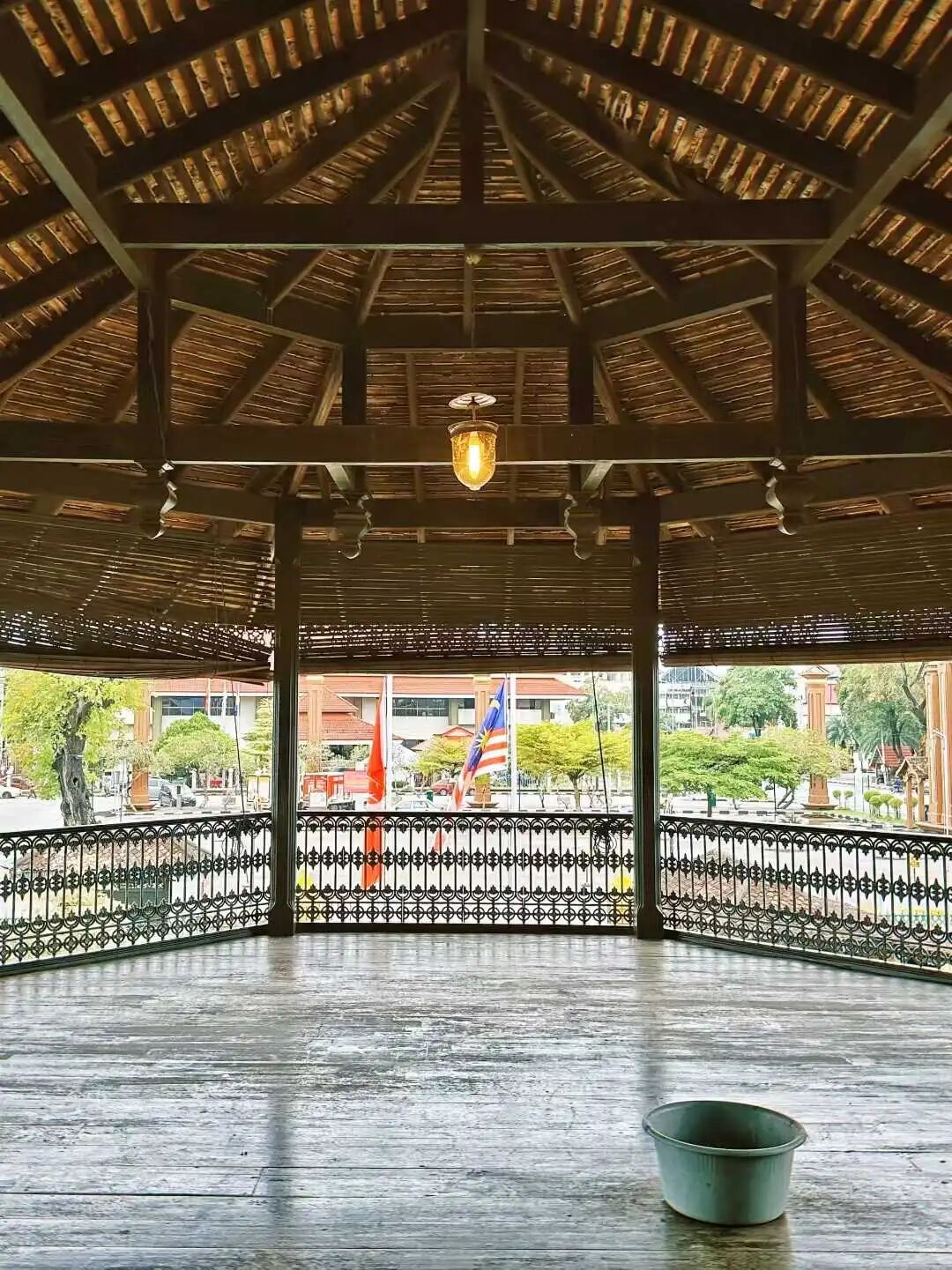
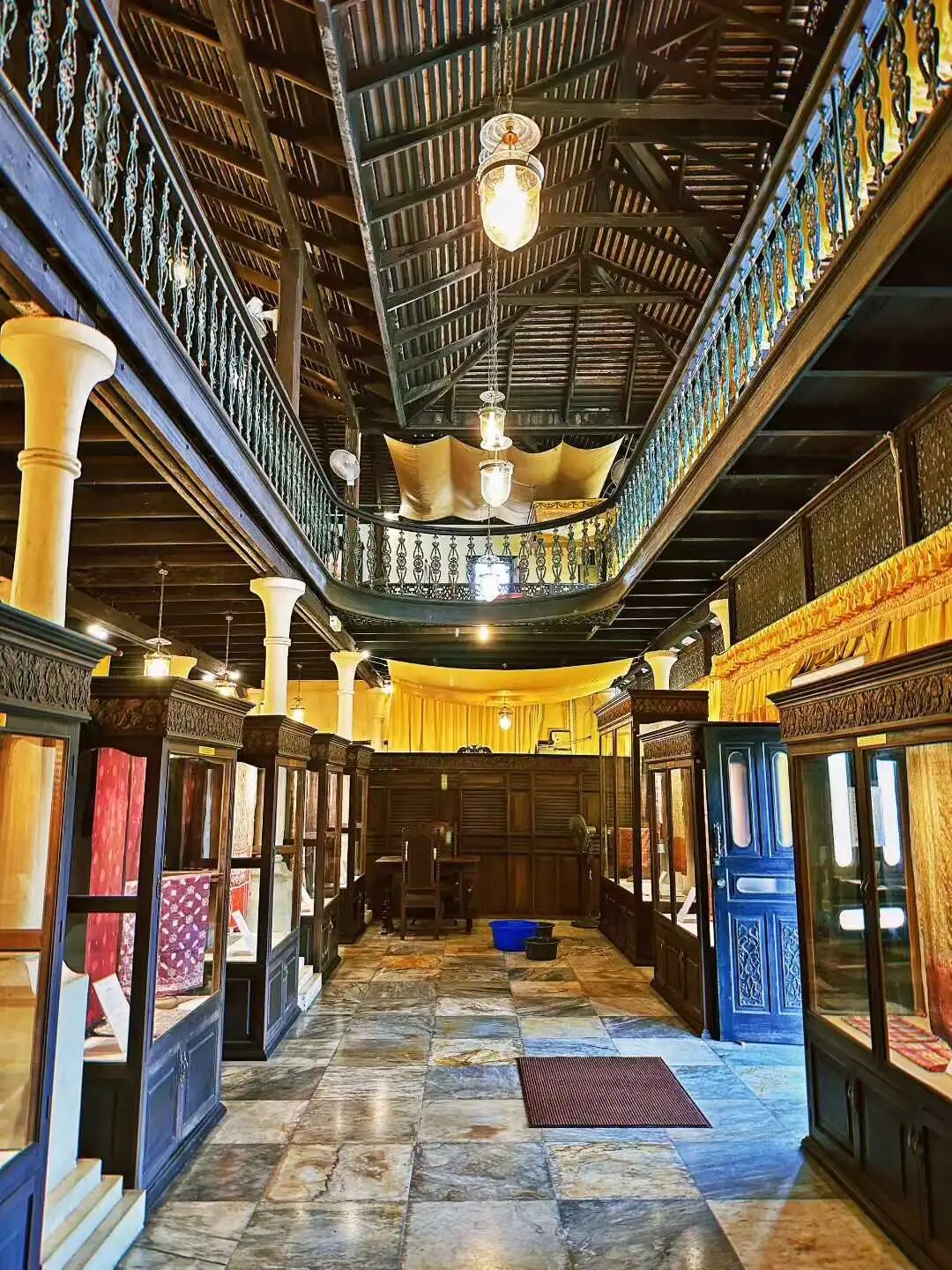
The Royal Museum of Traditional Customs at the Jahar Palace (Istana Jahar) displays and introduces various traditional ceremonies of the Kelantan royal court.
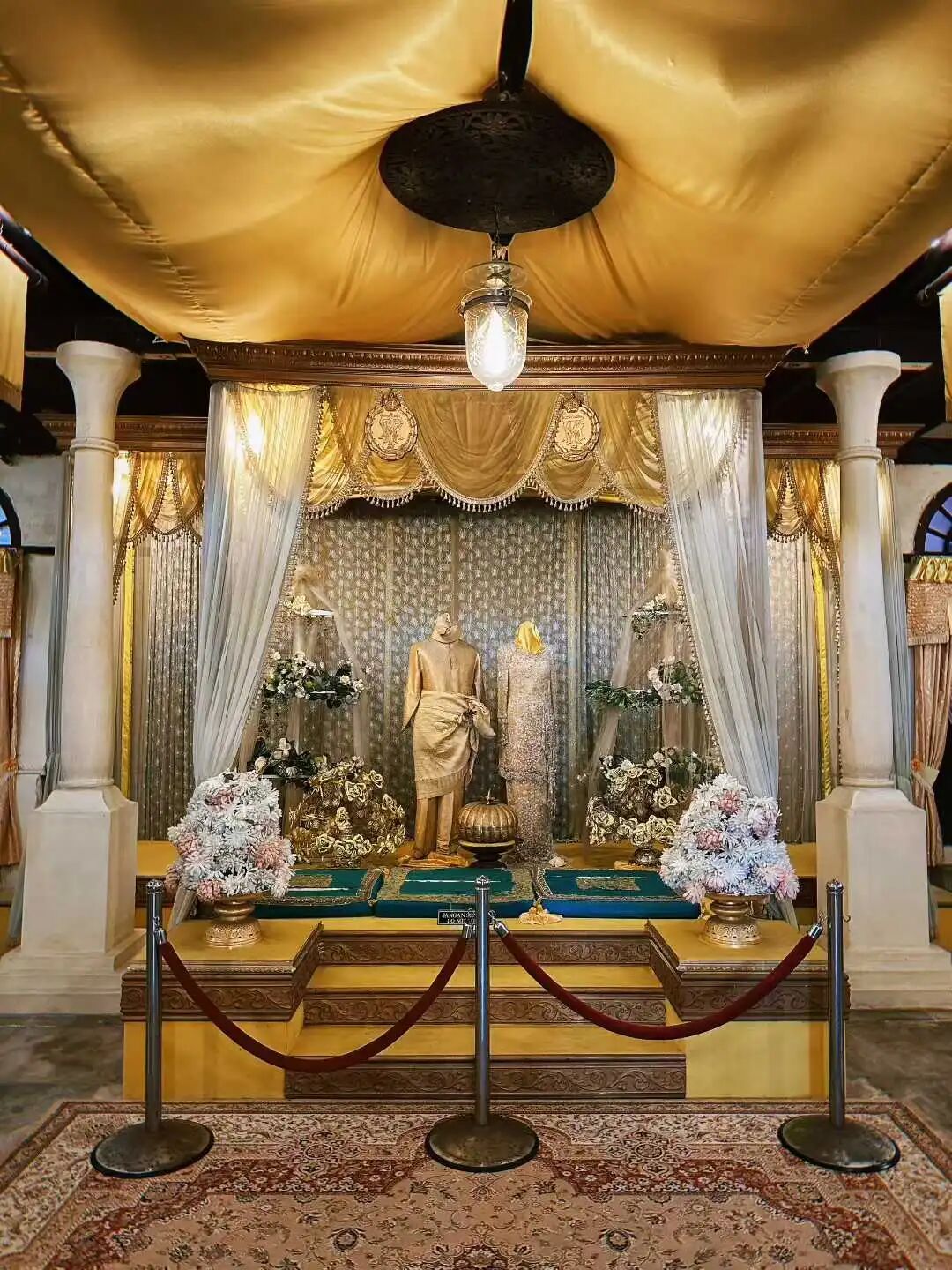
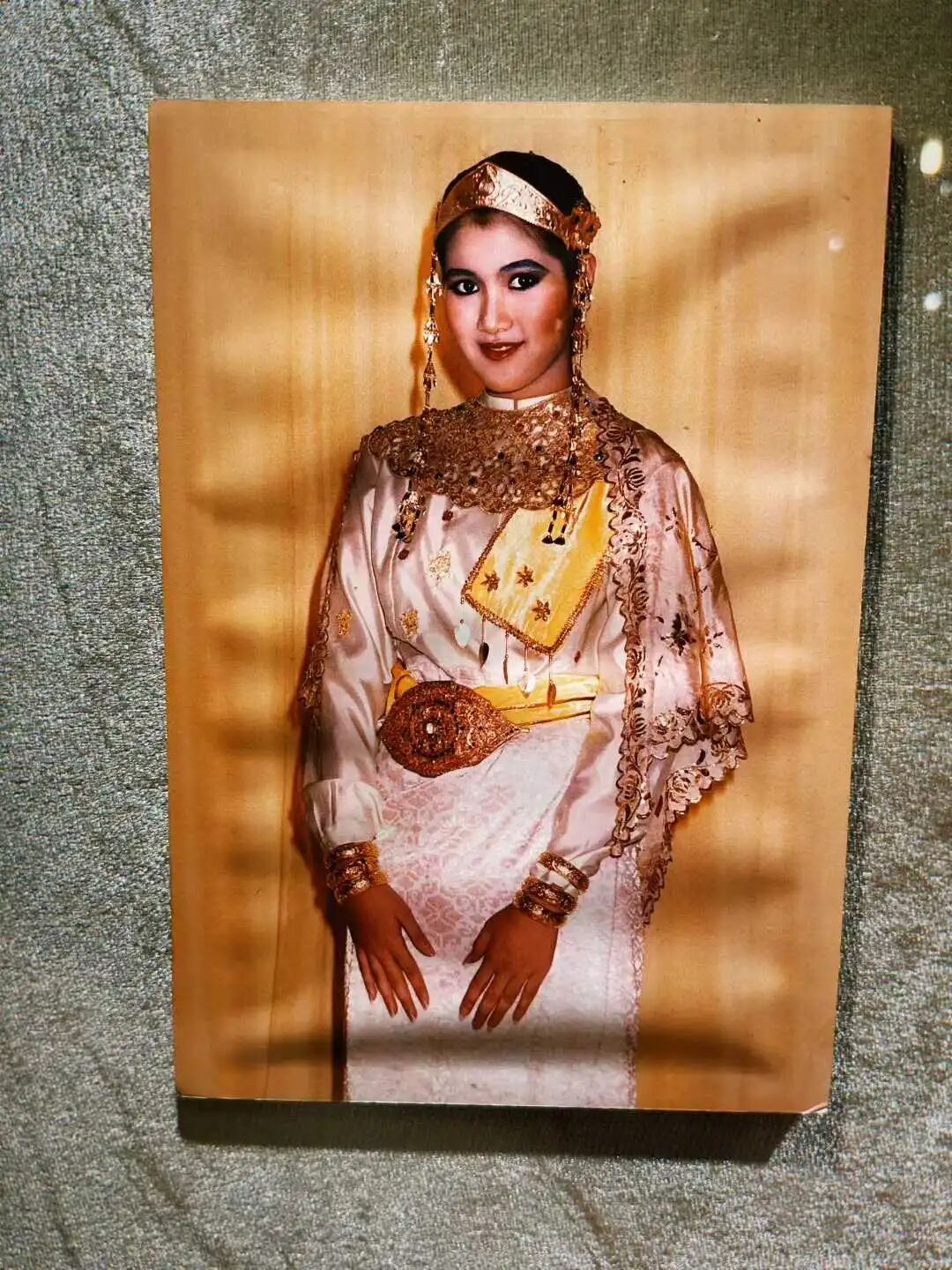
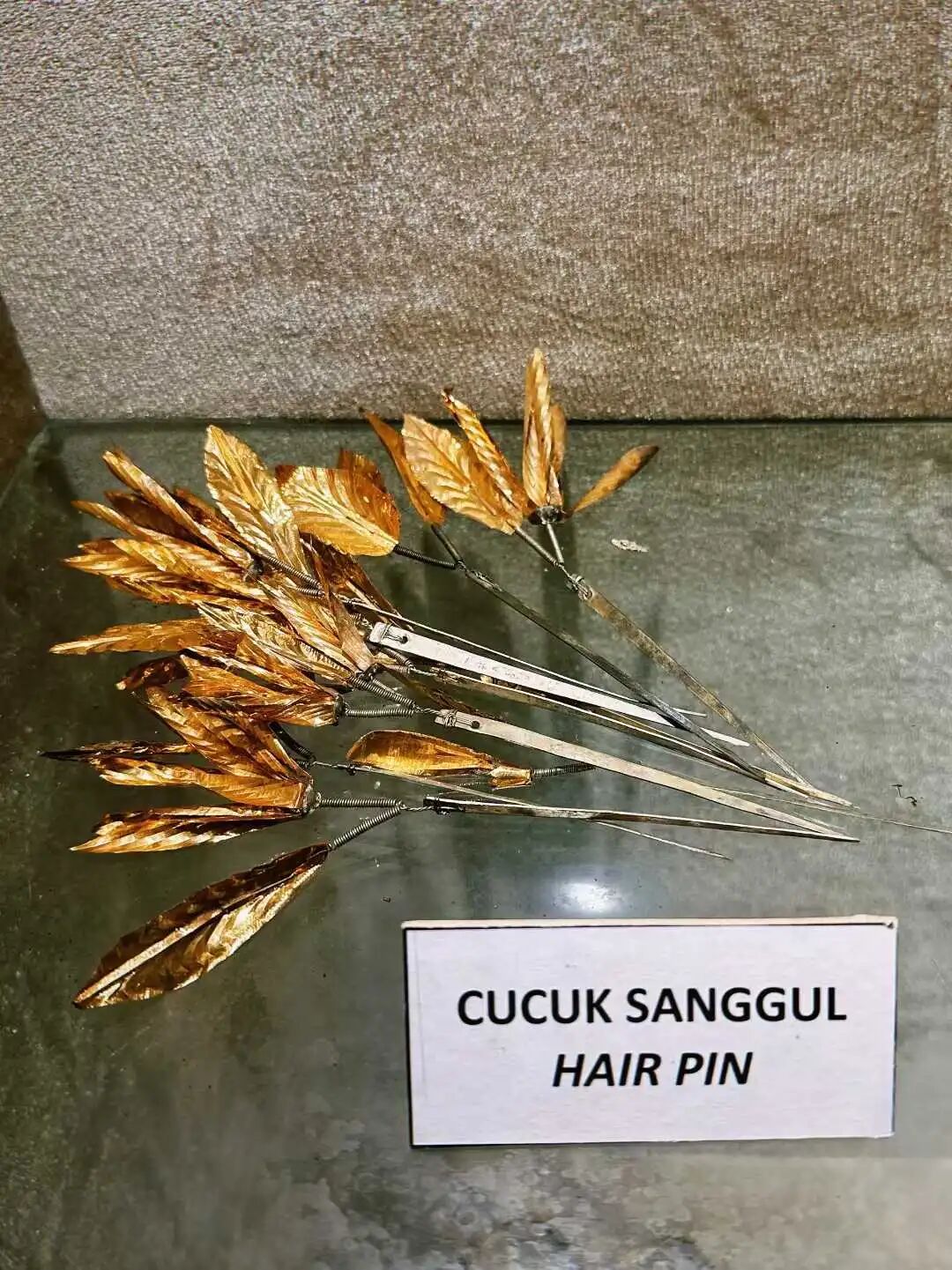
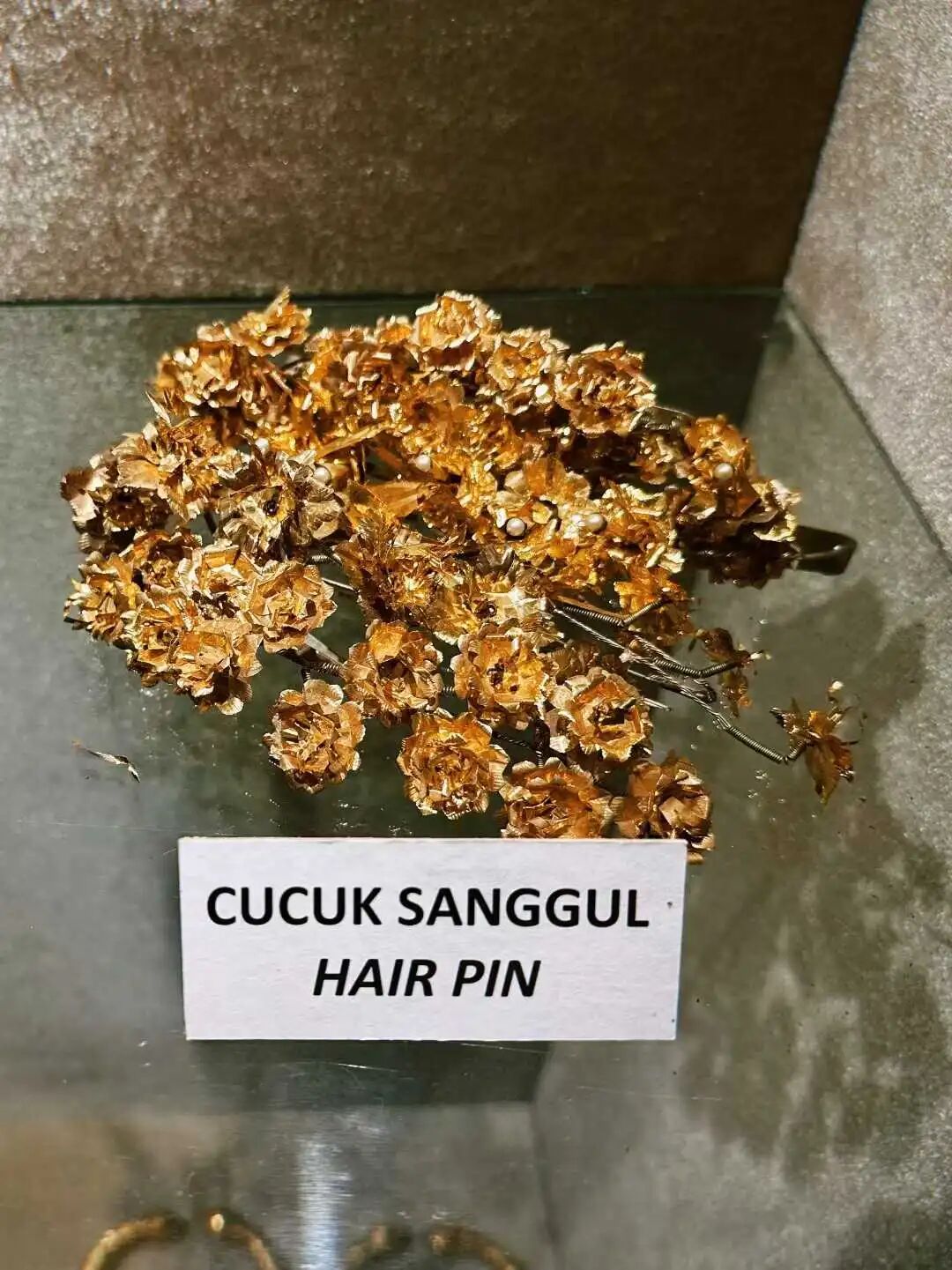
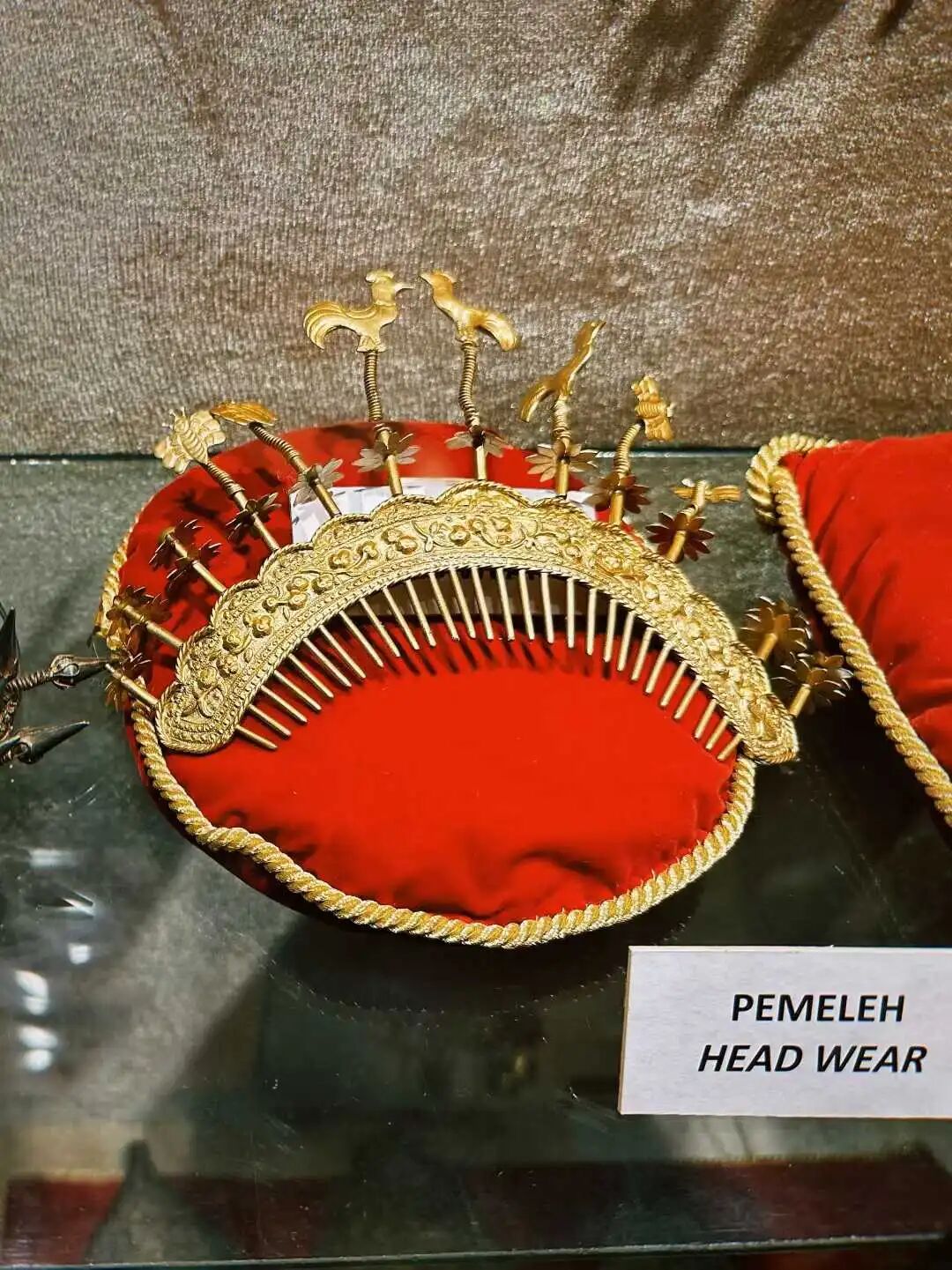
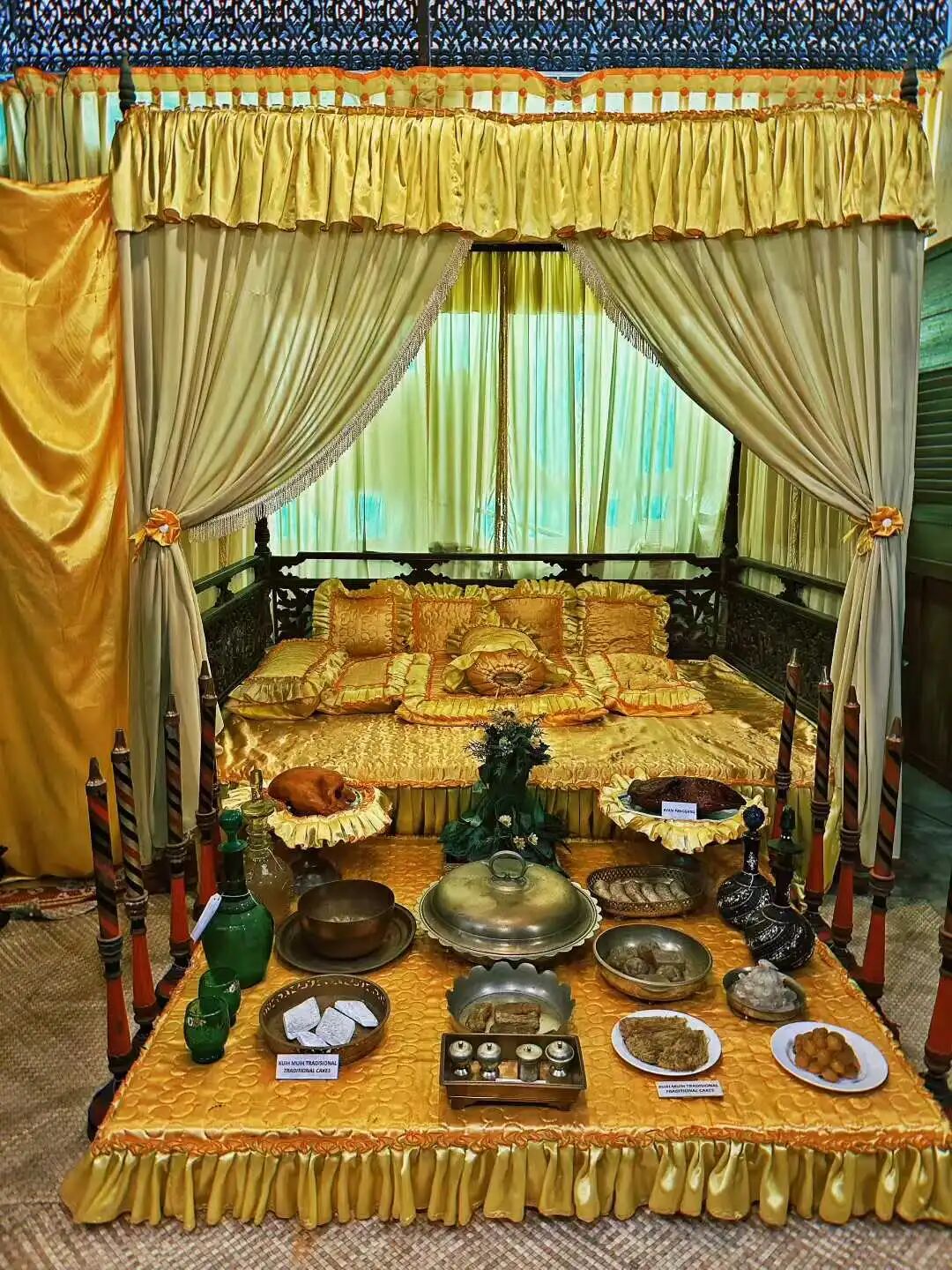
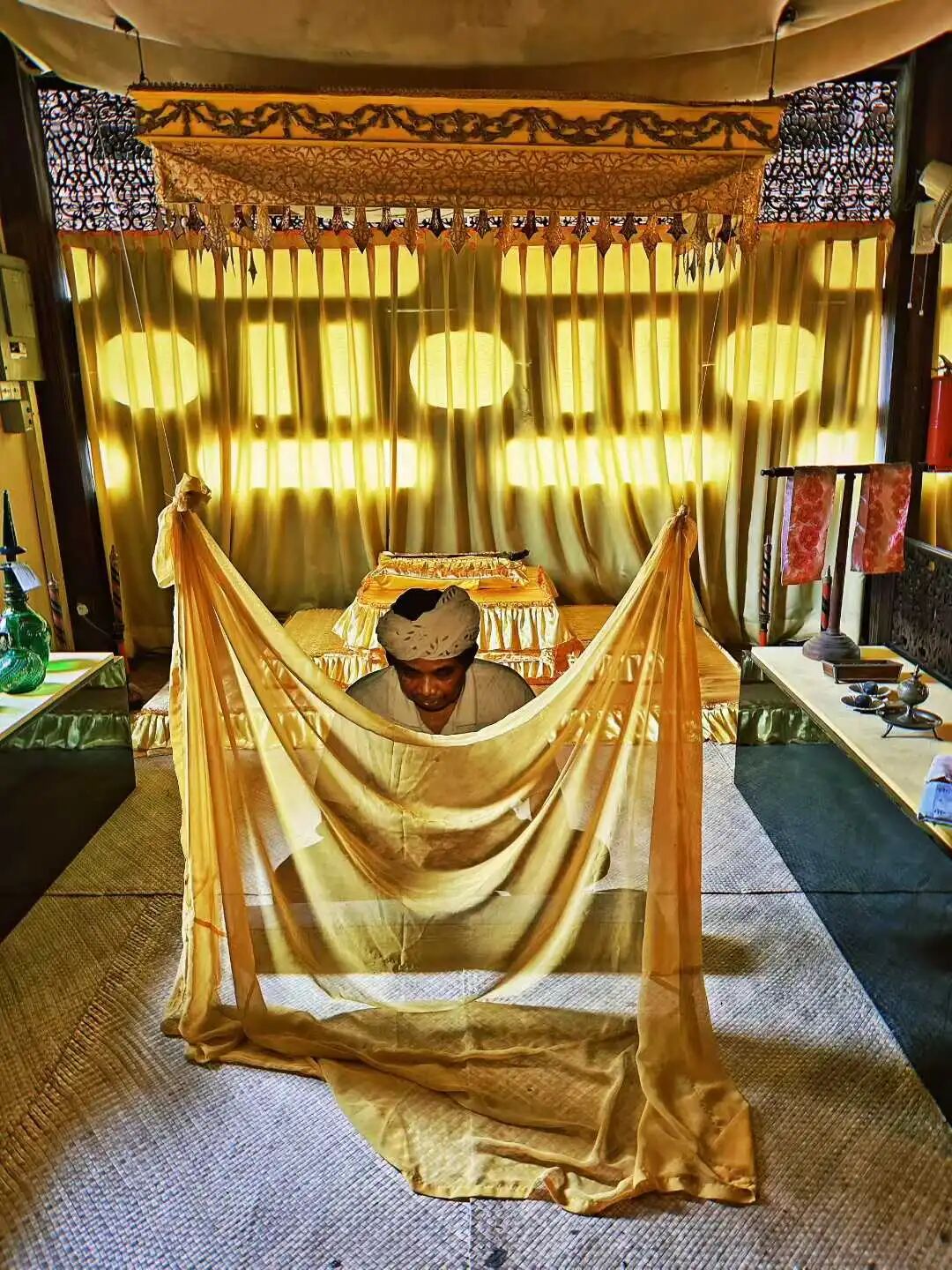
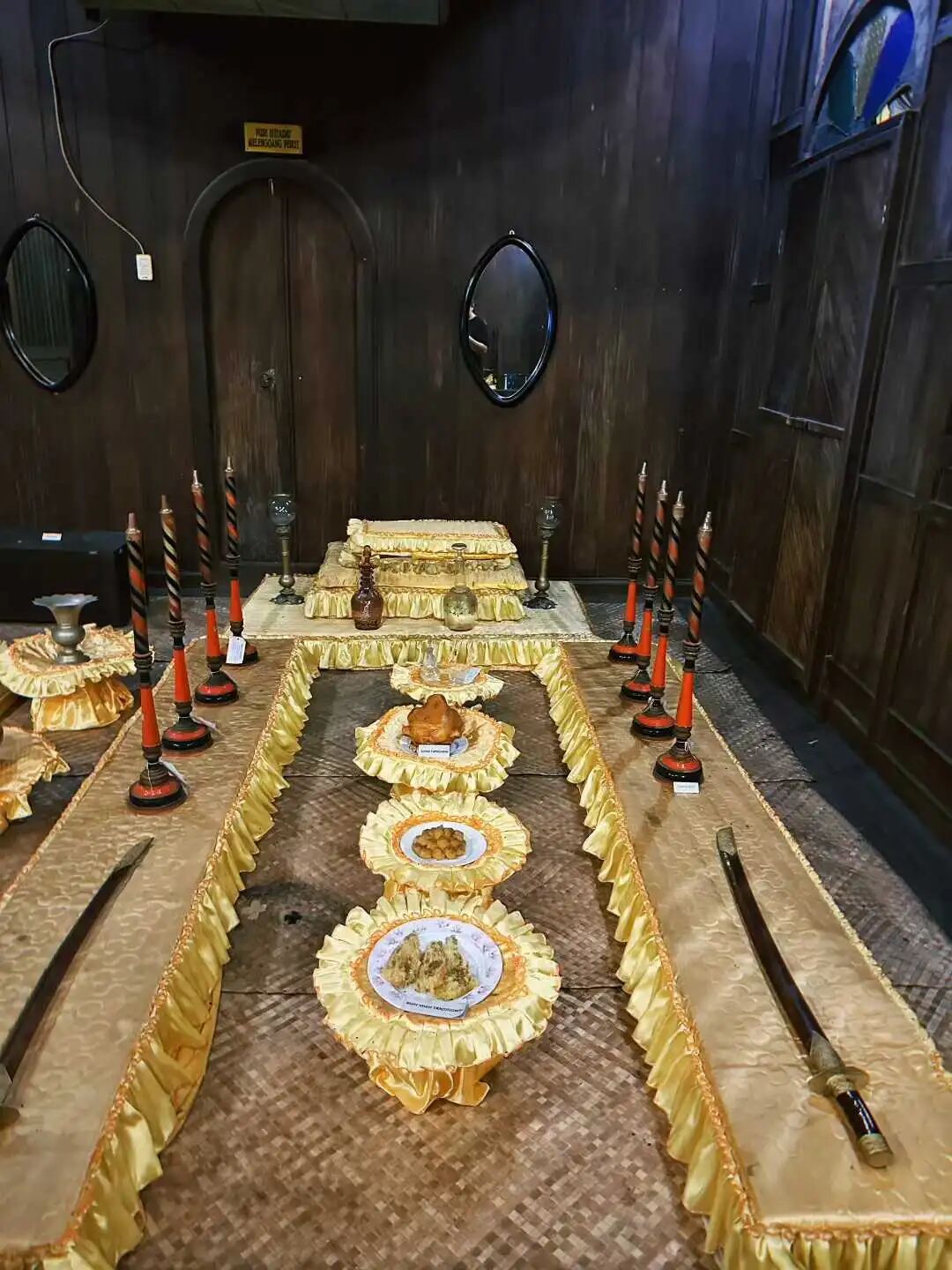
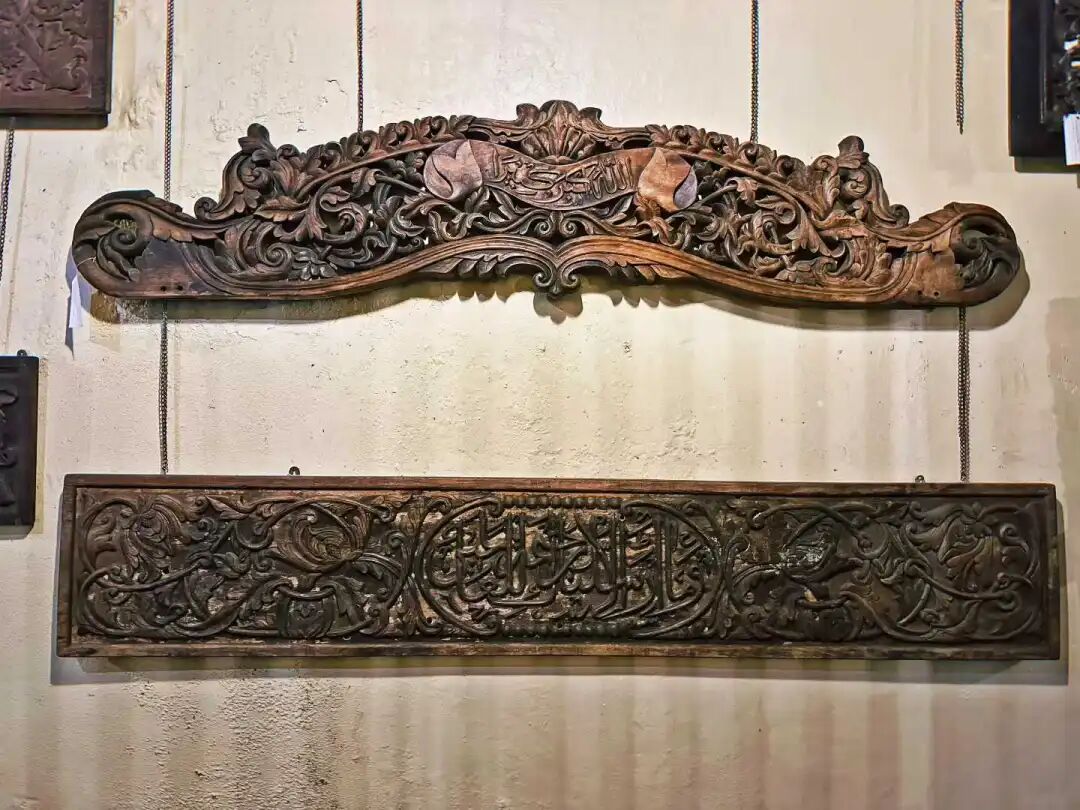
The traditional Malay wood carvings collected by the Royal Museum of Traditional Customs at the Jahar Palace (Istana Jahar) were mostly used for decorating traditional buildings like mosques and houses.
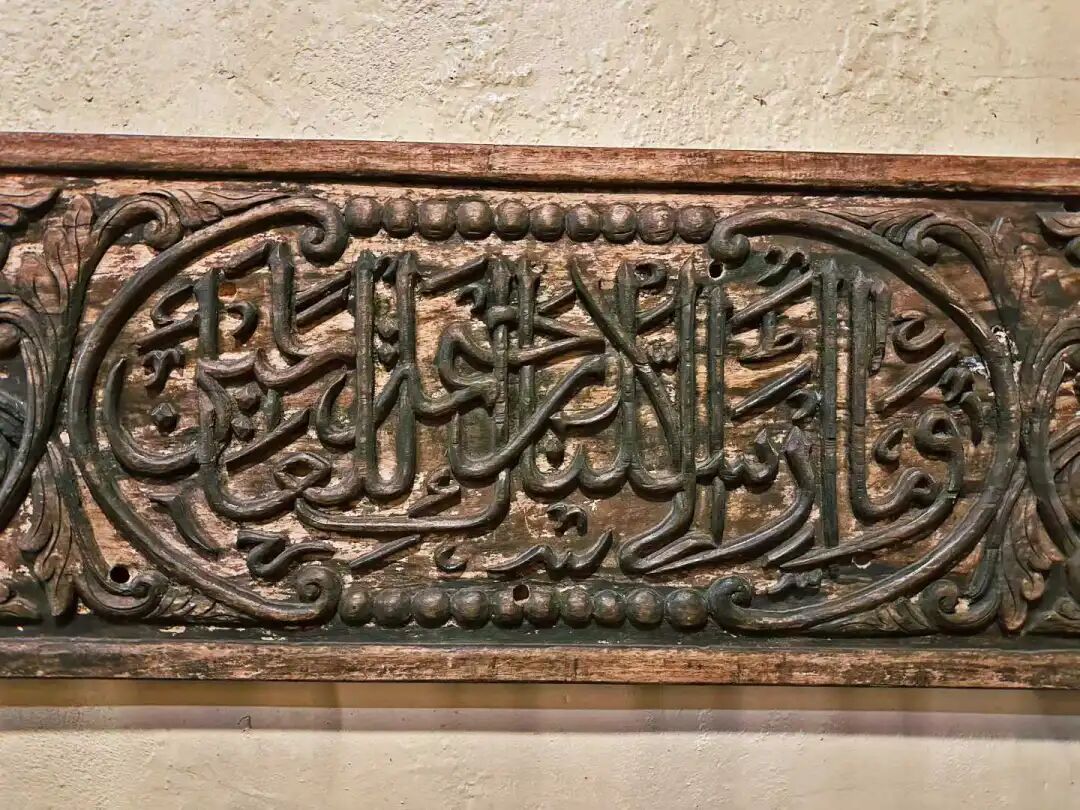
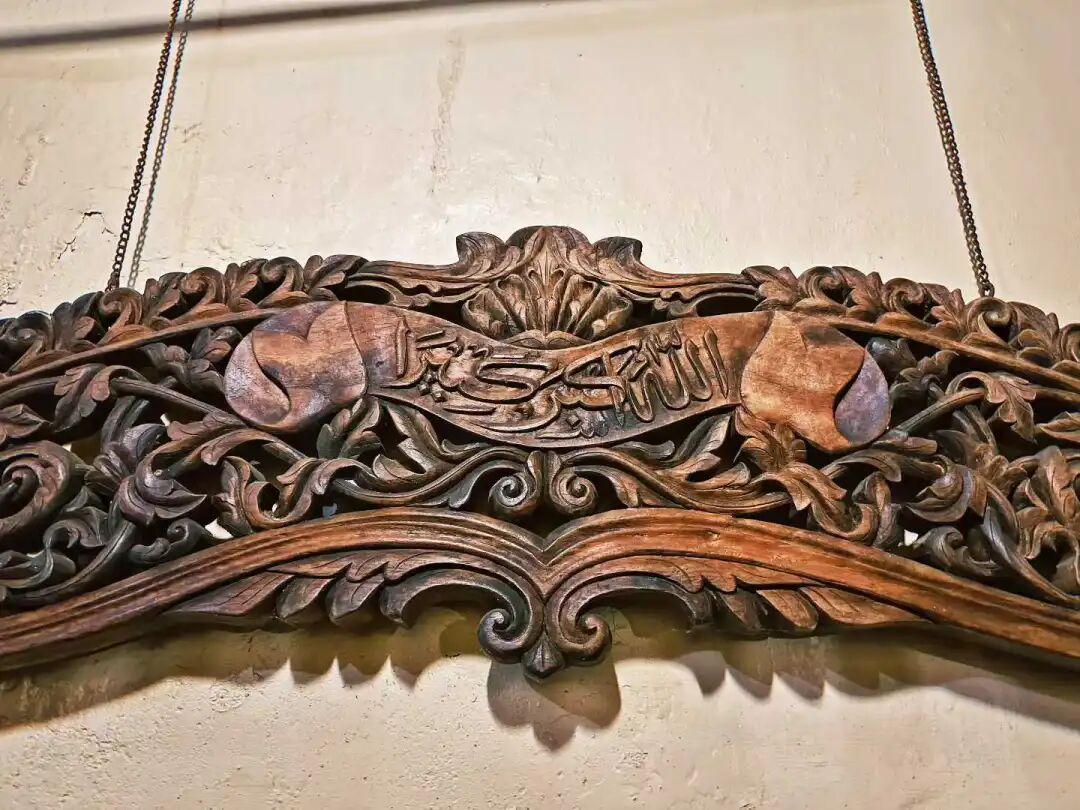
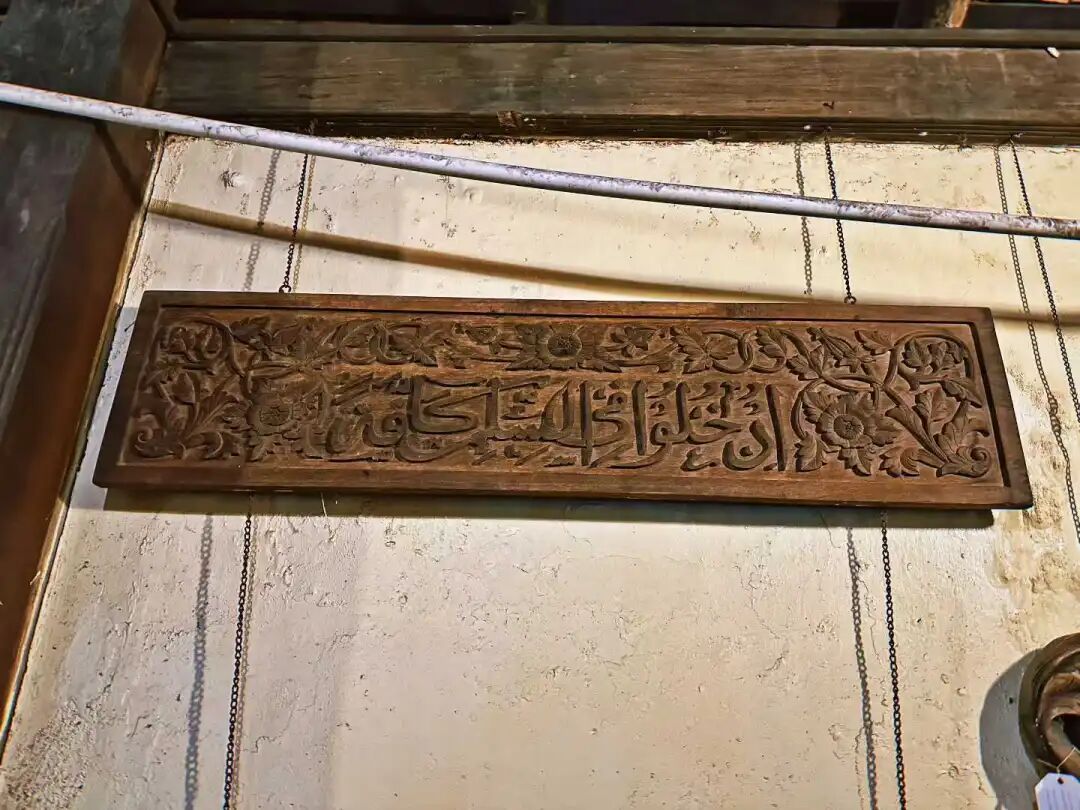
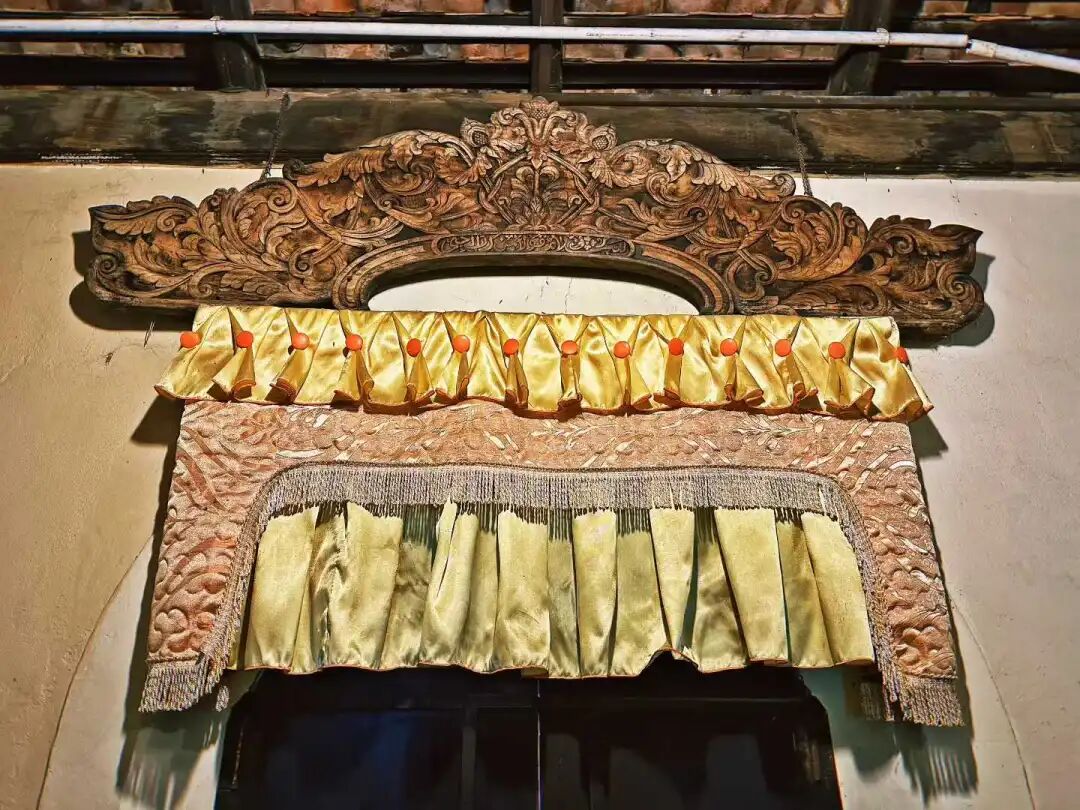
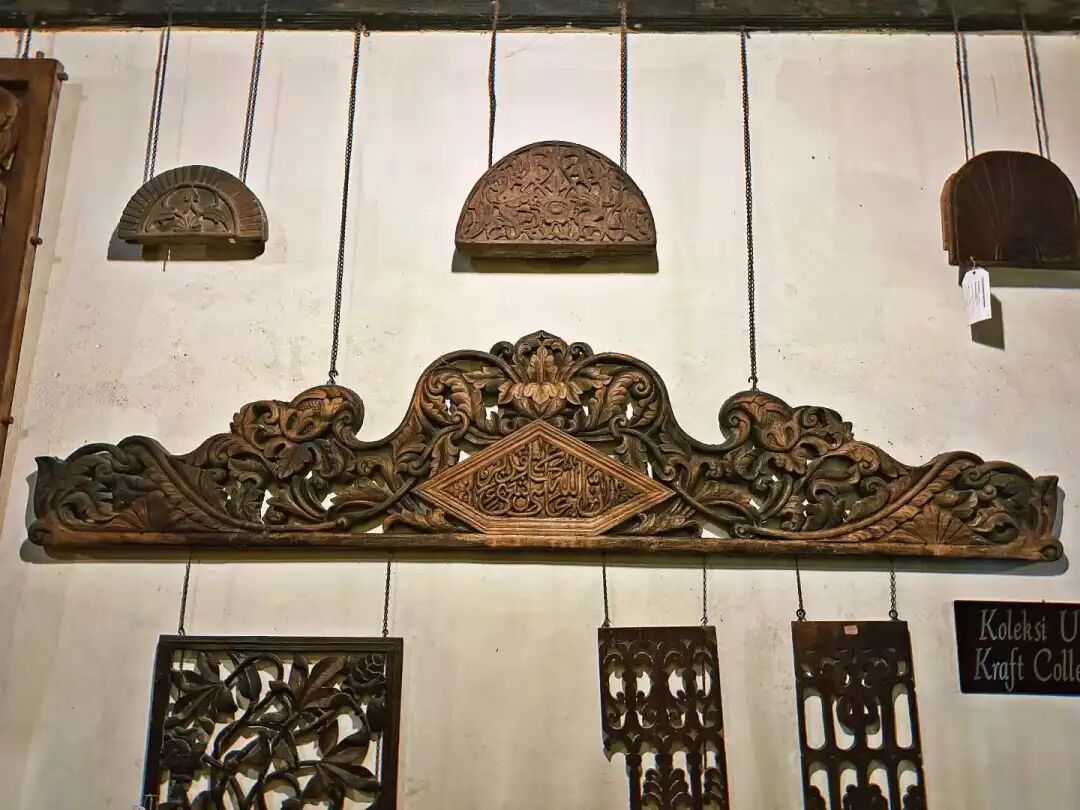
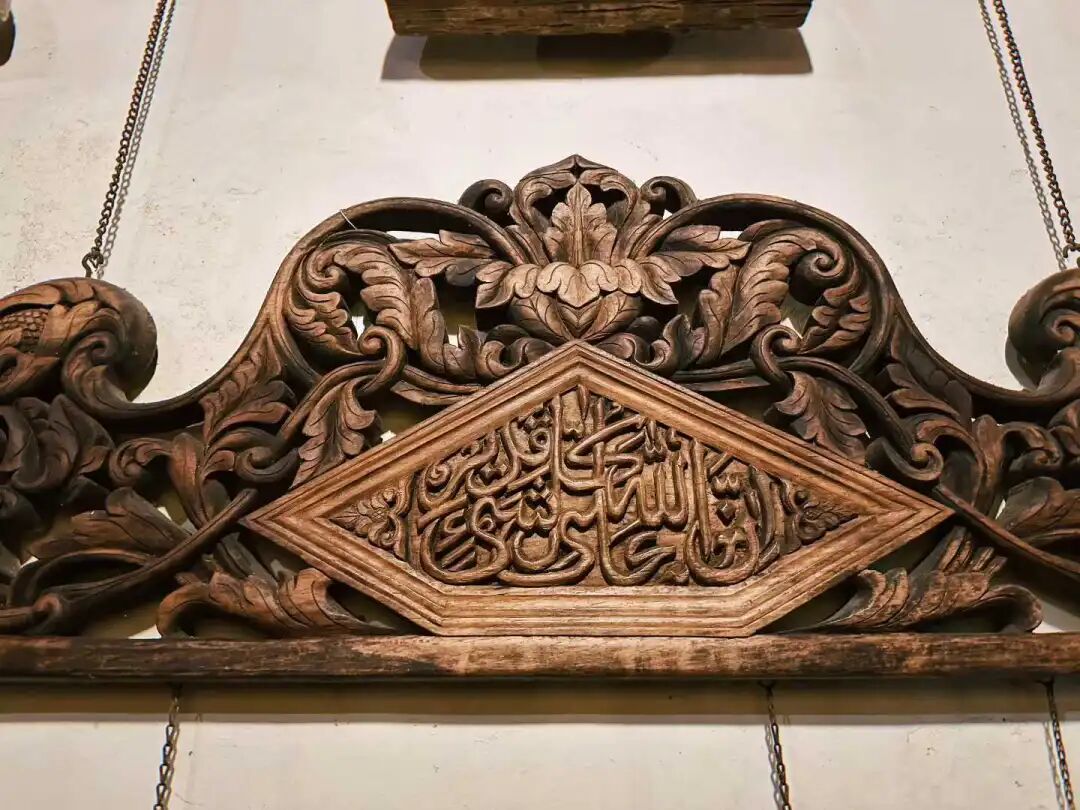
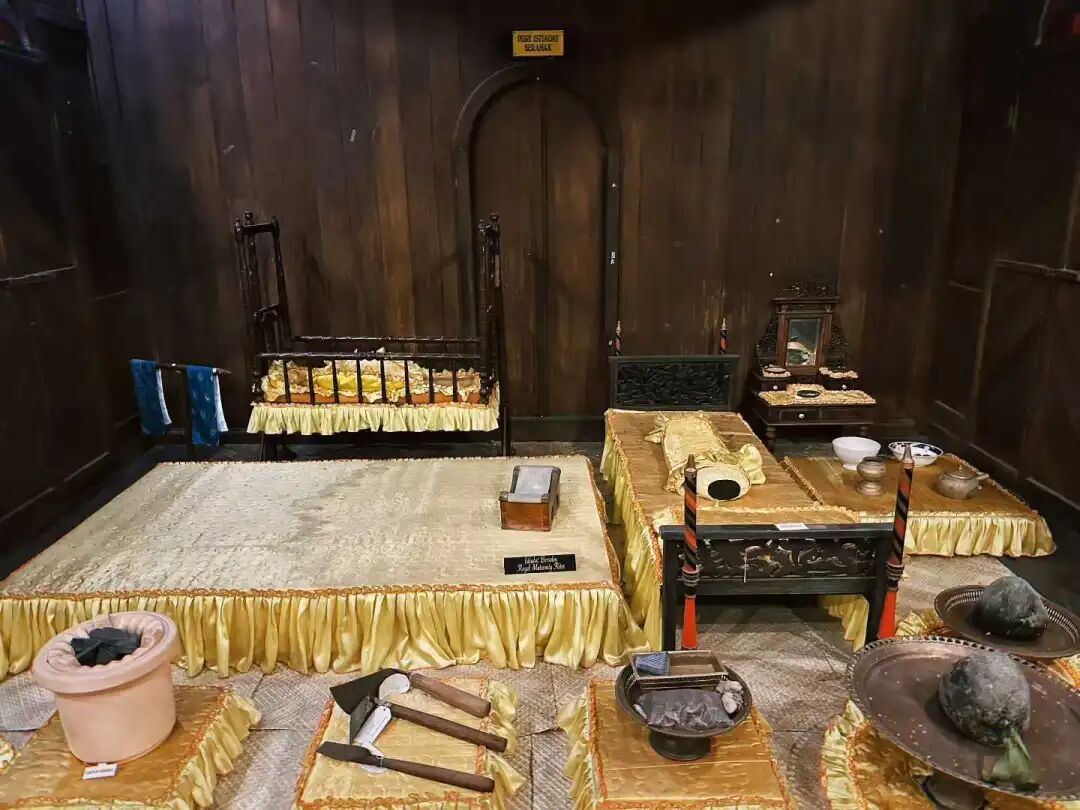
The platform in the courtyard of the Jahar Palace (Istana Jahar), called Panca Persada, is where princes would bathe before their wedding and circumcision ceremonies.
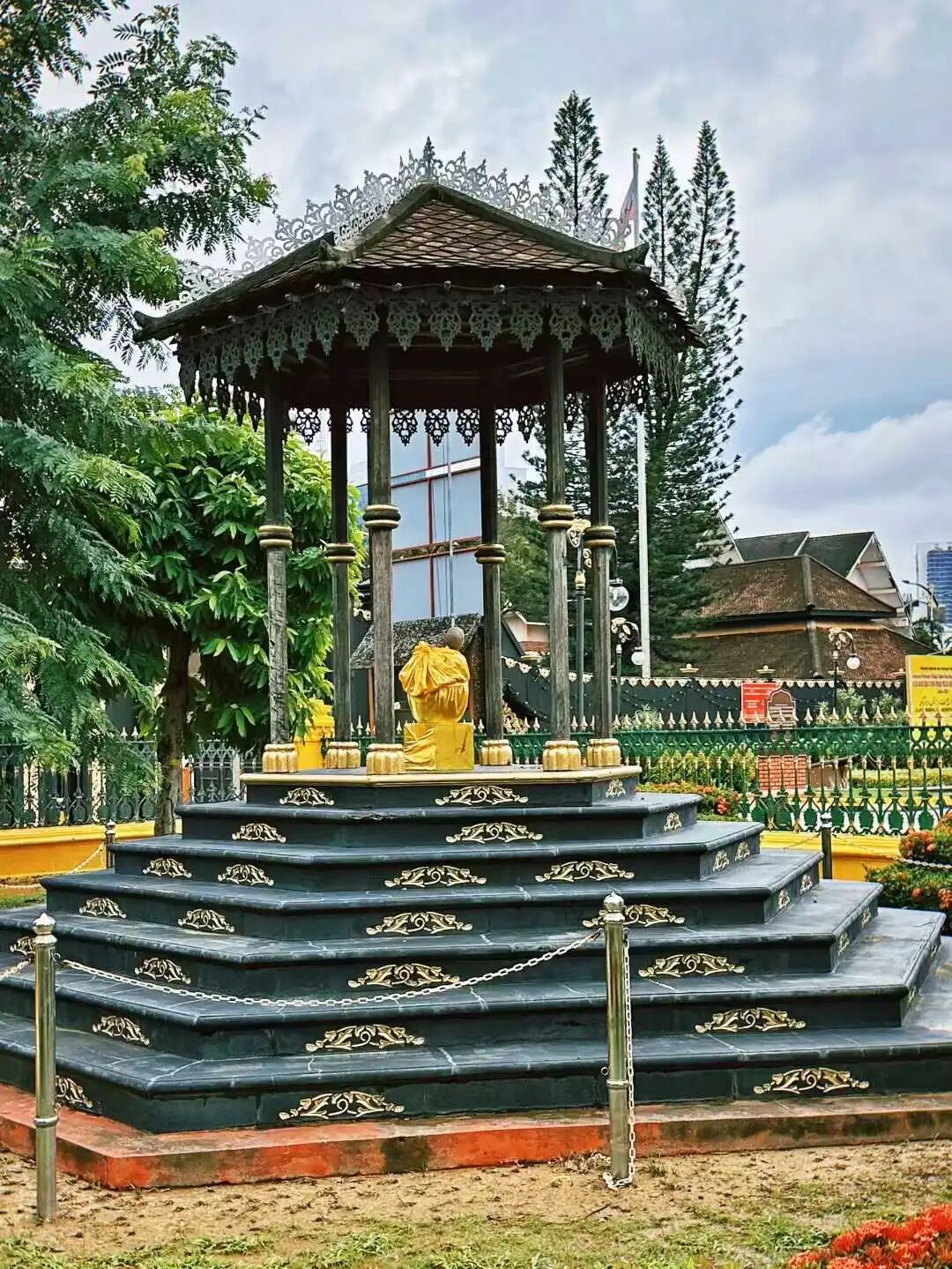
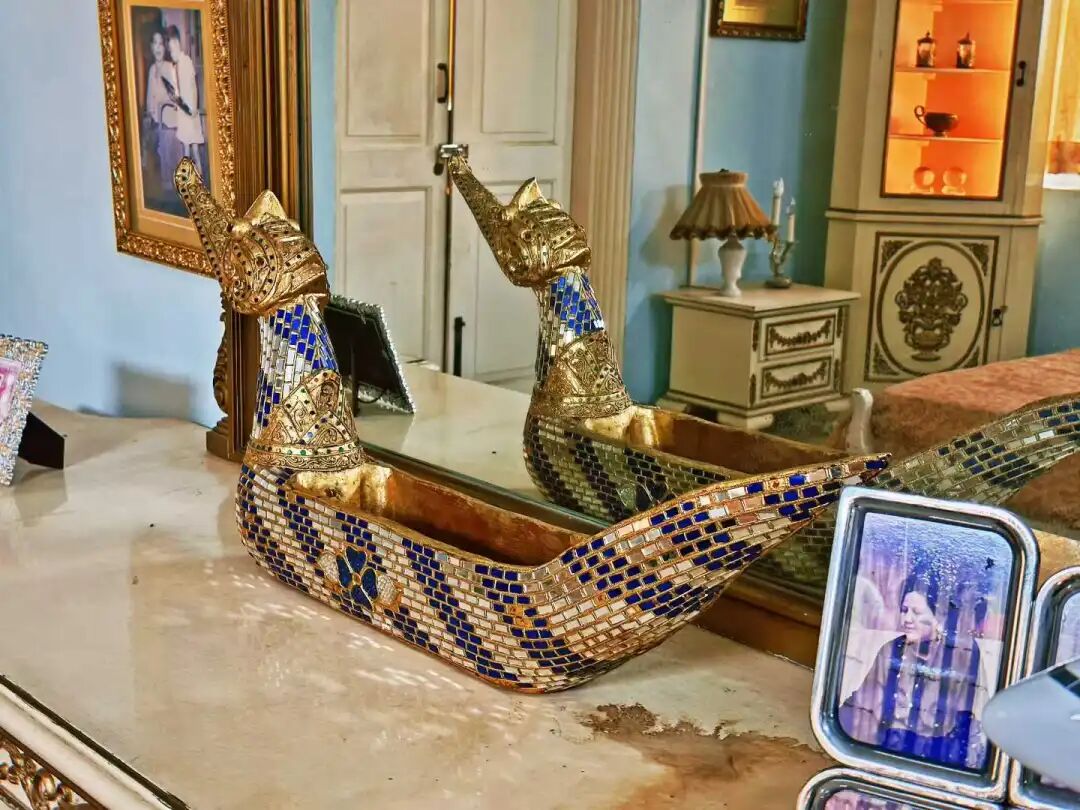
The Royal Museum of Traditional Customs at the Jahar Palace (Istana Jahar) houses divine bird boats, a unique cultural tradition of the Sultanates of Kelantan and Pattani. The first boat, Petala Indera Seri Kekayangan, was a gift from King Rama V of Thailand to Sultan Muhammad IV during his visit to Kelantan in 1905. The second, Burung Petalawati, was used for the circumcision ceremony of Tengku Zainal Abidin in 1933.
The origin of this divine bird can be traced back to ancient Malay legends and Indian culture. It was likely influenced by the giant bird in the Malay epic Isma Dewa and the mythical bird Garuda from Indian mythology. After 1933, the divine bird procession in the Kelantan region stopped because it was considered to deviate from the faith. It is now only preserved in the Malay community in the Pattani region of southern Thailand, though on a much smaller scale.
Batu Palace (Istana Batu) was a wedding gift from Sultan Muhammad XV of Kelantan to his nephew, Sultan Yahya Petra, and his wife, Tengku Zainab II, in 1939. It served as the palace for the third-ranking prince for many years. In 1960, Yahya Petra became the Sultan of Kelantan and moved to the Great Palace (Istana Balai Besar). The building was renovated in 1966 to become the home of Princess Tengku Salwani. From 1969 to 1972, it was the residence of Crown Prince Ismail Petra, and later it was used as a royal guesthouse. Since 1991, it has officially been the Kelantan Royal Museum, where you can see scenes of 20th-century life in the Kelantan Sultanate court.
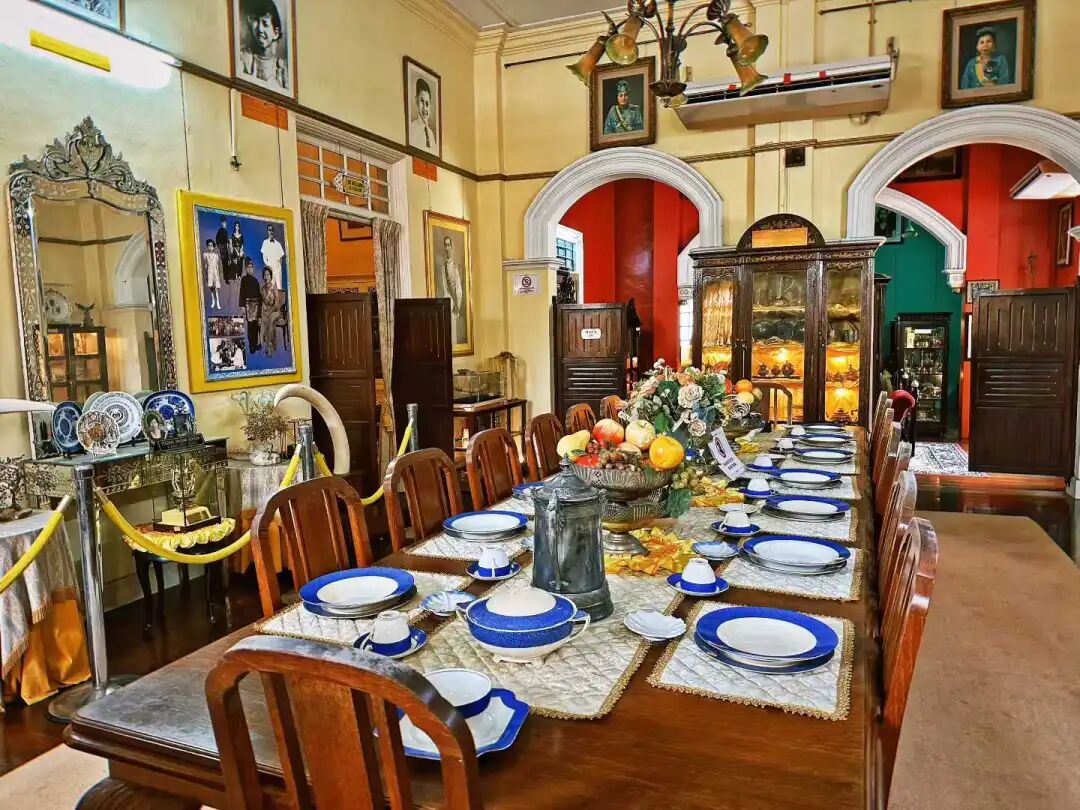
The Blue Room was originally Sultan Yahya Petra's bedroom. It became Princess Tengku Salwani's bridal chamber in 1966. When Crown Prince Ismail Petra lived there in 1969, it was painted blue and furnished with solid wood pieces crafted by a famous Kelantan master carpenter. The room later hosted many royal family members. When Ismail Petra was crowned Sultan in 1980, the Sultanah of Johor, Tengku Nora, stayed here.
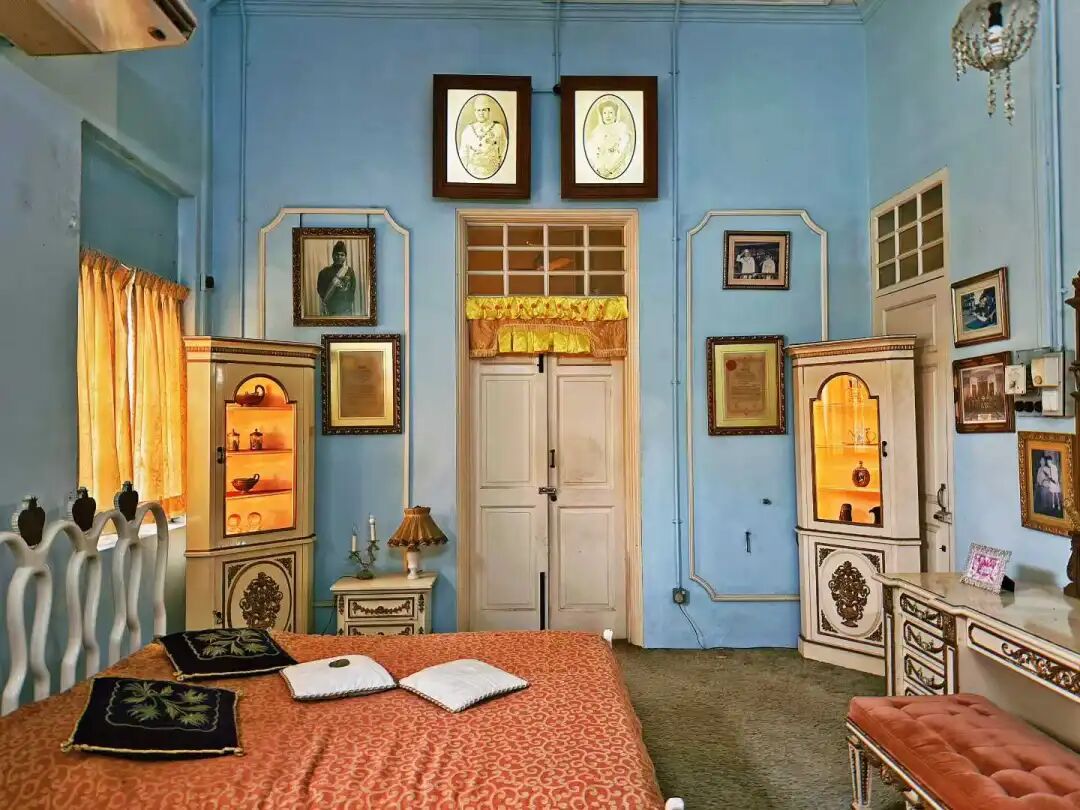
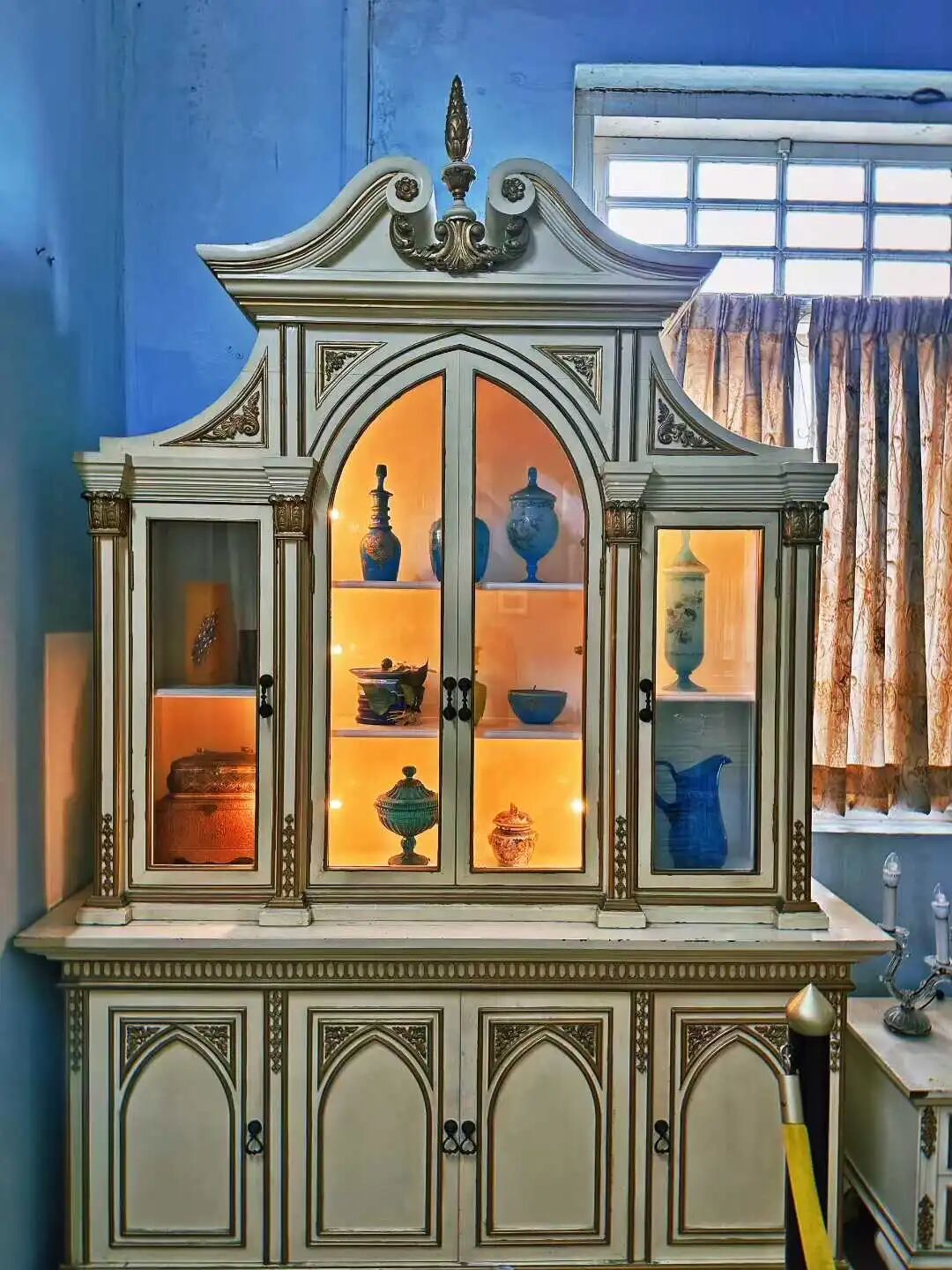
The Yellow Room was originally the bedroom for Sultan Yahya Petra's children. After 1960, it was used as a royal guest room. The current furniture was specially designed by Sultanah Tengku Zainab II for her daughter Tengku Salwani's wedding in 1966. Before 1991, this room was used as a bridal chamber for the Kelantan Sultanate court.
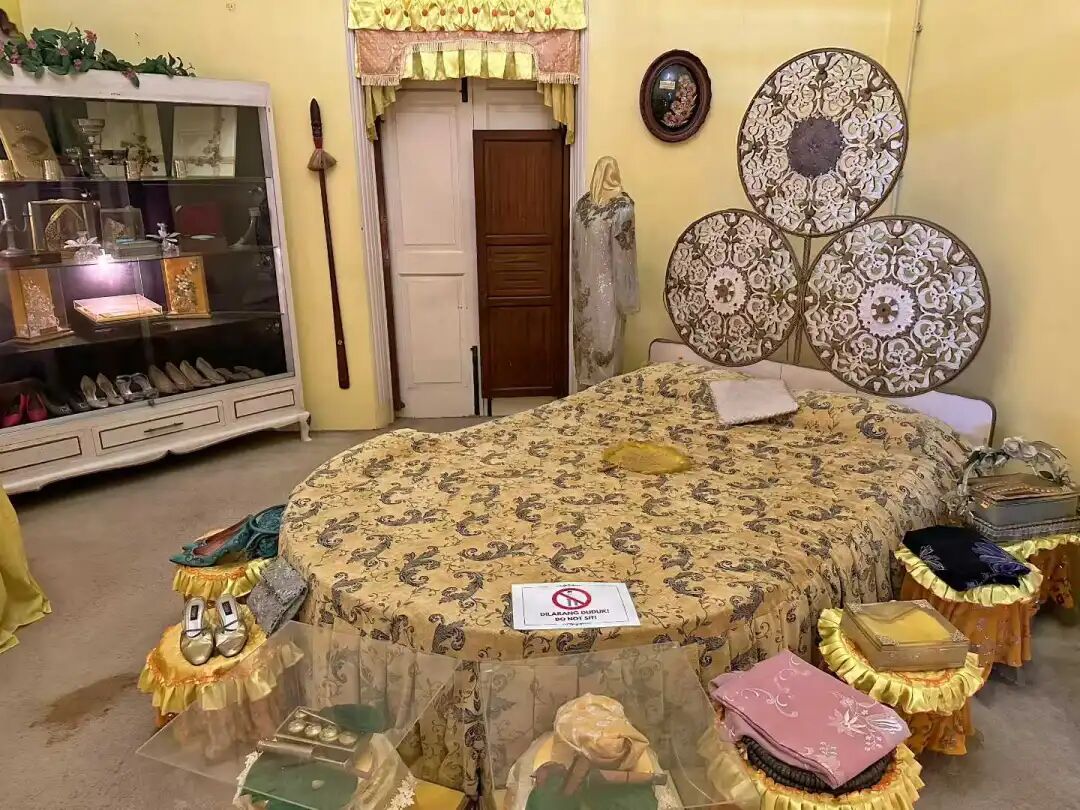
The Pink Room was originally Princess Tengku Salwani's bedroom, and it was later used by her son. The furniture in this room was ordered from Singapore.
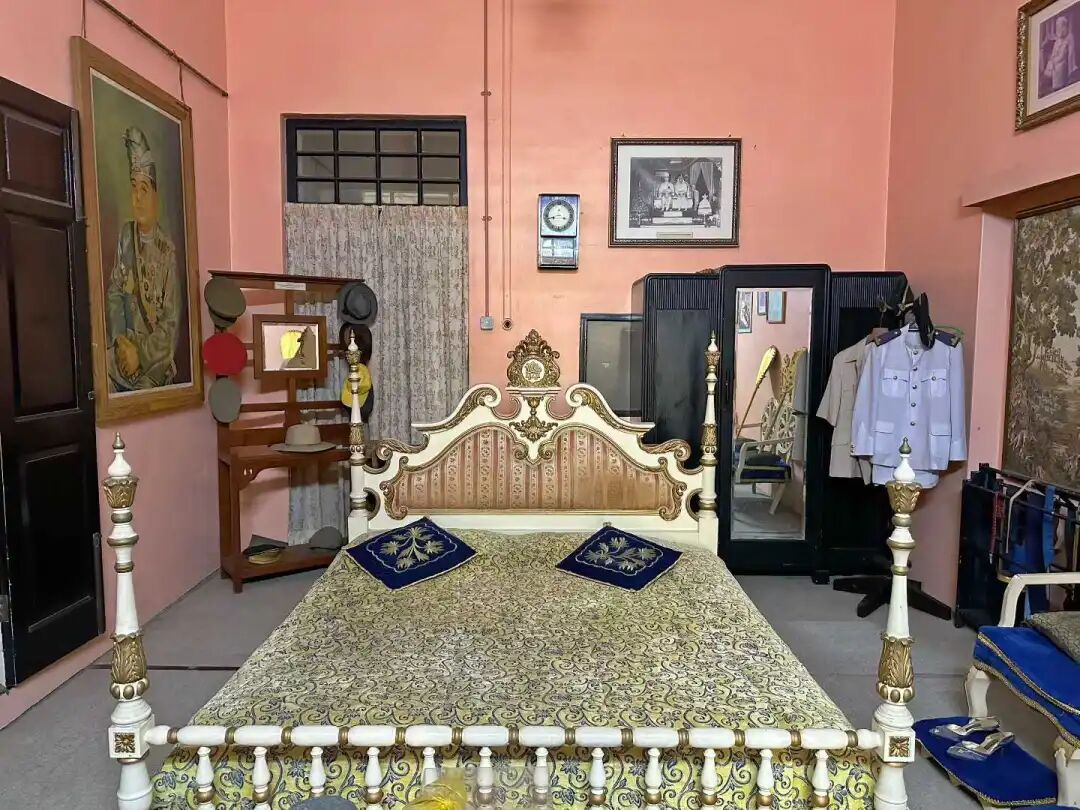
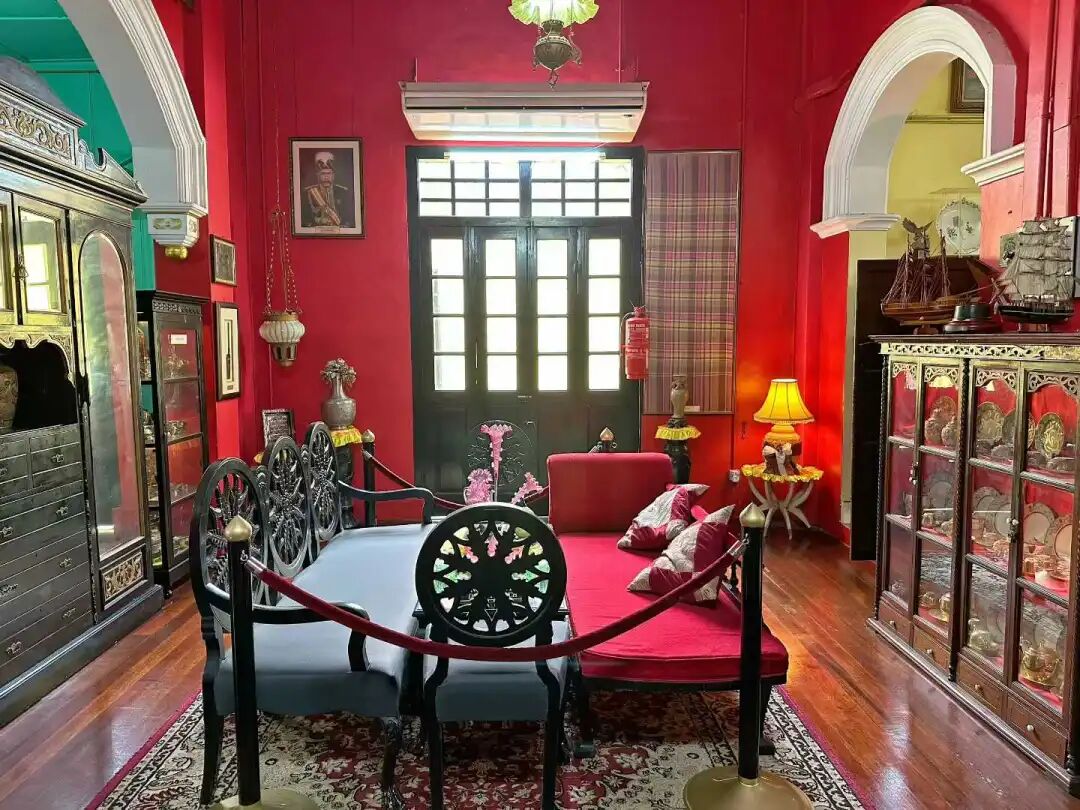
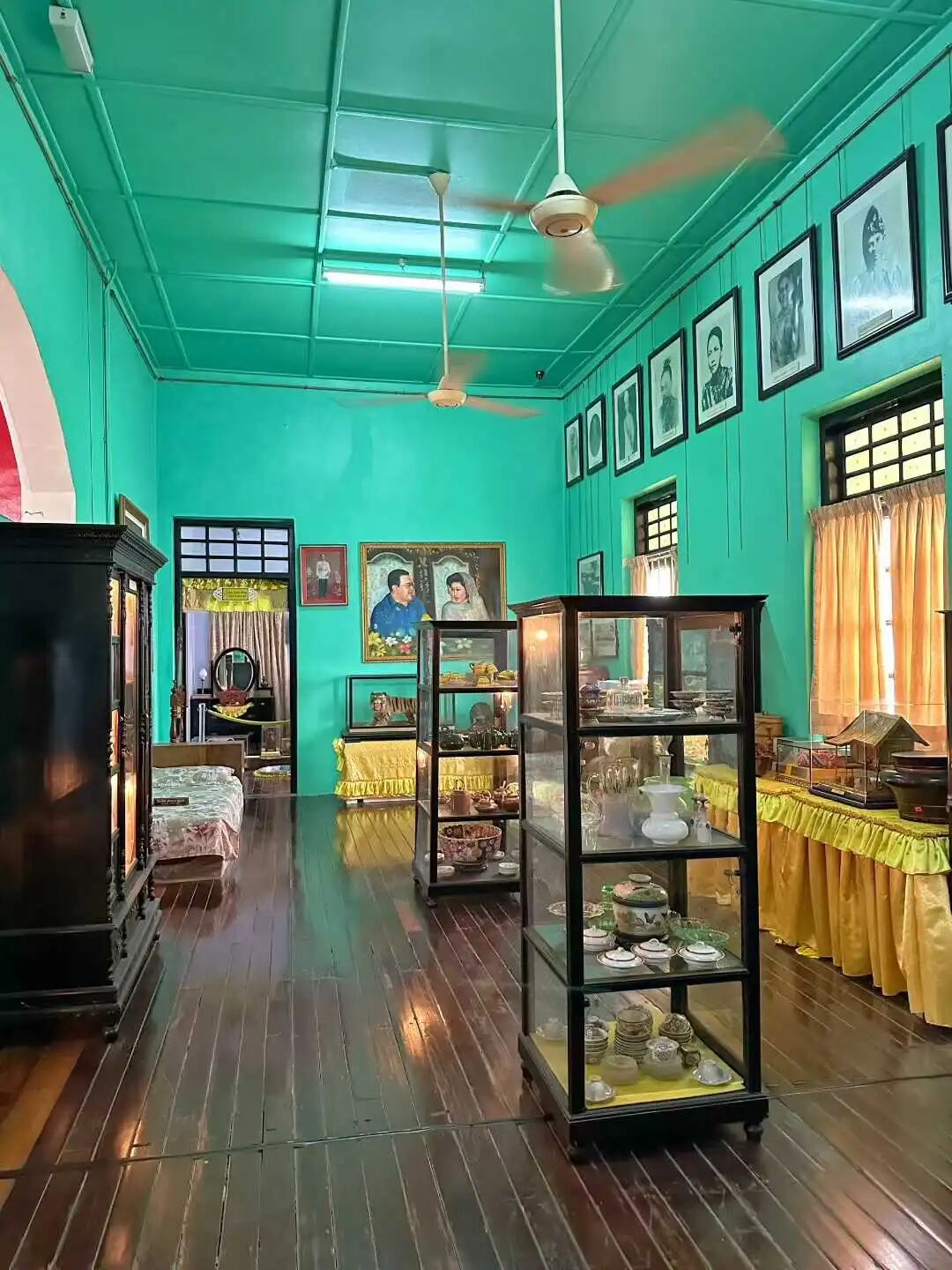
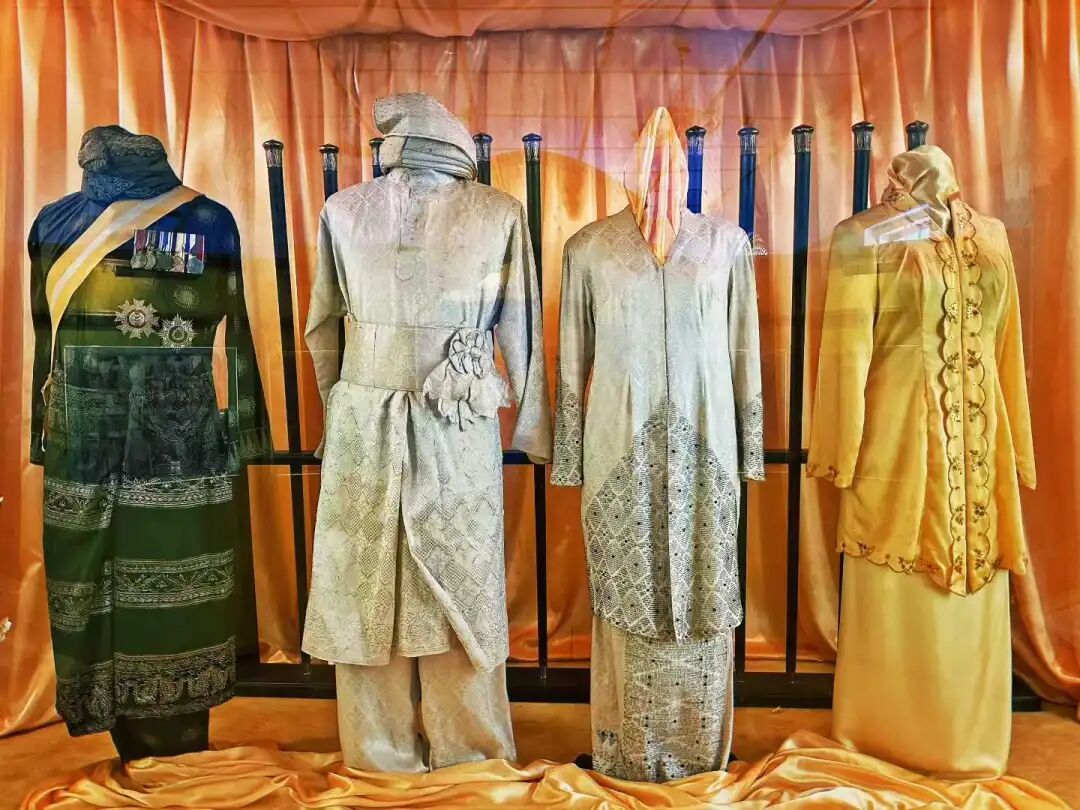
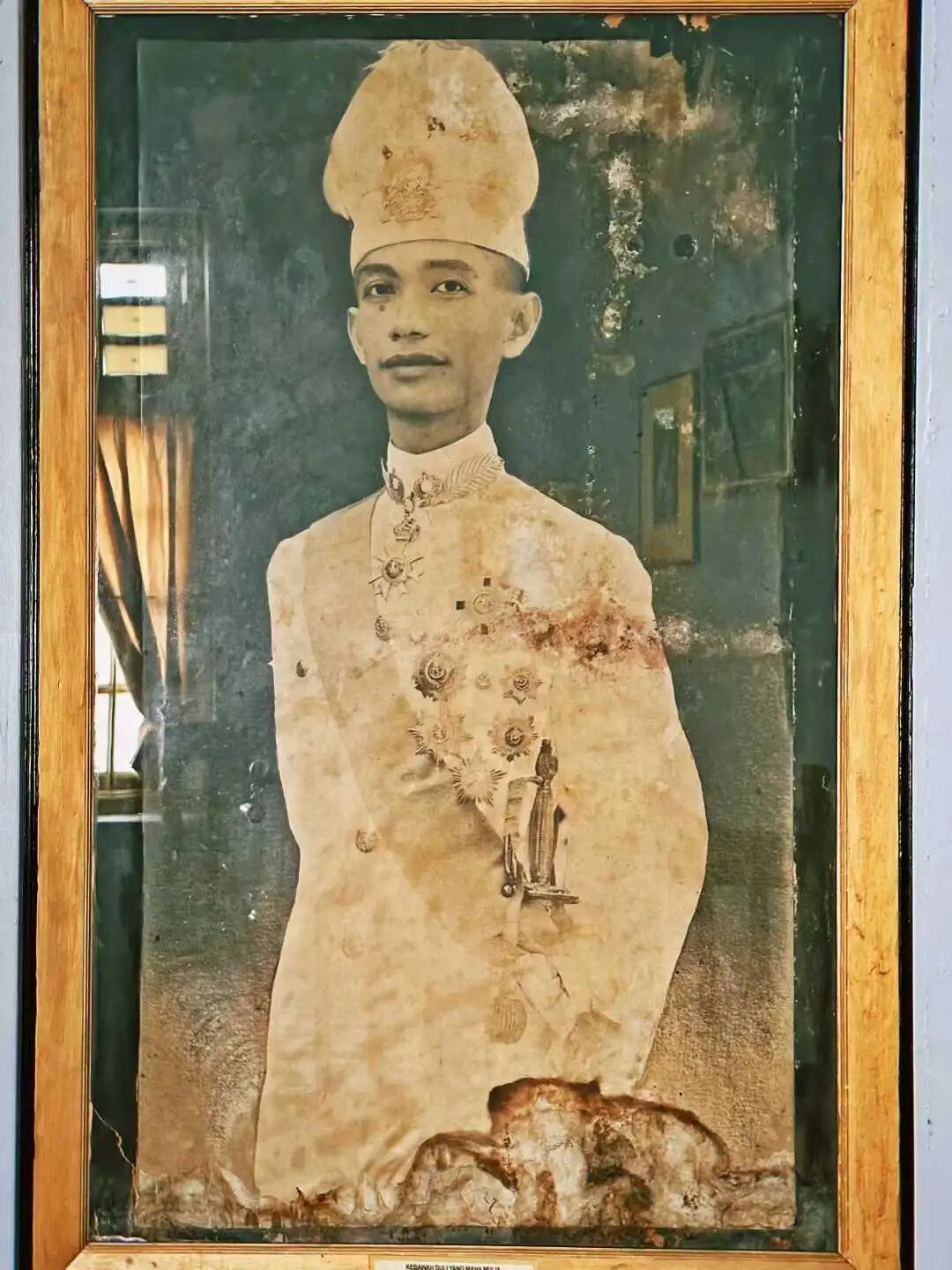
Among the royal photos in the Kelantan Royal Museum, the first black-and-white one is of Sultan Ismail (1920-1944).
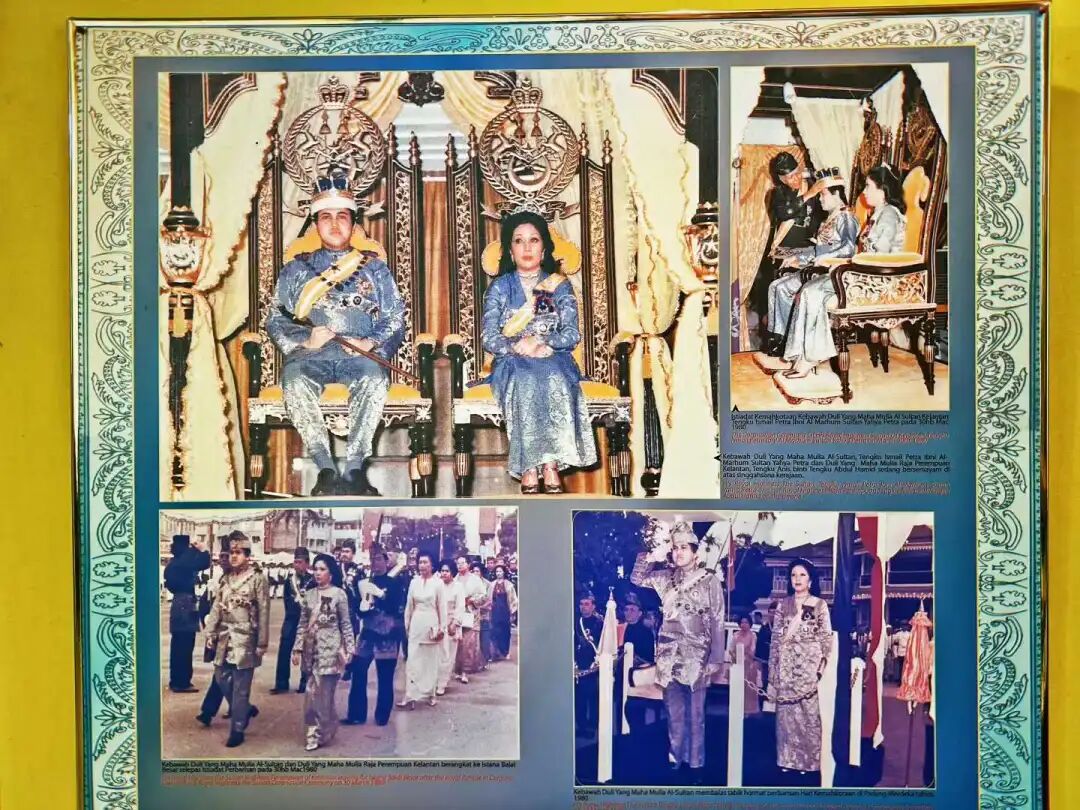
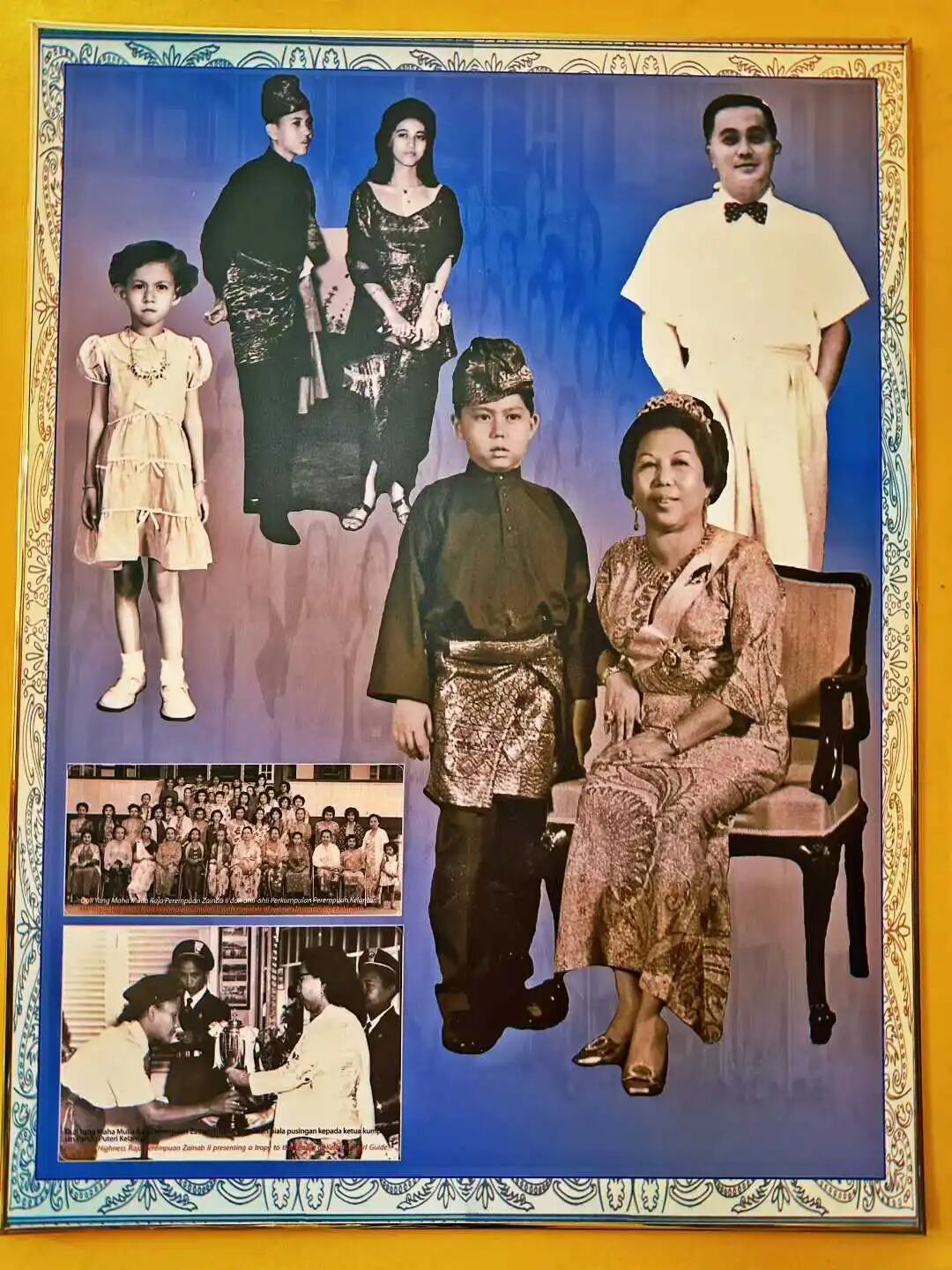
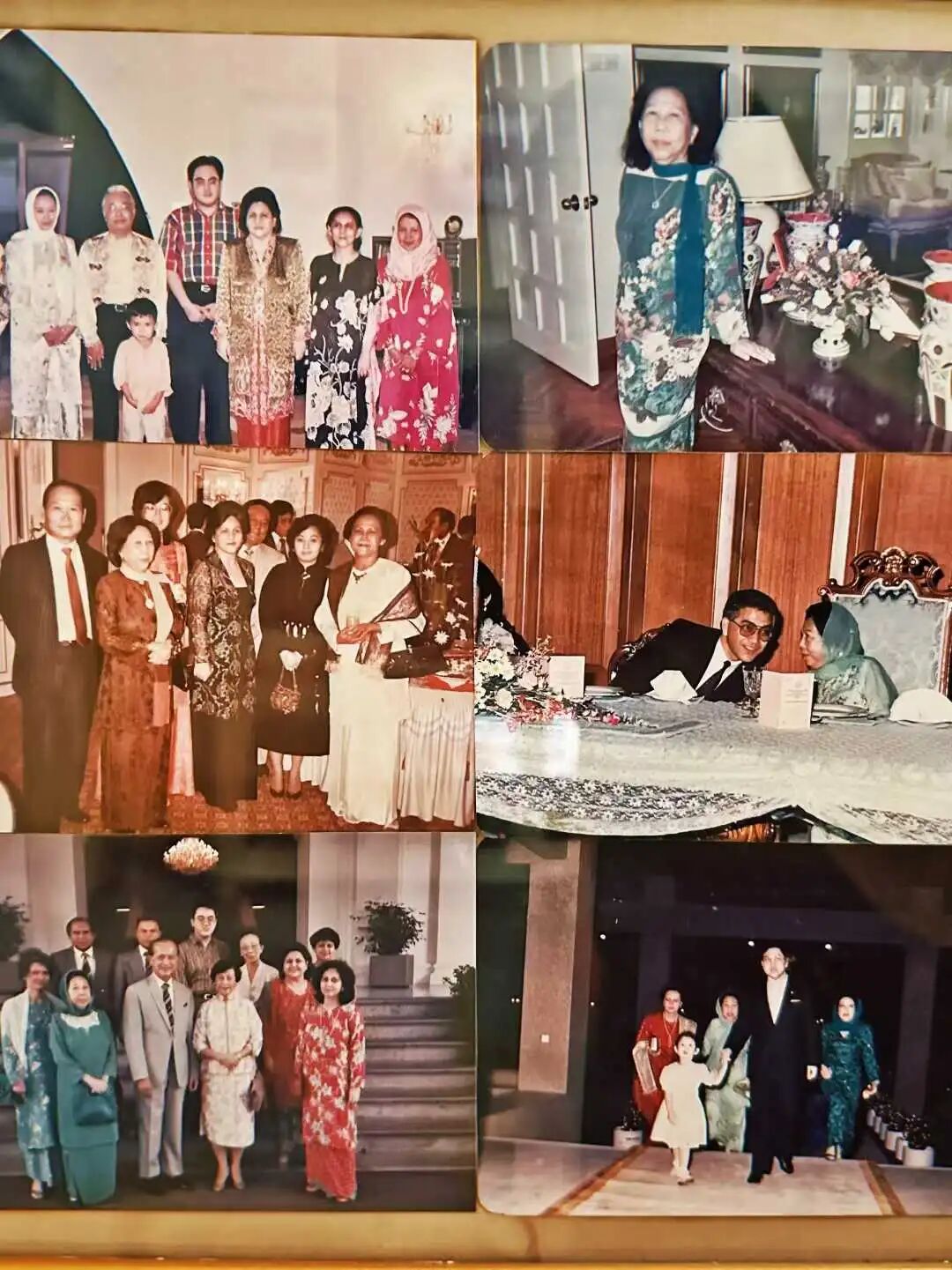
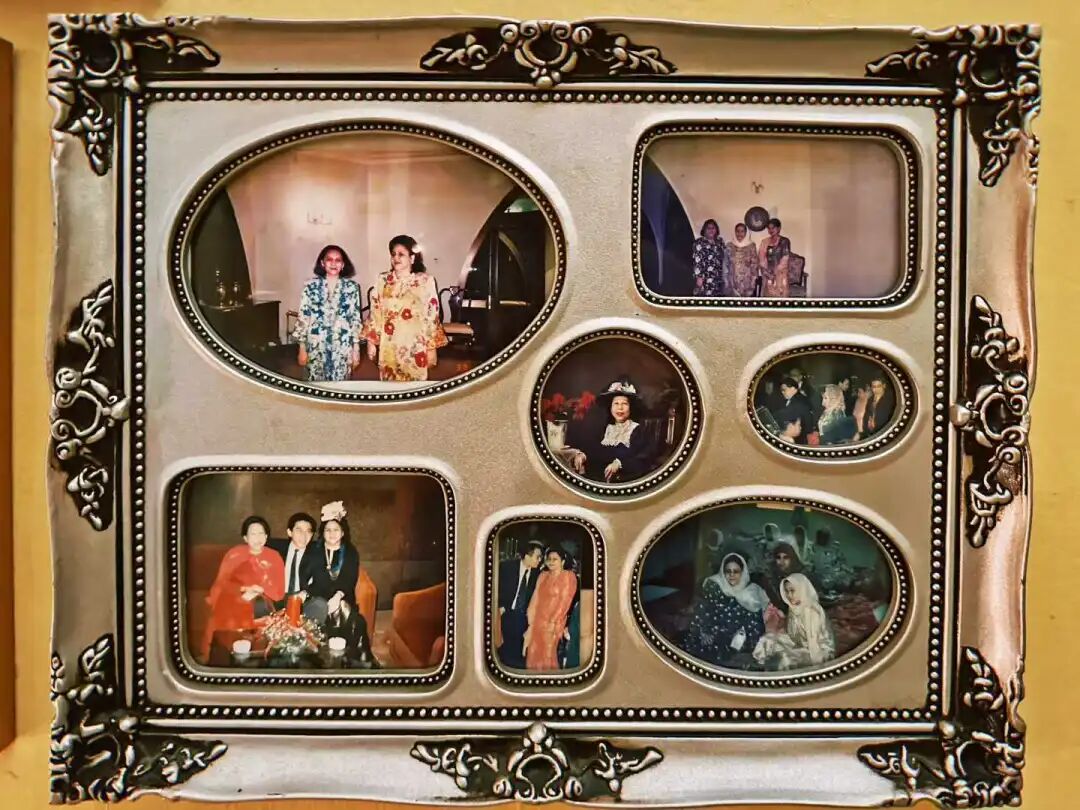
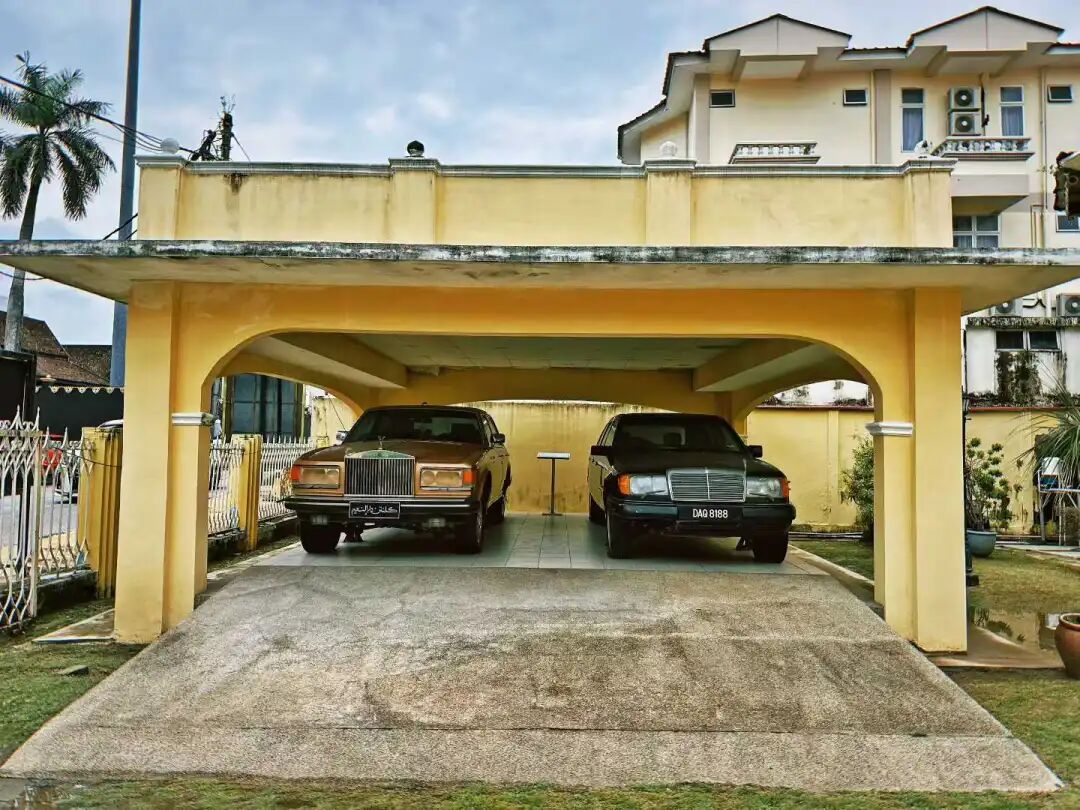
Parked outside is the Rolls-Royce used by Sultan Ismail Petra after 1980.
The Kelantan Islamic Museum (Muzium Islam Kelantan) was built in 1901. It was originally the official residence of the Kelantan Chief Minister, Hassan Muhammad Salleh, and is a two-story Malay wooden house in the Kelantan architectural style. Between 1917 and 1990, it served as the office for the Kelantan Islamic Council and the Customs Department. It opened as the Islamic Museum in 1991, but unfortunately, the museum is now closed.
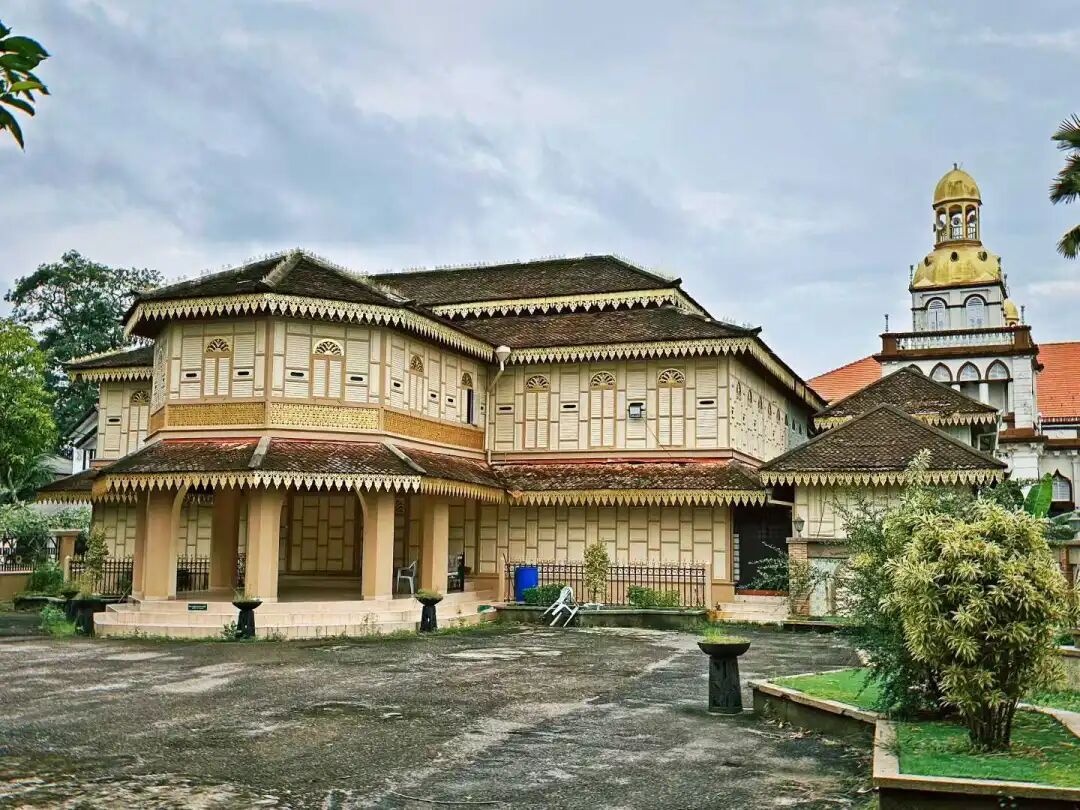
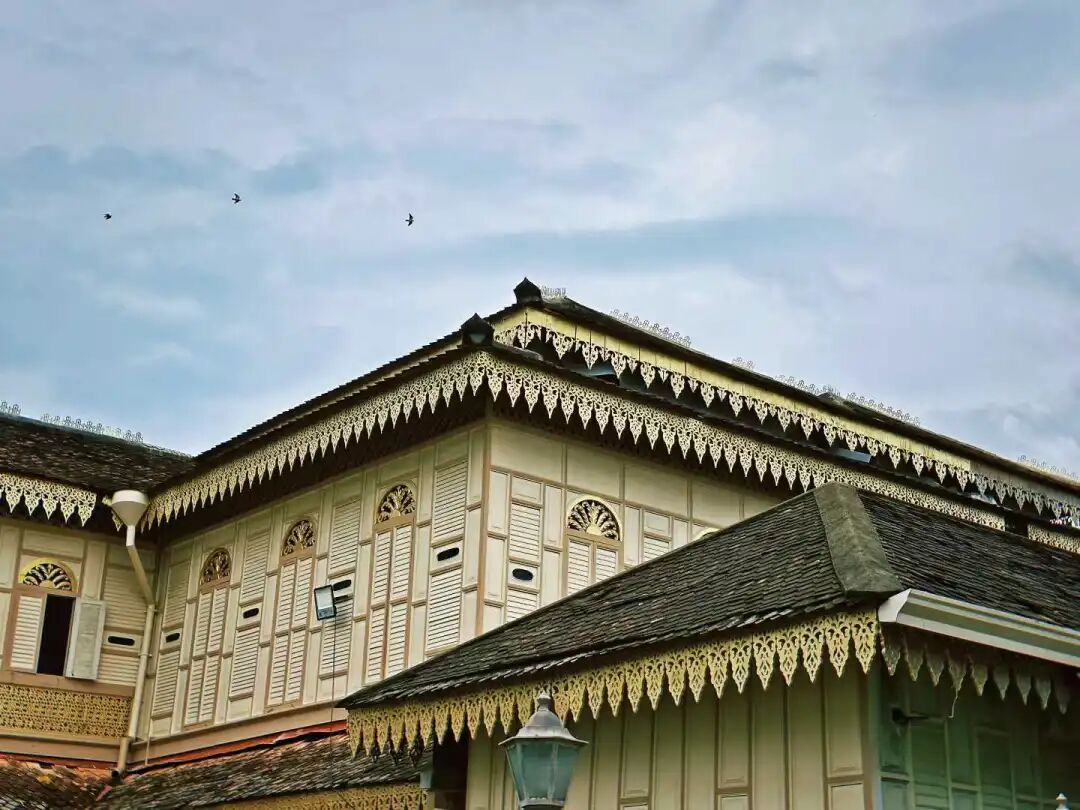
The Kelantan State Museum was built in 1930. It was originally the Kota Bharu Land Office and was converted into a museum after 1990.
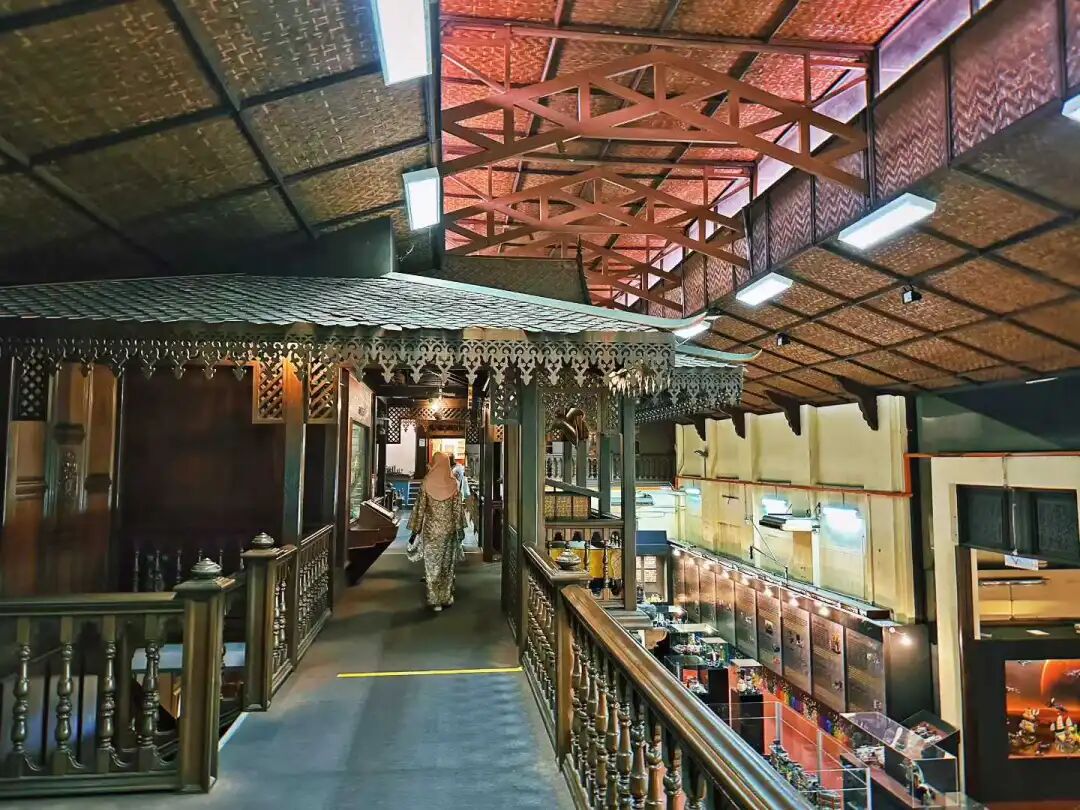
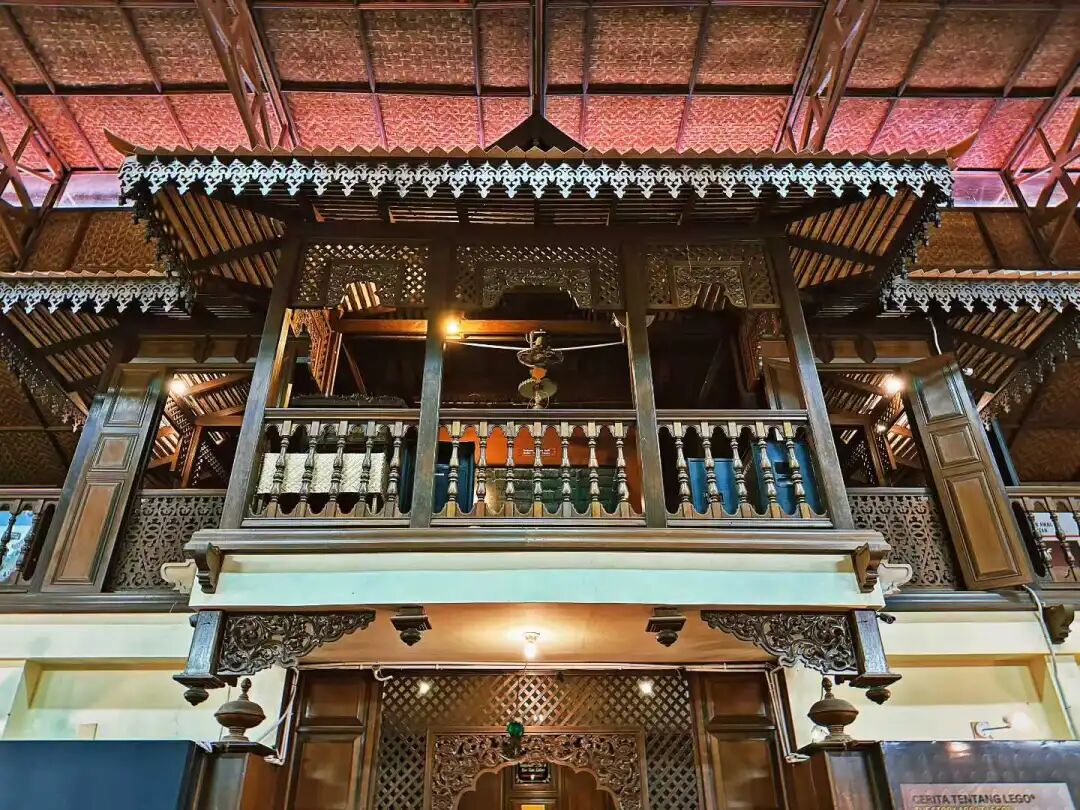
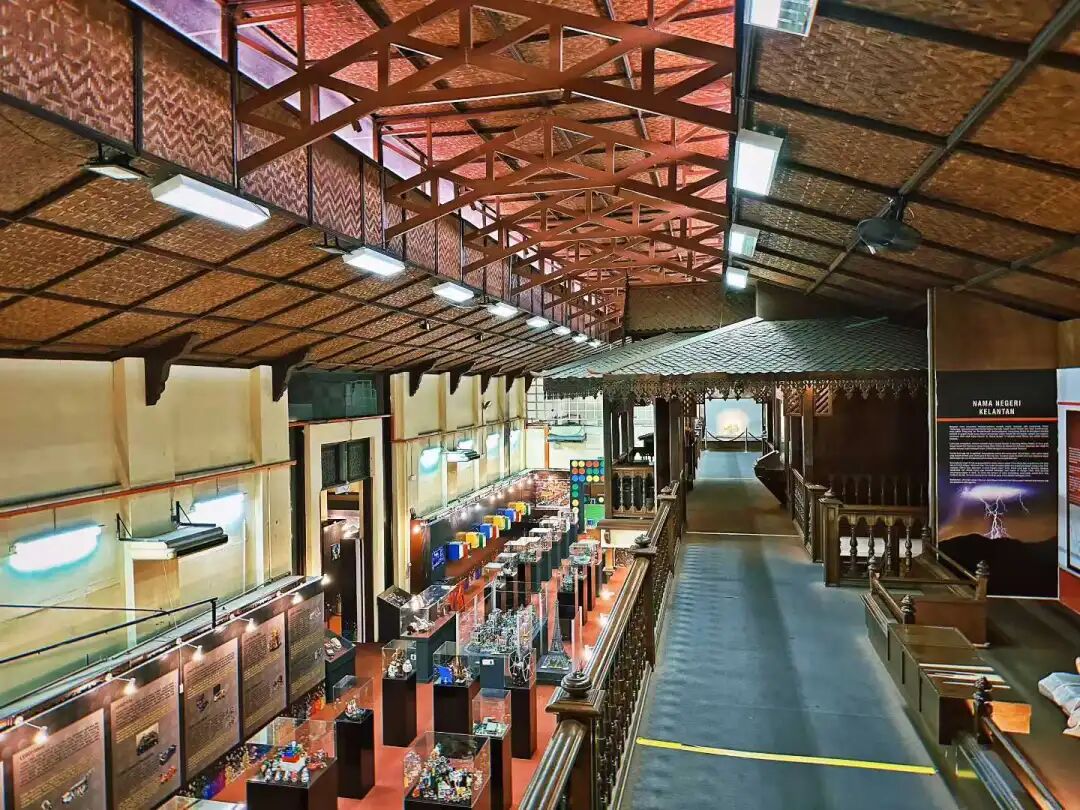
The Kelantan State Museum does not have many exhibits, but you can see precious Kelantan shadow puppetry (Wayang Kulit). Kelantan shadow puppetry has a very long history. It was once widespread in southern Thailand and northern Malaysia, especially in the Pattani region of southern Thailand and in Kelantan. There are many theories about the origin of Kelantan shadow puppetry. One theory suggests that 19th-century Kelantanese learned it from shadow puppetry masters on the island of Java. However, today's Kelantan shadow puppetry is significantly different from Javanese shadow puppetry. For example, Kelantan shadow puppetry is performed in the Kelantan Malay dialect, and the costumes of the puppet characters have a typical southern Thai style.
The stories in Kelantan shadow puppetry mainly come from the Indian epic Ramayana. Besides the main plot, there are many smaller stories not found in the book. some stories are taken from ancient Malay legends and Arabic legends, which is a major feature of Kelantan shadow puppetry.
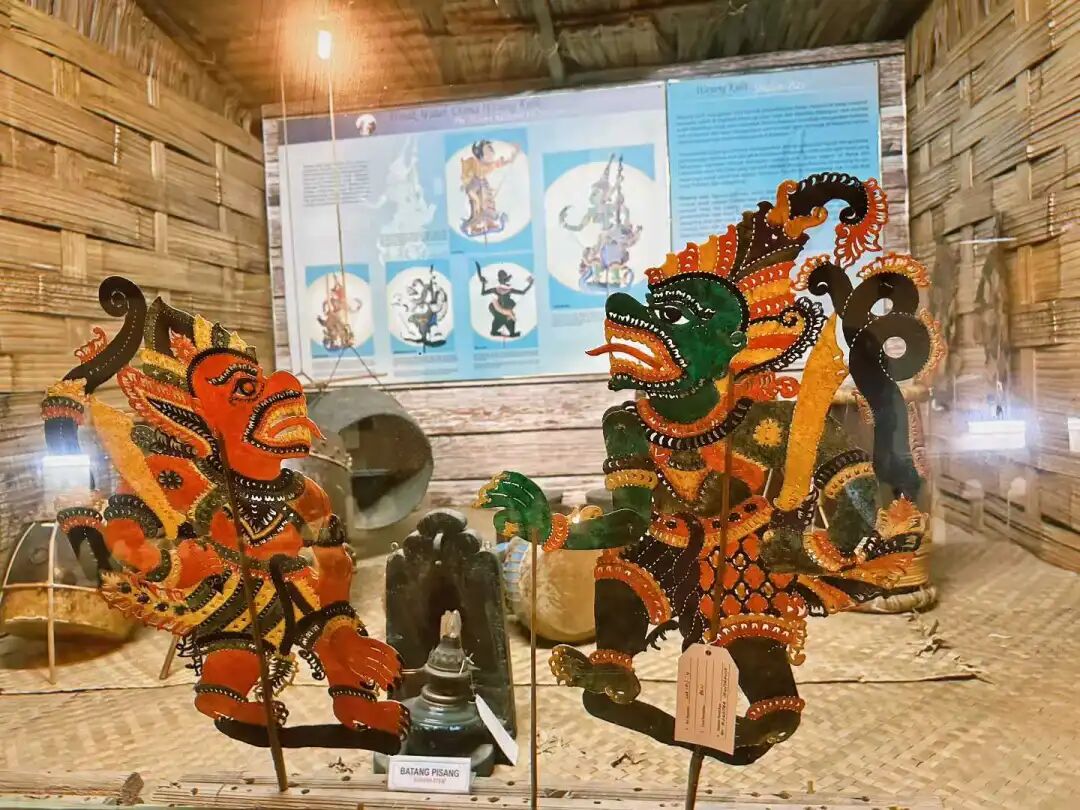
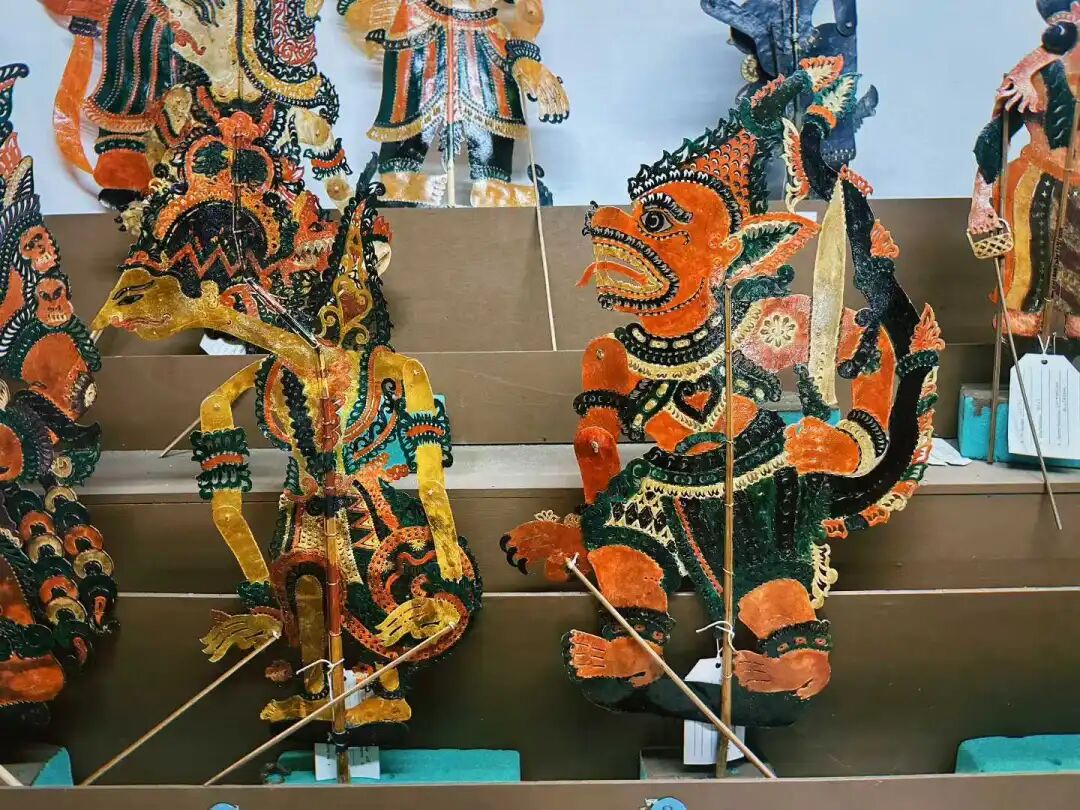
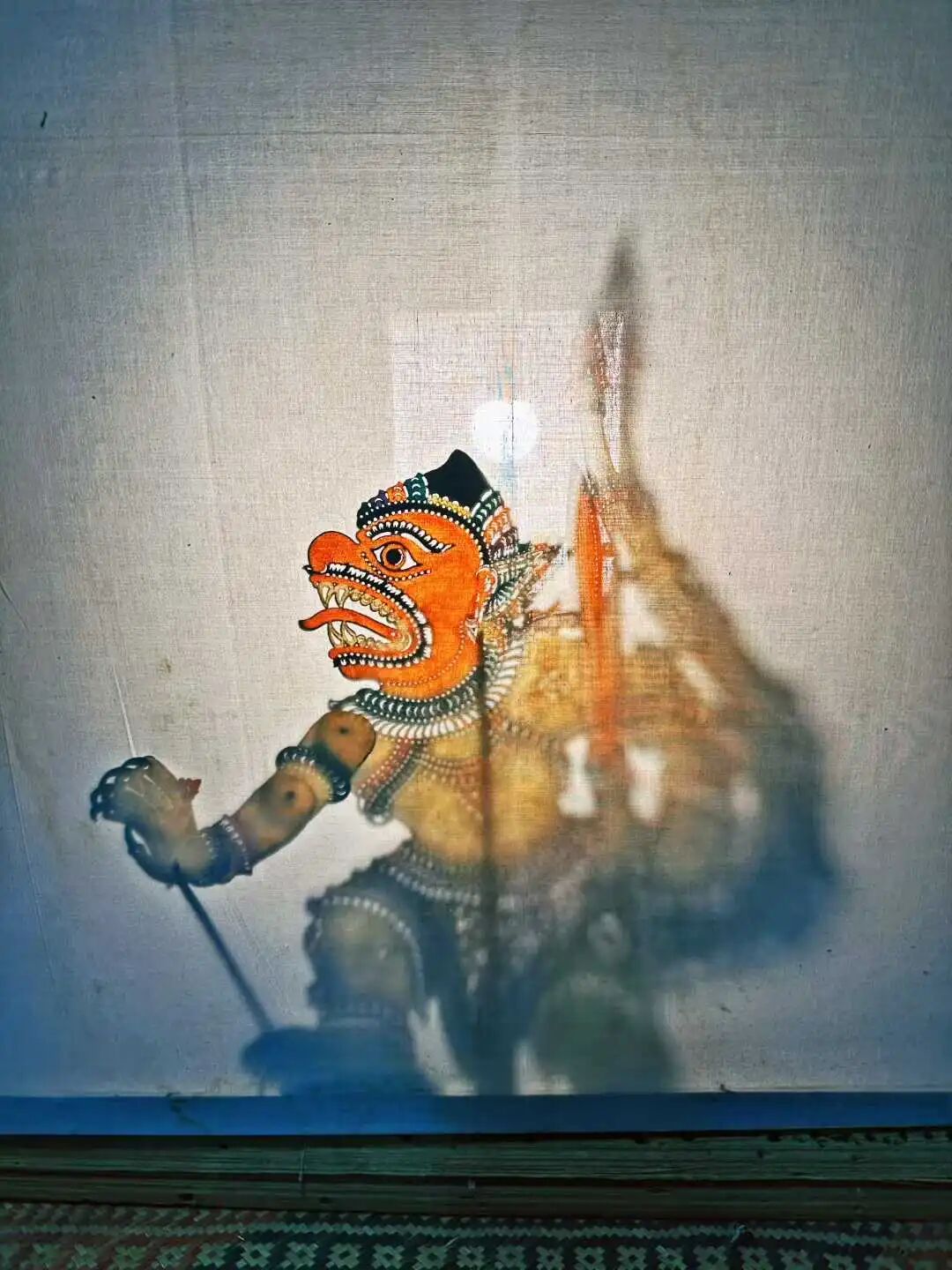
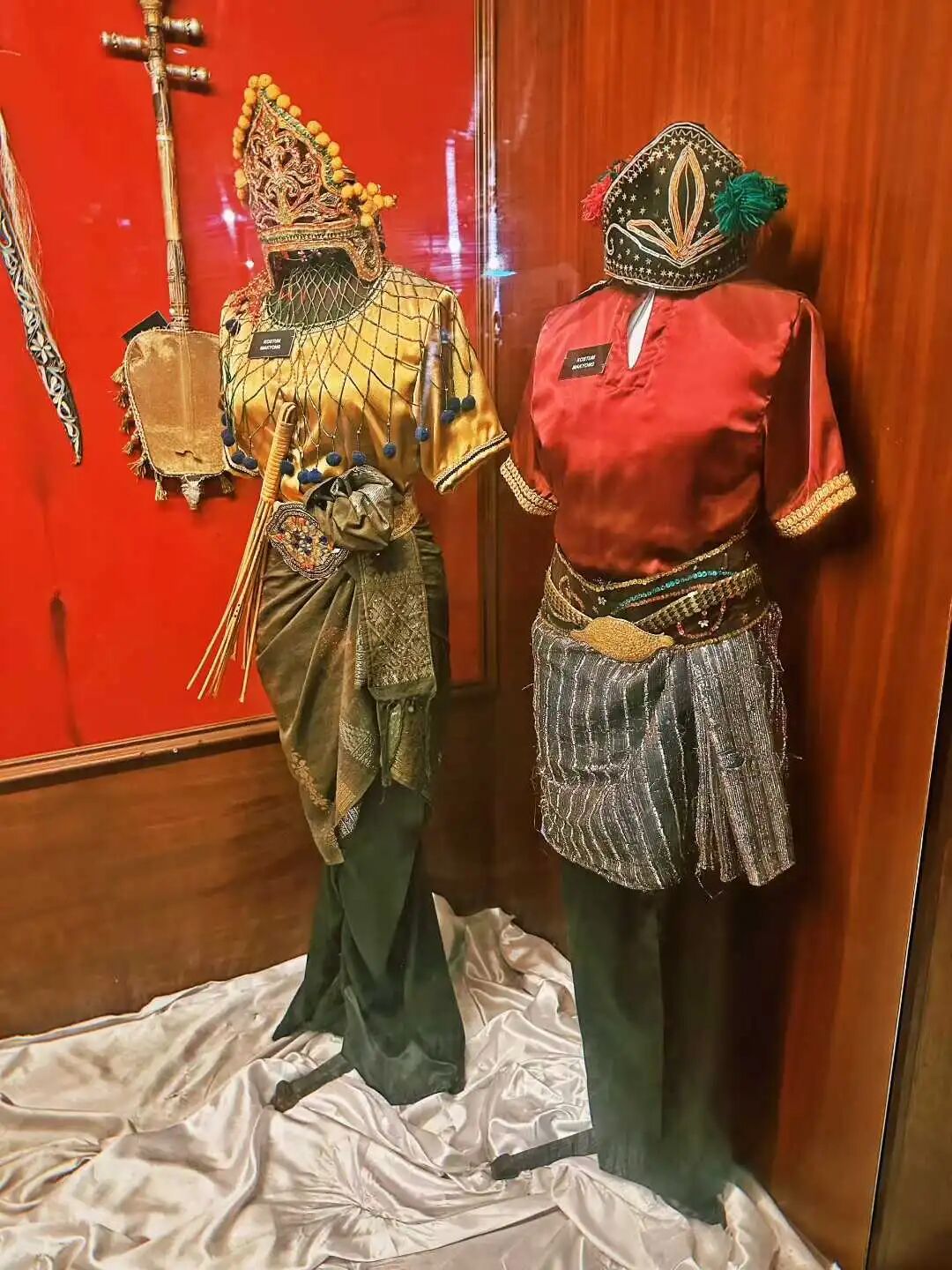
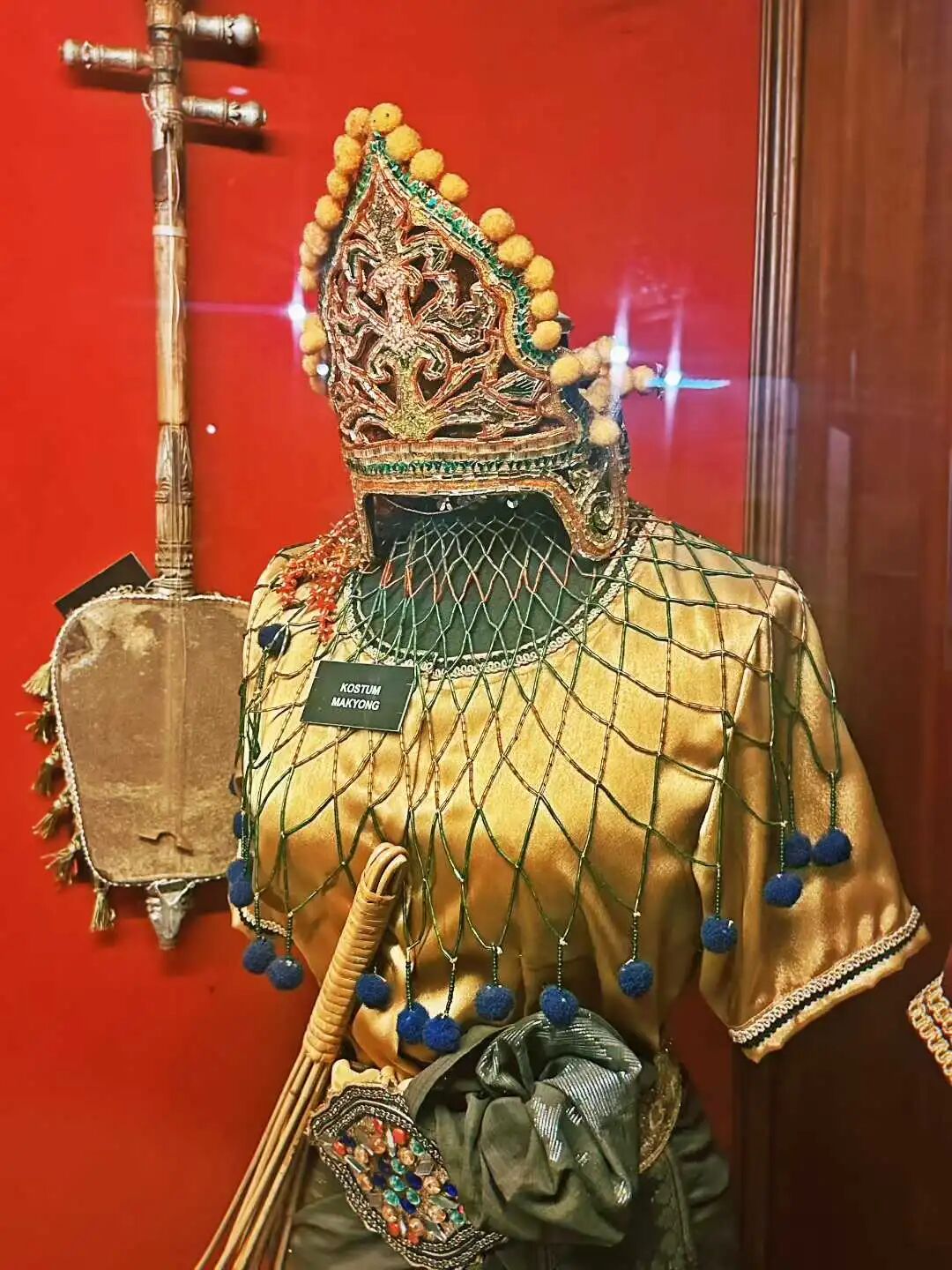
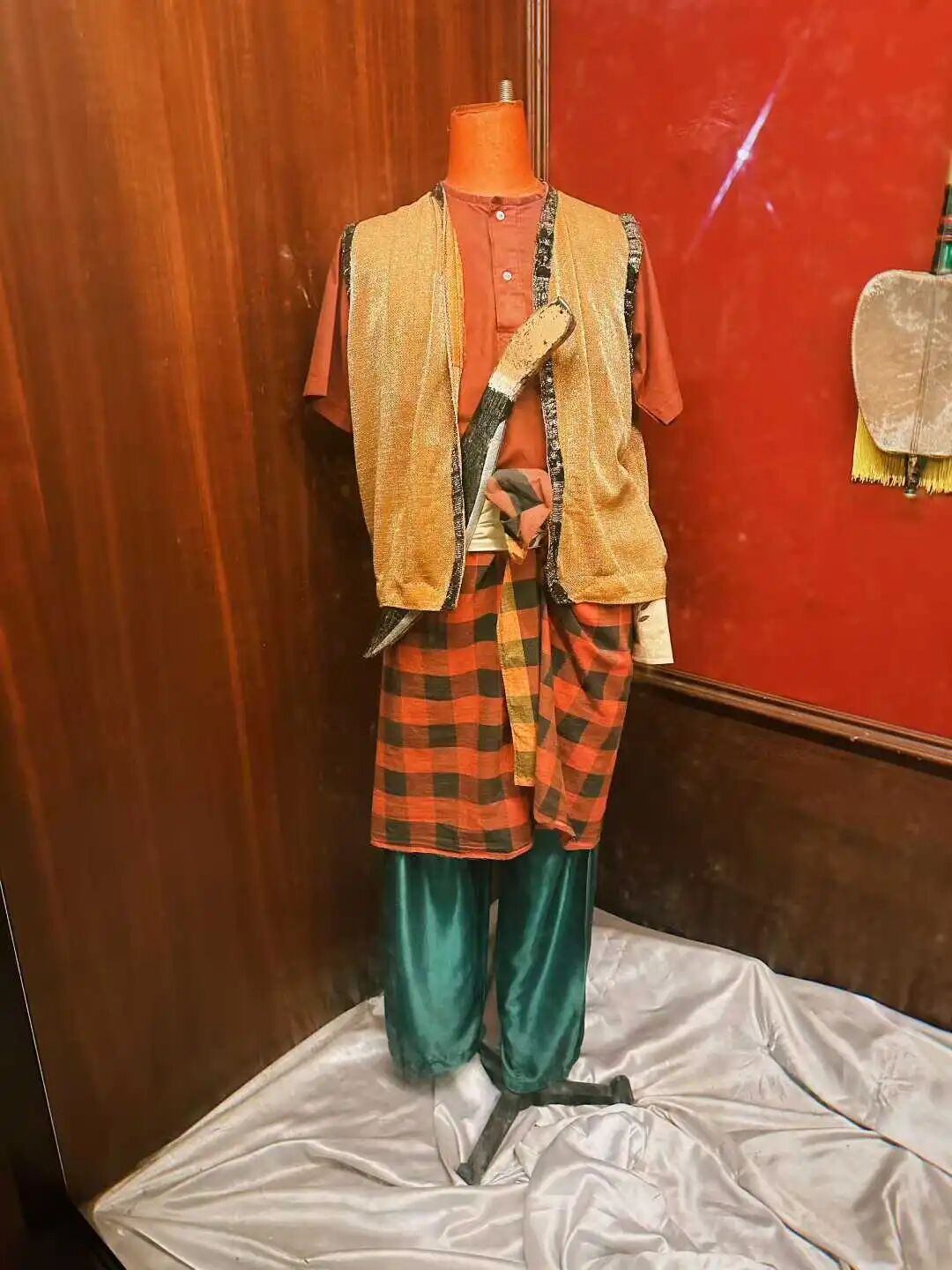
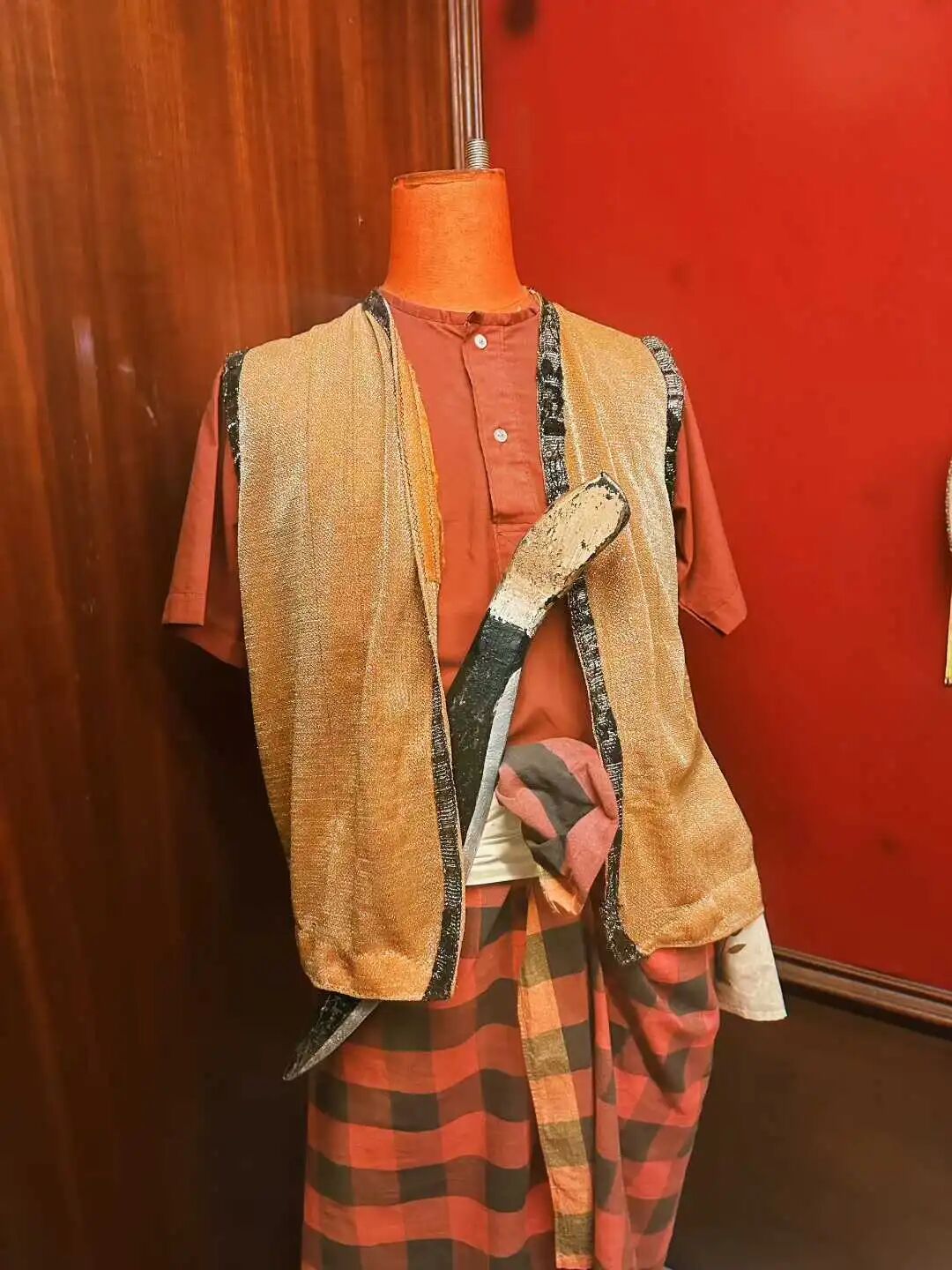
The Kelantan State Museum houses costumes from the Kelantan court dance-drama, Mak Yong. Mak Yong originated in the Pattani region of southern Thailand around the 13th century and became a court dance-drama for the Kelantan Sultanate after the 18th century. Before the end of the 19th century, Mak Yong theater was performed exclusively for the Sultan's court, and it only began to be performed in public spaces after the 20th century.
The content of Mak Yong theater can be traced back to ancient Malay legends, many of which come from animism, Buddhism, and Hinduism, including Buddhist Jataka tales that have already been lost in India.
A very unique point of Mak Yong theater is that all the main roles are played by women. The lead actress, Mak Yong, is responsible for solo singing and leading the performance, while the palace maids around her provide backing vocals and dance. Men can only play the role of the clown for comic relief.
After the Pan-Malaysian Islamic Party (PAS) came to power in 1991, public performances of Mak Yong theater were banned. Although some veteran artists have stuck to their art despite the ban, they find it very difficult to get opportunities to perform.
The Kelantan-style Malay kite is called Wau Bulan. Bulan means moon in Malay, because this kite looks like a rising crescent moon when it flies. You can see workshops that make these kites in the village of Kampung Laut in Kelantan.
Congkak is a strategy board game popular in Malaysia, Indonesia, and Brunei. It originated in Egypt during the ancient Roman era and later spread to Southeast Asia through Arabia and India. It was once a court game of the Malacca Sultanate. The Congkak boards in the Kelantan region are beautifully decorated, and some are carved with bird patterns.
The Pitis Bank at the entrance of the Kelantan Sultan's palace is the oldest brick building in Kelantan, and its main gate is made of very sturdy chengal wood. The bank was built in 1889 by Sultan Muhammad III to store the tin currency called Pitis that was issued by the Sultan at the time. After the British Straits Settlements began issuing currency in 1909, Pitis gradually faded from history.
The Kota Bharu Handicraft Village is right next to the Sultan's palace. It was built in 1991 in the style of a traditional Kelantan Malay wooden house and is used specifically to display traditional Kelantan handicrafts.
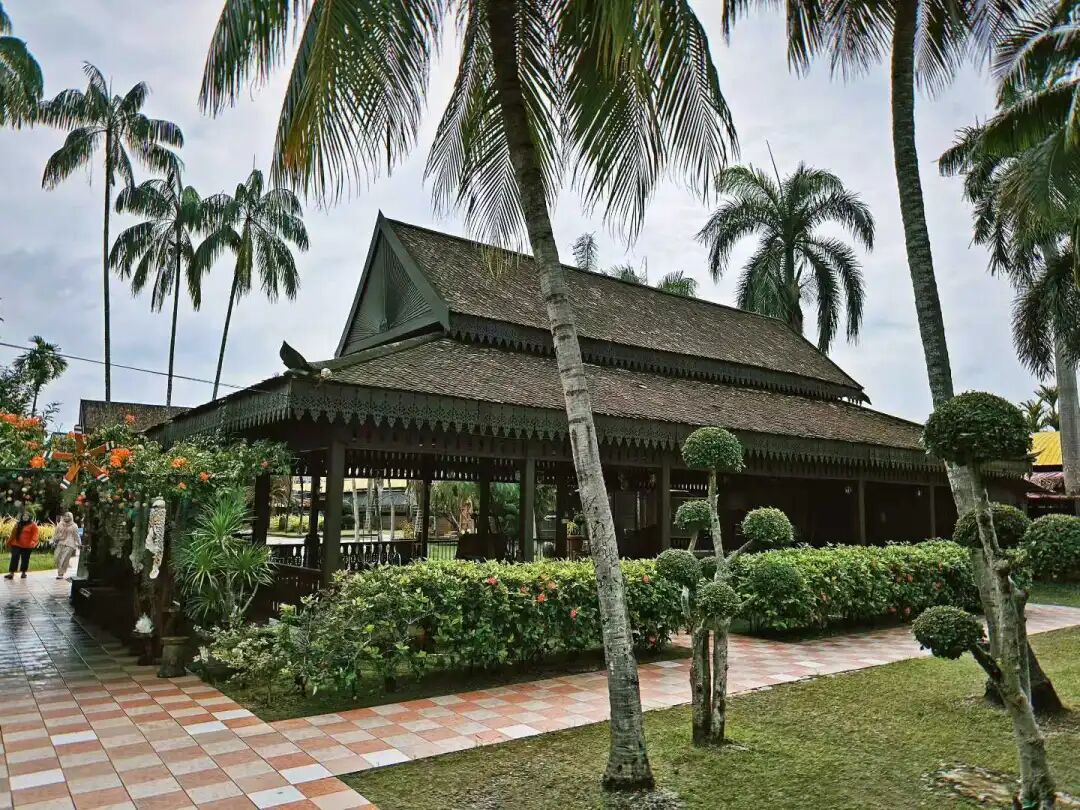
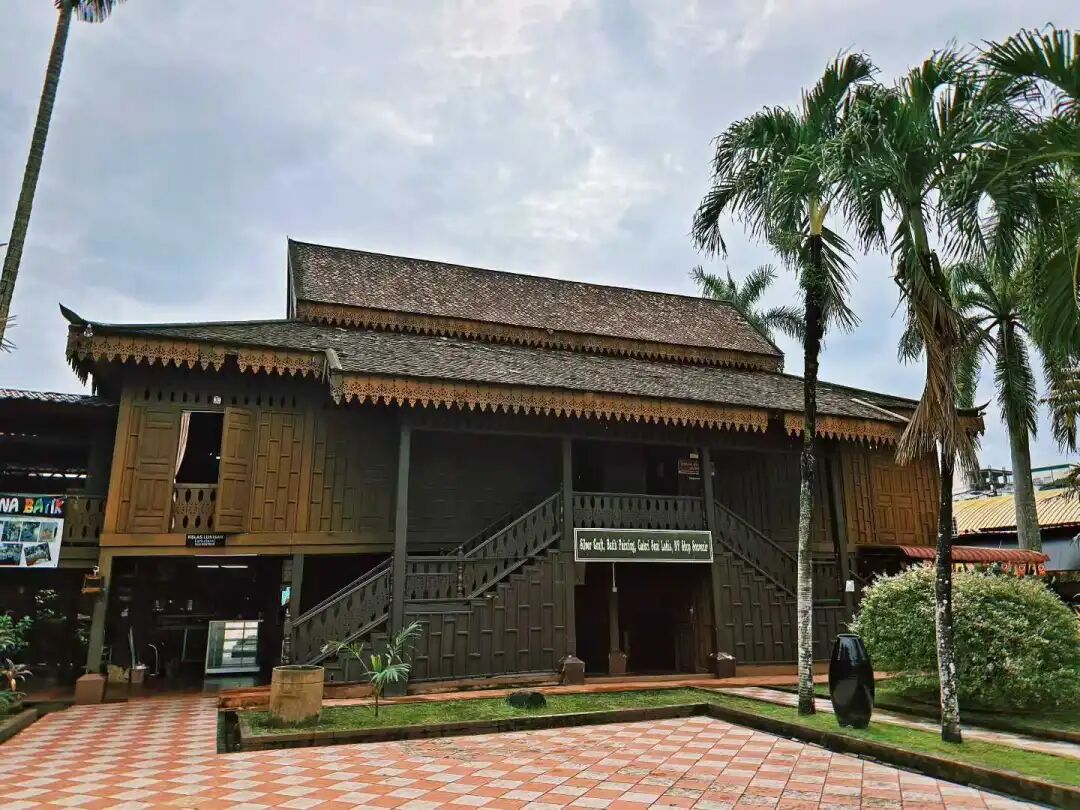
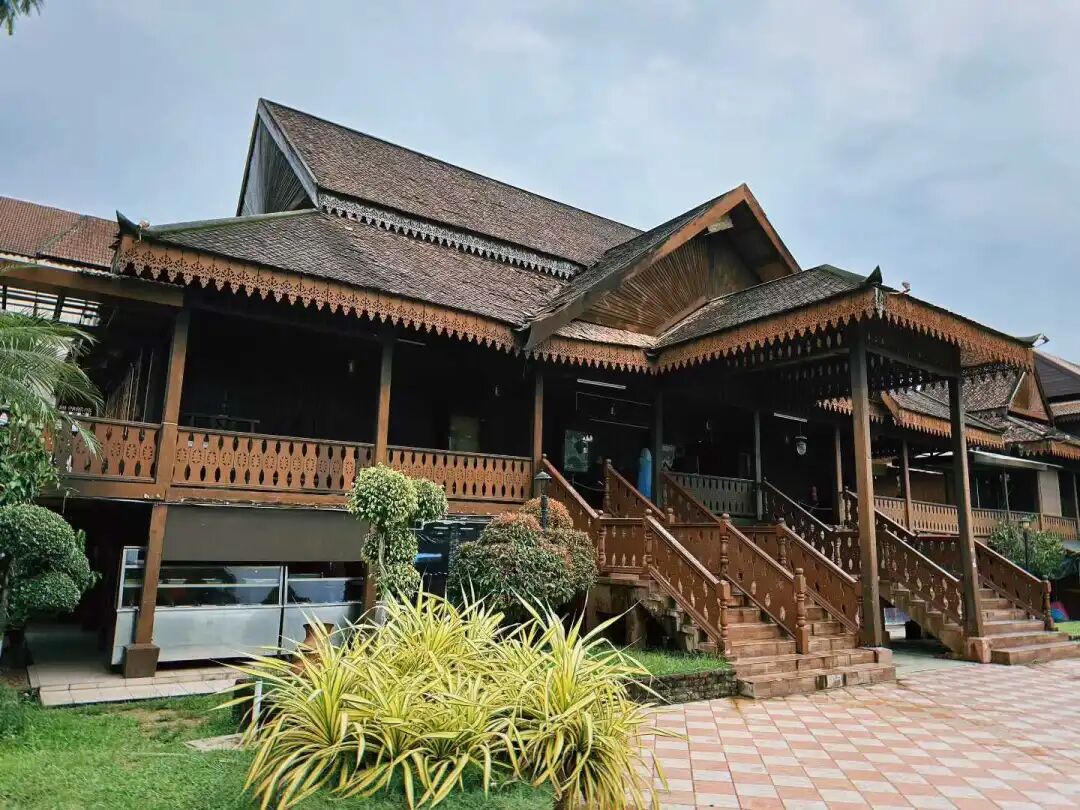
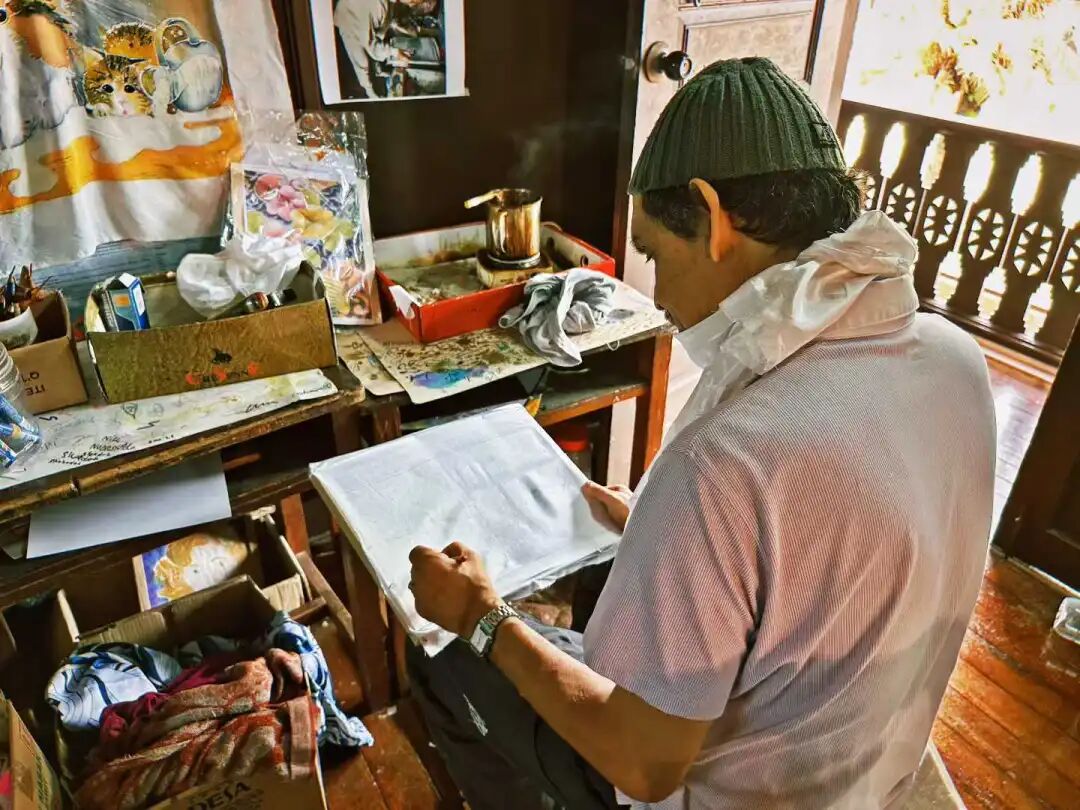
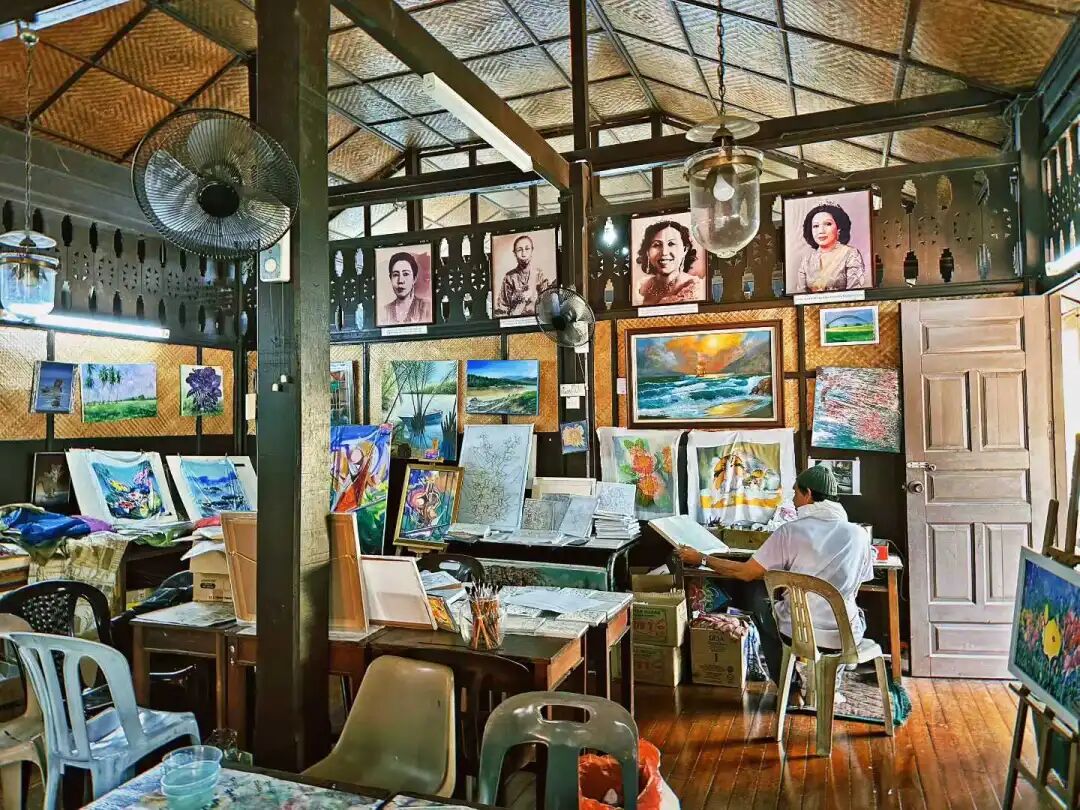
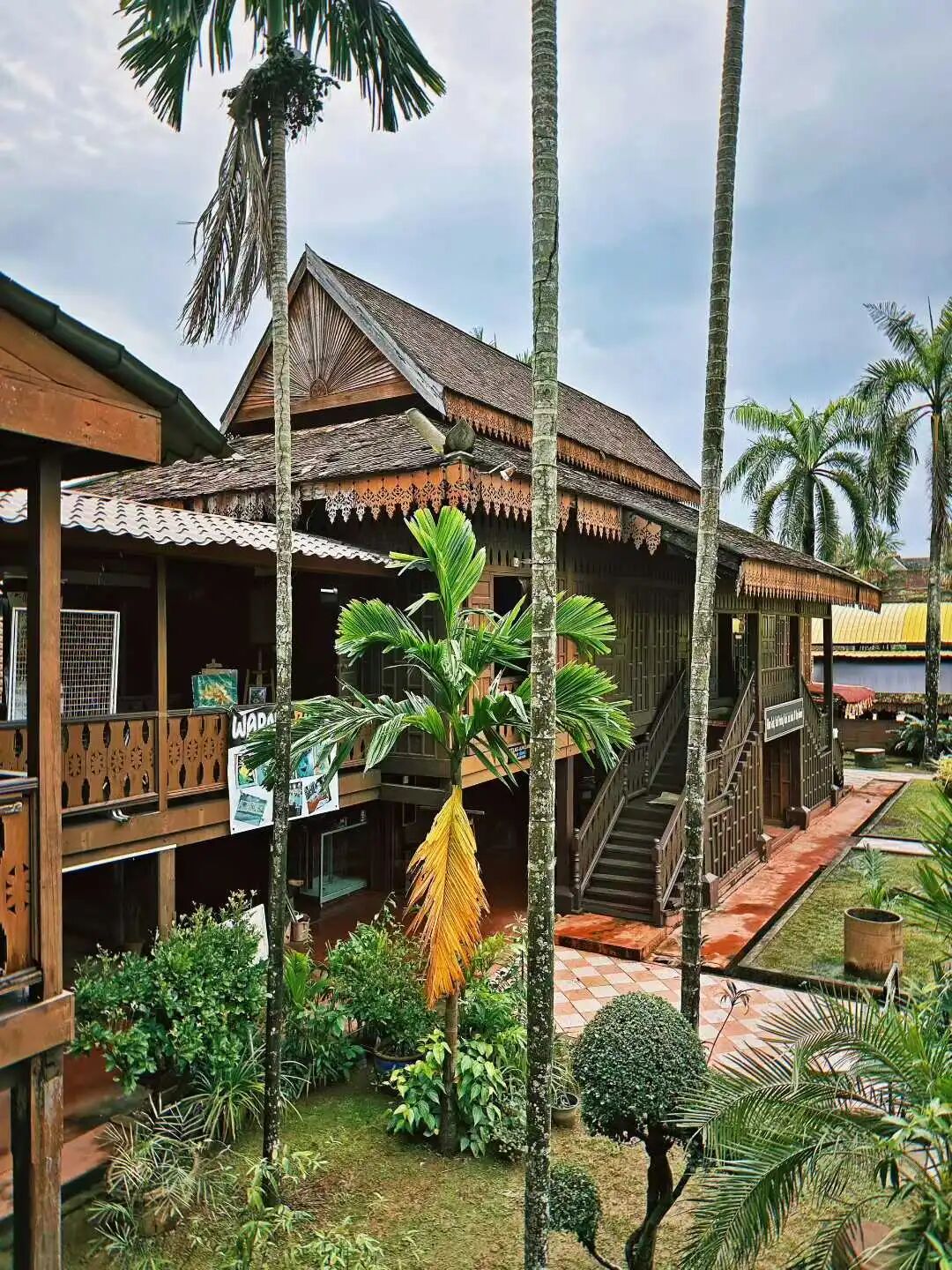
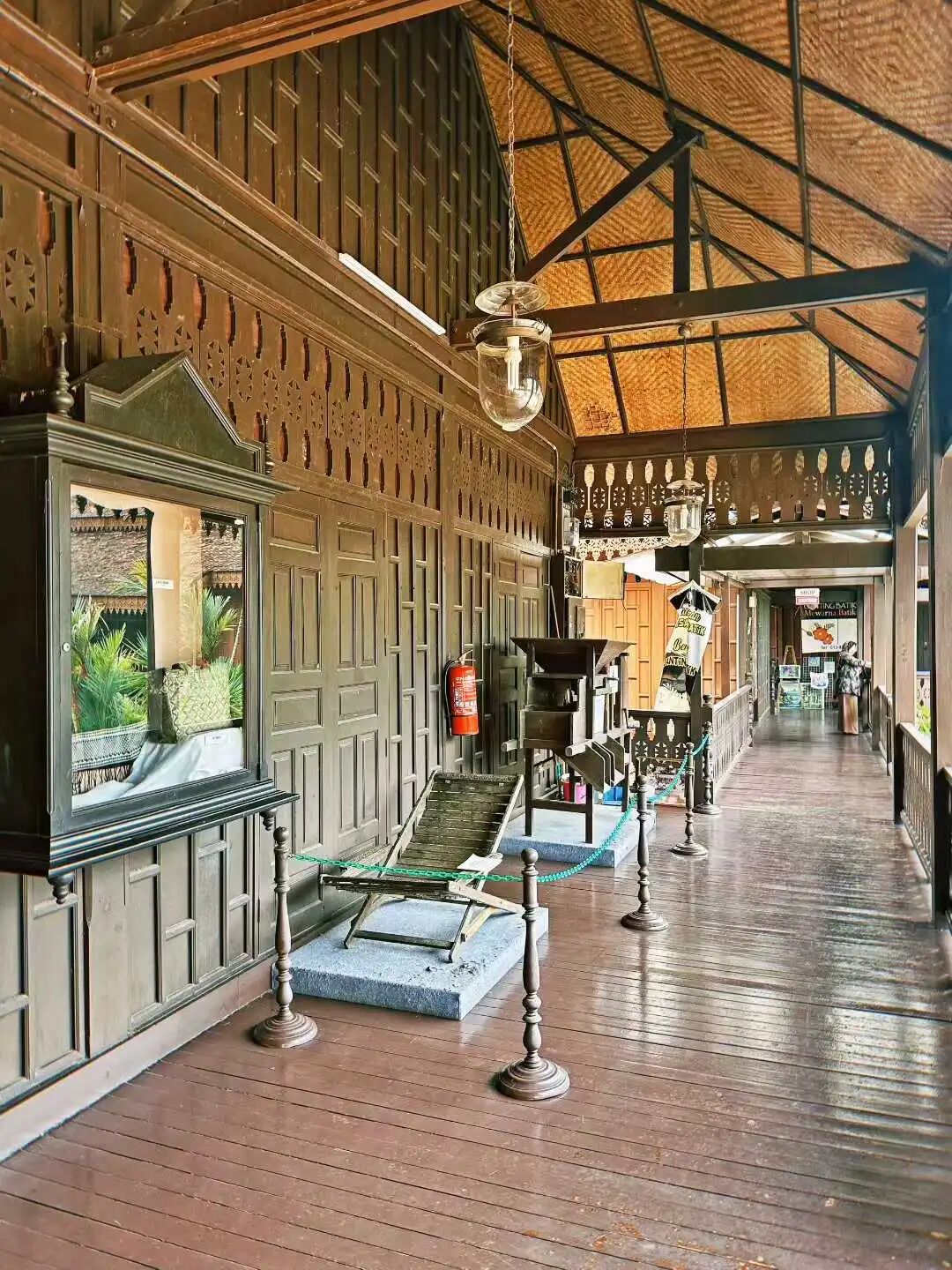
The Kota Bharu Handicraft Village displays traditional Kelantan Malay batik fabric.
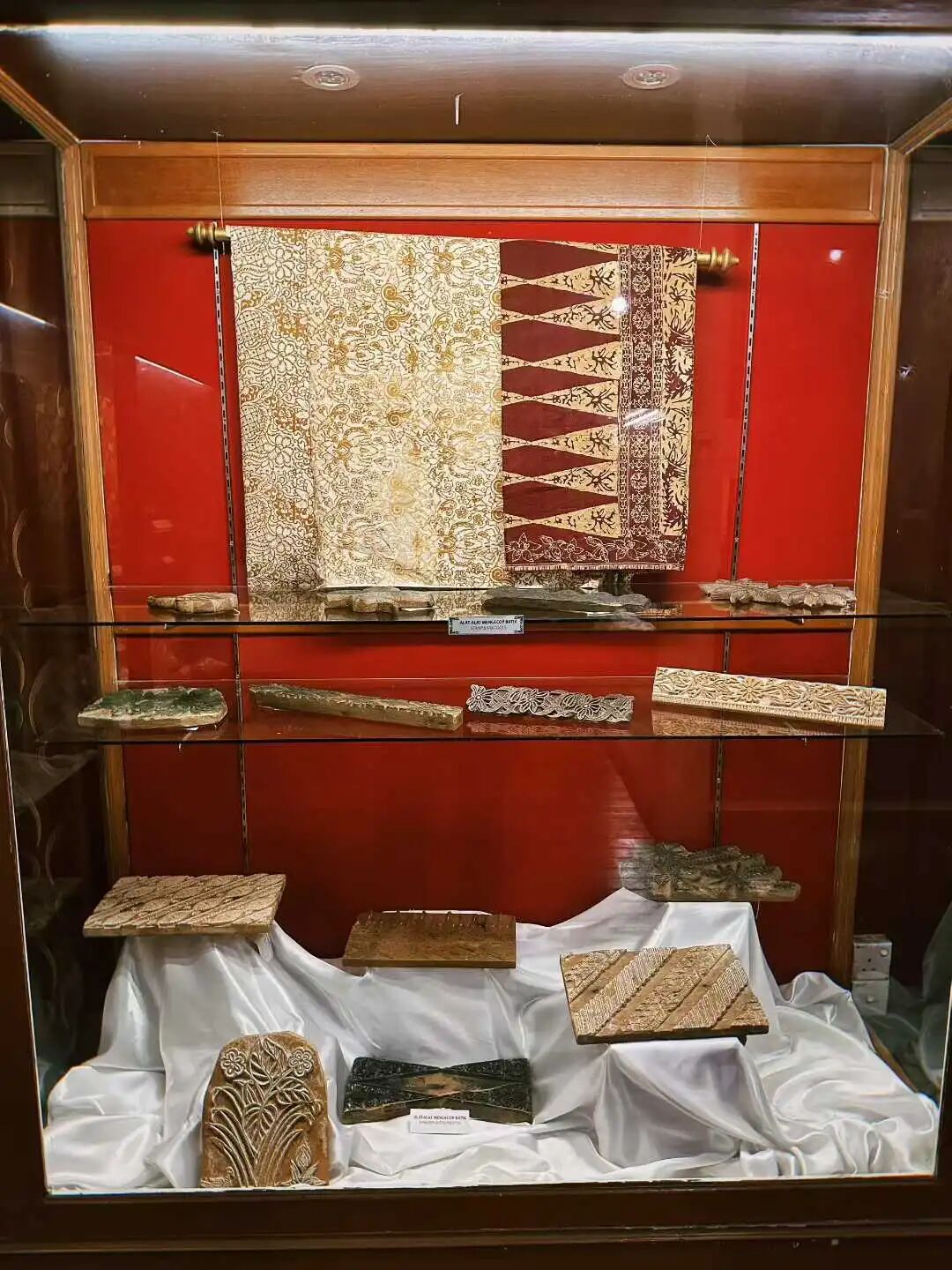
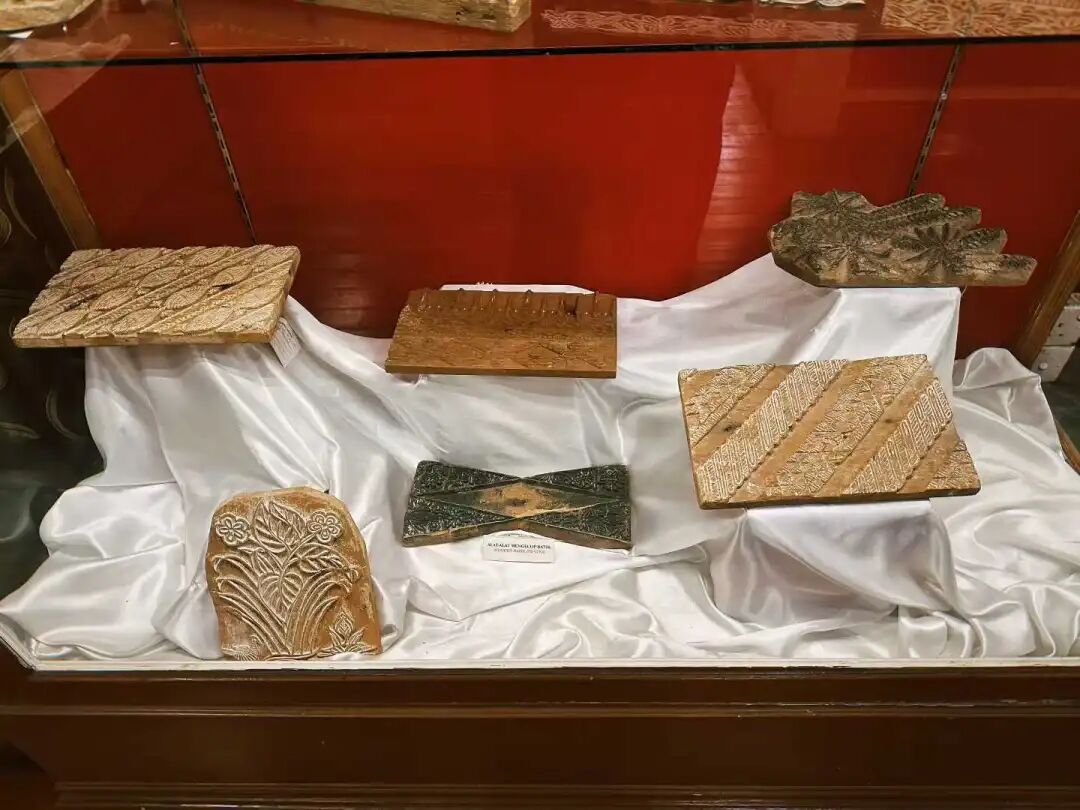
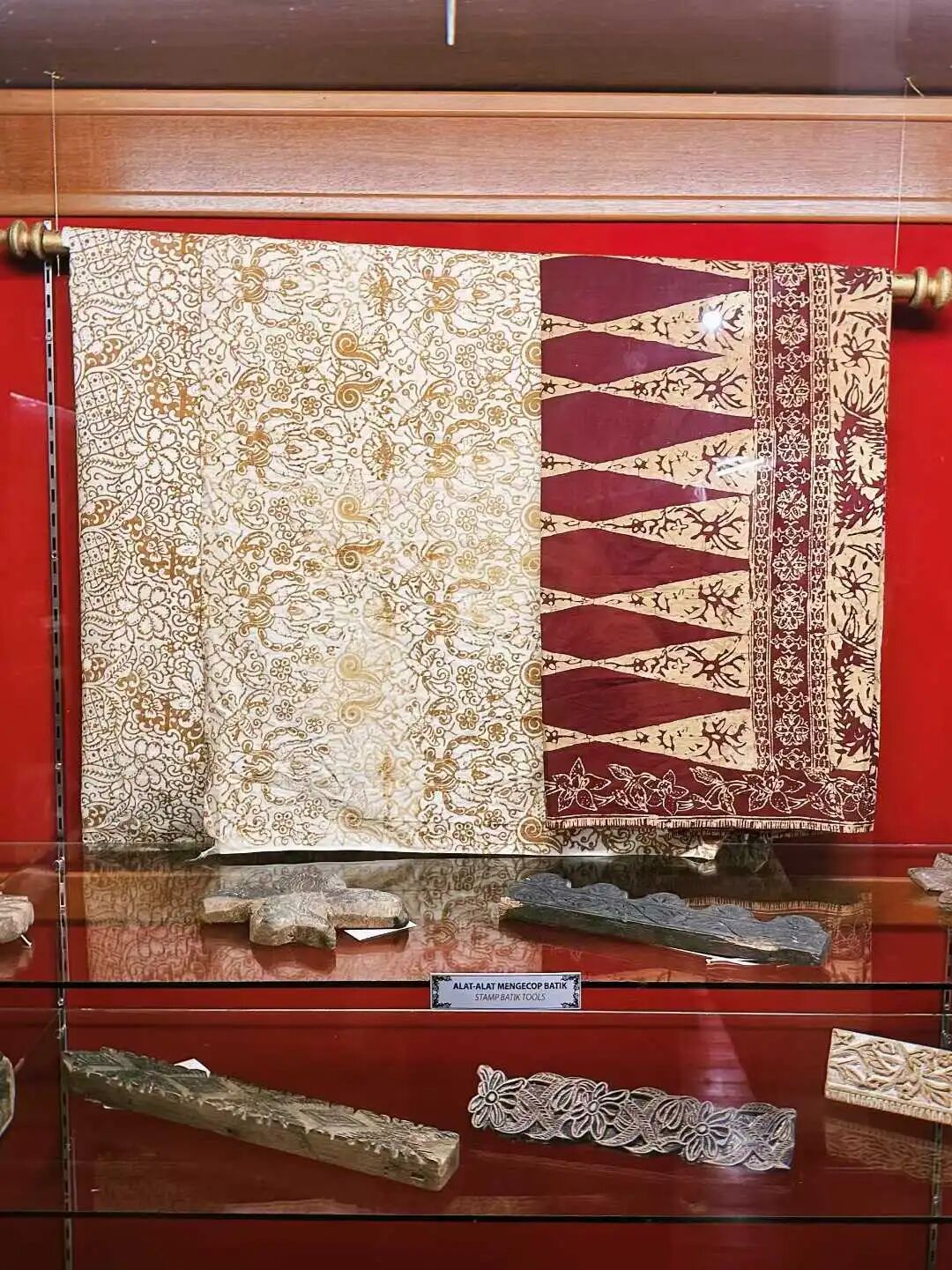
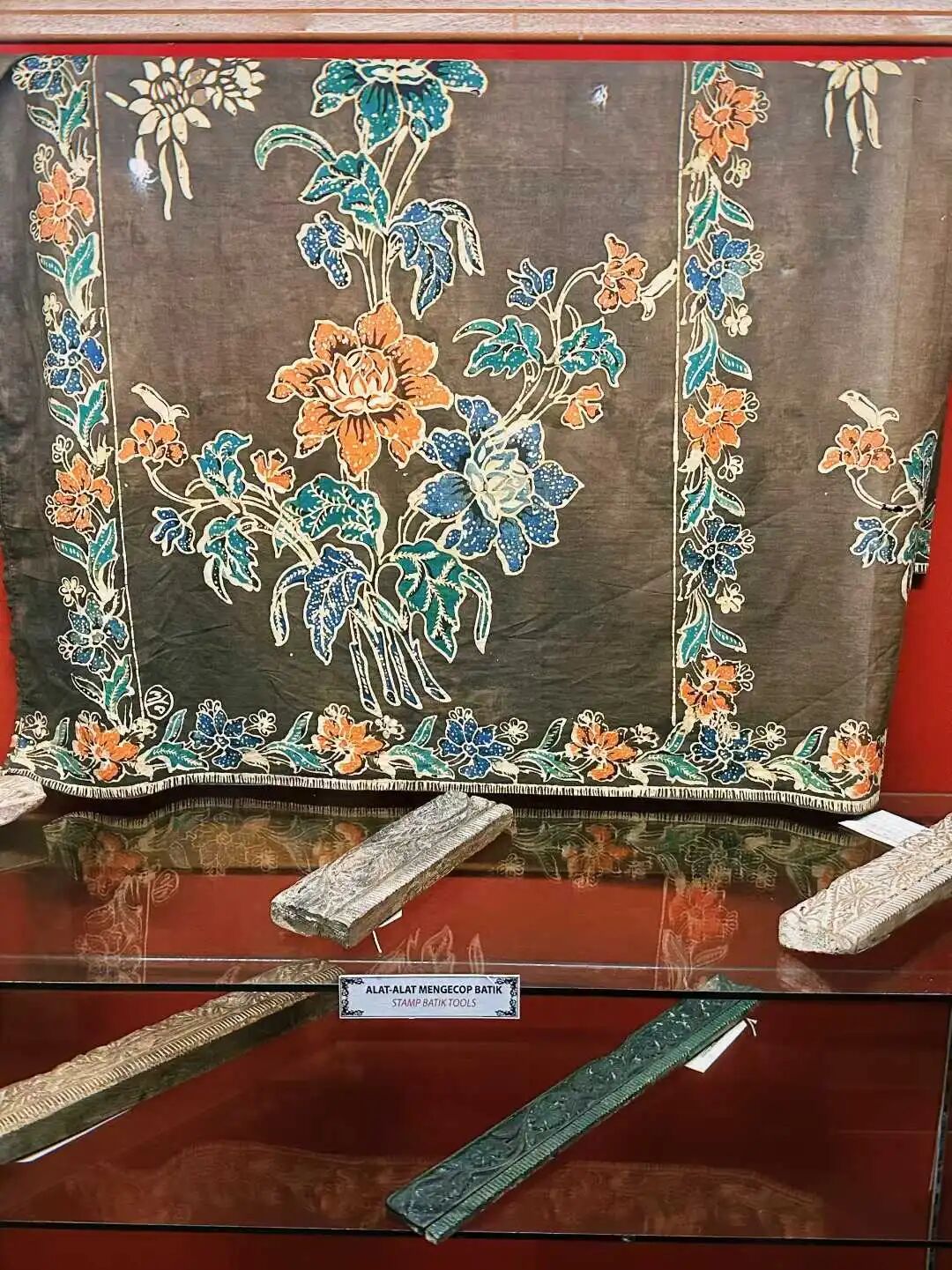
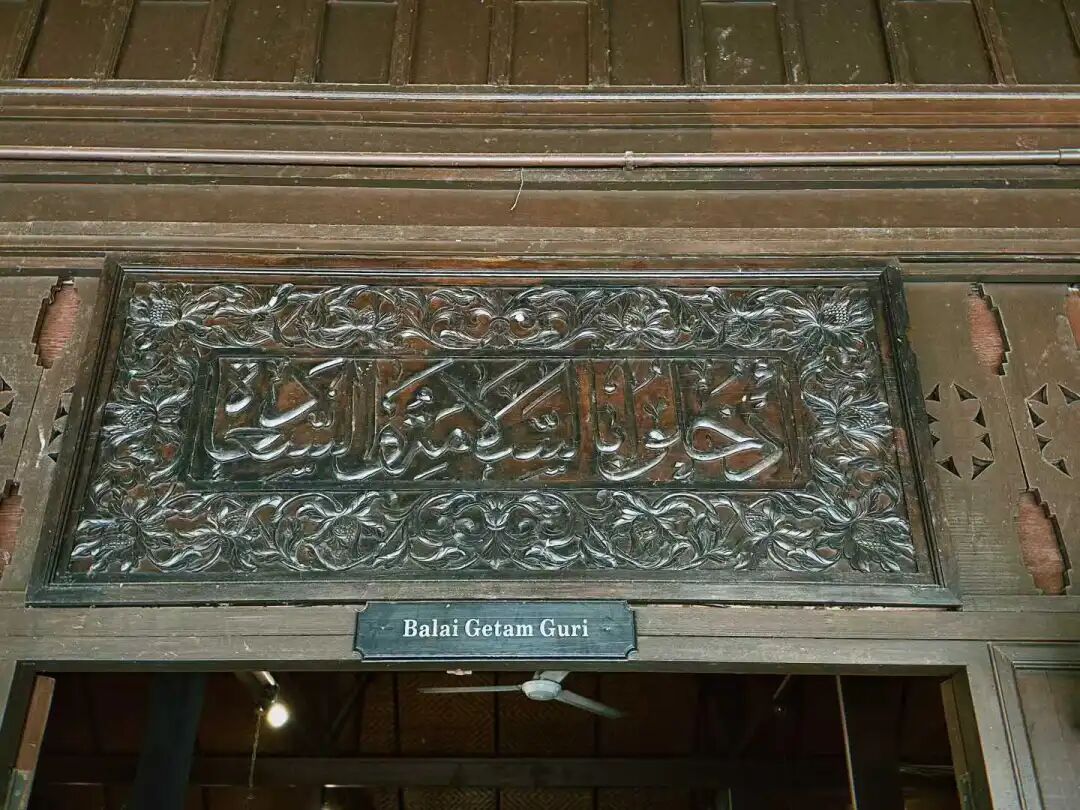
The Kota Bharu Handicraft Village displays traditional Kelantan wood carvings, including coconut graters and traditional Malay Congkak boards.
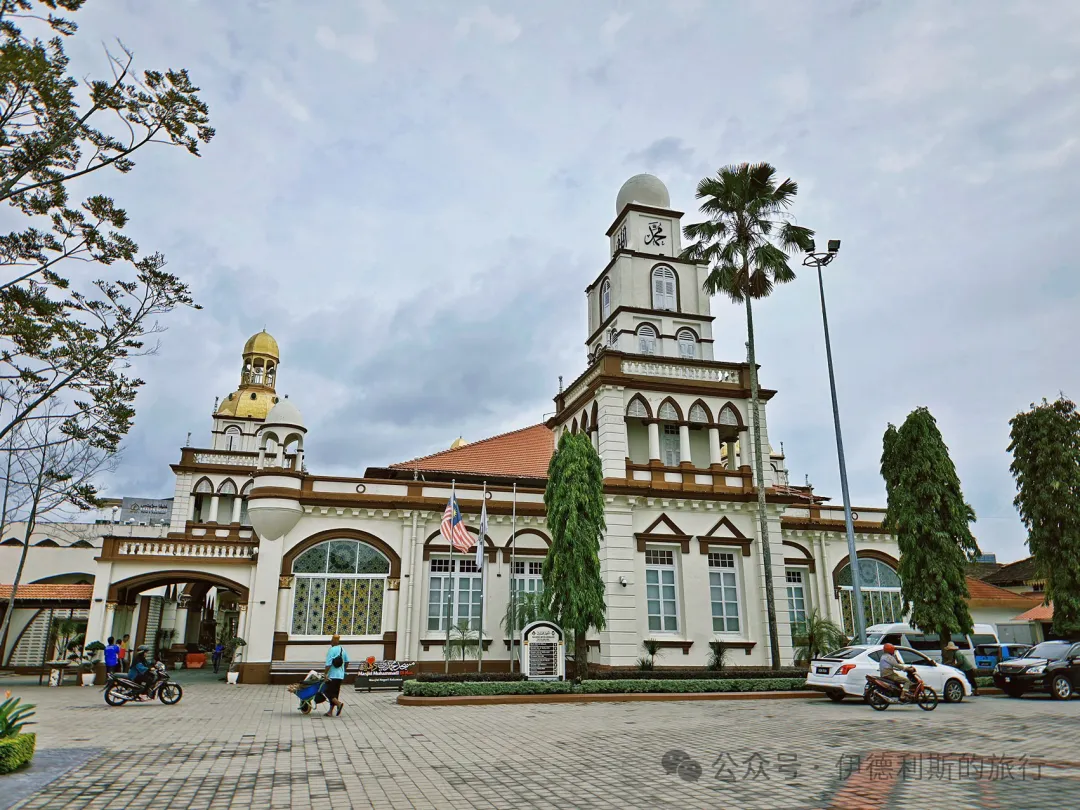
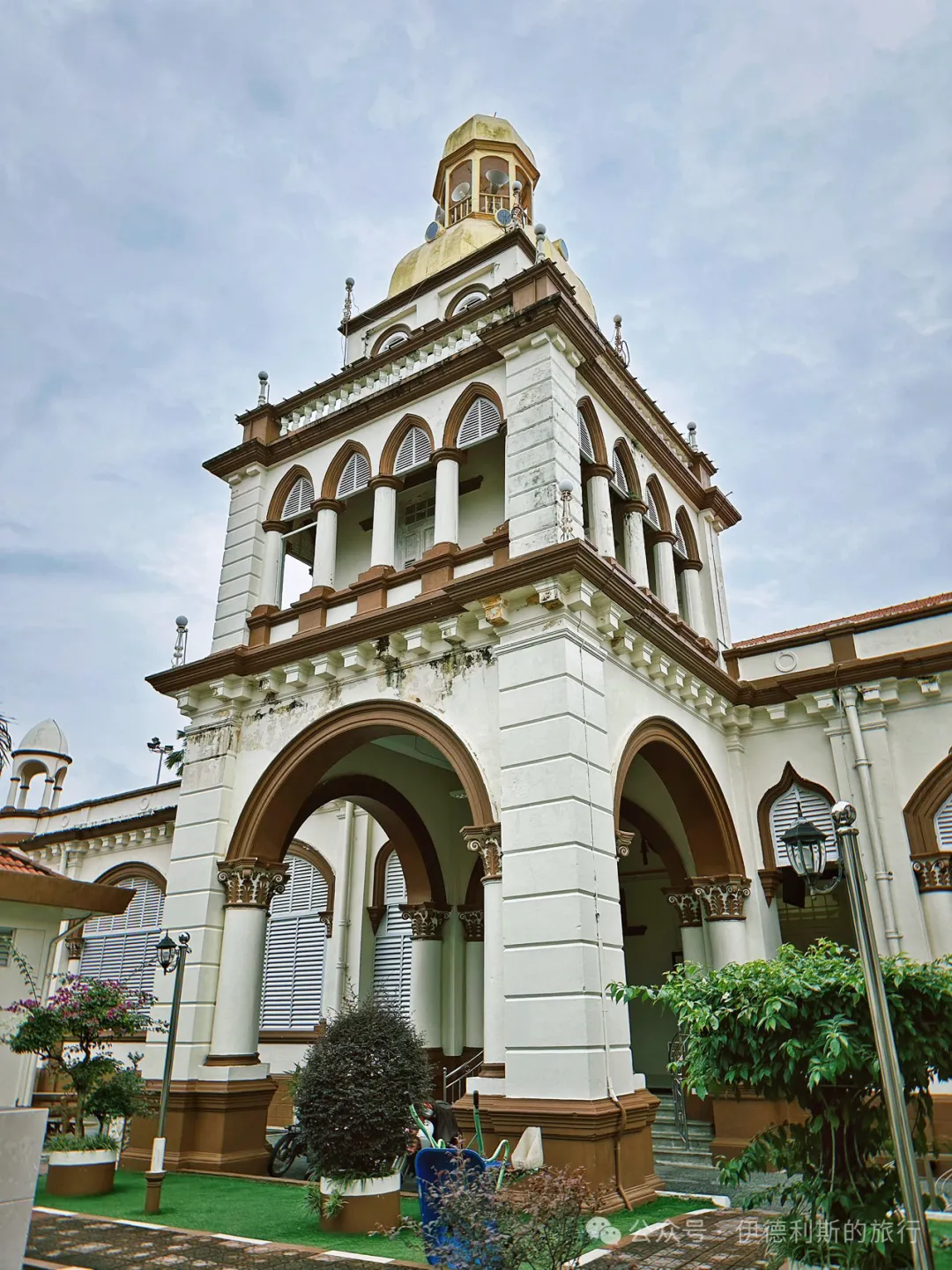
The Muhammadi Mosque (Masjid Jamek Muhammadi) is the congregational mosque of Kelantan state. It was built in 1867 by Sultan Muhammad II of Kelantan and was changed from a wooden structure to a concrete one in 1922, featuring a neoclassical revival style. In 1931, Sultan Ismail presided over the opening ceremony and officially named it the Muhammadi Mosque.
From the late 19th century to the 20th century, this place was an important center for Islamic studies in Malaysia, and many great scholars taught here. Because many students would go to Mecca for further studies after graduating, this place is also known as the 'Gateway to Mecca'.
Summary: Kelantan sits on the Thailand-Malaysia border and is known as one of the strongest centers of Malay culture. This long travel account covers Kota Bharu royal palaces, museums, court traditions, shadow puppetry, handicrafts, and Muhammadi Mosque.
Kelantan sits on the border of Thailand and Malaysia, facing the South China Sea. It is known as the cradle of Malay culture and remains the region where this culture is strongest.
Kelantan is still ruled by a Sultan today. The Sultan of Kelantan, Hajji Mahmud Jiddah Riayah Saadatussalam, was originally a Buddhist king (raja) named Raja Bharubhasa. It is said he converted to the faith in 1345 and officially took the title of Sultan. As an important trading port along the South China Sea, Kelantan has long had close ties with China, Thailand, and Indonesia. Zheng He visited here during his fourth voyage in 1413.
In 1844, Sultan Muhammad II of Kelantan moved the capital to Kota Bharu (meaning new city) at the mouth of the Kelantan River. That same year, he built the Grand Palace (Balai Besar). Five generations of Sultans lived in the palace between 1844 and 1920. Later, it became a place for investitures, state banquets, and various royal ceremonies. The current Sultan, Muhammad V, held his coronation ceremony here in 2010.
The Grand Palace (Balai Besar) was built by a craftsman from Terengganu named Muhamad Salleh. He used the traditional style of the east coast of the Malay Peninsula and was the best woodcarver in the region at the time. Although the front hall was expanded in the early 20th century, the palace kept its traditional architectural style. It is the most classic existing Malay royal palace.
Next to the Grand Palace (Balai Besar) in Kelantan stands the Jahar Palace (Istana Jahar), built in 1887. It is currently open to the public as the Royal Museum of Traditional Customs. The Jahar Palace (Istana Jahar) was originally built by Sultan Muhammad II of Kelantan for his grandson, Long Kundur, so it was called the Palace of the Second King. After the second king ascended the throne as Sultan Muhammad III in 1889, this place officially became part of the Kelantan Sultan's palace complex. In 1911, Sultan Muhammad IV ordered the palace to be renovated and gave it to his son, Ismail. Ismail became the new Sultan in 1920, and the Jahar Palace (Istana Jahar) continued to be used as a royal palace. The Jahar Palace (Istana Jahar) officially became a museum in 1981.
Like the Grand Palace (Balai Besar), the Jahar Palace (Istana Jahar) was originally a traditional single-story Malay wooden house. It was later rebuilt into a two-story brick structure, blending European architecture with traditional Kelantan styles, reflecting the Western influence on the Kelantan royal family. While the roof, facade, and other decorative elements show typical traditional Malay features, the iron spiral staircase, iron railings, and octagonal porch inside are clearly influenced by European styles.
The Royal Museum of Traditional Customs at the Jahar Palace (Istana Jahar) displays and introduces various traditional ceremonies of the Kelantan royal court.
The traditional Malay wood carvings collected by the Royal Museum of Traditional Customs at the Jahar Palace (Istana Jahar) were mostly used for decorating traditional buildings like mosques and houses.
The platform in the courtyard of the Jahar Palace (Istana Jahar), called Panca Persada, is where princes would bathe before their wedding and circumcision ceremonies.
The Royal Museum of Traditional Customs at the Jahar Palace (Istana Jahar) houses divine bird boats, a unique cultural tradition of the Sultanates of Kelantan and Pattani. The first boat, Petala Indera Seri Kekayangan, was a gift from King Rama V of Thailand to Sultan Muhammad IV during his visit to Kelantan in 1905. The second, Burung Petalawati, was used for the circumcision ceremony of Tengku Zainal Abidin in 1933.
The origin of this divine bird can be traced back to ancient Malay legends and Indian culture. It was likely influenced by the giant bird in the Malay epic Isma Dewa and the mythical bird Garuda from Indian mythology. After 1933, the divine bird procession in the Kelantan region stopped because it was considered to deviate from the faith. It is now only preserved in the Malay community in the Pattani region of southern Thailand, though on a much smaller scale.
Batu Palace (Istana Batu) was a wedding gift from Sultan Muhammad XV of Kelantan to his nephew, Sultan Yahya Petra, and his wife, Tengku Zainab II, in 1939. It served as the palace for the third-ranking prince for many years. In 1960, Yahya Petra became the Sultan of Kelantan and moved to the Great Palace (Istana Balai Besar). The building was renovated in 1966 to become the home of Princess Tengku Salwani. From 1969 to 1972, it was the residence of Crown Prince Ismail Petra, and later it was used as a royal guesthouse. Since 1991, it has officially been the Kelantan Royal Museum, where you can see scenes of 20th-century life in the Kelantan Sultanate court.
The Blue Room was originally Sultan Yahya Petra's bedroom. It became Princess Tengku Salwani's bridal chamber in 1966. When Crown Prince Ismail Petra lived there in 1969, it was painted blue and furnished with solid wood pieces crafted by a famous Kelantan master carpenter. The room later hosted many royal family members. When Ismail Petra was crowned Sultan in 1980, the Sultanah of Johor, Tengku Nora, stayed here.
The Yellow Room was originally the bedroom for Sultan Yahya Petra's children. After 1960, it was used as a royal guest room. The current furniture was specially designed by Sultanah Tengku Zainab II for her daughter Tengku Salwani's wedding in 1966. Before 1991, this room was used as a bridal chamber for the Kelantan Sultanate court.
The Pink Room was originally Princess Tengku Salwani's bedroom, and it was later used by her son. The furniture in this room was ordered from Singapore.
Among the royal photos in the Kelantan Royal Museum, the first black-and-white one is of Sultan Ismail (1920-1944).
Parked outside is the Rolls-Royce used by Sultan Ismail Petra after 1980.
The Kelantan Islamic Museum (Muzium Islam Kelantan) was built in 1901. It was originally the official residence of the Kelantan Chief Minister, Hassan Muhammad Salleh, and is a two-story Malay wooden house in the Kelantan architectural style. Between 1917 and 1990, it served as the office for the Kelantan Islamic Council and the Customs Department. It opened as the Islamic Museum in 1991, but unfortunately, the museum is now closed.
The Kelantan State Museum was built in 1930. It was originally the Kota Bharu Land Office and was converted into a museum after 1990.
The Kelantan State Museum does not have many exhibits, but you can see precious Kelantan shadow puppetry (Wayang Kulit). Kelantan shadow puppetry has a very long history. It was once widespread in southern Thailand and northern Malaysia, especially in the Pattani region of southern Thailand and in Kelantan. There are many theories about the origin of Kelantan shadow puppetry. One theory suggests that 19th-century Kelantanese learned it from shadow puppetry masters on the island of Java. However, today's Kelantan shadow puppetry is significantly different from Javanese shadow puppetry. For example, Kelantan shadow puppetry is performed in the Kelantan Malay dialect, and the costumes of the puppet characters have a typical southern Thai style.
The stories in Kelantan shadow puppetry mainly come from the Indian epic Ramayana. Besides the main plot, there are many smaller stories not found in the book. some stories are taken from ancient Malay legends and Arabic legends, which is a major feature of Kelantan shadow puppetry.
The Kelantan State Museum houses costumes from the Kelantan court dance-drama, Mak Yong. Mak Yong originated in the Pattani region of southern Thailand around the 13th century and became a court dance-drama for the Kelantan Sultanate after the 18th century. Before the end of the 19th century, Mak Yong theater was performed exclusively for the Sultan's court, and it only began to be performed in public spaces after the 20th century.
The content of Mak Yong theater can be traced back to ancient Malay legends, many of which come from animism, Buddhism, and Hinduism, including Buddhist Jataka tales that have already been lost in India.
A very unique point of Mak Yong theater is that all the main roles are played by women. The lead actress, Mak Yong, is responsible for solo singing and leading the performance, while the palace maids around her provide backing vocals and dance. Men can only play the role of the clown for comic relief.
After the Pan-Malaysian Islamic Party (PAS) came to power in 1991, public performances of Mak Yong theater were banned. Although some veteran artists have stuck to their art despite the ban, they find it very difficult to get opportunities to perform.
The Kelantan-style Malay kite is called Wau Bulan. Bulan means moon in Malay, because this kite looks like a rising crescent moon when it flies. You can see workshops that make these kites in the village of Kampung Laut in Kelantan.
Congkak is a strategy board game popular in Malaysia, Indonesia, and Brunei. It originated in Egypt during the ancient Roman era and later spread to Southeast Asia through Arabia and India. It was once a court game of the Malacca Sultanate. The Congkak boards in the Kelantan region are beautifully decorated, and some are carved with bird patterns.
The Pitis Bank at the entrance of the Kelantan Sultan's palace is the oldest brick building in Kelantan, and its main gate is made of very sturdy chengal wood. The bank was built in 1889 by Sultan Muhammad III to store the tin currency called Pitis that was issued by the Sultan at the time. After the British Straits Settlements began issuing currency in 1909, Pitis gradually faded from history.
The Kota Bharu Handicraft Village is right next to the Sultan's palace. It was built in 1991 in the style of a traditional Kelantan Malay wooden house and is used specifically to display traditional Kelantan handicrafts.
The Kota Bharu Handicraft Village displays traditional Kelantan Malay batik fabric.
The Kota Bharu Handicraft Village displays traditional Kelantan wood carvings, including coconut graters and traditional Malay Congkak boards.
The Muhammadi Mosque (Masjid Jamek Muhammadi) is the congregational mosque of Kelantan state. It was built in 1867 by Sultan Muhammad II of Kelantan and was changed from a wooden structure to a concrete one in 1922, featuring a neoclassical revival style. In 1931, Sultan Ismail presided over the opening ceremony and officially named it the Muhammadi Mosque.
From the late 19th century to the 20th century, this place was an important center for Islamic studies in Malaysia, and many great scholars taught here. Because many students would go to Mecca for further studies after graduating, this place is also known as the 'Gateway to Mecca'.
Halal Travel Guide: Kelantan, Malaysia - Malay Culture, Part 2
Articles • ali2007fr posted the article • 0 comments • 279 views • 2026-05-20 09:24
Reposted from the web
Summary: The second Kelantan travel account focuses on mosques and local Muslim life around Kota Bharu and Kampung Laut. It records a 1940 wooden house near the state mosque, Kampung Laut Mosque, An-Naim Mosque, prayer during a meal, and the halal Chinese restaurant near the mosque.
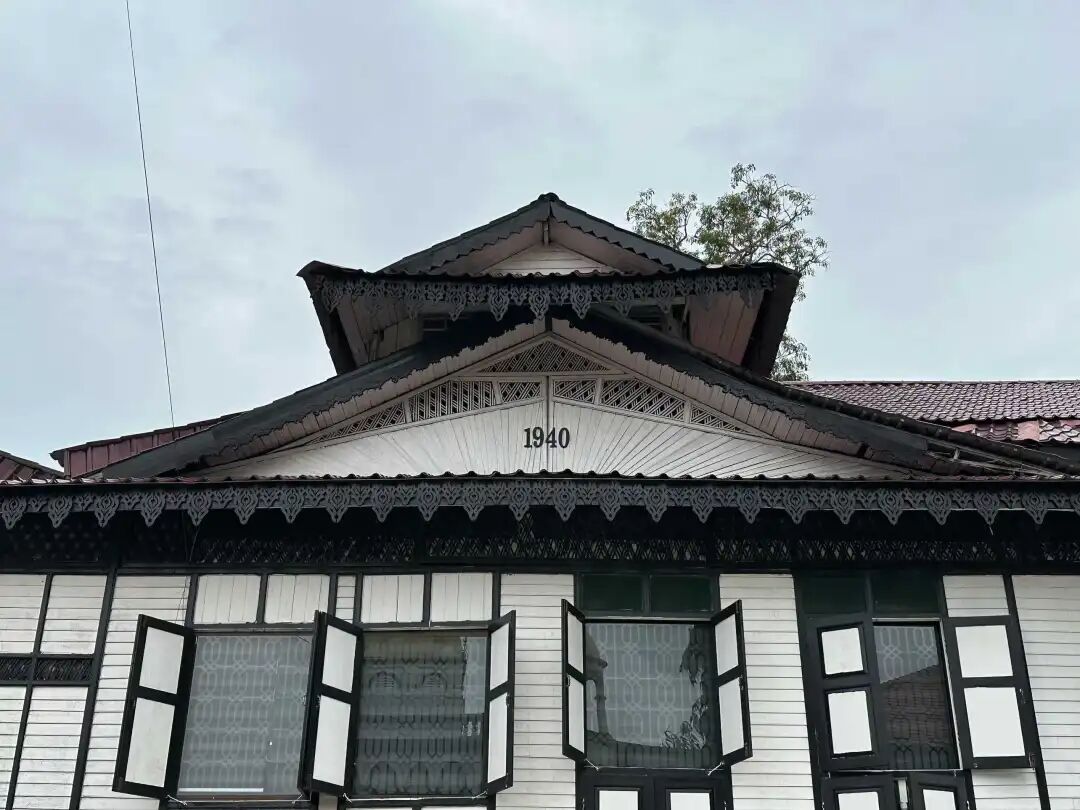
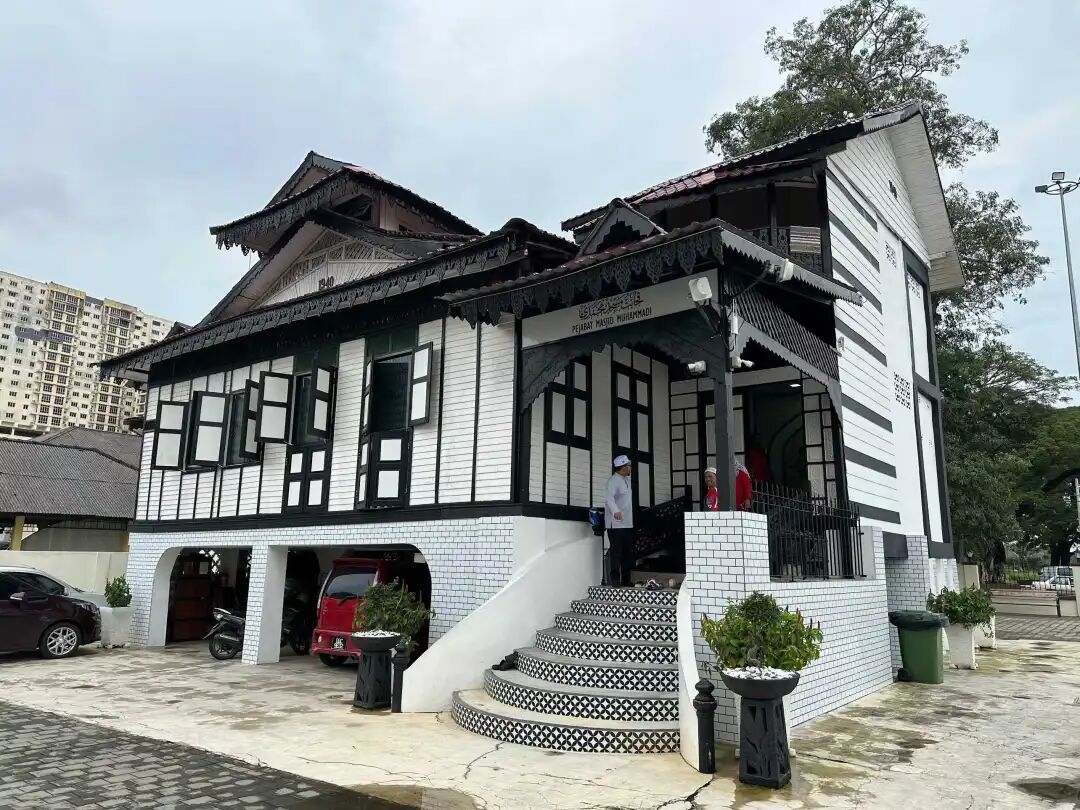
Behind the State Mosque stands a wooden house built in 1940 that feels like a mix of a Malay wooden house and gingerbread style. I met the imam of the mosque in front of the wooden house and had a great chat with him.
Kampung Laut Mosque (Masjid Kampung Laut) is located by the Kelantan River north of Kota Bharu and is known as one of the oldest mosques in Malaysia. According to local legends passed down through generations, ancestors set sail from Champa in southern Vietnam to spread the faith in Java, but a storm damaged their boat and left them stranded on the Kelantan coast. They made a dua to build a mosque wherever they could safely dock their boat. Just then, a school of barracuda swam into the boat and plugged the leaks, keeping it from sinking. After the storm, the boat sailed along the Kelantan River and docked safely at Kampung Laut, where the ancestors built the first Kampung Laut Mosque.
There is no clear record of when Kampung Laut Mosque was first built, but it is estimated to be between the 15th and 18th centuries. It is said the original main hall was just a pavilion, and it was not expanded until the late 18th century into a stilt wooden house high enough to tether an elephant. Between 1886 and 1889, the original sago palm leaf roof was replaced with clay tiles, and a wooden minaret was added in the 1890s. Kampung Laut Mosque was destroyed by floods in 1967, then moved to Nilam Puri for reconstruction, and was not moved back to a high platform in Kampung Laut until 2020.
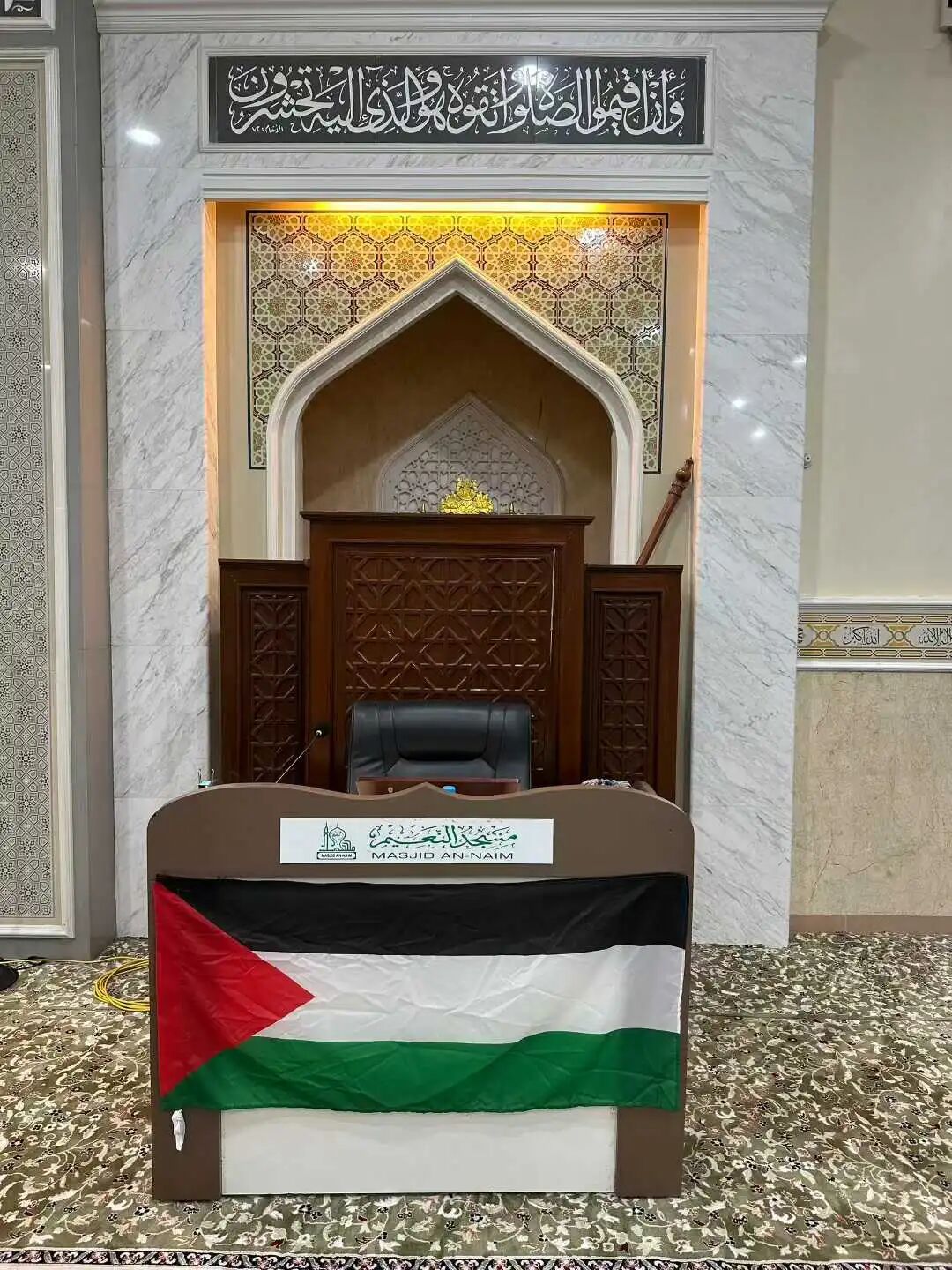
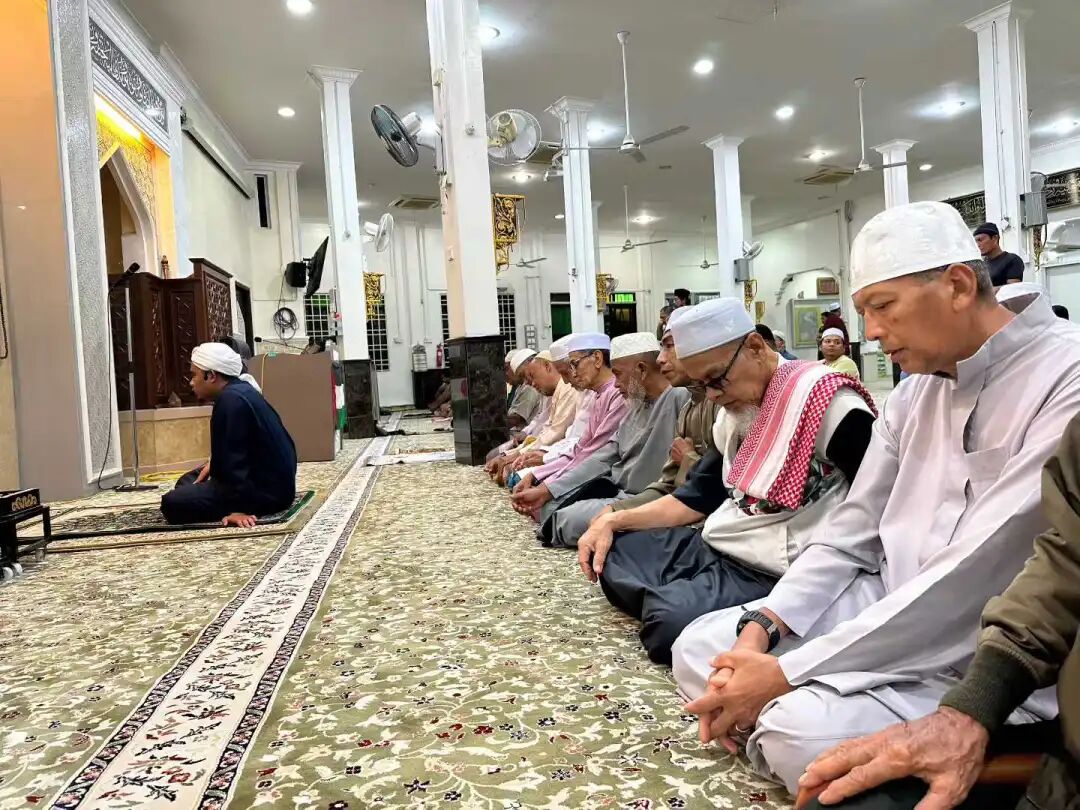
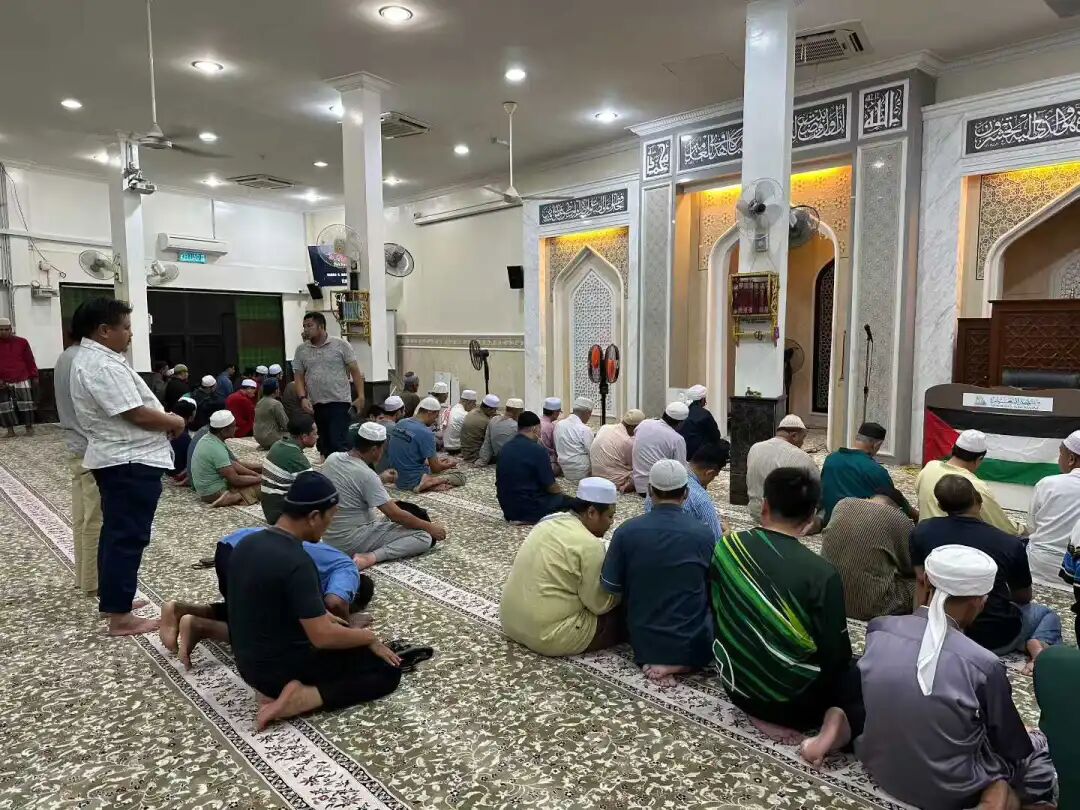
An-Naim Mosque is the municipal mosque of Kota Bharu, located near the Four Seasons Restaurant, the largest halal Chinese restaurant in Kota Bharu. We went to the mosque to pray namaz in the middle of our meal, then went back to finish eating. view all
Summary: The second Kelantan travel account focuses on mosques and local Muslim life around Kota Bharu and Kampung Laut. It records a 1940 wooden house near the state mosque, Kampung Laut Mosque, An-Naim Mosque, prayer during a meal, and the halal Chinese restaurant near the mosque.
Behind the State Mosque stands a wooden house built in 1940 that feels like a mix of a Malay wooden house and gingerbread style. I met the imam of the mosque in front of the wooden house and had a great chat with him.
Kampung Laut Mosque (Masjid Kampung Laut) is located by the Kelantan River north of Kota Bharu and is known as one of the oldest mosques in Malaysia. According to local legends passed down through generations, ancestors set sail from Champa in southern Vietnam to spread the faith in Java, but a storm damaged their boat and left them stranded on the Kelantan coast. They made a dua to build a mosque wherever they could safely dock their boat. Just then, a school of barracuda swam into the boat and plugged the leaks, keeping it from sinking. After the storm, the boat sailed along the Kelantan River and docked safely at Kampung Laut, where the ancestors built the first Kampung Laut Mosque.
There is no clear record of when Kampung Laut Mosque was first built, but it is estimated to be between the 15th and 18th centuries. It is said the original main hall was just a pavilion, and it was not expanded until the late 18th century into a stilt wooden house high enough to tether an elephant. Between 1886 and 1889, the original sago palm leaf roof was replaced with clay tiles, and a wooden minaret was added in the 1890s. Kampung Laut Mosque was destroyed by floods in 1967, then moved to Nilam Puri for reconstruction, and was not moved back to a high platform in Kampung Laut until 2020.
An-Naim Mosque is the municipal mosque of Kota Bharu, located near the Four Seasons Restaurant, the largest halal Chinese restaurant in Kota Bharu. We went to the mosque to pray namaz in the middle of our meal, then went back to finish eating. view all
Reposted from the web
Summary: The second Kelantan travel account focuses on mosques and local Muslim life around Kota Bharu and Kampung Laut. It records a 1940 wooden house near the state mosque, Kampung Laut Mosque, An-Naim Mosque, prayer during a meal, and the halal Chinese restaurant near the mosque.
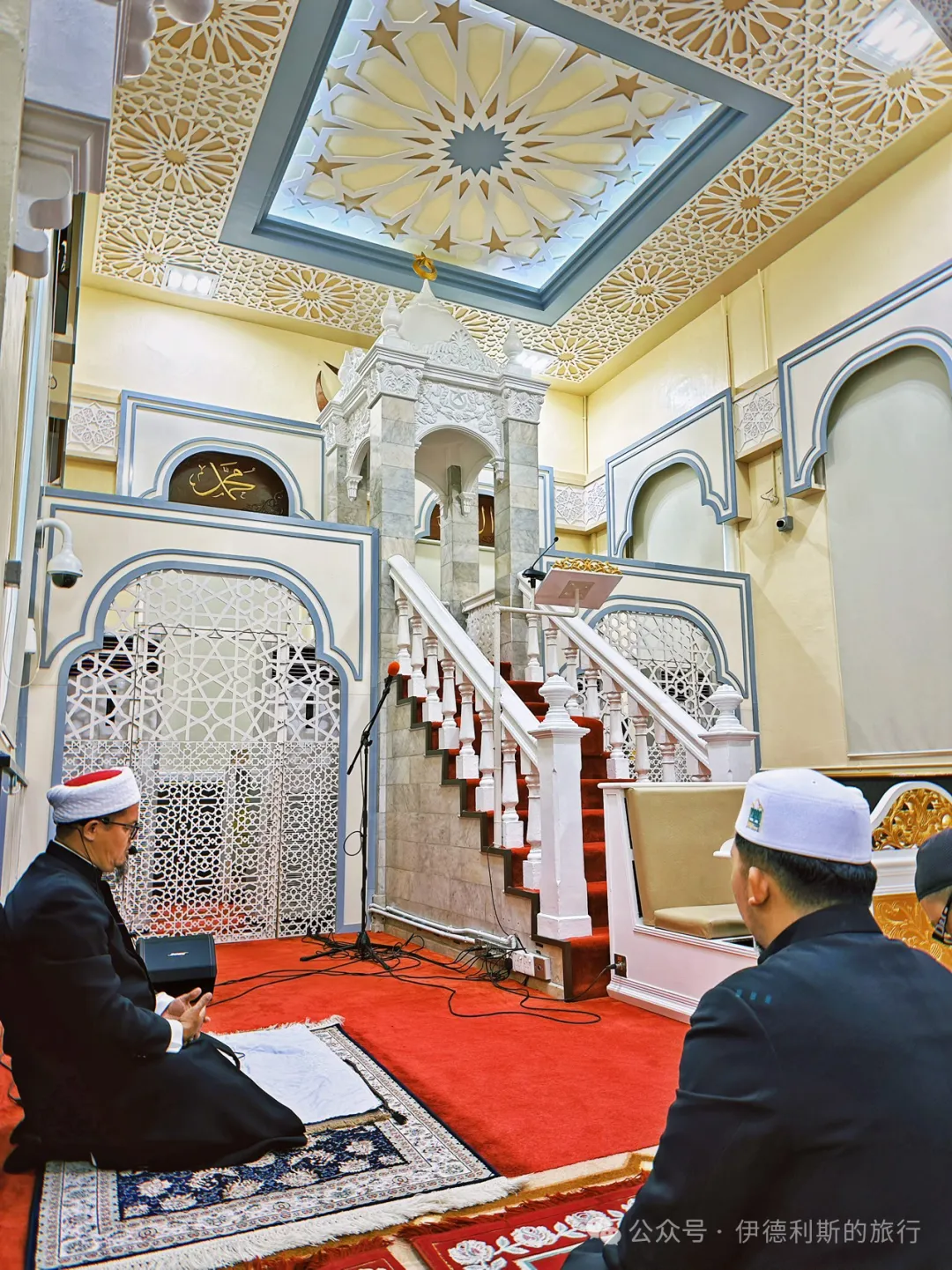
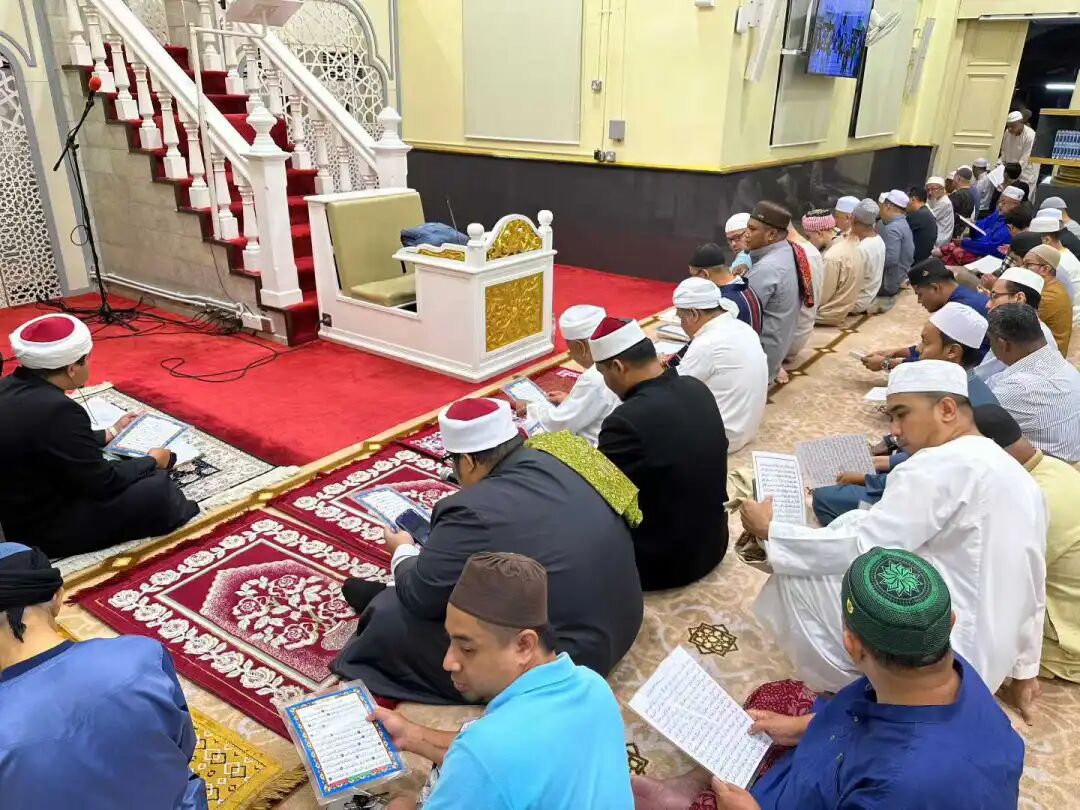
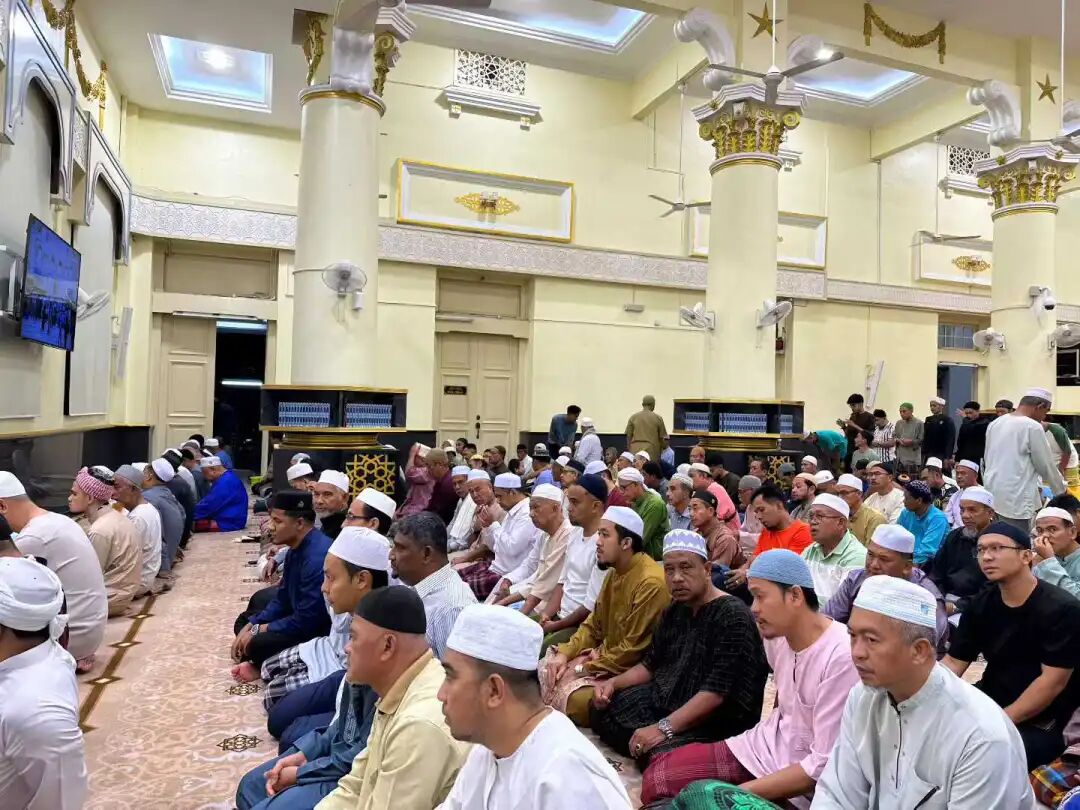
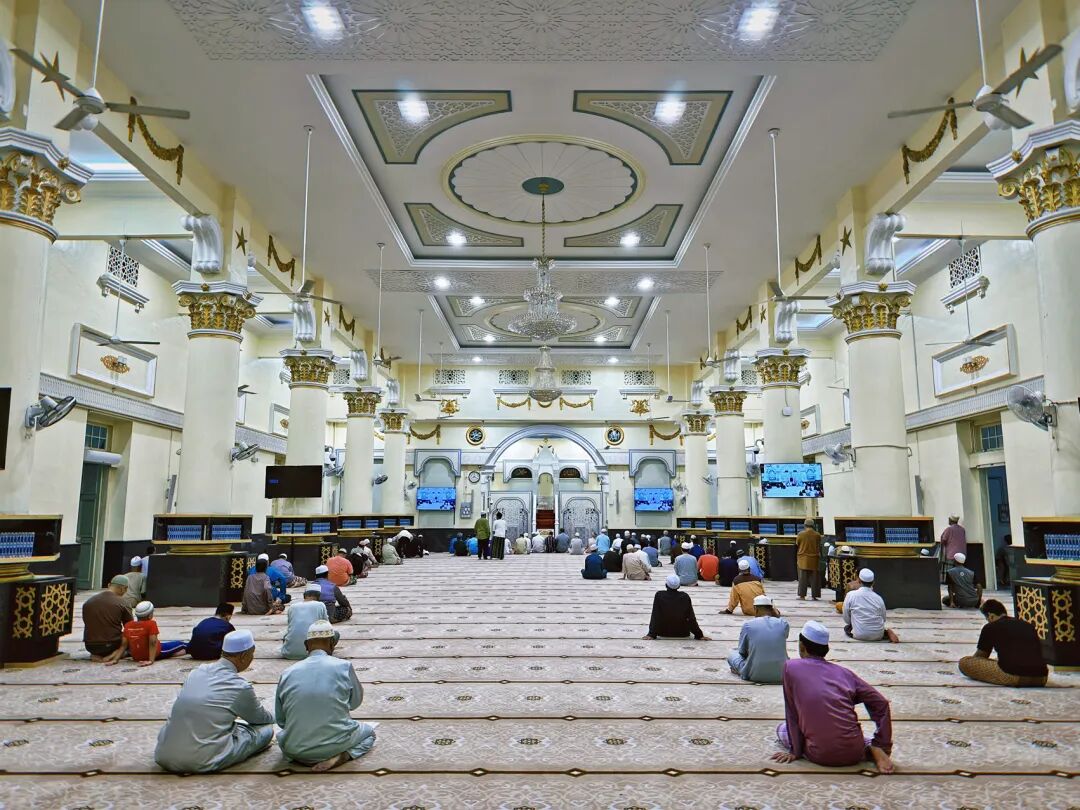
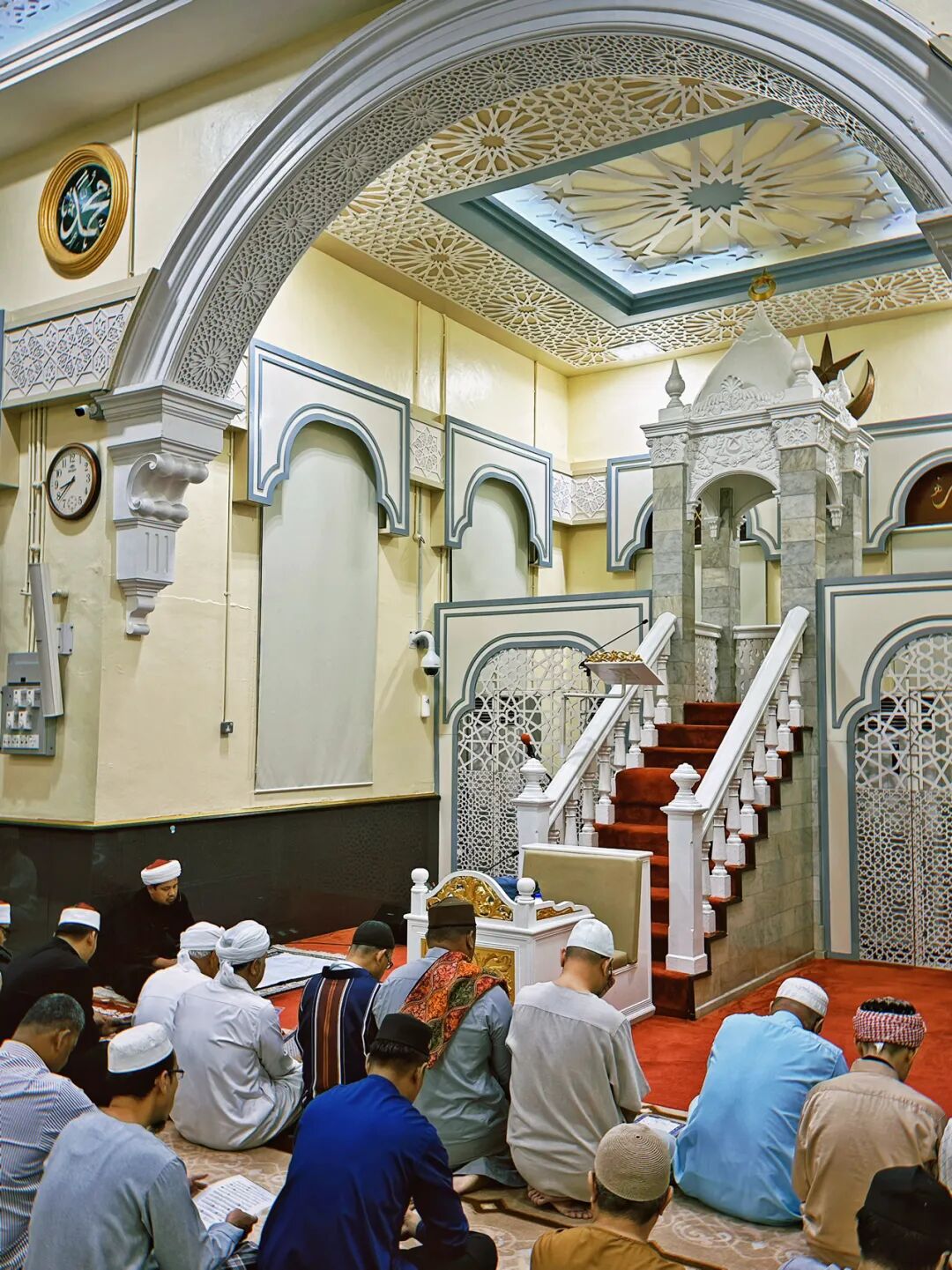
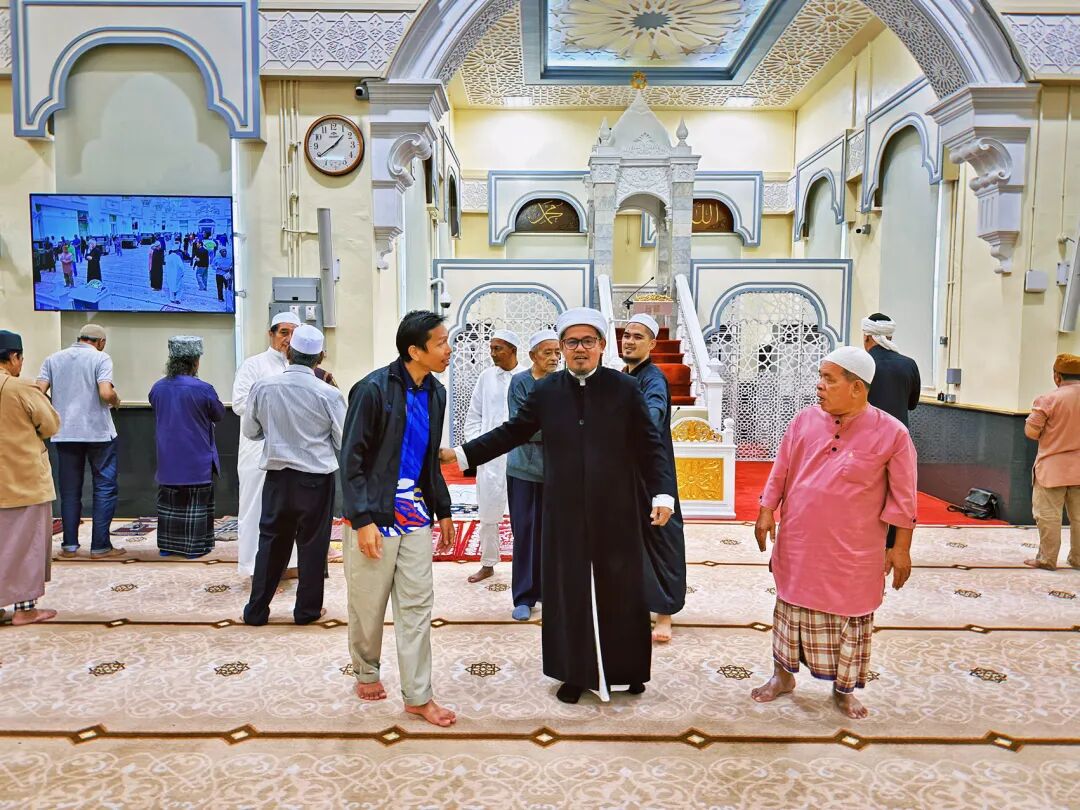
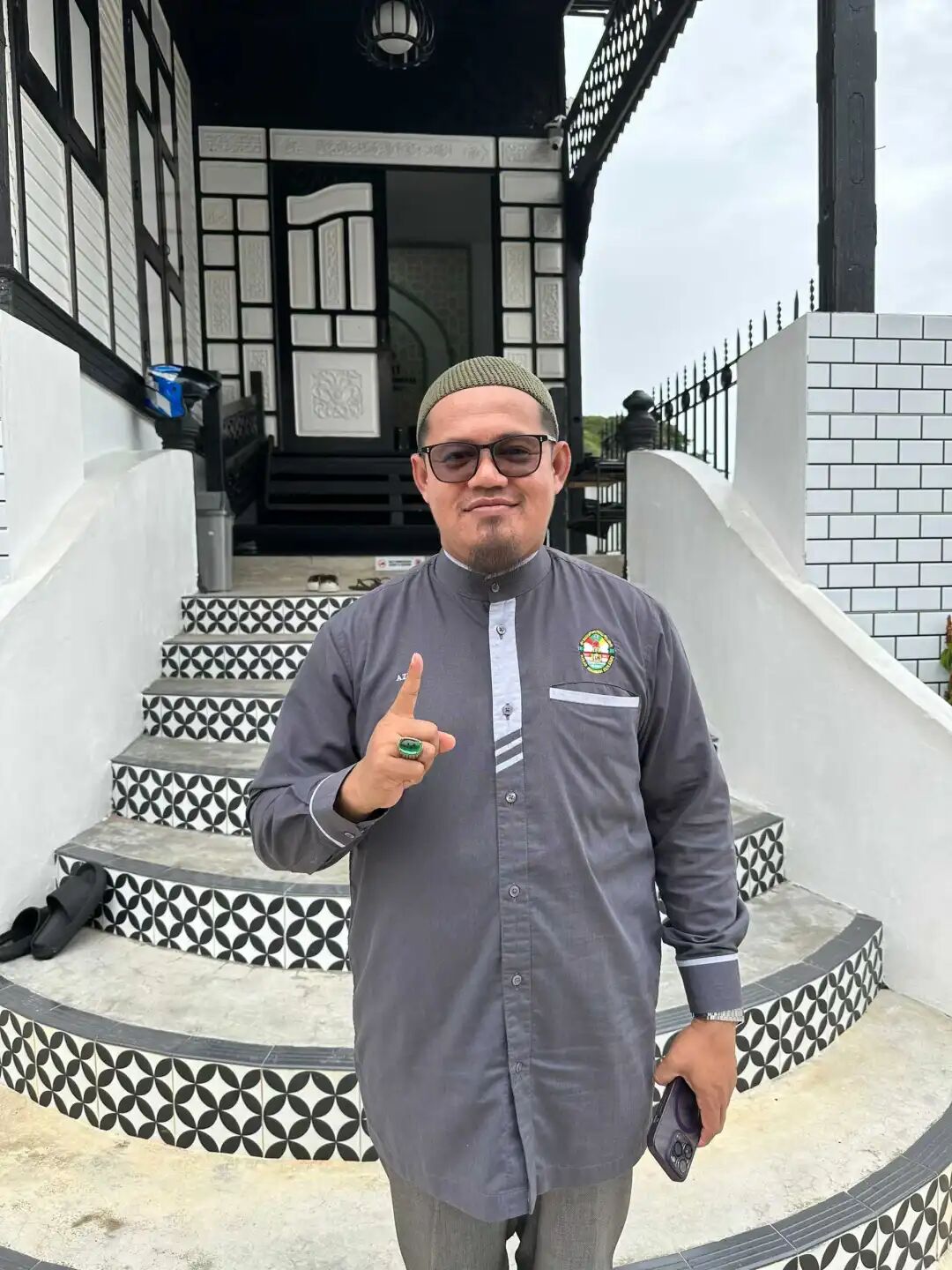
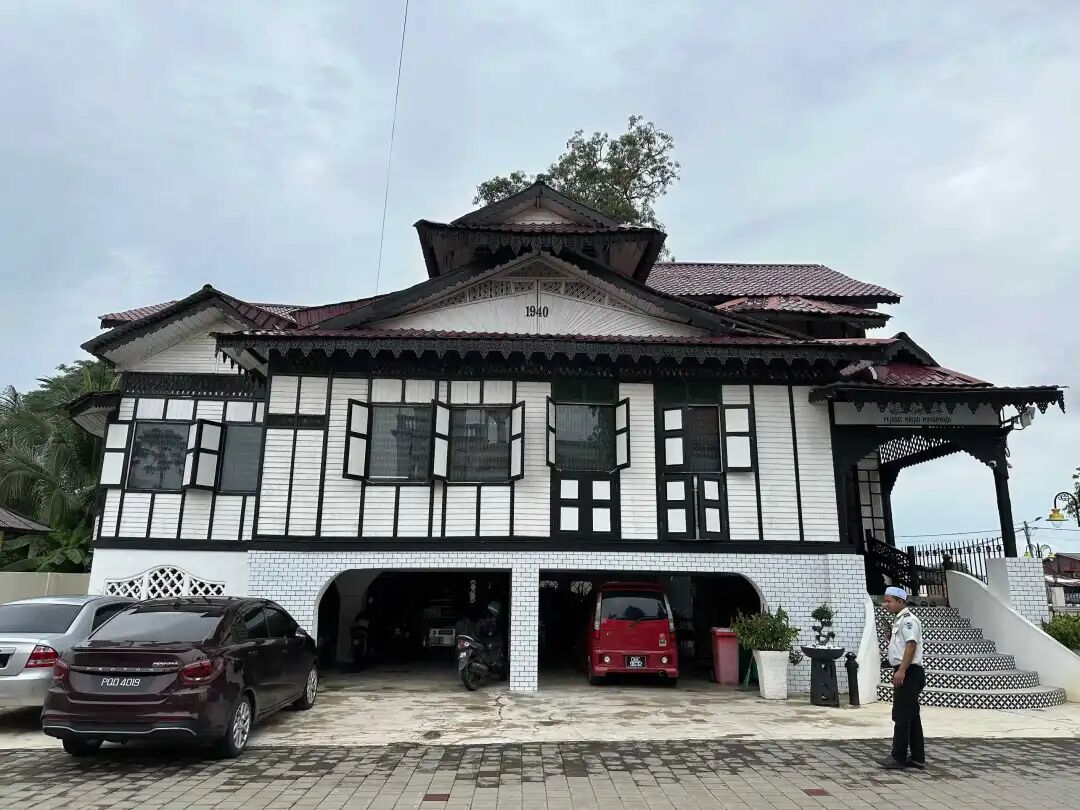
Behind the State Mosque stands a wooden house built in 1940 that feels like a mix of a Malay wooden house and gingerbread style. I met the imam of the mosque in front of the wooden house and had a great chat with him.
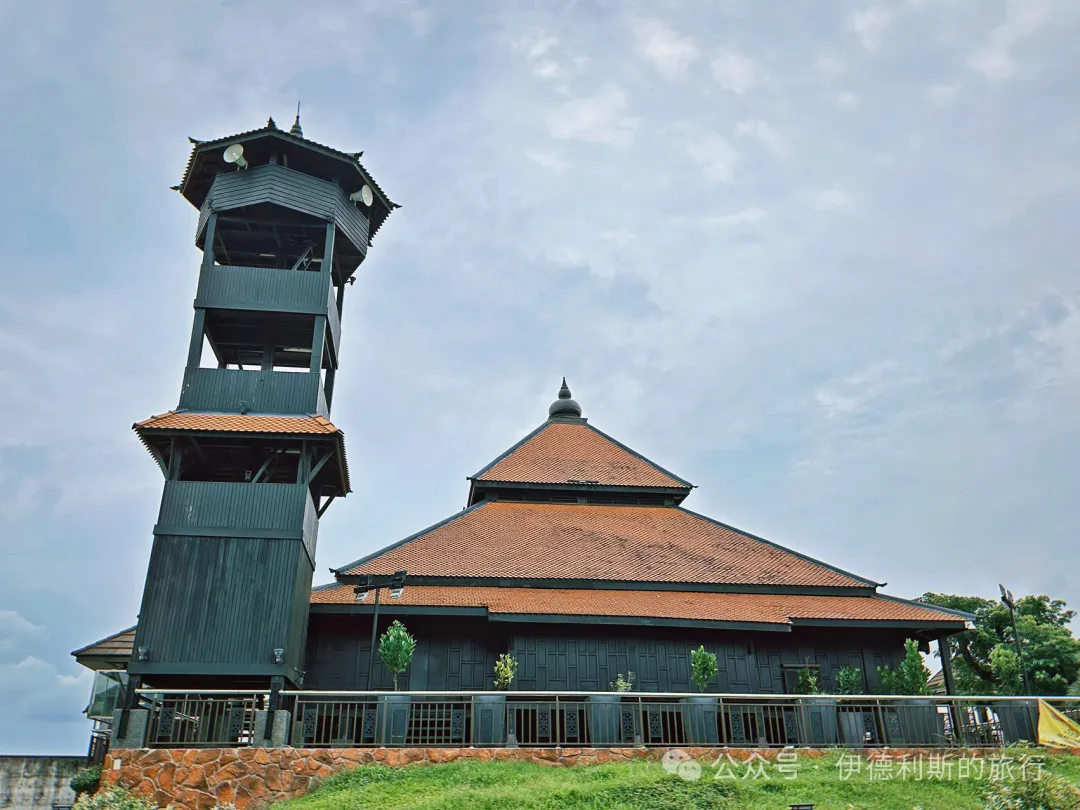
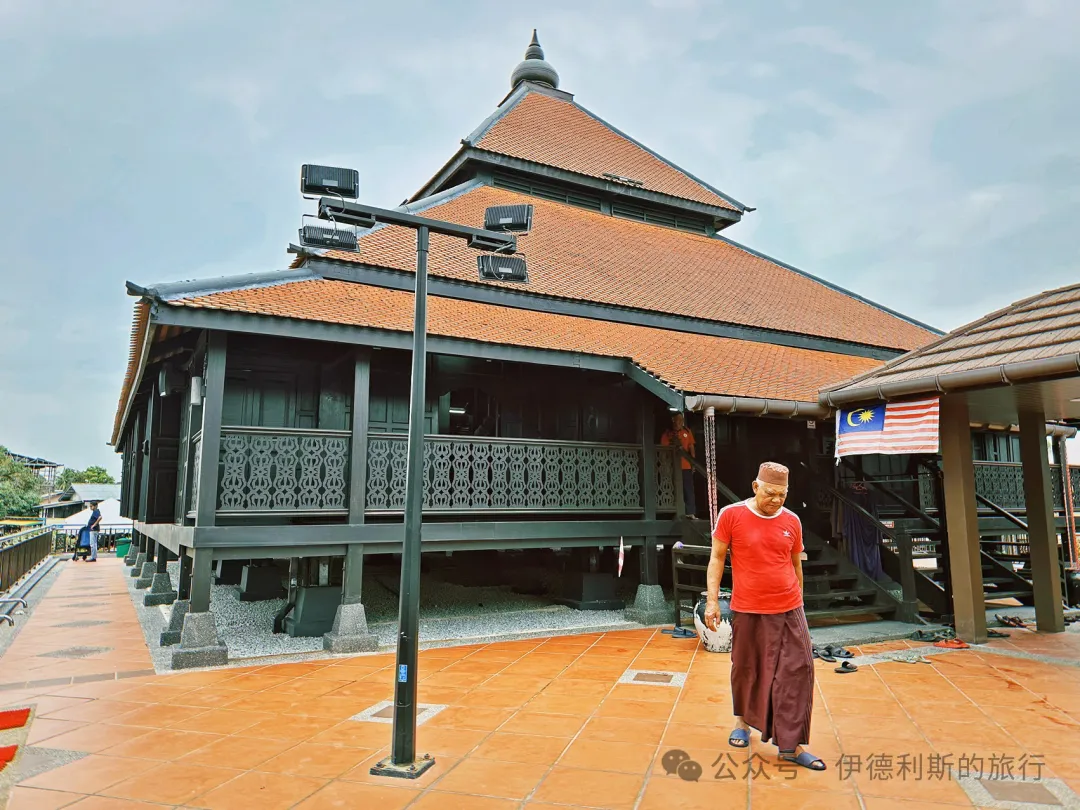
Kampung Laut Mosque (Masjid Kampung Laut) is located by the Kelantan River north of Kota Bharu and is known as one of the oldest mosques in Malaysia. According to local legends passed down through generations, ancestors set sail from Champa in southern Vietnam to spread the faith in Java, but a storm damaged their boat and left them stranded on the Kelantan coast. They made a dua to build a mosque wherever they could safely dock their boat. Just then, a school of barracuda swam into the boat and plugged the leaks, keeping it from sinking. After the storm, the boat sailed along the Kelantan River and docked safely at Kampung Laut, where the ancestors built the first Kampung Laut Mosque.
There is no clear record of when Kampung Laut Mosque was first built, but it is estimated to be between the 15th and 18th centuries. It is said the original main hall was just a pavilion, and it was not expanded until the late 18th century into a stilt wooden house high enough to tether an elephant. Between 1886 and 1889, the original sago palm leaf roof was replaced with clay tiles, and a wooden minaret was added in the 1890s. Kampung Laut Mosque was destroyed by floods in 1967, then moved to Nilam Puri for reconstruction, and was not moved back to a high platform in Kampung Laut until 2020.
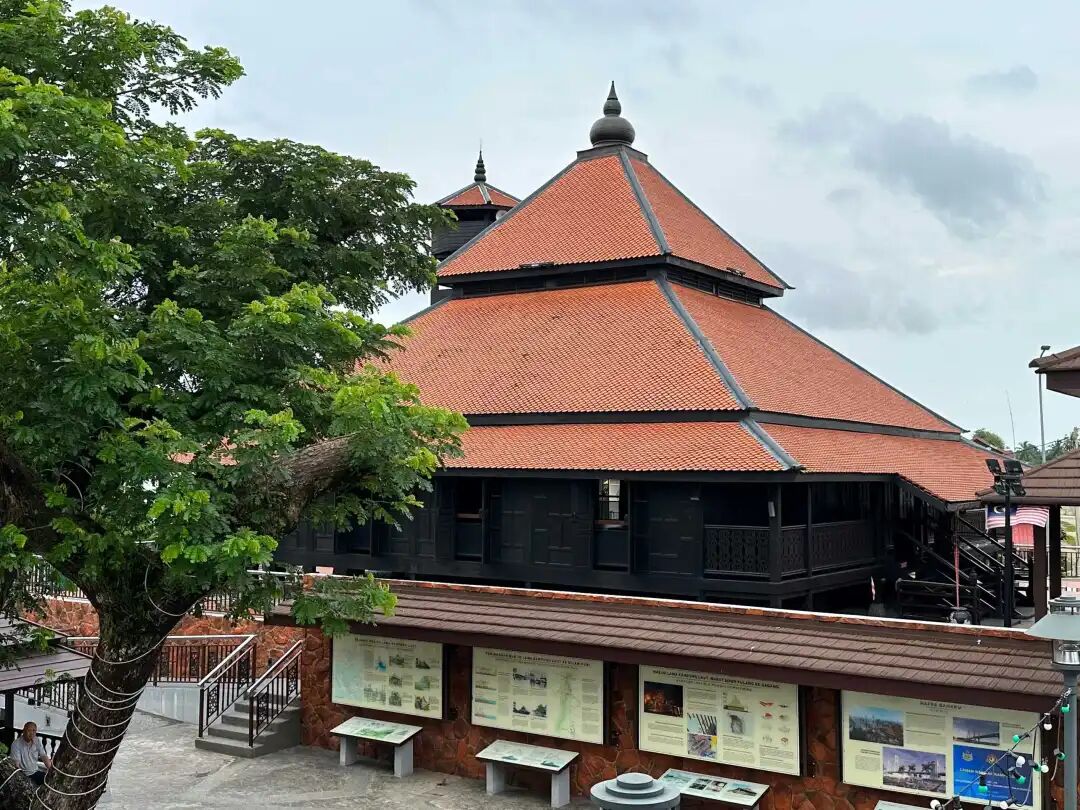
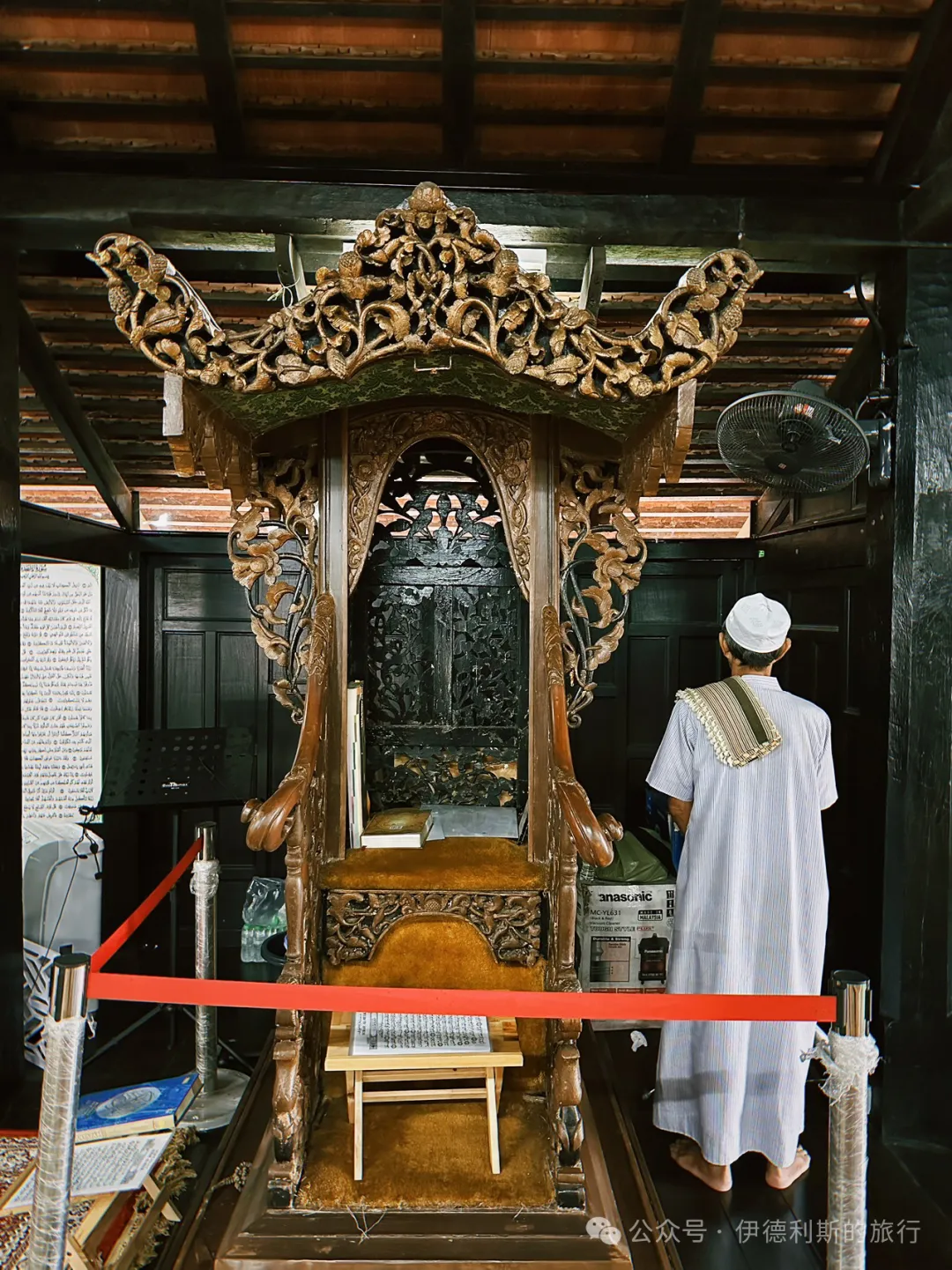
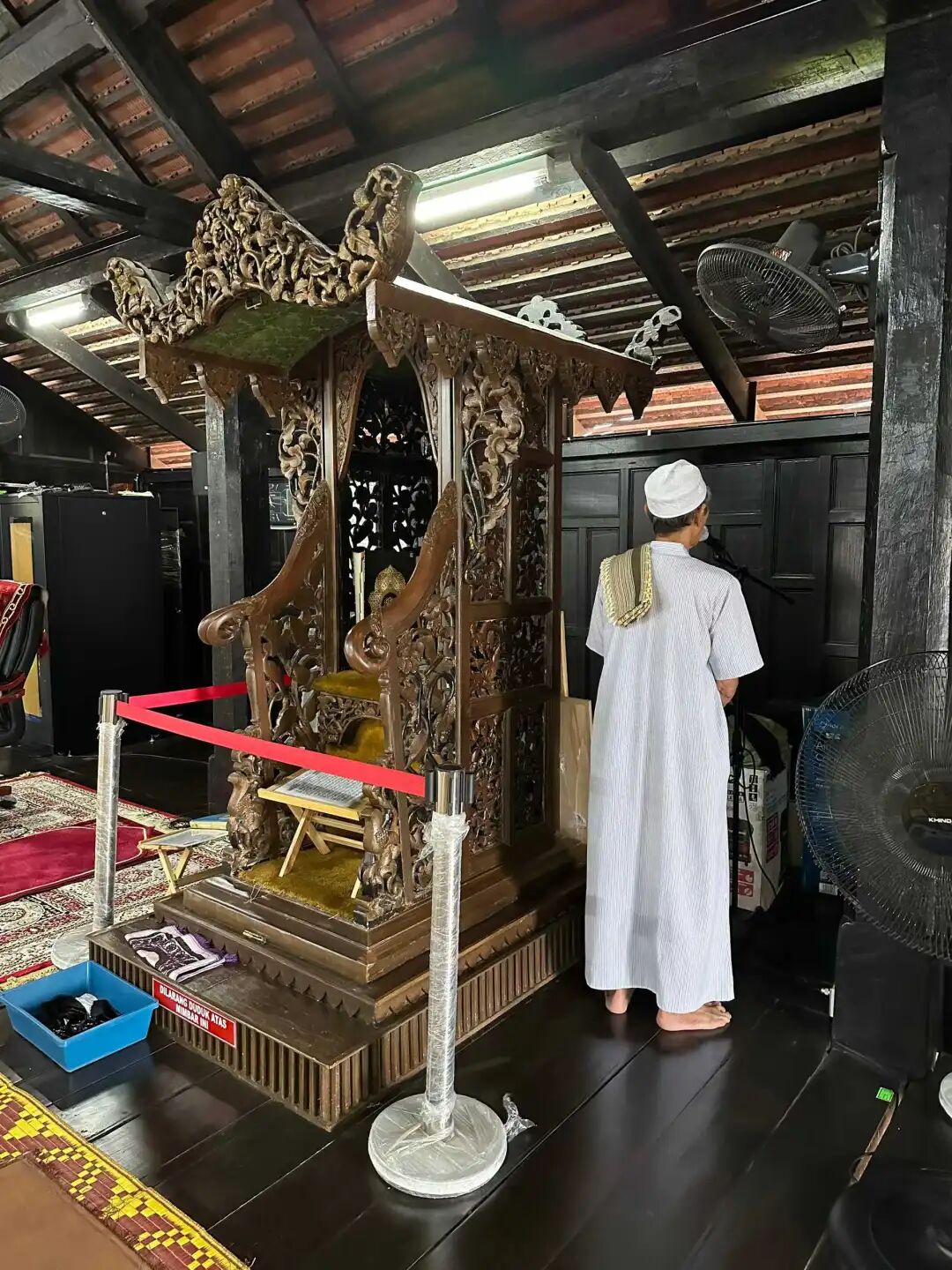
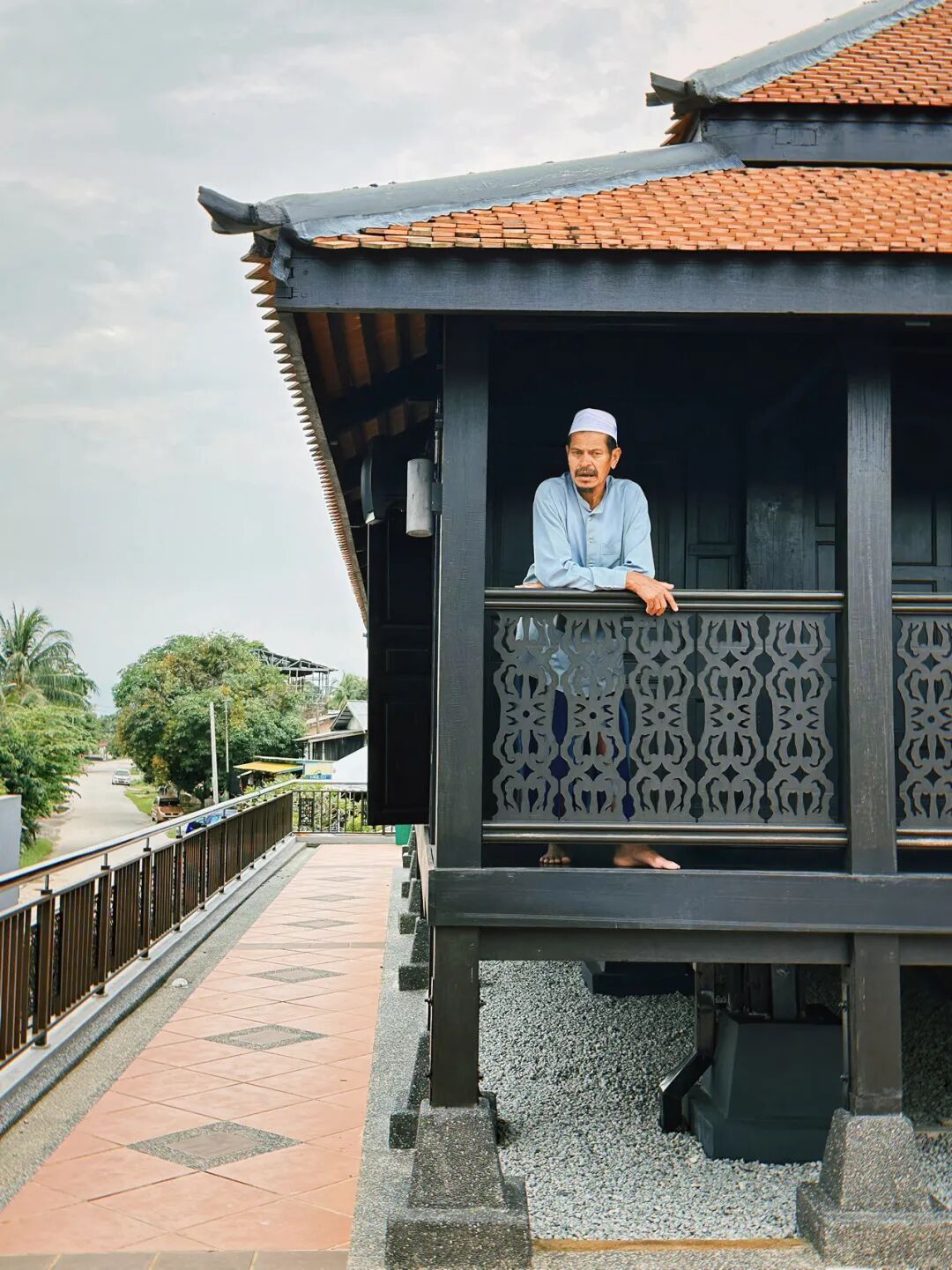
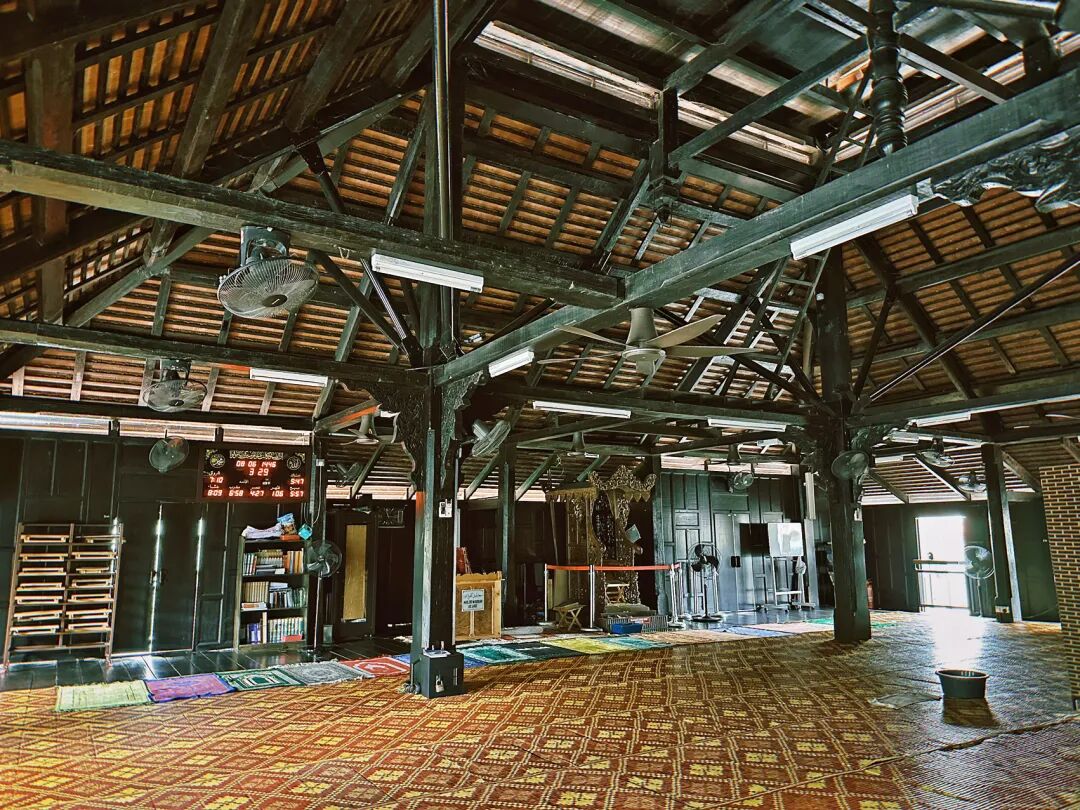
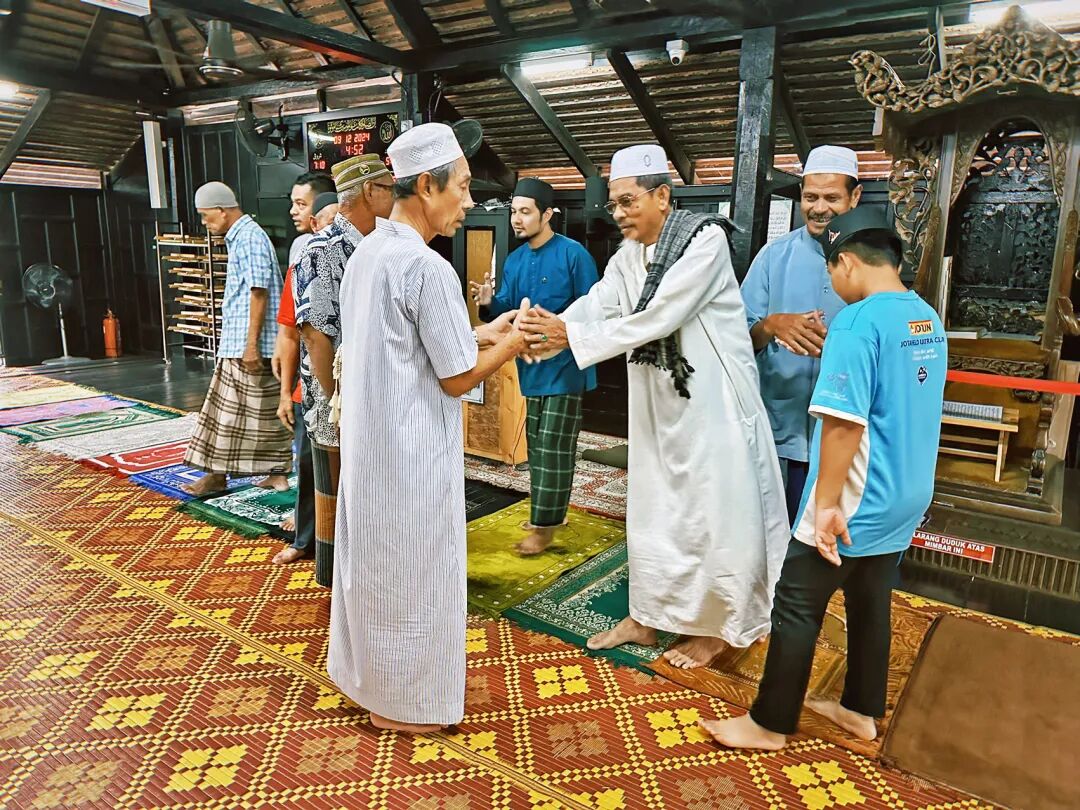
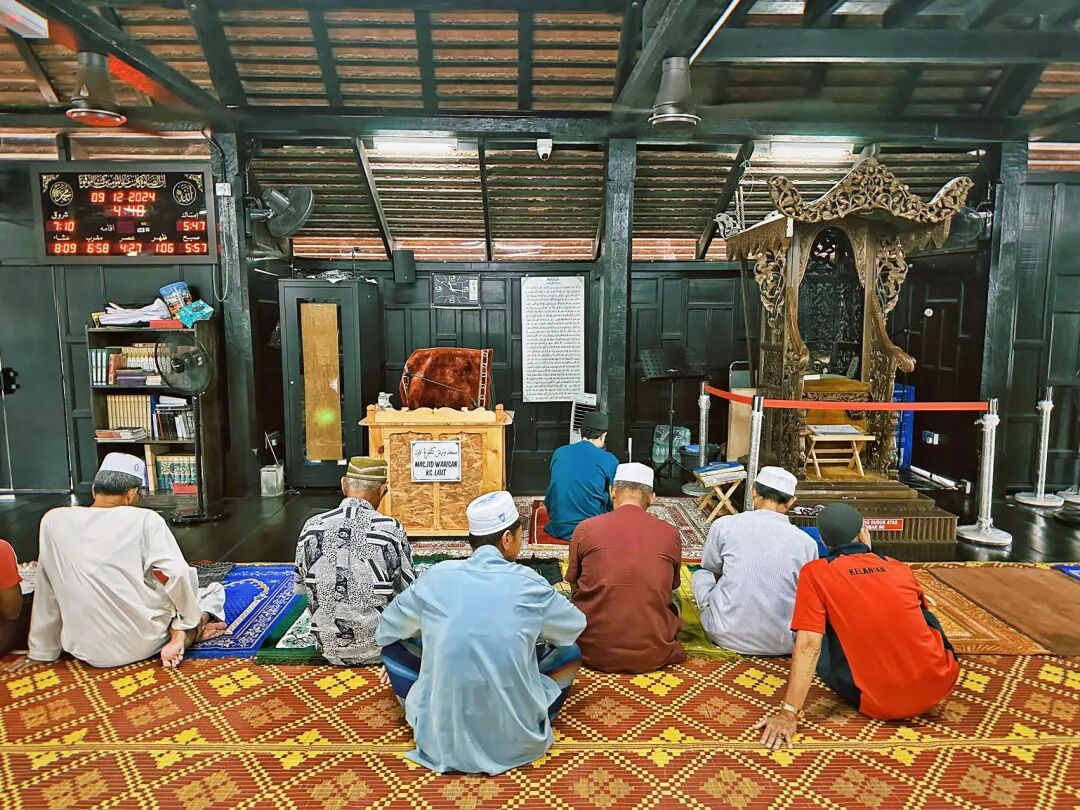
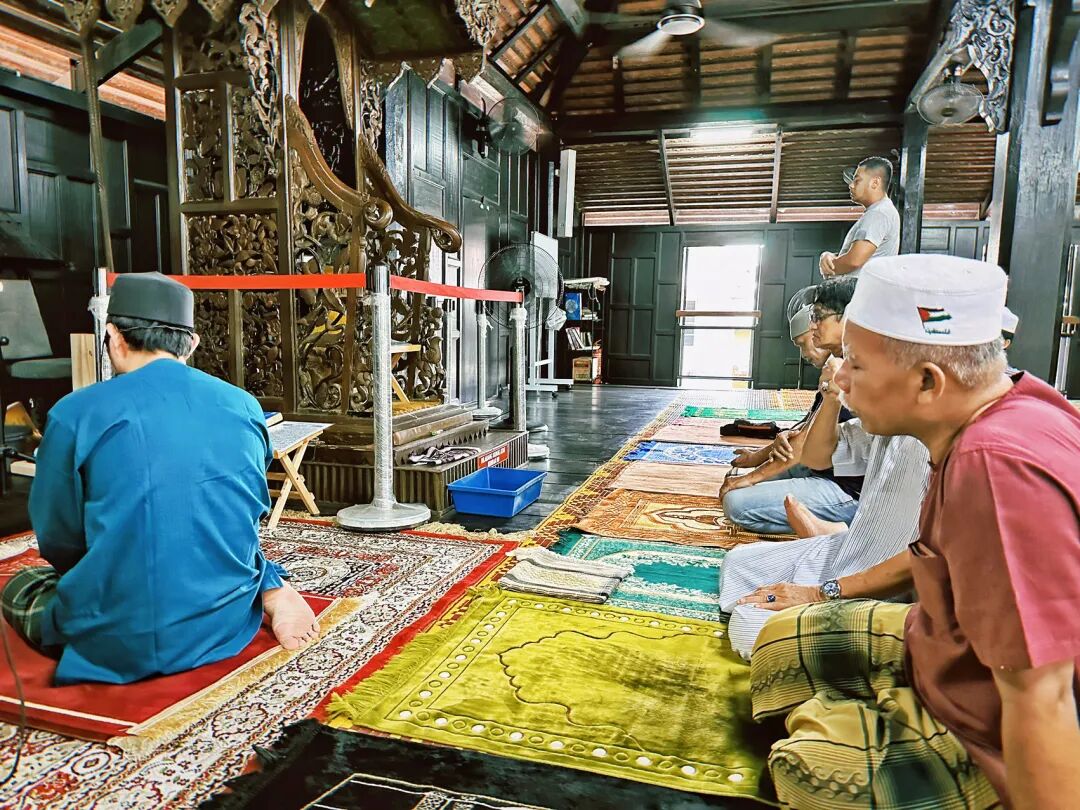
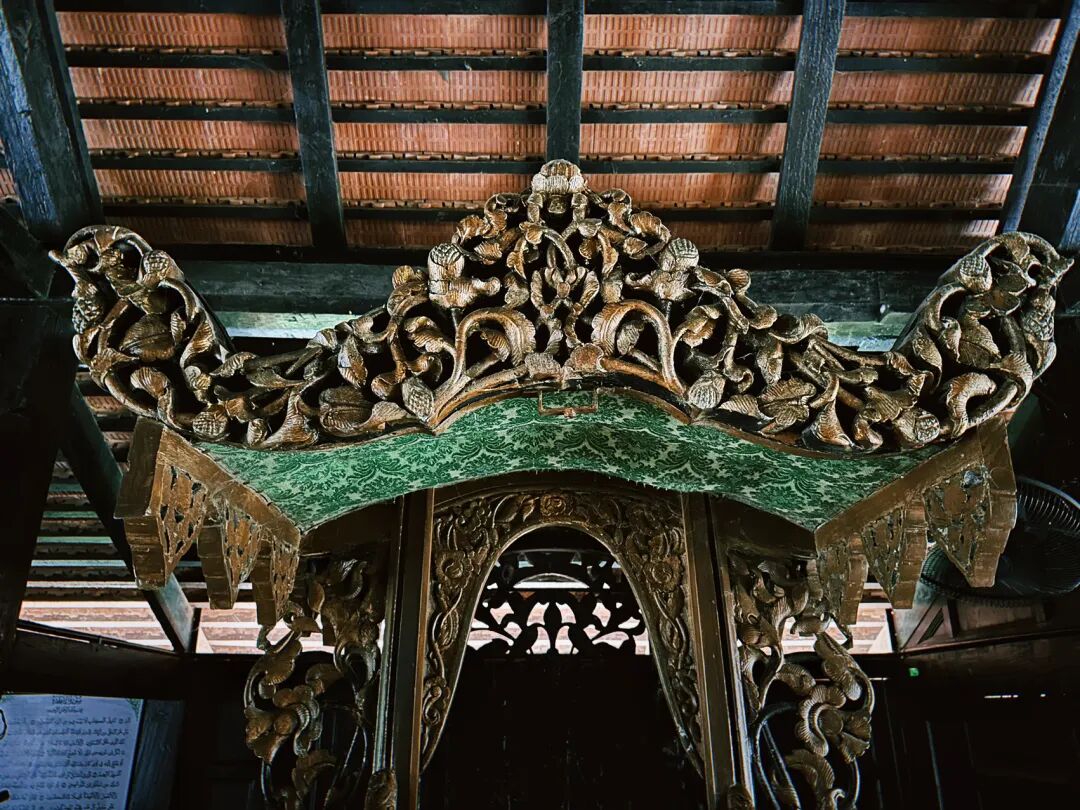
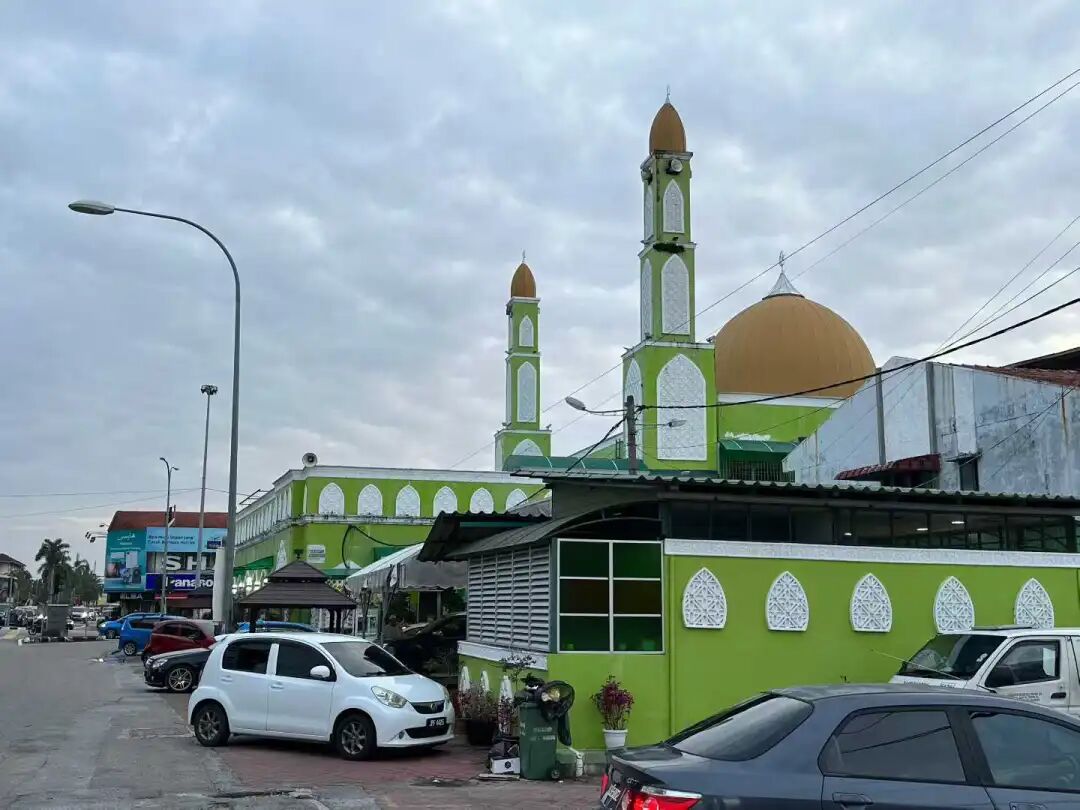
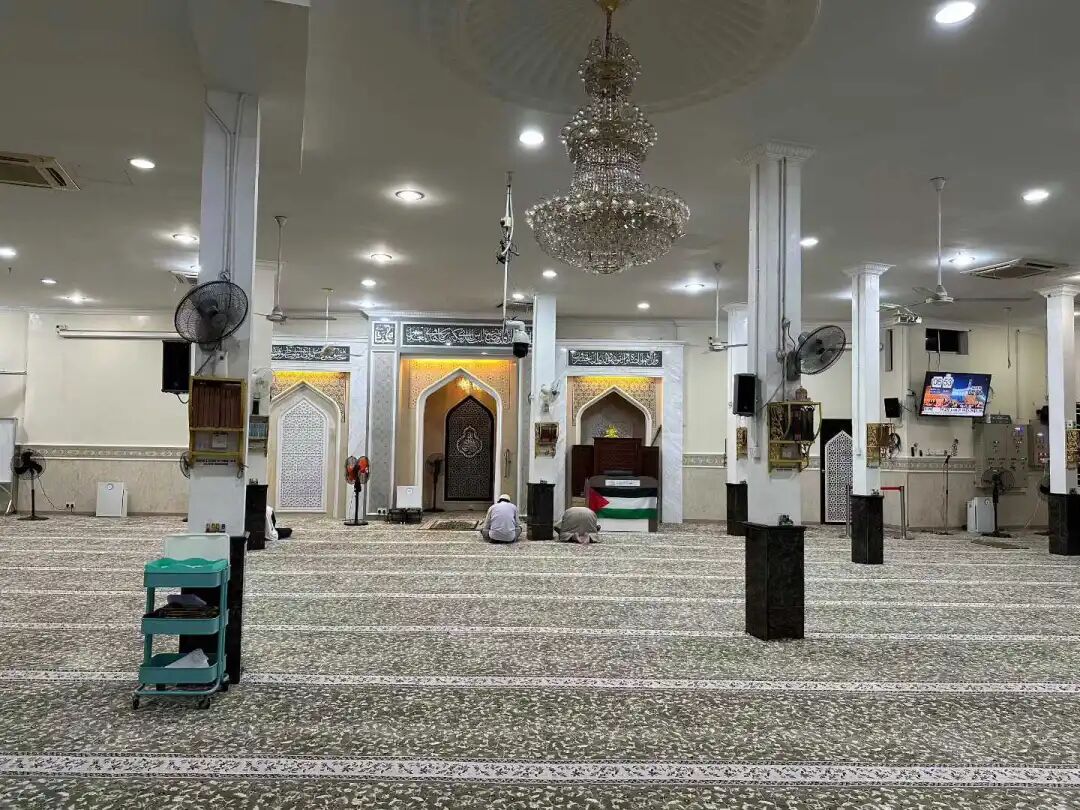
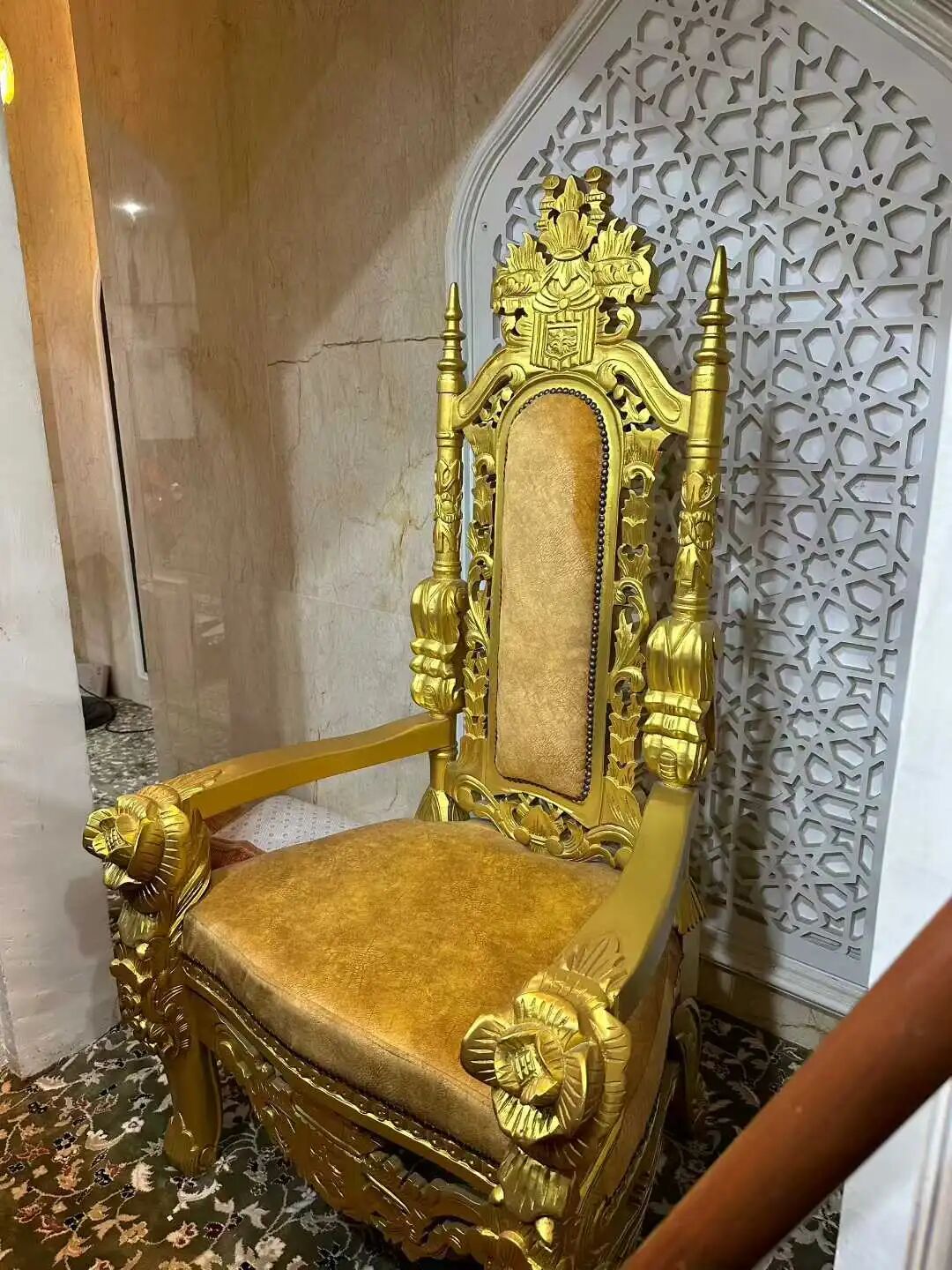
An-Naim Mosque is the municipal mosque of Kota Bharu, located near the Four Seasons Restaurant, the largest halal Chinese restaurant in Kota Bharu. We went to the mosque to pray namaz in the middle of our meal, then went back to finish eating.
Summary: The second Kelantan travel account focuses on mosques and local Muslim life around Kota Bharu and Kampung Laut. It records a 1940 wooden house near the state mosque, Kampung Laut Mosque, An-Naim Mosque, prayer during a meal, and the halal Chinese restaurant near the mosque.
Behind the State Mosque stands a wooden house built in 1940 that feels like a mix of a Malay wooden house and gingerbread style. I met the imam of the mosque in front of the wooden house and had a great chat with him.
Kampung Laut Mosque (Masjid Kampung Laut) is located by the Kelantan River north of Kota Bharu and is known as one of the oldest mosques in Malaysia. According to local legends passed down through generations, ancestors set sail from Champa in southern Vietnam to spread the faith in Java, but a storm damaged their boat and left them stranded on the Kelantan coast. They made a dua to build a mosque wherever they could safely dock their boat. Just then, a school of barracuda swam into the boat and plugged the leaks, keeping it from sinking. After the storm, the boat sailed along the Kelantan River and docked safely at Kampung Laut, where the ancestors built the first Kampung Laut Mosque.
There is no clear record of when Kampung Laut Mosque was first built, but it is estimated to be between the 15th and 18th centuries. It is said the original main hall was just a pavilion, and it was not expanded until the late 18th century into a stilt wooden house high enough to tether an elephant. Between 1886 and 1889, the original sago palm leaf roof was replaced with clay tiles, and a wooden minaret was added in the 1890s. Kampung Laut Mosque was destroyed by floods in 1967, then moved to Nilam Puri for reconstruction, and was not moved back to a high platform in Kampung Laut until 2020.
An-Naim Mosque is the municipal mosque of Kota Bharu, located near the Four Seasons Restaurant, the largest halal Chinese restaurant in Kota Bharu. We went to the mosque to pray namaz in the middle of our meal, then went back to finish eating.
Halal Travel Guide: Kelantan, Malaysia - Chinese Muslim Food and Port History
Articles • ali2007fr posted the article • 0 comments • 232 views • 2026-05-20 09:11
Reposted from the web
Summary: Kelantan in northeastern Malaysia has old port links, Chinese community history, and halal Chinese food shaped by local Hokkien and Hakka traditions. This account keeps the visit to the Kelantan port area, the Zheng He connection, restaurant details, dishes, streets, and photos in order.
Kelantan is in the northeast of the Malay Peninsula, bordering Thailand. It has been an important stop for Chinese maritime trade since ancient times. Zheng He visited here during his fourth voyage in 1413 (the 11th year of the Yongle reign). The Kelantan River valley has fertile land and is rich in hardwood, rubber, and tropical fruits. In the 18th century, people from Fujian traveled south to settle in Kampung Cina (Tangrenpo) along the lower reaches of the Kelantan River. During the Qianlong reign, the maritime merchant Xie Qinggao wrote in the 'Kelantan' entry of his book 'Records of the Oceans' (Hailu): 'Many Fujianese live in the port area... selling goods and growing pepper.' These Fujianese have lived in Kelantan for many generations. They speak Malay, love Malay food, follow Malay customs, and some run halal Chinese restaurants in the city.
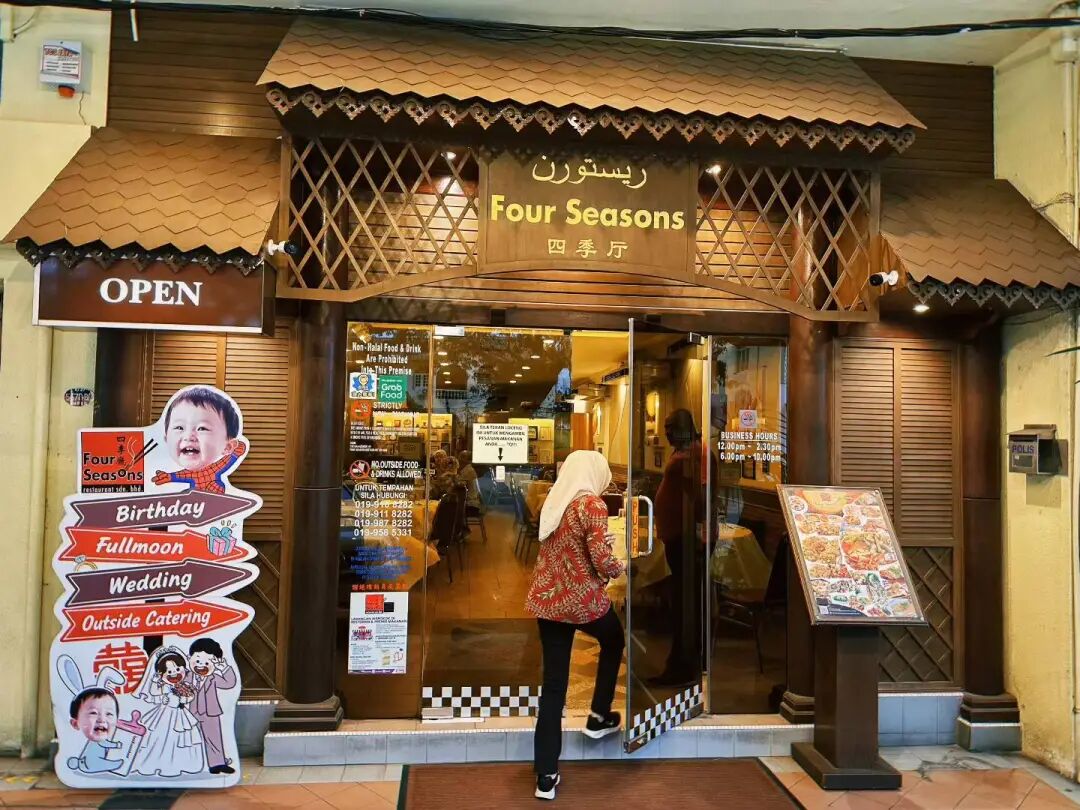
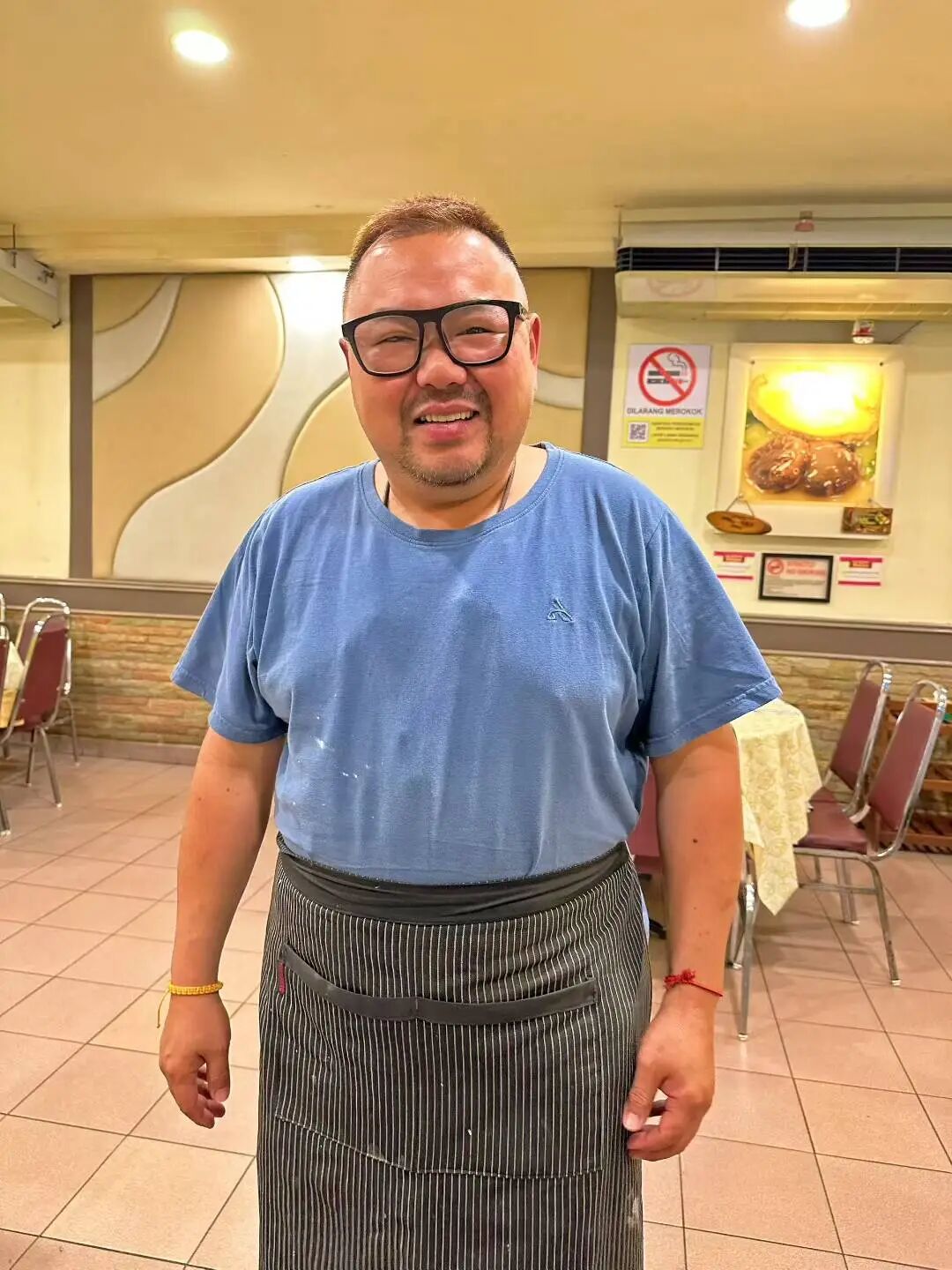
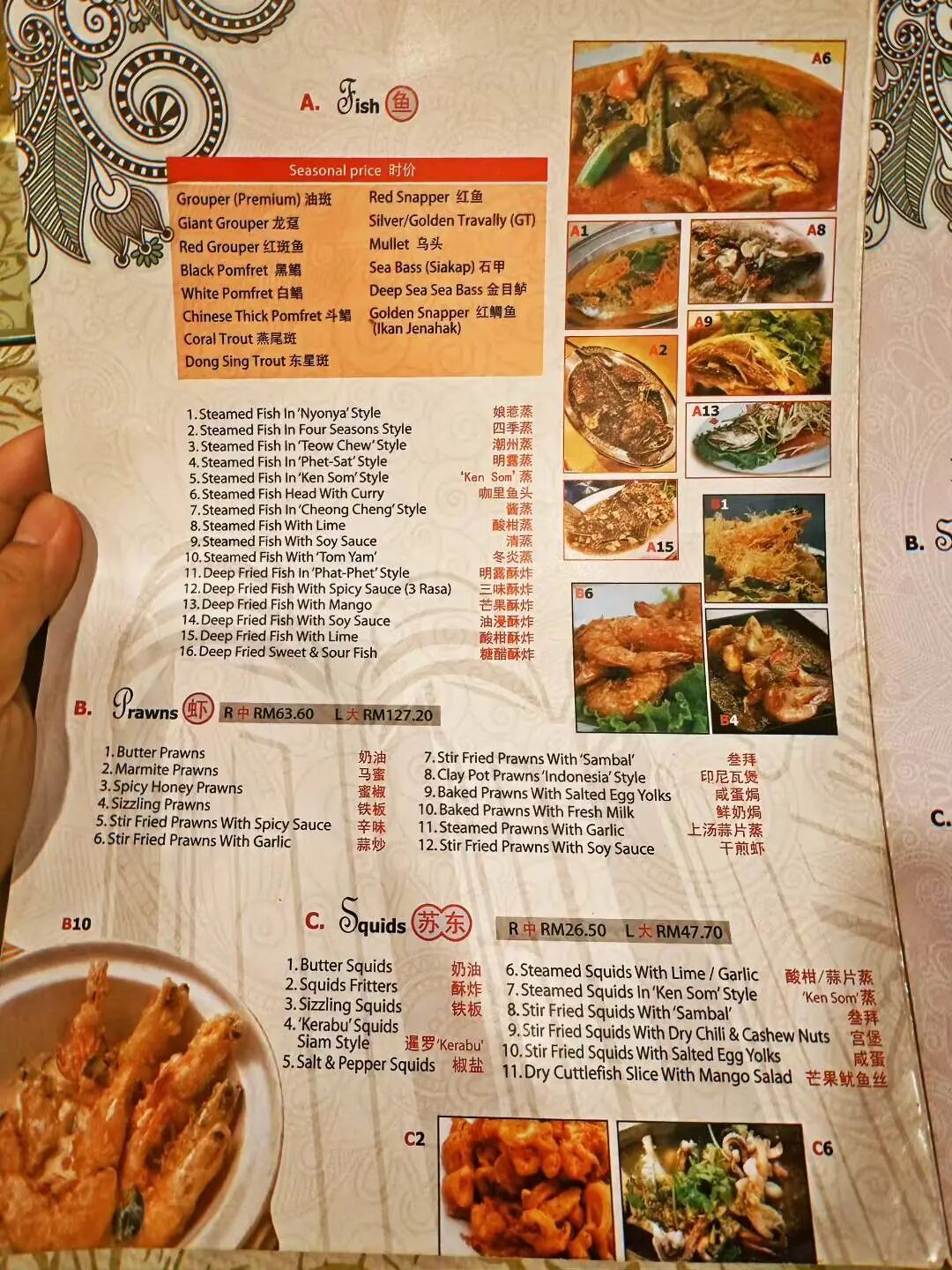
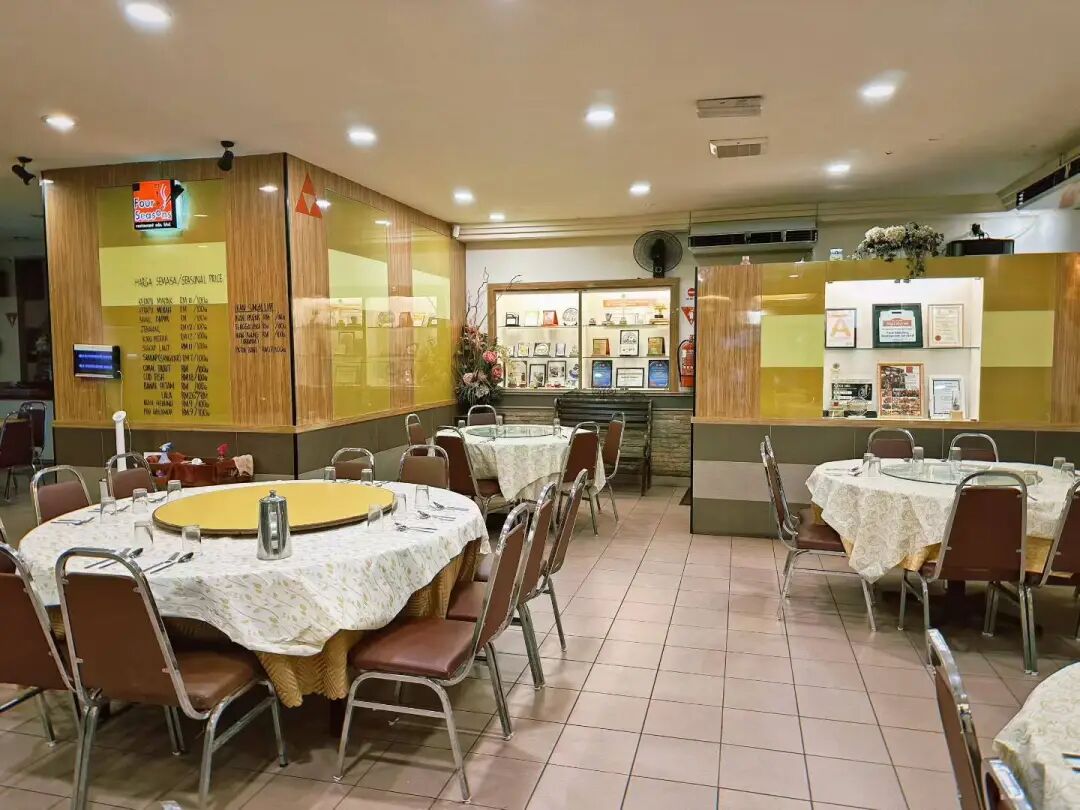
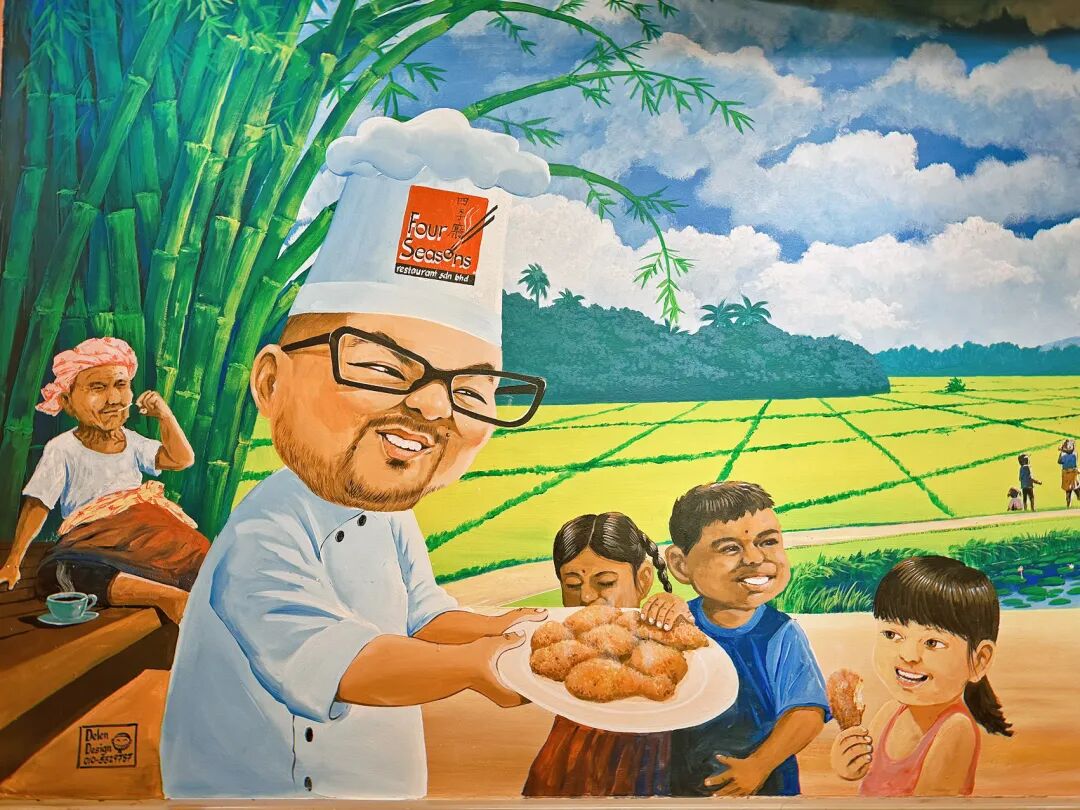
After landing at Kota Bharu Airport, we took a taxi directly to the city's largest halal Chinese restaurant, Four Seasons Hall (Siji Ting), for dinner. Four Seasons Hall opened in 1998. The owner's surname is Wang, and his ancestral home is Jinjiang, Fujian. He is a third-generation Kelantan Chinese. Four Seasons Hall is the first Chinese restaurant in Kelantan to receive halal certification from the State Religious Affairs Department, and all the staff are fellow Muslims (dost). Four Seasons Hall is popular because it serves authentic Nanyang Chinese food, as well as Malay and Thai dishes.
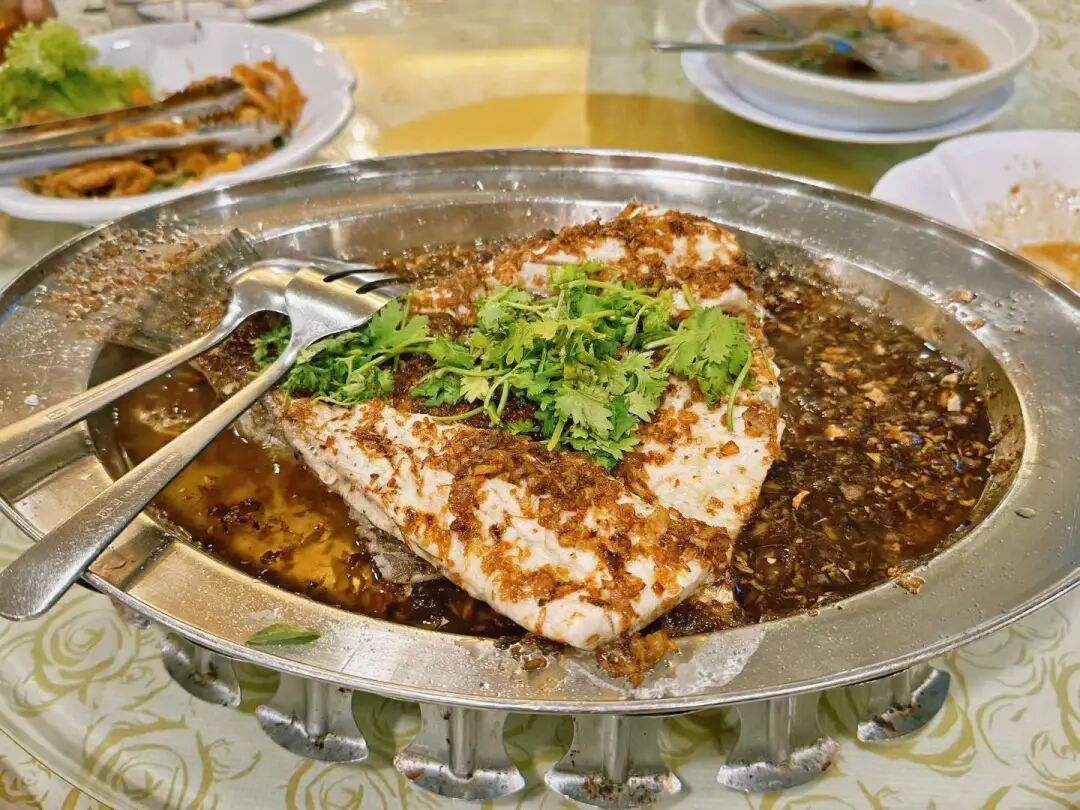
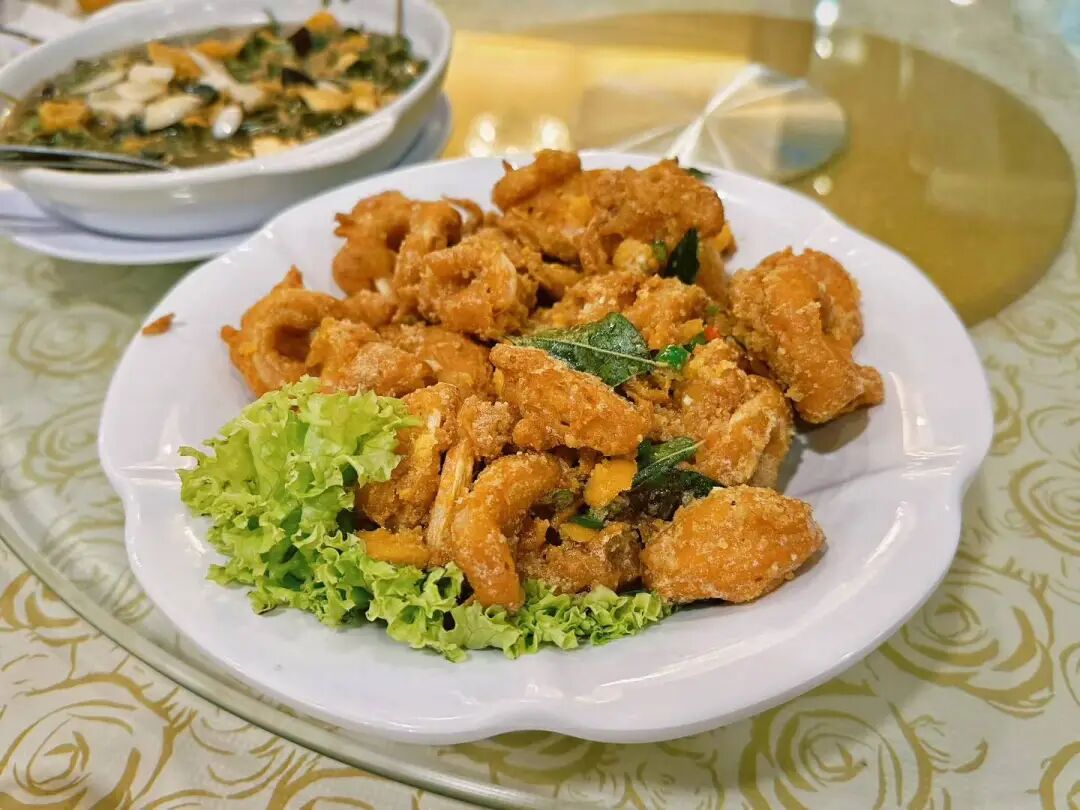
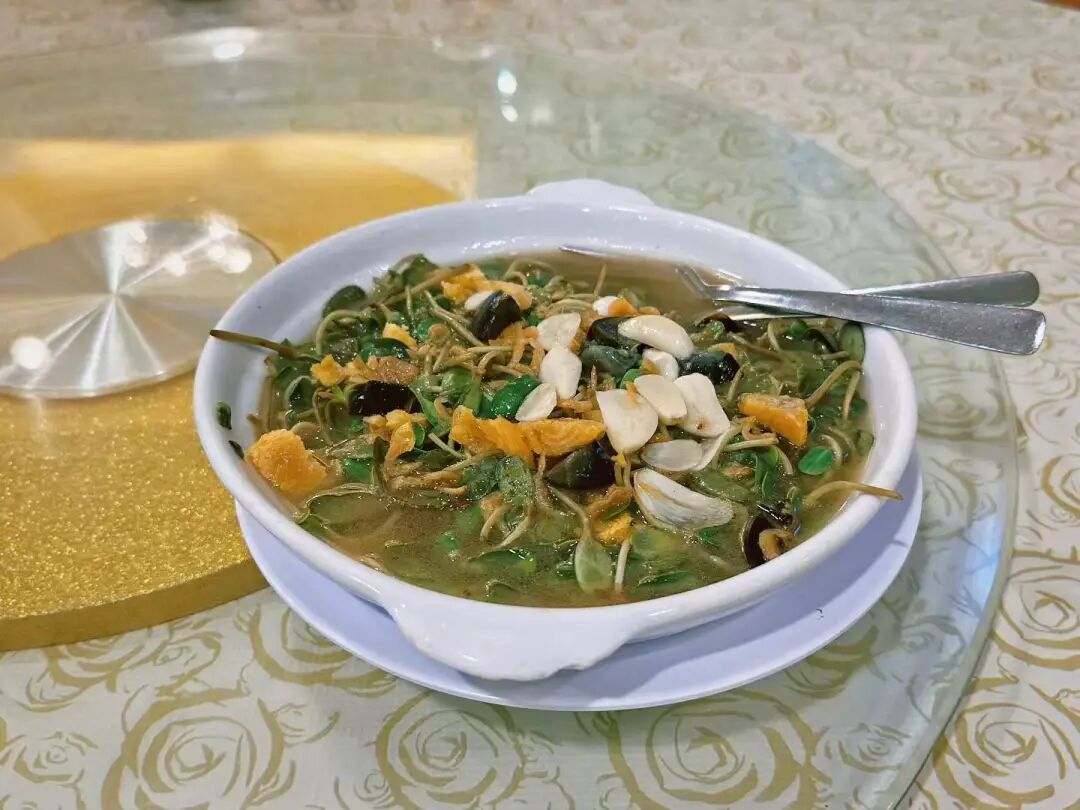
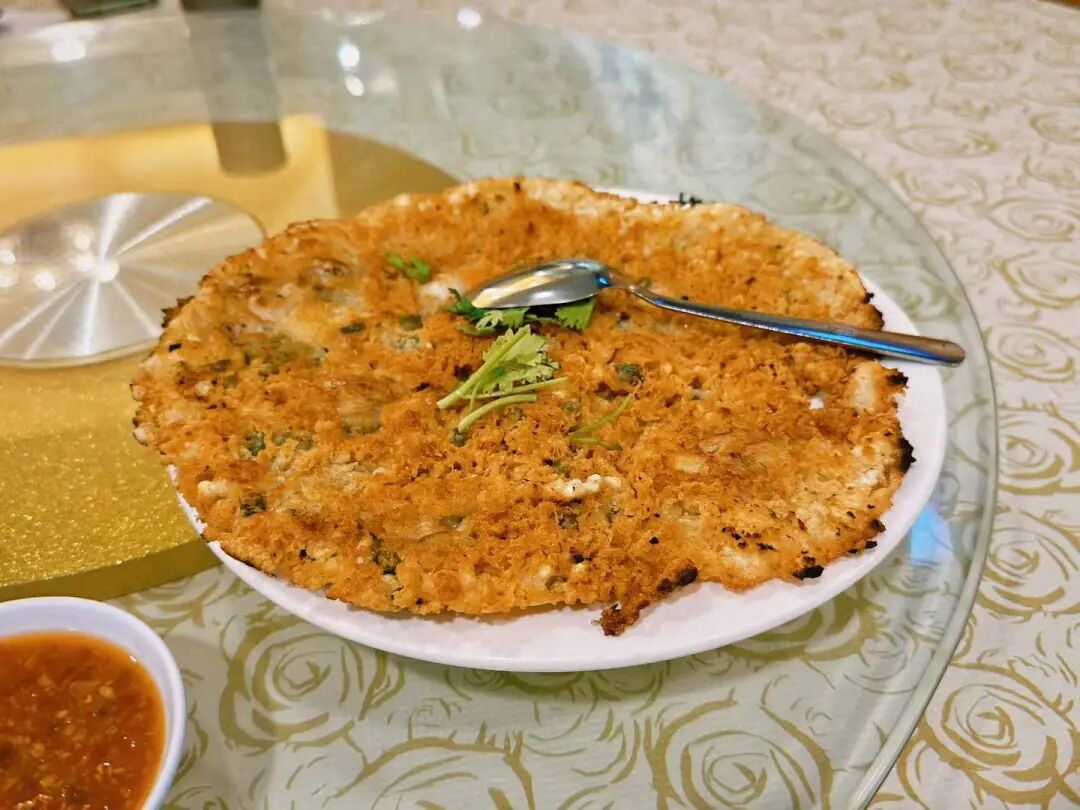
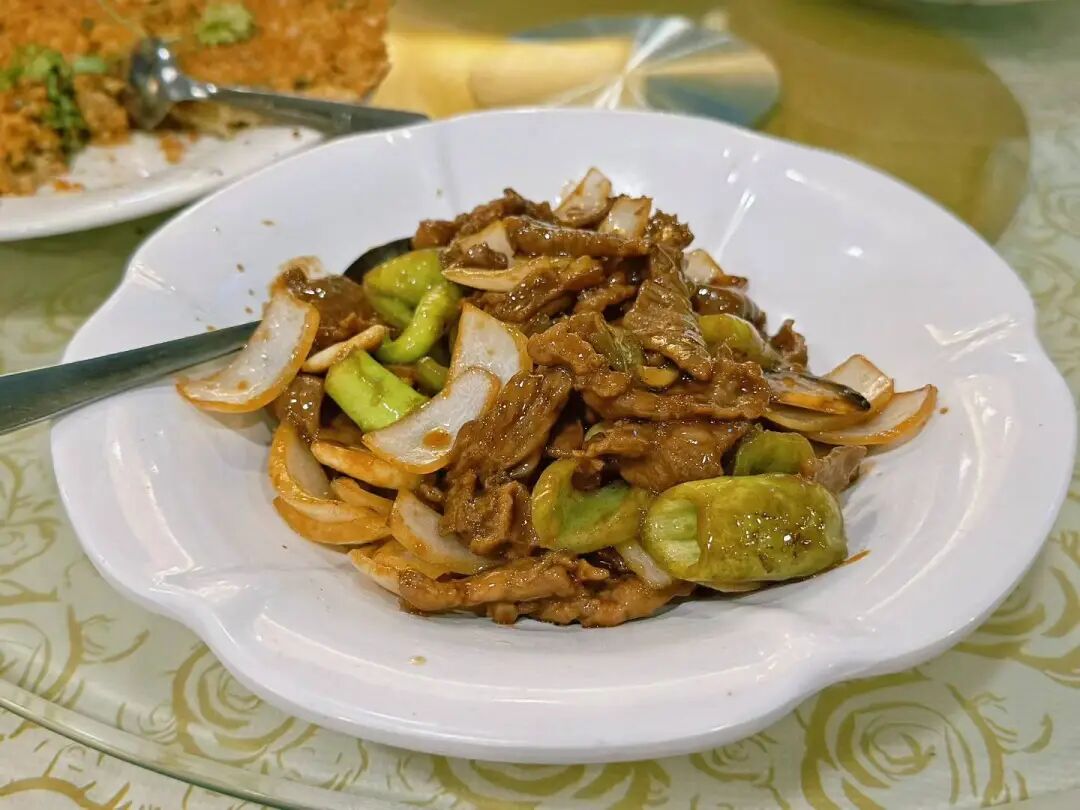
They have a huge variety of dishes. Because they list ingredients and cooking methods separately, you can combine them to make 224 different fish dishes alone. The owner speaks great Mandarin. Following his recommendation, we ordered Four Seasons steamed sea bass, black pepper beef, sunflower sprouts in superior soup, oyster omelet, and salted egg baked shrimp. It was a real treat for our Nanyang Chinese food cravings. I think if you are dining with two or more people at a Nanyang Chinese restaurant, steamed fish is a must. Styles like Teochew steamed, Nyonya steamed, and Minglu steamed are all worth trying. The Four Seasons steamed fish we ordered this time used the owner's secret sauce, and it tasted very fresh and delicious. This was my first time eating sunflower sprouts. They have a light, nutty fragrance and a very refreshing texture. After getting used to the heavy sauces and thick gravies of northern Chinese food, the light Nanyang dishes were a nice change of pace. Oyster omelet is fried eggs with oysters. The egg is fried until crispy, and the oysters add a lot of flavor. However, fellow Muslims (dost) from inland areas might not be used to it if they aren't fans of seafood. The salted egg baked shrimp was also delicious. It seems rare to cook it this way in the north, but Malays love baked shrimp.
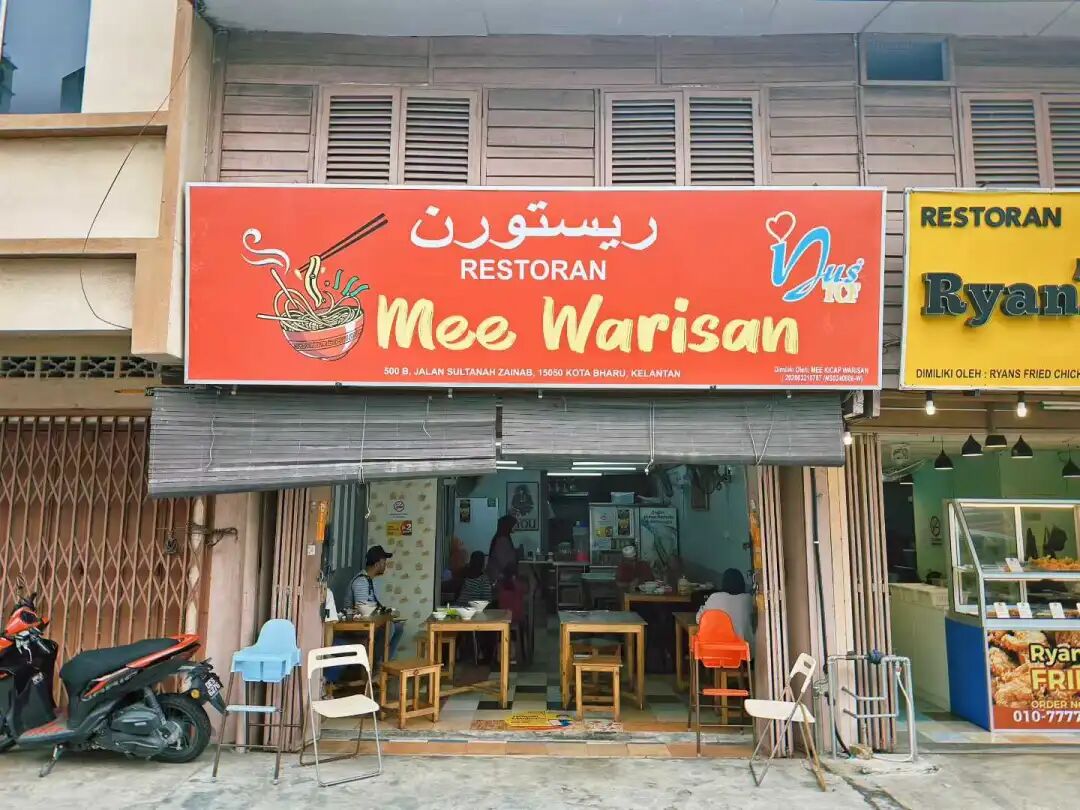
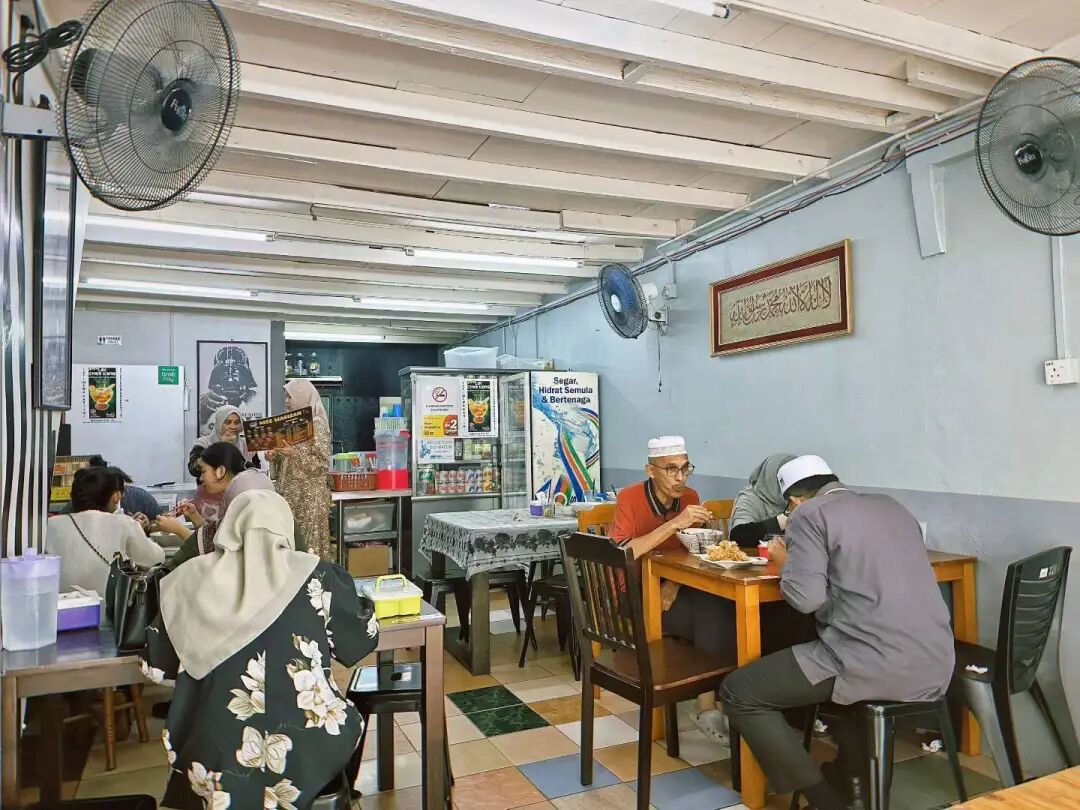
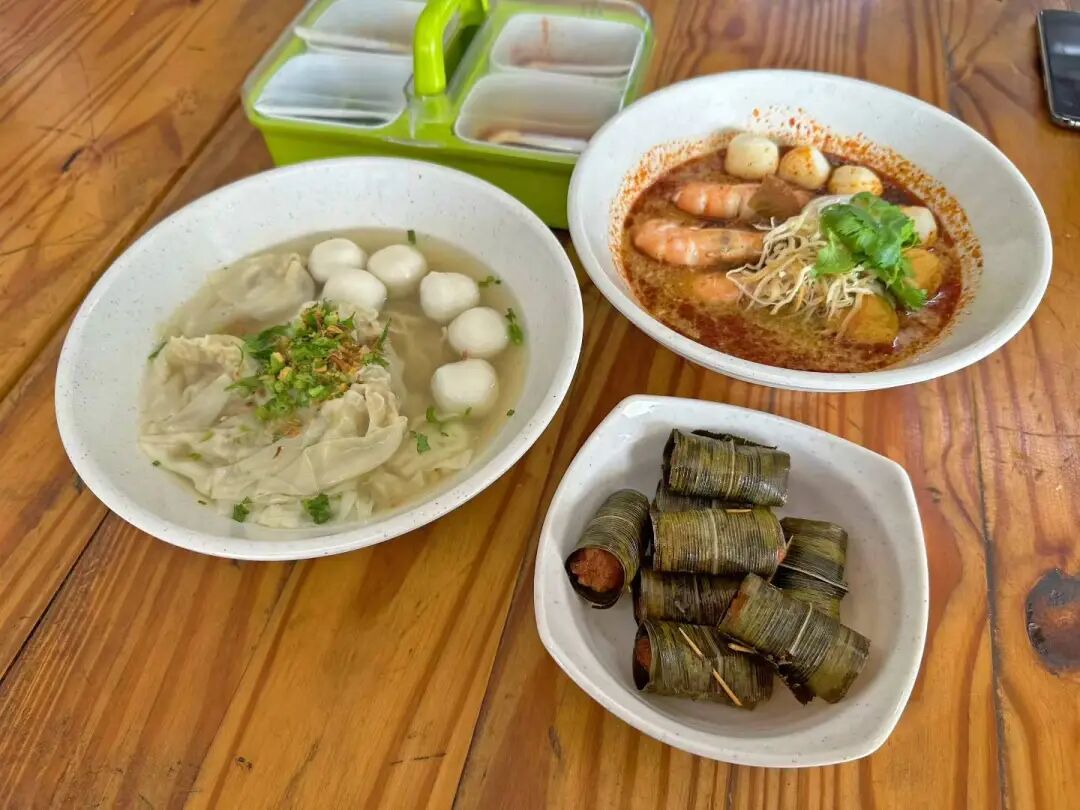
Mee Warisan is a very popular halal Chinese noodle shop in Kota Bharu, and it is often packed at noon. 'Mee Warisan' means 'traditional noodles' in Malay. They specialize in Chinese-style soy sauce noodles and wonton noodles, as well as Thai-style tom yum noodles and Thai pandan leaf chicken rolls. Because it is close to Thailand, both the local Chinese and Malays know how to cook Thai food. This is a very interesting cultural exchange.
There are many small snack shops run by Chinese in the old town of Kota Bharu. They are usually called 'Kopitiam' or 'Kafe' in Malay, which translates to 'teahouse' or 'drink room' in Chinese. These old-school Nanyang teahouses usually serve Malay coffee and tea, along with simple meals like noodles or coconut rice (nasi lemak). Because these teahouses are small, many haven't paid to apply for official halal certification, but they do hire Malay chefs and servers. So, if you see Malay fellow Muslims (dost) in a Chinese restaurant in Malaysia, you can go in and ask; they are usually halal.
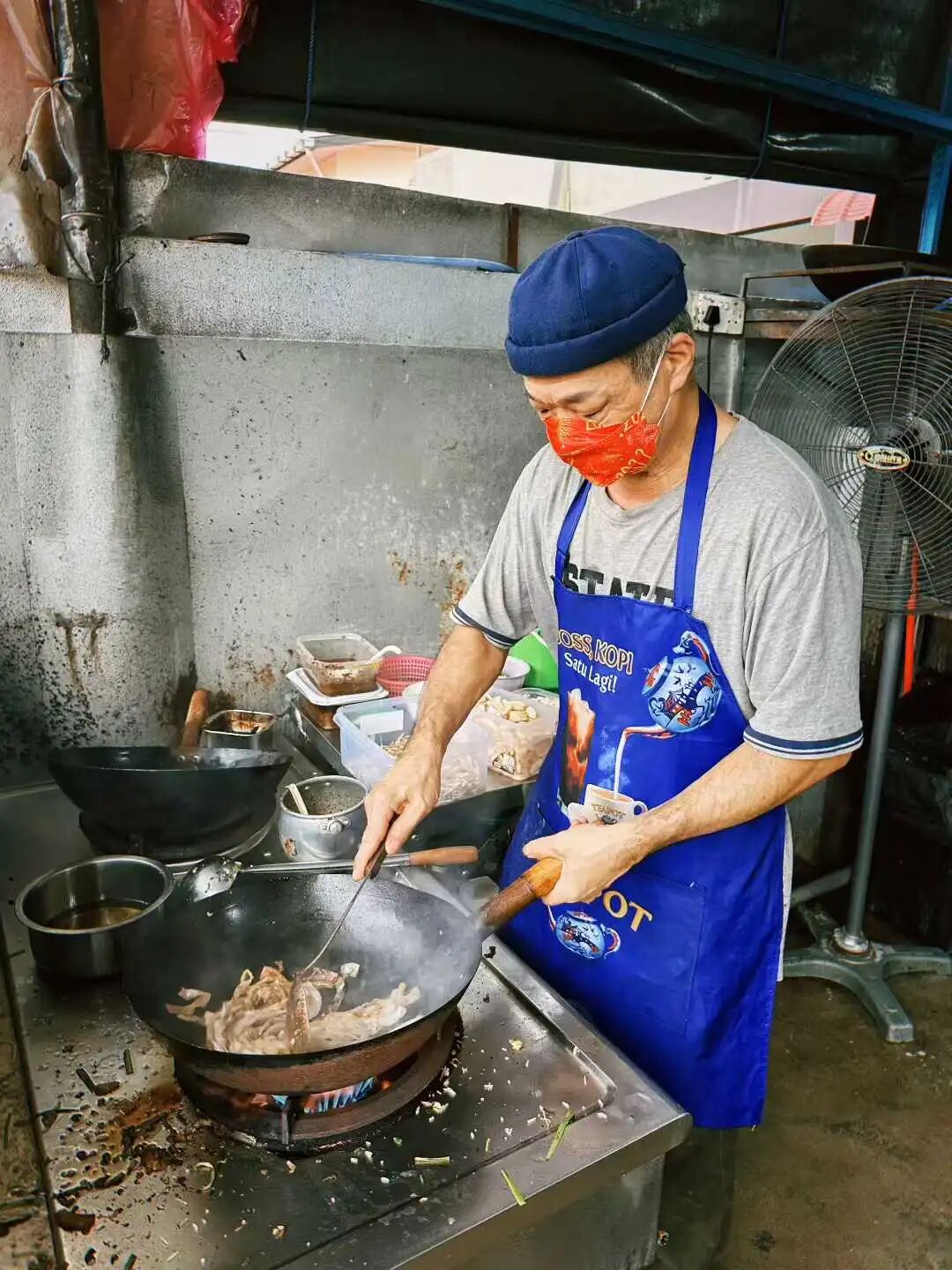
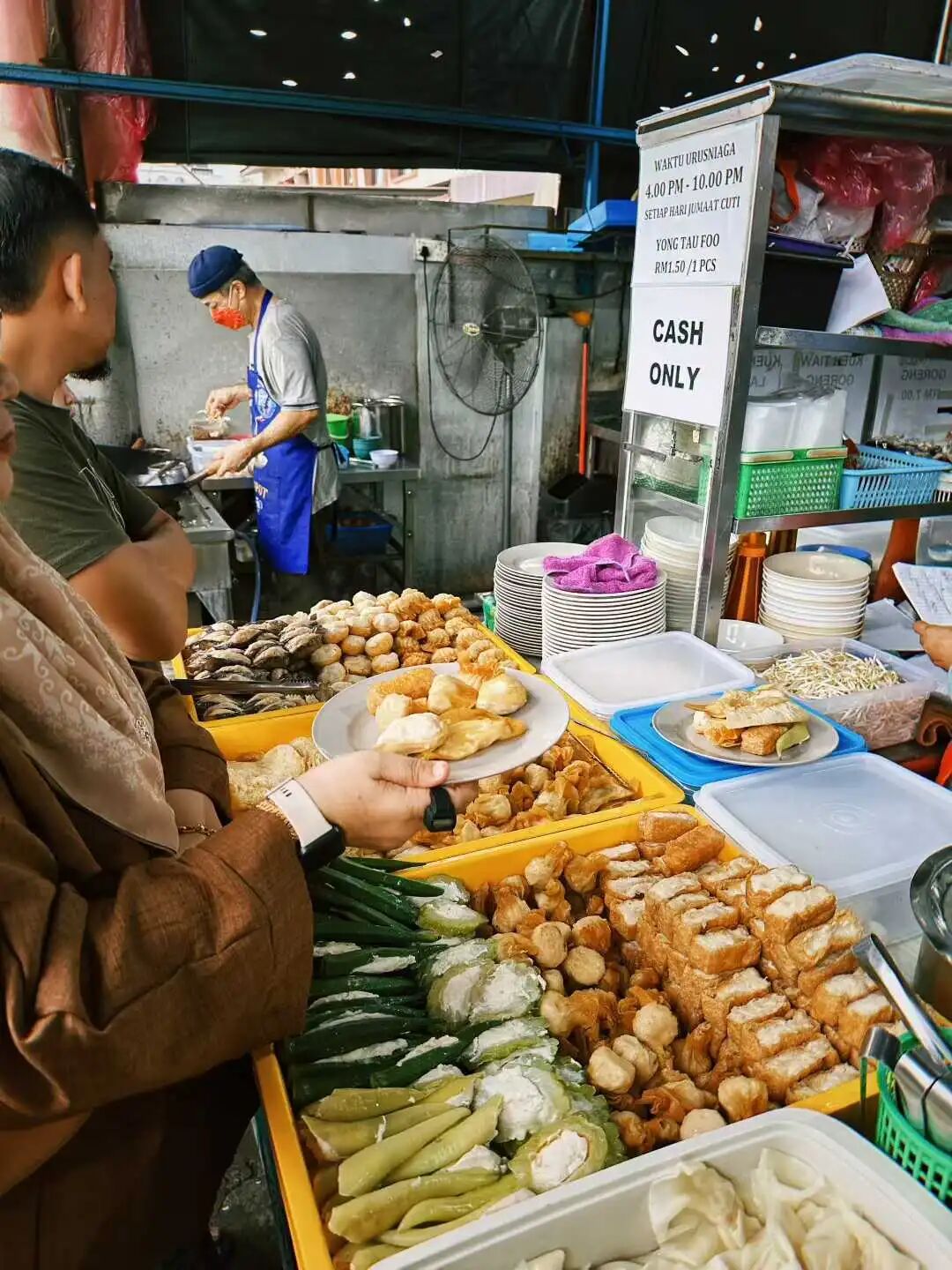
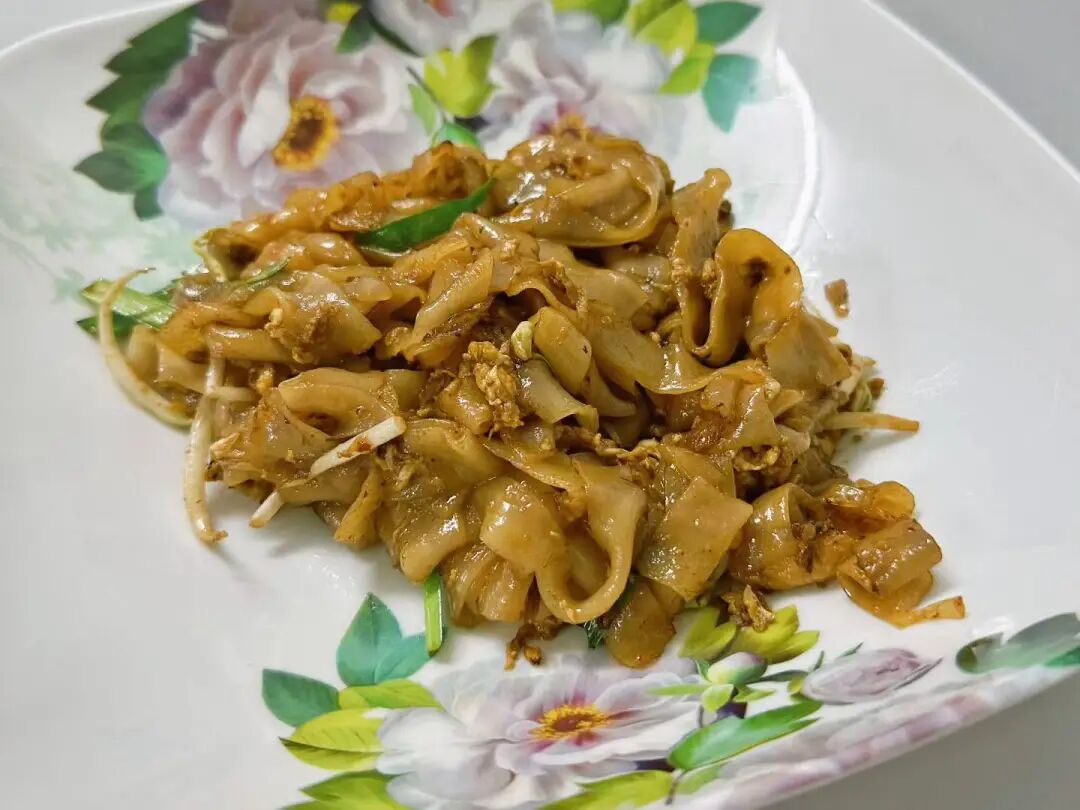
Besides Fujianese food, you can also find halal Hakka food in Kota Bharu. We ate Hakka stuffed tofu (niang doufu) and stir-fried flat rice noodles (char kway teow) at Chef Pong Yong Tau Fu. The Chinese owner hires Malay staff, and the place is very popular with Malay friends (dosti). When guests arrive, they grab a plate and pick the stuffed items they want. Then they weigh them, and you can have them fried or boiled. The owner stir-fries the flat rice noodles (kway teow) right there. He speaks great Mandarin, so we had no trouble communicating.
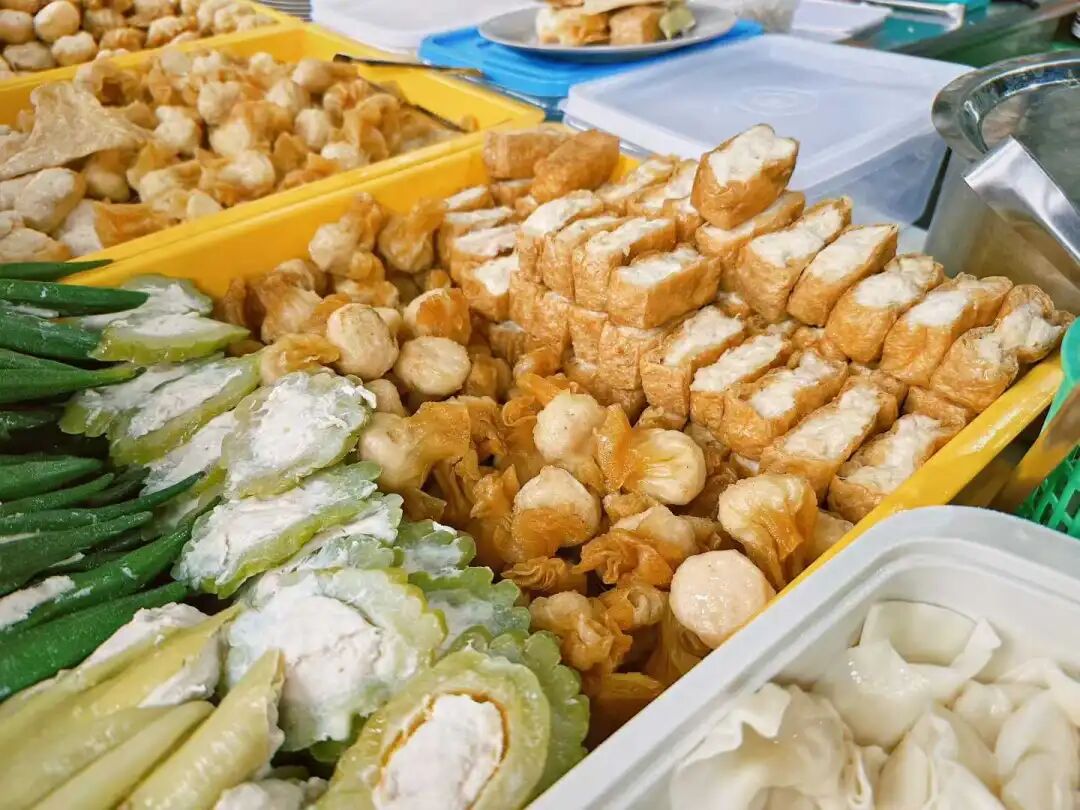
In the Hakka dialect, 'niang' means to fill with stuffing. Legend says that after the Hakka people moved south from the Central Plains, they wanted dumplings but had no wheat. They used tofu instead of flour and invented stuffed tofu (niang doufu). Besides tofu, the Hakka are good at using local ingredients. You can stuff anything, like chili peppers, eggplants, bitter melons, and taro. Tofu, eggplant, and bitter melon are known as the 'three fried treasures' (jian niang san bao).
Unlike most Hokkien people who live near the lower reaches and mouth of the Kelantan River, most Kelantan Hakka settled inland. For example, the Hakka in the Bulai (near Dabong) area mostly came there for gold mining. During the Qianlong era, the maritime merchant Xie Qinggao wrote in his book 'Records of the Ocean' (Hailu) under the entry for Kelantan: 'The Cantonese (Hakka) people mostly live on the mountain tops, where they pan for gold sand.' After the 19th century, the gold mines gradually ran dry, and the inland Hakka switched to growing rice. After the Malayan Communist Party started anti-British guerrilla warfare in 1948, the British military forced some Kelantan Hakka to move to Terengganu for centralized management to cut off Chinese support for the communists. They also implemented food rationing, which was called the 'Hunger Operation'. These Hakka people did not return to Kelantan until after the state of emergency ended in 1960.
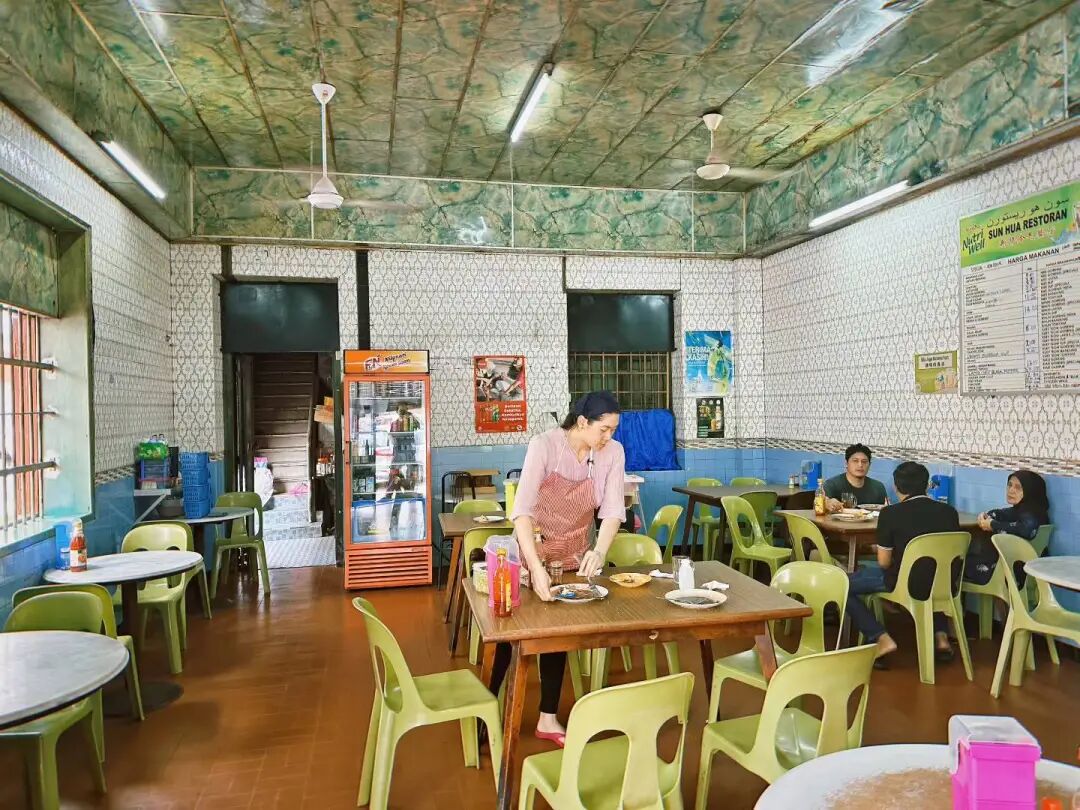
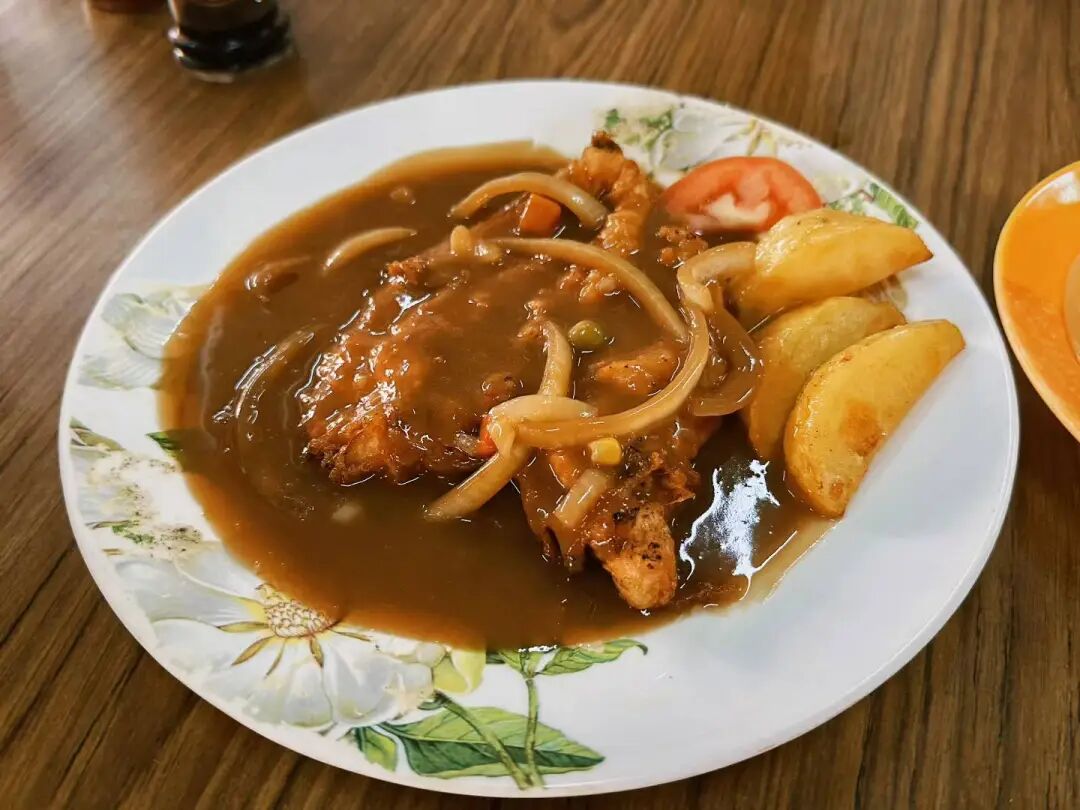
Besides Hokkien and Hakka people, Hainanese people are also an important part of the Chinese community in Kelantan. We ate at the 50-year-old Hainanese restaurant, Sin Hua Air-Conditioned Restaurant, in Kota Bharu. We had Hainanese chicken chop, Hainanese noodles, and toasted bread. These are all authentic Nanyang Hainanese dishes. There is also a shop next door called Sin Shing Coffee Shop, which is said to have the best Hainanese chicken rice in Kota Bharu.
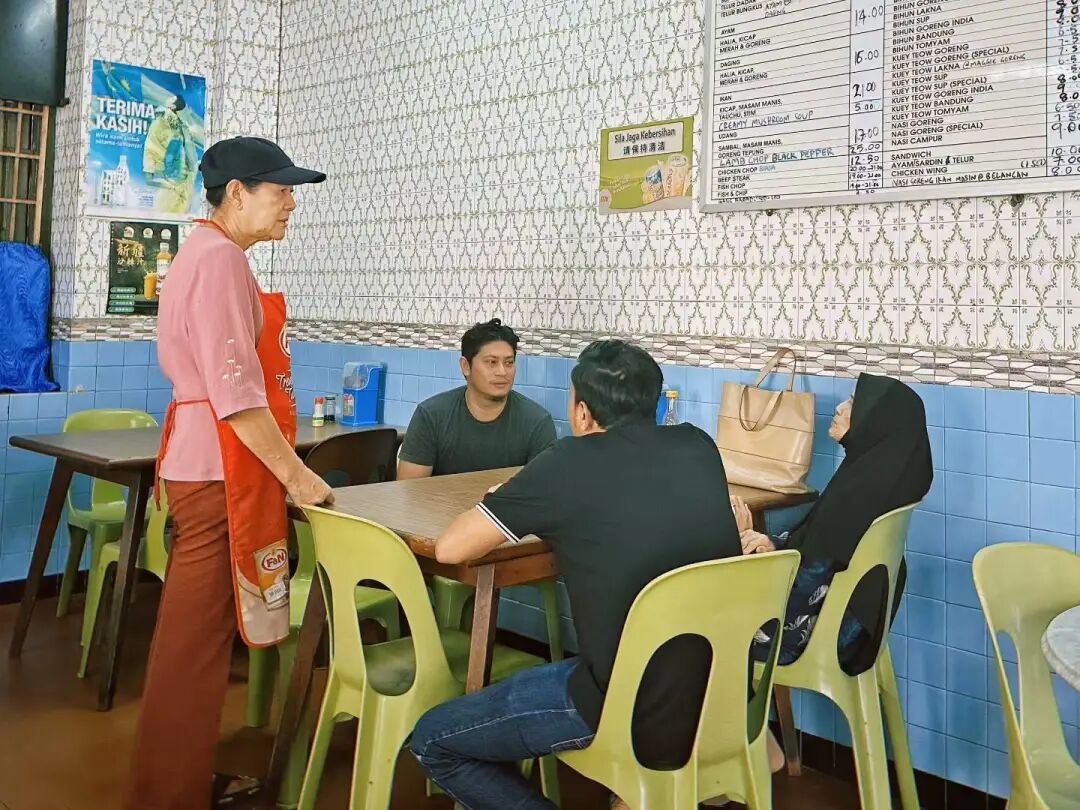
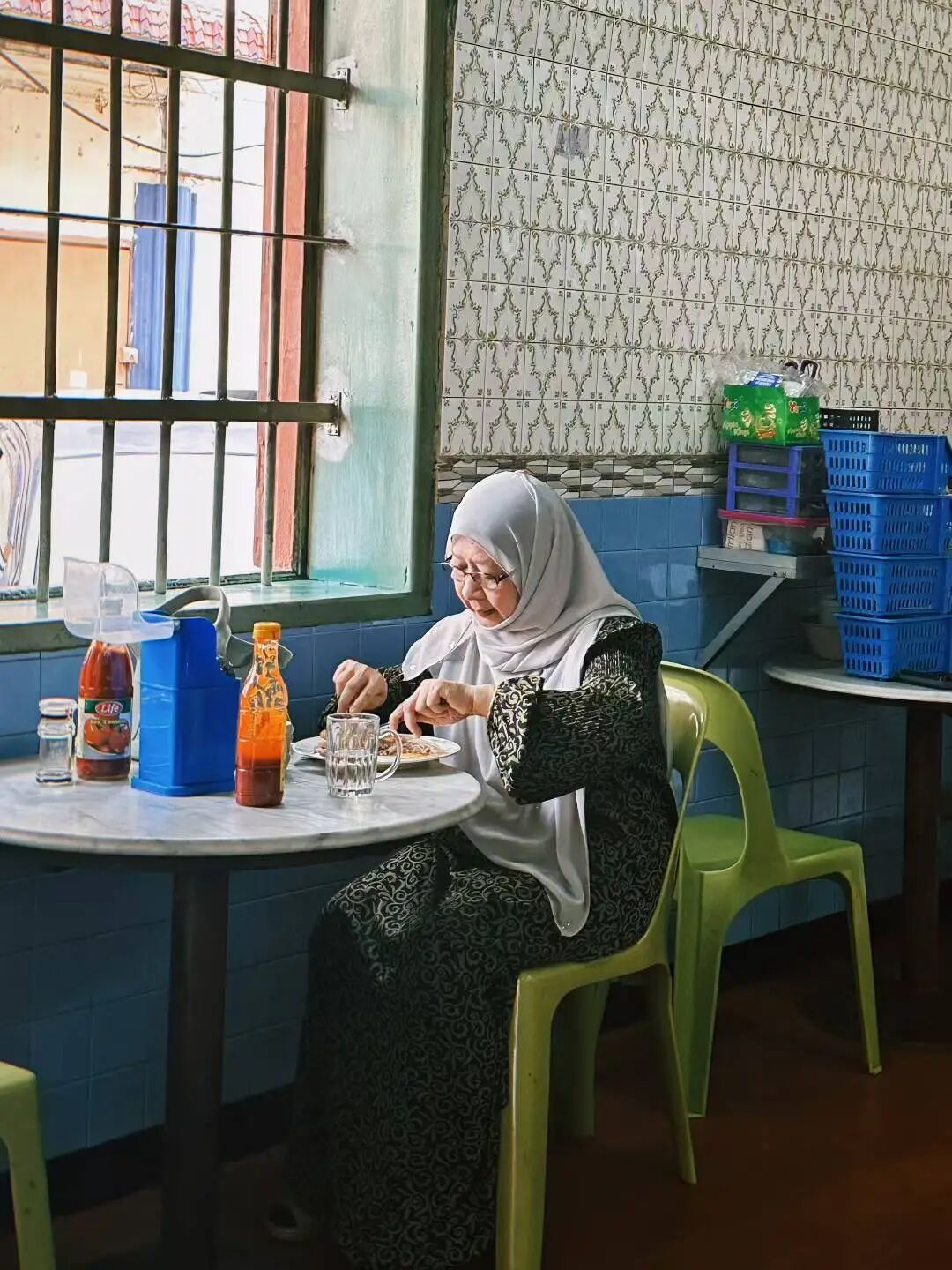
Like many old-school Hainanese coffee shops in Malaysia, the owner is a Hainanese Chinese, but they hire Malay chefs and staff. This allows Chinese, Malay, and Indian customers to all enjoy the food.
Hainanese people began immigrating to Malaysia in the 19th century. Many early immigrants worked as chefs and waiters in British hotels and restaurants, and some worked as servants for British officers. Influenced by their British employers, the Hainanese learned to cook Western food and mixed it with Hainanese elements to create the unique Hainanese coffee shop (Hailam Kopitiam) culture.
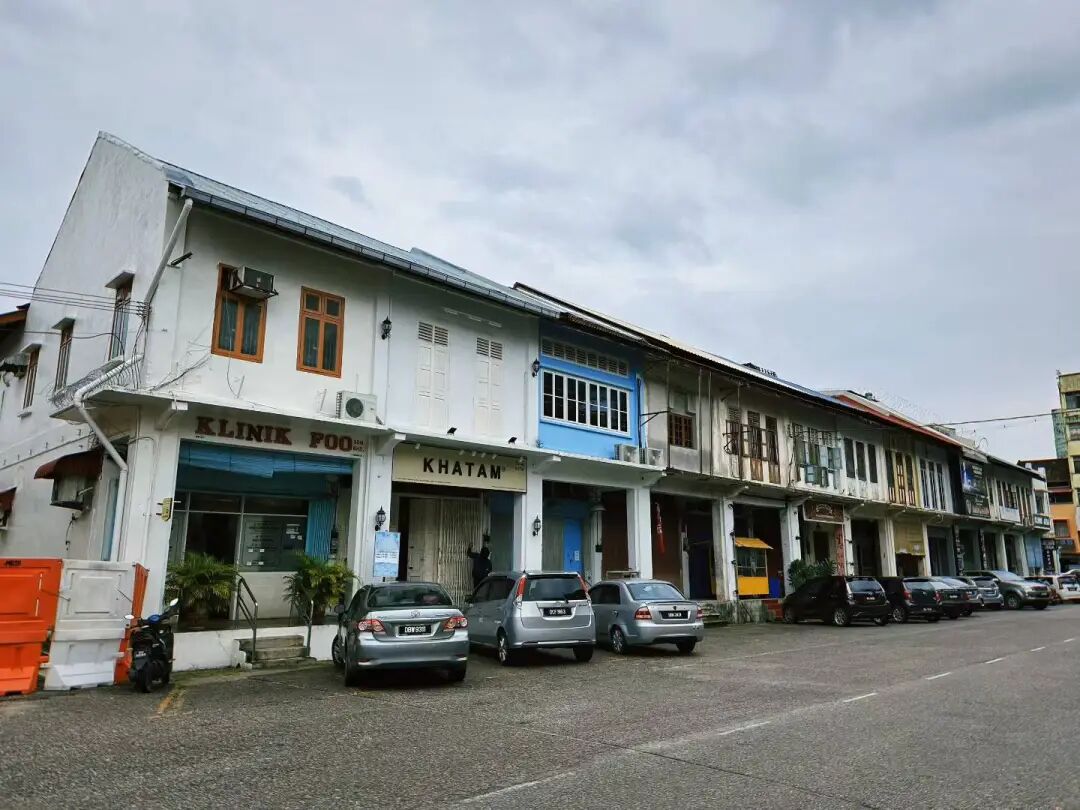
Chinese food in Kota Bharu is mostly found on Jalan Kebun Sultan. There is a landmark archway called 'Zheng He Arch' (Zheng He Fang) here, which commemorates Zheng He's fourth voyage to the Western Ocean when he arrived at the port of Kelantan. The arch has two couplets: 'Zheng served the mission and left history, He governed the country for the people' and 'The doctrine of the mean shines for generations, Chinese civilization lasts for thousands of years.' This shows that Kelantan Chinese do not forget their roots and keep their good Chinese character.
Near the Zheng He Arch is the Jinjiang Association, and downstairs is a large East Coast shopping mall. The Jinjiang people in Kelantan value Chinese education very much and played a major role in restoring Chinese schools after World War II.
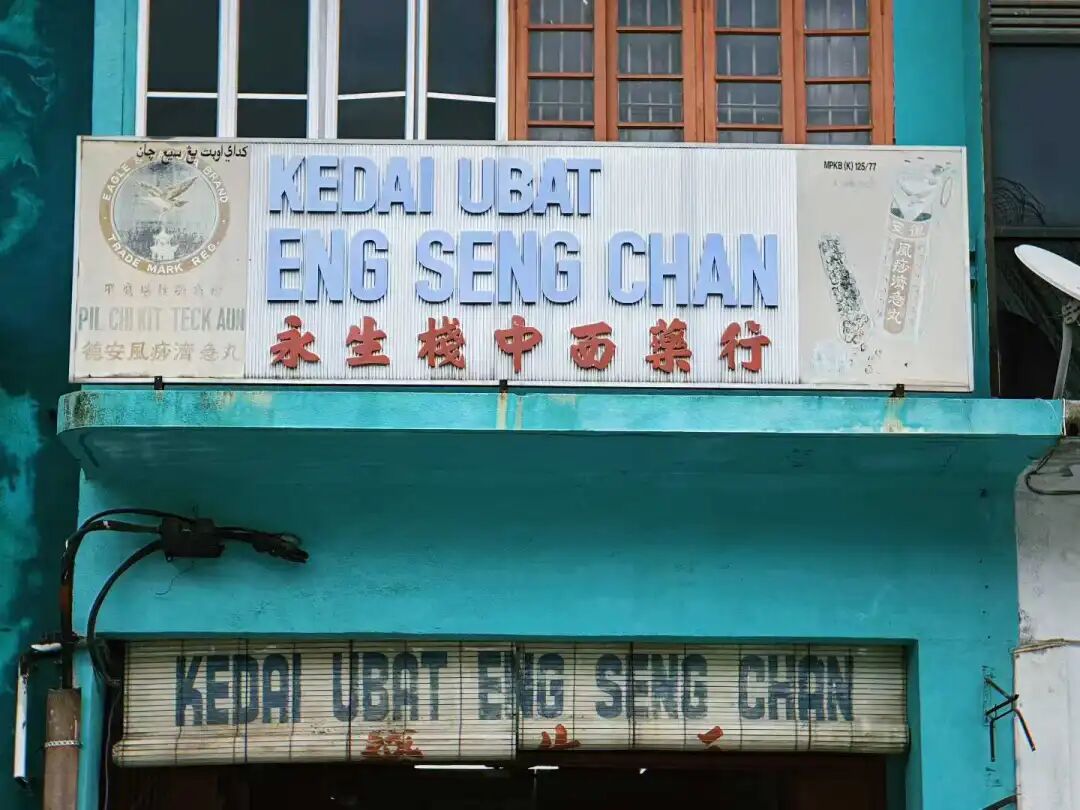
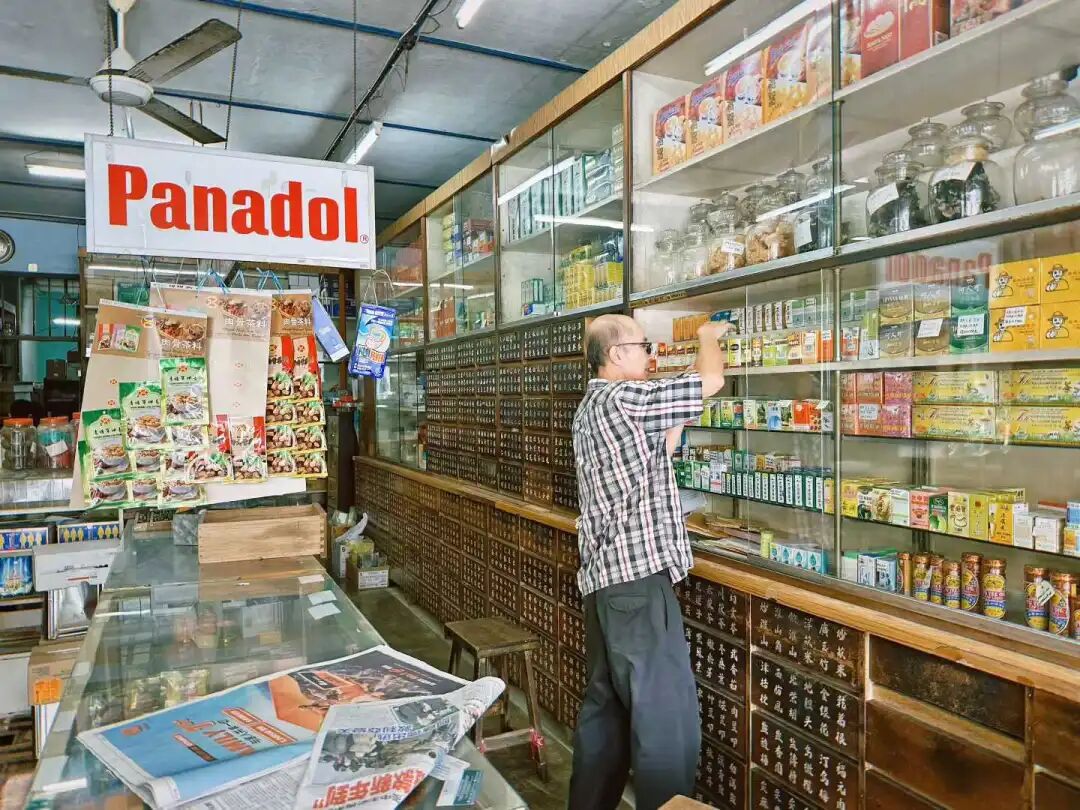
Many pharmacies on the streets of Kota Bharu are also run by Chinese people, making it very convenient to buy medicine here.
There is a Shanghai Bookstore on the streets of Kota Bharu where you can buy Chinese books, newspapers, and magazines.
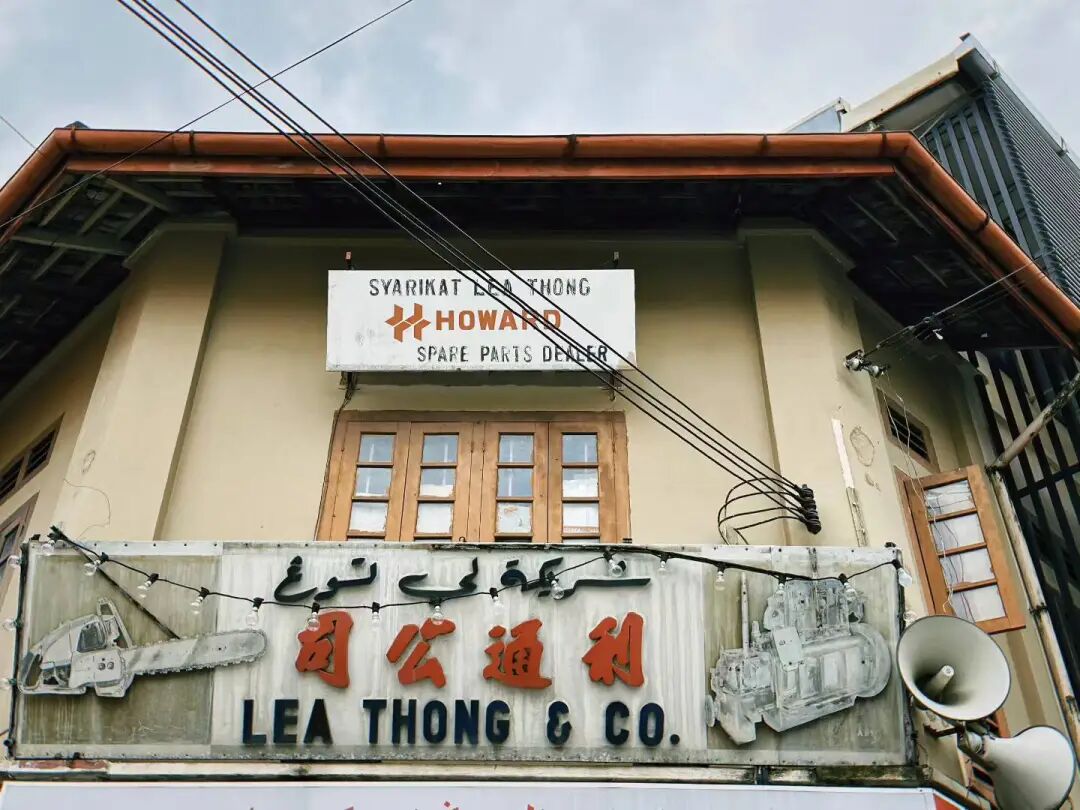
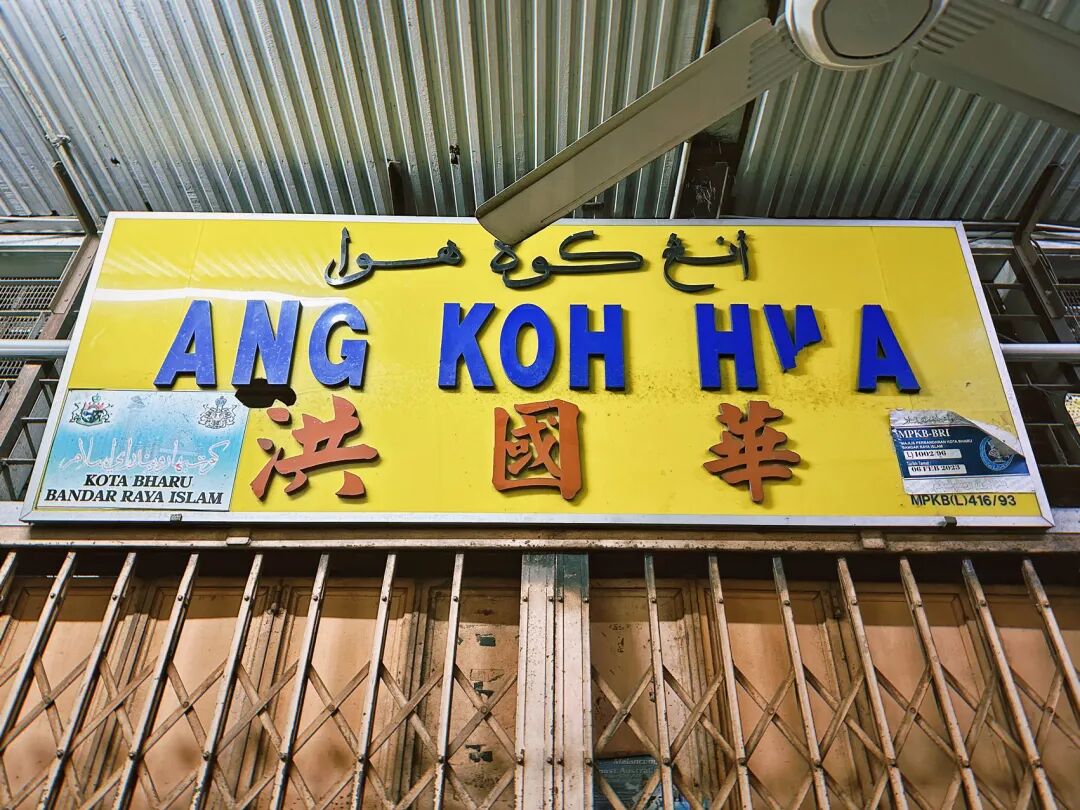
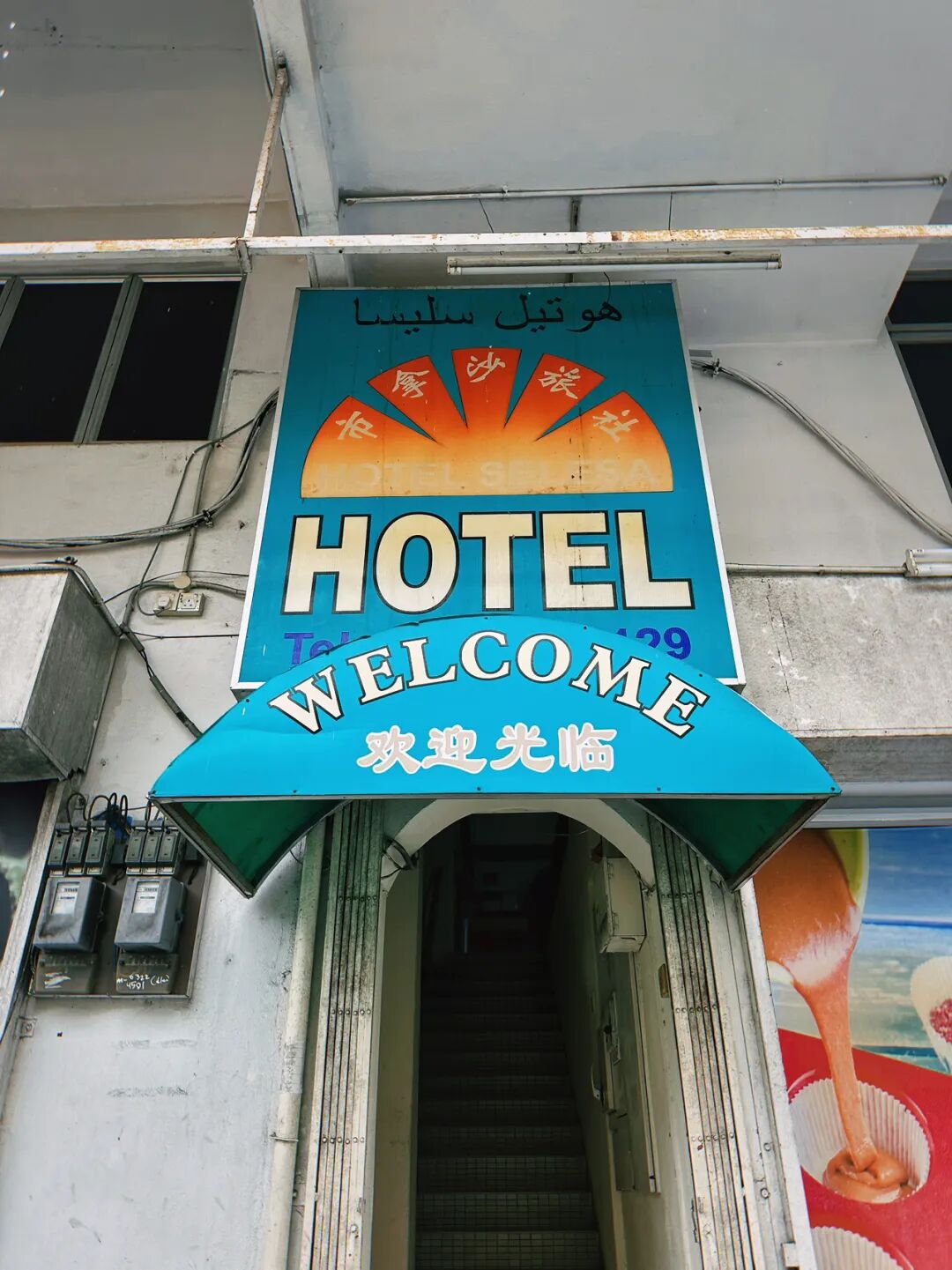
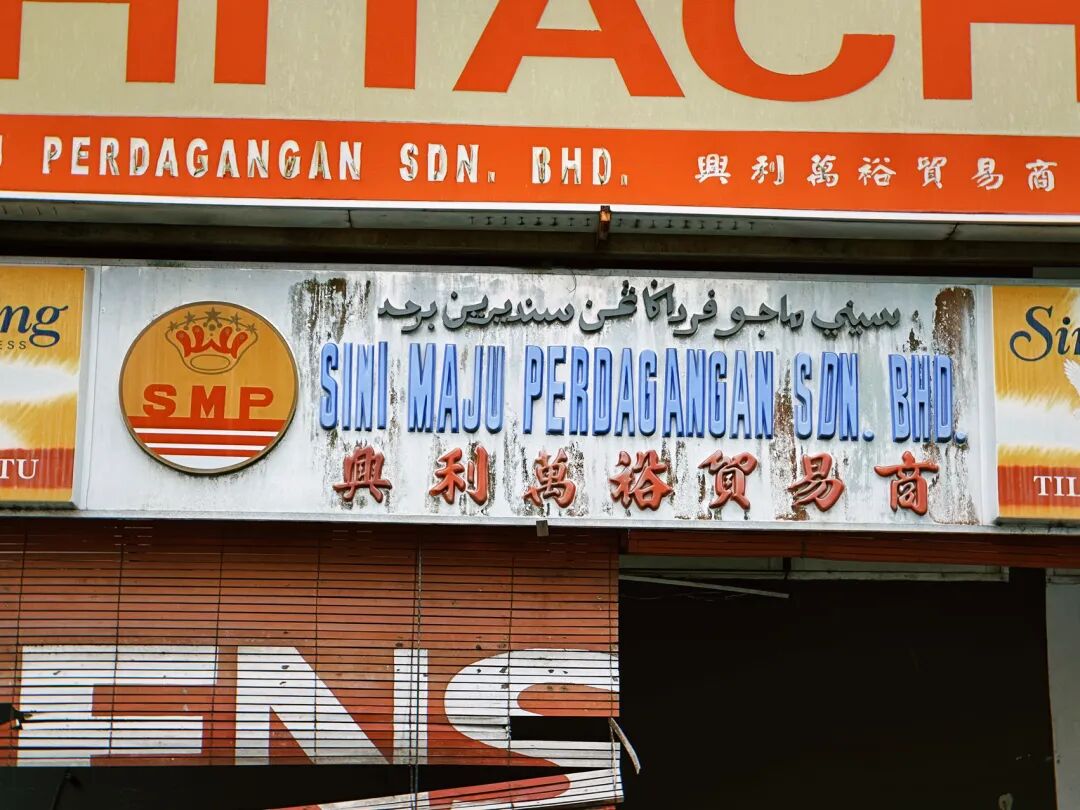
Most Chinese shops in Kota Bharu use three languages: Chinese, Malay, and Jawi (the Arabic script used to write Malay). This is a requirement in Kelantan state. view all
Summary: Kelantan in northeastern Malaysia has old port links, Chinese community history, and halal Chinese food shaped by local Hokkien and Hakka traditions. This account keeps the visit to the Kelantan port area, the Zheng He connection, restaurant details, dishes, streets, and photos in order.
Kelantan is in the northeast of the Malay Peninsula, bordering Thailand. It has been an important stop for Chinese maritime trade since ancient times. Zheng He visited here during his fourth voyage in 1413 (the 11th year of the Yongle reign). The Kelantan River valley has fertile land and is rich in hardwood, rubber, and tropical fruits. In the 18th century, people from Fujian traveled south to settle in Kampung Cina (Tangrenpo) along the lower reaches of the Kelantan River. During the Qianlong reign, the maritime merchant Xie Qinggao wrote in the 'Kelantan' entry of his book 'Records of the Oceans' (Hailu): 'Many Fujianese live in the port area... selling goods and growing pepper.' These Fujianese have lived in Kelantan for many generations. They speak Malay, love Malay food, follow Malay customs, and some run halal Chinese restaurants in the city.
After landing at Kota Bharu Airport, we took a taxi directly to the city's largest halal Chinese restaurant, Four Seasons Hall (Siji Ting), for dinner. Four Seasons Hall opened in 1998. The owner's surname is Wang, and his ancestral home is Jinjiang, Fujian. He is a third-generation Kelantan Chinese. Four Seasons Hall is the first Chinese restaurant in Kelantan to receive halal certification from the State Religious Affairs Department, and all the staff are fellow Muslims (dost). Four Seasons Hall is popular because it serves authentic Nanyang Chinese food, as well as Malay and Thai dishes.
They have a huge variety of dishes. Because they list ingredients and cooking methods separately, you can combine them to make 224 different fish dishes alone. The owner speaks great Mandarin. Following his recommendation, we ordered Four Seasons steamed sea bass, black pepper beef, sunflower sprouts in superior soup, oyster omelet, and salted egg baked shrimp. It was a real treat for our Nanyang Chinese food cravings. I think if you are dining with two or more people at a Nanyang Chinese restaurant, steamed fish is a must. Styles like Teochew steamed, Nyonya steamed, and Minglu steamed are all worth trying. The Four Seasons steamed fish we ordered this time used the owner's secret sauce, and it tasted very fresh and delicious. This was my first time eating sunflower sprouts. They have a light, nutty fragrance and a very refreshing texture. After getting used to the heavy sauces and thick gravies of northern Chinese food, the light Nanyang dishes were a nice change of pace. Oyster omelet is fried eggs with oysters. The egg is fried until crispy, and the oysters add a lot of flavor. However, fellow Muslims (dost) from inland areas might not be used to it if they aren't fans of seafood. The salted egg baked shrimp was also delicious. It seems rare to cook it this way in the north, but Malays love baked shrimp.
Mee Warisan is a very popular halal Chinese noodle shop in Kota Bharu, and it is often packed at noon. 'Mee Warisan' means 'traditional noodles' in Malay. They specialize in Chinese-style soy sauce noodles and wonton noodles, as well as Thai-style tom yum noodles and Thai pandan leaf chicken rolls. Because it is close to Thailand, both the local Chinese and Malays know how to cook Thai food. This is a very interesting cultural exchange.
There are many small snack shops run by Chinese in the old town of Kota Bharu. They are usually called 'Kopitiam' or 'Kafe' in Malay, which translates to 'teahouse' or 'drink room' in Chinese. These old-school Nanyang teahouses usually serve Malay coffee and tea, along with simple meals like noodles or coconut rice (nasi lemak). Because these teahouses are small, many haven't paid to apply for official halal certification, but they do hire Malay chefs and servers. So, if you see Malay fellow Muslims (dost) in a Chinese restaurant in Malaysia, you can go in and ask; they are usually halal.
Besides Fujianese food, you can also find halal Hakka food in Kota Bharu. We ate Hakka stuffed tofu (niang doufu) and stir-fried flat rice noodles (char kway teow) at Chef Pong Yong Tau Fu. The Chinese owner hires Malay staff, and the place is very popular with Malay friends (dosti). When guests arrive, they grab a plate and pick the stuffed items they want. Then they weigh them, and you can have them fried or boiled. The owner stir-fries the flat rice noodles (kway teow) right there. He speaks great Mandarin, so we had no trouble communicating.
In the Hakka dialect, 'niang' means to fill with stuffing. Legend says that after the Hakka people moved south from the Central Plains, they wanted dumplings but had no wheat. They used tofu instead of flour and invented stuffed tofu (niang doufu). Besides tofu, the Hakka are good at using local ingredients. You can stuff anything, like chili peppers, eggplants, bitter melons, and taro. Tofu, eggplant, and bitter melon are known as the 'three fried treasures' (jian niang san bao).
Unlike most Hokkien people who live near the lower reaches and mouth of the Kelantan River, most Kelantan Hakka settled inland. For example, the Hakka in the Bulai (near Dabong) area mostly came there for gold mining. During the Qianlong era, the maritime merchant Xie Qinggao wrote in his book 'Records of the Ocean' (Hailu) under the entry for Kelantan: 'The Cantonese (Hakka) people mostly live on the mountain tops, where they pan for gold sand.' After the 19th century, the gold mines gradually ran dry, and the inland Hakka switched to growing rice. After the Malayan Communist Party started anti-British guerrilla warfare in 1948, the British military forced some Kelantan Hakka to move to Terengganu for centralized management to cut off Chinese support for the communists. They also implemented food rationing, which was called the 'Hunger Operation'. These Hakka people did not return to Kelantan until after the state of emergency ended in 1960.
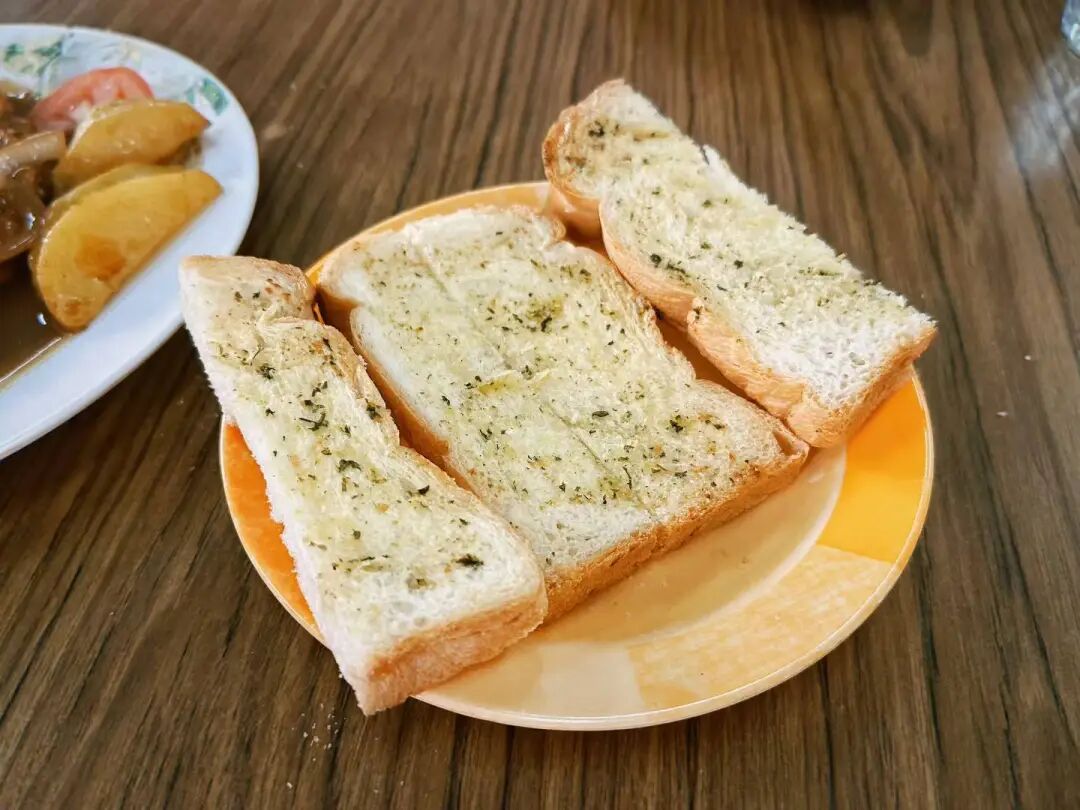
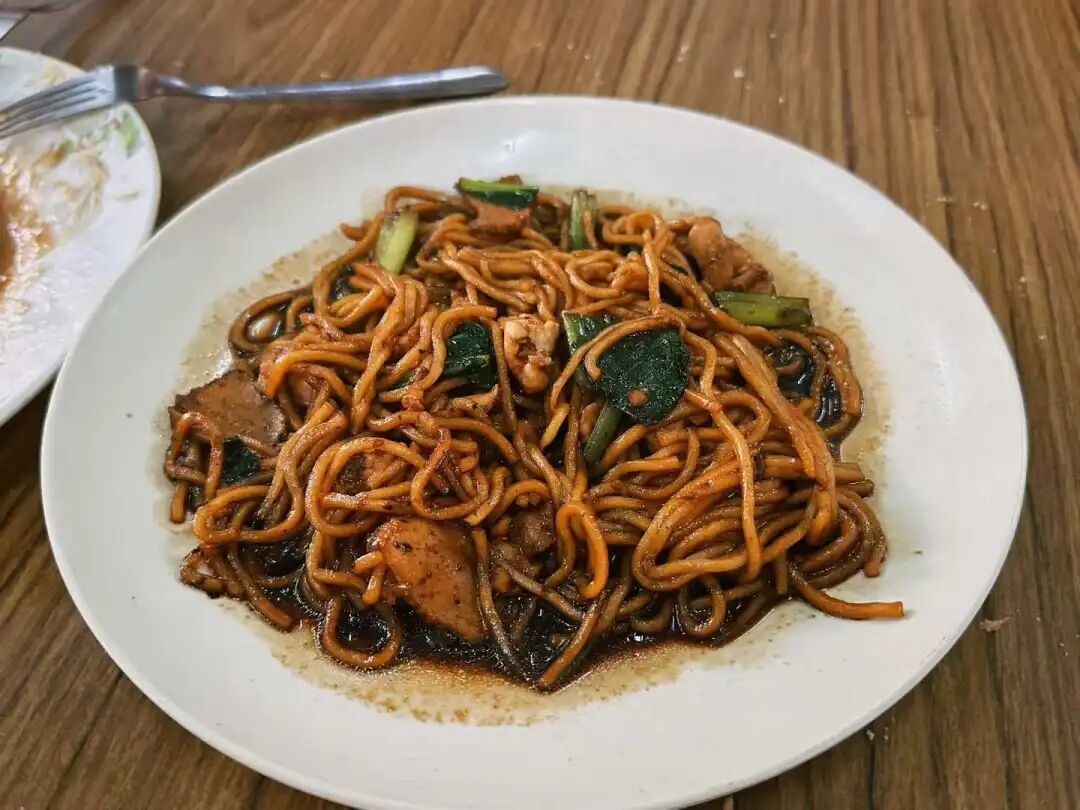
Besides Hokkien and Hakka people, Hainanese people are also an important part of the Chinese community in Kelantan. We ate at the 50-year-old Hainanese restaurant, Sin Hua Air-Conditioned Restaurant, in Kota Bharu. We had Hainanese chicken chop, Hainanese noodles, and toasted bread. These are all authentic Nanyang Hainanese dishes. There is also a shop next door called Sin Shing Coffee Shop, which is said to have the best Hainanese chicken rice in Kota Bharu.
Like many old-school Hainanese coffee shops in Malaysia, the owner is a Hainanese Chinese, but they hire Malay chefs and staff. This allows Chinese, Malay, and Indian customers to all enjoy the food.
Hainanese people began immigrating to Malaysia in the 19th century. Many early immigrants worked as chefs and waiters in British hotels and restaurants, and some worked as servants for British officers. Influenced by their British employers, the Hainanese learned to cook Western food and mixed it with Hainanese elements to create the unique Hainanese coffee shop (Hailam Kopitiam) culture.
Chinese food in Kota Bharu is mostly found on Jalan Kebun Sultan. There is a landmark archway called 'Zheng He Arch' (Zheng He Fang) here, which commemorates Zheng He's fourth voyage to the Western Ocean when he arrived at the port of Kelantan. The arch has two couplets: 'Zheng served the mission and left history, He governed the country for the people' and 'The doctrine of the mean shines for generations, Chinese civilization lasts for thousands of years.' This shows that Kelantan Chinese do not forget their roots and keep their good Chinese character.
Near the Zheng He Arch is the Jinjiang Association, and downstairs is a large East Coast shopping mall. The Jinjiang people in Kelantan value Chinese education very much and played a major role in restoring Chinese schools after World War II.
Many pharmacies on the streets of Kota Bharu are also run by Chinese people, making it very convenient to buy medicine here.
There is a Shanghai Bookstore on the streets of Kota Bharu where you can buy Chinese books, newspapers, and magazines.
Most Chinese shops in Kota Bharu use three languages: Chinese, Malay, and Jawi (the Arabic script used to write Malay). This is a requirement in Kelantan state. view all
Reposted from the web
Summary: Kelantan in northeastern Malaysia has old port links, Chinese community history, and halal Chinese food shaped by local Hokkien and Hakka traditions. This account keeps the visit to the Kelantan port area, the Zheng He connection, restaurant details, dishes, streets, and photos in order.
Kelantan is in the northeast of the Malay Peninsula, bordering Thailand. It has been an important stop for Chinese maritime trade since ancient times. Zheng He visited here during his fourth voyage in 1413 (the 11th year of the Yongle reign). The Kelantan River valley has fertile land and is rich in hardwood, rubber, and tropical fruits. In the 18th century, people from Fujian traveled south to settle in Kampung Cina (Tangrenpo) along the lower reaches of the Kelantan River. During the Qianlong reign, the maritime merchant Xie Qinggao wrote in the 'Kelantan' entry of his book 'Records of the Oceans' (Hailu): 'Many Fujianese live in the port area... selling goods and growing pepper.' These Fujianese have lived in Kelantan for many generations. They speak Malay, love Malay food, follow Malay customs, and some run halal Chinese restaurants in the city.
After landing at Kota Bharu Airport, we took a taxi directly to the city's largest halal Chinese restaurant, Four Seasons Hall (Siji Ting), for dinner. Four Seasons Hall opened in 1998. The owner's surname is Wang, and his ancestral home is Jinjiang, Fujian. He is a third-generation Kelantan Chinese. Four Seasons Hall is the first Chinese restaurant in Kelantan to receive halal certification from the State Religious Affairs Department, and all the staff are fellow Muslims (dost). Four Seasons Hall is popular because it serves authentic Nanyang Chinese food, as well as Malay and Thai dishes.
They have a huge variety of dishes. Because they list ingredients and cooking methods separately, you can combine them to make 224 different fish dishes alone. The owner speaks great Mandarin. Following his recommendation, we ordered Four Seasons steamed sea bass, black pepper beef, sunflower sprouts in superior soup, oyster omelet, and salted egg baked shrimp. It was a real treat for our Nanyang Chinese food cravings. I think if you are dining with two or more people at a Nanyang Chinese restaurant, steamed fish is a must. Styles like Teochew steamed, Nyonya steamed, and Minglu steamed are all worth trying. The Four Seasons steamed fish we ordered this time used the owner's secret sauce, and it tasted very fresh and delicious. This was my first time eating sunflower sprouts. They have a light, nutty fragrance and a very refreshing texture. After getting used to the heavy sauces and thick gravies of northern Chinese food, the light Nanyang dishes were a nice change of pace. Oyster omelet is fried eggs with oysters. The egg is fried until crispy, and the oysters add a lot of flavor. However, fellow Muslims (dost) from inland areas might not be used to it if they aren't fans of seafood. The salted egg baked shrimp was also delicious. It seems rare to cook it this way in the north, but Malays love baked shrimp.
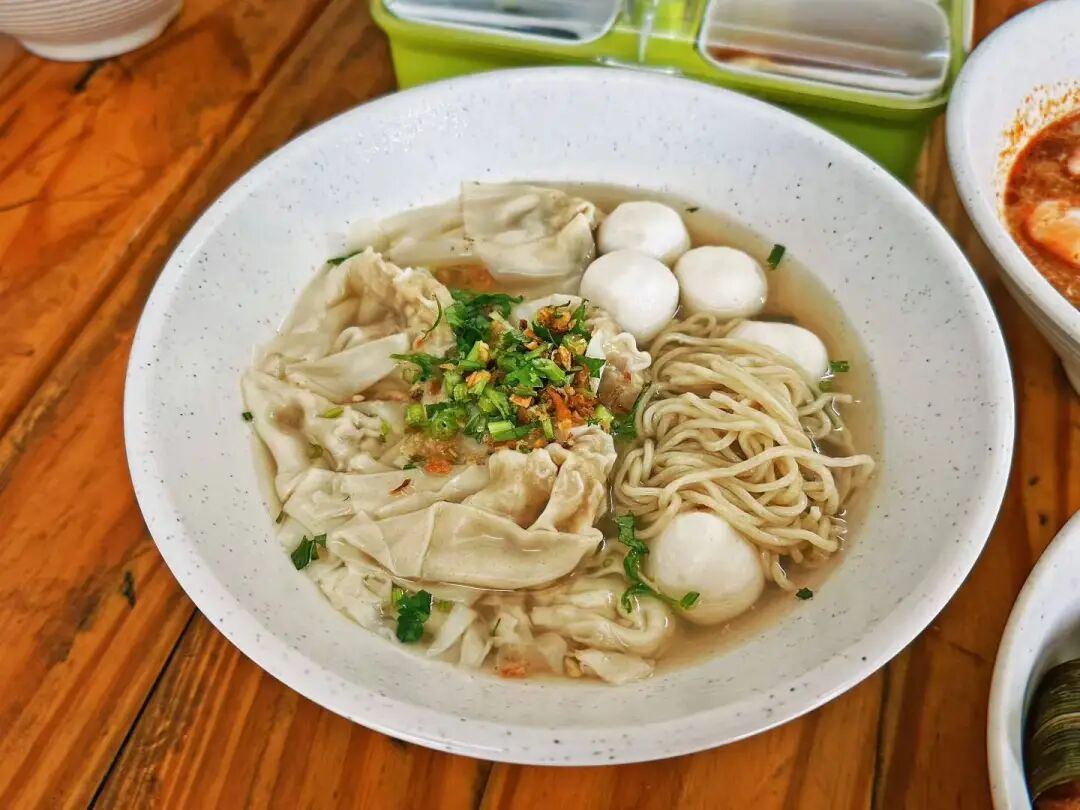
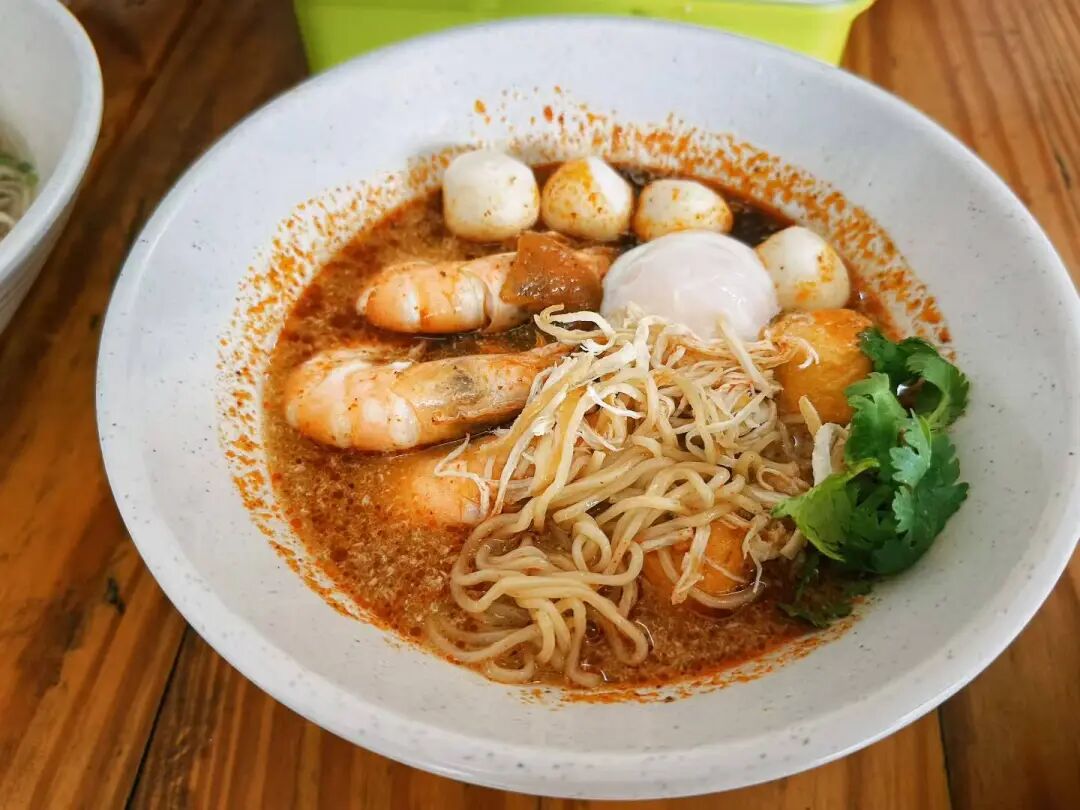
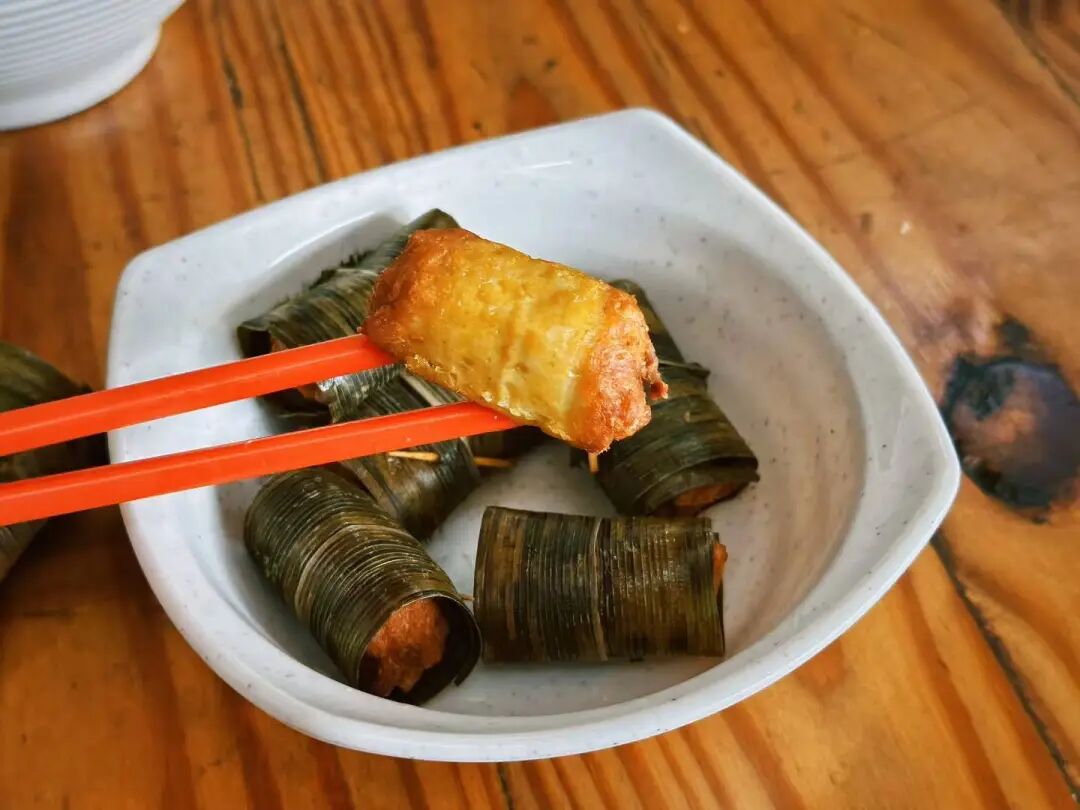
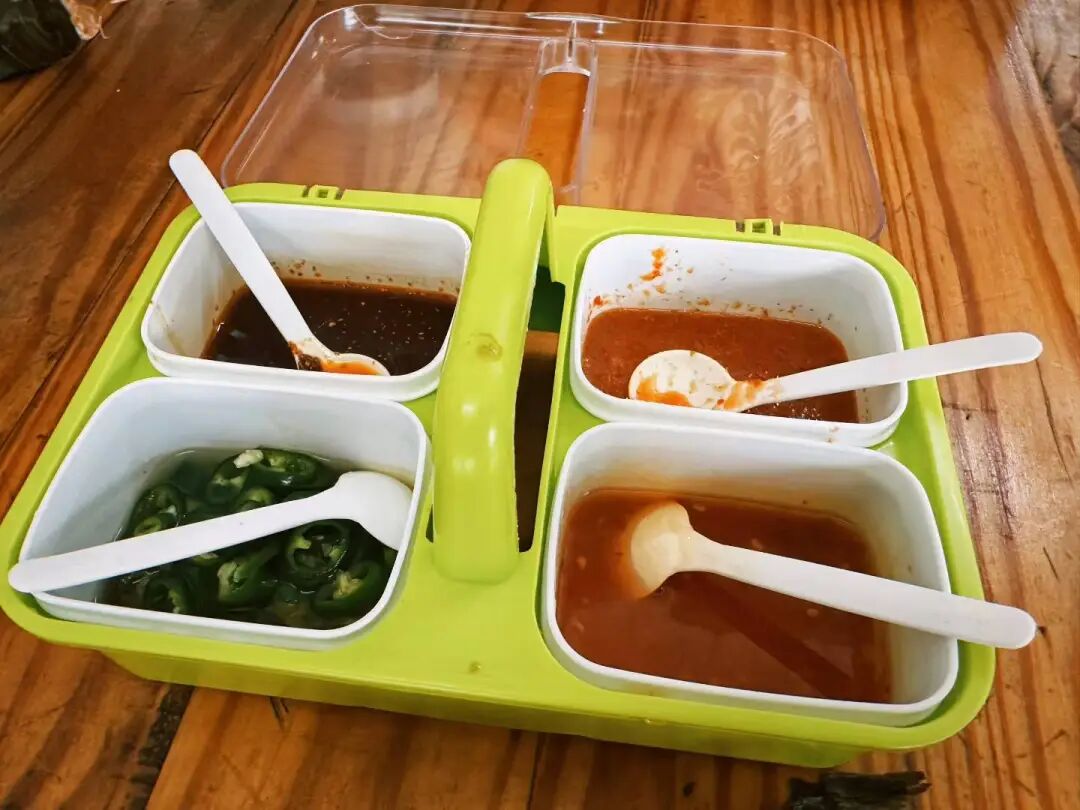
Mee Warisan is a very popular halal Chinese noodle shop in Kota Bharu, and it is often packed at noon. 'Mee Warisan' means 'traditional noodles' in Malay. They specialize in Chinese-style soy sauce noodles and wonton noodles, as well as Thai-style tom yum noodles and Thai pandan leaf chicken rolls. Because it is close to Thailand, both the local Chinese and Malays know how to cook Thai food. This is a very interesting cultural exchange.
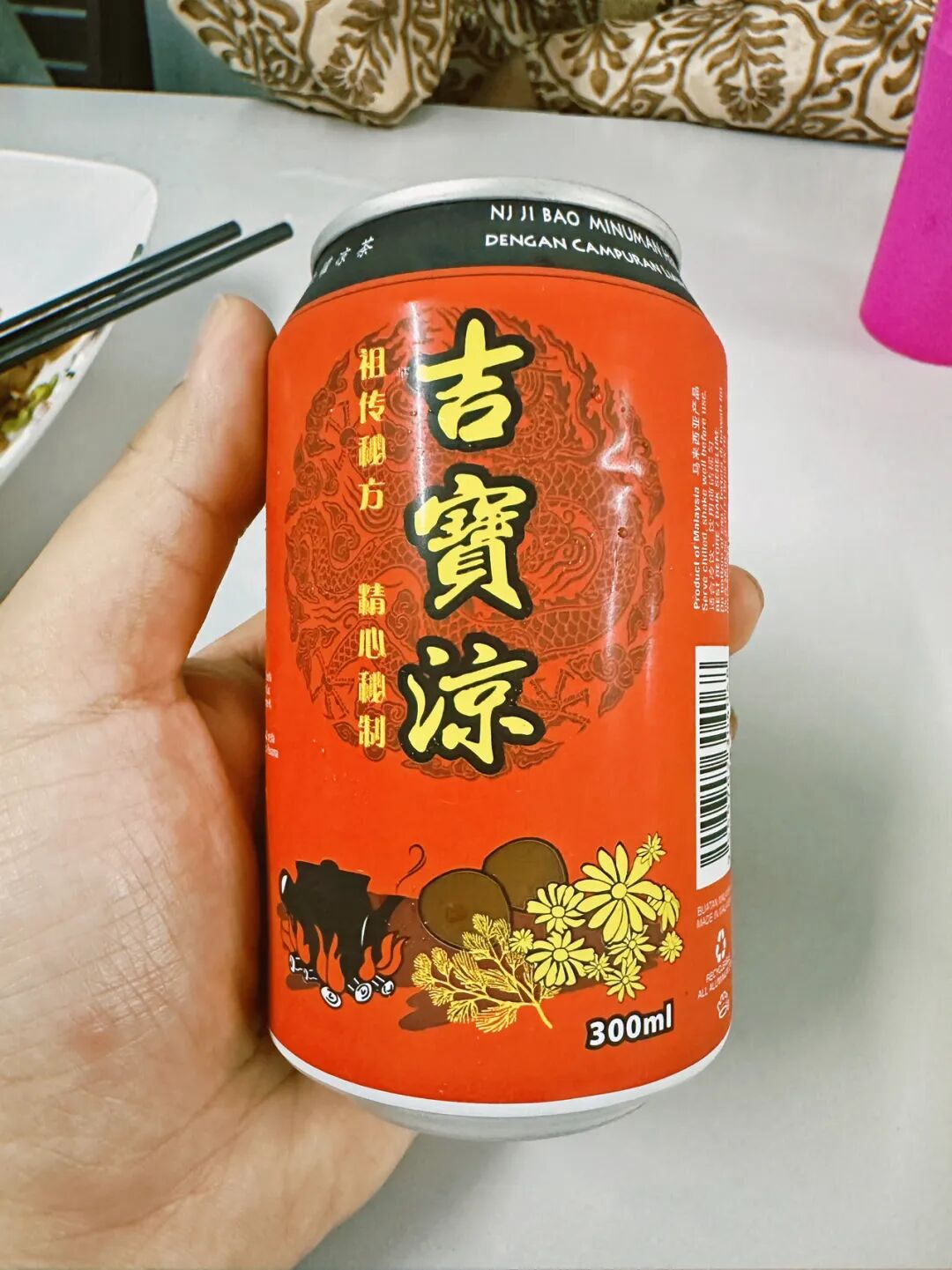
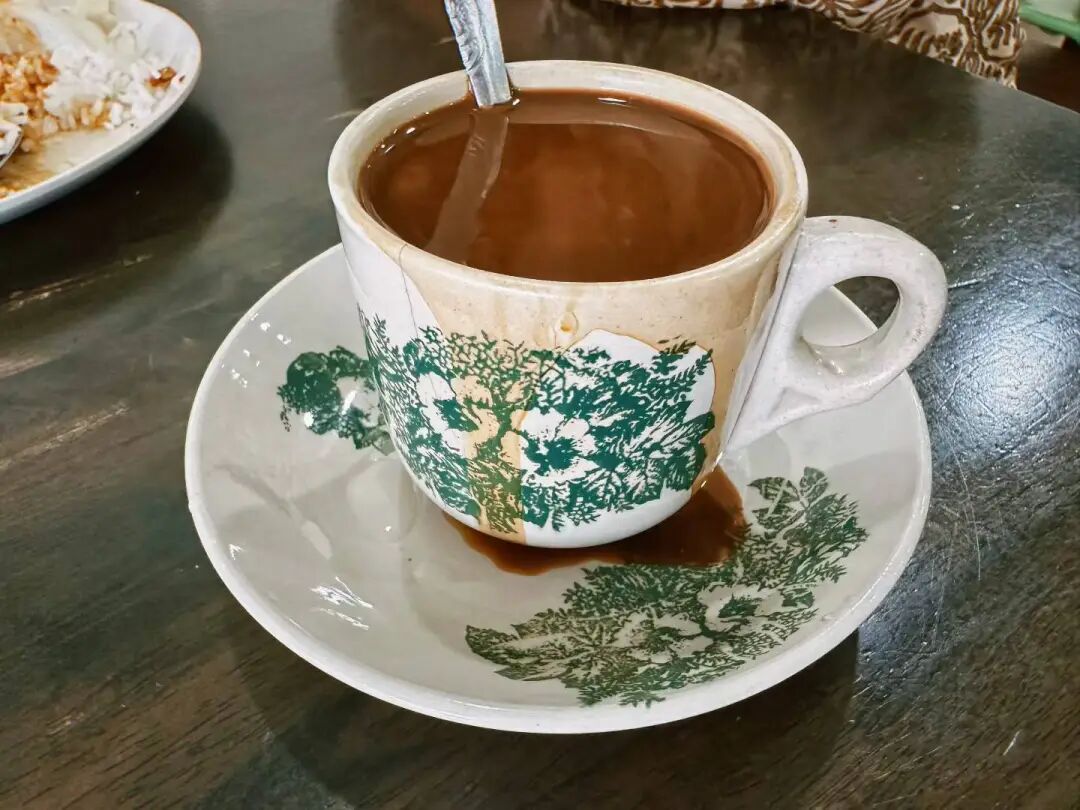
There are many small snack shops run by Chinese in the old town of Kota Bharu. They are usually called 'Kopitiam' or 'Kafe' in Malay, which translates to 'teahouse' or 'drink room' in Chinese. These old-school Nanyang teahouses usually serve Malay coffee and tea, along with simple meals like noodles or coconut rice (nasi lemak). Because these teahouses are small, many haven't paid to apply for official halal certification, but they do hire Malay chefs and servers. So, if you see Malay fellow Muslims (dost) in a Chinese restaurant in Malaysia, you can go in and ask; they are usually halal.
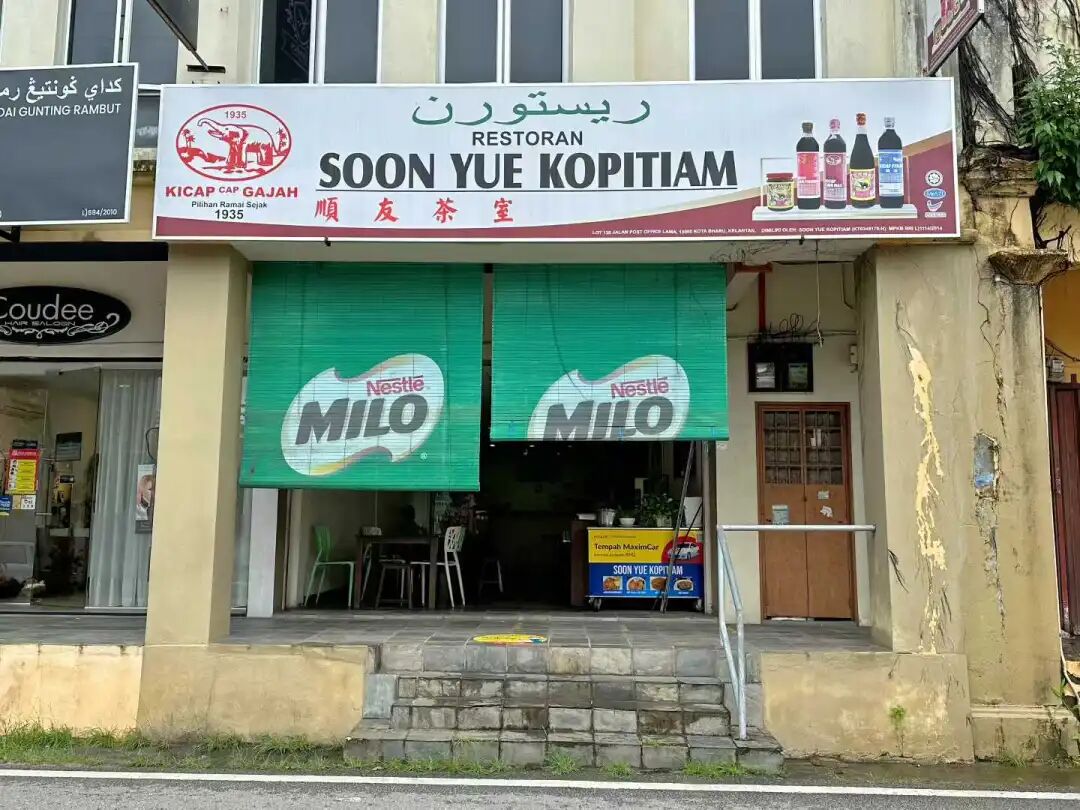
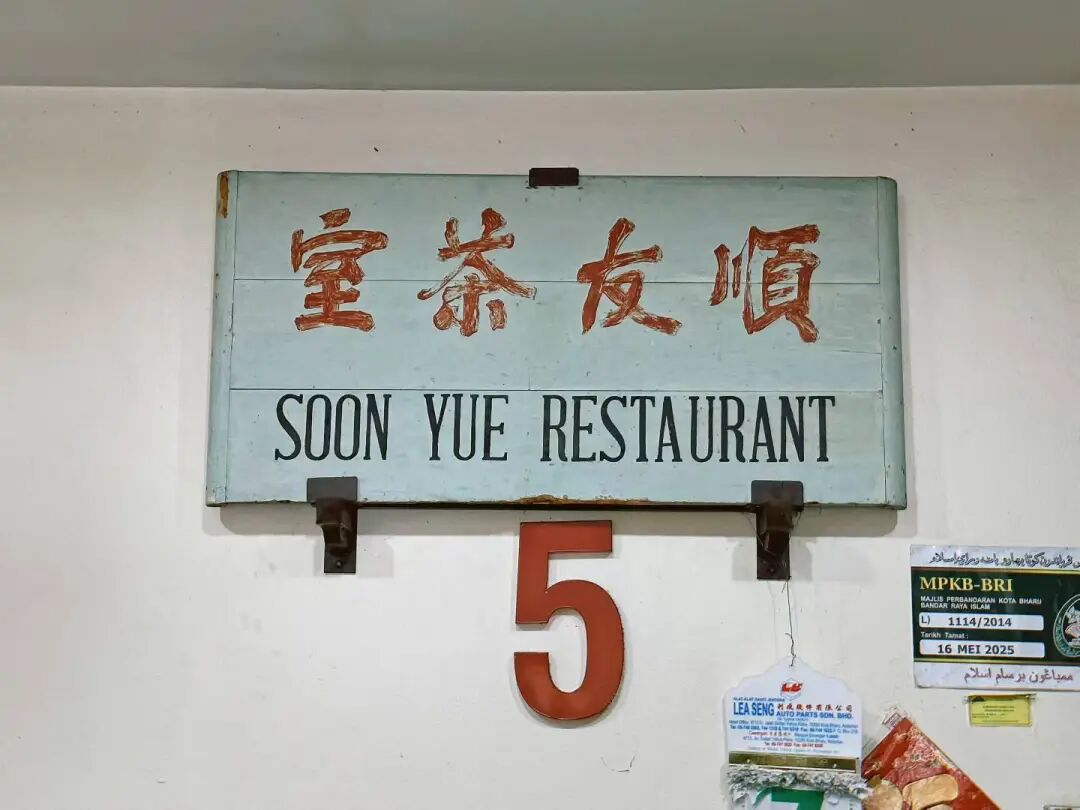
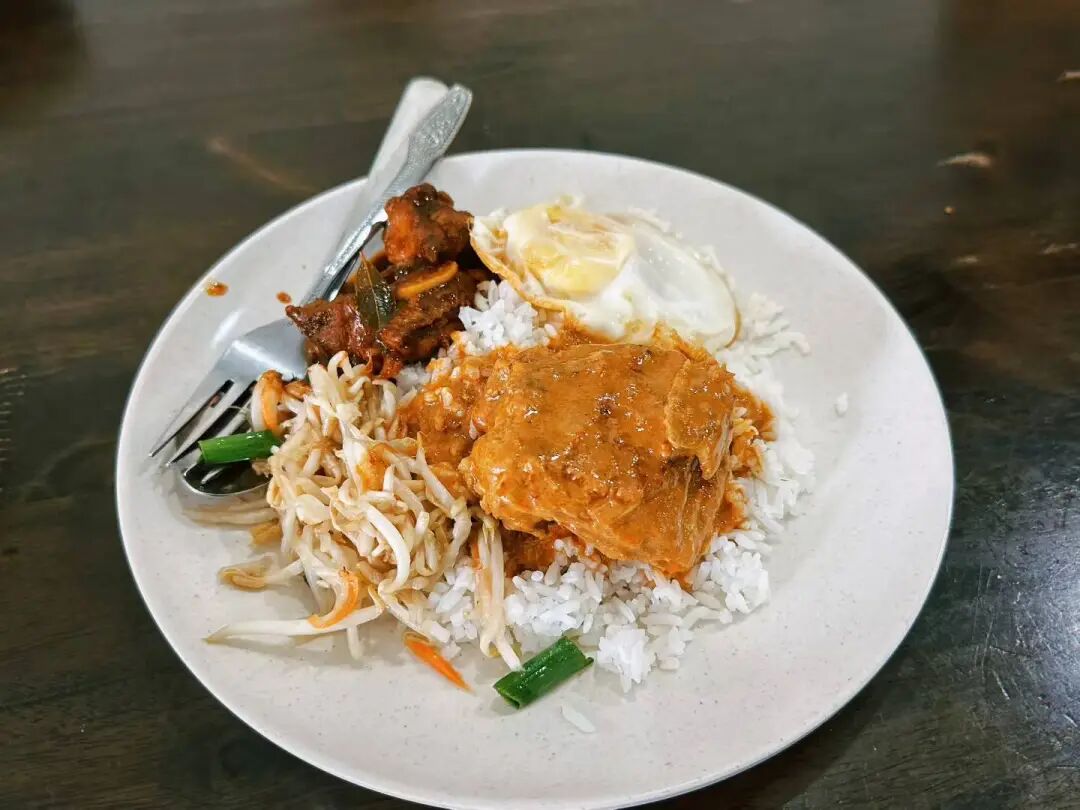
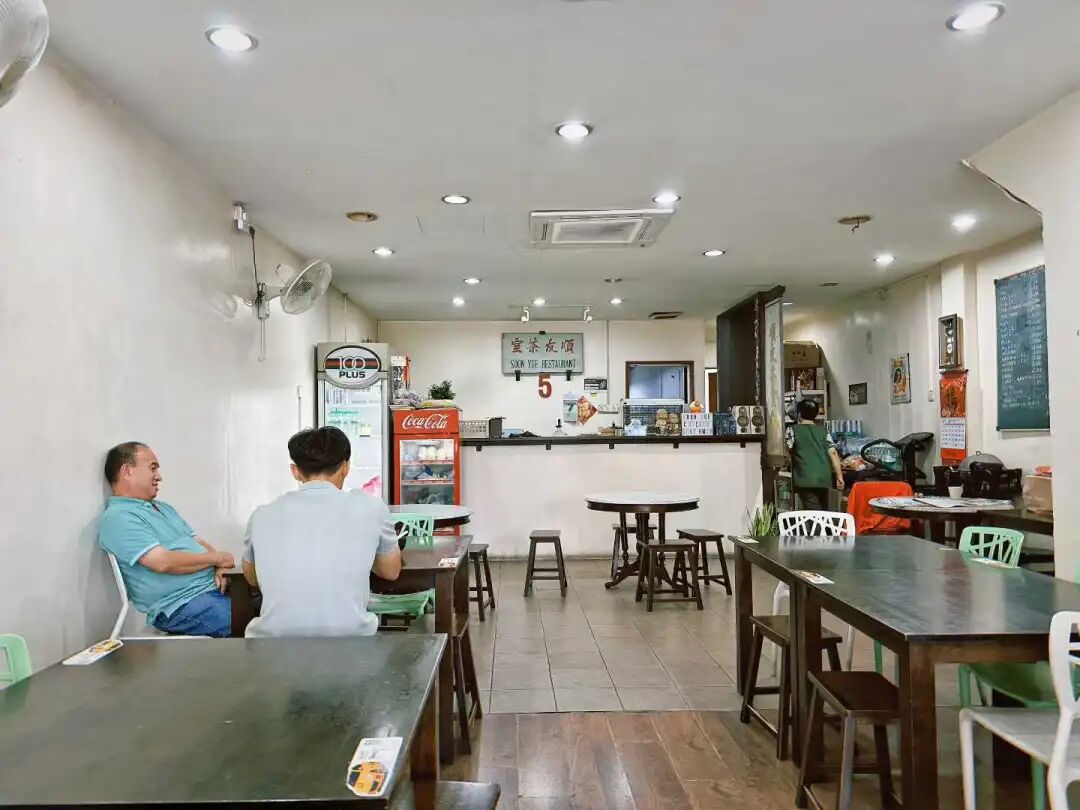
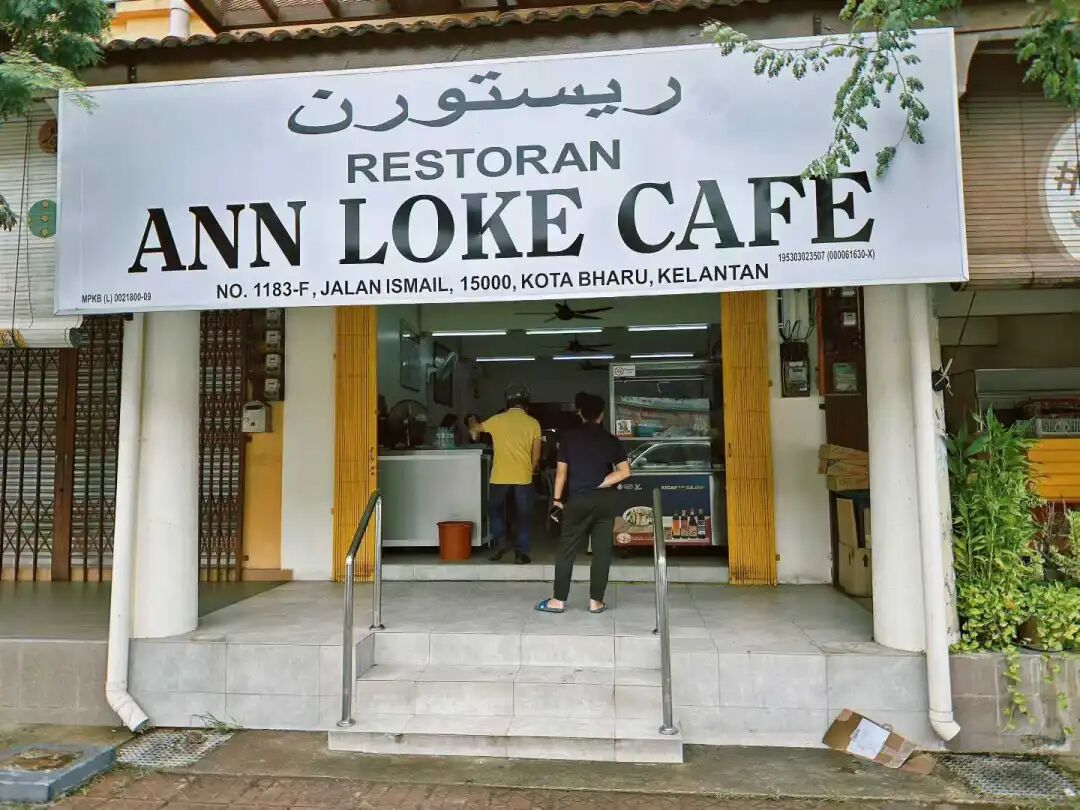
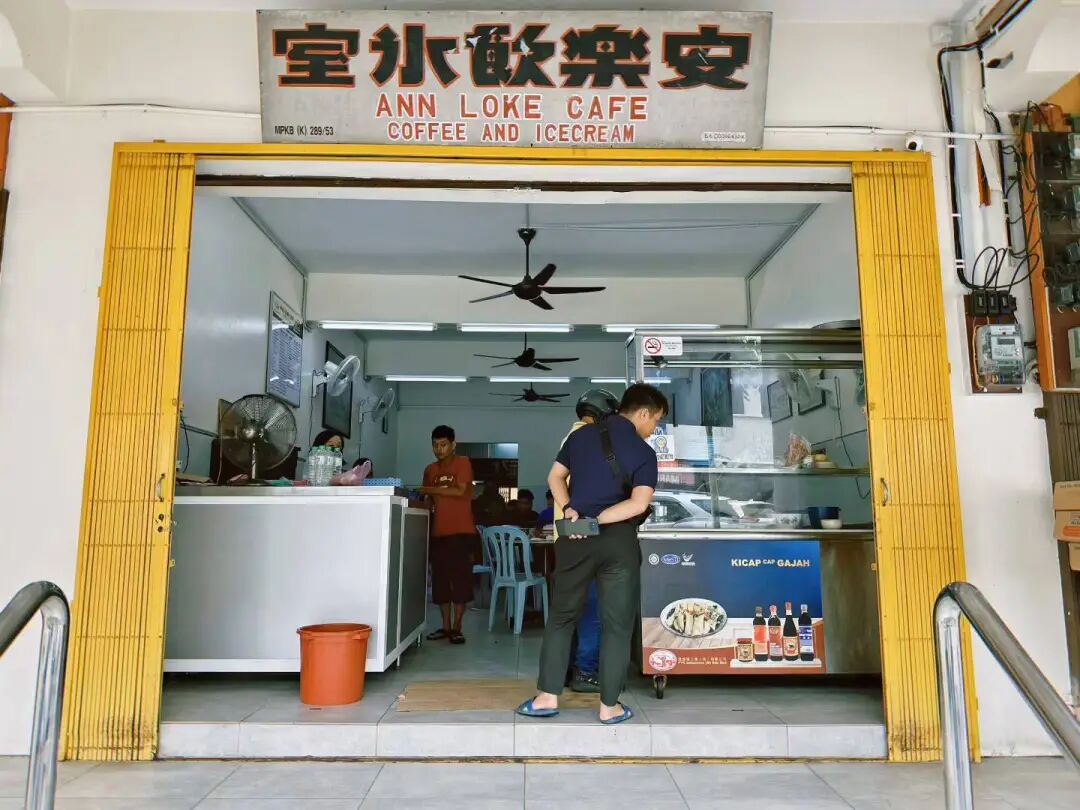
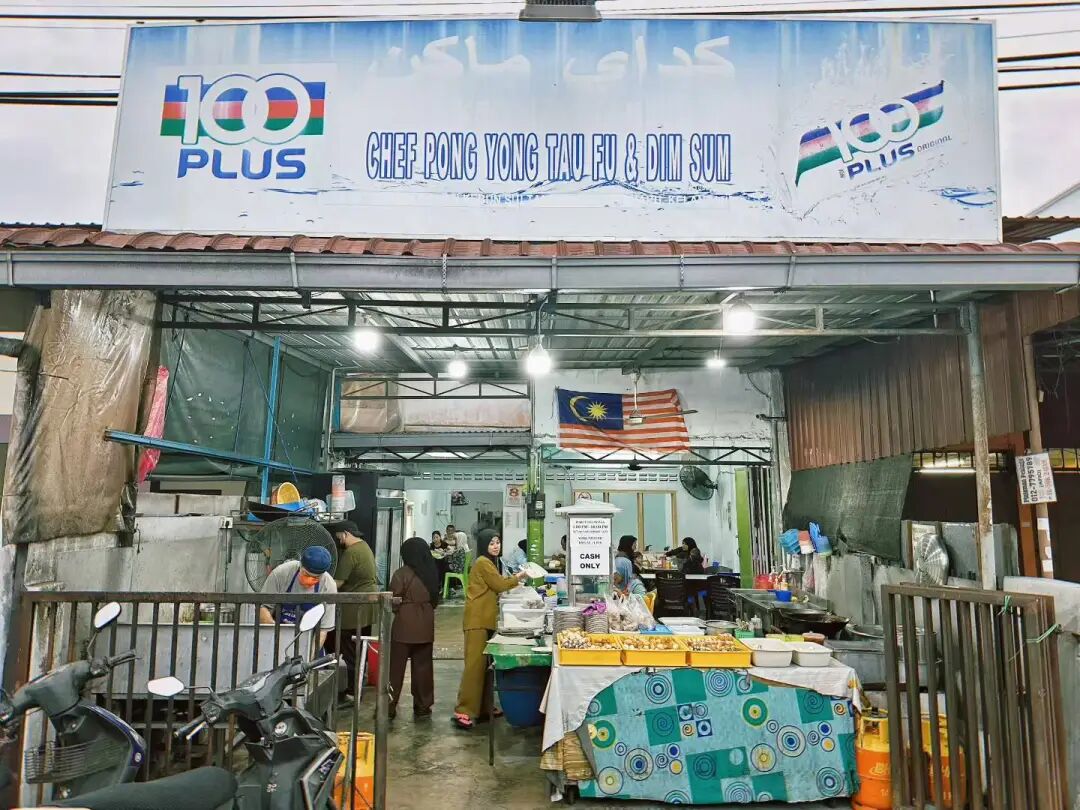
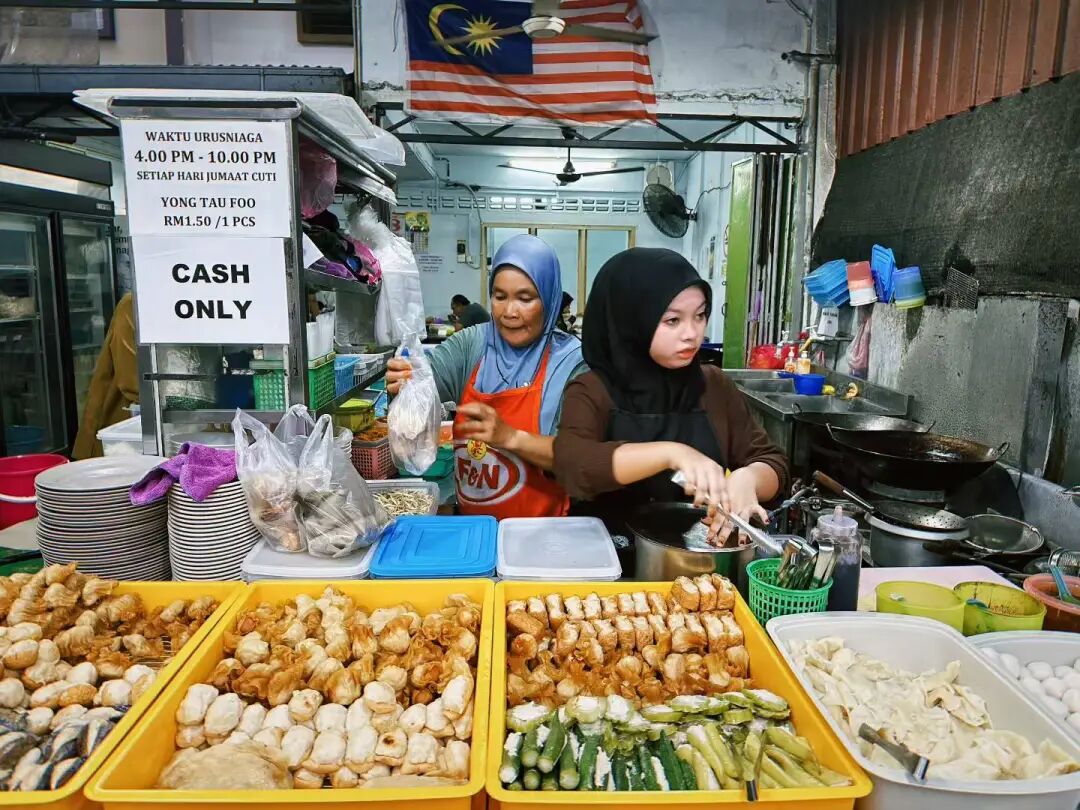
Besides Fujianese food, you can also find halal Hakka food in Kota Bharu. We ate Hakka stuffed tofu (niang doufu) and stir-fried flat rice noodles (char kway teow) at Chef Pong Yong Tau Fu. The Chinese owner hires Malay staff, and the place is very popular with Malay friends (dosti). When guests arrive, they grab a plate and pick the stuffed items they want. Then they weigh them, and you can have them fried or boiled. The owner stir-fries the flat rice noodles (kway teow) right there. He speaks great Mandarin, so we had no trouble communicating.
In the Hakka dialect, 'niang' means to fill with stuffing. Legend says that after the Hakka people moved south from the Central Plains, they wanted dumplings but had no wheat. They used tofu instead of flour and invented stuffed tofu (niang doufu). Besides tofu, the Hakka are good at using local ingredients. You can stuff anything, like chili peppers, eggplants, bitter melons, and taro. Tofu, eggplant, and bitter melon are known as the 'three fried treasures' (jian niang san bao).
Unlike most Hokkien people who live near the lower reaches and mouth of the Kelantan River, most Kelantan Hakka settled inland. For example, the Hakka in the Bulai (near Dabong) area mostly came there for gold mining. During the Qianlong era, the maritime merchant Xie Qinggao wrote in his book 'Records of the Ocean' (Hailu) under the entry for Kelantan: 'The Cantonese (Hakka) people mostly live on the mountain tops, where they pan for gold sand.' After the 19th century, the gold mines gradually ran dry, and the inland Hakka switched to growing rice. After the Malayan Communist Party started anti-British guerrilla warfare in 1948, the British military forced some Kelantan Hakka to move to Terengganu for centralized management to cut off Chinese support for the communists. They also implemented food rationing, which was called the 'Hunger Operation'. These Hakka people did not return to Kelantan until after the state of emergency ended in 1960.
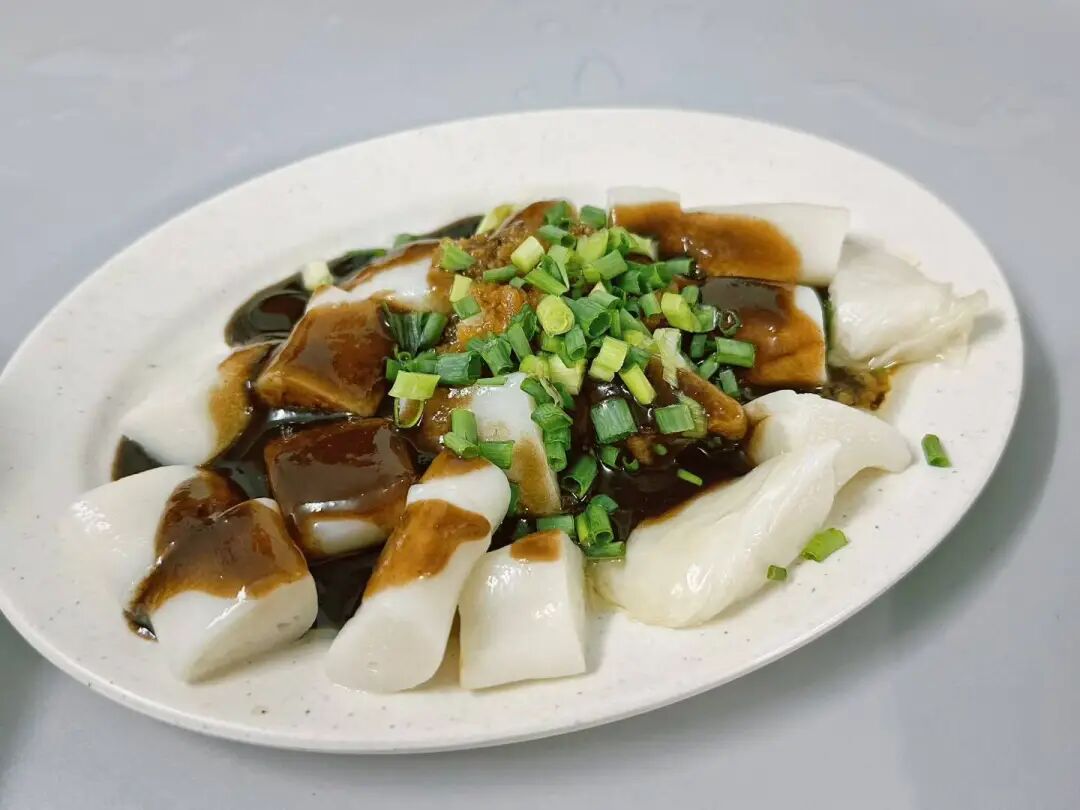
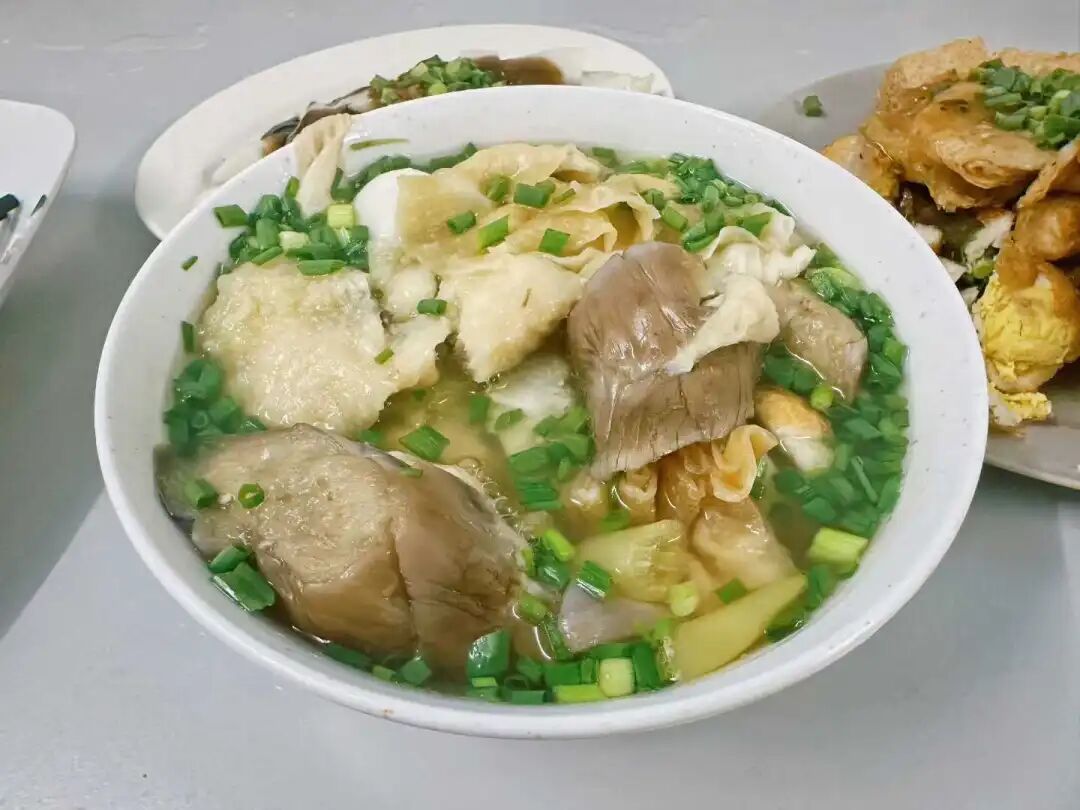
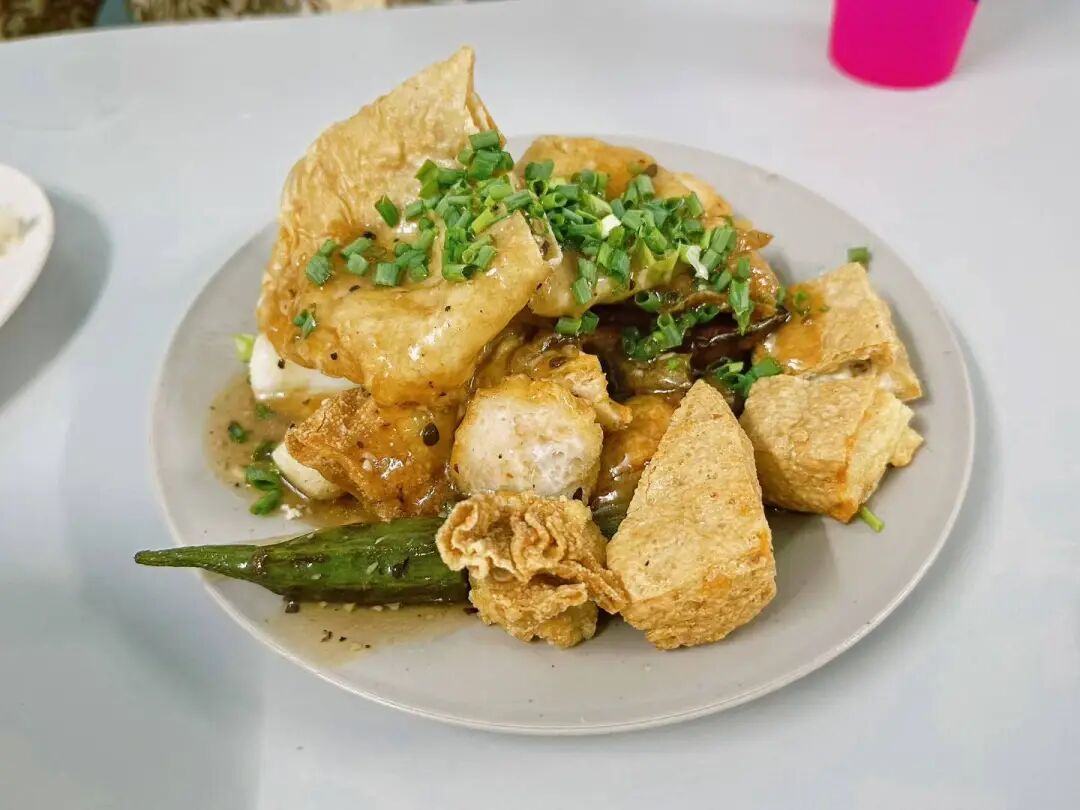
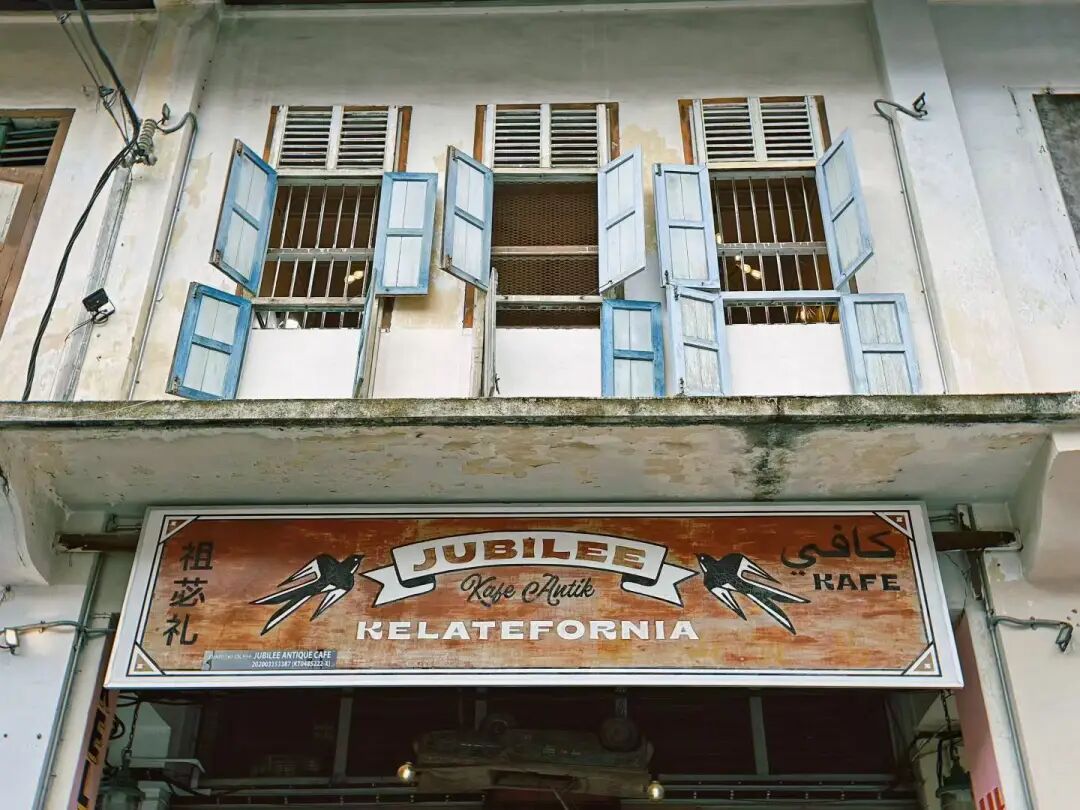
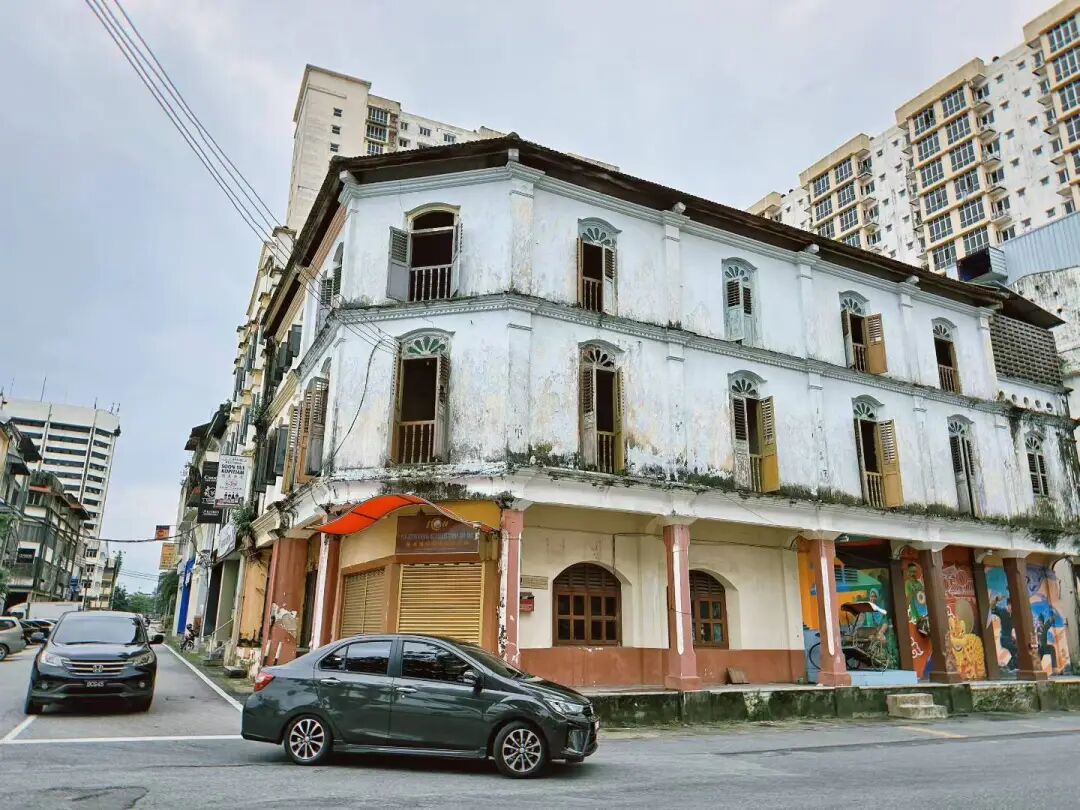
Besides Hokkien and Hakka people, Hainanese people are also an important part of the Chinese community in Kelantan. We ate at the 50-year-old Hainanese restaurant, Sin Hua Air-Conditioned Restaurant, in Kota Bharu. We had Hainanese chicken chop, Hainanese noodles, and toasted bread. These are all authentic Nanyang Hainanese dishes. There is also a shop next door called Sin Shing Coffee Shop, which is said to have the best Hainanese chicken rice in Kota Bharu.
Like many old-school Hainanese coffee shops in Malaysia, the owner is a Hainanese Chinese, but they hire Malay chefs and staff. This allows Chinese, Malay, and Indian customers to all enjoy the food.
Hainanese people began immigrating to Malaysia in the 19th century. Many early immigrants worked as chefs and waiters in British hotels and restaurants, and some worked as servants for British officers. Influenced by their British employers, the Hainanese learned to cook Western food and mixed it with Hainanese elements to create the unique Hainanese coffee shop (Hailam Kopitiam) culture.
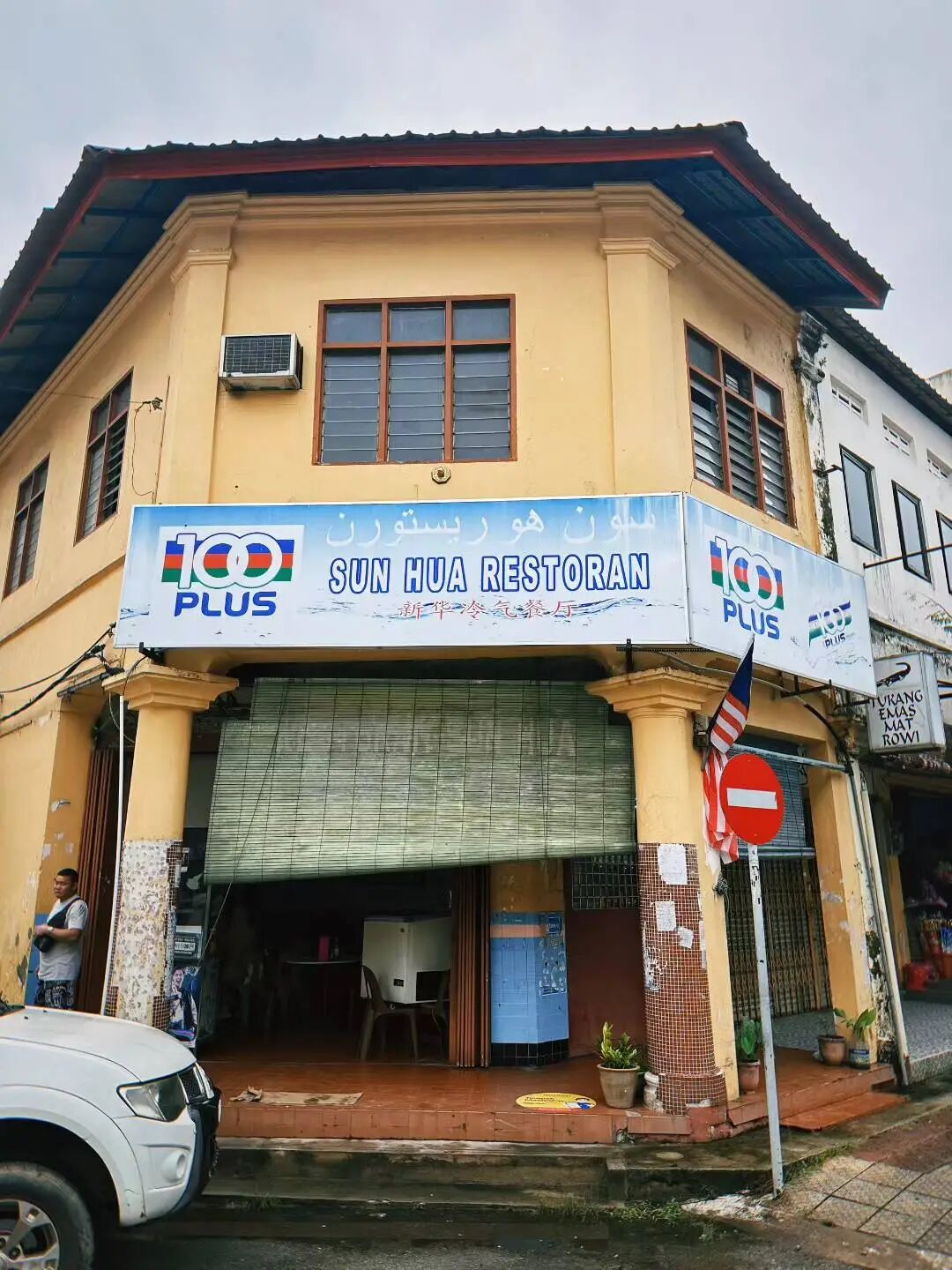
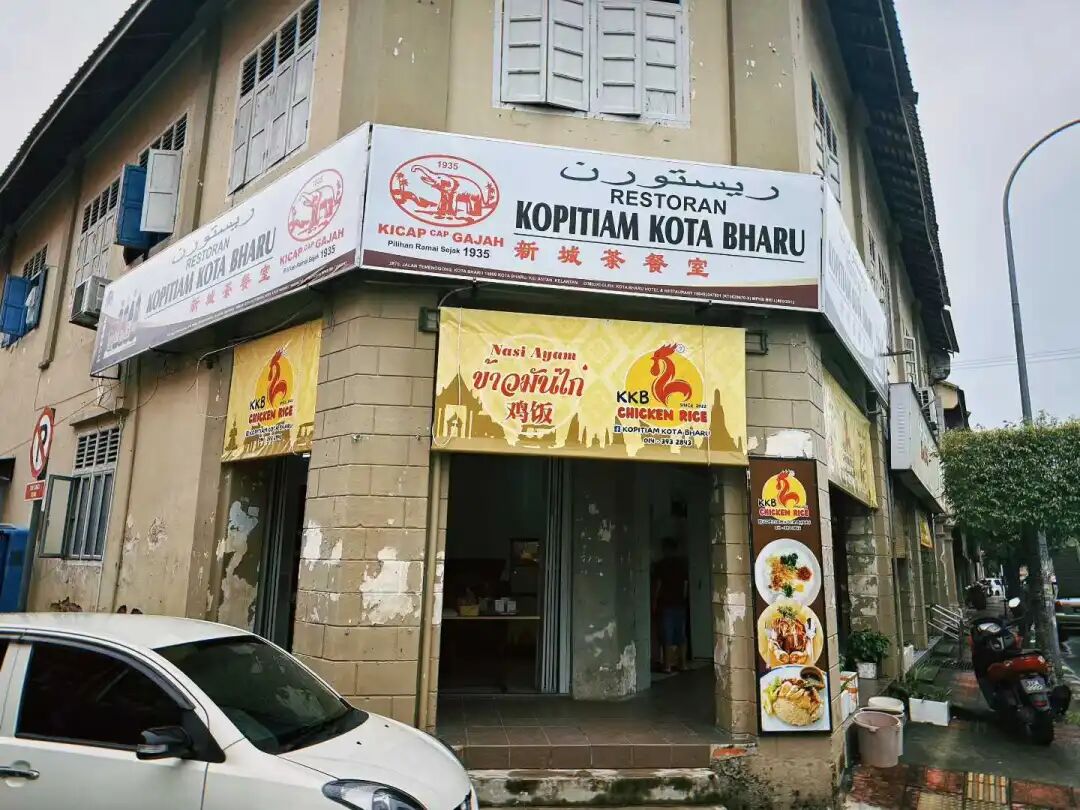
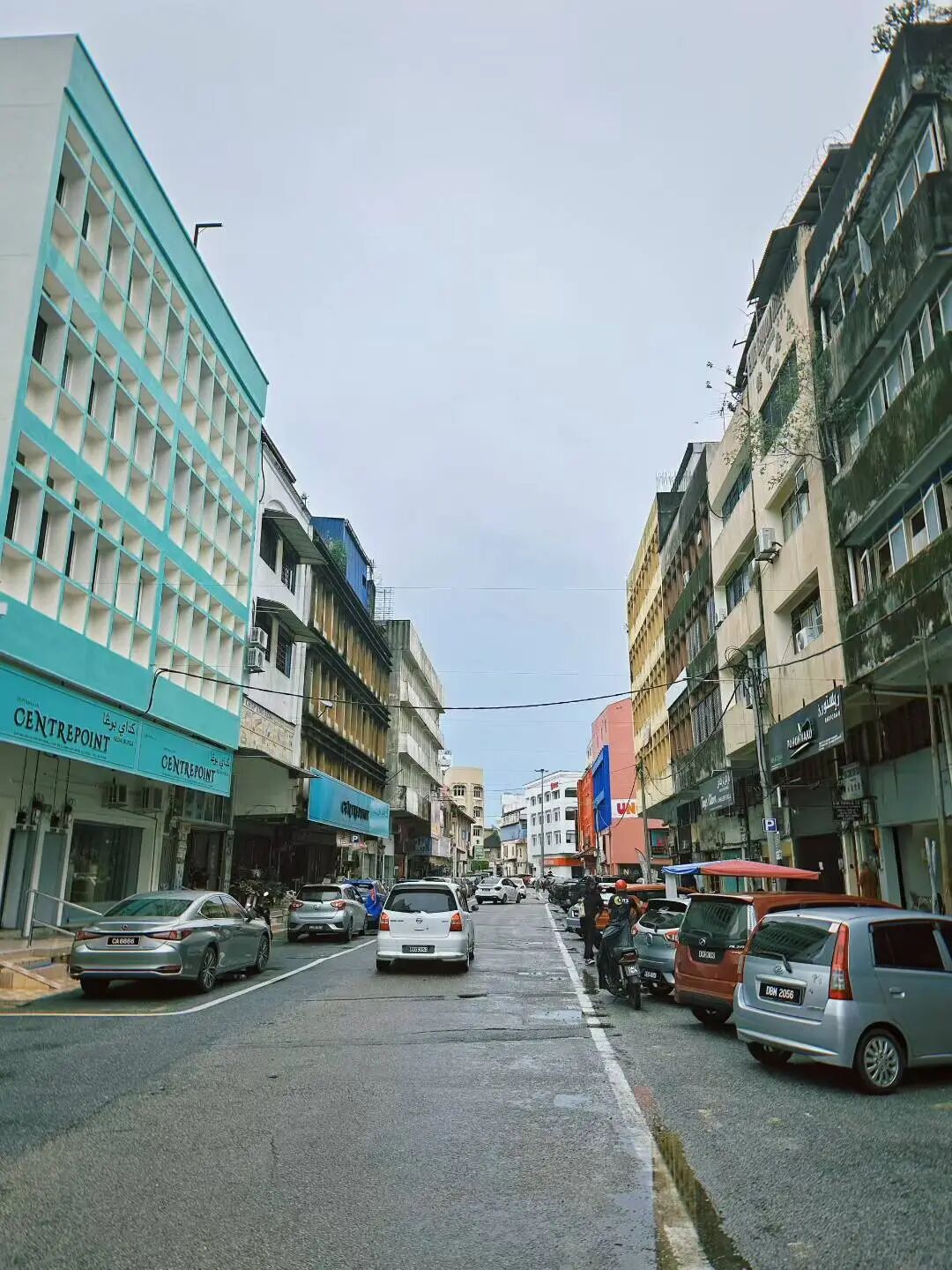
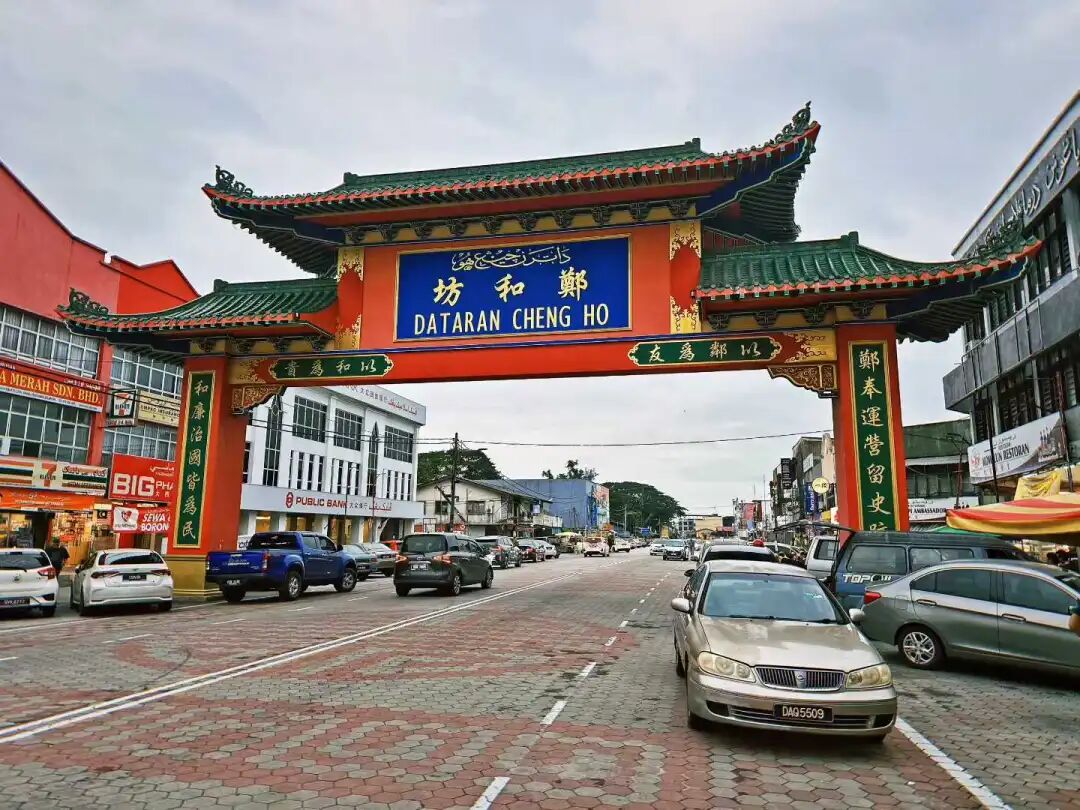
Chinese food in Kota Bharu is mostly found on Jalan Kebun Sultan. There is a landmark archway called 'Zheng He Arch' (Zheng He Fang) here, which commemorates Zheng He's fourth voyage to the Western Ocean when he arrived at the port of Kelantan. The arch has two couplets: 'Zheng served the mission and left history, He governed the country for the people' and 'The doctrine of the mean shines for generations, Chinese civilization lasts for thousands of years.' This shows that Kelantan Chinese do not forget their roots and keep their good Chinese character.
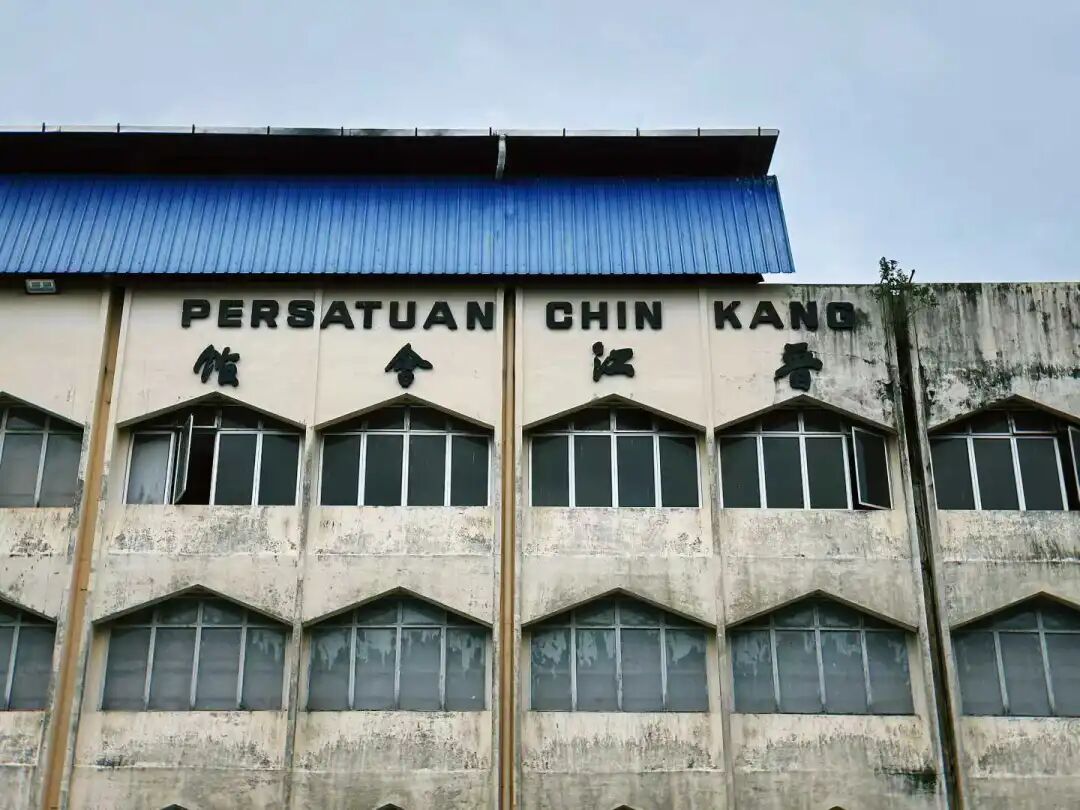
Near the Zheng He Arch is the Jinjiang Association, and downstairs is a large East Coast shopping mall. The Jinjiang people in Kelantan value Chinese education very much and played a major role in restoring Chinese schools after World War II.
Many pharmacies on the streets of Kota Bharu are also run by Chinese people, making it very convenient to buy medicine here.
There is a Shanghai Bookstore on the streets of Kota Bharu where you can buy Chinese books, newspapers, and magazines.
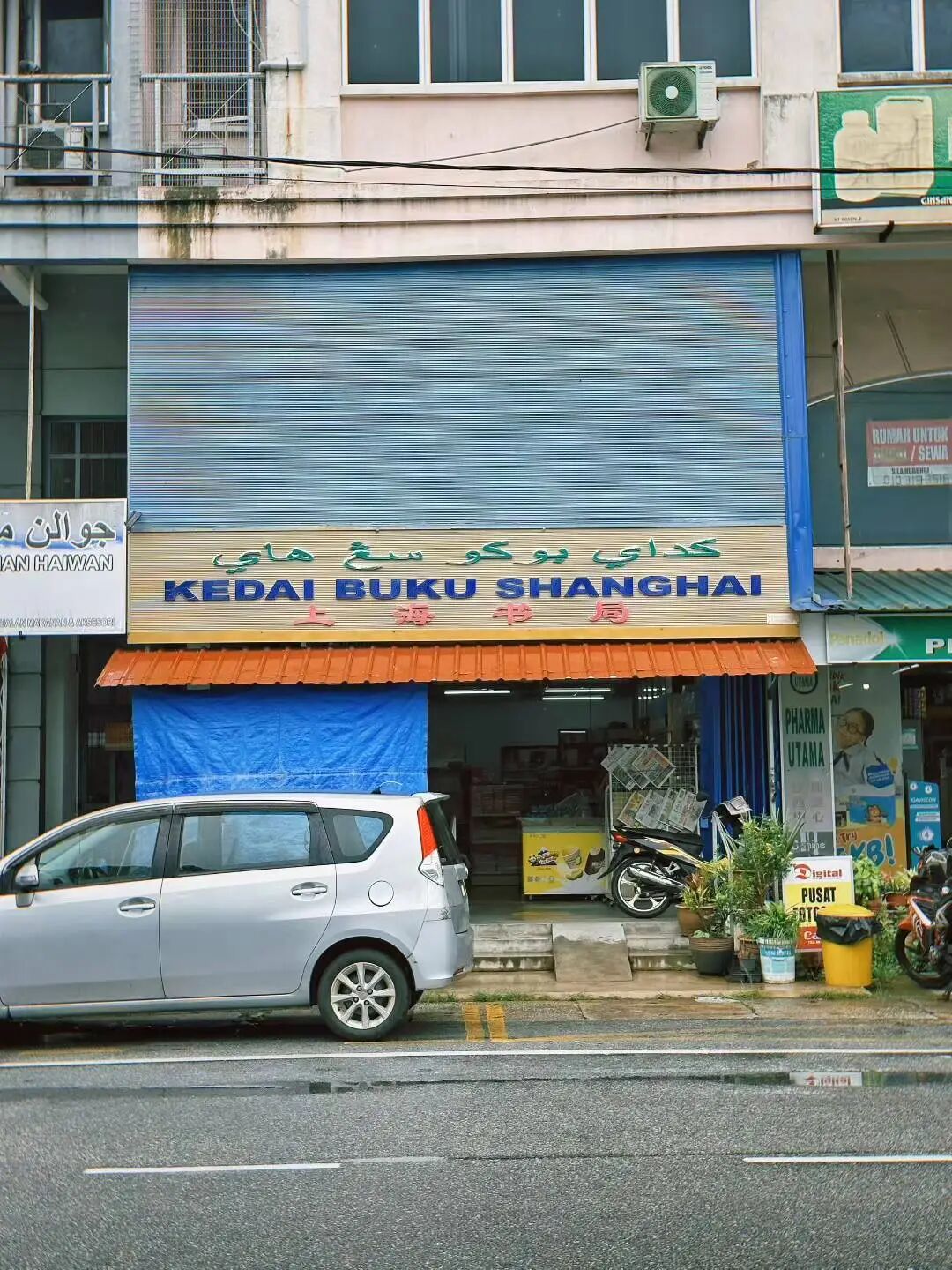
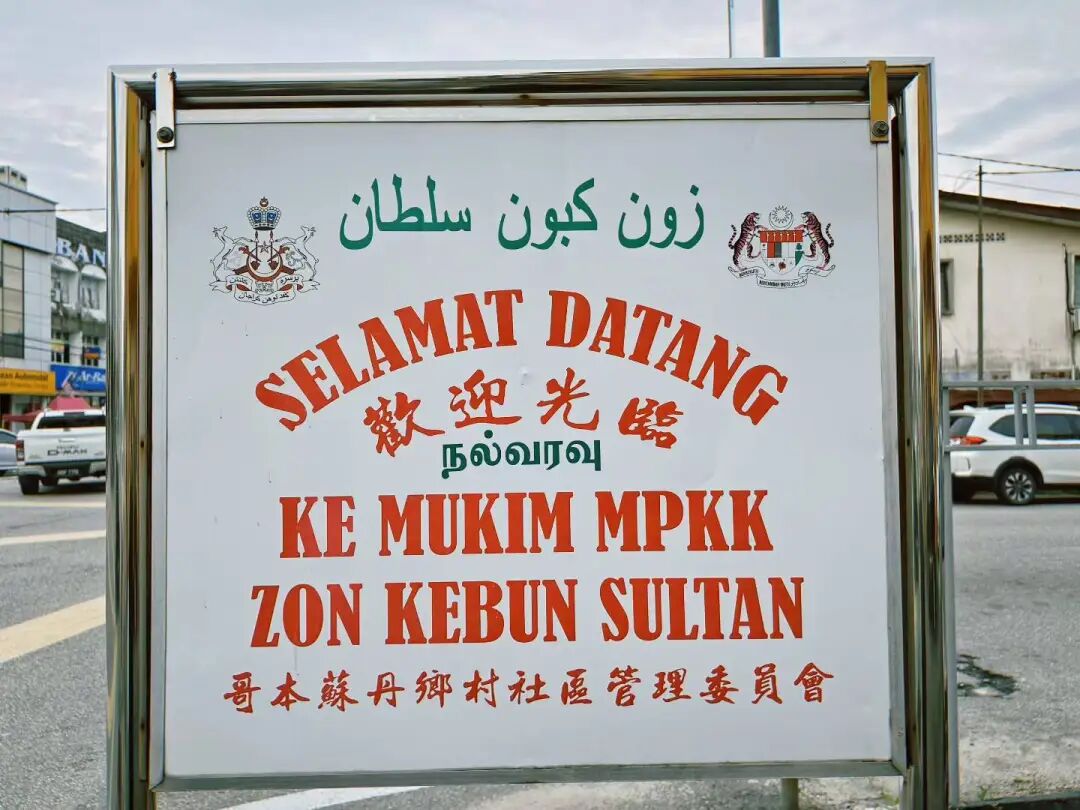
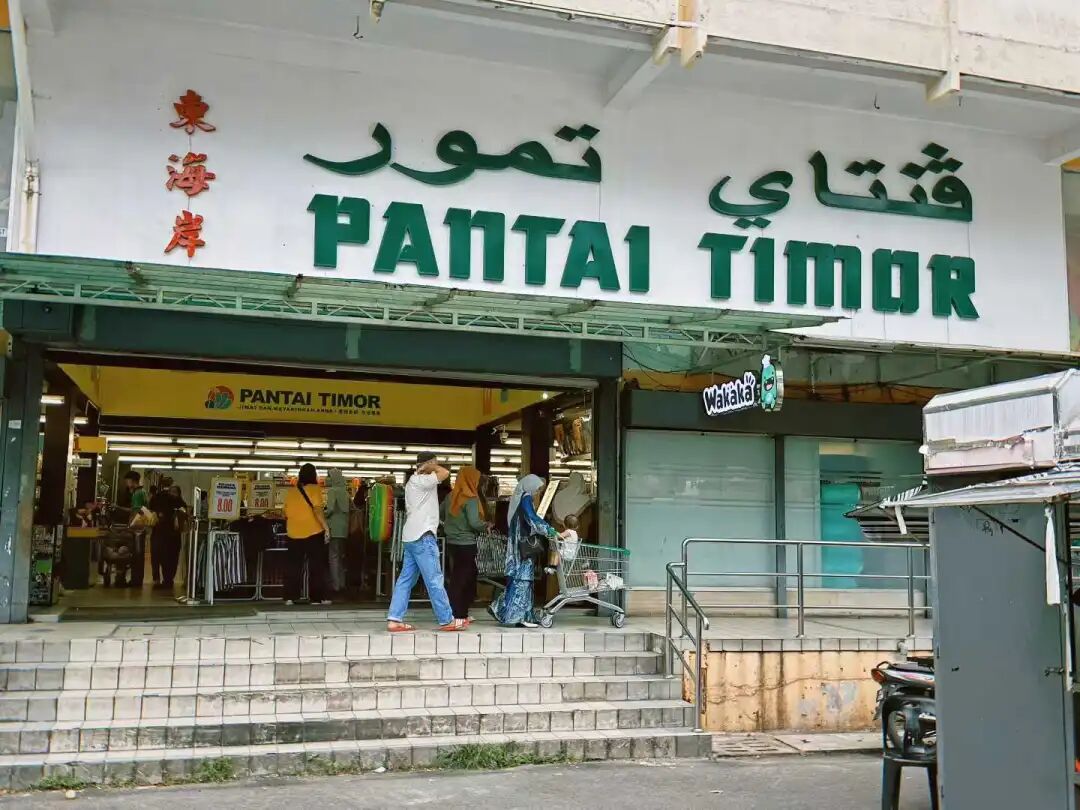
Most Chinese shops in Kota Bharu use three languages: Chinese, Malay, and Jawi (the Arabic script used to write Malay). This is a requirement in Kelantan state.
Summary: Kelantan in northeastern Malaysia has old port links, Chinese community history, and halal Chinese food shaped by local Hokkien and Hakka traditions. This account keeps the visit to the Kelantan port area, the Zheng He connection, restaurant details, dishes, streets, and photos in order.
Kelantan is in the northeast of the Malay Peninsula, bordering Thailand. It has been an important stop for Chinese maritime trade since ancient times. Zheng He visited here during his fourth voyage in 1413 (the 11th year of the Yongle reign). The Kelantan River valley has fertile land and is rich in hardwood, rubber, and tropical fruits. In the 18th century, people from Fujian traveled south to settle in Kampung Cina (Tangrenpo) along the lower reaches of the Kelantan River. During the Qianlong reign, the maritime merchant Xie Qinggao wrote in the 'Kelantan' entry of his book 'Records of the Oceans' (Hailu): 'Many Fujianese live in the port area... selling goods and growing pepper.' These Fujianese have lived in Kelantan for many generations. They speak Malay, love Malay food, follow Malay customs, and some run halal Chinese restaurants in the city.
After landing at Kota Bharu Airport, we took a taxi directly to the city's largest halal Chinese restaurant, Four Seasons Hall (Siji Ting), for dinner. Four Seasons Hall opened in 1998. The owner's surname is Wang, and his ancestral home is Jinjiang, Fujian. He is a third-generation Kelantan Chinese. Four Seasons Hall is the first Chinese restaurant in Kelantan to receive halal certification from the State Religious Affairs Department, and all the staff are fellow Muslims (dost). Four Seasons Hall is popular because it serves authentic Nanyang Chinese food, as well as Malay and Thai dishes.
They have a huge variety of dishes. Because they list ingredients and cooking methods separately, you can combine them to make 224 different fish dishes alone. The owner speaks great Mandarin. Following his recommendation, we ordered Four Seasons steamed sea bass, black pepper beef, sunflower sprouts in superior soup, oyster omelet, and salted egg baked shrimp. It was a real treat for our Nanyang Chinese food cravings. I think if you are dining with two or more people at a Nanyang Chinese restaurant, steamed fish is a must. Styles like Teochew steamed, Nyonya steamed, and Minglu steamed are all worth trying. The Four Seasons steamed fish we ordered this time used the owner's secret sauce, and it tasted very fresh and delicious. This was my first time eating sunflower sprouts. They have a light, nutty fragrance and a very refreshing texture. After getting used to the heavy sauces and thick gravies of northern Chinese food, the light Nanyang dishes were a nice change of pace. Oyster omelet is fried eggs with oysters. The egg is fried until crispy, and the oysters add a lot of flavor. However, fellow Muslims (dost) from inland areas might not be used to it if they aren't fans of seafood. The salted egg baked shrimp was also delicious. It seems rare to cook it this way in the north, but Malays love baked shrimp.
Mee Warisan is a very popular halal Chinese noodle shop in Kota Bharu, and it is often packed at noon. 'Mee Warisan' means 'traditional noodles' in Malay. They specialize in Chinese-style soy sauce noodles and wonton noodles, as well as Thai-style tom yum noodles and Thai pandan leaf chicken rolls. Because it is close to Thailand, both the local Chinese and Malays know how to cook Thai food. This is a very interesting cultural exchange.
There are many small snack shops run by Chinese in the old town of Kota Bharu. They are usually called 'Kopitiam' or 'Kafe' in Malay, which translates to 'teahouse' or 'drink room' in Chinese. These old-school Nanyang teahouses usually serve Malay coffee and tea, along with simple meals like noodles or coconut rice (nasi lemak). Because these teahouses are small, many haven't paid to apply for official halal certification, but they do hire Malay chefs and servers. So, if you see Malay fellow Muslims (dost) in a Chinese restaurant in Malaysia, you can go in and ask; they are usually halal.
Besides Fujianese food, you can also find halal Hakka food in Kota Bharu. We ate Hakka stuffed tofu (niang doufu) and stir-fried flat rice noodles (char kway teow) at Chef Pong Yong Tau Fu. The Chinese owner hires Malay staff, and the place is very popular with Malay friends (dosti). When guests arrive, they grab a plate and pick the stuffed items they want. Then they weigh them, and you can have them fried or boiled. The owner stir-fries the flat rice noodles (kway teow) right there. He speaks great Mandarin, so we had no trouble communicating.
In the Hakka dialect, 'niang' means to fill with stuffing. Legend says that after the Hakka people moved south from the Central Plains, they wanted dumplings but had no wheat. They used tofu instead of flour and invented stuffed tofu (niang doufu). Besides tofu, the Hakka are good at using local ingredients. You can stuff anything, like chili peppers, eggplants, bitter melons, and taro. Tofu, eggplant, and bitter melon are known as the 'three fried treasures' (jian niang san bao).
Unlike most Hokkien people who live near the lower reaches and mouth of the Kelantan River, most Kelantan Hakka settled inland. For example, the Hakka in the Bulai (near Dabong) area mostly came there for gold mining. During the Qianlong era, the maritime merchant Xie Qinggao wrote in his book 'Records of the Ocean' (Hailu) under the entry for Kelantan: 'The Cantonese (Hakka) people mostly live on the mountain tops, where they pan for gold sand.' After the 19th century, the gold mines gradually ran dry, and the inland Hakka switched to growing rice. After the Malayan Communist Party started anti-British guerrilla warfare in 1948, the British military forced some Kelantan Hakka to move to Terengganu for centralized management to cut off Chinese support for the communists. They also implemented food rationing, which was called the 'Hunger Operation'. These Hakka people did not return to Kelantan until after the state of emergency ended in 1960.
Besides Hokkien and Hakka people, Hainanese people are also an important part of the Chinese community in Kelantan. We ate at the 50-year-old Hainanese restaurant, Sin Hua Air-Conditioned Restaurant, in Kota Bharu. We had Hainanese chicken chop, Hainanese noodles, and toasted bread. These are all authentic Nanyang Hainanese dishes. There is also a shop next door called Sin Shing Coffee Shop, which is said to have the best Hainanese chicken rice in Kota Bharu.
Like many old-school Hainanese coffee shops in Malaysia, the owner is a Hainanese Chinese, but they hire Malay chefs and staff. This allows Chinese, Malay, and Indian customers to all enjoy the food.
Hainanese people began immigrating to Malaysia in the 19th century. Many early immigrants worked as chefs and waiters in British hotels and restaurants, and some worked as servants for British officers. Influenced by their British employers, the Hainanese learned to cook Western food and mixed it with Hainanese elements to create the unique Hainanese coffee shop (Hailam Kopitiam) culture.
Chinese food in Kota Bharu is mostly found on Jalan Kebun Sultan. There is a landmark archway called 'Zheng He Arch' (Zheng He Fang) here, which commemorates Zheng He's fourth voyage to the Western Ocean when he arrived at the port of Kelantan. The arch has two couplets: 'Zheng served the mission and left history, He governed the country for the people' and 'The doctrine of the mean shines for generations, Chinese civilization lasts for thousands of years.' This shows that Kelantan Chinese do not forget their roots and keep their good Chinese character.
Near the Zheng He Arch is the Jinjiang Association, and downstairs is a large East Coast shopping mall. The Jinjiang people in Kelantan value Chinese education very much and played a major role in restoring Chinese schools after World War II.
Many pharmacies on the streets of Kota Bharu are also run by Chinese people, making it very convenient to buy medicine here.
There is a Shanghai Bookstore on the streets of Kota Bharu where you can buy Chinese books, newspapers, and magazines.
Most Chinese shops in Kota Bharu use three languages: Chinese, Malay, and Jawi (the Arabic script used to write Malay). This is a requirement in Kelantan state.
Halal Travel Guide: Kelantan, Malaysia - Malay Culture, Part 1
Articles • ali2007fr posted the article • 0 comments • 260 views • 2026-05-20 09:25
Reposted from the web
Summary: Kelantan sits on the Thailand-Malaysia border and is known as one of the strongest centers of Malay culture. This long travel account covers Kota Bharu royal palaces, museums, court traditions, shadow puppetry, handicrafts, and Muhammadi Mosque.
Kelantan sits on the border of Thailand and Malaysia, facing the South China Sea. It is known as the cradle of Malay culture and remains the region where this culture is strongest.
Kelantan is still ruled by a Sultan today. The Sultan of Kelantan, Hajji Mahmud Jiddah Riayah Saadatussalam, was originally a Buddhist king (raja) named Raja Bharubhasa. It is said he converted to the faith in 1345 and officially took the title of Sultan. As an important trading port along the South China Sea, Kelantan has long had close ties with China, Thailand, and Indonesia. Zheng He visited here during his fourth voyage in 1413.
In 1844, Sultan Muhammad II of Kelantan moved the capital to Kota Bharu (meaning new city) at the mouth of the Kelantan River. That same year, he built the Grand Palace (Balai Besar). Five generations of Sultans lived in the palace between 1844 and 1920. Later, it became a place for investitures, state banquets, and various royal ceremonies. The current Sultan, Muhammad V, held his coronation ceremony here in 2010.
The Grand Palace (Balai Besar) was built by a craftsman from Terengganu named Muhamad Salleh. He used the traditional style of the east coast of the Malay Peninsula and was the best woodcarver in the region at the time. Although the front hall was expanded in the early 20th century, the palace kept its traditional architectural style. It is the most classic existing Malay royal palace.
Next to the Grand Palace (Balai Besar) in Kelantan stands the Jahar Palace (Istana Jahar), built in 1887. It is currently open to the public as the Royal Museum of Traditional Customs. The Jahar Palace (Istana Jahar) was originally built by Sultan Muhammad II of Kelantan for his grandson, Long Kundur, so it was called the Palace of the Second King. After the second king ascended the throne as Sultan Muhammad III in 1889, this place officially became part of the Kelantan Sultan's palace complex. In 1911, Sultan Muhammad IV ordered the palace to be renovated and gave it to his son, Ismail. Ismail became the new Sultan in 1920, and the Jahar Palace (Istana Jahar) continued to be used as a royal palace. The Jahar Palace (Istana Jahar) officially became a museum in 1981.
Like the Grand Palace (Balai Besar), the Jahar Palace (Istana Jahar) was originally a traditional single-story Malay wooden house. It was later rebuilt into a two-story brick structure, blending European architecture with traditional Kelantan styles, reflecting the Western influence on the Kelantan royal family. While the roof, facade, and other decorative elements show typical traditional Malay features, the iron spiral staircase, iron railings, and octagonal porch inside are clearly influenced by European styles.
The Royal Museum of Traditional Customs at the Jahar Palace (Istana Jahar) displays and introduces various traditional ceremonies of the Kelantan royal court.
The traditional Malay wood carvings collected by the Royal Museum of Traditional Customs at the Jahar Palace (Istana Jahar) were mostly used for decorating traditional buildings like mosques and houses.
The platform in the courtyard of the Jahar Palace (Istana Jahar), called Panca Persada, is where princes would bathe before their wedding and circumcision ceremonies.
The Royal Museum of Traditional Customs at the Jahar Palace (Istana Jahar) houses divine bird boats, a unique cultural tradition of the Sultanates of Kelantan and Pattani. The first boat, Petala Indera Seri Kekayangan, was a gift from King Rama V of Thailand to Sultan Muhammad IV during his visit to Kelantan in 1905. The second, Burung Petalawati, was used for the circumcision ceremony of Tengku Zainal Abidin in 1933.
The origin of this divine bird can be traced back to ancient Malay legends and Indian culture. It was likely influenced by the giant bird in the Malay epic Isma Dewa and the mythical bird Garuda from Indian mythology. After 1933, the divine bird procession in the Kelantan region stopped because it was considered to deviate from the faith. It is now only preserved in the Malay community in the Pattani region of southern Thailand, though on a much smaller scale.
Batu Palace (Istana Batu) was a wedding gift from Sultan Muhammad XV of Kelantan to his nephew, Sultan Yahya Petra, and his wife, Tengku Zainab II, in 1939. It served as the palace for the third-ranking prince for many years. In 1960, Yahya Petra became the Sultan of Kelantan and moved to the Great Palace (Istana Balai Besar). The building was renovated in 1966 to become the home of Princess Tengku Salwani. From 1969 to 1972, it was the residence of Crown Prince Ismail Petra, and later it was used as a royal guesthouse. Since 1991, it has officially been the Kelantan Royal Museum, where you can see scenes of 20th-century life in the Kelantan Sultanate court.
The Blue Room was originally Sultan Yahya Petra's bedroom. It became Princess Tengku Salwani's bridal chamber in 1966. When Crown Prince Ismail Petra lived there in 1969, it was painted blue and furnished with solid wood pieces crafted by a famous Kelantan master carpenter. The room later hosted many royal family members. When Ismail Petra was crowned Sultan in 1980, the Sultanah of Johor, Tengku Nora, stayed here.
The Yellow Room was originally the bedroom for Sultan Yahya Petra's children. After 1960, it was used as a royal guest room. The current furniture was specially designed by Sultanah Tengku Zainab II for her daughter Tengku Salwani's wedding in 1966. Before 1991, this room was used as a bridal chamber for the Kelantan Sultanate court.
The Pink Room was originally Princess Tengku Salwani's bedroom, and it was later used by her son. The furniture in this room was ordered from Singapore.
Among the royal photos in the Kelantan Royal Museum, the first black-and-white one is of Sultan Ismail (1920-1944).
Parked outside is the Rolls-Royce used by Sultan Ismail Petra after 1980.
The Kelantan Islamic Museum (Muzium Islam Kelantan) was built in 1901. It was originally the official residence of the Kelantan Chief Minister, Hassan Muhammad Salleh, and is a two-story Malay wooden house in the Kelantan architectural style. Between 1917 and 1990, it served as the office for the Kelantan Islamic Council and the Customs Department. It opened as the Islamic Museum in 1991, but unfortunately, the museum is now closed.
The Kelantan State Museum was built in 1930. It was originally the Kota Bharu Land Office and was converted into a museum after 1990.
The Kelantan State Museum does not have many exhibits, but you can see precious Kelantan shadow puppetry (Wayang Kulit). Kelantan shadow puppetry has a very long history. It was once widespread in southern Thailand and northern Malaysia, especially in the Pattani region of southern Thailand and in Kelantan. There are many theories about the origin of Kelantan shadow puppetry. One theory suggests that 19th-century Kelantanese learned it from shadow puppetry masters on the island of Java. However, today's Kelantan shadow puppetry is significantly different from Javanese shadow puppetry. For example, Kelantan shadow puppetry is performed in the Kelantan Malay dialect, and the costumes of the puppet characters have a typical southern Thai style.
The stories in Kelantan shadow puppetry mainly come from the Indian epic Ramayana. Besides the main plot, there are many smaller stories not found in the book. some stories are taken from ancient Malay legends and Arabic legends, which is a major feature of Kelantan shadow puppetry.
The Kelantan State Museum houses costumes from the Kelantan court dance-drama, Mak Yong. Mak Yong originated in the Pattani region of southern Thailand around the 13th century and became a court dance-drama for the Kelantan Sultanate after the 18th century. Before the end of the 19th century, Mak Yong theater was performed exclusively for the Sultan's court, and it only began to be performed in public spaces after the 20th century.
The content of Mak Yong theater can be traced back to ancient Malay legends, many of which come from animism, Buddhism, and Hinduism, including Buddhist Jataka tales that have already been lost in India.
A very unique point of Mak Yong theater is that all the main roles are played by women. The lead actress, Mak Yong, is responsible for solo singing and leading the performance, while the palace maids around her provide backing vocals and dance. Men can only play the role of the clown for comic relief.
After the Pan-Malaysian Islamic Party (PAS) came to power in 1991, public performances of Mak Yong theater were banned. Although some veteran artists have stuck to their art despite the ban, they find it very difficult to get opportunities to perform.
The Kelantan-style Malay kite is called Wau Bulan. Bulan means moon in Malay, because this kite looks like a rising crescent moon when it flies. You can see workshops that make these kites in the village of Kampung Laut in Kelantan.
Congkak is a strategy board game popular in Malaysia, Indonesia, and Brunei. It originated in Egypt during the ancient Roman era and later spread to Southeast Asia through Arabia and India. It was once a court game of the Malacca Sultanate. The Congkak boards in the Kelantan region are beautifully decorated, and some are carved with bird patterns.
The Pitis Bank at the entrance of the Kelantan Sultan's palace is the oldest brick building in Kelantan, and its main gate is made of very sturdy chengal wood. The bank was built in 1889 by Sultan Muhammad III to store the tin currency called Pitis that was issued by the Sultan at the time. After the British Straits Settlements began issuing currency in 1909, Pitis gradually faded from history.
The Kota Bharu Handicraft Village is right next to the Sultan's palace. It was built in 1991 in the style of a traditional Kelantan Malay wooden house and is used specifically to display traditional Kelantan handicrafts.
The Kota Bharu Handicraft Village displays traditional Kelantan Malay batik fabric.
The Kota Bharu Handicraft Village displays traditional Kelantan wood carvings, including coconut graters and traditional Malay Congkak boards.
The Muhammadi Mosque (Masjid Jamek Muhammadi) is the congregational mosque of Kelantan state. It was built in 1867 by Sultan Muhammad II of Kelantan and was changed from a wooden structure to a concrete one in 1922, featuring a neoclassical revival style. In 1931, Sultan Ismail presided over the opening ceremony and officially named it the Muhammadi Mosque.
From the late 19th century to the 20th century, this place was an important center for Islamic studies in Malaysia, and many great scholars taught here. Because many students would go to Mecca for further studies after graduating, this place is also known as the 'Gateway to Mecca'. view all
Summary: Kelantan sits on the Thailand-Malaysia border and is known as one of the strongest centers of Malay culture. This long travel account covers Kota Bharu royal palaces, museums, court traditions, shadow puppetry, handicrafts, and Muhammadi Mosque.
Kelantan sits on the border of Thailand and Malaysia, facing the South China Sea. It is known as the cradle of Malay culture and remains the region where this culture is strongest.
Kelantan is still ruled by a Sultan today. The Sultan of Kelantan, Hajji Mahmud Jiddah Riayah Saadatussalam, was originally a Buddhist king (raja) named Raja Bharubhasa. It is said he converted to the faith in 1345 and officially took the title of Sultan. As an important trading port along the South China Sea, Kelantan has long had close ties with China, Thailand, and Indonesia. Zheng He visited here during his fourth voyage in 1413.
In 1844, Sultan Muhammad II of Kelantan moved the capital to Kota Bharu (meaning new city) at the mouth of the Kelantan River. That same year, he built the Grand Palace (Balai Besar). Five generations of Sultans lived in the palace between 1844 and 1920. Later, it became a place for investitures, state banquets, and various royal ceremonies. The current Sultan, Muhammad V, held his coronation ceremony here in 2010.
The Grand Palace (Balai Besar) was built by a craftsman from Terengganu named Muhamad Salleh. He used the traditional style of the east coast of the Malay Peninsula and was the best woodcarver in the region at the time. Although the front hall was expanded in the early 20th century, the palace kept its traditional architectural style. It is the most classic existing Malay royal palace.
Next to the Grand Palace (Balai Besar) in Kelantan stands the Jahar Palace (Istana Jahar), built in 1887. It is currently open to the public as the Royal Museum of Traditional Customs. The Jahar Palace (Istana Jahar) was originally built by Sultan Muhammad II of Kelantan for his grandson, Long Kundur, so it was called the Palace of the Second King. After the second king ascended the throne as Sultan Muhammad III in 1889, this place officially became part of the Kelantan Sultan's palace complex. In 1911, Sultan Muhammad IV ordered the palace to be renovated and gave it to his son, Ismail. Ismail became the new Sultan in 1920, and the Jahar Palace (Istana Jahar) continued to be used as a royal palace. The Jahar Palace (Istana Jahar) officially became a museum in 1981.
Like the Grand Palace (Balai Besar), the Jahar Palace (Istana Jahar) was originally a traditional single-story Malay wooden house. It was later rebuilt into a two-story brick structure, blending European architecture with traditional Kelantan styles, reflecting the Western influence on the Kelantan royal family. While the roof, facade, and other decorative elements show typical traditional Malay features, the iron spiral staircase, iron railings, and octagonal porch inside are clearly influenced by European styles.
The Royal Museum of Traditional Customs at the Jahar Palace (Istana Jahar) displays and introduces various traditional ceremonies of the Kelantan royal court.
The traditional Malay wood carvings collected by the Royal Museum of Traditional Customs at the Jahar Palace (Istana Jahar) were mostly used for decorating traditional buildings like mosques and houses.
The platform in the courtyard of the Jahar Palace (Istana Jahar), called Panca Persada, is where princes would bathe before their wedding and circumcision ceremonies.
The Royal Museum of Traditional Customs at the Jahar Palace (Istana Jahar) houses divine bird boats, a unique cultural tradition of the Sultanates of Kelantan and Pattani. The first boat, Petala Indera Seri Kekayangan, was a gift from King Rama V of Thailand to Sultan Muhammad IV during his visit to Kelantan in 1905. The second, Burung Petalawati, was used for the circumcision ceremony of Tengku Zainal Abidin in 1933.
The origin of this divine bird can be traced back to ancient Malay legends and Indian culture. It was likely influenced by the giant bird in the Malay epic Isma Dewa and the mythical bird Garuda from Indian mythology. After 1933, the divine bird procession in the Kelantan region stopped because it was considered to deviate from the faith. It is now only preserved in the Malay community in the Pattani region of southern Thailand, though on a much smaller scale.
Batu Palace (Istana Batu) was a wedding gift from Sultan Muhammad XV of Kelantan to his nephew, Sultan Yahya Petra, and his wife, Tengku Zainab II, in 1939. It served as the palace for the third-ranking prince for many years. In 1960, Yahya Petra became the Sultan of Kelantan and moved to the Great Palace (Istana Balai Besar). The building was renovated in 1966 to become the home of Princess Tengku Salwani. From 1969 to 1972, it was the residence of Crown Prince Ismail Petra, and later it was used as a royal guesthouse. Since 1991, it has officially been the Kelantan Royal Museum, where you can see scenes of 20th-century life in the Kelantan Sultanate court.
The Blue Room was originally Sultan Yahya Petra's bedroom. It became Princess Tengku Salwani's bridal chamber in 1966. When Crown Prince Ismail Petra lived there in 1969, it was painted blue and furnished with solid wood pieces crafted by a famous Kelantan master carpenter. The room later hosted many royal family members. When Ismail Petra was crowned Sultan in 1980, the Sultanah of Johor, Tengku Nora, stayed here.
The Yellow Room was originally the bedroom for Sultan Yahya Petra's children. After 1960, it was used as a royal guest room. The current furniture was specially designed by Sultanah Tengku Zainab II for her daughter Tengku Salwani's wedding in 1966. Before 1991, this room was used as a bridal chamber for the Kelantan Sultanate court.
The Pink Room was originally Princess Tengku Salwani's bedroom, and it was later used by her son. The furniture in this room was ordered from Singapore.
Among the royal photos in the Kelantan Royal Museum, the first black-and-white one is of Sultan Ismail (1920-1944).
Parked outside is the Rolls-Royce used by Sultan Ismail Petra after 1980.
The Kelantan Islamic Museum (Muzium Islam Kelantan) was built in 1901. It was originally the official residence of the Kelantan Chief Minister, Hassan Muhammad Salleh, and is a two-story Malay wooden house in the Kelantan architectural style. Between 1917 and 1990, it served as the office for the Kelantan Islamic Council and the Customs Department. It opened as the Islamic Museum in 1991, but unfortunately, the museum is now closed.
The Kelantan State Museum was built in 1930. It was originally the Kota Bharu Land Office and was converted into a museum after 1990.
The Kelantan State Museum does not have many exhibits, but you can see precious Kelantan shadow puppetry (Wayang Kulit). Kelantan shadow puppetry has a very long history. It was once widespread in southern Thailand and northern Malaysia, especially in the Pattani region of southern Thailand and in Kelantan. There are many theories about the origin of Kelantan shadow puppetry. One theory suggests that 19th-century Kelantanese learned it from shadow puppetry masters on the island of Java. However, today's Kelantan shadow puppetry is significantly different from Javanese shadow puppetry. For example, Kelantan shadow puppetry is performed in the Kelantan Malay dialect, and the costumes of the puppet characters have a typical southern Thai style.
The stories in Kelantan shadow puppetry mainly come from the Indian epic Ramayana. Besides the main plot, there are many smaller stories not found in the book. some stories are taken from ancient Malay legends and Arabic legends, which is a major feature of Kelantan shadow puppetry.
The Kelantan State Museum houses costumes from the Kelantan court dance-drama, Mak Yong. Mak Yong originated in the Pattani region of southern Thailand around the 13th century and became a court dance-drama for the Kelantan Sultanate after the 18th century. Before the end of the 19th century, Mak Yong theater was performed exclusively for the Sultan's court, and it only began to be performed in public spaces after the 20th century.
The content of Mak Yong theater can be traced back to ancient Malay legends, many of which come from animism, Buddhism, and Hinduism, including Buddhist Jataka tales that have already been lost in India.
A very unique point of Mak Yong theater is that all the main roles are played by women. The lead actress, Mak Yong, is responsible for solo singing and leading the performance, while the palace maids around her provide backing vocals and dance. Men can only play the role of the clown for comic relief.
After the Pan-Malaysian Islamic Party (PAS) came to power in 1991, public performances of Mak Yong theater were banned. Although some veteran artists have stuck to their art despite the ban, they find it very difficult to get opportunities to perform.
The Kelantan-style Malay kite is called Wau Bulan. Bulan means moon in Malay, because this kite looks like a rising crescent moon when it flies. You can see workshops that make these kites in the village of Kampung Laut in Kelantan.
Congkak is a strategy board game popular in Malaysia, Indonesia, and Brunei. It originated in Egypt during the ancient Roman era and later spread to Southeast Asia through Arabia and India. It was once a court game of the Malacca Sultanate. The Congkak boards in the Kelantan region are beautifully decorated, and some are carved with bird patterns.
The Pitis Bank at the entrance of the Kelantan Sultan's palace is the oldest brick building in Kelantan, and its main gate is made of very sturdy chengal wood. The bank was built in 1889 by Sultan Muhammad III to store the tin currency called Pitis that was issued by the Sultan at the time. After the British Straits Settlements began issuing currency in 1909, Pitis gradually faded from history.
The Kota Bharu Handicraft Village is right next to the Sultan's palace. It was built in 1991 in the style of a traditional Kelantan Malay wooden house and is used specifically to display traditional Kelantan handicrafts.
The Kota Bharu Handicraft Village displays traditional Kelantan Malay batik fabric.
The Kota Bharu Handicraft Village displays traditional Kelantan wood carvings, including coconut graters and traditional Malay Congkak boards.
The Muhammadi Mosque (Masjid Jamek Muhammadi) is the congregational mosque of Kelantan state. It was built in 1867 by Sultan Muhammad II of Kelantan and was changed from a wooden structure to a concrete one in 1922, featuring a neoclassical revival style. In 1931, Sultan Ismail presided over the opening ceremony and officially named it the Muhammadi Mosque.
From the late 19th century to the 20th century, this place was an important center for Islamic studies in Malaysia, and many great scholars taught here. Because many students would go to Mecca for further studies after graduating, this place is also known as the 'Gateway to Mecca'. view all
Reposted from the web
Summary: Kelantan sits on the Thailand-Malaysia border and is known as one of the strongest centers of Malay culture. This long travel account covers Kota Bharu royal palaces, museums, court traditions, shadow puppetry, handicrafts, and Muhammadi Mosque.
Kelantan sits on the border of Thailand and Malaysia, facing the South China Sea. It is known as the cradle of Malay culture and remains the region where this culture is strongest.
Kelantan is still ruled by a Sultan today. The Sultan of Kelantan, Hajji Mahmud Jiddah Riayah Saadatussalam, was originally a Buddhist king (raja) named Raja Bharubhasa. It is said he converted to the faith in 1345 and officially took the title of Sultan. As an important trading port along the South China Sea, Kelantan has long had close ties with China, Thailand, and Indonesia. Zheng He visited here during his fourth voyage in 1413.
In 1844, Sultan Muhammad II of Kelantan moved the capital to Kota Bharu (meaning new city) at the mouth of the Kelantan River. That same year, he built the Grand Palace (Balai Besar). Five generations of Sultans lived in the palace between 1844 and 1920. Later, it became a place for investitures, state banquets, and various royal ceremonies. The current Sultan, Muhammad V, held his coronation ceremony here in 2010.
The Grand Palace (Balai Besar) was built by a craftsman from Terengganu named Muhamad Salleh. He used the traditional style of the east coast of the Malay Peninsula and was the best woodcarver in the region at the time. Although the front hall was expanded in the early 20th century, the palace kept its traditional architectural style. It is the most classic existing Malay royal palace.
Next to the Grand Palace (Balai Besar) in Kelantan stands the Jahar Palace (Istana Jahar), built in 1887. It is currently open to the public as the Royal Museum of Traditional Customs. The Jahar Palace (Istana Jahar) was originally built by Sultan Muhammad II of Kelantan for his grandson, Long Kundur, so it was called the Palace of the Second King. After the second king ascended the throne as Sultan Muhammad III in 1889, this place officially became part of the Kelantan Sultan's palace complex. In 1911, Sultan Muhammad IV ordered the palace to be renovated and gave it to his son, Ismail. Ismail became the new Sultan in 1920, and the Jahar Palace (Istana Jahar) continued to be used as a royal palace. The Jahar Palace (Istana Jahar) officially became a museum in 1981.
Like the Grand Palace (Balai Besar), the Jahar Palace (Istana Jahar) was originally a traditional single-story Malay wooden house. It was later rebuilt into a two-story brick structure, blending European architecture with traditional Kelantan styles, reflecting the Western influence on the Kelantan royal family. While the roof, facade, and other decorative elements show typical traditional Malay features, the iron spiral staircase, iron railings, and octagonal porch inside are clearly influenced by European styles.
The Royal Museum of Traditional Customs at the Jahar Palace (Istana Jahar) displays and introduces various traditional ceremonies of the Kelantan royal court.
The traditional Malay wood carvings collected by the Royal Museum of Traditional Customs at the Jahar Palace (Istana Jahar) were mostly used for decorating traditional buildings like mosques and houses.
The platform in the courtyard of the Jahar Palace (Istana Jahar), called Panca Persada, is where princes would bathe before their wedding and circumcision ceremonies.
The Royal Museum of Traditional Customs at the Jahar Palace (Istana Jahar) houses divine bird boats, a unique cultural tradition of the Sultanates of Kelantan and Pattani. The first boat, Petala Indera Seri Kekayangan, was a gift from King Rama V of Thailand to Sultan Muhammad IV during his visit to Kelantan in 1905. The second, Burung Petalawati, was used for the circumcision ceremony of Tengku Zainal Abidin in 1933.
The origin of this divine bird can be traced back to ancient Malay legends and Indian culture. It was likely influenced by the giant bird in the Malay epic Isma Dewa and the mythical bird Garuda from Indian mythology. After 1933, the divine bird procession in the Kelantan region stopped because it was considered to deviate from the faith. It is now only preserved in the Malay community in the Pattani region of southern Thailand, though on a much smaller scale.
Batu Palace (Istana Batu) was a wedding gift from Sultan Muhammad XV of Kelantan to his nephew, Sultan Yahya Petra, and his wife, Tengku Zainab II, in 1939. It served as the palace for the third-ranking prince for many years. In 1960, Yahya Petra became the Sultan of Kelantan and moved to the Great Palace (Istana Balai Besar). The building was renovated in 1966 to become the home of Princess Tengku Salwani. From 1969 to 1972, it was the residence of Crown Prince Ismail Petra, and later it was used as a royal guesthouse. Since 1991, it has officially been the Kelantan Royal Museum, where you can see scenes of 20th-century life in the Kelantan Sultanate court.
The Blue Room was originally Sultan Yahya Petra's bedroom. It became Princess Tengku Salwani's bridal chamber in 1966. When Crown Prince Ismail Petra lived there in 1969, it was painted blue and furnished with solid wood pieces crafted by a famous Kelantan master carpenter. The room later hosted many royal family members. When Ismail Petra was crowned Sultan in 1980, the Sultanah of Johor, Tengku Nora, stayed here.
The Yellow Room was originally the bedroom for Sultan Yahya Petra's children. After 1960, it was used as a royal guest room. The current furniture was specially designed by Sultanah Tengku Zainab II for her daughter Tengku Salwani's wedding in 1966. Before 1991, this room was used as a bridal chamber for the Kelantan Sultanate court.
The Pink Room was originally Princess Tengku Salwani's bedroom, and it was later used by her son. The furniture in this room was ordered from Singapore.
Among the royal photos in the Kelantan Royal Museum, the first black-and-white one is of Sultan Ismail (1920-1944).
Parked outside is the Rolls-Royce used by Sultan Ismail Petra after 1980.
The Kelantan Islamic Museum (Muzium Islam Kelantan) was built in 1901. It was originally the official residence of the Kelantan Chief Minister, Hassan Muhammad Salleh, and is a two-story Malay wooden house in the Kelantan architectural style. Between 1917 and 1990, it served as the office for the Kelantan Islamic Council and the Customs Department. It opened as the Islamic Museum in 1991, but unfortunately, the museum is now closed.
The Kelantan State Museum was built in 1930. It was originally the Kota Bharu Land Office and was converted into a museum after 1990.
The Kelantan State Museum does not have many exhibits, but you can see precious Kelantan shadow puppetry (Wayang Kulit). Kelantan shadow puppetry has a very long history. It was once widespread in southern Thailand and northern Malaysia, especially in the Pattani region of southern Thailand and in Kelantan. There are many theories about the origin of Kelantan shadow puppetry. One theory suggests that 19th-century Kelantanese learned it from shadow puppetry masters on the island of Java. However, today's Kelantan shadow puppetry is significantly different from Javanese shadow puppetry. For example, Kelantan shadow puppetry is performed in the Kelantan Malay dialect, and the costumes of the puppet characters have a typical southern Thai style.
The stories in Kelantan shadow puppetry mainly come from the Indian epic Ramayana. Besides the main plot, there are many smaller stories not found in the book. some stories are taken from ancient Malay legends and Arabic legends, which is a major feature of Kelantan shadow puppetry.
The Kelantan State Museum houses costumes from the Kelantan court dance-drama, Mak Yong. Mak Yong originated in the Pattani region of southern Thailand around the 13th century and became a court dance-drama for the Kelantan Sultanate after the 18th century. Before the end of the 19th century, Mak Yong theater was performed exclusively for the Sultan's court, and it only began to be performed in public spaces after the 20th century.
The content of Mak Yong theater can be traced back to ancient Malay legends, many of which come from animism, Buddhism, and Hinduism, including Buddhist Jataka tales that have already been lost in India.
A very unique point of Mak Yong theater is that all the main roles are played by women. The lead actress, Mak Yong, is responsible for solo singing and leading the performance, while the palace maids around her provide backing vocals and dance. Men can only play the role of the clown for comic relief.
After the Pan-Malaysian Islamic Party (PAS) came to power in 1991, public performances of Mak Yong theater were banned. Although some veteran artists have stuck to their art despite the ban, they find it very difficult to get opportunities to perform.
The Kelantan-style Malay kite is called Wau Bulan. Bulan means moon in Malay, because this kite looks like a rising crescent moon when it flies. You can see workshops that make these kites in the village of Kampung Laut in Kelantan.
Congkak is a strategy board game popular in Malaysia, Indonesia, and Brunei. It originated in Egypt during the ancient Roman era and later spread to Southeast Asia through Arabia and India. It was once a court game of the Malacca Sultanate. The Congkak boards in the Kelantan region are beautifully decorated, and some are carved with bird patterns.
The Pitis Bank at the entrance of the Kelantan Sultan's palace is the oldest brick building in Kelantan, and its main gate is made of very sturdy chengal wood. The bank was built in 1889 by Sultan Muhammad III to store the tin currency called Pitis that was issued by the Sultan at the time. After the British Straits Settlements began issuing currency in 1909, Pitis gradually faded from history.
The Kota Bharu Handicraft Village is right next to the Sultan's palace. It was built in 1991 in the style of a traditional Kelantan Malay wooden house and is used specifically to display traditional Kelantan handicrafts.
The Kota Bharu Handicraft Village displays traditional Kelantan Malay batik fabric.
The Kota Bharu Handicraft Village displays traditional Kelantan wood carvings, including coconut graters and traditional Malay Congkak boards.
The Muhammadi Mosque (Masjid Jamek Muhammadi) is the congregational mosque of Kelantan state. It was built in 1867 by Sultan Muhammad II of Kelantan and was changed from a wooden structure to a concrete one in 1922, featuring a neoclassical revival style. In 1931, Sultan Ismail presided over the opening ceremony and officially named it the Muhammadi Mosque.
From the late 19th century to the 20th century, this place was an important center for Islamic studies in Malaysia, and many great scholars taught here. Because many students would go to Mecca for further studies after graduating, this place is also known as the 'Gateway to Mecca'.
Summary: Kelantan sits on the Thailand-Malaysia border and is known as one of the strongest centers of Malay culture. This long travel account covers Kota Bharu royal palaces, museums, court traditions, shadow puppetry, handicrafts, and Muhammadi Mosque.
Kelantan sits on the border of Thailand and Malaysia, facing the South China Sea. It is known as the cradle of Malay culture and remains the region where this culture is strongest.
Kelantan is still ruled by a Sultan today. The Sultan of Kelantan, Hajji Mahmud Jiddah Riayah Saadatussalam, was originally a Buddhist king (raja) named Raja Bharubhasa. It is said he converted to the faith in 1345 and officially took the title of Sultan. As an important trading port along the South China Sea, Kelantan has long had close ties with China, Thailand, and Indonesia. Zheng He visited here during his fourth voyage in 1413.
In 1844, Sultan Muhammad II of Kelantan moved the capital to Kota Bharu (meaning new city) at the mouth of the Kelantan River. That same year, he built the Grand Palace (Balai Besar). Five generations of Sultans lived in the palace between 1844 and 1920. Later, it became a place for investitures, state banquets, and various royal ceremonies. The current Sultan, Muhammad V, held his coronation ceremony here in 2010.
The Grand Palace (Balai Besar) was built by a craftsman from Terengganu named Muhamad Salleh. He used the traditional style of the east coast of the Malay Peninsula and was the best woodcarver in the region at the time. Although the front hall was expanded in the early 20th century, the palace kept its traditional architectural style. It is the most classic existing Malay royal palace.
Next to the Grand Palace (Balai Besar) in Kelantan stands the Jahar Palace (Istana Jahar), built in 1887. It is currently open to the public as the Royal Museum of Traditional Customs. The Jahar Palace (Istana Jahar) was originally built by Sultan Muhammad II of Kelantan for his grandson, Long Kundur, so it was called the Palace of the Second King. After the second king ascended the throne as Sultan Muhammad III in 1889, this place officially became part of the Kelantan Sultan's palace complex. In 1911, Sultan Muhammad IV ordered the palace to be renovated and gave it to his son, Ismail. Ismail became the new Sultan in 1920, and the Jahar Palace (Istana Jahar) continued to be used as a royal palace. The Jahar Palace (Istana Jahar) officially became a museum in 1981.
Like the Grand Palace (Balai Besar), the Jahar Palace (Istana Jahar) was originally a traditional single-story Malay wooden house. It was later rebuilt into a two-story brick structure, blending European architecture with traditional Kelantan styles, reflecting the Western influence on the Kelantan royal family. While the roof, facade, and other decorative elements show typical traditional Malay features, the iron spiral staircase, iron railings, and octagonal porch inside are clearly influenced by European styles.
The Royal Museum of Traditional Customs at the Jahar Palace (Istana Jahar) displays and introduces various traditional ceremonies of the Kelantan royal court.
The traditional Malay wood carvings collected by the Royal Museum of Traditional Customs at the Jahar Palace (Istana Jahar) were mostly used for decorating traditional buildings like mosques and houses.
The platform in the courtyard of the Jahar Palace (Istana Jahar), called Panca Persada, is where princes would bathe before their wedding and circumcision ceremonies.
The Royal Museum of Traditional Customs at the Jahar Palace (Istana Jahar) houses divine bird boats, a unique cultural tradition of the Sultanates of Kelantan and Pattani. The first boat, Petala Indera Seri Kekayangan, was a gift from King Rama V of Thailand to Sultan Muhammad IV during his visit to Kelantan in 1905. The second, Burung Petalawati, was used for the circumcision ceremony of Tengku Zainal Abidin in 1933.
The origin of this divine bird can be traced back to ancient Malay legends and Indian culture. It was likely influenced by the giant bird in the Malay epic Isma Dewa and the mythical bird Garuda from Indian mythology. After 1933, the divine bird procession in the Kelantan region stopped because it was considered to deviate from the faith. It is now only preserved in the Malay community in the Pattani region of southern Thailand, though on a much smaller scale.
Batu Palace (Istana Batu) was a wedding gift from Sultan Muhammad XV of Kelantan to his nephew, Sultan Yahya Petra, and his wife, Tengku Zainab II, in 1939. It served as the palace for the third-ranking prince for many years. In 1960, Yahya Petra became the Sultan of Kelantan and moved to the Great Palace (Istana Balai Besar). The building was renovated in 1966 to become the home of Princess Tengku Salwani. From 1969 to 1972, it was the residence of Crown Prince Ismail Petra, and later it was used as a royal guesthouse. Since 1991, it has officially been the Kelantan Royal Museum, where you can see scenes of 20th-century life in the Kelantan Sultanate court.
The Blue Room was originally Sultan Yahya Petra's bedroom. It became Princess Tengku Salwani's bridal chamber in 1966. When Crown Prince Ismail Petra lived there in 1969, it was painted blue and furnished with solid wood pieces crafted by a famous Kelantan master carpenter. The room later hosted many royal family members. When Ismail Petra was crowned Sultan in 1980, the Sultanah of Johor, Tengku Nora, stayed here.
The Yellow Room was originally the bedroom for Sultan Yahya Petra's children. After 1960, it was used as a royal guest room. The current furniture was specially designed by Sultanah Tengku Zainab II for her daughter Tengku Salwani's wedding in 1966. Before 1991, this room was used as a bridal chamber for the Kelantan Sultanate court.
The Pink Room was originally Princess Tengku Salwani's bedroom, and it was later used by her son. The furniture in this room was ordered from Singapore.
Among the royal photos in the Kelantan Royal Museum, the first black-and-white one is of Sultan Ismail (1920-1944).
Parked outside is the Rolls-Royce used by Sultan Ismail Petra after 1980.
The Kelantan Islamic Museum (Muzium Islam Kelantan) was built in 1901. It was originally the official residence of the Kelantan Chief Minister, Hassan Muhammad Salleh, and is a two-story Malay wooden house in the Kelantan architectural style. Between 1917 and 1990, it served as the office for the Kelantan Islamic Council and the Customs Department. It opened as the Islamic Museum in 1991, but unfortunately, the museum is now closed.
The Kelantan State Museum was built in 1930. It was originally the Kota Bharu Land Office and was converted into a museum after 1990.
The Kelantan State Museum does not have many exhibits, but you can see precious Kelantan shadow puppetry (Wayang Kulit). Kelantan shadow puppetry has a very long history. It was once widespread in southern Thailand and northern Malaysia, especially in the Pattani region of southern Thailand and in Kelantan. There are many theories about the origin of Kelantan shadow puppetry. One theory suggests that 19th-century Kelantanese learned it from shadow puppetry masters on the island of Java. However, today's Kelantan shadow puppetry is significantly different from Javanese shadow puppetry. For example, Kelantan shadow puppetry is performed in the Kelantan Malay dialect, and the costumes of the puppet characters have a typical southern Thai style.
The stories in Kelantan shadow puppetry mainly come from the Indian epic Ramayana. Besides the main plot, there are many smaller stories not found in the book. some stories are taken from ancient Malay legends and Arabic legends, which is a major feature of Kelantan shadow puppetry.
The Kelantan State Museum houses costumes from the Kelantan court dance-drama, Mak Yong. Mak Yong originated in the Pattani region of southern Thailand around the 13th century and became a court dance-drama for the Kelantan Sultanate after the 18th century. Before the end of the 19th century, Mak Yong theater was performed exclusively for the Sultan's court, and it only began to be performed in public spaces after the 20th century.
The content of Mak Yong theater can be traced back to ancient Malay legends, many of which come from animism, Buddhism, and Hinduism, including Buddhist Jataka tales that have already been lost in India.
A very unique point of Mak Yong theater is that all the main roles are played by women. The lead actress, Mak Yong, is responsible for solo singing and leading the performance, while the palace maids around her provide backing vocals and dance. Men can only play the role of the clown for comic relief.
After the Pan-Malaysian Islamic Party (PAS) came to power in 1991, public performances of Mak Yong theater were banned. Although some veteran artists have stuck to their art despite the ban, they find it very difficult to get opportunities to perform.
The Kelantan-style Malay kite is called Wau Bulan. Bulan means moon in Malay, because this kite looks like a rising crescent moon when it flies. You can see workshops that make these kites in the village of Kampung Laut in Kelantan.
Congkak is a strategy board game popular in Malaysia, Indonesia, and Brunei. It originated in Egypt during the ancient Roman era and later spread to Southeast Asia through Arabia and India. It was once a court game of the Malacca Sultanate. The Congkak boards in the Kelantan region are beautifully decorated, and some are carved with bird patterns.
The Pitis Bank at the entrance of the Kelantan Sultan's palace is the oldest brick building in Kelantan, and its main gate is made of very sturdy chengal wood. The bank was built in 1889 by Sultan Muhammad III to store the tin currency called Pitis that was issued by the Sultan at the time. After the British Straits Settlements began issuing currency in 1909, Pitis gradually faded from history.
The Kota Bharu Handicraft Village is right next to the Sultan's palace. It was built in 1991 in the style of a traditional Kelantan Malay wooden house and is used specifically to display traditional Kelantan handicrafts.
The Kota Bharu Handicraft Village displays traditional Kelantan Malay batik fabric.
The Kota Bharu Handicraft Village displays traditional Kelantan wood carvings, including coconut graters and traditional Malay Congkak boards.
The Muhammadi Mosque (Masjid Jamek Muhammadi) is the congregational mosque of Kelantan state. It was built in 1867 by Sultan Muhammad II of Kelantan and was changed from a wooden structure to a concrete one in 1922, featuring a neoclassical revival style. In 1931, Sultan Ismail presided over the opening ceremony and officially named it the Muhammadi Mosque.
From the late 19th century to the 20th century, this place was an important center for Islamic studies in Malaysia, and many great scholars taught here. Because many students would go to Mecca for further studies after graduating, this place is also known as the 'Gateway to Mecca'.
Halal Travel Guide: Kelantan, Malaysia - Malay Culture, Part 2
Articles • ali2007fr posted the article • 0 comments • 279 views • 2026-05-20 09:24
Reposted from the web
Summary: The second Kelantan travel account focuses on mosques and local Muslim life around Kota Bharu and Kampung Laut. It records a 1940 wooden house near the state mosque, Kampung Laut Mosque, An-Naim Mosque, prayer during a meal, and the halal Chinese restaurant near the mosque.
Behind the State Mosque stands a wooden house built in 1940 that feels like a mix of a Malay wooden house and gingerbread style. I met the imam of the mosque in front of the wooden house and had a great chat with him.
Kampung Laut Mosque (Masjid Kampung Laut) is located by the Kelantan River north of Kota Bharu and is known as one of the oldest mosques in Malaysia. According to local legends passed down through generations, ancestors set sail from Champa in southern Vietnam to spread the faith in Java, but a storm damaged their boat and left them stranded on the Kelantan coast. They made a dua to build a mosque wherever they could safely dock their boat. Just then, a school of barracuda swam into the boat and plugged the leaks, keeping it from sinking. After the storm, the boat sailed along the Kelantan River and docked safely at Kampung Laut, where the ancestors built the first Kampung Laut Mosque.
There is no clear record of when Kampung Laut Mosque was first built, but it is estimated to be between the 15th and 18th centuries. It is said the original main hall was just a pavilion, and it was not expanded until the late 18th century into a stilt wooden house high enough to tether an elephant. Between 1886 and 1889, the original sago palm leaf roof was replaced with clay tiles, and a wooden minaret was added in the 1890s. Kampung Laut Mosque was destroyed by floods in 1967, then moved to Nilam Puri for reconstruction, and was not moved back to a high platform in Kampung Laut until 2020.
An-Naim Mosque is the municipal mosque of Kota Bharu, located near the Four Seasons Restaurant, the largest halal Chinese restaurant in Kota Bharu. We went to the mosque to pray namaz in the middle of our meal, then went back to finish eating. view all
Summary: The second Kelantan travel account focuses on mosques and local Muslim life around Kota Bharu and Kampung Laut. It records a 1940 wooden house near the state mosque, Kampung Laut Mosque, An-Naim Mosque, prayer during a meal, and the halal Chinese restaurant near the mosque.
Behind the State Mosque stands a wooden house built in 1940 that feels like a mix of a Malay wooden house and gingerbread style. I met the imam of the mosque in front of the wooden house and had a great chat with him.
Kampung Laut Mosque (Masjid Kampung Laut) is located by the Kelantan River north of Kota Bharu and is known as one of the oldest mosques in Malaysia. According to local legends passed down through generations, ancestors set sail from Champa in southern Vietnam to spread the faith in Java, but a storm damaged their boat and left them stranded on the Kelantan coast. They made a dua to build a mosque wherever they could safely dock their boat. Just then, a school of barracuda swam into the boat and plugged the leaks, keeping it from sinking. After the storm, the boat sailed along the Kelantan River and docked safely at Kampung Laut, where the ancestors built the first Kampung Laut Mosque.
There is no clear record of when Kampung Laut Mosque was first built, but it is estimated to be between the 15th and 18th centuries. It is said the original main hall was just a pavilion, and it was not expanded until the late 18th century into a stilt wooden house high enough to tether an elephant. Between 1886 and 1889, the original sago palm leaf roof was replaced with clay tiles, and a wooden minaret was added in the 1890s. Kampung Laut Mosque was destroyed by floods in 1967, then moved to Nilam Puri for reconstruction, and was not moved back to a high platform in Kampung Laut until 2020.
An-Naim Mosque is the municipal mosque of Kota Bharu, located near the Four Seasons Restaurant, the largest halal Chinese restaurant in Kota Bharu. We went to the mosque to pray namaz in the middle of our meal, then went back to finish eating. view all
Reposted from the web
Summary: The second Kelantan travel account focuses on mosques and local Muslim life around Kota Bharu and Kampung Laut. It records a 1940 wooden house near the state mosque, Kampung Laut Mosque, An-Naim Mosque, prayer during a meal, and the halal Chinese restaurant near the mosque.
Behind the State Mosque stands a wooden house built in 1940 that feels like a mix of a Malay wooden house and gingerbread style. I met the imam of the mosque in front of the wooden house and had a great chat with him.
Kampung Laut Mosque (Masjid Kampung Laut) is located by the Kelantan River north of Kota Bharu and is known as one of the oldest mosques in Malaysia. According to local legends passed down through generations, ancestors set sail from Champa in southern Vietnam to spread the faith in Java, but a storm damaged their boat and left them stranded on the Kelantan coast. They made a dua to build a mosque wherever they could safely dock their boat. Just then, a school of barracuda swam into the boat and plugged the leaks, keeping it from sinking. After the storm, the boat sailed along the Kelantan River and docked safely at Kampung Laut, where the ancestors built the first Kampung Laut Mosque.
There is no clear record of when Kampung Laut Mosque was first built, but it is estimated to be between the 15th and 18th centuries. It is said the original main hall was just a pavilion, and it was not expanded until the late 18th century into a stilt wooden house high enough to tether an elephant. Between 1886 and 1889, the original sago palm leaf roof was replaced with clay tiles, and a wooden minaret was added in the 1890s. Kampung Laut Mosque was destroyed by floods in 1967, then moved to Nilam Puri for reconstruction, and was not moved back to a high platform in Kampung Laut until 2020.
An-Naim Mosque is the municipal mosque of Kota Bharu, located near the Four Seasons Restaurant, the largest halal Chinese restaurant in Kota Bharu. We went to the mosque to pray namaz in the middle of our meal, then went back to finish eating.
Summary: The second Kelantan travel account focuses on mosques and local Muslim life around Kota Bharu and Kampung Laut. It records a 1940 wooden house near the state mosque, Kampung Laut Mosque, An-Naim Mosque, prayer during a meal, and the halal Chinese restaurant near the mosque.
Behind the State Mosque stands a wooden house built in 1940 that feels like a mix of a Malay wooden house and gingerbread style. I met the imam of the mosque in front of the wooden house and had a great chat with him.
Kampung Laut Mosque (Masjid Kampung Laut) is located by the Kelantan River north of Kota Bharu and is known as one of the oldest mosques in Malaysia. According to local legends passed down through generations, ancestors set sail from Champa in southern Vietnam to spread the faith in Java, but a storm damaged their boat and left them stranded on the Kelantan coast. They made a dua to build a mosque wherever they could safely dock their boat. Just then, a school of barracuda swam into the boat and plugged the leaks, keeping it from sinking. After the storm, the boat sailed along the Kelantan River and docked safely at Kampung Laut, where the ancestors built the first Kampung Laut Mosque.
There is no clear record of when Kampung Laut Mosque was first built, but it is estimated to be between the 15th and 18th centuries. It is said the original main hall was just a pavilion, and it was not expanded until the late 18th century into a stilt wooden house high enough to tether an elephant. Between 1886 and 1889, the original sago palm leaf roof was replaced with clay tiles, and a wooden minaret was added in the 1890s. Kampung Laut Mosque was destroyed by floods in 1967, then moved to Nilam Puri for reconstruction, and was not moved back to a high platform in Kampung Laut until 2020.
An-Naim Mosque is the municipal mosque of Kota Bharu, located near the Four Seasons Restaurant, the largest halal Chinese restaurant in Kota Bharu. We went to the mosque to pray namaz in the middle of our meal, then went back to finish eating.
Halal Travel Guide: Kelantan, Malaysia - Chinese Muslim Food and Port History
Articles • ali2007fr posted the article • 0 comments • 232 views • 2026-05-20 09:11
Reposted from the web
Summary: Kelantan in northeastern Malaysia has old port links, Chinese community history, and halal Chinese food shaped by local Hokkien and Hakka traditions. This account keeps the visit to the Kelantan port area, the Zheng He connection, restaurant details, dishes, streets, and photos in order.
Kelantan is in the northeast of the Malay Peninsula, bordering Thailand. It has been an important stop for Chinese maritime trade since ancient times. Zheng He visited here during his fourth voyage in 1413 (the 11th year of the Yongle reign). The Kelantan River valley has fertile land and is rich in hardwood, rubber, and tropical fruits. In the 18th century, people from Fujian traveled south to settle in Kampung Cina (Tangrenpo) along the lower reaches of the Kelantan River. During the Qianlong reign, the maritime merchant Xie Qinggao wrote in the 'Kelantan' entry of his book 'Records of the Oceans' (Hailu): 'Many Fujianese live in the port area... selling goods and growing pepper.' These Fujianese have lived in Kelantan for many generations. They speak Malay, love Malay food, follow Malay customs, and some run halal Chinese restaurants in the city.
After landing at Kota Bharu Airport, we took a taxi directly to the city's largest halal Chinese restaurant, Four Seasons Hall (Siji Ting), for dinner. Four Seasons Hall opened in 1998. The owner's surname is Wang, and his ancestral home is Jinjiang, Fujian. He is a third-generation Kelantan Chinese. Four Seasons Hall is the first Chinese restaurant in Kelantan to receive halal certification from the State Religious Affairs Department, and all the staff are fellow Muslims (dost). Four Seasons Hall is popular because it serves authentic Nanyang Chinese food, as well as Malay and Thai dishes.
They have a huge variety of dishes. Because they list ingredients and cooking methods separately, you can combine them to make 224 different fish dishes alone. The owner speaks great Mandarin. Following his recommendation, we ordered Four Seasons steamed sea bass, black pepper beef, sunflower sprouts in superior soup, oyster omelet, and salted egg baked shrimp. It was a real treat for our Nanyang Chinese food cravings. I think if you are dining with two or more people at a Nanyang Chinese restaurant, steamed fish is a must. Styles like Teochew steamed, Nyonya steamed, and Minglu steamed are all worth trying. The Four Seasons steamed fish we ordered this time used the owner's secret sauce, and it tasted very fresh and delicious. This was my first time eating sunflower sprouts. They have a light, nutty fragrance and a very refreshing texture. After getting used to the heavy sauces and thick gravies of northern Chinese food, the light Nanyang dishes were a nice change of pace. Oyster omelet is fried eggs with oysters. The egg is fried until crispy, and the oysters add a lot of flavor. However, fellow Muslims (dost) from inland areas might not be used to it if they aren't fans of seafood. The salted egg baked shrimp was also delicious. It seems rare to cook it this way in the north, but Malays love baked shrimp.
Mee Warisan is a very popular halal Chinese noodle shop in Kota Bharu, and it is often packed at noon. 'Mee Warisan' means 'traditional noodles' in Malay. They specialize in Chinese-style soy sauce noodles and wonton noodles, as well as Thai-style tom yum noodles and Thai pandan leaf chicken rolls. Because it is close to Thailand, both the local Chinese and Malays know how to cook Thai food. This is a very interesting cultural exchange.
There are many small snack shops run by Chinese in the old town of Kota Bharu. They are usually called 'Kopitiam' or 'Kafe' in Malay, which translates to 'teahouse' or 'drink room' in Chinese. These old-school Nanyang teahouses usually serve Malay coffee and tea, along with simple meals like noodles or coconut rice (nasi lemak). Because these teahouses are small, many haven't paid to apply for official halal certification, but they do hire Malay chefs and servers. So, if you see Malay fellow Muslims (dost) in a Chinese restaurant in Malaysia, you can go in and ask; they are usually halal.
Besides Fujianese food, you can also find halal Hakka food in Kota Bharu. We ate Hakka stuffed tofu (niang doufu) and stir-fried flat rice noodles (char kway teow) at Chef Pong Yong Tau Fu. The Chinese owner hires Malay staff, and the place is very popular with Malay friends (dosti). When guests arrive, they grab a plate and pick the stuffed items they want. Then they weigh them, and you can have them fried or boiled. The owner stir-fries the flat rice noodles (kway teow) right there. He speaks great Mandarin, so we had no trouble communicating.
In the Hakka dialect, 'niang' means to fill with stuffing. Legend says that after the Hakka people moved south from the Central Plains, they wanted dumplings but had no wheat. They used tofu instead of flour and invented stuffed tofu (niang doufu). Besides tofu, the Hakka are good at using local ingredients. You can stuff anything, like chili peppers, eggplants, bitter melons, and taro. Tofu, eggplant, and bitter melon are known as the 'three fried treasures' (jian niang san bao).
Unlike most Hokkien people who live near the lower reaches and mouth of the Kelantan River, most Kelantan Hakka settled inland. For example, the Hakka in the Bulai (near Dabong) area mostly came there for gold mining. During the Qianlong era, the maritime merchant Xie Qinggao wrote in his book 'Records of the Ocean' (Hailu) under the entry for Kelantan: 'The Cantonese (Hakka) people mostly live on the mountain tops, where they pan for gold sand.' After the 19th century, the gold mines gradually ran dry, and the inland Hakka switched to growing rice. After the Malayan Communist Party started anti-British guerrilla warfare in 1948, the British military forced some Kelantan Hakka to move to Terengganu for centralized management to cut off Chinese support for the communists. They also implemented food rationing, which was called the 'Hunger Operation'. These Hakka people did not return to Kelantan until after the state of emergency ended in 1960.
Besides Hokkien and Hakka people, Hainanese people are also an important part of the Chinese community in Kelantan. We ate at the 50-year-old Hainanese restaurant, Sin Hua Air-Conditioned Restaurant, in Kota Bharu. We had Hainanese chicken chop, Hainanese noodles, and toasted bread. These are all authentic Nanyang Hainanese dishes. There is also a shop next door called Sin Shing Coffee Shop, which is said to have the best Hainanese chicken rice in Kota Bharu.
Like many old-school Hainanese coffee shops in Malaysia, the owner is a Hainanese Chinese, but they hire Malay chefs and staff. This allows Chinese, Malay, and Indian customers to all enjoy the food.
Hainanese people began immigrating to Malaysia in the 19th century. Many early immigrants worked as chefs and waiters in British hotels and restaurants, and some worked as servants for British officers. Influenced by their British employers, the Hainanese learned to cook Western food and mixed it with Hainanese elements to create the unique Hainanese coffee shop (Hailam Kopitiam) culture.
Chinese food in Kota Bharu is mostly found on Jalan Kebun Sultan. There is a landmark archway called 'Zheng He Arch' (Zheng He Fang) here, which commemorates Zheng He's fourth voyage to the Western Ocean when he arrived at the port of Kelantan. The arch has two couplets: 'Zheng served the mission and left history, He governed the country for the people' and 'The doctrine of the mean shines for generations, Chinese civilization lasts for thousands of years.' This shows that Kelantan Chinese do not forget their roots and keep their good Chinese character.
Near the Zheng He Arch is the Jinjiang Association, and downstairs is a large East Coast shopping mall. The Jinjiang people in Kelantan value Chinese education very much and played a major role in restoring Chinese schools after World War II.
Many pharmacies on the streets of Kota Bharu are also run by Chinese people, making it very convenient to buy medicine here.
There is a Shanghai Bookstore on the streets of Kota Bharu where you can buy Chinese books, newspapers, and magazines.
Most Chinese shops in Kota Bharu use three languages: Chinese, Malay, and Jawi (the Arabic script used to write Malay). This is a requirement in Kelantan state. view all
Summary: Kelantan in northeastern Malaysia has old port links, Chinese community history, and halal Chinese food shaped by local Hokkien and Hakka traditions. This account keeps the visit to the Kelantan port area, the Zheng He connection, restaurant details, dishes, streets, and photos in order.
Kelantan is in the northeast of the Malay Peninsula, bordering Thailand. It has been an important stop for Chinese maritime trade since ancient times. Zheng He visited here during his fourth voyage in 1413 (the 11th year of the Yongle reign). The Kelantan River valley has fertile land and is rich in hardwood, rubber, and tropical fruits. In the 18th century, people from Fujian traveled south to settle in Kampung Cina (Tangrenpo) along the lower reaches of the Kelantan River. During the Qianlong reign, the maritime merchant Xie Qinggao wrote in the 'Kelantan' entry of his book 'Records of the Oceans' (Hailu): 'Many Fujianese live in the port area... selling goods and growing pepper.' These Fujianese have lived in Kelantan for many generations. They speak Malay, love Malay food, follow Malay customs, and some run halal Chinese restaurants in the city.
After landing at Kota Bharu Airport, we took a taxi directly to the city's largest halal Chinese restaurant, Four Seasons Hall (Siji Ting), for dinner. Four Seasons Hall opened in 1998. The owner's surname is Wang, and his ancestral home is Jinjiang, Fujian. He is a third-generation Kelantan Chinese. Four Seasons Hall is the first Chinese restaurant in Kelantan to receive halal certification from the State Religious Affairs Department, and all the staff are fellow Muslims (dost). Four Seasons Hall is popular because it serves authentic Nanyang Chinese food, as well as Malay and Thai dishes.
They have a huge variety of dishes. Because they list ingredients and cooking methods separately, you can combine them to make 224 different fish dishes alone. The owner speaks great Mandarin. Following his recommendation, we ordered Four Seasons steamed sea bass, black pepper beef, sunflower sprouts in superior soup, oyster omelet, and salted egg baked shrimp. It was a real treat for our Nanyang Chinese food cravings. I think if you are dining with two or more people at a Nanyang Chinese restaurant, steamed fish is a must. Styles like Teochew steamed, Nyonya steamed, and Minglu steamed are all worth trying. The Four Seasons steamed fish we ordered this time used the owner's secret sauce, and it tasted very fresh and delicious. This was my first time eating sunflower sprouts. They have a light, nutty fragrance and a very refreshing texture. After getting used to the heavy sauces and thick gravies of northern Chinese food, the light Nanyang dishes were a nice change of pace. Oyster omelet is fried eggs with oysters. The egg is fried until crispy, and the oysters add a lot of flavor. However, fellow Muslims (dost) from inland areas might not be used to it if they aren't fans of seafood. The salted egg baked shrimp was also delicious. It seems rare to cook it this way in the north, but Malays love baked shrimp.
Mee Warisan is a very popular halal Chinese noodle shop in Kota Bharu, and it is often packed at noon. 'Mee Warisan' means 'traditional noodles' in Malay. They specialize in Chinese-style soy sauce noodles and wonton noodles, as well as Thai-style tom yum noodles and Thai pandan leaf chicken rolls. Because it is close to Thailand, both the local Chinese and Malays know how to cook Thai food. This is a very interesting cultural exchange.
There are many small snack shops run by Chinese in the old town of Kota Bharu. They are usually called 'Kopitiam' or 'Kafe' in Malay, which translates to 'teahouse' or 'drink room' in Chinese. These old-school Nanyang teahouses usually serve Malay coffee and tea, along with simple meals like noodles or coconut rice (nasi lemak). Because these teahouses are small, many haven't paid to apply for official halal certification, but they do hire Malay chefs and servers. So, if you see Malay fellow Muslims (dost) in a Chinese restaurant in Malaysia, you can go in and ask; they are usually halal.
Besides Fujianese food, you can also find halal Hakka food in Kota Bharu. We ate Hakka stuffed tofu (niang doufu) and stir-fried flat rice noodles (char kway teow) at Chef Pong Yong Tau Fu. The Chinese owner hires Malay staff, and the place is very popular with Malay friends (dosti). When guests arrive, they grab a plate and pick the stuffed items they want. Then they weigh them, and you can have them fried or boiled. The owner stir-fries the flat rice noodles (kway teow) right there. He speaks great Mandarin, so we had no trouble communicating.
In the Hakka dialect, 'niang' means to fill with stuffing. Legend says that after the Hakka people moved south from the Central Plains, they wanted dumplings but had no wheat. They used tofu instead of flour and invented stuffed tofu (niang doufu). Besides tofu, the Hakka are good at using local ingredients. You can stuff anything, like chili peppers, eggplants, bitter melons, and taro. Tofu, eggplant, and bitter melon are known as the 'three fried treasures' (jian niang san bao).
Unlike most Hokkien people who live near the lower reaches and mouth of the Kelantan River, most Kelantan Hakka settled inland. For example, the Hakka in the Bulai (near Dabong) area mostly came there for gold mining. During the Qianlong era, the maritime merchant Xie Qinggao wrote in his book 'Records of the Ocean' (Hailu) under the entry for Kelantan: 'The Cantonese (Hakka) people mostly live on the mountain tops, where they pan for gold sand.' After the 19th century, the gold mines gradually ran dry, and the inland Hakka switched to growing rice. After the Malayan Communist Party started anti-British guerrilla warfare in 1948, the British military forced some Kelantan Hakka to move to Terengganu for centralized management to cut off Chinese support for the communists. They also implemented food rationing, which was called the 'Hunger Operation'. These Hakka people did not return to Kelantan until after the state of emergency ended in 1960.
Besides Hokkien and Hakka people, Hainanese people are also an important part of the Chinese community in Kelantan. We ate at the 50-year-old Hainanese restaurant, Sin Hua Air-Conditioned Restaurant, in Kota Bharu. We had Hainanese chicken chop, Hainanese noodles, and toasted bread. These are all authentic Nanyang Hainanese dishes. There is also a shop next door called Sin Shing Coffee Shop, which is said to have the best Hainanese chicken rice in Kota Bharu.
Like many old-school Hainanese coffee shops in Malaysia, the owner is a Hainanese Chinese, but they hire Malay chefs and staff. This allows Chinese, Malay, and Indian customers to all enjoy the food.
Hainanese people began immigrating to Malaysia in the 19th century. Many early immigrants worked as chefs and waiters in British hotels and restaurants, and some worked as servants for British officers. Influenced by their British employers, the Hainanese learned to cook Western food and mixed it with Hainanese elements to create the unique Hainanese coffee shop (Hailam Kopitiam) culture.
Chinese food in Kota Bharu is mostly found on Jalan Kebun Sultan. There is a landmark archway called 'Zheng He Arch' (Zheng He Fang) here, which commemorates Zheng He's fourth voyage to the Western Ocean when he arrived at the port of Kelantan. The arch has two couplets: 'Zheng served the mission and left history, He governed the country for the people' and 'The doctrine of the mean shines for generations, Chinese civilization lasts for thousands of years.' This shows that Kelantan Chinese do not forget their roots and keep their good Chinese character.
Near the Zheng He Arch is the Jinjiang Association, and downstairs is a large East Coast shopping mall. The Jinjiang people in Kelantan value Chinese education very much and played a major role in restoring Chinese schools after World War II.
Many pharmacies on the streets of Kota Bharu are also run by Chinese people, making it very convenient to buy medicine here.
There is a Shanghai Bookstore on the streets of Kota Bharu where you can buy Chinese books, newspapers, and magazines.
Most Chinese shops in Kota Bharu use three languages: Chinese, Malay, and Jawi (the Arabic script used to write Malay). This is a requirement in Kelantan state. view all
Reposted from the web
Summary: Kelantan in northeastern Malaysia has old port links, Chinese community history, and halal Chinese food shaped by local Hokkien and Hakka traditions. This account keeps the visit to the Kelantan port area, the Zheng He connection, restaurant details, dishes, streets, and photos in order.
Kelantan is in the northeast of the Malay Peninsula, bordering Thailand. It has been an important stop for Chinese maritime trade since ancient times. Zheng He visited here during his fourth voyage in 1413 (the 11th year of the Yongle reign). The Kelantan River valley has fertile land and is rich in hardwood, rubber, and tropical fruits. In the 18th century, people from Fujian traveled south to settle in Kampung Cina (Tangrenpo) along the lower reaches of the Kelantan River. During the Qianlong reign, the maritime merchant Xie Qinggao wrote in the 'Kelantan' entry of his book 'Records of the Oceans' (Hailu): 'Many Fujianese live in the port area... selling goods and growing pepper.' These Fujianese have lived in Kelantan for many generations. They speak Malay, love Malay food, follow Malay customs, and some run halal Chinese restaurants in the city.
After landing at Kota Bharu Airport, we took a taxi directly to the city's largest halal Chinese restaurant, Four Seasons Hall (Siji Ting), for dinner. Four Seasons Hall opened in 1998. The owner's surname is Wang, and his ancestral home is Jinjiang, Fujian. He is a third-generation Kelantan Chinese. Four Seasons Hall is the first Chinese restaurant in Kelantan to receive halal certification from the State Religious Affairs Department, and all the staff are fellow Muslims (dost). Four Seasons Hall is popular because it serves authentic Nanyang Chinese food, as well as Malay and Thai dishes.
They have a huge variety of dishes. Because they list ingredients and cooking methods separately, you can combine them to make 224 different fish dishes alone. The owner speaks great Mandarin. Following his recommendation, we ordered Four Seasons steamed sea bass, black pepper beef, sunflower sprouts in superior soup, oyster omelet, and salted egg baked shrimp. It was a real treat for our Nanyang Chinese food cravings. I think if you are dining with two or more people at a Nanyang Chinese restaurant, steamed fish is a must. Styles like Teochew steamed, Nyonya steamed, and Minglu steamed are all worth trying. The Four Seasons steamed fish we ordered this time used the owner's secret sauce, and it tasted very fresh and delicious. This was my first time eating sunflower sprouts. They have a light, nutty fragrance and a very refreshing texture. After getting used to the heavy sauces and thick gravies of northern Chinese food, the light Nanyang dishes were a nice change of pace. Oyster omelet is fried eggs with oysters. The egg is fried until crispy, and the oysters add a lot of flavor. However, fellow Muslims (dost) from inland areas might not be used to it if they aren't fans of seafood. The salted egg baked shrimp was also delicious. It seems rare to cook it this way in the north, but Malays love baked shrimp.
Mee Warisan is a very popular halal Chinese noodle shop in Kota Bharu, and it is often packed at noon. 'Mee Warisan' means 'traditional noodles' in Malay. They specialize in Chinese-style soy sauce noodles and wonton noodles, as well as Thai-style tom yum noodles and Thai pandan leaf chicken rolls. Because it is close to Thailand, both the local Chinese and Malays know how to cook Thai food. This is a very interesting cultural exchange.
There are many small snack shops run by Chinese in the old town of Kota Bharu. They are usually called 'Kopitiam' or 'Kafe' in Malay, which translates to 'teahouse' or 'drink room' in Chinese. These old-school Nanyang teahouses usually serve Malay coffee and tea, along with simple meals like noodles or coconut rice (nasi lemak). Because these teahouses are small, many haven't paid to apply for official halal certification, but they do hire Malay chefs and servers. So, if you see Malay fellow Muslims (dost) in a Chinese restaurant in Malaysia, you can go in and ask; they are usually halal.
Besides Fujianese food, you can also find halal Hakka food in Kota Bharu. We ate Hakka stuffed tofu (niang doufu) and stir-fried flat rice noodles (char kway teow) at Chef Pong Yong Tau Fu. The Chinese owner hires Malay staff, and the place is very popular with Malay friends (dosti). When guests arrive, they grab a plate and pick the stuffed items they want. Then they weigh them, and you can have them fried or boiled. The owner stir-fries the flat rice noodles (kway teow) right there. He speaks great Mandarin, so we had no trouble communicating.
In the Hakka dialect, 'niang' means to fill with stuffing. Legend says that after the Hakka people moved south from the Central Plains, they wanted dumplings but had no wheat. They used tofu instead of flour and invented stuffed tofu (niang doufu). Besides tofu, the Hakka are good at using local ingredients. You can stuff anything, like chili peppers, eggplants, bitter melons, and taro. Tofu, eggplant, and bitter melon are known as the 'three fried treasures' (jian niang san bao).
Unlike most Hokkien people who live near the lower reaches and mouth of the Kelantan River, most Kelantan Hakka settled inland. For example, the Hakka in the Bulai (near Dabong) area mostly came there for gold mining. During the Qianlong era, the maritime merchant Xie Qinggao wrote in his book 'Records of the Ocean' (Hailu) under the entry for Kelantan: 'The Cantonese (Hakka) people mostly live on the mountain tops, where they pan for gold sand.' After the 19th century, the gold mines gradually ran dry, and the inland Hakka switched to growing rice. After the Malayan Communist Party started anti-British guerrilla warfare in 1948, the British military forced some Kelantan Hakka to move to Terengganu for centralized management to cut off Chinese support for the communists. They also implemented food rationing, which was called the 'Hunger Operation'. These Hakka people did not return to Kelantan until after the state of emergency ended in 1960.
Besides Hokkien and Hakka people, Hainanese people are also an important part of the Chinese community in Kelantan. We ate at the 50-year-old Hainanese restaurant, Sin Hua Air-Conditioned Restaurant, in Kota Bharu. We had Hainanese chicken chop, Hainanese noodles, and toasted bread. These are all authentic Nanyang Hainanese dishes. There is also a shop next door called Sin Shing Coffee Shop, which is said to have the best Hainanese chicken rice in Kota Bharu.
Like many old-school Hainanese coffee shops in Malaysia, the owner is a Hainanese Chinese, but they hire Malay chefs and staff. This allows Chinese, Malay, and Indian customers to all enjoy the food.
Hainanese people began immigrating to Malaysia in the 19th century. Many early immigrants worked as chefs and waiters in British hotels and restaurants, and some worked as servants for British officers. Influenced by their British employers, the Hainanese learned to cook Western food and mixed it with Hainanese elements to create the unique Hainanese coffee shop (Hailam Kopitiam) culture.
Chinese food in Kota Bharu is mostly found on Jalan Kebun Sultan. There is a landmark archway called 'Zheng He Arch' (Zheng He Fang) here, which commemorates Zheng He's fourth voyage to the Western Ocean when he arrived at the port of Kelantan. The arch has two couplets: 'Zheng served the mission and left history, He governed the country for the people' and 'The doctrine of the mean shines for generations, Chinese civilization lasts for thousands of years.' This shows that Kelantan Chinese do not forget their roots and keep their good Chinese character.
Near the Zheng He Arch is the Jinjiang Association, and downstairs is a large East Coast shopping mall. The Jinjiang people in Kelantan value Chinese education very much and played a major role in restoring Chinese schools after World War II.
Many pharmacies on the streets of Kota Bharu are also run by Chinese people, making it very convenient to buy medicine here.
There is a Shanghai Bookstore on the streets of Kota Bharu where you can buy Chinese books, newspapers, and magazines.
Most Chinese shops in Kota Bharu use three languages: Chinese, Malay, and Jawi (the Arabic script used to write Malay). This is a requirement in Kelantan state.
Summary: Kelantan in northeastern Malaysia has old port links, Chinese community history, and halal Chinese food shaped by local Hokkien and Hakka traditions. This account keeps the visit to the Kelantan port area, the Zheng He connection, restaurant details, dishes, streets, and photos in order.
Kelantan is in the northeast of the Malay Peninsula, bordering Thailand. It has been an important stop for Chinese maritime trade since ancient times. Zheng He visited here during his fourth voyage in 1413 (the 11th year of the Yongle reign). The Kelantan River valley has fertile land and is rich in hardwood, rubber, and tropical fruits. In the 18th century, people from Fujian traveled south to settle in Kampung Cina (Tangrenpo) along the lower reaches of the Kelantan River. During the Qianlong reign, the maritime merchant Xie Qinggao wrote in the 'Kelantan' entry of his book 'Records of the Oceans' (Hailu): 'Many Fujianese live in the port area... selling goods and growing pepper.' These Fujianese have lived in Kelantan for many generations. They speak Malay, love Malay food, follow Malay customs, and some run halal Chinese restaurants in the city.
After landing at Kota Bharu Airport, we took a taxi directly to the city's largest halal Chinese restaurant, Four Seasons Hall (Siji Ting), for dinner. Four Seasons Hall opened in 1998. The owner's surname is Wang, and his ancestral home is Jinjiang, Fujian. He is a third-generation Kelantan Chinese. Four Seasons Hall is the first Chinese restaurant in Kelantan to receive halal certification from the State Religious Affairs Department, and all the staff are fellow Muslims (dost). Four Seasons Hall is popular because it serves authentic Nanyang Chinese food, as well as Malay and Thai dishes.
They have a huge variety of dishes. Because they list ingredients and cooking methods separately, you can combine them to make 224 different fish dishes alone. The owner speaks great Mandarin. Following his recommendation, we ordered Four Seasons steamed sea bass, black pepper beef, sunflower sprouts in superior soup, oyster omelet, and salted egg baked shrimp. It was a real treat for our Nanyang Chinese food cravings. I think if you are dining with two or more people at a Nanyang Chinese restaurant, steamed fish is a must. Styles like Teochew steamed, Nyonya steamed, and Minglu steamed are all worth trying. The Four Seasons steamed fish we ordered this time used the owner's secret sauce, and it tasted very fresh and delicious. This was my first time eating sunflower sprouts. They have a light, nutty fragrance and a very refreshing texture. After getting used to the heavy sauces and thick gravies of northern Chinese food, the light Nanyang dishes were a nice change of pace. Oyster omelet is fried eggs with oysters. The egg is fried until crispy, and the oysters add a lot of flavor. However, fellow Muslims (dost) from inland areas might not be used to it if they aren't fans of seafood. The salted egg baked shrimp was also delicious. It seems rare to cook it this way in the north, but Malays love baked shrimp.
Mee Warisan is a very popular halal Chinese noodle shop in Kota Bharu, and it is often packed at noon. 'Mee Warisan' means 'traditional noodles' in Malay. They specialize in Chinese-style soy sauce noodles and wonton noodles, as well as Thai-style tom yum noodles and Thai pandan leaf chicken rolls. Because it is close to Thailand, both the local Chinese and Malays know how to cook Thai food. This is a very interesting cultural exchange.
There are many small snack shops run by Chinese in the old town of Kota Bharu. They are usually called 'Kopitiam' or 'Kafe' in Malay, which translates to 'teahouse' or 'drink room' in Chinese. These old-school Nanyang teahouses usually serve Malay coffee and tea, along with simple meals like noodles or coconut rice (nasi lemak). Because these teahouses are small, many haven't paid to apply for official halal certification, but they do hire Malay chefs and servers. So, if you see Malay fellow Muslims (dost) in a Chinese restaurant in Malaysia, you can go in and ask; they are usually halal.
Besides Fujianese food, you can also find halal Hakka food in Kota Bharu. We ate Hakka stuffed tofu (niang doufu) and stir-fried flat rice noodles (char kway teow) at Chef Pong Yong Tau Fu. The Chinese owner hires Malay staff, and the place is very popular with Malay friends (dosti). When guests arrive, they grab a plate and pick the stuffed items they want. Then they weigh them, and you can have them fried or boiled. The owner stir-fries the flat rice noodles (kway teow) right there. He speaks great Mandarin, so we had no trouble communicating.
In the Hakka dialect, 'niang' means to fill with stuffing. Legend says that after the Hakka people moved south from the Central Plains, they wanted dumplings but had no wheat. They used tofu instead of flour and invented stuffed tofu (niang doufu). Besides tofu, the Hakka are good at using local ingredients. You can stuff anything, like chili peppers, eggplants, bitter melons, and taro. Tofu, eggplant, and bitter melon are known as the 'three fried treasures' (jian niang san bao).
Unlike most Hokkien people who live near the lower reaches and mouth of the Kelantan River, most Kelantan Hakka settled inland. For example, the Hakka in the Bulai (near Dabong) area mostly came there for gold mining. During the Qianlong era, the maritime merchant Xie Qinggao wrote in his book 'Records of the Ocean' (Hailu) under the entry for Kelantan: 'The Cantonese (Hakka) people mostly live on the mountain tops, where they pan for gold sand.' After the 19th century, the gold mines gradually ran dry, and the inland Hakka switched to growing rice. After the Malayan Communist Party started anti-British guerrilla warfare in 1948, the British military forced some Kelantan Hakka to move to Terengganu for centralized management to cut off Chinese support for the communists. They also implemented food rationing, which was called the 'Hunger Operation'. These Hakka people did not return to Kelantan until after the state of emergency ended in 1960.
Besides Hokkien and Hakka people, Hainanese people are also an important part of the Chinese community in Kelantan. We ate at the 50-year-old Hainanese restaurant, Sin Hua Air-Conditioned Restaurant, in Kota Bharu. We had Hainanese chicken chop, Hainanese noodles, and toasted bread. These are all authentic Nanyang Hainanese dishes. There is also a shop next door called Sin Shing Coffee Shop, which is said to have the best Hainanese chicken rice in Kota Bharu.
Like many old-school Hainanese coffee shops in Malaysia, the owner is a Hainanese Chinese, but they hire Malay chefs and staff. This allows Chinese, Malay, and Indian customers to all enjoy the food.
Hainanese people began immigrating to Malaysia in the 19th century. Many early immigrants worked as chefs and waiters in British hotels and restaurants, and some worked as servants for British officers. Influenced by their British employers, the Hainanese learned to cook Western food and mixed it with Hainanese elements to create the unique Hainanese coffee shop (Hailam Kopitiam) culture.
Chinese food in Kota Bharu is mostly found on Jalan Kebun Sultan. There is a landmark archway called 'Zheng He Arch' (Zheng He Fang) here, which commemorates Zheng He's fourth voyage to the Western Ocean when he arrived at the port of Kelantan. The arch has two couplets: 'Zheng served the mission and left history, He governed the country for the people' and 'The doctrine of the mean shines for generations, Chinese civilization lasts for thousands of years.' This shows that Kelantan Chinese do not forget their roots and keep their good Chinese character.
Near the Zheng He Arch is the Jinjiang Association, and downstairs is a large East Coast shopping mall. The Jinjiang people in Kelantan value Chinese education very much and played a major role in restoring Chinese schools after World War II.
Many pharmacies on the streets of Kota Bharu are also run by Chinese people, making it very convenient to buy medicine here.
There is a Shanghai Bookstore on the streets of Kota Bharu where you can buy Chinese books, newspapers, and magazines.
Most Chinese shops in Kota Bharu use three languages: Chinese, Malay, and Jawi (the Arabic script used to write Malay). This is a requirement in Kelantan state.