

Kowloon
Halal Travel Guide: Hong Kong Kowloon — Mosques, Halal Food and City Walks
Articles • ali2007fr posted the article • 0 comments • 120 views • 2026-05-18 00:35
Reposted from the web
Summary: Hong Kong Kowloon — Mosques, Halal Food and City Walks is presented here as a firsthand travel account in clear English, beginning with this scene: During the National Day holiday in 2019, I traveled through Hong Kong. Due to the political situation, I only stayed in Kowloon for two days and one night, which left me with many regrets. The account keeps its focus on Hong Kong Travel, Kowloon, Halal Food while preserving the names, places, food, and historical details from the Chinese source.
During the National Day holiday in 2019, I traveled through Hong Kong. Due to the political situation, I only stayed in Kowloon for two days and one night, which left me with many regrets. This was also my last international trip before the pandemic.
Chungking Mansions
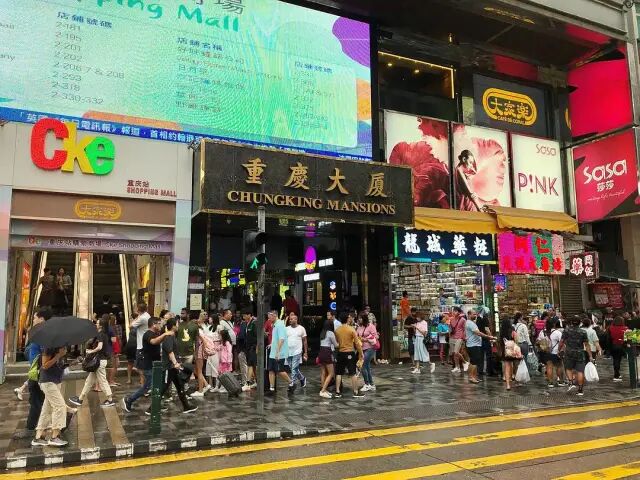
Chungking Mansions is my favorite place in Kowloon; I visit it almost every time I'm there.
The book "Chungking Mansions: A World Centre of the Margins" describes Chungking Mansions as a run-down, seventeen-story building. It has many small, cheap guesthouses and shops inside. This stands in stark contrast to the bustling tourist areas around it. This building is arguably the most globalized building in the world. Businesspeople and temporary workers from South Asia and Sub-Saharan Africa come here to seek their fortunes. International refugees also come here for shelter. Tourists look for cheap accommodation and adventure. People from all social backgrounds rest in the building, compete for seats at food stalls, bargain at phone shops, and move through the corridors.
The book says: Once you escape the onslaught of touts for curry restaurants and guesthouses at the entrance, you find yourself in the human whirlpool of Chungking Mansions. You might never have seen so many people crowded into such a small space in your life. The scene before you is extraordinary: Africans in bright robes, hip-hop clothes, or ill-fitting suits; devout Pakistanis wearing brimless flat-topped caps; Indonesian women in black Islamic veils; older white men in shorts with big beer bellies; and some hippies who look like refugees from a past era. Nigerians are loud. Young Indians chat and laugh with their hands on each other's shoulders. Some mainland Chinese look openly surprised by it all. People of all skin colors wait in line for the elevator, all heading to over a hundred different guesthouses.
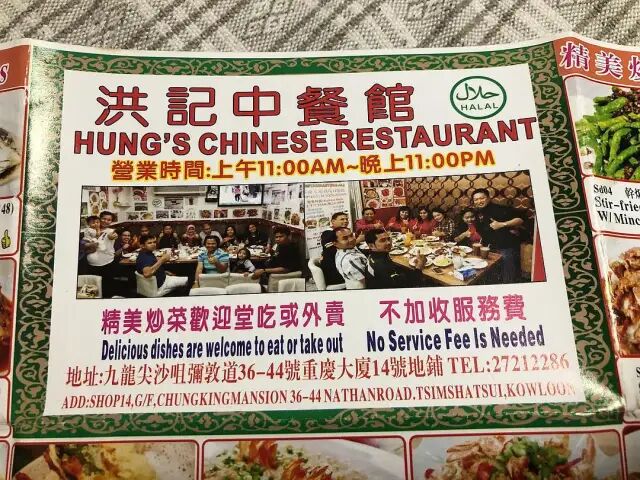
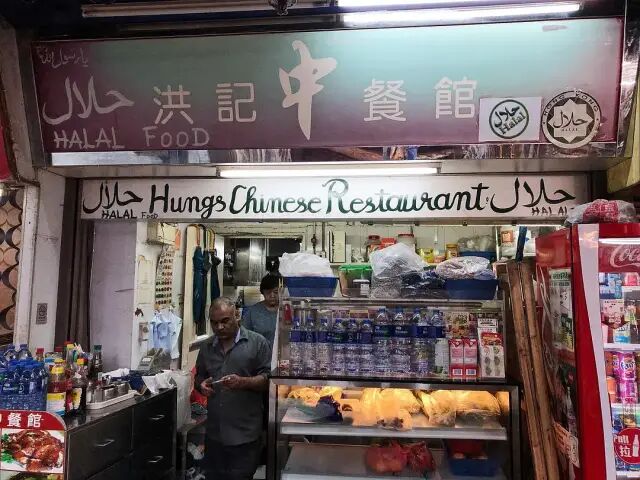
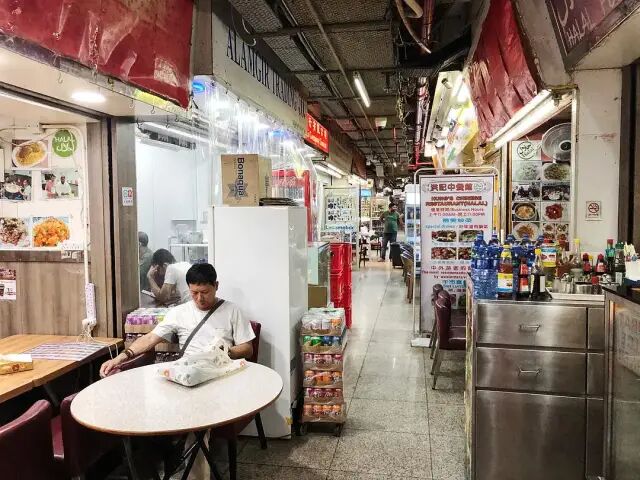
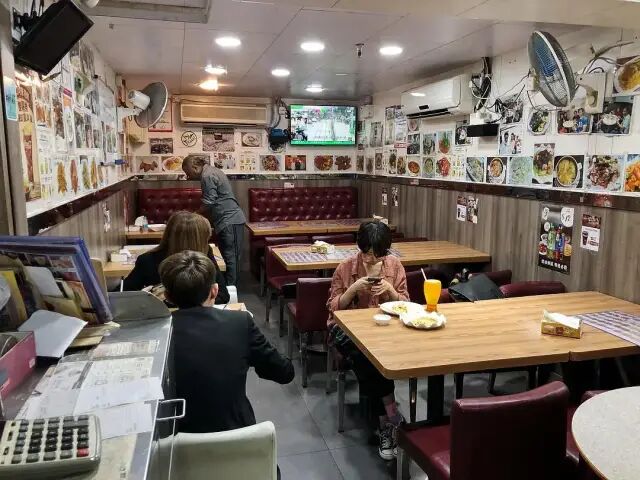
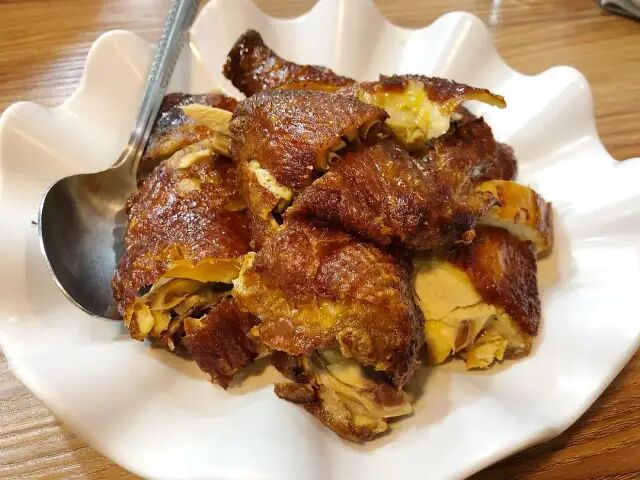
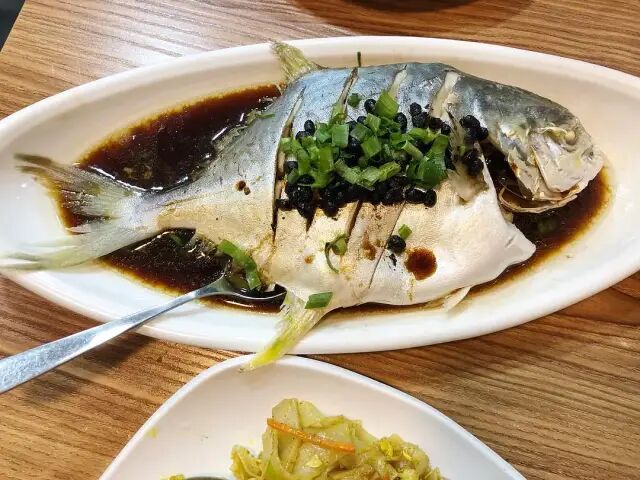
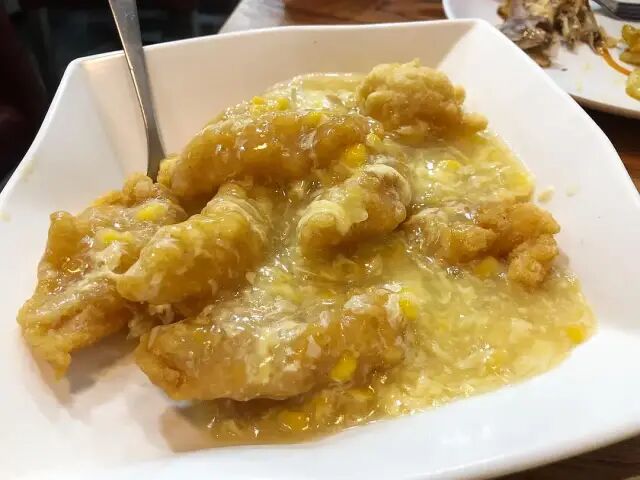
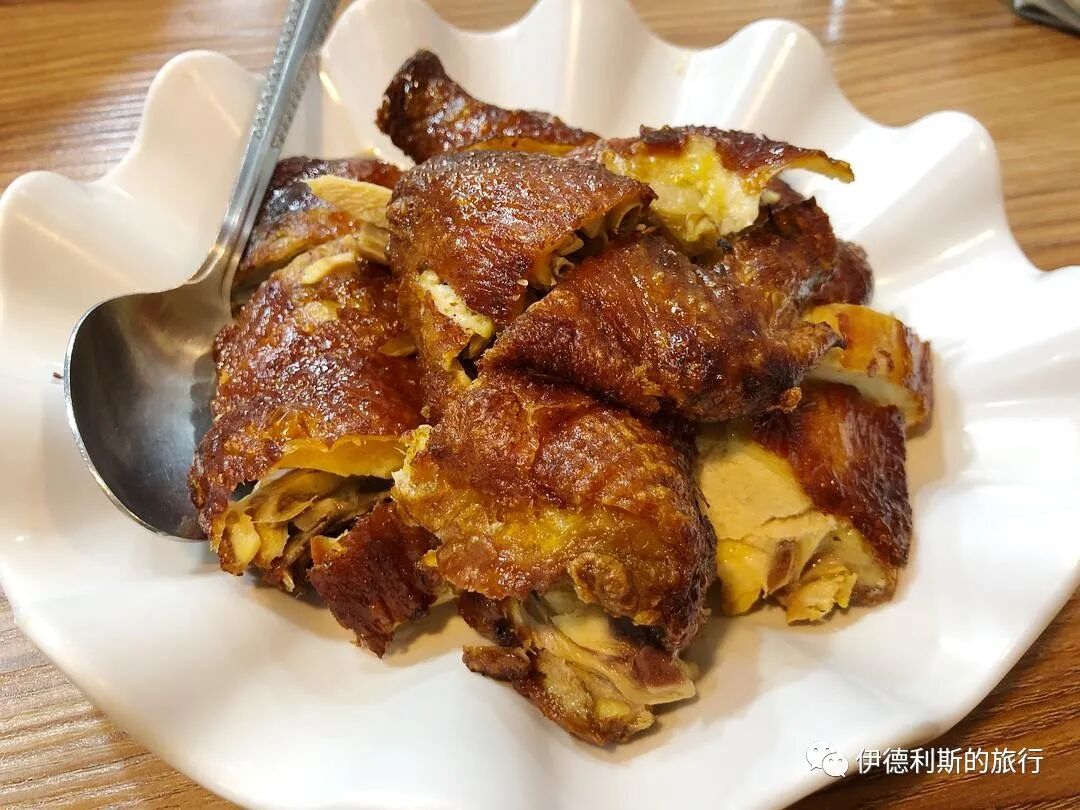
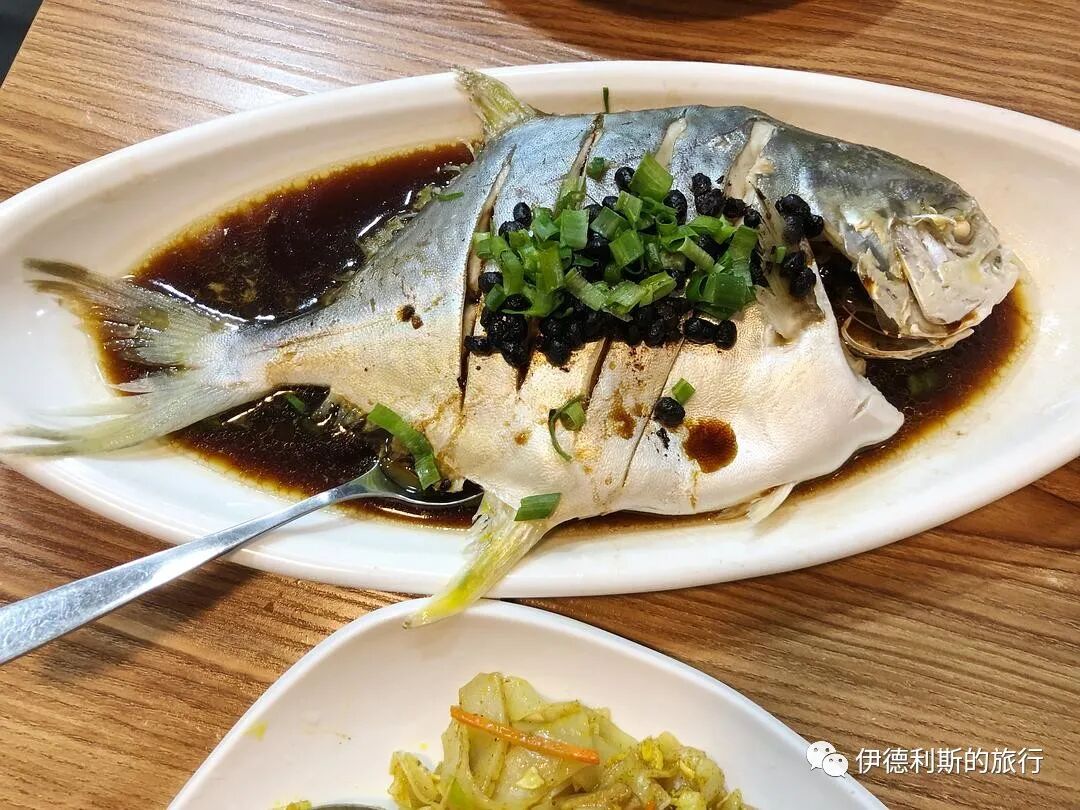
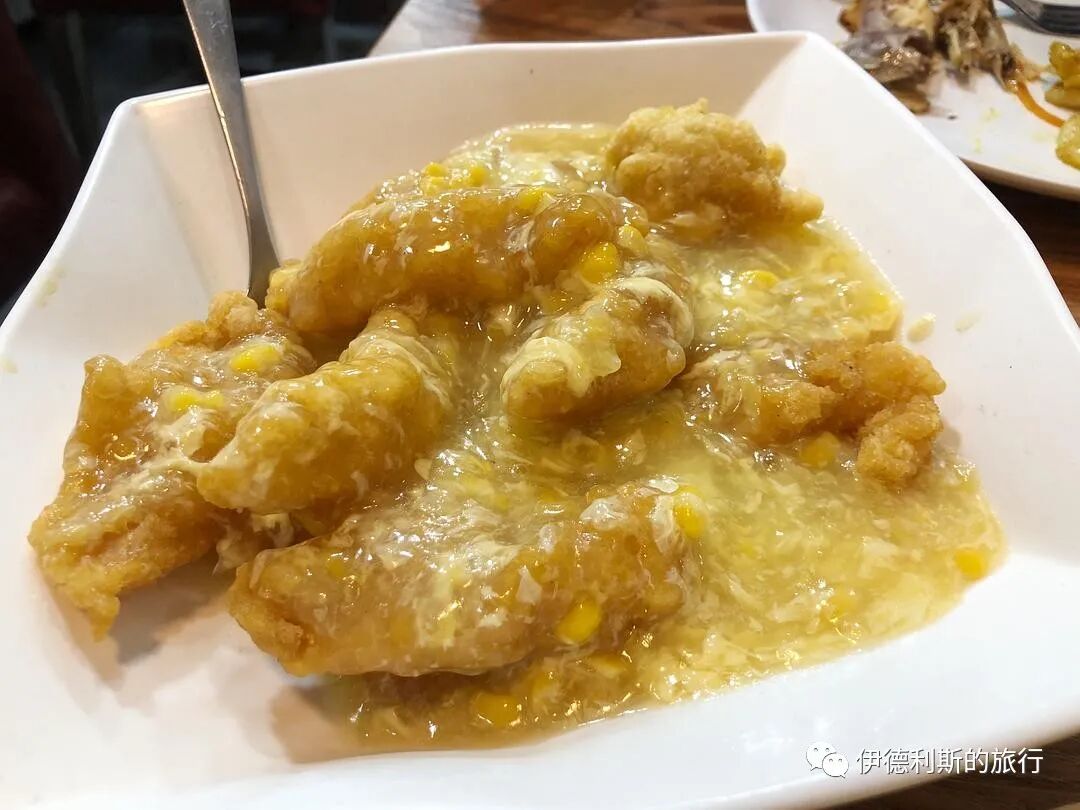
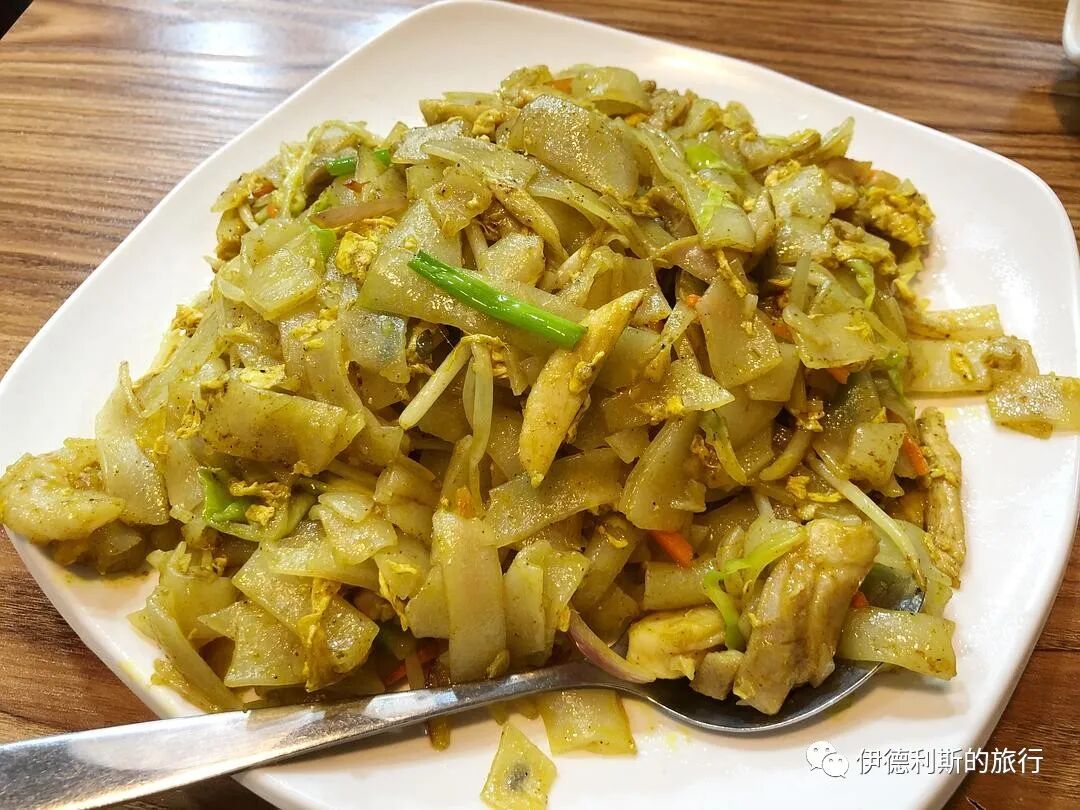
First, I went to Hung Kee Chinese Restaurant. They stay open until 11 PM. I love their signature crispy fried chicken (zhazi ji). It's crispy on the outside and tender on the inside. Then I also ordered corn with fish fillets, pomfret with black bean sauce, and shredded chicken ho fun noodles.
Right next to Hung Kee Chinese Restaurant is a small Pakistani shop. Every time I eat at Hung Kee, I browse their shop. This time, I bought a special Pakistani sequined hat, a Sindhi Topi.
Sindhi Topi literally means "Sindh hat." It is worn by the Sindhi people of Pakistan and has spread among Muslims throughout South Asia. The Sindhi Topi (Sindhi cap) shows the forehead. It often has sequins as decoration. Sindhi people see the Sindhi Topi as a very valuable gift. It is a key part of Sindhi culture. A 2008 count showed 7,500 Sindhi people lived in Hong Kong then.
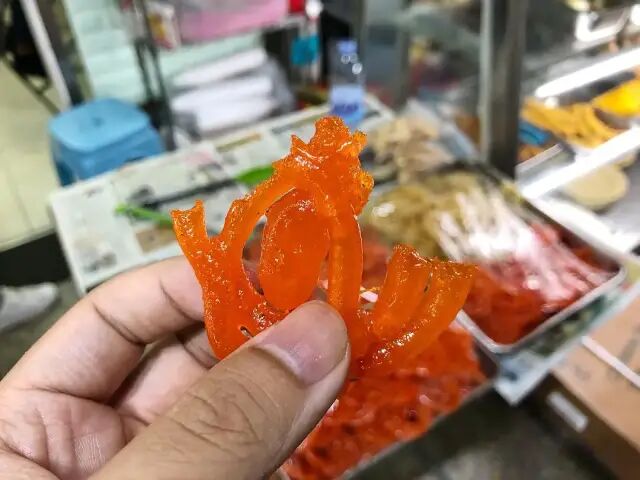
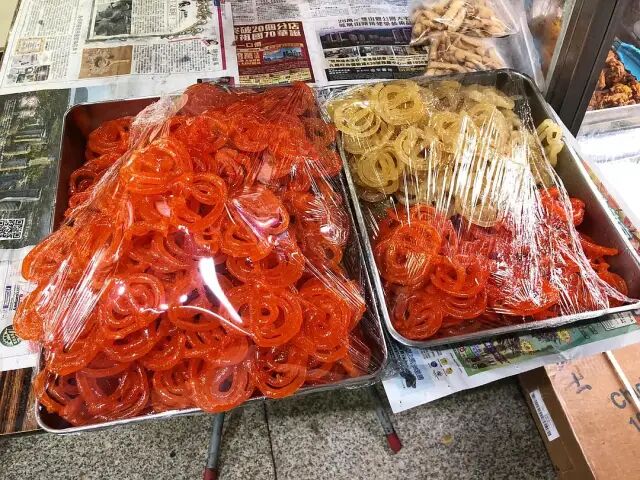
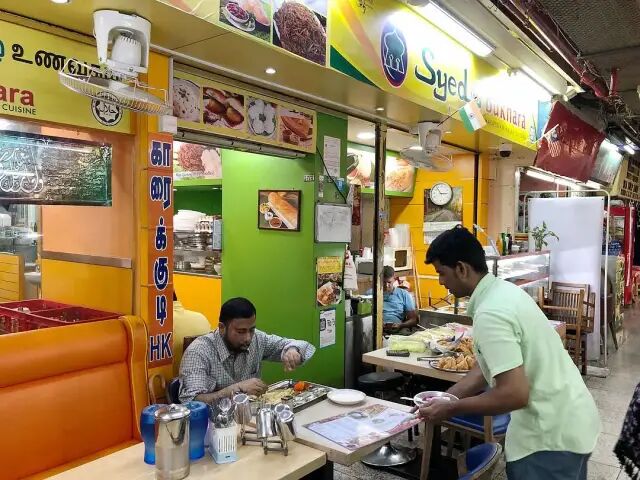
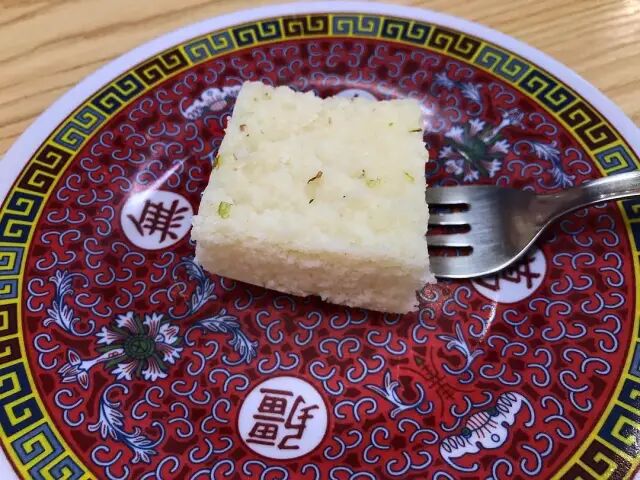
After buying the hat, we ate Indian desserts at two other shops nearby.
The red dessert was Jalebi, a famous Indian sweet. It is made from fried dough soaked in syrup. Some say India's Jalebi came from Zolbiya in Iran. Persianized Turks brought it to India.
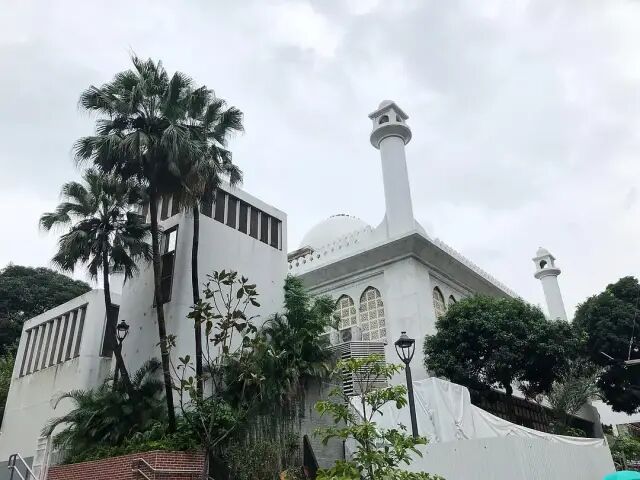
Kowloon Mosque.
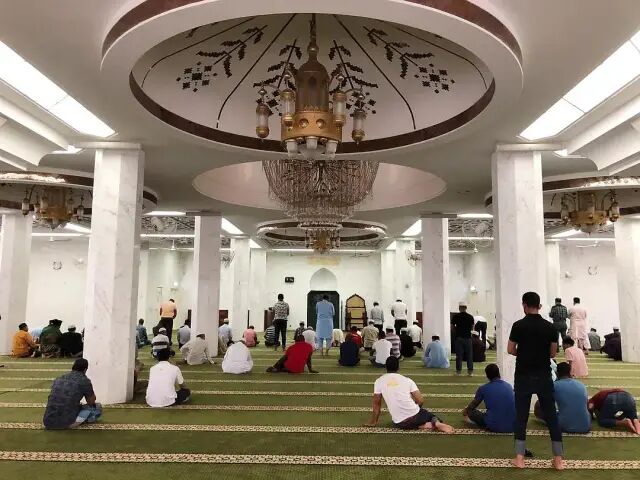
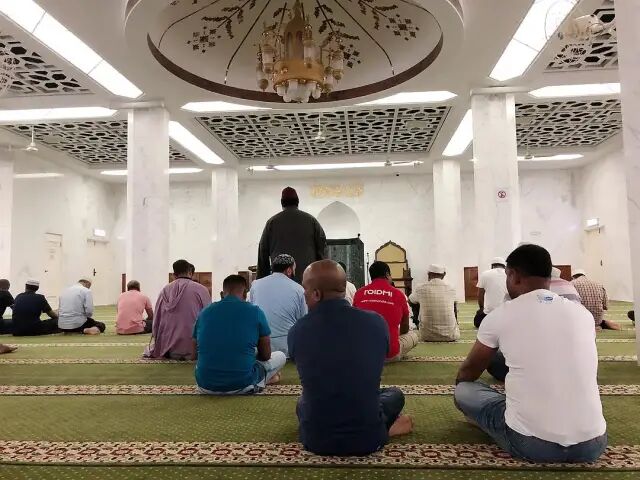
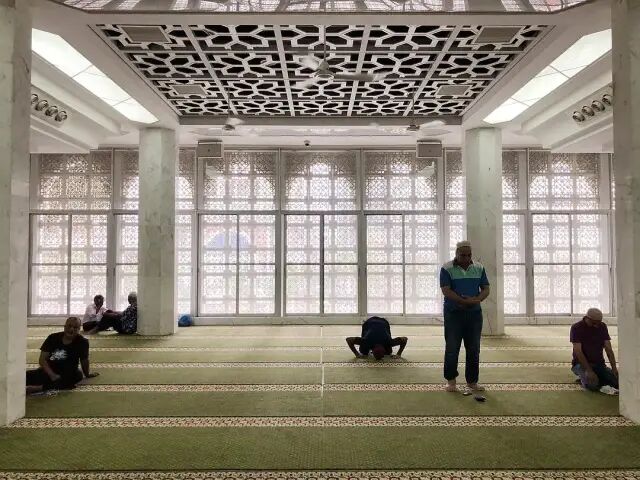
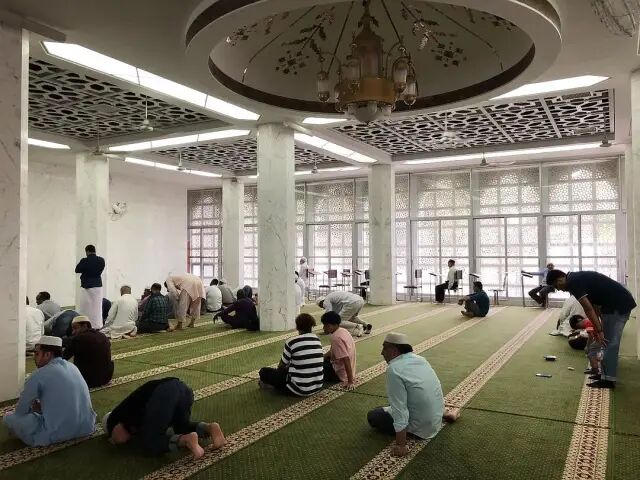
We performed namaz at Kowloon Mosque. We also saw beautiful South Asian hats there.
After the 1860 Treaty of Beijing, Kowloon went to the British government. Britain then sent British Indian troops to Kowloon. Many of these were Muslim officers and soldiers from British India.
In the 1890s, Britain built Whitfield Barracks for the British Indian army. This was where Kowloon Park is now. Indian Muslim soldiers needed a place to pray. So, in 1896, the first Kowloon Mosque was built at the southeast corner of the barracks.
The early Kowloon Mosque stayed a military building for the barracks. It was given to the Hong Kong British government only in 1967. In 1970, most of Whitfield Barracks was torn down to build Kowloon Park. The Kowloon Mosque, however, was kept.
From 1975 to 1979, the Hong Kong MTR started construction. This was for the original Kwun Tong Line, which is now the Tsuen Wan Line. In 1978, the MTR company did blasting work next to the Kowloon Mosque. This badly damaged the mosque's structure. The mosque was then called a dangerous building. The MTR company gave compensation, and Muslims made donations. With this help, Kowloon Mosque was rebuilt in 1980 at its current Tsim Sha Tsui site. It opened in 1984.
Currently, Kowloon Mosque is mainly used by South Asian and Southeast Asian Muslims. It serves as the cultural center for non-Chinese Muslims in Hong Kong.
The one standing is the imam leading the prayer.
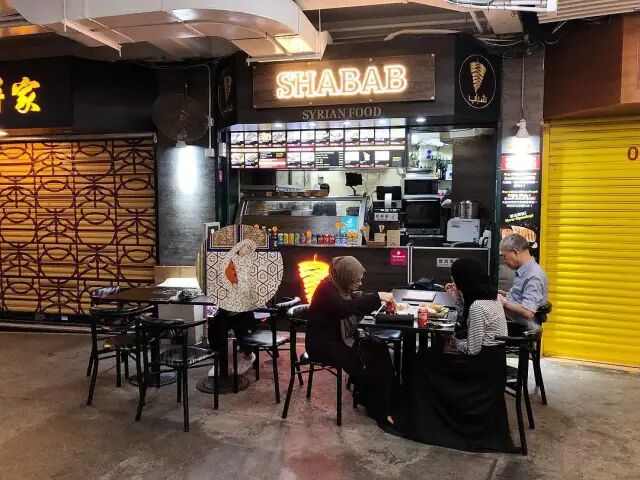
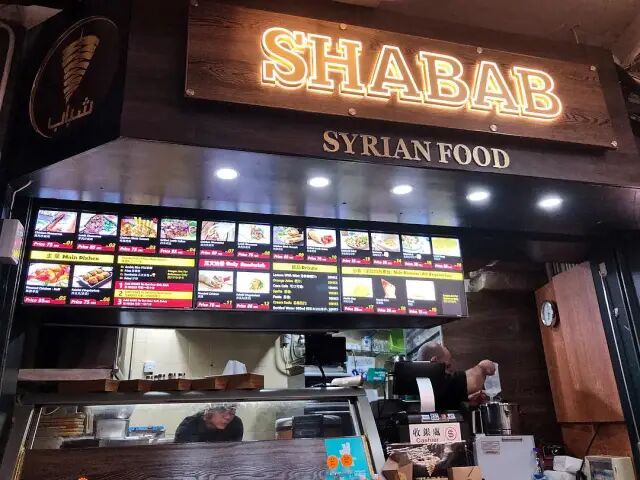
Syrian restaurant Shabab.
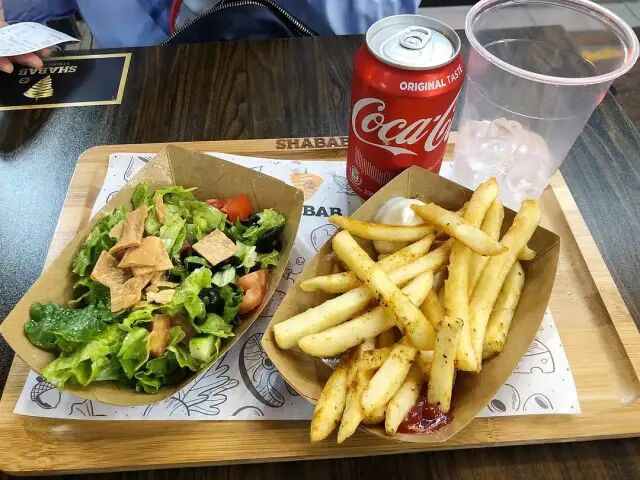
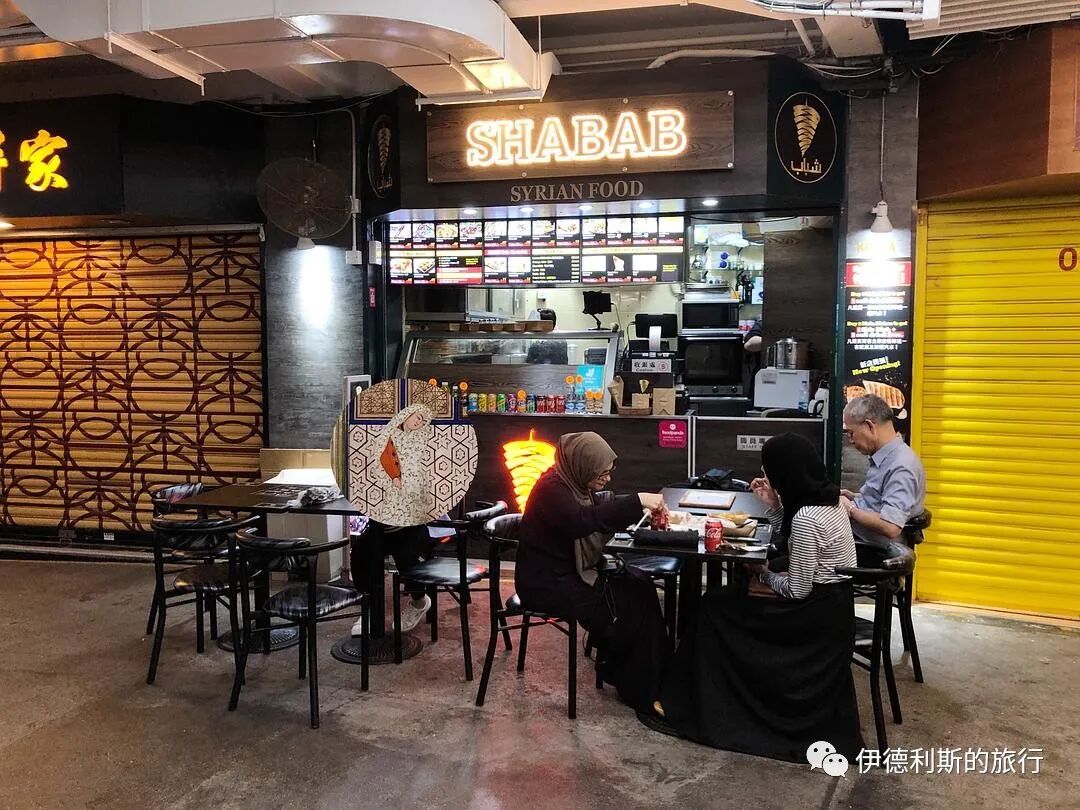
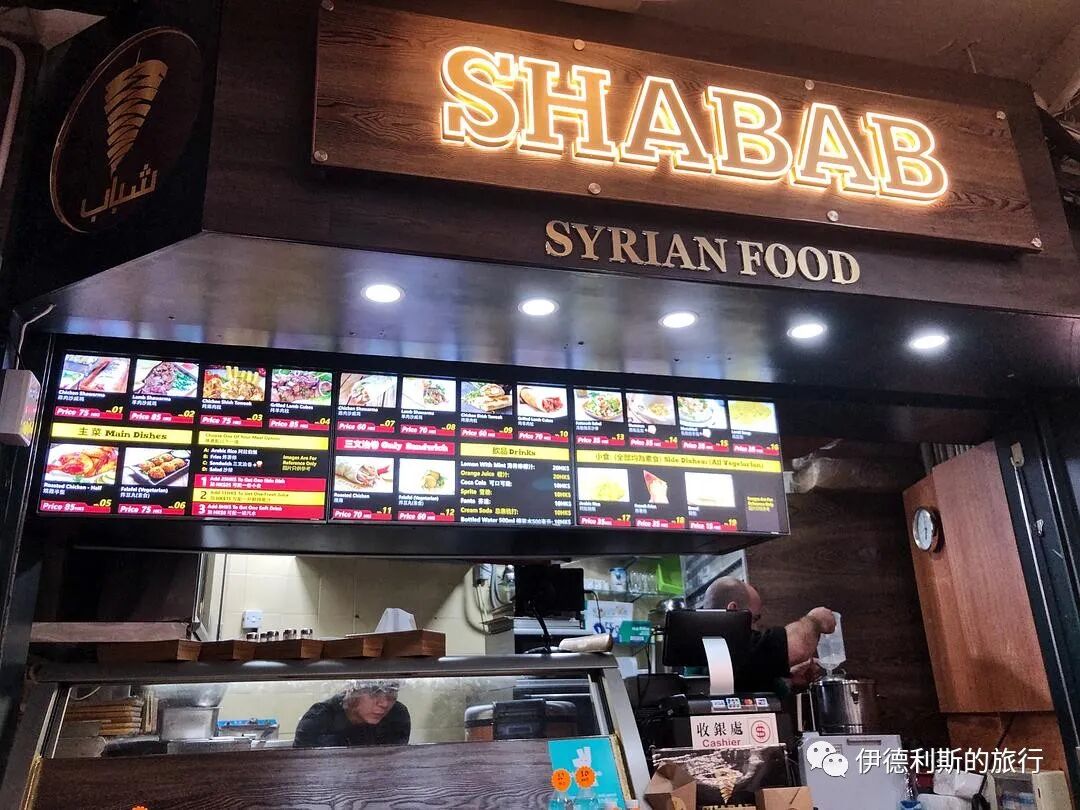
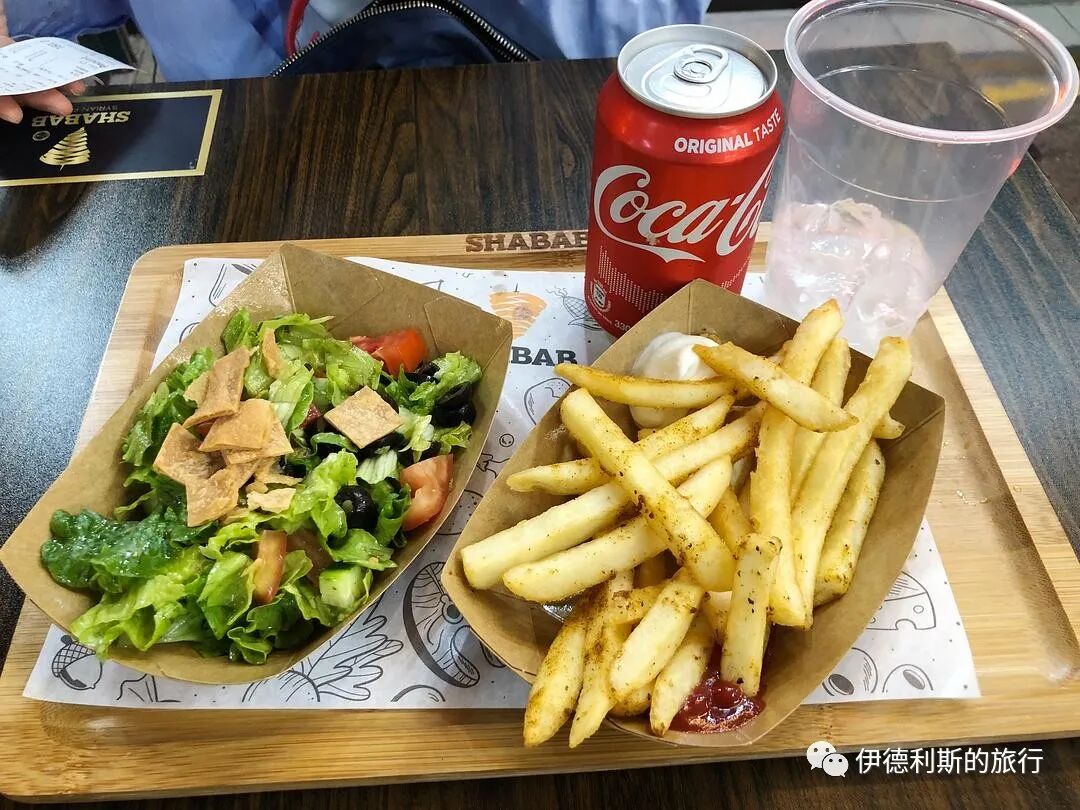
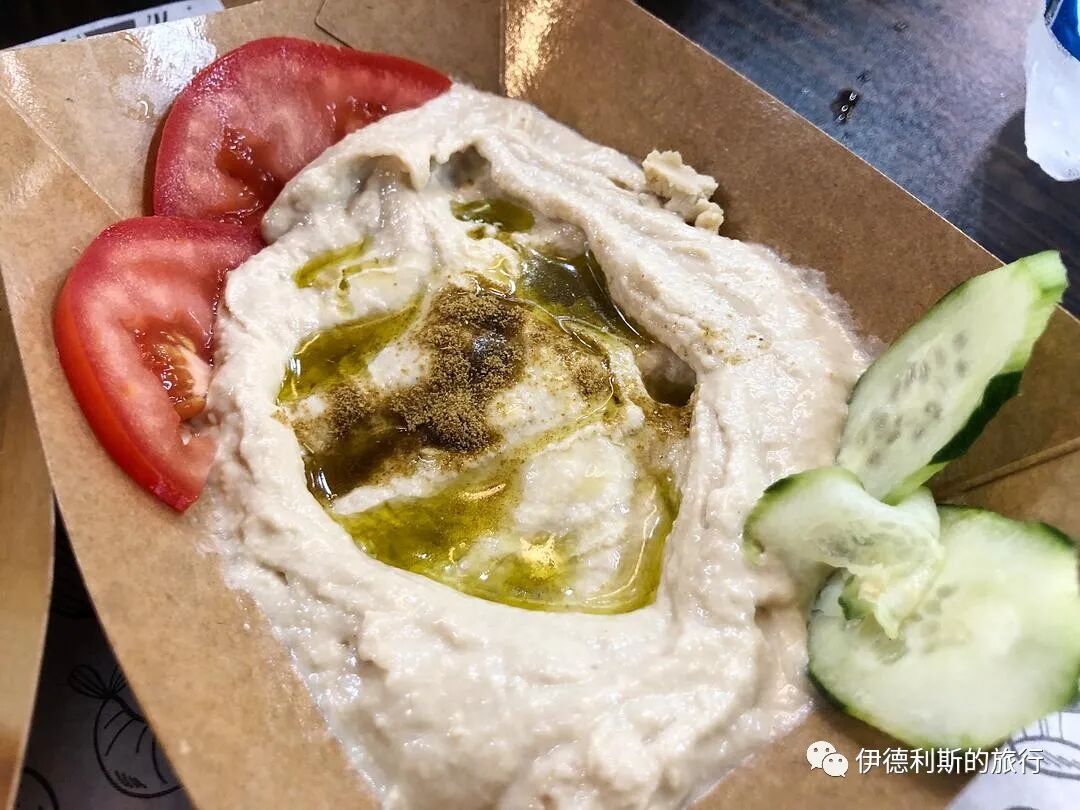
In the evening, we ate at the Syrian restaurant Shabab inside Tsim Sha Tsui Star Ferry Pier. We had hummus chickpea dip (hummus), falafel chickpea fritter wraps (falafel), and shawarma lamb wraps (shawarma). A Syrian man owns the restaurant. At that time, the entire Tsim Sha Tsui mall was closed because of the situation. All buses and subways had stopped. This Syrian restaurant felt like a small harbor, letting us travelers find a safe place to rest.
We went to Chungking Mansions again.
The next morning, we ate at an Indian restaurant on the ground floor of Chungking Mansions. We had Biryani fried rice (Biryani), Tandoori Paratha flatbread (Tandoori Paratha), chickpea curry (Chana Masala), and some Indian desserts.
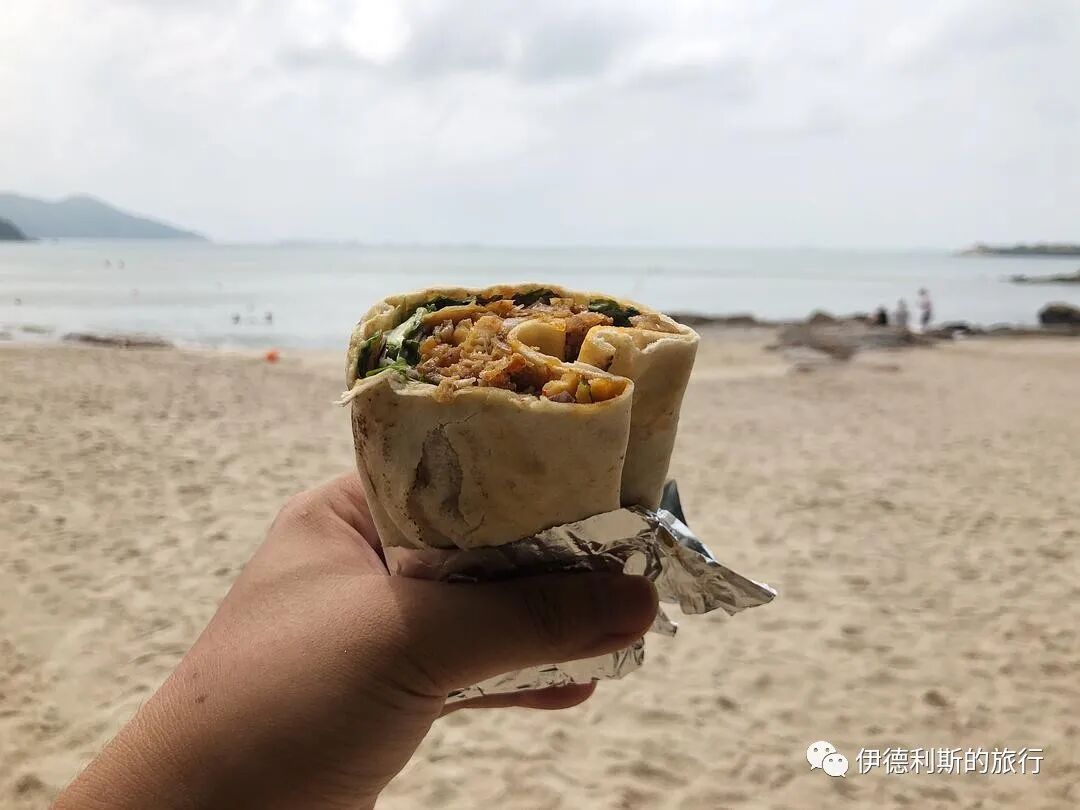
Then we went to the Turkish restaurant on the first floor and bought kebab wraps to go.
Lamma Island.
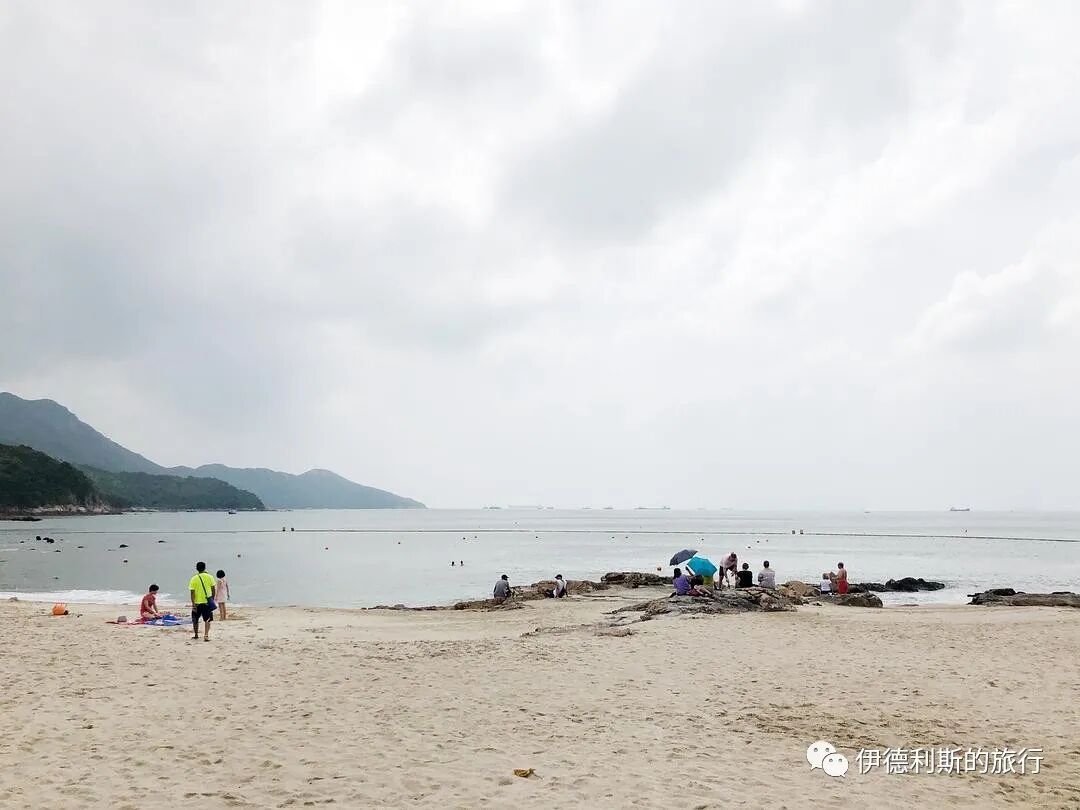
Downtown Hong Kong was not safe, so we took a boat to Lamma Island. No matter how turbulent Hong Kong was, Lamma Island felt like a paradise, relaxing and comfortable.
On the beach, we ate the kebab wraps we bought in the morning. It was very pleasant. view all
Summary: Hong Kong Kowloon — Mosques, Halal Food and City Walks is presented here as a firsthand travel account in clear English, beginning with this scene: During the National Day holiday in 2019, I traveled through Hong Kong. Due to the political situation, I only stayed in Kowloon for two days and one night, which left me with many regrets. The account keeps its focus on Hong Kong Travel, Kowloon, Halal Food while preserving the names, places, food, and historical details from the Chinese source.
During the National Day holiday in 2019, I traveled through Hong Kong. Due to the political situation, I only stayed in Kowloon for two days and one night, which left me with many regrets. This was also my last international trip before the pandemic.
Chungking Mansions
Chungking Mansions is my favorite place in Kowloon; I visit it almost every time I'm there.
The book "Chungking Mansions: A World Centre of the Margins" describes Chungking Mansions as a run-down, seventeen-story building. It has many small, cheap guesthouses and shops inside. This stands in stark contrast to the bustling tourist areas around it. This building is arguably the most globalized building in the world. Businesspeople and temporary workers from South Asia and Sub-Saharan Africa come here to seek their fortunes. International refugees also come here for shelter. Tourists look for cheap accommodation and adventure. People from all social backgrounds rest in the building, compete for seats at food stalls, bargain at phone shops, and move through the corridors.
The book says: Once you escape the onslaught of touts for curry restaurants and guesthouses at the entrance, you find yourself in the human whirlpool of Chungking Mansions. You might never have seen so many people crowded into such a small space in your life. The scene before you is extraordinary: Africans in bright robes, hip-hop clothes, or ill-fitting suits; devout Pakistanis wearing brimless flat-topped caps; Indonesian women in black Islamic veils; older white men in shorts with big beer bellies; and some hippies who look like refugees from a past era. Nigerians are loud. Young Indians chat and laugh with their hands on each other's shoulders. Some mainland Chinese look openly surprised by it all. People of all skin colors wait in line for the elevator, all heading to over a hundred different guesthouses.
First, I went to Hung Kee Chinese Restaurant. They stay open until 11 PM. I love their signature crispy fried chicken (zhazi ji). It's crispy on the outside and tender on the inside. Then I also ordered corn with fish fillets, pomfret with black bean sauce, and shredded chicken ho fun noodles.
Right next to Hung Kee Chinese Restaurant is a small Pakistani shop. Every time I eat at Hung Kee, I browse their shop. This time, I bought a special Pakistani sequined hat, a Sindhi Topi.
Sindhi Topi literally means "Sindh hat." It is worn by the Sindhi people of Pakistan and has spread among Muslims throughout South Asia. The Sindhi Topi (Sindhi cap) shows the forehead. It often has sequins as decoration. Sindhi people see the Sindhi Topi as a very valuable gift. It is a key part of Sindhi culture. A 2008 count showed 7,500 Sindhi people lived in Hong Kong then.
After buying the hat, we ate Indian desserts at two other shops nearby.
The red dessert was Jalebi, a famous Indian sweet. It is made from fried dough soaked in syrup. Some say India's Jalebi came from Zolbiya in Iran. Persianized Turks brought it to India.
Kowloon Mosque.
We performed namaz at Kowloon Mosque. We also saw beautiful South Asian hats there.
After the 1860 Treaty of Beijing, Kowloon went to the British government. Britain then sent British Indian troops to Kowloon. Many of these were Muslim officers and soldiers from British India.
In the 1890s, Britain built Whitfield Barracks for the British Indian army. This was where Kowloon Park is now. Indian Muslim soldiers needed a place to pray. So, in 1896, the first Kowloon Mosque was built at the southeast corner of the barracks.
The early Kowloon Mosque stayed a military building for the barracks. It was given to the Hong Kong British government only in 1967. In 1970, most of Whitfield Barracks was torn down to build Kowloon Park. The Kowloon Mosque, however, was kept.
From 1975 to 1979, the Hong Kong MTR started construction. This was for the original Kwun Tong Line, which is now the Tsuen Wan Line. In 1978, the MTR company did blasting work next to the Kowloon Mosque. This badly damaged the mosque's structure. The mosque was then called a dangerous building. The MTR company gave compensation, and Muslims made donations. With this help, Kowloon Mosque was rebuilt in 1980 at its current Tsim Sha Tsui site. It opened in 1984.
Currently, Kowloon Mosque is mainly used by South Asian and Southeast Asian Muslims. It serves as the cultural center for non-Chinese Muslims in Hong Kong.
The one standing is the imam leading the prayer.
Syrian restaurant Shabab.
In the evening, we ate at the Syrian restaurant Shabab inside Tsim Sha Tsui Star Ferry Pier. We had hummus chickpea dip (hummus), falafel chickpea fritter wraps (falafel), and shawarma lamb wraps (shawarma). A Syrian man owns the restaurant. At that time, the entire Tsim Sha Tsui mall was closed because of the situation. All buses and subways had stopped. This Syrian restaurant felt like a small harbor, letting us travelers find a safe place to rest.
We went to Chungking Mansions again.
The next morning, we ate at an Indian restaurant on the ground floor of Chungking Mansions. We had Biryani fried rice (Biryani), Tandoori Paratha flatbread (Tandoori Paratha), chickpea curry (Chana Masala), and some Indian desserts.
Then we went to the Turkish restaurant on the first floor and bought kebab wraps to go.
Lamma Island.
Downtown Hong Kong was not safe, so we took a boat to Lamma Island. No matter how turbulent Hong Kong was, Lamma Island felt like a paradise, relaxing and comfortable.
On the beach, we ate the kebab wraps we bought in the morning. It was very pleasant. view all
Reposted from the web
Summary: Hong Kong Kowloon — Mosques, Halal Food and City Walks is presented here as a firsthand travel account in clear English, beginning with this scene: During the National Day holiday in 2019, I traveled through Hong Kong. Due to the political situation, I only stayed in Kowloon for two days and one night, which left me with many regrets. The account keeps its focus on Hong Kong Travel, Kowloon, Halal Food while preserving the names, places, food, and historical details from the Chinese source.
During the National Day holiday in 2019, I traveled through Hong Kong. Due to the political situation, I only stayed in Kowloon for two days and one night, which left me with many regrets. This was also my last international trip before the pandemic.
Chungking Mansions
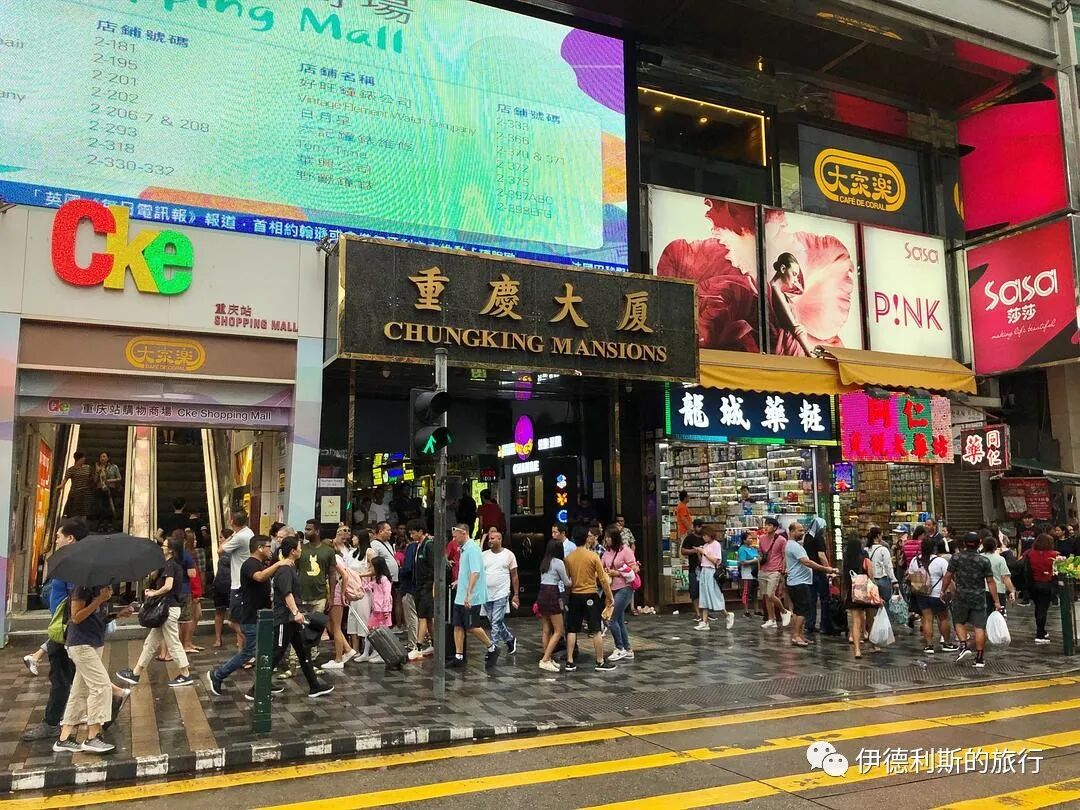
Chungking Mansions is my favorite place in Kowloon; I visit it almost every time I'm there.
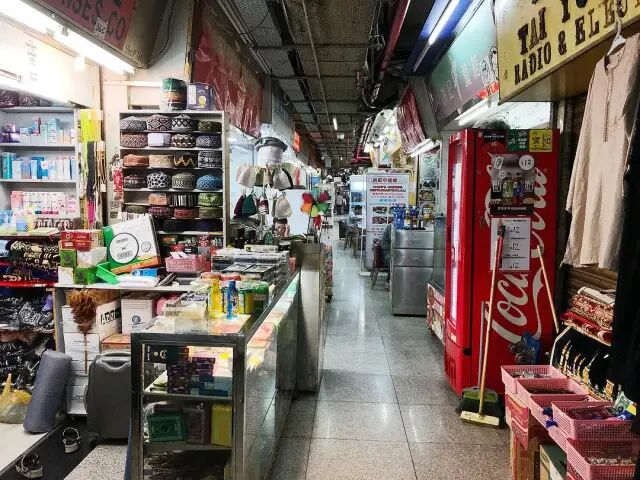
The book "Chungking Mansions: A World Centre of the Margins" describes Chungking Mansions as a run-down, seventeen-story building. It has many small, cheap guesthouses and shops inside. This stands in stark contrast to the bustling tourist areas around it. This building is arguably the most globalized building in the world. Businesspeople and temporary workers from South Asia and Sub-Saharan Africa come here to seek their fortunes. International refugees also come here for shelter. Tourists look for cheap accommodation and adventure. People from all social backgrounds rest in the building, compete for seats at food stalls, bargain at phone shops, and move through the corridors.
The book says: Once you escape the onslaught of touts for curry restaurants and guesthouses at the entrance, you find yourself in the human whirlpool of Chungking Mansions. You might never have seen so many people crowded into such a small space in your life. The scene before you is extraordinary: Africans in bright robes, hip-hop clothes, or ill-fitting suits; devout Pakistanis wearing brimless flat-topped caps; Indonesian women in black Islamic veils; older white men in shorts with big beer bellies; and some hippies who look like refugees from a past era. Nigerians are loud. Young Indians chat and laugh with their hands on each other's shoulders. Some mainland Chinese look openly surprised by it all. People of all skin colors wait in line for the elevator, all heading to over a hundred different guesthouses.
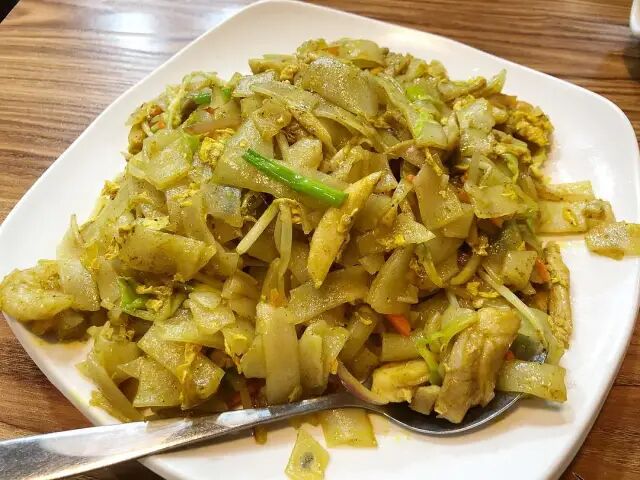
First, I went to Hung Kee Chinese Restaurant. They stay open until 11 PM. I love their signature crispy fried chicken (zhazi ji). It's crispy on the outside and tender on the inside. Then I also ordered corn with fish fillets, pomfret with black bean sauce, and shredded chicken ho fun noodles.
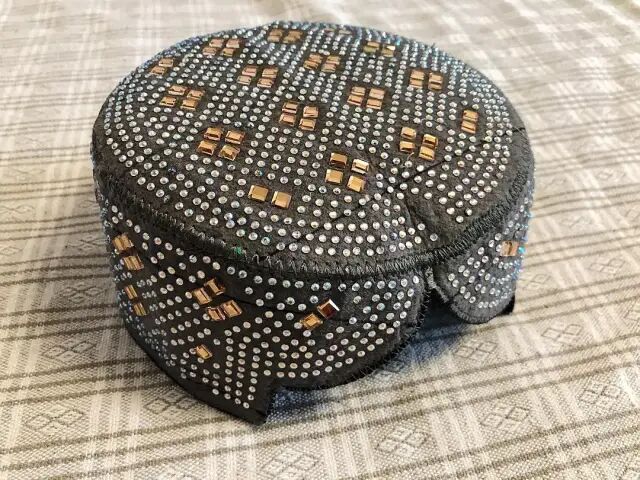
Right next to Hung Kee Chinese Restaurant is a small Pakistani shop. Every time I eat at Hung Kee, I browse their shop. This time, I bought a special Pakistani sequined hat, a Sindhi Topi.
Sindhi Topi literally means "Sindh hat." It is worn by the Sindhi people of Pakistan and has spread among Muslims throughout South Asia. The Sindhi Topi (Sindhi cap) shows the forehead. It often has sequins as decoration. Sindhi people see the Sindhi Topi as a very valuable gift. It is a key part of Sindhi culture. A 2008 count showed 7,500 Sindhi people lived in Hong Kong then.
After buying the hat, we ate Indian desserts at two other shops nearby.
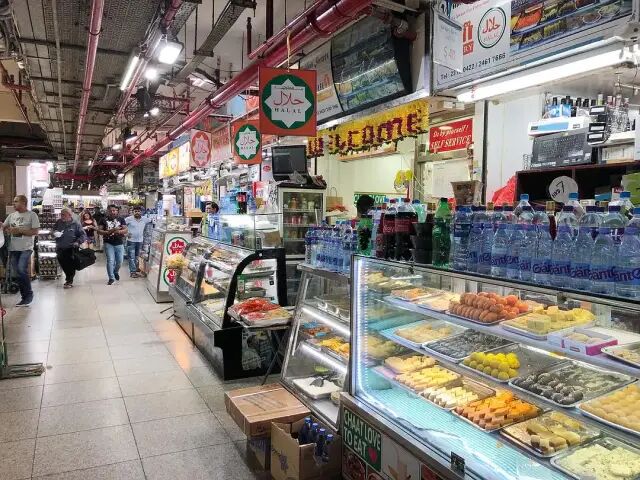
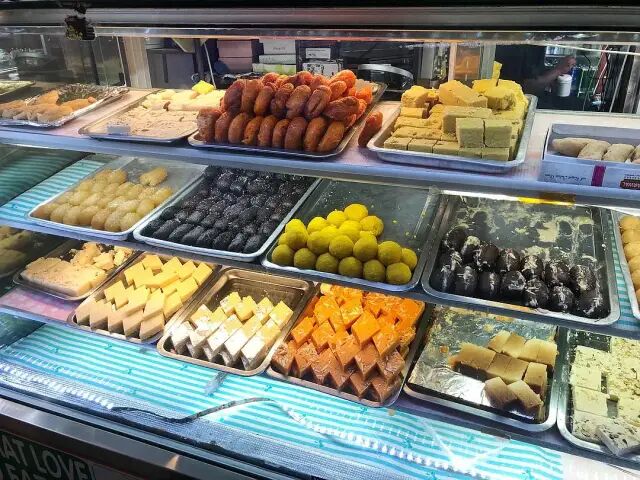
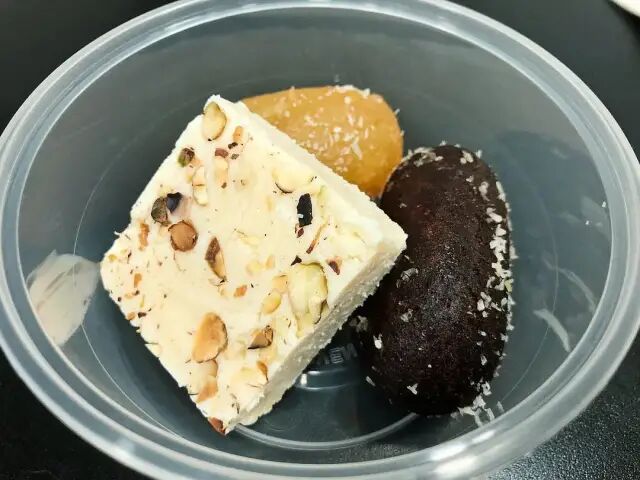
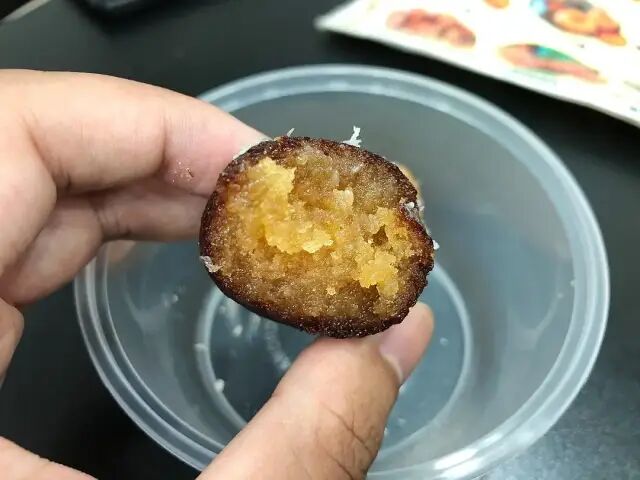
The red dessert was Jalebi, a famous Indian sweet. It is made from fried dough soaked in syrup. Some say India's Jalebi came from Zolbiya in Iran. Persianized Turks brought it to India.
Kowloon Mosque.
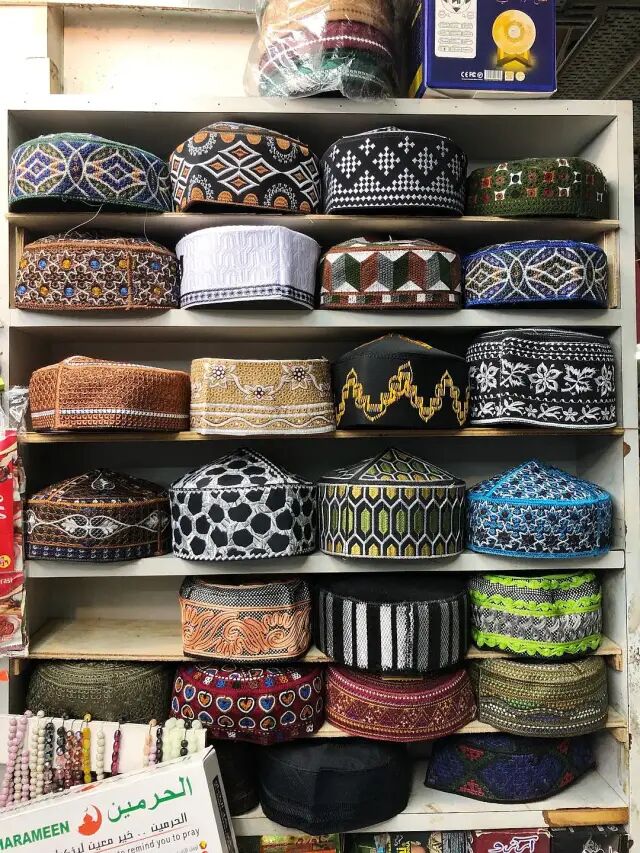
We performed namaz at Kowloon Mosque. We also saw beautiful South Asian hats there.
After the 1860 Treaty of Beijing, Kowloon went to the British government. Britain then sent British Indian troops to Kowloon. Many of these were Muslim officers and soldiers from British India.
In the 1890s, Britain built Whitfield Barracks for the British Indian army. This was where Kowloon Park is now. Indian Muslim soldiers needed a place to pray. So, in 1896, the first Kowloon Mosque was built at the southeast corner of the barracks.
The early Kowloon Mosque stayed a military building for the barracks. It was given to the Hong Kong British government only in 1967. In 1970, most of Whitfield Barracks was torn down to build Kowloon Park. The Kowloon Mosque, however, was kept.
From 1975 to 1979, the Hong Kong MTR started construction. This was for the original Kwun Tong Line, which is now the Tsuen Wan Line. In 1978, the MTR company did blasting work next to the Kowloon Mosque. This badly damaged the mosque's structure. The mosque was then called a dangerous building. The MTR company gave compensation, and Muslims made donations. With this help, Kowloon Mosque was rebuilt in 1980 at its current Tsim Sha Tsui site. It opened in 1984.
Currently, Kowloon Mosque is mainly used by South Asian and Southeast Asian Muslims. It serves as the cultural center for non-Chinese Muslims in Hong Kong.
The one standing is the imam leading the prayer.
Syrian restaurant Shabab.
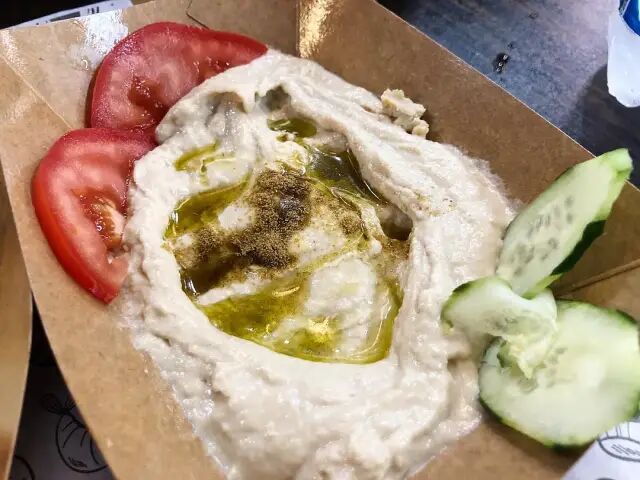
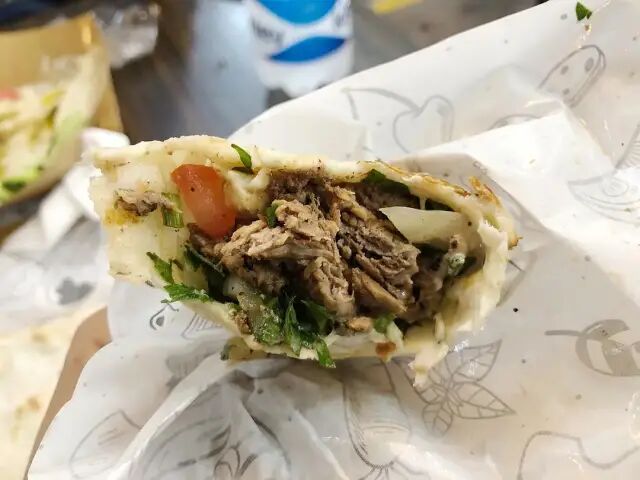
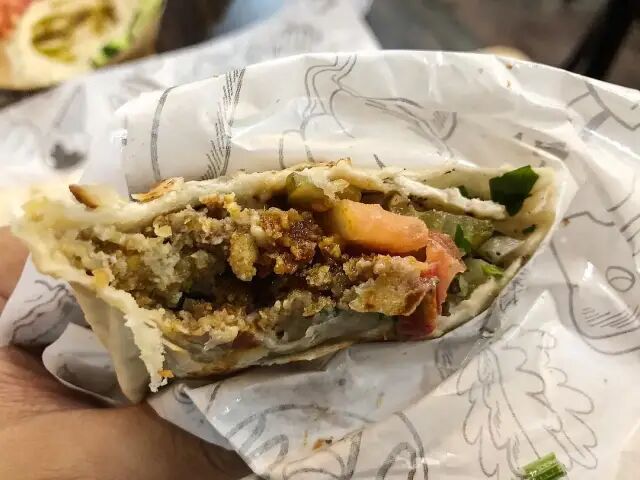
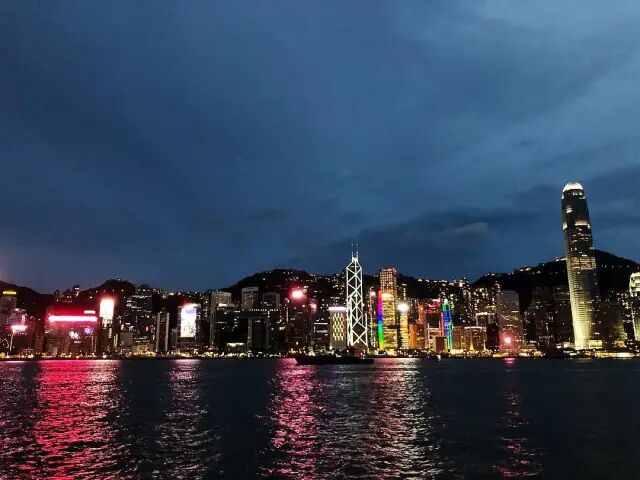
In the evening, we ate at the Syrian restaurant Shabab inside Tsim Sha Tsui Star Ferry Pier. We had hummus chickpea dip (hummus), falafel chickpea fritter wraps (falafel), and shawarma lamb wraps (shawarma). A Syrian man owns the restaurant. At that time, the entire Tsim Sha Tsui mall was closed because of the situation. All buses and subways had stopped. This Syrian restaurant felt like a small harbor, letting us travelers find a safe place to rest.
We went to Chungking Mansions again.
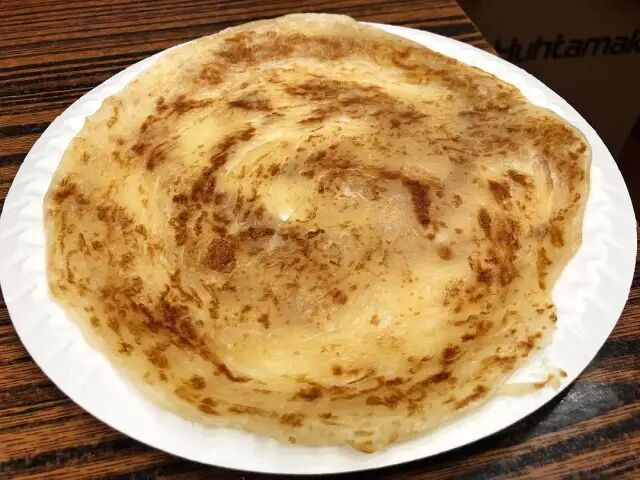
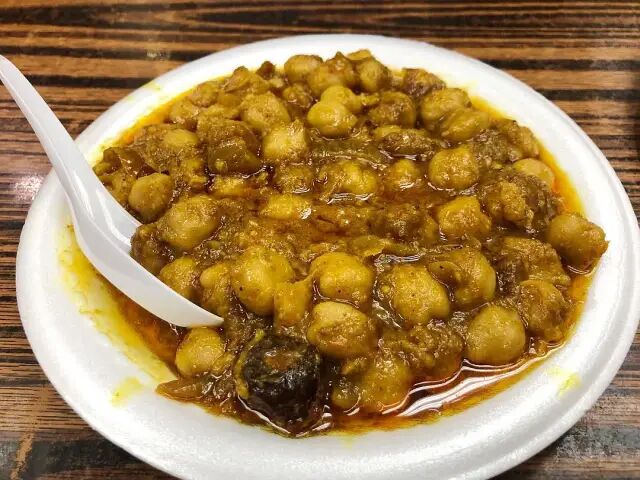
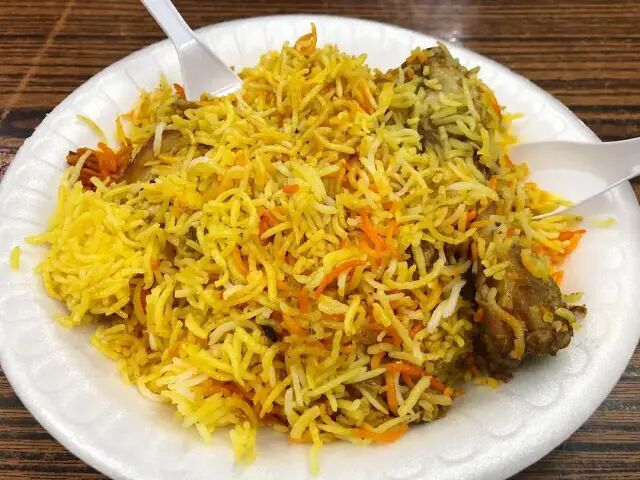
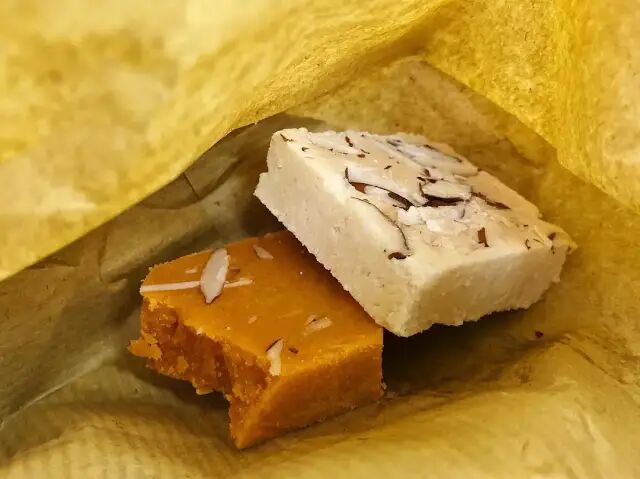
The next morning, we ate at an Indian restaurant on the ground floor of Chungking Mansions. We had Biryani fried rice (Biryani), Tandoori Paratha flatbread (Tandoori Paratha), chickpea curry (Chana Masala), and some Indian desserts.
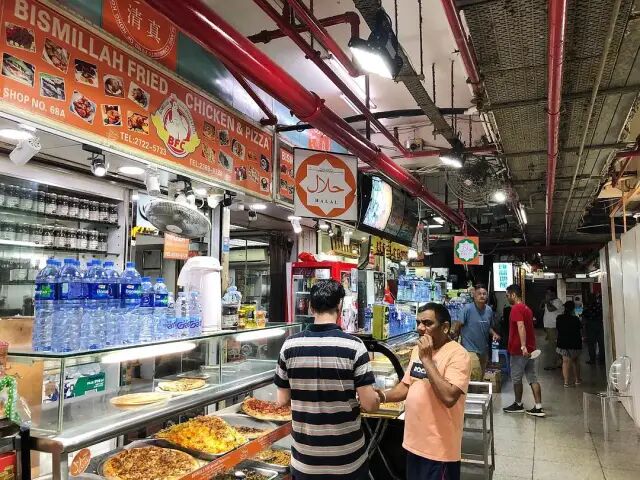
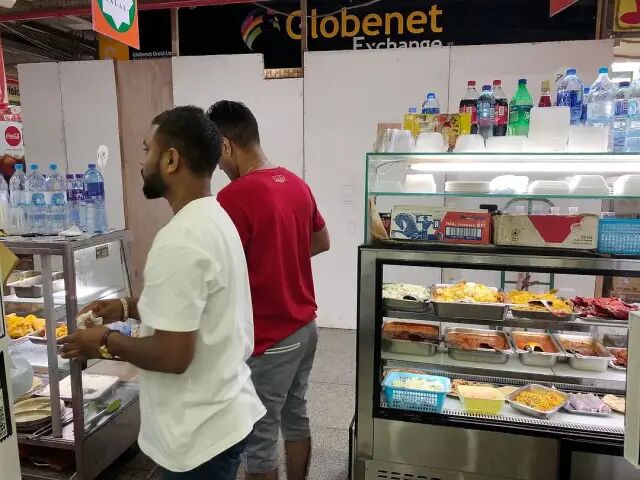
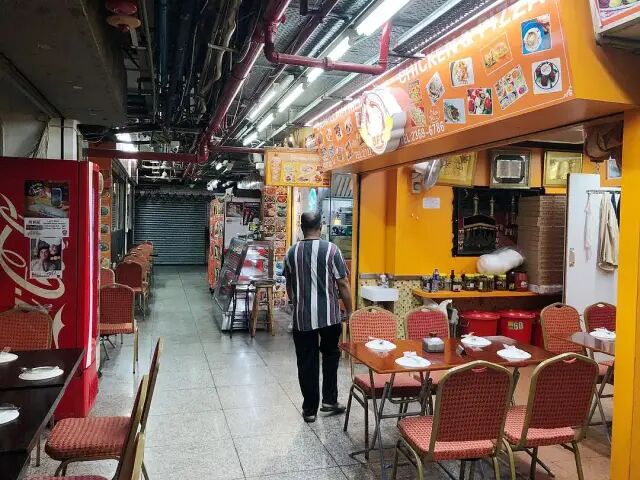
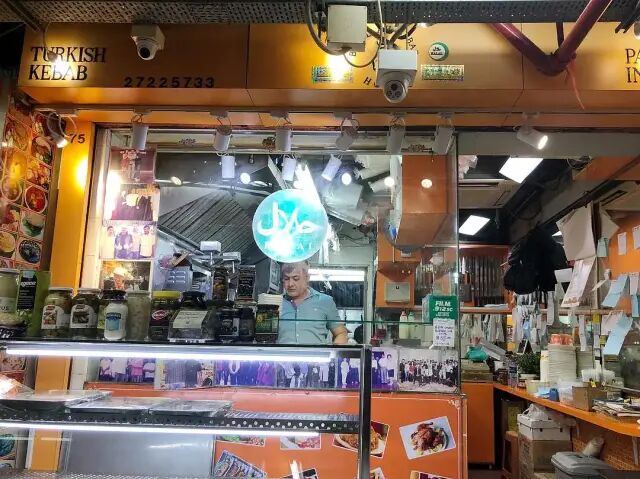
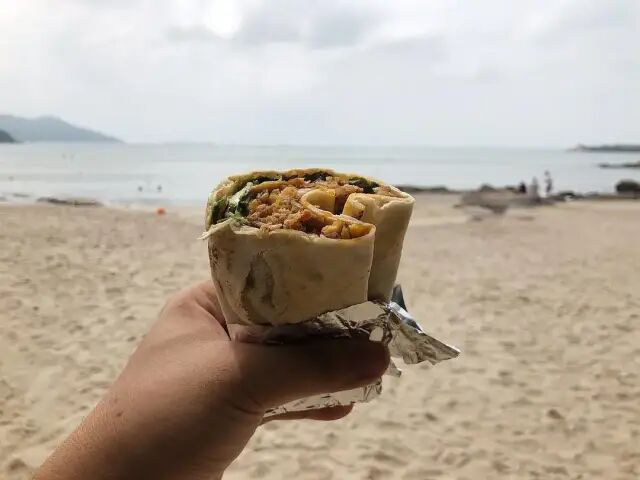
Then we went to the Turkish restaurant on the first floor and bought kebab wraps to go.
Lamma Island.
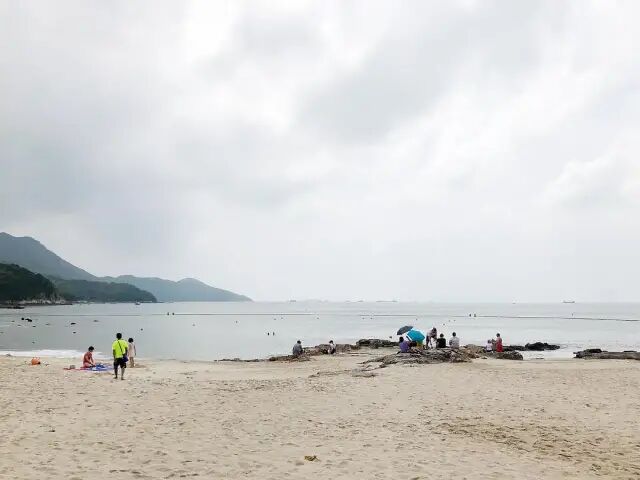
Downtown Hong Kong was not safe, so we took a boat to Lamma Island. No matter how turbulent Hong Kong was, Lamma Island felt like a paradise, relaxing and comfortable.
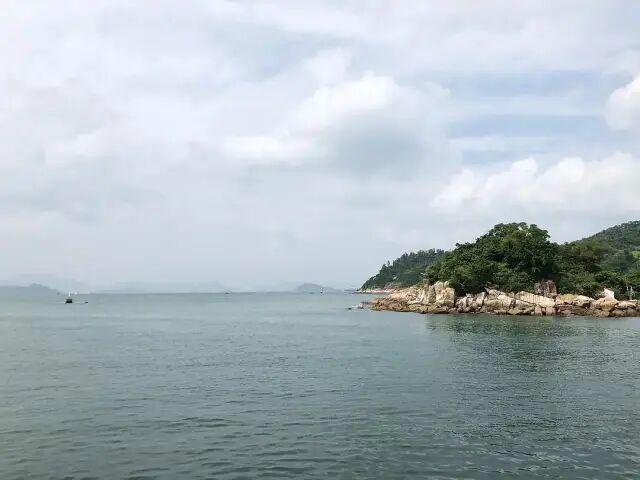
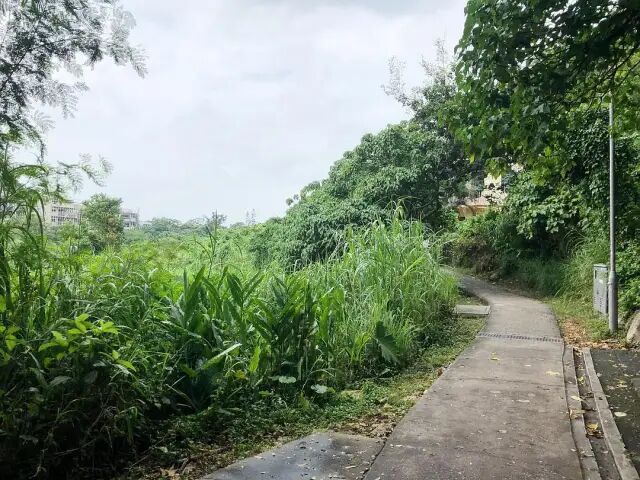
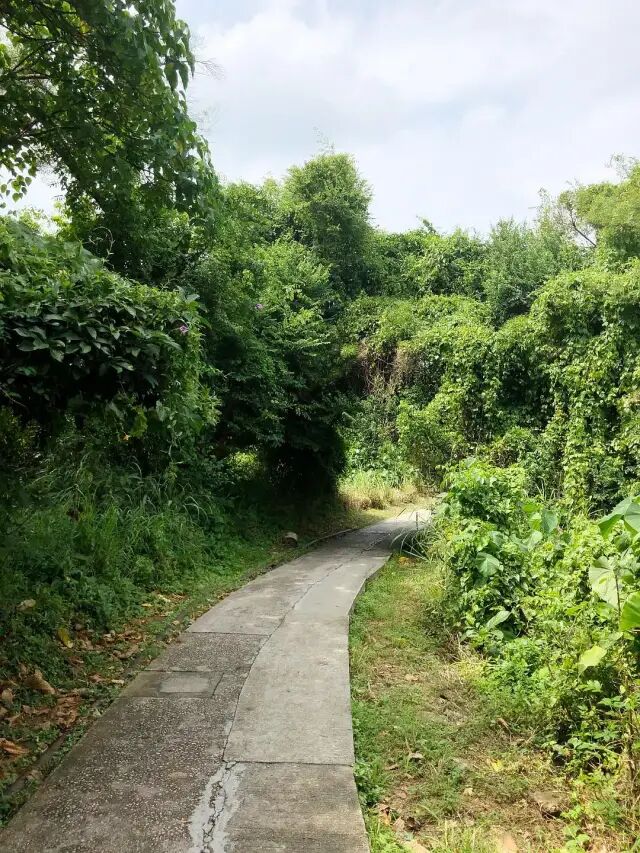
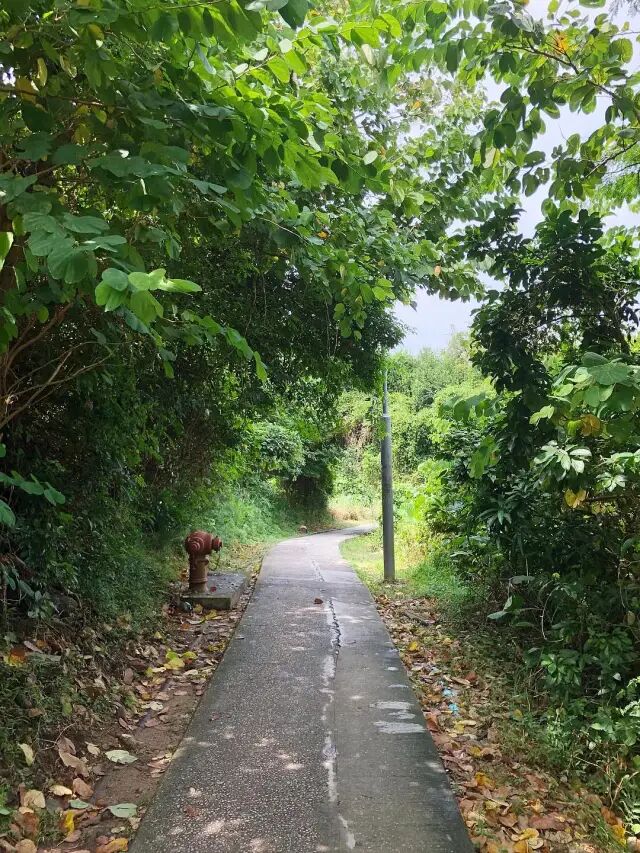
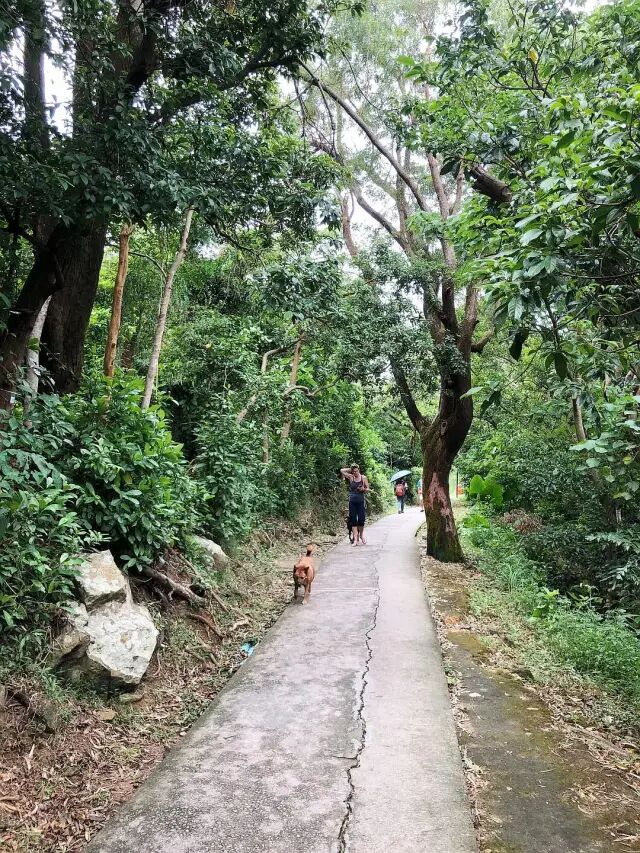
On the beach, we ate the kebab wraps we bought in the morning. It was very pleasant.
Summary: Hong Kong Kowloon — Mosques, Halal Food and City Walks is presented here as a firsthand travel account in clear English, beginning with this scene: During the National Day holiday in 2019, I traveled through Hong Kong. Due to the political situation, I only stayed in Kowloon for two days and one night, which left me with many regrets. The account keeps its focus on Hong Kong Travel, Kowloon, Halal Food while preserving the names, places, food, and historical details from the Chinese source.
During the National Day holiday in 2019, I traveled through Hong Kong. Due to the political situation, I only stayed in Kowloon for two days and one night, which left me with many regrets. This was also my last international trip before the pandemic.
Chungking Mansions
Chungking Mansions is my favorite place in Kowloon; I visit it almost every time I'm there.
The book "Chungking Mansions: A World Centre of the Margins" describes Chungking Mansions as a run-down, seventeen-story building. It has many small, cheap guesthouses and shops inside. This stands in stark contrast to the bustling tourist areas around it. This building is arguably the most globalized building in the world. Businesspeople and temporary workers from South Asia and Sub-Saharan Africa come here to seek their fortunes. International refugees also come here for shelter. Tourists look for cheap accommodation and adventure. People from all social backgrounds rest in the building, compete for seats at food stalls, bargain at phone shops, and move through the corridors.
The book says: Once you escape the onslaught of touts for curry restaurants and guesthouses at the entrance, you find yourself in the human whirlpool of Chungking Mansions. You might never have seen so many people crowded into such a small space in your life. The scene before you is extraordinary: Africans in bright robes, hip-hop clothes, or ill-fitting suits; devout Pakistanis wearing brimless flat-topped caps; Indonesian women in black Islamic veils; older white men in shorts with big beer bellies; and some hippies who look like refugees from a past era. Nigerians are loud. Young Indians chat and laugh with their hands on each other's shoulders. Some mainland Chinese look openly surprised by it all. People of all skin colors wait in line for the elevator, all heading to over a hundred different guesthouses.
First, I went to Hung Kee Chinese Restaurant. They stay open until 11 PM. I love their signature crispy fried chicken (zhazi ji). It's crispy on the outside and tender on the inside. Then I also ordered corn with fish fillets, pomfret with black bean sauce, and shredded chicken ho fun noodles.
Right next to Hung Kee Chinese Restaurant is a small Pakistani shop. Every time I eat at Hung Kee, I browse their shop. This time, I bought a special Pakistani sequined hat, a Sindhi Topi.
Sindhi Topi literally means "Sindh hat." It is worn by the Sindhi people of Pakistan and has spread among Muslims throughout South Asia. The Sindhi Topi (Sindhi cap) shows the forehead. It often has sequins as decoration. Sindhi people see the Sindhi Topi as a very valuable gift. It is a key part of Sindhi culture. A 2008 count showed 7,500 Sindhi people lived in Hong Kong then.
After buying the hat, we ate Indian desserts at two other shops nearby.
The red dessert was Jalebi, a famous Indian sweet. It is made from fried dough soaked in syrup. Some say India's Jalebi came from Zolbiya in Iran. Persianized Turks brought it to India.
Kowloon Mosque.
We performed namaz at Kowloon Mosque. We also saw beautiful South Asian hats there.
After the 1860 Treaty of Beijing, Kowloon went to the British government. Britain then sent British Indian troops to Kowloon. Many of these were Muslim officers and soldiers from British India.
In the 1890s, Britain built Whitfield Barracks for the British Indian army. This was where Kowloon Park is now. Indian Muslim soldiers needed a place to pray. So, in 1896, the first Kowloon Mosque was built at the southeast corner of the barracks.
The early Kowloon Mosque stayed a military building for the barracks. It was given to the Hong Kong British government only in 1967. In 1970, most of Whitfield Barracks was torn down to build Kowloon Park. The Kowloon Mosque, however, was kept.
From 1975 to 1979, the Hong Kong MTR started construction. This was for the original Kwun Tong Line, which is now the Tsuen Wan Line. In 1978, the MTR company did blasting work next to the Kowloon Mosque. This badly damaged the mosque's structure. The mosque was then called a dangerous building. The MTR company gave compensation, and Muslims made donations. With this help, Kowloon Mosque was rebuilt in 1980 at its current Tsim Sha Tsui site. It opened in 1984.
Currently, Kowloon Mosque is mainly used by South Asian and Southeast Asian Muslims. It serves as the cultural center for non-Chinese Muslims in Hong Kong.
The one standing is the imam leading the prayer.
Syrian restaurant Shabab.
In the evening, we ate at the Syrian restaurant Shabab inside Tsim Sha Tsui Star Ferry Pier. We had hummus chickpea dip (hummus), falafel chickpea fritter wraps (falafel), and shawarma lamb wraps (shawarma). A Syrian man owns the restaurant. At that time, the entire Tsim Sha Tsui mall was closed because of the situation. All buses and subways had stopped. This Syrian restaurant felt like a small harbor, letting us travelers find a safe place to rest.
We went to Chungking Mansions again.
The next morning, we ate at an Indian restaurant on the ground floor of Chungking Mansions. We had Biryani fried rice (Biryani), Tandoori Paratha flatbread (Tandoori Paratha), chickpea curry (Chana Masala), and some Indian desserts.
Then we went to the Turkish restaurant on the first floor and bought kebab wraps to go.
Lamma Island.
Downtown Hong Kong was not safe, so we took a boat to Lamma Island. No matter how turbulent Hong Kong was, Lamma Island felt like a paradise, relaxing and comfortable.
On the beach, we ate the kebab wraps we bought in the morning. It was very pleasant.
Hong Kong Kowloon Muslim Travel Guide: City Walks, Mosques and Halal Food
Articles • ali2007fr posted the article • 0 comments • 127 views • 2026-05-17 06:26
Reposted from the web
Summary: This travel note introduces Hong Kong Kowloon Muslim Travel Guide: City Walks, Mosques and Halal Food. During the National Day holiday in 2019, I passed through HK while traveling. Due to special circumstances, I only stayed in Kowloon for one night, which left me with many regrets. It is useful for readers interested in Hong Kong Travel, Kowloon, Muslim Travel.
During the National Day holiday in 2019, I passed through HK while traveling. Due to special circumstances, I only stayed in Kowloon for one night, which left me with many regrets. What I didn't expect was that this would be my last time leaving the country in two years.
Chungking Mansions
Chungking Mansions is my favorite place in Kowloon, and I visit it every time I come to Hong Kong.
Using words from Gordon Mathews' 'Ghetto at the Center of the World: Chungking Mansions, Hong Kong' to briefly introduce the legendary Chungking Mansions: Chungking Mansions is a seventeen-story dilapidated building containing many large and small budget hotels and shops, forming a sharp contrast with the surrounding bustling tourist areas. This building can be described as the most globalized building in the world, where businessmen and temporary workers from South Asia and sub-Saharan Africa come to seek their fortunes, international refugees come to seek asylum, and tourists come to find cheap accommodation and adventure. People from various social backgrounds rest in the building, fight for seats at food stalls, haggle in mobile phone shops, and walk through the corridors and aisles.
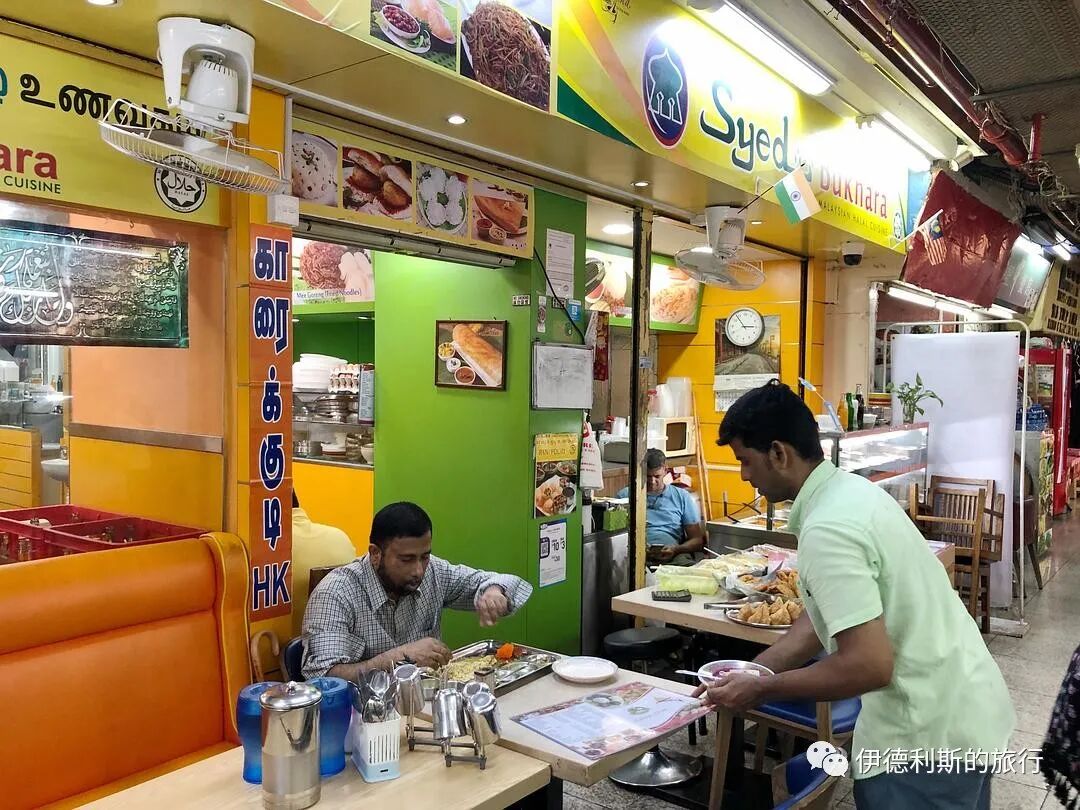
I first went to Hung Kee Restaurant, which stays open until 11:00 PM. My favorite is their signature crispy fried chicken, which is crispy on the outside and tender on the inside. Then I also ordered corn and fish fillet, dace with black bean sauce, and shredded chicken rice noodles.
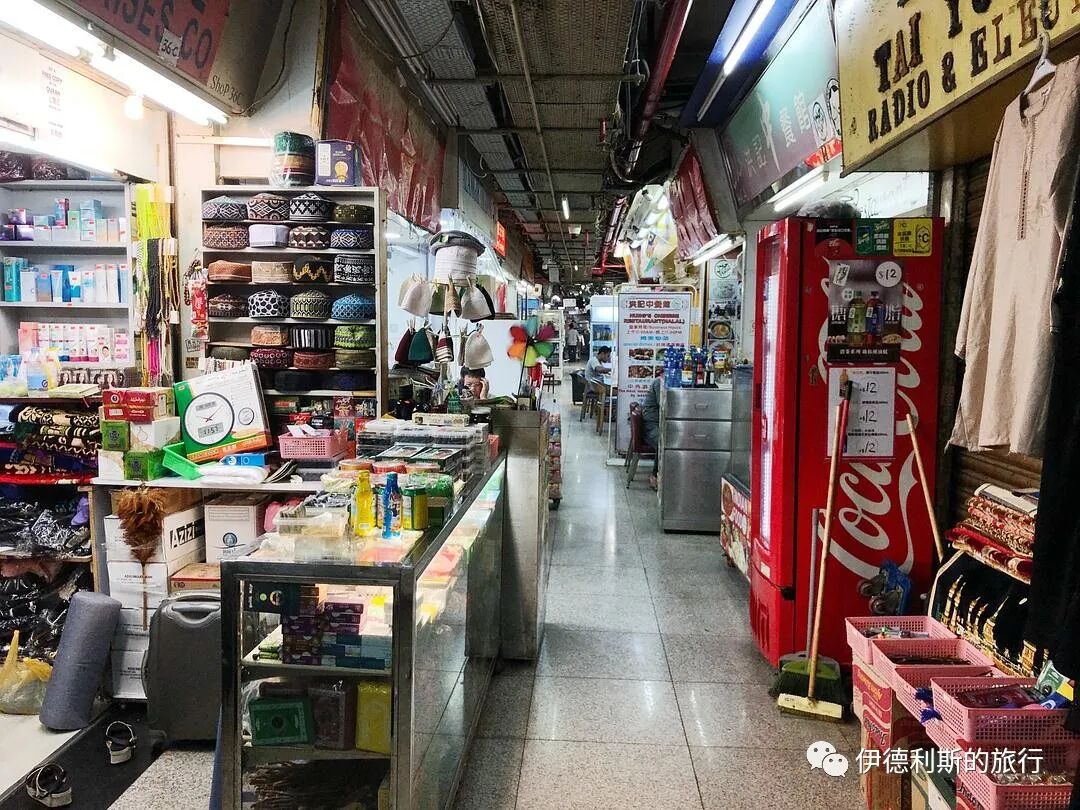
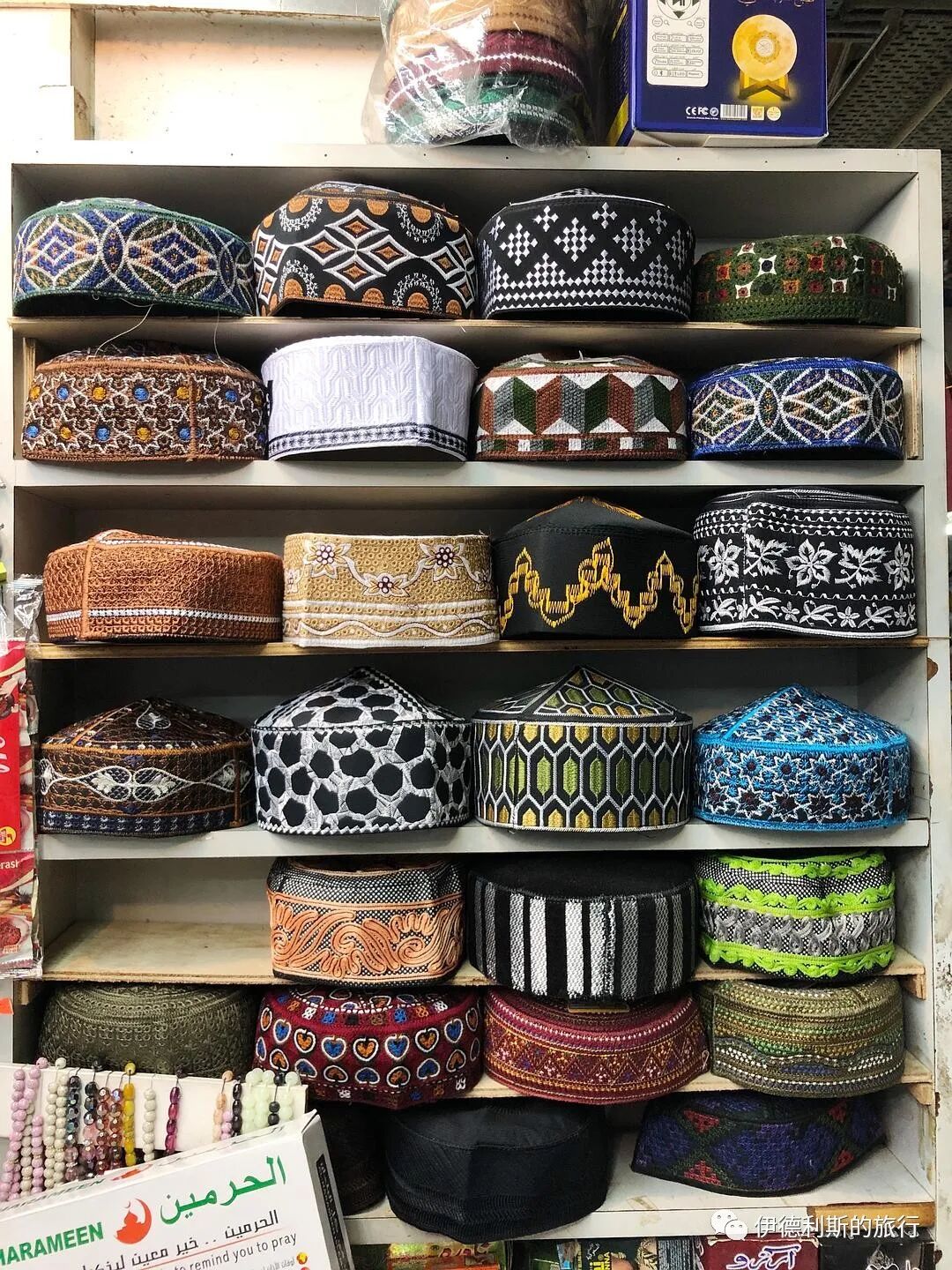
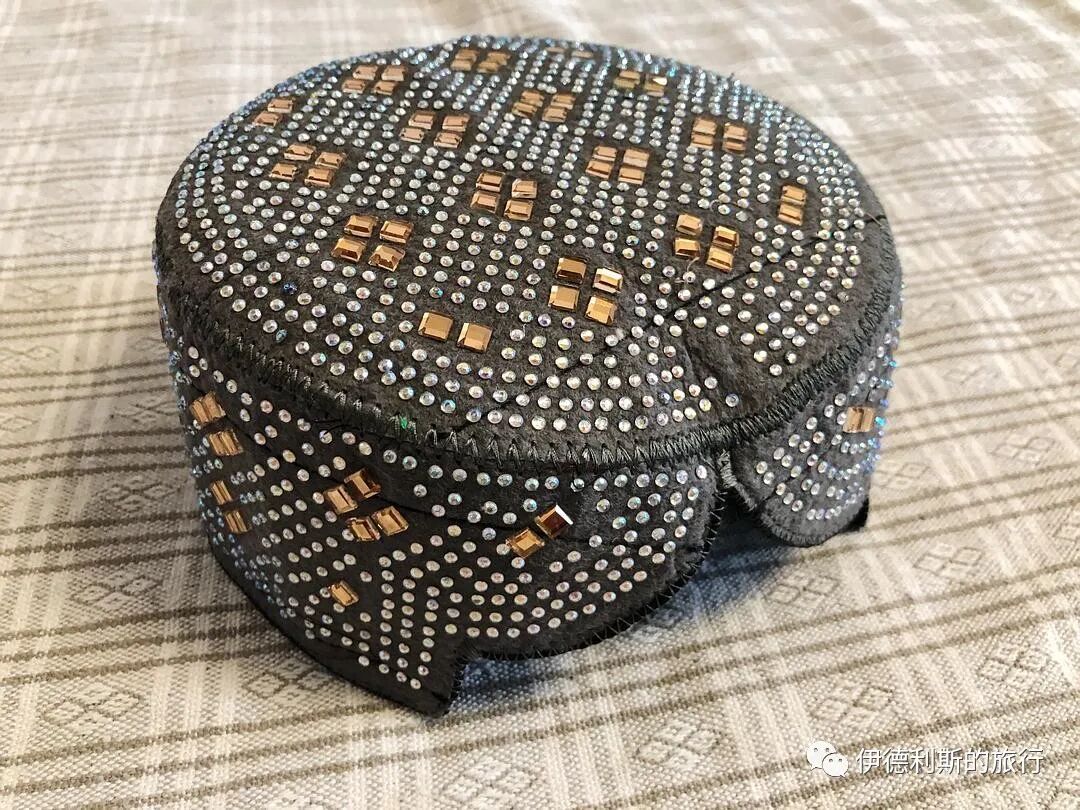
Right next to Hung Kee Restaurant is a small Pakistani shop. Every time I come to Hung Kee to eat, I browse their shop. This time I bought a Pakistani-style sequined hat called a Sindhi Topi (a traditional cap from the Sindh region).
Sindhi Topi literally translates to 'Sindh hat'; it is a hat worn by the Sindhi people of Pakistan and has spread among Muslims throughout South Asia. The biggest feature of the Sindhi Topi is that it leaves the forehead exposed and is often decorated with sequins. The Sindhi people regard the Sindhi Topi as a very precious gift and an important part of Sindhi culture. According to a 2008 statistic, there were 7,500 Sindhi people living in HK at that time.
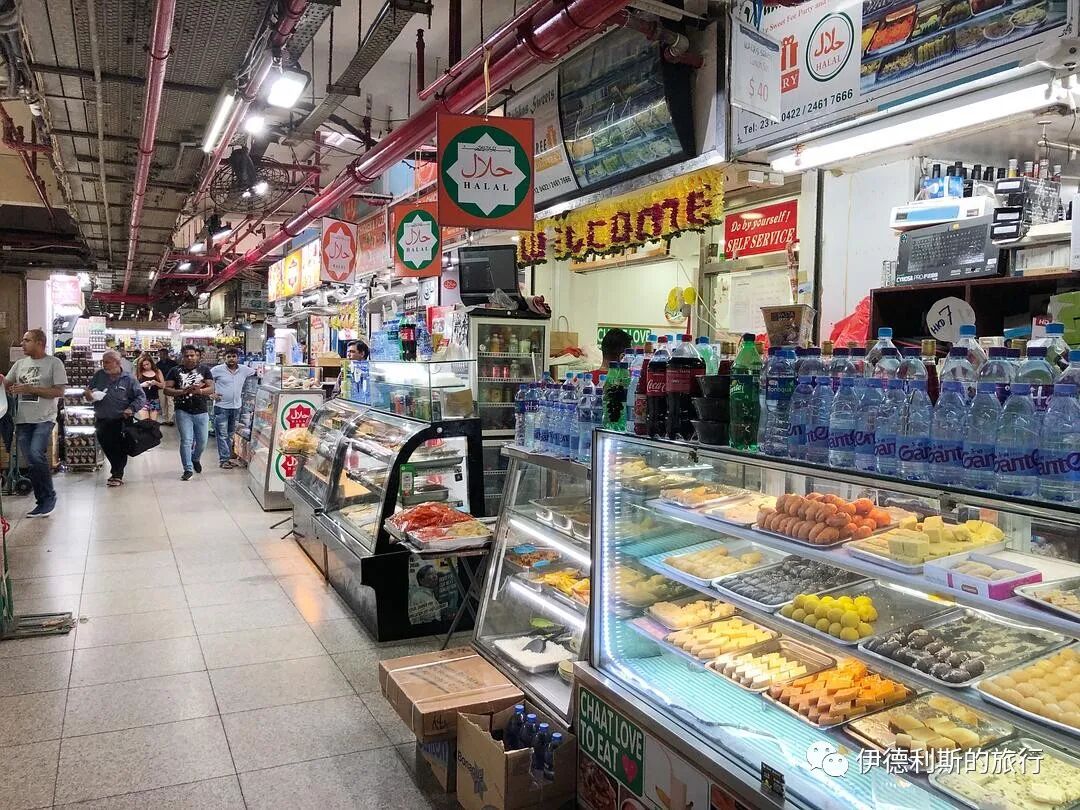
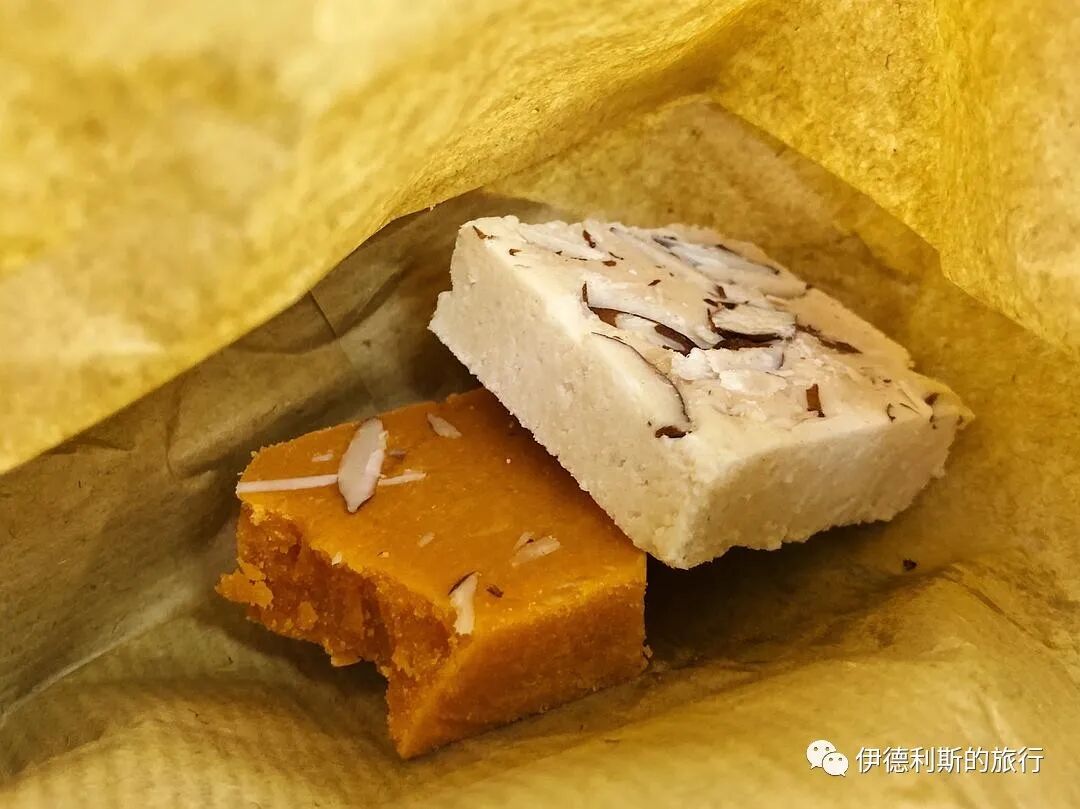
After buying the hat, I ate Indian desserts at two other nearby shops.
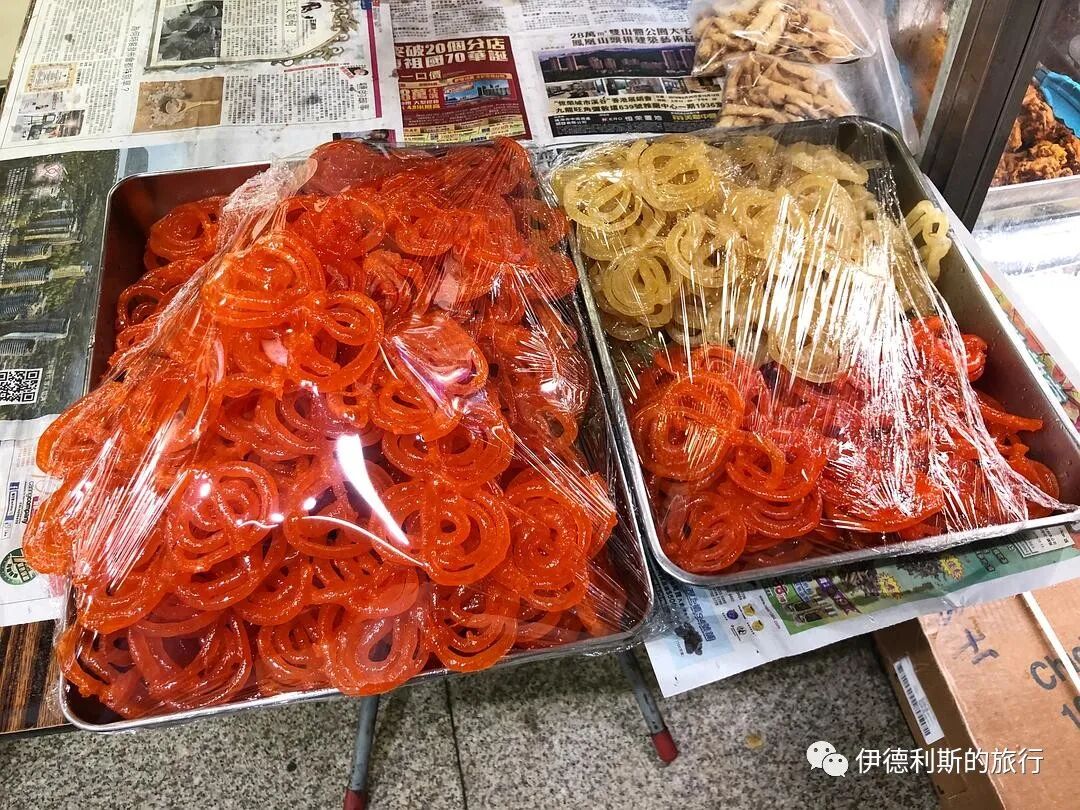
The red one is the famous Indian dessert Jalebi (a sweet, deep-fried batter soaked in syrup), which is made by deep-frying dough and soaking it in sugar syrup. One theory suggests that India's Jalebi comes from Iran's Zolbiya, brought to India by Persianized Turks.
Kowloon Mosque
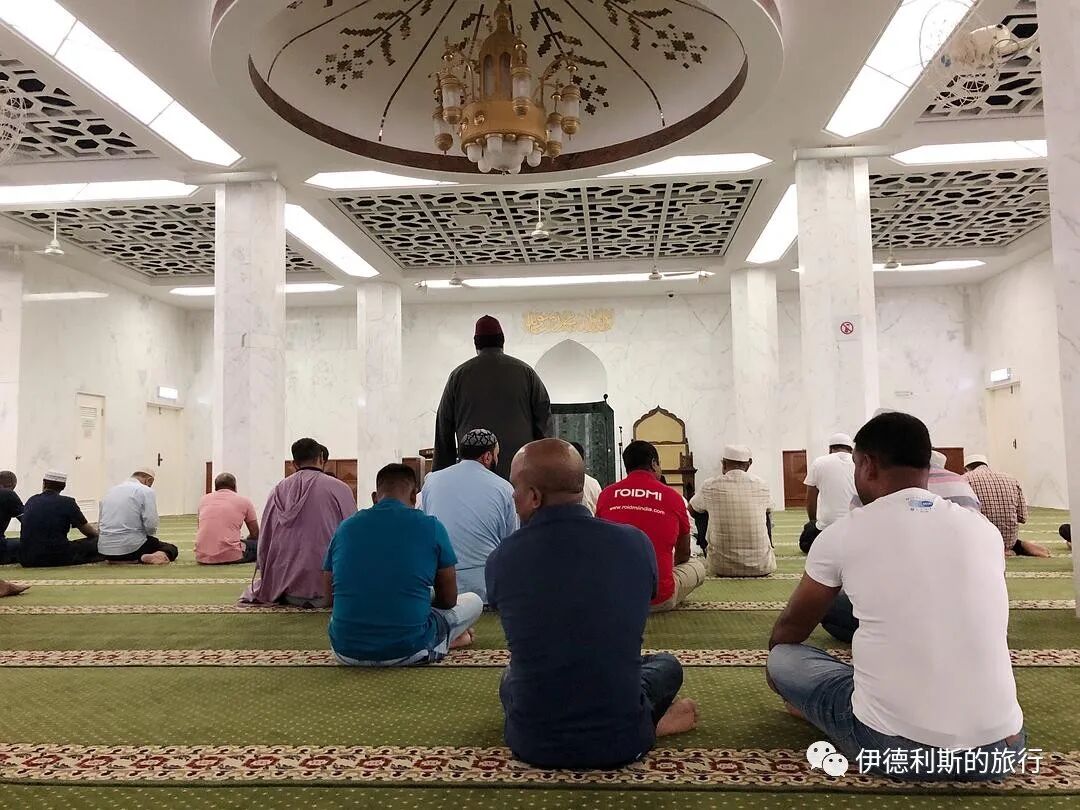
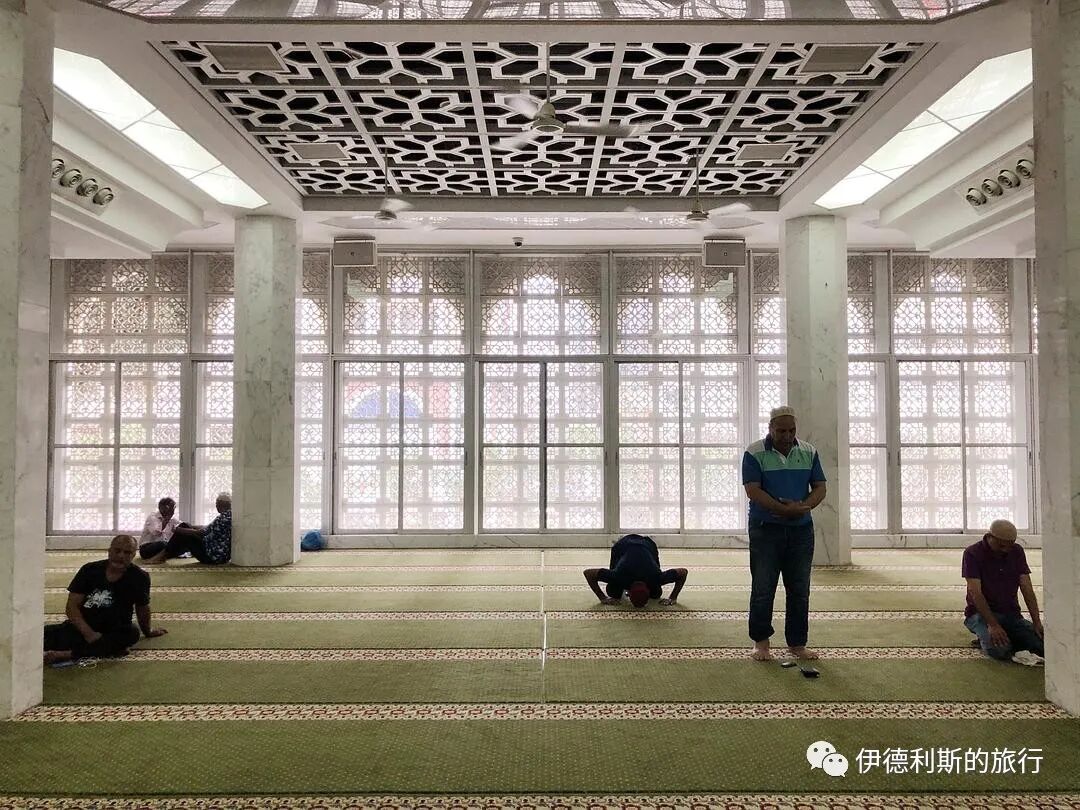
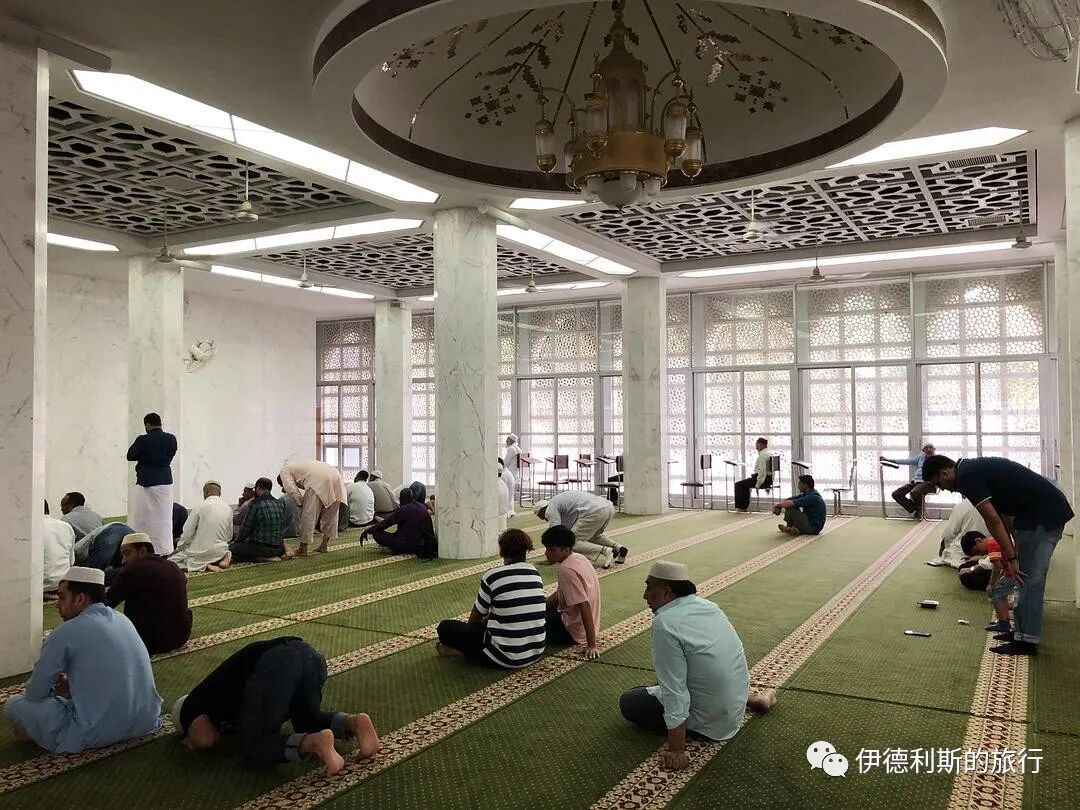
I performed Salah (prayer) at the Kowloon Mosque and saw beautiful South Asian hats.
After the Convention of Peking was signed in 1860, Kowloon was handed over to the British government. The British immediately began sending the British Indian Army to be stationed in Kowloon, which included many Indian Muslim officers and soldiers. In the 1890s, the British built the Whitfield Barracks for the British Indian Army at the current location of Kowloon Park. Due to the need for Indian Muslim soldiers to pray, the first Kowloon Mosque was built in the southeast corner of the barracks in 1896.
The early Kowloon Mosque remained a military facility of the barracks until it was handed over to the British Hong Kong government in 1967. In 1970, most of the Whitfield Barracks were demolished to build Kowloon Park, while the Kowloon Mosque was preserved.
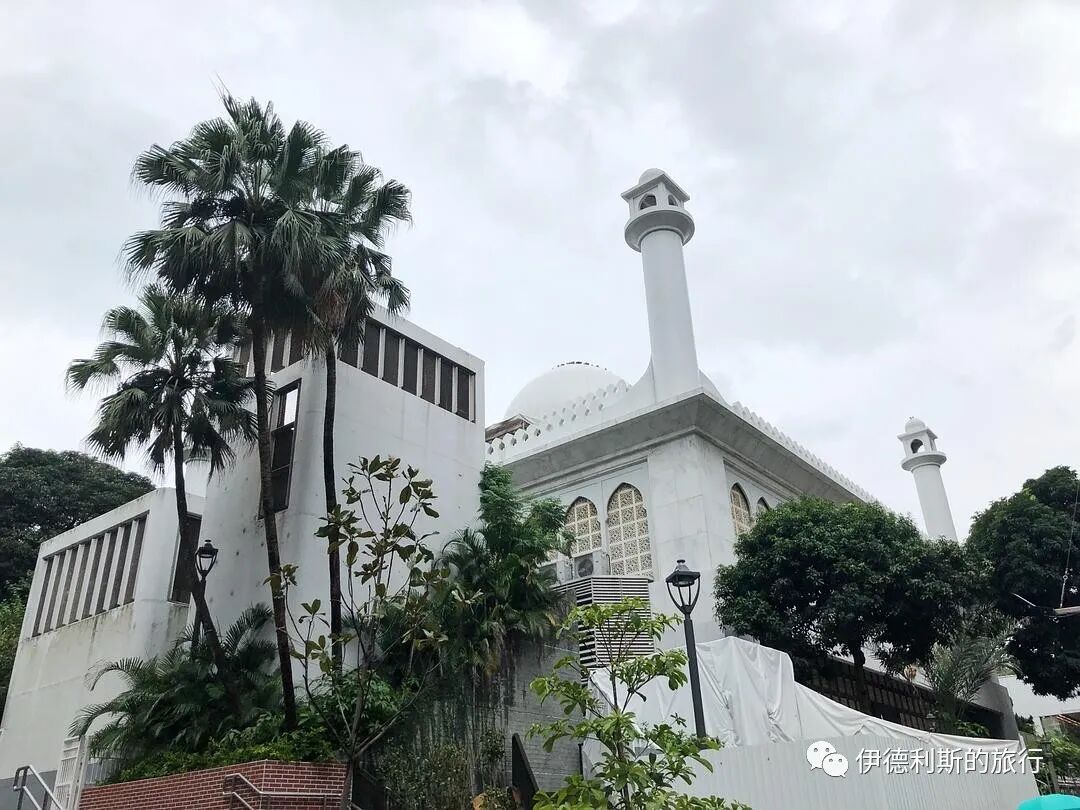
Between 1975 and 1979, the Hong Kong MTR (formerly the Kwun Tong Line, now the Tsuen Wan Line) began construction. In 1978, the MTR Corporation conducted blasting next to the Kowloon Mosque, which seriously affected the building's structure, and the mosque was declared a dangerous building. With compensation from the MTR Corporation and donations from Muslims, the Kowloon Mosque was rebuilt at its current site in Tsim Sha Tsui in 1980 and opened in 1984. Currently, the Kowloon Mosque is mainly used by South Asian and Southeast Asian Muslims and is the cultural center for non-ethnic Chinese Muslims in Hong Kong.
Standing is the Imam.
Syrian restaurant Shabab
In the evening, due to special reasons, all shopping malls in Tsim Sha Tsui were closed, and buses and subways were suspended. We found a Syrian restaurant called Shabab inside the Tsim Sha Tsui Star Ferry Pier and ate hummus (chickpea dip), falafel (deep-fried chickpea balls) wraps, and lamb wraps. At such a special moment, this Syrian restaurant was like a small harbor, allowing us travelers away from home to dock with peace of mind.
Went to Chungking Mansions again
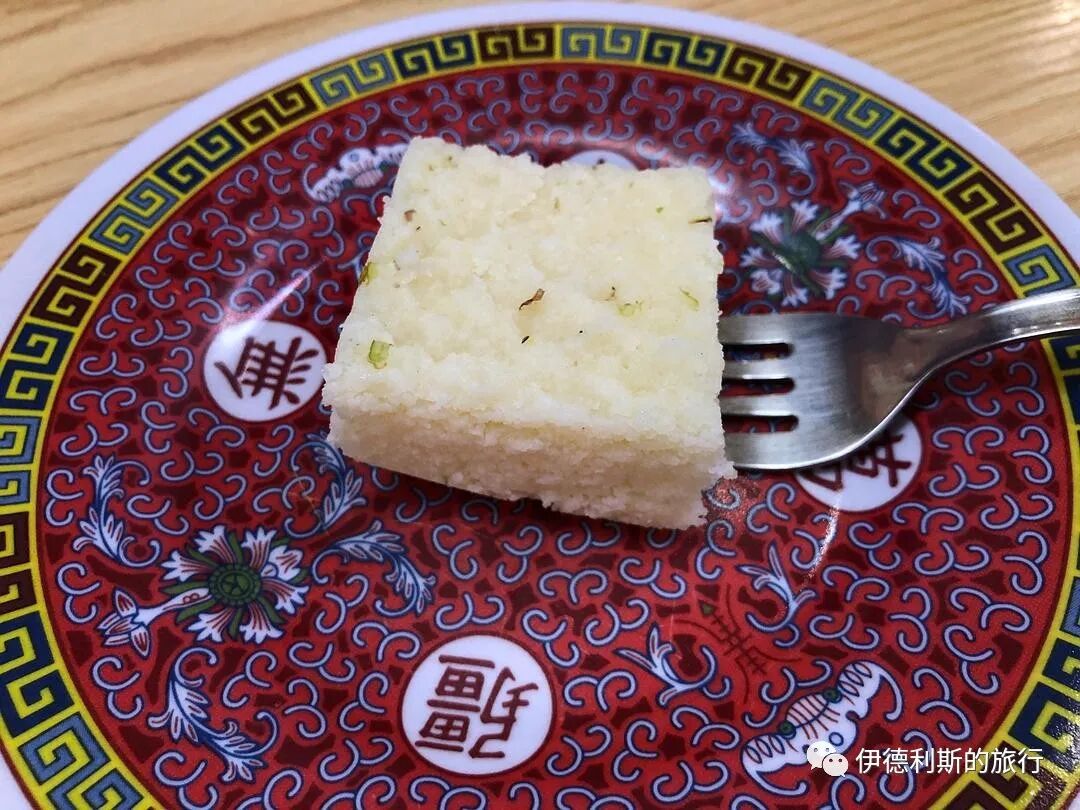
The next morning, I ate Biryani (spiced rice dish), Tandoori Paratha (clay oven-baked flatbread), Chana Masala (chickpea curry), and some Indian desserts at an Indian restaurant on the ground floor of Chungking Mansions.
Then I went to the Turkish restaurant on the first floor to buy a kebab wrap to take away.
Then I took a boat to Lamma Island. This was my second time there. No matter how turbulent things are in HK, Lamma Island feels like a paradise, relaxing and comfortable.
I ate the kebab wrap I bought in the morning on the beach, which was very pleasant. view all
Summary: This travel note introduces Hong Kong Kowloon Muslim Travel Guide: City Walks, Mosques and Halal Food. During the National Day holiday in 2019, I passed through HK while traveling. Due to special circumstances, I only stayed in Kowloon for one night, which left me with many regrets. It is useful for readers interested in Hong Kong Travel, Kowloon, Muslim Travel.
During the National Day holiday in 2019, I passed through HK while traveling. Due to special circumstances, I only stayed in Kowloon for one night, which left me with many regrets. What I didn't expect was that this would be my last time leaving the country in two years.
Chungking Mansions
Chungking Mansions is my favorite place in Kowloon, and I visit it every time I come to Hong Kong.
Using words from Gordon Mathews' 'Ghetto at the Center of the World: Chungking Mansions, Hong Kong' to briefly introduce the legendary Chungking Mansions: Chungking Mansions is a seventeen-story dilapidated building containing many large and small budget hotels and shops, forming a sharp contrast with the surrounding bustling tourist areas. This building can be described as the most globalized building in the world, where businessmen and temporary workers from South Asia and sub-Saharan Africa come to seek their fortunes, international refugees come to seek asylum, and tourists come to find cheap accommodation and adventure. People from various social backgrounds rest in the building, fight for seats at food stalls, haggle in mobile phone shops, and walk through the corridors and aisles.
I first went to Hung Kee Restaurant, which stays open until 11:00 PM. My favorite is their signature crispy fried chicken, which is crispy on the outside and tender on the inside. Then I also ordered corn and fish fillet, dace with black bean sauce, and shredded chicken rice noodles.
Right next to Hung Kee Restaurant is a small Pakistani shop. Every time I come to Hung Kee to eat, I browse their shop. This time I bought a Pakistani-style sequined hat called a Sindhi Topi (a traditional cap from the Sindh region).
Sindhi Topi literally translates to 'Sindh hat'; it is a hat worn by the Sindhi people of Pakistan and has spread among Muslims throughout South Asia. The biggest feature of the Sindhi Topi is that it leaves the forehead exposed and is often decorated with sequins. The Sindhi people regard the Sindhi Topi as a very precious gift and an important part of Sindhi culture. According to a 2008 statistic, there were 7,500 Sindhi people living in HK at that time.
After buying the hat, I ate Indian desserts at two other nearby shops.
The red one is the famous Indian dessert Jalebi (a sweet, deep-fried batter soaked in syrup), which is made by deep-frying dough and soaking it in sugar syrup. One theory suggests that India's Jalebi comes from Iran's Zolbiya, brought to India by Persianized Turks.
Kowloon Mosque
I performed Salah (prayer) at the Kowloon Mosque and saw beautiful South Asian hats.
After the Convention of Peking was signed in 1860, Kowloon was handed over to the British government. The British immediately began sending the British Indian Army to be stationed in Kowloon, which included many Indian Muslim officers and soldiers. In the 1890s, the British built the Whitfield Barracks for the British Indian Army at the current location of Kowloon Park. Due to the need for Indian Muslim soldiers to pray, the first Kowloon Mosque was built in the southeast corner of the barracks in 1896.
The early Kowloon Mosque remained a military facility of the barracks until it was handed over to the British Hong Kong government in 1967. In 1970, most of the Whitfield Barracks were demolished to build Kowloon Park, while the Kowloon Mosque was preserved.
Between 1975 and 1979, the Hong Kong MTR (formerly the Kwun Tong Line, now the Tsuen Wan Line) began construction. In 1978, the MTR Corporation conducted blasting next to the Kowloon Mosque, which seriously affected the building's structure, and the mosque was declared a dangerous building. With compensation from the MTR Corporation and donations from Muslims, the Kowloon Mosque was rebuilt at its current site in Tsim Sha Tsui in 1980 and opened in 1984. Currently, the Kowloon Mosque is mainly used by South Asian and Southeast Asian Muslims and is the cultural center for non-ethnic Chinese Muslims in Hong Kong.
Standing is the Imam.
Syrian restaurant Shabab
In the evening, due to special reasons, all shopping malls in Tsim Sha Tsui were closed, and buses and subways were suspended. We found a Syrian restaurant called Shabab inside the Tsim Sha Tsui Star Ferry Pier and ate hummus (chickpea dip), falafel (deep-fried chickpea balls) wraps, and lamb wraps. At such a special moment, this Syrian restaurant was like a small harbor, allowing us travelers away from home to dock with peace of mind.
Went to Chungking Mansions again
The next morning, I ate Biryani (spiced rice dish), Tandoori Paratha (clay oven-baked flatbread), Chana Masala (chickpea curry), and some Indian desserts at an Indian restaurant on the ground floor of Chungking Mansions.
Then I went to the Turkish restaurant on the first floor to buy a kebab wrap to take away.
Then I took a boat to Lamma Island. This was my second time there. No matter how turbulent things are in HK, Lamma Island feels like a paradise, relaxing and comfortable.
I ate the kebab wrap I bought in the morning on the beach, which was very pleasant. view all
Reposted from the web
Summary: This travel note introduces Hong Kong Kowloon Muslim Travel Guide: City Walks, Mosques and Halal Food. During the National Day holiday in 2019, I passed through HK while traveling. Due to special circumstances, I only stayed in Kowloon for one night, which left me with many regrets. It is useful for readers interested in Hong Kong Travel, Kowloon, Muslim Travel.
During the National Day holiday in 2019, I passed through HK while traveling. Due to special circumstances, I only stayed in Kowloon for one night, which left me with many regrets. What I didn't expect was that this would be my last time leaving the country in two years.
Chungking Mansions
Chungking Mansions is my favorite place in Kowloon, and I visit it every time I come to Hong Kong.
Using words from Gordon Mathews' 'Ghetto at the Center of the World: Chungking Mansions, Hong Kong' to briefly introduce the legendary Chungking Mansions: Chungking Mansions is a seventeen-story dilapidated building containing many large and small budget hotels and shops, forming a sharp contrast with the surrounding bustling tourist areas. This building can be described as the most globalized building in the world, where businessmen and temporary workers from South Asia and sub-Saharan Africa come to seek their fortunes, international refugees come to seek asylum, and tourists come to find cheap accommodation and adventure. People from various social backgrounds rest in the building, fight for seats at food stalls, haggle in mobile phone shops, and walk through the corridors and aisles.
I first went to Hung Kee Restaurant, which stays open until 11:00 PM. My favorite is their signature crispy fried chicken, which is crispy on the outside and tender on the inside. Then I also ordered corn and fish fillet, dace with black bean sauce, and shredded chicken rice noodles.
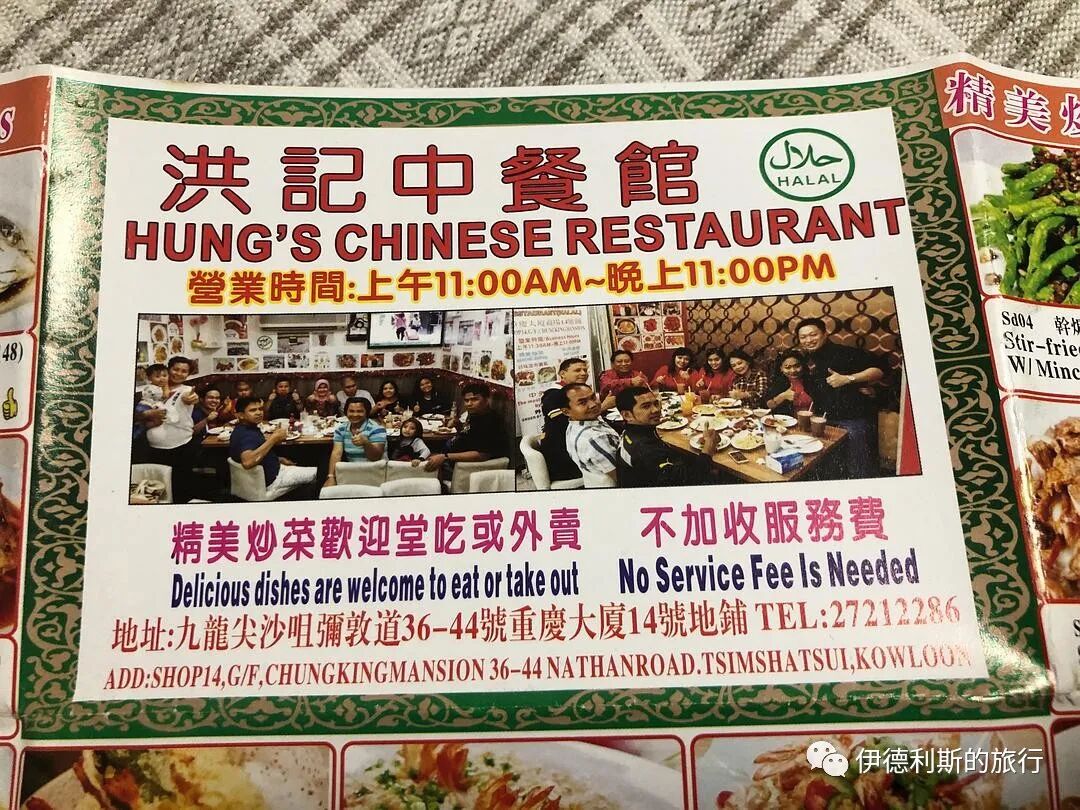
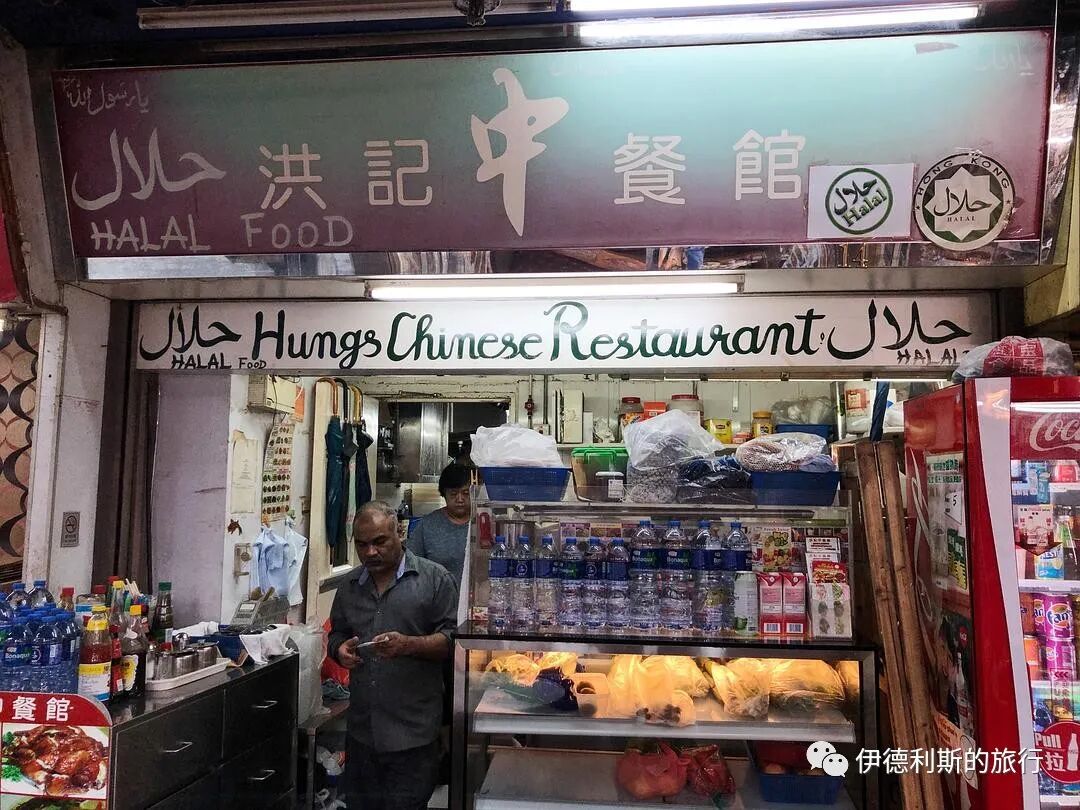
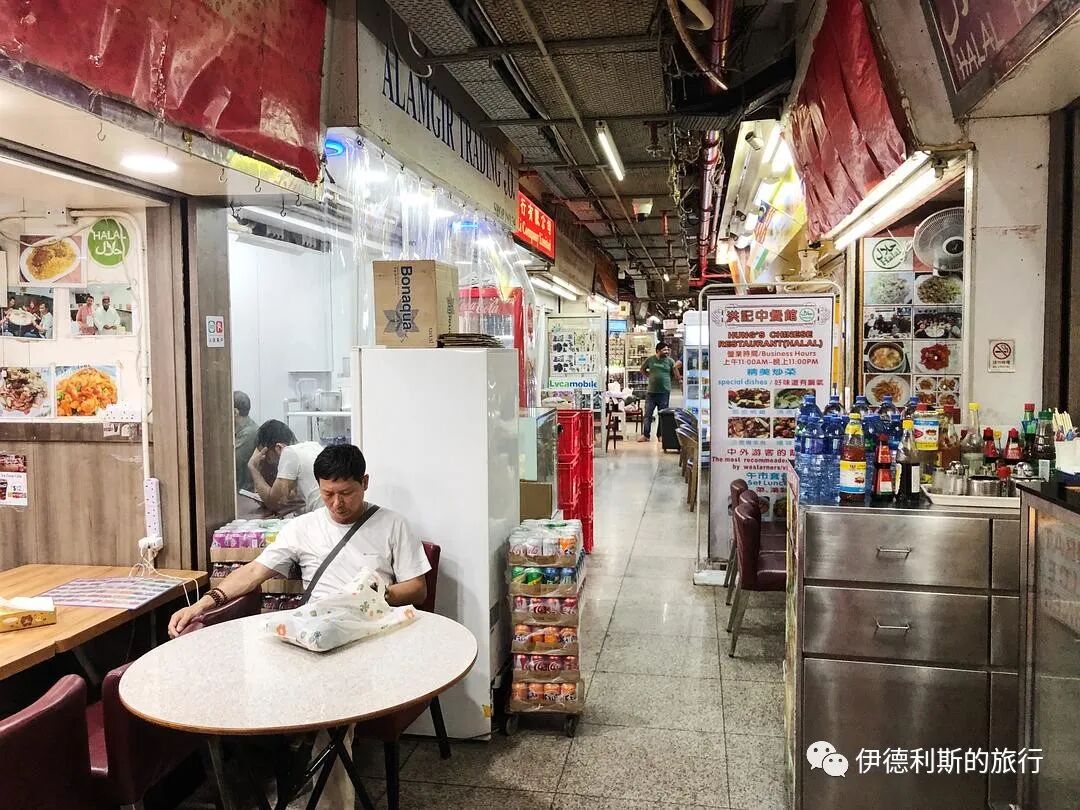
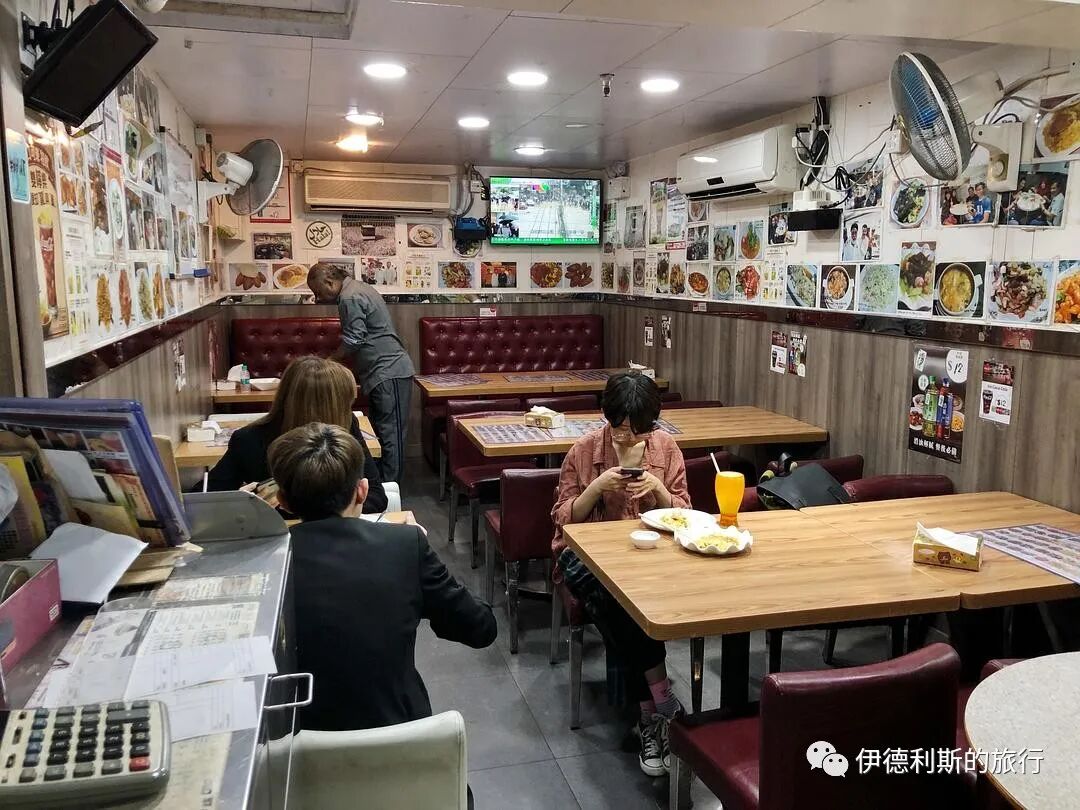
Right next to Hung Kee Restaurant is a small Pakistani shop. Every time I come to Hung Kee to eat, I browse their shop. This time I bought a Pakistani-style sequined hat called a Sindhi Topi (a traditional cap from the Sindh region).
Sindhi Topi literally translates to 'Sindh hat'; it is a hat worn by the Sindhi people of Pakistan and has spread among Muslims throughout South Asia. The biggest feature of the Sindhi Topi is that it leaves the forehead exposed and is often decorated with sequins. The Sindhi people regard the Sindhi Topi as a very precious gift and an important part of Sindhi culture. According to a 2008 statistic, there were 7,500 Sindhi people living in HK at that time.
After buying the hat, I ate Indian desserts at two other nearby shops.
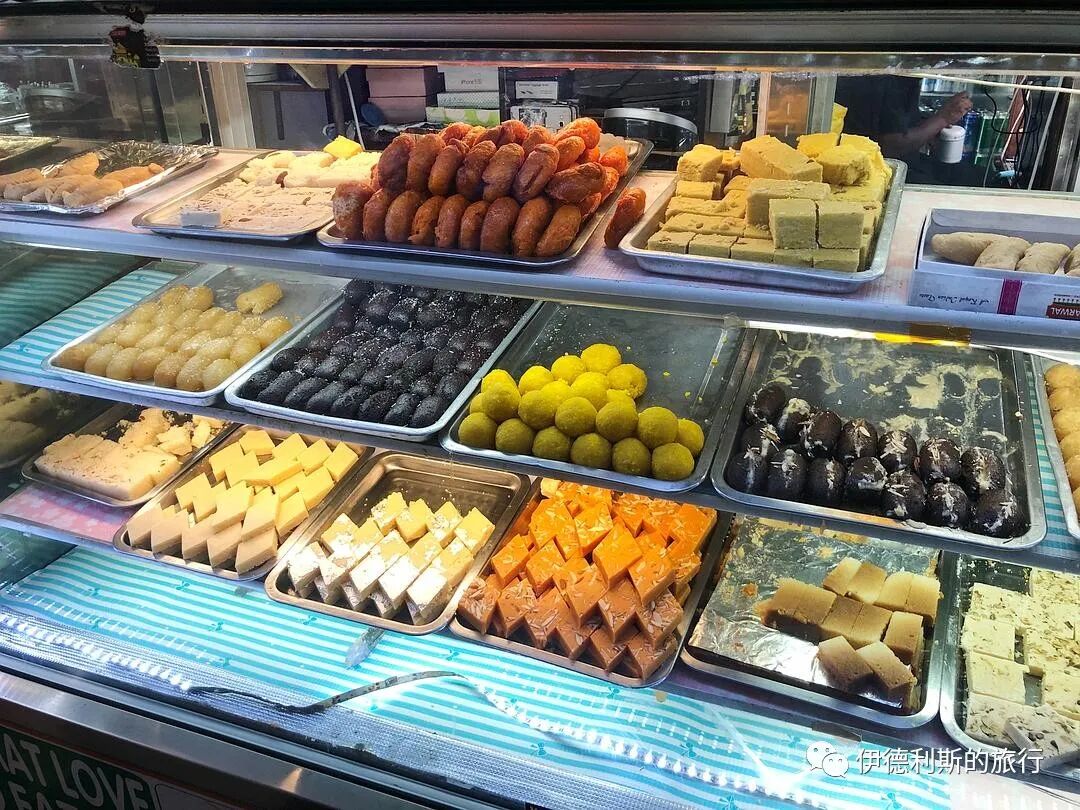
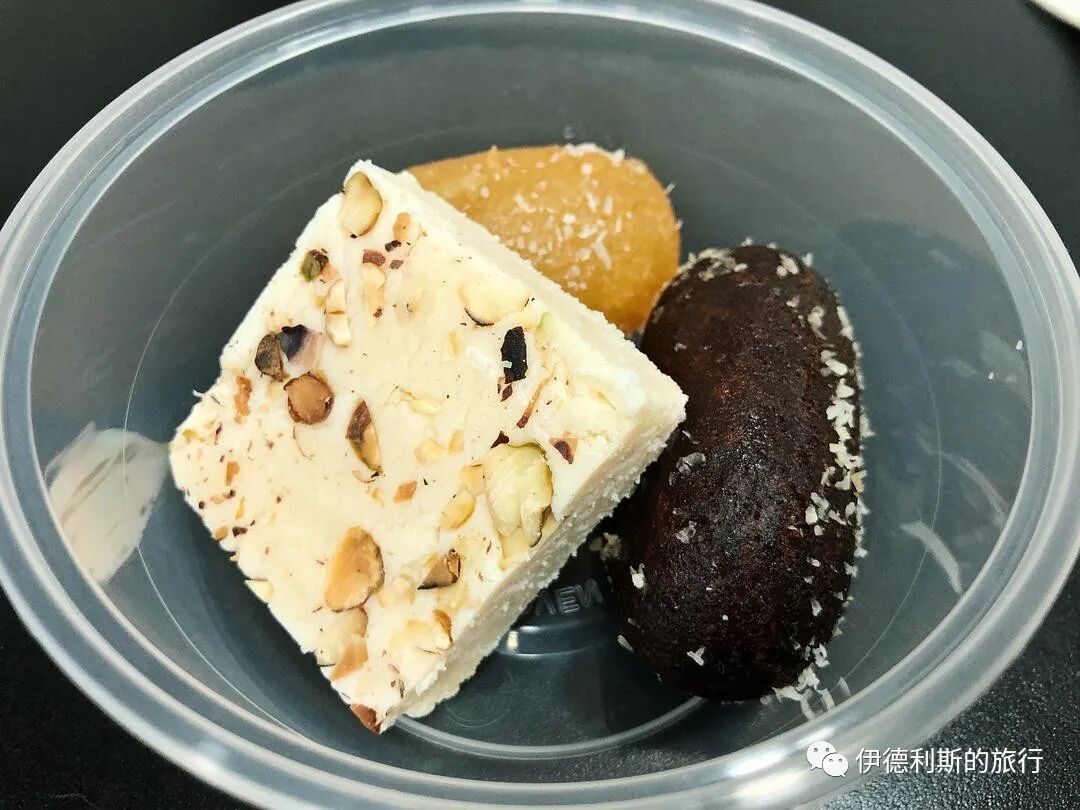
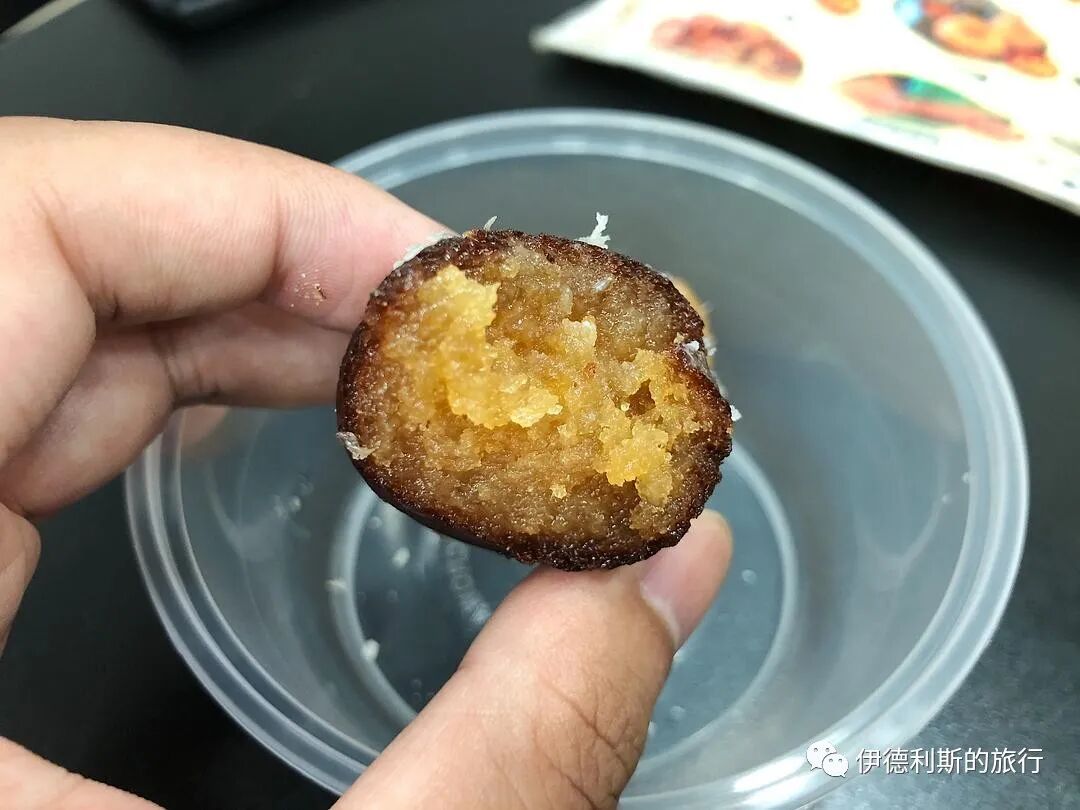
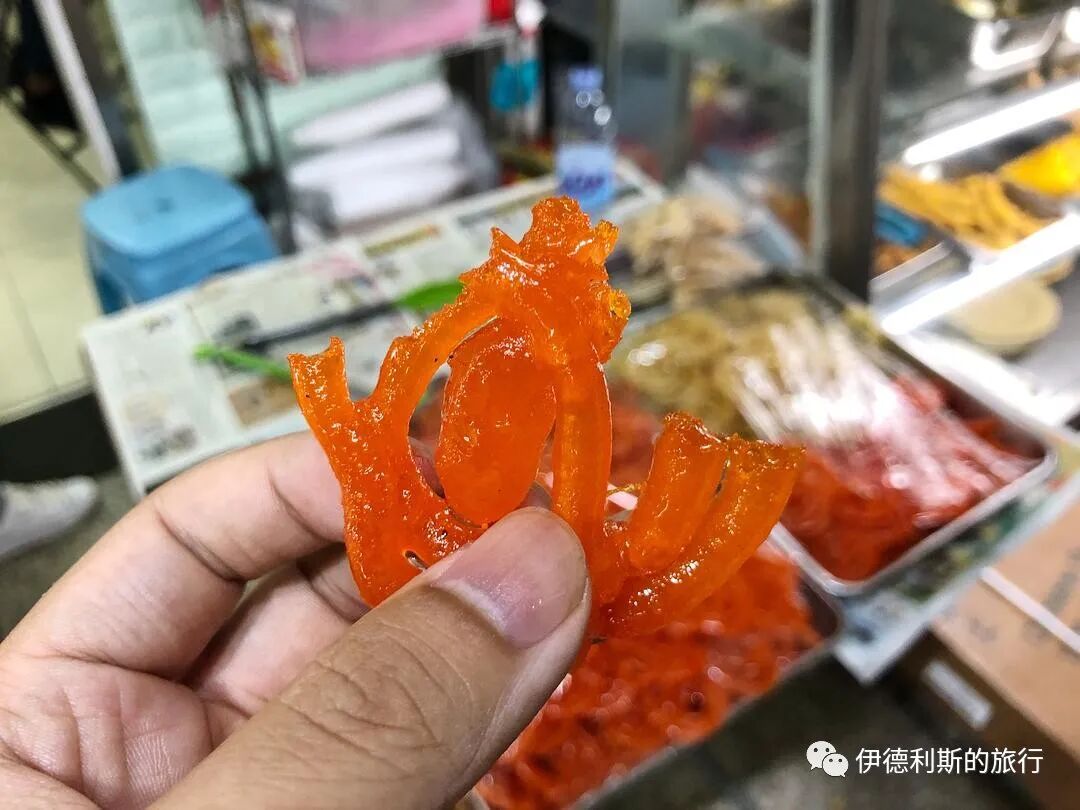
The red one is the famous Indian dessert Jalebi (a sweet, deep-fried batter soaked in syrup), which is made by deep-frying dough and soaking it in sugar syrup. One theory suggests that India's Jalebi comes from Iran's Zolbiya, brought to India by Persianized Turks.
Kowloon Mosque
I performed Salah (prayer) at the Kowloon Mosque and saw beautiful South Asian hats.
After the Convention of Peking was signed in 1860, Kowloon was handed over to the British government. The British immediately began sending the British Indian Army to be stationed in Kowloon, which included many Indian Muslim officers and soldiers. In the 1890s, the British built the Whitfield Barracks for the British Indian Army at the current location of Kowloon Park. Due to the need for Indian Muslim soldiers to pray, the first Kowloon Mosque was built in the southeast corner of the barracks in 1896.
The early Kowloon Mosque remained a military facility of the barracks until it was handed over to the British Hong Kong government in 1967. In 1970, most of the Whitfield Barracks were demolished to build Kowloon Park, while the Kowloon Mosque was preserved.
Between 1975 and 1979, the Hong Kong MTR (formerly the Kwun Tong Line, now the Tsuen Wan Line) began construction. In 1978, the MTR Corporation conducted blasting next to the Kowloon Mosque, which seriously affected the building's structure, and the mosque was declared a dangerous building. With compensation from the MTR Corporation and donations from Muslims, the Kowloon Mosque was rebuilt at its current site in Tsim Sha Tsui in 1980 and opened in 1984. Currently, the Kowloon Mosque is mainly used by South Asian and Southeast Asian Muslims and is the cultural center for non-ethnic Chinese Muslims in Hong Kong.
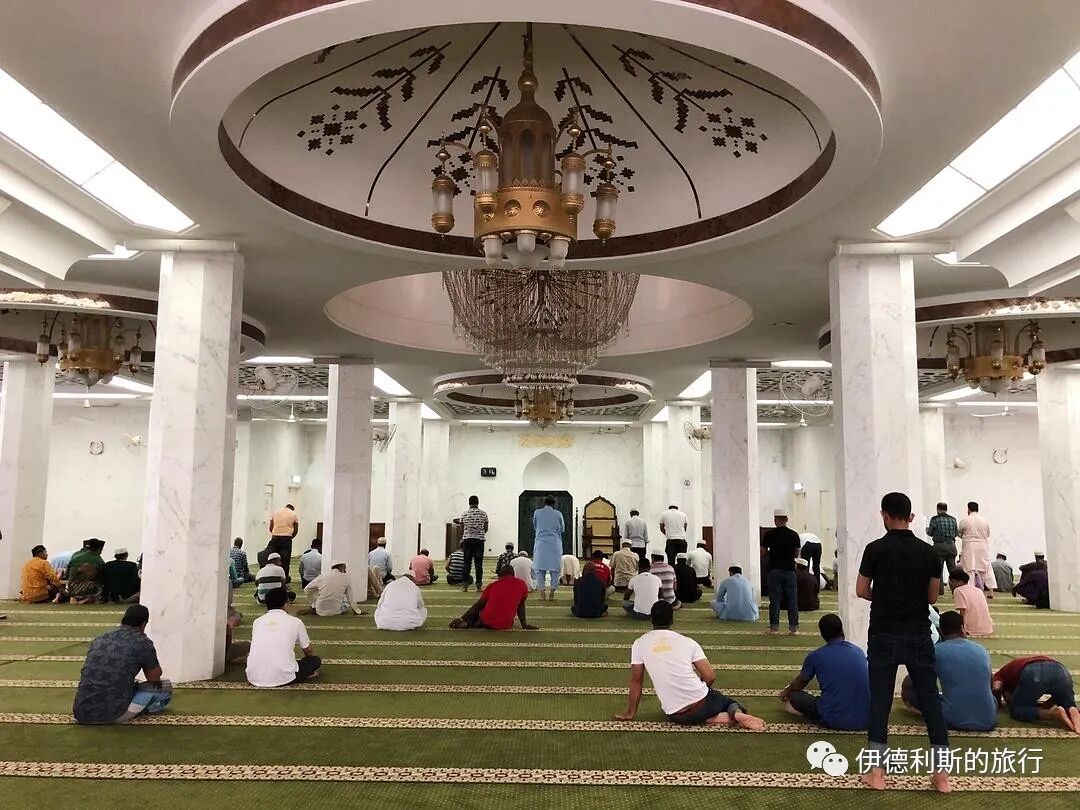
Standing is the Imam.
Syrian restaurant Shabab
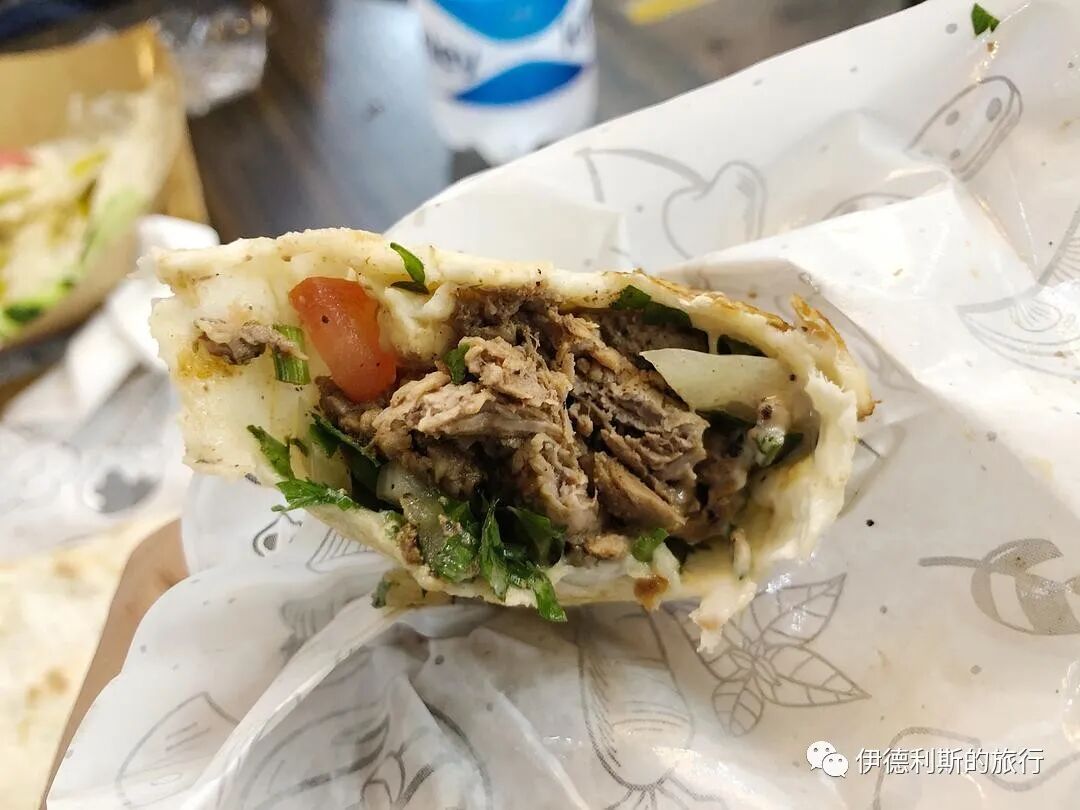
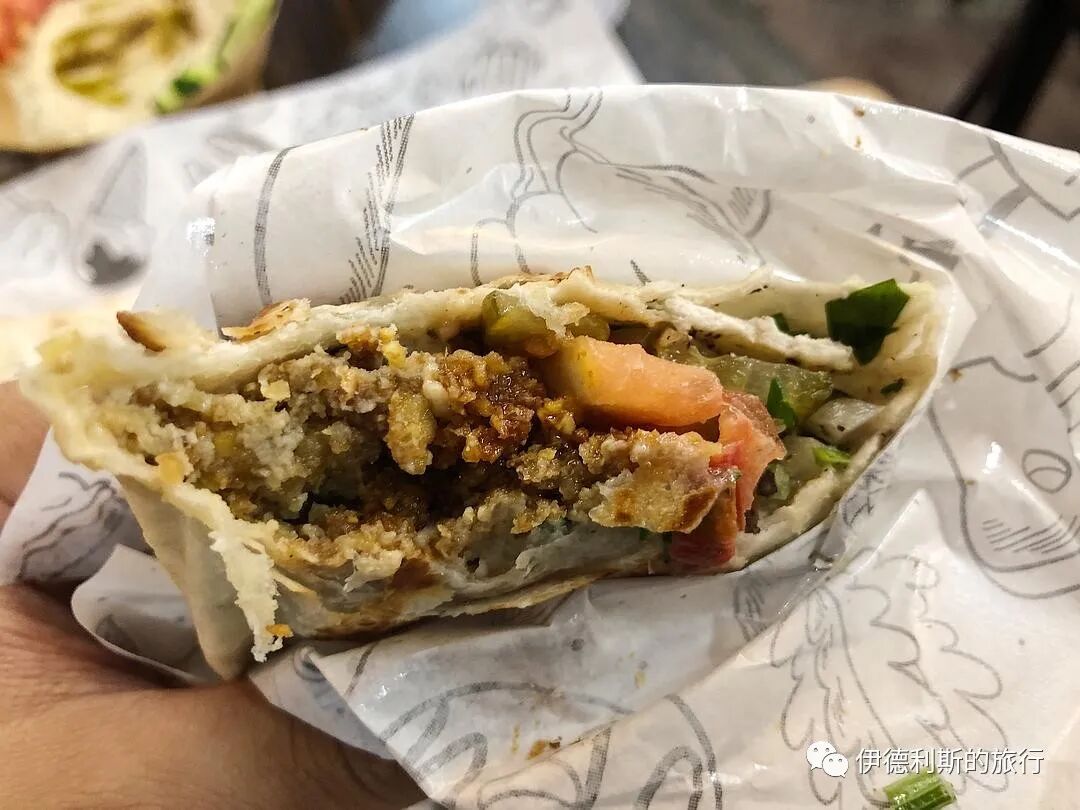
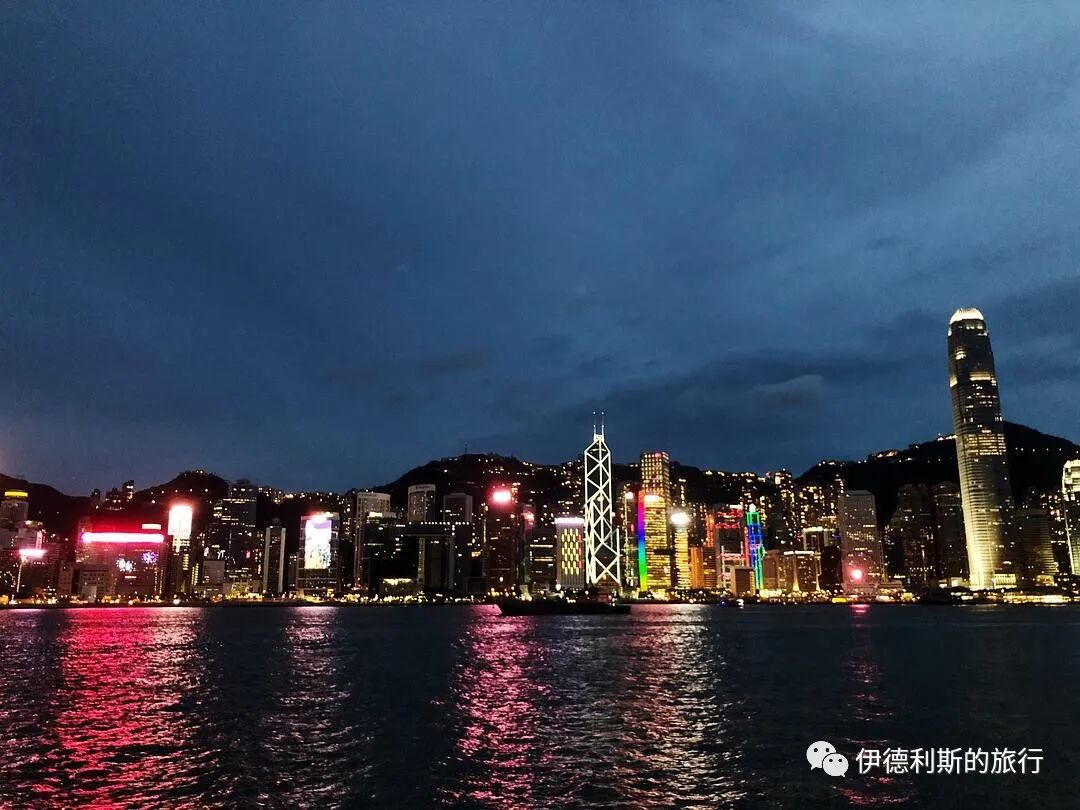
In the evening, due to special reasons, all shopping malls in Tsim Sha Tsui were closed, and buses and subways were suspended. We found a Syrian restaurant called Shabab inside the Tsim Sha Tsui Star Ferry Pier and ate hummus (chickpea dip), falafel (deep-fried chickpea balls) wraps, and lamb wraps. At such a special moment, this Syrian restaurant was like a small harbor, allowing us travelers away from home to dock with peace of mind.
Went to Chungking Mansions again
The next morning, I ate Biryani (spiced rice dish), Tandoori Paratha (clay oven-baked flatbread), Chana Masala (chickpea curry), and some Indian desserts at an Indian restaurant on the ground floor of Chungking Mansions.
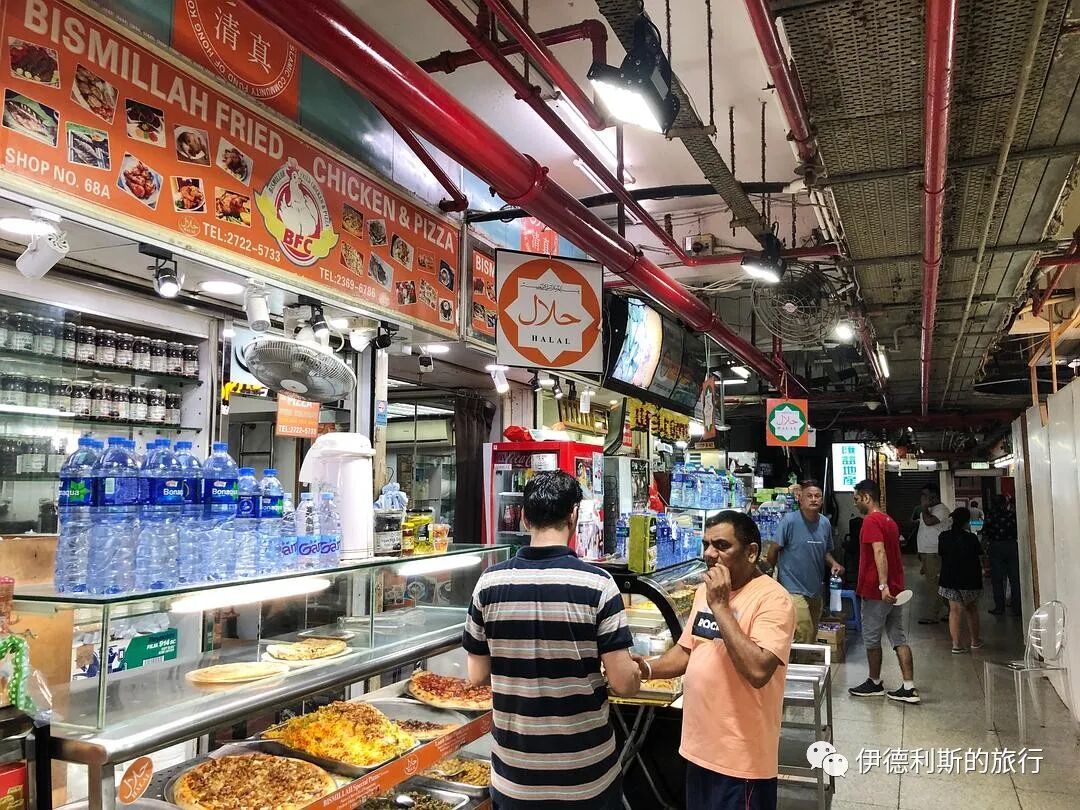
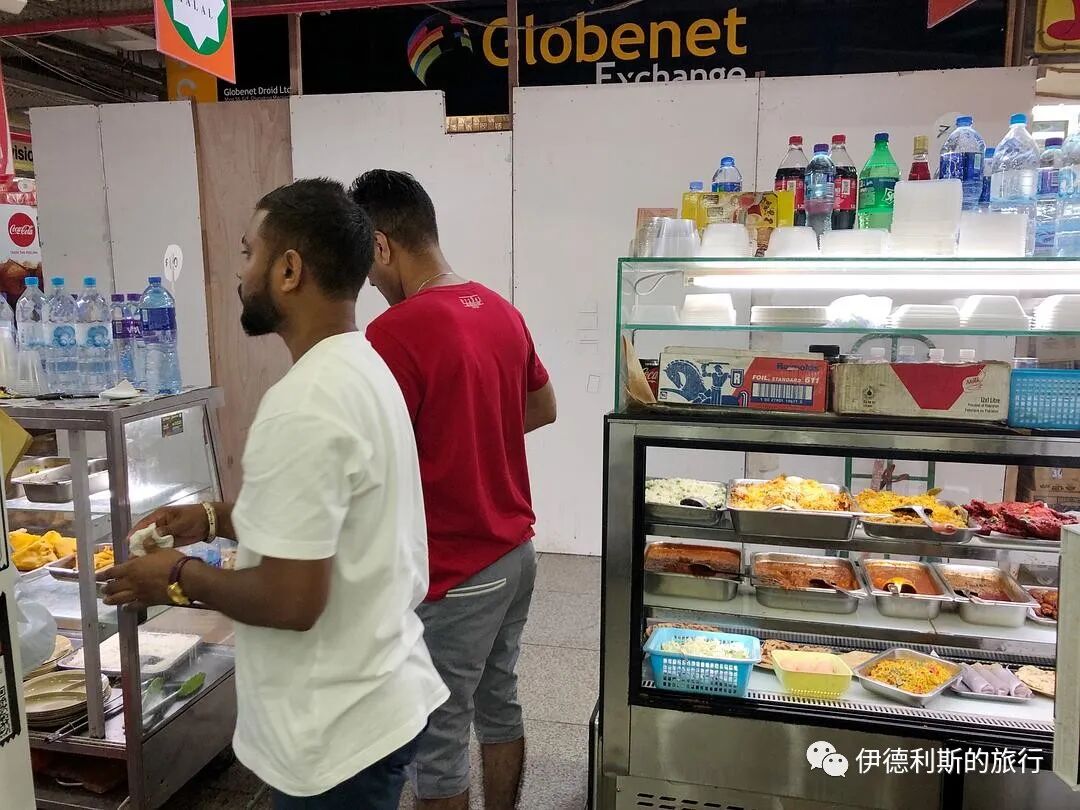
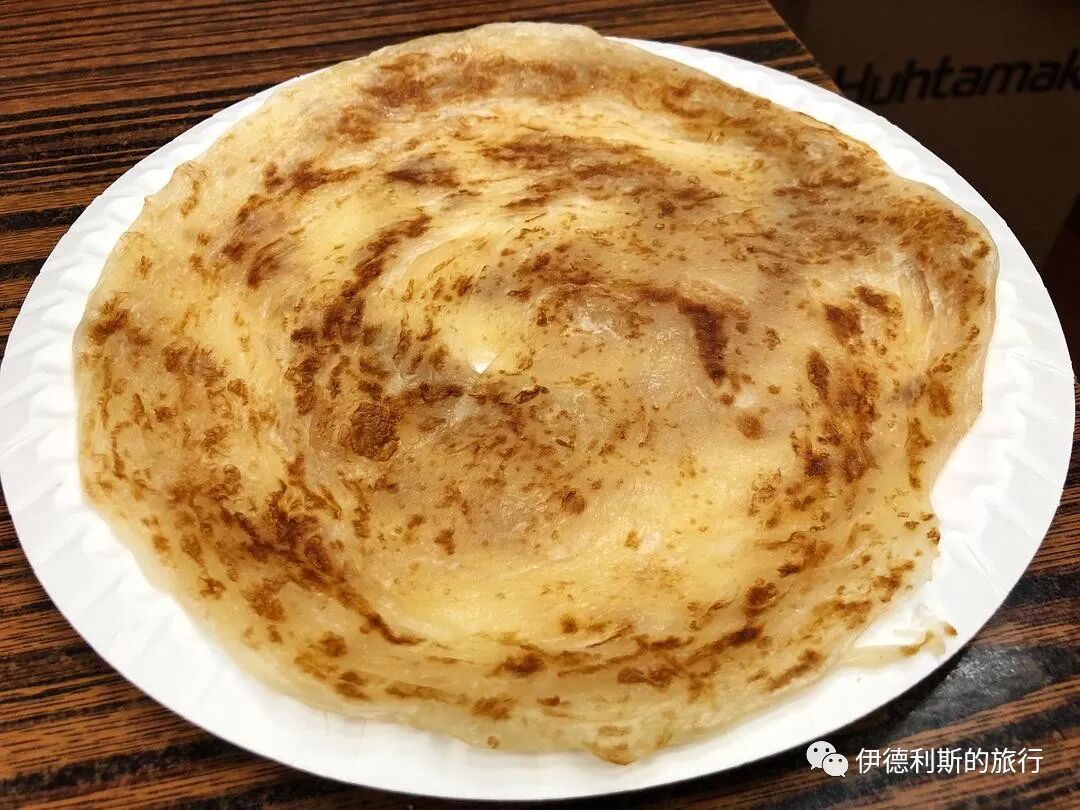
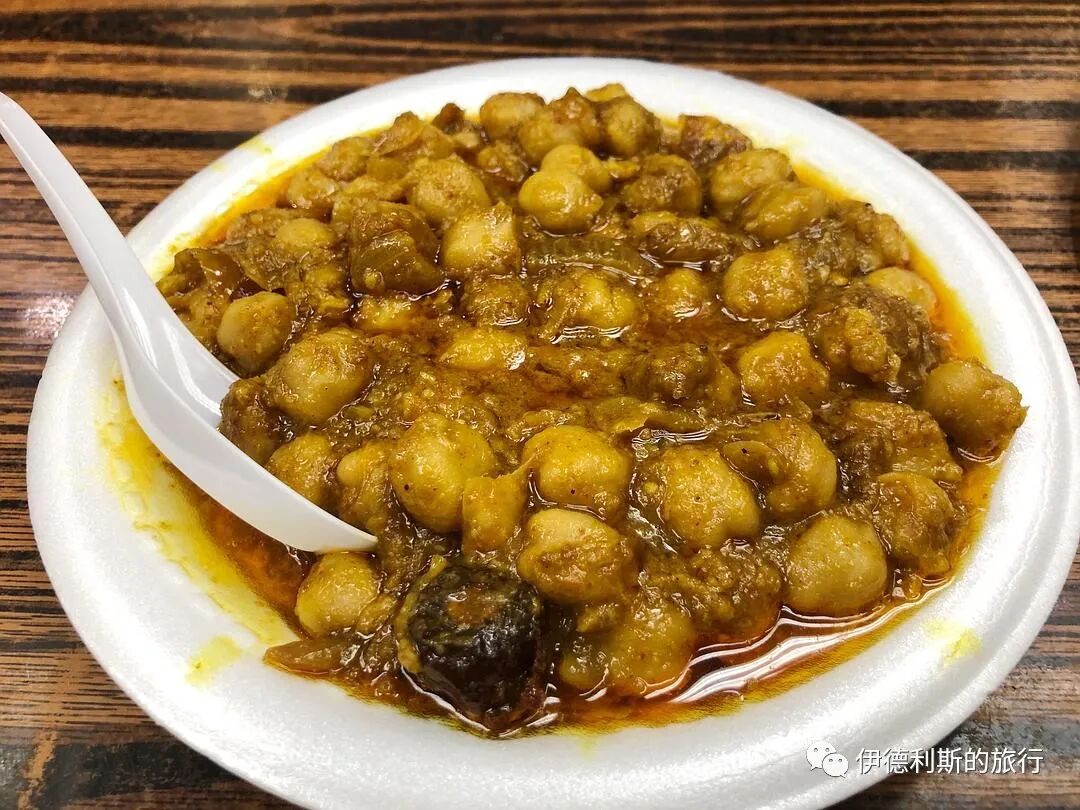
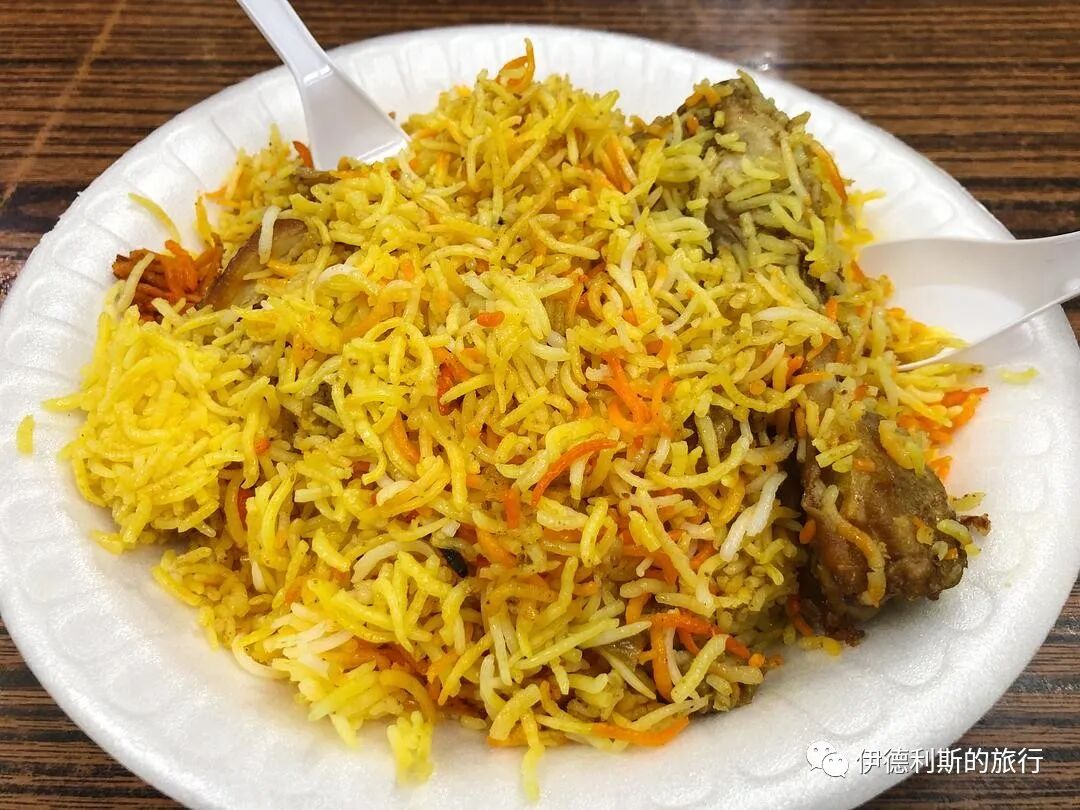
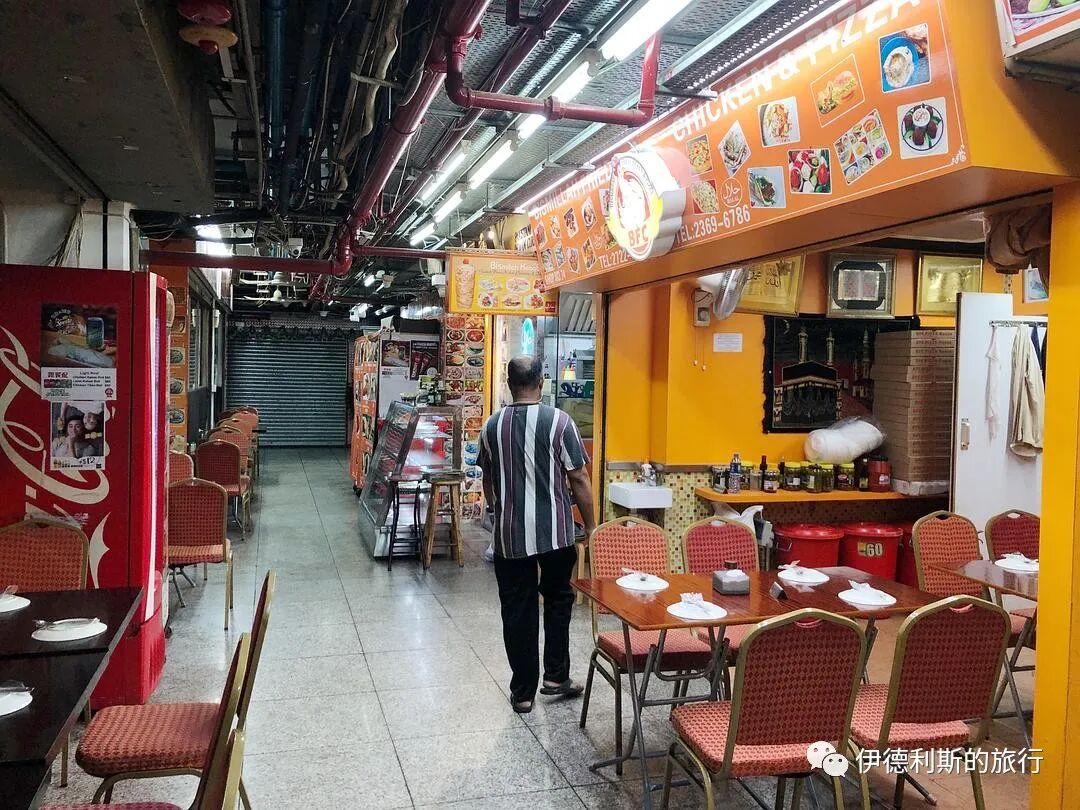
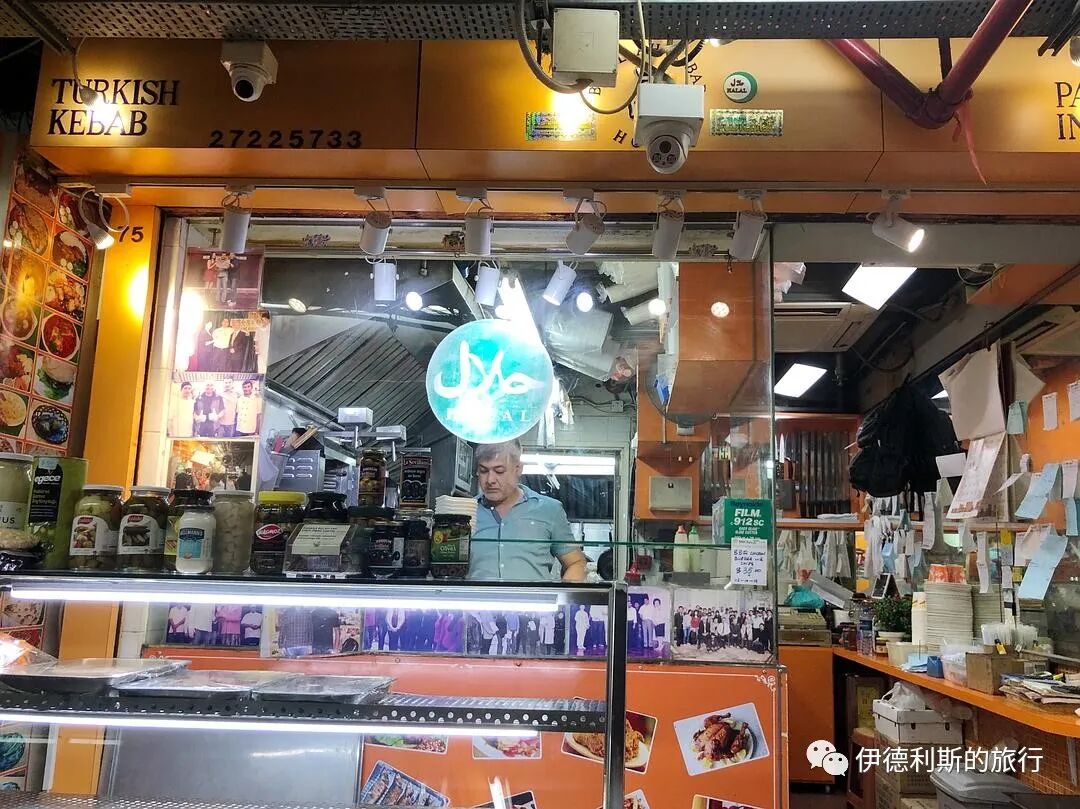
Then I went to the Turkish restaurant on the first floor to buy a kebab wrap to take away.
Then I took a boat to Lamma Island. This was my second time there. No matter how turbulent things are in HK, Lamma Island feels like a paradise, relaxing and comfortable.
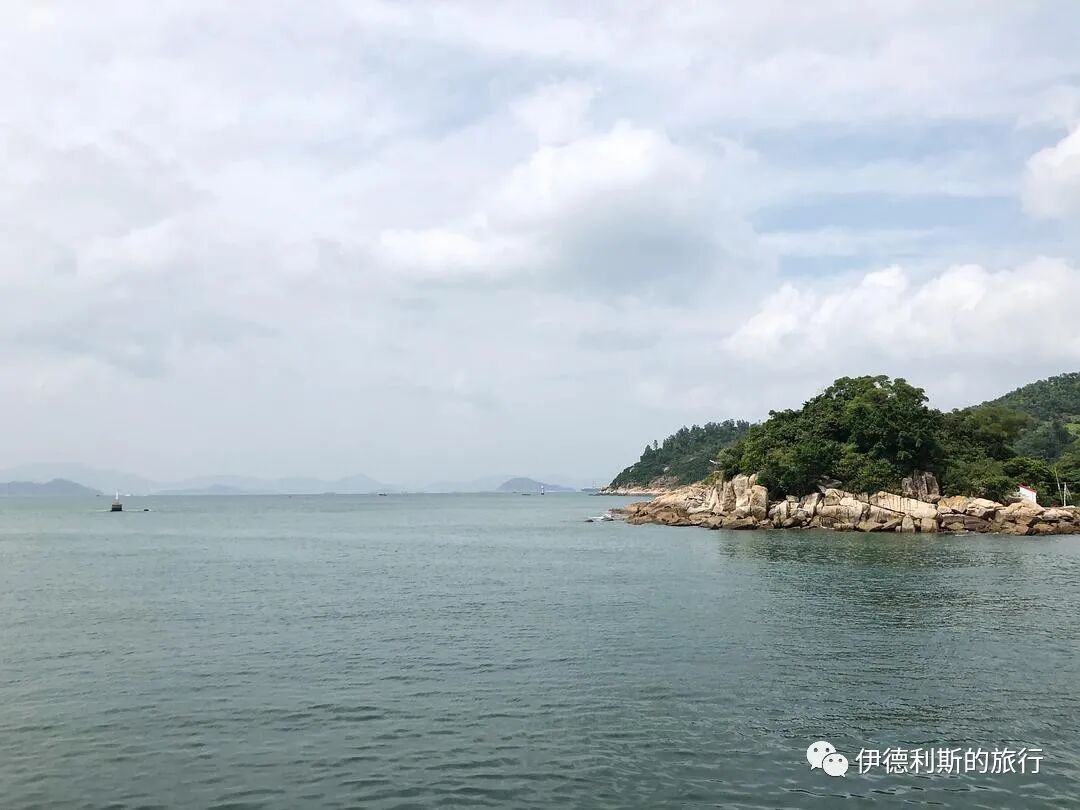
I ate the kebab wrap I bought in the morning on the beach, which was very pleasant.
Summary: This travel note introduces Hong Kong Kowloon Muslim Travel Guide: City Walks, Mosques and Halal Food. During the National Day holiday in 2019, I passed through HK while traveling. Due to special circumstances, I only stayed in Kowloon for one night, which left me with many regrets. It is useful for readers interested in Hong Kong Travel, Kowloon, Muslim Travel.
During the National Day holiday in 2019, I passed through HK while traveling. Due to special circumstances, I only stayed in Kowloon for one night, which left me with many regrets. What I didn't expect was that this would be my last time leaving the country in two years.
Chungking Mansions
Chungking Mansions is my favorite place in Kowloon, and I visit it every time I come to Hong Kong.
Using words from Gordon Mathews' 'Ghetto at the Center of the World: Chungking Mansions, Hong Kong' to briefly introduce the legendary Chungking Mansions: Chungking Mansions is a seventeen-story dilapidated building containing many large and small budget hotels and shops, forming a sharp contrast with the surrounding bustling tourist areas. This building can be described as the most globalized building in the world, where businessmen and temporary workers from South Asia and sub-Saharan Africa come to seek their fortunes, international refugees come to seek asylum, and tourists come to find cheap accommodation and adventure. People from various social backgrounds rest in the building, fight for seats at food stalls, haggle in mobile phone shops, and walk through the corridors and aisles.
I first went to Hung Kee Restaurant, which stays open until 11:00 PM. My favorite is their signature crispy fried chicken, which is crispy on the outside and tender on the inside. Then I also ordered corn and fish fillet, dace with black bean sauce, and shredded chicken rice noodles.
Right next to Hung Kee Restaurant is a small Pakistani shop. Every time I come to Hung Kee to eat, I browse their shop. This time I bought a Pakistani-style sequined hat called a Sindhi Topi (a traditional cap from the Sindh region).
Sindhi Topi literally translates to 'Sindh hat'; it is a hat worn by the Sindhi people of Pakistan and has spread among Muslims throughout South Asia. The biggest feature of the Sindhi Topi is that it leaves the forehead exposed and is often decorated with sequins. The Sindhi people regard the Sindhi Topi as a very precious gift and an important part of Sindhi culture. According to a 2008 statistic, there were 7,500 Sindhi people living in HK at that time.
After buying the hat, I ate Indian desserts at two other nearby shops.
The red one is the famous Indian dessert Jalebi (a sweet, deep-fried batter soaked in syrup), which is made by deep-frying dough and soaking it in sugar syrup. One theory suggests that India's Jalebi comes from Iran's Zolbiya, brought to India by Persianized Turks.
Kowloon Mosque
I performed Salah (prayer) at the Kowloon Mosque and saw beautiful South Asian hats.
After the Convention of Peking was signed in 1860, Kowloon was handed over to the British government. The British immediately began sending the British Indian Army to be stationed in Kowloon, which included many Indian Muslim officers and soldiers. In the 1890s, the British built the Whitfield Barracks for the British Indian Army at the current location of Kowloon Park. Due to the need for Indian Muslim soldiers to pray, the first Kowloon Mosque was built in the southeast corner of the barracks in 1896.
The early Kowloon Mosque remained a military facility of the barracks until it was handed over to the British Hong Kong government in 1967. In 1970, most of the Whitfield Barracks were demolished to build Kowloon Park, while the Kowloon Mosque was preserved.
Between 1975 and 1979, the Hong Kong MTR (formerly the Kwun Tong Line, now the Tsuen Wan Line) began construction. In 1978, the MTR Corporation conducted blasting next to the Kowloon Mosque, which seriously affected the building's structure, and the mosque was declared a dangerous building. With compensation from the MTR Corporation and donations from Muslims, the Kowloon Mosque was rebuilt at its current site in Tsim Sha Tsui in 1980 and opened in 1984. Currently, the Kowloon Mosque is mainly used by South Asian and Southeast Asian Muslims and is the cultural center for non-ethnic Chinese Muslims in Hong Kong.
Standing is the Imam.
Syrian restaurant Shabab
In the evening, due to special reasons, all shopping malls in Tsim Sha Tsui were closed, and buses and subways were suspended. We found a Syrian restaurant called Shabab inside the Tsim Sha Tsui Star Ferry Pier and ate hummus (chickpea dip), falafel (deep-fried chickpea balls) wraps, and lamb wraps. At such a special moment, this Syrian restaurant was like a small harbor, allowing us travelers away from home to dock with peace of mind.
Went to Chungking Mansions again
The next morning, I ate Biryani (spiced rice dish), Tandoori Paratha (clay oven-baked flatbread), Chana Masala (chickpea curry), and some Indian desserts at an Indian restaurant on the ground floor of Chungking Mansions.
Then I went to the Turkish restaurant on the first floor to buy a kebab wrap to take away.
Then I took a boat to Lamma Island. This was my second time there. No matter how turbulent things are in HK, Lamma Island feels like a paradise, relaxing and comfortable.
I ate the kebab wrap I bought in the morning on the beach, which was very pleasant.
Halal Travel Guide: Hong Kong Kowloon — Mosques, Halal Food and City Walks
Articles • ali2007fr posted the article • 0 comments • 120 views • 2026-05-18 00:35
Reposted from the web
Summary: Hong Kong Kowloon — Mosques, Halal Food and City Walks is presented here as a firsthand travel account in clear English, beginning with this scene: During the National Day holiday in 2019, I traveled through Hong Kong. Due to the political situation, I only stayed in Kowloon for two days and one night, which left me with many regrets. The account keeps its focus on Hong Kong Travel, Kowloon, Halal Food while preserving the names, places, food, and historical details from the Chinese source.
During the National Day holiday in 2019, I traveled through Hong Kong. Due to the political situation, I only stayed in Kowloon for two days and one night, which left me with many regrets. This was also my last international trip before the pandemic.
Chungking Mansions
Chungking Mansions is my favorite place in Kowloon; I visit it almost every time I'm there.
The book "Chungking Mansions: A World Centre of the Margins" describes Chungking Mansions as a run-down, seventeen-story building. It has many small, cheap guesthouses and shops inside. This stands in stark contrast to the bustling tourist areas around it. This building is arguably the most globalized building in the world. Businesspeople and temporary workers from South Asia and Sub-Saharan Africa come here to seek their fortunes. International refugees also come here for shelter. Tourists look for cheap accommodation and adventure. People from all social backgrounds rest in the building, compete for seats at food stalls, bargain at phone shops, and move through the corridors.
The book says: Once you escape the onslaught of touts for curry restaurants and guesthouses at the entrance, you find yourself in the human whirlpool of Chungking Mansions. You might never have seen so many people crowded into such a small space in your life. The scene before you is extraordinary: Africans in bright robes, hip-hop clothes, or ill-fitting suits; devout Pakistanis wearing brimless flat-topped caps; Indonesian women in black Islamic veils; older white men in shorts with big beer bellies; and some hippies who look like refugees from a past era. Nigerians are loud. Young Indians chat and laugh with their hands on each other's shoulders. Some mainland Chinese look openly surprised by it all. People of all skin colors wait in line for the elevator, all heading to over a hundred different guesthouses.
First, I went to Hung Kee Chinese Restaurant. They stay open until 11 PM. I love their signature crispy fried chicken (zhazi ji). It's crispy on the outside and tender on the inside. Then I also ordered corn with fish fillets, pomfret with black bean sauce, and shredded chicken ho fun noodles.
Right next to Hung Kee Chinese Restaurant is a small Pakistani shop. Every time I eat at Hung Kee, I browse their shop. This time, I bought a special Pakistani sequined hat, a Sindhi Topi.
Sindhi Topi literally means "Sindh hat." It is worn by the Sindhi people of Pakistan and has spread among Muslims throughout South Asia. The Sindhi Topi (Sindhi cap) shows the forehead. It often has sequins as decoration. Sindhi people see the Sindhi Topi as a very valuable gift. It is a key part of Sindhi culture. A 2008 count showed 7,500 Sindhi people lived in Hong Kong then.
After buying the hat, we ate Indian desserts at two other shops nearby.
The red dessert was Jalebi, a famous Indian sweet. It is made from fried dough soaked in syrup. Some say India's Jalebi came from Zolbiya in Iran. Persianized Turks brought it to India.
Kowloon Mosque.
We performed namaz at Kowloon Mosque. We also saw beautiful South Asian hats there.
After the 1860 Treaty of Beijing, Kowloon went to the British government. Britain then sent British Indian troops to Kowloon. Many of these were Muslim officers and soldiers from British India.
In the 1890s, Britain built Whitfield Barracks for the British Indian army. This was where Kowloon Park is now. Indian Muslim soldiers needed a place to pray. So, in 1896, the first Kowloon Mosque was built at the southeast corner of the barracks.
The early Kowloon Mosque stayed a military building for the barracks. It was given to the Hong Kong British government only in 1967. In 1970, most of Whitfield Barracks was torn down to build Kowloon Park. The Kowloon Mosque, however, was kept.
From 1975 to 1979, the Hong Kong MTR started construction. This was for the original Kwun Tong Line, which is now the Tsuen Wan Line. In 1978, the MTR company did blasting work next to the Kowloon Mosque. This badly damaged the mosque's structure. The mosque was then called a dangerous building. The MTR company gave compensation, and Muslims made donations. With this help, Kowloon Mosque was rebuilt in 1980 at its current Tsim Sha Tsui site. It opened in 1984.
Currently, Kowloon Mosque is mainly used by South Asian and Southeast Asian Muslims. It serves as the cultural center for non-Chinese Muslims in Hong Kong.
The one standing is the imam leading the prayer.
Syrian restaurant Shabab.
In the evening, we ate at the Syrian restaurant Shabab inside Tsim Sha Tsui Star Ferry Pier. We had hummus chickpea dip (hummus), falafel chickpea fritter wraps (falafel), and shawarma lamb wraps (shawarma). A Syrian man owns the restaurant. At that time, the entire Tsim Sha Tsui mall was closed because of the situation. All buses and subways had stopped. This Syrian restaurant felt like a small harbor, letting us travelers find a safe place to rest.
We went to Chungking Mansions again.
The next morning, we ate at an Indian restaurant on the ground floor of Chungking Mansions. We had Biryani fried rice (Biryani), Tandoori Paratha flatbread (Tandoori Paratha), chickpea curry (Chana Masala), and some Indian desserts.
Then we went to the Turkish restaurant on the first floor and bought kebab wraps to go.
Lamma Island.
Downtown Hong Kong was not safe, so we took a boat to Lamma Island. No matter how turbulent Hong Kong was, Lamma Island felt like a paradise, relaxing and comfortable.
On the beach, we ate the kebab wraps we bought in the morning. It was very pleasant. view all
Summary: Hong Kong Kowloon — Mosques, Halal Food and City Walks is presented here as a firsthand travel account in clear English, beginning with this scene: During the National Day holiday in 2019, I traveled through Hong Kong. Due to the political situation, I only stayed in Kowloon for two days and one night, which left me with many regrets. The account keeps its focus on Hong Kong Travel, Kowloon, Halal Food while preserving the names, places, food, and historical details from the Chinese source.
During the National Day holiday in 2019, I traveled through Hong Kong. Due to the political situation, I only stayed in Kowloon for two days and one night, which left me with many regrets. This was also my last international trip before the pandemic.
Chungking Mansions
Chungking Mansions is my favorite place in Kowloon; I visit it almost every time I'm there.
The book "Chungking Mansions: A World Centre of the Margins" describes Chungking Mansions as a run-down, seventeen-story building. It has many small, cheap guesthouses and shops inside. This stands in stark contrast to the bustling tourist areas around it. This building is arguably the most globalized building in the world. Businesspeople and temporary workers from South Asia and Sub-Saharan Africa come here to seek their fortunes. International refugees also come here for shelter. Tourists look for cheap accommodation and adventure. People from all social backgrounds rest in the building, compete for seats at food stalls, bargain at phone shops, and move through the corridors.
The book says: Once you escape the onslaught of touts for curry restaurants and guesthouses at the entrance, you find yourself in the human whirlpool of Chungking Mansions. You might never have seen so many people crowded into such a small space in your life. The scene before you is extraordinary: Africans in bright robes, hip-hop clothes, or ill-fitting suits; devout Pakistanis wearing brimless flat-topped caps; Indonesian women in black Islamic veils; older white men in shorts with big beer bellies; and some hippies who look like refugees from a past era. Nigerians are loud. Young Indians chat and laugh with their hands on each other's shoulders. Some mainland Chinese look openly surprised by it all. People of all skin colors wait in line for the elevator, all heading to over a hundred different guesthouses.
First, I went to Hung Kee Chinese Restaurant. They stay open until 11 PM. I love their signature crispy fried chicken (zhazi ji). It's crispy on the outside and tender on the inside. Then I also ordered corn with fish fillets, pomfret with black bean sauce, and shredded chicken ho fun noodles.
Right next to Hung Kee Chinese Restaurant is a small Pakistani shop. Every time I eat at Hung Kee, I browse their shop. This time, I bought a special Pakistani sequined hat, a Sindhi Topi.
Sindhi Topi literally means "Sindh hat." It is worn by the Sindhi people of Pakistan and has spread among Muslims throughout South Asia. The Sindhi Topi (Sindhi cap) shows the forehead. It often has sequins as decoration. Sindhi people see the Sindhi Topi as a very valuable gift. It is a key part of Sindhi culture. A 2008 count showed 7,500 Sindhi people lived in Hong Kong then.
After buying the hat, we ate Indian desserts at two other shops nearby.
The red dessert was Jalebi, a famous Indian sweet. It is made from fried dough soaked in syrup. Some say India's Jalebi came from Zolbiya in Iran. Persianized Turks brought it to India.
Kowloon Mosque.
We performed namaz at Kowloon Mosque. We also saw beautiful South Asian hats there.
After the 1860 Treaty of Beijing, Kowloon went to the British government. Britain then sent British Indian troops to Kowloon. Many of these were Muslim officers and soldiers from British India.
In the 1890s, Britain built Whitfield Barracks for the British Indian army. This was where Kowloon Park is now. Indian Muslim soldiers needed a place to pray. So, in 1896, the first Kowloon Mosque was built at the southeast corner of the barracks.
The early Kowloon Mosque stayed a military building for the barracks. It was given to the Hong Kong British government only in 1967. In 1970, most of Whitfield Barracks was torn down to build Kowloon Park. The Kowloon Mosque, however, was kept.
From 1975 to 1979, the Hong Kong MTR started construction. This was for the original Kwun Tong Line, which is now the Tsuen Wan Line. In 1978, the MTR company did blasting work next to the Kowloon Mosque. This badly damaged the mosque's structure. The mosque was then called a dangerous building. The MTR company gave compensation, and Muslims made donations. With this help, Kowloon Mosque was rebuilt in 1980 at its current Tsim Sha Tsui site. It opened in 1984.
Currently, Kowloon Mosque is mainly used by South Asian and Southeast Asian Muslims. It serves as the cultural center for non-Chinese Muslims in Hong Kong.
The one standing is the imam leading the prayer.
Syrian restaurant Shabab.
In the evening, we ate at the Syrian restaurant Shabab inside Tsim Sha Tsui Star Ferry Pier. We had hummus chickpea dip (hummus), falafel chickpea fritter wraps (falafel), and shawarma lamb wraps (shawarma). A Syrian man owns the restaurant. At that time, the entire Tsim Sha Tsui mall was closed because of the situation. All buses and subways had stopped. This Syrian restaurant felt like a small harbor, letting us travelers find a safe place to rest.
We went to Chungking Mansions again.
The next morning, we ate at an Indian restaurant on the ground floor of Chungking Mansions. We had Biryani fried rice (Biryani), Tandoori Paratha flatbread (Tandoori Paratha), chickpea curry (Chana Masala), and some Indian desserts.
Then we went to the Turkish restaurant on the first floor and bought kebab wraps to go.
Lamma Island.
Downtown Hong Kong was not safe, so we took a boat to Lamma Island. No matter how turbulent Hong Kong was, Lamma Island felt like a paradise, relaxing and comfortable.
On the beach, we ate the kebab wraps we bought in the morning. It was very pleasant. view all
Reposted from the web
Summary: Hong Kong Kowloon — Mosques, Halal Food and City Walks is presented here as a firsthand travel account in clear English, beginning with this scene: During the National Day holiday in 2019, I traveled through Hong Kong. Due to the political situation, I only stayed in Kowloon for two days and one night, which left me with many regrets. The account keeps its focus on Hong Kong Travel, Kowloon, Halal Food while preserving the names, places, food, and historical details from the Chinese source.
During the National Day holiday in 2019, I traveled through Hong Kong. Due to the political situation, I only stayed in Kowloon for two days and one night, which left me with many regrets. This was also my last international trip before the pandemic.
Chungking Mansions
Chungking Mansions is my favorite place in Kowloon; I visit it almost every time I'm there.
The book "Chungking Mansions: A World Centre of the Margins" describes Chungking Mansions as a run-down, seventeen-story building. It has many small, cheap guesthouses and shops inside. This stands in stark contrast to the bustling tourist areas around it. This building is arguably the most globalized building in the world. Businesspeople and temporary workers from South Asia and Sub-Saharan Africa come here to seek their fortunes. International refugees also come here for shelter. Tourists look for cheap accommodation and adventure. People from all social backgrounds rest in the building, compete for seats at food stalls, bargain at phone shops, and move through the corridors.
The book says: Once you escape the onslaught of touts for curry restaurants and guesthouses at the entrance, you find yourself in the human whirlpool of Chungking Mansions. You might never have seen so many people crowded into such a small space in your life. The scene before you is extraordinary: Africans in bright robes, hip-hop clothes, or ill-fitting suits; devout Pakistanis wearing brimless flat-topped caps; Indonesian women in black Islamic veils; older white men in shorts with big beer bellies; and some hippies who look like refugees from a past era. Nigerians are loud. Young Indians chat and laugh with their hands on each other's shoulders. Some mainland Chinese look openly surprised by it all. People of all skin colors wait in line for the elevator, all heading to over a hundred different guesthouses.
First, I went to Hung Kee Chinese Restaurant. They stay open until 11 PM. I love their signature crispy fried chicken (zhazi ji). It's crispy on the outside and tender on the inside. Then I also ordered corn with fish fillets, pomfret with black bean sauce, and shredded chicken ho fun noodles.
Right next to Hung Kee Chinese Restaurant is a small Pakistani shop. Every time I eat at Hung Kee, I browse their shop. This time, I bought a special Pakistani sequined hat, a Sindhi Topi.
Sindhi Topi literally means "Sindh hat." It is worn by the Sindhi people of Pakistan and has spread among Muslims throughout South Asia. The Sindhi Topi (Sindhi cap) shows the forehead. It often has sequins as decoration. Sindhi people see the Sindhi Topi as a very valuable gift. It is a key part of Sindhi culture. A 2008 count showed 7,500 Sindhi people lived in Hong Kong then.
After buying the hat, we ate Indian desserts at two other shops nearby.
The red dessert was Jalebi, a famous Indian sweet. It is made from fried dough soaked in syrup. Some say India's Jalebi came from Zolbiya in Iran. Persianized Turks brought it to India.
Kowloon Mosque.
We performed namaz at Kowloon Mosque. We also saw beautiful South Asian hats there.
After the 1860 Treaty of Beijing, Kowloon went to the British government. Britain then sent British Indian troops to Kowloon. Many of these were Muslim officers and soldiers from British India.
In the 1890s, Britain built Whitfield Barracks for the British Indian army. This was where Kowloon Park is now. Indian Muslim soldiers needed a place to pray. So, in 1896, the first Kowloon Mosque was built at the southeast corner of the barracks.
The early Kowloon Mosque stayed a military building for the barracks. It was given to the Hong Kong British government only in 1967. In 1970, most of Whitfield Barracks was torn down to build Kowloon Park. The Kowloon Mosque, however, was kept.
From 1975 to 1979, the Hong Kong MTR started construction. This was for the original Kwun Tong Line, which is now the Tsuen Wan Line. In 1978, the MTR company did blasting work next to the Kowloon Mosque. This badly damaged the mosque's structure. The mosque was then called a dangerous building. The MTR company gave compensation, and Muslims made donations. With this help, Kowloon Mosque was rebuilt in 1980 at its current Tsim Sha Tsui site. It opened in 1984.
Currently, Kowloon Mosque is mainly used by South Asian and Southeast Asian Muslims. It serves as the cultural center for non-Chinese Muslims in Hong Kong.
The one standing is the imam leading the prayer.
Syrian restaurant Shabab.
In the evening, we ate at the Syrian restaurant Shabab inside Tsim Sha Tsui Star Ferry Pier. We had hummus chickpea dip (hummus), falafel chickpea fritter wraps (falafel), and shawarma lamb wraps (shawarma). A Syrian man owns the restaurant. At that time, the entire Tsim Sha Tsui mall was closed because of the situation. All buses and subways had stopped. This Syrian restaurant felt like a small harbor, letting us travelers find a safe place to rest.
We went to Chungking Mansions again.
The next morning, we ate at an Indian restaurant on the ground floor of Chungking Mansions. We had Biryani fried rice (Biryani), Tandoori Paratha flatbread (Tandoori Paratha), chickpea curry (Chana Masala), and some Indian desserts.
Then we went to the Turkish restaurant on the first floor and bought kebab wraps to go.
Lamma Island.
Downtown Hong Kong was not safe, so we took a boat to Lamma Island. No matter how turbulent Hong Kong was, Lamma Island felt like a paradise, relaxing and comfortable.
On the beach, we ate the kebab wraps we bought in the morning. It was very pleasant.
Summary: Hong Kong Kowloon — Mosques, Halal Food and City Walks is presented here as a firsthand travel account in clear English, beginning with this scene: During the National Day holiday in 2019, I traveled through Hong Kong. Due to the political situation, I only stayed in Kowloon for two days and one night, which left me with many regrets. The account keeps its focus on Hong Kong Travel, Kowloon, Halal Food while preserving the names, places, food, and historical details from the Chinese source.
During the National Day holiday in 2019, I traveled through Hong Kong. Due to the political situation, I only stayed in Kowloon for two days and one night, which left me with many regrets. This was also my last international trip before the pandemic.
Chungking Mansions
Chungking Mansions is my favorite place in Kowloon; I visit it almost every time I'm there.
The book "Chungking Mansions: A World Centre of the Margins" describes Chungking Mansions as a run-down, seventeen-story building. It has many small, cheap guesthouses and shops inside. This stands in stark contrast to the bustling tourist areas around it. This building is arguably the most globalized building in the world. Businesspeople and temporary workers from South Asia and Sub-Saharan Africa come here to seek their fortunes. International refugees also come here for shelter. Tourists look for cheap accommodation and adventure. People from all social backgrounds rest in the building, compete for seats at food stalls, bargain at phone shops, and move through the corridors.
The book says: Once you escape the onslaught of touts for curry restaurants and guesthouses at the entrance, you find yourself in the human whirlpool of Chungking Mansions. You might never have seen so many people crowded into such a small space in your life. The scene before you is extraordinary: Africans in bright robes, hip-hop clothes, or ill-fitting suits; devout Pakistanis wearing brimless flat-topped caps; Indonesian women in black Islamic veils; older white men in shorts with big beer bellies; and some hippies who look like refugees from a past era. Nigerians are loud. Young Indians chat and laugh with their hands on each other's shoulders. Some mainland Chinese look openly surprised by it all. People of all skin colors wait in line for the elevator, all heading to over a hundred different guesthouses.
First, I went to Hung Kee Chinese Restaurant. They stay open until 11 PM. I love their signature crispy fried chicken (zhazi ji). It's crispy on the outside and tender on the inside. Then I also ordered corn with fish fillets, pomfret with black bean sauce, and shredded chicken ho fun noodles.
Right next to Hung Kee Chinese Restaurant is a small Pakistani shop. Every time I eat at Hung Kee, I browse their shop. This time, I bought a special Pakistani sequined hat, a Sindhi Topi.
Sindhi Topi literally means "Sindh hat." It is worn by the Sindhi people of Pakistan and has spread among Muslims throughout South Asia. The Sindhi Topi (Sindhi cap) shows the forehead. It often has sequins as decoration. Sindhi people see the Sindhi Topi as a very valuable gift. It is a key part of Sindhi culture. A 2008 count showed 7,500 Sindhi people lived in Hong Kong then.
After buying the hat, we ate Indian desserts at two other shops nearby.
The red dessert was Jalebi, a famous Indian sweet. It is made from fried dough soaked in syrup. Some say India's Jalebi came from Zolbiya in Iran. Persianized Turks brought it to India.
Kowloon Mosque.
We performed namaz at Kowloon Mosque. We also saw beautiful South Asian hats there.
After the 1860 Treaty of Beijing, Kowloon went to the British government. Britain then sent British Indian troops to Kowloon. Many of these were Muslim officers and soldiers from British India.
In the 1890s, Britain built Whitfield Barracks for the British Indian army. This was where Kowloon Park is now. Indian Muslim soldiers needed a place to pray. So, in 1896, the first Kowloon Mosque was built at the southeast corner of the barracks.
The early Kowloon Mosque stayed a military building for the barracks. It was given to the Hong Kong British government only in 1967. In 1970, most of Whitfield Barracks was torn down to build Kowloon Park. The Kowloon Mosque, however, was kept.
From 1975 to 1979, the Hong Kong MTR started construction. This was for the original Kwun Tong Line, which is now the Tsuen Wan Line. In 1978, the MTR company did blasting work next to the Kowloon Mosque. This badly damaged the mosque's structure. The mosque was then called a dangerous building. The MTR company gave compensation, and Muslims made donations. With this help, Kowloon Mosque was rebuilt in 1980 at its current Tsim Sha Tsui site. It opened in 1984.
Currently, Kowloon Mosque is mainly used by South Asian and Southeast Asian Muslims. It serves as the cultural center for non-Chinese Muslims in Hong Kong.
The one standing is the imam leading the prayer.
Syrian restaurant Shabab.
In the evening, we ate at the Syrian restaurant Shabab inside Tsim Sha Tsui Star Ferry Pier. We had hummus chickpea dip (hummus), falafel chickpea fritter wraps (falafel), and shawarma lamb wraps (shawarma). A Syrian man owns the restaurant. At that time, the entire Tsim Sha Tsui mall was closed because of the situation. All buses and subways had stopped. This Syrian restaurant felt like a small harbor, letting us travelers find a safe place to rest.
We went to Chungking Mansions again.
The next morning, we ate at an Indian restaurant on the ground floor of Chungking Mansions. We had Biryani fried rice (Biryani), Tandoori Paratha flatbread (Tandoori Paratha), chickpea curry (Chana Masala), and some Indian desserts.
Then we went to the Turkish restaurant on the first floor and bought kebab wraps to go.
Lamma Island.
Downtown Hong Kong was not safe, so we took a boat to Lamma Island. No matter how turbulent Hong Kong was, Lamma Island felt like a paradise, relaxing and comfortable.
On the beach, we ate the kebab wraps we bought in the morning. It was very pleasant.
Hong Kong Kowloon Muslim Travel Guide: City Walks, Mosques and Halal Food
Articles • ali2007fr posted the article • 0 comments • 127 views • 2026-05-17 06:26
Reposted from the web
Summary: This travel note introduces Hong Kong Kowloon Muslim Travel Guide: City Walks, Mosques and Halal Food. During the National Day holiday in 2019, I passed through HK while traveling. Due to special circumstances, I only stayed in Kowloon for one night, which left me with many regrets. It is useful for readers interested in Hong Kong Travel, Kowloon, Muslim Travel.
During the National Day holiday in 2019, I passed through HK while traveling. Due to special circumstances, I only stayed in Kowloon for one night, which left me with many regrets. What I didn't expect was that this would be my last time leaving the country in two years.
Chungking Mansions
Chungking Mansions is my favorite place in Kowloon, and I visit it every time I come to Hong Kong.
Using words from Gordon Mathews' 'Ghetto at the Center of the World: Chungking Mansions, Hong Kong' to briefly introduce the legendary Chungking Mansions: Chungking Mansions is a seventeen-story dilapidated building containing many large and small budget hotels and shops, forming a sharp contrast with the surrounding bustling tourist areas. This building can be described as the most globalized building in the world, where businessmen and temporary workers from South Asia and sub-Saharan Africa come to seek their fortunes, international refugees come to seek asylum, and tourists come to find cheap accommodation and adventure. People from various social backgrounds rest in the building, fight for seats at food stalls, haggle in mobile phone shops, and walk through the corridors and aisles.
I first went to Hung Kee Restaurant, which stays open until 11:00 PM. My favorite is their signature crispy fried chicken, which is crispy on the outside and tender on the inside. Then I also ordered corn and fish fillet, dace with black bean sauce, and shredded chicken rice noodles.
Right next to Hung Kee Restaurant is a small Pakistani shop. Every time I come to Hung Kee to eat, I browse their shop. This time I bought a Pakistani-style sequined hat called a Sindhi Topi (a traditional cap from the Sindh region).
Sindhi Topi literally translates to 'Sindh hat'; it is a hat worn by the Sindhi people of Pakistan and has spread among Muslims throughout South Asia. The biggest feature of the Sindhi Topi is that it leaves the forehead exposed and is often decorated with sequins. The Sindhi people regard the Sindhi Topi as a very precious gift and an important part of Sindhi culture. According to a 2008 statistic, there were 7,500 Sindhi people living in HK at that time.
After buying the hat, I ate Indian desserts at two other nearby shops.
The red one is the famous Indian dessert Jalebi (a sweet, deep-fried batter soaked in syrup), which is made by deep-frying dough and soaking it in sugar syrup. One theory suggests that India's Jalebi comes from Iran's Zolbiya, brought to India by Persianized Turks.
Kowloon Mosque
I performed Salah (prayer) at the Kowloon Mosque and saw beautiful South Asian hats.
After the Convention of Peking was signed in 1860, Kowloon was handed over to the British government. The British immediately began sending the British Indian Army to be stationed in Kowloon, which included many Indian Muslim officers and soldiers. In the 1890s, the British built the Whitfield Barracks for the British Indian Army at the current location of Kowloon Park. Due to the need for Indian Muslim soldiers to pray, the first Kowloon Mosque was built in the southeast corner of the barracks in 1896.
The early Kowloon Mosque remained a military facility of the barracks until it was handed over to the British Hong Kong government in 1967. In 1970, most of the Whitfield Barracks were demolished to build Kowloon Park, while the Kowloon Mosque was preserved.
Between 1975 and 1979, the Hong Kong MTR (formerly the Kwun Tong Line, now the Tsuen Wan Line) began construction. In 1978, the MTR Corporation conducted blasting next to the Kowloon Mosque, which seriously affected the building's structure, and the mosque was declared a dangerous building. With compensation from the MTR Corporation and donations from Muslims, the Kowloon Mosque was rebuilt at its current site in Tsim Sha Tsui in 1980 and opened in 1984. Currently, the Kowloon Mosque is mainly used by South Asian and Southeast Asian Muslims and is the cultural center for non-ethnic Chinese Muslims in Hong Kong.
Standing is the Imam.
Syrian restaurant Shabab
In the evening, due to special reasons, all shopping malls in Tsim Sha Tsui were closed, and buses and subways were suspended. We found a Syrian restaurant called Shabab inside the Tsim Sha Tsui Star Ferry Pier and ate hummus (chickpea dip), falafel (deep-fried chickpea balls) wraps, and lamb wraps. At such a special moment, this Syrian restaurant was like a small harbor, allowing us travelers away from home to dock with peace of mind.
Went to Chungking Mansions again
The next morning, I ate Biryani (spiced rice dish), Tandoori Paratha (clay oven-baked flatbread), Chana Masala (chickpea curry), and some Indian desserts at an Indian restaurant on the ground floor of Chungking Mansions.
Then I went to the Turkish restaurant on the first floor to buy a kebab wrap to take away.
Then I took a boat to Lamma Island. This was my second time there. No matter how turbulent things are in HK, Lamma Island feels like a paradise, relaxing and comfortable.
I ate the kebab wrap I bought in the morning on the beach, which was very pleasant. view all
Summary: This travel note introduces Hong Kong Kowloon Muslim Travel Guide: City Walks, Mosques and Halal Food. During the National Day holiday in 2019, I passed through HK while traveling. Due to special circumstances, I only stayed in Kowloon for one night, which left me with many regrets. It is useful for readers interested in Hong Kong Travel, Kowloon, Muslim Travel.
During the National Day holiday in 2019, I passed through HK while traveling. Due to special circumstances, I only stayed in Kowloon for one night, which left me with many regrets. What I didn't expect was that this would be my last time leaving the country in two years.
Chungking Mansions
Chungking Mansions is my favorite place in Kowloon, and I visit it every time I come to Hong Kong.
Using words from Gordon Mathews' 'Ghetto at the Center of the World: Chungking Mansions, Hong Kong' to briefly introduce the legendary Chungking Mansions: Chungking Mansions is a seventeen-story dilapidated building containing many large and small budget hotels and shops, forming a sharp contrast with the surrounding bustling tourist areas. This building can be described as the most globalized building in the world, where businessmen and temporary workers from South Asia and sub-Saharan Africa come to seek their fortunes, international refugees come to seek asylum, and tourists come to find cheap accommodation and adventure. People from various social backgrounds rest in the building, fight for seats at food stalls, haggle in mobile phone shops, and walk through the corridors and aisles.
I first went to Hung Kee Restaurant, which stays open until 11:00 PM. My favorite is their signature crispy fried chicken, which is crispy on the outside and tender on the inside. Then I also ordered corn and fish fillet, dace with black bean sauce, and shredded chicken rice noodles.
Right next to Hung Kee Restaurant is a small Pakistani shop. Every time I come to Hung Kee to eat, I browse their shop. This time I bought a Pakistani-style sequined hat called a Sindhi Topi (a traditional cap from the Sindh region).
Sindhi Topi literally translates to 'Sindh hat'; it is a hat worn by the Sindhi people of Pakistan and has spread among Muslims throughout South Asia. The biggest feature of the Sindhi Topi is that it leaves the forehead exposed and is often decorated with sequins. The Sindhi people regard the Sindhi Topi as a very precious gift and an important part of Sindhi culture. According to a 2008 statistic, there were 7,500 Sindhi people living in HK at that time.
After buying the hat, I ate Indian desserts at two other nearby shops.
The red one is the famous Indian dessert Jalebi (a sweet, deep-fried batter soaked in syrup), which is made by deep-frying dough and soaking it in sugar syrup. One theory suggests that India's Jalebi comes from Iran's Zolbiya, brought to India by Persianized Turks.
Kowloon Mosque
I performed Salah (prayer) at the Kowloon Mosque and saw beautiful South Asian hats.
After the Convention of Peking was signed in 1860, Kowloon was handed over to the British government. The British immediately began sending the British Indian Army to be stationed in Kowloon, which included many Indian Muslim officers and soldiers. In the 1890s, the British built the Whitfield Barracks for the British Indian Army at the current location of Kowloon Park. Due to the need for Indian Muslim soldiers to pray, the first Kowloon Mosque was built in the southeast corner of the barracks in 1896.
The early Kowloon Mosque remained a military facility of the barracks until it was handed over to the British Hong Kong government in 1967. In 1970, most of the Whitfield Barracks were demolished to build Kowloon Park, while the Kowloon Mosque was preserved.
Between 1975 and 1979, the Hong Kong MTR (formerly the Kwun Tong Line, now the Tsuen Wan Line) began construction. In 1978, the MTR Corporation conducted blasting next to the Kowloon Mosque, which seriously affected the building's structure, and the mosque was declared a dangerous building. With compensation from the MTR Corporation and donations from Muslims, the Kowloon Mosque was rebuilt at its current site in Tsim Sha Tsui in 1980 and opened in 1984. Currently, the Kowloon Mosque is mainly used by South Asian and Southeast Asian Muslims and is the cultural center for non-ethnic Chinese Muslims in Hong Kong.
Standing is the Imam.
Syrian restaurant Shabab
In the evening, due to special reasons, all shopping malls in Tsim Sha Tsui were closed, and buses and subways were suspended. We found a Syrian restaurant called Shabab inside the Tsim Sha Tsui Star Ferry Pier and ate hummus (chickpea dip), falafel (deep-fried chickpea balls) wraps, and lamb wraps. At such a special moment, this Syrian restaurant was like a small harbor, allowing us travelers away from home to dock with peace of mind.
Went to Chungking Mansions again
The next morning, I ate Biryani (spiced rice dish), Tandoori Paratha (clay oven-baked flatbread), Chana Masala (chickpea curry), and some Indian desserts at an Indian restaurant on the ground floor of Chungking Mansions.
Then I went to the Turkish restaurant on the first floor to buy a kebab wrap to take away.
Then I took a boat to Lamma Island. This was my second time there. No matter how turbulent things are in HK, Lamma Island feels like a paradise, relaxing and comfortable.
I ate the kebab wrap I bought in the morning on the beach, which was very pleasant. view all
Reposted from the web
Summary: This travel note introduces Hong Kong Kowloon Muslim Travel Guide: City Walks, Mosques and Halal Food. During the National Day holiday in 2019, I passed through HK while traveling. Due to special circumstances, I only stayed in Kowloon for one night, which left me with many regrets. It is useful for readers interested in Hong Kong Travel, Kowloon, Muslim Travel.
During the National Day holiday in 2019, I passed through HK while traveling. Due to special circumstances, I only stayed in Kowloon for one night, which left me with many regrets. What I didn't expect was that this would be my last time leaving the country in two years.
Chungking Mansions
Chungking Mansions is my favorite place in Kowloon, and I visit it every time I come to Hong Kong.
Using words from Gordon Mathews' 'Ghetto at the Center of the World: Chungking Mansions, Hong Kong' to briefly introduce the legendary Chungking Mansions: Chungking Mansions is a seventeen-story dilapidated building containing many large and small budget hotels and shops, forming a sharp contrast with the surrounding bustling tourist areas. This building can be described as the most globalized building in the world, where businessmen and temporary workers from South Asia and sub-Saharan Africa come to seek their fortunes, international refugees come to seek asylum, and tourists come to find cheap accommodation and adventure. People from various social backgrounds rest in the building, fight for seats at food stalls, haggle in mobile phone shops, and walk through the corridors and aisles.
I first went to Hung Kee Restaurant, which stays open until 11:00 PM. My favorite is their signature crispy fried chicken, which is crispy on the outside and tender on the inside. Then I also ordered corn and fish fillet, dace with black bean sauce, and shredded chicken rice noodles.
Right next to Hung Kee Restaurant is a small Pakistani shop. Every time I come to Hung Kee to eat, I browse their shop. This time I bought a Pakistani-style sequined hat called a Sindhi Topi (a traditional cap from the Sindh region).
Sindhi Topi literally translates to 'Sindh hat'; it is a hat worn by the Sindhi people of Pakistan and has spread among Muslims throughout South Asia. The biggest feature of the Sindhi Topi is that it leaves the forehead exposed and is often decorated with sequins. The Sindhi people regard the Sindhi Topi as a very precious gift and an important part of Sindhi culture. According to a 2008 statistic, there were 7,500 Sindhi people living in HK at that time.
After buying the hat, I ate Indian desserts at two other nearby shops.
The red one is the famous Indian dessert Jalebi (a sweet, deep-fried batter soaked in syrup), which is made by deep-frying dough and soaking it in sugar syrup. One theory suggests that India's Jalebi comes from Iran's Zolbiya, brought to India by Persianized Turks.
Kowloon Mosque
I performed Salah (prayer) at the Kowloon Mosque and saw beautiful South Asian hats.
After the Convention of Peking was signed in 1860, Kowloon was handed over to the British government. The British immediately began sending the British Indian Army to be stationed in Kowloon, which included many Indian Muslim officers and soldiers. In the 1890s, the British built the Whitfield Barracks for the British Indian Army at the current location of Kowloon Park. Due to the need for Indian Muslim soldiers to pray, the first Kowloon Mosque was built in the southeast corner of the barracks in 1896.
The early Kowloon Mosque remained a military facility of the barracks until it was handed over to the British Hong Kong government in 1967. In 1970, most of the Whitfield Barracks were demolished to build Kowloon Park, while the Kowloon Mosque was preserved.
Between 1975 and 1979, the Hong Kong MTR (formerly the Kwun Tong Line, now the Tsuen Wan Line) began construction. In 1978, the MTR Corporation conducted blasting next to the Kowloon Mosque, which seriously affected the building's structure, and the mosque was declared a dangerous building. With compensation from the MTR Corporation and donations from Muslims, the Kowloon Mosque was rebuilt at its current site in Tsim Sha Tsui in 1980 and opened in 1984. Currently, the Kowloon Mosque is mainly used by South Asian and Southeast Asian Muslims and is the cultural center for non-ethnic Chinese Muslims in Hong Kong.
Standing is the Imam.
Syrian restaurant Shabab
In the evening, due to special reasons, all shopping malls in Tsim Sha Tsui were closed, and buses and subways were suspended. We found a Syrian restaurant called Shabab inside the Tsim Sha Tsui Star Ferry Pier and ate hummus (chickpea dip), falafel (deep-fried chickpea balls) wraps, and lamb wraps. At such a special moment, this Syrian restaurant was like a small harbor, allowing us travelers away from home to dock with peace of mind.
Went to Chungking Mansions again
The next morning, I ate Biryani (spiced rice dish), Tandoori Paratha (clay oven-baked flatbread), Chana Masala (chickpea curry), and some Indian desserts at an Indian restaurant on the ground floor of Chungking Mansions.
Then I went to the Turkish restaurant on the first floor to buy a kebab wrap to take away.
Then I took a boat to Lamma Island. This was my second time there. No matter how turbulent things are in HK, Lamma Island feels like a paradise, relaxing and comfortable.
I ate the kebab wrap I bought in the morning on the beach, which was very pleasant.
Summary: This travel note introduces Hong Kong Kowloon Muslim Travel Guide: City Walks, Mosques and Halal Food. During the National Day holiday in 2019, I passed through HK while traveling. Due to special circumstances, I only stayed in Kowloon for one night, which left me with many regrets. It is useful for readers interested in Hong Kong Travel, Kowloon, Muslim Travel.
During the National Day holiday in 2019, I passed through HK while traveling. Due to special circumstances, I only stayed in Kowloon for one night, which left me with many regrets. What I didn't expect was that this would be my last time leaving the country in two years.
Chungking Mansions
Chungking Mansions is my favorite place in Kowloon, and I visit it every time I come to Hong Kong.
Using words from Gordon Mathews' 'Ghetto at the Center of the World: Chungking Mansions, Hong Kong' to briefly introduce the legendary Chungking Mansions: Chungking Mansions is a seventeen-story dilapidated building containing many large and small budget hotels and shops, forming a sharp contrast with the surrounding bustling tourist areas. This building can be described as the most globalized building in the world, where businessmen and temporary workers from South Asia and sub-Saharan Africa come to seek their fortunes, international refugees come to seek asylum, and tourists come to find cheap accommodation and adventure. People from various social backgrounds rest in the building, fight for seats at food stalls, haggle in mobile phone shops, and walk through the corridors and aisles.
I first went to Hung Kee Restaurant, which stays open until 11:00 PM. My favorite is their signature crispy fried chicken, which is crispy on the outside and tender on the inside. Then I also ordered corn and fish fillet, dace with black bean sauce, and shredded chicken rice noodles.
Right next to Hung Kee Restaurant is a small Pakistani shop. Every time I come to Hung Kee to eat, I browse their shop. This time I bought a Pakistani-style sequined hat called a Sindhi Topi (a traditional cap from the Sindh region).
Sindhi Topi literally translates to 'Sindh hat'; it is a hat worn by the Sindhi people of Pakistan and has spread among Muslims throughout South Asia. The biggest feature of the Sindhi Topi is that it leaves the forehead exposed and is often decorated with sequins. The Sindhi people regard the Sindhi Topi as a very precious gift and an important part of Sindhi culture. According to a 2008 statistic, there were 7,500 Sindhi people living in HK at that time.
After buying the hat, I ate Indian desserts at two other nearby shops.
The red one is the famous Indian dessert Jalebi (a sweet, deep-fried batter soaked in syrup), which is made by deep-frying dough and soaking it in sugar syrup. One theory suggests that India's Jalebi comes from Iran's Zolbiya, brought to India by Persianized Turks.
Kowloon Mosque
I performed Salah (prayer) at the Kowloon Mosque and saw beautiful South Asian hats.
After the Convention of Peking was signed in 1860, Kowloon was handed over to the British government. The British immediately began sending the British Indian Army to be stationed in Kowloon, which included many Indian Muslim officers and soldiers. In the 1890s, the British built the Whitfield Barracks for the British Indian Army at the current location of Kowloon Park. Due to the need for Indian Muslim soldiers to pray, the first Kowloon Mosque was built in the southeast corner of the barracks in 1896.
The early Kowloon Mosque remained a military facility of the barracks until it was handed over to the British Hong Kong government in 1967. In 1970, most of the Whitfield Barracks were demolished to build Kowloon Park, while the Kowloon Mosque was preserved.
Between 1975 and 1979, the Hong Kong MTR (formerly the Kwun Tong Line, now the Tsuen Wan Line) began construction. In 1978, the MTR Corporation conducted blasting next to the Kowloon Mosque, which seriously affected the building's structure, and the mosque was declared a dangerous building. With compensation from the MTR Corporation and donations from Muslims, the Kowloon Mosque was rebuilt at its current site in Tsim Sha Tsui in 1980 and opened in 1984. Currently, the Kowloon Mosque is mainly used by South Asian and Southeast Asian Muslims and is the cultural center for non-ethnic Chinese Muslims in Hong Kong.
Standing is the Imam.
Syrian restaurant Shabab
In the evening, due to special reasons, all shopping malls in Tsim Sha Tsui were closed, and buses and subways were suspended. We found a Syrian restaurant called Shabab inside the Tsim Sha Tsui Star Ferry Pier and ate hummus (chickpea dip), falafel (deep-fried chickpea balls) wraps, and lamb wraps. At such a special moment, this Syrian restaurant was like a small harbor, allowing us travelers away from home to dock with peace of mind.
Went to Chungking Mansions again
The next morning, I ate Biryani (spiced rice dish), Tandoori Paratha (clay oven-baked flatbread), Chana Masala (chickpea curry), and some Indian desserts at an Indian restaurant on the ground floor of Chungking Mansions.
Then I went to the Turkish restaurant on the first floor to buy a kebab wrap to take away.
Then I took a boat to Lamma Island. This was my second time there. No matter how turbulent things are in HK, Lamma Island feels like a paradise, relaxing and comfortable.
I ate the kebab wrap I bought in the morning on the beach, which was very pleasant.