

Kudus Mosques
Muslim History Guide Indonesia Java: Kudus Mosques, Old City Streets and Islamic Heritage
Articles • yusuf908 posted the article • 0 comments • 190 views • 2026-05-23 23:06
Reposted from the web
Summary: Muslim History Guide Indonesia Java: Kudus Mosques, Old City Streets and Islamic Heritage is presented here as a clear Muslim travel account, beginning with this scene: In our last article, The First Sultanate of Java: Demak, we introduced the medieval trading port of Demak, located an hour's drive northeast of the Central Java capital, Semarang. The account keeps its focus on Kudus Mosques, Indonesia Muslim Travel, Java Islamic Heritage while preserving the names, places, food, and historical details from the Chinese source.
In our last article, The First Sultanate of Java: Demak, we introduced the medieval trading port of Demak, located an hour's drive northeast of the Central Java capital, Semarang. This is where the first sultanate on Java was established. Another hour's drive northeast from Demak brings you to Kudus, an important holy city for Islam on Java.
Kudus is the only city on Java with an Arabic name. Kudus is actually the Arabic pronunciation of Jerusalem, al-Quds. The city is named after Sunan Kudus, one of the nine saints (Wali Sanga) of Javanese Islam. The tomb of Sunan Kudus is now an important holy site on Java, and the Al-Aqsa Mosque next to the tomb is world-famous for its unique minaret built in the early Javanese style.
Kudus was born into a family of Islamic scholars. His grandfather, Sunan Ampel, was one of the nine saints of Javanese Islam. He served for a long time as the imam of the Great Mosque of Demak and was a teacher to Raden Patah, the founder of the Demak Sultanate. His father, Sunan Ngudung, was also a famous Javanese Islamic sage who served as the imam of the Great Mosque of Demak from 1520 to 1524.
In 1478, the Buddhist-majority Majapahit army killed King Brawijaya V, who had united the Muslims. As the biological son of Brawijaya V, the Demak Sultan Raden Patah officially declared war on the Majapahit Kingdom. Kudus's father, Ngudung, led the Demak Sultanate's army as a commander in a war against the Majapahit Kingdom that lasted for many years. He was killed in battle in 1524.
As Ngudung's son, Kudus also served as an officer in four wars against the Majapahit Kingdom, though he focused most of his energy on his religious studies. Kudus studied under Sunan Kalijaga, the founder of the Great Mosque of Demak and one of the nine saints of Javanese Islam. Like his teacher, Kudus was very tolerant of traditional Javanese culture. He once tied a cow, which Hindus consider sacred, inside the mosque to attract Hindu followers, and he forbade people from slaughtering cows. When building the mosque, Kudus also used Javanese Hindu architectural styles.
Kudus Al-Aqsa Mosque: 1549
The Kudus Al-Aqsa Mosque (Masjid Al Aqsa Menara Kudus) was built by Kudus in 1549 and is known for its unique traditional Javanese architectural style.
The mosque shares its name with the famous Al-Aqsa Mosque in Jerusalem. People say while on his way to Hajj, Kudus helped cure a plague in a city. He refused the generous gifts offered by the locals, accepting only a stone from the holy site surrounding the Al-Aqsa Mosque in Jerusalem. After returning to Java, Kudus used the stone to build this mosque.
19th century
Early 20th century
The architectural style of the Kudus Al-Aqsa Mosque directly inherits from the Buddhist/Hindu architecture of the Majapahit era, featuring two types of signature gates: the split gate (candi bentar) and the main gate (kori agung).
A mosque (candi) is a type of Hindu/Buddhist mosque architecture found on Java, Bali, and Lombok. A split gate (candi bentar) means a split mosque, where the structure is symmetrically divided down the center to create a path. In reality, the split gate (candi bentar) does not have doors installed. It serves as a passage from the secular world into a sacred space, creating a sense of solemnity before entering the main building.
The split gate (candi bentar) of the Kudus Al-Aqsa Mosque is built from red brick steps.
The main gate (kori agung), also known as a paduraksa gate in Hindu/Buddhist architecture, is the primary entrance from the secular world into a sacred space. The Kori Agung gate comes from the ancient Hindu Gopuram gate. It was widely used in old Javanese Hindu and Buddhist temples from the 8th to 9th centuries. After the 15th century, Islamic sultanates used it for mosques, palaces, and tombs, but without the complex Hindu and Buddhist decorations.
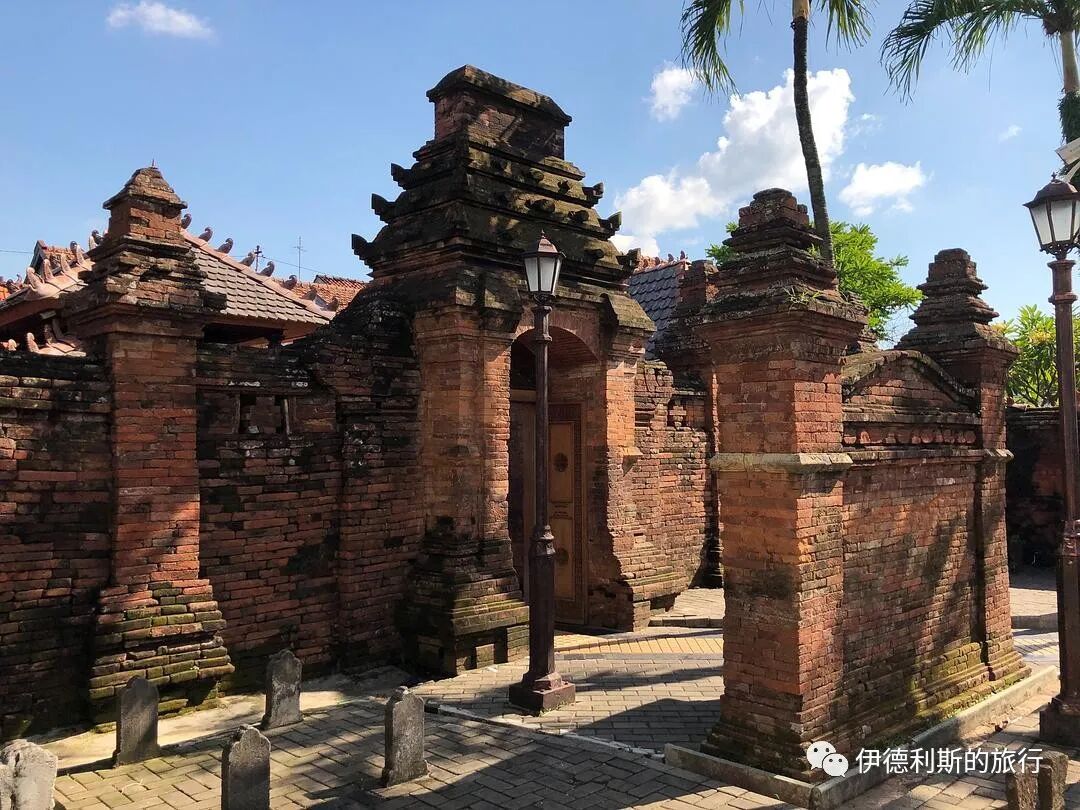
The Kori Agung is actually a type of Majapahit-style stepped temple (candi) building. It is made of red brick and has beautiful patterns on its wooden doors.
A side door of the mosque that connects to the holy tomb.
The main hall of the mosque was rebuilt in modern times, but it still keeps two original Kori Agung gates inside.
The most famous building at Al-Aqsa Mosque is this minaret, which is the earliest one in Java and the only one from the 16th century on the island. This tower is not a Persian-style spire at all. It is a traditional Javanese Majapahit-style tower with a large prayer drum (bedug) on top used to call people to prayer. Today, a drum tower (bale kulkul) in the same style still exists in Bali, used to signal attacks, fires, or public events.
Early 20th century
The ablution pool at Al-Aqsa Mosque is also very unique. Each water tap has a traditional statue. People say Sunan Kudus designed this during the early construction to attract local Hindus and Buddhists to come here to clean themselves.
Tomb of Sunan Kudus: 1550.
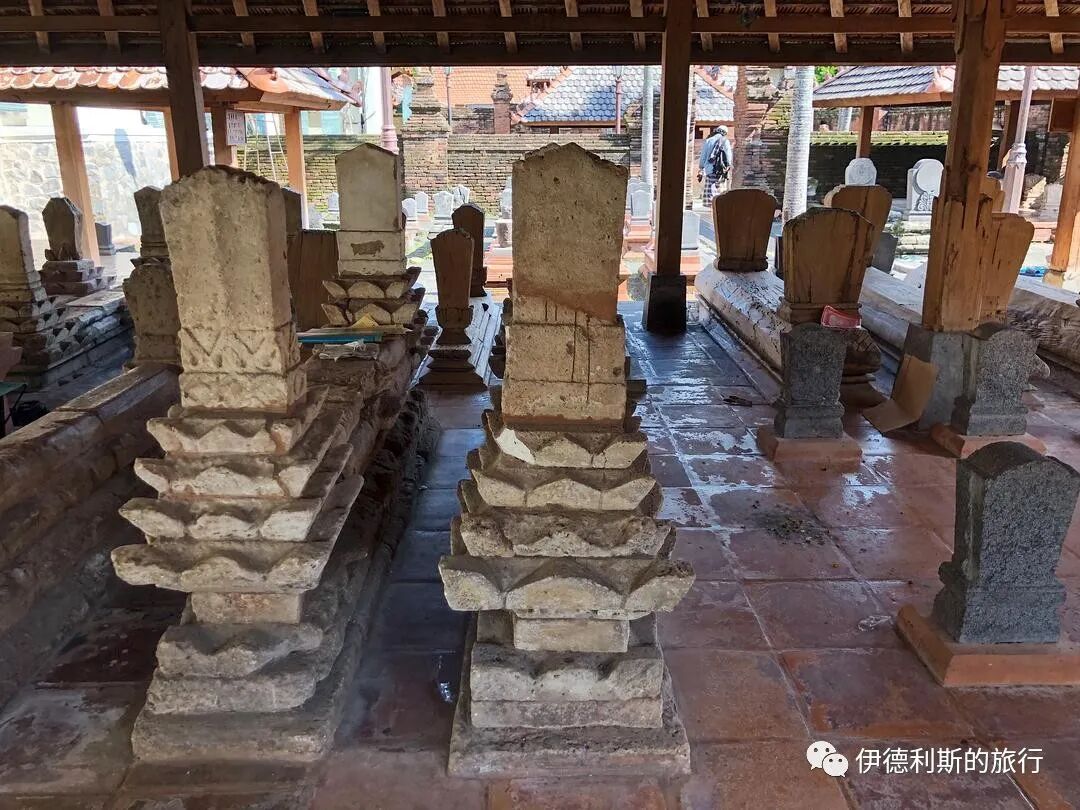
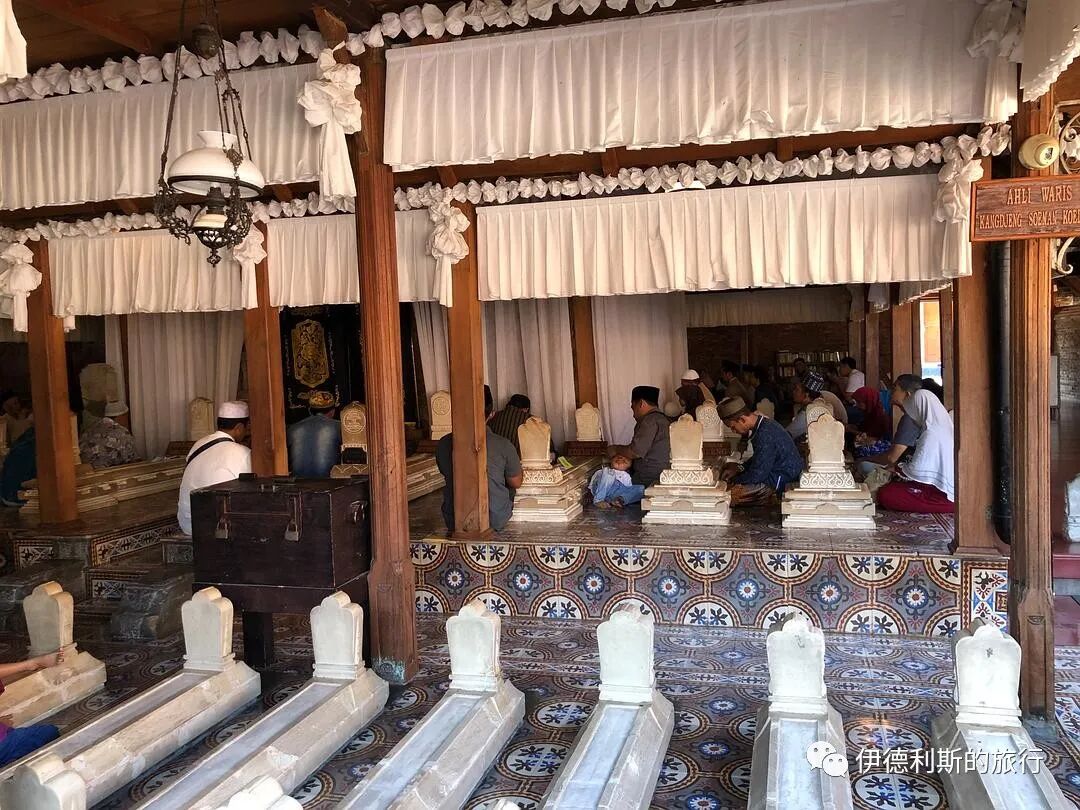
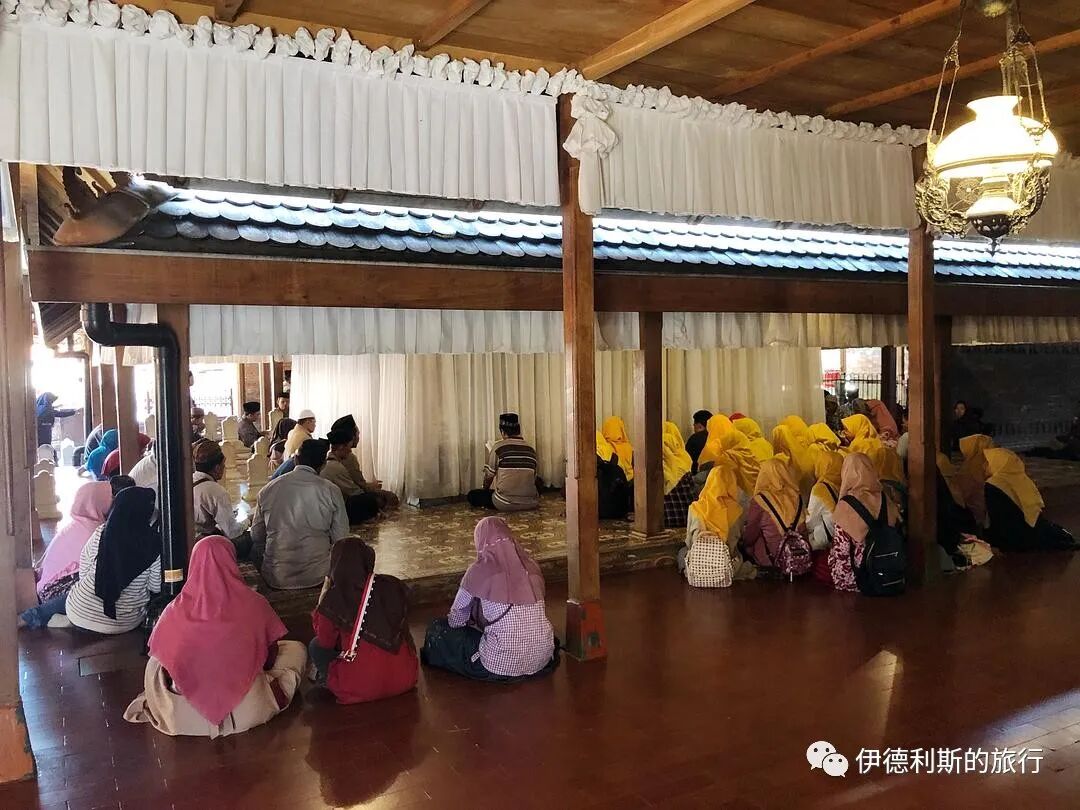
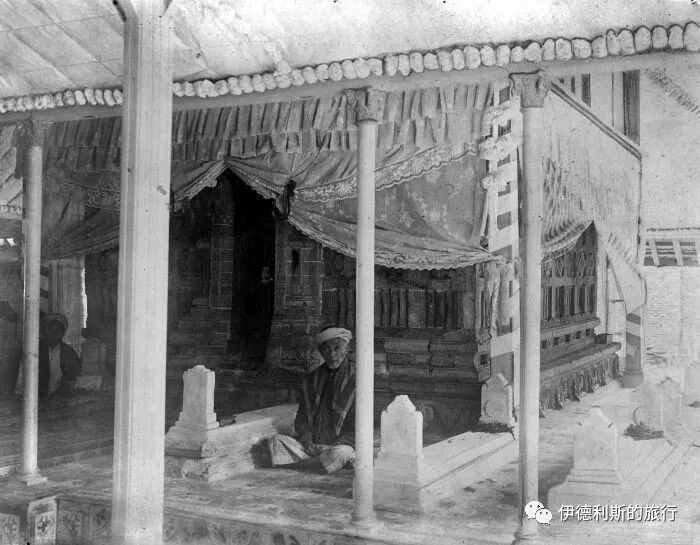
Sunan Kudus passed away in 1550 and was buried in the backyard of Al-Aqsa Mosque. The holy tomb is also in the traditional Majapahit architectural style.
The gate of the holy tomb.
The path after entering the gate.
The split gate (candi bentar) in the middle of the path.
Early 20th century
Next is another Kori Agung gate.
Then you enter the bathing area, where people perform wudu before entering the holy tomb.
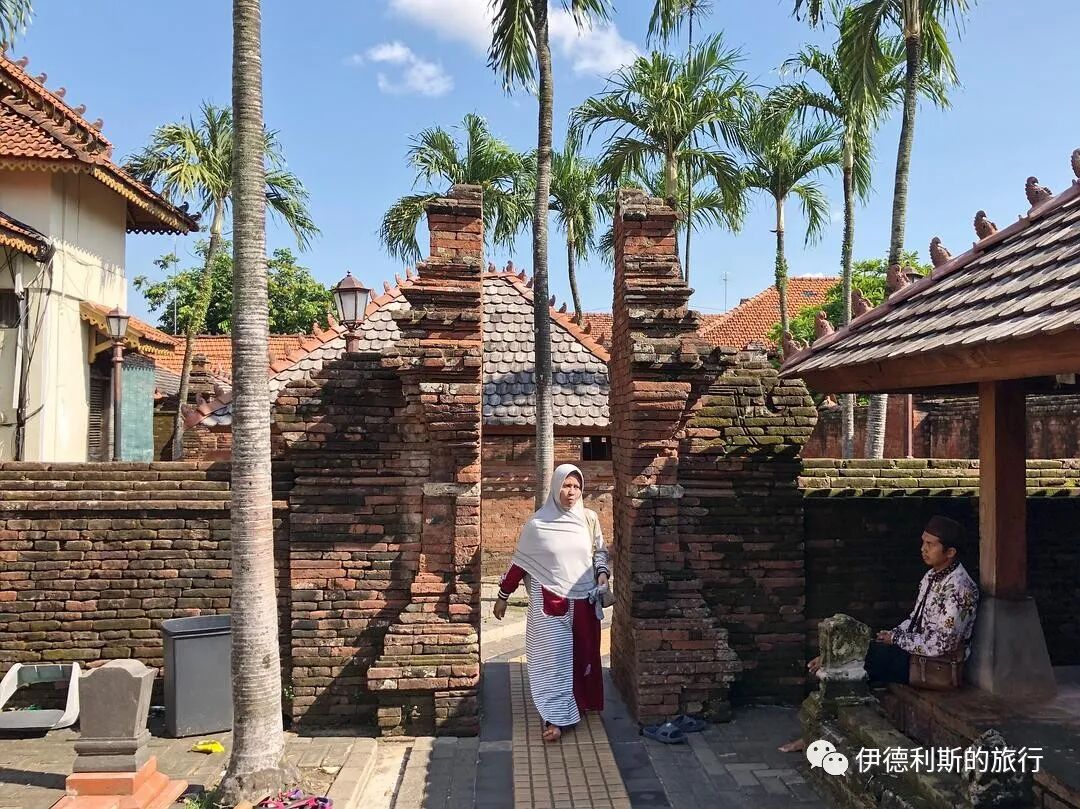
Then you pass through this split gate (candi bentar) to enter the outer burial area.
Then you pass through this Kori Agung gate to reach the actual holy tomb.
Early 20th century
Langgar Bubrah ruins: 1533.
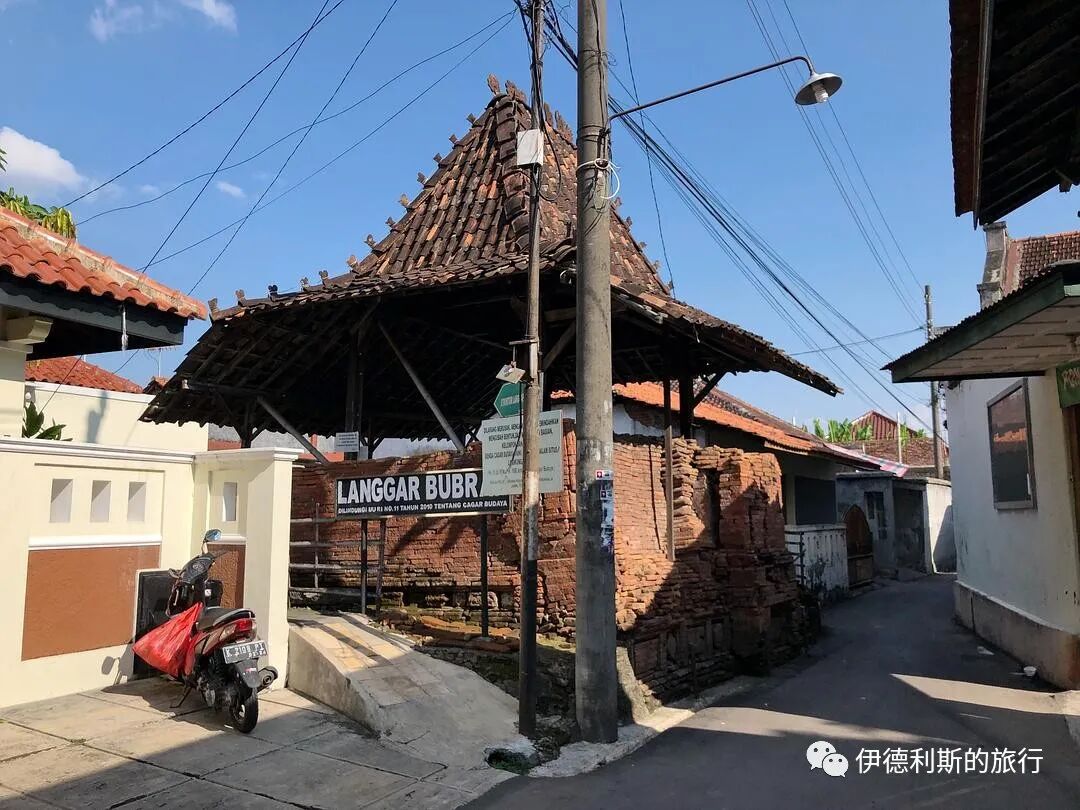
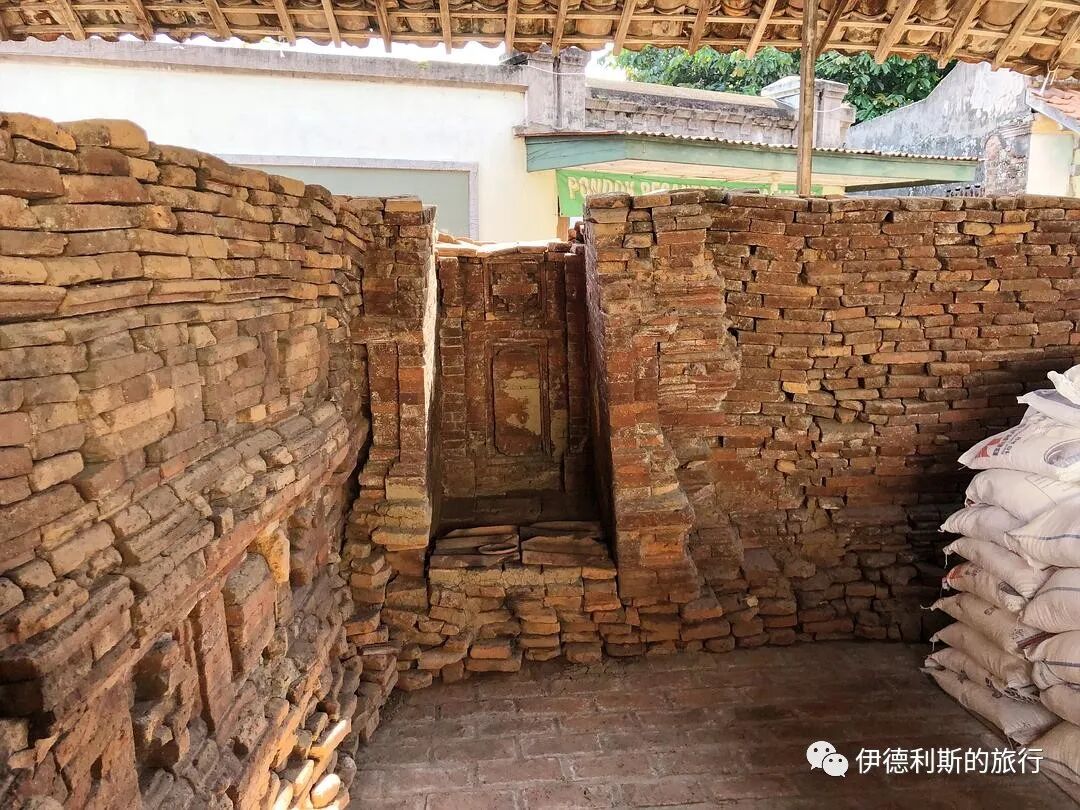
The Langgar Bubrah ruins sit in a small alley south of the Al-Aqsa Mosque. They are an important witness to Java Island's 16th-century transition from Hinduism to Islam.
Prince Pontjowati of the Majapahit Kingdom reportedly built Langgar Bubrah in 1533 as a Hindu temple. Later, Prince Pontjowati converted to Islam under the guidance of Kudus and became his student, turning this site into a mosque.
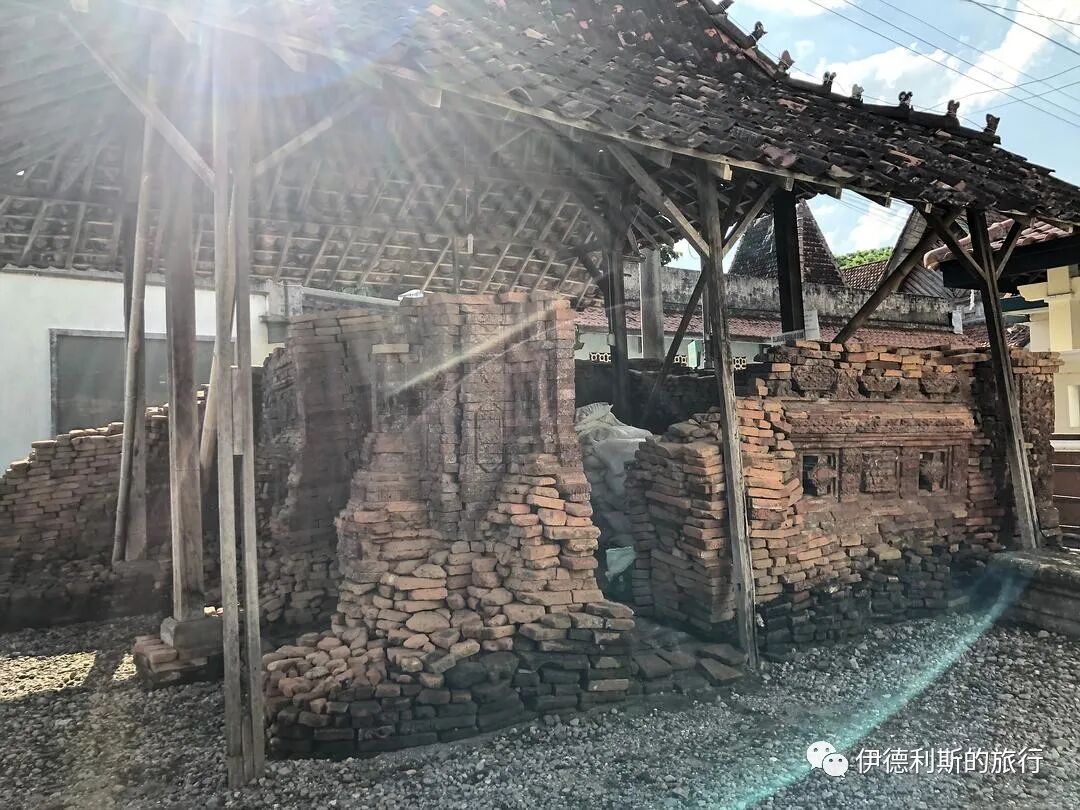
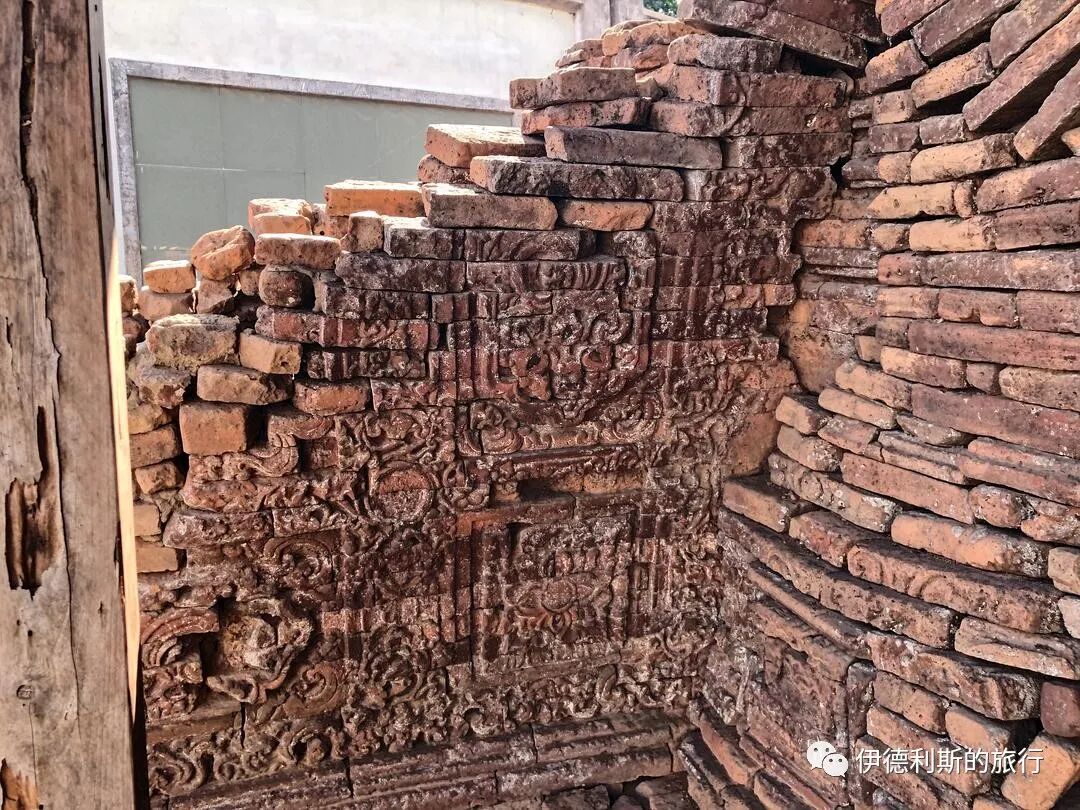
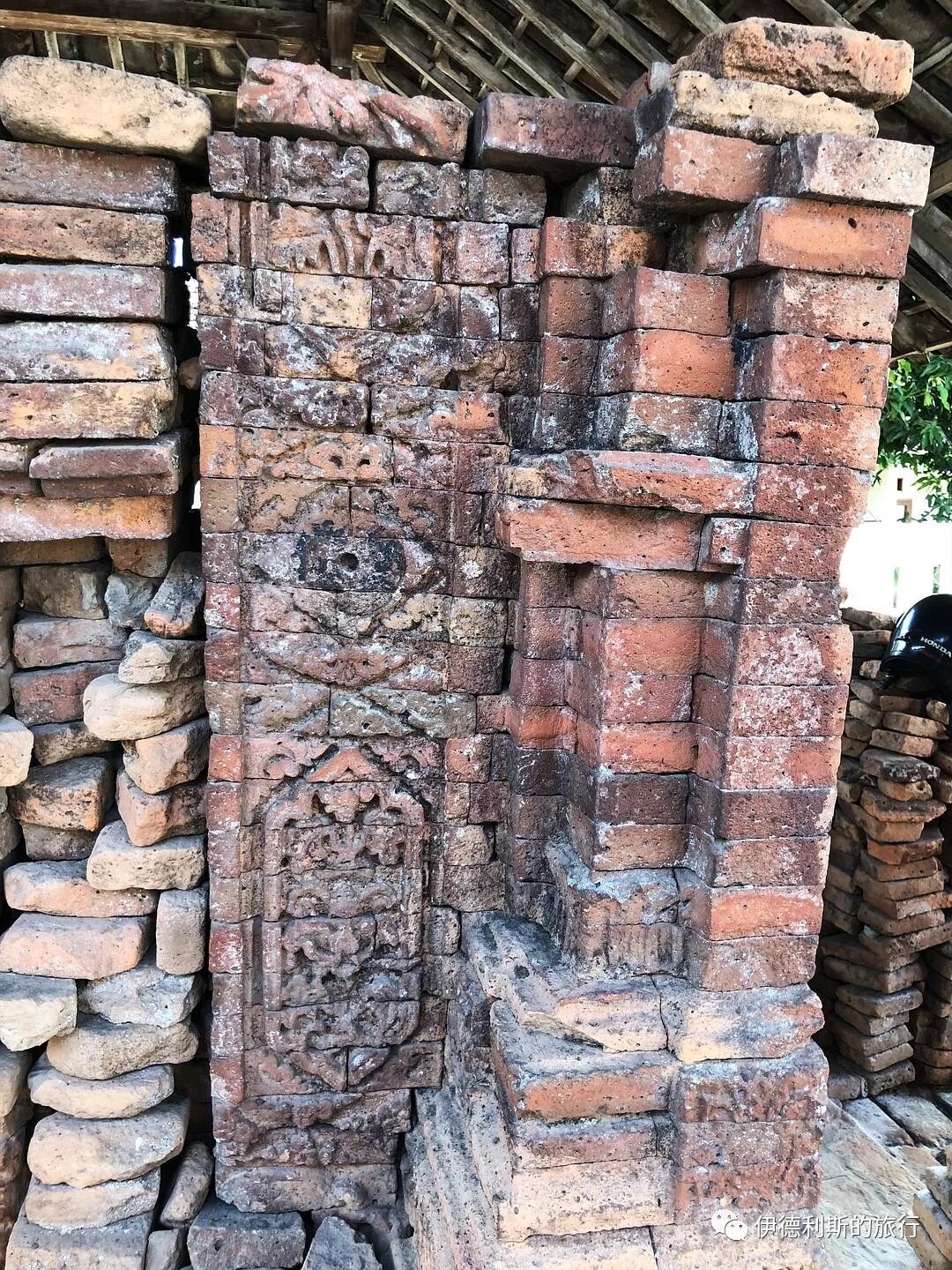
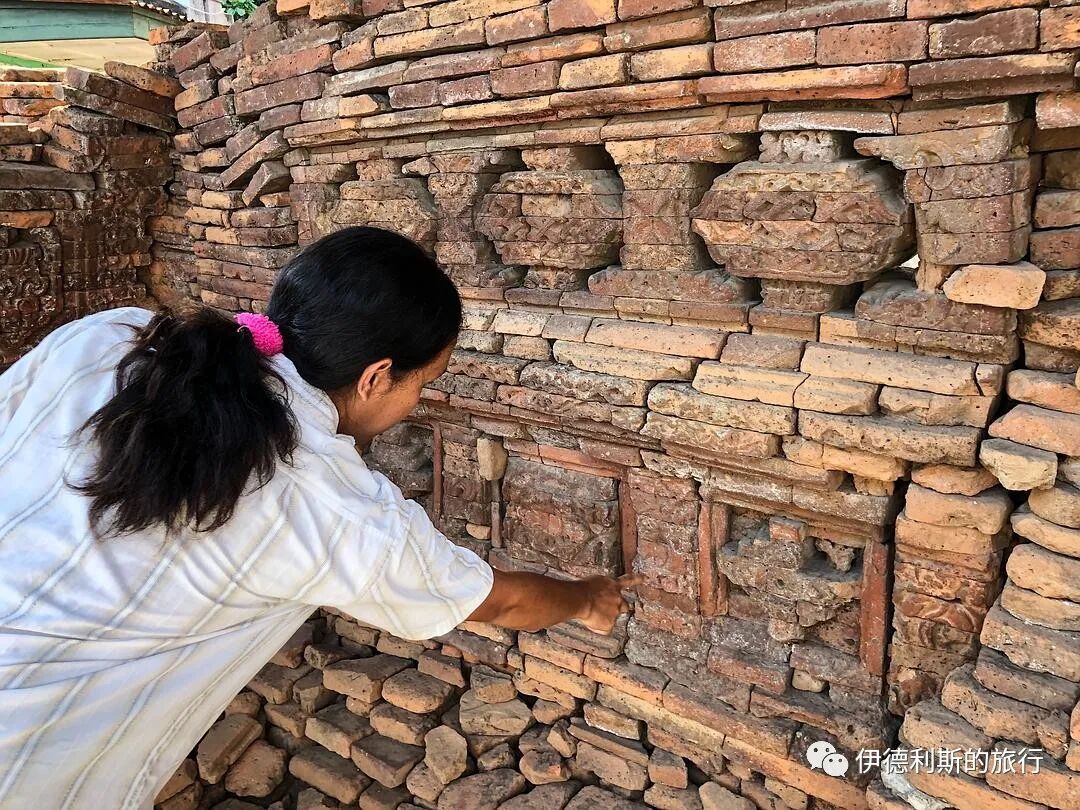
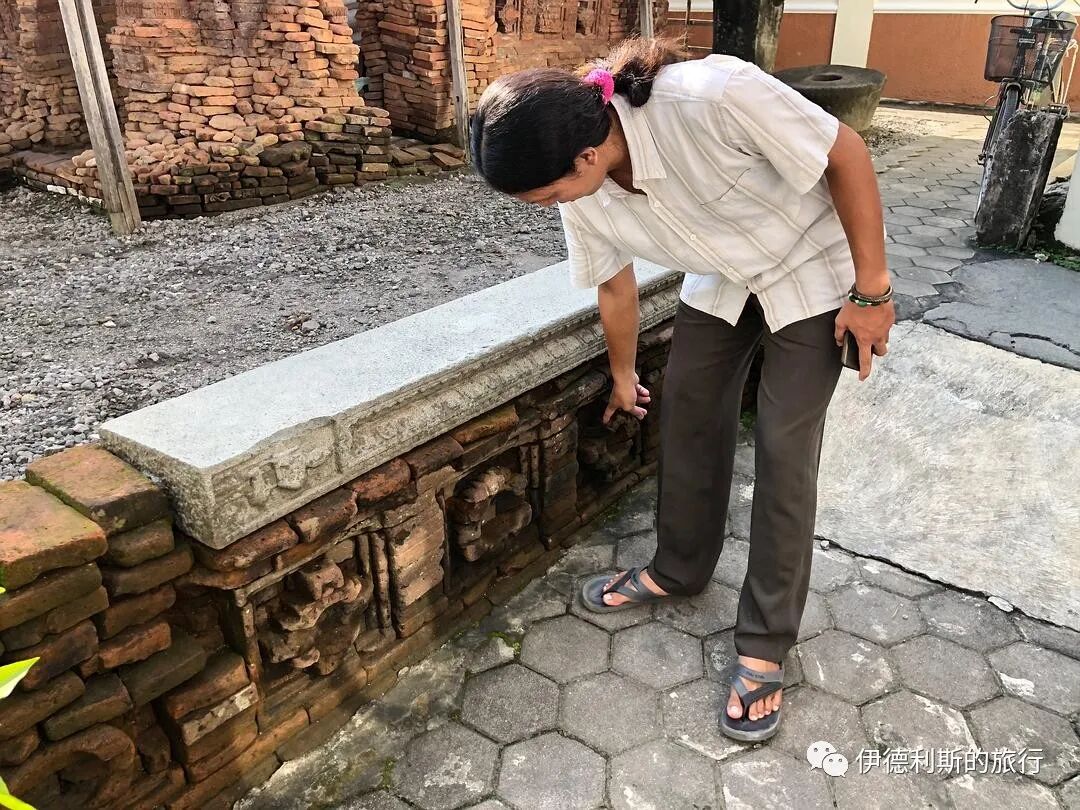
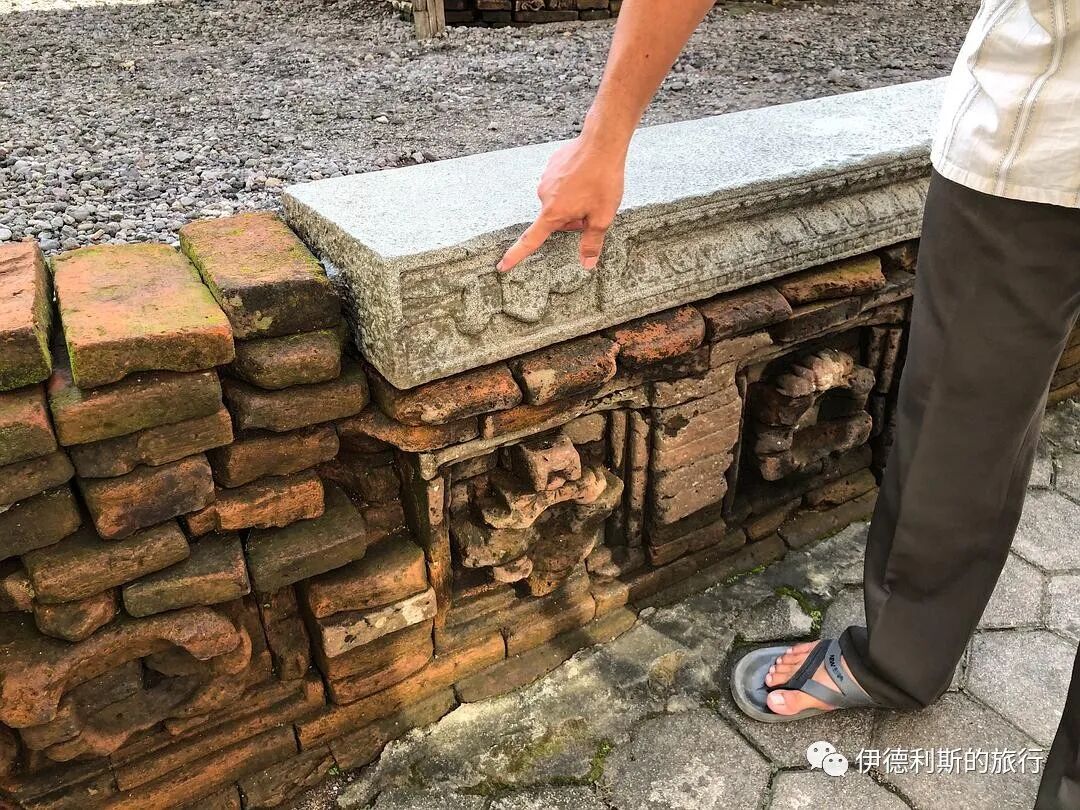
Langgar Bubrah features traditional Majapahit-style brick carvings.
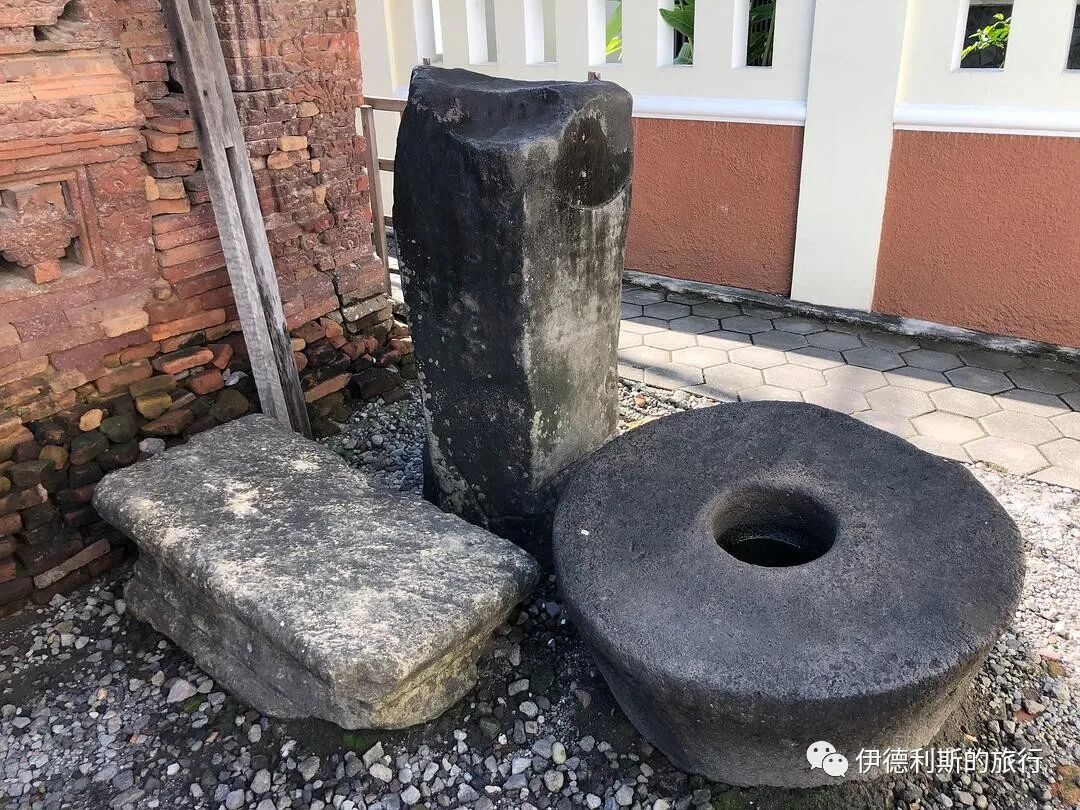
The room once had a roof, but it did not survive. Now, only the stone column bases (umpak) that supported the roof remain. Next to the column bases, there is a Hindu linga and a stone used for grinding herbs.
Beside the ruins, there is also a Hindu stone carving featuring an image of Shiva. view all
Summary: Muslim History Guide Indonesia Java: Kudus Mosques, Old City Streets and Islamic Heritage is presented here as a clear Muslim travel account, beginning with this scene: In our last article, The First Sultanate of Java: Demak, we introduced the medieval trading port of Demak, located an hour's drive northeast of the Central Java capital, Semarang. The account keeps its focus on Kudus Mosques, Indonesia Muslim Travel, Java Islamic Heritage while preserving the names, places, food, and historical details from the Chinese source.
In our last article, The First Sultanate of Java: Demak, we introduced the medieval trading port of Demak, located an hour's drive northeast of the Central Java capital, Semarang. This is where the first sultanate on Java was established. Another hour's drive northeast from Demak brings you to Kudus, an important holy city for Islam on Java.
Kudus is the only city on Java with an Arabic name. Kudus is actually the Arabic pronunciation of Jerusalem, al-Quds. The city is named after Sunan Kudus, one of the nine saints (Wali Sanga) of Javanese Islam. The tomb of Sunan Kudus is now an important holy site on Java, and the Al-Aqsa Mosque next to the tomb is world-famous for its unique minaret built in the early Javanese style.
Kudus was born into a family of Islamic scholars. His grandfather, Sunan Ampel, was one of the nine saints of Javanese Islam. He served for a long time as the imam of the Great Mosque of Demak and was a teacher to Raden Patah, the founder of the Demak Sultanate. His father, Sunan Ngudung, was also a famous Javanese Islamic sage who served as the imam of the Great Mosque of Demak from 1520 to 1524.
In 1478, the Buddhist-majority Majapahit army killed King Brawijaya V, who had united the Muslims. As the biological son of Brawijaya V, the Demak Sultan Raden Patah officially declared war on the Majapahit Kingdom. Kudus's father, Ngudung, led the Demak Sultanate's army as a commander in a war against the Majapahit Kingdom that lasted for many years. He was killed in battle in 1524.
As Ngudung's son, Kudus also served as an officer in four wars against the Majapahit Kingdom, though he focused most of his energy on his religious studies. Kudus studied under Sunan Kalijaga, the founder of the Great Mosque of Demak and one of the nine saints of Javanese Islam. Like his teacher, Kudus was very tolerant of traditional Javanese culture. He once tied a cow, which Hindus consider sacred, inside the mosque to attract Hindu followers, and he forbade people from slaughtering cows. When building the mosque, Kudus also used Javanese Hindu architectural styles.
Kudus Al-Aqsa Mosque: 1549
The Kudus Al-Aqsa Mosque (Masjid Al Aqsa Menara Kudus) was built by Kudus in 1549 and is known for its unique traditional Javanese architectural style.
The mosque shares its name with the famous Al-Aqsa Mosque in Jerusalem. People say while on his way to Hajj, Kudus helped cure a plague in a city. He refused the generous gifts offered by the locals, accepting only a stone from the holy site surrounding the Al-Aqsa Mosque in Jerusalem. After returning to Java, Kudus used the stone to build this mosque.
19th century
Early 20th century
The architectural style of the Kudus Al-Aqsa Mosque directly inherits from the Buddhist/Hindu architecture of the Majapahit era, featuring two types of signature gates: the split gate (candi bentar) and the main gate (kori agung).
A mosque (candi) is a type of Hindu/Buddhist mosque architecture found on Java, Bali, and Lombok. A split gate (candi bentar) means a split mosque, where the structure is symmetrically divided down the center to create a path. In reality, the split gate (candi bentar) does not have doors installed. It serves as a passage from the secular world into a sacred space, creating a sense of solemnity before entering the main building.
The split gate (candi bentar) of the Kudus Al-Aqsa Mosque is built from red brick steps.
The main gate (kori agung), also known as a paduraksa gate in Hindu/Buddhist architecture, is the primary entrance from the secular world into a sacred space. The Kori Agung gate comes from the ancient Hindu Gopuram gate. It was widely used in old Javanese Hindu and Buddhist temples from the 8th to 9th centuries. After the 15th century, Islamic sultanates used it for mosques, palaces, and tombs, but without the complex Hindu and Buddhist decorations.
The Kori Agung is actually a type of Majapahit-style stepped temple (candi) building. It is made of red brick and has beautiful patterns on its wooden doors.
A side door of the mosque that connects to the holy tomb.
The main hall of the mosque was rebuilt in modern times, but it still keeps two original Kori Agung gates inside.
The most famous building at Al-Aqsa Mosque is this minaret, which is the earliest one in Java and the only one from the 16th century on the island. This tower is not a Persian-style spire at all. It is a traditional Javanese Majapahit-style tower with a large prayer drum (bedug) on top used to call people to prayer. Today, a drum tower (bale kulkul) in the same style still exists in Bali, used to signal attacks, fires, or public events.
Early 20th century
The ablution pool at Al-Aqsa Mosque is also very unique. Each water tap has a traditional statue. People say Sunan Kudus designed this during the early construction to attract local Hindus and Buddhists to come here to clean themselves.
Tomb of Sunan Kudus: 1550.
Sunan Kudus passed away in 1550 and was buried in the backyard of Al-Aqsa Mosque. The holy tomb is also in the traditional Majapahit architectural style.
The gate of the holy tomb.
The path after entering the gate.
The split gate (candi bentar) in the middle of the path.
Early 20th century
Next is another Kori Agung gate.
Then you enter the bathing area, where people perform wudu before entering the holy tomb.
Then you pass through this split gate (candi bentar) to enter the outer burial area.
Then you pass through this Kori Agung gate to reach the actual holy tomb.
Early 20th century
Langgar Bubrah ruins: 1533.
The Langgar Bubrah ruins sit in a small alley south of the Al-Aqsa Mosque. They are an important witness to Java Island's 16th-century transition from Hinduism to Islam.
Prince Pontjowati of the Majapahit Kingdom reportedly built Langgar Bubrah in 1533 as a Hindu temple. Later, Prince Pontjowati converted to Islam under the guidance of Kudus and became his student, turning this site into a mosque.
Langgar Bubrah features traditional Majapahit-style brick carvings.
The room once had a roof, but it did not survive. Now, only the stone column bases (umpak) that supported the roof remain. Next to the column bases, there is a Hindu linga and a stone used for grinding herbs.
Beside the ruins, there is also a Hindu stone carving featuring an image of Shiva. view all
Reposted from the web
Summary: Muslim History Guide Indonesia Java: Kudus Mosques, Old City Streets and Islamic Heritage is presented here as a clear Muslim travel account, beginning with this scene: In our last article, The First Sultanate of Java: Demak, we introduced the medieval trading port of Demak, located an hour's drive northeast of the Central Java capital, Semarang. The account keeps its focus on Kudus Mosques, Indonesia Muslim Travel, Java Islamic Heritage while preserving the names, places, food, and historical details from the Chinese source.
In our last article, The First Sultanate of Java: Demak, we introduced the medieval trading port of Demak, located an hour's drive northeast of the Central Java capital, Semarang. This is where the first sultanate on Java was established. Another hour's drive northeast from Demak brings you to Kudus, an important holy city for Islam on Java.
Kudus is the only city on Java with an Arabic name. Kudus is actually the Arabic pronunciation of Jerusalem, al-Quds. The city is named after Sunan Kudus, one of the nine saints (Wali Sanga) of Javanese Islam. The tomb of Sunan Kudus is now an important holy site on Java, and the Al-Aqsa Mosque next to the tomb is world-famous for its unique minaret built in the early Javanese style.
Kudus was born into a family of Islamic scholars. His grandfather, Sunan Ampel, was one of the nine saints of Javanese Islam. He served for a long time as the imam of the Great Mosque of Demak and was a teacher to Raden Patah, the founder of the Demak Sultanate. His father, Sunan Ngudung, was also a famous Javanese Islamic sage who served as the imam of the Great Mosque of Demak from 1520 to 1524.
In 1478, the Buddhist-majority Majapahit army killed King Brawijaya V, who had united the Muslims. As the biological son of Brawijaya V, the Demak Sultan Raden Patah officially declared war on the Majapahit Kingdom. Kudus's father, Ngudung, led the Demak Sultanate's army as a commander in a war against the Majapahit Kingdom that lasted for many years. He was killed in battle in 1524.
As Ngudung's son, Kudus also served as an officer in four wars against the Majapahit Kingdom, though he focused most of his energy on his religious studies. Kudus studied under Sunan Kalijaga, the founder of the Great Mosque of Demak and one of the nine saints of Javanese Islam. Like his teacher, Kudus was very tolerant of traditional Javanese culture. He once tied a cow, which Hindus consider sacred, inside the mosque to attract Hindu followers, and he forbade people from slaughtering cows. When building the mosque, Kudus also used Javanese Hindu architectural styles.
Kudus Al-Aqsa Mosque: 1549
The Kudus Al-Aqsa Mosque (Masjid Al Aqsa Menara Kudus) was built by Kudus in 1549 and is known for its unique traditional Javanese architectural style.
The mosque shares its name with the famous Al-Aqsa Mosque in Jerusalem. People say while on his way to Hajj, Kudus helped cure a plague in a city. He refused the generous gifts offered by the locals, accepting only a stone from the holy site surrounding the Al-Aqsa Mosque in Jerusalem. After returning to Java, Kudus used the stone to build this mosque.
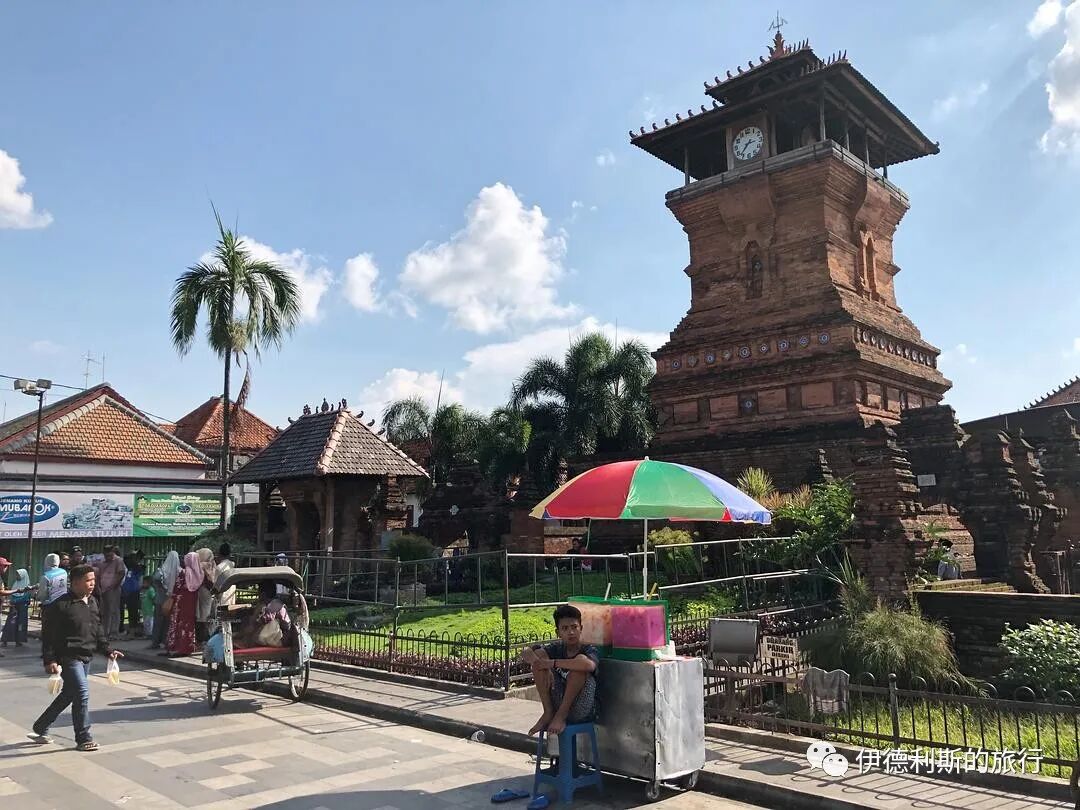
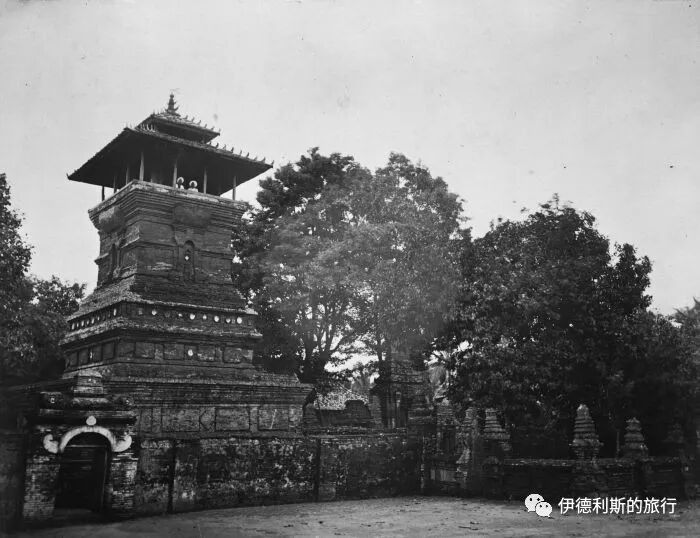
19th century
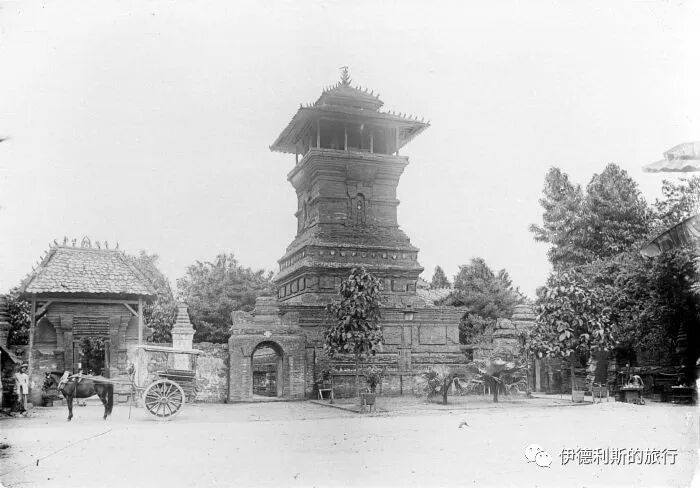
Early 20th century
The architectural style of the Kudus Al-Aqsa Mosque directly inherits from the Buddhist/Hindu architecture of the Majapahit era, featuring two types of signature gates: the split gate (candi bentar) and the main gate (kori agung).
A mosque (candi) is a type of Hindu/Buddhist mosque architecture found on Java, Bali, and Lombok. A split gate (candi bentar) means a split mosque, where the structure is symmetrically divided down the center to create a path. In reality, the split gate (candi bentar) does not have doors installed. It serves as a passage from the secular world into a sacred space, creating a sense of solemnity before entering the main building.
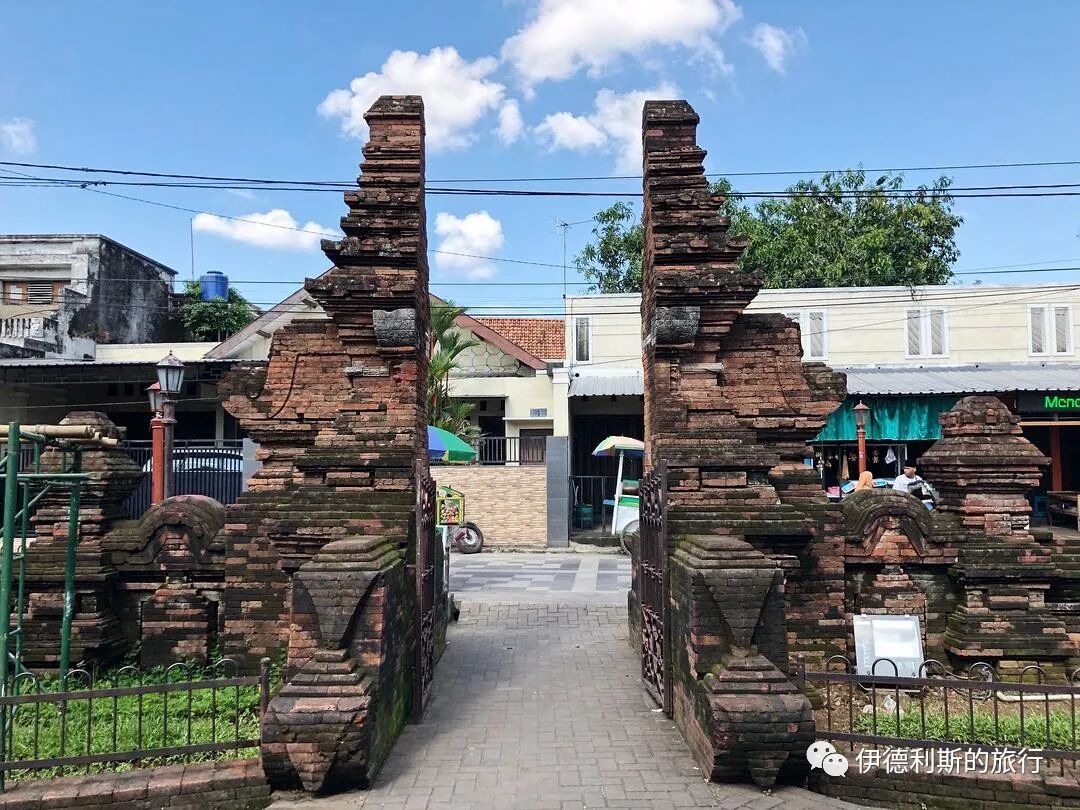
The split gate (candi bentar) of the Kudus Al-Aqsa Mosque is built from red brick steps.
The main gate (kori agung), also known as a paduraksa gate in Hindu/Buddhist architecture, is the primary entrance from the secular world into a sacred space. The Kori Agung gate comes from the ancient Hindu Gopuram gate. It was widely used in old Javanese Hindu and Buddhist temples from the 8th to 9th centuries. After the 15th century, Islamic sultanates used it for mosques, palaces, and tombs, but without the complex Hindu and Buddhist decorations.
The Kori Agung is actually a type of Majapahit-style stepped temple (candi) building. It is made of red brick and has beautiful patterns on its wooden doors.
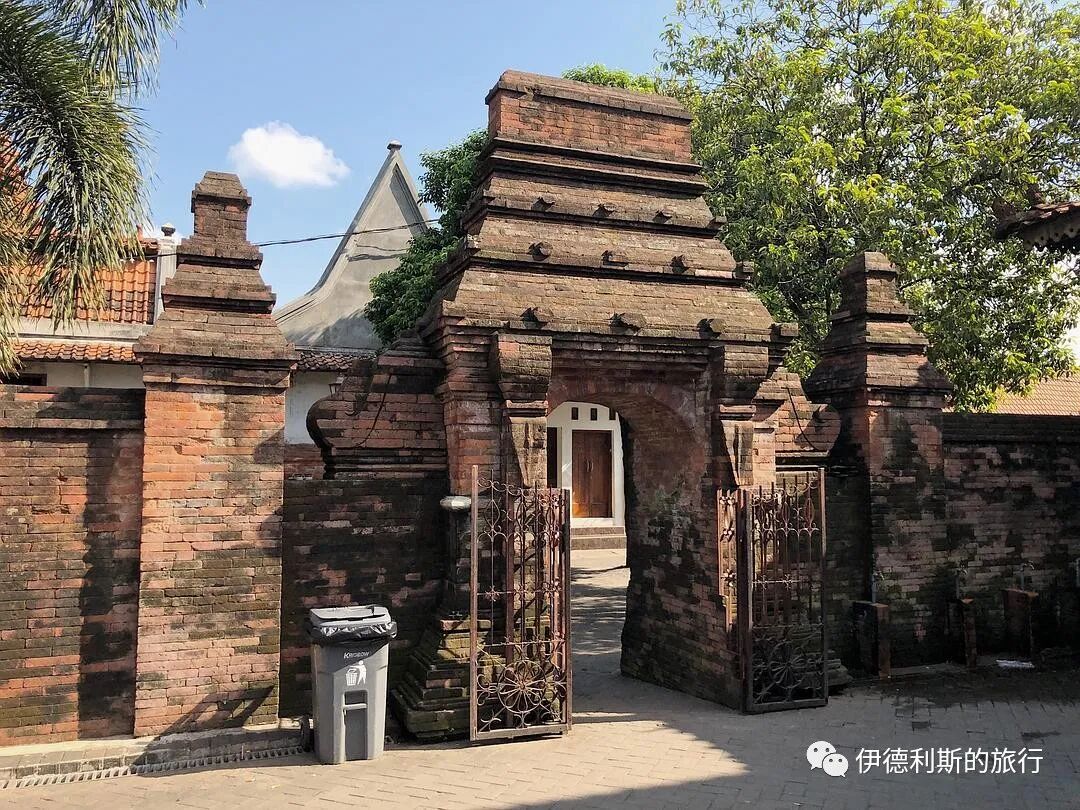
A side door of the mosque that connects to the holy tomb.
The main hall of the mosque was rebuilt in modern times, but it still keeps two original Kori Agung gates inside.
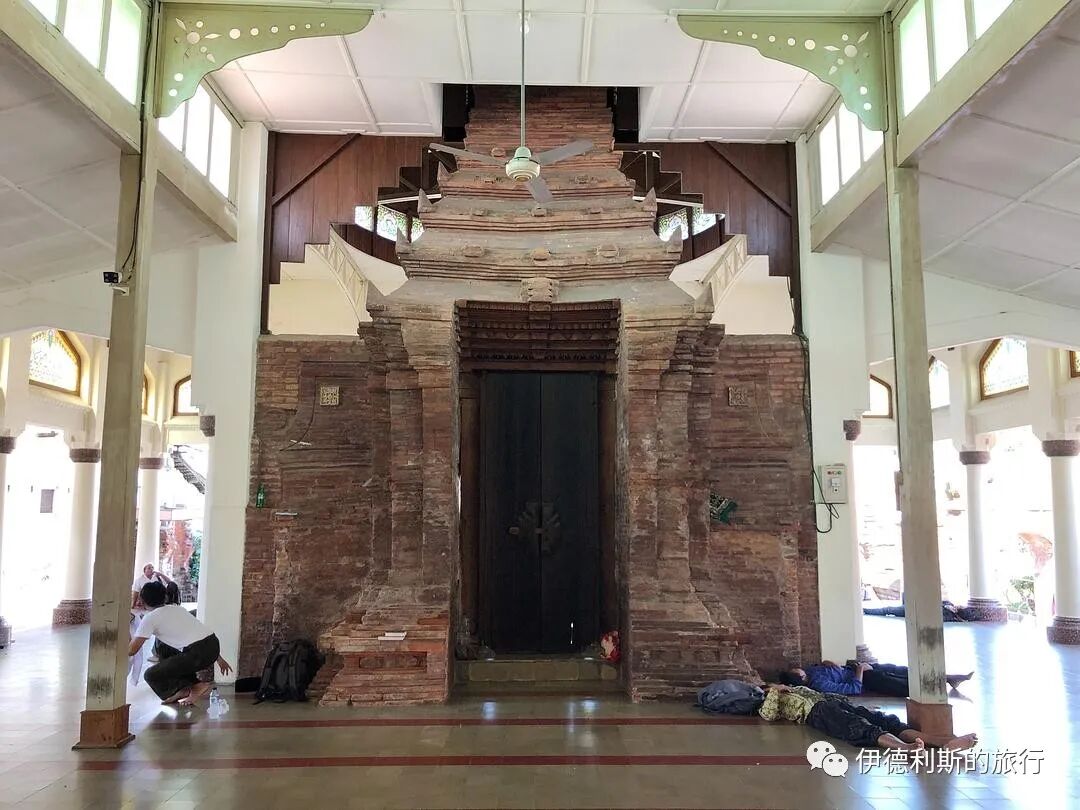
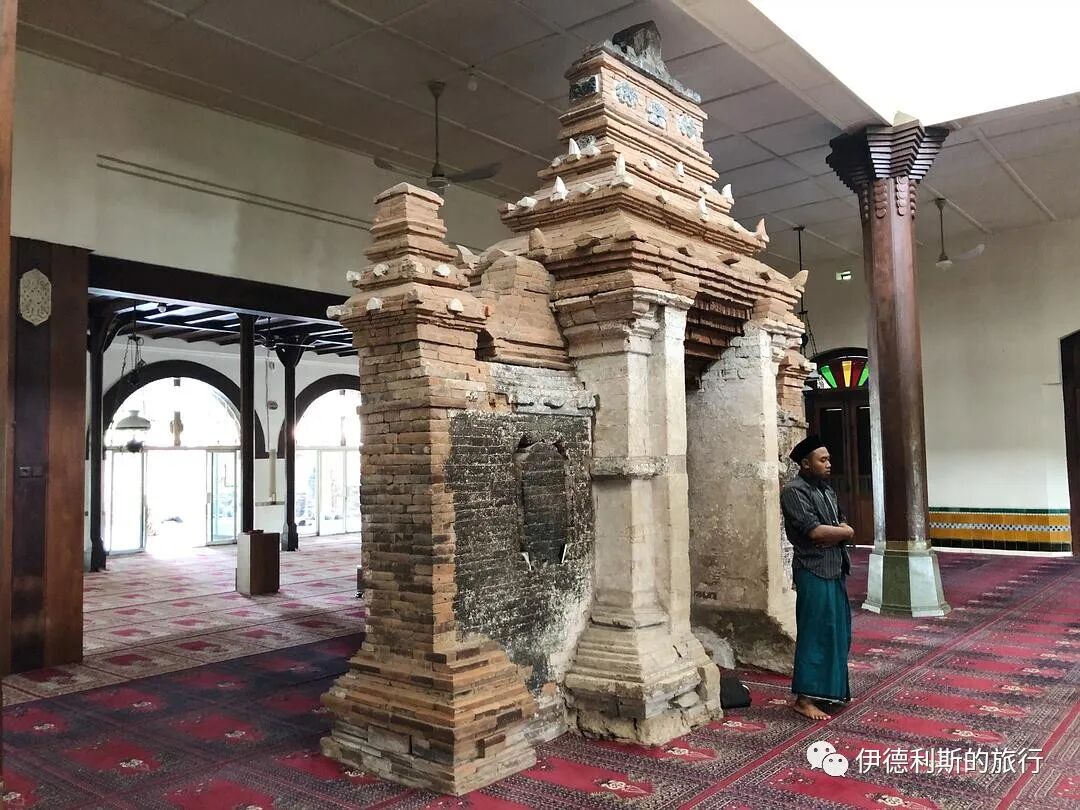
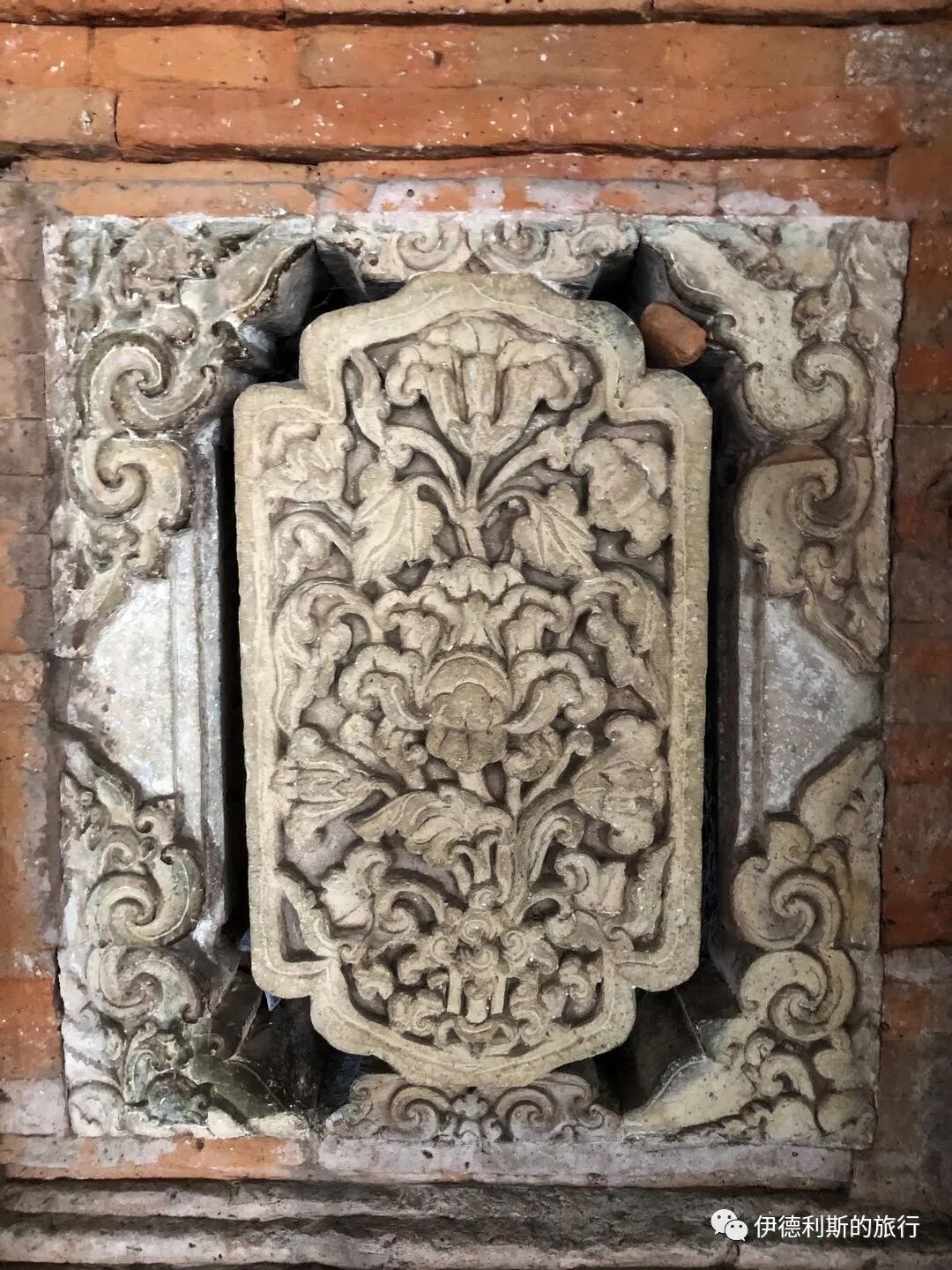
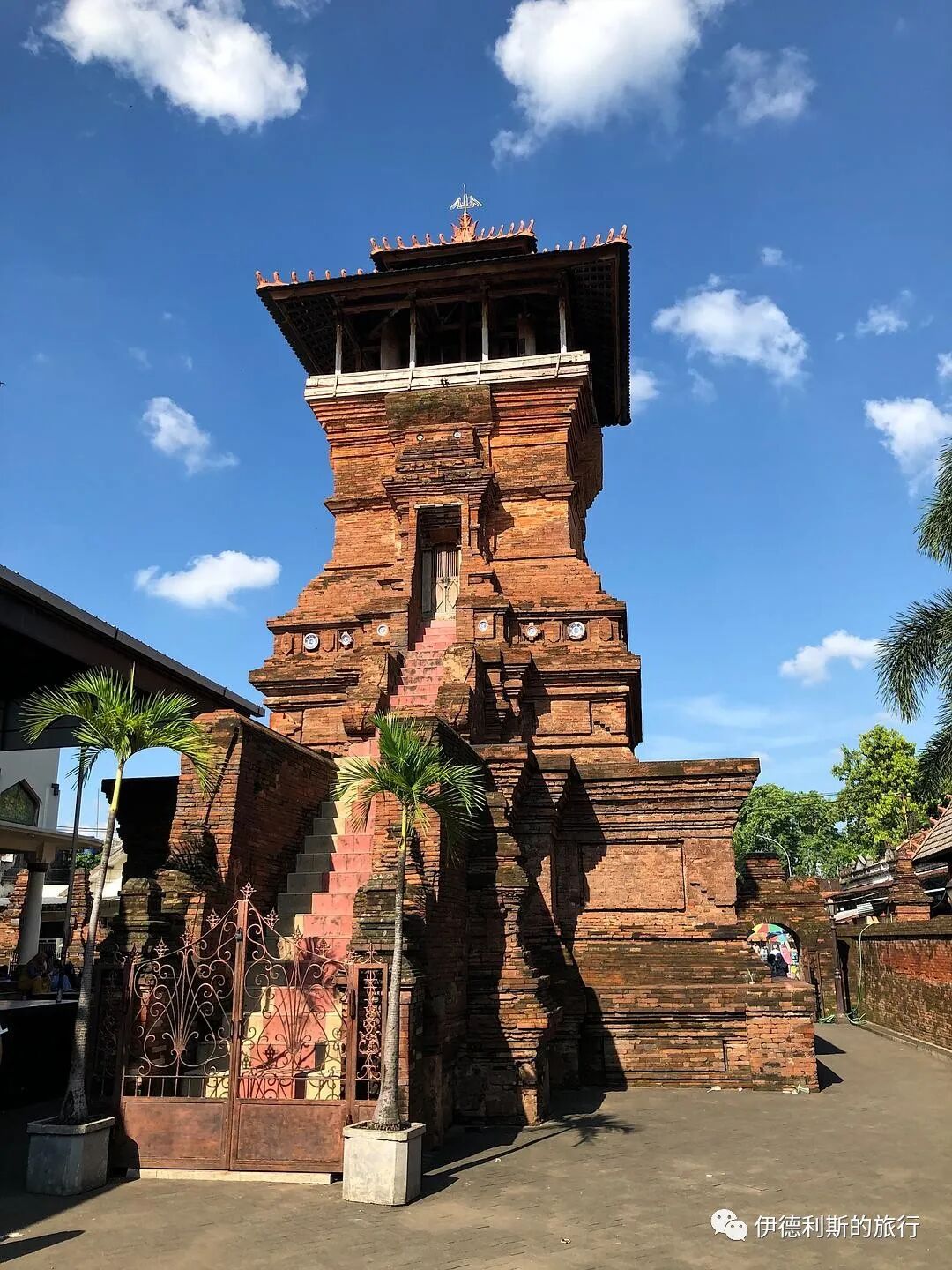
The most famous building at Al-Aqsa Mosque is this minaret, which is the earliest one in Java and the only one from the 16th century on the island. This tower is not a Persian-style spire at all. It is a traditional Javanese Majapahit-style tower with a large prayer drum (bedug) on top used to call people to prayer. Today, a drum tower (bale kulkul) in the same style still exists in Bali, used to signal attacks, fires, or public events.
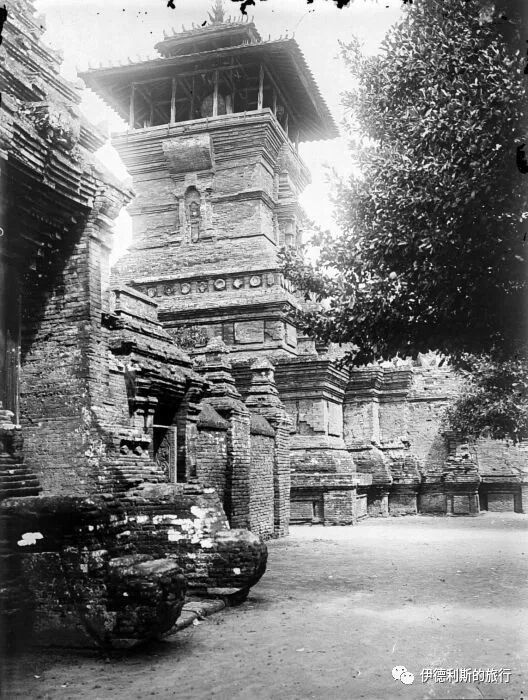
Early 20th century
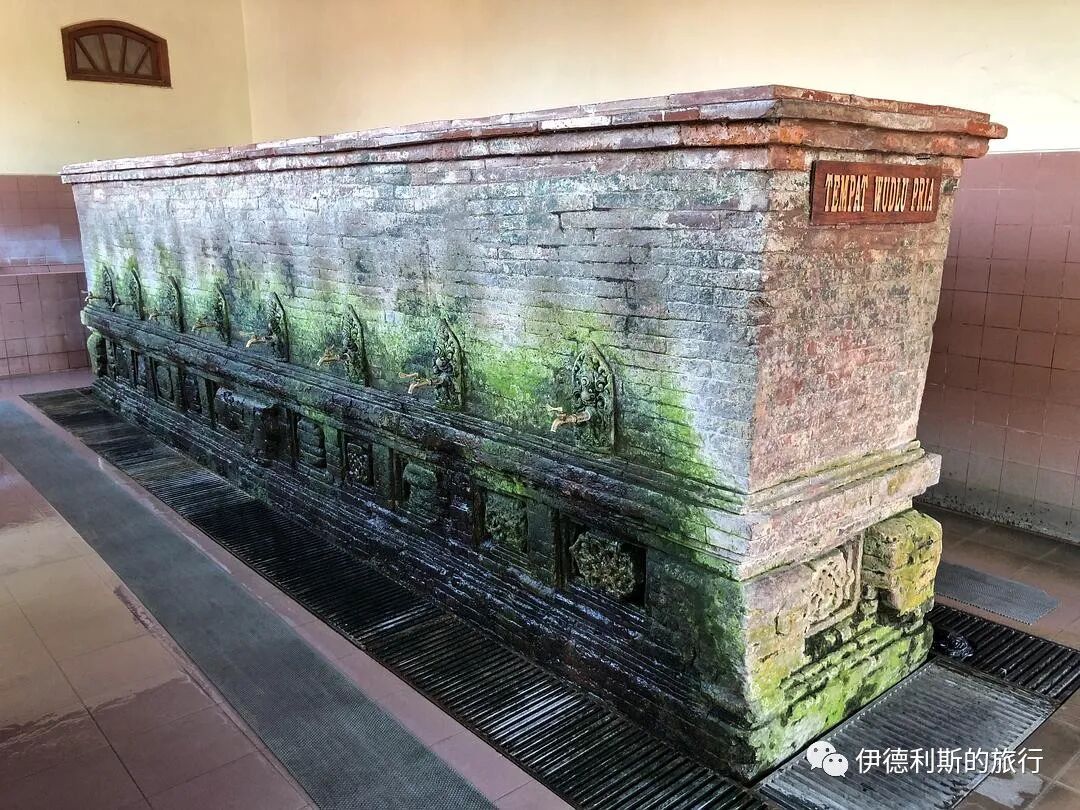
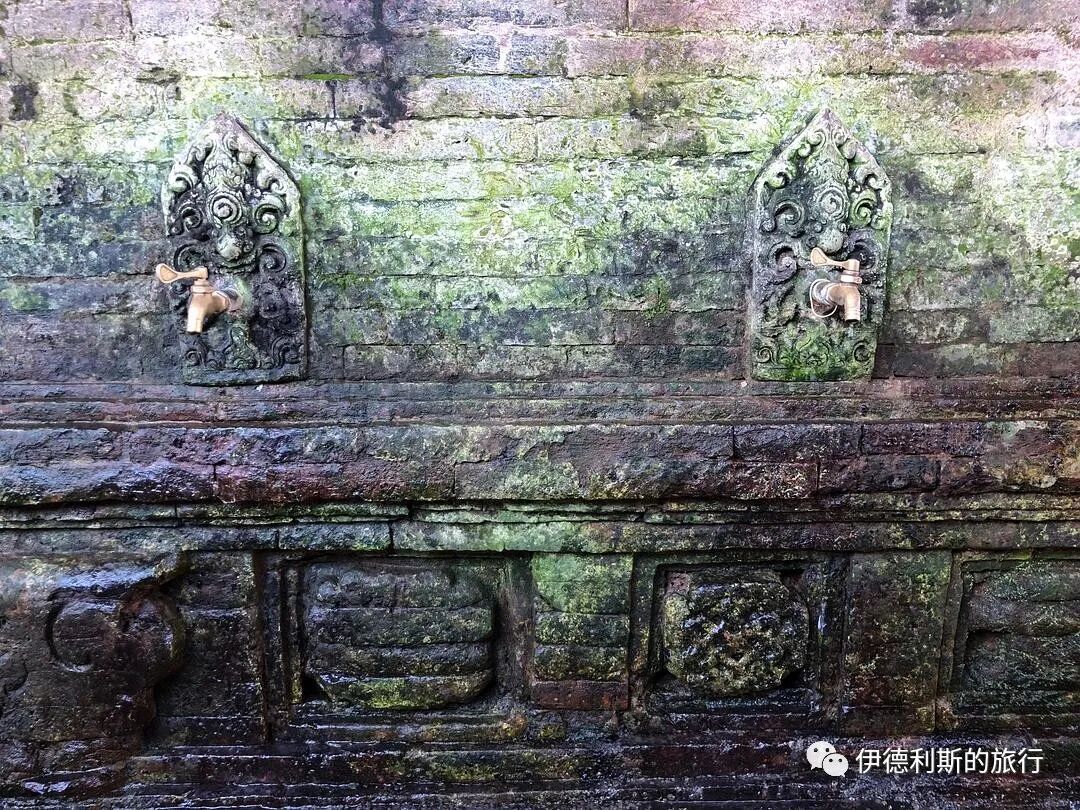
The ablution pool at Al-Aqsa Mosque is also very unique. Each water tap has a traditional statue. People say Sunan Kudus designed this during the early construction to attract local Hindus and Buddhists to come here to clean themselves.
Tomb of Sunan Kudus: 1550.
Sunan Kudus passed away in 1550 and was buried in the backyard of Al-Aqsa Mosque. The holy tomb is also in the traditional Majapahit architectural style.
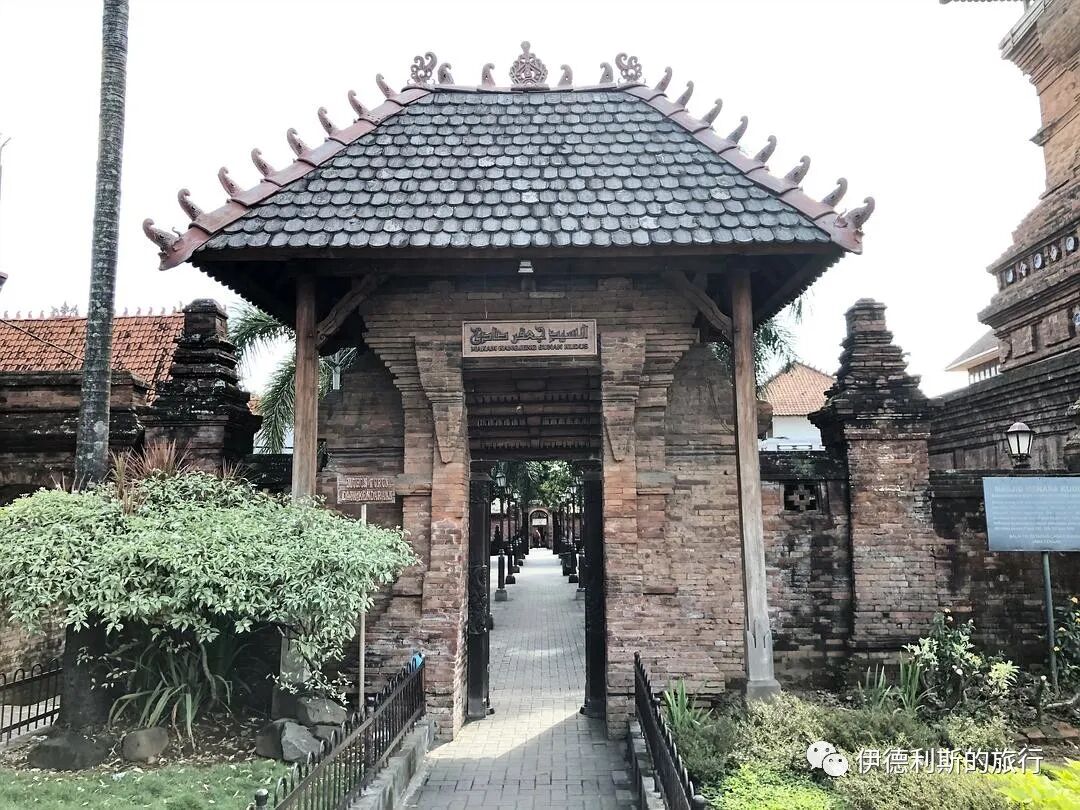
The gate of the holy tomb.
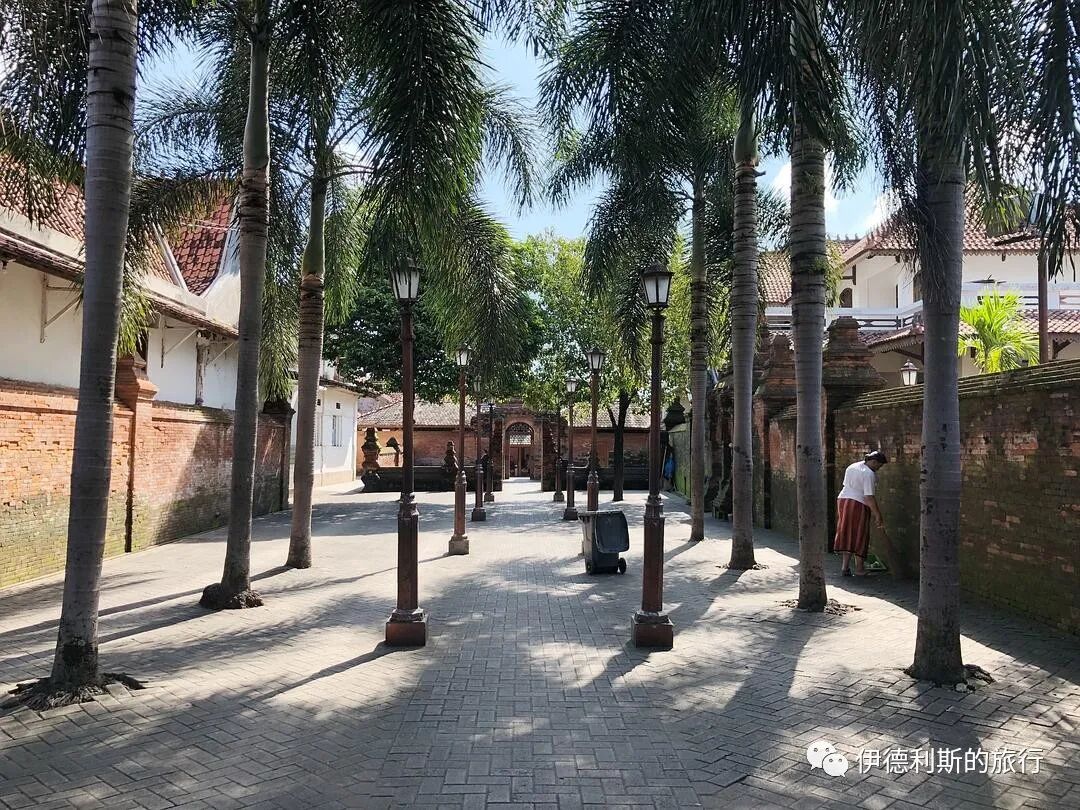
The path after entering the gate.
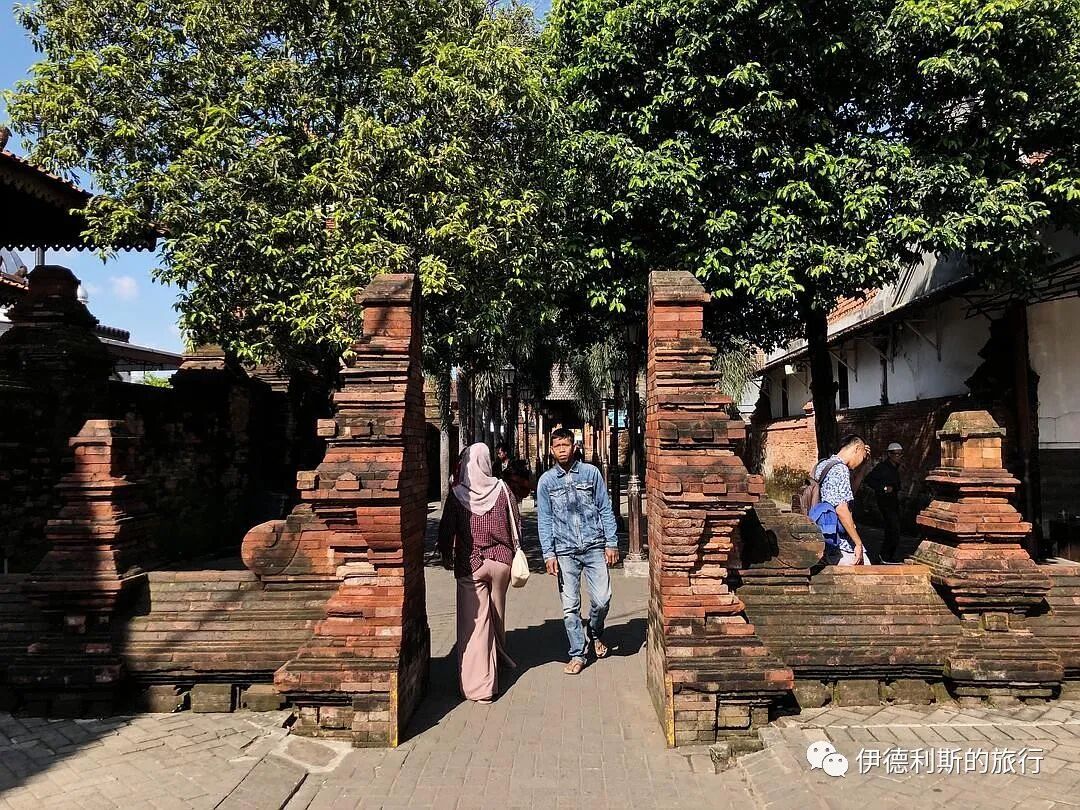
The split gate (candi bentar) in the middle of the path.
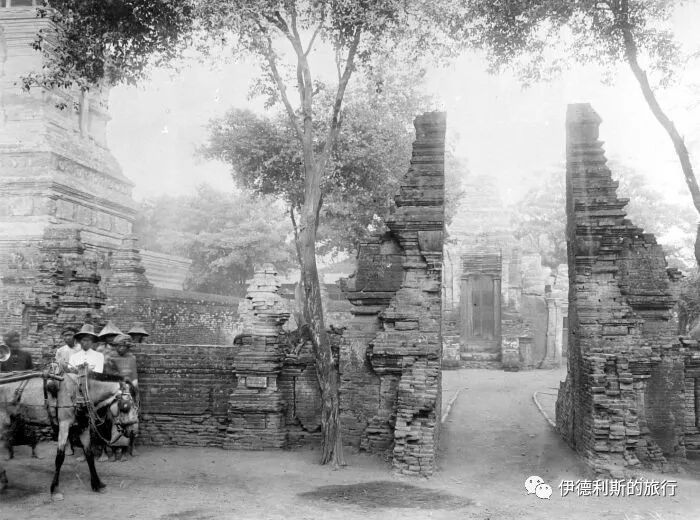
Early 20th century
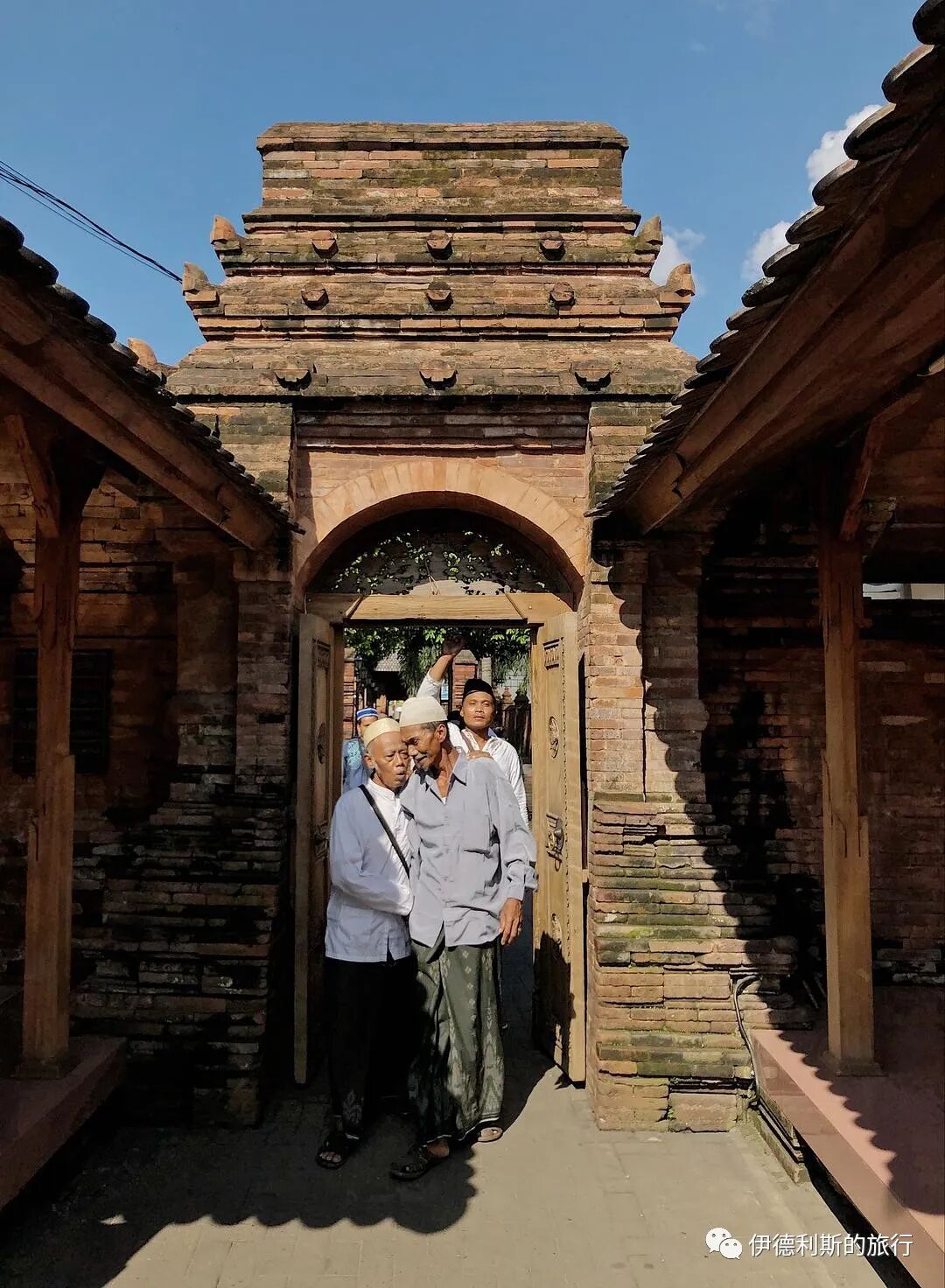
Next is another Kori Agung gate.
Then you enter the bathing area, where people perform wudu before entering the holy tomb.
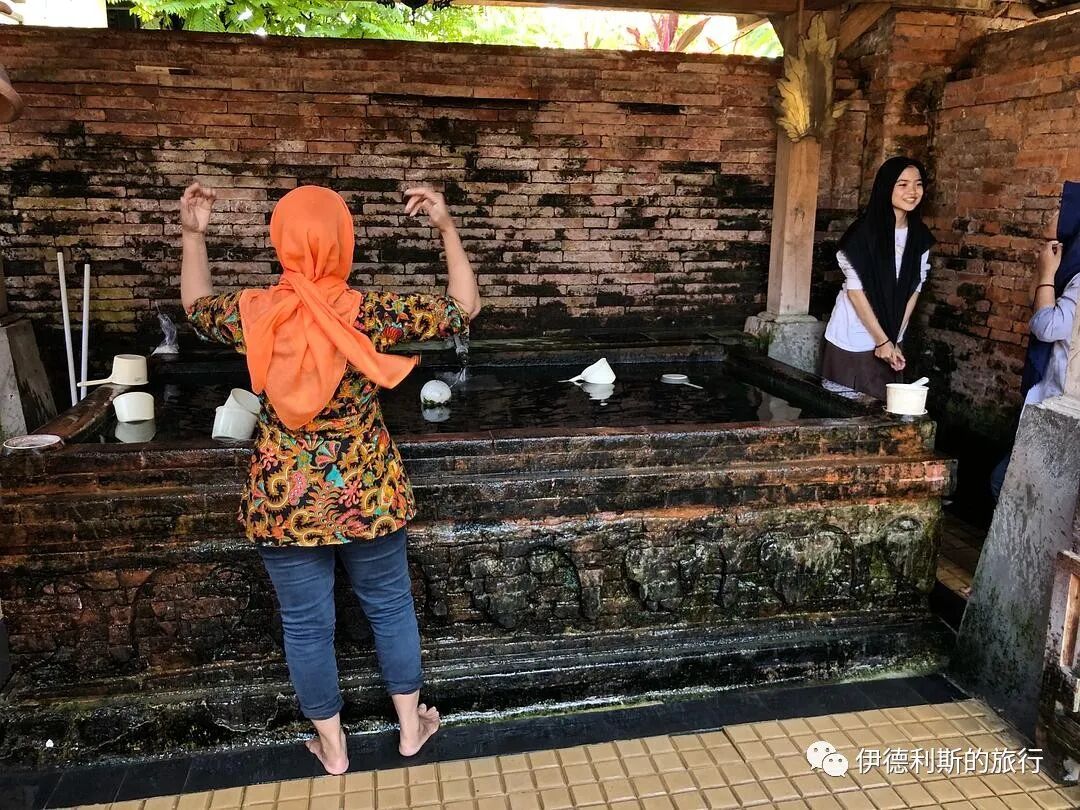
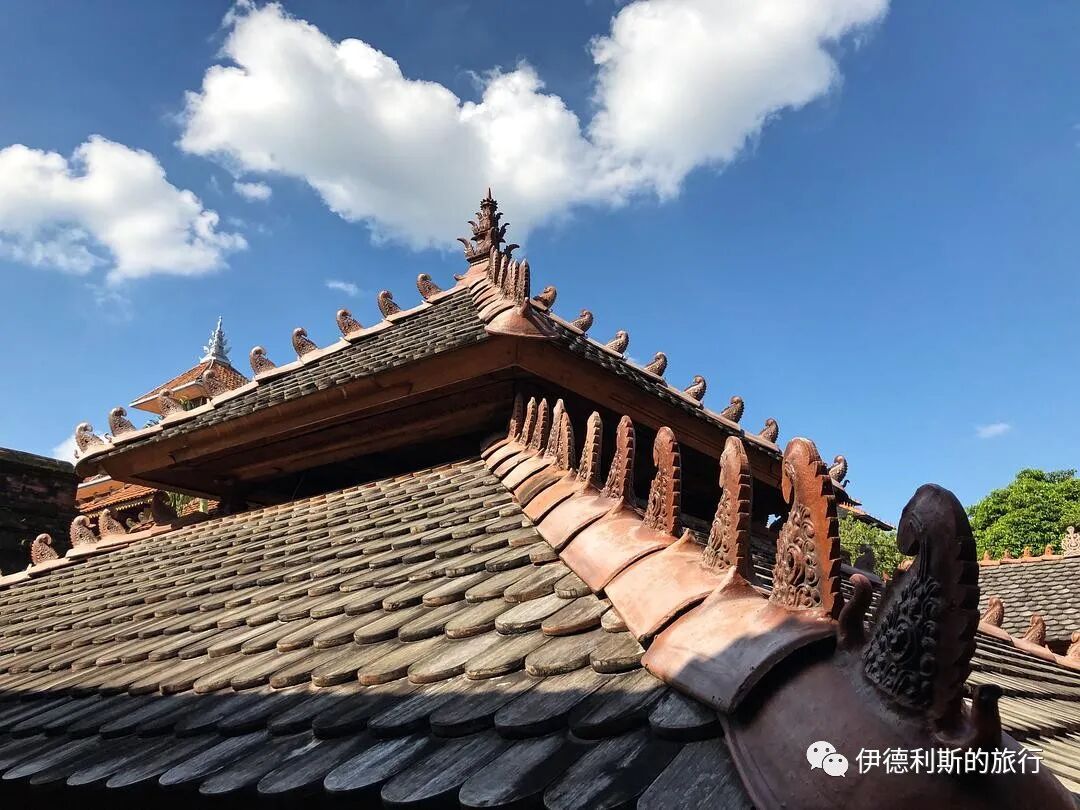
Then you pass through this split gate (candi bentar) to enter the outer burial area.
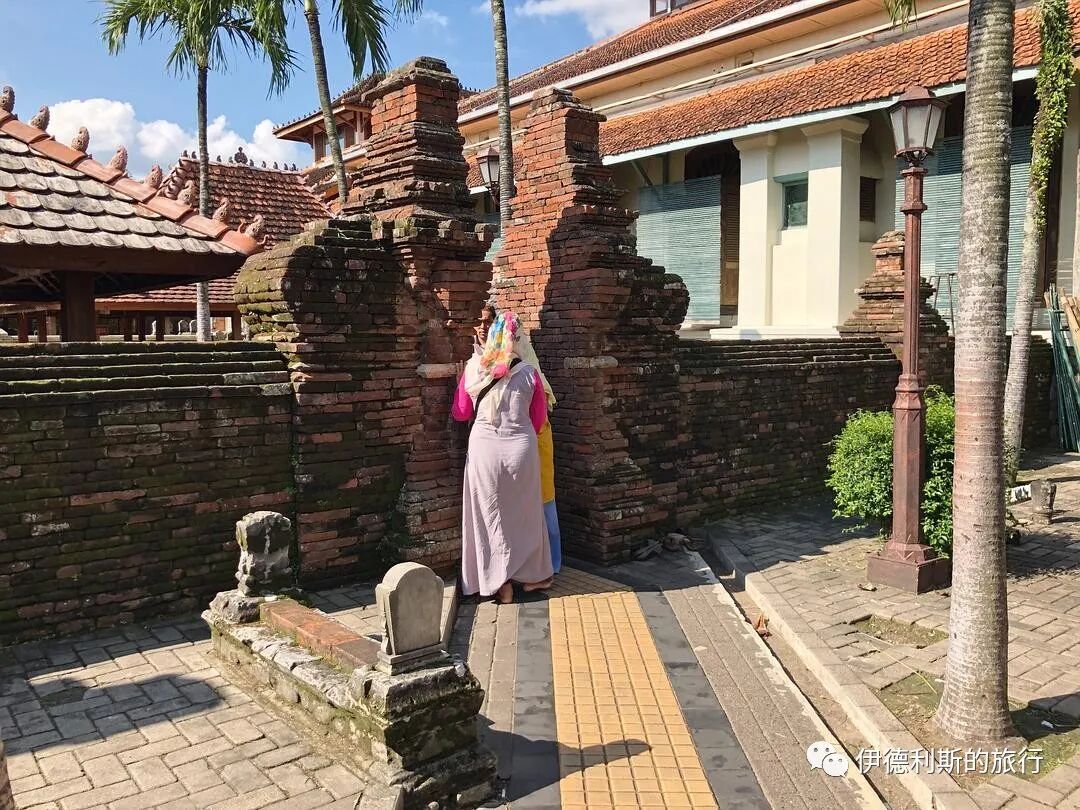
Then you pass through this Kori Agung gate to reach the actual holy tomb.
Early 20th century
Langgar Bubrah ruins: 1533.
The Langgar Bubrah ruins sit in a small alley south of the Al-Aqsa Mosque. They are an important witness to Java Island's 16th-century transition from Hinduism to Islam.
Prince Pontjowati of the Majapahit Kingdom reportedly built Langgar Bubrah in 1533 as a Hindu temple. Later, Prince Pontjowati converted to Islam under the guidance of Kudus and became his student, turning this site into a mosque.
Langgar Bubrah features traditional Majapahit-style brick carvings.
The room once had a roof, but it did not survive. Now, only the stone column bases (umpak) that supported the roof remain. Next to the column bases, there is a Hindu linga and a stone used for grinding herbs.
Beside the ruins, there is also a Hindu stone carving featuring an image of Shiva.
Summary: Muslim History Guide Indonesia Java: Kudus Mosques, Old City Streets and Islamic Heritage is presented here as a clear Muslim travel account, beginning with this scene: In our last article, The First Sultanate of Java: Demak, we introduced the medieval trading port of Demak, located an hour's drive northeast of the Central Java capital, Semarang. The account keeps its focus on Kudus Mosques, Indonesia Muslim Travel, Java Islamic Heritage while preserving the names, places, food, and historical details from the Chinese source.
In our last article, The First Sultanate of Java: Demak, we introduced the medieval trading port of Demak, located an hour's drive northeast of the Central Java capital, Semarang. This is where the first sultanate on Java was established. Another hour's drive northeast from Demak brings you to Kudus, an important holy city for Islam on Java.
Kudus is the only city on Java with an Arabic name. Kudus is actually the Arabic pronunciation of Jerusalem, al-Quds. The city is named after Sunan Kudus, one of the nine saints (Wali Sanga) of Javanese Islam. The tomb of Sunan Kudus is now an important holy site on Java, and the Al-Aqsa Mosque next to the tomb is world-famous for its unique minaret built in the early Javanese style.
Kudus was born into a family of Islamic scholars. His grandfather, Sunan Ampel, was one of the nine saints of Javanese Islam. He served for a long time as the imam of the Great Mosque of Demak and was a teacher to Raden Patah, the founder of the Demak Sultanate. His father, Sunan Ngudung, was also a famous Javanese Islamic sage who served as the imam of the Great Mosque of Demak from 1520 to 1524.
In 1478, the Buddhist-majority Majapahit army killed King Brawijaya V, who had united the Muslims. As the biological son of Brawijaya V, the Demak Sultan Raden Patah officially declared war on the Majapahit Kingdom. Kudus's father, Ngudung, led the Demak Sultanate's army as a commander in a war against the Majapahit Kingdom that lasted for many years. He was killed in battle in 1524.
As Ngudung's son, Kudus also served as an officer in four wars against the Majapahit Kingdom, though he focused most of his energy on his religious studies. Kudus studied under Sunan Kalijaga, the founder of the Great Mosque of Demak and one of the nine saints of Javanese Islam. Like his teacher, Kudus was very tolerant of traditional Javanese culture. He once tied a cow, which Hindus consider sacred, inside the mosque to attract Hindu followers, and he forbade people from slaughtering cows. When building the mosque, Kudus also used Javanese Hindu architectural styles.
Kudus Al-Aqsa Mosque: 1549
The Kudus Al-Aqsa Mosque (Masjid Al Aqsa Menara Kudus) was built by Kudus in 1549 and is known for its unique traditional Javanese architectural style.
The mosque shares its name with the famous Al-Aqsa Mosque in Jerusalem. People say while on his way to Hajj, Kudus helped cure a plague in a city. He refused the generous gifts offered by the locals, accepting only a stone from the holy site surrounding the Al-Aqsa Mosque in Jerusalem. After returning to Java, Kudus used the stone to build this mosque.
19th century
Early 20th century
The architectural style of the Kudus Al-Aqsa Mosque directly inherits from the Buddhist/Hindu architecture of the Majapahit era, featuring two types of signature gates: the split gate (candi bentar) and the main gate (kori agung).
A mosque (candi) is a type of Hindu/Buddhist mosque architecture found on Java, Bali, and Lombok. A split gate (candi bentar) means a split mosque, where the structure is symmetrically divided down the center to create a path. In reality, the split gate (candi bentar) does not have doors installed. It serves as a passage from the secular world into a sacred space, creating a sense of solemnity before entering the main building.
The split gate (candi bentar) of the Kudus Al-Aqsa Mosque is built from red brick steps.
The main gate (kori agung), also known as a paduraksa gate in Hindu/Buddhist architecture, is the primary entrance from the secular world into a sacred space. The Kori Agung gate comes from the ancient Hindu Gopuram gate. It was widely used in old Javanese Hindu and Buddhist temples from the 8th to 9th centuries. After the 15th century, Islamic sultanates used it for mosques, palaces, and tombs, but without the complex Hindu and Buddhist decorations.
The Kori Agung is actually a type of Majapahit-style stepped temple (candi) building. It is made of red brick and has beautiful patterns on its wooden doors.
A side door of the mosque that connects to the holy tomb.
The main hall of the mosque was rebuilt in modern times, but it still keeps two original Kori Agung gates inside.
The most famous building at Al-Aqsa Mosque is this minaret, which is the earliest one in Java and the only one from the 16th century on the island. This tower is not a Persian-style spire at all. It is a traditional Javanese Majapahit-style tower with a large prayer drum (bedug) on top used to call people to prayer. Today, a drum tower (bale kulkul) in the same style still exists in Bali, used to signal attacks, fires, or public events.
Early 20th century
The ablution pool at Al-Aqsa Mosque is also very unique. Each water tap has a traditional statue. People say Sunan Kudus designed this during the early construction to attract local Hindus and Buddhists to come here to clean themselves.
Tomb of Sunan Kudus: 1550.
Sunan Kudus passed away in 1550 and was buried in the backyard of Al-Aqsa Mosque. The holy tomb is also in the traditional Majapahit architectural style.
The gate of the holy tomb.
The path after entering the gate.
The split gate (candi bentar) in the middle of the path.
Early 20th century
Next is another Kori Agung gate.
Then you enter the bathing area, where people perform wudu before entering the holy tomb.
Then you pass through this split gate (candi bentar) to enter the outer burial area.
Then you pass through this Kori Agung gate to reach the actual holy tomb.
Early 20th century
Langgar Bubrah ruins: 1533.
The Langgar Bubrah ruins sit in a small alley south of the Al-Aqsa Mosque. They are an important witness to Java Island's 16th-century transition from Hinduism to Islam.
Prince Pontjowati of the Majapahit Kingdom reportedly built Langgar Bubrah in 1533 as a Hindu temple. Later, Prince Pontjowati converted to Islam under the guidance of Kudus and became his student, turning this site into a mosque.
Langgar Bubrah features traditional Majapahit-style brick carvings.
The room once had a roof, but it did not survive. Now, only the stone column bases (umpak) that supported the roof remain. Next to the column bases, there is a Hindu linga and a stone used for grinding herbs.
Beside the ruins, there is also a Hindu stone carving featuring an image of Shiva.
Muslim History Guide Indonesia Java: Kudus Mosques, Old City Streets and Islamic Heritage
Articles • yusuf908 posted the article • 0 comments • 190 views • 2026-05-23 23:06
Reposted from the web
Summary: Muslim History Guide Indonesia Java: Kudus Mosques, Old City Streets and Islamic Heritage is presented here as a clear Muslim travel account, beginning with this scene: In our last article, The First Sultanate of Java: Demak, we introduced the medieval trading port of Demak, located an hour's drive northeast of the Central Java capital, Semarang. The account keeps its focus on Kudus Mosques, Indonesia Muslim Travel, Java Islamic Heritage while preserving the names, places, food, and historical details from the Chinese source.
In our last article, The First Sultanate of Java: Demak, we introduced the medieval trading port of Demak, located an hour's drive northeast of the Central Java capital, Semarang. This is where the first sultanate on Java was established. Another hour's drive northeast from Demak brings you to Kudus, an important holy city for Islam on Java.
Kudus is the only city on Java with an Arabic name. Kudus is actually the Arabic pronunciation of Jerusalem, al-Quds. The city is named after Sunan Kudus, one of the nine saints (Wali Sanga) of Javanese Islam. The tomb of Sunan Kudus is now an important holy site on Java, and the Al-Aqsa Mosque next to the tomb is world-famous for its unique minaret built in the early Javanese style.
Kudus was born into a family of Islamic scholars. His grandfather, Sunan Ampel, was one of the nine saints of Javanese Islam. He served for a long time as the imam of the Great Mosque of Demak and was a teacher to Raden Patah, the founder of the Demak Sultanate. His father, Sunan Ngudung, was also a famous Javanese Islamic sage who served as the imam of the Great Mosque of Demak from 1520 to 1524.
In 1478, the Buddhist-majority Majapahit army killed King Brawijaya V, who had united the Muslims. As the biological son of Brawijaya V, the Demak Sultan Raden Patah officially declared war on the Majapahit Kingdom. Kudus's father, Ngudung, led the Demak Sultanate's army as a commander in a war against the Majapahit Kingdom that lasted for many years. He was killed in battle in 1524.
As Ngudung's son, Kudus also served as an officer in four wars against the Majapahit Kingdom, though he focused most of his energy on his religious studies. Kudus studied under Sunan Kalijaga, the founder of the Great Mosque of Demak and one of the nine saints of Javanese Islam. Like his teacher, Kudus was very tolerant of traditional Javanese culture. He once tied a cow, which Hindus consider sacred, inside the mosque to attract Hindu followers, and he forbade people from slaughtering cows. When building the mosque, Kudus also used Javanese Hindu architectural styles.
Kudus Al-Aqsa Mosque: 1549
The Kudus Al-Aqsa Mosque (Masjid Al Aqsa Menara Kudus) was built by Kudus in 1549 and is known for its unique traditional Javanese architectural style.
The mosque shares its name with the famous Al-Aqsa Mosque in Jerusalem. People say while on his way to Hajj, Kudus helped cure a plague in a city. He refused the generous gifts offered by the locals, accepting only a stone from the holy site surrounding the Al-Aqsa Mosque in Jerusalem. After returning to Java, Kudus used the stone to build this mosque.
19th century
Early 20th century
The architectural style of the Kudus Al-Aqsa Mosque directly inherits from the Buddhist/Hindu architecture of the Majapahit era, featuring two types of signature gates: the split gate (candi bentar) and the main gate (kori agung).
A mosque (candi) is a type of Hindu/Buddhist mosque architecture found on Java, Bali, and Lombok. A split gate (candi bentar) means a split mosque, where the structure is symmetrically divided down the center to create a path. In reality, the split gate (candi bentar) does not have doors installed. It serves as a passage from the secular world into a sacred space, creating a sense of solemnity before entering the main building.
The split gate (candi bentar) of the Kudus Al-Aqsa Mosque is built from red brick steps.
The main gate (kori agung), also known as a paduraksa gate in Hindu/Buddhist architecture, is the primary entrance from the secular world into a sacred space. The Kori Agung gate comes from the ancient Hindu Gopuram gate. It was widely used in old Javanese Hindu and Buddhist temples from the 8th to 9th centuries. After the 15th century, Islamic sultanates used it for mosques, palaces, and tombs, but without the complex Hindu and Buddhist decorations.
The Kori Agung is actually a type of Majapahit-style stepped temple (candi) building. It is made of red brick and has beautiful patterns on its wooden doors.
A side door of the mosque that connects to the holy tomb.
The main hall of the mosque was rebuilt in modern times, but it still keeps two original Kori Agung gates inside.
The most famous building at Al-Aqsa Mosque is this minaret, which is the earliest one in Java and the only one from the 16th century on the island. This tower is not a Persian-style spire at all. It is a traditional Javanese Majapahit-style tower with a large prayer drum (bedug) on top used to call people to prayer. Today, a drum tower (bale kulkul) in the same style still exists in Bali, used to signal attacks, fires, or public events.
Early 20th century
The ablution pool at Al-Aqsa Mosque is also very unique. Each water tap has a traditional statue. People say Sunan Kudus designed this during the early construction to attract local Hindus and Buddhists to come here to clean themselves.
Tomb of Sunan Kudus: 1550.
Sunan Kudus passed away in 1550 and was buried in the backyard of Al-Aqsa Mosque. The holy tomb is also in the traditional Majapahit architectural style.
The gate of the holy tomb.
The path after entering the gate.
The split gate (candi bentar) in the middle of the path.
Early 20th century
Next is another Kori Agung gate.
Then you enter the bathing area, where people perform wudu before entering the holy tomb.
Then you pass through this split gate (candi bentar) to enter the outer burial area.
Then you pass through this Kori Agung gate to reach the actual holy tomb.
Early 20th century
Langgar Bubrah ruins: 1533.
The Langgar Bubrah ruins sit in a small alley south of the Al-Aqsa Mosque. They are an important witness to Java Island's 16th-century transition from Hinduism to Islam.
Prince Pontjowati of the Majapahit Kingdom reportedly built Langgar Bubrah in 1533 as a Hindu temple. Later, Prince Pontjowati converted to Islam under the guidance of Kudus and became his student, turning this site into a mosque.
Langgar Bubrah features traditional Majapahit-style brick carvings.
The room once had a roof, but it did not survive. Now, only the stone column bases (umpak) that supported the roof remain. Next to the column bases, there is a Hindu linga and a stone used for grinding herbs.
Beside the ruins, there is also a Hindu stone carving featuring an image of Shiva. view all
Summary: Muslim History Guide Indonesia Java: Kudus Mosques, Old City Streets and Islamic Heritage is presented here as a clear Muslim travel account, beginning with this scene: In our last article, The First Sultanate of Java: Demak, we introduced the medieval trading port of Demak, located an hour's drive northeast of the Central Java capital, Semarang. The account keeps its focus on Kudus Mosques, Indonesia Muslim Travel, Java Islamic Heritage while preserving the names, places, food, and historical details from the Chinese source.
In our last article, The First Sultanate of Java: Demak, we introduced the medieval trading port of Demak, located an hour's drive northeast of the Central Java capital, Semarang. This is where the first sultanate on Java was established. Another hour's drive northeast from Demak brings you to Kudus, an important holy city for Islam on Java.
Kudus is the only city on Java with an Arabic name. Kudus is actually the Arabic pronunciation of Jerusalem, al-Quds. The city is named after Sunan Kudus, one of the nine saints (Wali Sanga) of Javanese Islam. The tomb of Sunan Kudus is now an important holy site on Java, and the Al-Aqsa Mosque next to the tomb is world-famous for its unique minaret built in the early Javanese style.
Kudus was born into a family of Islamic scholars. His grandfather, Sunan Ampel, was one of the nine saints of Javanese Islam. He served for a long time as the imam of the Great Mosque of Demak and was a teacher to Raden Patah, the founder of the Demak Sultanate. His father, Sunan Ngudung, was also a famous Javanese Islamic sage who served as the imam of the Great Mosque of Demak from 1520 to 1524.
In 1478, the Buddhist-majority Majapahit army killed King Brawijaya V, who had united the Muslims. As the biological son of Brawijaya V, the Demak Sultan Raden Patah officially declared war on the Majapahit Kingdom. Kudus's father, Ngudung, led the Demak Sultanate's army as a commander in a war against the Majapahit Kingdom that lasted for many years. He was killed in battle in 1524.
As Ngudung's son, Kudus also served as an officer in four wars against the Majapahit Kingdom, though he focused most of his energy on his religious studies. Kudus studied under Sunan Kalijaga, the founder of the Great Mosque of Demak and one of the nine saints of Javanese Islam. Like his teacher, Kudus was very tolerant of traditional Javanese culture. He once tied a cow, which Hindus consider sacred, inside the mosque to attract Hindu followers, and he forbade people from slaughtering cows. When building the mosque, Kudus also used Javanese Hindu architectural styles.
Kudus Al-Aqsa Mosque: 1549
The Kudus Al-Aqsa Mosque (Masjid Al Aqsa Menara Kudus) was built by Kudus in 1549 and is known for its unique traditional Javanese architectural style.
The mosque shares its name with the famous Al-Aqsa Mosque in Jerusalem. People say while on his way to Hajj, Kudus helped cure a plague in a city. He refused the generous gifts offered by the locals, accepting only a stone from the holy site surrounding the Al-Aqsa Mosque in Jerusalem. After returning to Java, Kudus used the stone to build this mosque.
19th century
Early 20th century
The architectural style of the Kudus Al-Aqsa Mosque directly inherits from the Buddhist/Hindu architecture of the Majapahit era, featuring two types of signature gates: the split gate (candi bentar) and the main gate (kori agung).
A mosque (candi) is a type of Hindu/Buddhist mosque architecture found on Java, Bali, and Lombok. A split gate (candi bentar) means a split mosque, where the structure is symmetrically divided down the center to create a path. In reality, the split gate (candi bentar) does not have doors installed. It serves as a passage from the secular world into a sacred space, creating a sense of solemnity before entering the main building.
The split gate (candi bentar) of the Kudus Al-Aqsa Mosque is built from red brick steps.
The main gate (kori agung), also known as a paduraksa gate in Hindu/Buddhist architecture, is the primary entrance from the secular world into a sacred space. The Kori Agung gate comes from the ancient Hindu Gopuram gate. It was widely used in old Javanese Hindu and Buddhist temples from the 8th to 9th centuries. After the 15th century, Islamic sultanates used it for mosques, palaces, and tombs, but without the complex Hindu and Buddhist decorations.
The Kori Agung is actually a type of Majapahit-style stepped temple (candi) building. It is made of red brick and has beautiful patterns on its wooden doors.
A side door of the mosque that connects to the holy tomb.
The main hall of the mosque was rebuilt in modern times, but it still keeps two original Kori Agung gates inside.
The most famous building at Al-Aqsa Mosque is this minaret, which is the earliest one in Java and the only one from the 16th century on the island. This tower is not a Persian-style spire at all. It is a traditional Javanese Majapahit-style tower with a large prayer drum (bedug) on top used to call people to prayer. Today, a drum tower (bale kulkul) in the same style still exists in Bali, used to signal attacks, fires, or public events.
Early 20th century
The ablution pool at Al-Aqsa Mosque is also very unique. Each water tap has a traditional statue. People say Sunan Kudus designed this during the early construction to attract local Hindus and Buddhists to come here to clean themselves.
Tomb of Sunan Kudus: 1550.
Sunan Kudus passed away in 1550 and was buried in the backyard of Al-Aqsa Mosque. The holy tomb is also in the traditional Majapahit architectural style.
The gate of the holy tomb.
The path after entering the gate.
The split gate (candi bentar) in the middle of the path.
Early 20th century
Next is another Kori Agung gate.
Then you enter the bathing area, where people perform wudu before entering the holy tomb.
Then you pass through this split gate (candi bentar) to enter the outer burial area.
Then you pass through this Kori Agung gate to reach the actual holy tomb.
Early 20th century
Langgar Bubrah ruins: 1533.
The Langgar Bubrah ruins sit in a small alley south of the Al-Aqsa Mosque. They are an important witness to Java Island's 16th-century transition from Hinduism to Islam.
Prince Pontjowati of the Majapahit Kingdom reportedly built Langgar Bubrah in 1533 as a Hindu temple. Later, Prince Pontjowati converted to Islam under the guidance of Kudus and became his student, turning this site into a mosque.
Langgar Bubrah features traditional Majapahit-style brick carvings.
The room once had a roof, but it did not survive. Now, only the stone column bases (umpak) that supported the roof remain. Next to the column bases, there is a Hindu linga and a stone used for grinding herbs.
Beside the ruins, there is also a Hindu stone carving featuring an image of Shiva. view all
Reposted from the web
Summary: Muslim History Guide Indonesia Java: Kudus Mosques, Old City Streets and Islamic Heritage is presented here as a clear Muslim travel account, beginning with this scene: In our last article, The First Sultanate of Java: Demak, we introduced the medieval trading port of Demak, located an hour's drive northeast of the Central Java capital, Semarang. The account keeps its focus on Kudus Mosques, Indonesia Muslim Travel, Java Islamic Heritage while preserving the names, places, food, and historical details from the Chinese source.
In our last article, The First Sultanate of Java: Demak, we introduced the medieval trading port of Demak, located an hour's drive northeast of the Central Java capital, Semarang. This is where the first sultanate on Java was established. Another hour's drive northeast from Demak brings you to Kudus, an important holy city for Islam on Java.
Kudus is the only city on Java with an Arabic name. Kudus is actually the Arabic pronunciation of Jerusalem, al-Quds. The city is named after Sunan Kudus, one of the nine saints (Wali Sanga) of Javanese Islam. The tomb of Sunan Kudus is now an important holy site on Java, and the Al-Aqsa Mosque next to the tomb is world-famous for its unique minaret built in the early Javanese style.
Kudus was born into a family of Islamic scholars. His grandfather, Sunan Ampel, was one of the nine saints of Javanese Islam. He served for a long time as the imam of the Great Mosque of Demak and was a teacher to Raden Patah, the founder of the Demak Sultanate. His father, Sunan Ngudung, was also a famous Javanese Islamic sage who served as the imam of the Great Mosque of Demak from 1520 to 1524.
In 1478, the Buddhist-majority Majapahit army killed King Brawijaya V, who had united the Muslims. As the biological son of Brawijaya V, the Demak Sultan Raden Patah officially declared war on the Majapahit Kingdom. Kudus's father, Ngudung, led the Demak Sultanate's army as a commander in a war against the Majapahit Kingdom that lasted for many years. He was killed in battle in 1524.
As Ngudung's son, Kudus also served as an officer in four wars against the Majapahit Kingdom, though he focused most of his energy on his religious studies. Kudus studied under Sunan Kalijaga, the founder of the Great Mosque of Demak and one of the nine saints of Javanese Islam. Like his teacher, Kudus was very tolerant of traditional Javanese culture. He once tied a cow, which Hindus consider sacred, inside the mosque to attract Hindu followers, and he forbade people from slaughtering cows. When building the mosque, Kudus also used Javanese Hindu architectural styles.
Kudus Al-Aqsa Mosque: 1549
The Kudus Al-Aqsa Mosque (Masjid Al Aqsa Menara Kudus) was built by Kudus in 1549 and is known for its unique traditional Javanese architectural style.
The mosque shares its name with the famous Al-Aqsa Mosque in Jerusalem. People say while on his way to Hajj, Kudus helped cure a plague in a city. He refused the generous gifts offered by the locals, accepting only a stone from the holy site surrounding the Al-Aqsa Mosque in Jerusalem. After returning to Java, Kudus used the stone to build this mosque.
19th century
Early 20th century
The architectural style of the Kudus Al-Aqsa Mosque directly inherits from the Buddhist/Hindu architecture of the Majapahit era, featuring two types of signature gates: the split gate (candi bentar) and the main gate (kori agung).
A mosque (candi) is a type of Hindu/Buddhist mosque architecture found on Java, Bali, and Lombok. A split gate (candi bentar) means a split mosque, where the structure is symmetrically divided down the center to create a path. In reality, the split gate (candi bentar) does not have doors installed. It serves as a passage from the secular world into a sacred space, creating a sense of solemnity before entering the main building.
The split gate (candi bentar) of the Kudus Al-Aqsa Mosque is built from red brick steps.
The main gate (kori agung), also known as a paduraksa gate in Hindu/Buddhist architecture, is the primary entrance from the secular world into a sacred space. The Kori Agung gate comes from the ancient Hindu Gopuram gate. It was widely used in old Javanese Hindu and Buddhist temples from the 8th to 9th centuries. After the 15th century, Islamic sultanates used it for mosques, palaces, and tombs, but without the complex Hindu and Buddhist decorations.
The Kori Agung is actually a type of Majapahit-style stepped temple (candi) building. It is made of red brick and has beautiful patterns on its wooden doors.
A side door of the mosque that connects to the holy tomb.
The main hall of the mosque was rebuilt in modern times, but it still keeps two original Kori Agung gates inside.
The most famous building at Al-Aqsa Mosque is this minaret, which is the earliest one in Java and the only one from the 16th century on the island. This tower is not a Persian-style spire at all. It is a traditional Javanese Majapahit-style tower with a large prayer drum (bedug) on top used to call people to prayer. Today, a drum tower (bale kulkul) in the same style still exists in Bali, used to signal attacks, fires, or public events.
Early 20th century
The ablution pool at Al-Aqsa Mosque is also very unique. Each water tap has a traditional statue. People say Sunan Kudus designed this during the early construction to attract local Hindus and Buddhists to come here to clean themselves.
Tomb of Sunan Kudus: 1550.
Sunan Kudus passed away in 1550 and was buried in the backyard of Al-Aqsa Mosque. The holy tomb is also in the traditional Majapahit architectural style.
The gate of the holy tomb.
The path after entering the gate.
The split gate (candi bentar) in the middle of the path.
Early 20th century
Next is another Kori Agung gate.
Then you enter the bathing area, where people perform wudu before entering the holy tomb.
Then you pass through this split gate (candi bentar) to enter the outer burial area.
Then you pass through this Kori Agung gate to reach the actual holy tomb.
Early 20th century
Langgar Bubrah ruins: 1533.
The Langgar Bubrah ruins sit in a small alley south of the Al-Aqsa Mosque. They are an important witness to Java Island's 16th-century transition from Hinduism to Islam.
Prince Pontjowati of the Majapahit Kingdom reportedly built Langgar Bubrah in 1533 as a Hindu temple. Later, Prince Pontjowati converted to Islam under the guidance of Kudus and became his student, turning this site into a mosque.
Langgar Bubrah features traditional Majapahit-style brick carvings.
The room once had a roof, but it did not survive. Now, only the stone column bases (umpak) that supported the roof remain. Next to the column bases, there is a Hindu linga and a stone used for grinding herbs.
Beside the ruins, there is also a Hindu stone carving featuring an image of Shiva.
Summary: Muslim History Guide Indonesia Java: Kudus Mosques, Old City Streets and Islamic Heritage is presented here as a clear Muslim travel account, beginning with this scene: In our last article, The First Sultanate of Java: Demak, we introduced the medieval trading port of Demak, located an hour's drive northeast of the Central Java capital, Semarang. The account keeps its focus on Kudus Mosques, Indonesia Muslim Travel, Java Islamic Heritage while preserving the names, places, food, and historical details from the Chinese source.
In our last article, The First Sultanate of Java: Demak, we introduced the medieval trading port of Demak, located an hour's drive northeast of the Central Java capital, Semarang. This is where the first sultanate on Java was established. Another hour's drive northeast from Demak brings you to Kudus, an important holy city for Islam on Java.
Kudus is the only city on Java with an Arabic name. Kudus is actually the Arabic pronunciation of Jerusalem, al-Quds. The city is named after Sunan Kudus, one of the nine saints (Wali Sanga) of Javanese Islam. The tomb of Sunan Kudus is now an important holy site on Java, and the Al-Aqsa Mosque next to the tomb is world-famous for its unique minaret built in the early Javanese style.
Kudus was born into a family of Islamic scholars. His grandfather, Sunan Ampel, was one of the nine saints of Javanese Islam. He served for a long time as the imam of the Great Mosque of Demak and was a teacher to Raden Patah, the founder of the Demak Sultanate. His father, Sunan Ngudung, was also a famous Javanese Islamic sage who served as the imam of the Great Mosque of Demak from 1520 to 1524.
In 1478, the Buddhist-majority Majapahit army killed King Brawijaya V, who had united the Muslims. As the biological son of Brawijaya V, the Demak Sultan Raden Patah officially declared war on the Majapahit Kingdom. Kudus's father, Ngudung, led the Demak Sultanate's army as a commander in a war against the Majapahit Kingdom that lasted for many years. He was killed in battle in 1524.
As Ngudung's son, Kudus also served as an officer in four wars against the Majapahit Kingdom, though he focused most of his energy on his religious studies. Kudus studied under Sunan Kalijaga, the founder of the Great Mosque of Demak and one of the nine saints of Javanese Islam. Like his teacher, Kudus was very tolerant of traditional Javanese culture. He once tied a cow, which Hindus consider sacred, inside the mosque to attract Hindu followers, and he forbade people from slaughtering cows. When building the mosque, Kudus also used Javanese Hindu architectural styles.
Kudus Al-Aqsa Mosque: 1549
The Kudus Al-Aqsa Mosque (Masjid Al Aqsa Menara Kudus) was built by Kudus in 1549 and is known for its unique traditional Javanese architectural style.
The mosque shares its name with the famous Al-Aqsa Mosque in Jerusalem. People say while on his way to Hajj, Kudus helped cure a plague in a city. He refused the generous gifts offered by the locals, accepting only a stone from the holy site surrounding the Al-Aqsa Mosque in Jerusalem. After returning to Java, Kudus used the stone to build this mosque.
19th century
Early 20th century
The architectural style of the Kudus Al-Aqsa Mosque directly inherits from the Buddhist/Hindu architecture of the Majapahit era, featuring two types of signature gates: the split gate (candi bentar) and the main gate (kori agung).
A mosque (candi) is a type of Hindu/Buddhist mosque architecture found on Java, Bali, and Lombok. A split gate (candi bentar) means a split mosque, where the structure is symmetrically divided down the center to create a path. In reality, the split gate (candi bentar) does not have doors installed. It serves as a passage from the secular world into a sacred space, creating a sense of solemnity before entering the main building.
The split gate (candi bentar) of the Kudus Al-Aqsa Mosque is built from red brick steps.
The main gate (kori agung), also known as a paduraksa gate in Hindu/Buddhist architecture, is the primary entrance from the secular world into a sacred space. The Kori Agung gate comes from the ancient Hindu Gopuram gate. It was widely used in old Javanese Hindu and Buddhist temples from the 8th to 9th centuries. After the 15th century, Islamic sultanates used it for mosques, palaces, and tombs, but without the complex Hindu and Buddhist decorations.
The Kori Agung is actually a type of Majapahit-style stepped temple (candi) building. It is made of red brick and has beautiful patterns on its wooden doors.
A side door of the mosque that connects to the holy tomb.
The main hall of the mosque was rebuilt in modern times, but it still keeps two original Kori Agung gates inside.
The most famous building at Al-Aqsa Mosque is this minaret, which is the earliest one in Java and the only one from the 16th century on the island. This tower is not a Persian-style spire at all. It is a traditional Javanese Majapahit-style tower with a large prayer drum (bedug) on top used to call people to prayer. Today, a drum tower (bale kulkul) in the same style still exists in Bali, used to signal attacks, fires, or public events.
Early 20th century
The ablution pool at Al-Aqsa Mosque is also very unique. Each water tap has a traditional statue. People say Sunan Kudus designed this during the early construction to attract local Hindus and Buddhists to come here to clean themselves.
Tomb of Sunan Kudus: 1550.
Sunan Kudus passed away in 1550 and was buried in the backyard of Al-Aqsa Mosque. The holy tomb is also in the traditional Majapahit architectural style.
The gate of the holy tomb.
The path after entering the gate.
The split gate (candi bentar) in the middle of the path.
Early 20th century
Next is another Kori Agung gate.
Then you enter the bathing area, where people perform wudu before entering the holy tomb.
Then you pass through this split gate (candi bentar) to enter the outer burial area.
Then you pass through this Kori Agung gate to reach the actual holy tomb.
Early 20th century
Langgar Bubrah ruins: 1533.
The Langgar Bubrah ruins sit in a small alley south of the Al-Aqsa Mosque. They are an important witness to Java Island's 16th-century transition from Hinduism to Islam.
Prince Pontjowati of the Majapahit Kingdom reportedly built Langgar Bubrah in 1533 as a Hindu temple. Later, Prince Pontjowati converted to Islam under the guidance of Kudus and became his student, turning this site into a mosque.
Langgar Bubrah features traditional Majapahit-style brick carvings.
The room once had a roof, but it did not survive. Now, only the stone column bases (umpak) that supported the roof remain. Next to the column bases, there is a Hindu linga and a stone used for grinding herbs.
Beside the ruins, there is also a Hindu stone carving featuring an image of Shiva.