

Kunming Travel
Halal Food Guide: Mengzi and Kunming — Rice Noodles, Mosques and Muslim Streets
Articles • ali2007fr posted the article • 0 comments • 147 views • 2026-05-18 00:35
Reposted from the web
Summary: Halal Food Guide: Mengzi and Kunming — Rice Noodles, Mosques and Muslim Streets is presented here as a firsthand travel account in clear English, beginning with this scene: Author: Zainab. The account keeps its focus on Yunnan Food, Kunming Travel, Halal Food while preserving the names, places, food, and historical details from the Chinese source.
Author: Zainab.
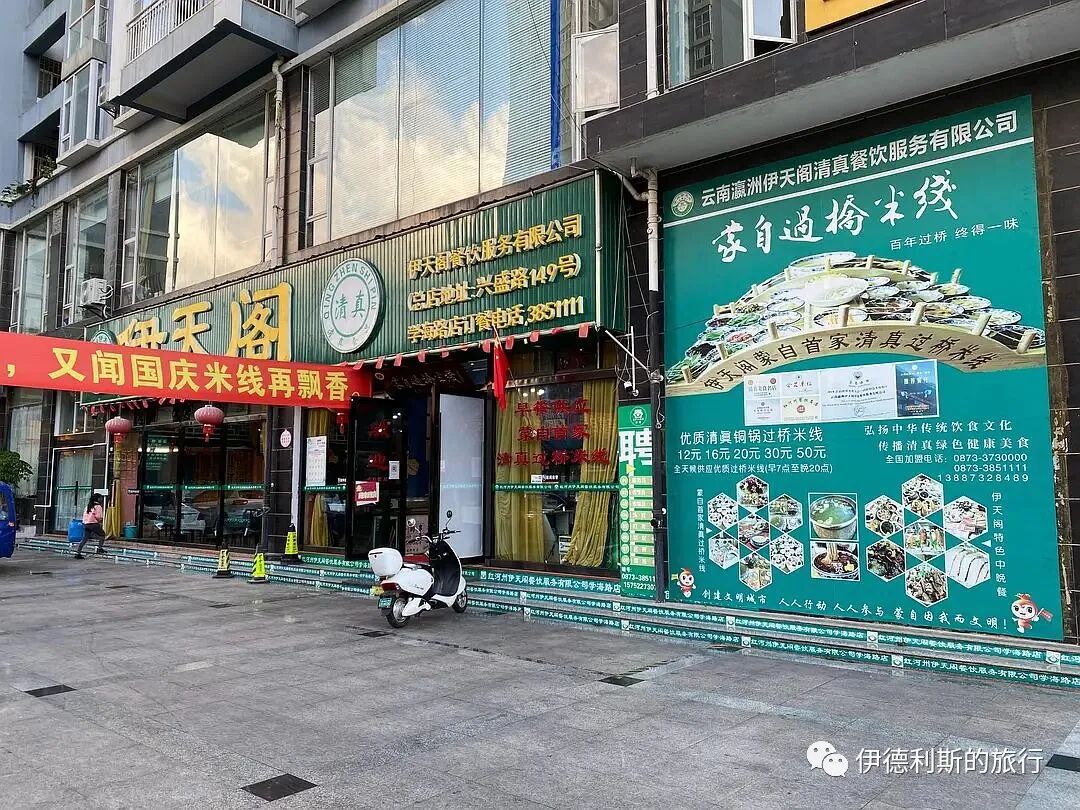
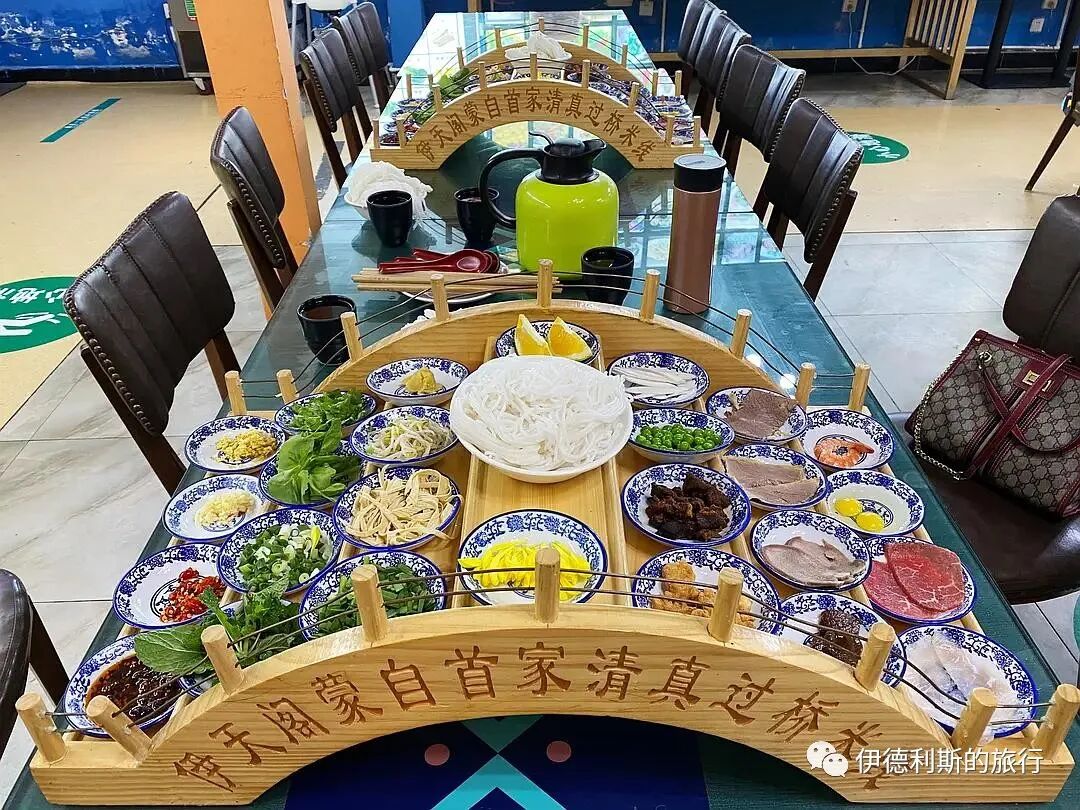
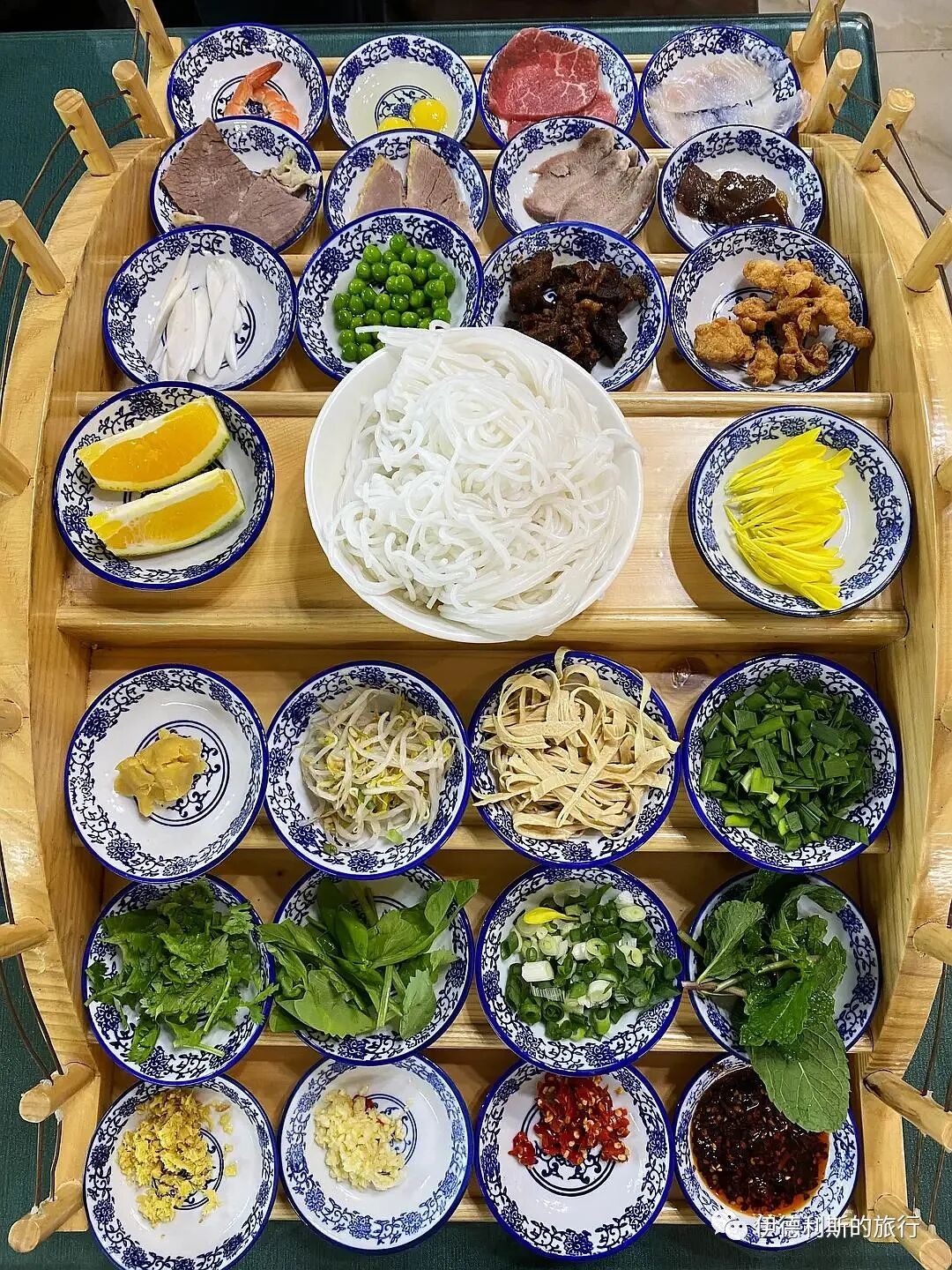
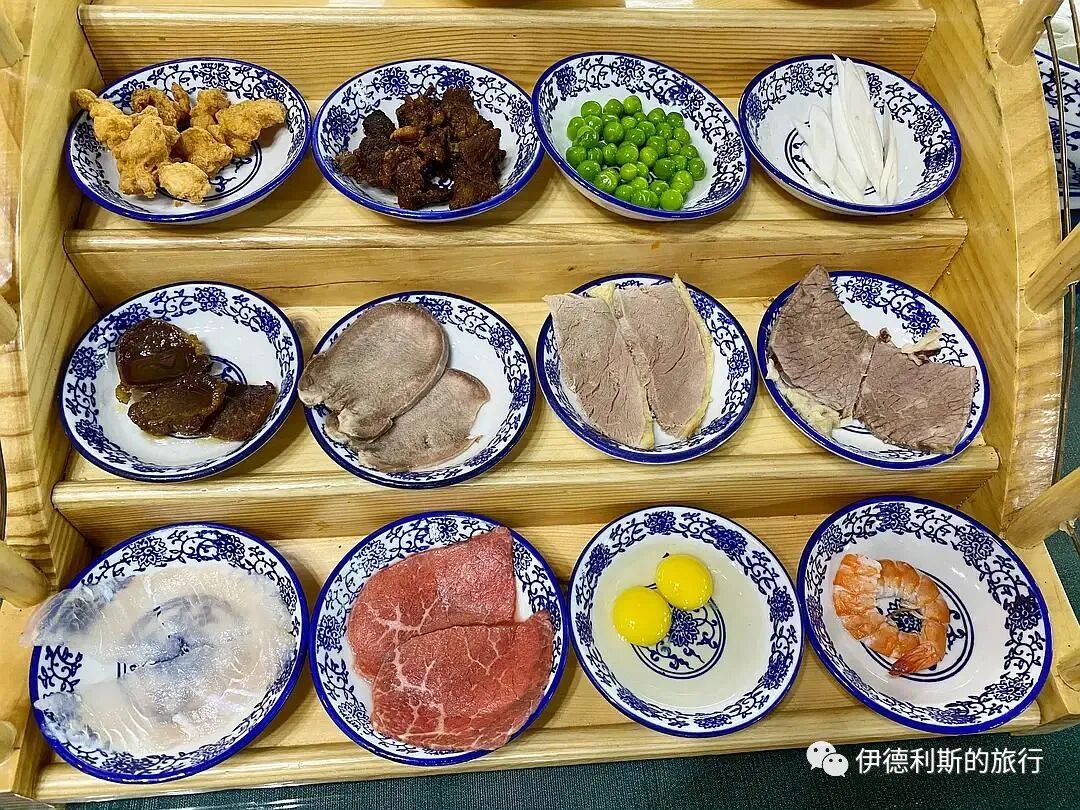
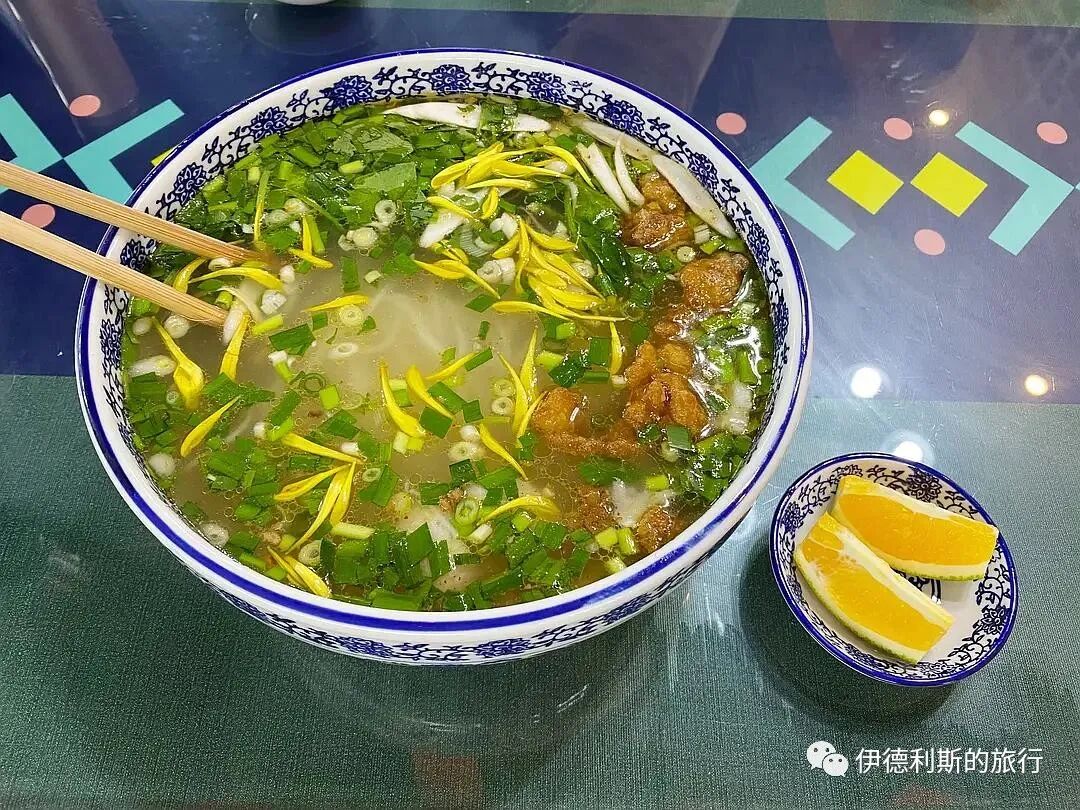
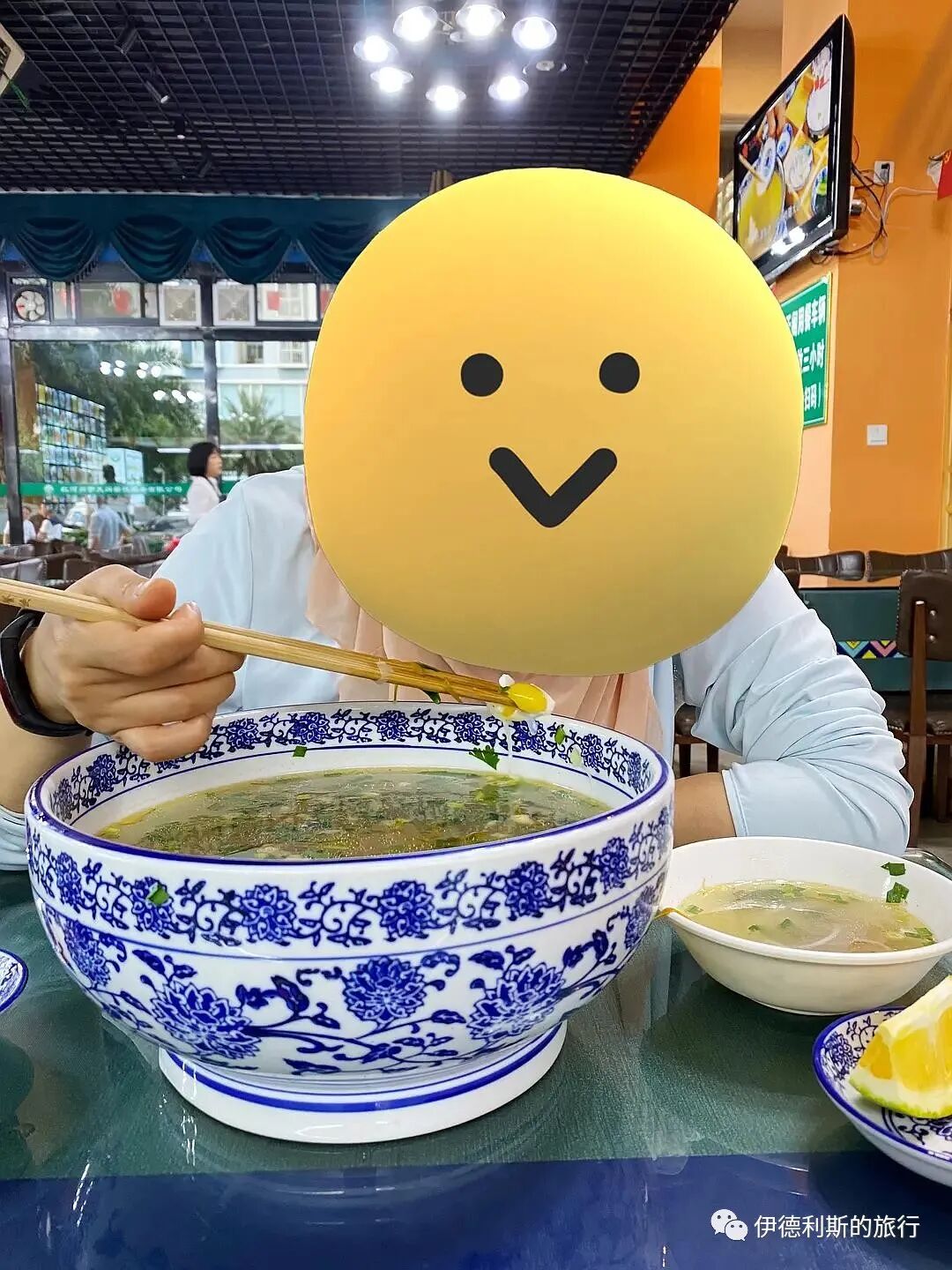
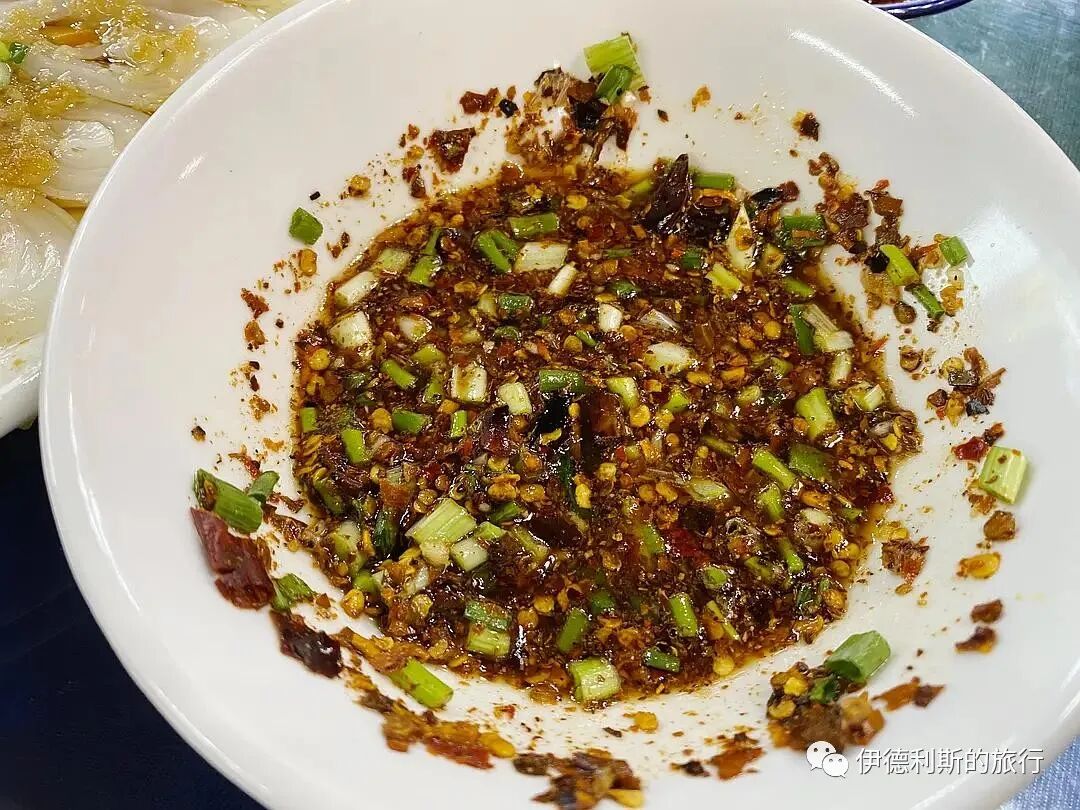
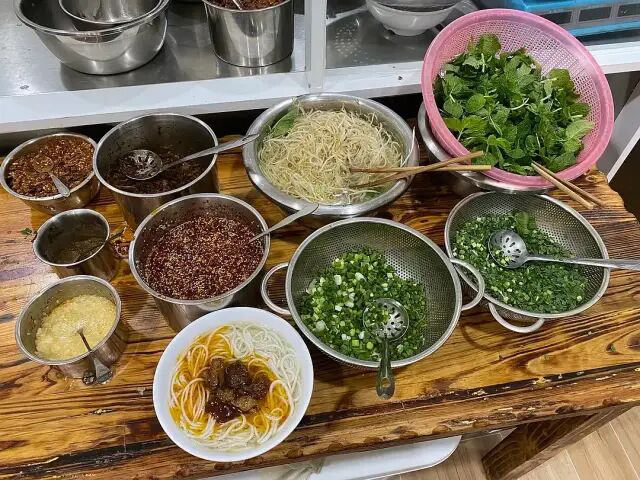
We left Shadian for Mengzi to catch the high-speed train back to Kunming. In Mengzi, we ate at Yitiange, a very popular halal bridge-crossing rice noodle (guoqiao mixian) restaurant. They have copper-pot bridge-crossing rice noodles ranging from 12 to 50 yuan. We ordered the 50-yuan deluxe version, which came with 26 small plates. You can get unlimited refills of the meat broth and rice noodles. The plates included raw fish slices, raw beef slices, raw quail eggs, shrimp, dried beef (niu ganba), beef tongue, cold duck slices, cold beef slices, crispy butter, braised beef, grass shoots (caoya), chrysanthemum flowers, pea starch jelly (wandou tuo), bean sprouts, tofu skin, chives, cilantro, mint, green onions, melon tips, ginger, garlic, chili, and chili sauce. This is the most complete variety I have ever eaten!
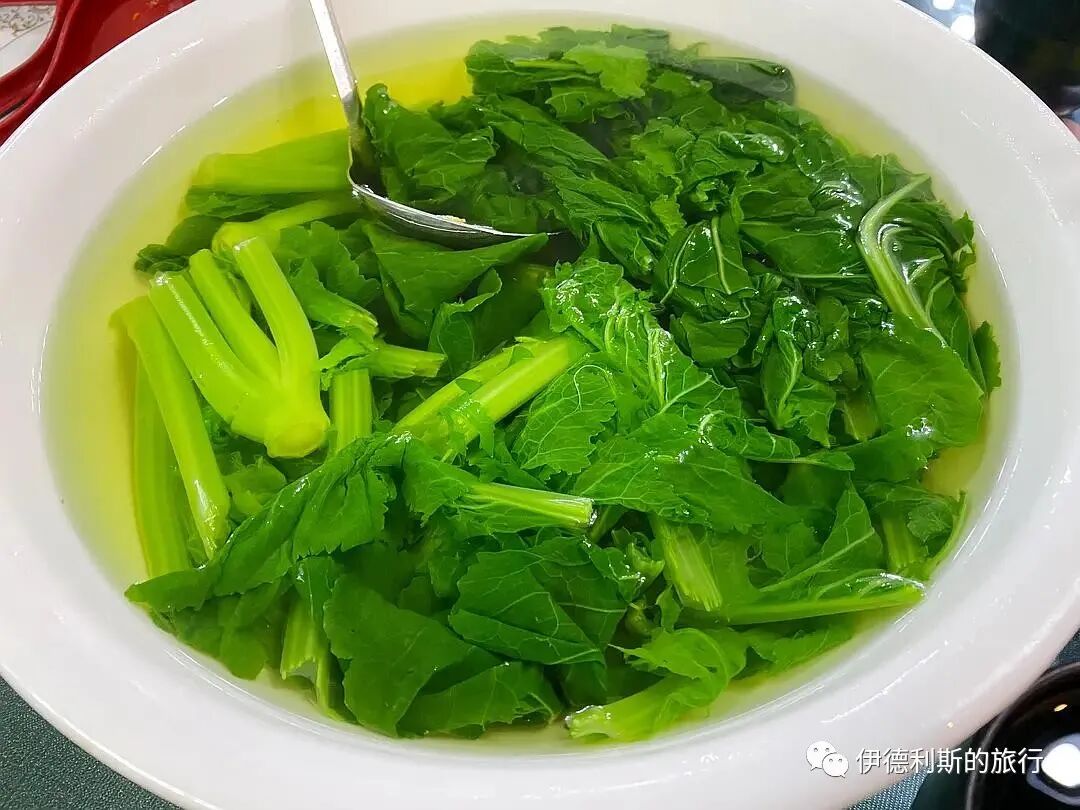
They also have all kinds of stir-fried dishes and seasonal vegetables, with a huge selection. We ordered the egg-wrapped rice noodle rolls (furong juanfen) and bitter greens soup (kucai tang), both of which were delicious. I recommend this place to all my fellow Muslim friends (dost) planning to visit Mengzi!
After finishing my trip through central and southern Yunnan, I returned to Kunming from Mengzi. I stayed in the same room with a view of the mosque behind Shuncheng Street that I used to stay in. The Shuncheng Mosque is right outside my window.
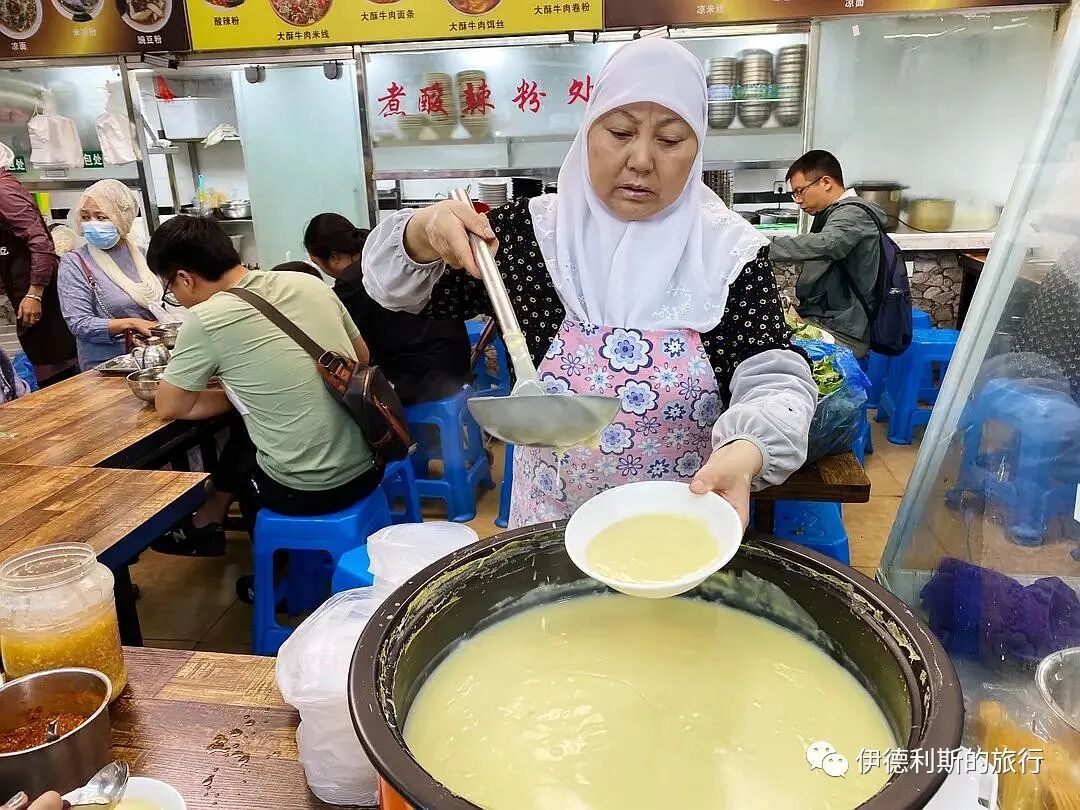
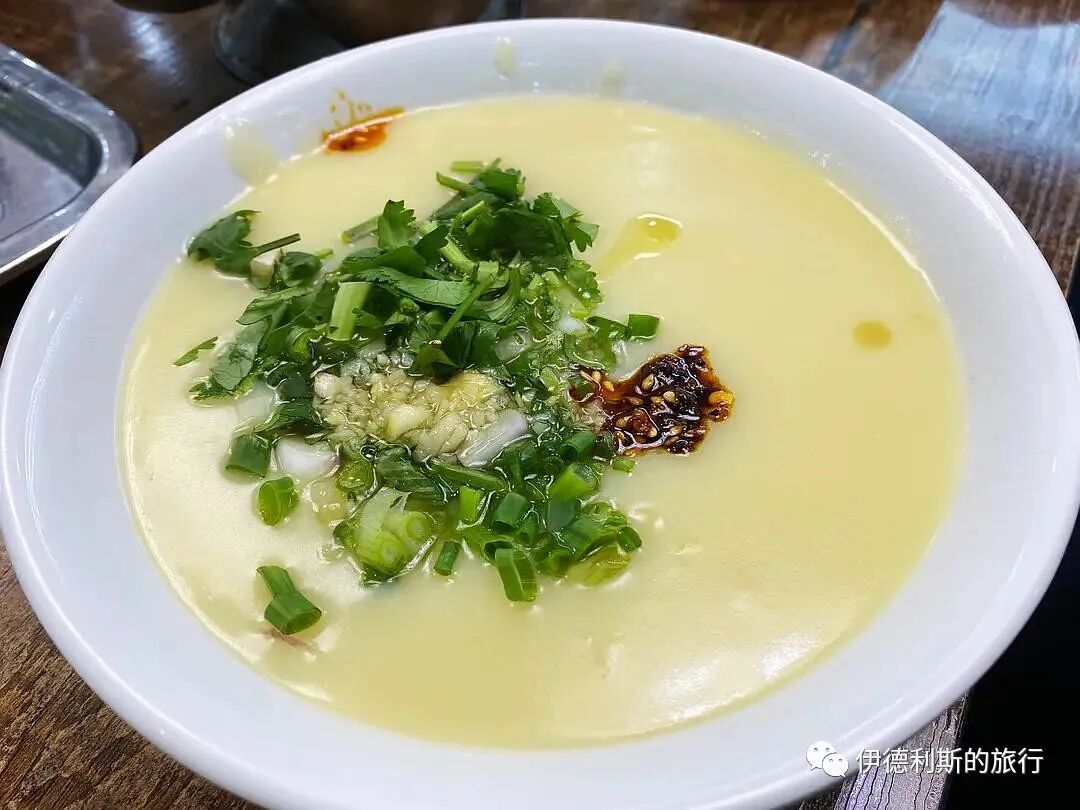
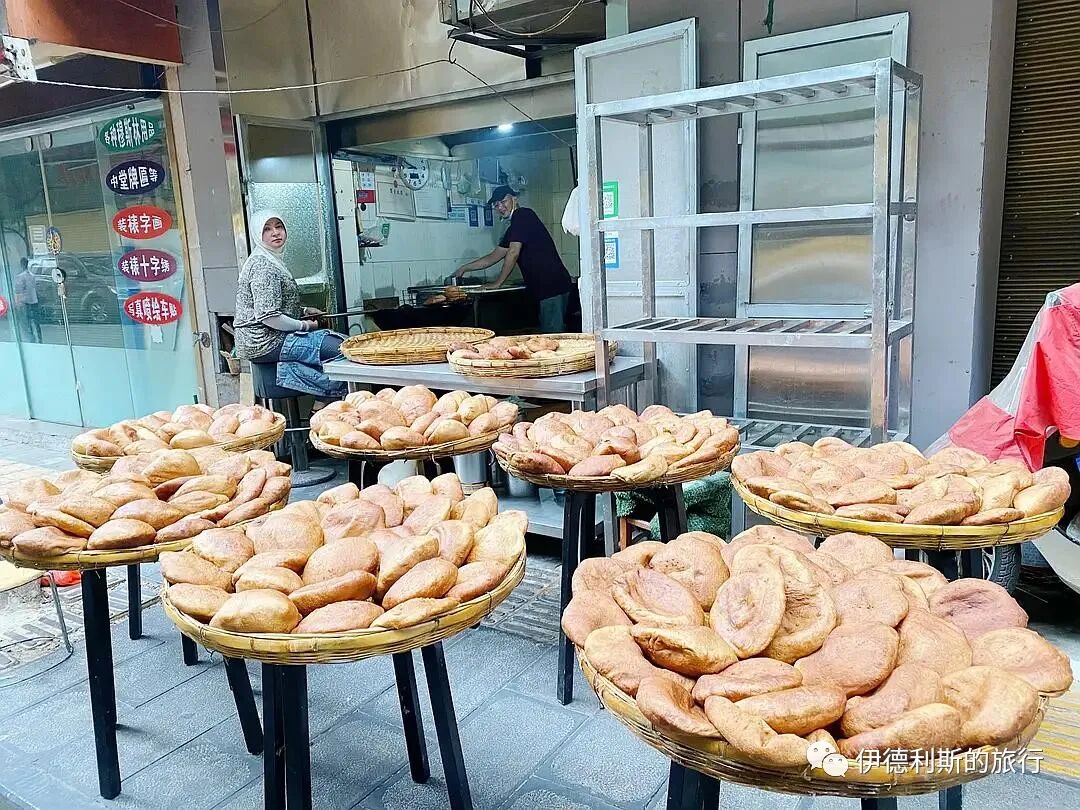
In the morning, I had a grilled rice cake (shaoshierkuai) at Yingfeng Shaoshierkuai by the entrance of Shuncheng Mosque. I bought pickled vegetable and crispy buns (posubao) at the bun shop next door, then had a bowl of thick bean porridge (xidoufen) at Sayuxiang to start a wonderful day.
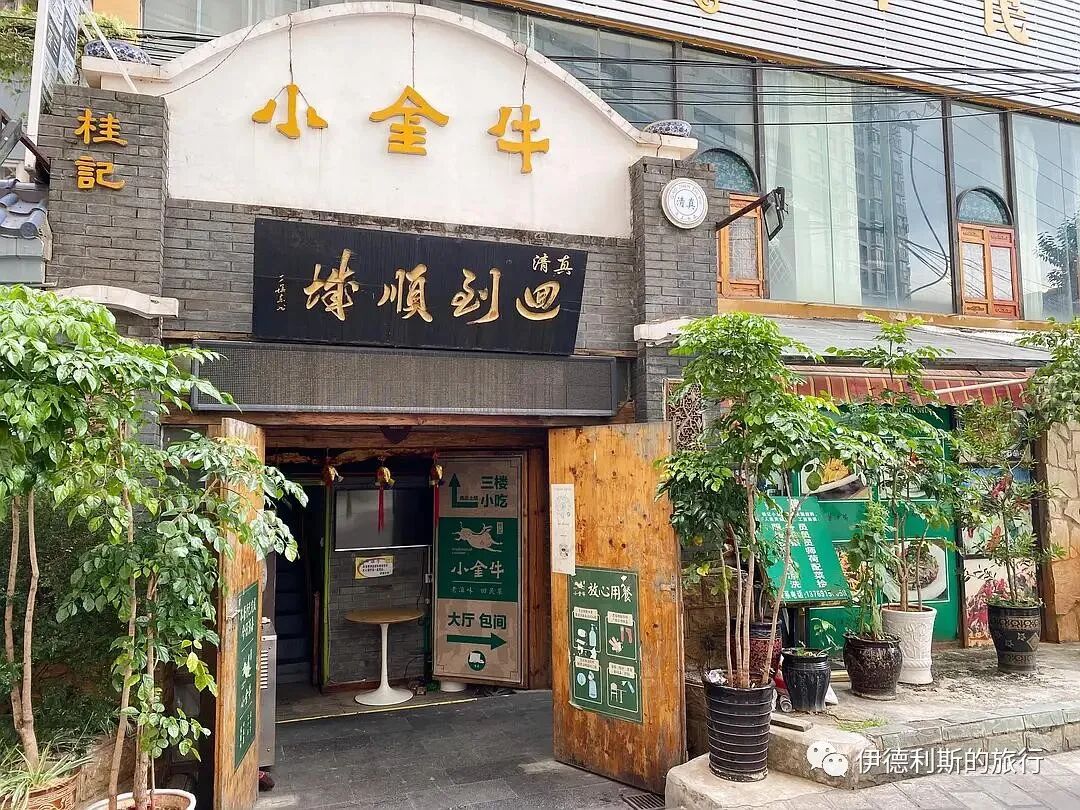
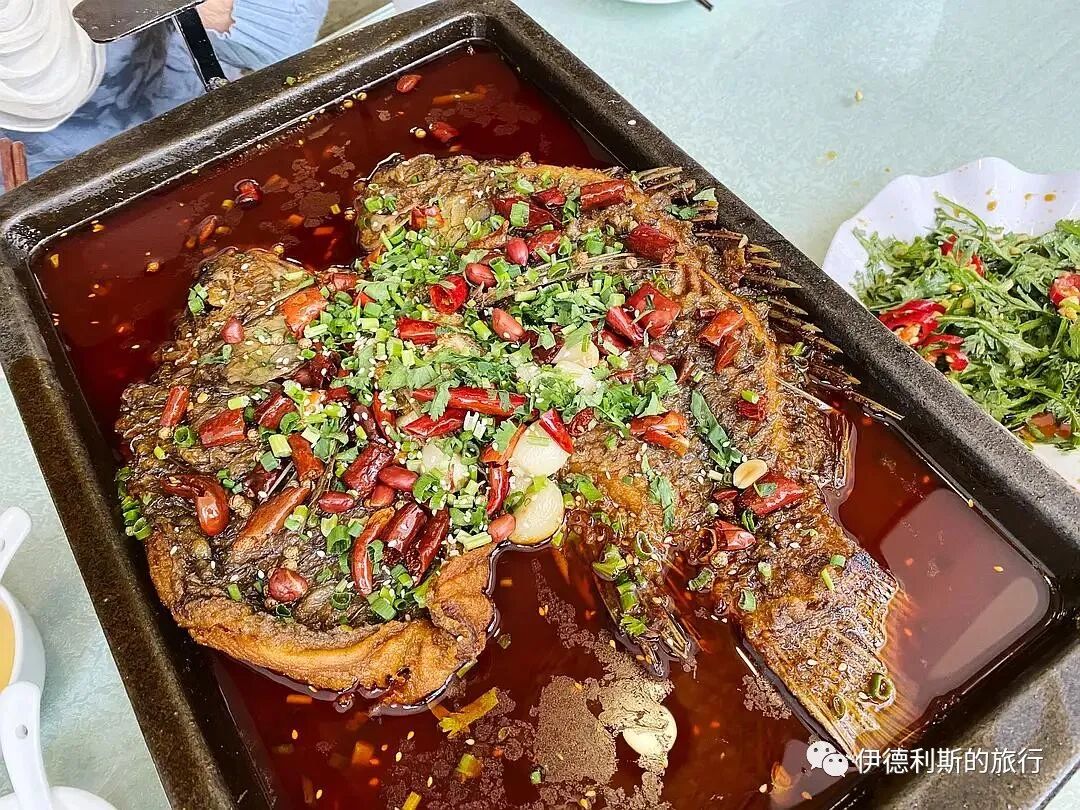
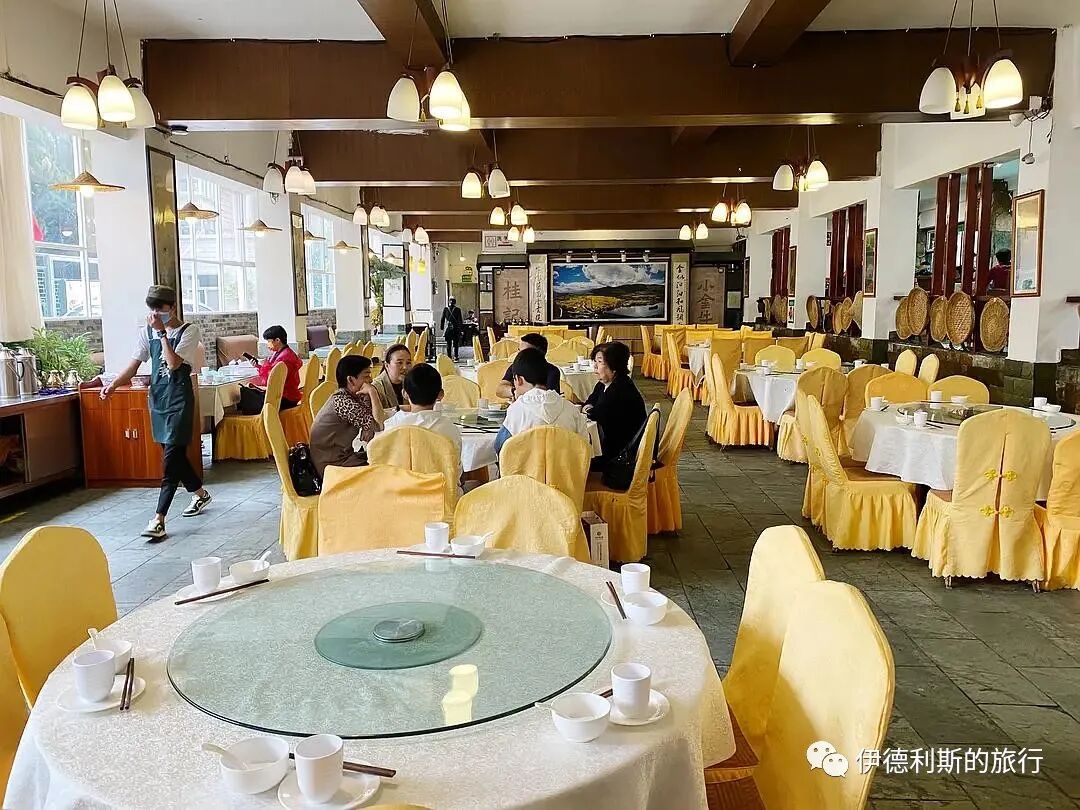
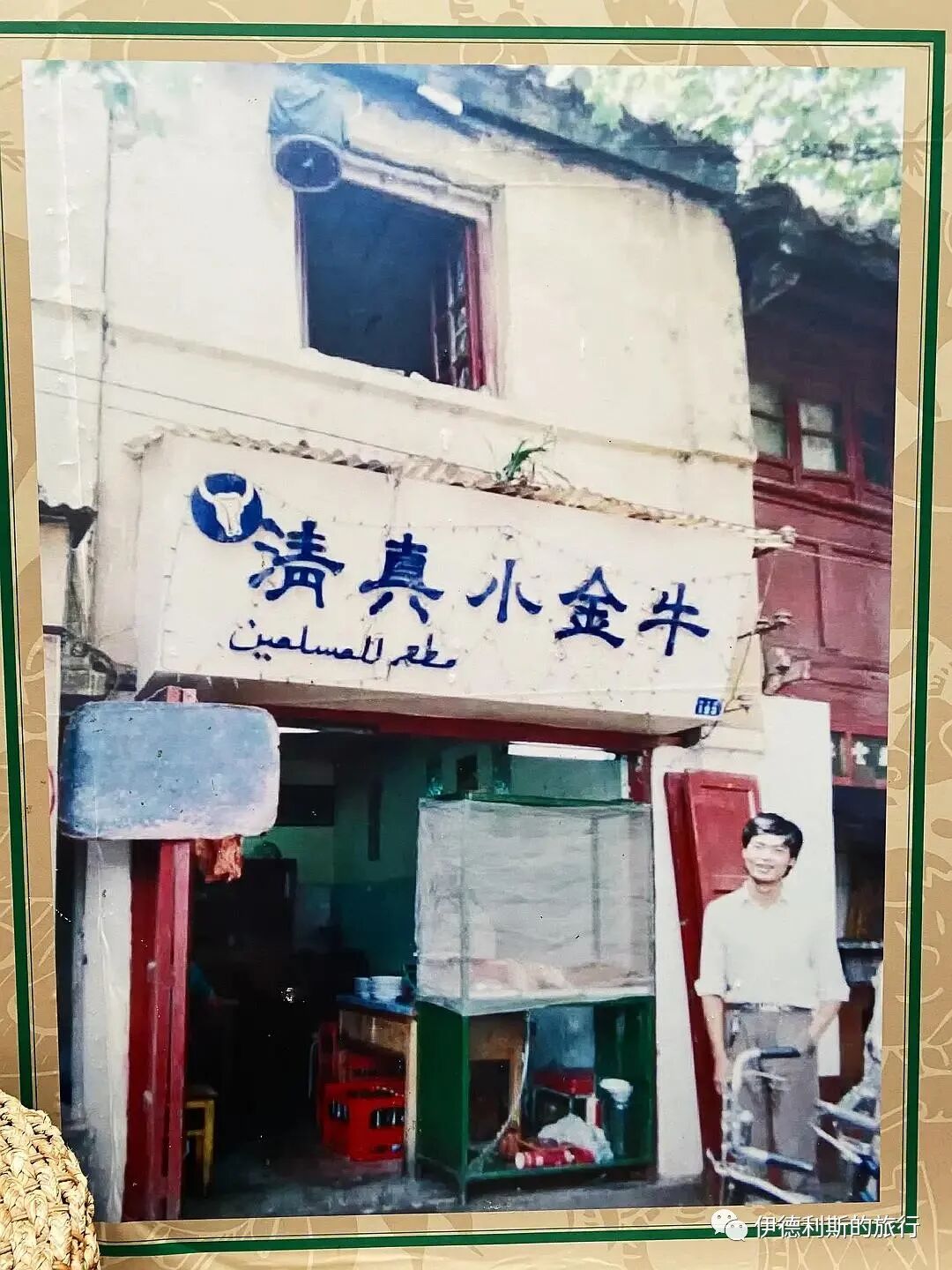
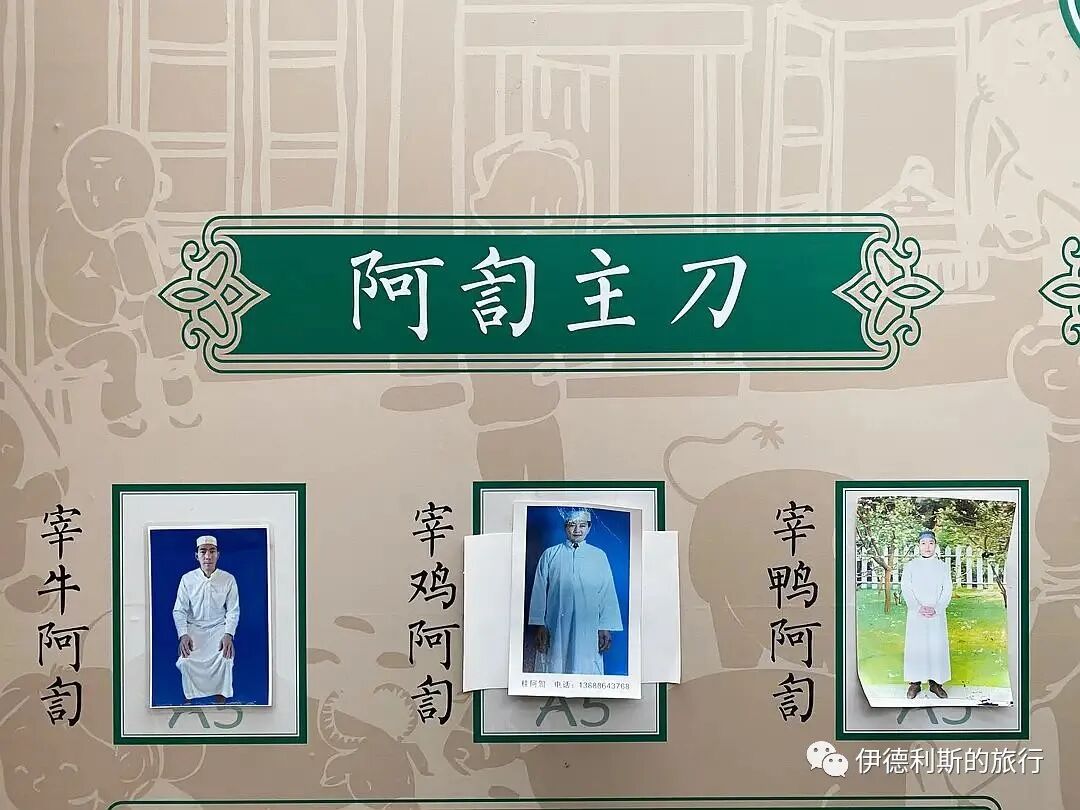
I caught the very last day of business for Guiji Xiaojinniu, which had been open on Shuncheng Street in Kunming for 33 years. Their building was taken back by the Kunming Mingde Ethnic Middle School. Since it was their last day, the menu was limited. We ordered small knife duck (xiaodaoya), open-fire roasted tilapia, sesame oil crown daisy, pickled vegetable and red bean soup, and mushroom minced meat tofu pudding (douhua). I first saw this restaurant when I visited Shuncheng Street, but I never got around to eating there. I finally tried it this time, so I have no regrets.
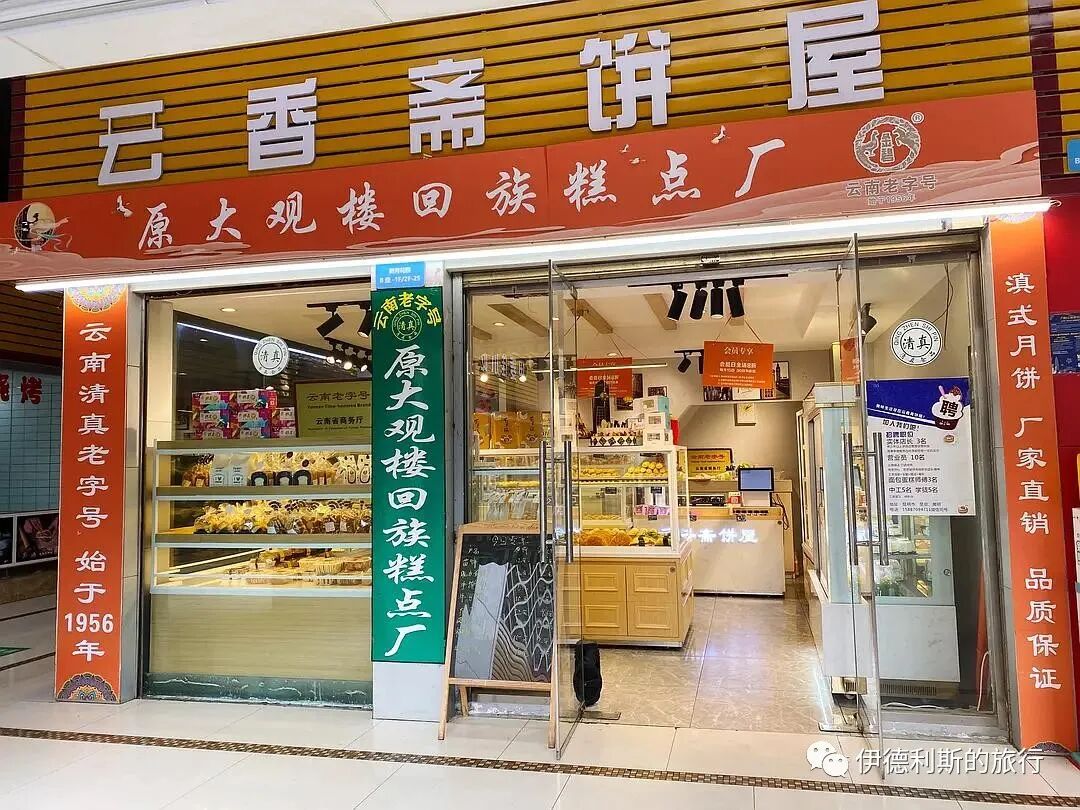
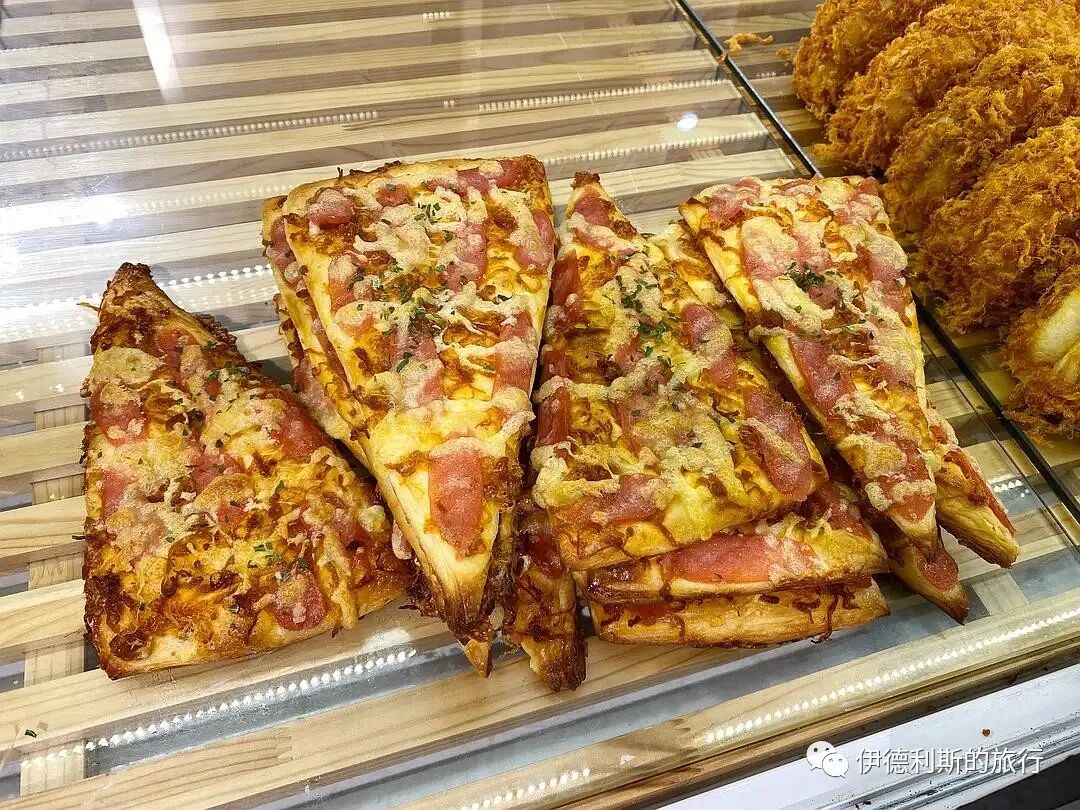
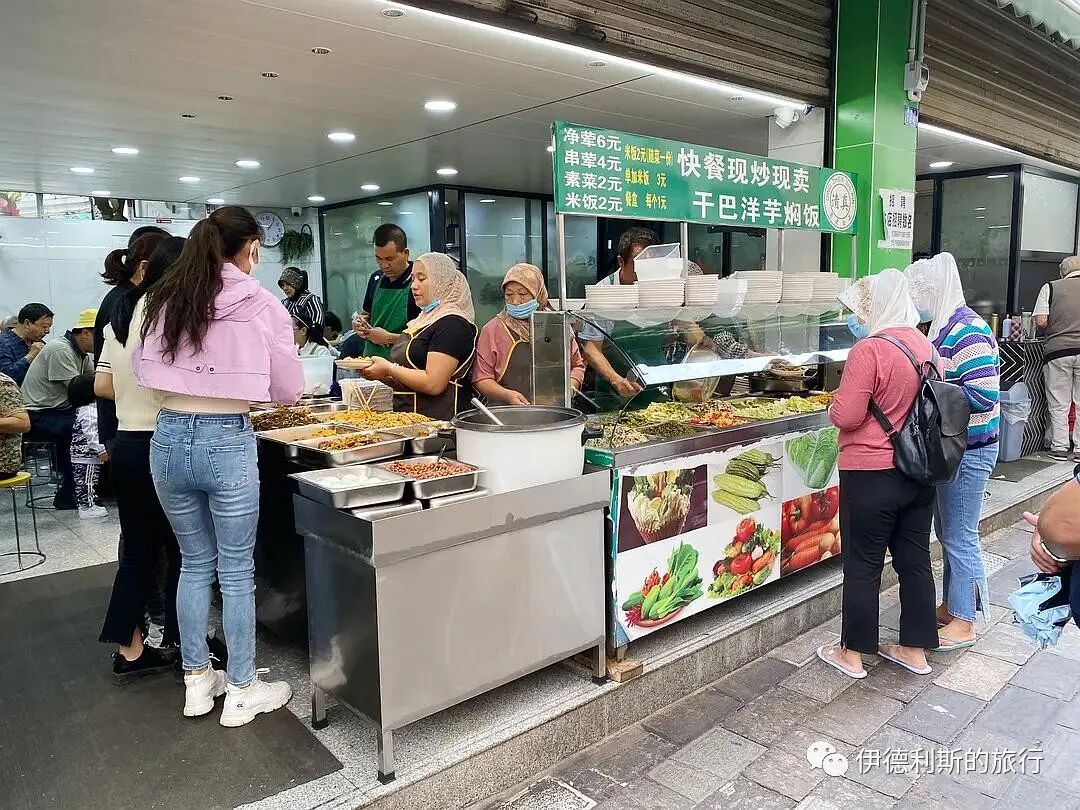
I walked around Shuncheng Street to eat, trying rose oatmeal porridge, red bean baked rice cakes from the cake shop, and pizza from Yunxiangzhai. view all
Summary: Halal Food Guide: Mengzi and Kunming — Rice Noodles, Mosques and Muslim Streets is presented here as a firsthand travel account in clear English, beginning with this scene: Author: Zainab. The account keeps its focus on Yunnan Food, Kunming Travel, Halal Food while preserving the names, places, food, and historical details from the Chinese source.
Author: Zainab.
We left Shadian for Mengzi to catch the high-speed train back to Kunming. In Mengzi, we ate at Yitiange, a very popular halal bridge-crossing rice noodle (guoqiao mixian) restaurant. They have copper-pot bridge-crossing rice noodles ranging from 12 to 50 yuan. We ordered the 50-yuan deluxe version, which came with 26 small plates. You can get unlimited refills of the meat broth and rice noodles. The plates included raw fish slices, raw beef slices, raw quail eggs, shrimp, dried beef (niu ganba), beef tongue, cold duck slices, cold beef slices, crispy butter, braised beef, grass shoots (caoya), chrysanthemum flowers, pea starch jelly (wandou tuo), bean sprouts, tofu skin, chives, cilantro, mint, green onions, melon tips, ginger, garlic, chili, and chili sauce. This is the most complete variety I have ever eaten!
They also have all kinds of stir-fried dishes and seasonal vegetables, with a huge selection. We ordered the egg-wrapped rice noodle rolls (furong juanfen) and bitter greens soup (kucai tang), both of which were delicious. I recommend this place to all my fellow Muslim friends (dost) planning to visit Mengzi!
After finishing my trip through central and southern Yunnan, I returned to Kunming from Mengzi. I stayed in the same room with a view of the mosque behind Shuncheng Street that I used to stay in. The Shuncheng Mosque is right outside my window.
In the morning, I had a grilled rice cake (shaoshierkuai) at Yingfeng Shaoshierkuai by the entrance of Shuncheng Mosque. I bought pickled vegetable and crispy buns (posubao) at the bun shop next door, then had a bowl of thick bean porridge (xidoufen) at Sayuxiang to start a wonderful day.
I caught the very last day of business for Guiji Xiaojinniu, which had been open on Shuncheng Street in Kunming for 33 years. Their building was taken back by the Kunming Mingde Ethnic Middle School. Since it was their last day, the menu was limited. We ordered small knife duck (xiaodaoya), open-fire roasted tilapia, sesame oil crown daisy, pickled vegetable and red bean soup, and mushroom minced meat tofu pudding (douhua). I first saw this restaurant when I visited Shuncheng Street, but I never got around to eating there. I finally tried it this time, so I have no regrets.
I walked around Shuncheng Street to eat, trying rose oatmeal porridge, red bean baked rice cakes from the cake shop, and pizza from Yunxiangzhai. view all
Reposted from the web
Summary: Halal Food Guide: Mengzi and Kunming — Rice Noodles, Mosques and Muslim Streets is presented here as a firsthand travel account in clear English, beginning with this scene: Author: Zainab. The account keeps its focus on Yunnan Food, Kunming Travel, Halal Food while preserving the names, places, food, and historical details from the Chinese source.
Author: Zainab.
We left Shadian for Mengzi to catch the high-speed train back to Kunming. In Mengzi, we ate at Yitiange, a very popular halal bridge-crossing rice noodle (guoqiao mixian) restaurant. They have copper-pot bridge-crossing rice noodles ranging from 12 to 50 yuan. We ordered the 50-yuan deluxe version, which came with 26 small plates. You can get unlimited refills of the meat broth and rice noodles. The plates included raw fish slices, raw beef slices, raw quail eggs, shrimp, dried beef (niu ganba), beef tongue, cold duck slices, cold beef slices, crispy butter, braised beef, grass shoots (caoya), chrysanthemum flowers, pea starch jelly (wandou tuo), bean sprouts, tofu skin, chives, cilantro, mint, green onions, melon tips, ginger, garlic, chili, and chili sauce. This is the most complete variety I have ever eaten!
They also have all kinds of stir-fried dishes and seasonal vegetables, with a huge selection. We ordered the egg-wrapped rice noodle rolls (furong juanfen) and bitter greens soup (kucai tang), both of which were delicious. I recommend this place to all my fellow Muslim friends (dost) planning to visit Mengzi!
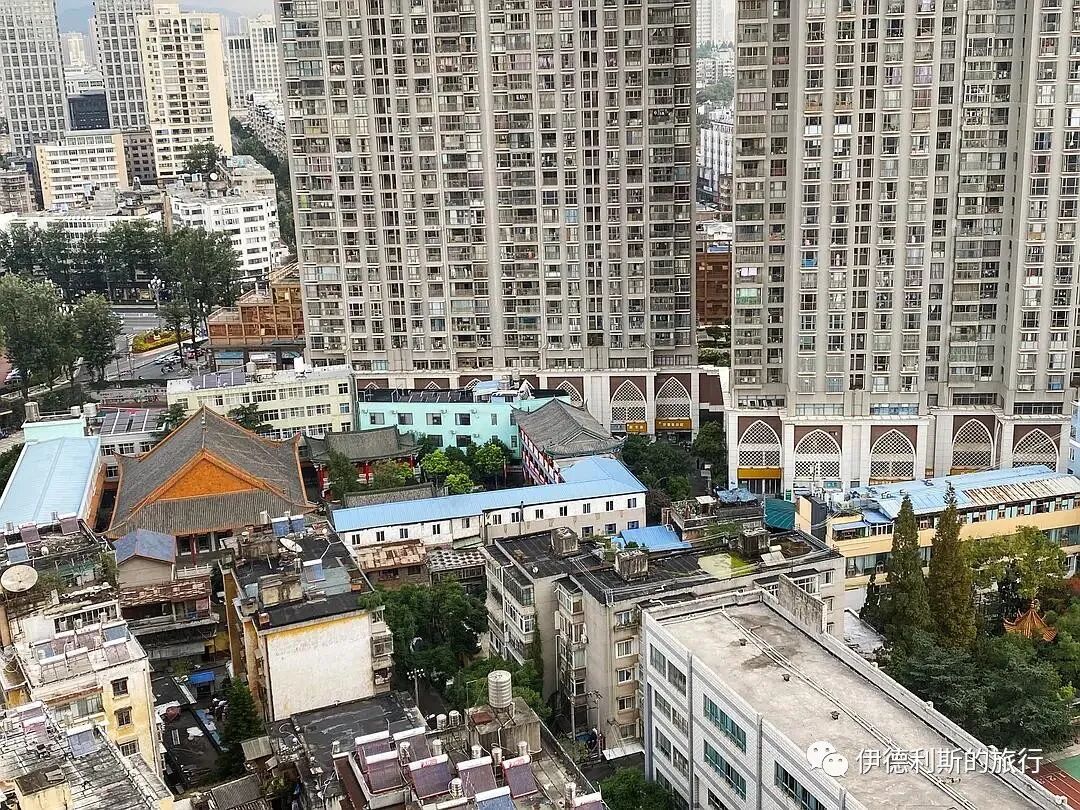
After finishing my trip through central and southern Yunnan, I returned to Kunming from Mengzi. I stayed in the same room with a view of the mosque behind Shuncheng Street that I used to stay in. The Shuncheng Mosque is right outside my window.
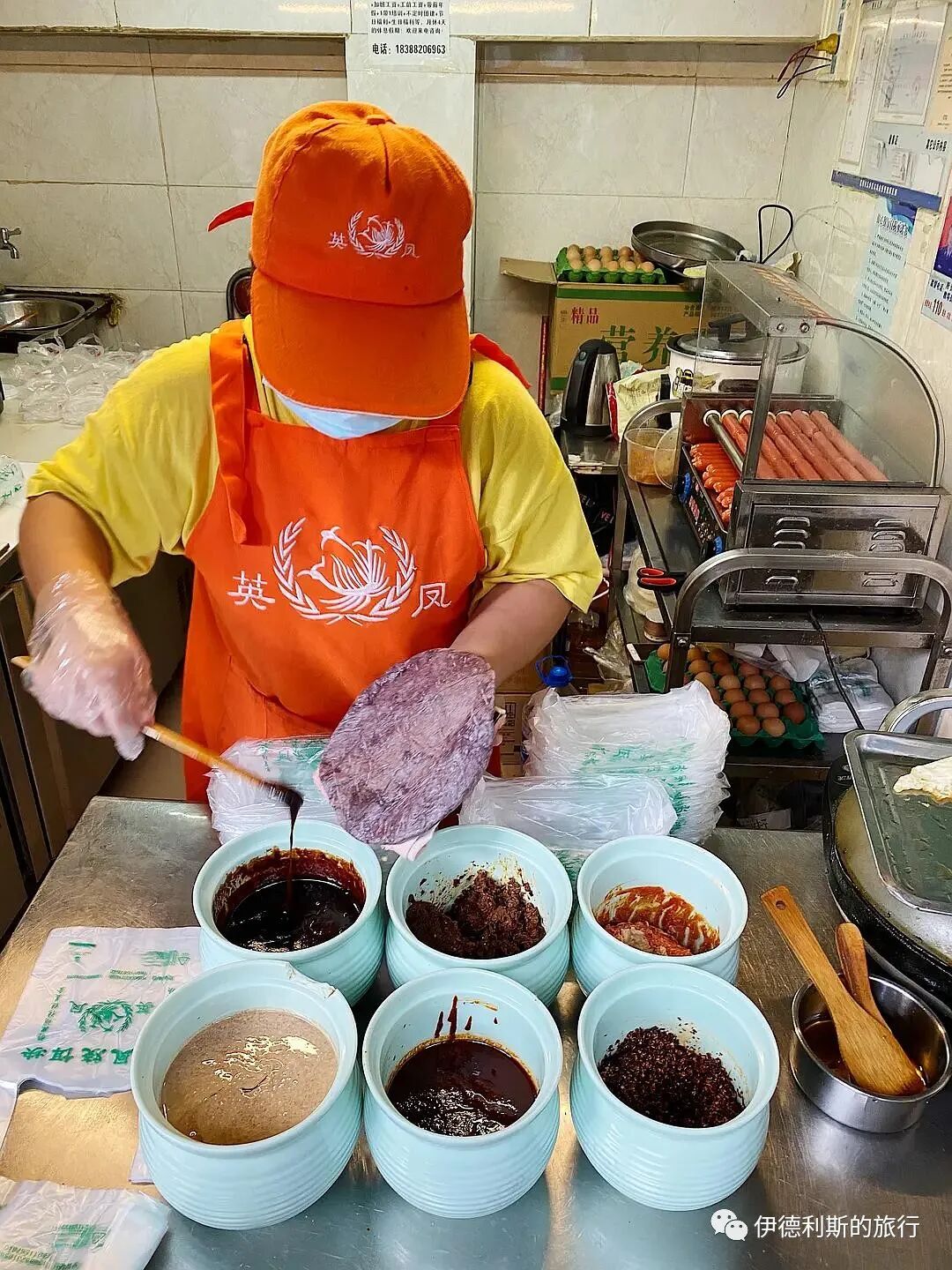
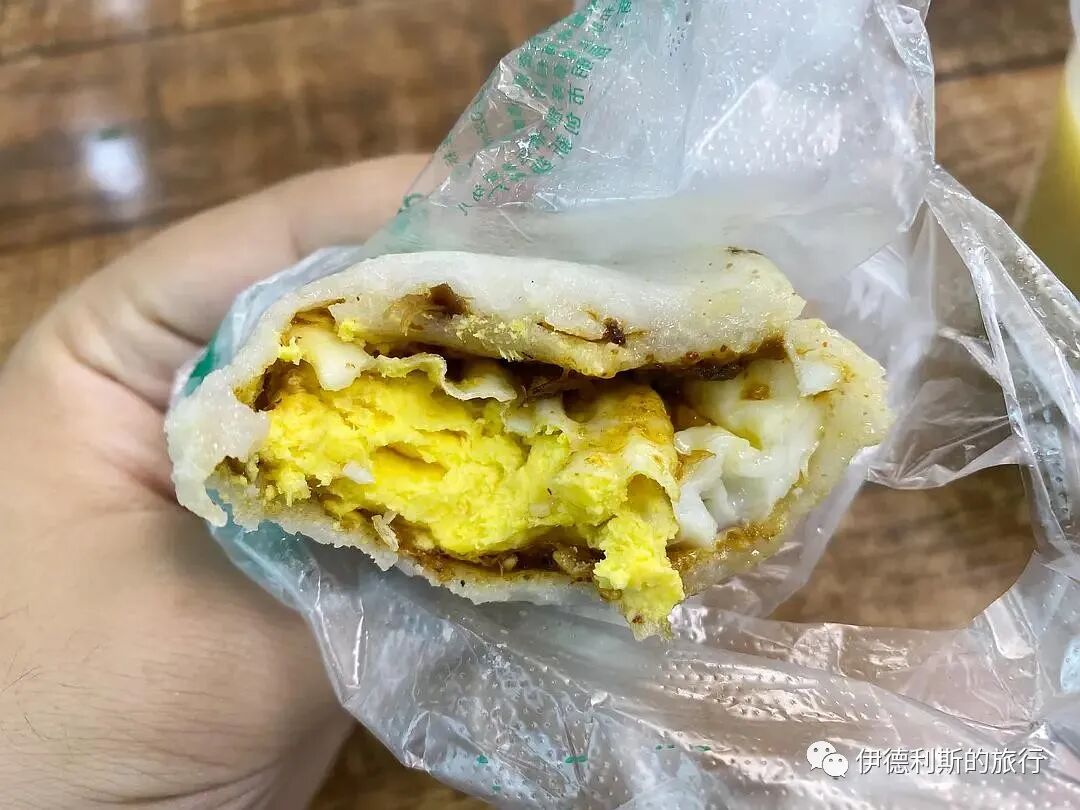
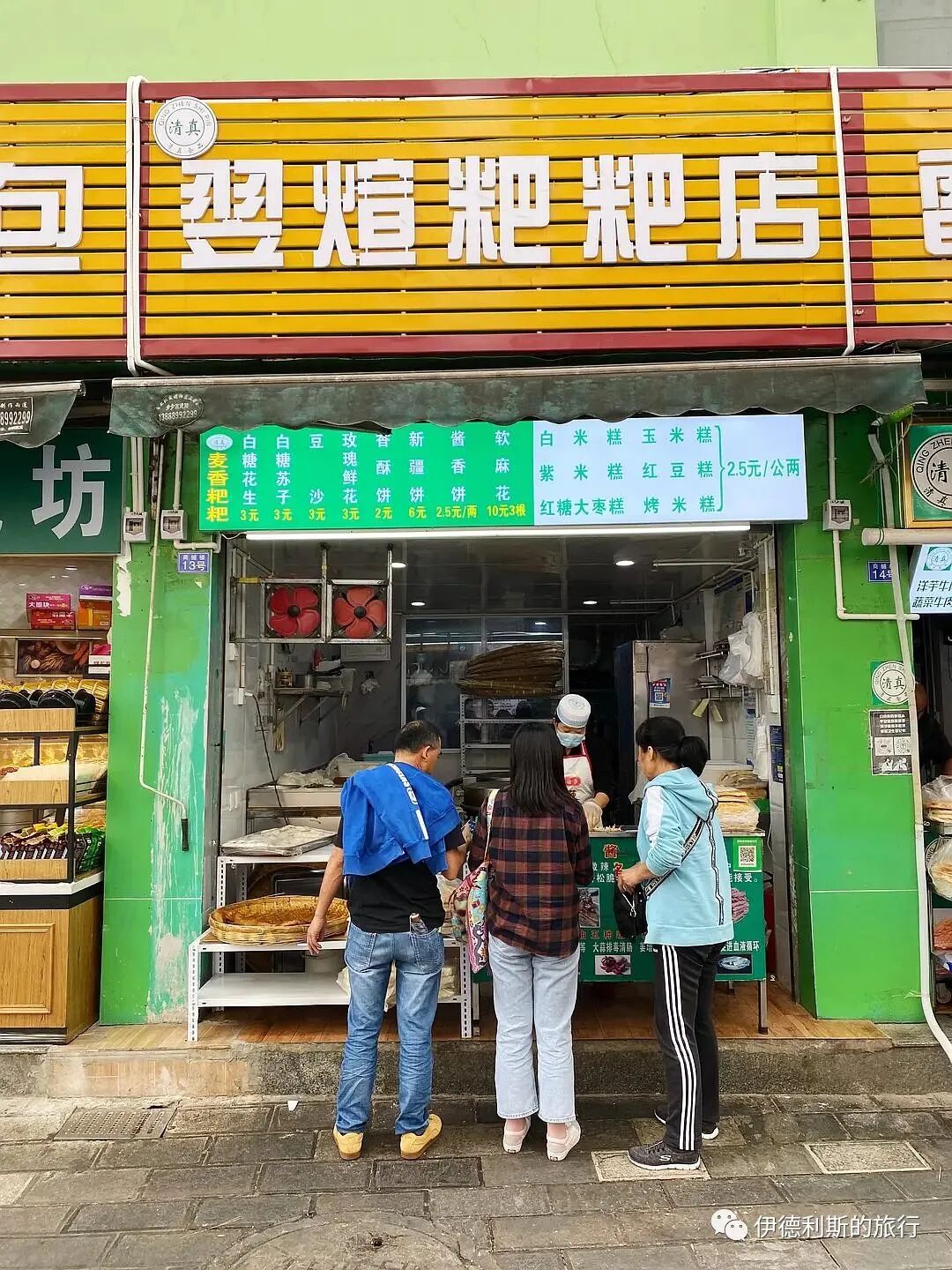
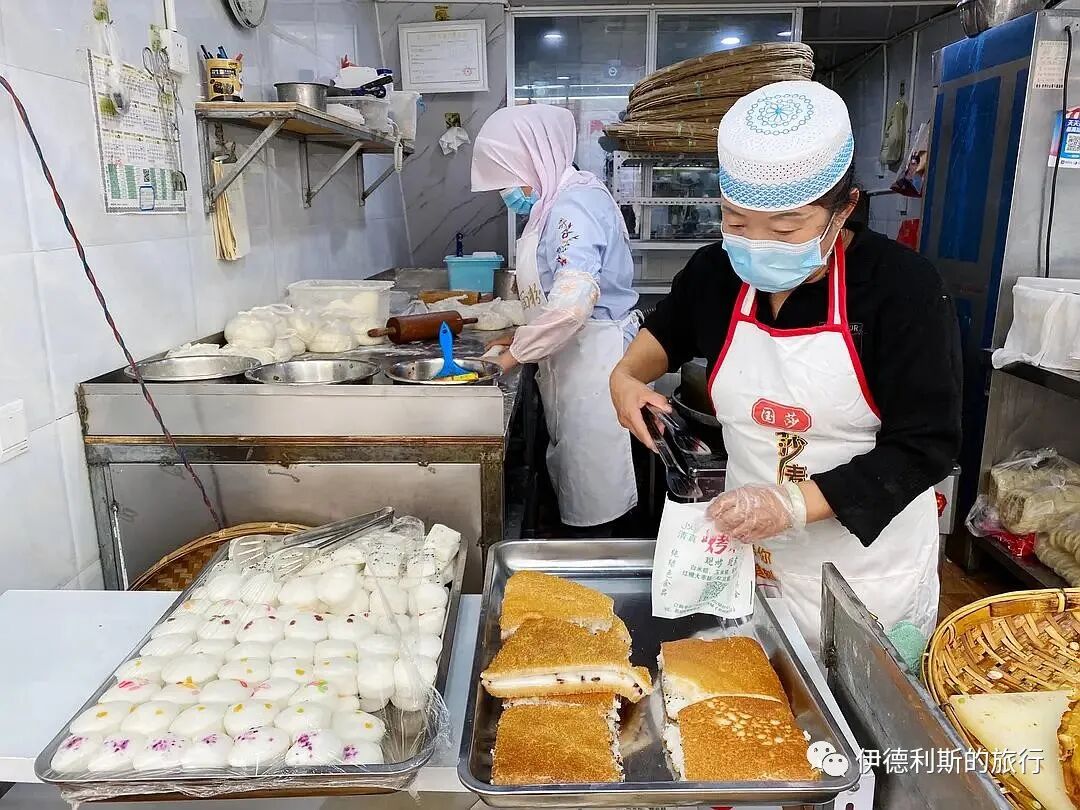
In the morning, I had a grilled rice cake (shaoshierkuai) at Yingfeng Shaoshierkuai by the entrance of Shuncheng Mosque. I bought pickled vegetable and crispy buns (posubao) at the bun shop next door, then had a bowl of thick bean porridge (xidoufen) at Sayuxiang to start a wonderful day.
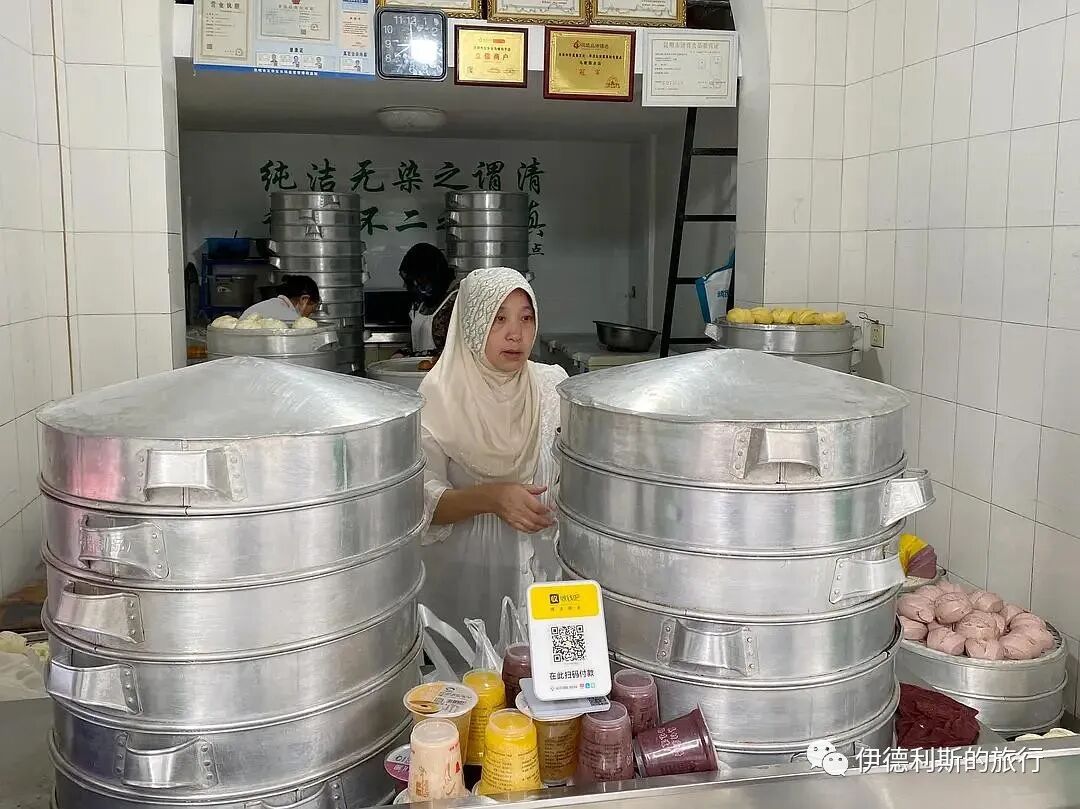
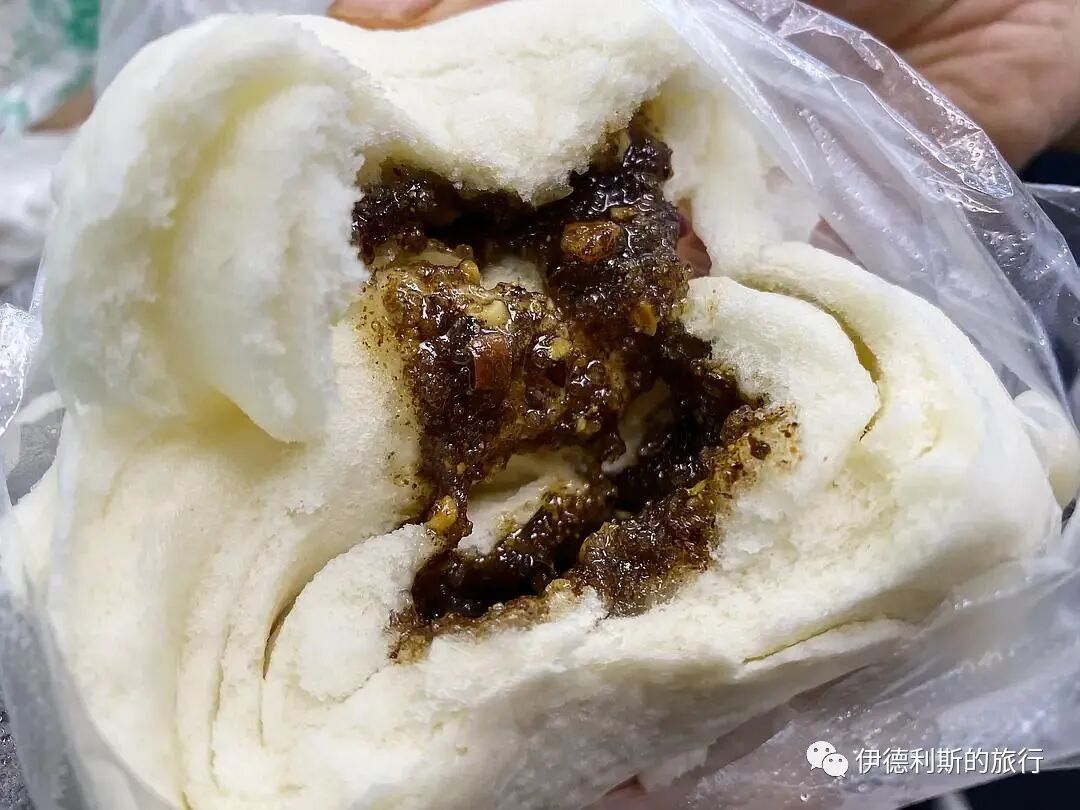
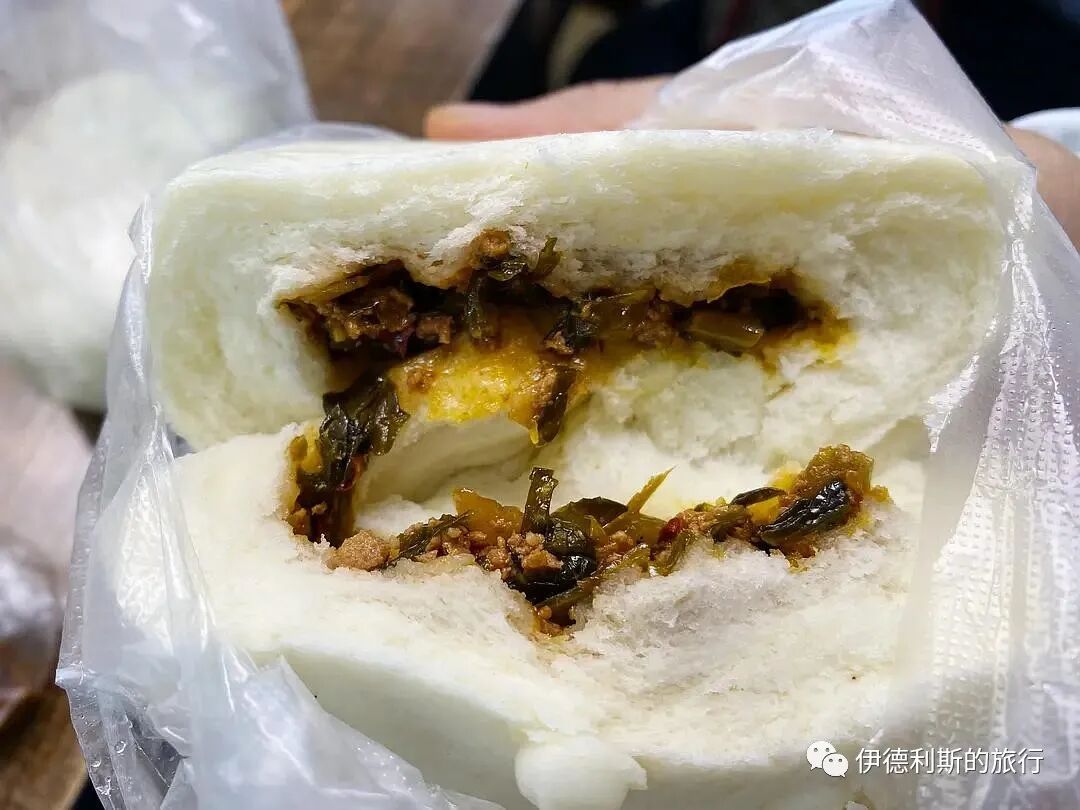
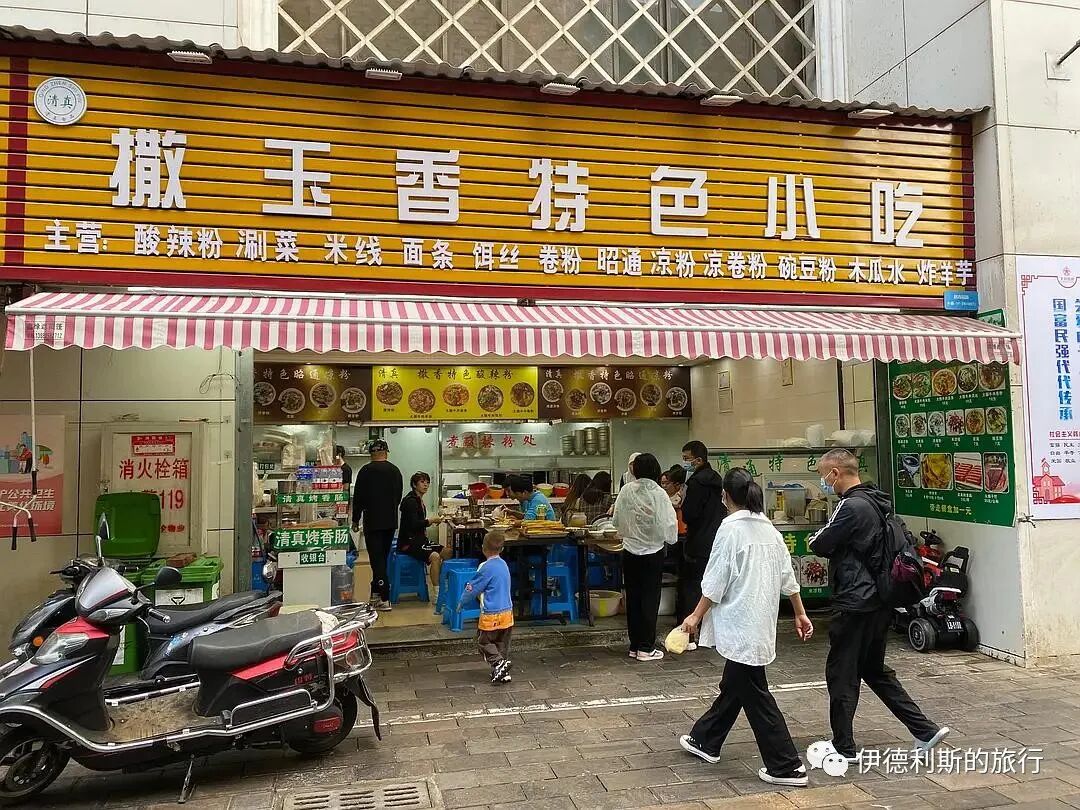
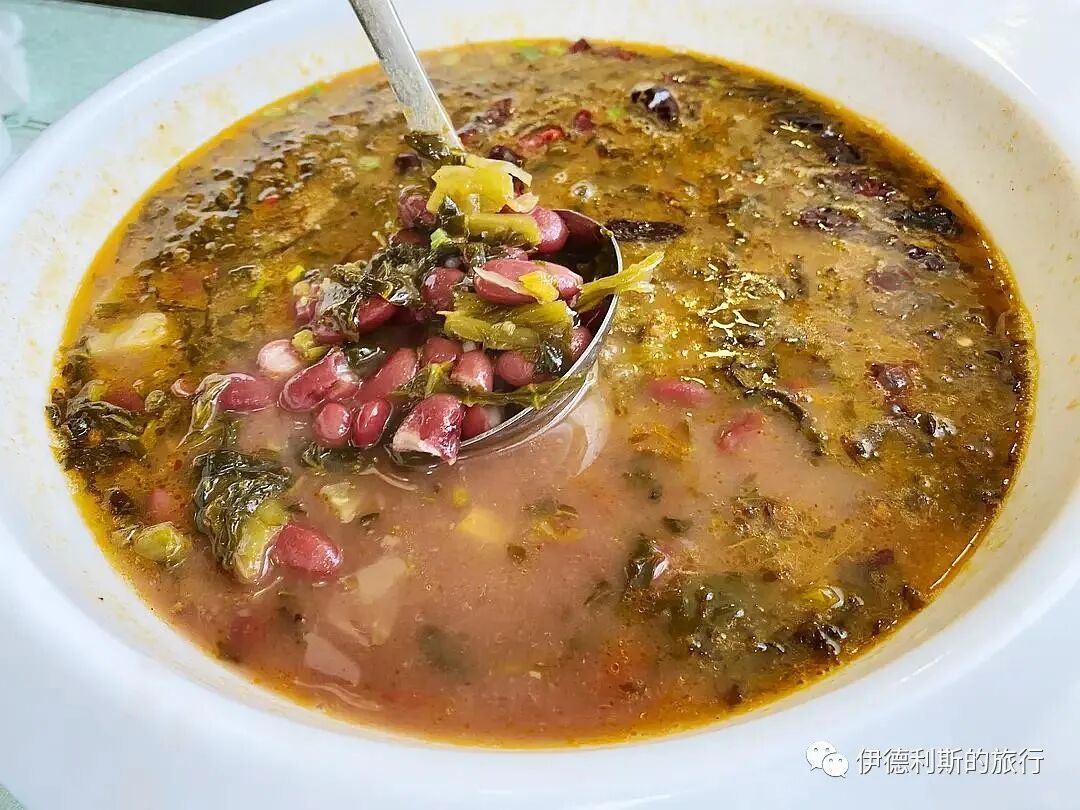
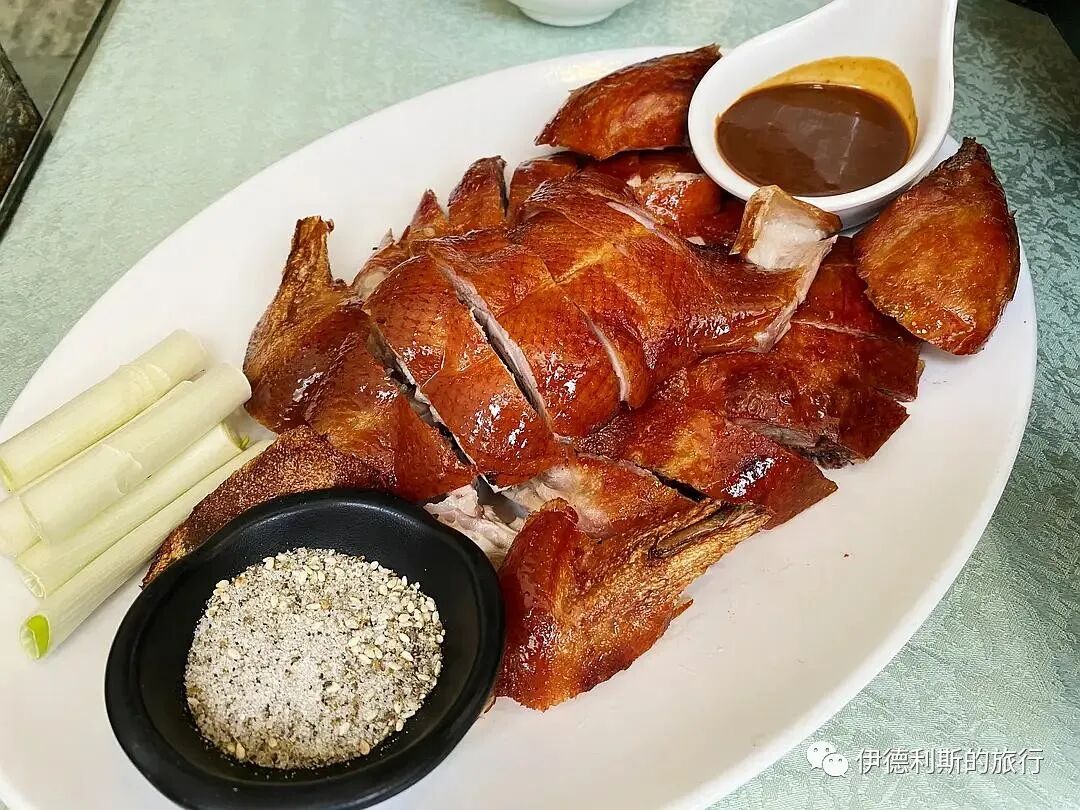
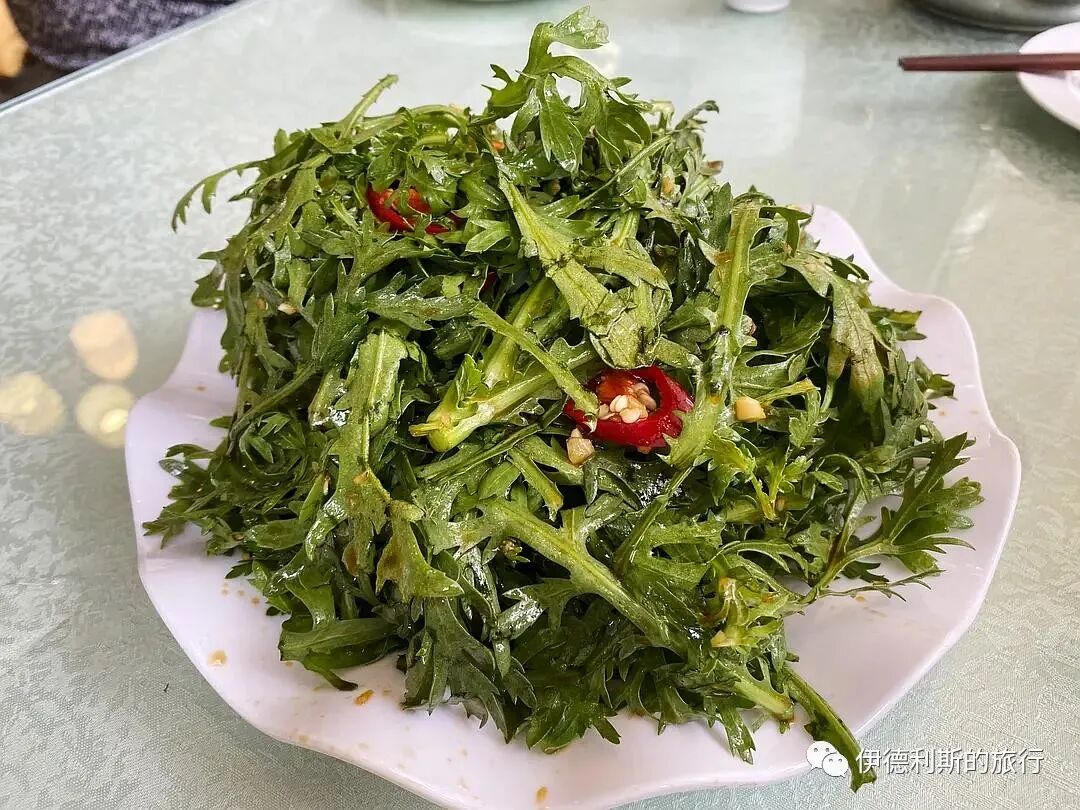
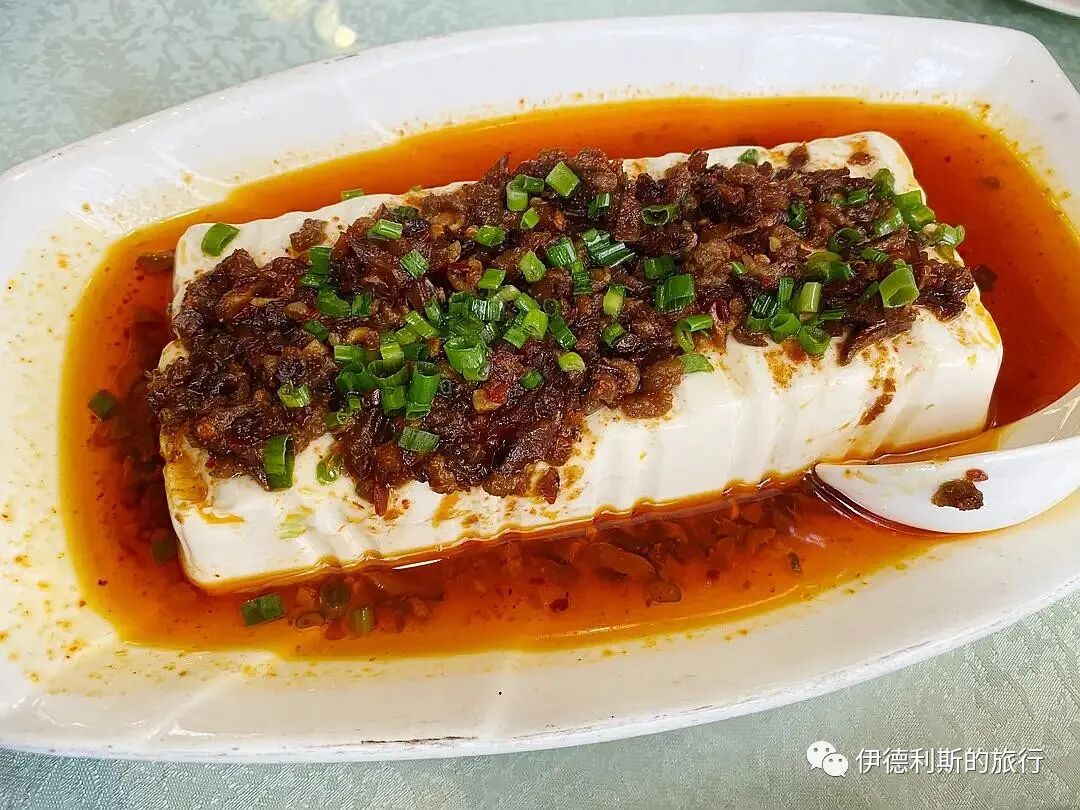
I caught the very last day of business for Guiji Xiaojinniu, which had been open on Shuncheng Street in Kunming for 33 years. Their building was taken back by the Kunming Mingde Ethnic Middle School. Since it was their last day, the menu was limited. We ordered small knife duck (xiaodaoya), open-fire roasted tilapia, sesame oil crown daisy, pickled vegetable and red bean soup, and mushroom minced meat tofu pudding (douhua). I first saw this restaurant when I visited Shuncheng Street, but I never got around to eating there. I finally tried it this time, so I have no regrets.
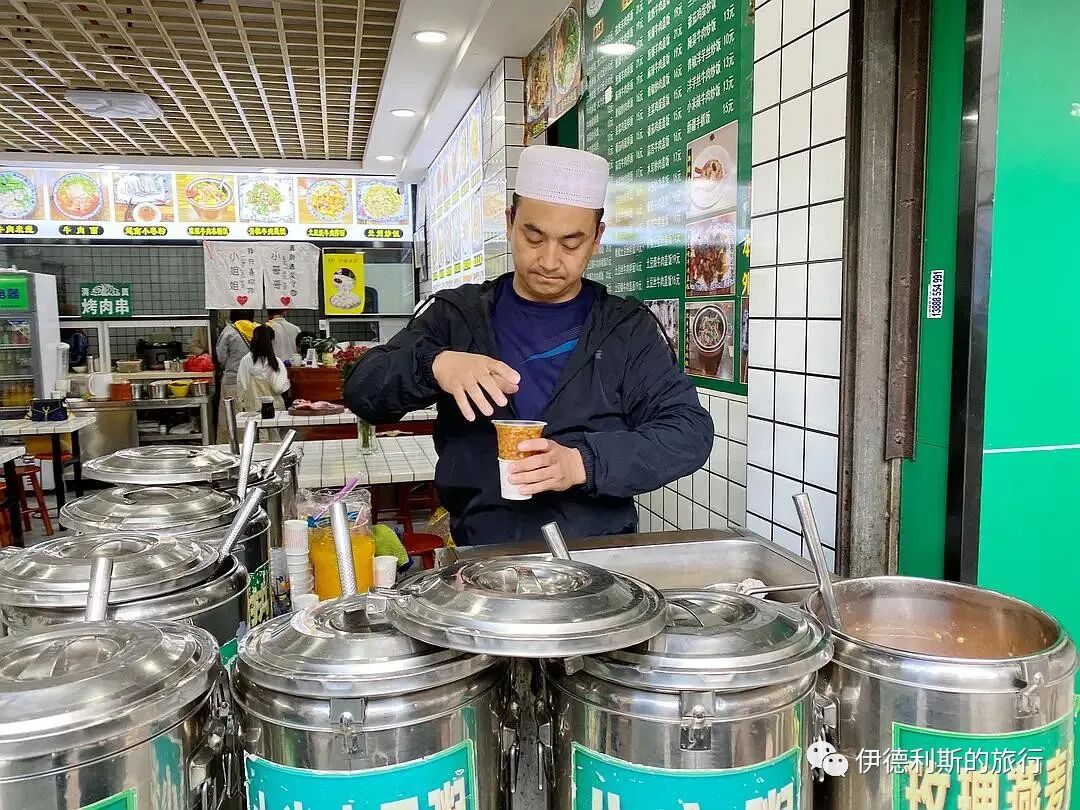
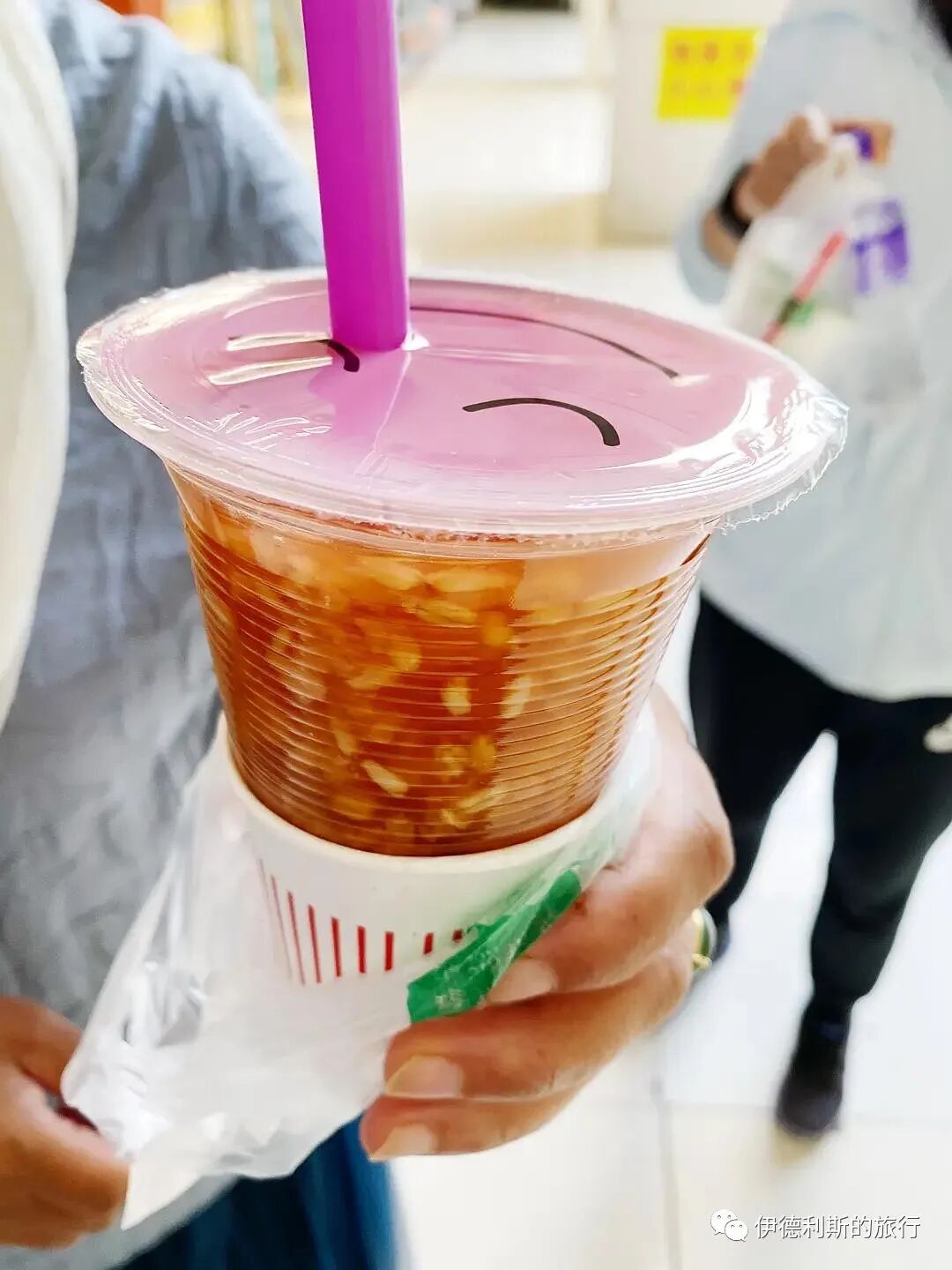
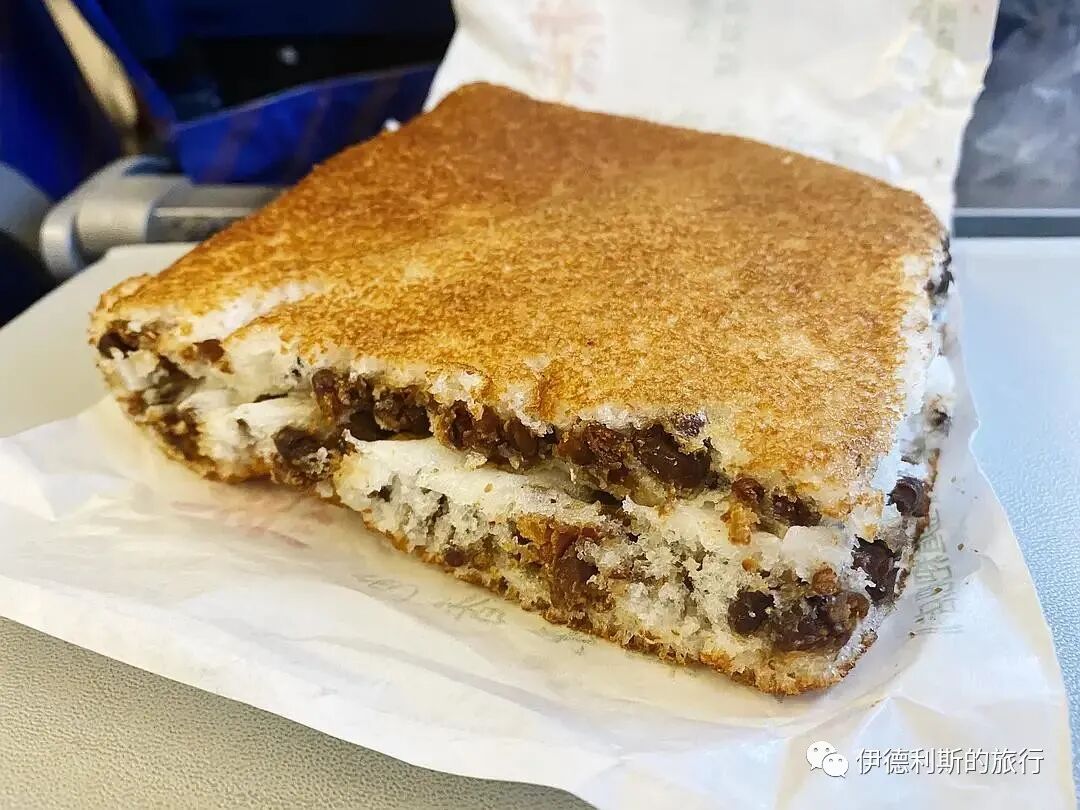
I walked around Shuncheng Street to eat, trying rose oatmeal porridge, red bean baked rice cakes from the cake shop, and pizza from Yunxiangzhai.
Summary: Halal Food Guide: Mengzi and Kunming — Rice Noodles, Mosques and Muslim Streets is presented here as a firsthand travel account in clear English, beginning with this scene: Author: Zainab. The account keeps its focus on Yunnan Food, Kunming Travel, Halal Food while preserving the names, places, food, and historical details from the Chinese source.
Author: Zainab.
We left Shadian for Mengzi to catch the high-speed train back to Kunming. In Mengzi, we ate at Yitiange, a very popular halal bridge-crossing rice noodle (guoqiao mixian) restaurant. They have copper-pot bridge-crossing rice noodles ranging from 12 to 50 yuan. We ordered the 50-yuan deluxe version, which came with 26 small plates. You can get unlimited refills of the meat broth and rice noodles. The plates included raw fish slices, raw beef slices, raw quail eggs, shrimp, dried beef (niu ganba), beef tongue, cold duck slices, cold beef slices, crispy butter, braised beef, grass shoots (caoya), chrysanthemum flowers, pea starch jelly (wandou tuo), bean sprouts, tofu skin, chives, cilantro, mint, green onions, melon tips, ginger, garlic, chili, and chili sauce. This is the most complete variety I have ever eaten!
They also have all kinds of stir-fried dishes and seasonal vegetables, with a huge selection. We ordered the egg-wrapped rice noodle rolls (furong juanfen) and bitter greens soup (kucai tang), both of which were delicious. I recommend this place to all my fellow Muslim friends (dost) planning to visit Mengzi!
After finishing my trip through central and southern Yunnan, I returned to Kunming from Mengzi. I stayed in the same room with a view of the mosque behind Shuncheng Street that I used to stay in. The Shuncheng Mosque is right outside my window.
In the morning, I had a grilled rice cake (shaoshierkuai) at Yingfeng Shaoshierkuai by the entrance of Shuncheng Mosque. I bought pickled vegetable and crispy buns (posubao) at the bun shop next door, then had a bowl of thick bean porridge (xidoufen) at Sayuxiang to start a wonderful day.
I caught the very last day of business for Guiji Xiaojinniu, which had been open on Shuncheng Street in Kunming for 33 years. Their building was taken back by the Kunming Mingde Ethnic Middle School. Since it was their last day, the menu was limited. We ordered small knife duck (xiaodaoya), open-fire roasted tilapia, sesame oil crown daisy, pickled vegetable and red bean soup, and mushroom minced meat tofu pudding (douhua). I first saw this restaurant when I visited Shuncheng Street, but I never got around to eating there. I finally tried it this time, so I have no regrets.
I walked around Shuncheng Street to eat, trying rose oatmeal porridge, red bean baked rice cakes from the cake shop, and pizza from Yunxiangzhai.
Halal Travel Guide: Kunming — Muslim Food, Mosques and Imam Ma Cong
Articles • ali2007fr posted the article • 0 comments • 230 views • 2026-05-18 00:35
Reposted from the web
Summary: Kunming — Muslim Food, Mosques and Imam Ma Cong is presented here as a firsthand travel account in clear English, beginning with this scene: I came to Yunnan for my honeymoon in August 2020. I visited Dali, Zhaotong, and Xundian, and stopped over in Kunming three times. The account keeps its focus on Kunming Travel, Halal Food, Hui Muslims while preserving the names, places, food, and historical details from the Chinese source.
I came to Yunnan for my honeymoon in August 2020. I visited Dali, Zhaotong, and Xundian, and stopped over in Kunming three times. During those trips, I ate some delicious food, saw beautiful calligraphy, and met some wonderful friends. I will share my experiences with you below.
August 3rd
I flew from Sanya to Kunming in the afternoon. After landing, I went straight to Shuncheng Halal Street to eat papaya jelly noodles (mugua liangxia), a mix of thick and thin pea starch noodles (wandoufen), rose oatmeal porridge, and fried rice with dried beef and bitter greens (niu ganba kucai chaofan).
In the evening, I ate Jianshui grilled tofu (jianshui shaodoufu) on Shuncheng Street.
August 6th
I transferred in Kunming on my way back from Dali. That night, I ate at a halal Dai-style restaurant called Jibianshishe. It was packed with people, mostly large families of Hui Muslims who came to eat Dai-style hand-grabbed rice (shouzhua fan). The large portion of hand-grabbed rice looked very tempting, but Zaynab and I could only order the small portion. I also had some iced bread dessert (paoluda) and tamarind juice.
August 7
I got ready to leave Kunming for Xundian in the morning. I stopped at Shuncheng Street in Kunming to eat fried dough (youxiang), flaky buns with perilla seeds (suzi posubao), and beef rice noodles (dasu niurou mixian). The shop lets you add your own toppings to the noodles, so I added extra mint and pickled vegetables, which tasted great.
Behind the Shuncheng Mosque in the morning
August 8
I returned to Kunming from Xundian in the afternoon. After praying at the Yongning Mosque, I took photos of the beautifully preserved traditional Yunnan-style Arabic calligraphy on the mihrab inside the main hall. The imam saw me taking pictures and started chatting with me. It turned out to be Imam Ma Cong, a friend I had known online. Imam Ma Cong is a talented young Arabic calligrapher. He studied under the famous master Mi Guangjiang. Besides his skill in Yunnan-style Arabic calligraphy, he writes other styles very well and is great at combining calligraphy with painting.
Imam Ma Cong showed me his various calligraphy works and gave me a piece in the classic Yunnan style before I left.
Afterward, Imam Ma took us to the Jinniu Street Mosque in Kunming. Besides Yongning Mosque, this is the only other mosque that preserves a traditional Yunnan-style Arabic calligraphy mihrab.
Jinniu Street Mosque was originally the only historic mosque building in downtown Kunming. It was rebuilt in 1889 and renovated twice, in 1943 and the 1980s, and is now a district-level cultural heritage site. Unfortunately, it was demolished in 2016 and rebuilt into the current structure in 2019. The original building featured a beautiful Yunnan-style Arabic calligraphy mihrab, a plaque titled 'The Way Spread from the West' (Dao Zi Xi Chuan) written and erected by Zhang Fengming, a deputy general of the Yunnan-Guizhou military in 1895, and a 'Sincerity' (Jingcheng) plaque written by Li Zhun in 1929, based on text by Yang Wensong from Dali.
After visiting the mosque, Imam Ma treated us to cold rice noodles (liang mixian) at a stall by the entrance. We had one bowl of rolled rice noodles (juanfen) and one bowl of rice noodles (mixian), and they tasted amazing.
In the afternoon, under the guidance of Imam Ma Cong, we went to the Huiying Mosque in Chenggong in the southern suburbs. Although this mosque has been renovated, it still preserves a very beautiful traditional Yunnan-style Arabic mihrab. The calligraphy itself is so masterful that it left me completely stunned.
I arrived at the mosque just in time for a wedding feast, and it was very lively.
There is a very hidden halal market in the Hui Muslim camp of Chenggong.
I went back to Shuncheng Street in the evening to eat roasted potatoes (kao yangyu) and roasted eggs (kao jidan), and the way they pair different dipping sauces (zhanshui) is truly an art.
August 9
I caught a flight from Kunming to Zhaotong in the morning, had a grilled rice cake (yingfeng shao erkua) near my accommodation, and then went to the food court at the entrance of the Jinniu Street Mosque to eat a stuffed bean flour rice ball (baoxin doumian tangyuan), where you can drink as much rice soup as you like. view all
Summary: Kunming — Muslim Food, Mosques and Imam Ma Cong is presented here as a firsthand travel account in clear English, beginning with this scene: I came to Yunnan for my honeymoon in August 2020. I visited Dali, Zhaotong, and Xundian, and stopped over in Kunming three times. The account keeps its focus on Kunming Travel, Halal Food, Hui Muslims while preserving the names, places, food, and historical details from the Chinese source.
I came to Yunnan for my honeymoon in August 2020. I visited Dali, Zhaotong, and Xundian, and stopped over in Kunming three times. During those trips, I ate some delicious food, saw beautiful calligraphy, and met some wonderful friends. I will share my experiences with you below.
August 3rd
I flew from Sanya to Kunming in the afternoon. After landing, I went straight to Shuncheng Halal Street to eat papaya jelly noodles (mugua liangxia), a mix of thick and thin pea starch noodles (wandoufen), rose oatmeal porridge, and fried rice with dried beef and bitter greens (niu ganba kucai chaofan).
In the evening, I ate Jianshui grilled tofu (jianshui shaodoufu) on Shuncheng Street.
August 6th
I transferred in Kunming on my way back from Dali. That night, I ate at a halal Dai-style restaurant called Jibianshishe. It was packed with people, mostly large families of Hui Muslims who came to eat Dai-style hand-grabbed rice (shouzhua fan). The large portion of hand-grabbed rice looked very tempting, but Zaynab and I could only order the small portion. I also had some iced bread dessert (paoluda) and tamarind juice.
August 7
I got ready to leave Kunming for Xundian in the morning. I stopped at Shuncheng Street in Kunming to eat fried dough (youxiang), flaky buns with perilla seeds (suzi posubao), and beef rice noodles (dasu niurou mixian). The shop lets you add your own toppings to the noodles, so I added extra mint and pickled vegetables, which tasted great.
Behind the Shuncheng Mosque in the morning
August 8
I returned to Kunming from Xundian in the afternoon. After praying at the Yongning Mosque, I took photos of the beautifully preserved traditional Yunnan-style Arabic calligraphy on the mihrab inside the main hall. The imam saw me taking pictures and started chatting with me. It turned out to be Imam Ma Cong, a friend I had known online. Imam Ma Cong is a talented young Arabic calligrapher. He studied under the famous master Mi Guangjiang. Besides his skill in Yunnan-style Arabic calligraphy, he writes other styles very well and is great at combining calligraphy with painting.
Imam Ma Cong showed me his various calligraphy works and gave me a piece in the classic Yunnan style before I left.
Afterward, Imam Ma took us to the Jinniu Street Mosque in Kunming. Besides Yongning Mosque, this is the only other mosque that preserves a traditional Yunnan-style Arabic calligraphy mihrab.
Jinniu Street Mosque was originally the only historic mosque building in downtown Kunming. It was rebuilt in 1889 and renovated twice, in 1943 and the 1980s, and is now a district-level cultural heritage site. Unfortunately, it was demolished in 2016 and rebuilt into the current structure in 2019. The original building featured a beautiful Yunnan-style Arabic calligraphy mihrab, a plaque titled 'The Way Spread from the West' (Dao Zi Xi Chuan) written and erected by Zhang Fengming, a deputy general of the Yunnan-Guizhou military in 1895, and a 'Sincerity' (Jingcheng) plaque written by Li Zhun in 1929, based on text by Yang Wensong from Dali.
After visiting the mosque, Imam Ma treated us to cold rice noodles (liang mixian) at a stall by the entrance. We had one bowl of rolled rice noodles (juanfen) and one bowl of rice noodles (mixian), and they tasted amazing.
In the afternoon, under the guidance of Imam Ma Cong, we went to the Huiying Mosque in Chenggong in the southern suburbs. Although this mosque has been renovated, it still preserves a very beautiful traditional Yunnan-style Arabic mihrab. The calligraphy itself is so masterful that it left me completely stunned.
I arrived at the mosque just in time for a wedding feast, and it was very lively.
There is a very hidden halal market in the Hui Muslim camp of Chenggong.
I went back to Shuncheng Street in the evening to eat roasted potatoes (kao yangyu) and roasted eggs (kao jidan), and the way they pair different dipping sauces (zhanshui) is truly an art.
August 9
I caught a flight from Kunming to Zhaotong in the morning, had a grilled rice cake (yingfeng shao erkua) near my accommodation, and then went to the food court at the entrance of the Jinniu Street Mosque to eat a stuffed bean flour rice ball (baoxin doumian tangyuan), where you can drink as much rice soup as you like. view all
Reposted from the web
Summary: Kunming — Muslim Food, Mosques and Imam Ma Cong is presented here as a firsthand travel account in clear English, beginning with this scene: I came to Yunnan for my honeymoon in August 2020. I visited Dali, Zhaotong, and Xundian, and stopped over in Kunming three times. The account keeps its focus on Kunming Travel, Halal Food, Hui Muslims while preserving the names, places, food, and historical details from the Chinese source.
I came to Yunnan for my honeymoon in August 2020. I visited Dali, Zhaotong, and Xundian, and stopped over in Kunming three times. During those trips, I ate some delicious food, saw beautiful calligraphy, and met some wonderful friends. I will share my experiences with you below.
August 3rd
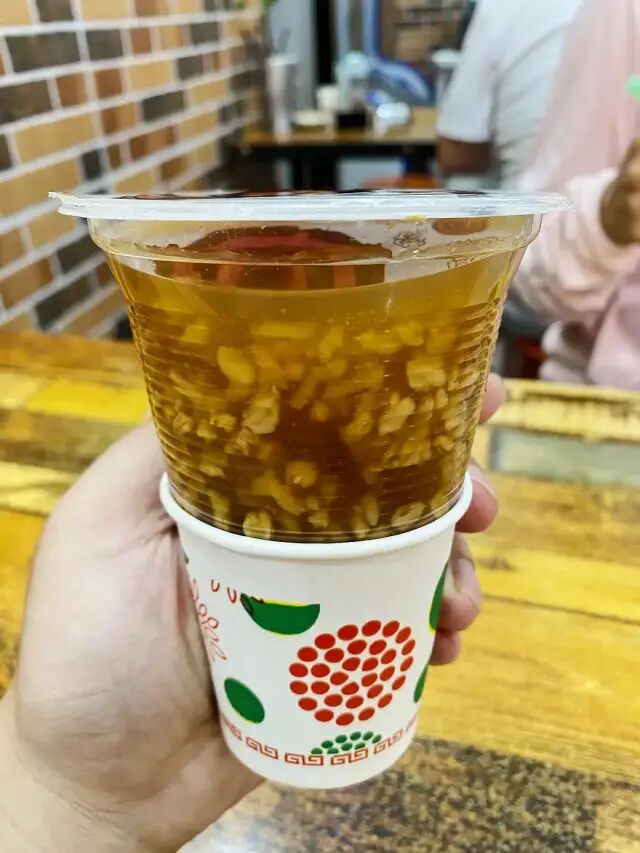
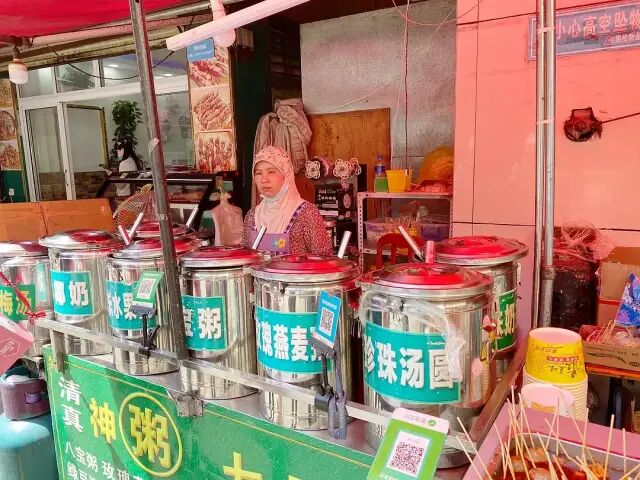
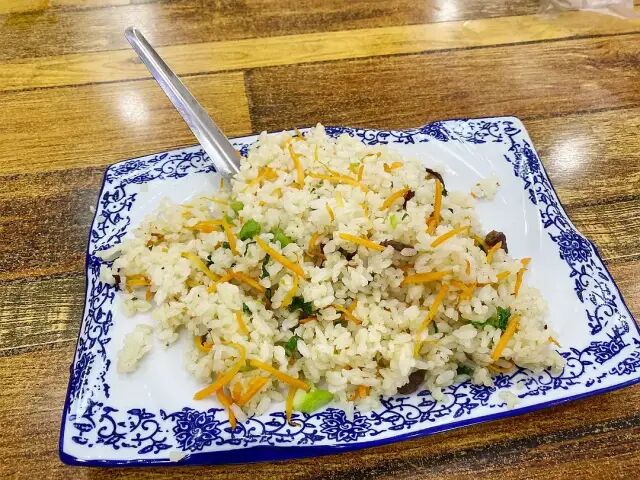
I flew from Sanya to Kunming in the afternoon. After landing, I went straight to Shuncheng Halal Street to eat papaya jelly noodles (mugua liangxia), a mix of thick and thin pea starch noodles (wandoufen), rose oatmeal porridge, and fried rice with dried beef and bitter greens (niu ganba kucai chaofan).
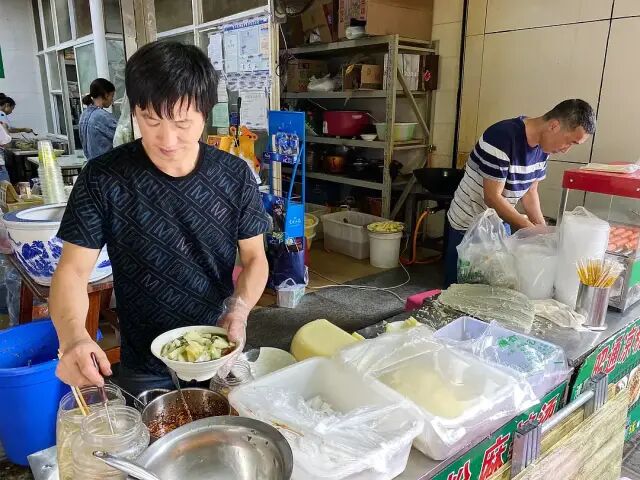
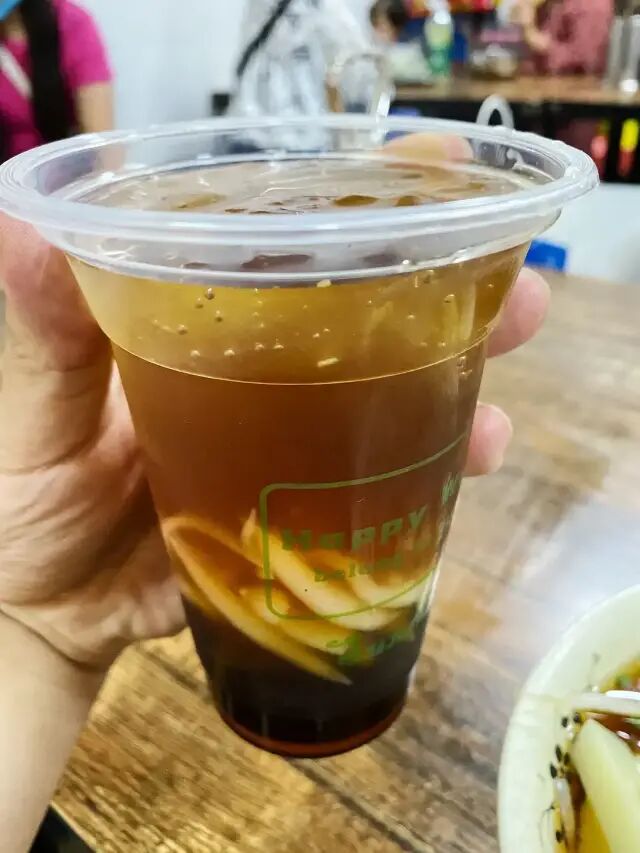
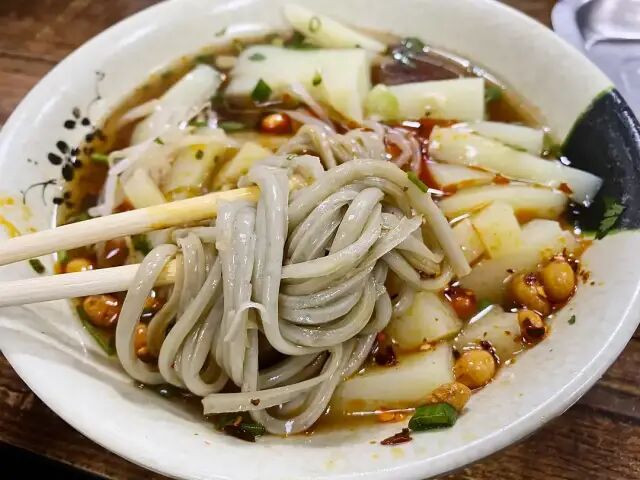
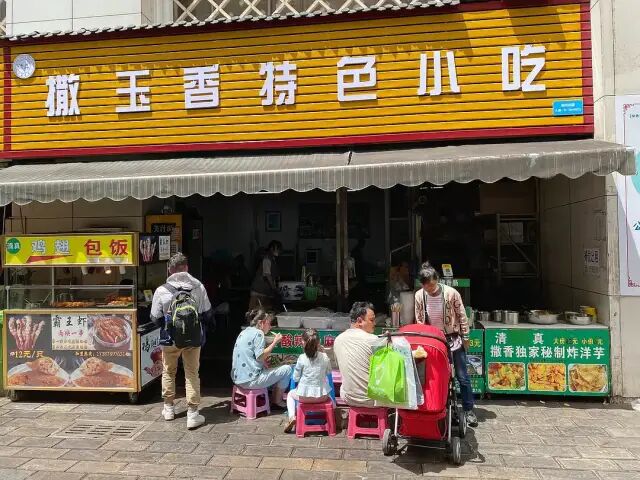
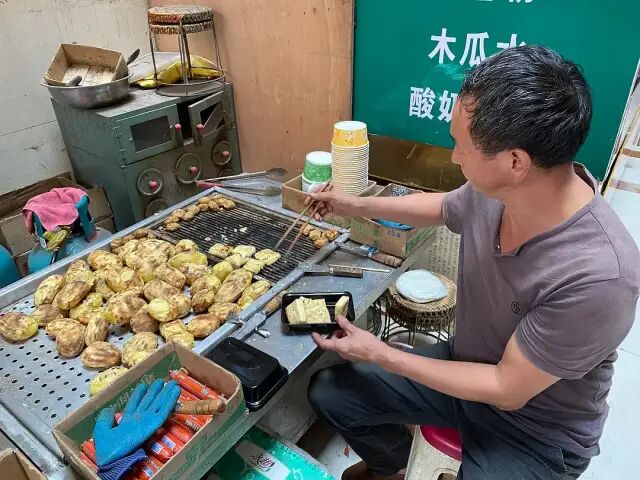
In the evening, I ate Jianshui grilled tofu (jianshui shaodoufu) on Shuncheng Street.
August 6th
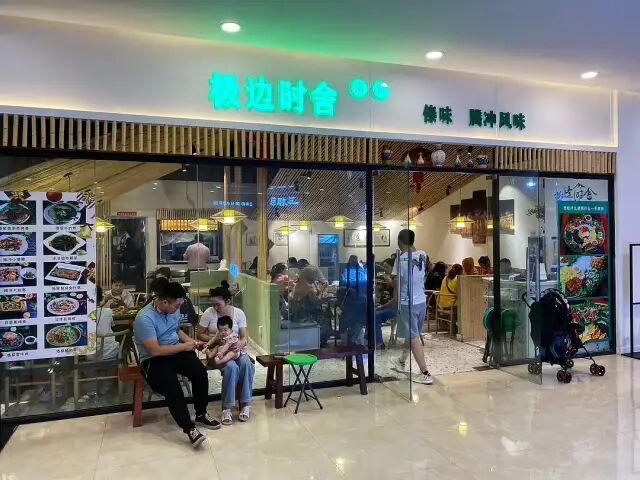
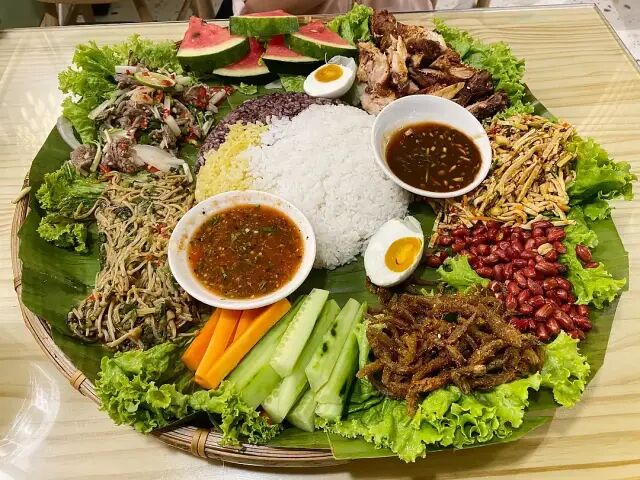
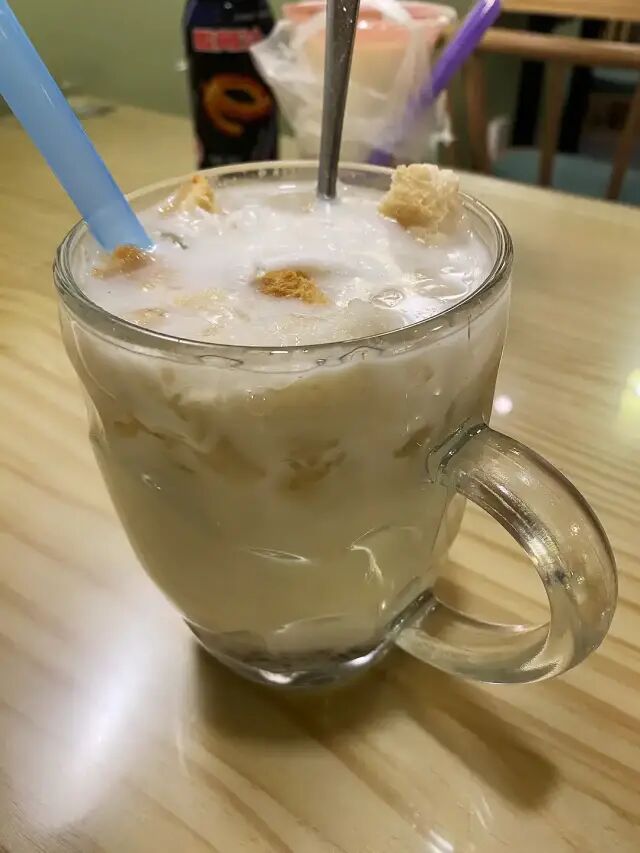
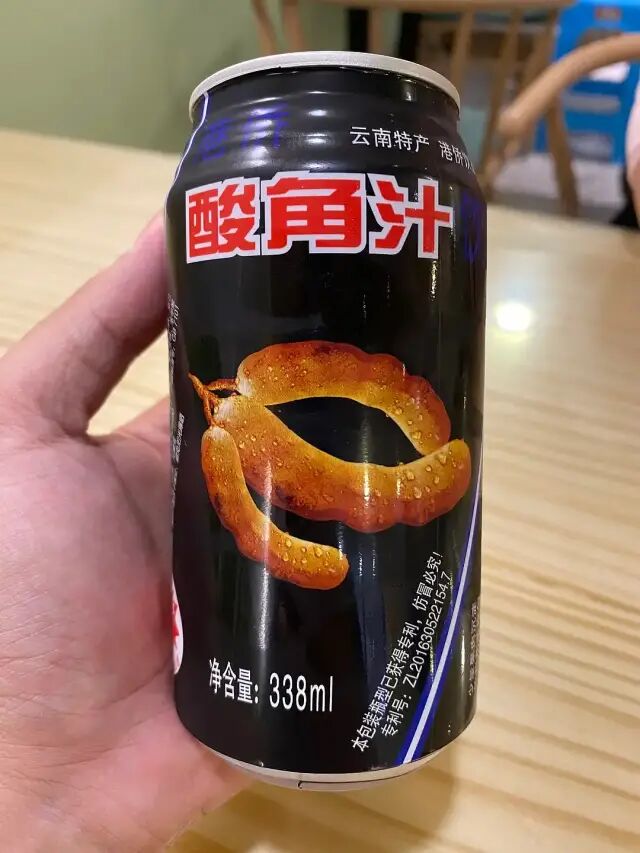
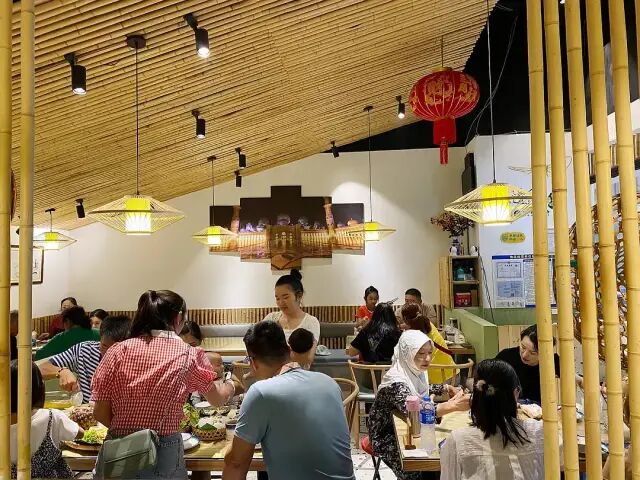
I transferred in Kunming on my way back from Dali. That night, I ate at a halal Dai-style restaurant called Jibianshishe. It was packed with people, mostly large families of Hui Muslims who came to eat Dai-style hand-grabbed rice (shouzhua fan). The large portion of hand-grabbed rice looked very tempting, but Zaynab and I could only order the small portion. I also had some iced bread dessert (paoluda) and tamarind juice.
August 7
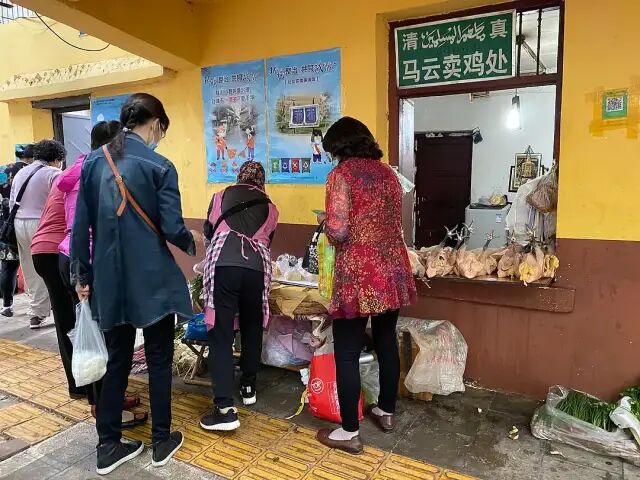
I got ready to leave Kunming for Xundian in the morning. I stopped at Shuncheng Street in Kunming to eat fried dough (youxiang), flaky buns with perilla seeds (suzi posubao), and beef rice noodles (dasu niurou mixian). The shop lets you add your own toppings to the noodles, so I added extra mint and pickled vegetables, which tasted great.
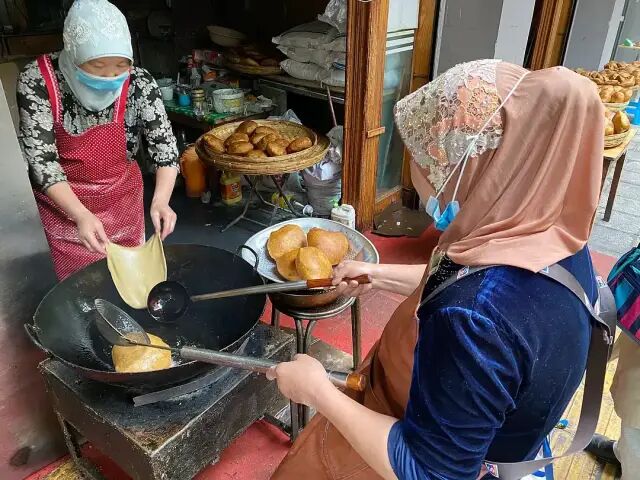
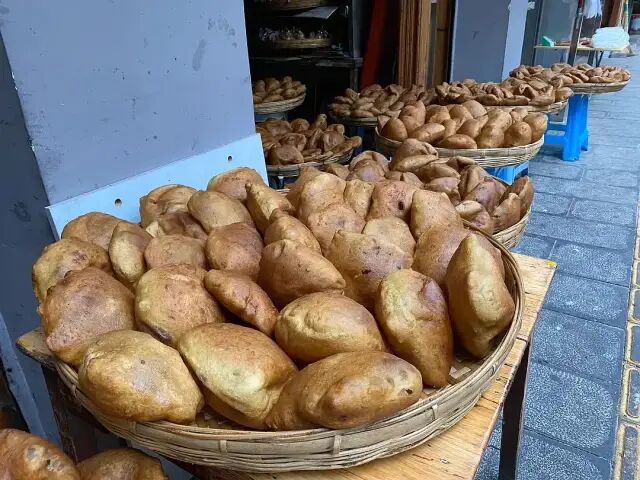
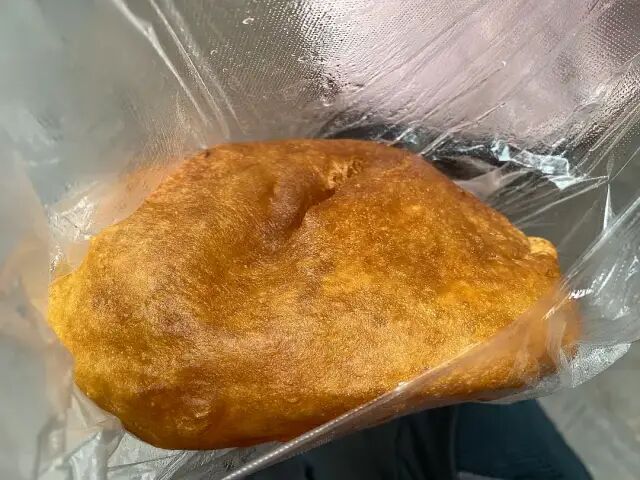
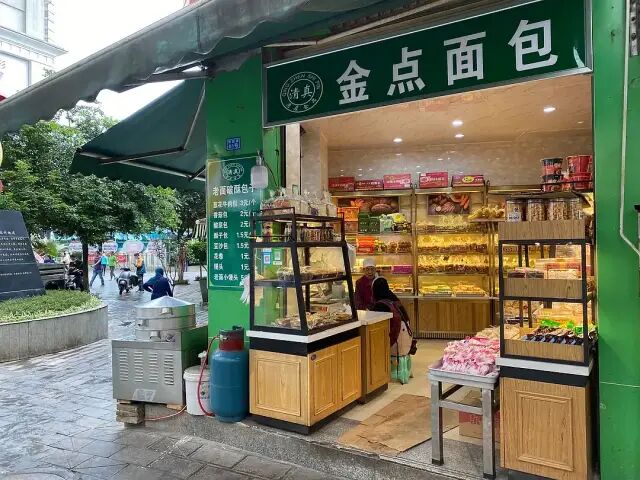
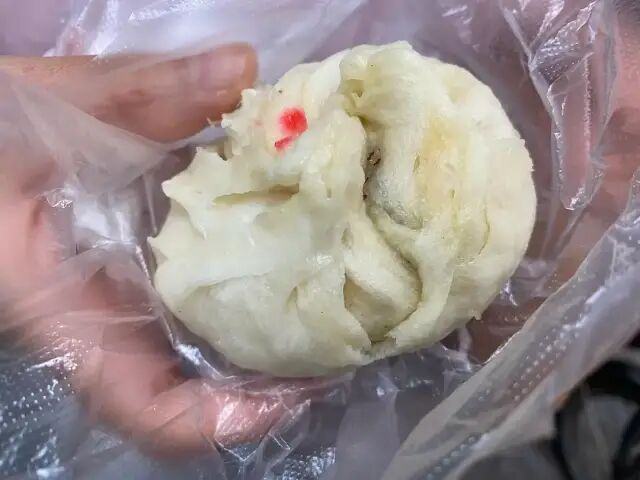
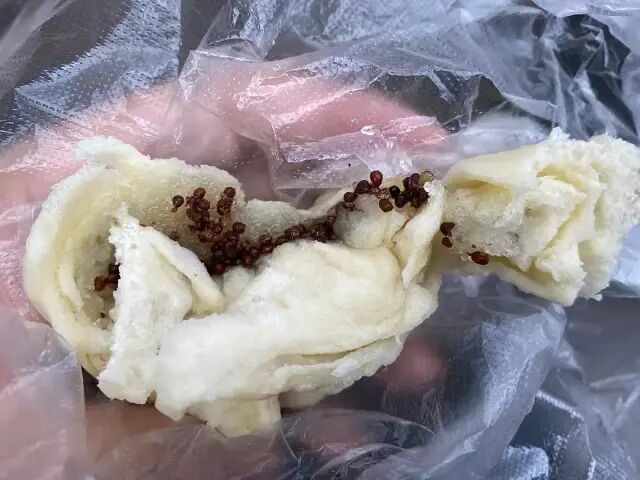
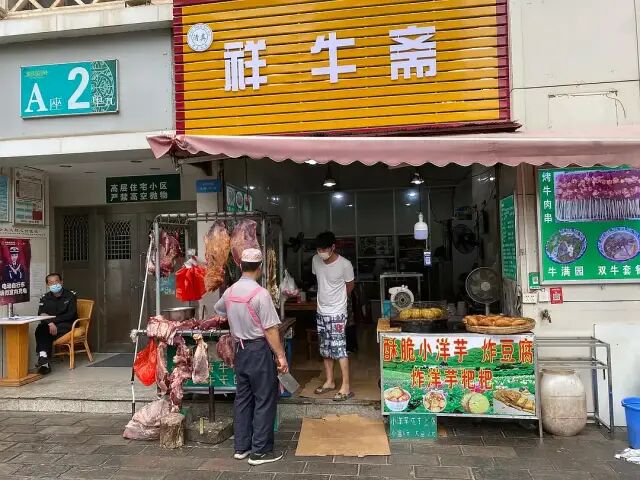
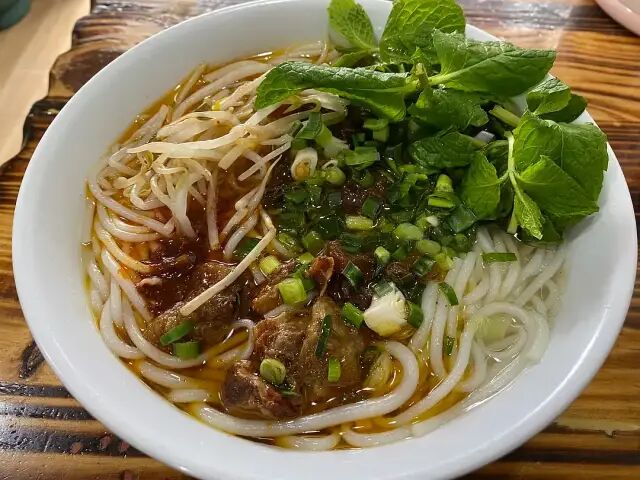
Behind the Shuncheng Mosque in the morning
August 8
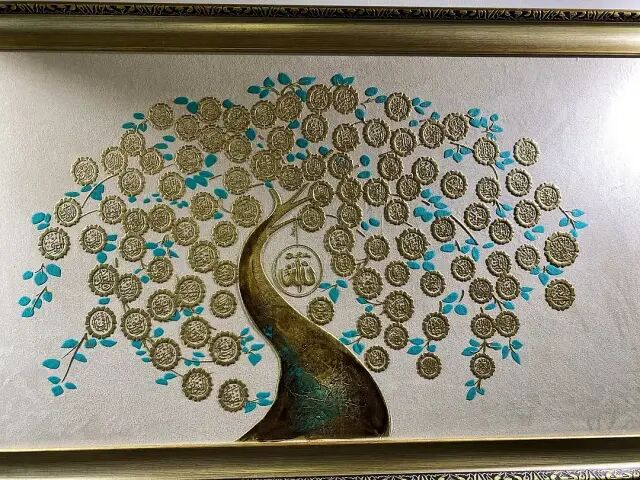
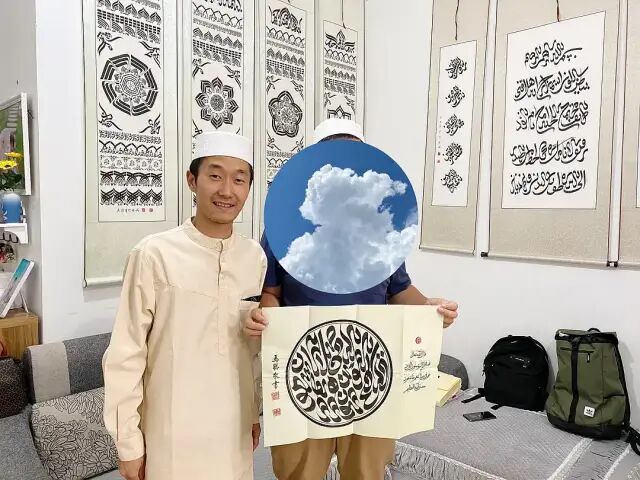
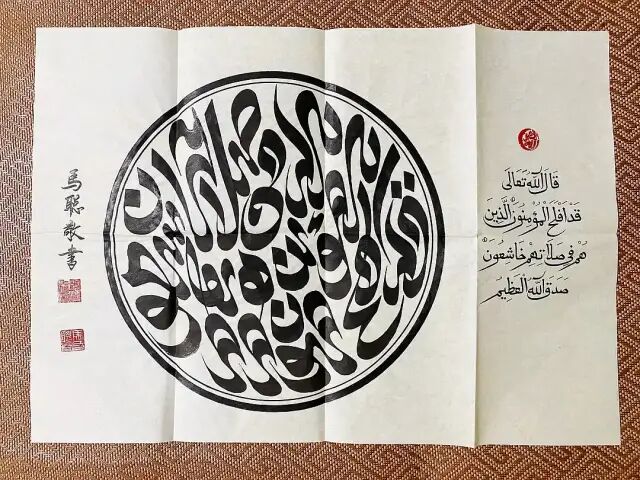
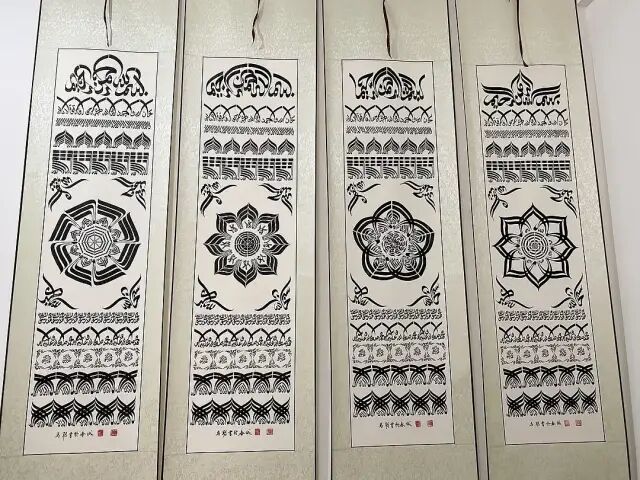
I returned to Kunming from Xundian in the afternoon. After praying at the Yongning Mosque, I took photos of the beautifully preserved traditional Yunnan-style Arabic calligraphy on the mihrab inside the main hall. The imam saw me taking pictures and started chatting with me. It turned out to be Imam Ma Cong, a friend I had known online. Imam Ma Cong is a talented young Arabic calligrapher. He studied under the famous master Mi Guangjiang. Besides his skill in Yunnan-style Arabic calligraphy, he writes other styles very well and is great at combining calligraphy with painting.
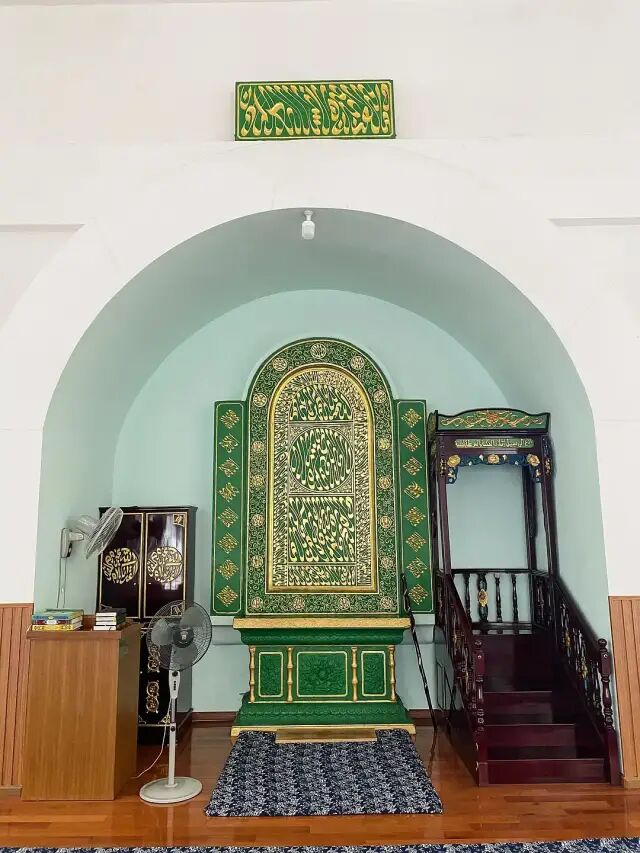
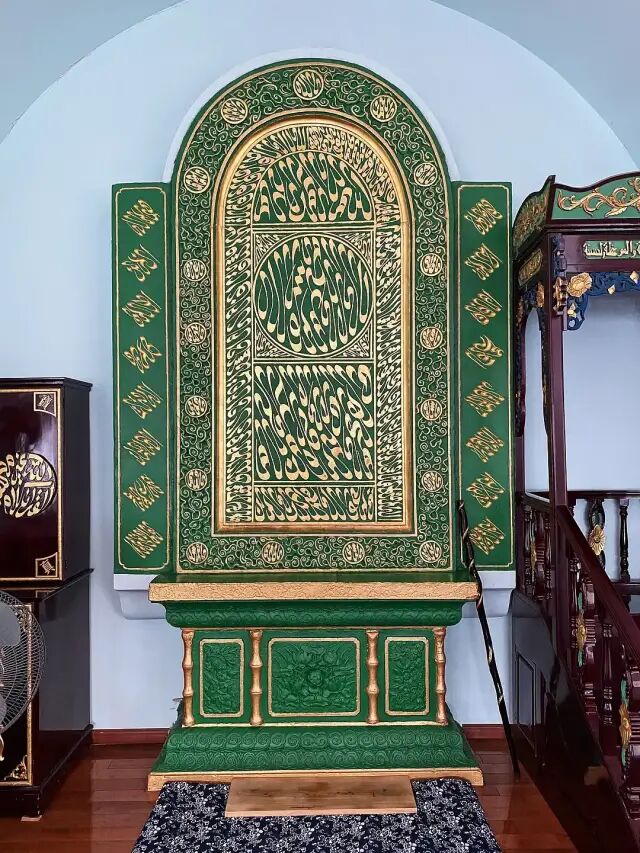
Imam Ma Cong showed me his various calligraphy works and gave me a piece in the classic Yunnan style before I left.
Afterward, Imam Ma took us to the Jinniu Street Mosque in Kunming. Besides Yongning Mosque, this is the only other mosque that preserves a traditional Yunnan-style Arabic calligraphy mihrab.
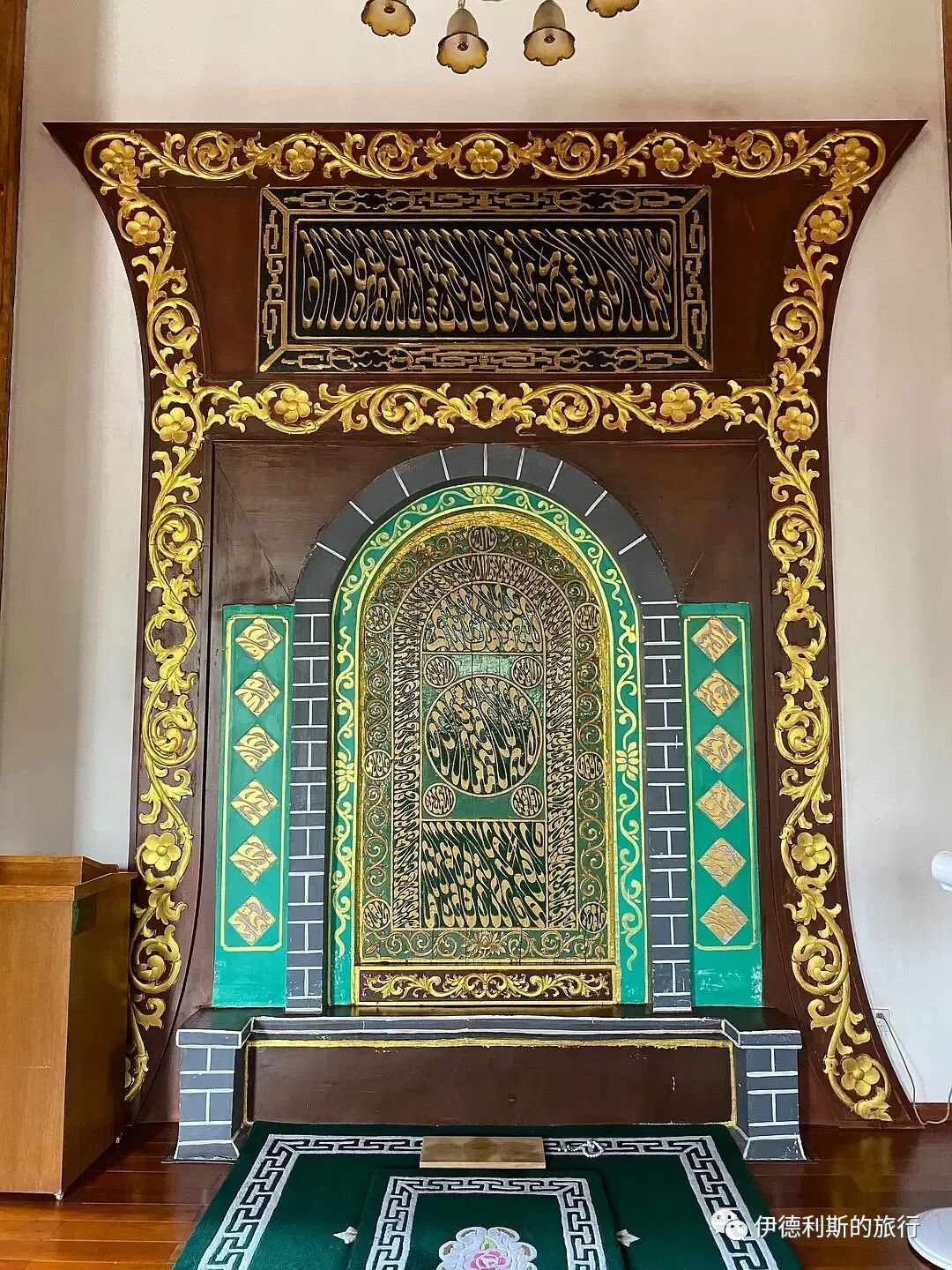
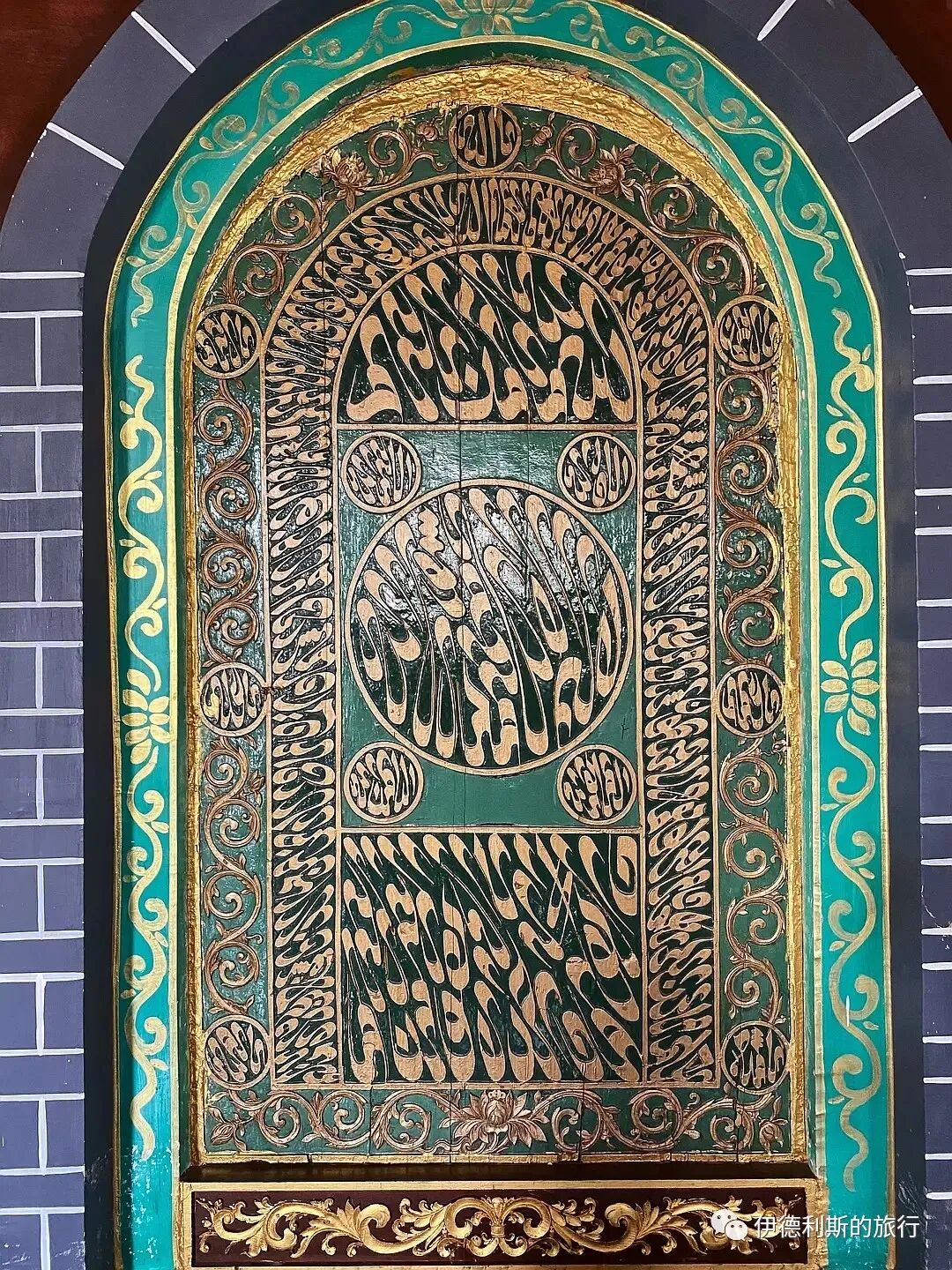
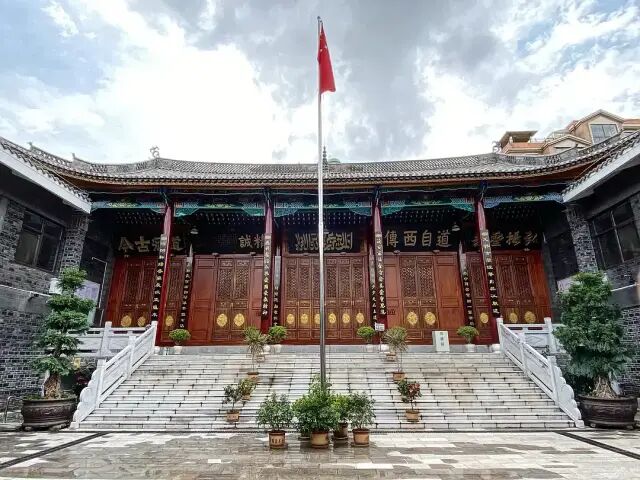
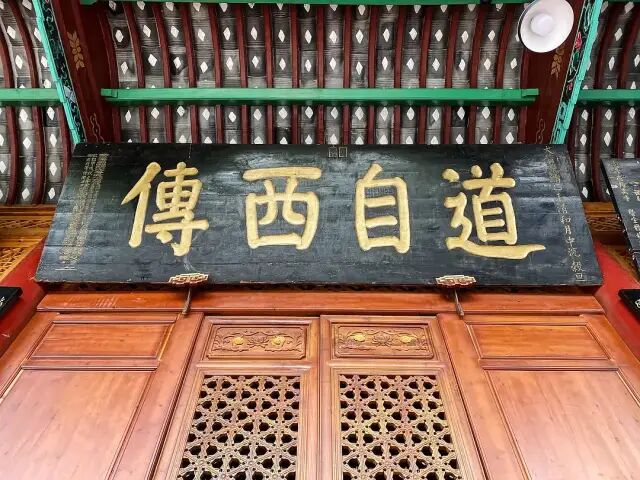
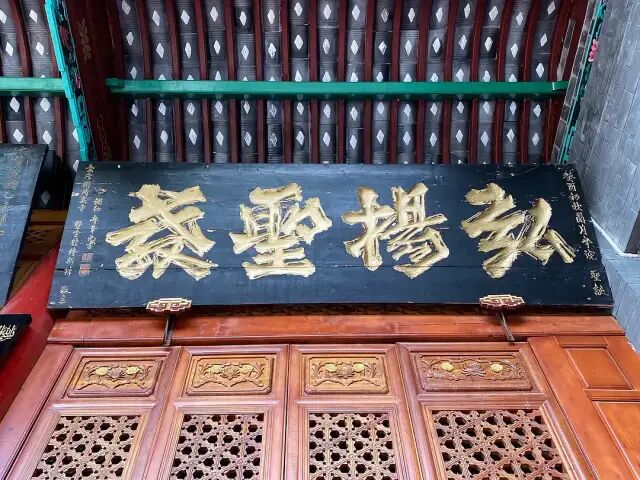
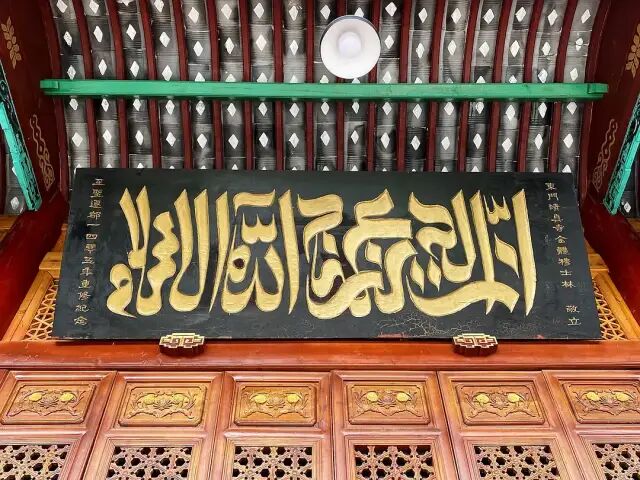
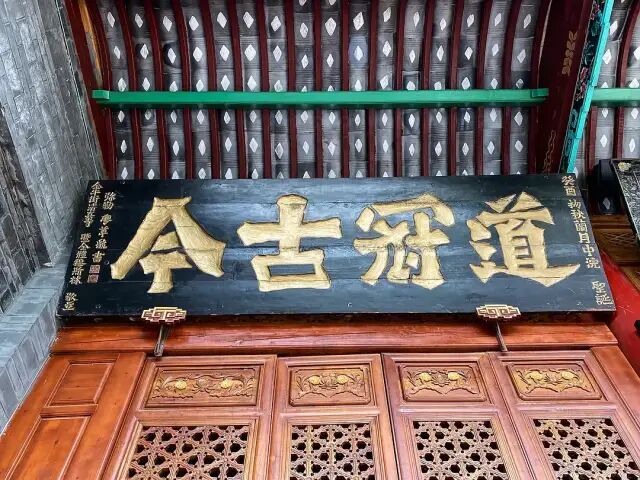
Jinniu Street Mosque was originally the only historic mosque building in downtown Kunming. It was rebuilt in 1889 and renovated twice, in 1943 and the 1980s, and is now a district-level cultural heritage site. Unfortunately, it was demolished in 2016 and rebuilt into the current structure in 2019. The original building featured a beautiful Yunnan-style Arabic calligraphy mihrab, a plaque titled 'The Way Spread from the West' (Dao Zi Xi Chuan) written and erected by Zhang Fengming, a deputy general of the Yunnan-Guizhou military in 1895, and a 'Sincerity' (Jingcheng) plaque written by Li Zhun in 1929, based on text by Yang Wensong from Dali.
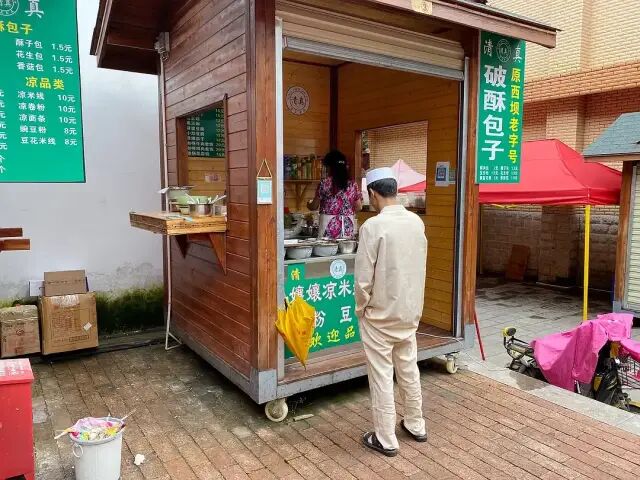
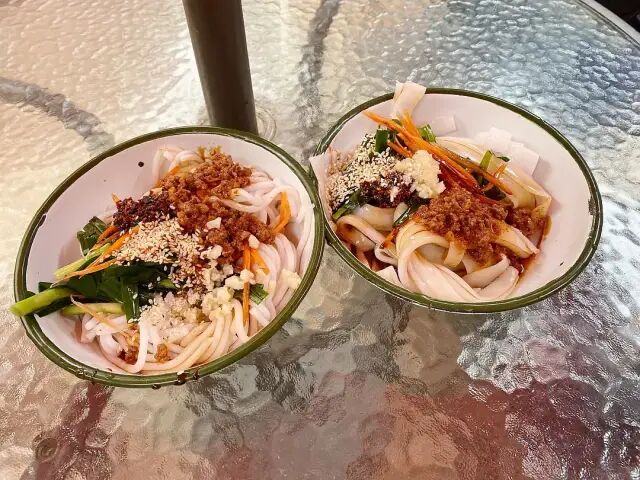
After visiting the mosque, Imam Ma treated us to cold rice noodles (liang mixian) at a stall by the entrance. We had one bowl of rolled rice noodles (juanfen) and one bowl of rice noodles (mixian), and they tasted amazing.
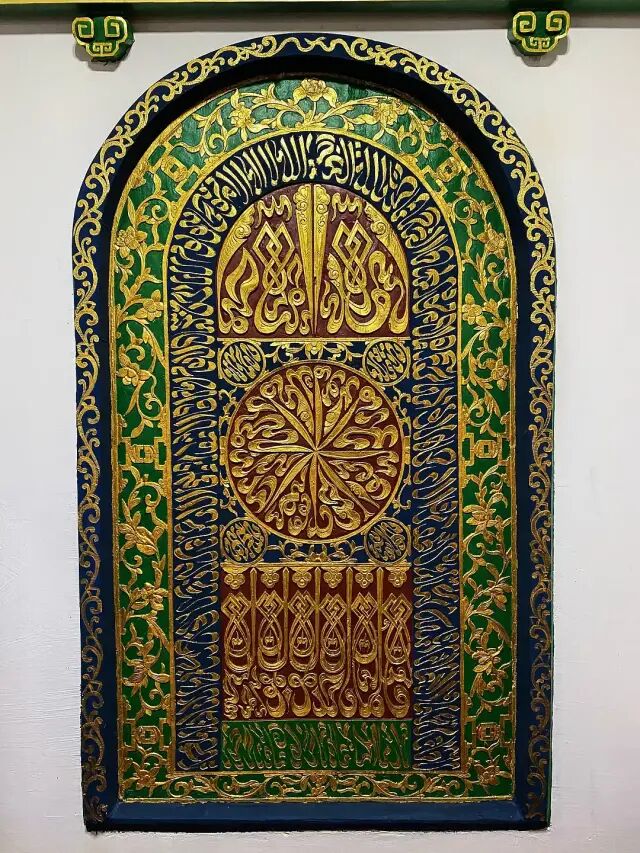
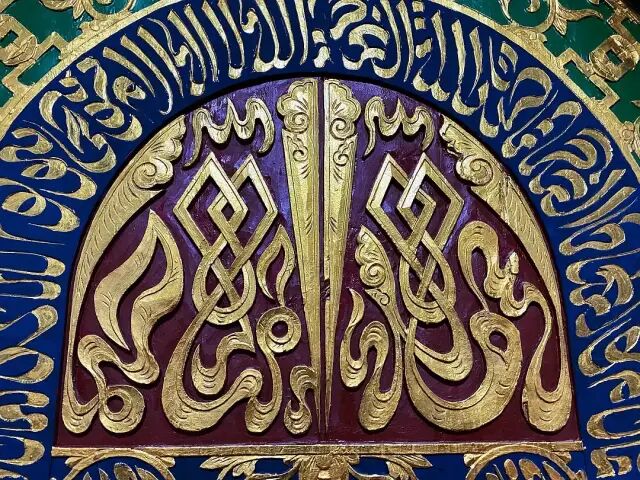
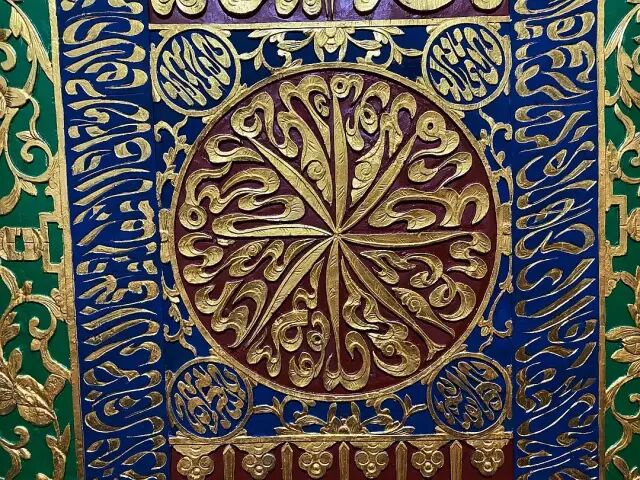
In the afternoon, under the guidance of Imam Ma Cong, we went to the Huiying Mosque in Chenggong in the southern suburbs. Although this mosque has been renovated, it still preserves a very beautiful traditional Yunnan-style Arabic mihrab. The calligraphy itself is so masterful that it left me completely stunned.
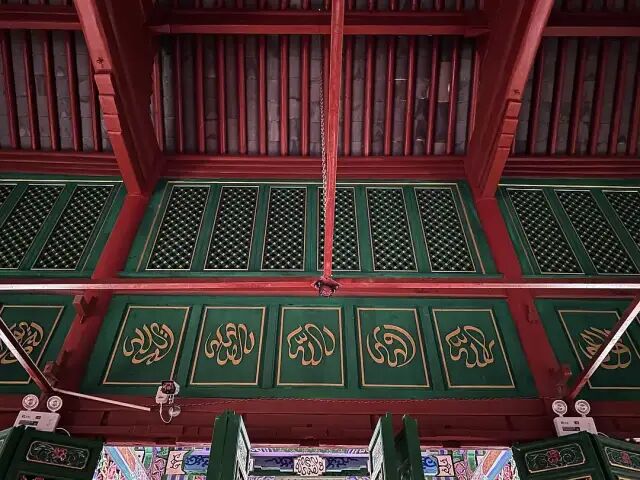
I arrived at the mosque just in time for a wedding feast, and it was very lively.
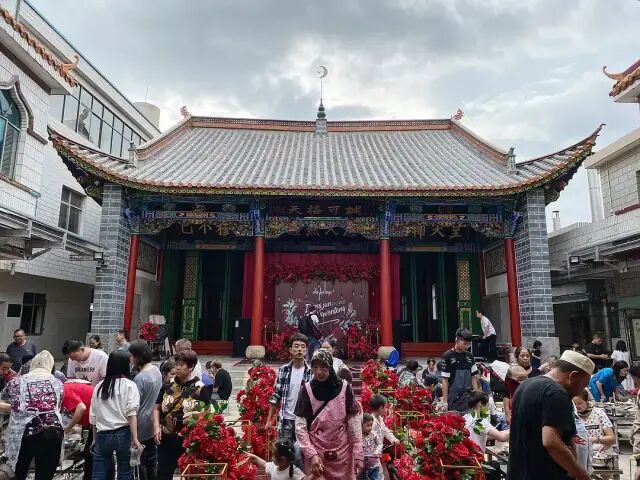
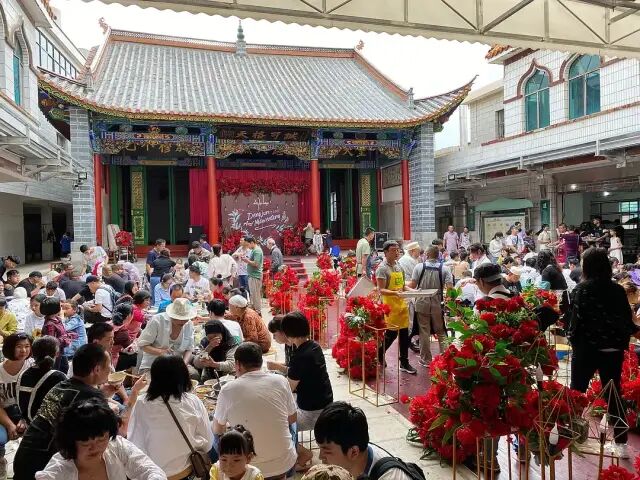
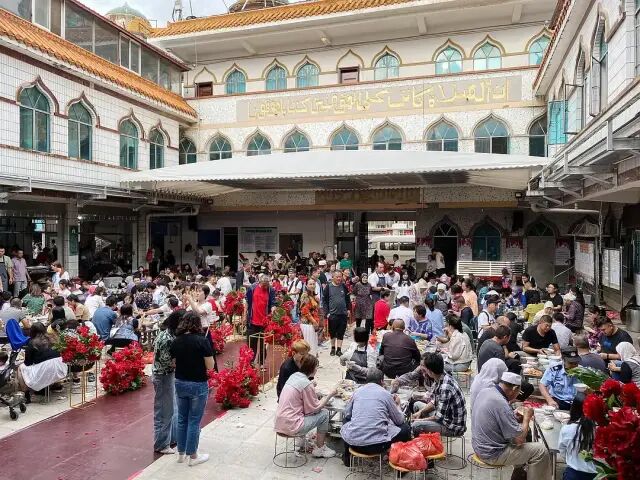
There is a very hidden halal market in the Hui Muslim camp of Chenggong.
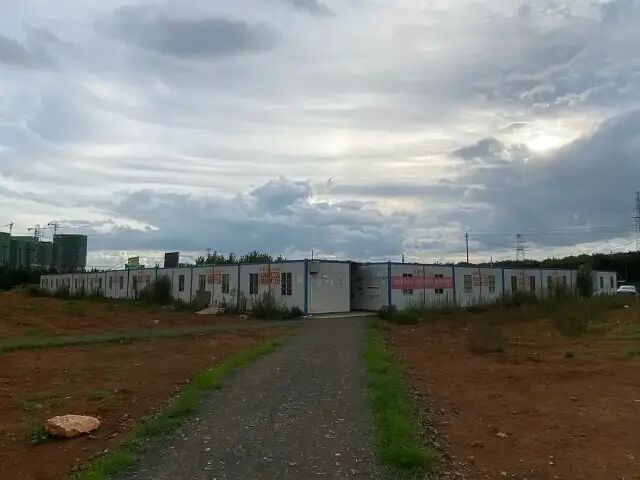
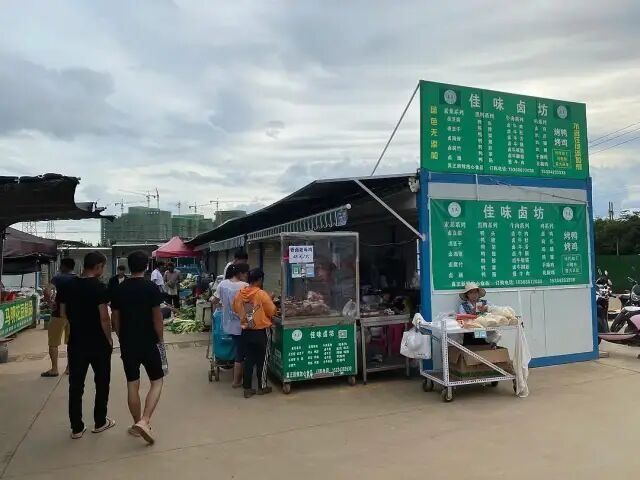
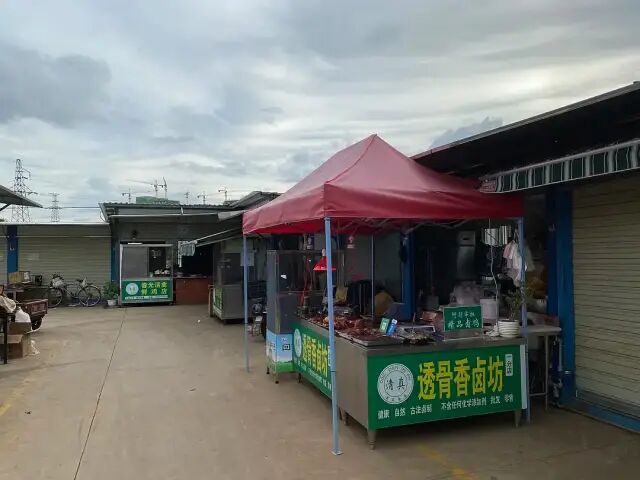
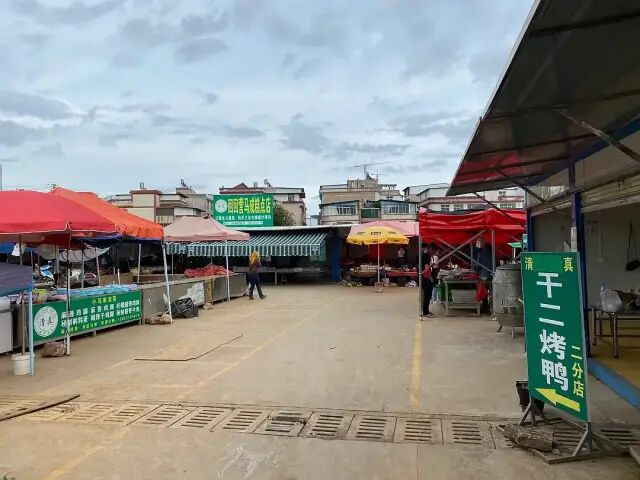
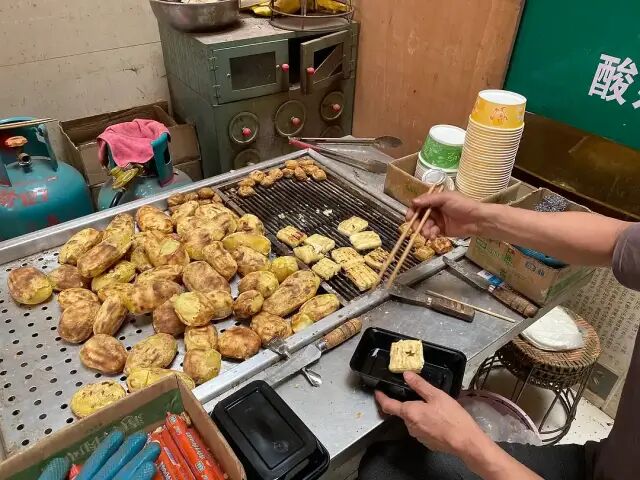
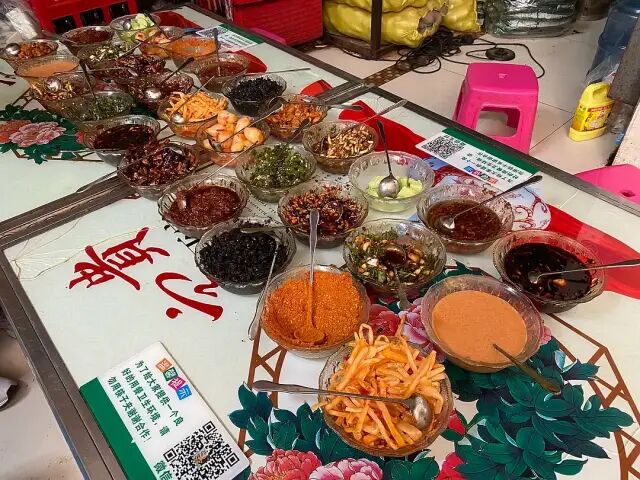
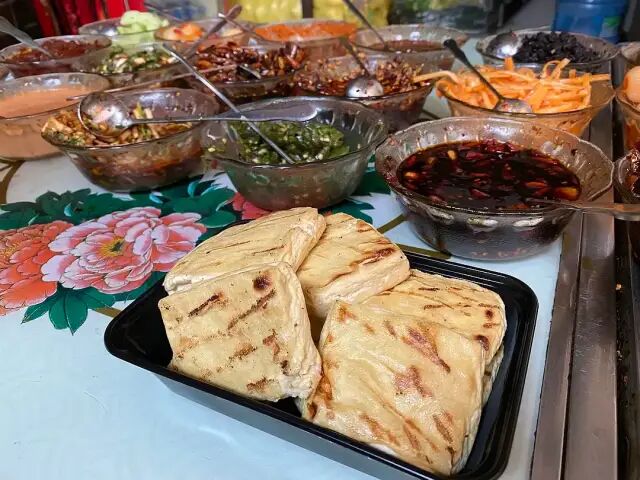
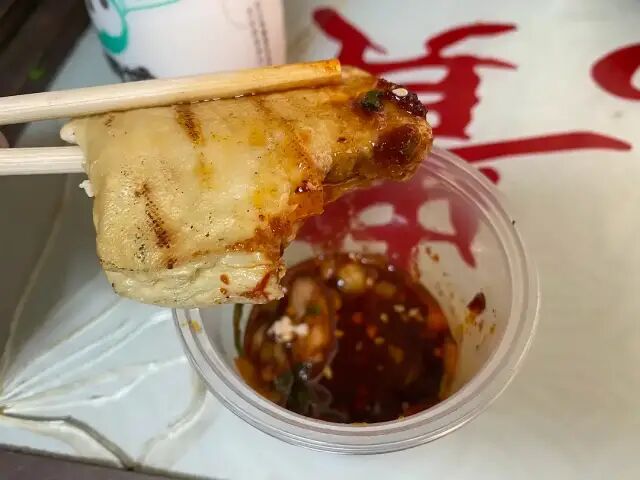
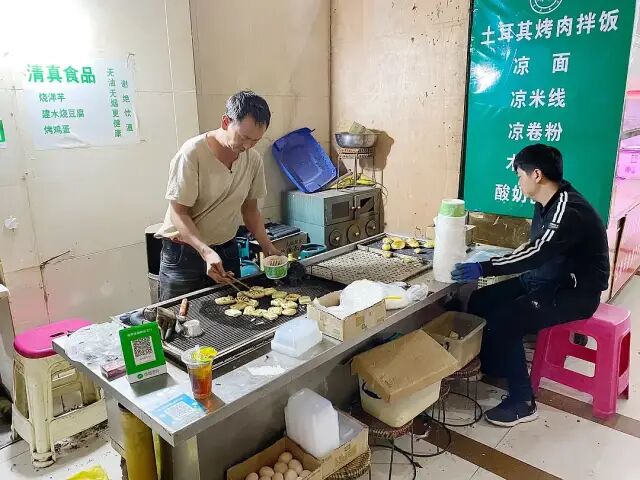
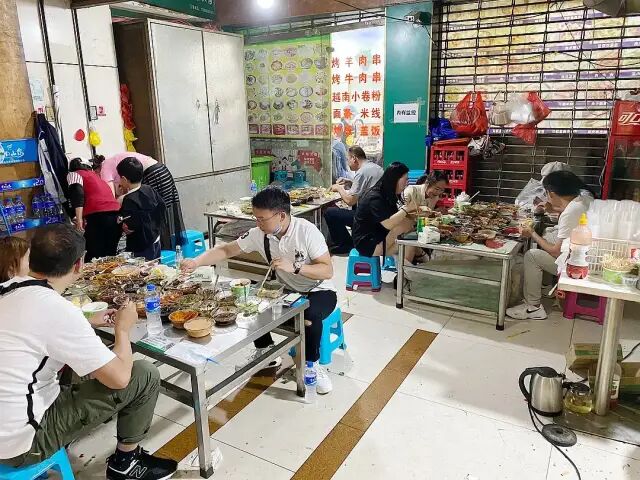
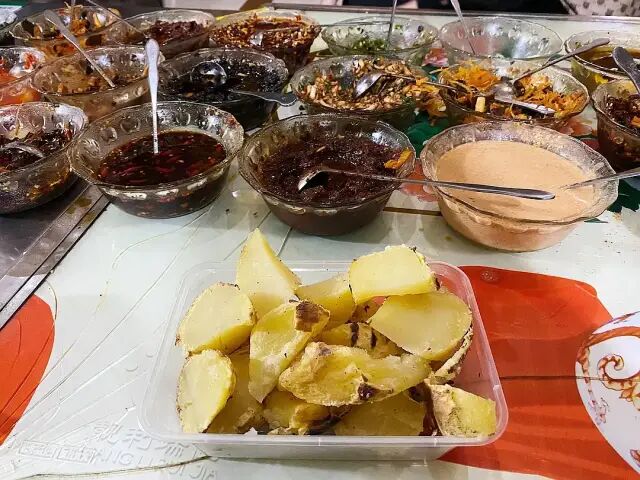
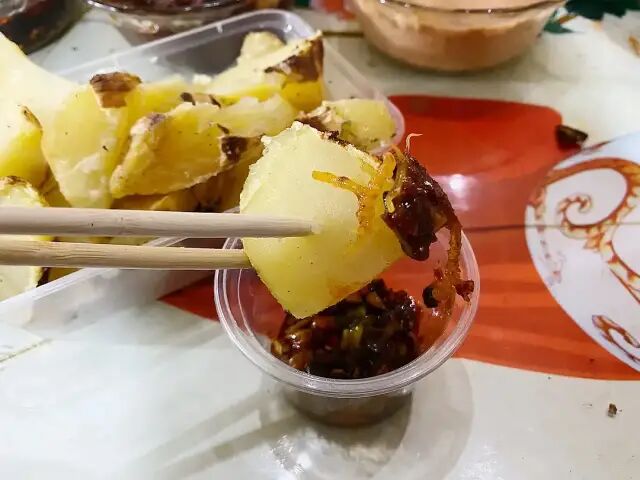
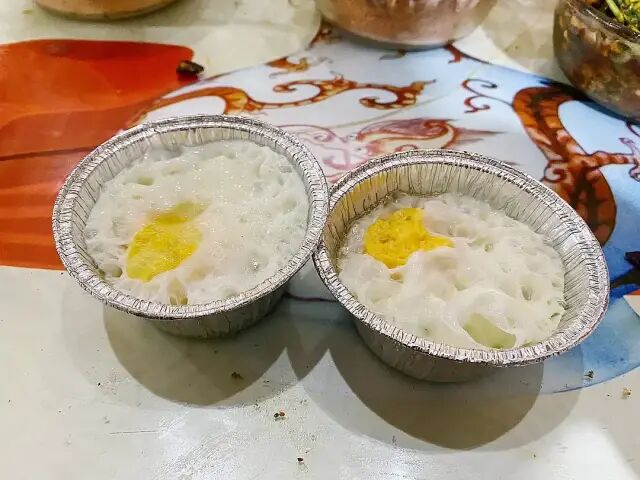
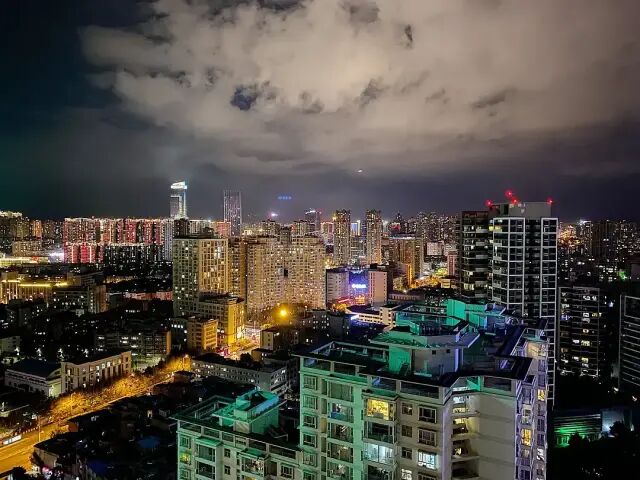
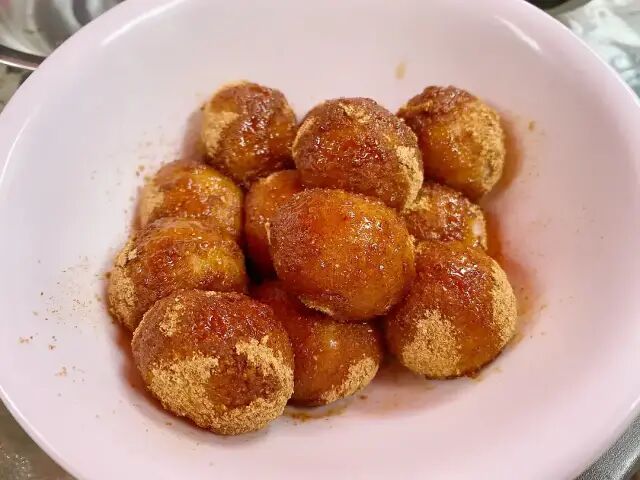
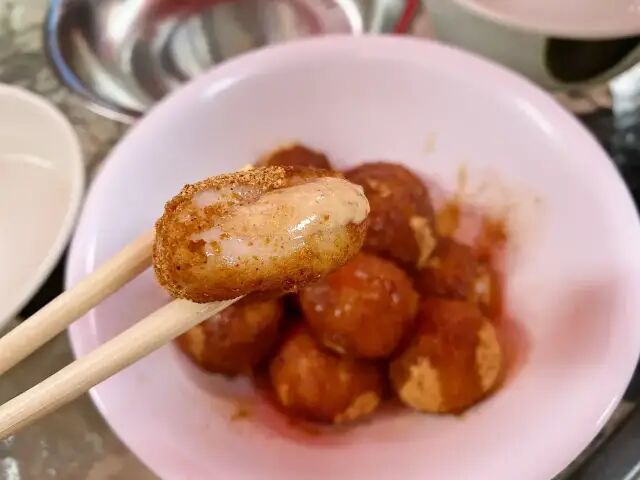
I went back to Shuncheng Street in the evening to eat roasted potatoes (kao yangyu) and roasted eggs (kao jidan), and the way they pair different dipping sauces (zhanshui) is truly an art.
August 9
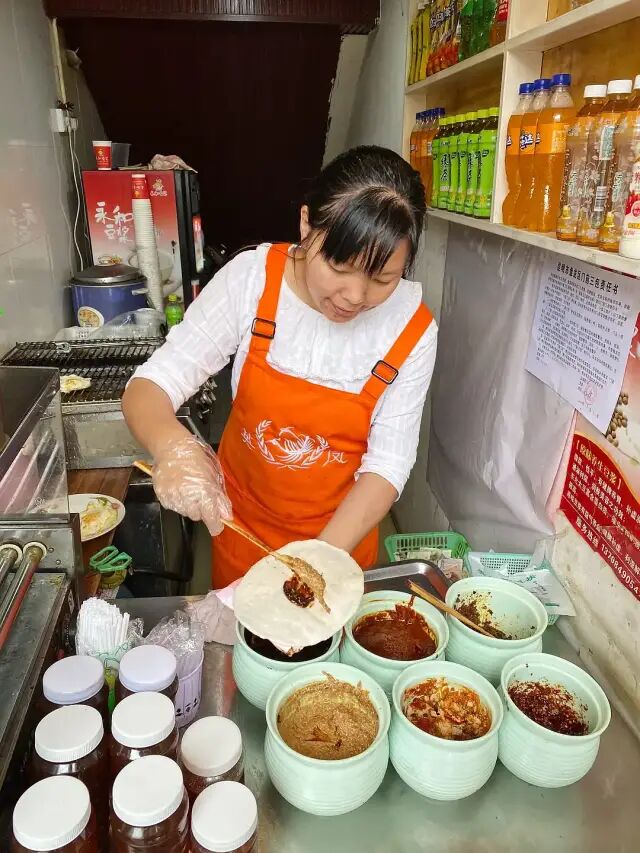
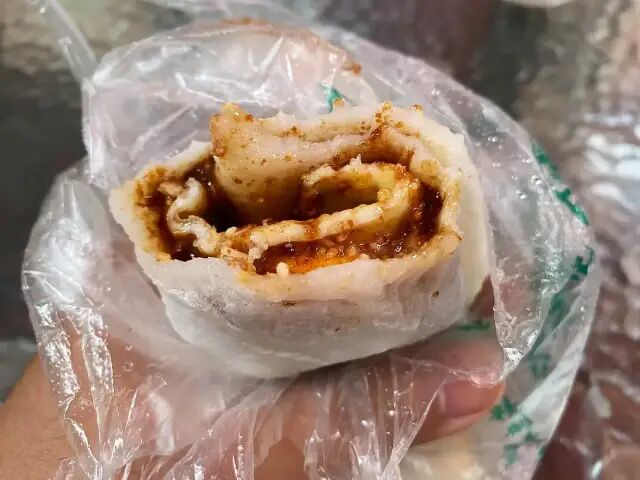
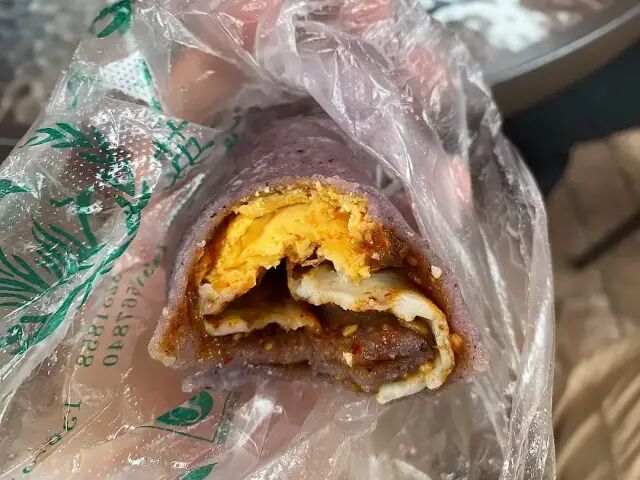
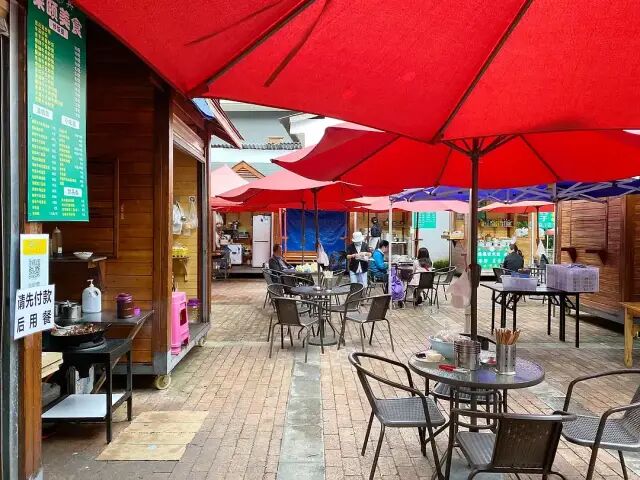
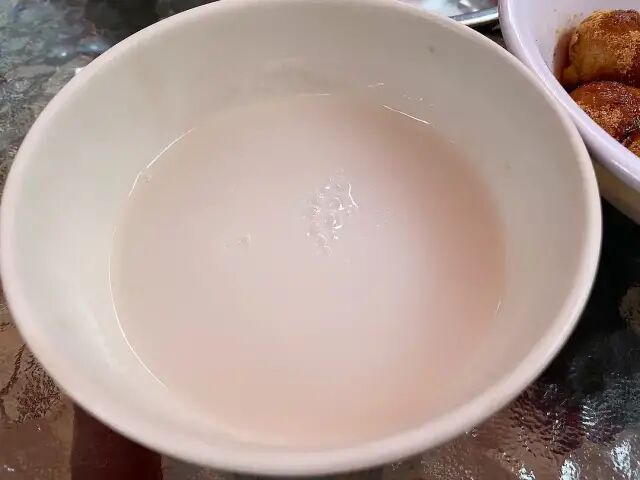
I caught a flight from Kunming to Zhaotong in the morning, had a grilled rice cake (yingfeng shao erkua) near my accommodation, and then went to the food court at the entrance of the Jinniu Street Mosque to eat a stuffed bean flour rice ball (baoxin doumian tangyuan), where you can drink as much rice soup as you like.
Summary: Kunming — Muslim Food, Mosques and Imam Ma Cong is presented here as a firsthand travel account in clear English, beginning with this scene: I came to Yunnan for my honeymoon in August 2020. I visited Dali, Zhaotong, and Xundian, and stopped over in Kunming three times. The account keeps its focus on Kunming Travel, Halal Food, Hui Muslims while preserving the names, places, food, and historical details from the Chinese source.
I came to Yunnan for my honeymoon in August 2020. I visited Dali, Zhaotong, and Xundian, and stopped over in Kunming three times. During those trips, I ate some delicious food, saw beautiful calligraphy, and met some wonderful friends. I will share my experiences with you below.
August 3rd
I flew from Sanya to Kunming in the afternoon. After landing, I went straight to Shuncheng Halal Street to eat papaya jelly noodles (mugua liangxia), a mix of thick and thin pea starch noodles (wandoufen), rose oatmeal porridge, and fried rice with dried beef and bitter greens (niu ganba kucai chaofan).
In the evening, I ate Jianshui grilled tofu (jianshui shaodoufu) on Shuncheng Street.
August 6th
I transferred in Kunming on my way back from Dali. That night, I ate at a halal Dai-style restaurant called Jibianshishe. It was packed with people, mostly large families of Hui Muslims who came to eat Dai-style hand-grabbed rice (shouzhua fan). The large portion of hand-grabbed rice looked very tempting, but Zaynab and I could only order the small portion. I also had some iced bread dessert (paoluda) and tamarind juice.
August 7
I got ready to leave Kunming for Xundian in the morning. I stopped at Shuncheng Street in Kunming to eat fried dough (youxiang), flaky buns with perilla seeds (suzi posubao), and beef rice noodles (dasu niurou mixian). The shop lets you add your own toppings to the noodles, so I added extra mint and pickled vegetables, which tasted great.
Behind the Shuncheng Mosque in the morning
August 8
I returned to Kunming from Xundian in the afternoon. After praying at the Yongning Mosque, I took photos of the beautifully preserved traditional Yunnan-style Arabic calligraphy on the mihrab inside the main hall. The imam saw me taking pictures and started chatting with me. It turned out to be Imam Ma Cong, a friend I had known online. Imam Ma Cong is a talented young Arabic calligrapher. He studied under the famous master Mi Guangjiang. Besides his skill in Yunnan-style Arabic calligraphy, he writes other styles very well and is great at combining calligraphy with painting.
Imam Ma Cong showed me his various calligraphy works and gave me a piece in the classic Yunnan style before I left.
Afterward, Imam Ma took us to the Jinniu Street Mosque in Kunming. Besides Yongning Mosque, this is the only other mosque that preserves a traditional Yunnan-style Arabic calligraphy mihrab.
Jinniu Street Mosque was originally the only historic mosque building in downtown Kunming. It was rebuilt in 1889 and renovated twice, in 1943 and the 1980s, and is now a district-level cultural heritage site. Unfortunately, it was demolished in 2016 and rebuilt into the current structure in 2019. The original building featured a beautiful Yunnan-style Arabic calligraphy mihrab, a plaque titled 'The Way Spread from the West' (Dao Zi Xi Chuan) written and erected by Zhang Fengming, a deputy general of the Yunnan-Guizhou military in 1895, and a 'Sincerity' (Jingcheng) plaque written by Li Zhun in 1929, based on text by Yang Wensong from Dali.
After visiting the mosque, Imam Ma treated us to cold rice noodles (liang mixian) at a stall by the entrance. We had one bowl of rolled rice noodles (juanfen) and one bowl of rice noodles (mixian), and they tasted amazing.
In the afternoon, under the guidance of Imam Ma Cong, we went to the Huiying Mosque in Chenggong in the southern suburbs. Although this mosque has been renovated, it still preserves a very beautiful traditional Yunnan-style Arabic mihrab. The calligraphy itself is so masterful that it left me completely stunned.
I arrived at the mosque just in time for a wedding feast, and it was very lively.
There is a very hidden halal market in the Hui Muslim camp of Chenggong.
I went back to Shuncheng Street in the evening to eat roasted potatoes (kao yangyu) and roasted eggs (kao jidan), and the way they pair different dipping sauces (zhanshui) is truly an art.
August 9
I caught a flight from Kunming to Zhaotong in the morning, had a grilled rice cake (yingfeng shao erkua) near my accommodation, and then went to the food court at the entrance of the Jinniu Street Mosque to eat a stuffed bean flour rice ball (baoxin doumian tangyuan), where you can drink as much rice soup as you like.
Halal Food Guide: Mengzi and Kunming — Rice Noodles, Mosques and Muslim Streets
Articles • ali2007fr posted the article • 0 comments • 147 views • 2026-05-18 00:35
Reposted from the web
Summary: Halal Food Guide: Mengzi and Kunming — Rice Noodles, Mosques and Muslim Streets is presented here as a firsthand travel account in clear English, beginning with this scene: Author: Zainab. The account keeps its focus on Yunnan Food, Kunming Travel, Halal Food while preserving the names, places, food, and historical details from the Chinese source.
Author: Zainab.
We left Shadian for Mengzi to catch the high-speed train back to Kunming. In Mengzi, we ate at Yitiange, a very popular halal bridge-crossing rice noodle (guoqiao mixian) restaurant. They have copper-pot bridge-crossing rice noodles ranging from 12 to 50 yuan. We ordered the 50-yuan deluxe version, which came with 26 small plates. You can get unlimited refills of the meat broth and rice noodles. The plates included raw fish slices, raw beef slices, raw quail eggs, shrimp, dried beef (niu ganba), beef tongue, cold duck slices, cold beef slices, crispy butter, braised beef, grass shoots (caoya), chrysanthemum flowers, pea starch jelly (wandou tuo), bean sprouts, tofu skin, chives, cilantro, mint, green onions, melon tips, ginger, garlic, chili, and chili sauce. This is the most complete variety I have ever eaten!
They also have all kinds of stir-fried dishes and seasonal vegetables, with a huge selection. We ordered the egg-wrapped rice noodle rolls (furong juanfen) and bitter greens soup (kucai tang), both of which were delicious. I recommend this place to all my fellow Muslim friends (dost) planning to visit Mengzi!
After finishing my trip through central and southern Yunnan, I returned to Kunming from Mengzi. I stayed in the same room with a view of the mosque behind Shuncheng Street that I used to stay in. The Shuncheng Mosque is right outside my window.
In the morning, I had a grilled rice cake (shaoshierkuai) at Yingfeng Shaoshierkuai by the entrance of Shuncheng Mosque. I bought pickled vegetable and crispy buns (posubao) at the bun shop next door, then had a bowl of thick bean porridge (xidoufen) at Sayuxiang to start a wonderful day.
I caught the very last day of business for Guiji Xiaojinniu, which had been open on Shuncheng Street in Kunming for 33 years. Their building was taken back by the Kunming Mingde Ethnic Middle School. Since it was their last day, the menu was limited. We ordered small knife duck (xiaodaoya), open-fire roasted tilapia, sesame oil crown daisy, pickled vegetable and red bean soup, and mushroom minced meat tofu pudding (douhua). I first saw this restaurant when I visited Shuncheng Street, but I never got around to eating there. I finally tried it this time, so I have no regrets.
I walked around Shuncheng Street to eat, trying rose oatmeal porridge, red bean baked rice cakes from the cake shop, and pizza from Yunxiangzhai. view all
Summary: Halal Food Guide: Mengzi and Kunming — Rice Noodles, Mosques and Muslim Streets is presented here as a firsthand travel account in clear English, beginning with this scene: Author: Zainab. The account keeps its focus on Yunnan Food, Kunming Travel, Halal Food while preserving the names, places, food, and historical details from the Chinese source.
Author: Zainab.
We left Shadian for Mengzi to catch the high-speed train back to Kunming. In Mengzi, we ate at Yitiange, a very popular halal bridge-crossing rice noodle (guoqiao mixian) restaurant. They have copper-pot bridge-crossing rice noodles ranging from 12 to 50 yuan. We ordered the 50-yuan deluxe version, which came with 26 small plates. You can get unlimited refills of the meat broth and rice noodles. The plates included raw fish slices, raw beef slices, raw quail eggs, shrimp, dried beef (niu ganba), beef tongue, cold duck slices, cold beef slices, crispy butter, braised beef, grass shoots (caoya), chrysanthemum flowers, pea starch jelly (wandou tuo), bean sprouts, tofu skin, chives, cilantro, mint, green onions, melon tips, ginger, garlic, chili, and chili sauce. This is the most complete variety I have ever eaten!
They also have all kinds of stir-fried dishes and seasonal vegetables, with a huge selection. We ordered the egg-wrapped rice noodle rolls (furong juanfen) and bitter greens soup (kucai tang), both of which were delicious. I recommend this place to all my fellow Muslim friends (dost) planning to visit Mengzi!
After finishing my trip through central and southern Yunnan, I returned to Kunming from Mengzi. I stayed in the same room with a view of the mosque behind Shuncheng Street that I used to stay in. The Shuncheng Mosque is right outside my window.
In the morning, I had a grilled rice cake (shaoshierkuai) at Yingfeng Shaoshierkuai by the entrance of Shuncheng Mosque. I bought pickled vegetable and crispy buns (posubao) at the bun shop next door, then had a bowl of thick bean porridge (xidoufen) at Sayuxiang to start a wonderful day.
I caught the very last day of business for Guiji Xiaojinniu, which had been open on Shuncheng Street in Kunming for 33 years. Their building was taken back by the Kunming Mingde Ethnic Middle School. Since it was their last day, the menu was limited. We ordered small knife duck (xiaodaoya), open-fire roasted tilapia, sesame oil crown daisy, pickled vegetable and red bean soup, and mushroom minced meat tofu pudding (douhua). I first saw this restaurant when I visited Shuncheng Street, but I never got around to eating there. I finally tried it this time, so I have no regrets.
I walked around Shuncheng Street to eat, trying rose oatmeal porridge, red bean baked rice cakes from the cake shop, and pizza from Yunxiangzhai. view all
Reposted from the web
Summary: Halal Food Guide: Mengzi and Kunming — Rice Noodles, Mosques and Muslim Streets is presented here as a firsthand travel account in clear English, beginning with this scene: Author: Zainab. The account keeps its focus on Yunnan Food, Kunming Travel, Halal Food while preserving the names, places, food, and historical details from the Chinese source.
Author: Zainab.
We left Shadian for Mengzi to catch the high-speed train back to Kunming. In Mengzi, we ate at Yitiange, a very popular halal bridge-crossing rice noodle (guoqiao mixian) restaurant. They have copper-pot bridge-crossing rice noodles ranging from 12 to 50 yuan. We ordered the 50-yuan deluxe version, which came with 26 small plates. You can get unlimited refills of the meat broth and rice noodles. The plates included raw fish slices, raw beef slices, raw quail eggs, shrimp, dried beef (niu ganba), beef tongue, cold duck slices, cold beef slices, crispy butter, braised beef, grass shoots (caoya), chrysanthemum flowers, pea starch jelly (wandou tuo), bean sprouts, tofu skin, chives, cilantro, mint, green onions, melon tips, ginger, garlic, chili, and chili sauce. This is the most complete variety I have ever eaten!
They also have all kinds of stir-fried dishes and seasonal vegetables, with a huge selection. We ordered the egg-wrapped rice noodle rolls (furong juanfen) and bitter greens soup (kucai tang), both of which were delicious. I recommend this place to all my fellow Muslim friends (dost) planning to visit Mengzi!
After finishing my trip through central and southern Yunnan, I returned to Kunming from Mengzi. I stayed in the same room with a view of the mosque behind Shuncheng Street that I used to stay in. The Shuncheng Mosque is right outside my window.
In the morning, I had a grilled rice cake (shaoshierkuai) at Yingfeng Shaoshierkuai by the entrance of Shuncheng Mosque. I bought pickled vegetable and crispy buns (posubao) at the bun shop next door, then had a bowl of thick bean porridge (xidoufen) at Sayuxiang to start a wonderful day.
I caught the very last day of business for Guiji Xiaojinniu, which had been open on Shuncheng Street in Kunming for 33 years. Their building was taken back by the Kunming Mingde Ethnic Middle School. Since it was their last day, the menu was limited. We ordered small knife duck (xiaodaoya), open-fire roasted tilapia, sesame oil crown daisy, pickled vegetable and red bean soup, and mushroom minced meat tofu pudding (douhua). I first saw this restaurant when I visited Shuncheng Street, but I never got around to eating there. I finally tried it this time, so I have no regrets.
I walked around Shuncheng Street to eat, trying rose oatmeal porridge, red bean baked rice cakes from the cake shop, and pizza from Yunxiangzhai.
Summary: Halal Food Guide: Mengzi and Kunming — Rice Noodles, Mosques and Muslim Streets is presented here as a firsthand travel account in clear English, beginning with this scene: Author: Zainab. The account keeps its focus on Yunnan Food, Kunming Travel, Halal Food while preserving the names, places, food, and historical details from the Chinese source.
Author: Zainab.
We left Shadian for Mengzi to catch the high-speed train back to Kunming. In Mengzi, we ate at Yitiange, a very popular halal bridge-crossing rice noodle (guoqiao mixian) restaurant. They have copper-pot bridge-crossing rice noodles ranging from 12 to 50 yuan. We ordered the 50-yuan deluxe version, which came with 26 small plates. You can get unlimited refills of the meat broth and rice noodles. The plates included raw fish slices, raw beef slices, raw quail eggs, shrimp, dried beef (niu ganba), beef tongue, cold duck slices, cold beef slices, crispy butter, braised beef, grass shoots (caoya), chrysanthemum flowers, pea starch jelly (wandou tuo), bean sprouts, tofu skin, chives, cilantro, mint, green onions, melon tips, ginger, garlic, chili, and chili sauce. This is the most complete variety I have ever eaten!
They also have all kinds of stir-fried dishes and seasonal vegetables, with a huge selection. We ordered the egg-wrapped rice noodle rolls (furong juanfen) and bitter greens soup (kucai tang), both of which were delicious. I recommend this place to all my fellow Muslim friends (dost) planning to visit Mengzi!
After finishing my trip through central and southern Yunnan, I returned to Kunming from Mengzi. I stayed in the same room with a view of the mosque behind Shuncheng Street that I used to stay in. The Shuncheng Mosque is right outside my window.
In the morning, I had a grilled rice cake (shaoshierkuai) at Yingfeng Shaoshierkuai by the entrance of Shuncheng Mosque. I bought pickled vegetable and crispy buns (posubao) at the bun shop next door, then had a bowl of thick bean porridge (xidoufen) at Sayuxiang to start a wonderful day.
I caught the very last day of business for Guiji Xiaojinniu, which had been open on Shuncheng Street in Kunming for 33 years. Their building was taken back by the Kunming Mingde Ethnic Middle School. Since it was their last day, the menu was limited. We ordered small knife duck (xiaodaoya), open-fire roasted tilapia, sesame oil crown daisy, pickled vegetable and red bean soup, and mushroom minced meat tofu pudding (douhua). I first saw this restaurant when I visited Shuncheng Street, but I never got around to eating there. I finally tried it this time, so I have no regrets.
I walked around Shuncheng Street to eat, trying rose oatmeal porridge, red bean baked rice cakes from the cake shop, and pizza from Yunxiangzhai.
Halal Travel Guide: Kunming — Muslim Food, Mosques and Imam Ma Cong
Articles • ali2007fr posted the article • 0 comments • 230 views • 2026-05-18 00:35
Reposted from the web
Summary: Kunming — Muslim Food, Mosques and Imam Ma Cong is presented here as a firsthand travel account in clear English, beginning with this scene: I came to Yunnan for my honeymoon in August 2020. I visited Dali, Zhaotong, and Xundian, and stopped over in Kunming three times. The account keeps its focus on Kunming Travel, Halal Food, Hui Muslims while preserving the names, places, food, and historical details from the Chinese source.
I came to Yunnan for my honeymoon in August 2020. I visited Dali, Zhaotong, and Xundian, and stopped over in Kunming three times. During those trips, I ate some delicious food, saw beautiful calligraphy, and met some wonderful friends. I will share my experiences with you below.
August 3rd
I flew from Sanya to Kunming in the afternoon. After landing, I went straight to Shuncheng Halal Street to eat papaya jelly noodles (mugua liangxia), a mix of thick and thin pea starch noodles (wandoufen), rose oatmeal porridge, and fried rice with dried beef and bitter greens (niu ganba kucai chaofan).
In the evening, I ate Jianshui grilled tofu (jianshui shaodoufu) on Shuncheng Street.
August 6th
I transferred in Kunming on my way back from Dali. That night, I ate at a halal Dai-style restaurant called Jibianshishe. It was packed with people, mostly large families of Hui Muslims who came to eat Dai-style hand-grabbed rice (shouzhua fan). The large portion of hand-grabbed rice looked very tempting, but Zaynab and I could only order the small portion. I also had some iced bread dessert (paoluda) and tamarind juice.
August 7
I got ready to leave Kunming for Xundian in the morning. I stopped at Shuncheng Street in Kunming to eat fried dough (youxiang), flaky buns with perilla seeds (suzi posubao), and beef rice noodles (dasu niurou mixian). The shop lets you add your own toppings to the noodles, so I added extra mint and pickled vegetables, which tasted great.
Behind the Shuncheng Mosque in the morning
August 8
I returned to Kunming from Xundian in the afternoon. After praying at the Yongning Mosque, I took photos of the beautifully preserved traditional Yunnan-style Arabic calligraphy on the mihrab inside the main hall. The imam saw me taking pictures and started chatting with me. It turned out to be Imam Ma Cong, a friend I had known online. Imam Ma Cong is a talented young Arabic calligrapher. He studied under the famous master Mi Guangjiang. Besides his skill in Yunnan-style Arabic calligraphy, he writes other styles very well and is great at combining calligraphy with painting.
Imam Ma Cong showed me his various calligraphy works and gave me a piece in the classic Yunnan style before I left.
Afterward, Imam Ma took us to the Jinniu Street Mosque in Kunming. Besides Yongning Mosque, this is the only other mosque that preserves a traditional Yunnan-style Arabic calligraphy mihrab.
Jinniu Street Mosque was originally the only historic mosque building in downtown Kunming. It was rebuilt in 1889 and renovated twice, in 1943 and the 1980s, and is now a district-level cultural heritage site. Unfortunately, it was demolished in 2016 and rebuilt into the current structure in 2019. The original building featured a beautiful Yunnan-style Arabic calligraphy mihrab, a plaque titled 'The Way Spread from the West' (Dao Zi Xi Chuan) written and erected by Zhang Fengming, a deputy general of the Yunnan-Guizhou military in 1895, and a 'Sincerity' (Jingcheng) plaque written by Li Zhun in 1929, based on text by Yang Wensong from Dali.
After visiting the mosque, Imam Ma treated us to cold rice noodles (liang mixian) at a stall by the entrance. We had one bowl of rolled rice noodles (juanfen) and one bowl of rice noodles (mixian), and they tasted amazing.
In the afternoon, under the guidance of Imam Ma Cong, we went to the Huiying Mosque in Chenggong in the southern suburbs. Although this mosque has been renovated, it still preserves a very beautiful traditional Yunnan-style Arabic mihrab. The calligraphy itself is so masterful that it left me completely stunned.
I arrived at the mosque just in time for a wedding feast, and it was very lively.
There is a very hidden halal market in the Hui Muslim camp of Chenggong.
I went back to Shuncheng Street in the evening to eat roasted potatoes (kao yangyu) and roasted eggs (kao jidan), and the way they pair different dipping sauces (zhanshui) is truly an art.
August 9
I caught a flight from Kunming to Zhaotong in the morning, had a grilled rice cake (yingfeng shao erkua) near my accommodation, and then went to the food court at the entrance of the Jinniu Street Mosque to eat a stuffed bean flour rice ball (baoxin doumian tangyuan), where you can drink as much rice soup as you like. view all
Summary: Kunming — Muslim Food, Mosques and Imam Ma Cong is presented here as a firsthand travel account in clear English, beginning with this scene: I came to Yunnan for my honeymoon in August 2020. I visited Dali, Zhaotong, and Xundian, and stopped over in Kunming three times. The account keeps its focus on Kunming Travel, Halal Food, Hui Muslims while preserving the names, places, food, and historical details from the Chinese source.
I came to Yunnan for my honeymoon in August 2020. I visited Dali, Zhaotong, and Xundian, and stopped over in Kunming three times. During those trips, I ate some delicious food, saw beautiful calligraphy, and met some wonderful friends. I will share my experiences with you below.
August 3rd
I flew from Sanya to Kunming in the afternoon. After landing, I went straight to Shuncheng Halal Street to eat papaya jelly noodles (mugua liangxia), a mix of thick and thin pea starch noodles (wandoufen), rose oatmeal porridge, and fried rice with dried beef and bitter greens (niu ganba kucai chaofan).
In the evening, I ate Jianshui grilled tofu (jianshui shaodoufu) on Shuncheng Street.
August 6th
I transferred in Kunming on my way back from Dali. That night, I ate at a halal Dai-style restaurant called Jibianshishe. It was packed with people, mostly large families of Hui Muslims who came to eat Dai-style hand-grabbed rice (shouzhua fan). The large portion of hand-grabbed rice looked very tempting, but Zaynab and I could only order the small portion. I also had some iced bread dessert (paoluda) and tamarind juice.
August 7
I got ready to leave Kunming for Xundian in the morning. I stopped at Shuncheng Street in Kunming to eat fried dough (youxiang), flaky buns with perilla seeds (suzi posubao), and beef rice noodles (dasu niurou mixian). The shop lets you add your own toppings to the noodles, so I added extra mint and pickled vegetables, which tasted great.
Behind the Shuncheng Mosque in the morning
August 8
I returned to Kunming from Xundian in the afternoon. After praying at the Yongning Mosque, I took photos of the beautifully preserved traditional Yunnan-style Arabic calligraphy on the mihrab inside the main hall. The imam saw me taking pictures and started chatting with me. It turned out to be Imam Ma Cong, a friend I had known online. Imam Ma Cong is a talented young Arabic calligrapher. He studied under the famous master Mi Guangjiang. Besides his skill in Yunnan-style Arabic calligraphy, he writes other styles very well and is great at combining calligraphy with painting.
Imam Ma Cong showed me his various calligraphy works and gave me a piece in the classic Yunnan style before I left.
Afterward, Imam Ma took us to the Jinniu Street Mosque in Kunming. Besides Yongning Mosque, this is the only other mosque that preserves a traditional Yunnan-style Arabic calligraphy mihrab.
Jinniu Street Mosque was originally the only historic mosque building in downtown Kunming. It was rebuilt in 1889 and renovated twice, in 1943 and the 1980s, and is now a district-level cultural heritage site. Unfortunately, it was demolished in 2016 and rebuilt into the current structure in 2019. The original building featured a beautiful Yunnan-style Arabic calligraphy mihrab, a plaque titled 'The Way Spread from the West' (Dao Zi Xi Chuan) written and erected by Zhang Fengming, a deputy general of the Yunnan-Guizhou military in 1895, and a 'Sincerity' (Jingcheng) plaque written by Li Zhun in 1929, based on text by Yang Wensong from Dali.
After visiting the mosque, Imam Ma treated us to cold rice noodles (liang mixian) at a stall by the entrance. We had one bowl of rolled rice noodles (juanfen) and one bowl of rice noodles (mixian), and they tasted amazing.
In the afternoon, under the guidance of Imam Ma Cong, we went to the Huiying Mosque in Chenggong in the southern suburbs. Although this mosque has been renovated, it still preserves a very beautiful traditional Yunnan-style Arabic mihrab. The calligraphy itself is so masterful that it left me completely stunned.
I arrived at the mosque just in time for a wedding feast, and it was very lively.
There is a very hidden halal market in the Hui Muslim camp of Chenggong.
I went back to Shuncheng Street in the evening to eat roasted potatoes (kao yangyu) and roasted eggs (kao jidan), and the way they pair different dipping sauces (zhanshui) is truly an art.
August 9
I caught a flight from Kunming to Zhaotong in the morning, had a grilled rice cake (yingfeng shao erkua) near my accommodation, and then went to the food court at the entrance of the Jinniu Street Mosque to eat a stuffed bean flour rice ball (baoxin doumian tangyuan), where you can drink as much rice soup as you like. view all
Reposted from the web
Summary: Kunming — Muslim Food, Mosques and Imam Ma Cong is presented here as a firsthand travel account in clear English, beginning with this scene: I came to Yunnan for my honeymoon in August 2020. I visited Dali, Zhaotong, and Xundian, and stopped over in Kunming three times. The account keeps its focus on Kunming Travel, Halal Food, Hui Muslims while preserving the names, places, food, and historical details from the Chinese source.
I came to Yunnan for my honeymoon in August 2020. I visited Dali, Zhaotong, and Xundian, and stopped over in Kunming three times. During those trips, I ate some delicious food, saw beautiful calligraphy, and met some wonderful friends. I will share my experiences with you below.
August 3rd
I flew from Sanya to Kunming in the afternoon. After landing, I went straight to Shuncheng Halal Street to eat papaya jelly noodles (mugua liangxia), a mix of thick and thin pea starch noodles (wandoufen), rose oatmeal porridge, and fried rice with dried beef and bitter greens (niu ganba kucai chaofan).
In the evening, I ate Jianshui grilled tofu (jianshui shaodoufu) on Shuncheng Street.
August 6th
I transferred in Kunming on my way back from Dali. That night, I ate at a halal Dai-style restaurant called Jibianshishe. It was packed with people, mostly large families of Hui Muslims who came to eat Dai-style hand-grabbed rice (shouzhua fan). The large portion of hand-grabbed rice looked very tempting, but Zaynab and I could only order the small portion. I also had some iced bread dessert (paoluda) and tamarind juice.
August 7
I got ready to leave Kunming for Xundian in the morning. I stopped at Shuncheng Street in Kunming to eat fried dough (youxiang), flaky buns with perilla seeds (suzi posubao), and beef rice noodles (dasu niurou mixian). The shop lets you add your own toppings to the noodles, so I added extra mint and pickled vegetables, which tasted great.
Behind the Shuncheng Mosque in the morning
August 8
I returned to Kunming from Xundian in the afternoon. After praying at the Yongning Mosque, I took photos of the beautifully preserved traditional Yunnan-style Arabic calligraphy on the mihrab inside the main hall. The imam saw me taking pictures and started chatting with me. It turned out to be Imam Ma Cong, a friend I had known online. Imam Ma Cong is a talented young Arabic calligrapher. He studied under the famous master Mi Guangjiang. Besides his skill in Yunnan-style Arabic calligraphy, he writes other styles very well and is great at combining calligraphy with painting.
Imam Ma Cong showed me his various calligraphy works and gave me a piece in the classic Yunnan style before I left.
Afterward, Imam Ma took us to the Jinniu Street Mosque in Kunming. Besides Yongning Mosque, this is the only other mosque that preserves a traditional Yunnan-style Arabic calligraphy mihrab.
Jinniu Street Mosque was originally the only historic mosque building in downtown Kunming. It was rebuilt in 1889 and renovated twice, in 1943 and the 1980s, and is now a district-level cultural heritage site. Unfortunately, it was demolished in 2016 and rebuilt into the current structure in 2019. The original building featured a beautiful Yunnan-style Arabic calligraphy mihrab, a plaque titled 'The Way Spread from the West' (Dao Zi Xi Chuan) written and erected by Zhang Fengming, a deputy general of the Yunnan-Guizhou military in 1895, and a 'Sincerity' (Jingcheng) plaque written by Li Zhun in 1929, based on text by Yang Wensong from Dali.
After visiting the mosque, Imam Ma treated us to cold rice noodles (liang mixian) at a stall by the entrance. We had one bowl of rolled rice noodles (juanfen) and one bowl of rice noodles (mixian), and they tasted amazing.
In the afternoon, under the guidance of Imam Ma Cong, we went to the Huiying Mosque in Chenggong in the southern suburbs. Although this mosque has been renovated, it still preserves a very beautiful traditional Yunnan-style Arabic mihrab. The calligraphy itself is so masterful that it left me completely stunned.
I arrived at the mosque just in time for a wedding feast, and it was very lively.
There is a very hidden halal market in the Hui Muslim camp of Chenggong.
I went back to Shuncheng Street in the evening to eat roasted potatoes (kao yangyu) and roasted eggs (kao jidan), and the way they pair different dipping sauces (zhanshui) is truly an art.
August 9
I caught a flight from Kunming to Zhaotong in the morning, had a grilled rice cake (yingfeng shao erkua) near my accommodation, and then went to the food court at the entrance of the Jinniu Street Mosque to eat a stuffed bean flour rice ball (baoxin doumian tangyuan), where you can drink as much rice soup as you like.
Summary: Kunming — Muslim Food, Mosques and Imam Ma Cong is presented here as a firsthand travel account in clear English, beginning with this scene: I came to Yunnan for my honeymoon in August 2020. I visited Dali, Zhaotong, and Xundian, and stopped over in Kunming three times. The account keeps its focus on Kunming Travel, Halal Food, Hui Muslims while preserving the names, places, food, and historical details from the Chinese source.
I came to Yunnan for my honeymoon in August 2020. I visited Dali, Zhaotong, and Xundian, and stopped over in Kunming three times. During those trips, I ate some delicious food, saw beautiful calligraphy, and met some wonderful friends. I will share my experiences with you below.
August 3rd
I flew from Sanya to Kunming in the afternoon. After landing, I went straight to Shuncheng Halal Street to eat papaya jelly noodles (mugua liangxia), a mix of thick and thin pea starch noodles (wandoufen), rose oatmeal porridge, and fried rice with dried beef and bitter greens (niu ganba kucai chaofan).
In the evening, I ate Jianshui grilled tofu (jianshui shaodoufu) on Shuncheng Street.
August 6th
I transferred in Kunming on my way back from Dali. That night, I ate at a halal Dai-style restaurant called Jibianshishe. It was packed with people, mostly large families of Hui Muslims who came to eat Dai-style hand-grabbed rice (shouzhua fan). The large portion of hand-grabbed rice looked very tempting, but Zaynab and I could only order the small portion. I also had some iced bread dessert (paoluda) and tamarind juice.
August 7
I got ready to leave Kunming for Xundian in the morning. I stopped at Shuncheng Street in Kunming to eat fried dough (youxiang), flaky buns with perilla seeds (suzi posubao), and beef rice noodles (dasu niurou mixian). The shop lets you add your own toppings to the noodles, so I added extra mint and pickled vegetables, which tasted great.
Behind the Shuncheng Mosque in the morning
August 8
I returned to Kunming from Xundian in the afternoon. After praying at the Yongning Mosque, I took photos of the beautifully preserved traditional Yunnan-style Arabic calligraphy on the mihrab inside the main hall. The imam saw me taking pictures and started chatting with me. It turned out to be Imam Ma Cong, a friend I had known online. Imam Ma Cong is a talented young Arabic calligrapher. He studied under the famous master Mi Guangjiang. Besides his skill in Yunnan-style Arabic calligraphy, he writes other styles very well and is great at combining calligraphy with painting.
Imam Ma Cong showed me his various calligraphy works and gave me a piece in the classic Yunnan style before I left.
Afterward, Imam Ma took us to the Jinniu Street Mosque in Kunming. Besides Yongning Mosque, this is the only other mosque that preserves a traditional Yunnan-style Arabic calligraphy mihrab.
Jinniu Street Mosque was originally the only historic mosque building in downtown Kunming. It was rebuilt in 1889 and renovated twice, in 1943 and the 1980s, and is now a district-level cultural heritage site. Unfortunately, it was demolished in 2016 and rebuilt into the current structure in 2019. The original building featured a beautiful Yunnan-style Arabic calligraphy mihrab, a plaque titled 'The Way Spread from the West' (Dao Zi Xi Chuan) written and erected by Zhang Fengming, a deputy general of the Yunnan-Guizhou military in 1895, and a 'Sincerity' (Jingcheng) plaque written by Li Zhun in 1929, based on text by Yang Wensong from Dali.
After visiting the mosque, Imam Ma treated us to cold rice noodles (liang mixian) at a stall by the entrance. We had one bowl of rolled rice noodles (juanfen) and one bowl of rice noodles (mixian), and they tasted amazing.
In the afternoon, under the guidance of Imam Ma Cong, we went to the Huiying Mosque in Chenggong in the southern suburbs. Although this mosque has been renovated, it still preserves a very beautiful traditional Yunnan-style Arabic mihrab. The calligraphy itself is so masterful that it left me completely stunned.
I arrived at the mosque just in time for a wedding feast, and it was very lively.
There is a very hidden halal market in the Hui Muslim camp of Chenggong.
I went back to Shuncheng Street in the evening to eat roasted potatoes (kao yangyu) and roasted eggs (kao jidan), and the way they pair different dipping sauces (zhanshui) is truly an art.
August 9
I caught a flight from Kunming to Zhaotong in the morning, had a grilled rice cake (yingfeng shao erkua) near my accommodation, and then went to the food court at the entrance of the Jinniu Street Mosque to eat a stuffed bean flour rice ball (baoxin doumian tangyuan), where you can drink as much rice soup as you like.