

Lanzhou Beef Noodles
Hangzhou Halal Food Guide: Authentic Lanzhou Beef Noodles & Shouzhuayangrou on Wensan Road
Articles • Hasan09 posted the article • 0 comments • 13 views • 1 days ago
Hangzhou Food Vibe Check: Getting Dragged by a Lanzhou Local to Wensan Road for Deyuan's Legit Beef Lamian and Authentic Shouzhuayangrou
Summary:
Following a native Lanzhou friend deep into Wensan Road to check out the heavily hyped Deyuan lamian (hand-pulled beef noodles). A clear broth, white radishes, vibrant red chili oil, emerald greens, and golden noodles paired with authentic shouzhuayangrou (hand-grabbed lamb) bring the real-deal Yellow River vibes and Northwest Chinese Muslim food culture straight to you.
My coworker is from Lanzhou, and his obsession with beef noodles always baffles us southerners. Honestly, how good can a bowl of beef lamian really be?
Anyway, whenever he's tasked with picking lunch, he makes a beeline for beef noodles. At first, we hit up standard Lanzhou lamian spots, but he thought they were missing that authentic touch. Later, a Majiyong chain opened up near the office; he said it was better than regular lamian, but still not quite hitting the mark.
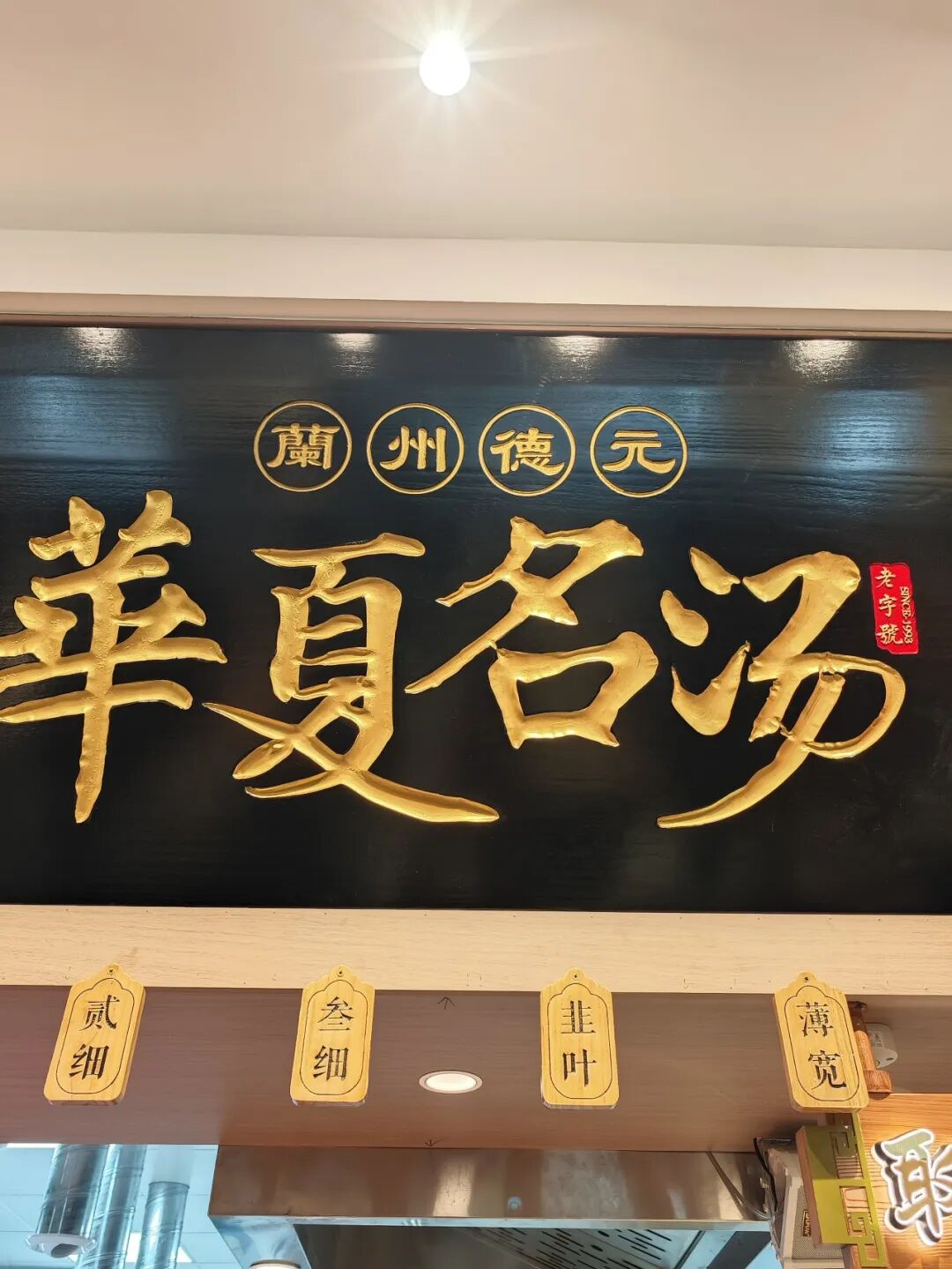
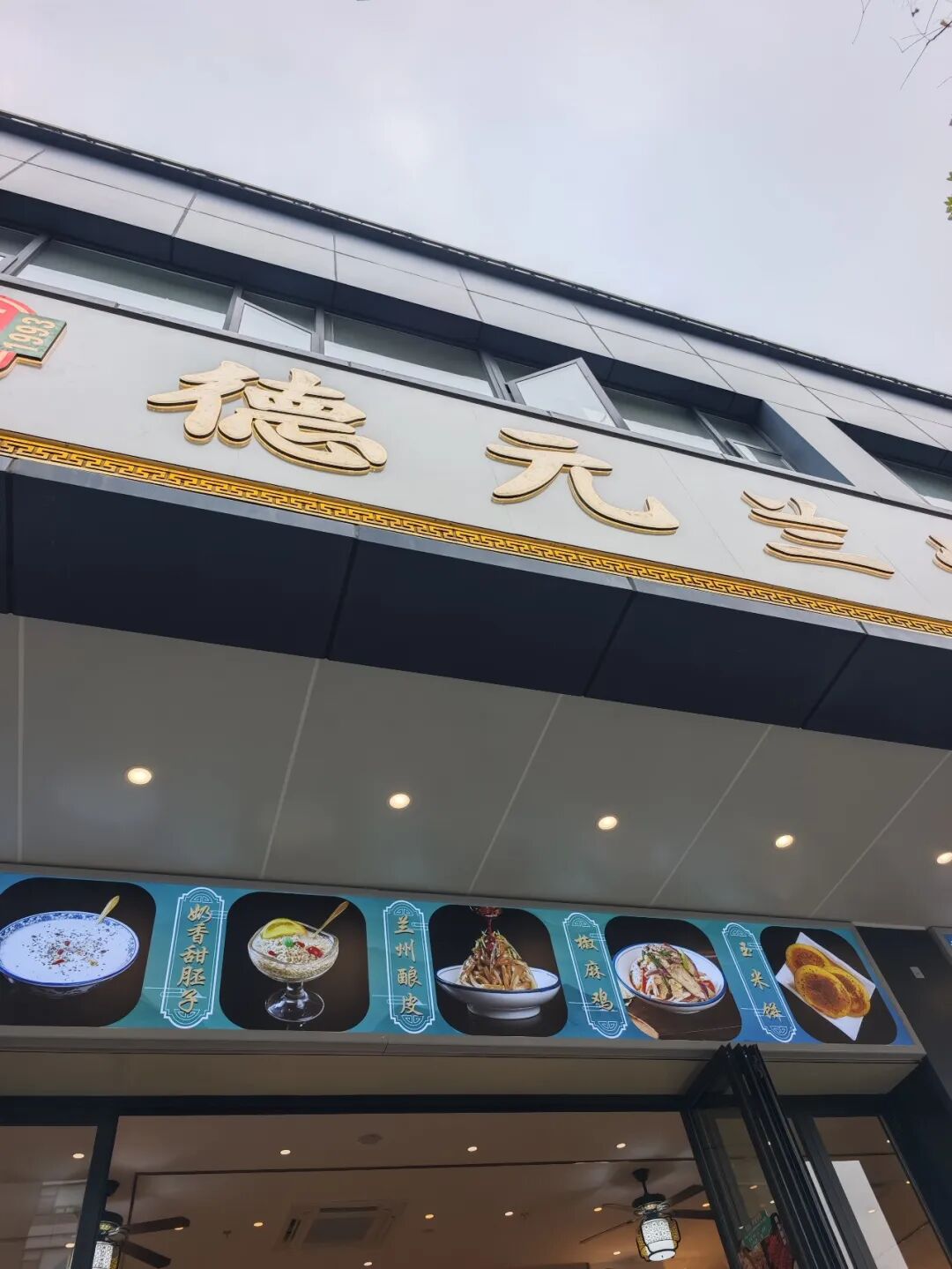
Then Deyuan Beef Noodles opened on Wensan Road. He declared this was finally the taste of his hometown beef noodles, and pressured the team to go back several days in a row. Naturally, I tagged along to check it out.
Halal Deyuan Lanzhou Pure Broth Beef Noodles
Address: 1st Floor, Huaxing Technology Building, 477 Wensan Road, Xihu District
Price: Around ¥30 per person
To make a killer bowl of Lanzhou beef noodles, three things are key: the broth, the noodles, and the youlazi (chili oil).
Beef noodles come in a bunch of widths, from ultra-thin to super-wide: maoxi (hair-thin), xi (thin), sanxi (three-thin), erxi (two-thin), erzhuzi (thick cylinders), qiaocaileng (buckwheat-edge), jiuye (leek-leaf), baokuan (thin-wide), and daguan (extra-wide). Over the last few years, my Hangzhou friends have learned the ropes and know how to pick their noodle thickness. I’m not a fan of super thin noodles, so I always go with jiuye (leek-leaf).
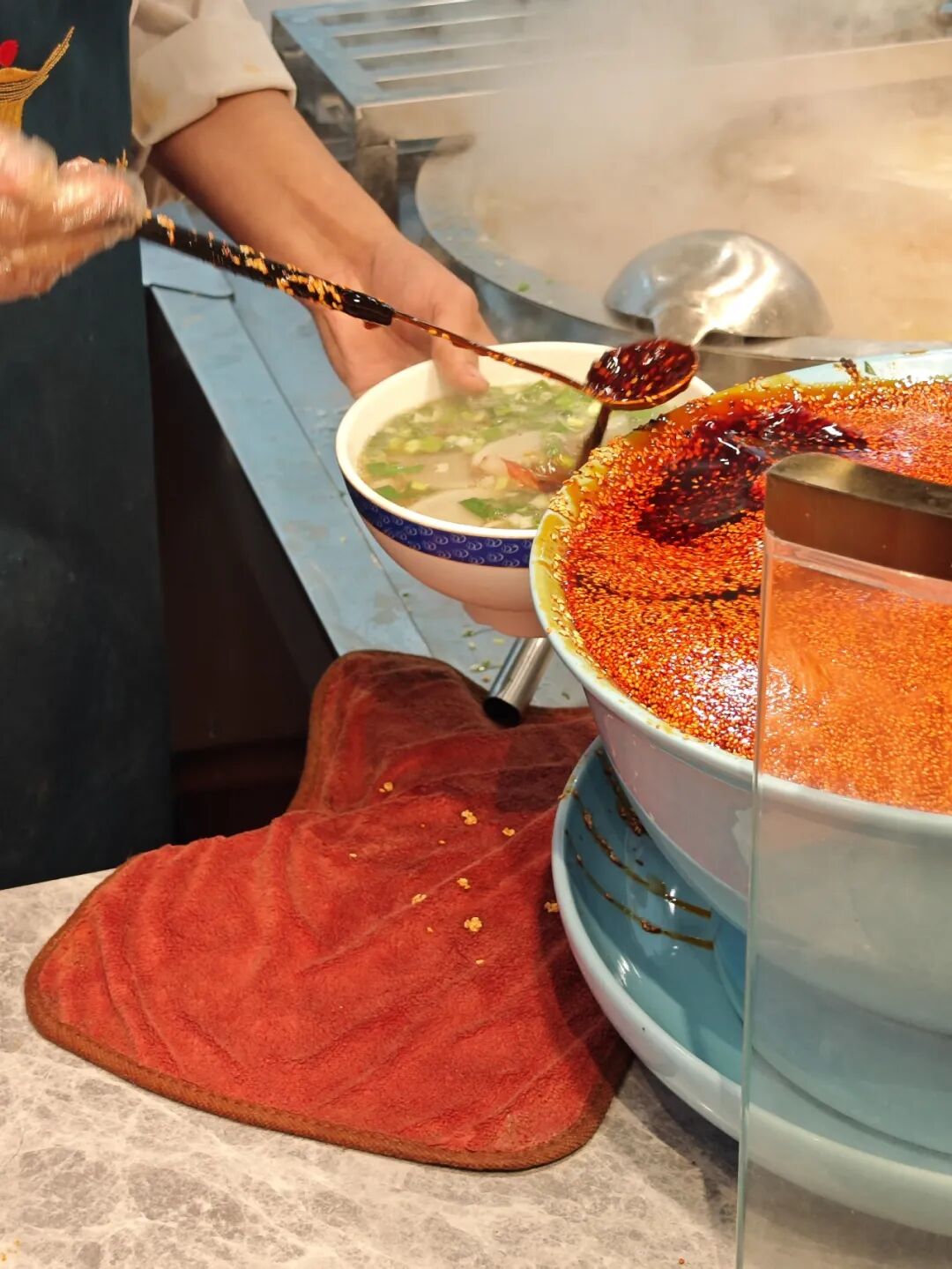
Their youlazi (chili oil) is legit too, super appetizing. A giant basin sits right by the pick-up counter, constantly topped off with freshly brewed batches. That single scoop is the soul of the bowl, and the flavor is totally on point.
Usually, you pay first, then hit up different windows to grab your food: the beef and cold dishes are at one spot, the noodle broth at another, and the lamb skewers at yet another window.
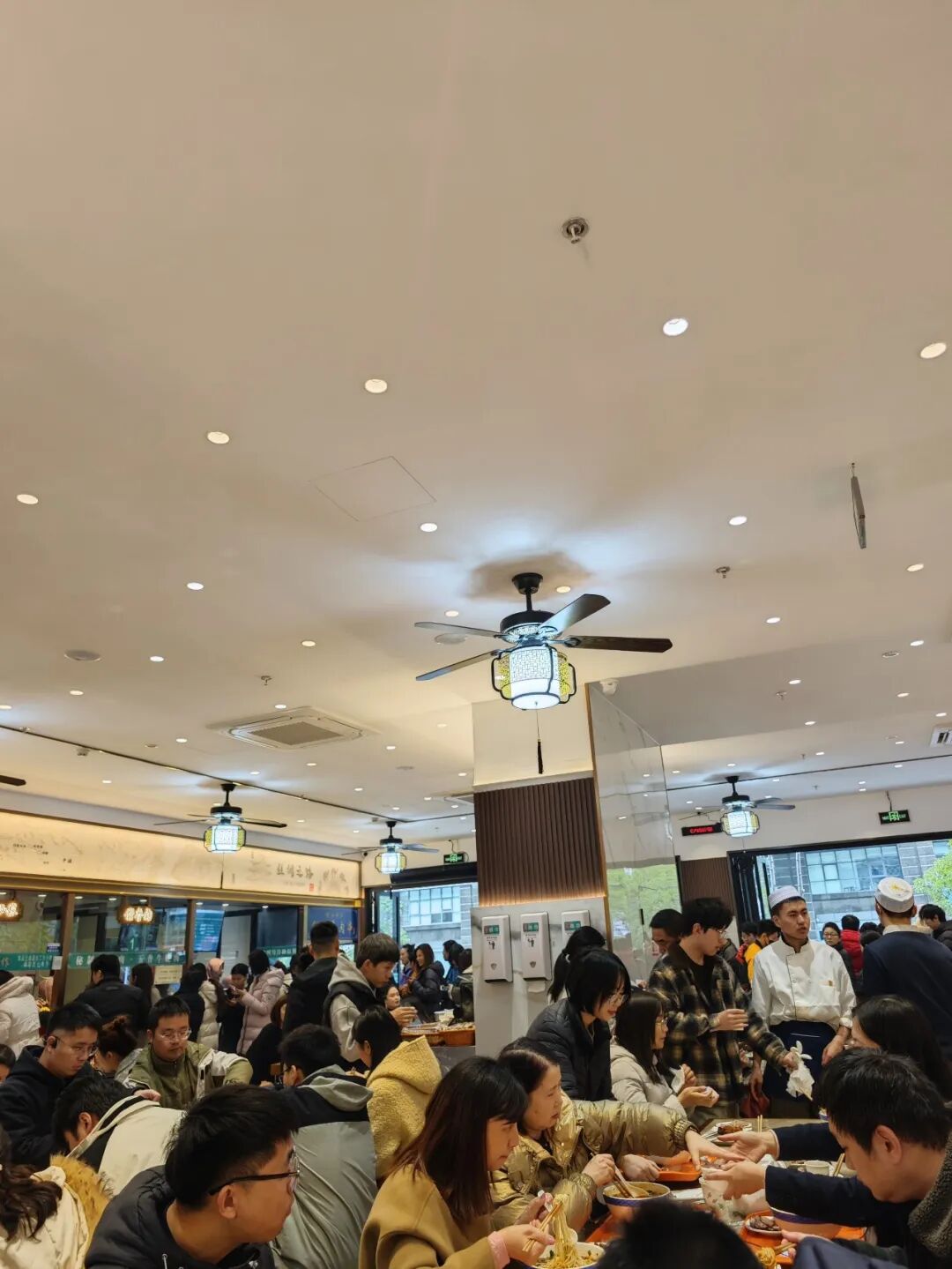
Business since opening has been insanely good, with lines spilling out the shop and onto the street. If you want to skip the wait, you either need to roll up around 11 AM or time it right to beat the rush.
Compared to beef noodles you get elsewhere, the broth here is definitely clearer, the chili oil more fragrant, and it’s super comforting to eat. That said, beef noodles rarely blow your mind with sheer shock value, so I wouldn’t recommend rushing out during peak chaos. Better to wait till the hype cools down.
By the way, the ¥24 opening combo deal is actually a steal. Aside from chunky slices of beef, it even comes with a braised egg.
The noodles themselves are solid. Even when slammed with massive crowds, the kitchen stays consistent. My only gripe is they toss the daikon radish into the soup totally at random. Some bowls get loaded with chunks, while mine only had one or two sad pieces—definitely left me wanting more.
The cold dishes are consistently delicious too. The chili oil potatoes, pickled radishes, and kao fu (spongy wheat gluten) are awesome—totally worth getting a mixed platter.
My absolute favorite is the shouzhuayangrou (hand-grabbed lamb). If you go, I seriously recommend grabbing the beef noodles + shouzhuayangrou combo. While beef noodles are hard to set wildly apart from other places, one bite of this lamb hits you with that rich, milky, succulent flavor. It's absolute perfection for winter.
The meat is melt-in-your-mouth tender, and the accompanying spiced salt and chili powder blend is top-notch.
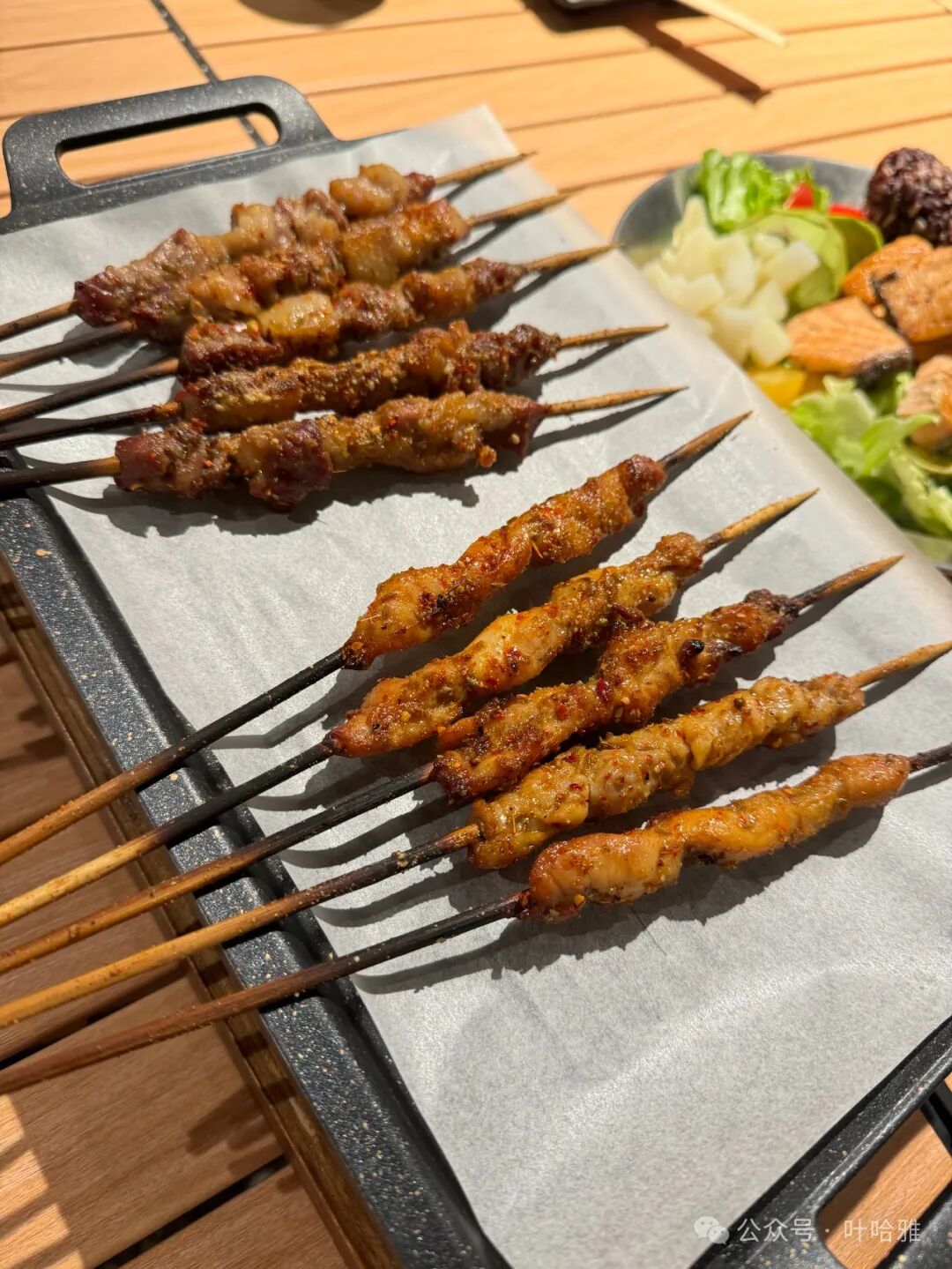
The one total disappointment was the mutton skewers, which we had super high hopes for. By the time they made it from the counter to our table, they’d already gone cold. The meat was tough and rubbery, totally losing the heat it was supposed to have.
That’s probably just because they’re slammed right now with the grand opening rush, so I’d say skip the skewers—they take forever and arrive lukewarm.
I’ve always loved tianpeizi (fermented sweet highland barley soup), so if you want to wrap up your meal with a dessert, definitely order a bowl. Also, before you dive into the noodles, the shop has complimentary red date tea to warm you up.
All in all, the food here isn't bad at all. But with the massive opening crowds messing with the vibe, you might want to drop it on your saved list and hit it up later.
Not far from here, I recently checked out another spot on Wensan Road: Jin Shunfa × Jin Maji's Xiamen snacks. I thought their signature oyster rice combo was really good—it comes with oyster rice, shacha meat skewers, and dressed seasonal greens.
The oyster portion was super generous, packed with great scallion aroma, and way better than standard oyster omelets.
Aside from the signature dish, I felt the other dim sum items lacked personality. Things like the five-spice meat rolls and fried vinegar pork weren't super memorable, though the salted-egg-yolk chicken wings were totally kid-friendly—sweet and sandy-textured.
So I’m skipping a full dedicated review for that spot. If you do go, just stick to their signature oyster rice; the main carb dishes definitely seem to be their strong suit. view all
Hangzhou Food Vibe Check: Getting Dragged by a Lanzhou Local to Wensan Road for Deyuan's Legit Beef Lamian and Authentic Shouzhuayangrou
Summary:
Following a native Lanzhou friend deep into Wensan Road to check out the heavily hyped Deyuan lamian (hand-pulled beef noodles). A clear broth, white radishes, vibrant red chili oil, emerald greens, and golden noodles paired with authentic shouzhuayangrou (hand-grabbed lamb) bring the real-deal Yellow River vibes and Northwest Chinese Muslim food culture straight to you.
My coworker is from Lanzhou, and his obsession with beef noodles always baffles us southerners. Honestly, how good can a bowl of beef lamian really be?
Anyway, whenever he's tasked with picking lunch, he makes a beeline for beef noodles. At first, we hit up standard Lanzhou lamian spots, but he thought they were missing that authentic touch. Later, a Majiyong chain opened up near the office; he said it was better than regular lamian, but still not quite hitting the mark.
Then Deyuan Beef Noodles opened on Wensan Road. He declared this was finally the taste of his hometown beef noodles, and pressured the team to go back several days in a row. Naturally, I tagged along to check it out.
Halal Deyuan Lanzhou Pure Broth Beef Noodles
Address: 1st Floor, Huaxing Technology Building, 477 Wensan Road, Xihu District
Price: Around ¥30 per person
To make a killer bowl of Lanzhou beef noodles, three things are key: the broth, the noodles, and the youlazi (chili oil).
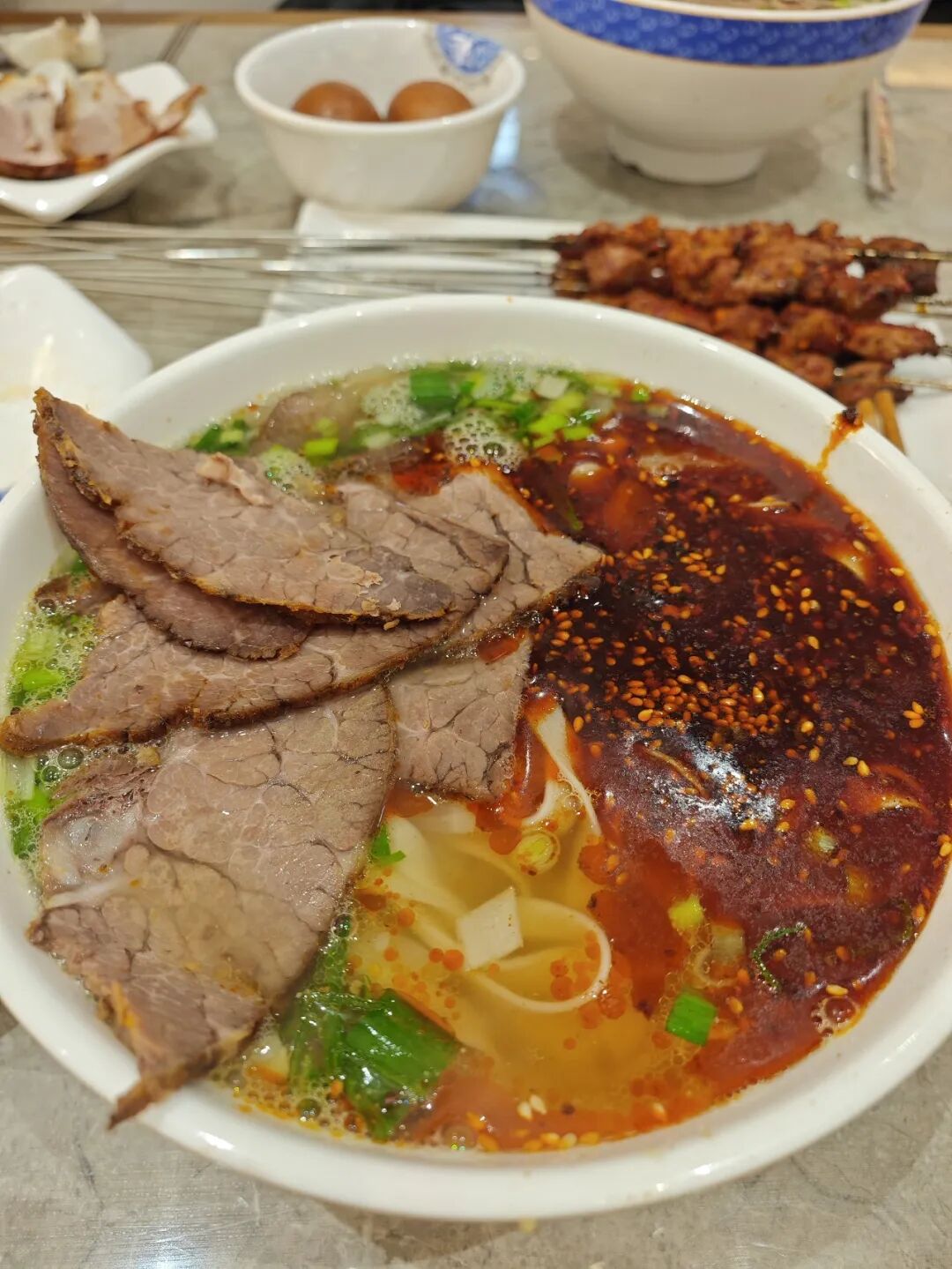
Beef noodles come in a bunch of widths, from ultra-thin to super-wide: maoxi (hair-thin), xi (thin), sanxi (three-thin), erxi (two-thin), erzhuzi (thick cylinders), qiaocaileng (buckwheat-edge), jiuye (leek-leaf), baokuan (thin-wide), and daguan (extra-wide). Over the last few years, my Hangzhou friends have learned the ropes and know how to pick their noodle thickness. I’m not a fan of super thin noodles, so I always go with jiuye (leek-leaf).
Their youlazi (chili oil) is legit too, super appetizing. A giant basin sits right by the pick-up counter, constantly topped off with freshly brewed batches. That single scoop is the soul of the bowl, and the flavor is totally on point.
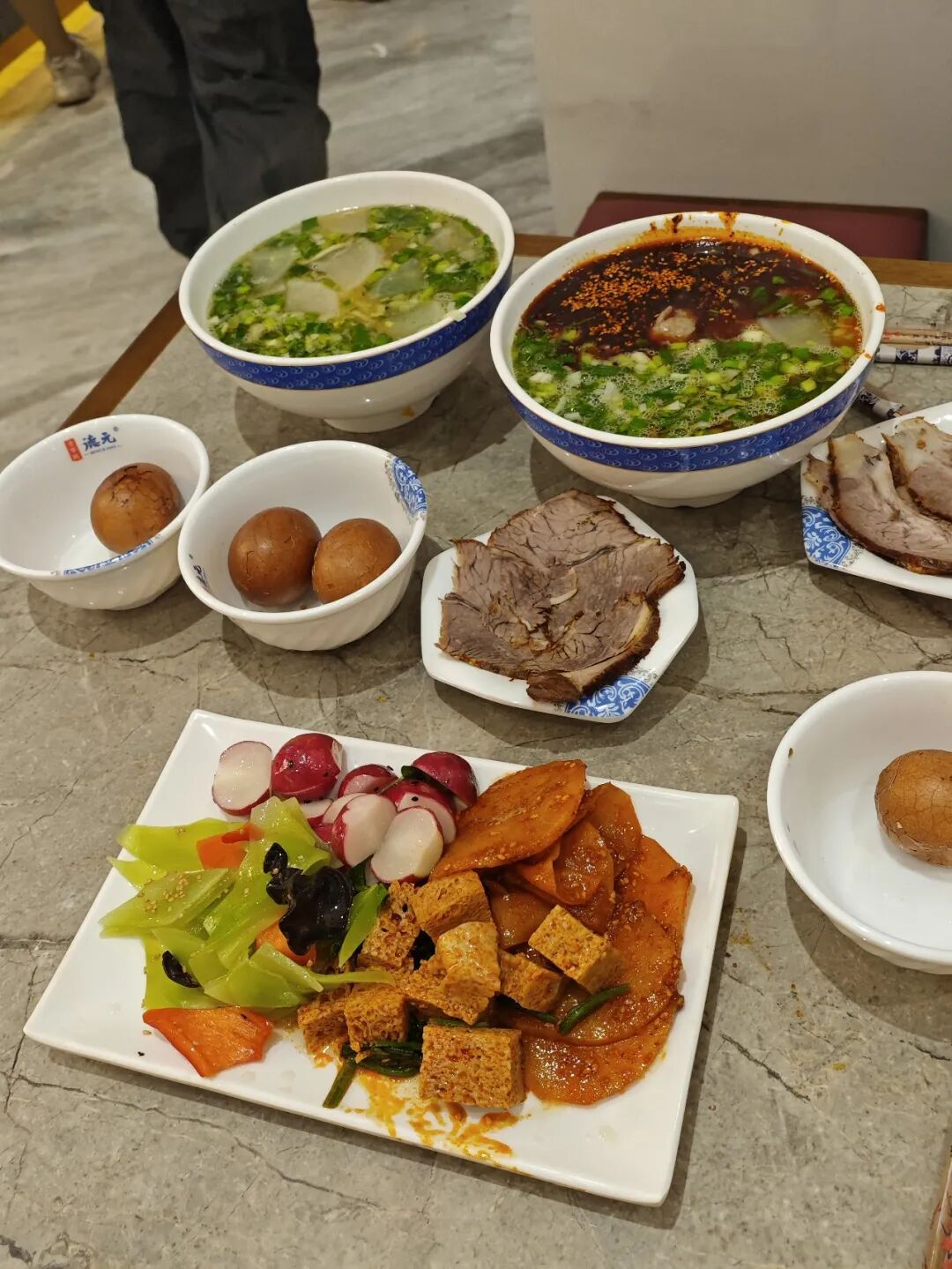
Usually, you pay first, then hit up different windows to grab your food: the beef and cold dishes are at one spot, the noodle broth at another, and the lamb skewers at yet another window.
Business since opening has been insanely good, with lines spilling out the shop and onto the street. If you want to skip the wait, you either need to roll up around 11 AM or time it right to beat the rush.
Compared to beef noodles you get elsewhere, the broth here is definitely clearer, the chili oil more fragrant, and it’s super comforting to eat. That said, beef noodles rarely blow your mind with sheer shock value, so I wouldn’t recommend rushing out during peak chaos. Better to wait till the hype cools down.
By the way, the ¥24 opening combo deal is actually a steal. Aside from chunky slices of beef, it even comes with a braised egg.
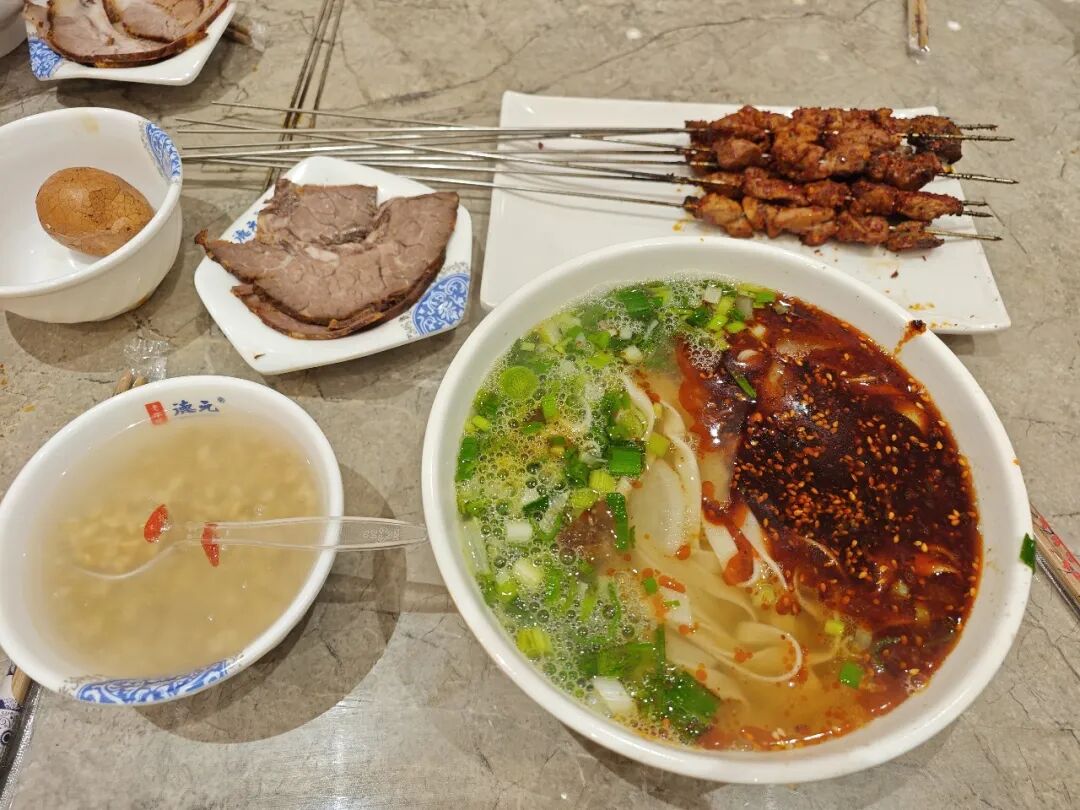
The noodles themselves are solid. Even when slammed with massive crowds, the kitchen stays consistent. My only gripe is they toss the daikon radish into the soup totally at random. Some bowls get loaded with chunks, while mine only had one or two sad pieces—definitely left me wanting more.
The cold dishes are consistently delicious too. The chili oil potatoes, pickled radishes, and kao fu (spongy wheat gluten) are awesome—totally worth getting a mixed platter.
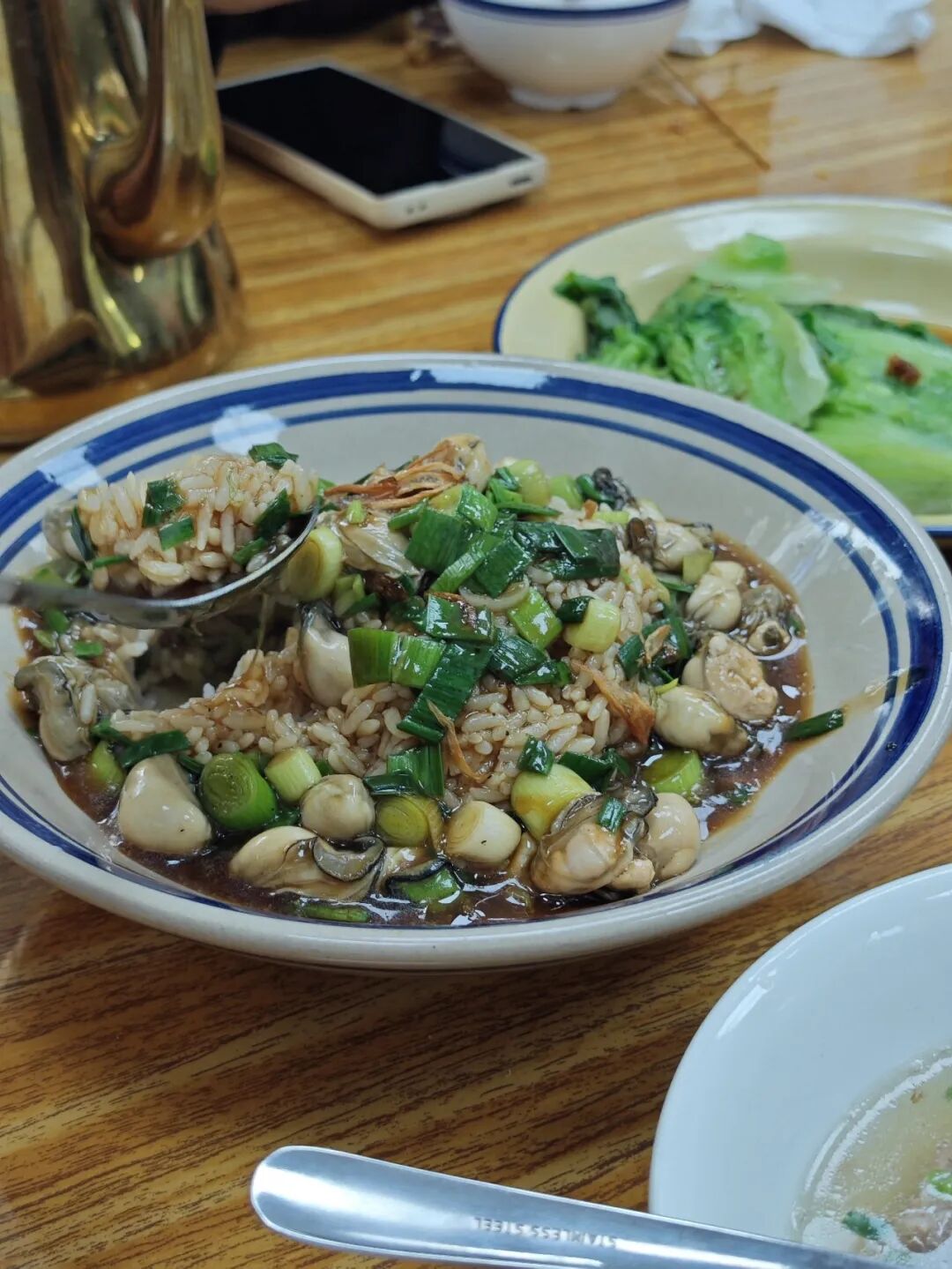
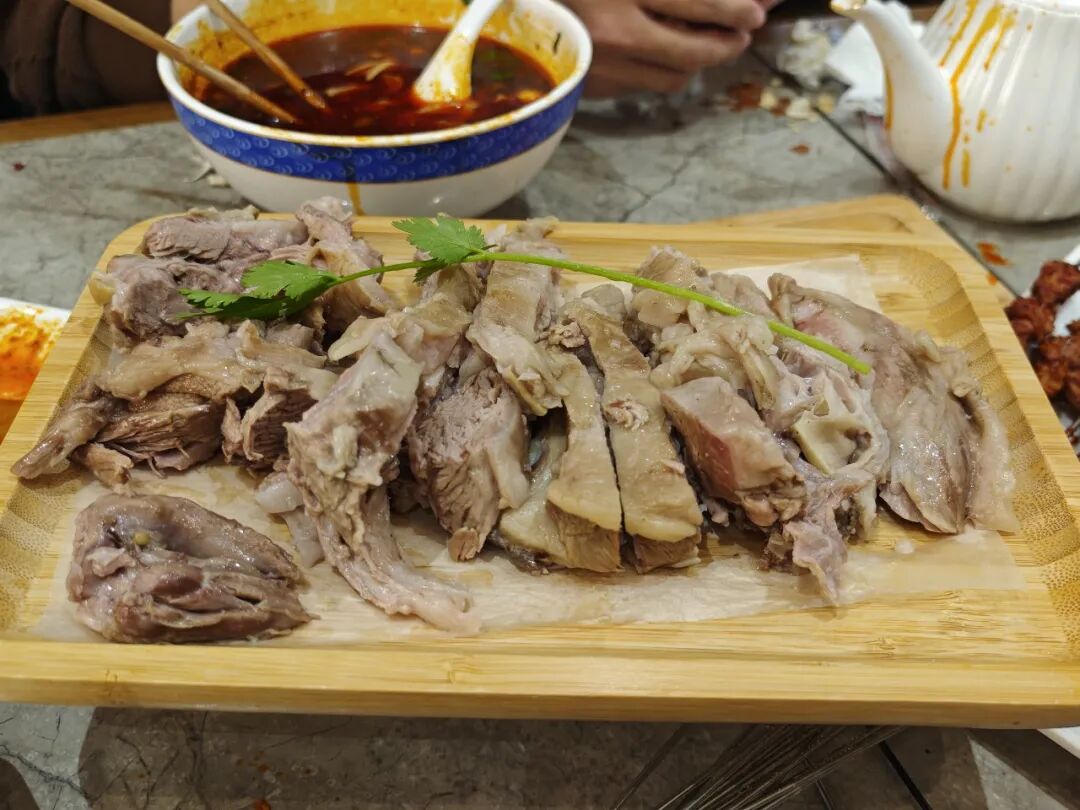
My absolute favorite is the shouzhuayangrou (hand-grabbed lamb). If you go, I seriously recommend grabbing the beef noodles + shouzhuayangrou combo. While beef noodles are hard to set wildly apart from other places, one bite of this lamb hits you with that rich, milky, succulent flavor. It's absolute perfection for winter.
The meat is melt-in-your-mouth tender, and the accompanying spiced salt and chili powder blend is top-notch.
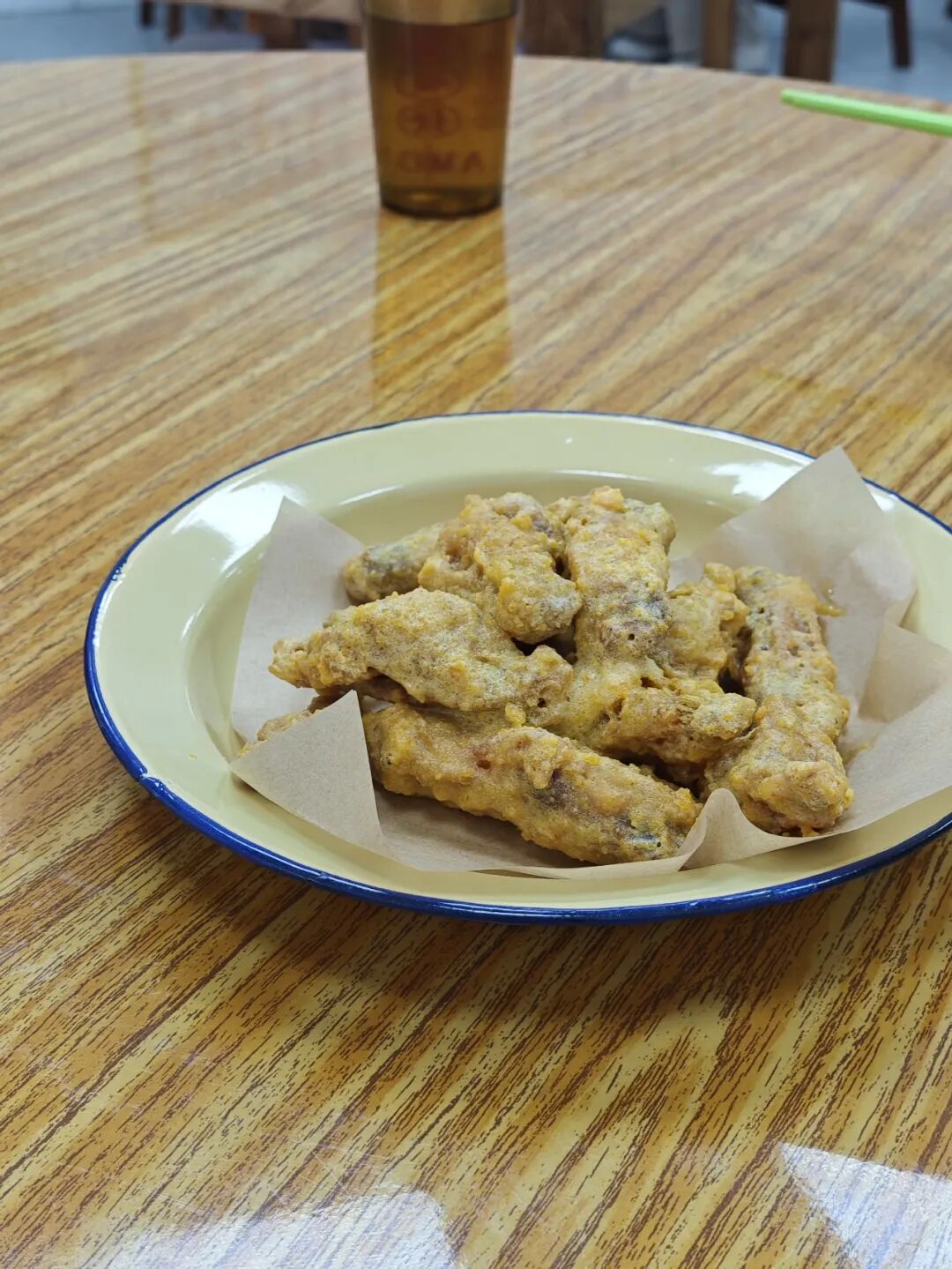
The one total disappointment was the mutton skewers, which we had super high hopes for. By the time they made it from the counter to our table, they’d already gone cold. The meat was tough and rubbery, totally losing the heat it was supposed to have.
That’s probably just because they’re slammed right now with the grand opening rush, so I’d say skip the skewers—they take forever and arrive lukewarm.
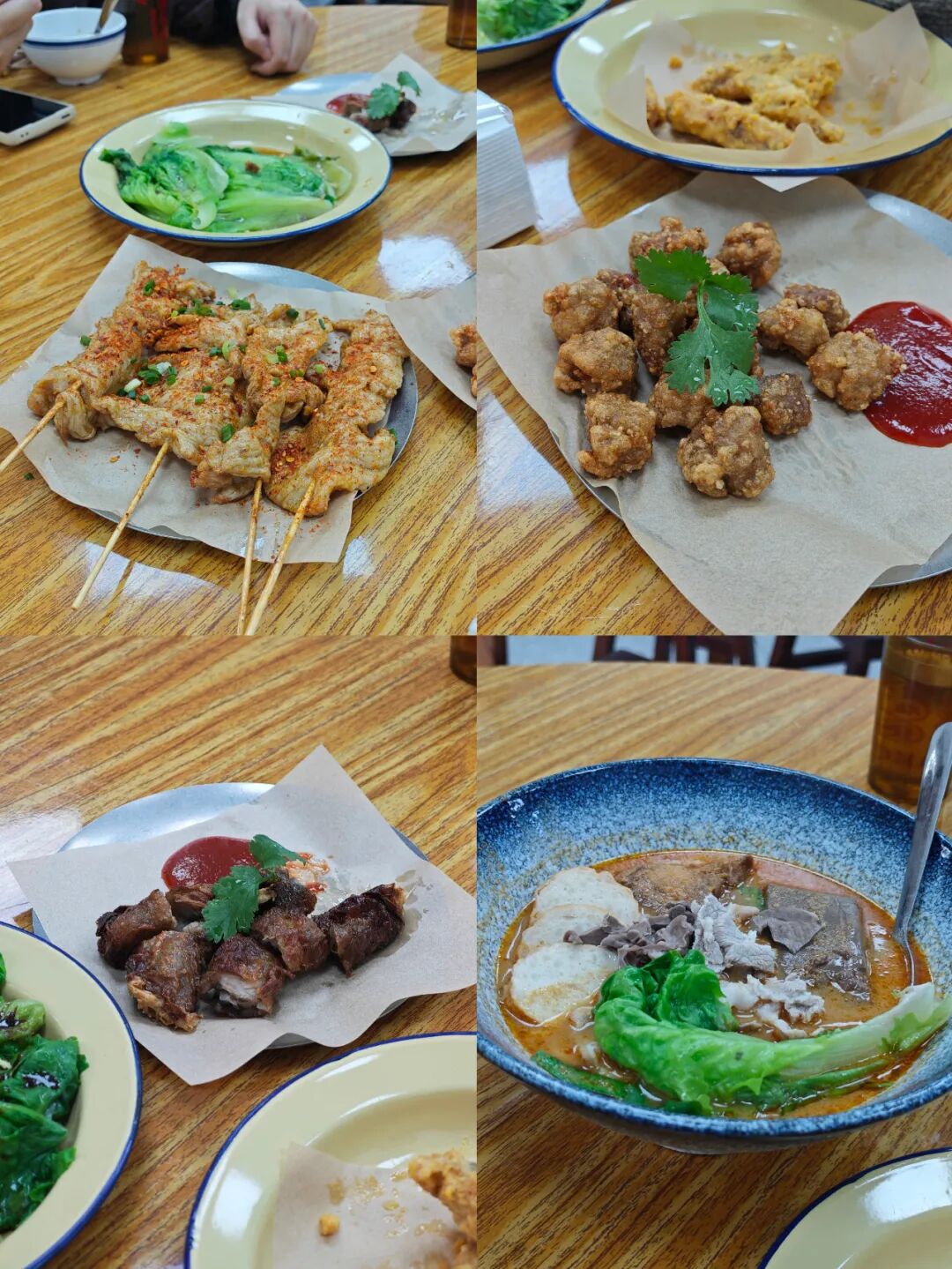
I’ve always loved tianpeizi (fermented sweet highland barley soup), so if you want to wrap up your meal with a dessert, definitely order a bowl. Also, before you dive into the noodles, the shop has complimentary red date tea to warm you up.
All in all, the food here isn't bad at all. But with the massive opening crowds messing with the vibe, you might want to drop it on your saved list and hit it up later.
Not far from here, I recently checked out another spot on Wensan Road: Jin Shunfa × Jin Maji's Xiamen snacks. I thought their signature oyster rice combo was really good—it comes with oyster rice, shacha meat skewers, and dressed seasonal greens.
The oyster portion was super generous, packed with great scallion aroma, and way better than standard oyster omelets.
Aside from the signature dish, I felt the other dim sum items lacked personality. Things like the five-spice meat rolls and fried vinegar pork weren't super memorable, though the salted-egg-yolk chicken wings were totally kid-friendly—sweet and sandy-textured.
So I’m skipping a full dedicated review for that spot. If you do go, just stick to their signature oyster rice; the main carb dishes definitely seem to be their strong suit.
Best Halal Food Beijing: Ghanaian Restaurant, Arabic Food, Sturgeon Feast and Lanzhou Beef Noodles
Articles • yusuf908 posted the article • 0 comments • 180 views • 2026-05-24 00:17
Summary: This Beijing halal food guide maps issue 40 of the series, featuring a Ghanaian halal restaurant in Sanlitun, Stone Hearth Grill and Tea, Arabic food, tomato beef flatbread, luosifen hot pot, sturgeon feast, and Saddam Lanzhou Beef Noodles.
Beijing Halal Food Map (40) is presented here as a firsthand travel account in clear English, beginning with this scene: Ramadan has just ended, so we can get back to checking out all kinds of halal food. The account keeps its focus on Beijing Halal Food, Muslim Travel, Middle Eastern Food while preserving the names, places, food, and historical details from the Chinese source.
Ramadan has just ended, so we can get back to checking out all kinds of halal food. The restaurants in this guide are all new, and they each have something special. The first one is a West African Ghanaian halal restaurant, which is very rare in China. It is a big step for Beijing as it works to become a global capital for halal food.
Here is the list of halal restaurants for this guide:
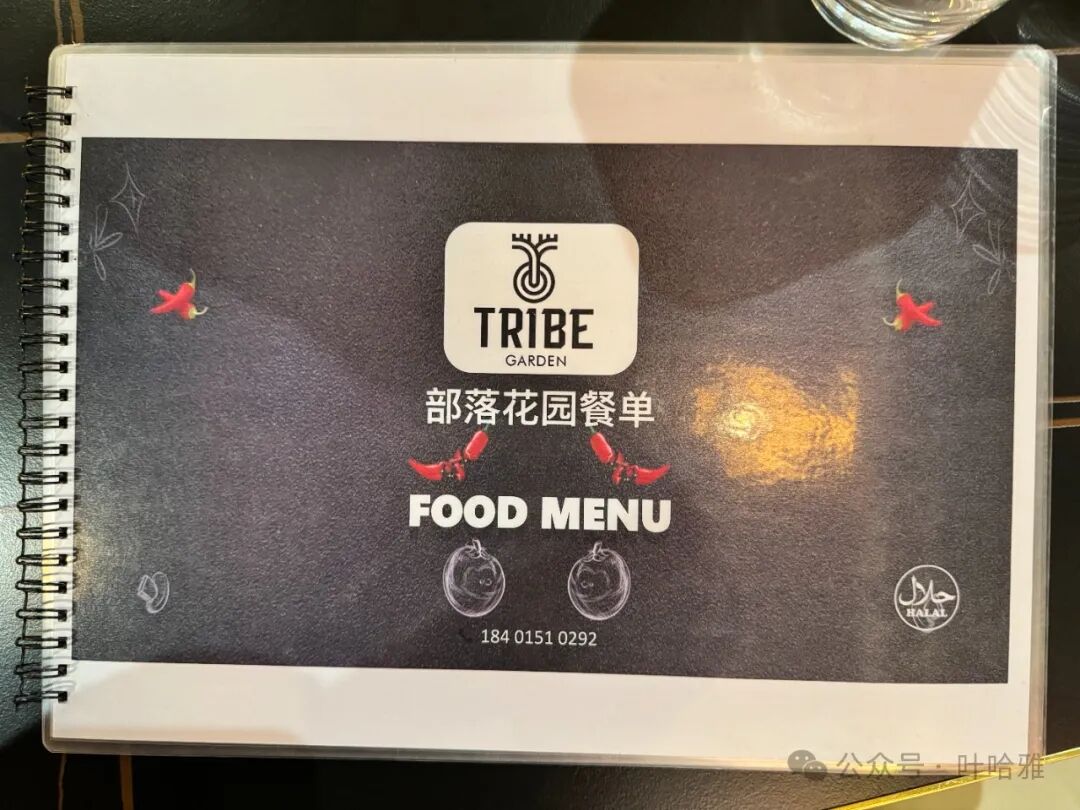
1. Tribe Garden African Restaurant
2. Stone Hearth Grill and Tea (Shishangweilu)
3. Ma Bei'er Bistro
4. Carthage Arabic Restaurant
5. Fan Manyu Tomato Beef Flatbread (Paobing)
6. Stinky Star Snail Rice Noodle (Luosifen) Hot Pot
7. Mulaixuan Sturgeon Feast
8. Saddam Lanzhou Beef Noodles
1. Tribe Garden African Restaurant
A new halal restaurant featuring West African flavors recently opened on the first basement level of Sanlitun SOHO. They specialize in Ghanaian cuisine. The staff are all Black Muslims who speak fluent Chinese, and one young lady from Kenya is especially cute.
Ghana is a country in West Africa where about 15% of the population is Muslim, yet the national banknote features a mosque with a unique style.
Larabanga Mosque
The Larabanga Mosque on the banknote was built between the 14th and 15th centuries. It is the oldest mosque in Ghana. Its architectural style is unique to West Africa, built from yellow mud and wood, making it very iconic.
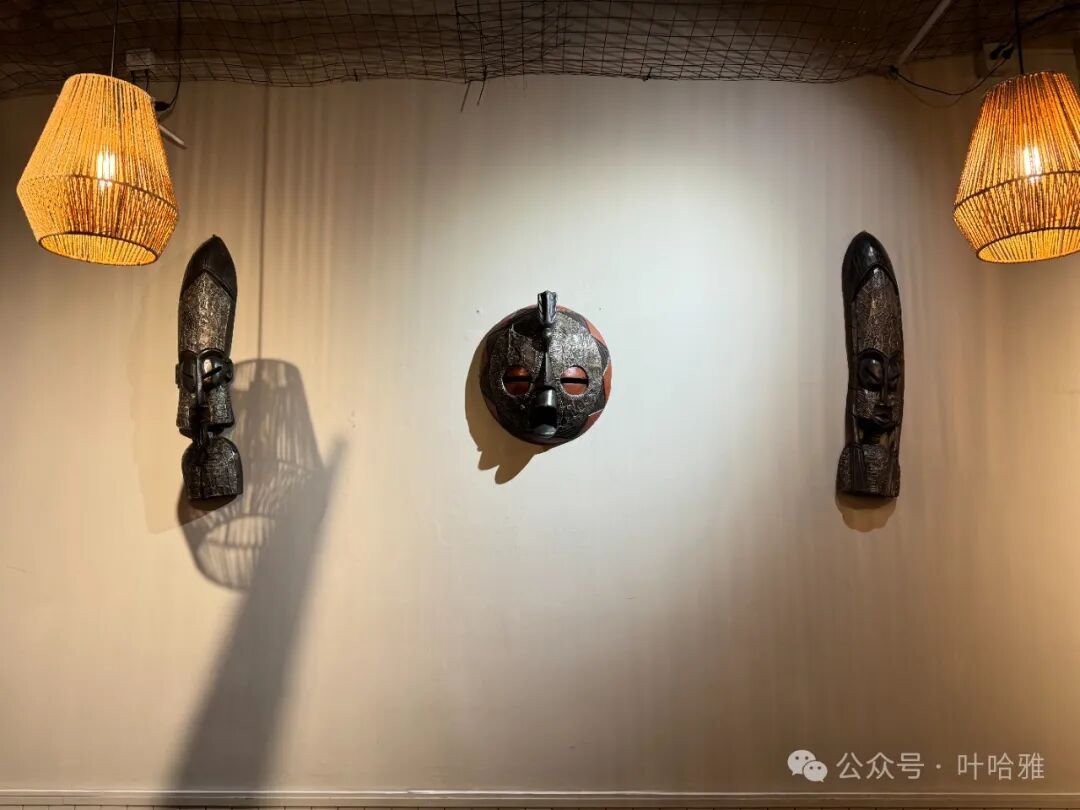
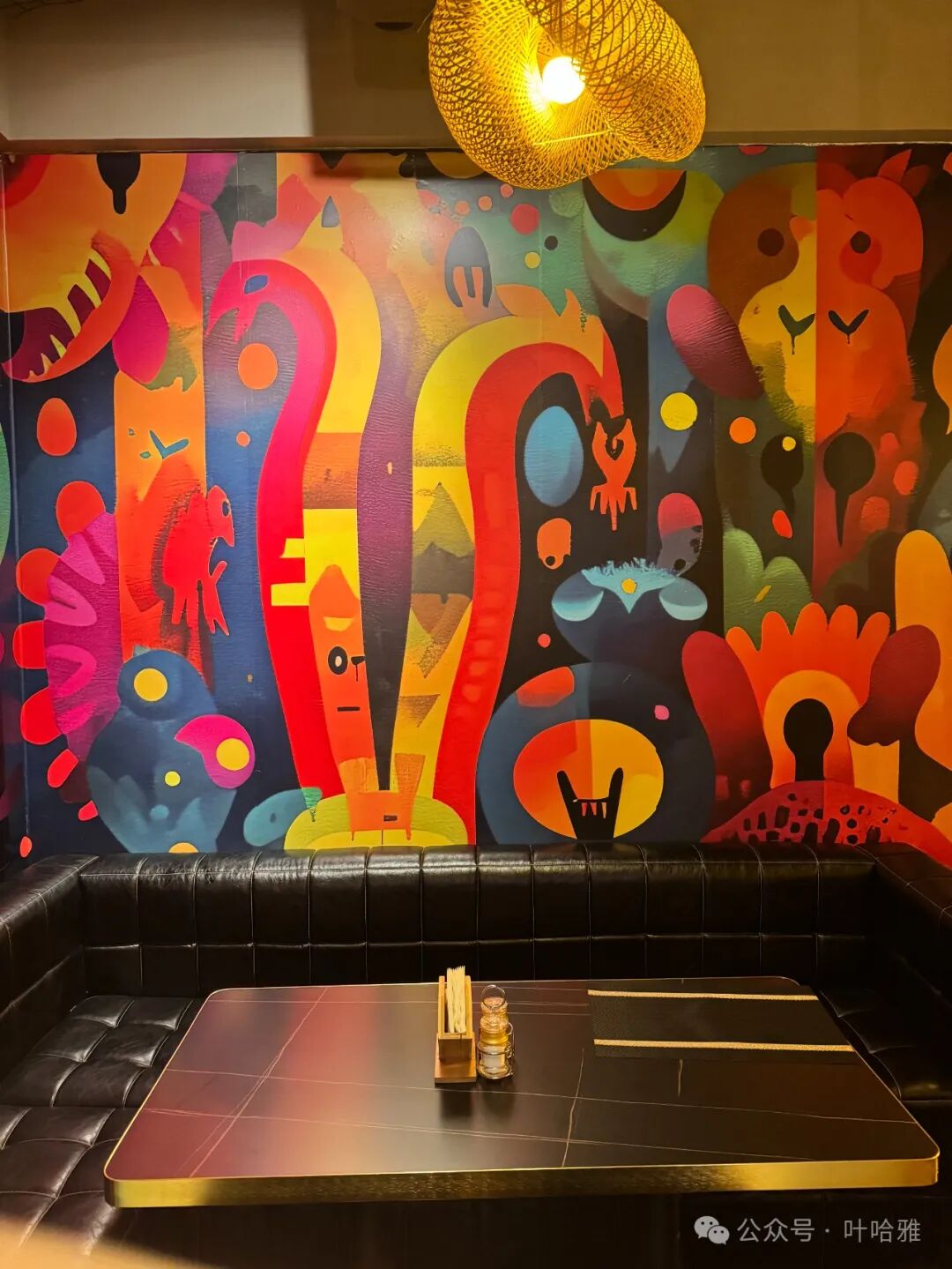
The restaurant decor also has a strong African vibe, including the wall hangings.
African goat meat mixed rice
African goat meat is a bit tough, but it has no gamey smell. The mixed rice is salty and spicy.
Non-alcoholic mojito and fruit punch
African specialty egusi (egusi)
You eat this dish mixed with the cassava flour paste shown below. Eating the cassava flour paste is just like eating rice cake.
Fufu (fufu)
The white dish is called fufu, which translates to rice flour paste in Chinese. It is a staple food for Ghanaians.
Friday special dish
They have a special dish every day. This Friday special is made with beans and rice, served with some noodles and dipping sauce. It tastes sour, salty, and spicy all at once.
Grilled tilapia
This is an African-style grilled fish. It tastes great. Even though the skin looks charred, the meat inside is white.
A young lady from Kenya recommended this milkshake to us. It is very creamy and delicious. The whole meal cost 530 yuan for four people, which is 130 yuan per person.
2. Stone Hearth Grill and Tea (Shishangweilu)
This is a newly opened light meal and coffee shop on the ground floor of the West District of Changying Paradise Walk. The owner is a Hui Muslim from Beijing, and we chose to have a small gathering here for Eid al-Fitr.
Thirty of us ate every single item on the menu twice.
They serve light meals during the day. Besides these pretty salads, they also have burgers and pasta.
The M3 beef burger uses a patty hand-pressed by the owner, and all the meat is sourced from Li Wei's shop in Changying.
This is an Italian-style sandwich, listed on the menu as a panini.
Barbecue is served in the evening. If you want a simple Western-style meal at night, you can call ahead to book. Everyone gave the simple meals and barbecue great reviews. The average cost per person is about 130 yuan.
3. Ma Bei'er Bistro
Ma Bei'er is a new brand started by the original management team of Jubao Yuan after they split up. Next to the main Ma Bei'er hot pot (shuanrou) restaurant on Nanheng West Street, there is also a small Ma Bei'er bistro that specializes in Beijing-style stir-fry dishes.
This stir-fry bistro is just as busy as the hot pot restaurant. We tried a few signature dishes and had a good experience. Everything was delicious and worth recommending. The average cost per person is about 100 yuan.
Stir-fried mixed vegetables (chaohecai)
Quick-fried beef tripe with coriander (yanbaosandan)
Deep-fried meatballs (ganzhawanzi)
Braised yellow croaker in northern style (kuadunhuangyu)
Slow-cooked beef (weiniurou)
Scallion pancake (conghuabing)
4. Carthage Restaurant
This is a Tunisian restaurant. It is owned by the same people as La Medina Tunisian restaurant in Sanlitun. You can find it on the first floor of the Atour X Hotel in Sanlitun.
During Ramadan, they offer an iftar buffet for 120 yuan per person. It includes all the signature dishes you would expect, plus drinks and desserts.
Tunisia is a North African country. Its food habits are a bit different from West Africa, and North African flavors are usually easier for most people to enjoy.
5. Fan Manyu Tomato Beef Flatbread (Paobing)
A new specialty shop just opened on the basement level of the West Zone at Tongzhou Wanda Plaza. They focus on tomato beef brisket with flatbread (paobing) and various other tomato-based dishes.
The staff uniforms are covered in tomato drawings.
Vinegar-stir-fried egg and meat (culiu muxu)
Lychee-flavored cherry tomatoes
Mapo tofu
Their food is prepared very delicately and tastes great. The environment is clean, the prices are affordable, and the average cost is under 80 yuan per person.
6. Stinky Star Snail Rice Noodle (Luosifen) Hot Pot
There is a halal snail rice noodle (luosifen) shop on the ground floor of the Golden Street in the West District of Tongzhou Wanda Plaza. The owner is a Hui Muslim from Changchun who used to work at iQIYI before opening this physical shop. The small shop has two floors and mainly serves halal snail rice noodles and clam rice noodles (huaji fen) in small hot pots.
The snail rice noodle hot pot comes with a wide variety of toppings that you can add to the pot to cook together.
This set meal for two costs 78 yuan and is enough for two or three people to eat.
The set includes Guangxi cassava sweet soup (mushu tangshui).
Add all the side dishes to the pot and cook for one minute before you start eating. The taste is quite authentic.
7. Mulaixuan Sturgeon Feast
Across from the Doudian Mosque in Fangshan, there is a restaurant that specializes in sturgeon (xunlongyu). This place is unique because it has no menu and you cannot order dishes. The owner decides the size of the fish based on how many people are in your group, and all the dishes are made from the fish you choose.
You pick the sturgeon from this fish tank, and they are all quite large. The sturgeon costs 58 yuan per jin, and the smallest fish weigh over five jin, making it perfect for groups.
After picking the fish, you just wait for the owner to serve the food. This is actually nice because it saves you the trouble of ordering.
The standard dishes include salt and pepper fish skin, sweet and sour fish bones, fish offal, fish and radish soup, and stir-fried fish fillets. The main course is sturgeon dumplings. The fish is very fresh, and every dish tastes great.
8. Saddam Lanzhou Beef Noodles
The long-standing Lanzhou brand Saddam Beef Noodles has expanded into Beijing's Fengtai District. Known as the Eastern Heretic of the Lanzhou beef noodle world, the shop opened in eastern Lanzhou in the 1990s. It got its name because the owner looked just like Saddam. Other famous shops include the Western Poison Ma Anjun, the Southern Emperor Guobao, the Northern Beggar Cangying, and the Central Master Ma Zilu.
You can tell the beef noodles will be good just by looking at the chili oil, which is fragrant but not too spicy. I tried it and found it very authentic. My friends from Lanzhou would not be disappointed if they came here to eat. view all
Summary: This Beijing halal food guide maps issue 40 of the series, featuring a Ghanaian halal restaurant in Sanlitun, Stone Hearth Grill and Tea, Arabic food, tomato beef flatbread, luosifen hot pot, sturgeon feast, and Saddam Lanzhou Beef Noodles.
Beijing Halal Food Map (40) is presented here as a firsthand travel account in clear English, beginning with this scene: Ramadan has just ended, so we can get back to checking out all kinds of halal food. The account keeps its focus on Beijing Halal Food, Muslim Travel, Middle Eastern Food while preserving the names, places, food, and historical details from the Chinese source.
Ramadan has just ended, so we can get back to checking out all kinds of halal food. The restaurants in this guide are all new, and they each have something special. The first one is a West African Ghanaian halal restaurant, which is very rare in China. It is a big step for Beijing as it works to become a global capital for halal food.
Here is the list of halal restaurants for this guide:
1. Tribe Garden African Restaurant
2. Stone Hearth Grill and Tea (Shishangweilu)
3. Ma Bei'er Bistro
4. Carthage Arabic Restaurant
5. Fan Manyu Tomato Beef Flatbread (Paobing)
6. Stinky Star Snail Rice Noodle (Luosifen) Hot Pot
7. Mulaixuan Sturgeon Feast
8. Saddam Lanzhou Beef Noodles
1. Tribe Garden African Restaurant
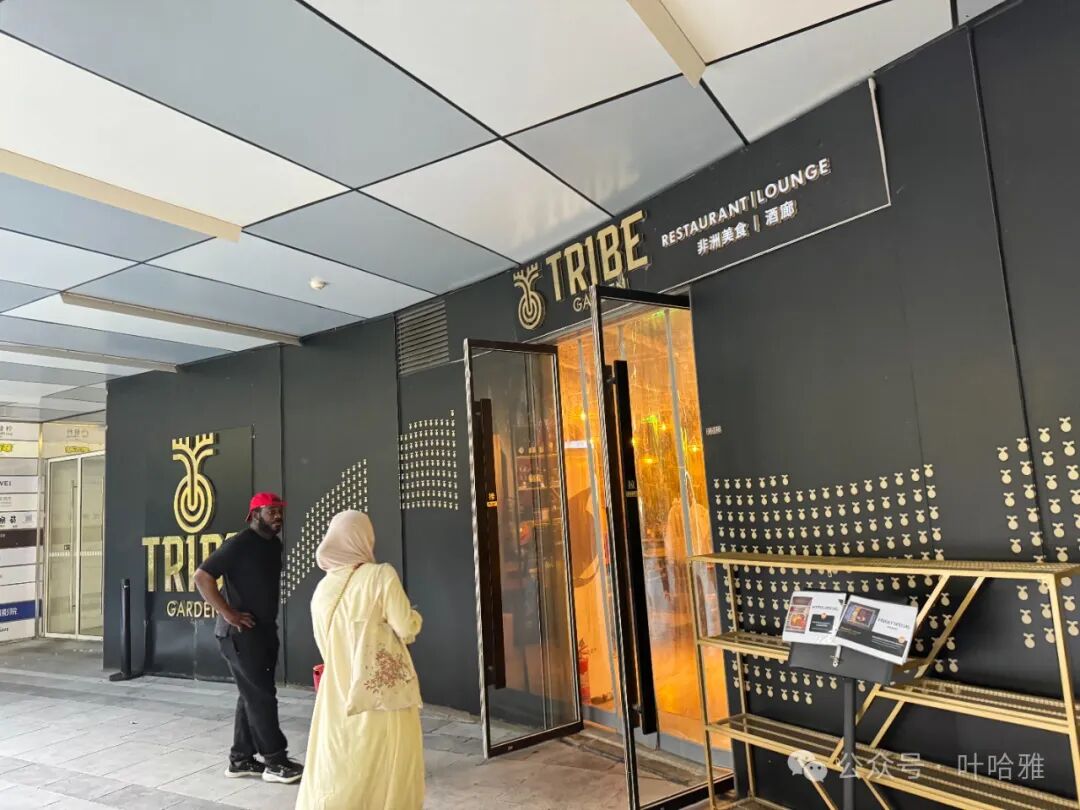
A new halal restaurant featuring West African flavors recently opened on the first basement level of Sanlitun SOHO. They specialize in Ghanaian cuisine. The staff are all Black Muslims who speak fluent Chinese, and one young lady from Kenya is especially cute.
Ghana is a country in West Africa where about 15% of the population is Muslim, yet the national banknote features a mosque with a unique style.

Larabanga Mosque
The Larabanga Mosque on the banknote was built between the 14th and 15th centuries. It is the oldest mosque in Ghana. Its architectural style is unique to West Africa, built from yellow mud and wood, making it very iconic.
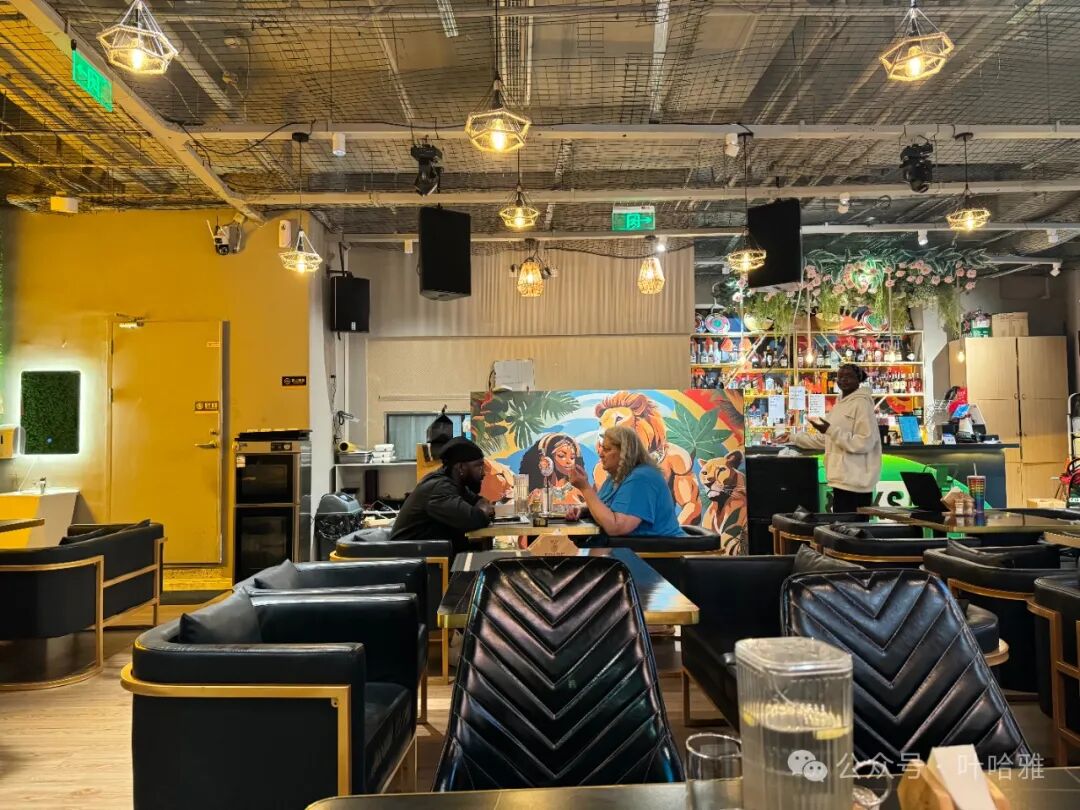
The restaurant decor also has a strong African vibe, including the wall hangings.
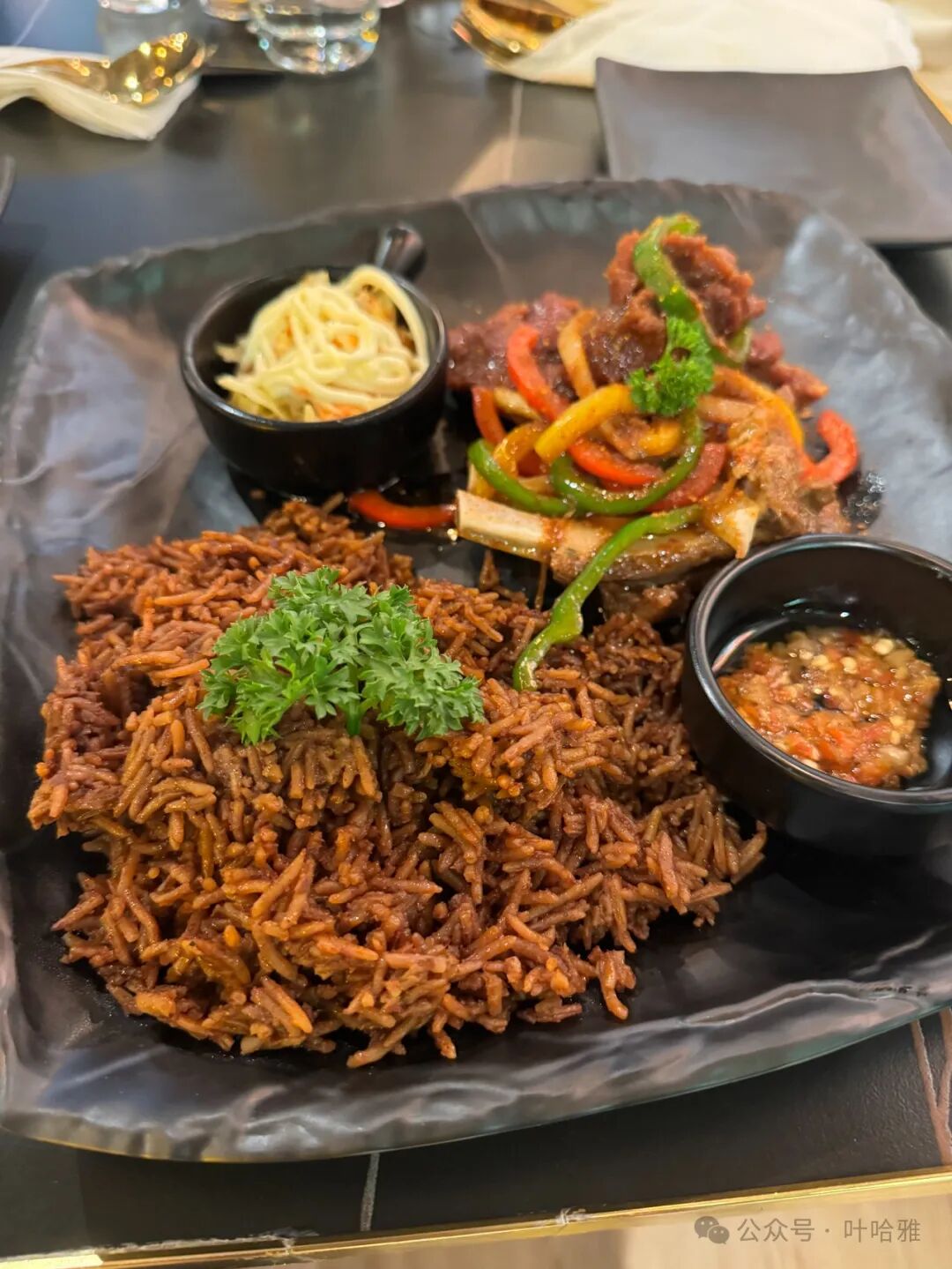
African goat meat mixed rice
African goat meat is a bit tough, but it has no gamey smell. The mixed rice is salty and spicy.
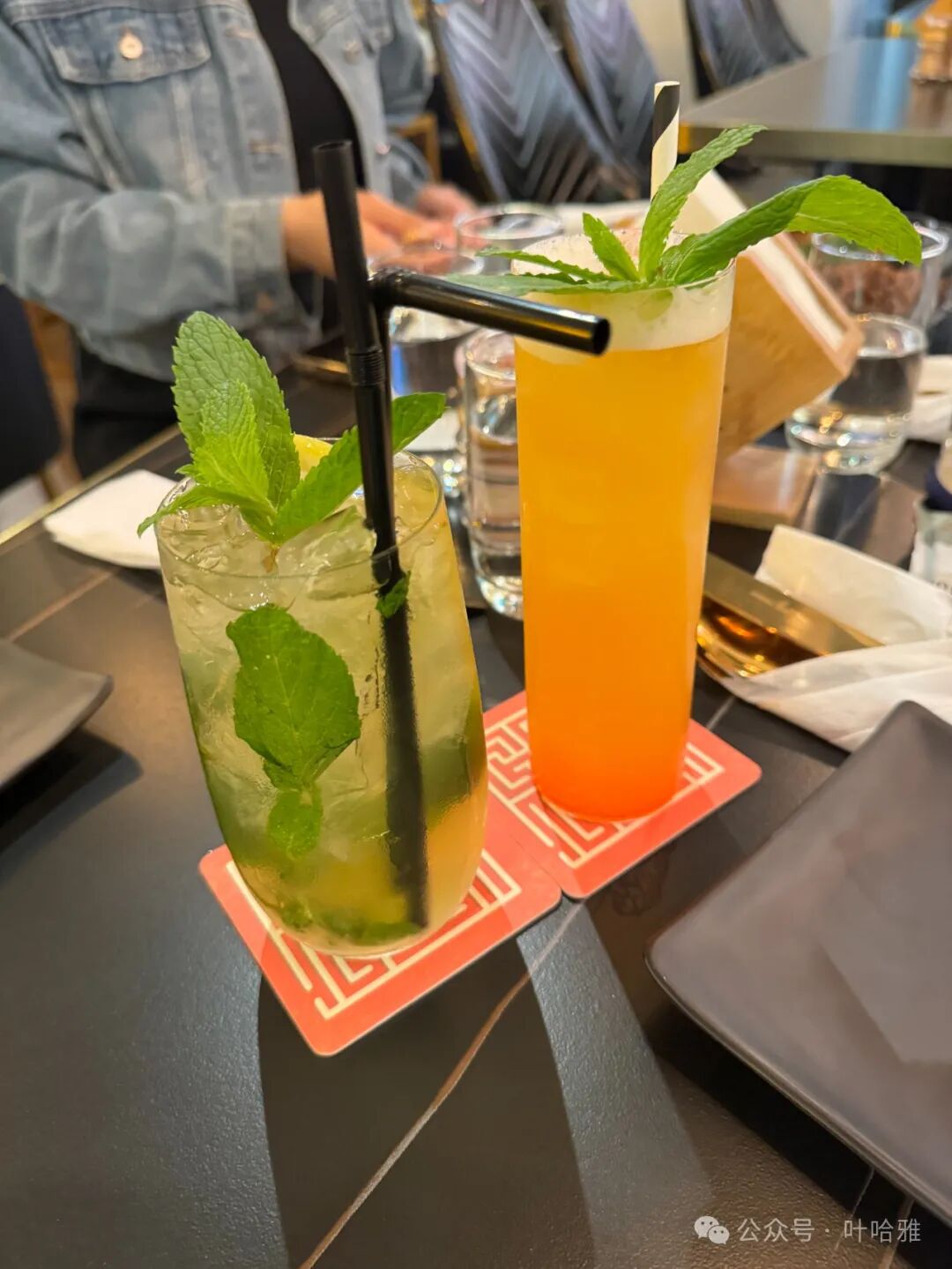
Non-alcoholic mojito and fruit punch
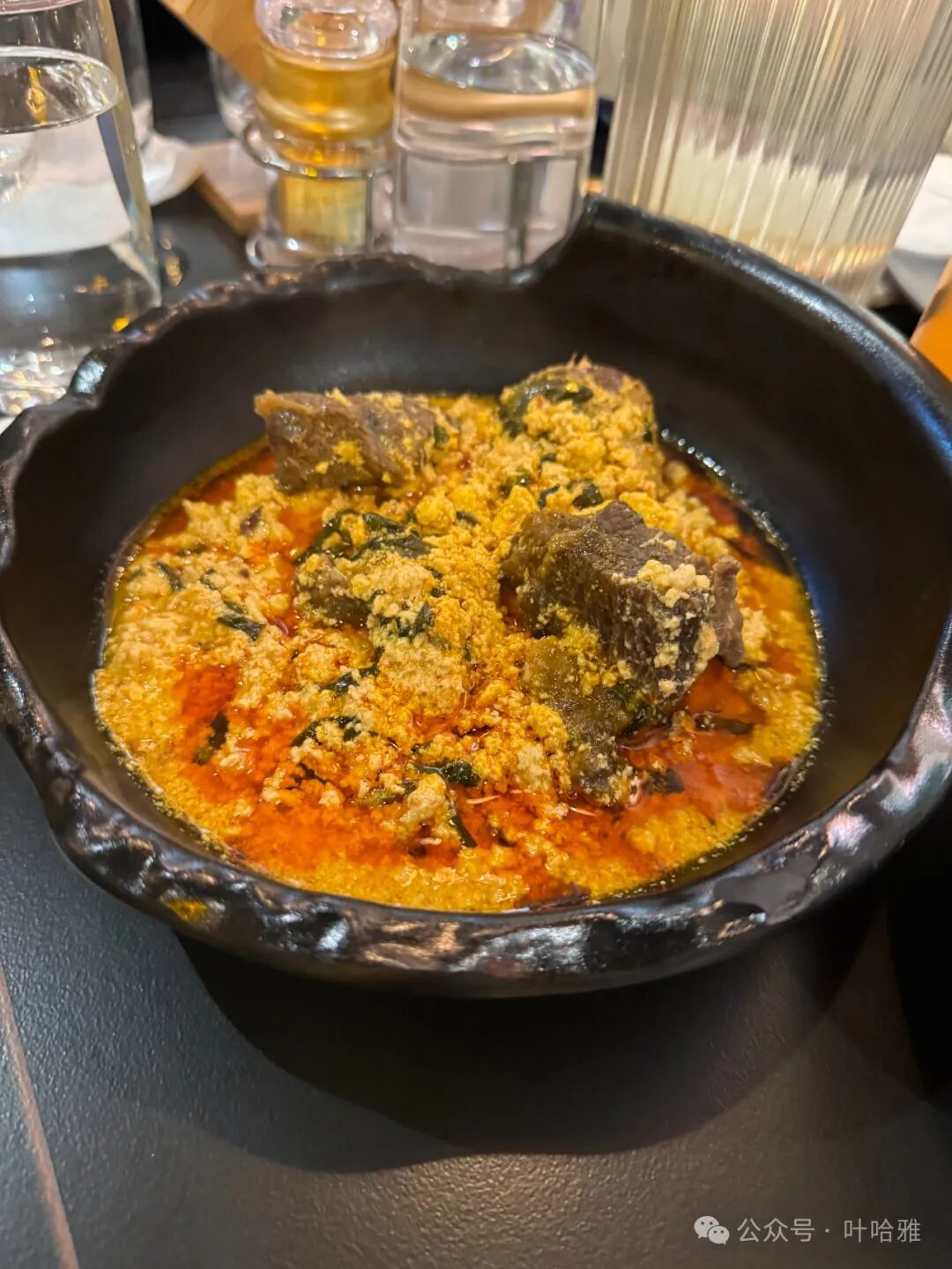
African specialty egusi (egusi)
You eat this dish mixed with the cassava flour paste shown below. Eating the cassava flour paste is just like eating rice cake.
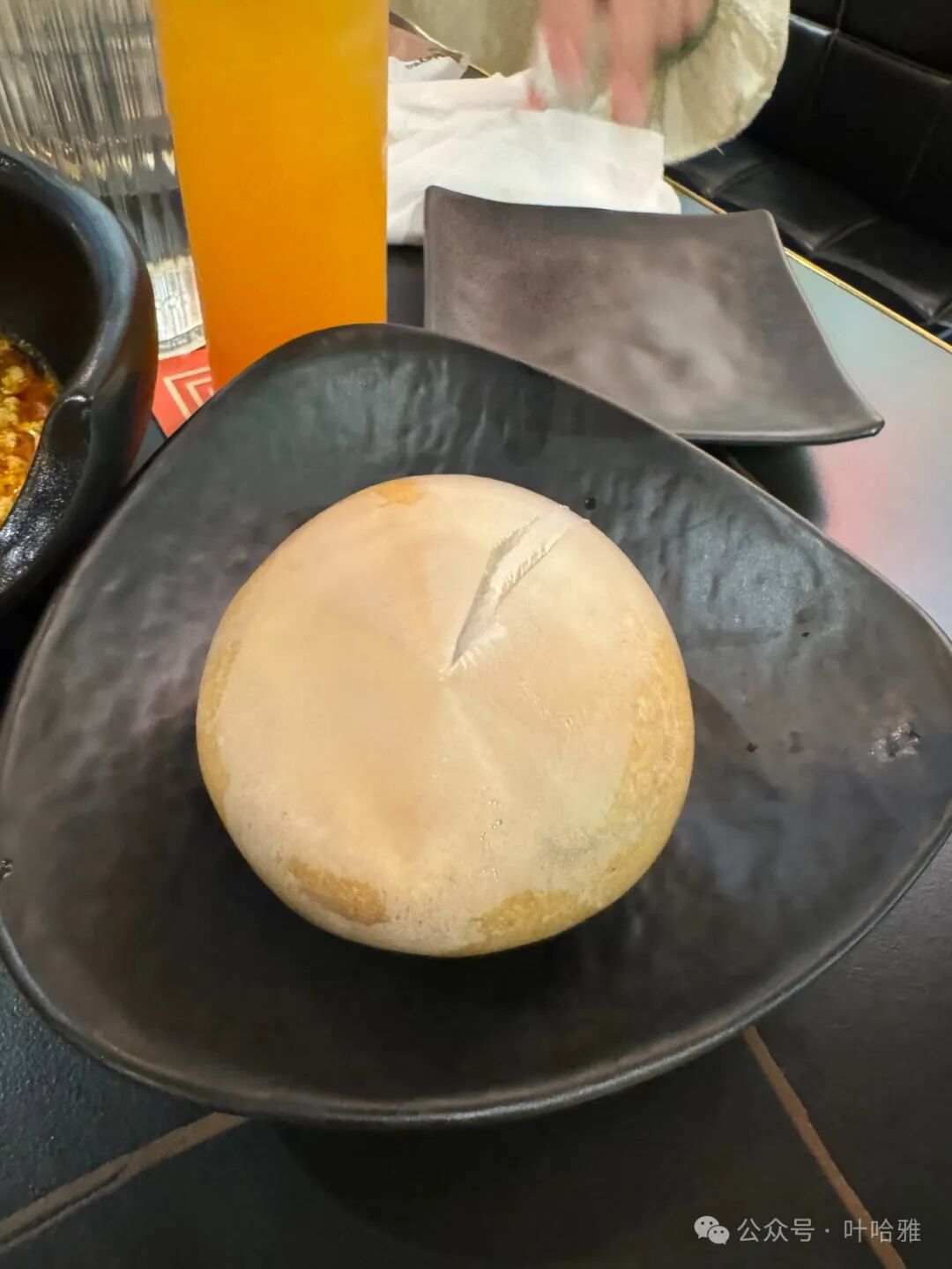
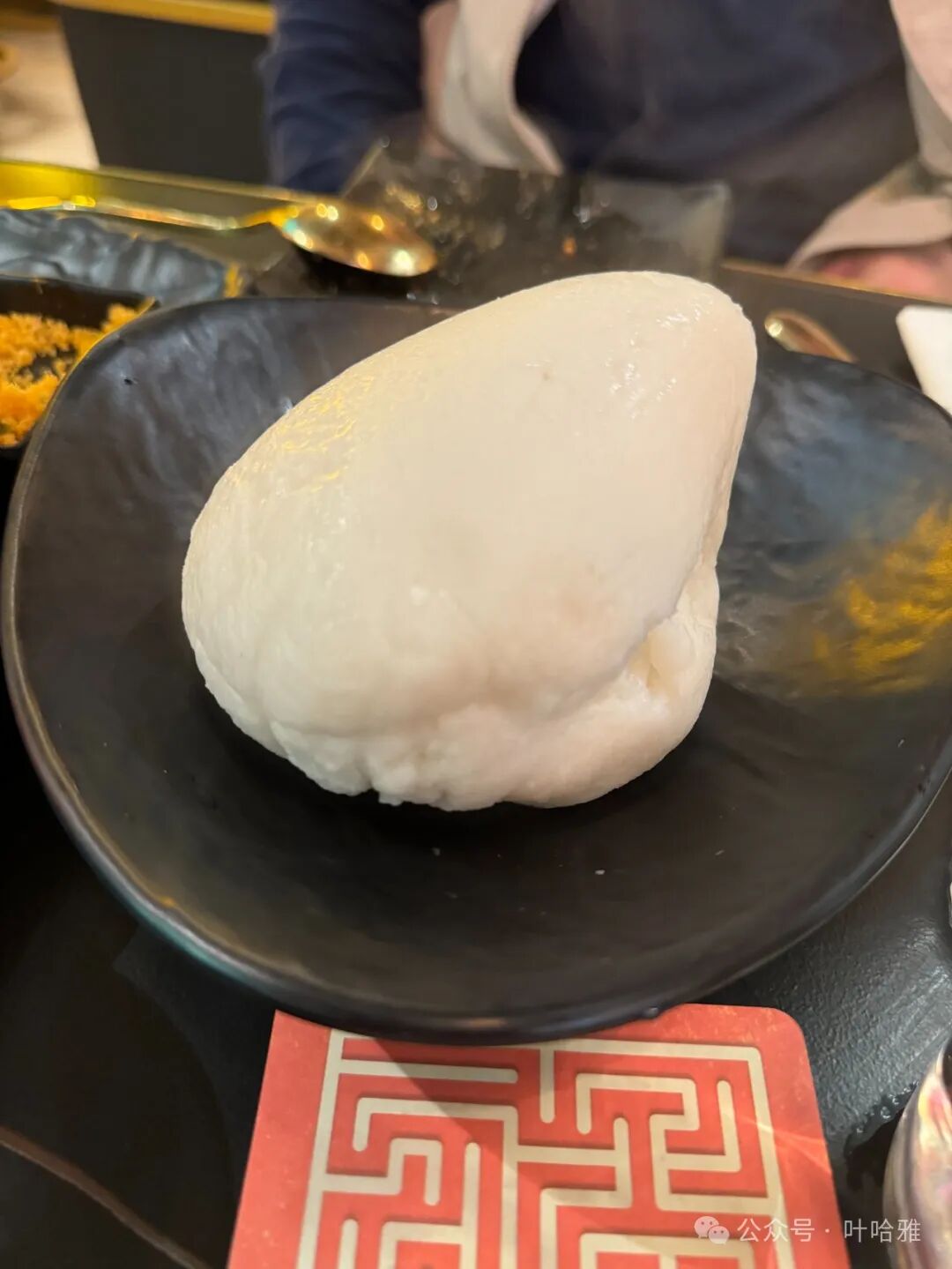
Fufu (fufu)
The white dish is called fufu, which translates to rice flour paste in Chinese. It is a staple food for Ghanaians.
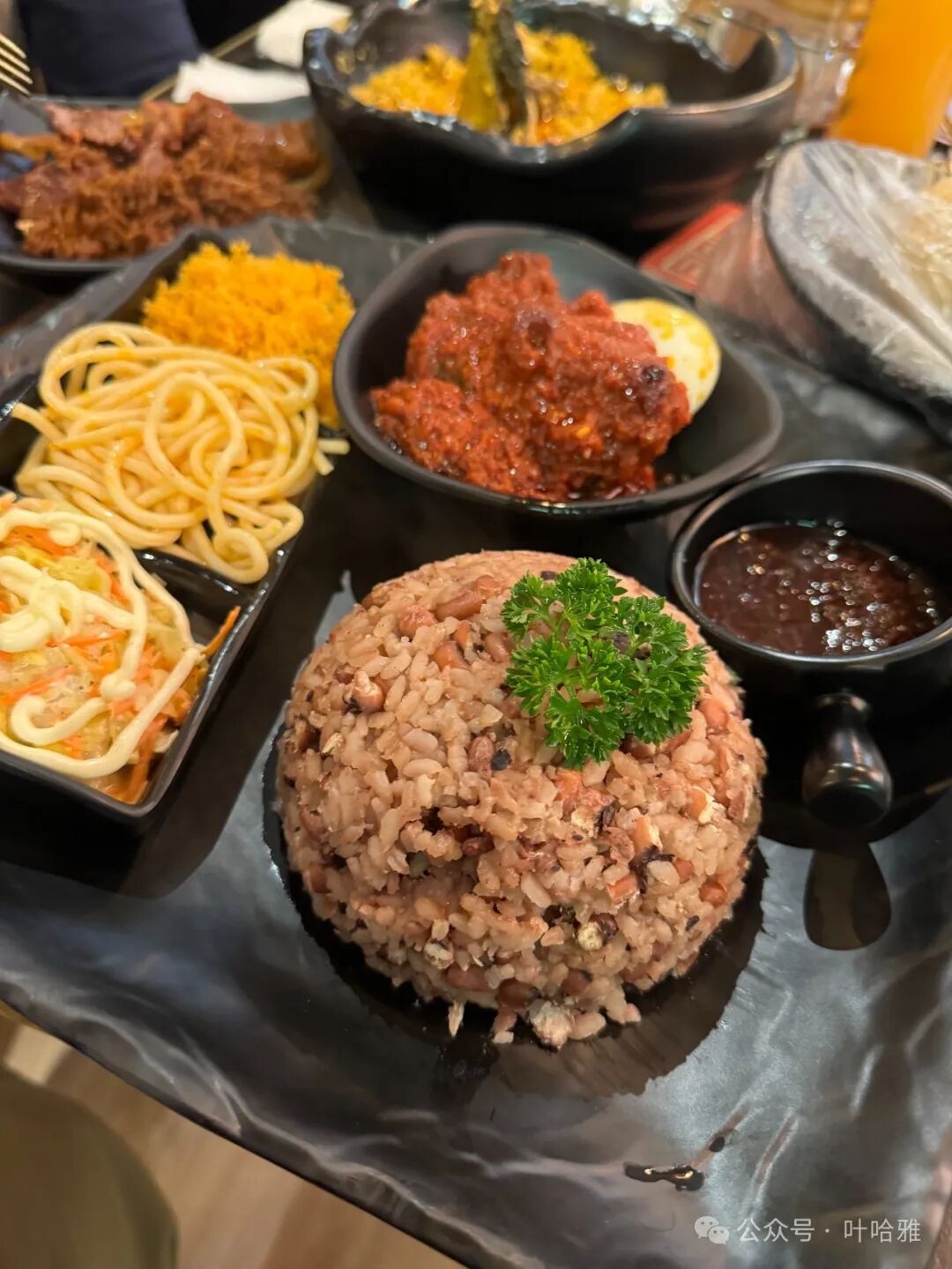
Friday special dish
They have a special dish every day. This Friday special is made with beans and rice, served with some noodles and dipping sauce. It tastes sour, salty, and spicy all at once.
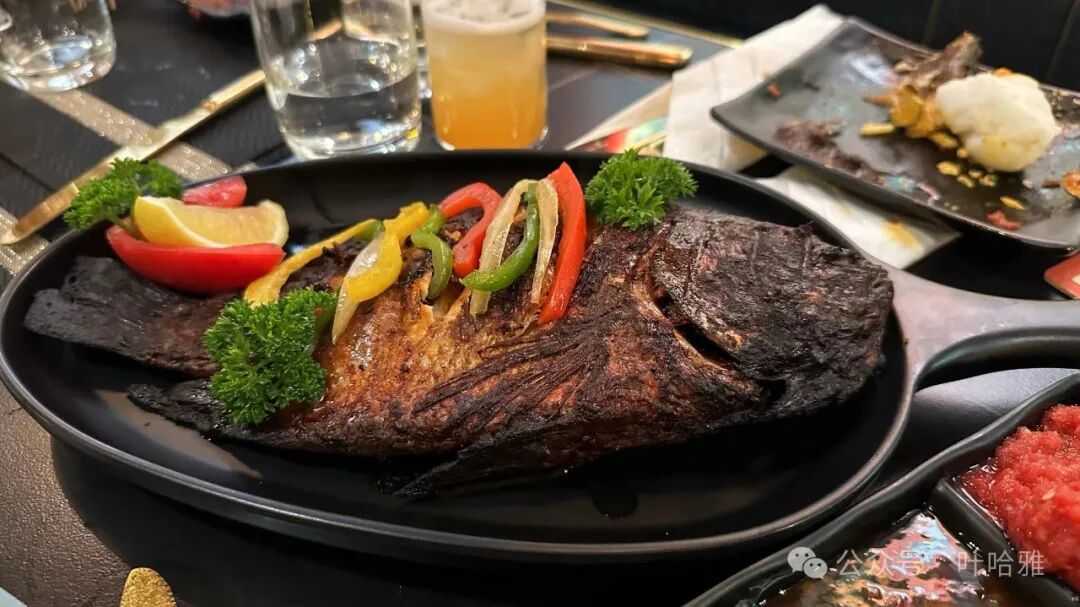
Grilled tilapia
This is an African-style grilled fish. It tastes great. Even though the skin looks charred, the meat inside is white.
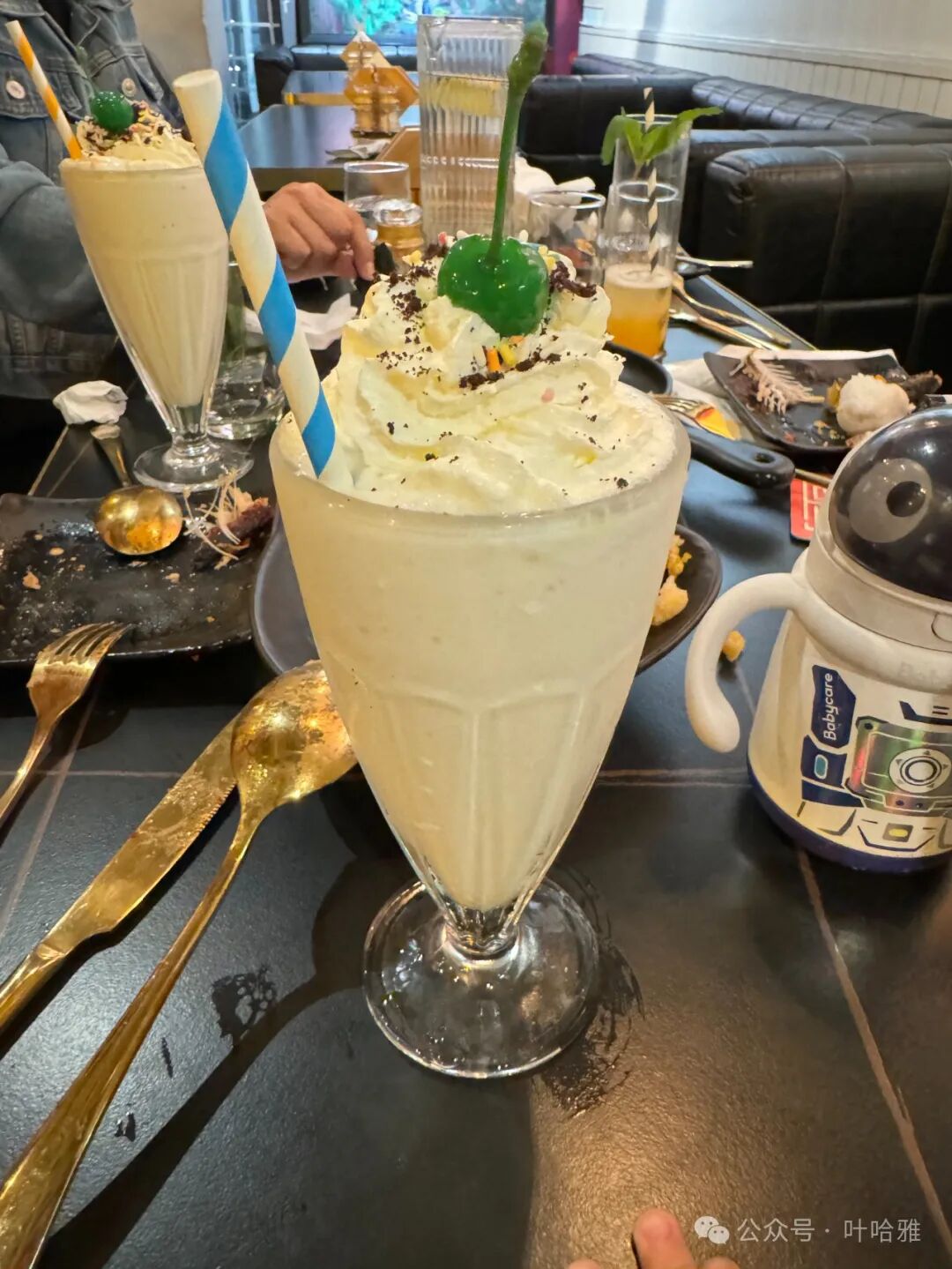
A young lady from Kenya recommended this milkshake to us. It is very creamy and delicious. The whole meal cost 530 yuan for four people, which is 130 yuan per person.
2. Stone Hearth Grill and Tea (Shishangweilu)
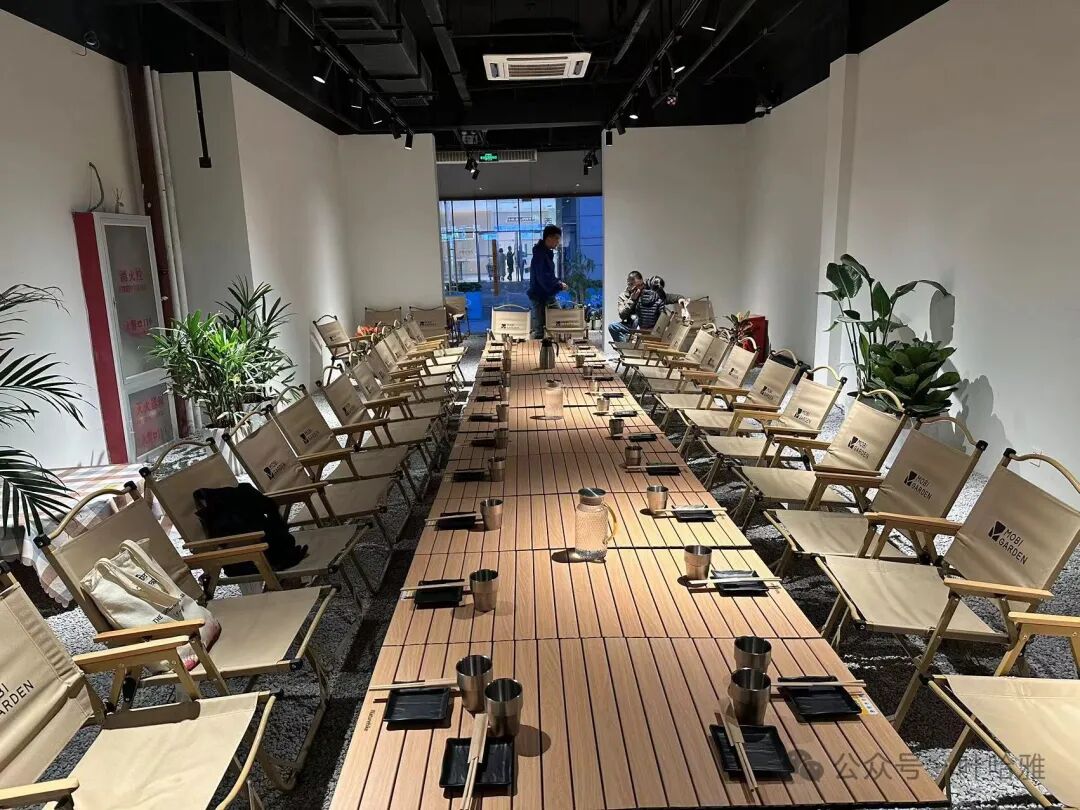
This is a newly opened light meal and coffee shop on the ground floor of the West District of Changying Paradise Walk. The owner is a Hui Muslim from Beijing, and we chose to have a small gathering here for Eid al-Fitr.
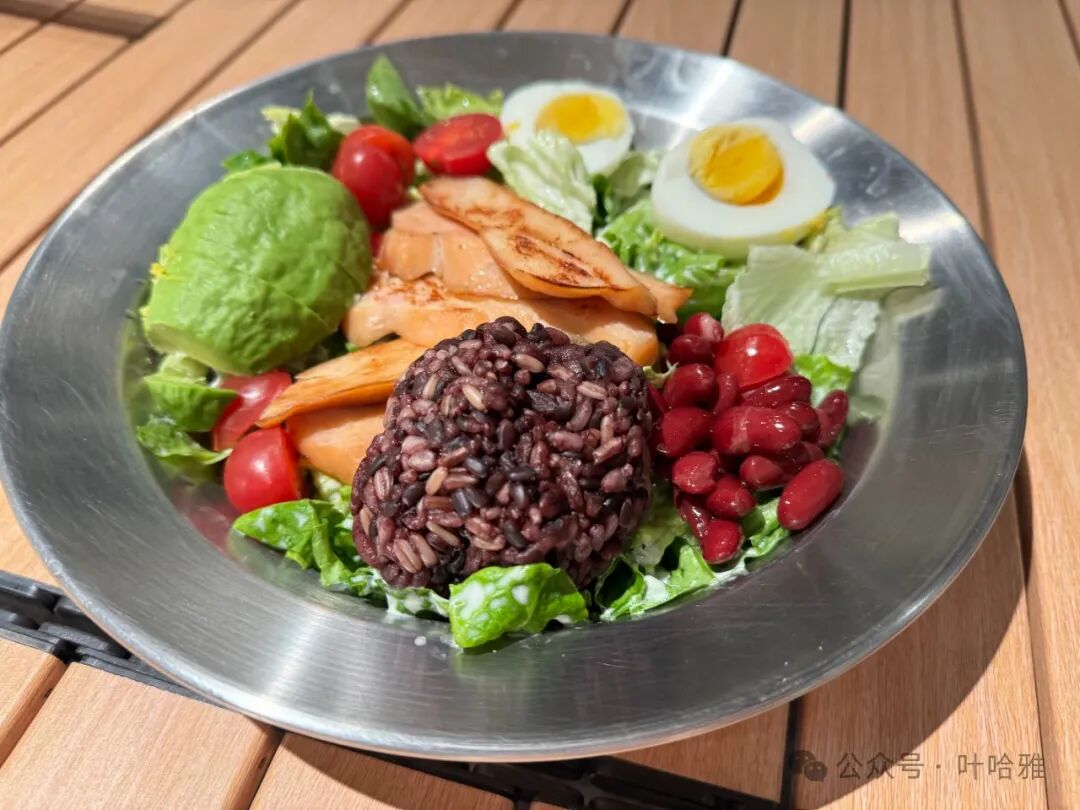
Thirty of us ate every single item on the menu twice.
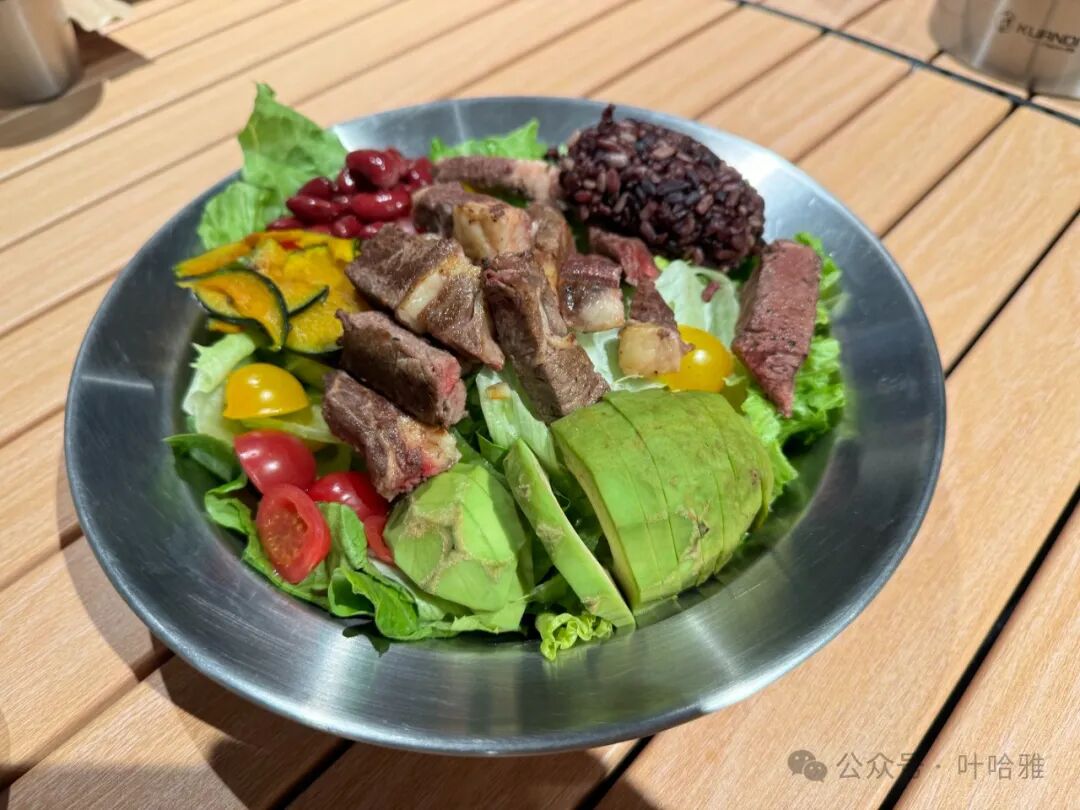
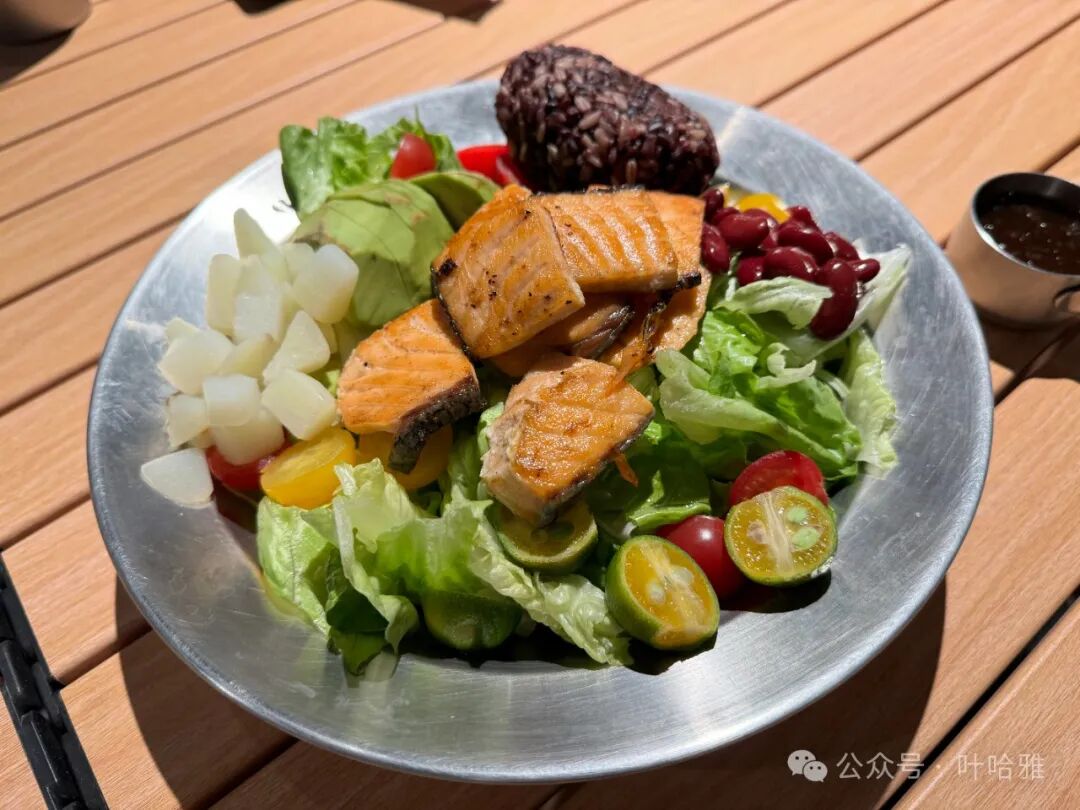
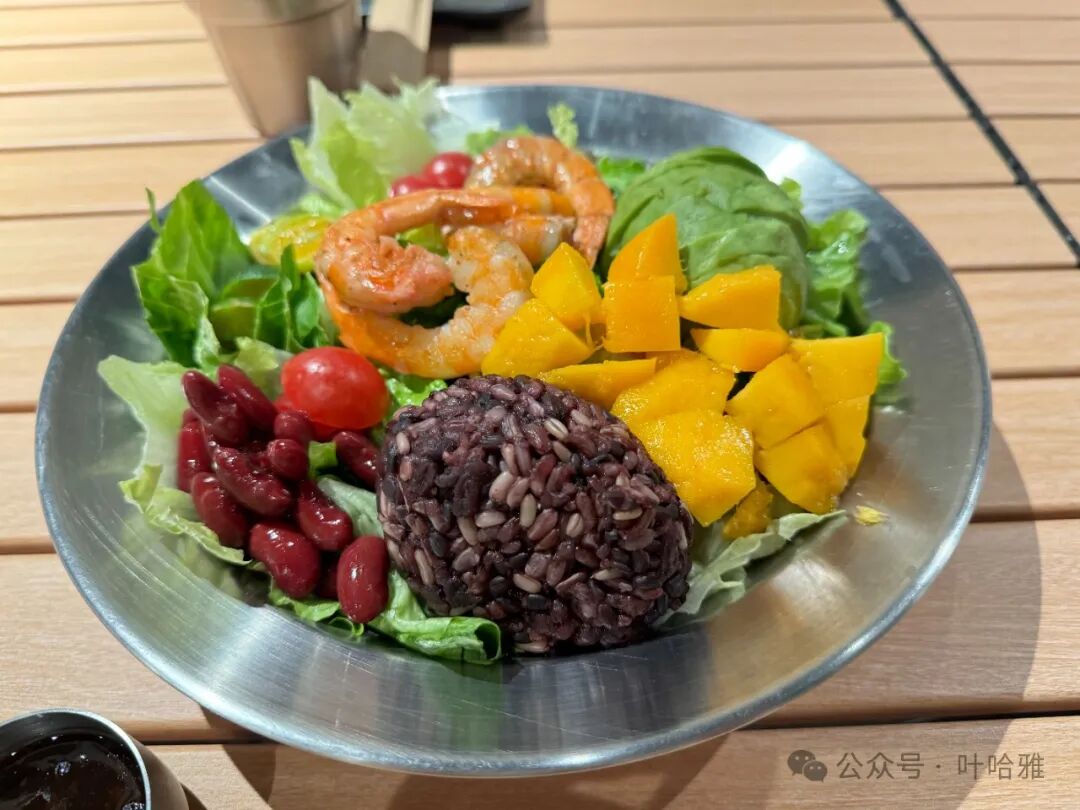
They serve light meals during the day. Besides these pretty salads, they also have burgers and pasta.
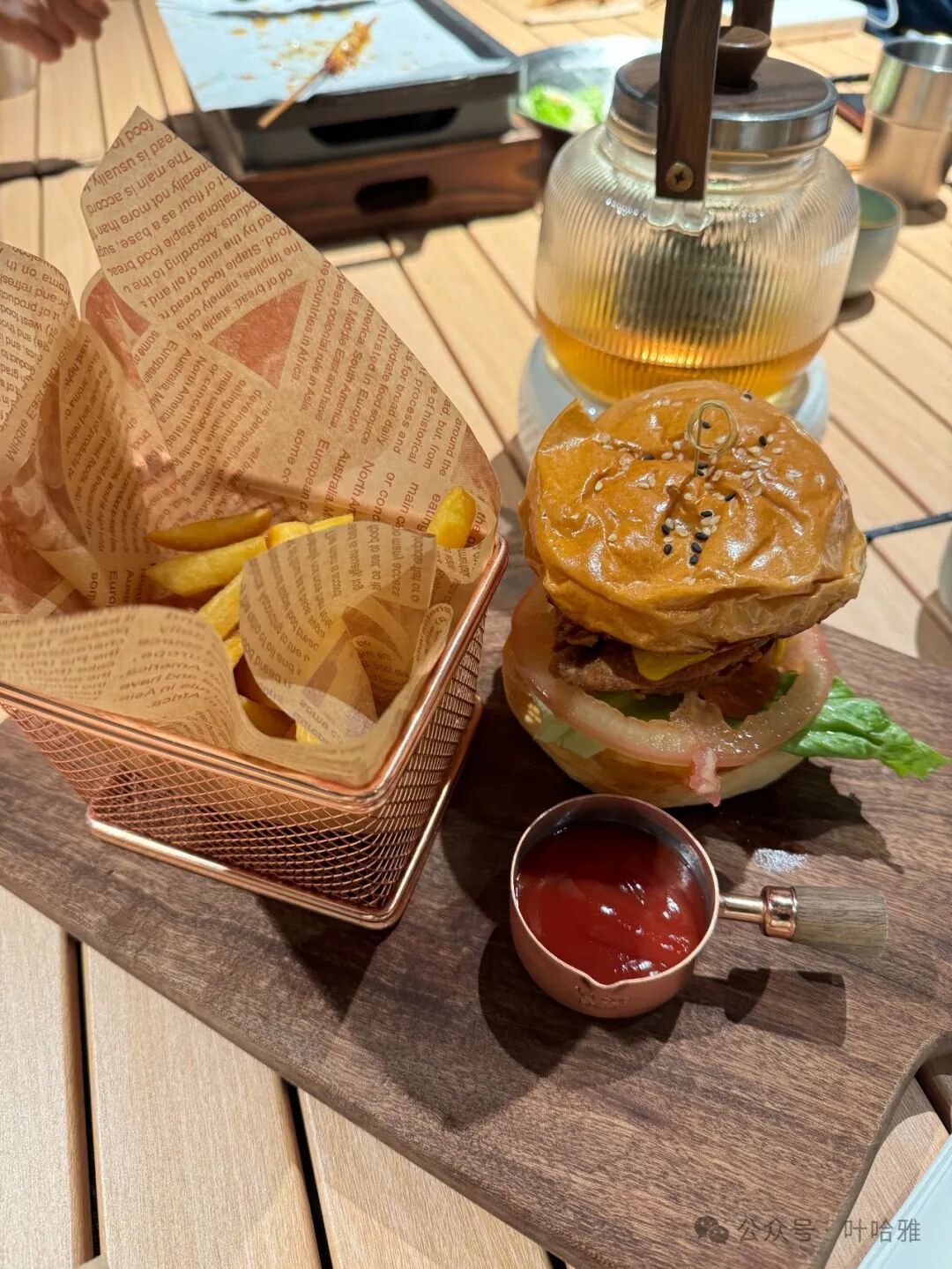
The M3 beef burger uses a patty hand-pressed by the owner, and all the meat is sourced from Li Wei's shop in Changying.
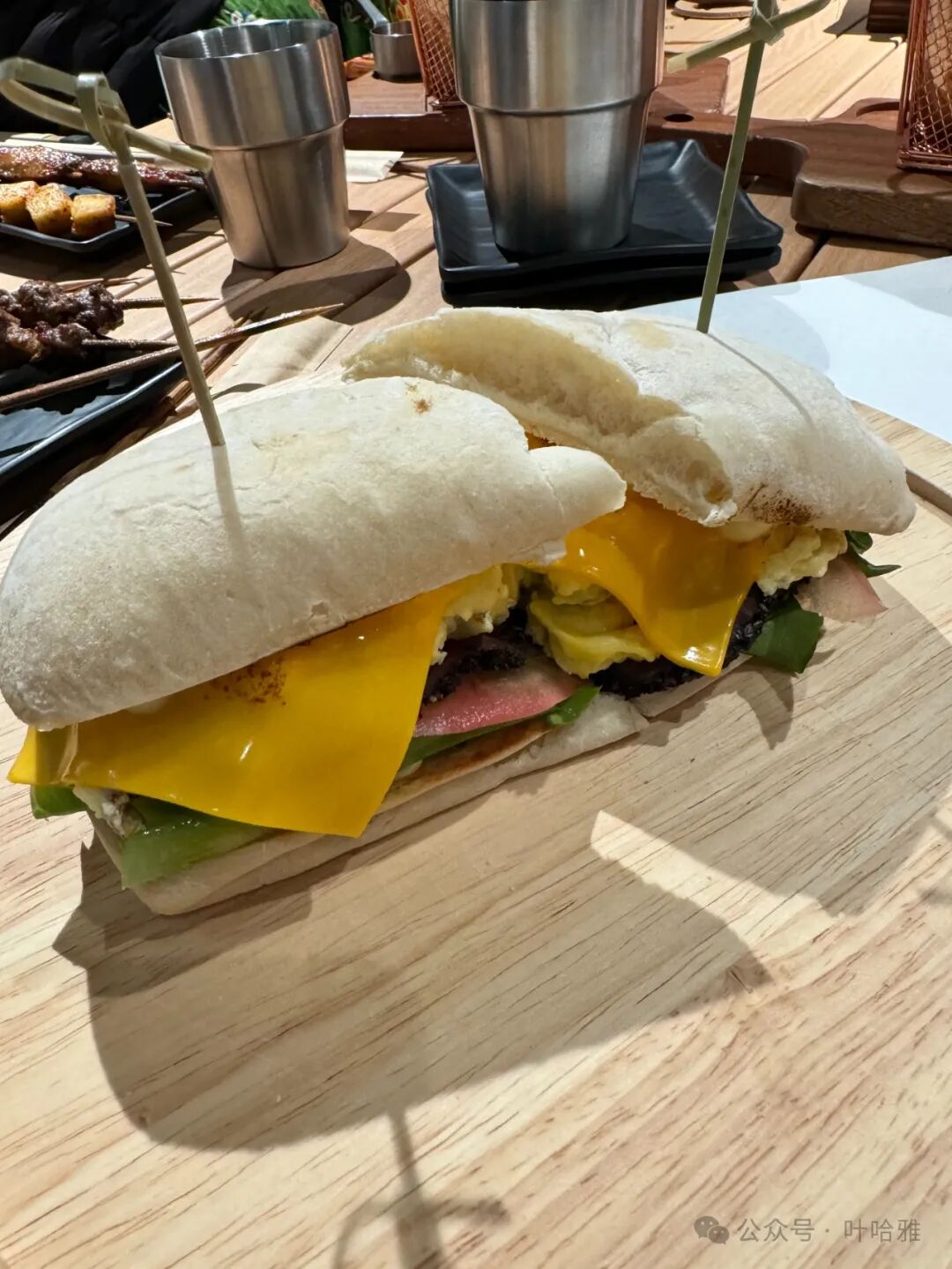
This is an Italian-style sandwich, listed on the menu as a panini.
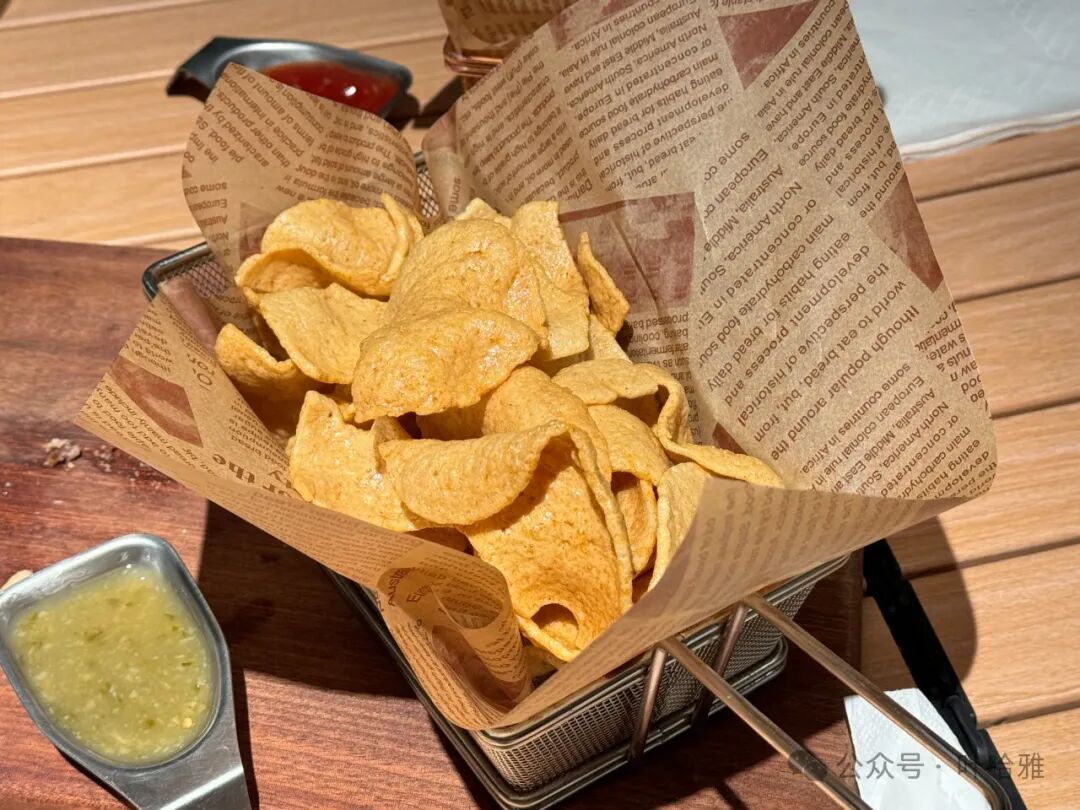
Barbecue is served in the evening. If you want a simple Western-style meal at night, you can call ahead to book. Everyone gave the simple meals and barbecue great reviews. The average cost per person is about 130 yuan.
3. Ma Bei'er Bistro
Ma Bei'er is a new brand started by the original management team of Jubao Yuan after they split up. Next to the main Ma Bei'er hot pot (shuanrou) restaurant on Nanheng West Street, there is also a small Ma Bei'er bistro that specializes in Beijing-style stir-fry dishes.
This stir-fry bistro is just as busy as the hot pot restaurant. We tried a few signature dishes and had a good experience. Everything was delicious and worth recommending. The average cost per person is about 100 yuan.
Stir-fried mixed vegetables (chaohecai)
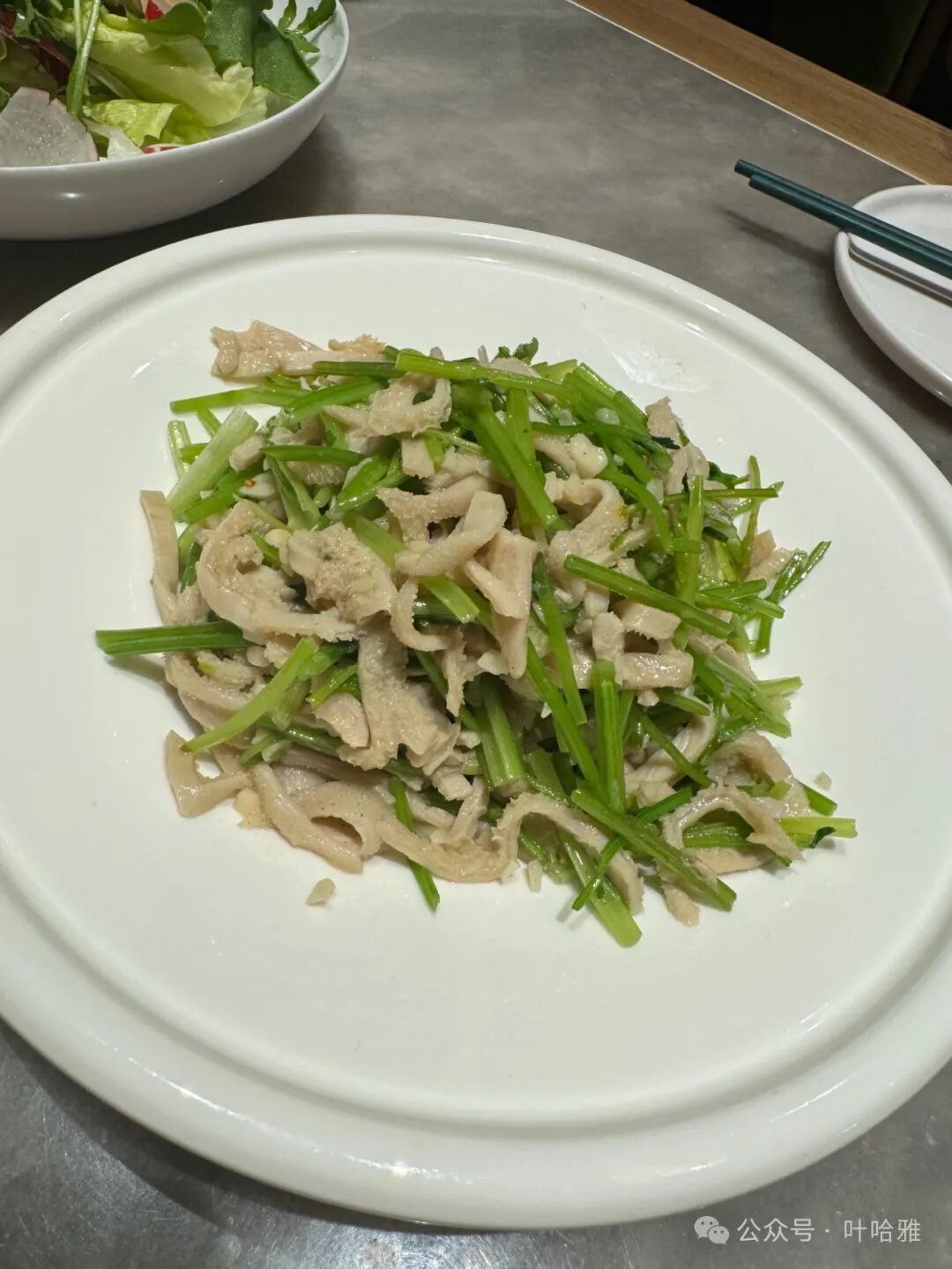
Quick-fried beef tripe with coriander (yanbaosandan)
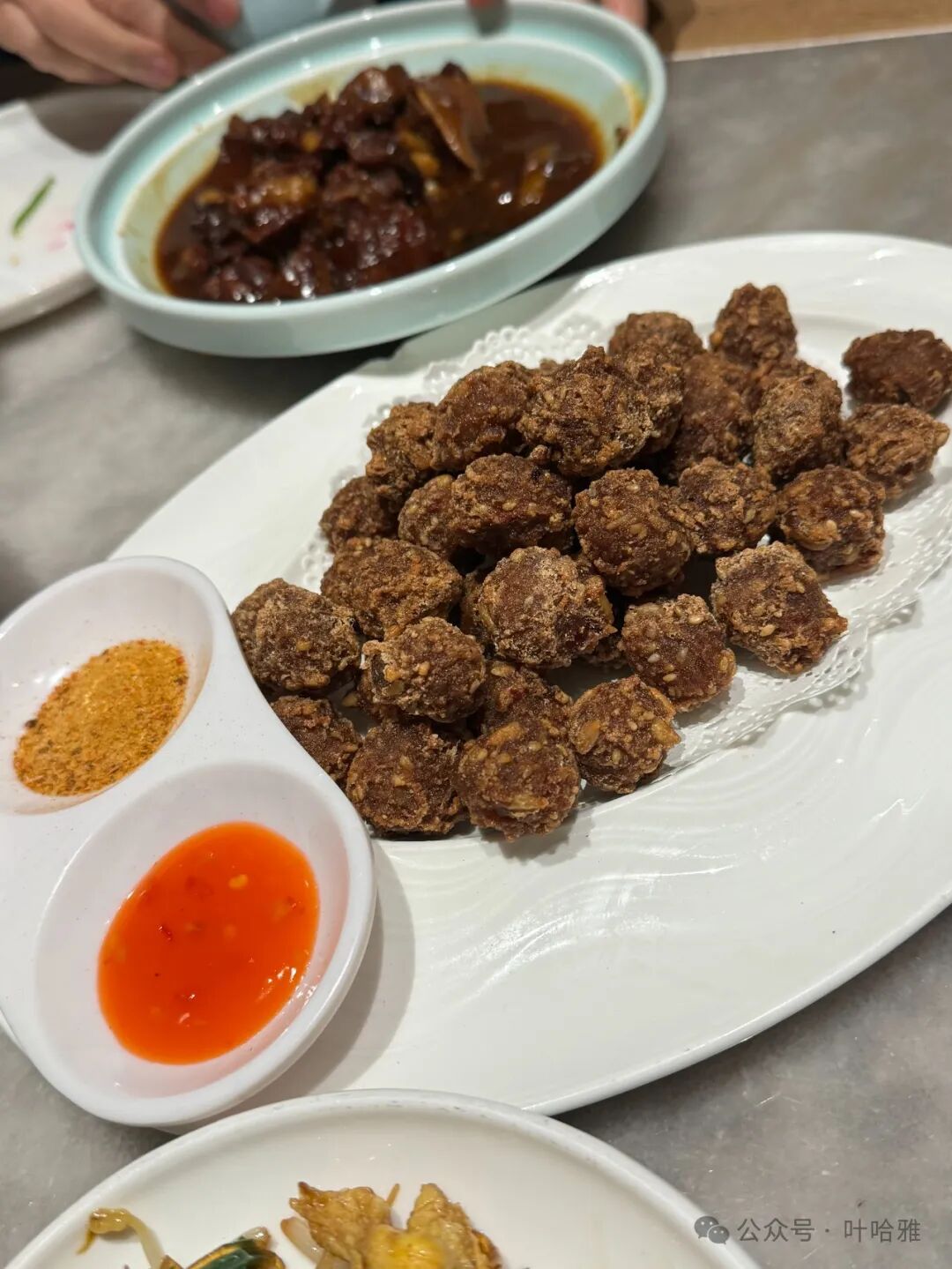
Deep-fried meatballs (ganzhawanzi)
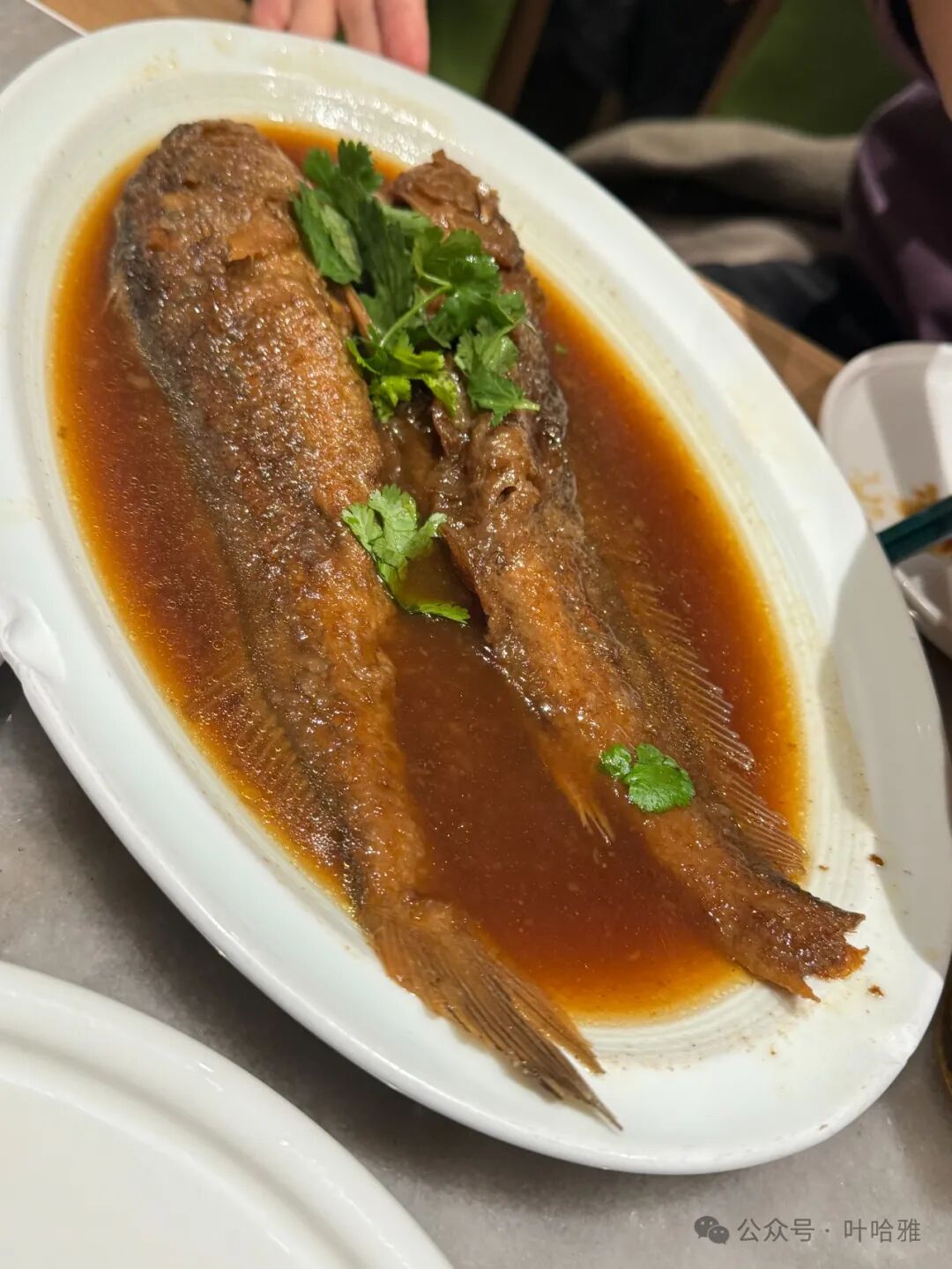
Braised yellow croaker in northern style (kuadunhuangyu)
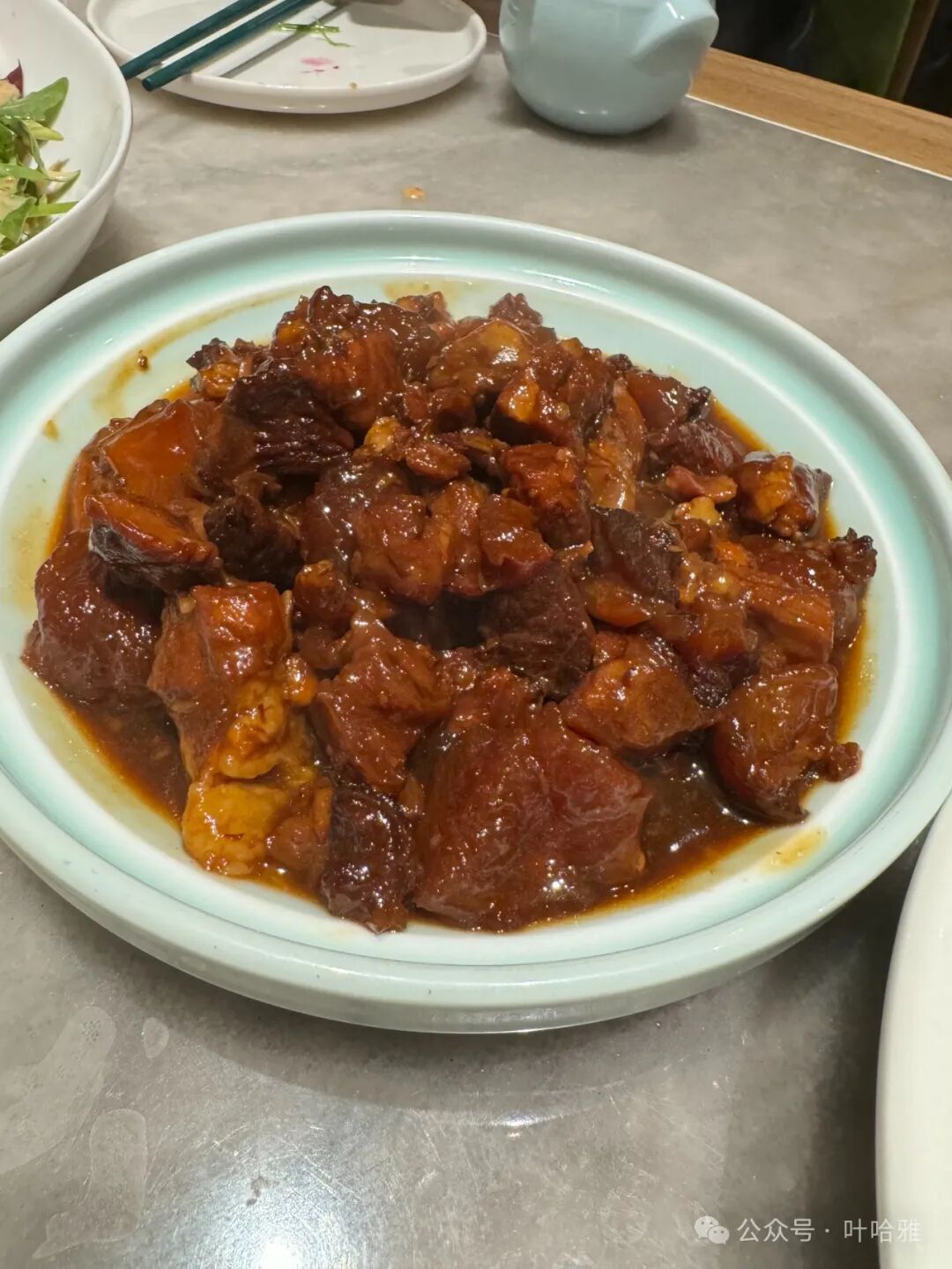
Slow-cooked beef (weiniurou)
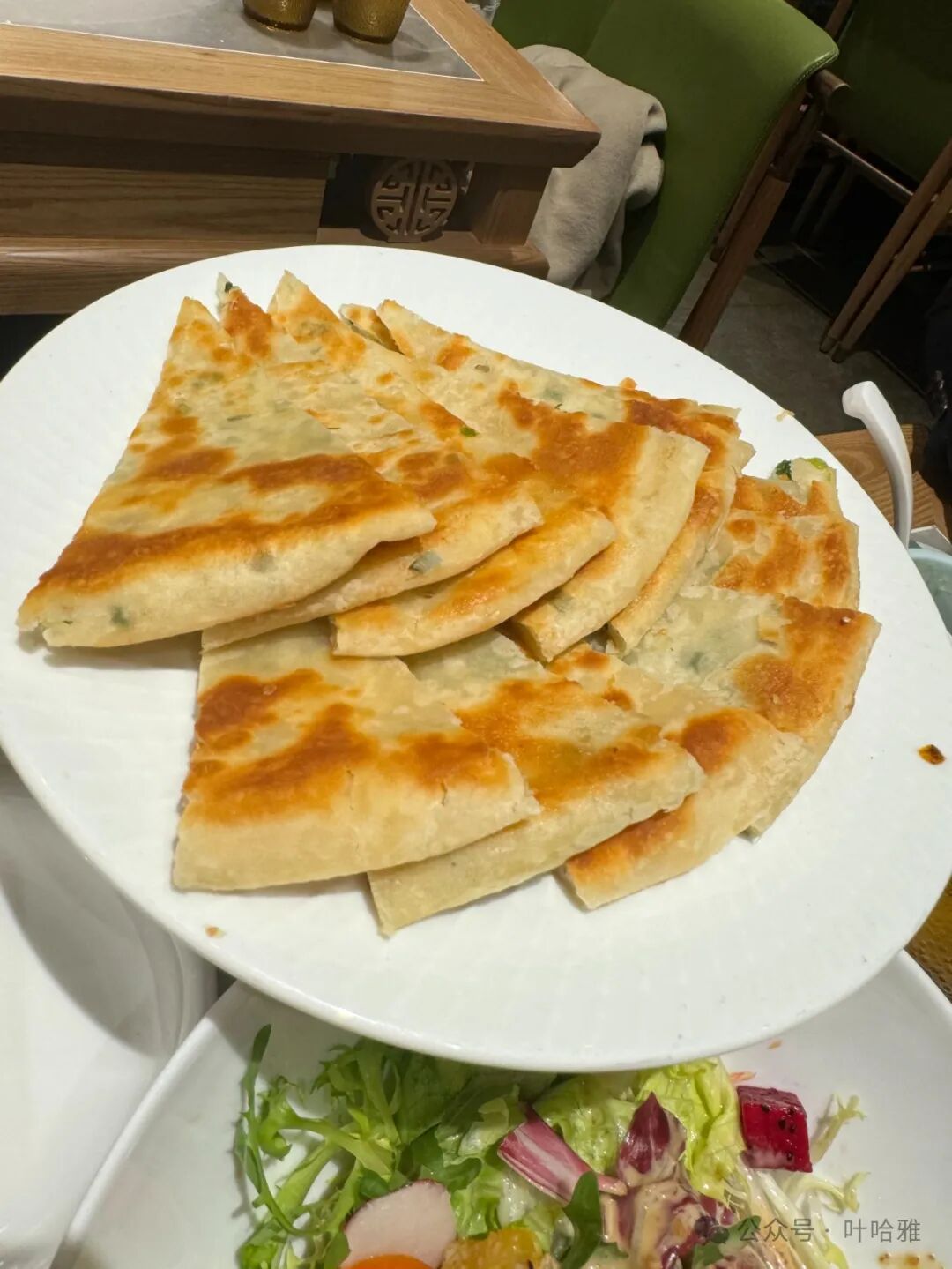
Scallion pancake (conghuabing)
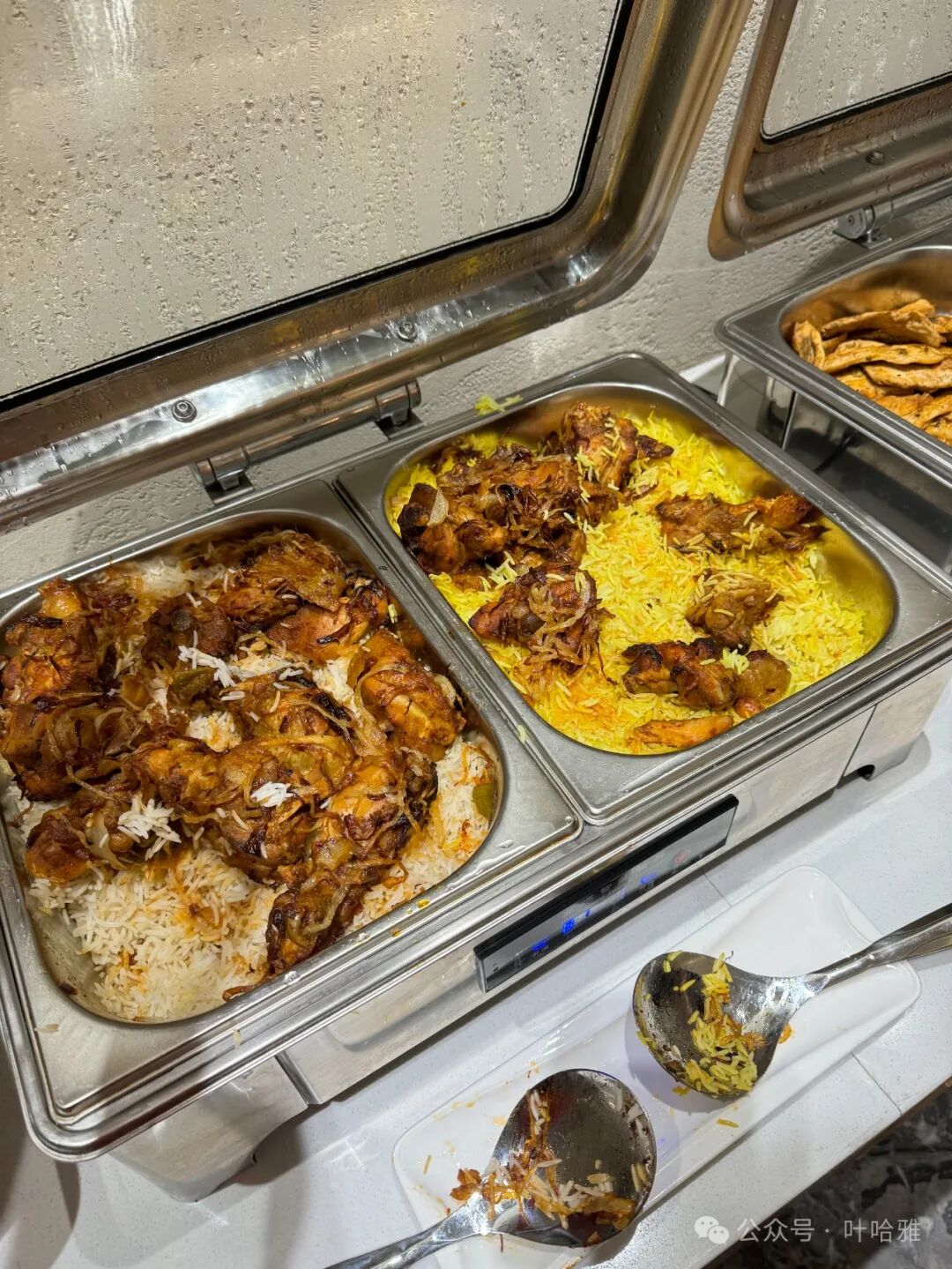
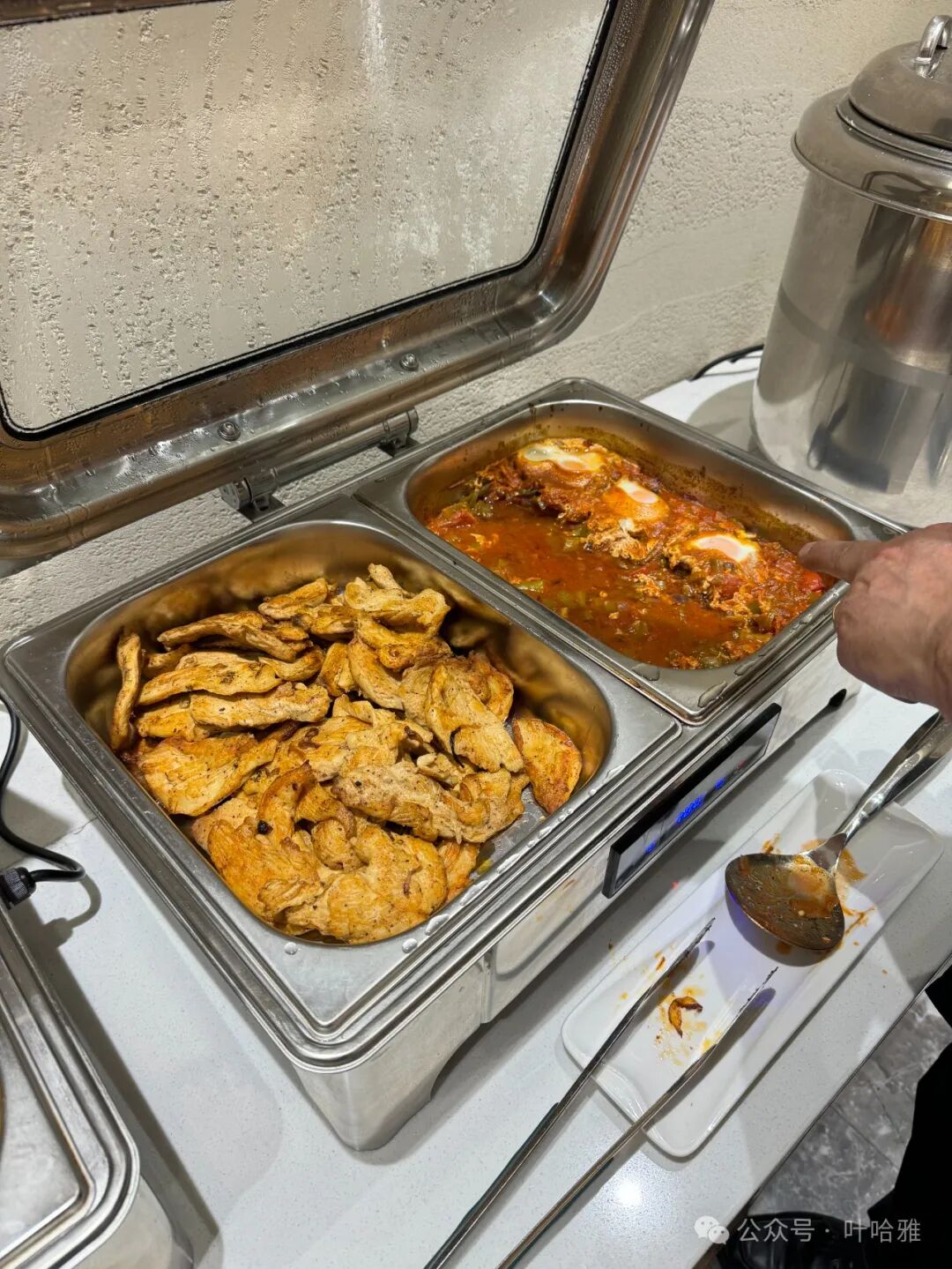
4. Carthage Restaurant
This is a Tunisian restaurant. It is owned by the same people as La Medina Tunisian restaurant in Sanlitun. You can find it on the first floor of the Atour X Hotel in Sanlitun.
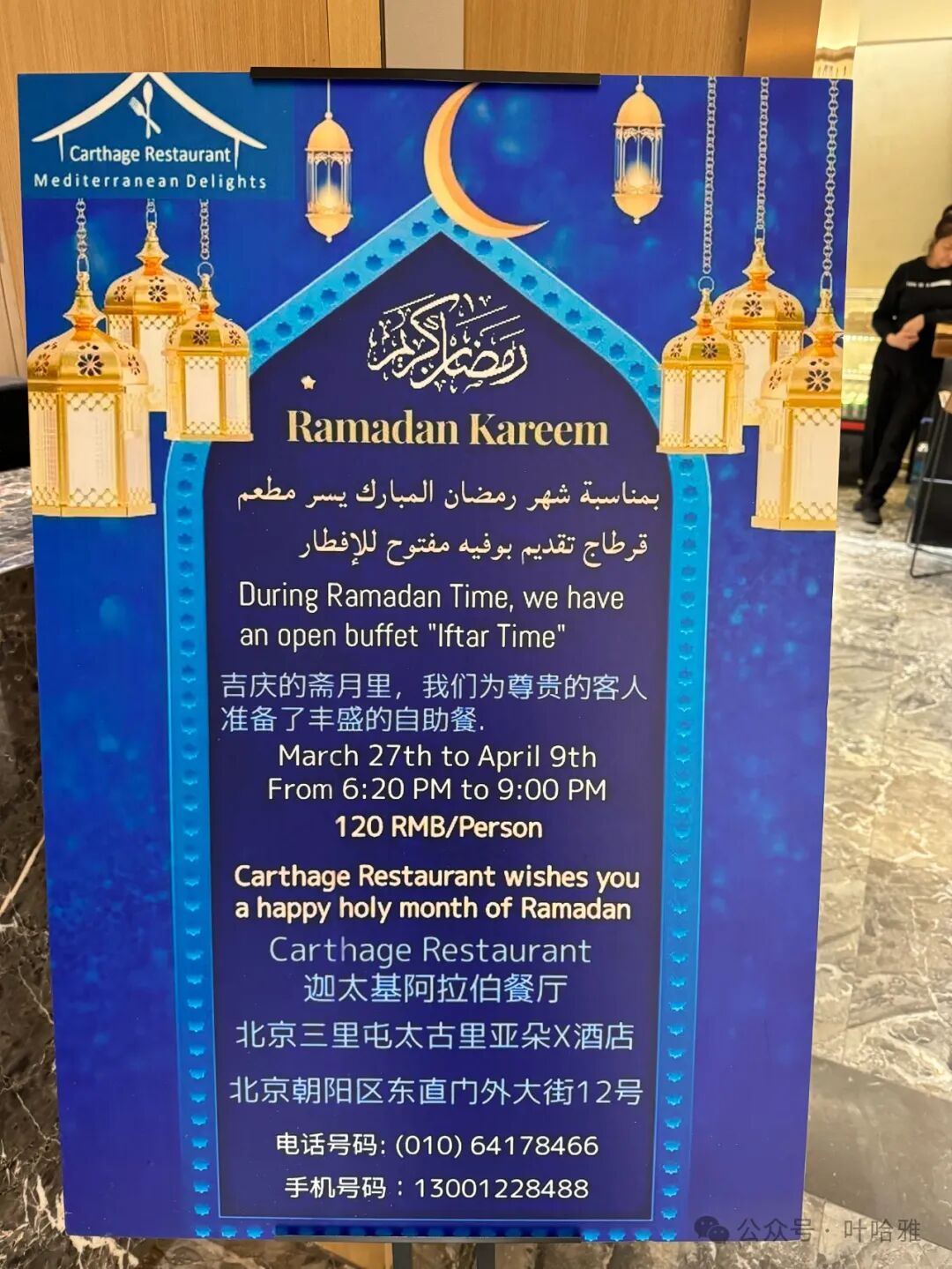
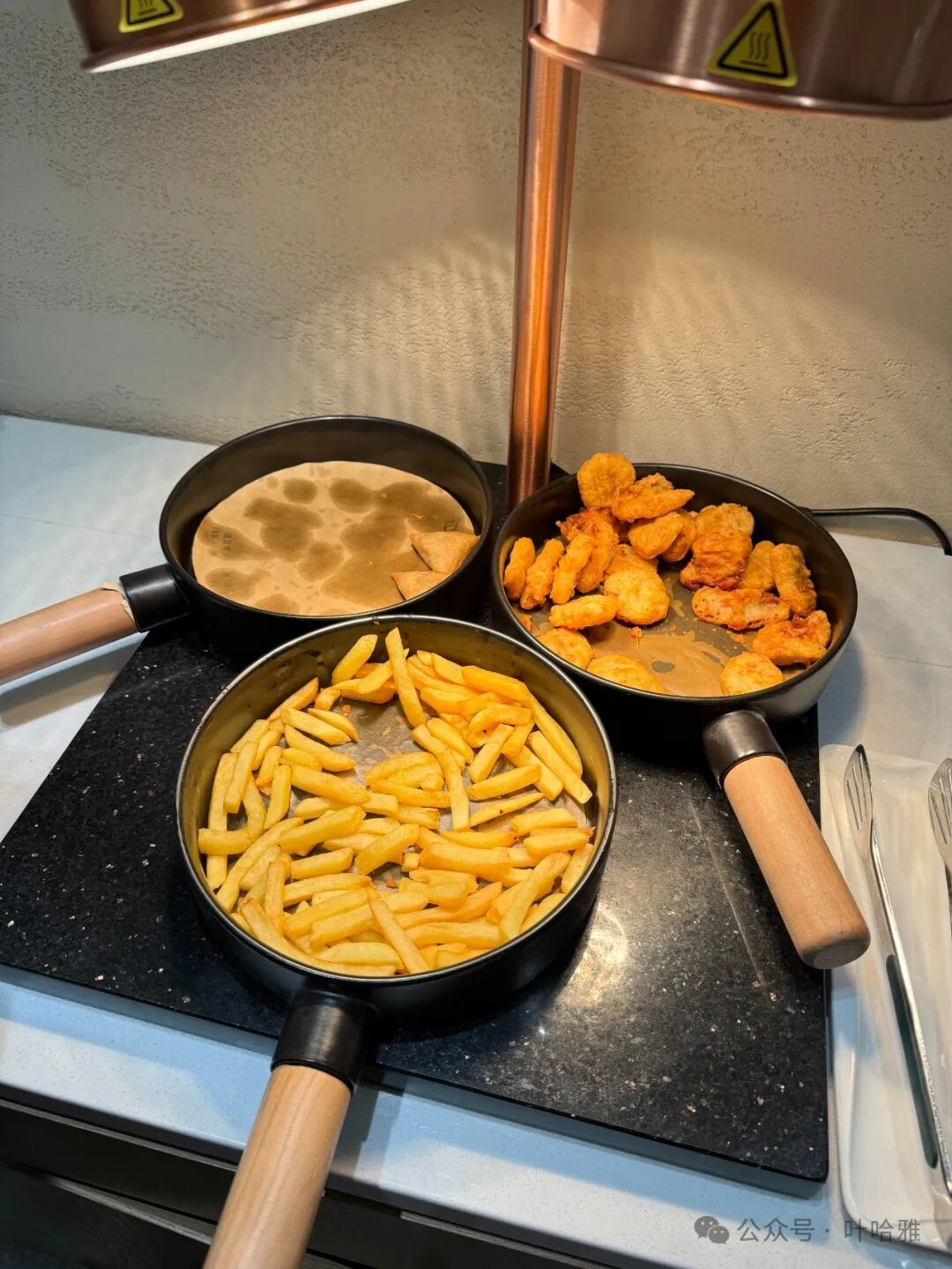
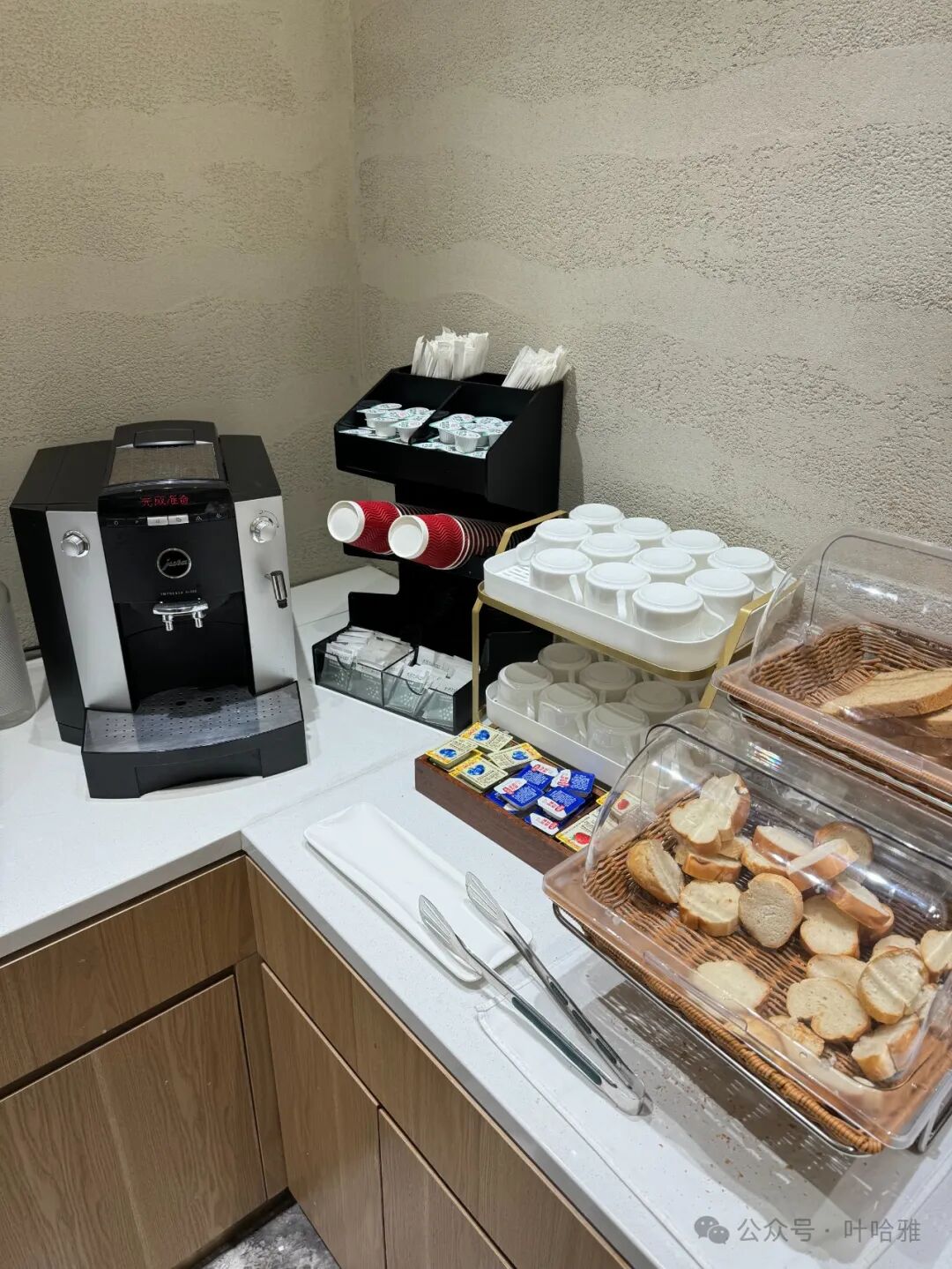
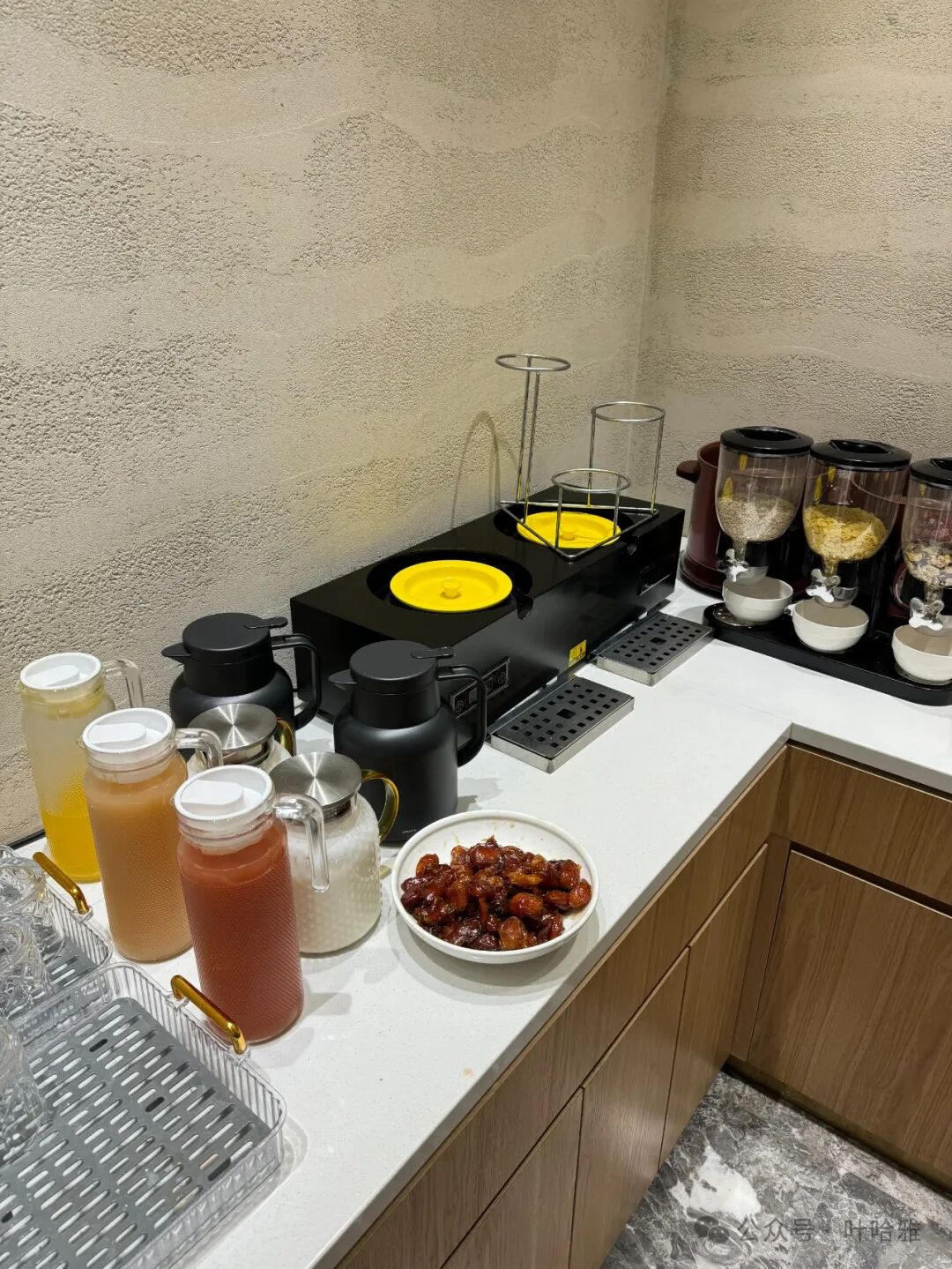
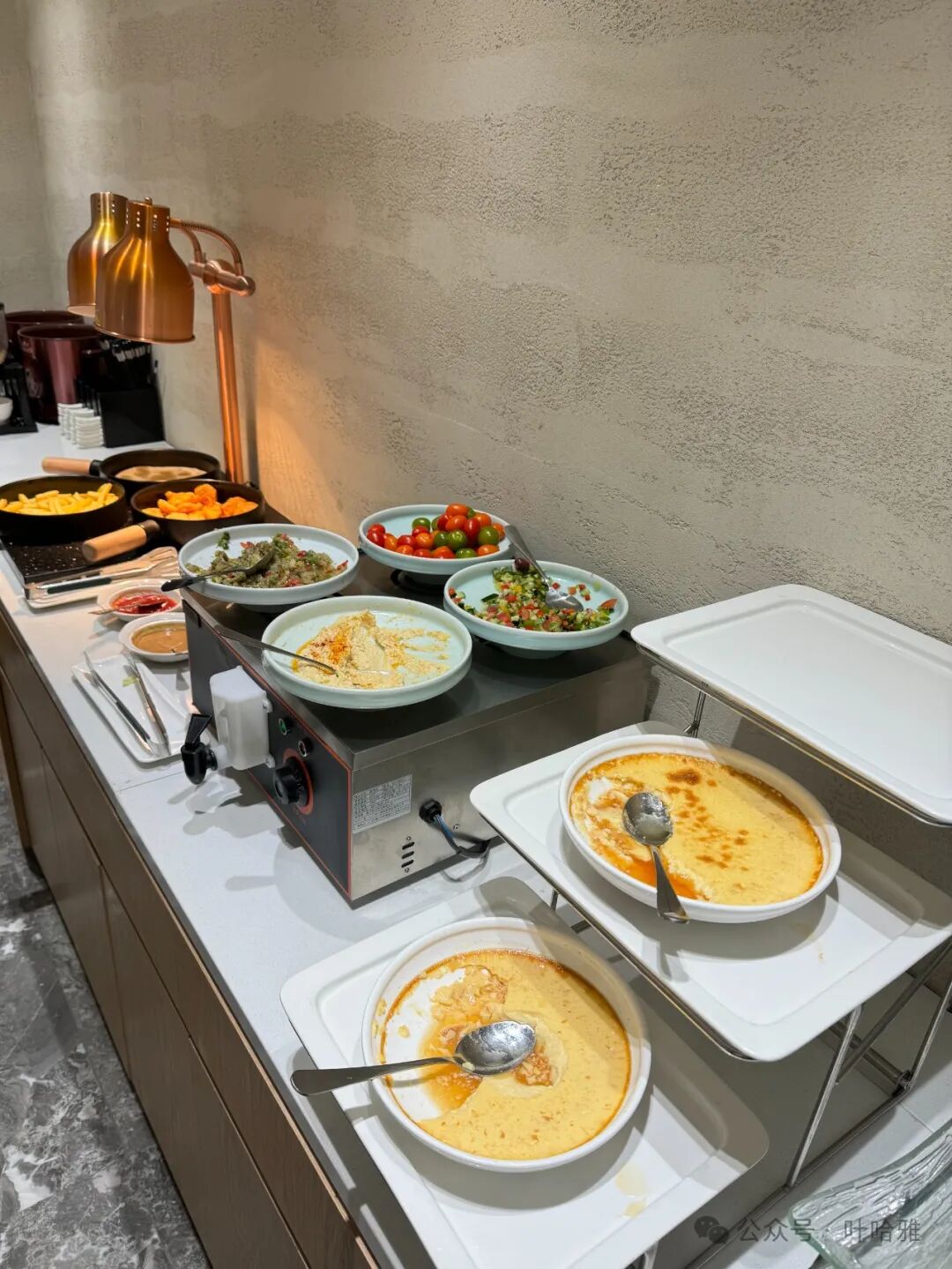
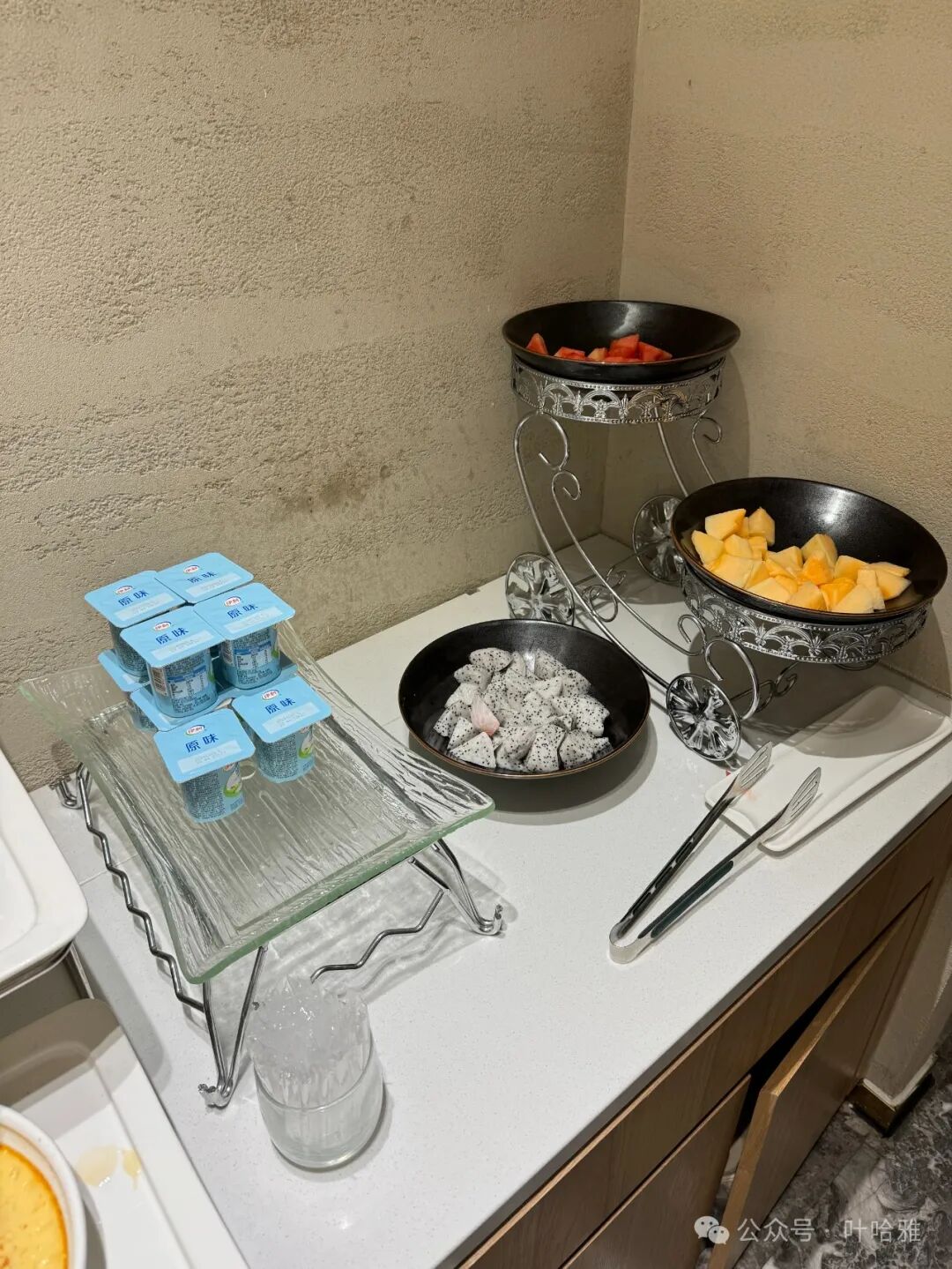
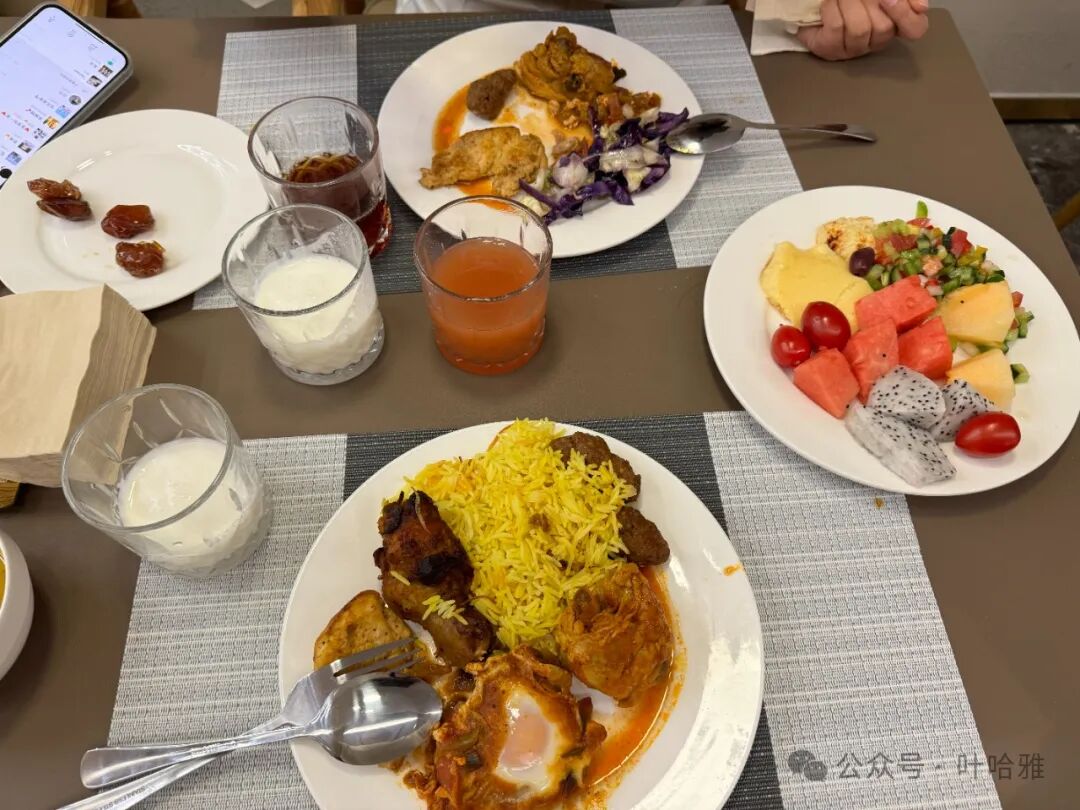
During Ramadan, they offer an iftar buffet for 120 yuan per person. It includes all the signature dishes you would expect, plus drinks and desserts.
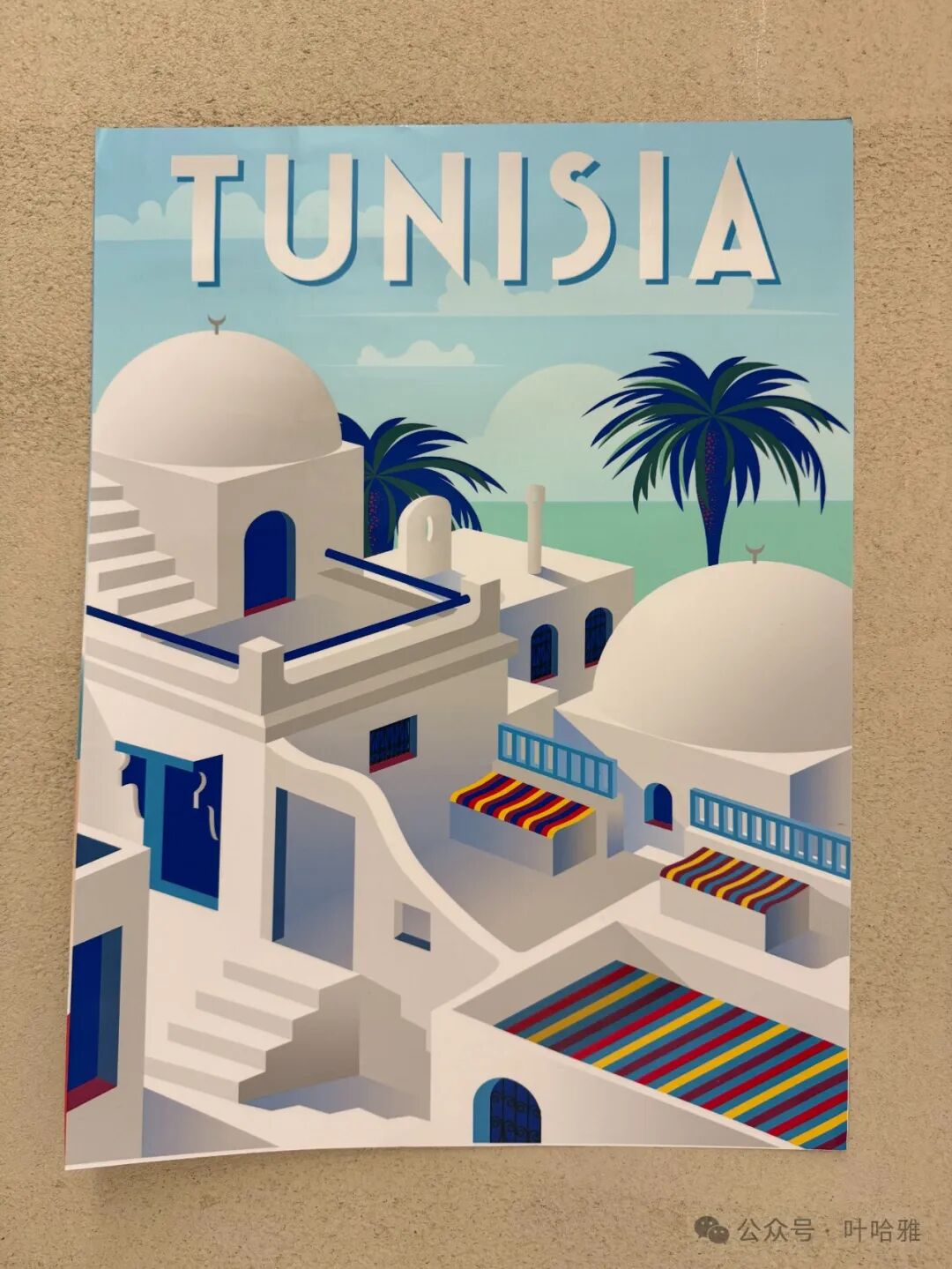
Tunisia is a North African country. Its food habits are a bit different from West Africa, and North African flavors are usually easier for most people to enjoy.
5. Fan Manyu Tomato Beef Flatbread (Paobing)
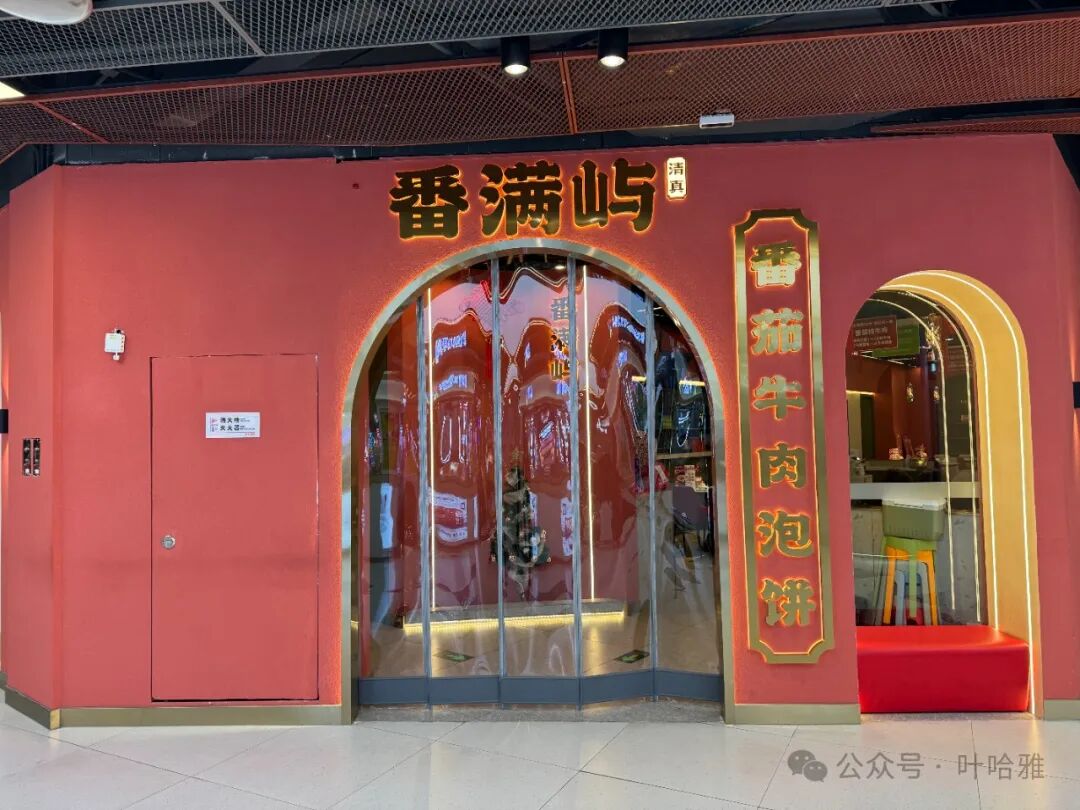
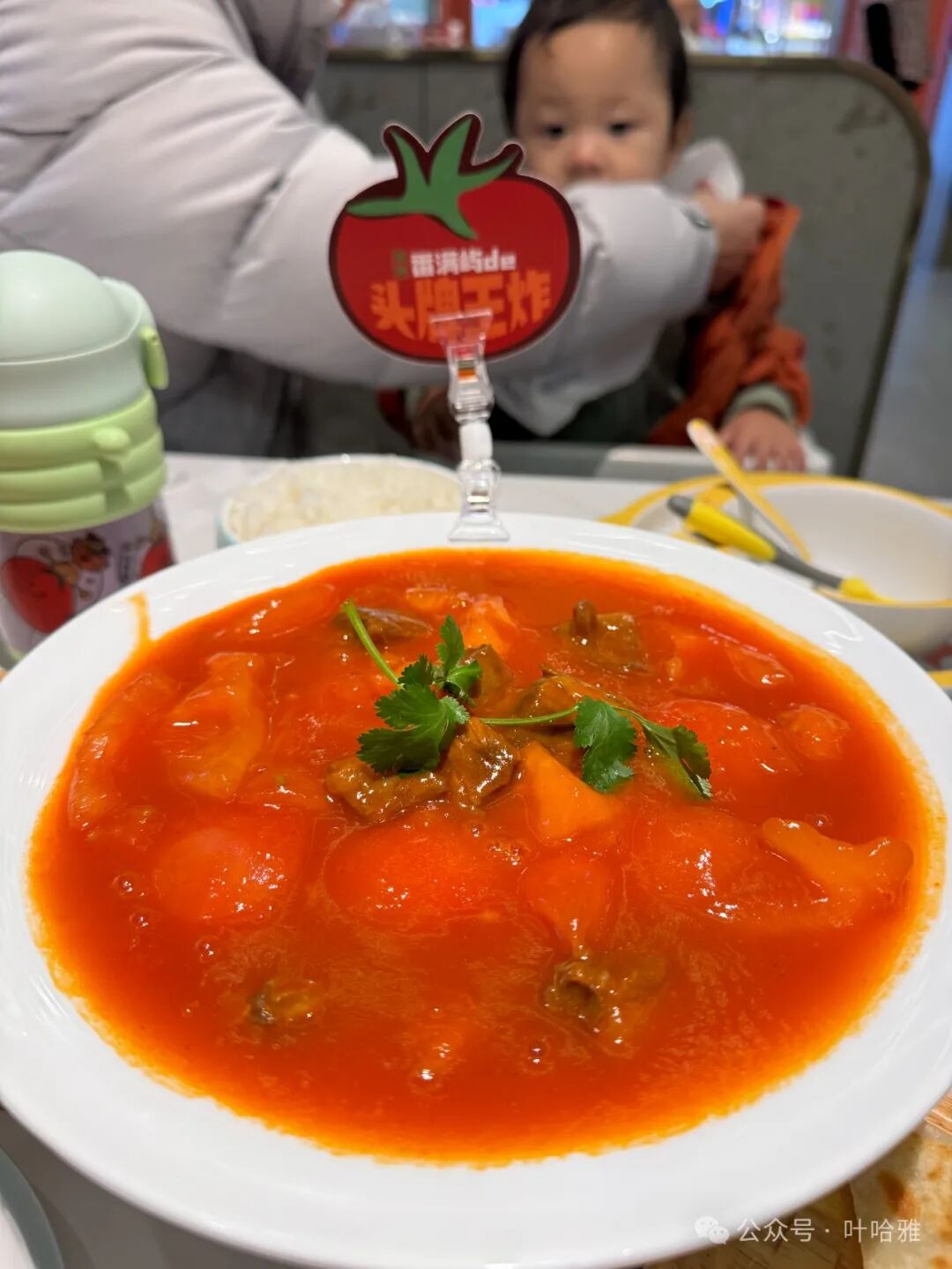
A new specialty shop just opened on the basement level of the West Zone at Tongzhou Wanda Plaza. They focus on tomato beef brisket with flatbread (paobing) and various other tomato-based dishes.
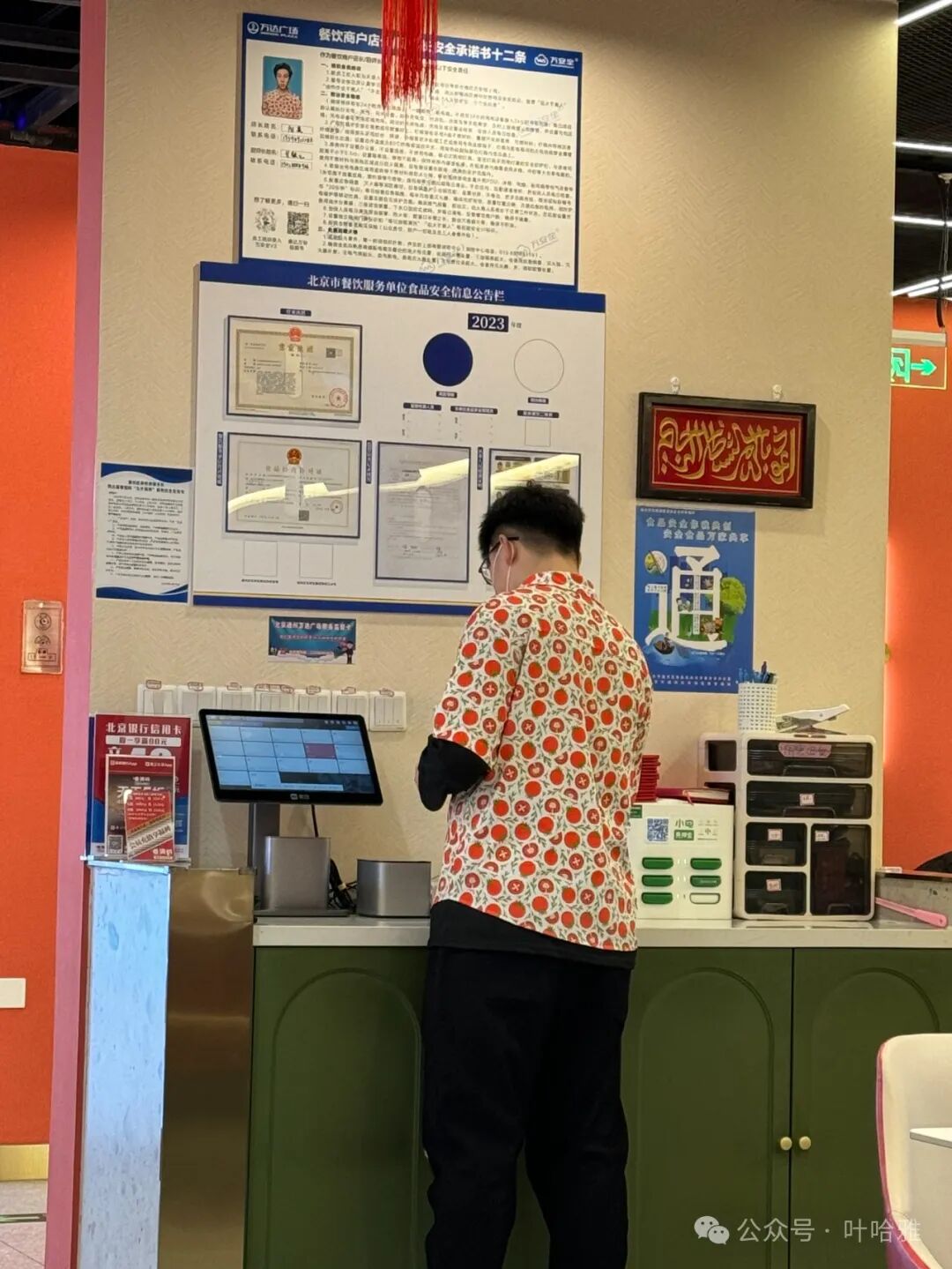
The staff uniforms are covered in tomato drawings.
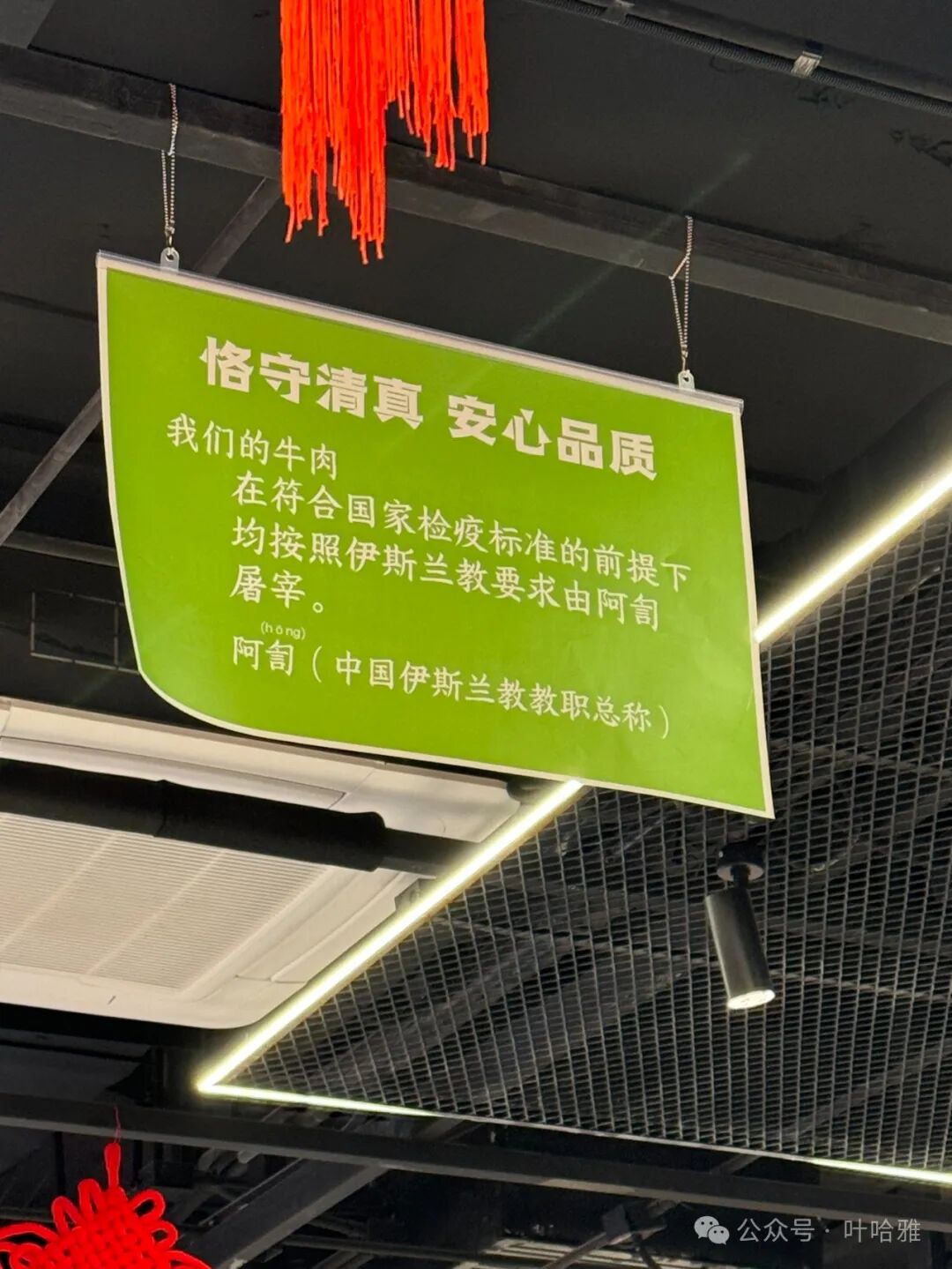
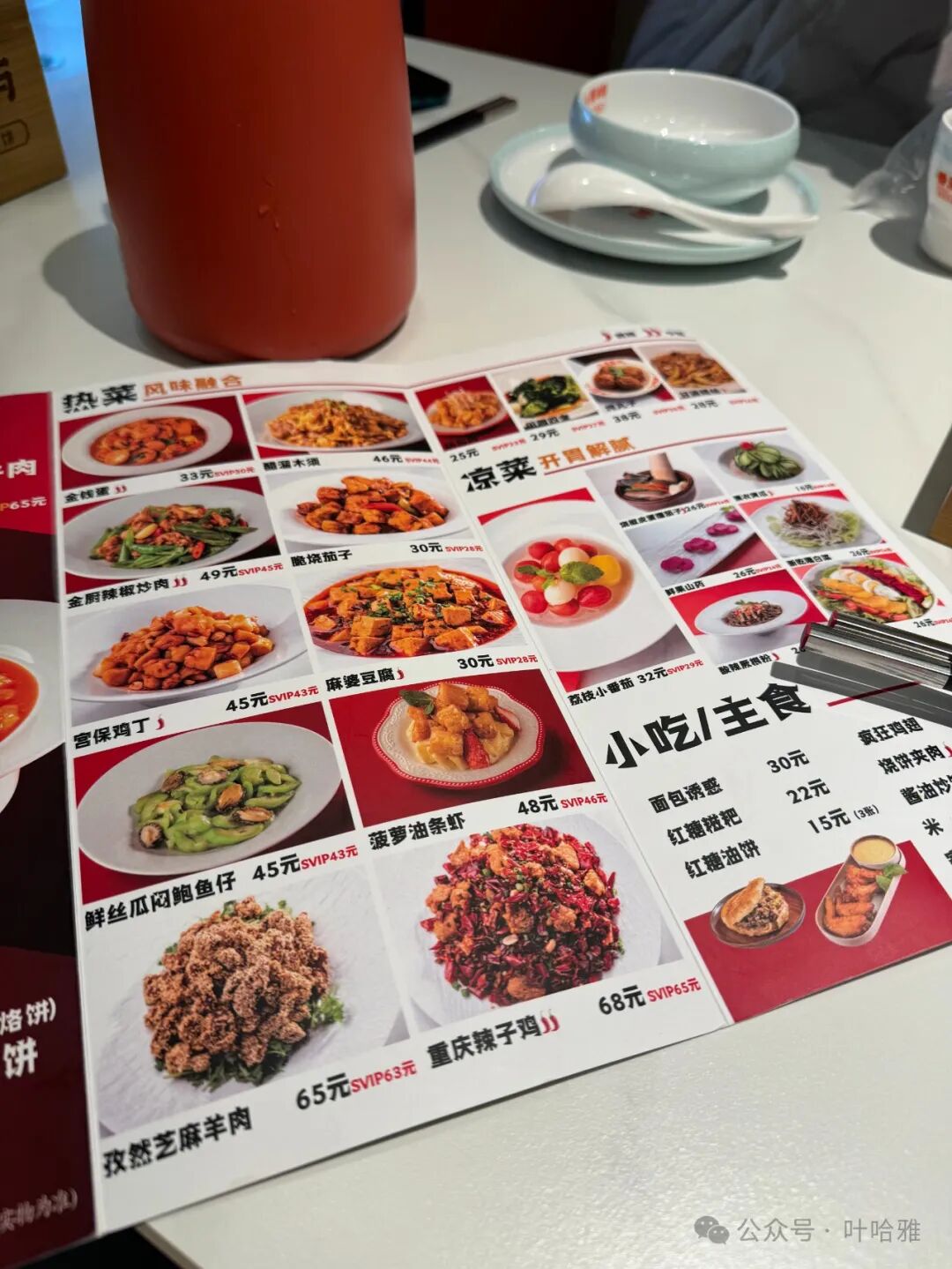
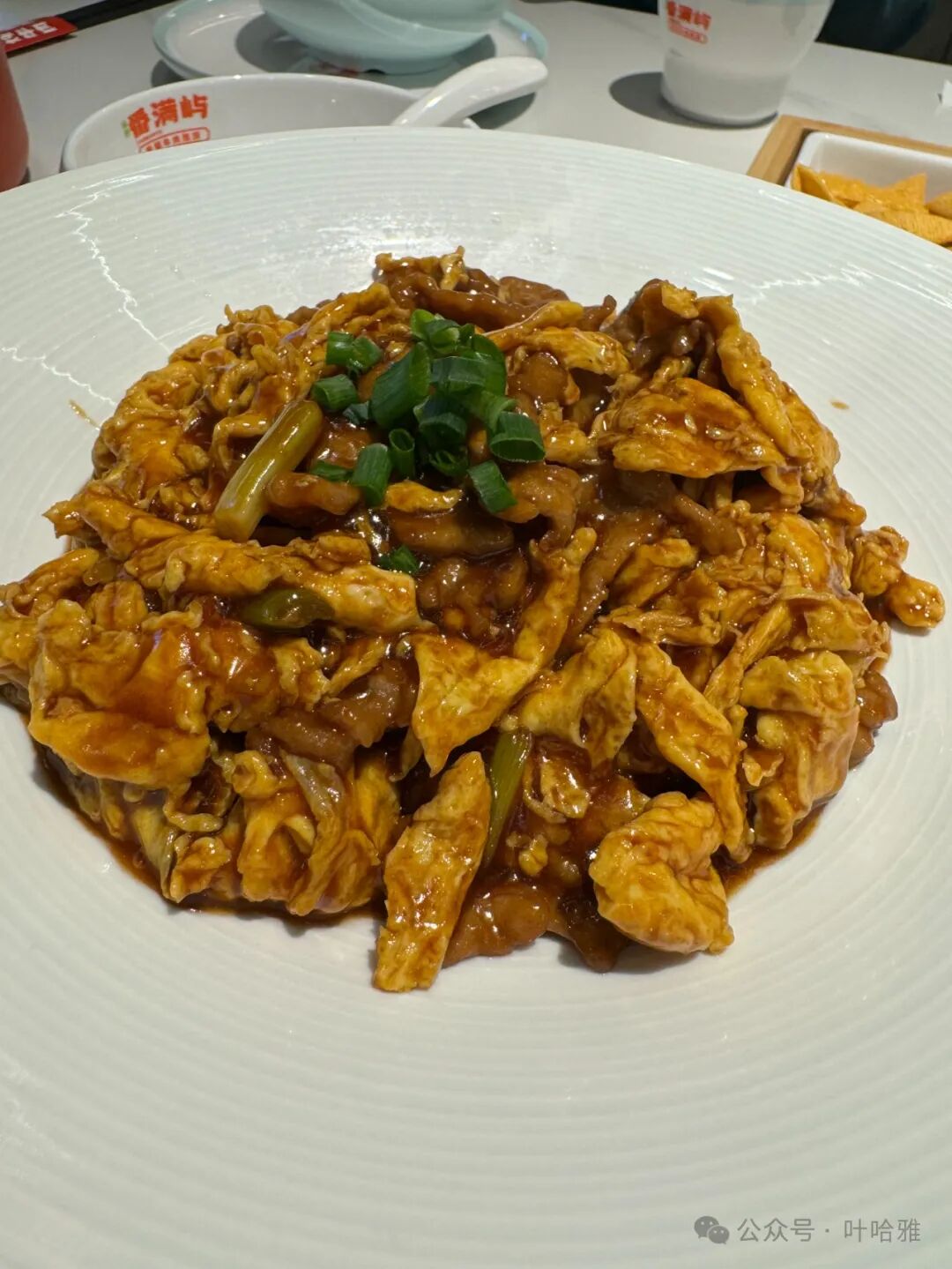
Vinegar-stir-fried egg and meat (culiu muxu)
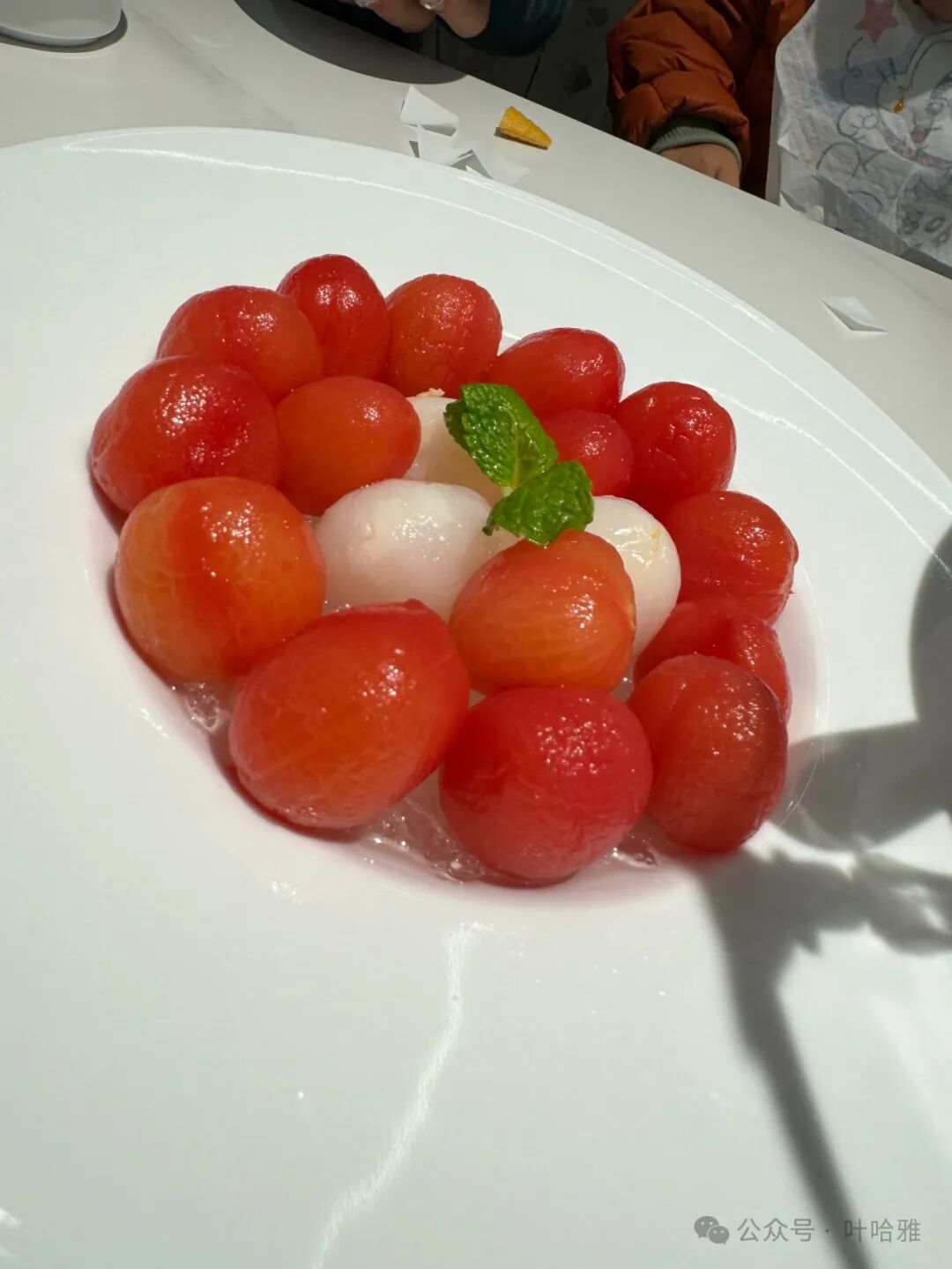
Lychee-flavored cherry tomatoes
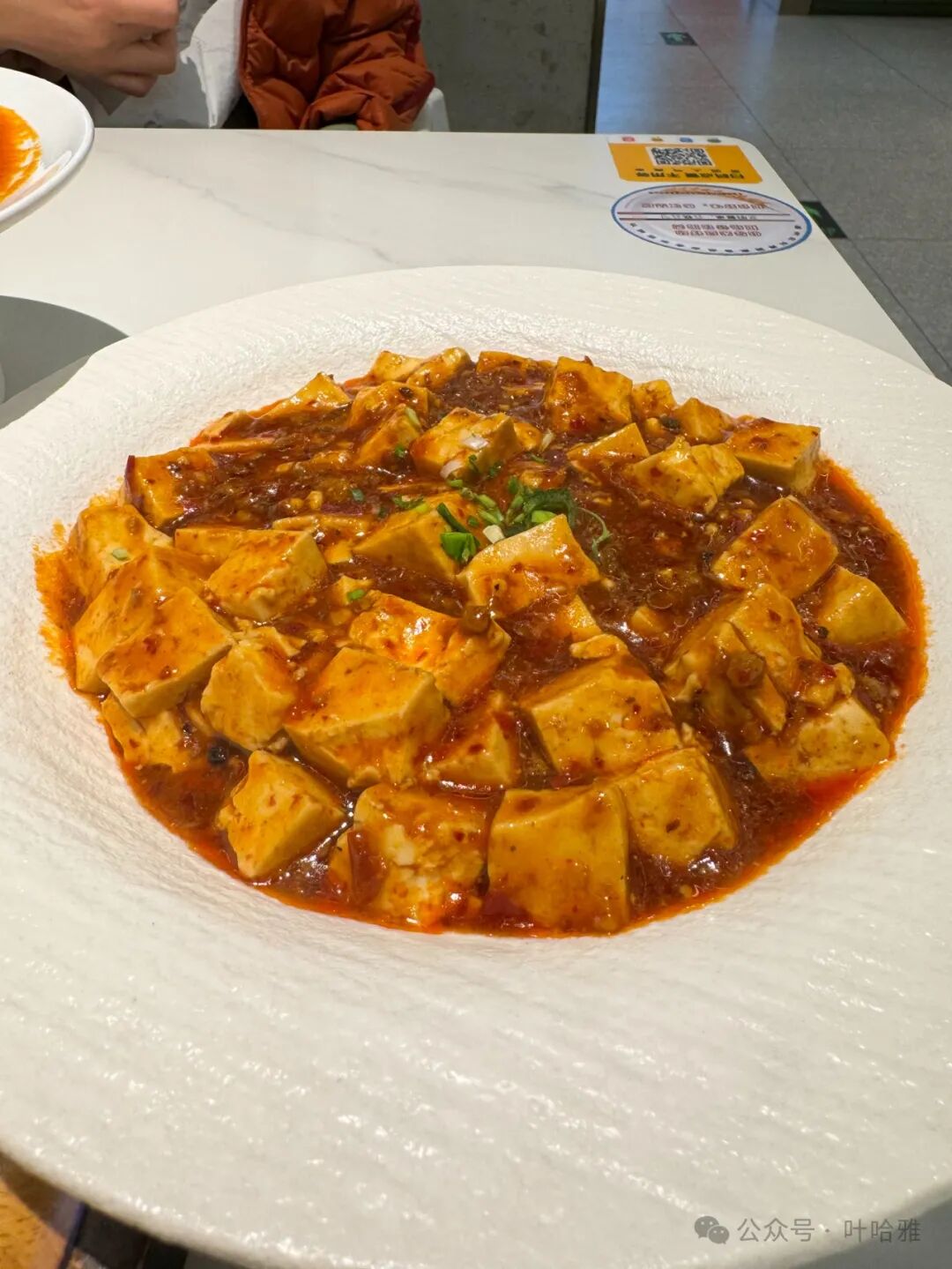
Mapo tofu
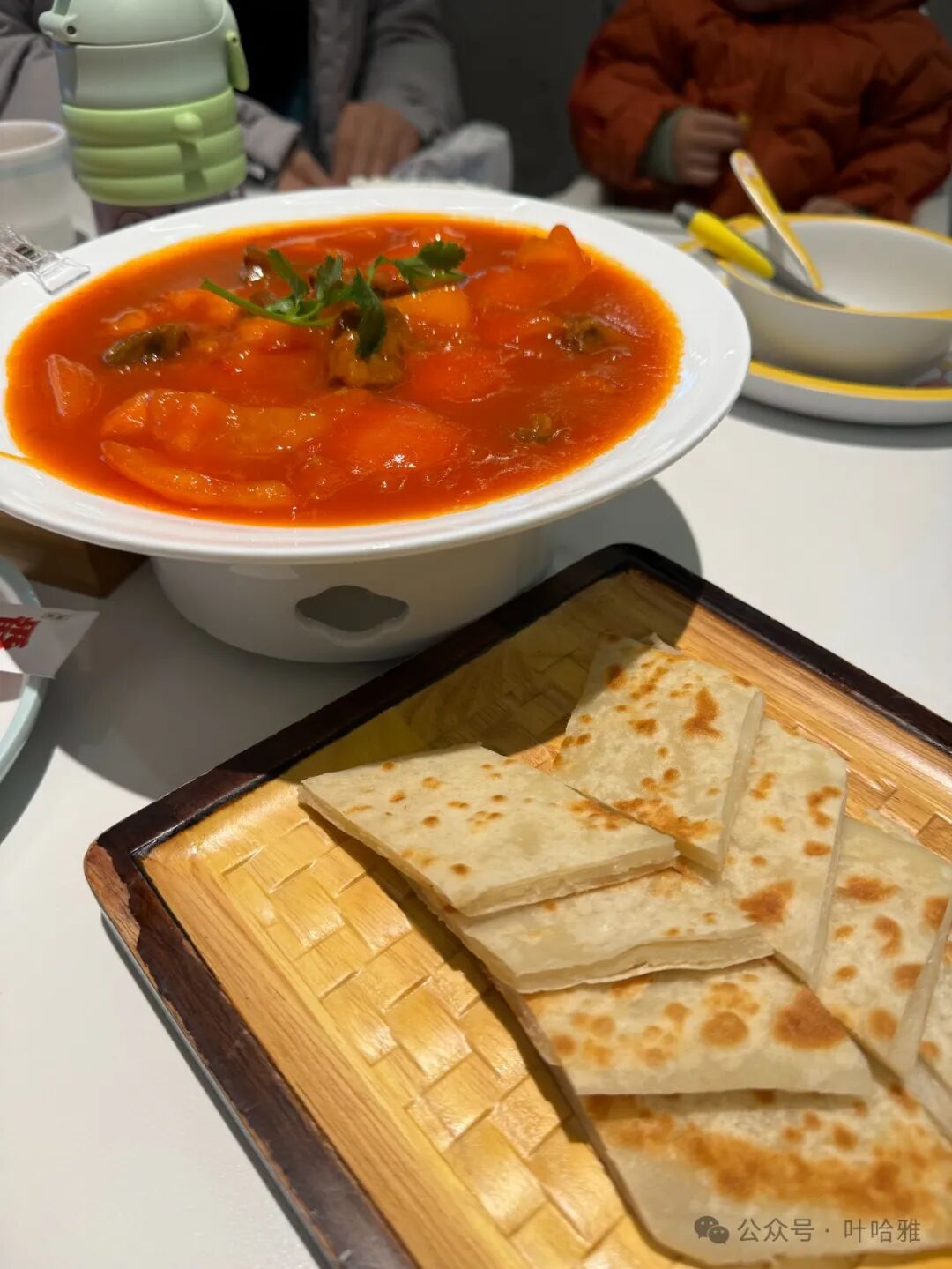
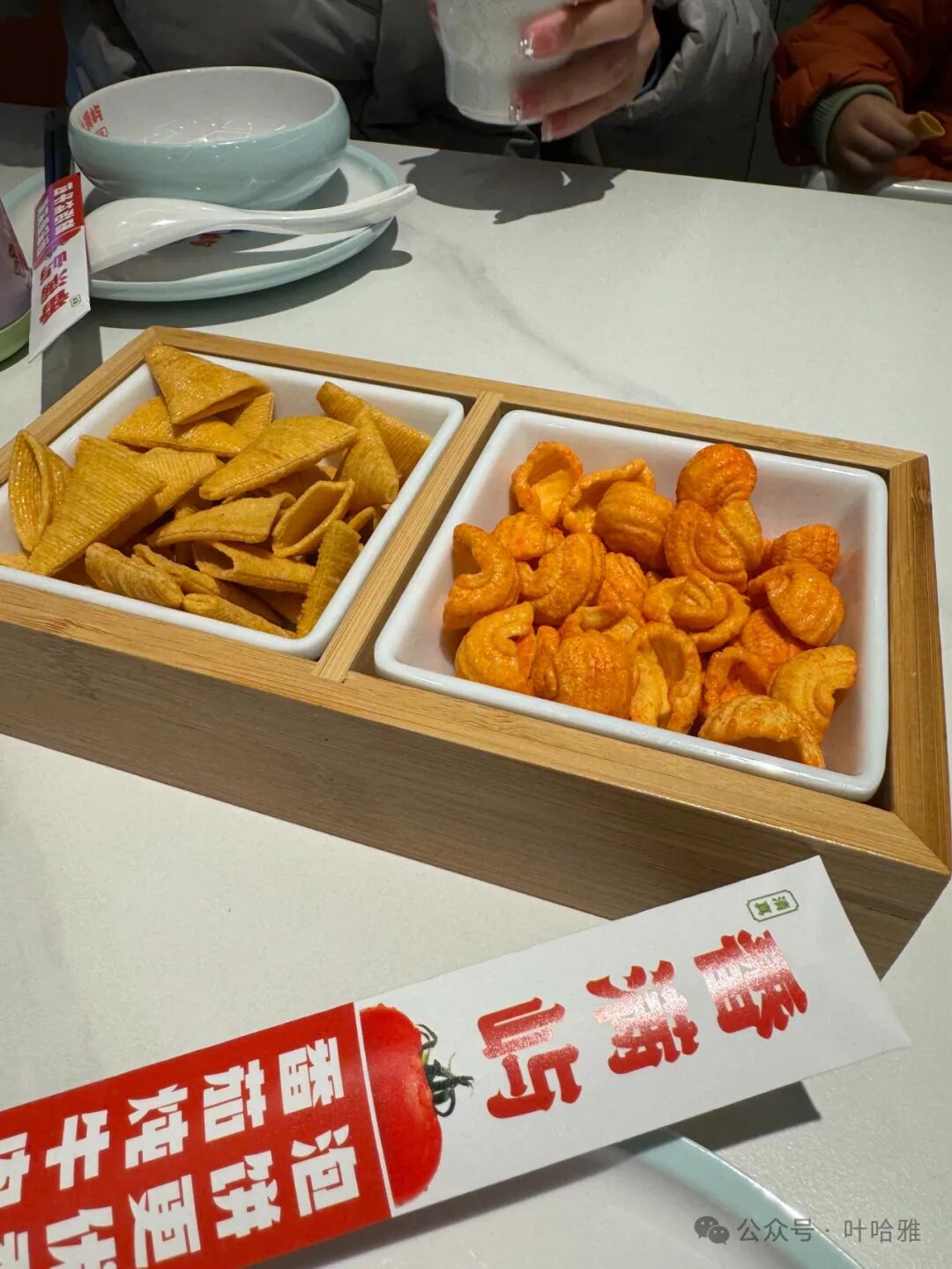
Their food is prepared very delicately and tastes great. The environment is clean, the prices are affordable, and the average cost is under 80 yuan per person.
6. Stinky Star Snail Rice Noodle (Luosifen) Hot Pot
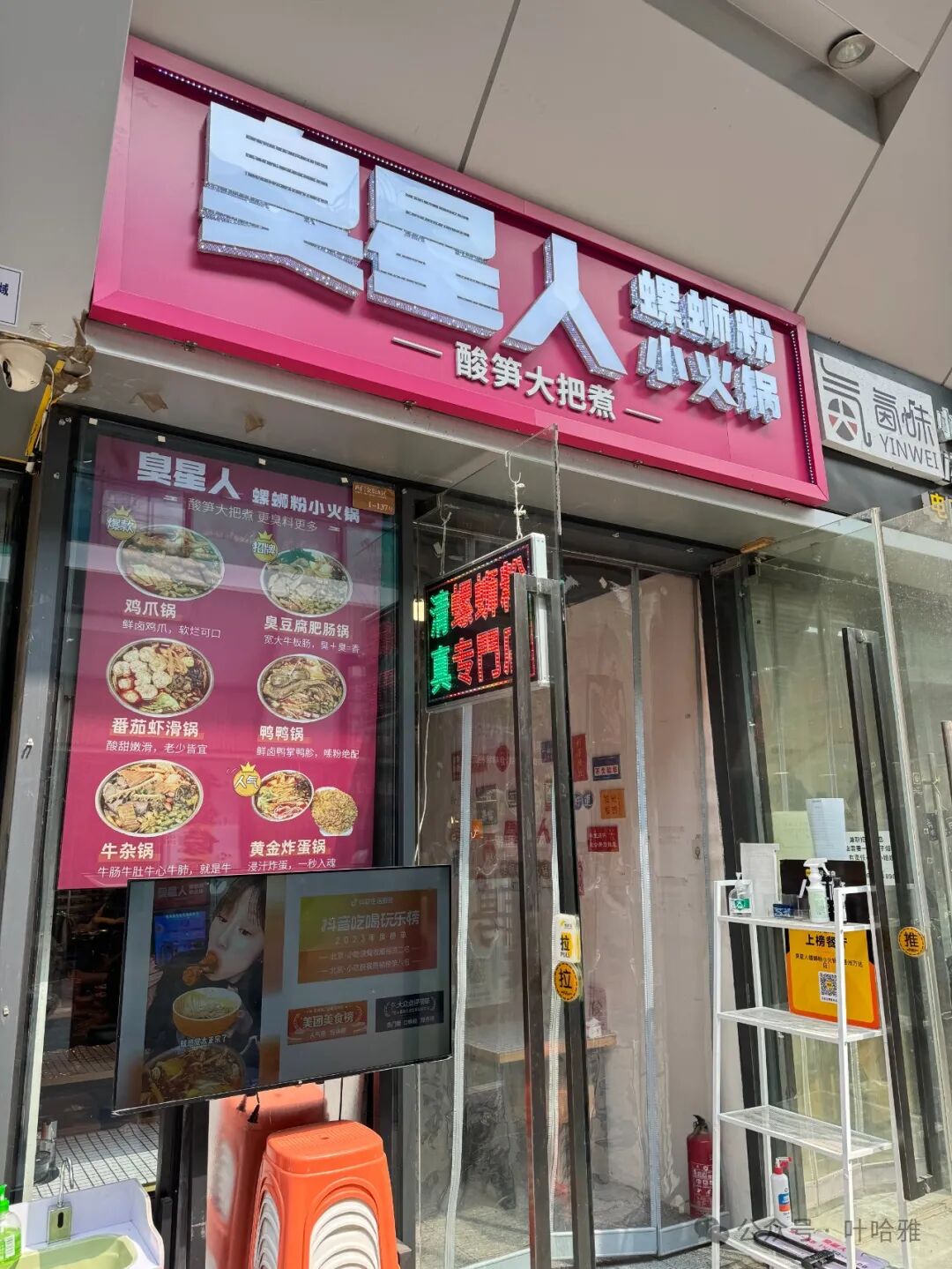
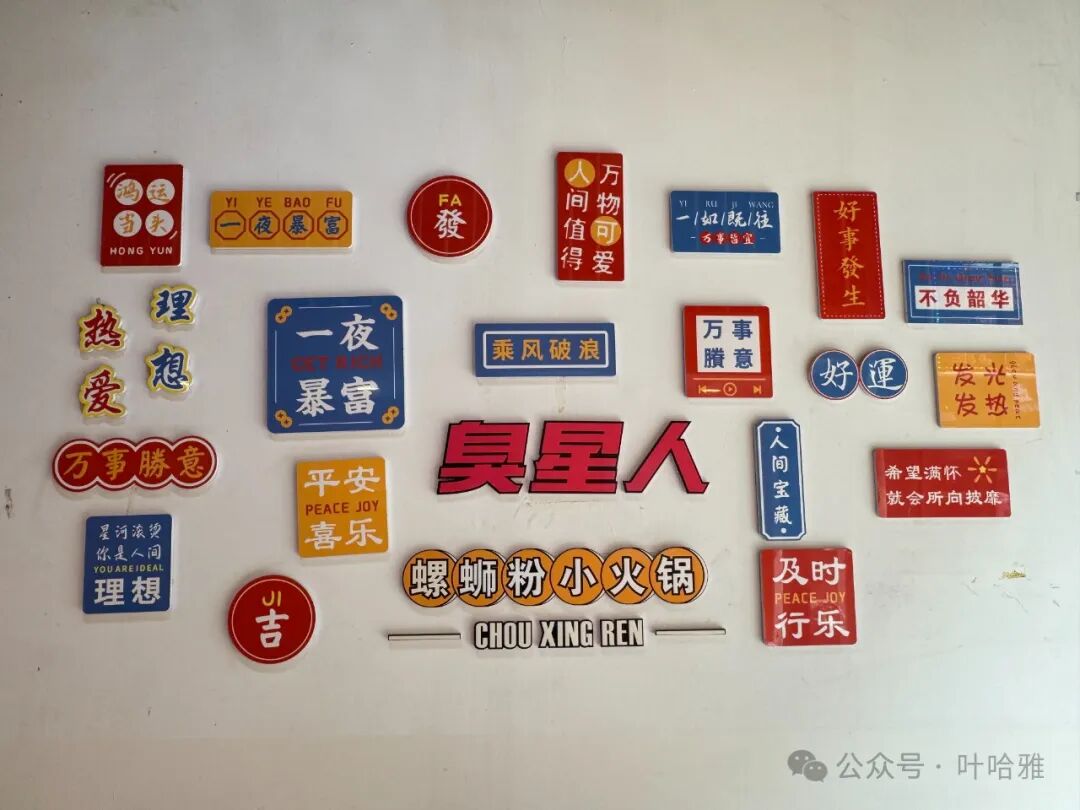
There is a halal snail rice noodle (luosifen) shop on the ground floor of the Golden Street in the West District of Tongzhou Wanda Plaza. The owner is a Hui Muslim from Changchun who used to work at iQIYI before opening this physical shop. The small shop has two floors and mainly serves halal snail rice noodles and clam rice noodles (huaji fen) in small hot pots.
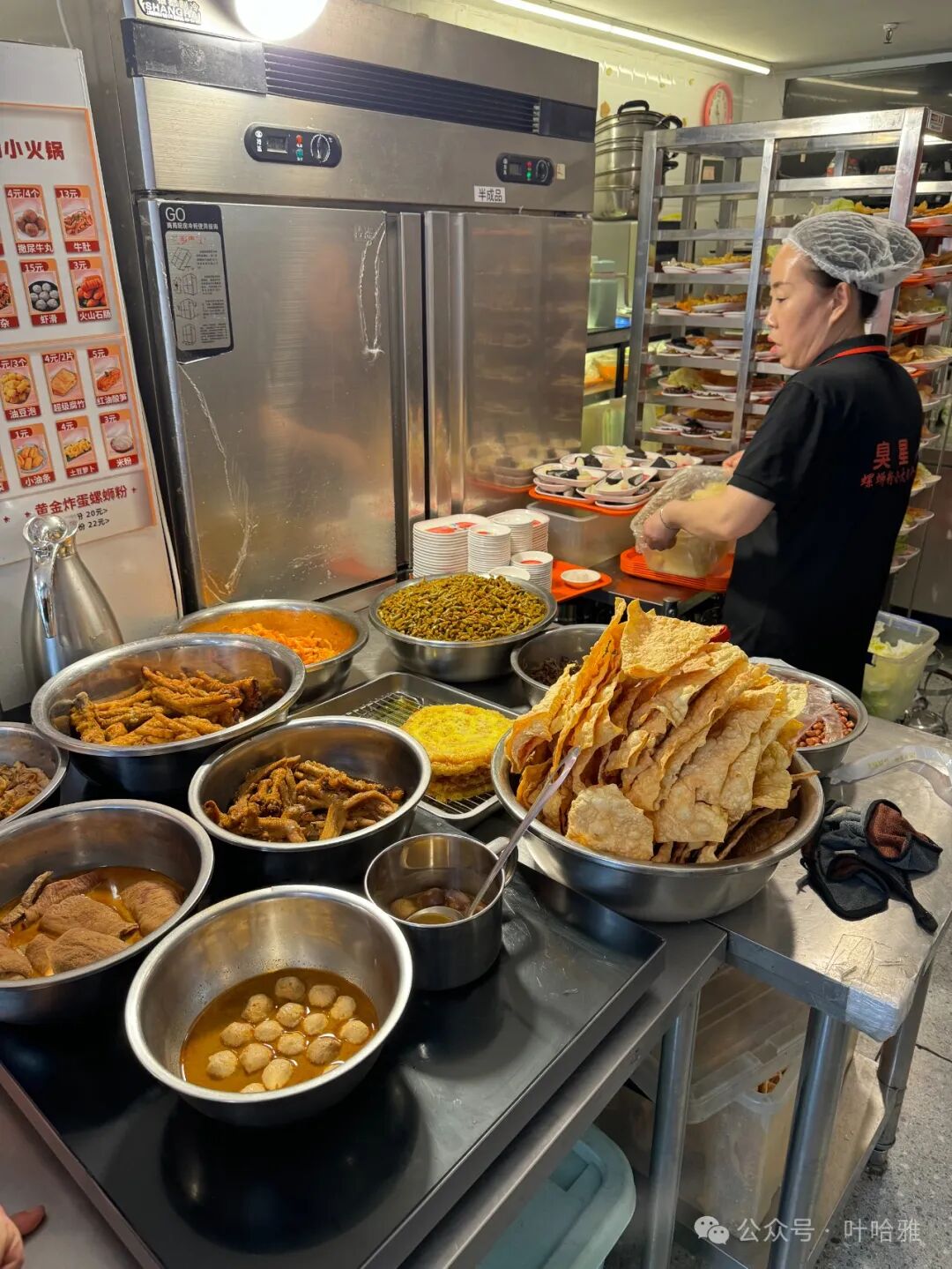
The snail rice noodle hot pot comes with a wide variety of toppings that you can add to the pot to cook together.
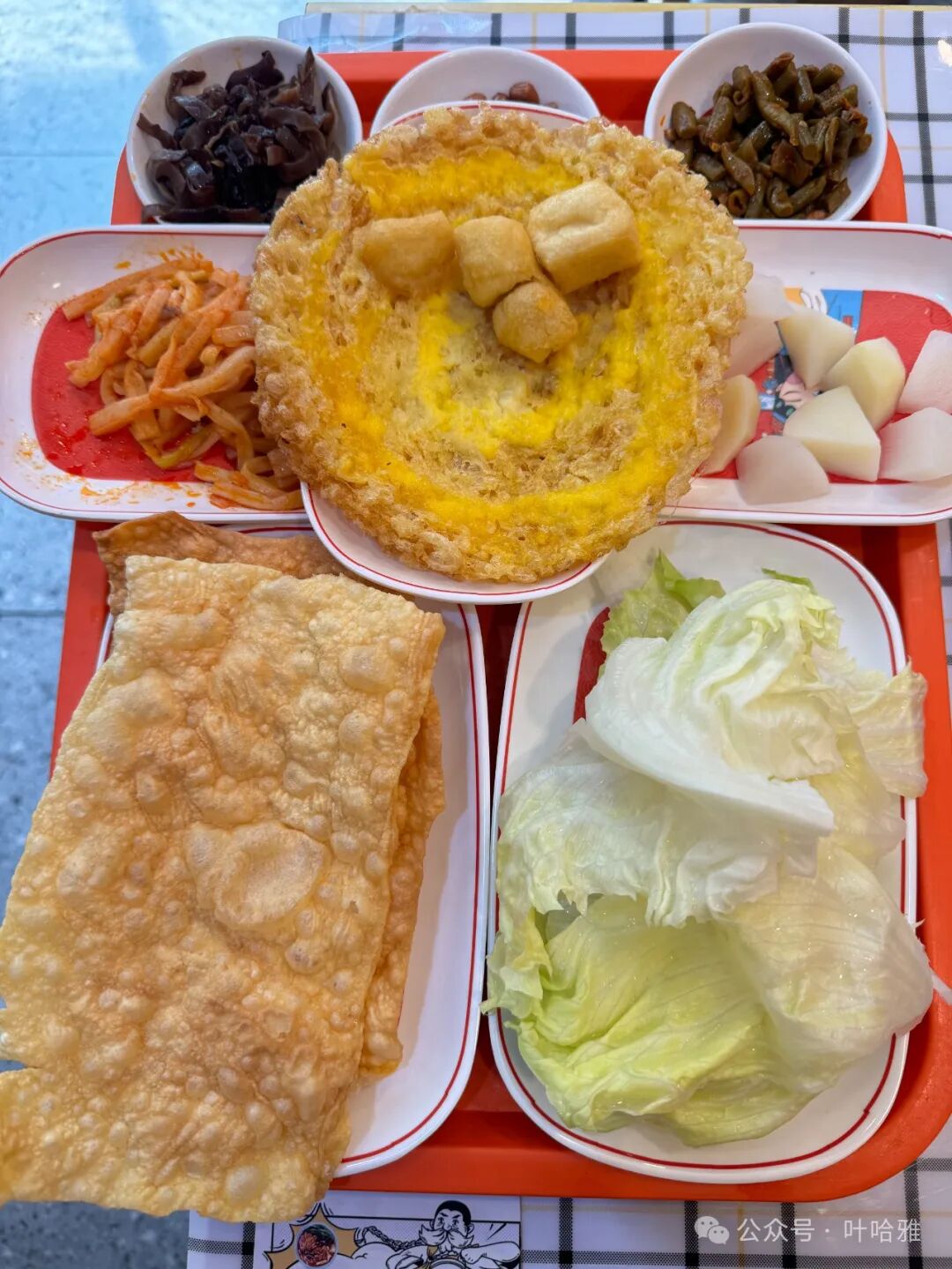
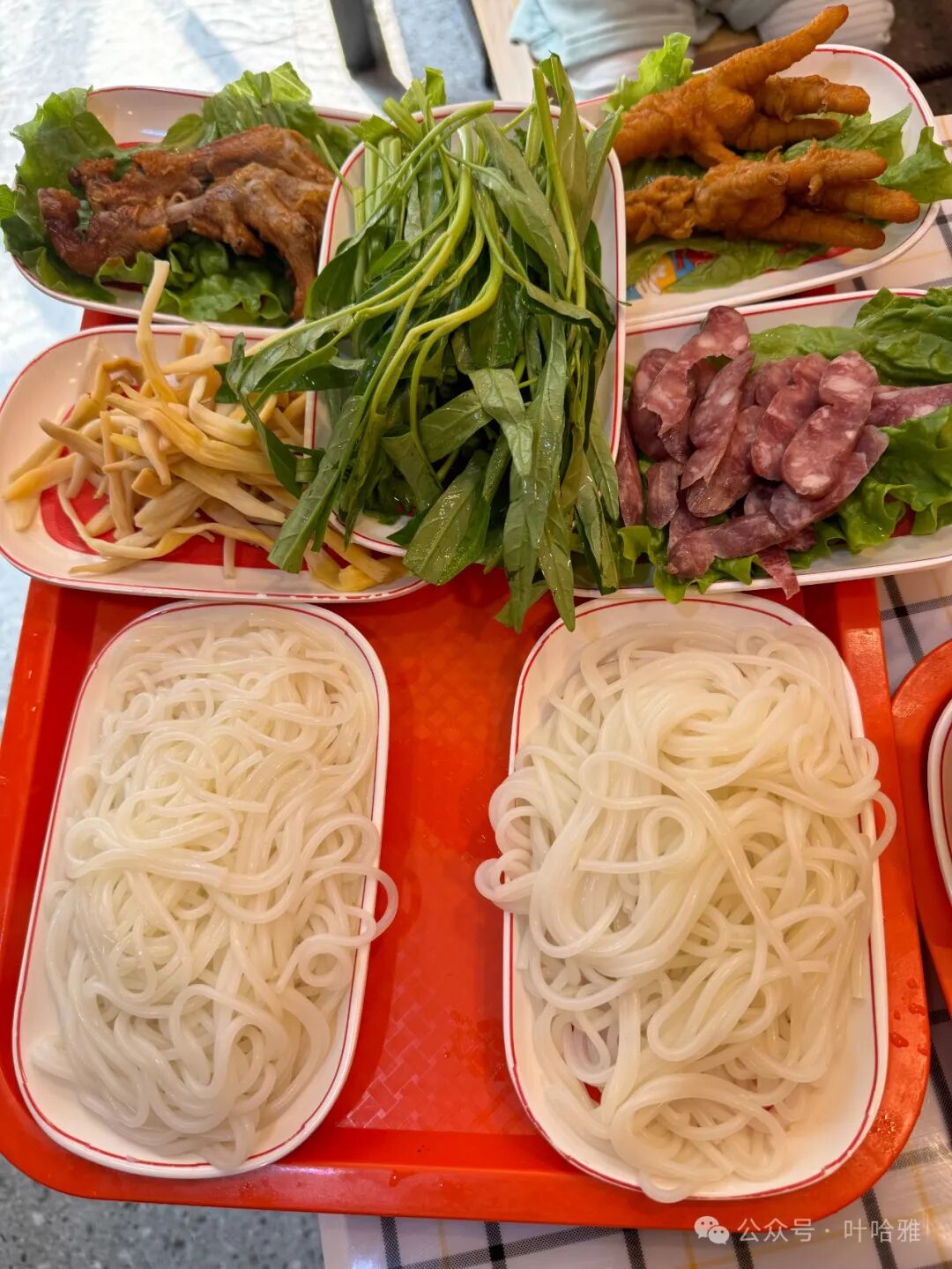
This set meal for two costs 78 yuan and is enough for two or three people to eat.
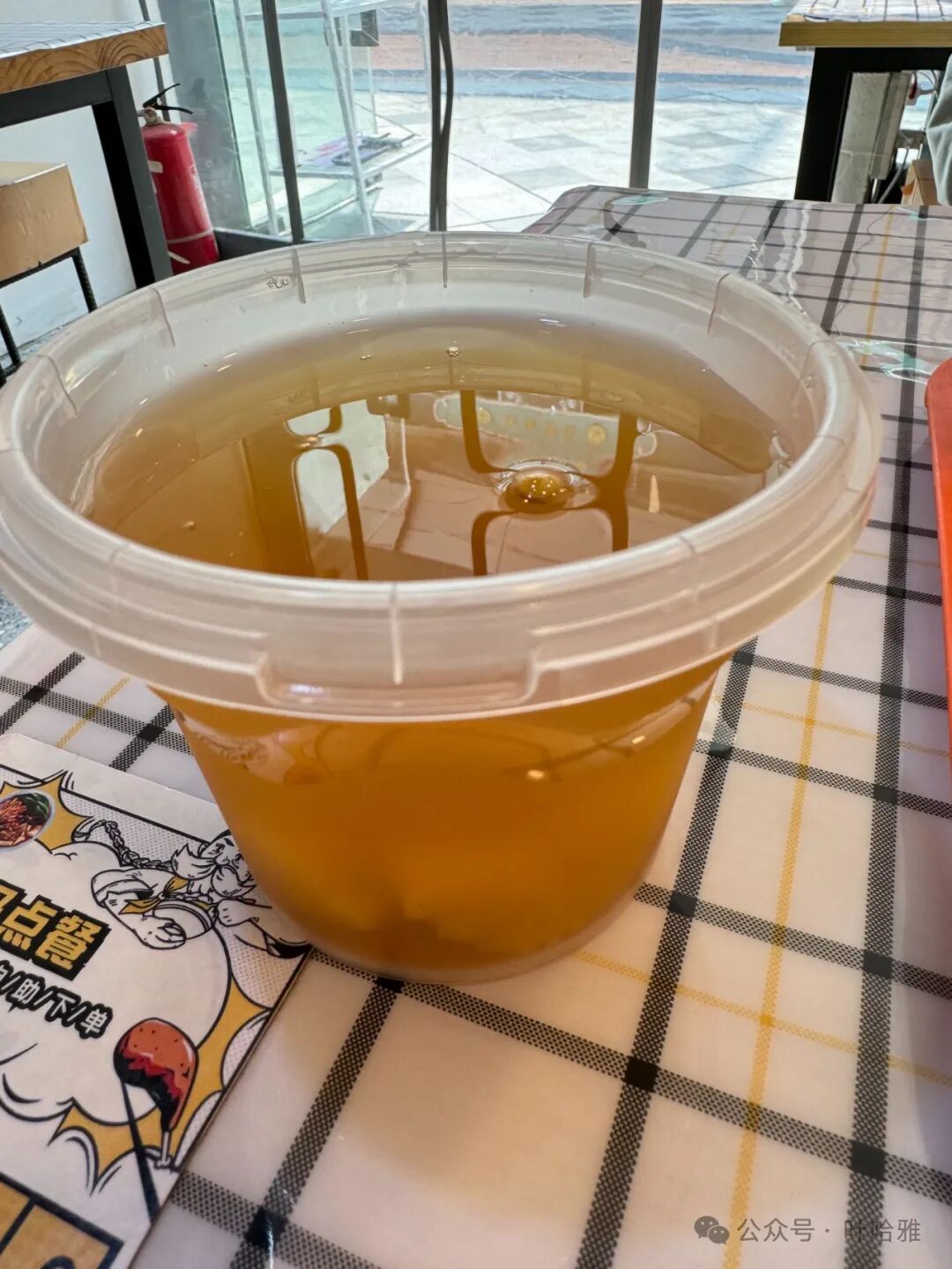
The set includes Guangxi cassava sweet soup (mushu tangshui).
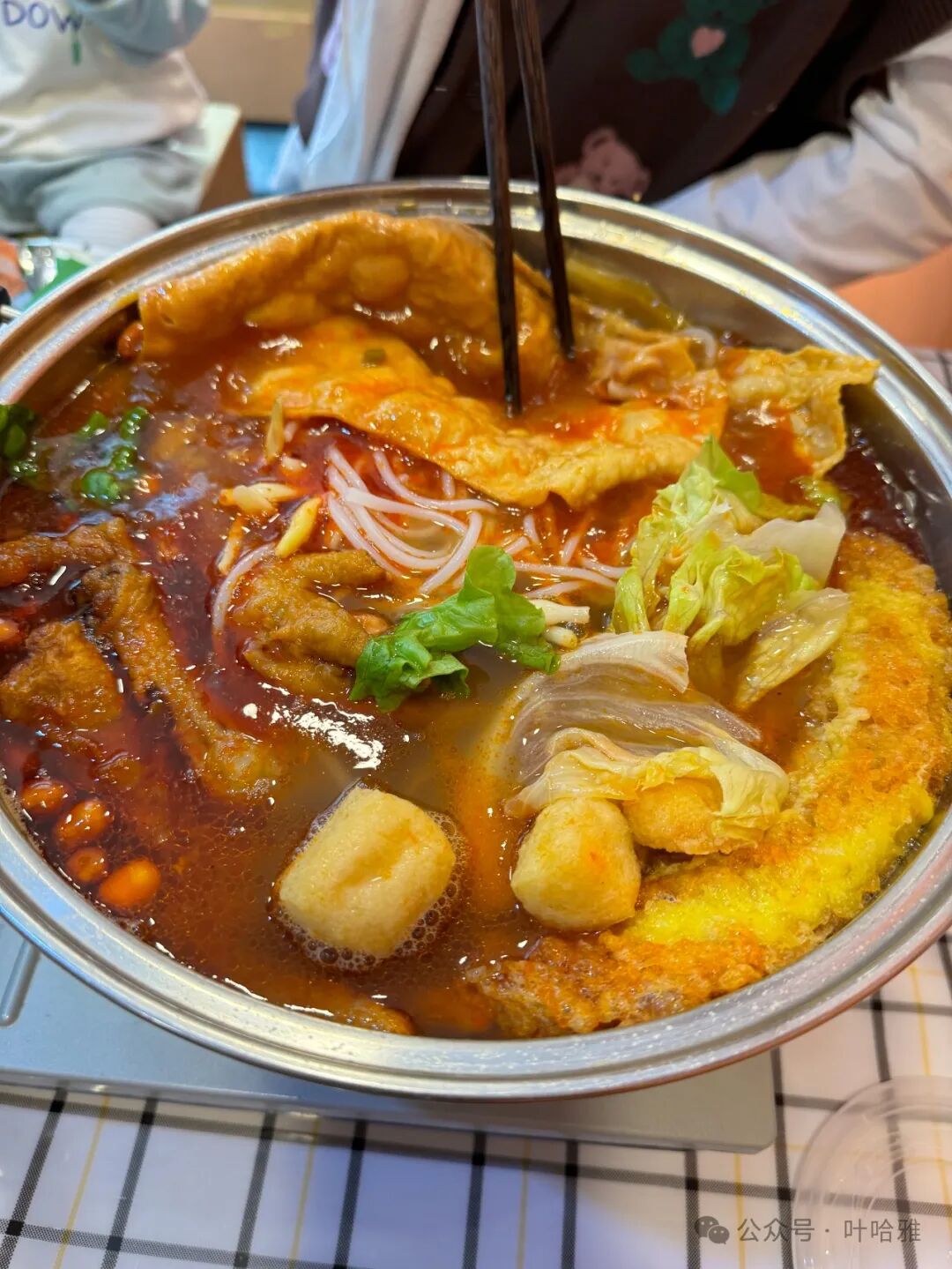
Add all the side dishes to the pot and cook for one minute before you start eating. The taste is quite authentic.
7. Mulaixuan Sturgeon Feast
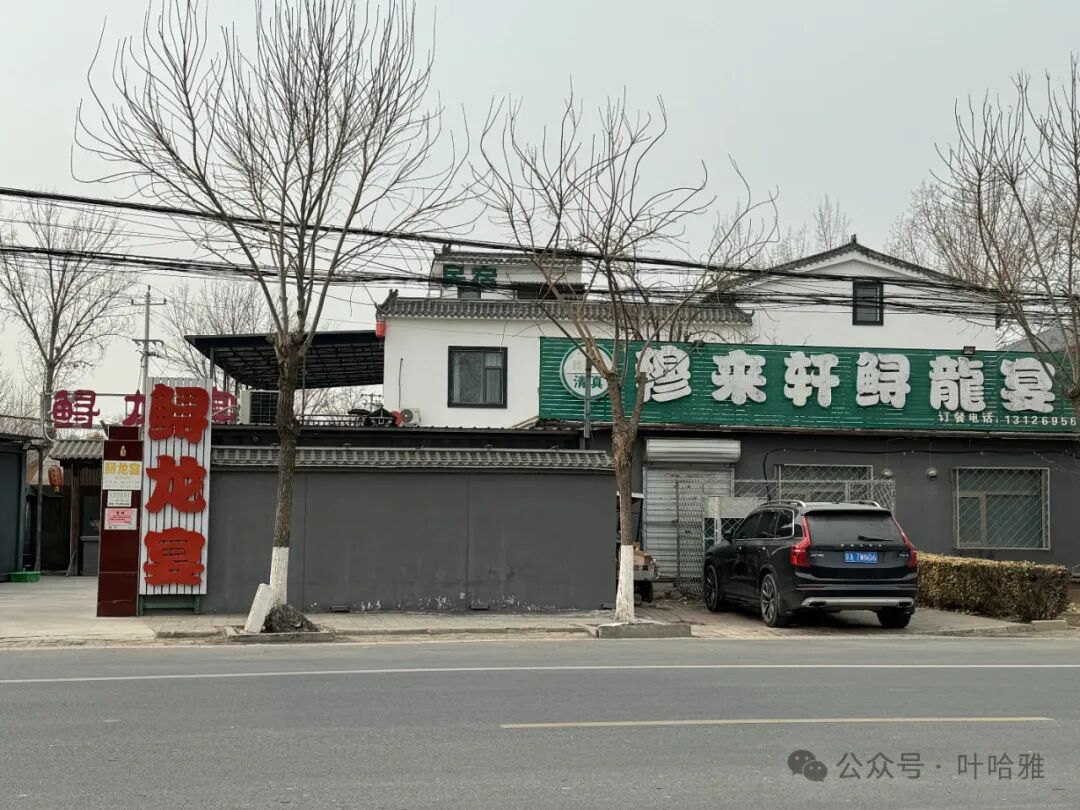
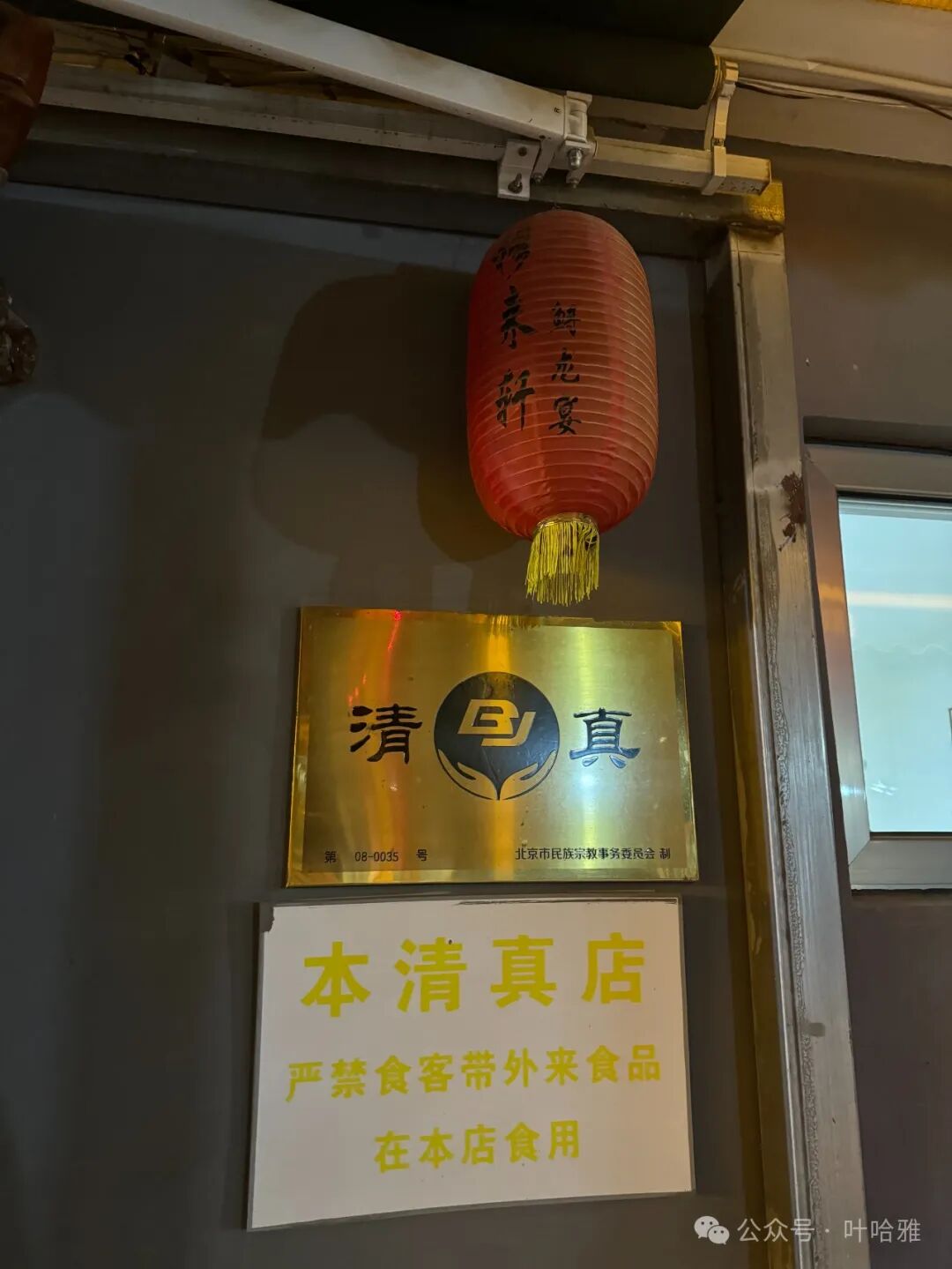
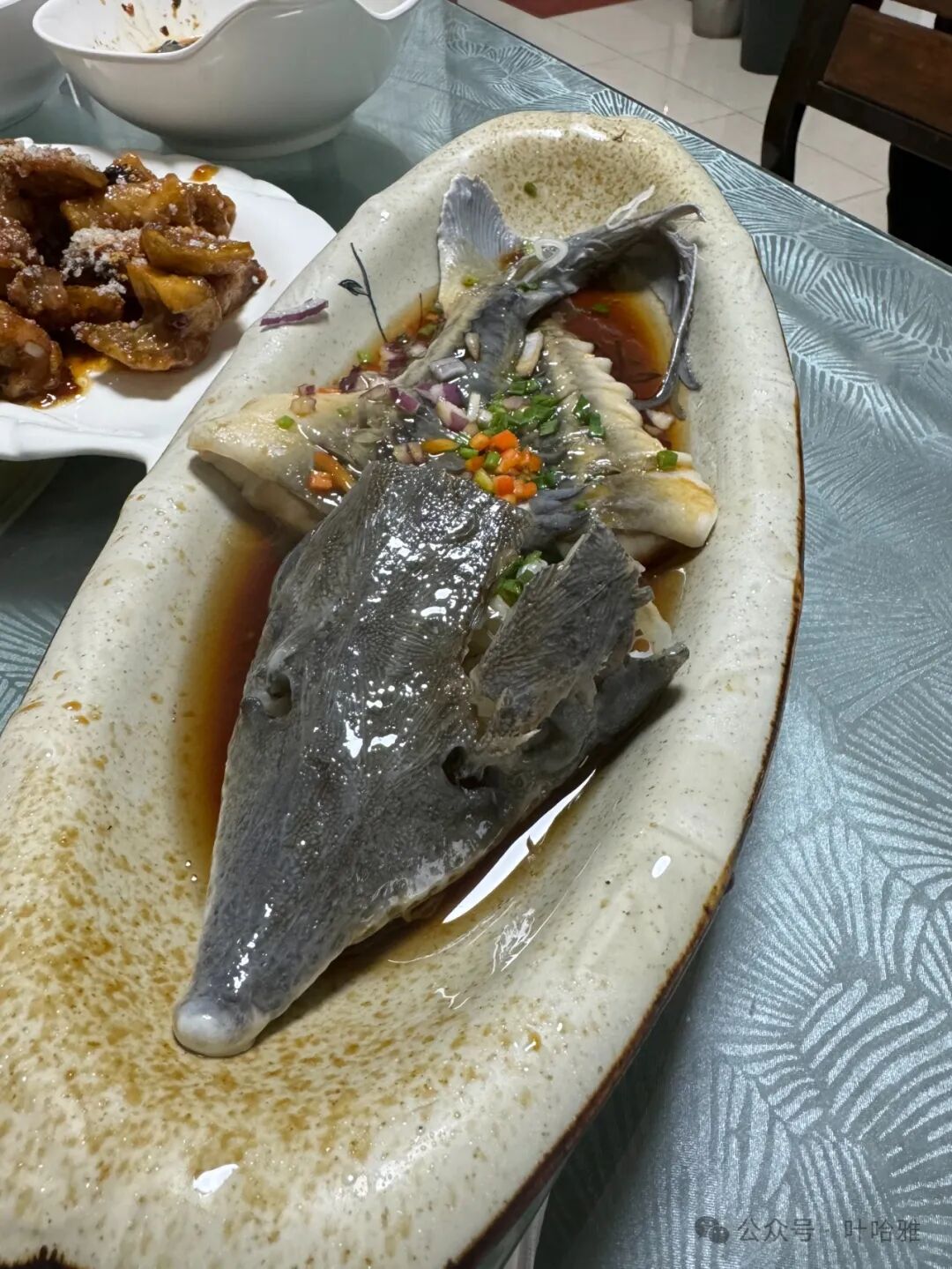
Across from the Doudian Mosque in Fangshan, there is a restaurant that specializes in sturgeon (xunlongyu). This place is unique because it has no menu and you cannot order dishes. The owner decides the size of the fish based on how many people are in your group, and all the dishes are made from the fish you choose.
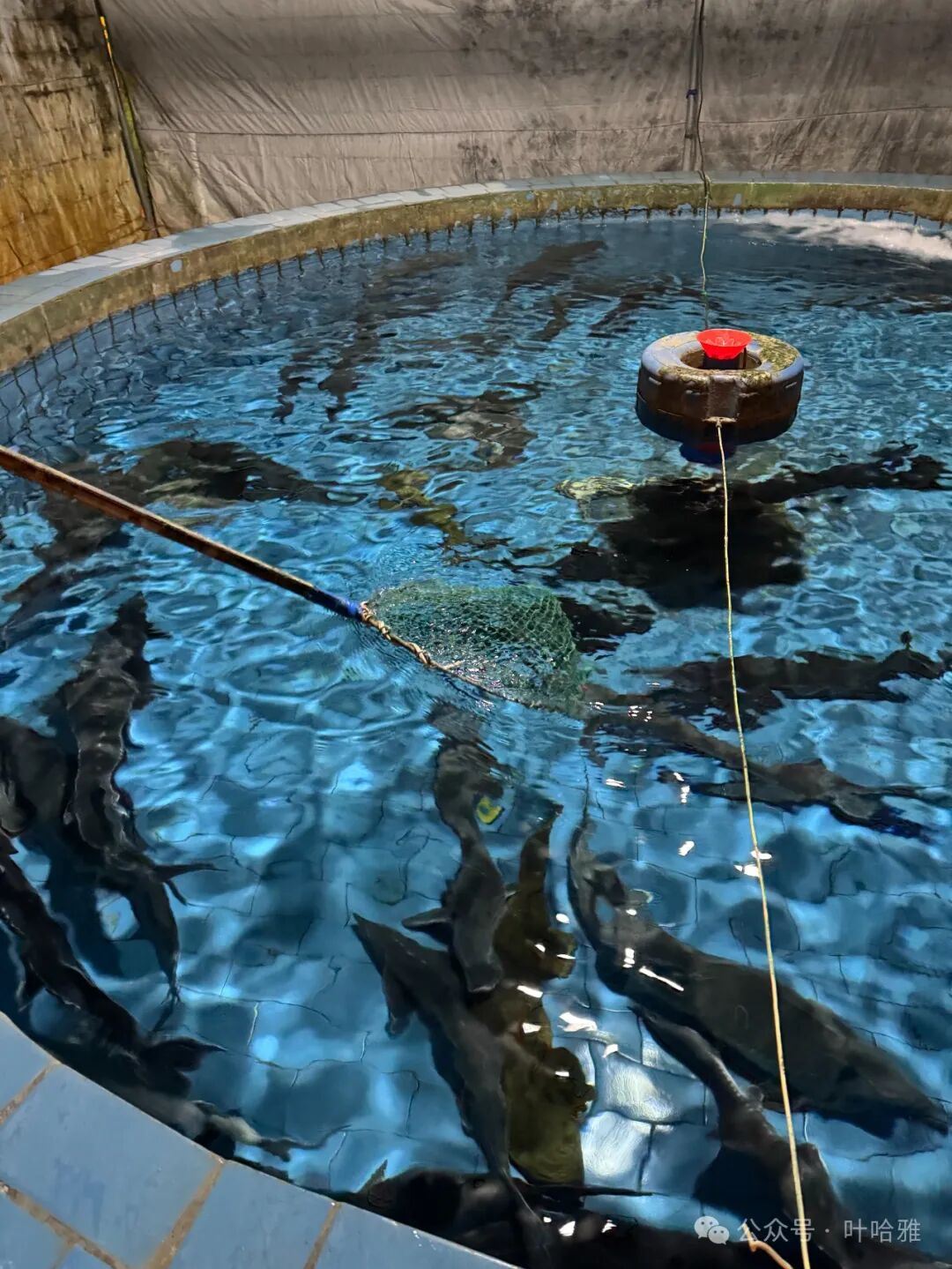
You pick the sturgeon from this fish tank, and they are all quite large. The sturgeon costs 58 yuan per jin, and the smallest fish weigh over five jin, making it perfect for groups.
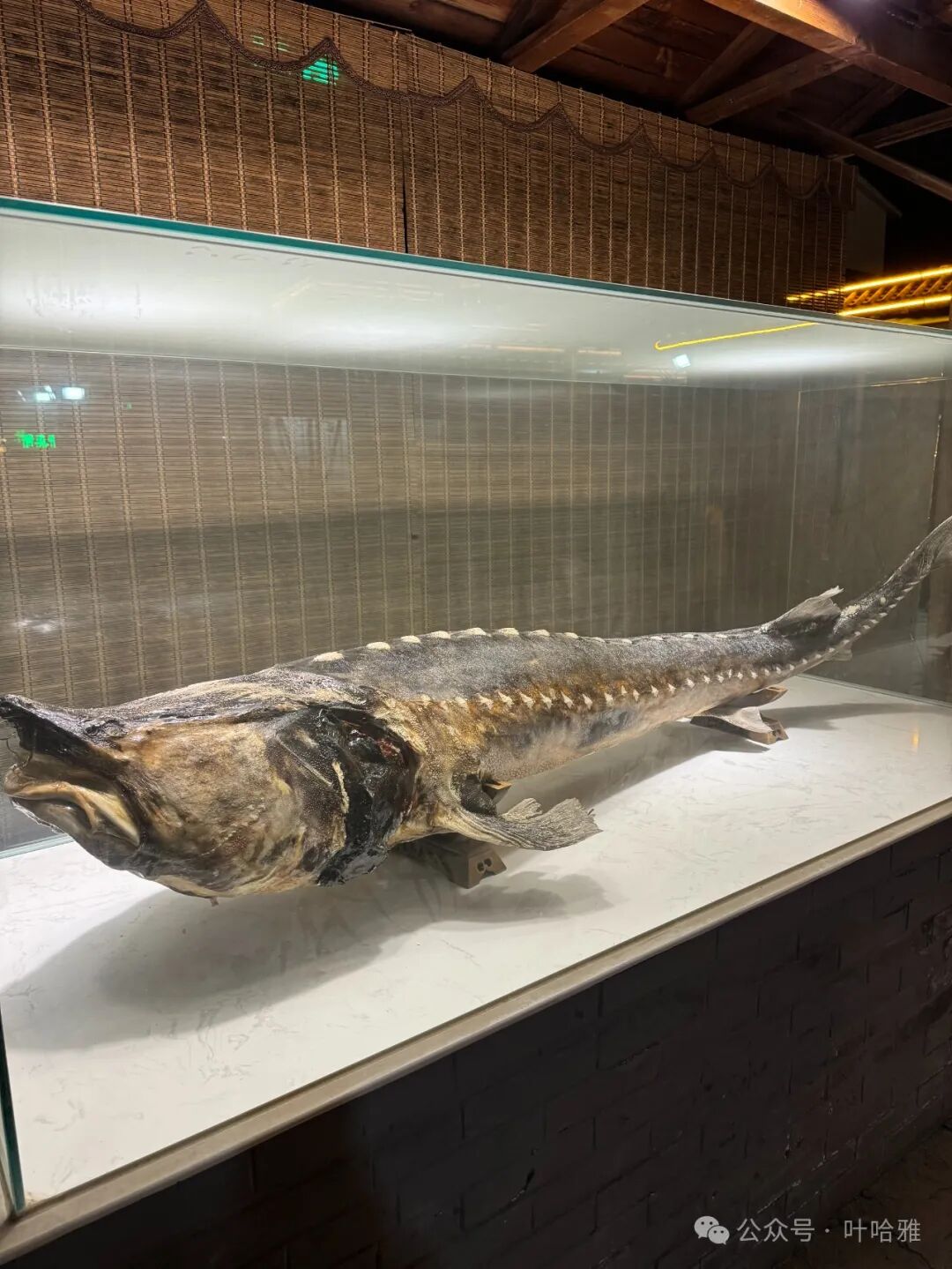
After picking the fish, you just wait for the owner to serve the food. This is actually nice because it saves you the trouble of ordering.
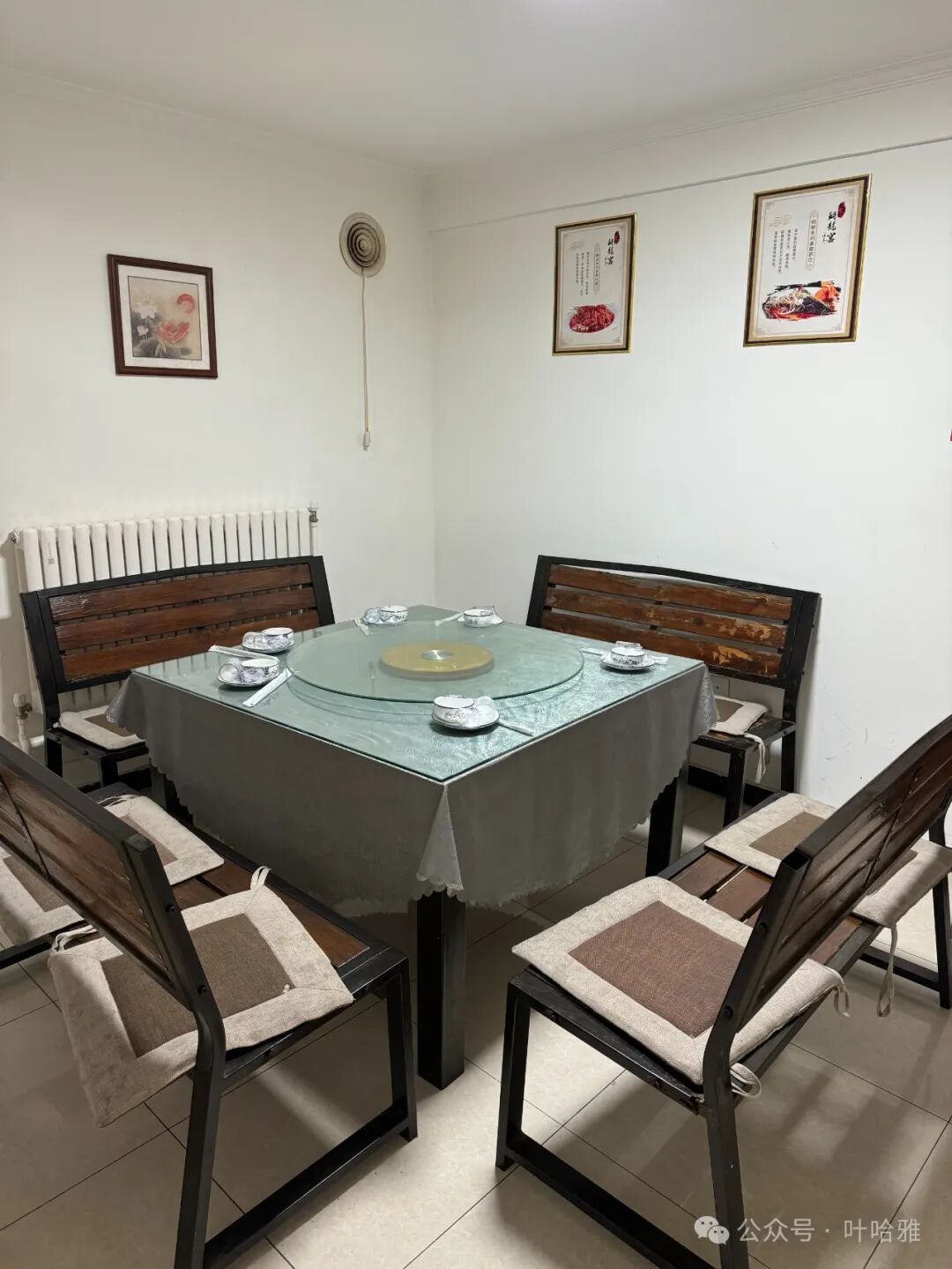
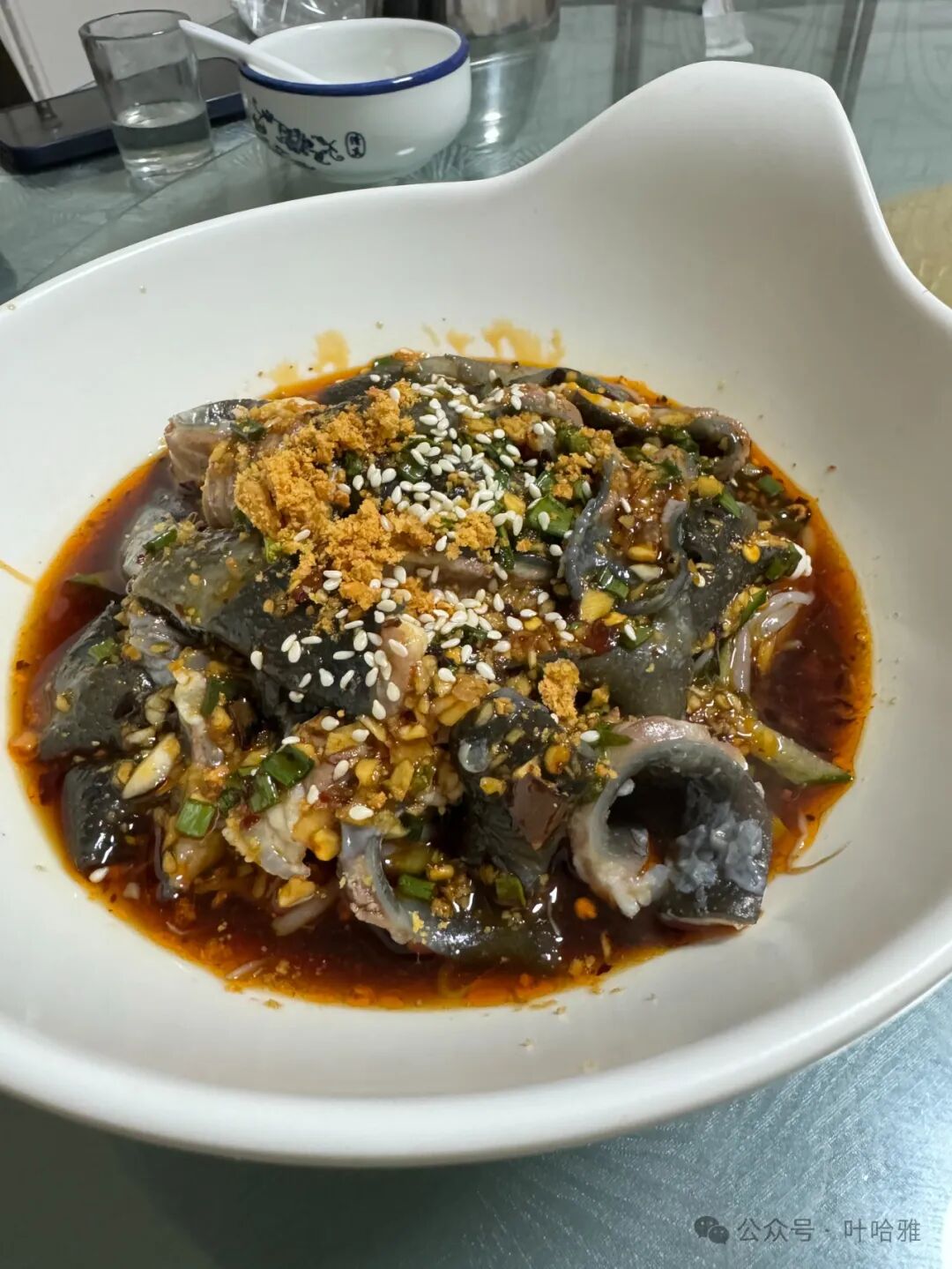
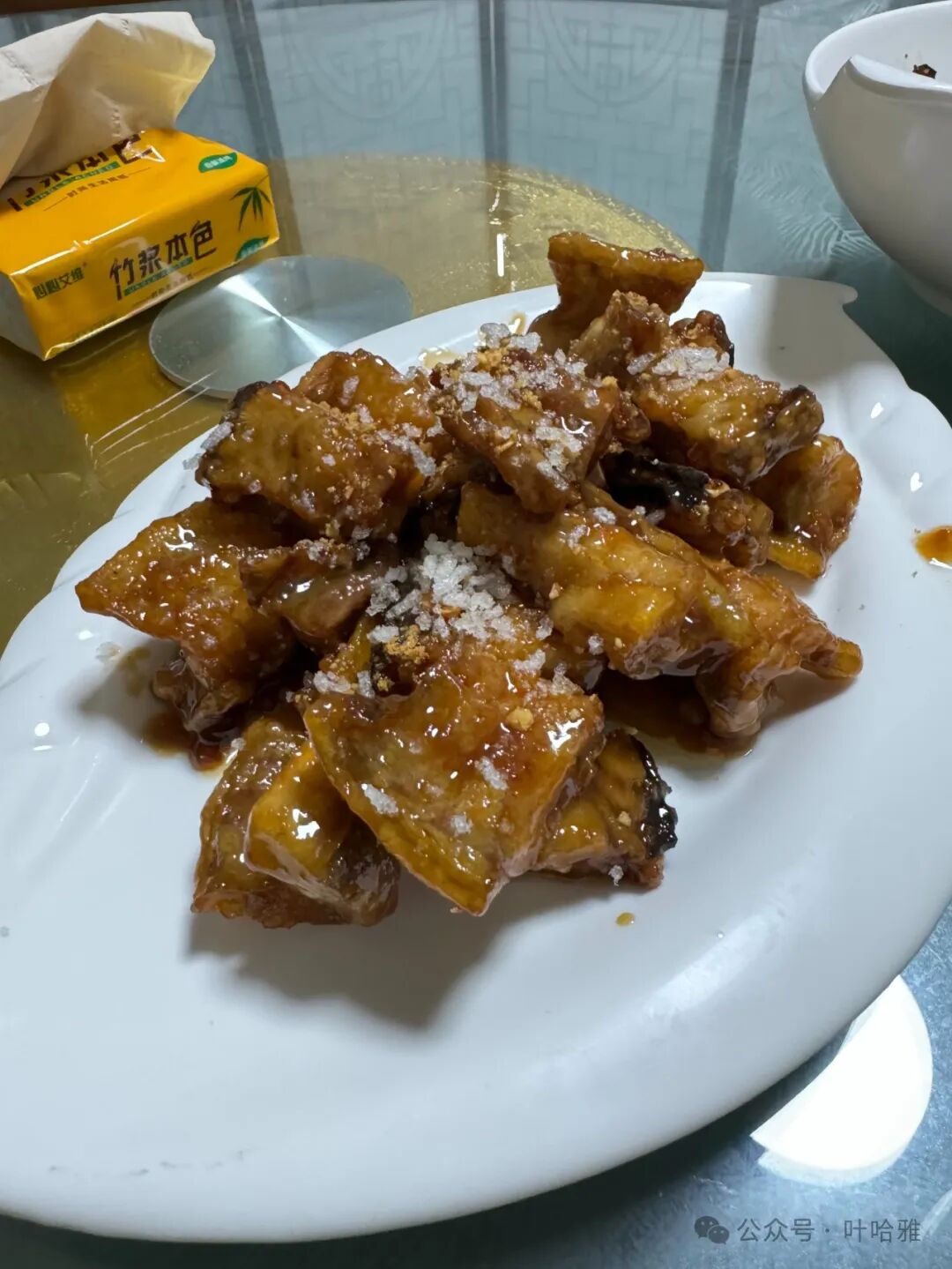
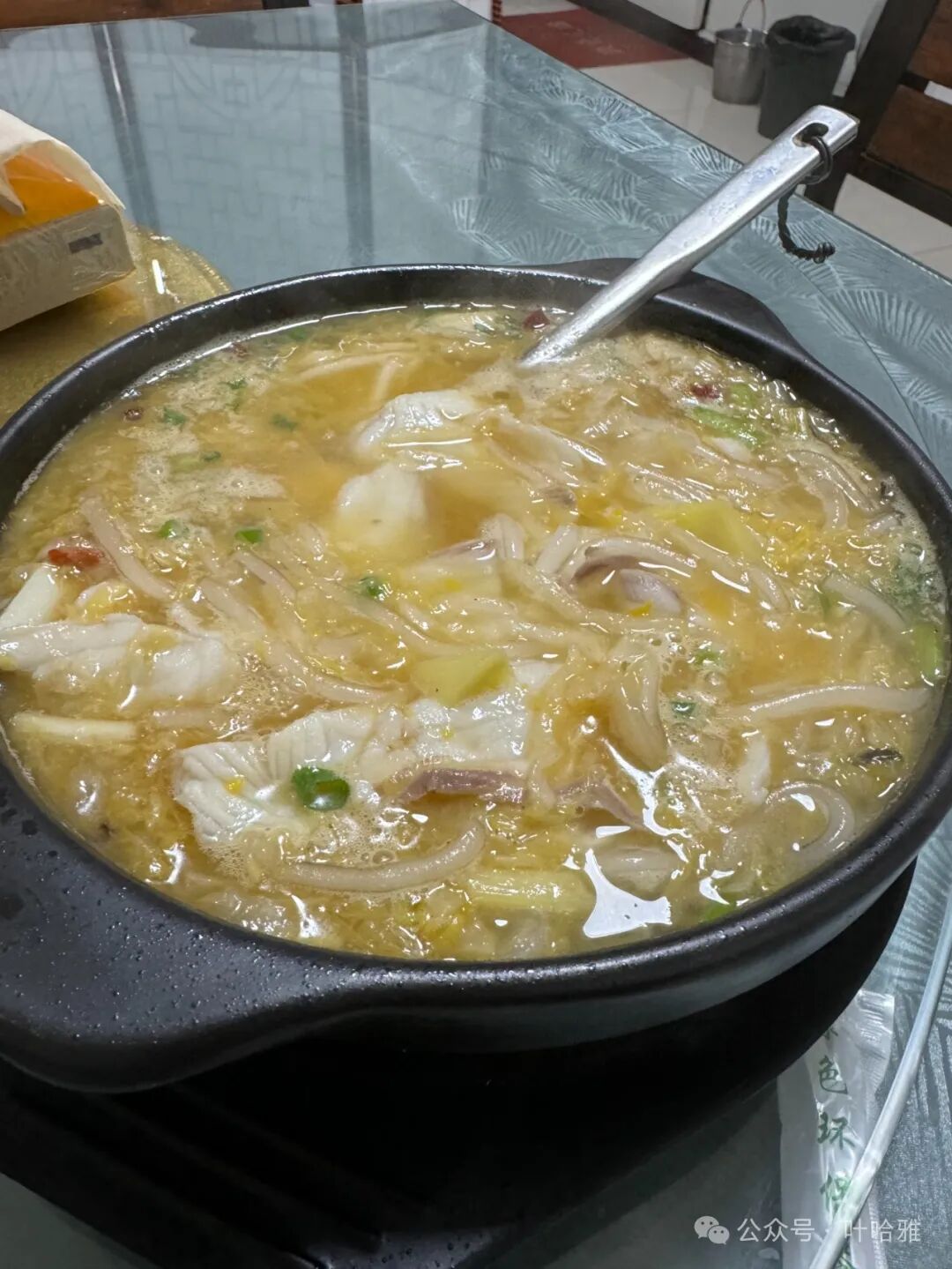
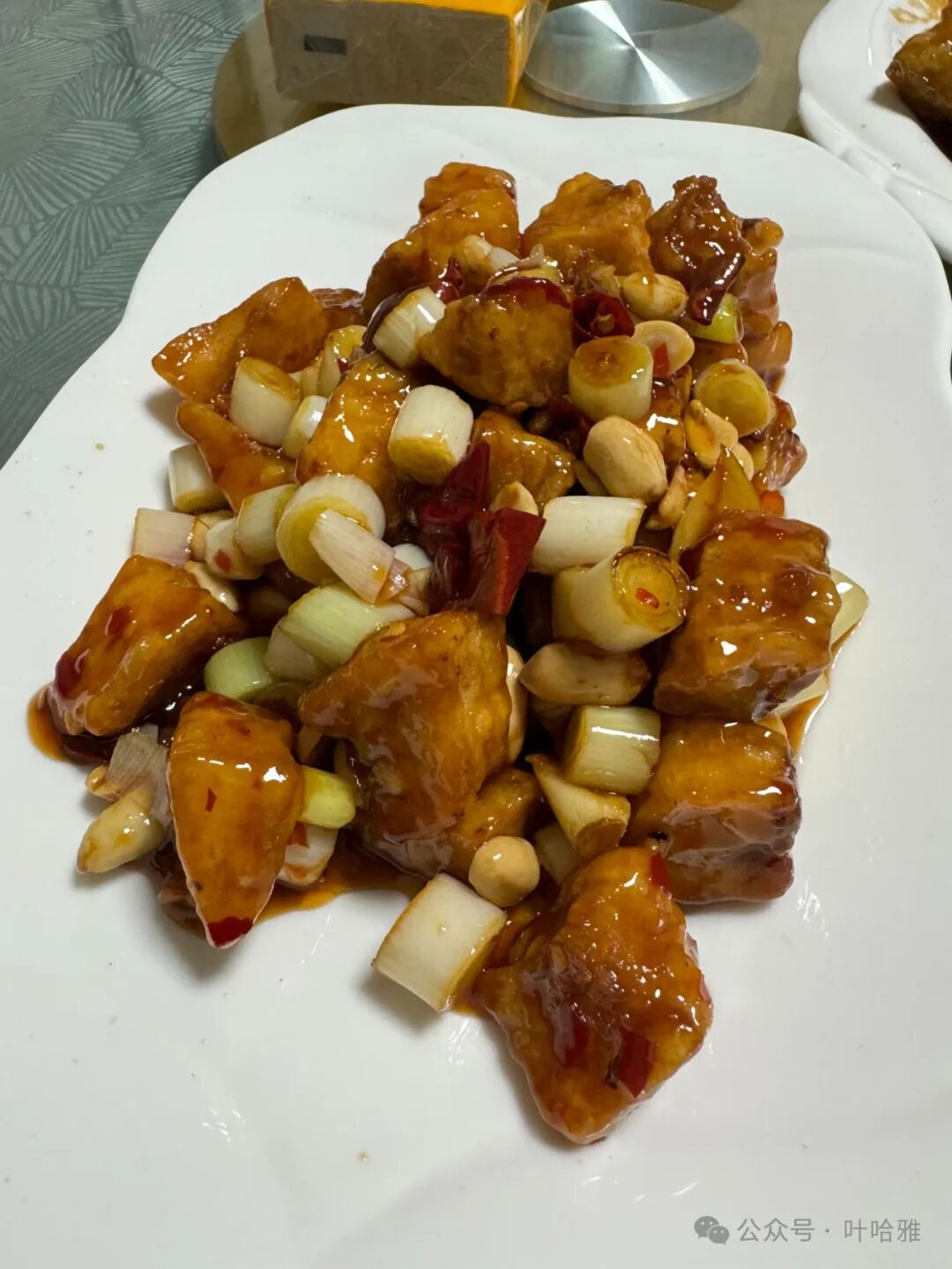
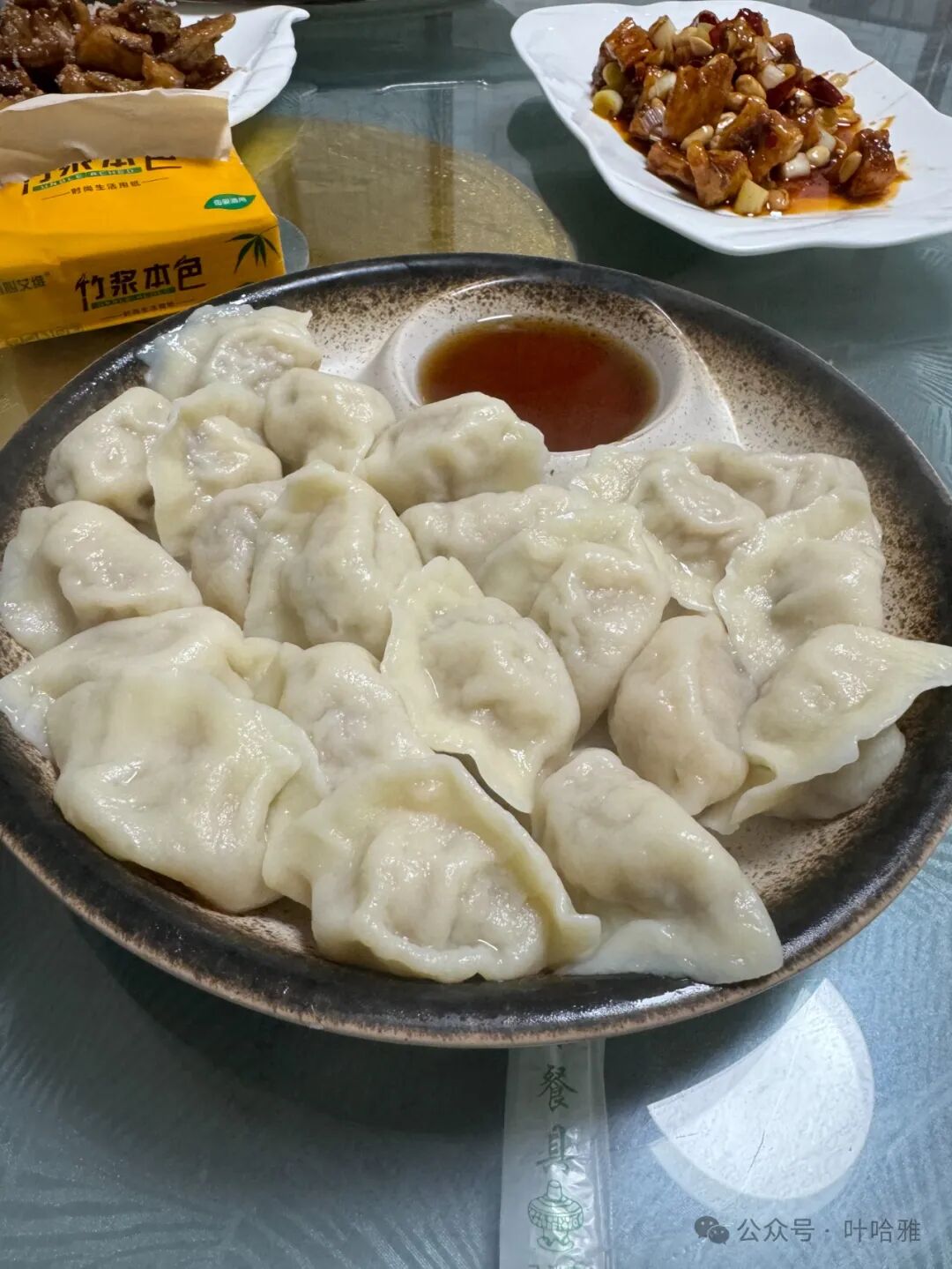
The standard dishes include salt and pepper fish skin, sweet and sour fish bones, fish offal, fish and radish soup, and stir-fried fish fillets. The main course is sturgeon dumplings. The fish is very fresh, and every dish tastes great.
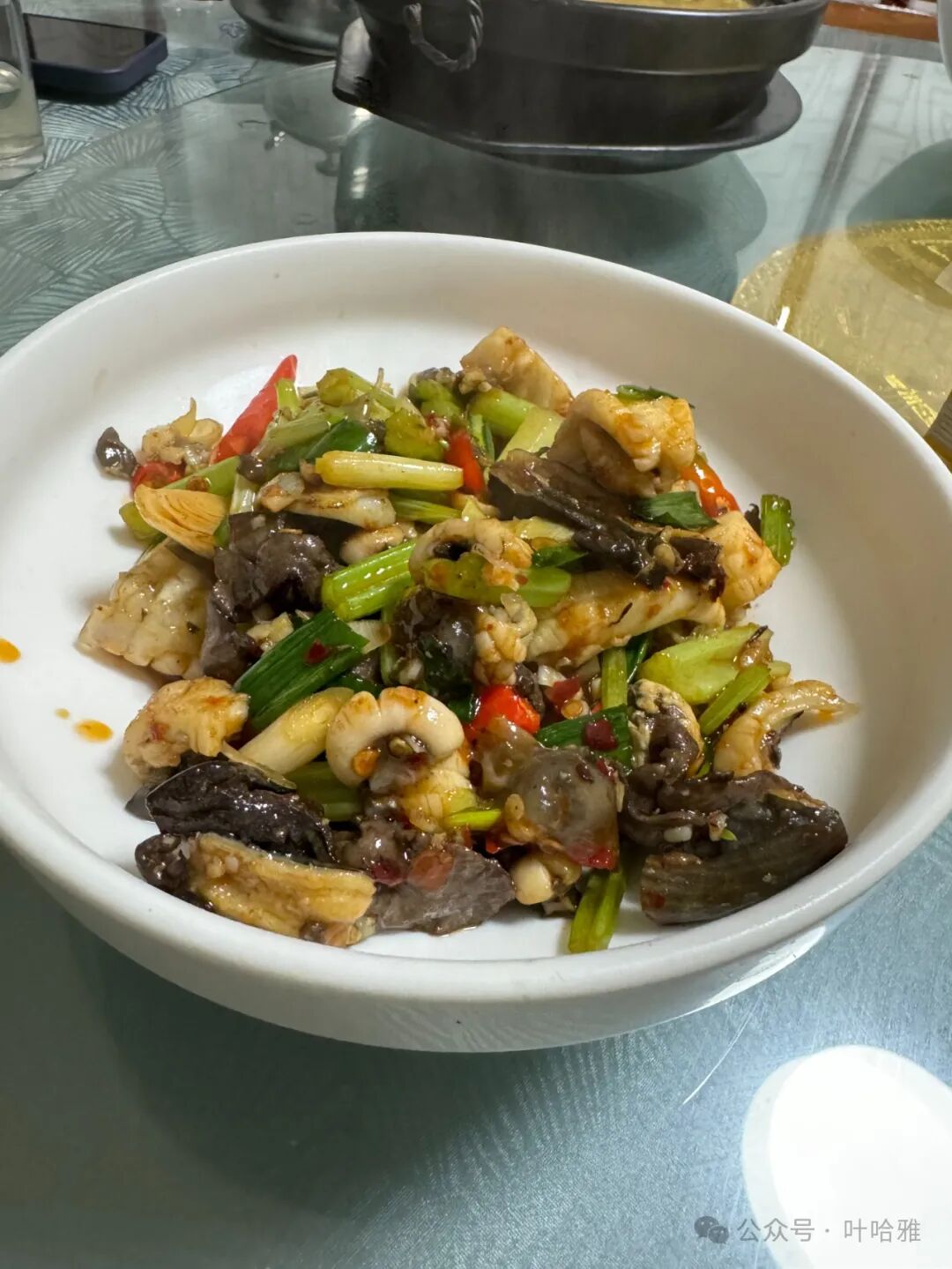
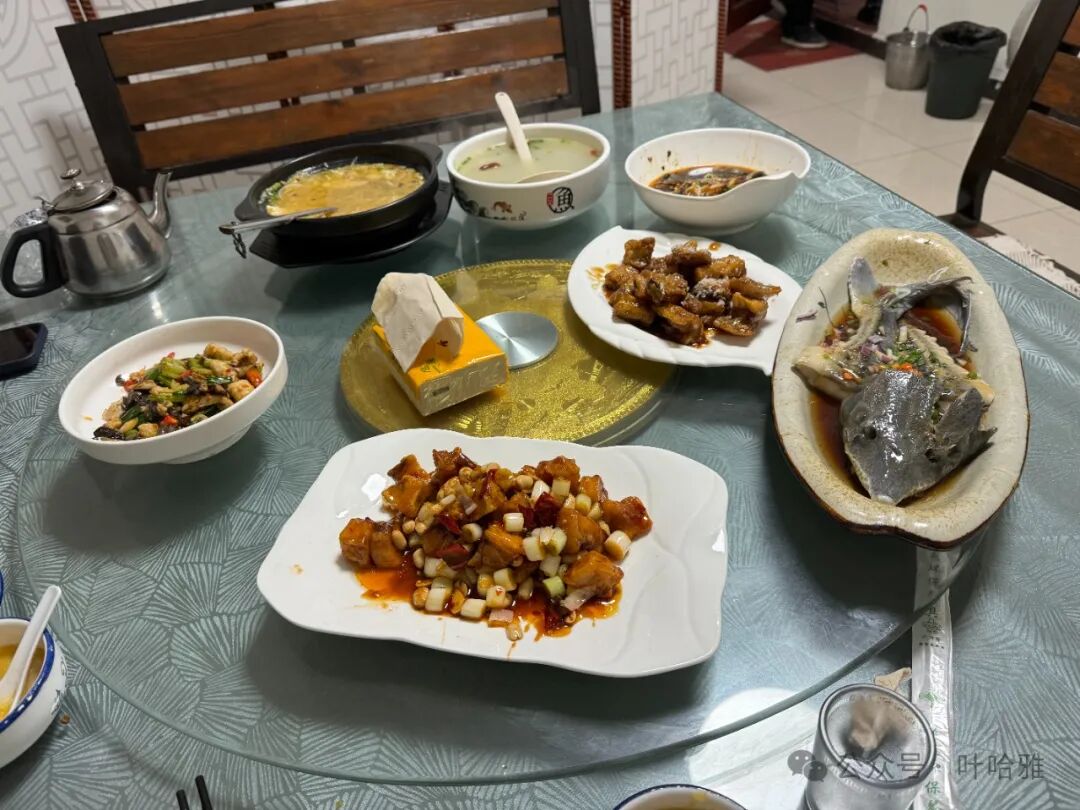
8. Saddam Lanzhou Beef Noodles
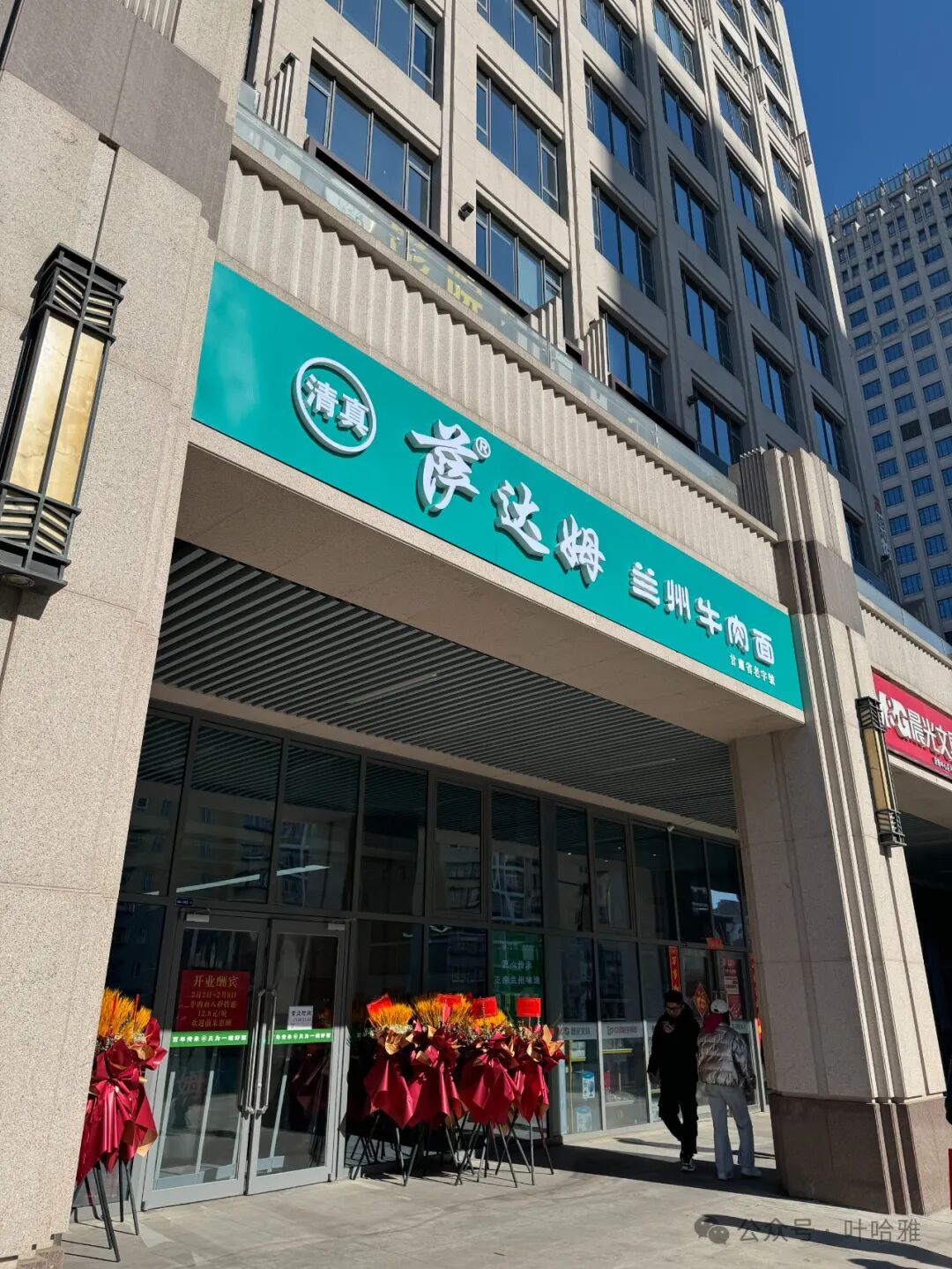
The long-standing Lanzhou brand Saddam Beef Noodles has expanded into Beijing's Fengtai District. Known as the Eastern Heretic of the Lanzhou beef noodle world, the shop opened in eastern Lanzhou in the 1990s. It got its name because the owner looked just like Saddam. Other famous shops include the Western Poison Ma Anjun, the Southern Emperor Guobao, the Northern Beggar Cangying, and the Central Master Ma Zilu.
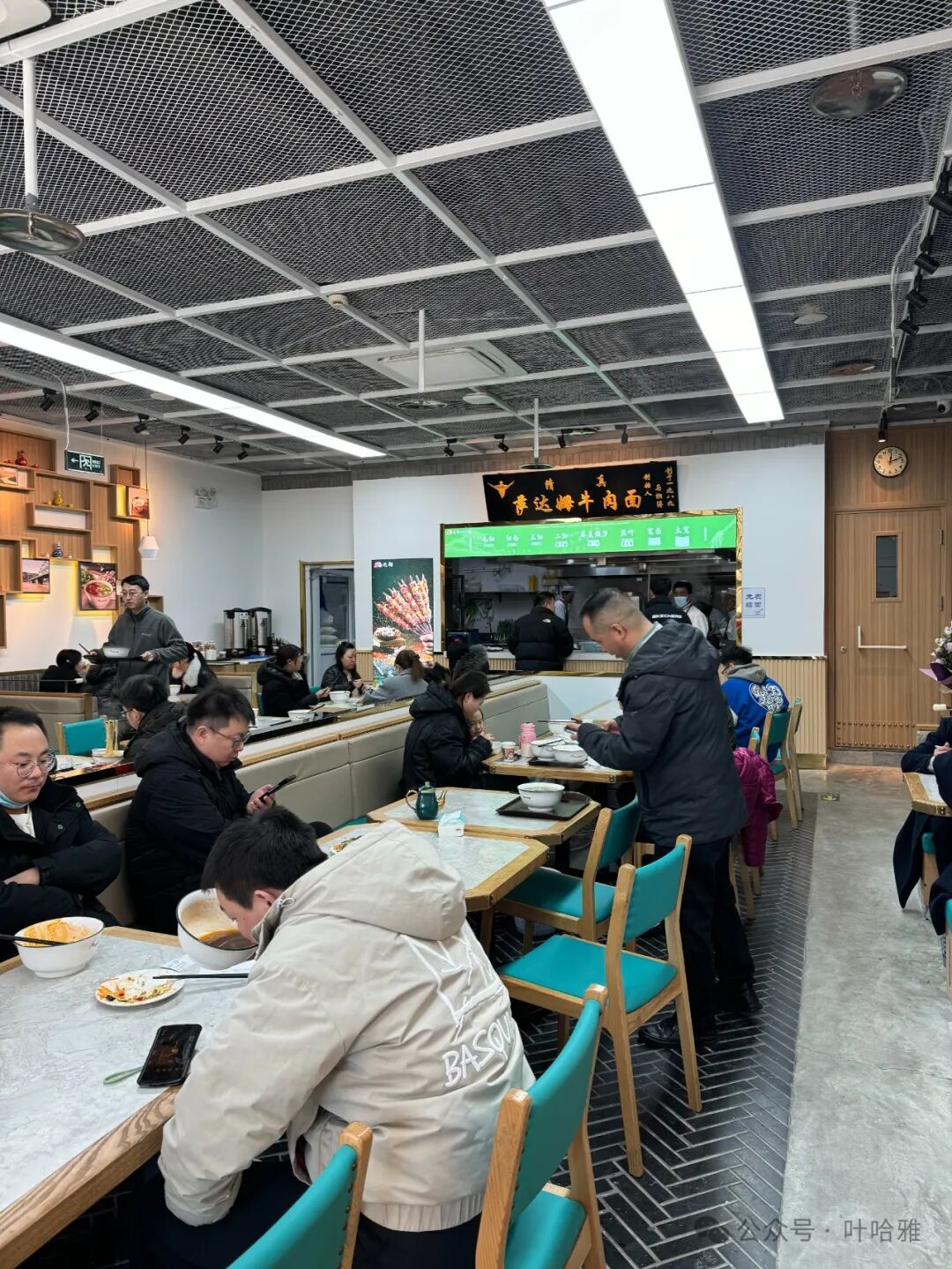
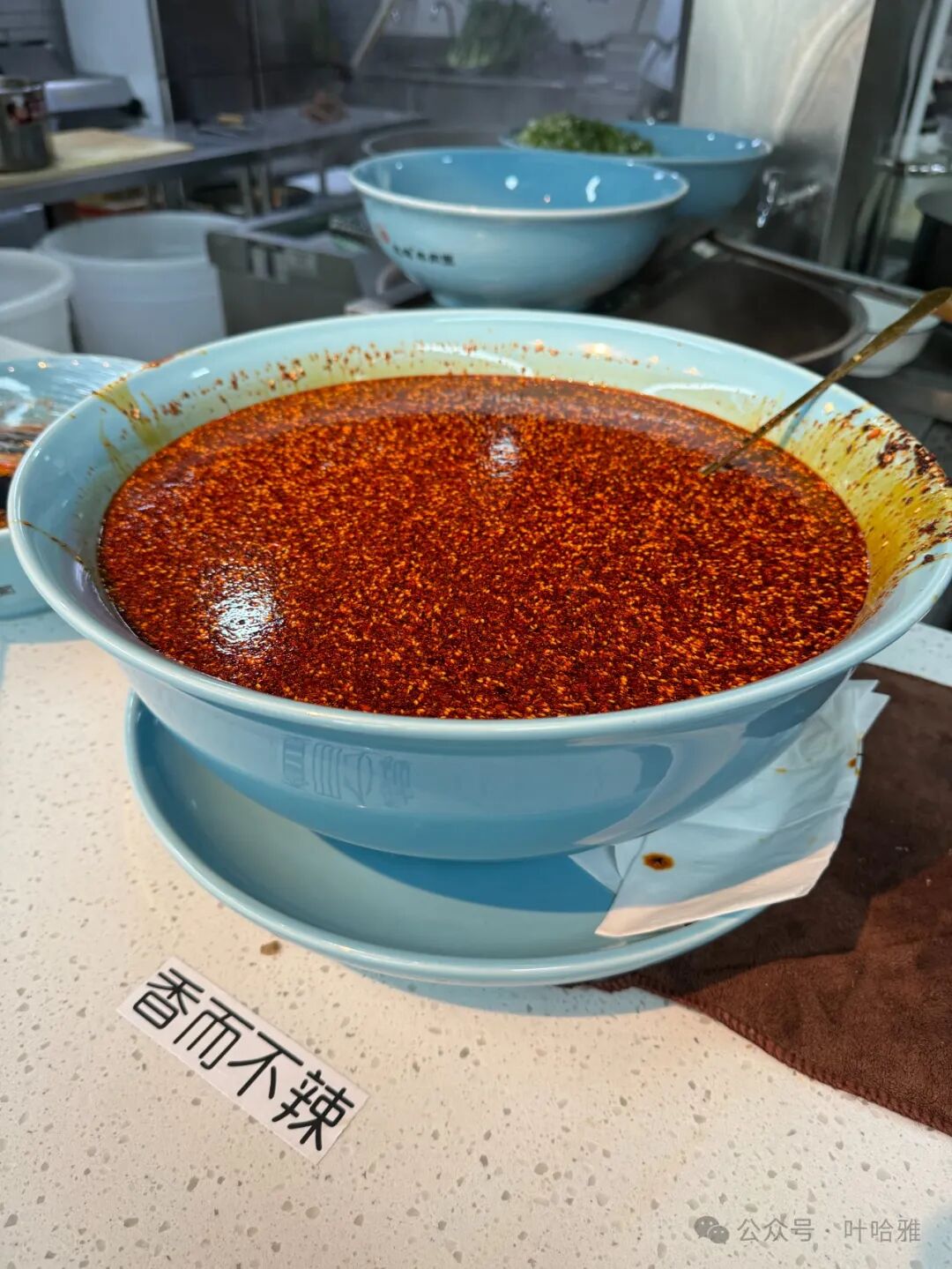
You can tell the beef noodles will be good just by looking at the chili oil, which is fragrant but not too spicy. I tried it and found it very authentic. My friends from Lanzhou would not be disappointed if they came here to eat.
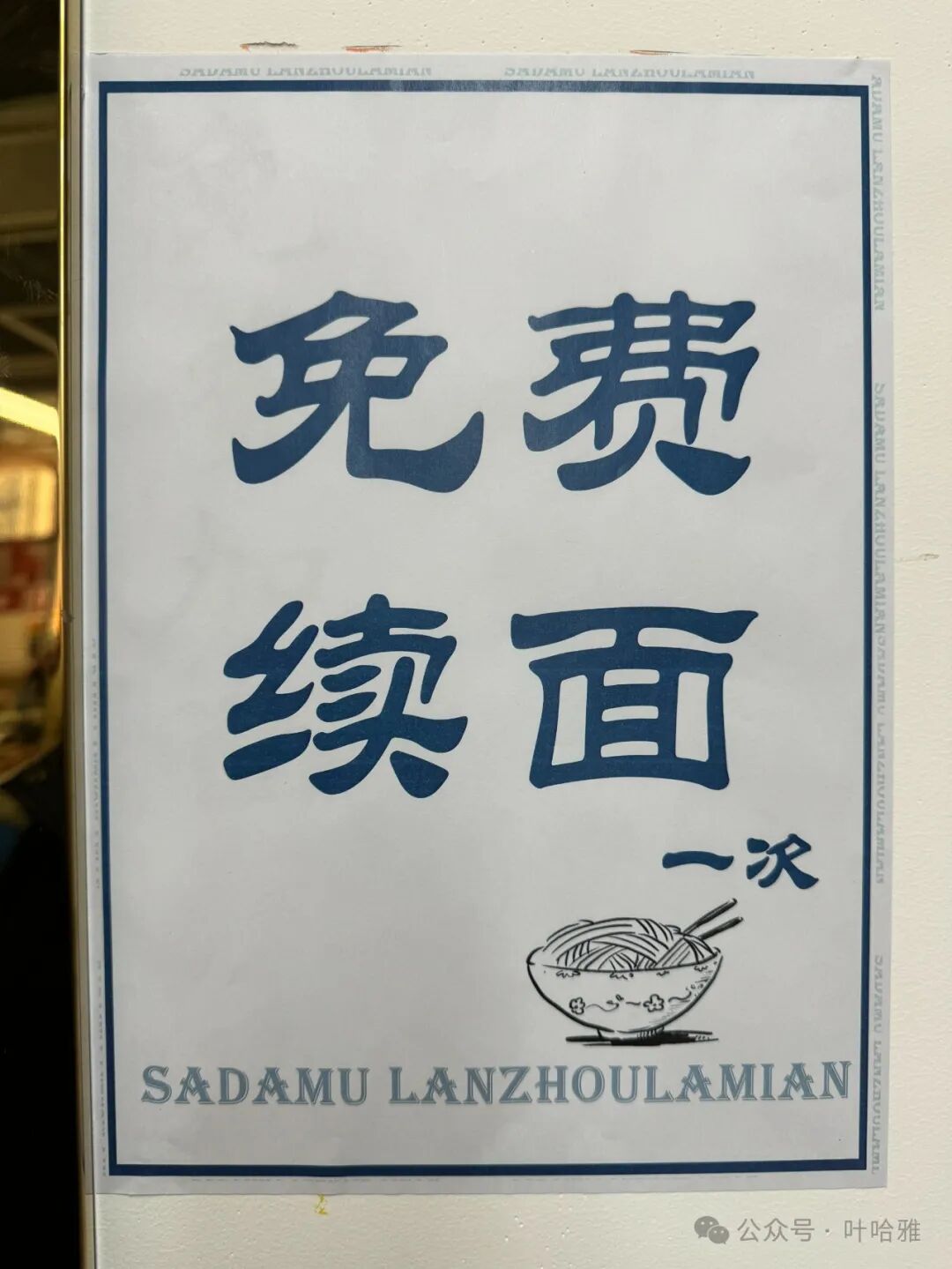
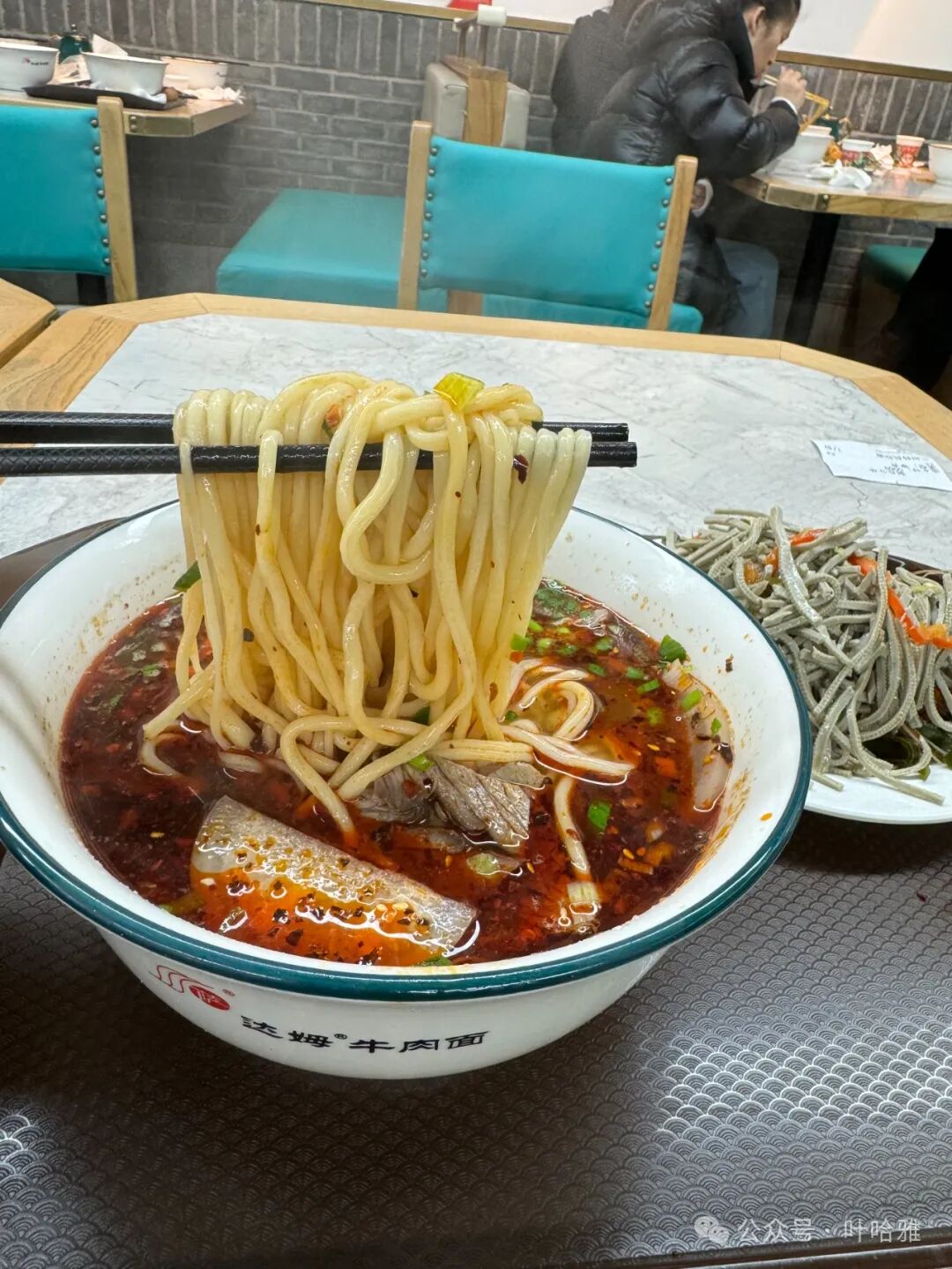
Best Halal Food Beijing Changying: Jintianwang BBQ, Lanzhou Beef Noodles and Turkmenistan Food
Articles • yusuf908 posted the article • 0 comments • 248 views • 2026-05-23 08:43
Summary: This Beijing halal food map issue 51 compares Changying with Niujie and covers Jintianwang Barbecue, Lingganbao, Zanjin Lanzhou spicy skewers, ASIAN FOOD Turkmenistan Restaurant, MONAL China-Pakistan food, airport noodles, Indian food, and Lanzhou-quality beef noodles in Beijing.
1. Jintianwang Barbecue
2. Lingganbao Underwater Restaurant
3. Zanjin Lanzhou Spicy Skewers
4. ASIAN FOOD Turkmenistan Restaurant
5. MONAL Emerald China-Pakistan Friendship Restaurant
6. Bansamu Lanzhou Beef Noodles (Capital Airport T3)
7. Saduli Indian Restaurant
8. Quartet Lanzhou Spicy Beef Noodles
1. Jintianwang Barbecue
As someone from Niujie, I still think Changying has more good food. This is mainly because Changying offers more flavor choices and is friendly to young people. This newly opened barbecue place serves Qiqihar-style grilled meat.
When you enter, the server will ask if you want grilled meat (kaorou) or skewers (shaokao). If you choose grilled meat, you pick your meat at the counter, where the quality is clear to see. I picked these four items and they all tasted good, but the beef neck (shangnao) was the best.
Meat grilled over charcoal still tastes better than meat grilled with electricity.
Their dry seasoning is free, but the sauce costs extra. The owner gave us a free serving of sauce, which tasted a lot like the sauce used in stone pot bibimbap. The dry seasoning is a bit bland, so it is best to add some sea salt.
This meal cost 200 yuan. There is a parking lot at the entrance, but you have to pay for parking yourself. Parking in Changying is quite convenient, unlike in Niujie where you cannot find a spot even if you have the money.
2. Lingganbao Underwater Restaurant
Lingganbao is a children's playground in the Changying area. Their restaurant is open to the public and is halal. The owner is the same person who owns Changying Qingyanfang, and he owns the entire playground.
They have pasta, burgers, and pizza that kids love, as well as stir-fried dishes, barbecue, and staple foods for adults.
I really like their chicken burger. It is made to order and tastes especially good.
When I was in Malaysia, I could eat at children's playground restaurants whenever I wanted. It has not been this convenient since I returned to Beijing.
I do not recommend this Beijing-style meat pie (jingdong roubing). It was just average. I recorded a video of the children's playground that explains things in more detail.
3. Zanjin Lanzhou Spicy Skewers
A newly opened Lanzhou restaurant in Changying that specializes in Lanzhou barbecue and various snacks, as well as river-bank noodle slices (heyan mianpian).
They actually serve fermented vegetable broth (jiangshui) here, and you drink it straight from the bowl. It tastes sour and salty, which people from Northwest China will definitely love.
Lanzhou-style open-flame barbecue has a pretty strong sauce flavor.
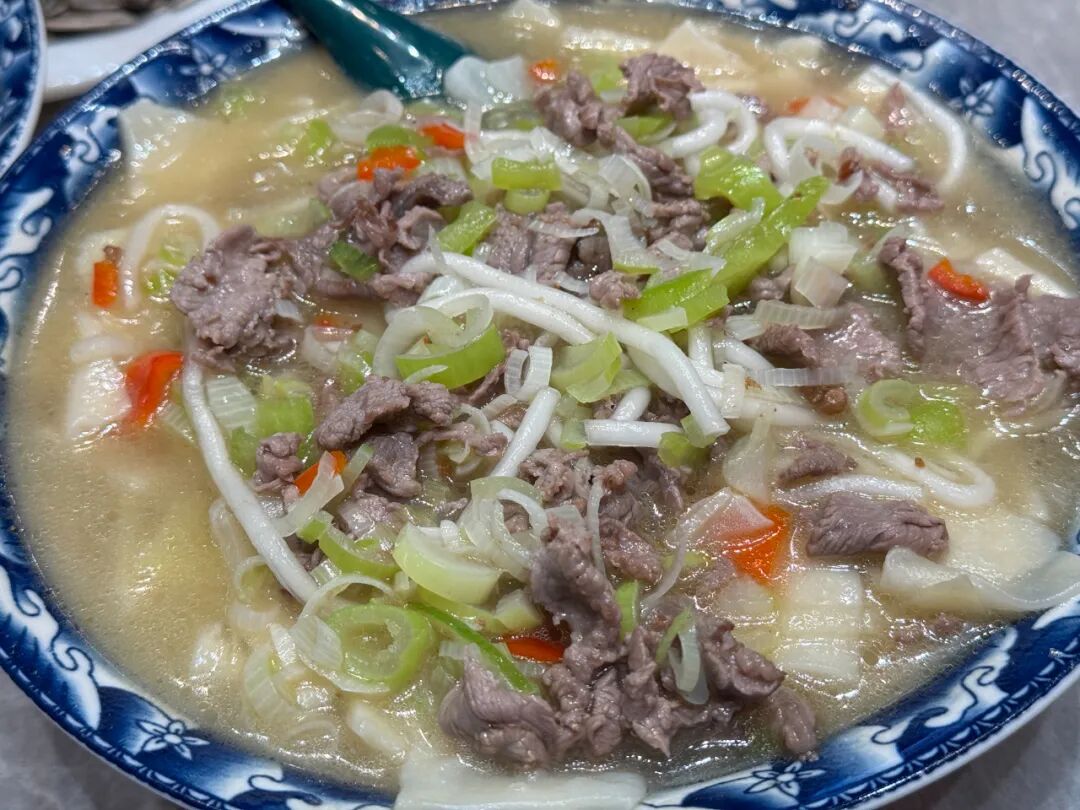
This river-bank noodle soup (heyan mianpian) is really good; I noticed every table ordered it.
4. ASIAN FOOD
A new Turkmenistan restaurant opened near the China University of Political Science and Law in Changping. It is a small, alcohol-free restaurant, but they have a good variety of food.
Turkmen food is more like Turkish food. It is slightly different from Xinjiang food and also a bit like Russian food.
Their homemade yogurt is the plain kind with no sugar added, so it is very sour.
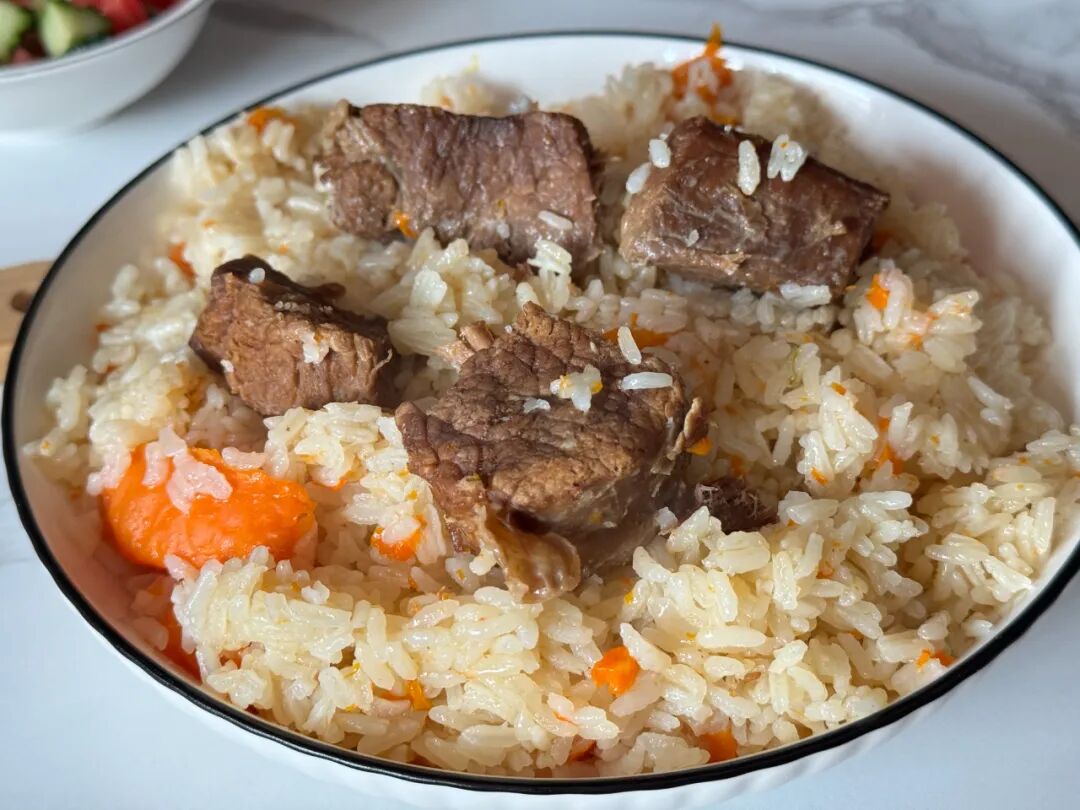
The grilled chicken wrap tastes good, but the pilaf (zhua fan) is made in a bit of a rough and simple way.
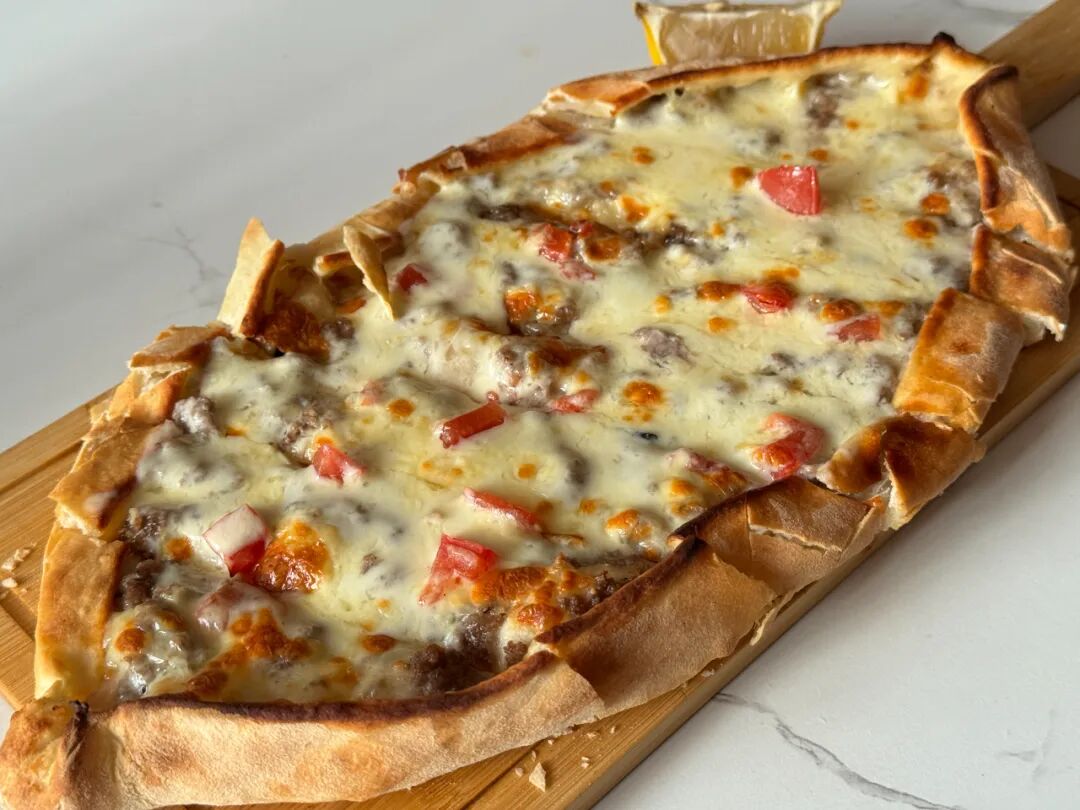
The Turkish pita bread (pida) is delicious. The whole meal only cost a little over 80 yuan, which is a great deal.
5. MONAL Emerald China-Pakistan Friendship Restaurant
The China-Pakistan Friendship Restaurant opened a new branch in 798. The weekday dinner buffet is 93 yuan per person, and there are also several individual set meals to choose from.
Mughal fish curry; the Mughal period refers to the time of the Islamic empire in India.
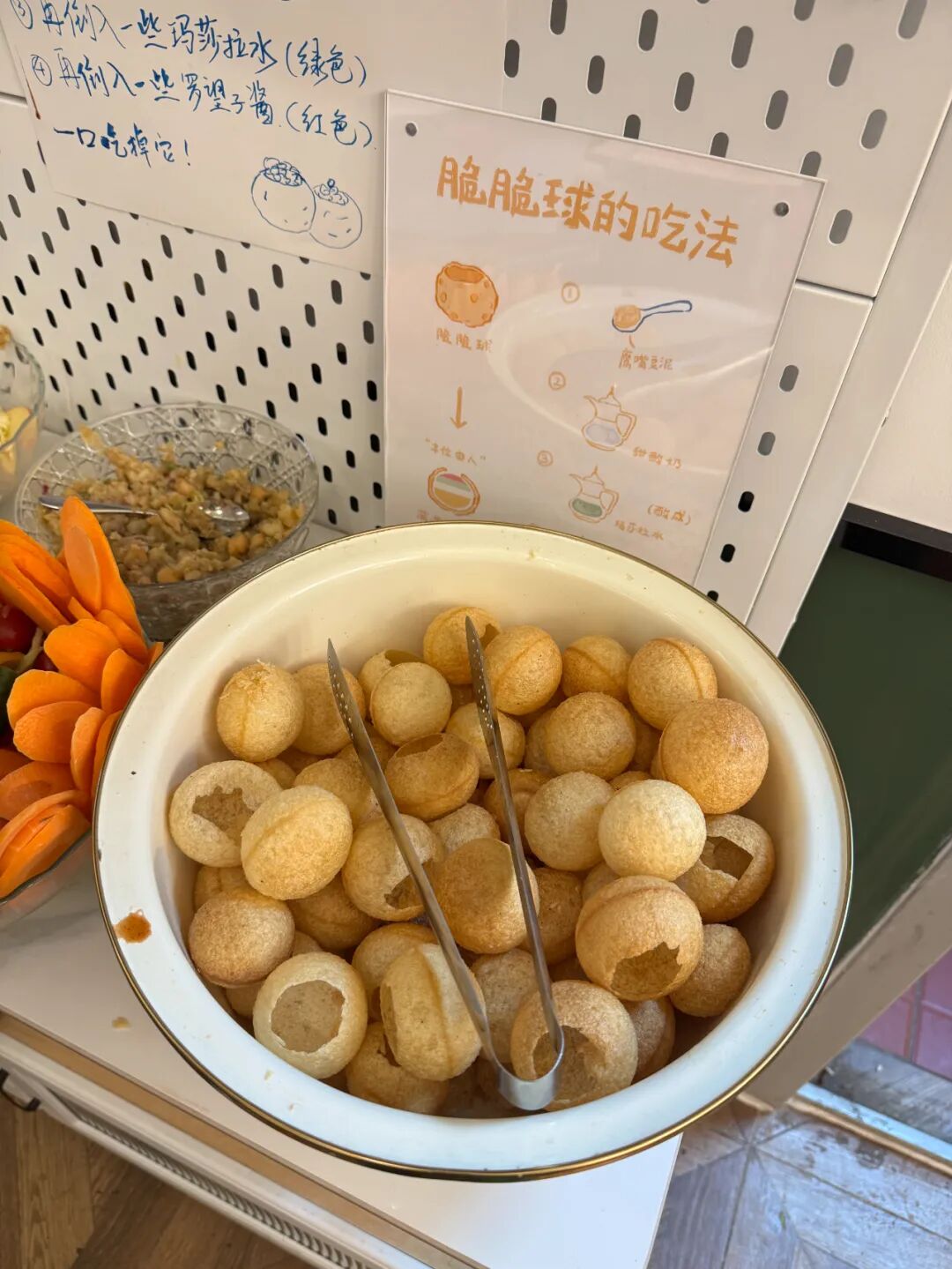
The kids love the pasta, and Fahim couldn't stop eating these crunchy balls.
Another highlight here is the freshly made milk tea, which is very popular.
6. Bansamu Lanzhou Beef Noodles (Capital Airport T3)
At Capital Airport Terminal 3, before security, there are two halal restaurants. One serves beef noodles and the other is a Xinjiang restaurant. They are right next to each other.
My flight was early in the morning, so I ate at Bansamu Beef Noodles because Sunaisi wasn't open yet.
Both shops have a similar style and both serve beef noodles. I don't know what the owners were thinking, opening right next to each other. They are just competing and making it hard for either to make money. The noodles taste okay, but this beef and egg combo cost over 70 yuan.
7. Saduli Indian Restaurant
Saduli opened this branch in Yizhuang. Their first shop is in Beiluoguxiang. The owner is from Kolkata and has lived in Beijing for over ten years. He married a Beijing local.
Their Indian food is very authentic for Beijing. It tastes great and business is good, so it is usually full in the evening.
This rose yogurt is especially delicious. Their curry is quite thick and goes well with naan bread.
There are parking spaces right in front of the restaurant. The roads in Yizhuang are well-planned and there is no traffic, so I really like coming here.
8. Quartet Lanzhou Spicy Beef Noodles
Not far from Saduli is another Lanzhou beef noodle shop. Its style is clearly different from traditional beef noodle shops, and you can tell right away it was designed by young people.
The restaurant is small, and most of the seats are single spots along the wall, which reminds me of small street shops in Japan.
The highlight here is the variety of chili oil (lazi) options. When you order, you can choose traditional Lanzhou chili oil, which is fragrant but not spicy. If you pick medium or extra spicy, it is a non-traditional flavor that is very hot, catering to different tastes.
About ten years ago, people said you had to go to Lanzhou for authentic Lanzhou beef noodles and that you couldn't get that taste anywhere else. I thought that made sense back then, but now, there is more than one place in Beijing where you can get Lanzhou-quality beef noodles, and this shop is one of them. view all
Summary: This Beijing halal food map issue 51 compares Changying with Niujie and covers Jintianwang Barbecue, Lingganbao, Zanjin Lanzhou spicy skewers, ASIAN FOOD Turkmenistan Restaurant, MONAL China-Pakistan food, airport noodles, Indian food, and Lanzhou-quality beef noodles in Beijing.
1. Jintianwang Barbecue
2. Lingganbao Underwater Restaurant
3. Zanjin Lanzhou Spicy Skewers
4. ASIAN FOOD Turkmenistan Restaurant
5. MONAL Emerald China-Pakistan Friendship Restaurant
6. Bansamu Lanzhou Beef Noodles (Capital Airport T3)
7. Saduli Indian Restaurant
8. Quartet Lanzhou Spicy Beef Noodles
1. Jintianwang Barbecue
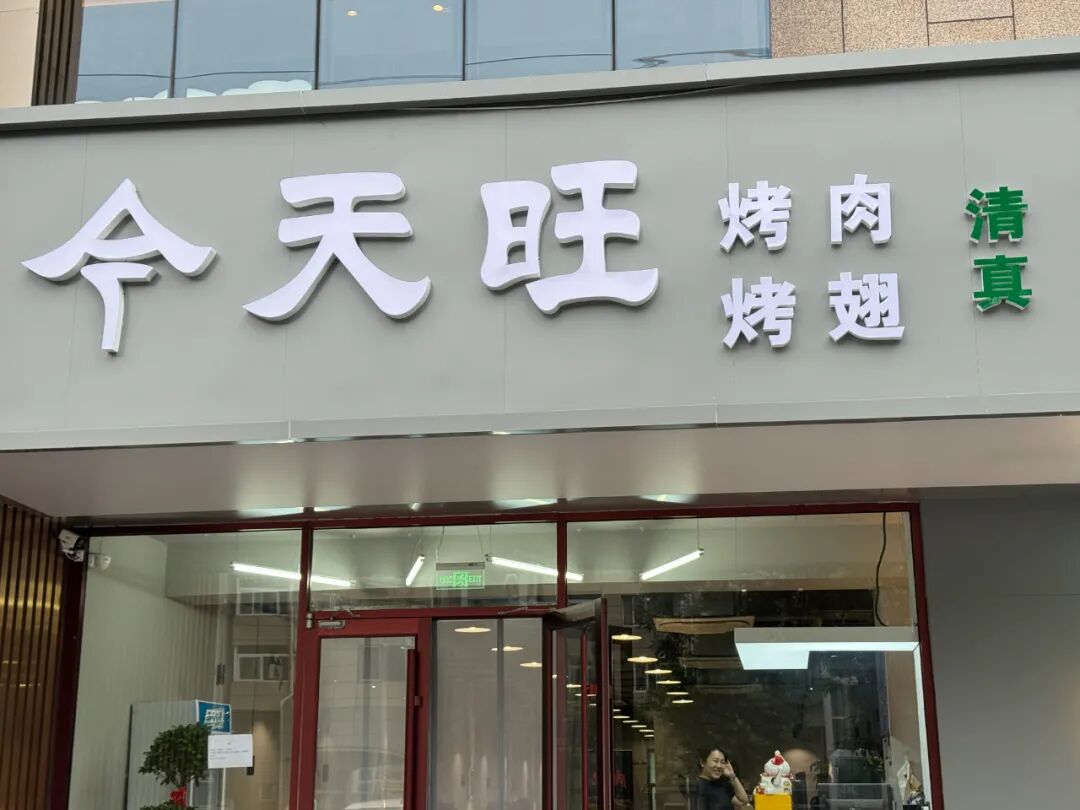
As someone from Niujie, I still think Changying has more good food. This is mainly because Changying offers more flavor choices and is friendly to young people. This newly opened barbecue place serves Qiqihar-style grilled meat.
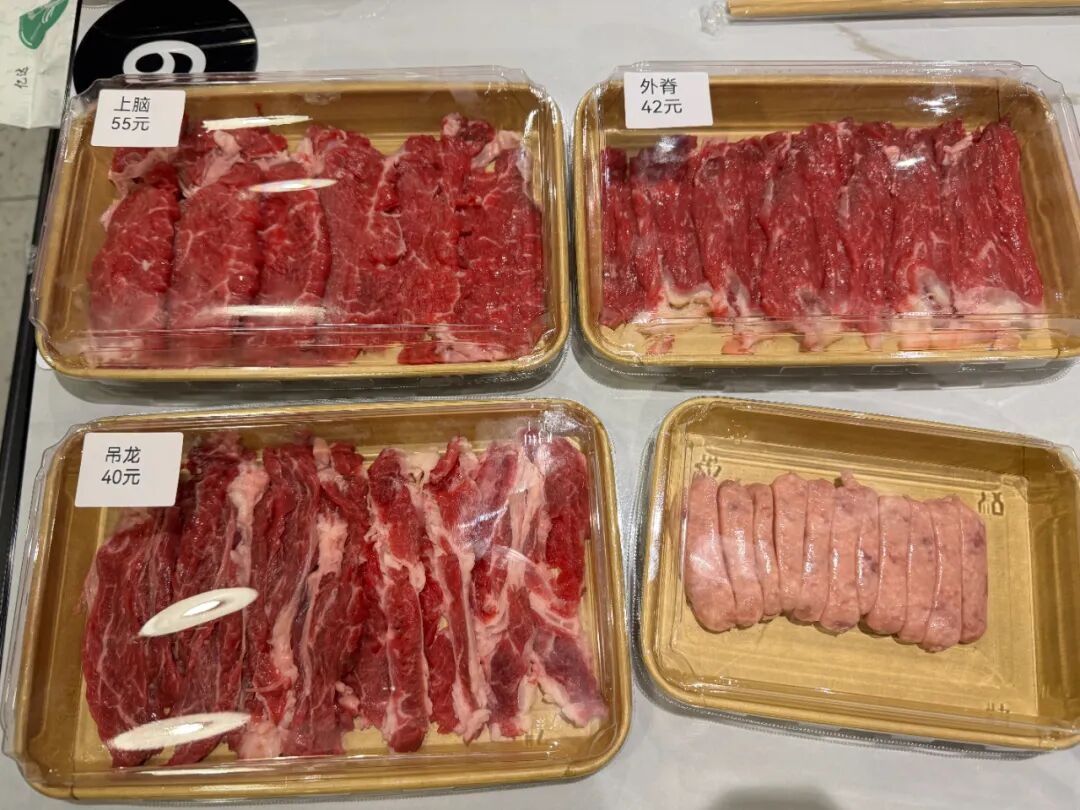
When you enter, the server will ask if you want grilled meat (kaorou) or skewers (shaokao). If you choose grilled meat, you pick your meat at the counter, where the quality is clear to see. I picked these four items and they all tasted good, but the beef neck (shangnao) was the best.
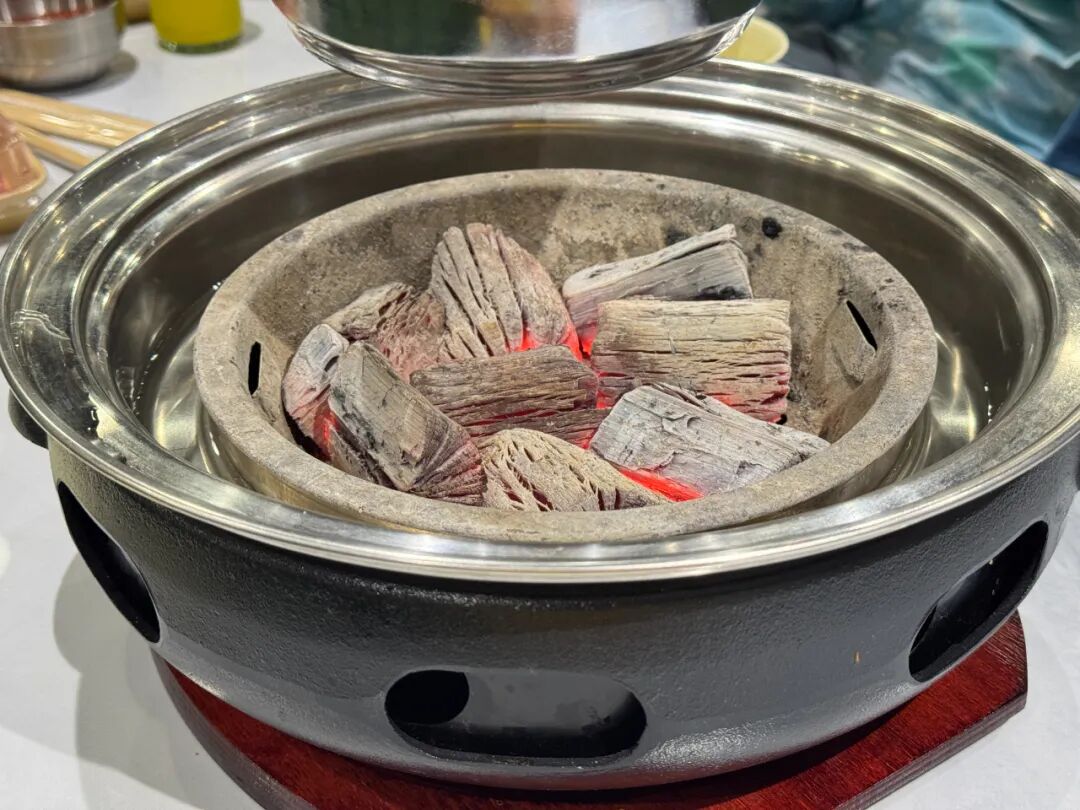
Meat grilled over charcoal still tastes better than meat grilled with electricity.
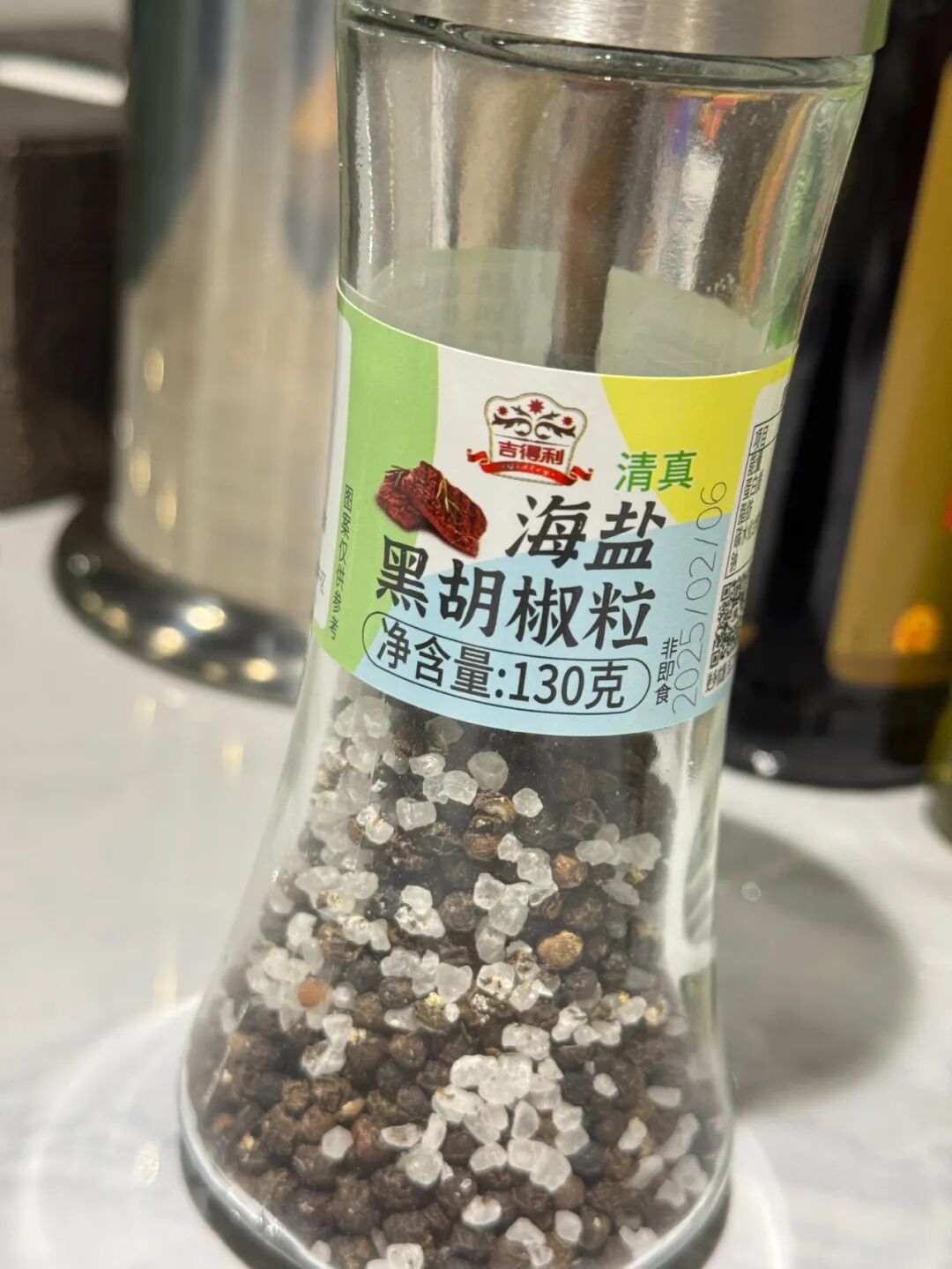
Their dry seasoning is free, but the sauce costs extra. The owner gave us a free serving of sauce, which tasted a lot like the sauce used in stone pot bibimbap. The dry seasoning is a bit bland, so it is best to add some sea salt.
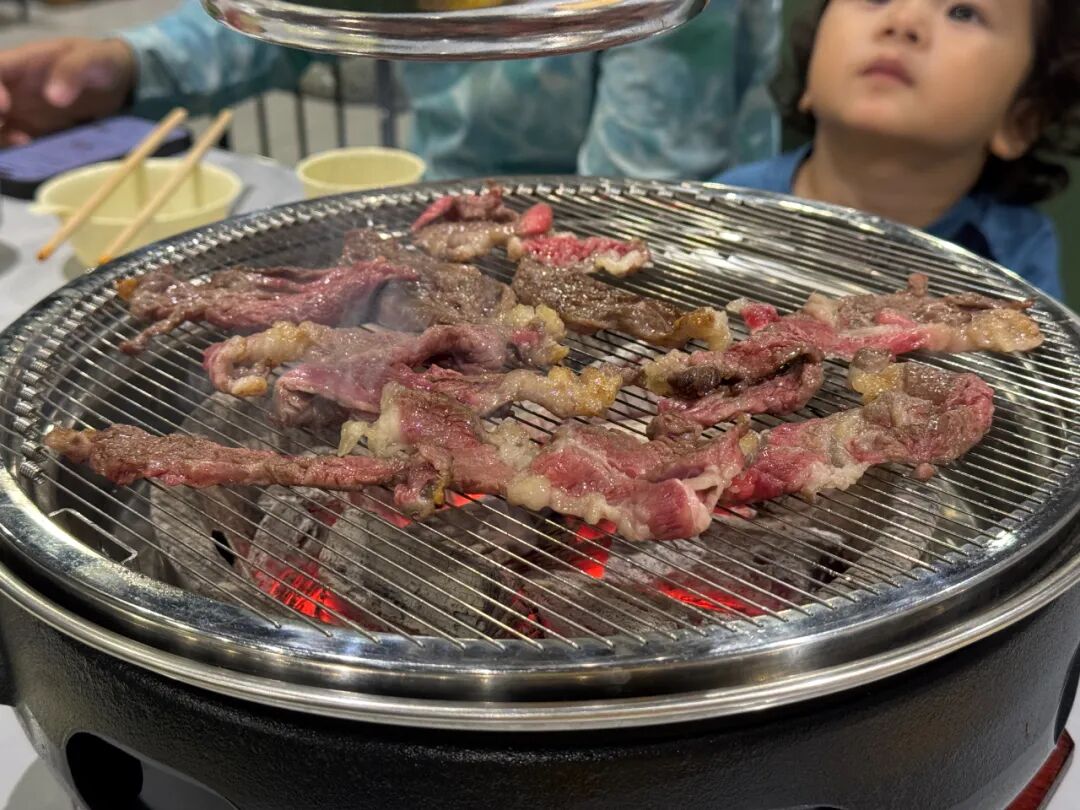
This meal cost 200 yuan. There is a parking lot at the entrance, but you have to pay for parking yourself. Parking in Changying is quite convenient, unlike in Niujie where you cannot find a spot even if you have the money.
2. Lingganbao Underwater Restaurant
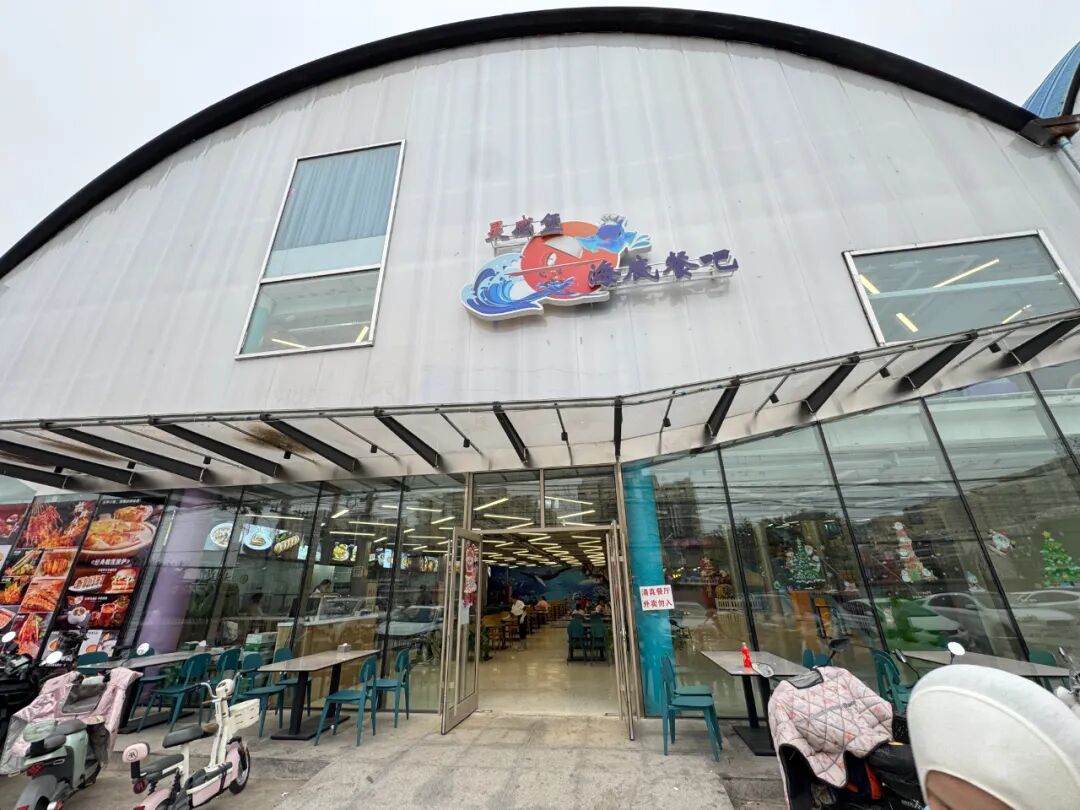
Lingganbao is a children's playground in the Changying area. Their restaurant is open to the public and is halal. The owner is the same person who owns Changying Qingyanfang, and he owns the entire playground.
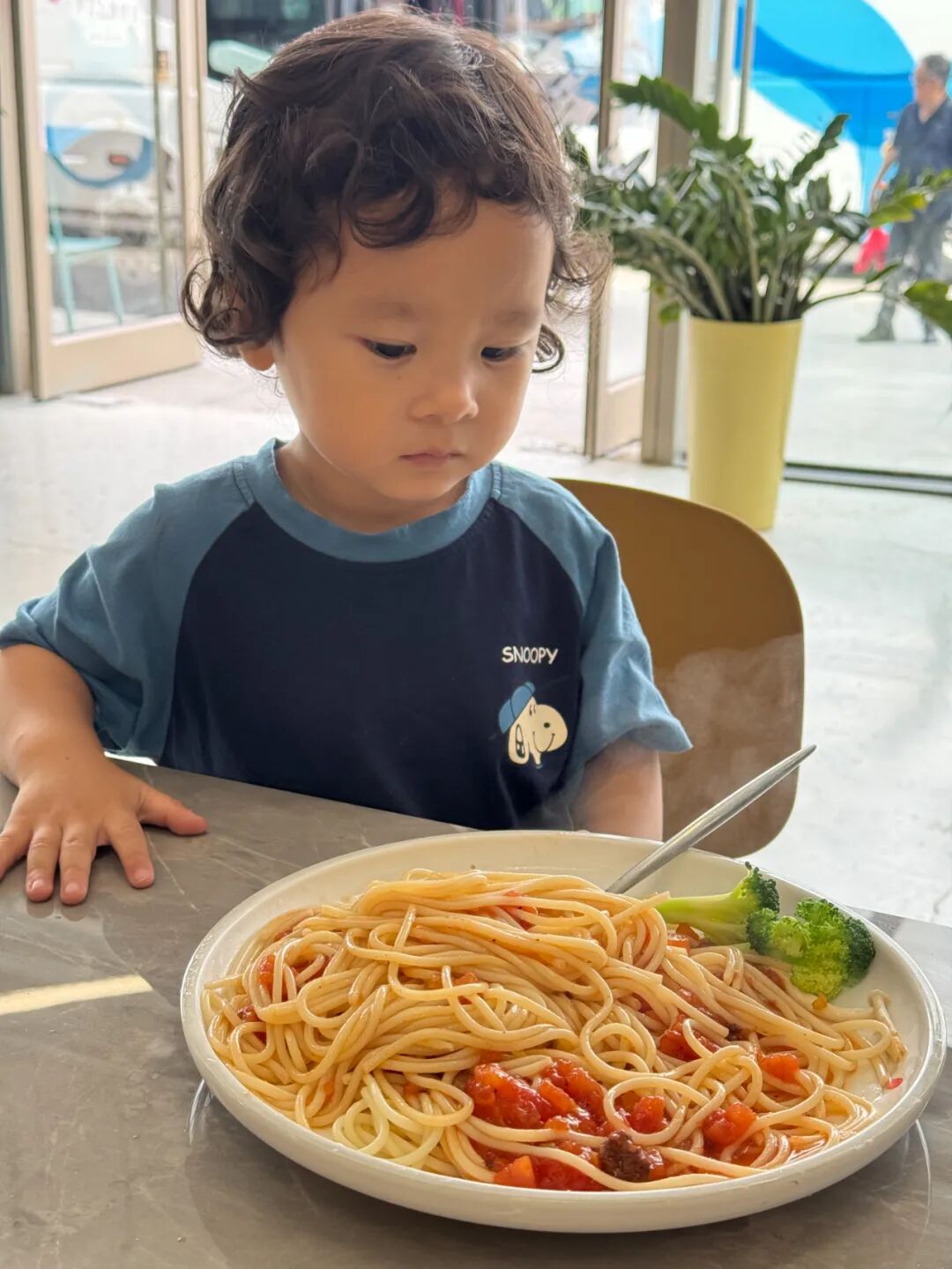
They have pasta, burgers, and pizza that kids love, as well as stir-fried dishes, barbecue, and staple foods for adults.
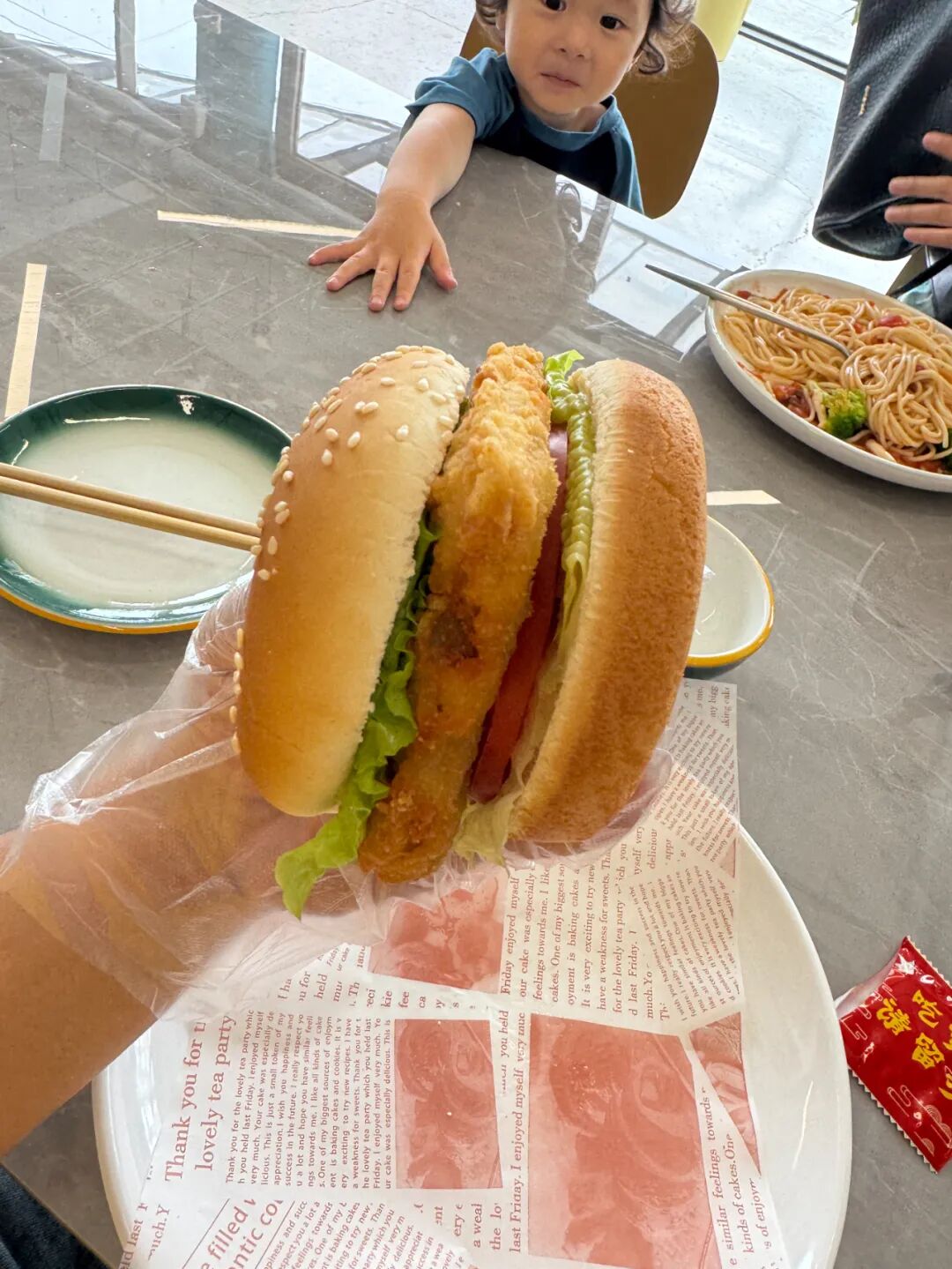
I really like their chicken burger. It is made to order and tastes especially good.
When I was in Malaysia, I could eat at children's playground restaurants whenever I wanted. It has not been this convenient since I returned to Beijing.
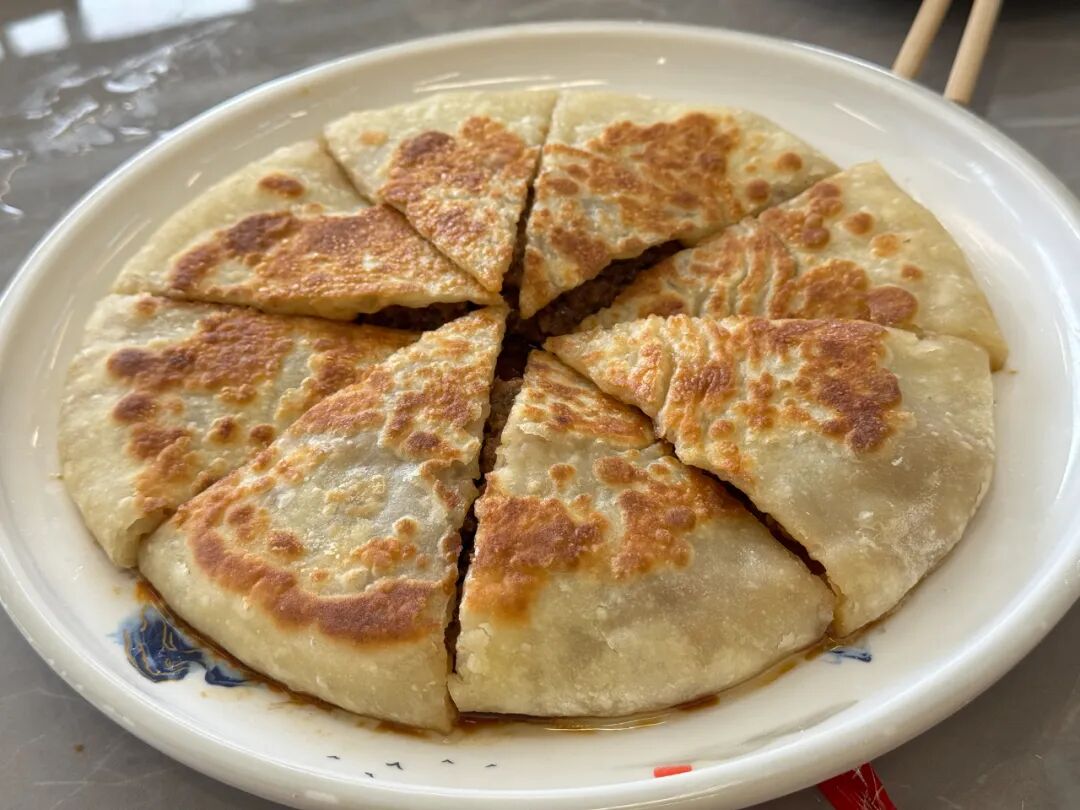
I do not recommend this Beijing-style meat pie (jingdong roubing). It was just average. I recorded a video of the children's playground that explains things in more detail.
3. Zanjin Lanzhou Spicy Skewers
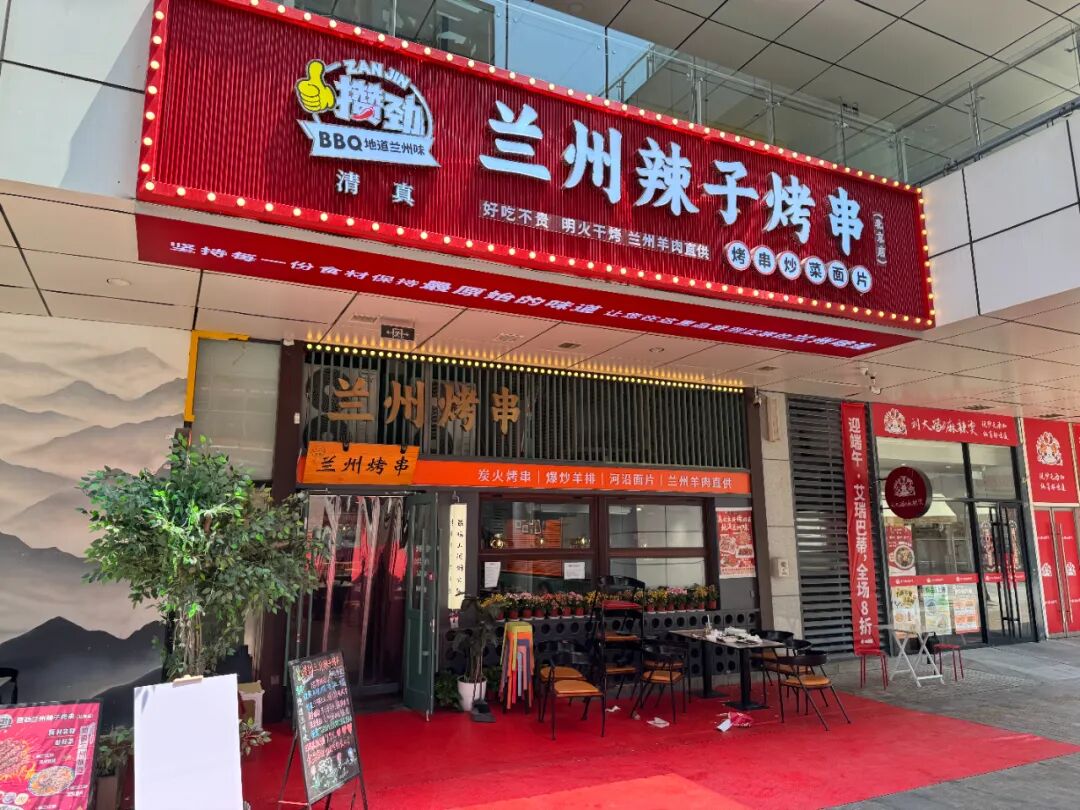
A newly opened Lanzhou restaurant in Changying that specializes in Lanzhou barbecue and various snacks, as well as river-bank noodle slices (heyan mianpian).
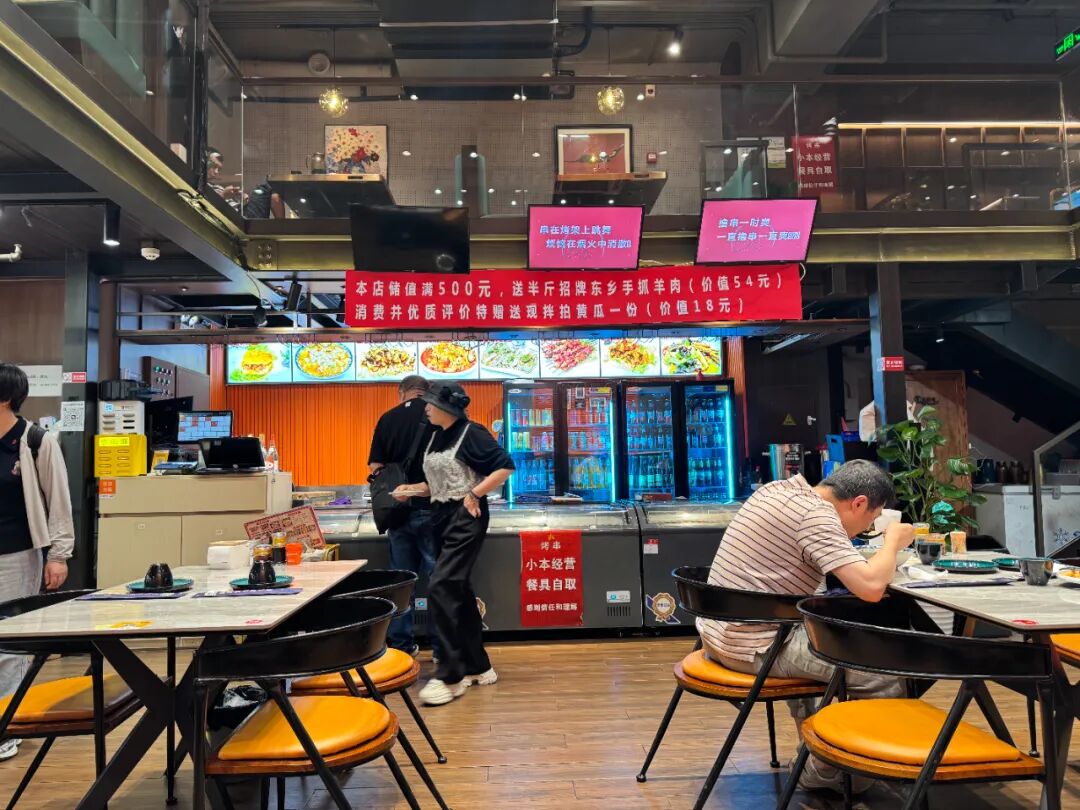
They actually serve fermented vegetable broth (jiangshui) here, and you drink it straight from the bowl. It tastes sour and salty, which people from Northwest China will definitely love.
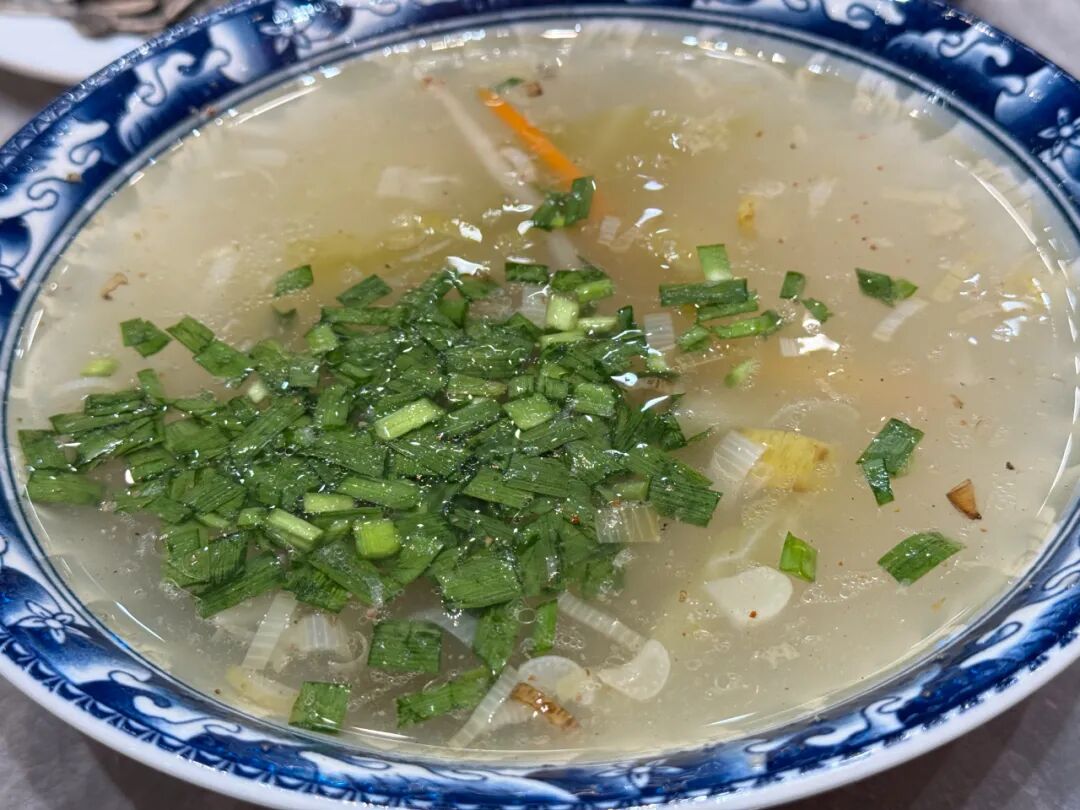
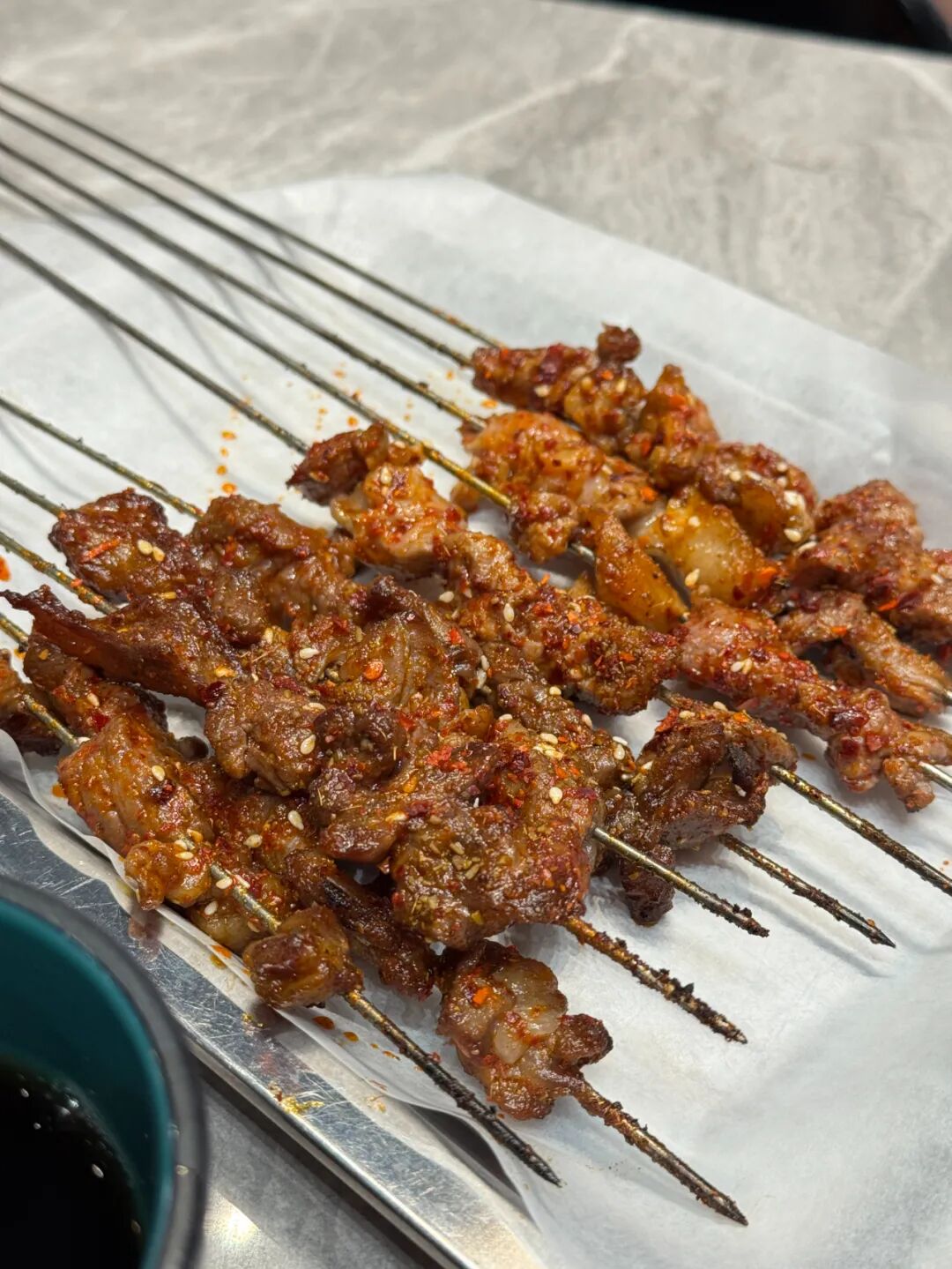
Lanzhou-style open-flame barbecue has a pretty strong sauce flavor.
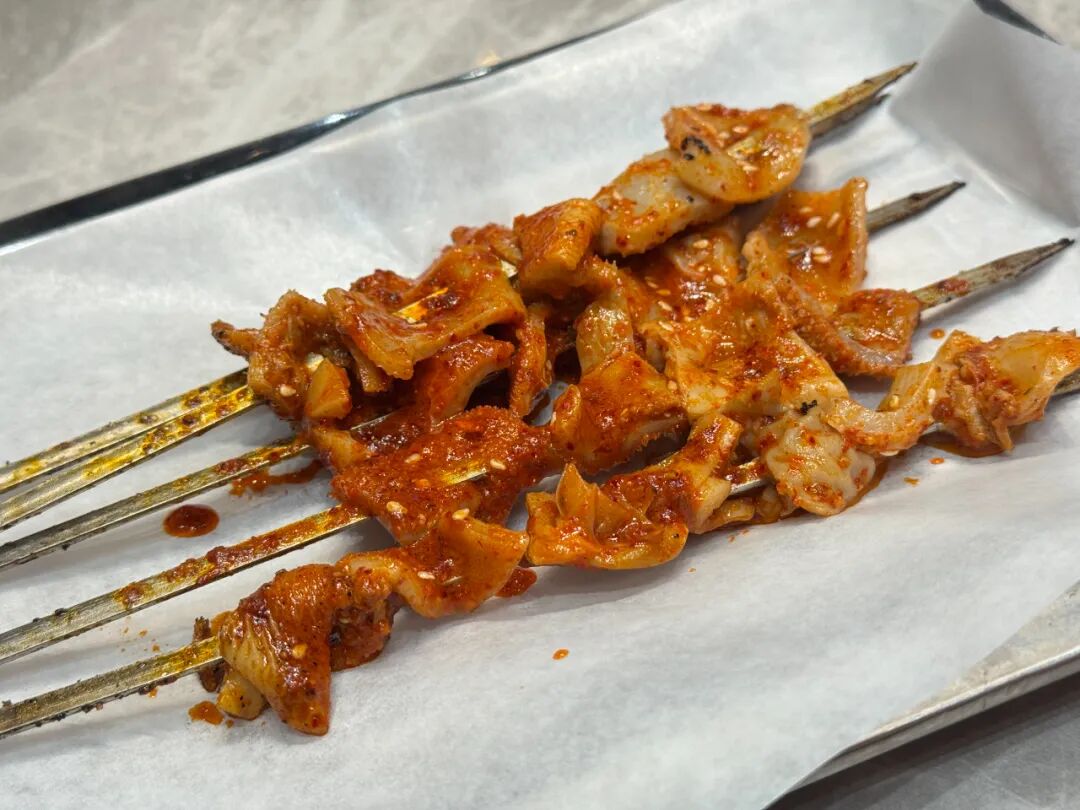
This river-bank noodle soup (heyan mianpian) is really good; I noticed every table ordered it.
4. ASIAN FOOD
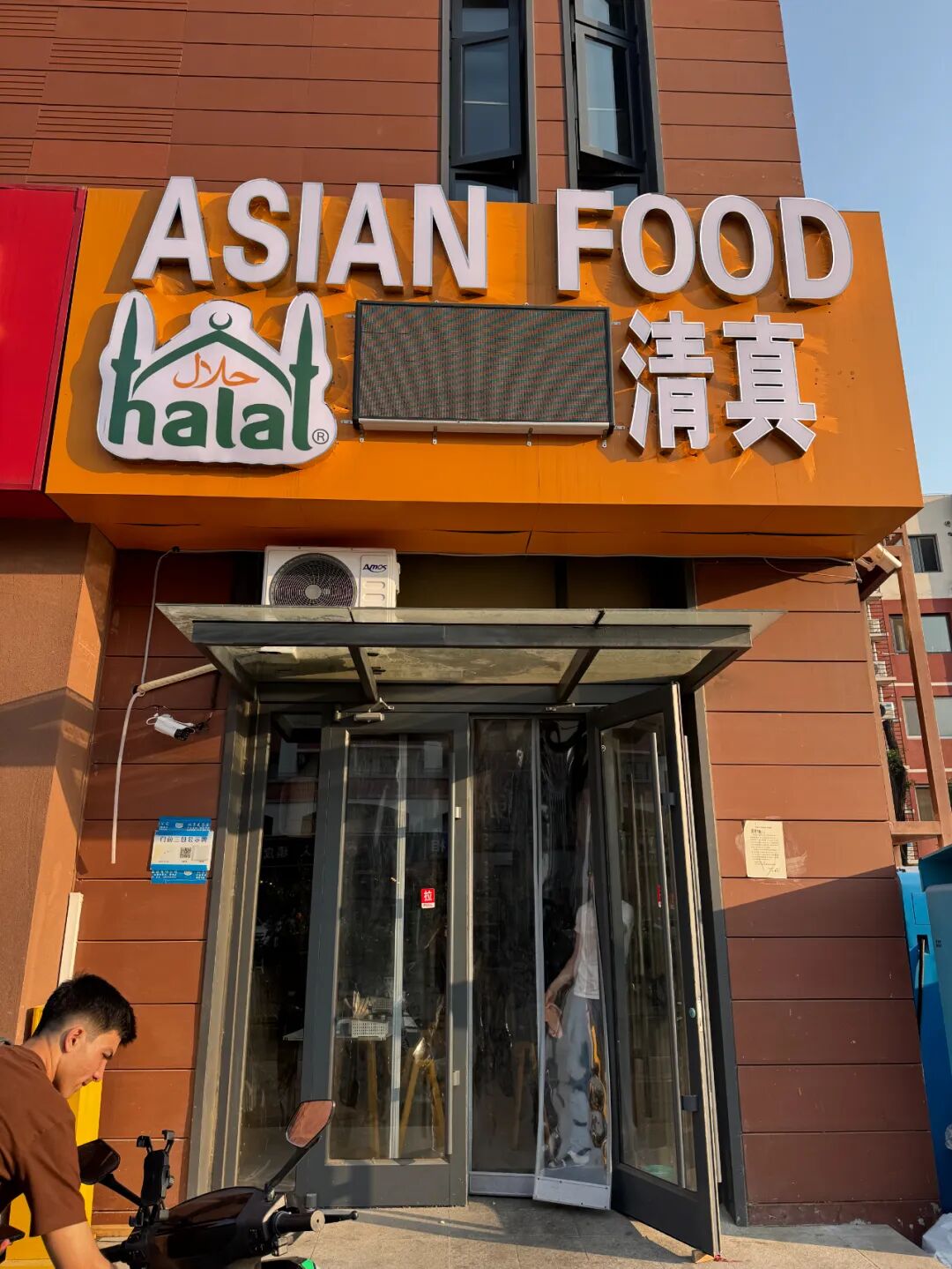
A new Turkmenistan restaurant opened near the China University of Political Science and Law in Changping. It is a small, alcohol-free restaurant, but they have a good variety of food.
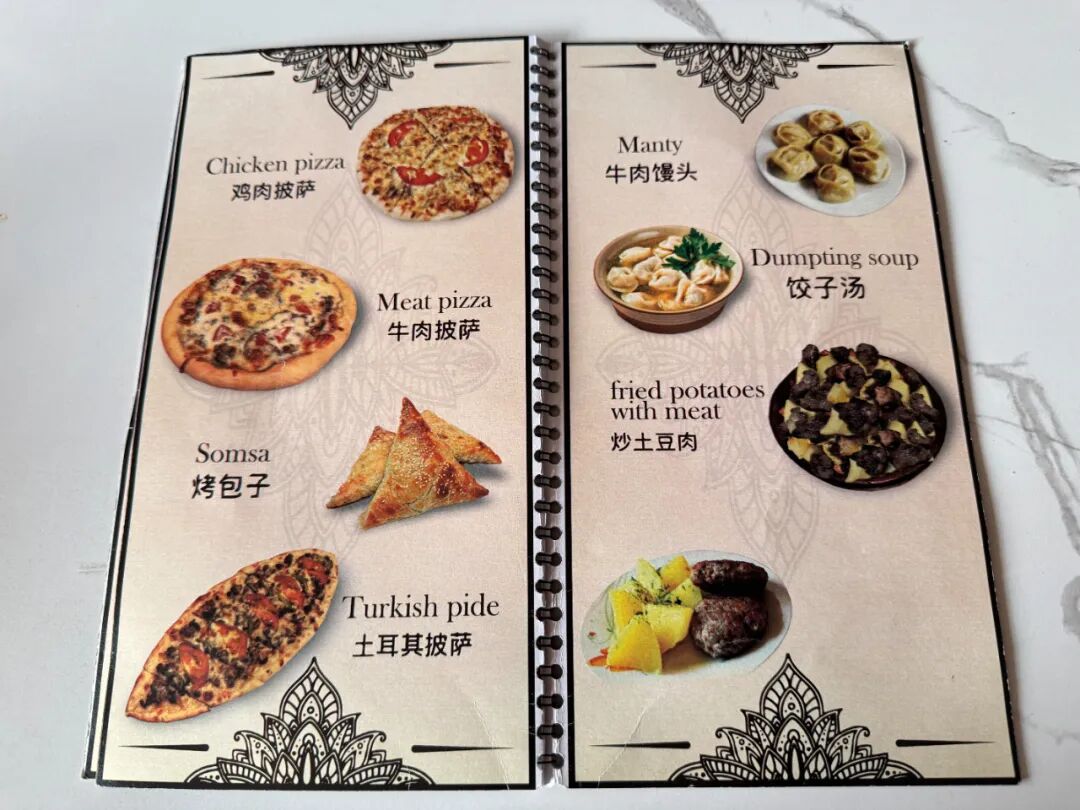
Turkmen food is more like Turkish food. It is slightly different from Xinjiang food and also a bit like Russian food.
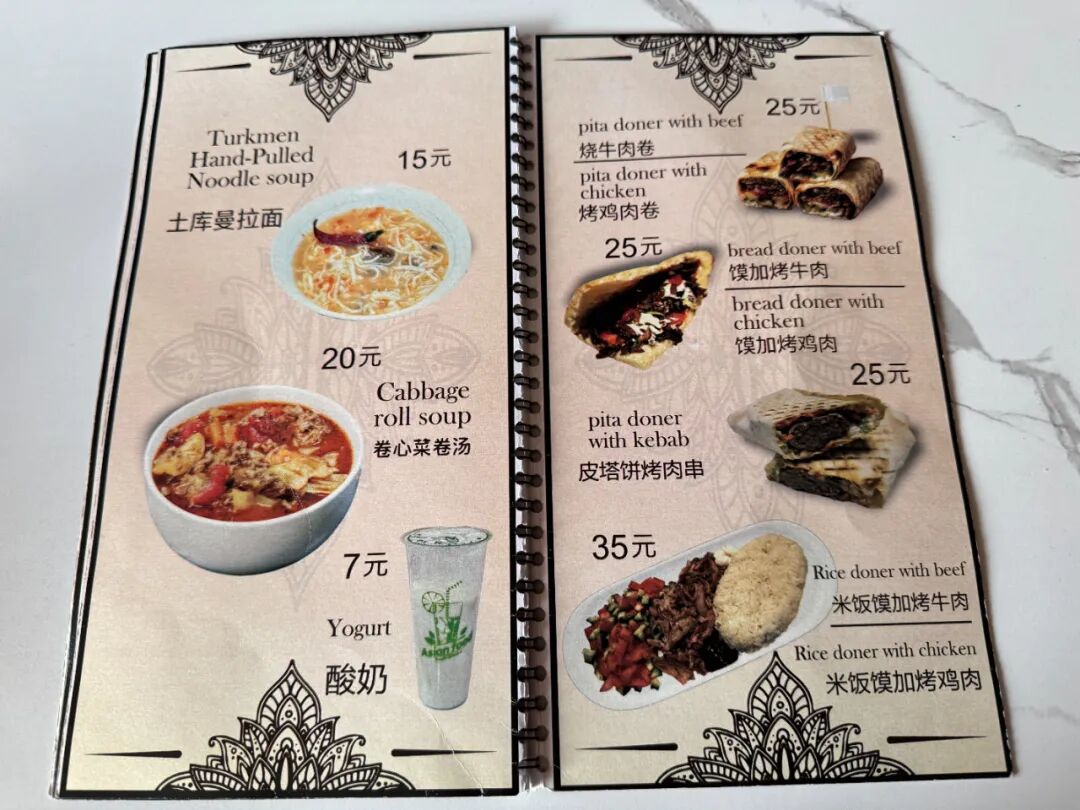
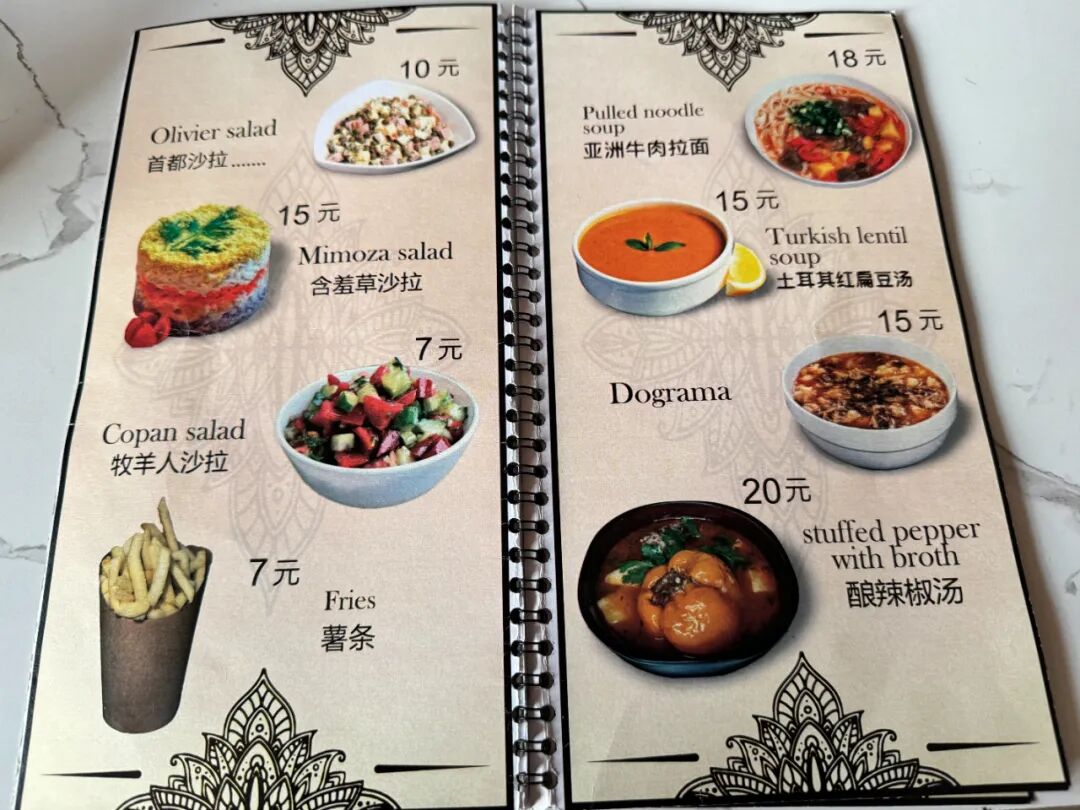
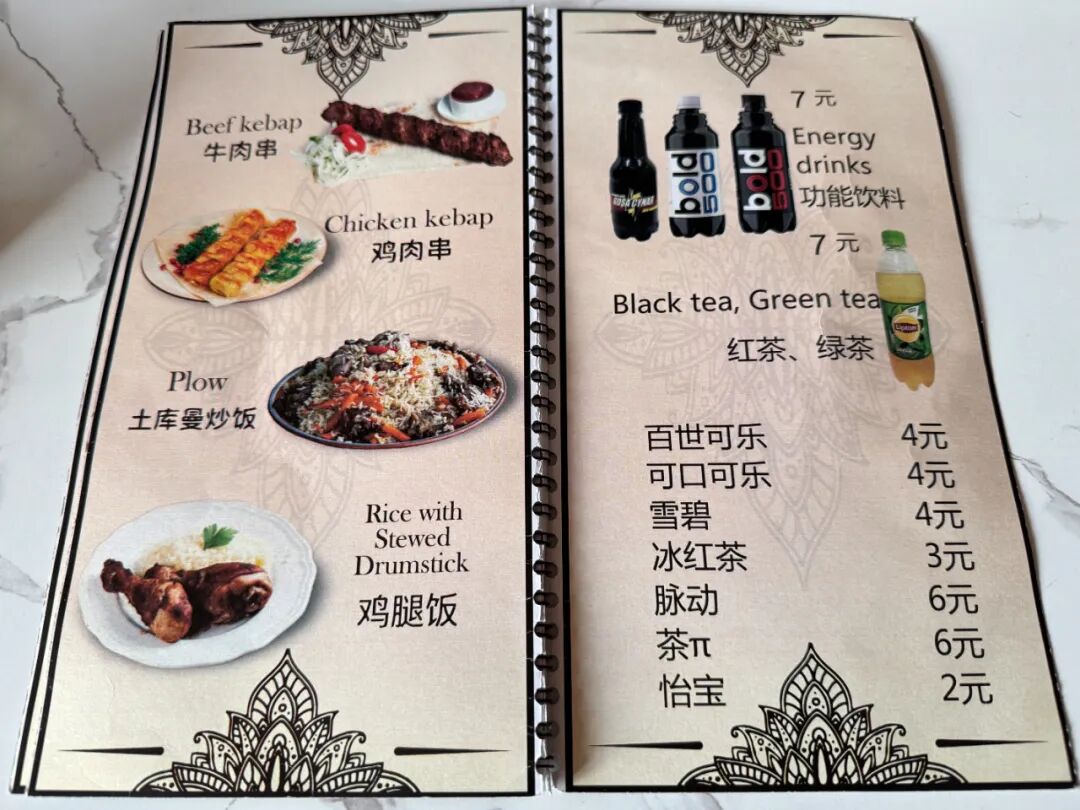
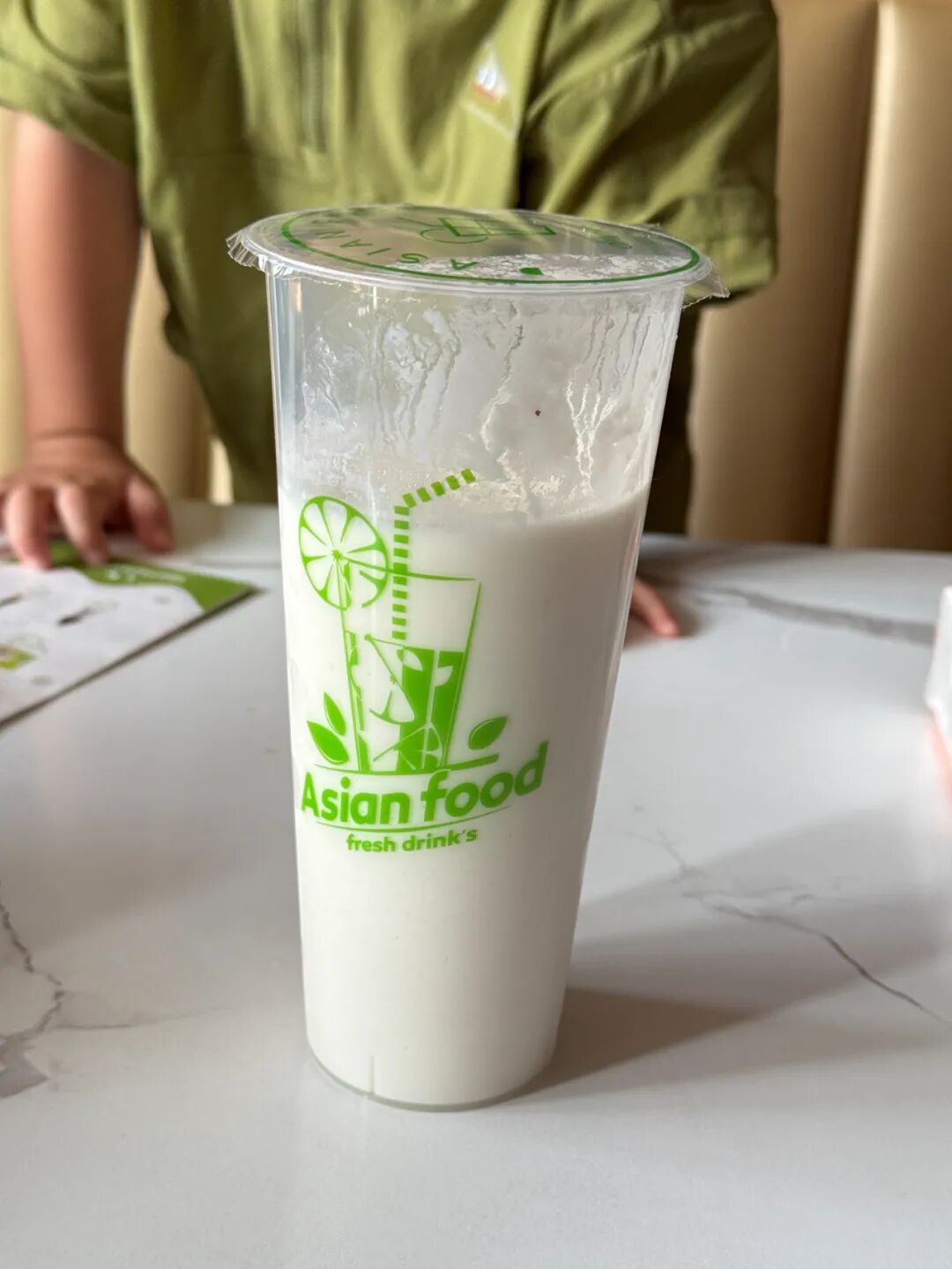
Their homemade yogurt is the plain kind with no sugar added, so it is very sour.
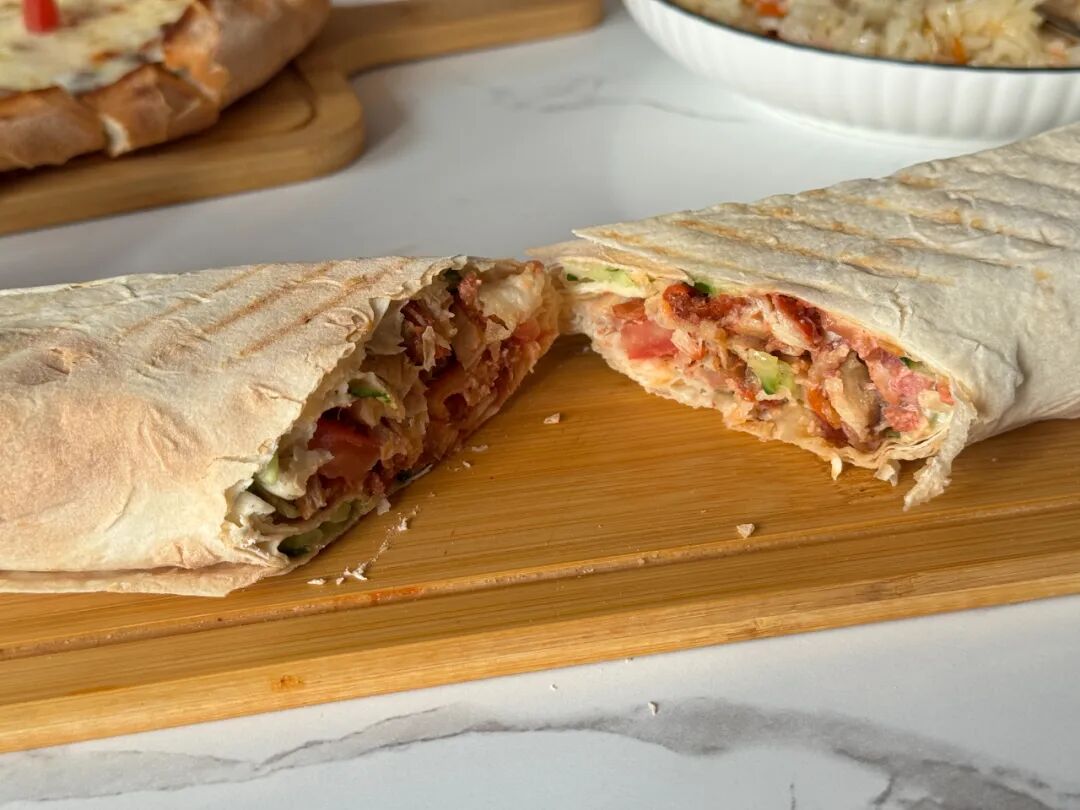
The grilled chicken wrap tastes good, but the pilaf (zhua fan) is made in a bit of a rough and simple way.
The Turkish pita bread (pida) is delicious. The whole meal only cost a little over 80 yuan, which is a great deal.
5. MONAL Emerald China-Pakistan Friendship Restaurant
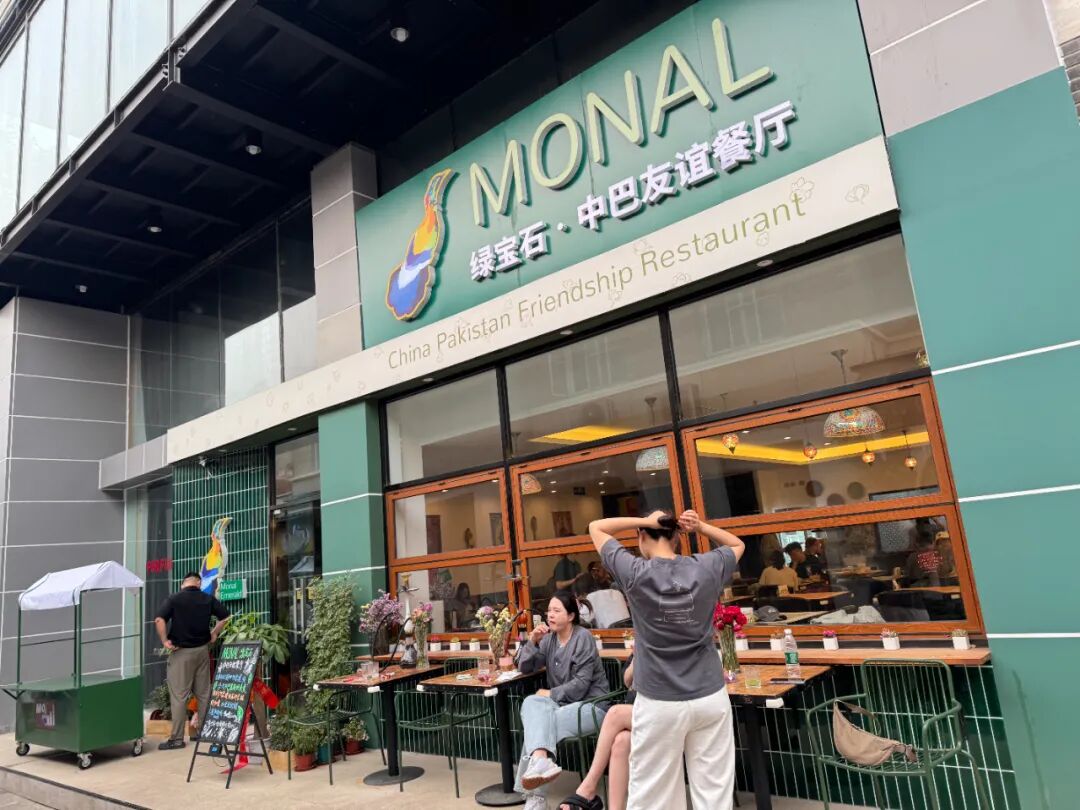
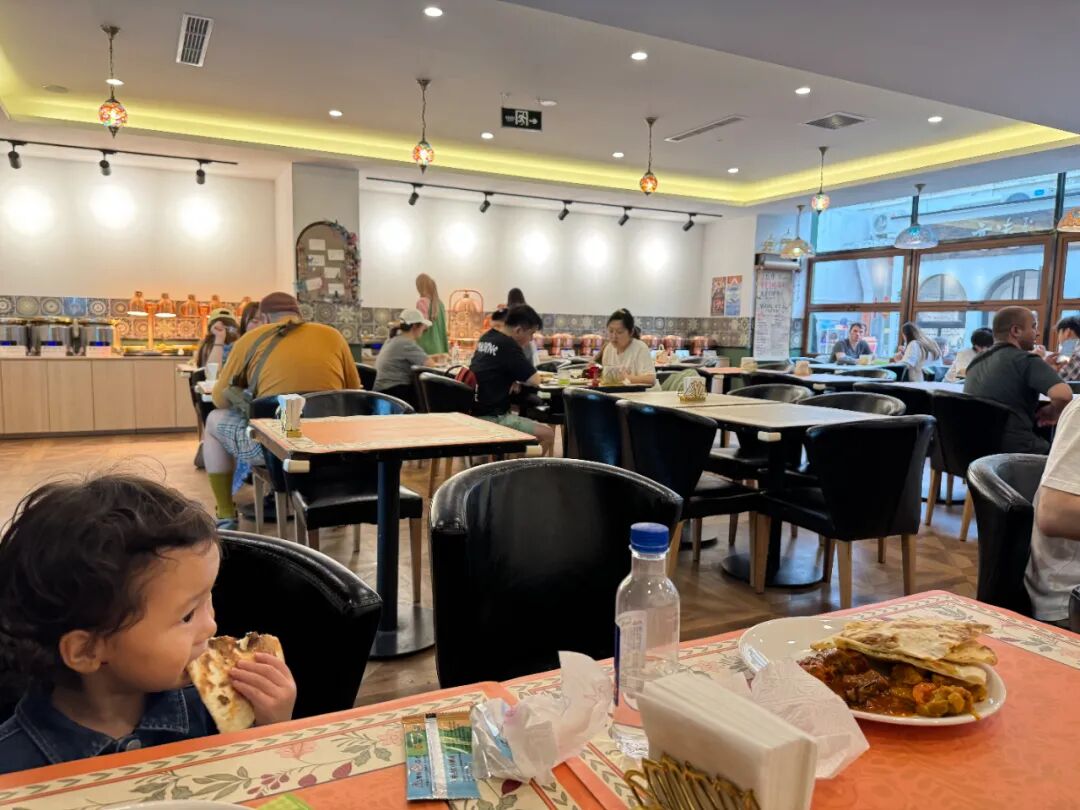
The China-Pakistan Friendship Restaurant opened a new branch in 798. The weekday dinner buffet is 93 yuan per person, and there are also several individual set meals to choose from.
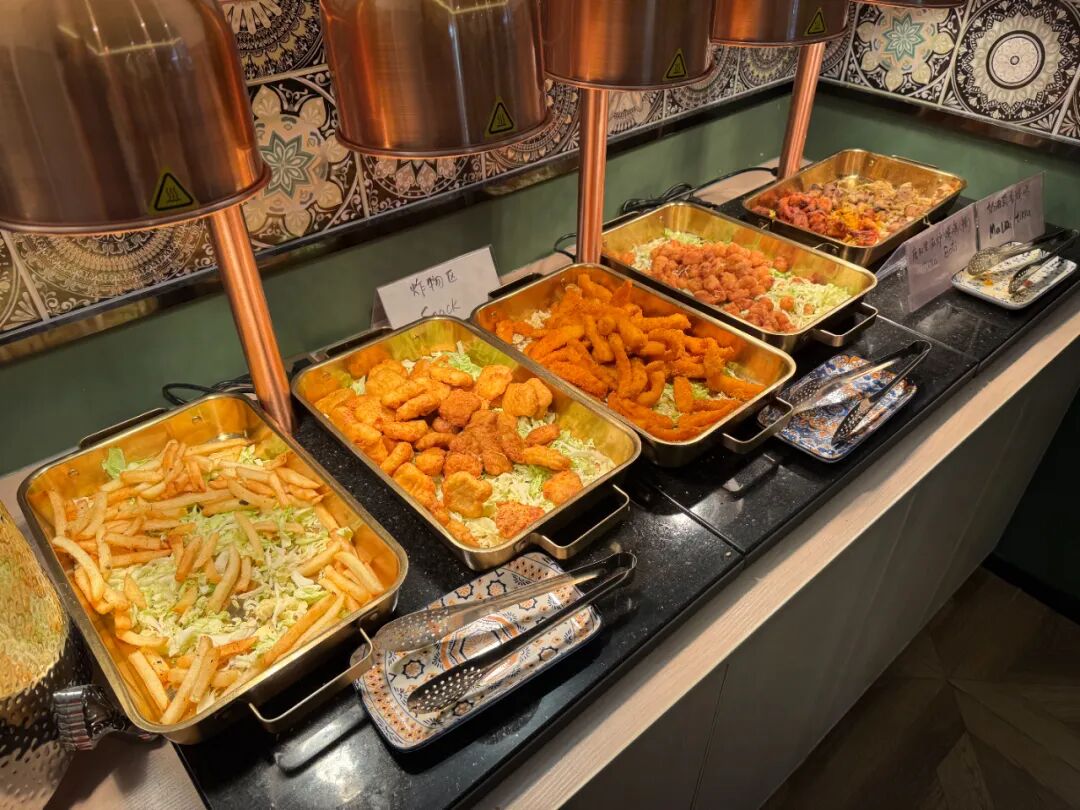
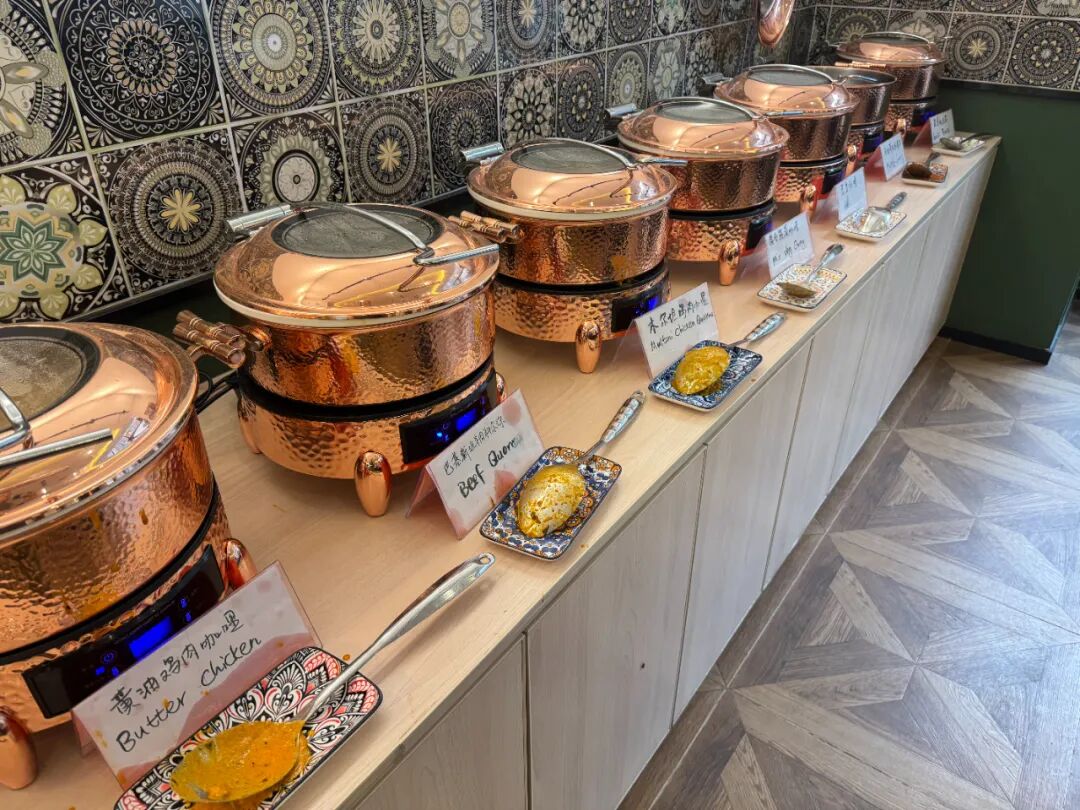
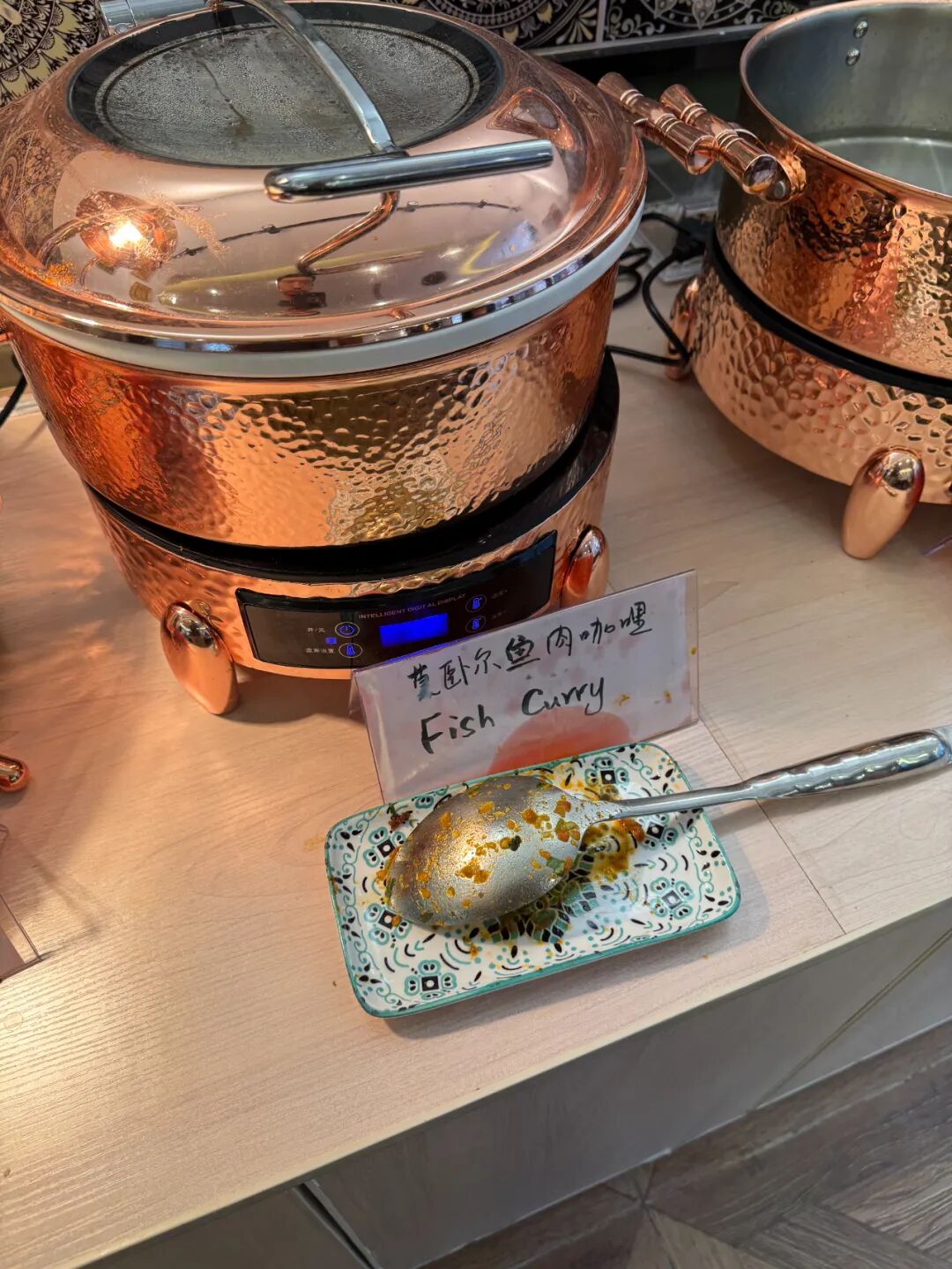
Mughal fish curry; the Mughal period refers to the time of the Islamic empire in India.
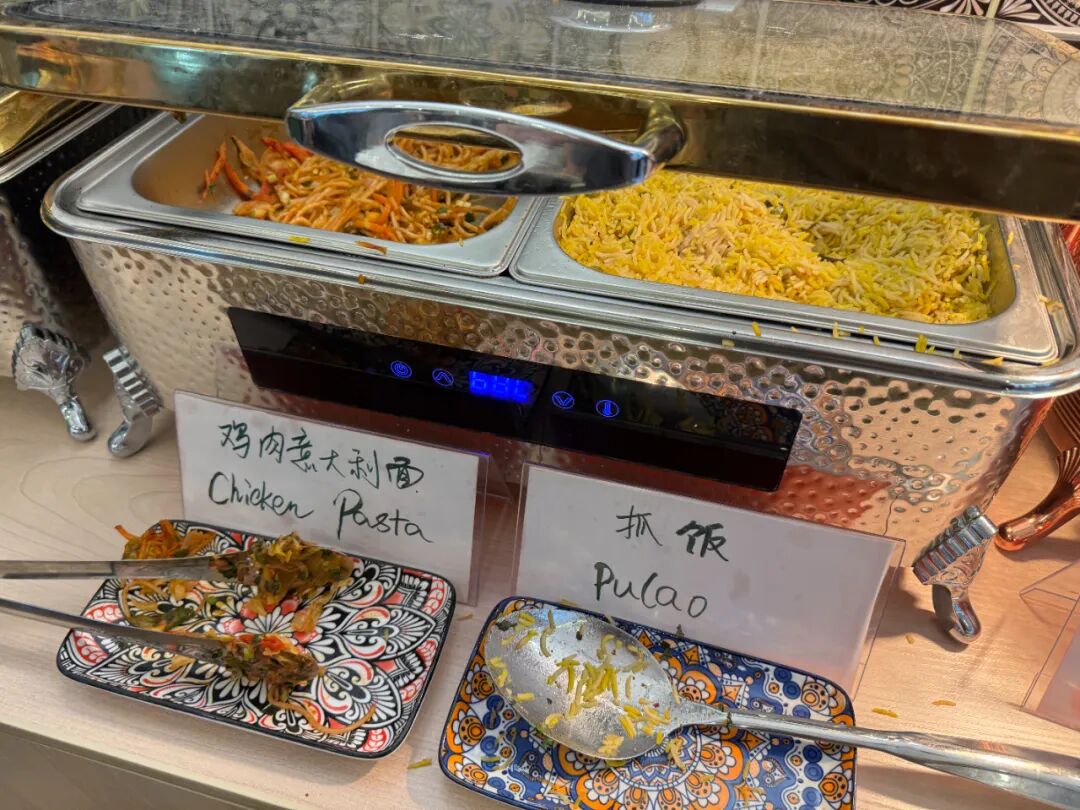
The kids love the pasta, and Fahim couldn't stop eating these crunchy balls.
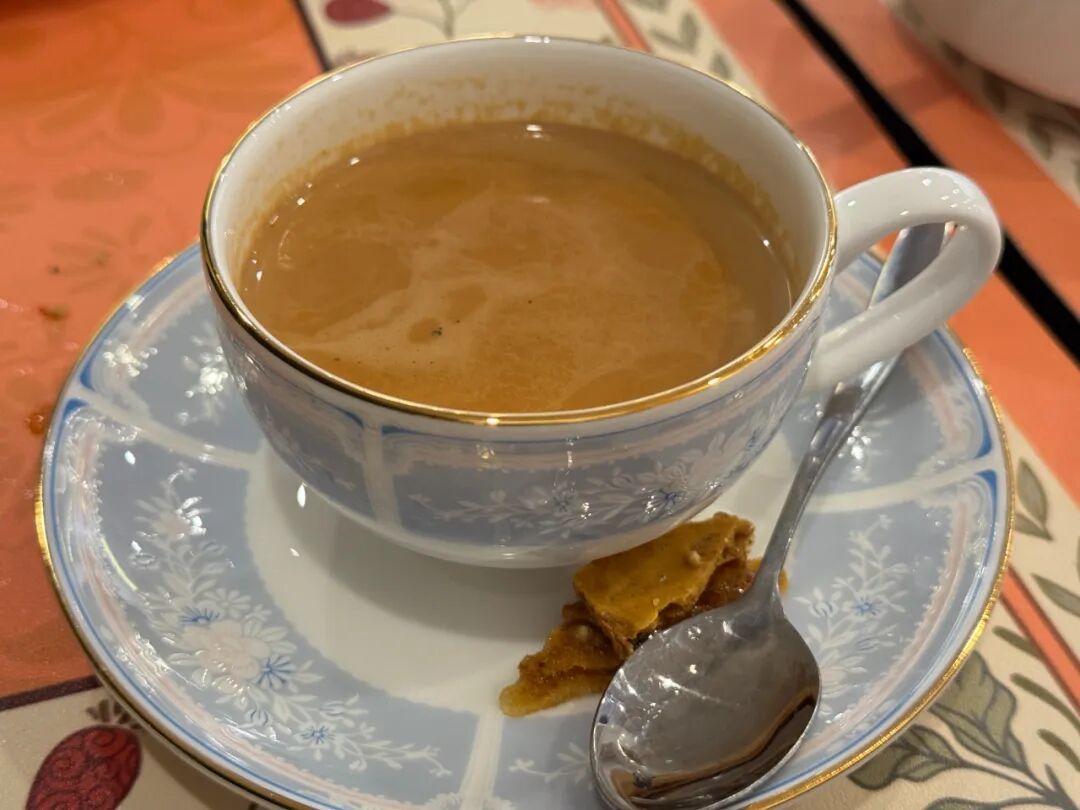
Another highlight here is the freshly made milk tea, which is very popular.
6. Bansamu Lanzhou Beef Noodles (Capital Airport T3)
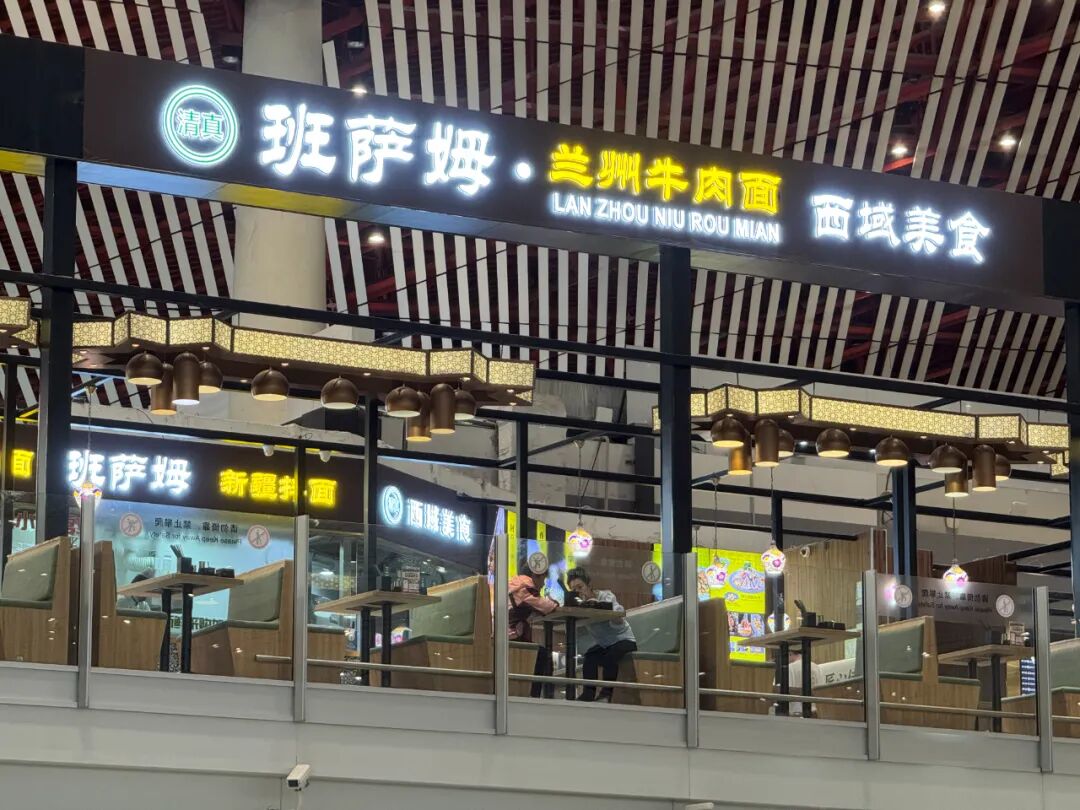
At Capital Airport Terminal 3, before security, there are two halal restaurants. One serves beef noodles and the other is a Xinjiang restaurant. They are right next to each other.
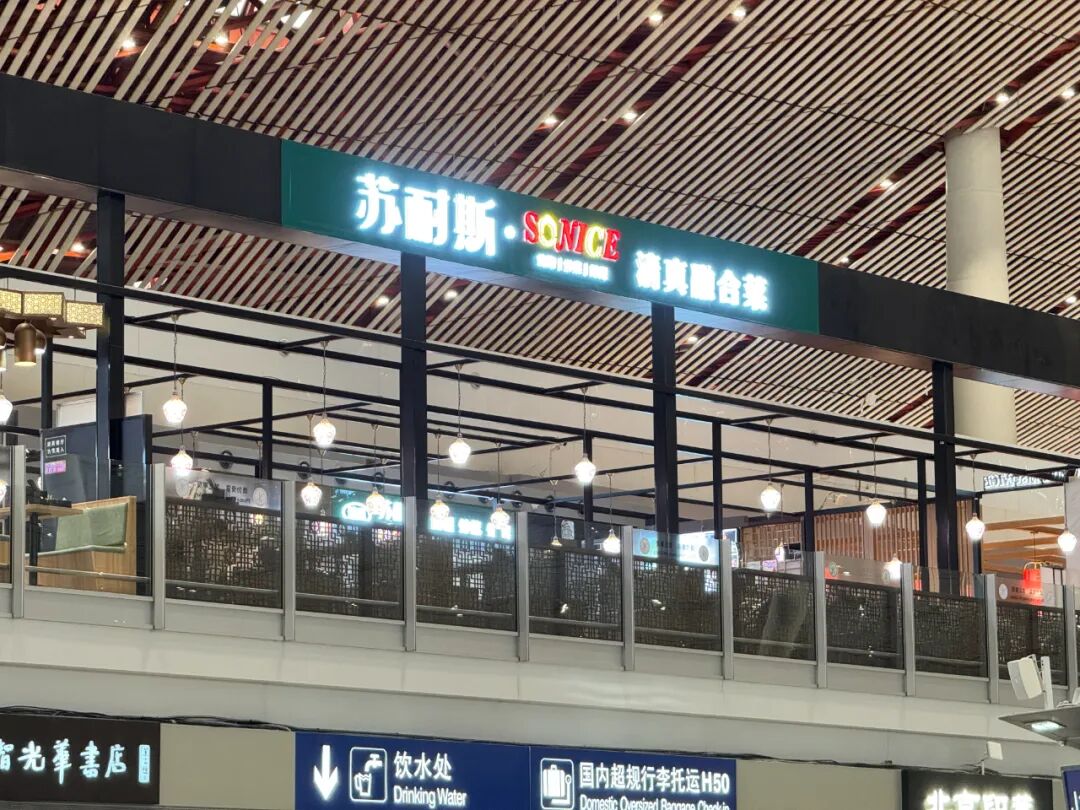
My flight was early in the morning, so I ate at Bansamu Beef Noodles because Sunaisi wasn't open yet.
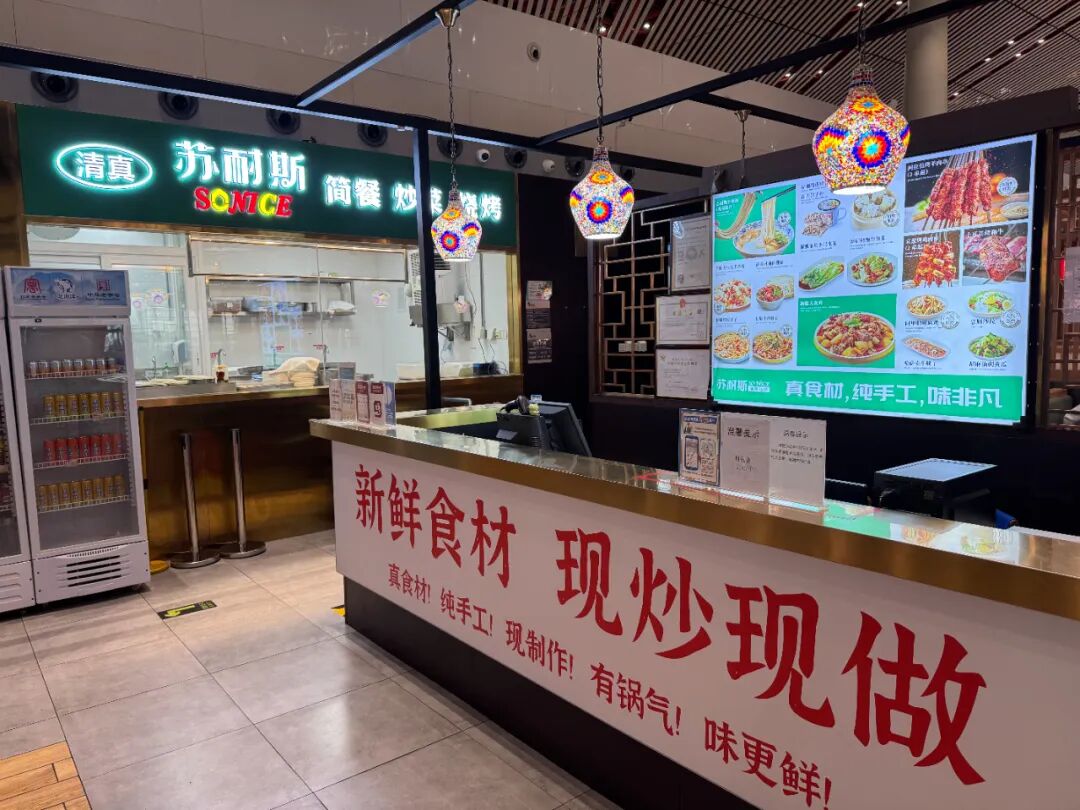
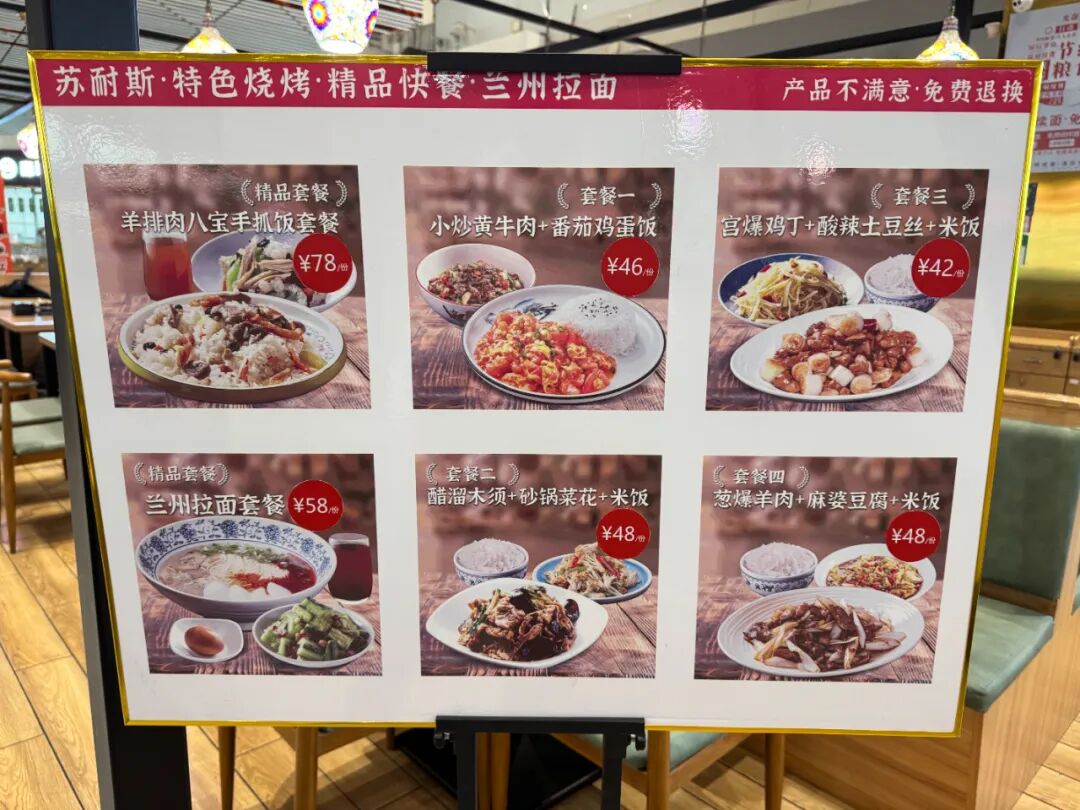
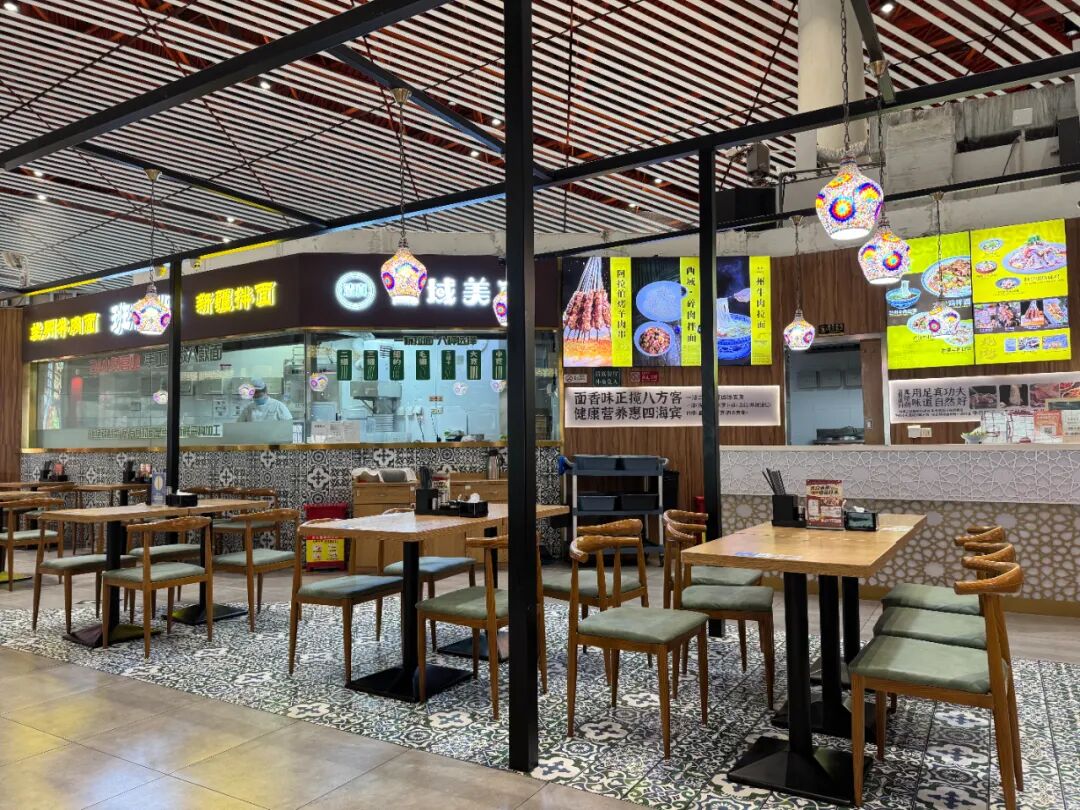
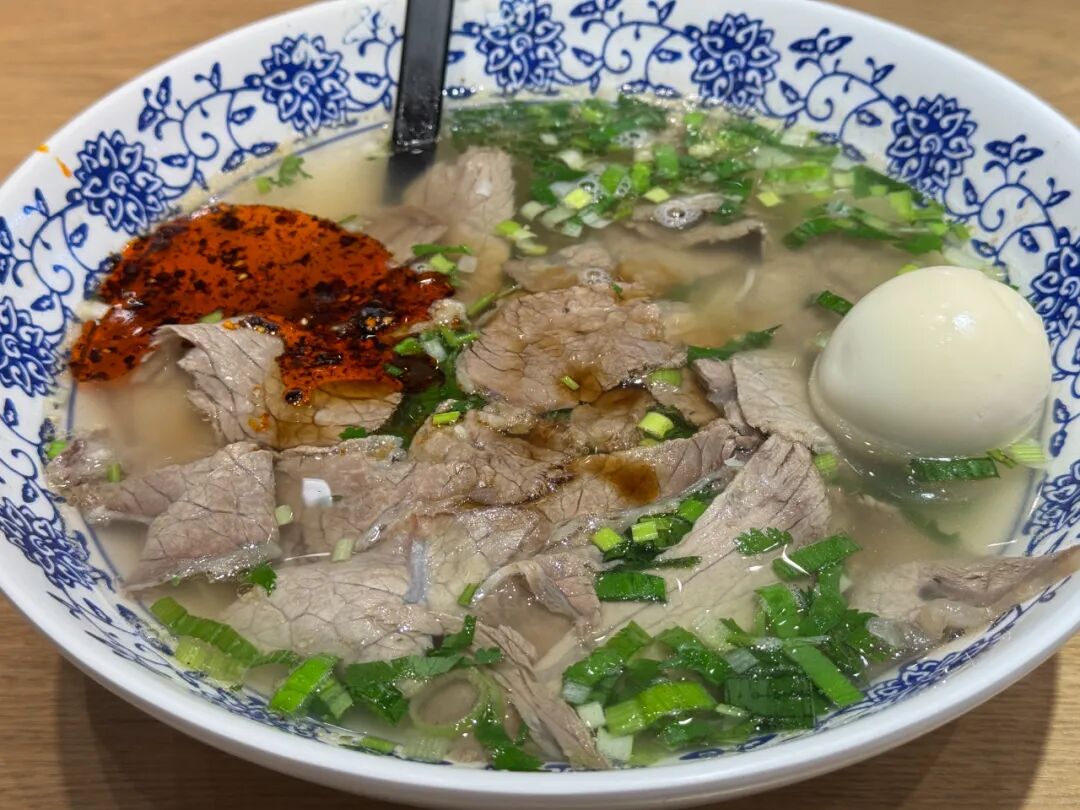
Both shops have a similar style and both serve beef noodles. I don't know what the owners were thinking, opening right next to each other. They are just competing and making it hard for either to make money. The noodles taste okay, but this beef and egg combo cost over 70 yuan.
7. Saduli Indian Restaurant
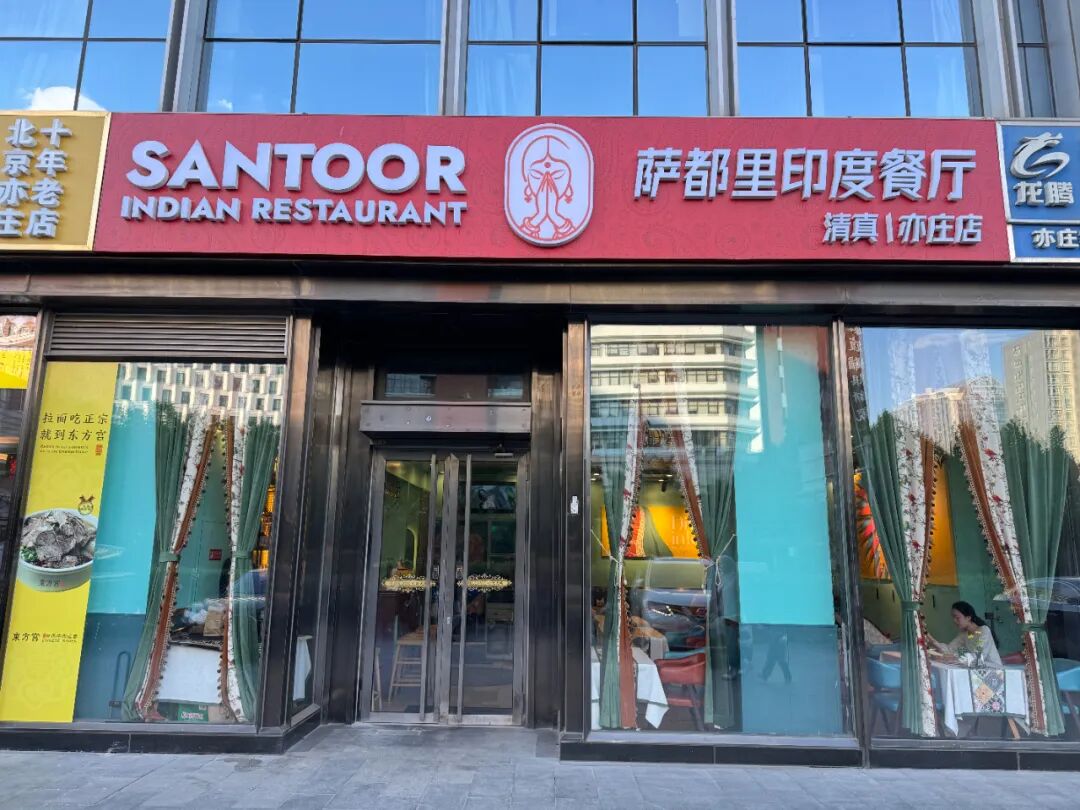
Saduli opened this branch in Yizhuang. Their first shop is in Beiluoguxiang. The owner is from Kolkata and has lived in Beijing for over ten years. He married a Beijing local.
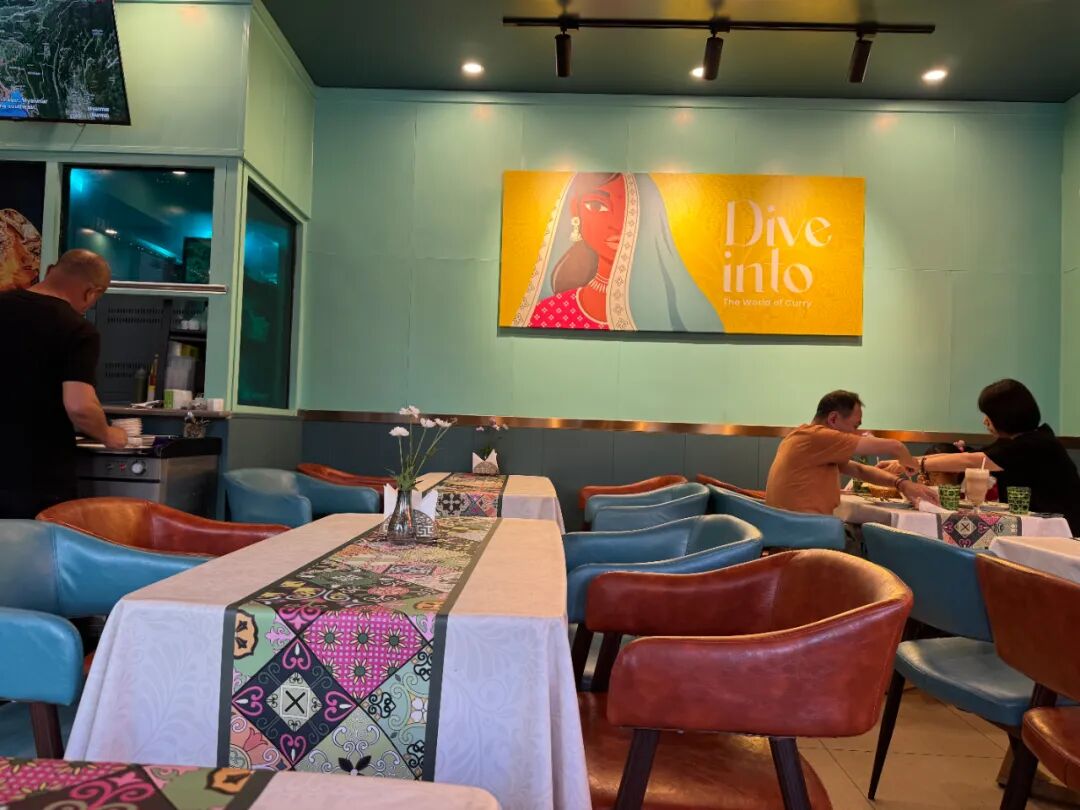
Their Indian food is very authentic for Beijing. It tastes great and business is good, so it is usually full in the evening.
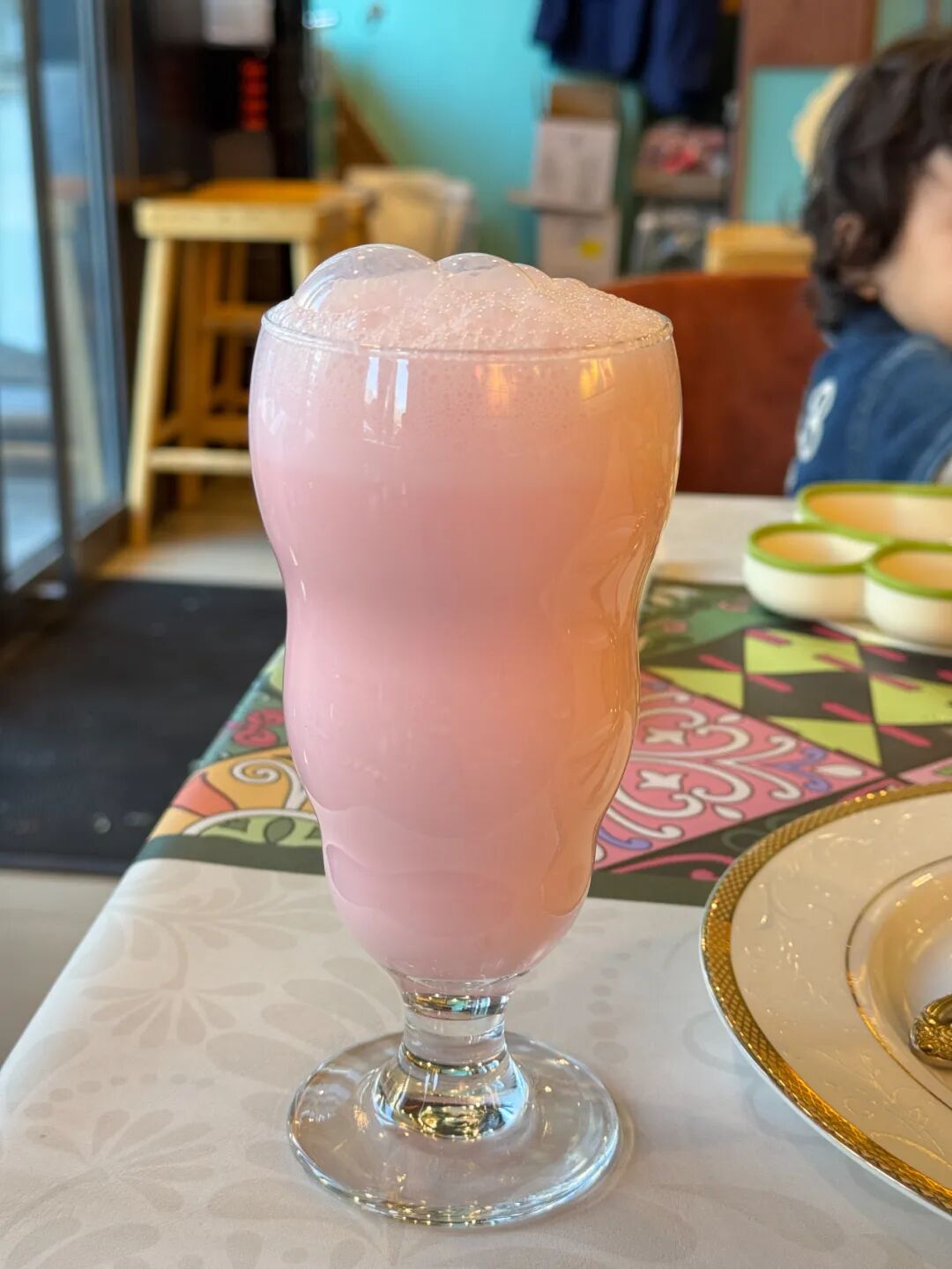
This rose yogurt is especially delicious. Their curry is quite thick and goes well with naan bread.
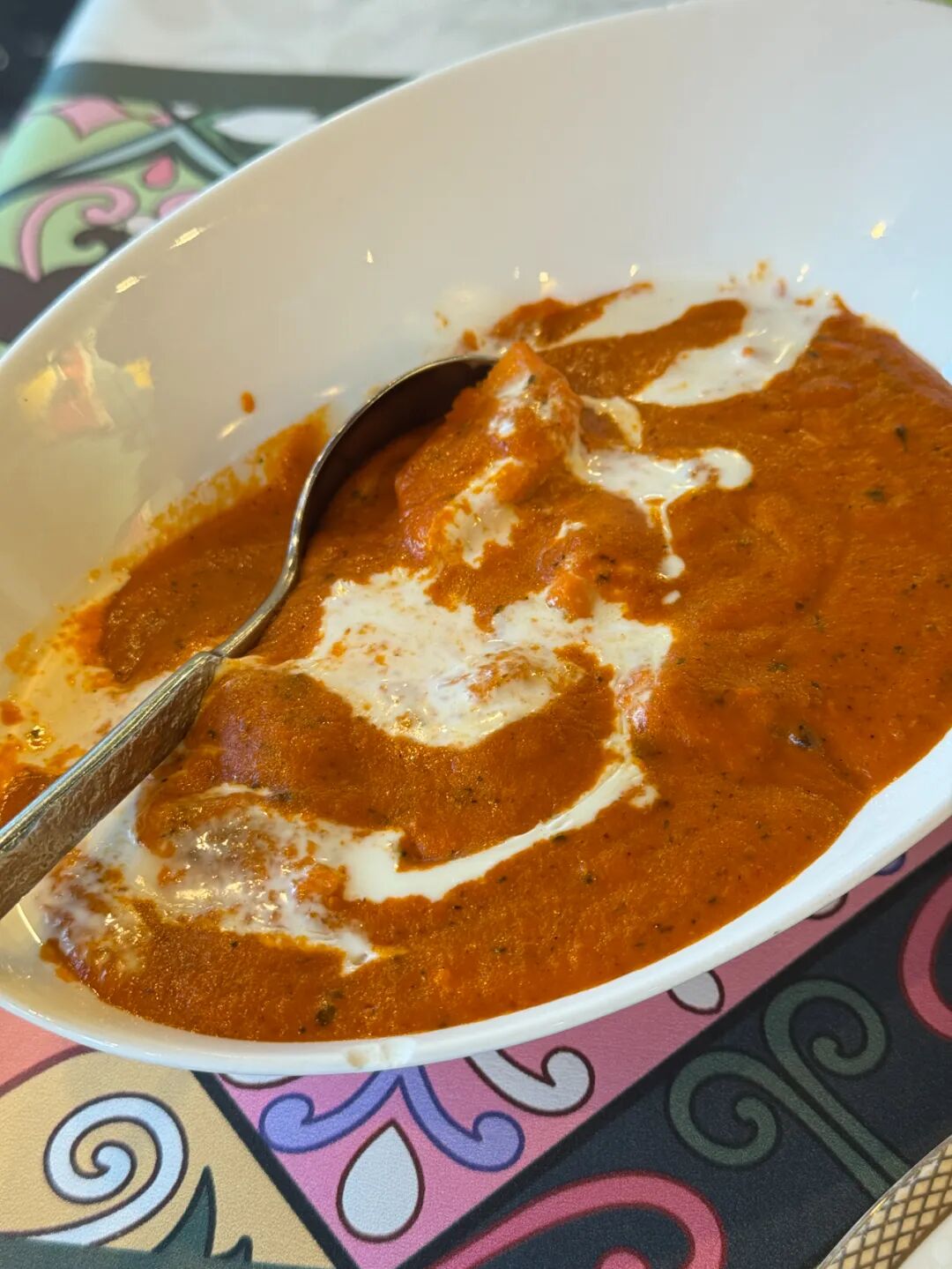
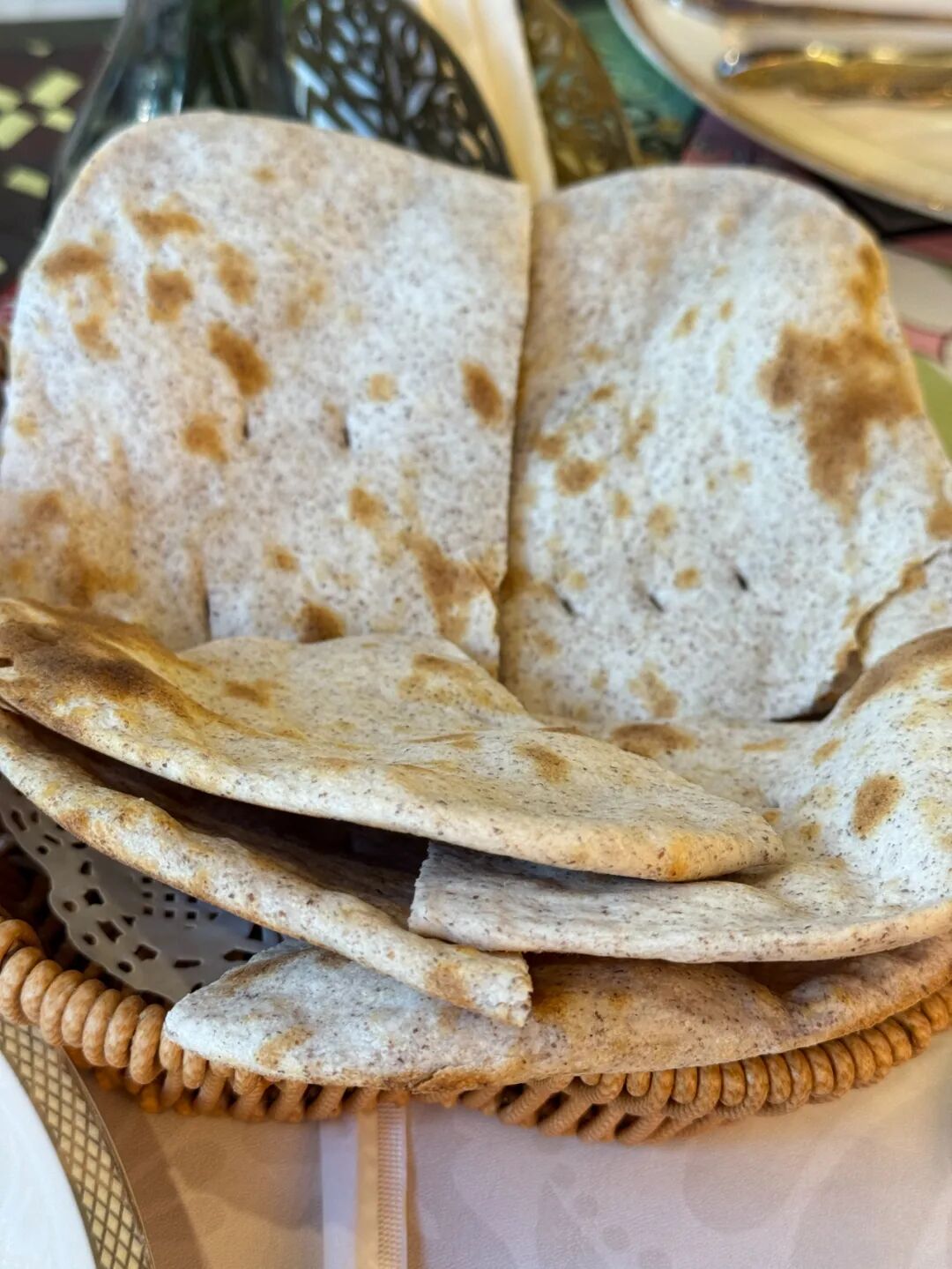
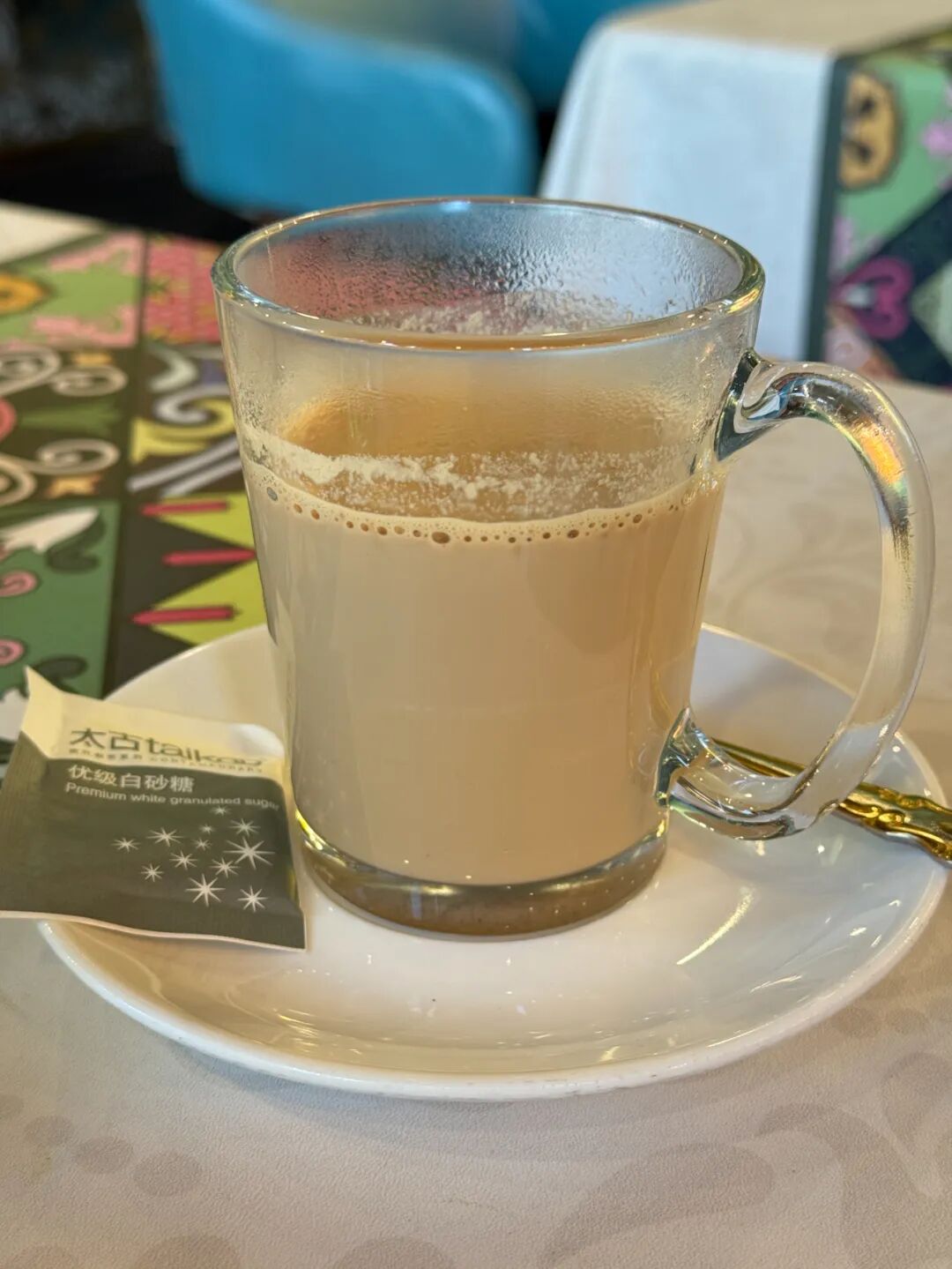
There are parking spaces right in front of the restaurant. The roads in Yizhuang are well-planned and there is no traffic, so I really like coming here.
8. Quartet Lanzhou Spicy Beef Noodles
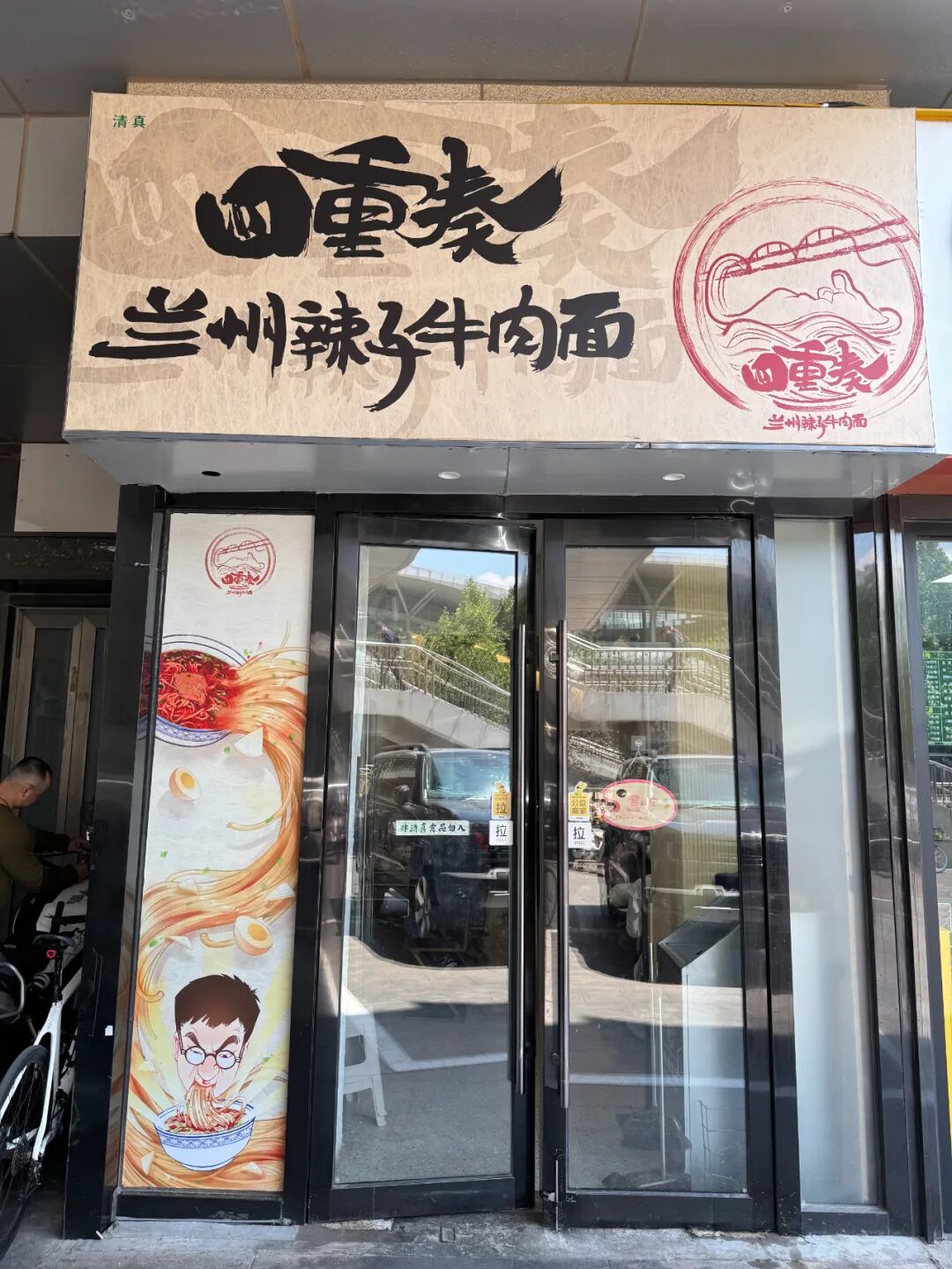
Not far from Saduli is another Lanzhou beef noodle shop. Its style is clearly different from traditional beef noodle shops, and you can tell right away it was designed by young people.
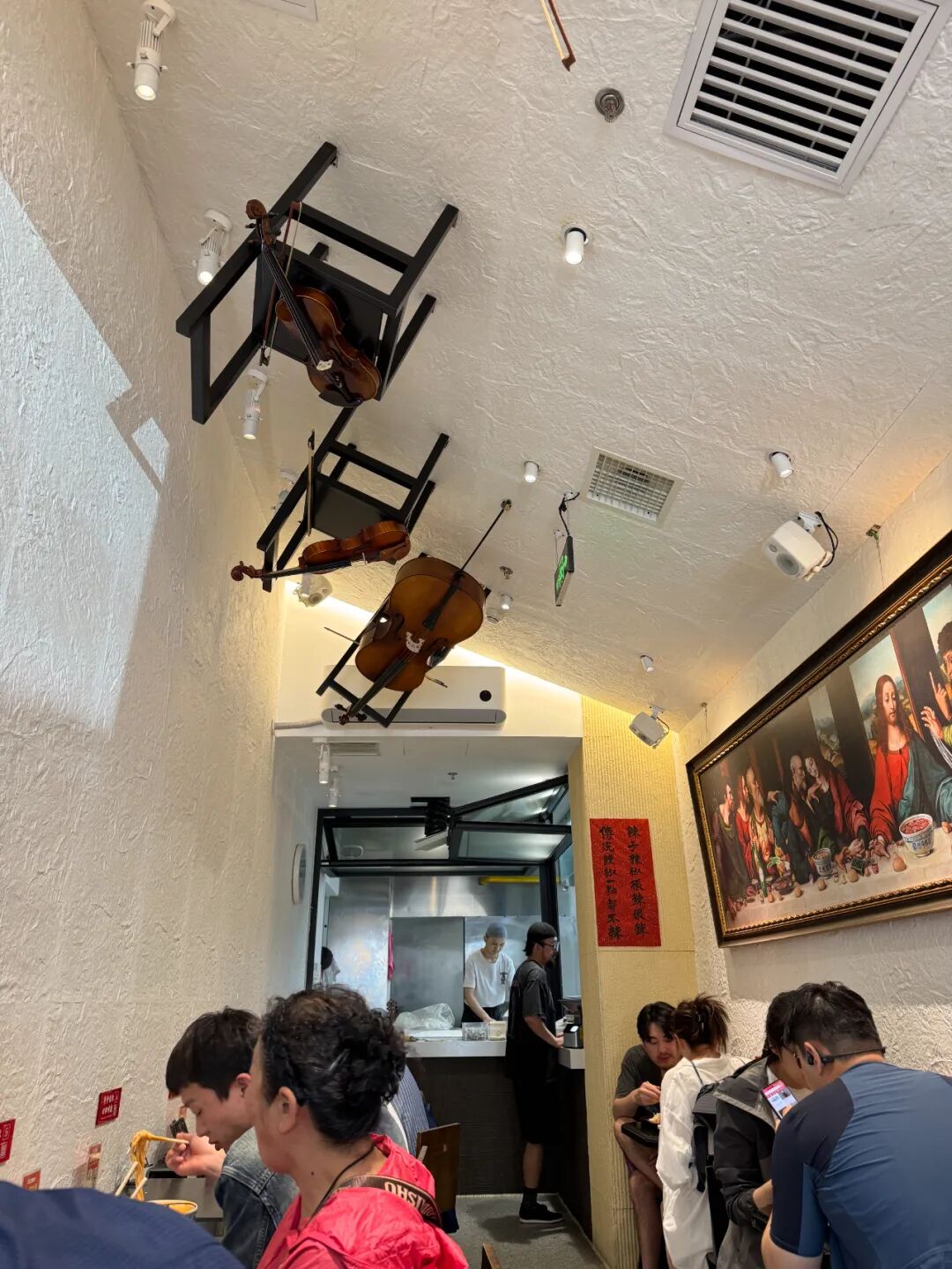
The restaurant is small, and most of the seats are single spots along the wall, which reminds me of small street shops in Japan.
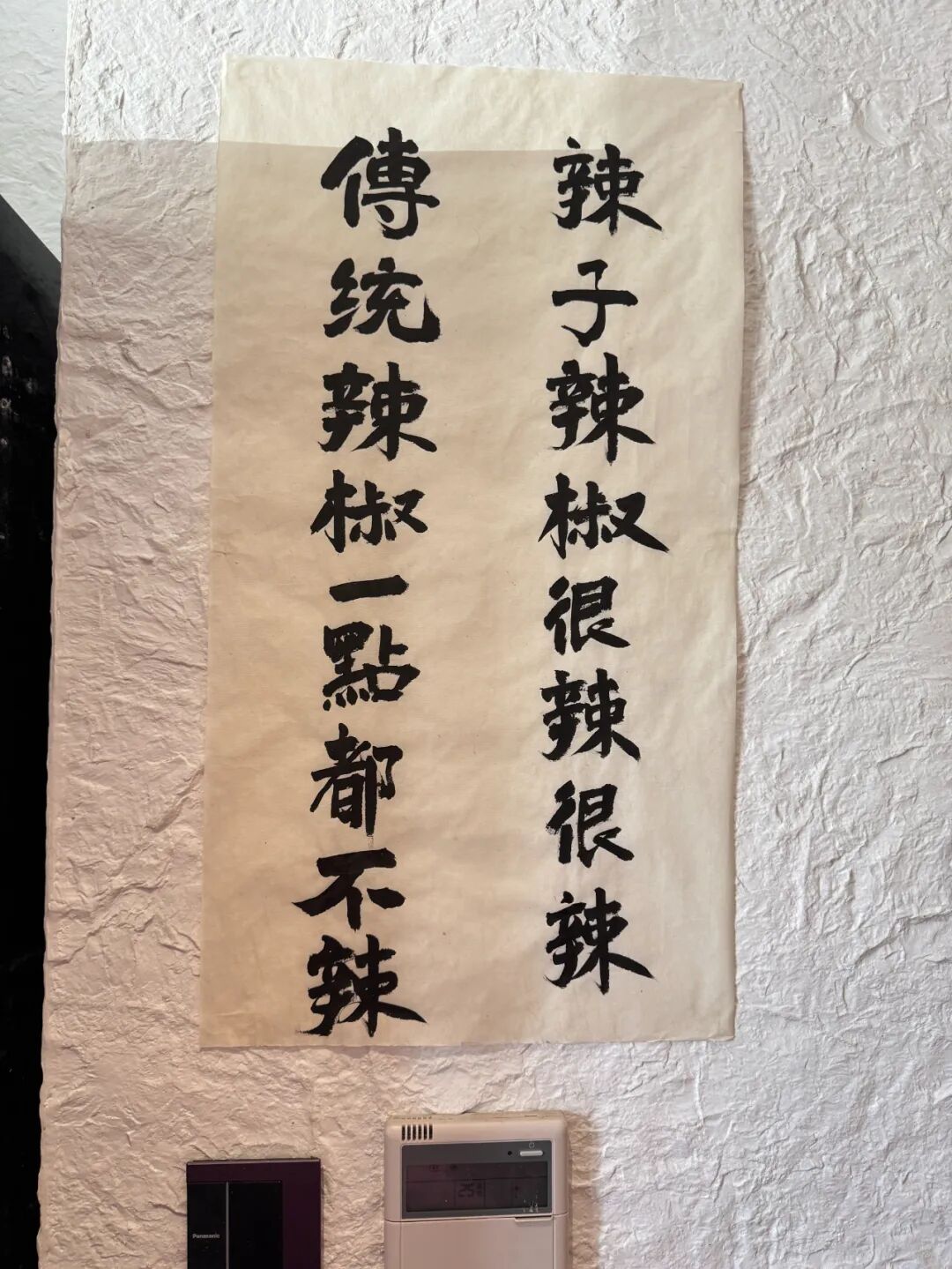
The highlight here is the variety of chili oil (lazi) options. When you order, you can choose traditional Lanzhou chili oil, which is fragrant but not spicy. If you pick medium or extra spicy, it is a non-traditional flavor that is very hot, catering to different tastes.
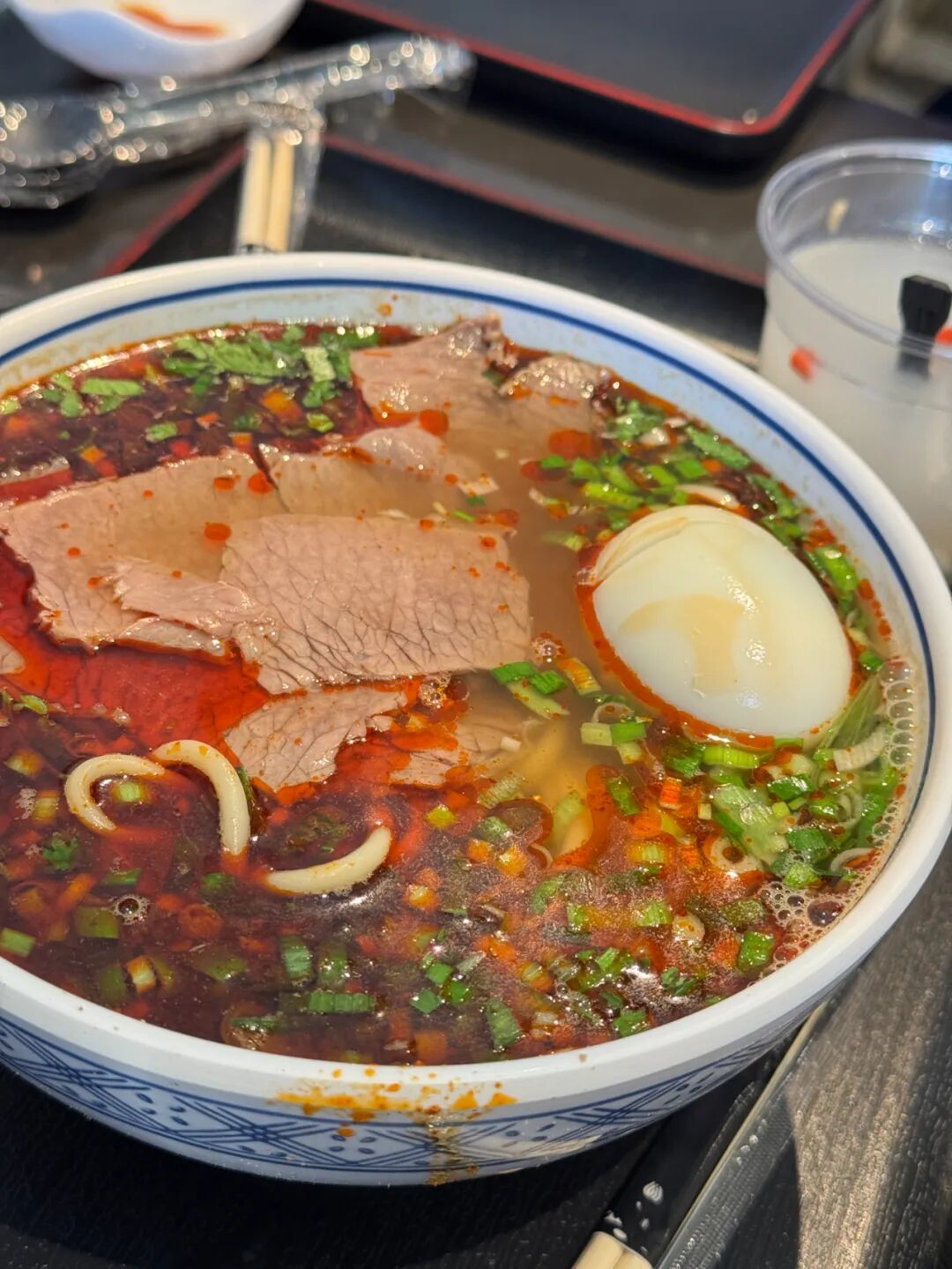
About ten years ago, people said you had to go to Lanzhou for authentic Lanzhou beef noodles and that you couldn't get that taste anywhere else. I thought that made sense back then, but now, there is more than one place in Beijing where you can get Lanzhou-quality beef noodles, and this shop is one of them.
Best Halal Food Beijing: Ghanaian Restaurant, Arabic Food, Sturgeon Feast and Lanzhou Beef Noodles
Articles • yusuf908 posted the article • 0 comments • 223 views • 2026-05-22 23:43
Summary: This Beijing halal food guide maps issue 40 of the series, featuring a Ghanaian halal restaurant in Sanlitun, Stone Hearth Grill and Tea, Arabic food, tomato beef flatbread, luosifen hot pot, sturgeon feast, and Saddam Lanzhou Beef Noodles.
Beijing Halal Food Map (40) is presented here as a firsthand travel account in clear English, beginning with this scene: Ramadan has just ended, so we can get back to checking out all kinds of halal food. The account keeps its focus on Beijing Halal Food, Muslim Travel, Middle Eastern Food while preserving the names, places, food, and historical details from the Chinese source.
Ramadan has just ended, so we can get back to checking out all kinds of halal food. The restaurants in this guide are all new, and they each have something special. The first one is a West African Ghanaian halal restaurant, which is very rare in China. It is a big step for Beijing as it works to become a global capital for halal food.
Here is the list of halal restaurants for this guide:
1. Tribe Garden African Restaurant
2. Stone Hearth Grill and Tea (Shishangweilu)
3. Ma Bei'er Bistro
4. Carthage Arabic Restaurant
5. Fan Manyu Tomato Beef Flatbread (Paobing)
6. Stinky Star Snail Rice Noodle (Luosifen) Hot Pot
7. Mulaixuan Sturgeon Feast
8. Saddam Lanzhou Beef Noodles
1. Tribe Garden African Restaurant
A new halal restaurant featuring West African flavors recently opened on the first basement level of Sanlitun SOHO. They specialize in Ghanaian cuisine. The staff are all Black Muslims who speak fluent Chinese, and one young lady from Kenya is especially cute.
Ghana is a country in West Africa where about 15% of the population is Muslim, yet the national banknote features a mosque with a unique style.
Larabanga Mosque
The Larabanga Mosque on the banknote was built between the 14th and 15th centuries. It is the oldest mosque in Ghana. Its architectural style is unique to West Africa, built from yellow mud and wood, making it very iconic.
The restaurant decor also has a strong African vibe, including the wall hangings.
African goat meat mixed rice
African goat meat is a bit tough, but it has no gamey smell. The mixed rice is salty and spicy.
Non-alcoholic mojito and fruit punch
African specialty egusi (egusi)
You eat this dish mixed with the cassava flour paste shown below. Eating the cassava flour paste is just like eating rice cake.
Fufu (fufu)
The white dish is called fufu, which translates to rice flour paste in Chinese. It is a staple food for Ghanaians.
Friday special dish
They have a special dish every day. This Friday special is made with beans and rice, served with some noodles and dipping sauce. It tastes sour, salty, and spicy all at once.
Grilled tilapia
This is an African-style grilled fish. It tastes great. Even though the skin looks charred, the meat inside is white.
A young lady from Kenya recommended this milkshake to us. It is very creamy and delicious. The whole meal cost 530 yuan for four people, which is 130 yuan per person.
2. Stone Hearth Grill and Tea (Shishangweilu)
This is a newly opened light meal and coffee shop on the ground floor of the West District of Changying Paradise Walk. The owner is a Hui Muslim from Beijing, and we chose to have a small gathering here for Eid al-Fitr.
Thirty of us ate every single item on the menu twice.
They serve light meals during the day. Besides these pretty salads, they also have burgers and pasta.
The M3 beef burger uses a patty hand-pressed by the owner, and all the meat is sourced from Li Wei's shop in Changying.
This is an Italian-style sandwich, listed on the menu as a panini.
Barbecue is served in the evening. If you want a simple Western-style meal at night, you can call ahead to book. Everyone gave the simple meals and barbecue great reviews. The average cost per person is about 130 yuan.
3. Ma Bei'er Bistro
Ma Bei'er is a new brand started by the original management team of Jubao Yuan after they split up. Next to the main Ma Bei'er hot pot (shuanrou) restaurant on Nanheng West Street, there is also a small Ma Bei'er bistro that specializes in Beijing-style stir-fry dishes.
This stir-fry bistro is just as busy as the hot pot restaurant. We tried a few signature dishes and had a good experience. Everything was delicious and worth recommending. The average cost per person is about 100 yuan.
Stir-fried mixed vegetables (chaohecai)
Quick-fried beef tripe with coriander (yanbaosandan)
Deep-fried meatballs (ganzhawanzi)
Braised yellow croaker in northern style (kuadunhuangyu)
Slow-cooked beef (weiniurou)
Scallion pancake (conghuabing)
4. Carthage Restaurant
This is a Tunisian restaurant. It is owned by the same people as La Medina Tunisian restaurant in Sanlitun. You can find it on the first floor of the Atour X Hotel in Sanlitun.
During Ramadan, they offer an iftar buffet for 120 yuan per person. It includes all the signature dishes you would expect, plus drinks and desserts.
Tunisia is a North African country. Its food habits are a bit different from West Africa, and North African flavors are usually easier for most people to enjoy.
5. Fan Manyu Tomato Beef Flatbread (Paobing)
A new specialty shop just opened on the basement level of the West Zone at Tongzhou Wanda Plaza. They focus on tomato beef brisket with flatbread (paobing) and various other tomato-based dishes.
The staff uniforms are covered in tomato drawings.
Vinegar-stir-fried egg and meat (culiu muxu)
Lychee-flavored cherry tomatoes
Mapo tofu
Their food is prepared very delicately and tastes great. The environment is clean, the prices are affordable, and the average cost is under 80 yuan per person.
6. Stinky Star Snail Rice Noodle (Luosifen) Hot Pot
There is a halal snail rice noodle (luosifen) shop on the ground floor of the Golden Street in the West District of Tongzhou Wanda Plaza. The owner is a Hui Muslim from Changchun who used to work at iQIYI before opening this physical shop. The small shop has two floors and mainly serves halal snail rice noodles and clam rice noodles (huaji fen) in small hot pots.
The snail rice noodle hot pot comes with a wide variety of toppings that you can add to the pot to cook together.
This set meal for two costs 78 yuan and is enough for two or three people to eat.
The set includes Guangxi cassava sweet soup (mushu tangshui).
Add all the side dishes to the pot and cook for one minute before you start eating. The taste is quite authentic.
7. Mulaixuan Sturgeon Feast
Across from the Doudian Mosque in Fangshan, there is a restaurant that specializes in sturgeon (xunlongyu). This place is unique because it has no menu and you cannot order dishes. The owner decides the size of the fish based on how many people are in your group, and all the dishes are made from the fish you choose.
You pick the sturgeon from this fish tank, and they are all quite large. The sturgeon costs 58 yuan per jin, and the smallest fish weigh over five jin, making it perfect for groups.
After picking the fish, you just wait for the owner to serve the food. This is actually nice because it saves you the trouble of ordering.
The standard dishes include salt and pepper fish skin, sweet and sour fish bones, fish offal, fish and radish soup, and stir-fried fish fillets. The main course is sturgeon dumplings. The fish is very fresh, and every dish tastes great.
8. Saddam Lanzhou Beef Noodles
The long-standing Lanzhou brand Saddam Beef Noodles has expanded into Beijing's Fengtai District. Known as the Eastern Heretic of the Lanzhou beef noodle world, the shop opened in eastern Lanzhou in the 1990s. It got its name because the owner looked just like Saddam. Other famous shops include the Western Poison Ma Anjun, the Southern Emperor Guobao, the Northern Beggar Cangying, and the Central Master Ma Zilu.
You can tell the beef noodles will be good just by looking at the chili oil, which is fragrant but not too spicy. I tried it and found it very authentic. My friends from Lanzhou would not be disappointed if they came here to eat. view all
Summary: This Beijing halal food guide maps issue 40 of the series, featuring a Ghanaian halal restaurant in Sanlitun, Stone Hearth Grill and Tea, Arabic food, tomato beef flatbread, luosifen hot pot, sturgeon feast, and Saddam Lanzhou Beef Noodles.
Beijing Halal Food Map (40) is presented here as a firsthand travel account in clear English, beginning with this scene: Ramadan has just ended, so we can get back to checking out all kinds of halal food. The account keeps its focus on Beijing Halal Food, Muslim Travel, Middle Eastern Food while preserving the names, places, food, and historical details from the Chinese source.
Ramadan has just ended, so we can get back to checking out all kinds of halal food. The restaurants in this guide are all new, and they each have something special. The first one is a West African Ghanaian halal restaurant, which is very rare in China. It is a big step for Beijing as it works to become a global capital for halal food.
Here is the list of halal restaurants for this guide:
1. Tribe Garden African Restaurant
2. Stone Hearth Grill and Tea (Shishangweilu)
3. Ma Bei'er Bistro
4. Carthage Arabic Restaurant
5. Fan Manyu Tomato Beef Flatbread (Paobing)
6. Stinky Star Snail Rice Noodle (Luosifen) Hot Pot
7. Mulaixuan Sturgeon Feast
8. Saddam Lanzhou Beef Noodles
1. Tribe Garden African Restaurant
A new halal restaurant featuring West African flavors recently opened on the first basement level of Sanlitun SOHO. They specialize in Ghanaian cuisine. The staff are all Black Muslims who speak fluent Chinese, and one young lady from Kenya is especially cute.
Ghana is a country in West Africa where about 15% of the population is Muslim, yet the national banknote features a mosque with a unique style.
Larabanga Mosque
The Larabanga Mosque on the banknote was built between the 14th and 15th centuries. It is the oldest mosque in Ghana. Its architectural style is unique to West Africa, built from yellow mud and wood, making it very iconic.
The restaurant decor also has a strong African vibe, including the wall hangings.
African goat meat mixed rice
African goat meat is a bit tough, but it has no gamey smell. The mixed rice is salty and spicy.
Non-alcoholic mojito and fruit punch
African specialty egusi (egusi)
You eat this dish mixed with the cassava flour paste shown below. Eating the cassava flour paste is just like eating rice cake.
Fufu (fufu)
The white dish is called fufu, which translates to rice flour paste in Chinese. It is a staple food for Ghanaians.
Friday special dish
They have a special dish every day. This Friday special is made with beans and rice, served with some noodles and dipping sauce. It tastes sour, salty, and spicy all at once.
Grilled tilapia
This is an African-style grilled fish. It tastes great. Even though the skin looks charred, the meat inside is white.
A young lady from Kenya recommended this milkshake to us. It is very creamy and delicious. The whole meal cost 530 yuan for four people, which is 130 yuan per person.
2. Stone Hearth Grill and Tea (Shishangweilu)
This is a newly opened light meal and coffee shop on the ground floor of the West District of Changying Paradise Walk. The owner is a Hui Muslim from Beijing, and we chose to have a small gathering here for Eid al-Fitr.
Thirty of us ate every single item on the menu twice.
They serve light meals during the day. Besides these pretty salads, they also have burgers and pasta.
The M3 beef burger uses a patty hand-pressed by the owner, and all the meat is sourced from Li Wei's shop in Changying.
This is an Italian-style sandwich, listed on the menu as a panini.
Barbecue is served in the evening. If you want a simple Western-style meal at night, you can call ahead to book. Everyone gave the simple meals and barbecue great reviews. The average cost per person is about 130 yuan.
3. Ma Bei'er Bistro
Ma Bei'er is a new brand started by the original management team of Jubao Yuan after they split up. Next to the main Ma Bei'er hot pot (shuanrou) restaurant on Nanheng West Street, there is also a small Ma Bei'er bistro that specializes in Beijing-style stir-fry dishes.
This stir-fry bistro is just as busy as the hot pot restaurant. We tried a few signature dishes and had a good experience. Everything was delicious and worth recommending. The average cost per person is about 100 yuan.
Stir-fried mixed vegetables (chaohecai)
Quick-fried beef tripe with coriander (yanbaosandan)
Deep-fried meatballs (ganzhawanzi)
Braised yellow croaker in northern style (kuadunhuangyu)
Slow-cooked beef (weiniurou)
Scallion pancake (conghuabing)
4. Carthage Restaurant
This is a Tunisian restaurant. It is owned by the same people as La Medina Tunisian restaurant in Sanlitun. You can find it on the first floor of the Atour X Hotel in Sanlitun.
During Ramadan, they offer an iftar buffet for 120 yuan per person. It includes all the signature dishes you would expect, plus drinks and desserts.
Tunisia is a North African country. Its food habits are a bit different from West Africa, and North African flavors are usually easier for most people to enjoy.
5. Fan Manyu Tomato Beef Flatbread (Paobing)
A new specialty shop just opened on the basement level of the West Zone at Tongzhou Wanda Plaza. They focus on tomato beef brisket with flatbread (paobing) and various other tomato-based dishes.
The staff uniforms are covered in tomato drawings.
Vinegar-stir-fried egg and meat (culiu muxu)
Lychee-flavored cherry tomatoes
Mapo tofu
Their food is prepared very delicately and tastes great. The environment is clean, the prices are affordable, and the average cost is under 80 yuan per person.
6. Stinky Star Snail Rice Noodle (Luosifen) Hot Pot
There is a halal snail rice noodle (luosifen) shop on the ground floor of the Golden Street in the West District of Tongzhou Wanda Plaza. The owner is a Hui Muslim from Changchun who used to work at iQIYI before opening this physical shop. The small shop has two floors and mainly serves halal snail rice noodles and clam rice noodles (huaji fen) in small hot pots.
The snail rice noodle hot pot comes with a wide variety of toppings that you can add to the pot to cook together.
This set meal for two costs 78 yuan and is enough for two or three people to eat.
The set includes Guangxi cassava sweet soup (mushu tangshui).
Add all the side dishes to the pot and cook for one minute before you start eating. The taste is quite authentic.
7. Mulaixuan Sturgeon Feast
Across from the Doudian Mosque in Fangshan, there is a restaurant that specializes in sturgeon (xunlongyu). This place is unique because it has no menu and you cannot order dishes. The owner decides the size of the fish based on how many people are in your group, and all the dishes are made from the fish you choose.
You pick the sturgeon from this fish tank, and they are all quite large. The sturgeon costs 58 yuan per jin, and the smallest fish weigh over five jin, making it perfect for groups.
After picking the fish, you just wait for the owner to serve the food. This is actually nice because it saves you the trouble of ordering.
The standard dishes include salt and pepper fish skin, sweet and sour fish bones, fish offal, fish and radish soup, and stir-fried fish fillets. The main course is sturgeon dumplings. The fish is very fresh, and every dish tastes great.
8. Saddam Lanzhou Beef Noodles
The long-standing Lanzhou brand Saddam Beef Noodles has expanded into Beijing's Fengtai District. Known as the Eastern Heretic of the Lanzhou beef noodle world, the shop opened in eastern Lanzhou in the 1990s. It got its name because the owner looked just like Saddam. Other famous shops include the Western Poison Ma Anjun, the Southern Emperor Guobao, the Northern Beggar Cangying, and the Central Master Ma Zilu.
You can tell the beef noodles will be good just by looking at the chili oil, which is fragrant but not too spicy. I tried it and found it very authentic. My friends from Lanzhou would not be disappointed if they came here to eat.
Hangzhou Halal Food Guide: Authentic Lanzhou Beef Noodles & Shouzhuayangrou on Wensan Road
Articles • Hasan09 posted the article • 0 comments • 13 views • 1 days ago
Hangzhou Food Vibe Check: Getting Dragged by a Lanzhou Local to Wensan Road for Deyuan's Legit Beef Lamian and Authentic Shouzhuayangrou
Summary:
Following a native Lanzhou friend deep into Wensan Road to check out the heavily hyped Deyuan lamian (hand-pulled beef noodles). A clear broth, white radishes, vibrant red chili oil, emerald greens, and golden noodles paired with authentic shouzhuayangrou (hand-grabbed lamb) bring the real-deal Yellow River vibes and Northwest Chinese Muslim food culture straight to you.
My coworker is from Lanzhou, and his obsession with beef noodles always baffles us southerners. Honestly, how good can a bowl of beef lamian really be?
Anyway, whenever he's tasked with picking lunch, he makes a beeline for beef noodles. At first, we hit up standard Lanzhou lamian spots, but he thought they were missing that authentic touch. Later, a Majiyong chain opened up near the office; he said it was better than regular lamian, but still not quite hitting the mark.
Then Deyuan Beef Noodles opened on Wensan Road. He declared this was finally the taste of his hometown beef noodles, and pressured the team to go back several days in a row. Naturally, I tagged along to check it out.
Halal Deyuan Lanzhou Pure Broth Beef Noodles
Address: 1st Floor, Huaxing Technology Building, 477 Wensan Road, Xihu District
Price: Around ¥30 per person
To make a killer bowl of Lanzhou beef noodles, three things are key: the broth, the noodles, and the youlazi (chili oil).
Beef noodles come in a bunch of widths, from ultra-thin to super-wide: maoxi (hair-thin), xi (thin), sanxi (three-thin), erxi (two-thin), erzhuzi (thick cylinders), qiaocaileng (buckwheat-edge), jiuye (leek-leaf), baokuan (thin-wide), and daguan (extra-wide). Over the last few years, my Hangzhou friends have learned the ropes and know how to pick their noodle thickness. I’m not a fan of super thin noodles, so I always go with jiuye (leek-leaf).
Their youlazi (chili oil) is legit too, super appetizing. A giant basin sits right by the pick-up counter, constantly topped off with freshly brewed batches. That single scoop is the soul of the bowl, and the flavor is totally on point.
Usually, you pay first, then hit up different windows to grab your food: the beef and cold dishes are at one spot, the noodle broth at another, and the lamb skewers at yet another window.
Business since opening has been insanely good, with lines spilling out the shop and onto the street. If you want to skip the wait, you either need to roll up around 11 AM or time it right to beat the rush.
Compared to beef noodles you get elsewhere, the broth here is definitely clearer, the chili oil more fragrant, and it’s super comforting to eat. That said, beef noodles rarely blow your mind with sheer shock value, so I wouldn’t recommend rushing out during peak chaos. Better to wait till the hype cools down.
By the way, the ¥24 opening combo deal is actually a steal. Aside from chunky slices of beef, it even comes with a braised egg.
The noodles themselves are solid. Even when slammed with massive crowds, the kitchen stays consistent. My only gripe is they toss the daikon radish into the soup totally at random. Some bowls get loaded with chunks, while mine only had one or two sad pieces—definitely left me wanting more.
The cold dishes are consistently delicious too. The chili oil potatoes, pickled radishes, and kao fu (spongy wheat gluten) are awesome—totally worth getting a mixed platter.
My absolute favorite is the shouzhuayangrou (hand-grabbed lamb). If you go, I seriously recommend grabbing the beef noodles + shouzhuayangrou combo. While beef noodles are hard to set wildly apart from other places, one bite of this lamb hits you with that rich, milky, succulent flavor. It's absolute perfection for winter.
The meat is melt-in-your-mouth tender, and the accompanying spiced salt and chili powder blend is top-notch.
The one total disappointment was the mutton skewers, which we had super high hopes for. By the time they made it from the counter to our table, they’d already gone cold. The meat was tough and rubbery, totally losing the heat it was supposed to have.
That’s probably just because they’re slammed right now with the grand opening rush, so I’d say skip the skewers—they take forever and arrive lukewarm.
I’ve always loved tianpeizi (fermented sweet highland barley soup), so if you want to wrap up your meal with a dessert, definitely order a bowl. Also, before you dive into the noodles, the shop has complimentary red date tea to warm you up.
All in all, the food here isn't bad at all. But with the massive opening crowds messing with the vibe, you might want to drop it on your saved list and hit it up later.
Not far from here, I recently checked out another spot on Wensan Road: Jin Shunfa × Jin Maji's Xiamen snacks. I thought their signature oyster rice combo was really good—it comes with oyster rice, shacha meat skewers, and dressed seasonal greens.
The oyster portion was super generous, packed with great scallion aroma, and way better than standard oyster omelets.
Aside from the signature dish, I felt the other dim sum items lacked personality. Things like the five-spice meat rolls and fried vinegar pork weren't super memorable, though the salted-egg-yolk chicken wings were totally kid-friendly—sweet and sandy-textured.
So I’m skipping a full dedicated review for that spot. If you do go, just stick to their signature oyster rice; the main carb dishes definitely seem to be their strong suit. view all
Hangzhou Food Vibe Check: Getting Dragged by a Lanzhou Local to Wensan Road for Deyuan's Legit Beef Lamian and Authentic Shouzhuayangrou
Summary:
Following a native Lanzhou friend deep into Wensan Road to check out the heavily hyped Deyuan lamian (hand-pulled beef noodles). A clear broth, white radishes, vibrant red chili oil, emerald greens, and golden noodles paired with authentic shouzhuayangrou (hand-grabbed lamb) bring the real-deal Yellow River vibes and Northwest Chinese Muslim food culture straight to you.
My coworker is from Lanzhou, and his obsession with beef noodles always baffles us southerners. Honestly, how good can a bowl of beef lamian really be?
Anyway, whenever he's tasked with picking lunch, he makes a beeline for beef noodles. At first, we hit up standard Lanzhou lamian spots, but he thought they were missing that authentic touch. Later, a Majiyong chain opened up near the office; he said it was better than regular lamian, but still not quite hitting the mark.
Then Deyuan Beef Noodles opened on Wensan Road. He declared this was finally the taste of his hometown beef noodles, and pressured the team to go back several days in a row. Naturally, I tagged along to check it out.
Halal Deyuan Lanzhou Pure Broth Beef Noodles
Address: 1st Floor, Huaxing Technology Building, 477 Wensan Road, Xihu District
Price: Around ¥30 per person
To make a killer bowl of Lanzhou beef noodles, three things are key: the broth, the noodles, and the youlazi (chili oil).
Beef noodles come in a bunch of widths, from ultra-thin to super-wide: maoxi (hair-thin), xi (thin), sanxi (three-thin), erxi (two-thin), erzhuzi (thick cylinders), qiaocaileng (buckwheat-edge), jiuye (leek-leaf), baokuan (thin-wide), and daguan (extra-wide). Over the last few years, my Hangzhou friends have learned the ropes and know how to pick their noodle thickness. I’m not a fan of super thin noodles, so I always go with jiuye (leek-leaf).
Their youlazi (chili oil) is legit too, super appetizing. A giant basin sits right by the pick-up counter, constantly topped off with freshly brewed batches. That single scoop is the soul of the bowl, and the flavor is totally on point.
Usually, you pay first, then hit up different windows to grab your food: the beef and cold dishes are at one spot, the noodle broth at another, and the lamb skewers at yet another window.
Business since opening has been insanely good, with lines spilling out the shop and onto the street. If you want to skip the wait, you either need to roll up around 11 AM or time it right to beat the rush.
Compared to beef noodles you get elsewhere, the broth here is definitely clearer, the chili oil more fragrant, and it’s super comforting to eat. That said, beef noodles rarely blow your mind with sheer shock value, so I wouldn’t recommend rushing out during peak chaos. Better to wait till the hype cools down.
By the way, the ¥24 opening combo deal is actually a steal. Aside from chunky slices of beef, it even comes with a braised egg.
The noodles themselves are solid. Even when slammed with massive crowds, the kitchen stays consistent. My only gripe is they toss the daikon radish into the soup totally at random. Some bowls get loaded with chunks, while mine only had one or two sad pieces—definitely left me wanting more.
The cold dishes are consistently delicious too. The chili oil potatoes, pickled radishes, and kao fu (spongy wheat gluten) are awesome—totally worth getting a mixed platter.
My absolute favorite is the shouzhuayangrou (hand-grabbed lamb). If you go, I seriously recommend grabbing the beef noodles + shouzhuayangrou combo. While beef noodles are hard to set wildly apart from other places, one bite of this lamb hits you with that rich, milky, succulent flavor. It's absolute perfection for winter.
The meat is melt-in-your-mouth tender, and the accompanying spiced salt and chili powder blend is top-notch.
The one total disappointment was the mutton skewers, which we had super high hopes for. By the time they made it from the counter to our table, they’d already gone cold. The meat was tough and rubbery, totally losing the heat it was supposed to have.
That’s probably just because they’re slammed right now with the grand opening rush, so I’d say skip the skewers—they take forever and arrive lukewarm.
I’ve always loved tianpeizi (fermented sweet highland barley soup), so if you want to wrap up your meal with a dessert, definitely order a bowl. Also, before you dive into the noodles, the shop has complimentary red date tea to warm you up.
All in all, the food here isn't bad at all. But with the massive opening crowds messing with the vibe, you might want to drop it on your saved list and hit it up later.
Not far from here, I recently checked out another spot on Wensan Road: Jin Shunfa × Jin Maji's Xiamen snacks. I thought their signature oyster rice combo was really good—it comes with oyster rice, shacha meat skewers, and dressed seasonal greens.
The oyster portion was super generous, packed with great scallion aroma, and way better than standard oyster omelets.
Aside from the signature dish, I felt the other dim sum items lacked personality. Things like the five-spice meat rolls and fried vinegar pork weren't super memorable, though the salted-egg-yolk chicken wings were totally kid-friendly—sweet and sandy-textured.
So I’m skipping a full dedicated review for that spot. If you do go, just stick to their signature oyster rice; the main carb dishes definitely seem to be their strong suit.
Best Halal Food Beijing: Ghanaian Restaurant, Arabic Food, Sturgeon Feast and Lanzhou Beef Noodles
Articles • yusuf908 posted the article • 0 comments • 180 views • 2026-05-24 00:17
Summary: This Beijing halal food guide maps issue 40 of the series, featuring a Ghanaian halal restaurant in Sanlitun, Stone Hearth Grill and Tea, Arabic food, tomato beef flatbread, luosifen hot pot, sturgeon feast, and Saddam Lanzhou Beef Noodles.
Beijing Halal Food Map (40) is presented here as a firsthand travel account in clear English, beginning with this scene: Ramadan has just ended, so we can get back to checking out all kinds of halal food. The account keeps its focus on Beijing Halal Food, Muslim Travel, Middle Eastern Food while preserving the names, places, food, and historical details from the Chinese source.
Ramadan has just ended, so we can get back to checking out all kinds of halal food. The restaurants in this guide are all new, and they each have something special. The first one is a West African Ghanaian halal restaurant, which is very rare in China. It is a big step for Beijing as it works to become a global capital for halal food.
Here is the list of halal restaurants for this guide:
1. Tribe Garden African Restaurant
2. Stone Hearth Grill and Tea (Shishangweilu)
3. Ma Bei'er Bistro
4. Carthage Arabic Restaurant
5. Fan Manyu Tomato Beef Flatbread (Paobing)
6. Stinky Star Snail Rice Noodle (Luosifen) Hot Pot
7. Mulaixuan Sturgeon Feast
8. Saddam Lanzhou Beef Noodles
1. Tribe Garden African Restaurant
A new halal restaurant featuring West African flavors recently opened on the first basement level of Sanlitun SOHO. They specialize in Ghanaian cuisine. The staff are all Black Muslims who speak fluent Chinese, and one young lady from Kenya is especially cute.
Ghana is a country in West Africa where about 15% of the population is Muslim, yet the national banknote features a mosque with a unique style.
Larabanga Mosque
The Larabanga Mosque on the banknote was built between the 14th and 15th centuries. It is the oldest mosque in Ghana. Its architectural style is unique to West Africa, built from yellow mud and wood, making it very iconic.
The restaurant decor also has a strong African vibe, including the wall hangings.
African goat meat mixed rice
African goat meat is a bit tough, but it has no gamey smell. The mixed rice is salty and spicy.
Non-alcoholic mojito and fruit punch
African specialty egusi (egusi)
You eat this dish mixed with the cassava flour paste shown below. Eating the cassava flour paste is just like eating rice cake.
Fufu (fufu)
The white dish is called fufu, which translates to rice flour paste in Chinese. It is a staple food for Ghanaians.
Friday special dish
They have a special dish every day. This Friday special is made with beans and rice, served with some noodles and dipping sauce. It tastes sour, salty, and spicy all at once.
Grilled tilapia
This is an African-style grilled fish. It tastes great. Even though the skin looks charred, the meat inside is white.
A young lady from Kenya recommended this milkshake to us. It is very creamy and delicious. The whole meal cost 530 yuan for four people, which is 130 yuan per person.
2. Stone Hearth Grill and Tea (Shishangweilu)
This is a newly opened light meal and coffee shop on the ground floor of the West District of Changying Paradise Walk. The owner is a Hui Muslim from Beijing, and we chose to have a small gathering here for Eid al-Fitr.
Thirty of us ate every single item on the menu twice.
They serve light meals during the day. Besides these pretty salads, they also have burgers and pasta.
The M3 beef burger uses a patty hand-pressed by the owner, and all the meat is sourced from Li Wei's shop in Changying.
This is an Italian-style sandwich, listed on the menu as a panini.
Barbecue is served in the evening. If you want a simple Western-style meal at night, you can call ahead to book. Everyone gave the simple meals and barbecue great reviews. The average cost per person is about 130 yuan.
3. Ma Bei'er Bistro
Ma Bei'er is a new brand started by the original management team of Jubao Yuan after they split up. Next to the main Ma Bei'er hot pot (shuanrou) restaurant on Nanheng West Street, there is also a small Ma Bei'er bistro that specializes in Beijing-style stir-fry dishes.
This stir-fry bistro is just as busy as the hot pot restaurant. We tried a few signature dishes and had a good experience. Everything was delicious and worth recommending. The average cost per person is about 100 yuan.
Stir-fried mixed vegetables (chaohecai)
Quick-fried beef tripe with coriander (yanbaosandan)
Deep-fried meatballs (ganzhawanzi)
Braised yellow croaker in northern style (kuadunhuangyu)
Slow-cooked beef (weiniurou)
Scallion pancake (conghuabing)
4. Carthage Restaurant
This is a Tunisian restaurant. It is owned by the same people as La Medina Tunisian restaurant in Sanlitun. You can find it on the first floor of the Atour X Hotel in Sanlitun.
During Ramadan, they offer an iftar buffet for 120 yuan per person. It includes all the signature dishes you would expect, plus drinks and desserts.
Tunisia is a North African country. Its food habits are a bit different from West Africa, and North African flavors are usually easier for most people to enjoy.
5. Fan Manyu Tomato Beef Flatbread (Paobing)
A new specialty shop just opened on the basement level of the West Zone at Tongzhou Wanda Plaza. They focus on tomato beef brisket with flatbread (paobing) and various other tomato-based dishes.
The staff uniforms are covered in tomato drawings.
Vinegar-stir-fried egg and meat (culiu muxu)
Lychee-flavored cherry tomatoes
Mapo tofu
Their food is prepared very delicately and tastes great. The environment is clean, the prices are affordable, and the average cost is under 80 yuan per person.
6. Stinky Star Snail Rice Noodle (Luosifen) Hot Pot
There is a halal snail rice noodle (luosifen) shop on the ground floor of the Golden Street in the West District of Tongzhou Wanda Plaza. The owner is a Hui Muslim from Changchun who used to work at iQIYI before opening this physical shop. The small shop has two floors and mainly serves halal snail rice noodles and clam rice noodles (huaji fen) in small hot pots.
The snail rice noodle hot pot comes with a wide variety of toppings that you can add to the pot to cook together.
This set meal for two costs 78 yuan and is enough for two or three people to eat.
The set includes Guangxi cassava sweet soup (mushu tangshui).
Add all the side dishes to the pot and cook for one minute before you start eating. The taste is quite authentic.
7. Mulaixuan Sturgeon Feast
Across from the Doudian Mosque in Fangshan, there is a restaurant that specializes in sturgeon (xunlongyu). This place is unique because it has no menu and you cannot order dishes. The owner decides the size of the fish based on how many people are in your group, and all the dishes are made from the fish you choose.
You pick the sturgeon from this fish tank, and they are all quite large. The sturgeon costs 58 yuan per jin, and the smallest fish weigh over five jin, making it perfect for groups.
After picking the fish, you just wait for the owner to serve the food. This is actually nice because it saves you the trouble of ordering.
The standard dishes include salt and pepper fish skin, sweet and sour fish bones, fish offal, fish and radish soup, and stir-fried fish fillets. The main course is sturgeon dumplings. The fish is very fresh, and every dish tastes great.
8. Saddam Lanzhou Beef Noodles
The long-standing Lanzhou brand Saddam Beef Noodles has expanded into Beijing's Fengtai District. Known as the Eastern Heretic of the Lanzhou beef noodle world, the shop opened in eastern Lanzhou in the 1990s. It got its name because the owner looked just like Saddam. Other famous shops include the Western Poison Ma Anjun, the Southern Emperor Guobao, the Northern Beggar Cangying, and the Central Master Ma Zilu.
You can tell the beef noodles will be good just by looking at the chili oil, which is fragrant but not too spicy. I tried it and found it very authentic. My friends from Lanzhou would not be disappointed if they came here to eat. view all
Summary: This Beijing halal food guide maps issue 40 of the series, featuring a Ghanaian halal restaurant in Sanlitun, Stone Hearth Grill and Tea, Arabic food, tomato beef flatbread, luosifen hot pot, sturgeon feast, and Saddam Lanzhou Beef Noodles.
Beijing Halal Food Map (40) is presented here as a firsthand travel account in clear English, beginning with this scene: Ramadan has just ended, so we can get back to checking out all kinds of halal food. The account keeps its focus on Beijing Halal Food, Muslim Travel, Middle Eastern Food while preserving the names, places, food, and historical details from the Chinese source.
Ramadan has just ended, so we can get back to checking out all kinds of halal food. The restaurants in this guide are all new, and they each have something special. The first one is a West African Ghanaian halal restaurant, which is very rare in China. It is a big step for Beijing as it works to become a global capital for halal food.
Here is the list of halal restaurants for this guide:
1. Tribe Garden African Restaurant
2. Stone Hearth Grill and Tea (Shishangweilu)
3. Ma Bei'er Bistro
4. Carthage Arabic Restaurant
5. Fan Manyu Tomato Beef Flatbread (Paobing)
6. Stinky Star Snail Rice Noodle (Luosifen) Hot Pot
7. Mulaixuan Sturgeon Feast
8. Saddam Lanzhou Beef Noodles
1. Tribe Garden African Restaurant
A new halal restaurant featuring West African flavors recently opened on the first basement level of Sanlitun SOHO. They specialize in Ghanaian cuisine. The staff are all Black Muslims who speak fluent Chinese, and one young lady from Kenya is especially cute.
Ghana is a country in West Africa where about 15% of the population is Muslim, yet the national banknote features a mosque with a unique style.
Larabanga Mosque
The Larabanga Mosque on the banknote was built between the 14th and 15th centuries. It is the oldest mosque in Ghana. Its architectural style is unique to West Africa, built from yellow mud and wood, making it very iconic.
The restaurant decor also has a strong African vibe, including the wall hangings.
African goat meat mixed rice
African goat meat is a bit tough, but it has no gamey smell. The mixed rice is salty and spicy.
Non-alcoholic mojito and fruit punch
African specialty egusi (egusi)
You eat this dish mixed with the cassava flour paste shown below. Eating the cassava flour paste is just like eating rice cake.
Fufu (fufu)
The white dish is called fufu, which translates to rice flour paste in Chinese. It is a staple food for Ghanaians.
Friday special dish
They have a special dish every day. This Friday special is made with beans and rice, served with some noodles and dipping sauce. It tastes sour, salty, and spicy all at once.
Grilled tilapia
This is an African-style grilled fish. It tastes great. Even though the skin looks charred, the meat inside is white.
A young lady from Kenya recommended this milkshake to us. It is very creamy and delicious. The whole meal cost 530 yuan for four people, which is 130 yuan per person.
2. Stone Hearth Grill and Tea (Shishangweilu)
This is a newly opened light meal and coffee shop on the ground floor of the West District of Changying Paradise Walk. The owner is a Hui Muslim from Beijing, and we chose to have a small gathering here for Eid al-Fitr.
Thirty of us ate every single item on the menu twice.
They serve light meals during the day. Besides these pretty salads, they also have burgers and pasta.
The M3 beef burger uses a patty hand-pressed by the owner, and all the meat is sourced from Li Wei's shop in Changying.
This is an Italian-style sandwich, listed on the menu as a panini.
Barbecue is served in the evening. If you want a simple Western-style meal at night, you can call ahead to book. Everyone gave the simple meals and barbecue great reviews. The average cost per person is about 130 yuan.
3. Ma Bei'er Bistro
Ma Bei'er is a new brand started by the original management team of Jubao Yuan after they split up. Next to the main Ma Bei'er hot pot (shuanrou) restaurant on Nanheng West Street, there is also a small Ma Bei'er bistro that specializes in Beijing-style stir-fry dishes.
This stir-fry bistro is just as busy as the hot pot restaurant. We tried a few signature dishes and had a good experience. Everything was delicious and worth recommending. The average cost per person is about 100 yuan.
Stir-fried mixed vegetables (chaohecai)
Quick-fried beef tripe with coriander (yanbaosandan)
Deep-fried meatballs (ganzhawanzi)
Braised yellow croaker in northern style (kuadunhuangyu)
Slow-cooked beef (weiniurou)
Scallion pancake (conghuabing)
4. Carthage Restaurant
This is a Tunisian restaurant. It is owned by the same people as La Medina Tunisian restaurant in Sanlitun. You can find it on the first floor of the Atour X Hotel in Sanlitun.
During Ramadan, they offer an iftar buffet for 120 yuan per person. It includes all the signature dishes you would expect, plus drinks and desserts.
Tunisia is a North African country. Its food habits are a bit different from West Africa, and North African flavors are usually easier for most people to enjoy.
5. Fan Manyu Tomato Beef Flatbread (Paobing)
A new specialty shop just opened on the basement level of the West Zone at Tongzhou Wanda Plaza. They focus on tomato beef brisket with flatbread (paobing) and various other tomato-based dishes.
The staff uniforms are covered in tomato drawings.
Vinegar-stir-fried egg and meat (culiu muxu)
Lychee-flavored cherry tomatoes
Mapo tofu
Their food is prepared very delicately and tastes great. The environment is clean, the prices are affordable, and the average cost is under 80 yuan per person.
6. Stinky Star Snail Rice Noodle (Luosifen) Hot Pot
There is a halal snail rice noodle (luosifen) shop on the ground floor of the Golden Street in the West District of Tongzhou Wanda Plaza. The owner is a Hui Muslim from Changchun who used to work at iQIYI before opening this physical shop. The small shop has two floors and mainly serves halal snail rice noodles and clam rice noodles (huaji fen) in small hot pots.
The snail rice noodle hot pot comes with a wide variety of toppings that you can add to the pot to cook together.
This set meal for two costs 78 yuan and is enough for two or three people to eat.
The set includes Guangxi cassava sweet soup (mushu tangshui).
Add all the side dishes to the pot and cook for one minute before you start eating. The taste is quite authentic.
7. Mulaixuan Sturgeon Feast
Across from the Doudian Mosque in Fangshan, there is a restaurant that specializes in sturgeon (xunlongyu). This place is unique because it has no menu and you cannot order dishes. The owner decides the size of the fish based on how many people are in your group, and all the dishes are made from the fish you choose.
You pick the sturgeon from this fish tank, and they are all quite large. The sturgeon costs 58 yuan per jin, and the smallest fish weigh over five jin, making it perfect for groups.
After picking the fish, you just wait for the owner to serve the food. This is actually nice because it saves you the trouble of ordering.
The standard dishes include salt and pepper fish skin, sweet and sour fish bones, fish offal, fish and radish soup, and stir-fried fish fillets. The main course is sturgeon dumplings. The fish is very fresh, and every dish tastes great.
8. Saddam Lanzhou Beef Noodles
The long-standing Lanzhou brand Saddam Beef Noodles has expanded into Beijing's Fengtai District. Known as the Eastern Heretic of the Lanzhou beef noodle world, the shop opened in eastern Lanzhou in the 1990s. It got its name because the owner looked just like Saddam. Other famous shops include the Western Poison Ma Anjun, the Southern Emperor Guobao, the Northern Beggar Cangying, and the Central Master Ma Zilu.
You can tell the beef noodles will be good just by looking at the chili oil, which is fragrant but not too spicy. I tried it and found it very authentic. My friends from Lanzhou would not be disappointed if they came here to eat.
Best Halal Food Beijing Changying: Jintianwang BBQ, Lanzhou Beef Noodles and Turkmenistan Food
Articles • yusuf908 posted the article • 0 comments • 248 views • 2026-05-23 08:43
Summary: This Beijing halal food map issue 51 compares Changying with Niujie and covers Jintianwang Barbecue, Lingganbao, Zanjin Lanzhou spicy skewers, ASIAN FOOD Turkmenistan Restaurant, MONAL China-Pakistan food, airport noodles, Indian food, and Lanzhou-quality beef noodles in Beijing.
1. Jintianwang Barbecue
2. Lingganbao Underwater Restaurant
3. Zanjin Lanzhou Spicy Skewers
4. ASIAN FOOD Turkmenistan Restaurant
5. MONAL Emerald China-Pakistan Friendship Restaurant
6. Bansamu Lanzhou Beef Noodles (Capital Airport T3)
7. Saduli Indian Restaurant
8. Quartet Lanzhou Spicy Beef Noodles
1. Jintianwang Barbecue
As someone from Niujie, I still think Changying has more good food. This is mainly because Changying offers more flavor choices and is friendly to young people. This newly opened barbecue place serves Qiqihar-style grilled meat.
When you enter, the server will ask if you want grilled meat (kaorou) or skewers (shaokao). If you choose grilled meat, you pick your meat at the counter, where the quality is clear to see. I picked these four items and they all tasted good, but the beef neck (shangnao) was the best.
Meat grilled over charcoal still tastes better than meat grilled with electricity.
Their dry seasoning is free, but the sauce costs extra. The owner gave us a free serving of sauce, which tasted a lot like the sauce used in stone pot bibimbap. The dry seasoning is a bit bland, so it is best to add some sea salt.
This meal cost 200 yuan. There is a parking lot at the entrance, but you have to pay for parking yourself. Parking in Changying is quite convenient, unlike in Niujie where you cannot find a spot even if you have the money.
2. Lingganbao Underwater Restaurant
Lingganbao is a children's playground in the Changying area. Their restaurant is open to the public and is halal. The owner is the same person who owns Changying Qingyanfang, and he owns the entire playground.
They have pasta, burgers, and pizza that kids love, as well as stir-fried dishes, barbecue, and staple foods for adults.
I really like their chicken burger. It is made to order and tastes especially good.
When I was in Malaysia, I could eat at children's playground restaurants whenever I wanted. It has not been this convenient since I returned to Beijing.
I do not recommend this Beijing-style meat pie (jingdong roubing). It was just average. I recorded a video of the children's playground that explains things in more detail.
3. Zanjin Lanzhou Spicy Skewers
A newly opened Lanzhou restaurant in Changying that specializes in Lanzhou barbecue and various snacks, as well as river-bank noodle slices (heyan mianpian).
They actually serve fermented vegetable broth (jiangshui) here, and you drink it straight from the bowl. It tastes sour and salty, which people from Northwest China will definitely love.
Lanzhou-style open-flame barbecue has a pretty strong sauce flavor.
This river-bank noodle soup (heyan mianpian) is really good; I noticed every table ordered it.
4. ASIAN FOOD
A new Turkmenistan restaurant opened near the China University of Political Science and Law in Changping. It is a small, alcohol-free restaurant, but they have a good variety of food.
Turkmen food is more like Turkish food. It is slightly different from Xinjiang food and also a bit like Russian food.
Their homemade yogurt is the plain kind with no sugar added, so it is very sour.
The grilled chicken wrap tastes good, but the pilaf (zhua fan) is made in a bit of a rough and simple way.
The Turkish pita bread (pida) is delicious. The whole meal only cost a little over 80 yuan, which is a great deal.
5. MONAL Emerald China-Pakistan Friendship Restaurant
The China-Pakistan Friendship Restaurant opened a new branch in 798. The weekday dinner buffet is 93 yuan per person, and there are also several individual set meals to choose from.
Mughal fish curry; the Mughal period refers to the time of the Islamic empire in India.
The kids love the pasta, and Fahim couldn't stop eating these crunchy balls.
Another highlight here is the freshly made milk tea, which is very popular.
6. Bansamu Lanzhou Beef Noodles (Capital Airport T3)
At Capital Airport Terminal 3, before security, there are two halal restaurants. One serves beef noodles and the other is a Xinjiang restaurant. They are right next to each other.
My flight was early in the morning, so I ate at Bansamu Beef Noodles because Sunaisi wasn't open yet.
Both shops have a similar style and both serve beef noodles. I don't know what the owners were thinking, opening right next to each other. They are just competing and making it hard for either to make money. The noodles taste okay, but this beef and egg combo cost over 70 yuan.
7. Saduli Indian Restaurant
Saduli opened this branch in Yizhuang. Their first shop is in Beiluoguxiang. The owner is from Kolkata and has lived in Beijing for over ten years. He married a Beijing local.
Their Indian food is very authentic for Beijing. It tastes great and business is good, so it is usually full in the evening.
This rose yogurt is especially delicious. Their curry is quite thick and goes well with naan bread.
There are parking spaces right in front of the restaurant. The roads in Yizhuang are well-planned and there is no traffic, so I really like coming here.
8. Quartet Lanzhou Spicy Beef Noodles
Not far from Saduli is another Lanzhou beef noodle shop. Its style is clearly different from traditional beef noodle shops, and you can tell right away it was designed by young people.
The restaurant is small, and most of the seats are single spots along the wall, which reminds me of small street shops in Japan.
The highlight here is the variety of chili oil (lazi) options. When you order, you can choose traditional Lanzhou chili oil, which is fragrant but not spicy. If you pick medium or extra spicy, it is a non-traditional flavor that is very hot, catering to different tastes.
About ten years ago, people said you had to go to Lanzhou for authentic Lanzhou beef noodles and that you couldn't get that taste anywhere else. I thought that made sense back then, but now, there is more than one place in Beijing where you can get Lanzhou-quality beef noodles, and this shop is one of them. view all
Summary: This Beijing halal food map issue 51 compares Changying with Niujie and covers Jintianwang Barbecue, Lingganbao, Zanjin Lanzhou spicy skewers, ASIAN FOOD Turkmenistan Restaurant, MONAL China-Pakistan food, airport noodles, Indian food, and Lanzhou-quality beef noodles in Beijing.
1. Jintianwang Barbecue
2. Lingganbao Underwater Restaurant
3. Zanjin Lanzhou Spicy Skewers
4. ASIAN FOOD Turkmenistan Restaurant
5. MONAL Emerald China-Pakistan Friendship Restaurant
6. Bansamu Lanzhou Beef Noodles (Capital Airport T3)
7. Saduli Indian Restaurant
8. Quartet Lanzhou Spicy Beef Noodles
1. Jintianwang Barbecue
As someone from Niujie, I still think Changying has more good food. This is mainly because Changying offers more flavor choices and is friendly to young people. This newly opened barbecue place serves Qiqihar-style grilled meat.
When you enter, the server will ask if you want grilled meat (kaorou) or skewers (shaokao). If you choose grilled meat, you pick your meat at the counter, where the quality is clear to see. I picked these four items and they all tasted good, but the beef neck (shangnao) was the best.
Meat grilled over charcoal still tastes better than meat grilled with electricity.
Their dry seasoning is free, but the sauce costs extra. The owner gave us a free serving of sauce, which tasted a lot like the sauce used in stone pot bibimbap. The dry seasoning is a bit bland, so it is best to add some sea salt.
This meal cost 200 yuan. There is a parking lot at the entrance, but you have to pay for parking yourself. Parking in Changying is quite convenient, unlike in Niujie where you cannot find a spot even if you have the money.
2. Lingganbao Underwater Restaurant
Lingganbao is a children's playground in the Changying area. Their restaurant is open to the public and is halal. The owner is the same person who owns Changying Qingyanfang, and he owns the entire playground.
They have pasta, burgers, and pizza that kids love, as well as stir-fried dishes, barbecue, and staple foods for adults.
I really like their chicken burger. It is made to order and tastes especially good.
When I was in Malaysia, I could eat at children's playground restaurants whenever I wanted. It has not been this convenient since I returned to Beijing.
I do not recommend this Beijing-style meat pie (jingdong roubing). It was just average. I recorded a video of the children's playground that explains things in more detail.
3. Zanjin Lanzhou Spicy Skewers
A newly opened Lanzhou restaurant in Changying that specializes in Lanzhou barbecue and various snacks, as well as river-bank noodle slices (heyan mianpian).
They actually serve fermented vegetable broth (jiangshui) here, and you drink it straight from the bowl. It tastes sour and salty, which people from Northwest China will definitely love.
Lanzhou-style open-flame barbecue has a pretty strong sauce flavor.
This river-bank noodle soup (heyan mianpian) is really good; I noticed every table ordered it.
4. ASIAN FOOD
A new Turkmenistan restaurant opened near the China University of Political Science and Law in Changping. It is a small, alcohol-free restaurant, but they have a good variety of food.
Turkmen food is more like Turkish food. It is slightly different from Xinjiang food and also a bit like Russian food.
Their homemade yogurt is the plain kind with no sugar added, so it is very sour.
The grilled chicken wrap tastes good, but the pilaf (zhua fan) is made in a bit of a rough and simple way.
The Turkish pita bread (pida) is delicious. The whole meal only cost a little over 80 yuan, which is a great deal.
5. MONAL Emerald China-Pakistan Friendship Restaurant
The China-Pakistan Friendship Restaurant opened a new branch in 798. The weekday dinner buffet is 93 yuan per person, and there are also several individual set meals to choose from.
Mughal fish curry; the Mughal period refers to the time of the Islamic empire in India.
The kids love the pasta, and Fahim couldn't stop eating these crunchy balls.
Another highlight here is the freshly made milk tea, which is very popular.
6. Bansamu Lanzhou Beef Noodles (Capital Airport T3)
At Capital Airport Terminal 3, before security, there are two halal restaurants. One serves beef noodles and the other is a Xinjiang restaurant. They are right next to each other.
My flight was early in the morning, so I ate at Bansamu Beef Noodles because Sunaisi wasn't open yet.
Both shops have a similar style and both serve beef noodles. I don't know what the owners were thinking, opening right next to each other. They are just competing and making it hard for either to make money. The noodles taste okay, but this beef and egg combo cost over 70 yuan.
7. Saduli Indian Restaurant
Saduli opened this branch in Yizhuang. Their first shop is in Beiluoguxiang. The owner is from Kolkata and has lived in Beijing for over ten years. He married a Beijing local.
Their Indian food is very authentic for Beijing. It tastes great and business is good, so it is usually full in the evening.
This rose yogurt is especially delicious. Their curry is quite thick and goes well with naan bread.
There are parking spaces right in front of the restaurant. The roads in Yizhuang are well-planned and there is no traffic, so I really like coming here.
8. Quartet Lanzhou Spicy Beef Noodles
Not far from Saduli is another Lanzhou beef noodle shop. Its style is clearly different from traditional beef noodle shops, and you can tell right away it was designed by young people.
The restaurant is small, and most of the seats are single spots along the wall, which reminds me of small street shops in Japan.
The highlight here is the variety of chili oil (lazi) options. When you order, you can choose traditional Lanzhou chili oil, which is fragrant but not spicy. If you pick medium or extra spicy, it is a non-traditional flavor that is very hot, catering to different tastes.
About ten years ago, people said you had to go to Lanzhou for authentic Lanzhou beef noodles and that you couldn't get that taste anywhere else. I thought that made sense back then, but now, there is more than one place in Beijing where you can get Lanzhou-quality beef noodles, and this shop is one of them.
Best Halal Food Beijing: Ghanaian Restaurant, Arabic Food, Sturgeon Feast and Lanzhou Beef Noodles
Articles • yusuf908 posted the article • 0 comments • 223 views • 2026-05-22 23:43
Summary: This Beijing halal food guide maps issue 40 of the series, featuring a Ghanaian halal restaurant in Sanlitun, Stone Hearth Grill and Tea, Arabic food, tomato beef flatbread, luosifen hot pot, sturgeon feast, and Saddam Lanzhou Beef Noodles.
Beijing Halal Food Map (40) is presented here as a firsthand travel account in clear English, beginning with this scene: Ramadan has just ended, so we can get back to checking out all kinds of halal food. The account keeps its focus on Beijing Halal Food, Muslim Travel, Middle Eastern Food while preserving the names, places, food, and historical details from the Chinese source.
Ramadan has just ended, so we can get back to checking out all kinds of halal food. The restaurants in this guide are all new, and they each have something special. The first one is a West African Ghanaian halal restaurant, which is very rare in China. It is a big step for Beijing as it works to become a global capital for halal food.
Here is the list of halal restaurants for this guide:
1. Tribe Garden African Restaurant
2. Stone Hearth Grill and Tea (Shishangweilu)
3. Ma Bei'er Bistro
4. Carthage Arabic Restaurant
5. Fan Manyu Tomato Beef Flatbread (Paobing)
6. Stinky Star Snail Rice Noodle (Luosifen) Hot Pot
7. Mulaixuan Sturgeon Feast
8. Saddam Lanzhou Beef Noodles
1. Tribe Garden African Restaurant
A new halal restaurant featuring West African flavors recently opened on the first basement level of Sanlitun SOHO. They specialize in Ghanaian cuisine. The staff are all Black Muslims who speak fluent Chinese, and one young lady from Kenya is especially cute.
Ghana is a country in West Africa where about 15% of the population is Muslim, yet the national banknote features a mosque with a unique style.
Larabanga Mosque
The Larabanga Mosque on the banknote was built between the 14th and 15th centuries. It is the oldest mosque in Ghana. Its architectural style is unique to West Africa, built from yellow mud and wood, making it very iconic.
The restaurant decor also has a strong African vibe, including the wall hangings.
African goat meat mixed rice
African goat meat is a bit tough, but it has no gamey smell. The mixed rice is salty and spicy.
Non-alcoholic mojito and fruit punch
African specialty egusi (egusi)
You eat this dish mixed with the cassava flour paste shown below. Eating the cassava flour paste is just like eating rice cake.
Fufu (fufu)
The white dish is called fufu, which translates to rice flour paste in Chinese. It is a staple food for Ghanaians.
Friday special dish
They have a special dish every day. This Friday special is made with beans and rice, served with some noodles and dipping sauce. It tastes sour, salty, and spicy all at once.
Grilled tilapia
This is an African-style grilled fish. It tastes great. Even though the skin looks charred, the meat inside is white.
A young lady from Kenya recommended this milkshake to us. It is very creamy and delicious. The whole meal cost 530 yuan for four people, which is 130 yuan per person.
2. Stone Hearth Grill and Tea (Shishangweilu)
This is a newly opened light meal and coffee shop on the ground floor of the West District of Changying Paradise Walk. The owner is a Hui Muslim from Beijing, and we chose to have a small gathering here for Eid al-Fitr.
Thirty of us ate every single item on the menu twice.
They serve light meals during the day. Besides these pretty salads, they also have burgers and pasta.
The M3 beef burger uses a patty hand-pressed by the owner, and all the meat is sourced from Li Wei's shop in Changying.
This is an Italian-style sandwich, listed on the menu as a panini.
Barbecue is served in the evening. If you want a simple Western-style meal at night, you can call ahead to book. Everyone gave the simple meals and barbecue great reviews. The average cost per person is about 130 yuan.
3. Ma Bei'er Bistro
Ma Bei'er is a new brand started by the original management team of Jubao Yuan after they split up. Next to the main Ma Bei'er hot pot (shuanrou) restaurant on Nanheng West Street, there is also a small Ma Bei'er bistro that specializes in Beijing-style stir-fry dishes.
This stir-fry bistro is just as busy as the hot pot restaurant. We tried a few signature dishes and had a good experience. Everything was delicious and worth recommending. The average cost per person is about 100 yuan.
Stir-fried mixed vegetables (chaohecai)
Quick-fried beef tripe with coriander (yanbaosandan)
Deep-fried meatballs (ganzhawanzi)
Braised yellow croaker in northern style (kuadunhuangyu)
Slow-cooked beef (weiniurou)
Scallion pancake (conghuabing)
4. Carthage Restaurant
This is a Tunisian restaurant. It is owned by the same people as La Medina Tunisian restaurant in Sanlitun. You can find it on the first floor of the Atour X Hotel in Sanlitun.
During Ramadan, they offer an iftar buffet for 120 yuan per person. It includes all the signature dishes you would expect, plus drinks and desserts.
Tunisia is a North African country. Its food habits are a bit different from West Africa, and North African flavors are usually easier for most people to enjoy.
5. Fan Manyu Tomato Beef Flatbread (Paobing)
A new specialty shop just opened on the basement level of the West Zone at Tongzhou Wanda Plaza. They focus on tomato beef brisket with flatbread (paobing) and various other tomato-based dishes.
The staff uniforms are covered in tomato drawings.
Vinegar-stir-fried egg and meat (culiu muxu)
Lychee-flavored cherry tomatoes
Mapo tofu
Their food is prepared very delicately and tastes great. The environment is clean, the prices are affordable, and the average cost is under 80 yuan per person.
6. Stinky Star Snail Rice Noodle (Luosifen) Hot Pot
There is a halal snail rice noodle (luosifen) shop on the ground floor of the Golden Street in the West District of Tongzhou Wanda Plaza. The owner is a Hui Muslim from Changchun who used to work at iQIYI before opening this physical shop. The small shop has two floors and mainly serves halal snail rice noodles and clam rice noodles (huaji fen) in small hot pots.
The snail rice noodle hot pot comes with a wide variety of toppings that you can add to the pot to cook together.
This set meal for two costs 78 yuan and is enough for two or three people to eat.
The set includes Guangxi cassava sweet soup (mushu tangshui).
Add all the side dishes to the pot and cook for one minute before you start eating. The taste is quite authentic.
7. Mulaixuan Sturgeon Feast
Across from the Doudian Mosque in Fangshan, there is a restaurant that specializes in sturgeon (xunlongyu). This place is unique because it has no menu and you cannot order dishes. The owner decides the size of the fish based on how many people are in your group, and all the dishes are made from the fish you choose.
You pick the sturgeon from this fish tank, and they are all quite large. The sturgeon costs 58 yuan per jin, and the smallest fish weigh over five jin, making it perfect for groups.
After picking the fish, you just wait for the owner to serve the food. This is actually nice because it saves you the trouble of ordering.
The standard dishes include salt and pepper fish skin, sweet and sour fish bones, fish offal, fish and radish soup, and stir-fried fish fillets. The main course is sturgeon dumplings. The fish is very fresh, and every dish tastes great.
8. Saddam Lanzhou Beef Noodles
The long-standing Lanzhou brand Saddam Beef Noodles has expanded into Beijing's Fengtai District. Known as the Eastern Heretic of the Lanzhou beef noodle world, the shop opened in eastern Lanzhou in the 1990s. It got its name because the owner looked just like Saddam. Other famous shops include the Western Poison Ma Anjun, the Southern Emperor Guobao, the Northern Beggar Cangying, and the Central Master Ma Zilu.
You can tell the beef noodles will be good just by looking at the chili oil, which is fragrant but not too spicy. I tried it and found it very authentic. My friends from Lanzhou would not be disappointed if they came here to eat. view all
Summary: This Beijing halal food guide maps issue 40 of the series, featuring a Ghanaian halal restaurant in Sanlitun, Stone Hearth Grill and Tea, Arabic food, tomato beef flatbread, luosifen hot pot, sturgeon feast, and Saddam Lanzhou Beef Noodles.
Beijing Halal Food Map (40) is presented here as a firsthand travel account in clear English, beginning with this scene: Ramadan has just ended, so we can get back to checking out all kinds of halal food. The account keeps its focus on Beijing Halal Food, Muslim Travel, Middle Eastern Food while preserving the names, places, food, and historical details from the Chinese source.
Ramadan has just ended, so we can get back to checking out all kinds of halal food. The restaurants in this guide are all new, and they each have something special. The first one is a West African Ghanaian halal restaurant, which is very rare in China. It is a big step for Beijing as it works to become a global capital for halal food.
Here is the list of halal restaurants for this guide:
1. Tribe Garden African Restaurant
2. Stone Hearth Grill and Tea (Shishangweilu)
3. Ma Bei'er Bistro
4. Carthage Arabic Restaurant
5. Fan Manyu Tomato Beef Flatbread (Paobing)
6. Stinky Star Snail Rice Noodle (Luosifen) Hot Pot
7. Mulaixuan Sturgeon Feast
8. Saddam Lanzhou Beef Noodles
1. Tribe Garden African Restaurant
A new halal restaurant featuring West African flavors recently opened on the first basement level of Sanlitun SOHO. They specialize in Ghanaian cuisine. The staff are all Black Muslims who speak fluent Chinese, and one young lady from Kenya is especially cute.
Ghana is a country in West Africa where about 15% of the population is Muslim, yet the national banknote features a mosque with a unique style.
Larabanga Mosque
The Larabanga Mosque on the banknote was built between the 14th and 15th centuries. It is the oldest mosque in Ghana. Its architectural style is unique to West Africa, built from yellow mud and wood, making it very iconic.
The restaurant decor also has a strong African vibe, including the wall hangings.
African goat meat mixed rice
African goat meat is a bit tough, but it has no gamey smell. The mixed rice is salty and spicy.
Non-alcoholic mojito and fruit punch
African specialty egusi (egusi)
You eat this dish mixed with the cassava flour paste shown below. Eating the cassava flour paste is just like eating rice cake.
Fufu (fufu)
The white dish is called fufu, which translates to rice flour paste in Chinese. It is a staple food for Ghanaians.
Friday special dish
They have a special dish every day. This Friday special is made with beans and rice, served with some noodles and dipping sauce. It tastes sour, salty, and spicy all at once.
Grilled tilapia
This is an African-style grilled fish. It tastes great. Even though the skin looks charred, the meat inside is white.
A young lady from Kenya recommended this milkshake to us. It is very creamy and delicious. The whole meal cost 530 yuan for four people, which is 130 yuan per person.
2. Stone Hearth Grill and Tea (Shishangweilu)
This is a newly opened light meal and coffee shop on the ground floor of the West District of Changying Paradise Walk. The owner is a Hui Muslim from Beijing, and we chose to have a small gathering here for Eid al-Fitr.
Thirty of us ate every single item on the menu twice.
They serve light meals during the day. Besides these pretty salads, they also have burgers and pasta.
The M3 beef burger uses a patty hand-pressed by the owner, and all the meat is sourced from Li Wei's shop in Changying.
This is an Italian-style sandwich, listed on the menu as a panini.
Barbecue is served in the evening. If you want a simple Western-style meal at night, you can call ahead to book. Everyone gave the simple meals and barbecue great reviews. The average cost per person is about 130 yuan.
3. Ma Bei'er Bistro
Ma Bei'er is a new brand started by the original management team of Jubao Yuan after they split up. Next to the main Ma Bei'er hot pot (shuanrou) restaurant on Nanheng West Street, there is also a small Ma Bei'er bistro that specializes in Beijing-style stir-fry dishes.
This stir-fry bistro is just as busy as the hot pot restaurant. We tried a few signature dishes and had a good experience. Everything was delicious and worth recommending. The average cost per person is about 100 yuan.
Stir-fried mixed vegetables (chaohecai)
Quick-fried beef tripe with coriander (yanbaosandan)
Deep-fried meatballs (ganzhawanzi)
Braised yellow croaker in northern style (kuadunhuangyu)
Slow-cooked beef (weiniurou)
Scallion pancake (conghuabing)
4. Carthage Restaurant
This is a Tunisian restaurant. It is owned by the same people as La Medina Tunisian restaurant in Sanlitun. You can find it on the first floor of the Atour X Hotel in Sanlitun.
During Ramadan, they offer an iftar buffet for 120 yuan per person. It includes all the signature dishes you would expect, plus drinks and desserts.
Tunisia is a North African country. Its food habits are a bit different from West Africa, and North African flavors are usually easier for most people to enjoy.
5. Fan Manyu Tomato Beef Flatbread (Paobing)
A new specialty shop just opened on the basement level of the West Zone at Tongzhou Wanda Plaza. They focus on tomato beef brisket with flatbread (paobing) and various other tomato-based dishes.
The staff uniforms are covered in tomato drawings.
Vinegar-stir-fried egg and meat (culiu muxu)
Lychee-flavored cherry tomatoes
Mapo tofu
Their food is prepared very delicately and tastes great. The environment is clean, the prices are affordable, and the average cost is under 80 yuan per person.
6. Stinky Star Snail Rice Noodle (Luosifen) Hot Pot
There is a halal snail rice noodle (luosifen) shop on the ground floor of the Golden Street in the West District of Tongzhou Wanda Plaza. The owner is a Hui Muslim from Changchun who used to work at iQIYI before opening this physical shop. The small shop has two floors and mainly serves halal snail rice noodles and clam rice noodles (huaji fen) in small hot pots.
The snail rice noodle hot pot comes with a wide variety of toppings that you can add to the pot to cook together.
This set meal for two costs 78 yuan and is enough for two or three people to eat.
The set includes Guangxi cassava sweet soup (mushu tangshui).
Add all the side dishes to the pot and cook for one minute before you start eating. The taste is quite authentic.
7. Mulaixuan Sturgeon Feast
Across from the Doudian Mosque in Fangshan, there is a restaurant that specializes in sturgeon (xunlongyu). This place is unique because it has no menu and you cannot order dishes. The owner decides the size of the fish based on how many people are in your group, and all the dishes are made from the fish you choose.
You pick the sturgeon from this fish tank, and they are all quite large. The sturgeon costs 58 yuan per jin, and the smallest fish weigh over five jin, making it perfect for groups.
After picking the fish, you just wait for the owner to serve the food. This is actually nice because it saves you the trouble of ordering.
The standard dishes include salt and pepper fish skin, sweet and sour fish bones, fish offal, fish and radish soup, and stir-fried fish fillets. The main course is sturgeon dumplings. The fish is very fresh, and every dish tastes great.
8. Saddam Lanzhou Beef Noodles
The long-standing Lanzhou brand Saddam Beef Noodles has expanded into Beijing's Fengtai District. Known as the Eastern Heretic of the Lanzhou beef noodle world, the shop opened in eastern Lanzhou in the 1990s. It got its name because the owner looked just like Saddam. Other famous shops include the Western Poison Ma Anjun, the Southern Emperor Guobao, the Northern Beggar Cangying, and the Central Master Ma Zilu.
You can tell the beef noodles will be good just by looking at the chili oil, which is fragrant but not too spicy. I tried it and found it very authentic. My friends from Lanzhou would not be disappointed if they came here to eat.