

Lanzhou Travel
Lanzhou Hidden Gems: Exploring the Historic Yuzhong Street Mosque near Center Plaza
Articles • Hasan09 posted the article • 0 comments • 16 views • 19 hours ago
[Internet Repost]
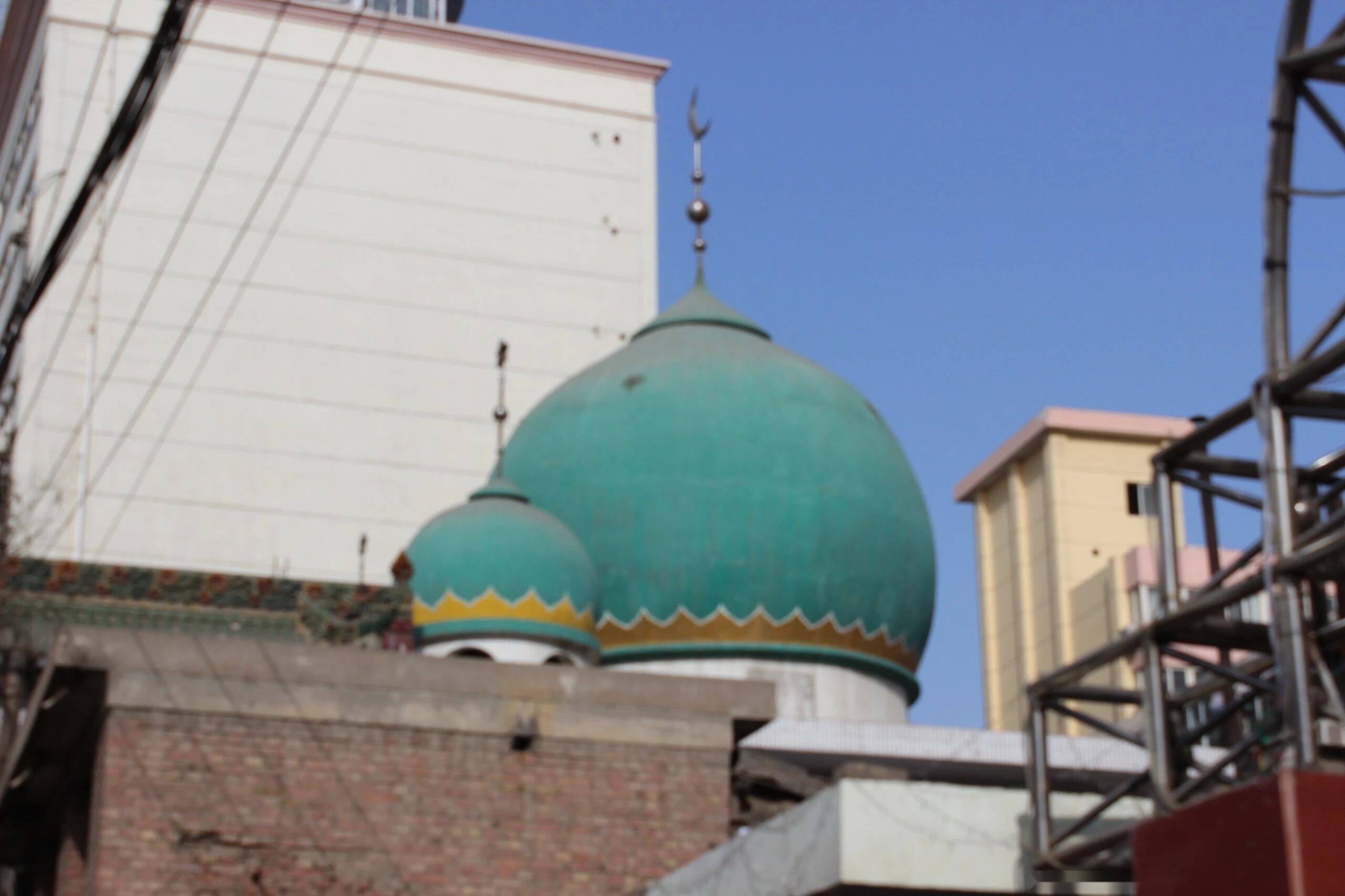
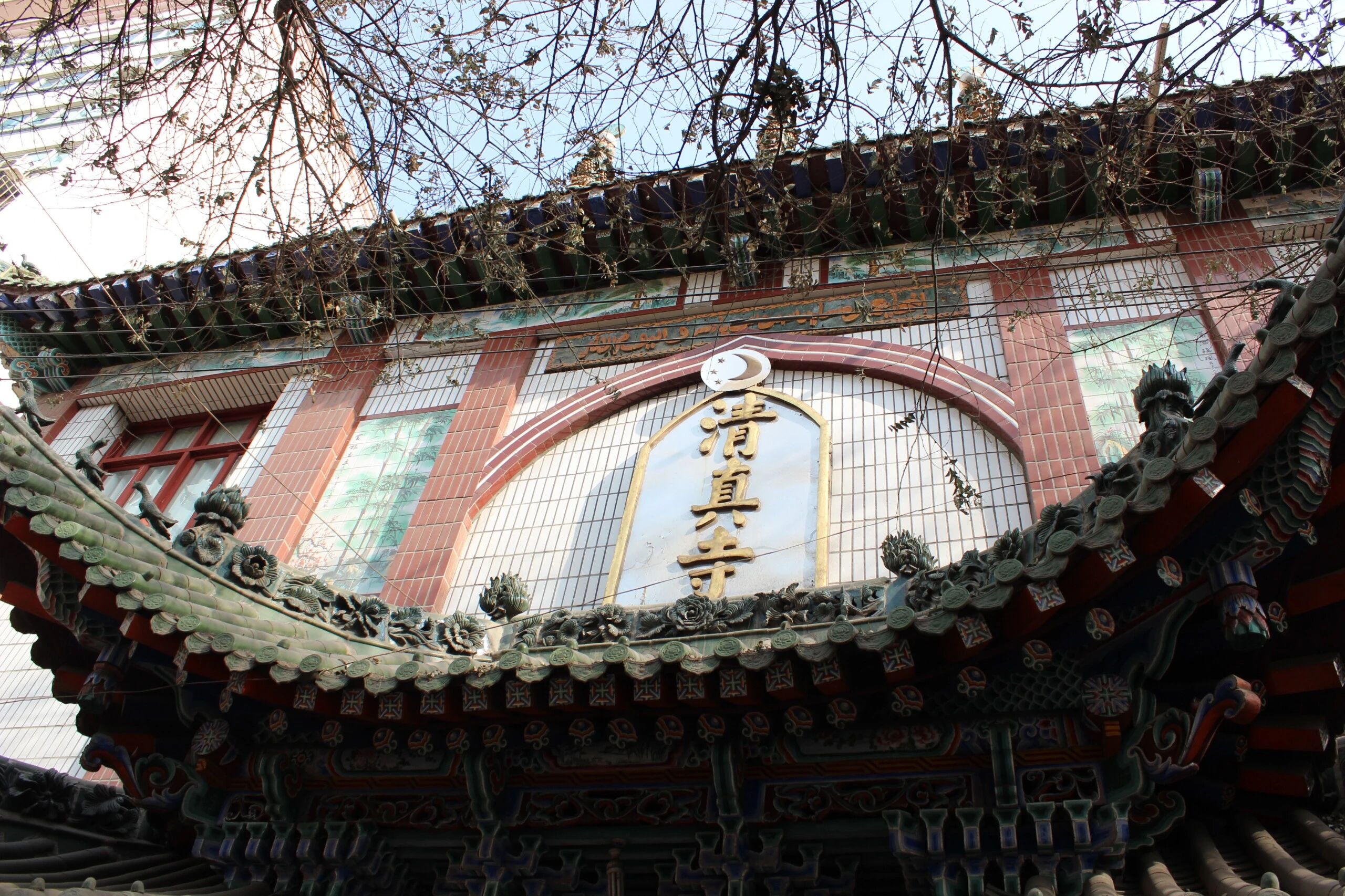
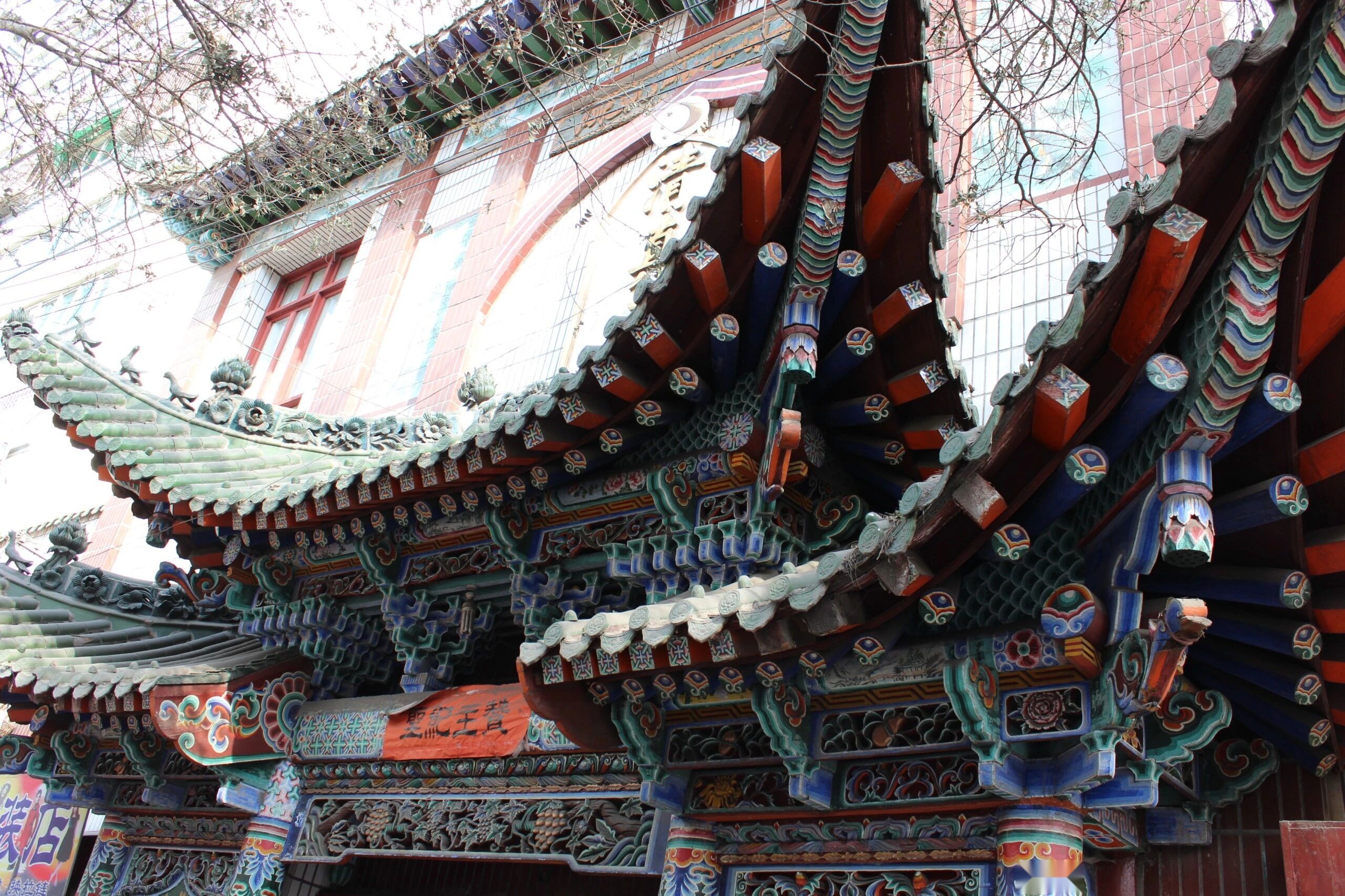
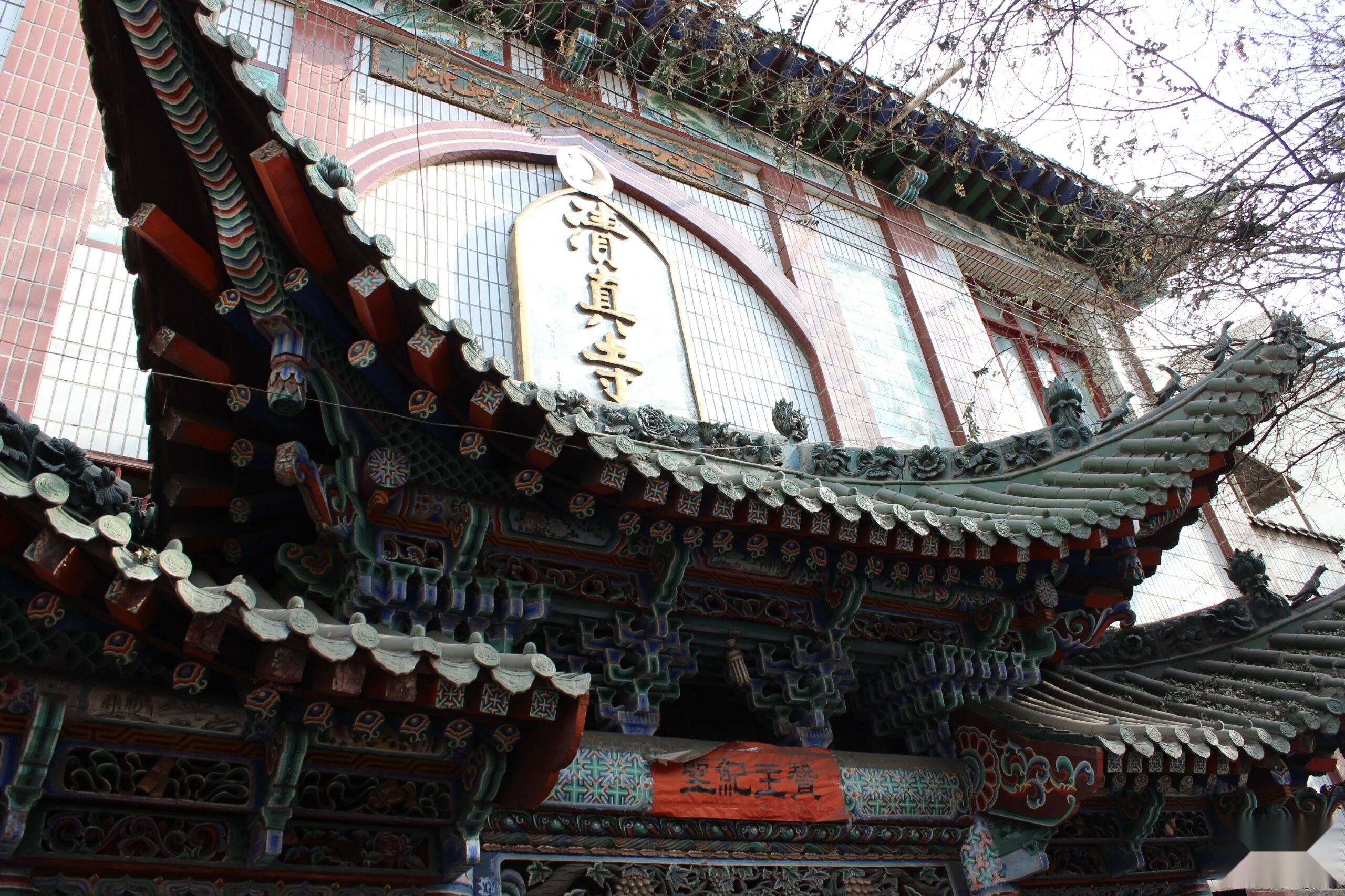
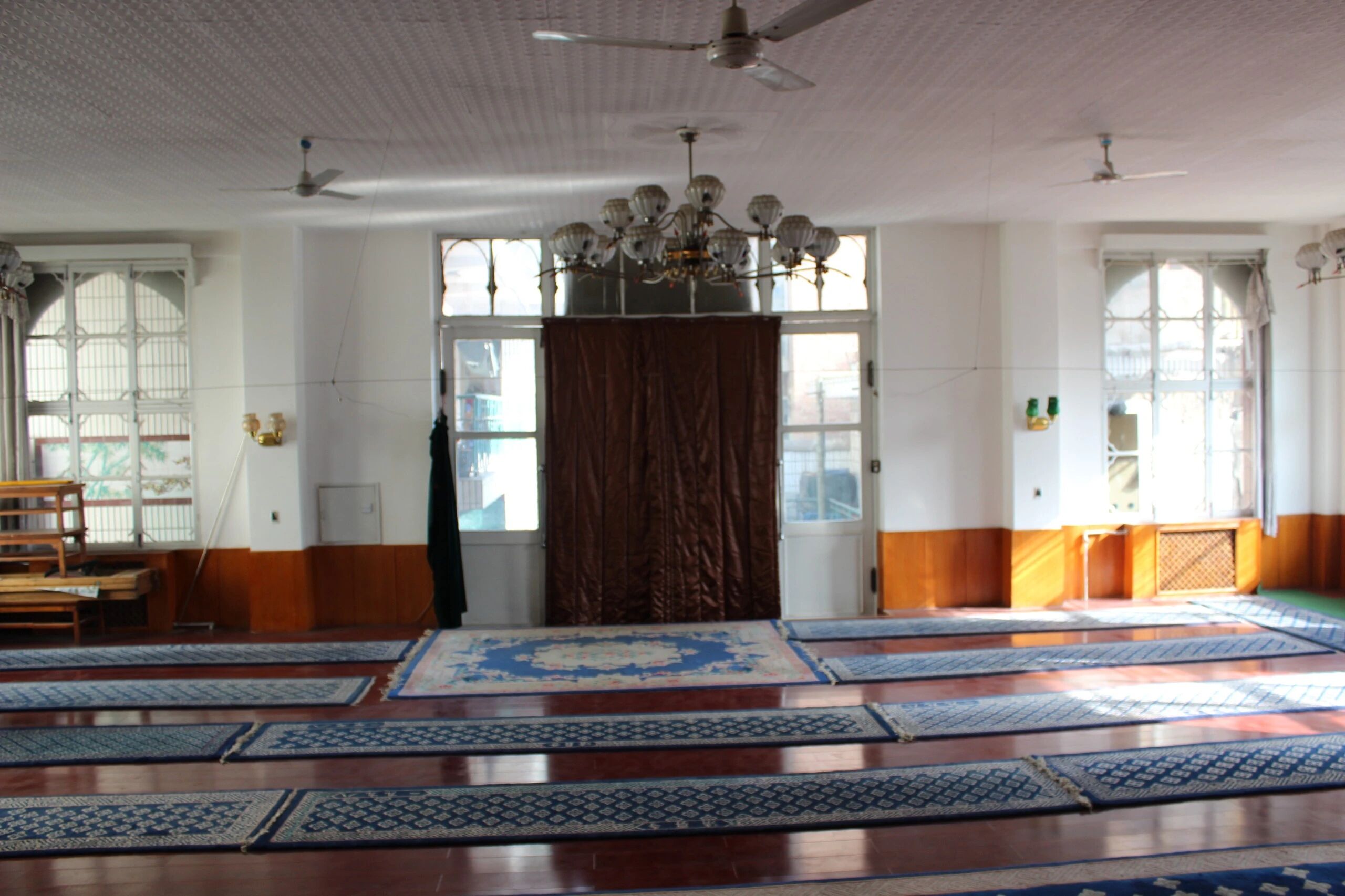
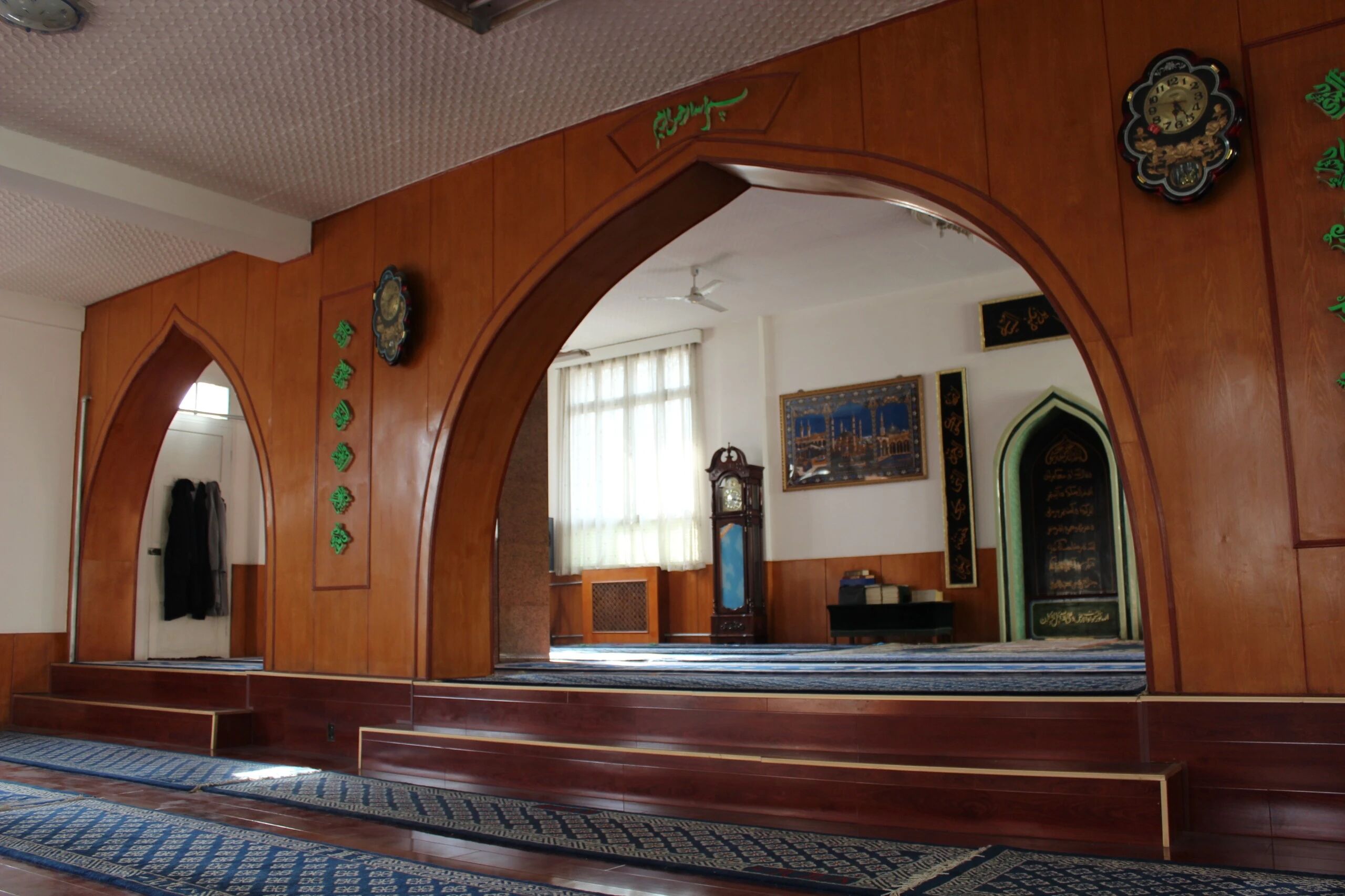
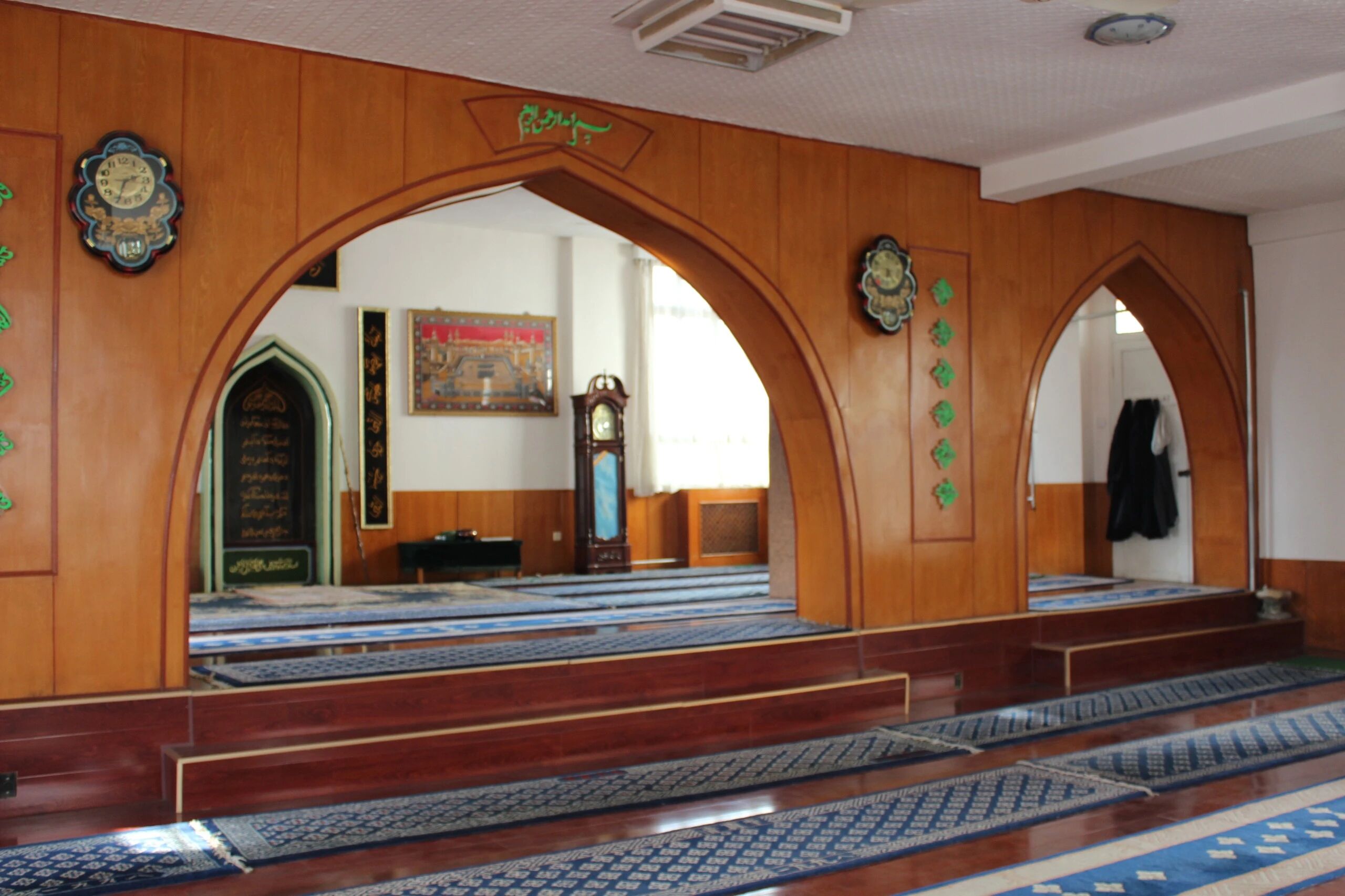
Check out these 20 photos of the Yuzhong Street Mosque (masjid), a hidden gem tucked between Gaolan Road and Pingliang Road right by the downtown Center Plaza in Lanzhou. This post also dives into the history of Sufi traditions in Islam and the unique architectural style of the historic 'menhuan' (Sufi brotherhood) mosques found throughout the Northwest.
The Yuzhong Street Mosque in Lanzhou is a Sufi masjid. While it isn't currently under the administration of the Dongchuan Gongbei (a major Sufi shrine complex), it remains a key site for the Jahriyya (a Sufi order) in the city. Located between Gaolan Road and Pingliang Road near the Center Plaza, you can easily walk straight north from the gate to reach the Guofang Department Store. 'Sufi' comes from the Arabic term for 'wool.' Early Sufis were known for their asceticism, choosing a life of poverty and self-discipline, which led them to wear rough wool garments. Back in the late 7th century, some Muslims in Iraq were fed up with the luxury and corruption of the Umayyad Dynasty court. Inspired by ascetic teachings in the Quran, they practiced poverty and self-denial as a form of quiet protest, eventually evolving into the mystical branch known as Sufism.
Sufis believe that Allah is eternal beauty and that the path to reaching Allah is through love—the core essence of Sufism. They believe that you can only know Allah through deep inner spiritual practice and intuition, aiming to reach a state of 'selflessness' through love and meditation, hoping to become one with Allah. Sufism views Allah and all of nature as one, often leaning toward pantheism. Because early Sufis weren't always focused on orthodox rituals or traditional legal practices, they were sometimes seen as heretical by others. In the 11th century, the influential Islamic scholar Al-Ghazali integrated mystical thought into orthodox theology, helping Sufism grow into a structured mystical doctrine that transitioned from individual practice to organized spiritual lodges. By the 12th century, highly organized orders (tariqas) emerged with varying rituals. The leaders of these orders provided paths and stages for disciples to follow, guiding them toward union with Allah. During ceremonies, believers form circles to chant the name of Allah—sometimes quietly, sometimes loudly—and occasionally include music, singing, dancing, or even whirling and jumping. A shared characteristic of the order is a strong emphasis on saints (wali) and their shrines (gongbei), as well as the use of prayer beads (tasbih). By the 1880s, the movement had about 1.5 to 3 million followers mainly across North Africa, though it saw a decline by the early 20th century. view all
[Internet Repost]
Check out these 20 photos of the Yuzhong Street Mosque (masjid), a hidden gem tucked between Gaolan Road and Pingliang Road right by the downtown Center Plaza in Lanzhou. This post also dives into the history of Sufi traditions in Islam and the unique architectural style of the historic 'menhuan' (Sufi brotherhood) mosques found throughout the Northwest.
The Yuzhong Street Mosque in Lanzhou is a Sufi masjid. While it isn't currently under the administration of the Dongchuan Gongbei (a major Sufi shrine complex), it remains a key site for the Jahriyya (a Sufi order) in the city. Located between Gaolan Road and Pingliang Road near the Center Plaza, you can easily walk straight north from the gate to reach the Guofang Department Store. 'Sufi' comes from the Arabic term for 'wool.' Early Sufis were known for their asceticism, choosing a life of poverty and self-discipline, which led them to wear rough wool garments. Back in the late 7th century, some Muslims in Iraq were fed up with the luxury and corruption of the Umayyad Dynasty court. Inspired by ascetic teachings in the Quran, they practiced poverty and self-denial as a form of quiet protest, eventually evolving into the mystical branch known as Sufism.
Sufis believe that Allah is eternal beauty and that the path to reaching Allah is through love—the core essence of Sufism. They believe that you can only know Allah through deep inner spiritual practice and intuition, aiming to reach a state of 'selflessness' through love and meditation, hoping to become one with Allah. Sufism views Allah and all of nature as one, often leaning toward pantheism. Because early Sufis weren't always focused on orthodox rituals or traditional legal practices, they were sometimes seen as heretical by others. In the 11th century, the influential Islamic scholar Al-Ghazali integrated mystical thought into orthodox theology, helping Sufism grow into a structured mystical doctrine that transitioned from individual practice to organized spiritual lodges. By the 12th century, highly organized orders (tariqas) emerged with varying rituals. The leaders of these orders provided paths and stages for disciples to follow, guiding them toward union with Allah. During ceremonies, believers form circles to chant the name of Allah—sometimes quietly, sometimes loudly—and occasionally include music, singing, dancing, or even whirling and jumping. A shared characteristic of the order is a strong emphasis on saints (wali) and their shrines (gongbei), as well as the use of prayer beads (tasbih). By the 1880s, the movement had about 1.5 to 3 million followers mainly across North Africa, though it saw a decline by the early 20th century.
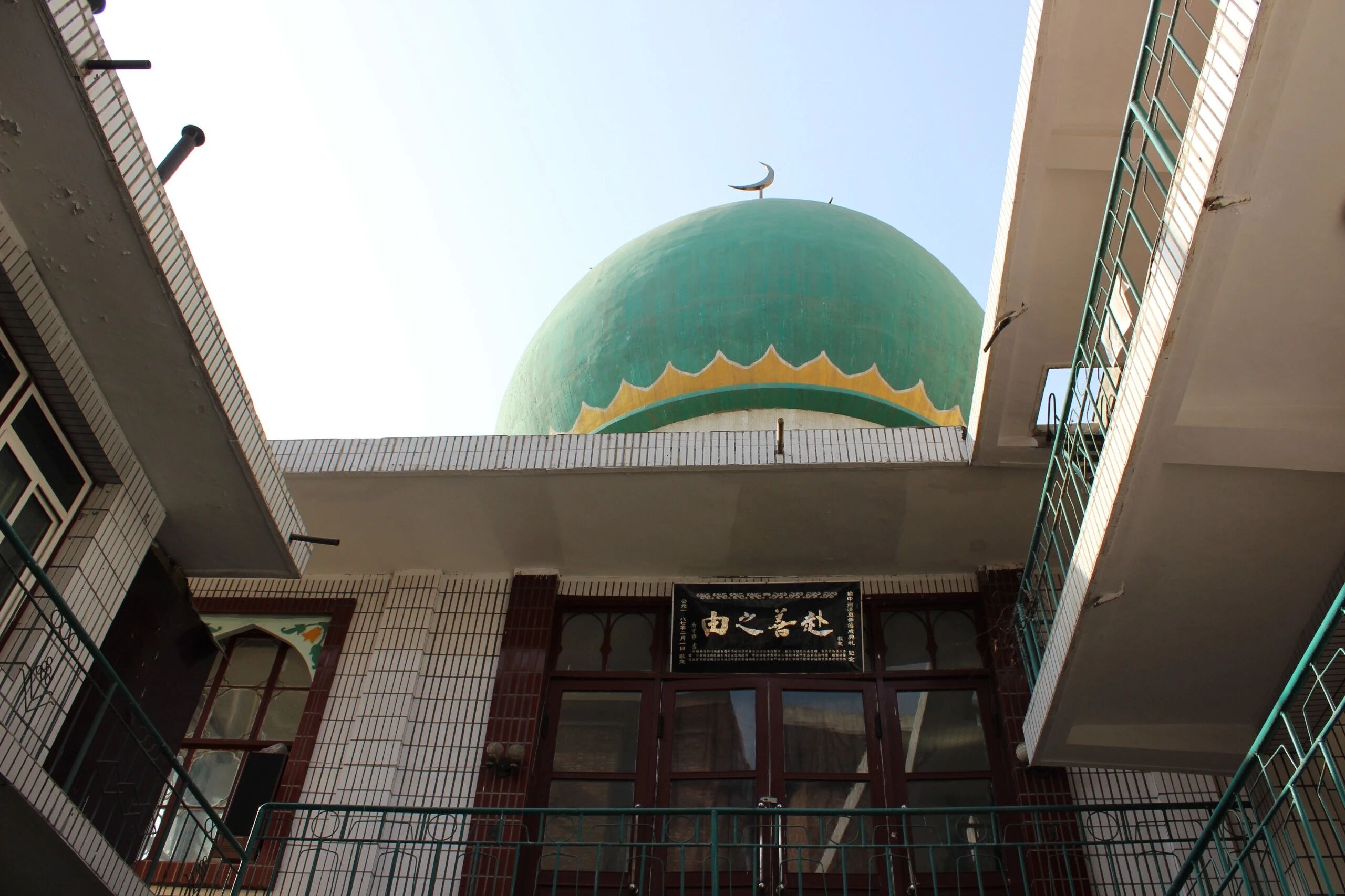
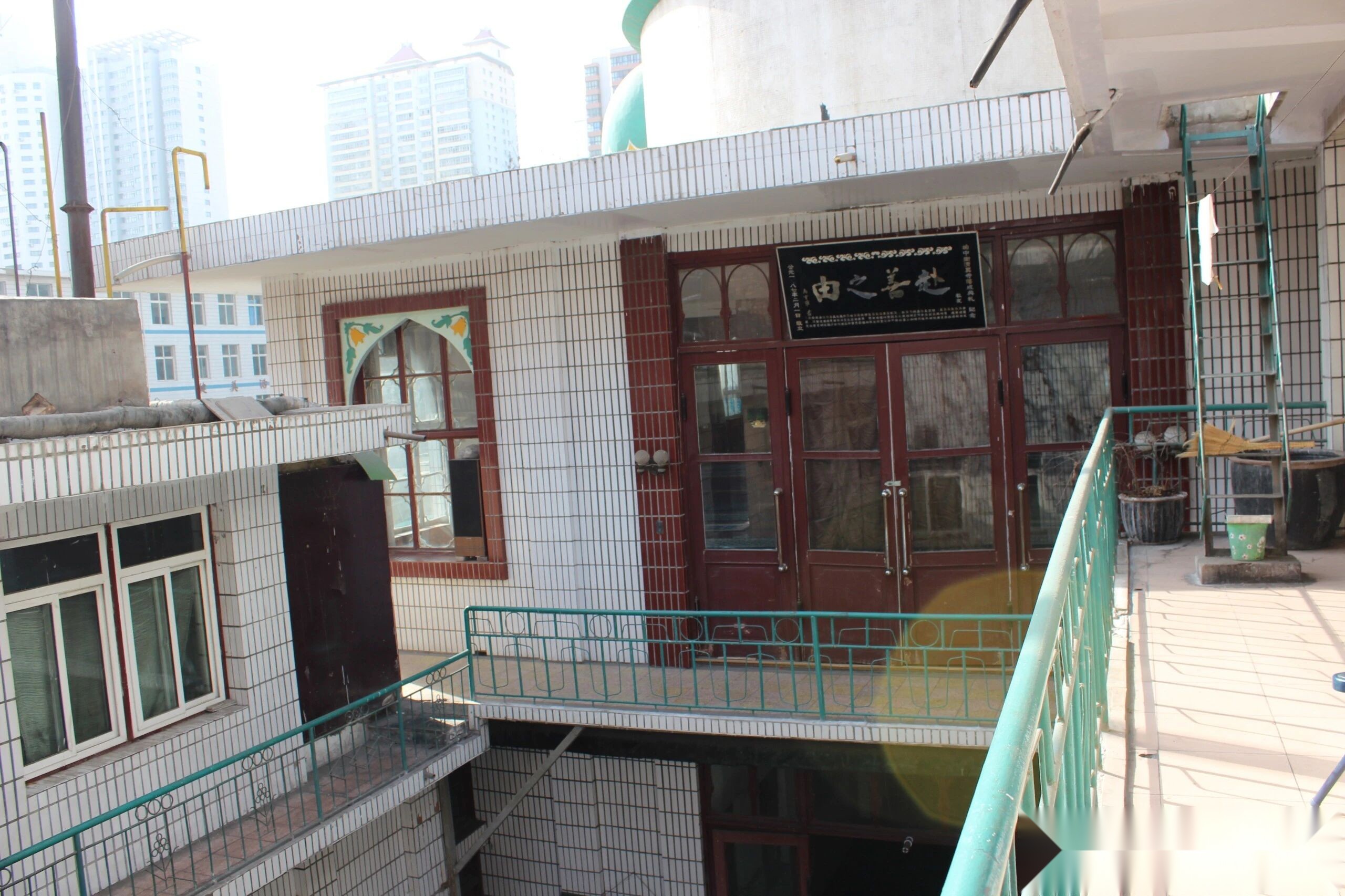
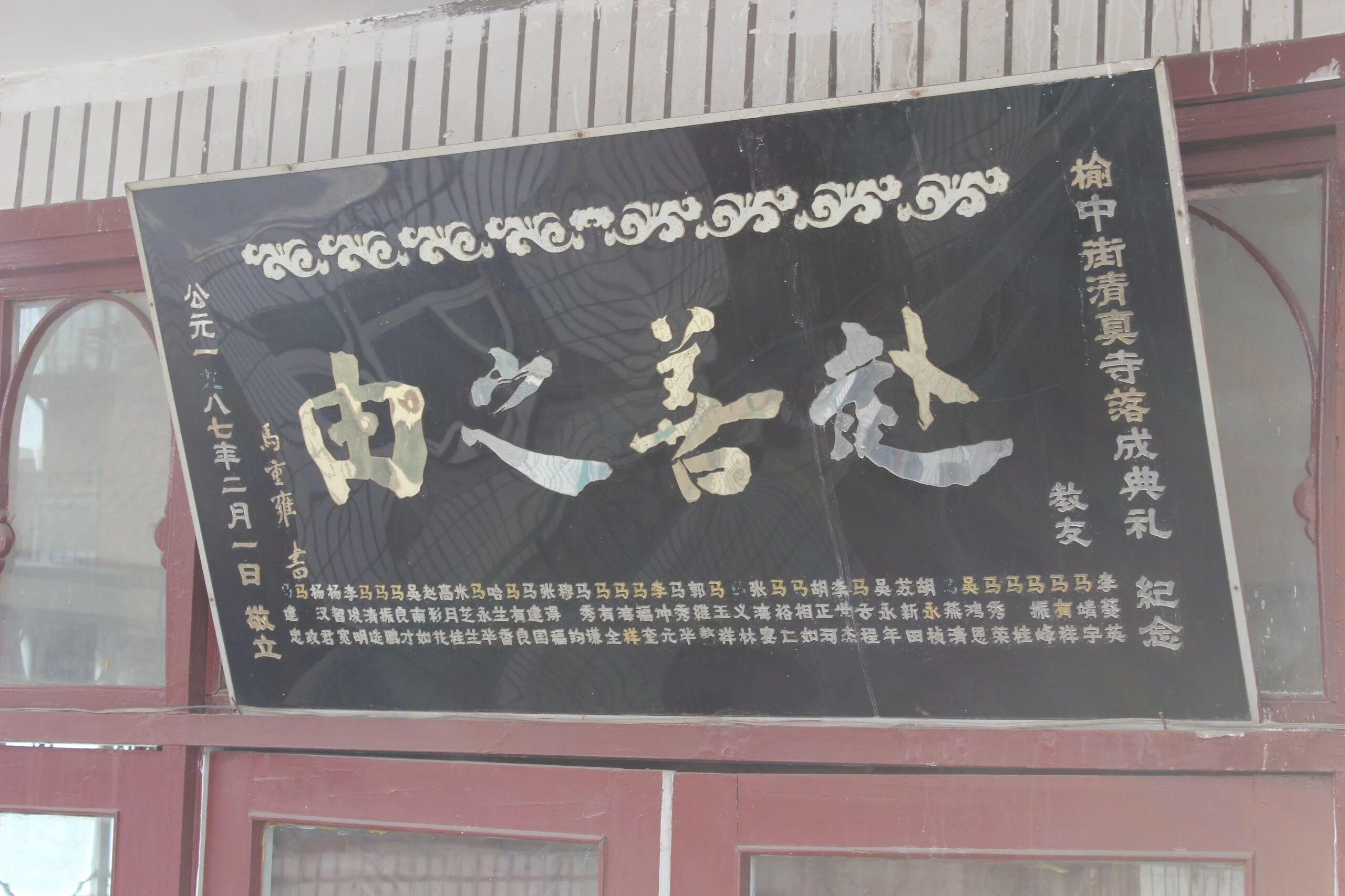

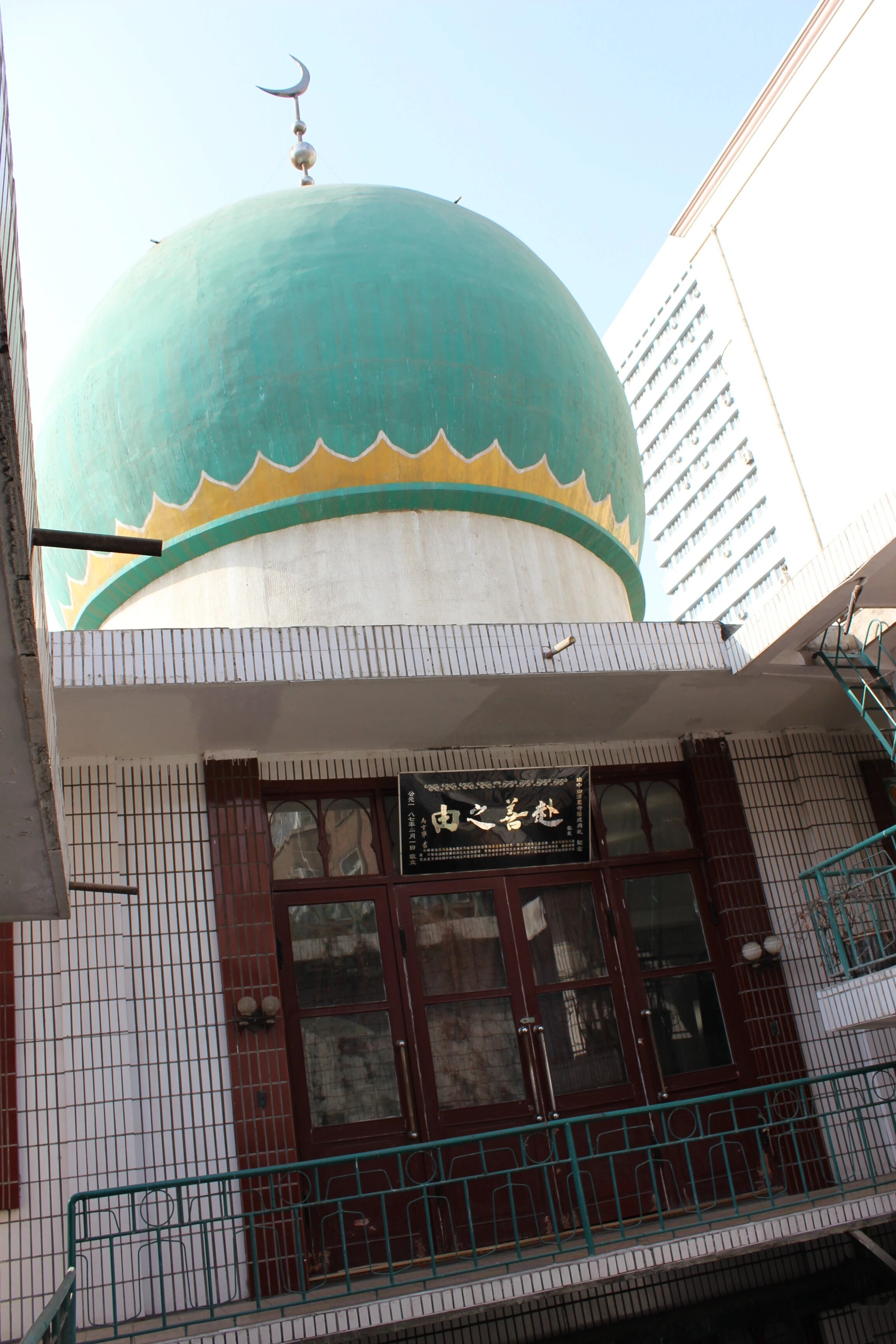
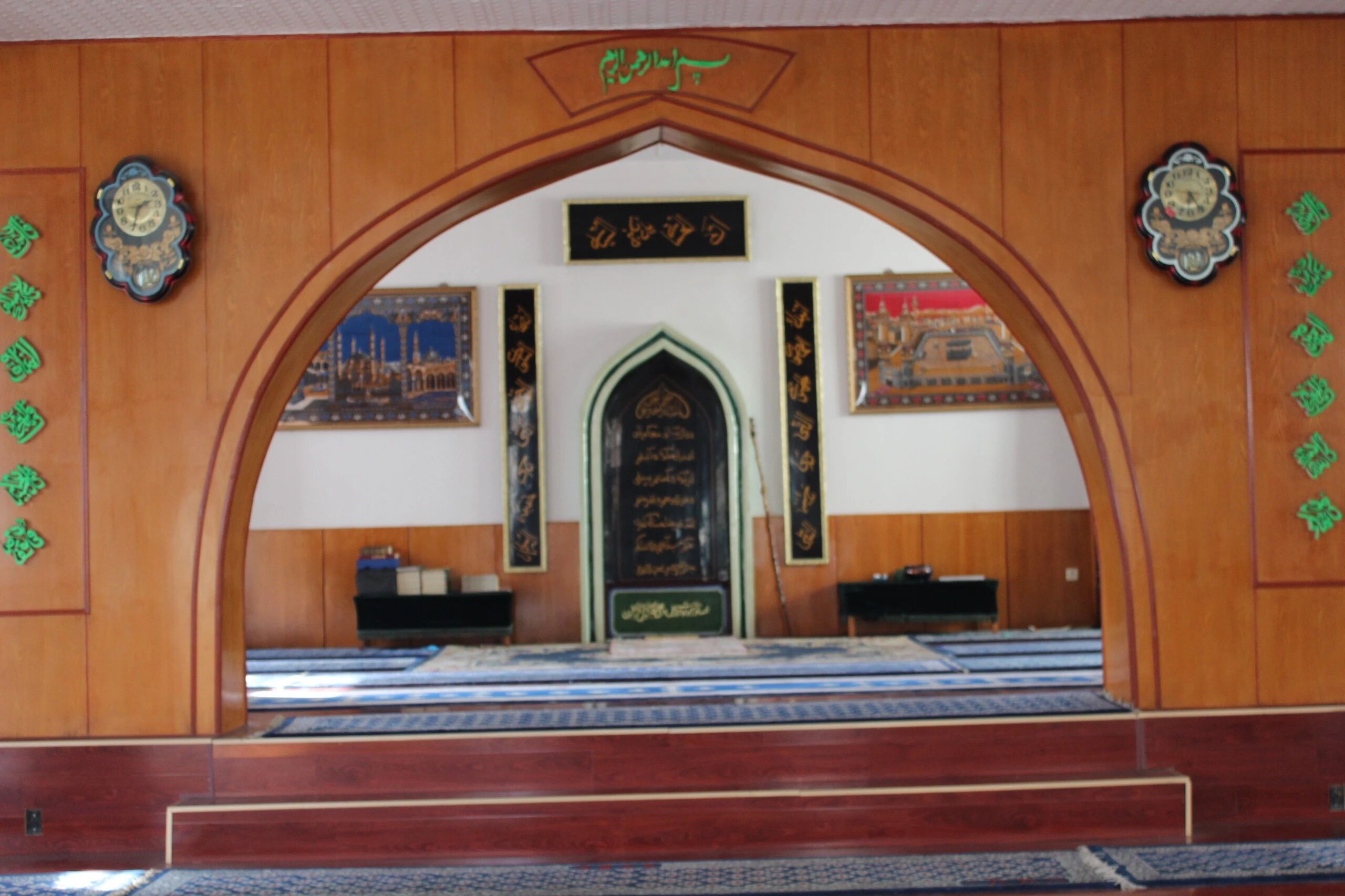
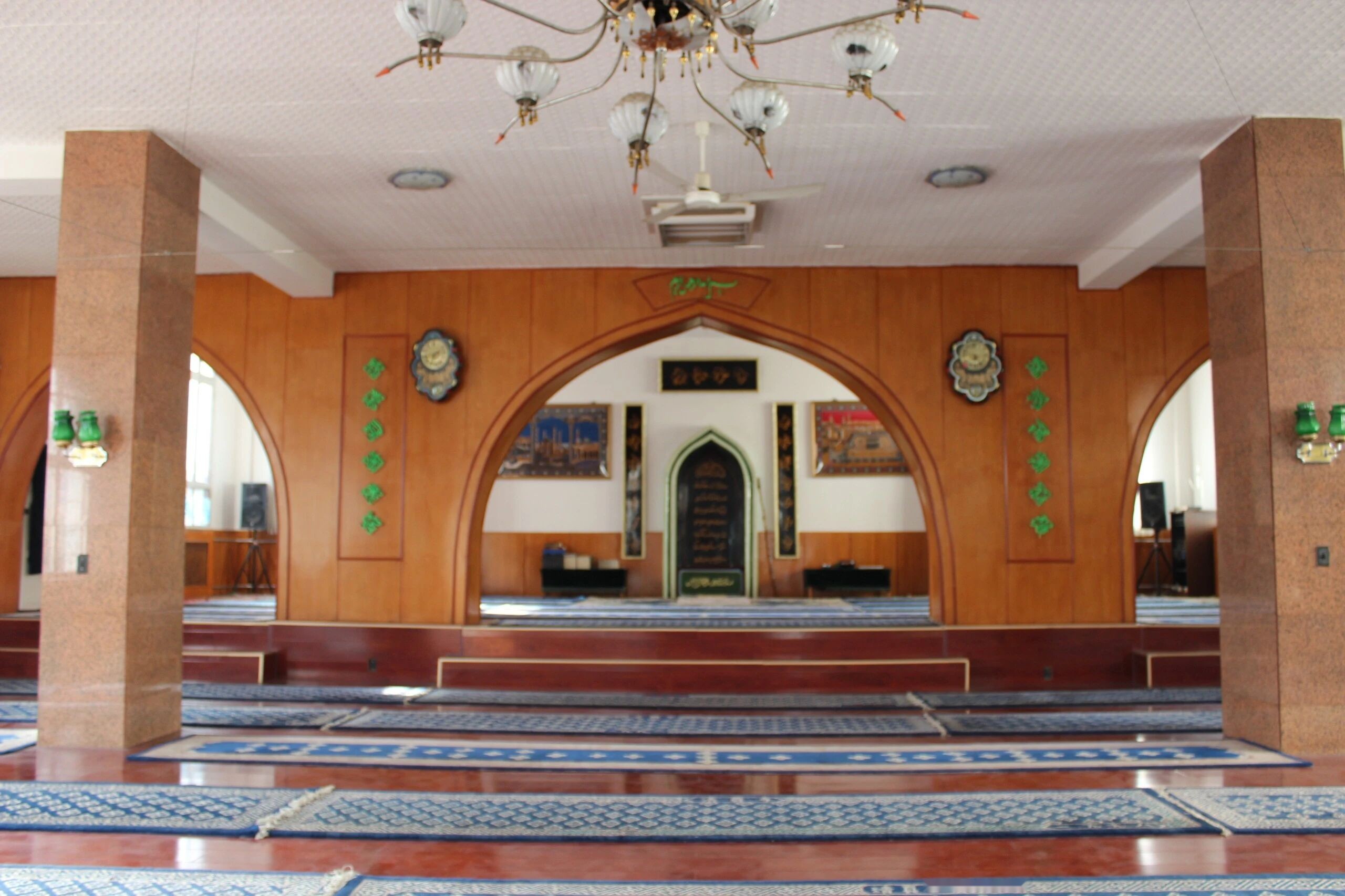
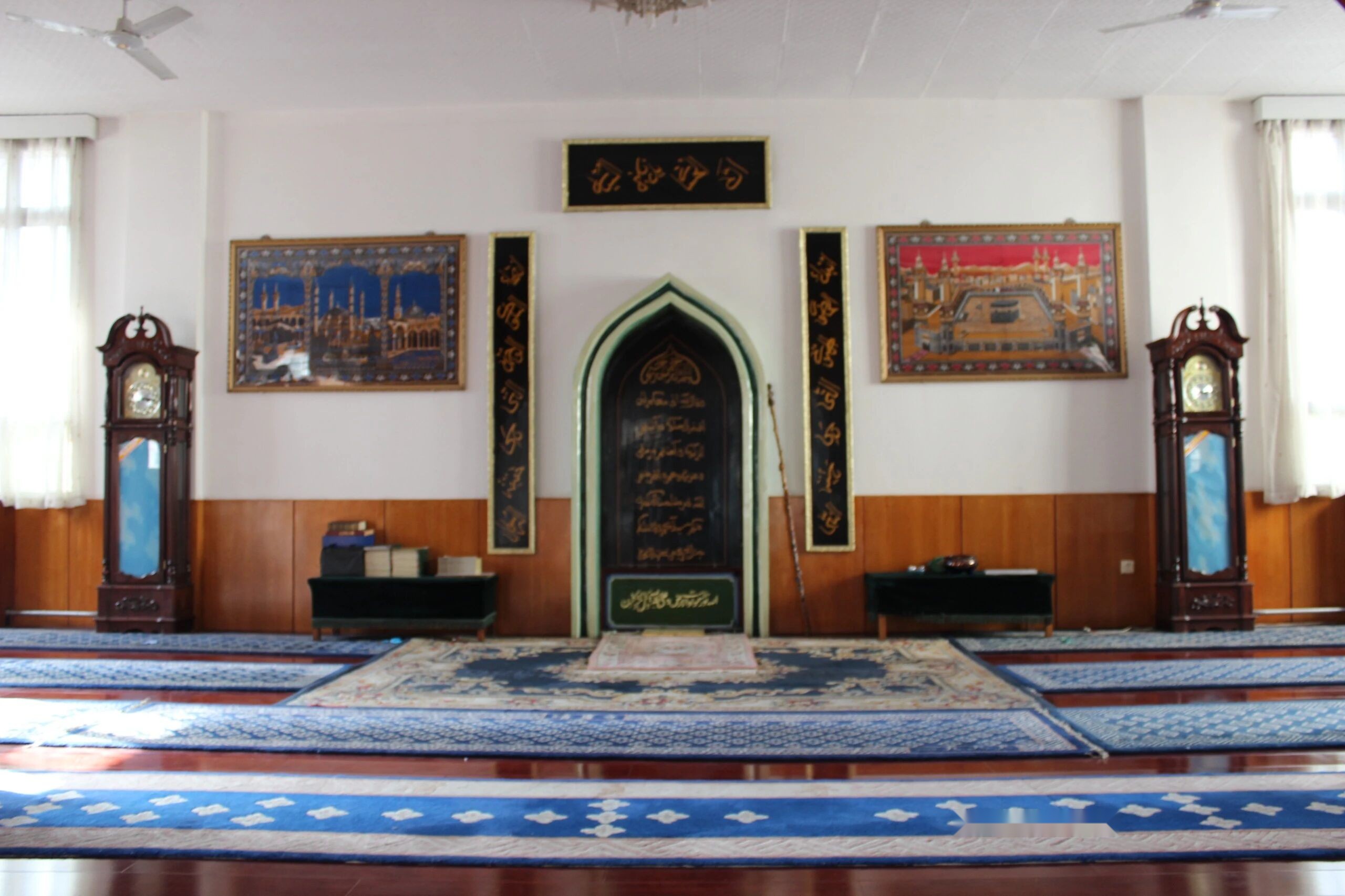
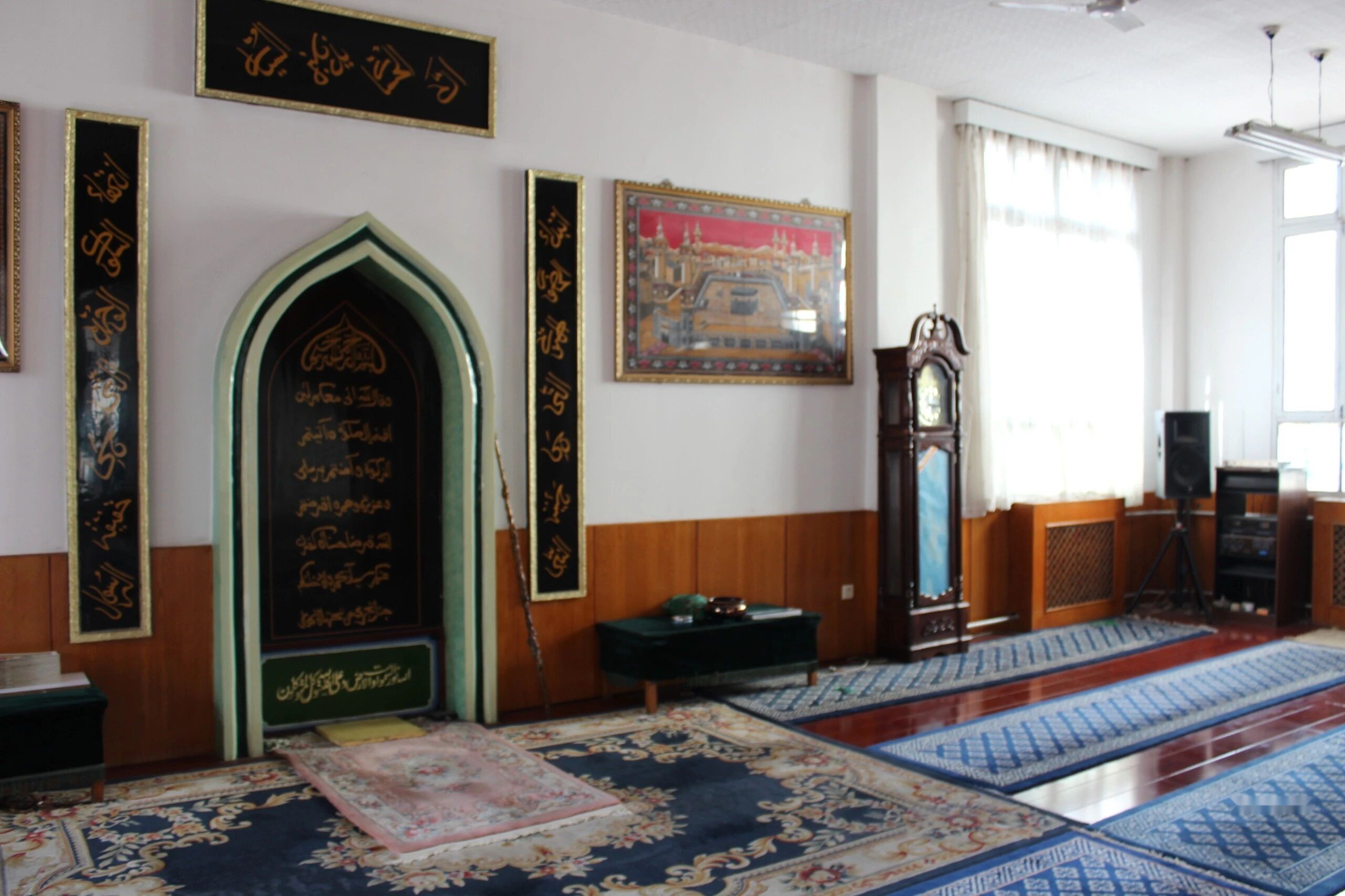
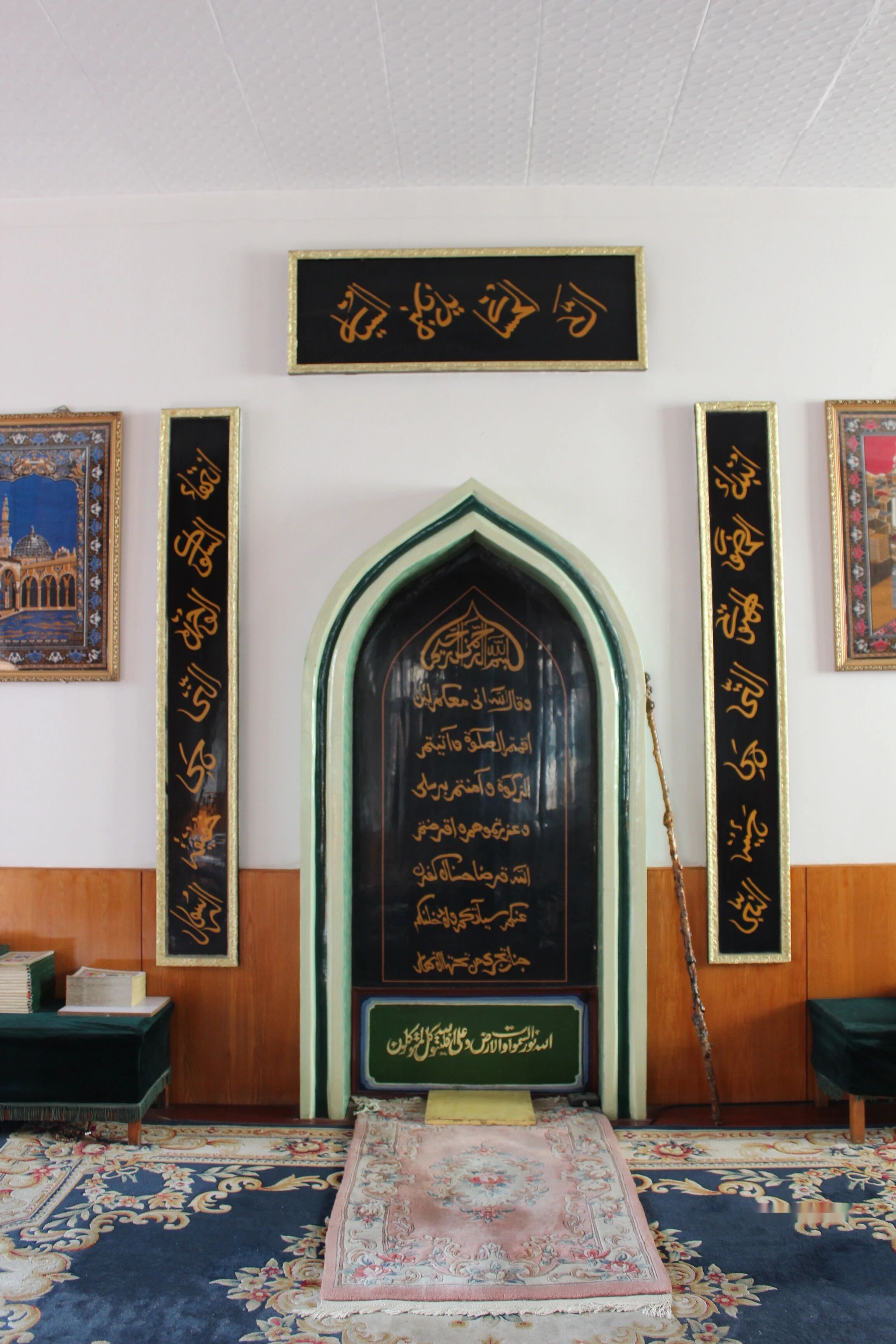
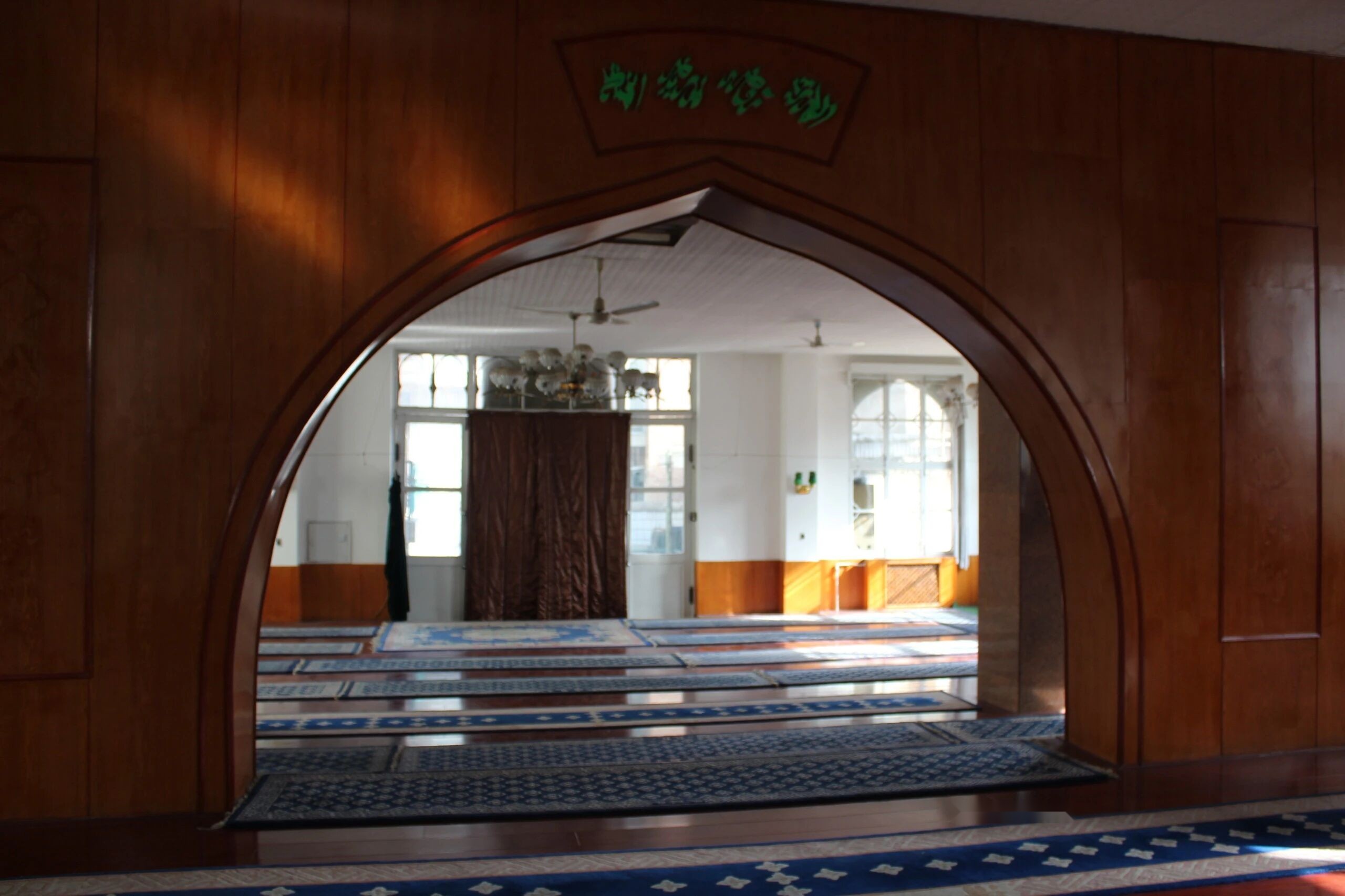
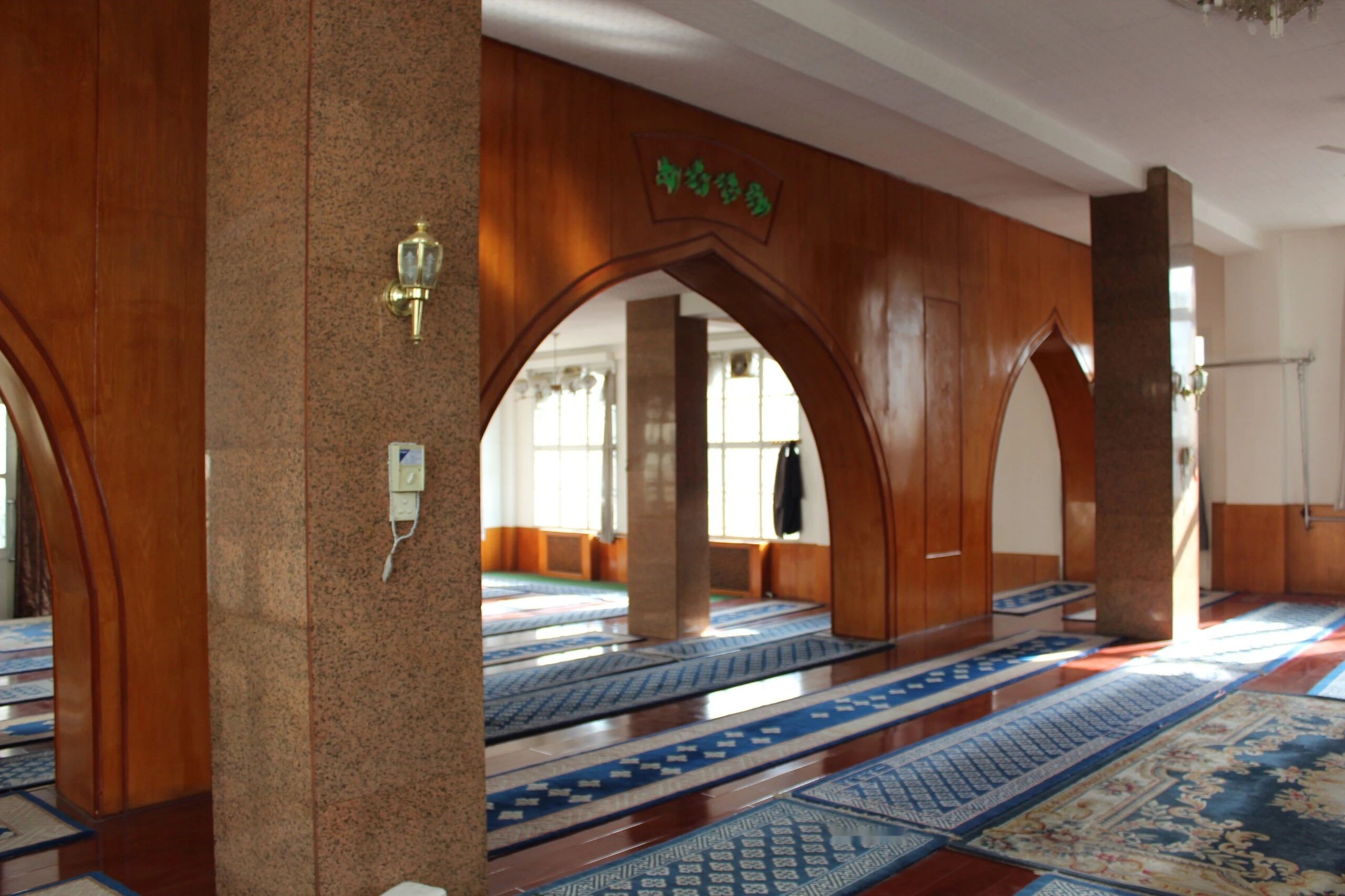
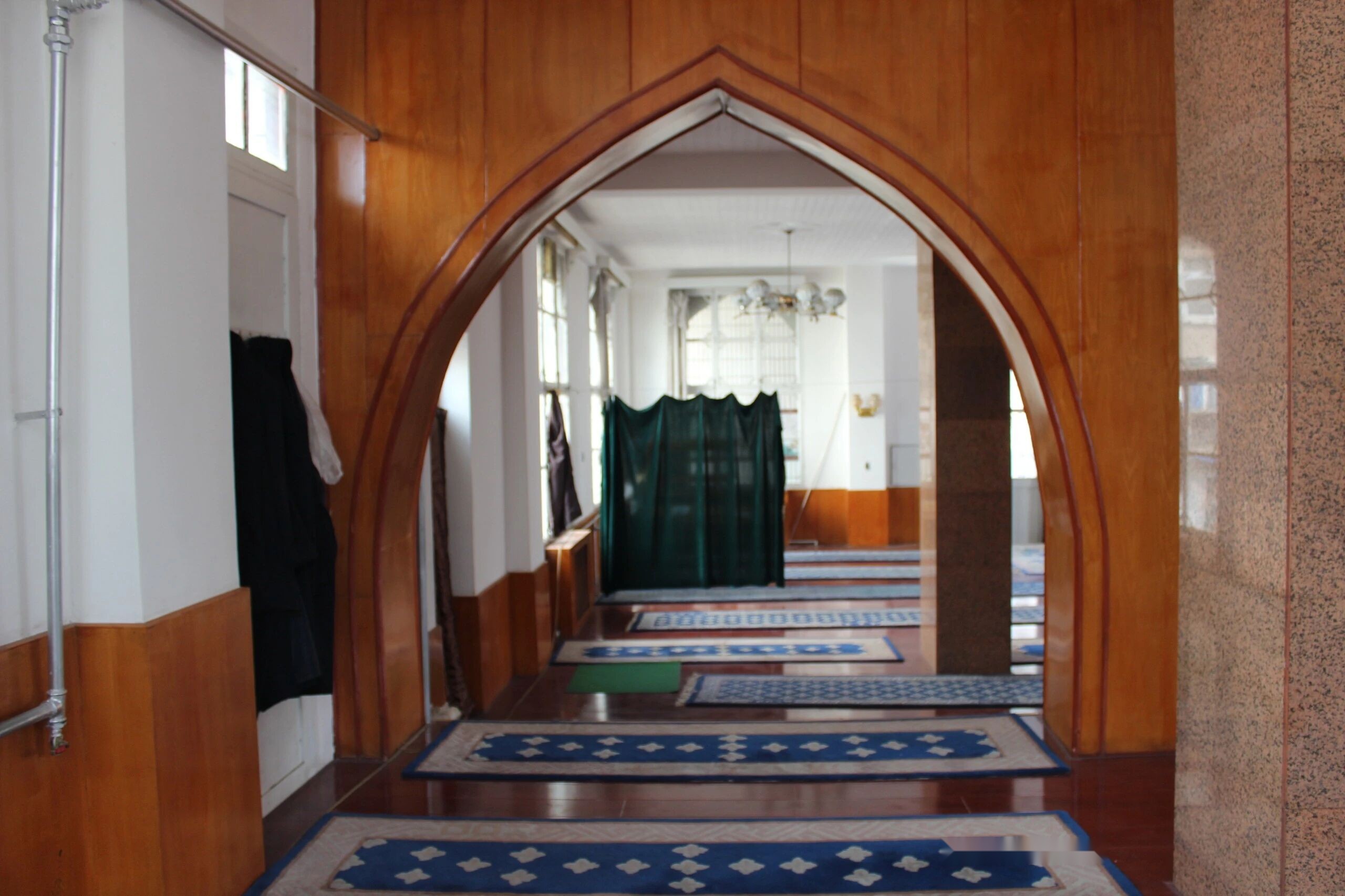
Check out these 20 photos of the Yuzhong Street Mosque (masjid), a hidden gem tucked between Gaolan Road and Pingliang Road right by the downtown Center Plaza in Lanzhou. This post also dives into the history of Sufi traditions in Islam and the unique architectural style of the historic 'menhuan' (Sufi brotherhood) mosques found throughout the Northwest.
The Yuzhong Street Mosque in Lanzhou is a Sufi masjid. While it isn't currently under the administration of the Dongchuan Gongbei (a major Sufi shrine complex), it remains a key site for the Jahriyya (a Sufi order) in the city. Located between Gaolan Road and Pingliang Road near the Center Plaza, you can easily walk straight north from the gate to reach the Guofang Department Store. 'Sufi' comes from the Arabic term for 'wool.' Early Sufis were known for their asceticism, choosing a life of poverty and self-discipline, which led them to wear rough wool garments. Back in the late 7th century, some Muslims in Iraq were fed up with the luxury and corruption of the Umayyad Dynasty court. Inspired by ascetic teachings in the Quran, they practiced poverty and self-denial as a form of quiet protest, eventually evolving into the mystical branch known as Sufism.
Sufis believe that Allah is eternal beauty and that the path to reaching Allah is through love—the core essence of Sufism. They believe that you can only know Allah through deep inner spiritual practice and intuition, aiming to reach a state of 'selflessness' through love and meditation, hoping to become one with Allah. Sufism views Allah and all of nature as one, often leaning toward pantheism. Because early Sufis weren't always focused on orthodox rituals or traditional legal practices, they were sometimes seen as heretical by others. In the 11th century, the influential Islamic scholar Al-Ghazali integrated mystical thought into orthodox theology, helping Sufism grow into a structured mystical doctrine that transitioned from individual practice to organized spiritual lodges. By the 12th century, highly organized orders (tariqas) emerged with varying rituals. The leaders of these orders provided paths and stages for disciples to follow, guiding them toward union with Allah. During ceremonies, believers form circles to chant the name of Allah—sometimes quietly, sometimes loudly—and occasionally include music, singing, dancing, or even whirling and jumping. A shared characteristic of the order is a strong emphasis on saints (wali) and their shrines (gongbei), as well as the use of prayer beads (tasbih). By the 1880s, the movement had about 1.5 to 3 million followers mainly across North Africa, though it saw a decline by the early 20th century.
Lanzhou Hidden Gems: Exploring the Historic Yuzhong Street Mosque near Center Plaza
Articles • Hasan09 posted the article • 0 comments • 16 views • 19 hours ago
[Internet Repost]
Check out these 20 photos of the Yuzhong Street Mosque (masjid), a hidden gem tucked between Gaolan Road and Pingliang Road right by the downtown Center Plaza in Lanzhou. This post also dives into the history of Sufi traditions in Islam and the unique architectural style of the historic 'menhuan' (Sufi brotherhood) mosques found throughout the Northwest.
The Yuzhong Street Mosque in Lanzhou is a Sufi masjid. While it isn't currently under the administration of the Dongchuan Gongbei (a major Sufi shrine complex), it remains a key site for the Jahriyya (a Sufi order) in the city. Located between Gaolan Road and Pingliang Road near the Center Plaza, you can easily walk straight north from the gate to reach the Guofang Department Store. 'Sufi' comes from the Arabic term for 'wool.' Early Sufis were known for their asceticism, choosing a life of poverty and self-discipline, which led them to wear rough wool garments. Back in the late 7th century, some Muslims in Iraq were fed up with the luxury and corruption of the Umayyad Dynasty court. Inspired by ascetic teachings in the Quran, they practiced poverty and self-denial as a form of quiet protest, eventually evolving into the mystical branch known as Sufism.
Sufis believe that Allah is eternal beauty and that the path to reaching Allah is through love—the core essence of Sufism. They believe that you can only know Allah through deep inner spiritual practice and intuition, aiming to reach a state of 'selflessness' through love and meditation, hoping to become one with Allah. Sufism views Allah and all of nature as one, often leaning toward pantheism. Because early Sufis weren't always focused on orthodox rituals or traditional legal practices, they were sometimes seen as heretical by others. In the 11th century, the influential Islamic scholar Al-Ghazali integrated mystical thought into orthodox theology, helping Sufism grow into a structured mystical doctrine that transitioned from individual practice to organized spiritual lodges. By the 12th century, highly organized orders (tariqas) emerged with varying rituals. The leaders of these orders provided paths and stages for disciples to follow, guiding them toward union with Allah. During ceremonies, believers form circles to chant the name of Allah—sometimes quietly, sometimes loudly—and occasionally include music, singing, dancing, or even whirling and jumping. A shared characteristic of the order is a strong emphasis on saints (wali) and their shrines (gongbei), as well as the use of prayer beads (tasbih). By the 1880s, the movement had about 1.5 to 3 million followers mainly across North Africa, though it saw a decline by the early 20th century. view all
Check out these 20 photos of the Yuzhong Street Mosque (masjid), a hidden gem tucked between Gaolan Road and Pingliang Road right by the downtown Center Plaza in Lanzhou. This post also dives into the history of Sufi traditions in Islam and the unique architectural style of the historic 'menhuan' (Sufi brotherhood) mosques found throughout the Northwest.
The Yuzhong Street Mosque in Lanzhou is a Sufi masjid. While it isn't currently under the administration of the Dongchuan Gongbei (a major Sufi shrine complex), it remains a key site for the Jahriyya (a Sufi order) in the city. Located between Gaolan Road and Pingliang Road near the Center Plaza, you can easily walk straight north from the gate to reach the Guofang Department Store. 'Sufi' comes from the Arabic term for 'wool.' Early Sufis were known for their asceticism, choosing a life of poverty and self-discipline, which led them to wear rough wool garments. Back in the late 7th century, some Muslims in Iraq were fed up with the luxury and corruption of the Umayyad Dynasty court. Inspired by ascetic teachings in the Quran, they practiced poverty and self-denial as a form of quiet protest, eventually evolving into the mystical branch known as Sufism.
Sufis believe that Allah is eternal beauty and that the path to reaching Allah is through love—the core essence of Sufism. They believe that you can only know Allah through deep inner spiritual practice and intuition, aiming to reach a state of 'selflessness' through love and meditation, hoping to become one with Allah. Sufism views Allah and all of nature as one, often leaning toward pantheism. Because early Sufis weren't always focused on orthodox rituals or traditional legal practices, they were sometimes seen as heretical by others. In the 11th century, the influential Islamic scholar Al-Ghazali integrated mystical thought into orthodox theology, helping Sufism grow into a structured mystical doctrine that transitioned from individual practice to organized spiritual lodges. By the 12th century, highly organized orders (tariqas) emerged with varying rituals. The leaders of these orders provided paths and stages for disciples to follow, guiding them toward union with Allah. During ceremonies, believers form circles to chant the name of Allah—sometimes quietly, sometimes loudly—and occasionally include music, singing, dancing, or even whirling and jumping. A shared characteristic of the order is a strong emphasis on saints (wali) and their shrines (gongbei), as well as the use of prayer beads (tasbih). By the 1880s, the movement had about 1.5 to 3 million followers mainly across North Africa, though it saw a decline by the early 20th century. view all
[Internet Repost]
Check out these 20 photos of the Yuzhong Street Mosque (masjid), a hidden gem tucked between Gaolan Road and Pingliang Road right by the downtown Center Plaza in Lanzhou. This post also dives into the history of Sufi traditions in Islam and the unique architectural style of the historic 'menhuan' (Sufi brotherhood) mosques found throughout the Northwest.
The Yuzhong Street Mosque in Lanzhou is a Sufi masjid. While it isn't currently under the administration of the Dongchuan Gongbei (a major Sufi shrine complex), it remains a key site for the Jahriyya (a Sufi order) in the city. Located between Gaolan Road and Pingliang Road near the Center Plaza, you can easily walk straight north from the gate to reach the Guofang Department Store. 'Sufi' comes from the Arabic term for 'wool.' Early Sufis were known for their asceticism, choosing a life of poverty and self-discipline, which led them to wear rough wool garments. Back in the late 7th century, some Muslims in Iraq were fed up with the luxury and corruption of the Umayyad Dynasty court. Inspired by ascetic teachings in the Quran, they practiced poverty and self-denial as a form of quiet protest, eventually evolving into the mystical branch known as Sufism.
Sufis believe that Allah is eternal beauty and that the path to reaching Allah is through love—the core essence of Sufism. They believe that you can only know Allah through deep inner spiritual practice and intuition, aiming to reach a state of 'selflessness' through love and meditation, hoping to become one with Allah. Sufism views Allah and all of nature as one, often leaning toward pantheism. Because early Sufis weren't always focused on orthodox rituals or traditional legal practices, they were sometimes seen as heretical by others. In the 11th century, the influential Islamic scholar Al-Ghazali integrated mystical thought into orthodox theology, helping Sufism grow into a structured mystical doctrine that transitioned from individual practice to organized spiritual lodges. By the 12th century, highly organized orders (tariqas) emerged with varying rituals. The leaders of these orders provided paths and stages for disciples to follow, guiding them toward union with Allah. During ceremonies, believers form circles to chant the name of Allah—sometimes quietly, sometimes loudly—and occasionally include music, singing, dancing, or even whirling and jumping. A shared characteristic of the order is a strong emphasis on saints (wali) and their shrines (gongbei), as well as the use of prayer beads (tasbih). By the 1880s, the movement had about 1.5 to 3 million followers mainly across North Africa, though it saw a decline by the early 20th century.