

Laylat al_Qadr
Ramadan Muslim Life Guide in the Muslim World: Last Ten Nights, Laylat al-Qadr and Dua
Articles • yusuf908 posted the article • 0 comments • 233 views • 2026-05-22 10:09
Reposted from the web
Summary: Ramadan Muslim Life Guide in the Muslim World: Last Ten Nights, Laylat al-Qadr and dua is presented here as a clear English Islamic knowledge article for Muslim readers, starting with this scene: As we enter the last ten nights of Ramadan, we have a unique opportunity to seek forgiveness, draw closer to Allah, earn the rewards of our nightly worship, and insha'Allah catch Laylatul-Qadr, or the Night of Decree. It keeps the original names, Quran and hadith references, dua, photographs, and religious context while focusing on Last Ten Nights, Laylat al-Qadr, Ramadan.
As we enter the last ten nights of Ramadan, we have a unique opportunity to seek forgiveness, draw closer to Allah, earn the rewards of our nightly worship, and insha'Allah catch Laylatul-Qadr, or the Night of Decree. Here are 10 practical tips to make the most of these nights:
1. Avoid sins during the day.
We often forget this when thinking about the last ten nights. Outside of Ramadan, we are reminded not to disobey Allah during the day, because if we do, He will not wake us up to pray at night. As the saying goes, "If you sin during the day, you shut the doors of the heavens for yourself at night."
If this is true all year, how much more important is it during the last ten nights of Ramadan when we want to make sure we don't miss Laylatul-Qadr? We do not want to pray Maghrib while under the ghadab (anger) of Allah because of a sin we committed during the day. Let's be mindful of our actions all day long. Whether it is avoiding harmful speech or sinful behavior, our conduct during daylight hours sets the tone for our spiritual state during these blessed nights.
2. Avoid idle conversations at night.
Imam Ibn Qudama mentions that the blessings of Laylatul-Qadr are often lost because people socialize too much at night. It is easy for our tongues to slip into backbiting or gossiping. It is best to avoid excessive socializing during this time. Instead, these last 10 nights are a time to prioritize our ibadah (worship).
Join gatherings where Allah is remembered and try your best to avoid unnecessary conversations. Use this time to focus on worship and reflection to build a deeper connection with our Creator.
3. Pray Isha and Fajr in congregation.
Prioritize praying Isha and Fajr in the mosque. Saeed ibn Musayyib said, "Whoever prays Isha in congregation has taken their share of Laylatul-Qadr." The Prophet said, "Whoever prays Isha in congregation gets the reward of praying the first half of the night. Whoever prays Fajr in congregation gets the reward of praying the last half of the night."
It is more precious to Allah that you pray Isha and Fajr in congregation than if you spent the whole night in prayer alone. Let's prioritize being in the mosque for Isha and Fajr. By coming together as a community, we experience the blessings of unity and increase the spiritual rewards of our prayers.
4. Pray a full set of Qiyaam with the imam.
The Prophet said, "Whoever prays behind the imam in Qiyaam until the imam finishes, that person has achieved the reward of the entire night in prayer." While there are different ways to understand this hadith, the general advice is to pray as much as you can continuously behind the imam for taraweeh or extra qiyaam. The more you do, the better your chance to earn this reward.
5. Read the Qur'an throughout the night.
This might seem obvious, but it is often overlooked. Qatadah used to finish the Qur'an every three days during Ramadan, but he would do a khatm (complete reading of the Qur'an) every night during the last 10 nights. Our salaf (pious predecessors) specifically increased their Qur'an recitation during these last 10 nights.
Even if you have a daily goal, try to surpass it. Strive to read more Qur'an in the last 10 nights than during the rest of Ramadan. It is a beautiful thing to exceed your goals. For example, if your goal is to finish one khatm by reading one juz a day, and you finish one and a half, that is better. That success will give you momentum into Shawwal, and you might even finish another khatm by the end of Shawwal!
Subhan'Allah, the very first word revealed to our Prophet on the night of Laylatul-Qadr was iqra' (read). This is a sign that you should honor the Qur'an in these last 10 nights. Increase the amount you read. Do not cut back on your daytime reading, but add more reading at night.
6. Supplicate with the prophetic dua taught to Aisha.
Aisha asked the Prophet, "If I find myself in Laylatul-Qadr, what should I recite?" The Prophet said, "Say 'Allahumma innaka 'afuwwun tuhibbul 'afwa fa'fu 'anni' (Oh Allah, You are the Forgiver, You love to forgive, so forgive me)."
Read this dua throughout the night. Start your duas with it and end your duas with it. Read it between the personal duas you are making. There is nothing more blessed than the guidance of the Prophet in the specific duas we should be making during this auspicious time.
7. Make dua and dhikr even while in motion
Seize every moment, whether walking, moving about, or commuting, to engage in supplication. Some of the most blessed adkhar (remembrances of Allah) come as we are moving about our day, whether going from our homes to the mosque or waiting in line for suhoor (pre-dawn meal), for example. So keep your tongue busy with dua and dhikr even while you are in motion on the night of Laylatul-Qadr. Treat each night like every single second matters.
8. Increase your sajdah (prostration) on these nights
The Prophet said, "Whoever stands up on the night of Laylatul-Qadr with faith and seeking its reward, then they will be forgiven for all of their sins." This is understood as the general rule. But, the best part of engaging in qiyaam (night prayer) is the best part of salah (prayer)—so increase the time you spend in sajdah.
In fact, the last words right before Surah al-Qadr are, "Prostrate and come closer." So extend the duration of your prostrations and make your personal duas during sujood (prostration) during the night. By slowing down and savoring these moments of closeness to Allah, we can more effectively express our gratitude and seek His mercy and forgiveness.
9. Give in charity
While there is nothing that explicitly suggests that the Prophet gave more charity in the last 10 nights than he did in the rest of Ramadan, the scholars of spirituality note that charity has two major effects: 1) increased reward (which you seek in the night of Laylatul-Qadr), 2) it extinguishes the anger of your Lord (especially secret charity). So on a night of increased reward where the greatest reward you can seek is His forgiveness, what better act to partake in every single night that is associated with being pardoned and earning His favor? Automate your charity or give in charity yourself; either way, be someone who is actively seeking out opportunities to give and support charitable initiatives. Constantly be open to charity as you are to all good deeds in these last ten nights.
10. Seek forgiveness
Spend the last few moments of every single one of these nights in istighfar (seeking forgiveness). Instead of eating and socializing until the final minutes of suhoor, use that time to open up your heart to plead to Allah in sincere supplication, asking for His forgiveness and admitting your weaknesses and shortcomings before Him. It may be that a heartfelt dua made in humility and remorse during these final moments opens us up to His ultimate forgiveness and acceptance. If the night is accepted and we are granted Laylatul-Qadr, then a whole lifetime of reward awaits insha'Allah! So prioritize these last moments of each night, especially the moments before the adhan (call to prayer) of Fajr (dawn prayer) to call out to Allah in genuine repentance.
Allahumma balighna Laylatul-Qadr, Oh Allah, allow us to observe Laylatul-Qadr! May Allah allow blessings, tranquility, and acceptance to descend upon us all and our families and communities. May He grant us this Night of Decree, accept our prayers, and allow us to draw nearer to Him insha'Allah. Ameen.
For more on the timing of Laylatul-Qadr and its signs, read "On The Timing and Virtues of the Night of Power: The Heart's Joy in Remembering Laylat al-Qadr by Ibn al-ʿIrāqī" view all
Summary: Ramadan Muslim Life Guide in the Muslim World: Last Ten Nights, Laylat al-Qadr and dua is presented here as a clear English Islamic knowledge article for Muslim readers, starting with this scene: As we enter the last ten nights of Ramadan, we have a unique opportunity to seek forgiveness, draw closer to Allah, earn the rewards of our nightly worship, and insha'Allah catch Laylatul-Qadr, or the Night of Decree. It keeps the original names, Quran and hadith references, dua, photographs, and religious context while focusing on Last Ten Nights, Laylat al-Qadr, Ramadan.
As we enter the last ten nights of Ramadan, we have a unique opportunity to seek forgiveness, draw closer to Allah, earn the rewards of our nightly worship, and insha'Allah catch Laylatul-Qadr, or the Night of Decree. Here are 10 practical tips to make the most of these nights:
1. Avoid sins during the day.
We often forget this when thinking about the last ten nights. Outside of Ramadan, we are reminded not to disobey Allah during the day, because if we do, He will not wake us up to pray at night. As the saying goes, "If you sin during the day, you shut the doors of the heavens for yourself at night."
If this is true all year, how much more important is it during the last ten nights of Ramadan when we want to make sure we don't miss Laylatul-Qadr? We do not want to pray Maghrib while under the ghadab (anger) of Allah because of a sin we committed during the day. Let's be mindful of our actions all day long. Whether it is avoiding harmful speech or sinful behavior, our conduct during daylight hours sets the tone for our spiritual state during these blessed nights.
2. Avoid idle conversations at night.
Imam Ibn Qudama mentions that the blessings of Laylatul-Qadr are often lost because people socialize too much at night. It is easy for our tongues to slip into backbiting or gossiping. It is best to avoid excessive socializing during this time. Instead, these last 10 nights are a time to prioritize our ibadah (worship).
Join gatherings where Allah is remembered and try your best to avoid unnecessary conversations. Use this time to focus on worship and reflection to build a deeper connection with our Creator.
3. Pray Isha and Fajr in congregation.
Prioritize praying Isha and Fajr in the mosque. Saeed ibn Musayyib said, "Whoever prays Isha in congregation has taken their share of Laylatul-Qadr." The Prophet said, "Whoever prays Isha in congregation gets the reward of praying the first half of the night. Whoever prays Fajr in congregation gets the reward of praying the last half of the night."
It is more precious to Allah that you pray Isha and Fajr in congregation than if you spent the whole night in prayer alone. Let's prioritize being in the mosque for Isha and Fajr. By coming together as a community, we experience the blessings of unity and increase the spiritual rewards of our prayers.
4. Pray a full set of Qiyaam with the imam.
The Prophet said, "Whoever prays behind the imam in Qiyaam until the imam finishes, that person has achieved the reward of the entire night in prayer." While there are different ways to understand this hadith, the general advice is to pray as much as you can continuously behind the imam for taraweeh or extra qiyaam. The more you do, the better your chance to earn this reward.
5. Read the Qur'an throughout the night.
This might seem obvious, but it is often overlooked. Qatadah used to finish the Qur'an every three days during Ramadan, but he would do a khatm (complete reading of the Qur'an) every night during the last 10 nights. Our salaf (pious predecessors) specifically increased their Qur'an recitation during these last 10 nights.
Even if you have a daily goal, try to surpass it. Strive to read more Qur'an in the last 10 nights than during the rest of Ramadan. It is a beautiful thing to exceed your goals. For example, if your goal is to finish one khatm by reading one juz a day, and you finish one and a half, that is better. That success will give you momentum into Shawwal, and you might even finish another khatm by the end of Shawwal!
Subhan'Allah, the very first word revealed to our Prophet on the night of Laylatul-Qadr was iqra' (read). This is a sign that you should honor the Qur'an in these last 10 nights. Increase the amount you read. Do not cut back on your daytime reading, but add more reading at night.
6. Supplicate with the prophetic dua taught to Aisha.
Aisha asked the Prophet, "If I find myself in Laylatul-Qadr, what should I recite?" The Prophet said, "Say 'Allahumma innaka 'afuwwun tuhibbul 'afwa fa'fu 'anni' (Oh Allah, You are the Forgiver, You love to forgive, so forgive me)."
Read this dua throughout the night. Start your duas with it and end your duas with it. Read it between the personal duas you are making. There is nothing more blessed than the guidance of the Prophet in the specific duas we should be making during this auspicious time.
7. Make dua and dhikr even while in motion
Seize every moment, whether walking, moving about, or commuting, to engage in supplication. Some of the most blessed adkhar (remembrances of Allah) come as we are moving about our day, whether going from our homes to the mosque or waiting in line for suhoor (pre-dawn meal), for example. So keep your tongue busy with dua and dhikr even while you are in motion on the night of Laylatul-Qadr. Treat each night like every single second matters.
8. Increase your sajdah (prostration) on these nights
The Prophet said, "Whoever stands up on the night of Laylatul-Qadr with faith and seeking its reward, then they will be forgiven for all of their sins." This is understood as the general rule. But, the best part of engaging in qiyaam (night prayer) is the best part of salah (prayer)—so increase the time you spend in sajdah.
In fact, the last words right before Surah al-Qadr are, "Prostrate and come closer." So extend the duration of your prostrations and make your personal duas during sujood (prostration) during the night. By slowing down and savoring these moments of closeness to Allah, we can more effectively express our gratitude and seek His mercy and forgiveness.
9. Give in charity
While there is nothing that explicitly suggests that the Prophet gave more charity in the last 10 nights than he did in the rest of Ramadan, the scholars of spirituality note that charity has two major effects: 1) increased reward (which you seek in the night of Laylatul-Qadr), 2) it extinguishes the anger of your Lord (especially secret charity). So on a night of increased reward where the greatest reward you can seek is His forgiveness, what better act to partake in every single night that is associated with being pardoned and earning His favor? Automate your charity or give in charity yourself; either way, be someone who is actively seeking out opportunities to give and support charitable initiatives. Constantly be open to charity as you are to all good deeds in these last ten nights.
10. Seek forgiveness
Spend the last few moments of every single one of these nights in istighfar (seeking forgiveness). Instead of eating and socializing until the final minutes of suhoor, use that time to open up your heart to plead to Allah in sincere supplication, asking for His forgiveness and admitting your weaknesses and shortcomings before Him. It may be that a heartfelt dua made in humility and remorse during these final moments opens us up to His ultimate forgiveness and acceptance. If the night is accepted and we are granted Laylatul-Qadr, then a whole lifetime of reward awaits insha'Allah! So prioritize these last moments of each night, especially the moments before the adhan (call to prayer) of Fajr (dawn prayer) to call out to Allah in genuine repentance.
Allahumma balighna Laylatul-Qadr, Oh Allah, allow us to observe Laylatul-Qadr! May Allah allow blessings, tranquility, and acceptance to descend upon us all and our families and communities. May He grant us this Night of Decree, accept our prayers, and allow us to draw nearer to Him insha'Allah. Ameen.
For more on the timing of Laylatul-Qadr and its signs, read "On The Timing and Virtues of the Night of Power: The Heart's Joy in Remembering Laylat al-Qadr by Ibn al-ʿIrāqī" view all
Reposted from the web
Summary: Ramadan Muslim Life Guide in the Muslim World: Last Ten Nights, Laylat al-Qadr and dua is presented here as a clear English Islamic knowledge article for Muslim readers, starting with this scene: As we enter the last ten nights of Ramadan, we have a unique opportunity to seek forgiveness, draw closer to Allah, earn the rewards of our nightly worship, and insha'Allah catch Laylatul-Qadr, or the Night of Decree. It keeps the original names, Quran and hadith references, dua, photographs, and religious context while focusing on Last Ten Nights, Laylat al-Qadr, Ramadan.
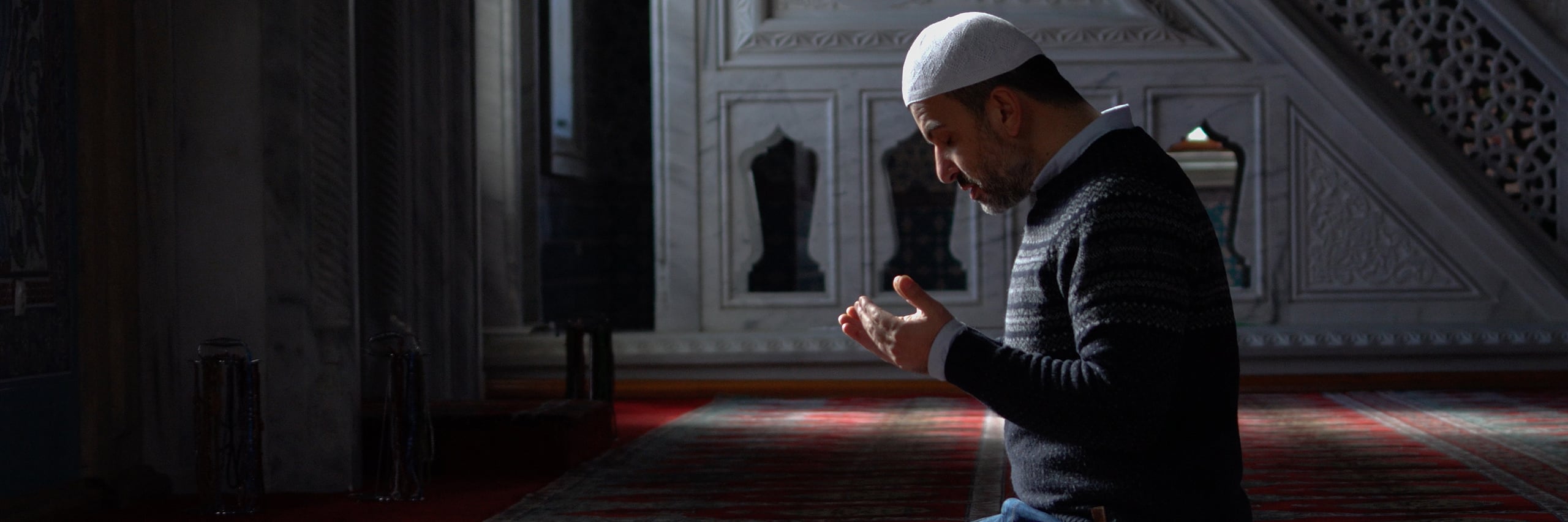
As we enter the last ten nights of Ramadan, we have a unique opportunity to seek forgiveness, draw closer to Allah, earn the rewards of our nightly worship, and insha'Allah catch Laylatul-Qadr, or the Night of Decree. Here are 10 practical tips to make the most of these nights:
1. Avoid sins during the day.
We often forget this when thinking about the last ten nights. Outside of Ramadan, we are reminded not to disobey Allah during the day, because if we do, He will not wake us up to pray at night. As the saying goes, "If you sin during the day, you shut the doors of the heavens for yourself at night."
If this is true all year, how much more important is it during the last ten nights of Ramadan when we want to make sure we don't miss Laylatul-Qadr? We do not want to pray Maghrib while under the ghadab (anger) of Allah because of a sin we committed during the day. Let's be mindful of our actions all day long. Whether it is avoiding harmful speech or sinful behavior, our conduct during daylight hours sets the tone for our spiritual state during these blessed nights.
2. Avoid idle conversations at night.
Imam Ibn Qudama mentions that the blessings of Laylatul-Qadr are often lost because people socialize too much at night. It is easy for our tongues to slip into backbiting or gossiping. It is best to avoid excessive socializing during this time. Instead, these last 10 nights are a time to prioritize our ibadah (worship).
Join gatherings where Allah is remembered and try your best to avoid unnecessary conversations. Use this time to focus on worship and reflection to build a deeper connection with our Creator.
3. Pray Isha and Fajr in congregation.
Prioritize praying Isha and Fajr in the mosque. Saeed ibn Musayyib said, "Whoever prays Isha in congregation has taken their share of Laylatul-Qadr." The Prophet said, "Whoever prays Isha in congregation gets the reward of praying the first half of the night. Whoever prays Fajr in congregation gets the reward of praying the last half of the night."
It is more precious to Allah that you pray Isha and Fajr in congregation than if you spent the whole night in prayer alone. Let's prioritize being in the mosque for Isha and Fajr. By coming together as a community, we experience the blessings of unity and increase the spiritual rewards of our prayers.
4. Pray a full set of Qiyaam with the imam.
The Prophet said, "Whoever prays behind the imam in Qiyaam until the imam finishes, that person has achieved the reward of the entire night in prayer." While there are different ways to understand this hadith, the general advice is to pray as much as you can continuously behind the imam for taraweeh or extra qiyaam. The more you do, the better your chance to earn this reward.
5. Read the Qur'an throughout the night.
This might seem obvious, but it is often overlooked. Qatadah used to finish the Qur'an every three days during Ramadan, but he would do a khatm (complete reading of the Qur'an) every night during the last 10 nights. Our salaf (pious predecessors) specifically increased their Qur'an recitation during these last 10 nights.
Even if you have a daily goal, try to surpass it. Strive to read more Qur'an in the last 10 nights than during the rest of Ramadan. It is a beautiful thing to exceed your goals. For example, if your goal is to finish one khatm by reading one juz a day, and you finish one and a half, that is better. That success will give you momentum into Shawwal, and you might even finish another khatm by the end of Shawwal!
Subhan'Allah, the very first word revealed to our Prophet on the night of Laylatul-Qadr was iqra' (read). This is a sign that you should honor the Qur'an in these last 10 nights. Increase the amount you read. Do not cut back on your daytime reading, but add more reading at night.
6. Supplicate with the prophetic dua taught to Aisha.
Aisha asked the Prophet, "If I find myself in Laylatul-Qadr, what should I recite?" The Prophet said, "Say 'Allahumma innaka 'afuwwun tuhibbul 'afwa fa'fu 'anni' (Oh Allah, You are the Forgiver, You love to forgive, so forgive me)."
Read this dua throughout the night. Start your duas with it and end your duas with it. Read it between the personal duas you are making. There is nothing more blessed than the guidance of the Prophet in the specific duas we should be making during this auspicious time.
7. Make dua and dhikr even while in motion
Seize every moment, whether walking, moving about, or commuting, to engage in supplication. Some of the most blessed adkhar (remembrances of Allah) come as we are moving about our day, whether going from our homes to the mosque or waiting in line for suhoor (pre-dawn meal), for example. So keep your tongue busy with dua and dhikr even while you are in motion on the night of Laylatul-Qadr. Treat each night like every single second matters.
8. Increase your sajdah (prostration) on these nights
The Prophet said, "Whoever stands up on the night of Laylatul-Qadr with faith and seeking its reward, then they will be forgiven for all of their sins." This is understood as the general rule. But, the best part of engaging in qiyaam (night prayer) is the best part of salah (prayer)—so increase the time you spend in sajdah.
In fact, the last words right before Surah al-Qadr are, "Prostrate and come closer." So extend the duration of your prostrations and make your personal duas during sujood (prostration) during the night. By slowing down and savoring these moments of closeness to Allah, we can more effectively express our gratitude and seek His mercy and forgiveness.
9. Give in charity
While there is nothing that explicitly suggests that the Prophet gave more charity in the last 10 nights than he did in the rest of Ramadan, the scholars of spirituality note that charity has two major effects: 1) increased reward (which you seek in the night of Laylatul-Qadr), 2) it extinguishes the anger of your Lord (especially secret charity). So on a night of increased reward where the greatest reward you can seek is His forgiveness, what better act to partake in every single night that is associated with being pardoned and earning His favor? Automate your charity or give in charity yourself; either way, be someone who is actively seeking out opportunities to give and support charitable initiatives. Constantly be open to charity as you are to all good deeds in these last ten nights.
10. Seek forgiveness
Spend the last few moments of every single one of these nights in istighfar (seeking forgiveness). Instead of eating and socializing until the final minutes of suhoor, use that time to open up your heart to plead to Allah in sincere supplication, asking for His forgiveness and admitting your weaknesses and shortcomings before Him. It may be that a heartfelt dua made in humility and remorse during these final moments opens us up to His ultimate forgiveness and acceptance. If the night is accepted and we are granted Laylatul-Qadr, then a whole lifetime of reward awaits insha'Allah! So prioritize these last moments of each night, especially the moments before the adhan (call to prayer) of Fajr (dawn prayer) to call out to Allah in genuine repentance.
Allahumma balighna Laylatul-Qadr, Oh Allah, allow us to observe Laylatul-Qadr! May Allah allow blessings, tranquility, and acceptance to descend upon us all and our families and communities. May He grant us this Night of Decree, accept our prayers, and allow us to draw nearer to Him insha'Allah. Ameen.
For more on the timing of Laylatul-Qadr and its signs, read "On The Timing and Virtues of the Night of Power: The Heart's Joy in Remembering Laylat al-Qadr by Ibn al-ʿIrāqī"
Summary: Ramadan Muslim Life Guide in the Muslim World: Last Ten Nights, Laylat al-Qadr and dua is presented here as a clear English Islamic knowledge article for Muslim readers, starting with this scene: As we enter the last ten nights of Ramadan, we have a unique opportunity to seek forgiveness, draw closer to Allah, earn the rewards of our nightly worship, and insha'Allah catch Laylatul-Qadr, or the Night of Decree. It keeps the original names, Quran and hadith references, dua, photographs, and religious context while focusing on Last Ten Nights, Laylat al-Qadr, Ramadan.
As we enter the last ten nights of Ramadan, we have a unique opportunity to seek forgiveness, draw closer to Allah, earn the rewards of our nightly worship, and insha'Allah catch Laylatul-Qadr, or the Night of Decree. Here are 10 practical tips to make the most of these nights:
1. Avoid sins during the day.
We often forget this when thinking about the last ten nights. Outside of Ramadan, we are reminded not to disobey Allah during the day, because if we do, He will not wake us up to pray at night. As the saying goes, "If you sin during the day, you shut the doors of the heavens for yourself at night."
If this is true all year, how much more important is it during the last ten nights of Ramadan when we want to make sure we don't miss Laylatul-Qadr? We do not want to pray Maghrib while under the ghadab (anger) of Allah because of a sin we committed during the day. Let's be mindful of our actions all day long. Whether it is avoiding harmful speech or sinful behavior, our conduct during daylight hours sets the tone for our spiritual state during these blessed nights.
2. Avoid idle conversations at night.
Imam Ibn Qudama mentions that the blessings of Laylatul-Qadr are often lost because people socialize too much at night. It is easy for our tongues to slip into backbiting or gossiping. It is best to avoid excessive socializing during this time. Instead, these last 10 nights are a time to prioritize our ibadah (worship).
Join gatherings where Allah is remembered and try your best to avoid unnecessary conversations. Use this time to focus on worship and reflection to build a deeper connection with our Creator.
3. Pray Isha and Fajr in congregation.
Prioritize praying Isha and Fajr in the mosque. Saeed ibn Musayyib said, "Whoever prays Isha in congregation has taken their share of Laylatul-Qadr." The Prophet said, "Whoever prays Isha in congregation gets the reward of praying the first half of the night. Whoever prays Fajr in congregation gets the reward of praying the last half of the night."
It is more precious to Allah that you pray Isha and Fajr in congregation than if you spent the whole night in prayer alone. Let's prioritize being in the mosque for Isha and Fajr. By coming together as a community, we experience the blessings of unity and increase the spiritual rewards of our prayers.
4. Pray a full set of Qiyaam with the imam.
The Prophet said, "Whoever prays behind the imam in Qiyaam until the imam finishes, that person has achieved the reward of the entire night in prayer." While there are different ways to understand this hadith, the general advice is to pray as much as you can continuously behind the imam for taraweeh or extra qiyaam. The more you do, the better your chance to earn this reward.
5. Read the Qur'an throughout the night.
This might seem obvious, but it is often overlooked. Qatadah used to finish the Qur'an every three days during Ramadan, but he would do a khatm (complete reading of the Qur'an) every night during the last 10 nights. Our salaf (pious predecessors) specifically increased their Qur'an recitation during these last 10 nights.
Even if you have a daily goal, try to surpass it. Strive to read more Qur'an in the last 10 nights than during the rest of Ramadan. It is a beautiful thing to exceed your goals. For example, if your goal is to finish one khatm by reading one juz a day, and you finish one and a half, that is better. That success will give you momentum into Shawwal, and you might even finish another khatm by the end of Shawwal!
Subhan'Allah, the very first word revealed to our Prophet on the night of Laylatul-Qadr was iqra' (read). This is a sign that you should honor the Qur'an in these last 10 nights. Increase the amount you read. Do not cut back on your daytime reading, but add more reading at night.
6. Supplicate with the prophetic dua taught to Aisha.
Aisha asked the Prophet, "If I find myself in Laylatul-Qadr, what should I recite?" The Prophet said, "Say 'Allahumma innaka 'afuwwun tuhibbul 'afwa fa'fu 'anni' (Oh Allah, You are the Forgiver, You love to forgive, so forgive me)."
Read this dua throughout the night. Start your duas with it and end your duas with it. Read it between the personal duas you are making. There is nothing more blessed than the guidance of the Prophet in the specific duas we should be making during this auspicious time.
7. Make dua and dhikr even while in motion
Seize every moment, whether walking, moving about, or commuting, to engage in supplication. Some of the most blessed adkhar (remembrances of Allah) come as we are moving about our day, whether going from our homes to the mosque or waiting in line for suhoor (pre-dawn meal), for example. So keep your tongue busy with dua and dhikr even while you are in motion on the night of Laylatul-Qadr. Treat each night like every single second matters.
8. Increase your sajdah (prostration) on these nights
The Prophet said, "Whoever stands up on the night of Laylatul-Qadr with faith and seeking its reward, then they will be forgiven for all of their sins." This is understood as the general rule. But, the best part of engaging in qiyaam (night prayer) is the best part of salah (prayer)—so increase the time you spend in sajdah.
In fact, the last words right before Surah al-Qadr are, "Prostrate and come closer." So extend the duration of your prostrations and make your personal duas during sujood (prostration) during the night. By slowing down and savoring these moments of closeness to Allah, we can more effectively express our gratitude and seek His mercy and forgiveness.
9. Give in charity
While there is nothing that explicitly suggests that the Prophet gave more charity in the last 10 nights than he did in the rest of Ramadan, the scholars of spirituality note that charity has two major effects: 1) increased reward (which you seek in the night of Laylatul-Qadr), 2) it extinguishes the anger of your Lord (especially secret charity). So on a night of increased reward where the greatest reward you can seek is His forgiveness, what better act to partake in every single night that is associated with being pardoned and earning His favor? Automate your charity or give in charity yourself; either way, be someone who is actively seeking out opportunities to give and support charitable initiatives. Constantly be open to charity as you are to all good deeds in these last ten nights.
10. Seek forgiveness
Spend the last few moments of every single one of these nights in istighfar (seeking forgiveness). Instead of eating and socializing until the final minutes of suhoor, use that time to open up your heart to plead to Allah in sincere supplication, asking for His forgiveness and admitting your weaknesses and shortcomings before Him. It may be that a heartfelt dua made in humility and remorse during these final moments opens us up to His ultimate forgiveness and acceptance. If the night is accepted and we are granted Laylatul-Qadr, then a whole lifetime of reward awaits insha'Allah! So prioritize these last moments of each night, especially the moments before the adhan (call to prayer) of Fajr (dawn prayer) to call out to Allah in genuine repentance.
Allahumma balighna Laylatul-Qadr, Oh Allah, allow us to observe Laylatul-Qadr! May Allah allow blessings, tranquility, and acceptance to descend upon us all and our families and communities. May He grant us this Night of Decree, accept our prayers, and allow us to draw nearer to Him insha'Allah. Ameen.
For more on the timing of Laylatul-Qadr and its signs, read "On The Timing and Virtues of the Night of Power: The Heart's Joy in Remembering Laylat al-Qadr by Ibn al-ʿIrāqī"
Halal Travel Guide: Laylat al-Qadr at Balizhuang Mosque, Beijing
Articles • ali2007fr posted the article • 0 comments • 150 views • 2026-05-20 01:48
Reposted from the web
Summary: This article records Laylat al-Qadr at Balizhuang Mosque in Beijing during Ramadan. It keeps the original Quranic passage, iftar dishes, community details, and photographs in a natural English travel style.
Indeed, We sent it down during the Night of Power. And what can make you know what the Night of Power is? The Night of Power is better than a thousand months. The angels and the Spirit descend therein by permission of their Lord for every matter. Peace it is, until the emergence of dawn. (97)
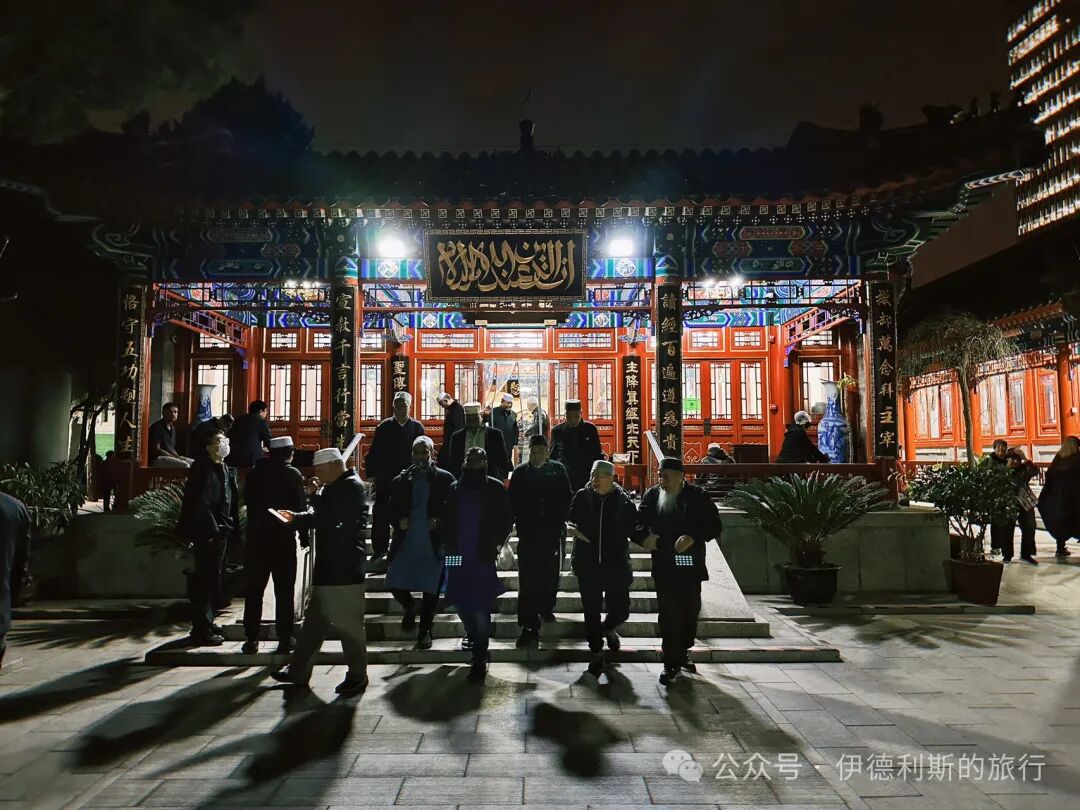
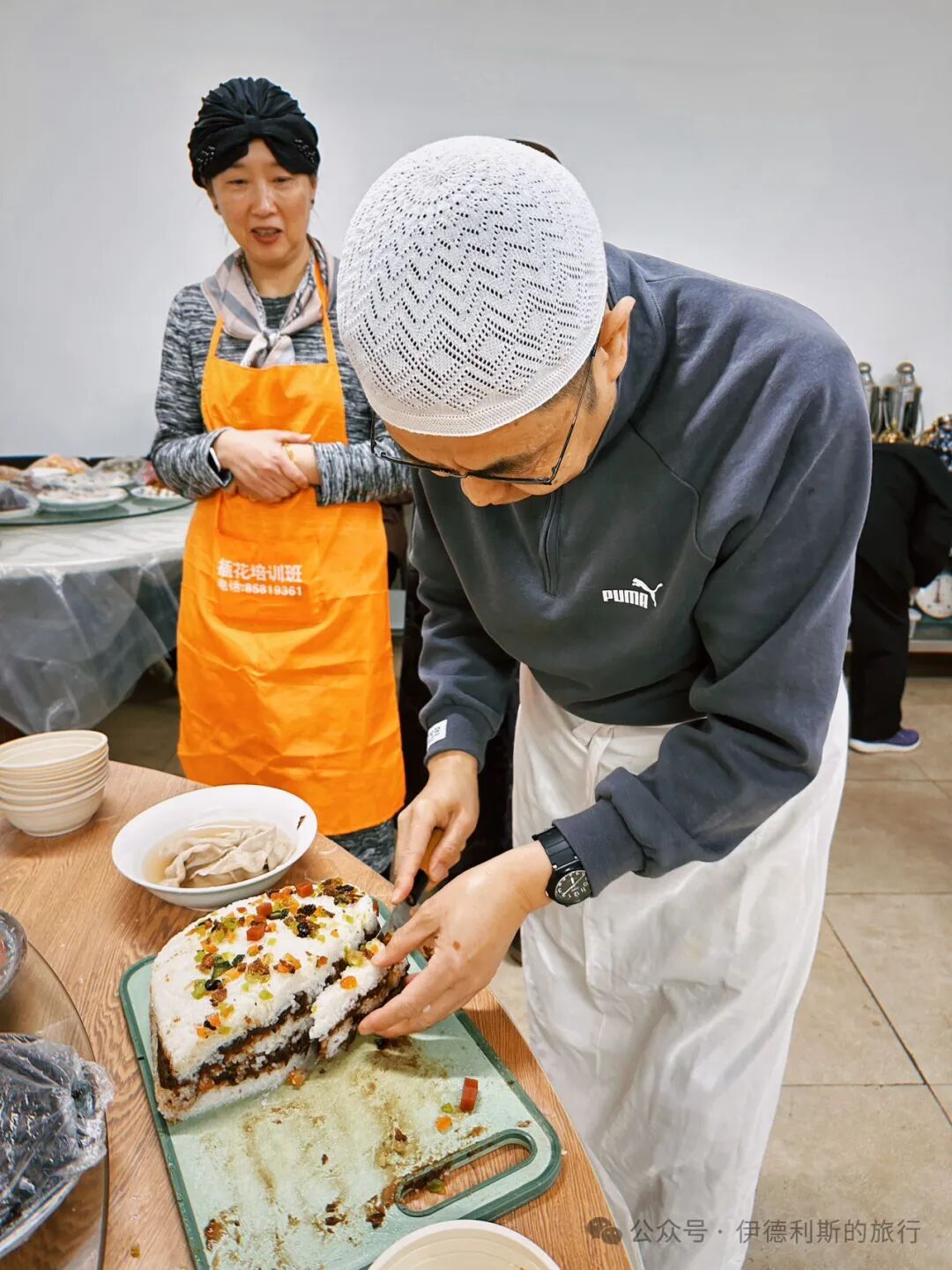
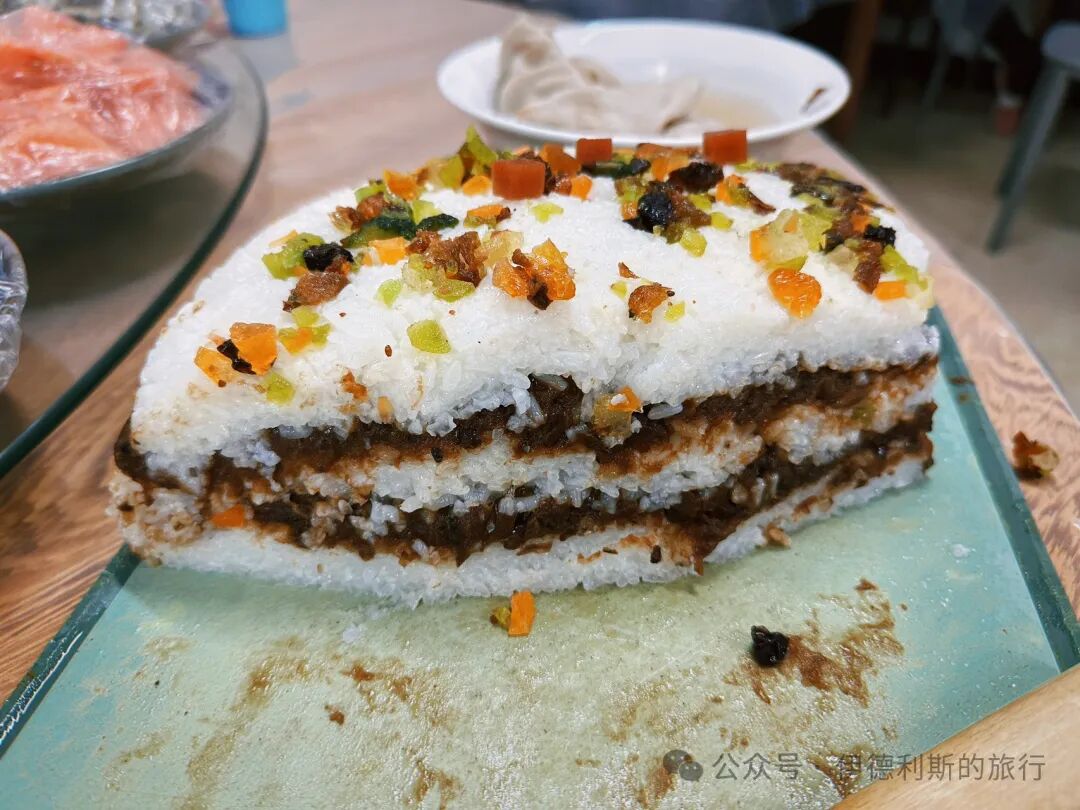
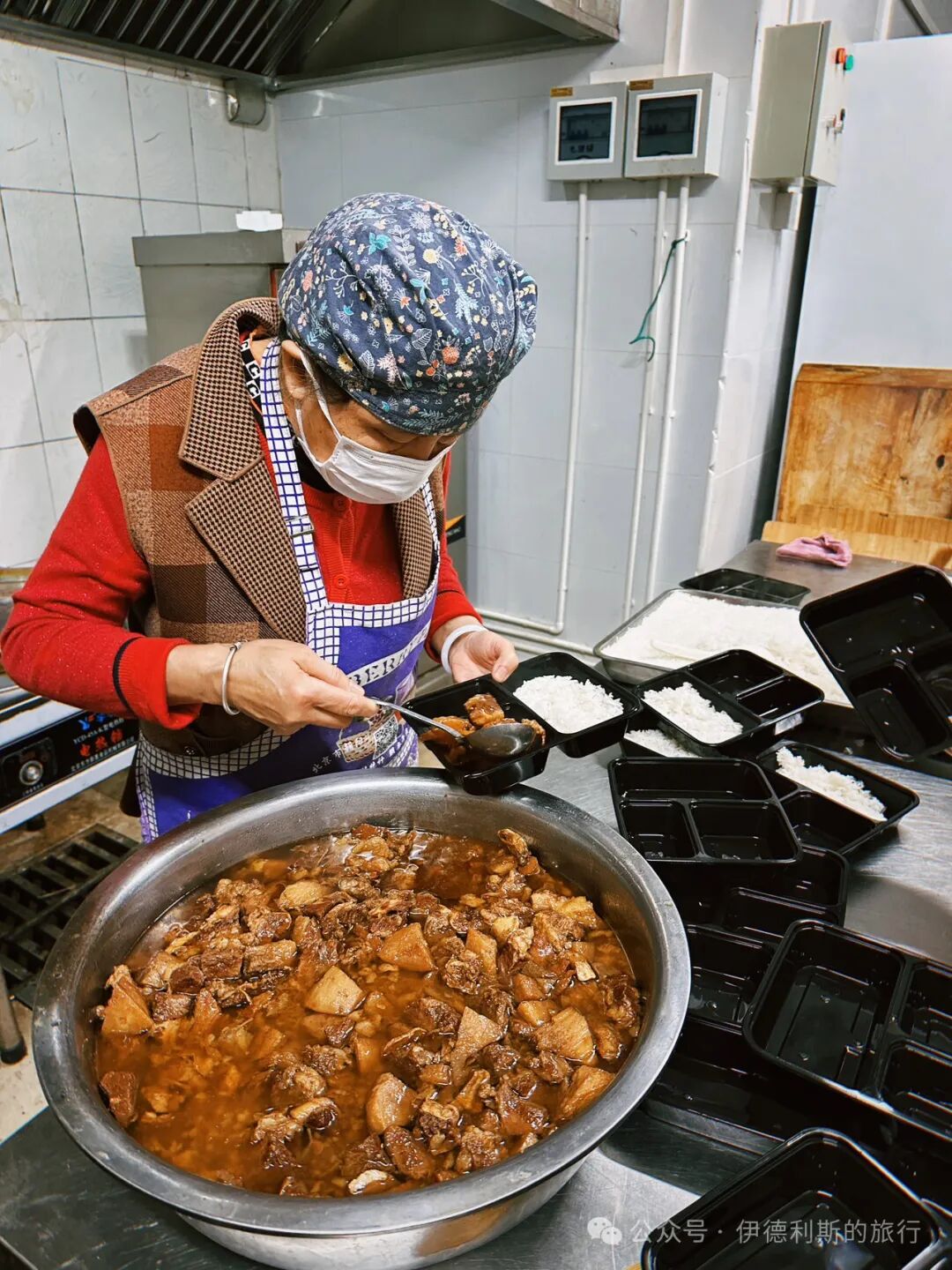
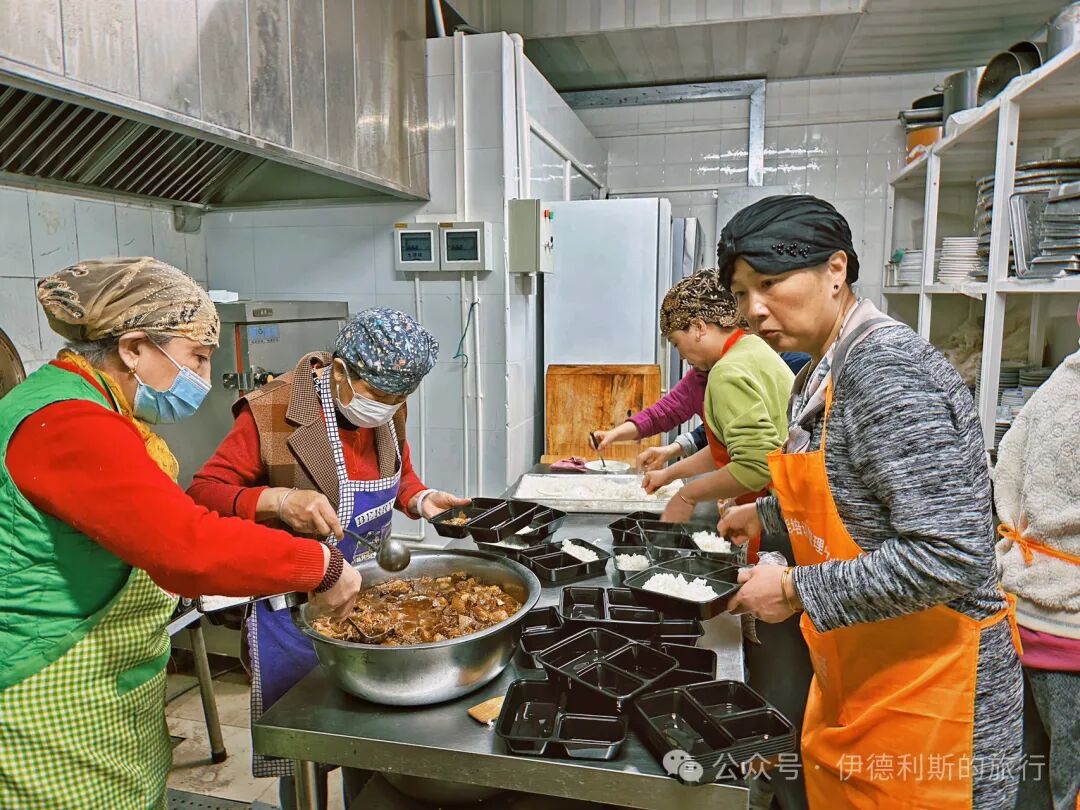
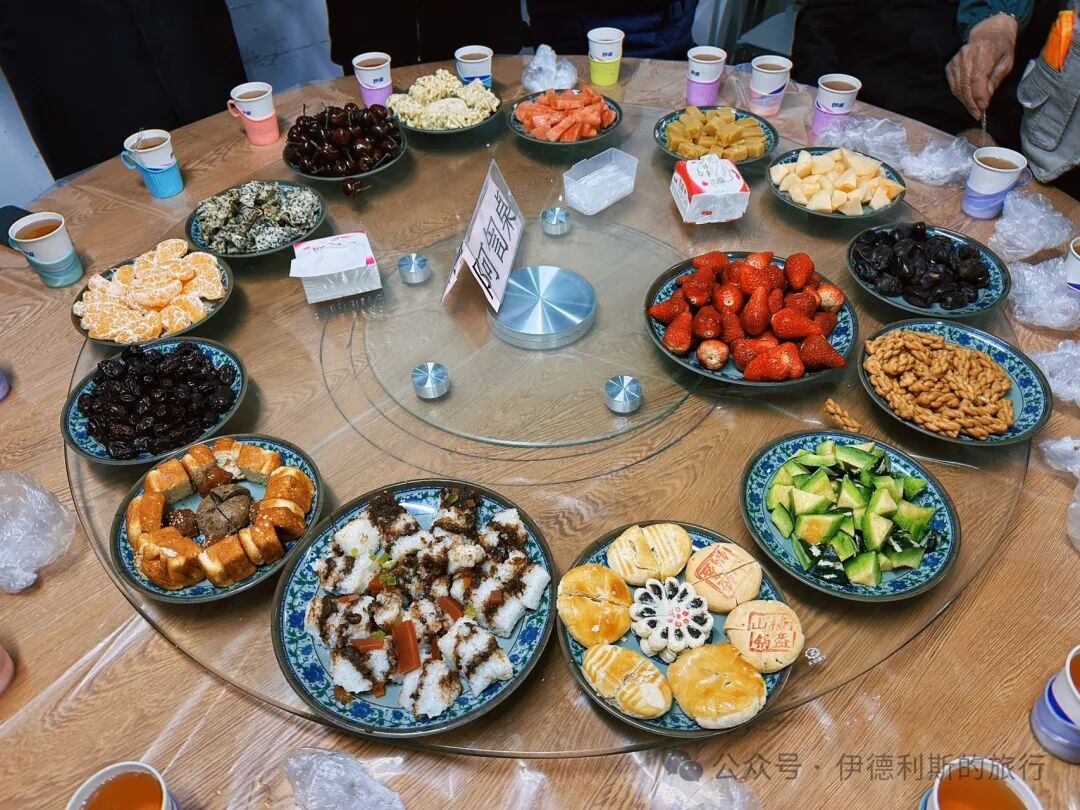
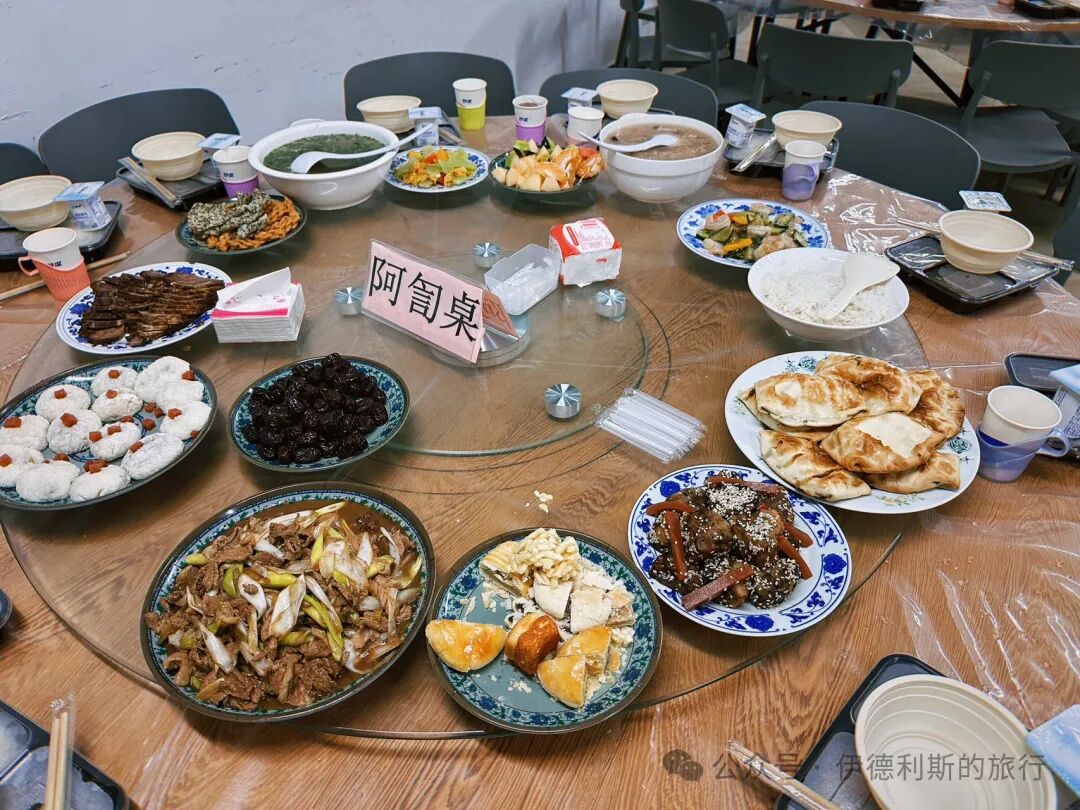
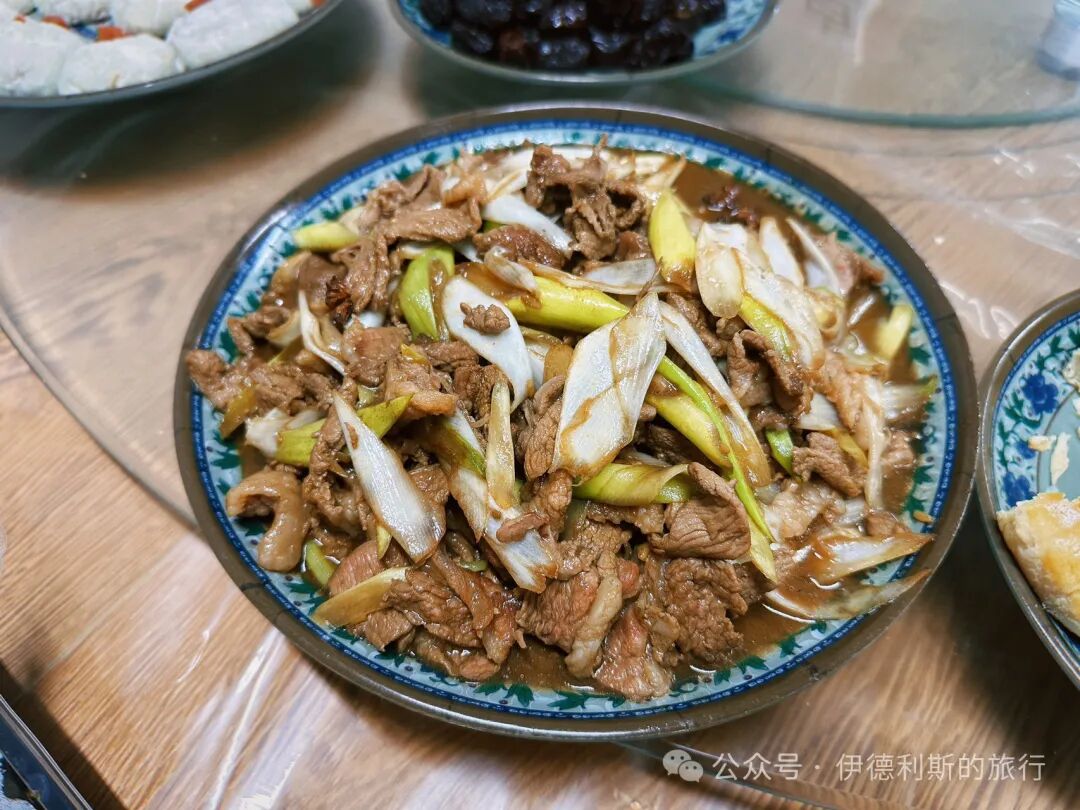
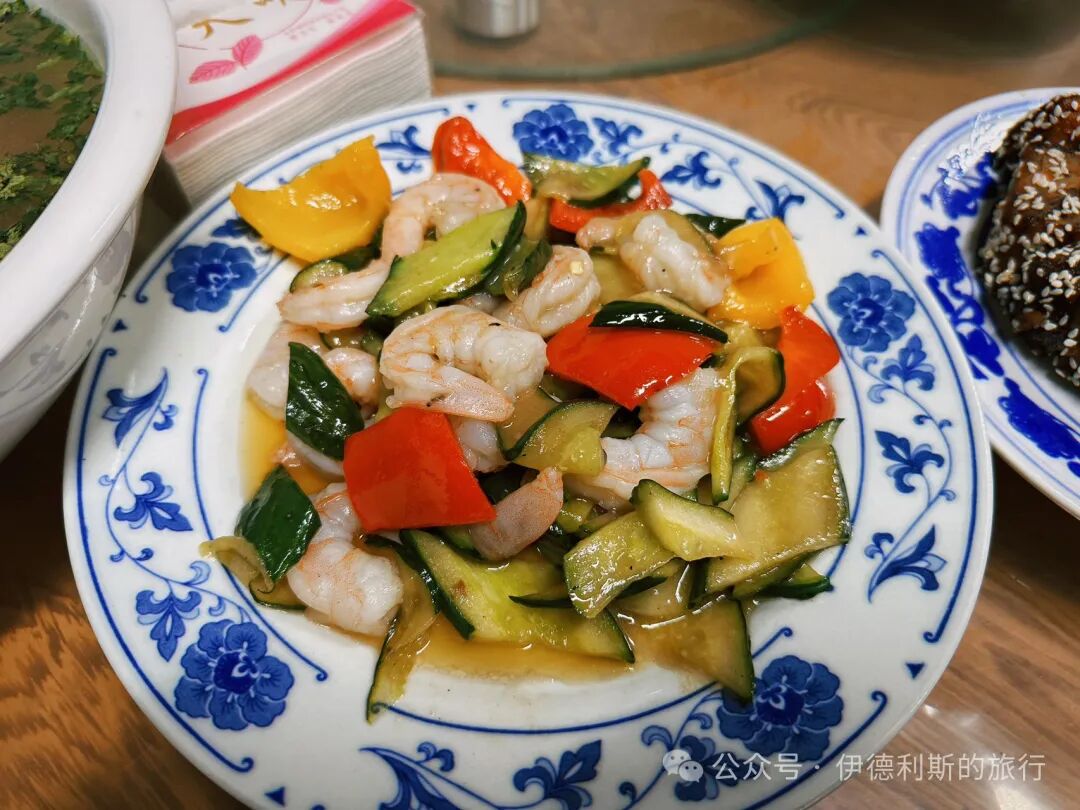
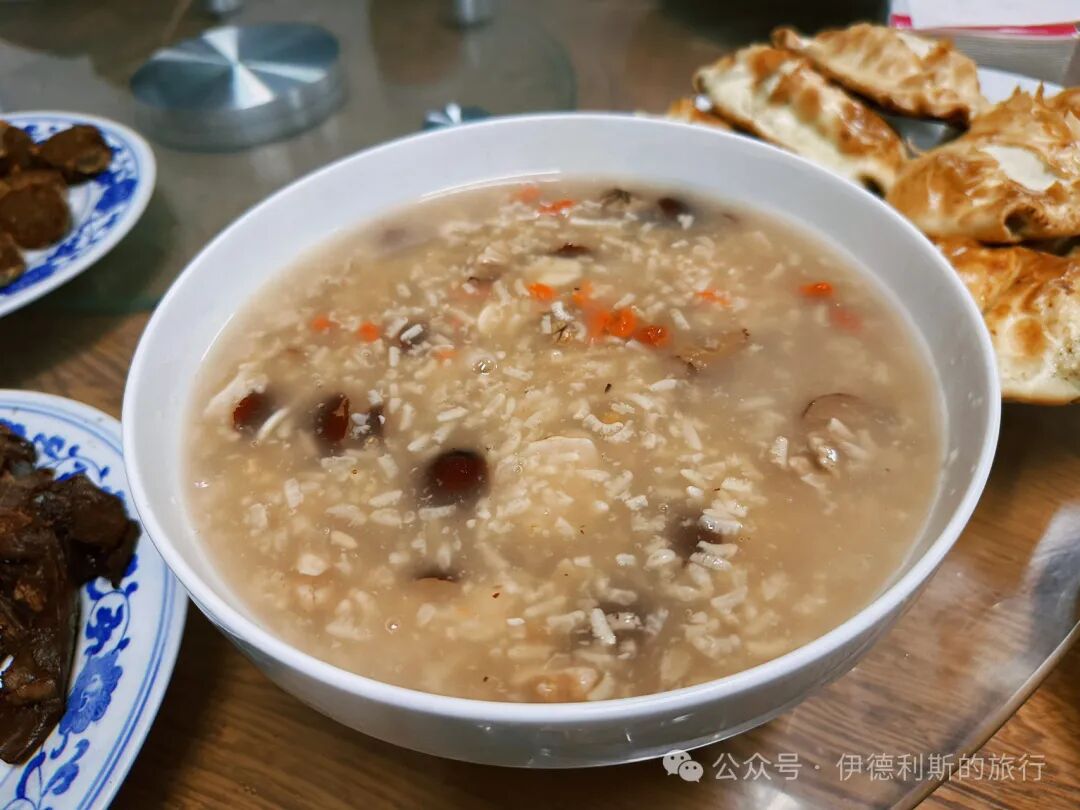
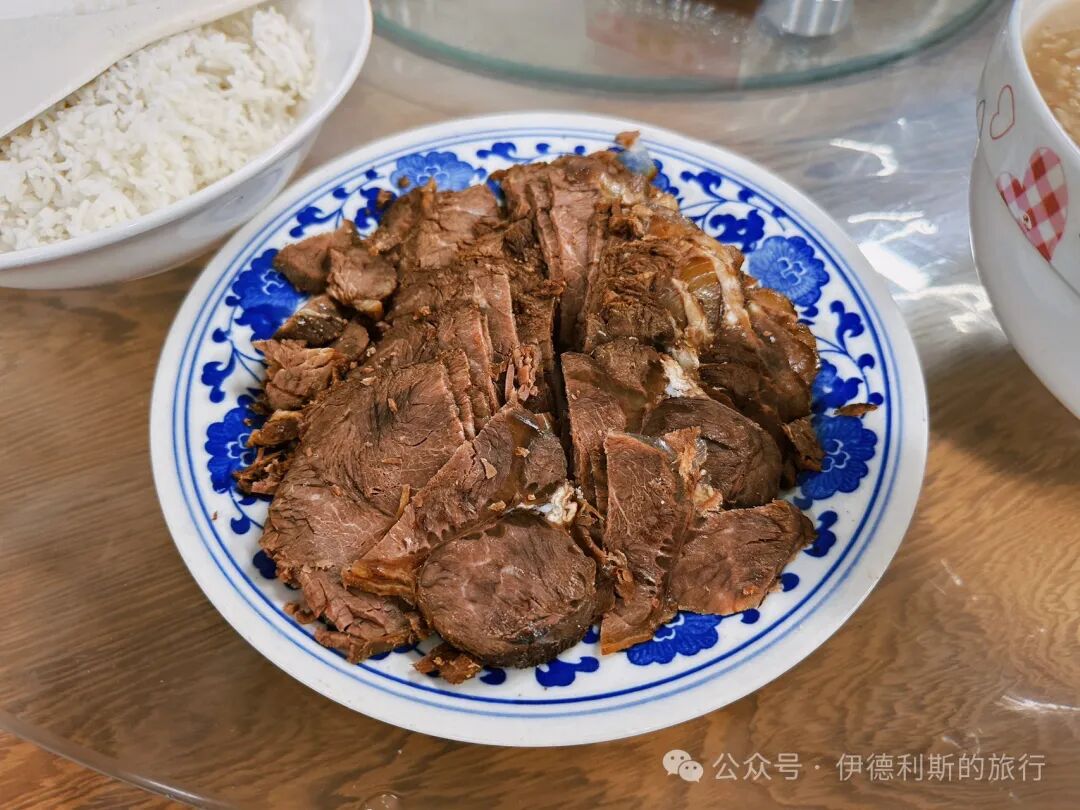
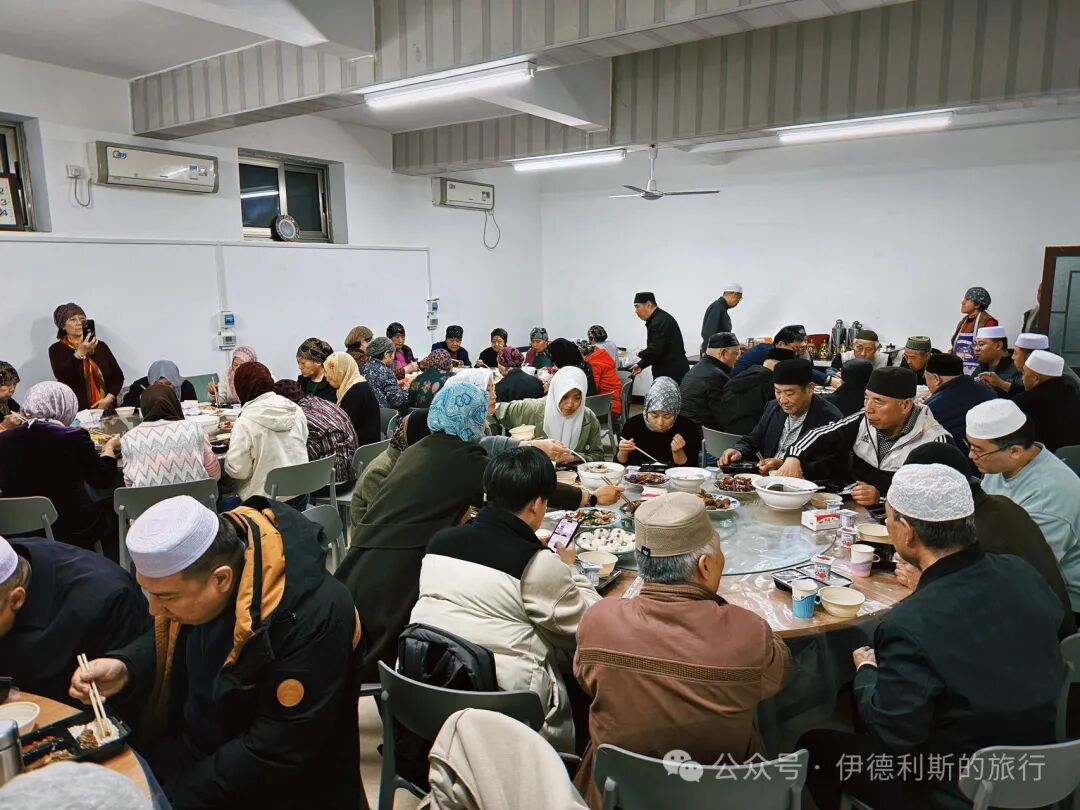
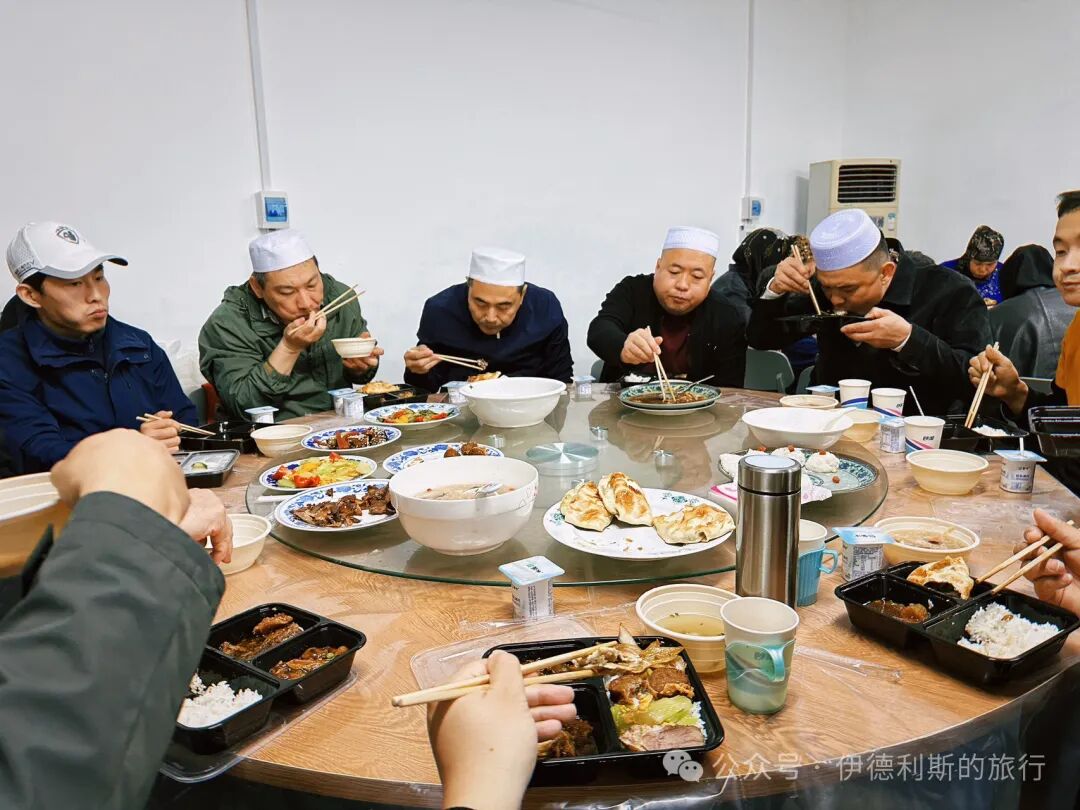
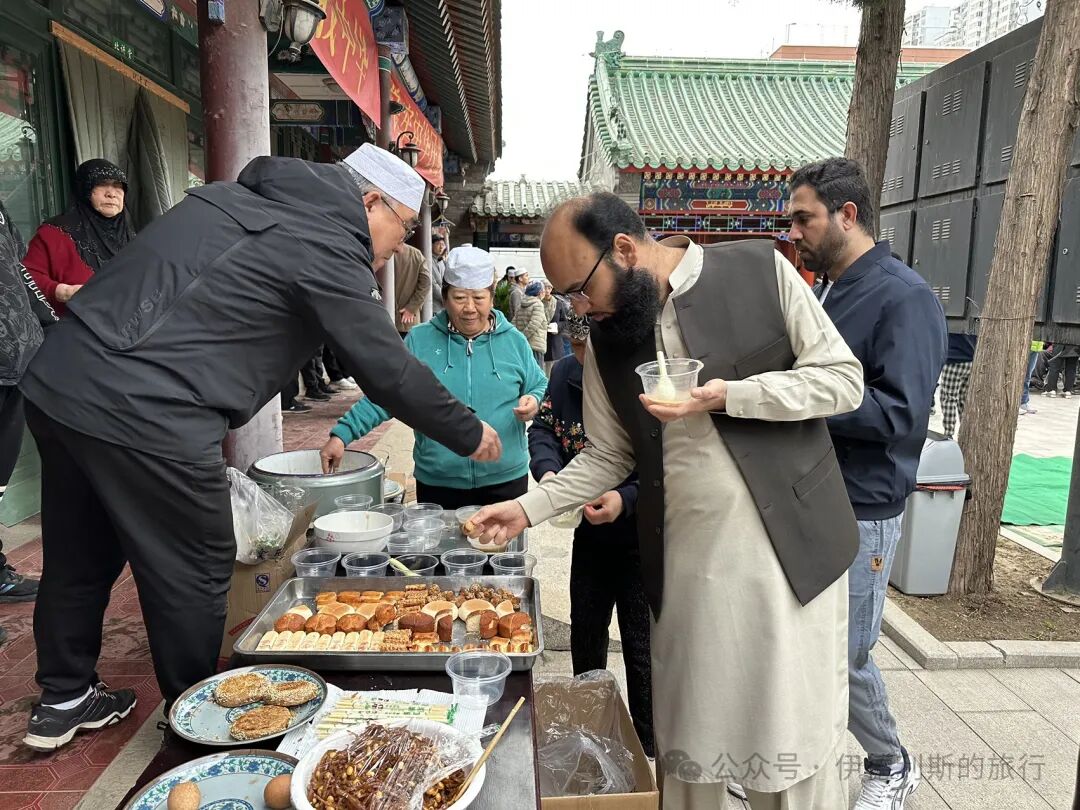
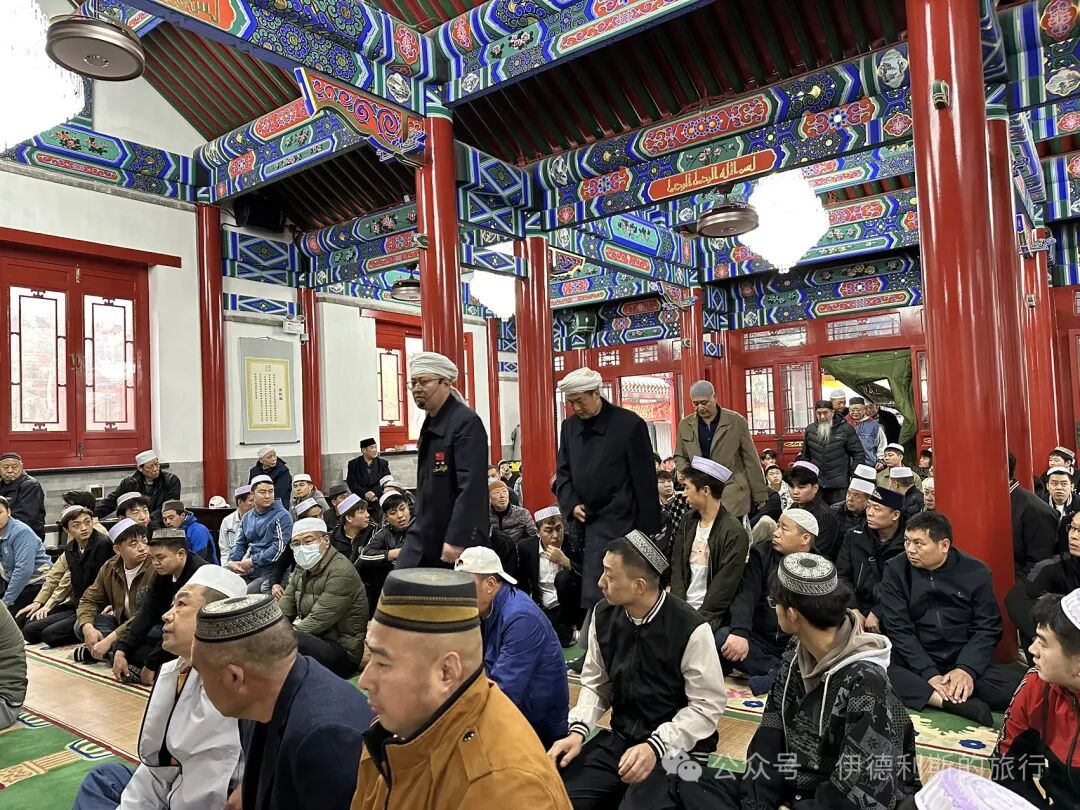
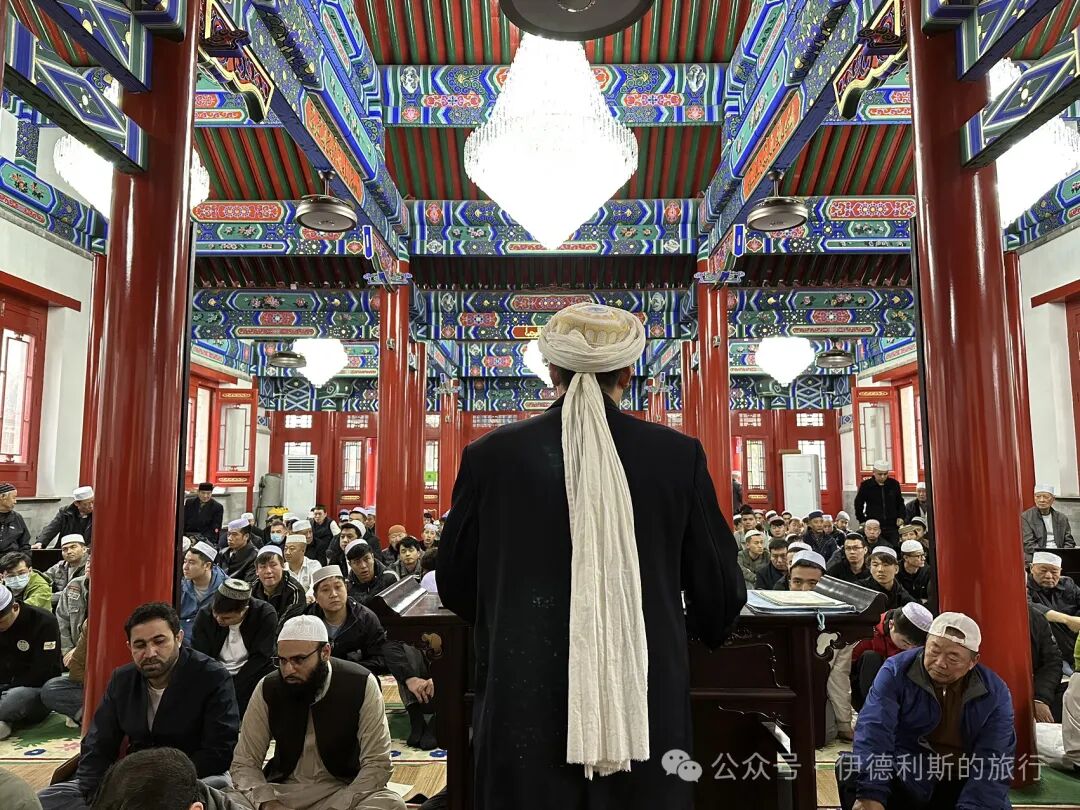
Yesterday, we gathered at Balizhuang Mosque to revive the Night of Power. It was the busiest night of Ramadan, and I saw many old friends. Yesterday also featured the most abundant iftar meal at Balizhuang. Thanks to the hard work of Director Li and the elders, it was a great success. We enjoyed sticky rice cake (qiegao) made by Elder Fu, along with beef stew, stir-fried beef with green onions, steamed rice flour cakes (aiwowo), stir-fried shrimp, baked buns (kaobaozi), savory fried yam rolls (xianjuanguo), spiced beef, tofu puff soup, and lotus seed porridge. The dining hall was full, with over eighty people.
Imam Yang gave a very powerful sermon (wa'az).
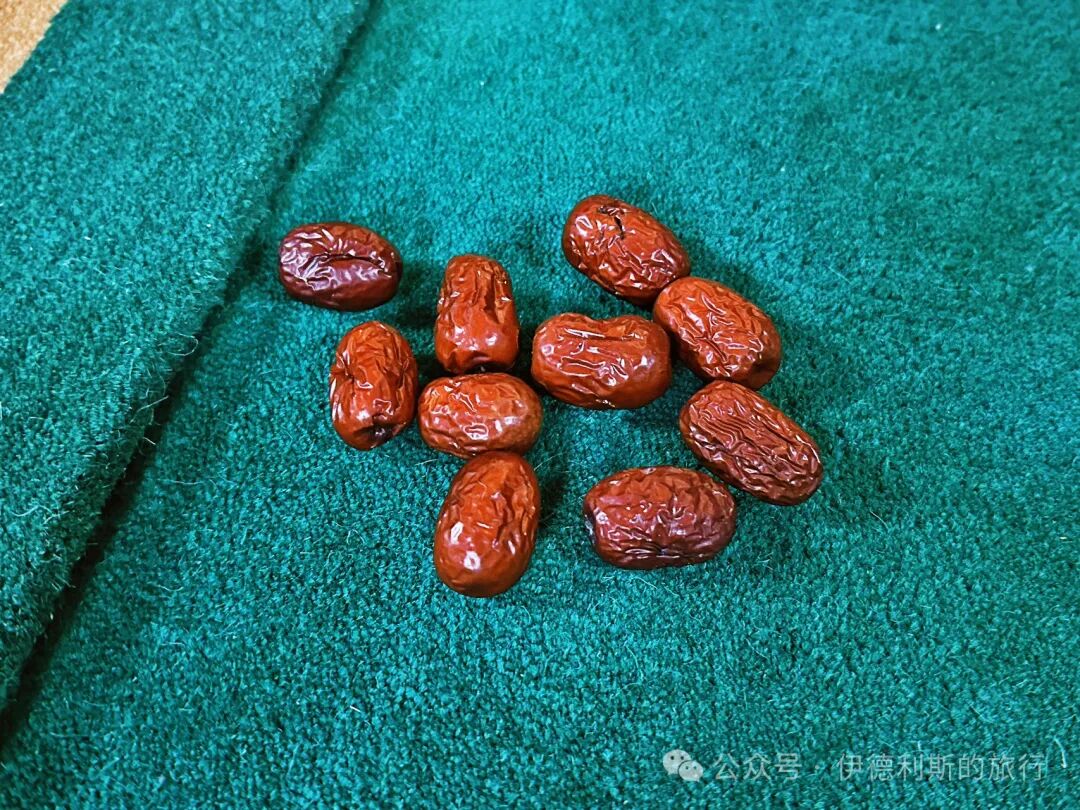
The imam led everyone in one hundred units of voluntary prayer (nafl namaz), using dates to keep count, with each date representing two units. view all
Summary: This article records Laylat al-Qadr at Balizhuang Mosque in Beijing during Ramadan. It keeps the original Quranic passage, iftar dishes, community details, and photographs in a natural English travel style.
Indeed, We sent it down during the Night of Power. And what can make you know what the Night of Power is? The Night of Power is better than a thousand months. The angels and the Spirit descend therein by permission of their Lord for every matter. Peace it is, until the emergence of dawn. (97)
Yesterday, we gathered at Balizhuang Mosque to revive the Night of Power. It was the busiest night of Ramadan, and I saw many old friends. Yesterday also featured the most abundant iftar meal at Balizhuang. Thanks to the hard work of Director Li and the elders, it was a great success. We enjoyed sticky rice cake (qiegao) made by Elder Fu, along with beef stew, stir-fried beef with green onions, steamed rice flour cakes (aiwowo), stir-fried shrimp, baked buns (kaobaozi), savory fried yam rolls (xianjuanguo), spiced beef, tofu puff soup, and lotus seed porridge. The dining hall was full, with over eighty people.
Imam Yang gave a very powerful sermon (wa'az).
The imam led everyone in one hundred units of voluntary prayer (nafl namaz), using dates to keep count, with each date representing two units. view all
Reposted from the web
Summary: This article records Laylat al-Qadr at Balizhuang Mosque in Beijing during Ramadan. It keeps the original Quranic passage, iftar dishes, community details, and photographs in a natural English travel style.
Indeed, We sent it down during the Night of Power. And what can make you know what the Night of Power is? The Night of Power is better than a thousand months. The angels and the Spirit descend therein by permission of their Lord for every matter. Peace it is, until the emergence of dawn. (97)
Yesterday, we gathered at Balizhuang Mosque to revive the Night of Power. It was the busiest night of Ramadan, and I saw many old friends. Yesterday also featured the most abundant iftar meal at Balizhuang. Thanks to the hard work of Director Li and the elders, it was a great success. We enjoyed sticky rice cake (qiegao) made by Elder Fu, along with beef stew, stir-fried beef with green onions, steamed rice flour cakes (aiwowo), stir-fried shrimp, baked buns (kaobaozi), savory fried yam rolls (xianjuanguo), spiced beef, tofu puff soup, and lotus seed porridge. The dining hall was full, with over eighty people.
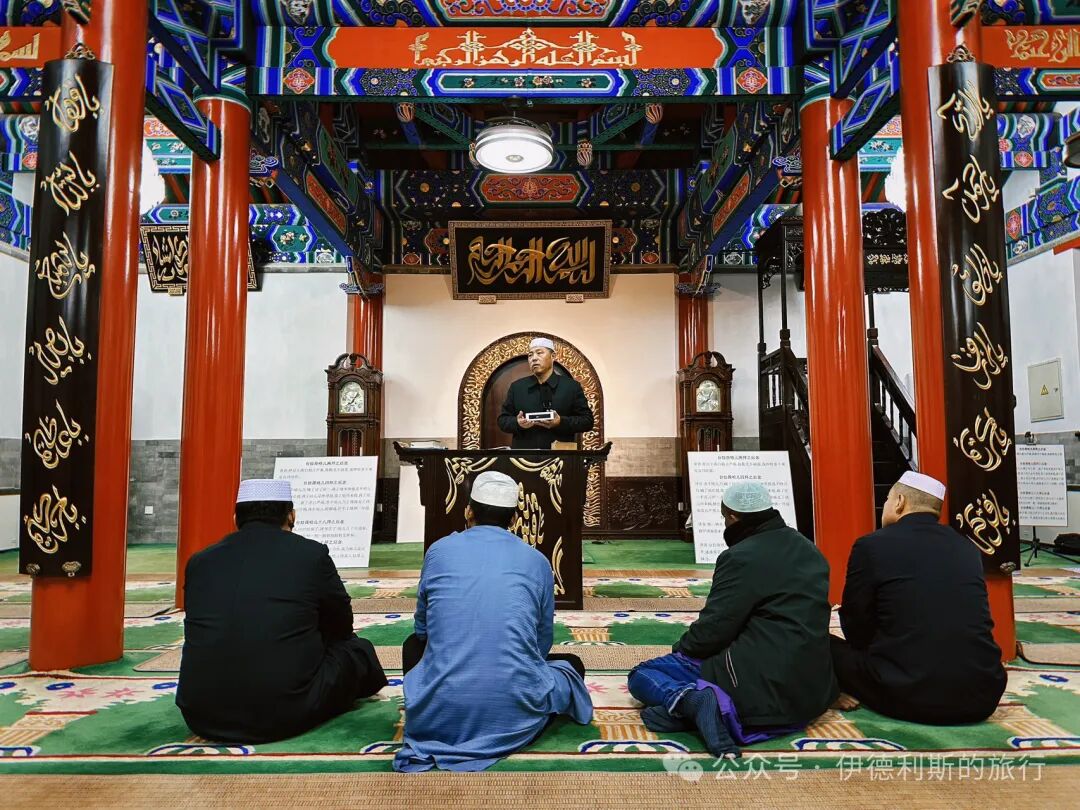
Imam Yang gave a very powerful sermon (wa'az).
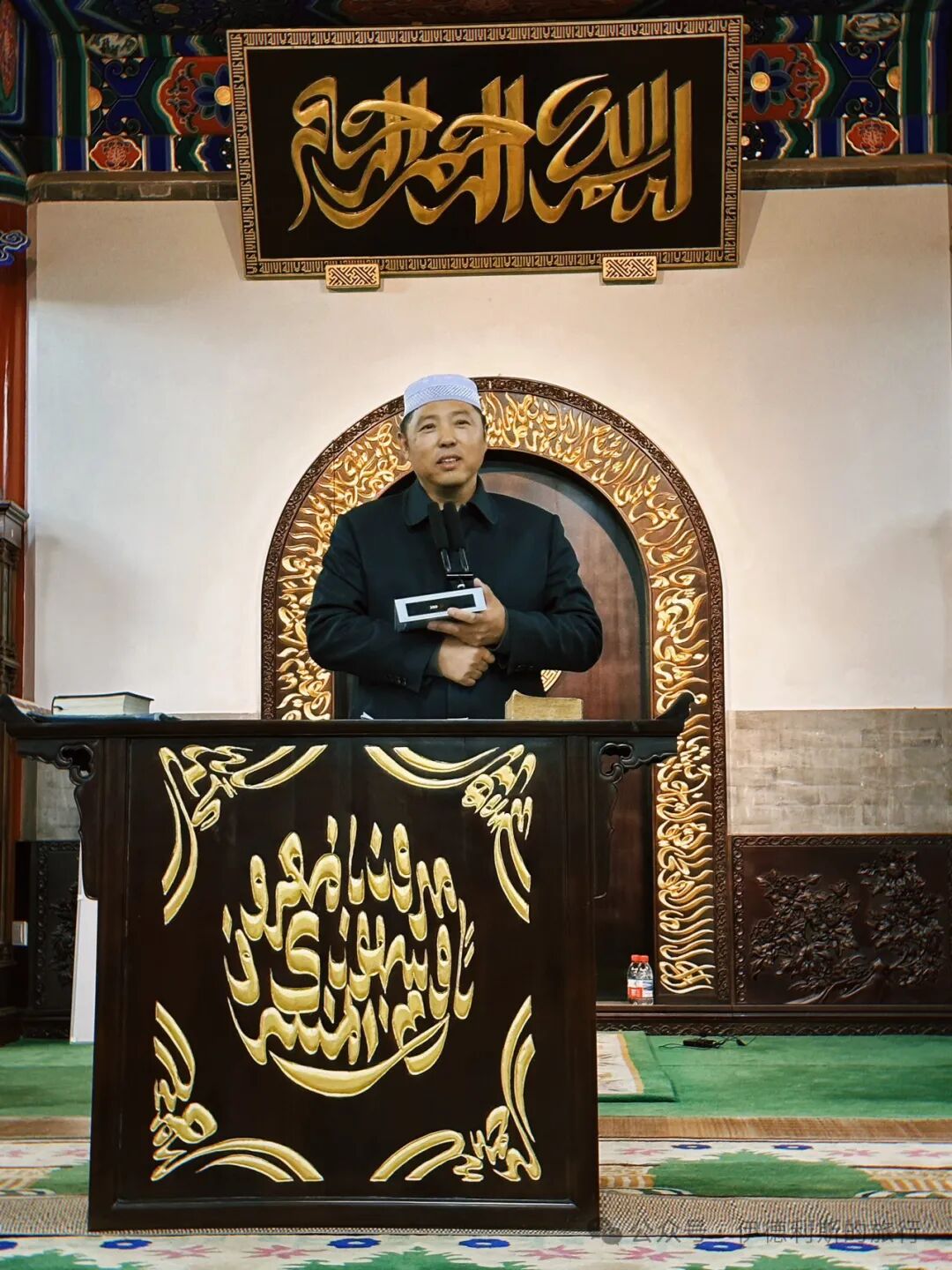
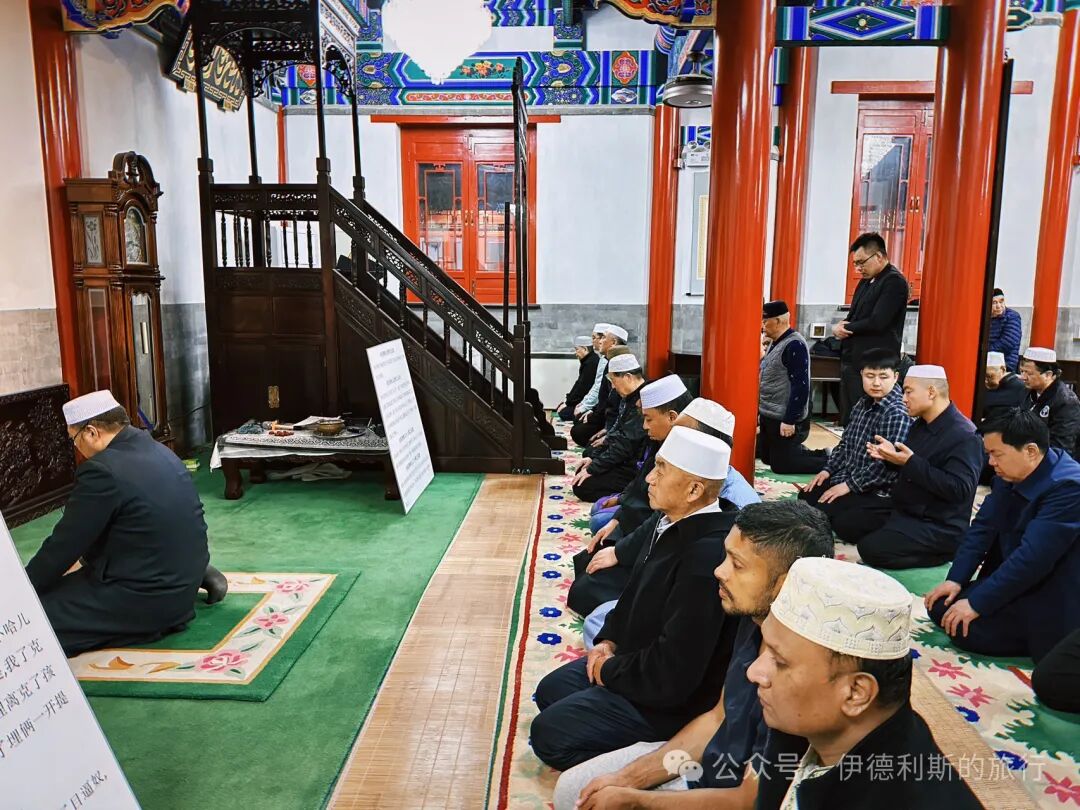
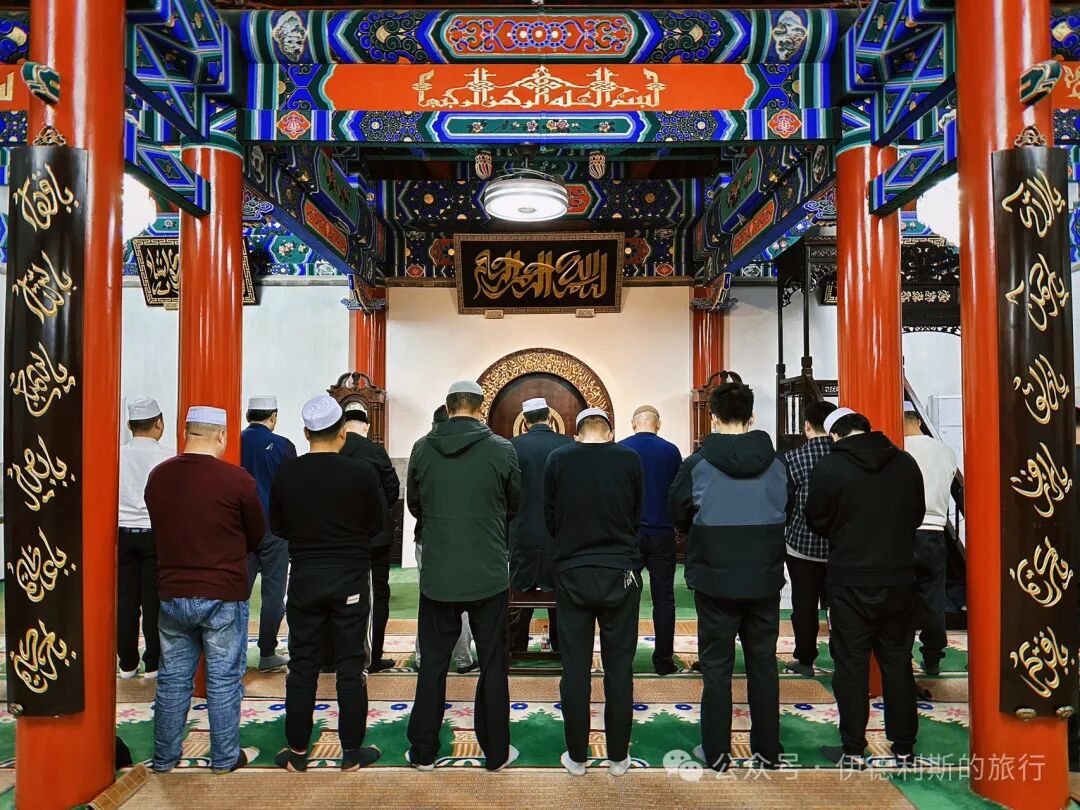
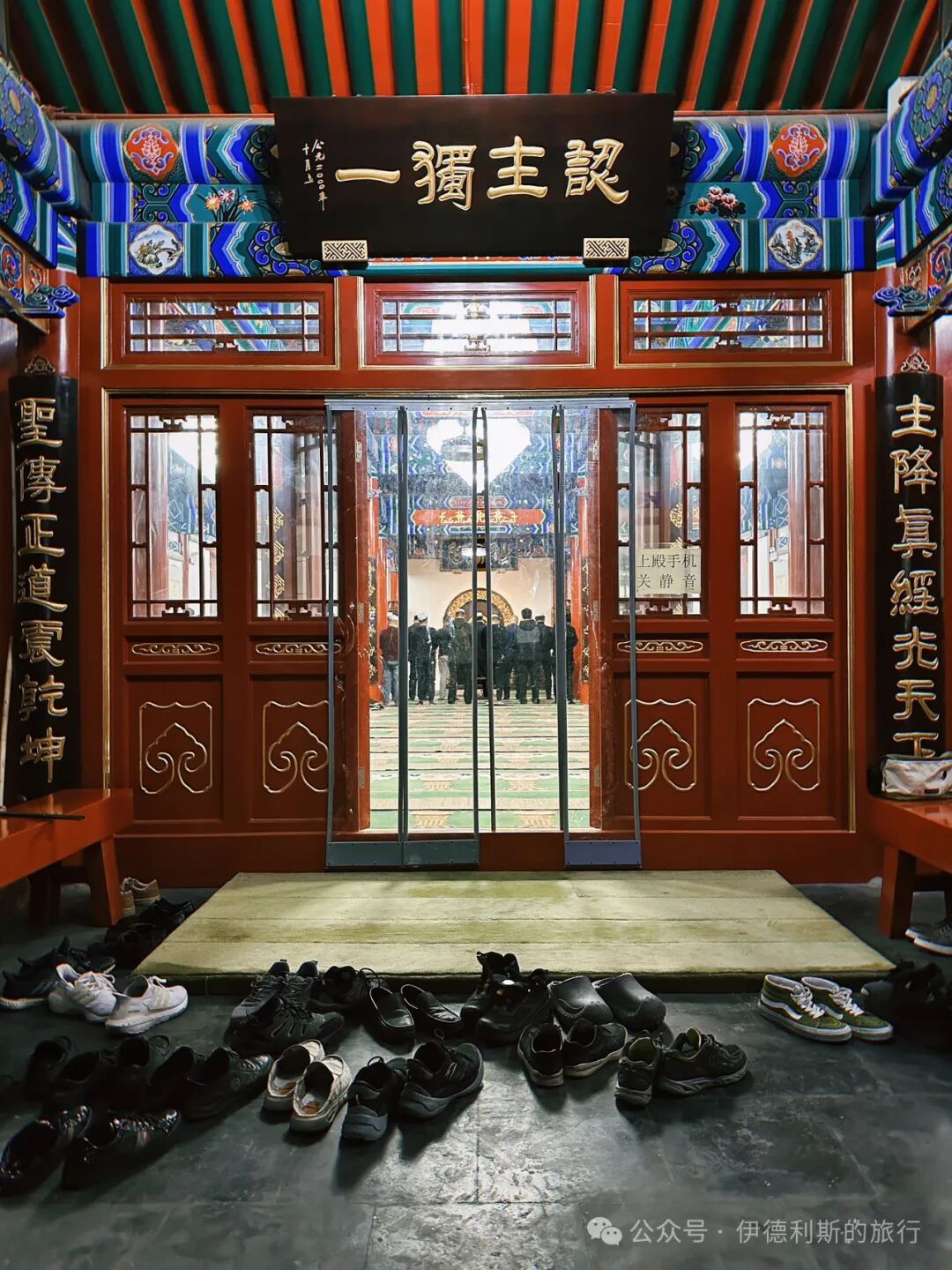
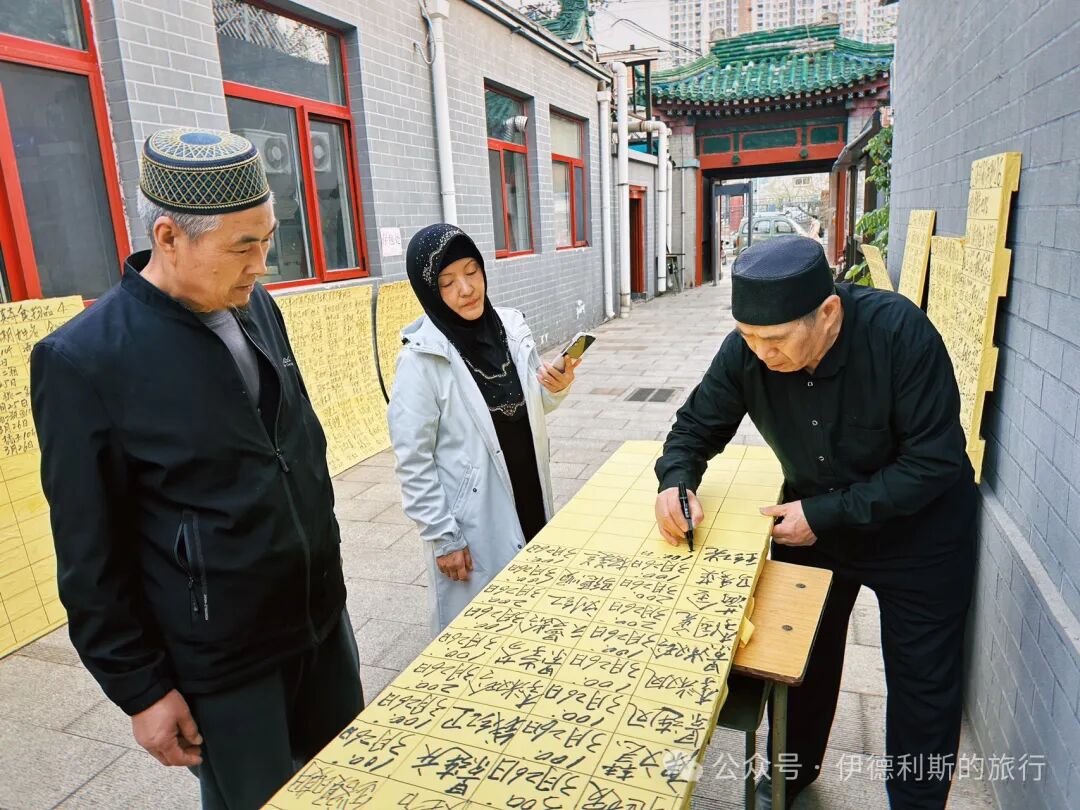




The imam led everyone in one hundred units of voluntary prayer (nafl namaz), using dates to keep count, with each date representing two units.
Summary: This article records Laylat al-Qadr at Balizhuang Mosque in Beijing during Ramadan. It keeps the original Quranic passage, iftar dishes, community details, and photographs in a natural English travel style.
Indeed, We sent it down during the Night of Power. And what can make you know what the Night of Power is? The Night of Power is better than a thousand months. The angels and the Spirit descend therein by permission of their Lord for every matter. Peace it is, until the emergence of dawn. (97)
Yesterday, we gathered at Balizhuang Mosque to revive the Night of Power. It was the busiest night of Ramadan, and I saw many old friends. Yesterday also featured the most abundant iftar meal at Balizhuang. Thanks to the hard work of Director Li and the elders, it was a great success. We enjoyed sticky rice cake (qiegao) made by Elder Fu, along with beef stew, stir-fried beef with green onions, steamed rice flour cakes (aiwowo), stir-fried shrimp, baked buns (kaobaozi), savory fried yam rolls (xianjuanguo), spiced beef, tofu puff soup, and lotus seed porridge. The dining hall was full, with over eighty people.
Imam Yang gave a very powerful sermon (wa'az).
The imam led everyone in one hundred units of voluntary prayer (nafl namaz), using dates to keep count, with each date representing two units.
Halal Travel Guide: Beijing Ramadan - Laylat al-Qadr and Eid al-Fitr
Articles • ali2007fr posted the article • 0 comments • 188 views • 2026-05-19 08:54
Reposted from the web
Summary: Halal Travel Guide: Beijing Ramadan - Laylat al-Qadr and Eid al-Fitr is presented here as a firsthand travel account in clear, natural English. The account focuses on Beijing Ramadan, Laylat al-Qadr, Eid al-Fitr while preserving the names, places, food, photos, and historical details from the Chinese source.
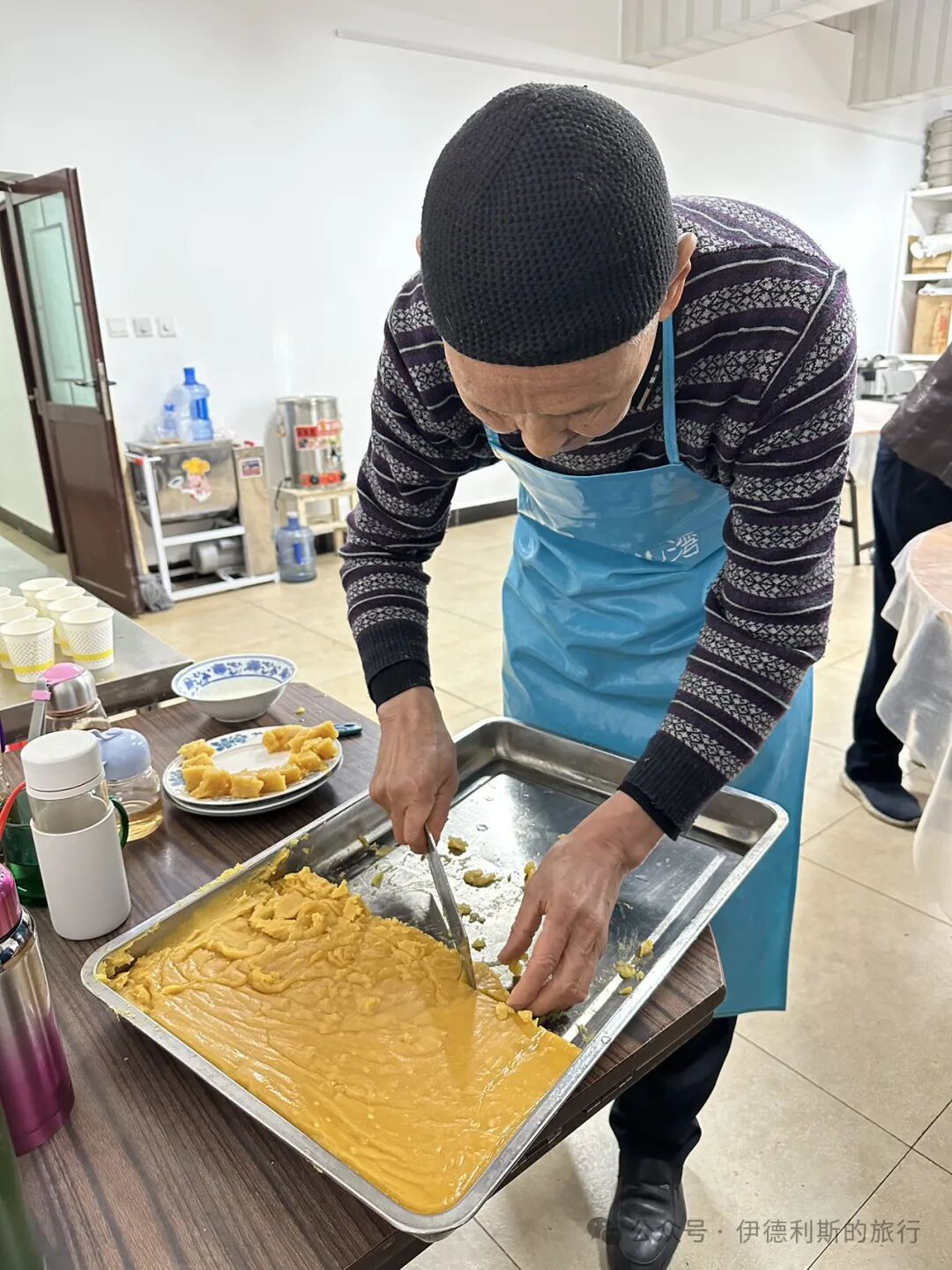
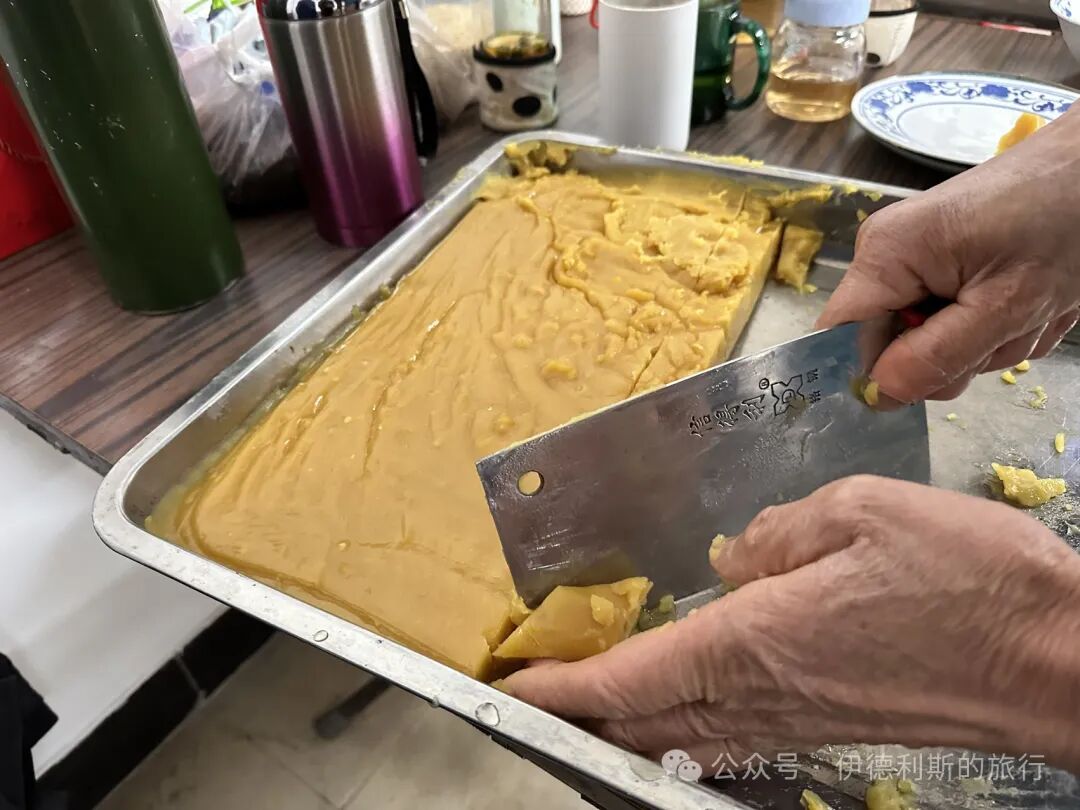
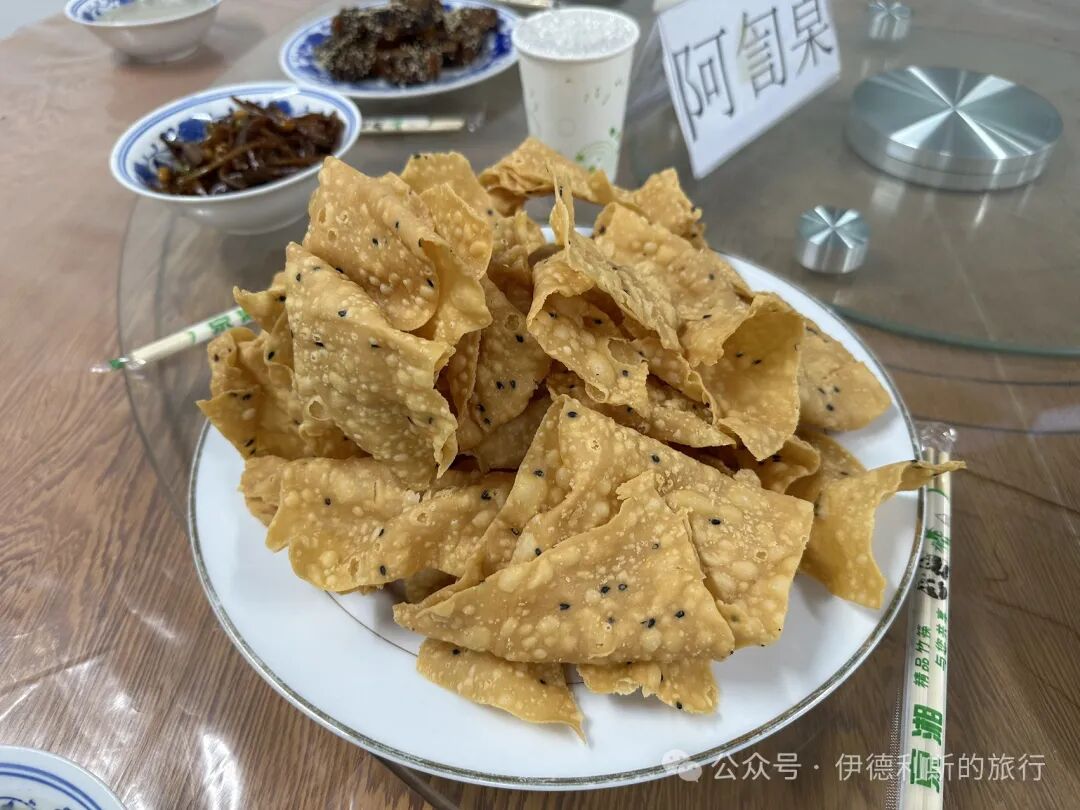
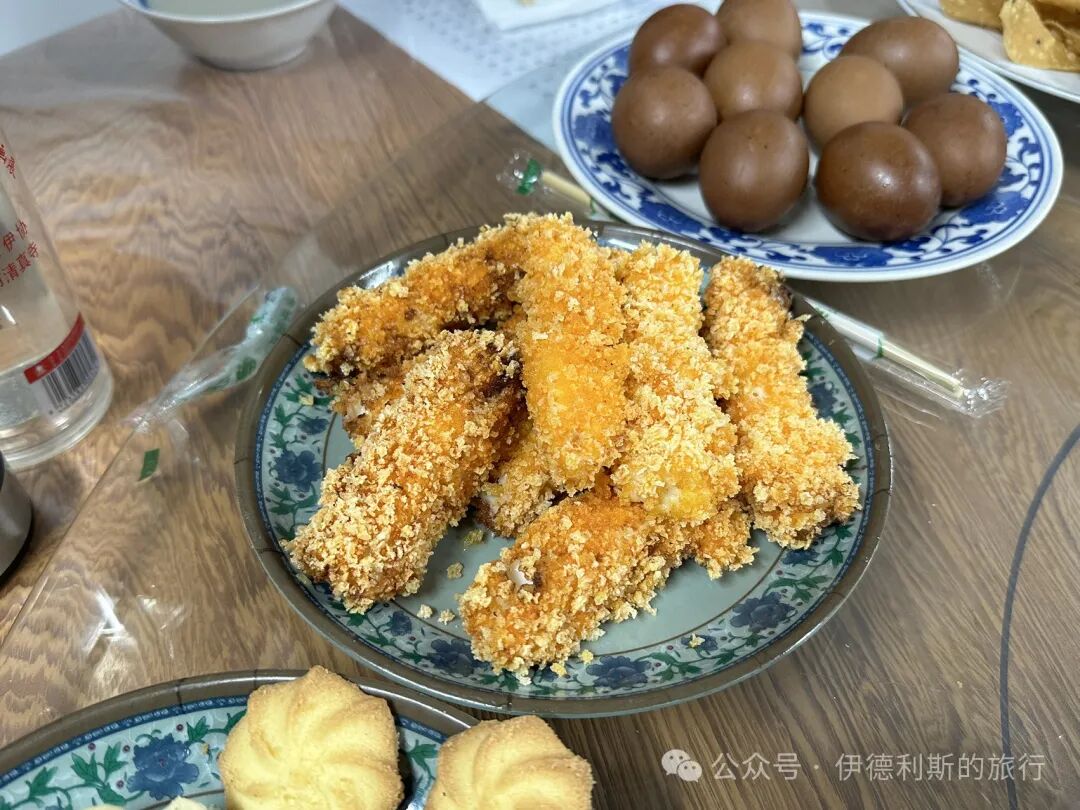
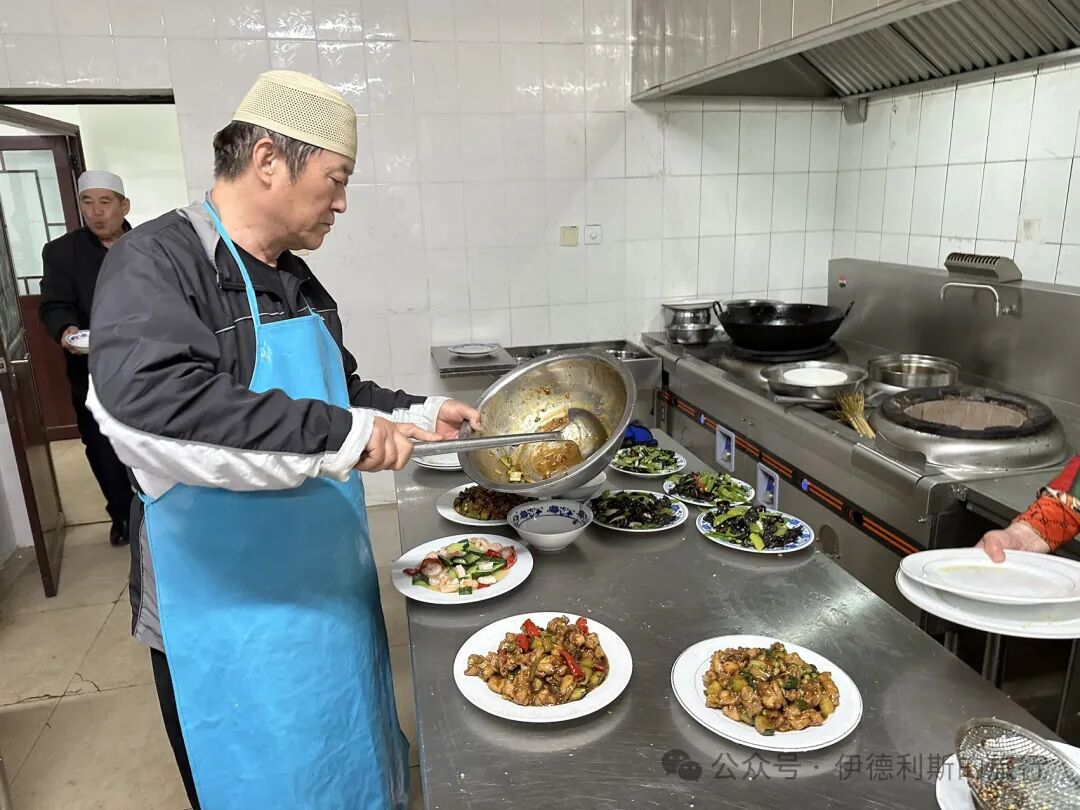
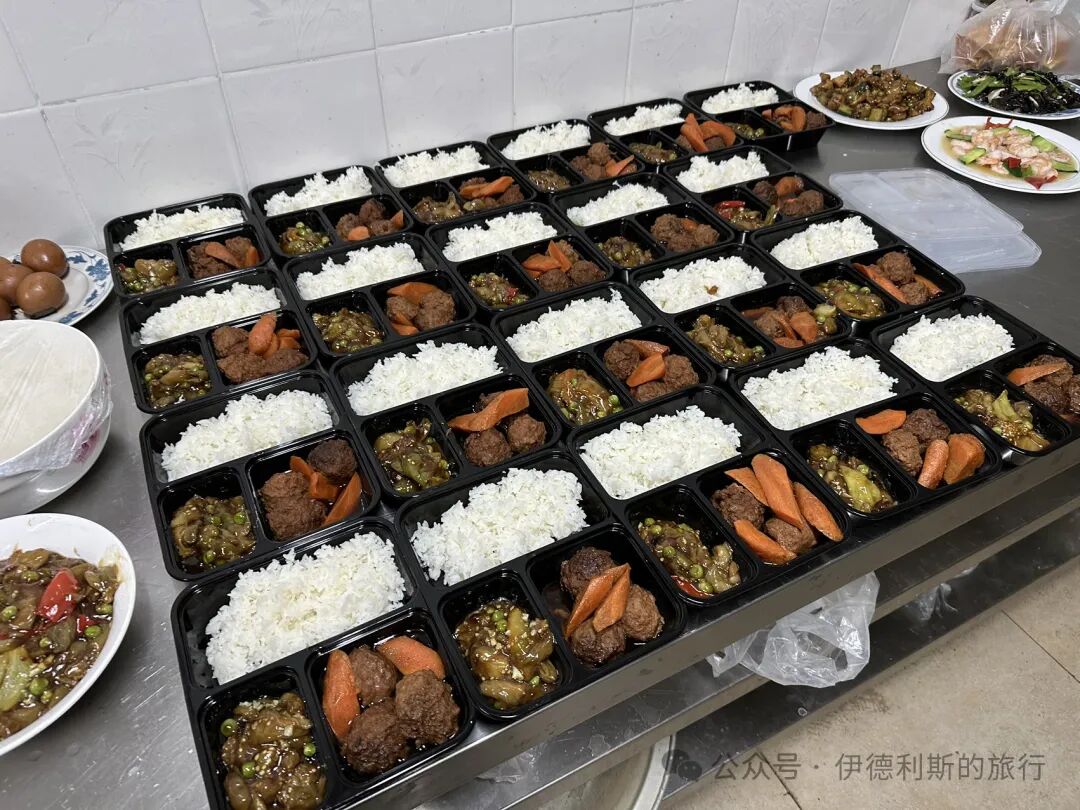
On the 22nd day, the elder at Balizhuang Mosque made fresh pea flour cake (wandouhuang). It is rare to eat it warm, and it tasted amazing. I broke my fast with the usual fermented mung bean milk (douzhier), paired with crispy fried dough strips (paicha) and fried milk. For the fast-breaking meal, we had braised meatballs with carrots, stir-fried shrimp, and chicken stir-fried in soybean paste. Thanks to the elders who worked hard to cook for us!
I spent the next few days in Xi'an to experience the atmosphere of Ramadan, only returning for the Night of Power (Laylat al-Qadr).
The noble Night of Power, a night of peace. Today was the busiest day at Balizhuang Mosque since the start of Ramadan. Many friends (dost) traveled from far away to be here. We also took a train from Xi'an to Beijing this afternoon and headed straight to the mosque.
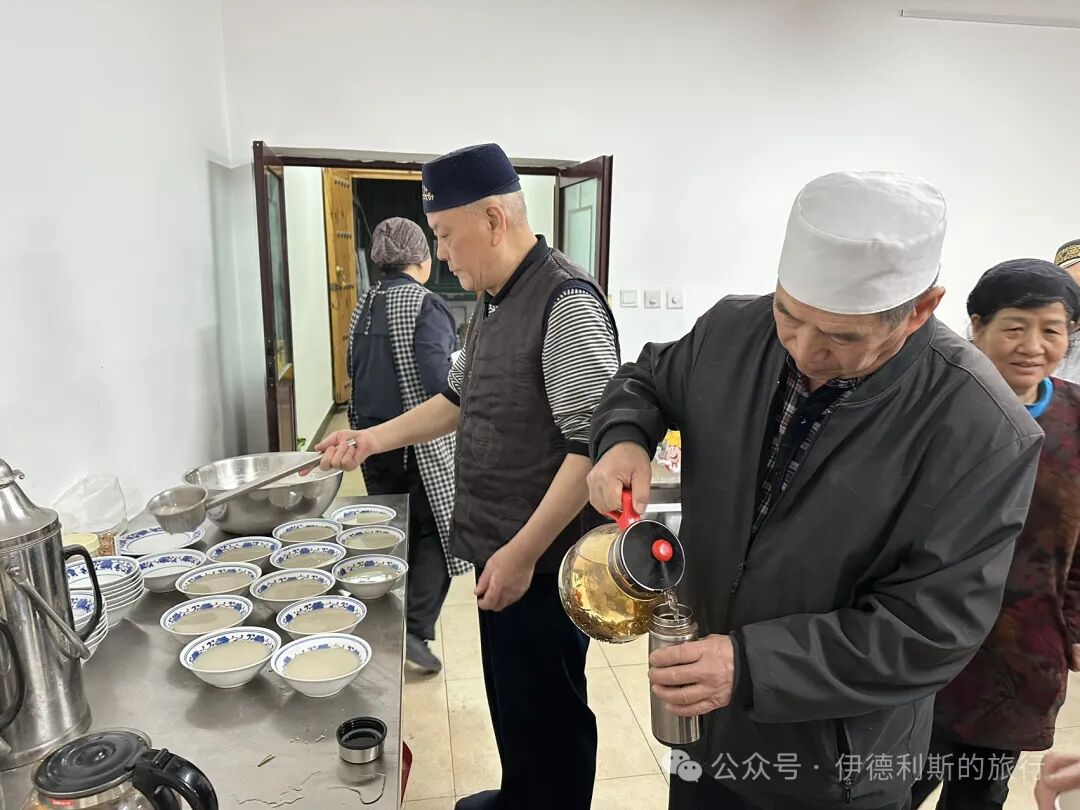
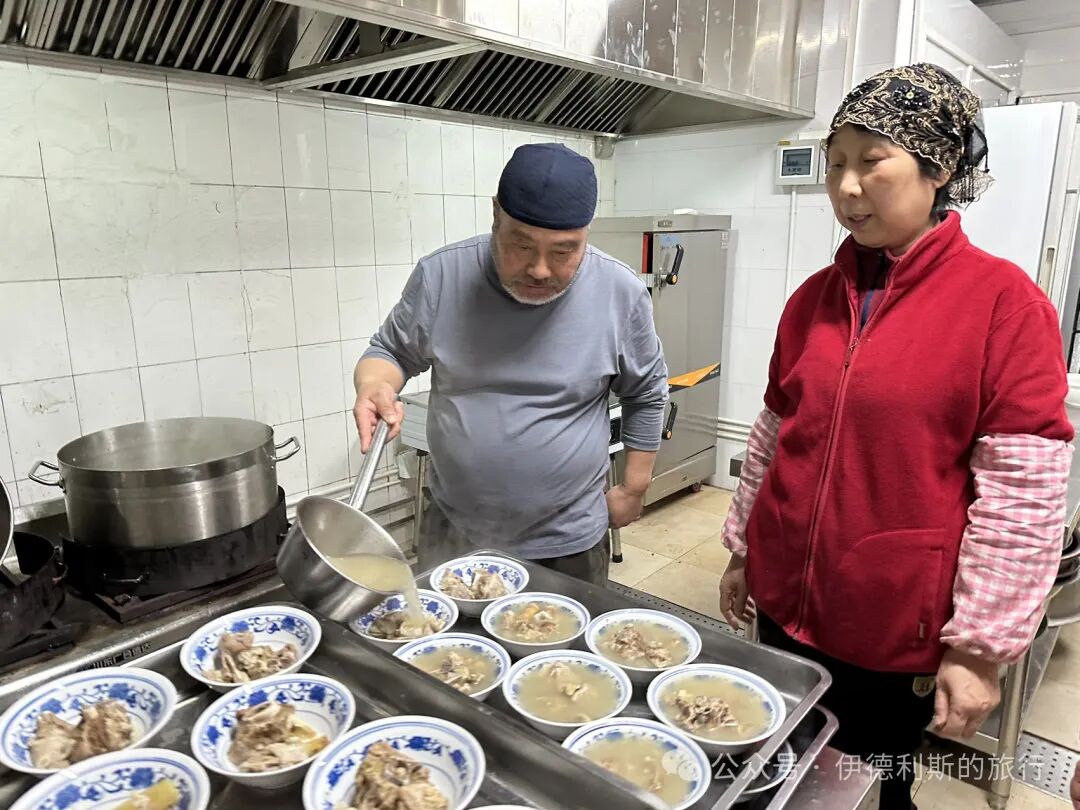
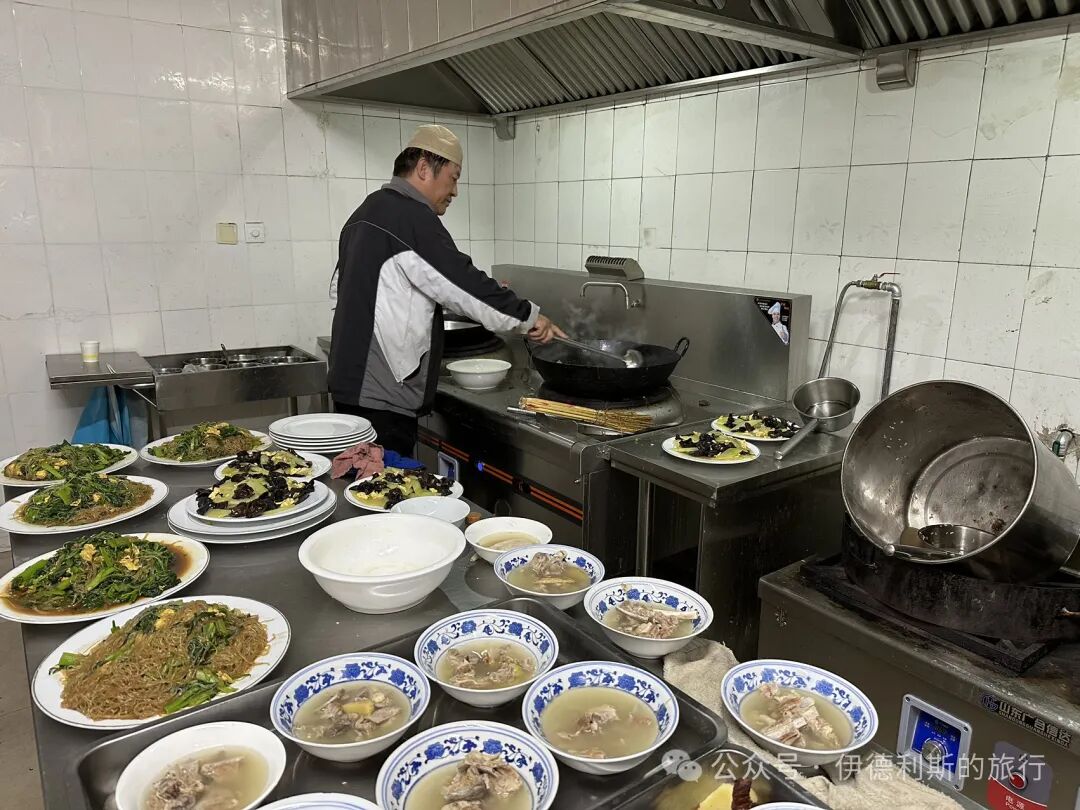
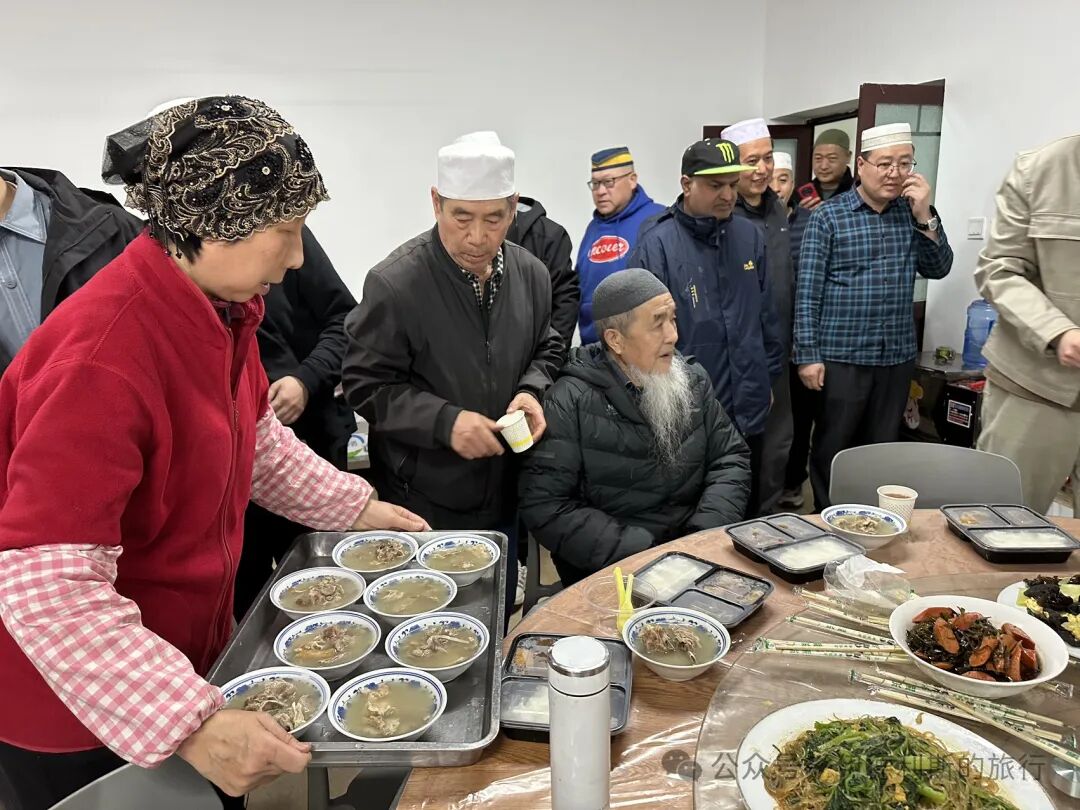
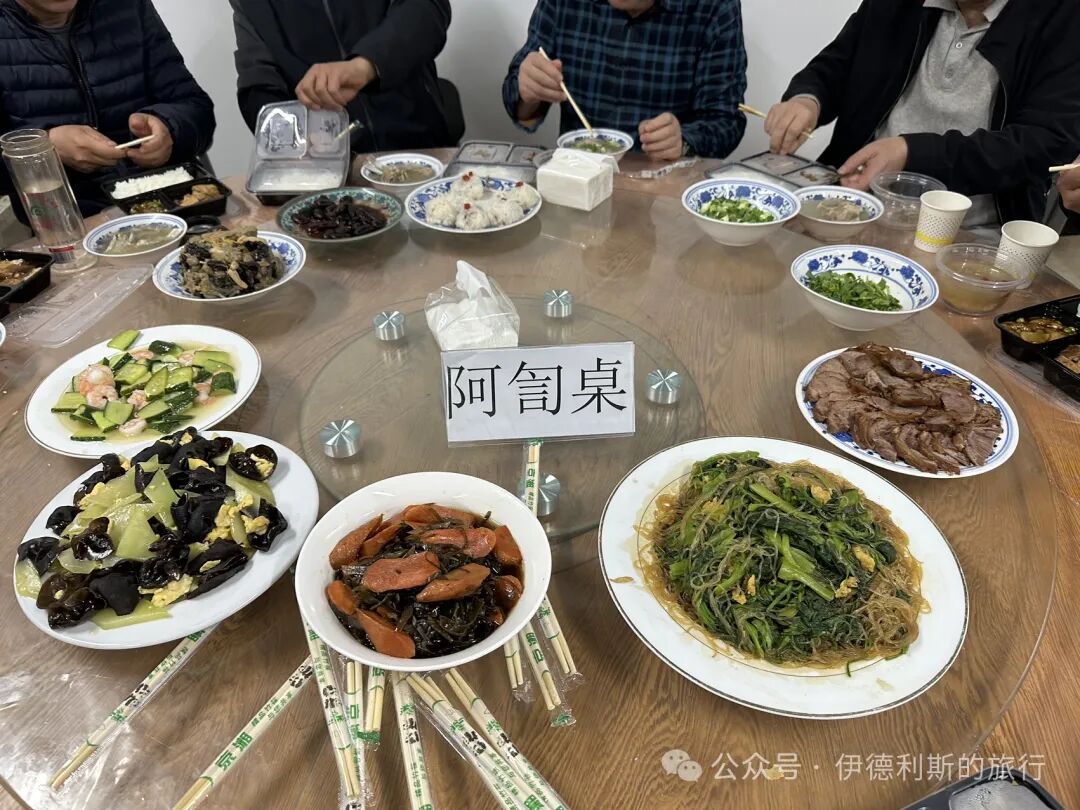
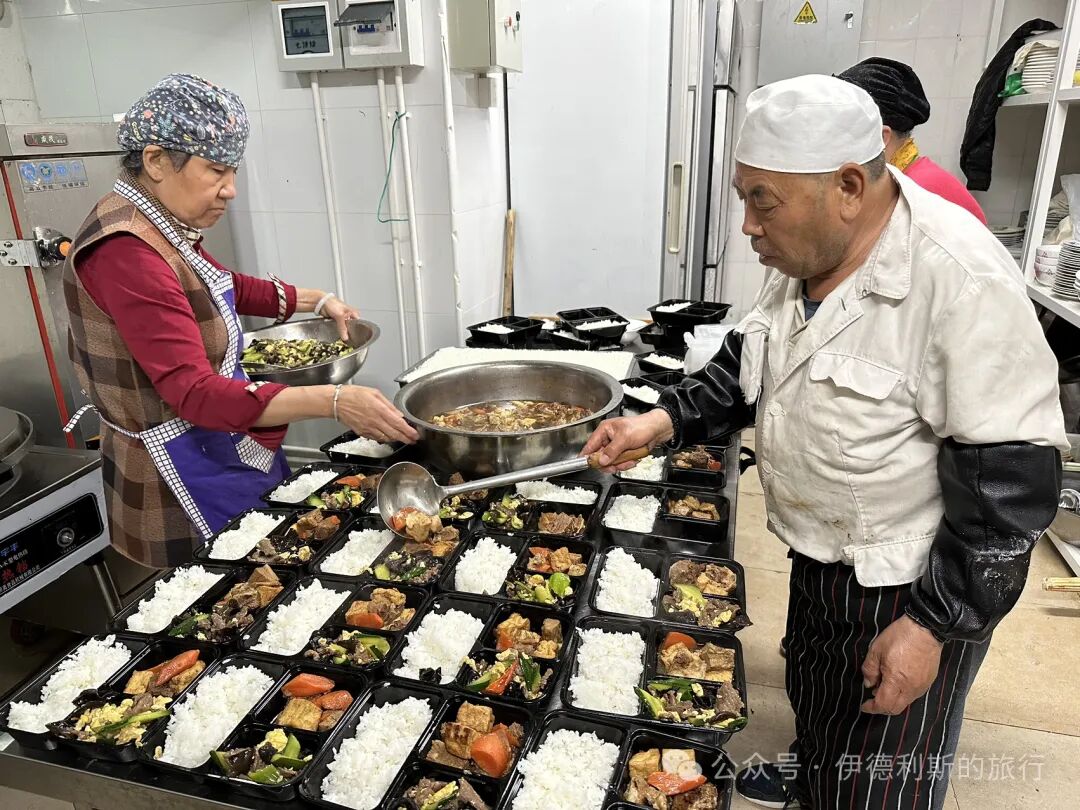
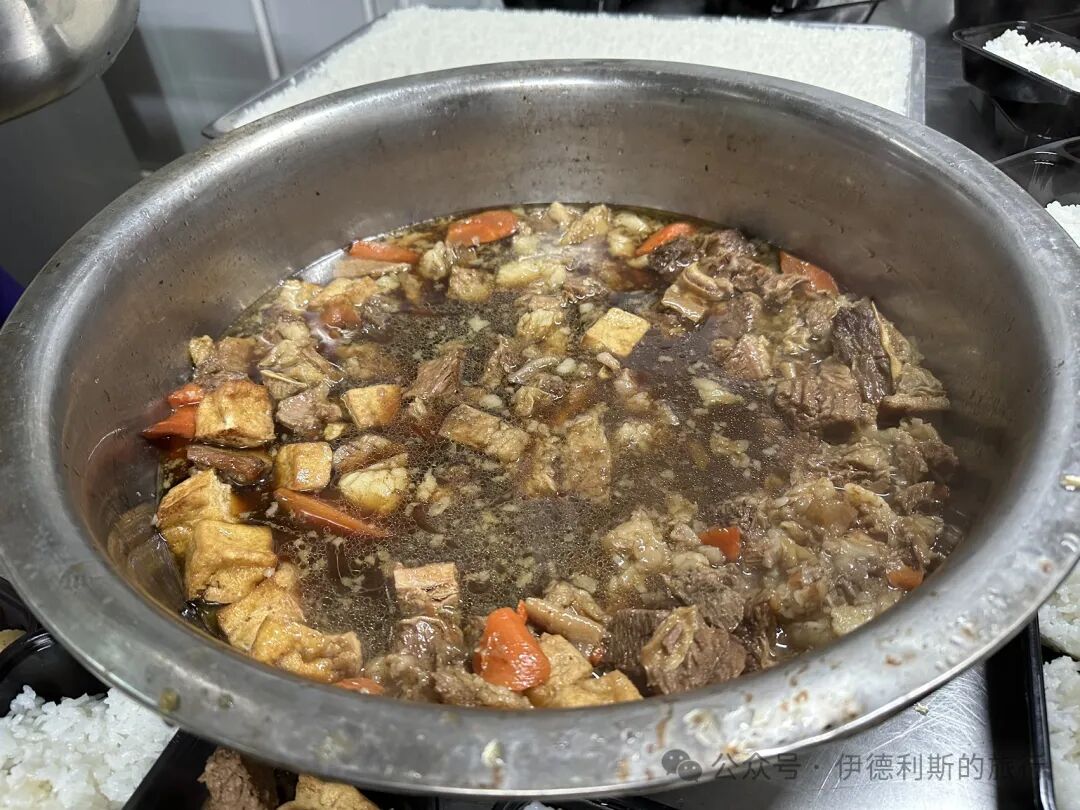
To break the fast, we had white fungus and lotus seed porridge. I also got to eat the steamed rice cakes (aiwowo) made by Elder Fu, along with mung bean cakes and flaky pastries that Zainab brought back from the Muslim Quarter (Huifang). The fast-breaking meal was very rich, featuring fried tofu stewed with beef, lamb bone broth (yangtang), and various stir-fried dishes.
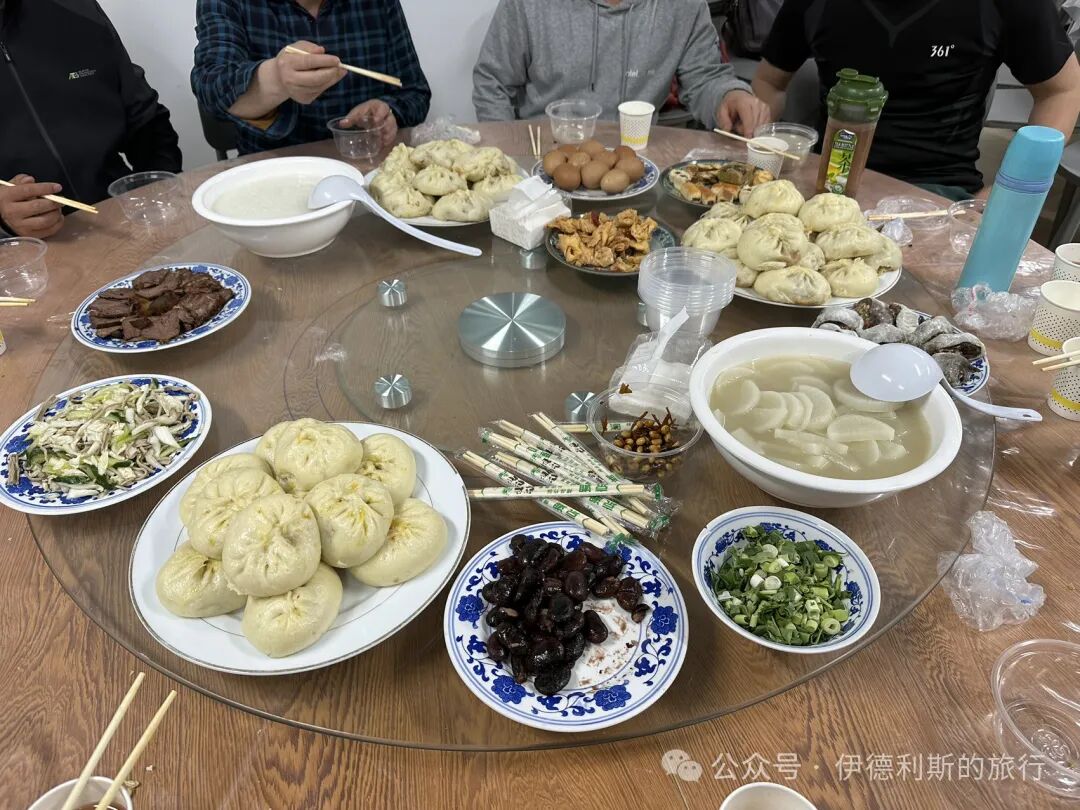
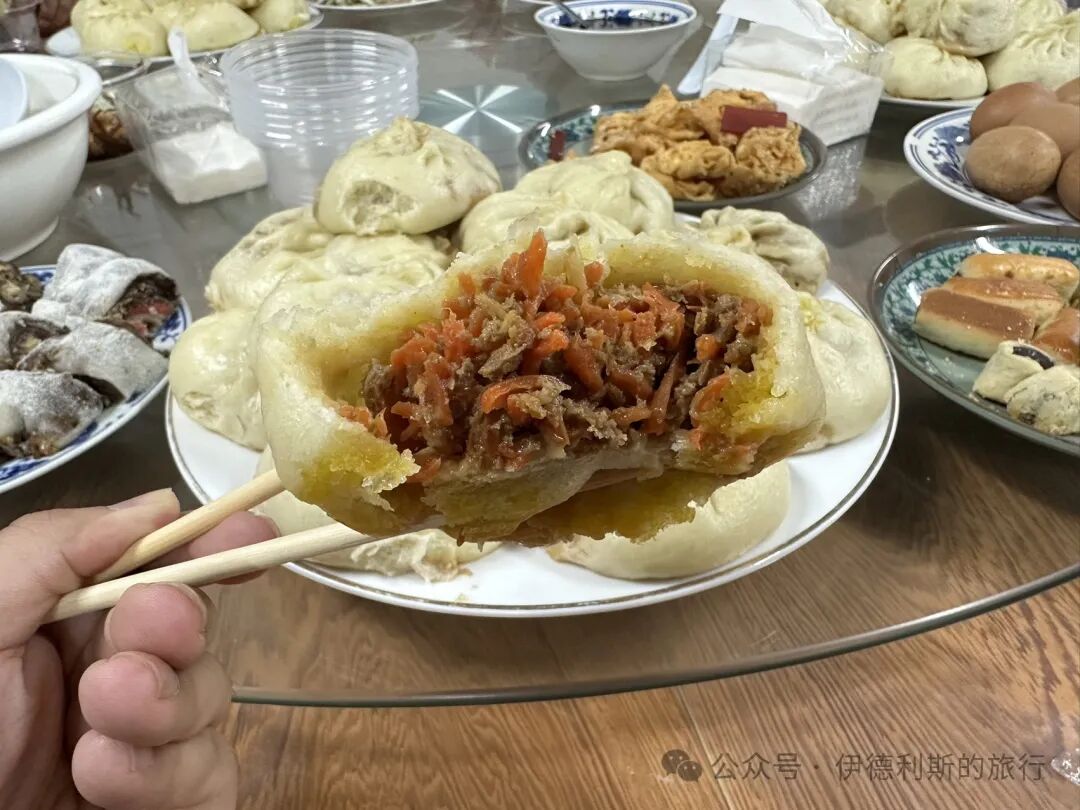
On the 27th day, we broke our fast at Balizhuang Mosque with fermented mung bean milk (douzhi) again. For the meal, we had large steamed buns (dabaozi) with carrot or cabbage fillings, made with either leavened or scalded dough. We all agreed that the carrot filling was better. The mix of sweet carrot flavor and savory meat was so appetizing.
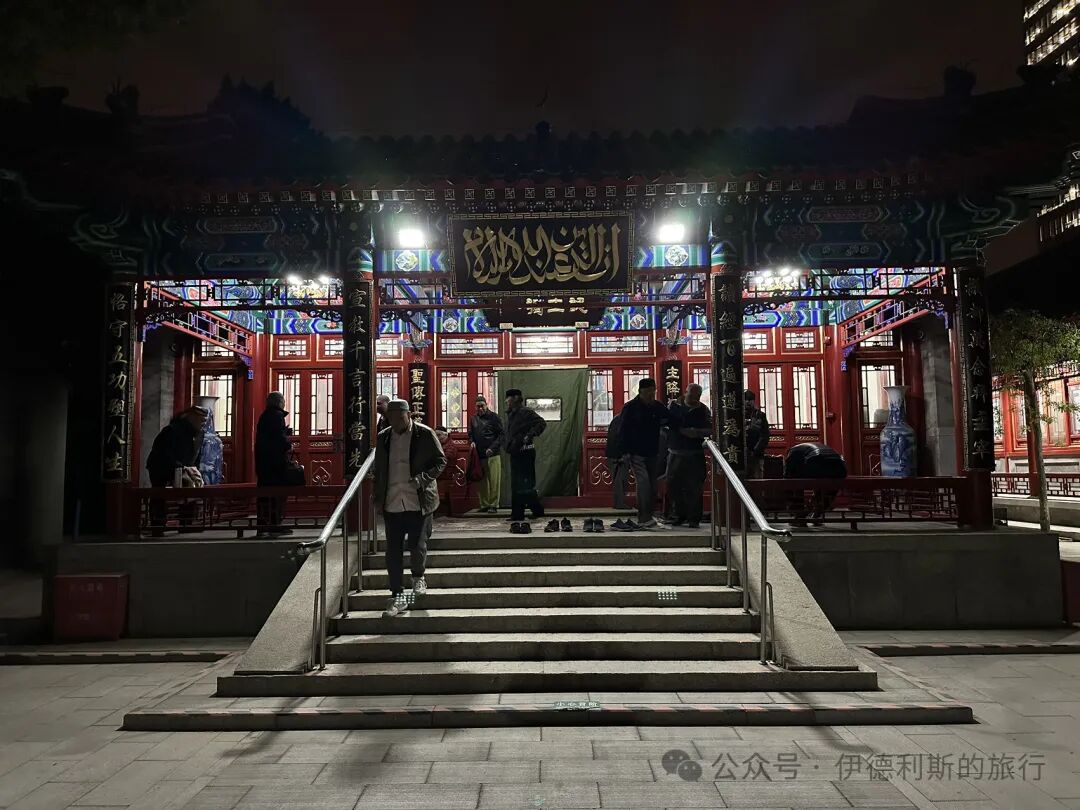
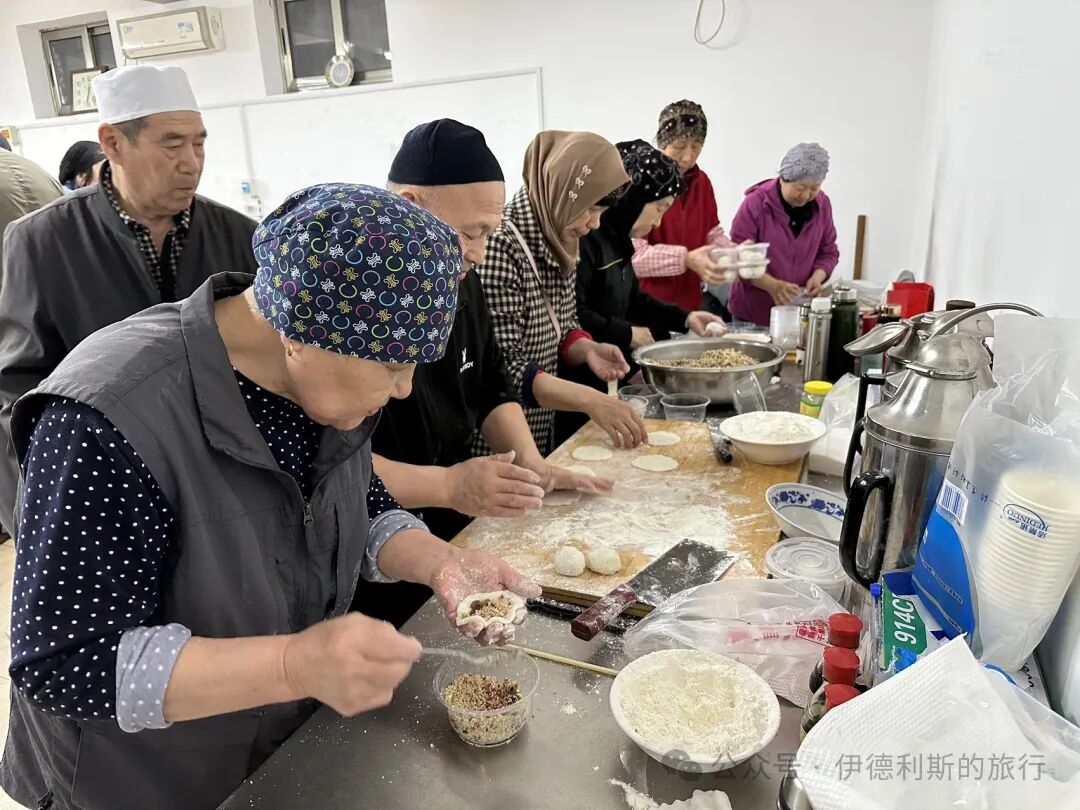
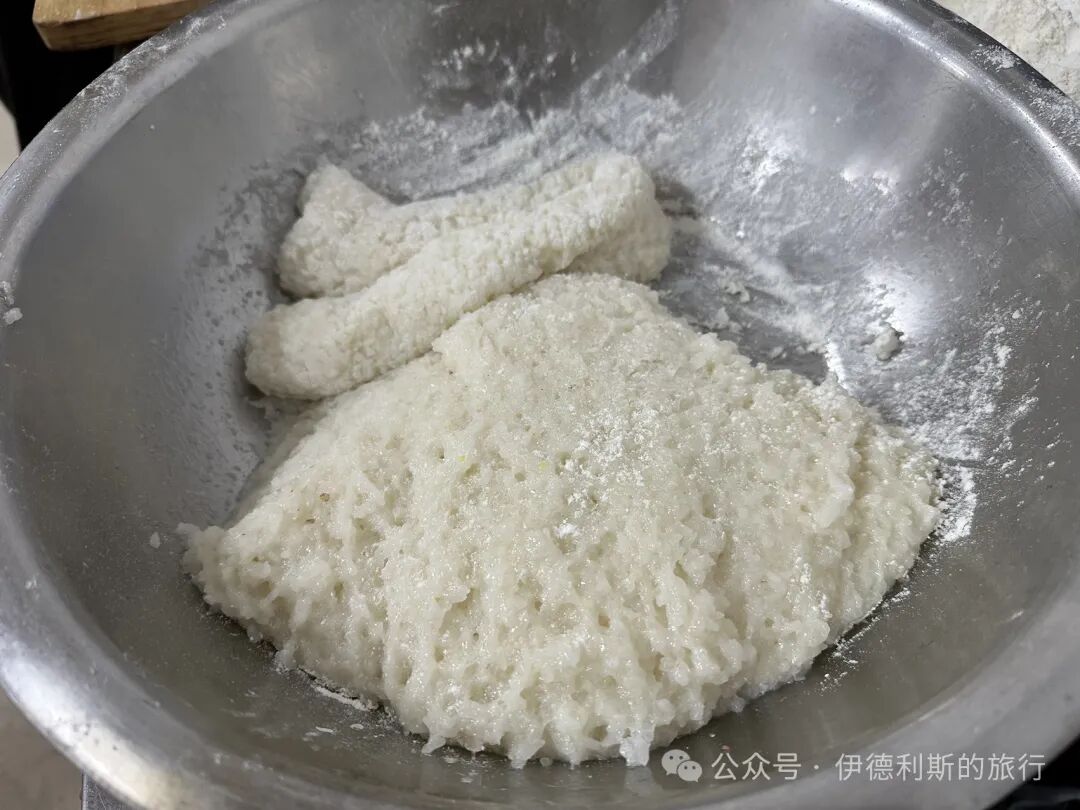
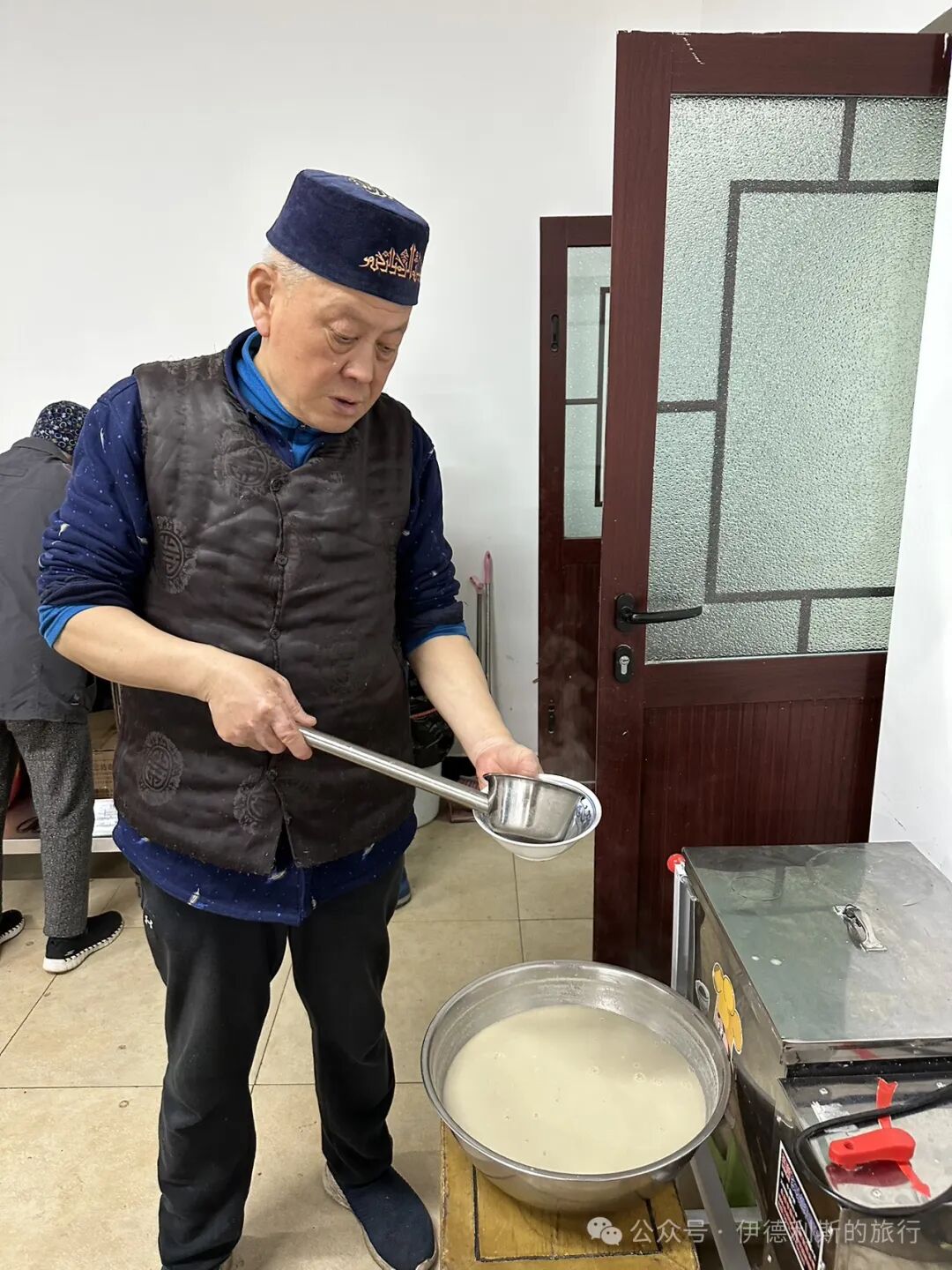
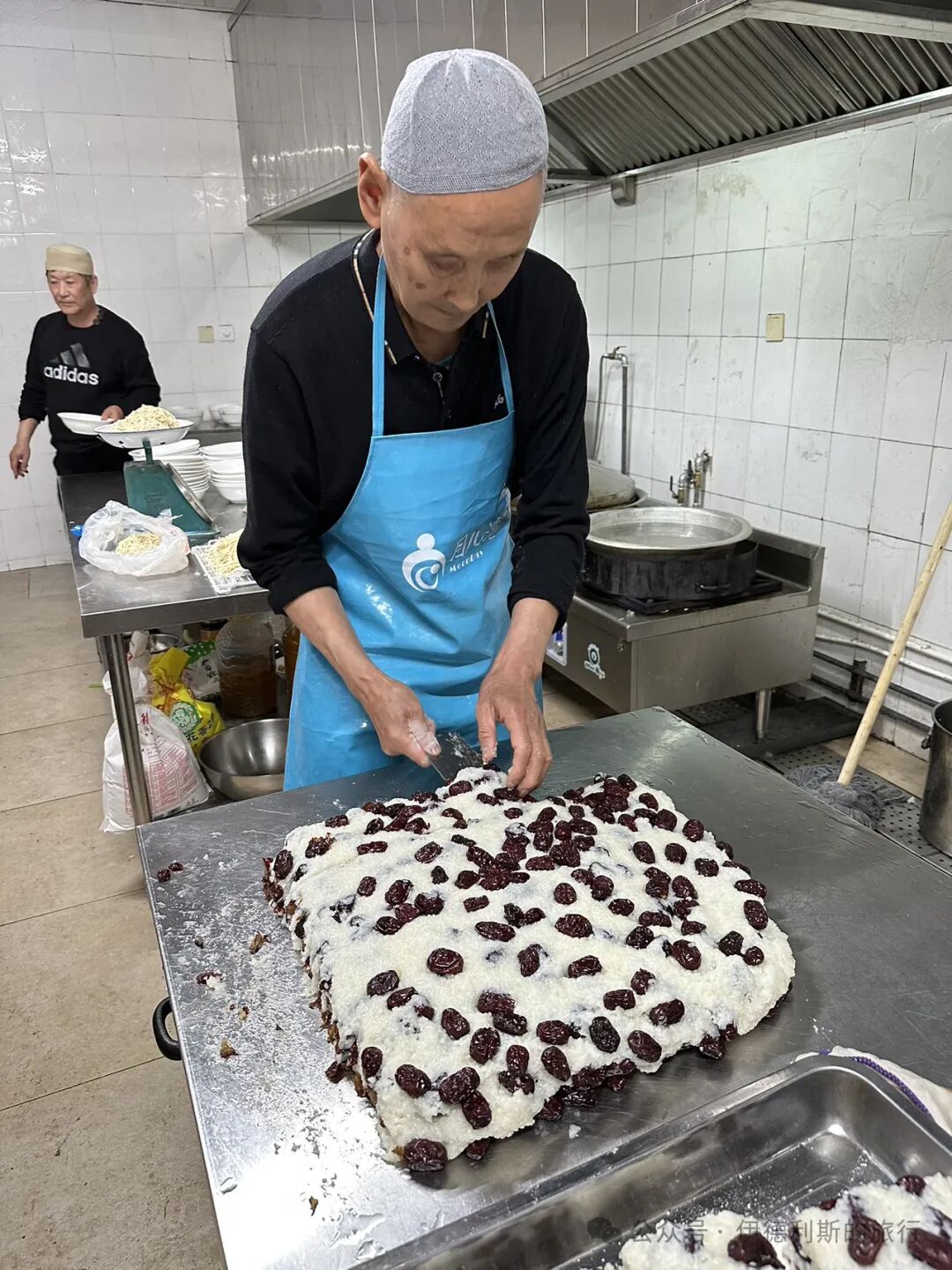
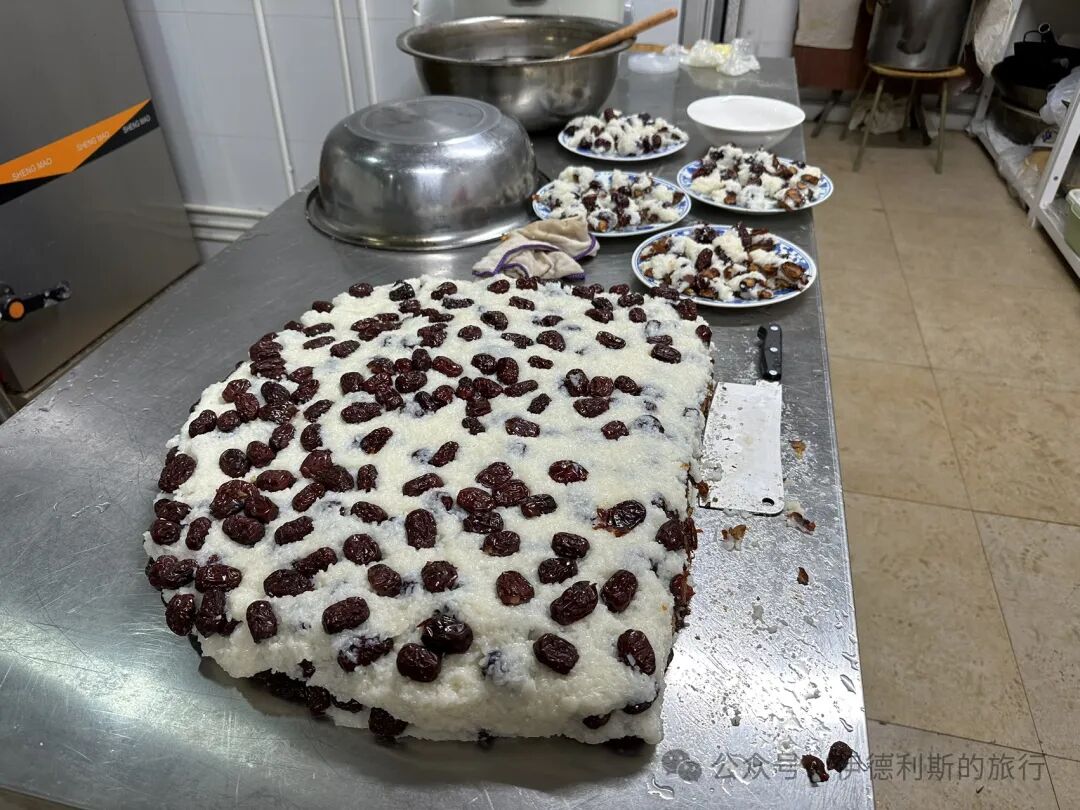
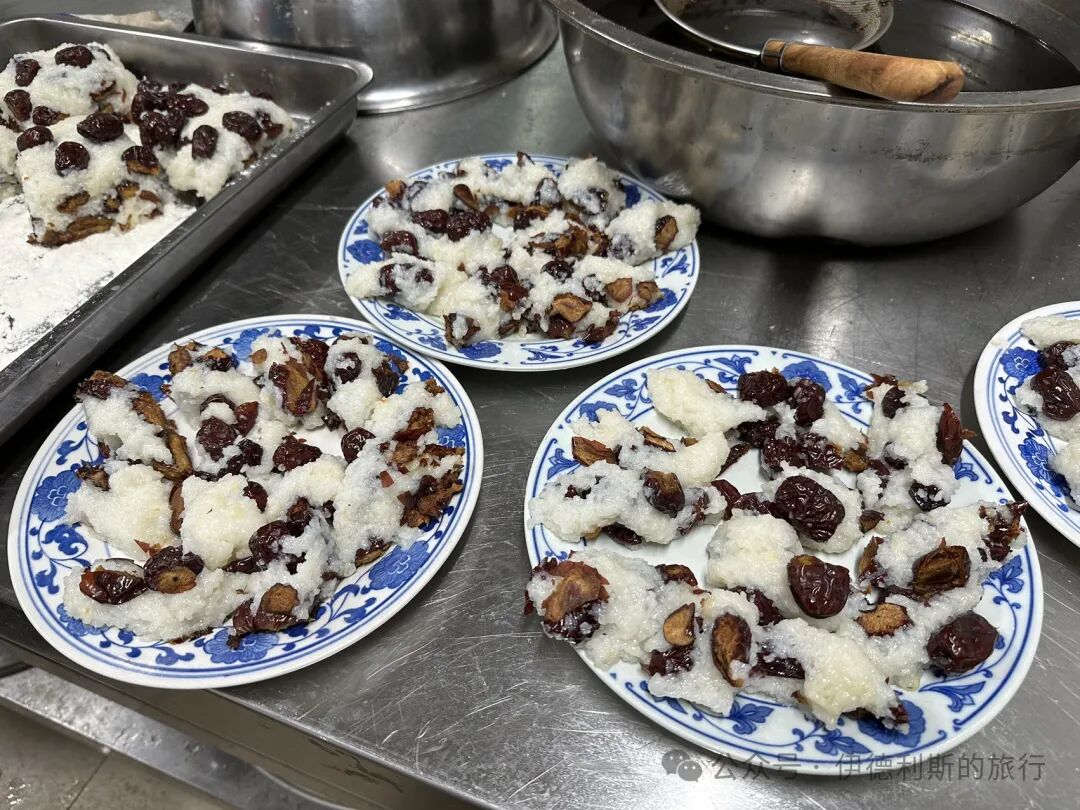
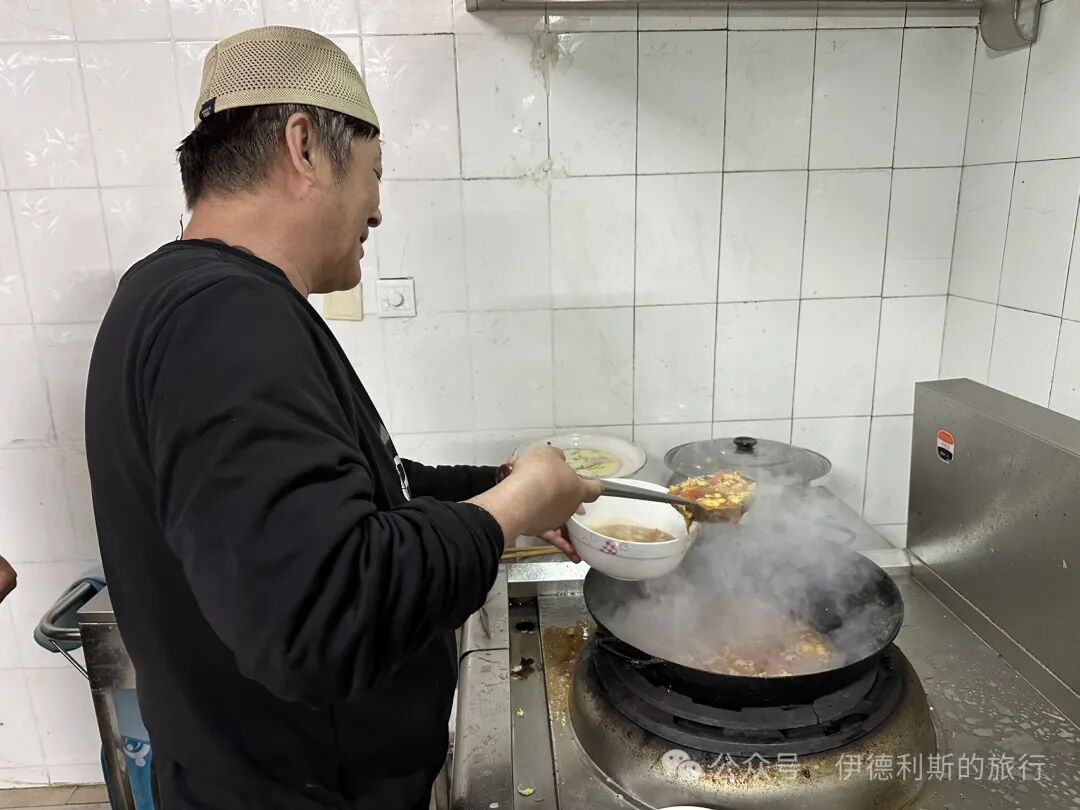
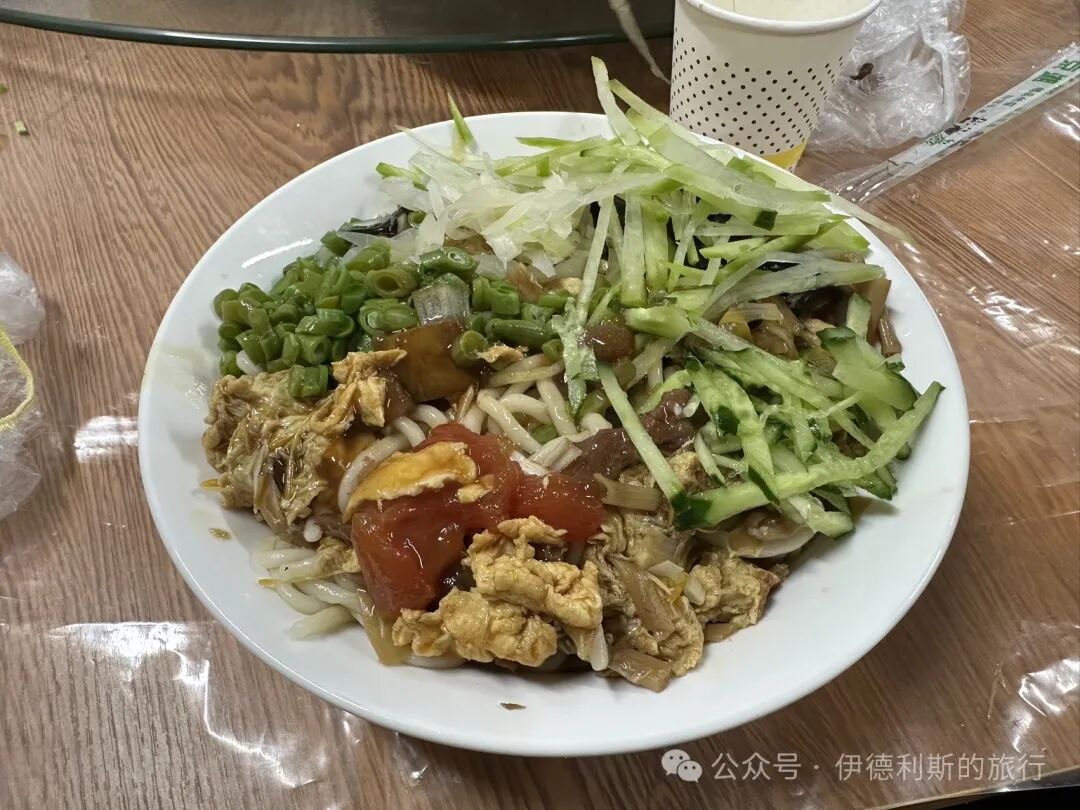
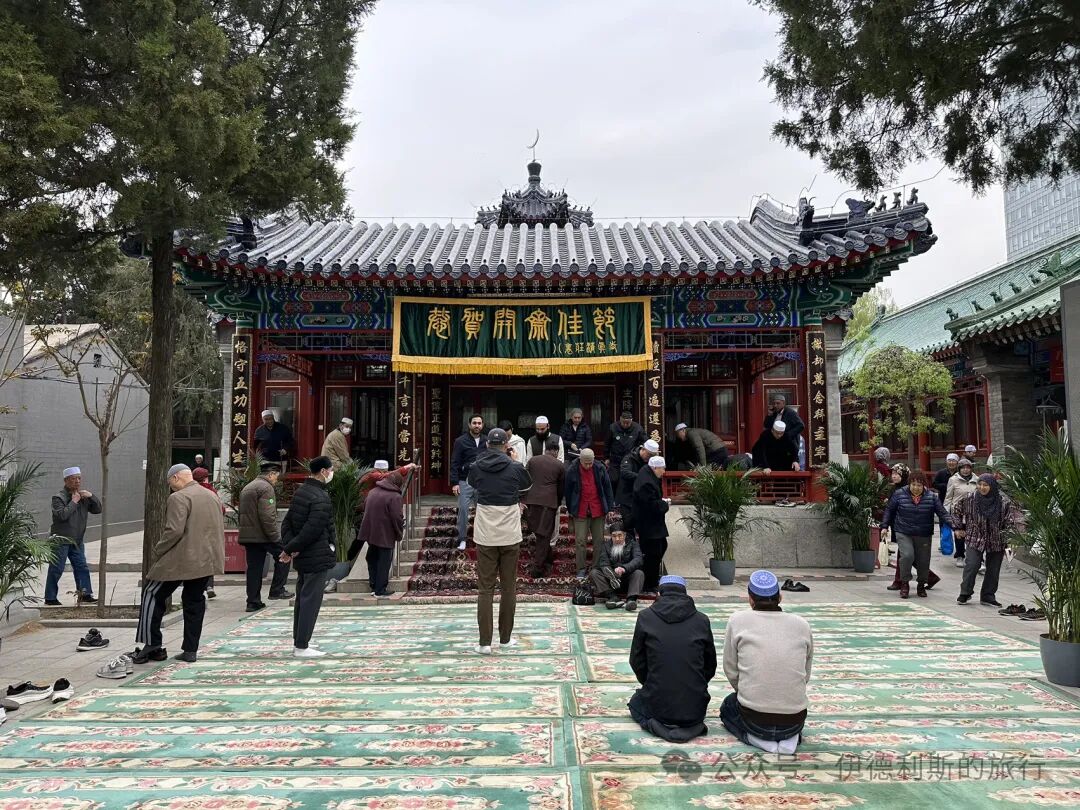
On the 28th day, we attended the final Taraweeh prayer of Ramadan. It was hard to say goodbye! Balizhuang Mosque was very lively. The elders were making steamed rice cakes (aiwowo) together, and Elder Li made some sticky rice cake (qiegao). We broke our fast with fermented mung bean milk (douzhi) as usual. The meal was noodle soup with thick sauce (dalu mian), featuring three types of toppings: daylily, tomato, and eggplant, plus various side vegetables. I started with two bowls of fermented mung bean milk and two cups of tea, then ate a big bowl of noodles. I was completely stuffed. I walked around the courtyard several times and only felt comfortable after the Taraweeh prayer finished.
I received charity (sadaqah) from the friends (dosti). May Allah reward you all (thawab)! This Ramadan has been so heartwarming!
It is the last day of Ramadan! The elders at Balizhuang Mosque gathered again to make steamed rice cakes (aiwowo), small sticky rice cakes (xiaoqiegao), and candied yam rolls (tangjuanguo), and everyone felt sad to see Ramadan end. Just like the sermon (wa'erzi) says, we must keep the spirit of Ramadan alive and try to make every month like Ramadan and every night like the Night of Power (Laylat al-Qadr).
The elders at Balizhuang Mosque are busy preparing for Eid al-Fitr tomorrow, getting the meat porridge (rouzhou) simmering and the fried dough (youxiang) ready.
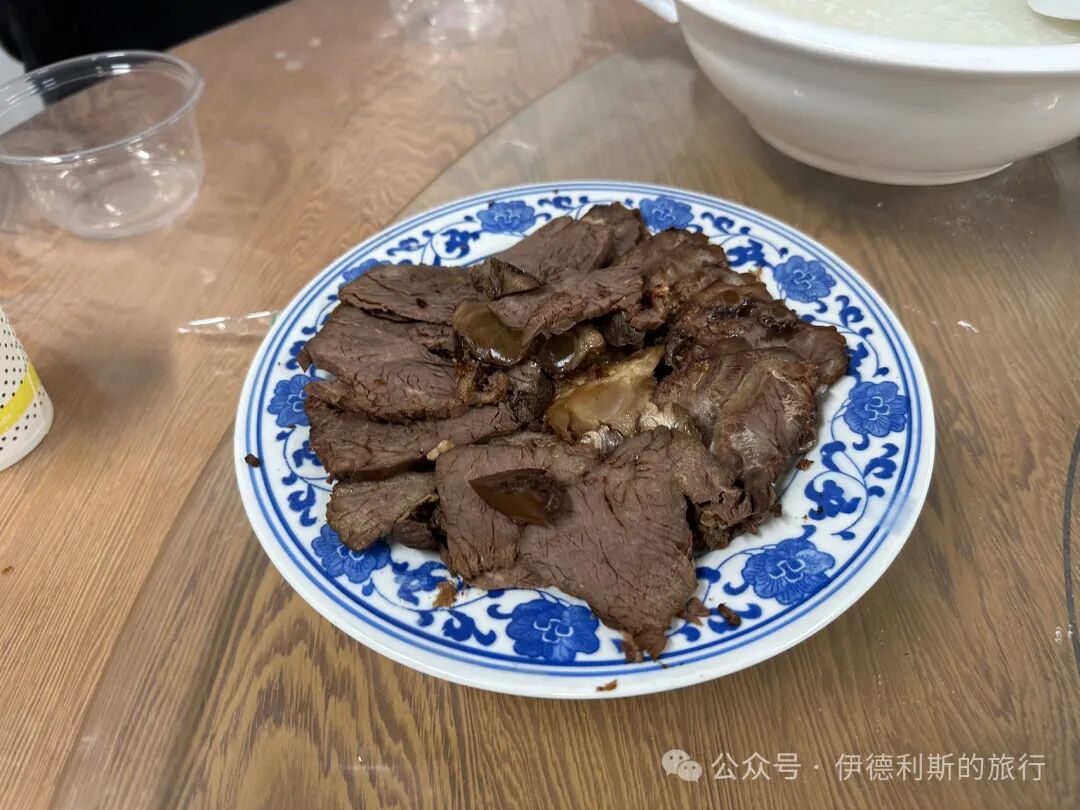
The iftar meal was very rich, with braised fish, braised pork tongue, chicken cubes in bean sauce, stir-fried shrimp, fried tofu stewed with beef, spiced beef, and more. The fish was flavorful, and the beef was stewed until soft and tender. May Allah reward (thawab) everyone for their hard work this month.
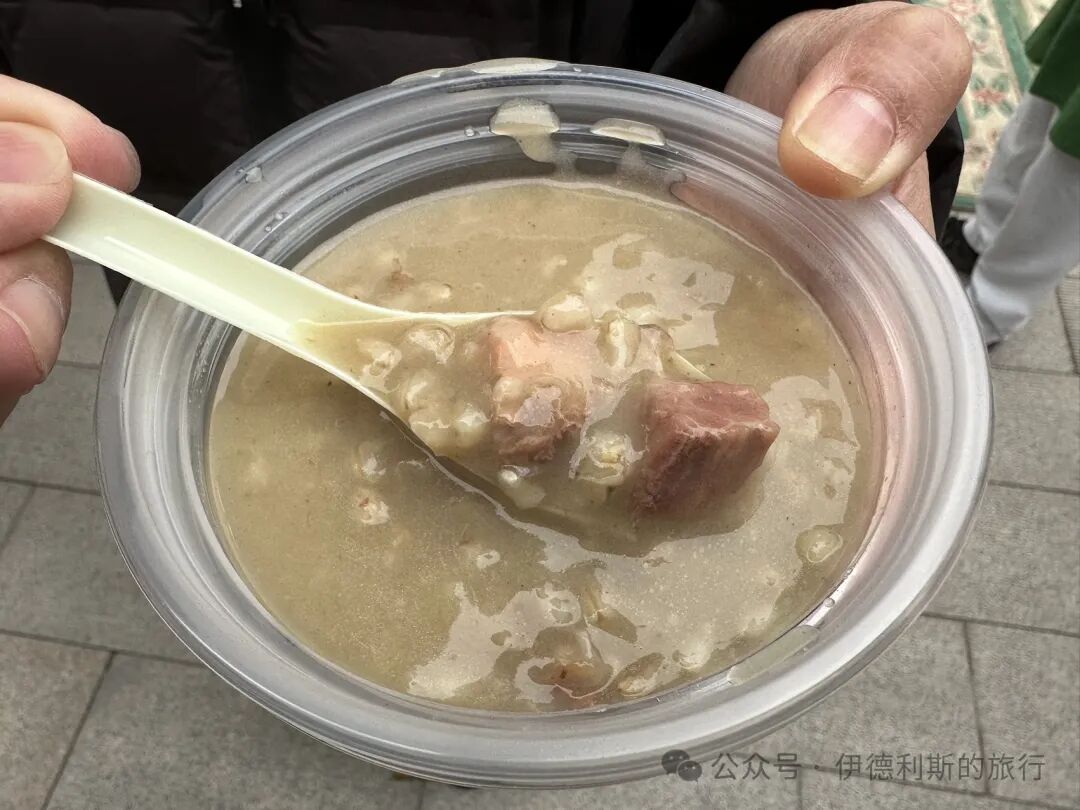
Happy Eid! Eid al-Fitr is finally here, and Balizhuang Mosque has prepared meat porridge (rouzhou), fried dough (youxiang), and various pastries for everyone. The wheat grain and meat flavors in the meat porridge (rouzhou) blend perfectly, making it delicious. I met with Imam Saiwabu and the village elders. I not only accepted their greeting but also recited praises with them, and I feel very grateful to Allah.
May we meet again next Ramadan. view all
Summary: Halal Travel Guide: Beijing Ramadan - Laylat al-Qadr and Eid al-Fitr is presented here as a firsthand travel account in clear, natural English. The account focuses on Beijing Ramadan, Laylat al-Qadr, Eid al-Fitr while preserving the names, places, food, photos, and historical details from the Chinese source.
On the 22nd day, the elder at Balizhuang Mosque made fresh pea flour cake (wandouhuang). It is rare to eat it warm, and it tasted amazing. I broke my fast with the usual fermented mung bean milk (douzhier), paired with crispy fried dough strips (paicha) and fried milk. For the fast-breaking meal, we had braised meatballs with carrots, stir-fried shrimp, and chicken stir-fried in soybean paste. Thanks to the elders who worked hard to cook for us!
I spent the next few days in Xi'an to experience the atmosphere of Ramadan, only returning for the Night of Power (Laylat al-Qadr).
The noble Night of Power, a night of peace. Today was the busiest day at Balizhuang Mosque since the start of Ramadan. Many friends (dost) traveled from far away to be here. We also took a train from Xi'an to Beijing this afternoon and headed straight to the mosque.
To break the fast, we had white fungus and lotus seed porridge. I also got to eat the steamed rice cakes (aiwowo) made by Elder Fu, along with mung bean cakes and flaky pastries that Zainab brought back from the Muslim Quarter (Huifang). The fast-breaking meal was very rich, featuring fried tofu stewed with beef, lamb bone broth (yangtang), and various stir-fried dishes.
On the 27th day, we broke our fast at Balizhuang Mosque with fermented mung bean milk (douzhi) again. For the meal, we had large steamed buns (dabaozi) with carrot or cabbage fillings, made with either leavened or scalded dough. We all agreed that the carrot filling was better. The mix of sweet carrot flavor and savory meat was so appetizing.
On the 28th day, we attended the final Taraweeh prayer of Ramadan. It was hard to say goodbye! Balizhuang Mosque was very lively. The elders were making steamed rice cakes (aiwowo) together, and Elder Li made some sticky rice cake (qiegao). We broke our fast with fermented mung bean milk (douzhi) as usual. The meal was noodle soup with thick sauce (dalu mian), featuring three types of toppings: daylily, tomato, and eggplant, plus various side vegetables. I started with two bowls of fermented mung bean milk and two cups of tea, then ate a big bowl of noodles. I was completely stuffed. I walked around the courtyard several times and only felt comfortable after the Taraweeh prayer finished.
I received charity (sadaqah) from the friends (dosti). May Allah reward you all (thawab)! This Ramadan has been so heartwarming!
It is the last day of Ramadan! The elders at Balizhuang Mosque gathered again to make steamed rice cakes (aiwowo), small sticky rice cakes (xiaoqiegao), and candied yam rolls (tangjuanguo), and everyone felt sad to see Ramadan end. Just like the sermon (wa'erzi) says, we must keep the spirit of Ramadan alive and try to make every month like Ramadan and every night like the Night of Power (Laylat al-Qadr).
The elders at Balizhuang Mosque are busy preparing for Eid al-Fitr tomorrow, getting the meat porridge (rouzhou) simmering and the fried dough (youxiang) ready.
The iftar meal was very rich, with braised fish, braised pork tongue, chicken cubes in bean sauce, stir-fried shrimp, fried tofu stewed with beef, spiced beef, and more. The fish was flavorful, and the beef was stewed until soft and tender. May Allah reward (thawab) everyone for their hard work this month.
Happy Eid! Eid al-Fitr is finally here, and Balizhuang Mosque has prepared meat porridge (rouzhou), fried dough (youxiang), and various pastries for everyone. The wheat grain and meat flavors in the meat porridge (rouzhou) blend perfectly, making it delicious. I met with Imam Saiwabu and the village elders. I not only accepted their greeting but also recited praises with them, and I feel very grateful to Allah.
May we meet again next Ramadan. view all
Reposted from the web
Summary: Halal Travel Guide: Beijing Ramadan - Laylat al-Qadr and Eid al-Fitr is presented here as a firsthand travel account in clear, natural English. The account focuses on Beijing Ramadan, Laylat al-Qadr, Eid al-Fitr while preserving the names, places, food, photos, and historical details from the Chinese source.
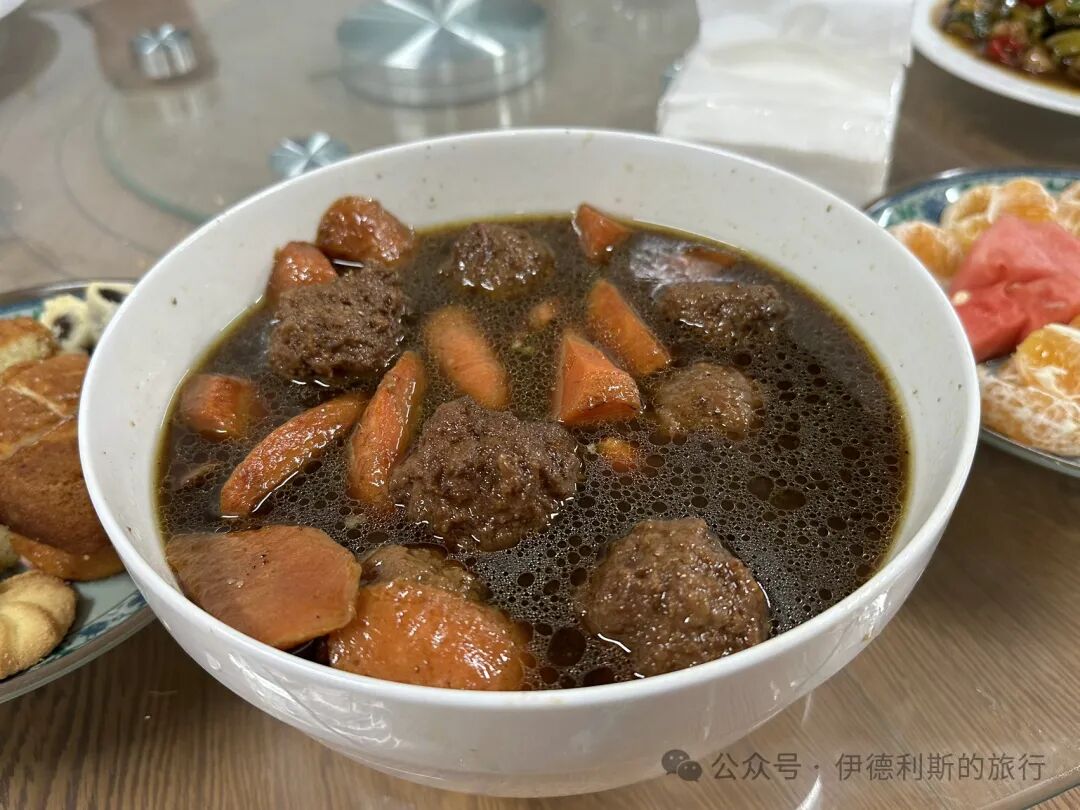
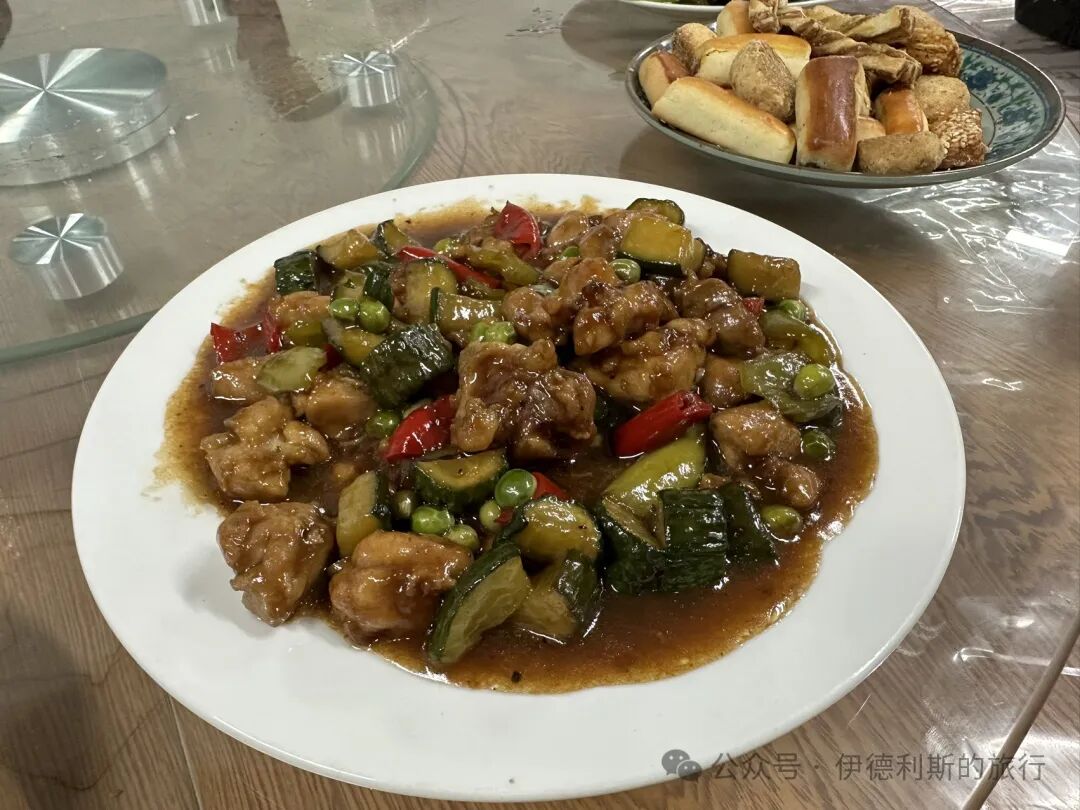
On the 22nd day, the elder at Balizhuang Mosque made fresh pea flour cake (wandouhuang). It is rare to eat it warm, and it tasted amazing. I broke my fast with the usual fermented mung bean milk (douzhier), paired with crispy fried dough strips (paicha) and fried milk. For the fast-breaking meal, we had braised meatballs with carrots, stir-fried shrimp, and chicken stir-fried in soybean paste. Thanks to the elders who worked hard to cook for us!

I spent the next few days in Xi'an to experience the atmosphere of Ramadan, only returning for the Night of Power (Laylat al-Qadr).
The noble Night of Power, a night of peace. Today was the busiest day at Balizhuang Mosque since the start of Ramadan. Many friends (dost) traveled from far away to be here. We also took a train from Xi'an to Beijing this afternoon and headed straight to the mosque.
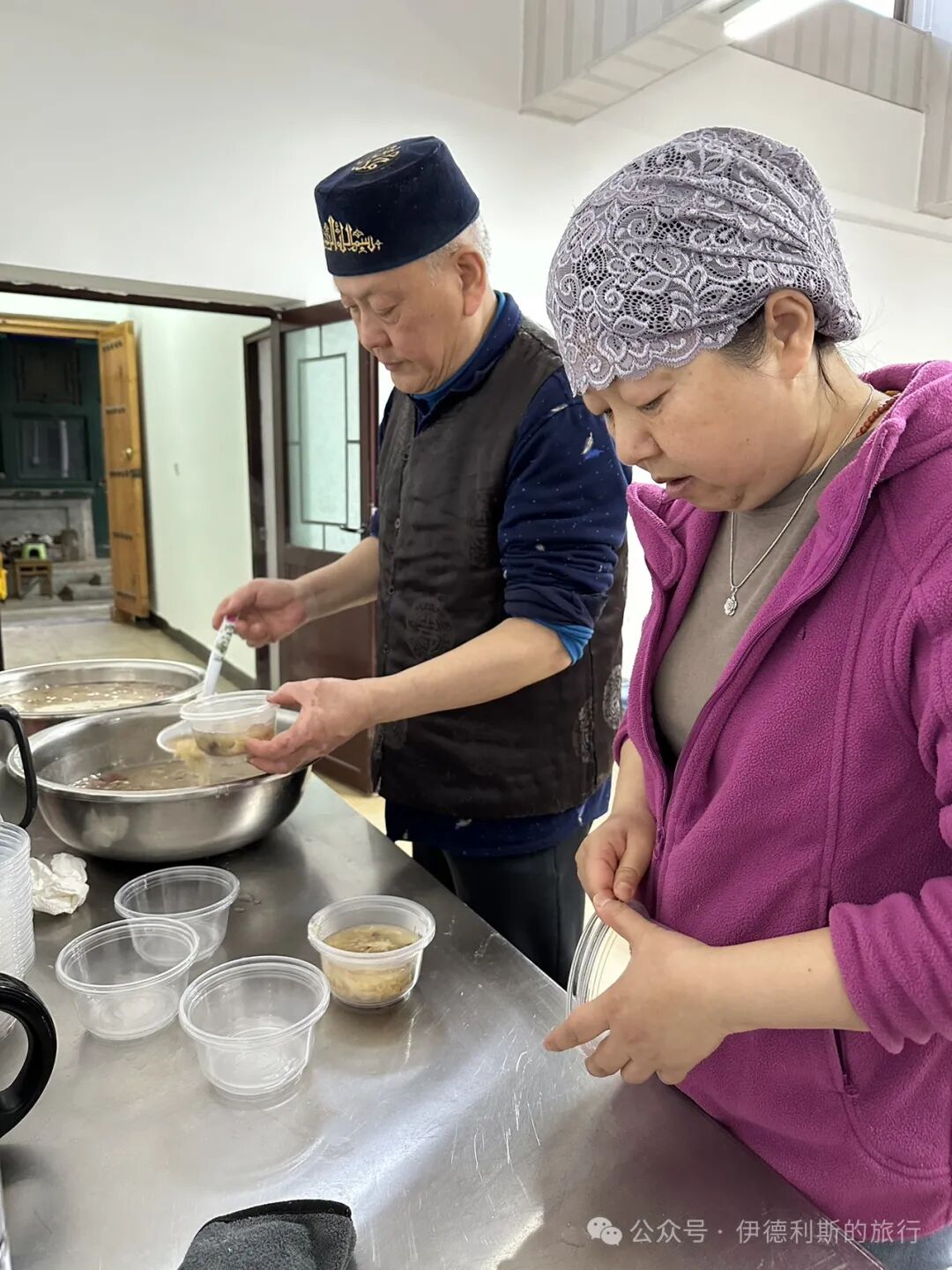
To break the fast, we had white fungus and lotus seed porridge. I also got to eat the steamed rice cakes (aiwowo) made by Elder Fu, along with mung bean cakes and flaky pastries that Zainab brought back from the Muslim Quarter (Huifang). The fast-breaking meal was very rich, featuring fried tofu stewed with beef, lamb bone broth (yangtang), and various stir-fried dishes.
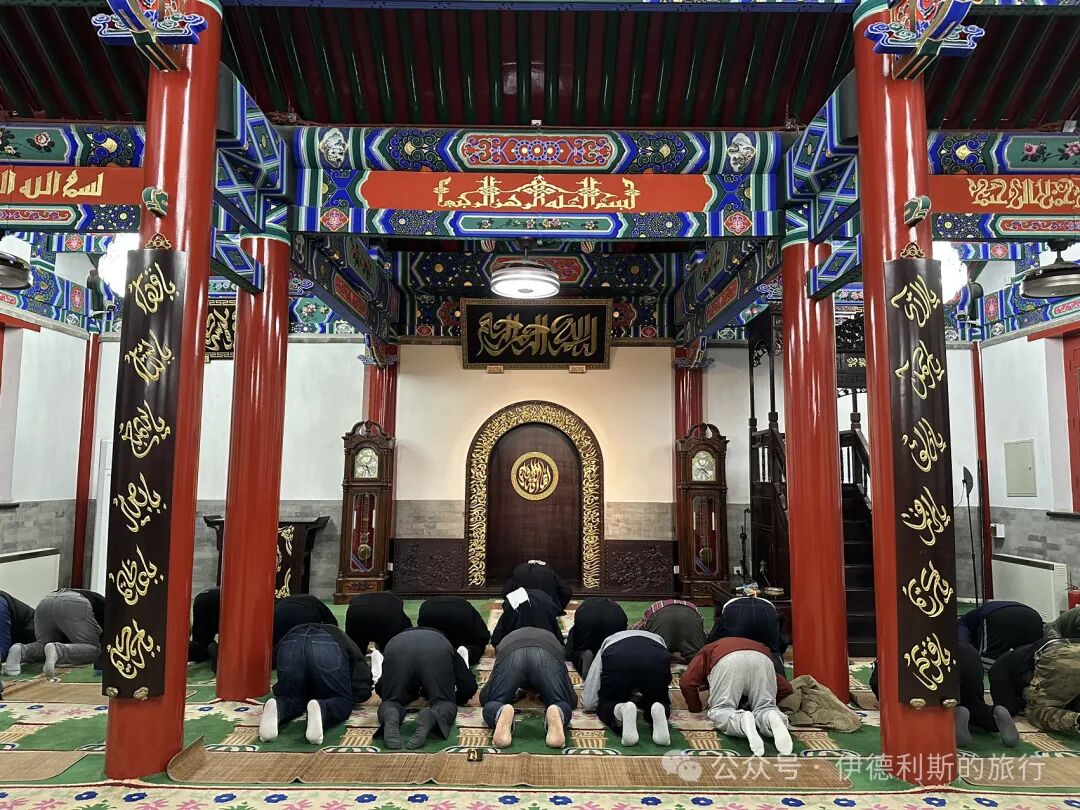
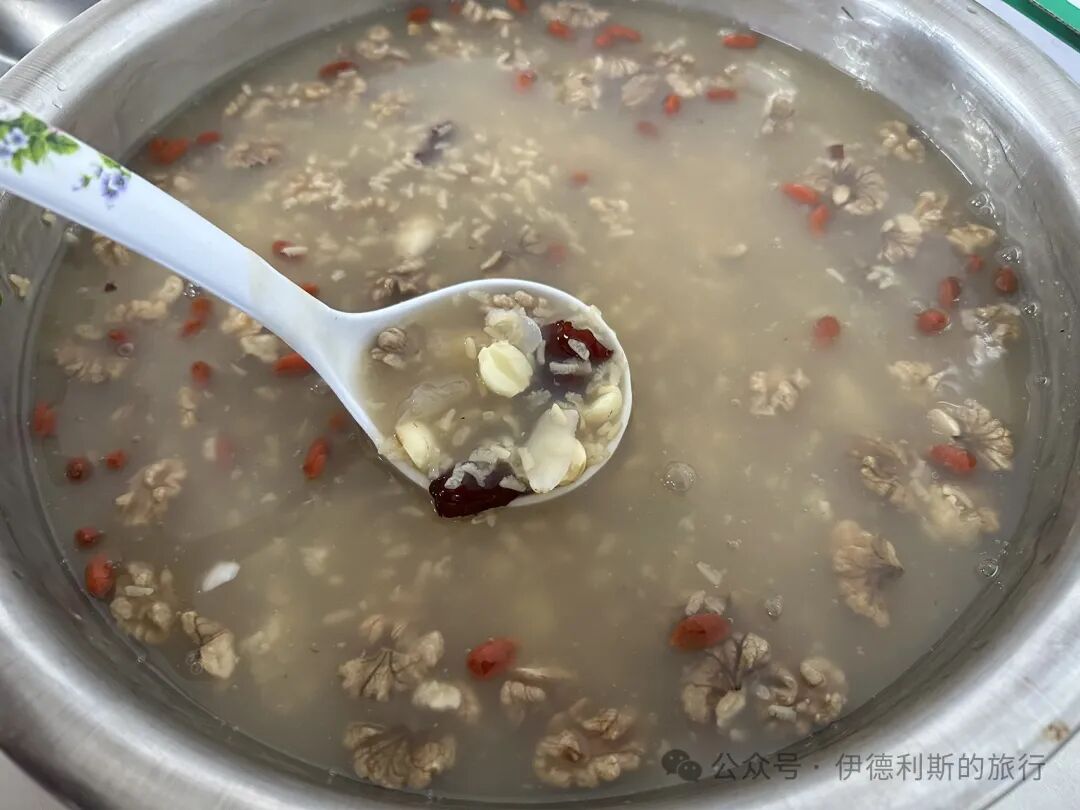
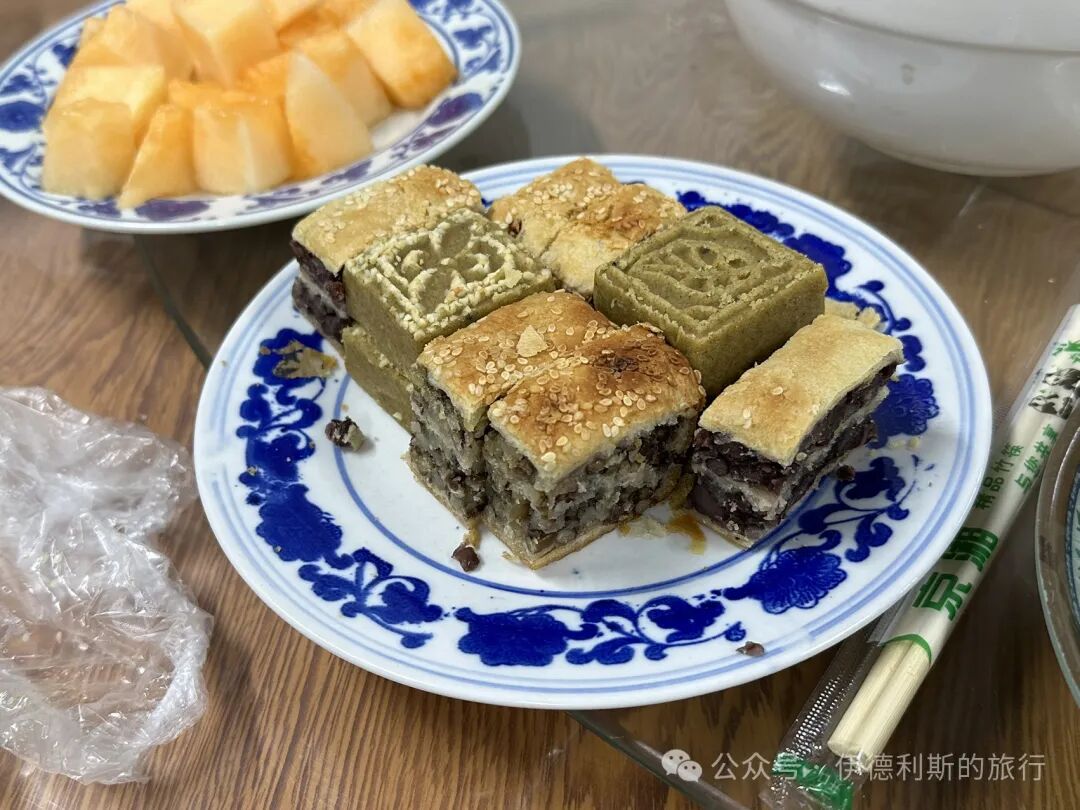
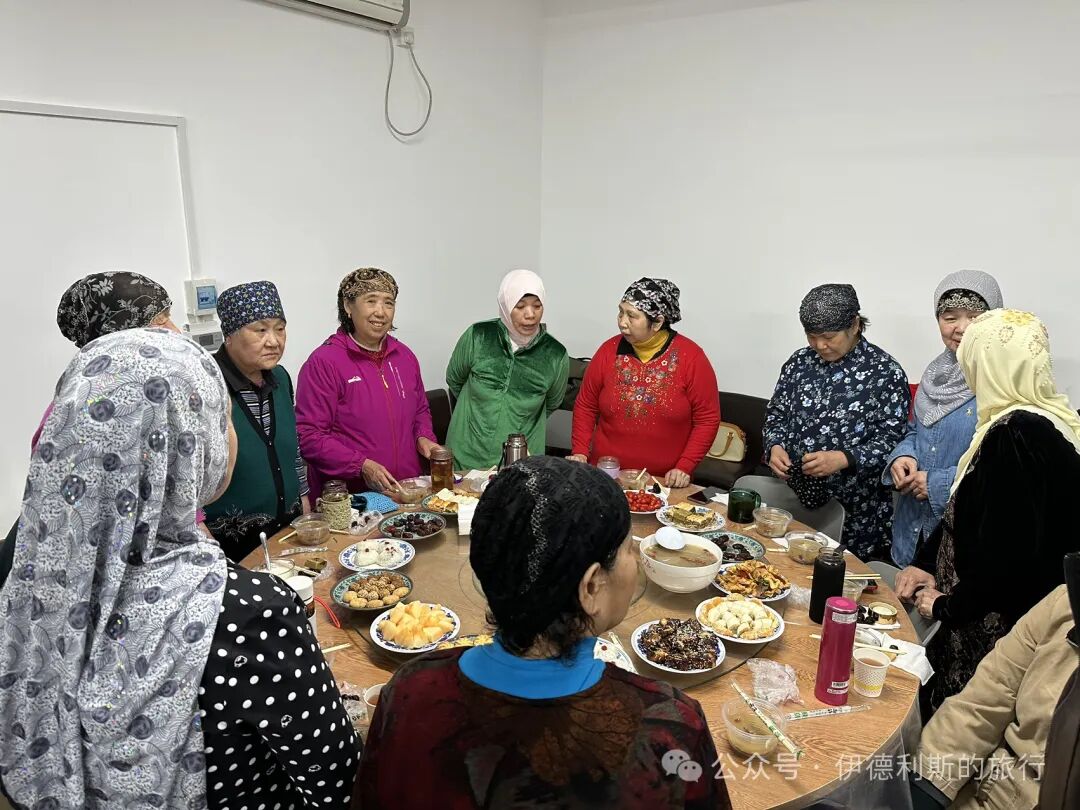
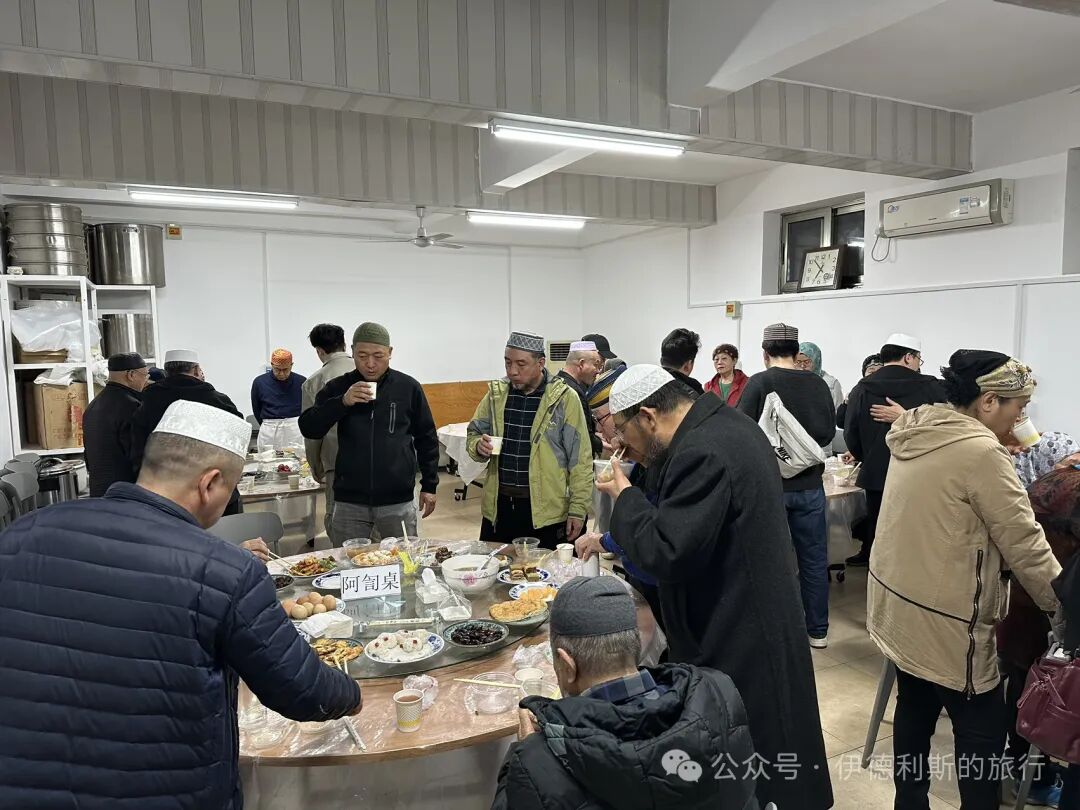
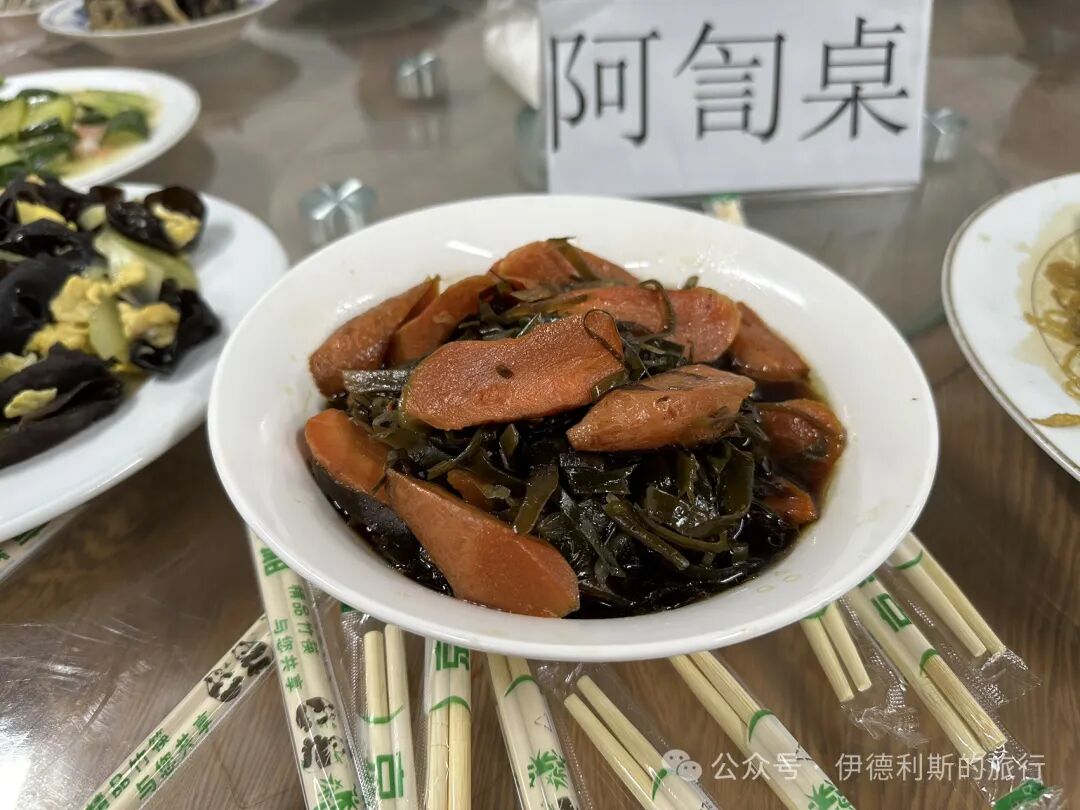
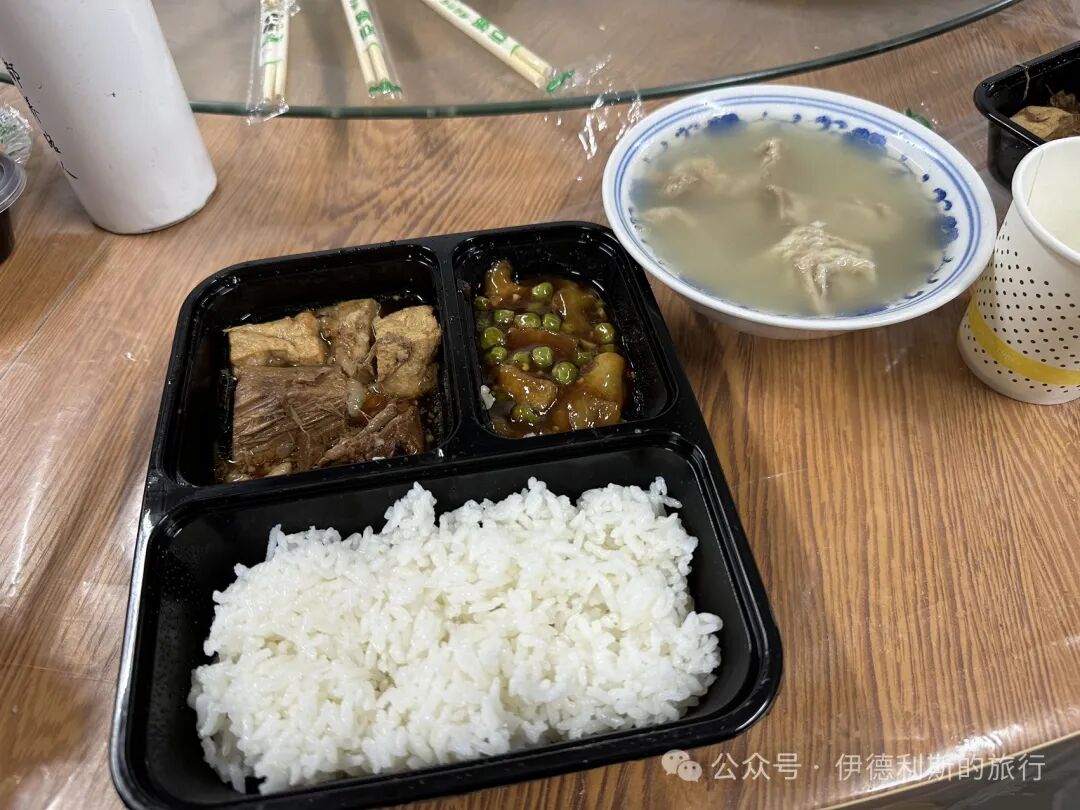
On the 27th day, we broke our fast at Balizhuang Mosque with fermented mung bean milk (douzhi) again. For the meal, we had large steamed buns (dabaozi) with carrot or cabbage fillings, made with either leavened or scalded dough. We all agreed that the carrot filling was better. The mix of sweet carrot flavor and savory meat was so appetizing.
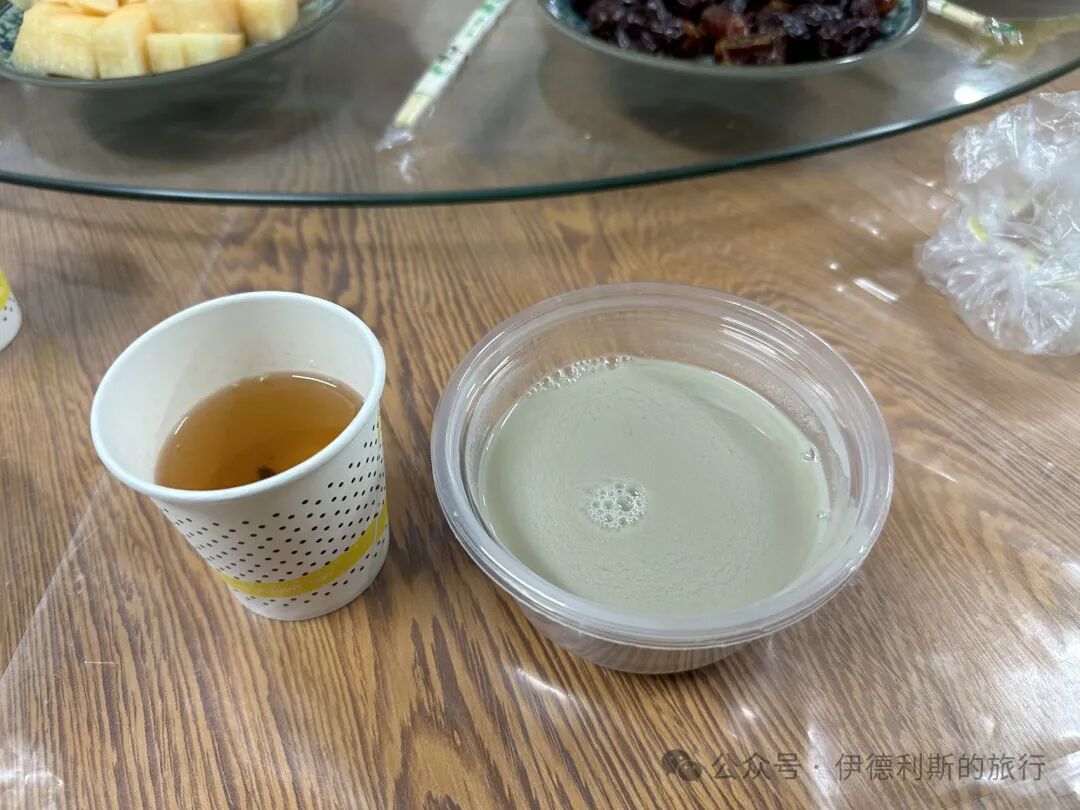
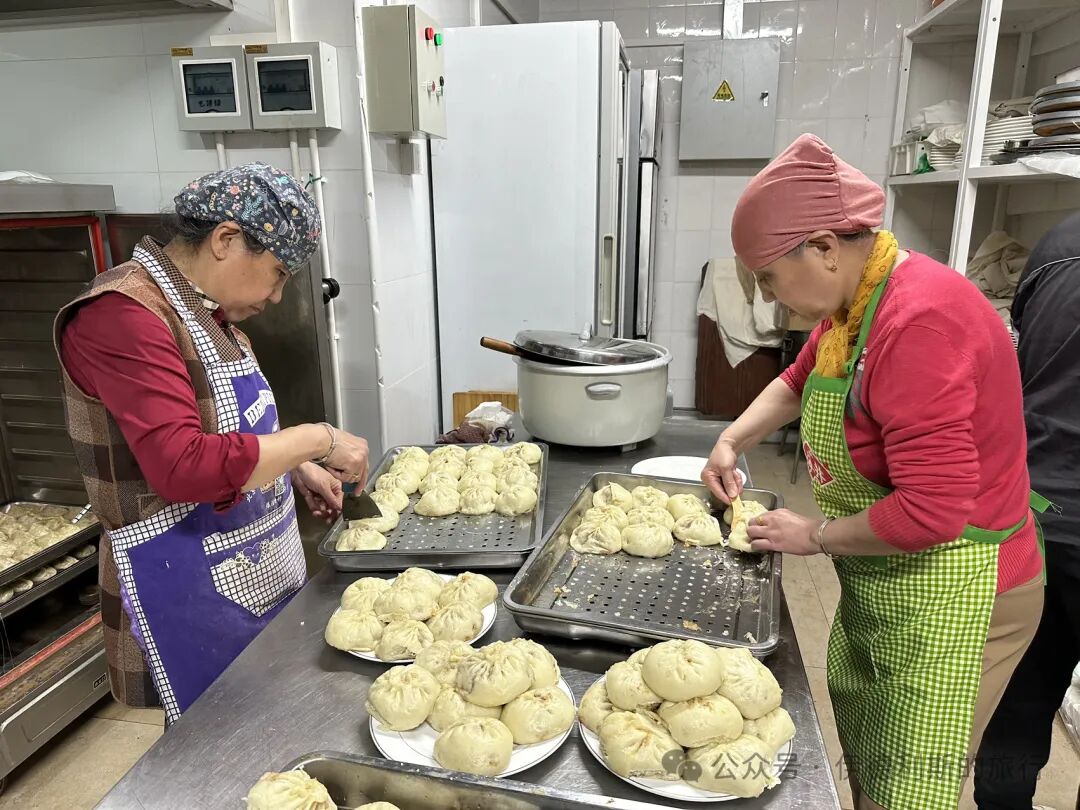


On the 28th day, we attended the final Taraweeh prayer of Ramadan. It was hard to say goodbye! Balizhuang Mosque was very lively. The elders were making steamed rice cakes (aiwowo) together, and Elder Li made some sticky rice cake (qiegao). We broke our fast with fermented mung bean milk (douzhi) as usual. The meal was noodle soup with thick sauce (dalu mian), featuring three types of toppings: daylily, tomato, and eggplant, plus various side vegetables. I started with two bowls of fermented mung bean milk and two cups of tea, then ate a big bowl of noodles. I was completely stuffed. I walked around the courtyard several times and only felt comfortable after the Taraweeh prayer finished.


I received charity (sadaqah) from the friends (dosti). May Allah reward you all (thawab)! This Ramadan has been so heartwarming!


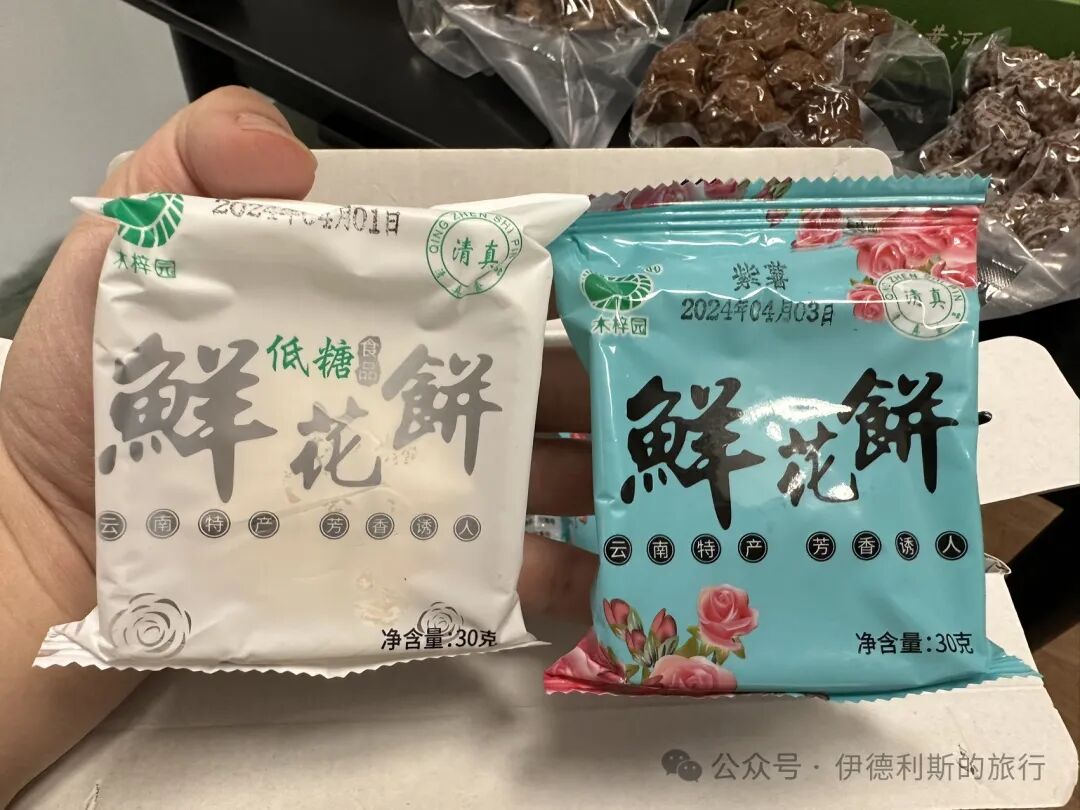
It is the last day of Ramadan! The elders at Balizhuang Mosque gathered again to make steamed rice cakes (aiwowo), small sticky rice cakes (xiaoqiegao), and candied yam rolls (tangjuanguo), and everyone felt sad to see Ramadan end. Just like the sermon (wa'erzi) says, we must keep the spirit of Ramadan alive and try to make every month like Ramadan and every night like the Night of Power (Laylat al-Qadr).
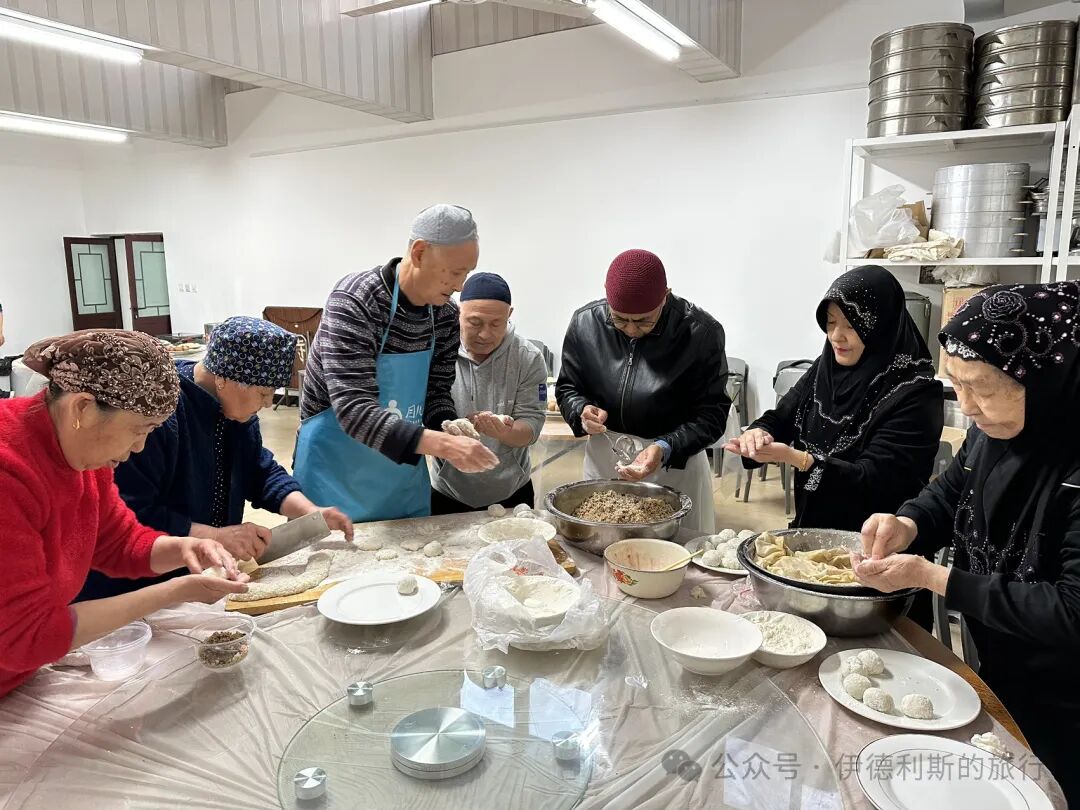
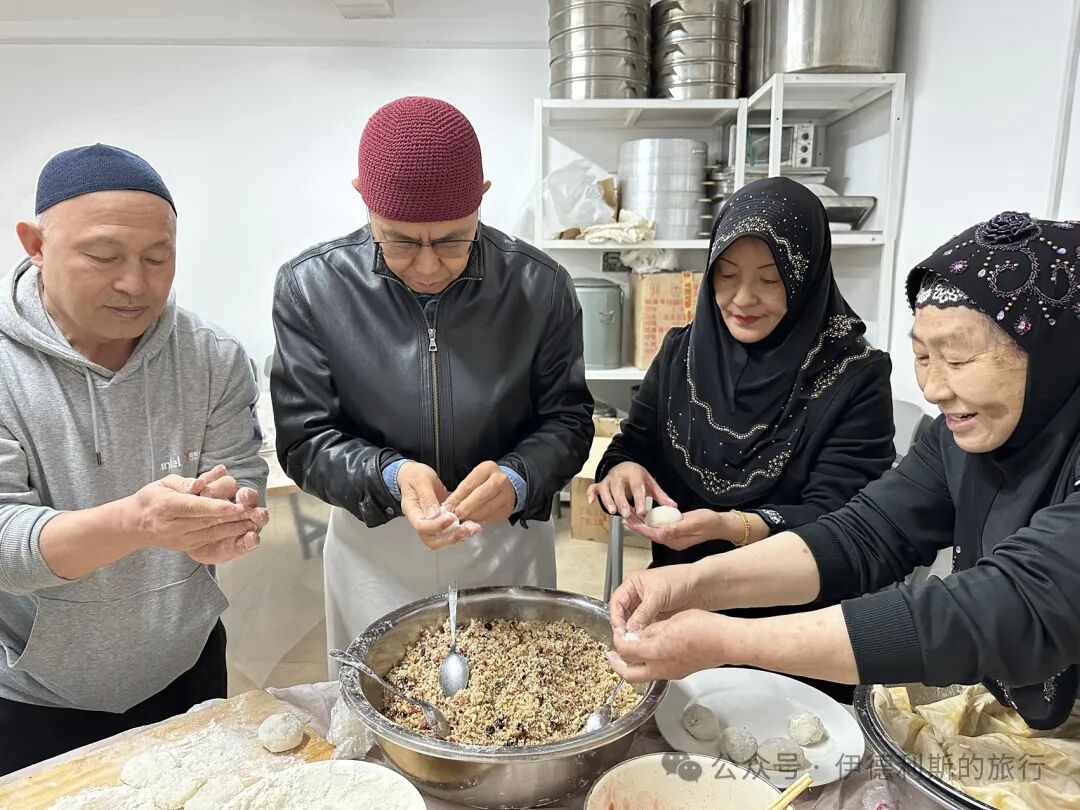
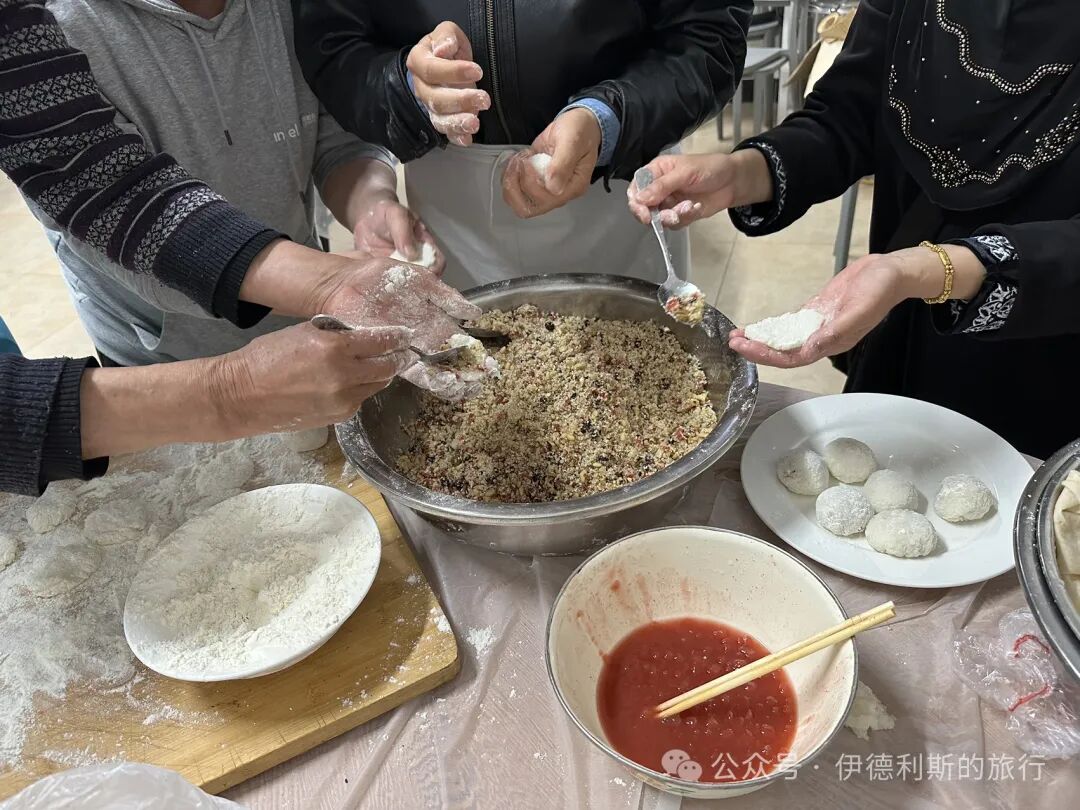
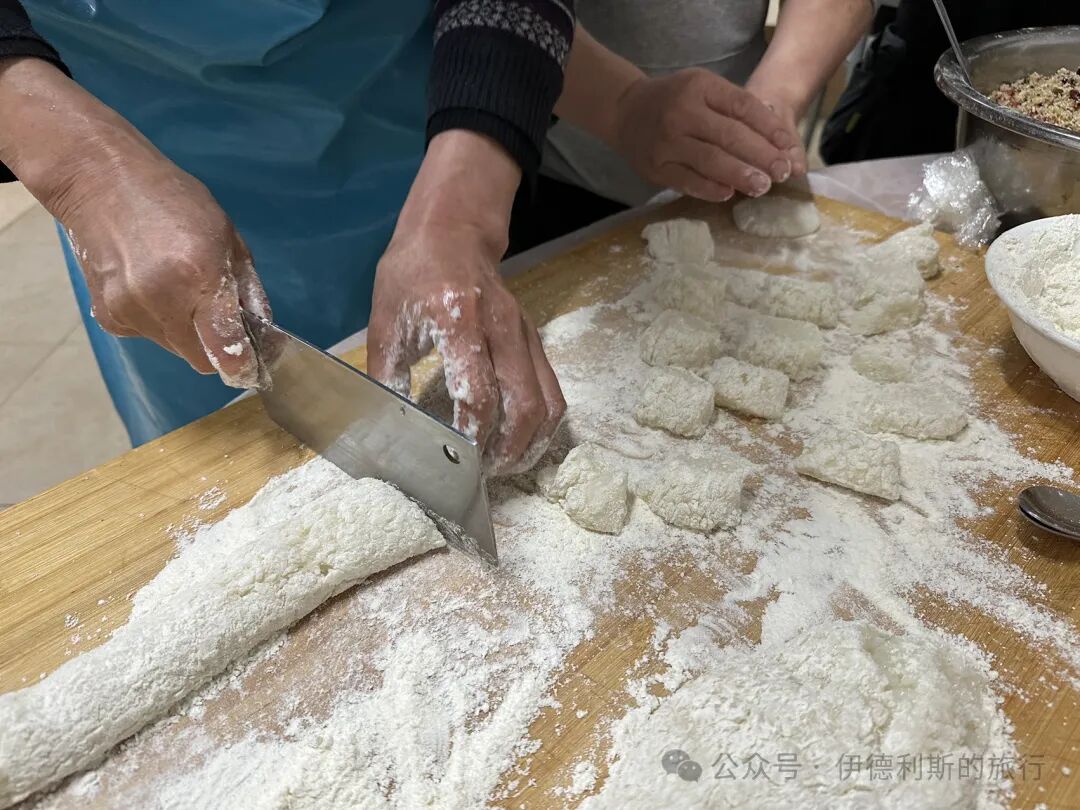
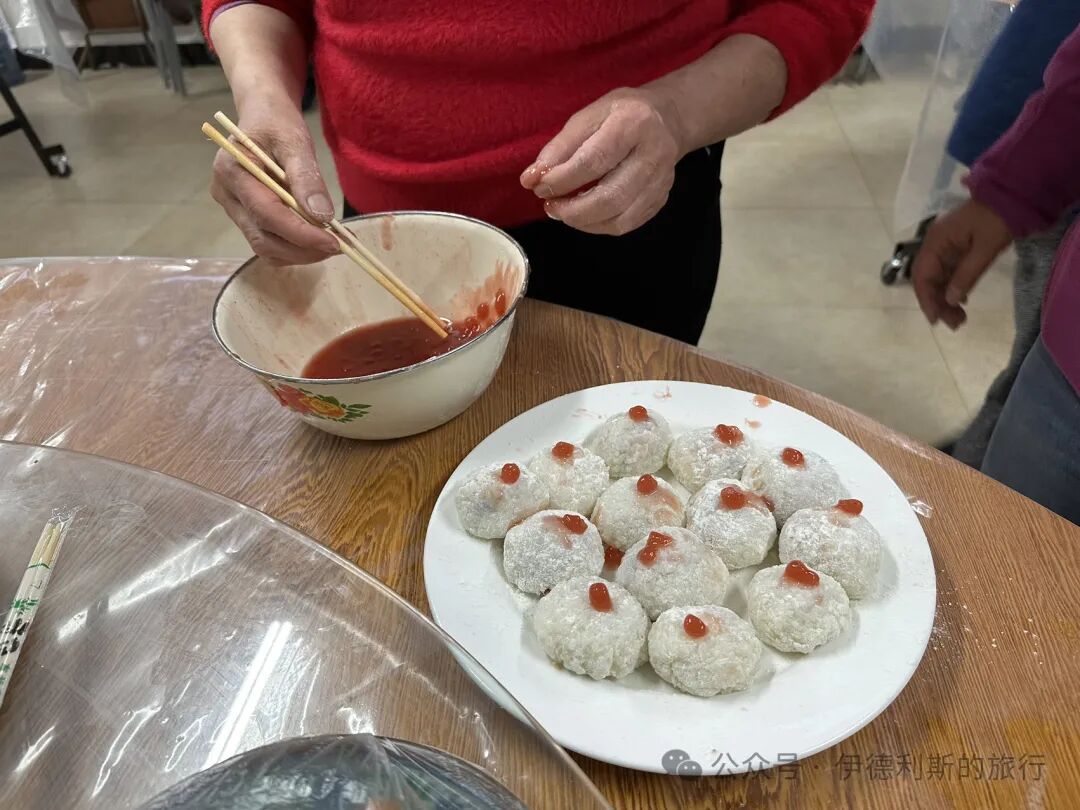
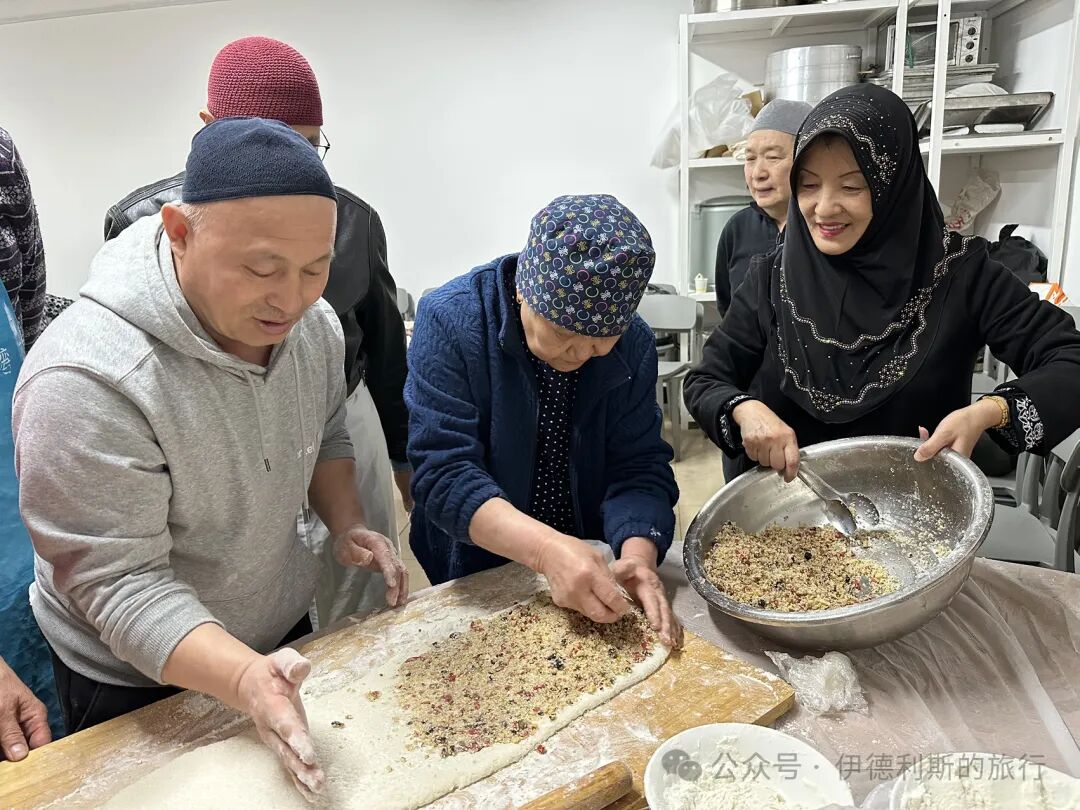
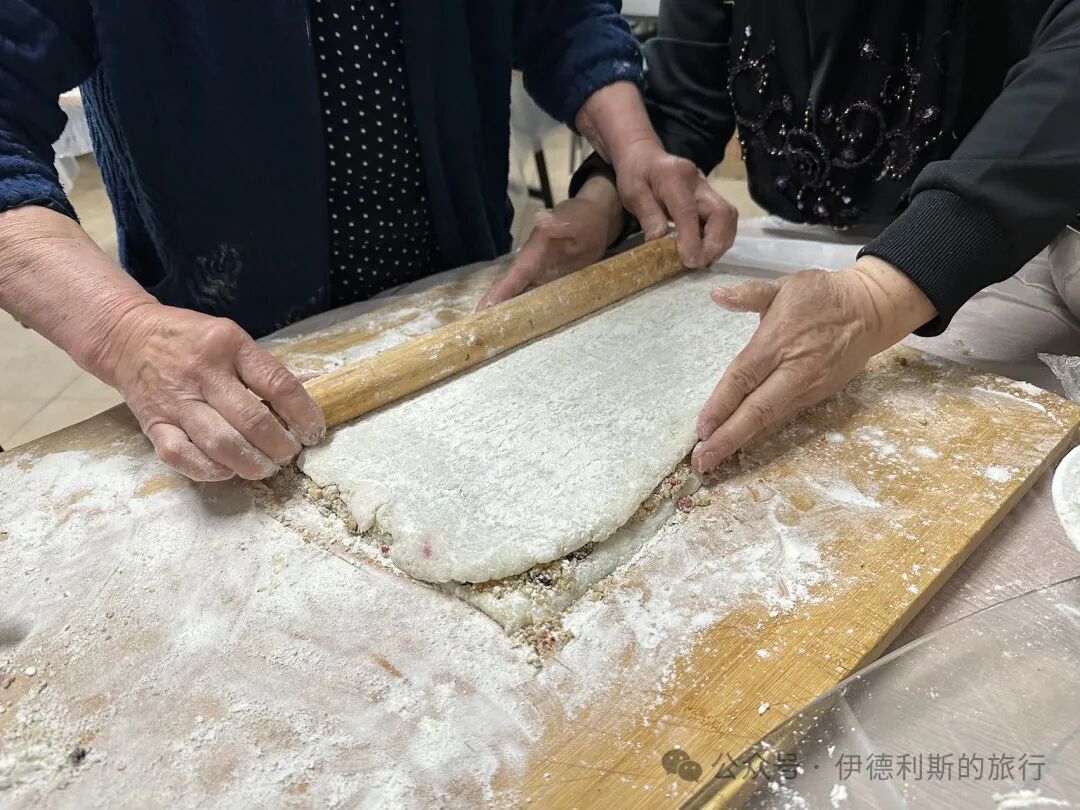
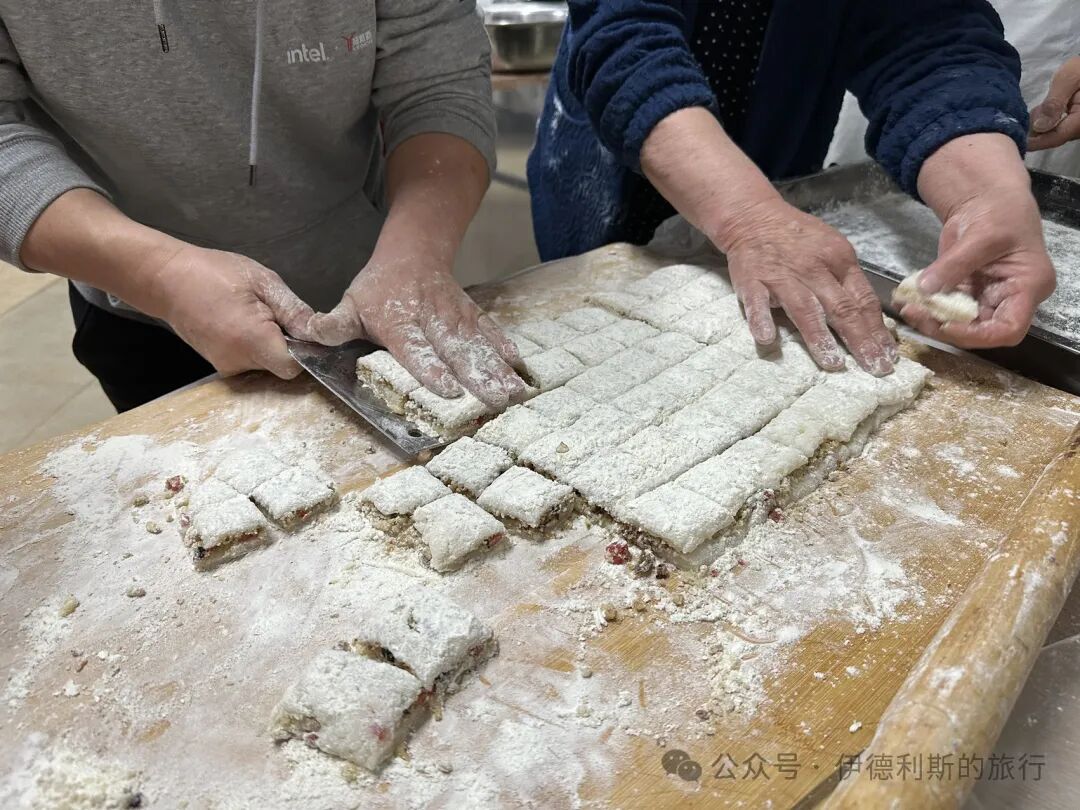
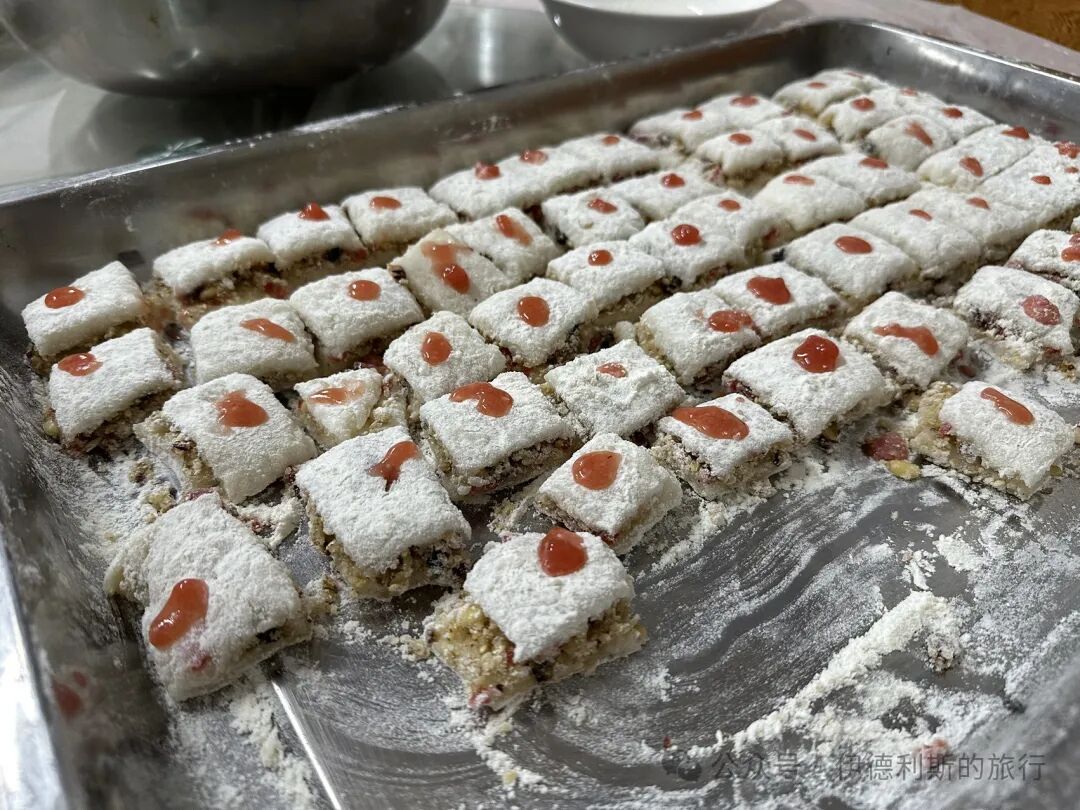
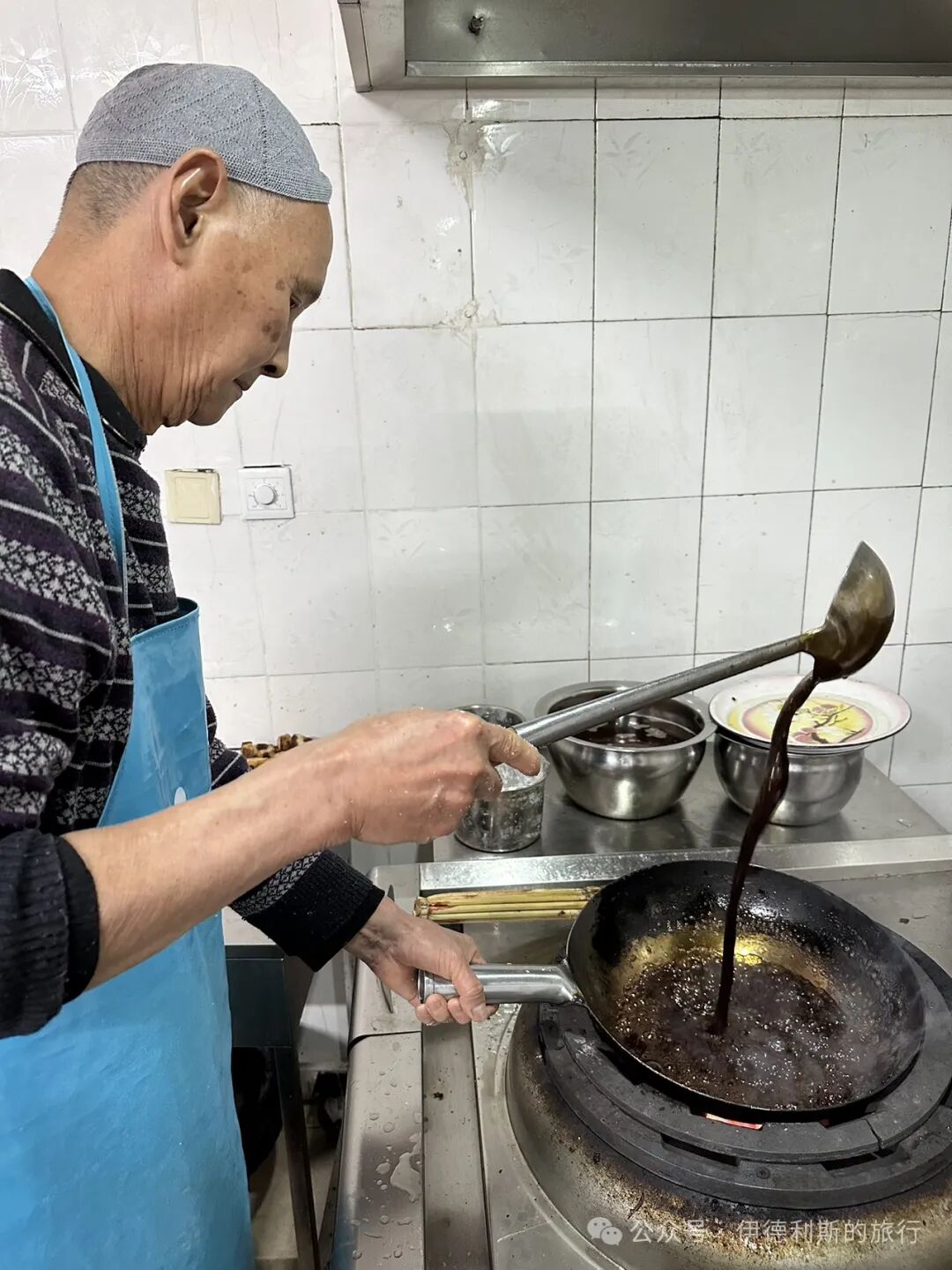
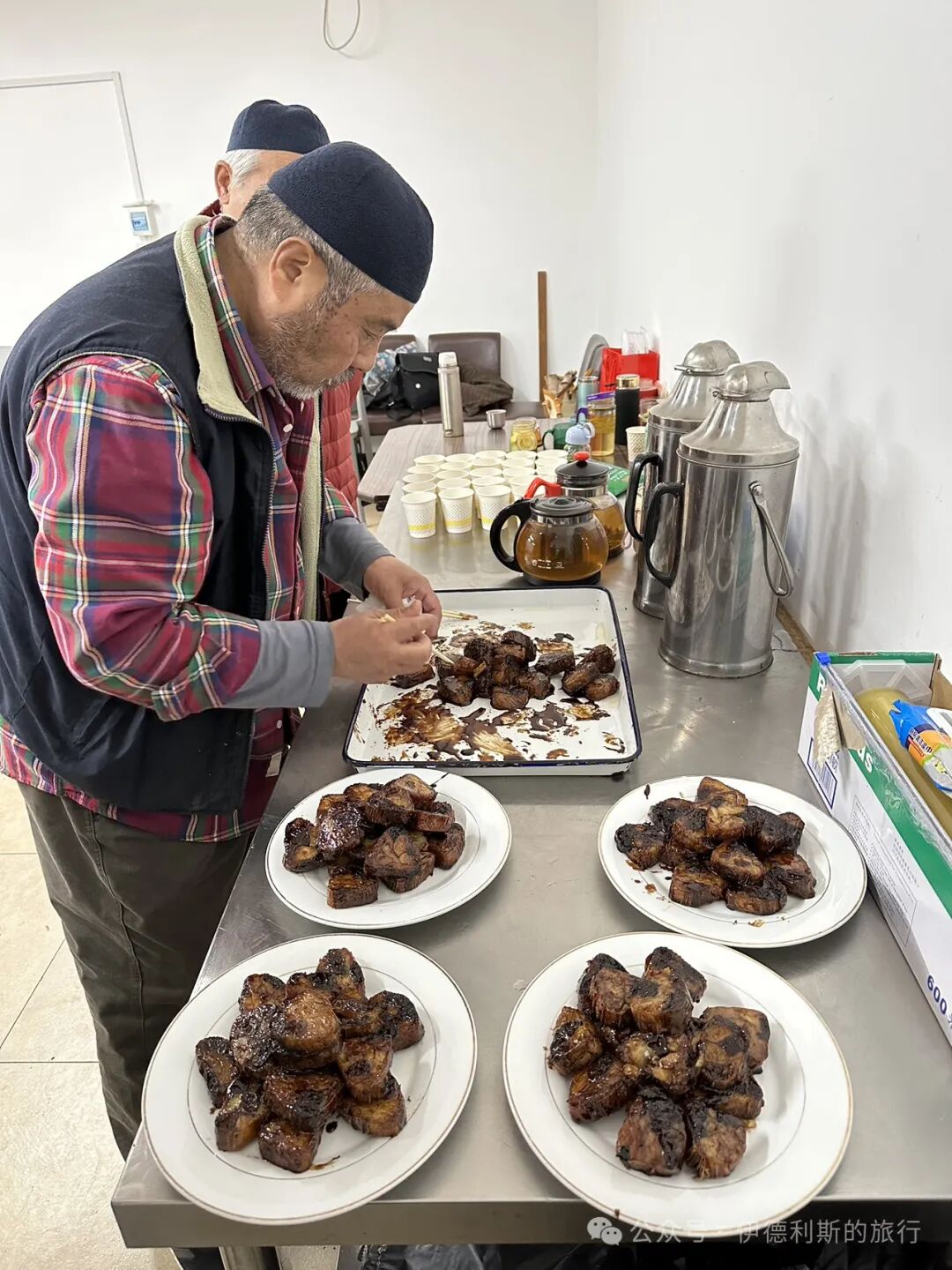
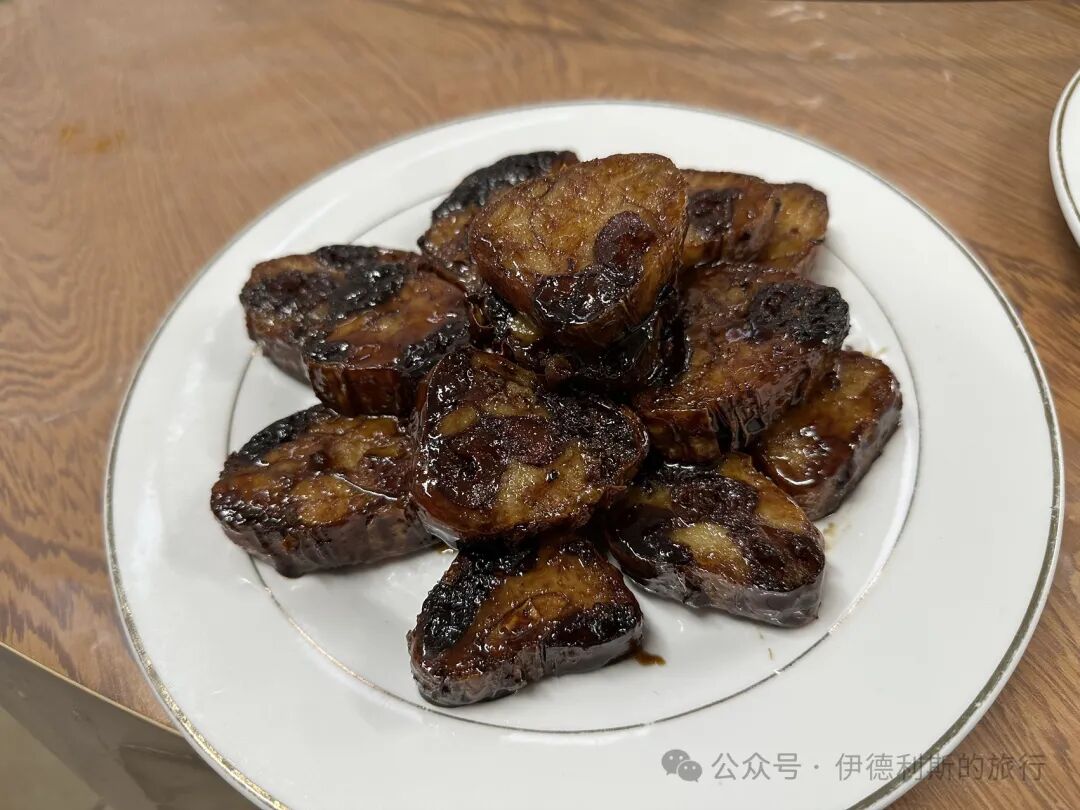
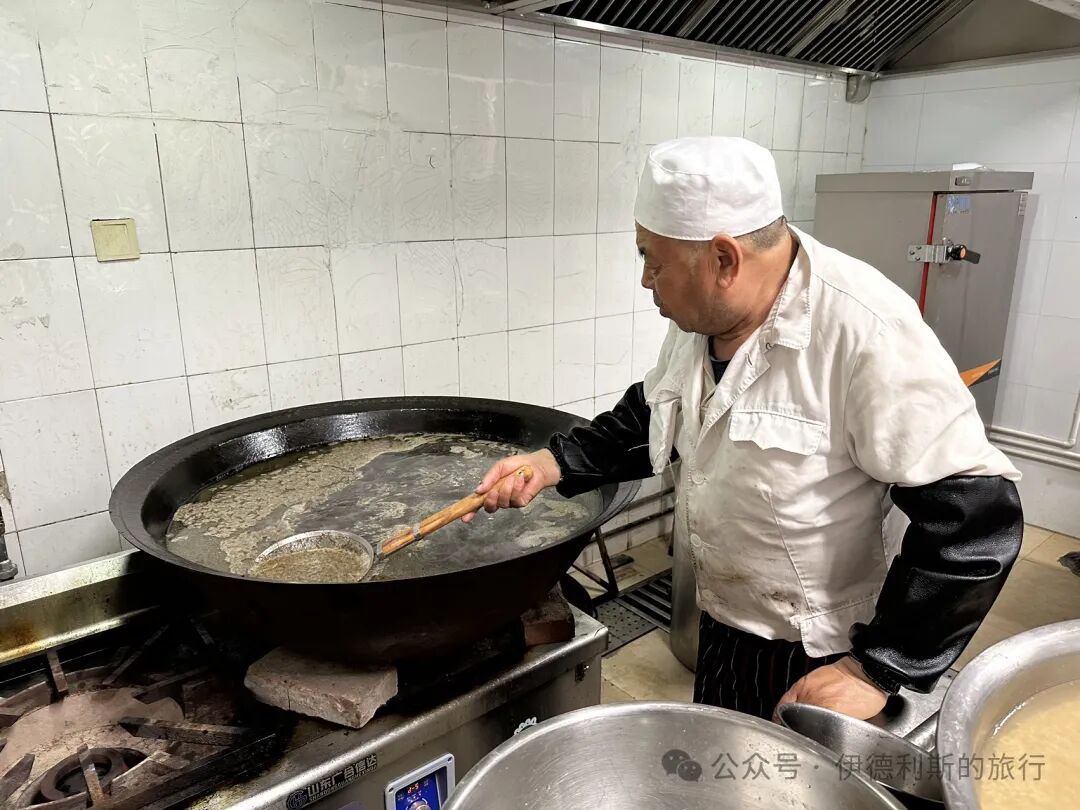
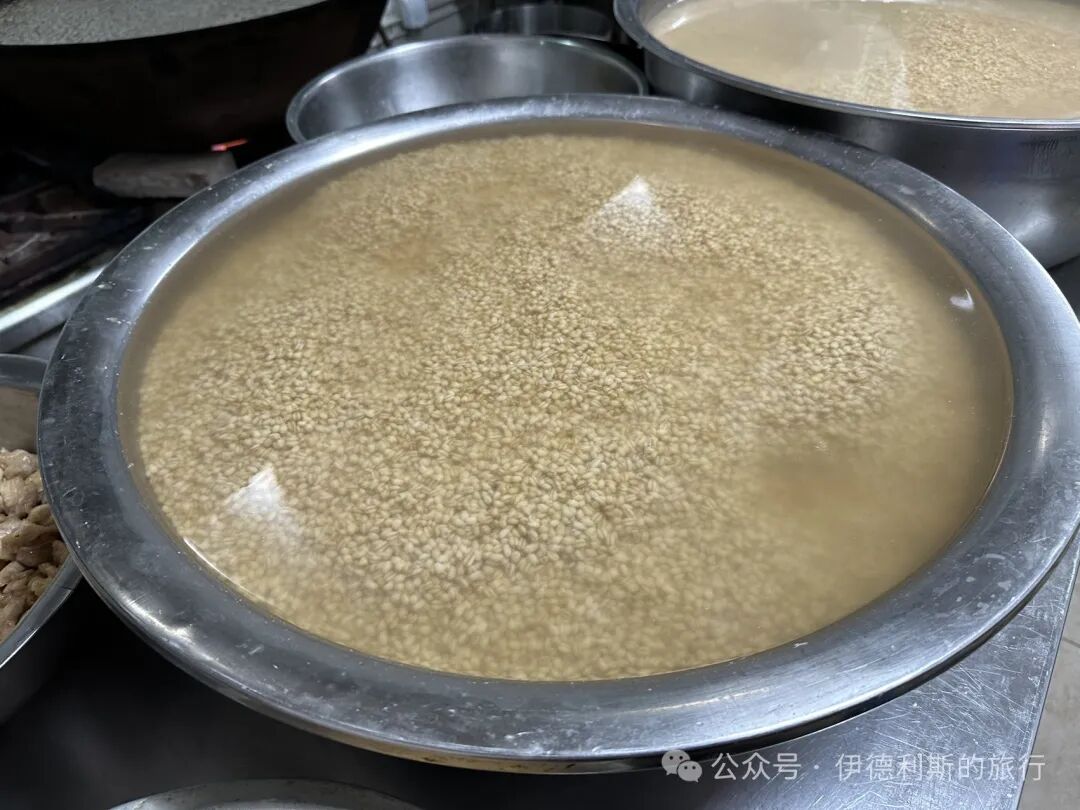
The elders at Balizhuang Mosque are busy preparing for Eid al-Fitr tomorrow, getting the meat porridge (rouzhou) simmering and the fried dough (youxiang) ready.
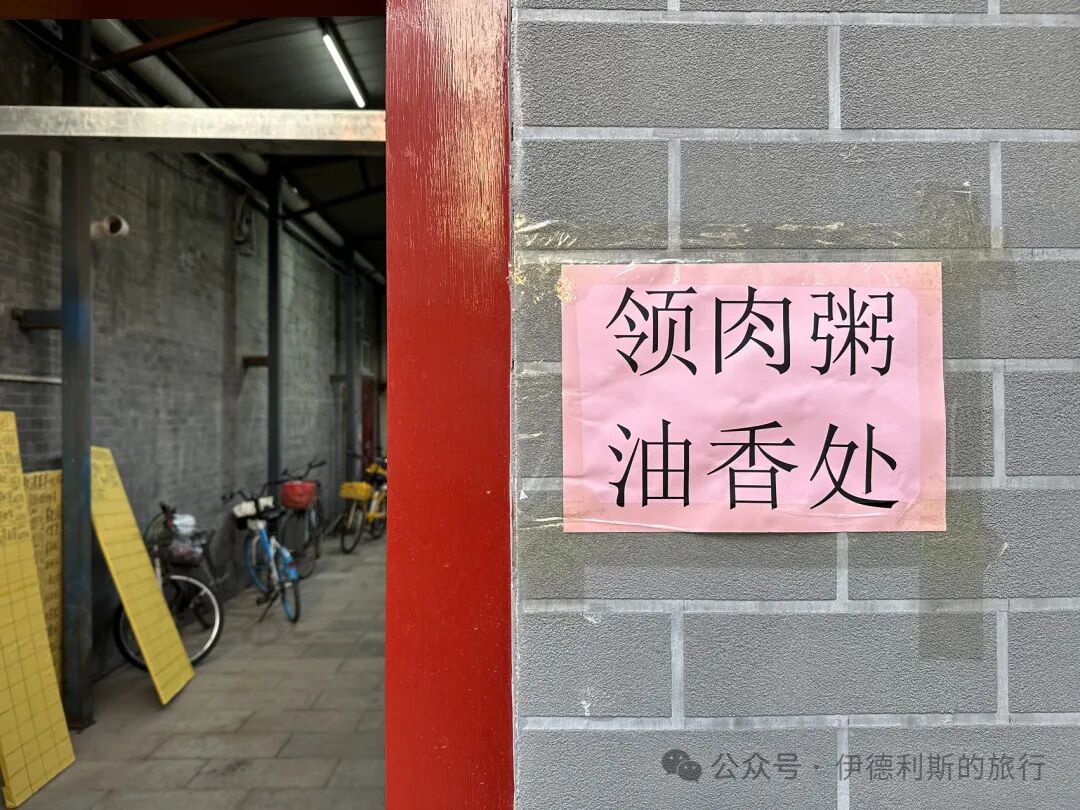
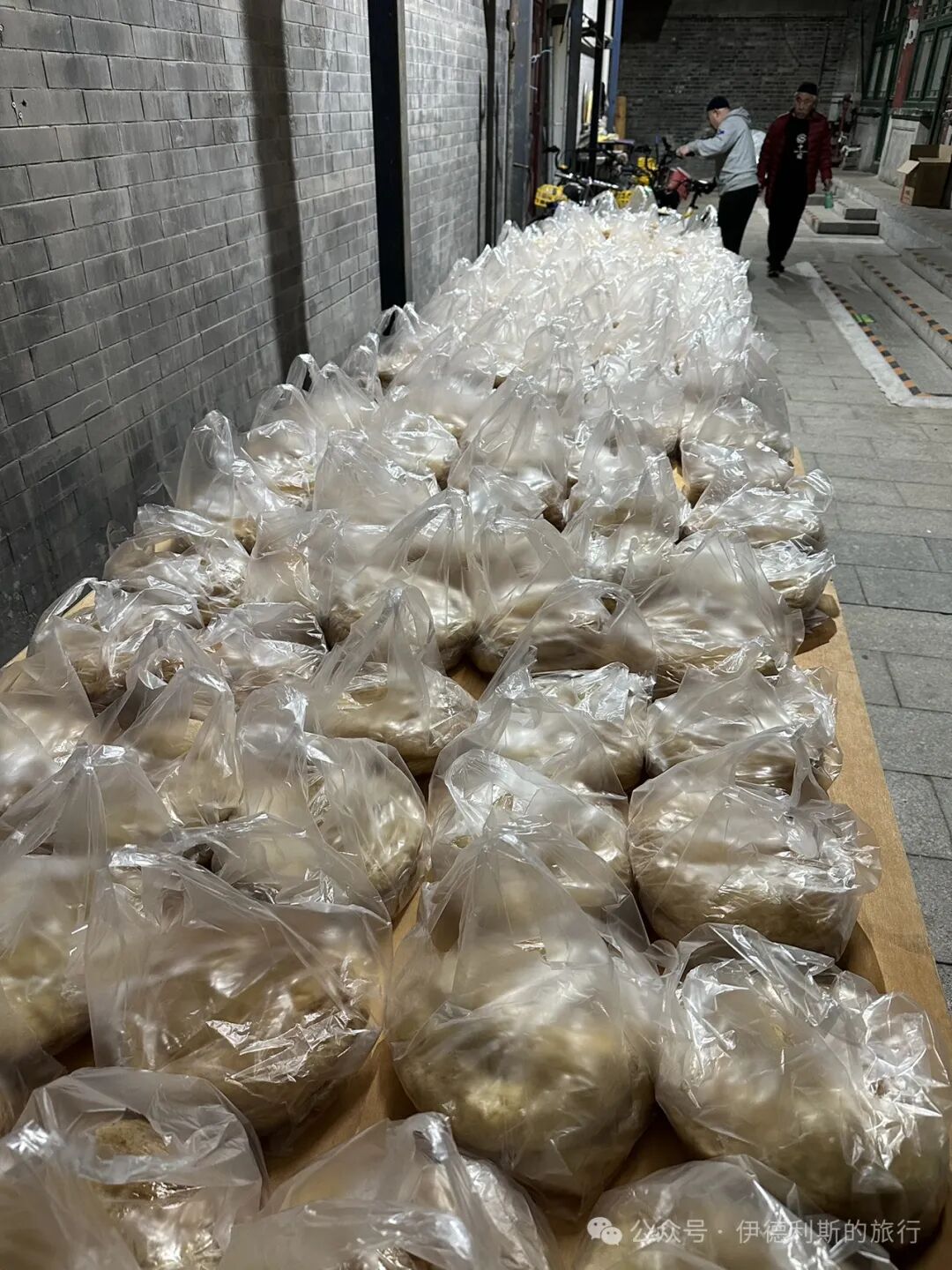
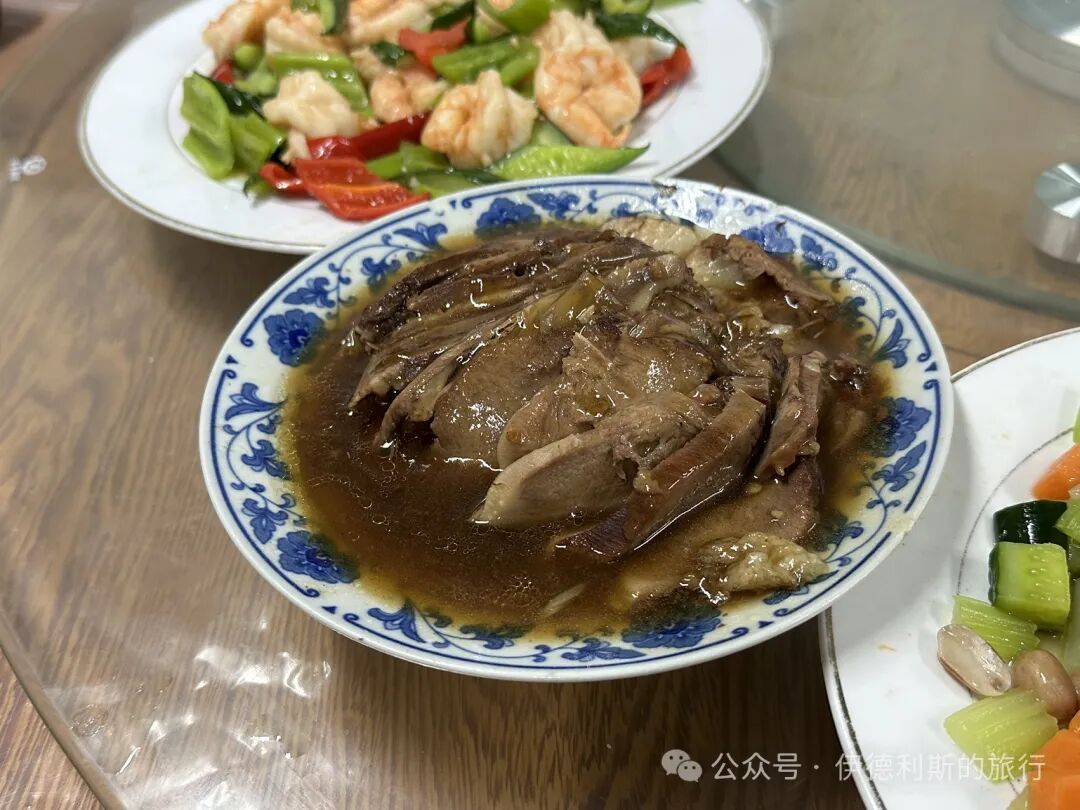
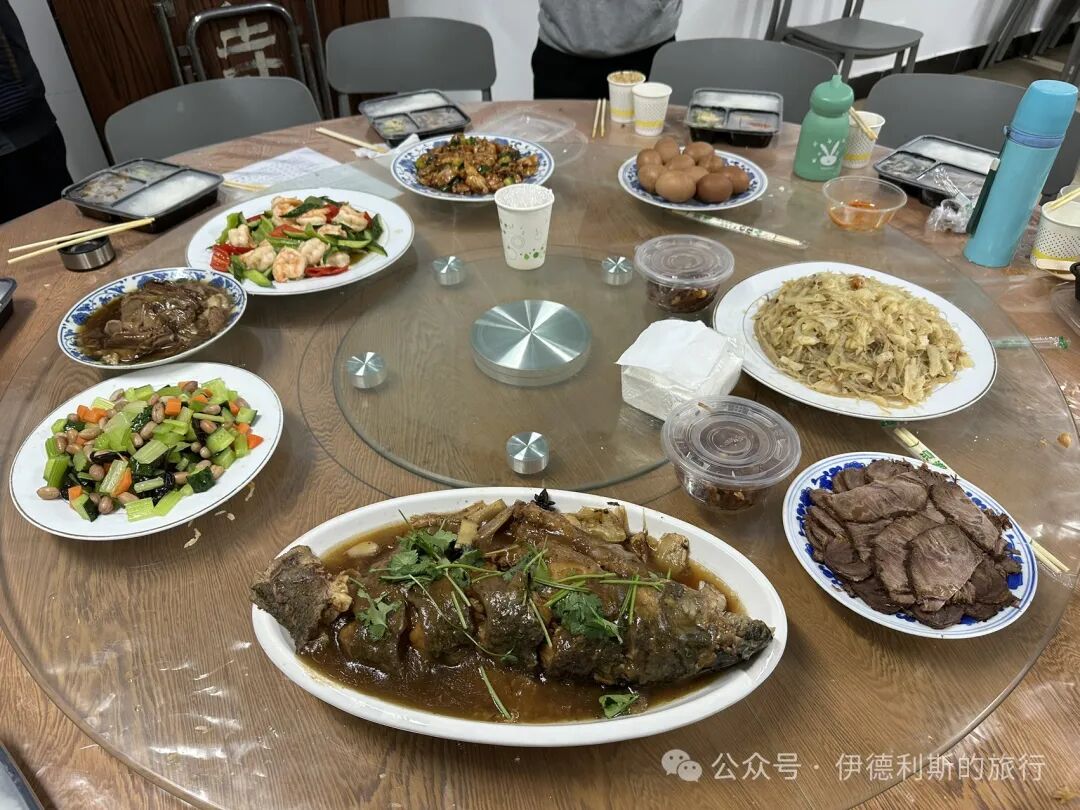
The iftar meal was very rich, with braised fish, braised pork tongue, chicken cubes in bean sauce, stir-fried shrimp, fried tofu stewed with beef, spiced beef, and more. The fish was flavorful, and the beef was stewed until soft and tender. May Allah reward (thawab) everyone for their hard work this month.
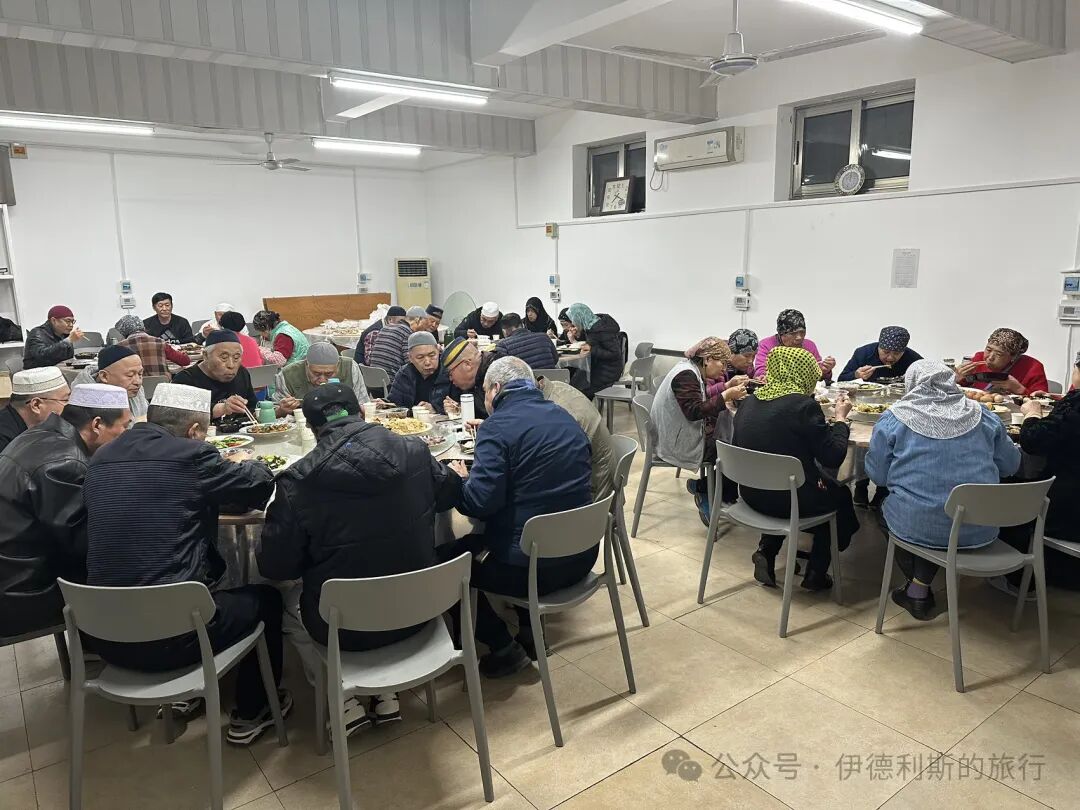

Happy Eid! Eid al-Fitr is finally here, and Balizhuang Mosque has prepared meat porridge (rouzhou), fried dough (youxiang), and various pastries for everyone. The wheat grain and meat flavors in the meat porridge (rouzhou) blend perfectly, making it delicious. I met with Imam Saiwabu and the village elders. I not only accepted their greeting but also recited praises with them, and I feel very grateful to Allah.
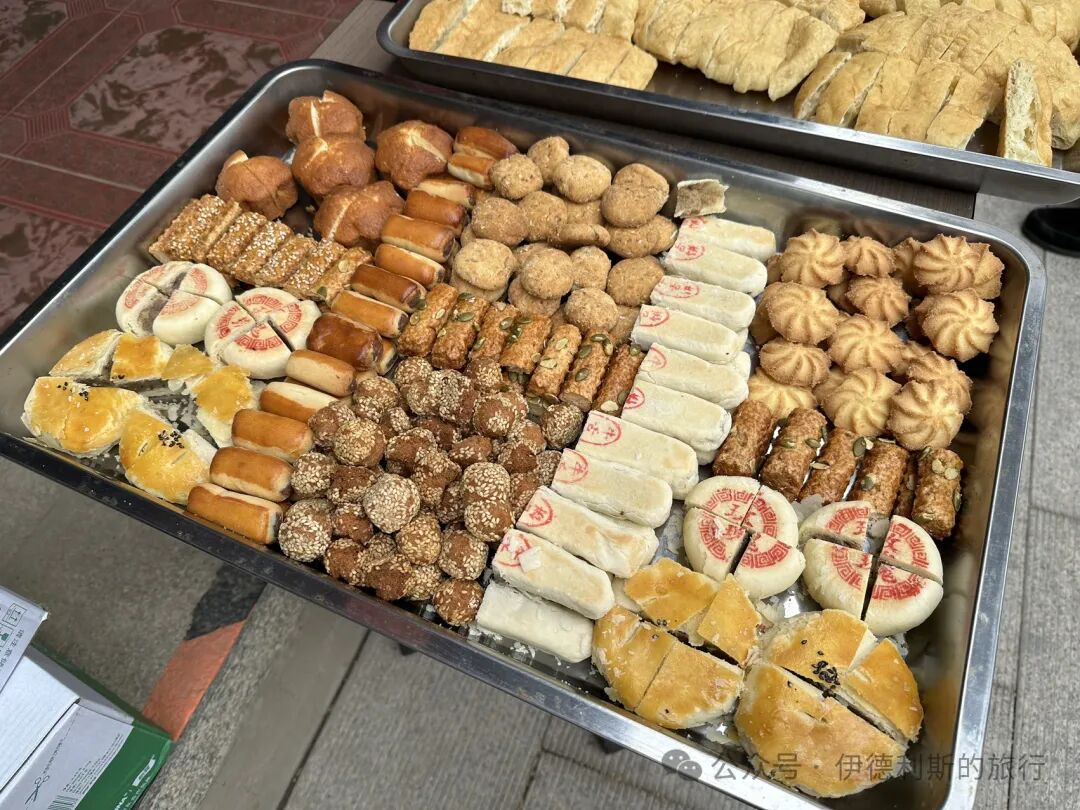
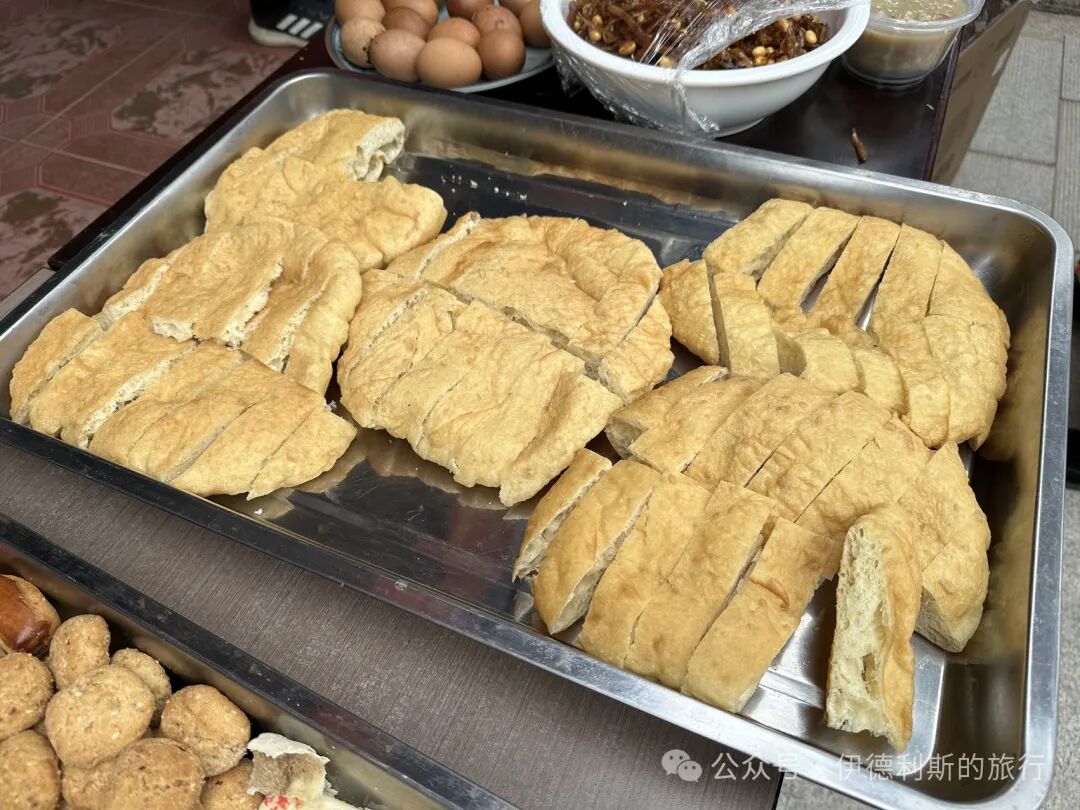
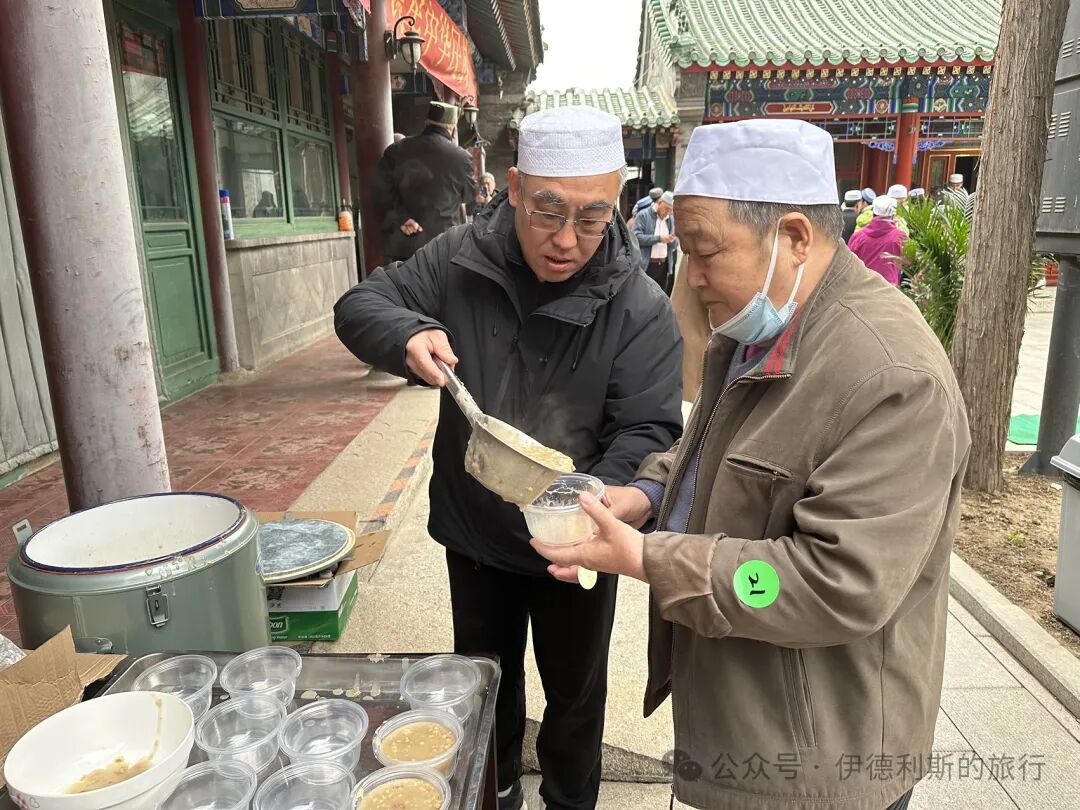
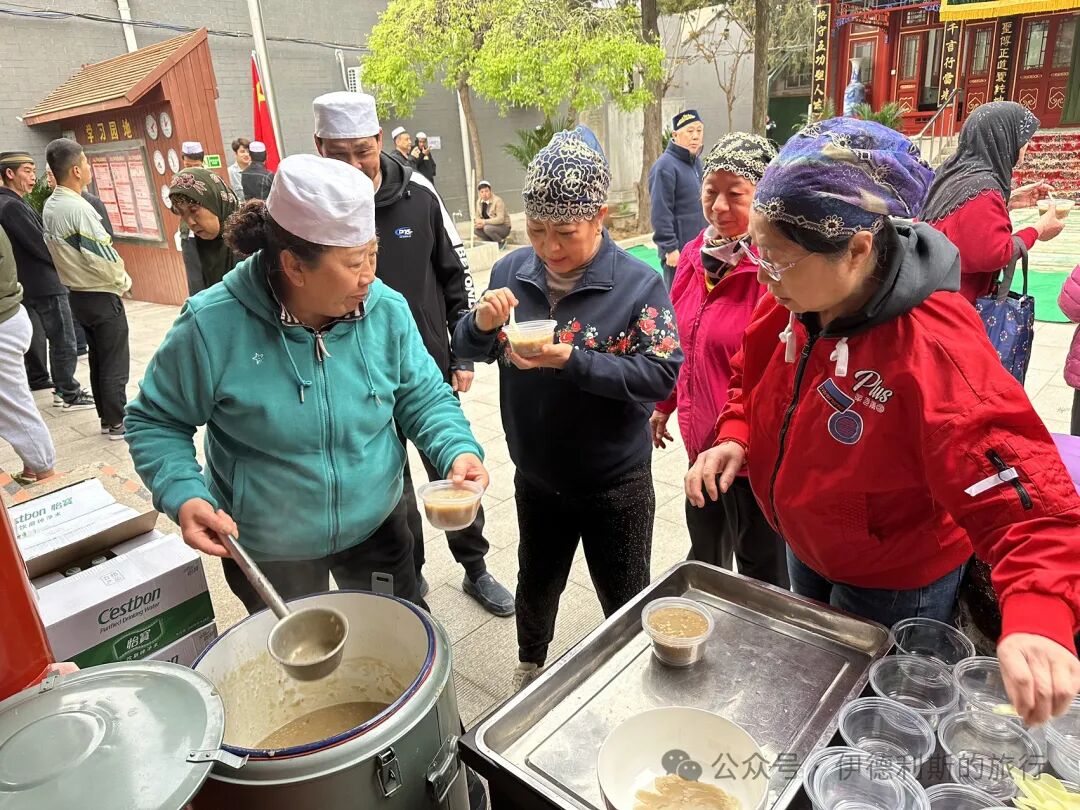
May we meet again next Ramadan.
Summary: Halal Travel Guide: Beijing Ramadan - Laylat al-Qadr and Eid al-Fitr is presented here as a firsthand travel account in clear, natural English. The account focuses on Beijing Ramadan, Laylat al-Qadr, Eid al-Fitr while preserving the names, places, food, photos, and historical details from the Chinese source.
On the 22nd day, the elder at Balizhuang Mosque made fresh pea flour cake (wandouhuang). It is rare to eat it warm, and it tasted amazing. I broke my fast with the usual fermented mung bean milk (douzhier), paired with crispy fried dough strips (paicha) and fried milk. For the fast-breaking meal, we had braised meatballs with carrots, stir-fried shrimp, and chicken stir-fried in soybean paste. Thanks to the elders who worked hard to cook for us!
I spent the next few days in Xi'an to experience the atmosphere of Ramadan, only returning for the Night of Power (Laylat al-Qadr).
The noble Night of Power, a night of peace. Today was the busiest day at Balizhuang Mosque since the start of Ramadan. Many friends (dost) traveled from far away to be here. We also took a train from Xi'an to Beijing this afternoon and headed straight to the mosque.
To break the fast, we had white fungus and lotus seed porridge. I also got to eat the steamed rice cakes (aiwowo) made by Elder Fu, along with mung bean cakes and flaky pastries that Zainab brought back from the Muslim Quarter (Huifang). The fast-breaking meal was very rich, featuring fried tofu stewed with beef, lamb bone broth (yangtang), and various stir-fried dishes.
On the 27th day, we broke our fast at Balizhuang Mosque with fermented mung bean milk (douzhi) again. For the meal, we had large steamed buns (dabaozi) with carrot or cabbage fillings, made with either leavened or scalded dough. We all agreed that the carrot filling was better. The mix of sweet carrot flavor and savory meat was so appetizing.
On the 28th day, we attended the final Taraweeh prayer of Ramadan. It was hard to say goodbye! Balizhuang Mosque was very lively. The elders were making steamed rice cakes (aiwowo) together, and Elder Li made some sticky rice cake (qiegao). We broke our fast with fermented mung bean milk (douzhi) as usual. The meal was noodle soup with thick sauce (dalu mian), featuring three types of toppings: daylily, tomato, and eggplant, plus various side vegetables. I started with two bowls of fermented mung bean milk and two cups of tea, then ate a big bowl of noodles. I was completely stuffed. I walked around the courtyard several times and only felt comfortable after the Taraweeh prayer finished.
I received charity (sadaqah) from the friends (dosti). May Allah reward you all (thawab)! This Ramadan has been so heartwarming!
It is the last day of Ramadan! The elders at Balizhuang Mosque gathered again to make steamed rice cakes (aiwowo), small sticky rice cakes (xiaoqiegao), and candied yam rolls (tangjuanguo), and everyone felt sad to see Ramadan end. Just like the sermon (wa'erzi) says, we must keep the spirit of Ramadan alive and try to make every month like Ramadan and every night like the Night of Power (Laylat al-Qadr).
The elders at Balizhuang Mosque are busy preparing for Eid al-Fitr tomorrow, getting the meat porridge (rouzhou) simmering and the fried dough (youxiang) ready.
The iftar meal was very rich, with braised fish, braised pork tongue, chicken cubes in bean sauce, stir-fried shrimp, fried tofu stewed with beef, spiced beef, and more. The fish was flavorful, and the beef was stewed until soft and tender. May Allah reward (thawab) everyone for their hard work this month.
Happy Eid! Eid al-Fitr is finally here, and Balizhuang Mosque has prepared meat porridge (rouzhou), fried dough (youxiang), and various pastries for everyone. The wheat grain and meat flavors in the meat porridge (rouzhou) blend perfectly, making it delicious. I met with Imam Saiwabu and the village elders. I not only accepted their greeting but also recited praises with them, and I feel very grateful to Allah.
May we meet again next Ramadan.
Ramadan Muslim Life Guide in the Muslim World: Last Ten Nights, Laylat al-Qadr and Dua
Articles • yusuf908 posted the article • 0 comments • 233 views • 2026-05-22 10:09
Reposted from the web
Summary: Ramadan Muslim Life Guide in the Muslim World: Last Ten Nights, Laylat al-Qadr and dua is presented here as a clear English Islamic knowledge article for Muslim readers, starting with this scene: As we enter the last ten nights of Ramadan, we have a unique opportunity to seek forgiveness, draw closer to Allah, earn the rewards of our nightly worship, and insha'Allah catch Laylatul-Qadr, or the Night of Decree. It keeps the original names, Quran and hadith references, dua, photographs, and religious context while focusing on Last Ten Nights, Laylat al-Qadr, Ramadan.
As we enter the last ten nights of Ramadan, we have a unique opportunity to seek forgiveness, draw closer to Allah, earn the rewards of our nightly worship, and insha'Allah catch Laylatul-Qadr, or the Night of Decree. Here are 10 practical tips to make the most of these nights:
1. Avoid sins during the day.
We often forget this when thinking about the last ten nights. Outside of Ramadan, we are reminded not to disobey Allah during the day, because if we do, He will not wake us up to pray at night. As the saying goes, "If you sin during the day, you shut the doors of the heavens for yourself at night."
If this is true all year, how much more important is it during the last ten nights of Ramadan when we want to make sure we don't miss Laylatul-Qadr? We do not want to pray Maghrib while under the ghadab (anger) of Allah because of a sin we committed during the day. Let's be mindful of our actions all day long. Whether it is avoiding harmful speech or sinful behavior, our conduct during daylight hours sets the tone for our spiritual state during these blessed nights.
2. Avoid idle conversations at night.
Imam Ibn Qudama mentions that the blessings of Laylatul-Qadr are often lost because people socialize too much at night. It is easy for our tongues to slip into backbiting or gossiping. It is best to avoid excessive socializing during this time. Instead, these last 10 nights are a time to prioritize our ibadah (worship).
Join gatherings where Allah is remembered and try your best to avoid unnecessary conversations. Use this time to focus on worship and reflection to build a deeper connection with our Creator.
3. Pray Isha and Fajr in congregation.
Prioritize praying Isha and Fajr in the mosque. Saeed ibn Musayyib said, "Whoever prays Isha in congregation has taken their share of Laylatul-Qadr." The Prophet said, "Whoever prays Isha in congregation gets the reward of praying the first half of the night. Whoever prays Fajr in congregation gets the reward of praying the last half of the night."
It is more precious to Allah that you pray Isha and Fajr in congregation than if you spent the whole night in prayer alone. Let's prioritize being in the mosque for Isha and Fajr. By coming together as a community, we experience the blessings of unity and increase the spiritual rewards of our prayers.
4. Pray a full set of Qiyaam with the imam.
The Prophet said, "Whoever prays behind the imam in Qiyaam until the imam finishes, that person has achieved the reward of the entire night in prayer." While there are different ways to understand this hadith, the general advice is to pray as much as you can continuously behind the imam for taraweeh or extra qiyaam. The more you do, the better your chance to earn this reward.
5. Read the Qur'an throughout the night.
This might seem obvious, but it is often overlooked. Qatadah used to finish the Qur'an every three days during Ramadan, but he would do a khatm (complete reading of the Qur'an) every night during the last 10 nights. Our salaf (pious predecessors) specifically increased their Qur'an recitation during these last 10 nights.
Even if you have a daily goal, try to surpass it. Strive to read more Qur'an in the last 10 nights than during the rest of Ramadan. It is a beautiful thing to exceed your goals. For example, if your goal is to finish one khatm by reading one juz a day, and you finish one and a half, that is better. That success will give you momentum into Shawwal, and you might even finish another khatm by the end of Shawwal!
Subhan'Allah, the very first word revealed to our Prophet on the night of Laylatul-Qadr was iqra' (read). This is a sign that you should honor the Qur'an in these last 10 nights. Increase the amount you read. Do not cut back on your daytime reading, but add more reading at night.
6. Supplicate with the prophetic dua taught to Aisha.
Aisha asked the Prophet, "If I find myself in Laylatul-Qadr, what should I recite?" The Prophet said, "Say 'Allahumma innaka 'afuwwun tuhibbul 'afwa fa'fu 'anni' (Oh Allah, You are the Forgiver, You love to forgive, so forgive me)."
Read this dua throughout the night. Start your duas with it and end your duas with it. Read it between the personal duas you are making. There is nothing more blessed than the guidance of the Prophet in the specific duas we should be making during this auspicious time.
7. Make dua and dhikr even while in motion
Seize every moment, whether walking, moving about, or commuting, to engage in supplication. Some of the most blessed adkhar (remembrances of Allah) come as we are moving about our day, whether going from our homes to the mosque or waiting in line for suhoor (pre-dawn meal), for example. So keep your tongue busy with dua and dhikr even while you are in motion on the night of Laylatul-Qadr. Treat each night like every single second matters.
8. Increase your sajdah (prostration) on these nights
The Prophet said, "Whoever stands up on the night of Laylatul-Qadr with faith and seeking its reward, then they will be forgiven for all of their sins." This is understood as the general rule. But, the best part of engaging in qiyaam (night prayer) is the best part of salah (prayer)—so increase the time you spend in sajdah.
In fact, the last words right before Surah al-Qadr are, "Prostrate and come closer." So extend the duration of your prostrations and make your personal duas during sujood (prostration) during the night. By slowing down and savoring these moments of closeness to Allah, we can more effectively express our gratitude and seek His mercy and forgiveness.
9. Give in charity
While there is nothing that explicitly suggests that the Prophet gave more charity in the last 10 nights than he did in the rest of Ramadan, the scholars of spirituality note that charity has two major effects: 1) increased reward (which you seek in the night of Laylatul-Qadr), 2) it extinguishes the anger of your Lord (especially secret charity). So on a night of increased reward where the greatest reward you can seek is His forgiveness, what better act to partake in every single night that is associated with being pardoned and earning His favor? Automate your charity or give in charity yourself; either way, be someone who is actively seeking out opportunities to give and support charitable initiatives. Constantly be open to charity as you are to all good deeds in these last ten nights.
10. Seek forgiveness
Spend the last few moments of every single one of these nights in istighfar (seeking forgiveness). Instead of eating and socializing until the final minutes of suhoor, use that time to open up your heart to plead to Allah in sincere supplication, asking for His forgiveness and admitting your weaknesses and shortcomings before Him. It may be that a heartfelt dua made in humility and remorse during these final moments opens us up to His ultimate forgiveness and acceptance. If the night is accepted and we are granted Laylatul-Qadr, then a whole lifetime of reward awaits insha'Allah! So prioritize these last moments of each night, especially the moments before the adhan (call to prayer) of Fajr (dawn prayer) to call out to Allah in genuine repentance.
Allahumma balighna Laylatul-Qadr, Oh Allah, allow us to observe Laylatul-Qadr! May Allah allow blessings, tranquility, and acceptance to descend upon us all and our families and communities. May He grant us this Night of Decree, accept our prayers, and allow us to draw nearer to Him insha'Allah. Ameen.
For more on the timing of Laylatul-Qadr and its signs, read "On The Timing and Virtues of the Night of Power: The Heart's Joy in Remembering Laylat al-Qadr by Ibn al-ʿIrāqī" view all
Summary: Ramadan Muslim Life Guide in the Muslim World: Last Ten Nights, Laylat al-Qadr and dua is presented here as a clear English Islamic knowledge article for Muslim readers, starting with this scene: As we enter the last ten nights of Ramadan, we have a unique opportunity to seek forgiveness, draw closer to Allah, earn the rewards of our nightly worship, and insha'Allah catch Laylatul-Qadr, or the Night of Decree. It keeps the original names, Quran and hadith references, dua, photographs, and religious context while focusing on Last Ten Nights, Laylat al-Qadr, Ramadan.
As we enter the last ten nights of Ramadan, we have a unique opportunity to seek forgiveness, draw closer to Allah, earn the rewards of our nightly worship, and insha'Allah catch Laylatul-Qadr, or the Night of Decree. Here are 10 practical tips to make the most of these nights:
1. Avoid sins during the day.
We often forget this when thinking about the last ten nights. Outside of Ramadan, we are reminded not to disobey Allah during the day, because if we do, He will not wake us up to pray at night. As the saying goes, "If you sin during the day, you shut the doors of the heavens for yourself at night."
If this is true all year, how much more important is it during the last ten nights of Ramadan when we want to make sure we don't miss Laylatul-Qadr? We do not want to pray Maghrib while under the ghadab (anger) of Allah because of a sin we committed during the day. Let's be mindful of our actions all day long. Whether it is avoiding harmful speech or sinful behavior, our conduct during daylight hours sets the tone for our spiritual state during these blessed nights.
2. Avoid idle conversations at night.
Imam Ibn Qudama mentions that the blessings of Laylatul-Qadr are often lost because people socialize too much at night. It is easy for our tongues to slip into backbiting or gossiping. It is best to avoid excessive socializing during this time. Instead, these last 10 nights are a time to prioritize our ibadah (worship).
Join gatherings where Allah is remembered and try your best to avoid unnecessary conversations. Use this time to focus on worship and reflection to build a deeper connection with our Creator.
3. Pray Isha and Fajr in congregation.
Prioritize praying Isha and Fajr in the mosque. Saeed ibn Musayyib said, "Whoever prays Isha in congregation has taken their share of Laylatul-Qadr." The Prophet said, "Whoever prays Isha in congregation gets the reward of praying the first half of the night. Whoever prays Fajr in congregation gets the reward of praying the last half of the night."
It is more precious to Allah that you pray Isha and Fajr in congregation than if you spent the whole night in prayer alone. Let's prioritize being in the mosque for Isha and Fajr. By coming together as a community, we experience the blessings of unity and increase the spiritual rewards of our prayers.
4. Pray a full set of Qiyaam with the imam.
The Prophet said, "Whoever prays behind the imam in Qiyaam until the imam finishes, that person has achieved the reward of the entire night in prayer." While there are different ways to understand this hadith, the general advice is to pray as much as you can continuously behind the imam for taraweeh or extra qiyaam. The more you do, the better your chance to earn this reward.
5. Read the Qur'an throughout the night.
This might seem obvious, but it is often overlooked. Qatadah used to finish the Qur'an every three days during Ramadan, but he would do a khatm (complete reading of the Qur'an) every night during the last 10 nights. Our salaf (pious predecessors) specifically increased their Qur'an recitation during these last 10 nights.
Even if you have a daily goal, try to surpass it. Strive to read more Qur'an in the last 10 nights than during the rest of Ramadan. It is a beautiful thing to exceed your goals. For example, if your goal is to finish one khatm by reading one juz a day, and you finish one and a half, that is better. That success will give you momentum into Shawwal, and you might even finish another khatm by the end of Shawwal!
Subhan'Allah, the very first word revealed to our Prophet on the night of Laylatul-Qadr was iqra' (read). This is a sign that you should honor the Qur'an in these last 10 nights. Increase the amount you read. Do not cut back on your daytime reading, but add more reading at night.
6. Supplicate with the prophetic dua taught to Aisha.
Aisha asked the Prophet, "If I find myself in Laylatul-Qadr, what should I recite?" The Prophet said, "Say 'Allahumma innaka 'afuwwun tuhibbul 'afwa fa'fu 'anni' (Oh Allah, You are the Forgiver, You love to forgive, so forgive me)."
Read this dua throughout the night. Start your duas with it and end your duas with it. Read it between the personal duas you are making. There is nothing more blessed than the guidance of the Prophet in the specific duas we should be making during this auspicious time.
7. Make dua and dhikr even while in motion
Seize every moment, whether walking, moving about, or commuting, to engage in supplication. Some of the most blessed adkhar (remembrances of Allah) come as we are moving about our day, whether going from our homes to the mosque or waiting in line for suhoor (pre-dawn meal), for example. So keep your tongue busy with dua and dhikr even while you are in motion on the night of Laylatul-Qadr. Treat each night like every single second matters.
8. Increase your sajdah (prostration) on these nights
The Prophet said, "Whoever stands up on the night of Laylatul-Qadr with faith and seeking its reward, then they will be forgiven for all of their sins." This is understood as the general rule. But, the best part of engaging in qiyaam (night prayer) is the best part of salah (prayer)—so increase the time you spend in sajdah.
In fact, the last words right before Surah al-Qadr are, "Prostrate and come closer." So extend the duration of your prostrations and make your personal duas during sujood (prostration) during the night. By slowing down and savoring these moments of closeness to Allah, we can more effectively express our gratitude and seek His mercy and forgiveness.
9. Give in charity
While there is nothing that explicitly suggests that the Prophet gave more charity in the last 10 nights than he did in the rest of Ramadan, the scholars of spirituality note that charity has two major effects: 1) increased reward (which you seek in the night of Laylatul-Qadr), 2) it extinguishes the anger of your Lord (especially secret charity). So on a night of increased reward where the greatest reward you can seek is His forgiveness, what better act to partake in every single night that is associated with being pardoned and earning His favor? Automate your charity or give in charity yourself; either way, be someone who is actively seeking out opportunities to give and support charitable initiatives. Constantly be open to charity as you are to all good deeds in these last ten nights.
10. Seek forgiveness
Spend the last few moments of every single one of these nights in istighfar (seeking forgiveness). Instead of eating and socializing until the final minutes of suhoor, use that time to open up your heart to plead to Allah in sincere supplication, asking for His forgiveness and admitting your weaknesses and shortcomings before Him. It may be that a heartfelt dua made in humility and remorse during these final moments opens us up to His ultimate forgiveness and acceptance. If the night is accepted and we are granted Laylatul-Qadr, then a whole lifetime of reward awaits insha'Allah! So prioritize these last moments of each night, especially the moments before the adhan (call to prayer) of Fajr (dawn prayer) to call out to Allah in genuine repentance.
Allahumma balighna Laylatul-Qadr, Oh Allah, allow us to observe Laylatul-Qadr! May Allah allow blessings, tranquility, and acceptance to descend upon us all and our families and communities. May He grant us this Night of Decree, accept our prayers, and allow us to draw nearer to Him insha'Allah. Ameen.
For more on the timing of Laylatul-Qadr and its signs, read "On The Timing and Virtues of the Night of Power: The Heart's Joy in Remembering Laylat al-Qadr by Ibn al-ʿIrāqī" view all
Reposted from the web
Summary: Ramadan Muslim Life Guide in the Muslim World: Last Ten Nights, Laylat al-Qadr and dua is presented here as a clear English Islamic knowledge article for Muslim readers, starting with this scene: As we enter the last ten nights of Ramadan, we have a unique opportunity to seek forgiveness, draw closer to Allah, earn the rewards of our nightly worship, and insha'Allah catch Laylatul-Qadr, or the Night of Decree. It keeps the original names, Quran and hadith references, dua, photographs, and religious context while focusing on Last Ten Nights, Laylat al-Qadr, Ramadan.
As we enter the last ten nights of Ramadan, we have a unique opportunity to seek forgiveness, draw closer to Allah, earn the rewards of our nightly worship, and insha'Allah catch Laylatul-Qadr, or the Night of Decree. Here are 10 practical tips to make the most of these nights:
1. Avoid sins during the day.
We often forget this when thinking about the last ten nights. Outside of Ramadan, we are reminded not to disobey Allah during the day, because if we do, He will not wake us up to pray at night. As the saying goes, "If you sin during the day, you shut the doors of the heavens for yourself at night."
If this is true all year, how much more important is it during the last ten nights of Ramadan when we want to make sure we don't miss Laylatul-Qadr? We do not want to pray Maghrib while under the ghadab (anger) of Allah because of a sin we committed during the day. Let's be mindful of our actions all day long. Whether it is avoiding harmful speech or sinful behavior, our conduct during daylight hours sets the tone for our spiritual state during these blessed nights.
2. Avoid idle conversations at night.
Imam Ibn Qudama mentions that the blessings of Laylatul-Qadr are often lost because people socialize too much at night. It is easy for our tongues to slip into backbiting or gossiping. It is best to avoid excessive socializing during this time. Instead, these last 10 nights are a time to prioritize our ibadah (worship).
Join gatherings where Allah is remembered and try your best to avoid unnecessary conversations. Use this time to focus on worship and reflection to build a deeper connection with our Creator.
3. Pray Isha and Fajr in congregation.
Prioritize praying Isha and Fajr in the mosque. Saeed ibn Musayyib said, "Whoever prays Isha in congregation has taken their share of Laylatul-Qadr." The Prophet said, "Whoever prays Isha in congregation gets the reward of praying the first half of the night. Whoever prays Fajr in congregation gets the reward of praying the last half of the night."
It is more precious to Allah that you pray Isha and Fajr in congregation than if you spent the whole night in prayer alone. Let's prioritize being in the mosque for Isha and Fajr. By coming together as a community, we experience the blessings of unity and increase the spiritual rewards of our prayers.
4. Pray a full set of Qiyaam with the imam.
The Prophet said, "Whoever prays behind the imam in Qiyaam until the imam finishes, that person has achieved the reward of the entire night in prayer." While there are different ways to understand this hadith, the general advice is to pray as much as you can continuously behind the imam for taraweeh or extra qiyaam. The more you do, the better your chance to earn this reward.
5. Read the Qur'an throughout the night.
This might seem obvious, but it is often overlooked. Qatadah used to finish the Qur'an every three days during Ramadan, but he would do a khatm (complete reading of the Qur'an) every night during the last 10 nights. Our salaf (pious predecessors) specifically increased their Qur'an recitation during these last 10 nights.
Even if you have a daily goal, try to surpass it. Strive to read more Qur'an in the last 10 nights than during the rest of Ramadan. It is a beautiful thing to exceed your goals. For example, if your goal is to finish one khatm by reading one juz a day, and you finish one and a half, that is better. That success will give you momentum into Shawwal, and you might even finish another khatm by the end of Shawwal!
Subhan'Allah, the very first word revealed to our Prophet on the night of Laylatul-Qadr was iqra' (read). This is a sign that you should honor the Qur'an in these last 10 nights. Increase the amount you read. Do not cut back on your daytime reading, but add more reading at night.
6. Supplicate with the prophetic dua taught to Aisha.
Aisha asked the Prophet, "If I find myself in Laylatul-Qadr, what should I recite?" The Prophet said, "Say 'Allahumma innaka 'afuwwun tuhibbul 'afwa fa'fu 'anni' (Oh Allah, You are the Forgiver, You love to forgive, so forgive me)."
Read this dua throughout the night. Start your duas with it and end your duas with it. Read it between the personal duas you are making. There is nothing more blessed than the guidance of the Prophet in the specific duas we should be making during this auspicious time.
7. Make dua and dhikr even while in motion
Seize every moment, whether walking, moving about, or commuting, to engage in supplication. Some of the most blessed adkhar (remembrances of Allah) come as we are moving about our day, whether going from our homes to the mosque or waiting in line for suhoor (pre-dawn meal), for example. So keep your tongue busy with dua and dhikr even while you are in motion on the night of Laylatul-Qadr. Treat each night like every single second matters.
8. Increase your sajdah (prostration) on these nights
The Prophet said, "Whoever stands up on the night of Laylatul-Qadr with faith and seeking its reward, then they will be forgiven for all of their sins." This is understood as the general rule. But, the best part of engaging in qiyaam (night prayer) is the best part of salah (prayer)—so increase the time you spend in sajdah.
In fact, the last words right before Surah al-Qadr are, "Prostrate and come closer." So extend the duration of your prostrations and make your personal duas during sujood (prostration) during the night. By slowing down and savoring these moments of closeness to Allah, we can more effectively express our gratitude and seek His mercy and forgiveness.
9. Give in charity
While there is nothing that explicitly suggests that the Prophet gave more charity in the last 10 nights than he did in the rest of Ramadan, the scholars of spirituality note that charity has two major effects: 1) increased reward (which you seek in the night of Laylatul-Qadr), 2) it extinguishes the anger of your Lord (especially secret charity). So on a night of increased reward where the greatest reward you can seek is His forgiveness, what better act to partake in every single night that is associated with being pardoned and earning His favor? Automate your charity or give in charity yourself; either way, be someone who is actively seeking out opportunities to give and support charitable initiatives. Constantly be open to charity as you are to all good deeds in these last ten nights.
10. Seek forgiveness
Spend the last few moments of every single one of these nights in istighfar (seeking forgiveness). Instead of eating and socializing until the final minutes of suhoor, use that time to open up your heart to plead to Allah in sincere supplication, asking for His forgiveness and admitting your weaknesses and shortcomings before Him. It may be that a heartfelt dua made in humility and remorse during these final moments opens us up to His ultimate forgiveness and acceptance. If the night is accepted and we are granted Laylatul-Qadr, then a whole lifetime of reward awaits insha'Allah! So prioritize these last moments of each night, especially the moments before the adhan (call to prayer) of Fajr (dawn prayer) to call out to Allah in genuine repentance.
Allahumma balighna Laylatul-Qadr, Oh Allah, allow us to observe Laylatul-Qadr! May Allah allow blessings, tranquility, and acceptance to descend upon us all and our families and communities. May He grant us this Night of Decree, accept our prayers, and allow us to draw nearer to Him insha'Allah. Ameen.
For more on the timing of Laylatul-Qadr and its signs, read "On The Timing and Virtues of the Night of Power: The Heart's Joy in Remembering Laylat al-Qadr by Ibn al-ʿIrāqī"
Summary: Ramadan Muslim Life Guide in the Muslim World: Last Ten Nights, Laylat al-Qadr and dua is presented here as a clear English Islamic knowledge article for Muslim readers, starting with this scene: As we enter the last ten nights of Ramadan, we have a unique opportunity to seek forgiveness, draw closer to Allah, earn the rewards of our nightly worship, and insha'Allah catch Laylatul-Qadr, or the Night of Decree. It keeps the original names, Quran and hadith references, dua, photographs, and religious context while focusing on Last Ten Nights, Laylat al-Qadr, Ramadan.
As we enter the last ten nights of Ramadan, we have a unique opportunity to seek forgiveness, draw closer to Allah, earn the rewards of our nightly worship, and insha'Allah catch Laylatul-Qadr, or the Night of Decree. Here are 10 practical tips to make the most of these nights:
1. Avoid sins during the day.
We often forget this when thinking about the last ten nights. Outside of Ramadan, we are reminded not to disobey Allah during the day, because if we do, He will not wake us up to pray at night. As the saying goes, "If you sin during the day, you shut the doors of the heavens for yourself at night."
If this is true all year, how much more important is it during the last ten nights of Ramadan when we want to make sure we don't miss Laylatul-Qadr? We do not want to pray Maghrib while under the ghadab (anger) of Allah because of a sin we committed during the day. Let's be mindful of our actions all day long. Whether it is avoiding harmful speech or sinful behavior, our conduct during daylight hours sets the tone for our spiritual state during these blessed nights.
2. Avoid idle conversations at night.
Imam Ibn Qudama mentions that the blessings of Laylatul-Qadr are often lost because people socialize too much at night. It is easy for our tongues to slip into backbiting or gossiping. It is best to avoid excessive socializing during this time. Instead, these last 10 nights are a time to prioritize our ibadah (worship).
Join gatherings where Allah is remembered and try your best to avoid unnecessary conversations. Use this time to focus on worship and reflection to build a deeper connection with our Creator.
3. Pray Isha and Fajr in congregation.
Prioritize praying Isha and Fajr in the mosque. Saeed ibn Musayyib said, "Whoever prays Isha in congregation has taken their share of Laylatul-Qadr." The Prophet said, "Whoever prays Isha in congregation gets the reward of praying the first half of the night. Whoever prays Fajr in congregation gets the reward of praying the last half of the night."
It is more precious to Allah that you pray Isha and Fajr in congregation than if you spent the whole night in prayer alone. Let's prioritize being in the mosque for Isha and Fajr. By coming together as a community, we experience the blessings of unity and increase the spiritual rewards of our prayers.
4. Pray a full set of Qiyaam with the imam.
The Prophet said, "Whoever prays behind the imam in Qiyaam until the imam finishes, that person has achieved the reward of the entire night in prayer." While there are different ways to understand this hadith, the general advice is to pray as much as you can continuously behind the imam for taraweeh or extra qiyaam. The more you do, the better your chance to earn this reward.
5. Read the Qur'an throughout the night.
This might seem obvious, but it is often overlooked. Qatadah used to finish the Qur'an every three days during Ramadan, but he would do a khatm (complete reading of the Qur'an) every night during the last 10 nights. Our salaf (pious predecessors) specifically increased their Qur'an recitation during these last 10 nights.
Even if you have a daily goal, try to surpass it. Strive to read more Qur'an in the last 10 nights than during the rest of Ramadan. It is a beautiful thing to exceed your goals. For example, if your goal is to finish one khatm by reading one juz a day, and you finish one and a half, that is better. That success will give you momentum into Shawwal, and you might even finish another khatm by the end of Shawwal!
Subhan'Allah, the very first word revealed to our Prophet on the night of Laylatul-Qadr was iqra' (read). This is a sign that you should honor the Qur'an in these last 10 nights. Increase the amount you read. Do not cut back on your daytime reading, but add more reading at night.
6. Supplicate with the prophetic dua taught to Aisha.
Aisha asked the Prophet, "If I find myself in Laylatul-Qadr, what should I recite?" The Prophet said, "Say 'Allahumma innaka 'afuwwun tuhibbul 'afwa fa'fu 'anni' (Oh Allah, You are the Forgiver, You love to forgive, so forgive me)."
Read this dua throughout the night. Start your duas with it and end your duas with it. Read it between the personal duas you are making. There is nothing more blessed than the guidance of the Prophet in the specific duas we should be making during this auspicious time.
7. Make dua and dhikr even while in motion
Seize every moment, whether walking, moving about, or commuting, to engage in supplication. Some of the most blessed adkhar (remembrances of Allah) come as we are moving about our day, whether going from our homes to the mosque or waiting in line for suhoor (pre-dawn meal), for example. So keep your tongue busy with dua and dhikr even while you are in motion on the night of Laylatul-Qadr. Treat each night like every single second matters.
8. Increase your sajdah (prostration) on these nights
The Prophet said, "Whoever stands up on the night of Laylatul-Qadr with faith and seeking its reward, then they will be forgiven for all of their sins." This is understood as the general rule. But, the best part of engaging in qiyaam (night prayer) is the best part of salah (prayer)—so increase the time you spend in sajdah.
In fact, the last words right before Surah al-Qadr are, "Prostrate and come closer." So extend the duration of your prostrations and make your personal duas during sujood (prostration) during the night. By slowing down and savoring these moments of closeness to Allah, we can more effectively express our gratitude and seek His mercy and forgiveness.
9. Give in charity
While there is nothing that explicitly suggests that the Prophet gave more charity in the last 10 nights than he did in the rest of Ramadan, the scholars of spirituality note that charity has two major effects: 1) increased reward (which you seek in the night of Laylatul-Qadr), 2) it extinguishes the anger of your Lord (especially secret charity). So on a night of increased reward where the greatest reward you can seek is His forgiveness, what better act to partake in every single night that is associated with being pardoned and earning His favor? Automate your charity or give in charity yourself; either way, be someone who is actively seeking out opportunities to give and support charitable initiatives. Constantly be open to charity as you are to all good deeds in these last ten nights.
10. Seek forgiveness
Spend the last few moments of every single one of these nights in istighfar (seeking forgiveness). Instead of eating and socializing until the final minutes of suhoor, use that time to open up your heart to plead to Allah in sincere supplication, asking for His forgiveness and admitting your weaknesses and shortcomings before Him. It may be that a heartfelt dua made in humility and remorse during these final moments opens us up to His ultimate forgiveness and acceptance. If the night is accepted and we are granted Laylatul-Qadr, then a whole lifetime of reward awaits insha'Allah! So prioritize these last moments of each night, especially the moments before the adhan (call to prayer) of Fajr (dawn prayer) to call out to Allah in genuine repentance.
Allahumma balighna Laylatul-Qadr, Oh Allah, allow us to observe Laylatul-Qadr! May Allah allow blessings, tranquility, and acceptance to descend upon us all and our families and communities. May He grant us this Night of Decree, accept our prayers, and allow us to draw nearer to Him insha'Allah. Ameen.
For more on the timing of Laylatul-Qadr and its signs, read "On The Timing and Virtues of the Night of Power: The Heart's Joy in Remembering Laylat al-Qadr by Ibn al-ʿIrāqī"
Halal Travel Guide: Laylat al-Qadr at Balizhuang Mosque, Beijing
Articles • ali2007fr posted the article • 0 comments • 150 views • 2026-05-20 01:48
Reposted from the web
Summary: This article records Laylat al-Qadr at Balizhuang Mosque in Beijing during Ramadan. It keeps the original Quranic passage, iftar dishes, community details, and photographs in a natural English travel style.
Indeed, We sent it down during the Night of Power. And what can make you know what the Night of Power is? The Night of Power is better than a thousand months. The angels and the Spirit descend therein by permission of their Lord for every matter. Peace it is, until the emergence of dawn. (97)
Yesterday, we gathered at Balizhuang Mosque to revive the Night of Power. It was the busiest night of Ramadan, and I saw many old friends. Yesterday also featured the most abundant iftar meal at Balizhuang. Thanks to the hard work of Director Li and the elders, it was a great success. We enjoyed sticky rice cake (qiegao) made by Elder Fu, along with beef stew, stir-fried beef with green onions, steamed rice flour cakes (aiwowo), stir-fried shrimp, baked buns (kaobaozi), savory fried yam rolls (xianjuanguo), spiced beef, tofu puff soup, and lotus seed porridge. The dining hall was full, with over eighty people.
Imam Yang gave a very powerful sermon (wa'az).
The imam led everyone in one hundred units of voluntary prayer (nafl namaz), using dates to keep count, with each date representing two units. view all
Summary: This article records Laylat al-Qadr at Balizhuang Mosque in Beijing during Ramadan. It keeps the original Quranic passage, iftar dishes, community details, and photographs in a natural English travel style.
Indeed, We sent it down during the Night of Power. And what can make you know what the Night of Power is? The Night of Power is better than a thousand months. The angels and the Spirit descend therein by permission of their Lord for every matter. Peace it is, until the emergence of dawn. (97)
Yesterday, we gathered at Balizhuang Mosque to revive the Night of Power. It was the busiest night of Ramadan, and I saw many old friends. Yesterday also featured the most abundant iftar meal at Balizhuang. Thanks to the hard work of Director Li and the elders, it was a great success. We enjoyed sticky rice cake (qiegao) made by Elder Fu, along with beef stew, stir-fried beef with green onions, steamed rice flour cakes (aiwowo), stir-fried shrimp, baked buns (kaobaozi), savory fried yam rolls (xianjuanguo), spiced beef, tofu puff soup, and lotus seed porridge. The dining hall was full, with over eighty people.
Imam Yang gave a very powerful sermon (wa'az).
The imam led everyone in one hundred units of voluntary prayer (nafl namaz), using dates to keep count, with each date representing two units. view all
Reposted from the web
Summary: This article records Laylat al-Qadr at Balizhuang Mosque in Beijing during Ramadan. It keeps the original Quranic passage, iftar dishes, community details, and photographs in a natural English travel style.
Indeed, We sent it down during the Night of Power. And what can make you know what the Night of Power is? The Night of Power is better than a thousand months. The angels and the Spirit descend therein by permission of their Lord for every matter. Peace it is, until the emergence of dawn. (97)
Yesterday, we gathered at Balizhuang Mosque to revive the Night of Power. It was the busiest night of Ramadan, and I saw many old friends. Yesterday also featured the most abundant iftar meal at Balizhuang. Thanks to the hard work of Director Li and the elders, it was a great success. We enjoyed sticky rice cake (qiegao) made by Elder Fu, along with beef stew, stir-fried beef with green onions, steamed rice flour cakes (aiwowo), stir-fried shrimp, baked buns (kaobaozi), savory fried yam rolls (xianjuanguo), spiced beef, tofu puff soup, and lotus seed porridge. The dining hall was full, with over eighty people.
Imam Yang gave a very powerful sermon (wa'az).
The imam led everyone in one hundred units of voluntary prayer (nafl namaz), using dates to keep count, with each date representing two units.
Summary: This article records Laylat al-Qadr at Balizhuang Mosque in Beijing during Ramadan. It keeps the original Quranic passage, iftar dishes, community details, and photographs in a natural English travel style.
Indeed, We sent it down during the Night of Power. And what can make you know what the Night of Power is? The Night of Power is better than a thousand months. The angels and the Spirit descend therein by permission of their Lord for every matter. Peace it is, until the emergence of dawn. (97)
Yesterday, we gathered at Balizhuang Mosque to revive the Night of Power. It was the busiest night of Ramadan, and I saw many old friends. Yesterday also featured the most abundant iftar meal at Balizhuang. Thanks to the hard work of Director Li and the elders, it was a great success. We enjoyed sticky rice cake (qiegao) made by Elder Fu, along with beef stew, stir-fried beef with green onions, steamed rice flour cakes (aiwowo), stir-fried shrimp, baked buns (kaobaozi), savory fried yam rolls (xianjuanguo), spiced beef, tofu puff soup, and lotus seed porridge. The dining hall was full, with over eighty people.
Imam Yang gave a very powerful sermon (wa'az).
The imam led everyone in one hundred units of voluntary prayer (nafl namaz), using dates to keep count, with each date representing two units.
Halal Travel Guide: Beijing Ramadan - Laylat al-Qadr and Eid al-Fitr
Articles • ali2007fr posted the article • 0 comments • 188 views • 2026-05-19 08:54
Reposted from the web
Summary: Halal Travel Guide: Beijing Ramadan - Laylat al-Qadr and Eid al-Fitr is presented here as a firsthand travel account in clear, natural English. The account focuses on Beijing Ramadan, Laylat al-Qadr, Eid al-Fitr while preserving the names, places, food, photos, and historical details from the Chinese source.
On the 22nd day, the elder at Balizhuang Mosque made fresh pea flour cake (wandouhuang). It is rare to eat it warm, and it tasted amazing. I broke my fast with the usual fermented mung bean milk (douzhier), paired with crispy fried dough strips (paicha) and fried milk. For the fast-breaking meal, we had braised meatballs with carrots, stir-fried shrimp, and chicken stir-fried in soybean paste. Thanks to the elders who worked hard to cook for us!
I spent the next few days in Xi'an to experience the atmosphere of Ramadan, only returning for the Night of Power (Laylat al-Qadr).
The noble Night of Power, a night of peace. Today was the busiest day at Balizhuang Mosque since the start of Ramadan. Many friends (dost) traveled from far away to be here. We also took a train from Xi'an to Beijing this afternoon and headed straight to the mosque.
To break the fast, we had white fungus and lotus seed porridge. I also got to eat the steamed rice cakes (aiwowo) made by Elder Fu, along with mung bean cakes and flaky pastries that Zainab brought back from the Muslim Quarter (Huifang). The fast-breaking meal was very rich, featuring fried tofu stewed with beef, lamb bone broth (yangtang), and various stir-fried dishes.
On the 27th day, we broke our fast at Balizhuang Mosque with fermented mung bean milk (douzhi) again. For the meal, we had large steamed buns (dabaozi) with carrot or cabbage fillings, made with either leavened or scalded dough. We all agreed that the carrot filling was better. The mix of sweet carrot flavor and savory meat was so appetizing.
On the 28th day, we attended the final Taraweeh prayer of Ramadan. It was hard to say goodbye! Balizhuang Mosque was very lively. The elders were making steamed rice cakes (aiwowo) together, and Elder Li made some sticky rice cake (qiegao). We broke our fast with fermented mung bean milk (douzhi) as usual. The meal was noodle soup with thick sauce (dalu mian), featuring three types of toppings: daylily, tomato, and eggplant, plus various side vegetables. I started with two bowls of fermented mung bean milk and two cups of tea, then ate a big bowl of noodles. I was completely stuffed. I walked around the courtyard several times and only felt comfortable after the Taraweeh prayer finished.
I received charity (sadaqah) from the friends (dosti). May Allah reward you all (thawab)! This Ramadan has been so heartwarming!
It is the last day of Ramadan! The elders at Balizhuang Mosque gathered again to make steamed rice cakes (aiwowo), small sticky rice cakes (xiaoqiegao), and candied yam rolls (tangjuanguo), and everyone felt sad to see Ramadan end. Just like the sermon (wa'erzi) says, we must keep the spirit of Ramadan alive and try to make every month like Ramadan and every night like the Night of Power (Laylat al-Qadr).
The elders at Balizhuang Mosque are busy preparing for Eid al-Fitr tomorrow, getting the meat porridge (rouzhou) simmering and the fried dough (youxiang) ready.
The iftar meal was very rich, with braised fish, braised pork tongue, chicken cubes in bean sauce, stir-fried shrimp, fried tofu stewed with beef, spiced beef, and more. The fish was flavorful, and the beef was stewed until soft and tender. May Allah reward (thawab) everyone for their hard work this month.
Happy Eid! Eid al-Fitr is finally here, and Balizhuang Mosque has prepared meat porridge (rouzhou), fried dough (youxiang), and various pastries for everyone. The wheat grain and meat flavors in the meat porridge (rouzhou) blend perfectly, making it delicious. I met with Imam Saiwabu and the village elders. I not only accepted their greeting but also recited praises with them, and I feel very grateful to Allah.
May we meet again next Ramadan. view all
Summary: Halal Travel Guide: Beijing Ramadan - Laylat al-Qadr and Eid al-Fitr is presented here as a firsthand travel account in clear, natural English. The account focuses on Beijing Ramadan, Laylat al-Qadr, Eid al-Fitr while preserving the names, places, food, photos, and historical details from the Chinese source.
On the 22nd day, the elder at Balizhuang Mosque made fresh pea flour cake (wandouhuang). It is rare to eat it warm, and it tasted amazing. I broke my fast with the usual fermented mung bean milk (douzhier), paired with crispy fried dough strips (paicha) and fried milk. For the fast-breaking meal, we had braised meatballs with carrots, stir-fried shrimp, and chicken stir-fried in soybean paste. Thanks to the elders who worked hard to cook for us!
I spent the next few days in Xi'an to experience the atmosphere of Ramadan, only returning for the Night of Power (Laylat al-Qadr).
The noble Night of Power, a night of peace. Today was the busiest day at Balizhuang Mosque since the start of Ramadan. Many friends (dost) traveled from far away to be here. We also took a train from Xi'an to Beijing this afternoon and headed straight to the mosque.
To break the fast, we had white fungus and lotus seed porridge. I also got to eat the steamed rice cakes (aiwowo) made by Elder Fu, along with mung bean cakes and flaky pastries that Zainab brought back from the Muslim Quarter (Huifang). The fast-breaking meal was very rich, featuring fried tofu stewed with beef, lamb bone broth (yangtang), and various stir-fried dishes.
On the 27th day, we broke our fast at Balizhuang Mosque with fermented mung bean milk (douzhi) again. For the meal, we had large steamed buns (dabaozi) with carrot or cabbage fillings, made with either leavened or scalded dough. We all agreed that the carrot filling was better. The mix of sweet carrot flavor and savory meat was so appetizing.
On the 28th day, we attended the final Taraweeh prayer of Ramadan. It was hard to say goodbye! Balizhuang Mosque was very lively. The elders were making steamed rice cakes (aiwowo) together, and Elder Li made some sticky rice cake (qiegao). We broke our fast with fermented mung bean milk (douzhi) as usual. The meal was noodle soup with thick sauce (dalu mian), featuring three types of toppings: daylily, tomato, and eggplant, plus various side vegetables. I started with two bowls of fermented mung bean milk and two cups of tea, then ate a big bowl of noodles. I was completely stuffed. I walked around the courtyard several times and only felt comfortable after the Taraweeh prayer finished.
I received charity (sadaqah) from the friends (dosti). May Allah reward you all (thawab)! This Ramadan has been so heartwarming!
It is the last day of Ramadan! The elders at Balizhuang Mosque gathered again to make steamed rice cakes (aiwowo), small sticky rice cakes (xiaoqiegao), and candied yam rolls (tangjuanguo), and everyone felt sad to see Ramadan end. Just like the sermon (wa'erzi) says, we must keep the spirit of Ramadan alive and try to make every month like Ramadan and every night like the Night of Power (Laylat al-Qadr).
The elders at Balizhuang Mosque are busy preparing for Eid al-Fitr tomorrow, getting the meat porridge (rouzhou) simmering and the fried dough (youxiang) ready.
The iftar meal was very rich, with braised fish, braised pork tongue, chicken cubes in bean sauce, stir-fried shrimp, fried tofu stewed with beef, spiced beef, and more. The fish was flavorful, and the beef was stewed until soft and tender. May Allah reward (thawab) everyone for their hard work this month.
Happy Eid! Eid al-Fitr is finally here, and Balizhuang Mosque has prepared meat porridge (rouzhou), fried dough (youxiang), and various pastries for everyone. The wheat grain and meat flavors in the meat porridge (rouzhou) blend perfectly, making it delicious. I met with Imam Saiwabu and the village elders. I not only accepted their greeting but also recited praises with them, and I feel very grateful to Allah.
May we meet again next Ramadan. view all
Reposted from the web
Summary: Halal Travel Guide: Beijing Ramadan - Laylat al-Qadr and Eid al-Fitr is presented here as a firsthand travel account in clear, natural English. The account focuses on Beijing Ramadan, Laylat al-Qadr, Eid al-Fitr while preserving the names, places, food, photos, and historical details from the Chinese source.
On the 22nd day, the elder at Balizhuang Mosque made fresh pea flour cake (wandouhuang). It is rare to eat it warm, and it tasted amazing. I broke my fast with the usual fermented mung bean milk (douzhier), paired with crispy fried dough strips (paicha) and fried milk. For the fast-breaking meal, we had braised meatballs with carrots, stir-fried shrimp, and chicken stir-fried in soybean paste. Thanks to the elders who worked hard to cook for us!
I spent the next few days in Xi'an to experience the atmosphere of Ramadan, only returning for the Night of Power (Laylat al-Qadr).
The noble Night of Power, a night of peace. Today was the busiest day at Balizhuang Mosque since the start of Ramadan. Many friends (dost) traveled from far away to be here. We also took a train from Xi'an to Beijing this afternoon and headed straight to the mosque.
To break the fast, we had white fungus and lotus seed porridge. I also got to eat the steamed rice cakes (aiwowo) made by Elder Fu, along with mung bean cakes and flaky pastries that Zainab brought back from the Muslim Quarter (Huifang). The fast-breaking meal was very rich, featuring fried tofu stewed with beef, lamb bone broth (yangtang), and various stir-fried dishes.
On the 27th day, we broke our fast at Balizhuang Mosque with fermented mung bean milk (douzhi) again. For the meal, we had large steamed buns (dabaozi) with carrot or cabbage fillings, made with either leavened or scalded dough. We all agreed that the carrot filling was better. The mix of sweet carrot flavor and savory meat was so appetizing.
On the 28th day, we attended the final Taraweeh prayer of Ramadan. It was hard to say goodbye! Balizhuang Mosque was very lively. The elders were making steamed rice cakes (aiwowo) together, and Elder Li made some sticky rice cake (qiegao). We broke our fast with fermented mung bean milk (douzhi) as usual. The meal was noodle soup with thick sauce (dalu mian), featuring three types of toppings: daylily, tomato, and eggplant, plus various side vegetables. I started with two bowls of fermented mung bean milk and two cups of tea, then ate a big bowl of noodles. I was completely stuffed. I walked around the courtyard several times and only felt comfortable after the Taraweeh prayer finished.
I received charity (sadaqah) from the friends (dosti). May Allah reward you all (thawab)! This Ramadan has been so heartwarming!
It is the last day of Ramadan! The elders at Balizhuang Mosque gathered again to make steamed rice cakes (aiwowo), small sticky rice cakes (xiaoqiegao), and candied yam rolls (tangjuanguo), and everyone felt sad to see Ramadan end. Just like the sermon (wa'erzi) says, we must keep the spirit of Ramadan alive and try to make every month like Ramadan and every night like the Night of Power (Laylat al-Qadr).
The elders at Balizhuang Mosque are busy preparing for Eid al-Fitr tomorrow, getting the meat porridge (rouzhou) simmering and the fried dough (youxiang) ready.
The iftar meal was very rich, with braised fish, braised pork tongue, chicken cubes in bean sauce, stir-fried shrimp, fried tofu stewed with beef, spiced beef, and more. The fish was flavorful, and the beef was stewed until soft and tender. May Allah reward (thawab) everyone for their hard work this month.
Happy Eid! Eid al-Fitr is finally here, and Balizhuang Mosque has prepared meat porridge (rouzhou), fried dough (youxiang), and various pastries for everyone. The wheat grain and meat flavors in the meat porridge (rouzhou) blend perfectly, making it delicious. I met with Imam Saiwabu and the village elders. I not only accepted their greeting but also recited praises with them, and I feel very grateful to Allah.
May we meet again next Ramadan.
Summary: Halal Travel Guide: Beijing Ramadan - Laylat al-Qadr and Eid al-Fitr is presented here as a firsthand travel account in clear, natural English. The account focuses on Beijing Ramadan, Laylat al-Qadr, Eid al-Fitr while preserving the names, places, food, photos, and historical details from the Chinese source.
On the 22nd day, the elder at Balizhuang Mosque made fresh pea flour cake (wandouhuang). It is rare to eat it warm, and it tasted amazing. I broke my fast with the usual fermented mung bean milk (douzhier), paired with crispy fried dough strips (paicha) and fried milk. For the fast-breaking meal, we had braised meatballs with carrots, stir-fried shrimp, and chicken stir-fried in soybean paste. Thanks to the elders who worked hard to cook for us!
I spent the next few days in Xi'an to experience the atmosphere of Ramadan, only returning for the Night of Power (Laylat al-Qadr).
The noble Night of Power, a night of peace. Today was the busiest day at Balizhuang Mosque since the start of Ramadan. Many friends (dost) traveled from far away to be here. We also took a train from Xi'an to Beijing this afternoon and headed straight to the mosque.
To break the fast, we had white fungus and lotus seed porridge. I also got to eat the steamed rice cakes (aiwowo) made by Elder Fu, along with mung bean cakes and flaky pastries that Zainab brought back from the Muslim Quarter (Huifang). The fast-breaking meal was very rich, featuring fried tofu stewed with beef, lamb bone broth (yangtang), and various stir-fried dishes.
On the 27th day, we broke our fast at Balizhuang Mosque with fermented mung bean milk (douzhi) again. For the meal, we had large steamed buns (dabaozi) with carrot or cabbage fillings, made with either leavened or scalded dough. We all agreed that the carrot filling was better. The mix of sweet carrot flavor and savory meat was so appetizing.
On the 28th day, we attended the final Taraweeh prayer of Ramadan. It was hard to say goodbye! Balizhuang Mosque was very lively. The elders were making steamed rice cakes (aiwowo) together, and Elder Li made some sticky rice cake (qiegao). We broke our fast with fermented mung bean milk (douzhi) as usual. The meal was noodle soup with thick sauce (dalu mian), featuring three types of toppings: daylily, tomato, and eggplant, plus various side vegetables. I started with two bowls of fermented mung bean milk and two cups of tea, then ate a big bowl of noodles. I was completely stuffed. I walked around the courtyard several times and only felt comfortable after the Taraweeh prayer finished.
I received charity (sadaqah) from the friends (dosti). May Allah reward you all (thawab)! This Ramadan has been so heartwarming!
It is the last day of Ramadan! The elders at Balizhuang Mosque gathered again to make steamed rice cakes (aiwowo), small sticky rice cakes (xiaoqiegao), and candied yam rolls (tangjuanguo), and everyone felt sad to see Ramadan end. Just like the sermon (wa'erzi) says, we must keep the spirit of Ramadan alive and try to make every month like Ramadan and every night like the Night of Power (Laylat al-Qadr).
The elders at Balizhuang Mosque are busy preparing for Eid al-Fitr tomorrow, getting the meat porridge (rouzhou) simmering and the fried dough (youxiang) ready.
The iftar meal was very rich, with braised fish, braised pork tongue, chicken cubes in bean sauce, stir-fried shrimp, fried tofu stewed with beef, spiced beef, and more. The fish was flavorful, and the beef was stewed until soft and tender. May Allah reward (thawab) everyone for their hard work this month.
Happy Eid! Eid al-Fitr is finally here, and Balizhuang Mosque has prepared meat porridge (rouzhou), fried dough (youxiang), and various pastries for everyone. The wheat grain and meat flavors in the meat porridge (rouzhou) blend perfectly, making it delicious. I met with Imam Saiwabu and the village elders. I not only accepted their greeting but also recited praises with them, and I feel very grateful to Allah.
May we meet again next Ramadan.