

Ma Fuxiang
Beijing Muslim History: Ma Fuxiang's Former Residence
Articles • ali2007fr posted the article • 0 comments • 184 views • 2026-05-18 02:56
Reposted from the web
Summary: Beijing Muslim History: Ma Fuxiang's Former Residence is presented here as a firsthand travel account in clear English, beginning with this scene: The former residence of Ma Fuxiang in Beijing is at 11 Xisi North Third Alley (formerly 5 Baozi Alley). The account keeps its focus on Ma Fuxiang, Beijing Muslim History, Hui Muslims while preserving the names, places, food, and historical details from the Chinese source.
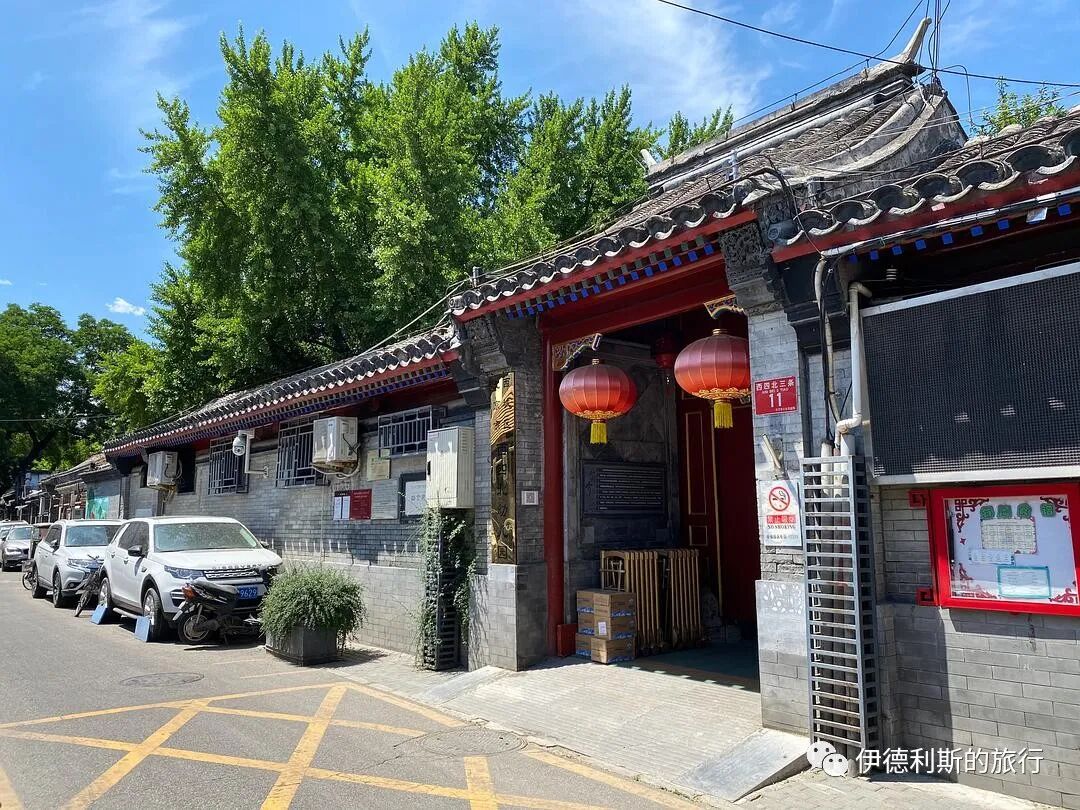
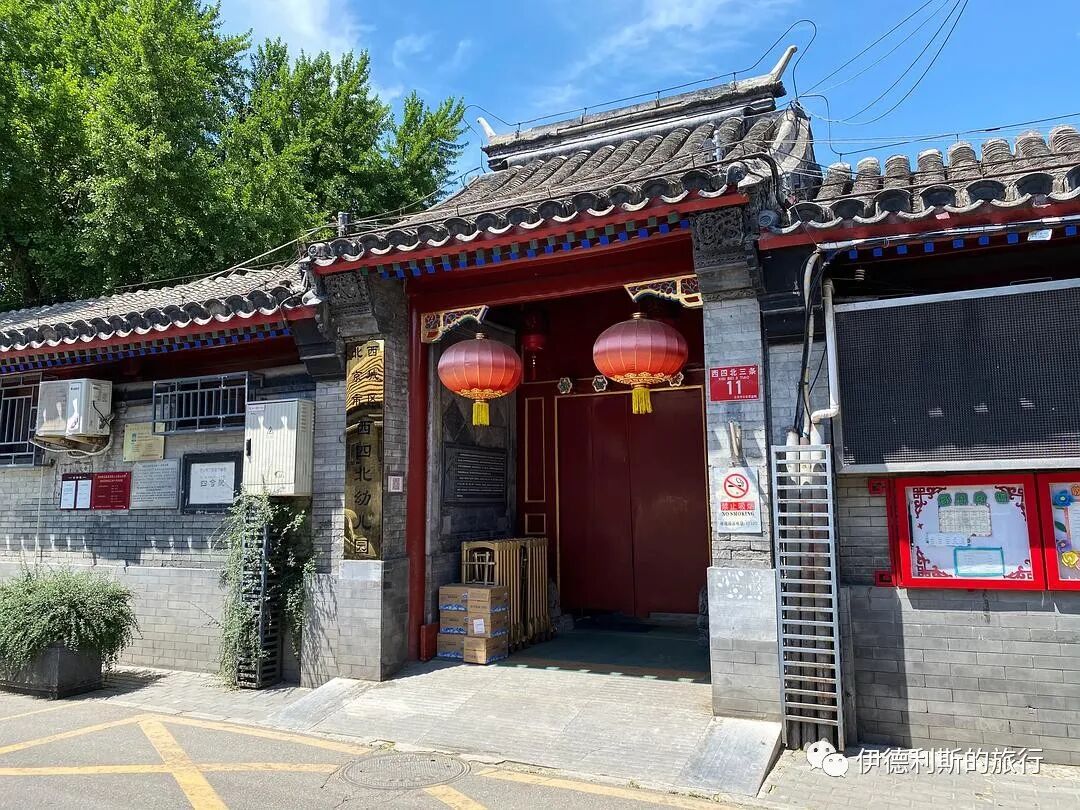
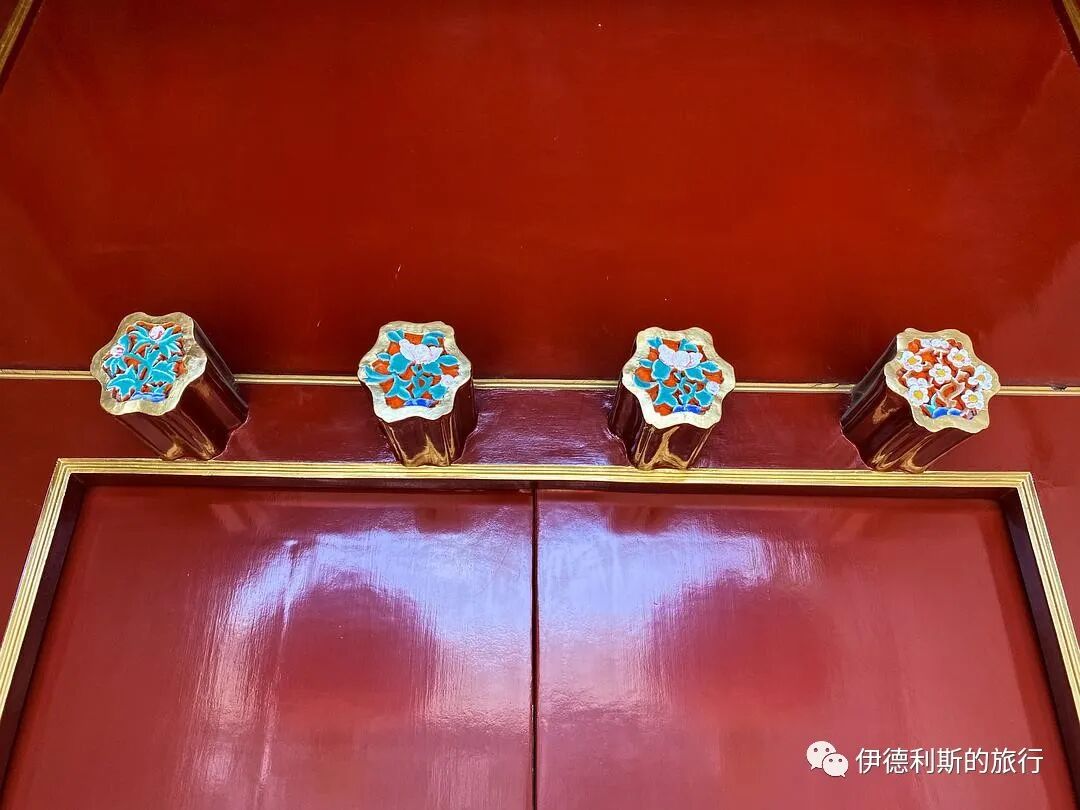
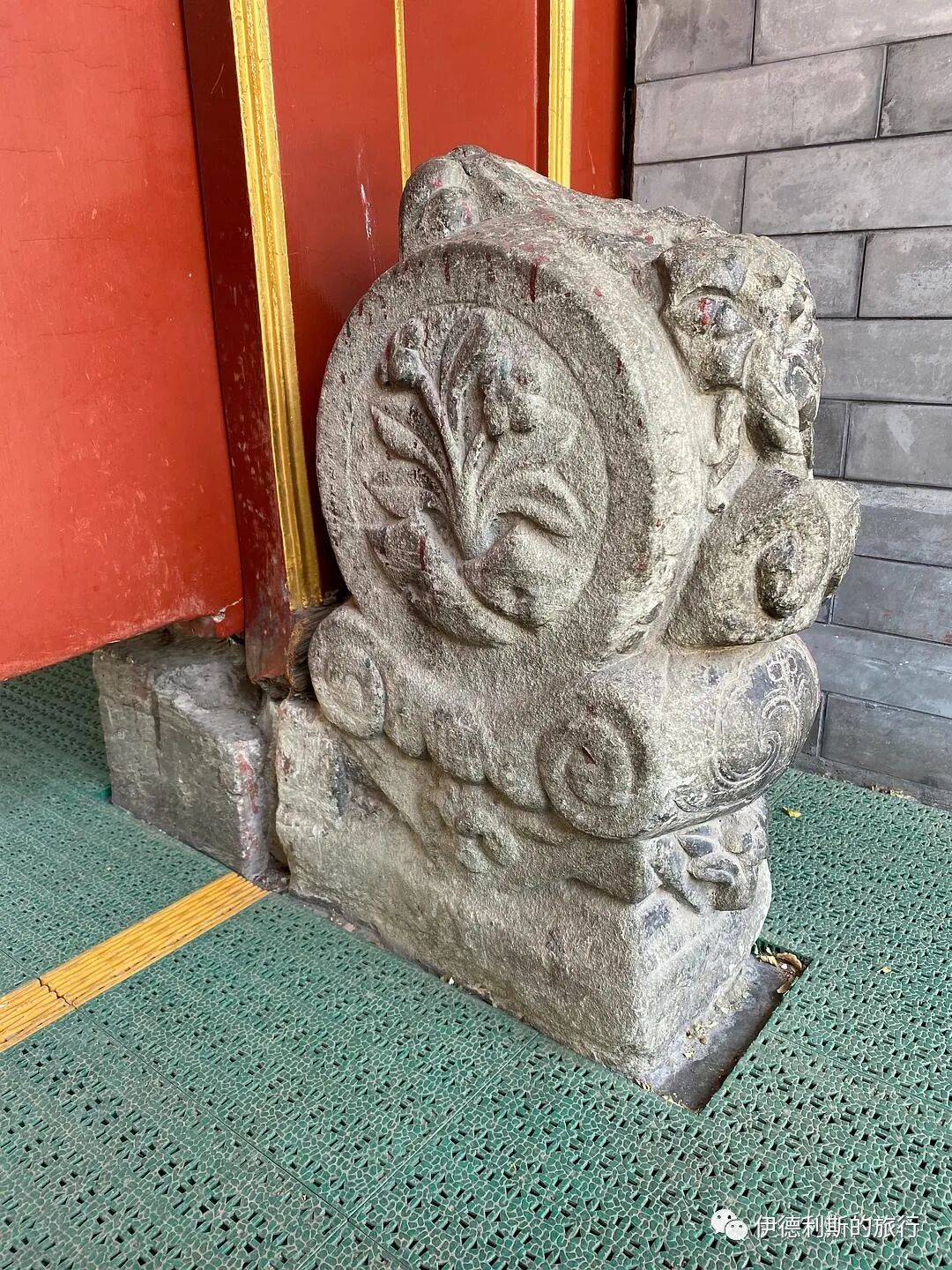
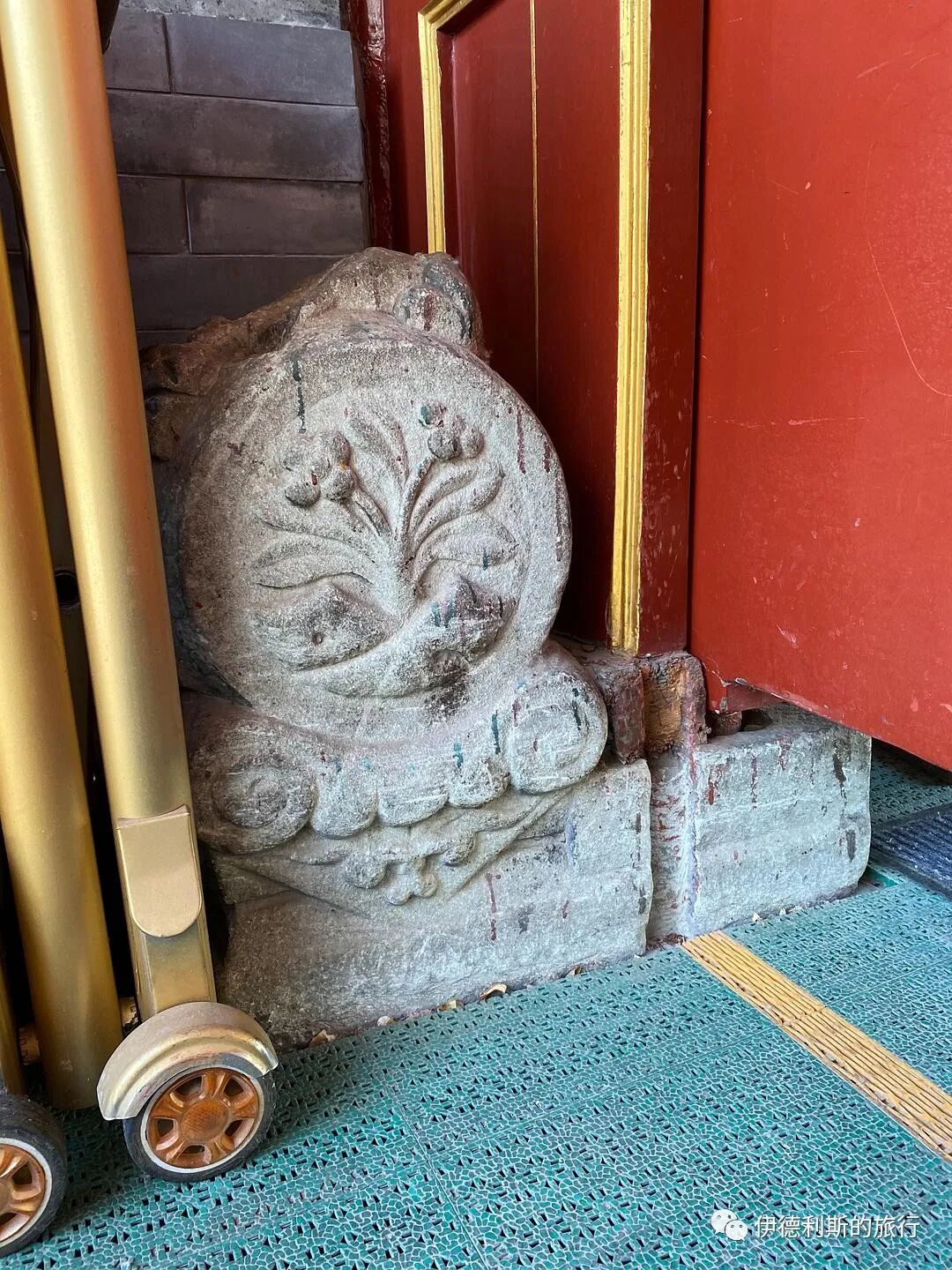
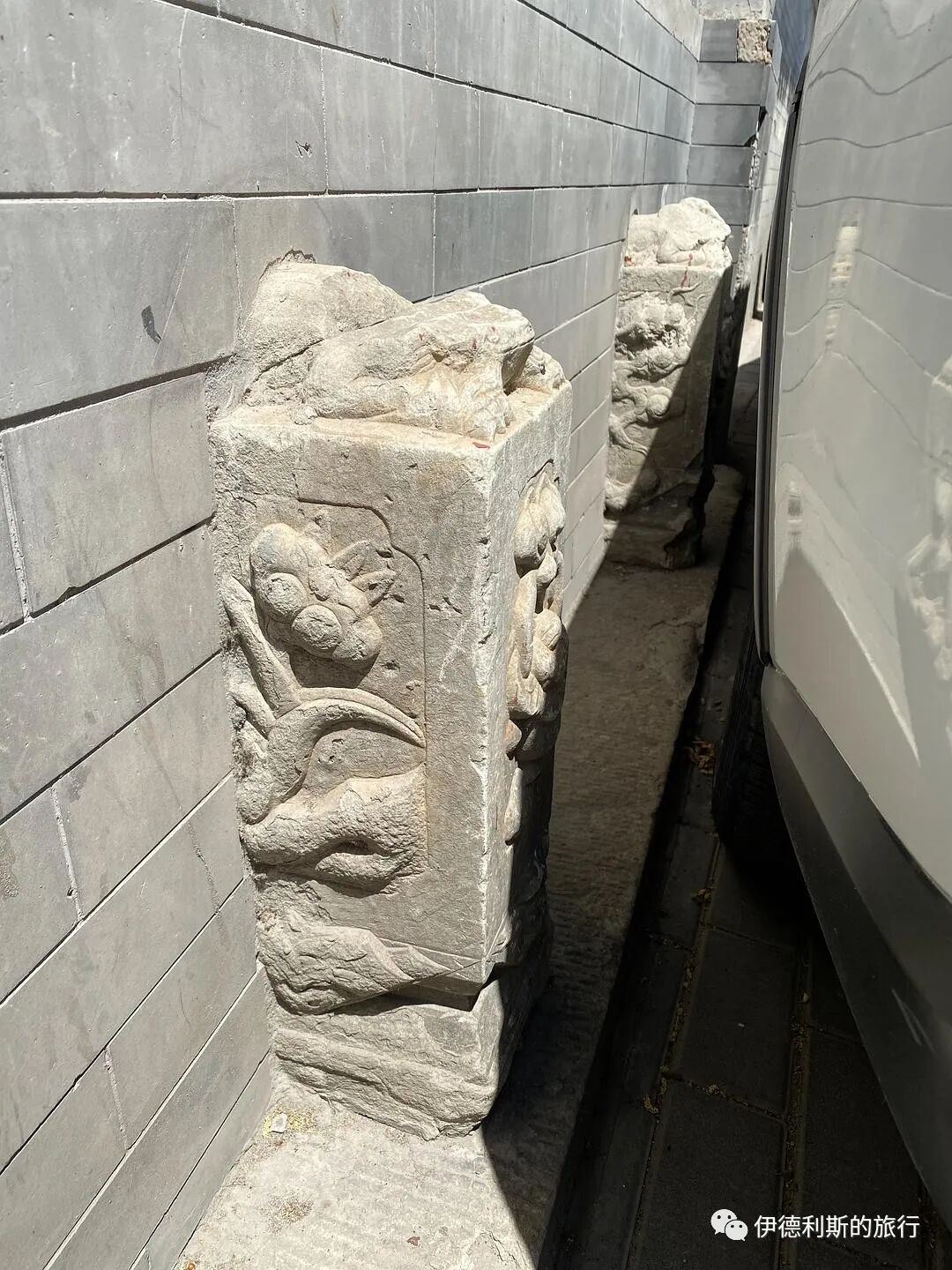
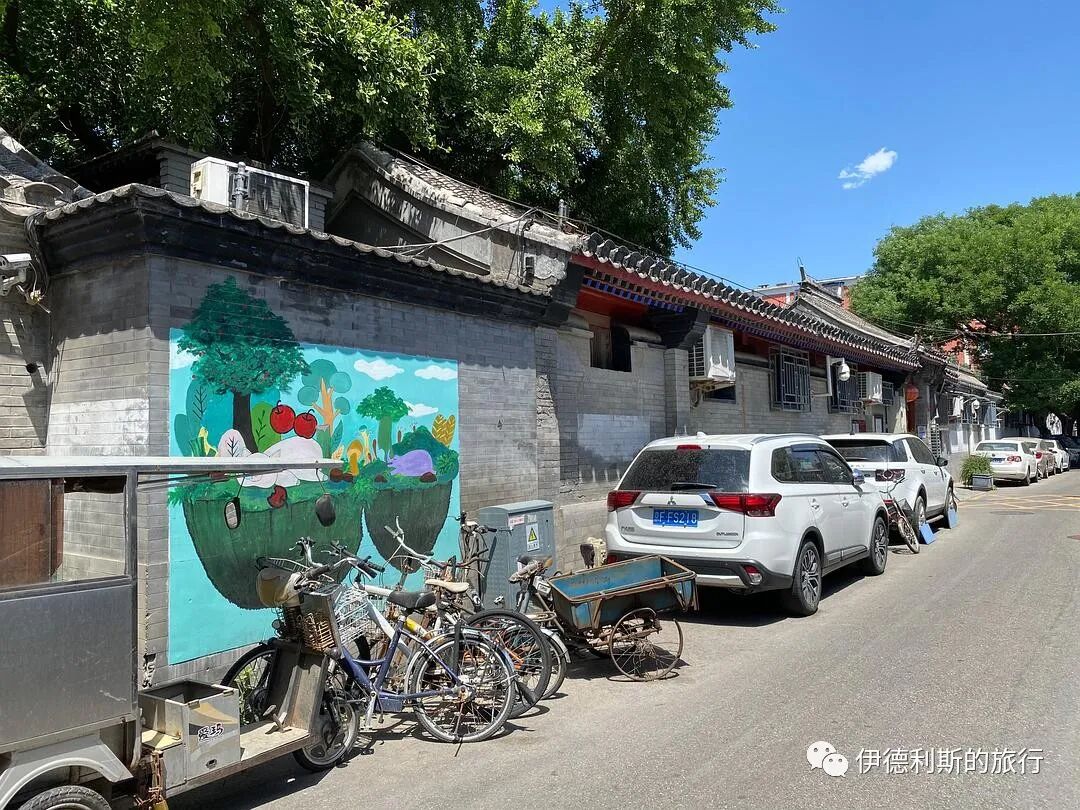
The former residence of Ma Fuxiang in Beijing is at 11 Xisi North Third Alley (formerly 5 Baozi Alley). The house is on the west side, and a garden is on the east. The garden features rockeries, a climbing corridor, an embroidery tower, and an octagonal pavilion. It is a protected cultural site in Beijing.
Ma Fuxiang, also known as Yunting, was born in 1876 in Hanjiaji, west of Hezhou, Gansu. He practiced martial arts with his brothers as a child, joined the army at 19, and passed the military examinations at 21. In 1900, at age 24, Ma Fuxiang fought the Eight-Nation Alliance at Zhengyangmen in Beijing, where five of his cousins were killed in action. In 1912, Ma Fuxiang supported the republic and became the commander of the Ningxia garrison. Ma Fuxiang and his relatives Ma Hongbin and Ma Hongkui ruled Ningxia for the next 37 years, becoming known as the Ningxia Ma family.
In 1924, Feng Yuxiang launched a coup in Beijing and led the National Army into the Northwest. To control Suiyuan, Feng moved Ma Fuxiang, who had governed the area for five years, to the position of Northwest Border Defense Deputy, which was actually just a figurehead role. Wary of Feng Yuxiang's power, Ma Fuxiang left Suiyuan for Beijing, where he bought the house at 5 Baozi Alley and turned it into his private residence.
While living in Beijing, Ma Fuxiang studied Islamic texts. He edited a manuscript of Wang Daiyu's "True Answers to Questions" (Xizhen Zhengda), had it printed by the Beiping Muslim Press, and later wrote a preface and donated money to print the "Essential Guide to Islam" (Qingzhen Zhinan Yaoyan).
In 1928, Bai Chongxi, Ma Fuxiang, and local leaders from Niujie worked together to start the first middle school for Hui Muslims in Niujie. It was named Beiping Muslim Middle School and later renamed Northwest Public School. Bai Chongxi served as chairman and Ma Fuxiang as vice chairman. In 1929, Ma Fuxiang donated 6,000 yuan to expand the school.
In 1928, Chengda Normal School in Jinan faced financial trouble. When Ma Fuxiang heard this, he insisted on moving the school to Beiping. He donated dozens of rooms he had bought behind the Dongsi Mosque, which he originally intended for a Muslim university, to serve as the new school building. In 1929, Chengda Normal School officially moved to the Dongsi Mosque in Beiping. Ma Fuxiang became the chairman of the board. He donated 500 yuan for startup costs and invested 40,000 yuan into the Yongbaozhai jade factory, owned by Hui Muslim businessman Chang Zichun, using the dividends to keep the school running. As the most famous Islamic teacher training school during the Republic of China era, Chengda Normal School trained many Islamic scholars.
After Chengda Normal School moved to Beiping, Ma Fuxiang invited the school's leaders to his residence on Baozi Hutong to discuss starting an Islamic publication called Yuehua. In November 1929, Yuehua was officially published and became the most influential Islamic magazine of the Republic of China era. From the time the magazine started until he passed away in 1932, Ma Fuxiang donated over 100 yuan every month to both Yuehua and Chengda Normal School. If he ever missed a donation because he was busy with government work, he always made sure to pay it the following month.
In 1930, Ma Fuxiang was appointed chairman of the Mongolian and Tibetan Affairs Commission and moved to Nanjing. In 1932, Chengda Normal School decided to send four graduates to Al-Azhar University in Egypt for further study. When Ma Fuxiang heard this, he immediately decided to go to Beiping to discuss the candidates and offered to cover half of the expenses. Sadly, Ma Fuxiang soon fell ill. While his son Ma Hongkui was escorting him to Peking Union Medical College Hospital for treatment, he passed away on the train near Liulihe, south of Beijing, at the age of 57. At the end of 1932, Imam Ma Songting led the Chengda Normal School graduates to Cairo. Following his father's final wishes, Ma Hongkui provided half of the travel expenses.
After 1949, the Ma family mansion on Baozi Hutong was used by the Education Bureau. When policies changed, it was returned to the Ma family descendants, who donated it for public use. It later became the Xisi North Kindergarten, which it remains today. view all
Summary: Beijing Muslim History: Ma Fuxiang's Former Residence is presented here as a firsthand travel account in clear English, beginning with this scene: The former residence of Ma Fuxiang in Beijing is at 11 Xisi North Third Alley (formerly 5 Baozi Alley). The account keeps its focus on Ma Fuxiang, Beijing Muslim History, Hui Muslims while preserving the names, places, food, and historical details from the Chinese source.
The former residence of Ma Fuxiang in Beijing is at 11 Xisi North Third Alley (formerly 5 Baozi Alley). The house is on the west side, and a garden is on the east. The garden features rockeries, a climbing corridor, an embroidery tower, and an octagonal pavilion. It is a protected cultural site in Beijing.
Ma Fuxiang, also known as Yunting, was born in 1876 in Hanjiaji, west of Hezhou, Gansu. He practiced martial arts with his brothers as a child, joined the army at 19, and passed the military examinations at 21. In 1900, at age 24, Ma Fuxiang fought the Eight-Nation Alliance at Zhengyangmen in Beijing, where five of his cousins were killed in action. In 1912, Ma Fuxiang supported the republic and became the commander of the Ningxia garrison. Ma Fuxiang and his relatives Ma Hongbin and Ma Hongkui ruled Ningxia for the next 37 years, becoming known as the Ningxia Ma family.
In 1924, Feng Yuxiang launched a coup in Beijing and led the National Army into the Northwest. To control Suiyuan, Feng moved Ma Fuxiang, who had governed the area for five years, to the position of Northwest Border Defense Deputy, which was actually just a figurehead role. Wary of Feng Yuxiang's power, Ma Fuxiang left Suiyuan for Beijing, where he bought the house at 5 Baozi Alley and turned it into his private residence.
While living in Beijing, Ma Fuxiang studied Islamic texts. He edited a manuscript of Wang Daiyu's "True Answers to Questions" (Xizhen Zhengda), had it printed by the Beiping Muslim Press, and later wrote a preface and donated money to print the "Essential Guide to Islam" (Qingzhen Zhinan Yaoyan).
In 1928, Bai Chongxi, Ma Fuxiang, and local leaders from Niujie worked together to start the first middle school for Hui Muslims in Niujie. It was named Beiping Muslim Middle School and later renamed Northwest Public School. Bai Chongxi served as chairman and Ma Fuxiang as vice chairman. In 1929, Ma Fuxiang donated 6,000 yuan to expand the school.
In 1928, Chengda Normal School in Jinan faced financial trouble. When Ma Fuxiang heard this, he insisted on moving the school to Beiping. He donated dozens of rooms he had bought behind the Dongsi Mosque, which he originally intended for a Muslim university, to serve as the new school building. In 1929, Chengda Normal School officially moved to the Dongsi Mosque in Beiping. Ma Fuxiang became the chairman of the board. He donated 500 yuan for startup costs and invested 40,000 yuan into the Yongbaozhai jade factory, owned by Hui Muslim businessman Chang Zichun, using the dividends to keep the school running. As the most famous Islamic teacher training school during the Republic of China era, Chengda Normal School trained many Islamic scholars.
After Chengda Normal School moved to Beiping, Ma Fuxiang invited the school's leaders to his residence on Baozi Hutong to discuss starting an Islamic publication called Yuehua. In November 1929, Yuehua was officially published and became the most influential Islamic magazine of the Republic of China era. From the time the magazine started until he passed away in 1932, Ma Fuxiang donated over 100 yuan every month to both Yuehua and Chengda Normal School. If he ever missed a donation because he was busy with government work, he always made sure to pay it the following month.
In 1930, Ma Fuxiang was appointed chairman of the Mongolian and Tibetan Affairs Commission and moved to Nanjing. In 1932, Chengda Normal School decided to send four graduates to Al-Azhar University in Egypt for further study. When Ma Fuxiang heard this, he immediately decided to go to Beiping to discuss the candidates and offered to cover half of the expenses. Sadly, Ma Fuxiang soon fell ill. While his son Ma Hongkui was escorting him to Peking Union Medical College Hospital for treatment, he passed away on the train near Liulihe, south of Beijing, at the age of 57. At the end of 1932, Imam Ma Songting led the Chengda Normal School graduates to Cairo. Following his father's final wishes, Ma Hongkui provided half of the travel expenses.
After 1949, the Ma family mansion on Baozi Hutong was used by the Education Bureau. When policies changed, it was returned to the Ma family descendants, who donated it for public use. It later became the Xisi North Kindergarten, which it remains today. view all
Reposted from the web
Summary: Beijing Muslim History: Ma Fuxiang's Former Residence is presented here as a firsthand travel account in clear English, beginning with this scene: The former residence of Ma Fuxiang in Beijing is at 11 Xisi North Third Alley (formerly 5 Baozi Alley). The account keeps its focus on Ma Fuxiang, Beijing Muslim History, Hui Muslims while preserving the names, places, food, and historical details from the Chinese source.
The former residence of Ma Fuxiang in Beijing is at 11 Xisi North Third Alley (formerly 5 Baozi Alley). The house is on the west side, and a garden is on the east. The garden features rockeries, a climbing corridor, an embroidery tower, and an octagonal pavilion. It is a protected cultural site in Beijing.
Ma Fuxiang, also known as Yunting, was born in 1876 in Hanjiaji, west of Hezhou, Gansu. He practiced martial arts with his brothers as a child, joined the army at 19, and passed the military examinations at 21. In 1900, at age 24, Ma Fuxiang fought the Eight-Nation Alliance at Zhengyangmen in Beijing, where five of his cousins were killed in action. In 1912, Ma Fuxiang supported the republic and became the commander of the Ningxia garrison. Ma Fuxiang and his relatives Ma Hongbin and Ma Hongkui ruled Ningxia for the next 37 years, becoming known as the Ningxia Ma family.
In 1924, Feng Yuxiang launched a coup in Beijing and led the National Army into the Northwest. To control Suiyuan, Feng moved Ma Fuxiang, who had governed the area for five years, to the position of Northwest Border Defense Deputy, which was actually just a figurehead role. Wary of Feng Yuxiang's power, Ma Fuxiang left Suiyuan for Beijing, where he bought the house at 5 Baozi Alley and turned it into his private residence.
While living in Beijing, Ma Fuxiang studied Islamic texts. He edited a manuscript of Wang Daiyu's "True Answers to Questions" (Xizhen Zhengda), had it printed by the Beiping Muslim Press, and later wrote a preface and donated money to print the "Essential Guide to Islam" (Qingzhen Zhinan Yaoyan).
In 1928, Bai Chongxi, Ma Fuxiang, and local leaders from Niujie worked together to start the first middle school for Hui Muslims in Niujie. It was named Beiping Muslim Middle School and later renamed Northwest Public School. Bai Chongxi served as chairman and Ma Fuxiang as vice chairman. In 1929, Ma Fuxiang donated 6,000 yuan to expand the school.
In 1928, Chengda Normal School in Jinan faced financial trouble. When Ma Fuxiang heard this, he insisted on moving the school to Beiping. He donated dozens of rooms he had bought behind the Dongsi Mosque, which he originally intended for a Muslim university, to serve as the new school building. In 1929, Chengda Normal School officially moved to the Dongsi Mosque in Beiping. Ma Fuxiang became the chairman of the board. He donated 500 yuan for startup costs and invested 40,000 yuan into the Yongbaozhai jade factory, owned by Hui Muslim businessman Chang Zichun, using the dividends to keep the school running. As the most famous Islamic teacher training school during the Republic of China era, Chengda Normal School trained many Islamic scholars.
After Chengda Normal School moved to Beiping, Ma Fuxiang invited the school's leaders to his residence on Baozi Hutong to discuss starting an Islamic publication called Yuehua. In November 1929, Yuehua was officially published and became the most influential Islamic magazine of the Republic of China era. From the time the magazine started until he passed away in 1932, Ma Fuxiang donated over 100 yuan every month to both Yuehua and Chengda Normal School. If he ever missed a donation because he was busy with government work, he always made sure to pay it the following month.
In 1930, Ma Fuxiang was appointed chairman of the Mongolian and Tibetan Affairs Commission and moved to Nanjing. In 1932, Chengda Normal School decided to send four graduates to Al-Azhar University in Egypt for further study. When Ma Fuxiang heard this, he immediately decided to go to Beiping to discuss the candidates and offered to cover half of the expenses. Sadly, Ma Fuxiang soon fell ill. While his son Ma Hongkui was escorting him to Peking Union Medical College Hospital for treatment, he passed away on the train near Liulihe, south of Beijing, at the age of 57. At the end of 1932, Imam Ma Songting led the Chengda Normal School graduates to Cairo. Following his father's final wishes, Ma Hongkui provided half of the travel expenses.
After 1949, the Ma family mansion on Baozi Hutong was used by the Education Bureau. When policies changed, it was returned to the Ma family descendants, who donated it for public use. It later became the Xisi North Kindergarten, which it remains today.
Summary: Beijing Muslim History: Ma Fuxiang's Former Residence is presented here as a firsthand travel account in clear English, beginning with this scene: The former residence of Ma Fuxiang in Beijing is at 11 Xisi North Third Alley (formerly 5 Baozi Alley). The account keeps its focus on Ma Fuxiang, Beijing Muslim History, Hui Muslims while preserving the names, places, food, and historical details from the Chinese source.
The former residence of Ma Fuxiang in Beijing is at 11 Xisi North Third Alley (formerly 5 Baozi Alley). The house is on the west side, and a garden is on the east. The garden features rockeries, a climbing corridor, an embroidery tower, and an octagonal pavilion. It is a protected cultural site in Beijing.
Ma Fuxiang, also known as Yunting, was born in 1876 in Hanjiaji, west of Hezhou, Gansu. He practiced martial arts with his brothers as a child, joined the army at 19, and passed the military examinations at 21. In 1900, at age 24, Ma Fuxiang fought the Eight-Nation Alliance at Zhengyangmen in Beijing, where five of his cousins were killed in action. In 1912, Ma Fuxiang supported the republic and became the commander of the Ningxia garrison. Ma Fuxiang and his relatives Ma Hongbin and Ma Hongkui ruled Ningxia for the next 37 years, becoming known as the Ningxia Ma family.
In 1924, Feng Yuxiang launched a coup in Beijing and led the National Army into the Northwest. To control Suiyuan, Feng moved Ma Fuxiang, who had governed the area for five years, to the position of Northwest Border Defense Deputy, which was actually just a figurehead role. Wary of Feng Yuxiang's power, Ma Fuxiang left Suiyuan for Beijing, where he bought the house at 5 Baozi Alley and turned it into his private residence.
While living in Beijing, Ma Fuxiang studied Islamic texts. He edited a manuscript of Wang Daiyu's "True Answers to Questions" (Xizhen Zhengda), had it printed by the Beiping Muslim Press, and later wrote a preface and donated money to print the "Essential Guide to Islam" (Qingzhen Zhinan Yaoyan).
In 1928, Bai Chongxi, Ma Fuxiang, and local leaders from Niujie worked together to start the first middle school for Hui Muslims in Niujie. It was named Beiping Muslim Middle School and later renamed Northwest Public School. Bai Chongxi served as chairman and Ma Fuxiang as vice chairman. In 1929, Ma Fuxiang donated 6,000 yuan to expand the school.
In 1928, Chengda Normal School in Jinan faced financial trouble. When Ma Fuxiang heard this, he insisted on moving the school to Beiping. He donated dozens of rooms he had bought behind the Dongsi Mosque, which he originally intended for a Muslim university, to serve as the new school building. In 1929, Chengda Normal School officially moved to the Dongsi Mosque in Beiping. Ma Fuxiang became the chairman of the board. He donated 500 yuan for startup costs and invested 40,000 yuan into the Yongbaozhai jade factory, owned by Hui Muslim businessman Chang Zichun, using the dividends to keep the school running. As the most famous Islamic teacher training school during the Republic of China era, Chengda Normal School trained many Islamic scholars.
After Chengda Normal School moved to Beiping, Ma Fuxiang invited the school's leaders to his residence on Baozi Hutong to discuss starting an Islamic publication called Yuehua. In November 1929, Yuehua was officially published and became the most influential Islamic magazine of the Republic of China era. From the time the magazine started until he passed away in 1932, Ma Fuxiang donated over 100 yuan every month to both Yuehua and Chengda Normal School. If he ever missed a donation because he was busy with government work, he always made sure to pay it the following month.
In 1930, Ma Fuxiang was appointed chairman of the Mongolian and Tibetan Affairs Commission and moved to Nanjing. In 1932, Chengda Normal School decided to send four graduates to Al-Azhar University in Egypt for further study. When Ma Fuxiang heard this, he immediately decided to go to Beiping to discuss the candidates and offered to cover half of the expenses. Sadly, Ma Fuxiang soon fell ill. While his son Ma Hongkui was escorting him to Peking Union Medical College Hospital for treatment, he passed away on the train near Liulihe, south of Beijing, at the age of 57. At the end of 1932, Imam Ma Songting led the Chengda Normal School graduates to Cairo. Following his father's final wishes, Ma Hongkui provided half of the travel expenses.
After 1949, the Ma family mansion on Baozi Hutong was used by the Education Bureau. When policies changed, it was returned to the Ma family descendants, who donated it for public use. It later became the Xisi North Kindergarten, which it remains today.
Beijing Muslim History: Ma Fuxiang's Former Residence
Articles • ali2007fr posted the article • 0 comments • 184 views • 2026-05-18 02:56
Reposted from the web
Summary: Beijing Muslim History: Ma Fuxiang's Former Residence is presented here as a firsthand travel account in clear English, beginning with this scene: The former residence of Ma Fuxiang in Beijing is at 11 Xisi North Third Alley (formerly 5 Baozi Alley). The account keeps its focus on Ma Fuxiang, Beijing Muslim History, Hui Muslims while preserving the names, places, food, and historical details from the Chinese source.
The former residence of Ma Fuxiang in Beijing is at 11 Xisi North Third Alley (formerly 5 Baozi Alley). The house is on the west side, and a garden is on the east. The garden features rockeries, a climbing corridor, an embroidery tower, and an octagonal pavilion. It is a protected cultural site in Beijing.
Ma Fuxiang, also known as Yunting, was born in 1876 in Hanjiaji, west of Hezhou, Gansu. He practiced martial arts with his brothers as a child, joined the army at 19, and passed the military examinations at 21. In 1900, at age 24, Ma Fuxiang fought the Eight-Nation Alliance at Zhengyangmen in Beijing, where five of his cousins were killed in action. In 1912, Ma Fuxiang supported the republic and became the commander of the Ningxia garrison. Ma Fuxiang and his relatives Ma Hongbin and Ma Hongkui ruled Ningxia for the next 37 years, becoming known as the Ningxia Ma family.
In 1924, Feng Yuxiang launched a coup in Beijing and led the National Army into the Northwest. To control Suiyuan, Feng moved Ma Fuxiang, who had governed the area for five years, to the position of Northwest Border Defense Deputy, which was actually just a figurehead role. Wary of Feng Yuxiang's power, Ma Fuxiang left Suiyuan for Beijing, where he bought the house at 5 Baozi Alley and turned it into his private residence.
While living in Beijing, Ma Fuxiang studied Islamic texts. He edited a manuscript of Wang Daiyu's "True Answers to Questions" (Xizhen Zhengda), had it printed by the Beiping Muslim Press, and later wrote a preface and donated money to print the "Essential Guide to Islam" (Qingzhen Zhinan Yaoyan).
In 1928, Bai Chongxi, Ma Fuxiang, and local leaders from Niujie worked together to start the first middle school for Hui Muslims in Niujie. It was named Beiping Muslim Middle School and later renamed Northwest Public School. Bai Chongxi served as chairman and Ma Fuxiang as vice chairman. In 1929, Ma Fuxiang donated 6,000 yuan to expand the school.
In 1928, Chengda Normal School in Jinan faced financial trouble. When Ma Fuxiang heard this, he insisted on moving the school to Beiping. He donated dozens of rooms he had bought behind the Dongsi Mosque, which he originally intended for a Muslim university, to serve as the new school building. In 1929, Chengda Normal School officially moved to the Dongsi Mosque in Beiping. Ma Fuxiang became the chairman of the board. He donated 500 yuan for startup costs and invested 40,000 yuan into the Yongbaozhai jade factory, owned by Hui Muslim businessman Chang Zichun, using the dividends to keep the school running. As the most famous Islamic teacher training school during the Republic of China era, Chengda Normal School trained many Islamic scholars.
After Chengda Normal School moved to Beiping, Ma Fuxiang invited the school's leaders to his residence on Baozi Hutong to discuss starting an Islamic publication called Yuehua. In November 1929, Yuehua was officially published and became the most influential Islamic magazine of the Republic of China era. From the time the magazine started until he passed away in 1932, Ma Fuxiang donated over 100 yuan every month to both Yuehua and Chengda Normal School. If he ever missed a donation because he was busy with government work, he always made sure to pay it the following month.
In 1930, Ma Fuxiang was appointed chairman of the Mongolian and Tibetan Affairs Commission and moved to Nanjing. In 1932, Chengda Normal School decided to send four graduates to Al-Azhar University in Egypt for further study. When Ma Fuxiang heard this, he immediately decided to go to Beiping to discuss the candidates and offered to cover half of the expenses. Sadly, Ma Fuxiang soon fell ill. While his son Ma Hongkui was escorting him to Peking Union Medical College Hospital for treatment, he passed away on the train near Liulihe, south of Beijing, at the age of 57. At the end of 1932, Imam Ma Songting led the Chengda Normal School graduates to Cairo. Following his father's final wishes, Ma Hongkui provided half of the travel expenses.
After 1949, the Ma family mansion on Baozi Hutong was used by the Education Bureau. When policies changed, it was returned to the Ma family descendants, who donated it for public use. It later became the Xisi North Kindergarten, which it remains today. view all
Summary: Beijing Muslim History: Ma Fuxiang's Former Residence is presented here as a firsthand travel account in clear English, beginning with this scene: The former residence of Ma Fuxiang in Beijing is at 11 Xisi North Third Alley (formerly 5 Baozi Alley). The account keeps its focus on Ma Fuxiang, Beijing Muslim History, Hui Muslims while preserving the names, places, food, and historical details from the Chinese source.
The former residence of Ma Fuxiang in Beijing is at 11 Xisi North Third Alley (formerly 5 Baozi Alley). The house is on the west side, and a garden is on the east. The garden features rockeries, a climbing corridor, an embroidery tower, and an octagonal pavilion. It is a protected cultural site in Beijing.
Ma Fuxiang, also known as Yunting, was born in 1876 in Hanjiaji, west of Hezhou, Gansu. He practiced martial arts with his brothers as a child, joined the army at 19, and passed the military examinations at 21. In 1900, at age 24, Ma Fuxiang fought the Eight-Nation Alliance at Zhengyangmen in Beijing, where five of his cousins were killed in action. In 1912, Ma Fuxiang supported the republic and became the commander of the Ningxia garrison. Ma Fuxiang and his relatives Ma Hongbin and Ma Hongkui ruled Ningxia for the next 37 years, becoming known as the Ningxia Ma family.
In 1924, Feng Yuxiang launched a coup in Beijing and led the National Army into the Northwest. To control Suiyuan, Feng moved Ma Fuxiang, who had governed the area for five years, to the position of Northwest Border Defense Deputy, which was actually just a figurehead role. Wary of Feng Yuxiang's power, Ma Fuxiang left Suiyuan for Beijing, where he bought the house at 5 Baozi Alley and turned it into his private residence.
While living in Beijing, Ma Fuxiang studied Islamic texts. He edited a manuscript of Wang Daiyu's "True Answers to Questions" (Xizhen Zhengda), had it printed by the Beiping Muslim Press, and later wrote a preface and donated money to print the "Essential Guide to Islam" (Qingzhen Zhinan Yaoyan).
In 1928, Bai Chongxi, Ma Fuxiang, and local leaders from Niujie worked together to start the first middle school for Hui Muslims in Niujie. It was named Beiping Muslim Middle School and later renamed Northwest Public School. Bai Chongxi served as chairman and Ma Fuxiang as vice chairman. In 1929, Ma Fuxiang donated 6,000 yuan to expand the school.
In 1928, Chengda Normal School in Jinan faced financial trouble. When Ma Fuxiang heard this, he insisted on moving the school to Beiping. He donated dozens of rooms he had bought behind the Dongsi Mosque, which he originally intended for a Muslim university, to serve as the new school building. In 1929, Chengda Normal School officially moved to the Dongsi Mosque in Beiping. Ma Fuxiang became the chairman of the board. He donated 500 yuan for startup costs and invested 40,000 yuan into the Yongbaozhai jade factory, owned by Hui Muslim businessman Chang Zichun, using the dividends to keep the school running. As the most famous Islamic teacher training school during the Republic of China era, Chengda Normal School trained many Islamic scholars.
After Chengda Normal School moved to Beiping, Ma Fuxiang invited the school's leaders to his residence on Baozi Hutong to discuss starting an Islamic publication called Yuehua. In November 1929, Yuehua was officially published and became the most influential Islamic magazine of the Republic of China era. From the time the magazine started until he passed away in 1932, Ma Fuxiang donated over 100 yuan every month to both Yuehua and Chengda Normal School. If he ever missed a donation because he was busy with government work, he always made sure to pay it the following month.
In 1930, Ma Fuxiang was appointed chairman of the Mongolian and Tibetan Affairs Commission and moved to Nanjing. In 1932, Chengda Normal School decided to send four graduates to Al-Azhar University in Egypt for further study. When Ma Fuxiang heard this, he immediately decided to go to Beiping to discuss the candidates and offered to cover half of the expenses. Sadly, Ma Fuxiang soon fell ill. While his son Ma Hongkui was escorting him to Peking Union Medical College Hospital for treatment, he passed away on the train near Liulihe, south of Beijing, at the age of 57. At the end of 1932, Imam Ma Songting led the Chengda Normal School graduates to Cairo. Following his father's final wishes, Ma Hongkui provided half of the travel expenses.
After 1949, the Ma family mansion on Baozi Hutong was used by the Education Bureau. When policies changed, it was returned to the Ma family descendants, who donated it for public use. It later became the Xisi North Kindergarten, which it remains today. view all
Reposted from the web
Summary: Beijing Muslim History: Ma Fuxiang's Former Residence is presented here as a firsthand travel account in clear English, beginning with this scene: The former residence of Ma Fuxiang in Beijing is at 11 Xisi North Third Alley (formerly 5 Baozi Alley). The account keeps its focus on Ma Fuxiang, Beijing Muslim History, Hui Muslims while preserving the names, places, food, and historical details from the Chinese source.
The former residence of Ma Fuxiang in Beijing is at 11 Xisi North Third Alley (formerly 5 Baozi Alley). The house is on the west side, and a garden is on the east. The garden features rockeries, a climbing corridor, an embroidery tower, and an octagonal pavilion. It is a protected cultural site in Beijing.
Ma Fuxiang, also known as Yunting, was born in 1876 in Hanjiaji, west of Hezhou, Gansu. He practiced martial arts with his brothers as a child, joined the army at 19, and passed the military examinations at 21. In 1900, at age 24, Ma Fuxiang fought the Eight-Nation Alliance at Zhengyangmen in Beijing, where five of his cousins were killed in action. In 1912, Ma Fuxiang supported the republic and became the commander of the Ningxia garrison. Ma Fuxiang and his relatives Ma Hongbin and Ma Hongkui ruled Ningxia for the next 37 years, becoming known as the Ningxia Ma family.
In 1924, Feng Yuxiang launched a coup in Beijing and led the National Army into the Northwest. To control Suiyuan, Feng moved Ma Fuxiang, who had governed the area for five years, to the position of Northwest Border Defense Deputy, which was actually just a figurehead role. Wary of Feng Yuxiang's power, Ma Fuxiang left Suiyuan for Beijing, where he bought the house at 5 Baozi Alley and turned it into his private residence.
While living in Beijing, Ma Fuxiang studied Islamic texts. He edited a manuscript of Wang Daiyu's "True Answers to Questions" (Xizhen Zhengda), had it printed by the Beiping Muslim Press, and later wrote a preface and donated money to print the "Essential Guide to Islam" (Qingzhen Zhinan Yaoyan).
In 1928, Bai Chongxi, Ma Fuxiang, and local leaders from Niujie worked together to start the first middle school for Hui Muslims in Niujie. It was named Beiping Muslim Middle School and later renamed Northwest Public School. Bai Chongxi served as chairman and Ma Fuxiang as vice chairman. In 1929, Ma Fuxiang donated 6,000 yuan to expand the school.
In 1928, Chengda Normal School in Jinan faced financial trouble. When Ma Fuxiang heard this, he insisted on moving the school to Beiping. He donated dozens of rooms he had bought behind the Dongsi Mosque, which he originally intended for a Muslim university, to serve as the new school building. In 1929, Chengda Normal School officially moved to the Dongsi Mosque in Beiping. Ma Fuxiang became the chairman of the board. He donated 500 yuan for startup costs and invested 40,000 yuan into the Yongbaozhai jade factory, owned by Hui Muslim businessman Chang Zichun, using the dividends to keep the school running. As the most famous Islamic teacher training school during the Republic of China era, Chengda Normal School trained many Islamic scholars.
After Chengda Normal School moved to Beiping, Ma Fuxiang invited the school's leaders to his residence on Baozi Hutong to discuss starting an Islamic publication called Yuehua. In November 1929, Yuehua was officially published and became the most influential Islamic magazine of the Republic of China era. From the time the magazine started until he passed away in 1932, Ma Fuxiang donated over 100 yuan every month to both Yuehua and Chengda Normal School. If he ever missed a donation because he was busy with government work, he always made sure to pay it the following month.
In 1930, Ma Fuxiang was appointed chairman of the Mongolian and Tibetan Affairs Commission and moved to Nanjing. In 1932, Chengda Normal School decided to send four graduates to Al-Azhar University in Egypt for further study. When Ma Fuxiang heard this, he immediately decided to go to Beiping to discuss the candidates and offered to cover half of the expenses. Sadly, Ma Fuxiang soon fell ill. While his son Ma Hongkui was escorting him to Peking Union Medical College Hospital for treatment, he passed away on the train near Liulihe, south of Beijing, at the age of 57. At the end of 1932, Imam Ma Songting led the Chengda Normal School graduates to Cairo. Following his father's final wishes, Ma Hongkui provided half of the travel expenses.
After 1949, the Ma family mansion on Baozi Hutong was used by the Education Bureau. When policies changed, it was returned to the Ma family descendants, who donated it for public use. It later became the Xisi North Kindergarten, which it remains today.
Summary: Beijing Muslim History: Ma Fuxiang's Former Residence is presented here as a firsthand travel account in clear English, beginning with this scene: The former residence of Ma Fuxiang in Beijing is at 11 Xisi North Third Alley (formerly 5 Baozi Alley). The account keeps its focus on Ma Fuxiang, Beijing Muslim History, Hui Muslims while preserving the names, places, food, and historical details from the Chinese source.
The former residence of Ma Fuxiang in Beijing is at 11 Xisi North Third Alley (formerly 5 Baozi Alley). The house is on the west side, and a garden is on the east. The garden features rockeries, a climbing corridor, an embroidery tower, and an octagonal pavilion. It is a protected cultural site in Beijing.
Ma Fuxiang, also known as Yunting, was born in 1876 in Hanjiaji, west of Hezhou, Gansu. He practiced martial arts with his brothers as a child, joined the army at 19, and passed the military examinations at 21. In 1900, at age 24, Ma Fuxiang fought the Eight-Nation Alliance at Zhengyangmen in Beijing, where five of his cousins were killed in action. In 1912, Ma Fuxiang supported the republic and became the commander of the Ningxia garrison. Ma Fuxiang and his relatives Ma Hongbin and Ma Hongkui ruled Ningxia for the next 37 years, becoming known as the Ningxia Ma family.
In 1924, Feng Yuxiang launched a coup in Beijing and led the National Army into the Northwest. To control Suiyuan, Feng moved Ma Fuxiang, who had governed the area for five years, to the position of Northwest Border Defense Deputy, which was actually just a figurehead role. Wary of Feng Yuxiang's power, Ma Fuxiang left Suiyuan for Beijing, where he bought the house at 5 Baozi Alley and turned it into his private residence.
While living in Beijing, Ma Fuxiang studied Islamic texts. He edited a manuscript of Wang Daiyu's "True Answers to Questions" (Xizhen Zhengda), had it printed by the Beiping Muslim Press, and later wrote a preface and donated money to print the "Essential Guide to Islam" (Qingzhen Zhinan Yaoyan).
In 1928, Bai Chongxi, Ma Fuxiang, and local leaders from Niujie worked together to start the first middle school for Hui Muslims in Niujie. It was named Beiping Muslim Middle School and later renamed Northwest Public School. Bai Chongxi served as chairman and Ma Fuxiang as vice chairman. In 1929, Ma Fuxiang donated 6,000 yuan to expand the school.
In 1928, Chengda Normal School in Jinan faced financial trouble. When Ma Fuxiang heard this, he insisted on moving the school to Beiping. He donated dozens of rooms he had bought behind the Dongsi Mosque, which he originally intended for a Muslim university, to serve as the new school building. In 1929, Chengda Normal School officially moved to the Dongsi Mosque in Beiping. Ma Fuxiang became the chairman of the board. He donated 500 yuan for startup costs and invested 40,000 yuan into the Yongbaozhai jade factory, owned by Hui Muslim businessman Chang Zichun, using the dividends to keep the school running. As the most famous Islamic teacher training school during the Republic of China era, Chengda Normal School trained many Islamic scholars.
After Chengda Normal School moved to Beiping, Ma Fuxiang invited the school's leaders to his residence on Baozi Hutong to discuss starting an Islamic publication called Yuehua. In November 1929, Yuehua was officially published and became the most influential Islamic magazine of the Republic of China era. From the time the magazine started until he passed away in 1932, Ma Fuxiang donated over 100 yuan every month to both Yuehua and Chengda Normal School. If he ever missed a donation because he was busy with government work, he always made sure to pay it the following month.
In 1930, Ma Fuxiang was appointed chairman of the Mongolian and Tibetan Affairs Commission and moved to Nanjing. In 1932, Chengda Normal School decided to send four graduates to Al-Azhar University in Egypt for further study. When Ma Fuxiang heard this, he immediately decided to go to Beiping to discuss the candidates and offered to cover half of the expenses. Sadly, Ma Fuxiang soon fell ill. While his son Ma Hongkui was escorting him to Peking Union Medical College Hospital for treatment, he passed away on the train near Liulihe, south of Beijing, at the age of 57. At the end of 1932, Imam Ma Songting led the Chengda Normal School graduates to Cairo. Following his father's final wishes, Ma Hongkui provided half of the travel expenses.
After 1949, the Ma family mansion on Baozi Hutong was used by the Education Bureau. When policies changed, it was returned to the Ma family descendants, who donated it for public use. It later became the Xisi North Kindergarten, which it remains today.