

Macau Mosque
Muslim Travel Guide Macau: Halal Southeast Asian Food, Macau Mosque and Muslim Cemetery
Articles • yusuf908 posted the article • 0 comments • 153 views • 2026-05-22 20:52
Reposted from the web
Summary: This Muslim travel guide to Macau covers transport from Hong Kong, halal Southeast Asian food, the Macau mosque, the Muslim cemetery, local religious exhibitions, and practical notes for Muslim travelers.
A Muslim Travel Guide to Macau: Southeast Asian Food and the Muslim Cemetery is presented here as a firsthand travel account in clear English, beginning with this scene: You can travel from Hong Kong to Macau by boat or bus. The boat is the most convenient, taking about two hours. The account keeps its focus on Halal Travel, Yiwu Food, Mosque Travel while preserving the names, places, food, and historical details from the Chinese source.
You can travel from Hong Kong to Macau by boat or bus. The boat is the most convenient, taking about two hours. Keep in mind that it is best to buy your ferry tickets online a few days before you leave. I changed my plans at the last minute and found the tickets sold out the night before, so I had to take the bus instead. There are several bus routes to Macau. The Hong Kong-Macau Express (Gang-Ao Yihao) leaves on the hour and takes two hours. It is best to buy these tickets in advance too, as I arrived in the morning hoping to buy a ticket for the next bus, only to be told that only afternoon tickets were left.
The route that does not require advance booking is the Cityflyer airport bus. Take the A22 bus to the Hong Kong port, get off, go through customs, wait in line, and then transfer to a bus heading to Macau. This route takes over three hours, mostly because of the long wait times. The advantage is that you can board at any time. As you can see, travel between Hong Kong and Macau is actually quite frustrating, even though I thought it would be very convenient.
Macau buses do not support mobile payments, so you need to have small change ready. Hong Kong dollars and Macau patacas are both accepted at a 1:1 exchange rate, but no change is given. The fare is 6 dollars. If you do not want to take the bus, you can walk around Macau. Macau is very small, covering only 32 square kilometers. Because it is so small, you can walk across its longest straight-line distance in about an hour.
This is my second time in Macau, with an eight-year gap between visits, but I did not feel like much had changed. Eight years ago, the Macau mosque did not have a full-time imam, so they had to invite an imam from Hong Kong to lead the Friday prayer (Jumu'ah). Now, Macau has an imam stationed at the mosque. I came this time because Macau is hosting an exhibition on the six major religions. This is the first time Islam has been publicly exhibited in Macau. You should know that it has been over four hundred years since the first recorded Muslim activity in Macau in 1586.
The exhibition runs until March 17, and different scholars will give speeches on-site during this period.
The six major religions in Macau are the Anglican Church, the Catholic Church, Islam, Buddhism, Taoism, and the Baha'i Faith. You might not be very familiar with the Baha'i Faith here. I met Baha'i believers in Beijing a long time ago.
The Baha'i Faith originated from the Shia branch of Islam. Because it claims to have a new prophet, it is not recognized by Islamic countries. At first, the founder of the religion called on followers to resist the government, but after repeated setbacks, the religion modified its teachings to support the governments of the countries where they lived in order to survive. Simply put, the religion's ideas are similar to Marxist socialism, and both were contemporaries. However, it is clear that the number of people who claim to believe in Marxism today is far greater than the number of Baha'i believers. In the 200 years since the Baha'i Faith began spreading, it has only developed a few million followers, and its influence is far less than that of Marx.
Tsinghua University President Cao Yunxiang, singer Khalil Fong, and real estate developer Pan Shiyi and his wife are all said to be Baha'i believers. Every major religion has famous people who endorse it. Everyone has a different living environment, different knowledge, and a different state of mind, so there are reasons for choosing to believe in different religions. This does not really prove anything.
The Baha'i faith has built houses of worship across six continents. Because they simplify their religious rituals, they do not need many buildings. They only built one symbolic venue on each continent. I once visited the Baha'i center in Macau.
The image below shows a brief history of Islam in Macau. The earliest written record of Muslims in Macau dates back to 1586 during the Wanli era of the Ming Dynasty. It is likely that Portuguese traders arriving by sea brought Muslims with them. Local people in Macau call the mosque 'Moro Garden' (Moluoyuan). 'Moro' comes from the Portuguese word 'Mouro,' which refers to the Moors of North Africa. At that time, Europeans called Muslims Moors. Later, after the rise of the Ottoman Empire, Europeans began calling Muslims Turks.
To prepare for an exhibition, the imam of the Macau mosque, Imam Ding, specially collected a group of Islamic calligraphy works and cultural artifacts to display.
After Macau became a Portuguese colony in the 19th century, Muslims from South Asia, Southeast Asia, and the Middle East arrived in Macau through trade. Some settled here, and the Macau mosque was built during this period.
In modern times, many Muslims from Guangdong and Hong Kong moved to Macau to escape the war. I have also met some Hui Muslims from Northwest China who stayed in Macau for school or work. However, because Macau is so small and the cost of living is high, many people choose to live in neighboring Zhuhai and commute to Macau every day.
The number of tourists in Macau is likely much higher than the local population, so you are rarely treated differently for speaking Mandarin there. Tourists are there to spend money. Hong Kong is different. Although Hong Kong people can understand Mandarin, it is difficult for them to speak it. It is understandable if people speaking Mandarin are treated differently by Hong Kongers. It is like going to France and speaking English; the French would certainly not be happy about it. After all, it is their territory, and shouldn't you follow local customs and speak French?
Macau Mosque and Muslim Cemetery.
The mosque and cemetery were first built in 1774 by a group of Muslim sea merchants from Goa, India, near the seaside. Most people buried in the cemetery are Indian or Pakistani Muslims, but there are also a small number of Chinese. You can easily tell them apart by the surnames on the tombstones. The Chinese descendants are mainly surnamed Ha and Yang.
The main gate of the mosque was rebuilt in 1973. In 2006, the Islamic Association of Macau applied to the authorities for permission to build a larger mosque next to the existing building, and reconstruction began in the second half of 2007. However, construction on the new mosque has still not started.
In the cemetery, there is a Hui Muslim named Yang You, who was a diplomat and served as a consul in Japan and Korea during the Republic of China era. His granddaughter, Wang Xiangjun, is now the chairwoman of the Hong Kong Muslim Women's Association.
The prayer hall of the Macau Mosque is very small, but the courtyard is large. Every weekend, many friends (dosti) from South Asia and Southeast Asia come to Macau to eat and relax, just like they are at home. I saw friends from the mainland writing their theses in the mosque, and Imam Ding treats the students like a patriarch.
Loulan Hand-Pulled Noodle Restaurant (Loulan Lamian Guan)
This is currently the only Xinjiang restaurant in Macau. It was open when I visited eight years ago and is still in business today. The owner is Uyghur, and the staff are Indonesian.
I ate the Xinjiang-style spicy peppers with tomatoes (pilahong) and diced stir-fried noodles (dingding chaomian). The taste was excellent, though the price was a bit high, with an average cost of about 150 yuan per person.
Cafe Sambal Jawa Indonesia
This restaurant is run by Indonesians and opens at 12:00. I arrived at 10:30, and after I told the staff I was a Muslim, they let me go inside to eat early.
I visited Indonesia in 2020 before the pandemic broke out. Please see my 'Indonesia Halal Trip: An Indonesian Journey Through the Eyes of a Chinese Hui Muslim.' I am particularly interested in Javanese culture. Before going to Indonesia, I thought it would be similar to Malaysia, but after experiencing it, I found it to be very different. Indonesia has so many fun places.
I ordered a set meal based on the picture, which included a variety of local snacks.
This shop is said to be very busy. Indonesian food is popular in Macau. Imam Ding told me that there are many similar small Indonesian eateries in Macau. Many are small, unbranded workshops located in residential buildings with no information online, so you have to ask Indonesian people to find them.
Indian and Pakistani Curry House
This is a newly opened Pakistani restaurant located on the ground floor of the Jiqing Commercial Center. Imam Ding hosted over twenty friends (dosti) who came to Macau for an event here that evening. Imam Ding studied in Pakistan and can speak Urdu to communicate with the Pakistani staff at the restaurant.
Macau once had a one-star Michelin Indian restaurant called Golden Peacock that was halal, but it closed during the pandemic. Another place called Hongyun Restaurant that served halal Cantonese dim sum also closed down.
Laili Indonesian Cuisine
Laili is located on the ground floor at 40 Qingcao Street. In Macau, Baidu Maps works better than Google Maps, and you can navigate by entering the restaurant name.
These Indonesian and Indian-Pakistani restaurants in Macau do not sell alcohol, so you do not need to worry about whether the ingredients are reliable.
These Indonesian restaurants are also very affordable. A set meal costs 50 yuan, and adding a drink brings it to about 70 yuan.
Many people eat at Laili at noon, and you may need to wait for a table during peak hours. The restaurant accepts WeChat Pay.
The menu is in Chinese and English, so just look at the pictures to choose your food. Indonesian food is known for its strong spice flavors and wide variety.
I carefully checked the condiment bottles on the table, and they all have halal labels.
Arab Barbecue
This Arab barbecue stall has been around for eight years. The young man is an Egyptian Catholic who makes halal barbecue. I confirmed with Imam Ding that it is okay to eat, as beef and lamb slaughtered by People of the Book are permissible. It is located in an alley near the Baima store on Macau's Avenida de Almeida Ribeiro. You can see Saint Joseph's School when you enter the alley.
If you want another option, try a vegetarian restaurant. These places do not use any animal fat, so you can eat there with peace of mind.
Macau is famous for its casinos, and most tourists go there to gamble. The Quran strictly forbids gambling. Gambling is a zero-sum game where one person's win is another's loss, meaning the total gain is zero. It creates no value, lets some people get rich without working, and leaves others bankrupt. Some people treat insurance like gambling. I have used the views of scholars to argue against this. For details, see Mustafa Zarqa: Traditional Commercial Insurance Complies with Sharia.
Pansy Ho, the successor to Macau's gambling king, recently told mainland media that Macau will not rely only on the gambling industry to attract tourists. She said developing culture with Macau's unique characteristics is the wise choice, as culture is what lasts forever. view all
Summary: This Muslim travel guide to Macau covers transport from Hong Kong, halal Southeast Asian food, the Macau mosque, the Muslim cemetery, local religious exhibitions, and practical notes for Muslim travelers.
A Muslim Travel Guide to Macau: Southeast Asian Food and the Muslim Cemetery is presented here as a firsthand travel account in clear English, beginning with this scene: You can travel from Hong Kong to Macau by boat or bus. The boat is the most convenient, taking about two hours. The account keeps its focus on Halal Travel, Yiwu Food, Mosque Travel while preserving the names, places, food, and historical details from the Chinese source.
You can travel from Hong Kong to Macau by boat or bus. The boat is the most convenient, taking about two hours. Keep in mind that it is best to buy your ferry tickets online a few days before you leave. I changed my plans at the last minute and found the tickets sold out the night before, so I had to take the bus instead. There are several bus routes to Macau. The Hong Kong-Macau Express (Gang-Ao Yihao) leaves on the hour and takes two hours. It is best to buy these tickets in advance too, as I arrived in the morning hoping to buy a ticket for the next bus, only to be told that only afternoon tickets were left.
The route that does not require advance booking is the Cityflyer airport bus. Take the A22 bus to the Hong Kong port, get off, go through customs, wait in line, and then transfer to a bus heading to Macau. This route takes over three hours, mostly because of the long wait times. The advantage is that you can board at any time. As you can see, travel between Hong Kong and Macau is actually quite frustrating, even though I thought it would be very convenient.
Macau buses do not support mobile payments, so you need to have small change ready. Hong Kong dollars and Macau patacas are both accepted at a 1:1 exchange rate, but no change is given. The fare is 6 dollars. If you do not want to take the bus, you can walk around Macau. Macau is very small, covering only 32 square kilometers. Because it is so small, you can walk across its longest straight-line distance in about an hour.
This is my second time in Macau, with an eight-year gap between visits, but I did not feel like much had changed. Eight years ago, the Macau mosque did not have a full-time imam, so they had to invite an imam from Hong Kong to lead the Friday prayer (Jumu'ah). Now, Macau has an imam stationed at the mosque. I came this time because Macau is hosting an exhibition on the six major religions. This is the first time Islam has been publicly exhibited in Macau. You should know that it has been over four hundred years since the first recorded Muslim activity in Macau in 1586.
The exhibition runs until March 17, and different scholars will give speeches on-site during this period.
The six major religions in Macau are the Anglican Church, the Catholic Church, Islam, Buddhism, Taoism, and the Baha'i Faith. You might not be very familiar with the Baha'i Faith here. I met Baha'i believers in Beijing a long time ago.
The Baha'i Faith originated from the Shia branch of Islam. Because it claims to have a new prophet, it is not recognized by Islamic countries. At first, the founder of the religion called on followers to resist the government, but after repeated setbacks, the religion modified its teachings to support the governments of the countries where they lived in order to survive. Simply put, the religion's ideas are similar to Marxist socialism, and both were contemporaries. However, it is clear that the number of people who claim to believe in Marxism today is far greater than the number of Baha'i believers. In the 200 years since the Baha'i Faith began spreading, it has only developed a few million followers, and its influence is far less than that of Marx.
Tsinghua University President Cao Yunxiang, singer Khalil Fong, and real estate developer Pan Shiyi and his wife are all said to be Baha'i believers. Every major religion has famous people who endorse it. Everyone has a different living environment, different knowledge, and a different state of mind, so there are reasons for choosing to believe in different religions. This does not really prove anything.
The Baha'i faith has built houses of worship across six continents. Because they simplify their religious rituals, they do not need many buildings. They only built one symbolic venue on each continent. I once visited the Baha'i center in Macau.
The image below shows a brief history of Islam in Macau. The earliest written record of Muslims in Macau dates back to 1586 during the Wanli era of the Ming Dynasty. It is likely that Portuguese traders arriving by sea brought Muslims with them. Local people in Macau call the mosque 'Moro Garden' (Moluoyuan). 'Moro' comes from the Portuguese word 'Mouro,' which refers to the Moors of North Africa. At that time, Europeans called Muslims Moors. Later, after the rise of the Ottoman Empire, Europeans began calling Muslims Turks.
To prepare for an exhibition, the imam of the Macau mosque, Imam Ding, specially collected a group of Islamic calligraphy works and cultural artifacts to display.
After Macau became a Portuguese colony in the 19th century, Muslims from South Asia, Southeast Asia, and the Middle East arrived in Macau through trade. Some settled here, and the Macau mosque was built during this period.
In modern times, many Muslims from Guangdong and Hong Kong moved to Macau to escape the war. I have also met some Hui Muslims from Northwest China who stayed in Macau for school or work. However, because Macau is so small and the cost of living is high, many people choose to live in neighboring Zhuhai and commute to Macau every day.
The number of tourists in Macau is likely much higher than the local population, so you are rarely treated differently for speaking Mandarin there. Tourists are there to spend money. Hong Kong is different. Although Hong Kong people can understand Mandarin, it is difficult for them to speak it. It is understandable if people speaking Mandarin are treated differently by Hong Kongers. It is like going to France and speaking English; the French would certainly not be happy about it. After all, it is their territory, and shouldn't you follow local customs and speak French?
Macau Mosque and Muslim Cemetery.
The mosque and cemetery were first built in 1774 by a group of Muslim sea merchants from Goa, India, near the seaside. Most people buried in the cemetery are Indian or Pakistani Muslims, but there are also a small number of Chinese. You can easily tell them apart by the surnames on the tombstones. The Chinese descendants are mainly surnamed Ha and Yang.
The main gate of the mosque was rebuilt in 1973. In 2006, the Islamic Association of Macau applied to the authorities for permission to build a larger mosque next to the existing building, and reconstruction began in the second half of 2007. However, construction on the new mosque has still not started.
In the cemetery, there is a Hui Muslim named Yang You, who was a diplomat and served as a consul in Japan and Korea during the Republic of China era. His granddaughter, Wang Xiangjun, is now the chairwoman of the Hong Kong Muslim Women's Association.
The prayer hall of the Macau Mosque is very small, but the courtyard is large. Every weekend, many friends (dosti) from South Asia and Southeast Asia come to Macau to eat and relax, just like they are at home. I saw friends from the mainland writing their theses in the mosque, and Imam Ding treats the students like a patriarch.
Loulan Hand-Pulled Noodle Restaurant (Loulan Lamian Guan)
This is currently the only Xinjiang restaurant in Macau. It was open when I visited eight years ago and is still in business today. The owner is Uyghur, and the staff are Indonesian.
I ate the Xinjiang-style spicy peppers with tomatoes (pilahong) and diced stir-fried noodles (dingding chaomian). The taste was excellent, though the price was a bit high, with an average cost of about 150 yuan per person.
Cafe Sambal Jawa Indonesia
This restaurant is run by Indonesians and opens at 12:00. I arrived at 10:30, and after I told the staff I was a Muslim, they let me go inside to eat early.
I visited Indonesia in 2020 before the pandemic broke out. Please see my 'Indonesia Halal Trip: An Indonesian Journey Through the Eyes of a Chinese Hui Muslim.' I am particularly interested in Javanese culture. Before going to Indonesia, I thought it would be similar to Malaysia, but after experiencing it, I found it to be very different. Indonesia has so many fun places.
I ordered a set meal based on the picture, which included a variety of local snacks.
This shop is said to be very busy. Indonesian food is popular in Macau. Imam Ding told me that there are many similar small Indonesian eateries in Macau. Many are small, unbranded workshops located in residential buildings with no information online, so you have to ask Indonesian people to find them.
Indian and Pakistani Curry House
This is a newly opened Pakistani restaurant located on the ground floor of the Jiqing Commercial Center. Imam Ding hosted over twenty friends (dosti) who came to Macau for an event here that evening. Imam Ding studied in Pakistan and can speak Urdu to communicate with the Pakistani staff at the restaurant.
Macau once had a one-star Michelin Indian restaurant called Golden Peacock that was halal, but it closed during the pandemic. Another place called Hongyun Restaurant that served halal Cantonese dim sum also closed down.
Laili Indonesian Cuisine
Laili is located on the ground floor at 40 Qingcao Street. In Macau, Baidu Maps works better than Google Maps, and you can navigate by entering the restaurant name.
These Indonesian and Indian-Pakistani restaurants in Macau do not sell alcohol, so you do not need to worry about whether the ingredients are reliable.
These Indonesian restaurants are also very affordable. A set meal costs 50 yuan, and adding a drink brings it to about 70 yuan.
Many people eat at Laili at noon, and you may need to wait for a table during peak hours. The restaurant accepts WeChat Pay.
The menu is in Chinese and English, so just look at the pictures to choose your food. Indonesian food is known for its strong spice flavors and wide variety.
I carefully checked the condiment bottles on the table, and they all have halal labels.
Arab Barbecue
This Arab barbecue stall has been around for eight years. The young man is an Egyptian Catholic who makes halal barbecue. I confirmed with Imam Ding that it is okay to eat, as beef and lamb slaughtered by People of the Book are permissible. It is located in an alley near the Baima store on Macau's Avenida de Almeida Ribeiro. You can see Saint Joseph's School when you enter the alley.
If you want another option, try a vegetarian restaurant. These places do not use any animal fat, so you can eat there with peace of mind.
Macau is famous for its casinos, and most tourists go there to gamble. The Quran strictly forbids gambling. Gambling is a zero-sum game where one person's win is another's loss, meaning the total gain is zero. It creates no value, lets some people get rich without working, and leaves others bankrupt. Some people treat insurance like gambling. I have used the views of scholars to argue against this. For details, see Mustafa Zarqa: Traditional Commercial Insurance Complies with Sharia.
Pansy Ho, the successor to Macau's gambling king, recently told mainland media that Macau will not rely only on the gambling industry to attract tourists. She said developing culture with Macau's unique characteristics is the wise choice, as culture is what lasts forever. view all
Reposted from the web
Summary: This Muslim travel guide to Macau covers transport from Hong Kong, halal Southeast Asian food, the Macau mosque, the Muslim cemetery, local religious exhibitions, and practical notes for Muslim travelers.
A Muslim Travel Guide to Macau: Southeast Asian Food and the Muslim Cemetery is presented here as a firsthand travel account in clear English, beginning with this scene: You can travel from Hong Kong to Macau by boat or bus. The boat is the most convenient, taking about two hours. The account keeps its focus on Halal Travel, Yiwu Food, Mosque Travel while preserving the names, places, food, and historical details from the Chinese source.
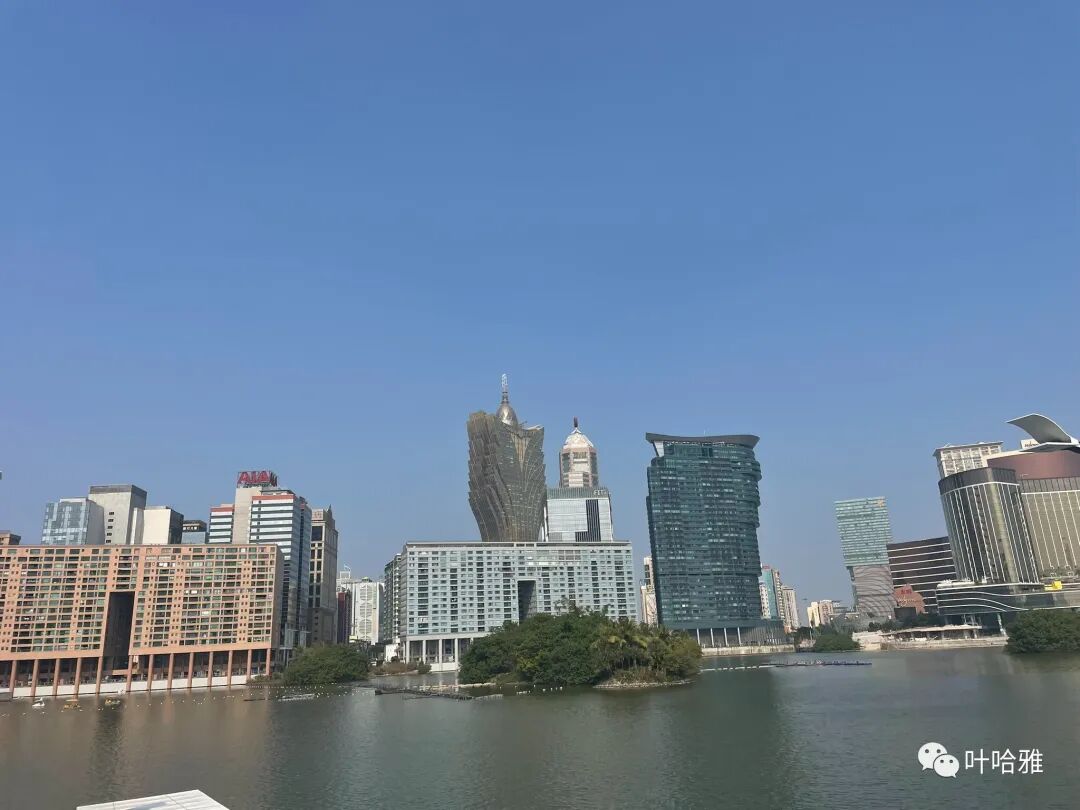
You can travel from Hong Kong to Macau by boat or bus. The boat is the most convenient, taking about two hours. Keep in mind that it is best to buy your ferry tickets online a few days before you leave. I changed my plans at the last minute and found the tickets sold out the night before, so I had to take the bus instead. There are several bus routes to Macau. The Hong Kong-Macau Express (Gang-Ao Yihao) leaves on the hour and takes two hours. It is best to buy these tickets in advance too, as I arrived in the morning hoping to buy a ticket for the next bus, only to be told that only afternoon tickets were left.
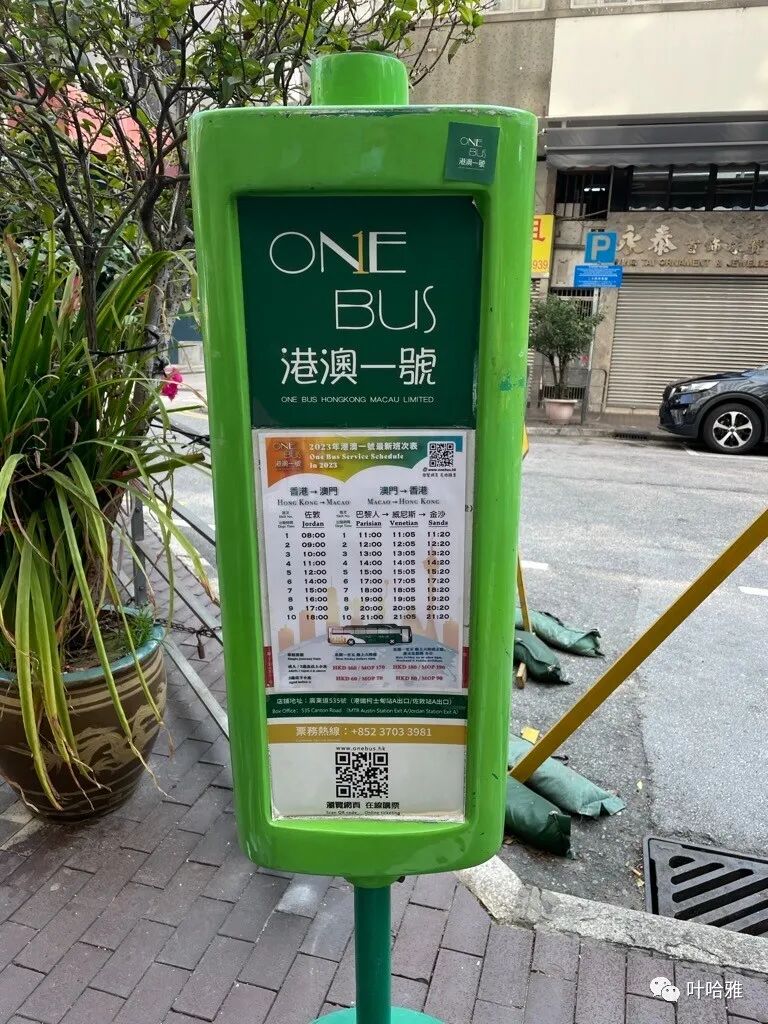
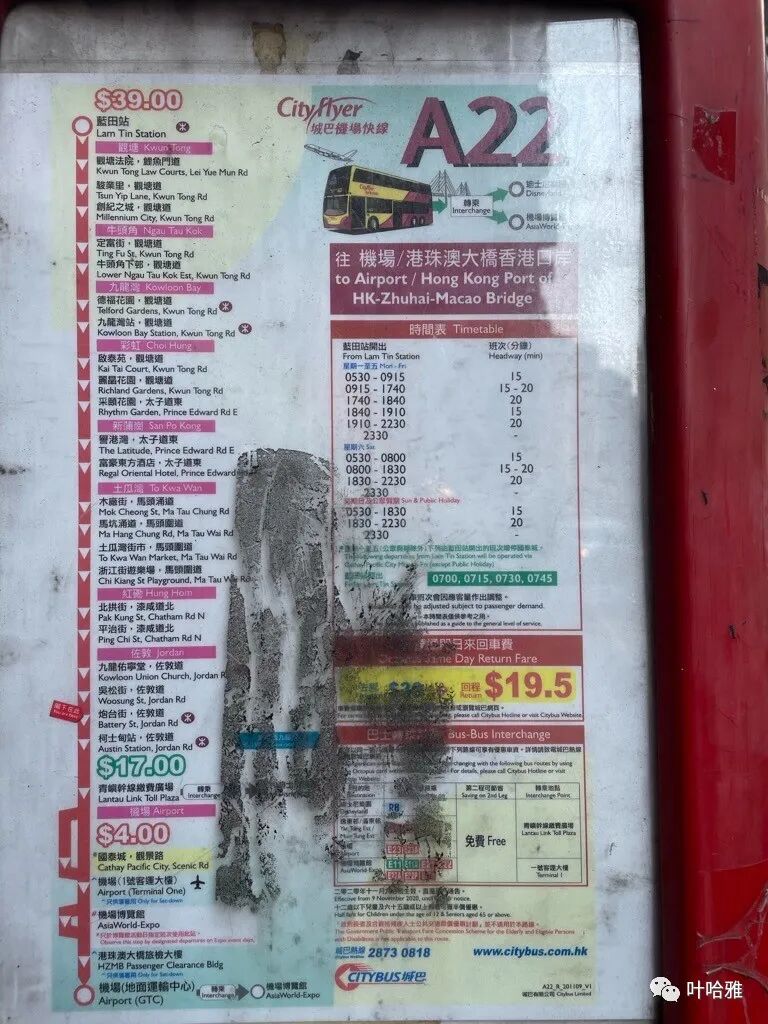
The route that does not require advance booking is the Cityflyer airport bus. Take the A22 bus to the Hong Kong port, get off, go through customs, wait in line, and then transfer to a bus heading to Macau. This route takes over three hours, mostly because of the long wait times. The advantage is that you can board at any time. As you can see, travel between Hong Kong and Macau is actually quite frustrating, even though I thought it would be very convenient.
Macau buses do not support mobile payments, so you need to have small change ready. Hong Kong dollars and Macau patacas are both accepted at a 1:1 exchange rate, but no change is given. The fare is 6 dollars. If you do not want to take the bus, you can walk around Macau. Macau is very small, covering only 32 square kilometers. Because it is so small, you can walk across its longest straight-line distance in about an hour.
This is my second time in Macau, with an eight-year gap between visits, but I did not feel like much had changed. Eight years ago, the Macau mosque did not have a full-time imam, so they had to invite an imam from Hong Kong to lead the Friday prayer (Jumu'ah). Now, Macau has an imam stationed at the mosque. I came this time because Macau is hosting an exhibition on the six major religions. This is the first time Islam has been publicly exhibited in Macau. You should know that it has been over four hundred years since the first recorded Muslim activity in Macau in 1586.
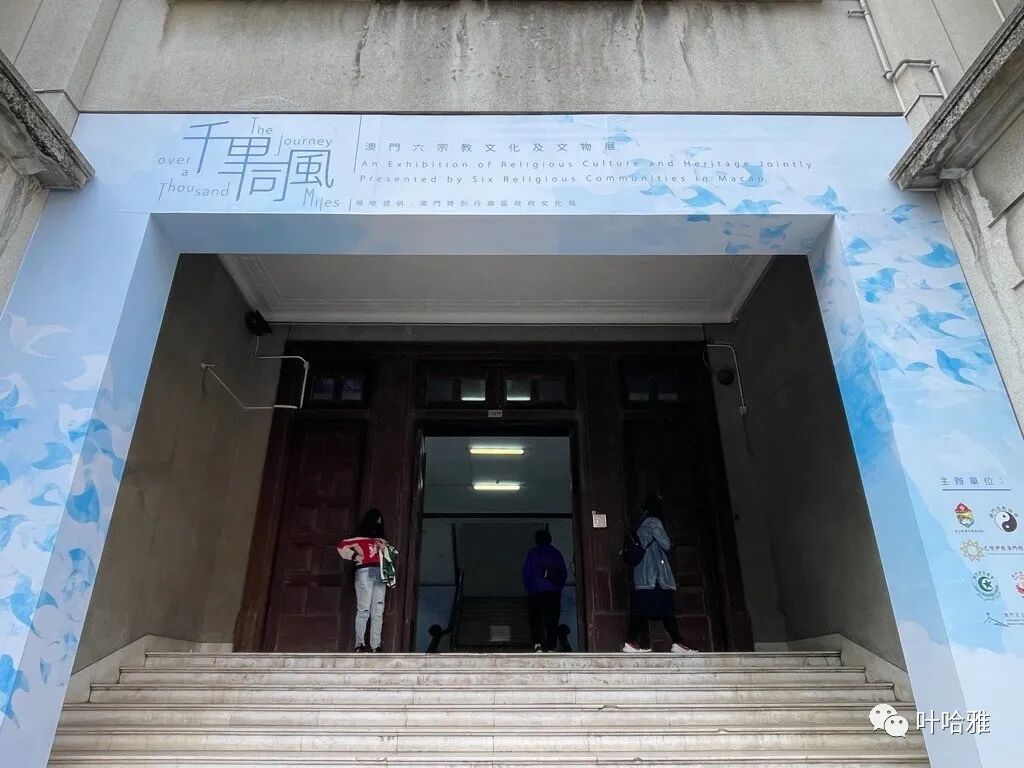
The exhibition runs until March 17, and different scholars will give speeches on-site during this period.
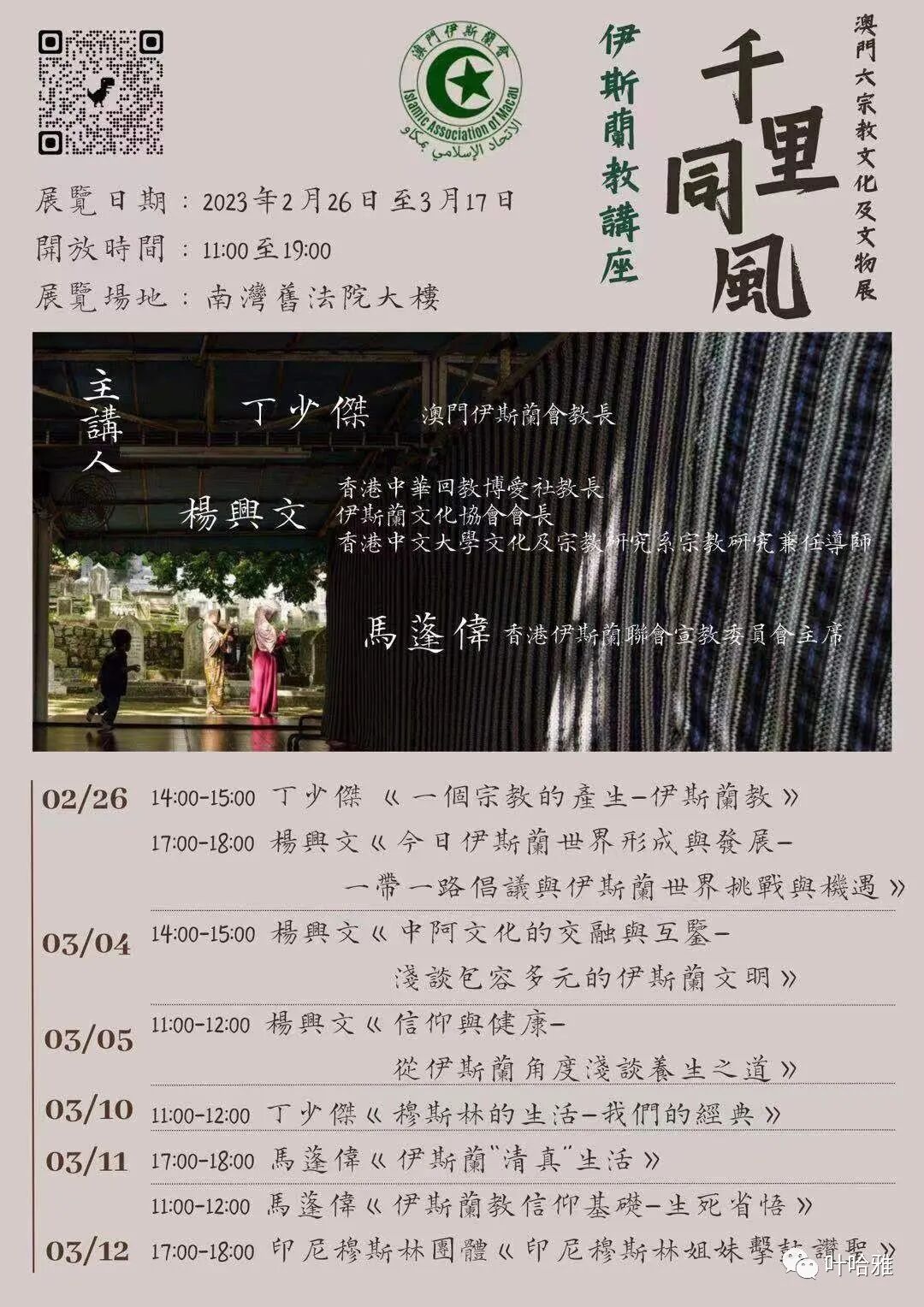
The six major religions in Macau are the Anglican Church, the Catholic Church, Islam, Buddhism, Taoism, and the Baha'i Faith. You might not be very familiar with the Baha'i Faith here. I met Baha'i believers in Beijing a long time ago.
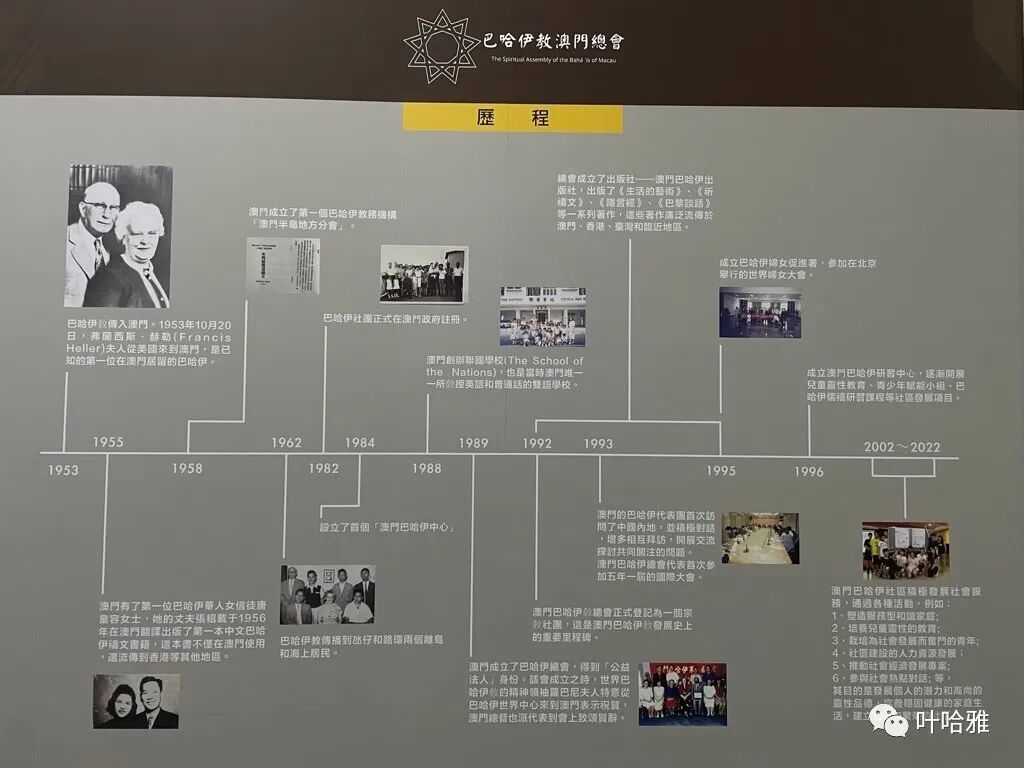
The Baha'i Faith originated from the Shia branch of Islam. Because it claims to have a new prophet, it is not recognized by Islamic countries. At first, the founder of the religion called on followers to resist the government, but after repeated setbacks, the religion modified its teachings to support the governments of the countries where they lived in order to survive. Simply put, the religion's ideas are similar to Marxist socialism, and both were contemporaries. However, it is clear that the number of people who claim to believe in Marxism today is far greater than the number of Baha'i believers. In the 200 years since the Baha'i Faith began spreading, it has only developed a few million followers, and its influence is far less than that of Marx.
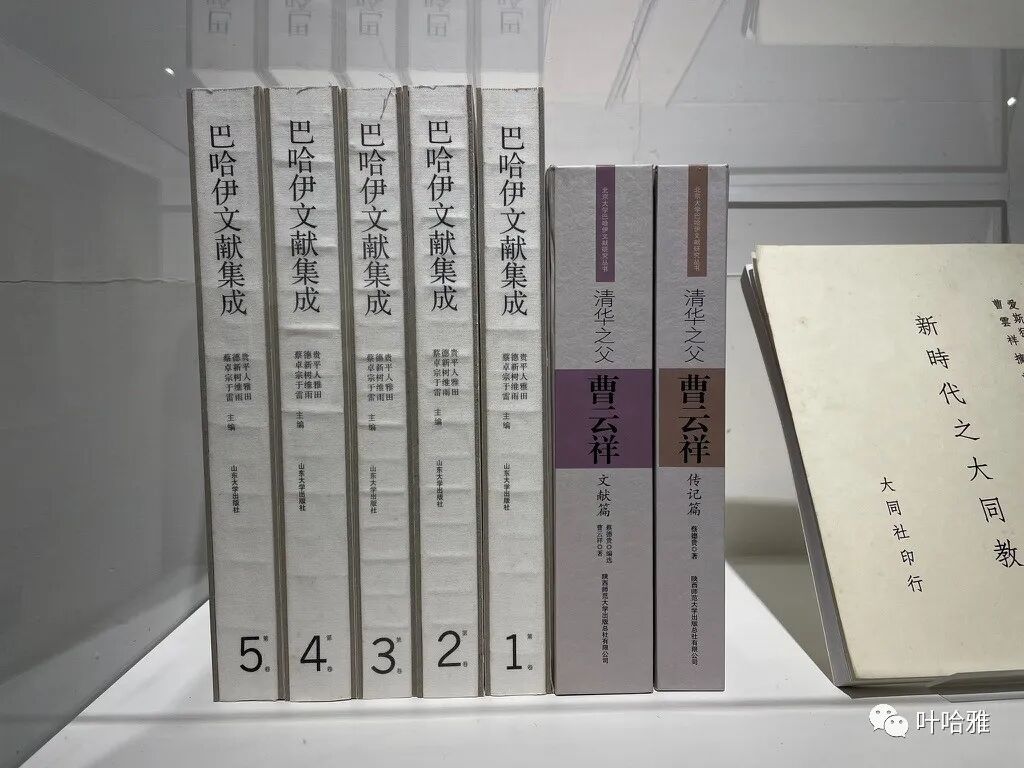
Tsinghua University President Cao Yunxiang, singer Khalil Fong, and real estate developer Pan Shiyi and his wife are all said to be Baha'i believers. Every major religion has famous people who endorse it. Everyone has a different living environment, different knowledge, and a different state of mind, so there are reasons for choosing to believe in different religions. This does not really prove anything.
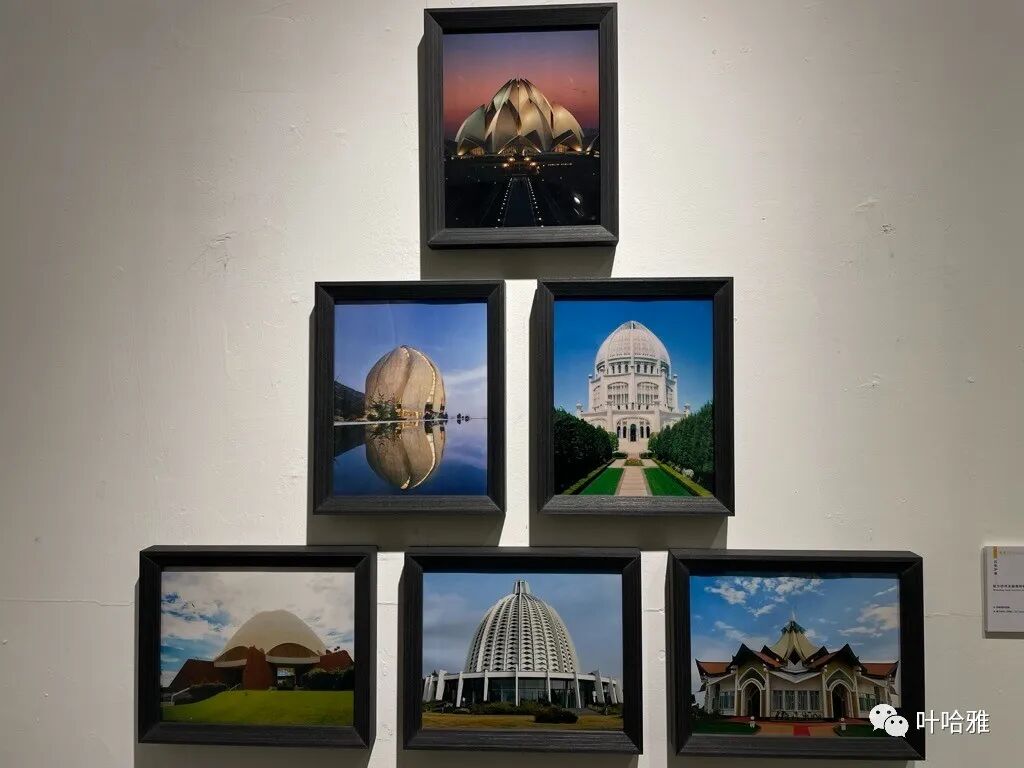
The Baha'i faith has built houses of worship across six continents. Because they simplify their religious rituals, they do not need many buildings. They only built one symbolic venue on each continent. I once visited the Baha'i center in Macau.
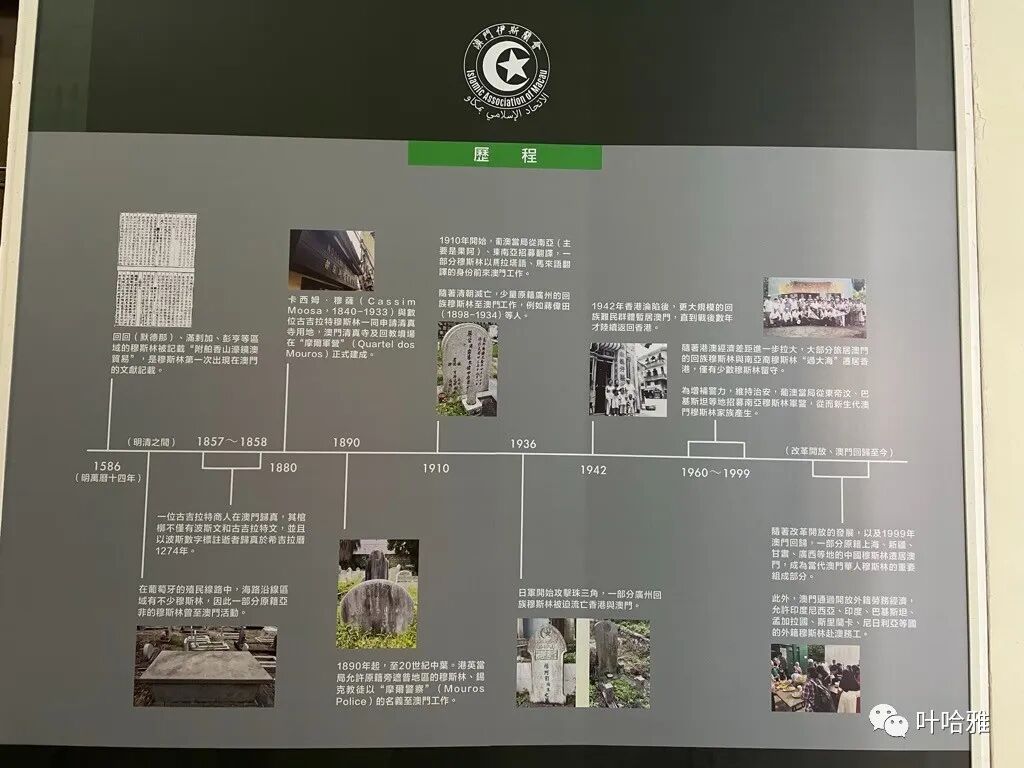
The image below shows a brief history of Islam in Macau. The earliest written record of Muslims in Macau dates back to 1586 during the Wanli era of the Ming Dynasty. It is likely that Portuguese traders arriving by sea brought Muslims with them. Local people in Macau call the mosque 'Moro Garden' (Moluoyuan). 'Moro' comes from the Portuguese word 'Mouro,' which refers to the Moors of North Africa. At that time, Europeans called Muslims Moors. Later, after the rise of the Ottoman Empire, Europeans began calling Muslims Turks.
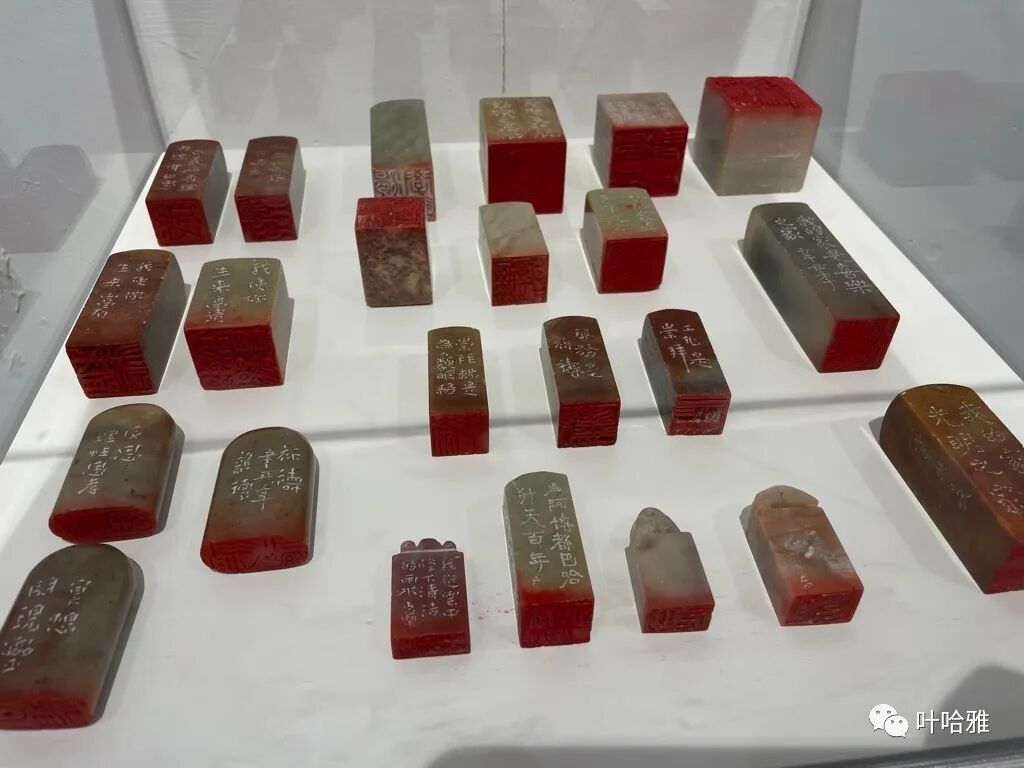
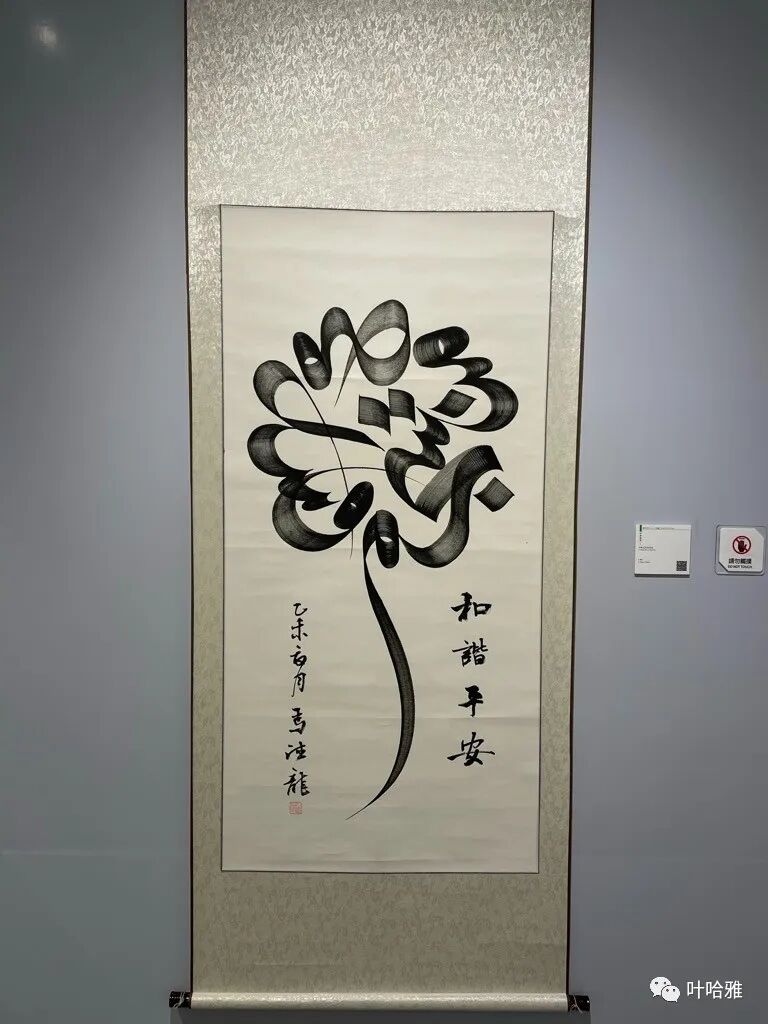
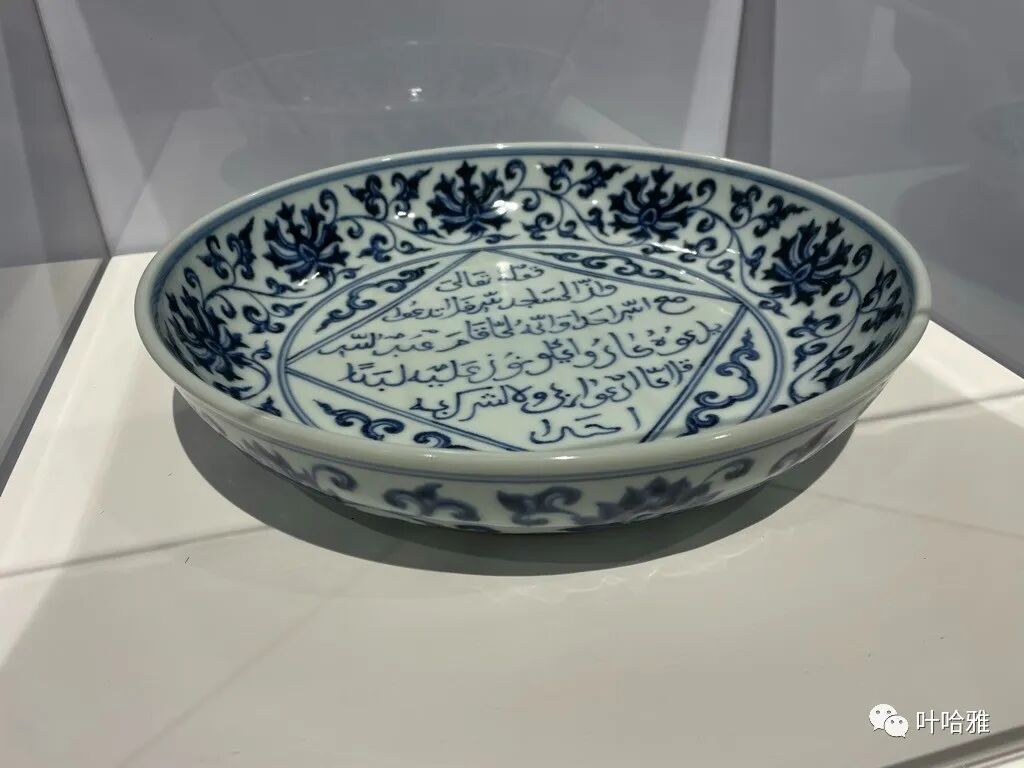
To prepare for an exhibition, the imam of the Macau mosque, Imam Ding, specially collected a group of Islamic calligraphy works and cultural artifacts to display.
After Macau became a Portuguese colony in the 19th century, Muslims from South Asia, Southeast Asia, and the Middle East arrived in Macau through trade. Some settled here, and the Macau mosque was built during this period.
In modern times, many Muslims from Guangdong and Hong Kong moved to Macau to escape the war. I have also met some Hui Muslims from Northwest China who stayed in Macau for school or work. However, because Macau is so small and the cost of living is high, many people choose to live in neighboring Zhuhai and commute to Macau every day.
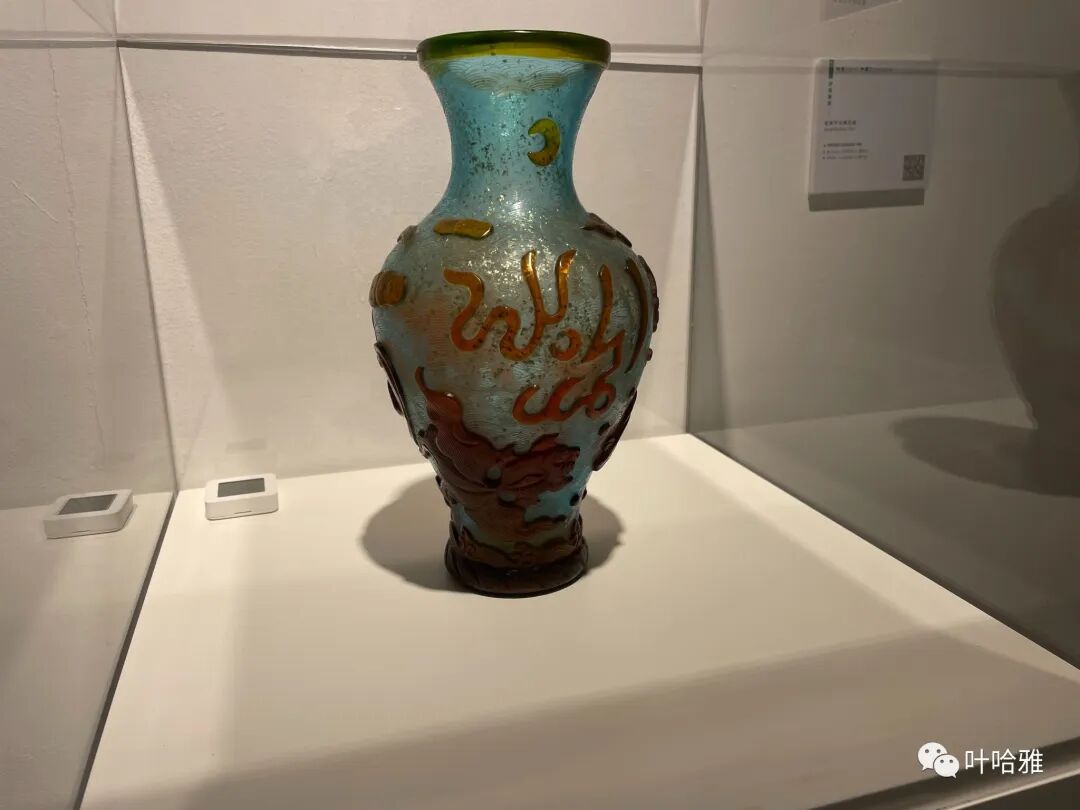
The number of tourists in Macau is likely much higher than the local population, so you are rarely treated differently for speaking Mandarin there. Tourists are there to spend money. Hong Kong is different. Although Hong Kong people can understand Mandarin, it is difficult for them to speak it. It is understandable if people speaking Mandarin are treated differently by Hong Kongers. It is like going to France and speaking English; the French would certainly not be happy about it. After all, it is their territory, and shouldn't you follow local customs and speak French?
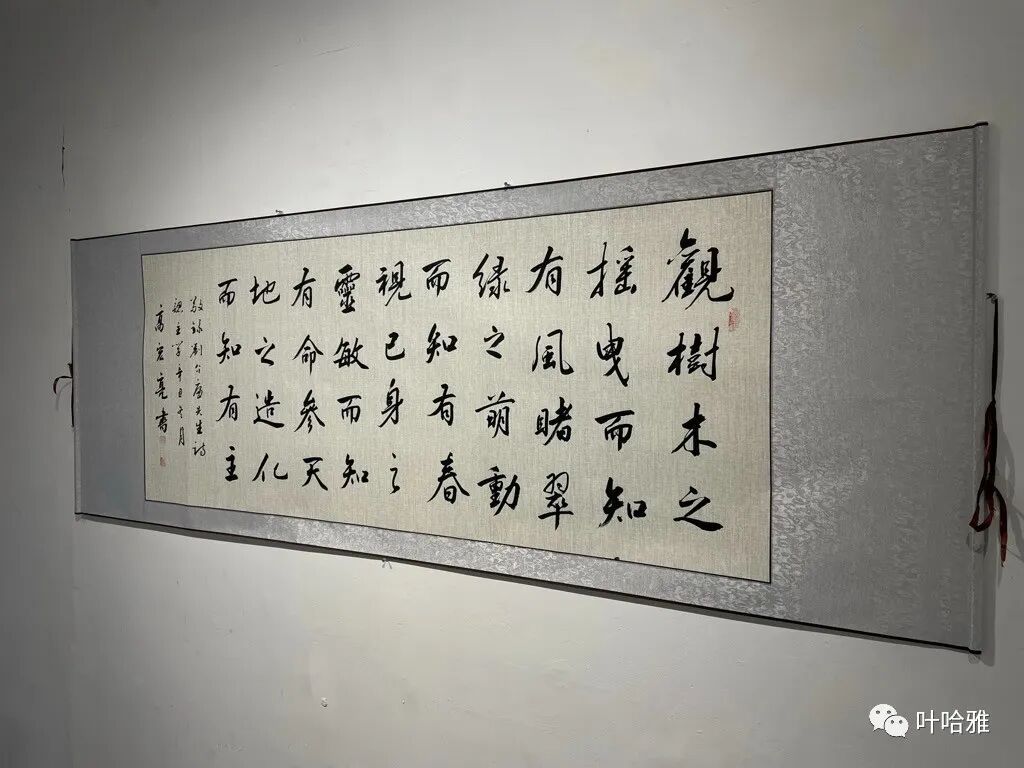
Macau Mosque and Muslim Cemetery.
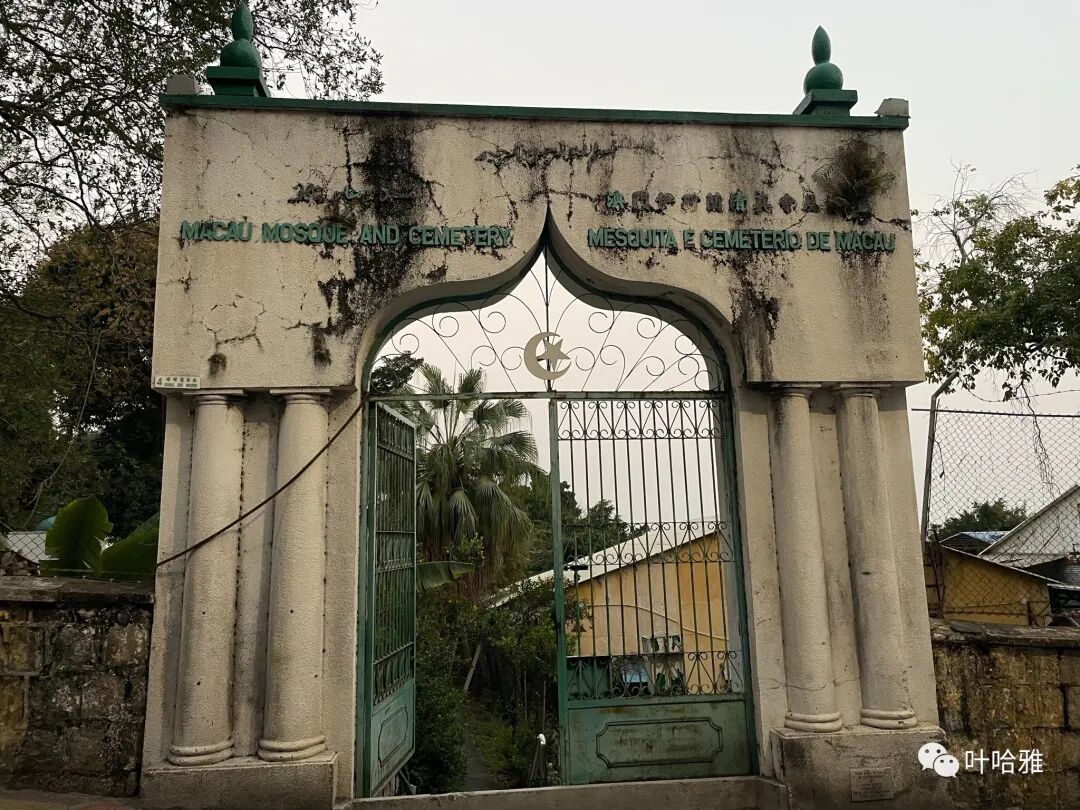
The mosque and cemetery were first built in 1774 by a group of Muslim sea merchants from Goa, India, near the seaside. Most people buried in the cemetery are Indian or Pakistani Muslims, but there are also a small number of Chinese. You can easily tell them apart by the surnames on the tombstones. The Chinese descendants are mainly surnamed Ha and Yang.
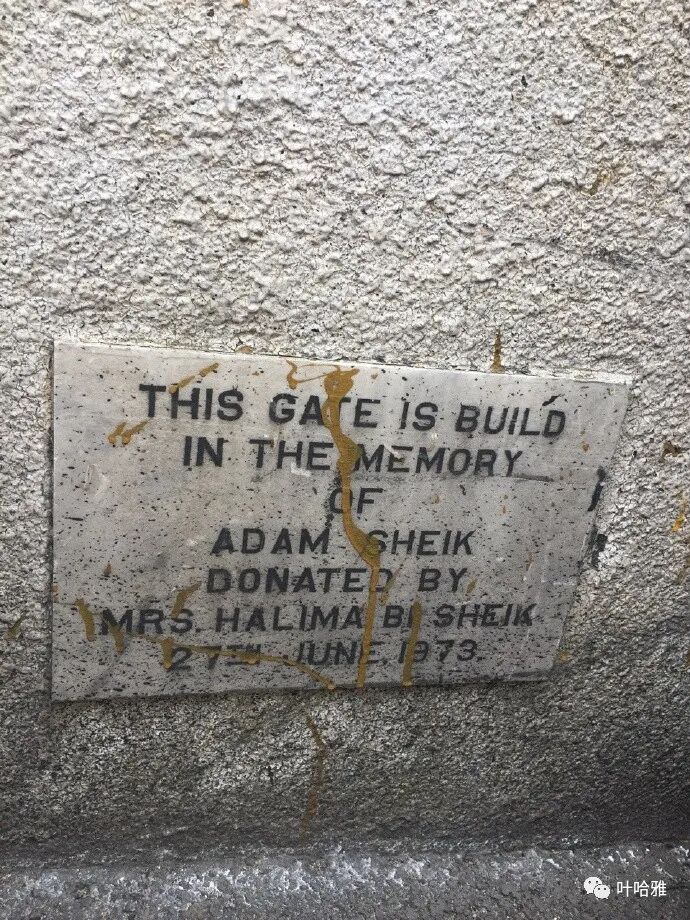
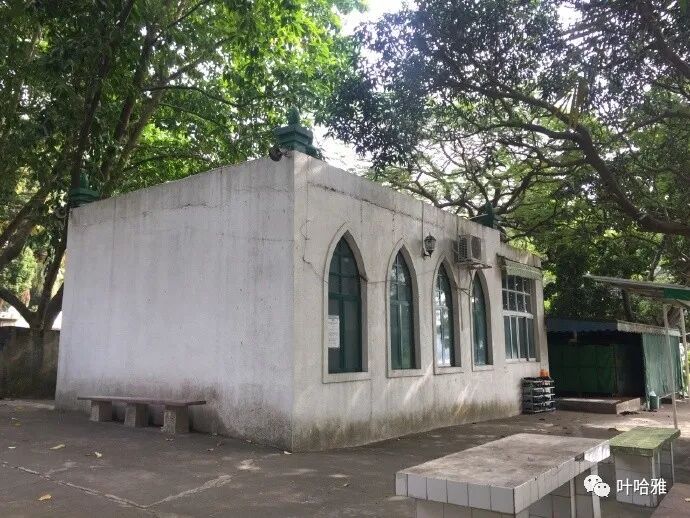
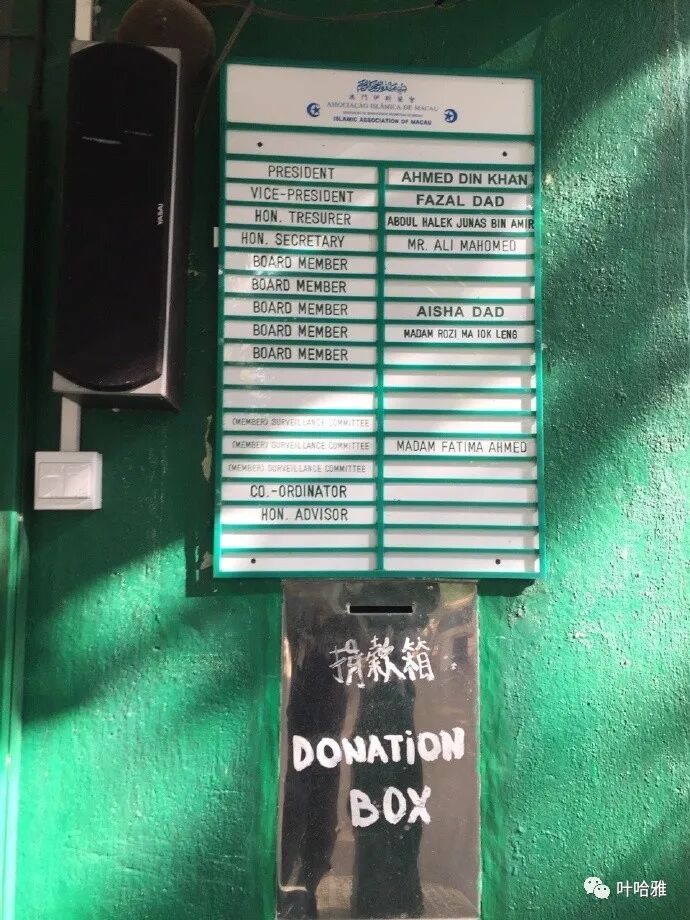
The main gate of the mosque was rebuilt in 1973. In 2006, the Islamic Association of Macau applied to the authorities for permission to build a larger mosque next to the existing building, and reconstruction began in the second half of 2007. However, construction on the new mosque has still not started.
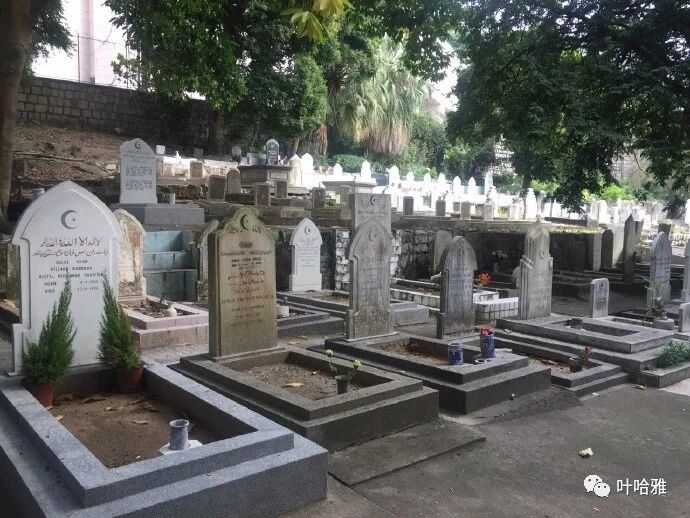
In the cemetery, there is a Hui Muslim named Yang You, who was a diplomat and served as a consul in Japan and Korea during the Republic of China era. His granddaughter, Wang Xiangjun, is now the chairwoman of the Hong Kong Muslim Women's Association.
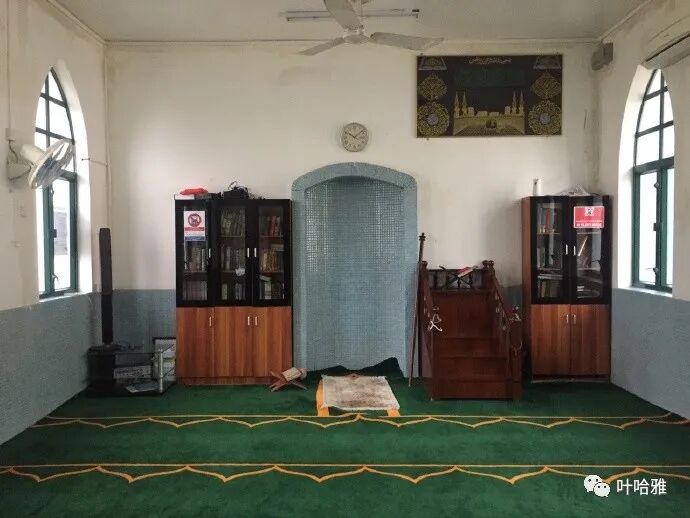
The prayer hall of the Macau Mosque is very small, but the courtyard is large. Every weekend, many friends (dosti) from South Asia and Southeast Asia come to Macau to eat and relax, just like they are at home. I saw friends from the mainland writing their theses in the mosque, and Imam Ding treats the students like a patriarch.
Loulan Hand-Pulled Noodle Restaurant (Loulan Lamian Guan)
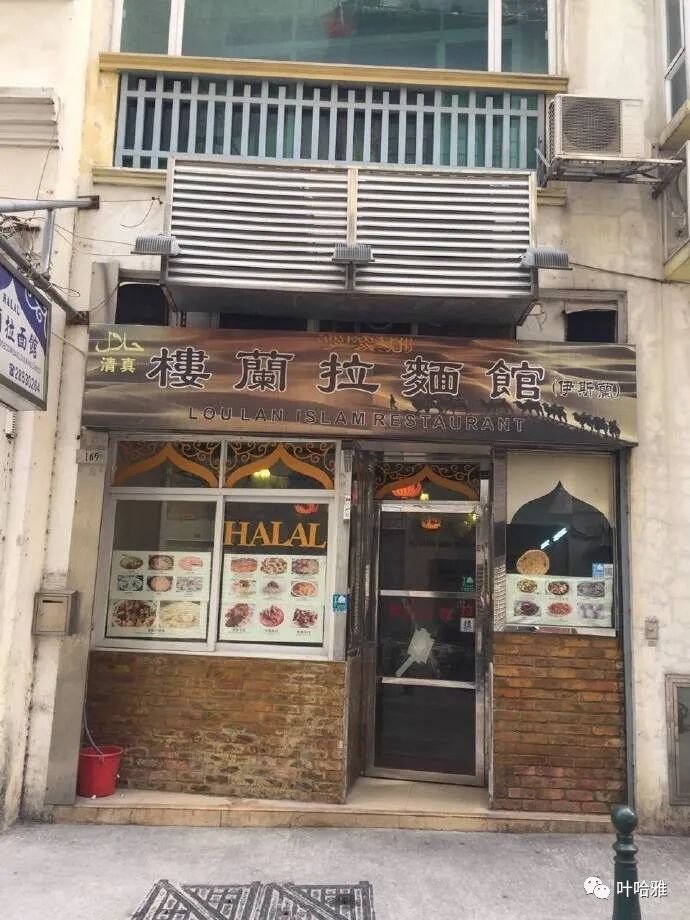
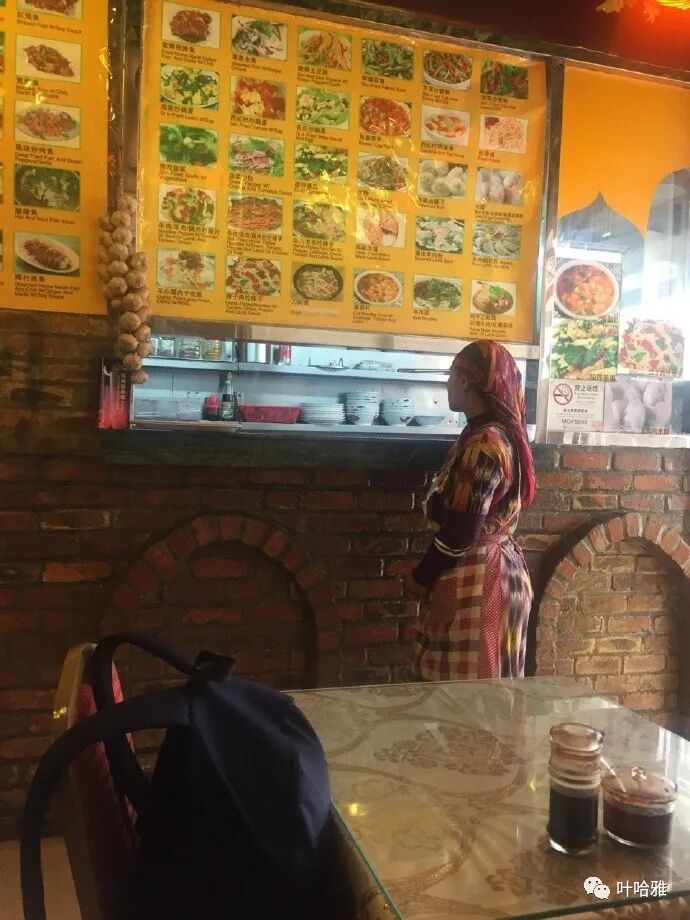
This is currently the only Xinjiang restaurant in Macau. It was open when I visited eight years ago and is still in business today. The owner is Uyghur, and the staff are Indonesian.
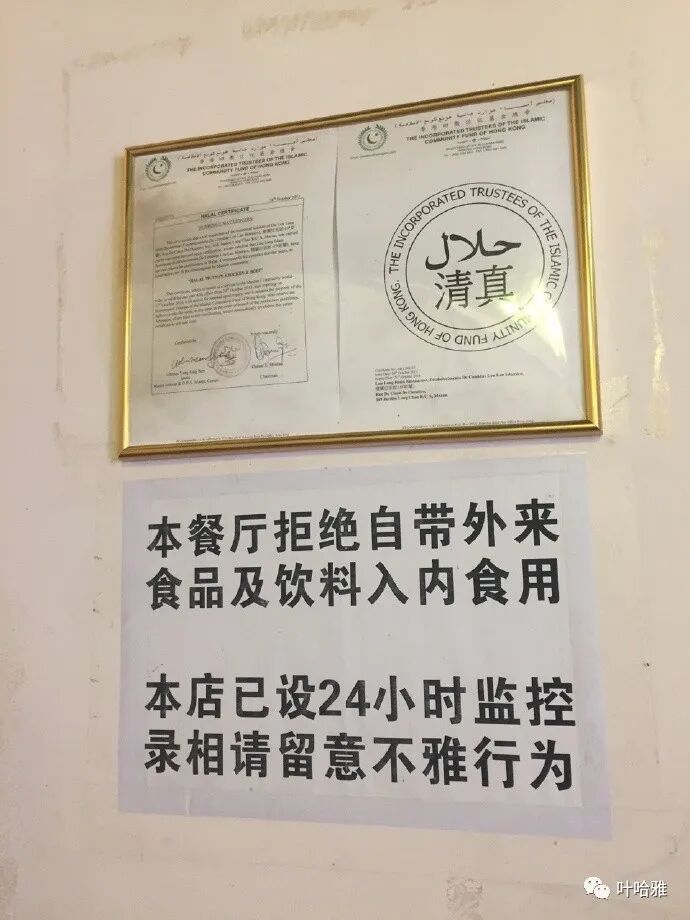
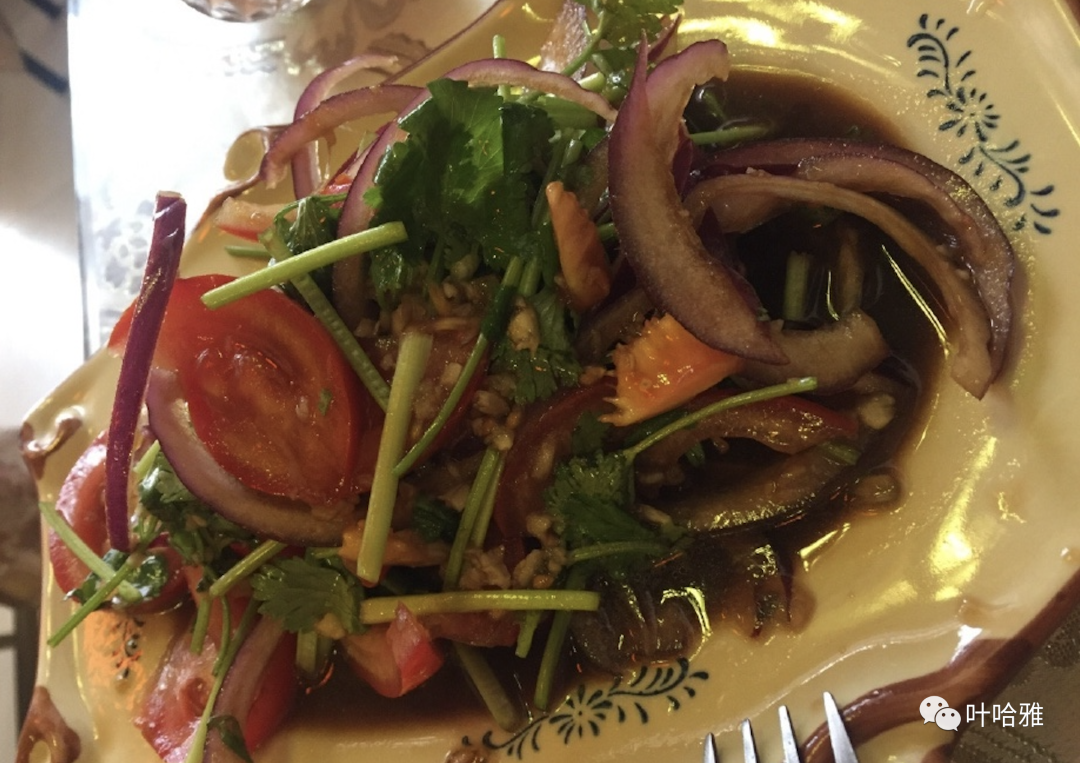
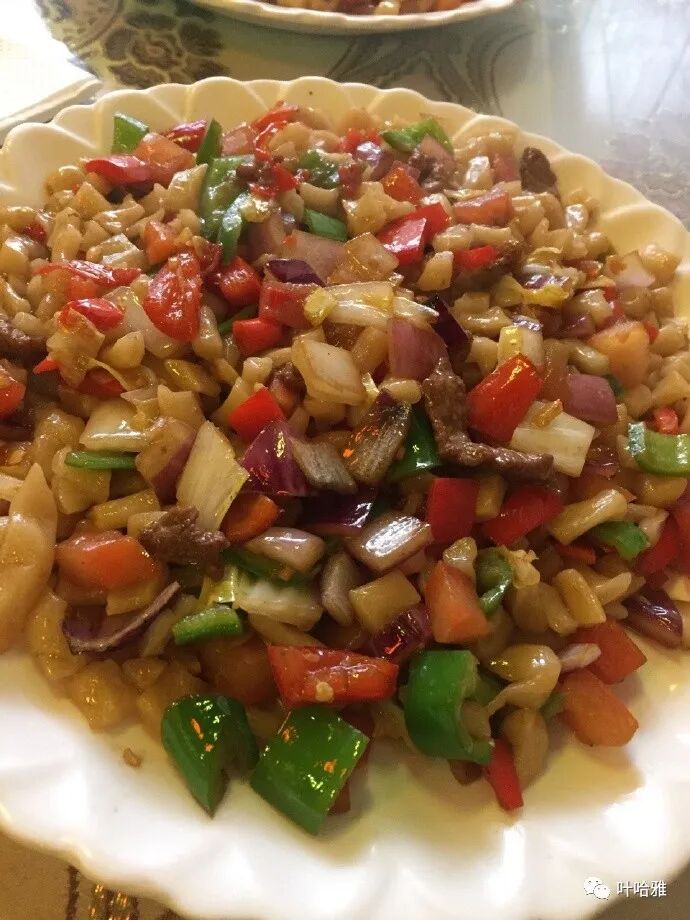
I ate the Xinjiang-style spicy peppers with tomatoes (pilahong) and diced stir-fried noodles (dingding chaomian). The taste was excellent, though the price was a bit high, with an average cost of about 150 yuan per person.
Cafe Sambal Jawa Indonesia
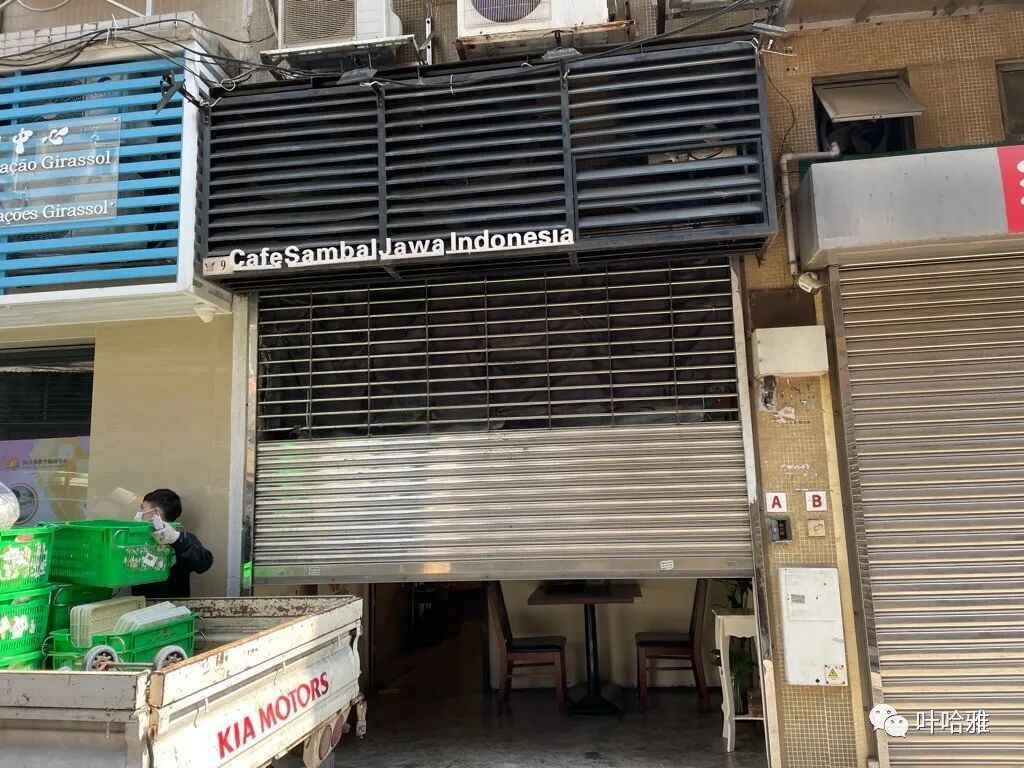
This restaurant is run by Indonesians and opens at 12:00. I arrived at 10:30, and after I told the staff I was a Muslim, they let me go inside to eat early.
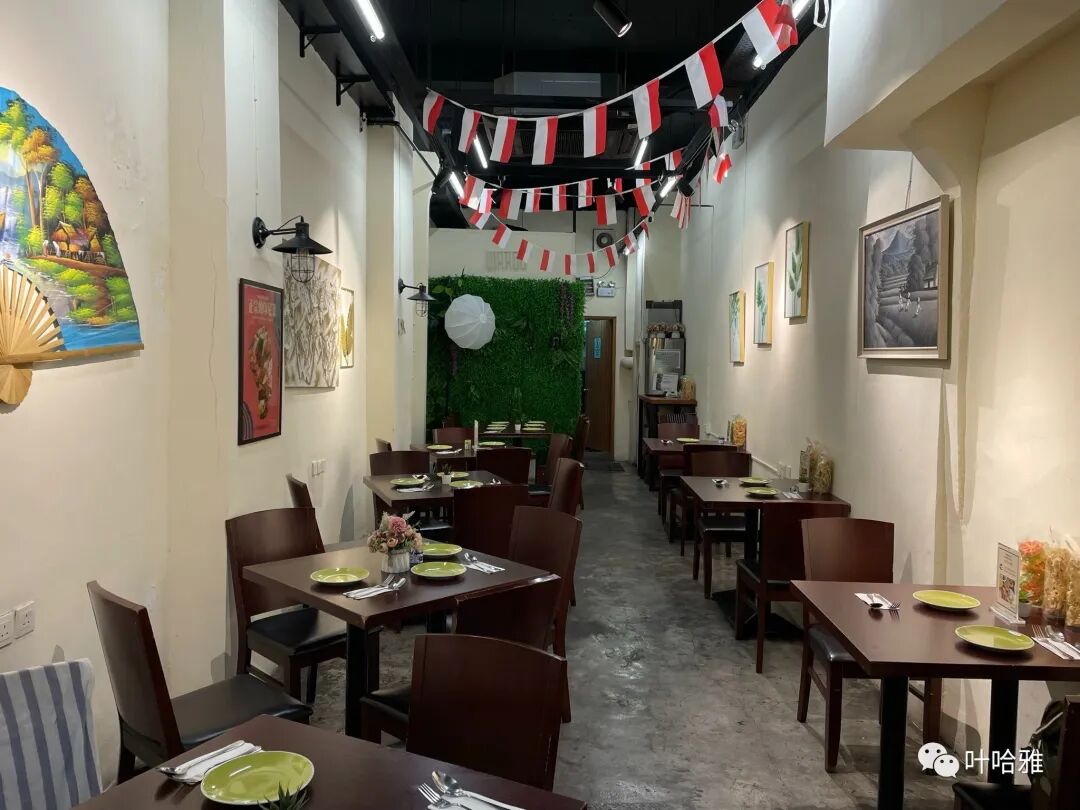
I visited Indonesia in 2020 before the pandemic broke out. Please see my 'Indonesia Halal Trip: An Indonesian Journey Through the Eyes of a Chinese Hui Muslim.' I am particularly interested in Javanese culture. Before going to Indonesia, I thought it would be similar to Malaysia, but after experiencing it, I found it to be very different. Indonesia has so many fun places.
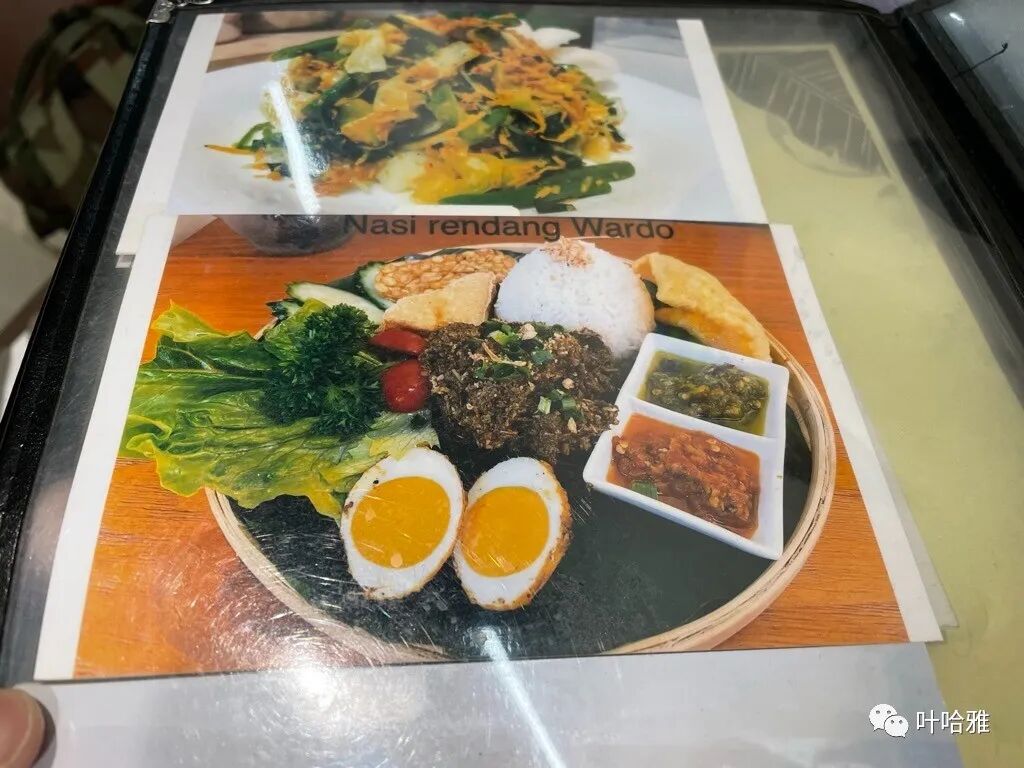
I ordered a set meal based on the picture, which included a variety of local snacks.
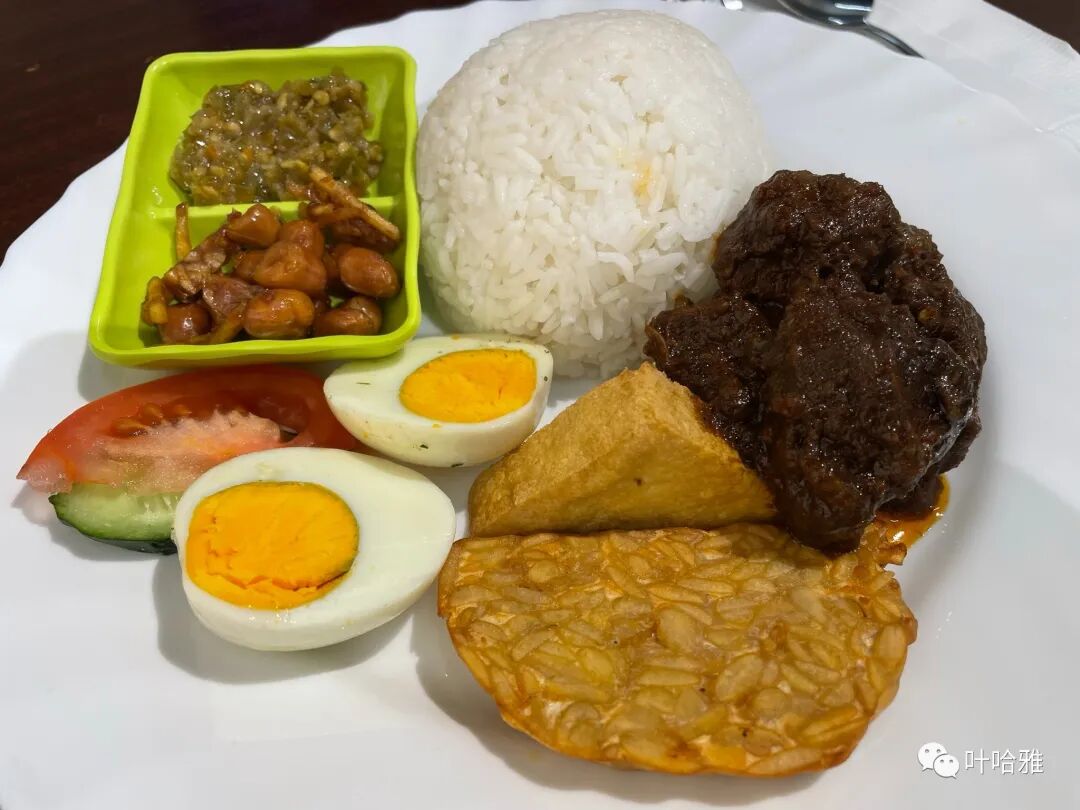
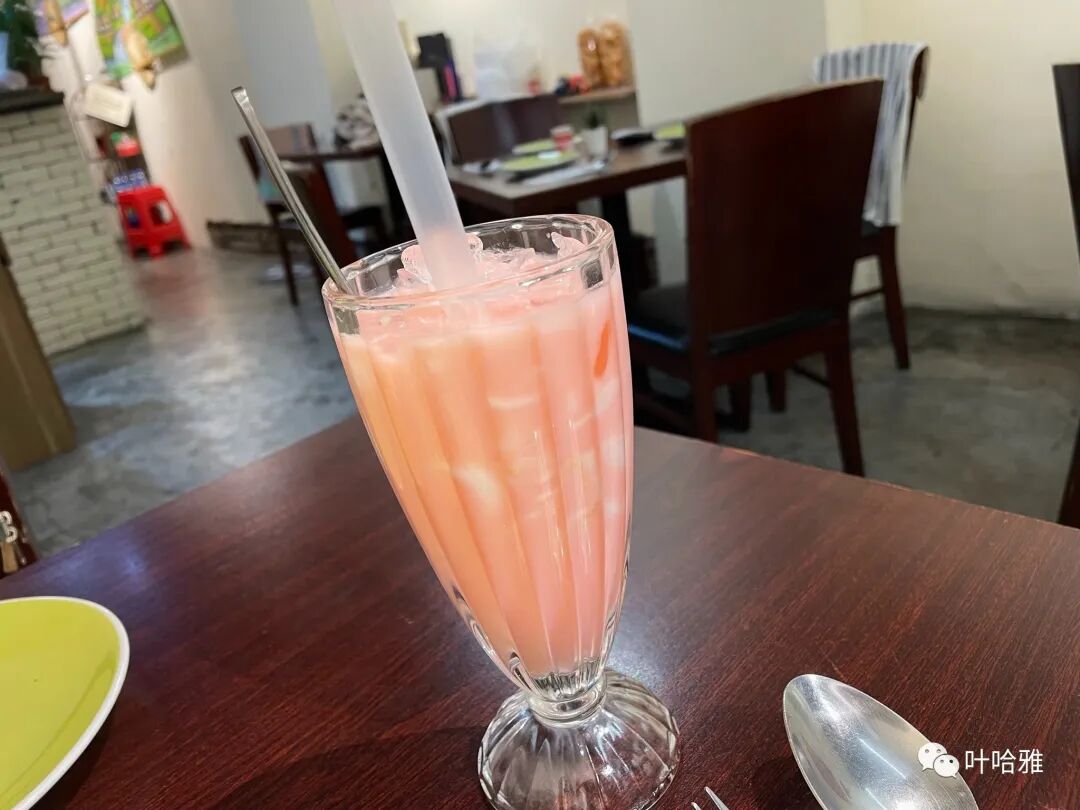
This shop is said to be very busy. Indonesian food is popular in Macau. Imam Ding told me that there are many similar small Indonesian eateries in Macau. Many are small, unbranded workshops located in residential buildings with no information online, so you have to ask Indonesian people to find them.
Indian and Pakistani Curry House
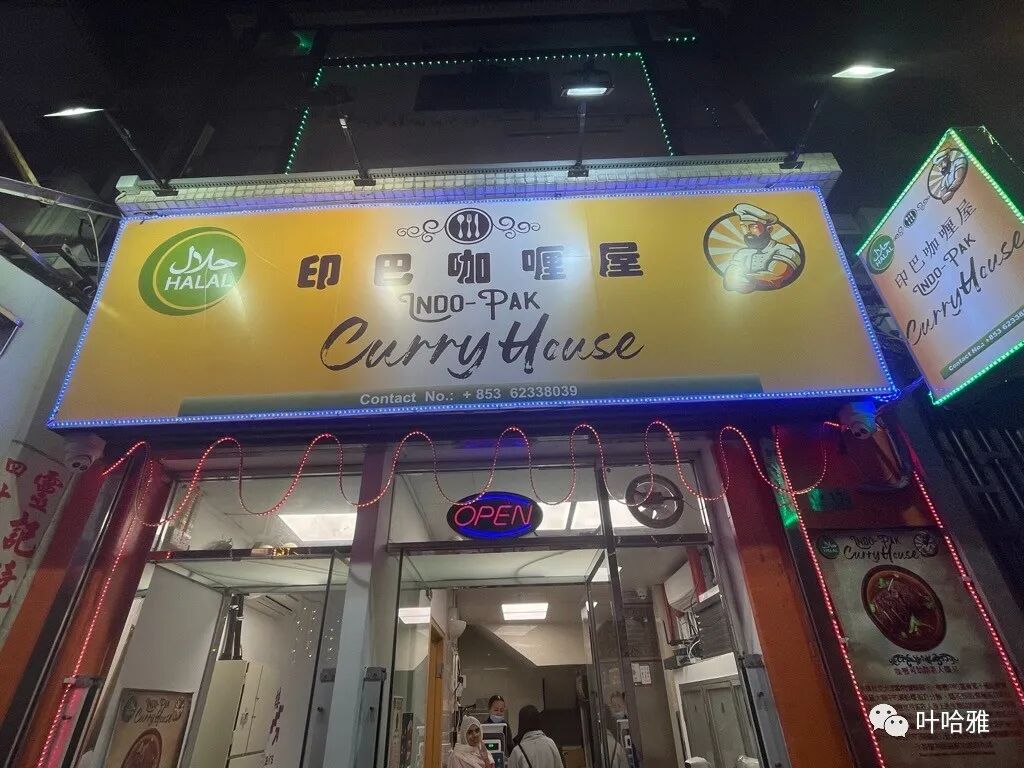
This is a newly opened Pakistani restaurant located on the ground floor of the Jiqing Commercial Center. Imam Ding hosted over twenty friends (dosti) who came to Macau for an event here that evening. Imam Ding studied in Pakistan and can speak Urdu to communicate with the Pakistani staff at the restaurant.
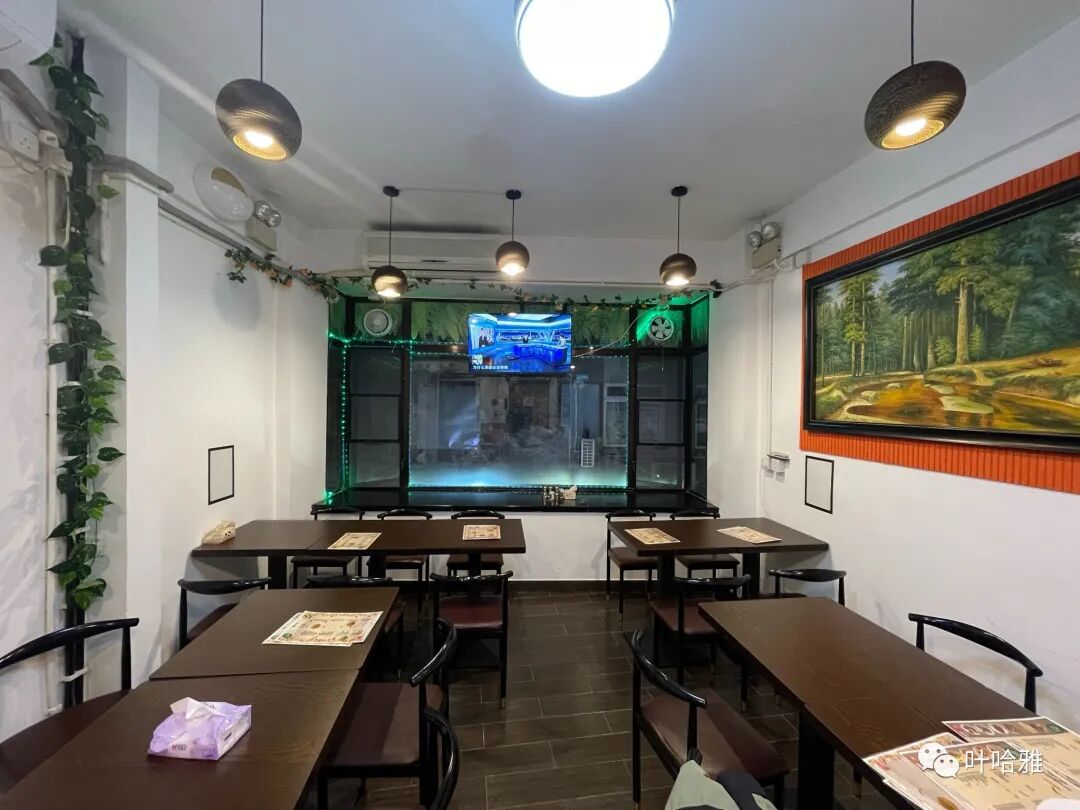
Macau once had a one-star Michelin Indian restaurant called Golden Peacock that was halal, but it closed during the pandemic. Another place called Hongyun Restaurant that served halal Cantonese dim sum also closed down.
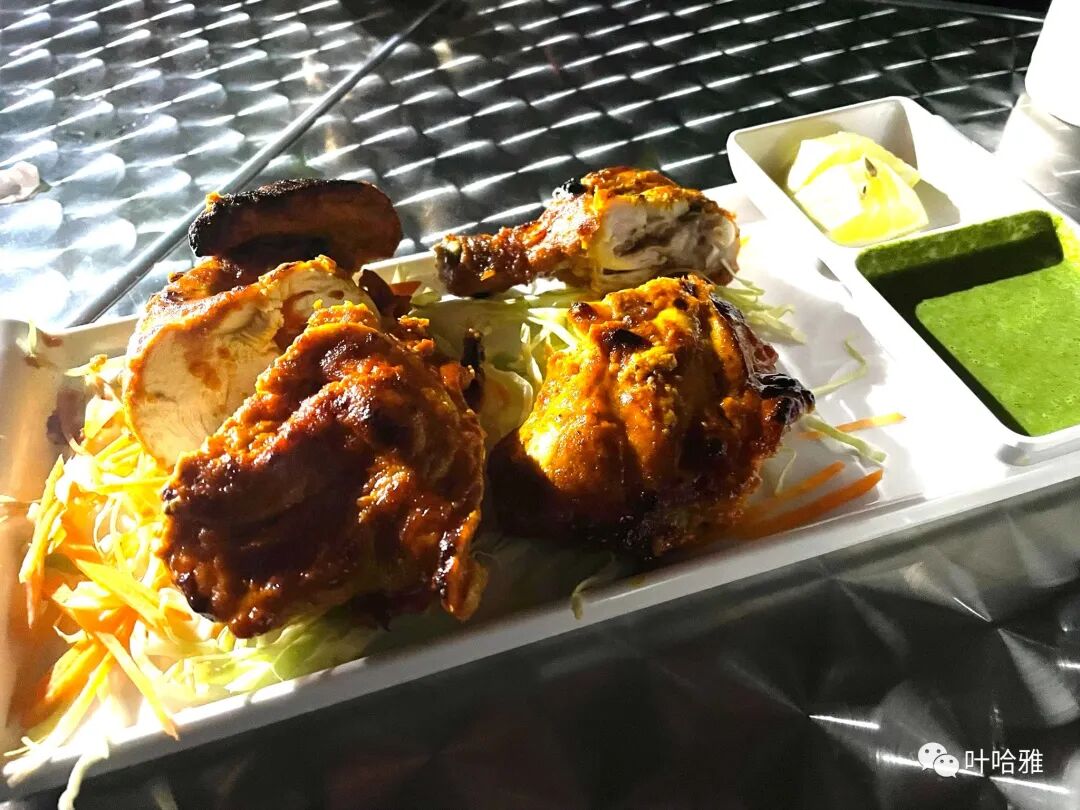
Laili Indonesian Cuisine
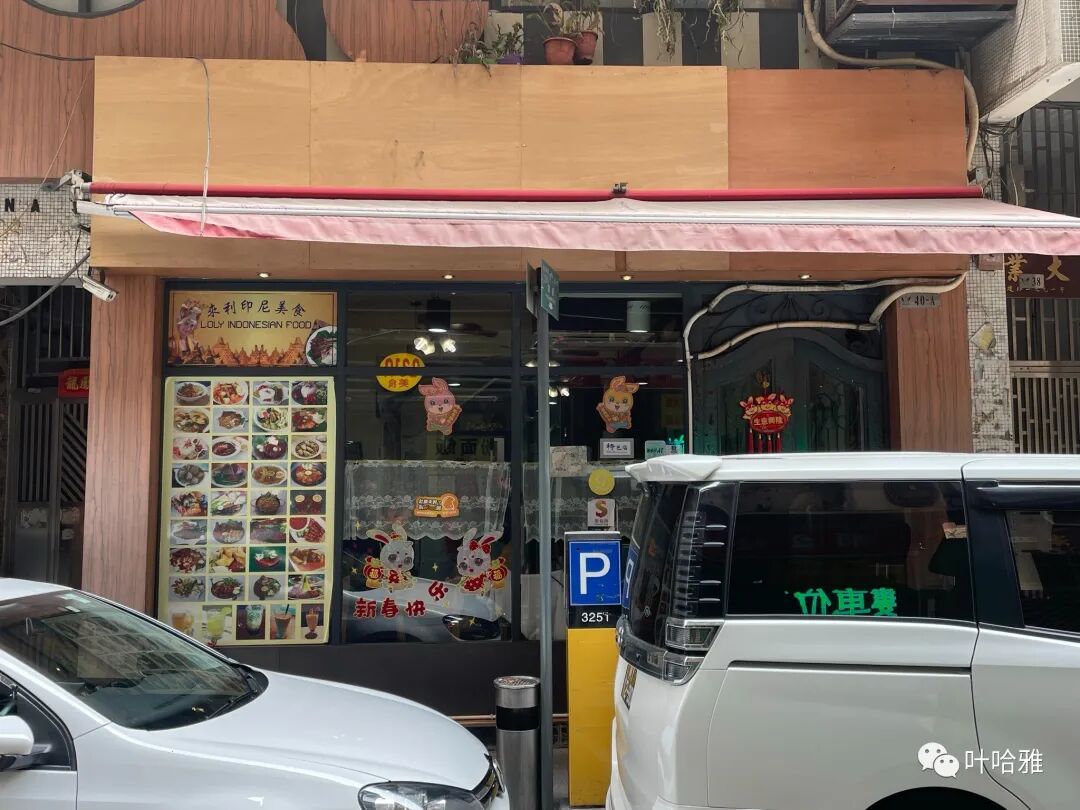
Laili is located on the ground floor at 40 Qingcao Street. In Macau, Baidu Maps works better than Google Maps, and you can navigate by entering the restaurant name.
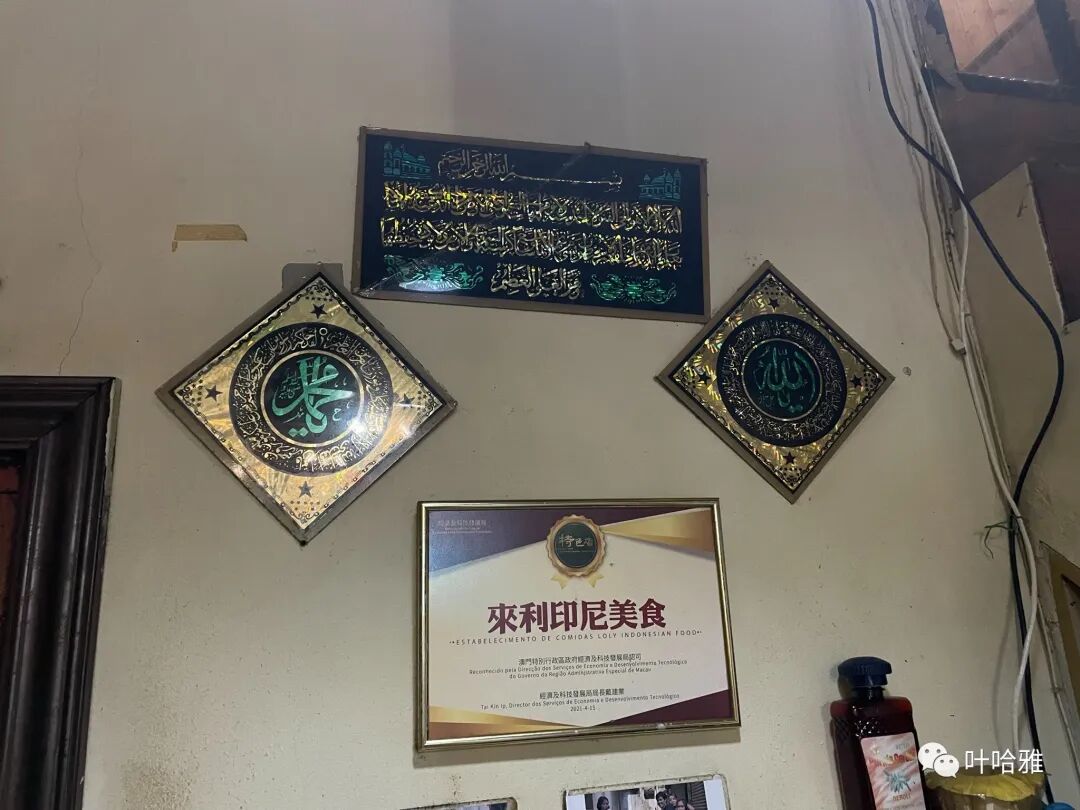
These Indonesian and Indian-Pakistani restaurants in Macau do not sell alcohol, so you do not need to worry about whether the ingredients are reliable.
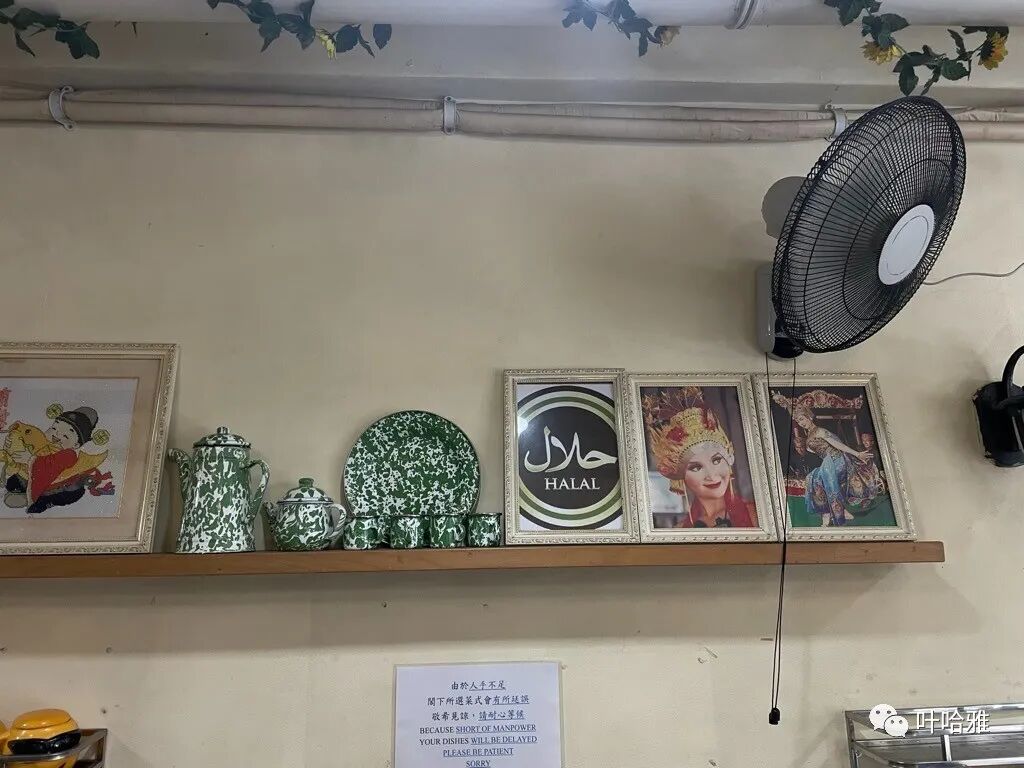
These Indonesian restaurants are also very affordable. A set meal costs 50 yuan, and adding a drink brings it to about 70 yuan.
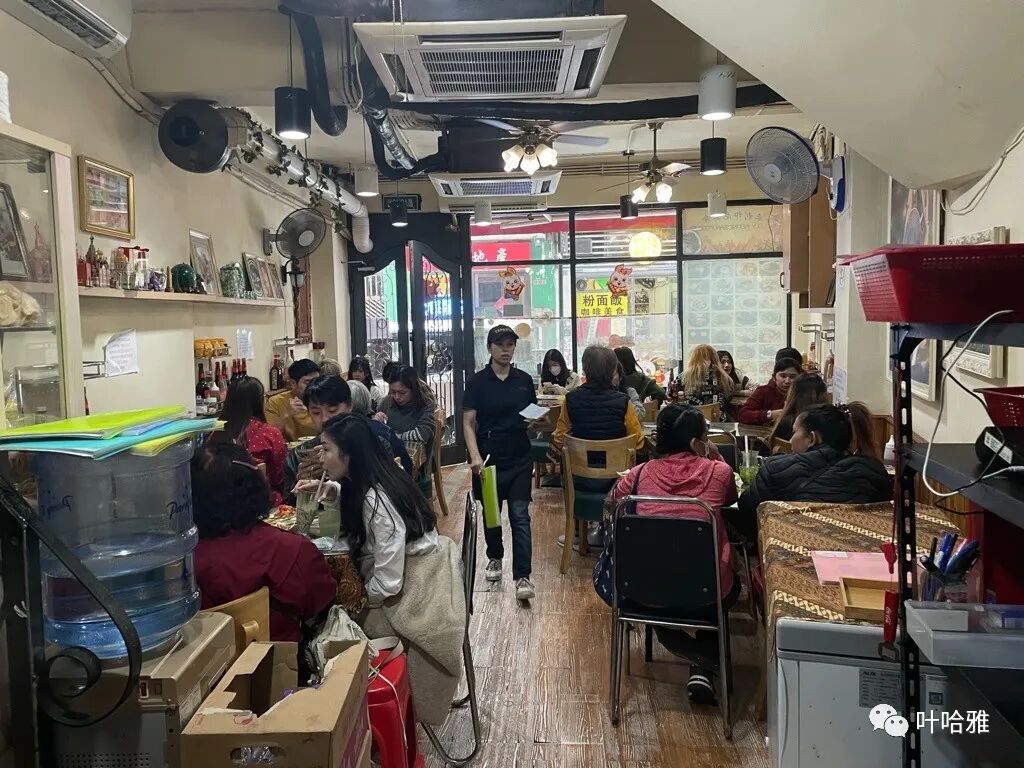
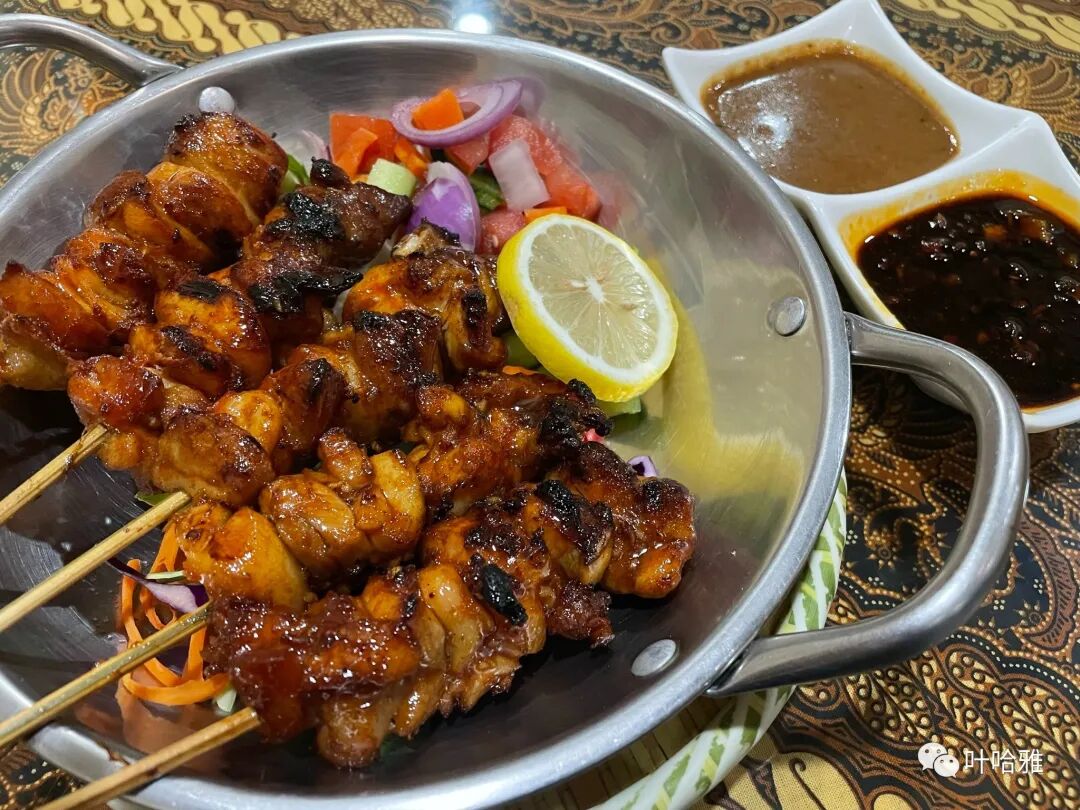
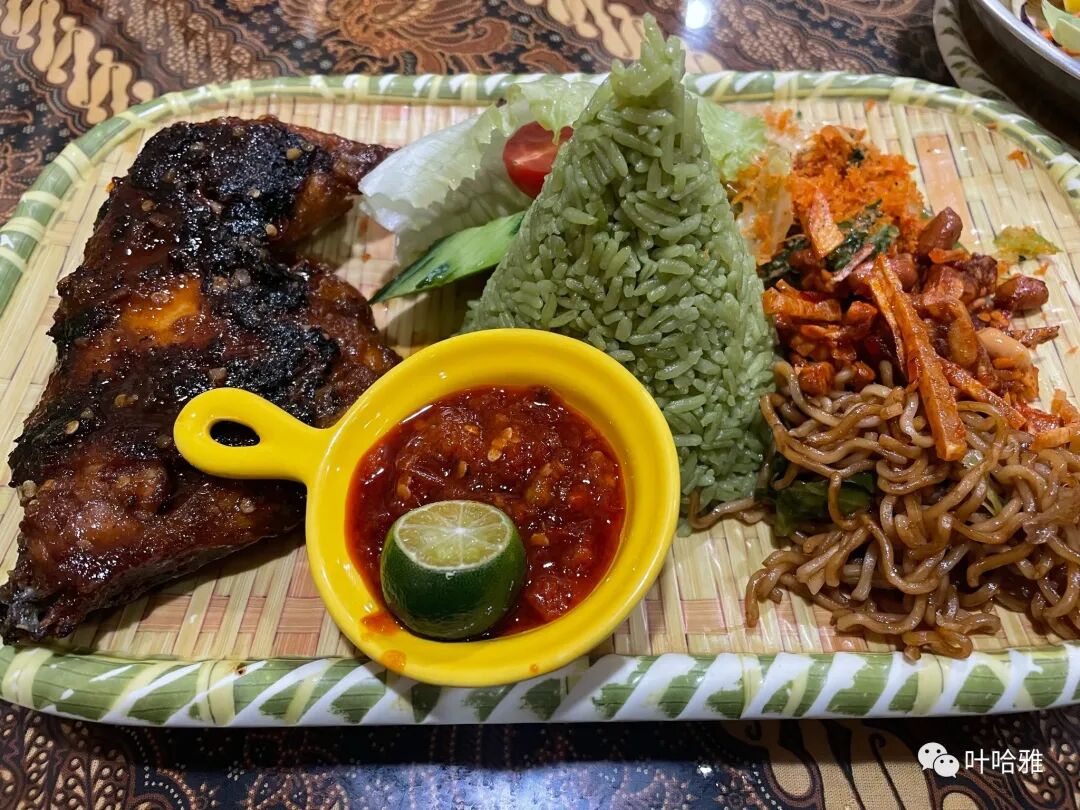
Many people eat at Laili at noon, and you may need to wait for a table during peak hours. The restaurant accepts WeChat Pay.
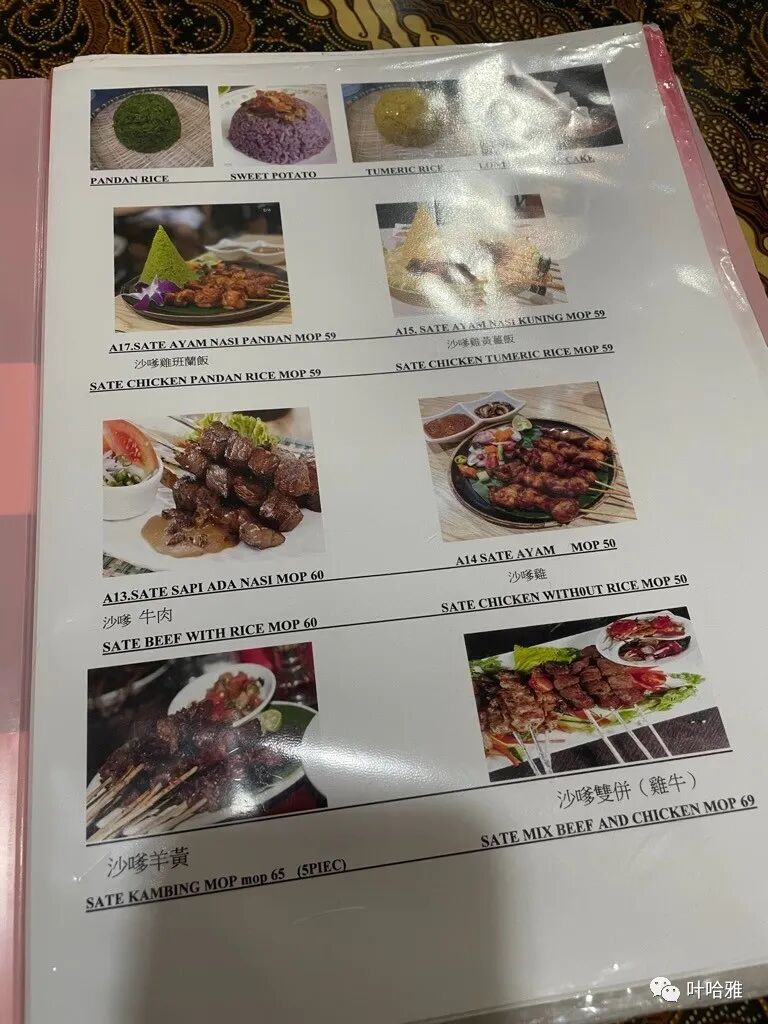
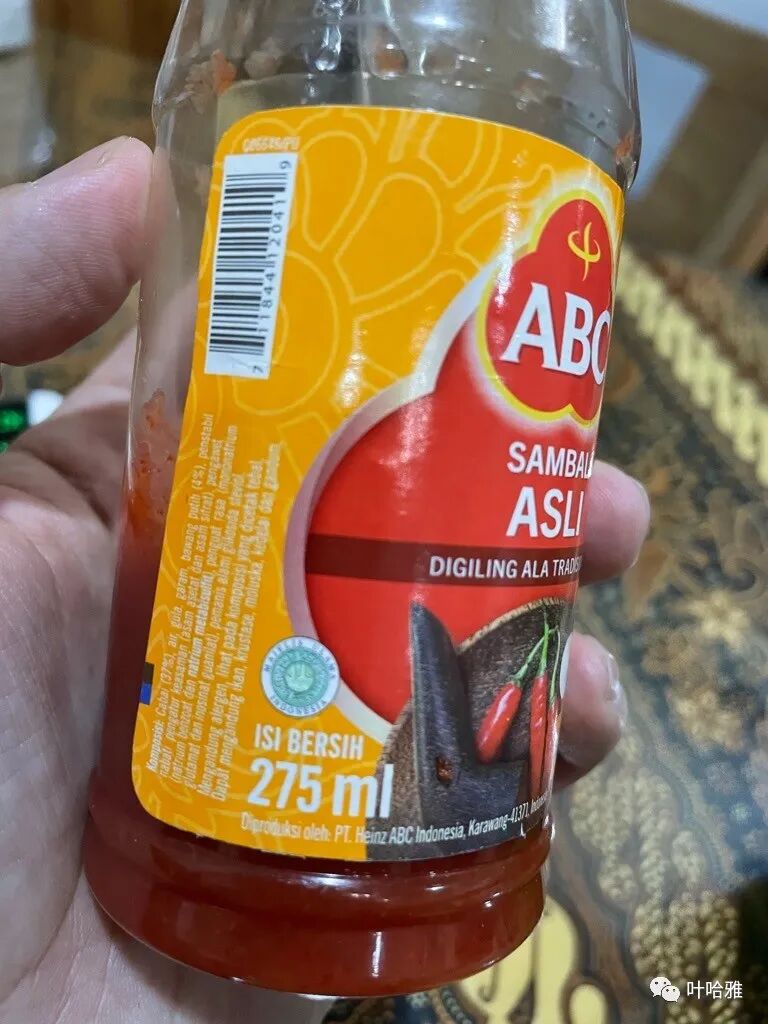
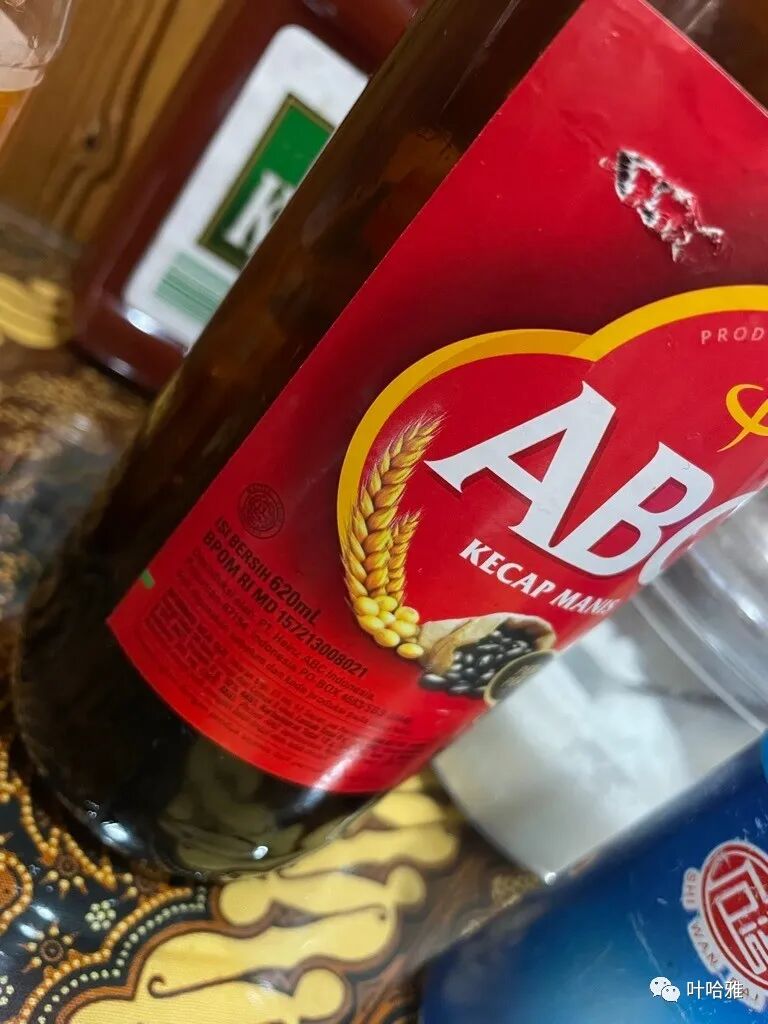
The menu is in Chinese and English, so just look at the pictures to choose your food. Indonesian food is known for its strong spice flavors and wide variety.
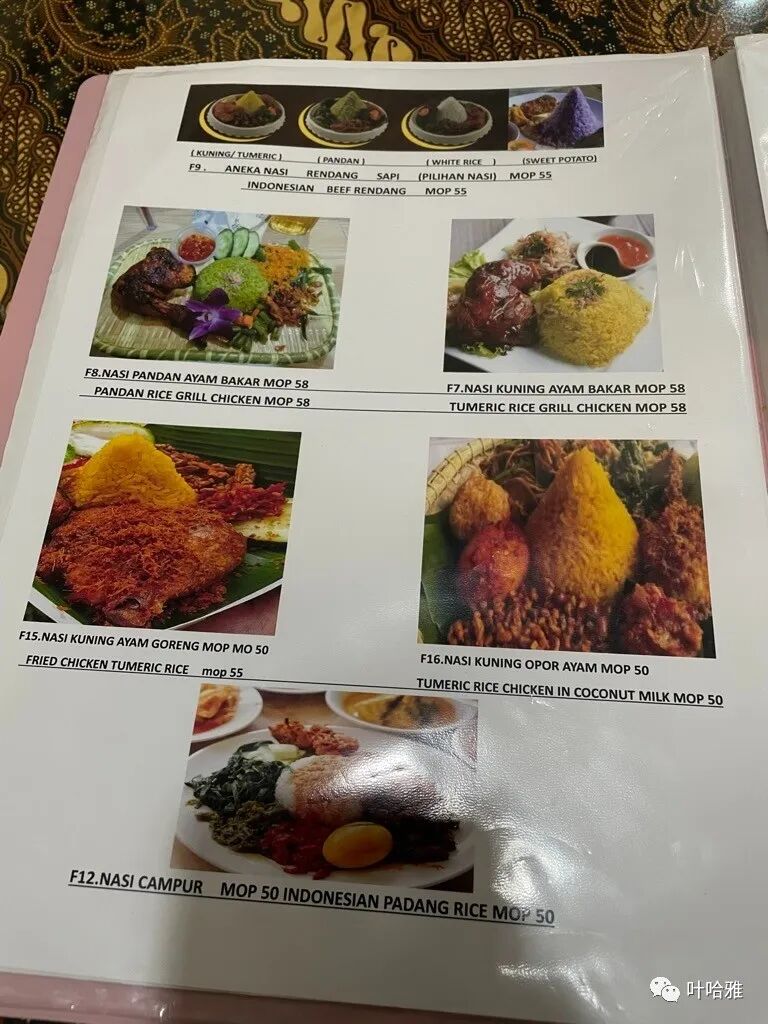
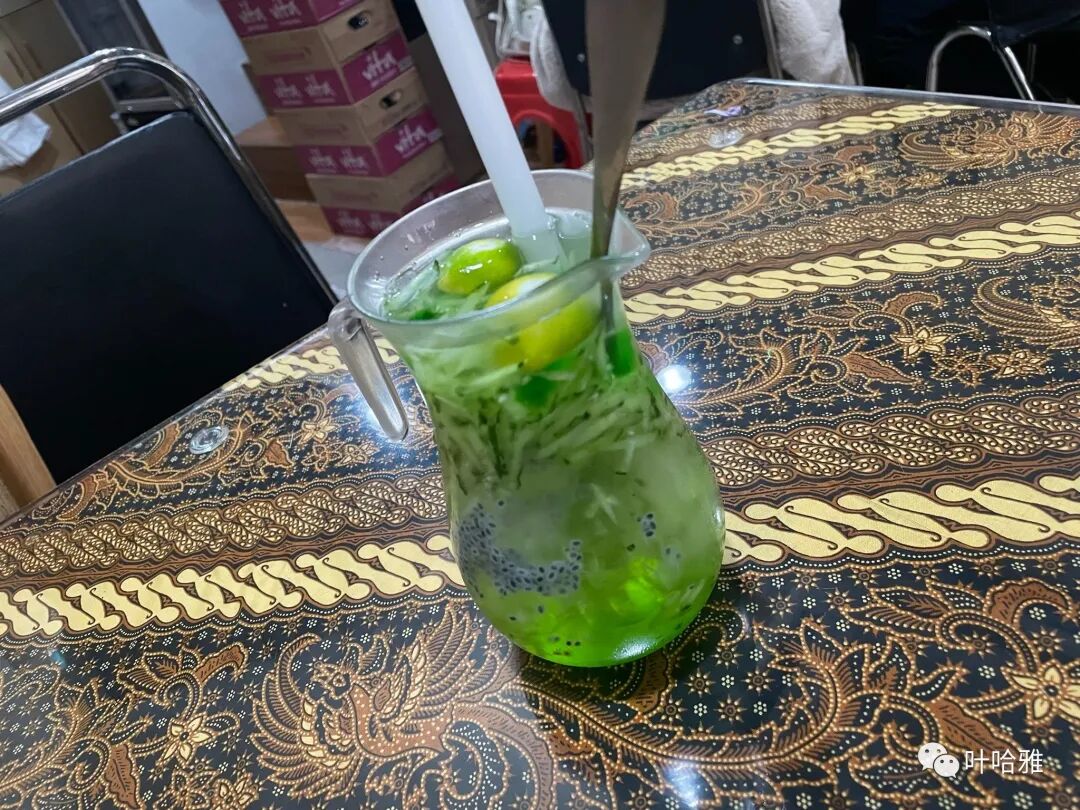
I carefully checked the condiment bottles on the table, and they all have halal labels.
Arab Barbecue
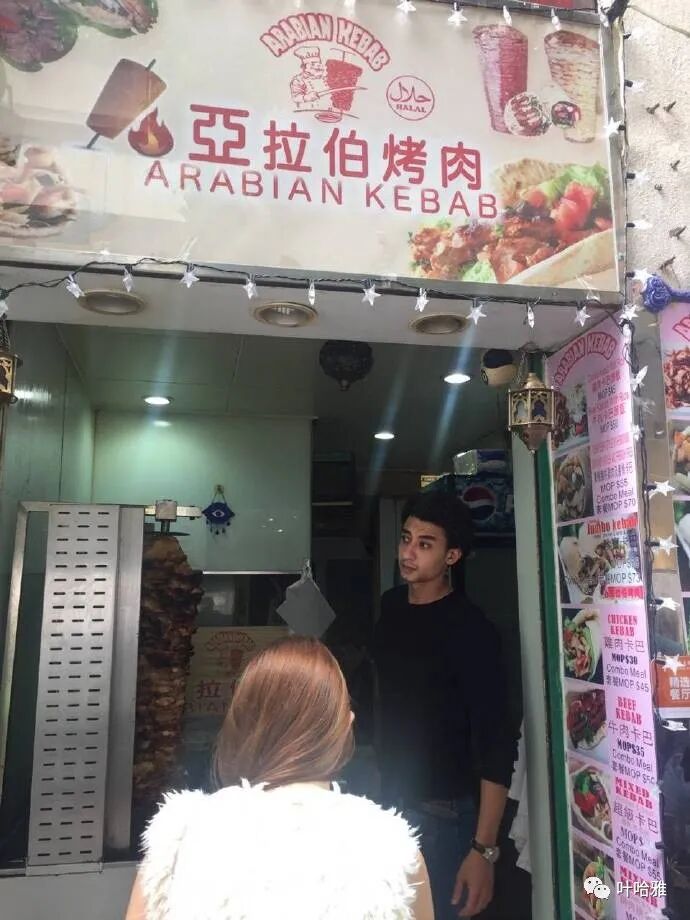
This Arab barbecue stall has been around for eight years. The young man is an Egyptian Catholic who makes halal barbecue. I confirmed with Imam Ding that it is okay to eat, as beef and lamb slaughtered by People of the Book are permissible. It is located in an alley near the Baima store on Macau's Avenida de Almeida Ribeiro. You can see Saint Joseph's School when you enter the alley.
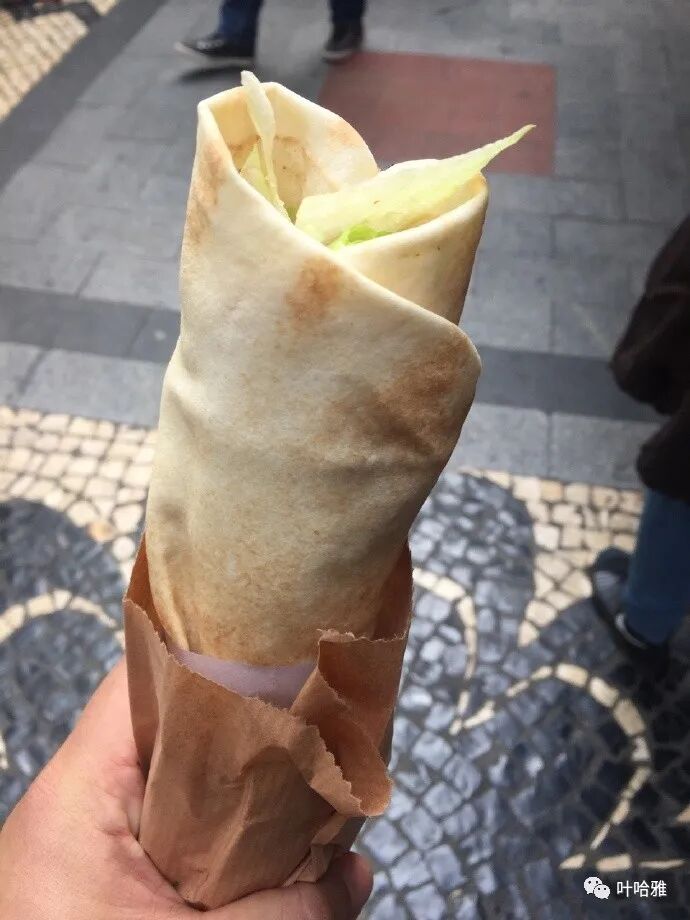
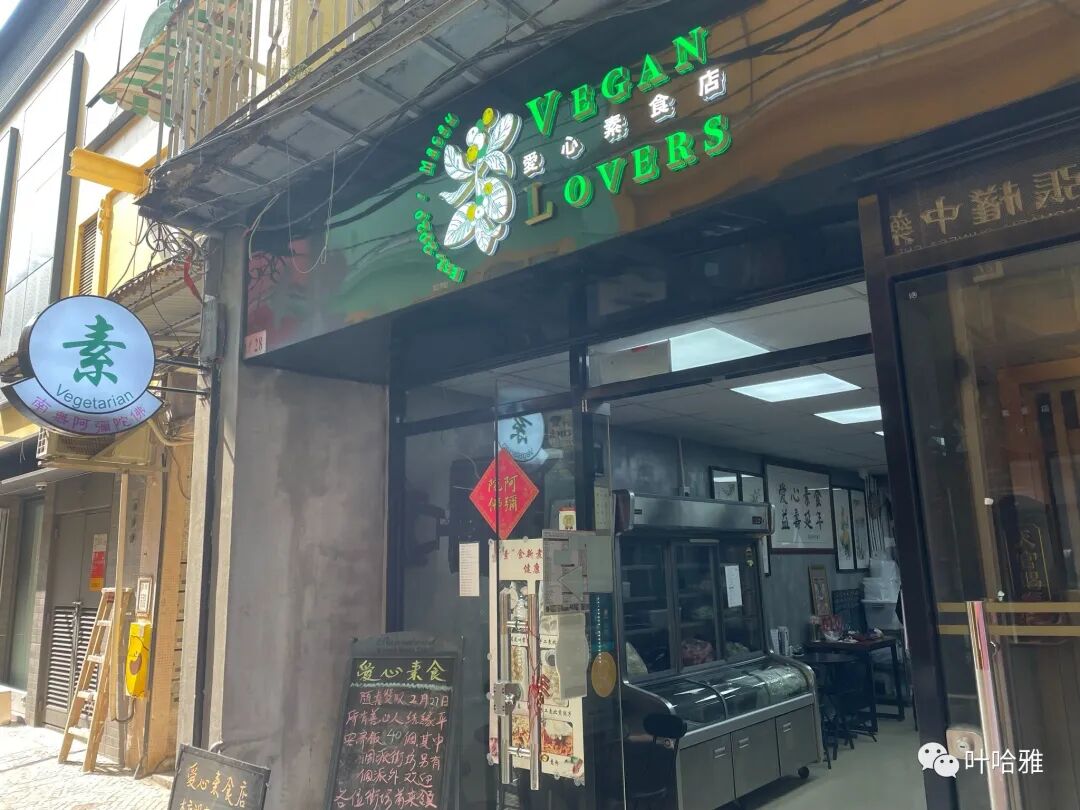
If you want another option, try a vegetarian restaurant. These places do not use any animal fat, so you can eat there with peace of mind.
Macau is famous for its casinos, and most tourists go there to gamble. The Quran strictly forbids gambling. Gambling is a zero-sum game where one person's win is another's loss, meaning the total gain is zero. It creates no value, lets some people get rich without working, and leaves others bankrupt. Some people treat insurance like gambling. I have used the views of scholars to argue against this. For details, see Mustafa Zarqa: Traditional Commercial Insurance Complies with Sharia.
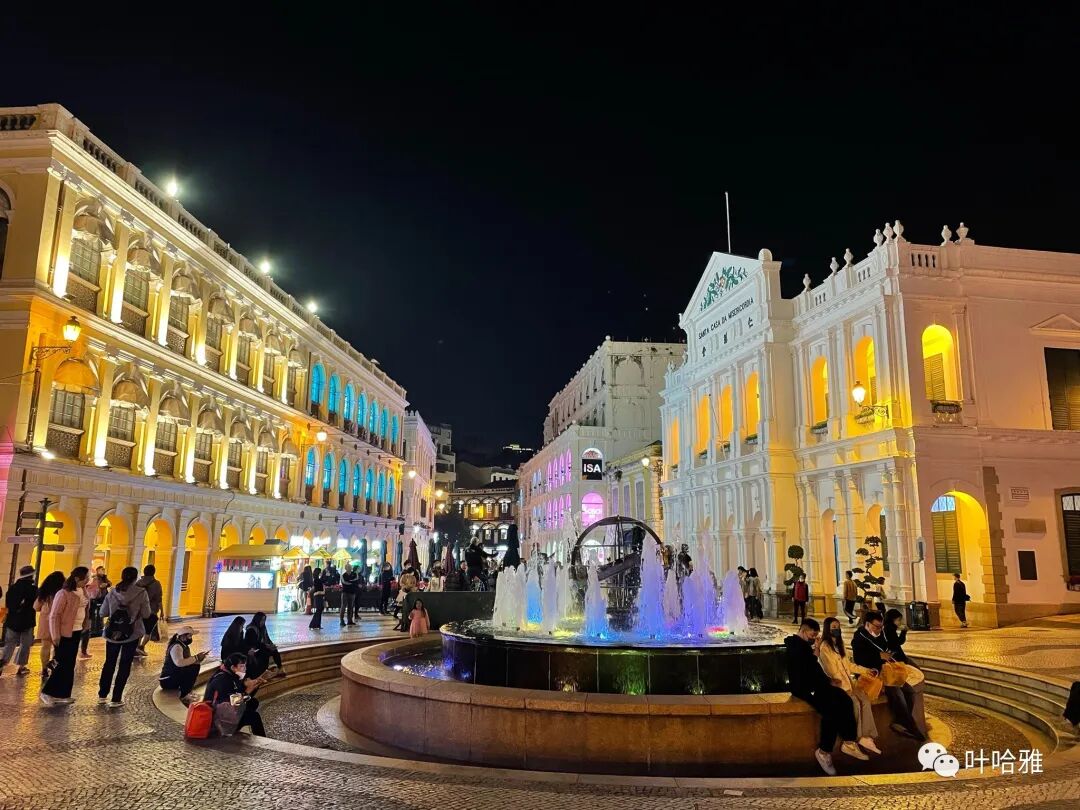
Pansy Ho, the successor to Macau's gambling king, recently told mainland media that Macau will not rely only on the gambling industry to attract tourists. She said developing culture with Macau's unique characteristics is the wise choice, as culture is what lasts forever.
Summary: This Muslim travel guide to Macau covers transport from Hong Kong, halal Southeast Asian food, the Macau mosque, the Muslim cemetery, local religious exhibitions, and practical notes for Muslim travelers.
A Muslim Travel Guide to Macau: Southeast Asian Food and the Muslim Cemetery is presented here as a firsthand travel account in clear English, beginning with this scene: You can travel from Hong Kong to Macau by boat or bus. The boat is the most convenient, taking about two hours. The account keeps its focus on Halal Travel, Yiwu Food, Mosque Travel while preserving the names, places, food, and historical details from the Chinese source.
You can travel from Hong Kong to Macau by boat or bus. The boat is the most convenient, taking about two hours. Keep in mind that it is best to buy your ferry tickets online a few days before you leave. I changed my plans at the last minute and found the tickets sold out the night before, so I had to take the bus instead. There are several bus routes to Macau. The Hong Kong-Macau Express (Gang-Ao Yihao) leaves on the hour and takes two hours. It is best to buy these tickets in advance too, as I arrived in the morning hoping to buy a ticket for the next bus, only to be told that only afternoon tickets were left.
The route that does not require advance booking is the Cityflyer airport bus. Take the A22 bus to the Hong Kong port, get off, go through customs, wait in line, and then transfer to a bus heading to Macau. This route takes over three hours, mostly because of the long wait times. The advantage is that you can board at any time. As you can see, travel between Hong Kong and Macau is actually quite frustrating, even though I thought it would be very convenient.
Macau buses do not support mobile payments, so you need to have small change ready. Hong Kong dollars and Macau patacas are both accepted at a 1:1 exchange rate, but no change is given. The fare is 6 dollars. If you do not want to take the bus, you can walk around Macau. Macau is very small, covering only 32 square kilometers. Because it is so small, you can walk across its longest straight-line distance in about an hour.
This is my second time in Macau, with an eight-year gap between visits, but I did not feel like much had changed. Eight years ago, the Macau mosque did not have a full-time imam, so they had to invite an imam from Hong Kong to lead the Friday prayer (Jumu'ah). Now, Macau has an imam stationed at the mosque. I came this time because Macau is hosting an exhibition on the six major religions. This is the first time Islam has been publicly exhibited in Macau. You should know that it has been over four hundred years since the first recorded Muslim activity in Macau in 1586.
The exhibition runs until March 17, and different scholars will give speeches on-site during this period.
The six major religions in Macau are the Anglican Church, the Catholic Church, Islam, Buddhism, Taoism, and the Baha'i Faith. You might not be very familiar with the Baha'i Faith here. I met Baha'i believers in Beijing a long time ago.
The Baha'i Faith originated from the Shia branch of Islam. Because it claims to have a new prophet, it is not recognized by Islamic countries. At first, the founder of the religion called on followers to resist the government, but after repeated setbacks, the religion modified its teachings to support the governments of the countries where they lived in order to survive. Simply put, the religion's ideas are similar to Marxist socialism, and both were contemporaries. However, it is clear that the number of people who claim to believe in Marxism today is far greater than the number of Baha'i believers. In the 200 years since the Baha'i Faith began spreading, it has only developed a few million followers, and its influence is far less than that of Marx.
Tsinghua University President Cao Yunxiang, singer Khalil Fong, and real estate developer Pan Shiyi and his wife are all said to be Baha'i believers. Every major religion has famous people who endorse it. Everyone has a different living environment, different knowledge, and a different state of mind, so there are reasons for choosing to believe in different religions. This does not really prove anything.
The Baha'i faith has built houses of worship across six continents. Because they simplify their religious rituals, they do not need many buildings. They only built one symbolic venue on each continent. I once visited the Baha'i center in Macau.
The image below shows a brief history of Islam in Macau. The earliest written record of Muslims in Macau dates back to 1586 during the Wanli era of the Ming Dynasty. It is likely that Portuguese traders arriving by sea brought Muslims with them. Local people in Macau call the mosque 'Moro Garden' (Moluoyuan). 'Moro' comes from the Portuguese word 'Mouro,' which refers to the Moors of North Africa. At that time, Europeans called Muslims Moors. Later, after the rise of the Ottoman Empire, Europeans began calling Muslims Turks.
To prepare for an exhibition, the imam of the Macau mosque, Imam Ding, specially collected a group of Islamic calligraphy works and cultural artifacts to display.
After Macau became a Portuguese colony in the 19th century, Muslims from South Asia, Southeast Asia, and the Middle East arrived in Macau through trade. Some settled here, and the Macau mosque was built during this period.
In modern times, many Muslims from Guangdong and Hong Kong moved to Macau to escape the war. I have also met some Hui Muslims from Northwest China who stayed in Macau for school or work. However, because Macau is so small and the cost of living is high, many people choose to live in neighboring Zhuhai and commute to Macau every day.
The number of tourists in Macau is likely much higher than the local population, so you are rarely treated differently for speaking Mandarin there. Tourists are there to spend money. Hong Kong is different. Although Hong Kong people can understand Mandarin, it is difficult for them to speak it. It is understandable if people speaking Mandarin are treated differently by Hong Kongers. It is like going to France and speaking English; the French would certainly not be happy about it. After all, it is their territory, and shouldn't you follow local customs and speak French?
Macau Mosque and Muslim Cemetery.
The mosque and cemetery were first built in 1774 by a group of Muslim sea merchants from Goa, India, near the seaside. Most people buried in the cemetery are Indian or Pakistani Muslims, but there are also a small number of Chinese. You can easily tell them apart by the surnames on the tombstones. The Chinese descendants are mainly surnamed Ha and Yang.
The main gate of the mosque was rebuilt in 1973. In 2006, the Islamic Association of Macau applied to the authorities for permission to build a larger mosque next to the existing building, and reconstruction began in the second half of 2007. However, construction on the new mosque has still not started.
In the cemetery, there is a Hui Muslim named Yang You, who was a diplomat and served as a consul in Japan and Korea during the Republic of China era. His granddaughter, Wang Xiangjun, is now the chairwoman of the Hong Kong Muslim Women's Association.
The prayer hall of the Macau Mosque is very small, but the courtyard is large. Every weekend, many friends (dosti) from South Asia and Southeast Asia come to Macau to eat and relax, just like they are at home. I saw friends from the mainland writing their theses in the mosque, and Imam Ding treats the students like a patriarch.
Loulan Hand-Pulled Noodle Restaurant (Loulan Lamian Guan)
This is currently the only Xinjiang restaurant in Macau. It was open when I visited eight years ago and is still in business today. The owner is Uyghur, and the staff are Indonesian.
I ate the Xinjiang-style spicy peppers with tomatoes (pilahong) and diced stir-fried noodles (dingding chaomian). The taste was excellent, though the price was a bit high, with an average cost of about 150 yuan per person.
Cafe Sambal Jawa Indonesia
This restaurant is run by Indonesians and opens at 12:00. I arrived at 10:30, and after I told the staff I was a Muslim, they let me go inside to eat early.
I visited Indonesia in 2020 before the pandemic broke out. Please see my 'Indonesia Halal Trip: An Indonesian Journey Through the Eyes of a Chinese Hui Muslim.' I am particularly interested in Javanese culture. Before going to Indonesia, I thought it would be similar to Malaysia, but after experiencing it, I found it to be very different. Indonesia has so many fun places.
I ordered a set meal based on the picture, which included a variety of local snacks.
This shop is said to be very busy. Indonesian food is popular in Macau. Imam Ding told me that there are many similar small Indonesian eateries in Macau. Many are small, unbranded workshops located in residential buildings with no information online, so you have to ask Indonesian people to find them.
Indian and Pakistani Curry House
This is a newly opened Pakistani restaurant located on the ground floor of the Jiqing Commercial Center. Imam Ding hosted over twenty friends (dosti) who came to Macau for an event here that evening. Imam Ding studied in Pakistan and can speak Urdu to communicate with the Pakistani staff at the restaurant.
Macau once had a one-star Michelin Indian restaurant called Golden Peacock that was halal, but it closed during the pandemic. Another place called Hongyun Restaurant that served halal Cantonese dim sum also closed down.
Laili Indonesian Cuisine
Laili is located on the ground floor at 40 Qingcao Street. In Macau, Baidu Maps works better than Google Maps, and you can navigate by entering the restaurant name.
These Indonesian and Indian-Pakistani restaurants in Macau do not sell alcohol, so you do not need to worry about whether the ingredients are reliable.
These Indonesian restaurants are also very affordable. A set meal costs 50 yuan, and adding a drink brings it to about 70 yuan.
Many people eat at Laili at noon, and you may need to wait for a table during peak hours. The restaurant accepts WeChat Pay.
The menu is in Chinese and English, so just look at the pictures to choose your food. Indonesian food is known for its strong spice flavors and wide variety.
I carefully checked the condiment bottles on the table, and they all have halal labels.
Arab Barbecue
This Arab barbecue stall has been around for eight years. The young man is an Egyptian Catholic who makes halal barbecue. I confirmed with Imam Ding that it is okay to eat, as beef and lamb slaughtered by People of the Book are permissible. It is located in an alley near the Baima store on Macau's Avenida de Almeida Ribeiro. You can see Saint Joseph's School when you enter the alley.
If you want another option, try a vegetarian restaurant. These places do not use any animal fat, so you can eat there with peace of mind.
Macau is famous for its casinos, and most tourists go there to gamble. The Quran strictly forbids gambling. Gambling is a zero-sum game where one person's win is another's loss, meaning the total gain is zero. It creates no value, lets some people get rich without working, and leaves others bankrupt. Some people treat insurance like gambling. I have used the views of scholars to argue against this. For details, see Mustafa Zarqa: Traditional Commercial Insurance Complies with Sharia.
Pansy Ho, the successor to Macau's gambling king, recently told mainland media that Macau will not rely only on the gambling industry to attract tourists. She said developing culture with Macau's unique characteristics is the wise choice, as culture is what lasts forever.
Muslim Travel Guide Macau: Halal Southeast Asian Food, Macau Mosque and Muslim Cemetery
Articles • yusuf908 posted the article • 0 comments • 153 views • 2026-05-22 20:52
Reposted from the web
Summary: This Muslim travel guide to Macau covers transport from Hong Kong, halal Southeast Asian food, the Macau mosque, the Muslim cemetery, local religious exhibitions, and practical notes for Muslim travelers.
A Muslim Travel Guide to Macau: Southeast Asian Food and the Muslim Cemetery is presented here as a firsthand travel account in clear English, beginning with this scene: You can travel from Hong Kong to Macau by boat or bus. The boat is the most convenient, taking about two hours. The account keeps its focus on Halal Travel, Yiwu Food, Mosque Travel while preserving the names, places, food, and historical details from the Chinese source.
You can travel from Hong Kong to Macau by boat or bus. The boat is the most convenient, taking about two hours. Keep in mind that it is best to buy your ferry tickets online a few days before you leave. I changed my plans at the last minute and found the tickets sold out the night before, so I had to take the bus instead. There are several bus routes to Macau. The Hong Kong-Macau Express (Gang-Ao Yihao) leaves on the hour and takes two hours. It is best to buy these tickets in advance too, as I arrived in the morning hoping to buy a ticket for the next bus, only to be told that only afternoon tickets were left.
The route that does not require advance booking is the Cityflyer airport bus. Take the A22 bus to the Hong Kong port, get off, go through customs, wait in line, and then transfer to a bus heading to Macau. This route takes over three hours, mostly because of the long wait times. The advantage is that you can board at any time. As you can see, travel between Hong Kong and Macau is actually quite frustrating, even though I thought it would be very convenient.
Macau buses do not support mobile payments, so you need to have small change ready. Hong Kong dollars and Macau patacas are both accepted at a 1:1 exchange rate, but no change is given. The fare is 6 dollars. If you do not want to take the bus, you can walk around Macau. Macau is very small, covering only 32 square kilometers. Because it is so small, you can walk across its longest straight-line distance in about an hour.
This is my second time in Macau, with an eight-year gap between visits, but I did not feel like much had changed. Eight years ago, the Macau mosque did not have a full-time imam, so they had to invite an imam from Hong Kong to lead the Friday prayer (Jumu'ah). Now, Macau has an imam stationed at the mosque. I came this time because Macau is hosting an exhibition on the six major religions. This is the first time Islam has been publicly exhibited in Macau. You should know that it has been over four hundred years since the first recorded Muslim activity in Macau in 1586.
The exhibition runs until March 17, and different scholars will give speeches on-site during this period.
The six major religions in Macau are the Anglican Church, the Catholic Church, Islam, Buddhism, Taoism, and the Baha'i Faith. You might not be very familiar with the Baha'i Faith here. I met Baha'i believers in Beijing a long time ago.
The Baha'i Faith originated from the Shia branch of Islam. Because it claims to have a new prophet, it is not recognized by Islamic countries. At first, the founder of the religion called on followers to resist the government, but after repeated setbacks, the religion modified its teachings to support the governments of the countries where they lived in order to survive. Simply put, the religion's ideas are similar to Marxist socialism, and both were contemporaries. However, it is clear that the number of people who claim to believe in Marxism today is far greater than the number of Baha'i believers. In the 200 years since the Baha'i Faith began spreading, it has only developed a few million followers, and its influence is far less than that of Marx.
Tsinghua University President Cao Yunxiang, singer Khalil Fong, and real estate developer Pan Shiyi and his wife are all said to be Baha'i believers. Every major religion has famous people who endorse it. Everyone has a different living environment, different knowledge, and a different state of mind, so there are reasons for choosing to believe in different religions. This does not really prove anything.
The Baha'i faith has built houses of worship across six continents. Because they simplify their religious rituals, they do not need many buildings. They only built one symbolic venue on each continent. I once visited the Baha'i center in Macau.
The image below shows a brief history of Islam in Macau. The earliest written record of Muslims in Macau dates back to 1586 during the Wanli era of the Ming Dynasty. It is likely that Portuguese traders arriving by sea brought Muslims with them. Local people in Macau call the mosque 'Moro Garden' (Moluoyuan). 'Moro' comes from the Portuguese word 'Mouro,' which refers to the Moors of North Africa. At that time, Europeans called Muslims Moors. Later, after the rise of the Ottoman Empire, Europeans began calling Muslims Turks.
To prepare for an exhibition, the imam of the Macau mosque, Imam Ding, specially collected a group of Islamic calligraphy works and cultural artifacts to display.
After Macau became a Portuguese colony in the 19th century, Muslims from South Asia, Southeast Asia, and the Middle East arrived in Macau through trade. Some settled here, and the Macau mosque was built during this period.
In modern times, many Muslims from Guangdong and Hong Kong moved to Macau to escape the war. I have also met some Hui Muslims from Northwest China who stayed in Macau for school or work. However, because Macau is so small and the cost of living is high, many people choose to live in neighboring Zhuhai and commute to Macau every day.
The number of tourists in Macau is likely much higher than the local population, so you are rarely treated differently for speaking Mandarin there. Tourists are there to spend money. Hong Kong is different. Although Hong Kong people can understand Mandarin, it is difficult for them to speak it. It is understandable if people speaking Mandarin are treated differently by Hong Kongers. It is like going to France and speaking English; the French would certainly not be happy about it. After all, it is their territory, and shouldn't you follow local customs and speak French?
Macau Mosque and Muslim Cemetery.
The mosque and cemetery were first built in 1774 by a group of Muslim sea merchants from Goa, India, near the seaside. Most people buried in the cemetery are Indian or Pakistani Muslims, but there are also a small number of Chinese. You can easily tell them apart by the surnames on the tombstones. The Chinese descendants are mainly surnamed Ha and Yang.
The main gate of the mosque was rebuilt in 1973. In 2006, the Islamic Association of Macau applied to the authorities for permission to build a larger mosque next to the existing building, and reconstruction began in the second half of 2007. However, construction on the new mosque has still not started.
In the cemetery, there is a Hui Muslim named Yang You, who was a diplomat and served as a consul in Japan and Korea during the Republic of China era. His granddaughter, Wang Xiangjun, is now the chairwoman of the Hong Kong Muslim Women's Association.
The prayer hall of the Macau Mosque is very small, but the courtyard is large. Every weekend, many friends (dosti) from South Asia and Southeast Asia come to Macau to eat and relax, just like they are at home. I saw friends from the mainland writing their theses in the mosque, and Imam Ding treats the students like a patriarch.
Loulan Hand-Pulled Noodle Restaurant (Loulan Lamian Guan)
This is currently the only Xinjiang restaurant in Macau. It was open when I visited eight years ago and is still in business today. The owner is Uyghur, and the staff are Indonesian.
I ate the Xinjiang-style spicy peppers with tomatoes (pilahong) and diced stir-fried noodles (dingding chaomian). The taste was excellent, though the price was a bit high, with an average cost of about 150 yuan per person.
Cafe Sambal Jawa Indonesia
This restaurant is run by Indonesians and opens at 12:00. I arrived at 10:30, and after I told the staff I was a Muslim, they let me go inside to eat early.
I visited Indonesia in 2020 before the pandemic broke out. Please see my 'Indonesia Halal Trip: An Indonesian Journey Through the Eyes of a Chinese Hui Muslim.' I am particularly interested in Javanese culture. Before going to Indonesia, I thought it would be similar to Malaysia, but after experiencing it, I found it to be very different. Indonesia has so many fun places.
I ordered a set meal based on the picture, which included a variety of local snacks.
This shop is said to be very busy. Indonesian food is popular in Macau. Imam Ding told me that there are many similar small Indonesian eateries in Macau. Many are small, unbranded workshops located in residential buildings with no information online, so you have to ask Indonesian people to find them.
Indian and Pakistani Curry House
This is a newly opened Pakistani restaurant located on the ground floor of the Jiqing Commercial Center. Imam Ding hosted over twenty friends (dosti) who came to Macau for an event here that evening. Imam Ding studied in Pakistan and can speak Urdu to communicate with the Pakistani staff at the restaurant.
Macau once had a one-star Michelin Indian restaurant called Golden Peacock that was halal, but it closed during the pandemic. Another place called Hongyun Restaurant that served halal Cantonese dim sum also closed down.
Laili Indonesian Cuisine
Laili is located on the ground floor at 40 Qingcao Street. In Macau, Baidu Maps works better than Google Maps, and you can navigate by entering the restaurant name.
These Indonesian and Indian-Pakistani restaurants in Macau do not sell alcohol, so you do not need to worry about whether the ingredients are reliable.
These Indonesian restaurants are also very affordable. A set meal costs 50 yuan, and adding a drink brings it to about 70 yuan.
Many people eat at Laili at noon, and you may need to wait for a table during peak hours. The restaurant accepts WeChat Pay.
The menu is in Chinese and English, so just look at the pictures to choose your food. Indonesian food is known for its strong spice flavors and wide variety.
I carefully checked the condiment bottles on the table, and they all have halal labels.
Arab Barbecue
This Arab barbecue stall has been around for eight years. The young man is an Egyptian Catholic who makes halal barbecue. I confirmed with Imam Ding that it is okay to eat, as beef and lamb slaughtered by People of the Book are permissible. It is located in an alley near the Baima store on Macau's Avenida de Almeida Ribeiro. You can see Saint Joseph's School when you enter the alley.
If you want another option, try a vegetarian restaurant. These places do not use any animal fat, so you can eat there with peace of mind.
Macau is famous for its casinos, and most tourists go there to gamble. The Quran strictly forbids gambling. Gambling is a zero-sum game where one person's win is another's loss, meaning the total gain is zero. It creates no value, lets some people get rich without working, and leaves others bankrupt. Some people treat insurance like gambling. I have used the views of scholars to argue against this. For details, see Mustafa Zarqa: Traditional Commercial Insurance Complies with Sharia.
Pansy Ho, the successor to Macau's gambling king, recently told mainland media that Macau will not rely only on the gambling industry to attract tourists. She said developing culture with Macau's unique characteristics is the wise choice, as culture is what lasts forever. view all
Summary: This Muslim travel guide to Macau covers transport from Hong Kong, halal Southeast Asian food, the Macau mosque, the Muslim cemetery, local religious exhibitions, and practical notes for Muslim travelers.
A Muslim Travel Guide to Macau: Southeast Asian Food and the Muslim Cemetery is presented here as a firsthand travel account in clear English, beginning with this scene: You can travel from Hong Kong to Macau by boat or bus. The boat is the most convenient, taking about two hours. The account keeps its focus on Halal Travel, Yiwu Food, Mosque Travel while preserving the names, places, food, and historical details from the Chinese source.
You can travel from Hong Kong to Macau by boat or bus. The boat is the most convenient, taking about two hours. Keep in mind that it is best to buy your ferry tickets online a few days before you leave. I changed my plans at the last minute and found the tickets sold out the night before, so I had to take the bus instead. There are several bus routes to Macau. The Hong Kong-Macau Express (Gang-Ao Yihao) leaves on the hour and takes two hours. It is best to buy these tickets in advance too, as I arrived in the morning hoping to buy a ticket for the next bus, only to be told that only afternoon tickets were left.
The route that does not require advance booking is the Cityflyer airport bus. Take the A22 bus to the Hong Kong port, get off, go through customs, wait in line, and then transfer to a bus heading to Macau. This route takes over three hours, mostly because of the long wait times. The advantage is that you can board at any time. As you can see, travel between Hong Kong and Macau is actually quite frustrating, even though I thought it would be very convenient.
Macau buses do not support mobile payments, so you need to have small change ready. Hong Kong dollars and Macau patacas are both accepted at a 1:1 exchange rate, but no change is given. The fare is 6 dollars. If you do not want to take the bus, you can walk around Macau. Macau is very small, covering only 32 square kilometers. Because it is so small, you can walk across its longest straight-line distance in about an hour.
This is my second time in Macau, with an eight-year gap between visits, but I did not feel like much had changed. Eight years ago, the Macau mosque did not have a full-time imam, so they had to invite an imam from Hong Kong to lead the Friday prayer (Jumu'ah). Now, Macau has an imam stationed at the mosque. I came this time because Macau is hosting an exhibition on the six major religions. This is the first time Islam has been publicly exhibited in Macau. You should know that it has been over four hundred years since the first recorded Muslim activity in Macau in 1586.
The exhibition runs until March 17, and different scholars will give speeches on-site during this period.
The six major religions in Macau are the Anglican Church, the Catholic Church, Islam, Buddhism, Taoism, and the Baha'i Faith. You might not be very familiar with the Baha'i Faith here. I met Baha'i believers in Beijing a long time ago.
The Baha'i Faith originated from the Shia branch of Islam. Because it claims to have a new prophet, it is not recognized by Islamic countries. At first, the founder of the religion called on followers to resist the government, but after repeated setbacks, the religion modified its teachings to support the governments of the countries where they lived in order to survive. Simply put, the religion's ideas are similar to Marxist socialism, and both were contemporaries. However, it is clear that the number of people who claim to believe in Marxism today is far greater than the number of Baha'i believers. In the 200 years since the Baha'i Faith began spreading, it has only developed a few million followers, and its influence is far less than that of Marx.
Tsinghua University President Cao Yunxiang, singer Khalil Fong, and real estate developer Pan Shiyi and his wife are all said to be Baha'i believers. Every major religion has famous people who endorse it. Everyone has a different living environment, different knowledge, and a different state of mind, so there are reasons for choosing to believe in different religions. This does not really prove anything.
The Baha'i faith has built houses of worship across six continents. Because they simplify their religious rituals, they do not need many buildings. They only built one symbolic venue on each continent. I once visited the Baha'i center in Macau.
The image below shows a brief history of Islam in Macau. The earliest written record of Muslims in Macau dates back to 1586 during the Wanli era of the Ming Dynasty. It is likely that Portuguese traders arriving by sea brought Muslims with them. Local people in Macau call the mosque 'Moro Garden' (Moluoyuan). 'Moro' comes from the Portuguese word 'Mouro,' which refers to the Moors of North Africa. At that time, Europeans called Muslims Moors. Later, after the rise of the Ottoman Empire, Europeans began calling Muslims Turks.
To prepare for an exhibition, the imam of the Macau mosque, Imam Ding, specially collected a group of Islamic calligraphy works and cultural artifacts to display.
After Macau became a Portuguese colony in the 19th century, Muslims from South Asia, Southeast Asia, and the Middle East arrived in Macau through trade. Some settled here, and the Macau mosque was built during this period.
In modern times, many Muslims from Guangdong and Hong Kong moved to Macau to escape the war. I have also met some Hui Muslims from Northwest China who stayed in Macau for school or work. However, because Macau is so small and the cost of living is high, many people choose to live in neighboring Zhuhai and commute to Macau every day.
The number of tourists in Macau is likely much higher than the local population, so you are rarely treated differently for speaking Mandarin there. Tourists are there to spend money. Hong Kong is different. Although Hong Kong people can understand Mandarin, it is difficult for them to speak it. It is understandable if people speaking Mandarin are treated differently by Hong Kongers. It is like going to France and speaking English; the French would certainly not be happy about it. After all, it is their territory, and shouldn't you follow local customs and speak French?
Macau Mosque and Muslim Cemetery.
The mosque and cemetery were first built in 1774 by a group of Muslim sea merchants from Goa, India, near the seaside. Most people buried in the cemetery are Indian or Pakistani Muslims, but there are also a small number of Chinese. You can easily tell them apart by the surnames on the tombstones. The Chinese descendants are mainly surnamed Ha and Yang.
The main gate of the mosque was rebuilt in 1973. In 2006, the Islamic Association of Macau applied to the authorities for permission to build a larger mosque next to the existing building, and reconstruction began in the second half of 2007. However, construction on the new mosque has still not started.
In the cemetery, there is a Hui Muslim named Yang You, who was a diplomat and served as a consul in Japan and Korea during the Republic of China era. His granddaughter, Wang Xiangjun, is now the chairwoman of the Hong Kong Muslim Women's Association.
The prayer hall of the Macau Mosque is very small, but the courtyard is large. Every weekend, many friends (dosti) from South Asia and Southeast Asia come to Macau to eat and relax, just like they are at home. I saw friends from the mainland writing their theses in the mosque, and Imam Ding treats the students like a patriarch.
Loulan Hand-Pulled Noodle Restaurant (Loulan Lamian Guan)
This is currently the only Xinjiang restaurant in Macau. It was open when I visited eight years ago and is still in business today. The owner is Uyghur, and the staff are Indonesian.
I ate the Xinjiang-style spicy peppers with tomatoes (pilahong) and diced stir-fried noodles (dingding chaomian). The taste was excellent, though the price was a bit high, with an average cost of about 150 yuan per person.
Cafe Sambal Jawa Indonesia
This restaurant is run by Indonesians and opens at 12:00. I arrived at 10:30, and after I told the staff I was a Muslim, they let me go inside to eat early.
I visited Indonesia in 2020 before the pandemic broke out. Please see my 'Indonesia Halal Trip: An Indonesian Journey Through the Eyes of a Chinese Hui Muslim.' I am particularly interested in Javanese culture. Before going to Indonesia, I thought it would be similar to Malaysia, but after experiencing it, I found it to be very different. Indonesia has so many fun places.
I ordered a set meal based on the picture, which included a variety of local snacks.
This shop is said to be very busy. Indonesian food is popular in Macau. Imam Ding told me that there are many similar small Indonesian eateries in Macau. Many are small, unbranded workshops located in residential buildings with no information online, so you have to ask Indonesian people to find them.
Indian and Pakistani Curry House
This is a newly opened Pakistani restaurant located on the ground floor of the Jiqing Commercial Center. Imam Ding hosted over twenty friends (dosti) who came to Macau for an event here that evening. Imam Ding studied in Pakistan and can speak Urdu to communicate with the Pakistani staff at the restaurant.
Macau once had a one-star Michelin Indian restaurant called Golden Peacock that was halal, but it closed during the pandemic. Another place called Hongyun Restaurant that served halal Cantonese dim sum also closed down.
Laili Indonesian Cuisine
Laili is located on the ground floor at 40 Qingcao Street. In Macau, Baidu Maps works better than Google Maps, and you can navigate by entering the restaurant name.
These Indonesian and Indian-Pakistani restaurants in Macau do not sell alcohol, so you do not need to worry about whether the ingredients are reliable.
These Indonesian restaurants are also very affordable. A set meal costs 50 yuan, and adding a drink brings it to about 70 yuan.
Many people eat at Laili at noon, and you may need to wait for a table during peak hours. The restaurant accepts WeChat Pay.
The menu is in Chinese and English, so just look at the pictures to choose your food. Indonesian food is known for its strong spice flavors and wide variety.
I carefully checked the condiment bottles on the table, and they all have halal labels.
Arab Barbecue
This Arab barbecue stall has been around for eight years. The young man is an Egyptian Catholic who makes halal barbecue. I confirmed with Imam Ding that it is okay to eat, as beef and lamb slaughtered by People of the Book are permissible. It is located in an alley near the Baima store on Macau's Avenida de Almeida Ribeiro. You can see Saint Joseph's School when you enter the alley.
If you want another option, try a vegetarian restaurant. These places do not use any animal fat, so you can eat there with peace of mind.
Macau is famous for its casinos, and most tourists go there to gamble. The Quran strictly forbids gambling. Gambling is a zero-sum game where one person's win is another's loss, meaning the total gain is zero. It creates no value, lets some people get rich without working, and leaves others bankrupt. Some people treat insurance like gambling. I have used the views of scholars to argue against this. For details, see Mustafa Zarqa: Traditional Commercial Insurance Complies with Sharia.
Pansy Ho, the successor to Macau's gambling king, recently told mainland media that Macau will not rely only on the gambling industry to attract tourists. She said developing culture with Macau's unique characteristics is the wise choice, as culture is what lasts forever. view all
Reposted from the web
Summary: This Muslim travel guide to Macau covers transport from Hong Kong, halal Southeast Asian food, the Macau mosque, the Muslim cemetery, local religious exhibitions, and practical notes for Muslim travelers.
A Muslim Travel Guide to Macau: Southeast Asian Food and the Muslim Cemetery is presented here as a firsthand travel account in clear English, beginning with this scene: You can travel from Hong Kong to Macau by boat or bus. The boat is the most convenient, taking about two hours. The account keeps its focus on Halal Travel, Yiwu Food, Mosque Travel while preserving the names, places, food, and historical details from the Chinese source.
You can travel from Hong Kong to Macau by boat or bus. The boat is the most convenient, taking about two hours. Keep in mind that it is best to buy your ferry tickets online a few days before you leave. I changed my plans at the last minute and found the tickets sold out the night before, so I had to take the bus instead. There are several bus routes to Macau. The Hong Kong-Macau Express (Gang-Ao Yihao) leaves on the hour and takes two hours. It is best to buy these tickets in advance too, as I arrived in the morning hoping to buy a ticket for the next bus, only to be told that only afternoon tickets were left.
The route that does not require advance booking is the Cityflyer airport bus. Take the A22 bus to the Hong Kong port, get off, go through customs, wait in line, and then transfer to a bus heading to Macau. This route takes over three hours, mostly because of the long wait times. The advantage is that you can board at any time. As you can see, travel between Hong Kong and Macau is actually quite frustrating, even though I thought it would be very convenient.
Macau buses do not support mobile payments, so you need to have small change ready. Hong Kong dollars and Macau patacas are both accepted at a 1:1 exchange rate, but no change is given. The fare is 6 dollars. If you do not want to take the bus, you can walk around Macau. Macau is very small, covering only 32 square kilometers. Because it is so small, you can walk across its longest straight-line distance in about an hour.
This is my second time in Macau, with an eight-year gap between visits, but I did not feel like much had changed. Eight years ago, the Macau mosque did not have a full-time imam, so they had to invite an imam from Hong Kong to lead the Friday prayer (Jumu'ah). Now, Macau has an imam stationed at the mosque. I came this time because Macau is hosting an exhibition on the six major religions. This is the first time Islam has been publicly exhibited in Macau. You should know that it has been over four hundred years since the first recorded Muslim activity in Macau in 1586.
The exhibition runs until March 17, and different scholars will give speeches on-site during this period.
The six major religions in Macau are the Anglican Church, the Catholic Church, Islam, Buddhism, Taoism, and the Baha'i Faith. You might not be very familiar with the Baha'i Faith here. I met Baha'i believers in Beijing a long time ago.
The Baha'i Faith originated from the Shia branch of Islam. Because it claims to have a new prophet, it is not recognized by Islamic countries. At first, the founder of the religion called on followers to resist the government, but after repeated setbacks, the religion modified its teachings to support the governments of the countries where they lived in order to survive. Simply put, the religion's ideas are similar to Marxist socialism, and both were contemporaries. However, it is clear that the number of people who claim to believe in Marxism today is far greater than the number of Baha'i believers. In the 200 years since the Baha'i Faith began spreading, it has only developed a few million followers, and its influence is far less than that of Marx.
Tsinghua University President Cao Yunxiang, singer Khalil Fong, and real estate developer Pan Shiyi and his wife are all said to be Baha'i believers. Every major religion has famous people who endorse it. Everyone has a different living environment, different knowledge, and a different state of mind, so there are reasons for choosing to believe in different religions. This does not really prove anything.
The Baha'i faith has built houses of worship across six continents. Because they simplify their religious rituals, they do not need many buildings. They only built one symbolic venue on each continent. I once visited the Baha'i center in Macau.
The image below shows a brief history of Islam in Macau. The earliest written record of Muslims in Macau dates back to 1586 during the Wanli era of the Ming Dynasty. It is likely that Portuguese traders arriving by sea brought Muslims with them. Local people in Macau call the mosque 'Moro Garden' (Moluoyuan). 'Moro' comes from the Portuguese word 'Mouro,' which refers to the Moors of North Africa. At that time, Europeans called Muslims Moors. Later, after the rise of the Ottoman Empire, Europeans began calling Muslims Turks.
To prepare for an exhibition, the imam of the Macau mosque, Imam Ding, specially collected a group of Islamic calligraphy works and cultural artifacts to display.
After Macau became a Portuguese colony in the 19th century, Muslims from South Asia, Southeast Asia, and the Middle East arrived in Macau through trade. Some settled here, and the Macau mosque was built during this period.
In modern times, many Muslims from Guangdong and Hong Kong moved to Macau to escape the war. I have also met some Hui Muslims from Northwest China who stayed in Macau for school or work. However, because Macau is so small and the cost of living is high, many people choose to live in neighboring Zhuhai and commute to Macau every day.
The number of tourists in Macau is likely much higher than the local population, so you are rarely treated differently for speaking Mandarin there. Tourists are there to spend money. Hong Kong is different. Although Hong Kong people can understand Mandarin, it is difficult for them to speak it. It is understandable if people speaking Mandarin are treated differently by Hong Kongers. It is like going to France and speaking English; the French would certainly not be happy about it. After all, it is their territory, and shouldn't you follow local customs and speak French?
Macau Mosque and Muslim Cemetery.
The mosque and cemetery were first built in 1774 by a group of Muslim sea merchants from Goa, India, near the seaside. Most people buried in the cemetery are Indian or Pakistani Muslims, but there are also a small number of Chinese. You can easily tell them apart by the surnames on the tombstones. The Chinese descendants are mainly surnamed Ha and Yang.
The main gate of the mosque was rebuilt in 1973. In 2006, the Islamic Association of Macau applied to the authorities for permission to build a larger mosque next to the existing building, and reconstruction began in the second half of 2007. However, construction on the new mosque has still not started.
In the cemetery, there is a Hui Muslim named Yang You, who was a diplomat and served as a consul in Japan and Korea during the Republic of China era. His granddaughter, Wang Xiangjun, is now the chairwoman of the Hong Kong Muslim Women's Association.
The prayer hall of the Macau Mosque is very small, but the courtyard is large. Every weekend, many friends (dosti) from South Asia and Southeast Asia come to Macau to eat and relax, just like they are at home. I saw friends from the mainland writing their theses in the mosque, and Imam Ding treats the students like a patriarch.
Loulan Hand-Pulled Noodle Restaurant (Loulan Lamian Guan)
This is currently the only Xinjiang restaurant in Macau. It was open when I visited eight years ago and is still in business today. The owner is Uyghur, and the staff are Indonesian.
I ate the Xinjiang-style spicy peppers with tomatoes (pilahong) and diced stir-fried noodles (dingding chaomian). The taste was excellent, though the price was a bit high, with an average cost of about 150 yuan per person.
Cafe Sambal Jawa Indonesia
This restaurant is run by Indonesians and opens at 12:00. I arrived at 10:30, and after I told the staff I was a Muslim, they let me go inside to eat early.
I visited Indonesia in 2020 before the pandemic broke out. Please see my 'Indonesia Halal Trip: An Indonesian Journey Through the Eyes of a Chinese Hui Muslim.' I am particularly interested in Javanese culture. Before going to Indonesia, I thought it would be similar to Malaysia, but after experiencing it, I found it to be very different. Indonesia has so many fun places.
I ordered a set meal based on the picture, which included a variety of local snacks.
This shop is said to be very busy. Indonesian food is popular in Macau. Imam Ding told me that there are many similar small Indonesian eateries in Macau. Many are small, unbranded workshops located in residential buildings with no information online, so you have to ask Indonesian people to find them.
Indian and Pakistani Curry House
This is a newly opened Pakistani restaurant located on the ground floor of the Jiqing Commercial Center. Imam Ding hosted over twenty friends (dosti) who came to Macau for an event here that evening. Imam Ding studied in Pakistan and can speak Urdu to communicate with the Pakistani staff at the restaurant.
Macau once had a one-star Michelin Indian restaurant called Golden Peacock that was halal, but it closed during the pandemic. Another place called Hongyun Restaurant that served halal Cantonese dim sum also closed down.
Laili Indonesian Cuisine
Laili is located on the ground floor at 40 Qingcao Street. In Macau, Baidu Maps works better than Google Maps, and you can navigate by entering the restaurant name.
These Indonesian and Indian-Pakistani restaurants in Macau do not sell alcohol, so you do not need to worry about whether the ingredients are reliable.
These Indonesian restaurants are also very affordable. A set meal costs 50 yuan, and adding a drink brings it to about 70 yuan.
Many people eat at Laili at noon, and you may need to wait for a table during peak hours. The restaurant accepts WeChat Pay.
The menu is in Chinese and English, so just look at the pictures to choose your food. Indonesian food is known for its strong spice flavors and wide variety.
I carefully checked the condiment bottles on the table, and they all have halal labels.
Arab Barbecue
This Arab barbecue stall has been around for eight years. The young man is an Egyptian Catholic who makes halal barbecue. I confirmed with Imam Ding that it is okay to eat, as beef and lamb slaughtered by People of the Book are permissible. It is located in an alley near the Baima store on Macau's Avenida de Almeida Ribeiro. You can see Saint Joseph's School when you enter the alley.
If you want another option, try a vegetarian restaurant. These places do not use any animal fat, so you can eat there with peace of mind.
Macau is famous for its casinos, and most tourists go there to gamble. The Quran strictly forbids gambling. Gambling is a zero-sum game where one person's win is another's loss, meaning the total gain is zero. It creates no value, lets some people get rich without working, and leaves others bankrupt. Some people treat insurance like gambling. I have used the views of scholars to argue against this. For details, see Mustafa Zarqa: Traditional Commercial Insurance Complies with Sharia.
Pansy Ho, the successor to Macau's gambling king, recently told mainland media that Macau will not rely only on the gambling industry to attract tourists. She said developing culture with Macau's unique characteristics is the wise choice, as culture is what lasts forever.
Summary: This Muslim travel guide to Macau covers transport from Hong Kong, halal Southeast Asian food, the Macau mosque, the Muslim cemetery, local religious exhibitions, and practical notes for Muslim travelers.
A Muslim Travel Guide to Macau: Southeast Asian Food and the Muslim Cemetery is presented here as a firsthand travel account in clear English, beginning with this scene: You can travel from Hong Kong to Macau by boat or bus. The boat is the most convenient, taking about two hours. The account keeps its focus on Halal Travel, Yiwu Food, Mosque Travel while preserving the names, places, food, and historical details from the Chinese source.
You can travel from Hong Kong to Macau by boat or bus. The boat is the most convenient, taking about two hours. Keep in mind that it is best to buy your ferry tickets online a few days before you leave. I changed my plans at the last minute and found the tickets sold out the night before, so I had to take the bus instead. There are several bus routes to Macau. The Hong Kong-Macau Express (Gang-Ao Yihao) leaves on the hour and takes two hours. It is best to buy these tickets in advance too, as I arrived in the morning hoping to buy a ticket for the next bus, only to be told that only afternoon tickets were left.
The route that does not require advance booking is the Cityflyer airport bus. Take the A22 bus to the Hong Kong port, get off, go through customs, wait in line, and then transfer to a bus heading to Macau. This route takes over three hours, mostly because of the long wait times. The advantage is that you can board at any time. As you can see, travel between Hong Kong and Macau is actually quite frustrating, even though I thought it would be very convenient.
Macau buses do not support mobile payments, so you need to have small change ready. Hong Kong dollars and Macau patacas are both accepted at a 1:1 exchange rate, but no change is given. The fare is 6 dollars. If you do not want to take the bus, you can walk around Macau. Macau is very small, covering only 32 square kilometers. Because it is so small, you can walk across its longest straight-line distance in about an hour.
This is my second time in Macau, with an eight-year gap between visits, but I did not feel like much had changed. Eight years ago, the Macau mosque did not have a full-time imam, so they had to invite an imam from Hong Kong to lead the Friday prayer (Jumu'ah). Now, Macau has an imam stationed at the mosque. I came this time because Macau is hosting an exhibition on the six major religions. This is the first time Islam has been publicly exhibited in Macau. You should know that it has been over four hundred years since the first recorded Muslim activity in Macau in 1586.
The exhibition runs until March 17, and different scholars will give speeches on-site during this period.
The six major religions in Macau are the Anglican Church, the Catholic Church, Islam, Buddhism, Taoism, and the Baha'i Faith. You might not be very familiar with the Baha'i Faith here. I met Baha'i believers in Beijing a long time ago.
The Baha'i Faith originated from the Shia branch of Islam. Because it claims to have a new prophet, it is not recognized by Islamic countries. At first, the founder of the religion called on followers to resist the government, but after repeated setbacks, the religion modified its teachings to support the governments of the countries where they lived in order to survive. Simply put, the religion's ideas are similar to Marxist socialism, and both were contemporaries. However, it is clear that the number of people who claim to believe in Marxism today is far greater than the number of Baha'i believers. In the 200 years since the Baha'i Faith began spreading, it has only developed a few million followers, and its influence is far less than that of Marx.
Tsinghua University President Cao Yunxiang, singer Khalil Fong, and real estate developer Pan Shiyi and his wife are all said to be Baha'i believers. Every major religion has famous people who endorse it. Everyone has a different living environment, different knowledge, and a different state of mind, so there are reasons for choosing to believe in different religions. This does not really prove anything.
The Baha'i faith has built houses of worship across six continents. Because they simplify their religious rituals, they do not need many buildings. They only built one symbolic venue on each continent. I once visited the Baha'i center in Macau.
The image below shows a brief history of Islam in Macau. The earliest written record of Muslims in Macau dates back to 1586 during the Wanli era of the Ming Dynasty. It is likely that Portuguese traders arriving by sea brought Muslims with them. Local people in Macau call the mosque 'Moro Garden' (Moluoyuan). 'Moro' comes from the Portuguese word 'Mouro,' which refers to the Moors of North Africa. At that time, Europeans called Muslims Moors. Later, after the rise of the Ottoman Empire, Europeans began calling Muslims Turks.
To prepare for an exhibition, the imam of the Macau mosque, Imam Ding, specially collected a group of Islamic calligraphy works and cultural artifacts to display.
After Macau became a Portuguese colony in the 19th century, Muslims from South Asia, Southeast Asia, and the Middle East arrived in Macau through trade. Some settled here, and the Macau mosque was built during this period.
In modern times, many Muslims from Guangdong and Hong Kong moved to Macau to escape the war. I have also met some Hui Muslims from Northwest China who stayed in Macau for school or work. However, because Macau is so small and the cost of living is high, many people choose to live in neighboring Zhuhai and commute to Macau every day.
The number of tourists in Macau is likely much higher than the local population, so you are rarely treated differently for speaking Mandarin there. Tourists are there to spend money. Hong Kong is different. Although Hong Kong people can understand Mandarin, it is difficult for them to speak it. It is understandable if people speaking Mandarin are treated differently by Hong Kongers. It is like going to France and speaking English; the French would certainly not be happy about it. After all, it is their territory, and shouldn't you follow local customs and speak French?
Macau Mosque and Muslim Cemetery.
The mosque and cemetery were first built in 1774 by a group of Muslim sea merchants from Goa, India, near the seaside. Most people buried in the cemetery are Indian or Pakistani Muslims, but there are also a small number of Chinese. You can easily tell them apart by the surnames on the tombstones. The Chinese descendants are mainly surnamed Ha and Yang.
The main gate of the mosque was rebuilt in 1973. In 2006, the Islamic Association of Macau applied to the authorities for permission to build a larger mosque next to the existing building, and reconstruction began in the second half of 2007. However, construction on the new mosque has still not started.
In the cemetery, there is a Hui Muslim named Yang You, who was a diplomat and served as a consul in Japan and Korea during the Republic of China era. His granddaughter, Wang Xiangjun, is now the chairwoman of the Hong Kong Muslim Women's Association.
The prayer hall of the Macau Mosque is very small, but the courtyard is large. Every weekend, many friends (dosti) from South Asia and Southeast Asia come to Macau to eat and relax, just like they are at home. I saw friends from the mainland writing their theses in the mosque, and Imam Ding treats the students like a patriarch.
Loulan Hand-Pulled Noodle Restaurant (Loulan Lamian Guan)
This is currently the only Xinjiang restaurant in Macau. It was open when I visited eight years ago and is still in business today. The owner is Uyghur, and the staff are Indonesian.
I ate the Xinjiang-style spicy peppers with tomatoes (pilahong) and diced stir-fried noodles (dingding chaomian). The taste was excellent, though the price was a bit high, with an average cost of about 150 yuan per person.
Cafe Sambal Jawa Indonesia
This restaurant is run by Indonesians and opens at 12:00. I arrived at 10:30, and after I told the staff I was a Muslim, they let me go inside to eat early.
I visited Indonesia in 2020 before the pandemic broke out. Please see my 'Indonesia Halal Trip: An Indonesian Journey Through the Eyes of a Chinese Hui Muslim.' I am particularly interested in Javanese culture. Before going to Indonesia, I thought it would be similar to Malaysia, but after experiencing it, I found it to be very different. Indonesia has so many fun places.
I ordered a set meal based on the picture, which included a variety of local snacks.
This shop is said to be very busy. Indonesian food is popular in Macau. Imam Ding told me that there are many similar small Indonesian eateries in Macau. Many are small, unbranded workshops located in residential buildings with no information online, so you have to ask Indonesian people to find them.
Indian and Pakistani Curry House
This is a newly opened Pakistani restaurant located on the ground floor of the Jiqing Commercial Center. Imam Ding hosted over twenty friends (dosti) who came to Macau for an event here that evening. Imam Ding studied in Pakistan and can speak Urdu to communicate with the Pakistani staff at the restaurant.
Macau once had a one-star Michelin Indian restaurant called Golden Peacock that was halal, but it closed during the pandemic. Another place called Hongyun Restaurant that served halal Cantonese dim sum also closed down.
Laili Indonesian Cuisine
Laili is located on the ground floor at 40 Qingcao Street. In Macau, Baidu Maps works better than Google Maps, and you can navigate by entering the restaurant name.
These Indonesian and Indian-Pakistani restaurants in Macau do not sell alcohol, so you do not need to worry about whether the ingredients are reliable.
These Indonesian restaurants are also very affordable. A set meal costs 50 yuan, and adding a drink brings it to about 70 yuan.
Many people eat at Laili at noon, and you may need to wait for a table during peak hours. The restaurant accepts WeChat Pay.
The menu is in Chinese and English, so just look at the pictures to choose your food. Indonesian food is known for its strong spice flavors and wide variety.
I carefully checked the condiment bottles on the table, and they all have halal labels.
Arab Barbecue
This Arab barbecue stall has been around for eight years. The young man is an Egyptian Catholic who makes halal barbecue. I confirmed with Imam Ding that it is okay to eat, as beef and lamb slaughtered by People of the Book are permissible. It is located in an alley near the Baima store on Macau's Avenida de Almeida Ribeiro. You can see Saint Joseph's School when you enter the alley.
If you want another option, try a vegetarian restaurant. These places do not use any animal fat, so you can eat there with peace of mind.
Macau is famous for its casinos, and most tourists go there to gamble. The Quran strictly forbids gambling. Gambling is a zero-sum game where one person's win is another's loss, meaning the total gain is zero. It creates no value, lets some people get rich without working, and leaves others bankrupt. Some people treat insurance like gambling. I have used the views of scholars to argue against this. For details, see Mustafa Zarqa: Traditional Commercial Insurance Complies with Sharia.
Pansy Ho, the successor to Macau's gambling king, recently told mainland media that Macau will not rely only on the gambling industry to attract tourists. She said developing culture with Macau's unique characteristics is the wise choice, as culture is what lasts forever.